window.__IS_SSR__=true
window.__INITIAL_STATE__={
"attachmentsReducer": {
"audio_0": {
"type": "attachments",
"id": "audio_0",
"imgSizes": {
"kqedFullSize": {
"file": "https://ww2.kqed.org/news/wp-content/themes/KQED-unified/img/audio_bgs/background0.jpg"
}
}
},
"audio_1": {
"type": "attachments",
"id": "audio_1",
"imgSizes": {
"kqedFullSize": {
"file": "https://ww2.kqed.org/news/wp-content/themes/KQED-unified/img/audio_bgs/background1.jpg"
}
}
},
"audio_2": {
"type": "attachments",
"id": "audio_2",
"imgSizes": {
"kqedFullSize": {
"file": "https://ww2.kqed.org/news/wp-content/themes/KQED-unified/img/audio_bgs/background2.jpg"
}
}
},
"audio_3": {
"type": "attachments",
"id": "audio_3",
"imgSizes": {
"kqedFullSize": {
"file": "https://ww2.kqed.org/news/wp-content/themes/KQED-unified/img/audio_bgs/background3.jpg"
}
}
},
"audio_4": {
"type": "attachments",
"id": "audio_4",
"imgSizes": {
"kqedFullSize": {
"file": "https://ww2.kqed.org/news/wp-content/themes/KQED-unified/img/audio_bgs/background4.jpg"
}
}
},
"placeholder": {
"type": "attachments",
"id": "placeholder",
"imgSizes": {
"thumbnail": {
"file": "https://cdn.kqed.org/wp-content/uploads/2024/12/KQED-Default-Image-816638274-2000x1333-1-160x107.jpg",
"width": 160,
"height": 107,
"mimeType": "image/jpeg"
},
"medium": {
"file": "https://cdn.kqed.org/wp-content/uploads/2024/12/KQED-Default-Image-816638274-2000x1333-1-800x533.jpg",
"width": 800,
"height": 533,
"mimeType": "image/jpeg"
},
"medium_large": {
"file": "https://cdn.kqed.org/wp-content/uploads/2024/12/KQED-Default-Image-816638274-2000x1333-1-768x512.jpg",
"width": 768,
"height": 512,
"mimeType": "image/jpeg"
},
"large": {
"file": "https://cdn.kqed.org/wp-content/uploads/2024/12/KQED-Default-Image-816638274-2000x1333-1-1020x680.jpg",
"width": 1020,
"height": 680,
"mimeType": "image/jpeg"
},
"1536x1536": {
"file": "https://cdn.kqed.org/wp-content/uploads/2024/12/KQED-Default-Image-816638274-2000x1333-1-1536x1024.jpg",
"width": 1536,
"height": 1024,
"mimeType": "image/jpeg"
},
"fd-lrg": {
"file": "https://cdn.kqed.org/wp-content/uploads/2024/12/KQED-Default-Image-816638274-2000x1333-1-1536x1024.jpg",
"width": 1536,
"height": 1024,
"mimeType": "image/jpeg"
},
"fd-med": {
"file": "https://cdn.kqed.org/wp-content/uploads/2024/12/KQED-Default-Image-816638274-2000x1333-1-1020x680.jpg",
"width": 1020,
"height": 680,
"mimeType": "image/jpeg"
},
"fd-sm": {
"file": "https://cdn.kqed.org/wp-content/uploads/2024/12/KQED-Default-Image-816638274-2000x1333-1-800x533.jpg",
"width": 800,
"height": 533,
"mimeType": "image/jpeg"
},
"post-thumbnail": {
"file": "https://cdn.kqed.org/wp-content/uploads/2024/12/KQED-Default-Image-816638274-2000x1333-1-672x372.jpg",
"width": 672,
"height": 372,
"mimeType": "image/jpeg"
},
"twentyfourteen-full-width": {
"file": "https://cdn.kqed.org/wp-content/uploads/2024/12/KQED-Default-Image-816638274-2000x1333-1-1038x576.jpg",
"width": 1038,
"height": 576,
"mimeType": "image/jpeg"
},
"xxsmall": {
"file": "https://cdn.kqed.org/wp-content/uploads/2024/12/KQED-Default-Image-816638274-2000x1333-1-160x107.jpg",
"width": 160,
"height": 107,
"mimeType": "image/jpeg"
},
"xsmall": {
"file": "https://cdn.kqed.org/wp-content/uploads/2024/12/KQED-Default-Image-816638274-2000x1333-1-672x372.jpg",
"width": 672,
"height": 372,
"mimeType": "image/jpeg"
},
"small": {
"file": "https://cdn.kqed.org/wp-content/uploads/2024/12/KQED-Default-Image-816638274-2000x1333-1-672x372.jpg",
"width": 672,
"height": 372,
"mimeType": "image/jpeg"
},
"xlarge": {
"file": "https://cdn.kqed.org/wp-content/uploads/2024/12/KQED-Default-Image-816638274-2000x1333-1-1020x680.jpg",
"width": 1020,
"height": 680,
"mimeType": "image/jpeg"
},
"full-width": {
"file": "https://cdn.kqed.org/wp-content/uploads/2024/12/KQED-Default-Image-816638274-2000x1333-1-1920x1280.jpg",
"width": 1920,
"height": 1280,
"mimeType": "image/jpeg"
},
"guest-author-32": {
"file": "https://cdn.kqed.org/wp-content/uploads/2025/01/KQED-Default-Image-816638274-1333x1333-1-160x160.jpg",
"width": 32,
"height": 32,
"mimeType": "image/jpeg"
},
"guest-author-50": {
"file": "https://cdn.kqed.org/wp-content/uploads/2025/01/KQED-Default-Image-816638274-1333x1333-1-160x160.jpg",
"width": 50,
"height": 50,
"mimeType": "image/jpeg"
},
"guest-author-64": {
"file": "https://cdn.kqed.org/wp-content/uploads/2025/01/KQED-Default-Image-816638274-1333x1333-1-160x160.jpg",
"width": 64,
"height": 64,
"mimeType": "image/jpeg"
},
"guest-author-96": {
"file": "https://cdn.kqed.org/wp-content/uploads/2025/01/KQED-Default-Image-816638274-1333x1333-1-160x160.jpg",
"width": 96,
"height": 96,
"mimeType": "image/jpeg"
},
"guest-author-128": {
"file": "https://cdn.kqed.org/wp-content/uploads/2025/01/KQED-Default-Image-816638274-1333x1333-1-160x160.jpg",
"width": 128,
"height": 128,
"mimeType": "image/jpeg"
},
"detail": {
"file": "https://cdn.kqed.org/wp-content/uploads/2025/01/KQED-Default-Image-816638274-1333x1333-1-160x160.jpg",
"width": 160,
"height": 160,
"mimeType": "image/jpeg"
},
"kqedFullSize": {
"file": "https://cdn.kqed.org/wp-content/uploads/2024/12/KQED-Default-Image-816638274-2000x1333-1.jpg",
"width": 2000,
"height": 1333
}
}
},
"news_11614161": {
"type": "attachments",
"id": "news_11614161",
"meta": {
"index": "attachments_1716263798",
"site": "news",
"id": "11614161",
"found": true
},
"parent": 11613873,
"imgSizes": {
"small": {
"file": "https://ww2.kqed.org/app/uploads/sites/10/2017/08/Image-uploaded-from-iOS-2-520x347.jpg",
"width": 520,
"mimeType": "image/jpeg",
"height": 347
},
"twentyfourteen-full-width": {
"file": "https://ww2.kqed.org/app/uploads/sites/10/2017/08/Image-uploaded-from-iOS-2-1038x576.jpg",
"width": 1038,
"mimeType": "image/jpeg",
"height": 576
},
"thumbnail": {
"file": "https://ww2.kqed.org/app/uploads/sites/10/2017/08/Image-uploaded-from-iOS-2-160x107.jpg",
"width": 160,
"mimeType": "image/jpeg",
"height": 107
},
"fd-sm": {
"file": "https://ww2.kqed.org/app/uploads/sites/10/2017/08/Image-uploaded-from-iOS-2-960x640.jpg",
"width": 960,
"mimeType": "image/jpeg",
"height": 640
},
"post-thumbnail": {
"file": "https://ww2.kqed.org/app/uploads/sites/10/2017/08/Image-uploaded-from-iOS-2-672x372.jpg",
"width": 672,
"mimeType": "image/jpeg",
"height": 372
},
"xsmall": {
"file": "https://ww2.kqed.org/app/uploads/sites/10/2017/08/Image-uploaded-from-iOS-2-375x250.jpg",
"width": 375,
"mimeType": "image/jpeg",
"height": 250
},
"kqedFullSize": {
"file": "https://ww2.kqed.org/app/uploads/sites/10/2017/08/Image-uploaded-from-iOS-2-e1503789450930.jpg",
"width": 1920,
"height": 1280
},
"large": {
"file": "https://ww2.kqed.org/app/uploads/sites/10/2017/08/Image-uploaded-from-iOS-2-1020x680.jpg",
"width": 1020,
"mimeType": "image/jpeg",
"height": 680
},
"xlarge": {
"file": "https://ww2.kqed.org/app/uploads/sites/10/2017/08/Image-uploaded-from-iOS-2-1180x787.jpg",
"width": 1180,
"mimeType": "image/jpeg",
"height": 787
},
"guest-author-50": {
"file": "https://ww2.kqed.org/app/uploads/sites/10/2017/08/Image-uploaded-from-iOS-2-50x50.jpg",
"width": 50,
"mimeType": "image/jpeg",
"height": 50
},
"guest-author-96": {
"file": "https://ww2.kqed.org/app/uploads/sites/10/2017/08/Image-uploaded-from-iOS-2-96x96.jpg",
"width": 96,
"mimeType": "image/jpeg",
"height": 96
},
"medium": {
"file": "https://ww2.kqed.org/app/uploads/sites/10/2017/08/Image-uploaded-from-iOS-2-800x533.jpg",
"width": 800,
"mimeType": "image/jpeg",
"height": 533
},
"guest-author-64": {
"file": "https://ww2.kqed.org/app/uploads/sites/10/2017/08/Image-uploaded-from-iOS-2-64x64.jpg",
"width": 64,
"mimeType": "image/jpeg",
"height": 64
},
"guest-author-32": {
"file": "https://ww2.kqed.org/app/uploads/sites/10/2017/08/Image-uploaded-from-iOS-2-32x32.jpg",
"width": 32,
"mimeType": "image/jpeg",
"height": 32
},
"fd-lrg": {
"file": "https://ww2.kqed.org/app/uploads/sites/10/2017/08/Image-uploaded-from-iOS-2-1920x1280.jpg",
"width": 1920,
"mimeType": "image/jpeg",
"height": 1280
},
"fd-med": {
"file": "https://ww2.kqed.org/app/uploads/sites/10/2017/08/Image-uploaded-from-iOS-2-1180x787.jpg",
"width": 1180,
"mimeType": "image/jpeg",
"height": 787
},
"full-width": {
"file": "https://ww2.kqed.org/app/uploads/sites/10/2017/08/Image-uploaded-from-iOS-2-1920x1280.jpg",
"width": 1920,
"mimeType": "image/jpeg",
"height": 1280
},
"detail": {
"file": "https://ww2.kqed.org/app/uploads/sites/10/2017/08/Image-uploaded-from-iOS-2-150x150.jpg",
"width": 150,
"mimeType": "image/jpeg",
"height": 150
},
"guest-author-128": {
"file": "https://ww2.kqed.org/app/uploads/sites/10/2017/08/Image-uploaded-from-iOS-2-128x128.jpg",
"width": 128,
"mimeType": "image/jpeg",
"height": 128
},
"xxsmall": {
"file": "https://ww2.kqed.org/app/uploads/sites/10/2017/08/Image-uploaded-from-iOS-2-240x160.jpg",
"width": 240,
"mimeType": "image/jpeg",
"height": 160
}
},
"publishDate": 1503789321,
"modified": 1503795461,
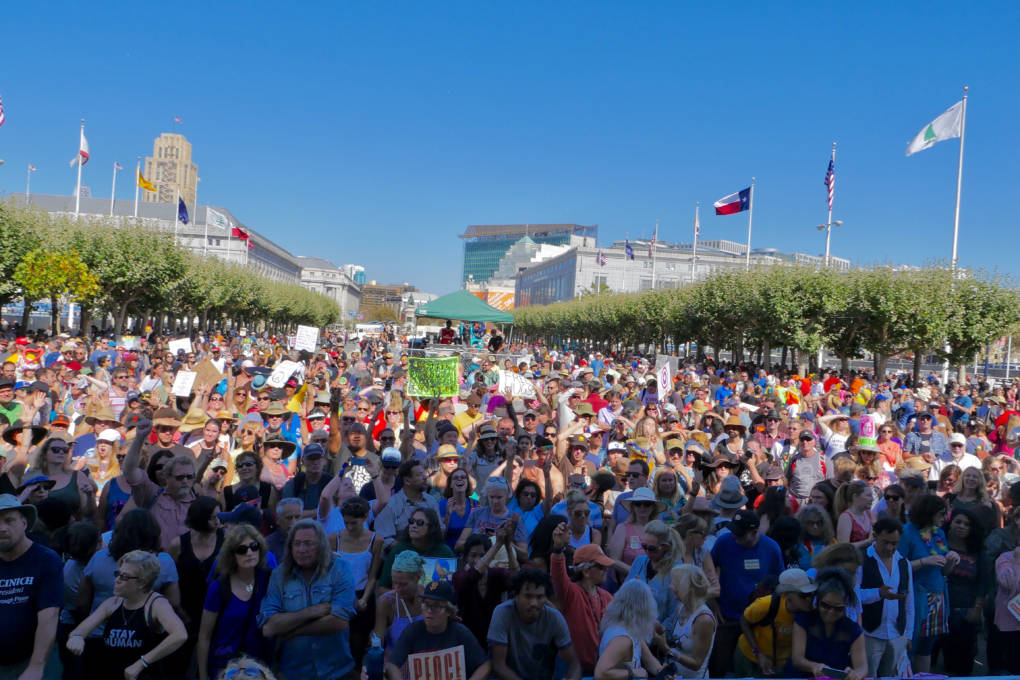
"caption": "Thousands gather at Civic Center PLaza on Aug. 26, 2017 to protest against the far-right rally Patriot Prayer. The group canceled a planned rally.",
"description": null,
"title": "Image uploaded from iOS",
"credit": "Sheraz Sadiq/KQED",
"status": "inherit",
"isLoading": false,
"fetchFailed": false
},
"news_11613657": {
"type": "attachments",
"id": "news_11613657",
"meta": {
"index": "attachments_1716263798",
"site": "news",
"id": "11613657",
"found": true
},
"parent": 11613655,
"imgSizes": {
"small": {
"file": "https://ww2.kqed.org/app/uploads/sites/10/2017/08/RS26296_McBride-qut-520x347.jpg",
"width": 520,
"mimeType": "image/jpeg",
"height": 347
},
"twentyfourteen-full-width": {
"file": "https://ww2.kqed.org/app/uploads/sites/10/2017/08/RS26296_McBride-qut-1038x576.jpg",
"width": 1038,
"mimeType": "image/jpeg",
"height": 576
},
"thumbnail": {
"file": "https://ww2.kqed.org/app/uploads/sites/10/2017/08/RS26296_McBride-qut-160x107.jpg",
"width": 160,
"mimeType": "image/jpeg",
"height": 107
},
"fd-sm": {
"file": "https://ww2.kqed.org/app/uploads/sites/10/2017/08/RS26296_McBride-qut-960x640.jpg",
"width": 960,
"mimeType": "image/jpeg",
"height": 640
},
"post-thumbnail": {
"file": "https://ww2.kqed.org/app/uploads/sites/10/2017/08/RS26296_McBride-qut-672x372.jpg",
"width": 672,
"mimeType": "image/jpeg",
"height": 372
},
"xsmall": {
"file": "https://ww2.kqed.org/app/uploads/sites/10/2017/08/RS26296_McBride-qut-375x250.jpg",
"width": 375,
"mimeType": "image/jpeg",
"height": 250
},
"kqedFullSize": {
"file": "https://ww2.kqed.org/app/uploads/sites/10/2017/08/RS26296_McBride-qut.jpg",
"width": 1920,
"height": 1280
},
"large": {
"file": "https://ww2.kqed.org/app/uploads/sites/10/2017/08/RS26296_McBride-qut-1020x680.jpg",
"width": 1020,
"mimeType": "image/jpeg",
"height": 680
},
"xlarge": {
"file": "https://ww2.kqed.org/app/uploads/sites/10/2017/08/RS26296_McBride-qut-1180x787.jpg",
"width": 1180,
"mimeType": "image/jpeg",
"height": 787
},
"guest-author-50": {
"file": "https://ww2.kqed.org/app/uploads/sites/10/2017/08/RS26296_McBride-qut-50x50.jpg",
"width": 50,
"mimeType": "image/jpeg",
"height": 50
},
"guest-author-96": {
"file": "https://ww2.kqed.org/app/uploads/sites/10/2017/08/RS26296_McBride-qut-96x96.jpg",
"width": 96,
"mimeType": "image/jpeg",
"height": 96
},
"medium": {
"file": "https://ww2.kqed.org/app/uploads/sites/10/2017/08/RS26296_McBride-qut-800x533.jpg",
"width": 800,
"mimeType": "image/jpeg",
"height": 533
},
"guest-author-64": {
"file": "https://ww2.kqed.org/app/uploads/sites/10/2017/08/RS26296_McBride-qut-64x64.jpg",
"width": 64,
"mimeType": "image/jpeg",
"height": 64
},
"guest-author-32": {
"file": "https://ww2.kqed.org/app/uploads/sites/10/2017/08/RS26296_McBride-qut-32x32.jpg",
"width": 32,
"mimeType": "image/jpeg",
"height": 32
},
"fd-lrg": {
"file": "https://ww2.kqed.org/app/uploads/sites/10/2017/08/RS26296_McBride-qut-1920x1280.jpg",
"width": 1920,
"mimeType": "image/jpeg",
"height": 1280
},
"fd-med": {
"file": "https://ww2.kqed.org/app/uploads/sites/10/2017/08/RS26296_McBride-qut-1180x787.jpg",
"width": 1180,
"mimeType": "image/jpeg",
"height": 787
},
"full-width": {
"file": "https://ww2.kqed.org/app/uploads/sites/10/2017/08/RS26296_McBride-qut-1920x1280.jpg",
"width": 1920,
"mimeType": "image/jpeg",
"height": 1280
},
"detail": {
"file": "https://ww2.kqed.org/app/uploads/sites/10/2017/08/RS26296_McBride-qut-150x150.jpg",
"width": 150,
"mimeType": "image/jpeg",
"height": 150
},
"guest-author-128": {
"file": "https://ww2.kqed.org/app/uploads/sites/10/2017/08/RS26296_McBride-qut-128x128.jpg",
"width": 128,
"mimeType": "image/jpeg",
"height": 128
},
"xxsmall": {
"file": "https://ww2.kqed.org/app/uploads/sites/10/2017/08/RS26296_McBride-qut-240x160.jpg",
"width": 240,
"mimeType": "image/jpeg",
"height": 160
}
},
"publishDate": 1503600549,
"modified": 1503697901,
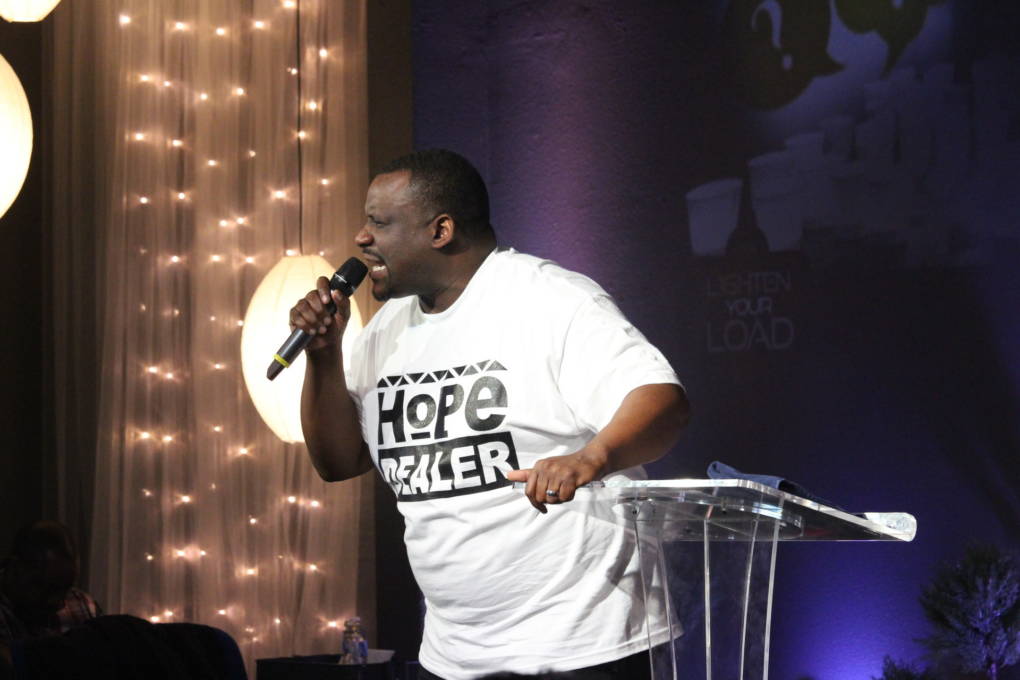
"caption": "The Rev. Michael McBride is encouraging his congregation in Berkeley to nonviolently stand up against far-right rallies in their city.",
"description": null,
"title": "Michael McBride",
"credit": "Farida Jhabvala Romero/KQED",
"status": "inherit",
"isLoading": false,
"fetchFailed": false
},
"news_11613839": {
"type": "attachments",
"id": "news_11613839",
"meta": {
"index": "attachments_1716263798",
"site": "news",
"id": "11613839",
"found": true
},
"parent": 11613520,
"imgSizes": {
"small": {
"file": "https://ww2.kqed.org/app/uploads/sites/10/2017/08/RS24967_20170415_BerkeleyProtest_Credit_BertJohnson-4-qut-520x347.jpg",
"width": 520,
"mimeType": "image/jpeg",
"height": 347
},
"twentyfourteen-full-width": {
"file": "https://ww2.kqed.org/app/uploads/sites/10/2017/08/RS24967_20170415_BerkeleyProtest_Credit_BertJohnson-4-qut-1038x576.jpg",
"width": 1038,
"mimeType": "image/jpeg",
"height": 576
},
"thumbnail": {
"file": "https://ww2.kqed.org/app/uploads/sites/10/2017/08/RS24967_20170415_BerkeleyProtest_Credit_BertJohnson-4-qut-160x107.jpg",
"width": 160,
"mimeType": "image/jpeg",
"height": 107
},
"fd-sm": {
"file": "https://ww2.kqed.org/app/uploads/sites/10/2017/08/RS24967_20170415_BerkeleyProtest_Credit_BertJohnson-4-qut-960x640.jpg",
"width": 960,
"mimeType": "image/jpeg",
"height": 640
},
"post-thumbnail": {
"file": "https://ww2.kqed.org/app/uploads/sites/10/2017/08/RS24967_20170415_BerkeleyProtest_Credit_BertJohnson-4-qut-672x372.jpg",
"width": 672,
"mimeType": "image/jpeg",
"height": 372
},
"xsmall": {
"file": "https://ww2.kqed.org/app/uploads/sites/10/2017/08/RS24967_20170415_BerkeleyProtest_Credit_BertJohnson-4-qut-375x250.jpg",
"width": 375,
"mimeType": "image/jpeg",
"height": 250
},
"kqedFullSize": {
"file": "https://ww2.kqed.org/app/uploads/sites/10/2017/08/RS24967_20170415_BerkeleyProtest_Credit_BertJohnson-4-qut.jpg",
"width": 1920,
"height": 1280
},
"large": {
"file": "https://ww2.kqed.org/app/uploads/sites/10/2017/08/RS24967_20170415_BerkeleyProtest_Credit_BertJohnson-4-qut-1020x680.jpg",
"width": 1020,
"mimeType": "image/jpeg",
"height": 680
},
"xlarge": {
"file": "https://ww2.kqed.org/app/uploads/sites/10/2017/08/RS24967_20170415_BerkeleyProtest_Credit_BertJohnson-4-qut-1180x787.jpg",
"width": 1180,
"mimeType": "image/jpeg",
"height": 787
},
"guest-author-50": {
"file": "https://ww2.kqed.org/app/uploads/sites/10/2017/08/RS24967_20170415_BerkeleyProtest_Credit_BertJohnson-4-qut-50x50.jpg",
"width": 50,
"mimeType": "image/jpeg",
"height": 50
},
"guest-author-96": {
"file": "https://ww2.kqed.org/app/uploads/sites/10/2017/08/RS24967_20170415_BerkeleyProtest_Credit_BertJohnson-4-qut-96x96.jpg",
"width": 96,
"mimeType": "image/jpeg",
"height": 96
},
"medium": {
"file": "https://ww2.kqed.org/app/uploads/sites/10/2017/08/RS24967_20170415_BerkeleyProtest_Credit_BertJohnson-4-qut-800x533.jpg",
"width": 800,
"mimeType": "image/jpeg",
"height": 533
},
"guest-author-64": {
"file": "https://ww2.kqed.org/app/uploads/sites/10/2017/08/RS24967_20170415_BerkeleyProtest_Credit_BertJohnson-4-qut-64x64.jpg",
"width": 64,
"mimeType": "image/jpeg",
"height": 64
},
"guest-author-32": {
"file": "https://ww2.kqed.org/app/uploads/sites/10/2017/08/RS24967_20170415_BerkeleyProtest_Credit_BertJohnson-4-qut-32x32.jpg",
"width": 32,
"mimeType": "image/jpeg",
"height": 32
},
"fd-lrg": {
"file": "https://ww2.kqed.org/app/uploads/sites/10/2017/08/RS24967_20170415_BerkeleyProtest_Credit_BertJohnson-4-qut-1920x1280.jpg",
"width": 1920,
"mimeType": "image/jpeg",
"height": 1280
},
"fd-med": {
"file": "https://ww2.kqed.org/app/uploads/sites/10/2017/08/RS24967_20170415_BerkeleyProtest_Credit_BertJohnson-4-qut-1180x787.jpg",
"width": 1180,
"mimeType": "image/jpeg",
"height": 787
},
"full-width": {
"file": "https://ww2.kqed.org/app/uploads/sites/10/2017/08/RS24967_20170415_BerkeleyProtest_Credit_BertJohnson-4-qut-1920x1280.jpg",
"width": 1920,
"mimeType": "image/jpeg",
"height": 1280
},
"detail": {
"file": "https://ww2.kqed.org/app/uploads/sites/10/2017/08/RS24967_20170415_BerkeleyProtest_Credit_BertJohnson-4-qut-150x150.jpg",
"width": 150,
"mimeType": "image/jpeg",
"height": 150
},
"guest-author-128": {
"file": "https://ww2.kqed.org/app/uploads/sites/10/2017/08/RS24967_20170415_BerkeleyProtest_Credit_BertJohnson-4-qut-128x128.jpg",
"width": 128,
"mimeType": "image/jpeg",
"height": 128
},
"xxsmall": {
"file": "https://ww2.kqed.org/app/uploads/sites/10/2017/08/RS24967_20170415_BerkeleyProtest_Credit_BertJohnson-4-qut-240x160.jpg",
"width": 240,
"mimeType": "image/jpeg",
"height": 160
}
},
"publishDate": 1503623447,
"modified": 1503623799,
"caption": "Clashes broke out between far-right protesters and counter-demonstrators at the so-called \"Battle of Berkeley\" on April 15, 2017.",
"description": null,
"title": "RS24967_20170415_BerkeleyProtest_Credit_BertJohnson-4-qut",
"credit": "Bert Johnson/KQED",
"status": "inherit",
"isLoading": false,
"fetchFailed": false
},
"news_11612929": {
"type": "attachments",
"id": "news_11612929",
"meta": {
"index": "attachments_1716263798",
"site": "news",
"id": "11612929",
"found": true
},
"parent": 11612928,
"imgSizes": {
"small": {
"file": "https://ww2.kqed.org/app/uploads/sites/10/2017/08/tomhanks_wide-cc8f41da4ee58c993f64b9b533f14bb16cd5c109-520x292.jpg",
"width": 520,
"mimeType": "image/jpeg",
"height": 292
},
"twentyfourteen-full-width": {
"file": "https://ww2.kqed.org/app/uploads/sites/10/2017/08/tomhanks_wide-cc8f41da4ee58c993f64b9b533f14bb16cd5c109-1038x576.jpg",
"width": 1038,
"mimeType": "image/jpeg",
"height": 576
},
"thumbnail": {
"file": "https://ww2.kqed.org/app/uploads/sites/10/2017/08/tomhanks_wide-cc8f41da4ee58c993f64b9b533f14bb16cd5c109-160x90.jpg",
"width": 160,
"mimeType": "image/jpeg",
"height": 90
},
"fd-sm": {
"file": "https://ww2.kqed.org/app/uploads/sites/10/2017/08/tomhanks_wide-cc8f41da4ee58c993f64b9b533f14bb16cd5c109-960x540.jpg",
"width": 960,
"mimeType": "image/jpeg",
"height": 540
},
"post-thumbnail": {
"file": "https://ww2.kqed.org/app/uploads/sites/10/2017/08/tomhanks_wide-cc8f41da4ee58c993f64b9b533f14bb16cd5c109-672x372.jpg",
"width": 672,
"mimeType": "image/jpeg",
"height": 372
},
"xsmall": {
"file": "https://ww2.kqed.org/app/uploads/sites/10/2017/08/tomhanks_wide-cc8f41da4ee58c993f64b9b533f14bb16cd5c109-375x211.jpg",
"width": 375,
"mimeType": "image/jpeg",
"height": 211
},
"kqedFullSize": {
"file": "https://ww2.kqed.org/app/uploads/sites/10/2017/08/tomhanks_wide-cc8f41da4ee58c993f64b9b533f14bb16cd5c109.jpg",
"width": 1906,
"height": 1072
},
"large": {
"file": "https://ww2.kqed.org/app/uploads/sites/10/2017/08/tomhanks_wide-cc8f41da4ee58c993f64b9b533f14bb16cd5c109-1020x574.jpg",
"width": 1020,
"mimeType": "image/jpeg",
"height": 574
},
"xlarge": {
"file": "https://ww2.kqed.org/app/uploads/sites/10/2017/08/tomhanks_wide-cc8f41da4ee58c993f64b9b533f14bb16cd5c109-1180x664.jpg",
"width": 1180,
"mimeType": "image/jpeg",
"height": 664
},
"guest-author-50": {
"file": "https://ww2.kqed.org/app/uploads/sites/10/2017/08/tomhanks_wide-cc8f41da4ee58c993f64b9b533f14bb16cd5c109-50x50.jpg",
"width": 50,
"mimeType": "image/jpeg",
"height": 50
},
"guest-author-96": {
"file": "https://ww2.kqed.org/app/uploads/sites/10/2017/08/tomhanks_wide-cc8f41da4ee58c993f64b9b533f14bb16cd5c109-96x96.jpg",
"width": 96,
"mimeType": "image/jpeg",
"height": 96
},
"medium": {
"file": "https://ww2.kqed.org/app/uploads/sites/10/2017/08/tomhanks_wide-cc8f41da4ee58c993f64b9b533f14bb16cd5c109-800x450.jpg",
"width": 800,
"mimeType": "image/jpeg",
"height": 450
},
"guest-author-64": {
"file": "https://ww2.kqed.org/app/uploads/sites/10/2017/08/tomhanks_wide-cc8f41da4ee58c993f64b9b533f14bb16cd5c109-64x64.jpg",
"width": 64,
"mimeType": "image/jpeg",
"height": 64
},
"guest-author-32": {
"file": "https://ww2.kqed.org/app/uploads/sites/10/2017/08/tomhanks_wide-cc8f41da4ee58c993f64b9b533f14bb16cd5c109-32x32.jpg",
"width": 32,
"mimeType": "image/jpeg",
"height": 32
},
"fd-med": {
"file": "https://ww2.kqed.org/app/uploads/sites/10/2017/08/tomhanks_wide-cc8f41da4ee58c993f64b9b533f14bb16cd5c109-1180x664.jpg",
"width": 1180,
"mimeType": "image/jpeg",
"height": 664
},
"detail": {
"file": "https://ww2.kqed.org/app/uploads/sites/10/2017/08/tomhanks_wide-cc8f41da4ee58c993f64b9b533f14bb16cd5c109-150x150.jpg",
"width": 150,
"mimeType": "image/jpeg",
"height": 150
},
"guest-author-128": {
"file": "https://ww2.kqed.org/app/uploads/sites/10/2017/08/tomhanks_wide-cc8f41da4ee58c993f64b9b533f14bb16cd5c109-128x128.jpg",
"width": 128,
"mimeType": "image/jpeg",
"height": 128
},
"xxsmall": {
"file": "https://ww2.kqed.org/app/uploads/sites/10/2017/08/tomhanks_wide-cc8f41da4ee58c993f64b9b533f14bb16cd5c109-240x135.jpg",
"width": 240,
"mimeType": "image/jpeg",
"height": 135
}
},
"publishDate": 1503086530,
"modified": 1503094360,
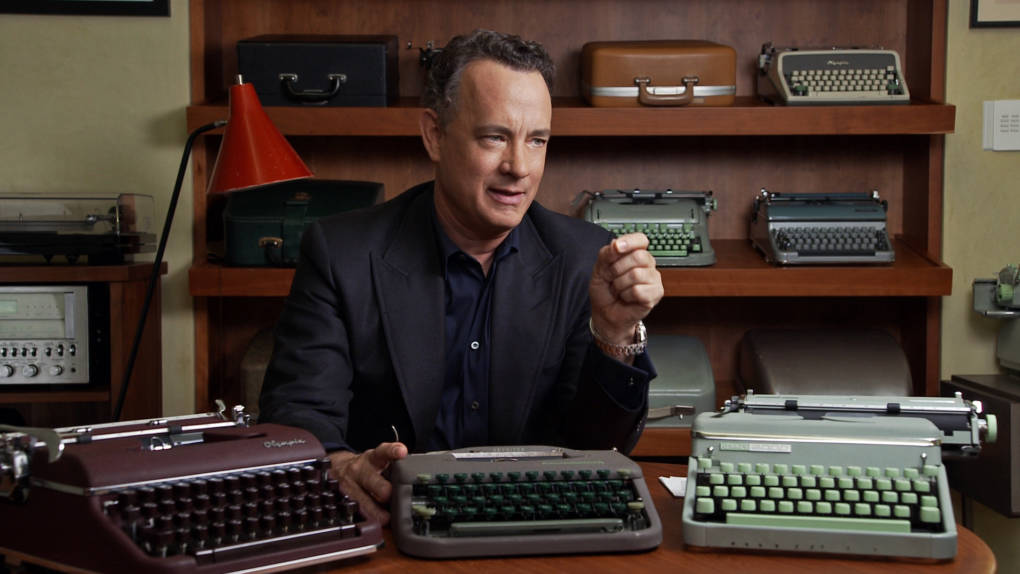
"caption": "Tom Hanks, one of the interviewees featured in 'California Typewriter,' has over 250 typewriters in his personal collection.",
"description": "Tom Hanks, one of the interviewees featured in California Typewriter\u003c/em>, has over 250 typewriters in his personal collection.",
"title": "Tom Hanks, one of the interviewees featured in California Typewriter, has over 250 typewriters in his personal collection.",
"credit": "Courtesy of Gravitas Ventures",
"status": "inherit",
"isLoading": false,
"fetchFailed": false
},
"news_11611768": {
"type": "attachments",
"id": "news_11611768",
"meta": {
"index": "attachments_1716263798",
"site": "news",
"id": "11611768",
"found": true
},
"parent": 11611747,
"imgSizes": {
"small": {
"file": "https://ww2.kqed.org/app/uploads/sites/10/2017/08/Top-Dog-800x600-520x390.jpg",
"width": 520,
"mimeType": "image/jpeg",
"height": 390
},
"twentyfourteen-full-width": {
"file": "https://ww2.kqed.org/app/uploads/sites/10/2017/08/Top-Dog-800x600-800x576.jpg",
"width": 800,
"mimeType": "image/jpeg",
"height": 576
},
"thumbnail": {
"file": "https://ww2.kqed.org/app/uploads/sites/10/2017/08/Top-Dog-800x600-160x120.jpg",
"width": 160,
"mimeType": "image/jpeg",
"height": 120
},
"post-thumbnail": {
"file": "https://ww2.kqed.org/app/uploads/sites/10/2017/08/Top-Dog-800x600-672x372.jpg",
"width": 672,
"mimeType": "image/jpeg",
"height": 372
},
"xsmall": {
"file": "https://ww2.kqed.org/app/uploads/sites/10/2017/08/Top-Dog-800x600-375x281.jpg",
"width": 375,
"mimeType": "image/jpeg",
"height": 281
},
"kqedFullSize": {
"file": "https://ww2.kqed.org/app/uploads/sites/10/2017/08/Top-Dog-800x600.jpg",
"width": 800,
"height": 600
},
"guest-author-50": {
"file": "https://ww2.kqed.org/app/uploads/sites/10/2017/08/Top-Dog-800x600-50x50.jpg",
"width": 50,
"mimeType": "image/jpeg",
"height": 50
},
"guest-author-96": {
"file": "https://ww2.kqed.org/app/uploads/sites/10/2017/08/Top-Dog-800x600-96x96.jpg",
"width": 96,
"mimeType": "image/jpeg",
"height": 96
},
"medium": {
"file": "https://ww2.kqed.org/app/uploads/sites/10/2017/08/Top-Dog-800x600-800x600.jpg",
"width": 800,
"mimeType": "image/jpeg",
"height": 600
},
"guest-author-64": {
"file": "https://ww2.kqed.org/app/uploads/sites/10/2017/08/Top-Dog-800x600-64x64.jpg",
"width": 64,
"mimeType": "image/jpeg",
"height": 64
},
"guest-author-32": {
"file": "https://ww2.kqed.org/app/uploads/sites/10/2017/08/Top-Dog-800x600-32x32.jpg",
"width": 32,
"mimeType": "image/jpeg",
"height": 32
},
"detail": {
"file": "https://ww2.kqed.org/app/uploads/sites/10/2017/08/Top-Dog-800x600-150x150.jpg",
"width": 150,
"mimeType": "image/jpeg",
"height": 150
},
"guest-author-128": {
"file": "https://ww2.kqed.org/app/uploads/sites/10/2017/08/Top-Dog-800x600-128x128.jpg",
"width": 128,
"mimeType": "image/jpeg",
"height": 128
},
"xxsmall": {
"file": "https://ww2.kqed.org/app/uploads/sites/10/2017/08/Top-Dog-800x600-240x180.jpg",
"width": 240,
"mimeType": "image/jpeg",
"height": 180
}
},
"publishDate": 1502734062,
"modified": 1502842625,
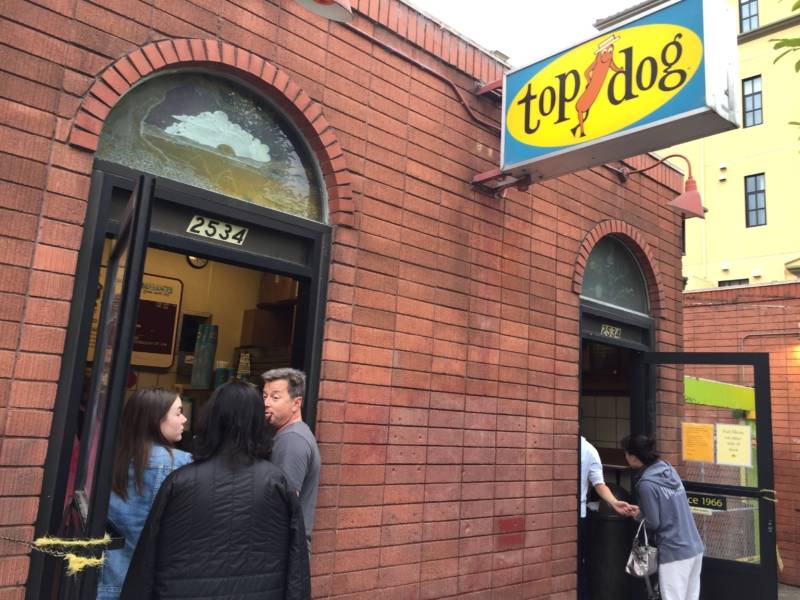
"caption": "Customers wait in line at Top Dog eatery in Berkeley on Sunday, Aug, 13. ",
"description": null,
"title": "Top-Dog-800x600",
"credit": "Frances Dinkelspiel/Berkeleyside",
"status": "inherit",
"isLoading": false,
"fetchFailed": false
},
"news_11611675": {
"type": "attachments",
"id": "news_11611675",
"meta": {
"index": "attachments_1716263798",
"site": "news",
"id": "11611675",
"found": true
},
"parent": 11611600,
"imgSizes": {
"small": {
"file": "https://ww2.kqed.org/app/uploads/sites/10/2017/08/20170813_NathanDamigo_Credit_BertJohnson-1-520x347.jpg",
"width": 520,
"mimeType": "image/jpeg",
"height": 347
},
"twentyfourteen-full-width": {
"file": "https://ww2.kqed.org/app/uploads/sites/10/2017/08/20170813_NathanDamigo_Credit_BertJohnson-1-1038x576.jpg",
"width": 1038,
"mimeType": "image/jpeg",
"height": 576
},
"thumbnail": {
"file": "https://ww2.kqed.org/app/uploads/sites/10/2017/08/20170813_NathanDamigo_Credit_BertJohnson-1-160x107.jpg",
"width": 160,
"mimeType": "image/jpeg",
"height": 107
},
"fd-sm": {
"file": "https://ww2.kqed.org/app/uploads/sites/10/2017/08/20170813_NathanDamigo_Credit_BertJohnson-1-960x640.jpg",
"width": 960,
"mimeType": "image/jpeg",
"height": 640
},
"post-thumbnail": {
"file": "https://ww2.kqed.org/app/uploads/sites/10/2017/08/20170813_NathanDamigo_Credit_BertJohnson-1-672x372.jpg",
"width": 672,
"mimeType": "image/jpeg",
"height": 372
},
"xsmall": {
"file": "https://ww2.kqed.org/app/uploads/sites/10/2017/08/20170813_NathanDamigo_Credit_BertJohnson-1-375x250.jpg",
"width": 375,
"mimeType": "image/jpeg",
"height": 250
},
"kqedFullSize": {
"file": "https://ww2.kqed.org/app/uploads/sites/10/2017/08/20170813_NathanDamigo_Credit_BertJohnson-1-e1502738252308.jpg",
"width": 1920,
"height": 1280
},
"large": {
"file": "https://ww2.kqed.org/app/uploads/sites/10/2017/08/20170813_NathanDamigo_Credit_BertJohnson-1-1020x680.jpg",
"width": 1020,
"mimeType": "image/jpeg",
"height": 680
},
"xlarge": {
"file": "https://ww2.kqed.org/app/uploads/sites/10/2017/08/20170813_NathanDamigo_Credit_BertJohnson-1-1180x787.jpg",
"width": 1180,
"mimeType": "image/jpeg",
"height": 787
},
"guest-author-50": {
"file": "https://ww2.kqed.org/app/uploads/sites/10/2017/08/20170813_NathanDamigo_Credit_BertJohnson-1-50x50.jpg",
"width": 50,
"mimeType": "image/jpeg",
"height": 50
},
"guest-author-96": {
"file": "https://ww2.kqed.org/app/uploads/sites/10/2017/08/20170813_NathanDamigo_Credit_BertJohnson-1-96x96.jpg",
"width": 96,
"mimeType": "image/jpeg",
"height": 96
},
"medium": {
"file": "https://ww2.kqed.org/app/uploads/sites/10/2017/08/20170813_NathanDamigo_Credit_BertJohnson-1-800x533.jpg",
"width": 800,
"mimeType": "image/jpeg",
"height": 533
},
"guest-author-64": {
"file": "https://ww2.kqed.org/app/uploads/sites/10/2017/08/20170813_NathanDamigo_Credit_BertJohnson-1-64x64.jpg",
"width": 64,
"mimeType": "image/jpeg",
"height": 64
},
"guest-author-32": {
"file": "https://ww2.kqed.org/app/uploads/sites/10/2017/08/20170813_NathanDamigo_Credit_BertJohnson-1-32x32.jpg",
"width": 32,
"mimeType": "image/jpeg",
"height": 32
},
"fd-lrg": {
"file": "https://ww2.kqed.org/app/uploads/sites/10/2017/08/20170813_NathanDamigo_Credit_BertJohnson-1-1920x1280.jpg",
"width": 1920,
"mimeType": "image/jpeg",
"height": 1280
},
"fd-med": {
"file": "https://ww2.kqed.org/app/uploads/sites/10/2017/08/20170813_NathanDamigo_Credit_BertJohnson-1-1180x787.jpg",
"width": 1180,
"mimeType": "image/jpeg",
"height": 787
},
"full-width": {
"file": "https://ww2.kqed.org/app/uploads/sites/10/2017/08/20170813_NathanDamigo_Credit_BertJohnson-1-1920x1280.jpg",
"width": 1920,
"mimeType": "image/jpeg",
"height": 1280
},
"detail": {
"file": "https://ww2.kqed.org/app/uploads/sites/10/2017/08/20170813_NathanDamigo_Credit_BertJohnson-1-150x150.jpg",
"width": 150,
"mimeType": "image/jpeg",
"height": 150
},
"guest-author-128": {
"file": "https://ww2.kqed.org/app/uploads/sites/10/2017/08/20170813_NathanDamigo_Credit_BertJohnson-1-128x128.jpg",
"width": 128,
"mimeType": "image/jpeg",
"height": 128
},
"xxsmall": {
"file": "https://ww2.kqed.org/app/uploads/sites/10/2017/08/20170813_NathanDamigo_Credit_BertJohnson-1-240x160.jpg",
"width": 240,
"mimeType": "image/jpeg",
"height": 160
}
},
"publishDate": 1502663459,
"modified": 1502755978,
"caption": "Nathan Damigo, the founder of white nationalist group Identity Evropa, at a right-wing rally in Berkeley on April 15, 2017. He helped organize the white supremacist rally in Charlottesville, Virginia, where one counterprotester was killed on Saturday.",
"description": "Nathan Damigo, the founder of white nationalist group Identity Evropa, at a right wing rally in Berkeley on April 15. He helped organize the white supremacist rally in Charlottesville, Virginia where one counter-protester was killed on Saturday.",
"title": "20170813_NathanDamigo_Credit_BertJohnson-1",
"credit": "Bert Johnson/KQED",
"status": "inherit",
"isLoading": false,
"fetchFailed": false
},
"news_11450589": {
"type": "attachments",
"id": "news_11450589",
"meta": {
"index": "attachments_1716263798",
"site": "news",
"id": "11450589",
"found": true
},
"parent": 11450583,
"imgSizes": {
"small": {
"file": "https://ww2.kqed.org/app/uploads/sites/10/2017/05/IMG_8851-520x390.jpeg",
"width": 520,
"mimeType": "image/jpeg",
"height": 390
},
"twentyfourteen-full-width": {
"file": "https://ww2.kqed.org/app/uploads/sites/10/2017/05/IMG_8851-1038x576.jpeg",
"width": 1038,
"mimeType": "image/jpeg",
"height": 576
},
"thumbnail": {
"file": "https://ww2.kqed.org/app/uploads/sites/10/2017/05/IMG_8851-160x120.jpeg",
"width": 160,
"mimeType": "image/jpeg",
"height": 120
},
"fd-sm": {
"file": "https://ww2.kqed.org/app/uploads/sites/10/2017/05/IMG_8851-960x720.jpeg",
"width": 960,
"mimeType": "image/jpeg",
"height": 720
},
"post-thumbnail": {
"file": "https://ww2.kqed.org/app/uploads/sites/10/2017/05/IMG_8851-672x372.jpeg",
"width": 672,
"mimeType": "image/jpeg",
"height": 372
},
"xsmall": {
"file": "https://ww2.kqed.org/app/uploads/sites/10/2017/05/IMG_8851-375x281.jpeg",
"width": 375,
"mimeType": "image/jpeg",
"height": 281
},
"kqedFullSize": {
"file": "https://ww2.kqed.org/app/uploads/sites/10/2017/05/IMG_8851.jpeg",
"width": 1280,
"height": 960
},
"large": {
"file": "https://ww2.kqed.org/app/uploads/sites/10/2017/05/IMG_8851-1020x765.jpeg",
"width": 1020,
"mimeType": "image/jpeg",
"height": 765
},
"xlarge": {
"file": "https://ww2.kqed.org/app/uploads/sites/10/2017/05/IMG_8851-1180x885.jpeg",
"width": 1180,
"mimeType": "image/jpeg",
"height": 885
},
"guest-author-50": {
"file": "https://ww2.kqed.org/app/uploads/sites/10/2017/05/IMG_8851-50x50.jpeg",
"width": 50,
"mimeType": "image/jpeg",
"height": 50
},
"guest-author-96": {
"file": "https://ww2.kqed.org/app/uploads/sites/10/2017/05/IMG_8851-96x96.jpeg",
"width": 96,
"mimeType": "image/jpeg",
"height": 96
},
"medium": {
"file": "https://ww2.kqed.org/app/uploads/sites/10/2017/05/IMG_8851-800x600.jpeg",
"width": 800,
"mimeType": "image/jpeg",
"height": 600
},
"guest-author-64": {
"file": "https://ww2.kqed.org/app/uploads/sites/10/2017/05/IMG_8851-64x64.jpeg",
"width": 64,
"mimeType": "image/jpeg",
"height": 64
},
"guest-author-32": {
"file": "https://ww2.kqed.org/app/uploads/sites/10/2017/05/IMG_8851-32x32.jpeg",
"width": 32,
"mimeType": "image/jpeg",
"height": 32
},
"fd-med": {
"file": "https://ww2.kqed.org/app/uploads/sites/10/2017/05/IMG_8851-1180x885.jpeg",
"width": 1180,
"mimeType": "image/jpeg",
"height": 885
},
"detail": {
"file": "https://ww2.kqed.org/app/uploads/sites/10/2017/05/IMG_8851-150x150.jpeg",
"width": 150,
"mimeType": "image/jpeg",
"height": 150
},
"guest-author-128": {
"file": "https://ww2.kqed.org/app/uploads/sites/10/2017/05/IMG_8851-128x128.jpeg",
"width": 128,
"mimeType": "image/jpeg",
"height": 128
},
"xxsmall": {
"file": "https://ww2.kqed.org/app/uploads/sites/10/2017/05/IMG_8851-240x180.jpeg",
"width": 240,
"mimeType": "image/jpeg",
"height": 180
}
},
"publishDate": 1494451289,
"modified": 1494451460,
"caption": "It took about three hours on Sunday May 8 to move the brown-shingle house through the streets of downtown, past old City Hall, and into its new location at 2214 MLK Jr. Way. ",
"description": null,
"title": "IMG_8851",
"credit": "Frances Dinkelspiel/Berkeleyside",
"status": "inherit",
"isLoading": false,
"fetchFailed": false
},
"news_11431952": {
"type": "attachments",
"id": "news_11431952",
"meta": {
"index": "attachments_1716263798",
"site": "news",
"id": "11431952",
"found": true
},
"parent": 11431950,
"imgSizes": {
"small": {
"file": "https://ww2.kqed.org/app/uploads/sites/10/2017/04/Show-Marquee-520x293.jpg",
"width": 520,
"mimeType": "image/jpeg",
"height": 293
},
"twentyfourteen-full-width": {
"file": "https://ww2.kqed.org/app/uploads/sites/10/2017/04/Show-Marquee-1038x576.jpg",
"width": 1038,
"mimeType": "image/jpeg",
"height": 576
},
"thumbnail": {
"file": "https://ww2.kqed.org/app/uploads/sites/10/2017/04/Show-Marquee-160x90.jpg",
"width": 160,
"mimeType": "image/jpeg",
"height": 90
},
"fd-sm": {
"file": "https://ww2.kqed.org/app/uploads/sites/10/2017/04/Show-Marquee-960x540.jpg",
"width": 960,
"mimeType": "image/jpeg",
"height": 540
},
"post-thumbnail": {
"file": "https://ww2.kqed.org/app/uploads/sites/10/2017/04/Show-Marquee-672x372.jpg",
"width": 672,
"mimeType": "image/jpeg",
"height": 372
},
"xsmall": {
"file": "https://ww2.kqed.org/app/uploads/sites/10/2017/04/Show-Marquee-375x211.jpg",
"width": 375,
"mimeType": "image/jpeg",
"height": 211
},
"kqedFullSize": {
"file": "https://ww2.kqed.org/app/uploads/sites/10/2017/04/Show-Marquee.jpg",
"width": 5333,
"height": 3000
},
"large": {
"file": "https://ww2.kqed.org/app/uploads/sites/10/2017/04/Show-Marquee-1020x574.jpg",
"width": 1020,
"mimeType": "image/jpeg",
"height": 574
},
"xlarge": {
"file": "https://ww2.kqed.org/app/uploads/sites/10/2017/04/Show-Marquee-1180x664.jpg",
"width": 1180,
"mimeType": "image/jpeg",
"height": 664
},
"guest-author-50": {
"file": "https://ww2.kqed.org/app/uploads/sites/10/2017/04/Show-Marquee-50x50.jpg",
"width": 50,
"mimeType": "image/jpeg",
"height": 50
},
"guest-author-96": {
"file": "https://ww2.kqed.org/app/uploads/sites/10/2017/04/Show-Marquee-96x96.jpg",
"width": 96,
"mimeType": "image/jpeg",
"height": 96
},
"medium": {
"file": "https://ww2.kqed.org/app/uploads/sites/10/2017/04/Show-Marquee-800x450.jpg",
"width": 800,
"mimeType": "image/jpeg",
"height": 450
},
"guest-author-64": {
"file": "https://ww2.kqed.org/app/uploads/sites/10/2017/04/Show-Marquee-64x64.jpg",
"width": 64,
"mimeType": "image/jpeg",
"height": 64
},
"guest-author-32": {
"file": "https://ww2.kqed.org/app/uploads/sites/10/2017/04/Show-Marquee-32x32.jpg",
"width": 32,
"mimeType": "image/jpeg",
"height": 32
},
"fd-lrg": {
"file": "https://ww2.kqed.org/app/uploads/sites/10/2017/04/Show-Marquee-1920x1080.jpg",
"width": 1920,
"mimeType": "image/jpeg",
"height": 1080
},
"fd-med": {
"file": "https://ww2.kqed.org/app/uploads/sites/10/2017/04/Show-Marquee-1180x664.jpg",
"width": 1180,
"mimeType": "image/jpeg",
"height": 664
},
"full-width": {
"file": "https://ww2.kqed.org/app/uploads/sites/10/2017/04/Show-Marquee-1920x1080.jpg",
"width": 1920,
"mimeType": "image/jpeg",
"height": 1080
},
"detail": {
"file": "https://ww2.kqed.org/app/uploads/sites/10/2017/04/Show-Marquee-150x150.jpg",
"width": 150,
"mimeType": "image/jpeg",
"height": 150
},
"guest-author-128": {
"file": "https://ww2.kqed.org/app/uploads/sites/10/2017/04/Show-Marquee-128x128.jpg",
"width": 128,
"mimeType": "image/jpeg",
"height": 128
},
"xxsmall": {
"file": "https://ww2.kqed.org/app/uploads/sites/10/2017/04/Show-Marquee-240x135.jpg",
"width": 240,
"mimeType": "image/jpeg",
"height": 135
}
},
"publishDate": 1493425152,
"modified": 1493425152,
"caption": null,
"description": null,
"title": "Show Marquee",
"credit": null,
"status": "inherit",
"isLoading": false,
"fetchFailed": false
},
"news_11429930": {
"type": "attachments",
"id": "news_11429930",
"meta": {
"index": "attachments_1716263798",
"site": "news",
"id": "11429930",
"found": true
},
"parent": 11429923,
"imgSizes": {
"small": {
"file": "https://ww2.kqed.org/app/uploads/sites/10/2017/04/ReadyforSpeech-qut-520x693.jpg",
"width": 520,
"mimeType": "image/jpeg",
"height": 693
},
"twentyfourteen-full-width": {
"file": "https://ww2.kqed.org/app/uploads/sites/10/2017/04/ReadyforSpeech-qut-1038x576.jpg",
"width": 1038,
"mimeType": "image/jpeg",
"height": 576
},
"thumbnail": {
"file": "https://ww2.kqed.org/app/uploads/sites/10/2017/04/ReadyforSpeech-qut-160x213.jpg",
"width": 160,
"mimeType": "image/jpeg",
"height": 213
},
"fd-sm": {
"file": "https://ww2.kqed.org/app/uploads/sites/10/2017/04/ReadyforSpeech-qut-960x1280.jpg",
"width": 960,
"mimeType": "image/jpeg",
"height": 1280
},
"post-thumbnail": {
"file": "https://ww2.kqed.org/app/uploads/sites/10/2017/04/ReadyforSpeech-qut-672x372.jpg",
"width": 672,
"mimeType": "image/jpeg",
"height": 372
},
"xsmall": {
"file": "https://ww2.kqed.org/app/uploads/sites/10/2017/04/ReadyforSpeech-qut-375x500.jpg",
"width": 375,
"mimeType": "image/jpeg",
"height": 500
},
"kqedFullSize": {
"file": "https://ww2.kqed.org/app/uploads/sites/10/2017/04/ReadyforSpeech-qut.jpg",
"width": 1224,
"height": 1632
},
"large": {
"file": "https://ww2.kqed.org/app/uploads/sites/10/2017/04/ReadyforSpeech-qut-1020x1360.jpg",
"width": 1020,
"mimeType": "image/jpeg",
"height": 1360
},
"xlarge": {
"file": "https://ww2.kqed.org/app/uploads/sites/10/2017/04/ReadyforSpeech-qut-1180x1573.jpg",
"width": 1180,
"mimeType": "image/jpeg",
"height": 1573
},
"guest-author-50": {
"file": "https://ww2.kqed.org/app/uploads/sites/10/2017/04/ReadyforSpeech-qut-50x50.jpg",
"width": 50,
"mimeType": "image/jpeg",
"height": 50
},
"guest-author-96": {
"file": "https://ww2.kqed.org/app/uploads/sites/10/2017/04/ReadyforSpeech-qut-96x96.jpg",
"width": 96,
"mimeType": "image/jpeg",
"height": 96
},
"medium": {
"file": "https://ww2.kqed.org/app/uploads/sites/10/2017/04/ReadyforSpeech-qut-800x1067.jpg",
"width": 800,
"mimeType": "image/jpeg",
"height": 1067
},
"guest-author-64": {
"file": "https://ww2.kqed.org/app/uploads/sites/10/2017/04/ReadyforSpeech-qut-64x64.jpg",
"width": 64,
"mimeType": "image/jpeg",
"height": 64
},
"guest-author-32": {
"file": "https://ww2.kqed.org/app/uploads/sites/10/2017/04/ReadyforSpeech-qut-32x32.jpg",
"width": 32,
"mimeType": "image/jpeg",
"height": 32
},
"fd-med": {
"file": "https://ww2.kqed.org/app/uploads/sites/10/2017/04/ReadyforSpeech-qut-1180x1573.jpg",
"width": 1180,
"mimeType": "image/jpeg",
"height": 1573
},
"detail": {
"file": "https://ww2.kqed.org/app/uploads/sites/10/2017/04/ReadyforSpeech-qut-150x150.jpg",
"width": 150,
"mimeType": "image/jpeg",
"height": 150
},
"guest-author-128": {
"file": "https://ww2.kqed.org/app/uploads/sites/10/2017/04/ReadyforSpeech-qut-128x128.jpg",
"width": 128,
"mimeType": "image/jpeg",
"height": 128
},
"xxsmall": {
"file": "https://ww2.kqed.org/app/uploads/sites/10/2017/04/ReadyforSpeech-qut-240x320.jpg",
"width": 240,
"mimeType": "image/jpeg",
"height": 320
}
},
"publishDate": 1493323372,
"modified": 1493327510,
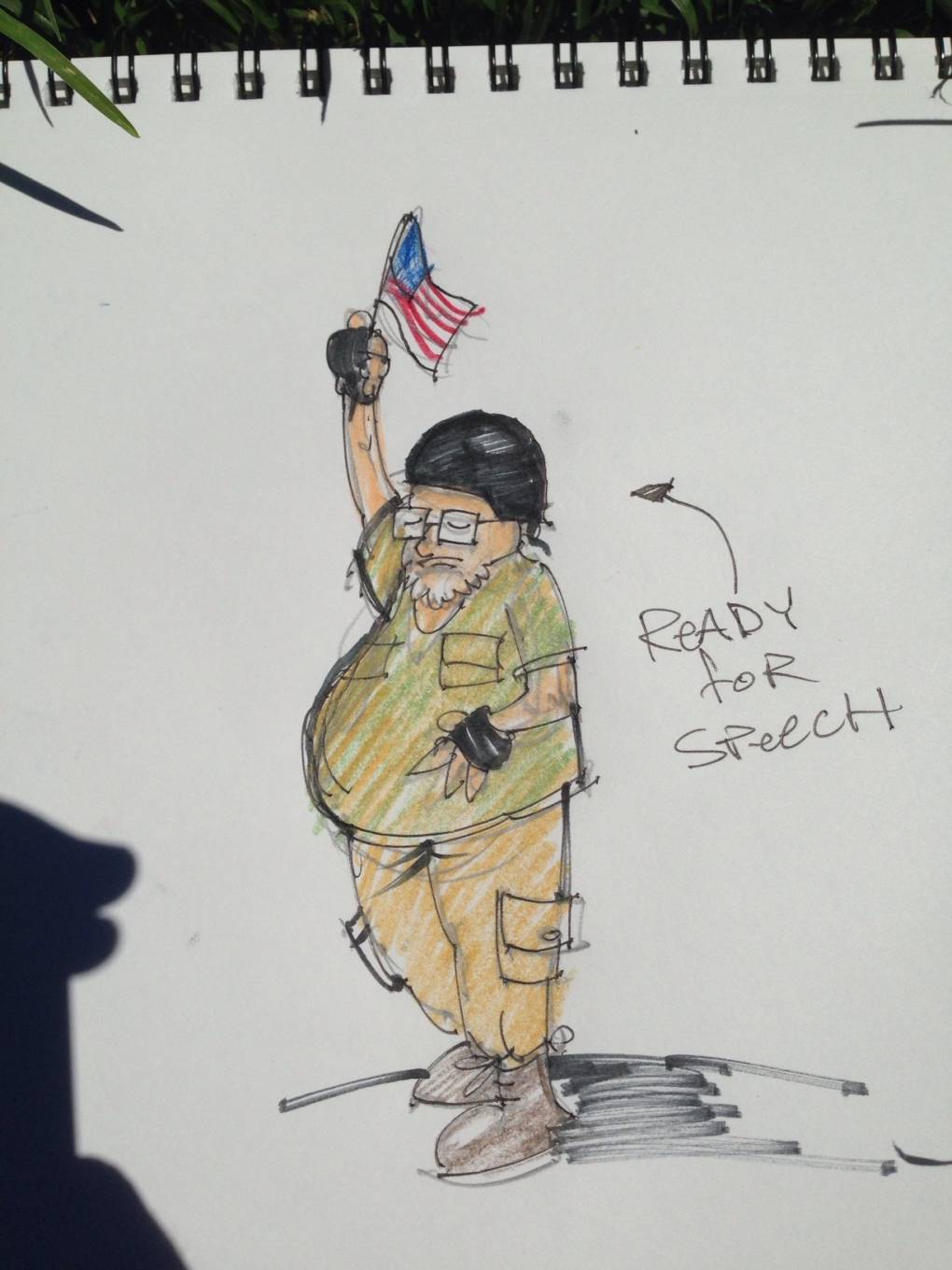
"caption": "\"Ready for Speech\"",
"description": null,
"title": "ReadyforSpeech-qut",
"credit": "Mark Fiore/KQED",
"status": "inherit",
"isLoading": false,
"fetchFailed": false
},
"news_11430230": {
"type": "attachments",
"id": "news_11430230",
"meta": {
"index": "attachments_1716263798",
"site": "news",
"id": "11430230",
"found": true
},
"parent": 11429679,
"imgSizes": {
"small": {
"file": "https://ww2.kqed.org/app/uploads/sites/10/2017/04/RS25075_GettyImages-674118288-qut-520x347.jpg",
"width": 520,
"mimeType": "image/jpeg",
"height": 347
},
"twentyfourteen-full-width": {
"file": "https://ww2.kqed.org/app/uploads/sites/10/2017/04/RS25075_GettyImages-674118288-qut-1038x576.jpg",
"width": 1038,
"mimeType": "image/jpeg",
"height": 576
},
"thumbnail": {
"file": "https://ww2.kqed.org/app/uploads/sites/10/2017/04/RS25075_GettyImages-674118288-qut-160x107.jpg",
"width": 160,
"mimeType": "image/jpeg",
"height": 107
},
"fd-sm": {
"file": "https://ww2.kqed.org/app/uploads/sites/10/2017/04/RS25075_GettyImages-674118288-qut-960x640.jpg",
"width": 960,
"mimeType": "image/jpeg",
"height": 640
},
"post-thumbnail": {
"file": "https://ww2.kqed.org/app/uploads/sites/10/2017/04/RS25075_GettyImages-674118288-qut-672x372.jpg",
"width": 672,
"mimeType": "image/jpeg",
"height": 372
},
"xsmall": {
"file": "https://ww2.kqed.org/app/uploads/sites/10/2017/04/RS25075_GettyImages-674118288-qut-375x250.jpg",
"width": 375,
"mimeType": "image/jpeg",
"height": 250
},
"kqedFullSize": {
"file": "https://ww2.kqed.org/app/uploads/sites/10/2017/04/RS25075_GettyImages-674118288-qut.jpg",
"width": 1920,
"height": 1280
},
"large": {
"file": "https://ww2.kqed.org/app/uploads/sites/10/2017/04/RS25075_GettyImages-674118288-qut-1020x680.jpg",
"width": 1020,
"mimeType": "image/jpeg",
"height": 680
},
"xlarge": {
"file": "https://ww2.kqed.org/app/uploads/sites/10/2017/04/RS25075_GettyImages-674118288-qut-1180x787.jpg",
"width": 1180,
"mimeType": "image/jpeg",
"height": 787
},
"guest-author-50": {
"file": "https://ww2.kqed.org/app/uploads/sites/10/2017/04/RS25075_GettyImages-674118288-qut-50x50.jpg",
"width": 50,
"mimeType": "image/jpeg",
"height": 50
},
"guest-author-96": {
"file": "https://ww2.kqed.org/app/uploads/sites/10/2017/04/RS25075_GettyImages-674118288-qut-96x96.jpg",
"width": 96,
"mimeType": "image/jpeg",
"height": 96
},
"medium": {
"file": "https://ww2.kqed.org/app/uploads/sites/10/2017/04/RS25075_GettyImages-674118288-qut-800x533.jpg",
"width": 800,
"mimeType": "image/jpeg",
"height": 533
},
"guest-author-64": {
"file": "https://ww2.kqed.org/app/uploads/sites/10/2017/04/RS25075_GettyImages-674118288-qut-64x64.jpg",
"width": 64,
"mimeType": "image/jpeg",
"height": 64
},
"guest-author-32": {
"file": "https://ww2.kqed.org/app/uploads/sites/10/2017/04/RS25075_GettyImages-674118288-qut-32x32.jpg",
"width": 32,
"mimeType": "image/jpeg",
"height": 32
},
"fd-lrg": {
"file": "https://ww2.kqed.org/app/uploads/sites/10/2017/04/RS25075_GettyImages-674118288-qut-1920x1280.jpg",
"width": 1920,
"mimeType": "image/jpeg",
"height": 1280
},
"fd-med": {
"file": "https://ww2.kqed.org/app/uploads/sites/10/2017/04/RS25075_GettyImages-674118288-qut-1180x787.jpg",
"width": 1180,
"mimeType": "image/jpeg",
"height": 787
},
"full-width": {
"file": "https://ww2.kqed.org/app/uploads/sites/10/2017/04/RS25075_GettyImages-674118288-qut-1920x1280.jpg",
"width": 1920,
"mimeType": "image/jpeg",
"height": 1280
},
"detail": {
"file": "https://ww2.kqed.org/app/uploads/sites/10/2017/04/RS25075_GettyImages-674118288-qut-150x150.jpg",
"width": 150,
"mimeType": "image/jpeg",
"height": 150
},
"guest-author-128": {
"file": "https://ww2.kqed.org/app/uploads/sites/10/2017/04/RS25075_GettyImages-674118288-qut-128x128.jpg",
"width": 128,
"mimeType": "image/jpeg",
"height": 128
},
"xxsmall": {
"file": "https://ww2.kqed.org/app/uploads/sites/10/2017/04/RS25075_GettyImages-674118288-qut-240x160.jpg",
"width": 240,
"mimeType": "image/jpeg",
"height": 160
}
},
"publishDate": 1493336893,
"modified": 1493336956,
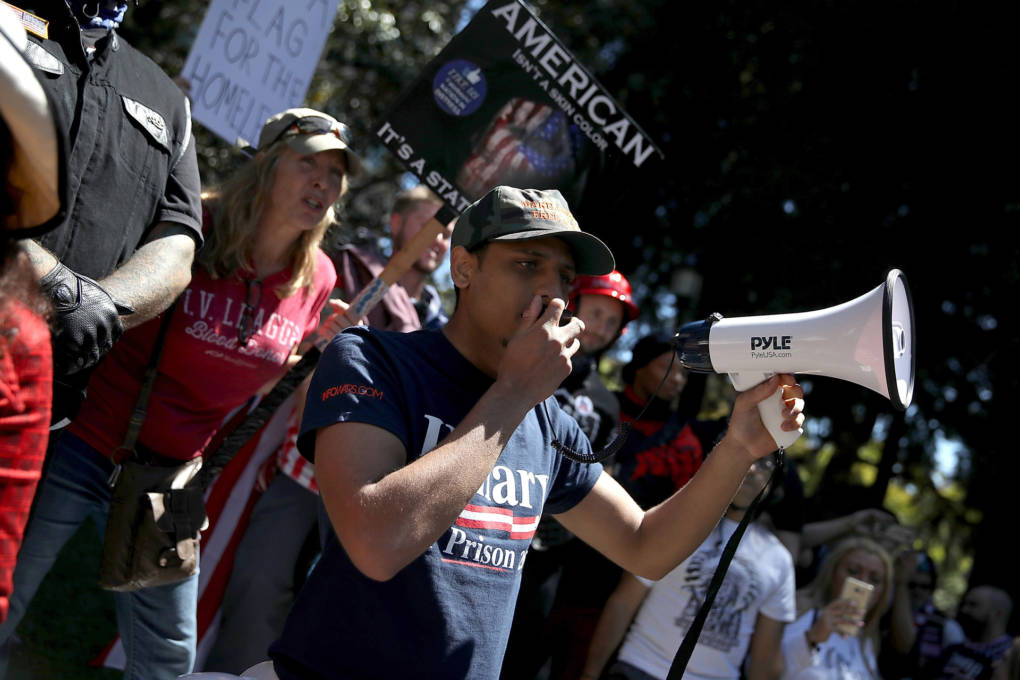
"caption": "A right-wing activist speaks during a rally at Martin Luther King Jr. Civic Center Park on April 27, 2017 in Berkeley.. Protestors are gathering in Berkeley to protest the cancellation of a speech by conservative political commentator Ann Coulter at UC Berkeley.",
"description": null,
"title": "Protesters Rally In Berkeley After UC Berkeley Cancels Scheduled Ann Coulter Speech",
"credit": "Justin Sullivan/Getty Images",
"status": "inherit",
"isLoading": false,
"fetchFailed": false
},
"news_11418413": {
"type": "attachments",
"id": "news_11418413",
"meta": {
"index": "attachments_1716263798",
"site": "news",
"id": "11418413",
"found": true
},
"parent": 11416893,
"imgSizes": {
"small": {
"file": "https://ww2.kqed.org/app/uploads/sites/10/2018/04/RS24990_20170420_DanielMaher_Credit_BertJohnson-4-qut-520x347.jpg",
"width": 520,
"mimeType": "image/jpeg",
"height": 347
},
"twentyfourteen-full-width": {
"file": "https://ww2.kqed.org/app/uploads/sites/10/2018/04/RS24990_20170420_DanielMaher_Credit_BertJohnson-4-qut-1038x576.jpg",
"width": 1038,
"mimeType": "image/jpeg",
"height": 576
},
"thumbnail": {
"file": "https://ww2.kqed.org/app/uploads/sites/10/2018/04/RS24990_20170420_DanielMaher_Credit_BertJohnson-4-qut-160x107.jpg",
"width": 160,
"mimeType": "image/jpeg",
"height": 107
},
"fd-sm": {
"file": "https://ww2.kqed.org/app/uploads/sites/10/2018/04/RS24990_20170420_DanielMaher_Credit_BertJohnson-4-qut-960x640.jpg",
"width": 960,
"mimeType": "image/jpeg",
"height": 640
},
"post-thumbnail": {
"file": "https://ww2.kqed.org/app/uploads/sites/10/2018/04/RS24990_20170420_DanielMaher_Credit_BertJohnson-4-qut-672x372.jpg",
"width": 672,
"mimeType": "image/jpeg",
"height": 372
},
"xsmall": {
"file": "https://ww2.kqed.org/app/uploads/sites/10/2018/04/RS24990_20170420_DanielMaher_Credit_BertJohnson-4-qut-375x250.jpg",
"width": 375,
"mimeType": "image/jpeg",
"height": 250
},
"kqedFullSize": {
"file": "https://ww2.kqed.org/app/uploads/sites/10/2018/04/RS24990_20170420_DanielMaher_Credit_BertJohnson-4-qut.jpg",
"width": 1920,
"height": 1280
},
"large": {
"file": "https://ww2.kqed.org/app/uploads/sites/10/2018/04/RS24990_20170420_DanielMaher_Credit_BertJohnson-4-qut-1020x680.jpg",
"width": 1020,
"mimeType": "image/jpeg",
"height": 680
},
"xlarge": {
"file": "https://ww2.kqed.org/app/uploads/sites/10/2018/04/RS24990_20170420_DanielMaher_Credit_BertJohnson-4-qut-1180x787.jpg",
"width": 1180,
"mimeType": "image/jpeg",
"height": 787
},
"guest-author-50": {
"file": "https://ww2.kqed.org/app/uploads/sites/10/2018/04/RS24990_20170420_DanielMaher_Credit_BertJohnson-4-qut-50x50.jpg",
"width": 50,
"mimeType": "image/jpeg",
"height": 50
},
"guest-author-96": {
"file": "https://ww2.kqed.org/app/uploads/sites/10/2018/04/RS24990_20170420_DanielMaher_Credit_BertJohnson-4-qut-96x96.jpg",
"width": 96,
"mimeType": "image/jpeg",
"height": 96
},
"medium": {
"file": "https://ww2.kqed.org/app/uploads/sites/10/2018/04/RS24990_20170420_DanielMaher_Credit_BertJohnson-4-qut-800x533.jpg",
"width": 800,
"mimeType": "image/jpeg",
"height": 533
},
"guest-author-64": {
"file": "https://ww2.kqed.org/app/uploads/sites/10/2018/04/RS24990_20170420_DanielMaher_Credit_BertJohnson-4-qut-64x64.jpg",
"width": 64,
"mimeType": "image/jpeg",
"height": 64
},
"guest-author-32": {
"file": "https://ww2.kqed.org/app/uploads/sites/10/2018/04/RS24990_20170420_DanielMaher_Credit_BertJohnson-4-qut-32x32.jpg",
"width": 32,
"mimeType": "image/jpeg",
"height": 32
},
"fd-lrg": {
"file": "https://ww2.kqed.org/app/uploads/sites/10/2018/04/RS24990_20170420_DanielMaher_Credit_BertJohnson-4-qut-1920x1280.jpg",
"width": 1920,
"mimeType": "image/jpeg",
"height": 1280
},
"fd-med": {
"file": "https://ww2.kqed.org/app/uploads/sites/10/2018/04/RS24990_20170420_DanielMaher_Credit_BertJohnson-4-qut-1180x787.jpg",
"width": 1180,
"mimeType": "image/jpeg",
"height": 787
},
"full-width": {
"file": "https://ww2.kqed.org/app/uploads/sites/10/2018/04/RS24990_20170420_DanielMaher_Credit_BertJohnson-4-qut-1920x1280.jpg",
"width": 1920,
"mimeType": "image/jpeg",
"height": 1280
},
"detail": {
"file": "https://ww2.kqed.org/app/uploads/sites/10/2018/04/RS24990_20170420_DanielMaher_Credit_BertJohnson-4-qut-150x150.jpg",
"width": 150,
"mimeType": "image/jpeg",
"height": 150
},
"guest-author-128": {
"file": "https://ww2.kqed.org/app/uploads/sites/10/2018/04/RS24990_20170420_DanielMaher_Credit_BertJohnson-4-qut-128x128.jpg",
"width": 128,
"mimeType": "image/jpeg",
"height": 128
},
"xxsmall": {
"file": "https://ww2.kqed.org/app/uploads/sites/10/2018/04/RS24990_20170420_DanielMaher_Credit_BertJohnson-4-qut-240x160.jpg",
"width": 240,
"mimeType": "image/jpeg",
"height": 160
}
},
"publishDate": 1492712890,
"modified": 1492815353,
"caption": "Daniel Maher supervises the fleet of trucks at the Ecology Center in Berkeley, which pioneered curbside recycling. He trains at-risk youth in green-collar jobs. ",
"description": "Daniel Maher supervises the fleet of trucks at the Ecology Center in Berkeley, which pioneered curbside recycling. He trains at-risk youth in green collar jobs. ",
"title": "Daniel Maher",
"credit": "Bert Johnson/KQED",
"status": "inherit",
"isLoading": false,
"fetchFailed": false
}
},
"audioPlayerReducer": {
"postId": "stream_live",
"isPaused": true,
"isPlaying": false,
"pfsActive": false,
"pledgeModalIsOpen": true,
"playerDrawerIsOpen": false,
"liveAudioPlayStartedAt": 0,
"liveAudioPlayContext": ""
},
"authorsReducer": {
"byline_news_11612928": {
"type": "authors",
"id": "byline_news_11612928",
"meta": {
"override": true
},
"slug": "byline_news_11612928",
"name": "Andrew Lapin",
"isLoading": false
},
"byline_news_11611747": {
"type": "authors",
"id": "byline_news_11611747",
"meta": {
"override": true
},
"slug": "byline_news_11611747",
"name": "\u003cstrong>\u003ca href=\"http://www.berkeleyside.com/author/natalie/\">Natalie Orenstein\u003c/a>\u003cbr />\u003ca href=\"http://www.berkeleyside.com/\">Berkeleyside\u003c/a>\u003c/strong>",
"isLoading": false
},
"byline_news_11450583": {
"type": "authors",
"id": "byline_news_11450583",
"meta": {
"override": true
},
"slug": "byline_news_11450583",
"name": "Frances Dinkelspiel\u003cbr>\u003cstrong>\u003ca href=\"http://www.berkeleyside.com/2017/05/08/116-year-old-brown-shingle-home-moved-streets-berkeley/\">Berkeleyside\u003c/a>\u003c/strong>",
"isLoading": false
},
"byline_news_11429923": {
"type": "authors",
"id": "byline_news_11429923",
"meta": {
"override": true
},
"slug": "byline_news_11429923",
"name": "\u003cstrong>Mark Fiore\u003c/strong>",
"isLoading": false
},
"dclyde": {
"type": "authors",
"id": "104",
"meta": {
"index": "authors_1716337520",
"id": "104",
"found": true
},
"name": "Don Clyde",
"firstName": "Don",
"lastName": "Clyde",
"slug": "dclyde",
"email": "dclyde@kqed.org",
"display_author_email": false,
"staff_mastheads": [],
"title": "KQED Contributor",
"bio": "Don Clyde is an online producer, reporter and copy editor for KQED News. Before venturing into journalism, he worked as a medical device engineer and scientist for nearly a decade after earning a degree in physics from UC Berkeley. He loves travel, reading, living in Oakland, and most importantly, a good walk. Email him at dclyde@kqed.org or follow him @clydedon.",
"avatar": "https://secure.gravatar.com/avatar/decd3e640c3eedbd0a574275aebb2d19?s=600&d=blank&r=g",
"twitter": "clydedon",
"facebook": null,
"instagram": null,
"linkedin": null,
"sites": [
{
"site": "artschool",
"roles": [
"editor"
]
},
{
"site": "news",
"roles": [
"administrator"
]
},
{
"site": "futureofyou",
"roles": [
"editor"
]
},
{
"site": "about",
"roles": [
"editor"
]
},
{
"site": "mindshift",
"roles": [
"contributor"
]
},
{
"site": "bayareabites",
"roles": [
"contributor"
]
},
{
"site": "lowdown",
"roles": [
"editor"
]
},
{
"site": "stateofhealth",
"roles": [
"administrator"
]
},
{
"site": "spark",
"roles": [
"administrator"
]
},
{
"site": "trulyca",
"roles": [
"administrator"
]
},
{
"site": "imagemakers",
"roles": [
"administrator"
]
},
{
"site": "science",
"roles": []
},
{
"site": "education",
"roles": [
"editor"
]
},
{
"site": "quest",
"roles": [
"subscriber"
]
},
{
"site": "checkplease",
"roles": [
"subscriber"
]
},
{
"site": "forum",
"roles": [
"editor"
]
},
{
"site": "perspectives",
"roles": [
"editor"
]
}
],
"headData": {
"title": "Don Clyde | KQED",
"description": "KQED Contributor",
"ogImgSrc": "https://secure.gravatar.com/avatar/decd3e640c3eedbd0a574275aebb2d19?s=600&d=blank&r=g",
"twImgSrc": "https://secure.gravatar.com/avatar/decd3e640c3eedbd0a574275aebb2d19?s=600&d=blank&r=g"
},
"isLoading": false,
"link": "/author/dclyde"
},
"jmcevoy": {
"type": "authors",
"id": "231",
"meta": {
"index": "authors_1716337520",
"id": "231",
"found": true
},
"name": "Julia McEvoy",
"firstName": "Julia",
"lastName": "McEvoy",
"slug": "jmcevoy",
"email": "jmcevoy@KQED.org",
"display_author_email": true,
"staff_mastheads": [
"news"
],
"title": "KQED Senior Editor",
"bio": "Julia McEvoy is KQED's Senior Editor, Education Equity.\r\n\r\nJulia heads KQED’s education coverage examining inequities students face in Bay Area and California schools, and reports on what it will take to educate the next generation.\r\n\r\nJulia's editorial work has received a Peabody Award, a Casey Medal for Coverage of Children and Families, several Edward R. Murrow awards, as well as awards from the Public Radio News Directors Inc. and the Society for Professional Journalists.",
"avatar": "https://secure.gravatar.com/avatar/aec3ce21abe02b302fd33638abd56a22?s=600&d=blank&r=g",
"twitter": "juliamcevoy1",
"facebook": null,
"instagram": null,
"linkedin": null,
"sites": [
{
"site": "news",
"roles": []
},
{
"site": "stateofhealth",
"roles": [
"author"
]
}
],
"headData": {
"title": "Julia McEvoy | KQED",
"description": "KQED Senior Editor",
"ogImgSrc": "https://secure.gravatar.com/avatar/aec3ce21abe02b302fd33638abd56a22?s=600&d=blank&r=g",
"twImgSrc": "https://secure.gravatar.com/avatar/aec3ce21abe02b302fd33638abd56a22?s=600&d=blank&r=g"
},
"isLoading": false,
"link": "/author/jmcevoy"
},
"kqed": {
"type": "authors",
"id": "236",
"meta": {
"index": "authors_1716337520",
"id": "236",
"found": true
},
"name": "KQED News Staff",
"firstName": "KQED News Staff",
"lastName": null,
"slug": "kqed",
"email": "faq@kqed.org",
"display_author_email": false,
"staff_mastheads": [],
"title": null,
"bio": null,
"avatar": "https://secure.gravatar.com/avatar/ef0e801a68c4c54afa9180db14084167?s=600&d=blank&r=g",
"twitter": null,
"facebook": null,
"instagram": null,
"linkedin": null,
"sites": [
{
"site": "arts",
"roles": [
"contributor"
]
},
{
"site": "news",
"roles": [
"editor"
]
},
{
"site": "futureofyou",
"roles": [
"author"
]
}
],
"headData": {
"title": "KQED News Staff | KQED",
"description": null,
"ogImgSrc": "https://secure.gravatar.com/avatar/ef0e801a68c4c54afa9180db14084167?s=600&d=blank&r=g",
"twImgSrc": "https://secure.gravatar.com/avatar/ef0e801a68c4c54afa9180db14084167?s=600&d=blank&r=g"
},
"isLoading": false,
"link": "/author/kqed"
},
"sasha-khokha": {
"type": "authors",
"id": "254",
"meta": {
"index": "authors_1716337520",
"id": "254",
"found": true
},
"name": "Sasha Khokha",
"firstName": "Sasha",
"lastName": "Khokha",
"slug": "sasha-khokha",
"email": "skhokha@kqed.org",
"display_author_email": true,
"staff_mastheads": [
"news"
],
"title": "Host, The California Report Magazine",
"bio": "Sasha Khokha is the host of \u003cem>The California Report's \u003c/em> weekly magazine program, which takes listeners on sound-rich excursions to meet the people that make the Golden State unique -- through audio documentaries and long-form stories. As \u003cem>The California Report's\u003c/em> Central Valley Bureau Chief based in Fresno for nearly a dozen years, Sasha brought the lives and concerns of rural Californians to listeners around the state. Her reporting helped expose the hidden price immigrant women janitors and farmworkers may pay to keep their jobs: sexual assault at work. It inspired two new California laws to protect them from sexual harassment. She was a key member of the reporting team for the Frontline film \u003cem>Rape on the Night Shift, \u003c/em>which was nominated for two national Emmys. Sasha has also won a national Edward R. Murrow and a national PRNDI award for investigative reporting, as well as multiple prizes from the Society for Professional Journalists. Sasha is a proud alum of the UC Berkeley Graduate School of Journalism and Brown University and a member of the South Asian Journalists Association.",
"avatar": "https://secure.gravatar.com/avatar/e4b5e1541aaeea2aa356aa1fb2a68950?s=600&d=blank&r=g",
"twitter": "KQEDSashaKhokha",
"facebook": null,
"instagram": null,
"linkedin": null,
"sites": [
{
"site": "news",
"roles": [
"editor"
]
},
{
"site": "stateofhealth",
"roles": [
"author"
]
},
{
"site": "science",
"roles": [
"author"
]
},
{
"site": "quest",
"roles": [
"subscriber"
]
}
],
"headData": {
"title": "Sasha Khokha | KQED",
"description": "Host, The California Report Magazine",
"ogImgSrc": "https://secure.gravatar.com/avatar/e4b5e1541aaeea2aa356aa1fb2a68950?s=600&d=blank&r=g",
"twImgSrc": "https://secure.gravatar.com/avatar/e4b5e1541aaeea2aa356aa1fb2a68950?s=600&d=blank&r=g"
},
"isLoading": false,
"link": "/author/sasha-khokha"
},
"fjhabvala": {
"type": "authors",
"id": "8659",
"meta": {
"index": "authors_1716337520",
"id": "8659",
"found": true
},
"name": "Farida Jhabvala Romero",
"firstName": "Farida",
"lastName": "Jhabvala Romero",
"slug": "fjhabvala",
"email": "fjhabvala@kqed.org",
"display_author_email": true,
"staff_mastheads": [
"news"
],
"title": "KQED Contributor",
"bio": "Farida Jhabvala Romero is a Labor Correspondent for KQED. She previously covered immigration. Farida was \u003ca href=\"https://www.ccnma.org/2022-most-influential-latina-journalists\">named\u003c/a> one of the 10 Most Influential Latina Journalists in California in 2022 by the California Chicano News Media Association. Her work has won awards from the Society of Professional Journalists (Northern California), as well as a national and regional Edward M. Murrow Award for the collaborative reporting projects “Dangerous Air” and “Graying California.” Before joining KQED, Farida worked as a producer at Radio Bilingüe, a national public radio network. Farida earned her master’s degree in journalism from Stanford University.",
"avatar": "https://secure.gravatar.com/avatar/f9f022d4e2609741874222a1e9d41f48fea74011aa7c615eef91d9a50c944ebe?s=600&d=blank&r=g",
"twitter": "FaridaJhabvala",
"bluesky": null,
"facebook": null,
"instagram": null,
"linkedin": "https://www.linkedin.com/in/faridajhabvala/",
"sites": [
{
"site": "news",
"roles": [
"editor"
]
},
{
"site": "stateofhealth",
"roles": [
"author"
]
},
{
"site": "liveblog",
"roles": [
"author"
]
}
],
"headData": {
"title": "Farida Jhabvala Romero | KQED",
"description": "KQED Contributor",
"ogImgSrc": "https://secure.gravatar.com/avatar/f9f022d4e2609741874222a1e9d41f48fea74011aa7c615eef91d9a50c944ebe?s=600&d=blank&r=g",
"twImgSrc": "https://secure.gravatar.com/avatar/f9f022d4e2609741874222a1e9d41f48fea74011aa7c615eef91d9a50c944ebe?s=600&d=blank&r=g"
},
"isLoading": false,
"link": "/author/fjhabvala"
},
"bwatt": {
"type": "authors",
"id": "11238",
"meta": {
"index": "authors_1716337520",
"id": "11238",
"found": true
},
"name": "Brian Watt",
"firstName": "Brian",
"lastName": "Watt",
"slug": "bwatt",
"email": "bwatt@KQED.org",
"display_author_email": false,
"staff_mastheads": [
"news"
],
"title": "Morning News Anchor",
"bio": "Brian Watt is KQED's morning radio news anchor. He joined the KQED News team in April of 2016. Prior to that, he worked as a Reporter for KPCC in Los Angeles and a producer at \u003cem>Marketplace.\u003c/em>\r\n\r\nDuring eight years at KPCC, Brian covered business and economics, and his work won several awards. In 2008, he won the Los Angeles Press Club’s first-place award for Business and Financial Reporting, Broadcast. He’s also received honorable mention and been first runner up for the Press Club’s Radio Journalist of the Year. He won two Golden Mike awards from the Radio and TV News Association of Southern California.\r\n\r\nBrian holds degrees in theater from Yale University and the Sorbonne, and has worked as an actor in France, Italy, Brazil, Hungary and . . . Hollywood. He appeared in a few television shows, including \u003cem>The West Wing, Judging Amy\u003c/em> and \u003cem>The District.\u003c/em>\r\n\r\nEmail: bwatt@KQED.org Twitter: @RadioBWatt",
"avatar": "https://secure.gravatar.com/avatar/55393ff57ed34e2be773ba4789dd6a19?s=600&d=blank&r=g",
"twitter": "@RadioBWatt",
"facebook": null,
"instagram": null,
"linkedin": null,
"sites": [
{
"site": "arts",
"roles": [
"contributor"
]
},
{
"site": "news",
"roles": [
"editor"
]
}
],
"headData": {
"title": "Brian Watt | KQED",
"description": "Morning News Anchor",
"ogImgSrc": "https://secure.gravatar.com/avatar/55393ff57ed34e2be773ba4789dd6a19?s=600&d=blank&r=g",
"twImgSrc": "https://secure.gravatar.com/avatar/55393ff57ed34e2be773ba4789dd6a19?s=600&d=blank&r=g"
},
"isLoading": false,
"link": "/author/bwatt"
},
"ewirtschafter": {
"type": "authors",
"id": "11259",
"meta": {
"index": "authors_1716337520",
"id": "11259",
"found": true
},
"name": "Eli Wirtschafter",
"firstName": "Eli",
"lastName": "Wirtschafter",
"slug": "ewirtschafter",
"email": "ewirtschafter@KQED.org",
"display_author_email": false,
"staff_mastheads": [],
"title": "KQED Contributor",
"bio": "Eli Wirtschafter is a freelance reporter and producer focusing on transportation, art, and activism. He previously interned with \u003cem>The California Report\u003c/em> and KQED Local News\u003cem>.\u003c/em> Eli is also KALW's transportation reporter, and a graduate of KALW's \u003ca href=\"http://kalw.org/post/enrollment-now-open-kalws-audio-academy#stream/0\" target=\"_blank\" rel=\"noopener noreferrer\">Audio Academy.\u003c/a> Eli's work has been heard on NPR, Here & Now, and BackStory. Find him on Twitter at \u003ca href=\"https://twitter.com/RadioEli\" target=\"_blank\" rel=\"noopener noreferrer\">@RadioEli\u003c/a>.",
"avatar": "https://secure.gravatar.com/avatar/dd6917a8f3309e9659ae1da5ffc10865559102003d58d9f077ca49c7f7ca792e?s=600&d=blank&r=g",
"twitter": "RadioEli",
"bluesky": null,
"facebook": null,
"instagram": null,
"linkedin": null,
"sites": [
{
"site": "arts",
"roles": [
"subscriber"
]
},
{
"site": "news",
"roles": [
"author"
]
},
{
"site": "science",
"roles": [
"author"
]
}
],
"headData": {
"title": "Eli Wirtschafter | KQED",
"description": "KQED Contributor",
"ogImgSrc": "https://secure.gravatar.com/avatar/dd6917a8f3309e9659ae1da5ffc10865559102003d58d9f077ca49c7f7ca792e?s=600&d=blank&r=g",
"twImgSrc": "https://secure.gravatar.com/avatar/dd6917a8f3309e9659ae1da5ffc10865559102003d58d9f077ca49c7f7ca792e?s=600&d=blank&r=g"
},
"isLoading": false,
"link": "/author/ewirtschafter"
},
"rlevi": {
"type": "authors",
"id": "11260",
"meta": {
"index": "authors_1716337520",
"id": "11260",
"found": true
},
"name": "Ryan Levi",
"firstName": "Ryan",
"lastName": "Levi",
"slug": "rlevi",
"email": "rlevi@KQED.org",
"display_author_email": false,
"staff_mastheads": [],
"title": "KQED Contributor",
"bio": "Ryan Levi was a reporter and podcast producer at KQED News from 2016-2019. He worked on \u003ca href=\"https://www.kqed.org/news/series/baycurious\">Bay Curious\u003c/a>, \u003ca href=\"https://www.kqed.org/news/tag/the-bay/\">The Bay, \u003c/a>and \u003ca href=\"https://podcasts.apple.com/us/podcast/the-california-report-magazine/id1314750545\">The California Report Magazine\u003c/a>, as well as hosting and producing the weekly \u003ca href=\"https://www.kqed.org/news/program/qedup/\">Q'ed Up podcast. \u003c/a>He also helped inaugurate KQED's weekend news coverage in 2017 as one of two original digital producers. Ryan holds degrees in multimedia journalism and Spanish from the University of Missouri.",
"avatar": "https://secure.gravatar.com/avatar/4cb2ddd028ac8807d1adf09609c5555d?s=600&d=blank&r=g",
"twitter": "ryan_levi",
"facebook": null,
"instagram": null,
"linkedin": null,
"sites": [
{
"site": "arts",
"roles": [
"editor"
]
},
{
"site": "news",
"roles": [
"subscriber"
]
},
{
"site": "stateofhealth",
"roles": [
"editor"
]
},
{
"site": "science",
"roles": [
"editor"
]
},
{
"site": "forum",
"roles": [
"administrator"
]
},
{
"site": "perspectives",
"roles": [
"administrator"
]
}
],
"headData": {
"title": "Ryan Levi | KQED",
"description": "KQED Contributor",
"ogImgSrc": "https://secure.gravatar.com/avatar/4cb2ddd028ac8807d1adf09609c5555d?s=600&d=blank&r=g",
"twImgSrc": "https://secure.gravatar.com/avatar/4cb2ddd028ac8807d1adf09609c5555d?s=600&d=blank&r=g"
},
"isLoading": false,
"link": "/author/rlevi"
},
"jsepulvado": {
"type": "authors",
"id": "11298",
"meta": {
"index": "authors_1716337520",
"id": "11298",
"found": true
},
"name": "John Sepulvado",
"firstName": "John",
"lastName": "Sepulvado",
"slug": "jsepulvado",
"email": "jsepulvado@KQED.org",
"display_author_email": false,
"staff_mastheads": [],
"title": null,
"bio": "John Sepulvado is a former morning host of \u003cem>The California Report\u003c/em>. Prior to joining KQED in September 2016, John was the local host of NPR’s \u003cem>Weekend Edition\u003c/em> at Oregon Public Broadcasting (OPB). He has also served as a producer for America Public Media’s \u003cem>Marketplace Weekend\u003c/em> and worked as a national correspondent for CNN and as news director at WUSF in Tampa, Florida. John has earned prestigious RTDNA Murrow and PRNDI awards for investigative reporting, and helped CNN take home a Peabody Award for coverage of the 2010 Gulf oil spill. John attended Florida A&M in Tallahassee and is also a member of Phi Theta Kappa. He left KQED in 2019.",
"avatar": "https://secure.gravatar.com/avatar/b976d3c4cf11750a793b670e5acb7a1c?s=600&d=blank&r=g",
"twitter": null,
"facebook": null,
"instagram": null,
"linkedin": null,
"sites": [
{
"site": "news",
"roles": [
"author",
"edit_others_posts"
]
}
],
"headData": {
"title": "John Sepulvado | KQED",
"description": null,
"ogImgSrc": "https://secure.gravatar.com/avatar/b976d3c4cf11750a793b670e5acb7a1c?s=600&d=blank&r=g",
"twImgSrc": "https://secure.gravatar.com/avatar/b976d3c4cf11750a793b670e5acb7a1c?s=600&d=blank&r=g"
},
"isLoading": false,
"link": "/author/jsepulvado"
},
"mleitsinger": {
"type": "authors",
"id": "11310",
"meta": {
"index": "authors_1716337520",
"id": "11310",
"found": true
},
"name": "Miranda Leitsinger",
"firstName": "Miranda",
"lastName": "Leitsinger",
"slug": "mleitsinger",
"email": "mleitsinger@KQED.org",
"display_author_email": false,
"staff_mastheads": [
"news"
],
"title": "KQED Contributor",
"bio": "Miranda Leitsinger has worked in journalism as a reporter and editor since 2000, including seven years at The Associated Press in locales such as Cambodia and Puerto Rico, four years at NBC News Digital in New York and 2.5 years at CNN.com International in Hong Kong. Major stories she has covered included sexual abuse in the yoga community, the rise of women in local politics post-2016 election, the struggle over LGBTQ inclusion in the Boy Scouts, aftermath of the 2004 and 2011 tsunamis, the Aurora movie theater attack, the Newtown school shooting, Superstorm Sandy and the Boston Marathon bombing.",
"avatar": "https://secure.gravatar.com/avatar/cdd00de7be92aab3b7fd3d915e02033d?s=600&d=blank&r=g",
"twitter": "mimileitsinger",
"facebook": null,
"instagram": null,
"linkedin": null,
"sites": [
{
"site": "arts",
"roles": [
"author"
]
},
{
"site": "news",
"roles": [
"subscriber"
]
},
{
"site": "futureofyou",
"roles": [
"editor"
]
},
{
"site": "stateofhealth",
"roles": [
"editor"
]
}
],
"headData": {
"title": "Miranda Leitsinger | KQED",
"description": "KQED Contributor",
"ogImgSrc": "https://secure.gravatar.com/avatar/cdd00de7be92aab3b7fd3d915e02033d?s=600&d=blank&r=g",
"twImgSrc": "https://secure.gravatar.com/avatar/cdd00de7be92aab3b7fd3d915e02033d?s=600&d=blank&r=g"
},
"isLoading": false,
"link": "/author/mleitsinger"
},
"bjohnson": {
"type": "authors",
"id": "11328",
"meta": {
"index": "authors_1716337520",
"id": "11328",
"found": true
},
"name": "Bert Johnson",
"firstName": "Bert",
"lastName": "Johnson",
"slug": "bjohnson",
"email": "bjohnson@KQED.org",
"display_author_email": false,
"staff_mastheads": [],
"title": "KQED Contributor",
"bio": "Bert Johnson is a multimedia journalist and KQED contributor. His work has also been published in the \u003cem>Sacramento News & Review\u003c/em> and he was previously the Multimedia Editor at the \u003cem>East Bay Express. \u003c/em>He covers social movements, the justice system and extremism. Email: bjohnson@kqed.org Twitter: @bertjohnsonfoto Instagram: @bertjohnsonfoto",
"avatar": "https://secure.gravatar.com/avatar/68b1d4bfae2eff83ac1d5c2ca0d0a936?s=600&d=blank&r=g",
"twitter": null,
"facebook": null,
"instagram": null,
"linkedin": null,
"sites": [
{
"site": "news",
"roles": [
"edit_others_posts",
"subscriber"
]
}
],
"headData": {
"title": "Bert Johnson | KQED",
"description": "KQED Contributor",
"ogImgSrc": "https://secure.gravatar.com/avatar/68b1d4bfae2eff83ac1d5c2ca0d0a936?s=600&d=blank&r=g",
"twImgSrc": "https://secure.gravatar.com/avatar/68b1d4bfae2eff83ac1d5c2ca0d0a936?s=600&d=blank&r=g"
},
"isLoading": false,
"link": "/author/bjohnson"
}
},
"pagesReducer": {
"news_tag_berkeley": {
"type": "terms",
"id": "news_129",
"meta": {
"index": "terms_1716263798",
"site": "news",
"id": "129",
"score": 6.9285083
},
"featImg": null,
"name": "Berkeley",
"description": null,
"taxonomy": "tag",
"headData": {
"twImgId": null,
"twTitle": null,
"ogTitle": null,
"ogImgId": null,
"twDescription": null,
"description": null,
"title": "Berkeley Archives | KQED News",
"ogDescription": null
},
"ttid": 133,
"slug": "berkeley",
"isLoading": false,
"title": "Berkeley",
"pageMeta": {
"site": "news",
"WpPageTemplate": "page-topic-editorial",
"currentPage": 20
},
"blocks": [
{
"blockName": "kqed/post-list",
"attrs": {
"layout": "cardArticle2",
"query": "posts/news?tag=berkeley",
"seeMore": false,
"paginated": true,
"page": 20
}
},
{
"blockName": "kqed/ad"
}
]
}
},
"pfsSessionReducer": {},
"postsReducer": {
"stream_live": {
"type": "live",
"id": "stream_live",
"audioUrl": "https://streams.kqed.org/kqedradio",
"title": "Live Stream",
"excerpt": "Live Stream information currently unavailable.",
"link": "/radio",
"featImg": "",
"label": {
"name": "KQED Live",
"link": "/"
}
},
"stream_kqedNewscast": {
"type": "posts",
"id": "stream_kqedNewscast",
"audioUrl": "https://www.kqed.org/.stream/anon/radio/RDnews/newscast.mp3?_=1",
"title": "KQED Newscast",
"featImg": "",
"label": {
"name": "88.5 FM",
"link": "/"
}
},
"news_11613873": {
"type": "posts",
"id": "news_11613873",
"meta": {
"index": "posts_1716263798",
"site": "news",
"id": "11613873",
"score": null,
"sort": [
1503701375000
]
},
"parent": 0,
"labelTerm": {
"site": "news",
"term": 72
},
"blocks": [],
"publishDate": 1503701375,
"format": "audio",
"disqusTitle": "S.F. Right-Wing Rally Canceled as Bay Area Officials Push Back Against Fringe-Right Rallies",
"title": "S.F. Right-Wing Rally Canceled as Bay Area Officials Push Back Against Fringe-Right Rallies",
"headTitle": "The California Report | KQED News",
"content": "\u003cp>\u003cstrong>Updated Saturday, Aug. 26 at 3:40 p.m.\u003c/strong>\u003c/p>\n\u003cp>Authorities in San Francisco and Alameda counties prepared for the influx of fringe-right supporters over the weekend, hoping to squelch the assemblies from turning violent -- like they have in the past -- through a series of legal maneuvers and bureaucratic red tape.\u003c/p>\n\u003cp>And it seems to be working.\u003c/p>\n\u003cp>The San Francisco Police Department limited access to Alamo Square Park Saturday, where the far-right Patriot Prayer group had planned a press conference. That came after Patriot Prayer organizer Joey Gibson scrapped a rally scheduled for Saturday at Crissy Field.\u003c/p>\n\u003cfigure id=\"attachment_11614073\" class=\"wp-caption alignright\" style=\"max-width: 800px\">\u003cimg class=\"size-medium wp-image-11614073\" src=\"https://ww2.kqed.org/news/wp-content/uploads/sites/10/2017/08/Image-uploaded-from-iOS-800x600.jpg\" alt=\"\" width=\"800\" height=\"600\">\u003cfigcaption class=\"wp-caption-text\">Fencing around Alamo Square in San Francisco on Aug. 26, 2017. \u003ccite>(Polly Stryker/KQED)\u003c/cite>\u003c/figcaption>\u003c/figure>\n\u003cp>\"We are working with Park and Rec at this time to make sure that public safety is our No. 1 priority, whoever may show up, who may not show up. That’s really what’s happening at this time,\" SFPD spokeswoman Giselle Linnnane said.\u003c/p>\n\u003cp>[ad fullwidth]\u003c/p>\n\u003cp>\"We’ve spoken with the residents in the neighborhood yesterday to let them know to assure that cops will be in the area and that we will be keeping this neighborhood safe whatever happens.\"\u003c/p>\n\u003cp>The city placed fencing around the park, and Linnane said to expect delays in the area. She mentioned the park is still open but is only accessible through one entrance.\u003c/p>\n\u003cp>[contextly_sidebar id=\"CLNPSp6xrFj3TrFKsZ7OONKI9PgtxdCR\"]\u003c/p>\n\u003cp>Gibson responded to the restrictions on Facebook.\u003c/p>\n\u003cp>\"So they closed down Alamo Center Park. I apologize for everyone that spent money and plane tickets to come down here. Stay tuned,\" Gibson wrote.\u003c/p>\n\u003cp>He added that he would be \"doing an indoor news conference at 2 p.m., then will pop up at random spots in the city to talk with any citizens of S.F.\"\u003c/p>\n\u003cp>Gibson held a 2 p.m. press conference in Pacifica with other members of Patriot Prayer, but quickly packed up and left after hearing word that anti-fascist counter-protesters were heading toward his press event.\u003c/p>\n\u003cfigure id=\"attachment_11614172\" class=\"wp-caption aligncenter\" style=\"max-width: 640px\">\u003cimg class=\"size-large wp-image-11614172\" src=\"https://ww2.kqed.org/news/wp-content/uploads/sites/10/2017/08/RS26412_20170826_PatriotPrayerpresser_Credit_BertJohnson-1-qut-1020x680.jpg\" alt=\"\" width=\"640\" height=\"427\" srcset=\"https://ww2.kqed.org/app/uploads/sites/10/2017/08/RS26412_20170826_PatriotPrayerpresser_Credit_BertJohnson-1-qut-1020x680.jpg 1020w, https://ww2.kqed.org/app/uploads/sites/10/2017/08/RS26412_20170826_PatriotPrayerpresser_Credit_BertJohnson-1-qut-160x107.jpg 160w, https://ww2.kqed.org/app/uploads/sites/10/2017/08/RS26412_20170826_PatriotPrayerpresser_Credit_BertJohnson-1-qut-800x533.jpg 800w, https://ww2.kqed.org/app/uploads/sites/10/2017/08/RS26412_20170826_PatriotPrayerpresser_Credit_BertJohnson-1-qut.jpg 1920w, https://ww2.kqed.org/app/uploads/sites/10/2017/08/RS26412_20170826_PatriotPrayerpresser_Credit_BertJohnson-1-qut-1180x787.jpg 1180w, https://ww2.kqed.org/app/uploads/sites/10/2017/08/RS26412_20170826_PatriotPrayerpresser_Credit_BertJohnson-1-qut-960x640.jpg 960w, https://ww2.kqed.org/app/uploads/sites/10/2017/08/RS26412_20170826_PatriotPrayerpresser_Credit_BertJohnson-1-qut-240x160.jpg 240w, https://ww2.kqed.org/app/uploads/sites/10/2017/08/RS26412_20170826_PatriotPrayerpresser_Credit_BertJohnson-1-qut-375x250.jpg 375w, https://ww2.kqed.org/app/uploads/sites/10/2017/08/RS26412_20170826_PatriotPrayerpresser_Credit_BertJohnson-1-qut-520x347.jpg 520w\" sizes=\"(max-width: 640px) 100vw, 640px\">\u003cfigcaption class=\"wp-caption-text\">Joey Gibson, founder of the fringe right group Patriot Prayer, speaks at a hastily-arranged press conference in Pacifica after he cancelled a rally in Crissy Field. He cited safety concerns for his followers after several counter-demonstrations were announced and authorities banned helmets at his event. \u003ccite>(Bert Johnson/KQED)\u003c/cite>\u003c/figcaption>\u003c/figure>\n\u003cp>Counter-protesters have been intent on dwarfing any kind of far-right rally in San Francisco, trying to copy the success of the \u003ca href=\"https://www.washingtonpost.com/news/post-nation/wp/2017/08/19/thousands-expected-at-boston-free-speech-rally-and-counter-protest/?utm_term=.ba21ee24ef5c\" target=\"_blank\" rel=\"noopener noreferrer\">demonstrations that occurred in Boston\u003c/a> last weekend.\u003c/p>\n\u003cp>In San Francisco, a large police presence deployed near Alamo Square, where approximately 1,000 demonstrators gathered. Rally-goers chanted \"Whose streets? Our streets\" and \"When immigrants are under attack, what do we do? Stand up, fight back.\" At least one counter-protester was detained by police. The protest swelled to about 3,000 as it marched to the Mission District. Demonstrators began dispersing at approximately 3 p.m.\u003c/p>\n\u003cp>At Civic Center Plaza, people did yoga as a form of resistance against far-right rallies. \"We are not here to fight Nazis,\" said \u003ca href=\"https://www.michaelfranti.com/\" target=\"_blank\" rel=\"noopener noreferrer\">musician and activist Michael Franti\u003c/a>. \"We want to make a safe place for everybody.\"\u003c/p>\n\u003cp>\"We want this to be a day of music and families and a show of strength through solidarity. Not through weapons,\" Franti said. \"And that’s what makes the Bay Area great and our country great ... is the solidarity that we have in the belief that all people are created equal.\"\u003c/p>\n\u003cp>Hina Shah and her 6-year-old son Amir and 9-year-old daughter Simran had a picnic at Civic Center Plaza. \"This is about us as people of color,\" said Shah, who is an immigration lawyer and lives in San Francisco. \"We can't stand by and do nothing.\"\u003c/p>\n\u003cp>Shah said it was important to bring her kids to events like this to immerse them in justice issues.\u003c/p>\n\u003cp>\"We wanted to do something, and this feels like a safer space,\" Shah said.\u003c/p>\n\u003cp>Steve Garber and Rena Pasick of San Francisco also attended the demonstration at Civic Center. \"You can't be quiet when people are preaching hate,\" Garber said.\u003c/p>\n\u003cp>James Morrison, 70, went to Civic Center carrying a sign reading \"Not on my watch.\" He says he moved from Baton Rouge, Louisiana to the Bay Area in the '60s for economic opportunities and was the first black man to load bags on planes for Delta Airlines at San Francisco International Airport.\u003c/p>\n\u003cp>\"The Klan never left. The Nazis never left. They just became unfashionable. Now with [President] Trump in office, it's becoming fashionable again. They have credence,\" Morrison said.\u003c/p>\n\u003cp>\"The most important thing is to show up,\" Morrison said. \"If you don't fight and show up, then it looks like everything is alright.\"\u003c/p>\n\u003cp>In the Castro District, more than 1,000 protesters also gathered.\u003c/p>\n\u003cfigure id=\"attachment_11614096\" class=\"wp-caption aligncenter\" style=\"max-width: 800px\">\u003cimg class=\"size-medium wp-image-11614096\" src=\"https://ww2.kqed.org/news/wp-content/uploads/sites/10/2017/08/Image-uploaded-from-iOS-1-800x600.jpg\" alt=\"\" width=\"800\" height=\"600\">\u003cfigcaption class=\"wp-caption-text\">Demonstrators gather in the Castro District in San Francisco on Aug. 26, 2017 to protest against a previously planned far-right rally at Crissy Field. \u003ccite>(Kevin Jones/KQED)\u003c/cite>\u003c/figcaption>\u003c/figure>\n\u003cp>Patriot Prayer's Joey Gibson announced Friday that he was canceling the rally at Crissy Park on Saturday, and would instead hold a press conference at Alamo Square Park.\u003c/p>\n\u003cp>\"After several conversations with the police, we've decided that tomorrow really seems like a setup,\" Gibson said during a \u003ca href=\"https://www.facebook.com/uniteamericafirst/videos/683391841864101/?fref=mentions\">Facebook Live\u003c/a>. \"The rhetoric from Nancy Pelosi -- Mayor Lee -- the media -- is bringing in tons of extremists. We're not going to fall into that trap.\"\u003c/p>\n\u003cp>Late Friday, the Golden Gate National Recreation Area, in which Crissy Field is located, said Gibson confirmed that he had relinquished the permit for the event.\u003c/p>\n\u003cp>Earlier in the day before the announcement, Gibson told KQED that he was considering canceling the rally because the National Park Service banned helmets, along with other items, including firearms.\u003c/p>\n\u003cp>“Anyone who has any experience with these rallies knows helmets are really essential,” Gibson said. “The head is a really important body part.”\u003c/p>\n\u003cp>Meanwhile, the organizer of the Berkeley rally has called off her event as well, and told KQED that she is telling supporters not to go to Berkeley on Sunday.\u003c/p>\n\u003cp>This comes after notable fringe-right people and groups pulled out of the events. White nationalists Augustus Invictus, \u003ca href=\"https://ww2.kqed.org/news/2017/08/14/californian-who-helped-organize-charlottesville-protests-used-berkeley-as-a-test-run/\">Nathan Damigo\u003c/a>, \u003ca href=\"https://view.publitas.com/p222-14268/charlottesville/page/1\">Cole White\u003c/a> and members of paramilitary groups Oath Keepers and Three Percenters \u003ca href=\"http://www.thethreepercenters.org/single-post/2017/08/12/The-Three-Percenters-Official-Statement-Regarding-the-Violent-Protests-in-Charlottesville\">all indicated they would not attend\u003c/a> one or both of the rallies.\u003c/p>\n\u003cp>\u003cstrong>San Francisco and Berkeley Officials Moved Early to Halt Rally Momentum\u003c/strong>\u003c/p>\n\u003cp>After the violent rally at Charlottesville, white supremacists and other members of the fringe right said they believed they had some momentum -- despite the deaths of two state police officers and the killing of counterprotester Heather Heyer, 32.\u003c/p>\n\u003cp>“I think that there will be some people ... who come over to us,” Nathan Damigo told KQED from Charlottesville.\u003c/p>\n\u003cp>Then, after a poor showing in last weekend's Boston rally, in which counterprotesters vastly outnumbered them, the fringe right seemed subdued and disorganized.\u003c/p>\n\u003cp>But white supremacists got another shot of social adrenaline from President Trump, who gave a speech where he blamed “both sides” for the violence in Charlottesville. That position energized the right, which had been making similar arguments in their social media sphere.\u003c/p>\n\u003cp>Yet, while the fringe right looked to find -- and document -- new conflicts, officials in Alameda and San Francisco counties took steps to lessen the enthusiasm for these rallies, and reduce the chance for violence, before the gatherings even began.\u003c/p>\n\u003cp>San Francisco Mayor Ed Lee took an immediate hard stand against the rally at Crissy Field, urging the National Park Service to cancel the permit. Meanwhile, congressional members, including House Minority Leader Nancy Pelosi, also spoke out forcefully against the rally.\u003c/p>\n\u003cp>According to two San Francisco officials with knowledge of the negotiations, the political pressure and public outcry yielded major rewards for public safety, including a list of banned items such as firearms, weapons and helmets. The officials spoke to KQED on the condition they would not be identified, since they were not authorized to speak about the negotiations.\u003c/p>\n\u003cfigure id=\"attachment_11613956\" class=\"wp-caption aligncenter\" style=\"max-width: 800px\">\u003ca href=\"https://ww2.kqed.org/news/wp-content/uploads/sites/10/2017/08/RS24966_20170415_BerkeleyProtest_Credit_BertJohnson-3-qut-1.jpg\">\u003cimg class=\"wp-image-11613956 size-medium\" src=\"https://ww2.kqed.org/news/wp-content/uploads/sites/10/2017/08/RS24966_20170415_BerkeleyProtest_Credit_BertJohnson-3-qut-1-800x533.jpg\" alt=\"\" width=\"800\" height=\"533\" srcset=\"https://ww2.kqed.org/app/uploads/sites/10/2017/08/RS24966_20170415_BerkeleyProtest_Credit_BertJohnson-3-qut-1-800x533.jpg 800w, https://ww2.kqed.org/app/uploads/sites/10/2017/08/RS24966_20170415_BerkeleyProtest_Credit_BertJohnson-3-qut-1-160x107.jpg 160w, https://ww2.kqed.org/app/uploads/sites/10/2017/08/RS24966_20170415_BerkeleyProtest_Credit_BertJohnson-3-qut-1-1020x680.jpg 1020w, https://ww2.kqed.org/app/uploads/sites/10/2017/08/RS24966_20170415_BerkeleyProtest_Credit_BertJohnson-3-qut-1.jpg 1920w, https://ww2.kqed.org/app/uploads/sites/10/2017/08/RS24966_20170415_BerkeleyProtest_Credit_BertJohnson-3-qut-1-1180x787.jpg 1180w, https://ww2.kqed.org/app/uploads/sites/10/2017/08/RS24966_20170415_BerkeleyProtest_Credit_BertJohnson-3-qut-1-960x640.jpg 960w, https://ww2.kqed.org/app/uploads/sites/10/2017/08/RS24966_20170415_BerkeleyProtest_Credit_BertJohnson-3-qut-1-240x160.jpg 240w, https://ww2.kqed.org/app/uploads/sites/10/2017/08/RS24966_20170415_BerkeleyProtest_Credit_BertJohnson-3-qut-1-375x250.jpg 375w, https://ww2.kqed.org/app/uploads/sites/10/2017/08/RS24966_20170415_BerkeleyProtest_Credit_BertJohnson-3-qut-1-520x347.jpg 520w\" sizes=\"(max-width: 800px) 100vw, 800px\">\u003c/a>\u003cfigcaption class=\"wp-caption-text\">Kyle “Based Stickman” Chapman, at a fringe-right rally in Berkeley on April 15, 2017. The Alameda County district attorney ordered Chapman, who often leads others into violent clashes, to stay away from the Berkeley protest. \u003ccite>(Bert Johnson/KQED)\u003c/cite>\u003c/figcaption>\u003c/figure>\n\u003cp>Mayor Lee told reporters that San Francisco police would be out in full force to stop violence from spilling over from Crissy Field. He encouraged counterprotesters to stay away from the park, too.\u003c/p>\n\u003cp>“Do not engage with the members of this group, whose only priority is to incite violence through divisive rhetoric,” Lee said.\u003c/p>\n\u003cp>Meanwhile, across the bay in Alameda County, three moves by officials also have helped take the wind out of the fringe right’s sails.\u003c/p>\n\u003cp>First, the Alameda County district attorney charged Kyle “Based Stickman” Chapman with a felony count of having a leaded stick. At his bond hearing, an Alameda County judge ordered Chapman -- who often leads others into violent clashes -- to stay away from the Berkeley protest should he post a $135,000 bail.\u003c/p>\n\u003cp>Second, Berkeley city officials \u003ca href=\"http://www.berkeleyside.com/2017/08/18/berkeley-grants-city-manager-power-make-temporary-protest-rules/\">passed an ordinance\u003c/a> granting the city manager broad powers to ban weapons during rallies that don't have permits. The move -- criticized by both the far left and right -- is expected to allow police to act more aggressively when protests turn to riots.\u003c/p>\n\u003cp>“I think our goal is to contain the event around the block so it doesn’t spill out to a broader area,” Berkeley Mayor Jesse Arreguin told KQED. “The rules we will be putting in place around objects will make a big difference, and we will have a very visible police presence.”\u003c/p>\n\u003cp>Third, Berkeley Assistant City Manager Jovan Grogan denied a permit to organizer Amber Cummings. The denial was issued in part because Cummings wanted to use amplified sound powered by a generator.\u003c/p>\n\u003cp>“Applicants wishing to use sound outdoors for an event must obtain a permit no less than thirty days from the date of the event,” Grogan wrote in the denial letter. “Failure to do so is grounds for an automatic denial.”\u003c/p>\n\u003cp>Cummings applied for the permit 10 days before the rally was scheduled.\u003c/p>\n\u003cp>The haphazard organizing has been a hallmark of many of these events, which are often thrown together at sensitive times as a tool to incite anger and violence.\u003c/p>\n\u003cp>And if this weekend passes without major acts of violence, it should be examined if officials like Grogan helped keep the peace by cutting the power.\u003c/p>\n\u003cp>\u003cstrong>In Limiting Weapons, Officials Cut Fringe-Right Media Production Options\u003c/strong>\u003c/p>\n\u003cp>The threat of violence at these rallies – \u003ca href=\"http://www.opb.org/news/article/jeremy-joseph-christian-portland-stabbing-suspect-charged-with-murder/\">and in the days afterward\u003c/a> -- is real, and city officials have urged counterprotesters to stay away.\u003c/p>\n\u003cp>And under the guise of public safety, officials have quietly taken away the tools that make creating on-the-scene media easy for the fringe right. Media production \u003ca href=\"https://ww2.kqed.org/news/2017/08/17/why-trumps-words-spoken-and-unspoken-matter-to-white-supremacists/\">is an essential component\u003c/a> for their recruitment drives since it gives white supremacists and others the ability to portray themselves as a besieged, righteous movement fighting against liberals and the mainstream media. These videos \u003ca href=\"https://ww2.kqed.org/news/2017/08/16/do-police-allow-safe-spaces-for-white-nationalist-violence/\">are a key motivator\u003c/a> in attending these chaotic rallies, and often fuel conspiracy theories used to deflect from criticism of violence.\u003c/p>\n\u003cp>Indeed, organizers of both Bay Area rallies said they chose the locations because of the powerful backdrops they provide.\u003c/p>\n\u003cp>“It’s beautiful, obviously,” said Patriot Prayer organizer Gibson.\u003c/p>\n\u003cp>While officials couldn’t stop these political actors from using their sets of choice, they have seriously curtailed their ability to record and livestream the action. In San Francisco, for example, selfie sticks, camera helmets, drones, tripods and large bags that often hold over-the-shoulder cameras would not be allowed in the demonstration area.\u003c/p>\n\u003cp>San Francisco officials negotiated with the National Park Service to ban these items. Mayor Lee said it was solely related to public safety.\u003c/p>\n\u003cp>“We insisted on the highest levels of public safety,” Lee said. “And these things were used as weapons [at other rallies].”\u003c/p>\n\u003cp>Yet, a real-world side consequence is that the fringe right won’t be able to livestream their event and have both hands free to fight. San Francisco Board of Supervisors President London Breed said if the banned items mean it’s harder for the fringe right to broadcast themselves, then so be it.\u003c/p>\n\u003cp>“These images continue to tear our country apart,” Breed said. “They want all eyes on them, which is why they’re doing what they’re doing.”\u003c/p>\n\u003cfigure id=\"attachment_11613966\" class=\"wp-caption aligncenter\" style=\"max-width: 800px\">\u003cimg class=\"wp-image-11613966 size-medium\" src=\"https://ww2.kqed.org/news/wp-content/uploads/sites/10/2017/08/RS23997_20170201_MiloYiannopoulos_protest_Cal_Credit_BertJohnson-12-qut-800x533.jpg\" alt=\"\" width=\"800\" height=\"533\" srcset=\"https://ww2.kqed.org/app/uploads/sites/10/2017/08/RS23997_20170201_MiloYiannopoulos_protest_Cal_Credit_BertJohnson-12-qut-800x533.jpg 800w, https://ww2.kqed.org/app/uploads/sites/10/2017/08/RS23997_20170201_MiloYiannopoulos_protest_Cal_Credit_BertJohnson-12-qut-160x107.jpg 160w, https://ww2.kqed.org/app/uploads/sites/10/2017/08/RS23997_20170201_MiloYiannopoulos_protest_Cal_Credit_BertJohnson-12-qut-1020x680.jpg 1020w, https://ww2.kqed.org/app/uploads/sites/10/2017/08/RS23997_20170201_MiloYiannopoulos_protest_Cal_Credit_BertJohnson-12-qut.jpg 1920w, https://ww2.kqed.org/app/uploads/sites/10/2017/08/RS23997_20170201_MiloYiannopoulos_protest_Cal_Credit_BertJohnson-12-qut-1180x787.jpg 1180w, https://ww2.kqed.org/app/uploads/sites/10/2017/08/RS23997_20170201_MiloYiannopoulos_protest_Cal_Credit_BertJohnson-12-qut-960x640.jpg 960w, https://ww2.kqed.org/app/uploads/sites/10/2017/08/RS23997_20170201_MiloYiannopoulos_protest_Cal_Credit_BertJohnson-12-qut-240x160.jpg 240w, https://ww2.kqed.org/app/uploads/sites/10/2017/08/RS23997_20170201_MiloYiannopoulos_protest_Cal_Credit_BertJohnson-12-qut-375x250.jpg 375w, https://ww2.kqed.org/app/uploads/sites/10/2017/08/RS23997_20170201_MiloYiannopoulos_protest_Cal_Credit_BertJohnson-12-qut-520x347.jpg 520w\" sizes=\"(max-width: 800px) 100vw, 800px\">\u003cfigcaption class=\"wp-caption-text\">People take photos and video of a \"Make America Great Again\" hat on that was burned during a demonstration against the scheduled appearance of Milo Yiannopoulos at UC Berkeley on Feb. 1, 2017. Images of violent protests have become an important recruiting tool for fringe-right groups. \u003ccite>(Bert Johnson/KQED)\u003c/cite>\u003c/figcaption>\u003c/figure>\n\u003cp>Before canceling the event, Gibson told KQED he was concerned that the turnout at Crissy Field would be much lower than he first anticipated because of the conditions negotiated between San Francisco officials and the National Park Service.\u003c/p>\n\u003cp>“Even if we can find ways to record or livestream, they’ll probably jam our livestream like they did in Boston,” Gibson said, referring to a \u003ca href=\"https://altright.com/2017/08/12/unite-the-right-livestream-up-and-ready-to-go/\">conspiracy theory circulating on the fringe right\u003c/a>. “But it’s going to be harder to show what’s going to happen to us. We can’t protect ourselves and livestream it.”\u003c/p>\n\u003cp>Many \u003ca href=\"https://ww2.kqed.org/arts/2017/08/24/bay-area-preps-to-protest-alt-right-rallies-with-clowning-dance-song/\" target=\"_blank\" rel=\"noopener noreferrer\">creative counterdemonstrations\u003c/a> across the Bay Area have sprung up in response to the rallies, with hundreds of people already showing up on the streets of San Francisco to denounce the fringe right.\u003c/p>\n\u003cp>Though city leaders have asked the public to stay away, many people said they felt they needed to hit the streets and take a stand.\u003c/p>\n\u003cp>“We’re going to go to church and be filled with the Holy Ghost,” said the Rev. Mike McBride, pastor of The Way church in Berkeley that’s close to where the Sunday rally is planned. “Then we’re going to take that power, walk down the street and cast the devil out of our city.”\u003c/p>\n\u003cp>\u003cem>KQED News' Brian Watt, Sukey Lewis, Alex Emslie, Erika Aguilar, Sheraz Sadiq, Farida Jhabvala Romero, Miranda Leitsinger, Lina Blanco and Bert Johnson contributed to this story.\u003c/em>\u003c/p>\n\u003cp>[ad floatright]\u003c/p>\n\u003cp>[askquestions]\u003c/p>\n\n",
"disqusIdentifier": "11613873 https://ww2.kqed.org/news/?p=11613873",
"disqusUrl": "https://ww2.kqed.org/news/2017/08/25/one-right-wing-rally-canceled-as-bay-area-officials-push-back-against-fringe-right-rallies/",
"stats": {
"hasVideo": false,
"hasChartOrMap": false,
"hasAudio": false,
"hasPolis": false,
"wordCount": 2415,
"hasGoogleForm": false,
"hasGallery": false,
"hasHearkenModule": false,
"iframeSrcs": [],
"paragraphCount": 69
},
"modified": 1503863654,
"excerpt": "A series of moves by S.F. and Berkeley officials may have outmaneuvered and reduced the chance for violence by the fringe right wing this weekend.",
"headData": {
"twImgId": "",
"twTitle": "",
"ogTitle": "",
"ogImgId": "",
"twDescription": "",
"description": "A series of moves by S.F. and Berkeley officials may have outmaneuvered and reduced the chance for violence by the fringe right wing this weekend.",
"title": "S.F. Right-Wing Rally Canceled as Bay Area Officials Push Back Against Fringe-Right Rallies | KQED",
"ogDescription": "",
"schema": {
"@context": "https://schema.org",
"@type": "NewsArticle",
"headline": "S.F. Right-Wing Rally Canceled as Bay Area Officials Push Back Against Fringe-Right Rallies",
"datePublished": "2017-08-25T15:49:35-07:00",
"dateModified": "2017-08-27T12:54:14-07:00",
"image": "https://cdn.kqed.org/wp-content/uploads/2020/02/KQED-OG-Image@1x.png",
"isAccessibleForFree": "True",
"publisher": {
"@type": "NewsMediaOrganization",
"@id": "https://www.kqed.org/#organization",
"name": "KQED",
"logo": "https://cdn.kqed.org/wp-content/uploads/2020/02/KQED-OG-Image@1x.png",
"url": "https://www.kqed.org",
"sameAs": [
"https://www.facebook.com/KQED",
"https://twitter.com/KQED",
"https://www.instagram.com/kqed/",
"https://www.tiktok.com/@kqedofficial",
"https://www.linkedin.com/company/kqed",
"https://www.youtube.com/channel/UCeC0IOo7i1P_61zVUWbJ4nw"
]
}
}
},
"guestAuthors": [],
"slug": "one-right-wing-rally-canceled-as-bay-area-officials-push-back-against-fringe-right-rallies",
"status": "publish",
"audioUrl": "http://www.kqed.org/.stream/anon/radio/RDnews/2017/08/KQEDSpecial082517.mp3",
"guestFields": "0",
"path": "/news/11613873/one-right-wing-rally-canceled-as-bay-area-officials-push-back-against-fringe-right-rallies",
"audioDuration": 3530000,
"audioTrackLength": null,
"parsedContent": [
{
"type": "contentString",
"content": "\u003cdiv class=\"post-body\">\u003cp>\u003cp>\u003cstrong>Updated Saturday, Aug. 26 at 3:40 p.m.\u003c/strong>\u003c/p>\n\u003cp>Authorities in San Francisco and Alameda counties prepared for the influx of fringe-right supporters over the weekend, hoping to squelch the assemblies from turning violent -- like they have in the past -- through a series of legal maneuvers and bureaucratic red tape.\u003c/p>\n\u003cp>And it seems to be working.\u003c/p>\n\u003cp>The San Francisco Police Department limited access to Alamo Square Park Saturday, where the far-right Patriot Prayer group had planned a press conference. That came after Patriot Prayer organizer Joey Gibson scrapped a rally scheduled for Saturday at Crissy Field.\u003c/p>\n\u003cfigure id=\"attachment_11614073\" class=\"wp-caption alignright\" style=\"max-width: 800px\">\u003cimg class=\"size-medium wp-image-11614073\" src=\"https://ww2.kqed.org/news/wp-content/uploads/sites/10/2017/08/Image-uploaded-from-iOS-800x600.jpg\" alt=\"\" width=\"800\" height=\"600\">\u003cfigcaption class=\"wp-caption-text\">Fencing around Alamo Square in San Francisco on Aug. 26, 2017. \u003ccite>(Polly Stryker/KQED)\u003c/cite>\u003c/figcaption>\u003c/figure>\n\u003cp>\"We are working with Park and Rec at this time to make sure that public safety is our No. 1 priority, whoever may show up, who may not show up. That’s really what’s happening at this time,\" SFPD spokeswoman Giselle Linnnane said.\u003c/p>\n\u003cp>\u003c/p>\u003c/div>",
"attributes": {
"named": {},
"numeric": []
}
},
{
"type": "component",
"content": "",
"name": "ad",
"attributes": {
"named": {
"label": "fullwidth"
},
"numeric": [
"fullwidth"
]
}
},
{
"type": "contentString",
"content": "\u003cdiv class=\"post-body\">\u003cp>\u003c/p>\n\u003cp>\"We’ve spoken with the residents in the neighborhood yesterday to let them know to assure that cops will be in the area and that we will be keeping this neighborhood safe whatever happens.\"\u003c/p>\n\u003cp>The city placed fencing around the park, and Linnane said to expect delays in the area. She mentioned the park is still open but is only accessible through one entrance.\u003c/p>\n\u003cp>\u003c/p>\u003cp>\u003c/p>\u003cp>\u003c/p>\n\u003cp>Gibson responded to the restrictions on Facebook.\u003c/p>\n\u003cp>\"So they closed down Alamo Center Park. I apologize for everyone that spent money and plane tickets to come down here. Stay tuned,\" Gibson wrote.\u003c/p>\n\u003cp>He added that he would be \"doing an indoor news conference at 2 p.m., then will pop up at random spots in the city to talk with any citizens of S.F.\"\u003c/p>\n\u003cp>Gibson held a 2 p.m. press conference in Pacifica with other members of Patriot Prayer, but quickly packed up and left after hearing word that anti-fascist counter-protesters were heading toward his press event.\u003c/p>\n\u003cfigure id=\"attachment_11614172\" class=\"wp-caption aligncenter\" style=\"max-width: 640px\">\u003cimg class=\"size-large wp-image-11614172\" src=\"https://ww2.kqed.org/news/wp-content/uploads/sites/10/2017/08/RS26412_20170826_PatriotPrayerpresser_Credit_BertJohnson-1-qut-1020x680.jpg\" alt=\"\" width=\"640\" height=\"427\" srcset=\"https://ww2.kqed.org/app/uploads/sites/10/2017/08/RS26412_20170826_PatriotPrayerpresser_Credit_BertJohnson-1-qut-1020x680.jpg 1020w, https://ww2.kqed.org/app/uploads/sites/10/2017/08/RS26412_20170826_PatriotPrayerpresser_Credit_BertJohnson-1-qut-160x107.jpg 160w, https://ww2.kqed.org/app/uploads/sites/10/2017/08/RS26412_20170826_PatriotPrayerpresser_Credit_BertJohnson-1-qut-800x533.jpg 800w, https://ww2.kqed.org/app/uploads/sites/10/2017/08/RS26412_20170826_PatriotPrayerpresser_Credit_BertJohnson-1-qut.jpg 1920w, https://ww2.kqed.org/app/uploads/sites/10/2017/08/RS26412_20170826_PatriotPrayerpresser_Credit_BertJohnson-1-qut-1180x787.jpg 1180w, https://ww2.kqed.org/app/uploads/sites/10/2017/08/RS26412_20170826_PatriotPrayerpresser_Credit_BertJohnson-1-qut-960x640.jpg 960w, https://ww2.kqed.org/app/uploads/sites/10/2017/08/RS26412_20170826_PatriotPrayerpresser_Credit_BertJohnson-1-qut-240x160.jpg 240w, https://ww2.kqed.org/app/uploads/sites/10/2017/08/RS26412_20170826_PatriotPrayerpresser_Credit_BertJohnson-1-qut-375x250.jpg 375w, https://ww2.kqed.org/app/uploads/sites/10/2017/08/RS26412_20170826_PatriotPrayerpresser_Credit_BertJohnson-1-qut-520x347.jpg 520w\" sizes=\"(max-width: 640px) 100vw, 640px\">\u003cfigcaption class=\"wp-caption-text\">Joey Gibson, founder of the fringe right group Patriot Prayer, speaks at a hastily-arranged press conference in Pacifica after he cancelled a rally in Crissy Field. He cited safety concerns for his followers after several counter-demonstrations were announced and authorities banned helmets at his event. \u003ccite>(Bert Johnson/KQED)\u003c/cite>\u003c/figcaption>\u003c/figure>\n\u003cp>Counter-protesters have been intent on dwarfing any kind of far-right rally in San Francisco, trying to copy the success of the \u003ca href=\"https://www.washingtonpost.com/news/post-nation/wp/2017/08/19/thousands-expected-at-boston-free-speech-rally-and-counter-protest/?utm_term=.ba21ee24ef5c\" target=\"_blank\" rel=\"noopener noreferrer\">demonstrations that occurred in Boston\u003c/a> last weekend.\u003c/p>\n\u003cp>In San Francisco, a large police presence deployed near Alamo Square, where approximately 1,000 demonstrators gathered. Rally-goers chanted \"Whose streets? Our streets\" and \"When immigrants are under attack, what do we do? Stand up, fight back.\" At least one counter-protester was detained by police. The protest swelled to about 3,000 as it marched to the Mission District. Demonstrators began dispersing at approximately 3 p.m.\u003c/p>\n\u003cp>At Civic Center Plaza, people did yoga as a form of resistance against far-right rallies. \"We are not here to fight Nazis,\" said \u003ca href=\"https://www.michaelfranti.com/\" target=\"_blank\" rel=\"noopener noreferrer\">musician and activist Michael Franti\u003c/a>. \"We want to make a safe place for everybody.\"\u003c/p>\n\u003cp>\"We want this to be a day of music and families and a show of strength through solidarity. Not through weapons,\" Franti said. \"And that’s what makes the Bay Area great and our country great ... is the solidarity that we have in the belief that all people are created equal.\"\u003c/p>\n\u003cp>Hina Shah and her 6-year-old son Amir and 9-year-old daughter Simran had a picnic at Civic Center Plaza. \"This is about us as people of color,\" said Shah, who is an immigration lawyer and lives in San Francisco. \"We can't stand by and do nothing.\"\u003c/p>\n\u003cp>Shah said it was important to bring her kids to events like this to immerse them in justice issues.\u003c/p>\n\u003cp>\"We wanted to do something, and this feels like a safer space,\" Shah said.\u003c/p>\n\u003cp>Steve Garber and Rena Pasick of San Francisco also attended the demonstration at Civic Center. \"You can't be quiet when people are preaching hate,\" Garber said.\u003c/p>\n\u003cp>James Morrison, 70, went to Civic Center carrying a sign reading \"Not on my watch.\" He says he moved from Baton Rouge, Louisiana to the Bay Area in the '60s for economic opportunities and was the first black man to load bags on planes for Delta Airlines at San Francisco International Airport.\u003c/p>\n\u003cp>\"The Klan never left. The Nazis never left. They just became unfashionable. Now with [President] Trump in office, it's becoming fashionable again. They have credence,\" Morrison said.\u003c/p>\n\u003cp>\"The most important thing is to show up,\" Morrison said. \"If you don't fight and show up, then it looks like everything is alright.\"\u003c/p>\n\u003cp>In the Castro District, more than 1,000 protesters also gathered.\u003c/p>\n\u003cfigure id=\"attachment_11614096\" class=\"wp-caption aligncenter\" style=\"max-width: 800px\">\u003cimg class=\"size-medium wp-image-11614096\" src=\"https://ww2.kqed.org/news/wp-content/uploads/sites/10/2017/08/Image-uploaded-from-iOS-1-800x600.jpg\" alt=\"\" width=\"800\" height=\"600\">\u003cfigcaption class=\"wp-caption-text\">Demonstrators gather in the Castro District in San Francisco on Aug. 26, 2017 to protest against a previously planned far-right rally at Crissy Field. \u003ccite>(Kevin Jones/KQED)\u003c/cite>\u003c/figcaption>\u003c/figure>\n\u003cp>Patriot Prayer's Joey Gibson announced Friday that he was canceling the rally at Crissy Park on Saturday, and would instead hold a press conference at Alamo Square Park.\u003c/p>\n\u003cp>\"After several conversations with the police, we've decided that tomorrow really seems like a setup,\" Gibson said during a \u003ca href=\"https://www.facebook.com/uniteamericafirst/videos/683391841864101/?fref=mentions\">Facebook Live\u003c/a>. \"The rhetoric from Nancy Pelosi -- Mayor Lee -- the media -- is bringing in tons of extremists. We're not going to fall into that trap.\"\u003c/p>\n\u003cp>Late Friday, the Golden Gate National Recreation Area, in which Crissy Field is located, said Gibson confirmed that he had relinquished the permit for the event.\u003c/p>\n\u003cp>Earlier in the day before the announcement, Gibson told KQED that he was considering canceling the rally because the National Park Service banned helmets, along with other items, including firearms.\u003c/p>\n\u003cp>“Anyone who has any experience with these rallies knows helmets are really essential,” Gibson said. “The head is a really important body part.”\u003c/p>\n\u003cp>Meanwhile, the organizer of the Berkeley rally has called off her event as well, and told KQED that she is telling supporters not to go to Berkeley on Sunday.\u003c/p>\n\u003cp>This comes after notable fringe-right people and groups pulled out of the events. White nationalists Augustus Invictus, \u003ca href=\"https://ww2.kqed.org/news/2017/08/14/californian-who-helped-organize-charlottesville-protests-used-berkeley-as-a-test-run/\">Nathan Damigo\u003c/a>, \u003ca href=\"https://view.publitas.com/p222-14268/charlottesville/page/1\">Cole White\u003c/a> and members of paramilitary groups Oath Keepers and Three Percenters \u003ca href=\"http://www.thethreepercenters.org/single-post/2017/08/12/The-Three-Percenters-Official-Statement-Regarding-the-Violent-Protests-in-Charlottesville\">all indicated they would not attend\u003c/a> one or both of the rallies.\u003c/p>\n\u003cp>\u003cstrong>San Francisco and Berkeley Officials Moved Early to Halt Rally Momentum\u003c/strong>\u003c/p>\n\u003cp>After the violent rally at Charlottesville, white supremacists and other members of the fringe right said they believed they had some momentum -- despite the deaths of two state police officers and the killing of counterprotester Heather Heyer, 32.\u003c/p>\n\u003cp>“I think that there will be some people ... who come over to us,” Nathan Damigo told KQED from Charlottesville.\u003c/p>\n\u003cp>Then, after a poor showing in last weekend's Boston rally, in which counterprotesters vastly outnumbered them, the fringe right seemed subdued and disorganized.\u003c/p>\n\u003cp>But white supremacists got another shot of social adrenaline from President Trump, who gave a speech where he blamed “both sides” for the violence in Charlottesville. That position energized the right, which had been making similar arguments in their social media sphere.\u003c/p>\n\u003cp>Yet, while the fringe right looked to find -- and document -- new conflicts, officials in Alameda and San Francisco counties took steps to lessen the enthusiasm for these rallies, and reduce the chance for violence, before the gatherings even began.\u003c/p>\n\u003cp>San Francisco Mayor Ed Lee took an immediate hard stand against the rally at Crissy Field, urging the National Park Service to cancel the permit. Meanwhile, congressional members, including House Minority Leader Nancy Pelosi, also spoke out forcefully against the rally.\u003c/p>\n\u003cp>According to two San Francisco officials with knowledge of the negotiations, the political pressure and public outcry yielded major rewards for public safety, including a list of banned items such as firearms, weapons and helmets. The officials spoke to KQED on the condition they would not be identified, since they were not authorized to speak about the negotiations.\u003c/p>\n\u003cfigure id=\"attachment_11613956\" class=\"wp-caption aligncenter\" style=\"max-width: 800px\">\u003ca href=\"https://ww2.kqed.org/news/wp-content/uploads/sites/10/2017/08/RS24966_20170415_BerkeleyProtest_Credit_BertJohnson-3-qut-1.jpg\">\u003cimg class=\"wp-image-11613956 size-medium\" src=\"https://ww2.kqed.org/news/wp-content/uploads/sites/10/2017/08/RS24966_20170415_BerkeleyProtest_Credit_BertJohnson-3-qut-1-800x533.jpg\" alt=\"\" width=\"800\" height=\"533\" srcset=\"https://ww2.kqed.org/app/uploads/sites/10/2017/08/RS24966_20170415_BerkeleyProtest_Credit_BertJohnson-3-qut-1-800x533.jpg 800w, https://ww2.kqed.org/app/uploads/sites/10/2017/08/RS24966_20170415_BerkeleyProtest_Credit_BertJohnson-3-qut-1-160x107.jpg 160w, https://ww2.kqed.org/app/uploads/sites/10/2017/08/RS24966_20170415_BerkeleyProtest_Credit_BertJohnson-3-qut-1-1020x680.jpg 1020w, https://ww2.kqed.org/app/uploads/sites/10/2017/08/RS24966_20170415_BerkeleyProtest_Credit_BertJohnson-3-qut-1.jpg 1920w, https://ww2.kqed.org/app/uploads/sites/10/2017/08/RS24966_20170415_BerkeleyProtest_Credit_BertJohnson-3-qut-1-1180x787.jpg 1180w, https://ww2.kqed.org/app/uploads/sites/10/2017/08/RS24966_20170415_BerkeleyProtest_Credit_BertJohnson-3-qut-1-960x640.jpg 960w, https://ww2.kqed.org/app/uploads/sites/10/2017/08/RS24966_20170415_BerkeleyProtest_Credit_BertJohnson-3-qut-1-240x160.jpg 240w, https://ww2.kqed.org/app/uploads/sites/10/2017/08/RS24966_20170415_BerkeleyProtest_Credit_BertJohnson-3-qut-1-375x250.jpg 375w, https://ww2.kqed.org/app/uploads/sites/10/2017/08/RS24966_20170415_BerkeleyProtest_Credit_BertJohnson-3-qut-1-520x347.jpg 520w\" sizes=\"(max-width: 800px) 100vw, 800px\">\u003c/a>\u003cfigcaption class=\"wp-caption-text\">Kyle “Based Stickman” Chapman, at a fringe-right rally in Berkeley on April 15, 2017. The Alameda County district attorney ordered Chapman, who often leads others into violent clashes, to stay away from the Berkeley protest. \u003ccite>(Bert Johnson/KQED)\u003c/cite>\u003c/figcaption>\u003c/figure>\n\u003cp>Mayor Lee told reporters that San Francisco police would be out in full force to stop violence from spilling over from Crissy Field. He encouraged counterprotesters to stay away from the park, too.\u003c/p>\n\u003cp>“Do not engage with the members of this group, whose only priority is to incite violence through divisive rhetoric,” Lee said.\u003c/p>\n\u003cp>Meanwhile, across the bay in Alameda County, three moves by officials also have helped take the wind out of the fringe right’s sails.\u003c/p>\n\u003cp>First, the Alameda County district attorney charged Kyle “Based Stickman” Chapman with a felony count of having a leaded stick. At his bond hearing, an Alameda County judge ordered Chapman -- who often leads others into violent clashes -- to stay away from the Berkeley protest should he post a $135,000 bail.\u003c/p>\n\u003cp>Second, Berkeley city officials \u003ca href=\"http://www.berkeleyside.com/2017/08/18/berkeley-grants-city-manager-power-make-temporary-protest-rules/\">passed an ordinance\u003c/a> granting the city manager broad powers to ban weapons during rallies that don't have permits. The move -- criticized by both the far left and right -- is expected to allow police to act more aggressively when protests turn to riots.\u003c/p>\n\u003cp>“I think our goal is to contain the event around the block so it doesn’t spill out to a broader area,” Berkeley Mayor Jesse Arreguin told KQED. “The rules we will be putting in place around objects will make a big difference, and we will have a very visible police presence.”\u003c/p>\n\u003cp>Third, Berkeley Assistant City Manager Jovan Grogan denied a permit to organizer Amber Cummings. The denial was issued in part because Cummings wanted to use amplified sound powered by a generator.\u003c/p>\n\u003cp>“Applicants wishing to use sound outdoors for an event must obtain a permit no less than thirty days from the date of the event,” Grogan wrote in the denial letter. “Failure to do so is grounds for an automatic denial.”\u003c/p>\n\u003cp>Cummings applied for the permit 10 days before the rally was scheduled.\u003c/p>\n\u003cp>The haphazard organizing has been a hallmark of many of these events, which are often thrown together at sensitive times as a tool to incite anger and violence.\u003c/p>\n\u003cp>And if this weekend passes without major acts of violence, it should be examined if officials like Grogan helped keep the peace by cutting the power.\u003c/p>\n\u003cp>\u003cstrong>In Limiting Weapons, Officials Cut Fringe-Right Media Production Options\u003c/strong>\u003c/p>\n\u003cp>The threat of violence at these rallies – \u003ca href=\"http://www.opb.org/news/article/jeremy-joseph-christian-portland-stabbing-suspect-charged-with-murder/\">and in the days afterward\u003c/a> -- is real, and city officials have urged counterprotesters to stay away.\u003c/p>\n\u003cp>And under the guise of public safety, officials have quietly taken away the tools that make creating on-the-scene media easy for the fringe right. Media production \u003ca href=\"https://ww2.kqed.org/news/2017/08/17/why-trumps-words-spoken-and-unspoken-matter-to-white-supremacists/\">is an essential component\u003c/a> for their recruitment drives since it gives white supremacists and others the ability to portray themselves as a besieged, righteous movement fighting against liberals and the mainstream media. These videos \u003ca href=\"https://ww2.kqed.org/news/2017/08/16/do-police-allow-safe-spaces-for-white-nationalist-violence/\">are a key motivator\u003c/a> in attending these chaotic rallies, and often fuel conspiracy theories used to deflect from criticism of violence.\u003c/p>\n\u003cp>Indeed, organizers of both Bay Area rallies said they chose the locations because of the powerful backdrops they provide.\u003c/p>\n\u003cp>“It’s beautiful, obviously,” said Patriot Prayer organizer Gibson.\u003c/p>\n\u003cp>While officials couldn’t stop these political actors from using their sets of choice, they have seriously curtailed their ability to record and livestream the action. In San Francisco, for example, selfie sticks, camera helmets, drones, tripods and large bags that often hold over-the-shoulder cameras would not be allowed in the demonstration area.\u003c/p>\n\u003cp>San Francisco officials negotiated with the National Park Service to ban these items. Mayor Lee said it was solely related to public safety.\u003c/p>\n\u003cp>“We insisted on the highest levels of public safety,” Lee said. “And these things were used as weapons [at other rallies].”\u003c/p>\n\u003cp>Yet, a real-world side consequence is that the fringe right won’t be able to livestream their event and have both hands free to fight. San Francisco Board of Supervisors President London Breed said if the banned items mean it’s harder for the fringe right to broadcast themselves, then so be it.\u003c/p>\n\u003cp>“These images continue to tear our country apart,” Breed said. “They want all eyes on them, which is why they’re doing what they’re doing.”\u003c/p>\n\u003cfigure id=\"attachment_11613966\" class=\"wp-caption aligncenter\" style=\"max-width: 800px\">\u003cimg class=\"wp-image-11613966 size-medium\" src=\"https://ww2.kqed.org/news/wp-content/uploads/sites/10/2017/08/RS23997_20170201_MiloYiannopoulos_protest_Cal_Credit_BertJohnson-12-qut-800x533.jpg\" alt=\"\" width=\"800\" height=\"533\" srcset=\"https://ww2.kqed.org/app/uploads/sites/10/2017/08/RS23997_20170201_MiloYiannopoulos_protest_Cal_Credit_BertJohnson-12-qut-800x533.jpg 800w, https://ww2.kqed.org/app/uploads/sites/10/2017/08/RS23997_20170201_MiloYiannopoulos_protest_Cal_Credit_BertJohnson-12-qut-160x107.jpg 160w, https://ww2.kqed.org/app/uploads/sites/10/2017/08/RS23997_20170201_MiloYiannopoulos_protest_Cal_Credit_BertJohnson-12-qut-1020x680.jpg 1020w, https://ww2.kqed.org/app/uploads/sites/10/2017/08/RS23997_20170201_MiloYiannopoulos_protest_Cal_Credit_BertJohnson-12-qut.jpg 1920w, https://ww2.kqed.org/app/uploads/sites/10/2017/08/RS23997_20170201_MiloYiannopoulos_protest_Cal_Credit_BertJohnson-12-qut-1180x787.jpg 1180w, https://ww2.kqed.org/app/uploads/sites/10/2017/08/RS23997_20170201_MiloYiannopoulos_protest_Cal_Credit_BertJohnson-12-qut-960x640.jpg 960w, https://ww2.kqed.org/app/uploads/sites/10/2017/08/RS23997_20170201_MiloYiannopoulos_protest_Cal_Credit_BertJohnson-12-qut-240x160.jpg 240w, https://ww2.kqed.org/app/uploads/sites/10/2017/08/RS23997_20170201_MiloYiannopoulos_protest_Cal_Credit_BertJohnson-12-qut-375x250.jpg 375w, https://ww2.kqed.org/app/uploads/sites/10/2017/08/RS23997_20170201_MiloYiannopoulos_protest_Cal_Credit_BertJohnson-12-qut-520x347.jpg 520w\" sizes=\"(max-width: 800px) 100vw, 800px\">\u003cfigcaption class=\"wp-caption-text\">People take photos and video of a \"Make America Great Again\" hat on that was burned during a demonstration against the scheduled appearance of Milo Yiannopoulos at UC Berkeley on Feb. 1, 2017. Images of violent protests have become an important recruiting tool for fringe-right groups. \u003ccite>(Bert Johnson/KQED)\u003c/cite>\u003c/figcaption>\u003c/figure>\n\u003cp>Before canceling the event, Gibson told KQED he was concerned that the turnout at Crissy Field would be much lower than he first anticipated because of the conditions negotiated between San Francisco officials and the National Park Service.\u003c/p>\n\u003cp>“Even if we can find ways to record or livestream, they’ll probably jam our livestream like they did in Boston,” Gibson said, referring to a \u003ca href=\"https://altright.com/2017/08/12/unite-the-right-livestream-up-and-ready-to-go/\">conspiracy theory circulating on the fringe right\u003c/a>. “But it’s going to be harder to show what’s going to happen to us. We can’t protect ourselves and livestream it.”\u003c/p>\n\u003cp>Many \u003ca href=\"https://ww2.kqed.org/arts/2017/08/24/bay-area-preps-to-protest-alt-right-rallies-with-clowning-dance-song/\" target=\"_blank\" rel=\"noopener noreferrer\">creative counterdemonstrations\u003c/a> across the Bay Area have sprung up in response to the rallies, with hundreds of people already showing up on the streets of San Francisco to denounce the fringe right.\u003c/p>\n\u003cp>Though city leaders have asked the public to stay away, many people said they felt they needed to hit the streets and take a stand.\u003c/p>\n\u003cp>“We’re going to go to church and be filled with the Holy Ghost,” said the Rev. Mike McBride, pastor of The Way church in Berkeley that’s close to where the Sunday rally is planned. “Then we’re going to take that power, walk down the street and cast the devil out of our city.”\u003c/p>\n\u003cp>\u003cem>KQED News' Brian Watt, Sukey Lewis, Alex Emslie, Erika Aguilar, Sheraz Sadiq, Farida Jhabvala Romero, Miranda Leitsinger, Lina Blanco and Bert Johnson contributed to this story.\u003c/em>\u003c/p>\n\u003cp>\u003c/p>\u003c/div>",
"attributes": {
"named": {},
"numeric": []
}
},
{
"type": "component",
"content": "",
"name": "ad",
"attributes": {
"named": {
"label": "floatright"
},
"numeric": [
"floatright"
]
}
},
{
"type": "contentString",
"content": "\u003cdiv class=\"post-body\">\u003cp>\u003c/p>\n\u003cp>[askquestions]\u003c/p>\n\n\u003c/div>\u003c/p>",
"attributes": {
"named": {},
"numeric": []
}
}
],
"link": "/news/11613873/one-right-wing-rally-canceled-as-bay-area-officials-push-back-against-fringe-right-rallies",
"authors": [
"11298",
"104"
],
"programs": [
"news_6944",
"news_72"
],
"categories": [
"news_8"
],
"tags": [
"news_129",
"news_4867",
"news_19542",
"news_21518",
"news_38"
],
"featImg": "news_11614161",
"label": "news_72"
},
"news_11613655": {
"type": "posts",
"id": "news_11613655",
"meta": {
"index": "posts_1716263798",
"site": "news",
"id": "11613655",
"score": null,
"sort": [
1503698295000
]
},
"guestAuthors": [],
"slug": "black-pastor-holocaust-survivor-vet-and-immigrant-join-anti-far-right-protest-ranks",
"title": "Black Pastor, Holocaust Survivor, Vet and Immigrant Join Anti-Far Right Protest Ranks",
"publishDate": 1503698295,
"format": "audio",
"headTitle": "Black Pastor, Holocaust Survivor, Vet and Immigrant Join Anti-Far Right Protest Ranks | KQED",
"labelTerm": {
"term": 72,
"site": "news"
},
"content": "\u003cp>Two \u003ca href=\"https://ww2.kqed.org/news/2017/08/24/what-you-need-to-know-about-this-weekends-rallies/\" target=\"_blank\" rel=\"noopener noreferrer\">far-right rallies\u003c/a> planned in San Francisco and Berkeley this weekend have spawned large counterprotests across the Bay Area. Even though city leaders have asked the public to stay away, many people are saying they feel the need to stand up against such gatherings.\u003c/p>\n\u003cp>The far-right Patriot Prayer is holding a rally at Crissy Field on Saturday, and a “No to Marxism in America” rally is planned for Martin Luther King Jr. Civic Center Park in Berkeley on Sunday. Here are the stories of a few counterdemonstrators and why they are going out to protest.\u003c/p>\n\u003cp>\u003cstrong>Sunday Service Protesting\u003c/strong>\u003c/p>\n\u003cp>The Rev. Mike McBride is the pastor of The Way, a church on University Avenue in Berkeley that is not far from Martin Luther King Jr. Civic Center Park, where a far-right rally is planned for Sunday.\u003c/p>\n\u003cp>He’s also the director of urban strategies of the faith-based PICO National Network and part of a \u003ca href=\"http://thisisworr.org/\" target=\"_blank\" rel=\"noopener noreferrer\">nationwide coalition\u003c/a> of clergy who have produced a “\u003ca href=\"http://thisisworr.org/wp-content/multiverso-files/1_5992181908ac4/CLERGY-ANTI-RACISM-PREPAREDNESS-TOOLKIT.FINAL_.pdf\" target=\"_blank\" rel=\"noopener noreferrer\">tool kit\u003c/a>” for those who want to engage in #righteousresistance when white nationalist rallies come to their cities.\u003c/p>\n\u003cp>[ad fullwidth]\u003c/p>\n\u003cp>“We need to train our folks on how to publicly resist evil,” McBride said. “We do not ignore evil and hope it goes away. We publicly confront evil and overcome it with good.”\u003c/p>\n\u003cp>Even though city leaders are asking residents to stay away, McBride plans to lead his congregation in standing up against the far-right rally.\u003c/p>\n\u003cp>[contextly_sidebar id=”EJWKkXjOh5QnnXYmK7WlD6ShMSgvIrDg”]\u003c/p>\n\u003cp>“We’re going to go to church and be filled with the Holy Ghost,” McBride said. “Then we’re going to take that power, walk down the street and cast the devil out of our city.”\u003c/p>\n\u003cp>McBride said many black people who migrated to the Bay Area during the 1940s, ’50s and ’60s were fleeing the racial terror of the Ku Klux Klan and police departments in the southern United States.\u003c/p>\n\u003cp>“I will not be the clergy leader who pastors 60-, 70-, 80-year-old black folks who fled the South from this racial terror … and tells them to stay at home while this terror descends upon our cities,” McBride said.\u003c/p>\n\u003cp>\u003cstrong>Nanny Standing Up for Ethnic Diversity\u003c/strong>\u003c/p>\n\u003cfigure id=\"attachment_11613903\" class=\"wp-caption aligncenter\" style=\"max-width: 1920px\">\u003cimg loading=\"lazy\" decoding=\"async\" class=\"wp-image-11613903 size-full\" src=\"https://ww2.kqed.org/news/wp-content/uploads/sites/10/2017/08/RS26389_IMG_7706-qut.jpg\" alt=\"\" width=\"1920\" height=\"1440\" srcset=\"https://cdn.kqed.org/wp-content/uploads/sites/10/2017/08/RS26389_IMG_7706-qut.jpg 1920w, https://cdn.kqed.org/wp-content/uploads/sites/10/2017/08/RS26389_IMG_7706-qut-160x120.jpg 160w, https://cdn.kqed.org/wp-content/uploads/sites/10/2017/08/RS26389_IMG_7706-qut-800x600.jpg 800w, https://cdn.kqed.org/wp-content/uploads/sites/10/2017/08/RS26389_IMG_7706-qut-1020x765.jpg 1020w, https://cdn.kqed.org/wp-content/uploads/sites/10/2017/08/RS26389_IMG_7706-qut-1180x885.jpg 1180w, https://cdn.kqed.org/wp-content/uploads/sites/10/2017/08/RS26389_IMG_7706-qut-960x720.jpg 960w, https://cdn.kqed.org/wp-content/uploads/sites/10/2017/08/RS26389_IMG_7706-qut-240x180.jpg 240w, https://cdn.kqed.org/wp-content/uploads/sites/10/2017/08/RS26389_IMG_7706-qut-375x281.jpg 375w, https://cdn.kqed.org/wp-content/uploads/sites/10/2017/08/RS26389_IMG_7706-qut-520x390.jpg 520w\" sizes=\"(max-width: 1920px) 100vw, 1920px\">\u003cfigcaption class=\"wp-caption-text\">Ana Melva Perez, 36, visits a Mission playground while working as a nanny in San Francisco on Aug. 25, 2017. \u003ccite>(Farida Jhabvala Romero/KQED News)\u003c/cite>\u003c/figcaption>\u003c/figure>\n\u003cp>\u003cspan style=\"font-weight: 400\">Ana Perez moved from Seattle to the Bay Area 14 years ago in part because of the region’s racial and ethnic diversity. \u003c/span>\u003c/p>\n\u003cp>\u003cspan style=\"font-weight: 400\">“It felt so good to start speaking Spanish again here,” said Perez, who is originally from Peru. “I wanted more opportunities to be part of a larger Latino community.”\u003c/span>\u003c/p>\n\u003cp>\u003cspan style=\"font-weight: 400\">Now Perez lives and works in San Francisco’s Mission District as a nanny and Spanish-language tutor at after-school programs. She is a vocal critic of the area’s gentrification and skyrocketing housing prices, but this weekend she’ll be directing her energy to oppose the rallies that are expected to attract white nationalists at Crissy Field and in Berkeley.\u003c/span>\u003c/p>\n\u003cp>\u003cspan style=\"font-weight: 400\">“It’s very important to show them that we are united as immigrants, as women to fight for our human rights,” said Perez, 36, who will be heading on Saturday to a counterprotest at Civic Center Plaza. “We have to continue this fight. It’s our lives that are at stake.”\u003c/span>\u003c/p>\n\u003cp>\u003cstrong>A Holocaust Survivor Protests at Age 95\u003c/strong>\u003c/p>\n\u003cfigure id=\"attachment_11613784\" class=\"wp-caption alignnone\" style=\"max-width: 800px\">\u003cimg loading=\"lazy\" decoding=\"async\" class=\"size-medium wp-image-11613784\" src=\"https://ww2.kqed.org/news/wp-content/uploads/sites/10/2017/08/RS26375_imag2676-qut-800x453.jpg\" alt=\"\" width=\"800\" height=\"453\" srcset=\"https://cdn.kqed.org/wp-content/uploads/sites/10/2017/08/RS26375_imag2676-qut-800x453.jpg 800w, https://cdn.kqed.org/wp-content/uploads/sites/10/2017/08/RS26375_imag2676-qut-160x91.jpg 160w, https://cdn.kqed.org/wp-content/uploads/sites/10/2017/08/RS26375_imag2676-qut-1020x577.jpg 1020w, https://cdn.kqed.org/wp-content/uploads/sites/10/2017/08/RS26375_imag2676-qut.jpg 1920w, https://cdn.kqed.org/wp-content/uploads/sites/10/2017/08/RS26375_imag2676-qut-1180x667.jpg 1180w, https://cdn.kqed.org/wp-content/uploads/sites/10/2017/08/RS26375_imag2676-qut-960x543.jpg 960w, https://cdn.kqed.org/wp-content/uploads/sites/10/2017/08/RS26375_imag2676-qut-240x136.jpg 240w, https://cdn.kqed.org/wp-content/uploads/sites/10/2017/08/RS26375_imag2676-qut-375x212.jpg 375w, https://cdn.kqed.org/wp-content/uploads/sites/10/2017/08/RS26375_imag2676-qut-520x294.jpg 520w\" sizes=\"(max-width: 800px) 100vw, 800px\">\u003cfigcaption class=\"wp-caption-text\">Holocaust survivor Ben Stern, 95, plans to march in Berkeley this Sunday. \u003ccite>(Eli Wirtschafter)\u003c/cite>\u003c/figcaption>\u003c/figure>\n\u003cp>Ben Stern is a 95-year-old survivor of the Holocaust. He lived through two ghettos and nine concentration camps. He says it’s painful to watch videos from Charlottesville of white supremacists shouting anti-Semitic slogans.\u003c/p>\n\u003cp>“It only reminds me of the rise of Nazism in Germany in the ’20s and ’30s,” Stern said. “People ignored the power of that rise until it was too late.”\u003c/p>\n\u003cp>On Sunday, Stern plans to march in Berkeley with his daughter.\u003c/p>\n\u003cp>“I plan to stand up and be seen,” Stern said. “We’re standing united against oppression, against racism in any shape or form.”\u003c/p>\n\u003cp>After World War II, Stern came to the United States as a refugee. In 1978, he helped lead the resistance to a planned neo-Nazi march through his adopted hometown of Skokie, Illinois.\u003c/p>\n\u003cp>[contextly_sidebar id=”dJtALDDQatVvuEdliJFYHJyITY9imFrd”]\u003c/p>\n\u003cp>Stern says that while hate groups make up a small part of the population, they’ve been encouraged by President Trump’s election and by his public statements.\u003c/p>\n\u003cp>“Our president has been going back and forth, unsteady, not speaking out strongly against the degrading of the American total dedication to freedom,” Stern says. Today’s hate groups have forgotten the price the country paid to defeat fascism in Europe, he said.\u003c/p>\n\u003cp>“They’re a small number,” Stern said, “but if people will not express opposition to their agenda, we will have to pay a dear price after.”\u003c/p>\n\u003cp>On Sunday, Stern wants to stay far from any violent confrontation. He’s sprightly for his age, but he still can’t run like he used to. Even if the rally is an exhausting experience, Stern says it will be worth it.\u003c/p>\n\u003cp>“I’m not concerned about my health,” Stern said. The harder part will be “to accept why I’m there — to defend the honor of my loved ones who perished by the hands of the Nazis.”\u003c/p>\n\u003cp>Stern had nine siblings, and all but one died in the Holocaust.\u003c/p>\n\u003cp>“They’ll be marching in front of me, in my mind.”\u003c/p>\n\u003cp>\u003cstrong>Vietnam Vet: ‘This is the Time to Step Up’\u003c/strong>\u003c/p>\n\u003cfigure id=\"attachment_11613844\" class=\"wp-caption aligncenter\" style=\"max-width: 1920px\">\u003cimg loading=\"lazy\" decoding=\"async\" class=\"size-full wp-image-11613844\" src=\"https://ww2.kqed.org/news/wp-content/uploads/sites/10/2017/08/RS26383_IMG_7692-qut.jpg\" alt=\"\" width=\"1920\" height=\"1440\" srcset=\"https://cdn.kqed.org/wp-content/uploads/sites/10/2017/08/RS26383_IMG_7692-qut.jpg 1920w, https://cdn.kqed.org/wp-content/uploads/sites/10/2017/08/RS26383_IMG_7692-qut-160x120.jpg 160w, https://cdn.kqed.org/wp-content/uploads/sites/10/2017/08/RS26383_IMG_7692-qut-800x600.jpg 800w, https://cdn.kqed.org/wp-content/uploads/sites/10/2017/08/RS26383_IMG_7692-qut-1020x765.jpg 1020w, https://cdn.kqed.org/wp-content/uploads/sites/10/2017/08/RS26383_IMG_7692-qut-1180x885.jpg 1180w, https://cdn.kqed.org/wp-content/uploads/sites/10/2017/08/RS26383_IMG_7692-qut-960x720.jpg 960w, https://cdn.kqed.org/wp-content/uploads/sites/10/2017/08/RS26383_IMG_7692-qut-240x180.jpg 240w, https://cdn.kqed.org/wp-content/uploads/sites/10/2017/08/RS26383_IMG_7692-qut-375x281.jpg 375w, https://cdn.kqed.org/wp-content/uploads/sites/10/2017/08/RS26383_IMG_7692-qut-520x390.jpg 520w\" sizes=\"(max-width: 1920px) 100vw, 1920px\">\u003cfigcaption class=\"wp-caption-text\">William Bruce at his apartment complex at the Presidio in San Francisco, California on Aug. 24, 2017. \u003ccite>(Farida Jhabvala Romero/KQED)\u003c/cite>\u003c/figcaption>\u003c/figure>\n\u003cp class=\"p1\">\u003cspan class=\"s1\">William Bruce parked his car in a small lot one recent morning in the Presidio, with sweeping views of San Francisco Bay and Alcatraz Island. Then he walked slowly, using a cane, to the apartment complex for military veterans he’s called home for 14 years.\u003c/span>\u003c/p>\n\u003cp class=\"p1\">\u003cspan class=\"s1\">“This is a beautiful place,” said Bruce, 69. “I met my wife here, but she passed away.”\u003c/span>\u003c/p>\n\u003cp class=\"p1\">\u003cspan class=\"s1\">As Bruce opened the door to the lobby, he found three of his neighbors talking critically about the Patriot Prayer “Freedom Rally” scheduled for this weekend at nearby Crissy Field. Most of the veterans living here object to the group’s history of attracting white nationalists to past events, Bruce said.\u003c/span>\u003c/p>\n\u003cp class=\"p1\">\u003cspan class=\"s1\">“If you really care about this country you don’t separate by color,” said Bruce, a San Francisco native, “because when you are out there wounded on a war field, all you care for is a fellow American to help you.”\u003c/span>\u003c/p>\n\u003cp class=\"p1\">\u003cspan class=\"s1\">Bruce firmly plans to attend a counterprotest at San Francisco’s Civic Center Plaza this weekend.\u003c/span>\u003c/p>\n\u003cp class=\"p1\">\u003cspan class=\"s1\">“I need to be there for peace and to represent all veterans,” said Bruce, who served in the U.S. Marine Corps for more than a decade. “This is the time to step up and show what team you are on. This is not the time to stay in the bleachers. It’s a very important game for the future of this country.”\u003c/span>\u003c/p>\n\u003cp>[ad floatright]\u003c/p>\n\u003cp>[askquestions]\u003c/p>\n\n",
"blocks": [],
"excerpt": "Four Bay Area residents share why and how they plan to protest this weekend's far-right rallies.",
"status": "publish",
"parent": 0,
"modified": 1721152126,
"stats": {
"hasAudio": false,
"hasVideo": false,
"hasChartOrMap": false,
"iframeSrcs": [],
"hasGoogleForm": false,
"hasGallery": false,
"hasHearkenModule": false,
"hasPolis": false,
"paragraphCount": 34,
"wordCount": 1272
},
"headData": {
"title": "Black Pastor, Holocaust Survivor, Vet and Immigrant Join Anti-Far Right Protest Ranks | KQED",
"description": "Four Bay Area residents share why and how they plan to protest this weekend's far-right rallies.",
"ogTitle": "",
"ogDescription": "",
"ogImgId": "",
"twTitle": "",
"twDescription": "",
"twImgId": "",
"schema": {
"@context": "https://schema.org",
"@type": "NewsArticle",
"headline": "Black Pastor, Holocaust Survivor, Vet and Immigrant Join Anti-Far Right Protest Ranks",
"datePublished": "2017-08-25T14:58:15-07:00",
"dateModified": "2024-07-16T10:48:46-07:00",
"image": "https://cdn.kqed.org/wp-content/uploads/2020/02/KQED-OG-Image@1x.png",
"isAccessibleForFree": "True",
"publisher": {
"@type": "NewsMediaOrganization",
"@id": "https://www.kqed.org/#organization",
"name": "KQED",
"logo": "https://cdn.kqed.org/wp-content/uploads/2020/02/KQED-OG-Image@1x.png",
"url": "https://www.kqed.org",
"sameAs": [
"https://www.facebook.com/KQED",
"https://twitter.com/KQED",
"https://www.instagram.com/kqed/",
"https://www.tiktok.com/@kqedofficial",
"https://www.linkedin.com/company/kqed",
"https://www.youtube.com/channel/UCeC0IOo7i1P_61zVUWbJ4nw"
]
}
}
},
"audioUrl": "http://www.kqed.org/.stream/anon/radio/RDnews/2017/08/Pastor2Way.mp3",
"guestFields": "0",
"sticky": false,
"path": "/news/11613655/black-pastor-holocaust-survivor-vet-and-immigrant-join-anti-far-right-protest-ranks",
"audioTrackLength": null,
"parsedContent": [
{
"type": "contentString",
"content": "\u003cdiv class=\"post-body\">\u003cp>\u003cp>Two \u003ca href=\"https://ww2.kqed.org/news/2017/08/24/what-you-need-to-know-about-this-weekends-rallies/\" target=\"_blank\" rel=\"noopener noreferrer\">far-right rallies\u003c/a> planned in San Francisco and Berkeley this weekend have spawned large counterprotests across the Bay Area. Even though city leaders have asked the public to stay away, many people are saying they feel the need to stand up against such gatherings.\u003c/p>\n\u003cp>The far-right Patriot Prayer is holding a rally at Crissy Field on Saturday, and a “No to Marxism in America” rally is planned for Martin Luther King Jr. Civic Center Park in Berkeley on Sunday. Here are the stories of a few counterdemonstrators and why they are going out to protest.\u003c/p>\n\u003cp>\u003cstrong>Sunday Service Protesting\u003c/strong>\u003c/p>\n\u003cp>The Rev. Mike McBride is the pastor of The Way, a church on University Avenue in Berkeley that is not far from Martin Luther King Jr. Civic Center Park, where a far-right rally is planned for Sunday.\u003c/p>\n\u003cp>He’s also the director of urban strategies of the faith-based PICO National Network and part of a \u003ca href=\"http://thisisworr.org/\" target=\"_blank\" rel=\"noopener noreferrer\">nationwide coalition\u003c/a> of clergy who have produced a “\u003ca href=\"http://thisisworr.org/wp-content/multiverso-files/1_5992181908ac4/CLERGY-ANTI-RACISM-PREPAREDNESS-TOOLKIT.FINAL_.pdf\" target=\"_blank\" rel=\"noopener noreferrer\">tool kit\u003c/a>” for those who want to engage in #righteousresistance when white nationalist rallies come to their cities.\u003c/p>\n\u003cp>\u003c/p>\u003c/div>",
"attributes": {
"named": {},
"numeric": []
}
},
{
"type": "component",
"content": "",
"name": "ad",
"attributes": {
"named": {
"label": "fullwidth"
},
"numeric": [
"fullwidth"
]
}
},
{
"type": "contentString",
"content": "\u003cdiv class=\"post-body\">\u003cp>\u003c/p>\n\u003cp>“We need to train our folks on how to publicly resist evil,” McBride said. “We do not ignore evil and hope it goes away. We publicly confront evil and overcome it with good.”\u003c/p>\n\u003cp>Even though city leaders are asking residents to stay away, McBride plans to lead his congregation in standing up against the far-right rally.\u003c/p>\n\u003cp>\u003c/p>\u003cp>\u003c/p>\u003cp>\u003c/p>\n\u003cp>“We’re going to go to church and be filled with the Holy Ghost,” McBride said. “Then we’re going to take that power, walk down the street and cast the devil out of our city.”\u003c/p>\n\u003cp>McBride said many black people who migrated to the Bay Area during the 1940s, ’50s and ’60s were fleeing the racial terror of the Ku Klux Klan and police departments in the southern United States.\u003c/p>\n\u003cp>“I will not be the clergy leader who pastors 60-, 70-, 80-year-old black folks who fled the South from this racial terror … and tells them to stay at home while this terror descends upon our cities,” McBride said.\u003c/p>\n\u003cp>\u003cstrong>Nanny Standing Up for Ethnic Diversity\u003c/strong>\u003c/p>\n\u003cfigure id=\"attachment_11613903\" class=\"wp-caption aligncenter\" style=\"max-width: 1920px\">\u003cimg loading=\"lazy\" decoding=\"async\" class=\"wp-image-11613903 size-full\" src=\"https://ww2.kqed.org/news/wp-content/uploads/sites/10/2017/08/RS26389_IMG_7706-qut.jpg\" alt=\"\" width=\"1920\" height=\"1440\" srcset=\"https://cdn.kqed.org/wp-content/uploads/sites/10/2017/08/RS26389_IMG_7706-qut.jpg 1920w, https://cdn.kqed.org/wp-content/uploads/sites/10/2017/08/RS26389_IMG_7706-qut-160x120.jpg 160w, https://cdn.kqed.org/wp-content/uploads/sites/10/2017/08/RS26389_IMG_7706-qut-800x600.jpg 800w, https://cdn.kqed.org/wp-content/uploads/sites/10/2017/08/RS26389_IMG_7706-qut-1020x765.jpg 1020w, https://cdn.kqed.org/wp-content/uploads/sites/10/2017/08/RS26389_IMG_7706-qut-1180x885.jpg 1180w, https://cdn.kqed.org/wp-content/uploads/sites/10/2017/08/RS26389_IMG_7706-qut-960x720.jpg 960w, https://cdn.kqed.org/wp-content/uploads/sites/10/2017/08/RS26389_IMG_7706-qut-240x180.jpg 240w, https://cdn.kqed.org/wp-content/uploads/sites/10/2017/08/RS26389_IMG_7706-qut-375x281.jpg 375w, https://cdn.kqed.org/wp-content/uploads/sites/10/2017/08/RS26389_IMG_7706-qut-520x390.jpg 520w\" sizes=\"(max-width: 1920px) 100vw, 1920px\">\u003cfigcaption class=\"wp-caption-text\">Ana Melva Perez, 36, visits a Mission playground while working as a nanny in San Francisco on Aug. 25, 2017. \u003ccite>(Farida Jhabvala Romero/KQED News)\u003c/cite>\u003c/figcaption>\u003c/figure>\n\u003cp>\u003cspan style=\"font-weight: 400\">Ana Perez moved from Seattle to the Bay Area 14 years ago in part because of the region’s racial and ethnic diversity. \u003c/span>\u003c/p>\n\u003cp>\u003cspan style=\"font-weight: 400\">“It felt so good to start speaking Spanish again here,” said Perez, who is originally from Peru. “I wanted more opportunities to be part of a larger Latino community.”\u003c/span>\u003c/p>\n\u003cp>\u003cspan style=\"font-weight: 400\">Now Perez lives and works in San Francisco’s Mission District as a nanny and Spanish-language tutor at after-school programs. She is a vocal critic of the area’s gentrification and skyrocketing housing prices, but this weekend she’ll be directing her energy to oppose the rallies that are expected to attract white nationalists at Crissy Field and in Berkeley.\u003c/span>\u003c/p>\n\u003cp>\u003cspan style=\"font-weight: 400\">“It’s very important to show them that we are united as immigrants, as women to fight for our human rights,” said Perez, 36, who will be heading on Saturday to a counterprotest at Civic Center Plaza. “We have to continue this fight. It’s our lives that are at stake.”\u003c/span>\u003c/p>\n\u003cp>\u003cstrong>A Holocaust Survivor Protests at Age 95\u003c/strong>\u003c/p>\n\u003cfigure id=\"attachment_11613784\" class=\"wp-caption alignnone\" style=\"max-width: 800px\">\u003cimg loading=\"lazy\" decoding=\"async\" class=\"size-medium wp-image-11613784\" src=\"https://ww2.kqed.org/news/wp-content/uploads/sites/10/2017/08/RS26375_imag2676-qut-800x453.jpg\" alt=\"\" width=\"800\" height=\"453\" srcset=\"https://cdn.kqed.org/wp-content/uploads/sites/10/2017/08/RS26375_imag2676-qut-800x453.jpg 800w, https://cdn.kqed.org/wp-content/uploads/sites/10/2017/08/RS26375_imag2676-qut-160x91.jpg 160w, https://cdn.kqed.org/wp-content/uploads/sites/10/2017/08/RS26375_imag2676-qut-1020x577.jpg 1020w, https://cdn.kqed.org/wp-content/uploads/sites/10/2017/08/RS26375_imag2676-qut.jpg 1920w, https://cdn.kqed.org/wp-content/uploads/sites/10/2017/08/RS26375_imag2676-qut-1180x667.jpg 1180w, https://cdn.kqed.org/wp-content/uploads/sites/10/2017/08/RS26375_imag2676-qut-960x543.jpg 960w, https://cdn.kqed.org/wp-content/uploads/sites/10/2017/08/RS26375_imag2676-qut-240x136.jpg 240w, https://cdn.kqed.org/wp-content/uploads/sites/10/2017/08/RS26375_imag2676-qut-375x212.jpg 375w, https://cdn.kqed.org/wp-content/uploads/sites/10/2017/08/RS26375_imag2676-qut-520x294.jpg 520w\" sizes=\"(max-width: 800px) 100vw, 800px\">\u003cfigcaption class=\"wp-caption-text\">Holocaust survivor Ben Stern, 95, plans to march in Berkeley this Sunday. \u003ccite>(Eli Wirtschafter)\u003c/cite>\u003c/figcaption>\u003c/figure>\n\u003cp>Ben Stern is a 95-year-old survivor of the Holocaust. He lived through two ghettos and nine concentration camps. He says it’s painful to watch videos from Charlottesville of white supremacists shouting anti-Semitic slogans.\u003c/p>\n\u003cp>“It only reminds me of the rise of Nazism in Germany in the ’20s and ’30s,” Stern said. “People ignored the power of that rise until it was too late.”\u003c/p>\n\u003cp>On Sunday, Stern plans to march in Berkeley with his daughter.\u003c/p>\n\u003cp>“I plan to stand up and be seen,” Stern said. “We’re standing united against oppression, against racism in any shape or form.”\u003c/p>\n\u003cp>After World War II, Stern came to the United States as a refugee. In 1978, he helped lead the resistance to a planned neo-Nazi march through his adopted hometown of Skokie, Illinois.\u003c/p>\n\u003cp>\u003c/p>\u003cp>\u003c/p>\u003cp>\u003c/p>\n\u003cp>Stern says that while hate groups make up a small part of the population, they’ve been encouraged by President Trump’s election and by his public statements.\u003c/p>\n\u003cp>“Our president has been going back and forth, unsteady, not speaking out strongly against the degrading of the American total dedication to freedom,” Stern says. Today’s hate groups have forgotten the price the country paid to defeat fascism in Europe, he said.\u003c/p>\n\u003cp>“They’re a small number,” Stern said, “but if people will not express opposition to their agenda, we will have to pay a dear price after.”\u003c/p>\n\u003cp>On Sunday, Stern wants to stay far from any violent confrontation. He’s sprightly for his age, but he still can’t run like he used to. Even if the rally is an exhausting experience, Stern says it will be worth it.\u003c/p>\n\u003cp>“I’m not concerned about my health,” Stern said. The harder part will be “to accept why I’m there — to defend the honor of my loved ones who perished by the hands of the Nazis.”\u003c/p>\n\u003cp>Stern had nine siblings, and all but one died in the Holocaust.\u003c/p>\n\u003cp>“They’ll be marching in front of me, in my mind.”\u003c/p>\n\u003cp>\u003cstrong>Vietnam Vet: ‘This is the Time to Step Up’\u003c/strong>\u003c/p>\n\u003cfigure id=\"attachment_11613844\" class=\"wp-caption aligncenter\" style=\"max-width: 1920px\">\u003cimg loading=\"lazy\" decoding=\"async\" class=\"size-full wp-image-11613844\" src=\"https://ww2.kqed.org/news/wp-content/uploads/sites/10/2017/08/RS26383_IMG_7692-qut.jpg\" alt=\"\" width=\"1920\" height=\"1440\" srcset=\"https://cdn.kqed.org/wp-content/uploads/sites/10/2017/08/RS26383_IMG_7692-qut.jpg 1920w, https://cdn.kqed.org/wp-content/uploads/sites/10/2017/08/RS26383_IMG_7692-qut-160x120.jpg 160w, https://cdn.kqed.org/wp-content/uploads/sites/10/2017/08/RS26383_IMG_7692-qut-800x600.jpg 800w, https://cdn.kqed.org/wp-content/uploads/sites/10/2017/08/RS26383_IMG_7692-qut-1020x765.jpg 1020w, https://cdn.kqed.org/wp-content/uploads/sites/10/2017/08/RS26383_IMG_7692-qut-1180x885.jpg 1180w, https://cdn.kqed.org/wp-content/uploads/sites/10/2017/08/RS26383_IMG_7692-qut-960x720.jpg 960w, https://cdn.kqed.org/wp-content/uploads/sites/10/2017/08/RS26383_IMG_7692-qut-240x180.jpg 240w, https://cdn.kqed.org/wp-content/uploads/sites/10/2017/08/RS26383_IMG_7692-qut-375x281.jpg 375w, https://cdn.kqed.org/wp-content/uploads/sites/10/2017/08/RS26383_IMG_7692-qut-520x390.jpg 520w\" sizes=\"(max-width: 1920px) 100vw, 1920px\">\u003cfigcaption class=\"wp-caption-text\">William Bruce at his apartment complex at the Presidio in San Francisco, California on Aug. 24, 2017. \u003ccite>(Farida Jhabvala Romero/KQED)\u003c/cite>\u003c/figcaption>\u003c/figure>\n\u003cp class=\"p1\">\u003cspan class=\"s1\">William Bruce parked his car in a small lot one recent morning in the Presidio, with sweeping views of San Francisco Bay and Alcatraz Island. Then he walked slowly, using a cane, to the apartment complex for military veterans he’s called home for 14 years.\u003c/span>\u003c/p>\n\u003cp class=\"p1\">\u003cspan class=\"s1\">“This is a beautiful place,” said Bruce, 69. “I met my wife here, but she passed away.”\u003c/span>\u003c/p>\n\u003cp class=\"p1\">\u003cspan class=\"s1\">As Bruce opened the door to the lobby, he found three of his neighbors talking critically about the Patriot Prayer “Freedom Rally” scheduled for this weekend at nearby Crissy Field. Most of the veterans living here object to the group’s history of attracting white nationalists to past events, Bruce said.\u003c/span>\u003c/p>\n\u003cp class=\"p1\">\u003cspan class=\"s1\">“If you really care about this country you don’t separate by color,” said Bruce, a San Francisco native, “because when you are out there wounded on a war field, all you care for is a fellow American to help you.”\u003c/span>\u003c/p>\n\u003cp class=\"p1\">\u003cspan class=\"s1\">Bruce firmly plans to attend a counterprotest at San Francisco’s Civic Center Plaza this weekend.\u003c/span>\u003c/p>\n\u003cp class=\"p1\">\u003cspan class=\"s1\">“I need to be there for peace and to represent all veterans,” said Bruce, who served in the U.S. Marine Corps for more than a decade. “This is the time to step up and show what team you are on. This is not the time to stay in the bleachers. It’s a very important game for the future of this country.”\u003c/span>\u003c/p>\n\u003cp>\u003c/p>\u003c/div>",
"attributes": {
"named": {},
"numeric": []
}
},
{
"type": "component",
"content": "",
"name": "ad",
"attributes": {
"named": {
"label": "floatright"
},
"numeric": [
"floatright"
]
}
},
{
"type": "contentString",
"content": "\u003cdiv class=\"post-body\">\u003cp>\u003c/p>\n\u003cp>[askquestions]\u003c/p>\n\n\u003c/div>\u003c/p>",
"attributes": {
"named": {},
"numeric": []
}
}
],
"link": "/news/11613655/black-pastor-holocaust-survivor-vet-and-immigrant-join-anti-far-right-protest-ranks",
"authors": [
"11238",
"8659",
"11259"
],
"programs": [
"news_6944",
"news_72"
],
"categories": [
"news_6188",
"news_8",
"news_13"
],
"tags": [
"news_129",
"news_4867",
"news_38",
"news_21025"
],
"featImg": "news_11613657",
"label": "news_72"
},
"news_11613520": {
"type": "posts",
"id": "news_11613520",
"meta": {
"index": "posts_1716263798",
"site": "news",
"id": "11613520",
"score": null,
"sort": [
1503615297000
]
},
"parent": 0,
"labelTerm": {
"site": "news",
"term": 6944
},
"blocks": [],
"publishDate": 1503615297,
"format": "standard",
"disqusTitle": "What You Need to Know About This Weekend's Far-Right Rallies",
"title": "What You Need to Know About This Weekend's Far-Right Rallies",
"headTitle": "News Fix | KQED News",
"content": "\u003cp>\u003cstrong>Updates Saturday, Aug. 26, 11:30 a.m.:\u003c/strong>\u003c/p>\n\u003cp>The San Francisco Police Department limited access to Alamo Square Park Saturday, where the far-right Patriot Prayer group had planned a press conference. It comes after the Patriot Prayer founder Joey Gibson scrapped a rally they had scheduled for Saturday at Crissy Field.\u003c/p>\n\u003cp>Counterprotests against the original rally are still planned at Alamo Square Park, Civic Center Plaza and in the Castro District.\u003c/p>\n\u003cp>KQED has also confirmed that Amber Cummings, organizer of the \"No to Marxism\" rally planned for Sunday in Berkeley, has canceled that rally.\u003c/p>\n\u003cp>\u003cstrong>Update Friday, Aug. 25, 9:00 p.m.:\u003c/strong> The National Park Service has confirmed that Joey Gibson of Patriot Prayer has relinquished his permit for his Crissy Field event.\u003c/p>\n\u003cp>[ad fullwidth]\u003c/p>\n\u003cp>\"Crissy Field will be open for public use on Saturday,” said Cicely Muldoon, Acting General Superintendent of Golden Gate National Recreation Area, in a statement on Friday night. “We thank the community for your patience over the last week and your continued support of the Presidio.”\u003c/p>\n\u003cp>The NPS says there will be no road closures as previously planned and that businesses at Crissy Field and the Presidio Main Post will be allowed to reopen. The Presidio Visitor Center and Fort Point National Historic Site will remain closed, along with other \"park-operated visitor facilities.\"\u003c/p>\n\u003cp>City officials in Berkeley have released a long list of \u003ca href=\"https://www.cityofberkeley.info/City_Manager/Press_Releases/2017/2017-08-25_Rules_Imposed_for_Sunday,_August_27_at_Civic_Center_Park.aspx\" target=\"_blank\" rel=\"noopener noreferrer\">banned items\u003c/a> that will not be allowed at Martin Luther King Jr. Civic Center Park where a far-right rally is planned for Sunday. These items include firearms, metal pipes, bats, pepper spray, knives, shields and \"any other item that is generally considered an 'implement of riot' that can be used as a weapon.\"\u003c/p>\n\u003cp>Also banned is \"the wearing of a mask, scarf, bandana or any other accessory or item that covers or partially covers the face and shields the wearer's face from view, or partially from view\" except for religious coverings.\u003c/p>\n\u003cp>Additionally, numerous items including bricks, rocks, axes, mace, knives, firearms, dynamite, and torches will not be allowed in the several blocks surrounding the park between \"Martin Luther King, Jr. Boulevard to the west, Oxford to the east, Bancroft Way and Channing to the south, and University Avenue to the north.\"\u003c/p>\n\u003cp>\u003cstrong>Update Friday, Aug. 25, 4:55 p.m.:\u003c/strong> Someone claiming to be Amber Cummings, the organizer of the far-right rally in Berkeley on Sunday has sent an email to several media outlets saying that she is asking people not to attend the event. KQED has yet to independently confirm that the even has been cancelled.\u003c/p>\n\u003cp>https://twitter.com/michael_bodley/status/901226053103833088\u003c/p>\n\u003cp>\u003cstrong>Update Friday, Aug. 25, 3:15 p.m.:\u003c/strong> Joey Gibson, the leader of Patriot Prayer, has cancelled the rally at Crissy Field that was scheduled for tomorrow. Gibson made the announcement in a \u003ca href=\"https://www.facebook.com/uniteamericafirst/videos/683391841864101/?fref=mentions\" target=\"_blank\" rel=\"noopener noreferrer\">Facebook Live\u003c/a>, citing safety concerns. He said the group will instead hold a press conference at Alamo Square Park at 2 p.m.\u003c/p>\n\u003cp>\"It doesn't seem safe,\" Gibson said in the Facebook Live. \"A lot of people's lives are going to be in danger tomorrow.\"\u003c/p>\n\u003cp>Gibson blamed House Minority Leader Nancy Pelosi and San Francisco Mayor Ed Lee as well as the media, saying their rhetoric referring to Patriot Prayer as white supremacists is bringing in \"tons of extremists.\" He said he was worried about rally-goers and counterprotesters \"intermingling\" during the rally.\u003c/p>\n\u003cp>\"In our opinion, it would've been a huge riot,\" Gibson said. \"At the end of the day we want people to be safe.\"\u003c/p>\n\u003cp>“Reason has prevailed because the people of San Francisco have demonstrated our determination to protect the freedom of peaceful expression as well as public safety,\" Pelosi said in a statement following the cancellation. \"We must be ever vigilant across our country against those who would abuse the Constitution to inflict harm on our communities.”\u003c/p>\n\u003cp>\u003cstrong>Update Friday, Aug. 25, 12:10 p.m.:\u003c/strong> The city of Berkeley has denied the permit request for the \"No to Marxism\" rally, citing a late, incomplete application that lacked critical information like security plans. The rally organizer was told they may be able to submit alternate dates with a complete application. Organizers say they still plan to move forward with the rally.\u003c/p>\n\u003cp>\u003cstrong>Original post:\u003c/strong>\u003c/p>\n\u003cp>Two far-right rallies are planned in San Francisco and Berkeley this weekend. They come just two weeks after a \u003ca href=\"https://ww2.kqed.org/news/2017/08/12/1-dead-after-car-plows-into-crowd-at-white-nationalist-protest-in-virginia/\" target=\"_blank\" rel=\"noopener noreferrer\">violent white supremacist rally\u003c/a> in Charlottesville, Virginia, that left one anti-racism protester and two police officers dead.\u003c/p>\n\u003cp>On Wednesday, the National Park Service \u003ca href=\"https://ww2.kqed.org/news/2017/08/23/permitted-national-park-service-to-allow-right-wing-rally-on-federal-land-in-s-f/\" target=\"_blank\" rel=\"noopener noreferrer\">approved a permit\u003c/a> for a rally led by the far-right group Patriot Prayer at Crissy Field in San Francisco on Saturday, Aug. 26.\u003c/p>\n\u003cp>A \"No to Marxism in America\" protest is scheduled for Martin Luther King Jr. Civic Center Park in Berkeley on Sunday, Aug. 27. Organizers of both rallies have repeatedly said the rallies are not associated with white supremacists or Nazi ideology, but members of white supremacist organizations and militias that have come armed to previous far-right rallies are expected to attend both rallies.\u003c/p>\n\u003cp>Numerous counterprotests have been scheduled over the weekend in response. BART and Caltrain say there will be no changes to their normal weekend service because of the rallies.\u003c/p>\n\u003cp>Here's what you need to know about this weekend's Bay Area rallies. This post will be updated as more information becomes available.\u003c/p>\n\u003ch3>\u003ca href=\"https://www.facebook.com/events/1454498877929964/\" target=\"_blank\" rel=\"noopener noreferrer\">Patriot Prayer\u003c/a>\u003c/h3>\n\u003cp>\u003cstrong>When:\u003c/strong> Saturday, Aug. 26, 2-5 p.m.\u003c/p>\n\u003cp>\u003cstrong>Where:\u003c/strong> Crissy Field in San Francisco\u003c/p>\n\u003cp>\u003cstrong>Restrictions and closures:\u003c/strong> The Golden Gate National Recreation Area has banned \u003ca href=\"https://www.nps.gov/goga/first-amendment-permits.htm#whatitems\" target=\"_blank\" rel=\"noopener noreferrer\">numerous items\u003c/a> from the event on Saturday including: weapons of any kind, bags exceeding 18\"x13\"x7\", bicycles, coolers, drones, helmets, explosives, selfie sticks, signs larger than 24\"x36\"x1/4\", sticks, grills and liquids other than factory-sealed water bottles. While people who are permitted to carry concealed weapons are normally allowed on GGNRA land, the permit governing Saturday's rally bans all weapons.\u003c/p>\n\u003cfigure id=\"attachment_11613706\" class=\"wp-caption aligncenter\" style=\"max-width: 800px\">\u003ca href=\"https://ww2.kqed.org/news/wp-content/uploads/sites/10/2017/08/Screen-Shot-2017-08-24-at-1.49.12-PM.png\">\u003cimg class=\"size-medium wp-image-11613706\" src=\"https://ww2.kqed.org/news/wp-content/uploads/sites/10/2017/08/Screen-Shot-2017-08-24-at-1.49.12-PM-800x501.png\" alt=\"\" width=\"800\" height=\"501\" srcset=\"https://ww2.kqed.org/app/uploads/sites/10/2017/08/Screen-Shot-2017-08-24-at-1.49.12-PM-800x501.png 800w, https://ww2.kqed.org/app/uploads/sites/10/2017/08/Screen-Shot-2017-08-24-at-1.49.12-PM-160x100.png 160w, https://ww2.kqed.org/app/uploads/sites/10/2017/08/Screen-Shot-2017-08-24-at-1.49.12-PM-1020x638.png 1020w, https://ww2.kqed.org/app/uploads/sites/10/2017/08/Screen-Shot-2017-08-24-at-1.49.12-PM-1920x1201.png 1920w, https://ww2.kqed.org/app/uploads/sites/10/2017/08/Screen-Shot-2017-08-24-at-1.49.12-PM-1180x738.png 1180w, https://ww2.kqed.org/app/uploads/sites/10/2017/08/Screen-Shot-2017-08-24-at-1.49.12-PM-960x601.png 960w, https://ww2.kqed.org/app/uploads/sites/10/2017/08/Screen-Shot-2017-08-24-at-1.49.12-PM-240x150.png 240w, https://ww2.kqed.org/app/uploads/sites/10/2017/08/Screen-Shot-2017-08-24-at-1.49.12-PM-375x235.png 375w, https://ww2.kqed.org/app/uploads/sites/10/2017/08/Screen-Shot-2017-08-24-at-1.49.12-PM-520x325.png 520w\" sizes=\"(max-width: 800px) 100vw, 800px\">\u003c/a>\u003cfigcaption class=\"wp-caption-text\">The Golden Gate National Recreational Area has released this map detailing road closures and prohibited items for Saturday's rally at Crissy Field. \u003ccite>(Golden Gate National Recreation Area)\u003c/cite>\u003c/figcaption>\u003c/figure>\n\u003cp>The Presidio will be divided into two zones during the rally. Zone 1, which includes Crissy Field, will be accessible only by foot via the Marina Gate at Mason and Lyon streets. No vehicles or bicycles will be allowed in Zone 1. Visitors will be screened upon entry to make sure they do not have any prohibited items.\u003c/p>\n\u003cp>Zone 2 includes the Presidio Main Post and surrounding area. No vehicles, bicycles or pedestrians will be allowed in Zone 2.\u003c/p>\n\u003cp>There will be \u003ca href=\"https://www.nps.gov/goga/first-amendment-permits.htm#whatroads\" target=\"_blank\" rel=\"noopener noreferrer\">numerous road closures\u003c/a> inside the Presidio on Saturday.\u003c/p>\n\u003cp>The parking lots on the San Francisco side of the Golden Gate Bridge will be closed beginning at 9 p.m. on Friday, Aug. 25. They will remain closed, along with all visitor amenities on that side of the bridge, through Saturday. The bridge will remain open to vehicle, bicycle and pedestrian traffic.\u003c/p>\n\u003cp>The GGNRA also says parts of the Presidio, including \u003ca href=\"https://www.nps.gov/goga/first-amendment-permits.htm#businesses\" target=\"_blank\" rel=\"noopener noreferrer\">many businesses\u003c/a> within the Presidio (where Crissy Field is located), will be closed to the public on Saturday. \"We strongly encourage visitors who will not be attending the Patriot Prayer event to consider coming to the Presidio on another day,\" said acting Golden Gate National Recreation Area General Superintendent Cicely Muldoon in a release announcing the permit.\u003c/p>\n\u003cp>\u003cstrong>Law enforcement presence:\u003c/strong> There will be a \"strong police presence\" at the event, according to a San Francisco Police Department spokeswoman. Numerous law enforcement agencies are involved in planning and protecting the event, including the United States Park Police, SFPD, the San Francisco Sheriff's Office, the California Highway Patrol and the California Office of Emergency Services. SFPD says if anyone sees something amiss, they should find a police officer or call 911, 311 or the SFPD non-emergency line at 415-553-0123.\u003c/p>\n\u003cp>\u003cstrong>What the organizers say about the event:\u003c/strong> Patriot Prayer leader Joey Gibson says the goal of the event is to \"spread a message of love.\" The event's Facebook page says: \"No extremists will be allowed in. No Nazis, Communist, KKK, Antifa, white supremacist, I.E., or white nationalists.\"\u003c/p>\n\u003cp>\u003cstrong>What elected officials say about the event:\u003c/strong> San Francisco Mayor Ed Lee and other city leaders asked the National Park Service to deny Patriot Prayer the permit for the event. Now that the permit has been issued, Lee has asked people to not go to Crissy Field to protest, but instead to attend counterevents taking place at Civic Center Plaza in San Francisco (see below).\u003c/p>\n\u003cp>\u003cstrong>Counterevents:\u003c/strong> Numerous counterevents have been scheduled over the weekend in response to the Patriot Prayer event. The list below is not exhaustive.\u003c/p>\n\u003cp>\u003cstrong>-- Friday:\u003c/strong> \u003ca href=\"https://www.facebook.com/events/1511844322238029/\" target=\"_blank\" rel=\"noopener noreferrer\">Unite Against Hate Rally\u003c/a> at Civic Center Plaza from 12-2 p.m. hosted by the San Francisco Human Rights Commission; People’s Town Hall Candlelight Vigil at Crissy Field at 7 p.m. hosted by Gays Without Borders\u003c/p>\n\u003cp>\u003cstrong>-- Saturday:\u003c/strong> \u003ca href=\"https://www.facebook.com/events/1461327617288267\" target=\"_blank\" rel=\"noopener noreferrer\">Come Together Rally and March for Equality\u003c/a> at Harvey Milk Plaza from 2-4 p.m. hosted by various groups; \u003ca href=\"https://www.facebook.com/events/266804640483421\" target=\"_blank\" rel=\"noopener noreferrer\">Peace, Love & Understanding: A Gathering Against Hate\u003c/a> at Civic Center from 12-5 p.m. hosted by various groups; Better Angels San Francisco at Ocean Beach from 1-4 p.m. hosted by Annette Hurst; \u003ca href=\"https://www.eventbrite.com/e/heart-shaped-human-banner-tickets-37119116276\" target=\"_blank\" rel=\"noopener noreferrer\">Stop Hate Human Banner\u003c/a> at Ocean Beach from 2-4 p.m. hosted by Together We Will San Francisco\u003c/p>\n\u003cp>\u003cstrong>Public transportation:\u003c/strong> The San Francisco Municipal Transportation Agency is asking people to avoid driving around the city on Saturday because of increased congestion and limited parking. Muni service to the Presidio and Marina will not be running, in addition to other closures and reroutes (see a full list \u003ca href=\"https://www.sfmta.com/calendar/alerts/august-26-demonstrations\" target=\"_blank\" rel=\"noopener noreferrer\">here\u003c/a>).\u003c/p>\n\u003cfigure id=\"attachment_11613694\" class=\"wp-caption aligncenter\" style=\"max-width: 800px\">\u003ca href=\"https://ww2.kqed.org/news/wp-content/uploads/sites/10/2017/08/Screen-Shot-2017-08-24-at-1.34.03-PM.png\">\u003cimg class=\"wp-image-11613694 size-medium\" src=\"https://ww2.kqed.org/news/wp-content/uploads/sites/10/2017/08/Screen-Shot-2017-08-24-at-1.34.03-PM-800x378.png\" alt=\"\" width=\"800\" height=\"378\" srcset=\"https://ww2.kqed.org/app/uploads/sites/10/2017/08/Screen-Shot-2017-08-24-at-1.34.03-PM-800x378.png 800w, https://ww2.kqed.org/app/uploads/sites/10/2017/08/Screen-Shot-2017-08-24-at-1.34.03-PM-160x76.png 160w, https://ww2.kqed.org/app/uploads/sites/10/2017/08/Screen-Shot-2017-08-24-at-1.34.03-PM-1020x482.png 1020w, https://ww2.kqed.org/app/uploads/sites/10/2017/08/Screen-Shot-2017-08-24-at-1.34.03-PM-1920x906.png 1920w, https://ww2.kqed.org/app/uploads/sites/10/2017/08/Screen-Shot-2017-08-24-at-1.34.03-PM-1180x557.png 1180w, https://ww2.kqed.org/app/uploads/sites/10/2017/08/Screen-Shot-2017-08-24-at-1.34.03-PM-960x453.png 960w, https://ww2.kqed.org/app/uploads/sites/10/2017/08/Screen-Shot-2017-08-24-at-1.34.03-PM-240x113.png 240w, https://ww2.kqed.org/app/uploads/sites/10/2017/08/Screen-Shot-2017-08-24-at-1.34.03-PM-375x177.png 375w, https://ww2.kqed.org/app/uploads/sites/10/2017/08/Screen-Shot-2017-08-24-at-1.34.03-PM-520x246.png 520w\" sizes=\"(max-width: 800px) 100vw, 800px\">\u003c/a>\u003cfigcaption class=\"wp-caption-text\">There will be several changes to Muni service in light of the planned events at Crissy Field and Civic Center. \u003ccite>(San Francisco Municipal Transportation Agency)\u003c/cite>\u003c/figcaption>\u003c/figure>\n\u003cp>SFMTA says there are no street closures currently planned around Civic Center, but there will be no parking on the surrounding streets and Civic Center Garage. SFPD and SFMTA personnel will be on-site directing traffic and could close streets if the need arises.\u003c/p>\n\u003cp>There are no planned changes to BART or Caltrain service.\u003c/p>\n\u003ch3>\u003ca href=\"https://www.facebook.com/events/1356598631088305/\" target=\"_blank\" rel=\"noopener noreferrer\">No to Marxism in America\u003c/a>\u003c/h3>\n\u003cp>\u003cstrong>When:\u003c/strong> Sunday, Aug. 27, 1-5 p.m.\u003c/p>\n\u003cp>\u003cstrong>Where:\u003c/strong> Martin Luther King Jr. Civic Center Park in Berkeley\u003c/p>\n\u003cp>\u003cstrong>Restrictions:\u003c/strong> No restrictions have been announced for this event, but the city is asking people to \u003ca href=\"https://www.cityofberkeley.info/City_Manager/Press_Releases/2017/2017-08-16_With_rally_promoted,_stay_away_from_conflict.aspx\" target=\"_blank\" rel=\"noopener noreferrer\">stay away\u003c/a> from both this event and counterevents that could pull police to different locations.\u003c/p>\n\u003cp>\u003cstrong>Law enforcement presence:\u003c/strong> All Berkeley police officers not assigned to other patrols will be in uniform and on duty at the event. The Alameda County Sheriff's Office and other agencies will be providing support to Berkeley police.\u003c/p>\n\u003cp>A Berkeley police spokeswoman said that if violence occurs, people should separate themselves from the situation, get to a safe place and contact police if possible. Updates based on how the event progresses will be posted on Twitter @berkeleypolice.\u003c/p>\n\u003cp>\u003cstrong>What the organizers say about the event:\u003c/strong> Host Amber Cummings says the event is to protest Marxism in America. On the Facebook event page she said, \"I do not invite or condone anyone showing up to this event with the intent of starting violence. I also want to add I do not stand with any racist groups like the KKK, neo-Nazis or any form of racist groups.\"\u003c/p>\n\u003cp>\u003cstrong>What elected officials say about the event:\u003c/strong> Berkeley Mayor Jesse Arreguin is urging residents to stay away from the rally. He says he will not be at the rally because of death threats he has received since February when violence erupted before the planned appearance of right-wing provocateur Milo Yiannopoulos at UC Berkeley.\u003c/p>\n\u003cp>\u003cstrong>Counterevents:\u003c/strong> Multiple events have also been planned in Berkeley in opposition to the far-right rally.\u003c/p>\n\u003cp>\u003cstrong>-- Sunday:\u003c/strong> \u003ca href=\"https://www.facebook.com/events/1554573591279582/\" target=\"_blank\" rel=\"noopener noreferrer\">Bay Area Rally Against Hate\u003c/a> at the Crescent Lawn at UC Berkeley 10:30 a.m.-12:30 p.m. hosted by Unite for Freedom from Right Wing Violence in the Bay Area; \u003ca href=\"https://www.facebook.com/events/1456134894478324/\" target=\"_blank\" rel=\"noopener noreferrer\">Resist Racist Violence & Hate in Berkeley\u003c/a> at Ohlone Park from 11 a.m. - 2 p.m. hosted by SURJ - Oakland/Bay Area\u003c/p>\n\u003cp>[ad floatright]\u003c/p>\n\u003cp>[askquestions]\u003c/p>\n\n",
"disqusIdentifier": "11613520 https://ww2.kqed.org/news/?p=11613520",
"disqusUrl": "https://ww2.kqed.org/news/2017/08/24/what-you-need-to-know-about-this-weekends-rallies/",
"stats": {
"hasVideo": false,
"hasChartOrMap": false,
"hasAudio": false,
"hasPolis": false,
"wordCount": 2018,
"hasGoogleForm": false,
"hasGallery": false,
"hasHearkenModule": false,
"iframeSrcs": [],
"paragraphCount": 52
},
"modified": 1503851645,
"excerpt": "Two far-right events and various counterprotests are planned in San Francisco and Berkeley this weekend.",
"headData": {
"twImgId": "",
"twTitle": "",
"ogTitle": "",
"ogImgId": "",
"twDescription": "",
"description": "Two far-right events and various counterprotests are planned in San Francisco and Berkeley this weekend.",
"title": "What You Need to Know About This Weekend's Far-Right Rallies | KQED",
"ogDescription": "",
"schema": {
"@context": "https://schema.org",
"@type": "NewsArticle",
"headline": "What You Need to Know About This Weekend's Far-Right Rallies",
"datePublished": "2017-08-24T15:54:57-07:00",
"dateModified": "2017-08-27T09:34:05-07:00",
"image": "https://cdn.kqed.org/wp-content/uploads/2020/02/KQED-OG-Image@1x.png",
"isAccessibleForFree": "True",
"publisher": {
"@type": "NewsMediaOrganization",
"@id": "https://www.kqed.org/#organization",
"name": "KQED",
"logo": "https://cdn.kqed.org/wp-content/uploads/2020/02/KQED-OG-Image@1x.png",
"url": "https://www.kqed.org",
"sameAs": [
"https://www.facebook.com/KQED",
"https://twitter.com/KQED",
"https://www.instagram.com/kqed/",
"https://www.tiktok.com/@kqedofficial",
"https://www.linkedin.com/company/kqed",
"https://www.youtube.com/channel/UCeC0IOo7i1P_61zVUWbJ4nw"
]
}
}
},
"guestAuthors": [],
"slug": "what-you-need-to-know-about-this-weekends-rallies",
"status": "publish",
"path": "/news/11613520/what-you-need-to-know-about-this-weekends-rallies",
"audioTrackLength": null,
"parsedContent": [
{
"type": "contentString",
"content": "\u003cdiv class=\"post-body\">\u003cp>\u003cp>\u003cstrong>Updates Saturday, Aug. 26, 11:30 a.m.:\u003c/strong>\u003c/p>\n\u003cp>The San Francisco Police Department limited access to Alamo Square Park Saturday, where the far-right Patriot Prayer group had planned a press conference. It comes after the Patriot Prayer founder Joey Gibson scrapped a rally they had scheduled for Saturday at Crissy Field.\u003c/p>\n\u003cp>Counterprotests against the original rally are still planned at Alamo Square Park, Civic Center Plaza and in the Castro District.\u003c/p>\n\u003cp>KQED has also confirmed that Amber Cummings, organizer of the \"No to Marxism\" rally planned for Sunday in Berkeley, has canceled that rally.\u003c/p>\n\u003cp>\u003cstrong>Update Friday, Aug. 25, 9:00 p.m.:\u003c/strong> The National Park Service has confirmed that Joey Gibson of Patriot Prayer has relinquished his permit for his Crissy Field event.\u003c/p>\n\u003cp>\u003c/p>\u003c/div>",
"attributes": {
"named": {},
"numeric": []
}
},
{
"type": "component",
"content": "",
"name": "ad",
"attributes": {
"named": {
"label": "fullwidth"
},
"numeric": [
"fullwidth"
]
}
},
{
"type": "contentString",
"content": "\u003cdiv class=\"post-body\">\u003cp>\u003c/p>\n\u003cp>\"Crissy Field will be open for public use on Saturday,” said Cicely Muldoon, Acting General Superintendent of Golden Gate National Recreation Area, in a statement on Friday night. “We thank the community for your patience over the last week and your continued support of the Presidio.”\u003c/p>\n\u003cp>The NPS says there will be no road closures as previously planned and that businesses at Crissy Field and the Presidio Main Post will be allowed to reopen. The Presidio Visitor Center and Fort Point National Historic Site will remain closed, along with other \"park-operated visitor facilities.\"\u003c/p>\n\u003cp>City officials in Berkeley have released a long list of \u003ca href=\"https://www.cityofberkeley.info/City_Manager/Press_Releases/2017/2017-08-25_Rules_Imposed_for_Sunday,_August_27_at_Civic_Center_Park.aspx\" target=\"_blank\" rel=\"noopener noreferrer\">banned items\u003c/a> that will not be allowed at Martin Luther King Jr. Civic Center Park where a far-right rally is planned for Sunday. These items include firearms, metal pipes, bats, pepper spray, knives, shields and \"any other item that is generally considered an 'implement of riot' that can be used as a weapon.\"\u003c/p>\n\u003cp>Also banned is \"the wearing of a mask, scarf, bandana or any other accessory or item that covers or partially covers the face and shields the wearer's face from view, or partially from view\" except for religious coverings.\u003c/p>\n\u003cp>Additionally, numerous items including bricks, rocks, axes, mace, knives, firearms, dynamite, and torches will not be allowed in the several blocks surrounding the park between \"Martin Luther King, Jr. Boulevard to the west, Oxford to the east, Bancroft Way and Channing to the south, and University Avenue to the north.\"\u003c/p>\n\u003cp>\u003cstrong>Update Friday, Aug. 25, 4:55 p.m.:\u003c/strong> Someone claiming to be Amber Cummings, the organizer of the far-right rally in Berkeley on Sunday has sent an email to several media outlets saying that she is asking people not to attend the event. KQED has yet to independently confirm that the even has been cancelled.\u003c/p>\u003c/p>\u003c/div>",
"attributes": {
"named": {},
"numeric": []
}
},
{
"type": "component",
"content": "",
"name": "singleTwitterStatus",
"attributes": {
"named": {
"id": "901226053103833088"
},
"numeric": []
}
},
{
"type": "contentString",
"content": "\u003cdiv class=\"post-body\">\u003cp>\n\u003cp>\u003cstrong>Update Friday, Aug. 25, 3:15 p.m.:\u003c/strong> Joey Gibson, the leader of Patriot Prayer, has cancelled the rally at Crissy Field that was scheduled for tomorrow. Gibson made the announcement in a \u003ca href=\"https://www.facebook.com/uniteamericafirst/videos/683391841864101/?fref=mentions\" target=\"_blank\" rel=\"noopener noreferrer\">Facebook Live\u003c/a>, citing safety concerns. He said the group will instead hold a press conference at Alamo Square Park at 2 p.m.\u003c/p>\n\u003cp>\"It doesn't seem safe,\" Gibson said in the Facebook Live. \"A lot of people's lives are going to be in danger tomorrow.\"\u003c/p>\n\u003cp>Gibson blamed House Minority Leader Nancy Pelosi and San Francisco Mayor Ed Lee as well as the media, saying their rhetoric referring to Patriot Prayer as white supremacists is bringing in \"tons of extremists.\" He said he was worried about rally-goers and counterprotesters \"intermingling\" during the rally.\u003c/p>\n\u003cp>\"In our opinion, it would've been a huge riot,\" Gibson said. \"At the end of the day we want people to be safe.\"\u003c/p>\n\u003cp>“Reason has prevailed because the people of San Francisco have demonstrated our determination to protect the freedom of peaceful expression as well as public safety,\" Pelosi said in a statement following the cancellation. \"We must be ever vigilant across our country against those who would abuse the Constitution to inflict harm on our communities.”\u003c/p>\n\u003cp>\u003cstrong>Update Friday, Aug. 25, 12:10 p.m.:\u003c/strong> The city of Berkeley has denied the permit request for the \"No to Marxism\" rally, citing a late, incomplete application that lacked critical information like security plans. The rally organizer was told they may be able to submit alternate dates with a complete application. Organizers say they still plan to move forward with the rally.\u003c/p>\n\u003cp>\u003cstrong>Original post:\u003c/strong>\u003c/p>\n\u003cp>Two far-right rallies are planned in San Francisco and Berkeley this weekend. They come just two weeks after a \u003ca href=\"https://ww2.kqed.org/news/2017/08/12/1-dead-after-car-plows-into-crowd-at-white-nationalist-protest-in-virginia/\" target=\"_blank\" rel=\"noopener noreferrer\">violent white supremacist rally\u003c/a> in Charlottesville, Virginia, that left one anti-racism protester and two police officers dead.\u003c/p>\n\u003cp>On Wednesday, the National Park Service \u003ca href=\"https://ww2.kqed.org/news/2017/08/23/permitted-national-park-service-to-allow-right-wing-rally-on-federal-land-in-s-f/\" target=\"_blank\" rel=\"noopener noreferrer\">approved a permit\u003c/a> for a rally led by the far-right group Patriot Prayer at Crissy Field in San Francisco on Saturday, Aug. 26.\u003c/p>\n\u003cp>A \"No to Marxism in America\" protest is scheduled for Martin Luther King Jr. Civic Center Park in Berkeley on Sunday, Aug. 27. Organizers of both rallies have repeatedly said the rallies are not associated with white supremacists or Nazi ideology, but members of white supremacist organizations and militias that have come armed to previous far-right rallies are expected to attend both rallies.\u003c/p>\n\u003cp>Numerous counterprotests have been scheduled over the weekend in response. BART and Caltrain say there will be no changes to their normal weekend service because of the rallies.\u003c/p>\n\u003cp>Here's what you need to know about this weekend's Bay Area rallies. This post will be updated as more information becomes available.\u003c/p>\n\u003ch3>\u003ca href=\"https://www.facebook.com/events/1454498877929964/\" target=\"_blank\" rel=\"noopener noreferrer\">Patriot Prayer\u003c/a>\u003c/h3>\n\u003cp>\u003cstrong>When:\u003c/strong> Saturday, Aug. 26, 2-5 p.m.\u003c/p>\n\u003cp>\u003cstrong>Where:\u003c/strong> Crissy Field in San Francisco\u003c/p>\n\u003cp>\u003cstrong>Restrictions and closures:\u003c/strong> The Golden Gate National Recreation Area has banned \u003ca href=\"https://www.nps.gov/goga/first-amendment-permits.htm#whatitems\" target=\"_blank\" rel=\"noopener noreferrer\">numerous items\u003c/a> from the event on Saturday including: weapons of any kind, bags exceeding 18\"x13\"x7\", bicycles, coolers, drones, helmets, explosives, selfie sticks, signs larger than 24\"x36\"x1/4\", sticks, grills and liquids other than factory-sealed water bottles. While people who are permitted to carry concealed weapons are normally allowed on GGNRA land, the permit governing Saturday's rally bans all weapons.\u003c/p>\n\u003cfigure id=\"attachment_11613706\" class=\"wp-caption aligncenter\" style=\"max-width: 800px\">\u003ca href=\"https://ww2.kqed.org/news/wp-content/uploads/sites/10/2017/08/Screen-Shot-2017-08-24-at-1.49.12-PM.png\">\u003cimg class=\"size-medium wp-image-11613706\" src=\"https://ww2.kqed.org/news/wp-content/uploads/sites/10/2017/08/Screen-Shot-2017-08-24-at-1.49.12-PM-800x501.png\" alt=\"\" width=\"800\" height=\"501\" srcset=\"https://ww2.kqed.org/app/uploads/sites/10/2017/08/Screen-Shot-2017-08-24-at-1.49.12-PM-800x501.png 800w, https://ww2.kqed.org/app/uploads/sites/10/2017/08/Screen-Shot-2017-08-24-at-1.49.12-PM-160x100.png 160w, https://ww2.kqed.org/app/uploads/sites/10/2017/08/Screen-Shot-2017-08-24-at-1.49.12-PM-1020x638.png 1020w, https://ww2.kqed.org/app/uploads/sites/10/2017/08/Screen-Shot-2017-08-24-at-1.49.12-PM-1920x1201.png 1920w, https://ww2.kqed.org/app/uploads/sites/10/2017/08/Screen-Shot-2017-08-24-at-1.49.12-PM-1180x738.png 1180w, https://ww2.kqed.org/app/uploads/sites/10/2017/08/Screen-Shot-2017-08-24-at-1.49.12-PM-960x601.png 960w, https://ww2.kqed.org/app/uploads/sites/10/2017/08/Screen-Shot-2017-08-24-at-1.49.12-PM-240x150.png 240w, https://ww2.kqed.org/app/uploads/sites/10/2017/08/Screen-Shot-2017-08-24-at-1.49.12-PM-375x235.png 375w, https://ww2.kqed.org/app/uploads/sites/10/2017/08/Screen-Shot-2017-08-24-at-1.49.12-PM-520x325.png 520w\" sizes=\"(max-width: 800px) 100vw, 800px\">\u003c/a>\u003cfigcaption class=\"wp-caption-text\">The Golden Gate National Recreational Area has released this map detailing road closures and prohibited items for Saturday's rally at Crissy Field. \u003ccite>(Golden Gate National Recreation Area)\u003c/cite>\u003c/figcaption>\u003c/figure>\n\u003cp>The Presidio will be divided into two zones during the rally. Zone 1, which includes Crissy Field, will be accessible only by foot via the Marina Gate at Mason and Lyon streets. No vehicles or bicycles will be allowed in Zone 1. Visitors will be screened upon entry to make sure they do not have any prohibited items.\u003c/p>\n\u003cp>Zone 2 includes the Presidio Main Post and surrounding area. No vehicles, bicycles or pedestrians will be allowed in Zone 2.\u003c/p>\n\u003cp>There will be \u003ca href=\"https://www.nps.gov/goga/first-amendment-permits.htm#whatroads\" target=\"_blank\" rel=\"noopener noreferrer\">numerous road closures\u003c/a> inside the Presidio on Saturday.\u003c/p>\n\u003cp>The parking lots on the San Francisco side of the Golden Gate Bridge will be closed beginning at 9 p.m. on Friday, Aug. 25. They will remain closed, along with all visitor amenities on that side of the bridge, through Saturday. The bridge will remain open to vehicle, bicycle and pedestrian traffic.\u003c/p>\n\u003cp>The GGNRA also says parts of the Presidio, including \u003ca href=\"https://www.nps.gov/goga/first-amendment-permits.htm#businesses\" target=\"_blank\" rel=\"noopener noreferrer\">many businesses\u003c/a> within the Presidio (where Crissy Field is located), will be closed to the public on Saturday. \"We strongly encourage visitors who will not be attending the Patriot Prayer event to consider coming to the Presidio on another day,\" said acting Golden Gate National Recreation Area General Superintendent Cicely Muldoon in a release announcing the permit.\u003c/p>\n\u003cp>\u003cstrong>Law enforcement presence:\u003c/strong> There will be a \"strong police presence\" at the event, according to a San Francisco Police Department spokeswoman. Numerous law enforcement agencies are involved in planning and protecting the event, including the United States Park Police, SFPD, the San Francisco Sheriff's Office, the California Highway Patrol and the California Office of Emergency Services. SFPD says if anyone sees something amiss, they should find a police officer or call 911, 311 or the SFPD non-emergency line at 415-553-0123.\u003c/p>\n\u003cp>\u003cstrong>What the organizers say about the event:\u003c/strong> Patriot Prayer leader Joey Gibson says the goal of the event is to \"spread a message of love.\" The event's Facebook page says: \"No extremists will be allowed in. No Nazis, Communist, KKK, Antifa, white supremacist, I.E., or white nationalists.\"\u003c/p>\n\u003cp>\u003cstrong>What elected officials say about the event:\u003c/strong> San Francisco Mayor Ed Lee and other city leaders asked the National Park Service to deny Patriot Prayer the permit for the event. Now that the permit has been issued, Lee has asked people to not go to Crissy Field to protest, but instead to attend counterevents taking place at Civic Center Plaza in San Francisco (see below).\u003c/p>\n\u003cp>\u003cstrong>Counterevents:\u003c/strong> Numerous counterevents have been scheduled over the weekend in response to the Patriot Prayer event. The list below is not exhaustive.\u003c/p>\n\u003cp>\u003cstrong>-- Friday:\u003c/strong> \u003ca href=\"https://www.facebook.com/events/1511844322238029/\" target=\"_blank\" rel=\"noopener noreferrer\">Unite Against Hate Rally\u003c/a> at Civic Center Plaza from 12-2 p.m. hosted by the San Francisco Human Rights Commission; People’s Town Hall Candlelight Vigil at Crissy Field at 7 p.m. hosted by Gays Without Borders\u003c/p>\n\u003cp>\u003cstrong>-- Saturday:\u003c/strong> \u003ca href=\"https://www.facebook.com/events/1461327617288267\" target=\"_blank\" rel=\"noopener noreferrer\">Come Together Rally and March for Equality\u003c/a> at Harvey Milk Plaza from 2-4 p.m. hosted by various groups; \u003ca href=\"https://www.facebook.com/events/266804640483421\" target=\"_blank\" rel=\"noopener noreferrer\">Peace, Love & Understanding: A Gathering Against Hate\u003c/a> at Civic Center from 12-5 p.m. hosted by various groups; Better Angels San Francisco at Ocean Beach from 1-4 p.m. hosted by Annette Hurst; \u003ca href=\"https://www.eventbrite.com/e/heart-shaped-human-banner-tickets-37119116276\" target=\"_blank\" rel=\"noopener noreferrer\">Stop Hate Human Banner\u003c/a> at Ocean Beach from 2-4 p.m. hosted by Together We Will San Francisco\u003c/p>\n\u003cp>\u003cstrong>Public transportation:\u003c/strong> The San Francisco Municipal Transportation Agency is asking people to avoid driving around the city on Saturday because of increased congestion and limited parking. Muni service to the Presidio and Marina will not be running, in addition to other closures and reroutes (see a full list \u003ca href=\"https://www.sfmta.com/calendar/alerts/august-26-demonstrations\" target=\"_blank\" rel=\"noopener noreferrer\">here\u003c/a>).\u003c/p>\n\u003cfigure id=\"attachment_11613694\" class=\"wp-caption aligncenter\" style=\"max-width: 800px\">\u003ca href=\"https://ww2.kqed.org/news/wp-content/uploads/sites/10/2017/08/Screen-Shot-2017-08-24-at-1.34.03-PM.png\">\u003cimg class=\"wp-image-11613694 size-medium\" src=\"https://ww2.kqed.org/news/wp-content/uploads/sites/10/2017/08/Screen-Shot-2017-08-24-at-1.34.03-PM-800x378.png\" alt=\"\" width=\"800\" height=\"378\" srcset=\"https://ww2.kqed.org/app/uploads/sites/10/2017/08/Screen-Shot-2017-08-24-at-1.34.03-PM-800x378.png 800w, https://ww2.kqed.org/app/uploads/sites/10/2017/08/Screen-Shot-2017-08-24-at-1.34.03-PM-160x76.png 160w, https://ww2.kqed.org/app/uploads/sites/10/2017/08/Screen-Shot-2017-08-24-at-1.34.03-PM-1020x482.png 1020w, https://ww2.kqed.org/app/uploads/sites/10/2017/08/Screen-Shot-2017-08-24-at-1.34.03-PM-1920x906.png 1920w, https://ww2.kqed.org/app/uploads/sites/10/2017/08/Screen-Shot-2017-08-24-at-1.34.03-PM-1180x557.png 1180w, https://ww2.kqed.org/app/uploads/sites/10/2017/08/Screen-Shot-2017-08-24-at-1.34.03-PM-960x453.png 960w, https://ww2.kqed.org/app/uploads/sites/10/2017/08/Screen-Shot-2017-08-24-at-1.34.03-PM-240x113.png 240w, https://ww2.kqed.org/app/uploads/sites/10/2017/08/Screen-Shot-2017-08-24-at-1.34.03-PM-375x177.png 375w, https://ww2.kqed.org/app/uploads/sites/10/2017/08/Screen-Shot-2017-08-24-at-1.34.03-PM-520x246.png 520w\" sizes=\"(max-width: 800px) 100vw, 800px\">\u003c/a>\u003cfigcaption class=\"wp-caption-text\">There will be several changes to Muni service in light of the planned events at Crissy Field and Civic Center. \u003ccite>(San Francisco Municipal Transportation Agency)\u003c/cite>\u003c/figcaption>\u003c/figure>\n\u003cp>SFMTA says there are no street closures currently planned around Civic Center, but there will be no parking on the surrounding streets and Civic Center Garage. SFPD and SFMTA personnel will be on-site directing traffic and could close streets if the need arises.\u003c/p>\n\u003cp>There are no planned changes to BART or Caltrain service.\u003c/p>\n\u003ch3>\u003ca href=\"https://www.facebook.com/events/1356598631088305/\" target=\"_blank\" rel=\"noopener noreferrer\">No to Marxism in America\u003c/a>\u003c/h3>\n\u003cp>\u003cstrong>When:\u003c/strong> Sunday, Aug. 27, 1-5 p.m.\u003c/p>\n\u003cp>\u003cstrong>Where:\u003c/strong> Martin Luther King Jr. Civic Center Park in Berkeley\u003c/p>\n\u003cp>\u003cstrong>Restrictions:\u003c/strong> No restrictions have been announced for this event, but the city is asking people to \u003ca href=\"https://www.cityofberkeley.info/City_Manager/Press_Releases/2017/2017-08-16_With_rally_promoted,_stay_away_from_conflict.aspx\" target=\"_blank\" rel=\"noopener noreferrer\">stay away\u003c/a> from both this event and counterevents that could pull police to different locations.\u003c/p>\n\u003cp>\u003cstrong>Law enforcement presence:\u003c/strong> All Berkeley police officers not assigned to other patrols will be in uniform and on duty at the event. The Alameda County Sheriff's Office and other agencies will be providing support to Berkeley police.\u003c/p>\n\u003cp>A Berkeley police spokeswoman said that if violence occurs, people should separate themselves from the situation, get to a safe place and contact police if possible. Updates based on how the event progresses will be posted on Twitter @berkeleypolice.\u003c/p>\n\u003cp>\u003cstrong>What the organizers say about the event:\u003c/strong> Host Amber Cummings says the event is to protest Marxism in America. On the Facebook event page she said, \"I do not invite or condone anyone showing up to this event with the intent of starting violence. I also want to add I do not stand with any racist groups like the KKK, neo-Nazis or any form of racist groups.\"\u003c/p>\n\u003cp>\u003cstrong>What elected officials say about the event:\u003c/strong> Berkeley Mayor Jesse Arreguin is urging residents to stay away from the rally. He says he will not be at the rally because of death threats he has received since February when violence erupted before the planned appearance of right-wing provocateur Milo Yiannopoulos at UC Berkeley.\u003c/p>\n\u003cp>\u003cstrong>Counterevents:\u003c/strong> Multiple events have also been planned in Berkeley in opposition to the far-right rally.\u003c/p>\n\u003cp>\u003cstrong>-- Sunday:\u003c/strong> \u003ca href=\"https://www.facebook.com/events/1554573591279582/\" target=\"_blank\" rel=\"noopener noreferrer\">Bay Area Rally Against Hate\u003c/a> at the Crescent Lawn at UC Berkeley 10:30 a.m.-12:30 p.m. hosted by Unite for Freedom from Right Wing Violence in the Bay Area; \u003ca href=\"https://www.facebook.com/events/1456134894478324/\" target=\"_blank\" rel=\"noopener noreferrer\">Resist Racist Violence & Hate in Berkeley\u003c/a> at Ohlone Park from 11 a.m. - 2 p.m. hosted by SURJ - Oakland/Bay Area\u003c/p>\n\u003cp>\u003c/p>\u003c/div>",
"attributes": {
"named": {},
"numeric": []
}
},
{
"type": "component",
"content": "",
"name": "ad",
"attributes": {
"named": {
"label": "floatright"
},
"numeric": [
"floatright"
]
}
},
{
"type": "contentString",
"content": "\u003cdiv class=\"post-body\">\u003cp>\u003c/p>\n\u003cp>[askquestions]\u003c/p>\n\n\u003c/div>\u003c/p>",
"attributes": {
"named": {},
"numeric": []
}
}
],
"link": "/news/11613520/what-you-need-to-know-about-this-weekends-rallies",
"authors": [
"11260"
],
"programs": [
"news_6944"
],
"categories": [
"news_8"
],
"tags": [
"news_129",
"news_38"
],
"featImg": "news_11613839",
"label": "news_6944"
},
"news_11612928": {
"type": "posts",
"id": "news_11612928",
"meta": {
"index": "posts_1716263798",
"site": "news",
"id": "11612928",
"score": null,
"sort": [
1503087186000
]
},
"guestAuthors": [],
"slug": "california-typewriter-a-love-letter-to-the-carriage-return-lever",
"title": "'California Typewriter': A Love Letter to the Carriage-Return Lever",
"publishDate": 1503087186,
"format": "standard",
"headTitle": "‘California Typewriter’: A Love Letter to the Carriage-Return Lever | KQED",
"labelTerm": {
"term": 72,
"site": "news"
},
"content": "\u003cp>The typewriter is a marvelous invention because, with proper care, a single unit can last decades. And if you’re still using one now, it would have to: Since the mass adoption of personal computers in the 1980s, let’s just say the ink on these once-inescapable household items has run dry. The brilliant mechanics, the elegance of pressing a key and leaving an instant, permanent imprint on the page, became obsolete the minute humankind invented the “delete” key.\u003c/p>\n\u003cp>But the very impracticality of using a typewriter in the modern era seems to be exactly what has endeared it to a small but fanatical community of writers and collectors, who praise its tactile pleasures and note the imperfections help to preserve the user’s original, pre-spellchecked thoughts. Good news for punch-the-keys loyalists who live in the Bay Area: There’s a place for you and your fellow old souls to commiserate. \u003ca href=\"http://www.californiatypewriter.com/\">California Typewriter\u003c/a> in Berkeley may not be able to patch over the void in the human soul that the computers have carved out, but the shop \u003cem>can \u003c/em>repair that oft-abused space bar on your 1963 Smith Corona.\u003c/p>\n\u003cp>\u003ca href=\"http://californiatypewritermovie.com/\">\u003cem>California Typewriter\u003c/em>, Doug Nichol’s new documentary\u003c/a> of the same name, takes us inside this lonely shop, where we meet soft-spoken proprietor Herb Permillion and his longtime repairman, employee Ken Alexander. Their plain shelves are lined with typewriters of all eras, and folks love to stop by to enter this time capsule — though not enough folks to keep Permillion from musing about selling the place. But the film quickly feeds the paper, as it were, for a larger meditation on the magic of these physical word processors and a solemn reflection on what gets lost along the forward march of technology. It wouldn’t be quite right to call this a eulogy, since the movie is as stubborn as its subjects about making space in the modern world for the humble little typewriter. Yet death and decline is certainly on Nichol’s mind. How could it not be, when tomorrow’s tech — the very same tech that drove out the typewriters in the first place — has taken over the very region where this lone analog holdout resides?\u003c/p>\n\u003cp>Fittingly for a movie about the written (well, typed, anyway) word, \u003cem>California Typewriter \u003c/em>has a literary, essayistic quality. Nichol’s background is in music videos and band documentaries, and he links crisply conceived sequences that mimic the synchronized commotion of an actual typewriter. Opening sequences restage \u003cem>Royal Road Test\u003c/em>, a 1967 art project in which Edward Ruscha chucked his machine out the window of a speeding Buick, with the feeling of a dime-store noir that might have been banged out on one of those things. Nichol also follows an uber-collector, the proudly geeky Martin Howard, on a whimsical journey to the site of the first-ever typewriter in Milwaukee. (There’s a single plaque to commemorate, but the spot itself has met an ignoble fate as a parking lot.)\u003c/p>\n\u003cp>The first experts on the typewriter were women, since they were required to master the skill to fill secretarial roles. So it’s curious and maybe a little too revealing that almost all the subjects in \u003cem>California Typewriter\u003c/em> are men: a sign about who’s willing to take the credit for something only after it begins fading into the rearview mirror of history. At least Nichol wrangles an impressive and broad range of enthusiasts, including America’s Dad, Tom Hanks, whose philia is so great he often gives away typewriters from his 200-plus collection to friends. And John Mayer, who rambles a while about how computers inhibit the creative process before checking his phone mid-interview. The \u003ca href=\"http://www.npr.org/2017/08/04/541602156/fresh-air-remembers-pulitzer-prize-winning-playwright-and-actor-sam-shepard\">late, great Sam Shepard\u003c/a> also makes an appearance, admiring the handiwork of his Hermes model from Switzerland.\u003c/p>\n\u003cp>[ad fullwidth]\u003c/p>\n\u003cp>We also get the Boston Typewriter Orchestra, which pushes the frequently cited “musicality” of the tool to its fullest logical extent, and Jeremy Mayer, a sculptor whose pieces are composed entirely of typewriter parts. Mayer takes the machines apart, or scours flea markets for scraps, to make his figurines, which are frequently shaped like sensual females a la Fritz Lang’s \u003cem>Metropolis\u003c/em>. He weathers sizable criticism from the typewriter community for destroying the limited number of devices left in the world, but defends his art by claiming what he creates is better than seeing a typewriter sit unused on a shelf for decades.\u003c/p>\n\u003cp>\u003c/p>\n\u003cp>Nichol illuminates these characters with compassion and more heart than you would expect in an ode to a consumer product. These typewriter lovers come off as sad souls in many ways, but in others they seem to be merely goodhearted optimists, perhaps hoping their beloved noisemakers will stage a sustainable, vinyl-like comeback. And seeing what the fast lane has wrought on the human spirit, there’s something tempting in the slow-poke keystroke.\u003c/p>\n\n",
"blocks": [],
"excerpt": "Doug Nichol's documentary profiles the stubborn holdouts — collectors, repairmen and a few celebrities — who treasure the tactile pleasures of the humble typewriter.",
"status": "publish",
"parent": 0,
"modified": 1721153159,
"stats": {
"hasAudio": false,
"hasVideo": false,
"hasChartOrMap": false,
"iframeSrcs": [],
"hasGoogleForm": false,
"hasGallery": false,
"hasHearkenModule": false,
"hasPolis": false,
"paragraphCount": 9,
"wordCount": 839
},
"headData": {
"title": "'California Typewriter': A Love Letter to the Carriage-Return Lever | KQED",
"description": "Doug Nichol's documentary profiles the stubborn holdouts — collectors, repairmen and a few celebrities — who treasure the tactile pleasures of the humble typewriter.",
"ogTitle": "",
"ogDescription": "",
"ogImgId": "",
"twTitle": "",
"twDescription": "",
"twImgId": "",
"schema": {
"@context": "https://schema.org",
"@type": "NewsArticle",
"headline": "'California Typewriter': A Love Letter to the Carriage-Return Lever",
"datePublished": "2017-08-18T13:13:06-07:00",
"dateModified": "2024-07-16T11:05:59-07:00",
"image": "https://cdn.kqed.org/wp-content/uploads/2020/02/KQED-OG-Image@1x.png",
"isAccessibleForFree": "True",
"publisher": {
"@type": "NewsMediaOrganization",
"@id": "https://www.kqed.org/#organization",
"name": "KQED",
"logo": "https://cdn.kqed.org/wp-content/uploads/2020/02/KQED-OG-Image@1x.png",
"url": "https://www.kqed.org",
"sameAs": [
"https://www.facebook.com/KQED",
"https://twitter.com/KQED",
"https://www.instagram.com/kqed/",
"https://www.tiktok.com/@kqedofficial",
"https://www.linkedin.com/company/kqed",
"https://www.youtube.com/channel/UCeC0IOo7i1P_61zVUWbJ4nw"
]
}
}
},
"sticky": false,
"nprByline": "Andrew Lapin",
"nprImageAgency": "Courtesy of Gravitas Ventures",
"nprStoryId": "543705747",
"nprApiLink": "http://api.npr.org/query?id=543705747&apiKey=MDAxOTAwOTE4MDEyMTkxMDAzNjczZDljZA004",
"nprHtmlLink": "http://www.npr.org/2017/08/17/543705747/-california-typewriter-a-love-letter-to-the-carriage-return-lever?ft=nprml&f=543705747",
"nprRetrievedStory": "1",
"nprPubDate": "Fri, 18 Aug 2017 09:36:00 -0400",
"nprStoryDate": "Thu, 17 Aug 2017 17:00:00 -0400",
"nprLastModifiedDate": "Fri, 18 Aug 2017 09:36:19 -0400",
"path": "/news/11612928/california-typewriter-a-love-letter-to-the-carriage-return-lever",
"audioTrackLength": null,
"parsedContent": [
{
"type": "contentString",
"content": "\u003cdiv class=\"post-body\">\u003cp>\u003cp>The typewriter is a marvelous invention because, with proper care, a single unit can last decades. And if you’re still using one now, it would have to: Since the mass adoption of personal computers in the 1980s, let’s just say the ink on these once-inescapable household items has run dry. The brilliant mechanics, the elegance of pressing a key and leaving an instant, permanent imprint on the page, became obsolete the minute humankind invented the “delete” key.\u003c/p>\n\u003cp>But the very impracticality of using a typewriter in the modern era seems to be exactly what has endeared it to a small but fanatical community of writers and collectors, who praise its tactile pleasures and note the imperfections help to preserve the user’s original, pre-spellchecked thoughts. Good news for punch-the-keys loyalists who live in the Bay Area: There’s a place for you and your fellow old souls to commiserate. \u003ca href=\"http://www.californiatypewriter.com/\">California Typewriter\u003c/a> in Berkeley may not be able to patch over the void in the human soul that the computers have carved out, but the shop \u003cem>can \u003c/em>repair that oft-abused space bar on your 1963 Smith Corona.\u003c/p>\n\u003cp>\u003ca href=\"http://californiatypewritermovie.com/\">\u003cem>California Typewriter\u003c/em>, Doug Nichol’s new documentary\u003c/a> of the same name, takes us inside this lonely shop, where we meet soft-spoken proprietor Herb Permillion and his longtime repairman, employee Ken Alexander. Their plain shelves are lined with typewriters of all eras, and folks love to stop by to enter this time capsule — though not enough folks to keep Permillion from musing about selling the place. But the film quickly feeds the paper, as it were, for a larger meditation on the magic of these physical word processors and a solemn reflection on what gets lost along the forward march of technology. It wouldn’t be quite right to call this a eulogy, since the movie is as stubborn as its subjects about making space in the modern world for the humble little typewriter. Yet death and decline is certainly on Nichol’s mind. How could it not be, when tomorrow’s tech — the very same tech that drove out the typewriters in the first place — has taken over the very region where this lone analog holdout resides?\u003c/p>\n\u003cp>Fittingly for a movie about the written (well, typed, anyway) word, \u003cem>California Typewriter \u003c/em>has a literary, essayistic quality. Nichol’s background is in music videos and band documentaries, and he links crisply conceived sequences that mimic the synchronized commotion of an actual typewriter. Opening sequences restage \u003cem>Royal Road Test\u003c/em>, a 1967 art project in which Edward Ruscha chucked his machine out the window of a speeding Buick, with the feeling of a dime-store noir that might have been banged out on one of those things. Nichol also follows an uber-collector, the proudly geeky Martin Howard, on a whimsical journey to the site of the first-ever typewriter in Milwaukee. (There’s a single plaque to commemorate, but the spot itself has met an ignoble fate as a parking lot.)\u003c/p>\n\u003cp>The first experts on the typewriter were women, since they were required to master the skill to fill secretarial roles. So it’s curious and maybe a little too revealing that almost all the subjects in \u003cem>California Typewriter\u003c/em> are men: a sign about who’s willing to take the credit for something only after it begins fading into the rearview mirror of history. At least Nichol wrangles an impressive and broad range of enthusiasts, including America’s Dad, Tom Hanks, whose philia is so great he often gives away typewriters from his 200-plus collection to friends. And John Mayer, who rambles a while about how computers inhibit the creative process before checking his phone mid-interview. The \u003ca href=\"http://www.npr.org/2017/08/04/541602156/fresh-air-remembers-pulitzer-prize-winning-playwright-and-actor-sam-shepard\">late, great Sam Shepard\u003c/a> also makes an appearance, admiring the handiwork of his Hermes model from Switzerland.\u003c/p>\n\u003cp>\u003c/p>\u003c/div>",
"attributes": {
"named": {},
"numeric": []
}
},
{
"type": "component",
"content": "",
"name": "ad",
"attributes": {
"named": {
"label": "fullwidth"
},
"numeric": [
"fullwidth"
]
}
},
{
"type": "contentString",
"content": "\u003cdiv class=\"post-body\">\u003cp>\u003c/p>\n\u003cp>We also get the Boston Typewriter Orchestra, which pushes the frequently cited “musicality” of the tool to its fullest logical extent, and Jeremy Mayer, a sculptor whose pieces are composed entirely of typewriter parts. Mayer takes the machines apart, or scours flea markets for scraps, to make his figurines, which are frequently shaped like sensual females a la Fritz Lang’s \u003cem>Metropolis\u003c/em>. He weathers sizable criticism from the typewriter community for destroying the limited number of devices left in the world, but defends his art by claiming what he creates is better than seeing a typewriter sit unused on a shelf for decades.\u003c/p>\n\u003cp>\u003c/p>\n\u003cp>Nichol illuminates these characters with compassion and more heart than you would expect in an ode to a consumer product. These typewriter lovers come off as sad souls in many ways, but in others they seem to be merely goodhearted optimists, perhaps hoping their beloved noisemakers will stage a sustainable, vinyl-like comeback. And seeing what the fast lane has wrought on the human spirit, there’s something tempting in the slow-poke keystroke.\u003c/p>\n\n\u003c/div>\u003c/p>",
"attributes": {
"named": {},
"numeric": []
}
}
],
"link": "/news/11612928/california-typewriter-a-love-letter-to-the-carriage-return-lever",
"authors": [
"byline_news_11612928"
],
"programs": [
"news_72"
],
"categories": [
"news_223",
"news_8"
],
"tags": [
"news_129",
"news_19374",
"news_17996",
"news_17286",
"news_21490"
],
"featImg": "news_11612929",
"label": "news_72"
},
"news_11611785": {
"type": "posts",
"id": "news_11611785",
"meta": {
"index": "posts_1716263798",
"site": "news",
"id": "11611785",
"score": null,
"sort": [
1502752192000
]
},
"guestAuthors": [],
"slug": "free-speech-debate-should-top-dog-worker-be-out-of-job-for-attending-white-supremacist-rally",
"title": "Should Top Dog Worker Be Out of Job for Attending White Supremacist Rally?",
"publishDate": 1502752192,
"format": "standard",
"headTitle": "Should Top Dog Worker Be Out of Job for Attending White Supremacist Rally? | KQED",
"labelTerm": {
"term": 72,
"site": "news"
},
"content": "\u003cp>In Berkeley, the birthplace of the Free Speech Movement, patrons of local restaurant Top Dog over the weekend found themselves debating whether it was fair for the restaurant to fire an employee who attended a white supremacist rally in Charlottesville, Virginia. Top Dog has since stated that the employee, Cole White, resigned and was not fired.\u003c/p>\n\u003cp>In a statement Monday, here’s how the company explained White’s leaving: “On Saturday, August 12, it came to our attention that one of our employees was involved in the recent ‘alt-right’ rally in Charlottesville. Later that day we spoke with Cole White. During that conversation Cole chose to voluntarily resign his employment with top dog and we accepted his resignation.”\u003c/p>\n\u003cp>But over the weekend, some customers assumed he was fired. They were startled to see a newly posted sign announcing, “Effective Saturday August 12th Cole White no longer works at Top Dog. The actions of those in Charlottesville are not supported by Top Dog. We believe in individual freedom and voluntary association for everyone. Yours Truly, Top Dog.”\u003c/p>\n\u003cp>After Cole was spotted in a photo from the Charlottesville rally, some local customers quickly took to social media calling for people to boycott the place, and exclaiming in horror that he had perhaps served them.\u003c/p>\n\u003cp>\u003cimg loading=\"lazy\" decoding=\"async\" class=\"alignright size-full wp-image-11611815\" src=\"https://ww2.kqed.org/news/wp-content/uploads/sites/10/2017/08/IMG_2154.png\" alt=\"\" width=\"750\" height=\"1334\" srcset=\"https://cdn.kqed.org/wp-content/uploads/sites/10/2017/08/IMG_2154.png 750w, https://cdn.kqed.org/wp-content/uploads/sites/10/2017/08/IMG_2154-160x285.png 160w, https://cdn.kqed.org/wp-content/uploads/sites/10/2017/08/IMG_2154-240x427.png 240w, https://cdn.kqed.org/wp-content/uploads/sites/10/2017/08/IMG_2154-375x667.png 375w, https://cdn.kqed.org/wp-content/uploads/sites/10/2017/08/IMG_2154-520x925.png 520w\" sizes=\"(max-width: 750px) 100vw, 750px\">\u003c/p>\n\u003cp>[ad fullwidth]\u003c/p>\n\u003cp>After reading the sign that Cole no longer worked there, customer Brandon Hoffman said punishing the owner at this point didn’t make sense.\u003c/p>\n\u003cp>“We live in America, where everyone has freedom of speech and thought,” Hoffman said. “Obviously white supremacy is not something I stand by, and what happened in Charlottesville is out of the manager’s control and he has done everything he could to try and solve the problem. So there shouldn’t be any other negative retaliation to go towards him, right?”\u003c/p>\n\u003cp>White has been involved in \u003ca href=\"https://ww2.kqed.org/news/2017/08/14/californian-who-helped-organize-charlottesville-protests-used-berkeley-as-a-test-run/\">previous white supremacist rallies \u003c/a>that turned violent, according to Emily Marshall, who says she was assaulted by him at a Berkeley rally in April after she had been punched in the face by Nathan Damigo, a leading white nationalist in California.\u003c/p>\n\u003cp>“I looked this guy in the eye as I was trying to get up,” she told KQED, “and he ran up to me and grabbed me by the shoulders and kneed me in the forehead at least four times.”\u003c/p>\n\u003cp>That would move this away from a free speech question. And the backlash for Top Dog may not end with Cole White no longer working there. The publication Berkeleyside raised questions\u003ca href=\"http://www.berkeleyside.com/2017/08/13/berkeleys-top-dog-fires-employee-went-white-nationalist-rally/\"> about Top Dog owner\u003c/a> Richard Riemann’s association with a website that supports pro-Confederacy views.\u003c/p>\n\u003cp>Brandon Hoffman’s sister, Cheyenne, said White’s departure made her wonder what constitutes free speech.\u003c/p>\n\u003cp>“You can believe what you want to believe. But it’s also like at what point … how far can you share your own opinion without other people being offended by it, and what’s the proper way of sharing your opinion? And some people don’t understand that some people share it in a way that’s not acceptable and then they get wronged for that. But then certain times it’s OK because it’s like that’s wrong,” she said. “So I can believe what I want to believe, but I’m not forcing it on other people, you know?”\u003c/p>\n\u003cp>Another Top Dog regular, John Thomas, who’s studying applied mathematics at UC Berkeley, said both Cole and the owner, if he fired him, were within their rights.\u003c/p>\n\u003cp>“Personally, I think one’s individual actions in your personal life shouldn’t affect your employment. Simply just because it’s a personal freedom thing. I don’t agree with anything of his political beliefs. I’m on the opposite end of the spectrum entirely,” Thomas said.\u003c/p>\n\u003cp>“But I think if you want to hold extreme political beliefs in either direction, you’re welcome to hold them as long as it doesn’t impact others or your professional life.\u003c/p>\n\u003cp>“But it’s also the right of a company to fire someone whose beliefs they don’t agree with,” Thomas said. “He has his right to express his personal beliefs and the company has the right to fire him for them.”\u003c/p>\n\u003cp>Thomas didn’t think that someone getting fired for his or her political stance would lead to more fear about expressing one’s self.\u003c/p>\n\u003cp>“I don’t think it’s a huge concern. Simply because companies expect a certain level of professionalism essentially if you are associating yourself with them. He, while he was there, in no way associated himself with the company,” Thomas said.\u003c/p>\n\u003cp>\u003c/p>\n\u003cp>The debate over being fired for speaking out about political or cultural beliefs was in the spotlight last week after\u003ca href=\"https://ww2.kqed.org/news/2017/08/09/googles-firing-of-engineer-a-clear-cut-legal-decision/\"> Google fired employee James Damore\u003c/a>. \u003ca href=\"http://www.npr.org/2017/08/12/543096715/-barbershop-a-roundup-of-this-week-s-issues-in-technology-and-culture\">KQED’s Tonya Mosely weighed in on the controversy on NPR’s Weekend \u003cem>All Things Considered.\u003c/em>\u003c/a>\u003c/p>\n\n",
"blocks": [],
"excerpt": "In Berkeley, birthplace of the Free Speech Movement, patrons of local eatery debate whether departure of employee who attended Charlottesville rally was warranted.",
"status": "publish",
"parent": 0,
"modified": 1721153112,
"stats": {
"hasAudio": false,
"hasVideo": false,
"hasChartOrMap": false,
"iframeSrcs": [],
"hasGoogleForm": false,
"hasGallery": false,
"hasHearkenModule": false,
"hasPolis": false,
"paragraphCount": 21,
"wordCount": 898
},
"headData": {
"title": "Should Top Dog Worker Be Out of Job for Attending White Supremacist Rally? | KQED",
"description": "In Berkeley, birthplace of the Free Speech Movement, patrons of local eatery debate whether departure of employee who attended Charlottesville rally was warranted.",
"ogTitle": "",
"ogDescription": "",
"ogImgId": "",
"twTitle": "",
"twDescription": "",
"twImgId": "",
"schema": {
"@context": "https://schema.org",
"@type": "NewsArticle",
"headline": "Should Top Dog Worker Be Out of Job for Attending White Supremacist Rally?",
"datePublished": "2017-08-14T16:09:52-07:00",
"dateModified": "2024-07-16T11:05:12-07:00",
"image": "https://cdn.kqed.org/wp-content/uploads/2020/02/KQED-OG-Image@1x.png",
"isAccessibleForFree": "True",
"publisher": {
"@type": "NewsMediaOrganization",
"@id": "https://www.kqed.org/#organization",
"name": "KQED",
"logo": "https://cdn.kqed.org/wp-content/uploads/2020/02/KQED-OG-Image@1x.png",
"url": "https://www.kqed.org",
"sameAs": [
"https://www.facebook.com/KQED",
"https://twitter.com/KQED",
"https://www.instagram.com/kqed/",
"https://www.tiktok.com/@kqedofficial",
"https://www.linkedin.com/company/kqed",
"https://www.youtube.com/channel/UCeC0IOo7i1P_61zVUWbJ4nw"
]
}
}
},
"sticky": false,
"path": "/news/11611785/free-speech-debate-should-top-dog-worker-be-out-of-job-for-attending-white-supremacist-rally",
"audioTrackLength": null,
"parsedContent": [
{
"type": "contentString",
"content": "\u003cdiv class=\"post-body\">\u003cp>\u003cp>In Berkeley, the birthplace of the Free Speech Movement, patrons of local restaurant Top Dog over the weekend found themselves debating whether it was fair for the restaurant to fire an employee who attended a white supremacist rally in Charlottesville, Virginia. Top Dog has since stated that the employee, Cole White, resigned and was not fired.\u003c/p>\n\u003cp>In a statement Monday, here’s how the company explained White’s leaving: “On Saturday, August 12, it came to our attention that one of our employees was involved in the recent ‘alt-right’ rally in Charlottesville. Later that day we spoke with Cole White. During that conversation Cole chose to voluntarily resign his employment with top dog and we accepted his resignation.”\u003c/p>\n\u003cp>But over the weekend, some customers assumed he was fired. They were startled to see a newly posted sign announcing, “Effective Saturday August 12th Cole White no longer works at Top Dog. The actions of those in Charlottesville are not supported by Top Dog. We believe in individual freedom and voluntary association for everyone. Yours Truly, Top Dog.”\u003c/p>\n\u003cp>After Cole was spotted in a photo from the Charlottesville rally, some local customers quickly took to social media calling for people to boycott the place, and exclaiming in horror that he had perhaps served them.\u003c/p>\n\u003cp>\u003cimg loading=\"lazy\" decoding=\"async\" class=\"alignright size-full wp-image-11611815\" src=\"https://ww2.kqed.org/news/wp-content/uploads/sites/10/2017/08/IMG_2154.png\" alt=\"\" width=\"750\" height=\"1334\" srcset=\"https://cdn.kqed.org/wp-content/uploads/sites/10/2017/08/IMG_2154.png 750w, https://cdn.kqed.org/wp-content/uploads/sites/10/2017/08/IMG_2154-160x285.png 160w, https://cdn.kqed.org/wp-content/uploads/sites/10/2017/08/IMG_2154-240x427.png 240w, https://cdn.kqed.org/wp-content/uploads/sites/10/2017/08/IMG_2154-375x667.png 375w, https://cdn.kqed.org/wp-content/uploads/sites/10/2017/08/IMG_2154-520x925.png 520w\" sizes=\"(max-width: 750px) 100vw, 750px\">\u003c/p>\n\u003cp>\u003c/p>\u003c/div>",
"attributes": {
"named": {},
"numeric": []
}
},
{
"type": "component",
"content": "",
"name": "ad",
"attributes": {
"named": {
"label": "fullwidth"
},
"numeric": [
"fullwidth"
]
}
},
{
"type": "contentString",
"content": "\u003cdiv class=\"post-body\">\u003cp>\u003c/p>\n\u003cp>After reading the sign that Cole no longer worked there, customer Brandon Hoffman said punishing the owner at this point didn’t make sense.\u003c/p>\n\u003cp>“We live in America, where everyone has freedom of speech and thought,” Hoffman said. “Obviously white supremacy is not something I stand by, and what happened in Charlottesville is out of the manager’s control and he has done everything he could to try and solve the problem. So there shouldn’t be any other negative retaliation to go towards him, right?”\u003c/p>\n\u003cp>White has been involved in \u003ca href=\"https://ww2.kqed.org/news/2017/08/14/californian-who-helped-organize-charlottesville-protests-used-berkeley-as-a-test-run/\">previous white supremacist rallies \u003c/a>that turned violent, according to Emily Marshall, who says she was assaulted by him at a Berkeley rally in April after she had been punched in the face by Nathan Damigo, a leading white nationalist in California.\u003c/p>\n\u003cp>“I looked this guy in the eye as I was trying to get up,” she told KQED, “and he ran up to me and grabbed me by the shoulders and kneed me in the forehead at least four times.”\u003c/p>\n\u003cp>That would move this away from a free speech question. And the backlash for Top Dog may not end with Cole White no longer working there. The publication Berkeleyside raised questions\u003ca href=\"http://www.berkeleyside.com/2017/08/13/berkeleys-top-dog-fires-employee-went-white-nationalist-rally/\"> about Top Dog owner\u003c/a> Richard Riemann’s association with a website that supports pro-Confederacy views.\u003c/p>\n\u003cp>Brandon Hoffman’s sister, Cheyenne, said White’s departure made her wonder what constitutes free speech.\u003c/p>\n\u003cp>“You can believe what you want to believe. But it’s also like at what point … how far can you share your own opinion without other people being offended by it, and what’s the proper way of sharing your opinion? And some people don’t understand that some people share it in a way that’s not acceptable and then they get wronged for that. But then certain times it’s OK because it’s like that’s wrong,” she said. “So I can believe what I want to believe, but I’m not forcing it on other people, you know?”\u003c/p>\n\u003cp>Another Top Dog regular, John Thomas, who’s studying applied mathematics at UC Berkeley, said both Cole and the owner, if he fired him, were within their rights.\u003c/p>\n\u003cp>“Personally, I think one’s individual actions in your personal life shouldn’t affect your employment. Simply just because it’s a personal freedom thing. I don’t agree with anything of his political beliefs. I’m on the opposite end of the spectrum entirely,” Thomas said.\u003c/p>\n\u003cp>“But I think if you want to hold extreme political beliefs in either direction, you’re welcome to hold them as long as it doesn’t impact others or your professional life.\u003c/p>\n\u003cp>“But it’s also the right of a company to fire someone whose beliefs they don’t agree with,” Thomas said. “He has his right to express his personal beliefs and the company has the right to fire him for them.”\u003c/p>\n\u003cp>Thomas didn’t think that someone getting fired for his or her political stance would lead to more fear about expressing one’s self.\u003c/p>\n\u003cp>“I don’t think it’s a huge concern. Simply because companies expect a certain level of professionalism essentially if you are associating yourself with them. He, while he was there, in no way associated himself with the company,” Thomas said.\u003c/p>\n\u003cp>\u003c/p>\n\u003cp>The debate over being fired for speaking out about political or cultural beliefs was in the spotlight last week after\u003ca href=\"https://ww2.kqed.org/news/2017/08/09/googles-firing-of-engineer-a-clear-cut-legal-decision/\"> Google fired employee James Damore\u003c/a>. \u003ca href=\"http://www.npr.org/2017/08/12/543096715/-barbershop-a-roundup-of-this-week-s-issues-in-technology-and-culture\">KQED’s Tonya Mosely weighed in on the controversy on NPR’s Weekend \u003cem>All Things Considered.\u003c/em>\u003c/a>\u003c/p>\n\n\u003c/div>\u003c/p>",
"attributes": {
"named": {},
"numeric": []
}
}
],
"link": "/news/11611785/free-speech-debate-should-top-dog-worker-be-out-of-job-for-attending-white-supremacist-rally",
"authors": [
"231"
],
"programs": [
"news_6944",
"news_72"
],
"categories": [
"news_8",
"news_13"
],
"tags": [
"news_129",
"news_21448",
"news_18797"
],
"featImg": "news_11611768",
"label": "news_72"
},
"news_11611747": {
"type": "posts",
"id": "news_11611747",
"meta": {
"index": "posts_1716263798",
"site": "news",
"id": "11611747",
"score": null,
"sort": [
1502735055000
]
},
"guestAuthors": [],
"slug": "berkeleys-top-dog-fires-employee-who-went-to-white-nationalist-rally-in-charlottesville",
"title": "UPDATE: Top Dog Says Worker Resigned After White Nationalist Rally",
"publishDate": 1502735055,
"format": "standard",
"headTitle": "UPDATE: Top Dog Says Worker Resigned After White Nationalist Rally | KQED",
"labelTerm": {},
"content": "\u003cp>\u003cstrong>Update, Monday, Aug. 14, 12:37 p.m. \u003c/strong>Top Dog has released a statement saying employee Cole White, who attended the white supremacist rally in Charlottesville, Virginia, resigned from his job following reports of his involvement in the protest. Another Top Dog employee previously told Berkeleyside that White had been fired.\u003c/p>\n\u003cp>“On Saturday, August 12, it came to our attention that one of our employees was involved in the recent ‘alt-right’ rally in Charlottesville, North Carolina [sic]. Later that day we spoke with Cole White. During that conversation Cole chose to voluntarily resign his employment with top dog and we accepted his resignation,” the company wrote in a press release Monday.\u003c/p>\n\u003cp>“We pride ourselves on embracing and respecting all our differences and every individual’s choice to do as that person wishes within the boundaries of the law. We do not endorse hatred or any illegal conduct. It simply is not part of our culture.\u003c/p>\n\u003cp>“We do respect our employees’ right to their opinions. They are free to make their own choices but must accept the responsibilities of those choices,” the statement said.\u003c/p>\n\u003cp>On Sunday, Top Dog posted a sign at its Durant Avenue location, which read that White no longer worked for the company and that the management did not support the actions of those who participated in the Charlottesville events.\u003c/p>\n\u003cp>[ad fullwidth]\u003c/p>\n\u003cp>\u003cstrong>Original story, Aug. 13: \u003c/strong>Berkeley’s \u003ca href=\"http://www.berkeleyside.com/tag/top-dog/\" target=\"_blank\" rel=\"noopener noreferrer\">Top Dog\u003c/a> has fired an employee over his participation in a violent white nationalist rally in Charlottesville, Virginia, this weekend, according to another employee of the popular local chain.\u003c/p>\n\u003cp>“He no longer works for Top Dog,” said the hot dog restaurant employee, who did not want to give his name.\u003c/p>\n\u003cp>Internet users identified the former employee, Cole White, in photos of the “Unite The Right” rally in Charlottesville Friday night. The rally participants, protesting the removal of Confederate monuments from public spaces, included KKK members and neo-Nazis, who carried Tiki torches and yelled slogans like, “White lives matter” and “Jews will not replace us.”\u003c/p>\n\u003cfigure id=\"attachment_11611770\" class=\"wp-caption alignright\" style=\"max-width: 240px\">\u003cimg loading=\"lazy\" decoding=\"async\" class=\"size-full wp-image-11611770\" src=\"https://ww2.kqed.org/news/wp-content/uploads/sites/10/2017/08/IMG_9834.jpg\" alt=\"\" width=\"240\" height=\"320\" srcset=\"https://cdn.kqed.org/wp-content/uploads/sites/10/2017/08/IMG_9834.jpg 240w, https://cdn.kqed.org/wp-content/uploads/sites/10/2017/08/IMG_9834-160x213.jpg 160w\" sizes=\"(max-width: 240px) 100vw, 240px\">\u003cfigcaption class=\"wp-caption-text\">A letter posted to Top Dog’s saying Cole White had been fired. \u003ccite>(Julia McEvoy/KQED)\u003c/cite>\u003c/figcaption>\u003c/figure>\n\u003cp>The following day, rally participant James Alex Fields Jr. rammed his car into a group of counter-demonstrators, killing protester Heather Heyer and injuring others, according to police. He has been charged with second-degree murder.\u003c/p>\n\u003cp>Twitter users quickly posted photos of the events online, asking others to identify the people in them. A user with the handle\u003ca href=\"https://twitter.com/YesYoureRacistWhite\">@YesYoureRacist\u003c/a> zoomed in on White, revealing that he worked for Top Dog.\u003c/p>\n\u003cp>After it came out that White was at the rally, he was immediately fired, the Top Dog employee said.\u003c/p>\n\u003cp>Top Dog placed a sign on the doors of its Durant Avenue location on Sunday, announcing that, as of Saturday, Aug. 12, Cole no longer worked for the company. “The actions of those in Charlottesville are not supported by top dog. We believe in individual freedom and voluntary association for everyone,” the sign said.\u003c/p>\n\u003cp>White has participated in local political events, too, according to photos of \u003ca href=\"http://www.berkeleyside.com/2017/04/15/live-coverage-berkeley-protests/\" target=\"_blank\" rel=\"noopener noreferrer\">the April 15 Berkeley rally\u003c/a> that became a bloody battle between the far-right organizers and far-left Antifa counter-protesters. He also protested outside the courthouse during \u003ca href=\"http://www.berkeleyside.com/2017/05/26/eric-clanton-charged-four-counts-assault-deadly-weapon/\" target=\"_blank\" rel=\"noopener noreferrer\">the arraignment of Eric Clanton\u003c/a>, an anti-fascist demonstrator charged with smashing a bike lock over the head of a Trump supporter at that rally.\u003c/p>\n\u003cp>Hordes of people took to Top Dog’s Yelp pages and social media accounts Saturday, calling for White to be fired.\u003c/p>\n\u003cp>The Top Dog employee said the business has also been receiving “a ton of calls” and questions from customers since White was outed online.\u003c/p>\n\u003cp>But “pretty much everyone’s happy with the fact that he no longer works here,” the employee said.\u003c/p>\n\u003cp>Top Dog’s management has never shied away from promoting its own political views, plastering Libertarian messages over the walls of its two Berkeley locations. (There is a third location in Oakland.) The chain, \u003ca href=\"https://archives.sfweekly.com/sanfrancisco/dont-tread-on-meat/Content?oid=2133488\" target=\"_blank\" rel=\"noopener noreferrer\">owned by Richard Riemann\u003c/a>, also posts essays from the Libertarian Ludwig von Mises Institute on a section of its website called \u003ca href=\"http://www.topdoghotdogs.com/propergander.html\" target=\"_blank\" rel=\"noopener noreferrer\">“Propergander.”\u003c/a> A recent essay posted on the site criticized Google for “appeasing modern Social Justice Warriors” at the expense of profit when it fired an employee who distributed a manifesto against Google’s pro-diversity efforts.\u003c/p>\n\u003cp>Some scholars affiliated with the Ludwig von Mises Institute are pro-Confederacy, \u003ca href=\"https://www.nytimes.com/2014/01/26/us/politics/rand-pauls-mixed-inheritance.html?_r=0\">according to the New York Times\u003c/a>.\u003c/p>\n\u003cp>The next \u003ca href=\"https://www.facebook.com/events/1356598631088305/\" target=\"_blank\" rel=\"noopener noreferrer\">far-right rally in Berkeley\u003c/a> is planned for Aug. 27 at Civic Center Park. After the rally and fatality in Charlottesville, counter-demonstrators on the far left, who already planned to show up at the event, called on social media for others to join them.\u003c/p>\n\u003cp>\u003c/p>\n\u003cp>\u003cstrong>\u003cem>Follow Berkeleyside on \u003ca href=\"https://twitter.com/berkeleyside\" target=\"_blank\" rel=\"noopener noreferrer\">Twitter\u003c/a> and \u003ca href=\"https://www.facebook.com/berkeleyside\" target=\"_blank\" rel=\"noopener noreferrer\">Facebook\u003c/a> or get the latest news in your inbox with \u003ca href=\"http://www.berkeleyside.com/e-news-signup/\" target=\"_blank\" rel=\"noopener noreferrer\">Berkeleyside’s Daily Briefing\u003c/a>. Email us at tips@berkeleyside.com. Keep Berkeleyside running and support independent local journalism by \u003ca href=\"http://www.berkeleyside.com/support-us-by-becoming-a-member/\" target=\"_blank\" rel=\"noopener noreferrer\">becoming a member\u003c/a>.\u003c/em>\u003c/strong>\u003c/p>\n\n",
"blocks": [],
"excerpt": "Top Dog has released a statement saying employee Cole White, who attended the white supremacist rally in Charlottesville, Virginia, resigned from his job following reports of his involvement in the protest. ",
"status": "publish",
"parent": 0,
"modified": 1721153117,
"stats": {
"hasAudio": false,
"hasVideo": false,
"hasChartOrMap": false,
"iframeSrcs": [],
"hasGoogleForm": false,
"hasGallery": false,
"hasHearkenModule": false,
"hasPolis": false,
"paragraphCount": 22,
"wordCount": 881
},
"headData": {
"title": "UPDATE: Top Dog Says Worker Resigned After White Nationalist Rally | KQED",
"description": "Top Dog has released a statement saying employee Cole White, who attended the white supremacist rally in Charlottesville, Virginia, resigned from his job following reports of his involvement in the protest. ",
"ogTitle": "",
"ogDescription": "",
"ogImgId": "",
"twTitle": "",
"twDescription": "",
"twImgId": "",
"schema": {
"@context": "https://schema.org",
"@type": "NewsArticle",
"headline": "UPDATE: Top Dog Says Worker Resigned After White Nationalist Rally",
"datePublished": "2017-08-14T11:24:15-07:00",
"dateModified": "2024-07-16T11:05:17-07:00",
"image": "https://cdn.kqed.org/wp-content/uploads/2020/02/KQED-OG-Image@1x.png",
"isAccessibleForFree": "True",
"publisher": {
"@type": "NewsMediaOrganization",
"@id": "https://www.kqed.org/#organization",
"name": "KQED",
"logo": "https://cdn.kqed.org/wp-content/uploads/2020/02/KQED-OG-Image@1x.png",
"url": "https://www.kqed.org",
"sameAs": [
"https://www.facebook.com/KQED",
"https://twitter.com/KQED",
"https://www.instagram.com/kqed/",
"https://www.tiktok.com/@kqedofficial",
"https://www.linkedin.com/company/kqed",
"https://www.youtube.com/channel/UCeC0IOo7i1P_61zVUWbJ4nw"
]
}
}
},
"source": "Berkeleyside",
"sourceUrl": "http://www.berkeleyside.com/",
"sticky": false,
"nprByline": "\u003cstrong>\u003ca href=\"http://www.berkeleyside.com/author/natalie/\">Natalie Orenstein\u003c/a>\u003cbr />\u003ca href=\"http://www.berkeleyside.com/\">Berkeleyside\u003c/a>\u003c/strong>",
"path": "/news/11611747/berkeleys-top-dog-fires-employee-who-went-to-white-nationalist-rally-in-charlottesville",
"audioTrackLength": null,
"parsedContent": [
{
"type": "contentString",
"content": "\u003cdiv class=\"post-body\">\u003cp>\u003cp>\u003cstrong>Update, Monday, Aug. 14, 12:37 p.m. \u003c/strong>Top Dog has released a statement saying employee Cole White, who attended the white supremacist rally in Charlottesville, Virginia, resigned from his job following reports of his involvement in the protest. Another Top Dog employee previously told Berkeleyside that White had been fired.\u003c/p>\n\u003cp>“On Saturday, August 12, it came to our attention that one of our employees was involved in the recent ‘alt-right’ rally in Charlottesville, North Carolina [sic]. Later that day we spoke with Cole White. During that conversation Cole chose to voluntarily resign his employment with top dog and we accepted his resignation,” the company wrote in a press release Monday.\u003c/p>\n\u003cp>“We pride ourselves on embracing and respecting all our differences and every individual’s choice to do as that person wishes within the boundaries of the law. We do not endorse hatred or any illegal conduct. It simply is not part of our culture.\u003c/p>\n\u003cp>“We do respect our employees’ right to their opinions. They are free to make their own choices but must accept the responsibilities of those choices,” the statement said.\u003c/p>\n\u003cp>On Sunday, Top Dog posted a sign at its Durant Avenue location, which read that White no longer worked for the company and that the management did not support the actions of those who participated in the Charlottesville events.\u003c/p>\n\u003cp>\u003c/p>\u003c/div>",
"attributes": {
"named": {},
"numeric": []
}
},
{
"type": "component",
"content": "",
"name": "ad",
"attributes": {
"named": {
"label": "fullwidth"
},
"numeric": [
"fullwidth"
]
}
},
{
"type": "contentString",
"content": "\u003cdiv class=\"post-body\">\u003cp>\u003c/p>\n\u003cp>\u003cstrong>Original story, Aug. 13: \u003c/strong>Berkeley’s \u003ca href=\"http://www.berkeleyside.com/tag/top-dog/\" target=\"_blank\" rel=\"noopener noreferrer\">Top Dog\u003c/a> has fired an employee over his participation in a violent white nationalist rally in Charlottesville, Virginia, this weekend, according to another employee of the popular local chain.\u003c/p>\n\u003cp>“He no longer works for Top Dog,” said the hot dog restaurant employee, who did not want to give his name.\u003c/p>\n\u003cp>Internet users identified the former employee, Cole White, in photos of the “Unite The Right” rally in Charlottesville Friday night. The rally participants, protesting the removal of Confederate monuments from public spaces, included KKK members and neo-Nazis, who carried Tiki torches and yelled slogans like, “White lives matter” and “Jews will not replace us.”\u003c/p>\n\u003cfigure id=\"attachment_11611770\" class=\"wp-caption alignright\" style=\"max-width: 240px\">\u003cimg loading=\"lazy\" decoding=\"async\" class=\"size-full wp-image-11611770\" src=\"https://ww2.kqed.org/news/wp-content/uploads/sites/10/2017/08/IMG_9834.jpg\" alt=\"\" width=\"240\" height=\"320\" srcset=\"https://cdn.kqed.org/wp-content/uploads/sites/10/2017/08/IMG_9834.jpg 240w, https://cdn.kqed.org/wp-content/uploads/sites/10/2017/08/IMG_9834-160x213.jpg 160w\" sizes=\"(max-width: 240px) 100vw, 240px\">\u003cfigcaption class=\"wp-caption-text\">A letter posted to Top Dog’s saying Cole White had been fired. \u003ccite>(Julia McEvoy/KQED)\u003c/cite>\u003c/figcaption>\u003c/figure>\n\u003cp>The following day, rally participant James Alex Fields Jr. rammed his car into a group of counter-demonstrators, killing protester Heather Heyer and injuring others, according to police. He has been charged with second-degree murder.\u003c/p>\n\u003cp>Twitter users quickly posted photos of the events online, asking others to identify the people in them. A user with the handle\u003ca href=\"https://twitter.com/YesYoureRacistWhite\">@YesYoureRacist\u003c/a> zoomed in on White, revealing that he worked for Top Dog.\u003c/p>\n\u003cp>After it came out that White was at the rally, he was immediately fired, the Top Dog employee said.\u003c/p>\n\u003cp>Top Dog placed a sign on the doors of its Durant Avenue location on Sunday, announcing that, as of Saturday, Aug. 12, Cole no longer worked for the company. “The actions of those in Charlottesville are not supported by top dog. We believe in individual freedom and voluntary association for everyone,” the sign said.\u003c/p>\n\u003cp>White has participated in local political events, too, according to photos of \u003ca href=\"http://www.berkeleyside.com/2017/04/15/live-coverage-berkeley-protests/\" target=\"_blank\" rel=\"noopener noreferrer\">the April 15 Berkeley rally\u003c/a> that became a bloody battle between the far-right organizers and far-left Antifa counter-protesters. He also protested outside the courthouse during \u003ca href=\"http://www.berkeleyside.com/2017/05/26/eric-clanton-charged-four-counts-assault-deadly-weapon/\" target=\"_blank\" rel=\"noopener noreferrer\">the arraignment of Eric Clanton\u003c/a>, an anti-fascist demonstrator charged with smashing a bike lock over the head of a Trump supporter at that rally.\u003c/p>\n\u003cp>Hordes of people took to Top Dog’s Yelp pages and social media accounts Saturday, calling for White to be fired.\u003c/p>\n\u003cp>The Top Dog employee said the business has also been receiving “a ton of calls” and questions from customers since White was outed online.\u003c/p>\n\u003cp>But “pretty much everyone’s happy with the fact that he no longer works here,” the employee said.\u003c/p>\n\u003cp>Top Dog’s management has never shied away from promoting its own political views, plastering Libertarian messages over the walls of its two Berkeley locations. (There is a third location in Oakland.) The chain, \u003ca href=\"https://archives.sfweekly.com/sanfrancisco/dont-tread-on-meat/Content?oid=2133488\" target=\"_blank\" rel=\"noopener noreferrer\">owned by Richard Riemann\u003c/a>, also posts essays from the Libertarian Ludwig von Mises Institute on a section of its website called \u003ca href=\"http://www.topdoghotdogs.com/propergander.html\" target=\"_blank\" rel=\"noopener noreferrer\">“Propergander.”\u003c/a> A recent essay posted on the site criticized Google for “appeasing modern Social Justice Warriors” at the expense of profit when it fired an employee who distributed a manifesto against Google’s pro-diversity efforts.\u003c/p>\n\u003cp>Some scholars affiliated with the Ludwig von Mises Institute are pro-Confederacy, \u003ca href=\"https://www.nytimes.com/2014/01/26/us/politics/rand-pauls-mixed-inheritance.html?_r=0\">according to the New York Times\u003c/a>.\u003c/p>\n\u003cp>The next \u003ca href=\"https://www.facebook.com/events/1356598631088305/\" target=\"_blank\" rel=\"noopener noreferrer\">far-right rally in Berkeley\u003c/a> is planned for Aug. 27 at Civic Center Park. After the rally and fatality in Charlottesville, counter-demonstrators on the far left, who already planned to show up at the event, called on social media for others to join them.\u003c/p>\n\u003cp>\u003c/p>\n\u003cp>\u003cstrong>\u003cem>Follow Berkeleyside on \u003ca href=\"https://twitter.com/berkeleyside\" target=\"_blank\" rel=\"noopener noreferrer\">Twitter\u003c/a> and \u003ca href=\"https://www.facebook.com/berkeleyside\" target=\"_blank\" rel=\"noopener noreferrer\">Facebook\u003c/a> or get the latest news in your inbox with \u003ca href=\"http://www.berkeleyside.com/e-news-signup/\" target=\"_blank\" rel=\"noopener noreferrer\">Berkeleyside’s Daily Briefing\u003c/a>. Email us at tips@berkeleyside.com. Keep Berkeleyside running and support independent local journalism by \u003ca href=\"http://www.berkeleyside.com/support-us-by-becoming-a-member/\" target=\"_blank\" rel=\"noopener noreferrer\">becoming a member\u003c/a>.\u003c/em>\u003c/strong>\u003c/p>\n\n\u003c/div>\u003c/p>",
"attributes": {
"named": {},
"numeric": []
}
}
],
"link": "/news/11611747/berkeleys-top-dog-fires-employee-who-went-to-white-nationalist-rally-in-charlottesville",
"authors": [
"byline_news_11611747"
],
"programs": [
"news_6944",
"news_72"
],
"categories": [
"news_6188",
"news_8"
],
"tags": [
"news_129",
"news_21025"
],
"affiliates": [
"news_5078"
],
"featImg": "news_11611768",
"label": "source_news_11611747"
},
"news_11611600": {
"type": "posts",
"id": "news_11611600",
"meta": {
"index": "posts_1716263798",
"site": "news",
"id": "11611600",
"score": null,
"sort": [
1502694111000
]
},
"guestAuthors": [],
"slug": "californian-who-helped-organize-charlottesville-protests-used-berkeley-as-a-test-run",
"title": "Californian Who Helped Lead Charlottesville Protests Used Berkeley as a Test Run",
"publishDate": 1502694111,
"format": "image",
"headTitle": "Californian Who Helped Lead Charlottesville Protests Used Berkeley as a Test Run | KQED",
"labelTerm": {
"term": 72,
"site": "news"
},
"content": "\u003cp>[dropcap]B[/dropcap]efore white nationalists \u003ca href=\"https://ww2.kqed.org/news/2017/08/12/1-dead-after-car-plows-into-crowd-at-white-nationalist-protest-in-virginia/\" target=\"_blank\" rel=\"noopener noreferrer\">protested in Charlottesville\u003c/a> over the weekend, before a \u003ca href=\"https://ww2.kqed.org/news/2017/08/13/ohio-man-charged-with-murder-in-fatal-car-attack-on-anti-white-nationalist-march/\" target=\"_blank\" rel=\"noopener noreferrer\">man allegedly plowed a car\u003c/a> into a group of people killing one and injuring at least 19, violent clashes in Berkeley offered a window into the motives and tactics of Identity Evropa, one of the white supremacist groups intimately involved in both protests.\u003c/p>\n\u003cp>For leaders of this white nationalist movement, the April 15 “Battle of Berkeley” was a self-described test run to see just how far they could push the bounds of protesting, according to numerous \u003ca href=\"https://townhall.com/columnists/jackkerwick/2017/04/25/the-battle-of-berkeley-when-patriots-beat-the-antiamerican-left-n2317702\" target=\"_blank\" rel=\"noopener noreferrer\">public statements\u003c/a> from members of the white supremacist movement.\u003c/p>\n\u003cp>Nathan Damigo is a founder of the California-based Identity Evropa, \u003ca href=\"http://eltecolote.org/content/en/features/alternate-reality-growing-acceptance-of-white-nationalism-in-trumps-america/\" target=\"_blank\" rel=\"noopener noreferrer\">profiled by El Tecolote newspaper\u003c/a> in December. A former Marine infantryman and convicted felon who lives in Stanislaus County, Damigo is being credited with helping to lead the Charlottesville protest, along with other white supremacist rallies around the country. Damigo has made these rallies a key driver for recruiting new members of the group. He did not respond to requests for comment on Saturday about his involvement in the Charlottesville event following his arrest there.\u003c/p>\n\u003caside class=\"pullquote alignright\">‘I’d love to take credit for it, but it was more Nathan.’\u003ccite>Richard Spencer of the white supremacy group the National Policy Institute on Nathan Damigo’s organization around a white nationalist rally in Charlottesville, Virginia, on Aug. 12.\u003c/cite>\u003c/aside>\n\u003cp>But over the course of multiple hourlong interviews over several months this year, Damigo, 31, said his group is engaged in peaceful protests protected by the First Amendment. Before Charlottesville, Damigo was probably best known for punching a 19-year-old woman in the face in Berkeley. That moment was \u003ca href=\"https://www.youtube.com/watch?v=c8GVtXfATtI\" target=\"_blank\" rel=\"noopener noreferrer\">captured on video\u003c/a>.\u003c/p>\n\u003cp>In the video, Damigo — sporting a hipster haircut, collared shirt and clenched fists — runs up to a young, dreadlocked woman holding a camera and punches her.\u003c/p>\n\u003cp>[ad fullwidth]\u003c/p>\n\u003cp>Damigo told KQED he punched the woman because she was a threat; because she was going to attack his friends; because she was a member of Antifa, a leftist confederation of socialists and anarchists — some of whom have committed acts of violence and arson.\u003c/p>\n\u003cp>Essentially, Damigo said he punched her because he had to.\u003c/p>\n\u003cp>[contextly_sidebar id=”jZdJDt4VLmEfe9wQB3CLFzAUrdJPiNWM”]\u003c/p>\n\u003cp>“She joined this organization and came with her local gang from Southern California, according to statements that she made on social media, to disrupt the events and to acquire scalps,” he said. “Furthermore, she was swinging around bottles, which is a deadly weapon, a foot-long wine bottle at people.”\u003c/p>\n\u003cp>That’s not what KQED witnessed at the scene of the attack, however.\u003c/p>\n\u003cp>What began with Damigo shouting provocative calls into a megaphone quickly turned into an all-out street brawl. Damigo was screaming “hold the line,” “guard the flank” and “advance!”\u003c/p>\n\u003cp>Damigo violently moved through the crowd. Smoke bombs and flash grenades and glass bottles were thrown. Thick tear gas filled the air. Leftist protesters, many of them aging men, were beat up. Police were hit with firecrackers. At one point, Antifa (wearing black hoodies and masks) and the far right (wearing red hats, flag capes and paramilitary armor) fought over who could control a dumpster that was pushed down the street.\u003c/p>\n\u003cfigure id=\"attachment_11611676\" class=\"wp-caption aligncenter\" style=\"max-width: 1200px\">\u003cimg loading=\"lazy\" decoding=\"async\" class=\"wp-image-11611676 size-full\" src=\"https://ww2.kqed.org/news/wp-content/uploads/sites/10/2017/08/C9ew14wUMAE6IKX.jpg\" alt=\"\" width=\"1200\" height=\"800\" srcset=\"https://cdn.kqed.org/wp-content/uploads/sites/10/2017/08/C9ew14wUMAE6IKX.jpg 1200w, https://cdn.kqed.org/wp-content/uploads/sites/10/2017/08/C9ew14wUMAE6IKX-160x107.jpg 160w, https://cdn.kqed.org/wp-content/uploads/sites/10/2017/08/C9ew14wUMAE6IKX-800x533.jpg 800w, https://cdn.kqed.org/wp-content/uploads/sites/10/2017/08/C9ew14wUMAE6IKX-1020x680.jpg 1020w, https://cdn.kqed.org/wp-content/uploads/sites/10/2017/08/C9ew14wUMAE6IKX-1180x787.jpg 1180w, https://cdn.kqed.org/wp-content/uploads/sites/10/2017/08/C9ew14wUMAE6IKX-960x640.jpg 960w, https://cdn.kqed.org/wp-content/uploads/sites/10/2017/08/C9ew14wUMAE6IKX-240x160.jpg 240w, https://cdn.kqed.org/wp-content/uploads/sites/10/2017/08/C9ew14wUMAE6IKX-375x250.jpg 375w, https://cdn.kqed.org/wp-content/uploads/sites/10/2017/08/C9ew14wUMAE6IKX-520x347.jpg 520w\" sizes=\"auto, (max-width: 1200px) 100vw, 1200px\">\u003cfigcaption class=\"wp-caption-text\">A fight broke out over control of a dumpster after right- and left-wing demonstrators clashed in Berkeley on April 15. \u003ccite>(John Sepulvado/KQED)\u003c/cite>\u003c/figcaption>\u003c/figure>\n\u003cp>Damigo found himself outside of the roaring street brawl he helped create. Alone for a moment, he stopped in the middle of the street. Then, he ran across the street, right up to the woman, and hit her. After she fell, Damigo turned, smiled and jumped back into the rolling scuffles.\u003c/p>\n\u003cp>\u003ca href=\"http://www.motherjones.com/politics/2017/05/nathan-damigo-punching-woman-berkeley-white-nationalism/\">Damigo’s involvement in the “Battle of Berkeley”\u003c/a> is an important moment for the white supremacist movement because it attracted supporters from around the country.\u003c/p>\n\u003cp>“A large amount of the violence that has occurred may be due to the inroads we are making,” Damigo told an interviewer after the Berkeley events.\u003c/p>\n\u003cp>This frenetic, violent, yet charismatic man with extreme racist views helped organize the Charlottesville rally. And he’s helping to mobilize an entire generation of white supremacists.\u003c/p>\n\u003cfigure id=\"attachment_11611748\" class=\"wp-caption alignright\" style=\"max-width: 441px\">\u003cimg loading=\"lazy\" decoding=\"async\" class=\"size-full wp-image-11611748\" src=\"https://ww2.kqed.org/news/wp-content/uploads/sites/10/2017/08/download.png\" alt=\"\" width=\"441\" height=\"495\" srcset=\"https://cdn.kqed.org/wp-content/uploads/sites/10/2017/08/download.png 441w, https://cdn.kqed.org/wp-content/uploads/sites/10/2017/08/download-160x180.png 160w, https://cdn.kqed.org/wp-content/uploads/sites/10/2017/08/download-240x269.png 240w, https://cdn.kqed.org/wp-content/uploads/sites/10/2017/08/download-375x421.png 375w\" sizes=\"auto, (max-width: 441px) 100vw, 441px\">\u003cfigcaption class=\"wp-caption-text\">A graphic promoting the Charlottesville rally included the insignia of Damigo’s group Identity Evropa in section “I.” of the snake.\u003c/figcaption>\u003c/figure>\n\u003ch2>From Suburban California Kid to Imprisoned Felon\u003c/h2>\n\u003cp>Nathan Damigo was born in Lewiston, Maine. In a long conversation with KQED, he noted with irony that the community had accepted early groups of resettled refugees.\u003c/p>\n\u003cp>“I wouldn’t call them refugees,” Damigo said. “It was one of the first places they started doing the Somali immigration relocation thing.”\u003c/p>\n\u003cp>Eventually, his mother moved the family to San Jose. In the South Bay, Damigo traced the beginning of his “race realist” awakening to feeling out of place in a multiracial city. He said he would feel uncomfortable in situations where he was the only white person.\u003c/p>\n\u003cp>“You’d go over to a friend’s house, or something like that, and everybody’s speaking a different language,” Damigo said, “and you’re just sitting there awkwardly. There’s no connection there.”\u003c/p>\n\u003cfigure id=\"attachment_11611678\" class=\"wp-caption aligncenter\" style=\"max-width: 800px\">\u003cimg loading=\"lazy\" decoding=\"async\" class=\"size-medium wp-image-11611678\" src=\"https://ww2.kqed.org/news/wp-content/uploads/sites/10/2017/08/RS25148_20170427_NathanDamigo_credit_BertJohnson-2-qut-800x533.jpg\" alt=\"\" width=\"800\" height=\"533\" srcset=\"https://cdn.kqed.org/wp-content/uploads/sites/10/2017/08/RS25148_20170427_NathanDamigo_credit_BertJohnson-2-qut-800x533.jpg 800w, https://cdn.kqed.org/wp-content/uploads/sites/10/2017/08/RS25148_20170427_NathanDamigo_credit_BertJohnson-2-qut-160x107.jpg 160w, https://cdn.kqed.org/wp-content/uploads/sites/10/2017/08/RS25148_20170427_NathanDamigo_credit_BertJohnson-2-qut-1020x680.jpg 1020w, https://cdn.kqed.org/wp-content/uploads/sites/10/2017/08/RS25148_20170427_NathanDamigo_credit_BertJohnson-2-qut.jpg 1920w, https://cdn.kqed.org/wp-content/uploads/sites/10/2017/08/RS25148_20170427_NathanDamigo_credit_BertJohnson-2-qut-1180x787.jpg 1180w, https://cdn.kqed.org/wp-content/uploads/sites/10/2017/08/RS25148_20170427_NathanDamigo_credit_BertJohnson-2-qut-960x640.jpg 960w, https://cdn.kqed.org/wp-content/uploads/sites/10/2017/08/RS25148_20170427_NathanDamigo_credit_BertJohnson-2-qut-240x160.jpg 240w, https://cdn.kqed.org/wp-content/uploads/sites/10/2017/08/RS25148_20170427_NathanDamigo_credit_BertJohnson-2-qut-375x250.jpg 375w, https://cdn.kqed.org/wp-content/uploads/sites/10/2017/08/RS25148_20170427_NathanDamigo_credit_BertJohnson-2-qut-520x347.jpg 520w\" sizes=\"auto, (max-width: 800px) 100vw, 800px\">\u003cfigcaption class=\"wp-caption-text\">Nathan Damigo traces the beginning of his ‘race realist’ beliefs to his upbringing in the diverse city of San Jose. \u003ccite>(Bert Johnson/KQED)\u003c/cite>\u003c/figcaption>\u003c/figure>\n\u003cp>Damigo went to Liberty Baptist School in San Jose through his senior year. His mother worked as a teacher there. Like so many other California kids of his age, he listened to bands like Metallica and Soundgarden, watched “Teenage Mutant Ninja Turtles,” and dreamed of being a pro skater.\u003c/p>\n\u003cp>Yet, as he aged, those dreams morphed into aspirations of a military career — his father had served in the Marine Corps. Damigo said his desire to serve became more pronounced after the Sept. 11 attacks.\u003c/p>\n\u003cp>“I pretty much watched live as the second tower was hit,” he said. “That was a pretty big thing to watch.”\u003c/p>\n\u003caside class=\"pullquote alignright\">‘I became disillusioned, after the Iraq War, with mainstream narratives. … Most of [David Duke’s] arguments I just couldn’t debunk, no matter how hard I tried.’\u003ccite>Nathan Damigo, Founder of Identity Evropa\u003c/cite>\u003c/aside>\n\u003cp>Damigo also credited his socially conservative family, who he said raised him to have pride in the country, for influencing his decision to enlist.\u003c/p>\n\u003cp>He would serve two deployments in Iraq in the infantry. It was on these tours that Damigo’s views on race began to be shaped by the violent conflict he saw on a daily basis — killings, murders, explosions and misery.\u003c/p>\n\u003cp>“I saw them in Iraq, which is also a multireligious, multicultural society,” Damigo said. “And I generally saw it growing up. And it was certainly a more extreme form, but it definitely, I think, it did make me think a bit more about race and population dynamics.”\u003c/p>\n\u003cp>The violence that began to shape Damigo’s thinking on race also killed two of his close friends in combat. According to court documents obtained by El Tecolote and KQED, Damigo began suffering acute symptoms of PTSD as a result of his exposure to the Iraq War.\u003c/p>\n\u003cp>Damigo blames that trauma for his decision to rob a San Diego cab driver at gunpoint after his return from Iraq.\u003c/p>\n\u003cp>During a psychological evaluation conducted for the court as part of the criminal case, Damigo said he attacked the cab driver, Changiz Ezzatyar, because he mistook him for an Iraqi. Damigo said the decision came after a night of solitary heavy drinking.\u003c/p>\n\u003cp>Psychologist Heidi Kraft conducted another evaluation of Damigo after the assault. In her clinical notes, which were included in court documents from his trial, she wrote:\u003c/p>\n\u003caside class=\"pullquote alignright\">‘We don’t want to be seen as overly threatening.’\u003ccite>Nathan Damigo,\u003cbr>\nFounder of Identity Evropa\u003c/cite>\u003c/aside>\n\u003cp>“While there is no evidence that the patient experienced psychiatric dissociation during the robbery, his PTSD symptoms were so disabling, and his use of alcohol to self-medicate was so heavy, it appears that the combination of these factors led to a serious and uncharacteristic breakdown in both insight and judgment the night of his arrest.”\u003c/p>\n\u003cp>Kraft added that some PTSD patients engage in thrill-seeking behavior.\u003c/p>\n\u003cp>“Based on this Marine’s history, which is free of any behavior even remotely similar to the night of his arrest, it is likely that he may have become one of those patients,” Kraft concluded.\u003c/p>\n\u003cp>His family strongly defended Damigo during the court hearing, and his story was featured on the HBO documentary, \u003ca href=\"http://www.hbo.com/documentaries/wartorn-1861-2010\" target=\"_blank\" rel=\"noopener noreferrer\">“Wartorn,”\u003c/a> as part of a broader series on post-traumatic stress disorder in veterans.\u003c/p>\n\u003cp>“It was like being dropped in a nightmare,” his mother, Charilyn Damigo, told HBO.\u003c/p>\n\u003cp>[audio src=\"http://www.kqed.org/.stream/anon/radio/RDnews/2017/08/damigo.mp3\" Image=\"https://ww2.kqed.org/news/wp-content/uploads/sites/10/2017/08/20170813_NathanDamigo_Credit_BertJohnson-1-1920x1280.jpg\" Title=\"Californian Who Helped Lead Charlottesville Protests Used Berkeley as a Test Run\" program=\"The California Report\"]\u003c/p>\n\u003cp>Damigo’s mother and others wrote letters to the court, urging leniency and understanding from the judge. But worried that a defense centered on PTSD would fail, Damigo accepted a plea deal and was sentenced to six years in prison.\u003c/p>\n\u003cp>It was during that time that he started reading the words of former Ku Klux Klan leader David Duke, who remains a white supremacist leader and was at the Charlottesville event.\u003c/p>\n\u003cp>“I became disillusioned after the Iraq War with mainstream narratives,” Damigo said. “Most of [Duke’s] arguments I just couldn’t debunk, no matter how hard I tried.”\u003c/p>\n\u003ch2>College Students Seen as the Key to a Separate White Homeland\u003c/h2>\n\u003cp>Damigo’s white supremacist group — Identity Evropa — is based in California but has chapters on college campuses throughout the country. The group has a high visibility on campuses from San Diego to Tuscaloosa to Charlottesville. On these campuses are fliers, banners, posters and bathroom graffiti advertising Identity Evropa videos.\u003c/p>\n\u003cp>Damigo’s views on race and nationalism may have been shaped by the four years in prison, but in many ways they are clear echoes of older white supremacists such as Duke. In an interview with KQED, Damigo said he believes white people need their own separate country.\u003c/p>\n\u003cp>But he added that he also wants his organization to be seen as more acceptable to a broader population. For example, Damigo has banned members of Identity Evropa from having tattoos on their faces, necks or hands.\u003c/p>\n\u003cp>“We don’t want to be seen as overly threatening,” he said.\u003c/p>\n\u003cp>Damigo also doesn’t swear, instead using words like “gosh” or “golly” in the place of expletives. And as other racists have argued for forceful relocation or purging of minority groups from American society, Damigo avoided talking about how he would create a white-only homeland.\u003c/p>\n\u003caside class=\"pullquote alignright\">‘Universities are institutions where the cognitive elite of the youth tend to bottleneck. … They are going to be the ones who are going to be most likely to bring about change, long-term institutional change.’\u003ccite>Nathan Damigo,\u003cbr>\nFounder of Identity Evropa\u003c/cite>\u003c/aside>\n\u003cp>But he doesn’t avoid conflict. Instead — as they did in Berkeley and Charlottesville — Identity Evropa and aligned white supremacist groups seem to revel in goading counterprotesters into violent clashes.\u003c/p>\n\u003cp>Damigo also indicated that at this stage he’s more interested in recruiting members and building a durable movement than hammering out specific policy.\u003c/p>\n\u003cp>“I mean, this is the stuff that will likely never happen in my lifetime,” he said.\u003c/p>\n\u003cp>To that end, Damigo said he is targeting college-educated white males as potential new members of Identity Evropa. That’s a big reason these rallies have been largely organized on college campuses.\u003c/p>\n\u003cp>They’re not just protests. They’re recruitment drives.\u003c/p>\n\u003cp>“Universities are institutions where the cognitive elite of the youth tend to bottleneck,” Damigo said. “They are going to be the ones who are going to be most likely to bring about change, long-term institutional change.”\u003c/p>\n\u003cp>It’s a strategy shared by Damigo’s friend, Richard Spencer, \u003ca href=\"https://www.theatlantic.com/politics/archive/2016/11/richard-spencer-speech-npi/508379/\" target=\"_blank\" rel=\"noopener noreferrer\">one of the most outspoken and visible members of the white supremacist movement\u003c/a>. Spencer heads the National Policy Institute, a white supremacy group.\u003c/p>\n\u003cp>“For better or for worse, I am not trying to reach each and every person who goes to a Trump rally,” Spencer told KQED prior to this weekend’s violence. “There are certainly more populist versions of the alt-right. I think it’s abundantly clear that I’m going after an elite.”\u003c/p>\n\u003cp>This approach appears to be working for Identity Evropa, which has recruited more than 500 members at colleges across the country, according to Damigo. KQED could not independently verify that claim.\u003c/p>\n\u003cp>But Brian Levin — a noted hate-group researcher and professor at CSU San Bernardino’s Department of Criminal Justice — said he does not believe those numbers are accurate.\u003c/p>\n\u003cp>“I wouldn’t believe any membership claims by Damigo,” Levin said. “Damigo is trying to not just be the opening act in the white supremacy movement. The membership of his group is far smaller.”\u003c/p>\n\u003caside class=\"pullquote alignright\">‘I looked at whether white people thought black people are lazy and unintelligent, and there was an uptick in the youngest respondents. … They’re showing a lot of prejudice, really.’\u003ccite>Jean Twenge,\u003cbr>\nSan Diego State University psychology professor, author\u003c/cite>\u003c/aside>\n\u003cp>However, several prominent social scientists who have begun studying the rise of the hard right said they, too, are seeing a significant uptick of participation in racist groups.\u003c/p>\n\u003cp>One of those researchers is Jean Twenge, a psychology professor at San Diego State University who wrote the book “iGen.” She said her research shows that a minority of people younger than 24 hold racist beliefs, but there has been an increase in those numbers.\u003c/p>\n\u003cp>“I looked at whether white people thought black people are lazy and unintelligent, and there was an uptick in the youngest respondents,” Twenge said.\u003c/p>\n\u003cp>“They’re showing a lot of prejudice, really,” she added.\u003c/p>\n\u003cp>Twenge is unsure why this trend is happening. But she said anecdotally, there appears to be evidence that white nationalism is taking root among young men.\u003c/p>\n\u003cp>Berkeley sociologist Arlie Hochschild agreed. During research for her book, “Strangers in Their Own Land: Anger and Mourning on the American Right,” she ran across a hardening of views among young men, specifically about blacks and Muslims.\u003c/p>\n\u003cp>“There was a great anger, especially with regards to groups like Black Lives Matter or American-Islamic groups,” Hochschild said. “There is a deep-rooted belief that in the past eight years, those groups have somehow cut to the front of the line, that their needs are being placed ahead of whites, especially white men.”\u003c/p>\n\u003cp>That anger — that somehow white history and status in society is being displaced by minority groups and women — was a driving force and rallying cry among white supremacists in Charlottesville, who marched with tiki torches lit to protest the removal of a Robert E. Lee statue. The event to celebrate confederate and white heritage was organized locally by Jason Kessler, a local white nationalist.\u003c/p>\n\u003caside class=\"pullquote alignright\">‘The more these people kick and scream and whine and cry, the more publicity we get. … Publicity is a good thing. From a PR perspective we want people to talk about us.’\u003ccite>Nathan Damigo,\u003cbr>\nFounder of Identity Evropa\u003c/cite>\u003c/aside>\n\u003cp>According to Richard Spencer, who spoke to KQED a few weeks before the violence and deaths in Charlottesville, Damigo and his group took the lead to organize white supremacist participation among people from outside Charlottesville.\u003c/p>\n\u003cp>“I’d love to take credit for it, but it was more Nathan,” Spencer said.\u003c/p>\n\u003cp>But the outcome in Charlottesville is markedly different than it was in the Berkeley rally. Three people have died, including 32-year-old Heather Heyer, allegedly run over by an apparent white supremacist. Two Virginia State Police officers — Pilot Lt. H. Jay Cullen and Trooper-Pilot Berke M.M. Bates — died a few hours later when their patrol helicopter crashed en route to the scene of the violence.\u003c/p>\n\u003cp>Damigo was arrested in Virginia for failing to disperse. He’s set up an online fundraiser for his legal costs related to what he describes as civil rights violations in Charlottesville.\u003c/p>\n\u003cp>Prior to his arrest, Damigo said he was looking forward to more campus events. He told KQED one of his plans is to set up an event at UC Berkeley with Richard Spencer.\u003c/p>\n\u003cp>“The more these people kick and scream and whine and cry, the more publicity we get,” Damigo said. “Publicity is a good thing. From a PR perspective we want people to talk about us.”\u003c/p>\n\u003cp>[ad floatright]\u003c/p>\n\u003cp>\u003cem>Editor’s note: El Tecolote’s Alexis Terrazas contributed to this story, which is presented in partnership with the San Francisco newspaper.\u003c/em>\u003c/p>\n\n",
"blocks": [],
"excerpt": "Nathan Damigo, leader of a California-based white nationalist group, was also a key figure in the Charlottesville, Virginia, protest that left three dead.",
"status": "publish",
"parent": 0,
"modified": 1738179094,
"stats": {
"hasAudio": true,
"hasVideo": false,
"hasChartOrMap": false,
"iframeSrcs": [],
"hasGoogleForm": false,
"hasGallery": false,
"hasHearkenModule": false,
"hasPolis": false,
"paragraphCount": 71,
"wordCount": 2910
},
"headData": {
"title": "Californian Who Helped Lead Charlottesville Protests Used Berkeley as a Test Run | KQED",
"description": "Nathan Damigo, leader of a California-based white nationalist group, was also a key figure in the Charlottesville, Virginia, protest that left three dead.",
"ogTitle": "",
"ogDescription": "",
"ogImgId": "",
"twTitle": "",
"twDescription": "",
"twImgId": "",
"schema": {
"@context": "https://schema.org",
"@type": "NewsArticle",
"headline": "Californian Who Helped Lead Charlottesville Protests Used Berkeley as a Test Run",
"datePublished": "2017-08-14T00:01:51-07:00",
"dateModified": "2025-01-29T11:31:34-08:00",
"image": "https://cdn.kqed.org/wp-content/uploads/2020/02/KQED-OG-Image@1x.png",
"isAccessibleForFree": "True",
"publisher": {
"@type": "NewsMediaOrganization",
"@id": "https://www.kqed.org/#organization",
"name": "KQED",
"logo": "https://cdn.kqed.org/wp-content/uploads/2020/02/KQED-OG-Image@1x.png",
"url": "https://www.kqed.org",
"sameAs": [
"https://www.facebook.com/KQED",
"https://twitter.com/KQED",
"https://www.instagram.com/kqed/",
"https://www.tiktok.com/@kqedofficial",
"https://www.linkedin.com/company/kqed",
"https://www.youtube.com/channel/UCeC0IOo7i1P_61zVUWbJ4nw"
]
}
}
},
"sticky": false,
"path": "/news/11611600/californian-who-helped-organize-charlottesville-protests-used-berkeley-as-a-test-run",
"audioTrackLength": null,
"parsedContent": [
{
"type": "contentString",
"content": "\u003cdiv class=\"post-body\">\u003cp>\u003cp>\u003c/p>\u003cp>\u003cspan class=\"utils-parseShortcode-shortcodes-__dropcapShortcode__dropcap\">B\u003c/span>\u003c/p>\u003cp>efore white nationalists \u003ca href=\"https://ww2.kqed.org/news/2017/08/12/1-dead-after-car-plows-into-crowd-at-white-nationalist-protest-in-virginia/\" target=\"_blank\" rel=\"noopener noreferrer\">protested in Charlottesville\u003c/a> over the weekend, before a \u003ca href=\"https://ww2.kqed.org/news/2017/08/13/ohio-man-charged-with-murder-in-fatal-car-attack-on-anti-white-nationalist-march/\" target=\"_blank\" rel=\"noopener noreferrer\">man allegedly plowed a car\u003c/a> into a group of people killing one and injuring at least 19, violent clashes in Berkeley offered a window into the motives and tactics of Identity Evropa, one of the white supremacist groups intimately involved in both protests.\u003c/p>\n\u003cp>For leaders of this white nationalist movement, the April 15 “Battle of Berkeley” was a self-described test run to see just how far they could push the bounds of protesting, according to numerous \u003ca href=\"https://townhall.com/columnists/jackkerwick/2017/04/25/the-battle-of-berkeley-when-patriots-beat-the-antiamerican-left-n2317702\" target=\"_blank\" rel=\"noopener noreferrer\">public statements\u003c/a> from members of the white supremacist movement.\u003c/p>\n\u003cp>Nathan Damigo is a founder of the California-based Identity Evropa, \u003ca href=\"http://eltecolote.org/content/en/features/alternate-reality-growing-acceptance-of-white-nationalism-in-trumps-america/\" target=\"_blank\" rel=\"noopener noreferrer\">profiled by El Tecolote newspaper\u003c/a> in December. A former Marine infantryman and convicted felon who lives in Stanislaus County, Damigo is being credited with helping to lead the Charlottesville protest, along with other white supremacist rallies around the country. Damigo has made these rallies a key driver for recruiting new members of the group. He did not respond to requests for comment on Saturday about his involvement in the Charlottesville event following his arrest there.\u003c/p>\n\u003caside class=\"pullquote alignright\">‘I’d love to take credit for it, but it was more Nathan.’\u003ccite>Richard Spencer of the white supremacy group the National Policy Institute on Nathan Damigo’s organization around a white nationalist rally in Charlottesville, Virginia, on Aug. 12.\u003c/cite>\u003c/aside>\n\u003cp>But over the course of multiple hourlong interviews over several months this year, Damigo, 31, said his group is engaged in peaceful protests protected by the First Amendment. Before Charlottesville, Damigo was probably best known for punching a 19-year-old woman in the face in Berkeley. That moment was \u003ca href=\"https://www.youtube.com/watch?v=c8GVtXfATtI\" target=\"_blank\" rel=\"noopener noreferrer\">captured on video\u003c/a>.\u003c/p>\n\u003cp>In the video, Damigo — sporting a hipster haircut, collared shirt and clenched fists — runs up to a young, dreadlocked woman holding a camera and punches her.\u003c/p>\n\u003cp>\u003c/p>\u003c/div>",
"attributes": {
"named": {},
"numeric": []
}
},
{
"type": "component",
"content": "",
"name": "ad",
"attributes": {
"named": {
"label": "fullwidth"
},
"numeric": [
"fullwidth"
]
}
},
{
"type": "contentString",
"content": "\u003cdiv class=\"post-body\">\u003cp>\u003c/p>\n\u003cp>Damigo told KQED he punched the woman because she was a threat; because she was going to attack his friends; because she was a member of Antifa, a leftist confederation of socialists and anarchists — some of whom have committed acts of violence and arson.\u003c/p>\n\u003cp>Essentially, Damigo said he punched her because he had to.\u003c/p>\n\u003cp>\u003c/p>\u003cp>\u003c/p>\u003cp>\u003c/p>\n\u003cp>“She joined this organization and came with her local gang from Southern California, according to statements that she made on social media, to disrupt the events and to acquire scalps,” he said. “Furthermore, she was swinging around bottles, which is a deadly weapon, a foot-long wine bottle at people.”\u003c/p>\n\u003cp>That’s not what KQED witnessed at the scene of the attack, however.\u003c/p>\n\u003cp>What began with Damigo shouting provocative calls into a megaphone quickly turned into an all-out street brawl. Damigo was screaming “hold the line,” “guard the flank” and “advance!”\u003c/p>\n\u003cp>Damigo violently moved through the crowd. Smoke bombs and flash grenades and glass bottles were thrown. Thick tear gas filled the air. Leftist protesters, many of them aging men, were beat up. Police were hit with firecrackers. At one point, Antifa (wearing black hoodies and masks) and the far right (wearing red hats, flag capes and paramilitary armor) fought over who could control a dumpster that was pushed down the street.\u003c/p>\n\u003cfigure id=\"attachment_11611676\" class=\"wp-caption aligncenter\" style=\"max-width: 1200px\">\u003cimg loading=\"lazy\" decoding=\"async\" class=\"wp-image-11611676 size-full\" src=\"https://ww2.kqed.org/news/wp-content/uploads/sites/10/2017/08/C9ew14wUMAE6IKX.jpg\" alt=\"\" width=\"1200\" height=\"800\" srcset=\"https://cdn.kqed.org/wp-content/uploads/sites/10/2017/08/C9ew14wUMAE6IKX.jpg 1200w, https://cdn.kqed.org/wp-content/uploads/sites/10/2017/08/C9ew14wUMAE6IKX-160x107.jpg 160w, https://cdn.kqed.org/wp-content/uploads/sites/10/2017/08/C9ew14wUMAE6IKX-800x533.jpg 800w, https://cdn.kqed.org/wp-content/uploads/sites/10/2017/08/C9ew14wUMAE6IKX-1020x680.jpg 1020w, https://cdn.kqed.org/wp-content/uploads/sites/10/2017/08/C9ew14wUMAE6IKX-1180x787.jpg 1180w, https://cdn.kqed.org/wp-content/uploads/sites/10/2017/08/C9ew14wUMAE6IKX-960x640.jpg 960w, https://cdn.kqed.org/wp-content/uploads/sites/10/2017/08/C9ew14wUMAE6IKX-240x160.jpg 240w, https://cdn.kqed.org/wp-content/uploads/sites/10/2017/08/C9ew14wUMAE6IKX-375x250.jpg 375w, https://cdn.kqed.org/wp-content/uploads/sites/10/2017/08/C9ew14wUMAE6IKX-520x347.jpg 520w\" sizes=\"auto, (max-width: 1200px) 100vw, 1200px\">\u003cfigcaption class=\"wp-caption-text\">A fight broke out over control of a dumpster after right- and left-wing demonstrators clashed in Berkeley on April 15. \u003ccite>(John Sepulvado/KQED)\u003c/cite>\u003c/figcaption>\u003c/figure>\n\u003cp>Damigo found himself outside of the roaring street brawl he helped create. Alone for a moment, he stopped in the middle of the street. Then, he ran across the street, right up to the woman, and hit her. After she fell, Damigo turned, smiled and jumped back into the rolling scuffles.\u003c/p>\n\u003cp>\u003ca href=\"http://www.motherjones.com/politics/2017/05/nathan-damigo-punching-woman-berkeley-white-nationalism/\">Damigo’s involvement in the “Battle of Berkeley”\u003c/a> is an important moment for the white supremacist movement because it attracted supporters from around the country.\u003c/p>\n\u003cp>“A large amount of the violence that has occurred may be due to the inroads we are making,” Damigo told an interviewer after the Berkeley events.\u003c/p>\n\u003cp>This frenetic, violent, yet charismatic man with extreme racist views helped organize the Charlottesville rally. And he’s helping to mobilize an entire generation of white supremacists.\u003c/p>\n\u003cfigure id=\"attachment_11611748\" class=\"wp-caption alignright\" style=\"max-width: 441px\">\u003cimg loading=\"lazy\" decoding=\"async\" class=\"size-full wp-image-11611748\" src=\"https://ww2.kqed.org/news/wp-content/uploads/sites/10/2017/08/download.png\" alt=\"\" width=\"441\" height=\"495\" srcset=\"https://cdn.kqed.org/wp-content/uploads/sites/10/2017/08/download.png 441w, https://cdn.kqed.org/wp-content/uploads/sites/10/2017/08/download-160x180.png 160w, https://cdn.kqed.org/wp-content/uploads/sites/10/2017/08/download-240x269.png 240w, https://cdn.kqed.org/wp-content/uploads/sites/10/2017/08/download-375x421.png 375w\" sizes=\"auto, (max-width: 441px) 100vw, 441px\">\u003cfigcaption class=\"wp-caption-text\">A graphic promoting the Charlottesville rally included the insignia of Damigo’s group Identity Evropa in section “I.” of the snake.\u003c/figcaption>\u003c/figure>\n\u003ch2>From Suburban California Kid to Imprisoned Felon\u003c/h2>\n\u003cp>Nathan Damigo was born in Lewiston, Maine. In a long conversation with KQED, he noted with irony that the community had accepted early groups of resettled refugees.\u003c/p>\n\u003cp>“I wouldn’t call them refugees,” Damigo said. “It was one of the first places they started doing the Somali immigration relocation thing.”\u003c/p>\n\u003cp>Eventually, his mother moved the family to San Jose. In the South Bay, Damigo traced the beginning of his “race realist” awakening to feeling out of place in a multiracial city. He said he would feel uncomfortable in situations where he was the only white person.\u003c/p>\n\u003cp>“You’d go over to a friend’s house, or something like that, and everybody’s speaking a different language,” Damigo said, “and you’re just sitting there awkwardly. There’s no connection there.”\u003c/p>\n\u003cfigure id=\"attachment_11611678\" class=\"wp-caption aligncenter\" style=\"max-width: 800px\">\u003cimg loading=\"lazy\" decoding=\"async\" class=\"size-medium wp-image-11611678\" src=\"https://ww2.kqed.org/news/wp-content/uploads/sites/10/2017/08/RS25148_20170427_NathanDamigo_credit_BertJohnson-2-qut-800x533.jpg\" alt=\"\" width=\"800\" height=\"533\" srcset=\"https://cdn.kqed.org/wp-content/uploads/sites/10/2017/08/RS25148_20170427_NathanDamigo_credit_BertJohnson-2-qut-800x533.jpg 800w, https://cdn.kqed.org/wp-content/uploads/sites/10/2017/08/RS25148_20170427_NathanDamigo_credit_BertJohnson-2-qut-160x107.jpg 160w, https://cdn.kqed.org/wp-content/uploads/sites/10/2017/08/RS25148_20170427_NathanDamigo_credit_BertJohnson-2-qut-1020x680.jpg 1020w, https://cdn.kqed.org/wp-content/uploads/sites/10/2017/08/RS25148_20170427_NathanDamigo_credit_BertJohnson-2-qut.jpg 1920w, https://cdn.kqed.org/wp-content/uploads/sites/10/2017/08/RS25148_20170427_NathanDamigo_credit_BertJohnson-2-qut-1180x787.jpg 1180w, https://cdn.kqed.org/wp-content/uploads/sites/10/2017/08/RS25148_20170427_NathanDamigo_credit_BertJohnson-2-qut-960x640.jpg 960w, https://cdn.kqed.org/wp-content/uploads/sites/10/2017/08/RS25148_20170427_NathanDamigo_credit_BertJohnson-2-qut-240x160.jpg 240w, https://cdn.kqed.org/wp-content/uploads/sites/10/2017/08/RS25148_20170427_NathanDamigo_credit_BertJohnson-2-qut-375x250.jpg 375w, https://cdn.kqed.org/wp-content/uploads/sites/10/2017/08/RS25148_20170427_NathanDamigo_credit_BertJohnson-2-qut-520x347.jpg 520w\" sizes=\"auto, (max-width: 800px) 100vw, 800px\">\u003cfigcaption class=\"wp-caption-text\">Nathan Damigo traces the beginning of his ‘race realist’ beliefs to his upbringing in the diverse city of San Jose. \u003ccite>(Bert Johnson/KQED)\u003c/cite>\u003c/figcaption>\u003c/figure>\n\u003cp>Damigo went to Liberty Baptist School in San Jose through his senior year. His mother worked as a teacher there. Like so many other California kids of his age, he listened to bands like Metallica and Soundgarden, watched “Teenage Mutant Ninja Turtles,” and dreamed of being a pro skater.\u003c/p>\n\u003cp>Yet, as he aged, those dreams morphed into aspirations of a military career — his father had served in the Marine Corps. Damigo said his desire to serve became more pronounced after the Sept. 11 attacks.\u003c/p>\n\u003cp>“I pretty much watched live as the second tower was hit,” he said. “That was a pretty big thing to watch.”\u003c/p>\n\u003caside class=\"pullquote alignright\">‘I became disillusioned, after the Iraq War, with mainstream narratives. … Most of [David Duke’s] arguments I just couldn’t debunk, no matter how hard I tried.’\u003ccite>Nathan Damigo, Founder of Identity Evropa\u003c/cite>\u003c/aside>\n\u003cp>Damigo also credited his socially conservative family, who he said raised him to have pride in the country, for influencing his decision to enlist.\u003c/p>\n\u003cp>He would serve two deployments in Iraq in the infantry. It was on these tours that Damigo’s views on race began to be shaped by the violent conflict he saw on a daily basis — killings, murders, explosions and misery.\u003c/p>\n\u003cp>“I saw them in Iraq, which is also a multireligious, multicultural society,” Damigo said. “And I generally saw it growing up. And it was certainly a more extreme form, but it definitely, I think, it did make me think a bit more about race and population dynamics.”\u003c/p>\n\u003cp>The violence that began to shape Damigo’s thinking on race also killed two of his close friends in combat. According to court documents obtained by El Tecolote and KQED, Damigo began suffering acute symptoms of PTSD as a result of his exposure to the Iraq War.\u003c/p>\n\u003cp>Damigo blames that trauma for his decision to rob a San Diego cab driver at gunpoint after his return from Iraq.\u003c/p>\n\u003cp>During a psychological evaluation conducted for the court as part of the criminal case, Damigo said he attacked the cab driver, Changiz Ezzatyar, because he mistook him for an Iraqi. Damigo said the decision came after a night of solitary heavy drinking.\u003c/p>\n\u003cp>Psychologist Heidi Kraft conducted another evaluation of Damigo after the assault. In her clinical notes, which were included in court documents from his trial, she wrote:\u003c/p>\n\u003caside class=\"pullquote alignright\">‘We don’t want to be seen as overly threatening.’\u003ccite>Nathan Damigo,\u003cbr>\nFounder of Identity Evropa\u003c/cite>\u003c/aside>\n\u003cp>“While there is no evidence that the patient experienced psychiatric dissociation during the robbery, his PTSD symptoms were so disabling, and his use of alcohol to self-medicate was so heavy, it appears that the combination of these factors led to a serious and uncharacteristic breakdown in both insight and judgment the night of his arrest.”\u003c/p>\n\u003cp>Kraft added that some PTSD patients engage in thrill-seeking behavior.\u003c/p>\n\u003cp>“Based on this Marine’s history, which is free of any behavior even remotely similar to the night of his arrest, it is likely that he may have become one of those patients,” Kraft concluded.\u003c/p>\n\u003cp>His family strongly defended Damigo during the court hearing, and his story was featured on the HBO documentary, \u003ca href=\"http://www.hbo.com/documentaries/wartorn-1861-2010\" target=\"_blank\" rel=\"noopener noreferrer\">“Wartorn,”\u003c/a> as part of a broader series on post-traumatic stress disorder in veterans.\u003c/p>\n\u003cp>“It was like being dropped in a nightmare,” his mother, Charilyn Damigo, told HBO.\u003c/p>\n\u003cp>\u003c/p>\u003c/div>",
"attributes": {
"named": {},
"numeric": []
}
},
{
"type": "component",
"content": "",
"name": "audio",
"attributes": {
"named": {
"src": "http://www.kqed.org/.stream/anon/radio/RDnews/2017/08/damigo.mp3",
"image": "https://ww2.kqed.org/news/wp-content/uploads/sites/10/2017/08/20170813_NathanDamigo_Credit_BertJohnson-1-1920x1280.jpg",
"title": "Californian Who Helped Lead Charlottesville Protests Used Berkeley as a Test Run",
"program": "The California Report",
"label": ""
},
"numeric": []
}
},
{
"type": "contentString",
"content": "\u003cdiv class=\"post-body\">\u003cp>\u003c/p>\n\u003cp>Damigo’s mother and others wrote letters to the court, urging leniency and understanding from the judge. But worried that a defense centered on PTSD would fail, Damigo accepted a plea deal and was sentenced to six years in prison.\u003c/p>\n\u003cp>It was during that time that he started reading the words of former Ku Klux Klan leader David Duke, who remains a white supremacist leader and was at the Charlottesville event.\u003c/p>\n\u003cp>“I became disillusioned after the Iraq War with mainstream narratives,” Damigo said. “Most of [Duke’s] arguments I just couldn’t debunk, no matter how hard I tried.”\u003c/p>\n\u003ch2>College Students Seen as the Key to a Separate White Homeland\u003c/h2>\n\u003cp>Damigo’s white supremacist group — Identity Evropa — is based in California but has chapters on college campuses throughout the country. The group has a high visibility on campuses from San Diego to Tuscaloosa to Charlottesville. On these campuses are fliers, banners, posters and bathroom graffiti advertising Identity Evropa videos.\u003c/p>\n\u003cp>Damigo’s views on race and nationalism may have been shaped by the four years in prison, but in many ways they are clear echoes of older white supremacists such as Duke. In an interview with KQED, Damigo said he believes white people need their own separate country.\u003c/p>\n\u003cp>But he added that he also wants his organization to be seen as more acceptable to a broader population. For example, Damigo has banned members of Identity Evropa from having tattoos on their faces, necks or hands.\u003c/p>\n\u003cp>“We don’t want to be seen as overly threatening,” he said.\u003c/p>\n\u003cp>Damigo also doesn’t swear, instead using words like “gosh” or “golly” in the place of expletives. And as other racists have argued for forceful relocation or purging of minority groups from American society, Damigo avoided talking about how he would create a white-only homeland.\u003c/p>\n\u003caside class=\"pullquote alignright\">‘Universities are institutions where the cognitive elite of the youth tend to bottleneck. … They are going to be the ones who are going to be most likely to bring about change, long-term institutional change.’\u003ccite>Nathan Damigo,\u003cbr>\nFounder of Identity Evropa\u003c/cite>\u003c/aside>\n\u003cp>But he doesn’t avoid conflict. Instead — as they did in Berkeley and Charlottesville — Identity Evropa and aligned white supremacist groups seem to revel in goading counterprotesters into violent clashes.\u003c/p>\n\u003cp>Damigo also indicated that at this stage he’s more interested in recruiting members and building a durable movement than hammering out specific policy.\u003c/p>\n\u003cp>“I mean, this is the stuff that will likely never happen in my lifetime,” he said.\u003c/p>\n\u003cp>To that end, Damigo said he is targeting college-educated white males as potential new members of Identity Evropa. That’s a big reason these rallies have been largely organized on college campuses.\u003c/p>\n\u003cp>They’re not just protests. They’re recruitment drives.\u003c/p>\n\u003cp>“Universities are institutions where the cognitive elite of the youth tend to bottleneck,” Damigo said. “They are going to be the ones who are going to be most likely to bring about change, long-term institutional change.”\u003c/p>\n\u003cp>It’s a strategy shared by Damigo’s friend, Richard Spencer, \u003ca href=\"https://www.theatlantic.com/politics/archive/2016/11/richard-spencer-speech-npi/508379/\" target=\"_blank\" rel=\"noopener noreferrer\">one of the most outspoken and visible members of the white supremacist movement\u003c/a>. Spencer heads the National Policy Institute, a white supremacy group.\u003c/p>\n\u003cp>“For better or for worse, I am not trying to reach each and every person who goes to a Trump rally,” Spencer told KQED prior to this weekend’s violence. “There are certainly more populist versions of the alt-right. I think it’s abundantly clear that I’m going after an elite.”\u003c/p>\n\u003cp>This approach appears to be working for Identity Evropa, which has recruited more than 500 members at colleges across the country, according to Damigo. KQED could not independently verify that claim.\u003c/p>\n\u003cp>But Brian Levin — a noted hate-group researcher and professor at CSU San Bernardino’s Department of Criminal Justice — said he does not believe those numbers are accurate.\u003c/p>\n\u003cp>“I wouldn’t believe any membership claims by Damigo,” Levin said. “Damigo is trying to not just be the opening act in the white supremacy movement. The membership of his group is far smaller.”\u003c/p>\n\u003caside class=\"pullquote alignright\">‘I looked at whether white people thought black people are lazy and unintelligent, and there was an uptick in the youngest respondents. … They’re showing a lot of prejudice, really.’\u003ccite>Jean Twenge,\u003cbr>\nSan Diego State University psychology professor, author\u003c/cite>\u003c/aside>\n\u003cp>However, several prominent social scientists who have begun studying the rise of the hard right said they, too, are seeing a significant uptick of participation in racist groups.\u003c/p>\n\u003cp>One of those researchers is Jean Twenge, a psychology professor at San Diego State University who wrote the book “iGen.” She said her research shows that a minority of people younger than 24 hold racist beliefs, but there has been an increase in those numbers.\u003c/p>\n\u003cp>“I looked at whether white people thought black people are lazy and unintelligent, and there was an uptick in the youngest respondents,” Twenge said.\u003c/p>\n\u003cp>“They’re showing a lot of prejudice, really,” she added.\u003c/p>\n\u003cp>Twenge is unsure why this trend is happening. But she said anecdotally, there appears to be evidence that white nationalism is taking root among young men.\u003c/p>\n\u003cp>Berkeley sociologist Arlie Hochschild agreed. During research for her book, “Strangers in Their Own Land: Anger and Mourning on the American Right,” she ran across a hardening of views among young men, specifically about blacks and Muslims.\u003c/p>\n\u003cp>“There was a great anger, especially with regards to groups like Black Lives Matter or American-Islamic groups,” Hochschild said. “There is a deep-rooted belief that in the past eight years, those groups have somehow cut to the front of the line, that their needs are being placed ahead of whites, especially white men.”\u003c/p>\n\u003cp>That anger — that somehow white history and status in society is being displaced by minority groups and women — was a driving force and rallying cry among white supremacists in Charlottesville, who marched with tiki torches lit to protest the removal of a Robert E. Lee statue. The event to celebrate confederate and white heritage was organized locally by Jason Kessler, a local white nationalist.\u003c/p>\n\u003caside class=\"pullquote alignright\">‘The more these people kick and scream and whine and cry, the more publicity we get. … Publicity is a good thing. From a PR perspective we want people to talk about us.’\u003ccite>Nathan Damigo,\u003cbr>\nFounder of Identity Evropa\u003c/cite>\u003c/aside>\n\u003cp>According to Richard Spencer, who spoke to KQED a few weeks before the violence and deaths in Charlottesville, Damigo and his group took the lead to organize white supremacist participation among people from outside Charlottesville.\u003c/p>\n\u003cp>“I’d love to take credit for it, but it was more Nathan,” Spencer said.\u003c/p>\n\u003cp>But the outcome in Charlottesville is markedly different than it was in the Berkeley rally. Three people have died, including 32-year-old Heather Heyer, allegedly run over by an apparent white supremacist. Two Virginia State Police officers — Pilot Lt. H. Jay Cullen and Trooper-Pilot Berke M.M. Bates — died a few hours later when their patrol helicopter crashed en route to the scene of the violence.\u003c/p>\n\u003cp>Damigo was arrested in Virginia for failing to disperse. He’s set up an online fundraiser for his legal costs related to what he describes as civil rights violations in Charlottesville.\u003c/p>\n\u003cp>Prior to his arrest, Damigo said he was looking forward to more campus events. He told KQED one of his plans is to set up an event at UC Berkeley with Richard Spencer.\u003c/p>\n\u003cp>“The more these people kick and scream and whine and cry, the more publicity we get,” Damigo said. “Publicity is a good thing. From a PR perspective we want people to talk about us.”\u003c/p>\n\u003cp>\u003c/p>\u003c/div>",
"attributes": {
"named": {},
"numeric": []
}
},
{
"type": "component",
"content": "",
"name": "ad",
"attributes": {
"named": {
"label": "floatright"
},
"numeric": [
"floatright"
]
}
},
{
"type": "contentString",
"content": "\u003cdiv class=\"post-body\">\u003cp>\u003c/p>\n\u003cp>\u003cem>Editor’s note: El Tecolote’s Alexis Terrazas contributed to this story, which is presented in partnership with the San Francisco newspaper.\u003c/em>\u003c/p>\n\n\u003c/div>\u003c/p>",
"attributes": {
"named": {},
"numeric": []
}
}
],
"link": "/news/11611600/californian-who-helped-organize-charlottesville-protests-used-berkeley-as-a-test-run",
"authors": [
"11298",
"11328"
],
"programs": [
"news_72"
],
"categories": [
"news_6188",
"news_8",
"news_33520",
"news_13"
],
"tags": [
"news_129",
"news_21448",
"news_1323",
"news_19542",
"news_21451",
"news_1100",
"news_17286",
"news_17041",
"news_21025"
],
"featImg": "news_11611675",
"label": "news_72"
},
"news_11450583": {
"type": "posts",
"id": "news_11450583",
"meta": {
"index": "posts_1716263798",
"site": "news",
"id": "11450583",
"score": null,
"sort": [
1494452421000
]
},
"parent": 0,
"labelTerm": {},
"blocks": [],
"publishDate": 1494452421,
"format": "standard",
"disqusTitle": "116-Year-Old Brown-Shingle Home Moved Through the Streets of Berkeley",
"title": "116-Year-Old Brown-Shingle Home Moved Through the Streets of Berkeley",
"headTitle": "News Fix | KQED News",
"content": "\u003cp>A 1901 brown-shingle duplex that sat on Berkeley Way for 116 years got a new home Sunday -- about eight blocks away.\u003c/p>\n\u003cp>The two-story house was moved south on Walnut Street starting around 7 a.m., then west on University Avenue and south on Martin Luther King Jr. Way until it was set on a narrow lot at 2214 MLK, right across the street from Berkeley High.\u003c/p>\n\u003cp>As the mammoth structure was towed, people came out of stores and exercise facilities to gawk, exclaim, photograph and video the procession. A number of people said they had personal connections to the duplex, which may not be that surprising considering the building’s long history in Berkeley.\u003c/p>\n\u003cp>“It’s so exciting, “said Joan Sprinson. “Here’s this beautiful old neglected house that’s getting moved to a new life.”\u003c/p>\n\u003cfigure id=\"attachment_11450585\" class=\"wp-caption aligncenter\" style=\"max-width: 640px\">\u003ca href=\"https://ww2.kqed.org/news/wp-content/uploads/sites/10/2017/05/IMG_4479.jpeg\">\u003cimg class=\"size-full wp-image-11450585\" src=\"https://ww2.kqed.org/news/wp-content/uploads/sites/10/2017/05/IMG_4479.jpeg\" alt=\"\" width=\"640\" height=\"370\" srcset=\"https://ww2.kqed.org/app/uploads/sites/10/2017/05/IMG_4479.jpeg 640w, https://ww2.kqed.org/app/uploads/sites/10/2017/05/IMG_4479-160x93.jpeg 160w, https://ww2.kqed.org/app/uploads/sites/10/2017/05/IMG_4479-240x139.jpeg 240w, https://ww2.kqed.org/app/uploads/sites/10/2017/05/IMG_4479-375x217.jpeg 375w, https://ww2.kqed.org/app/uploads/sites/10/2017/05/IMG_4479-520x301.jpeg 520w\" sizes=\"(max-width: 640px) 100vw, 640px\">\u003c/a>\u003cfigcaption class=\"wp-caption-text\">The house stood on Berkeley Way for 116 years, Here Phil Joy’s company is starting the move down Walnut Street. \u003ccite>(Ted Friedman/Berkeleyside)\u003c/cite>\u003c/figcaption>\u003c/figure>\n\u003cfigure id=\"attachment_11450586\" class=\"wp-caption aligncenter\" style=\"max-width: 640px\">\u003ca href=\"https://ww2.kqed.org/news/wp-content/uploads/sites/10/2017/05/IMG_4522.jpeg\">\u003cimg class=\"size-full wp-image-11450586\" src=\"https://ww2.kqed.org/news/wp-content/uploads/sites/10/2017/05/IMG_4522.jpeg\" alt=\"\" width=\"640\" height=\"427\" srcset=\"https://ww2.kqed.org/app/uploads/sites/10/2017/05/IMG_4522.jpeg 640w, https://ww2.kqed.org/app/uploads/sites/10/2017/05/IMG_4522-160x107.jpeg 160w, https://ww2.kqed.org/app/uploads/sites/10/2017/05/IMG_4522-240x160.jpeg 240w, https://ww2.kqed.org/app/uploads/sites/10/2017/05/IMG_4522-375x250.jpeg 375w, https://ww2.kqed.org/app/uploads/sites/10/2017/05/IMG_4522-520x347.jpeg 520w\" sizes=\"(max-width: 640px) 100vw, 640px\">\u003c/a>\u003cfigcaption class=\"wp-caption-text\">The house made its way past numerous Berkeley landmarks, including the UC Theatre. \u003ccite>(Photo: Ted Friedman)\u003c/cite>\u003c/figcaption>\u003c/figure>\n\u003cfigure id=\"attachment_11450588\" class=\"wp-caption aligncenter\" style=\"max-width: 640px\">\u003ca href=\"https://ww2.kqed.org/news/wp-content/uploads/sites/10/2017/05/IMG_4550.jpeg\">\u003cimg class=\"size-full wp-image-11450588\" src=\"https://ww2.kqed.org/news/wp-content/uploads/sites/10/2017/05/IMG_4550.jpeg\" alt=\"\" width=\"640\" height=\"427\" srcset=\"https://ww2.kqed.org/app/uploads/sites/10/2017/05/IMG_4550.jpeg 640w, https://ww2.kqed.org/app/uploads/sites/10/2017/05/IMG_4550-160x107.jpeg 160w, https://ww2.kqed.org/app/uploads/sites/10/2017/05/IMG_4550-240x160.jpeg 240w, https://ww2.kqed.org/app/uploads/sites/10/2017/05/IMG_4550-375x250.jpeg 375w, https://ww2.kqed.org/app/uploads/sites/10/2017/05/IMG_4550-520x347.jpeg 520w\" sizes=\"(max-width: 640px) 100vw, 640px\">\u003c/a>\u003cfigcaption class=\"wp-caption-text\">Trundling past Trader Joe’s on University Avenue. \u003ccite>(Ted Friedman/Berkeleyside)\u003c/cite>\u003c/figcaption>\u003c/figure>\n\u003cfigure id=\"attachment_11450590\" class=\"wp-caption aligncenter\" style=\"max-width: 640px\">\u003ca href=\"https://ww2.kqed.org/news/wp-content/uploads/sites/10/2017/05/DSCF1630.jpeg\">\u003cimg class=\"size-full wp-image-11450590\" src=\"https://ww2.kqed.org/news/wp-content/uploads/sites/10/2017/05/DSCF1630.jpeg\" alt=\"\" width=\"640\" height=\"422\" srcset=\"https://ww2.kqed.org/app/uploads/sites/10/2017/05/DSCF1630.jpeg 640w, https://ww2.kqed.org/app/uploads/sites/10/2017/05/DSCF1630-160x106.jpeg 160w, https://ww2.kqed.org/app/uploads/sites/10/2017/05/DSCF1630-240x158.jpeg 240w, https://ww2.kqed.org/app/uploads/sites/10/2017/05/DSCF1630-375x247.jpeg 375w, https://ww2.kqed.org/app/uploads/sites/10/2017/05/DSCF1630-520x343.jpeg 520w\" sizes=\"(max-width: 640px) 100vw, 640px\">\u003c/a>\u003cfigcaption class=\"wp-caption-text\">The house was pulled by the police station. \u003ccite>(Ted Friedman)\u003c/cite>\u003c/figcaption>\u003c/figure>\n\u003cp>The move was part of a complicated orchestration of events involving big development in Berkeley, affordable housing, and preservation.\u003c/p>\n\u003cp>[ad fullwidth]\u003c/p>\n\u003cp>The duplex, and a similar one still on Berkeley Way, sat on land that Equity Residential acquired as part of its plan to construct the \u003ca href=\"http://www.berkeleyside.com/search_gcse/?q=Acheson%20Way\">205-unit Acheson Way complex\u003c/a> that will be located on University and Shattuck avenues. While the brown-shingle buildings have not been occupied for a long time, they were once rent-controlled units. The Berkeley City Council was loath to lose those units, so, as part of the permit, the city required that the developer either move and refurbish the buildings, or put six rent-controlled apartments in the buildings.\u003c/p>\n\u003cp>Equity Residential sold the two brown-shingle homes for $1 each to Dmitri Belser and Tom White, who have made a small business out of moving and refurbishing homes. Both Equity and Mill Creek Residential Trust, \u003ca href=\"http://www.berkeleyside.com/2016/09/26/equity-residential-sells-downtown-berkeley-acheson-commons-property-to-texas-firm/\">which acquired the entitled project in 2016\u003c/a>, donated some money for the move.\u003c/p>\n\u003cfigure id=\"attachment_11450591\" class=\"wp-caption aligncenter\" style=\"max-width: 640px\">\u003ca href=\"https://ww2.kqed.org/news/wp-content/uploads/sites/10/2017/05/DSCF1647.jpeg\">\u003cimg class=\"size-full wp-image-11450591\" src=\"https://ww2.kqed.org/news/wp-content/uploads/sites/10/2017/05/DSCF1647.jpeg\" alt=\"\" width=\"640\" height=\"427\" srcset=\"https://ww2.kqed.org/app/uploads/sites/10/2017/05/DSCF1647.jpeg 640w, https://ww2.kqed.org/app/uploads/sites/10/2017/05/DSCF1647-160x107.jpeg 160w, https://ww2.kqed.org/app/uploads/sites/10/2017/05/DSCF1647-240x160.jpeg 240w, https://ww2.kqed.org/app/uploads/sites/10/2017/05/DSCF1647-375x250.jpeg 375w, https://ww2.kqed.org/app/uploads/sites/10/2017/05/DSCF1647-520x347.jpeg 520w\" sizes=\"(max-width: 640px) 100vw, 640px\">\u003c/a>\u003cfigcaption class=\"wp-caption-text\">There was another historic building that had to be moved off 2214 MLK Jr.Way before the duplex could be moved onto the lot. This 1916 building has housed a number of organizations. \u003ccite>(Ted Friedman)\u003c/cite>\u003c/figcaption>\u003c/figure>\n\u003cp>Belser and White bought the houses in 2010 but did not find the land on which to place one of them until 2013. The lot they bought on Martin Luther King Jr. Way had another historical property on it, a 1916 structure that originally housed a store.\u003c/p>\n\u003cfigure id=\"attachment_11450593\" class=\"wp-caption alignright\" style=\"max-width: 768px\">\u003ca href=\"https://ww2.kqed.org/news/wp-content/uploads/sites/10/2017/05/2214-MLK-768x440.jpg\">\u003cimg class=\"size-full wp-image-11450593\" src=\"https://ww2.kqed.org/news/wp-content/uploads/sites/10/2017/05/2214-MLK-768x440.jpg\" alt=\"\" width=\"768\" height=\"440\" srcset=\"https://ww2.kqed.org/app/uploads/sites/10/2017/05/2214-MLK-768x440.jpg 768w, https://ww2.kqed.org/app/uploads/sites/10/2017/05/2214-MLK-768x440-160x92.jpg 160w, https://ww2.kqed.org/app/uploads/sites/10/2017/05/2214-MLK-768x440-240x138.jpg 240w, https://ww2.kqed.org/app/uploads/sites/10/2017/05/2214-MLK-768x440-375x215.jpg 375w, https://ww2.kqed.org/app/uploads/sites/10/2017/05/2214-MLK-768x440-520x298.jpg 520w\" sizes=\"(max-width: 768px) 100vw, 768px\">\u003c/a>\u003cfigcaption class=\"wp-caption-text\">2214 MLK in the 1960s. \u003ccite>(Steve Wasserman)\u003c/cite>\u003c/figcaption>\u003c/figure>\n\u003cp>In the 1960s, it was the campaign headquarters for Robert Scheer, the Ramparts editor who ran for Congress, and then was the headquarters of the Berkeley High School Radical Student Union, according to Steve Wasserman, the publisher of Heyday who was the BHS student body president in 1969. It was last used for a bail bond company. (The Berkeley jail is about two blocks away). That smaller building was moved to an adjoining lot on Saturday to allow the duplex to be set in the back. It will be moved back to its original spot at the front of the lot on Monday, said Belser.\u003c/p>\n\u003cp>Belser and White plan to fix up both buildings. The duplex will be affordable, meaning it will rent for 50 percent of the AMI. The apartments will be rent-controlled. The smaller building is grandfathered in for a commercial use, said Belser.\u003c/p>\n\u003cp>https://www.youtube.com/watch?v=Oh49ggoOgLQ\u003c/p>\n\u003cp>Phil Joy of Phil Joy Housemoving and Leveling oversaw the move and it was delicately done. The house was put on a trailer hitched to a big truck. The house was remarkably agile: When it got too close to trees, the driver adjusted the house’s position. When a car was unexpectedly parked on University Avenue (despite dozens of “no parking” signs that had been up for days), the truck was able to pull the house closer to the center of the street.\u003c/p>\n\u003cp>Getting the house on to its final resting place was more difficult. The soil on the lot was soft, so Joy’s workers had to lay metal planks of the ground to prevent the wheels of the trailer from sinking into the ground. And the truck pulling the house had little room to maneuver and it appeared difficult at times to keep the house on the right track. But it was finally set down, more than three hours after it left its old home on Berkeley Way.\u003c/p>\n\u003cfigure id=\"attachment_11450600\" class=\"wp-caption aligncenter\" style=\"max-width: 1280px\">\u003ca href=\"https://ww2.kqed.org/news/wp-content/uploads/sites/10/2017/05/IMG_8835.jpeg\">\u003cimg class=\"size-full wp-image-11450600\" src=\"https://ww2.kqed.org/news/wp-content/uploads/sites/10/2017/05/IMG_8835.jpeg\" alt=\"\" width=\"1280\" height=\"960\" srcset=\"https://ww2.kqed.org/app/uploads/sites/10/2017/05/IMG_8835.jpeg 1280w, https://ww2.kqed.org/app/uploads/sites/10/2017/05/IMG_8835-160x120.jpeg 160w, https://ww2.kqed.org/app/uploads/sites/10/2017/05/IMG_8835-800x600.jpeg 800w, https://ww2.kqed.org/app/uploads/sites/10/2017/05/IMG_8835-1020x765.jpeg 1020w, https://ww2.kqed.org/app/uploads/sites/10/2017/05/IMG_8835-1180x885.jpeg 1180w, https://ww2.kqed.org/app/uploads/sites/10/2017/05/IMG_8835-960x720.jpeg 960w, https://ww2.kqed.org/app/uploads/sites/10/2017/05/IMG_8835-240x180.jpeg 240w, https://ww2.kqed.org/app/uploads/sites/10/2017/05/IMG_8835-375x281.jpeg 375w, https://ww2.kqed.org/app/uploads/sites/10/2017/05/IMG_8835-520x390.jpeg 520w\" sizes=\"(max-width: 1280px) 100vw, 1280px\">\u003c/a>\u003cfigcaption class=\"wp-caption-text\">Dmitri Belser (r) with his partner Tom White (c) and their son Sebastian Belser as the house makes its way through Berkeley. \u003ccite>(Frances Dinkelspiel/Berkelyside)\u003c/cite>\u003c/figcaption>\u003c/figure>\n\u003cp>Belser said moving the house was “insanity,” but it is clear he and White are hooked on the experience. They are currently talking to Berkeley about another spot for the second brown-shingle house. \u003ca href=\"http://www.berkeleyside.com/2011/02/24/house-on-the-move/\">The pair also moved the Cheney Cottage\u003c/a> from 2241 and 2243 College Avenue to 62nd Street in 2011\u003c/p>\n\u003cp>“We love old houses,” said Belser. “When we moved the Cheney Cottage we realized we could. We thought it was a great way of saving houses that are at risk, that are endangered. It is the ultimate in recycling, keeping all of this (and he swung his arm around to indicate the duplex) out of the landfill is a really big deal.”\u003c/p>\n\u003cp>Watch the house being moved into place — as well as interviews with its owners, Dmitri Belser and Tom White, Berkeleyside contributing photographer Ted Friedman and various observers — on our Facebook Live video:\u003c/p>\n\u003cp>\u003c/p>\n\u003cp>\u003c!-- iframe plugin v.4.3 wordpress.org/plugins/iframe/ -->\u003cbr>\n\u003ciframe src=\"https://www.facebook.com/plugins/video.php?href=https%3A%2F%2Fwww.facebook.com%2Fberkeleyside%2Fvideos%2F10155188018257456%2F&show_text=0&width=560\" width=\"560\" height=\"315\" style=\"border:none;overflow:hidden\" scrolling=\"no\" frameborder=\"0\" allowtransparency=\"true\" allowfullscreen=\"true\" class=\"iframe-class\">\u003c/iframe>\u003c/p>\n\n",
"disqusIdentifier": "11450583 https://ww2.kqed.org/news/?p=11450583",
"disqusUrl": "https://ww2.kqed.org/news/2017/05/10/116-year-old-brown-shingle-home-moved-through-the-streets-of-berkeley/",
"stats": {
"hasVideo": true,
"hasChartOrMap": false,
"hasAudio": false,
"hasPolis": false,
"wordCount": 977,
"hasGoogleForm": false,
"hasGallery": false,
"hasHearkenModule": false,
"iframeSrcs": [],
"paragraphCount": 18
},
"modified": 1494453885,
"excerpt": "A 1901 two-story house was moved eight blocks as part of a complicated process.",
"headData": {
"twImgId": "",
"twTitle": "",
"ogTitle": "",
"ogImgId": "",
"twDescription": "",
"description": "A 1901 two-story house was moved eight blocks as part of a complicated process.",
"title": "116-Year-Old Brown-Shingle Home Moved Through the Streets of Berkeley | KQED",
"ogDescription": "",
"schema": {
"@context": "https://schema.org",
"@type": "NewsArticle",
"headline": "116-Year-Old Brown-Shingle Home Moved Through the Streets of Berkeley",
"datePublished": "2017-05-10T14:40:21-07:00",
"dateModified": "2017-05-10T15:04:45-07:00",
"image": "https://cdn.kqed.org/wp-content/uploads/2020/02/KQED-OG-Image@1x.png",
"isAccessibleForFree": "True",
"publisher": {
"@type": "NewsMediaOrganization",
"@id": "https://www.kqed.org/#organization",
"name": "KQED",
"logo": "https://cdn.kqed.org/wp-content/uploads/2020/02/KQED-OG-Image@1x.png",
"url": "https://www.kqed.org",
"sameAs": [
"https://www.facebook.com/KQED",
"https://twitter.com/KQED",
"https://www.instagram.com/kqed/",
"https://www.tiktok.com/@kqedofficial",
"https://www.linkedin.com/company/kqed",
"https://www.youtube.com/channel/UCeC0IOo7i1P_61zVUWbJ4nw"
]
}
}
},
"guestAuthors": [],
"slug": "116-year-old-brown-shingle-home-moved-through-the-streets-of-berkeley",
"status": "publish",
"sourceUrl": "http://www.berkeleyside.com/2017/05/08/116-year-old-brown-shingle-home-moved-streets-berkeley/",
"nprByline": "Frances Dinkelspiel\u003cbr>\u003cstrong>\u003ca href=\"http://www.berkeleyside.com/2017/05/08/116-year-old-brown-shingle-home-moved-streets-berkeley/\">Berkeleyside\u003c/a>\u003c/strong>",
"source": "Berkeleyside",
"path": "/news/11450583/116-year-old-brown-shingle-home-moved-through-the-streets-of-berkeley",
"audioTrackLength": null,
"parsedContent": [
{
"type": "contentString",
"content": "\u003cdiv class=\"post-body\">\u003cp>\u003cp>A 1901 brown-shingle duplex that sat on Berkeley Way for 116 years got a new home Sunday -- about eight blocks away.\u003c/p>\n\u003cp>The two-story house was moved south on Walnut Street starting around 7 a.m., then west on University Avenue and south on Martin Luther King Jr. Way until it was set on a narrow lot at 2214 MLK, right across the street from Berkeley High.\u003c/p>\n\u003cp>As the mammoth structure was towed, people came out of stores and exercise facilities to gawk, exclaim, photograph and video the procession. A number of people said they had personal connections to the duplex, which may not be that surprising considering the building’s long history in Berkeley.\u003c/p>\n\u003cp>“It’s so exciting, “said Joan Sprinson. “Here’s this beautiful old neglected house that’s getting moved to a new life.”\u003c/p>\n\u003cfigure id=\"attachment_11450585\" class=\"wp-caption aligncenter\" style=\"max-width: 640px\">\u003ca href=\"https://ww2.kqed.org/news/wp-content/uploads/sites/10/2017/05/IMG_4479.jpeg\">\u003cimg class=\"size-full wp-image-11450585\" src=\"https://ww2.kqed.org/news/wp-content/uploads/sites/10/2017/05/IMG_4479.jpeg\" alt=\"\" width=\"640\" height=\"370\" srcset=\"https://ww2.kqed.org/app/uploads/sites/10/2017/05/IMG_4479.jpeg 640w, https://ww2.kqed.org/app/uploads/sites/10/2017/05/IMG_4479-160x93.jpeg 160w, https://ww2.kqed.org/app/uploads/sites/10/2017/05/IMG_4479-240x139.jpeg 240w, https://ww2.kqed.org/app/uploads/sites/10/2017/05/IMG_4479-375x217.jpeg 375w, https://ww2.kqed.org/app/uploads/sites/10/2017/05/IMG_4479-520x301.jpeg 520w\" sizes=\"(max-width: 640px) 100vw, 640px\">\u003c/a>\u003cfigcaption class=\"wp-caption-text\">The house stood on Berkeley Way for 116 years, Here Phil Joy’s company is starting the move down Walnut Street. \u003ccite>(Ted Friedman/Berkeleyside)\u003c/cite>\u003c/figcaption>\u003c/figure>\n\u003cfigure id=\"attachment_11450586\" class=\"wp-caption aligncenter\" style=\"max-width: 640px\">\u003ca href=\"https://ww2.kqed.org/news/wp-content/uploads/sites/10/2017/05/IMG_4522.jpeg\">\u003cimg class=\"size-full wp-image-11450586\" src=\"https://ww2.kqed.org/news/wp-content/uploads/sites/10/2017/05/IMG_4522.jpeg\" alt=\"\" width=\"640\" height=\"427\" srcset=\"https://ww2.kqed.org/app/uploads/sites/10/2017/05/IMG_4522.jpeg 640w, https://ww2.kqed.org/app/uploads/sites/10/2017/05/IMG_4522-160x107.jpeg 160w, https://ww2.kqed.org/app/uploads/sites/10/2017/05/IMG_4522-240x160.jpeg 240w, https://ww2.kqed.org/app/uploads/sites/10/2017/05/IMG_4522-375x250.jpeg 375w, https://ww2.kqed.org/app/uploads/sites/10/2017/05/IMG_4522-520x347.jpeg 520w\" sizes=\"(max-width: 640px) 100vw, 640px\">\u003c/a>\u003cfigcaption class=\"wp-caption-text\">The house made its way past numerous Berkeley landmarks, including the UC Theatre. \u003ccite>(Photo: Ted Friedman)\u003c/cite>\u003c/figcaption>\u003c/figure>\n\u003cfigure id=\"attachment_11450588\" class=\"wp-caption aligncenter\" style=\"max-width: 640px\">\u003ca href=\"https://ww2.kqed.org/news/wp-content/uploads/sites/10/2017/05/IMG_4550.jpeg\">\u003cimg class=\"size-full wp-image-11450588\" src=\"https://ww2.kqed.org/news/wp-content/uploads/sites/10/2017/05/IMG_4550.jpeg\" alt=\"\" width=\"640\" height=\"427\" srcset=\"https://ww2.kqed.org/app/uploads/sites/10/2017/05/IMG_4550.jpeg 640w, https://ww2.kqed.org/app/uploads/sites/10/2017/05/IMG_4550-160x107.jpeg 160w, https://ww2.kqed.org/app/uploads/sites/10/2017/05/IMG_4550-240x160.jpeg 240w, https://ww2.kqed.org/app/uploads/sites/10/2017/05/IMG_4550-375x250.jpeg 375w, https://ww2.kqed.org/app/uploads/sites/10/2017/05/IMG_4550-520x347.jpeg 520w\" sizes=\"(max-width: 640px) 100vw, 640px\">\u003c/a>\u003cfigcaption class=\"wp-caption-text\">Trundling past Trader Joe’s on University Avenue. \u003ccite>(Ted Friedman/Berkeleyside)\u003c/cite>\u003c/figcaption>\u003c/figure>\n\u003cfigure id=\"attachment_11450590\" class=\"wp-caption aligncenter\" style=\"max-width: 640px\">\u003ca href=\"https://ww2.kqed.org/news/wp-content/uploads/sites/10/2017/05/DSCF1630.jpeg\">\u003cimg class=\"size-full wp-image-11450590\" src=\"https://ww2.kqed.org/news/wp-content/uploads/sites/10/2017/05/DSCF1630.jpeg\" alt=\"\" width=\"640\" height=\"422\" srcset=\"https://ww2.kqed.org/app/uploads/sites/10/2017/05/DSCF1630.jpeg 640w, https://ww2.kqed.org/app/uploads/sites/10/2017/05/DSCF1630-160x106.jpeg 160w, https://ww2.kqed.org/app/uploads/sites/10/2017/05/DSCF1630-240x158.jpeg 240w, https://ww2.kqed.org/app/uploads/sites/10/2017/05/DSCF1630-375x247.jpeg 375w, https://ww2.kqed.org/app/uploads/sites/10/2017/05/DSCF1630-520x343.jpeg 520w\" sizes=\"(max-width: 640px) 100vw, 640px\">\u003c/a>\u003cfigcaption class=\"wp-caption-text\">The house was pulled by the police station. \u003ccite>(Ted Friedman)\u003c/cite>\u003c/figcaption>\u003c/figure>\n\u003cp>The move was part of a complicated orchestration of events involving big development in Berkeley, affordable housing, and preservation.\u003c/p>\n\u003cp>\u003c/p>\u003c/div>",
"attributes": {
"named": {},
"numeric": []
}
},
{
"type": "component",
"content": "",
"name": "ad",
"attributes": {
"named": {
"label": "fullwidth"
},
"numeric": [
"fullwidth"
]
}
},
{
"type": "contentString",
"content": "\u003cdiv class=\"post-body\">\u003cp>\u003c/p>\n\u003cp>The duplex, and a similar one still on Berkeley Way, sat on land that Equity Residential acquired as part of its plan to construct the \u003ca href=\"http://www.berkeleyside.com/search_gcse/?q=Acheson%20Way\">205-unit Acheson Way complex\u003c/a> that will be located on University and Shattuck avenues. While the brown-shingle buildings have not been occupied for a long time, they were once rent-controlled units. The Berkeley City Council was loath to lose those units, so, as part of the permit, the city required that the developer either move and refurbish the buildings, or put six rent-controlled apartments in the buildings.\u003c/p>\n\u003cp>Equity Residential sold the two brown-shingle homes for $1 each to Dmitri Belser and Tom White, who have made a small business out of moving and refurbishing homes. Both Equity and Mill Creek Residential Trust, \u003ca href=\"http://www.berkeleyside.com/2016/09/26/equity-residential-sells-downtown-berkeley-acheson-commons-property-to-texas-firm/\">which acquired the entitled project in 2016\u003c/a>, donated some money for the move.\u003c/p>\n\u003cfigure id=\"attachment_11450591\" class=\"wp-caption aligncenter\" style=\"max-width: 640px\">\u003ca href=\"https://ww2.kqed.org/news/wp-content/uploads/sites/10/2017/05/DSCF1647.jpeg\">\u003cimg class=\"size-full wp-image-11450591\" src=\"https://ww2.kqed.org/news/wp-content/uploads/sites/10/2017/05/DSCF1647.jpeg\" alt=\"\" width=\"640\" height=\"427\" srcset=\"https://ww2.kqed.org/app/uploads/sites/10/2017/05/DSCF1647.jpeg 640w, https://ww2.kqed.org/app/uploads/sites/10/2017/05/DSCF1647-160x107.jpeg 160w, https://ww2.kqed.org/app/uploads/sites/10/2017/05/DSCF1647-240x160.jpeg 240w, https://ww2.kqed.org/app/uploads/sites/10/2017/05/DSCF1647-375x250.jpeg 375w, https://ww2.kqed.org/app/uploads/sites/10/2017/05/DSCF1647-520x347.jpeg 520w\" sizes=\"(max-width: 640px) 100vw, 640px\">\u003c/a>\u003cfigcaption class=\"wp-caption-text\">There was another historic building that had to be moved off 2214 MLK Jr.Way before the duplex could be moved onto the lot. This 1916 building has housed a number of organizations. \u003ccite>(Ted Friedman)\u003c/cite>\u003c/figcaption>\u003c/figure>\n\u003cp>Belser and White bought the houses in 2010 but did not find the land on which to place one of them until 2013. The lot they bought on Martin Luther King Jr. Way had another historical property on it, a 1916 structure that originally housed a store.\u003c/p>\n\u003cfigure id=\"attachment_11450593\" class=\"wp-caption alignright\" style=\"max-width: 768px\">\u003ca href=\"https://ww2.kqed.org/news/wp-content/uploads/sites/10/2017/05/2214-MLK-768x440.jpg\">\u003cimg class=\"size-full wp-image-11450593\" src=\"https://ww2.kqed.org/news/wp-content/uploads/sites/10/2017/05/2214-MLK-768x440.jpg\" alt=\"\" width=\"768\" height=\"440\" srcset=\"https://ww2.kqed.org/app/uploads/sites/10/2017/05/2214-MLK-768x440.jpg 768w, https://ww2.kqed.org/app/uploads/sites/10/2017/05/2214-MLK-768x440-160x92.jpg 160w, https://ww2.kqed.org/app/uploads/sites/10/2017/05/2214-MLK-768x440-240x138.jpg 240w, https://ww2.kqed.org/app/uploads/sites/10/2017/05/2214-MLK-768x440-375x215.jpg 375w, https://ww2.kqed.org/app/uploads/sites/10/2017/05/2214-MLK-768x440-520x298.jpg 520w\" sizes=\"(max-width: 768px) 100vw, 768px\">\u003c/a>\u003cfigcaption class=\"wp-caption-text\">2214 MLK in the 1960s. \u003ccite>(Steve Wasserman)\u003c/cite>\u003c/figcaption>\u003c/figure>\n\u003cp>In the 1960s, it was the campaign headquarters for Robert Scheer, the Ramparts editor who ran for Congress, and then was the headquarters of the Berkeley High School Radical Student Union, according to Steve Wasserman, the publisher of Heyday who was the BHS student body president in 1969. It was last used for a bail bond company. (The Berkeley jail is about two blocks away). That smaller building was moved to an adjoining lot on Saturday to allow the duplex to be set in the back. It will be moved back to its original spot at the front of the lot on Monday, said Belser.\u003c/p>\n\u003cp>Belser and White plan to fix up both buildings. The duplex will be affordable, meaning it will rent for 50 percent of the AMI. The apartments will be rent-controlled. The smaller building is grandfathered in for a commercial use, said Belser.\u003c/p>\u003c/p>\u003cp>\u003cspan class='utils-parseShortcode-shortcodes-__youtubeShortcode__embedYoutube'>\n \u003cspan class='utils-parseShortcode-shortcodes-__youtubeShortcode__embedYoutubeInside'>\n \u003ciframe\n loading='lazy'\n class='utils-parseShortcode-shortcodes-__youtubeShortcode__youtubePlayer'\n type='text/html'\n src='//www.youtube.com/embed/Oh49ggoOgLQ'\n title='//www.youtube.com/embed/Oh49ggoOgLQ'\n allowfullscreen='true'\n style='border:0;'>\u003c/iframe>\n \u003c/span>\n \u003c/span>\u003c/p>\u003cp>\u003cp>Phil Joy of Phil Joy Housemoving and Leveling oversaw the move and it was delicately done. The house was put on a trailer hitched to a big truck. The house was remarkably agile: When it got too close to trees, the driver adjusted the house’s position. When a car was unexpectedly parked on University Avenue (despite dozens of “no parking” signs that had been up for days), the truck was able to pull the house closer to the center of the street.\u003c/p>\n\u003cp>Getting the house on to its final resting place was more difficult. The soil on the lot was soft, so Joy’s workers had to lay metal planks of the ground to prevent the wheels of the trailer from sinking into the ground. And the truck pulling the house had little room to maneuver and it appeared difficult at times to keep the house on the right track. But it was finally set down, more than three hours after it left its old home on Berkeley Way.\u003c/p>\n\u003cfigure id=\"attachment_11450600\" class=\"wp-caption aligncenter\" style=\"max-width: 1280px\">\u003ca href=\"https://ww2.kqed.org/news/wp-content/uploads/sites/10/2017/05/IMG_8835.jpeg\">\u003cimg class=\"size-full wp-image-11450600\" src=\"https://ww2.kqed.org/news/wp-content/uploads/sites/10/2017/05/IMG_8835.jpeg\" alt=\"\" width=\"1280\" height=\"960\" srcset=\"https://ww2.kqed.org/app/uploads/sites/10/2017/05/IMG_8835.jpeg 1280w, https://ww2.kqed.org/app/uploads/sites/10/2017/05/IMG_8835-160x120.jpeg 160w, https://ww2.kqed.org/app/uploads/sites/10/2017/05/IMG_8835-800x600.jpeg 800w, https://ww2.kqed.org/app/uploads/sites/10/2017/05/IMG_8835-1020x765.jpeg 1020w, https://ww2.kqed.org/app/uploads/sites/10/2017/05/IMG_8835-1180x885.jpeg 1180w, https://ww2.kqed.org/app/uploads/sites/10/2017/05/IMG_8835-960x720.jpeg 960w, https://ww2.kqed.org/app/uploads/sites/10/2017/05/IMG_8835-240x180.jpeg 240w, https://ww2.kqed.org/app/uploads/sites/10/2017/05/IMG_8835-375x281.jpeg 375w, https://ww2.kqed.org/app/uploads/sites/10/2017/05/IMG_8835-520x390.jpeg 520w\" sizes=\"(max-width: 1280px) 100vw, 1280px\">\u003c/a>\u003cfigcaption class=\"wp-caption-text\">Dmitri Belser (r) with his partner Tom White (c) and their son Sebastian Belser as the house makes its way through Berkeley. \u003ccite>(Frances Dinkelspiel/Berkelyside)\u003c/cite>\u003c/figcaption>\u003c/figure>\n\u003cp>Belser said moving the house was “insanity,” but it is clear he and White are hooked on the experience. They are currently talking to Berkeley about another spot for the second brown-shingle house. \u003ca href=\"http://www.berkeleyside.com/2011/02/24/house-on-the-move/\">The pair also moved the Cheney Cottage\u003c/a> from 2241 and 2243 College Avenue to 62nd Street in 2011\u003c/p>\n\u003cp>“We love old houses,” said Belser. “When we moved the Cheney Cottage we realized we could. We thought it was a great way of saving houses that are at risk, that are endangered. It is the ultimate in recycling, keeping all of this (and he swung his arm around to indicate the duplex) out of the landfill is a really big deal.”\u003c/p>\n\u003cp>Watch the house being moved into place — as well as interviews with its owners, Dmitri Belser and Tom White, Berkeleyside contributing photographer Ted Friedman and various observers — on our Facebook Live video:\u003c/p>\n\u003cp>\u003c/p>\n\u003cp>\u003c!-- iframe plugin v.4.3 wordpress.org/plugins/iframe/ -->\u003cbr>\n\u003ciframe src=\"https://www.facebook.com/plugins/video.php?href=https%3A%2F%2Fwww.facebook.com%2Fberkeleyside%2Fvideos%2F10155188018257456%2F&show_text=0&width=560\" width=\"560\" height=\"315\" style=\"border:none;overflow:hidden\" scrolling=\"no\" frameborder=\"0\" allowtransparency=\"true\" allowfullscreen=\"true\" class=\"iframe-class\">\u003c/iframe>\u003c/p>\n\n\u003c/div>\u003c/p>",
"attributes": {
"named": {},
"numeric": []
}
}
],
"link": "/news/11450583/116-year-old-brown-shingle-home-moved-through-the-streets-of-berkeley",
"authors": [
"byline_news_11450583"
],
"programs": [
"news_6944"
],
"categories": [
"news_6266",
"news_8"
],
"tags": [
"news_3921",
"news_3631",
"news_129"
],
"affiliates": [
"news_5078"
],
"featImg": "news_11450589",
"label": "source_news_11450583"
},
"news_11431950": {
"type": "posts",
"id": "news_11431950",
"meta": {
"index": "posts_1716263798",
"site": "news",
"id": "11431950",
"score": null,
"sort": [
1493433012000
]
},
"guestAuthors": [],
"slug": "kqed-newsroom-special-trumps-first-100-days",
"title": "KQED Newsroom Special: Trump’s First 100 Days",
"publishDate": 1493433012,
"format": "video",
"headTitle": "KQED Newsroom Special: Trump’s First 100 Days | KQED",
"labelTerm": {
"term": 7052,
"site": "news"
},
"content": "\u003cp>\u003cstrong>California Congressman Adam Schiff\u003cbr>\n\u003c/strong>From President Trump’s proposed tax cuts to foreign policy, Democratic congressman Adam Schiff gives his report card for the administration’s first 100 days and how it directly affects California.\u003c/p>\n\u003cp>\u003cstrong>Political Analysis\u003cbr>\n\u003c/strong>KQED senior editor for Politics and Government Scott Shafer takes a broader look at President Trump’s first 100 days in office.\u003c/p>\n\u003cp>Guests:\u003c/p>\n\u003cul>\n\u003cli>Harmeet Dhillon, RNC National Committeewoman for California\u003c/li>\n\u003cli>Sean Walsh, Wilson Walsh Consulting\u003c/li>\n\u003cli>Joe Garofoli, San Francisco Chronicle political reporter\u003c/li>\n\u003c/ul>\n\u003cp>\u003cstrong> Marching for the First Time\u003cbr>\n\u003c/strong>For Eleanor Chang, Donald Trump’s election was a turning point — one that inspired her to become more involved in politics. At the age of 60, San Francisco retiree Chang found herself with a new calling for political action, both online and in the streets.\u003c/p>\n\u003cp>\u003cstrong>Trump and the Courts\u003cbr>\n\u003c/strong>In blocking President Trump’s executive orders on travel and immigration, lawyers and judges have played a key role in the first 100 days of the new administration. Interim Dean of UC Berkeley Law School Melissa Murray offers legal analysis.\u003c/p>\n\u003cp>[ad fullwidth]\u003c/p>\n\u003cp>\u003cstrong>Bay Area Trump Supporters\u003cbr>\n\u003c/strong>KQED Politics and Government reporter Marisa Lagos talks to three Bay Area women who voted for President Trump about their impressions of the first 100 days and their hopes for the future.\u003c/p>\n\u003cp>Guests:\u003c/p>\n\u003cul>\n\u003cli>Claire Chiara, UC Berkeley student\u003c/li>\n\u003cli>Corrin Rankin, California director of African Americans for Trump\u003c/li>\n\u003cli>Sue Caro, Alameda County Republican Party chairman\u003c/li>\n\u003c/ul>\n\u003cp>\u003cstrong>Marching for Science\u003cbr>\n\u003c/strong>Robin Lopez is the first in his family to attend college. The young scientist helped organize the March for Science, saying it’s all about championing the importance of science in everyday life.\u003c/p>\n\u003cp>\u003c/p>\n\u003cp>\u003cstrong>Regional Analysis\u003cbr>\n\u003c/strong>We check in with KQED reporters from around the state to discuss what they’re hearing in their regions.\u003c/p>\n\u003cul>\n\u003cli>Katie Orr, KQED Sacramento Politics and Government reporter\u003c/li>\n\u003cli>Vanessa Rancano, KQED Central Valley reporter\u003c/li>\n\u003cli>Steven Cuevas, KQED Southern California bureau chief\u003c/li>\n\u003c/ul>\n\n",
"blocks": [],
"excerpt": "KQED Newsroom reflects on what President Trump and his administration have accomplished in 100 days.\r\n\r\n",
"status": "publish",
"parent": 0,
"modified": 1738109520,
"stats": {
"hasAudio": false,
"hasVideo": false,
"hasChartOrMap": false,
"iframeSrcs": [],
"hasGoogleForm": false,
"hasGallery": false,
"hasHearkenModule": false,
"hasPolis": false,
"paragraphCount": 10,
"wordCount": 321
},
"headData": {
"title": "KQED Newsroom Special: Trump’s First 100 Days | KQED",
"description": "KQED Newsroom reflects on what President Trump and his administration have accomplished in 100 days.\r\n\r\n",
"ogTitle": "",
"ogDescription": "",
"ogImgId": "",
"twTitle": "",
"twDescription": "",
"twImgId": "",
"schema": {
"@context": "https://schema.org",
"@type": "NewsArticle",
"headline": "KQED Newsroom Special: Trump’s First 100 Days",
"datePublished": "2017-04-28T19:30:12-07:00",
"dateModified": "2025-01-28T16:12:00-08:00",
"image": "https://cdn.kqed.org/wp-content/uploads/2020/02/KQED-OG-Image@1x.png",
"isAccessibleForFree": "True",
"publisher": {
"@type": "NewsMediaOrganization",
"@id": "https://www.kqed.org/#organization",
"name": "KQED",
"logo": "https://cdn.kqed.org/wp-content/uploads/2020/02/KQED-OG-Image@1x.png",
"url": "https://www.kqed.org",
"sameAs": [
"https://www.facebook.com/KQED",
"https://twitter.com/KQED",
"https://www.instagram.com/kqed/",
"https://www.tiktok.com/@kqedofficial",
"https://www.linkedin.com/company/kqed",
"https://www.youtube.com/channel/UCeC0IOo7i1P_61zVUWbJ4nw"
]
}
}
},
"videoEmbed": "https://youtu.be/kPzReKNe4yE",
"sticky": false,
"path": "/news/11431950/kqed-newsroom-special-trumps-first-100-days",
"audioTrackLength": null,
"parsedContent": [
{
"type": "contentString",
"content": "\u003cdiv class=\"post-body\">\u003cp>\u003cp>\u003cstrong>California Congressman Adam Schiff\u003cbr>\n\u003c/strong>From President Trump’s proposed tax cuts to foreign policy, Democratic congressman Adam Schiff gives his report card for the administration’s first 100 days and how it directly affects California.\u003c/p>\n\u003cp>\u003cstrong>Political Analysis\u003cbr>\n\u003c/strong>KQED senior editor for Politics and Government Scott Shafer takes a broader look at President Trump’s first 100 days in office.\u003c/p>\n\u003cp>Guests:\u003c/p>\n\u003cul>\n\u003cli>Harmeet Dhillon, RNC National Committeewoman for California\u003c/li>\n\u003cli>Sean Walsh, Wilson Walsh Consulting\u003c/li>\n\u003cli>Joe Garofoli, San Francisco Chronicle political reporter\u003c/li>\n\u003c/ul>\n\u003cp>\u003cstrong> Marching for the First Time\u003cbr>\n\u003c/strong>For Eleanor Chang, Donald Trump’s election was a turning point — one that inspired her to become more involved in politics. At the age of 60, San Francisco retiree Chang found herself with a new calling for political action, both online and in the streets.\u003c/p>\n\u003cp>\u003cstrong>Trump and the Courts\u003cbr>\n\u003c/strong>In blocking President Trump’s executive orders on travel and immigration, lawyers and judges have played a key role in the first 100 days of the new administration. Interim Dean of UC Berkeley Law School Melissa Murray offers legal analysis.\u003c/p>\n\u003cp>\u003c/p>\u003c/div>",
"attributes": {
"named": {},
"numeric": []
}
},
{
"type": "component",
"content": "",
"name": "ad",
"attributes": {
"named": {
"label": "fullwidth"
},
"numeric": [
"fullwidth"
]
}
},
{
"type": "contentString",
"content": "\u003cdiv class=\"post-body\">\u003cp>\u003c/p>\n\u003cp>\u003cstrong>Bay Area Trump Supporters\u003cbr>\n\u003c/strong>KQED Politics and Government reporter Marisa Lagos talks to three Bay Area women who voted for President Trump about their impressions of the first 100 days and their hopes for the future.\u003c/p>\n\u003cp>Guests:\u003c/p>\n\u003cul>\n\u003cli>Claire Chiara, UC Berkeley student\u003c/li>\n\u003cli>Corrin Rankin, California director of African Americans for Trump\u003c/li>\n\u003cli>Sue Caro, Alameda County Republican Party chairman\u003c/li>\n\u003c/ul>\n\u003cp>\u003cstrong>Marching for Science\u003cbr>\n\u003c/strong>Robin Lopez is the first in his family to attend college. The young scientist helped organize the March for Science, saying it’s all about championing the importance of science in everyday life.\u003c/p>\n\u003cp>\u003c/p>\n\u003cp>\u003cstrong>Regional Analysis\u003cbr>\n\u003c/strong>We check in with KQED reporters from around the state to discuss what they’re hearing in their regions.\u003c/p>\n\u003cul>\n\u003cli>Katie Orr, KQED Sacramento Politics and Government reporter\u003c/li>\n\u003cli>Vanessa Rancano, KQED Central Valley reporter\u003c/li>\n\u003cli>Steven Cuevas, KQED Southern California bureau chief\u003c/li>\n\u003c/ul>\n\n\u003c/div>\u003c/p>",
"attributes": {
"named": {},
"numeric": []
}
}
],
"link": "/news/11431950/kqed-newsroom-special-trumps-first-100-days",
"authors": [
"236"
],
"programs": [
"news_7052"
],
"categories": [
"news_1758",
"news_19906",
"news_457",
"news_1169",
"news_6188",
"news_8",
"news_13",
"news_356"
],
"tags": [
"news_20716",
"news_129",
"news_1323",
"news_20023",
"news_20359",
"news_20202",
"news_3682",
"news_20870",
"news_20297",
"news_19177",
"news_17968",
"news_20871",
"news_20467",
"news_17907",
"news_20357"
],
"featImg": "news_11431952",
"label": "news_7052"
},
"news_11429923": {
"type": "posts",
"id": "news_11429923",
"meta": {
"index": "posts_1716263798",
"site": "news",
"id": "11429923",
"score": null,
"sort": [
1493325822000
]
},
"parent": 0,
"labelTerm": {
"site": "news",
"term": 72
},
"blocks": [],
"publishDate": 1493325822,
"format": "standard",
"disqusTitle": "CARTOONS: Berkeley Protest After Canceled Ann Coulter Talk",
"title": "CARTOONS: Berkeley Protest After Canceled Ann Coulter Talk",
"headTitle": "The California Report | KQED News",
"content": "\u003cp>Sketches of the April 27 protest at UC Berkeley organized ahead of a planned Ann Coulter speech. Though the talk was called off, demonstrators still descended on the campus and city of Berkeley.\u003c/p>\n\u003cp>\u003cstrong>\"Evel Knievel Inspiration\"\u003c/strong>\u003c/p>\n\u003cp>\u003cimg class=\"alignnone size-medium wp-image-11429941\" src=\"https://ww2.kqed.org/news/wp-content/uploads/sites/10/2017/04/EvilK-800x1067.jpg\" alt=\"EvilK\" width=\"800\" height=\"1067\" srcset=\"https://ww2.kqed.org/app/uploads/sites/10/2017/04/EvilK-800x1067.jpg 800w, https://ww2.kqed.org/app/uploads/sites/10/2017/04/EvilK-160x213.jpg 160w, https://ww2.kqed.org/app/uploads/sites/10/2017/04/EvilK-1020x1360.jpg 1020w, https://ww2.kqed.org/app/uploads/sites/10/2017/04/EvilK-1180x1573.jpg 1180w, https://ww2.kqed.org/app/uploads/sites/10/2017/04/EvilK-960x1280.jpg 960w, https://ww2.kqed.org/app/uploads/sites/10/2017/04/EvilK-240x320.jpg 240w, https://ww2.kqed.org/app/uploads/sites/10/2017/04/EvilK-375x500.jpg 375w, https://ww2.kqed.org/app/uploads/sites/10/2017/04/EvilK-520x693.jpg 520w, https://ww2.kqed.org/app/uploads/sites/10/2017/04/EvilK.jpg 1224w\" sizes=\"(max-width: 800px) 100vw, 800px\">\u003c/p>\n\u003cp>\u003cstrong>\"Respect Berkeley\"\u003c/strong>\u003c/p>\n\u003cp>\u003cimg class=\"alignnone size-medium wp-image-11430143\" src=\"https://ww2.kqed.org/news/wp-content/uploads/sites/10/2017/04/Respect-Berkeley-qut-800x1067.jpg\" alt=\"Respect Berkeley-qut\" width=\"800\" height=\"1067\" srcset=\"https://ww2.kqed.org/app/uploads/sites/10/2017/04/Respect-Berkeley-qut-800x1067.jpg 800w, https://ww2.kqed.org/app/uploads/sites/10/2017/04/Respect-Berkeley-qut-160x213.jpg 160w, https://ww2.kqed.org/app/uploads/sites/10/2017/04/Respect-Berkeley-qut-1020x1360.jpg 1020w, https://ww2.kqed.org/app/uploads/sites/10/2017/04/Respect-Berkeley-qut-1180x1573.jpg 1180w, https://ww2.kqed.org/app/uploads/sites/10/2017/04/Respect-Berkeley-qut-960x1280.jpg 960w, https://ww2.kqed.org/app/uploads/sites/10/2017/04/Respect-Berkeley-qut-240x320.jpg 240w, https://ww2.kqed.org/app/uploads/sites/10/2017/04/Respect-Berkeley-qut-375x500.jpg 375w, https://ww2.kqed.org/app/uploads/sites/10/2017/04/Respect-Berkeley-qut-520x693.jpg 520w, https://ww2.kqed.org/app/uploads/sites/10/2017/04/Respect-Berkeley-qut.jpg 1224w\" sizes=\"(max-width: 800px) 100vw, 800px\">\u003c/p>\n\u003cp>[ad fullwidth]\u003c/p>\n\u003cp>\u003cstrong>\"Crowded Skies Overhead\"\u003c/strong>\u003c/p>\n\u003cp>\u003cimg class=\"alignnone size-medium wp-image-11429927\" src=\"https://ww2.kqed.org/news/wp-content/uploads/sites/10/2017/04/Crowdedskies-qut-800x1067.jpg\" alt=\"Crowdedskies-qut\" width=\"800\" height=\"1067\" srcset=\"https://ww2.kqed.org/app/uploads/sites/10/2017/04/Crowdedskies-qut-800x1067.jpg 800w, https://ww2.kqed.org/app/uploads/sites/10/2017/04/Crowdedskies-qut-160x213.jpg 160w, https://ww2.kqed.org/app/uploads/sites/10/2017/04/Crowdedskies-qut-1020x1360.jpg 1020w, https://ww2.kqed.org/app/uploads/sites/10/2017/04/Crowdedskies-qut-1180x1573.jpg 1180w, https://ww2.kqed.org/app/uploads/sites/10/2017/04/Crowdedskies-qut-960x1280.jpg 960w, https://ww2.kqed.org/app/uploads/sites/10/2017/04/Crowdedskies-qut-240x320.jpg 240w, https://ww2.kqed.org/app/uploads/sites/10/2017/04/Crowdedskies-qut-375x500.jpg 375w, https://ww2.kqed.org/app/uploads/sites/10/2017/04/Crowdedskies-qut-520x693.jpg 520w, https://ww2.kqed.org/app/uploads/sites/10/2017/04/Crowdedskies-qut.jpg 1224w\" sizes=\"(max-width: 800px) 100vw, 800px\">\u003c/p>\n\u003cp>\u003cstrong>'Oath Keepers Parking'\u003c/strong>\u003c/p>\n\u003cp>\u003cimg class=\"alignnone size-medium wp-image-11430144\" src=\"https://ww2.kqed.org/news/wp-content/uploads/sites/10/2017/04/Oath-Keepers-Parking-qut-800x1067.jpg\" alt=\"Oath Keepers Parking-qut\" width=\"800\" height=\"1067\" srcset=\"https://ww2.kqed.org/app/uploads/sites/10/2017/04/Oath-Keepers-Parking-qut-800x1067.jpg 800w, https://ww2.kqed.org/app/uploads/sites/10/2017/04/Oath-Keepers-Parking-qut-160x213.jpg 160w, https://ww2.kqed.org/app/uploads/sites/10/2017/04/Oath-Keepers-Parking-qut-1020x1360.jpg 1020w, https://ww2.kqed.org/app/uploads/sites/10/2017/04/Oath-Keepers-Parking-qut-1180x1573.jpg 1180w, https://ww2.kqed.org/app/uploads/sites/10/2017/04/Oath-Keepers-Parking-qut-960x1280.jpg 960w, https://ww2.kqed.org/app/uploads/sites/10/2017/04/Oath-Keepers-Parking-qut-240x320.jpg 240w, https://ww2.kqed.org/app/uploads/sites/10/2017/04/Oath-Keepers-Parking-qut-375x500.jpg 375w, https://ww2.kqed.org/app/uploads/sites/10/2017/04/Oath-Keepers-Parking-qut-520x693.jpg 520w, https://ww2.kqed.org/app/uploads/sites/10/2017/04/Oath-Keepers-Parking-qut.jpg 1224w\" sizes=\"(max-width: 800px) 100vw, 800px\">\u003c/p>\n\u003cp>\u003cstrong>'Antifa Yelling'\u003c/strong>\u003c/p>\n\u003cp>\u003cimg class=\"alignnone size-medium wp-image-11430296\" src=\"https://ww2.kqed.org/news/wp-content/uploads/sites/10/2017/04/Antifa-qut-800x895.jpg\" alt=\"Antifa-qut\" width=\"800\" height=\"895\" srcset=\"https://ww2.kqed.org/app/uploads/sites/10/2017/04/Antifa-qut-800x895.jpg 800w, https://ww2.kqed.org/app/uploads/sites/10/2017/04/Antifa-qut-160x179.jpg 160w, https://ww2.kqed.org/app/uploads/sites/10/2017/04/Antifa-qut-240x268.jpg 240w, https://ww2.kqed.org/app/uploads/sites/10/2017/04/Antifa-qut-375x419.jpg 375w, https://ww2.kqed.org/app/uploads/sites/10/2017/04/Antifa-qut-520x581.jpg 520w, https://ww2.kqed.org/app/uploads/sites/10/2017/04/Antifa-qut.jpg 838w\" sizes=\"(max-width: 800px) 100vw, 800px\">\u003c/p>\n\u003cp>\u003cstrong>'Woman in Headscarf, Walking in Park'\u003c/strong>\u003c/p>\n\u003cp>\u003c/p>\n\u003cp>\u003cimg class=\"alignnone size-medium wp-image-11429929\" src=\"https://ww2.kqed.org/news/wp-content/uploads/sites/10/2017/04/Headscarf-qut-800x1067.jpg\" alt=\"Headscarf-qut\" width=\"800\" height=\"1067\" srcset=\"https://ww2.kqed.org/app/uploads/sites/10/2017/04/Headscarf-qut-800x1067.jpg 800w, https://ww2.kqed.org/app/uploads/sites/10/2017/04/Headscarf-qut-160x213.jpg 160w, https://ww2.kqed.org/app/uploads/sites/10/2017/04/Headscarf-qut-1020x1360.jpg 1020w, https://ww2.kqed.org/app/uploads/sites/10/2017/04/Headscarf-qut-1180x1573.jpg 1180w, https://ww2.kqed.org/app/uploads/sites/10/2017/04/Headscarf-qut-960x1280.jpg 960w, https://ww2.kqed.org/app/uploads/sites/10/2017/04/Headscarf-qut-240x320.jpg 240w, https://ww2.kqed.org/app/uploads/sites/10/2017/04/Headscarf-qut-375x500.jpg 375w, https://ww2.kqed.org/app/uploads/sites/10/2017/04/Headscarf-qut-520x693.jpg 520w, https://ww2.kqed.org/app/uploads/sites/10/2017/04/Headscarf-qut.jpg 1224w\" sizes=\"(max-width: 800px) 100vw, 800px\">\u003c/p>\n\n",
"disqusIdentifier": "11429923 https://ww2.kqed.org/news/?p=11429923",
"disqusUrl": "https://ww2.kqed.org/news/2017/04/27/cartoons-sketches-of-berkeley-protest-after-canceled-ann-coulter-talk/",
"stats": {
"hasVideo": false,
"hasChartOrMap": false,
"hasAudio": false,
"hasPolis": false,
"wordCount": 55,
"hasGoogleForm": false,
"hasGallery": false,
"hasHearkenModule": false,
"iframeSrcs": [],
"paragraphCount": 15
},
"modified": 1493338158,
"excerpt": "Sketches by KQED cartoonist Mark Fiore of the April 27 protest at UC Berkeley, organized ahead of a planned, but now scrapped, Ann Coulter speech.",
"headData": {
"twImgId": "",
"twTitle": "",
"ogTitle": "",
"ogImgId": "",
"twDescription": "",
"description": "Sketches by KQED cartoonist Mark Fiore of the April 27 protest at UC Berkeley, organized ahead of a planned, but now scrapped, Ann Coulter speech.",
"title": "CARTOONS: Berkeley Protest After Canceled Ann Coulter Talk | KQED",
"ogDescription": "",
"schema": {
"@context": "https://schema.org",
"@type": "NewsArticle",
"headline": "CARTOONS: Berkeley Protest After Canceled Ann Coulter Talk",
"datePublished": "2017-04-27T13:43:42-07:00",
"dateModified": "2017-04-27T17:09:18-07:00",
"image": "https://cdn.kqed.org/wp-content/uploads/2020/02/KQED-OG-Image@1x.png",
"isAccessibleForFree": "True",
"publisher": {
"@type": "NewsMediaOrganization",
"@id": "https://www.kqed.org/#organization",
"name": "KQED",
"logo": "https://cdn.kqed.org/wp-content/uploads/2020/02/KQED-OG-Image@1x.png",
"url": "https://www.kqed.org",
"sameAs": [
"https://www.facebook.com/KQED",
"https://twitter.com/KQED",
"https://www.instagram.com/kqed/",
"https://www.tiktok.com/@kqedofficial",
"https://www.linkedin.com/company/kqed",
"https://www.youtube.com/channel/UCeC0IOo7i1P_61zVUWbJ4nw"
]
}
}
},
"guestAuthors": [],
"slug": "cartoons-sketches-of-berkeley-protest-after-canceled-ann-coulter-talk",
"status": "publish",
"nprByline": "\u003cstrong>Mark Fiore\u003c/strong>",
"path": "/news/11429923/cartoons-sketches-of-berkeley-protest-after-canceled-ann-coulter-talk",
"audioTrackLength": null,
"parsedContent": [
{
"type": "contentString",
"content": "\u003cdiv class=\"post-body\">\u003cp>\u003cp>Sketches of the April 27 protest at UC Berkeley organized ahead of a planned Ann Coulter speech. Though the talk was called off, demonstrators still descended on the campus and city of Berkeley.\u003c/p>\n\u003cp>\u003cstrong>\"Evel Knievel Inspiration\"\u003c/strong>\u003c/p>\n\u003cp>\u003cimg class=\"alignnone size-medium wp-image-11429941\" src=\"https://ww2.kqed.org/news/wp-content/uploads/sites/10/2017/04/EvilK-800x1067.jpg\" alt=\"EvilK\" width=\"800\" height=\"1067\" srcset=\"https://ww2.kqed.org/app/uploads/sites/10/2017/04/EvilK-800x1067.jpg 800w, https://ww2.kqed.org/app/uploads/sites/10/2017/04/EvilK-160x213.jpg 160w, https://ww2.kqed.org/app/uploads/sites/10/2017/04/EvilK-1020x1360.jpg 1020w, https://ww2.kqed.org/app/uploads/sites/10/2017/04/EvilK-1180x1573.jpg 1180w, https://ww2.kqed.org/app/uploads/sites/10/2017/04/EvilK-960x1280.jpg 960w, https://ww2.kqed.org/app/uploads/sites/10/2017/04/EvilK-240x320.jpg 240w, https://ww2.kqed.org/app/uploads/sites/10/2017/04/EvilK-375x500.jpg 375w, https://ww2.kqed.org/app/uploads/sites/10/2017/04/EvilK-520x693.jpg 520w, https://ww2.kqed.org/app/uploads/sites/10/2017/04/EvilK.jpg 1224w\" sizes=\"(max-width: 800px) 100vw, 800px\">\u003c/p>\n\u003cp>\u003cstrong>\"Respect Berkeley\"\u003c/strong>\u003c/p>\n\u003cp>\u003cimg class=\"alignnone size-medium wp-image-11430143\" src=\"https://ww2.kqed.org/news/wp-content/uploads/sites/10/2017/04/Respect-Berkeley-qut-800x1067.jpg\" alt=\"Respect Berkeley-qut\" width=\"800\" height=\"1067\" srcset=\"https://ww2.kqed.org/app/uploads/sites/10/2017/04/Respect-Berkeley-qut-800x1067.jpg 800w, https://ww2.kqed.org/app/uploads/sites/10/2017/04/Respect-Berkeley-qut-160x213.jpg 160w, https://ww2.kqed.org/app/uploads/sites/10/2017/04/Respect-Berkeley-qut-1020x1360.jpg 1020w, https://ww2.kqed.org/app/uploads/sites/10/2017/04/Respect-Berkeley-qut-1180x1573.jpg 1180w, https://ww2.kqed.org/app/uploads/sites/10/2017/04/Respect-Berkeley-qut-960x1280.jpg 960w, https://ww2.kqed.org/app/uploads/sites/10/2017/04/Respect-Berkeley-qut-240x320.jpg 240w, https://ww2.kqed.org/app/uploads/sites/10/2017/04/Respect-Berkeley-qut-375x500.jpg 375w, https://ww2.kqed.org/app/uploads/sites/10/2017/04/Respect-Berkeley-qut-520x693.jpg 520w, https://ww2.kqed.org/app/uploads/sites/10/2017/04/Respect-Berkeley-qut.jpg 1224w\" sizes=\"(max-width: 800px) 100vw, 800px\">\u003c/p>\n\u003cp>\u003c/p>\u003c/div>",
"attributes": {
"named": {},
"numeric": []
}
},
{
"type": "component",
"content": "",
"name": "ad",
"attributes": {
"named": {
"label": "fullwidth"
},
"numeric": [
"fullwidth"
]
}
},
{
"type": "contentString",
"content": "\u003cdiv class=\"post-body\">\u003cp>\u003c/p>\n\u003cp>\u003cstrong>\"Crowded Skies Overhead\"\u003c/strong>\u003c/p>\n\u003cp>\u003cimg class=\"alignnone size-medium wp-image-11429927\" src=\"https://ww2.kqed.org/news/wp-content/uploads/sites/10/2017/04/Crowdedskies-qut-800x1067.jpg\" alt=\"Crowdedskies-qut\" width=\"800\" height=\"1067\" srcset=\"https://ww2.kqed.org/app/uploads/sites/10/2017/04/Crowdedskies-qut-800x1067.jpg 800w, https://ww2.kqed.org/app/uploads/sites/10/2017/04/Crowdedskies-qut-160x213.jpg 160w, https://ww2.kqed.org/app/uploads/sites/10/2017/04/Crowdedskies-qut-1020x1360.jpg 1020w, https://ww2.kqed.org/app/uploads/sites/10/2017/04/Crowdedskies-qut-1180x1573.jpg 1180w, https://ww2.kqed.org/app/uploads/sites/10/2017/04/Crowdedskies-qut-960x1280.jpg 960w, https://ww2.kqed.org/app/uploads/sites/10/2017/04/Crowdedskies-qut-240x320.jpg 240w, https://ww2.kqed.org/app/uploads/sites/10/2017/04/Crowdedskies-qut-375x500.jpg 375w, https://ww2.kqed.org/app/uploads/sites/10/2017/04/Crowdedskies-qut-520x693.jpg 520w, https://ww2.kqed.org/app/uploads/sites/10/2017/04/Crowdedskies-qut.jpg 1224w\" sizes=\"(max-width: 800px) 100vw, 800px\">\u003c/p>\n\u003cp>\u003cstrong>'Oath Keepers Parking'\u003c/strong>\u003c/p>\n\u003cp>\u003cimg class=\"alignnone size-medium wp-image-11430144\" src=\"https://ww2.kqed.org/news/wp-content/uploads/sites/10/2017/04/Oath-Keepers-Parking-qut-800x1067.jpg\" alt=\"Oath Keepers Parking-qut\" width=\"800\" height=\"1067\" srcset=\"https://ww2.kqed.org/app/uploads/sites/10/2017/04/Oath-Keepers-Parking-qut-800x1067.jpg 800w, https://ww2.kqed.org/app/uploads/sites/10/2017/04/Oath-Keepers-Parking-qut-160x213.jpg 160w, https://ww2.kqed.org/app/uploads/sites/10/2017/04/Oath-Keepers-Parking-qut-1020x1360.jpg 1020w, https://ww2.kqed.org/app/uploads/sites/10/2017/04/Oath-Keepers-Parking-qut-1180x1573.jpg 1180w, https://ww2.kqed.org/app/uploads/sites/10/2017/04/Oath-Keepers-Parking-qut-960x1280.jpg 960w, https://ww2.kqed.org/app/uploads/sites/10/2017/04/Oath-Keepers-Parking-qut-240x320.jpg 240w, https://ww2.kqed.org/app/uploads/sites/10/2017/04/Oath-Keepers-Parking-qut-375x500.jpg 375w, https://ww2.kqed.org/app/uploads/sites/10/2017/04/Oath-Keepers-Parking-qut-520x693.jpg 520w, https://ww2.kqed.org/app/uploads/sites/10/2017/04/Oath-Keepers-Parking-qut.jpg 1224w\" sizes=\"(max-width: 800px) 100vw, 800px\">\u003c/p>\n\u003cp>\u003cstrong>'Antifa Yelling'\u003c/strong>\u003c/p>\n\u003cp>\u003cimg class=\"alignnone size-medium wp-image-11430296\" src=\"https://ww2.kqed.org/news/wp-content/uploads/sites/10/2017/04/Antifa-qut-800x895.jpg\" alt=\"Antifa-qut\" width=\"800\" height=\"895\" srcset=\"https://ww2.kqed.org/app/uploads/sites/10/2017/04/Antifa-qut-800x895.jpg 800w, https://ww2.kqed.org/app/uploads/sites/10/2017/04/Antifa-qut-160x179.jpg 160w, https://ww2.kqed.org/app/uploads/sites/10/2017/04/Antifa-qut-240x268.jpg 240w, https://ww2.kqed.org/app/uploads/sites/10/2017/04/Antifa-qut-375x419.jpg 375w, https://ww2.kqed.org/app/uploads/sites/10/2017/04/Antifa-qut-520x581.jpg 520w, https://ww2.kqed.org/app/uploads/sites/10/2017/04/Antifa-qut.jpg 838w\" sizes=\"(max-width: 800px) 100vw, 800px\">\u003c/p>\n\u003cp>\u003cstrong>'Woman in Headscarf, Walking in Park'\u003c/strong>\u003c/p>\n\u003cp>\u003c/p>\n\u003cp>\u003cimg class=\"alignnone size-medium wp-image-11429929\" src=\"https://ww2.kqed.org/news/wp-content/uploads/sites/10/2017/04/Headscarf-qut-800x1067.jpg\" alt=\"Headscarf-qut\" width=\"800\" height=\"1067\" srcset=\"https://ww2.kqed.org/app/uploads/sites/10/2017/04/Headscarf-qut-800x1067.jpg 800w, https://ww2.kqed.org/app/uploads/sites/10/2017/04/Headscarf-qut-160x213.jpg 160w, https://ww2.kqed.org/app/uploads/sites/10/2017/04/Headscarf-qut-1020x1360.jpg 1020w, https://ww2.kqed.org/app/uploads/sites/10/2017/04/Headscarf-qut-1180x1573.jpg 1180w, https://ww2.kqed.org/app/uploads/sites/10/2017/04/Headscarf-qut-960x1280.jpg 960w, https://ww2.kqed.org/app/uploads/sites/10/2017/04/Headscarf-qut-240x320.jpg 240w, https://ww2.kqed.org/app/uploads/sites/10/2017/04/Headscarf-qut-375x500.jpg 375w, https://ww2.kqed.org/app/uploads/sites/10/2017/04/Headscarf-qut-520x693.jpg 520w, https://ww2.kqed.org/app/uploads/sites/10/2017/04/Headscarf-qut.jpg 1224w\" sizes=\"(max-width: 800px) 100vw, 800px\">\u003c/p>\n\n\u003c/div>\u003c/p>",
"attributes": {
"named": {},
"numeric": []
}
}
],
"link": "/news/11429923/cartoons-sketches-of-berkeley-protest-after-canceled-ann-coulter-talk",
"authors": [
"byline_news_11429923"
],
"programs": [
"news_6944",
"news_72"
],
"categories": [
"news_223",
"news_8",
"news_13"
],
"tags": [
"news_20817",
"news_129",
"news_1100",
"news_17597"
],
"featImg": "news_11429930",
"label": "news_72"
},
"news_11429679": {
"type": "posts",
"id": "news_11429679",
"meta": {
"index": "posts_1716263798",
"site": "news",
"id": "11429679",
"score": null,
"sort": [
1493323505000
]
},
"parent": 0,
"labelTerm": {
"site": "news",
"term": 72
},
"blocks": [],
"publishDate": 1493323505,
"format": "standard",
"disqusTitle": "Protesters Gather in Berkeley Following Coulter Cancellation",
"title": "Protesters Gather in Berkeley Following Coulter Cancellation",
"headTitle": "The California Report | KQED News",
"content": "\u003cp>\u003cem>Updated 5:05 p.m.\u003c/em>\u003c/p>\n\u003cp>Several hundred protesters from across the political spectrum gathered at UC Berkeley and at a downtown park following the cancellation of a speech scheduled for Thursday by conservative commentator Ann Coulter. As of 5:05 p.m., the rallies had been largely peaceful.\u003c/p>\n\u003cp>Police began preparing for potential violence between far-right and leftist groups Thursday after the talk was called off. Opposing groups held separate protests in the city.\u003c/p>\n\u003cp>https://twitter.com/SukeyLewis/status/857743652713512960\u003c/p>\n\u003cp>UC Berkeley tweeted that campus police made two arrests as of 1 p.m. \u003ca href=\"http://www.sfgate.com/news/article/Protester-at-UC-Berkeley-who-refuses-to-remove-11104429.php\" target=\"_blank\">SFGate reported\u003c/a> one young man was arrested for carrying a sign that was too large and violated a campus ordinance, while the other man was arrested for refusing to remove a surgical mask.\u003c/p>\n\u003cp>[ad fullwidth]\u003c/p>\n\u003cp>Two additional arrests were made near Berkeley High School at approximately 4:30 p.m.\u003c/p>\n\u003cp>UC Berkeley police announced they are limiting access to Sproul Plaza, and individuals could be searched for potential weapons.\u003c/p>\n\u003cp>https://twitter.com/UCBerkeley/status/857689979081953284\u003c/p>\n\u003cp>https://twitter.com/UCPD_Cal/status/857701459646849024\u003c/p>\n\u003cp>University police established a strong presence on campus Thursday morning, erecting orange barriers. Officers from the California Highway Patrol, the Oakland Police Department and the Alameda County Sheriff's Department, along with UC Berkeley police, were spotted on campus.\u003c/p>\n\u003cp>Some critics have said that police haven’t done enough in the past to shut down agitators bent on mayhem.\u003c/p>\n\u003cp>\"You will see a high number of highly visible law enforcement. We’re going to have a very, very low tolerance for any sort of violence on campus,\" UCPD Capt. Alex Yao said at a press conference Wednesday.\u003c/p>\n\u003cfigure id=\"attachment_11431811\" class=\"wp-caption alignright\" style=\"max-width: 800px\">\u003cimg src=\"https://ww2.kqed.org/news/wp-content/uploads/sites/10/2017/04/RS25077_20170427_BerkeleyProtest_credit_BertJohnson-1-qut-800x533.jpg\" alt=\"Protesters from the far right converged on Martin Luther King, Jr. Civic Center Park in Berkeley on April 27, 2017. They originally planned their event in support of Ann Coulter, who was scheduled to speak at UC Berkeley, but when her appearance was canceled the protesters held a rally anyway.\" width=\"800\" height=\"533\" class=\"size-medium wp-image-11431811\" srcset=\"https://ww2.kqed.org/app/uploads/sites/10/2017/04/RS25077_20170427_BerkeleyProtest_credit_BertJohnson-1-qut-800x533.jpg 800w, https://ww2.kqed.org/app/uploads/sites/10/2017/04/RS25077_20170427_BerkeleyProtest_credit_BertJohnson-1-qut-160x107.jpg 160w, https://ww2.kqed.org/app/uploads/sites/10/2017/04/RS25077_20170427_BerkeleyProtest_credit_BertJohnson-1-qut-1020x680.jpg 1020w, https://ww2.kqed.org/app/uploads/sites/10/2017/04/RS25077_20170427_BerkeleyProtest_credit_BertJohnson-1-qut.jpg 1920w, https://ww2.kqed.org/app/uploads/sites/10/2017/04/RS25077_20170427_BerkeleyProtest_credit_BertJohnson-1-qut-1180x787.jpg 1180w, https://ww2.kqed.org/app/uploads/sites/10/2017/04/RS25077_20170427_BerkeleyProtest_credit_BertJohnson-1-qut-960x640.jpg 960w, https://ww2.kqed.org/app/uploads/sites/10/2017/04/RS25077_20170427_BerkeleyProtest_credit_BertJohnson-1-qut-240x160.jpg 240w, https://ww2.kqed.org/app/uploads/sites/10/2017/04/RS25077_20170427_BerkeleyProtest_credit_BertJohnson-1-qut-375x250.jpg 375w, https://ww2.kqed.org/app/uploads/sites/10/2017/04/RS25077_20170427_BerkeleyProtest_credit_BertJohnson-1-qut-520x347.jpg 520w\" sizes=\"(max-width: 800px) 100vw, 800px\">\u003cfigcaption class=\"wp-caption-text\">Protesters from the far right converged on Martin Luther King, Jr. Civic Center Park in Berkeley on April 27, 2017. They originally planned their event in support of Ann Coulter, who was scheduled to speak at UC Berkeley, but when her appearance was canceled the protesters held a rally anyway. \u003ccite>(Bert Johnson/KQED)\u003c/cite>\u003c/figcaption>\u003c/figure>\n\u003cp>The Oath Keepers, the Proud Boys and a group called the Orange County Alt Right Group, all opposed to the cancellation, announced they would hold rallies at 2 p.m. at Martin Luther King Jr. Civic Center Park in downtown Berkeley, the same park in which \u003ca href=\"https://ww2.kqed.org/news/2017/04/15/injuries-arrests-in-berkeley-after-rally-for-trump/\" target=\"_blank\">white nationalist groups clashed with anti-fascist groups on April 15\u003c/a>, resulting in 13 arrests and numerous injuries, as well as on March 4.\u003c/p>\n\u003cp>Shortly after 2 p.m., individuals at the Oath Keepers rally began giving speeches praising President Trump and slamming UC Berkeley, claiming it was stifling free speech. Speakers also voiced support for gun rights, a ban on immigration and limited government, among other issues.\u003c/p>\n\u003cp>Chants of “USA, USA, USA” and “Donald Trump” were heard several times.\u003c/p>\n\u003cp>The Associated Press reported Thursday that Coulter might still \"swing by to say\" hello to her supporters. As of 4:45 p.m. she had not been seen at any rallies.\u003c/p>\n\u003cp>https://twitter.com/SukeyLewis/status/857685138641010688\u003c/p>\n\u003cp>The International Socialist Organization planned its own rally, called \"Alt Right Delete,\" at 12 p.m. just outside the campus.\u003c/p>\n\u003cp>The university said last week it was canceling the event, citing safety concerns, before it backtracked and announced the talk could go ahead.\u003c/p>\n\u003cp>On Wednesday, Yao said they’d received specific credible threats related to the talk and were concerned about safety after a series of violent clashes this year on campus and in downtown Berkeley between far-right and far-left protesters -- including a riot at Cal before a scheduled \u003ca href=\"https://ww2.kqed.org/news/2017/02/01/milo-yiannopoulos-event-at-uc-berkeley-canceled/\" target=\"_blank\">Feb. 1 talk by right-wing provocateur Milo Yiannopoulos\u003c/a>, which ended up being canceled.\u003c/p>\n\u003cp>UC Berkeley spokesman Dan Mogulof said the campus has been pushed into a new reality in the last few months.\u003c/p>\n\u003cp>[contextly_sidebar id=\"dq831l8gzEWFfKgekhrUdEEIhD8wO9ad\"]\u003c/p>\n\u003cp>\"A reality where groups and individuals across the political spectrum see this university, this place of learning, as a suitable venue for political conflict and violence,\" Mogulof said.\u003c/p>\n\u003cp>Berkeley city officials issued a statement to the public late Wednesday in the event of large gatherings on Thursday.\u003c/p>\n\u003cp>\"Mass gatherings of any kind attract a broad variety of people and, inevitably, that means an array of different motives and intentions,\" the statement said. \"If you are at a demonstration and you see violence, separate yourself. Keep a distance from violence. If you can do so safely, report it to police.\"\u003c/p>\n\u003cp>\u003cstrong>A Timeline of Events\u003c/strong>\u003c/p>\n\u003cp>The cancellation of Coulter’s speech came after much back-and-forth between campus officials, the groups sponsoring the event, and the commentator herself.\u003c/p>\n\u003cp>The university had offered an alternate date of May 2 to Coulter and the groups collaborating on the event -- the Berkeley College Republicans, Young America’s Foundation (which describes itself as the principal outreach organization of the Conservative Movement) and BridgeUSA (a nonprofit group that says it wants to provide “open and welcoming forum for frank and rational political discourse” on college campuses).\u003c/p>\n\u003cp>Coulter and the College Republicans rejected the date change, noting, among other things, that it would be during the week before final exams when students would not be in class.\u003c/p>\n\u003cfigure id=\"attachment_11431809\" class=\"wp-caption alignright\" style=\"max-width: 800px\">\u003cimg src=\"https://ww2.kqed.org/news/wp-content/uploads/sites/10/2017/04/RS25079_20170427_BerkeleyProtest_credit_BertJohnson-4-qut-800x1200.jpg\" alt=\"Owen Martinelli of San Rafael checked his phone during a conservative rally at Martin Luther King, Jr. Civic Center Park in Berkeley on April 27, 2017. Protesters originally planned to support an appearance by Ann Coulter at UC Berkeley, but when her event was canceled they held an event anyway.\" width=\"800\" height=\"1200\" class=\"size-medium wp-image-11431809\" srcset=\"https://ww2.kqed.org/app/uploads/sites/10/2017/04/RS25079_20170427_BerkeleyProtest_credit_BertJohnson-4-qut-800x1200.jpg 800w, https://ww2.kqed.org/app/uploads/sites/10/2017/04/RS25079_20170427_BerkeleyProtest_credit_BertJohnson-4-qut-160x240.jpg 160w, https://ww2.kqed.org/app/uploads/sites/10/2017/04/RS25079_20170427_BerkeleyProtest_credit_BertJohnson-4-qut-1020x1530.jpg 1020w, https://ww2.kqed.org/app/uploads/sites/10/2017/04/RS25079_20170427_BerkeleyProtest_credit_BertJohnson-4-qut.jpg 1920w, https://ww2.kqed.org/app/uploads/sites/10/2017/04/RS25079_20170427_BerkeleyProtest_credit_BertJohnson-4-qut-1180x1770.jpg 1180w, https://ww2.kqed.org/app/uploads/sites/10/2017/04/RS25079_20170427_BerkeleyProtest_credit_BertJohnson-4-qut-960x1440.jpg 960w, https://ww2.kqed.org/app/uploads/sites/10/2017/04/RS25079_20170427_BerkeleyProtest_credit_BertJohnson-4-qut-240x360.jpg 240w, https://ww2.kqed.org/app/uploads/sites/10/2017/04/RS25079_20170427_BerkeleyProtest_credit_BertJohnson-4-qut-375x563.jpg 375w, https://ww2.kqed.org/app/uploads/sites/10/2017/04/RS25079_20170427_BerkeleyProtest_credit_BertJohnson-4-qut-520x780.jpg 520w\" sizes=\"(max-width: 800px) 100vw, 800px\">\u003cfigcaption class=\"wp-caption-text\">Owen Martinelli of San Rafael checked his phone during a conservative rally at Martin Luther King, Jr. Civic Center Park in Berkeley on April 27, 2017. Protesters originally planned to support an appearance by Ann Coulter at UC Berkeley, but when her event was canceled they held an event anyway. \u003ccite>(Bert Johnson/KQED)\u003c/cite>\u003c/figcaption>\u003c/figure>\n\u003cp>Berkeley College Republicans president Troy Worden said Wednesday during a press conference that his group had decided to back out of sponsoring the speech. He blamed the university, saying it refused to provide adequate security.\u003c/p>\n\u003cp>“If we can’t have Ms. Coulter speak here without being able to guarantee the safety of the attendees, then that is a move we cannot take,” Worden said. “In effect, our free speech has been stifled because the university has decided not to assist us in making sure the event can occur successfully.”\u003c/p>\n\u003cp>Late Tuesday, Young America’s Foundation also said the university hadn’t met its demands to ensure the safety of students and those involved.\u003c/p>\n\u003cp>“Berkeley made it impossible to hold a lecture due to the lack of assurances for protections from foreseeable violence from unrestrained leftist agitators,” YAF said in a statement posted to its Facebook page. “Ms. Coulter may still choose to speak in some form on campus, but Young America’s Foundation will not jeopardize the safety of its staff or students.”\u003c/p>\n\u003cp>University officials, however, said they’d done their best to accommodate the talk, noting that they’d found out only in late March about it. Venues are normally booked months in advance for guest speakers, said Mogulof.\u003c/p>\n\u003cp>“We wanted Ms. Coulter to come to this campus. We believe it is important that our students are exposed to a broad diversity of opinion,” he said at a press conference. “Everything we have done to date has been about supporting and facilitating” the event.\u003c/p>\n\u003cp>He rejected assertions that administration officials weren’t being helpful because of Coulter’s politics: “This is the home of the Free Speech Movement. That legacy would be destroyed if we were to pick and choose.”\u003c/p>\n\u003cp>[ad floatright]\u003c/p>\n\u003cp>\u003cem>KQED's John Sepulvado, Sukey Lewis and the Associated Press contributed reporting to this post.\u003c/em>\u003c/p>\n\n",
"disqusIdentifier": "11429679 https://ww2.kqed.org/news/?p=11429679",
"disqusUrl": "https://ww2.kqed.org/news/2017/04/27/protesters-gather-in-berkeley-following-coulter-cancellation/",
"stats": {
"hasVideo": false,
"hasChartOrMap": false,
"hasAudio": false,
"hasPolis": false,
"wordCount": 1234,
"hasGoogleForm": false,
"hasGallery": false,
"hasHearkenModule": false,
"iframeSrcs": [],
"paragraphCount": 35
},
"modified": 1493419614,
"excerpt": "Police have geared up for potential violence between far-right and leftist groups.",
"headData": {
"twImgId": "",
"twTitle": "",
"ogTitle": "",
"ogImgId": "",
"twDescription": "",
"description": "Police have geared up for potential violence between far-right and leftist groups.",
"title": "Protesters Gather in Berkeley Following Coulter Cancellation | KQED",
"ogDescription": "",
"schema": {
"@context": "https://schema.org",
"@type": "NewsArticle",
"headline": "Protesters Gather in Berkeley Following Coulter Cancellation",
"datePublished": "2017-04-27T13:05:05-07:00",
"dateModified": "2017-04-28T15:46:54-07:00",
"image": "https://cdn.kqed.org/wp-content/uploads/2020/02/KQED-OG-Image@1x.png",
"isAccessibleForFree": "True",
"publisher": {
"@type": "NewsMediaOrganization",
"@id": "https://www.kqed.org/#organization",
"name": "KQED",
"logo": "https://cdn.kqed.org/wp-content/uploads/2020/02/KQED-OG-Image@1x.png",
"url": "https://www.kqed.org",
"sameAs": [
"https://www.facebook.com/KQED",
"https://twitter.com/KQED",
"https://www.instagram.com/kqed/",
"https://www.tiktok.com/@kqedofficial",
"https://www.linkedin.com/company/kqed",
"https://www.youtube.com/channel/UCeC0IOo7i1P_61zVUWbJ4nw"
]
}
}
},
"guestAuthors": [],
"slug": "protesters-gather-in-berkeley-following-coulter-cancellation",
"status": "publish",
"path": "/news/11429679/protesters-gather-in-berkeley-following-coulter-cancellation",
"audioTrackLength": null,
"parsedContent": [
{
"type": "contentString",
"content": "\u003cdiv class=\"post-body\">\u003cp>\u003cp>\u003cem>Updated 5:05 p.m.\u003c/em>\u003c/p>\n\u003cp>Several hundred protesters from across the political spectrum gathered at UC Berkeley and at a downtown park following the cancellation of a speech scheduled for Thursday by conservative commentator Ann Coulter. As of 5:05 p.m., the rallies had been largely peaceful.\u003c/p>\n\u003cp>Police began preparing for potential violence between far-right and leftist groups Thursday after the talk was called off. Opposing groups held separate protests in the city.\u003c/p>\u003c/p>\u003c/div>",
"attributes": {
"named": {},
"numeric": []
}
},
{
"type": "component",
"content": "",
"name": "singleTwitterStatus",
"attributes": {
"named": {
"id": "857743652713512960"
},
"numeric": []
}
},
{
"type": "contentString",
"content": "\u003cdiv class=\"post-body\">\u003cp>\n\u003cp>UC Berkeley tweeted that campus police made two arrests as of 1 p.m. \u003ca href=\"http://www.sfgate.com/news/article/Protester-at-UC-Berkeley-who-refuses-to-remove-11104429.php\" target=\"_blank\">SFGate reported\u003c/a> one young man was arrested for carrying a sign that was too large and violated a campus ordinance, while the other man was arrested for refusing to remove a surgical mask.\u003c/p>\n\u003cp>\u003c/p>\u003c/div>",
"attributes": {
"named": {},
"numeric": []
}
},
{
"type": "component",
"content": "",
"name": "ad",
"attributes": {
"named": {
"label": "fullwidth"
},
"numeric": [
"fullwidth"
]
}
},
{
"type": "contentString",
"content": "\u003cdiv class=\"post-body\">\u003cp>\u003c/p>\n\u003cp>Two additional arrests were made near Berkeley High School at approximately 4:30 p.m.\u003c/p>\n\u003cp>UC Berkeley police announced they are limiting access to Sproul Plaza, and individuals could be searched for potential weapons.\u003c/p>\u003c/p>\u003c/div>",
"attributes": {
"named": {},
"numeric": []
}
},
{
"type": "component",
"content": "",
"name": "singleTwitterStatus",
"attributes": {
"named": {
"id": "857689979081953284"
},
"numeric": []
}
},
{
"type": "contentString",
"content": "\u003cdiv class=\"post-body\">\u003cp>\u003c/p>\u003c/div>",
"attributes": {
"named": {},
"numeric": []
}
},
{
"type": "component",
"content": "",
"name": "singleTwitterStatus",
"attributes": {
"named": {
"id": "857701459646849024"
},
"numeric": []
}
},
{
"type": "contentString",
"content": "\u003cdiv class=\"post-body\">\u003cp>\n\u003cp>University police established a strong presence on campus Thursday morning, erecting orange barriers. Officers from the California Highway Patrol, the Oakland Police Department and the Alameda County Sheriff's Department, along with UC Berkeley police, were spotted on campus.\u003c/p>\n\u003cp>Some critics have said that police haven’t done enough in the past to shut down agitators bent on mayhem.\u003c/p>\n\u003cp>\"You will see a high number of highly visible law enforcement. We’re going to have a very, very low tolerance for any sort of violence on campus,\" UCPD Capt. Alex Yao said at a press conference Wednesday.\u003c/p>\n\u003cfigure id=\"attachment_11431811\" class=\"wp-caption alignright\" style=\"max-width: 800px\">\u003cimg src=\"https://ww2.kqed.org/news/wp-content/uploads/sites/10/2017/04/RS25077_20170427_BerkeleyProtest_credit_BertJohnson-1-qut-800x533.jpg\" alt=\"Protesters from the far right converged on Martin Luther King, Jr. Civic Center Park in Berkeley on April 27, 2017. They originally planned their event in support of Ann Coulter, who was scheduled to speak at UC Berkeley, but when her appearance was canceled the protesters held a rally anyway.\" width=\"800\" height=\"533\" class=\"size-medium wp-image-11431811\" srcset=\"https://ww2.kqed.org/app/uploads/sites/10/2017/04/RS25077_20170427_BerkeleyProtest_credit_BertJohnson-1-qut-800x533.jpg 800w, https://ww2.kqed.org/app/uploads/sites/10/2017/04/RS25077_20170427_BerkeleyProtest_credit_BertJohnson-1-qut-160x107.jpg 160w, https://ww2.kqed.org/app/uploads/sites/10/2017/04/RS25077_20170427_BerkeleyProtest_credit_BertJohnson-1-qut-1020x680.jpg 1020w, https://ww2.kqed.org/app/uploads/sites/10/2017/04/RS25077_20170427_BerkeleyProtest_credit_BertJohnson-1-qut.jpg 1920w, https://ww2.kqed.org/app/uploads/sites/10/2017/04/RS25077_20170427_BerkeleyProtest_credit_BertJohnson-1-qut-1180x787.jpg 1180w, https://ww2.kqed.org/app/uploads/sites/10/2017/04/RS25077_20170427_BerkeleyProtest_credit_BertJohnson-1-qut-960x640.jpg 960w, https://ww2.kqed.org/app/uploads/sites/10/2017/04/RS25077_20170427_BerkeleyProtest_credit_BertJohnson-1-qut-240x160.jpg 240w, https://ww2.kqed.org/app/uploads/sites/10/2017/04/RS25077_20170427_BerkeleyProtest_credit_BertJohnson-1-qut-375x250.jpg 375w, https://ww2.kqed.org/app/uploads/sites/10/2017/04/RS25077_20170427_BerkeleyProtest_credit_BertJohnson-1-qut-520x347.jpg 520w\" sizes=\"(max-width: 800px) 100vw, 800px\">\u003cfigcaption class=\"wp-caption-text\">Protesters from the far right converged on Martin Luther King, Jr. Civic Center Park in Berkeley on April 27, 2017. They originally planned their event in support of Ann Coulter, who was scheduled to speak at UC Berkeley, but when her appearance was canceled the protesters held a rally anyway. \u003ccite>(Bert Johnson/KQED)\u003c/cite>\u003c/figcaption>\u003c/figure>\n\u003cp>The Oath Keepers, the Proud Boys and a group called the Orange County Alt Right Group, all opposed to the cancellation, announced they would hold rallies at 2 p.m. at Martin Luther King Jr. Civic Center Park in downtown Berkeley, the same park in which \u003ca href=\"https://ww2.kqed.org/news/2017/04/15/injuries-arrests-in-berkeley-after-rally-for-trump/\" target=\"_blank\">white nationalist groups clashed with anti-fascist groups on April 15\u003c/a>, resulting in 13 arrests and numerous injuries, as well as on March 4.\u003c/p>\n\u003cp>Shortly after 2 p.m., individuals at the Oath Keepers rally began giving speeches praising President Trump and slamming UC Berkeley, claiming it was stifling free speech. Speakers also voiced support for gun rights, a ban on immigration and limited government, among other issues.\u003c/p>\n\u003cp>Chants of “USA, USA, USA” and “Donald Trump” were heard several times.\u003c/p>\n\u003cp>The Associated Press reported Thursday that Coulter might still \"swing by to say\" hello to her supporters. As of 4:45 p.m. she had not been seen at any rallies.\u003c/p>\u003c/p>\u003c/div>",
"attributes": {
"named": {},
"numeric": []
}
},
{
"type": "component",
"content": "",
"name": "singleTwitterStatus",
"attributes": {
"named": {
"id": "857685138641010688"
},
"numeric": []
}
},
{
"type": "contentString",
"content": "\u003cdiv class=\"post-body\">\u003cp>\n\u003cp>The International Socialist Organization planned its own rally, called \"Alt Right Delete,\" at 12 p.m. just outside the campus.\u003c/p>\n\u003cp>The university said last week it was canceling the event, citing safety concerns, before it backtracked and announced the talk could go ahead.\u003c/p>\n\u003cp>On Wednesday, Yao said they’d received specific credible threats related to the talk and were concerned about safety after a series of violent clashes this year on campus and in downtown Berkeley between far-right and far-left protesters -- including a riot at Cal before a scheduled \u003ca href=\"https://ww2.kqed.org/news/2017/02/01/milo-yiannopoulos-event-at-uc-berkeley-canceled/\" target=\"_blank\">Feb. 1 talk by right-wing provocateur Milo Yiannopoulos\u003c/a>, which ended up being canceled.\u003c/p>\n\u003cp>UC Berkeley spokesman Dan Mogulof said the campus has been pushed into a new reality in the last few months.\u003c/p>\n\u003cp>\u003c/p>\u003cp>\u003c/p>\u003cp>\u003c/p>\n\u003cp>\"A reality where groups and individuals across the political spectrum see this university, this place of learning, as a suitable venue for political conflict and violence,\" Mogulof said.\u003c/p>\n\u003cp>Berkeley city officials issued a statement to the public late Wednesday in the event of large gatherings on Thursday.\u003c/p>\n\u003cp>\"Mass gatherings of any kind attract a broad variety of people and, inevitably, that means an array of different motives and intentions,\" the statement said. \"If you are at a demonstration and you see violence, separate yourself. Keep a distance from violence. If you can do so safely, report it to police.\"\u003c/p>\n\u003cp>\u003cstrong>A Timeline of Events\u003c/strong>\u003c/p>\n\u003cp>The cancellation of Coulter’s speech came after much back-and-forth between campus officials, the groups sponsoring the event, and the commentator herself.\u003c/p>\n\u003cp>The university had offered an alternate date of May 2 to Coulter and the groups collaborating on the event -- the Berkeley College Republicans, Young America’s Foundation (which describes itself as the principal outreach organization of the Conservative Movement) and BridgeUSA (a nonprofit group that says it wants to provide “open and welcoming forum for frank and rational political discourse” on college campuses).\u003c/p>\n\u003cp>Coulter and the College Republicans rejected the date change, noting, among other things, that it would be during the week before final exams when students would not be in class.\u003c/p>\n\u003cfigure id=\"attachment_11431809\" class=\"wp-caption alignright\" style=\"max-width: 800px\">\u003cimg src=\"https://ww2.kqed.org/news/wp-content/uploads/sites/10/2017/04/RS25079_20170427_BerkeleyProtest_credit_BertJohnson-4-qut-800x1200.jpg\" alt=\"Owen Martinelli of San Rafael checked his phone during a conservative rally at Martin Luther King, Jr. Civic Center Park in Berkeley on April 27, 2017. Protesters originally planned to support an appearance by Ann Coulter at UC Berkeley, but when her event was canceled they held an event anyway.\" width=\"800\" height=\"1200\" class=\"size-medium wp-image-11431809\" srcset=\"https://ww2.kqed.org/app/uploads/sites/10/2017/04/RS25079_20170427_BerkeleyProtest_credit_BertJohnson-4-qut-800x1200.jpg 800w, https://ww2.kqed.org/app/uploads/sites/10/2017/04/RS25079_20170427_BerkeleyProtest_credit_BertJohnson-4-qut-160x240.jpg 160w, https://ww2.kqed.org/app/uploads/sites/10/2017/04/RS25079_20170427_BerkeleyProtest_credit_BertJohnson-4-qut-1020x1530.jpg 1020w, https://ww2.kqed.org/app/uploads/sites/10/2017/04/RS25079_20170427_BerkeleyProtest_credit_BertJohnson-4-qut.jpg 1920w, https://ww2.kqed.org/app/uploads/sites/10/2017/04/RS25079_20170427_BerkeleyProtest_credit_BertJohnson-4-qut-1180x1770.jpg 1180w, https://ww2.kqed.org/app/uploads/sites/10/2017/04/RS25079_20170427_BerkeleyProtest_credit_BertJohnson-4-qut-960x1440.jpg 960w, https://ww2.kqed.org/app/uploads/sites/10/2017/04/RS25079_20170427_BerkeleyProtest_credit_BertJohnson-4-qut-240x360.jpg 240w, https://ww2.kqed.org/app/uploads/sites/10/2017/04/RS25079_20170427_BerkeleyProtest_credit_BertJohnson-4-qut-375x563.jpg 375w, https://ww2.kqed.org/app/uploads/sites/10/2017/04/RS25079_20170427_BerkeleyProtest_credit_BertJohnson-4-qut-520x780.jpg 520w\" sizes=\"(max-width: 800px) 100vw, 800px\">\u003cfigcaption class=\"wp-caption-text\">Owen Martinelli of San Rafael checked his phone during a conservative rally at Martin Luther King, Jr. Civic Center Park in Berkeley on April 27, 2017. Protesters originally planned to support an appearance by Ann Coulter at UC Berkeley, but when her event was canceled they held an event anyway. \u003ccite>(Bert Johnson/KQED)\u003c/cite>\u003c/figcaption>\u003c/figure>\n\u003cp>Berkeley College Republicans president Troy Worden said Wednesday during a press conference that his group had decided to back out of sponsoring the speech. He blamed the university, saying it refused to provide adequate security.\u003c/p>\n\u003cp>“If we can’t have Ms. Coulter speak here without being able to guarantee the safety of the attendees, then that is a move we cannot take,” Worden said. “In effect, our free speech has been stifled because the university has decided not to assist us in making sure the event can occur successfully.”\u003c/p>\n\u003cp>Late Tuesday, Young America’s Foundation also said the university hadn’t met its demands to ensure the safety of students and those involved.\u003c/p>\n\u003cp>“Berkeley made it impossible to hold a lecture due to the lack of assurances for protections from foreseeable violence from unrestrained leftist agitators,” YAF said in a statement posted to its Facebook page. “Ms. Coulter may still choose to speak in some form on campus, but Young America’s Foundation will not jeopardize the safety of its staff or students.”\u003c/p>\n\u003cp>University officials, however, said they’d done their best to accommodate the talk, noting that they’d found out only in late March about it. Venues are normally booked months in advance for guest speakers, said Mogulof.\u003c/p>\n\u003cp>“We wanted Ms. Coulter to come to this campus. We believe it is important that our students are exposed to a broad diversity of opinion,” he said at a press conference. “Everything we have done to date has been about supporting and facilitating” the event.\u003c/p>\n\u003cp>He rejected assertions that administration officials weren’t being helpful because of Coulter’s politics: “This is the home of the Free Speech Movement. That legacy would be destroyed if we were to pick and choose.”\u003c/p>\n\u003cp>\u003c/p>\u003c/div>",
"attributes": {
"named": {},
"numeric": []
}
},
{
"type": "component",
"content": "",
"name": "ad",
"attributes": {
"named": {
"label": "floatright"
},
"numeric": [
"floatright"
]
}
},
{
"type": "contentString",
"content": "\u003cdiv class=\"post-body\">\u003cp>\u003c/p>\n\u003cp>\u003cem>KQED's John Sepulvado, Sukey Lewis and the Associated Press contributed reporting to this post.\u003c/em>\u003c/p>\n\n\u003c/div>\u003c/p>",
"attributes": {
"named": {},
"numeric": []
}
}
],
"link": "/news/11429679/protesters-gather-in-berkeley-following-coulter-cancellation",
"authors": [
"104",
"11310"
],
"programs": [
"news_6944",
"news_72"
],
"categories": [
"news_6188",
"news_8"
],
"tags": [
"news_20817",
"news_129",
"news_18797",
"news_17041"
],
"featImg": "news_11430230",
"label": "news_72"
},
"news_11416893": {
"type": "posts",
"id": "news_11416893",
"meta": {
"index": "posts_1716263798",
"site": "news",
"id": "11416893",
"score": null,
"sort": [
1492812904000
]
},
"parent": 0,
"labelTerm": {
"site": "news",
"term": 72
},
"blocks": [],
"publishDate": 1492812904,
"format": "image",
"disqusTitle": "Should a Mistake Made Long Ago Doom This Immigrant’s Future?",
"title": "Should a Mistake Made Long Ago Doom This Immigrant’s Future?",
"headTitle": "The California Report | KQED News",
"content": "\u003cp>\u003cstrong>Update, March 30, 2018, 5:13 p.m:\u003c/strong>\u003c/p>\n\u003cp>Gov. Jerry Brown announced today that he had granted a “full and unconditional” pardon to Daniel Maher and 55 other people. Maher served five years in prison for armed robbery and attempted kidnapping when he was 21.\u003c/p>\n\u003cp>The conviction cost Maher, who moved to the United States legally from Macau when he was three, his green card and made him deportable.\u003c/p>\n\u003cp>Brown said Maher has “lived an honest and upright life” since his release from custody 18 years ago and deserved \u003ca href=\"https://www.gov.ca.gov/2018/03/30/governor-brown-grants-executive-clemency/\" target=\"_blank\" rel=\"noopener noreferrer\">executive clemency\u003c/a>. With the pardon, Maher can now ask an immigration judge to toss out his deportation order because the pardon removes the grounds for that immigration enforcement.\u003c/p>\n\u003cp>“It’s a great surprise. I just can’t believe it,” said Maher, 44. “This actually opens up a lot of doors.”\u003c/p>\n\u003cp>[ad fullwidth]\u003c/p>\n\u003cp>Various immigration attorneys agreed the governor’s executive clemency can significantly help Maher regain his legal permanent resident status.\u003c/p>\n\u003cp>\u003cstrong>Original story:\u003c/strong>\u003c/p>\n\u003cp>You really get a sense of how many plastic bottles Americans use -- even in an eco-friendly city like Berkeley -- when you hang out at an open-air recycling facility like the\u003ca href=\"http://ecologycenter.org/recycling/\"> Ecology Center. \u003c/a>Trucks pull in every few minutes, dumping loads of plastic onto an enormous pile.\u003c/p>\n\u003cp>“It’s been a big push, to collect all the plastics,” says Daniel Maher, who supervises the fleet of trucks that pick up Berkeley’s curbside recycling. “Yeah, we can collect everything. But what’s going to be done with it? Is it going to turn into fuel for somebody’s cook fire? Is it going to be something that’s filling up the river?\"\u003c/p>\n\u003cp>Maher says most of the plastic ends up getting sent to China.\u003c/p>\n\u003cp>That’s kind of ironic, since Maher is doing his best not to get shipped to China himself.\u003c/p>\n\u003cp>He’s technically on a list of deportees, because of a crime he committed more than two decades ago. And he’s worried that with President Trump’s \u003ca href=\"https://templates.legal/13768-executive-order/\">push to deport immigrants with criminal records\u003c/a>, he could get picked up by Immigration and Customs Enforcement (ICE) at any time.\u003c/p>\n\u003cp>Maher is originally from Macau, a former Portuguese colony that became part of China long after he left. He and his parents came to California when he was three to join his grandparents, who had a flower farm in Union City. They moved around: San Francisco, San Jose. As a teenager, he fell in with the wrong crowd.\u003c/p>\n\u003cp>\"Misfits are there for one reason or another. Maybe they were, you know, looked at as nerds as well. A lot of my friends were in gifted education,” says Maher.\u003c/p>\n\u003cp>[audio src=\"http://www.kqed.org/.stream/anon/radio/tcrmag/2017/04/2017-04-21b-tcrmag.mp3\" Image=\"https://ww2.kqed.org/news/wp-content/uploads/sites/10/2018/04/RS24990_20170420_DanielMaher_Credit_BertJohnson-4-qut-1920x1280.jpg\" Title=\"Should a Mistake Made Long Ago Doom This Immigrant’s Future?\" program=\"The California Report\"]\u003c/p>\n\u003cp>Some of those same friends started to turn their energies in another direction after they graduated from high school. They came up with a plan to rob drug dealers.\u003c/p>\n\u003cp>\"I think what made it easier for me to go along with it was the fact that we were actually going after drug dealers. People that were preying on others,\" he says. \"So that was our way of rationalizing what we did. Clearly that didn't work out very well for me.\"\u003c/p>\n\u003cp>When he was 21, Maher was charged with a felony, convicted of armed robbery, attempted kidnapping.\u003c/p>\n\u003cp>“It was totally out of character,” he says. “It was a real jumbled, bad time. I totally regretted it afterwards.”\u003c/p>\n\u003cp>And here's another big regret: Since he came to the U.S. with a green card, he could have applied for his U.S. citizenship when he turned 18. But he was too distracted.\u003c/p>\n\u003cp>After serving five years in prison (he was released early for good behavior), he was put in immigration custody. It came as a shock. Daniel thought of himself as American. But to the U.S. government, he was a violent immigrant felon. That meant they could take away his green card and deport him.\u003c/p>\n\u003cfigure id=\"attachment_11418414\" class=\"wp-caption aligncenter\" style=\"max-width: 800px\">\u003cimg class=\"wp-image-11418414 size-medium\" src=\"https://ww2.kqed.org/news/wp-content/uploads/sites/10/2018/04/RS24987_20170420_DanielMaher_Credit_BertJohnson-1-qut-800x1200.jpg\" alt=\"Daniel Maher at the Ecology Center in Berkeley. \" width=\"800\" height=\"1200\">\u003cfigcaption class=\"wp-caption-text\">Daniel Maher at the Ecology Center in Berkeley. \u003ccite>(Bert Johnson/KQED)\u003c/cite>\u003c/figcaption>\u003c/figure>\n\u003cp>Here’s where it gets complicated. Years after Daniel’s family immigrated, Macau became part of China. So the plan was to deport him to China -- even though he doesn’t identify as Chinese culturally. Nor does he speak the language.\u003c/p>\n\u003cp>But China doesn’t have an agreement to accept deportees from the U.S. So after a year and a half in a detention center, Daniel was released in 2001.\u003c/p>\n\u003cp>He didn’t have a green card anymore. But as long as he agreed to keep checking in with immigration officials and staying out of trouble, he could get a temporary work permit. He learned web design, then found a job at a recycling center. His life really turned around.\u003c/p>\n\u003cp>Today, the 43-year-old Daniel I meet, the one with the close-cropped hair and the easy giggle, doesn’t seem like the same guy. Daniel tells me I wouldn’t even recognize his 21-year-old self.\u003c/p>\n\u003cp>“I used to walk around with a scowl,” he laughs. “Not anymore. I can't even picture that life anymore.”\u003c/p>\n\u003ch3>Redemption Through Recycling\u003c/h3>\n\u003cp>Daniel has won accolades from his peers for his work with at-risk youth interested in green-collar jobs. He's become a manager in charge of the fleet, the go-to guy for computer fixes and managing the routes for recycling drivers. For years, his prison term and his potential deportation felt like a thing of the past.\u003c/p>\n\u003cp>Until one day in 2015, when ICE came looking for him at work. His name was on a list of Chinese nationals, including some corrupt government officials China was hoping to extradite under an agreement with the U.S. government. This was 15 years after he was released from prison.\u003c/p>\n\u003cp>\"This was the last thing on my mind,\" says Maher. \"I didn't have any reason to believe that something in the past would come back to haunt me like this.\"\u003c/p>\n\u003cp>Maher says ICE put him in a holding cell, without food or water for 24 hours.\u003c/p>\n\u003cp>Then they transferred him to a private detention center in Southern California. His co-workers and his parents had no idea where he was.\u003c/p>\n\u003cp>“If I was going to be deported, I’d at least like my family to be prepared,” says Maher. “But I was unable to make any phone calls out for about a week and a half.”\u003c/p>\n\u003cp>This time around, Maher says, immigration detention was different from when he was held 15 years ago in a center run by the U.S. government. This time, he was in a private facility that felt more like a prison.\u003c/p>\n\u003cp>\"And that’s where a lot of my troubles began. It took a month for me to get [medication] I was supposed to take daily. You know, if you’re really in that system, it's really the twilight zone,” recalls Maher.\u003c/p>\n\u003cfigure id=\"attachment_11418331\" class=\"wp-caption aligncenter\" style=\"max-width: 800px\">\u003cimg class=\"size-medium wp-image-11418331\" src=\"https://ww2.kqed.org/news/wp-content/uploads/sites/10/2017/04/ecology-center-800x533.jpg\" alt=\"Bundles of recycled material at the Ecology Center in Berkeley.\" width=\"800\" height=\"533\" srcset=\"https://ww2.kqed.org/app/uploads/sites/10/2017/04/ecology-center-800x533.jpg 800w, https://ww2.kqed.org/app/uploads/sites/10/2017/04/ecology-center-160x107.jpg 160w, https://ww2.kqed.org/app/uploads/sites/10/2017/04/ecology-center-1020x680.jpg 1020w, https://ww2.kqed.org/app/uploads/sites/10/2017/04/ecology-center-1920x1280.jpg 1920w, https://ww2.kqed.org/app/uploads/sites/10/2017/04/ecology-center-1180x787.jpg 1180w, https://ww2.kqed.org/app/uploads/sites/10/2017/04/ecology-center-960x640.jpg 960w, https://ww2.kqed.org/app/uploads/sites/10/2017/04/ecology-center-240x160.jpg 240w, https://ww2.kqed.org/app/uploads/sites/10/2017/04/ecology-center-375x250.jpg 375w, https://ww2.kqed.org/app/uploads/sites/10/2017/04/ecology-center-520x347.jpg 520w\" sizes=\"(max-width: 800px) 100vw, 800px\">\u003cfigcaption class=\"wp-caption-text\">Bundles of recycled material at the Ecology Center in Berkeley. \u003ccite>(Sasha Khokha/KQED)\u003c/cite>\u003c/figcaption>\u003c/figure>\n\u003cp>When the Chinese government officials came to interview him, he couldn’t communicate with them.\u003c/p>\n\u003cp>\"I think they pretty much shook their heads,” says Maher. “'What are we going to do with this guy? He doesn’t speak the language. He's definitely not one of the corrupt government officials we're looking for.' So it's like, 'Why are we having this conversation?' \"\u003c/p>\n\u003cp>After a lot of\u003ca href=\"http://ecologycenter.org/blog/immigrants-are-notdisposable-rally-81215-to-demand-release-of-daniel-maher-ecology-center-recycling-director/\"> advocacy from his co-workers\u003c/a> at the Ecology Center, his lawyers and even some elected officials, Daniel was released from immigration custody after three months. But he’s still in limbo. ICE knows he’s here. They just don’t know what to do with him.\u003c/p>\n\u003ch3>Starting a Family Life After Years On Hold\u003c/h3>\n\u003cp>For more than 15 years, Daniel was unsure when or if he’d be deported. By the time he reached his early 40s, he finally felt free to give himself permission to live his life, to get into a relationship. A few weeks before he was picked up by ICE in 2015, he had just started dating a woman named Katrina.\u003c/p>\n\u003cp>\"I’d actually just started to let go,\" says Maher. \"It just came at that time where I said, 'You know, if I keep waiting I'll never have a chance at a family or in any kind of happiness.' \"\u003c/p>\n\u003cp>This summer, Daniel plans to get married to Katrina, and become a stepdad to 7-year-old Kyle. He attends Kyle's Cub Scout meetings, trying to impart some of the lessons about honesty and good moral character he says he’s learned over the last two decades.\u003c/p>\n\u003cp>Katrina says Daniel has been a big part of their happiness. Until she met him, she raised Kyle as a single mom.\u003c/p>\n\u003cp>“One day I asked him, ‘What do you want for your present on your birthday?’ He's like, ‘I want a dad.’ And I said, ‘Where are we going to get a dad?' He’s like, 'Toys R Us.' He’s always wanted a dad. So Daniel’s kind of like the cherry on top of our lives,” she smiles.\u003c/p>\n\u003cp>[contextly_sidebar id=\"WPmcnxSYGGTpNyoWL9HSDTj85xMTl9rN\"]\u003c/p>\n\u003cp>But even as they start their new life together, Daniel is on edge.\u003c/p>\n\u003cp>He’s still technically on a list of deportees and could be detained again at any time. Even though there’s no place to send him. But what if things change? President Trump has \u003ca href=\"https://www.whitehouse.gov/the-press-office/2017/01/25/presidential-executive-order-enhancing-public-safety-interior-united\">signed an executive order\u003c/a> authorizing the secretary of Homeland Security and the secretary of State to \u003ca href=\"https://www.washingtonpost.com/local/social-issues/like-obama-before-him-trump-is-freeing-foreign-born-criminals/2017/04/06/d9776a3c-149c-11e7-ada0-1489b735b3a3_story.html?utm_term=.6f739b9b9309\">sanction countries\u003c/a> that refuse to take deportees from the U.S., which could potentially change China's policy.\u003c/p>\n\u003cp>\"It's on my mind all the time,\" sighs Daniel. “Every time I sleep at night it's like, you know, I have all these plans, a lot of things that I want to get done. Is it going to be interrupted?”\u003c/p>\n\u003cp>Maher says he always has money in his pocket, so he can buy a toothbrush and phone card if he gets put in detention again. He's set up a password manager so Katrina can access his bank accounts.\u003c/p>\n\u003cfigure id=\"attachment_11418335\" class=\"wp-caption aligncenter\" style=\"max-width: 800px\">\u003cimg class=\"wp-image-11418335 size-medium\" src=\"https://ww2.kqed.org/news/wp-content/uploads/sites/10/2018/04/family-from-behind-800x533.jpg\" alt=\" Daniel plans to marry his fiancee, Katrina, and become a stepson to seven-year old Kyle. "He's the cherry on top of our lives right now," says Katrina. They didn't want to show their faces in a photo, to protect Kyle's privacy at school. \" width=\"800\" height=\"533\" srcset=\"https://ww2.kqed.org/app/uploads/sites/10/2018/04/family-from-behind-800x533.jpg 800w, https://ww2.kqed.org/app/uploads/sites/10/2018/04/family-from-behind-160x107.jpg 160w, https://ww2.kqed.org/app/uploads/sites/10/2018/04/family-from-behind-1020x680.jpg 1020w, https://ww2.kqed.org/app/uploads/sites/10/2018/04/family-from-behind-1920x1280.jpg 1920w, https://ww2.kqed.org/app/uploads/sites/10/2018/04/family-from-behind-1180x787.jpg 1180w, https://ww2.kqed.org/app/uploads/sites/10/2018/04/family-from-behind-960x640.jpg 960w, https://ww2.kqed.org/app/uploads/sites/10/2018/04/family-from-behind-240x160.jpg 240w, https://ww2.kqed.org/app/uploads/sites/10/2018/04/family-from-behind-375x250.jpg 375w, https://ww2.kqed.org/app/uploads/sites/10/2018/04/family-from-behind-520x347.jpg 520w\" sizes=\"(max-width: 800px) 100vw, 800px\">\u003cfigcaption class=\"wp-caption-text\">Daniel plans to marry his fiancee, Katrina, and become a stepfather to 7-year-old Kyle. \"He's the cherry on top of our lives,\" says Katrina. They didn't want to show their faces in a photo, to protect Kyle's privacy at school. \u003ccite>(Sasha Khokha/KQED)\u003c/cite>\u003c/figcaption>\u003c/figure>\n\u003cp>“I even have a schedule of all my bills, when they're due,” explains Maher. “Now I have to make it easier for somebody else to take over my life from there.”\u003c/p>\n\u003cp>There is one possible solution for Daniel. But it’s a long shot. He’s petitioning a state court to reduce his 23-year-old felony charge to a misdemeanor, and give him a certificate of rehabilitation. That would allow him to ask for a pardon from the governor. He could then go to an immigration judge and argue that he’s no longer deportable.\u003c/p>\n\u003cp>Maher says he knows just what he would say to Gov. Jerry Brown if he had a chance:\u003c/p>\n\u003cp>“'Hey, here’s a guy who's definitely spent his youth doing bad things. But look at what he's done since, you know, he's turned his life around. He stayed out of trouble. He's a family man now. He's teaching at-risk youth, he’s a positive force in the community.'\"\u003c/p>\n\u003cp>“I understand the underlying reasoning behind deporting violent felons,” says Maher. “I just feel that there should be considerations based on those that are clearly not going to change their path. And those that actually do.\u003c/p>\n\u003cp>[ad floatright]\u003c/p>\n\u003cp>\"Does one moment in time justify changing a person's life for the long term, or can we change it for the better, give that person a second chance, because he's shown that he's changed?\" asks Maher. \"I'm all for that second chance.\"\u003c/p>\n\n",
"disqusIdentifier": "11416893 https://ww2.kqed.org/news/?p=11416893",
"disqusUrl": "https://ww2.kqed.org/news/2017/04/21/should-a-mistake-made-long-ago-doom-this-immigrants-future/",
"stats": {
"hasVideo": false,
"hasChartOrMap": false,
"hasAudio": true,
"hasPolis": false,
"wordCount": 2121,
"hasGoogleForm": false,
"hasGallery": false,
"hasHearkenModule": false,
"iframeSrcs": [],
"paragraphCount": 54
},
"modified": 1652733000,
"excerpt": "Daniel Maher has lived in the U.S. since he was 3. At 21, he decided to rob drug dealers. He did time in prison. Now, having turned his life around at 43, he’s fearful of deportation.",
"headData": {
"twImgId": "",
"twTitle": "",
"ogTitle": "",
"ogImgId": "",
"twDescription": "",
"description": "Daniel Maher has lived in the U.S. since he was 3. At 21, he decided to rob drug dealers. He did time in prison. Now, having turned his life around at 43, he’s fearful of deportation.",
"title": "Should a Mistake Made Long Ago Doom This Immigrant’s Future? | KQED",
"ogDescription": "",
"schema": {
"@context": "https://schema.org",
"@type": "NewsArticle",
"headline": "Should a Mistake Made Long Ago Doom This Immigrant’s Future?",
"datePublished": "2017-04-21T15:15:04-07:00",
"dateModified": "2022-05-16T13:30:00-07:00",
"image": "https://cdn.kqed.org/wp-content/uploads/2020/02/KQED-OG-Image@1x.png",
"isAccessibleForFree": "True",
"publisher": {
"@type": "NewsMediaOrganization",
"@id": "https://www.kqed.org/#organization",
"name": "KQED",
"logo": "https://cdn.kqed.org/wp-content/uploads/2020/02/KQED-OG-Image@1x.png",
"url": "https://www.kqed.org",
"sameAs": [
"https://www.facebook.com/KQED",
"https://twitter.com/KQED",
"https://www.instagram.com/kqed/",
"https://www.tiktok.com/@kqedofficial",
"https://www.linkedin.com/company/kqed",
"https://www.youtube.com/channel/UCeC0IOo7i1P_61zVUWbJ4nw"
]
}
}
},
"guestAuthors": [],
"slug": "should-a-mistake-made-long-ago-doom-this-immigrants-future",
"status": "publish",
"customPermalink": "2017/04/20/should-a-mistake-made-long-ago-doom-this-immigrants-future/",
"excludeFromSiteSearch": "Include",
"path": "/news/11416893/should-a-mistake-made-long-ago-doom-this-immigrants-future",
"audioTrackLength": null,
"parsedContent": [
{
"type": "contentString",
"content": "\u003cdiv class=\"post-body\">\u003cp>\u003cp>\u003cstrong>Update, March 30, 2018, 5:13 p.m:\u003c/strong>\u003c/p>\n\u003cp>Gov. Jerry Brown announced today that he had granted a “full and unconditional” pardon to Daniel Maher and 55 other people. Maher served five years in prison for armed robbery and attempted kidnapping when he was 21.\u003c/p>\n\u003cp>The conviction cost Maher, who moved to the United States legally from Macau when he was three, his green card and made him deportable.\u003c/p>\n\u003cp>Brown said Maher has “lived an honest and upright life” since his release from custody 18 years ago and deserved \u003ca href=\"https://www.gov.ca.gov/2018/03/30/governor-brown-grants-executive-clemency/\" target=\"_blank\" rel=\"noopener noreferrer\">executive clemency\u003c/a>. With the pardon, Maher can now ask an immigration judge to toss out his deportation order because the pardon removes the grounds for that immigration enforcement.\u003c/p>\n\u003cp>“It’s a great surprise. I just can’t believe it,” said Maher, 44. “This actually opens up a lot of doors.”\u003c/p>\n\u003cp>\u003c/p>\u003c/div>",
"attributes": {
"named": {},
"numeric": []
}
},
{
"type": "component",
"content": "",
"name": "ad",
"attributes": {
"named": {
"label": "fullwidth"
},
"numeric": [
"fullwidth"
]
}
},
{
"type": "contentString",
"content": "\u003cdiv class=\"post-body\">\u003cp>\u003c/p>\n\u003cp>Various immigration attorneys agreed the governor’s executive clemency can significantly help Maher regain his legal permanent resident status.\u003c/p>\n\u003cp>\u003cstrong>Original story:\u003c/strong>\u003c/p>\n\u003cp>You really get a sense of how many plastic bottles Americans use -- even in an eco-friendly city like Berkeley -- when you hang out at an open-air recycling facility like the\u003ca href=\"http://ecologycenter.org/recycling/\"> Ecology Center. \u003c/a>Trucks pull in every few minutes, dumping loads of plastic onto an enormous pile.\u003c/p>\n\u003cp>“It’s been a big push, to collect all the plastics,” says Daniel Maher, who supervises the fleet of trucks that pick up Berkeley’s curbside recycling. “Yeah, we can collect everything. But what’s going to be done with it? Is it going to turn into fuel for somebody’s cook fire? Is it going to be something that’s filling up the river?\"\u003c/p>\n\u003cp>Maher says most of the plastic ends up getting sent to China.\u003c/p>\n\u003cp>That’s kind of ironic, since Maher is doing his best not to get shipped to China himself.\u003c/p>\n\u003cp>He’s technically on a list of deportees, because of a crime he committed more than two decades ago. And he’s worried that with President Trump’s \u003ca href=\"https://templates.legal/13768-executive-order/\">push to deport immigrants with criminal records\u003c/a>, he could get picked up by Immigration and Customs Enforcement (ICE) at any time.\u003c/p>\n\u003cp>Maher is originally from Macau, a former Portuguese colony that became part of China long after he left. He and his parents came to California when he was three to join his grandparents, who had a flower farm in Union City. They moved around: San Francisco, San Jose. As a teenager, he fell in with the wrong crowd.\u003c/p>\n\u003cp>\"Misfits are there for one reason or another. Maybe they were, you know, looked at as nerds as well. A lot of my friends were in gifted education,” says Maher.\u003c/p>\n\u003cp>\u003c/p>\u003c/div>",
"attributes": {
"named": {},
"numeric": []
}
},
{
"type": "component",
"content": "",
"name": "audio",
"attributes": {
"named": {
"src": "http://www.kqed.org/.stream/anon/radio/tcrmag/2017/04/2017-04-21b-tcrmag.mp3",
"image": "https://ww2.kqed.org/news/wp-content/uploads/sites/10/2018/04/RS24990_20170420_DanielMaher_Credit_BertJohnson-4-qut-1920x1280.jpg",
"title": "Should a Mistake Made Long Ago Doom This Immigrant’s Future?",
"program": "The California Report",
"label": ""
},
"numeric": []
}
},
{
"type": "contentString",
"content": "\u003cdiv class=\"post-body\">\u003cp>\u003c/p>\n\u003cp>Some of those same friends started to turn their energies in another direction after they graduated from high school. They came up with a plan to rob drug dealers.\u003c/p>\n\u003cp>\"I think what made it easier for me to go along with it was the fact that we were actually going after drug dealers. People that were preying on others,\" he says. \"So that was our way of rationalizing what we did. Clearly that didn't work out very well for me.\"\u003c/p>\n\u003cp>When he was 21, Maher was charged with a felony, convicted of armed robbery, attempted kidnapping.\u003c/p>\n\u003cp>“It was totally out of character,” he says. “It was a real jumbled, bad time. I totally regretted it afterwards.”\u003c/p>\n\u003cp>And here's another big regret: Since he came to the U.S. with a green card, he could have applied for his U.S. citizenship when he turned 18. But he was too distracted.\u003c/p>\n\u003cp>After serving five years in prison (he was released early for good behavior), he was put in immigration custody. It came as a shock. Daniel thought of himself as American. But to the U.S. government, he was a violent immigrant felon. That meant they could take away his green card and deport him.\u003c/p>\n\u003cfigure id=\"attachment_11418414\" class=\"wp-caption aligncenter\" style=\"max-width: 800px\">\u003cimg class=\"wp-image-11418414 size-medium\" src=\"https://ww2.kqed.org/news/wp-content/uploads/sites/10/2018/04/RS24987_20170420_DanielMaher_Credit_BertJohnson-1-qut-800x1200.jpg\" alt=\"Daniel Maher at the Ecology Center in Berkeley. \" width=\"800\" height=\"1200\">\u003cfigcaption class=\"wp-caption-text\">Daniel Maher at the Ecology Center in Berkeley. \u003ccite>(Bert Johnson/KQED)\u003c/cite>\u003c/figcaption>\u003c/figure>\n\u003cp>Here’s where it gets complicated. Years after Daniel’s family immigrated, Macau became part of China. So the plan was to deport him to China -- even though he doesn’t identify as Chinese culturally. Nor does he speak the language.\u003c/p>\n\u003cp>But China doesn’t have an agreement to accept deportees from the U.S. So after a year and a half in a detention center, Daniel was released in 2001.\u003c/p>\n\u003cp>He didn’t have a green card anymore. But as long as he agreed to keep checking in with immigration officials and staying out of trouble, he could get a temporary work permit. He learned web design, then found a job at a recycling center. His life really turned around.\u003c/p>\n\u003cp>Today, the 43-year-old Daniel I meet, the one with the close-cropped hair and the easy giggle, doesn’t seem like the same guy. Daniel tells me I wouldn’t even recognize his 21-year-old self.\u003c/p>\n\u003cp>“I used to walk around with a scowl,” he laughs. “Not anymore. I can't even picture that life anymore.”\u003c/p>\n\u003ch3>Redemption Through Recycling\u003c/h3>\n\u003cp>Daniel has won accolades from his peers for his work with at-risk youth interested in green-collar jobs. He's become a manager in charge of the fleet, the go-to guy for computer fixes and managing the routes for recycling drivers. For years, his prison term and his potential deportation felt like a thing of the past.\u003c/p>\n\u003cp>Until one day in 2015, when ICE came looking for him at work. His name was on a list of Chinese nationals, including some corrupt government officials China was hoping to extradite under an agreement with the U.S. government. This was 15 years after he was released from prison.\u003c/p>\n\u003cp>\"This was the last thing on my mind,\" says Maher. \"I didn't have any reason to believe that something in the past would come back to haunt me like this.\"\u003c/p>\n\u003cp>Maher says ICE put him in a holding cell, without food or water for 24 hours.\u003c/p>\n\u003cp>Then they transferred him to a private detention center in Southern California. His co-workers and his parents had no idea where he was.\u003c/p>\n\u003cp>“If I was going to be deported, I’d at least like my family to be prepared,” says Maher. “But I was unable to make any phone calls out for about a week and a half.”\u003c/p>\n\u003cp>This time around, Maher says, immigration detention was different from when he was held 15 years ago in a center run by the U.S. government. This time, he was in a private facility that felt more like a prison.\u003c/p>\n\u003cp>\"And that’s where a lot of my troubles began. It took a month for me to get [medication] I was supposed to take daily. You know, if you’re really in that system, it's really the twilight zone,” recalls Maher.\u003c/p>\n\u003cfigure id=\"attachment_11418331\" class=\"wp-caption aligncenter\" style=\"max-width: 800px\">\u003cimg class=\"size-medium wp-image-11418331\" src=\"https://ww2.kqed.org/news/wp-content/uploads/sites/10/2017/04/ecology-center-800x533.jpg\" alt=\"Bundles of recycled material at the Ecology Center in Berkeley.\" width=\"800\" height=\"533\" srcset=\"https://ww2.kqed.org/app/uploads/sites/10/2017/04/ecology-center-800x533.jpg 800w, https://ww2.kqed.org/app/uploads/sites/10/2017/04/ecology-center-160x107.jpg 160w, https://ww2.kqed.org/app/uploads/sites/10/2017/04/ecology-center-1020x680.jpg 1020w, https://ww2.kqed.org/app/uploads/sites/10/2017/04/ecology-center-1920x1280.jpg 1920w, https://ww2.kqed.org/app/uploads/sites/10/2017/04/ecology-center-1180x787.jpg 1180w, https://ww2.kqed.org/app/uploads/sites/10/2017/04/ecology-center-960x640.jpg 960w, https://ww2.kqed.org/app/uploads/sites/10/2017/04/ecology-center-240x160.jpg 240w, https://ww2.kqed.org/app/uploads/sites/10/2017/04/ecology-center-375x250.jpg 375w, https://ww2.kqed.org/app/uploads/sites/10/2017/04/ecology-center-520x347.jpg 520w\" sizes=\"(max-width: 800px) 100vw, 800px\">\u003cfigcaption class=\"wp-caption-text\">Bundles of recycled material at the Ecology Center in Berkeley. \u003ccite>(Sasha Khokha/KQED)\u003c/cite>\u003c/figcaption>\u003c/figure>\n\u003cp>When the Chinese government officials came to interview him, he couldn’t communicate with them.\u003c/p>\n\u003cp>\"I think they pretty much shook their heads,” says Maher. “'What are we going to do with this guy? He doesn’t speak the language. He's definitely not one of the corrupt government officials we're looking for.' So it's like, 'Why are we having this conversation?' \"\u003c/p>\n\u003cp>After a lot of\u003ca href=\"http://ecologycenter.org/blog/immigrants-are-notdisposable-rally-81215-to-demand-release-of-daniel-maher-ecology-center-recycling-director/\"> advocacy from his co-workers\u003c/a> at the Ecology Center, his lawyers and even some elected officials, Daniel was released from immigration custody after three months. But he’s still in limbo. ICE knows he’s here. They just don’t know what to do with him.\u003c/p>\n\u003ch3>Starting a Family Life After Years On Hold\u003c/h3>\n\u003cp>For more than 15 years, Daniel was unsure when or if he’d be deported. By the time he reached his early 40s, he finally felt free to give himself permission to live his life, to get into a relationship. A few weeks before he was picked up by ICE in 2015, he had just started dating a woman named Katrina.\u003c/p>\n\u003cp>\"I’d actually just started to let go,\" says Maher. \"It just came at that time where I said, 'You know, if I keep waiting I'll never have a chance at a family or in any kind of happiness.' \"\u003c/p>\n\u003cp>This summer, Daniel plans to get married to Katrina, and become a stepdad to 7-year-old Kyle. He attends Kyle's Cub Scout meetings, trying to impart some of the lessons about honesty and good moral character he says he’s learned over the last two decades.\u003c/p>\n\u003cp>Katrina says Daniel has been a big part of their happiness. Until she met him, she raised Kyle as a single mom.\u003c/p>\n\u003cp>“One day I asked him, ‘What do you want for your present on your birthday?’ He's like, ‘I want a dad.’ And I said, ‘Where are we going to get a dad?' He’s like, 'Toys R Us.' He’s always wanted a dad. So Daniel’s kind of like the cherry on top of our lives,” she smiles.\u003c/p>\n\u003cp>\u003c/p>\u003cp>\u003c/p>\u003cp>\u003c/p>\n\u003cp>But even as they start their new life together, Daniel is on edge.\u003c/p>\n\u003cp>He’s still technically on a list of deportees and could be detained again at any time. Even though there’s no place to send him. But what if things change? President Trump has \u003ca href=\"https://www.whitehouse.gov/the-press-office/2017/01/25/presidential-executive-order-enhancing-public-safety-interior-united\">signed an executive order\u003c/a> authorizing the secretary of Homeland Security and the secretary of State to \u003ca href=\"https://www.washingtonpost.com/local/social-issues/like-obama-before-him-trump-is-freeing-foreign-born-criminals/2017/04/06/d9776a3c-149c-11e7-ada0-1489b735b3a3_story.html?utm_term=.6f739b9b9309\">sanction countries\u003c/a> that refuse to take deportees from the U.S., which could potentially change China's policy.\u003c/p>\n\u003cp>\"It's on my mind all the time,\" sighs Daniel. “Every time I sleep at night it's like, you know, I have all these plans, a lot of things that I want to get done. Is it going to be interrupted?”\u003c/p>\n\u003cp>Maher says he always has money in his pocket, so he can buy a toothbrush and phone card if he gets put in detention again. He's set up a password manager so Katrina can access his bank accounts.\u003c/p>\n\u003cfigure id=\"attachment_11418335\" class=\"wp-caption aligncenter\" style=\"max-width: 800px\">\u003cimg class=\"wp-image-11418335 size-medium\" src=\"https://ww2.kqed.org/news/wp-content/uploads/sites/10/2018/04/family-from-behind-800x533.jpg\" alt=\" Daniel plans to marry his fiancee, Katrina, and become a stepson to seven-year old Kyle. "He's the cherry on top of our lives right now," says Katrina. They didn't want to show their faces in a photo, to protect Kyle's privacy at school. \" width=\"800\" height=\"533\" srcset=\"https://ww2.kqed.org/app/uploads/sites/10/2018/04/family-from-behind-800x533.jpg 800w, https://ww2.kqed.org/app/uploads/sites/10/2018/04/family-from-behind-160x107.jpg 160w, https://ww2.kqed.org/app/uploads/sites/10/2018/04/family-from-behind-1020x680.jpg 1020w, https://ww2.kqed.org/app/uploads/sites/10/2018/04/family-from-behind-1920x1280.jpg 1920w, https://ww2.kqed.org/app/uploads/sites/10/2018/04/family-from-behind-1180x787.jpg 1180w, https://ww2.kqed.org/app/uploads/sites/10/2018/04/family-from-behind-960x640.jpg 960w, https://ww2.kqed.org/app/uploads/sites/10/2018/04/family-from-behind-240x160.jpg 240w, https://ww2.kqed.org/app/uploads/sites/10/2018/04/family-from-behind-375x250.jpg 375w, https://ww2.kqed.org/app/uploads/sites/10/2018/04/family-from-behind-520x347.jpg 520w\" sizes=\"(max-width: 800px) 100vw, 800px\">\u003cfigcaption class=\"wp-caption-text\">Daniel plans to marry his fiancee, Katrina, and become a stepfather to 7-year-old Kyle. \"He's the cherry on top of our lives,\" says Katrina. They didn't want to show their faces in a photo, to protect Kyle's privacy at school. \u003ccite>(Sasha Khokha/KQED)\u003c/cite>\u003c/figcaption>\u003c/figure>\n\u003cp>“I even have a schedule of all my bills, when they're due,” explains Maher. “Now I have to make it easier for somebody else to take over my life from there.”\u003c/p>\n\u003cp>There is one possible solution for Daniel. But it’s a long shot. He’s petitioning a state court to reduce his 23-year-old felony charge to a misdemeanor, and give him a certificate of rehabilitation. That would allow him to ask for a pardon from the governor. He could then go to an immigration judge and argue that he’s no longer deportable.\u003c/p>\n\u003cp>Maher says he knows just what he would say to Gov. Jerry Brown if he had a chance:\u003c/p>\n\u003cp>“'Hey, here’s a guy who's definitely spent his youth doing bad things. But look at what he's done since, you know, he's turned his life around. He stayed out of trouble. He's a family man now. He's teaching at-risk youth, he’s a positive force in the community.'\"\u003c/p>\n\u003cp>“I understand the underlying reasoning behind deporting violent felons,” says Maher. “I just feel that there should be considerations based on those that are clearly not going to change their path. And those that actually do.\u003c/p>\n\u003cp>\u003c/p>\u003c/div>",
"attributes": {
"named": {},
"numeric": []
}
},
{
"type": "component",
"content": "",
"name": "ad",
"attributes": {
"named": {
"label": "floatright"
},
"numeric": [
"floatright"
]
}
},
{
"type": "contentString",
"content": "\u003cdiv class=\"post-body\">\u003cp>\u003c/p>\n\u003cp>\"Does one moment in time justify changing a person's life for the long term, or can we change it for the better, give that person a second chance, because he's shown that he's changed?\" asks Maher. \"I'm all for that second chance.\"\u003c/p>\n\n\u003c/div>\u003c/p>",
"attributes": {
"named": {},
"numeric": []
}
}
],
"link": "/news/11416893/should-a-mistake-made-long-ago-doom-this-immigrants-future",
"authors": [
"254"
],
"programs": [
"news_72"
],
"categories": [
"news_1169",
"news_6188",
"news_8",
"news_13"
],
"tags": [
"news_129",
"news_18378",
"news_382",
"news_17286"
],
"featImg": "news_11418413",
"label": "news_72"
}
},
"podcastsReducer": {
"isFetching": false,
"fetchFailed": false,
"hasFetched": false,
"podcasts": {}
},
"radioProgramsReducer": {
"isFetching": false,
"fetchFailed": false,
"hasFetched": false,
"radioPrograms": {}
},
"radioSearchSegmentsReducer": {},
"programsReducer": {
"all-things-considered": {
"id": "all-things-considered",
"title": "All Things Considered",
"info": "Every weekday, \u003cem>All Things Considered\u003c/em> hosts Robert Siegel, Audie Cornish, Ari Shapiro, and Kelly McEvers present the program's trademark mix of news, interviews, commentaries, reviews, and offbeat features. Michel Martin hosts on the weekends.",
"airtime": "MON-FRI 1pm-2pm, 4:30pm-6:30pm\u003cbr />SAT-SUN 5pm-6pm",
"imageSrc": "https://cdn.kqed.org/wp-content/uploads/2024/04/All-Things-Considered-Podcast-Tile-360x360-1.jpg",
"officialWebsiteLink": "https://www.npr.org/programs/all-things-considered/",
"meta": {
"site": "news",
"source": "npr"
},
"link": "/radio/program/all-things-considered"
},
"american-suburb-podcast": {
"id": "american-suburb-podcast",
"title": "American Suburb: The Podcast",
"tagline": "The flip side of gentrification, told through one town",
"info": "Gentrification is changing cities across America, forcing people from neighborhoods they have long called home. Call them the displaced. Now those priced out of the Bay Area are looking for a better life in an unlikely place. American Suburb follows this migration to one California town along the Delta, 45 miles from San Francisco. But is this once sleepy suburb ready for them?",
"imageSrc": "https://cdn.kqed.org/wp-content/uploads/2024/04/American-Suburb-Podcast-Tile-703x703-1.jpg",
"officialWebsiteLink": "/news/series/american-suburb-podcast",
"meta": {
"site": "news",
"source": "kqed",
"order": 19
},
"link": "/news/series/american-suburb-podcast/",
"subscribe": {
"npr": "https://rpb3r.app.goo.gl/RBrW",
"apple": "https://itunes.apple.com/WebObjects/MZStore.woa/wa/viewPodcast?mt=2&id=1287748328",
"tuneIn": "https://tunein.com/radio/American-Suburb-p1086805/",
"rss": "https://ww2.kqed.org/news/series/american-suburb-podcast/feed/podcast",
"google": "https://podcasts.google.com/feed/aHR0cHM6Ly9mZWVkcy5tZWdhcGhvbmUuZm0vS1FJTkMzMDExODgxNjA5"
}
},
"baycurious": {
"id": "baycurious",
"title": "Bay Curious",
"tagline": "Exploring the Bay Area, one question at a time",
"info": "KQED’s new podcast, Bay Curious, gets to the bottom of the mysteries — both profound and peculiar — that give the Bay Area its unique identity. And we’ll do it with your help! You ask the questions. You decide what Bay Curious investigates. And you join us on the journey to find the answers.",
"imageSrc": "https://cdn.kqed.org/wp-content/uploads/2024/04/Bay-Curious-Podcast-Tile-703x703-1.jpg",
"imageAlt": "KQED Bay Curious",
"officialWebsiteLink": "/news/series/baycurious",
"meta": {
"site": "news",
"source": "kqed",
"order": 3
},
"link": "/podcasts/baycurious",
"subscribe": {
"apple": "https://podcasts.apple.com/us/podcast/bay-curious/id1172473406",
"npr": "https://www.npr.org/podcasts/500557090/bay-curious",
"rss": "https://ww2.kqed.org/news/category/bay-curious-podcast/feed/podcast",
"amazon": "https://music.amazon.com/podcasts/9a90d476-aa04-455d-9a4c-0871ed6216d4/bay-curious",
"stitcher": "https://www.stitcher.com/podcast/kqed/bay-curious",
"spotify": "https://open.spotify.com/show/6O76IdmhixfijmhTZLIJ8k"
}
},
"bbc-world-service": {
"id": "bbc-world-service",
"title": "BBC World Service",
"info": "The day's top stories from BBC News compiled twice daily in the week, once at weekends.",
"airtime": "MON-FRI 9pm-10pm, TUE-FRI 1am-2am",
"imageSrc": "https://cdn.kqed.org/wp-content/uploads/2024/04/BBC-World-Service-Podcast-Tile-360x360-1.jpg",
"officialWebsiteLink": "https://www.bbc.co.uk/sounds/play/live:bbc_world_service",
"meta": {
"site": "news",
"source": "BBC World Service"
},
"link": "/radio/program/bbc-world-service",
"subscribe": {
"apple": "https://itunes.apple.com/us/podcast/global-news-podcast/id135067274?mt=2",
"tuneIn": "https://tunein.com/radio/BBC-World-Service-p455581/",
"rss": "https://podcasts.files.bbci.co.uk/p02nq0gn.rss"
}
},
"californiareport": {
"id": "californiareport",
"title": "The California Report",
"tagline": "California, day by day",
"info": "KQED’s statewide radio news program providing daily coverage of issues, trends and public policy decisions.",
"imageSrc": "https://cdn.kqed.org/wp-content/uploads/2024/04/The-California-Report-Podcast-Tile-703x703-1.jpg",
"imageAlt": "KQED The California Report",
"officialWebsiteLink": "/californiareport",
"meta": {
"site": "news",
"source": "kqed",
"order": 8
},
"link": "/californiareport",
"subscribe": {
"apple": "https://podcasts.apple.com/us/podcast/kqeds-the-california-report/id79681292",
"amazon": "https://music.amazon.com/podcasts/26099305-72af-4542-9dde-ac1807fe36d5/kqed-s-the-california-report",
"npr": "https://www.npr.org/podcasts/432285393/the-california-report",
"stitcher": "https://www.stitcher.com/podcast/kqedfm-kqeds-the-california-report-podcast-8838",
"rss": "https://ww2.kqed.org/news/tag/tcram/feed/podcast"
}
},
"californiareportmagazine": {
"id": "californiareportmagazine",
"title": "The California Report Magazine",
"tagline": "Your state, your stories",
"info": "Every week, The California Report Magazine takes you on a road trip for the ears: to visit the places and meet the people who make California unique. The in-depth storytelling podcast from the California Report.",
"airtime": "FRI 4:30pm-5pm, 6:30pm-7pm, 11pm-11:30pm",
"imageSrc": "https://cdn.kqed.org/wp-content/uploads/2024/04/The-California-Report-Magazine-Podcast-Tile-703x703-1.jpg",
"imageAlt": "KQED The California Report Magazine",
"officialWebsiteLink": "/californiareportmagazine",
"meta": {
"site": "news",
"source": "kqed",
"order": 10
},
"link": "/californiareportmagazine",
"subscribe": {
"apple": "https://podcasts.apple.com/us/podcast/the-california-report-magazine/id1314750545",
"google": "https://podcasts.google.com/feed/aHR0cHM6Ly9mZWVkcy5tZWdhcGhvbmUuZm0vS1FJTkM3NjkwNjk1OTAz",
"npr": "https://www.npr.org/podcasts/564733126/the-california-report-magazine",
"stitcher": "https://www.stitcher.com/podcast/kqed/the-california-report-magazine",
"rss": "https://ww2.kqed.org/news/tag/tcrmag/feed/podcast"
}
},
"city-arts": {
"id": "city-arts",
"title": "City Arts & Lectures",
"info": "A one-hour radio program to hear celebrated writers, artists and thinkers address contemporary ideas and values, often discussing the creative process. Please note: tapes or transcripts are not available",
"imageSrc": "https://ww2.kqed.org/radio/wp-content/uploads/sites/50/2018/05/cityartsandlecture-300x300.jpg",
"officialWebsiteLink": "https://www.cityarts.net/",
"airtime": "SUN 1pm-2pm, TUE 10pm, WED 1am",
"meta": {
"site": "news",
"source": "City Arts & Lectures"
},
"link": "https://www.cityarts.net",
"subscribe": {
"tuneIn": "https://tunein.com/radio/City-Arts-and-Lectures-p692/",
"rss": "https://www.cityarts.net/feed/"
}
},
"closealltabs": {
"id": "closealltabs",
"title": "Close All Tabs",
"tagline": "Your irreverent guide to the trends redefining our world",
"info": "Close All Tabs breaks down how digital culture shapes our world through thoughtful insights and irreverent humor.",
"imageSrc": "https://cdn.kqed.org/wp-content/uploads/2025/02/CAT_2_Tile-scaled.jpg",
"imageAlt": "KQED Close All Tabs",
"officialWebsiteLink": "/podcasts/closealltabs",
"meta": {
"site": "news",
"source": "kqed",
"order": 1
},
"link": "/podcasts/closealltabs",
"subscribe": {
"apple": "https://podcasts.apple.com/us/podcast/close-all-tabs/id214663465",
"rss": "https://feeds.megaphone.fm/KQINC6993880386",
"amazon": "https://music.amazon.com/podcasts/92d9d4ac-67a3-4eed-b10a-fb45d45b1ef2/close-all-tabs",
"spotify": "https://open.spotify.com/show/6LAJFHnGK1pYXYzv6SIol6?si=deb0cae19813417c"
}
},
"code-switch-life-kit": {
"id": "code-switch-life-kit",
"title": "Code Switch / Life Kit",
"info": "\u003cem>Code Switch\u003c/em>, which listeners will hear in the first part of the hour, has fearless and much-needed conversations about race. Hosted by journalists of color, the show tackles the subject of race head-on, exploring how it impacts every part of society — from politics and pop culture to history, sports and more.\u003cbr />\u003cbr />\u003cem>Life Kit\u003c/em>, which will be in the second part of the hour, guides you through spaces and feelings no one prepares you for — from finances to mental health, from workplace microaggressions to imposter syndrome, from relationships to parenting. The show features experts with real world experience and shares their knowledge. Because everyone needs a little help being human.\u003cbr />\u003cbr />\u003ca href=\"https://www.npr.org/podcasts/510312/codeswitch\">\u003cem>Code Switch\u003c/em> offical site and podcast\u003c/a>\u003cbr />\u003ca href=\"https://www.npr.org/lifekit\">\u003cem>Life Kit\u003c/em> offical site and podcast\u003c/a>\u003cbr />",
"airtime": "SUN 9pm-10pm",
"imageSrc": "https://cdn.kqed.org/wp-content/uploads/2024/04/Code-Switch-Life-Kit-Podcast-Tile-360x360-1.jpg",
"meta": {
"site": "radio",
"source": "npr"
},
"link": "/radio/program/code-switch-life-kit",
"subscribe": {
"apple": "https://podcasts.apple.com/podcast/1112190608?mt=2&at=11l79Y&ct=nprdirectory",
"google": "https://podcasts.google.com/feed/aHR0cHM6Ly93d3cubnByLm9yZy9yc3MvcG9kY2FzdC5waHA_aWQ9NTEwMzEy",
"spotify": "https://open.spotify.com/show/3bExJ9JQpkwNhoHvaIIuyV",
"rss": "https://feeds.npr.org/510312/podcast.xml"
}
},
"commonwealth-club": {
"id": "commonwealth-club",
"title": "Commonwealth Club of California Podcast",
"info": "The Commonwealth Club of California is the nation's oldest and largest public affairs forum. As a non-partisan forum, The Club brings to the public airwaves diverse viewpoints on important topics. The Club's weekly radio broadcast - the oldest in the U.S., dating back to 1924 - is carried across the nation on public radio stations and is now podcasting. Our website archive features audio of our recent programs, as well as selected speeches from our long and distinguished history. This podcast feed is usually updated twice a week and is always un-edited.",
"airtime": "THU 10pm, FRI 1am",
"imageSrc": "https://cdn.kqed.org/wp-content/uploads/2024/04/Commonwealth-Club-Podcast-Tile-360x360-1.jpg",
"officialWebsiteLink": "https://www.commonwealthclub.org/podcasts",
"meta": {
"site": "news",
"source": "Commonwealth Club of California"
},
"link": "/radio/program/commonwealth-club",
"subscribe": {
"apple": "https://itunes.apple.com/us/podcast/commonwealth-club-of-california-podcast/id976334034?mt=2",
"google": "https://podcasts.google.com/feed/aHR0cDovL3d3dy5jb21tb253ZWFsdGhjbHViLm9yZy9hdWRpby9wb2RjYXN0L3dlZWtseS54bWw",
"tuneIn": "https://tunein.com/radio/Commonwealth-Club-of-California-p1060/"
}
},
"forum": {
"id": "forum",
"title": "Forum",
"tagline": "The conversation starts here",
"info": "KQED’s live call-in program discussing local, state, national and international issues, as well as in-depth interviews.",
"airtime": "MON-FRI 9am-11am, 10pm-11pm",
"imageSrc": "https://cdn.kqed.org/wp-content/uploads/2024/04/Forum-Podcast-Tile-703x703-1.jpg",
"imageAlt": "KQED Forum with Mina Kim and Alexis Madrigal",
"officialWebsiteLink": "/forum",
"meta": {
"site": "news",
"source": "kqed",
"order": 9
},
"link": "/forum",
"subscribe": {
"apple": "https://podcasts.apple.com/us/podcast/kqeds-forum/id73329719",
"google": "https://podcasts.google.com/feed/aHR0cHM6Ly9mZWVkcy5tZWdhcGhvbmUuZm0vS1FJTkM5NTU3MzgxNjMz",
"npr": "https://www.npr.org/podcasts/432307980/forum",
"stitcher": "https://www.stitcher.com/podcast/kqedfm-kqeds-forum-podcast",
"rss": "https://feeds.megaphone.fm/KQINC9557381633"
}
},
"freakonomics-radio": {
"id": "freakonomics-radio",
"title": "Freakonomics Radio",
"info": "Freakonomics Radio is a one-hour award-winning podcast and public-radio project hosted by Stephen Dubner, with co-author Steve Levitt as a regular guest. It is produced in partnership with WNYC.",
"imageSrc": "https://ww2.kqed.org/news/wp-content/uploads/sites/10/2018/05/freakonomicsRadio.png",
"officialWebsiteLink": "http://freakonomics.com/",
"airtime": "SUN 1am-2am, SAT 3pm-4pm",
"meta": {
"site": "radio",
"source": "WNYC"
},
"link": "/radio/program/freakonomics-radio",
"subscribe": {
"npr": "https://rpb3r.app.goo.gl/4s8b",
"apple": "https://itunes.apple.com/us/podcast/freakonomics-radio/id354668519",
"tuneIn": "https://tunein.com/podcasts/WNYC-Podcasts/Freakonomics-Radio-p272293/",
"rss": "https://feeds.feedburner.com/freakonomicsradio"
}
},
"fresh-air": {
"id": "fresh-air",
"title": "Fresh Air",
"info": "Hosted by Terry Gross, \u003cem>Fresh Air from WHYY\u003c/em> is the Peabody Award-winning weekday magazine of contemporary arts and issues. One of public radio's most popular programs, Fresh Air features intimate conversations with today's biggest luminaries.",
"airtime": "MON-FRI 7pm-8pm",
"imageSrc": "https://cdn.kqed.org/wp-content/uploads/2024/04/Fresh-Air-Podcast-Tile-360x360-1.jpg",
"officialWebsiteLink": "https://www.npr.org/programs/fresh-air/",
"meta": {
"site": "radio",
"source": "npr"
},
"link": "/radio/program/fresh-air",
"subscribe": {
"npr": "https://rpb3r.app.goo.gl/4s8b",
"apple": "https://itunes.apple.com/WebObjects/MZStore.woa/wa/viewPodcast?s=143441&mt=2&id=214089682&at=11l79Y&ct=nprdirectory",
"tuneIn": "https://tunein.com/radio/Fresh-Air-p17/",
"rss": "https://feeds.npr.org/381444908/podcast.xml"
}
},
"here-and-now": {
"id": "here-and-now",
"title": "Here & Now",
"info": "A live production of NPR and WBUR Boston, in collaboration with stations across the country, Here & Now reflects the fluid world of news as it's happening in the middle of the day, with timely, in-depth news, interviews and conversation. Hosted by Robin Young, Jeremy Hobson and Tonya Mosley.",
"airtime": "MON-THU 11am-12pm",
"imageSrc": "https://cdn.kqed.org/wp-content/uploads/2024/04/Here-And-Now-Podcast-Tile-360x360-1.jpg",
"officialWebsiteLink": "http://www.wbur.org/hereandnow",
"meta": {
"site": "news",
"source": "npr"
},
"link": "/radio/program/here-and-now",
"subsdcribe": {
"apple": "https://itunes.apple.com/WebObjects/MZStore.woa/wa/viewPodcast?mt=2&id=426698661",
"tuneIn": "https://tunein.com/radio/Here--Now-p211/",
"rss": "https://feeds.npr.org/510051/podcast.xml"
}
},
"hidden-brain": {
"id": "hidden-brain",
"title": "Hidden Brain",
"info": "Shankar Vedantam uses science and storytelling to reveal the unconscious patterns that drive human behavior, shape our choices and direct our relationships.",
"imageSrc": "https://ww2.kqed.org/radio/wp-content/uploads/sites/50/2018/05/hiddenbrain.jpg",
"officialWebsiteLink": "https://www.npr.org/series/423302056/hidden-brain",
"airtime": "SUN 7pm-8pm",
"meta": {
"site": "news",
"source": "NPR"
},
"link": "/radio/program/hidden-brain",
"subscribe": {
"apple": "https://itunes.apple.com/us/podcast/hidden-brain/id1028908750?mt=2",
"tuneIn": "https://tunein.com/podcasts/Science-Podcasts/Hidden-Brain-p787503/",
"rss": "https://feeds.npr.org/510308/podcast.xml"
}
},
"how-i-built-this": {
"id": "how-i-built-this",
"title": "How I Built This with Guy Raz",
"info": "Guy Raz dives into the stories behind some of the world's best known companies. How I Built This weaves a narrative journey about innovators, entrepreneurs and idealists—and the movements they built.",
"imageSrc": "https://ww2.kqed.org/news/wp-content/uploads/sites/10/2018/05/howIBuiltThis.png",
"officialWebsiteLink": "https://www.npr.org/podcasts/510313/how-i-built-this",
"airtime": "SUN 7:30pm-8pm",
"meta": {
"site": "news",
"source": "npr"
},
"link": "/radio/program/how-i-built-this",
"subscribe": {
"npr": "https://rpb3r.app.goo.gl/3zxy",
"apple": "https://itunes.apple.com/us/podcast/how-i-built-this-with-guy-raz/id1150510297?mt=2",
"tuneIn": "https://tunein.com/podcasts/Arts--Culture-Podcasts/How-I-Built-This-p910896/",
"rss": "https://feeds.npr.org/510313/podcast.xml"
}
},
"hyphenacion": {
"id": "hyphenacion",
"title": "Hyphenación",
"tagline": "Where conversation and cultura meet",
"info": "What kind of no sabo word is Hyphenación? For us, it’s about living within a hyphenation. Like being a third-gen Mexican-American from the Texas border now living that Bay Area Chicano life. Like Xorje! Each week we bring together a couple of hyphenated Latinos to talk all about personal life choices: family, careers, relationships, belonging … everything is on the table. ",
"imageSrc": "https://cdn.kqed.org/wp-content/uploads/2025/03/Hyphenacion_FinalAssets_PodcastTile.png",
"imageAlt": "KQED Hyphenación",
"officialWebsiteLink": "/podcasts/hyphenacion",
"meta": {
"site": "news",
"source": "kqed",
"order": 15
},
"link": "/podcasts/hyphenacion",
"subscribe": {
"apple": "https://podcasts.apple.com/us/podcast/hyphenaci%C3%B3n/id1191591838",
"spotify": "https://open.spotify.com/show/2p3Fifq96nw9BPcmFdIq0o?si=39209f7b25774f38",
"youtube": "https://www.youtube.com/c/kqedarts",
"amazon": "https://music.amazon.com/podcasts/6c3dd23c-93fb-4aab-97ba-1725fa6315f1/hyphenaci%C3%B3n",
"rss": "https://feeds.megaphone.fm/KQINC2275451163"
}
},
"jerrybrown": {
"id": "jerrybrown",
"title": "The Political Mind of Jerry Brown",
"tagline": "Lessons from a lifetime in politics",
"info": "The Political Mind of Jerry Brown brings listeners the wisdom of the former Governor, Mayor, and presidential candidate. Scott Shafer interviewed Brown for more than 40 hours, covering the former governor's life and half-century in the political game – and Brown has some lessons he'd like to share. ",
"imageSrc": "https://cdn.kqed.org/wp-content/uploads/2024/04/The-Political-Mind-of-Jerry-Brown-Podcast-Tile-703x703-1.jpg",
"imageAlt": "KQED The Political Mind of Jerry Brown",
"officialWebsiteLink": "/podcasts/jerrybrown",
"meta": {
"site": "news",
"source": "kqed",
"order": 18
},
"link": "/podcasts/jerrybrown",
"subscribe": {
"npr": "https://www.npr.org/podcasts/790253322/the-political-mind-of-jerry-brown",
"apple": "https://itunes.apple.com/us/podcast/id1492194549",
"rss": "https://ww2.kqed.org/news/series/jerrybrown/feed/podcast/",
"tuneIn": "http://tun.in/pjGcK",
"stitcher": "https://www.stitcher.com/podcast/kqed/the-political-mind-of-jerry-brown",
"spotify": "https://open.spotify.com/show/54C1dmuyFyKMFttY6X2j6r?si=K8SgRCoISNK6ZbjpXrX5-w",
"amazon": "https://music.amazon.com/podcasts/44420f75-3b0e-4301-ab3b-16da6b09e543/the-political-mind-of-jerry-brown"
}
},
"latino-usa": {
"id": "latino-usa",
"title": "Latino USA",
"airtime": "MON 1am-2am, SUN 6pm-7pm",
"info": "Latino USA, the radio journal of news and culture, is the only national, English-language radio program produced from a Latino perspective.",
"imageSrc": "https://ww2.kqed.org/radio/wp-content/uploads/sites/50/2018/04/latinoUsa.jpg",
"officialWebsiteLink": "http://latinousa.org/",
"meta": {
"site": "news",
"source": "npr"
},
"link": "/radio/program/latino-usa",
"subscribe": {
"npr": "https://rpb3r.app.goo.gl/xtTd",
"apple": "https://itunes.apple.com/WebObjects/MZStore.woa/wa/viewPodcast?s=143441&mt=2&id=79681317&at=11l79Y&ct=nprdirectory",
"tuneIn": "https://tunein.com/radio/Latino-USA-p621/",
"rss": "https://feeds.npr.org/510016/podcast.xml"
}
},
"marketplace": {
"id": "marketplace",
"title": "Marketplace",
"info": "Our flagship program, helmed by Kai Ryssdal, examines what the day in money delivered, through stories, conversations, newsworthy numbers and more. Updated Monday through Friday at about 3:30 p.m. PT.",
"airtime": "MON-FRI 4pm-4:30pm, MON-WED 6:30pm-7pm",
"imageSrc": "https://cdn.kqed.org/wp-content/uploads/2024/04/Marketplace-Podcast-Tile-360x360-1.jpg",
"officialWebsiteLink": "https://www.marketplace.org/",
"meta": {
"site": "news",
"source": "American Public Media"
},
"link": "/radio/program/marketplace",
"subscribe": {
"apple": "https://itunes.apple.com/WebObjects/MZStore.woa/wa/viewPodcast?s=143441&mt=2&id=201853034&at=11l79Y&ct=nprdirectory",
"tuneIn": "https://tunein.com/radio/APM-Marketplace-p88/",
"rss": "https://feeds.publicradio.org/public_feeds/marketplace-pm/rss/rss"
}
},
"masters-of-scale": {
"id": "masters-of-scale",
"title": "Masters of Scale",
"info": "Masters of Scale is an original podcast in which LinkedIn co-founder and Greylock Partner Reid Hoffman sets out to describe and prove theories that explain how great entrepreneurs take their companies from zero to a gazillion in ingenious fashion.",
"airtime": "Every other Wednesday June 12 through October 16 at 8pm (repeats Thursdays at 2am)",
"imageSrc": "https://cdn.kqed.org/wp-content/uploads/2024/04/Masters-of-Scale-Podcast-Tile-360x360-1.jpg",
"officialWebsiteLink": "https://mastersofscale.com/",
"meta": {
"site": "radio",
"source": "WaitWhat"
},
"link": "/radio/program/masters-of-scale",
"subscribe": {
"apple": "http://mastersofscale.app.link/",
"rss": "https://rss.art19.com/masters-of-scale"
}
},
"mindshift": {
"id": "mindshift",
"title": "MindShift",
"tagline": "A podcast about the future of learning and how we raise our kids",
"info": "The MindShift podcast explores the innovations in education that are shaping how kids learn. Hosts Ki Sung and Katrina Schwartz introduce listeners to educators, researchers, parents and students who are developing effective ways to improve how kids learn. We cover topics like how fed-up administrators are developing surprising tactics to deal with classroom disruptions; how listening to podcasts are helping kids develop reading skills; the consequences of overparenting; and why interdisciplinary learning can engage students on all ends of the traditional achievement spectrum. This podcast is part of the MindShift education site, a division of KQED News. KQED is an NPR/PBS member station based in San Francisco. You can also visit the MindShift website for episodes and supplemental blog posts or tweet us \u003ca href=\"https://twitter.com/MindShiftKQED\">@MindShiftKQED\u003c/a> or visit us at \u003ca href=\"/mindshift\">MindShift.KQED.org\u003c/a>",
"imageSrc": "https://cdn.kqed.org/wp-content/uploads/2024/04/Mindshift-Podcast-Tile-703x703-1.jpg",
"imageAlt": "KQED MindShift: How We Will Learn",
"officialWebsiteLink": "/mindshift/",
"meta": {
"site": "news",
"source": "kqed",
"order": 12
},
"link": "/podcasts/mindshift",
"subscribe": {
"apple": "https://podcasts.apple.com/us/podcast/mindshift-podcast/id1078765985",
"google": "https://podcasts.google.com/feed/aHR0cHM6Ly9mZWVkcy5tZWdhcGhvbmUuZm0vS1FJTkM1NzY0NjAwNDI5",
"npr": "https://www.npr.org/podcasts/464615685/mind-shift-podcast",
"stitcher": "https://www.stitcher.com/podcast/kqed/stories-teachers-share",
"spotify": "https://open.spotify.com/show/0MxSpNYZKNprFLCl7eEtyx"
}
},
"morning-edition": {
"id": "morning-edition",
"title": "Morning Edition",
"info": "\u003cem>Morning Edition\u003c/em> takes listeners around the country and the world with multi-faceted stories and commentaries every weekday. Hosts Steve Inskeep, David Greene and Rachel Martin bring you the latest breaking news and features to prepare you for the day.",
"airtime": "MON-FRI 3am-9am",
"imageSrc": "https://cdn.kqed.org/wp-content/uploads/2024/04/Morning-Edition-Podcast-Tile-360x360-1.jpg",
"officialWebsiteLink": "https://www.npr.org/programs/morning-edition/",
"meta": {
"site": "news",
"source": "npr"
},
"link": "/radio/program/morning-edition"
},
"onourwatch": {
"id": "onourwatch",
"title": "On Our Watch",
"tagline": "Deeply-reported investigative journalism",
"info": "For decades, the process for how police police themselves has been inconsistent – if not opaque. In some states, like California, these proceedings were completely hidden. After a new police transparency law unsealed scores of internal affairs files, our reporters set out to examine these cases and the shadow world of police discipline. On Our Watch brings listeners into the rooms where officers are questioned and witnesses are interrogated to find out who this system is really protecting. Is it the officers, or the public they've sworn to serve?",
"imageSrc": "https://cdn.kqed.org/wp-content/uploads/2024/04/On-Our-Watch-Podcast-Tile-703x703-1.jpg",
"imageAlt": "On Our Watch from NPR and KQED",
"officialWebsiteLink": "/podcasts/onourwatch",
"meta": {
"site": "news",
"source": "kqed",
"order": 11
},
"link": "/podcasts/onourwatch",
"subscribe": {
"apple": "https://podcasts.apple.com/podcast/id1567098962",
"google": "https://podcasts.google.com/feed/aHR0cHM6Ly9mZWVkcy5ucHIub3JnLzUxMDM2MC9wb2RjYXN0LnhtbD9zYz1nb29nbGVwb2RjYXN0cw",
"npr": "https://rpb3r.app.goo.gl/onourwatch",
"spotify": "https://open.spotify.com/show/0OLWoyizopu6tY1XiuX70x",
"tuneIn": "https://tunein.com/radio/On-Our-Watch-p1436229/",
"stitcher": "https://www.stitcher.com/show/on-our-watch",
"rss": "https://feeds.npr.org/510360/podcast.xml"
}
},
"on-the-media": {
"id": "on-the-media",
"title": "On The Media",
"info": "Our weekly podcast explores how the media 'sausage' is made, casts an incisive eye on fluctuations in the marketplace of ideas, and examines threats to the freedom of information and expression in America and abroad. For one hour a week, the show tries to lift the veil from the process of \"making media,\" especially news media, because it's through that lens that we see the world and the world sees us",
"airtime": "SUN 2pm-3pm, MON 12am-1am",
"imageSrc": "https://ww2.kqed.org/radio/wp-content/uploads/sites/50/2018/04/onTheMedia.png",
"officialWebsiteLink": "https://www.wnycstudios.org/shows/otm",
"meta": {
"site": "news",
"source": "wnyc"
},
"link": "/radio/program/on-the-media",
"subscribe": {
"apple": "https://itunes.apple.com/us/podcast/on-the-media/id73330715?mt=2",
"tuneIn": "https://tunein.com/radio/On-the-Media-p69/",
"rss": "http://feeds.wnyc.org/onthemedia"
}
},
"pbs-newshour": {
"id": "pbs-newshour",
"title": "PBS NewsHour",
"info": "Analysis, background reports and updates from the PBS NewsHour putting today's news in context.",
"airtime": "MON-FRI 3pm-4pm",
"imageSrc": "https://cdn.kqed.org/wp-content/uploads/2024/04/PBS-News-Hour-Podcast-Tile-360x360-1.jpg",
"officialWebsiteLink": "https://www.pbs.org/newshour/",
"meta": {
"site": "news",
"source": "pbs"
},
"link": "/radio/program/pbs-newshour",
"subscribe": {
"apple": "https://itunes.apple.com/us/podcast/pbs-newshour-full-show/id394432287?mt=2",
"tuneIn": "https://tunein.com/radio/PBS-NewsHour---Full-Show-p425698/",
"rss": "https://www.pbs.org/newshour/feeds/rss/podcasts/show"
}
},
"perspectives": {
"id": "perspectives",
"title": "Perspectives",
"tagline": "KQED's series of daily listener commentaries since 1991",
"info": "KQED's series of daily listener commentaries since 1991.",
"imageSrc": "https://cdn.kqed.org/wp-content/uploads/2025/01/Perspectives_Tile_Final.jpg",
"imageAlt": "KQED Perspectives",
"officialWebsiteLink": "/perspectives/",
"meta": {
"site": "radio",
"source": "kqed",
"order": 14
},
"link": "/perspectives",
"subscribe": {
"apple": "https://podcasts.apple.com/us/podcast/id73801135",
"npr": "https://www.npr.org/podcasts/432309616/perspectives",
"rss": "https://ww2.kqed.org/perspectives/category/perspectives/feed/",
"google": "https://podcasts.google.com/feed/aHR0cHM6Ly93dzIua3FlZC5vcmcvcGVyc3BlY3RpdmVzL2NhdGVnb3J5L3BlcnNwZWN0aXZlcy9mZWVkLw"
}
},
"planet-money": {
"id": "planet-money",
"title": "Planet Money",
"info": "The economy explained. Imagine you could call up a friend and say, Meet me at the bar and tell me what's going on with the economy. Now imagine that's actually a fun evening.",
"airtime": "SUN 3pm-4pm",
"imageSrc": "https://ww2.kqed.org/radio/wp-content/uploads/sites/50/2018/04/planetmoney.jpg",
"officialWebsiteLink": "https://www.npr.org/sections/money/",
"meta": {
"site": "news",
"source": "npr"
},
"link": "/radio/program/planet-money",
"subscribe": {
"npr": "https://rpb3r.app.goo.gl/M4f5",
"apple": "https://itunes.apple.com/us/podcast/planet-money/id290783428?mt=2",
"tuneIn": "https://tunein.com/podcasts/Business--Economics-Podcasts/Planet-Money-p164680/",
"rss": "https://feeds.npr.org/510289/podcast.xml"
}
},
"politicalbreakdown": {
"id": "politicalbreakdown",
"title": "Political Breakdown",
"tagline": "Politics from a personal perspective",
"info": "Political Breakdown is a new series that explores the political intersection of California and the nation. Each week hosts Scott Shafer and Marisa Lagos are joined with a new special guest to unpack politics -- with personality — and offer an insider’s glimpse at how politics happens.",
"airtime": "THU 6:30pm-7pm",
"imageSrc": "https://cdn.kqed.org/wp-content/uploads/2024/04/Political-Breakdown-2024-Podcast-Tile-703x703-1.jpg",
"imageAlt": "KQED Political Breakdown",
"officialWebsiteLink": "/podcasts/politicalbreakdown",
"meta": {
"site": "radio",
"source": "kqed",
"order": 5
},
"link": "/podcasts/politicalbreakdown",
"subscribe": {
"apple": "https://podcasts.apple.com/us/podcast/political-breakdown/id1327641087",
"amazon": "https://music.amazon.com/podcasts/e0c2d153-ad36-4c8d-901d-f1da6a724824/political-breakdown",
"npr": "https://www.npr.org/podcasts/572155894/political-breakdown",
"stitcher": "https://www.stitcher.com/podcast/kqed/political-breakdown",
"spotify": "https://open.spotify.com/show/07RVyIjIdk2WDuVehvBMoN",
"rss": "https://ww2.kqed.org/news/tag/political-breakdown/feed/podcast"
}
},
"possible": {
"id": "possible",
"title": "Possible",
"info": "Possible is hosted by entrepreneur Reid Hoffman and writer Aria Finger. Together in Possible, Hoffman and Finger lead enlightening discussions about building a brighter collective future. The show features interviews with visionary guests like Trevor Noah, Sam Altman and Janette Sadik-Khan. Possible paints an optimistic portrait of the world we can create through science, policy, business, art and our shared humanity. It asks: What if everything goes right for once? How can we get there? Each episode also includes a short fiction story generated by advanced AI GPT-4, serving as a thought-provoking springboard to speculate how humanity could leverage technology for good.",
"airtime": "SUN 2pm",
"imageSrc": "https://cdn.kqed.org/wp-content/uploads/2024/04/Possible-Podcast-Tile-360x360-1.jpg",
"officialWebsiteLink": "https://www.possible.fm/",
"meta": {
"site": "news",
"source": "Possible"
},
"link": "/radio/program/possible",
"subscribe": {
"apple": "https://podcasts.apple.com/us/podcast/possible/id1677184070",
"spotify": "https://open.spotify.com/show/730YpdUSNlMyPQwNnyjp4k"
}
},
"pri-the-world": {
"id": "pri-the-world",
"title": "PRI's The World: Latest Edition",
"info": "Each weekday, host Marco Werman and his team of producers bring you the world's most interesting stories in an hour of radio that reminds us just how small our planet really is.",
"airtime": "MON-FRI 2pm-3pm",
"imageSrc": "https://cdn.kqed.org/wp-content/uploads/2024/04/The-World-Podcast-Tile-360x360-1.jpg",
"officialWebsiteLink": "https://www.pri.org/programs/the-world",
"meta": {
"site": "news",
"source": "PRI"
},
"link": "/radio/program/pri-the-world",
"subscribe": {
"apple": "https://itunes.apple.com/us/podcast/pris-the-world-latest-edition/id278196007?mt=2",
"tuneIn": "https://tunein.com/podcasts/News--Politics-Podcasts/PRIs-The-World-p24/",
"rss": "http://feeds.feedburner.com/pri/theworld"
}
},
"radiolab": {
"id": "radiolab",
"title": "Radiolab",
"info": "A two-time Peabody Award-winner, Radiolab is an investigation told through sounds and stories, and centered around one big idea. In the Radiolab world, information sounds like music and science and culture collide. Hosted by Jad Abumrad and Robert Krulwich, the show is designed for listeners who demand skepticism, but appreciate wonder. WNYC Studios is the producer of other leading podcasts including Freakonomics Radio, Death, Sex & Money, On the Media and many more.",
"airtime": "SUN 12am-1am, SAT 2pm-3pm",
"imageSrc": "https://ww2.kqed.org/radio/wp-content/uploads/sites/50/2018/04/radiolab1400.png",
"officialWebsiteLink": "https://www.wnycstudios.org/shows/radiolab/",
"meta": {
"site": "science",
"source": "WNYC"
},
"link": "/radio/program/radiolab",
"subscribe": {
"apple": "https://itunes.apple.com/us/podcast/radiolab/id152249110?mt=2",
"tuneIn": "https://tunein.com/radio/RadioLab-p68032/",
"rss": "https://feeds.wnyc.org/radiolab"
}
},
"reveal": {
"id": "reveal",
"title": "Reveal",
"info": "Created by The Center for Investigative Reporting and PRX, Reveal is public radios first one-hour weekly radio show and podcast dedicated to investigative reporting. Credible, fact based and without a partisan agenda, Reveal combines the power and artistry of driveway moment storytelling with data-rich reporting on critically important issues. The result is stories that inform and inspire, arming our listeners with information to right injustices, hold the powerful accountable and improve lives.Reveal is hosted by Al Letson and showcases the award-winning work of CIR and newsrooms large and small across the nation. In a radio and podcast market crowded with choices, Reveal focuses on important and often surprising stories that illuminate the world for our listeners.",
"airtime": "SAT 4pm-5pm",
"imageSrc": "https://ww2.kqed.org/radio/wp-content/uploads/sites/50/2018/04/reveal300px.png",
"officialWebsiteLink": "https://www.revealnews.org/episodes/",
"meta": {
"site": "news",
"source": "npr"
},
"link": "/radio/program/reveal",
"subscribe": {
"apple": "https://itunes.apple.com/us/podcast/reveal/id886009669",
"tuneIn": "https://tunein.com/radio/Reveal-p679597/",
"rss": "http://feeds.revealradio.org/revealpodcast"
}
},
"rightnowish": {
"id": "rightnowish",
"title": "Rightnowish",
"tagline": "Art is where you find it",
"info": "Rightnowish digs into life in the Bay Area right now… ish. Journalist Pendarvis Harshaw takes us to galleries painted on the sides of liquor stores in West Oakland. We'll dance in warehouses in the Bayview, make smoothies with kids in South Berkeley, and listen to classical music in a 1984 Cutlass Supreme in Richmond. Every week, Pen talks to movers and shakers about how the Bay Area shapes what they create, and how they shape the place we call home.",
"imageSrc": "https://cdn.kqed.org/wp-content/uploads/2024/04/Rightnowish-Podcast-Tile-500x500-1.jpg",
"imageAlt": "KQED Rightnowish with Pendarvis Harshaw",
"officialWebsiteLink": "/podcasts/rightnowish",
"meta": {
"site": "arts",
"source": "kqed",
"order": 16
},
"link": "/podcasts/rightnowish",
"subscribe": {
"npr": "https://www.npr.org/podcasts/721590300/rightnowish",
"rss": "https://ww2.kqed.org/arts/programs/rightnowish/feed/podcast",
"apple": "https://podcasts.apple.com/us/podcast/rightnowish/id1482187648",
"stitcher": "https://www.stitcher.com/podcast/kqed/rightnowish",
"google": "https://podcasts.google.com/feed/aHR0cHM6Ly9mZWVkcy5tZWdhcGhvbmUuZm0vS1FJTkMxMjU5MTY3NDc4",
"spotify": "https://open.spotify.com/show/7kEJuafTzTVan7B78ttz1I"
}
},
"science-friday": {
"id": "science-friday",
"title": "Science Friday",
"info": "Science Friday is a weekly science talk show, broadcast live over public radio stations nationwide. Each week, the show focuses on science topics that are in the news and tries to bring an educated, balanced discussion to bear on the scientific issues at hand. Panels of expert guests join host Ira Flatow, a veteran science journalist, to discuss science and to take questions from listeners during the call-in portion of the program.",
"airtime": "FRI 11am-1pm",
"imageSrc": "https://cdn.kqed.org/wp-content/uploads/2024/04/Science-Friday-Podcast-Tile-360x360-1.jpg",
"officialWebsiteLink": "https://www.wnycstudios.org/shows/science-friday",
"meta": {
"site": "news",
"source": "npr"
},
"link": "/radio/program/science-friday",
"subscribe": {
"apple": "https://itunes.apple.com/WebObjects/MZStore.woa/wa/viewPodcast?s=143441&mt=2&id=73329284&at=11l79Y&ct=nprdirectory",
"tuneIn": "https://tunein.com/radio/Science-Friday-p394/",
"rss": "http://feeds.wnyc.org/science-friday"
}
},
"snap-judgment": {
"id": "snap-judgment",
"title": "Snap Judgment",
"tagline": "Real stories with killer beats",
"info": "The Snap Judgment radio show and podcast mixes real stories with killer beats to produce cinematic, dramatic radio. Snap's musical brand of storytelling dares listeners to see the world through the eyes of another. This is storytelling... with a BEAT!! Snap first aired on public radio stations nationwide in July 2010. Today, Snap Judgment airs on over 450 public radio stations and is brought to the airwaves by KQED & PRX.",
"airtime": "SAT 1pm-2pm, 9pm-10pm",
"imageSrc": "https://cdn.kqed.org/wp-content/uploads/2024/05/Snap-Judgment-Podcast-Tile-703x703-1.jpg",
"imageAlt": "KQED Snap Judgment",
"officialWebsiteLink": "https://snapjudgment.org",
"meta": {
"site": "arts",
"source": "kqed",
"order": 4
},
"link": "https://snapjudgment.org",
"subscribe": {
"apple": "https://podcasts.apple.com/us/podcast/snap-judgment/id283657561",
"npr": "https://www.npr.org/podcasts/449018144/snap-judgment",
"stitcher": "https://www.pandora.com/podcast/snap-judgment/PC:241?source=stitcher-sunset",
"spotify": "https://open.spotify.com/show/3Cct7ZWmxHNAtLgBTqjC5v",
"rss": "https://snap.feed.snapjudgment.org/"
}
},
"soldout": {
"id": "soldout",
"title": "SOLD OUT: Rethinking Housing in America",
"tagline": "A new future for housing",
"info": "Sold Out: Rethinking Housing in America",
"imageSrc": "https://cdn.kqed.org/wp-content/uploads/2024/04/Sold-Out-Podcast-Tile-703x703-1.jpg",
"imageAlt": "KQED Sold Out: Rethinking Housing in America",
"officialWebsiteLink": "/podcasts/soldout",
"meta": {
"site": "news",
"source": "kqed",
"order": 13
},
"link": "/podcasts/soldout",
"subscribe": {
"npr": "https://www.npr.org/podcasts/911586047/s-o-l-d-o-u-t-a-new-future-for-housing",
"apple": "https://podcasts.apple.com/us/podcast/introducing-sold-out-rethinking-housing-in-america/id1531354937",
"rss": "https://feeds.megaphone.fm/soldout",
"spotify": "https://open.spotify.com/show/38dTBSk2ISFoPiyYNoKn1X",
"stitcher": "https://www.stitcher.com/podcast/kqed/sold-out-rethinking-housing-in-america",
"tunein": "https://tunein.com/radio/SOLD-OUT-Rethinking-Housing-in-America-p1365871/"
}
},
"spooked": {
"id": "spooked",
"title": "Spooked",
"tagline": "True-life supernatural stories",
"info": "",
"imageSrc": "https://cdn.kqed.org/wp-content/uploads/2024/10/Spooked-Podcast-Tile-703x703-1.jpg",
"imageAlt": "KQED Spooked",
"officialWebsiteLink": "https://spookedpodcast.org/",
"meta": {
"site": "news",
"source": "kqed",
"order": 7
},
"link": "https://spookedpodcast.org/",
"subscribe": {
"apple": "https://podcasts.apple.com/us/podcast/spooked/id1279361017",
"npr": "https://www.npr.org/podcasts/549547848/snap-judgment-presents-spooked",
"spotify": "https://open.spotify.com/show/76571Rfl3m7PLJQZKQIGCT",
"rss": "https://feeds.simplecast.com/TBotaapn"
}
},
"tech-nation": {
"id": "tech-nation",
"title": "Tech Nation Radio Podcast",
"info": "Tech Nation is a weekly public radio program, hosted by Dr. Moira Gunn. Founded in 1993, it has grown from a simple interview show to a multi-faceted production, featuring conversations with noted technology and science leaders, and a weekly science and technology-related commentary.",
"airtime": "FRI 10pm",
"imageSrc": "https://cdn.kqed.org/wp-content/uploads/2024/04/Tech-Nation-Radio-Podcast-Tile-360x360-1.jpg",
"officialWebsiteLink": "http://technation.podomatic.com/",
"meta": {
"site": "science",
"source": "Tech Nation Media"
},
"link": "/radio/program/tech-nation",
"subscribe": {
"rss": "https://technation.podomatic.com/rss2.xml"
}
},
"ted-radio-hour": {
"id": "ted-radio-hour",
"title": "TED Radio Hour",
"info": "The TED Radio Hour is a journey through fascinating ideas, astonishing inventions, fresh approaches to old problems, and new ways to think and create.",
"airtime": "SUN 3pm-4pm, SAT 10pm-11pm",
"imageSrc": "https://ww2.kqed.org/radio/wp-content/uploads/sites/50/2018/04/tedRadioHour.jpg",
"officialWebsiteLink": "https://www.npr.org/programs/ted-radio-hour/?showDate=2018-06-22",
"meta": {
"site": "news",
"source": "npr"
},
"link": "/radio/program/ted-radio-hour",
"subscribe": {
"npr": "https://rpb3r.app.goo.gl/8vsS",
"apple": "https://itunes.apple.com/WebObjects/MZStore.woa/wa/viewPodcast?s=143441&mt=2&id=523121474&at=11l79Y&ct=nprdirectory",
"tuneIn": "https://tunein.com/radio/TED-Radio-Hour-p418021/",
"rss": "https://feeds.npr.org/510298/podcast.xml"
}
},
"thebay": {
"id": "thebay",
"title": "The Bay",
"tagline": "Local news to keep you rooted",
"info": "Host Devin Katayama walks you through the biggest story of the day with reporters and newsmakers.",
"imageSrc": "https://cdn.kqed.org/wp-content/uploads/2024/04/The-Bay-Podcast-Tile-703x703-1.jpg",
"imageAlt": "KQED The Bay",
"officialWebsiteLink": "/podcasts/thebay",
"meta": {
"site": "radio",
"source": "kqed",
"order": 2
},
"link": "/podcasts/thebay",
"subscribe": {
"apple": "https://podcasts.apple.com/us/podcast/the-bay/id1350043452",
"amazon": "https://music.amazon.com/podcasts/d800ea4c-7a2c-42f2-b861-edaf78a5db0b/the-bay",
"npr": "https://www.npr.org/podcasts/586725995/the-bay",
"stitcher": "https://www.stitcher.com/podcast/kqed/the-bay",
"spotify": "https://open.spotify.com/show/4BIKBKIujizLHlIlBNaAqQ",
"rss": "https://feeds.megaphone.fm/KQINC8259786327"
}
},
"thelatest": {
"id": "thelatest",
"title": "The Latest",
"tagline": "Trusted local news in real time",
"info": "",
"imageSrc": "https://cdn.kqed.org/wp-content/uploads/2025/05/The-Latest-2025-Podcast-Tile-703x703-1.jpg",
"imageAlt": "KQED The Latest",
"officialWebsiteLink": "/thelatest",
"meta": {
"site": "news",
"source": "kqed",
"order": 6
},
"link": "/thelatest",
"subscribe": {
"apple": "https://podcasts.apple.com/us/podcast/the-latest-from-kqed/id1197721799",
"npr": "https://www.npr.org/podcasts/1257949365/the-latest-from-k-q-e-d",
"spotify": "https://open.spotify.com/show/5KIIXMgM9GTi5AepwOYvIZ?si=bd3053fec7244dba",
"rss": "https://feeds.megaphone.fm/KQINC9137121918"
}
},
"theleap": {
"id": "theleap",
"title": "The Leap",
"tagline": "What if you closed your eyes, and jumped?",
"info": "Stories about people making dramatic, risky changes, told by award-winning public radio reporter Judy Campbell.",
"imageSrc": "https://cdn.kqed.org/wp-content/uploads/2024/04/The-Leap-Podcast-Tile-703x703-1.jpg",
"imageAlt": "KQED The Leap",
"officialWebsiteLink": "/podcasts/theleap",
"meta": {
"site": "news",
"source": "kqed",
"order": 17
},
"link": "/podcasts/theleap",
"subscribe": {
"apple": "https://podcasts.apple.com/us/podcast/the-leap/id1046668171",
"npr": "https://www.npr.org/podcasts/447248267/the-leap",
"stitcher": "https://www.stitcher.com/podcast/kqed/the-leap",
"spotify": "https://open.spotify.com/show/3sSlVHHzU0ytLwuGs1SD1U",
"rss": "https://ww2.kqed.org/news/programs/the-leap/feed/podcast"
}
},
"the-moth-radio-hour": {
"id": "the-moth-radio-hour",
"title": "The Moth Radio Hour",
"info": "Since its launch in 1997, The Moth has presented thousands of true stories, told live and without notes, to standing-room-only crowds worldwide. Moth storytellers stand alone, under a spotlight, with only a microphone and a roomful of strangers. The storyteller and the audience embark on a high-wire act of shared experience which is both terrifying and exhilarating. Since 2008, The Moth podcast has featured many of our favorite stories told live on Moth stages around the country. For information on all of our programs and live events, visit themoth.org.",
"airtime": "SAT 8pm-9pm and SUN 11am-12pm",
"imageSrc": "https://ww2.kqed.org/radio/wp-content/uploads/sites/50/2018/04/theMoth.jpg",
"officialWebsiteLink": "https://themoth.org/",
"meta": {
"site": "arts",
"source": "prx"
},
"link": "/radio/program/the-moth-radio-hour",
"subscribe": {
"apple": "https://itunes.apple.com/us/podcast/the-moth-podcast/id275699983?mt=2",
"tuneIn": "https://tunein.com/radio/The-Moth-p273888/",
"rss": "http://feeds.themoth.org/themothpodcast"
}
},
"the-new-yorker-radio-hour": {
"id": "the-new-yorker-radio-hour",
"title": "The New Yorker Radio Hour",
"info": "The New Yorker Radio Hour is a weekly program presented by the magazine's editor, David Remnick, and produced by WNYC Studios and The New Yorker. Each episode features a diverse mix of interviews, profiles, storytelling, and an occasional burst of humor inspired by the magazine, and shaped by its writers, artists, and editors. This isn't a radio version of a magazine, but something all its own, reflecting the rich possibilities of audio storytelling and conversation. Theme music for the show was composed and performed by Merrill Garbus of tUnE-YArDs.",
"airtime": "SAT 10am-11am",
"imageSrc": "https://cdn.kqed.org/wp-content/uploads/2024/04/The-New-Yorker-Podcast-Tile-360x360-1.jpg",
"officialWebsiteLink": "https://www.wnycstudios.org/shows/tnyradiohour",
"meta": {
"site": "arts",
"source": "WNYC"
},
"link": "/radio/program/the-new-yorker-radio-hour",
"subscribe": {
"apple": "https://itunes.apple.com/us/podcast/id1050430296",
"tuneIn": "https://tunein.com/podcasts/WNYC-Podcasts/New-Yorker-Radio-Hour-p803804/",
"rss": "https://feeds.feedburner.com/newyorkerradiohour"
}
},
"the-sam-sanders-show": {
"id": "the-sam-sanders-show",
"title": "The Sam Sanders Show",
"info": "One of public radio's most dynamic voices, Sam Sanders helped launch The NPR Politics Podcast and hosted NPR's hit show It's Been A Minute. Now, the award-winning host returns with something brand new, The Sam Sanders Show. Every week, Sam Sanders and friends dig into the culture that shapes our lives: what's driving the biggest trends, how artists really think, and even the memes you can't stop scrolling past. Sam is beloved for his way of unpacking the world and bringing you up close to fresh currents and engaging conversations. The Sam Sanders Show is smart, funny and always a good time.",
"airtime": "FRI 12-1pm AND SAT 11am-12pm",
"imageSrc": "https://cdn.kqed.org/wp-content/uploads/2025/11/The-Sam-Sanders-Show-Podcast-Tile-400x400-1.jpg",
"officialWebsiteLink": "https://www.kcrw.com/shows/the-sam-sanders-show/latest",
"meta": {
"site": "arts",
"source": "KCRW"
},
"link": "https://www.kcrw.com/shows/the-sam-sanders-show/latest",
"subscribe": {
"rss": "https://feed.cdnstream1.com/zjb/feed/download/ac/28/59/ac28594c-e1d0-4231-8728-61865cdc80e8.xml"
}
},
"the-splendid-table": {
"id": "the-splendid-table",
"title": "The Splendid Table",
"info": "\u003cem>The Splendid Table\u003c/em> hosts our nation's conversations about cooking, sustainability and food culture.",
"imageSrc": "https://cdn.kqed.org/wp-content/uploads/2024/04/The-Splendid-Table-Podcast-Tile-360x360-1.jpg",
"officialWebsiteLink": "https://www.splendidtable.org/",
"airtime": "SUN 10-11 pm",
"meta": {
"site": "radio",
"source": "npr"
},
"link": "/radio/program/the-splendid-table"
},
"this-american-life": {
"id": "this-american-life",
"title": "This American Life",
"info": "This American Life is a weekly public radio show, heard by 2.2 million people on more than 500 stations. Another 2.5 million people download the weekly podcast. It is hosted by Ira Glass, produced in collaboration with Chicago Public Media, delivered to stations by PRX The Public Radio Exchange, and has won all of the major broadcasting awards.",
"airtime": "SAT 12pm-1pm, 7pm-8pm",
"imageSrc": "https://ww2.kqed.org/radio/wp-content/uploads/sites/50/2018/04/thisAmericanLife.png",
"officialWebsiteLink": "https://www.thisamericanlife.org/",
"meta": {
"site": "news",
"source": "wbez"
},
"link": "/radio/program/this-american-life",
"subscribe": {
"apple": "https://itunes.apple.com/WebObjects/MZStore.woa/wa/viewPodcast?s=143441&mt=2&id=201671138&at=11l79Y&ct=nprdirectory",
"rss": "https://www.thisamericanlife.org/podcast/rss.xml"
}
},
"tinydeskradio": {
"id": "tinydeskradio",
"title": "Tiny Desk Radio",
"info": "We're bringing the best of Tiny Desk to the airwaves, only on public radio.",
"airtime": "SUN 8pm and SAT 9pm",
"imageSrc": "https://cdn.kqed.org/wp-content/uploads/2025/04/300x300-For-Member-Station-Logo-Tiny-Desk-Radio-@2x.png",
"officialWebsiteLink": "https://www.npr.org/series/g-s1-52030/tiny-desk-radio",
"meta": {
"site": "news",
"source": "npr"
},
"link": "/radio/program/tinydeskradio",
"subscribe": {
"rss": "https://feeds.npr.org/g-s1-52030/rss.xml"
}
},
"wait-wait-dont-tell-me": {
"id": "wait-wait-dont-tell-me",
"title": "Wait Wait... Don't Tell Me!",
"info": "Peter Sagal and Bill Kurtis host the weekly NPR News quiz show alongside some of the best and brightest news and entertainment personalities.",
"airtime": "SUN 10am-11am, SAT 11am-12pm, SAT 6pm-7pm",
"imageSrc": "https://cdn.kqed.org/wp-content/uploads/2024/04/Wait-Wait-Podcast-Tile-300x300-1.jpg",
"officialWebsiteLink": "https://www.npr.org/programs/wait-wait-dont-tell-me/",
"meta": {
"site": "news",
"source": "npr"
},
"link": "/radio/program/wait-wait-dont-tell-me",
"subscribe": {
"npr": "https://rpb3r.app.goo.gl/Xogv",
"apple": "https://itunes.apple.com/WebObjects/MZStore.woa/wa/viewPodcast?s=143441&mt=2&id=121493804&at=11l79Y&ct=nprdirectory",
"tuneIn": "https://tunein.com/radio/Wait-Wait-Dont-Tell-Me-p46/",
"rss": "https://feeds.npr.org/344098539/podcast.xml"
}
},
"weekend-edition-saturday": {
"id": "weekend-edition-saturday",
"title": "Weekend Edition Saturday",
"info": "Weekend Edition Saturday wraps up the week's news and offers a mix of analysis and features on a wide range of topics, including arts, sports, entertainment, and human interest stories. The two-hour program is hosted by NPR's Peabody Award-winning Scott Simon.",
"airtime": "SAT 5am-10am",
"imageSrc": "https://cdn.kqed.org/wp-content/uploads/2024/04/Weekend-Edition-Podcast-Tile-360x360-1.jpg",
"officialWebsiteLink": "https://www.npr.org/programs/weekend-edition-saturday/",
"meta": {
"site": "news",
"source": "npr"
},
"link": "/radio/program/weekend-edition-saturday"
},
"weekend-edition-sunday": {
"id": "weekend-edition-sunday",
"title": "Weekend Edition Sunday",
"info": "Weekend Edition Sunday features interviews with newsmakers, artists, scientists, politicians, musicians, writers, theologians and historians. The program has covered news events from Nelson Mandela's 1990 release from a South African prison to the capture of Saddam Hussein.",
"airtime": "SUN 5am-10am",
"imageSrc": "https://cdn.kqed.org/wp-content/uploads/2024/04/Weekend-Edition-Podcast-Tile-360x360-1.jpg",
"officialWebsiteLink": "https://www.npr.org/programs/weekend-edition-sunday/",
"meta": {
"site": "news",
"source": "npr"
},
"link": "/radio/program/weekend-edition-sunday"
}
},
"racesReducer": {},
"racesGenElectionReducer": {},
"racesGenElection2026Reducer": {},
"racesGenElection2026PresidentialReducer": {},
"radioSchedulesReducer": {},
"listsReducer": {
"posts/news?tag=berkeley": {
"isFetching": false,
"latestQuery": {
"from": 228,
"size": 12
},
"vitalsOnly": false,
"totalRequested": 12,
"isLoading": false,
"isLoadingMore": true,
"total": {
"value": 411,
"relation": "eq"
},
"items": [
"news_11613873",
"news_11613655",
"news_11613520",
"news_11612928",
"news_11611785",
"news_11611747",
"news_11611600",
"news_11450583",
"news_11431950",
"news_11429923",
"news_11429679",
"news_11416893"
],
"complete": true
}
},
"recallGuideReducer": {
"intros": {},
"policy": {},
"candidates": {}
},
"savedArticleReducer": {
"articles": [],
"status": {}
},
"newslettersReducer": {
"isFetching": false,
"fetchFailed": false,
"hasFetched": false,
"newsletters": {},
"isSubscribing": false,
"isUnsubscribing": false,
"subscribedNewsletters": {}
},
"termsReducer": {
"about": {
"name": "About",
"type": "terms",
"id": "about",
"slug": "about",
"link": "/about",
"taxonomy": "site"
},
"arts": {
"name": "Arts & Culture",
"grouping": [
"arts",
"pop",
"trulyca"
],
"description": "KQED Arts provides daily in-depth coverage of the Bay Area's music, art, film, performing arts, literature and arts news, as well as cultural commentary and criticism.",
"type": "terms",
"id": "arts",
"slug": "arts",
"link": "/arts",
"taxonomy": "site"
},
"artschool": {
"name": "Art School",
"parent": "arts",
"type": "terms",
"id": "artschool",
"slug": "artschool",
"link": "/artschool",
"taxonomy": "site"
},
"bayareabites": {
"name": "KQED food",
"grouping": [
"food",
"bayareabites",
"checkplease"
],
"parent": "food",
"type": "terms",
"id": "bayareabites",
"slug": "bayareabites",
"link": "/food",
"taxonomy": "site"
},
"bayareahiphop": {
"name": "Bay Area Hiphop",
"type": "terms",
"id": "bayareahiphop",
"slug": "bayareahiphop",
"link": "/bayareahiphop",
"taxonomy": "site"
},
"campaign21": {
"name": "Campaign 21",
"type": "terms",
"id": "campaign21",
"slug": "campaign21",
"link": "/campaign21",
"taxonomy": "site"
},
"careers": {
"name": "Careers",
"type": "terms",
"id": "careers",
"slug": "careers",
"link": "/careers",
"taxonomy": "site"
},
"checkplease": {
"name": "KQED food",
"grouping": [
"food",
"bayareabites",
"checkplease"
],
"parent": "food",
"type": "terms",
"id": "checkplease",
"slug": "checkplease",
"link": "/food",
"taxonomy": "site"
},
"education": {
"name": "Education",
"grouping": [
"education"
],
"type": "terms",
"id": "education",
"slug": "education",
"link": "/education",
"taxonomy": "site"
},
"elections": {
"name": "Elections",
"type": "terms",
"id": "elections",
"slug": "elections",
"link": "/elections",
"taxonomy": "site"
},
"events": {
"name": "Events",
"type": "terms",
"id": "events",
"slug": "events",
"link": "/events",
"taxonomy": "site"
},
"event": {
"name": "Event",
"alias": "events",
"type": "terms",
"id": "event",
"slug": "event",
"link": "/event",
"taxonomy": "site"
},
"filmschoolshorts": {
"name": "Film School Shorts",
"type": "terms",
"id": "filmschoolshorts",
"slug": "filmschoolshorts",
"link": "/filmschoolshorts",
"taxonomy": "site"
},
"food": {
"name": "KQED food",
"grouping": [
"food",
"bayareabites",
"checkplease"
],
"type": "terms",
"id": "food",
"slug": "food",
"link": "/food",
"taxonomy": "site"
},
"forum": {
"name": "Forum",
"relatedContentQuery": "posts/forum?",
"parent": "news",
"type": "terms",
"id": "forum",
"slug": "forum",
"link": "/forum",
"taxonomy": "site"
},
"futureofyou": {
"name": "Future of You",
"grouping": [
"science",
"futureofyou"
],
"parent": "science",
"type": "terms",
"id": "futureofyou",
"slug": "futureofyou",
"link": "/futureofyou",
"taxonomy": "site"
},
"jpepinheart": {
"name": "KQED food",
"relatedContentQuery": "posts/food,bayareabites,checkplease",
"parent": "food",
"type": "terms",
"id": "jpepinheart",
"slug": "jpepinheart",
"link": "/food",
"taxonomy": "site"
},
"liveblog": {
"name": "Live Blog",
"type": "terms",
"id": "liveblog",
"slug": "liveblog",
"link": "/liveblog",
"taxonomy": "site"
},
"livetv": {
"name": "Live TV",
"parent": "tv",
"type": "terms",
"id": "livetv",
"slug": "livetv",
"link": "/livetv",
"taxonomy": "site"
},
"lowdown": {
"name": "The Lowdown",
"relatedContentQuery": "posts/lowdown?",
"parent": "news",
"type": "terms",
"id": "lowdown",
"slug": "lowdown",
"link": "/lowdown",
"taxonomy": "site"
},
"mindshift": {
"name": "Mindshift",
"parent": "news",
"description": "MindShift explores the future of education by highlighting the innovative – and sometimes counterintuitive – ways educators and parents are helping all children succeed.",
"type": "terms",
"id": "mindshift",
"slug": "mindshift",
"link": "/mindshift",
"taxonomy": "site"
},
"news": {
"name": "News",
"grouping": [
"news",
"forum"
],
"type": "terms",
"id": "news",
"slug": "news",
"link": "/news",
"taxonomy": "site"
},
"newsletters": {
"name": "newsletters",
"type": "terms",
"id": "newsletters",
"slug": "newsletters",
"link": "/newsletters",
"taxonomy": "site"
},
"perspectives": {
"name": "Perspectives",
"parent": "radio",
"type": "terms",
"id": "perspectives",
"slug": "perspectives",
"link": "/perspectives",
"taxonomy": "site"
},
"podcasts": {
"name": "Podcasts",
"type": "terms",
"id": "podcasts",
"slug": "podcasts",
"link": "/podcasts",
"taxonomy": "site"
},
"pop": {
"name": "Pop",
"parent": "arts",
"type": "terms",
"id": "pop",
"slug": "pop",
"link": "/pop",
"taxonomy": "site"
},
"pressroom": {
"name": "Pressroom",
"type": "terms",
"id": "pressroom",
"slug": "pressroom",
"link": "/pressroom",
"taxonomy": "site"
},
"quest": {
"name": "Quest",
"parent": "science",
"type": "terms",
"id": "quest",
"slug": "quest",
"link": "/quest",
"taxonomy": "site"
},
"radio": {
"name": "Radio",
"grouping": [
"forum",
"perspectives"
],
"description": "Listen to KQED Public Radio – home of Forum and The California Report – on 88.5 FM in San Francisco, 89.3 FM in Sacramento, 88.3 FM in Santa Rosa and 88.1 FM in Martinez.",
"type": "terms",
"id": "radio",
"slug": "radio",
"link": "/radio",
"taxonomy": "site"
},
"root": {
"name": "KQED",
"image": "https://ww2.kqed.org/app/uploads/2020/02/KQED-OG-Image@1x.png",
"imageWidth": 1200,
"imageHeight": 630,
"headData": {
"title": "KQED | News, Radio, Podcasts, TV | Public Media for Northern California",
"description": "KQED provides public radio, television, and independent reporting on issues that matter to the Bay Area. We’re the NPR and PBS member station for Northern California."
},
"type": "terms",
"id": "root",
"slug": "root",
"link": "/root",
"taxonomy": "site"
},
"science": {
"name": "Science",
"grouping": [
"science",
"futureofyou"
],
"description": "KQED Science brings you award-winning science and environment coverage from the Bay Area and beyond.",
"type": "terms",
"id": "science",
"slug": "science",
"link": "/science",
"taxonomy": "site"
},
"stateofhealth": {
"name": "State of Health",
"parent": "science",
"type": "terms",
"id": "stateofhealth",
"slug": "stateofhealth",
"link": "/stateofhealth",
"taxonomy": "site"
},
"support": {
"name": "Support",
"type": "terms",
"id": "support",
"slug": "support",
"link": "/support",
"taxonomy": "site"
},
"thedolist": {
"name": "The Do List",
"parent": "arts",
"type": "terms",
"id": "thedolist",
"slug": "thedolist",
"link": "/thedolist",
"taxonomy": "site"
},
"trulyca": {
"name": "Truly CA",
"grouping": [
"arts",
"pop",
"trulyca"
],
"parent": "arts",
"type": "terms",
"id": "trulyca",
"slug": "trulyca",
"link": "/trulyca",
"taxonomy": "site"
},
"tv": {
"name": "TV",
"type": "terms",
"id": "tv",
"slug": "tv",
"link": "/tv",
"taxonomy": "site"
},
"voterguide": {
"name": "Voter Guide",
"parent": "elections",
"alias": "elections",
"type": "terms",
"id": "voterguide",
"slug": "voterguide",
"link": "/voterguide",
"taxonomy": "site"
},
"guiaelectoral": {
"name": "Guia Electoral",
"parent": "elections",
"alias": "elections",
"type": "terms",
"id": "guiaelectoral",
"slug": "guiaelectoral",
"link": "/guiaelectoral",
"taxonomy": "site"
},
"news_tag_berkeley": {
"isLoading": true
},
"news_129": {
"type": "terms",
"id": "news_129",
"meta": {
"index": "terms_1716263798",
"site": "news",
"id": "129",
"found": true
},
"relationships": {},
"featImg": null,
"name": "Berkeley",
"description": null,
"taxonomy": "tag",
"headData": {
"twImgId": null,
"twTitle": null,
"ogTitle": null,
"ogImgId": null,
"twDescription": null,
"description": null,
"title": "Berkeley Archives | KQED News",
"ogDescription": null
},
"ttid": 133,
"slug": "berkeley",
"isLoading": false,
"link": "/news/tag/berkeley"
},
"source_news_11611747": {
"type": "terms",
"id": "source_news_11611747",
"meta": {
"override": true
},
"name": "Berkeleyside",
"link": "http://www.berkeleyside.com/",
"isLoading": false
},
"source_news_11450583": {
"type": "terms",
"id": "source_news_11450583",
"meta": {
"override": true
},
"name": "Berkeleyside",
"link": "http://www.berkeleyside.com/2017/05/08/116-year-old-brown-shingle-home-moved-streets-berkeley/",
"isLoading": false
},
"news_6944": {
"type": "terms",
"id": "news_6944",
"meta": {
"index": "terms_1716263798",
"site": "news",
"id": "6944",
"found": true
},
"relationships": {},
"featImg": "https://ww2.kqed.org/app/uploads/sites/10/2014/10/News-Fix-Logo-Web-Banners-04.png",
"name": "News Fix",
"description": null,
"taxonomy": "program",
"headData": {
"twImgId": null,
"twTitle": null,
"ogTitle": null,
"ogImgId": null,
"twDescription": null,
"description": "The News Fix is a daily news podcast from KQED that breaks down the latest headlines and provides in-depth analysis of the stories that matter to the Bay Area.",
"title": "News Fix - Daily Dose of Bay Area News | KQED",
"ogDescription": null
},
"ttid": 6968,
"slug": "news-fix",
"isLoading": false,
"link": "/news/program/news-fix"
},
"news_72": {
"type": "terms",
"id": "news_72",
"meta": {
"index": "terms_1716263798",
"site": "news",
"id": "72",
"found": true
},
"relationships": {},
"featImg": "https://ww2.kqed.org/app/uploads/sites/10/2014/10/TCR-2-Logo-Web-Banners-03.png",
"name": "The California Report",
"description": null,
"taxonomy": "program",
"headData": {
"twImgId": null,
"twTitle": null,
"ogTitle": null,
"ogImgId": null,
"twDescription": null,
"description": null,
"title": "The California Report Archives | KQED News",
"ogDescription": null
},
"ttid": 6969,
"slug": "the-california-report",
"isLoading": false,
"link": "/news/program/the-california-report"
},
"news_8": {
"type": "terms",
"id": "news_8",
"meta": {
"index": "terms_1716263798",
"site": "news",
"id": "8",
"found": true
},
"relationships": {},
"featImg": null,
"name": "News",
"description": null,
"taxonomy": "category",
"headData": {
"twImgId": null,
"twTitle": null,
"ogTitle": null,
"ogImgId": null,
"twDescription": null,
"description": null,
"title": "News Archives | KQED News",
"ogDescription": null
},
"ttid": 8,
"slug": "news",
"isLoading": false,
"link": "/news/category/news"
},
"news_4867": {
"type": "terms",
"id": "news_4867",
"meta": {
"index": "terms_1716263798",
"site": "news",
"id": "4867",
"found": true
},
"relationships": {},
"featImg": null,
"name": "Crissy Field",
"description": null,
"taxonomy": "tag",
"headData": {
"twImgId": null,
"twTitle": null,
"ogTitle": null,
"ogImgId": null,
"twDescription": null,
"description": null,
"title": "Crissy Field Archives | KQED News",
"ogDescription": null
},
"ttid": 4886,
"slug": "crissy-field",
"isLoading": false,
"link": "/news/tag/crissy-field"
},
"news_19542": {
"type": "terms",
"id": "news_19542",
"meta": {
"index": "terms_1716263798",
"site": "news",
"id": "19542",
"found": true
},
"relationships": {},
"featImg": null,
"name": "featured",
"description": null,
"taxonomy": "tag",
"headData": {
"twImgId": null,
"twTitle": null,
"ogTitle": null,
"ogImgId": null,
"twDescription": null,
"description": null,
"title": "featured Archives | KQED News",
"ogDescription": null
},
"ttid": 19559,
"slug": "featured",
"isLoading": false,
"link": "/news/tag/featured"
},
"news_21518": {
"type": "terms",
"id": "news_21518",
"meta": {
"index": "terms_1716263798",
"site": "news",
"id": "21518",
"found": true
},
"relationships": {},
"featImg": null,
"name": "Patriot Prayer",
"description": null,
"taxonomy": "tag",
"headData": {
"twImgId": null,
"twTitle": null,
"ogTitle": null,
"ogImgId": null,
"twDescription": null,
"description": null,
"title": "Patriot Prayer Archives | KQED News",
"ogDescription": null
},
"ttid": 21535,
"slug": "patriot-prayer",
"isLoading": false,
"link": "/news/tag/patriot-prayer"
},
"news_38": {
"type": "terms",
"id": "news_38",
"meta": {
"index": "terms_1716263798",
"site": "news",
"id": "38",
"found": true
},
"relationships": {},
"featImg": null,
"name": "San Francisco",
"description": null,
"taxonomy": "tag",
"headData": {
"twImgId": null,
"twTitle": null,
"ogTitle": null,
"ogImgId": null,
"twDescription": null,
"description": null,
"title": "San Francisco Archives | KQED News",
"ogDescription": null
},
"ttid": 58,
"slug": "san-francisco",
"isLoading": false,
"link": "/news/tag/san-francisco"
},
"news_6188": {
"type": "terms",
"id": "news_6188",
"meta": {
"index": "terms_1716263798",
"site": "news",
"id": "6188",
"found": true
},
"relationships": {},
"featImg": null,
"name": "Law and Justice",
"description": null,
"taxonomy": "category",
"headData": {
"twImgId": null,
"twTitle": null,
"ogTitle": null,
"ogImgId": null,
"twDescription": null,
"description": null,
"title": "Law and Justice Archives | KQED News",
"ogDescription": null
},
"ttid": 6212,
"slug": "law-and-justice",
"isLoading": false,
"link": "/news/category/law-and-justice"
},
"news_13": {
"type": "terms",
"id": "news_13",
"meta": {
"index": "terms_1716263798",
"site": "news",
"id": "13",
"found": true
},
"relationships": {},
"name": "Politics",
"slug": "politics",
"taxonomy": "category",
"description": null,
"featImg": null,
"headData": {
"title": "Politics | KQED News",
"description": null,
"ogTitle": null,
"ogDescription": null,
"ogImgId": null,
"twTitle": null,
"twDescription": null,
"twImgId": null
},
"ttid": 13,
"isLoading": false,
"link": "/news/category/politics"
},
"news_21025": {
"type": "terms",
"id": "news_21025",
"meta": {
"index": "terms_1716263798",
"site": "news",
"id": "21025",
"found": true
},
"relationships": {},
"featImg": null,
"name": "white supremacy",
"description": null,
"taxonomy": "tag",
"headData": {
"twImgId": null,
"twTitle": null,
"ogTitle": null,
"ogImgId": null,
"twDescription": null,
"description": null,
"title": "white supremacy Archives | KQED News",
"ogDescription": null
},
"ttid": 21042,
"slug": "white-supremacy",
"isLoading": false,
"link": "/news/tag/white-supremacy"
},
"news_223": {
"type": "terms",
"id": "news_223",
"meta": {
"index": "terms_1716263798",
"site": "news",
"id": "223",
"found": true
},
"relationships": {},
"featImg": null,
"name": "Arts and Culture",
"description": null,
"taxonomy": "category",
"headData": {
"twImgId": null,
"twTitle": null,
"ogTitle": null,
"ogImgId": null,
"twDescription": null,
"description": null,
"title": "Arts and Culture Archives | KQED News",
"ogDescription": null
},
"ttid": 231,
"slug": "arts-and-culture",
"isLoading": false,
"link": "/news/category/arts-and-culture"
},
"news_19374": {
"type": "terms",
"id": "news_19374",
"meta": {
"index": "terms_1716263798",
"site": "news",
"id": "19374",
"found": true
},
"relationships": {},
"featImg": null,
"name": "documentary film",
"description": null,
"taxonomy": "tag",
"headData": {
"twImgId": null,
"twTitle": null,
"ogTitle": null,
"ogImgId": null,
"twDescription": null,
"description": null,
"title": "documentary film Archives | KQED News",
"ogDescription": null
},
"ttid": 19391,
"slug": "documentary-film",
"isLoading": false,
"link": "/news/tag/documentary-film"
},
"news_17996": {
"type": "terms",
"id": "news_17996",
"meta": {
"index": "terms_1716263798",
"site": "news",
"id": "17996",
"found": true
},
"relationships": {},
"featImg": null,
"name": "News",
"description": null,
"taxonomy": "tag",
"headData": {
"twImgId": null,
"twTitle": null,
"ogTitle": null,
"ogImgId": null,
"twDescription": null,
"description": null,
"title": "News Archives | KQED News",
"ogDescription": null
},
"ttid": 18030,
"slug": "news",
"isLoading": false,
"link": "/news/tag/news"
},
"news_17286": {
"type": "terms",
"id": "news_17286",
"meta": {
"index": "terms_1716263798",
"site": "news",
"id": "17286",
"found": true
},
"relationships": {},
"featImg": null,
"name": "tcr",
"description": null,
"taxonomy": "tag",
"headData": {
"twImgId": null,
"twTitle": null,
"ogTitle": null,
"ogImgId": null,
"twDescription": null,
"description": null,
"title": "tcr Archives | KQED News",
"ogDescription": null
},
"ttid": 17318,
"slug": "tcr",
"isLoading": false,
"link": "/news/tag/tcr"
},
"news_21490": {
"type": "terms",
"id": "news_21490",
"meta": {
"index": "terms_1716263798",
"site": "news",
"id": "21490",
"found": true
},
"relationships": {},
"name": "Tom Hanks",
"slug": "tom-hanks",
"taxonomy": "tag",
"description": null,
"featImg": null,
"headData": {
"title": "Tom Hanks | KQED News",
"description": null,
"ogTitle": null,
"ogDescription": null,
"ogImgId": null,
"twTitle": null,
"twDescription": null,
"twImgId": null,
"metaRobotsNoIndex": "noindex"
},
"ttid": 21507,
"isLoading": false,
"link": "/news/tag/tom-hanks"
},
"news_21448": {
"type": "terms",
"id": "news_21448",
"meta": {
"index": "terms_1716263798",
"site": "news",
"id": "21448",
"found": true
},
"relationships": {},
"featImg": null,
"name": "Charlottesville",
"description": null,
"taxonomy": "tag",
"headData": {
"twImgId": null,
"twTitle": null,
"ogTitle": null,
"ogImgId": null,
"twDescription": null,
"description": null,
"title": "Charlottesville Archives | KQED News",
"ogDescription": null
},
"ttid": 21465,
"slug": "charlottesville",
"isLoading": false,
"link": "/news/tag/charlottesville"
},
"news_18797": {
"type": "terms",
"id": "news_18797",
"meta": {
"index": "terms_1716263798",
"site": "news",
"id": "18797",
"found": true
},
"relationships": {},
"featImg": null,
"name": "free speech",
"description": null,
"taxonomy": "tag",
"headData": {
"twImgId": null,
"twTitle": null,
"ogTitle": null,
"ogImgId": null,
"twDescription": null,
"description": null,
"title": "free speech Archives | KQED News",
"ogDescription": null
},
"ttid": 18814,
"slug": "free-speech",
"isLoading": false,
"link": "/news/tag/free-speech"
},
"news_5078": {
"type": "terms",
"id": "news_5078",
"meta": {
"index": "terms_1716263798",
"site": "news",
"id": "5078",
"found": true
},
"relationships": {},
"featImg": null,
"name": "Berkeleyside",
"description": "Berkeleyside is Berkeley, California’s independently owned local news site. We report on the extraordinary diversity of people, issues, events, food and environment in our city on the Bay.",
"taxonomy": "affiliate",
"headData": {
"twImgId": null,
"twTitle": null,
"ogTitle": null,
"ogImgId": null,
"twDescription": null,
"description": "Berkeleyside is Berkeley, California’s independently owned local news site. We report on the extraordinary diversity of people, issues, events, food and environment in our city on the Bay.",
"title": "Berkeleyside Archives | KQED Arts",
"ogDescription": null
},
"ttid": 5099,
"slug": "berkeleyside-2",
"isLoading": false,
"link": "/news/affiliate/berkeleyside-2"
},
"news_33520": {
"type": "terms",
"id": "news_33520",
"meta": {
"index": "terms_1716263798",
"site": "news",
"id": "33520",
"found": true
},
"relationships": {},
"featImg": null,
"name": "Podcast",
"description": null,
"taxonomy": "category",
"headData": {
"twImgId": null,
"twTitle": null,
"ogTitle": null,
"ogImgId": null,
"twDescription": null,
"description": null,
"title": "Podcast Archives | KQED News",
"ogDescription": null
},
"ttid": 33537,
"slug": "podcast",
"isLoading": false,
"link": "/news/category/podcast"
},
"news_1323": {
"type": "terms",
"id": "news_1323",
"meta": {
"index": "terms_1716263798",
"site": "news",
"id": "1323",
"found": true
},
"relationships": {},
"featImg": null,
"name": "Donald Trump",
"description": null,
"taxonomy": "tag",
"headData": {
"twImgId": null,
"twTitle": null,
"ogTitle": null,
"ogImgId": null,
"twDescription": null,
"description": null,
"title": "Donald Trump Archives | KQED News",
"ogDescription": null
},
"ttid": 1335,
"slug": "donald-trump",
"isLoading": false,
"link": "/news/tag/donald-trump"
},
"news_21451": {
"type": "terms",
"id": "news_21451",
"meta": {
"index": "terms_1716263798",
"site": "news",
"id": "21451",
"found": true
},
"relationships": {},
"name": "Nathan Damigo",
"slug": "nathan-damigo",
"taxonomy": "tag",
"description": null,
"featImg": null,
"headData": {
"title": "Nathan Damigo | KQED News",
"description": null,
"ogTitle": null,
"ogDescription": null,
"ogImgId": null,
"twTitle": null,
"twDescription": null,
"twImgId": null,
"metaRobotsNoIndex": "noindex"
},
"ttid": 21468,
"isLoading": false,
"link": "/news/tag/nathan-damigo"
},
"news_1100": {
"type": "terms",
"id": "news_1100",
"meta": {
"index": "terms_1716263798",
"site": "news",
"id": "1100",
"found": true
},
"relationships": {},
"featImg": null,
"name": "protest",
"description": null,
"taxonomy": "tag",
"headData": {
"twImgId": null,
"twTitle": null,
"ogTitle": null,
"ogImgId": null,
"twDescription": null,
"description": null,
"title": "protest Archives | KQED News",
"ogDescription": null
},
"ttid": 1111,
"slug": "protest",
"isLoading": false,
"link": "/news/tag/protest"
},
"news_17041": {
"type": "terms",
"id": "news_17041",
"meta": {
"index": "terms_1716263798",
"site": "news",
"id": "17041",
"found": true
},
"relationships": {},
"featImg": null,
"name": "the-california-report-featured",
"description": null,
"taxonomy": "tag",
"headData": {
"twImgId": null,
"twTitle": null,
"ogTitle": null,
"ogImgId": null,
"twDescription": null,
"description": null,
"title": "the-california-report-featured Archives | KQED News",
"ogDescription": null
},
"ttid": 17067,
"slug": "the-california-report-featured",
"isLoading": false,
"link": "/news/tag/the-california-report-featured"
},
"news_6266": {
"type": "terms",
"id": "news_6266",
"meta": {
"index": "terms_1716263798",
"site": "news",
"id": "6266",
"found": true
},
"relationships": {},
"featImg": null,
"name": "Housing",
"description": null,
"taxonomy": "category",
"headData": {
"twImgId": null,
"twTitle": null,
"ogTitle": null,
"ogImgId": null,
"twDescription": null,
"description": null,
"title": "Housing Archives | KQED News",
"ogDescription": null
},
"ttid": 6290,
"slug": "housing",
"isLoading": false,
"link": "/news/category/housing"
},
"news_3921": {
"type": "terms",
"id": "news_3921",
"meta": {
"index": "terms_1716263798",
"site": "news",
"id": "3921",
"found": true
},
"relationships": {},
"featImg": null,
"name": "affordable housing",
"description": null,
"taxonomy": "tag",
"headData": {
"twImgId": null,
"twTitle": null,
"ogTitle": null,
"ogImgId": null,
"twDescription": null,
"description": null,
"title": "affordable housing Archives | KQED News",
"ogDescription": null
},
"ttid": 3940,
"slug": "affordable-housing",
"isLoading": false,
"link": "/news/tag/affordable-housing"
},
"news_3631": {
"type": "terms",
"id": "news_3631",
"meta": {
"index": "terms_1716263798",
"site": "news",
"id": "3631",
"found": true
},
"relationships": {},
"featImg": null,
"name": "Bay Area History",
"description": null,
"taxonomy": "tag",
"headData": {
"twImgId": null,
"twTitle": null,
"ogTitle": null,
"ogImgId": null,
"twDescription": null,
"description": null,
"title": "Bay Area History Archives | KQED News",
"ogDescription": null
},
"ttid": 3649,
"slug": "bay-area-history",
"isLoading": false,
"link": "/news/tag/bay-area-history"
},
"news_7052": {
"type": "terms",
"id": "news_7052",
"meta": {
"index": "terms_1716263798",
"site": "news",
"id": "7052",
"found": true
},
"relationships": {
"ogImgId": {
"data": {
"type": "attachments",
"id": "news_117396"
}
}
},
"featImg": "https://ww2.kqed.org/app/uploads/sites/10/2014/10/KQED-Newsroom-Logo-Web-Banners-051.png",
"name": "KQED Newsroom",
"description": null,
"taxonomy": "program",
"headData": {
"twImgId": null,
"twTitle": null,
"ogTitle": "KQED Newsroom",
"ogImgId": "news_117396",
"twDescription": null,
"description": "KQED Newsroom airs every Friday on KQED-9",
"title": "KQED Newsroom | KQED Arts",
"ogDescription": "KQED Newsroom is our weekly show highlighting the issues that matter most to the people of Northern California."
},
"ttid": 7078,
"slug": "kqed-newsroom",
"isLoading": false,
"link": "/news/program/kqed-newsroom"
},
"news_1758": {
"type": "terms",
"id": "news_1758",
"meta": {
"index": "terms_1716263798",
"site": "news",
"id": "1758",
"found": true
},
"relationships": {},
"featImg": null,
"name": "Economy",
"description": null,
"taxonomy": "category",
"headData": {
"twImgId": null,
"twTitle": null,
"ogTitle": null,
"ogImgId": null,
"twDescription": null,
"description": "Full coverage of the economy",
"title": "Economy Archives | KQED News",
"ogDescription": null
},
"ttid": 2648,
"slug": "economy",
"isLoading": false,
"link": "/news/category/economy"
},
"news_19906": {
"type": "terms",
"id": "news_19906",
"meta": {
"index": "terms_1716263798",
"site": "news",
"id": "19906",
"found": true
},
"relationships": {},
"featImg": null,
"name": "Environment",
"description": null,
"taxonomy": "category",
"headData": {
"twImgId": null,
"twTitle": null,
"ogTitle": null,
"ogImgId": null,
"twDescription": null,
"description": null,
"title": "Environment Archives | KQED News",
"ogDescription": null
},
"ttid": 19923,
"slug": "environment",
"isLoading": false,
"link": "/news/category/environment"
},
"news_457": {
"type": "terms",
"id": "news_457",
"meta": {
"index": "terms_1716263798",
"site": "news",
"id": "457",
"found": true
},
"relationships": {},
"featImg": null,
"name": "Health",
"description": null,
"taxonomy": "category",
"headData": {
"twImgId": null,
"twTitle": null,
"ogTitle": null,
"ogImgId": null,
"twDescription": null,
"description": null,
"title": "Health Archives | KQED News",
"ogDescription": null
},
"ttid": 16998,
"slug": "health",
"isLoading": false,
"link": "/news/category/health"
},
"news_1169": {
"type": "terms",
"id": "news_1169",
"meta": {
"index": "terms_1716263798",
"site": "news",
"id": "1169",
"found": true
},
"relationships": {},
"featImg": null,
"name": "Immigration",
"description": null,
"taxonomy": "category",
"headData": {
"twImgId": null,
"twTitle": null,
"ogTitle": null,
"ogImgId": null,
"twDescription": null,
"description": null,
"title": "Immigration Archives | KQED News",
"ogDescription": null
},
"ttid": 1180,
"slug": "immigration",
"isLoading": false,
"link": "/news/category/immigration"
},
"news_356": {
"type": "terms",
"id": "news_356",
"meta": {
"index": "terms_1716263798",
"site": "news",
"id": "356",
"found": true
},
"relationships": {},
"featImg": null,
"name": "Science",
"description": null,
"taxonomy": "category",
"headData": {
"twImgId": null,
"twTitle": null,
"ogTitle": null,
"ogImgId": null,
"twDescription": null,
"description": null,
"title": "Science Archives | KQED News",
"ogDescription": null
},
"ttid": 364,
"slug": "science",
"isLoading": false,
"link": "/news/category/science"
},
"news_20716": {
"type": "terms",
"id": "news_20716",
"meta": {
"index": "terms_1716263798",
"site": "news",
"id": "20716",
"found": true
},
"relationships": {},
"featImg": null,
"name": "Adam Schiff",
"description": null,
"taxonomy": "tag",
"headData": {
"twImgId": null,
"twTitle": null,
"ogTitle": null,
"ogImgId": null,
"twDescription": null,
"description": null,
"title": "Adam Schiff Archives | KQED News",
"ogDescription": null
},
"ttid": 20733,
"slug": "adam-schiff",
"isLoading": false,
"link": "/news/tag/adam-schiff"
},
"news_20023": {
"type": "terms",
"id": "news_20023",
"meta": {
"index": "terms_1716263798",
"site": "news",
"id": "20023",
"found": true
},
"relationships": {},
"featImg": null,
"name": "environment",
"description": null,
"taxonomy": "tag",
"headData": {
"twImgId": null,
"twTitle": null,
"ogTitle": null,
"ogImgId": null,
"twDescription": null,
"description": null,
"title": "environment Archives | KQED News",
"ogDescription": null
},
"ttid": 20040,
"slug": "environment",
"isLoading": false,
"link": "/news/tag/environment"
},
"news_20359": {
"type": "terms",
"id": "news_20359",
"meta": {
"index": "terms_1716263798",
"site": "news",
"id": "20359",
"found": true
},
"relationships": {},
"featImg": null,
"name": "Harmeet Dhillon",
"description": null,
"taxonomy": "tag",
"headData": {
"twImgId": null,
"twTitle": null,
"ogTitle": null,
"ogImgId": null,
"twDescription": null,
"description": null,
"title": "Harmeet Dhillon Archives | KQED News",
"ogDescription": null
},
"ttid": 20376,
"slug": "harmeet-dhillon",
"isLoading": false,
"link": "/news/tag/harmeet-dhillon"
},
"news_20202": {
"type": "terms",
"id": "news_20202",
"meta": {
"index": "terms_1716263798",
"site": "news",
"id": "20202",
"found": true
},
"relationships": {},
"featImg": null,
"name": "immigration",
"description": null,
"taxonomy": "tag",
"headData": {
"twImgId": null,
"twTitle": null,
"ogTitle": null,
"ogImgId": null,
"twDescription": null,
"description": null,
"title": "immigration Archives | KQED News",
"ogDescription": null
},
"ttid": 20219,
"slug": "immigration",
"isLoading": false,
"link": "/news/tag/immigration"
},
"news_3682": {
"type": "terms",
"id": "news_3682",
"meta": {
"index": "terms_1716263798",
"site": "news",
"id": "3682",
"found": true
},
"relationships": {},
"featImg": null,
"name": "Joe Garofoli",
"description": null,
"taxonomy": "tag",
"headData": {
"twImgId": null,
"twTitle": null,
"ogTitle": null,
"ogImgId": null,
"twDescription": null,
"description": null,
"title": "Joe Garofoli Archives | KQED News",
"ogDescription": null
},
"ttid": 3700,
"slug": "joe-garofoli",
"isLoading": false,
"link": "/news/tag/joe-garofoli"
},
"news_20870": {
"type": "terms",
"id": "news_20870",
"meta": {
"index": "terms_1716263798",
"site": "news",
"id": "20870",
"found": true
},
"relationships": {},
"featImg": null,
"name": "katie orr",
"description": null,
"taxonomy": "tag",
"headData": {
"twImgId": null,
"twTitle": null,
"ogTitle": null,
"ogImgId": null,
"twDescription": null,
"description": null,
"title": "katie orr Archives | KQED News",
"ogDescription": null
},
"ttid": 20887,
"slug": "katie-orr",
"isLoading": false,
"link": "/news/tag/katie-orr"
},
"news_20297": {
"type": "terms",
"id": "news_20297",
"meta": {
"index": "terms_1716263798",
"site": "news",
"id": "20297",
"found": true
},
"relationships": {},
"featImg": "https://ww2.kqed.org/app/uploads/sites/10/2014/10/KQED-Newsroom-Logo-Web-Banners-051.png",
"name": "KQED Newsroom Full Episodes",
"description": null,
"taxonomy": "tag",
"headData": {
"twImgId": null,
"twTitle": null,
"ogTitle": null,
"ogImgId": null,
"twDescription": null,
"description": null,
"title": "KQED Newsroom Full Episodes Archives | KQED News",
"ogDescription": null
},
"ttid": 20314,
"slug": "kqed-newsroom-episode",
"isLoading": false,
"link": "/news/tag/kqed-newsroom-episode"
},
"news_19177": {
"type": "terms",
"id": "news_19177",
"meta": {
"index": "terms_1716263798",
"site": "news",
"id": "19177",
"found": true
},
"relationships": {},
"featImg": null,
"name": "kqed-newsroom-featured",
"description": null,
"taxonomy": "tag",
"headData": {
"twImgId": null,
"twTitle": null,
"ogTitle": null,
"ogImgId": null,
"twDescription": null,
"description": null,
"title": "kqed-newsroom-featured Archives | KQED News",
"ogDescription": null
},
"ttid": 19194,
"slug": "kqed-newsroom-featured",
"isLoading": false,
"link": "/news/tag/kqed-newsroom-featured"
},
"news_17968": {
"type": "terms",
"id": "news_17968",
"meta": {
"index": "terms_1716263798",
"site": "news",
"id": "17968",
"found": true
},
"relationships": {},
"name": "Politics",
"slug": "politics",
"taxonomy": "tag",
"description": null,
"featImg": null,
"headData": {
"title": "Politics | KQED News",
"description": null,
"ogTitle": null,
"ogDescription": null,
"ogImgId": null,
"twTitle": null,
"twDescription": null,
"twImgId": null
},
"ttid": 18002,
"isLoading": false,
"link": "/news/tag/politics"
},
"news_20871": {
"type": "terms",
"id": "news_20871",
"meta": {
"index": "terms_1716263798",
"site": "news",
"id": "20871",
"found": true
},
"relationships": {},
"featImg": null,
"name": "sean walsh",
"description": null,
"taxonomy": "tag",
"headData": {
"twImgId": null,
"twTitle": null,
"ogTitle": null,
"ogImgId": null,
"twDescription": null,
"description": null,
"title": "sean walsh Archives | KQED News",
"ogDescription": null
},
"ttid": 20888,
"slug": "sean-walsh",
"isLoading": false,
"link": "/news/tag/sean-walsh"
},
"news_20467": {
"type": "terms",
"id": "news_20467",
"meta": {
"index": "terms_1716263798",
"site": "news",
"id": "20467",
"found": true
},
"relationships": {},
"featImg": null,
"name": "Travel Ban",
"description": null,
"taxonomy": "tag",
"headData": {
"twImgId": null,
"twTitle": null,
"ogTitle": null,
"ogImgId": null,
"twDescription": null,
"description": null,
"title": "Travel Ban Archives | KQED News",
"ogDescription": null
},
"ttid": 20484,
"slug": "travel-ban",
"isLoading": false,
"link": "/news/tag/travel-ban"
},
"news_17907": {
"type": "terms",
"id": "news_17907",
"meta": {
"index": "terms_1716263798",
"site": "news",
"id": "17907",
"found": true
},
"relationships": {},
"featImg": null,
"name": "U.S. 9th Circuit Court of Appeals",
"description": null,
"taxonomy": "tag",
"headData": {
"twImgId": null,
"twTitle": null,
"ogTitle": null,
"ogImgId": null,
"twDescription": null,
"description": null,
"title": "U.S. 9th Circuit Court of Appeals Archives | KQED News",
"ogDescription": null
},
"ttid": 17941,
"slug": "u-s-9th-circuit-court-of-appeals",
"isLoading": false,
"link": "/news/tag/u-s-9th-circuit-court-of-appeals"
},
"news_20357": {
"type": "terms",
"id": "news_20357",
"meta": {
"index": "terms_1716263798",
"site": "news",
"id": "20357",
"found": true
},
"relationships": {},
"featImg": null,
"name": "women's march",
"description": null,
"taxonomy": "tag",
"headData": {
"twImgId": null,
"twTitle": null,
"ogTitle": null,
"ogImgId": null,
"twDescription": null,
"description": null,
"title": "women's march Archives | KQED News",
"ogDescription": null
},
"ttid": 20374,
"slug": "womens-march",
"isLoading": false,
"link": "/news/tag/womens-march"
},
"news_20817": {
"type": "terms",
"id": "news_20817",
"meta": {
"index": "terms_1716263798",
"site": "news",
"id": "20817",
"found": true
},
"relationships": {},
"featImg": null,
"name": "Ann Coulter",
"description": null,
"taxonomy": "tag",
"headData": {
"twImgId": null,
"twTitle": null,
"ogTitle": null,
"ogImgId": null,
"twDescription": null,
"description": null,
"title": "Ann Coulter Archives | KQED News",
"ogDescription": null
},
"ttid": 20834,
"slug": "ann-coulter",
"isLoading": false,
"link": "/news/tag/ann-coulter"
},
"news_17597": {
"type": "terms",
"id": "news_17597",
"meta": {
"index": "terms_1716263798",
"site": "news",
"id": "17597",
"found": true
},
"relationships": {},
"featImg": null,
"name": "UC Berkeley",
"description": null,
"taxonomy": "tag",
"headData": {
"twImgId": null,
"twTitle": null,
"ogTitle": null,
"ogImgId": null,
"twDescription": null,
"description": null,
"title": "UC Berkeley Archives | KQED News",
"ogDescription": null
},
"ttid": 17631,
"slug": "uc-berkeley",
"isLoading": false,
"link": "/news/tag/uc-berkeley"
},
"news_18378": {
"type": "terms",
"id": "news_18378",
"meta": {
"index": "terms_1716263798",
"site": "news",
"id": "18378",
"found": true
},
"relationships": {},
"featImg": null,
"name": "China",
"description": null,
"taxonomy": "tag",
"headData": {
"twImgId": null,
"twTitle": null,
"ogTitle": null,
"ogImgId": null,
"twDescription": null,
"description": null,
"title": "China Archives | KQED News",
"ogDescription": null
},
"ttid": 18412,
"slug": "china",
"isLoading": false,
"link": "/news/tag/china"
},
"news_382": {
"type": "terms",
"id": "news_382",
"meta": {
"index": "terms_1716263798",
"site": "news",
"id": "382",
"found": true
},
"relationships": {},
"featImg": null,
"name": "recycling",
"description": null,
"taxonomy": "tag",
"headData": {
"twImgId": null,
"twTitle": null,
"ogTitle": null,
"ogImgId": null,
"twDescription": null,
"description": null,
"title": "recycling Archives | KQED News",
"ogDescription": null
},
"ttid": 390,
"slug": "recycling",
"isLoading": false,
"link": "/news/tag/recycling"
}
},
"userPermissionsReducer": {
"wpLoggedIn": false
},
"eventsReducer": {},
"fssReducer": {},
"tvDailyScheduleReducer": {},
"tvWeeklyScheduleReducer": {},
"tvPrimetimeScheduleReducer": {},
"tvMonthlyScheduleReducer": {},
"userAccountReducer": {
"user": {
"email": null,
"emailStatus": "EMAIL_UNVALIDATED",
"loggedStatus": "LOGGED_OUT",
"loggingChecked": false,
"articles": [],
"firstName": null,
"lastName": null,
"phoneNumber": null,
"fetchingMembership": false,
"membershipError": false,
"memberships": [
{
"id": null,
"startDate": null,
"firstName": null,
"lastName": null,
"familyNumber": null,
"memberNumber": null,
"memberSince": null,
"expirationDate": null,
"pfsEligible": false,
"isSustaining": false,
"membershipLevel": "Prospect",
"membershipStatus": "Non Member",
"lastGiftDate": null,
"renewalDate": null,
"lastDonationAmount": null
}
]
},
"authModal": {
"isOpen": false,
"view": "LANDING_VIEW"
},
"error": null
},
"youthMediaReducer": {},
"checkPleaseReducer": {
"filterData": {
"region": {
"key": "Restaurant Region",
"filters": [
"Any Region"
]
},
"cuisine": {
"key": "Restaurant Cuisine",
"filters": [
"Any Cuisine"
]
}
},
"restaurantDataById": {},
"restaurantIdsSorted": [],
"error": null
},
"userAgentReducer": {
"userAgent": "Mozilla/5.0 AppleWebKit/537.36 (KHTML, like Gecko; compatible; ClaudeBot/1.0; +claudebot@anthropic.com)",
"isBot": true
},
"requestOutcomesReducer": {
"notFound": []
}
}