window.__IS_SSR__=true
window.__INITIAL_STATE__={
"attachmentsReducer": {
"audio_0": {
"type": "attachments",
"id": "audio_0",
"imgSizes": {
"kqedFullSize": {
"file": "https://ww2.kqed.org/news/wp-content/themes/KQED-unified/img/audio_bgs/background0.jpg"
}
}
},
"audio_1": {
"type": "attachments",
"id": "audio_1",
"imgSizes": {
"kqedFullSize": {
"file": "https://ww2.kqed.org/news/wp-content/themes/KQED-unified/img/audio_bgs/background1.jpg"
}
}
},
"audio_2": {
"type": "attachments",
"id": "audio_2",
"imgSizes": {
"kqedFullSize": {
"file": "https://ww2.kqed.org/news/wp-content/themes/KQED-unified/img/audio_bgs/background2.jpg"
}
}
},
"audio_3": {
"type": "attachments",
"id": "audio_3",
"imgSizes": {
"kqedFullSize": {
"file": "https://ww2.kqed.org/news/wp-content/themes/KQED-unified/img/audio_bgs/background3.jpg"
}
}
},
"audio_4": {
"type": "attachments",
"id": "audio_4",
"imgSizes": {
"kqedFullSize": {
"file": "https://ww2.kqed.org/news/wp-content/themes/KQED-unified/img/audio_bgs/background4.jpg"
}
}
},
"placeholder": {
"type": "attachments",
"id": "placeholder",
"imgSizes": {
"thumbnail": {
"file": "https://cdn.kqed.org/wp-content/uploads/2024/12/KQED-Default-Image-816638274-2000x1333-1-160x107.jpg",
"width": 160,
"height": 107,
"mimeType": "image/jpeg"
},
"medium": {
"file": "https://cdn.kqed.org/wp-content/uploads/2024/12/KQED-Default-Image-816638274-2000x1333-1-800x533.jpg",
"width": 800,
"height": 533,
"mimeType": "image/jpeg"
},
"medium_large": {
"file": "https://cdn.kqed.org/wp-content/uploads/2024/12/KQED-Default-Image-816638274-2000x1333-1-768x512.jpg",
"width": 768,
"height": 512,
"mimeType": "image/jpeg"
},
"large": {
"file": "https://cdn.kqed.org/wp-content/uploads/2024/12/KQED-Default-Image-816638274-2000x1333-1-1020x680.jpg",
"width": 1020,
"height": 680,
"mimeType": "image/jpeg"
},
"1536x1536": {
"file": "https://cdn.kqed.org/wp-content/uploads/2024/12/KQED-Default-Image-816638274-2000x1333-1-1536x1024.jpg",
"width": 1536,
"height": 1024,
"mimeType": "image/jpeg"
},
"fd-lrg": {
"file": "https://cdn.kqed.org/wp-content/uploads/2024/12/KQED-Default-Image-816638274-2000x1333-1-1536x1024.jpg",
"width": 1536,
"height": 1024,
"mimeType": "image/jpeg"
},
"fd-med": {
"file": "https://cdn.kqed.org/wp-content/uploads/2024/12/KQED-Default-Image-816638274-2000x1333-1-1020x680.jpg",
"width": 1020,
"height": 680,
"mimeType": "image/jpeg"
},
"fd-sm": {
"file": "https://cdn.kqed.org/wp-content/uploads/2024/12/KQED-Default-Image-816638274-2000x1333-1-800x533.jpg",
"width": 800,
"height": 533,
"mimeType": "image/jpeg"
},
"post-thumbnail": {
"file": "https://cdn.kqed.org/wp-content/uploads/2024/12/KQED-Default-Image-816638274-2000x1333-1-672x372.jpg",
"width": 672,
"height": 372,
"mimeType": "image/jpeg"
},
"twentyfourteen-full-width": {
"file": "https://cdn.kqed.org/wp-content/uploads/2024/12/KQED-Default-Image-816638274-2000x1333-1-1038x576.jpg",
"width": 1038,
"height": 576,
"mimeType": "image/jpeg"
},
"xxsmall": {
"file": "https://cdn.kqed.org/wp-content/uploads/2024/12/KQED-Default-Image-816638274-2000x1333-1-160x107.jpg",
"width": 160,
"height": 107,
"mimeType": "image/jpeg"
},
"xsmall": {
"file": "https://cdn.kqed.org/wp-content/uploads/2024/12/KQED-Default-Image-816638274-2000x1333-1-672x372.jpg",
"width": 672,
"height": 372,
"mimeType": "image/jpeg"
},
"small": {
"file": "https://cdn.kqed.org/wp-content/uploads/2024/12/KQED-Default-Image-816638274-2000x1333-1-672x372.jpg",
"width": 672,
"height": 372,
"mimeType": "image/jpeg"
},
"xlarge": {
"file": "https://cdn.kqed.org/wp-content/uploads/2024/12/KQED-Default-Image-816638274-2000x1333-1-1020x680.jpg",
"width": 1020,
"height": 680,
"mimeType": "image/jpeg"
},
"full-width": {
"file": "https://cdn.kqed.org/wp-content/uploads/2024/12/KQED-Default-Image-816638274-2000x1333-1-1920x1280.jpg",
"width": 1920,
"height": 1280,
"mimeType": "image/jpeg"
},
"guest-author-32": {
"file": "https://cdn.kqed.org/wp-content/uploads/2025/01/KQED-Default-Image-816638274-1333x1333-1-160x160.jpg",
"width": 32,
"height": 32,
"mimeType": "image/jpeg"
},
"guest-author-50": {
"file": "https://cdn.kqed.org/wp-content/uploads/2025/01/KQED-Default-Image-816638274-1333x1333-1-160x160.jpg",
"width": 50,
"height": 50,
"mimeType": "image/jpeg"
},
"guest-author-64": {
"file": "https://cdn.kqed.org/wp-content/uploads/2025/01/KQED-Default-Image-816638274-1333x1333-1-160x160.jpg",
"width": 64,
"height": 64,
"mimeType": "image/jpeg"
},
"guest-author-96": {
"file": "https://cdn.kqed.org/wp-content/uploads/2025/01/KQED-Default-Image-816638274-1333x1333-1-160x160.jpg",
"width": 96,
"height": 96,
"mimeType": "image/jpeg"
},
"guest-author-128": {
"file": "https://cdn.kqed.org/wp-content/uploads/2025/01/KQED-Default-Image-816638274-1333x1333-1-160x160.jpg",
"width": 128,
"height": 128,
"mimeType": "image/jpeg"
},
"detail": {
"file": "https://cdn.kqed.org/wp-content/uploads/2025/01/KQED-Default-Image-816638274-1333x1333-1-160x160.jpg",
"width": 160,
"height": 160,
"mimeType": "image/jpeg"
},
"kqedFullSize": {
"file": "https://cdn.kqed.org/wp-content/uploads/2024/12/KQED-Default-Image-816638274-2000x1333-1.jpg",
"width": 2000,
"height": 1333
}
}
},
"news_11966666": {
"type": "attachments",
"id": "news_11966666",
"meta": {
"index": "attachments_1716263798",
"site": "news",
"id": "11966666",
"found": true
},
"parent": 11966517,
"imgSizes": {
"twentyfourteen-full-width": {
"file": "https://cdn.kqed.org/wp-content/uploads/sites/10/2023/11/230921-TaxiDriver-10-BL-1038x576.jpg",
"width": 1038,
"mimeType": "image/jpeg",
"height": 576
},
"thumbnail": {
"file": "https://cdn.kqed.org/wp-content/uploads/sites/10/2023/11/230921-TaxiDriver-10-BL-160x107.jpg",
"width": 160,
"mimeType": "image/jpeg",
"height": 107
},
"post-thumbnail": {
"file": "https://cdn.kqed.org/wp-content/uploads/sites/10/2023/11/230921-TaxiDriver-10-BL-672x372.jpg",
"width": 672,
"mimeType": "image/jpeg",
"height": 372
},
"kqedFullSize": {
"file": "https://cdn.kqed.org/wp-content/uploads/sites/10/2023/11/230921-TaxiDriver-10-BL.jpg",
"width": 1920,
"height": 1280
},
"large": {
"file": "https://cdn.kqed.org/wp-content/uploads/sites/10/2023/11/230921-TaxiDriver-10-BL-1020x680.jpg",
"width": 1020,
"mimeType": "image/jpeg",
"height": 680
},
"1536x1536": {
"file": "https://cdn.kqed.org/wp-content/uploads/sites/10/2023/11/230921-TaxiDriver-10-BL-1536x1024.jpg",
"width": 1536,
"mimeType": "image/jpeg",
"height": 1024
},
"medium": {
"file": "https://cdn.kqed.org/wp-content/uploads/sites/10/2023/11/230921-TaxiDriver-10-BL-800x533.jpg",
"width": 800,
"mimeType": "image/jpeg",
"height": 533
}
},
"publishDate": 1699389847,
"modified": 1706648308,
"caption": "A Waymo vehicle drives through downtown San Francisco on Nov. 2, 2023. Transit advocates urged Mayor Lurie to reconsider a plan to allow Google-owned robotaxis on San Francisco’s largest car-free roadway",
"description": null,
"title": "231102-TaxiDriver-BethLaBerge-11",
"credit": "Beth LaBerge/KQED",
"status": "inherit",
"altTag": "A white driverless vehicle drives on a city street.",
"isLoading": false,
"fetchFailed": false
},
"news_12035246": {
"type": "attachments",
"id": "news_12035246",
"meta": {
"index": "attachments_1716263798",
"site": "news",
"id": "12035246",
"found": true
},
"title": "emeryvillewhale0408_1",
"publishDate": 1744234294,
"status": "inherit",
"parent": 12035182,
"modified": 1744244145,
"caption": "An Alameda County firefighter hoses down a juvenile minke whale as it sits beached on the shores of Emeryville on Tuesday, April 8, 2025.",
"credit": "Jessica Christian/San Francisco Chronicle via Getty Images",
"altTag": null,
"description": null,
"imgSizes": {
"medium": {
"file": "https://cdn.kqed.org/wp-content/uploads/sites/10/2025/04/EmeryvilleWhaleDeathGetty-800x533.jpg",
"width": 800,
"height": 533,
"mimeType": "image/jpeg"
},
"large": {
"file": "https://cdn.kqed.org/wp-content/uploads/sites/10/2025/04/EmeryvilleWhaleDeathGetty-1020x680.jpg",
"width": 1020,
"height": 680,
"mimeType": "image/jpeg"
},
"thumbnail": {
"file": "https://cdn.kqed.org/wp-content/uploads/sites/10/2025/04/EmeryvilleWhaleDeathGetty-160x107.jpg",
"width": 160,
"height": 107,
"mimeType": "image/jpeg"
},
"1536x1536": {
"file": "https://cdn.kqed.org/wp-content/uploads/sites/10/2025/04/EmeryvilleWhaleDeathGetty-1536x1024.jpg",
"width": 1536,
"height": 1024,
"mimeType": "image/jpeg"
},
"post-thumbnail": {
"file": "https://cdn.kqed.org/wp-content/uploads/sites/10/2025/04/EmeryvilleWhaleDeathGetty-672x372.jpg",
"width": 672,
"height": 372,
"mimeType": "image/jpeg"
},
"twentyfourteen-full-width": {
"file": "https://cdn.kqed.org/wp-content/uploads/sites/10/2025/04/EmeryvilleWhaleDeathGetty-1038x576.jpg",
"width": 1038,
"height": 576,
"mimeType": "image/jpeg"
},
"full-width": {
"file": "https://cdn.kqed.org/wp-content/uploads/sites/10/2025/04/EmeryvilleWhaleDeathGetty-1920x1280.jpg",
"width": 1920,
"height": 1280,
"mimeType": "image/jpeg"
},
"kqedFullSize": {
"file": "https://cdn.kqed.org/wp-content/uploads/sites/10/2025/04/EmeryvilleWhaleDeathGetty.jpg",
"width": 2000,
"height": 1333
}
},
"isLoading": false,
"fetchFailed": false
},
"news_12032903": {
"type": "attachments",
"id": "news_12032903",
"meta": {
"index": "attachments_1716263798",
"site": "news",
"id": "12032903",
"found": true
},
"title": "Great Hwy Emily Fromm2",
"publishDate": 1742924023,
"status": "inherit",
"parent": 12032868,
"modified": 1742928990,
"caption": "Community members rallied at Ocean Beach as more than 100 volunteers worked together to restore Emily Fromm’s 60-foot mural at Judah Street and the Great Highway after it was vandalized with graffiti.",
"credit": "Courtesy Emily Fromm",
"altTag": null,
"description": null,
"imgSizes": {
"medium": {
"file": "https://cdn.kqed.org/wp-content/uploads/sites/10/2025/03/Great-Hwy-Emily-Fromm2-800x600.jpg",
"width": 800,
"height": 600,
"mimeType": "image/jpeg"
},
"large": {
"file": "https://cdn.kqed.org/wp-content/uploads/sites/10/2025/03/Great-Hwy-Emily-Fromm2-1020x765.jpg",
"width": 1020,
"height": 765,
"mimeType": "image/jpeg"
},
"thumbnail": {
"file": "https://cdn.kqed.org/wp-content/uploads/sites/10/2025/03/Great-Hwy-Emily-Fromm2-160x120.jpg",
"width": 160,
"height": 120,
"mimeType": "image/jpeg"
},
"1536x1536": {
"file": "https://cdn.kqed.org/wp-content/uploads/sites/10/2025/03/Great-Hwy-Emily-Fromm2-1536x1152.jpg",
"width": 1536,
"height": 1152,
"mimeType": "image/jpeg"
},
"post-thumbnail": {
"file": "https://cdn.kqed.org/wp-content/uploads/sites/10/2025/03/Great-Hwy-Emily-Fromm2-672x372.jpg",
"width": 672,
"height": 372,
"mimeType": "image/jpeg"
},
"twentyfourteen-full-width": {
"file": "https://cdn.kqed.org/wp-content/uploads/sites/10/2025/03/Great-Hwy-Emily-Fromm2-1038x576.jpg",
"width": 1038,
"height": 576,
"mimeType": "image/jpeg"
},
"full-width": {
"file": "https://cdn.kqed.org/wp-content/uploads/sites/10/2025/03/Great-Hwy-Emily-Fromm2-1920x1440.jpg",
"width": 1920,
"height": 1440,
"mimeType": "image/jpeg"
},
"kqedFullSize": {
"file": "https://cdn.kqed.org/wp-content/uploads/sites/10/2025/03/Great-Hwy-Emily-Fromm2.jpg",
"width": 2000,
"height": 1500
}
},
"isLoading": false,
"fetchFailed": false
},
"news_11635686": {
"type": "attachments",
"id": "news_11635686",
"meta": {
"index": "attachments_1716263798",
"site": "news",
"id": "11635686",
"found": true
},
"title": "RS26222_IMG_2896-qut",
"publishDate": 1512690025,
"status": "inherit",
"parent": 11635537,
"modified": 1744151791,
"caption": "OUSD Superintendent Kyla Johnson-Trammell attends a leadership event at La Escuelita Elementary School before the start of the 2017–2018 school year. She says millions of dollars in budget cuts are necessary for the district's fiscal solvency. ",
"credit": "Devin Katayama/KQED",
"altTag": null,
"description": null,
"imgSizes": {
"thumbnail": {
"file": "https://cdn.kqed.org/wp-content/uploads/sites/10/2017/12/RS26222_IMG_2896-qut-160x107.jpg",
"width": 160,
"height": 107,
"mimeType": "image/jpeg"
},
"medium": {
"file": "https://cdn.kqed.org/wp-content/uploads/sites/10/2017/12/RS26222_IMG_2896-qut-800x533.jpg",
"width": 800,
"height": 533,
"mimeType": "image/jpeg"
},
"large": {
"file": "https://cdn.kqed.org/wp-content/uploads/sites/10/2017/12/RS26222_IMG_2896-qut-1020x680.jpg",
"width": 1020,
"height": 680,
"mimeType": "image/jpeg"
},
"fd-lrg": {
"file": "https://cdn.kqed.org/wp-content/uploads/sites/10/2017/12/RS26222_IMG_2896-qut-1920x1280.jpg",
"width": 1920,
"height": 1280,
"mimeType": "image/jpeg"
},
"fd-med": {
"file": "https://cdn.kqed.org/wp-content/uploads/sites/10/2017/12/RS26222_IMG_2896-qut-1180x787.jpg",
"width": 1180,
"height": 787,
"mimeType": "image/jpeg"
},
"fd-sm": {
"file": "https://cdn.kqed.org/wp-content/uploads/sites/10/2017/12/RS26222_IMG_2896-qut-960x640.jpg",
"width": 960,
"height": 640,
"mimeType": "image/jpeg"
},
"post-thumbnail": {
"file": "https://cdn.kqed.org/wp-content/uploads/sites/10/2017/12/RS26222_IMG_2896-qut-672x372.jpg",
"width": 672,
"height": 372,
"mimeType": "image/jpeg"
},
"twentyfourteen-full-width": {
"file": "https://cdn.kqed.org/wp-content/uploads/sites/10/2017/12/RS26222_IMG_2896-qut-1038x576.jpg",
"width": 1038,
"height": 576,
"mimeType": "image/jpeg"
},
"xxsmall": {
"file": "https://cdn.kqed.org/wp-content/uploads/sites/10/2017/12/RS26222_IMG_2896-qut-240x160.jpg",
"width": 240,
"height": 160,
"mimeType": "image/jpeg"
},
"xsmall": {
"file": "https://cdn.kqed.org/wp-content/uploads/sites/10/2017/12/RS26222_IMG_2896-qut-375x250.jpg",
"width": 375,
"height": 250,
"mimeType": "image/jpeg"
},
"small": {
"file": "https://cdn.kqed.org/wp-content/uploads/sites/10/2017/12/RS26222_IMG_2896-qut-520x347.jpg",
"width": 520,
"height": 347,
"mimeType": "image/jpeg"
},
"xlarge": {
"file": "https://cdn.kqed.org/wp-content/uploads/sites/10/2017/12/RS26222_IMG_2896-qut-1180x787.jpg",
"width": 1180,
"height": 787,
"mimeType": "image/jpeg"
},
"full-width": {
"file": "https://cdn.kqed.org/wp-content/uploads/sites/10/2017/12/RS26222_IMG_2896-qut-1920x1280.jpg",
"width": 1920,
"height": 1280,
"mimeType": "image/jpeg"
},
"guest-author-32": {
"file": "https://cdn.kqed.org/wp-content/uploads/sites/10/2017/12/RS26222_IMG_2896-qut-32x32.jpg",
"width": 32,
"height": 32,
"mimeType": "image/jpeg"
},
"guest-author-50": {
"file": "https://cdn.kqed.org/wp-content/uploads/sites/10/2017/12/RS26222_IMG_2896-qut-50x50.jpg",
"width": 50,
"height": 50,
"mimeType": "image/jpeg"
},
"guest-author-64": {
"file": "https://cdn.kqed.org/wp-content/uploads/sites/10/2017/12/RS26222_IMG_2896-qut-64x64.jpg",
"width": 64,
"height": 64,
"mimeType": "image/jpeg"
},
"guest-author-96": {
"file": "https://cdn.kqed.org/wp-content/uploads/sites/10/2017/12/RS26222_IMG_2896-qut-96x96.jpg",
"width": 96,
"height": 96,
"mimeType": "image/jpeg"
},
"guest-author-128": {
"file": "https://cdn.kqed.org/wp-content/uploads/sites/10/2017/12/RS26222_IMG_2896-qut-128x128.jpg",
"width": 128,
"height": 128,
"mimeType": "image/jpeg"
},
"detail": {
"file": "https://cdn.kqed.org/wp-content/uploads/sites/10/2017/12/RS26222_IMG_2896-qut-150x150.jpg",
"width": 150,
"height": 150,
"mimeType": "image/jpeg"
},
"kqedFullSize": {
"file": "https://cdn.kqed.org/wp-content/uploads/sites/10/2017/12/RS26222_IMG_2896-qut.jpg",
"width": 1920,
"height": 1280
}
},
"isLoading": false,
"fetchFailed": false
},
"news_12024990": {
"type": "attachments",
"id": "news_12024990",
"meta": {
"index": "attachments_1716263798",
"site": "news",
"id": "12024990",
"found": true
},
"title": "20250130_SSUTownHall_GC-12",
"publishDate": 1738284655,
"status": "inherit",
"parent": 0,
"modified": 1744225932,
"caption": "Women and Gender Studies faculty, Lena McQuade, left, and Don Romesburg, center, attend a rally and virtual town hall wearing signs protesting the school’s budget cuts, at Sonoma State’s Seawolf Plaza in Rohnert Park, California, on Jan 30, 2025.",
"credit": "Gina Castro/KQED",
"altTag": null,
"description": null,
"imgSizes": {
"medium": {
"file": "https://cdn.kqed.org/wp-content/uploads/sites/10/2025/01/20250130_SSUTownHall_GC-12-800x533.jpg",
"width": 800,
"height": 533,
"mimeType": "image/jpeg"
},
"large": {
"file": "https://cdn.kqed.org/wp-content/uploads/sites/10/2025/01/20250130_SSUTownHall_GC-12-1020x680.jpg",
"width": 1020,
"height": 680,
"mimeType": "image/jpeg"
},
"thumbnail": {
"file": "https://cdn.kqed.org/wp-content/uploads/sites/10/2025/01/20250130_SSUTownHall_GC-12-160x107.jpg",
"width": 160,
"height": 107,
"mimeType": "image/jpeg"
},
"1536x1536": {
"file": "https://cdn.kqed.org/wp-content/uploads/sites/10/2025/01/20250130_SSUTownHall_GC-12-1536x1024.jpg",
"width": 1536,
"height": 1024,
"mimeType": "image/jpeg"
},
"post-thumbnail": {
"file": "https://cdn.kqed.org/wp-content/uploads/sites/10/2025/01/20250130_SSUTownHall_GC-12-672x372.jpg",
"width": 672,
"height": 372,
"mimeType": "image/jpeg"
},
"twentyfourteen-full-width": {
"file": "https://cdn.kqed.org/wp-content/uploads/sites/10/2025/01/20250130_SSUTownHall_GC-12-1038x576.jpg",
"width": 1038,
"height": 576,
"mimeType": "image/jpeg"
},
"full-width": {
"file": "https://cdn.kqed.org/wp-content/uploads/sites/10/2025/01/20250130_SSUTownHall_GC-12-1920x1280.jpg",
"width": 1920,
"height": 1280,
"mimeType": "image/jpeg"
},
"kqedFullSize": {
"file": "https://cdn.kqed.org/wp-content/uploads/sites/10/2025/01/20250130_SSUTownHall_GC-12.jpg",
"width": 2000,
"height": 1333
}
},
"isLoading": false,
"fetchFailed": false
},
"news_11976118": {
"type": "attachments",
"id": "news_11976118",
"meta": {
"index": "attachments_1716263798",
"site": "news",
"id": "11976118",
"found": true
},
"title": "OpenAI CEO Samuel Altman Testifies To Senate Committee On Rules For Artificial Intelligence",
"publishDate": 1708040236,
"status": "inherit",
"parent": 11976097,
"modified": 1761950561,
"caption": "Sam Altman, CEO of OpenAI, testifies before the Senate Judiciary Subcommittee on Privacy, Technology, and the Law on May 16, 2023, in Washington, D.C. The committee held an oversight hearing to examine AI, focusing on rules for artificial intelligence. ",
"credit": "Win McNamee/Getty Images",
"altTag": "A white man in a blue suit and tie gestures as he speaks in a congressional room surrounded by people.",
"description": "A white man in a blue suit and tie gestures as he speaks in a congressional room surrounded by people.",
"imgSizes": {
"medium": {
"file": "https://cdn.kqed.org/wp-content/uploads/sites/10/2024/02/GettyImages-1490690177-800x534.jpg",
"width": 800,
"height": 534,
"mimeType": "image/jpeg"
},
"large": {
"file": "https://cdn.kqed.org/wp-content/uploads/sites/10/2024/02/GettyImages-1490690177-1020x680.jpg",
"width": 1020,
"height": 680,
"mimeType": "image/jpeg"
},
"thumbnail": {
"file": "https://cdn.kqed.org/wp-content/uploads/sites/10/2024/02/GettyImages-1490690177-160x107.jpg",
"width": 160,
"height": 107,
"mimeType": "image/jpeg"
},
"post-thumbnail": {
"file": "https://cdn.kqed.org/wp-content/uploads/sites/10/2024/02/GettyImages-1490690177-672x372.jpg",
"width": 672,
"height": 372,
"mimeType": "image/jpeg"
},
"twentyfourteen-full-width": {
"file": "https://cdn.kqed.org/wp-content/uploads/sites/10/2024/02/GettyImages-1490690177-1024x576.jpg",
"width": 1024,
"height": 576,
"mimeType": "image/jpeg"
},
"kqedFullSize": {
"file": "https://cdn.kqed.org/wp-content/uploads/sites/10/2024/02/GettyImages-1490690177.jpg",
"width": 1024,
"height": 683
}
},
"isLoading": false,
"fetchFailed": false
},
"news_12034833": {
"type": "attachments",
"id": "news_12034833",
"meta": {
"index": "attachments_1716263798",
"site": "news",
"id": "12034833",
"found": true
},
"title": "250407-TARIFFSBAYAREASMALLBIZ-05-BL_QED-KQED",
"publishDate": 1744072380,
"status": "inherit",
"parent": 0,
"modified": 1744072447,
"caption": "Taylor Peliska, a bicycle mechanic, stands in the doorway at King Kog Bicycle Shop in Oakland on April 7, 2025.",
"credit": "Beth LaBerge/KQED",
"altTag": null,
"description": null,
"imgSizes": {
"medium": {
"file": "https://cdn.kqed.org/wp-content/uploads/sites/10/2025/04/250407-TARIFFSBAYAREASMALLBIZ-05-BL_QED-KQED-800x533.jpg",
"width": 800,
"height": 533,
"mimeType": "image/jpeg"
},
"large": {
"file": "https://cdn.kqed.org/wp-content/uploads/sites/10/2025/04/250407-TARIFFSBAYAREASMALLBIZ-05-BL_QED-KQED-1020x680.jpg",
"width": 1020,
"height": 680,
"mimeType": "image/jpeg"
},
"thumbnail": {
"file": "https://cdn.kqed.org/wp-content/uploads/sites/10/2025/04/250407-TARIFFSBAYAREASMALLBIZ-05-BL_QED-KQED-160x107.jpg",
"width": 160,
"height": 107,
"mimeType": "image/jpeg"
},
"1536x1536": {
"file": "https://cdn.kqed.org/wp-content/uploads/sites/10/2025/04/250407-TARIFFSBAYAREASMALLBIZ-05-BL_QED-KQED-1536x1024.jpg",
"width": 1536,
"height": 1024,
"mimeType": "image/jpeg"
},
"post-thumbnail": {
"file": "https://cdn.kqed.org/wp-content/uploads/sites/10/2025/04/250407-TARIFFSBAYAREASMALLBIZ-05-BL_QED-KQED-672x372.jpg",
"width": 672,
"height": 372,
"mimeType": "image/jpeg"
},
"twentyfourteen-full-width": {
"file": "https://cdn.kqed.org/wp-content/uploads/sites/10/2025/04/250407-TARIFFSBAYAREASMALLBIZ-05-BL_QED-KQED-1038x576.jpg",
"width": 1038,
"height": 576,
"mimeType": "image/jpeg"
},
"full-width": {
"file": "https://cdn.kqed.org/wp-content/uploads/sites/10/2025/04/250407-TARIFFSBAYAREASMALLBIZ-05-BL_QED-KQED-1920x1280.jpg",
"width": 1920,
"height": 1280,
"mimeType": "image/jpeg"
},
"kqedFullSize": {
"file": "https://cdn.kqed.org/wp-content/uploads/sites/10/2025/04/250407-TARIFFSBAYAREASMALLBIZ-05-BL_QED-KQED.jpg",
"width": 2000,
"height": 1333
}
},
"isLoading": false,
"fetchFailed": false
},
"news_12034864": {
"type": "attachments",
"id": "news_12034864",
"meta": {
"index": "attachments_1716263798",
"site": "news",
"id": "12034864",
"found": true
},
"title": "250407-SONOFOUSTEDMYANMARLEADER-07-BL-KQED",
"publishDate": 1744131268,
"status": "inherit",
"parent": 0,
"modified": 1744135648,
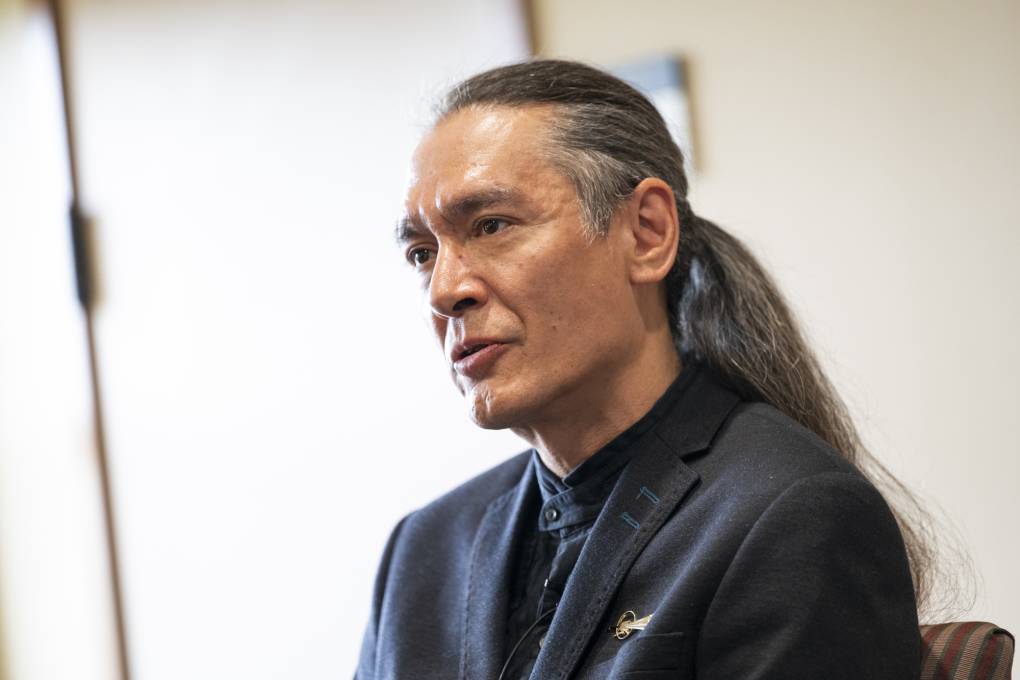
"caption": "Kim Aris, the youngest son of Burmese pro-democracy leader Aung San Suu Kyi, speaks during a fireside chat at Stanford University on April 7, 2025. Aris has increasingly spoken out on behalf of his mother, who remains imprisoned by Myanmar's military junta.",
"credit": "Beth LaBerge/KQED",
"altTag": null,
"description": null,
"imgSizes": {
"medium": {
"file": "https://cdn.kqed.org/wp-content/uploads/sites/10/2025/04/250407-SONOFOUSTEDMYANMARLEADER-07-BL-KQED-800x533.jpg",
"width": 800,
"height": 533,
"mimeType": "image/jpeg"
},
"large": {
"file": "https://cdn.kqed.org/wp-content/uploads/sites/10/2025/04/250407-SONOFOUSTEDMYANMARLEADER-07-BL-KQED-1020x680.jpg",
"width": 1020,
"height": 680,
"mimeType": "image/jpeg"
},
"thumbnail": {
"file": "https://cdn.kqed.org/wp-content/uploads/sites/10/2025/04/250407-SONOFOUSTEDMYANMARLEADER-07-BL-KQED-160x107.jpg",
"width": 160,
"height": 107,
"mimeType": "image/jpeg"
},
"1536x1536": {
"file": "https://cdn.kqed.org/wp-content/uploads/sites/10/2025/04/250407-SONOFOUSTEDMYANMARLEADER-07-BL-KQED-1536x1024.jpg",
"width": 1536,
"height": 1024,
"mimeType": "image/jpeg"
},
"post-thumbnail": {
"file": "https://cdn.kqed.org/wp-content/uploads/sites/10/2025/04/250407-SONOFOUSTEDMYANMARLEADER-07-BL-KQED-672x372.jpg",
"width": 672,
"height": 372,
"mimeType": "image/jpeg"
},
"twentyfourteen-full-width": {
"file": "https://cdn.kqed.org/wp-content/uploads/sites/10/2025/04/250407-SONOFOUSTEDMYANMARLEADER-07-BL-KQED-1038x576.jpg",
"width": 1038,
"height": 576,
"mimeType": "image/jpeg"
},
"full-width": {
"file": "https://cdn.kqed.org/wp-content/uploads/sites/10/2025/04/250407-SONOFOUSTEDMYANMARLEADER-07-BL-KQED-1920x1280.jpg",
"width": 1920,
"height": 1280,
"mimeType": "image/jpeg"
},
"kqedFullSize": {
"file": "https://cdn.kqed.org/wp-content/uploads/sites/10/2025/04/250407-SONOFOUSTEDMYANMARLEADER-07-BL-KQED.jpg",
"width": 2000,
"height": 1333
}
},
"isLoading": false,
"fetchFailed": false
},
"news_12030038": {
"type": "attachments",
"id": "news_12030038",
"meta": {
"index": "attachments_1716263798",
"site": "news",
"id": "12030038",
"found": true
},
"title": "250227-UCSFTATTOOS-21-BL-KQED",
"publishDate": 1741283755,
"status": "inherit",
"parent": 0,
"modified": 1741283875,
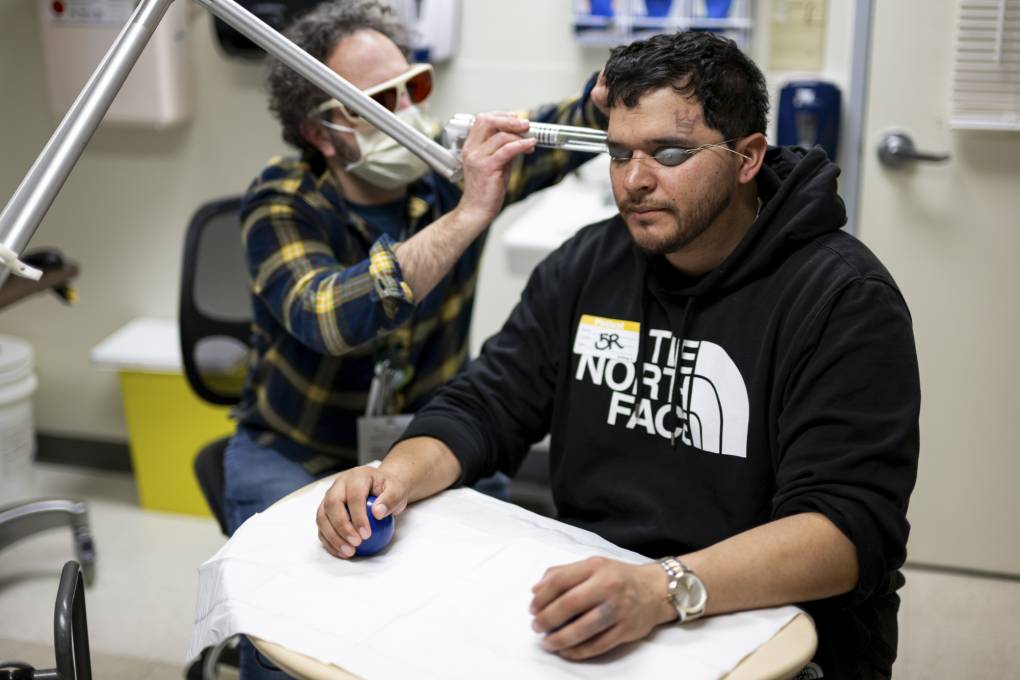
"caption": "UCSF Dr. Matt Pantell uses a laser tattoo removal machine during a session with Freddie Gutierrez at the clinic he runs at Zuckerberg San Francisco General Hospital in San Francisco on Feb. 27, 2025. The clinic is a partnership between UCSF and Zuckerberg San Francisco General Hospital, providing free tattoo removal services for underserved communities.",
"credit": "Beth LaBerge/KQED",
"altTag": null,
"description": null,
"imgSizes": {
"medium": {
"file": "https://cdn.kqed.org/wp-content/uploads/sites/10/2025/03/250227-UCSFTATTOOS-21-BL-KQED-800x533.jpg",
"width": 800,
"height": 533,
"mimeType": "image/jpeg"
},
"large": {
"file": "https://cdn.kqed.org/wp-content/uploads/sites/10/2025/03/250227-UCSFTATTOOS-21-BL-KQED-1020x680.jpg",
"width": 1020,
"height": 680,
"mimeType": "image/jpeg"
},
"thumbnail": {
"file": "https://cdn.kqed.org/wp-content/uploads/sites/10/2025/03/250227-UCSFTATTOOS-21-BL-KQED-160x107.jpg",
"width": 160,
"height": 107,
"mimeType": "image/jpeg"
},
"1536x1536": {
"file": "https://cdn.kqed.org/wp-content/uploads/sites/10/2025/03/250227-UCSFTATTOOS-21-BL-KQED-1536x1024.jpg",
"width": 1536,
"height": 1024,
"mimeType": "image/jpeg"
},
"post-thumbnail": {
"file": "https://cdn.kqed.org/wp-content/uploads/sites/10/2025/03/250227-UCSFTATTOOS-21-BL-KQED-672x372.jpg",
"width": 672,
"height": 372,
"mimeType": "image/jpeg"
},
"twentyfourteen-full-width": {
"file": "https://cdn.kqed.org/wp-content/uploads/sites/10/2025/03/250227-UCSFTATTOOS-21-BL-KQED-1038x576.jpg",
"width": 1038,
"height": 576,
"mimeType": "image/jpeg"
},
"full-width": {
"file": "https://cdn.kqed.org/wp-content/uploads/sites/10/2025/03/250227-UCSFTATTOOS-21-BL-KQED-1920x1280.jpg",
"width": 1920,
"height": 1280,
"mimeType": "image/jpeg"
},
"kqedFullSize": {
"file": "https://cdn.kqed.org/wp-content/uploads/sites/10/2025/03/250227-UCSFTATTOOS-21-BL-KQED.jpg",
"width": 2000,
"height": 1333
}
},
"isLoading": false,
"fetchFailed": false
},
"news_12034595": {
"type": "attachments",
"id": "news_12034595",
"meta": {
"index": "attachments_1716263798",
"site": "news",
"id": "12034595",
"found": true
},
"title": "AnthonyBecker",
"publishDate": 1743800522,
"status": "inherit",
"parent": 0,
"modified": 1743803225,
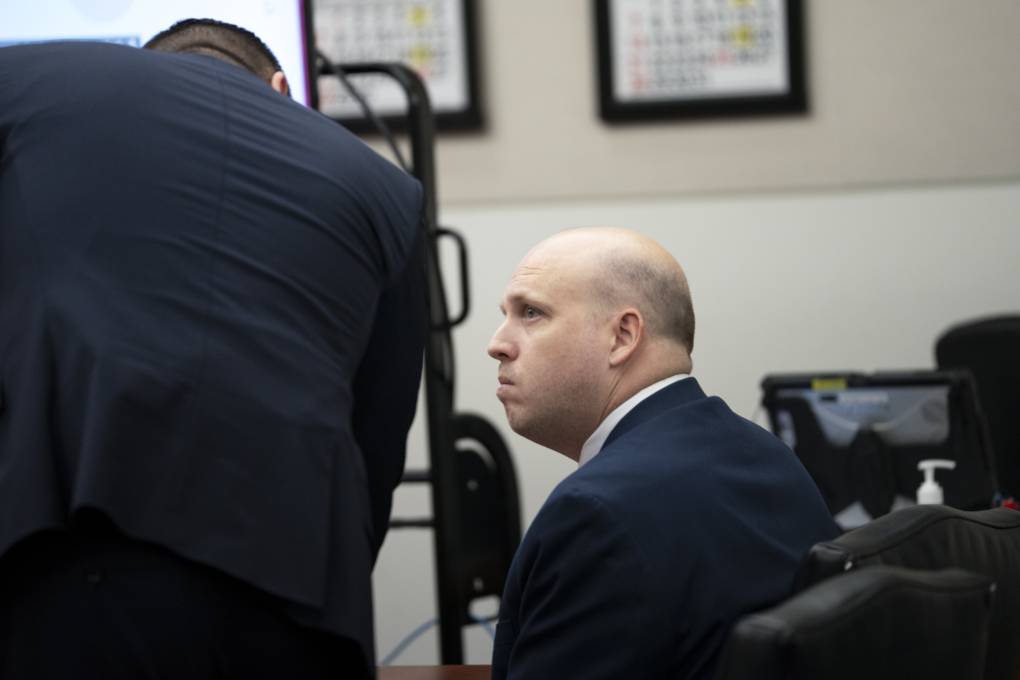
"caption": "Santa Clara City Councilmember Anthony Becker during his sentencing hearing at the South County Morgan Hill Courthouse on April 4, 2025.",
"credit": "Florence Middleton for KQED",
"altTag": null,
"description": null,
"imgSizes": {
"medium": {
"file": "https://cdn.kqed.org/wp-content/uploads/sites/10/2025/04/2025.04.04_MIDDLETON_ANTHONYBECKER_015-KQED-800x533.jpg",
"width": 800,
"height": 533,
"mimeType": "image/jpeg"
},
"large": {
"file": "https://cdn.kqed.org/wp-content/uploads/sites/10/2025/04/2025.04.04_MIDDLETON_ANTHONYBECKER_015-KQED-1020x680.jpg",
"width": 1020,
"height": 680,
"mimeType": "image/jpeg"
},
"thumbnail": {
"file": "https://cdn.kqed.org/wp-content/uploads/sites/10/2025/04/2025.04.04_MIDDLETON_ANTHONYBECKER_015-KQED-160x107.jpg",
"width": 160,
"height": 107,
"mimeType": "image/jpeg"
},
"1536x1536": {
"file": "https://cdn.kqed.org/wp-content/uploads/sites/10/2025/04/2025.04.04_MIDDLETON_ANTHONYBECKER_015-KQED-1536x1024.jpg",
"width": 1536,
"height": 1024,
"mimeType": "image/jpeg"
},
"post-thumbnail": {
"file": "https://cdn.kqed.org/wp-content/uploads/sites/10/2025/04/2025.04.04_MIDDLETON_ANTHONYBECKER_015-KQED-672x372.jpg",
"width": 672,
"height": 372,
"mimeType": "image/jpeg"
},
"twentyfourteen-full-width": {
"file": "https://cdn.kqed.org/wp-content/uploads/sites/10/2025/04/2025.04.04_MIDDLETON_ANTHONYBECKER_015-KQED-1038x576.jpg",
"width": 1038,
"height": 576,
"mimeType": "image/jpeg"
},
"full-width": {
"file": "https://cdn.kqed.org/wp-content/uploads/sites/10/2025/04/2025.04.04_MIDDLETON_ANTHONYBECKER_015-KQED-1920x1280.jpg",
"width": 1920,
"height": 1280,
"mimeType": "image/jpeg"
},
"kqedFullSize": {
"file": "https://cdn.kqed.org/wp-content/uploads/sites/10/2025/04/2025.04.04_MIDDLETON_ANTHONYBECKER_015-KQED.jpg",
"width": 2000,
"height": 1333
}
},
"isLoading": false,
"fetchFailed": false
},
"news_12034319": {
"type": "attachments",
"id": "news_12034319",
"meta": {
"index": "attachments_1716263798",
"site": "news",
"id": "12034319",
"found": true
},
"title": "024_SanFrancisco_Housing_07292021_qed",
"publishDate": 1743629527,
"status": "inherit",
"parent": 12034212,
"modified": 1749763097,
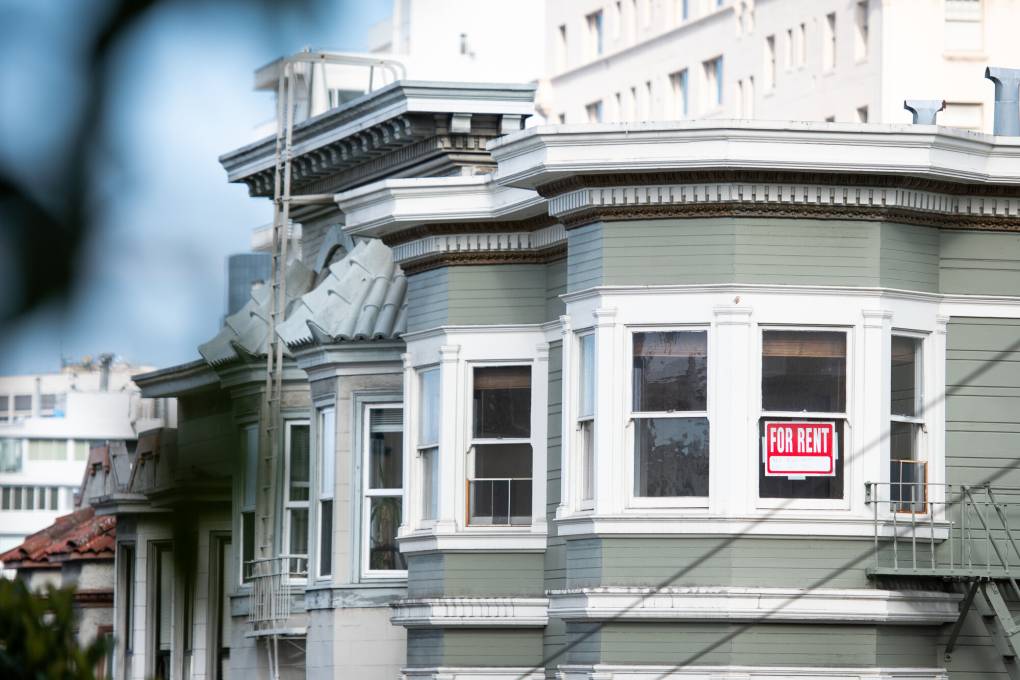
"caption": "A 'For Rent' sign hangs in the window of an apartment building in Nob Hill in San Francisco on July 29, 2021.",
"credit": "Beth LaBerge/KQED",
"altTag": null,
"description": null,
"imgSizes": {
"medium": {
"file": "https://cdn.kqed.org/wp-content/uploads/sites/10/2025/04/024_SanFrancisco_Housing_07292021_qed-800x533.jpg",
"width": 800,
"height": 533,
"mimeType": "image/jpeg"
},
"large": {
"file": "https://cdn.kqed.org/wp-content/uploads/sites/10/2025/04/024_SanFrancisco_Housing_07292021_qed-1020x680.jpg",
"width": 1020,
"height": 680,
"mimeType": "image/jpeg"
},
"thumbnail": {
"file": "https://cdn.kqed.org/wp-content/uploads/sites/10/2025/04/024_SanFrancisco_Housing_07292021_qed-160x107.jpg",
"width": 160,
"height": 107,
"mimeType": "image/jpeg"
},
"1536x1536": {
"file": "https://cdn.kqed.org/wp-content/uploads/sites/10/2025/04/024_SanFrancisco_Housing_07292021_qed-1536x1024.jpg",
"width": 1536,
"height": 1024,
"mimeType": "image/jpeg"
},
"post-thumbnail": {
"file": "https://cdn.kqed.org/wp-content/uploads/sites/10/2025/04/024_SanFrancisco_Housing_07292021_qed-672x372.jpg",
"width": 672,
"height": 372,
"mimeType": "image/jpeg"
},
"twentyfourteen-full-width": {
"file": "https://cdn.kqed.org/wp-content/uploads/sites/10/2025/04/024_SanFrancisco_Housing_07292021_qed-1038x576.jpg",
"width": 1038,
"height": 576,
"mimeType": "image/jpeg"
},
"full-width": {
"file": "https://cdn.kqed.org/wp-content/uploads/sites/10/2025/04/024_SanFrancisco_Housing_07292021_qed-1920x1280.jpg",
"width": 1920,
"height": 1280,
"mimeType": "image/jpeg"
},
"kqedFullSize": {
"file": "https://cdn.kqed.org/wp-content/uploads/sites/10/2025/04/024_SanFrancisco_Housing_07292021_qed.jpg",
"width": 2000,
"height": 1333
}
},
"isLoading": false,
"fetchFailed": false
},
"news_12034018": {
"type": "attachments",
"id": "news_12034018",
"meta": {
"index": "attachments_1716263798",
"site": "news",
"id": "12034018",
"found": true
},
"title": "DSC_0194_qed",
"publishDate": 1743532379,
"status": "inherit",
"parent": 0,
"modified": 1743532556,
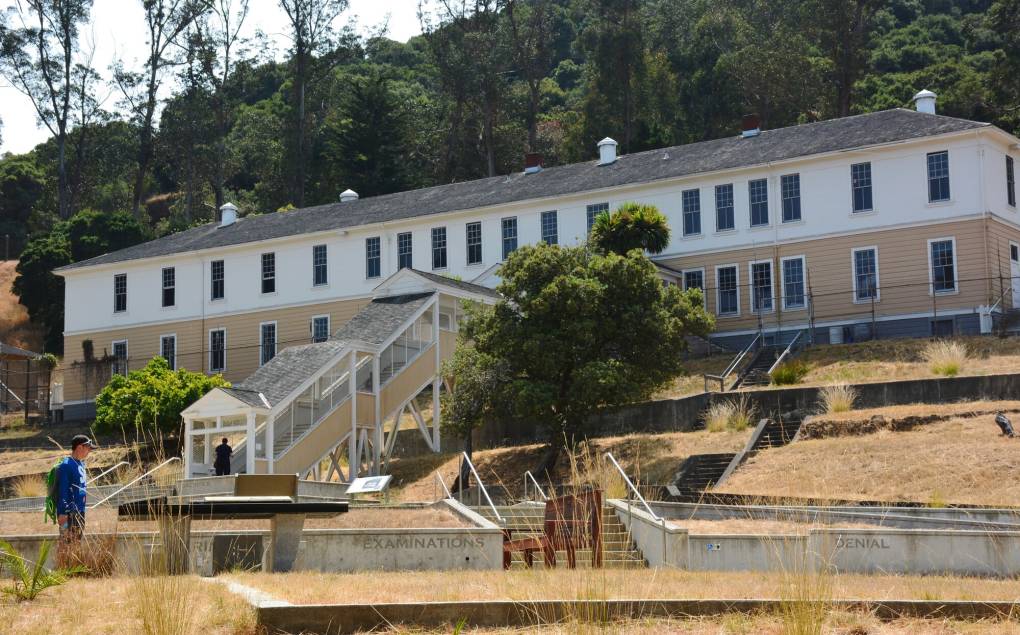
"caption": "Before the station opened in 1910, immigrants coming from the Pacific were housed in unsanitary facilities located at the Pacific Mail Steamship Company docks on the San Francisco waterfront. Angel Island was conceived as an ideal location for detention barracks due to its isolation from the mainland.",
"credit": "Marisol Medina-Cadena/KQED",
"altTag": null,
"description": null,
"imgSizes": {
"medium": {
"file": "https://cdn.kqed.org/wp-content/uploads/sites/10/2025/04/DSC_0194_qed-800x498.jpg",
"width": 800,
"height": 498,
"mimeType": "image/jpeg"
},
"large": {
"file": "https://cdn.kqed.org/wp-content/uploads/sites/10/2025/04/DSC_0194_qed-1020x635.jpg",
"width": 1020,
"height": 635,
"mimeType": "image/jpeg"
},
"thumbnail": {
"file": "https://cdn.kqed.org/wp-content/uploads/sites/10/2025/04/DSC_0194_qed-160x100.jpg",
"width": 160,
"height": 100,
"mimeType": "image/jpeg"
},
"1536x1536": {
"file": "https://cdn.kqed.org/wp-content/uploads/sites/10/2025/04/DSC_0194_qed-1536x957.jpg",
"width": 1536,
"height": 957,
"mimeType": "image/jpeg"
},
"post-thumbnail": {
"file": "https://cdn.kqed.org/wp-content/uploads/sites/10/2025/04/DSC_0194_qed-672x372.jpg",
"width": 672,
"height": 372,
"mimeType": "image/jpeg"
},
"twentyfourteen-full-width": {
"file": "https://cdn.kqed.org/wp-content/uploads/sites/10/2025/04/DSC_0194_qed-1038x576.jpg",
"width": 1038,
"height": 576,
"mimeType": "image/jpeg"
},
"full-width": {
"file": "https://cdn.kqed.org/wp-content/uploads/sites/10/2025/04/DSC_0194_qed-1920x1196.jpg",
"width": 1920,
"height": 1196,
"mimeType": "image/jpeg"
},
"kqedFullSize": {
"file": "https://cdn.kqed.org/wp-content/uploads/sites/10/2025/04/DSC_0194_qed.jpg",
"width": 2000,
"height": 1246
}
},
"isLoading": false,
"fetchFailed": false
}
},
"audioPlayerReducer": {
"postId": "stream_live",
"isPaused": true,
"isPlaying": false,
"pfsActive": false,
"pledgeModalIsOpen": true,
"playerDrawerIsOpen": false,
"liveAudioPlayStartedAt": 0,
"liveAudioPlayContext": ""
},
"authorsReducer": {
"rachael-myrow": {
"type": "authors",
"id": "251",
"meta": {
"index": "authors_1716337520",
"id": "251",
"found": true
},
"name": "Rachael Myrow",
"firstName": "Rachael",
"lastName": "Myrow",
"slug": "rachael-myrow",
"email": "rmyrow@kqed.org",
"display_author_email": true,
"staff_mastheads": [
"news"
],
"title": "Senior Editor of KQED's Silicon Valley News Desk",
"bio": "• I write and edit stories about how Silicon Valley power and policies shape everyday life in California. I’m also passionate about making Bay Area history and culture more accessible to a broad public. • I’ve been a journalist for most of my life, starting in high school with The Franklin Press in Los Angeles, where I grew up. While earning my first degree in English at UC Berkeley, I got my start in public radio at KALX-FM. After completing a second degree in journalism at Cal, I landed my first professional job at Marketplace, then moved on to KPCC (now LAist), and then KQED, where I hosted The California Report for more than seven years. • My reporting has appeared on NPR, The World, WBUR’s \u003ci>Here & Now\u003c/i>, and the BBC. I also guest host for KQED’s \u003ci>Forum\u003c/i>, as well as the Commonwealth Club in San Francisco. • I speak periodically on media, democracy and technology issues, and do voiceover work for documentaries and educational video projects. • Outside of the studio, you'll find me hiking Bay Area trails and whipping up Insta-ready meals in my kitchen. • I do not accept gifts, money, or favors from anyone connected to my reporting, I don't pay people for information, and I do not support or donate to political causes. • I strive to treat the people I report on with fairness, honesty, and respect. I also recognize there are often multiple sides to a story and work to verify information through multiple sources and documentation. If I get something wrong, I correct it.",
"avatar": "https://secure.gravatar.com/avatar/3ed8a3c5f26025e4a805ba634cda8cd764906b97438a6d9ce216b044e340da4e?s=600&d=blank&r=g",
"twitter": "rachaelmyrow",
"bluesky": null,
"facebook": null,
"instagram": null,
"linkedin": "https://www.linkedin.com/in/rachaelmyrow/",
"sites": [
{
"site": "arts",
"roles": [
"administrator"
]
},
{
"site": "news",
"roles": [
"edit_others_posts",
"editor"
]
},
{
"site": "futureofyou",
"roles": [
"editor"
]
},
{
"site": "bayareabites",
"roles": [
"editor"
]
},
{
"site": "stateofhealth",
"roles": [
"editor"
]
},
{
"site": "science",
"roles": [
"editor"
]
},
{
"site": "food",
"roles": [
"editor"
]
},
{
"site": "forum",
"roles": [
"editor"
]
},
{
"site": "liveblog",
"roles": [
"author"
]
}
],
"headData": {
"title": "Rachael Myrow | KQED",
"description": "Senior Editor of KQED's Silicon Valley News Desk",
"ogImgSrc": "https://secure.gravatar.com/avatar/3ed8a3c5f26025e4a805ba634cda8cd764906b97438a6d9ce216b044e340da4e?s=600&d=blank&r=g",
"twImgSrc": "https://secure.gravatar.com/avatar/3ed8a3c5f26025e4a805ba634cda8cd764906b97438a6d9ce216b044e340da4e?s=600&d=blank&r=g"
},
"isLoading": false,
"link": "/author/rachael-myrow"
},
"matthewgreen": {
"type": "authors",
"id": "1263",
"meta": {
"index": "authors_1716337520",
"id": "1263",
"found": true
},
"name": "Matthew Green",
"firstName": "Matthew",
"lastName": "Green",
"slug": "matthewgreen",
"email": "mgreen@kqed.org",
"display_author_email": false,
"staff_mastheads": [],
"title": "KQED Editor/Reporter",
"bio": "Matthew Green is a digital media producer for KQED News. He previously produced \u003ca href=\"http://www.kqed.org/lowdown\">The Lowdown\u003c/a>, KQED’s multimedia news education blog. Matthew's written for numerous Bay Area publications, including the Oakland Tribune and San Francisco Chronicle. He also taught journalism classes at Fremont High School in East Oakland.\r\n\r\nEmail: mgreen@kqed.org; Twitter: @MGreenKQED",
"avatar": "https://secure.gravatar.com/avatar/3bf498d1267ca02c8494f33d8cfc575e?s=600&d=blank&r=g",
"twitter": "MGreenKQED",
"facebook": null,
"instagram": null,
"linkedin": null,
"sites": [
{
"site": "news",
"roles": []
},
{
"site": "lowdown",
"roles": []
},
{
"site": "science",
"roles": []
},
{
"site": "education",
"roles": []
},
{
"site": "quest",
"roles": []
},
{
"site": "liveblog",
"roles": []
}
],
"headData": {
"title": "Matthew Green | KQED",
"description": "KQED Editor/Reporter",
"ogImgSrc": "https://secure.gravatar.com/avatar/3bf498d1267ca02c8494f33d8cfc575e?s=600&d=blank&r=g",
"twImgSrc": "https://secure.gravatar.com/avatar/3bf498d1267ca02c8494f33d8cfc575e?s=600&d=blank&r=g"
},
"isLoading": false,
"link": "/author/matthewgreen"
},
"lsarah": {
"type": "authors",
"id": "11626",
"meta": {
"index": "authors_1716337520",
"id": "11626",
"found": true
},
"name": "Lakshmi Sarah",
"firstName": "Lakshmi",
"lastName": "Sarah",
"slug": "lsarah",
"email": "lsarah@kqed.org",
"display_author_email": false,
"staff_mastheads": [],
"title": "Digital Producer",
"bio": "Lakshmi Sarah is an educator, author and journalist with a focus on innovative storytelling. She has worked with newspapers, radio and magazines from Ahmedabad, India to Los Angeles, California. She has written and produced for Die Zeit, Global Voices, AJ+, KQED, Fusion Media Group and the New York Times.",
"avatar": "https://secure.gravatar.com/avatar/652dcaecd8b28826fc17a8b2d6bb4e93?s=600&d=blank&r=g",
"twitter": "lakitalki",
"facebook": null,
"instagram": "https://www.instagram.com/laki.talki/",
"linkedin": "https://www.linkedin.com/in/lakisarah/",
"sites": [
{
"site": "arts",
"roles": []
},
{
"site": "news",
"roles": []
},
{
"site": "bayareabites",
"roles": []
},
{
"site": "science",
"roles": []
}
],
"headData": {
"title": "Lakshmi Sarah | KQED",
"description": "Digital Producer",
"ogImgSrc": "https://secure.gravatar.com/avatar/652dcaecd8b28826fc17a8b2d6bb4e93?s=600&d=blank&r=g",
"twImgSrc": "https://secure.gravatar.com/avatar/652dcaecd8b28826fc17a8b2d6bb4e93?s=600&d=blank&r=g"
},
"isLoading": false,
"link": "/author/lsarah"
},
"abandlamudi": {
"type": "authors",
"id": "11672",
"meta": {
"index": "authors_1716337520",
"id": "11672",
"found": true
},
"name": "Adhiti Bandlamudi",
"firstName": "Adhiti",
"lastName": "Bandlamudi",
"slug": "abandlamudi",
"email": "abandlamudi@kqed.org",
"display_author_email": false,
"staff_mastheads": [
"news"
],
"title": "KQED Housing Reporter",
"bio": "Adhiti Bandlamudi reports for KQED's Housing desk. She focuses on how housing gets built across the Bay Area. Before joining KQED in 2020, she reported for WUNC in Durham, North Carolina, WABE in Atlanta, Georgia and Capital Public Radio in Sacramento. In 2017, she was awarded a Kroc Fellowship at NPR where she reported on everything from sprinkles to the Golden State Killer's arrest. When she's not reporting, she's baking new recipes in her kitchen or watching movies with friends and family. She's originally from Georgia and has strong opinions about Great British Bake Off.",
"avatar": "https://secure.gravatar.com/avatar/868129c8b257bb99a3500e2c86a65400?s=600&d=mm&r=g",
"twitter": "oddity_adhiti",
"facebook": null,
"instagram": null,
"linkedin": null,
"sites": [
{
"site": "arts",
"roles": [
"author"
]
},
{
"site": "news",
"roles": [
"editor"
]
},
{
"site": "liveblog",
"roles": [
"author"
]
}
],
"headData": {
"title": "Adhiti Bandlamudi | KQED",
"description": "KQED Housing Reporter",
"ogImgSrc": "https://secure.gravatar.com/avatar/868129c8b257bb99a3500e2c86a65400?s=600&d=mm&r=g",
"twImgSrc": "https://secure.gravatar.com/avatar/868129c8b257bb99a3500e2c86a65400?s=600&d=mm&r=g"
},
"isLoading": false,
"link": "/author/abandlamudi"
},
"agonzalez": {
"type": "authors",
"id": "11724",
"meta": {
"index": "authors_1716337520",
"id": "11724",
"found": true
},
"name": "Alexander Gonzalez",
"firstName": "Alexander",
"lastName": "Gonzalez",
"slug": "agonzalez",
"email": "AlexanderGonzalez@KQED.org",
"display_author_email": false,
"staff_mastheads": [
"news"
],
"title": "KQED Contributor",
"bio": null,
"avatar": "https://secure.gravatar.com/avatar/9e291ed34e154df4c662edf858b641d70b4859939bfe40be478408f9dfd057d2?s=600&d=blank&r=g",
"twitter": null,
"bluesky": null,
"facebook": null,
"instagram": null,
"linkedin": null,
"sites": [
{
"site": "arts",
"roles": [
"editor"
]
},
{
"site": "news",
"roles": [
"editor"
]
},
{
"site": "science",
"roles": [
"editor"
]
}
],
"headData": {
"title": "Alexander Gonzalez | KQED",
"description": "KQED Contributor",
"ogImgSrc": "https://secure.gravatar.com/avatar/9e291ed34e154df4c662edf858b641d70b4859939bfe40be478408f9dfd057d2?s=600&d=blank&r=g",
"twImgSrc": "https://secure.gravatar.com/avatar/9e291ed34e154df4c662edf858b641d70b4859939bfe40be478408f9dfd057d2?s=600&d=blank&r=g"
},
"isLoading": false,
"link": "/author/agonzalez"
},
"jgeha": {
"type": "authors",
"id": "11906",
"meta": {
"index": "authors_1716337520",
"id": "11906",
"found": true
},
"name": "Joseph Geha",
"firstName": "Joseph",
"lastName": "Geha",
"slug": "jgeha",
"email": "jgeha@kqed.org",
"display_author_email": false,
"staff_mastheads": [
"news",
"science"
],
"title": "KQED Contributor",
"bio": null,
"avatar": "https://secure.gravatar.com/avatar/ea84d2b6dd93d6369d453edf19dd583f117cd1759d2d9c9c92f9de77017354fe?s=600&d=blank&r=g",
"twitter": null,
"bluesky": null,
"facebook": null,
"instagram": null,
"linkedin": null,
"sites": [
{
"site": "news",
"roles": [
"editor"
]
},
{
"site": "liveblog",
"roles": [
"author"
]
}
],
"headData": {
"title": "Joseph Geha | KQED",
"description": "KQED Contributor",
"ogImgSrc": "https://secure.gravatar.com/avatar/ea84d2b6dd93d6369d453edf19dd583f117cd1759d2d9c9c92f9de77017354fe?s=600&d=blank&r=g",
"twImgSrc": "https://secure.gravatar.com/avatar/ea84d2b6dd93d6369d453edf19dd583f117cd1759d2d9c9c92f9de77017354fe?s=600&d=blank&r=g"
},
"isLoading": false,
"link": "/author/jgeha"
},
"kdebenedetti": {
"type": "authors",
"id": "11913",
"meta": {
"index": "authors_1716337520",
"id": "11913",
"found": true
},
"name": "Katie DeBenedetti",
"firstName": "Katie",
"lastName": "DeBenedetti",
"slug": "kdebenedetti",
"email": "kdebenedetti@kqed.org",
"display_author_email": false,
"staff_mastheads": [
"news",
"science"
],
"title": "KQED Contributor",
"bio": "Katie DeBenedetti is a digital reporter covering daily news for the Express Desk. Prior to joining KQED as a culture reporting intern in January 2024, she covered education and city government for the Napa Valley Register.",
"avatar": "https://secure.gravatar.com/avatar/6e31073cb8f7e4214ab03f42771d0f45?s=600&d=blank&r=g",
"twitter": null,
"facebook": null,
"instagram": null,
"linkedin": null,
"sites": [
{
"site": "news",
"roles": [
"author"
]
},
{
"site": "science",
"roles": [
"author"
]
},
{
"site": "liveblog",
"roles": [
"author"
]
}
],
"headData": {
"title": "Katie DeBenedetti | KQED",
"description": "KQED Contributor",
"ogImgSrc": "https://secure.gravatar.com/avatar/6e31073cb8f7e4214ab03f42771d0f45?s=600&d=blank&r=g",
"twImgSrc": "https://secure.gravatar.com/avatar/6e31073cb8f7e4214ab03f42771d0f45?s=600&d=blank&r=g"
},
"isLoading": false,
"link": "/author/kdebenedetti"
},
"slim": {
"type": "authors",
"id": "11920",
"meta": {
"index": "authors_1716337520",
"id": "11920",
"found": true
},
"name": "Samantha Lim",
"firstName": "Samantha",
"lastName": "Lim",
"slug": "slim",
"email": "slim@KQED.org",
"display_author_email": false,
"staff_mastheads": [],
"title": "KQED Contributor",
"bio": null,
"avatar": "https://secure.gravatar.com/avatar/82e592e6c15fe1a04d385e8ad0fb0b4e?s=600&d=blank&r=g",
"twitter": null,
"facebook": null,
"instagram": null,
"linkedin": null,
"sites": [
{
"site": "news",
"roles": []
}
],
"headData": {
"title": "Samantha Lim | KQED",
"description": "KQED Contributor",
"ogImgSrc": "https://secure.gravatar.com/avatar/82e592e6c15fe1a04d385e8ad0fb0b4e?s=600&d=blank&r=g",
"twImgSrc": "https://secure.gravatar.com/avatar/82e592e6c15fe1a04d385e8ad0fb0b4e?s=600&d=blank&r=g"
},
"isLoading": false,
"link": "/author/slim"
},
"rcooke": {
"type": "authors",
"id": "11921",
"meta": {
"index": "authors_1716337520",
"id": "11921",
"found": true
},
"name": "Riley Cooke",
"firstName": "Riley",
"lastName": "Cooke",
"slug": "rcooke",
"email": "rcooke@kqed.org",
"display_author_email": true,
"staff_mastheads": [
"news"
],
"title": "KQED Contributor",
"bio": "Riley is a senior at UC Berkeley, where she studies political science and journalism. Her work has appeared in SFGate, NBC Bay Area, Local News Matters and more. She enjoys reporting on politics, housing and homelessness — and using as many em dashes as her editors will allow.",
"avatar": "https://secure.gravatar.com/avatar/792f98c126cc5e270a8a96f77f7224ea?s=600&d=blank&r=g",
"twitter": "rrileycooke",
"facebook": null,
"instagram": null,
"linkedin": null,
"sites": [
{
"site": "arts",
"roles": [
"author"
]
},
{
"site": "news",
"roles": [
"author"
]
}
],
"headData": {
"title": "Riley Cooke | KQED",
"description": "KQED Contributor",
"ogImgSrc": "https://secure.gravatar.com/avatar/792f98c126cc5e270a8a96f77f7224ea?s=600&d=blank&r=g",
"twImgSrc": "https://secure.gravatar.com/avatar/792f98c126cc5e270a8a96f77f7224ea?s=600&d=blank&r=g"
},
"isLoading": false,
"link": "/author/rcooke"
}
},
"pagesReducer": {
"news_tag_bay-area": {
"type": "terms",
"id": "news_1386",
"meta": {
"index": "terms_1716263798",
"site": "news",
"id": "1386",
"score": 7.788453
},
"featImg": null,
"name": "Bay Area",
"description": null,
"taxonomy": "tag",
"headData": {
"twImgId": null,
"twTitle": null,
"ogTitle": null,
"ogImgId": null,
"twDescription": null,
"description": null,
"title": "Bay Area Archives | KQED News",
"ogDescription": null
},
"ttid": 1398,
"slug": "bay-area",
"isLoading": false,
"title": "Bay Area",
"pageMeta": {
"site": "news",
"WpPageTemplate": "page-topic-editorial",
"currentPage": 74
},
"blocks": [
{
"blockName": "kqed/post-list",
"attrs": {
"layout": "cardArticle2",
"query": "posts/news?tag=bay-area",
"seeMore": false,
"paginated": true,
"page": 74
}
},
{
"blockName": "kqed/ad"
}
]
}
},
"pfsSessionReducer": {},
"postsReducer": {
"stream_live": {
"type": "live",
"id": "stream_live",
"audioUrl": "https://streams.kqed.org/kqedradio",
"title": "Live Stream",
"excerpt": "Live Stream information currently unavailable.",
"link": "/radio",
"featImg": "",
"label": {
"name": "KQED Live",
"link": "/"
}
},
"stream_kqedNewscast": {
"type": "posts",
"id": "stream_kqedNewscast",
"audioUrl": "https://www.kqed.org/.stream/anon/radio/RDnews/newscast.mp3?_=1",
"title": "KQED Newscast",
"featImg": "",
"label": {
"name": "88.5 FM",
"link": "/"
}
},
"news_12035348": {
"type": "posts",
"id": "news_12035348",
"meta": {
"index": "posts_1716263798",
"site": "news",
"id": "12035348",
"score": null,
"sort": [
1744311099000
]
},
"guestAuthors": [],
"slug": "mayor-lurie-allows-waymo-on-sfs-car-free-market-street",
"title": "Mayor Lurie Allows Waymo on SF’s Car-Free Market Street",
"publishDate": 1744311099,
"format": "standard",
"headTitle": "Mayor Lurie Allows Waymo on SF’s Car-Free Market Street | KQED",
"labelTerm": {
"site": "news"
},
"content": "\u003cp>Fewer buses and \u003ca href=\"https://www.kqed.org/news/12030860/waymo-problems\">Waymo\u003c/a> cars — that’s the plan for San Francisco’s Market Street, coming this summer.\u003c/p>\n\u003cp>On Thursday, \u003ca href=\"https://www.kqed.org/news/tag/daniel-lurie\">Mayor Daniel Lurie\u003c/a> announced that the autonomous vehicle company would begin operating on the city’s main downtown thoroughfare, which has been \u003ca href=\"https://www.kqed.org/news/11798594/market-street-is-now-car-free-your-questions-answered\">car-free for five years\u003c/a>, as part of his ongoing revitalization efforts there. But transit and pedestrian advocates say the move will hurt downtown, upending progress made to Muni services and pedestrian and bike safety on the road.\u003c/p>\n\u003cp>“Undoing those successes, the result of two decades of work by city agencies, elected officials, and advocates, moves San Francisco in the wrong direction,” SF Transit Riders, WalkSF, SF Bicycle Coalition and Kid Safe SF said in a joint statement. “It is a step backward to a chaotic, dangerous Market Street that serves no one’s purposes, including businesses.”\u003c/p>\n\u003cp>[ad fullwidth]\u003c/p>\n\u003cp>Since taking office, Lurie has been focused on reviving the city’s \u003ca href=\"https://www.kqed.org/forum/2010101908655/how-can-san-francisco-fill-up-empty-offices-and-stores\">vacancy-riddled downtown\u003c/a>. He’s \u003ca href=\"https://www.kqed.org/news/12021879/sf-mayor-lurie-launches-1st-legislative-push-fentanyl-emergency-response\">increased police presence\u003c/a> around Union Square, launched monthly “First Thursdays” block parties on Second Street and most recently, announced that a \u003ca href=\"https://www.kqed.org/news/12034942/billionaire-backed-nonprofit-fund-san-franciscos-downtown-recovery-projects\">nonprofit formed by some of his high-powered supporters\u003c/a> will raise private funds to beautify the neighborhood.\u003c/p>\n\u003cp>“By welcoming Waymo, we’re adding another safe and sustainable way to access shopping, theaters, hotels and restaurants,” Lurie said in a statement. “This is about revitalizing downtown and making it easier for everyone, locals and visitors alike, to enjoy everything our city has to offer.”\u003c/p>\n\u003cp>Waymo — which is owned by Google’s parent company, Alphabet — plans to begin mapping the street in the coming days and driving passengers up and down Market as soon as this summer, according to Lurie’s office. The announcement comes on the heels of a San Francisco Municipal Transportation Agency’s board of directors vote last week to reduce services on five routes that traverse the road in the face of the agency’s \u003ca href=\"https://www.kqed.org/news/12021178/sf-muni-reducing-bus-light-rail-service-amid-fiscal-crisis-more-cuts-loom\">massive budget deficit,\u003c/a> which could top more than $300 million by 2026.\u003c/p>\n\u003cp>Julie Kirschbaum, SFMTA’s Director of Transportation, said the agency will work with Lurie and Waymo to ensure that all transportation operations move “safely, reliably and efficiently” along the corridor. However, public transit advocates say that prioritizing privately owned vehicles on public roadways will stunt Muni’s post-pandemic rebound and compound disruptions as the city cuts bus services.\u003c/p>\n\u003cp>[aside postID=forum_2010101908873 hero='https://cdn.kqed.org/wp-content/uploads/sites/43/2025/02/250128-SFImmigration-33-BL-1-1020x574.jpg']\u003c/p>\n\u003cp>Muni ridership dropped by nearly 90% between February and April 2020 but has hit its highest numbers over the past year.\u003c/p>\n\u003cp>“Transit riders will now not only need to deal with increased transfers and delays brought on by upcoming service cuts, but also the delays and hazards caused by a fleet of new Waymo vehicles flooding Market Street,” SF Transit Riders community and policy manager Dylan Fabris said in a statement.\u003c/p>\n\u003cp>Since banning cars, Muni buses and streetcars have been able to increase speed and efficiency by 14% along Market Street, Fabrissaid. Last year, ridership reached 75% of pre-pandemic numbers and appears on track to continue increasing.\u003c/p>\n\u003cp>It’s unclear if the move is a first step toward allowing more vehicles back onto the road since, technically, Waymo has already been permitted to operate in much of the corridor under the SFMTA traffic regulations adopted at the inception of the car ban.\u003c/p>\n\u003cp>Unlike Uber and Lyft, the self-driving cars are considered commercial vehicles. Waymo confirmed that until now, it has voluntarily refrained from operating on Market Street despite being legally allowed to do so.\u003c/p>\n\u003cp>Still, advocates urged Lurie to rescind the decision and instead focus on increasing business and foot traffic in the downtown sector.\u003c/p>\n\u003cp>“If we want Market Street to reclaim its rightful place as a commercial and cultural destination, it should be safe and welcoming to people,” SFBike’s Executive Director Christopher White said. “Prioritizing safe, affordable ways of traveling, like walking, biking and transit, achieves that aim. Handing the street over to a single private company flies in the face of San Francisco’s values and goals.”\u003c/p>\n\u003cp>\u003cem>KQED’s \u003c/em>\u003ca href=\"https://www.kqed.org/author/danbrekke\">\u003cem>Dan Brekke\u003c/em>\u003c/a>\u003cem> contributed to this report. \u003c/em>\u003c/p>\n\u003cp>\u003c/p>\n",
"blocks": [],
"excerpt": "Transit advocates urged Lurie to reconsider a plan to allow Google-owned robotaxis on San Francisco’s largest car-free roadway.",
"status": "publish",
"parent": 0,
"modified": 1744315245,
"stats": {
"hasAudio": false,
"hasVideo": false,
"hasChartOrMap": false,
"iframeSrcs": [],
"hasGoogleForm": false,
"hasGallery": false,
"hasHearkenModule": false,
"hasPolis": false,
"paragraphCount": 18,
"wordCount": 727
},
"headData": {
"title": "Mayor Lurie Allows Waymo on SF’s Car-Free Market Street | KQED",
"description": "Transit advocates urged Lurie to reconsider a plan to allow Google-owned robotaxis on San Francisco’s largest car-free roadway.",
"ogTitle": "",
"ogDescription": "",
"ogImgId": "",
"twTitle": "",
"twDescription": "",
"twImgId": "",
"schema": {
"@context": "https://schema.org",
"@type": "NewsArticle",
"headline": "Mayor Lurie Allows Waymo on SF’s Car-Free Market Street",
"datePublished": "2025-04-10T11:51:39-07:00",
"dateModified": "2025-04-10T13:00:45-07:00",
"image": "https://cdn.kqed.org/wp-content/uploads/2020/02/KQED-OG-Image@1x.png",
"isAccessibleForFree": "True",
"publisher": {
"@type": "NewsMediaOrganization",
"@id": "https://www.kqed.org/#organization",
"name": "KQED",
"logo": "https://cdn.kqed.org/wp-content/uploads/2020/02/KQED-OG-Image@1x.png",
"url": "https://www.kqed.org",
"sameAs": [
"https://www.facebook.com/KQED",
"https://twitter.com/KQED",
"https://www.instagram.com/kqed/",
"https://www.tiktok.com/@kqedofficial",
"https://www.linkedin.com/company/kqed",
"https://www.youtube.com/channel/UCeC0IOo7i1P_61zVUWbJ4nw"
]
}
}
},
"sticky": false,
"nprStoryId": "kqed-12035348",
"templateType": "standard",
"featuredImageType": "standard",
"excludeFromSiteSearch": "Include",
"articleAge": "0",
"path": "/news/12035348/mayor-lurie-allows-waymo-on-sfs-car-free-market-street",
"audioTrackLength": null,
"parsedContent": [
{
"type": "contentString",
"content": "\u003cdiv class=\"post-body\">\u003cp>\u003cp>Fewer buses and \u003ca href=\"https://www.kqed.org/news/12030860/waymo-problems\">Waymo\u003c/a> cars — that’s the plan for San Francisco’s Market Street, coming this summer.\u003c/p>\n\u003cp>On Thursday, \u003ca href=\"https://www.kqed.org/news/tag/daniel-lurie\">Mayor Daniel Lurie\u003c/a> announced that the autonomous vehicle company would begin operating on the city’s main downtown thoroughfare, which has been \u003ca href=\"https://www.kqed.org/news/11798594/market-street-is-now-car-free-your-questions-answered\">car-free for five years\u003c/a>, as part of his ongoing revitalization efforts there. But transit and pedestrian advocates say the move will hurt downtown, upending progress made to Muni services and pedestrian and bike safety on the road.\u003c/p>\n\u003cp>“Undoing those successes, the result of two decades of work by city agencies, elected officials, and advocates, moves San Francisco in the wrong direction,” SF Transit Riders, WalkSF, SF Bicycle Coalition and Kid Safe SF said in a joint statement. “It is a step backward to a chaotic, dangerous Market Street that serves no one’s purposes, including businesses.”\u003c/p>\n\u003cp>\u003c/p>\u003c/div>",
"attributes": {
"named": {},
"numeric": []
}
},
{
"type": "component",
"content": "",
"name": "ad",
"attributes": {
"named": {
"label": "fullwidth"
},
"numeric": [
"fullwidth"
]
}
},
{
"type": "contentString",
"content": "\u003cdiv class=\"post-body\">\u003cp>\u003c/p>\n\u003cp>Since taking office, Lurie has been focused on reviving the city’s \u003ca href=\"https://www.kqed.org/forum/2010101908655/how-can-san-francisco-fill-up-empty-offices-and-stores\">vacancy-riddled downtown\u003c/a>. He’s \u003ca href=\"https://www.kqed.org/news/12021879/sf-mayor-lurie-launches-1st-legislative-push-fentanyl-emergency-response\">increased police presence\u003c/a> around Union Square, launched monthly “First Thursdays” block parties on Second Street and most recently, announced that a \u003ca href=\"https://www.kqed.org/news/12034942/billionaire-backed-nonprofit-fund-san-franciscos-downtown-recovery-projects\">nonprofit formed by some of his high-powered supporters\u003c/a> will raise private funds to beautify the neighborhood.\u003c/p>\n\u003cp>“By welcoming Waymo, we’re adding another safe and sustainable way to access shopping, theaters, hotels and restaurants,” Lurie said in a statement. “This is about revitalizing downtown and making it easier for everyone, locals and visitors alike, to enjoy everything our city has to offer.”\u003c/p>\n\u003cp>Waymo — which is owned by Google’s parent company, Alphabet — plans to begin mapping the street in the coming days and driving passengers up and down Market as soon as this summer, according to Lurie’s office. The announcement comes on the heels of a San Francisco Municipal Transportation Agency’s board of directors vote last week to reduce services on five routes that traverse the road in the face of the agency’s \u003ca href=\"https://www.kqed.org/news/12021178/sf-muni-reducing-bus-light-rail-service-amid-fiscal-crisis-more-cuts-loom\">massive budget deficit,\u003c/a> which could top more than $300 million by 2026.\u003c/p>\n\u003cp>Julie Kirschbaum, SFMTA’s Director of Transportation, said the agency will work with Lurie and Waymo to ensure that all transportation operations move “safely, reliably and efficiently” along the corridor. However, public transit advocates say that prioritizing privately owned vehicles on public roadways will stunt Muni’s post-pandemic rebound and compound disruptions as the city cuts bus services.\u003c/p>\n\u003cp>\u003c/p>\u003c/div>",
"attributes": {
"named": {},
"numeric": []
}
},
{
"type": "component",
"content": "",
"name": "aside",
"attributes": {
"named": {
"postid": "forum_2010101908873",
"hero": "https://cdn.kqed.org/wp-content/uploads/sites/43/2025/02/250128-SFImmigration-33-BL-1-1020x574.jpg",
"label": ""
},
"numeric": []
}
},
{
"type": "contentString",
"content": "\u003cdiv class=\"post-body\">\u003cp>\u003c/p>\n\u003cp>Muni ridership dropped by nearly 90% between February and April 2020 but has hit its highest numbers over the past year.\u003c/p>\n\u003cp>“Transit riders will now not only need to deal with increased transfers and delays brought on by upcoming service cuts, but also the delays and hazards caused by a fleet of new Waymo vehicles flooding Market Street,” SF Transit Riders community and policy manager Dylan Fabris said in a statement.\u003c/p>\n\u003cp>Since banning cars, Muni buses and streetcars have been able to increase speed and efficiency by 14% along Market Street, Fabrissaid. Last year, ridership reached 75% of pre-pandemic numbers and appears on track to continue increasing.\u003c/p>\n\u003cp>It’s unclear if the move is a first step toward allowing more vehicles back onto the road since, technically, Waymo has already been permitted to operate in much of the corridor under the SFMTA traffic regulations adopted at the inception of the car ban.\u003c/p>\n\u003cp>Unlike Uber and Lyft, the self-driving cars are considered commercial vehicles. Waymo confirmed that until now, it has voluntarily refrained from operating on Market Street despite being legally allowed to do so.\u003c/p>\n\u003cp>Still, advocates urged Lurie to rescind the decision and instead focus on increasing business and foot traffic in the downtown sector.\u003c/p>\n\u003cp>“If we want Market Street to reclaim its rightful place as a commercial and cultural destination, it should be safe and welcoming to people,” SFBike’s Executive Director Christopher White said. “Prioritizing safe, affordable ways of traveling, like walking, biking and transit, achieves that aim. Handing the street over to a single private company flies in the face of San Francisco’s values and goals.”\u003c/p>\n\u003cp>\u003cem>KQED’s \u003c/em>\u003ca href=\"https://www.kqed.org/author/danbrekke\">\u003cem>Dan Brekke\u003c/em>\u003c/a>\u003cem> contributed to this report. \u003c/em>\u003c/p>\n\u003cp>\u003c/p>\n\u003c/div>\u003c/p>",
"attributes": {
"named": {},
"numeric": []
}
}
],
"link": "/news/12035348/mayor-lurie-allows-waymo-on-sfs-car-free-market-street",
"authors": [
"11913"
],
"categories": [
"news_28250",
"news_8",
"news_1397"
],
"tags": [
"news_34043",
"news_1386",
"news_34055",
"news_33010",
"news_38",
"news_20576"
],
"featImg": "news_11966666",
"label": "news"
},
"news_12035182": {
"type": "posts",
"id": "news_12035182",
"meta": {
"index": "posts_1716263798",
"site": "news",
"id": "12035182",
"score": null,
"sort": [
1744290030000
]
},
"guestAuthors": [],
"slug": "4-whales-have-died-in-the-bay-area-in-less-than-2-weeks",
"title": "4 Whales Have Died in the Bay Area in Less Than 2 Weeks. What's Going on?",
"publishDate": 1744290030,
"format": "standard",
"headTitle": "4 Whales Have Died in the Bay Area in Less Than 2 Weeks. What’s Going on? | KQED",
"labelTerm": {
"site": "news"
},
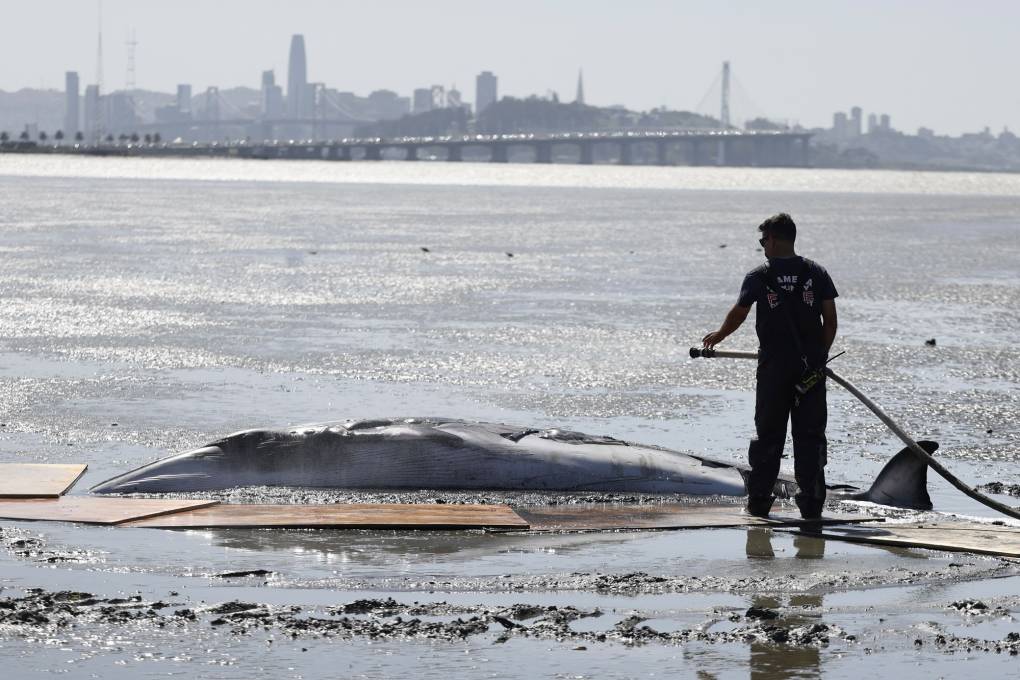
"content": "\u003cp>A rarely spotted juvenile minke whale that stranded itself on a mudflat in the San Francisco Bay near Emeryville was euthanized on Tuesday, marking the fourth whale death in the area in less than two weeks.\u003c/p>\n\u003cp>“Our teams have made the difficult decision to humanely euthanize this animal to relieve its suffering,” said Giancarlo Rulli, a spokesperson with the Marine Mammal Center in Sausalito. He noted that the whale had beached itself on several different occasions in recent days and was found almost completely out of the water, suffering from severe sunburns and struggling to breathe.\u003c/p>\n\u003cp>“If we can relieve an animal of its suffering, from an animal welfare point of view, we take that with incredible sincerity,” he said.\u003c/p>\n\u003cp>[ad fullwidth]\u003c/p>\n\u003cp>The 20-foot-long whale — only the fifth documented minke whale sighting in the bay since 2009 — was seen stranded on Monday afternoon. The incoming tide helped it move to deeper waters on Tuesday morning, but it got stuck in the mud again, within 20 feet from shore, later in the day.\u003c/p>\n\u003cp>Alameda County firefighters laid down wooden planks in the mud to reach the animal but were unable to rescue it.\u003c/p>\n\u003cp>Rulli said the center planned to conduct a necropsy — or animal autopsy — to try to determine why the animal was “showcasing these symptoms and behavioral patterns that are just very abnormal for a live, fully healthy functioning whale.” Results will take several weeks, he said.\u003c/p>\n\u003cfigure id=\"attachment_12035247\" class=\"wp-caption aligncenter\" style=\"max-width: 2000px\">\u003cimg loading=\"lazy\" decoding=\"async\" class=\"size-full wp-image-12035247\" src=\"https://cdn.kqed.org/wp-content/uploads/sites/10/2025/04/WhaleDeath.jpg\" alt=\"\" width=\"2000\" height=\"1500\" srcset=\"https://cdn.kqed.org/wp-content/uploads/sites/10/2025/04/WhaleDeath.jpg 2000w, https://cdn.kqed.org/wp-content/uploads/sites/10/2025/04/WhaleDeath-800x600.jpg 800w, https://cdn.kqed.org/wp-content/uploads/sites/10/2025/04/WhaleDeath-1020x765.jpg 1020w, https://cdn.kqed.org/wp-content/uploads/sites/10/2025/04/WhaleDeath-160x120.jpg 160w, https://cdn.kqed.org/wp-content/uploads/sites/10/2025/04/WhaleDeath-1536x1152.jpg 1536w, https://cdn.kqed.org/wp-content/uploads/sites/10/2025/04/WhaleDeath-1920x1440.jpg 1920w\" sizes=\"auto, (max-width: 2000px) 100vw, 2000px\">\u003cfigcaption class=\"wp-caption-text\">Scientists prepare to humanely euthanize a stranded juvenile minke whale in Emeryville after efforts to save it proved unsuccessful. \u003ccite>(Courtesy of Sean Hathorn)\u003c/cite>\u003c/figcaption>\u003c/figure>\n\u003cp>It’s been a rough couple of weeks for whales in the Bay Area.\u003c/p>\n\u003cp>Three dead gray whales were discovered in different locations in and around the bay last week, including an emaciated “subadult” female seen near Alcatraz on April 1 and another floating east of Angel Island State Park the following day. A third was spotted on Friday, off San Francisco’s Fort Point Rock Beach, in the shadow of the Golden Gate Bridge.\u003c/p>\n\u003cp>It’s unclear what killed the gray whales, Rulli said, noting that two were found in relatively good shape. The third, however, had six fractured vertebrae, suggesting it had been struck by a vessel, he said.\u003c/p>\n\u003cp>“To have four dead whales in a week and a half is very high,” Rulli said, noting that the center hasn’t responded to a high-mortality event like this since April 2021, when \u003ca href=\"https://www.washingtonpost.com/science/2021/04/11/whales-sf-bay-beaches/\">four gray whales were found dead\u003c/a> in the Bay Area in the span of eight days. “It’s extremely difficult.”\u003c/p>\n\u003cp>But he cautioned against drawing correlations between the gray whale and minke whale fatalities.\u003c/p>\n\u003cp>[aside postID=news_12002077 hero='https://cdn.kqed.org/wp-content/uploads/sites/10/2024/08/WhaleSightings2-1020x680.jpg']\u003c/p>\n\u003cp>“These are two very different species,” he said. “The going theory is that … the factors involved are suspected to be quite different.”\u003c/p>\n\u003cp>Whereas sightings of minke whales are exceedingly rare in the Bay Area, gray whales have, in recent years, become an increasingly common presence between late February and May, using the calm waters of the bay as a resting stop during their vast annual northern migration.\u003c/p>\n\u003cp>Some ferry services and commercial vessels have even adjusted their routes to avoid hitting the whales, Rulli said.\u003c/p>\n\u003cp>Another minke whale was \u003ca href=\"https://www.latimes.com/california/story/2025-04-06/minke-whale-trapped-long-beach-harbor-dies-officials-say\">found dead on Sunday\u003c/a> in Long Beach Harbor in Southern California, where an algal bloom is producing a surge in domoic acid. The naturally occurring marine neurotoxin, which can induce lethargy and erratic behavior, recently \u003ca href=\"https://www.latimes.com/california/story/2025-03-24/domoic-acid-sea-lions-dolphins-stranded-southern-california-coast\">poisoned more than 100 sea lions and dozens of dolphins\u003c/a> in that region and may have played a role in the whale’s demise.\u003c/p>\n\u003cp>Rulli said that while the minke whale his organization euthanized on Tuesday would be tested for the neurotoxin, there’s so far been little presence of it in the waters off the coast of Central and Northern California.\u003cbr>\n\u003ci>\u003c/i>\u003c/p>\n\u003cp>\u003ci>KQED’s Katherine Monahan contributed reporting.\u003c/i>\u003c/p>\n\u003cp>\u003c/p>\n",
"blocks": [],
"excerpt": "A rarely spotted juvenile minke whale that stranded itself near Emeryville was euthanized on Tuesday, days after three gray whales were found dead in the area. Experts say it’s unlikely the two species’ deaths were related. ",
"status": "publish",
"parent": 0,
"modified": 1744301113,
"stats": {
"hasAudio": false,
"hasVideo": false,
"hasChartOrMap": false,
"iframeSrcs": [],
"hasGoogleForm": false,
"hasGallery": false,
"hasHearkenModule": false,
"hasPolis": false,
"paragraphCount": 20,
"wordCount": 680
},
"headData": {
"title": "4 Whales Have Died in the Bay Area in Less Than 2 Weeks. What's Going on? | KQED",
"description": "A rarely spotted juvenile minke whale that stranded itself near Emeryville was euthanized on Tuesday, days after three gray whales were found dead in the area. Experts say it’s unlikely the two species’ deaths were related. ",
"ogTitle": "",
"ogDescription": "",
"ogImgId": "",
"twTitle": "",
"twDescription": "",
"twImgId": "",
"schema": {
"@context": "https://schema.org",
"@type": "NewsArticle",
"headline": "4 Whales Have Died in the Bay Area in Less Than 2 Weeks. What's Going on?",
"datePublished": "2025-04-10T06:00:30-07:00",
"dateModified": "2025-04-10T09:05:13-07:00",
"image": "https://cdn.kqed.org/wp-content/uploads/2020/02/KQED-OG-Image@1x.png",
"isAccessibleForFree": "True",
"publisher": {
"@type": "NewsMediaOrganization",
"@id": "https://www.kqed.org/#organization",
"name": "KQED",
"logo": "https://cdn.kqed.org/wp-content/uploads/2020/02/KQED-OG-Image@1x.png",
"url": "https://www.kqed.org",
"sameAs": [
"https://www.facebook.com/KQED",
"https://twitter.com/KQED",
"https://www.instagram.com/kqed/",
"https://www.tiktok.com/@kqedofficial",
"https://www.linkedin.com/company/kqed",
"https://www.youtube.com/channel/UCeC0IOo7i1P_61zVUWbJ4nw"
]
}
}
},
"sticky": false,
"nprStoryId": "kqed-12035182",
"templateType": "standard",
"featuredImageType": "standard",
"excludeFromSiteSearch": "Include",
"articleAge": "0",
"path": "/news/12035182/4-whales-have-died-in-the-bay-area-in-less-than-2-weeks",
"audioTrackLength": null,
"parsedContent": [
{
"type": "contentString",
"content": "\u003cdiv class=\"post-body\">\u003cp>\u003cp>A rarely spotted juvenile minke whale that stranded itself on a mudflat in the San Francisco Bay near Emeryville was euthanized on Tuesday, marking the fourth whale death in the area in less than two weeks.\u003c/p>\n\u003cp>“Our teams have made the difficult decision to humanely euthanize this animal to relieve its suffering,” said Giancarlo Rulli, a spokesperson with the Marine Mammal Center in Sausalito. He noted that the whale had beached itself on several different occasions in recent days and was found almost completely out of the water, suffering from severe sunburns and struggling to breathe.\u003c/p>\n\u003cp>“If we can relieve an animal of its suffering, from an animal welfare point of view, we take that with incredible sincerity,” he said.\u003c/p>\n\u003cp>\u003c/p>\u003c/div>",
"attributes": {
"named": {},
"numeric": []
}
},
{
"type": "component",
"content": "",
"name": "ad",
"attributes": {
"named": {
"label": "fullwidth"
},
"numeric": [
"fullwidth"
]
}
},
{
"type": "contentString",
"content": "\u003cdiv class=\"post-body\">\u003cp>\u003c/p>\n\u003cp>The 20-foot-long whale — only the fifth documented minke whale sighting in the bay since 2009 — was seen stranded on Monday afternoon. The incoming tide helped it move to deeper waters on Tuesday morning, but it got stuck in the mud again, within 20 feet from shore, later in the day.\u003c/p>\n\u003cp>Alameda County firefighters laid down wooden planks in the mud to reach the animal but were unable to rescue it.\u003c/p>\n\u003cp>Rulli said the center planned to conduct a necropsy — or animal autopsy — to try to determine why the animal was “showcasing these symptoms and behavioral patterns that are just very abnormal for a live, fully healthy functioning whale.” Results will take several weeks, he said.\u003c/p>\n\u003cfigure id=\"attachment_12035247\" class=\"wp-caption aligncenter\" style=\"max-width: 2000px\">\u003cimg loading=\"lazy\" decoding=\"async\" class=\"size-full wp-image-12035247\" src=\"https://cdn.kqed.org/wp-content/uploads/sites/10/2025/04/WhaleDeath.jpg\" alt=\"\" width=\"2000\" height=\"1500\" srcset=\"https://cdn.kqed.org/wp-content/uploads/sites/10/2025/04/WhaleDeath.jpg 2000w, https://cdn.kqed.org/wp-content/uploads/sites/10/2025/04/WhaleDeath-800x600.jpg 800w, https://cdn.kqed.org/wp-content/uploads/sites/10/2025/04/WhaleDeath-1020x765.jpg 1020w, https://cdn.kqed.org/wp-content/uploads/sites/10/2025/04/WhaleDeath-160x120.jpg 160w, https://cdn.kqed.org/wp-content/uploads/sites/10/2025/04/WhaleDeath-1536x1152.jpg 1536w, https://cdn.kqed.org/wp-content/uploads/sites/10/2025/04/WhaleDeath-1920x1440.jpg 1920w\" sizes=\"auto, (max-width: 2000px) 100vw, 2000px\">\u003cfigcaption class=\"wp-caption-text\">Scientists prepare to humanely euthanize a stranded juvenile minke whale in Emeryville after efforts to save it proved unsuccessful. \u003ccite>(Courtesy of Sean Hathorn)\u003c/cite>\u003c/figcaption>\u003c/figure>\n\u003cp>It’s been a rough couple of weeks for whales in the Bay Area.\u003c/p>\n\u003cp>Three dead gray whales were discovered in different locations in and around the bay last week, including an emaciated “subadult” female seen near Alcatraz on April 1 and another floating east of Angel Island State Park the following day. A third was spotted on Friday, off San Francisco’s Fort Point Rock Beach, in the shadow of the Golden Gate Bridge.\u003c/p>\n\u003cp>It’s unclear what killed the gray whales, Rulli said, noting that two were found in relatively good shape. The third, however, had six fractured vertebrae, suggesting it had been struck by a vessel, he said.\u003c/p>\n\u003cp>“To have four dead whales in a week and a half is very high,” Rulli said, noting that the center hasn’t responded to a high-mortality event like this since April 2021, when \u003ca href=\"https://www.washingtonpost.com/science/2021/04/11/whales-sf-bay-beaches/\">four gray whales were found dead\u003c/a> in the Bay Area in the span of eight days. “It’s extremely difficult.”\u003c/p>\n\u003cp>But he cautioned against drawing correlations between the gray whale and minke whale fatalities.\u003c/p>\n\u003cp>\u003c/p>\u003c/div>",
"attributes": {
"named": {},
"numeric": []
}
},
{
"type": "component",
"content": "",
"name": "aside",
"attributes": {
"named": {
"postid": "news_12002077",
"hero": "https://cdn.kqed.org/wp-content/uploads/sites/10/2024/08/WhaleSightings2-1020x680.jpg",
"label": ""
},
"numeric": []
}
},
{
"type": "contentString",
"content": "\u003cdiv class=\"post-body\">\u003cp>\u003c/p>\n\u003cp>“These are two very different species,” he said. “The going theory is that … the factors involved are suspected to be quite different.”\u003c/p>\n\u003cp>Whereas sightings of minke whales are exceedingly rare in the Bay Area, gray whales have, in recent years, become an increasingly common presence between late February and May, using the calm waters of the bay as a resting stop during their vast annual northern migration.\u003c/p>\n\u003cp>Some ferry services and commercial vessels have even adjusted their routes to avoid hitting the whales, Rulli said.\u003c/p>\n\u003cp>Another minke whale was \u003ca href=\"https://www.latimes.com/california/story/2025-04-06/minke-whale-trapped-long-beach-harbor-dies-officials-say\">found dead on Sunday\u003c/a> in Long Beach Harbor in Southern California, where an algal bloom is producing a surge in domoic acid. The naturally occurring marine neurotoxin, which can induce lethargy and erratic behavior, recently \u003ca href=\"https://www.latimes.com/california/story/2025-03-24/domoic-acid-sea-lions-dolphins-stranded-southern-california-coast\">poisoned more than 100 sea lions and dozens of dolphins\u003c/a> in that region and may have played a role in the whale’s demise.\u003c/p>\n\u003cp>Rulli said that while the minke whale his organization euthanized on Tuesday would be tested for the neurotoxin, there’s so far been little presence of it in the waters off the coast of Central and Northern California.\u003cbr>\n\u003ci>\u003c/i>\u003c/p>\n\u003cp>\u003ci>KQED’s Katherine Monahan contributed reporting.\u003c/i>\u003c/p>\n\u003cp>\u003c/p>\n\u003c/div>\u003c/p>",
"attributes": {
"named": {},
"numeric": []
}
}
],
"link": "/news/12035182/4-whales-have-died-in-the-bay-area-in-less-than-2-weeks",
"authors": [
"1263"
],
"categories": [
"news_34165",
"news_8",
"news_356"
],
"tags": [
"news_18132",
"news_1386",
"news_34076",
"news_19204",
"news_255",
"news_18352",
"news_460",
"news_28199",
"news_21950",
"news_22531",
"news_3187",
"news_841",
"news_1421"
],
"featImg": "news_12035246",
"label": "news"
},
"news_12035185": {
"type": "posts",
"id": "news_12035185",
"meta": {
"index": "posts_1716263798",
"site": "news",
"id": "12035185",
"score": null,
"sort": [
1744235601000
]
},
"guestAuthors": [],
"slug": "sfs-new-park-closed-great-highway-about-get-name",
"title": "SF’s New Park on the Closed Great Highway Is Now Called Sunset Dunes",
"publishDate": 1744235601,
"format": "standard",
"headTitle": "SF’s New Park on the Closed Great Highway Is Now Called Sunset Dunes | KQED",
"labelTerm": {
"site": "news"
},
"content": "\u003cp>\u003cem>Updated 2:51 p.m. Wednesday\u003c/em>\u003c/p>\n\u003cp>San Francisco’s newest park along the \u003ca href=\"https://www.kqed.org/news/tag/great-highway\">Upper Great Highway\u003c/a> will be called Sunset Dunes after city officials chose from a list of five finalists Wednesday afternoon — just days before the park officially opens on Saturday.\u003c/p>\n\u003cp>Other names up for consideration by the Recreation and Parks Commission were Fog Line, Great Parkway, Playland Parkway and Plover Parkway. Other options floated by commissioners at the meeting included Reopen the Great Highway Park and Playland Park instead of Playland Parkway.\u003c/p>\n\u003cp>Among the eight members of the public who spoke at Wednesday’s meeting, both Sunset Dunes and Plover Parkway were popular options. But commissioners ultimately landed on Sunset Dunes at the nomination of president Kat Anderson, who said the name contained two of the three main themes identified by city staff.\u003c/p>\n\u003cp>[ad fullwidth]\u003c/p>\n\u003cp>“[That name] does a great job of honoring the neighborhood and hitting the two primary benefits of the area: the fact that you can enjoy the dunes and the sunset,” said public commenter Ben Davis, who leads the arts nonprofit Illuminate.\u003c/p>\n\u003cp>In order to land at those five choices to recommend to the commission, city staffers narrowed the field from over 4,000 submissions over the course of several stages since the beginning of March, outlined in a \u003ca href=\"https://sfrecpark.org/DocumentCenter/View/25804/Item-2-Great-Highway-Naming-Proposal---Staff-Report-040925\">staff report filed Wednesday\u003c/a>.\u003c/p>\n\u003cfigure id=\"attachment_12032870\" class=\"wp-caption aligncenter\" style=\"max-width: 2000px\">\u003cimg loading=\"lazy\" decoding=\"async\" class=\"size-full wp-image-12032870\" src=\"https://cdn.kqed.org/wp-content/uploads/sites/10/2025/03/240214-CoastalCommission-38-BL_qed.jpg\" alt=\"\" width=\"2000\" height=\"1333\" srcset=\"https://cdn.kqed.org/wp-content/uploads/sites/10/2025/03/240214-CoastalCommission-38-BL_qed.jpg 2000w, https://cdn.kqed.org/wp-content/uploads/sites/10/2025/03/240214-CoastalCommission-38-BL_qed-800x533.jpg 800w, https://cdn.kqed.org/wp-content/uploads/sites/10/2025/03/240214-CoastalCommission-38-BL_qed-1020x680.jpg 1020w, https://cdn.kqed.org/wp-content/uploads/sites/10/2025/03/240214-CoastalCommission-38-BL_qed-160x107.jpg 160w, https://cdn.kqed.org/wp-content/uploads/sites/10/2025/03/240214-CoastalCommission-38-BL_qed-1536x1024.jpg 1536w, https://cdn.kqed.org/wp-content/uploads/sites/10/2025/03/240214-CoastalCommission-38-BL_qed-1920x1280.jpg 1920w\" sizes=\"auto, (max-width: 2000px) 100vw, 2000px\">\u003cfigcaption class=\"wp-caption-text\">Houses line the Great Highway near Ocean Beach in San Francisco’s Sunset District neighborhood on Feb. 14, 2024. \u003ccite>(Beth LaBerge/KQED)\u003c/cite>\u003c/figcaption>\u003c/figure>\n\u003cp>Many residents used the submission process to air their grievances against District 4 Supervisor Joel Engardio, whose support for Proposition K to permanently close the section of the Great Highway to vehicles put him at odds with many people in his district. Among them were names like “Engardio’s Folly” and “Traitor Joel’s,” \u003ca href=\"https://missionlocal.org/2025/04/sf-great-highway-ocean-beach-park/\">\u003cem>Mission Local\u003c/em> reported\u003c/a>.\u003c/p>\n\u003cp>Over 3,000 submissions remained even after weeding out unsavory ones that took aim at Engardio or those that could cause confusion with existing parks like Land’s End or Ocean Beach. Staffers identified top themes such as dunes, sunset and esplanade.\u003c/p>\n\u003cp>The top 15 contenders were then selected for a trial by survey. Thousands of residents voted on their favorites from the shortlist and graded them on a rubric based on historical significance, natural and geographical importance, community relevance, placemaking impact, and appropriateness and clarity.[aside postID=news_12032868 hero='https://cdn.kqed.org/wp-content/uploads/sites/10/2025/03/240214-CoastalCommission-33-BL_qed-1-1020x680.jpg']“As the space enters its next chapter, it’s great that San Franciscans got to have a say in the park’s name,” said Heidi Moseson, vice president of the nonprofit Friends of Ocean Beach Park.\u003c/p>\n\u003cp>Not all residents are as excited about the park’s grand opening. Although voters passed Proposition K by a narrow margin in November, a majority of westside residents voted in opposition, with many opponents calling the road a necessary throughway for neighborhoods like the Sunset District.\u003c/p>\n\u003cp>Commissioner Larry Mazzola, a lifelong resident of the city’s westside, said Proposition K should never have gone to a citywide vote. During the meeting, he jokingly suggested the name Reopen the Great Highway Park.\u003c/p>\n\u003cp>“I go into this vote today not feeling excited or proud. Instead, I feel pressured to name something I never wanted in the first place,” he said. “And a supermajority of the westside feels the same way I do.”\u003c/p>\n\u003cp>Since the section of the highway \u003ca href=\"https://www.kqed.org/news/12031300/this-stretch-san-franciscos-great-highway-now-permanently-closed-cars\">closed\u003c/a> on March 14, the park has been \u003ca href=\"https://www.kqed.org/news/12032868/sf-park-repeatedly-vandalized-after-great-highway-closed-cars\">vandalized multiple times\u003c/a> with graffiti — and, like the name suggestions, many of the tags called out Engardio specifically.\u003c/p>\n\u003cp>The anger toward the supervisor by his own constituents boiled over into \u003ca href=\"https://www.kqed.org/news/12017070/sf-supervisor-faces-a-recall-campaign-over-great-highway-closure\">a recall campaign\u003c/a> launched against him shortly after the November election. Others also unsuccessfully \u003ca href=\"https://www.kqed.org/news/12030751/days-before-san-franciscos-great-highway-closure-opponents-aim-block-it\">filed a lawsuit\u003c/a> to block the highway closure.\u003c/p>\n\u003cp>Despite legal and cultural backlash to the project, the park is expected to have a grand opening Saturday under its new name. City staff compared the undertaking to the removal of the Embarcadero Freeway more than 30 years ago.\u003c/p>\n\u003cp>“In 10, 20 years, everybody will be like, ‘I’m glad that that commission did that, I’m glad that that vote did that, I’m glad that that happened,’” said Commissioner Sonya Clark-Herrera.\u003c/p>\n\u003cp>\u003c/p>\n",
"blocks": [],
"excerpt": "San Francisco’s parks commission on Wednesday afternoon chose from a list of five finalists to name the park on a now-closed section of the Upper Great Highway.",
"status": "publish",
"parent": 0,
"modified": 1744237634,
"stats": {
"hasAudio": false,
"hasVideo": false,
"hasChartOrMap": false,
"iframeSrcs": [],
"hasGoogleForm": false,
"hasGallery": false,
"hasHearkenModule": false,
"hasPolis": false,
"paragraphCount": 18,
"wordCount": 733
},
"headData": {
"title": "SF’s New Park on the Closed Great Highway Is Now Called Sunset Dunes | KQED",
"description": "San Francisco’s parks commission on Wednesday afternoon chose from a list of five finalists to name the park on a now-closed section of the Upper Great Highway.",
"ogTitle": "",
"ogDescription": "",
"ogImgId": "",
"twTitle": "",
"twDescription": "",
"twImgId": "",
"schema": {
"@context": "https://schema.org",
"@type": "NewsArticle",
"headline": "SF’s New Park on the Closed Great Highway Is Now Called Sunset Dunes",
"datePublished": "2025-04-09T14:53:21-07:00",
"dateModified": "2025-04-09T15:27:14-07:00",
"image": "https://cdn.kqed.org/wp-content/uploads/2020/02/KQED-OG-Image@1x.png",
"isAccessibleForFree": "True",
"publisher": {
"@type": "NewsMediaOrganization",
"@id": "https://www.kqed.org/#organization",
"name": "KQED",
"logo": "https://cdn.kqed.org/wp-content/uploads/2020/02/KQED-OG-Image@1x.png",
"url": "https://www.kqed.org",
"sameAs": [
"https://www.facebook.com/KQED",
"https://twitter.com/KQED",
"https://www.instagram.com/kqed/",
"https://www.tiktok.com/@kqedofficial",
"https://www.linkedin.com/company/kqed",
"https://www.youtube.com/channel/UCeC0IOo7i1P_61zVUWbJ4nw"
]
}
}
},
"sticky": false,
"nprStoryId": "kqed-12035185",
"templateType": "standard",
"featuredImageType": "standard",
"excludeFromSiteSearch": "Include",
"articleAge": "0",
"path": "/news/12035185/sfs-new-park-closed-great-highway-about-get-name",
"audioTrackLength": null,
"parsedContent": [
{
"type": "contentString",
"content": "\u003cdiv class=\"post-body\">\u003cp>\u003cp>\u003cem>Updated 2:51 p.m. Wednesday\u003c/em>\u003c/p>\n\u003cp>San Francisco’s newest park along the \u003ca href=\"https://www.kqed.org/news/tag/great-highway\">Upper Great Highway\u003c/a> will be called Sunset Dunes after city officials chose from a list of five finalists Wednesday afternoon — just days before the park officially opens on Saturday.\u003c/p>\n\u003cp>Other names up for consideration by the Recreation and Parks Commission were Fog Line, Great Parkway, Playland Parkway and Plover Parkway. Other options floated by commissioners at the meeting included Reopen the Great Highway Park and Playland Park instead of Playland Parkway.\u003c/p>\n\u003cp>Among the eight members of the public who spoke at Wednesday’s meeting, both Sunset Dunes and Plover Parkway were popular options. But commissioners ultimately landed on Sunset Dunes at the nomination of president Kat Anderson, who said the name contained two of the three main themes identified by city staff.\u003c/p>\n\u003cp>\u003c/p>\u003c/div>",
"attributes": {
"named": {},
"numeric": []
}
},
{
"type": "component",
"content": "",
"name": "ad",
"attributes": {
"named": {
"label": "fullwidth"
},
"numeric": [
"fullwidth"
]
}
},
{
"type": "contentString",
"content": "\u003cdiv class=\"post-body\">\u003cp>\u003c/p>\n\u003cp>“[That name] does a great job of honoring the neighborhood and hitting the two primary benefits of the area: the fact that you can enjoy the dunes and the sunset,” said public commenter Ben Davis, who leads the arts nonprofit Illuminate.\u003c/p>\n\u003cp>In order to land at those five choices to recommend to the commission, city staffers narrowed the field from over 4,000 submissions over the course of several stages since the beginning of March, outlined in a \u003ca href=\"https://sfrecpark.org/DocumentCenter/View/25804/Item-2-Great-Highway-Naming-Proposal---Staff-Report-040925\">staff report filed Wednesday\u003c/a>.\u003c/p>\n\u003cfigure id=\"attachment_12032870\" class=\"wp-caption aligncenter\" style=\"max-width: 2000px\">\u003cimg loading=\"lazy\" decoding=\"async\" class=\"size-full wp-image-12032870\" src=\"https://cdn.kqed.org/wp-content/uploads/sites/10/2025/03/240214-CoastalCommission-38-BL_qed.jpg\" alt=\"\" width=\"2000\" height=\"1333\" srcset=\"https://cdn.kqed.org/wp-content/uploads/sites/10/2025/03/240214-CoastalCommission-38-BL_qed.jpg 2000w, https://cdn.kqed.org/wp-content/uploads/sites/10/2025/03/240214-CoastalCommission-38-BL_qed-800x533.jpg 800w, https://cdn.kqed.org/wp-content/uploads/sites/10/2025/03/240214-CoastalCommission-38-BL_qed-1020x680.jpg 1020w, https://cdn.kqed.org/wp-content/uploads/sites/10/2025/03/240214-CoastalCommission-38-BL_qed-160x107.jpg 160w, https://cdn.kqed.org/wp-content/uploads/sites/10/2025/03/240214-CoastalCommission-38-BL_qed-1536x1024.jpg 1536w, https://cdn.kqed.org/wp-content/uploads/sites/10/2025/03/240214-CoastalCommission-38-BL_qed-1920x1280.jpg 1920w\" sizes=\"auto, (max-width: 2000px) 100vw, 2000px\">\u003cfigcaption class=\"wp-caption-text\">Houses line the Great Highway near Ocean Beach in San Francisco’s Sunset District neighborhood on Feb. 14, 2024. \u003ccite>(Beth LaBerge/KQED)\u003c/cite>\u003c/figcaption>\u003c/figure>\n\u003cp>Many residents used the submission process to air their grievances against District 4 Supervisor Joel Engardio, whose support for Proposition K to permanently close the section of the Great Highway to vehicles put him at odds with many people in his district. Among them were names like “Engardio’s Folly” and “Traitor Joel’s,” \u003ca href=\"https://missionlocal.org/2025/04/sf-great-highway-ocean-beach-park/\">\u003cem>Mission Local\u003c/em> reported\u003c/a>.\u003c/p>\n\u003cp>Over 3,000 submissions remained even after weeding out unsavory ones that took aim at Engardio or those that could cause confusion with existing parks like Land’s End or Ocean Beach. Staffers identified top themes such as dunes, sunset and esplanade.\u003c/p>\n\u003cp>The top 15 contenders were then selected for a trial by survey. Thousands of residents voted on their favorites from the shortlist and graded them on a rubric based on historical significance, natural and geographical importance, community relevance, placemaking impact, and appropriateness and clarity.\u003c/p>\u003c/div>",
"attributes": {
"named": {},
"numeric": []
}
},
{
"type": "component",
"content": "",
"name": "aside",
"attributes": {
"named": {
"postid": "news_12032868",
"hero": "https://cdn.kqed.org/wp-content/uploads/sites/10/2025/03/240214-CoastalCommission-33-BL_qed-1-1020x680.jpg",
"label": ""
},
"numeric": []
}
},
{
"type": "contentString",
"content": "\u003cdiv class=\"post-body\">\u003cp>“As the space enters its next chapter, it’s great that San Franciscans got to have a say in the park’s name,” said Heidi Moseson, vice president of the nonprofit Friends of Ocean Beach Park.\u003c/p>\n\u003cp>Not all residents are as excited about the park’s grand opening. Although voters passed Proposition K by a narrow margin in November, a majority of westside residents voted in opposition, with many opponents calling the road a necessary throughway for neighborhoods like the Sunset District.\u003c/p>\n\u003cp>Commissioner Larry Mazzola, a lifelong resident of the city’s westside, said Proposition K should never have gone to a citywide vote. During the meeting, he jokingly suggested the name Reopen the Great Highway Park.\u003c/p>\n\u003cp>“I go into this vote today not feeling excited or proud. Instead, I feel pressured to name something I never wanted in the first place,” he said. “And a supermajority of the westside feels the same way I do.”\u003c/p>\n\u003cp>Since the section of the highway \u003ca href=\"https://www.kqed.org/news/12031300/this-stretch-san-franciscos-great-highway-now-permanently-closed-cars\">closed\u003c/a> on March 14, the park has been \u003ca href=\"https://www.kqed.org/news/12032868/sf-park-repeatedly-vandalized-after-great-highway-closed-cars\">vandalized multiple times\u003c/a> with graffiti — and, like the name suggestions, many of the tags called out Engardio specifically.\u003c/p>\n\u003cp>The anger toward the supervisor by his own constituents boiled over into \u003ca href=\"https://www.kqed.org/news/12017070/sf-supervisor-faces-a-recall-campaign-over-great-highway-closure\">a recall campaign\u003c/a> launched against him shortly after the November election. Others also unsuccessfully \u003ca href=\"https://www.kqed.org/news/12030751/days-before-san-franciscos-great-highway-closure-opponents-aim-block-it\">filed a lawsuit\u003c/a> to block the highway closure.\u003c/p>\n\u003cp>Despite legal and cultural backlash to the project, the park is expected to have a grand opening Saturday under its new name. City staff compared the undertaking to the removal of the Embarcadero Freeway more than 30 years ago.\u003c/p>\n\u003cp>“In 10, 20 years, everybody will be like, ‘I’m glad that that commission did that, I’m glad that that vote did that, I’m glad that that happened,’” said Commissioner Sonya Clark-Herrera.\u003c/p>\n\u003cp>\u003c/p>\n\u003c/div>\u003c/p>",
"attributes": {
"named": {},
"numeric": []
}
}
],
"link": "/news/12035185/sfs-new-park-closed-great-highway-about-get-name",
"authors": [
"11921"
],
"categories": [
"news_223",
"news_31795",
"news_8"
],
"tags": [
"news_1386",
"news_34076",
"news_27626",
"news_3841",
"news_240",
"news_38",
"news_31584"
],
"featImg": "news_12032903",
"label": "news"
},
"news_12035005": {
"type": "posts",
"id": "news_12035005",
"meta": {
"index": "posts_1716263798",
"site": "news",
"id": "12035005",
"score": null,
"sort": [
1744226346000
]
},
"guestAuthors": [],
"slug": "oakland-school-board-may-replace-superintendent-despite-contract-extension",
"title": "Oakland School Board Could Be Set to Push Longtime Superintendent Out Early",
"publishDate": 1744226346,
"format": "standard",
"headTitle": "Oakland School Board Could Be Set to Push Longtime Superintendent Out Early | KQED",
"labelTerm": {
"site": "news"
},
"content": "\u003cp>\u003ca href=\"https://www.kqed.org/news/tag/oakland-unified-school-district\">Oakland’s school board\u003c/a> could be considering a plan to hire a new interim superintendent at the end of the current school year, despite extending current Superintendent Kyla Johnson-Trammell’s contract through 2027 last August.\u003c/p>\n\u003cp>The move could push out Johnson-Trammell, according to board member Mike Hutchinson, who told KQED that during the board’s meeting Wednesday night, members plan to discuss changing the multi-year transition plan to make way for Johnson-Trammell’s successor.\u003c/p>\n\u003cp>“What the board now is trying to do is say, ‘Forget that plan, we want to try to bring in an outside interim superintendent starting on July 1,’” Hutchinson said.\u003c/p>\n\u003cp>[ad fullwidth]\u003c/p>\n\u003cp>Last August, OUSD gave Johnson-Trammell, whose tenure at the district is the longest in more than 50 years, a final three-year contract extension. It included one more year leading the district’s day-to-day operations, followed by two years during which she would begin transferring those duties to OUSD’s senior staff “to prepare for a transition to her successor.”\u003c/p>\n\u003cp>“The members of the district’s senior leadership team — a stable, strong group of leaders who know Oakland well — are expected to each take on additional responsibilities,” the contract reads.\u003c/p>\n\u003cfigure id=\"attachment_12029603\" class=\"wp-caption aligncenter\" style=\"max-width: 2000px\">\u003cimg loading=\"lazy\" decoding=\"async\" class=\"size-full wp-image-12029603\" src=\"https://cdn.kqed.org/wp-content/uploads/sites/10/2025/03/DSC06407_qed.jpg\" alt=\"\" width=\"2000\" height=\"1333\" srcset=\"https://cdn.kqed.org/wp-content/uploads/sites/10/2025/03/DSC06407_qed.jpg 2000w, https://cdn.kqed.org/wp-content/uploads/sites/10/2025/03/DSC06407_qed-800x533.jpg 800w, https://cdn.kqed.org/wp-content/uploads/sites/10/2025/03/DSC06407_qed-1020x680.jpg 1020w, https://cdn.kqed.org/wp-content/uploads/sites/10/2025/03/DSC06407_qed-160x107.jpg 160w, https://cdn.kqed.org/wp-content/uploads/sites/10/2025/03/DSC06407_qed-1536x1024.jpg 1536w, https://cdn.kqed.org/wp-content/uploads/sites/10/2025/03/DSC06407_qed-1920x1280.jpg 1920w\" sizes=\"auto, (max-width: 2000px) 100vw, 2000px\">\u003cfigcaption class=\"wp-caption-text\">Former Oakland School Board President Mike Hutchinson delivers a speech to the media with OUSD’s response to an ongoing teacher’s strike on May 4, 2023. \u003ccite>(Aryk Copley/KQED)\u003c/cite>\u003c/figcaption>\u003c/figure>\n\u003cp>Johnson-Trammell is expected to provide the board with an interim operations plan by August, outlining which members of her senior leadership team will take on specific tasks.\u003c/p>\n\u003cp>Hutchinson believes that hiring an interim superintendent would violate Johnson-Trammell’s contract and therefore allow her to leave the district while still being paid out. He called the move “disrespectful” and said it could have big financial and personnel costs.\u003c/p>\n\u003cp>“If our superintendent leaves, then also our chief business officer will leave and probably other senior staff,” he told KQED. “It would leave us in a situation with no leadership in place and probably no ability to bring in new leadership any time soon.”[aside postID=news_12034895 hero='https://cdn.kqed.org/wp-content/uploads/sites/10/2025/04/GettyImages-1321784533.jpg']The board’s closed session agenda for Wednesday’s meeting said it will be discussing a “public employment discipline/dismissal/release.”\u003c/p>\n\u003cp>Board President Jennifer Brouhard said she could not comment on what discussions were slated for closed session. Board member Rachel Latta declined to comment on specifics but said that the board would be “discussing the superintendent transition plan.” Other board members did not respond to requests for comment.\u003c/p>\n\u003cp>Johnson-Trammell could not be reached.\u003c/p>\n\u003cp>The Oakland NAACP released a statement Tuesday in advance of the meeting, saying it was “profoundly concerned and compelled to speak out” about the “potential premature removal of the current superintendent.”\u003c/p>\n\u003cp>The organization urged residents to contact Brouhard to voice support for Johnson-Trammell, saying any attempt to remove her would be “disruptive, unjust, and potentially politically motivated.”\u003c/p>\n\u003cp>The board and district leadership have been at odds over OUSD’s tenuous budget situation for much of the academic year. In December, Johnson-Trammell and Chief Business Officer Lisa Grant-Dawson warned that the board’s hesitance to make big cuts \u003ca href=\"https://www.kqed.org/news/12017719/oaklands-school-merger-plan-stalled-districts-huge-deficit-remains\">could be devastating financially\u003c/a>.\u003c/p>\n\u003cp>“We are a billion-dollar organization, which is why you have got to make billion-dollar organization decisions,” Grant-Dawson said at the board’s Dec. 11 meeting.\u003c/p>\n\u003cp>Still, the move to oust Johnson-Trammell appears to have come out of the blue. If the board does decide to take any action regarding her employment status at Wednesday’s meeting, it will be reported following a closed-door discussion.\u003c/p>\n\u003cp>\u003c/p>\n",
"blocks": [],
"excerpt": "Board member Mike Hutchinson told KQED that during the board’s meeting Wednesday night, members plan to discuss altering the transition plan for Superintendent Kyla Johnson-Trammell.",
"status": "publish",
"parent": 0,
"modified": 1744226384,
"stats": {
"hasAudio": false,
"hasVideo": false,
"hasChartOrMap": false,
"iframeSrcs": [],
"hasGoogleForm": false,
"hasGallery": false,
"hasHearkenModule": false,
"hasPolis": false,
"paragraphCount": 17,
"wordCount": 656
},
"headData": {
"title": "Oakland School Board Could Be Set to Push Longtime Superintendent Out Early | KQED",
"description": "Board member Mike Hutchinson told KQED that during the board’s meeting Wednesday night, members plan to discuss altering the transition plan for Superintendent Kyla Johnson-Trammell.",
"ogTitle": "",
"ogDescription": "",
"ogImgId": "",
"twTitle": "",
"twDescription": "",
"twImgId": "",
"schema": {
"@context": "https://schema.org",
"@type": "NewsArticle",
"headline": "Oakland School Board Could Be Set to Push Longtime Superintendent Out Early",
"datePublished": "2025-04-09T12:19:06-07:00",
"dateModified": "2025-04-09T12:19:44-07:00",
"image": "https://cdn.kqed.org/wp-content/uploads/2020/02/KQED-OG-Image@1x.png",
"isAccessibleForFree": "True",
"publisher": {
"@type": "NewsMediaOrganization",
"@id": "https://www.kqed.org/#organization",
"name": "KQED",
"logo": "https://cdn.kqed.org/wp-content/uploads/2020/02/KQED-OG-Image@1x.png",
"url": "https://www.kqed.org",
"sameAs": [
"https://www.facebook.com/KQED",
"https://twitter.com/KQED",
"https://www.instagram.com/kqed/",
"https://www.tiktok.com/@kqedofficial",
"https://www.linkedin.com/company/kqed",
"https://www.youtube.com/channel/UCeC0IOo7i1P_61zVUWbJ4nw"
]
}
}
},
"sticky": false,
"nprStoryId": "kqed-12035005",
"templateType": "standard",
"featuredImageType": "standard",
"excludeFromSiteSearch": "Include",
"articleAge": "0",
"path": "/news/12035005/oakland-school-board-may-replace-superintendent-despite-contract-extension",
"audioTrackLength": null,
"parsedContent": [
{
"type": "contentString",
"content": "\u003cdiv class=\"post-body\">\u003cp>\u003cp>\u003ca href=\"https://www.kqed.org/news/tag/oakland-unified-school-district\">Oakland’s school board\u003c/a> could be considering a plan to hire a new interim superintendent at the end of the current school year, despite extending current Superintendent Kyla Johnson-Trammell’s contract through 2027 last August.\u003c/p>\n\u003cp>The move could push out Johnson-Trammell, according to board member Mike Hutchinson, who told KQED that during the board’s meeting Wednesday night, members plan to discuss changing the multi-year transition plan to make way for Johnson-Trammell’s successor.\u003c/p>\n\u003cp>“What the board now is trying to do is say, ‘Forget that plan, we want to try to bring in an outside interim superintendent starting on July 1,’” Hutchinson said.\u003c/p>\n\u003cp>\u003c/p>\u003c/div>",
"attributes": {
"named": {},
"numeric": []
}
},
{
"type": "component",
"content": "",
"name": "ad",
"attributes": {
"named": {
"label": "fullwidth"
},
"numeric": [
"fullwidth"
]
}
},
{
"type": "contentString",
"content": "\u003cdiv class=\"post-body\">\u003cp>\u003c/p>\n\u003cp>Last August, OUSD gave Johnson-Trammell, whose tenure at the district is the longest in more than 50 years, a final three-year contract extension. It included one more year leading the district’s day-to-day operations, followed by two years during which she would begin transferring those duties to OUSD’s senior staff “to prepare for a transition to her successor.”\u003c/p>\n\u003cp>“The members of the district’s senior leadership team — a stable, strong group of leaders who know Oakland well — are expected to each take on additional responsibilities,” the contract reads.\u003c/p>\n\u003cfigure id=\"attachment_12029603\" class=\"wp-caption aligncenter\" style=\"max-width: 2000px\">\u003cimg loading=\"lazy\" decoding=\"async\" class=\"size-full wp-image-12029603\" src=\"https://cdn.kqed.org/wp-content/uploads/sites/10/2025/03/DSC06407_qed.jpg\" alt=\"\" width=\"2000\" height=\"1333\" srcset=\"https://cdn.kqed.org/wp-content/uploads/sites/10/2025/03/DSC06407_qed.jpg 2000w, https://cdn.kqed.org/wp-content/uploads/sites/10/2025/03/DSC06407_qed-800x533.jpg 800w, https://cdn.kqed.org/wp-content/uploads/sites/10/2025/03/DSC06407_qed-1020x680.jpg 1020w, https://cdn.kqed.org/wp-content/uploads/sites/10/2025/03/DSC06407_qed-160x107.jpg 160w, https://cdn.kqed.org/wp-content/uploads/sites/10/2025/03/DSC06407_qed-1536x1024.jpg 1536w, https://cdn.kqed.org/wp-content/uploads/sites/10/2025/03/DSC06407_qed-1920x1280.jpg 1920w\" sizes=\"auto, (max-width: 2000px) 100vw, 2000px\">\u003cfigcaption class=\"wp-caption-text\">Former Oakland School Board President Mike Hutchinson delivers a speech to the media with OUSD’s response to an ongoing teacher’s strike on May 4, 2023. \u003ccite>(Aryk Copley/KQED)\u003c/cite>\u003c/figcaption>\u003c/figure>\n\u003cp>Johnson-Trammell is expected to provide the board with an interim operations plan by August, outlining which members of her senior leadership team will take on specific tasks.\u003c/p>\n\u003cp>Hutchinson believes that hiring an interim superintendent would violate Johnson-Trammell’s contract and therefore allow her to leave the district while still being paid out. He called the move “disrespectful” and said it could have big financial and personnel costs.\u003c/p>\n\u003cp>“If our superintendent leaves, then also our chief business officer will leave and probably other senior staff,” he told KQED. “It would leave us in a situation with no leadership in place and probably no ability to bring in new leadership any time soon.”\u003c/p>\u003c/div>",
"attributes": {
"named": {},
"numeric": []
}
},
{
"type": "component",
"content": "",
"name": "aside",
"attributes": {
"named": {
"postid": "news_12034895",
"hero": "https://cdn.kqed.org/wp-content/uploads/sites/10/2025/04/GettyImages-1321784533.jpg",
"label": ""
},
"numeric": []
}
},
{
"type": "contentString",
"content": "\u003cdiv class=\"post-body\">\u003cp>The board’s closed session agenda for Wednesday’s meeting said it will be discussing a “public employment discipline/dismissal/release.”\u003c/p>\n\u003cp>Board President Jennifer Brouhard said she could not comment on what discussions were slated for closed session. Board member Rachel Latta declined to comment on specifics but said that the board would be “discussing the superintendent transition plan.” Other board members did not respond to requests for comment.\u003c/p>\n\u003cp>Johnson-Trammell could not be reached.\u003c/p>\n\u003cp>The Oakland NAACP released a statement Tuesday in advance of the meeting, saying it was “profoundly concerned and compelled to speak out” about the “potential premature removal of the current superintendent.”\u003c/p>\n\u003cp>The organization urged residents to contact Brouhard to voice support for Johnson-Trammell, saying any attempt to remove her would be “disruptive, unjust, and potentially politically motivated.”\u003c/p>\n\u003cp>The board and district leadership have been at odds over OUSD’s tenuous budget situation for much of the academic year. In December, Johnson-Trammell and Chief Business Officer Lisa Grant-Dawson warned that the board’s hesitance to make big cuts \u003ca href=\"https://www.kqed.org/news/12017719/oaklands-school-merger-plan-stalled-districts-huge-deficit-remains\">could be devastating financially\u003c/a>.\u003c/p>\n\u003cp>“We are a billion-dollar organization, which is why you have got to make billion-dollar organization decisions,” Grant-Dawson said at the board’s Dec. 11 meeting.\u003c/p>\n\u003cp>Still, the move to oust Johnson-Trammell appears to have come out of the blue. If the board does decide to take any action regarding her employment status at Wednesday’s meeting, it will be reported following a closed-door discussion.\u003c/p>\n\u003cp>\u003c/p>\n\u003c/div>\u003c/p>",
"attributes": {
"named": {},
"numeric": []
}
}
],
"link": "/news/12035005/oakland-school-board-may-replace-superintendent-despite-contract-extension",
"authors": [
"11913"
],
"categories": [
"news_31795",
"news_18540",
"news_8"
],
"tags": [
"news_1386",
"news_18538",
"news_18352",
"news_20013",
"news_27626",
"news_34054",
"news_3202",
"news_1826",
"news_3366"
],
"featImg": "news_11635686",
"label": "news"
},
"news_12034888": {
"type": "posts",
"id": "news_12034888",
"meta": {
"index": "posts_1716263798",
"site": "news",
"id": "12034888",
"score": null,
"sort": [
1744222264000
]
},
"guestAuthors": [],
"slug": "sonoma-state-charts-path-forward-after-huge-cuts-some-staff-are-skeptical",
"title": "Sonoma State Charts Its Path Forward After Huge Cuts. Some Staff Are Skeptical",
"publishDate": 1744222264,
"format": "standard",
"headTitle": "Sonoma State Charts Its Path Forward After Huge Cuts. Some Staff Are Skeptical | KQED",
"labelTerm": {
"site": "news"
},
"content": "\u003cp>Months after slashing dozens of academic and athletic programs, \u003ca href=\"https://www.kqed.org/news/tag/sonoma-state\">Sonoma State University\u003c/a> officials are planning to increase enrollment by shifting focus to what they call career-oriented degree tracks and emphasizing community engagement, but some staff say the proposal is at odds with the cuts the school made.\u003c/p>\n\u003cp>Sonoma State announced in January that it would cut all NCAA Division II athletics, more than 20 degree programs and six academic departments in the face of a $24 million budget deficit, prompting \u003ca href=\"https://www.kqed.org/news/12024772/angry-sonoma-state-university-community-protests-wide-cuts\">outrage from students and faculty\u003c/a>.\u003c/p>\n\u003cp>Interim President Emily Cutrer said at the time that the cuts, which will predominantly impact liberal arts departments, were necessary to offset declining enrollment and rising costs \u003ca href=\"https://www.kqed.org/news/12025961/sonoma-state-1st-csu-slash-programs-likely-wont-be-last\">across the CSU system\u003c/a>, which a reduction in state funding has exacerbated. Sonoma State’s enrollment has decreased by 38% since its peak in 2015, according to Cutrer.\u003c/p>\n\u003cp>[ad fullwidth]\u003c/p>\n\u003cp>“Our recent budget decisions now need to become investment decisions,” the school said in a statement outlining the new plan. “Those investments are going to help recruit students, retain them, prepare them for careers, connect them to on-campus and regional employment and business opportunities, and keep them in the North Bay.”\u003c/p>\n\u003cp>The new plan, dubbed “Bridge to the Future,” aims to increase enrollment by 20% in as few as five years, introduce four new career-oriented degree programs in the next three years and make huge gains in campus participation among students and surrounding neighborhoods.\u003c/p>\n\u003cfigure id=\"attachment_12034893\" class=\"wp-caption aligncenter\" style=\"max-width: 2000px\">\u003cimg loading=\"lazy\" decoding=\"async\" class=\"size-full wp-image-12034893\" src=\"https://cdn.kqed.org/wp-content/uploads/sites/10/2025/04/20250130_SSUTownHall_GC-38_qed.jpg\" alt=\"\" width=\"2000\" height=\"1333\" srcset=\"https://cdn.kqed.org/wp-content/uploads/sites/10/2025/04/20250130_SSUTownHall_GC-38_qed.jpg 2000w, https://cdn.kqed.org/wp-content/uploads/sites/10/2025/04/20250130_SSUTownHall_GC-38_qed-800x533.jpg 800w, https://cdn.kqed.org/wp-content/uploads/sites/10/2025/04/20250130_SSUTownHall_GC-38_qed-1020x680.jpg 1020w, https://cdn.kqed.org/wp-content/uploads/sites/10/2025/04/20250130_SSUTownHall_GC-38_qed-160x107.jpg 160w, https://cdn.kqed.org/wp-content/uploads/sites/10/2025/04/20250130_SSUTownHall_GC-38_qed-1536x1024.jpg 1536w, https://cdn.kqed.org/wp-content/uploads/sites/10/2025/04/20250130_SSUTownHall_GC-38_qed-1920x1280.jpg 1920w\" sizes=\"auto, (max-width: 2000px) 100vw, 2000px\">\u003cfigcaption class=\"wp-caption-text\">Hundreds of students, alumni and faculty gather for a rally and virtual town hall, protesting against the school’s budget cuts, at Sonoma State’s Seawolf Plaza, in Rohnert Park on Jan. 30, 2025. \u003ccite>(Gina Castro/KQED)\u003c/cite>\u003c/figcaption>\u003c/figure>\n\u003cp>The school said it plans to forge new dual and concurrent enrollment partnerships with high school districts and community colleges, create guaranteed and direct admissions pathways and increase marketing across the state.\u003c/p>\n\u003cp>It is also turning attention to the degree tracks that it offers, aiming to add at least four new “career-oriented” degree programs in the fields of health, clinical lab science, data science, computer engineering, business or social work.\u003c/p>\n\u003cp>Don Romesburg, the chair of the women and gender studies department, which is set to be cut, said that increasing trades-based degrees and cutting liberal arts ones doesn’t help \u003ca href=\"https://www.kqed.org/news/12025606/county-officials-urge-sonoma-state-to-rethink-huge-cuts-and-plan-for-universitys-future\">Sonoma State differentiate itself\u003c/a> with “unique” programs, as the plan states.[aside postID=news_12025961 hero='https://cdn.kqed.org/wp-content/uploads/sites/10/2025/01/20250130_SSUTownHall_GC-41-1020x680.jpg']“You could have basically picked these categories out of a hat of the buzzwords of careers today,” he said. “It’s very generic, this vision, and I don’t think it speaks to Sonoma State’s strengths, and I don’t think that it shows any particular innovative vision.”\u003c/p>\n\u003cp>He said that since finding out the women and gender studies department would be eliminated, alumni and professors have made a point to prove to the university that it is a career-focused program — especially for people who pursue social work in the region.\u003c/p>\n\u003cp>He believes this contributed to the university adding social work as a degree focus area, but is disappointed that women and gender studies courses won’t be a part of that program.\u003c/p>\n\u003cp>The campus plan is also focused on increasing school spirit and community “through a comprehensive array of clubs and organizations, campus events, club sports and recreational activities, artistic endeavors, and community service initiatives.”\u003c/p>\n\u003cp>Sonoma State said it will increase campus participation by 20% with an expanded weekly events calendar, revitalization work on its central outdoor plaza and development of a new outdoor park for working out and relaxing.\u003c/p>\n\u003cfigure id=\"attachment_12024031\" class=\"wp-caption aligncenter\" style=\"max-width: 2000px\">\u003cimg loading=\"lazy\" decoding=\"async\" class=\"size-full wp-image-12024031\" src=\"https://cdn.kqed.org/wp-content/uploads/sites/10/2025/01/20250123_SonomaStateFile_GC-42.jpg\" alt=\"\" width=\"2000\" height=\"1333\" srcset=\"https://cdn.kqed.org/wp-content/uploads/sites/10/2025/01/20250123_SonomaStateFile_GC-42.jpg 2000w, https://cdn.kqed.org/wp-content/uploads/sites/10/2025/01/20250123_SonomaStateFile_GC-42-800x533.jpg 800w, https://cdn.kqed.org/wp-content/uploads/sites/10/2025/01/20250123_SonomaStateFile_GC-42-1020x680.jpg 1020w, https://cdn.kqed.org/wp-content/uploads/sites/10/2025/01/20250123_SonomaStateFile_GC-42-160x107.jpg 160w, https://cdn.kqed.org/wp-content/uploads/sites/10/2025/01/20250123_SonomaStateFile_GC-42-1536x1024.jpg 1536w, https://cdn.kqed.org/wp-content/uploads/sites/10/2025/01/20250123_SonomaStateFile_GC-42-1920x1280.jpg 1920w\" sizes=\"auto, (max-width: 2000px) 100vw, 2000px\">\u003cfigcaption class=\"wp-caption-text\">The basketball courts, aka the Wolves Den, inside of Sonoma State’s gymnasium in Rohnert Park on Jan. 23, 2025. \u003ccite>(Gina Castro/KQED)\u003c/cite>\u003c/figcaption>\u003c/figure>\n\u003cp>Benjamin Ziemer, who heads “Save Seawolves Athletics,” a group launched in January to \u003ca href=\"https://www.kqed.org/news/12024572/sonoma-state-coaches-call-federal-investigation-elimination-athletics\">fight against the elimination of the school’s entire athletics department\u003c/a>, said the move will hurt efforts to improve community engagement.\u003c/p>\n\u003cp>“They’re going to cut [athletics], and then at the same time, they’re proposing a future plan that will build a campus environment, a college feel,” Ziemer told KQED. “It just doesn’t add up, and for us, it’s short-sighted. It’s reactive.”\u003c/p>\n\u003cp>The plan also hopes to increase revenue by renting out sporting fields and bringing back summer camps the school used to run for local kids. Ziemer said a lot of the student-athletes at the school worked those camps, and his brother Marcus, who is losing his job as the men’s head soccer coach, coordinated major tournaments.\u003c/p>\n\u003cfigure id=\"attachment_12024033\" class=\"wp-caption aligncenter\" style=\"max-width: 2000px\">\u003cimg loading=\"lazy\" decoding=\"async\" class=\"wp-image-12024033 size-full\" src=\"https://cdn.kqed.org/wp-content/uploads/sites/10/2025/01/20250123_SonomaStateFile_GC-44.jpg\" alt=\"\" width=\"2000\" height=\"1333\" srcset=\"https://cdn.kqed.org/wp-content/uploads/sites/10/2025/01/20250123_SonomaStateFile_GC-44.jpg 2000w, https://cdn.kqed.org/wp-content/uploads/sites/10/2025/01/20250123_SonomaStateFile_GC-44-800x533.jpg 800w, https://cdn.kqed.org/wp-content/uploads/sites/10/2025/01/20250123_SonomaStateFile_GC-44-1020x680.jpg 1020w, https://cdn.kqed.org/wp-content/uploads/sites/10/2025/01/20250123_SonomaStateFile_GC-44-160x107.jpg 160w, https://cdn.kqed.org/wp-content/uploads/sites/10/2025/01/20250123_SonomaStateFile_GC-44-1536x1024.jpg 1536w, https://cdn.kqed.org/wp-content/uploads/sites/10/2025/01/20250123_SonomaStateFile_GC-44-1920x1280.jpg 1920w\" sizes=\"auto, (max-width: 2000px) 100vw, 2000px\">\u003cfigcaption class=\"wp-caption-text\">Abbey Healy, left, and Carson Warfield, right, practice soccer at the soccer fields at Sonoma State University in Rohnert Park on Jan. 23, 2025. \u003ccite>(Gina Castro/KQED)\u003c/cite>\u003c/figcaption>\u003c/figure>\n\u003cp>“We had at one time one of the largest soccer tournaments, a six-a-side tournament, in the country,” Ziemer told KQED. “If you look at the camps and clinics, the number of players that come into the region to go to school and then stick around and get involved in coaching and mentoring and teaching — absolutely there’s a connection between the sporting community and athletics at Sonoma State.”\u003c/p>\n\u003cp>The “Bridge to the Future” plan also consolidates some administrative operations between Sonoma State, \u003ca href=\"https://www.kqed.org/news/12033333/as-cal-state-east-bay-slashes-budget-theater-students-push-to-save-their-program\">Cal State East Bay\u003c/a> and \u003ca href=\"https://www.kqed.org/news/12030322/sf-state-joins-wave-of-csu-campuses-making-deep-spending-cuts\">San Francisco State\u003c/a> to cut costs and reduce the cost per student on campus. But it comes with its own significant price tag: $10 million.\u003c/p>\n\u003cp>The school said some of that will be one-time money, but that “costs linked to the hiring of faculty and staff require recurring funding.”\u003c/p>\n\u003cp>“It’s hard to see this administration take an ax to so many programs that have worked incredibly well at Sonoma State, only to come around and say that now they need $10 million for these new ideas,” Romesburg said. “It seems like this administration has an agenda to remake the curriculum through its own priorities and not necessarily in consultation or consideration of what the faculty think.”\u003c/p>\n\u003cp>\u003c/p>\n",
"blocks": [],
"excerpt": "Sonoma State University officials hope to boost enrollment by focusing on “career-oriented” degree tracks and community engagement, but the proposal has drawn criticism.",
"status": "publish",
"parent": 0,
"modified": 1744226517,
"stats": {
"hasAudio": false,
"hasVideo": false,
"hasChartOrMap": false,
"iframeSrcs": [],
"hasGoogleForm": false,
"hasGallery": false,
"hasHearkenModule": false,
"hasPolis": false,
"paragraphCount": 21,
"wordCount": 1051
},
"headData": {
"title": "Sonoma State Charts Its Path Forward After Huge Cuts. Some Staff Are Skeptical | KQED",
"description": "Sonoma State University officials hope to boost enrollment by focusing on “career-oriented” degree tracks and community engagement, but the proposal has drawn criticism.",
"ogTitle": "",
"ogDescription": "",
"ogImgId": "",
"twTitle": "",
"twDescription": "",
"twImgId": "",
"schema": {
"@context": "https://schema.org",
"@type": "NewsArticle",
"headline": "Sonoma State Charts Its Path Forward After Huge Cuts. Some Staff Are Skeptical",
"datePublished": "2025-04-09T11:11:04-07:00",
"dateModified": "2025-04-09T12:21:57-07:00",
"image": "https://cdn.kqed.org/wp-content/uploads/2020/02/KQED-OG-Image@1x.png",
"isAccessibleForFree": "True",
"publisher": {
"@type": "NewsMediaOrganization",
"@id": "https://www.kqed.org/#organization",
"name": "KQED",
"logo": "https://cdn.kqed.org/wp-content/uploads/2020/02/KQED-OG-Image@1x.png",
"url": "https://www.kqed.org",
"sameAs": [
"https://www.facebook.com/KQED",
"https://twitter.com/KQED",
"https://www.instagram.com/kqed/",
"https://www.tiktok.com/@kqedofficial",
"https://www.linkedin.com/company/kqed",
"https://www.youtube.com/channel/UCeC0IOo7i1P_61zVUWbJ4nw"
]
}
}
},
"sticky": false,
"nprStoryId": "kqed-12034888",
"templateType": "standard",
"featuredImageType": "standard",
"excludeFromSiteSearch": "Include",
"articleAge": "0",
"path": "/news/12034888/sonoma-state-charts-path-forward-after-huge-cuts-some-staff-are-skeptical",
"audioTrackLength": null,
"parsedContent": [
{
"type": "contentString",
"content": "\u003cdiv class=\"post-body\">\u003cp>\u003cp>Months after slashing dozens of academic and athletic programs, \u003ca href=\"https://www.kqed.org/news/tag/sonoma-state\">Sonoma State University\u003c/a> officials are planning to increase enrollment by shifting focus to what they call career-oriented degree tracks and emphasizing community engagement, but some staff say the proposal is at odds with the cuts the school made.\u003c/p>\n\u003cp>Sonoma State announced in January that it would cut all NCAA Division II athletics, more than 20 degree programs and six academic departments in the face of a $24 million budget deficit, prompting \u003ca href=\"https://www.kqed.org/news/12024772/angry-sonoma-state-university-community-protests-wide-cuts\">outrage from students and faculty\u003c/a>.\u003c/p>\n\u003cp>Interim President Emily Cutrer said at the time that the cuts, which will predominantly impact liberal arts departments, were necessary to offset declining enrollment and rising costs \u003ca href=\"https://www.kqed.org/news/12025961/sonoma-state-1st-csu-slash-programs-likely-wont-be-last\">across the CSU system\u003c/a>, which a reduction in state funding has exacerbated. Sonoma State’s enrollment has decreased by 38% since its peak in 2015, according to Cutrer.\u003c/p>\n\u003cp>\u003c/p>\u003c/div>",
"attributes": {
"named": {},
"numeric": []
}
},
{
"type": "component",
"content": "",
"name": "ad",
"attributes": {
"named": {
"label": "fullwidth"
},
"numeric": [
"fullwidth"
]
}
},
{
"type": "contentString",
"content": "\u003cdiv class=\"post-body\">\u003cp>\u003c/p>\n\u003cp>“Our recent budget decisions now need to become investment decisions,” the school said in a statement outlining the new plan. “Those investments are going to help recruit students, retain them, prepare them for careers, connect them to on-campus and regional employment and business opportunities, and keep them in the North Bay.”\u003c/p>\n\u003cp>The new plan, dubbed “Bridge to the Future,” aims to increase enrollment by 20% in as few as five years, introduce four new career-oriented degree programs in the next three years and make huge gains in campus participation among students and surrounding neighborhoods.\u003c/p>\n\u003cfigure id=\"attachment_12034893\" class=\"wp-caption aligncenter\" style=\"max-width: 2000px\">\u003cimg loading=\"lazy\" decoding=\"async\" class=\"size-full wp-image-12034893\" src=\"https://cdn.kqed.org/wp-content/uploads/sites/10/2025/04/20250130_SSUTownHall_GC-38_qed.jpg\" alt=\"\" width=\"2000\" height=\"1333\" srcset=\"https://cdn.kqed.org/wp-content/uploads/sites/10/2025/04/20250130_SSUTownHall_GC-38_qed.jpg 2000w, https://cdn.kqed.org/wp-content/uploads/sites/10/2025/04/20250130_SSUTownHall_GC-38_qed-800x533.jpg 800w, https://cdn.kqed.org/wp-content/uploads/sites/10/2025/04/20250130_SSUTownHall_GC-38_qed-1020x680.jpg 1020w, https://cdn.kqed.org/wp-content/uploads/sites/10/2025/04/20250130_SSUTownHall_GC-38_qed-160x107.jpg 160w, https://cdn.kqed.org/wp-content/uploads/sites/10/2025/04/20250130_SSUTownHall_GC-38_qed-1536x1024.jpg 1536w, https://cdn.kqed.org/wp-content/uploads/sites/10/2025/04/20250130_SSUTownHall_GC-38_qed-1920x1280.jpg 1920w\" sizes=\"auto, (max-width: 2000px) 100vw, 2000px\">\u003cfigcaption class=\"wp-caption-text\">Hundreds of students, alumni and faculty gather for a rally and virtual town hall, protesting against the school’s budget cuts, at Sonoma State’s Seawolf Plaza, in Rohnert Park on Jan. 30, 2025. \u003ccite>(Gina Castro/KQED)\u003c/cite>\u003c/figcaption>\u003c/figure>\n\u003cp>The school said it plans to forge new dual and concurrent enrollment partnerships with high school districts and community colleges, create guaranteed and direct admissions pathways and increase marketing across the state.\u003c/p>\n\u003cp>It is also turning attention to the degree tracks that it offers, aiming to add at least four new “career-oriented” degree programs in the fields of health, clinical lab science, data science, computer engineering, business or social work.\u003c/p>\n\u003cp>Don Romesburg, the chair of the women and gender studies department, which is set to be cut, said that increasing trades-based degrees and cutting liberal arts ones doesn’t help \u003ca href=\"https://www.kqed.org/news/12025606/county-officials-urge-sonoma-state-to-rethink-huge-cuts-and-plan-for-universitys-future\">Sonoma State differentiate itself\u003c/a> with “unique” programs, as the plan states.\u003c/p>\u003c/div>",
"attributes": {
"named": {},
"numeric": []
}
},
{
"type": "component",
"content": "",
"name": "aside",
"attributes": {
"named": {
"postid": "news_12025961",
"hero": "https://cdn.kqed.org/wp-content/uploads/sites/10/2025/01/20250130_SSUTownHall_GC-41-1020x680.jpg",
"label": ""
},
"numeric": []
}
},
{
"type": "contentString",
"content": "\u003cdiv class=\"post-body\">\u003cp>“You could have basically picked these categories out of a hat of the buzzwords of careers today,” he said. “It’s very generic, this vision, and I don’t think it speaks to Sonoma State’s strengths, and I don’t think that it shows any particular innovative vision.”\u003c/p>\n\u003cp>He said that since finding out the women and gender studies department would be eliminated, alumni and professors have made a point to prove to the university that it is a career-focused program — especially for people who pursue social work in the region.\u003c/p>\n\u003cp>He believes this contributed to the university adding social work as a degree focus area, but is disappointed that women and gender studies courses won’t be a part of that program.\u003c/p>\n\u003cp>The campus plan is also focused on increasing school spirit and community “through a comprehensive array of clubs and organizations, campus events, club sports and recreational activities, artistic endeavors, and community service initiatives.”\u003c/p>\n\u003cp>Sonoma State said it will increase campus participation by 20% with an expanded weekly events calendar, revitalization work on its central outdoor plaza and development of a new outdoor park for working out and relaxing.\u003c/p>\n\u003cfigure id=\"attachment_12024031\" class=\"wp-caption aligncenter\" style=\"max-width: 2000px\">\u003cimg loading=\"lazy\" decoding=\"async\" class=\"size-full wp-image-12024031\" src=\"https://cdn.kqed.org/wp-content/uploads/sites/10/2025/01/20250123_SonomaStateFile_GC-42.jpg\" alt=\"\" width=\"2000\" height=\"1333\" srcset=\"https://cdn.kqed.org/wp-content/uploads/sites/10/2025/01/20250123_SonomaStateFile_GC-42.jpg 2000w, https://cdn.kqed.org/wp-content/uploads/sites/10/2025/01/20250123_SonomaStateFile_GC-42-800x533.jpg 800w, https://cdn.kqed.org/wp-content/uploads/sites/10/2025/01/20250123_SonomaStateFile_GC-42-1020x680.jpg 1020w, https://cdn.kqed.org/wp-content/uploads/sites/10/2025/01/20250123_SonomaStateFile_GC-42-160x107.jpg 160w, https://cdn.kqed.org/wp-content/uploads/sites/10/2025/01/20250123_SonomaStateFile_GC-42-1536x1024.jpg 1536w, https://cdn.kqed.org/wp-content/uploads/sites/10/2025/01/20250123_SonomaStateFile_GC-42-1920x1280.jpg 1920w\" sizes=\"auto, (max-width: 2000px) 100vw, 2000px\">\u003cfigcaption class=\"wp-caption-text\">The basketball courts, aka the Wolves Den, inside of Sonoma State’s gymnasium in Rohnert Park on Jan. 23, 2025. \u003ccite>(Gina Castro/KQED)\u003c/cite>\u003c/figcaption>\u003c/figure>\n\u003cp>Benjamin Ziemer, who heads “Save Seawolves Athletics,” a group launched in January to \u003ca href=\"https://www.kqed.org/news/12024572/sonoma-state-coaches-call-federal-investigation-elimination-athletics\">fight against the elimination of the school’s entire athletics department\u003c/a>, said the move will hurt efforts to improve community engagement.\u003c/p>\n\u003cp>“They’re going to cut [athletics], and then at the same time, they’re proposing a future plan that will build a campus environment, a college feel,” Ziemer told KQED. “It just doesn’t add up, and for us, it’s short-sighted. It’s reactive.”\u003c/p>\n\u003cp>The plan also hopes to increase revenue by renting out sporting fields and bringing back summer camps the school used to run for local kids. Ziemer said a lot of the student-athletes at the school worked those camps, and his brother Marcus, who is losing his job as the men’s head soccer coach, coordinated major tournaments.\u003c/p>\n\u003cfigure id=\"attachment_12024033\" class=\"wp-caption aligncenter\" style=\"max-width: 2000px\">\u003cimg loading=\"lazy\" decoding=\"async\" class=\"wp-image-12024033 size-full\" src=\"https://cdn.kqed.org/wp-content/uploads/sites/10/2025/01/20250123_SonomaStateFile_GC-44.jpg\" alt=\"\" width=\"2000\" height=\"1333\" srcset=\"https://cdn.kqed.org/wp-content/uploads/sites/10/2025/01/20250123_SonomaStateFile_GC-44.jpg 2000w, https://cdn.kqed.org/wp-content/uploads/sites/10/2025/01/20250123_SonomaStateFile_GC-44-800x533.jpg 800w, https://cdn.kqed.org/wp-content/uploads/sites/10/2025/01/20250123_SonomaStateFile_GC-44-1020x680.jpg 1020w, https://cdn.kqed.org/wp-content/uploads/sites/10/2025/01/20250123_SonomaStateFile_GC-44-160x107.jpg 160w, https://cdn.kqed.org/wp-content/uploads/sites/10/2025/01/20250123_SonomaStateFile_GC-44-1536x1024.jpg 1536w, https://cdn.kqed.org/wp-content/uploads/sites/10/2025/01/20250123_SonomaStateFile_GC-44-1920x1280.jpg 1920w\" sizes=\"auto, (max-width: 2000px) 100vw, 2000px\">\u003cfigcaption class=\"wp-caption-text\">Abbey Healy, left, and Carson Warfield, right, practice soccer at the soccer fields at Sonoma State University in Rohnert Park on Jan. 23, 2025. \u003ccite>(Gina Castro/KQED)\u003c/cite>\u003c/figcaption>\u003c/figure>\n\u003cp>“We had at one time one of the largest soccer tournaments, a six-a-side tournament, in the country,” Ziemer told KQED. “If you look at the camps and clinics, the number of players that come into the region to go to school and then stick around and get involved in coaching and mentoring and teaching — absolutely there’s a connection between the sporting community and athletics at Sonoma State.”\u003c/p>\n\u003cp>The “Bridge to the Future” plan also consolidates some administrative operations between Sonoma State, \u003ca href=\"https://www.kqed.org/news/12033333/as-cal-state-east-bay-slashes-budget-theater-students-push-to-save-their-program\">Cal State East Bay\u003c/a> and \u003ca href=\"https://www.kqed.org/news/12030322/sf-state-joins-wave-of-csu-campuses-making-deep-spending-cuts\">San Francisco State\u003c/a> to cut costs and reduce the cost per student on campus. But it comes with its own significant price tag: $10 million.\u003c/p>\n\u003cp>The school said some of that will be one-time money, but that “costs linked to the hiring of faculty and staff require recurring funding.”\u003c/p>\n\u003cp>“It’s hard to see this administration take an ax to so many programs that have worked incredibly well at Sonoma State, only to come around and say that now they need $10 million for these new ideas,” Romesburg said. “It seems like this administration has an agenda to remake the curriculum through its own priorities and not necessarily in consultation or consideration of what the faculty think.”\u003c/p>\n\u003cp>\u003c/p>\n\u003c/div>\u003c/p>",
"attributes": {
"named": {},
"numeric": []
}
}
],
"link": "/news/12034888/sonoma-state-charts-path-forward-after-huge-cuts-some-staff-are-skeptical",
"authors": [
"11913"
],
"categories": [
"news_18540",
"news_34551",
"news_8"
],
"tags": [
"news_1386",
"news_34186",
"news_18538",
"news_20013",
"news_6615",
"news_21766",
"news_4981",
"news_34058",
"news_34078",
"news_33765"
],
"featImg": "news_12024990",
"label": "news"
},
"news_12034916": {
"type": "posts",
"id": "news_12034916",
"meta": {
"index": "posts_1716263798",
"site": "news",
"id": "12034916",
"score": null,
"sort": [
1744214458000
]
},
"guestAuthors": [],
"slug": "about-benefiting-humanity-calls-grow-for-openai-to-make-good-on-its-promises",
"title": "Calls Grow for OpenAI to Make Good on Its Promises to Serve Public Good",
"publishDate": 1744214458,
"format": "audio",
"headTitle": "Calls Grow for OpenAI to Make Good on Its Promises to Serve Public Good | KQED",
"labelTerm": {
"site": "news"
},
"content": "\u003cp>More than 50 California labor and nonprofit organizations are asking Attorney General Rob Bonta to make sure OpenAI properly accounts for the public good as it seeks to transition from a nonprofit to a for-profit company.\u003c/p>\n\u003cp>“Artificial intelligence institution OpenAI, Inc. is a nonprofit entity that has failed to protect its charitable assets, allowing these charitable assets to be diverted for private profit and subverting its charitable mission to advance safe artificial intelligence,” reads the letter, released on Wednesday. “Petitioners request that the Attorney General act now in the instant case to again protect billions of dollars that are under threat as profit-driven hunger for power yields conflicts of interest.”\u003c/p>\n\u003cp>[ad fullwidth]\u003c/p>\n\u003cp>OpenAI’s conversion bid was launched to cash in on tens of billions of dollars promised by the \u003ca href=\"https://www.theguardian.com/technology/2025/apr/01/openai-raises-up-to-us40bn-in-deal-with-softbank\">SoftBank Group\u003c/a>, contingent on OpenAI transforming itself into a for-profit corporation.\u003c/p>\n\u003cp>“As we enter 2025, we will have to become more than a lab and a startup — we have to become an enduring company,” the company wrote in a \u003ca href=\"https://openai.com/index/why-our-structure-must-evolve-to-advance-our-mission/?utm_source=chatgpt.com\">blog post\u003c/a> last December. “Our plan is to transform our existing for-profit into a Delaware Public Benefit Corporation (PBC) with ordinary shares of stock and the OpenAI mission as its public benefit interest. The PBC is a \u003ca href=\"https://www.theinformation.com/articles/musks-xai-incorporates-as-benefit-corporation-with-positive-impact-goal\">structure\u003c/a> \u003ca href=\"https://openai.com/index/elon-musk-wanted-an-openai-for-profit/\">used\u003c/a> \u003ca href=\"https://en.wikipedia.org/wiki/Inflection_AI\">by\u003c/a> \u003ca href=\"https://www.anthropic.com/company\">many\u003c/a> \u003ca href=\"https://corpgov.law.harvard.edu/2022/02/18/converting-to-a-delaware-public-benefit-corporation-lessons-from-experience/\">others\u003c/a> that requires the company to balance shareholder interests, stakeholder interests, and a public benefit interest in its decision-making. It will enable us to raise the necessary capital with conventional terms like others in this space.”\u003c/p>\n\u003cp>It’s a controversial deal, and the subject of at least one lawsuit, \u003ca href=\"https://www.nytimes.com/2025/03/05/technology/elon-musk-openai-profit-lawsuit.html\">from Elon Musk\u003c/a>.\u003c/p>\n\u003cp>But Fred Blackwell, CEO of the San Francisco Foundation, said he just wants OpenAI to follow through on its original promise to benefit humanity. “We are not opposed to any conversion of nonprofit to for-profit. Nor are we wagging our fingers around the good or bad of AI,” said Blackwell, who heads one of the largest community foundations in the country. “We really just want to make sure that the assets are properly accounted for in this conversion. And that it’s an independent entity that comes out the other end.”\u003c/p>\n\u003cp>[aside postID=news_12034490 hero='https://cdn.kqed.org/wp-content/uploads/sites/10/2025/04/PadillaMentalHealthCaucus-1020x680.jpg']\u003c/p>\n\u003cp>In response to the letter, an Open AI spokesman wrote, “Our Board has been very clear that we intend to strengthen the non-profit so that it can deliver on its mission for the long term. We’re not selling it, we’re doubling down on its work. We look forward to the input and advice from leaders who have experience in community-based organizations on how we can help them achieve their missions, \u003ca href=\"https://url.us.m.mimecastprotect.com/s/RGZyCJ6PLru1rWp2TVfjcy1U6u?domain=openai.com\">as recently announced\u003c/a> by the creation of our advisory Commission.”\u003c/p>\n\u003cp>The AG’s office is already investigating. \u003ca href=\"https://oag.ca.gov/system/files/attachments/press-docs/Letter%20to%20OpenAI%20Inc%20.pdf\">In a letter sent to the ChatGPT maker\u003c/a> last December, Deputy Attorney General Christopher Lamerdin cited clauses in OpenAI’s articles of incorporation under which “OpenAI’s assets are irrevocably dedicated to its charitable purpose.”\u003c/p>\n\u003cp>Samuel Altman, CEO of OpenAI, testified during a Senate Judiciary Subcommittee on Privacy, Technology, and the Law oversight hearing on AI in 2023.\u003c/p>\n\u003cp>At the time, Altman urged U.S. senators to \u003ca href=\"https://www.npr.org/2024/02/21/1233024001/as-congress-lags-california-lawmakers-take-on-ai-regulations\">pass laws\u003c/a> to force accountability from the big players like Amazon, Google and OpenAI investor Microsoft. “There needs to be incredible scrutiny on us and our competitors,” Altman said. More recently, OpenAI has increased spending on \u003ca href=\"https://www.technologyreview.com/2025/01/21/1110260/openai-ups-its-lobbying-efforts-nearly-seven-fold/\">lobbying Congress sevenfold \u003c/a>and, for the \u003ca href=\"https://calmatters.org/economy/technology/2024/09/california-ai-safety-regulations-bills/\">first time, hired lobbyists\u003c/a> to oppose bills to regulate AI in Sacramento.\u003c/p>\n\u003cp>A state bill (\u003ca href=\"https://leginfo.legislature.ca.gov/faces/billNavClient.xhtml?bill_id=202520260AB501\">AB 501\u003c/a>) that would have blocked the conversion has been amended to focus on aircraft liens instead. “In the process of developing the legislation and doing the due diligence, it was determined that due to the complexity of the policy, additional time and resources to vet it and gather input were necessary,” David Burruto, district director for Assemblymember Diane Papan (D-San Mateo), wrote KQED.\u003c/p>\n\u003cp>“You have to smell lobbyists behind the scene trying to cut it down in some way or another,” said Gary Marcus, a leading AI expert, who testified to the Senate sitting next to Altman. He’s also written a blog post \u003ca href=\"https://garymarcus.substack.com/p/breaking-bill-that-would-have-blocked?r=8tdk6&utm_campaign=post&utm_medium=web&triedRedirect=true\">objecting\u003c/a> to the \u003ca href=\"https://www.sfexaminer.com/news/technology/california-bill-barring-openai-for-profit-transition-dead/article_27250d39-7577-47cc-a414-a7b13e5f6ce0.html\">gut-and-amend\u003c/a> of AB 501. “He said he was for regulation. And then, OpenAI has been lobbying behind the scenes against many regulations. So there’s a long history of this company making promises that I don’t think really have anything to do with reality. I’m not sure they ever meant them.”\u003c/p>\n\u003cp>\u003c/p>\n",
"blocks": [],
"excerpt": "As OpenAI converts from a nonprofit to a for-profit model, labor and nonprofit organizations are raising concerns and calling on Attorney General Rob Bonta to hold OpenAI accountable to its promise to benefit humanity.",
"status": "publish",
"parent": 0,
"modified": 1744311254,
"stats": {
"hasAudio": false,
"hasVideo": false,
"hasChartOrMap": false,
"iframeSrcs": [],
"hasGoogleForm": false,
"hasGallery": false,
"hasHearkenModule": false,
"hasPolis": false,
"paragraphCount": 15,
"wordCount": 800
},
"headData": {
"title": "Calls Grow for OpenAI to Make Good on Its Promises to Serve Public Good | KQED",
"description": "As OpenAI converts from a nonprofit to a for-profit model, labor and nonprofit organizations are raising concerns and calling on Attorney General Rob Bonta to hold OpenAI accountable to its promise to benefit humanity.",
"ogTitle": "",
"ogDescription": "",
"ogImgId": "",
"twTitle": "",
"twDescription": "",
"twImgId": "",
"schema": {
"@context": "https://schema.org",
"@type": "NewsArticle",
"headline": "Calls Grow for OpenAI to Make Good on Its Promises to Serve Public Good",
"datePublished": "2025-04-09T09:00:58-07:00",
"dateModified": "2025-04-10T11:54:14-07:00",
"image": "https://cdn.kqed.org/wp-content/uploads/2020/02/KQED-OG-Image@1x.png",
"isAccessibleForFree": "True",
"publisher": {
"@type": "NewsMediaOrganization",
"@id": "https://www.kqed.org/#organization",
"name": "KQED",
"logo": "https://cdn.kqed.org/wp-content/uploads/2020/02/KQED-OG-Image@1x.png",
"url": "https://www.kqed.org",
"sameAs": [
"https://www.facebook.com/KQED",
"https://twitter.com/KQED",
"https://www.instagram.com/kqed/",
"https://www.tiktok.com/@kqedofficial",
"https://www.linkedin.com/company/kqed",
"https://www.youtube.com/channel/UCeC0IOo7i1P_61zVUWbJ4nw"
]
}
}
},
"sourceUrl": "https://traffic.omny.fm/d/clips/0af137ef-751e-4b19-a055-aaef00d2d578/ffca7e9f-6831-4[…]f-aaef00f5a073/912cd12b-b28a-4933-ba05-b2bb011b000b/audio.mp3",
"audioUrl": "https://traffic.omny.fm/d/clips/0af137ef-751e-4b19-a055-aaef00d2d578/ffca7e9f-6831-4[…]f-aaef00f5a073/912cd12b-b28a-4933-ba05-b2bb011b000b/audio.mp3",
"sticky": false,
"nprStoryId": "kqed-12034916",
"templateType": "standard",
"featuredImageType": "standard",
"excludeFromSiteSearch": "Include",
"articleAge": "0",
"path": "/news/12034916/about-benefiting-humanity-calls-grow-for-openai-to-make-good-on-its-promises",
"audioTrackLength": null,
"parsedContent": [
{
"type": "contentString",
"content": "\u003cdiv class=\"post-body\">\u003cp>\u003cp>More than 50 California labor and nonprofit organizations are asking Attorney General Rob Bonta to make sure OpenAI properly accounts for the public good as it seeks to transition from a nonprofit to a for-profit company.\u003c/p>\n\u003cp>“Artificial intelligence institution OpenAI, Inc. is a nonprofit entity that has failed to protect its charitable assets, allowing these charitable assets to be diverted for private profit and subverting its charitable mission to advance safe artificial intelligence,” reads the letter, released on Wednesday. “Petitioners request that the Attorney General act now in the instant case to again protect billions of dollars that are under threat as profit-driven hunger for power yields conflicts of interest.”\u003c/p>\n\u003cp>\u003c/p>\u003c/div>",
"attributes": {
"named": {},
"numeric": []
}
},
{
"type": "component",
"content": "",
"name": "ad",
"attributes": {
"named": {
"label": "fullwidth"
},
"numeric": [
"fullwidth"
]
}
},
{
"type": "contentString",
"content": "\u003cdiv class=\"post-body\">\u003cp>\u003c/p>\n\u003cp>OpenAI’s conversion bid was launched to cash in on tens of billions of dollars promised by the \u003ca href=\"https://www.theguardian.com/technology/2025/apr/01/openai-raises-up-to-us40bn-in-deal-with-softbank\">SoftBank Group\u003c/a>, contingent on OpenAI transforming itself into a for-profit corporation.\u003c/p>\n\u003cp>“As we enter 2025, we will have to become more than a lab and a startup — we have to become an enduring company,” the company wrote in a \u003ca href=\"https://openai.com/index/why-our-structure-must-evolve-to-advance-our-mission/?utm_source=chatgpt.com\">blog post\u003c/a> last December. “Our plan is to transform our existing for-profit into a Delaware Public Benefit Corporation (PBC) with ordinary shares of stock and the OpenAI mission as its public benefit interest. The PBC is a \u003ca href=\"https://www.theinformation.com/articles/musks-xai-incorporates-as-benefit-corporation-with-positive-impact-goal\">structure\u003c/a> \u003ca href=\"https://openai.com/index/elon-musk-wanted-an-openai-for-profit/\">used\u003c/a> \u003ca href=\"https://en.wikipedia.org/wiki/Inflection_AI\">by\u003c/a> \u003ca href=\"https://www.anthropic.com/company\">many\u003c/a> \u003ca href=\"https://corpgov.law.harvard.edu/2022/02/18/converting-to-a-delaware-public-benefit-corporation-lessons-from-experience/\">others\u003c/a> that requires the company to balance shareholder interests, stakeholder interests, and a public benefit interest in its decision-making. It will enable us to raise the necessary capital with conventional terms like others in this space.”\u003c/p>\n\u003cp>It’s a controversial deal, and the subject of at least one lawsuit, \u003ca href=\"https://www.nytimes.com/2025/03/05/technology/elon-musk-openai-profit-lawsuit.html\">from Elon Musk\u003c/a>.\u003c/p>\n\u003cp>But Fred Blackwell, CEO of the San Francisco Foundation, said he just wants OpenAI to follow through on its original promise to benefit humanity. “We are not opposed to any conversion of nonprofit to for-profit. Nor are we wagging our fingers around the good or bad of AI,” said Blackwell, who heads one of the largest community foundations in the country. “We really just want to make sure that the assets are properly accounted for in this conversion. And that it’s an independent entity that comes out the other end.”\u003c/p>\n\u003cp>\u003c/p>\u003c/div>",
"attributes": {
"named": {},
"numeric": []
}
},
{
"type": "component",
"content": "",
"name": "aside",
"attributes": {
"named": {
"postid": "news_12034490",
"hero": "https://cdn.kqed.org/wp-content/uploads/sites/10/2025/04/PadillaMentalHealthCaucus-1020x680.jpg",
"label": ""
},
"numeric": []
}
},
{
"type": "contentString",
"content": "\u003cdiv class=\"post-body\">\u003cp>\u003c/p>\n\u003cp>In response to the letter, an Open AI spokesman wrote, “Our Board has been very clear that we intend to strengthen the non-profit so that it can deliver on its mission for the long term. We’re not selling it, we’re doubling down on its work. We look forward to the input and advice from leaders who have experience in community-based organizations on how we can help them achieve their missions, \u003ca href=\"https://url.us.m.mimecastprotect.com/s/RGZyCJ6PLru1rWp2TVfjcy1U6u?domain=openai.com\">as recently announced\u003c/a> by the creation of our advisory Commission.”\u003c/p>\n\u003cp>The AG’s office is already investigating. \u003ca href=\"https://oag.ca.gov/system/files/attachments/press-docs/Letter%20to%20OpenAI%20Inc%20.pdf\">In a letter sent to the ChatGPT maker\u003c/a> last December, Deputy Attorney General Christopher Lamerdin cited clauses in OpenAI’s articles of incorporation under which “OpenAI’s assets are irrevocably dedicated to its charitable purpose.”\u003c/p>\n\u003cp>Samuel Altman, CEO of OpenAI, testified during a Senate Judiciary Subcommittee on Privacy, Technology, and the Law oversight hearing on AI in 2023.\u003c/p>\n\u003cp>At the time, Altman urged U.S. senators to \u003ca href=\"https://www.npr.org/2024/02/21/1233024001/as-congress-lags-california-lawmakers-take-on-ai-regulations\">pass laws\u003c/a> to force accountability from the big players like Amazon, Google and OpenAI investor Microsoft. “There needs to be incredible scrutiny on us and our competitors,” Altman said. More recently, OpenAI has increased spending on \u003ca href=\"https://www.technologyreview.com/2025/01/21/1110260/openai-ups-its-lobbying-efforts-nearly-seven-fold/\">lobbying Congress sevenfold \u003c/a>and, for the \u003ca href=\"https://calmatters.org/economy/technology/2024/09/california-ai-safety-regulations-bills/\">first time, hired lobbyists\u003c/a> to oppose bills to regulate AI in Sacramento.\u003c/p>\n\u003cp>A state bill (\u003ca href=\"https://leginfo.legislature.ca.gov/faces/billNavClient.xhtml?bill_id=202520260AB501\">AB 501\u003c/a>) that would have blocked the conversion has been amended to focus on aircraft liens instead. “In the process of developing the legislation and doing the due diligence, it was determined that due to the complexity of the policy, additional time and resources to vet it and gather input were necessary,” David Burruto, district director for Assemblymember Diane Papan (D-San Mateo), wrote KQED.\u003c/p>\n\u003cp>“You have to smell lobbyists behind the scene trying to cut it down in some way or another,” said Gary Marcus, a leading AI expert, who testified to the Senate sitting next to Altman. He’s also written a blog post \u003ca href=\"https://garymarcus.substack.com/p/breaking-bill-that-would-have-blocked?r=8tdk6&utm_campaign=post&utm_medium=web&triedRedirect=true\">objecting\u003c/a> to the \u003ca href=\"https://www.sfexaminer.com/news/technology/california-bill-barring-openai-for-profit-transition-dead/article_27250d39-7577-47cc-a414-a7b13e5f6ce0.html\">gut-and-amend\u003c/a> of AB 501. “He said he was for regulation. And then, OpenAI has been lobbying behind the scenes against many regulations. So there’s a long history of this company making promises that I don’t think really have anything to do with reality. I’m not sure they ever meant them.”\u003c/p>\n\u003cp>\u003c/p>\n\u003c/div>\u003c/p>",
"attributes": {
"named": {},
"numeric": []
}
}
],
"link": "/news/12034916/about-benefiting-humanity-calls-grow-for-openai-to-make-good-on-its-promises",
"authors": [
"251"
],
"categories": [
"news_31795",
"news_8",
"news_248"
],
"tags": [
"news_32664",
"news_1386",
"news_3424",
"news_33542",
"news_34586",
"news_21285",
"news_1631"
],
"featImg": "news_11976118",
"label": "news"
},
"news_12034827": {
"type": "posts",
"id": "news_12034827",
"meta": {
"index": "posts_1716263798",
"site": "news",
"id": "12034827",
"score": null,
"sort": [
1744203608000
]
},
"guestAuthors": [],
"slug": "bay-area-business-already-tough-trumps-tariffs-preparing-pain",
"title": "Bay Area Business Is Already Tough. After Trump’s Tariffs, Many Are Preparing for Pain",
"publishDate": 1744203608,
"format": "standard",
"headTitle": "Bay Area Business Is Already Tough. After Trump’s Tariffs, Many Are Preparing for Pain | KQED",
"labelTerm": {
"site": "news"
},
"content": "\u003cp>While President Donald Trump has defended \u003ca href=\"https://www.kqed.org/forum/2010101909473/the-fallout-of-trumps-expansive-tariffs\">his tariffs\u003c/a> as “medicine” for American industry during what he calls an economic emergency, many Bay Area small businesses that rely on imported goods are bracing for major upheaval.\u003c/p>\n\u003cp>Trump’s aggressive trade policy unveiled last week sent shockwaves through the global economy and U.S. markets. In addition to a 10% baseline tax on all imported goods, the U.S. will impose “reciprocal” tariffs affecting dozens of trade partners.\u003c/p>\n\u003cp>Those levies will increase costs for business owners — increases that many expect will be passed on to consumers.\u003c/p>\n\u003cp>[ad fullwidth]\u003c/p>\n\u003cp>Taylor Peliska, an employee at King Kog Bicycle Shop in downtown Oakland, estimated that roughly 90% of the goods in the store are imported. If Trump’s tariffs on goods from China and Taiwan remain, prices will definitely increase, he said.\u003c/p>\n\u003cp>“Almost everything that we make is from overseas,” Peliska said. “I personally don’t think tariffs are bad … but to do it in a sort of blanket way doesn’t really make sense, and to do it without having any domestic infrastructure to replace it also doesn’t make sense.”\u003c/p>\n\u003cp>“Prices are going to go up, but for how long … we don’t know.”\u003c/p>\n\u003cfigure id=\"attachment_12034834\" class=\"wp-caption aligncenter\" style=\"max-width: 2000px\">\u003cimg loading=\"lazy\" decoding=\"async\" class=\"size-full wp-image-12034834\" src=\"https://cdn.kqed.org/wp-content/uploads/sites/10/2025/04/250407-TARIFFSBAYAREASMALLBIZ-10-BL_QED-KQED.jpg\" alt=\"\" width=\"2000\" height=\"1333\" srcset=\"https://cdn.kqed.org/wp-content/uploads/sites/10/2025/04/250407-TARIFFSBAYAREASMALLBIZ-10-BL_QED-KQED.jpg 2000w, https://cdn.kqed.org/wp-content/uploads/sites/10/2025/04/250407-TARIFFSBAYAREASMALLBIZ-10-BL_QED-KQED-800x533.jpg 800w, https://cdn.kqed.org/wp-content/uploads/sites/10/2025/04/250407-TARIFFSBAYAREASMALLBIZ-10-BL_QED-KQED-1020x680.jpg 1020w, https://cdn.kqed.org/wp-content/uploads/sites/10/2025/04/250407-TARIFFSBAYAREASMALLBIZ-10-BL_QED-KQED-160x107.jpg 160w, https://cdn.kqed.org/wp-content/uploads/sites/10/2025/04/250407-TARIFFSBAYAREASMALLBIZ-10-BL_QED-KQED-1536x1024.jpg 1536w, https://cdn.kqed.org/wp-content/uploads/sites/10/2025/04/250407-TARIFFSBAYAREASMALLBIZ-10-BL_QED-KQED-1920x1280.jpg 1920w\" sizes=\"auto, (max-width: 2000px) 100vw, 2000px\">\u003cfigcaption class=\"wp-caption-text\">Taylor Peliska, a bicycle mechanic, works on a bike at King Kog Bicycle Shop in Oakland on April 7, 2025. \u003ccite>(Beth LaBerge/KQED)\u003c/cite>\u003c/figcaption>\u003c/figure>\n\u003cp>Other small businesses face the same uncertainty.\u003c/p>\n\u003cp>China, which exported over \u003ca href=\"https://ustr.gov/countries-regions/china-mongolia-taiwan/peoples-republic-china\">$400 billion\u003c/a> worth of goods to the United States in 2024, faces a 34% tariff, which is set to take effect Wednesday. Trump also threatened this week to impose an \u003ca href=\"https://truthsocial.com/@realDonaldTrump/posts/114297331052690348\">additional 50% tariff \u003c/a>on China after the nation announced plans to issue a 34% import fee on the U.S. in retaliation for Trump’s initial announcement.\u003c/p>\n\u003cp>Erik Bigglestone, who co-owns Games of Berkeley in the East Bay, said the store is already preparing for the worst. Nearly all of the board games and toys sold in the store are imported, and more than 90% of its products come from China, he said.[aside postID=news_12034730 hero='https://cdn.kqed.org/wp-content/uploads/sites/10/2025/04/iPhone16Getty-1020x680.jpg']Many manufacturers and store owners in the games industry are worried that the tariffs could put them out of business, Bigglestone said. Games of Berkeley, which has been in the community for nearly 45 years, is also at risk of going away, he said.\u003c/p>\n\u003cp>Suppliers have warned him that some goods may go up 10% to 25% in price over the next few weeks. As a small business, Games of Berkeley will need to pass some of those additional costs onto consumers, which could deter them from shopping locally when companies such as Amazon will be able to eat more of those import taxes, he added.\u003c/p>\n\u003cp>“It’s already expensive to do business in the Bay Area,” he said. “When you start throwing more and more expenses on top of it, that can really make people think twice about whether they even want to try and weather that storm.”\u003c/p>\n\u003cp>Bigglestone said he and the game store’s other owners have discussed raising prices preemptively so that they’re prepared for increased import costs moving forward. They’re also looking at increasing the store’s used games inventory and eliminating less popular options.\u003c/p>\n\u003cp>“It’s a pain and trauma that is being inflicted without any thought to the actual real-world consequences,” Bigglesone said.\u003c/p>\n\u003cfigure id=\"attachment_12034836\" class=\"wp-caption aligncenter\" style=\"max-width: 2000px\">\u003cimg loading=\"lazy\" decoding=\"async\" class=\"size-full wp-image-12034836\" src=\"https://cdn.kqed.org/wp-content/uploads/sites/10/2025/04/250407-TARIFFSBAYAREASMALLBIZ-13-BL_QED-KQED.jpg\" alt=\"\" width=\"2000\" height=\"1333\" srcset=\"https://cdn.kqed.org/wp-content/uploads/sites/10/2025/04/250407-TARIFFSBAYAREASMALLBIZ-13-BL_QED-KQED.jpg 2000w, https://cdn.kqed.org/wp-content/uploads/sites/10/2025/04/250407-TARIFFSBAYAREASMALLBIZ-13-BL_QED-KQED-800x533.jpg 800w, https://cdn.kqed.org/wp-content/uploads/sites/10/2025/04/250407-TARIFFSBAYAREASMALLBIZ-13-BL_QED-KQED-1020x680.jpg 1020w, https://cdn.kqed.org/wp-content/uploads/sites/10/2025/04/250407-TARIFFSBAYAREASMALLBIZ-13-BL_QED-KQED-160x107.jpg 160w, https://cdn.kqed.org/wp-content/uploads/sites/10/2025/04/250407-TARIFFSBAYAREASMALLBIZ-13-BL_QED-KQED-1536x1024.jpg 1536w, https://cdn.kqed.org/wp-content/uploads/sites/10/2025/04/250407-TARIFFSBAYAREASMALLBIZ-13-BL_QED-KQED-1920x1280.jpg 1920w\" sizes=\"auto, (max-width: 2000px) 100vw, 2000px\">\u003cfigcaption class=\"wp-caption-text\">Bikes and bike frames for sale hang from the ceiling at King Kog Bicycle Shop in Oakland on April 7, 2025. \u003ccite>(Beth LaBerge/KQED)\u003c/cite>\u003c/figcaption>\u003c/figure>\n\u003cp>Neale Mahoney, a professor of economics at Stanford University, said Trump’s tariffs will have sweeping effects across most industries. Businesses that rely on imported goods will be the first to increase their prices, but suppliers that import raw materials will also need to adjust, he said.\u003c/p>\n\u003cp>As those businesses begin increasing the prices of their goods, even companies that don’t rely on imports will be incentivized to follow suit, driving up the expected price for certain items universally, he said.\u003c/p>\n\u003cp>Ryan Cummings, chief of staff at the Stanford Institute for Economic Policy Research, said it’s rare to see financial uncertainty that is so reversible. If Trump announced that the tariffs were canceled, a lot of the fear and anxiety driving the market would decrease, he said, referencing the sudden market downturn that followed Trump’s announcement.\u003c/p>\n\u003cp>“If these tariffs stay where they are, we’re talking about destroying global supply chains and global value chains,” Cummings said. “If the tariffs stay in place, it will not only be a recession but a deep recession. But it’s avoidable. It’s completely avoidable.”\u003c/p>\n\u003cfigure id=\"attachment_12034835\" class=\"wp-caption aligncenter\" style=\"max-width: 2000px\">\u003cimg loading=\"lazy\" decoding=\"async\" class=\"size-full wp-image-12034835\" src=\"https://cdn.kqed.org/wp-content/uploads/sites/10/2025/04/250407-TARIFFSBAYAREASMALLBIZ-12-BL_QED-KQED.jpg\" alt=\"\" width=\"2000\" height=\"1334\" srcset=\"https://cdn.kqed.org/wp-content/uploads/sites/10/2025/04/250407-TARIFFSBAYAREASMALLBIZ-12-BL_QED-KQED.jpg 2000w, https://cdn.kqed.org/wp-content/uploads/sites/10/2025/04/250407-TARIFFSBAYAREASMALLBIZ-12-BL_QED-KQED-800x534.jpg 800w, https://cdn.kqed.org/wp-content/uploads/sites/10/2025/04/250407-TARIFFSBAYAREASMALLBIZ-12-BL_QED-KQED-1020x680.jpg 1020w, https://cdn.kqed.org/wp-content/uploads/sites/10/2025/04/250407-TARIFFSBAYAREASMALLBIZ-12-BL_QED-KQED-160x107.jpg 160w, https://cdn.kqed.org/wp-content/uploads/sites/10/2025/04/250407-TARIFFSBAYAREASMALLBIZ-12-BL_QED-KQED-1536x1025.jpg 1536w, https://cdn.kqed.org/wp-content/uploads/sites/10/2025/04/250407-TARIFFSBAYAREASMALLBIZ-12-BL_QED-KQED-1920x1281.jpg 1920w\" sizes=\"auto, (max-width: 2000px) 100vw, 2000px\">\u003cfigcaption class=\"wp-caption-text\">A bicycle for sale at King Kog Bicycle Shop in Oakland on April 7, 2025, displays a “Made in Cambodia” sticker. \u003ccite>(Beth LaBerge/KQED)\u003c/cite>\u003c/figcaption>\u003c/figure>\n\u003cp>Back in Oakland, a few doors down from King Kog Bicycle Shop is Howden Market, a small corner store that sells artisanal wines, beers and other craft goods. Kanitha Matoury, the store’s owner, said she was drawn to the neighborhood because of the beautiful building and her passion for food, drink and community.\u003c/p>\n\u003cp>While Howden sources many of its products locally, several of its nearly 200 vendors get the raw materials for their cans and bottles from overseas, Matoury said, adding that the United States doesn’t have the infrastructure and the factories to keep up with demand.\u003c/p>\n\u003cp>In recent years, inflation has made it difficult to stay afloat, Matoury said, adding that Trump’s tariffs will make it even harder. In cities such as Oakland, where the small business sector is taking a hit from increased rent and petty crime, store owners can’t take much more, she said.\u003c/p>\n\u003cp>“I believe, like what Barack Obama said, that small business is the backbone of our economy and the cornerstone of our community,” said Matoury, who is running for Oakland City Council. “Small businesses all over America are literally just closing shop.”\u003c/p>\n\u003cp>\u003c/p>\n",
"blocks": [],
"excerpt": "President Trump’s aggressive trade policy has sent shockwaves through the global economy. Now, small businesses are bracing for increased costs that will likely be passed onto consumers.",
"status": "publish",
"parent": 0,
"modified": 1744210836,
"stats": {
"hasAudio": false,
"hasVideo": false,
"hasChartOrMap": false,
"iframeSrcs": [],
"hasGoogleForm": false,
"hasGallery": false,
"hasHearkenModule": false,
"hasPolis": false,
"paragraphCount": 23,
"wordCount": 1048
},
"headData": {
"title": "Bay Area Business Is Already Tough. After Trump’s Tariffs, Many Are Preparing for Pain | KQED",
"description": "President Trump’s aggressive trade policy has sent shockwaves through the global economy. Now, small businesses are bracing for increased costs that will likely be passed onto consumers.",
"ogTitle": "",
"ogDescription": "",
"ogImgId": "",
"twTitle": "",
"twDescription": "",
"twImgId": "",
"schema": {
"@context": "https://schema.org",
"@type": "NewsArticle",
"headline": "Bay Area Business Is Already Tough. After Trump’s Tariffs, Many Are Preparing for Pain",
"datePublished": "2025-04-09T06:00:08-07:00",
"dateModified": "2025-04-09T08:00:36-07:00",
"image": "https://cdn.kqed.org/wp-content/uploads/2020/02/KQED-OG-Image@1x.png",
"isAccessibleForFree": "True",
"publisher": {
"@type": "NewsMediaOrganization",
"@id": "https://www.kqed.org/#organization",
"name": "KQED",
"logo": "https://cdn.kqed.org/wp-content/uploads/2020/02/KQED-OG-Image@1x.png",
"url": "https://www.kqed.org",
"sameAs": [
"https://www.facebook.com/KQED",
"https://twitter.com/KQED",
"https://www.instagram.com/kqed/",
"https://www.tiktok.com/@kqedofficial",
"https://www.linkedin.com/company/kqed",
"https://www.youtube.com/channel/UCeC0IOo7i1P_61zVUWbJ4nw"
]
}
}
},
"sticky": false,
"nprStoryId": "kqed-12034827",
"templateType": "standard",
"featuredImageType": "standard",
"excludeFromSiteSearch": "Include",
"articleAge": "0",
"path": "/news/12034827/bay-area-business-already-tough-trumps-tariffs-preparing-pain",
"audioTrackLength": null,
"parsedContent": [
{
"type": "contentString",
"content": "\u003cdiv class=\"post-body\">\u003cp>\u003cp>While President Donald Trump has defended \u003ca href=\"https://www.kqed.org/forum/2010101909473/the-fallout-of-trumps-expansive-tariffs\">his tariffs\u003c/a> as “medicine” for American industry during what he calls an economic emergency, many Bay Area small businesses that rely on imported goods are bracing for major upheaval.\u003c/p>\n\u003cp>Trump’s aggressive trade policy unveiled last week sent shockwaves through the global economy and U.S. markets. In addition to a 10% baseline tax on all imported goods, the U.S. will impose “reciprocal” tariffs affecting dozens of trade partners.\u003c/p>\n\u003cp>Those levies will increase costs for business owners — increases that many expect will be passed on to consumers.\u003c/p>\n\u003cp>\u003c/p>\u003c/div>",
"attributes": {
"named": {},
"numeric": []
}
},
{
"type": "component",
"content": "",
"name": "ad",
"attributes": {
"named": {
"label": "fullwidth"
},
"numeric": [
"fullwidth"
]
}
},
{
"type": "contentString",
"content": "\u003cdiv class=\"post-body\">\u003cp>\u003c/p>\n\u003cp>Taylor Peliska, an employee at King Kog Bicycle Shop in downtown Oakland, estimated that roughly 90% of the goods in the store are imported. If Trump’s tariffs on goods from China and Taiwan remain, prices will definitely increase, he said.\u003c/p>\n\u003cp>“Almost everything that we make is from overseas,” Peliska said. “I personally don’t think tariffs are bad … but to do it in a sort of blanket way doesn’t really make sense, and to do it without having any domestic infrastructure to replace it also doesn’t make sense.”\u003c/p>\n\u003cp>“Prices are going to go up, but for how long … we don’t know.”\u003c/p>\n\u003cfigure id=\"attachment_12034834\" class=\"wp-caption aligncenter\" style=\"max-width: 2000px\">\u003cimg loading=\"lazy\" decoding=\"async\" class=\"size-full wp-image-12034834\" src=\"https://cdn.kqed.org/wp-content/uploads/sites/10/2025/04/250407-TARIFFSBAYAREASMALLBIZ-10-BL_QED-KQED.jpg\" alt=\"\" width=\"2000\" height=\"1333\" srcset=\"https://cdn.kqed.org/wp-content/uploads/sites/10/2025/04/250407-TARIFFSBAYAREASMALLBIZ-10-BL_QED-KQED.jpg 2000w, https://cdn.kqed.org/wp-content/uploads/sites/10/2025/04/250407-TARIFFSBAYAREASMALLBIZ-10-BL_QED-KQED-800x533.jpg 800w, https://cdn.kqed.org/wp-content/uploads/sites/10/2025/04/250407-TARIFFSBAYAREASMALLBIZ-10-BL_QED-KQED-1020x680.jpg 1020w, https://cdn.kqed.org/wp-content/uploads/sites/10/2025/04/250407-TARIFFSBAYAREASMALLBIZ-10-BL_QED-KQED-160x107.jpg 160w, https://cdn.kqed.org/wp-content/uploads/sites/10/2025/04/250407-TARIFFSBAYAREASMALLBIZ-10-BL_QED-KQED-1536x1024.jpg 1536w, https://cdn.kqed.org/wp-content/uploads/sites/10/2025/04/250407-TARIFFSBAYAREASMALLBIZ-10-BL_QED-KQED-1920x1280.jpg 1920w\" sizes=\"auto, (max-width: 2000px) 100vw, 2000px\">\u003cfigcaption class=\"wp-caption-text\">Taylor Peliska, a bicycle mechanic, works on a bike at King Kog Bicycle Shop in Oakland on April 7, 2025. \u003ccite>(Beth LaBerge/KQED)\u003c/cite>\u003c/figcaption>\u003c/figure>\n\u003cp>Other small businesses face the same uncertainty.\u003c/p>\n\u003cp>China, which exported over \u003ca href=\"https://ustr.gov/countries-regions/china-mongolia-taiwan/peoples-republic-china\">$400 billion\u003c/a> worth of goods to the United States in 2024, faces a 34% tariff, which is set to take effect Wednesday. Trump also threatened this week to impose an \u003ca href=\"https://truthsocial.com/@realDonaldTrump/posts/114297331052690348\">additional 50% tariff \u003c/a>on China after the nation announced plans to issue a 34% import fee on the U.S. in retaliation for Trump’s initial announcement.\u003c/p>\n\u003cp>Erik Bigglestone, who co-owns Games of Berkeley in the East Bay, said the store is already preparing for the worst. Nearly all of the board games and toys sold in the store are imported, and more than 90% of its products come from China, he said.\u003c/p>\u003c/div>",
"attributes": {
"named": {},
"numeric": []
}
},
{
"type": "component",
"content": "",
"name": "aside",
"attributes": {
"named": {
"postid": "news_12034730",
"hero": "https://cdn.kqed.org/wp-content/uploads/sites/10/2025/04/iPhone16Getty-1020x680.jpg",
"label": ""
},
"numeric": []
}
},
{
"type": "contentString",
"content": "\u003cdiv class=\"post-body\">\u003cp>Many manufacturers and store owners in the games industry are worried that the tariffs could put them out of business, Bigglestone said. Games of Berkeley, which has been in the community for nearly 45 years, is also at risk of going away, he said.\u003c/p>\n\u003cp>Suppliers have warned him that some goods may go up 10% to 25% in price over the next few weeks. As a small business, Games of Berkeley will need to pass some of those additional costs onto consumers, which could deter them from shopping locally when companies such as Amazon will be able to eat more of those import taxes, he added.\u003c/p>\n\u003cp>“It’s already expensive to do business in the Bay Area,” he said. “When you start throwing more and more expenses on top of it, that can really make people think twice about whether they even want to try and weather that storm.”\u003c/p>\n\u003cp>Bigglestone said he and the game store’s other owners have discussed raising prices preemptively so that they’re prepared for increased import costs moving forward. They’re also looking at increasing the store’s used games inventory and eliminating less popular options.\u003c/p>\n\u003cp>“It’s a pain and trauma that is being inflicted without any thought to the actual real-world consequences,” Bigglesone said.\u003c/p>\n\u003cfigure id=\"attachment_12034836\" class=\"wp-caption aligncenter\" style=\"max-width: 2000px\">\u003cimg loading=\"lazy\" decoding=\"async\" class=\"size-full wp-image-12034836\" src=\"https://cdn.kqed.org/wp-content/uploads/sites/10/2025/04/250407-TARIFFSBAYAREASMALLBIZ-13-BL_QED-KQED.jpg\" alt=\"\" width=\"2000\" height=\"1333\" srcset=\"https://cdn.kqed.org/wp-content/uploads/sites/10/2025/04/250407-TARIFFSBAYAREASMALLBIZ-13-BL_QED-KQED.jpg 2000w, https://cdn.kqed.org/wp-content/uploads/sites/10/2025/04/250407-TARIFFSBAYAREASMALLBIZ-13-BL_QED-KQED-800x533.jpg 800w, https://cdn.kqed.org/wp-content/uploads/sites/10/2025/04/250407-TARIFFSBAYAREASMALLBIZ-13-BL_QED-KQED-1020x680.jpg 1020w, https://cdn.kqed.org/wp-content/uploads/sites/10/2025/04/250407-TARIFFSBAYAREASMALLBIZ-13-BL_QED-KQED-160x107.jpg 160w, https://cdn.kqed.org/wp-content/uploads/sites/10/2025/04/250407-TARIFFSBAYAREASMALLBIZ-13-BL_QED-KQED-1536x1024.jpg 1536w, https://cdn.kqed.org/wp-content/uploads/sites/10/2025/04/250407-TARIFFSBAYAREASMALLBIZ-13-BL_QED-KQED-1920x1280.jpg 1920w\" sizes=\"auto, (max-width: 2000px) 100vw, 2000px\">\u003cfigcaption class=\"wp-caption-text\">Bikes and bike frames for sale hang from the ceiling at King Kog Bicycle Shop in Oakland on April 7, 2025. \u003ccite>(Beth LaBerge/KQED)\u003c/cite>\u003c/figcaption>\u003c/figure>\n\u003cp>Neale Mahoney, a professor of economics at Stanford University, said Trump’s tariffs will have sweeping effects across most industries. Businesses that rely on imported goods will be the first to increase their prices, but suppliers that import raw materials will also need to adjust, he said.\u003c/p>\n\u003cp>As those businesses begin increasing the prices of their goods, even companies that don’t rely on imports will be incentivized to follow suit, driving up the expected price for certain items universally, he said.\u003c/p>\n\u003cp>Ryan Cummings, chief of staff at the Stanford Institute for Economic Policy Research, said it’s rare to see financial uncertainty that is so reversible. If Trump announced that the tariffs were canceled, a lot of the fear and anxiety driving the market would decrease, he said, referencing the sudden market downturn that followed Trump’s announcement.\u003c/p>\n\u003cp>“If these tariffs stay where they are, we’re talking about destroying global supply chains and global value chains,” Cummings said. “If the tariffs stay in place, it will not only be a recession but a deep recession. But it’s avoidable. It’s completely avoidable.”\u003c/p>\n\u003cfigure id=\"attachment_12034835\" class=\"wp-caption aligncenter\" style=\"max-width: 2000px\">\u003cimg loading=\"lazy\" decoding=\"async\" class=\"size-full wp-image-12034835\" src=\"https://cdn.kqed.org/wp-content/uploads/sites/10/2025/04/250407-TARIFFSBAYAREASMALLBIZ-12-BL_QED-KQED.jpg\" alt=\"\" width=\"2000\" height=\"1334\" srcset=\"https://cdn.kqed.org/wp-content/uploads/sites/10/2025/04/250407-TARIFFSBAYAREASMALLBIZ-12-BL_QED-KQED.jpg 2000w, https://cdn.kqed.org/wp-content/uploads/sites/10/2025/04/250407-TARIFFSBAYAREASMALLBIZ-12-BL_QED-KQED-800x534.jpg 800w, https://cdn.kqed.org/wp-content/uploads/sites/10/2025/04/250407-TARIFFSBAYAREASMALLBIZ-12-BL_QED-KQED-1020x680.jpg 1020w, https://cdn.kqed.org/wp-content/uploads/sites/10/2025/04/250407-TARIFFSBAYAREASMALLBIZ-12-BL_QED-KQED-160x107.jpg 160w, https://cdn.kqed.org/wp-content/uploads/sites/10/2025/04/250407-TARIFFSBAYAREASMALLBIZ-12-BL_QED-KQED-1536x1025.jpg 1536w, https://cdn.kqed.org/wp-content/uploads/sites/10/2025/04/250407-TARIFFSBAYAREASMALLBIZ-12-BL_QED-KQED-1920x1281.jpg 1920w\" sizes=\"auto, (max-width: 2000px) 100vw, 2000px\">\u003cfigcaption class=\"wp-caption-text\">A bicycle for sale at King Kog Bicycle Shop in Oakland on April 7, 2025, displays a “Made in Cambodia” sticker. \u003ccite>(Beth LaBerge/KQED)\u003c/cite>\u003c/figcaption>\u003c/figure>\n\u003cp>Back in Oakland, a few doors down from King Kog Bicycle Shop is Howden Market, a small corner store that sells artisanal wines, beers and other craft goods. Kanitha Matoury, the store’s owner, said she was drawn to the neighborhood because of the beautiful building and her passion for food, drink and community.\u003c/p>\n\u003cp>While Howden sources many of its products locally, several of its nearly 200 vendors get the raw materials for their cans and bottles from overseas, Matoury said, adding that the United States doesn’t have the infrastructure and the factories to keep up with demand.\u003c/p>\n\u003cp>In recent years, inflation has made it difficult to stay afloat, Matoury said, adding that Trump’s tariffs will make it even harder. In cities such as Oakland, where the small business sector is taking a hit from increased rent and petty crime, store owners can’t take much more, she said.\u003c/p>\n\u003cp>“I believe, like what Barack Obama said, that small business is the backbone of our economy and the cornerstone of our community,” said Matoury, who is running for Oakland City Council. “Small businesses all over America are literally just closing shop.”\u003c/p>\n\u003cp>\u003c/p>\n\u003c/div>\u003c/p>",
"attributes": {
"named": {},
"numeric": []
}
}
],
"link": "/news/12034827/bay-area-business-already-tough-trumps-tariffs-preparing-pain",
"authors": [
"11920"
],
"categories": [
"news_1758",
"news_8",
"news_13"
],
"tags": [
"news_1386",
"news_3651",
"news_1323",
"news_18545",
"news_27626",
"news_34377",
"news_34054",
"news_17968",
"news_38",
"news_27734",
"news_23908"
],
"featImg": "news_12034833",
"label": "news"
},
"news_12034728": {
"type": "posts",
"id": "news_12034728",
"meta": {
"index": "posts_1716263798",
"site": "news",
"id": "12034728",
"score": null,
"sort": [
1744150736000
]
},
"guestAuthors": [],
"slug": "bay-area-visit-son-myanmars-ousted-leader-calls-aid-after-earthquake",
"title": "In Bay Area Visit, Son of Myanmar’s Ousted Leader Calls for Aid After Earthquake",
"publishDate": 1744150736,
"format": "standard",
"headTitle": "In Bay Area Visit, Son of Myanmar’s Ousted Leader Calls for Aid After Earthquake | KQED",
"labelTerm": {
"site": "news"
},
"content": "\u003cp>As fighting continues in Myanmar’s yearslong civil war even after last month’s devastating earthquake, Kim Aris, the son of the country’s ousted democratic leader, visited the Bay Area to call for humanitarian aid, his mother’s release and freedom for the Burmese people.\u003c/p>\n\u003cp>Aris, a U.K. citizen who is quick to clarify he is not a politician and has no political ambitions, was greeted at the Oakland airport on Sunday by a group of 20 people who had waited for hours with large banners and several bouquets of flowers.\u003c/p>\n\u003cp>His mother, Aung San Suu Kyi, was arrested in February 2021 after the military seized power from her democratically elected government, sparking \u003ca href=\"https://www.kqed.org/news/11860391/we-need-help-myanmar-solidarity-protesters-in-sf-hope-rallies-will-spur-us-officials-to-act\">mass protests\u003c/a> and eventually an armed resistance in Myanmar.\u003c/p>\n\u003cp>[ad fullwidth]\u003c/p>\n\u003cp>Since then, Aris has only received \u003ca href=\"https://www.voanews.com/a/in-letter-from-prison-former-myanmar-leader-writes-of-suffering/7482036.html\">one letter\u003c/a> from his mother, through the British Foreign Office. She will be 80 in June.\u003c/p>\n\u003cp>“I know very little except she’s getting old, she’s got ongoing health care issues, and she’s in prison where the conditions are diabolical,” he said. “Even though I don’t get involved with politics, I’ve had to step up over the last four years to try and do what I can to help her.\u003c/p>\n\u003cfigure id=\"attachment_12034862\" class=\"wp-caption aligncenter\" style=\"max-width: 2000px\">\u003cimg loading=\"lazy\" decoding=\"async\" class=\"size-full wp-image-12034862\" src=\"https://cdn.kqed.org/wp-content/uploads/sites/10/2025/04/250407-SONOFOUSTEDMYANMARLEADER-04-BL-KQED.jpg\" alt=\"\" width=\"2000\" height=\"1333\" srcset=\"https://cdn.kqed.org/wp-content/uploads/sites/10/2025/04/250407-SONOFOUSTEDMYANMARLEADER-04-BL-KQED.jpg 2000w, https://cdn.kqed.org/wp-content/uploads/sites/10/2025/04/250407-SONOFOUSTEDMYANMARLEADER-04-BL-KQED-800x533.jpg 800w, https://cdn.kqed.org/wp-content/uploads/sites/10/2025/04/250407-SONOFOUSTEDMYANMARLEADER-04-BL-KQED-1020x680.jpg 1020w, https://cdn.kqed.org/wp-content/uploads/sites/10/2025/04/250407-SONOFOUSTEDMYANMARLEADER-04-BL-KQED-160x107.jpg 160w, https://cdn.kqed.org/wp-content/uploads/sites/10/2025/04/250407-SONOFOUSTEDMYANMARLEADER-04-BL-KQED-1536x1024.jpg 1536w, https://cdn.kqed.org/wp-content/uploads/sites/10/2025/04/250407-SONOFOUSTEDMYANMARLEADER-04-BL-KQED-1920x1280.jpg 1920w\" sizes=\"auto, (max-width: 2000px) 100vw, 2000px\">\u003cfigcaption class=\"wp-caption-text\">Kim Aris (left), the youngest son of Burmese pro-democracy leader Aung San Suu Kyi, speaks during a fireside chat with moderator David Cohen at Stanford University on April 7, 2025. \u003ccite>(Beth LaBerge/KQED)\u003c/cite>\u003c/figcaption>\u003c/figure>\n\u003cp>“We just want her free. She wants all the political prisoners free as well, and she wouldn’t accept her freedom before their freedom,” he added.\u003c/p>\n\u003cp>Aris \u003ca href=\"https://www.npr.org/2025/04/01/nx-s1-5341751/son-of-ousted-myanmar-leader-speaks-to-npr-about-her-imprisonment\">told NPR\u003c/a> last week that he believes his mother is in a prison in Myanmar’s capital of Naypyidaw, which was hit by the magnitude 7.7 earthquake on March 28 that has \u003ca href=\"https://apnews.com/article/myanmar-ceasefire-military-resistance-earthquake-disaster-05329d5a2448d0afd9d7c09e55a1c759\">killed 3,600 people\u003c/a> and counting.\u003c/p>\n\u003cp>“So, we’re very concerned about her well-being, obviously,” he told NPR. “It’s very hard to confirm anything.”\u003c/p>\n\u003cp>Joseph Ong, who is from Myanmar and has lived in San Francisco for the last 50 years, helped greet Aris at the airport and said he has extended family members who are worried about aftershocks and “were sleeping out in the soccer fields at night and afraid to go back home.”[aside postID=news_12025604 hero='https://cdn.kqed.org/wp-content/uploads/sites/10/2025/01/250105-BalajiDeathOpenAI-08-1020x680.jpg']Khin Thiri Nandar Soe of Pinole, one of the co-organizers for Aris’ visit, was born and raised in Mandalay, Myanmar’s second-largest city and closest to the epicenter of the quake.\u003c/p>\n\u003cp>“It’s extremely difficult for people to have even basic water and necessary medical supplies,” she said. Though she has been in touch with some family, she has yet to reach everyone.\u003c/p>\n\u003cp>Meanwhile, reports of continued fighting are widespread despite a temporary ceasefire declared by the military government and its armed opponents. The army has been heavily criticized for continuing aerial bombing, according to independent Myanmar media and eyewitnesses, the \u003ca href=\"https://apnews.com/article/myanmar-ceasefire-military-resistance-earthquake-disaster-05329d5a2448d0afd9d7c09e55a1c759\">Associated Press reported\u003c/a>.\u003c/p>\n\u003cp>Khin Thiri Nandar Soe said she’s hoping Aris’ visit will put pressure on Myanmar’s military junta to “stop the bombing of innocent civilians while people are facing a crisis.”\u003c/p>\n\u003cp>On Monday, a day after speaking to hundreds of Burmese community members in Newark, Aris was in conversation with \u003ca href=\"https://aparc.fsi.stanford.edu/people/david-cohen\">David Cohen\u003c/a>, an expert in human rights at \u003ca href=\"https://aparc.fsi.stanford.edu/events/her-myanmar-fireside-chat-kim-aris\">Stanford’s Shorenstein Asia-Pacific Research Center\u003c/a>.\u003c/p>\n\u003cfigure id=\"attachment_12034865\" class=\"wp-caption aligncenter\" style=\"max-width: 2000px\">\u003cimg loading=\"lazy\" decoding=\"async\" class=\"size-full wp-image-12034865\" src=\"https://cdn.kqed.org/wp-content/uploads/sites/10/2025/04/250407-SONOFOUSTEDMYANMARLEADER-10-BL-KQED.jpg\" alt=\"\" width=\"2000\" height=\"1333\" srcset=\"https://cdn.kqed.org/wp-content/uploads/sites/10/2025/04/250407-SONOFOUSTEDMYANMARLEADER-10-BL-KQED.jpg 2000w, https://cdn.kqed.org/wp-content/uploads/sites/10/2025/04/250407-SONOFOUSTEDMYANMARLEADER-10-BL-KQED-800x533.jpg 800w, https://cdn.kqed.org/wp-content/uploads/sites/10/2025/04/250407-SONOFOUSTEDMYANMARLEADER-10-BL-KQED-1020x680.jpg 1020w, https://cdn.kqed.org/wp-content/uploads/sites/10/2025/04/250407-SONOFOUSTEDMYANMARLEADER-10-BL-KQED-160x107.jpg 160w, https://cdn.kqed.org/wp-content/uploads/sites/10/2025/04/250407-SONOFOUSTEDMYANMARLEADER-10-BL-KQED-1536x1024.jpg 1536w, https://cdn.kqed.org/wp-content/uploads/sites/10/2025/04/250407-SONOFOUSTEDMYANMARLEADER-10-BL-KQED-1920x1280.jpg 1920w\" sizes=\"auto, (max-width: 2000px) 100vw, 2000px\">\u003cfigcaption class=\"wp-caption-text\">Donald Emmerson, former director of the Southeast Asia Program, asks Kim Aris, the youngest son of Burmese pro-democracy leader Aung San Suu Kyi, a question during a fireside chat at Stanford University on April 7, 2025. \u003ccite>(Beth LaBerge/KQED)\u003c/cite>\u003c/figcaption>\u003c/figure>\n\u003cp>He took several questions from audience members, including a few critiquing his mother’s response to \u003ca href=\"https://www.nytimes.com/2019/12/11/world/asia/aung-san-suu-kyi-rohingya-myanmar-genocide-hague.html\">accusations of genocide\u003c/a> against Rohingya Muslims, whom the Myanmar military massacred by the thousands in what the United Nations called “\u003ca href=\"https://www.kqed.org/forum/2010101861574/textbook-ethnic-cleansing-occurring-in-myanmar-u-n-says\">textbook ethnic cleansing\u003c/a>.”\u003c/p>\n\u003cp>“She was trying to make sure that everybody in Burma had a place, not just the Rohingya,” Aris said.\u003c/p>\n\u003cp>His discussion at Stanford ranged from regional politics to how it was being on house arrest with his mother (“boring” but somewhat enjoyable to cook together).\u003c/p>\n\u003cp>Audience members included Bay Area Burmese such as Wai Yan, a student at the College of San Mateo who leads a Burmese Student Association. He asked Aris for advice on how to unify and uplift students here to ensure they do not lose hope.\u003c/p>\n\u003cp>“I know it seems like Burma has been abandoned by the world now. If you look at the news, often there’s nothing about them, people don’t seem to care,” Aris said. “Just because you don’t see the work they’re doing doesn’t mean it’s not happening.”\u003c/p>\n\u003cp>Lastly, he added, “Please don’t feel like you’re alone.”\u003c/p>\n\u003cp>\u003c/p>\n",
"blocks": [],
"excerpt": "Kim Aris, the son of deposed former leader Aung San Suu Kyi, called for his mother’s release and freedom for the Burmese people as a civil war continued even after the massive earthquake.",
"status": "publish",
"parent": 0,
"modified": 1744166885,
"stats": {
"hasAudio": false,
"hasVideo": false,
"hasChartOrMap": false,
"iframeSrcs": [],
"hasGoogleForm": false,
"hasGallery": false,
"hasHearkenModule": false,
"hasPolis": false,
"paragraphCount": 21,
"wordCount": 854
},
"headData": {
"title": "In Bay Area Visit, Son of Myanmar’s Ousted Leader Calls for Aid After Earthquake | KQED",
"description": "Kim Aris, the son of deposed former leader Aung San Suu Kyi, called for his mother’s release and freedom for the Burmese people as a civil war continued even after the massive earthquake.",
"ogTitle": "",
"ogDescription": "",
"ogImgId": "",
"twTitle": "",
"twDescription": "",
"twImgId": "",
"schema": {
"@context": "https://schema.org",
"@type": "NewsArticle",
"headline": "In Bay Area Visit, Son of Myanmar’s Ousted Leader Calls for Aid After Earthquake",
"datePublished": "2025-04-08T15:18:56-07:00",
"dateModified": "2025-04-08T19:48:05-07:00",
"image": "https://cdn.kqed.org/wp-content/uploads/2020/02/KQED-OG-Image@1x.png",
"isAccessibleForFree": "True",
"publisher": {
"@type": "NewsMediaOrganization",
"@id": "https://www.kqed.org/#organization",
"name": "KQED",
"logo": "https://cdn.kqed.org/wp-content/uploads/2020/02/KQED-OG-Image@1x.png",
"url": "https://www.kqed.org",
"sameAs": [
"https://www.facebook.com/KQED",
"https://twitter.com/KQED",
"https://www.instagram.com/kqed/",
"https://www.tiktok.com/@kqedofficial",
"https://www.linkedin.com/company/kqed",
"https://www.youtube.com/channel/UCeC0IOo7i1P_61zVUWbJ4nw"
]
}
}
},
"sticky": false,
"nprStoryId": "kqed-12034728",
"templateType": "standard",
"featuredImageType": "standard",
"excludeFromSiteSearch": "Include",
"articleAge": "0",
"path": "/news/12034728/bay-area-visit-son-myanmars-ousted-leader-calls-aid-after-earthquake",
"audioTrackLength": null,
"parsedContent": [
{
"type": "contentString",
"content": "\u003cdiv class=\"post-body\">\u003cp>\u003cp>As fighting continues in Myanmar’s yearslong civil war even after last month’s devastating earthquake, Kim Aris, the son of the country’s ousted democratic leader, visited the Bay Area to call for humanitarian aid, his mother’s release and freedom for the Burmese people.\u003c/p>\n\u003cp>Aris, a U.K. citizen who is quick to clarify he is not a politician and has no political ambitions, was greeted at the Oakland airport on Sunday by a group of 20 people who had waited for hours with large banners and several bouquets of flowers.\u003c/p>\n\u003cp>His mother, Aung San Suu Kyi, was arrested in February 2021 after the military seized power from her democratically elected government, sparking \u003ca href=\"https://www.kqed.org/news/11860391/we-need-help-myanmar-solidarity-protesters-in-sf-hope-rallies-will-spur-us-officials-to-act\">mass protests\u003c/a> and eventually an armed resistance in Myanmar.\u003c/p>\n\u003cp>\u003c/p>\u003c/div>",
"attributes": {
"named": {},
"numeric": []
}
},
{
"type": "component",
"content": "",
"name": "ad",
"attributes": {
"named": {
"label": "fullwidth"
},
"numeric": [
"fullwidth"
]
}
},
{
"type": "contentString",
"content": "\u003cdiv class=\"post-body\">\u003cp>\u003c/p>\n\u003cp>Since then, Aris has only received \u003ca href=\"https://www.voanews.com/a/in-letter-from-prison-former-myanmar-leader-writes-of-suffering/7482036.html\">one letter\u003c/a> from his mother, through the British Foreign Office. She will be 80 in June.\u003c/p>\n\u003cp>“I know very little except she’s getting old, she’s got ongoing health care issues, and she’s in prison where the conditions are diabolical,” he said. “Even though I don’t get involved with politics, I’ve had to step up over the last four years to try and do what I can to help her.\u003c/p>\n\u003cfigure id=\"attachment_12034862\" class=\"wp-caption aligncenter\" style=\"max-width: 2000px\">\u003cimg loading=\"lazy\" decoding=\"async\" class=\"size-full wp-image-12034862\" src=\"https://cdn.kqed.org/wp-content/uploads/sites/10/2025/04/250407-SONOFOUSTEDMYANMARLEADER-04-BL-KQED.jpg\" alt=\"\" width=\"2000\" height=\"1333\" srcset=\"https://cdn.kqed.org/wp-content/uploads/sites/10/2025/04/250407-SONOFOUSTEDMYANMARLEADER-04-BL-KQED.jpg 2000w, https://cdn.kqed.org/wp-content/uploads/sites/10/2025/04/250407-SONOFOUSTEDMYANMARLEADER-04-BL-KQED-800x533.jpg 800w, https://cdn.kqed.org/wp-content/uploads/sites/10/2025/04/250407-SONOFOUSTEDMYANMARLEADER-04-BL-KQED-1020x680.jpg 1020w, https://cdn.kqed.org/wp-content/uploads/sites/10/2025/04/250407-SONOFOUSTEDMYANMARLEADER-04-BL-KQED-160x107.jpg 160w, https://cdn.kqed.org/wp-content/uploads/sites/10/2025/04/250407-SONOFOUSTEDMYANMARLEADER-04-BL-KQED-1536x1024.jpg 1536w, https://cdn.kqed.org/wp-content/uploads/sites/10/2025/04/250407-SONOFOUSTEDMYANMARLEADER-04-BL-KQED-1920x1280.jpg 1920w\" sizes=\"auto, (max-width: 2000px) 100vw, 2000px\">\u003cfigcaption class=\"wp-caption-text\">Kim Aris (left), the youngest son of Burmese pro-democracy leader Aung San Suu Kyi, speaks during a fireside chat with moderator David Cohen at Stanford University on April 7, 2025. \u003ccite>(Beth LaBerge/KQED)\u003c/cite>\u003c/figcaption>\u003c/figure>\n\u003cp>“We just want her free. She wants all the political prisoners free as well, and she wouldn’t accept her freedom before their freedom,” he added.\u003c/p>\n\u003cp>Aris \u003ca href=\"https://www.npr.org/2025/04/01/nx-s1-5341751/son-of-ousted-myanmar-leader-speaks-to-npr-about-her-imprisonment\">told NPR\u003c/a> last week that he believes his mother is in a prison in Myanmar’s capital of Naypyidaw, which was hit by the magnitude 7.7 earthquake on March 28 that has \u003ca href=\"https://apnews.com/article/myanmar-ceasefire-military-resistance-earthquake-disaster-05329d5a2448d0afd9d7c09e55a1c759\">killed 3,600 people\u003c/a> and counting.\u003c/p>\n\u003cp>“So, we’re very concerned about her well-being, obviously,” he told NPR. “It’s very hard to confirm anything.”\u003c/p>\n\u003cp>Joseph Ong, who is from Myanmar and has lived in San Francisco for the last 50 years, helped greet Aris at the airport and said he has extended family members who are worried about aftershocks and “were sleeping out in the soccer fields at night and afraid to go back home.”\u003c/p>\u003c/div>",
"attributes": {
"named": {},
"numeric": []
}
},
{
"type": "component",
"content": "",
"name": "aside",
"attributes": {
"named": {
"postid": "news_12025604",
"hero": "https://cdn.kqed.org/wp-content/uploads/sites/10/2025/01/250105-BalajiDeathOpenAI-08-1020x680.jpg",
"label": ""
},
"numeric": []
}
},
{
"type": "contentString",
"content": "\u003cdiv class=\"post-body\">\u003cp>Khin Thiri Nandar Soe of Pinole, one of the co-organizers for Aris’ visit, was born and raised in Mandalay, Myanmar’s second-largest city and closest to the epicenter of the quake.\u003c/p>\n\u003cp>“It’s extremely difficult for people to have even basic water and necessary medical supplies,” she said. Though she has been in touch with some family, she has yet to reach everyone.\u003c/p>\n\u003cp>Meanwhile, reports of continued fighting are widespread despite a temporary ceasefire declared by the military government and its armed opponents. The army has been heavily criticized for continuing aerial bombing, according to independent Myanmar media and eyewitnesses, the \u003ca href=\"https://apnews.com/article/myanmar-ceasefire-military-resistance-earthquake-disaster-05329d5a2448d0afd9d7c09e55a1c759\">Associated Press reported\u003c/a>.\u003c/p>\n\u003cp>Khin Thiri Nandar Soe said she’s hoping Aris’ visit will put pressure on Myanmar’s military junta to “stop the bombing of innocent civilians while people are facing a crisis.”\u003c/p>\n\u003cp>On Monday, a day after speaking to hundreds of Burmese community members in Newark, Aris was in conversation with \u003ca href=\"https://aparc.fsi.stanford.edu/people/david-cohen\">David Cohen\u003c/a>, an expert in human rights at \u003ca href=\"https://aparc.fsi.stanford.edu/events/her-myanmar-fireside-chat-kim-aris\">Stanford’s Shorenstein Asia-Pacific Research Center\u003c/a>.\u003c/p>\n\u003cfigure id=\"attachment_12034865\" class=\"wp-caption aligncenter\" style=\"max-width: 2000px\">\u003cimg loading=\"lazy\" decoding=\"async\" class=\"size-full wp-image-12034865\" src=\"https://cdn.kqed.org/wp-content/uploads/sites/10/2025/04/250407-SONOFOUSTEDMYANMARLEADER-10-BL-KQED.jpg\" alt=\"\" width=\"2000\" height=\"1333\" srcset=\"https://cdn.kqed.org/wp-content/uploads/sites/10/2025/04/250407-SONOFOUSTEDMYANMARLEADER-10-BL-KQED.jpg 2000w, https://cdn.kqed.org/wp-content/uploads/sites/10/2025/04/250407-SONOFOUSTEDMYANMARLEADER-10-BL-KQED-800x533.jpg 800w, https://cdn.kqed.org/wp-content/uploads/sites/10/2025/04/250407-SONOFOUSTEDMYANMARLEADER-10-BL-KQED-1020x680.jpg 1020w, https://cdn.kqed.org/wp-content/uploads/sites/10/2025/04/250407-SONOFOUSTEDMYANMARLEADER-10-BL-KQED-160x107.jpg 160w, https://cdn.kqed.org/wp-content/uploads/sites/10/2025/04/250407-SONOFOUSTEDMYANMARLEADER-10-BL-KQED-1536x1024.jpg 1536w, https://cdn.kqed.org/wp-content/uploads/sites/10/2025/04/250407-SONOFOUSTEDMYANMARLEADER-10-BL-KQED-1920x1280.jpg 1920w\" sizes=\"auto, (max-width: 2000px) 100vw, 2000px\">\u003cfigcaption class=\"wp-caption-text\">Donald Emmerson, former director of the Southeast Asia Program, asks Kim Aris, the youngest son of Burmese pro-democracy leader Aung San Suu Kyi, a question during a fireside chat at Stanford University on April 7, 2025. \u003ccite>(Beth LaBerge/KQED)\u003c/cite>\u003c/figcaption>\u003c/figure>\n\u003cp>He took several questions from audience members, including a few critiquing his mother’s response to \u003ca href=\"https://www.nytimes.com/2019/12/11/world/asia/aung-san-suu-kyi-rohingya-myanmar-genocide-hague.html\">accusations of genocide\u003c/a> against Rohingya Muslims, whom the Myanmar military massacred by the thousands in what the United Nations called “\u003ca href=\"https://www.kqed.org/forum/2010101861574/textbook-ethnic-cleansing-occurring-in-myanmar-u-n-says\">textbook ethnic cleansing\u003c/a>.”\u003c/p>\n\u003cp>“She was trying to make sure that everybody in Burma had a place, not just the Rohingya,” Aris said.\u003c/p>\n\u003cp>His discussion at Stanford ranged from regional politics to how it was being on house arrest with his mother (“boring” but somewhat enjoyable to cook together).\u003c/p>\n\u003cp>Audience members included Bay Area Burmese such as Wai Yan, a student at the College of San Mateo who leads a Burmese Student Association. He asked Aris for advice on how to unify and uplift students here to ensure they do not lose hope.\u003c/p>\n\u003cp>“I know it seems like Burma has been abandoned by the world now. If you look at the news, often there’s nothing about them, people don’t seem to care,” Aris said. “Just because you don’t see the work they’re doing doesn’t mean it’s not happening.”\u003c/p>\n\u003cp>Lastly, he added, “Please don’t feel like you’re alone.”\u003c/p>\n\u003cp>\u003c/p>\n\u003c/div>\u003c/p>",
"attributes": {
"named": {},
"numeric": []
}
}
],
"link": "/news/12034728/bay-area-visit-son-myanmars-ousted-leader-calls-aid-after-earthquake",
"authors": [
"11626"
],
"categories": [
"news_31795",
"news_8",
"news_13"
],
"tags": [
"news_1386",
"news_3221",
"news_17968",
"news_21285",
"news_178",
"news_1928"
],
"featImg": "news_12034864",
"label": "news"
},
"news_12034513": {
"type": "posts",
"id": "news_12034513",
"meta": {
"index": "posts_1716263798",
"site": "news",
"id": "12034513",
"score": null,
"sort": [
1744034454000
]
},
"guestAuthors": [],
"slug": "past-lives-fade-san-francisco-tattoo-removal-clinic",
"title": "Past Lives Fade at This San Francisco Tattoo Removal Clinic",
"publishDate": 1744034454,
"format": "standard",
"headTitle": "Past Lives Fade at This San Francisco Tattoo Removal Clinic | KQED",
"labelTerm": {
"site": "news"
},
"content": "\u003cp>The fluorescent lighting inside a hospital can be unforgiving.\u003c/p>\n\u003cp>Freddie Gutierrez settles into a waiting room at \u003ca href=\"https://www.kqed.org/news/tag/san-francisco-general-hospital\">Zuckerberg San Francisco General Hospital\u003c/a>, wearing sleek, designer shades like the kind celebrities wear to avoid the public eye. Soon, he’ll swap his sunglasses for protective, medical-grade eyewear — still cool, but with more of a sci-fi edge.\u003c/p>\n\u003cp>Guiterrez, 33, has kind, dark eyes. They could inspire pop songs. Etched between his ear and right eye is a small tattoo of an upside-down pitchfork. Above his left eye, he has a second tattoo of a crown, about an inch long. The designs refer to his past gang life.\u003c/p>\n\u003cp>[ad fullwidth]\u003c/p>\n\u003cp>“How’s school?” asked nurse Judy Wong as she prepared him for the exam room.\u003c/p>\n\u003cp>“It’s been a while since I’ve done a timed math test,” said Guiterrez, who is studying computer science at City College of San Francisco. “Sometimes, it’s eating up my life. When I’m done getting my bachelor’s, I’m gonna have gray hairs.”\u003c/p>\n\u003cp>Guiterrez braces for a painful procedure. Since September, he’s been undergoing laser treatment to remove his tattoos. The face is an especially sensitive area. He described the pain as similar to a rubber band snapping against the skin repeatedly, but he thinks the sessions, which last a few minutes, are worth the discomfort — a decision he made to start fresh.\u003c/p>\n\u003cfigure id=\"attachment_12030039\" class=\"wp-caption aligncenter\" style=\"max-width: 2000px\">\u003cimg loading=\"lazy\" decoding=\"async\" class=\"size-full wp-image-12030039\" src=\"https://cdn.kqed.org/wp-content/uploads/sites/10/2025/03/250227-UCSFTATTOOS-23-BL-KQED.jpg\" alt=\"\" width=\"2000\" height=\"1333\" srcset=\"https://cdn.kqed.org/wp-content/uploads/sites/10/2025/03/250227-UCSFTATTOOS-23-BL-KQED.jpg 2000w, https://cdn.kqed.org/wp-content/uploads/sites/10/2025/03/250227-UCSFTATTOOS-23-BL-KQED-800x533.jpg 800w, https://cdn.kqed.org/wp-content/uploads/sites/10/2025/03/250227-UCSFTATTOOS-23-BL-KQED-1020x680.jpg 1020w, https://cdn.kqed.org/wp-content/uploads/sites/10/2025/03/250227-UCSFTATTOOS-23-BL-KQED-160x107.jpg 160w, https://cdn.kqed.org/wp-content/uploads/sites/10/2025/03/250227-UCSFTATTOOS-23-BL-KQED-1536x1024.jpg 1536w, https://cdn.kqed.org/wp-content/uploads/sites/10/2025/03/250227-UCSFTATTOOS-23-BL-KQED-1920x1280.jpg 1920w\" sizes=\"auto, (max-width: 2000px) 100vw, 2000px\">\u003cfigcaption class=\"wp-caption-text\">Freddie Gutierrez says goodbye to clinicians after a session at the tattoo removal clinic at Zuckerberg San Francisco General Hospital in San Francisco on Feb. 27, 2025. \u003ccite>(Beth LaBerge/KQED)\u003c/cite>\u003c/figcaption>\u003c/figure>\n\u003cp>April is Second Chance Month, which highlights the experiences of millions of Americans who are formerly incarcerated and the stigma they face for having a criminal record. As spring kicks off, patients like Gutierrez are grateful for SF General’s tattoo removal clinic.\u003c/p>\n\u003cp>Opened in 2009, the clinic, a partnership with UCSF and the San Francisco Department of Public Health, serves low-income people who have tattoos linked to incarceration, trafficking or gang affiliations.\u003c/p>\n\u003cp>“Not only the physical removal of tattoos is rewarding, but also just seeing people as they are in their journey of recovery — being a part of that and being a consistent face in that is really special,” said Dr. Matthew Pantell, who runs the clinic and is a researcher at UCSF on the social factors of health care.[aside postID=news_12034006 hero='https://cdn.kqed.org/wp-content/uploads/sites/10/2025/03/20250327_SoberHousing_GC-9-1020x680.jpg']Pantell took over the clinic from its founder, Dr. Pierre Joseph Marie-Rose. In 1998, he launched a similar effort, called \u003ca href=\"https://www.sf.gov/location--carecen-2nd-chance-tattoo-removal-clinic\">Second Chance,\u003c/a> for gang-affiliated youth in San Francisco (it’s still located at the Central American Resource Center on Mission and Cesar Chavez streets). While working at SF General Hospital, he applied for a grant to start a tattoo removal program at the hospital.\u003c/p>\n\u003cp>“This is a thermal injury. I was humbled that [patients] would come back and ask me to do it again,” Marie-Rose said. “I’ve never taken that for granted.”\u003c/p>\n\u003cp>When patients enter the laser room, lo-fi hip-hop music plays. Wearing a baseball cap, jeans and fresh kicks, Pantell arms a long glass cylinder, which resembles a thin highball cocktail glass, at the tattoos. Over the music, it’s hard to hear anything noticeable as patients brace for the pain. The procedure can last anywhere from a few minutes to a half-hour, depending on the tattoo size, complexity and location on the body, according to Pantell.\u003c/p>\n\u003cp>Other factors, such as ink color — red and green can be stubborn — and quality, can play a role, Pantell said.\u003c/p>\n\u003cp>“You don’t want to do two lasers in the same day, so we’ll do the black ink first and then come back every six weeks till it’s gone,” he added.\u003c/p>\n\u003cfigure id=\"attachment_12030036\" class=\"wp-caption aligncenter\" style=\"max-width: 2000px\">\u003cimg loading=\"lazy\" decoding=\"async\" class=\"wp-image-12030036 size-full\" src=\"https://cdn.kqed.org/wp-content/uploads/sites/10/2025/03/250227-UCSFTATTOOS-12-BL-KQED.jpg\" alt=\"\" width=\"2000\" height=\"1333\" srcset=\"https://cdn.kqed.org/wp-content/uploads/sites/10/2025/03/250227-UCSFTATTOOS-12-BL-KQED.jpg 2000w, https://cdn.kqed.org/wp-content/uploads/sites/10/2025/03/250227-UCSFTATTOOS-12-BL-KQED-800x533.jpg 800w, https://cdn.kqed.org/wp-content/uploads/sites/10/2025/03/250227-UCSFTATTOOS-12-BL-KQED-1020x680.jpg 1020w, https://cdn.kqed.org/wp-content/uploads/sites/10/2025/03/250227-UCSFTATTOOS-12-BL-KQED-160x107.jpg 160w, https://cdn.kqed.org/wp-content/uploads/sites/10/2025/03/250227-UCSFTATTOOS-12-BL-KQED-1536x1024.jpg 1536w, https://cdn.kqed.org/wp-content/uploads/sites/10/2025/03/250227-UCSFTATTOOS-12-BL-KQED-1920x1280.jpg 1920w\" sizes=\"auto, (max-width: 2000px) 100vw, 2000px\">\u003cfigcaption class=\"wp-caption-text\">UCSF Dr. Matthew Pantell uses a laser tattoo removal machine during a session with Nikki at the clinic he runs at Zuckerberg San Francisco General Hospital in San Francisco on Feb. 27, 2025. \u003ccite>(Beth LaBerge/KQED)\u003c/cite>\u003c/figcaption>\u003c/figure>\n\u003cp>Since patients are required to return every six to eight weeks for treatment, the hospital setting helps connect patients with other health care services, according to Pantell. He pointed out that patients are linked to their primary care physician and other social needs, like housing.\u003c/p>\n\u003cp>For patients like Guiterrez, the tattoo removal visits are often the most consistent contact with the medical system that they have had. He said he has been “in and out of the [criminal justice] system” since he was a kid growing up in Santa Barbara. Last July, he was released from state prison after serving a nearly 13-year sentence for charges related to carjacking.\u003c/p>\n\u003cp>“I thought about what I want to do for myself and being a two striker, meaning that if I catch another strike that will give me a 25-to-life sentence. So that makes me really think about every decision I make,” said Gutierrez, who said he sought self-help groups in prison and got support from Criminals & Gang Members Anonymous.\u003c/p>\n\u003cp>He said a contact affiliated with Jails to Jobs, a Bay Area-based nonprofit that supports re-entry to the workforce for formerly incarcerated people, referred him to the clinic. Jails to Jobs estimates there are around 300 similar tattoo removal clinics in the U.S. Just under half of them are located in California which, in recent years, has seen an increase in access to these services — inside prisons through the California Department of Corrections and Rehabilitation, at university health systems like UC San Diego and in cities, like Santa Rosa, which \u003ca href=\"https://www.srcity.org/CivicAlerts.aspx?AID=2829\">launched\u003c/a> a similar effort this year.\u003c/p>\n\u003cp>People typically seek tattoo removal to improve job prospects, but there’s also the societal stigma that can be as difficult to shed, said Mark Drevno, founder and executive director of Jails to Jobs.\u003c/p>\n\u003cfigure id=\"attachment_12030034\" class=\"wp-caption aligncenter\" style=\"max-width: 2000px\">\u003cimg loading=\"lazy\" decoding=\"async\" class=\"size-full wp-image-12030034\" src=\"https://cdn.kqed.org/wp-content/uploads/sites/10/2025/03/250227-UCSFTATTOOS-04-BL-KQED.jpg\" alt=\"\" width=\"2000\" height=\"1333\" srcset=\"https://cdn.kqed.org/wp-content/uploads/sites/10/2025/03/250227-UCSFTATTOOS-04-BL-KQED.jpg 2000w, https://cdn.kqed.org/wp-content/uploads/sites/10/2025/03/250227-UCSFTATTOOS-04-BL-KQED-800x533.jpg 800w, https://cdn.kqed.org/wp-content/uploads/sites/10/2025/03/250227-UCSFTATTOOS-04-BL-KQED-1020x680.jpg 1020w, https://cdn.kqed.org/wp-content/uploads/sites/10/2025/03/250227-UCSFTATTOOS-04-BL-KQED-160x107.jpg 160w, https://cdn.kqed.org/wp-content/uploads/sites/10/2025/03/250227-UCSFTATTOOS-04-BL-KQED-1536x1024.jpg 1536w, https://cdn.kqed.org/wp-content/uploads/sites/10/2025/03/250227-UCSFTATTOOS-04-BL-KQED-1920x1280.jpg 1920w\" sizes=\"auto, (max-width: 2000px) 100vw, 2000px\">\u003cfigcaption class=\"wp-caption-text\">Ana Navarro ices her tattoo to ease the pain before a session at the tattoo removal clinic at Zuckerberg San Francisco General Hospital in San Francisco on Feb. 27, 2025. \u003ccite>(Beth LaBerge/KQED)\u003c/cite>\u003c/figcaption>\u003c/figure>\n\u003cp>“Simple things like traveling on the bus. I’ve had people tell me how they hide their hands on the bus because they don’t want anybody to see their hands,” he said. “Besides the practical stuff, there is inner work going on. They’re touching their soul when they’re removing these tattoos.”\u003c/p>\n\u003cp>Despite the wider acceptance of tattoos in modern American society, their associations with prison life, gangs and violence persist. Recently, U.S. Immigration and Customs Enforcement \u003ca href=\"https://www.npr.org/2025/03/27/nx-s1-5341544/ice-el-salvador-jerce-reyes-barrios\">reportedly\u003c/a> cited a tattoo of a Spanish soccer team as evidence for one of the 238 Venezuelan migrants deported from the U.S. to El Salvador over their alleged allegiance to the Tren de Aragua gang, which has become a target of the Trump administration.\u003c/p>\n\u003cp>Researchers with UC San Diego, where a free removal clinic was established in 2016, have studied motivations for tattoo removal among “justice-involved adults.” Their \u003ca href=\"https://journals.sagepub.com/doi/full/10.1177/0306624X221102807\">2023 study\u003c/a>, published in the International Journal of Offender Therapy and Comparative Criminology, found that over half of the participants cited reasons associated with “public or interpersonal stigma,” which included better perceptions among friends and family. The study also found that more than 80% of participants said they felt they had been discriminated against because of their tattoos.[aside postID=news_12026600 hero='https://cdn.kqed.org/wp-content/uploads/sites/10/2025/02/250214-Dream-Keeper-Returns-01-KQED-1020x680.jpg']Part of the appeal of clinics like the one at SF General is that there’s no cost to patients. The UC San Diego research cites cost as a significant barrier. Treatments at private establishments can cost thousands of dollars.\u003c/p>\n\u003cp>Pantell estimates around a dozen patients visit the weekly clinic at SF General. Ana Navarro has a rose design on her right ankle. It’s hard to see it as the treatment appears to be working. She said she has had it since she was a teenager and has been trying to get it removed for almost a year.\u003c/p>\n\u003cp>“I was young, not in the right relationships,” Navarro, 32, said. “So, being able to remove them, it feels like I’ve been an opportunity to clear the past.”\u003c/p>\n\u003cp>For a while, Shannon Whiley, 53, has been trying to get two tattooed dots removed — marks that were placed as part of her breast cancer treatment. The dots, about the size of a freckle, help doctors accurately position patients during radiation therapy.\u003c/p>\n\u003cp>Nikki, a sexual violence survivor, has an arm sleeve filled with interwoven hearts and flowers. She described it as a “bad cover-up” in an effort to hide associations to her past life trafficked as a minor.\u003c/p>\n\u003cp>“All of it was from some backyard tattoo artist who had no business really doing tattoos on a minor,” recalled Nikki, whose request to go by a nickname because of the stigma of sexual violence was granted under KQED’s anonymous sources policy.\u003c/p>\n\u003cp>She’s been coming to the clinic since September and has started to notice her tattoos begin to fade. She has a long way to go until they’re erased, but she’s used to hard work paying off. She said she’s in nursing school, following in her mom’s footsteps.\u003c/p>\n\u003cp>“Every time I leave the clinic, I’m like, ‘God bless this doctor,’” she said.\u003c/p>\n\u003cp>[ad floatright]\u003c/p>\n",
"blocks": [],
"excerpt": "The tattoo removal clinic, run by a UCSF doctor at Zuckerberg San Francisco General Hospital, forges deep bonds with patients who are trying to mend old wounds.",
"status": "publish",
"parent": 0,
"modified": 1744042111,
"stats": {
"hasAudio": false,
"hasVideo": false,
"hasChartOrMap": false,
"iframeSrcs": [],
"hasGoogleForm": false,
"hasGallery": false,
"hasHearkenModule": false,
"hasPolis": false,
"paragraphCount": 30,
"wordCount": 1642
},
"headData": {
"title": "Past Lives Fade at This San Francisco Tattoo Removal Clinic | KQED",
"description": "The tattoo removal clinic, run by a UCSF doctor at Zuckerberg San Francisco General Hospital, forges deep bonds with patients who are trying to mend old wounds.",
"ogTitle": "",
"ogDescription": "",
"ogImgId": "",
"twTitle": "",
"twDescription": "",
"twImgId": "",
"schema": {
"@context": "https://schema.org",
"@type": "NewsArticle",
"headline": "Past Lives Fade at This San Francisco Tattoo Removal Clinic",
"datePublished": "2025-04-07T07:00:54-07:00",
"dateModified": "2025-04-07T09:08:31-07:00",
"image": "https://cdn.kqed.org/wp-content/uploads/2020/02/KQED-OG-Image@1x.png",
"isAccessibleForFree": "True",
"publisher": {
"@type": "NewsMediaOrganization",
"@id": "https://www.kqed.org/#organization",
"name": "KQED",
"logo": "https://cdn.kqed.org/wp-content/uploads/2020/02/KQED-OG-Image@1x.png",
"url": "https://www.kqed.org",
"sameAs": [
"https://www.facebook.com/KQED",
"https://twitter.com/KQED",
"https://www.instagram.com/kqed/",
"https://www.tiktok.com/@kqedofficial",
"https://www.linkedin.com/company/kqed",
"https://www.youtube.com/channel/UCeC0IOo7i1P_61zVUWbJ4nw"
]
}
}
},
"audioUrl": "https://traffic.omny.fm/d/clips/0af137ef-751e-4b19-a055-aaef00d2d578/ffca7e9f-6831-4[…]f-aaef00f5a073/febc24ce-6670-41f7-bc8d-b2b80106616a/audio.mp3",
"sticky": false,
"nprStoryId": "kqed-12034513",
"templateType": "standard",
"featuredImageType": "standard",
"excludeFromSiteSearch": "Include",
"articleAge": "0",
"path": "/news/12034513/past-lives-fade-san-francisco-tattoo-removal-clinic",
"audioTrackLength": null,
"parsedContent": [
{
"type": "contentString",
"content": "\u003cdiv class=\"post-body\">\u003cp>\u003cp>The fluorescent lighting inside a hospital can be unforgiving.\u003c/p>\n\u003cp>Freddie Gutierrez settles into a waiting room at \u003ca href=\"https://www.kqed.org/news/tag/san-francisco-general-hospital\">Zuckerberg San Francisco General Hospital\u003c/a>, wearing sleek, designer shades like the kind celebrities wear to avoid the public eye. Soon, he’ll swap his sunglasses for protective, medical-grade eyewear — still cool, but with more of a sci-fi edge.\u003c/p>\n\u003cp>Guiterrez, 33, has kind, dark eyes. They could inspire pop songs. Etched between his ear and right eye is a small tattoo of an upside-down pitchfork. Above his left eye, he has a second tattoo of a crown, about an inch long. The designs refer to his past gang life.\u003c/p>\n\u003cp>\u003c/p>\u003c/div>",
"attributes": {
"named": {},
"numeric": []
}
},
{
"type": "component",
"content": "",
"name": "ad",
"attributes": {
"named": {
"label": "fullwidth"
},
"numeric": [
"fullwidth"
]
}
},
{
"type": "contentString",
"content": "\u003cdiv class=\"post-body\">\u003cp>\u003c/p>\n\u003cp>“How’s school?” asked nurse Judy Wong as she prepared him for the exam room.\u003c/p>\n\u003cp>“It’s been a while since I’ve done a timed math test,” said Guiterrez, who is studying computer science at City College of San Francisco. “Sometimes, it’s eating up my life. When I’m done getting my bachelor’s, I’m gonna have gray hairs.”\u003c/p>\n\u003cp>Guiterrez braces for a painful procedure. Since September, he’s been undergoing laser treatment to remove his tattoos. The face is an especially sensitive area. He described the pain as similar to a rubber band snapping against the skin repeatedly, but he thinks the sessions, which last a few minutes, are worth the discomfort — a decision he made to start fresh.\u003c/p>\n\u003cfigure id=\"attachment_12030039\" class=\"wp-caption aligncenter\" style=\"max-width: 2000px\">\u003cimg loading=\"lazy\" decoding=\"async\" class=\"size-full wp-image-12030039\" src=\"https://cdn.kqed.org/wp-content/uploads/sites/10/2025/03/250227-UCSFTATTOOS-23-BL-KQED.jpg\" alt=\"\" width=\"2000\" height=\"1333\" srcset=\"https://cdn.kqed.org/wp-content/uploads/sites/10/2025/03/250227-UCSFTATTOOS-23-BL-KQED.jpg 2000w, https://cdn.kqed.org/wp-content/uploads/sites/10/2025/03/250227-UCSFTATTOOS-23-BL-KQED-800x533.jpg 800w, https://cdn.kqed.org/wp-content/uploads/sites/10/2025/03/250227-UCSFTATTOOS-23-BL-KQED-1020x680.jpg 1020w, https://cdn.kqed.org/wp-content/uploads/sites/10/2025/03/250227-UCSFTATTOOS-23-BL-KQED-160x107.jpg 160w, https://cdn.kqed.org/wp-content/uploads/sites/10/2025/03/250227-UCSFTATTOOS-23-BL-KQED-1536x1024.jpg 1536w, https://cdn.kqed.org/wp-content/uploads/sites/10/2025/03/250227-UCSFTATTOOS-23-BL-KQED-1920x1280.jpg 1920w\" sizes=\"auto, (max-width: 2000px) 100vw, 2000px\">\u003cfigcaption class=\"wp-caption-text\">Freddie Gutierrez says goodbye to clinicians after a session at the tattoo removal clinic at Zuckerberg San Francisco General Hospital in San Francisco on Feb. 27, 2025. \u003ccite>(Beth LaBerge/KQED)\u003c/cite>\u003c/figcaption>\u003c/figure>\n\u003cp>April is Second Chance Month, which highlights the experiences of millions of Americans who are formerly incarcerated and the stigma they face for having a criminal record. As spring kicks off, patients like Gutierrez are grateful for SF General’s tattoo removal clinic.\u003c/p>\n\u003cp>Opened in 2009, the clinic, a partnership with UCSF and the San Francisco Department of Public Health, serves low-income people who have tattoos linked to incarceration, trafficking or gang affiliations.\u003c/p>\n\u003cp>“Not only the physical removal of tattoos is rewarding, but also just seeing people as they are in their journey of recovery — being a part of that and being a consistent face in that is really special,” said Dr. Matthew Pantell, who runs the clinic and is a researcher at UCSF on the social factors of health care.\u003c/p>\u003c/div>",
"attributes": {
"named": {},
"numeric": []
}
},
{
"type": "component",
"content": "",
"name": "aside",
"attributes": {
"named": {
"postid": "news_12034006",
"hero": "https://cdn.kqed.org/wp-content/uploads/sites/10/2025/03/20250327_SoberHousing_GC-9-1020x680.jpg",
"label": ""
},
"numeric": []
}
},
{
"type": "contentString",
"content": "\u003cdiv class=\"post-body\">\u003cp>Pantell took over the clinic from its founder, Dr. Pierre Joseph Marie-Rose. In 1998, he launched a similar effort, called \u003ca href=\"https://www.sf.gov/location--carecen-2nd-chance-tattoo-removal-clinic\">Second Chance,\u003c/a> for gang-affiliated youth in San Francisco (it’s still located at the Central American Resource Center on Mission and Cesar Chavez streets). While working at SF General Hospital, he applied for a grant to start a tattoo removal program at the hospital.\u003c/p>\n\u003cp>“This is a thermal injury. I was humbled that [patients] would come back and ask me to do it again,” Marie-Rose said. “I’ve never taken that for granted.”\u003c/p>\n\u003cp>When patients enter the laser room, lo-fi hip-hop music plays. Wearing a baseball cap, jeans and fresh kicks, Pantell arms a long glass cylinder, which resembles a thin highball cocktail glass, at the tattoos. Over the music, it’s hard to hear anything noticeable as patients brace for the pain. The procedure can last anywhere from a few minutes to a half-hour, depending on the tattoo size, complexity and location on the body, according to Pantell.\u003c/p>\n\u003cp>Other factors, such as ink color — red and green can be stubborn — and quality, can play a role, Pantell said.\u003c/p>\n\u003cp>“You don’t want to do two lasers in the same day, so we’ll do the black ink first and then come back every six weeks till it’s gone,” he added.\u003c/p>\n\u003cfigure id=\"attachment_12030036\" class=\"wp-caption aligncenter\" style=\"max-width: 2000px\">\u003cimg loading=\"lazy\" decoding=\"async\" class=\"wp-image-12030036 size-full\" src=\"https://cdn.kqed.org/wp-content/uploads/sites/10/2025/03/250227-UCSFTATTOOS-12-BL-KQED.jpg\" alt=\"\" width=\"2000\" height=\"1333\" srcset=\"https://cdn.kqed.org/wp-content/uploads/sites/10/2025/03/250227-UCSFTATTOOS-12-BL-KQED.jpg 2000w, https://cdn.kqed.org/wp-content/uploads/sites/10/2025/03/250227-UCSFTATTOOS-12-BL-KQED-800x533.jpg 800w, https://cdn.kqed.org/wp-content/uploads/sites/10/2025/03/250227-UCSFTATTOOS-12-BL-KQED-1020x680.jpg 1020w, https://cdn.kqed.org/wp-content/uploads/sites/10/2025/03/250227-UCSFTATTOOS-12-BL-KQED-160x107.jpg 160w, https://cdn.kqed.org/wp-content/uploads/sites/10/2025/03/250227-UCSFTATTOOS-12-BL-KQED-1536x1024.jpg 1536w, https://cdn.kqed.org/wp-content/uploads/sites/10/2025/03/250227-UCSFTATTOOS-12-BL-KQED-1920x1280.jpg 1920w\" sizes=\"auto, (max-width: 2000px) 100vw, 2000px\">\u003cfigcaption class=\"wp-caption-text\">UCSF Dr. Matthew Pantell uses a laser tattoo removal machine during a session with Nikki at the clinic he runs at Zuckerberg San Francisco General Hospital in San Francisco on Feb. 27, 2025. \u003ccite>(Beth LaBerge/KQED)\u003c/cite>\u003c/figcaption>\u003c/figure>\n\u003cp>Since patients are required to return every six to eight weeks for treatment, the hospital setting helps connect patients with other health care services, according to Pantell. He pointed out that patients are linked to their primary care physician and other social needs, like housing.\u003c/p>\n\u003cp>For patients like Guiterrez, the tattoo removal visits are often the most consistent contact with the medical system that they have had. He said he has been “in and out of the [criminal justice] system” since he was a kid growing up in Santa Barbara. Last July, he was released from state prison after serving a nearly 13-year sentence for charges related to carjacking.\u003c/p>\n\u003cp>“I thought about what I want to do for myself and being a two striker, meaning that if I catch another strike that will give me a 25-to-life sentence. So that makes me really think about every decision I make,” said Gutierrez, who said he sought self-help groups in prison and got support from Criminals & Gang Members Anonymous.\u003c/p>\n\u003cp>He said a contact affiliated with Jails to Jobs, a Bay Area-based nonprofit that supports re-entry to the workforce for formerly incarcerated people, referred him to the clinic. Jails to Jobs estimates there are around 300 similar tattoo removal clinics in the U.S. Just under half of them are located in California which, in recent years, has seen an increase in access to these services — inside prisons through the California Department of Corrections and Rehabilitation, at university health systems like UC San Diego and in cities, like Santa Rosa, which \u003ca href=\"https://www.srcity.org/CivicAlerts.aspx?AID=2829\">launched\u003c/a> a similar effort this year.\u003c/p>\n\u003cp>People typically seek tattoo removal to improve job prospects, but there’s also the societal stigma that can be as difficult to shed, said Mark Drevno, founder and executive director of Jails to Jobs.\u003c/p>\n\u003cfigure id=\"attachment_12030034\" class=\"wp-caption aligncenter\" style=\"max-width: 2000px\">\u003cimg loading=\"lazy\" decoding=\"async\" class=\"size-full wp-image-12030034\" src=\"https://cdn.kqed.org/wp-content/uploads/sites/10/2025/03/250227-UCSFTATTOOS-04-BL-KQED.jpg\" alt=\"\" width=\"2000\" height=\"1333\" srcset=\"https://cdn.kqed.org/wp-content/uploads/sites/10/2025/03/250227-UCSFTATTOOS-04-BL-KQED.jpg 2000w, https://cdn.kqed.org/wp-content/uploads/sites/10/2025/03/250227-UCSFTATTOOS-04-BL-KQED-800x533.jpg 800w, https://cdn.kqed.org/wp-content/uploads/sites/10/2025/03/250227-UCSFTATTOOS-04-BL-KQED-1020x680.jpg 1020w, https://cdn.kqed.org/wp-content/uploads/sites/10/2025/03/250227-UCSFTATTOOS-04-BL-KQED-160x107.jpg 160w, https://cdn.kqed.org/wp-content/uploads/sites/10/2025/03/250227-UCSFTATTOOS-04-BL-KQED-1536x1024.jpg 1536w, https://cdn.kqed.org/wp-content/uploads/sites/10/2025/03/250227-UCSFTATTOOS-04-BL-KQED-1920x1280.jpg 1920w\" sizes=\"auto, (max-width: 2000px) 100vw, 2000px\">\u003cfigcaption class=\"wp-caption-text\">Ana Navarro ices her tattoo to ease the pain before a session at the tattoo removal clinic at Zuckerberg San Francisco General Hospital in San Francisco on Feb. 27, 2025. \u003ccite>(Beth LaBerge/KQED)\u003c/cite>\u003c/figcaption>\u003c/figure>\n\u003cp>“Simple things like traveling on the bus. I’ve had people tell me how they hide their hands on the bus because they don’t want anybody to see their hands,” he said. “Besides the practical stuff, there is inner work going on. They’re touching their soul when they’re removing these tattoos.”\u003c/p>\n\u003cp>Despite the wider acceptance of tattoos in modern American society, their associations with prison life, gangs and violence persist. Recently, U.S. Immigration and Customs Enforcement \u003ca href=\"https://www.npr.org/2025/03/27/nx-s1-5341544/ice-el-salvador-jerce-reyes-barrios\">reportedly\u003c/a> cited a tattoo of a Spanish soccer team as evidence for one of the 238 Venezuelan migrants deported from the U.S. to El Salvador over their alleged allegiance to the Tren de Aragua gang, which has become a target of the Trump administration.\u003c/p>\n\u003cp>Researchers with UC San Diego, where a free removal clinic was established in 2016, have studied motivations for tattoo removal among “justice-involved adults.” Their \u003ca href=\"https://journals.sagepub.com/doi/full/10.1177/0306624X221102807\">2023 study\u003c/a>, published in the International Journal of Offender Therapy and Comparative Criminology, found that over half of the participants cited reasons associated with “public or interpersonal stigma,” which included better perceptions among friends and family. The study also found that more than 80% of participants said they felt they had been discriminated against because of their tattoos.\u003c/p>\u003c/div>",
"attributes": {
"named": {},
"numeric": []
}
},
{
"type": "component",
"content": "",
"name": "aside",
"attributes": {
"named": {
"postid": "news_12026600",
"hero": "https://cdn.kqed.org/wp-content/uploads/sites/10/2025/02/250214-Dream-Keeper-Returns-01-KQED-1020x680.jpg",
"label": ""
},
"numeric": []
}
},
{
"type": "contentString",
"content": "\u003cdiv class=\"post-body\">\u003cp>Part of the appeal of clinics like the one at SF General is that there’s no cost to patients. The UC San Diego research cites cost as a significant barrier. Treatments at private establishments can cost thousands of dollars.\u003c/p>\n\u003cp>Pantell estimates around a dozen patients visit the weekly clinic at SF General. Ana Navarro has a rose design on her right ankle. It’s hard to see it as the treatment appears to be working. She said she has had it since she was a teenager and has been trying to get it removed for almost a year.\u003c/p>\n\u003cp>“I was young, not in the right relationships,” Navarro, 32, said. “So, being able to remove them, it feels like I’ve been an opportunity to clear the past.”\u003c/p>\n\u003cp>For a while, Shannon Whiley, 53, has been trying to get two tattooed dots removed — marks that were placed as part of her breast cancer treatment. The dots, about the size of a freckle, help doctors accurately position patients during radiation therapy.\u003c/p>\n\u003cp>Nikki, a sexual violence survivor, has an arm sleeve filled with interwoven hearts and flowers. She described it as a “bad cover-up” in an effort to hide associations to her past life trafficked as a minor.\u003c/p>\n\u003cp>“All of it was from some backyard tattoo artist who had no business really doing tattoos on a minor,” recalled Nikki, whose request to go by a nickname because of the stigma of sexual violence was granted under KQED’s anonymous sources policy.\u003c/p>\n\u003cp>She’s been coming to the clinic since September and has started to notice her tattoos begin to fade. She has a long way to go until they’re erased, but she’s used to hard work paying off. She said she’s in nursing school, following in her mom’s footsteps.\u003c/p>\n\u003cp>“Every time I leave the clinic, I’m like, ‘God bless this doctor,’” she said.\u003c/p>\n\u003cp>\u003c/p>\u003c/div>",
"attributes": {
"named": {},
"numeric": []
}
},
{
"type": "component",
"content": "",
"name": "ad",
"attributes": {
"named": {
"label": "floatright"
},
"numeric": [
"floatright"
]
}
},
{
"type": "contentString",
"content": "\u003cdiv class=\"post-body\">\u003cp>\u003c/p>\n\u003c/div>\u003c/p>",
"attributes": {
"named": {},
"numeric": []
}
}
],
"link": "/news/12034513/past-lives-fade-san-francisco-tattoo-removal-clinic",
"authors": [
"11724"
],
"categories": [
"news_457",
"news_28250",
"news_8"
],
"tags": [
"news_1386",
"news_27626",
"news_32212",
"news_86",
"news_18543",
"news_2109",
"news_38",
"news_922"
],
"featImg": "news_12030038",
"label": "news"
},
"news_12034219": {
"type": "posts",
"id": "news_12034219",
"meta": {
"index": "posts_1716263798",
"site": "news",
"id": "12034219",
"score": null,
"sort": [
1743796856000
]
},
"guestAuthors": [],
"slug": "former-santa-clara-official-sentenced-to-probation-after-perjury-conviction",
"title": "Former Santa Clara Official Sentenced to Probation, Public Service for Perjury Conviction",
"publishDate": 1743796856,
"format": "standard",
"headTitle": "Former Santa Clara Official Sentenced to Probation, Public Service for Perjury Conviction | KQED",
"labelTerm": {
"site": "news"
},
"content": "\u003cp>Former Santa Clara City Councilmember Anthony Becker will not face any time behind bars after being \u003ca href=\"https://www.kqed.org/news/12016866/santa-clara-vice-mayor-anthony-becker-convicted-of-perjury\">convicted of perjury\u003c/a> in December.\u003c/p>\n\u003cp>Santa Clara County Superior Court Judge Javier Alcala sentenced Becker to two years of probation and 40 days of jail time, but allowed Becker to serve that time through a work service program.\u003c/p>\n\u003cp>The sentence appeared to be a midway point between the polarized requests from prosecutors — who asked that Becker face a “significant” jail sentence — and Becker’s attorneys, who asked that he only be sentenced to probation, with no additional punishment.\u003c/p>\n\u003cp>“There has to be some kind of punishment, otherwise people in the community are not going to think that their elected officials are going to be held accountable,” Alcala said in the court.\u003c/p>\n\u003cp>[ad fullwidth]\u003c/p>\n\u003cp>Becker and his lead attorney, Deputy Public Defender Christopher Montoya, declined to comment after the sentencing, other than to say they would appeal the decision.\u003c/p>\n\u003cp>Santa Clara County District Attorney Jeff Rosen said he thought the sentence was “appropriate” in comments he made outside the courthouse.\u003c/p>\n\u003cp>“What we were asking for was a significant jail sentence. The judge gave a jail sentence and allowed Mr. Becker to serve it on weekend work, and that’s within the discretion of the court,” Rosen said.\u003c/p>\n\u003cfigure id=\"attachment_12034592\" class=\"wp-caption aligncenter\" style=\"max-width: 2000px\">\u003cimg loading=\"lazy\" decoding=\"async\" class=\"size-full wp-image-12034592\" src=\"https://cdn.kqed.org/wp-content/uploads/sites/10/2025/04/2025.04.04_MIDDLETON_ANTHONYBECKER_009-KQED.jpg\" alt=\"\" width=\"2000\" height=\"1334\" srcset=\"https://cdn.kqed.org/wp-content/uploads/sites/10/2025/04/2025.04.04_MIDDLETON_ANTHONYBECKER_009-KQED.jpg 2000w, https://cdn.kqed.org/wp-content/uploads/sites/10/2025/04/2025.04.04_MIDDLETON_ANTHONYBECKER_009-KQED-800x534.jpg 800w, https://cdn.kqed.org/wp-content/uploads/sites/10/2025/04/2025.04.04_MIDDLETON_ANTHONYBECKER_009-KQED-1020x680.jpg 1020w, https://cdn.kqed.org/wp-content/uploads/sites/10/2025/04/2025.04.04_MIDDLETON_ANTHONYBECKER_009-KQED-160x107.jpg 160w, https://cdn.kqed.org/wp-content/uploads/sites/10/2025/04/2025.04.04_MIDDLETON_ANTHONYBECKER_009-KQED-1536x1025.jpg 1536w, https://cdn.kqed.org/wp-content/uploads/sites/10/2025/04/2025.04.04_MIDDLETON_ANTHONYBECKER_009-KQED-1920x1281.jpg 1920w\" sizes=\"auto, (max-width: 2000px) 100vw, 2000px\">\u003cfigcaption class=\"wp-caption-text\">Santa Clara County District Attorney Jeffrey F. Rosen makes a statement following former Santa Clara City Councilmember Anthony Becker’s sentencing hearing at the South County Morgan Hill Courthouse on Apr. 4, 2025. \u003ccite>(Florence Middleton for KQED)\u003c/cite>\u003c/figcaption>\u003c/figure>\n\u003cp>Becker was convicted of a misdemeanor for violating his duty as an elected official to keep a \u003ca href=\"https://santaclara.courts.ca.gov/system/files/unsportsmanlike-conduct-santa-clara-city-council_0.pdf\">civil grand jury report confidential (PDF)\u003c/a> until its public release and with felony perjury for lying to a grand jury about his actions.\u003c/p>\n\u003cp>Becker \u003ca href=\"https://www.kqed.org/news/12016866/santa-clara-vice-mayor-anthony-becker-convicted-of-perjury\">announced his resignation\u003c/a> one day after his conviction in a Morgan Hill courtroom, just weeks before his first term in office was set to expire. He did not win a second term in the \u003ca href=\"https://www.kqed.org/voterguide/santaclara/santaclara\">2024 election\u003c/a>.\u003c/p>\n\u003cp>The 2022 civil grand jury report at the center of the case, titled Unsportsmanlike Conduct, accused Becker and four other council members of having unethical and inappropriately close relationships with top lobbyists and officials from the San Francisco 49ers.\u003c/p>\n\u003cp>[aside postID=news_12016866 hero='https://cdn.kqed.org/wp-content/uploads/sites/10/2024/12/241205-VERDICT-JG-1020x680.jpg']\u003c/p>\n\u003cp>The team’s ownership has spent millions of dollars over the past three election cycles to support some candidates, including Becker, and oppose others, including Mayor Lisa Gillmor, who has butted heads with the team over a host of issues related to the management of publicly owned Levi’s Stadium, where the 49ers play their home games.\u003c/p>\n\u003cp>Deputy District Attorney Jason Malinsky, the lead prosecutor on the case, wrote in a pre-sentencing memo in January that Becker deserves “a significant jail sentence that reflects the seriousness of his crimes.”\u003c/p>\n\u003cp>Malinsky based his recommendation on what he called the “aggravated” and “self-serving” nature of Becker’s crimes, which he said eroded public trust in government and elected officials. He also disagreed with a recommendation from the county’s probation department that suggested no jail time should be levied and stated Becker’s level of remorse was “unknown.”\u003c/p>\n\u003cfigure id=\"attachment_12034589\" class=\"wp-caption aligncenter\" style=\"max-width: 2000px\">\u003cimg loading=\"lazy\" decoding=\"async\" class=\"size-full wp-image-12034589\" src=\"https://cdn.kqed.org/wp-content/uploads/sites/10/2025/04/2025.04.04_MIDDLETON_ANTHONYBECKER_002-KQED.jpg\" alt=\"\" width=\"2000\" height=\"1333\" srcset=\"https://cdn.kqed.org/wp-content/uploads/sites/10/2025/04/2025.04.04_MIDDLETON_ANTHONYBECKER_002-KQED.jpg 2000w, https://cdn.kqed.org/wp-content/uploads/sites/10/2025/04/2025.04.04_MIDDLETON_ANTHONYBECKER_002-KQED-800x533.jpg 800w, https://cdn.kqed.org/wp-content/uploads/sites/10/2025/04/2025.04.04_MIDDLETON_ANTHONYBECKER_002-KQED-1020x680.jpg 1020w, https://cdn.kqed.org/wp-content/uploads/sites/10/2025/04/2025.04.04_MIDDLETON_ANTHONYBECKER_002-KQED-160x107.jpg 160w, https://cdn.kqed.org/wp-content/uploads/sites/10/2025/04/2025.04.04_MIDDLETON_ANTHONYBECKER_002-KQED-1536x1024.jpg 1536w, https://cdn.kqed.org/wp-content/uploads/sites/10/2025/04/2025.04.04_MIDDLETON_ANTHONYBECKER_002-KQED-1920x1280.jpg 1920w\" sizes=\"auto, (max-width: 2000px) 100vw, 2000px\">\u003cfigcaption class=\"wp-caption-text\">Deputy District Attorney Jason Malinsky during the sentencing hearing following the perjury trial of former Santa Clara City Councilmember Anthony Becker at the South County Morgan Hill Courthouse on Apr. 4, 2025. \u003ccite>(Florence Middleton for KQED)\u003c/cite>\u003c/figcaption>\u003c/figure>\n\u003cp>“Becker has shown no remorse for his crimes despite ample opportunity and a public forum to do so,” Malinsky wrote, noting that Becker said the verdict was politically motivated and felt that justice was not served.\u003c/p>\n\u003cp>“These are not the words of a remorseful man who has learned the lesson from his actions and intends to put himself on a path of reconciliation and reform,” Malinsky wrote.\u003c/p>\n\u003cp>During the sentencing hearing on Friday, Becker made a statement to the court in which he apologized to the residents of Santa Clara for the “ordeal.”\u003c/p>\n\u003cp>“I want to first apologize to the people of Santa Clara for this long ordeal. And additionally, I want to respect what the jury’s decision was, despite my other disagreements. I respect the jury’s decision. I respect this court. And I just want that to be known,” Becker said.\u003c/p>\n\u003cp>Alcala said Becker’s statement helped guide his decision on the sentence.\u003c/p>\n\u003cp>“I was hoping to hear an apology, which I did hear. I am going to let you serve that sentence in an alternative way other than sitting in a jail. If you hadn’t apologized, you would have been remanded today,” Alcala said.\u003c/p>\n\u003cfigure id=\"attachment_12034600\" class=\"wp-caption aligncenter\" style=\"max-width: 2000px\">\u003cimg loading=\"lazy\" decoding=\"async\" class=\"size-full wp-image-12034600\" src=\"https://cdn.kqed.org/wp-content/uploads/sites/10/2025/04/2025.04.04_Middleton_AnthonyBecker_024_qed.jpg\" alt=\"\" width=\"2000\" height=\"1333\" srcset=\"https://cdn.kqed.org/wp-content/uploads/sites/10/2025/04/2025.04.04_Middleton_AnthonyBecker_024_qed.jpg 2000w, https://cdn.kqed.org/wp-content/uploads/sites/10/2025/04/2025.04.04_Middleton_AnthonyBecker_024_qed-800x533.jpg 800w, https://cdn.kqed.org/wp-content/uploads/sites/10/2025/04/2025.04.04_Middleton_AnthonyBecker_024_qed-1020x680.jpg 1020w, https://cdn.kqed.org/wp-content/uploads/sites/10/2025/04/2025.04.04_Middleton_AnthonyBecker_024_qed-160x107.jpg 160w, https://cdn.kqed.org/wp-content/uploads/sites/10/2025/04/2025.04.04_Middleton_AnthonyBecker_024_qed-1536x1024.jpg 1536w, https://cdn.kqed.org/wp-content/uploads/sites/10/2025/04/2025.04.04_Middleton_AnthonyBecker_024_qed-1920x1280.jpg 1920w\" sizes=\"auto, (max-width: 2000px) 100vw, 2000px\">\u003cfigcaption class=\"wp-caption-text\">Superior Court Judge Javier Alcala during the sentencing hearing following the perjury trial of former Santa Clara City Councilmember Anthony Becker at the South County Morgan Hill Courthouse on Apr. 4, 2025. \u003ccite>(Florence Middleton for KQED)\u003c/cite>\u003c/figcaption>\u003c/figure>\n\u003cp>Deputy Public Defender Christopher Montoya, one of Becker’s attorneys, noted in his pre-sentencing memo that the court could meet its objectives of “protecting society, punishing the defendant, and deterring others from criminal conduct by demonstrating its consequences” by sentencing Becker to probation only.\u003c/p>\n\u003cp>“Mr. Becker is now a convicted felon. Society garners no further protection by imposing\u003c/p>\n\u003cp>a jail sentence on Mr. Becker,” Montoya wrote. “Becker’s conduct did not subject anyone to physical violence, deprive anyone of a loved one, deprive anyone of their property, or deprive anyone of large amounts of money.”\u003c/p>\n\u003cp>He also took issue with what he characterized as the prosecution’s unwillingness to “make an offer to resolve the matter” ahead of the trial through a plea deal.\u003c/p>\n\u003cfigure id=\"attachment_12034601\" class=\"wp-caption aligncenter\" style=\"max-width: 2000px\">\u003cimg loading=\"lazy\" decoding=\"async\" class=\"size-full wp-image-12034601\" src=\"https://cdn.kqed.org/wp-content/uploads/sites/10/2025/04/2025.04.04_Middleton_AnthonyBecker_025_qed.jpg\" alt=\"\" width=\"2000\" height=\"1333\" srcset=\"https://cdn.kqed.org/wp-content/uploads/sites/10/2025/04/2025.04.04_Middleton_AnthonyBecker_025_qed.jpg 2000w, https://cdn.kqed.org/wp-content/uploads/sites/10/2025/04/2025.04.04_Middleton_AnthonyBecker_025_qed-800x533.jpg 800w, https://cdn.kqed.org/wp-content/uploads/sites/10/2025/04/2025.04.04_Middleton_AnthonyBecker_025_qed-1020x680.jpg 1020w, https://cdn.kqed.org/wp-content/uploads/sites/10/2025/04/2025.04.04_Middleton_AnthonyBecker_025_qed-160x107.jpg 160w, https://cdn.kqed.org/wp-content/uploads/sites/10/2025/04/2025.04.04_Middleton_AnthonyBecker_025_qed-1536x1024.jpg 1536w, https://cdn.kqed.org/wp-content/uploads/sites/10/2025/04/2025.04.04_Middleton_AnthonyBecker_025_qed-1920x1280.jpg 1920w\" sizes=\"auto, (max-width: 2000px) 100vw, 2000px\">\u003cfigcaption class=\"wp-caption-text\">Deputy Public Defender Christopher Montoya during the sentencing hearing following the perjury trial of former Santa Clara City Councilmember Anthony Becker at the South County Morgan Hill Courthouse on Apr. 4, 2025. \u003ccite>(Florence Middleton for KQED)\u003c/cite>\u003c/figcaption>\u003c/figure>\n\u003cp>Montoya emphasized that Becker had no prior record and was allowed to be under his own supervision while the trial proceeded because he was not a danger to anyone else. The memo also highlighted Becker’s personal struggles, some due to the “collateral consequences” of his conviction, including permanent damage to his reputation, the loss of his political career and the loss of his income.\u003c/p>\n\u003cp>“Additional punitive punishment of time in jail is not warranted or necessary, is disproportionate to the underlying conduct, and is a departure from efforts to achieve uniformity in sentencing,” Montoya wrote. “A jail sentence will only serve to set Mr. Becker back and, more significantly, deprive him of caring for his mother who is currently very sick and undergoing treatment for a stage 3 cancer diagnosis.”\u003c/p>\n\u003cfigure id=\"attachment_12034615\" class=\"wp-caption aligncenter\" style=\"max-width: 2500px\">\u003cimg loading=\"lazy\" decoding=\"async\" class=\"size-full wp-image-12034615\" src=\"https://cdn.kqed.org/wp-content/uploads/sites/10/2025/04/Copy-of-KQED-side-by-side-downpage-image-1-1.jpg\" alt=\"\" width=\"2500\" height=\"833\" srcset=\"https://cdn.kqed.org/wp-content/uploads/sites/10/2025/04/Copy-of-KQED-side-by-side-downpage-image-1-1.jpg 2500w, https://cdn.kqed.org/wp-content/uploads/sites/10/2025/04/Copy-of-KQED-side-by-side-downpage-image-1-1-800x267.jpg 800w, https://cdn.kqed.org/wp-content/uploads/sites/10/2025/04/Copy-of-KQED-side-by-side-downpage-image-1-1-1020x340.jpg 1020w, https://cdn.kqed.org/wp-content/uploads/sites/10/2025/04/Copy-of-KQED-side-by-side-downpage-image-1-1-160x53.jpg 160w, https://cdn.kqed.org/wp-content/uploads/sites/10/2025/04/Copy-of-KQED-side-by-side-downpage-image-1-1-1536x512.jpg 1536w, https://cdn.kqed.org/wp-content/uploads/sites/10/2025/04/Copy-of-KQED-side-by-side-downpage-image-1-1-2048x682.jpg 2048w, https://cdn.kqed.org/wp-content/uploads/sites/10/2025/04/Copy-of-KQED-side-by-side-downpage-image-1-1-1920x640.jpg 1920w\" sizes=\"auto, (max-width: 2500px) 100vw, 2500px\">\u003cfigcaption class=\"wp-caption-text\">Santa Clara City Councilmembers Sudhanshu ‘Suds’ Jain (left) and Kevin Park make statements during the sentencing hearing following the perjury trial of former Santa Clara City Councilmember Anthony Becker at the South County Morgan Hill Courthouse on Apr. 4, 2025. \u003ccite>(Florence Middleton for KQED)\u003c/cite>\u003c/figcaption>\u003c/figure>\n\u003cp>Several family members, friends and former colleagues of Becker’s wrote letters to Alcala asserting that they know Becker to be “of high moral character,” as well as an “honest and very kind and caring person” and a “good person who made a bad decision.”\u003c/p>\n\u003cp>During the court hearing, Santa Clara Councilmembers Suds Jain and Kevin Park spoke in support of leniency for Becker.\u003c/p>\n\u003cp>Jain called Becker, his friend, and said he admired his commitment to the job of being a council member who worked hard to stay well-informed.\u003c/p>\n\u003cp>“I consider him to be a very dedicated public servant,” Jain said.\u003c/p>\n\u003cp>Without naming any specific people, Park claimed Becker has been “under attack” for a long time and has faced a lot of harassment ever since running for office in Santa Clara.\u003c/p>\n\u003cfigure id=\"attachment_12034591\" class=\"wp-caption aligncenter\" style=\"max-width: 2000px\">\u003cimg loading=\"lazy\" decoding=\"async\" class=\"size-full wp-image-12034591\" src=\"https://cdn.kqed.org/wp-content/uploads/sites/10/2025/04/2025.04.04_MIDDLETON_ANTHONYBECKER_008-KQED.jpg\" alt=\"\" width=\"2000\" height=\"1333\" srcset=\"https://cdn.kqed.org/wp-content/uploads/sites/10/2025/04/2025.04.04_MIDDLETON_ANTHONYBECKER_008-KQED.jpg 2000w, https://cdn.kqed.org/wp-content/uploads/sites/10/2025/04/2025.04.04_MIDDLETON_ANTHONYBECKER_008-KQED-800x533.jpg 800w, https://cdn.kqed.org/wp-content/uploads/sites/10/2025/04/2025.04.04_MIDDLETON_ANTHONYBECKER_008-KQED-1020x680.jpg 1020w, https://cdn.kqed.org/wp-content/uploads/sites/10/2025/04/2025.04.04_MIDDLETON_ANTHONYBECKER_008-KQED-160x107.jpg 160w, https://cdn.kqed.org/wp-content/uploads/sites/10/2025/04/2025.04.04_MIDDLETON_ANTHONYBECKER_008-KQED-1536x1024.jpg 1536w, https://cdn.kqed.org/wp-content/uploads/sites/10/2025/04/2025.04.04_MIDDLETON_ANTHONYBECKER_008-KQED-1920x1280.jpg 1920w\" sizes=\"auto, (max-width: 2000px) 100vw, 2000px\">\u003cfigcaption class=\"wp-caption-text\">Former Santa Clara City Councilmember Anthony Becker leaves the courtroom after receiving his sentence at the South County Morgan Hill Courthouse on Apr. 4, 2025. \u003ccite>(Florence Middleton for KQED)\u003c/cite>\u003c/figcaption>\u003c/figure>\n\u003cp>“He is one of the hardest working people I know. He wanted to do this job, he wanted to do this as legitimately as possible,” Park said.\u003c/p>\n\u003cp>After the hearing on Friday, Rosen said the case boiled down to what people should and do expect from their elected officials and said that those who take oaths of office and then abuse that power “mock” their communities.\u003c/p>\n\u003cp>“Government officials should be role models for all citizens to respect and follow the law,” he said. “If public officials do not respect and follow the law, who will?”\u003c/p>\n\u003cp>[ad floatright]\u003c/p>\n",
"blocks": [],
"excerpt": "Anthony Becker, the former Santa Clara Vice Mayor, was sentenced to probation on Friday, months after he was convicted of felony perjury.",
"status": "publish",
"parent": 0,
"modified": 1743808175,
"stats": {
"hasAudio": false,
"hasVideo": false,
"hasChartOrMap": false,
"iframeSrcs": [],
"hasGoogleForm": false,
"hasGallery": false,
"hasHearkenModule": false,
"hasPolis": false,
"paragraphCount": 36,
"wordCount": 1478
},
"headData": {
"title": "Former Santa Clara Official Sentenced to Probation, Public Service for Perjury Conviction | KQED",
"description": "Anthony Becker, the former Santa Clara Vice Mayor, was sentenced to probation on Friday, months after he was convicted of felony perjury.",
"ogTitle": "",
"ogDescription": "",
"ogImgId": "",
"twTitle": "",
"twDescription": "",
"twImgId": "",
"schema": {
"@context": "https://schema.org",
"@type": "NewsArticle",
"headline": "Former Santa Clara Official Sentenced to Probation, Public Service for Perjury Conviction",
"datePublished": "2025-04-04T13:00:56-07:00",
"dateModified": "2025-04-04T16:09:35-07:00",
"image": "https://cdn.kqed.org/wp-content/uploads/2020/02/KQED-OG-Image@1x.png",
"isAccessibleForFree": "True",
"publisher": {
"@type": "NewsMediaOrganization",
"@id": "https://www.kqed.org/#organization",
"name": "KQED",
"logo": "https://cdn.kqed.org/wp-content/uploads/2020/02/KQED-OG-Image@1x.png",
"url": "https://www.kqed.org",
"sameAs": [
"https://www.facebook.com/KQED",
"https://twitter.com/KQED",
"https://www.instagram.com/kqed/",
"https://www.tiktok.com/@kqedofficial",
"https://www.linkedin.com/company/kqed",
"https://www.youtube.com/channel/UCeC0IOo7i1P_61zVUWbJ4nw"
]
}
}
},
"sticky": false,
"nprStoryId": "kqed-12034219",
"templateType": "standard",
"featuredImageType": "standard",
"excludeFromSiteSearch": "Include",
"articleAge": "0",
"path": "/news/12034219/former-santa-clara-official-sentenced-to-probation-after-perjury-conviction",
"audioTrackLength": null,
"parsedContent": [
{
"type": "contentString",
"content": "\u003cdiv class=\"post-body\">\u003cp>\u003cp>Former Santa Clara City Councilmember Anthony Becker will not face any time behind bars after being \u003ca href=\"https://www.kqed.org/news/12016866/santa-clara-vice-mayor-anthony-becker-convicted-of-perjury\">convicted of perjury\u003c/a> in December.\u003c/p>\n\u003cp>Santa Clara County Superior Court Judge Javier Alcala sentenced Becker to two years of probation and 40 days of jail time, but allowed Becker to serve that time through a work service program.\u003c/p>\n\u003cp>The sentence appeared to be a midway point between the polarized requests from prosecutors — who asked that Becker face a “significant” jail sentence — and Becker’s attorneys, who asked that he only be sentenced to probation, with no additional punishment.\u003c/p>\n\u003cp>“There has to be some kind of punishment, otherwise people in the community are not going to think that their elected officials are going to be held accountable,” Alcala said in the court.\u003c/p>\n\u003cp>\u003c/p>\u003c/div>",
"attributes": {
"named": {},
"numeric": []
}
},
{
"type": "component",
"content": "",
"name": "ad",
"attributes": {
"named": {
"label": "fullwidth"
},
"numeric": [
"fullwidth"
]
}
},
{
"type": "contentString",
"content": "\u003cdiv class=\"post-body\">\u003cp>\u003c/p>\n\u003cp>Becker and his lead attorney, Deputy Public Defender Christopher Montoya, declined to comment after the sentencing, other than to say they would appeal the decision.\u003c/p>\n\u003cp>Santa Clara County District Attorney Jeff Rosen said he thought the sentence was “appropriate” in comments he made outside the courthouse.\u003c/p>\n\u003cp>“What we were asking for was a significant jail sentence. The judge gave a jail sentence and allowed Mr. Becker to serve it on weekend work, and that’s within the discretion of the court,” Rosen said.\u003c/p>\n\u003cfigure id=\"attachment_12034592\" class=\"wp-caption aligncenter\" style=\"max-width: 2000px\">\u003cimg loading=\"lazy\" decoding=\"async\" class=\"size-full wp-image-12034592\" src=\"https://cdn.kqed.org/wp-content/uploads/sites/10/2025/04/2025.04.04_MIDDLETON_ANTHONYBECKER_009-KQED.jpg\" alt=\"\" width=\"2000\" height=\"1334\" srcset=\"https://cdn.kqed.org/wp-content/uploads/sites/10/2025/04/2025.04.04_MIDDLETON_ANTHONYBECKER_009-KQED.jpg 2000w, https://cdn.kqed.org/wp-content/uploads/sites/10/2025/04/2025.04.04_MIDDLETON_ANTHONYBECKER_009-KQED-800x534.jpg 800w, https://cdn.kqed.org/wp-content/uploads/sites/10/2025/04/2025.04.04_MIDDLETON_ANTHONYBECKER_009-KQED-1020x680.jpg 1020w, https://cdn.kqed.org/wp-content/uploads/sites/10/2025/04/2025.04.04_MIDDLETON_ANTHONYBECKER_009-KQED-160x107.jpg 160w, https://cdn.kqed.org/wp-content/uploads/sites/10/2025/04/2025.04.04_MIDDLETON_ANTHONYBECKER_009-KQED-1536x1025.jpg 1536w, https://cdn.kqed.org/wp-content/uploads/sites/10/2025/04/2025.04.04_MIDDLETON_ANTHONYBECKER_009-KQED-1920x1281.jpg 1920w\" sizes=\"auto, (max-width: 2000px) 100vw, 2000px\">\u003cfigcaption class=\"wp-caption-text\">Santa Clara County District Attorney Jeffrey F. Rosen makes a statement following former Santa Clara City Councilmember Anthony Becker’s sentencing hearing at the South County Morgan Hill Courthouse on Apr. 4, 2025. \u003ccite>(Florence Middleton for KQED)\u003c/cite>\u003c/figcaption>\u003c/figure>\n\u003cp>Becker was convicted of a misdemeanor for violating his duty as an elected official to keep a \u003ca href=\"https://santaclara.courts.ca.gov/system/files/unsportsmanlike-conduct-santa-clara-city-council_0.pdf\">civil grand jury report confidential (PDF)\u003c/a> until its public release and with felony perjury for lying to a grand jury about his actions.\u003c/p>\n\u003cp>Becker \u003ca href=\"https://www.kqed.org/news/12016866/santa-clara-vice-mayor-anthony-becker-convicted-of-perjury\">announced his resignation\u003c/a> one day after his conviction in a Morgan Hill courtroom, just weeks before his first term in office was set to expire. He did not win a second term in the \u003ca href=\"https://www.kqed.org/voterguide/santaclara/santaclara\">2024 election\u003c/a>.\u003c/p>\n\u003cp>The 2022 civil grand jury report at the center of the case, titled Unsportsmanlike Conduct, accused Becker and four other council members of having unethical and inappropriately close relationships with top lobbyists and officials from the San Francisco 49ers.\u003c/p>\n\u003cp>\u003c/p>\u003c/div>",
"attributes": {
"named": {},
"numeric": []
}
},
{
"type": "component",
"content": "",
"name": "aside",
"attributes": {
"named": {
"postid": "news_12016866",
"hero": "https://cdn.kqed.org/wp-content/uploads/sites/10/2024/12/241205-VERDICT-JG-1020x680.jpg",
"label": ""
},
"numeric": []
}
},
{
"type": "contentString",
"content": "\u003cdiv class=\"post-body\">\u003cp>\u003c/p>\n\u003cp>The team’s ownership has spent millions of dollars over the past three election cycles to support some candidates, including Becker, and oppose others, including Mayor Lisa Gillmor, who has butted heads with the team over a host of issues related to the management of publicly owned Levi’s Stadium, where the 49ers play their home games.\u003c/p>\n\u003cp>Deputy District Attorney Jason Malinsky, the lead prosecutor on the case, wrote in a pre-sentencing memo in January that Becker deserves “a significant jail sentence that reflects the seriousness of his crimes.”\u003c/p>\n\u003cp>Malinsky based his recommendation on what he called the “aggravated” and “self-serving” nature of Becker’s crimes, which he said eroded public trust in government and elected officials. He also disagreed with a recommendation from the county’s probation department that suggested no jail time should be levied and stated Becker’s level of remorse was “unknown.”\u003c/p>\n\u003cfigure id=\"attachment_12034589\" class=\"wp-caption aligncenter\" style=\"max-width: 2000px\">\u003cimg loading=\"lazy\" decoding=\"async\" class=\"size-full wp-image-12034589\" src=\"https://cdn.kqed.org/wp-content/uploads/sites/10/2025/04/2025.04.04_MIDDLETON_ANTHONYBECKER_002-KQED.jpg\" alt=\"\" width=\"2000\" height=\"1333\" srcset=\"https://cdn.kqed.org/wp-content/uploads/sites/10/2025/04/2025.04.04_MIDDLETON_ANTHONYBECKER_002-KQED.jpg 2000w, https://cdn.kqed.org/wp-content/uploads/sites/10/2025/04/2025.04.04_MIDDLETON_ANTHONYBECKER_002-KQED-800x533.jpg 800w, https://cdn.kqed.org/wp-content/uploads/sites/10/2025/04/2025.04.04_MIDDLETON_ANTHONYBECKER_002-KQED-1020x680.jpg 1020w, https://cdn.kqed.org/wp-content/uploads/sites/10/2025/04/2025.04.04_MIDDLETON_ANTHONYBECKER_002-KQED-160x107.jpg 160w, https://cdn.kqed.org/wp-content/uploads/sites/10/2025/04/2025.04.04_MIDDLETON_ANTHONYBECKER_002-KQED-1536x1024.jpg 1536w, https://cdn.kqed.org/wp-content/uploads/sites/10/2025/04/2025.04.04_MIDDLETON_ANTHONYBECKER_002-KQED-1920x1280.jpg 1920w\" sizes=\"auto, (max-width: 2000px) 100vw, 2000px\">\u003cfigcaption class=\"wp-caption-text\">Deputy District Attorney Jason Malinsky during the sentencing hearing following the perjury trial of former Santa Clara City Councilmember Anthony Becker at the South County Morgan Hill Courthouse on Apr. 4, 2025. \u003ccite>(Florence Middleton for KQED)\u003c/cite>\u003c/figcaption>\u003c/figure>\n\u003cp>“Becker has shown no remorse for his crimes despite ample opportunity and a public forum to do so,” Malinsky wrote, noting that Becker said the verdict was politically motivated and felt that justice was not served.\u003c/p>\n\u003cp>“These are not the words of a remorseful man who has learned the lesson from his actions and intends to put himself on a path of reconciliation and reform,” Malinsky wrote.\u003c/p>\n\u003cp>During the sentencing hearing on Friday, Becker made a statement to the court in which he apologized to the residents of Santa Clara for the “ordeal.”\u003c/p>\n\u003cp>“I want to first apologize to the people of Santa Clara for this long ordeal. And additionally, I want to respect what the jury’s decision was, despite my other disagreements. I respect the jury’s decision. I respect this court. And I just want that to be known,” Becker said.\u003c/p>\n\u003cp>Alcala said Becker’s statement helped guide his decision on the sentence.\u003c/p>\n\u003cp>“I was hoping to hear an apology, which I did hear. I am going to let you serve that sentence in an alternative way other than sitting in a jail. If you hadn’t apologized, you would have been remanded today,” Alcala said.\u003c/p>\n\u003cfigure id=\"attachment_12034600\" class=\"wp-caption aligncenter\" style=\"max-width: 2000px\">\u003cimg loading=\"lazy\" decoding=\"async\" class=\"size-full wp-image-12034600\" src=\"https://cdn.kqed.org/wp-content/uploads/sites/10/2025/04/2025.04.04_Middleton_AnthonyBecker_024_qed.jpg\" alt=\"\" width=\"2000\" height=\"1333\" srcset=\"https://cdn.kqed.org/wp-content/uploads/sites/10/2025/04/2025.04.04_Middleton_AnthonyBecker_024_qed.jpg 2000w, https://cdn.kqed.org/wp-content/uploads/sites/10/2025/04/2025.04.04_Middleton_AnthonyBecker_024_qed-800x533.jpg 800w, https://cdn.kqed.org/wp-content/uploads/sites/10/2025/04/2025.04.04_Middleton_AnthonyBecker_024_qed-1020x680.jpg 1020w, https://cdn.kqed.org/wp-content/uploads/sites/10/2025/04/2025.04.04_Middleton_AnthonyBecker_024_qed-160x107.jpg 160w, https://cdn.kqed.org/wp-content/uploads/sites/10/2025/04/2025.04.04_Middleton_AnthonyBecker_024_qed-1536x1024.jpg 1536w, https://cdn.kqed.org/wp-content/uploads/sites/10/2025/04/2025.04.04_Middleton_AnthonyBecker_024_qed-1920x1280.jpg 1920w\" sizes=\"auto, (max-width: 2000px) 100vw, 2000px\">\u003cfigcaption class=\"wp-caption-text\">Superior Court Judge Javier Alcala during the sentencing hearing following the perjury trial of former Santa Clara City Councilmember Anthony Becker at the South County Morgan Hill Courthouse on Apr. 4, 2025. \u003ccite>(Florence Middleton for KQED)\u003c/cite>\u003c/figcaption>\u003c/figure>\n\u003cp>Deputy Public Defender Christopher Montoya, one of Becker’s attorneys, noted in his pre-sentencing memo that the court could meet its objectives of “protecting society, punishing the defendant, and deterring others from criminal conduct by demonstrating its consequences” by sentencing Becker to probation only.\u003c/p>\n\u003cp>“Mr. Becker is now a convicted felon. Society garners no further protection by imposing\u003c/p>\n\u003cp>a jail sentence on Mr. Becker,” Montoya wrote. “Becker’s conduct did not subject anyone to physical violence, deprive anyone of a loved one, deprive anyone of their property, or deprive anyone of large amounts of money.”\u003c/p>\n\u003cp>He also took issue with what he characterized as the prosecution’s unwillingness to “make an offer to resolve the matter” ahead of the trial through a plea deal.\u003c/p>\n\u003cfigure id=\"attachment_12034601\" class=\"wp-caption aligncenter\" style=\"max-width: 2000px\">\u003cimg loading=\"lazy\" decoding=\"async\" class=\"size-full wp-image-12034601\" src=\"https://cdn.kqed.org/wp-content/uploads/sites/10/2025/04/2025.04.04_Middleton_AnthonyBecker_025_qed.jpg\" alt=\"\" width=\"2000\" height=\"1333\" srcset=\"https://cdn.kqed.org/wp-content/uploads/sites/10/2025/04/2025.04.04_Middleton_AnthonyBecker_025_qed.jpg 2000w, https://cdn.kqed.org/wp-content/uploads/sites/10/2025/04/2025.04.04_Middleton_AnthonyBecker_025_qed-800x533.jpg 800w, https://cdn.kqed.org/wp-content/uploads/sites/10/2025/04/2025.04.04_Middleton_AnthonyBecker_025_qed-1020x680.jpg 1020w, https://cdn.kqed.org/wp-content/uploads/sites/10/2025/04/2025.04.04_Middleton_AnthonyBecker_025_qed-160x107.jpg 160w, https://cdn.kqed.org/wp-content/uploads/sites/10/2025/04/2025.04.04_Middleton_AnthonyBecker_025_qed-1536x1024.jpg 1536w, https://cdn.kqed.org/wp-content/uploads/sites/10/2025/04/2025.04.04_Middleton_AnthonyBecker_025_qed-1920x1280.jpg 1920w\" sizes=\"auto, (max-width: 2000px) 100vw, 2000px\">\u003cfigcaption class=\"wp-caption-text\">Deputy Public Defender Christopher Montoya during the sentencing hearing following the perjury trial of former Santa Clara City Councilmember Anthony Becker at the South County Morgan Hill Courthouse on Apr. 4, 2025. \u003ccite>(Florence Middleton for KQED)\u003c/cite>\u003c/figcaption>\u003c/figure>\n\u003cp>Montoya emphasized that Becker had no prior record and was allowed to be under his own supervision while the trial proceeded because he was not a danger to anyone else. The memo also highlighted Becker’s personal struggles, some due to the “collateral consequences” of his conviction, including permanent damage to his reputation, the loss of his political career and the loss of his income.\u003c/p>\n\u003cp>“Additional punitive punishment of time in jail is not warranted or necessary, is disproportionate to the underlying conduct, and is a departure from efforts to achieve uniformity in sentencing,” Montoya wrote. “A jail sentence will only serve to set Mr. Becker back and, more significantly, deprive him of caring for his mother who is currently very sick and undergoing treatment for a stage 3 cancer diagnosis.”\u003c/p>\n\u003cfigure id=\"attachment_12034615\" class=\"wp-caption aligncenter\" style=\"max-width: 2500px\">\u003cimg loading=\"lazy\" decoding=\"async\" class=\"size-full wp-image-12034615\" src=\"https://cdn.kqed.org/wp-content/uploads/sites/10/2025/04/Copy-of-KQED-side-by-side-downpage-image-1-1.jpg\" alt=\"\" width=\"2500\" height=\"833\" srcset=\"https://cdn.kqed.org/wp-content/uploads/sites/10/2025/04/Copy-of-KQED-side-by-side-downpage-image-1-1.jpg 2500w, https://cdn.kqed.org/wp-content/uploads/sites/10/2025/04/Copy-of-KQED-side-by-side-downpage-image-1-1-800x267.jpg 800w, https://cdn.kqed.org/wp-content/uploads/sites/10/2025/04/Copy-of-KQED-side-by-side-downpage-image-1-1-1020x340.jpg 1020w, https://cdn.kqed.org/wp-content/uploads/sites/10/2025/04/Copy-of-KQED-side-by-side-downpage-image-1-1-160x53.jpg 160w, https://cdn.kqed.org/wp-content/uploads/sites/10/2025/04/Copy-of-KQED-side-by-side-downpage-image-1-1-1536x512.jpg 1536w, https://cdn.kqed.org/wp-content/uploads/sites/10/2025/04/Copy-of-KQED-side-by-side-downpage-image-1-1-2048x682.jpg 2048w, https://cdn.kqed.org/wp-content/uploads/sites/10/2025/04/Copy-of-KQED-side-by-side-downpage-image-1-1-1920x640.jpg 1920w\" sizes=\"auto, (max-width: 2500px) 100vw, 2500px\">\u003cfigcaption class=\"wp-caption-text\">Santa Clara City Councilmembers Sudhanshu ‘Suds’ Jain (left) and Kevin Park make statements during the sentencing hearing following the perjury trial of former Santa Clara City Councilmember Anthony Becker at the South County Morgan Hill Courthouse on Apr. 4, 2025. \u003ccite>(Florence Middleton for KQED)\u003c/cite>\u003c/figcaption>\u003c/figure>\n\u003cp>Several family members, friends and former colleagues of Becker’s wrote letters to Alcala asserting that they know Becker to be “of high moral character,” as well as an “honest and very kind and caring person” and a “good person who made a bad decision.”\u003c/p>\n\u003cp>During the court hearing, Santa Clara Councilmembers Suds Jain and Kevin Park spoke in support of leniency for Becker.\u003c/p>\n\u003cp>Jain called Becker, his friend, and said he admired his commitment to the job of being a council member who worked hard to stay well-informed.\u003c/p>\n\u003cp>“I consider him to be a very dedicated public servant,” Jain said.\u003c/p>\n\u003cp>Without naming any specific people, Park claimed Becker has been “under attack” for a long time and has faced a lot of harassment ever since running for office in Santa Clara.\u003c/p>\n\u003cfigure id=\"attachment_12034591\" class=\"wp-caption aligncenter\" style=\"max-width: 2000px\">\u003cimg loading=\"lazy\" decoding=\"async\" class=\"size-full wp-image-12034591\" src=\"https://cdn.kqed.org/wp-content/uploads/sites/10/2025/04/2025.04.04_MIDDLETON_ANTHONYBECKER_008-KQED.jpg\" alt=\"\" width=\"2000\" height=\"1333\" srcset=\"https://cdn.kqed.org/wp-content/uploads/sites/10/2025/04/2025.04.04_MIDDLETON_ANTHONYBECKER_008-KQED.jpg 2000w, https://cdn.kqed.org/wp-content/uploads/sites/10/2025/04/2025.04.04_MIDDLETON_ANTHONYBECKER_008-KQED-800x533.jpg 800w, https://cdn.kqed.org/wp-content/uploads/sites/10/2025/04/2025.04.04_MIDDLETON_ANTHONYBECKER_008-KQED-1020x680.jpg 1020w, https://cdn.kqed.org/wp-content/uploads/sites/10/2025/04/2025.04.04_MIDDLETON_ANTHONYBECKER_008-KQED-160x107.jpg 160w, https://cdn.kqed.org/wp-content/uploads/sites/10/2025/04/2025.04.04_MIDDLETON_ANTHONYBECKER_008-KQED-1536x1024.jpg 1536w, https://cdn.kqed.org/wp-content/uploads/sites/10/2025/04/2025.04.04_MIDDLETON_ANTHONYBECKER_008-KQED-1920x1280.jpg 1920w\" sizes=\"auto, (max-width: 2000px) 100vw, 2000px\">\u003cfigcaption class=\"wp-caption-text\">Former Santa Clara City Councilmember Anthony Becker leaves the courtroom after receiving his sentence at the South County Morgan Hill Courthouse on Apr. 4, 2025. \u003ccite>(Florence Middleton for KQED)\u003c/cite>\u003c/figcaption>\u003c/figure>\n\u003cp>“He is one of the hardest working people I know. He wanted to do this job, he wanted to do this as legitimately as possible,” Park said.\u003c/p>\n\u003cp>After the hearing on Friday, Rosen said the case boiled down to what people should and do expect from their elected officials and said that those who take oaths of office and then abuse that power “mock” their communities.\u003c/p>\n\u003cp>“Government officials should be role models for all citizens to respect and follow the law,” he said. “If public officials do not respect and follow the law, who will?”\u003c/p>\n\u003cp>\u003c/p>\u003c/div>",
"attributes": {
"named": {},
"numeric": []
}
},
{
"type": "component",
"content": "",
"name": "ad",
"attributes": {
"named": {
"label": "floatright"
},
"numeric": [
"floatright"
]
}
},
{
"type": "contentString",
"content": "\u003cdiv class=\"post-body\">\u003cp>\u003c/p>\n\u003c/div>\u003c/p>",
"attributes": {
"named": {},
"numeric": []
}
}
],
"link": "/news/12034219/former-santa-clara-official-sentenced-to-probation-after-perjury-conviction",
"authors": [
"11906"
],
"categories": [
"news_31795",
"news_8",
"news_13"
],
"tags": [
"news_34790",
"news_1386",
"news_17626",
"news_2538",
"news_1749",
"news_18188",
"news_21285"
],
"featImg": "news_12034595",
"label": "news"
},
"news_12034212": {
"type": "posts",
"id": "news_12034212",
"meta": {
"index": "posts_1716263798",
"site": "news",
"id": "12034212",
"score": null,
"sort": [
1743630243000
]
},
"guestAuthors": [],
"slug": "california-lawmakers-push-lower-rent-cap-expand-protections-property-owners-worried",
"title": "California Lawmakers Push to Lower Rent Cap, Expand Protections. Property Owners Are Worried",
"publishDate": 1743630243,
"format": "standard",
"headTitle": "California Lawmakers Push to Lower Rent Cap, Expand Protections. Property Owners Are Worried | KQED",
"labelTerm": {
"site": "news"
},
"content": "\u003cp>A few months before the 2020 pandemic hit, lawmakers approved \u003ca href=\"https://www.kqed.org/news/11934624/how-much-can-your-landlord-legally-raise-your-rent-this-tool-will-tell-you\">sweeping statewide protections\u003c/a> against evictions and rent increases. Now, a group of legislators wants that law to go further.\u003c/p>\n\u003cp>On Wednesday, Assemblymember Ash Kalra, D-San José, \u003ca href=\"https://a25.asmdc.org/video/20250402-assemblymember-kalra-unveils-bill-permanently-lower-state-rent-cap-affordable-rent\">announced\u003c/a> a new bill, AB 1157, dubbed the “Affordable Rent Act,” that would expand the \u003ca href=\"https://leginfo.legislature.ca.gov/faces/billTextClient.xhtml?bill_id=201920200AB1482\">2019 Tenant Protection Act\u003c/a> to more renters, lower the amount rent can increase each year and make those changes permanent by removing a 2030 sunset date.\u003c/p>\n\u003cp>“For many, the rent just keeps rising by the maximum allowed by state law,” Kalra said at a press conference unveiling the bill. “Areas that were once considered affordable are no longer affordable to the average working-class tenant. Rent is an issue in every corner of this state.”\u003c/p>\n\u003cp>[ad fullwidth]\u003c/p>\n\u003cp>The bill is one of a \u003ca href=\"https://leginfo.legislature.ca.gov/faces/billNavClient.xhtml?bill_id=202520260AB1248\">handful\u003c/a> \u003ca href=\"https://leginfo.legislature.ca.gov/faces/billNavClient.xhtml?bill_id=202520260SB436\">of\u003c/a> \u003ca href=\"https://leginfo.legislature.ca.gov/faces/billTextClient.xhtml?bill_id=202520260SB52\">proposed\u003c/a> \u003ca href=\"https://leginfo.legislature.ca.gov/faces/billNavClient.xhtml?bill_id=202520260SB522\">legislation\u003c/a> aimed at strengthening tenants’ rights. As renters \u003ca href=\"https://www.ppic.org/blog/homeownership-trends-in-california/\">continue\u003c/a> to make up \u003ca href=\"https://www.ppic.org/blog/californias-renters/\">almost half \u003c/a>of the state’s population and are more likely than residents of most other states to spend almost a third of their income on housing costs, tenants’ rights groups say the Affordable Rent Act could help protect millions of renters from displacement.\u003c/p>\n\u003cp>“As a renter in a non-Tenant Protection Act-protected home — a single-family home — I really need this thing to pass,” said Democratic Assemblymember Alex Lee of Milpitas, a co-author of the bill. “We’re in a deficit, and I don’t want to ask for a raise, so I need to pay my rent too.”\u003c/p>\n\u003cfigure id=\"attachment_12034321\" class=\"wp-caption aligncenter\" style=\"max-width: 1999px\">\u003cimg loading=\"lazy\" decoding=\"async\" class=\"size-full wp-image-12034321\" src=\"https://cdn.kqed.org/wp-content/uploads/sites/10/2025/04/003_KQED_SanFrancisco_RentStrike_03312020_qed.jpg\" alt=\"\" width=\"1999\" height=\"1333\" srcset=\"https://cdn.kqed.org/wp-content/uploads/sites/10/2025/04/003_KQED_SanFrancisco_RentStrike_03312020_qed.jpg 1999w, https://cdn.kqed.org/wp-content/uploads/sites/10/2025/04/003_KQED_SanFrancisco_RentStrike_03312020_qed-800x533.jpg 800w, https://cdn.kqed.org/wp-content/uploads/sites/10/2025/04/003_KQED_SanFrancisco_RentStrike_03312020_qed-1020x680.jpg 1020w, https://cdn.kqed.org/wp-content/uploads/sites/10/2025/04/003_KQED_SanFrancisco_RentStrike_03312020_qed-160x107.jpg 160w, https://cdn.kqed.org/wp-content/uploads/sites/10/2025/04/003_KQED_SanFrancisco_RentStrike_03312020_qed-1536x1024.jpg 1536w, https://cdn.kqed.org/wp-content/uploads/sites/10/2025/04/003_KQED_SanFrancisco_RentStrike_03312020_qed-1920x1280.jpg 1920w\" sizes=\"auto, (max-width: 1999px) 100vw, 1999px\">\u003cfigcaption class=\"wp-caption-text\">A “For Rent” sign on a house in the Mission District of San Francisco on Tuesday, March 31, 2020. \u003ccite>(Beth LaBerge/KQED)\u003c/cite>\u003c/figcaption>\u003c/figure>\n\u003cp>But several real estate and property owner groups are concerned it could make the rental market less attractive for a landlord to enter or stay in and they say it undermines the compromise they struck with tenants’ groups in AB 1482, the Tenant Protection Act.\u003c/p>\n\u003cp>The California Apartment Association, the California Building Industry Association, California Association of Realtors and other groups \u003ca href=\"https://cdn.kqed.org/wp-content/uploads/sites/10/2025/04/AB-1157-Kalra-Coalition-Oppose-Lettter.pdf\">sent a letter (PDF)\u003c/a> to Kalra on Tuesday voicing their opposition.\u003c/p>\n\u003cp>“The law struck a careful balance, aiming to prevent rent gouging while protecting California’s efforts to increase housing production,” said Debra Carlton, executive vice president for state and government affairs for the California Apartment Association. “AB 1482 was intended as a temporary, 10-year measure, allowing time for the Legislature to focus on enacting long-term, pro-housing policies.”[aside postID=news_12021928 hero='https://ww2.kqed.org/app/uploads/sites/10/2020/12/RS46311_031_KQED_SanFrancisco_COVIDShutdown_12062020-qut-1020x680.jpg']\u003ca href=\"https://leginfo.legislature.ca.gov/faces/billTextClient.xhtml?bill_id=202520260AB1157\">AB 1157\u003c/a> builds off the 2019 law by lowering the annual rent increase from a maximum of 10% to a maximum of 5%. In the years since the law has been in effect, \u003ca href=\"https://data.bls.gov/timeseries/CUUR0000SA0L1E?output_view=pct_12mths\">inflation has increased\u003c/a> and the amount landlords can raise rents \u003ca href=\"https://caanet.org/all-cpi-figures-for-2024-ab-1482-rent-increases-now-available/\">has crept closer to 10%\u003c/a>.\u003c/p>\n\u003cp>The \u003ca href=\"https://leginfo.legislature.ca.gov/faces/billTextClient.xhtml?bill_id=201920200AB1482\">2019 law \u003c/a>also requires landlords removing a unit from the rental market to pay relocation assistance to evicted tenants and to have a \u003ca href=\"https://leginfo.legislature.ca.gov/faces/codes_displaySection.xhtml?lawCode=CIV§ionNum=1946.2.\">“just cause”\u003c/a> to evict a tenant. While it covers most renters living in multi-family units, it includes exemptions for those living in single-family homes, duplexes and granny flats, among other housing types and living situations.\u003c/p>\n\u003cp>The new bill would remove most of those exemptions.\u003c/p>\n\u003cp>“Stable rents keep communities whole — when people can stay, they build roots, sustain lasting connections and contribute to local economies,” said Rae Huang, a senior organizer with tenants’ rights coalition Housing Now! “Our elected leaders must step up and act now to protect tenants and ensure that all Californians have a place to call home.”\u003c/p>\n\u003cp>Rent control has been a \u003ca href=\"https://www.kqed.org/news/11677380/is-rent-control-working-and-should-we-have-more-or-less-of-it\">recurring point\u003c/a> of debate \u003ca href=\"https://www.kqed.org/news/12008424/prop-33-rent-control-is-on-the-ballot-again-election-2024-california\">across California\u003c/a>, as it has repeatedly appeared on \u003ca href=\"https://www.kqed.org/news/12011500/if-proposition-33-passes-these-bay-area-cities-would-see-big-rent-control-changes\">local \u003c/a>and \u003ca href=\"https://www.kqed.org/elections/results/california/proposition-33\">statewide ballots\u003c/a>. Last November, voters \u003ca href=\"https://www.kqed.org/news/12012553/californians-appear-to-reject-many-rent-control-measures\">shot down Prop 33\u003c/a>, which attempted to repeal the \u003ca href=\"https://leginfo.legislature.ca.gov/faces/codes_displayText.xhtml?article&chapter=2.7.&division=3.&lawCode=CIV&part=4.&title=5.\">Costa-Hawkins Rental Housing Act\u003c/a>. The 1995 law limits how local governments can impose rent control laws. In her letter to Kalra, Carlton pointed to \u003ca href=\"https://pubs.aeaweb.org/doi/pdfplus/10.1257/aer.20181289\">multiple\u003c/a> \u003ca href=\"https://lao.ca.gov/publications/report/3345\">studies\u003c/a> showing that rent control can discourage landlords from placing units on the market and stymie \u003ca href=\"https://www3.mydocsonline.com/pub/hbancstaff/Low-Income-Housing-020816.pdf\">housing construction\u003c/a>.\u003c/p>\n\u003cp>At the press conference, Karla acknowledged that argument but said immediate action is needed while affordable housing is built.\u003c/p>\n\u003cp>“I agree that we do need to build more housing, but we also need to focus on how we keep families from being displaced,” Kalra said. “The number one thing we can do to prevent homelessness is not building housing — it’s keeping people in their homes so they don’t become homeless.”\u003c/p>\n\u003cp>https://docs.google.com/forms/d/e/1FAIpQLSfZ-ZKtuSHdeWqxooQwfEcr-oiOpdpJcf2RLZInU7aqjjQlRQ/viewform?embedded=true\u003c/p>\n\u003cp>\u003c/p>\n",
"blocks": [],
"excerpt": "Tenants’ rights groups say the bill could help renters hold onto an affordable unit, but property owner groups argue it could discourage landlords from staying in the market.",
"status": "publish",
"parent": 0,
"modified": 1744148079,
"stats": {
"hasAudio": false,
"hasVideo": false,
"hasChartOrMap": false,
"iframeSrcs": [],
"hasGoogleForm": true,
"hasGallery": false,
"hasHearkenModule": false,
"hasPolis": false,
"paragraphCount": 16,
"wordCount": 800
},
"headData": {
"title": "California Lawmakers Push to Lower Rent Cap, Expand Protections. Property Owners Are Worried | KQED",
"description": "Tenants’ rights groups say the bill could help renters hold onto an affordable unit, but property owner groups argue it could discourage landlords from staying in the market.",
"ogTitle": "",
"ogDescription": "",
"ogImgId": "",
"twTitle": "",
"twDescription": "",
"twImgId": "",
"schema": {
"@context": "https://schema.org",
"@type": "NewsArticle",
"headline": "California Lawmakers Push to Lower Rent Cap, Expand Protections. Property Owners Are Worried",
"datePublished": "2025-04-02T14:44:03-07:00",
"dateModified": "2025-04-08T14:34:39-07:00",
"image": "https://cdn.kqed.org/wp-content/uploads/2020/02/KQED-OG-Image@1x.png",
"isAccessibleForFree": "True",
"publisher": {
"@type": "NewsMediaOrganization",
"@id": "https://www.kqed.org/#organization",
"name": "KQED",
"logo": "https://cdn.kqed.org/wp-content/uploads/2020/02/KQED-OG-Image@1x.png",
"url": "https://www.kqed.org",
"sameAs": [
"https://www.facebook.com/KQED",
"https://twitter.com/KQED",
"https://www.instagram.com/kqed/",
"https://www.tiktok.com/@kqedofficial",
"https://www.linkedin.com/company/kqed",
"https://www.youtube.com/channel/UCeC0IOo7i1P_61zVUWbJ4nw"
]
}
}
},
"sticky": false,
"nprStoryId": "kqed-12034212",
"templateType": "standard",
"featuredImageType": "standard",
"excludeFromSiteSearch": "Include",
"articleAge": "0",
"path": "/news/12034212/california-lawmakers-push-lower-rent-cap-expand-protections-property-owners-worried",
"audioTrackLength": null,
"parsedContent": [
{
"type": "contentString",
"content": "\u003cdiv class=\"post-body\">\u003cp>\u003cp>A few months before the 2020 pandemic hit, lawmakers approved \u003ca href=\"https://www.kqed.org/news/11934624/how-much-can-your-landlord-legally-raise-your-rent-this-tool-will-tell-you\">sweeping statewide protections\u003c/a> against evictions and rent increases. Now, a group of legislators wants that law to go further.\u003c/p>\n\u003cp>On Wednesday, Assemblymember Ash Kalra, D-San José, \u003ca href=\"https://a25.asmdc.org/video/20250402-assemblymember-kalra-unveils-bill-permanently-lower-state-rent-cap-affordable-rent\">announced\u003c/a> a new bill, AB 1157, dubbed the “Affordable Rent Act,” that would expand the \u003ca href=\"https://leginfo.legislature.ca.gov/faces/billTextClient.xhtml?bill_id=201920200AB1482\">2019 Tenant Protection Act\u003c/a> to more renters, lower the amount rent can increase each year and make those changes permanent by removing a 2030 sunset date.\u003c/p>\n\u003cp>“For many, the rent just keeps rising by the maximum allowed by state law,” Kalra said at a press conference unveiling the bill. “Areas that were once considered affordable are no longer affordable to the average working-class tenant. Rent is an issue in every corner of this state.”\u003c/p>\n\u003cp>\u003c/p>\u003c/div>",
"attributes": {
"named": {},
"numeric": []
}
},
{
"type": "component",
"content": "",
"name": "ad",
"attributes": {
"named": {
"label": "fullwidth"
},
"numeric": [
"fullwidth"
]
}
},
{
"type": "contentString",
"content": "\u003cdiv class=\"post-body\">\u003cp>\u003c/p>\n\u003cp>The bill is one of a \u003ca href=\"https://leginfo.legislature.ca.gov/faces/billNavClient.xhtml?bill_id=202520260AB1248\">handful\u003c/a> \u003ca href=\"https://leginfo.legislature.ca.gov/faces/billNavClient.xhtml?bill_id=202520260SB436\">of\u003c/a> \u003ca href=\"https://leginfo.legislature.ca.gov/faces/billTextClient.xhtml?bill_id=202520260SB52\">proposed\u003c/a> \u003ca href=\"https://leginfo.legislature.ca.gov/faces/billNavClient.xhtml?bill_id=202520260SB522\">legislation\u003c/a> aimed at strengthening tenants’ rights. As renters \u003ca href=\"https://www.ppic.org/blog/homeownership-trends-in-california/\">continue\u003c/a> to make up \u003ca href=\"https://www.ppic.org/blog/californias-renters/\">almost half \u003c/a>of the state’s population and are more likely than residents of most other states to spend almost a third of their income on housing costs, tenants’ rights groups say the Affordable Rent Act could help protect millions of renters from displacement.\u003c/p>\n\u003cp>“As a renter in a non-Tenant Protection Act-protected home — a single-family home — I really need this thing to pass,” said Democratic Assemblymember Alex Lee of Milpitas, a co-author of the bill. “We’re in a deficit, and I don’t want to ask for a raise, so I need to pay my rent too.”\u003c/p>\n\u003cfigure id=\"attachment_12034321\" class=\"wp-caption aligncenter\" style=\"max-width: 1999px\">\u003cimg loading=\"lazy\" decoding=\"async\" class=\"size-full wp-image-12034321\" src=\"https://cdn.kqed.org/wp-content/uploads/sites/10/2025/04/003_KQED_SanFrancisco_RentStrike_03312020_qed.jpg\" alt=\"\" width=\"1999\" height=\"1333\" srcset=\"https://cdn.kqed.org/wp-content/uploads/sites/10/2025/04/003_KQED_SanFrancisco_RentStrike_03312020_qed.jpg 1999w, https://cdn.kqed.org/wp-content/uploads/sites/10/2025/04/003_KQED_SanFrancisco_RentStrike_03312020_qed-800x533.jpg 800w, https://cdn.kqed.org/wp-content/uploads/sites/10/2025/04/003_KQED_SanFrancisco_RentStrike_03312020_qed-1020x680.jpg 1020w, https://cdn.kqed.org/wp-content/uploads/sites/10/2025/04/003_KQED_SanFrancisco_RentStrike_03312020_qed-160x107.jpg 160w, https://cdn.kqed.org/wp-content/uploads/sites/10/2025/04/003_KQED_SanFrancisco_RentStrike_03312020_qed-1536x1024.jpg 1536w, https://cdn.kqed.org/wp-content/uploads/sites/10/2025/04/003_KQED_SanFrancisco_RentStrike_03312020_qed-1920x1280.jpg 1920w\" sizes=\"auto, (max-width: 1999px) 100vw, 1999px\">\u003cfigcaption class=\"wp-caption-text\">A “For Rent” sign on a house in the Mission District of San Francisco on Tuesday, March 31, 2020. \u003ccite>(Beth LaBerge/KQED)\u003c/cite>\u003c/figcaption>\u003c/figure>\n\u003cp>But several real estate and property owner groups are concerned it could make the rental market less attractive for a landlord to enter or stay in and they say it undermines the compromise they struck with tenants’ groups in AB 1482, the Tenant Protection Act.\u003c/p>\n\u003cp>The California Apartment Association, the California Building Industry Association, California Association of Realtors and other groups \u003ca href=\"https://cdn.kqed.org/wp-content/uploads/sites/10/2025/04/AB-1157-Kalra-Coalition-Oppose-Lettter.pdf\">sent a letter (PDF)\u003c/a> to Kalra on Tuesday voicing their opposition.\u003c/p>\n\u003cp>“The law struck a careful balance, aiming to prevent rent gouging while protecting California’s efforts to increase housing production,” said Debra Carlton, executive vice president for state and government affairs for the California Apartment Association. “AB 1482 was intended as a temporary, 10-year measure, allowing time for the Legislature to focus on enacting long-term, pro-housing policies.”\u003c/p>\u003c/div>",
"attributes": {
"named": {},
"numeric": []
}
},
{
"type": "component",
"content": "",
"name": "aside",
"attributes": {
"named": {
"postid": "news_12021928",
"hero": "https://ww2.kqed.org/app/uploads/sites/10/2020/12/RS46311_031_KQED_SanFrancisco_COVIDShutdown_12062020-qut-1020x680.jpg",
"label": ""
},
"numeric": []
}
},
{
"type": "contentString",
"content": "\u003cdiv class=\"post-body\">\u003cp>\u003ca href=\"https://leginfo.legislature.ca.gov/faces/billTextClient.xhtml?bill_id=202520260AB1157\">AB 1157\u003c/a> builds off the 2019 law by lowering the annual rent increase from a maximum of 10% to a maximum of 5%. In the years since the law has been in effect, \u003ca href=\"https://data.bls.gov/timeseries/CUUR0000SA0L1E?output_view=pct_12mths\">inflation has increased\u003c/a> and the amount landlords can raise rents \u003ca href=\"https://caanet.org/all-cpi-figures-for-2024-ab-1482-rent-increases-now-available/\">has crept closer to 10%\u003c/a>.\u003c/p>\n\u003cp>The \u003ca href=\"https://leginfo.legislature.ca.gov/faces/billTextClient.xhtml?bill_id=201920200AB1482\">2019 law \u003c/a>also requires landlords removing a unit from the rental market to pay relocation assistance to evicted tenants and to have a \u003ca href=\"https://leginfo.legislature.ca.gov/faces/codes_displaySection.xhtml?lawCode=CIV§ionNum=1946.2.\">“just cause”\u003c/a> to evict a tenant. While it covers most renters living in multi-family units, it includes exemptions for those living in single-family homes, duplexes and granny flats, among other housing types and living situations.\u003c/p>\n\u003cp>The new bill would remove most of those exemptions.\u003c/p>\n\u003cp>“Stable rents keep communities whole — when people can stay, they build roots, sustain lasting connections and contribute to local economies,” said Rae Huang, a senior organizer with tenants’ rights coalition Housing Now! “Our elected leaders must step up and act now to protect tenants and ensure that all Californians have a place to call home.”\u003c/p>\n\u003cp>Rent control has been a \u003ca href=\"https://www.kqed.org/news/11677380/is-rent-control-working-and-should-we-have-more-or-less-of-it\">recurring point\u003c/a> of debate \u003ca href=\"https://www.kqed.org/news/12008424/prop-33-rent-control-is-on-the-ballot-again-election-2024-california\">across California\u003c/a>, as it has repeatedly appeared on \u003ca href=\"https://www.kqed.org/news/12011500/if-proposition-33-passes-these-bay-area-cities-would-see-big-rent-control-changes\">local \u003c/a>and \u003ca href=\"https://www.kqed.org/elections/results/california/proposition-33\">statewide ballots\u003c/a>. Last November, voters \u003ca href=\"https://www.kqed.org/news/12012553/californians-appear-to-reject-many-rent-control-measures\">shot down Prop 33\u003c/a>, which attempted to repeal the \u003ca href=\"https://leginfo.legislature.ca.gov/faces/codes_displayText.xhtml?article&chapter=2.7.&division=3.&lawCode=CIV&part=4.&title=5.\">Costa-Hawkins Rental Housing Act\u003c/a>. The 1995 law limits how local governments can impose rent control laws. In her letter to Kalra, Carlton pointed to \u003ca href=\"https://pubs.aeaweb.org/doi/pdfplus/10.1257/aer.20181289\">multiple\u003c/a> \u003ca href=\"https://lao.ca.gov/publications/report/3345\">studies\u003c/a> showing that rent control can discourage landlords from placing units on the market and stymie \u003ca href=\"https://www3.mydocsonline.com/pub/hbancstaff/Low-Income-Housing-020816.pdf\">housing construction\u003c/a>.\u003c/p>\n\u003cp>At the press conference, Karla acknowledged that argument but said immediate action is needed while affordable housing is built.\u003c/p>\n\u003cp>“I agree that we do need to build more housing, but we also need to focus on how we keep families from being displaced,” Kalra said. “The number one thing we can do to prevent homelessness is not building housing — it’s keeping people in their homes so they don’t become homeless.”\u003c/p>\u003c/p>\u003cp>\u003cdiv class='utils-parseShortcode-shortcodes-__shortcodes__shortcodeWrapper'>\n \u003ciframe\n src='https://docs.google.com/forms/d/e/1FAIpQLSfZ-ZKtuSHdeWqxooQwfEcr-oiOpdpJcf2RLZInU7aqjjQlRQ/viewform?embedded=true?embedded=true'\n title='https://docs.google.com/forms/d/e/1FAIpQLSfZ-ZKtuSHdeWqxooQwfEcr-oiOpdpJcf2RLZInU7aqjjQlRQ/viewform?embedded=true'\n width='760' height='500'\n frameborder='0'\n marginheight='0' marginwidth='0'>\u003c/iframe>\u003c/div>\u003c/p>\u003cp>\u003cp>\u003c/p>\n\u003c/div>\u003c/p>",
"attributes": {
"named": {},
"numeric": []
}
}
],
"link": "/news/12034212/california-lawmakers-push-lower-rent-cap-expand-protections-property-owners-worried",
"authors": [
"11672"
],
"categories": [
"news_31795",
"news_6266",
"news_8"
],
"tags": [
"news_3921",
"news_1386",
"news_18538",
"news_1775",
"news_20967",
"news_3924",
"news_18541",
"news_27707",
"news_34973"
],
"featImg": "news_12034319",
"label": "news"
},
"news_12034009": {
"type": "posts",
"id": "news_12034009",
"meta": {
"index": "posts_1716263798",
"site": "news",
"id": "12034009",
"score": null,
"sort": [
1743604202000
]
},
"guestAuthors": [],
"slug": "angel-island-exhibit-aims-shine-light-border-surveillance-american-exclusion",
"title": "Angel Island Exhibit Aims to Shine Light on Border Surveillance, American Exclusion",
"publishDate": 1743604202,
"format": "standard",
"headTitle": "Angel Island Exhibit Aims to Shine Light on Border Surveillance, American Exclusion | KQED",
"labelTerm": {
"site": "news"
},
"content": "\u003cp>As the Trump administration cracks down on \u003ca href=\"https://www.kqed.org/immigration\">immigration\u003c/a>, a new exhibit on Angel Island in the San Francisco Bay draws attention to the “virtual wall” that already looms over the \u003ca href=\"https://www.kqed.org/news/tag/u-s-mexico-border\">U.S.–Mexico border\u003c/a> — and the island’s past as a piece of exclusionary American immigration policy.\u003c/p>\n\u003cp>In the early 1900s, the Angel Island Immigration Museum was the site of a hospital and processing station for detained asylum seekers, most of them from China or other parts of Asia. Now, posters set out in the airy building display the blimp-like cameras and tall towers that surveil zones on the U.S.’s southern border.\u003c/p>\n\u003cp>Border communities are keenly aware of the license plate readers that can track their cars and the cameras that can peer into their backyards or at the jungle gyms where their kids play, according to Matthew Guariglia, a senior policy analyst at the Electronic Frontier Foundation, which installed the Angel Island State Park exhibit.\u003c/p>\n\u003cp>[ad fullwidth]\u003c/p>\n\u003cp>The exhibit, which opens Wednesday, “provides a kind of border surveillance 101” for others who might not be aware of the privacy-impeding technology already creating a barrier between the U.S. and its southern neighbor, Guariglia told KQED. “How much surveillance infrastructure there really is on the U.S.–Mexico border, what technology there is, and how it’s being used.”\u003c/p>\n\u003cp>For the past few years, the EFF has been conducting research along the southern border, identifying where surveillance equipment is and the ways that it can be disguised — like the seismic trail sensors that track movement and often look like rocks or litter scattered throughout the desert.\u003c/p>\n\u003cfigure id=\"attachment_12034023\" class=\"wp-caption aligncenter\" style=\"max-width: 2000px\">\u003cimg loading=\"lazy\" decoding=\"async\" class=\"size-full wp-image-12034023\" src=\"https://cdn.kqed.org/wp-content/uploads/sites/10/2025/04/AngelIsland1.jpg\" alt=\"\" width=\"2000\" height=\"1331\" srcset=\"https://cdn.kqed.org/wp-content/uploads/sites/10/2025/04/AngelIsland1.jpg 2000w, https://cdn.kqed.org/wp-content/uploads/sites/10/2025/04/AngelIsland1-800x532.jpg 800w, https://cdn.kqed.org/wp-content/uploads/sites/10/2025/04/AngelIsland1-1020x679.jpg 1020w, https://cdn.kqed.org/wp-content/uploads/sites/10/2025/04/AngelIsland1-160x106.jpg 160w, https://cdn.kqed.org/wp-content/uploads/sites/10/2025/04/AngelIsland1-1536x1022.jpg 1536w, https://cdn.kqed.org/wp-content/uploads/sites/10/2025/04/AngelIsland1-1920x1278.jpg 1920w\" sizes=\"auto, (max-width: 2000px) 100vw, 2000px\">\u003cfigcaption class=\"wp-caption-text\">A visitor observes the Electronic Frontier Foundation’s new exhibit at Angel Island State Park, “Border Surveillance: Places, People and Technology,” the first of its kind in a California State Park. Open through late May, the display examines the U.S. government’s “virtual wall” along the U.S.-Mexico border and its impact on civil rights. \u003ccite>(Courtesy of Electronic Frontier Foundation)\u003c/cite>\u003c/figcaption>\u003c/figure>\n\u003cp>\u003ca href=\"https://www.kqed.org/news/11821133/the-little-known-history-of-japanese-internment-on-angel-island\">Angel Island\u003c/a> felt like the perfect place to debut the work the team has done so far because, according to Guariglia, it is a past “product of Chinese exclusion.”\u003c/p>\n\u003cp>“Here we had right in our own backyard a kind of encapsulation of how the government throws its power around on some of the most vulnerable people there are, which are immigrants,” he said.\u003c/p>\n\u003cp>“From the time that Angel Island served as an immigration station from 1910 to 1940, where the majority of the immigrants detained and processed there were of Asian immigrant heritage, there have also been concurrent efforts along the southern border,” said Ed Tepporn, the executive director of the Angel Island Immigration Station Foundation.[aside postID=news_12032263 hero='https://cdn.kqed.org/wp-content/uploads/sites/10/2025/03/250320-JAPANESEAMERICANSDENOUNCE-03-BL-KQED-1020x680.jpg']Tepporn said that the museum on the island now serves as an educational site for Americans who don’t know as much as they should about the Chinese Exclusion Act — and subsequent expansion of exclusionary efforts to other Asian and Pacific Islander nations.\u003c/p>\n\u003cp>“They’re not just the things that happened to people from a long time ago, but unfortunately, the same detention, exclusion, racism and xenophobia that immigrants who were held and detained at Angel Island experienced over a hundred years ago in many ways is happening to specific immigrant communities today,” he told KQED.\u003c/p>\n\u003cp>The exhibit opens as the Trump administration has promised in its first months to carry out \u003ca href=\"https://www.kqed.org/news/12016488/how-trumps-plan-for-mass-deportations-could-play-out\">mass deportations\u003c/a> of illegal immigrants and attempts to \u003ca href=\"https://www.kqed.org/news/12024082/qa-what-to-know-about-birthright-citizenship\">narrow legal pathways\u003c/a> into the U.S. But the exhibit, and the surveillance it shows, has been in the works for much longer, according to Guariglia.\u003c/p>\n\u003cp>“Now, this is more important than ever, but really, it kind of doesn’t matter who’s been in office,” he said. “Administrations from both [U.S. political] parties have really kind of increased spending on government surveillance infrastructure at the U.S.–Mexico border over the last 20 years.”\u003c/p>\n\u003cfigure id=\"attachment_12034017\" class=\"wp-caption aligncenter\" style=\"max-width: 1999px\">\u003cimg loading=\"lazy\" decoding=\"async\" class=\"size-full wp-image-12034017\" src=\"https://cdn.kqed.org/wp-content/uploads/sites/10/2025/04/KQED-10_qed.jpg\" alt=\"\" width=\"1999\" height=\"1333\" srcset=\"https://cdn.kqed.org/wp-content/uploads/sites/10/2025/04/KQED-10_qed.jpg 1999w, https://cdn.kqed.org/wp-content/uploads/sites/10/2025/04/KQED-10_qed-800x533.jpg 800w, https://cdn.kqed.org/wp-content/uploads/sites/10/2025/04/KQED-10_qed-1020x680.jpg 1020w, https://cdn.kqed.org/wp-content/uploads/sites/10/2025/04/KQED-10_qed-160x107.jpg 160w, https://cdn.kqed.org/wp-content/uploads/sites/10/2025/04/KQED-10_qed-1536x1024.jpg 1536w, https://cdn.kqed.org/wp-content/uploads/sites/10/2025/04/KQED-10_qed-1920x1280.jpg 1920w\" sizes=\"auto, (max-width: 1999px) 100vw, 1999px\">\u003cfigcaption class=\"wp-caption-text\">The U.S.-Mexico border wall runs west between the eastern outskirts of Tijuana and the Otay Mountain Wilderness on Sept. 16, 2024. \u003ccite>(Zoë Meyers for KQED)\u003c/cite>\u003c/figcaption>\u003c/figure>\n\u003cp>That spans the terms of Democrats Barack Obama, who was infamously labeled the “deporter in chief” by immigrant rights groups, and \u003ca href=\"https://www.kqed.org/news/11958372/biden-border-policies-face-challenges-from-left-and-right\">Joe Biden\u003c/a>, whose administration attempted to crack down on the southern border during his — and \u003ca href=\"https://www.kqed.org/news/11999721/as-republicans-attack-harris-on-immigration-heres-what-her-california-record-reveals\">Kamala Harris’\u003c/a> — campaigns last year.\u003c/p>\n\u003cp>Guariglia said that since finalizing the exhibit, the EFF has turned to examining legal and policy strategies to combat the “intense” surveillance happening in border towns. In the meantime, he and Tepporn hope more people become cognizant of the U.S.’s presence there.\u003c/p>\n\u003cp>“Visitors have a chance to reflect on how these histories connect to their own families or their own communities’ experiences and perhaps to imagine together a future that is filled with more welcome and more belonging,” Tepporn told KQED.\u003c/p>\n\u003cp>After the tenancy at Angel Island, the EFF hopes to display its research across the country, potentially moving to Southern California next.\u003c/p>\n\u003cp>\u003cem>KQED’s \u003c/em>\u003ca href=\"https://www.kqed.org/author/emanoukian\">\u003cem>Elize Manoukian\u003c/em>\u003c/a>\u003cem> contributed to this report.\u003c/em>\u003c/p>\n\u003cp>\u003c/p>\n",
"blocks": [],
"excerpt": "Amid Trump’s immigration crackdown, a new exhibit about the U.S.-Mexico border’s “virtual wall” comes to Angel Island, where detained asylum seekers were processed in the 1900s.",
"status": "publish",
"parent": 0,
"modified": 1743554457,
"stats": {
"hasAudio": false,
"hasVideo": false,
"hasChartOrMap": false,
"iframeSrcs": [],
"hasGoogleForm": false,
"hasGallery": false,
"hasHearkenModule": false,
"hasPolis": false,
"paragraphCount": 18,
"wordCount": 897
},
"headData": {
"title": "Angel Island Exhibit Aims to Shine Light on Border Surveillance, American Exclusion | KQED",
"description": "Amid Trump’s immigration crackdown, a new exhibit about the U.S.-Mexico border’s “virtual wall” comes to Angel Island, where detained asylum seekers were processed in the 1900s.",
"ogTitle": "",
"ogDescription": "",
"ogImgId": "",
"twTitle": "",
"twDescription": "",
"twImgId": "",
"schema": {
"@context": "https://schema.org",
"@type": "NewsArticle",
"headline": "Angel Island Exhibit Aims to Shine Light on Border Surveillance, American Exclusion",
"datePublished": "2025-04-02T07:30:02-07:00",
"dateModified": "2025-04-01T17:40:57-07:00",
"image": "https://cdn.kqed.org/wp-content/uploads/2020/02/KQED-OG-Image@1x.png",
"isAccessibleForFree": "True",
"publisher": {
"@type": "NewsMediaOrganization",
"@id": "https://www.kqed.org/#organization",
"name": "KQED",
"logo": "https://cdn.kqed.org/wp-content/uploads/2020/02/KQED-OG-Image@1x.png",
"url": "https://www.kqed.org",
"sameAs": [
"https://www.facebook.com/KQED",
"https://twitter.com/KQED",
"https://www.instagram.com/kqed/",
"https://www.tiktok.com/@kqedofficial",
"https://www.linkedin.com/company/kqed",
"https://www.youtube.com/channel/UCeC0IOo7i1P_61zVUWbJ4nw"
]
}
}
},
"sticky": false,
"templateType": "standard",
"featuredImageType": "standard",
"excludeFromSiteSearch": "Include",
"articleAge": "0",
"path": "/news/12034009/angel-island-exhibit-aims-shine-light-border-surveillance-american-exclusion",
"audioTrackLength": null,
"parsedContent": [
{
"type": "contentString",
"content": "\u003cdiv class=\"post-body\">\u003cp>\u003cp>As the Trump administration cracks down on \u003ca href=\"https://www.kqed.org/immigration\">immigration\u003c/a>, a new exhibit on Angel Island in the San Francisco Bay draws attention to the “virtual wall” that already looms over the \u003ca href=\"https://www.kqed.org/news/tag/u-s-mexico-border\">U.S.–Mexico border\u003c/a> — and the island’s past as a piece of exclusionary American immigration policy.\u003c/p>\n\u003cp>In the early 1900s, the Angel Island Immigration Museum was the site of a hospital and processing station for detained asylum seekers, most of them from China or other parts of Asia. Now, posters set out in the airy building display the blimp-like cameras and tall towers that surveil zones on the U.S.’s southern border.\u003c/p>\n\u003cp>Border communities are keenly aware of the license plate readers that can track their cars and the cameras that can peer into their backyards or at the jungle gyms where their kids play, according to Matthew Guariglia, a senior policy analyst at the Electronic Frontier Foundation, which installed the Angel Island State Park exhibit.\u003c/p>\n\u003cp>\u003c/p>\u003c/div>",
"attributes": {
"named": {},
"numeric": []
}
},
{
"type": "component",
"content": "",
"name": "ad",
"attributes": {
"named": {
"label": "fullwidth"
},
"numeric": [
"fullwidth"
]
}
},
{
"type": "contentString",
"content": "\u003cdiv class=\"post-body\">\u003cp>\u003c/p>\n\u003cp>The exhibit, which opens Wednesday, “provides a kind of border surveillance 101” for others who might not be aware of the privacy-impeding technology already creating a barrier between the U.S. and its southern neighbor, Guariglia told KQED. “How much surveillance infrastructure there really is on the U.S.–Mexico border, what technology there is, and how it’s being used.”\u003c/p>\n\u003cp>For the past few years, the EFF has been conducting research along the southern border, identifying where surveillance equipment is and the ways that it can be disguised — like the seismic trail sensors that track movement and often look like rocks or litter scattered throughout the desert.\u003c/p>\n\u003cfigure id=\"attachment_12034023\" class=\"wp-caption aligncenter\" style=\"max-width: 2000px\">\u003cimg loading=\"lazy\" decoding=\"async\" class=\"size-full wp-image-12034023\" src=\"https://cdn.kqed.org/wp-content/uploads/sites/10/2025/04/AngelIsland1.jpg\" alt=\"\" width=\"2000\" height=\"1331\" srcset=\"https://cdn.kqed.org/wp-content/uploads/sites/10/2025/04/AngelIsland1.jpg 2000w, https://cdn.kqed.org/wp-content/uploads/sites/10/2025/04/AngelIsland1-800x532.jpg 800w, https://cdn.kqed.org/wp-content/uploads/sites/10/2025/04/AngelIsland1-1020x679.jpg 1020w, https://cdn.kqed.org/wp-content/uploads/sites/10/2025/04/AngelIsland1-160x106.jpg 160w, https://cdn.kqed.org/wp-content/uploads/sites/10/2025/04/AngelIsland1-1536x1022.jpg 1536w, https://cdn.kqed.org/wp-content/uploads/sites/10/2025/04/AngelIsland1-1920x1278.jpg 1920w\" sizes=\"auto, (max-width: 2000px) 100vw, 2000px\">\u003cfigcaption class=\"wp-caption-text\">A visitor observes the Electronic Frontier Foundation’s new exhibit at Angel Island State Park, “Border Surveillance: Places, People and Technology,” the first of its kind in a California State Park. Open through late May, the display examines the U.S. government’s “virtual wall” along the U.S.-Mexico border and its impact on civil rights. \u003ccite>(Courtesy of Electronic Frontier Foundation)\u003c/cite>\u003c/figcaption>\u003c/figure>\n\u003cp>\u003ca href=\"https://www.kqed.org/news/11821133/the-little-known-history-of-japanese-internment-on-angel-island\">Angel Island\u003c/a> felt like the perfect place to debut the work the team has done so far because, according to Guariglia, it is a past “product of Chinese exclusion.”\u003c/p>\n\u003cp>“Here we had right in our own backyard a kind of encapsulation of how the government throws its power around on some of the most vulnerable people there are, which are immigrants,” he said.\u003c/p>\n\u003cp>“From the time that Angel Island served as an immigration station from 1910 to 1940, where the majority of the immigrants detained and processed there were of Asian immigrant heritage, there have also been concurrent efforts along the southern border,” said Ed Tepporn, the executive director of the Angel Island Immigration Station Foundation.\u003c/p>\u003c/div>",
"attributes": {
"named": {},
"numeric": []
}
},
{
"type": "component",
"content": "",
"name": "aside",
"attributes": {
"named": {
"postid": "news_12032263",
"hero": "https://cdn.kqed.org/wp-content/uploads/sites/10/2025/03/250320-JAPANESEAMERICANSDENOUNCE-03-BL-KQED-1020x680.jpg",
"label": ""
},
"numeric": []
}
},
{
"type": "contentString",
"content": "\u003cdiv class=\"post-body\">\u003cp>Tepporn said that the museum on the island now serves as an educational site for Americans who don’t know as much as they should about the Chinese Exclusion Act — and subsequent expansion of exclusionary efforts to other Asian and Pacific Islander nations.\u003c/p>\n\u003cp>“They’re not just the things that happened to people from a long time ago, but unfortunately, the same detention, exclusion, racism and xenophobia that immigrants who were held and detained at Angel Island experienced over a hundred years ago in many ways is happening to specific immigrant communities today,” he told KQED.\u003c/p>\n\u003cp>The exhibit opens as the Trump administration has promised in its first months to carry out \u003ca href=\"https://www.kqed.org/news/12016488/how-trumps-plan-for-mass-deportations-could-play-out\">mass deportations\u003c/a> of illegal immigrants and attempts to \u003ca href=\"https://www.kqed.org/news/12024082/qa-what-to-know-about-birthright-citizenship\">narrow legal pathways\u003c/a> into the U.S. But the exhibit, and the surveillance it shows, has been in the works for much longer, according to Guariglia.\u003c/p>\n\u003cp>“Now, this is more important than ever, but really, it kind of doesn’t matter who’s been in office,” he said. “Administrations from both [U.S. political] parties have really kind of increased spending on government surveillance infrastructure at the U.S.–Mexico border over the last 20 years.”\u003c/p>\n\u003cfigure id=\"attachment_12034017\" class=\"wp-caption aligncenter\" style=\"max-width: 1999px\">\u003cimg loading=\"lazy\" decoding=\"async\" class=\"size-full wp-image-12034017\" src=\"https://cdn.kqed.org/wp-content/uploads/sites/10/2025/04/KQED-10_qed.jpg\" alt=\"\" width=\"1999\" height=\"1333\" srcset=\"https://cdn.kqed.org/wp-content/uploads/sites/10/2025/04/KQED-10_qed.jpg 1999w, https://cdn.kqed.org/wp-content/uploads/sites/10/2025/04/KQED-10_qed-800x533.jpg 800w, https://cdn.kqed.org/wp-content/uploads/sites/10/2025/04/KQED-10_qed-1020x680.jpg 1020w, https://cdn.kqed.org/wp-content/uploads/sites/10/2025/04/KQED-10_qed-160x107.jpg 160w, https://cdn.kqed.org/wp-content/uploads/sites/10/2025/04/KQED-10_qed-1536x1024.jpg 1536w, https://cdn.kqed.org/wp-content/uploads/sites/10/2025/04/KQED-10_qed-1920x1280.jpg 1920w\" sizes=\"auto, (max-width: 1999px) 100vw, 1999px\">\u003cfigcaption class=\"wp-caption-text\">The U.S.-Mexico border wall runs west between the eastern outskirts of Tijuana and the Otay Mountain Wilderness on Sept. 16, 2024. \u003ccite>(Zoë Meyers for KQED)\u003c/cite>\u003c/figcaption>\u003c/figure>\n\u003cp>That spans the terms of Democrats Barack Obama, who was infamously labeled the “deporter in chief” by immigrant rights groups, and \u003ca href=\"https://www.kqed.org/news/11958372/biden-border-policies-face-challenges-from-left-and-right\">Joe Biden\u003c/a>, whose administration attempted to crack down on the southern border during his — and \u003ca href=\"https://www.kqed.org/news/11999721/as-republicans-attack-harris-on-immigration-heres-what-her-california-record-reveals\">Kamala Harris’\u003c/a> — campaigns last year.\u003c/p>\n\u003cp>Guariglia said that since finalizing the exhibit, the EFF has turned to examining legal and policy strategies to combat the “intense” surveillance happening in border towns. In the meantime, he and Tepporn hope more people become cognizant of the U.S.’s presence there.\u003c/p>\n\u003cp>“Visitors have a chance to reflect on how these histories connect to their own families or their own communities’ experiences and perhaps to imagine together a future that is filled with more welcome and more belonging,” Tepporn told KQED.\u003c/p>\n\u003cp>After the tenancy at Angel Island, the EFF hopes to display its research across the country, potentially moving to Southern California next.\u003c/p>\n\u003cp>\u003cem>KQED’s \u003c/em>\u003ca href=\"https://www.kqed.org/author/emanoukian\">\u003cem>Elize Manoukian\u003c/em>\u003c/a>\u003cem> contributed to this report.\u003c/em>\u003c/p>\n\u003cp>\u003c/p>\n\u003c/div>\u003c/p>",
"attributes": {
"named": {},
"numeric": []
}
}
],
"link": "/news/12034009/angel-island-exhibit-aims-shine-light-border-surveillance-american-exclusion",
"authors": [
"11913"
],
"categories": [
"news_31795",
"news_1169",
"news_8"
],
"tags": [
"news_28025",
"news_1386",
"news_20458",
"news_20594",
"news_1323",
"news_20466",
"news_34377",
"news_20202",
"news_17968",
"news_1861",
"news_4289",
"news_1631",
"news_21038"
],
"featImg": "news_12034018",
"label": "news"
}
},
"podcastsReducer": {
"isFetching": false,
"fetchFailed": false,
"hasFetched": false,
"podcasts": {}
},
"radioProgramsReducer": {
"isFetching": false,
"fetchFailed": false,
"hasFetched": false,
"radioPrograms": {}
},
"radioSearchSegmentsReducer": {},
"programsReducer": {
"all-things-considered": {
"id": "all-things-considered",
"title": "All Things Considered",
"info": "Every weekday, \u003cem>All Things Considered\u003c/em> hosts Robert Siegel, Audie Cornish, Ari Shapiro, and Kelly McEvers present the program's trademark mix of news, interviews, commentaries, reviews, and offbeat features. Michel Martin hosts on the weekends.",
"airtime": "MON-FRI 1pm-2pm, 4:30pm-6:30pm\u003cbr />SAT-SUN 5pm-6pm",
"imageSrc": "https://cdn.kqed.org/wp-content/uploads/2024/04/All-Things-Considered-Podcast-Tile-360x360-1.jpg",
"officialWebsiteLink": "https://www.npr.org/programs/all-things-considered/",
"meta": {
"site": "news",
"source": "npr"
},
"link": "/radio/program/all-things-considered"
},
"american-suburb-podcast": {
"id": "american-suburb-podcast",
"title": "American Suburb: The Podcast",
"tagline": "The flip side of gentrification, told through one town",
"info": "Gentrification is changing cities across America, forcing people from neighborhoods they have long called home. Call them the displaced. Now those priced out of the Bay Area are looking for a better life in an unlikely place. American Suburb follows this migration to one California town along the Delta, 45 miles from San Francisco. But is this once sleepy suburb ready for them?",
"imageSrc": "https://cdn.kqed.org/wp-content/uploads/2024/04/American-Suburb-Podcast-Tile-703x703-1.jpg",
"officialWebsiteLink": "/news/series/american-suburb-podcast",
"meta": {
"site": "news",
"source": "kqed",
"order": 19
},
"link": "/news/series/american-suburb-podcast/",
"subscribe": {
"npr": "https://rpb3r.app.goo.gl/RBrW",
"apple": "https://itunes.apple.com/WebObjects/MZStore.woa/wa/viewPodcast?mt=2&id=1287748328",
"tuneIn": "https://tunein.com/radio/American-Suburb-p1086805/",
"rss": "https://ww2.kqed.org/news/series/american-suburb-podcast/feed/podcast",
"google": "https://podcasts.google.com/feed/aHR0cHM6Ly9mZWVkcy5tZWdhcGhvbmUuZm0vS1FJTkMzMDExODgxNjA5"
}
},
"baycurious": {
"id": "baycurious",
"title": "Bay Curious",
"tagline": "Exploring the Bay Area, one question at a time",
"info": "KQED’s new podcast, Bay Curious, gets to the bottom of the mysteries — both profound and peculiar — that give the Bay Area its unique identity. And we’ll do it with your help! You ask the questions. You decide what Bay Curious investigates. And you join us on the journey to find the answers.",
"imageSrc": "https://cdn.kqed.org/wp-content/uploads/2024/04/Bay-Curious-Podcast-Tile-703x703-1.jpg",
"imageAlt": "KQED Bay Curious",
"officialWebsiteLink": "/news/series/baycurious",
"meta": {
"site": "news",
"source": "kqed",
"order": 3
},
"link": "/podcasts/baycurious",
"subscribe": {
"apple": "https://podcasts.apple.com/us/podcast/bay-curious/id1172473406",
"npr": "https://www.npr.org/podcasts/500557090/bay-curious",
"rss": "https://ww2.kqed.org/news/category/bay-curious-podcast/feed/podcast",
"amazon": "https://music.amazon.com/podcasts/9a90d476-aa04-455d-9a4c-0871ed6216d4/bay-curious",
"stitcher": "https://www.stitcher.com/podcast/kqed/bay-curious",
"spotify": "https://open.spotify.com/show/6O76IdmhixfijmhTZLIJ8k"
}
},
"bbc-world-service": {
"id": "bbc-world-service",
"title": "BBC World Service",
"info": "The day's top stories from BBC News compiled twice daily in the week, once at weekends.",
"airtime": "MON-FRI 9pm-10pm, TUE-FRI 1am-2am",
"imageSrc": "https://cdn.kqed.org/wp-content/uploads/2024/04/BBC-World-Service-Podcast-Tile-360x360-1.jpg",
"officialWebsiteLink": "https://www.bbc.co.uk/sounds/play/live:bbc_world_service",
"meta": {
"site": "news",
"source": "BBC World Service"
},
"link": "/radio/program/bbc-world-service",
"subscribe": {
"apple": "https://itunes.apple.com/us/podcast/global-news-podcast/id135067274?mt=2",
"tuneIn": "https://tunein.com/radio/BBC-World-Service-p455581/",
"rss": "https://podcasts.files.bbci.co.uk/p02nq0gn.rss"
}
},
"californiareport": {
"id": "californiareport",
"title": "The California Report",
"tagline": "California, day by day",
"info": "KQED’s statewide radio news program providing daily coverage of issues, trends and public policy decisions.",
"imageSrc": "https://cdn.kqed.org/wp-content/uploads/2024/04/The-California-Report-Podcast-Tile-703x703-1.jpg",
"imageAlt": "KQED The California Report",
"officialWebsiteLink": "/californiareport",
"meta": {
"site": "news",
"source": "kqed",
"order": 8
},
"link": "/californiareport",
"subscribe": {
"apple": "https://podcasts.apple.com/us/podcast/kqeds-the-california-report/id79681292",
"amazon": "https://music.amazon.com/podcasts/26099305-72af-4542-9dde-ac1807fe36d5/kqed-s-the-california-report",
"npr": "https://www.npr.org/podcasts/432285393/the-california-report",
"stitcher": "https://www.stitcher.com/podcast/kqedfm-kqeds-the-california-report-podcast-8838",
"rss": "https://ww2.kqed.org/news/tag/tcram/feed/podcast"
}
},
"californiareportmagazine": {
"id": "californiareportmagazine",
"title": "The California Report Magazine",
"tagline": "Your state, your stories",
"info": "Every week, The California Report Magazine takes you on a road trip for the ears: to visit the places and meet the people who make California unique. The in-depth storytelling podcast from the California Report.",
"airtime": "FRI 4:30pm-5pm, 6:30pm-7pm, 11pm-11:30pm",
"imageSrc": "https://cdn.kqed.org/wp-content/uploads/2024/04/The-California-Report-Magazine-Podcast-Tile-703x703-1.jpg",
"imageAlt": "KQED The California Report Magazine",
"officialWebsiteLink": "/californiareportmagazine",
"meta": {
"site": "news",
"source": "kqed",
"order": 10
},
"link": "/californiareportmagazine",
"subscribe": {
"apple": "https://podcasts.apple.com/us/podcast/the-california-report-magazine/id1314750545",
"google": "https://podcasts.google.com/feed/aHR0cHM6Ly9mZWVkcy5tZWdhcGhvbmUuZm0vS1FJTkM3NjkwNjk1OTAz",
"npr": "https://www.npr.org/podcasts/564733126/the-california-report-magazine",
"stitcher": "https://www.stitcher.com/podcast/kqed/the-california-report-magazine",
"rss": "https://ww2.kqed.org/news/tag/tcrmag/feed/podcast"
}
},
"city-arts": {
"id": "city-arts",
"title": "City Arts & Lectures",
"info": "A one-hour radio program to hear celebrated writers, artists and thinkers address contemporary ideas and values, often discussing the creative process. Please note: tapes or transcripts are not available",
"imageSrc": "https://ww2.kqed.org/radio/wp-content/uploads/sites/50/2018/05/cityartsandlecture-300x300.jpg",
"officialWebsiteLink": "https://www.cityarts.net/",
"airtime": "SUN 1pm-2pm, TUE 10pm, WED 1am",
"meta": {
"site": "news",
"source": "City Arts & Lectures"
},
"link": "https://www.cityarts.net",
"subscribe": {
"tuneIn": "https://tunein.com/radio/City-Arts-and-Lectures-p692/",
"rss": "https://www.cityarts.net/feed/"
}
},
"closealltabs": {
"id": "closealltabs",
"title": "Close All Tabs",
"tagline": "Your irreverent guide to the trends redefining our world",
"info": "Close All Tabs breaks down how digital culture shapes our world through thoughtful insights and irreverent humor.",
"imageSrc": "https://cdn.kqed.org/wp-content/uploads/2025/02/CAT_2_Tile-scaled.jpg",
"imageAlt": "KQED Close All Tabs",
"officialWebsiteLink": "/podcasts/closealltabs",
"meta": {
"site": "news",
"source": "kqed",
"order": 1
},
"link": "/podcasts/closealltabs",
"subscribe": {
"apple": "https://podcasts.apple.com/us/podcast/close-all-tabs/id214663465",
"rss": "https://feeds.megaphone.fm/KQINC6993880386",
"amazon": "https://music.amazon.com/podcasts/92d9d4ac-67a3-4eed-b10a-fb45d45b1ef2/close-all-tabs",
"spotify": "https://open.spotify.com/show/6LAJFHnGK1pYXYzv6SIol6?si=deb0cae19813417c"
}
},
"code-switch-life-kit": {
"id": "code-switch-life-kit",
"title": "Code Switch / Life Kit",
"info": "\u003cem>Code Switch\u003c/em>, which listeners will hear in the first part of the hour, has fearless and much-needed conversations about race. Hosted by journalists of color, the show tackles the subject of race head-on, exploring how it impacts every part of society — from politics and pop culture to history, sports and more.\u003cbr />\u003cbr />\u003cem>Life Kit\u003c/em>, which will be in the second part of the hour, guides you through spaces and feelings no one prepares you for — from finances to mental health, from workplace microaggressions to imposter syndrome, from relationships to parenting. The show features experts with real world experience and shares their knowledge. Because everyone needs a little help being human.\u003cbr />\u003cbr />\u003ca href=\"https://www.npr.org/podcasts/510312/codeswitch\">\u003cem>Code Switch\u003c/em> offical site and podcast\u003c/a>\u003cbr />\u003ca href=\"https://www.npr.org/lifekit\">\u003cem>Life Kit\u003c/em> offical site and podcast\u003c/a>\u003cbr />",
"airtime": "SUN 9pm-10pm",
"imageSrc": "https://cdn.kqed.org/wp-content/uploads/2024/04/Code-Switch-Life-Kit-Podcast-Tile-360x360-1.jpg",
"meta": {
"site": "radio",
"source": "npr"
},
"link": "/radio/program/code-switch-life-kit",
"subscribe": {
"apple": "https://podcasts.apple.com/podcast/1112190608?mt=2&at=11l79Y&ct=nprdirectory",
"google": "https://podcasts.google.com/feed/aHR0cHM6Ly93d3cubnByLm9yZy9yc3MvcG9kY2FzdC5waHA_aWQ9NTEwMzEy",
"spotify": "https://open.spotify.com/show/3bExJ9JQpkwNhoHvaIIuyV",
"rss": "https://feeds.npr.org/510312/podcast.xml"
}
},
"commonwealth-club": {
"id": "commonwealth-club",
"title": "Commonwealth Club of California Podcast",
"info": "The Commonwealth Club of California is the nation's oldest and largest public affairs forum. As a non-partisan forum, The Club brings to the public airwaves diverse viewpoints on important topics. The Club's weekly radio broadcast - the oldest in the U.S., dating back to 1924 - is carried across the nation on public radio stations and is now podcasting. Our website archive features audio of our recent programs, as well as selected speeches from our long and distinguished history. This podcast feed is usually updated twice a week and is always un-edited.",
"airtime": "THU 10pm, FRI 1am",
"imageSrc": "https://cdn.kqed.org/wp-content/uploads/2024/04/Commonwealth-Club-Podcast-Tile-360x360-1.jpg",
"officialWebsiteLink": "https://www.commonwealthclub.org/podcasts",
"meta": {
"site": "news",
"source": "Commonwealth Club of California"
},
"link": "/radio/program/commonwealth-club",
"subscribe": {
"apple": "https://itunes.apple.com/us/podcast/commonwealth-club-of-california-podcast/id976334034?mt=2",
"google": "https://podcasts.google.com/feed/aHR0cDovL3d3dy5jb21tb253ZWFsdGhjbHViLm9yZy9hdWRpby9wb2RjYXN0L3dlZWtseS54bWw",
"tuneIn": "https://tunein.com/radio/Commonwealth-Club-of-California-p1060/"
}
},
"forum": {
"id": "forum",
"title": "Forum",
"tagline": "The conversation starts here",
"info": "KQED’s live call-in program discussing local, state, national and international issues, as well as in-depth interviews.",
"airtime": "MON-FRI 9am-11am, 10pm-11pm",
"imageSrc": "https://cdn.kqed.org/wp-content/uploads/2024/04/Forum-Podcast-Tile-703x703-1.jpg",
"imageAlt": "KQED Forum with Mina Kim and Alexis Madrigal",
"officialWebsiteLink": "/forum",
"meta": {
"site": "news",
"source": "kqed",
"order": 9
},
"link": "/forum",
"subscribe": {
"apple": "https://podcasts.apple.com/us/podcast/kqeds-forum/id73329719",
"google": "https://podcasts.google.com/feed/aHR0cHM6Ly9mZWVkcy5tZWdhcGhvbmUuZm0vS1FJTkM5NTU3MzgxNjMz",
"npr": "https://www.npr.org/podcasts/432307980/forum",
"stitcher": "https://www.stitcher.com/podcast/kqedfm-kqeds-forum-podcast",
"rss": "https://feeds.megaphone.fm/KQINC9557381633"
}
},
"freakonomics-radio": {
"id": "freakonomics-radio",
"title": "Freakonomics Radio",
"info": "Freakonomics Radio is a one-hour award-winning podcast and public-radio project hosted by Stephen Dubner, with co-author Steve Levitt as a regular guest. It is produced in partnership with WNYC.",
"imageSrc": "https://ww2.kqed.org/news/wp-content/uploads/sites/10/2018/05/freakonomicsRadio.png",
"officialWebsiteLink": "http://freakonomics.com/",
"airtime": "SUN 1am-2am, SAT 3pm-4pm",
"meta": {
"site": "radio",
"source": "WNYC"
},
"link": "/radio/program/freakonomics-radio",
"subscribe": {
"npr": "https://rpb3r.app.goo.gl/4s8b",
"apple": "https://itunes.apple.com/us/podcast/freakonomics-radio/id354668519",
"tuneIn": "https://tunein.com/podcasts/WNYC-Podcasts/Freakonomics-Radio-p272293/",
"rss": "https://feeds.feedburner.com/freakonomicsradio"
}
},
"fresh-air": {
"id": "fresh-air",
"title": "Fresh Air",
"info": "Hosted by Terry Gross, \u003cem>Fresh Air from WHYY\u003c/em> is the Peabody Award-winning weekday magazine of contemporary arts and issues. One of public radio's most popular programs, Fresh Air features intimate conversations with today's biggest luminaries.",
"airtime": "MON-FRI 7pm-8pm",
"imageSrc": "https://cdn.kqed.org/wp-content/uploads/2024/04/Fresh-Air-Podcast-Tile-360x360-1.jpg",
"officialWebsiteLink": "https://www.npr.org/programs/fresh-air/",
"meta": {
"site": "radio",
"source": "npr"
},
"link": "/radio/program/fresh-air",
"subscribe": {
"npr": "https://rpb3r.app.goo.gl/4s8b",
"apple": "https://itunes.apple.com/WebObjects/MZStore.woa/wa/viewPodcast?s=143441&mt=2&id=214089682&at=11l79Y&ct=nprdirectory",
"tuneIn": "https://tunein.com/radio/Fresh-Air-p17/",
"rss": "https://feeds.npr.org/381444908/podcast.xml"
}
},
"here-and-now": {
"id": "here-and-now",
"title": "Here & Now",
"info": "A live production of NPR and WBUR Boston, in collaboration with stations across the country, Here & Now reflects the fluid world of news as it's happening in the middle of the day, with timely, in-depth news, interviews and conversation. Hosted by Robin Young, Jeremy Hobson and Tonya Mosley.",
"airtime": "MON-THU 11am-12pm",
"imageSrc": "https://cdn.kqed.org/wp-content/uploads/2024/04/Here-And-Now-Podcast-Tile-360x360-1.jpg",
"officialWebsiteLink": "http://www.wbur.org/hereandnow",
"meta": {
"site": "news",
"source": "npr"
},
"link": "/radio/program/here-and-now",
"subsdcribe": {
"apple": "https://itunes.apple.com/WebObjects/MZStore.woa/wa/viewPodcast?mt=2&id=426698661",
"tuneIn": "https://tunein.com/radio/Here--Now-p211/",
"rss": "https://feeds.npr.org/510051/podcast.xml"
}
},
"hidden-brain": {
"id": "hidden-brain",
"title": "Hidden Brain",
"info": "Shankar Vedantam uses science and storytelling to reveal the unconscious patterns that drive human behavior, shape our choices and direct our relationships.",
"imageSrc": "https://ww2.kqed.org/radio/wp-content/uploads/sites/50/2018/05/hiddenbrain.jpg",
"officialWebsiteLink": "https://www.npr.org/series/423302056/hidden-brain",
"airtime": "SUN 7pm-8pm",
"meta": {
"site": "news",
"source": "NPR"
},
"link": "/radio/program/hidden-brain",
"subscribe": {
"apple": "https://itunes.apple.com/us/podcast/hidden-brain/id1028908750?mt=2",
"tuneIn": "https://tunein.com/podcasts/Science-Podcasts/Hidden-Brain-p787503/",
"rss": "https://feeds.npr.org/510308/podcast.xml"
}
},
"how-i-built-this": {
"id": "how-i-built-this",
"title": "How I Built This with Guy Raz",
"info": "Guy Raz dives into the stories behind some of the world's best known companies. How I Built This weaves a narrative journey about innovators, entrepreneurs and idealists—and the movements they built.",
"imageSrc": "https://ww2.kqed.org/news/wp-content/uploads/sites/10/2018/05/howIBuiltThis.png",
"officialWebsiteLink": "https://www.npr.org/podcasts/510313/how-i-built-this",
"airtime": "SUN 7:30pm-8pm",
"meta": {
"site": "news",
"source": "npr"
},
"link": "/radio/program/how-i-built-this",
"subscribe": {
"npr": "https://rpb3r.app.goo.gl/3zxy",
"apple": "https://itunes.apple.com/us/podcast/how-i-built-this-with-guy-raz/id1150510297?mt=2",
"tuneIn": "https://tunein.com/podcasts/Arts--Culture-Podcasts/How-I-Built-This-p910896/",
"rss": "https://feeds.npr.org/510313/podcast.xml"
}
},
"hyphenacion": {
"id": "hyphenacion",
"title": "Hyphenación",
"tagline": "Where conversation and cultura meet",
"info": "What kind of no sabo word is Hyphenación? For us, it’s about living within a hyphenation. Like being a third-gen Mexican-American from the Texas border now living that Bay Area Chicano life. Like Xorje! Each week we bring together a couple of hyphenated Latinos to talk all about personal life choices: family, careers, relationships, belonging … everything is on the table. ",
"imageSrc": "https://cdn.kqed.org/wp-content/uploads/2025/03/Hyphenacion_FinalAssets_PodcastTile.png",
"imageAlt": "KQED Hyphenación",
"officialWebsiteLink": "/podcasts/hyphenacion",
"meta": {
"site": "news",
"source": "kqed",
"order": 15
},
"link": "/podcasts/hyphenacion",
"subscribe": {
"apple": "https://podcasts.apple.com/us/podcast/hyphenaci%C3%B3n/id1191591838",
"spotify": "https://open.spotify.com/show/2p3Fifq96nw9BPcmFdIq0o?si=39209f7b25774f38",
"youtube": "https://www.youtube.com/c/kqedarts",
"amazon": "https://music.amazon.com/podcasts/6c3dd23c-93fb-4aab-97ba-1725fa6315f1/hyphenaci%C3%B3n",
"rss": "https://feeds.megaphone.fm/KQINC2275451163"
}
},
"jerrybrown": {
"id": "jerrybrown",
"title": "The Political Mind of Jerry Brown",
"tagline": "Lessons from a lifetime in politics",
"info": "The Political Mind of Jerry Brown brings listeners the wisdom of the former Governor, Mayor, and presidential candidate. Scott Shafer interviewed Brown for more than 40 hours, covering the former governor's life and half-century in the political game – and Brown has some lessons he'd like to share. ",
"imageSrc": "https://cdn.kqed.org/wp-content/uploads/2024/04/The-Political-Mind-of-Jerry-Brown-Podcast-Tile-703x703-1.jpg",
"imageAlt": "KQED The Political Mind of Jerry Brown",
"officialWebsiteLink": "/podcasts/jerrybrown",
"meta": {
"site": "news",
"source": "kqed",
"order": 18
},
"link": "/podcasts/jerrybrown",
"subscribe": {
"npr": "https://www.npr.org/podcasts/790253322/the-political-mind-of-jerry-brown",
"apple": "https://itunes.apple.com/us/podcast/id1492194549",
"rss": "https://ww2.kqed.org/news/series/jerrybrown/feed/podcast/",
"tuneIn": "http://tun.in/pjGcK",
"stitcher": "https://www.stitcher.com/podcast/kqed/the-political-mind-of-jerry-brown",
"spotify": "https://open.spotify.com/show/54C1dmuyFyKMFttY6X2j6r?si=K8SgRCoISNK6ZbjpXrX5-w",
"amazon": "https://music.amazon.com/podcasts/44420f75-3b0e-4301-ab3b-16da6b09e543/the-political-mind-of-jerry-brown"
}
},
"latino-usa": {
"id": "latino-usa",
"title": "Latino USA",
"airtime": "MON 1am-2am, SUN 6pm-7pm",
"info": "Latino USA, the radio journal of news and culture, is the only national, English-language radio program produced from a Latino perspective.",
"imageSrc": "https://ww2.kqed.org/radio/wp-content/uploads/sites/50/2018/04/latinoUsa.jpg",
"officialWebsiteLink": "http://latinousa.org/",
"meta": {
"site": "news",
"source": "npr"
},
"link": "/radio/program/latino-usa",
"subscribe": {
"npr": "https://rpb3r.app.goo.gl/xtTd",
"apple": "https://itunes.apple.com/WebObjects/MZStore.woa/wa/viewPodcast?s=143441&mt=2&id=79681317&at=11l79Y&ct=nprdirectory",
"tuneIn": "https://tunein.com/radio/Latino-USA-p621/",
"rss": "https://feeds.npr.org/510016/podcast.xml"
}
},
"marketplace": {
"id": "marketplace",
"title": "Marketplace",
"info": "Our flagship program, helmed by Kai Ryssdal, examines what the day in money delivered, through stories, conversations, newsworthy numbers and more. Updated Monday through Friday at about 3:30 p.m. PT.",
"airtime": "MON-FRI 4pm-4:30pm, MON-WED 6:30pm-7pm",
"imageSrc": "https://cdn.kqed.org/wp-content/uploads/2024/04/Marketplace-Podcast-Tile-360x360-1.jpg",
"officialWebsiteLink": "https://www.marketplace.org/",
"meta": {
"site": "news",
"source": "American Public Media"
},
"link": "/radio/program/marketplace",
"subscribe": {
"apple": "https://itunes.apple.com/WebObjects/MZStore.woa/wa/viewPodcast?s=143441&mt=2&id=201853034&at=11l79Y&ct=nprdirectory",
"tuneIn": "https://tunein.com/radio/APM-Marketplace-p88/",
"rss": "https://feeds.publicradio.org/public_feeds/marketplace-pm/rss/rss"
}
},
"masters-of-scale": {
"id": "masters-of-scale",
"title": "Masters of Scale",
"info": "Masters of Scale is an original podcast in which LinkedIn co-founder and Greylock Partner Reid Hoffman sets out to describe and prove theories that explain how great entrepreneurs take their companies from zero to a gazillion in ingenious fashion.",
"airtime": "Every other Wednesday June 12 through October 16 at 8pm (repeats Thursdays at 2am)",
"imageSrc": "https://cdn.kqed.org/wp-content/uploads/2024/04/Masters-of-Scale-Podcast-Tile-360x360-1.jpg",
"officialWebsiteLink": "https://mastersofscale.com/",
"meta": {
"site": "radio",
"source": "WaitWhat"
},
"link": "/radio/program/masters-of-scale",
"subscribe": {
"apple": "http://mastersofscale.app.link/",
"rss": "https://rss.art19.com/masters-of-scale"
}
},
"mindshift": {
"id": "mindshift",
"title": "MindShift",
"tagline": "A podcast about the future of learning and how we raise our kids",
"info": "The MindShift podcast explores the innovations in education that are shaping how kids learn. Hosts Ki Sung and Katrina Schwartz introduce listeners to educators, researchers, parents and students who are developing effective ways to improve how kids learn. We cover topics like how fed-up administrators are developing surprising tactics to deal with classroom disruptions; how listening to podcasts are helping kids develop reading skills; the consequences of overparenting; and why interdisciplinary learning can engage students on all ends of the traditional achievement spectrum. This podcast is part of the MindShift education site, a division of KQED News. KQED is an NPR/PBS member station based in San Francisco. You can also visit the MindShift website for episodes and supplemental blog posts or tweet us \u003ca href=\"https://twitter.com/MindShiftKQED\">@MindShiftKQED\u003c/a> or visit us at \u003ca href=\"/mindshift\">MindShift.KQED.org\u003c/a>",
"imageSrc": "https://cdn.kqed.org/wp-content/uploads/2024/04/Mindshift-Podcast-Tile-703x703-1.jpg",
"imageAlt": "KQED MindShift: How We Will Learn",
"officialWebsiteLink": "/mindshift/",
"meta": {
"site": "news",
"source": "kqed",
"order": 12
},
"link": "/podcasts/mindshift",
"subscribe": {
"apple": "https://podcasts.apple.com/us/podcast/mindshift-podcast/id1078765985",
"google": "https://podcasts.google.com/feed/aHR0cHM6Ly9mZWVkcy5tZWdhcGhvbmUuZm0vS1FJTkM1NzY0NjAwNDI5",
"npr": "https://www.npr.org/podcasts/464615685/mind-shift-podcast",
"stitcher": "https://www.stitcher.com/podcast/kqed/stories-teachers-share",
"spotify": "https://open.spotify.com/show/0MxSpNYZKNprFLCl7eEtyx"
}
},
"morning-edition": {
"id": "morning-edition",
"title": "Morning Edition",
"info": "\u003cem>Morning Edition\u003c/em> takes listeners around the country and the world with multi-faceted stories and commentaries every weekday. Hosts Steve Inskeep, David Greene and Rachel Martin bring you the latest breaking news and features to prepare you for the day.",
"airtime": "MON-FRI 3am-9am",
"imageSrc": "https://cdn.kqed.org/wp-content/uploads/2024/04/Morning-Edition-Podcast-Tile-360x360-1.jpg",
"officialWebsiteLink": "https://www.npr.org/programs/morning-edition/",
"meta": {
"site": "news",
"source": "npr"
},
"link": "/radio/program/morning-edition"
},
"onourwatch": {
"id": "onourwatch",
"title": "On Our Watch",
"tagline": "Deeply-reported investigative journalism",
"info": "For decades, the process for how police police themselves has been inconsistent – if not opaque. In some states, like California, these proceedings were completely hidden. After a new police transparency law unsealed scores of internal affairs files, our reporters set out to examine these cases and the shadow world of police discipline. On Our Watch brings listeners into the rooms where officers are questioned and witnesses are interrogated to find out who this system is really protecting. Is it the officers, or the public they've sworn to serve?",
"imageSrc": "https://cdn.kqed.org/wp-content/uploads/2024/04/On-Our-Watch-Podcast-Tile-703x703-1.jpg",
"imageAlt": "On Our Watch from NPR and KQED",
"officialWebsiteLink": "/podcasts/onourwatch",
"meta": {
"site": "news",
"source": "kqed",
"order": 11
},
"link": "/podcasts/onourwatch",
"subscribe": {
"apple": "https://podcasts.apple.com/podcast/id1567098962",
"google": "https://podcasts.google.com/feed/aHR0cHM6Ly9mZWVkcy5ucHIub3JnLzUxMDM2MC9wb2RjYXN0LnhtbD9zYz1nb29nbGVwb2RjYXN0cw",
"npr": "https://rpb3r.app.goo.gl/onourwatch",
"spotify": "https://open.spotify.com/show/0OLWoyizopu6tY1XiuX70x",
"tuneIn": "https://tunein.com/radio/On-Our-Watch-p1436229/",
"stitcher": "https://www.stitcher.com/show/on-our-watch",
"rss": "https://feeds.npr.org/510360/podcast.xml"
}
},
"on-the-media": {
"id": "on-the-media",
"title": "On The Media",
"info": "Our weekly podcast explores how the media 'sausage' is made, casts an incisive eye on fluctuations in the marketplace of ideas, and examines threats to the freedom of information and expression in America and abroad. For one hour a week, the show tries to lift the veil from the process of \"making media,\" especially news media, because it's through that lens that we see the world and the world sees us",
"airtime": "SUN 2pm-3pm, MON 12am-1am",
"imageSrc": "https://ww2.kqed.org/radio/wp-content/uploads/sites/50/2018/04/onTheMedia.png",
"officialWebsiteLink": "https://www.wnycstudios.org/shows/otm",
"meta": {
"site": "news",
"source": "wnyc"
},
"link": "/radio/program/on-the-media",
"subscribe": {
"apple": "https://itunes.apple.com/us/podcast/on-the-media/id73330715?mt=2",
"tuneIn": "https://tunein.com/radio/On-the-Media-p69/",
"rss": "http://feeds.wnyc.org/onthemedia"
}
},
"pbs-newshour": {
"id": "pbs-newshour",
"title": "PBS NewsHour",
"info": "Analysis, background reports and updates from the PBS NewsHour putting today's news in context.",
"airtime": "MON-FRI 3pm-4pm",
"imageSrc": "https://cdn.kqed.org/wp-content/uploads/2024/04/PBS-News-Hour-Podcast-Tile-360x360-1.jpg",
"officialWebsiteLink": "https://www.pbs.org/newshour/",
"meta": {
"site": "news",
"source": "pbs"
},
"link": "/radio/program/pbs-newshour",
"subscribe": {
"apple": "https://itunes.apple.com/us/podcast/pbs-newshour-full-show/id394432287?mt=2",
"tuneIn": "https://tunein.com/radio/PBS-NewsHour---Full-Show-p425698/",
"rss": "https://www.pbs.org/newshour/feeds/rss/podcasts/show"
}
},
"perspectives": {
"id": "perspectives",
"title": "Perspectives",
"tagline": "KQED's series of daily listener commentaries since 1991",
"info": "KQED's series of daily listener commentaries since 1991.",
"imageSrc": "https://cdn.kqed.org/wp-content/uploads/2025/01/Perspectives_Tile_Final.jpg",
"imageAlt": "KQED Perspectives",
"officialWebsiteLink": "/perspectives/",
"meta": {
"site": "radio",
"source": "kqed",
"order": 14
},
"link": "/perspectives",
"subscribe": {
"apple": "https://podcasts.apple.com/us/podcast/id73801135",
"npr": "https://www.npr.org/podcasts/432309616/perspectives",
"rss": "https://ww2.kqed.org/perspectives/category/perspectives/feed/",
"google": "https://podcasts.google.com/feed/aHR0cHM6Ly93dzIua3FlZC5vcmcvcGVyc3BlY3RpdmVzL2NhdGVnb3J5L3BlcnNwZWN0aXZlcy9mZWVkLw"
}
},
"planet-money": {
"id": "planet-money",
"title": "Planet Money",
"info": "The economy explained. Imagine you could call up a friend and say, Meet me at the bar and tell me what's going on with the economy. Now imagine that's actually a fun evening.",
"airtime": "SUN 3pm-4pm",
"imageSrc": "https://ww2.kqed.org/radio/wp-content/uploads/sites/50/2018/04/planetmoney.jpg",
"officialWebsiteLink": "https://www.npr.org/sections/money/",
"meta": {
"site": "news",
"source": "npr"
},
"link": "/radio/program/planet-money",
"subscribe": {
"npr": "https://rpb3r.app.goo.gl/M4f5",
"apple": "https://itunes.apple.com/us/podcast/planet-money/id290783428?mt=2",
"tuneIn": "https://tunein.com/podcasts/Business--Economics-Podcasts/Planet-Money-p164680/",
"rss": "https://feeds.npr.org/510289/podcast.xml"
}
},
"politicalbreakdown": {
"id": "politicalbreakdown",
"title": "Political Breakdown",
"tagline": "Politics from a personal perspective",
"info": "Political Breakdown is a new series that explores the political intersection of California and the nation. Each week hosts Scott Shafer and Marisa Lagos are joined with a new special guest to unpack politics -- with personality — and offer an insider’s glimpse at how politics happens.",
"airtime": "THU 6:30pm-7pm",
"imageSrc": "https://cdn.kqed.org/wp-content/uploads/2024/04/Political-Breakdown-2024-Podcast-Tile-703x703-1.jpg",
"imageAlt": "KQED Political Breakdown",
"officialWebsiteLink": "/podcasts/politicalbreakdown",
"meta": {
"site": "radio",
"source": "kqed",
"order": 5
},
"link": "/podcasts/politicalbreakdown",
"subscribe": {
"apple": "https://podcasts.apple.com/us/podcast/political-breakdown/id1327641087",
"amazon": "https://music.amazon.com/podcasts/e0c2d153-ad36-4c8d-901d-f1da6a724824/political-breakdown",
"npr": "https://www.npr.org/podcasts/572155894/political-breakdown",
"stitcher": "https://www.stitcher.com/podcast/kqed/political-breakdown",
"spotify": "https://open.spotify.com/show/07RVyIjIdk2WDuVehvBMoN",
"rss": "https://ww2.kqed.org/news/tag/political-breakdown/feed/podcast"
}
},
"possible": {
"id": "possible",
"title": "Possible",
"info": "Possible is hosted by entrepreneur Reid Hoffman and writer Aria Finger. Together in Possible, Hoffman and Finger lead enlightening discussions about building a brighter collective future. The show features interviews with visionary guests like Trevor Noah, Sam Altman and Janette Sadik-Khan. Possible paints an optimistic portrait of the world we can create through science, policy, business, art and our shared humanity. It asks: What if everything goes right for once? How can we get there? Each episode also includes a short fiction story generated by advanced AI GPT-4, serving as a thought-provoking springboard to speculate how humanity could leverage technology for good.",
"airtime": "SUN 2pm",
"imageSrc": "https://cdn.kqed.org/wp-content/uploads/2024/04/Possible-Podcast-Tile-360x360-1.jpg",
"officialWebsiteLink": "https://www.possible.fm/",
"meta": {
"site": "news",
"source": "Possible"
},
"link": "/radio/program/possible",
"subscribe": {
"apple": "https://podcasts.apple.com/us/podcast/possible/id1677184070",
"spotify": "https://open.spotify.com/show/730YpdUSNlMyPQwNnyjp4k"
}
},
"pri-the-world": {
"id": "pri-the-world",
"title": "PRI's The World: Latest Edition",
"info": "Each weekday, host Marco Werman and his team of producers bring you the world's most interesting stories in an hour of radio that reminds us just how small our planet really is.",
"airtime": "MON-FRI 2pm-3pm",
"imageSrc": "https://cdn.kqed.org/wp-content/uploads/2024/04/The-World-Podcast-Tile-360x360-1.jpg",
"officialWebsiteLink": "https://www.pri.org/programs/the-world",
"meta": {
"site": "news",
"source": "PRI"
},
"link": "/radio/program/pri-the-world",
"subscribe": {
"apple": "https://itunes.apple.com/us/podcast/pris-the-world-latest-edition/id278196007?mt=2",
"tuneIn": "https://tunein.com/podcasts/News--Politics-Podcasts/PRIs-The-World-p24/",
"rss": "http://feeds.feedburner.com/pri/theworld"
}
},
"radiolab": {
"id": "radiolab",
"title": "Radiolab",
"info": "A two-time Peabody Award-winner, Radiolab is an investigation told through sounds and stories, and centered around one big idea. In the Radiolab world, information sounds like music and science and culture collide. Hosted by Jad Abumrad and Robert Krulwich, the show is designed for listeners who demand skepticism, but appreciate wonder. WNYC Studios is the producer of other leading podcasts including Freakonomics Radio, Death, Sex & Money, On the Media and many more.",
"airtime": "SUN 12am-1am, SAT 2pm-3pm",
"imageSrc": "https://ww2.kqed.org/radio/wp-content/uploads/sites/50/2018/04/radiolab1400.png",
"officialWebsiteLink": "https://www.wnycstudios.org/shows/radiolab/",
"meta": {
"site": "science",
"source": "WNYC"
},
"link": "/radio/program/radiolab",
"subscribe": {
"apple": "https://itunes.apple.com/us/podcast/radiolab/id152249110?mt=2",
"tuneIn": "https://tunein.com/radio/RadioLab-p68032/",
"rss": "https://feeds.wnyc.org/radiolab"
}
},
"reveal": {
"id": "reveal",
"title": "Reveal",
"info": "Created by The Center for Investigative Reporting and PRX, Reveal is public radios first one-hour weekly radio show and podcast dedicated to investigative reporting. Credible, fact based and without a partisan agenda, Reveal combines the power and artistry of driveway moment storytelling with data-rich reporting on critically important issues. The result is stories that inform and inspire, arming our listeners with information to right injustices, hold the powerful accountable and improve lives.Reveal is hosted by Al Letson and showcases the award-winning work of CIR and newsrooms large and small across the nation. In a radio and podcast market crowded with choices, Reveal focuses on important and often surprising stories that illuminate the world for our listeners.",
"airtime": "SAT 4pm-5pm",
"imageSrc": "https://ww2.kqed.org/radio/wp-content/uploads/sites/50/2018/04/reveal300px.png",
"officialWebsiteLink": "https://www.revealnews.org/episodes/",
"meta": {
"site": "news",
"source": "npr"
},
"link": "/radio/program/reveal",
"subscribe": {
"apple": "https://itunes.apple.com/us/podcast/reveal/id886009669",
"tuneIn": "https://tunein.com/radio/Reveal-p679597/",
"rss": "http://feeds.revealradio.org/revealpodcast"
}
},
"rightnowish": {
"id": "rightnowish",
"title": "Rightnowish",
"tagline": "Art is where you find it",
"info": "Rightnowish digs into life in the Bay Area right now… ish. Journalist Pendarvis Harshaw takes us to galleries painted on the sides of liquor stores in West Oakland. We'll dance in warehouses in the Bayview, make smoothies with kids in South Berkeley, and listen to classical music in a 1984 Cutlass Supreme in Richmond. Every week, Pen talks to movers and shakers about how the Bay Area shapes what they create, and how they shape the place we call home.",
"imageSrc": "https://cdn.kqed.org/wp-content/uploads/2024/04/Rightnowish-Podcast-Tile-500x500-1.jpg",
"imageAlt": "KQED Rightnowish with Pendarvis Harshaw",
"officialWebsiteLink": "/podcasts/rightnowish",
"meta": {
"site": "arts",
"source": "kqed",
"order": 16
},
"link": "/podcasts/rightnowish",
"subscribe": {
"npr": "https://www.npr.org/podcasts/721590300/rightnowish",
"rss": "https://ww2.kqed.org/arts/programs/rightnowish/feed/podcast",
"apple": "https://podcasts.apple.com/us/podcast/rightnowish/id1482187648",
"stitcher": "https://www.stitcher.com/podcast/kqed/rightnowish",
"google": "https://podcasts.google.com/feed/aHR0cHM6Ly9mZWVkcy5tZWdhcGhvbmUuZm0vS1FJTkMxMjU5MTY3NDc4",
"spotify": "https://open.spotify.com/show/7kEJuafTzTVan7B78ttz1I"
}
},
"science-friday": {
"id": "science-friday",
"title": "Science Friday",
"info": "Science Friday is a weekly science talk show, broadcast live over public radio stations nationwide. Each week, the show focuses on science topics that are in the news and tries to bring an educated, balanced discussion to bear on the scientific issues at hand. Panels of expert guests join host Ira Flatow, a veteran science journalist, to discuss science and to take questions from listeners during the call-in portion of the program.",
"airtime": "FRI 11am-1pm",
"imageSrc": "https://cdn.kqed.org/wp-content/uploads/2024/04/Science-Friday-Podcast-Tile-360x360-1.jpg",
"officialWebsiteLink": "https://www.wnycstudios.org/shows/science-friday",
"meta": {
"site": "news",
"source": "npr"
},
"link": "/radio/program/science-friday",
"subscribe": {
"apple": "https://itunes.apple.com/WebObjects/MZStore.woa/wa/viewPodcast?s=143441&mt=2&id=73329284&at=11l79Y&ct=nprdirectory",
"tuneIn": "https://tunein.com/radio/Science-Friday-p394/",
"rss": "http://feeds.wnyc.org/science-friday"
}
},
"snap-judgment": {
"id": "snap-judgment",
"title": "Snap Judgment",
"tagline": "Real stories with killer beats",
"info": "The Snap Judgment radio show and podcast mixes real stories with killer beats to produce cinematic, dramatic radio. Snap's musical brand of storytelling dares listeners to see the world through the eyes of another. This is storytelling... with a BEAT!! Snap first aired on public radio stations nationwide in July 2010. Today, Snap Judgment airs on over 450 public radio stations and is brought to the airwaves by KQED & PRX.",
"airtime": "SAT 1pm-2pm, 9pm-10pm",
"imageSrc": "https://cdn.kqed.org/wp-content/uploads/2024/05/Snap-Judgment-Podcast-Tile-703x703-1.jpg",
"imageAlt": "KQED Snap Judgment",
"officialWebsiteLink": "https://snapjudgment.org",
"meta": {
"site": "arts",
"source": "kqed",
"order": 4
},
"link": "https://snapjudgment.org",
"subscribe": {
"apple": "https://podcasts.apple.com/us/podcast/snap-judgment/id283657561",
"npr": "https://www.npr.org/podcasts/449018144/snap-judgment",
"stitcher": "https://www.pandora.com/podcast/snap-judgment/PC:241?source=stitcher-sunset",
"spotify": "https://open.spotify.com/show/3Cct7ZWmxHNAtLgBTqjC5v",
"rss": "https://snap.feed.snapjudgment.org/"
}
},
"soldout": {
"id": "soldout",
"title": "SOLD OUT: Rethinking Housing in America",
"tagline": "A new future for housing",
"info": "Sold Out: Rethinking Housing in America",
"imageSrc": "https://cdn.kqed.org/wp-content/uploads/2024/04/Sold-Out-Podcast-Tile-703x703-1.jpg",
"imageAlt": "KQED Sold Out: Rethinking Housing in America",
"officialWebsiteLink": "/podcasts/soldout",
"meta": {
"site": "news",
"source": "kqed",
"order": 13
},
"link": "/podcasts/soldout",
"subscribe": {
"npr": "https://www.npr.org/podcasts/911586047/s-o-l-d-o-u-t-a-new-future-for-housing",
"apple": "https://podcasts.apple.com/us/podcast/introducing-sold-out-rethinking-housing-in-america/id1531354937",
"rss": "https://feeds.megaphone.fm/soldout",
"spotify": "https://open.spotify.com/show/38dTBSk2ISFoPiyYNoKn1X",
"stitcher": "https://www.stitcher.com/podcast/kqed/sold-out-rethinking-housing-in-america",
"tunein": "https://tunein.com/radio/SOLD-OUT-Rethinking-Housing-in-America-p1365871/"
}
},
"spooked": {
"id": "spooked",
"title": "Spooked",
"tagline": "True-life supernatural stories",
"info": "",
"imageSrc": "https://cdn.kqed.org/wp-content/uploads/2024/10/Spooked-Podcast-Tile-703x703-1.jpg",
"imageAlt": "KQED Spooked",
"officialWebsiteLink": "https://spookedpodcast.org/",
"meta": {
"site": "news",
"source": "kqed",
"order": 7
},
"link": "https://spookedpodcast.org/",
"subscribe": {
"apple": "https://podcasts.apple.com/us/podcast/spooked/id1279361017",
"npr": "https://www.npr.org/podcasts/549547848/snap-judgment-presents-spooked",
"spotify": "https://open.spotify.com/show/76571Rfl3m7PLJQZKQIGCT",
"rss": "https://feeds.simplecast.com/TBotaapn"
}
},
"tech-nation": {
"id": "tech-nation",
"title": "Tech Nation Radio Podcast",
"info": "Tech Nation is a weekly public radio program, hosted by Dr. Moira Gunn. Founded in 1993, it has grown from a simple interview show to a multi-faceted production, featuring conversations with noted technology and science leaders, and a weekly science and technology-related commentary.",
"airtime": "FRI 10pm",
"imageSrc": "https://cdn.kqed.org/wp-content/uploads/2024/04/Tech-Nation-Radio-Podcast-Tile-360x360-1.jpg",
"officialWebsiteLink": "http://technation.podomatic.com/",
"meta": {
"site": "science",
"source": "Tech Nation Media"
},
"link": "/radio/program/tech-nation",
"subscribe": {
"rss": "https://technation.podomatic.com/rss2.xml"
}
},
"ted-radio-hour": {
"id": "ted-radio-hour",
"title": "TED Radio Hour",
"info": "The TED Radio Hour is a journey through fascinating ideas, astonishing inventions, fresh approaches to old problems, and new ways to think and create.",
"airtime": "SUN 3pm-4pm, SAT 10pm-11pm",
"imageSrc": "https://ww2.kqed.org/radio/wp-content/uploads/sites/50/2018/04/tedRadioHour.jpg",
"officialWebsiteLink": "https://www.npr.org/programs/ted-radio-hour/?showDate=2018-06-22",
"meta": {
"site": "news",
"source": "npr"
},
"link": "/radio/program/ted-radio-hour",
"subscribe": {
"npr": "https://rpb3r.app.goo.gl/8vsS",
"apple": "https://itunes.apple.com/WebObjects/MZStore.woa/wa/viewPodcast?s=143441&mt=2&id=523121474&at=11l79Y&ct=nprdirectory",
"tuneIn": "https://tunein.com/radio/TED-Radio-Hour-p418021/",
"rss": "https://feeds.npr.org/510298/podcast.xml"
}
},
"thebay": {
"id": "thebay",
"title": "The Bay",
"tagline": "Local news to keep you rooted",
"info": "Host Devin Katayama walks you through the biggest story of the day with reporters and newsmakers.",
"imageSrc": "https://cdn.kqed.org/wp-content/uploads/2024/04/The-Bay-Podcast-Tile-703x703-1.jpg",
"imageAlt": "KQED The Bay",
"officialWebsiteLink": "/podcasts/thebay",
"meta": {
"site": "radio",
"source": "kqed",
"order": 2
},
"link": "/podcasts/thebay",
"subscribe": {
"apple": "https://podcasts.apple.com/us/podcast/the-bay/id1350043452",
"amazon": "https://music.amazon.com/podcasts/d800ea4c-7a2c-42f2-b861-edaf78a5db0b/the-bay",
"npr": "https://www.npr.org/podcasts/586725995/the-bay",
"stitcher": "https://www.stitcher.com/podcast/kqed/the-bay",
"spotify": "https://open.spotify.com/show/4BIKBKIujizLHlIlBNaAqQ",
"rss": "https://feeds.megaphone.fm/KQINC8259786327"
}
},
"thelatest": {
"id": "thelatest",
"title": "The Latest",
"tagline": "Trusted local news in real time",
"info": "",
"imageSrc": "https://cdn.kqed.org/wp-content/uploads/2025/05/The-Latest-2025-Podcast-Tile-703x703-1.jpg",
"imageAlt": "KQED The Latest",
"officialWebsiteLink": "/thelatest",
"meta": {
"site": "news",
"source": "kqed",
"order": 6
},
"link": "/thelatest",
"subscribe": {
"apple": "https://podcasts.apple.com/us/podcast/the-latest-from-kqed/id1197721799",
"npr": "https://www.npr.org/podcasts/1257949365/the-latest-from-k-q-e-d",
"spotify": "https://open.spotify.com/show/5KIIXMgM9GTi5AepwOYvIZ?si=bd3053fec7244dba",
"rss": "https://feeds.megaphone.fm/KQINC9137121918"
}
},
"theleap": {
"id": "theleap",
"title": "The Leap",
"tagline": "What if you closed your eyes, and jumped?",
"info": "Stories about people making dramatic, risky changes, told by award-winning public radio reporter Judy Campbell.",
"imageSrc": "https://cdn.kqed.org/wp-content/uploads/2024/04/The-Leap-Podcast-Tile-703x703-1.jpg",
"imageAlt": "KQED The Leap",
"officialWebsiteLink": "/podcasts/theleap",
"meta": {
"site": "news",
"source": "kqed",
"order": 17
},
"link": "/podcasts/theleap",
"subscribe": {
"apple": "https://podcasts.apple.com/us/podcast/the-leap/id1046668171",
"npr": "https://www.npr.org/podcasts/447248267/the-leap",
"stitcher": "https://www.stitcher.com/podcast/kqed/the-leap",
"spotify": "https://open.spotify.com/show/3sSlVHHzU0ytLwuGs1SD1U",
"rss": "https://ww2.kqed.org/news/programs/the-leap/feed/podcast"
}
},
"the-moth-radio-hour": {
"id": "the-moth-radio-hour",
"title": "The Moth Radio Hour",
"info": "Since its launch in 1997, The Moth has presented thousands of true stories, told live and without notes, to standing-room-only crowds worldwide. Moth storytellers stand alone, under a spotlight, with only a microphone and a roomful of strangers. The storyteller and the audience embark on a high-wire act of shared experience which is both terrifying and exhilarating. Since 2008, The Moth podcast has featured many of our favorite stories told live on Moth stages around the country. For information on all of our programs and live events, visit themoth.org.",
"airtime": "SAT 8pm-9pm and SUN 11am-12pm",
"imageSrc": "https://ww2.kqed.org/radio/wp-content/uploads/sites/50/2018/04/theMoth.jpg",
"officialWebsiteLink": "https://themoth.org/",
"meta": {
"site": "arts",
"source": "prx"
},
"link": "/radio/program/the-moth-radio-hour",
"subscribe": {
"apple": "https://itunes.apple.com/us/podcast/the-moth-podcast/id275699983?mt=2",
"tuneIn": "https://tunein.com/radio/The-Moth-p273888/",
"rss": "http://feeds.themoth.org/themothpodcast"
}
},
"the-new-yorker-radio-hour": {
"id": "the-new-yorker-radio-hour",
"title": "The New Yorker Radio Hour",
"info": "The New Yorker Radio Hour is a weekly program presented by the magazine's editor, David Remnick, and produced by WNYC Studios and The New Yorker. Each episode features a diverse mix of interviews, profiles, storytelling, and an occasional burst of humor inspired by the magazine, and shaped by its writers, artists, and editors. This isn't a radio version of a magazine, but something all its own, reflecting the rich possibilities of audio storytelling and conversation. Theme music for the show was composed and performed by Merrill Garbus of tUnE-YArDs.",
"airtime": "SAT 10am-11am",
"imageSrc": "https://cdn.kqed.org/wp-content/uploads/2024/04/The-New-Yorker-Podcast-Tile-360x360-1.jpg",
"officialWebsiteLink": "https://www.wnycstudios.org/shows/tnyradiohour",
"meta": {
"site": "arts",
"source": "WNYC"
},
"link": "/radio/program/the-new-yorker-radio-hour",
"subscribe": {
"apple": "https://itunes.apple.com/us/podcast/id1050430296",
"tuneIn": "https://tunein.com/podcasts/WNYC-Podcasts/New-Yorker-Radio-Hour-p803804/",
"rss": "https://feeds.feedburner.com/newyorkerradiohour"
}
},
"the-sam-sanders-show": {
"id": "the-sam-sanders-show",
"title": "The Sam Sanders Show",
"info": "One of public radio's most dynamic voices, Sam Sanders helped launch The NPR Politics Podcast and hosted NPR's hit show It's Been A Minute. Now, the award-winning host returns with something brand new, The Sam Sanders Show. Every week, Sam Sanders and friends dig into the culture that shapes our lives: what's driving the biggest trends, how artists really think, and even the memes you can't stop scrolling past. Sam is beloved for his way of unpacking the world and bringing you up close to fresh currents and engaging conversations. The Sam Sanders Show is smart, funny and always a good time.",
"airtime": "FRI 12-1pm AND SAT 11am-12pm",
"imageSrc": "https://cdn.kqed.org/wp-content/uploads/2025/11/The-Sam-Sanders-Show-Podcast-Tile-400x400-1.jpg",
"officialWebsiteLink": "https://www.kcrw.com/shows/the-sam-sanders-show/latest",
"meta": {
"site": "arts",
"source": "KCRW"
},
"link": "https://www.kcrw.com/shows/the-sam-sanders-show/latest",
"subscribe": {
"rss": "https://feed.cdnstream1.com/zjb/feed/download/ac/28/59/ac28594c-e1d0-4231-8728-61865cdc80e8.xml"
}
},
"the-splendid-table": {
"id": "the-splendid-table",
"title": "The Splendid Table",
"info": "\u003cem>The Splendid Table\u003c/em> hosts our nation's conversations about cooking, sustainability and food culture.",
"imageSrc": "https://cdn.kqed.org/wp-content/uploads/2024/04/The-Splendid-Table-Podcast-Tile-360x360-1.jpg",
"officialWebsiteLink": "https://www.splendidtable.org/",
"airtime": "SUN 10-11 pm",
"meta": {
"site": "radio",
"source": "npr"
},
"link": "/radio/program/the-splendid-table"
},
"this-american-life": {
"id": "this-american-life",
"title": "This American Life",
"info": "This American Life is a weekly public radio show, heard by 2.2 million people on more than 500 stations. Another 2.5 million people download the weekly podcast. It is hosted by Ira Glass, produced in collaboration with Chicago Public Media, delivered to stations by PRX The Public Radio Exchange, and has won all of the major broadcasting awards.",
"airtime": "SAT 12pm-1pm, 7pm-8pm",
"imageSrc": "https://ww2.kqed.org/radio/wp-content/uploads/sites/50/2018/04/thisAmericanLife.png",
"officialWebsiteLink": "https://www.thisamericanlife.org/",
"meta": {
"site": "news",
"source": "wbez"
},
"link": "/radio/program/this-american-life",
"subscribe": {
"apple": "https://itunes.apple.com/WebObjects/MZStore.woa/wa/viewPodcast?s=143441&mt=2&id=201671138&at=11l79Y&ct=nprdirectory",
"rss": "https://www.thisamericanlife.org/podcast/rss.xml"
}
},
"tinydeskradio": {
"id": "tinydeskradio",
"title": "Tiny Desk Radio",
"info": "We're bringing the best of Tiny Desk to the airwaves, only on public radio.",
"airtime": "SUN 8pm and SAT 9pm",
"imageSrc": "https://cdn.kqed.org/wp-content/uploads/2025/04/300x300-For-Member-Station-Logo-Tiny-Desk-Radio-@2x.png",
"officialWebsiteLink": "https://www.npr.org/series/g-s1-52030/tiny-desk-radio",
"meta": {
"site": "news",
"source": "npr"
},
"link": "/radio/program/tinydeskradio",
"subscribe": {
"rss": "https://feeds.npr.org/g-s1-52030/rss.xml"
}
},
"wait-wait-dont-tell-me": {
"id": "wait-wait-dont-tell-me",
"title": "Wait Wait... Don't Tell Me!",
"info": "Peter Sagal and Bill Kurtis host the weekly NPR News quiz show alongside some of the best and brightest news and entertainment personalities.",
"airtime": "SUN 10am-11am, SAT 11am-12pm, SAT 6pm-7pm",
"imageSrc": "https://cdn.kqed.org/wp-content/uploads/2024/04/Wait-Wait-Podcast-Tile-300x300-1.jpg",
"officialWebsiteLink": "https://www.npr.org/programs/wait-wait-dont-tell-me/",
"meta": {
"site": "news",
"source": "npr"
},
"link": "/radio/program/wait-wait-dont-tell-me",
"subscribe": {
"npr": "https://rpb3r.app.goo.gl/Xogv",
"apple": "https://itunes.apple.com/WebObjects/MZStore.woa/wa/viewPodcast?s=143441&mt=2&id=121493804&at=11l79Y&ct=nprdirectory",
"tuneIn": "https://tunein.com/radio/Wait-Wait-Dont-Tell-Me-p46/",
"rss": "https://feeds.npr.org/344098539/podcast.xml"
}
},
"weekend-edition-saturday": {
"id": "weekend-edition-saturday",
"title": "Weekend Edition Saturday",
"info": "Weekend Edition Saturday wraps up the week's news and offers a mix of analysis and features on a wide range of topics, including arts, sports, entertainment, and human interest stories. The two-hour program is hosted by NPR's Peabody Award-winning Scott Simon.",
"airtime": "SAT 5am-10am",
"imageSrc": "https://cdn.kqed.org/wp-content/uploads/2024/04/Weekend-Edition-Podcast-Tile-360x360-1.jpg",
"officialWebsiteLink": "https://www.npr.org/programs/weekend-edition-saturday/",
"meta": {
"site": "news",
"source": "npr"
},
"link": "/radio/program/weekend-edition-saturday"
},
"weekend-edition-sunday": {
"id": "weekend-edition-sunday",
"title": "Weekend Edition Sunday",
"info": "Weekend Edition Sunday features interviews with newsmakers, artists, scientists, politicians, musicians, writers, theologians and historians. The program has covered news events from Nelson Mandela's 1990 release from a South African prison to the capture of Saddam Hussein.",
"airtime": "SUN 5am-10am",
"imageSrc": "https://cdn.kqed.org/wp-content/uploads/2024/04/Weekend-Edition-Podcast-Tile-360x360-1.jpg",
"officialWebsiteLink": "https://www.npr.org/programs/weekend-edition-sunday/",
"meta": {
"site": "news",
"source": "npr"
},
"link": "/radio/program/weekend-edition-sunday"
}
},
"racesReducer": {},
"racesGenElectionReducer": {},
"racesGenElection2026Reducer": {},
"radioSchedulesReducer": {},
"listsReducer": {
"posts/news?tag=bay-area": {
"isFetching": false,
"latestQuery": {
"from": 876,
"size": 12
},
"vitalsOnly": false,
"totalRequested": 12,
"isLoading": false,
"isLoadingMore": true,
"total": {
"value": 1216,
"relation": "eq"
},
"items": [
"news_12035348",
"news_12035182",
"news_12035185",
"news_12035005",
"news_12034888",
"news_12034916",
"news_12034827",
"news_12034728",
"news_12034513",
"news_12034219",
"news_12034212",
"news_12034009"
],
"complete": true
}
},
"recallGuideReducer": {
"intros": {},
"policy": {},
"candidates": {}
},
"savedArticleReducer": {
"articles": [],
"status": {}
},
"newslettersReducer": {
"isFetching": false,
"fetchFailed": false,
"hasFetched": false,
"newsletters": {},
"isSubscribing": false,
"isUnsubscribing": false,
"subscribedNewsletters": {}
},
"termsReducer": {
"about": {
"name": "About",
"type": "terms",
"id": "about",
"slug": "about",
"link": "/about",
"taxonomy": "site"
},
"arts": {
"name": "Arts & Culture",
"grouping": [
"arts",
"pop",
"trulyca"
],
"description": "KQED Arts provides daily in-depth coverage of the Bay Area's music, art, film, performing arts, literature and arts news, as well as cultural commentary and criticism.",
"type": "terms",
"id": "arts",
"slug": "arts",
"link": "/arts",
"taxonomy": "site"
},
"artschool": {
"name": "Art School",
"parent": "arts",
"type": "terms",
"id": "artschool",
"slug": "artschool",
"link": "/artschool",
"taxonomy": "site"
},
"bayareabites": {
"name": "KQED food",
"grouping": [
"food",
"bayareabites",
"checkplease"
],
"parent": "food",
"type": "terms",
"id": "bayareabites",
"slug": "bayareabites",
"link": "/food",
"taxonomy": "site"
},
"bayareahiphop": {
"name": "Bay Area Hiphop",
"type": "terms",
"id": "bayareahiphop",
"slug": "bayareahiphop",
"link": "/bayareahiphop",
"taxonomy": "site"
},
"campaign21": {
"name": "Campaign 21",
"type": "terms",
"id": "campaign21",
"slug": "campaign21",
"link": "/campaign21",
"taxonomy": "site"
},
"careers": {
"name": "Careers",
"type": "terms",
"id": "careers",
"slug": "careers",
"link": "/careers",
"taxonomy": "site"
},
"checkplease": {
"name": "KQED food",
"grouping": [
"food",
"bayareabites",
"checkplease"
],
"parent": "food",
"type": "terms",
"id": "checkplease",
"slug": "checkplease",
"link": "/food",
"taxonomy": "site"
},
"education": {
"name": "Education",
"grouping": [
"education"
],
"type": "terms",
"id": "education",
"slug": "education",
"link": "/education",
"taxonomy": "site"
},
"elections": {
"name": "Elections",
"type": "terms",
"id": "elections",
"slug": "elections",
"link": "/elections",
"taxonomy": "site"
},
"events": {
"name": "Events",
"type": "terms",
"id": "events",
"slug": "events",
"link": "/events",
"taxonomy": "site"
},
"event": {
"name": "Event",
"alias": "events",
"type": "terms",
"id": "event",
"slug": "event",
"link": "/event",
"taxonomy": "site"
},
"filmschoolshorts": {
"name": "Film School Shorts",
"type": "terms",
"id": "filmschoolshorts",
"slug": "filmschoolshorts",
"link": "/filmschoolshorts",
"taxonomy": "site"
},
"food": {
"name": "KQED food",
"grouping": [
"food",
"bayareabites",
"checkplease"
],
"type": "terms",
"id": "food",
"slug": "food",
"link": "/food",
"taxonomy": "site"
},
"forum": {
"name": "Forum",
"relatedContentQuery": "posts/forum?",
"parent": "news",
"type": "terms",
"id": "forum",
"slug": "forum",
"link": "/forum",
"taxonomy": "site"
},
"futureofyou": {
"name": "Future of You",
"grouping": [
"science",
"futureofyou"
],
"parent": "science",
"type": "terms",
"id": "futureofyou",
"slug": "futureofyou",
"link": "/futureofyou",
"taxonomy": "site"
},
"jpepinheart": {
"name": "KQED food",
"relatedContentQuery": "posts/food,bayareabites,checkplease",
"parent": "food",
"type": "terms",
"id": "jpepinheart",
"slug": "jpepinheart",
"link": "/food",
"taxonomy": "site"
},
"liveblog": {
"name": "Live Blog",
"type": "terms",
"id": "liveblog",
"slug": "liveblog",
"link": "/liveblog",
"taxonomy": "site"
},
"livetv": {
"name": "Live TV",
"parent": "tv",
"type": "terms",
"id": "livetv",
"slug": "livetv",
"link": "/livetv",
"taxonomy": "site"
},
"lowdown": {
"name": "The Lowdown",
"relatedContentQuery": "posts/lowdown?",
"parent": "news",
"type": "terms",
"id": "lowdown",
"slug": "lowdown",
"link": "/lowdown",
"taxonomy": "site"
},
"mindshift": {
"name": "Mindshift",
"parent": "news",
"description": "MindShift explores the future of education by highlighting the innovative – and sometimes counterintuitive – ways educators and parents are helping all children succeed.",
"type": "terms",
"id": "mindshift",
"slug": "mindshift",
"link": "/mindshift",
"taxonomy": "site"
},
"news": {
"name": "News",
"grouping": [
"news",
"forum"
],
"type": "terms",
"id": "news",
"slug": "news",
"link": "/news",
"taxonomy": "site"
},
"newsletters": {
"name": "newsletters",
"type": "terms",
"id": "newsletters",
"slug": "newsletters",
"link": "/newsletters",
"taxonomy": "site"
},
"perspectives": {
"name": "Perspectives",
"parent": "radio",
"type": "terms",
"id": "perspectives",
"slug": "perspectives",
"link": "/perspectives",
"taxonomy": "site"
},
"podcasts": {
"name": "Podcasts",
"type": "terms",
"id": "podcasts",
"slug": "podcasts",
"link": "/podcasts",
"taxonomy": "site"
},
"pop": {
"name": "Pop",
"parent": "arts",
"type": "terms",
"id": "pop",
"slug": "pop",
"link": "/pop",
"taxonomy": "site"
},
"pressroom": {
"name": "Pressroom",
"type": "terms",
"id": "pressroom",
"slug": "pressroom",
"link": "/pressroom",
"taxonomy": "site"
},
"quest": {
"name": "Quest",
"parent": "science",
"type": "terms",
"id": "quest",
"slug": "quest",
"link": "/quest",
"taxonomy": "site"
},
"radio": {
"name": "Radio",
"grouping": [
"forum",
"perspectives"
],
"description": "Listen to KQED Public Radio – home of Forum and The California Report – on 88.5 FM in San Francisco, 89.3 FM in Sacramento, 88.3 FM in Santa Rosa and 88.1 FM in Martinez.",
"type": "terms",
"id": "radio",
"slug": "radio",
"link": "/radio",
"taxonomy": "site"
},
"root": {
"name": "KQED",
"image": "https://ww2.kqed.org/app/uploads/2020/02/KQED-OG-Image@1x.png",
"imageWidth": 1200,
"imageHeight": 630,
"headData": {
"title": "KQED | News, Radio, Podcasts, TV | Public Media for Northern California",
"description": "KQED provides public radio, television, and independent reporting on issues that matter to the Bay Area. We’re the NPR and PBS member station for Northern California."
},
"type": "terms",
"id": "root",
"slug": "root",
"link": "/root",
"taxonomy": "site"
},
"science": {
"name": "Science",
"grouping": [
"science",
"futureofyou"
],
"description": "KQED Science brings you award-winning science and environment coverage from the Bay Area and beyond.",
"type": "terms",
"id": "science",
"slug": "science",
"link": "/science",
"taxonomy": "site"
},
"stateofhealth": {
"name": "State of Health",
"parent": "science",
"type": "terms",
"id": "stateofhealth",
"slug": "stateofhealth",
"link": "/stateofhealth",
"taxonomy": "site"
},
"support": {
"name": "Support",
"type": "terms",
"id": "support",
"slug": "support",
"link": "/support",
"taxonomy": "site"
},
"thedolist": {
"name": "The Do List",
"parent": "arts",
"type": "terms",
"id": "thedolist",
"slug": "thedolist",
"link": "/thedolist",
"taxonomy": "site"
},
"trulyca": {
"name": "Truly CA",
"grouping": [
"arts",
"pop",
"trulyca"
],
"parent": "arts",
"type": "terms",
"id": "trulyca",
"slug": "trulyca",
"link": "/trulyca",
"taxonomy": "site"
},
"tv": {
"name": "TV",
"type": "terms",
"id": "tv",
"slug": "tv",
"link": "/tv",
"taxonomy": "site"
},
"voterguide": {
"name": "Voter Guide",
"parent": "elections",
"alias": "elections",
"type": "terms",
"id": "voterguide",
"slug": "voterguide",
"link": "/voterguide",
"taxonomy": "site"
},
"guiaelectoral": {
"name": "Guia Electoral",
"parent": "elections",
"alias": "elections",
"type": "terms",
"id": "guiaelectoral",
"slug": "guiaelectoral",
"link": "/guiaelectoral",
"taxonomy": "site"
},
"news_tag_bay-area": {
"isLoading": true
},
"news_1386": {
"type": "terms",
"id": "news_1386",
"meta": {
"index": "terms_1716263798",
"site": "news",
"id": "1386",
"found": true
},
"relationships": {},
"featImg": null,
"name": "Bay Area",
"description": null,
"taxonomy": "tag",
"headData": {
"twImgId": null,
"twTitle": null,
"ogTitle": null,
"ogImgId": null,
"twDescription": null,
"description": null,
"title": "Bay Area Archives | KQED News",
"ogDescription": null
},
"ttid": 1398,
"slug": "bay-area",
"isLoading": false,
"link": "/news/tag/bay-area"
},
"news_28250": {
"type": "terms",
"id": "news_28250",
"meta": {
"index": "terms_1716263798",
"site": "news",
"id": "28250",
"found": true
},
"relationships": {},
"featImg": null,
"name": "Local",
"description": null,
"taxonomy": "category",
"headData": {
"twImgId": null,
"twTitle": null,
"ogTitle": null,
"ogImgId": null,
"twDescription": null,
"description": null,
"title": "Local Archives | KQED News",
"ogDescription": null
},
"ttid": 28267,
"slug": "local",
"isLoading": false,
"link": "/news/category/local"
},
"news_8": {
"type": "terms",
"id": "news_8",
"meta": {
"index": "terms_1716263798",
"site": "news",
"id": "8",
"found": true
},
"relationships": {},
"featImg": null,
"name": "News",
"description": null,
"taxonomy": "category",
"headData": {
"twImgId": null,
"twTitle": null,
"ogTitle": null,
"ogImgId": null,
"twDescription": null,
"description": null,
"title": "News Archives | KQED News",
"ogDescription": null
},
"ttid": 8,
"slug": "news",
"isLoading": false,
"link": "/news/category/news"
},
"news_1397": {
"type": "terms",
"id": "news_1397",
"meta": {
"index": "terms_1716263798",
"site": "news",
"id": "1397",
"found": true
},
"relationships": {},
"featImg": null,
"name": "Transportation",
"description": null,
"taxonomy": "category",
"headData": {
"twImgId": null,
"twTitle": null,
"ogTitle": null,
"ogImgId": null,
"twDescription": null,
"description": null,
"title": "Transportation Archives | KQED News",
"ogDescription": null
},
"ttid": 1409,
"slug": "transportation",
"isLoading": false,
"link": "/news/category/transportation"
},
"news_34043": {
"type": "terms",
"id": "news_34043",
"meta": {
"index": "terms_1716263798",
"site": "news",
"id": "34043",
"found": true
},
"relationships": {},
"featImg": null,
"name": "autonomous vehicles",
"description": null,
"taxonomy": "tag",
"headData": {
"twImgId": null,
"twTitle": null,
"ogTitle": null,
"ogImgId": null,
"twDescription": null,
"description": null,
"title": "autonomous vehicles Archives | KQED News",
"ogDescription": null
},
"ttid": 34060,
"slug": "autonomous-vehicles",
"isLoading": false,
"link": "/news/tag/autonomous-vehicles"
},
"news_34055": {
"type": "terms",
"id": "news_34055",
"meta": {
"index": "terms_1716263798",
"site": "news",
"id": "34055",
"found": true
},
"relationships": {},
"name": "Daniel Lurie",
"slug": "daniel-lurie",
"taxonomy": "tag",
"description": null,
"featImg": null,
"headData": {
"title": "Daniel Lurie | KQED News",
"description": null,
"ogTitle": null,
"ogDescription": null,
"ogImgId": null,
"twTitle": null,
"twDescription": null,
"twImgId": null
},
"ttid": 34072,
"isLoading": false,
"link": "/news/tag/daniel-lurie"
},
"news_33010": {
"type": "terms",
"id": "news_33010",
"meta": {
"index": "terms_1716263798",
"site": "news",
"id": "33010",
"found": true
},
"relationships": {},
"featImg": null,
"name": "driverless taxis",
"description": null,
"taxonomy": "tag",
"headData": {
"twImgId": null,
"twTitle": null,
"ogTitle": null,
"ogImgId": null,
"twDescription": null,
"description": null,
"title": "driverless taxis Archives | KQED News",
"ogDescription": null
},
"ttid": 33027,
"slug": "driverless-taxis",
"isLoading": false,
"link": "/news/tag/driverless-taxis"
},
"news_38": {
"type": "terms",
"id": "news_38",
"meta": {
"index": "terms_1716263798",
"site": "news",
"id": "38",
"found": true
},
"relationships": {},
"featImg": null,
"name": "San Francisco",
"description": null,
"taxonomy": "tag",
"headData": {
"twImgId": null,
"twTitle": null,
"ogTitle": null,
"ogImgId": null,
"twDescription": null,
"description": null,
"title": "San Francisco Archives | KQED News",
"ogDescription": null
},
"ttid": 58,
"slug": "san-francisco",
"isLoading": false,
"link": "/news/tag/san-francisco"
},
"news_20576": {
"type": "terms",
"id": "news_20576",
"meta": {
"index": "terms_1716263798",
"site": "news",
"id": "20576",
"found": true
},
"relationships": {},
"featImg": null,
"name": "Waymo",
"description": null,
"taxonomy": "tag",
"headData": {
"twImgId": null,
"twTitle": null,
"ogTitle": null,
"ogImgId": null,
"twDescription": null,
"description": null,
"title": "Waymo Archives | KQED News",
"ogDescription": null
},
"ttid": 20593,
"slug": "waymo",
"isLoading": false,
"link": "/news/tag/waymo"
},
"news_33733": {
"type": "terms",
"id": "news_33733",
"meta": {
"index": "terms_1716263798",
"site": "news",
"id": "33733",
"found": true
},
"relationships": {},
"featImg": null,
"name": "News",
"description": null,
"taxonomy": "interest",
"headData": {
"twImgId": null,
"twTitle": null,
"ogTitle": null,
"ogImgId": null,
"twDescription": null,
"description": null,
"title": "News Archives | KQED News",
"ogDescription": null
},
"ttid": 33750,
"slug": "news",
"isLoading": false,
"link": "/news/interest/news"
},
"news_33729": {
"type": "terms",
"id": "news_33729",
"meta": {
"index": "terms_1716263798",
"site": "news",
"id": "33729",
"found": true
},
"relationships": {},
"featImg": null,
"name": "San Francisco",
"description": null,
"taxonomy": "interest",
"headData": {
"twImgId": null,
"twTitle": null,
"ogTitle": null,
"ogImgId": null,
"twDescription": null,
"description": null,
"title": "San Francisco Archives | KQED News",
"ogDescription": null
},
"ttid": 33746,
"slug": "san-francisco",
"isLoading": false,
"link": "/news/interest/san-francisco"
},
"news_33732": {
"type": "terms",
"id": "news_33732",
"meta": {
"index": "terms_1716263798",
"site": "news",
"id": "33732",
"found": true
},
"relationships": {},
"featImg": null,
"name": "Technology",
"description": null,
"taxonomy": "interest",
"headData": {
"twImgId": null,
"twTitle": null,
"ogTitle": null,
"ogImgId": null,
"twDescription": null,
"description": null,
"title": "Technology Archives | KQED News",
"ogDescription": null
},
"ttid": 33749,
"slug": "technology",
"isLoading": false,
"link": "/news/interest/technology"
},
"news_34165": {
"type": "terms",
"id": "news_34165",
"meta": {
"index": "terms_1716263798",
"site": "news",
"id": "34165",
"found": true
},
"relationships": {},
"name": "Climate",
"slug": "climate",
"taxonomy": "category",
"description": null,
"featImg": null,
"headData": {
"title": "Climate Archives | KQED News",
"description": null,
"ogTitle": null,
"ogDescription": null,
"ogImgId": null,
"twTitle": null,
"twDescription": null,
"twImgId": null
},
"ttid": 34182,
"isLoading": false,
"link": "/news/category/climate"
},
"news_356": {
"type": "terms",
"id": "news_356",
"meta": {
"index": "terms_1716263798",
"site": "news",
"id": "356",
"found": true
},
"relationships": {},
"featImg": null,
"name": "Science",
"description": null,
"taxonomy": "category",
"headData": {
"twImgId": null,
"twTitle": null,
"ogTitle": null,
"ogImgId": null,
"twDescription": null,
"description": null,
"title": "Science Archives | KQED News",
"ogDescription": null
},
"ttid": 364,
"slug": "science",
"isLoading": false,
"link": "/news/category/science"
},
"news_18132": {
"type": "terms",
"id": "news_18132",
"meta": {
"index": "terms_1716263798",
"site": "news",
"id": "18132",
"found": true
},
"relationships": {},
"featImg": null,
"name": "animals",
"description": null,
"taxonomy": "tag",
"headData": {
"twImgId": null,
"twTitle": null,
"ogTitle": null,
"ogImgId": null,
"twDescription": null,
"description": null,
"title": "animals Archives | KQED News",
"ogDescription": null
},
"ttid": 18166,
"slug": "animals",
"isLoading": false,
"link": "/news/tag/animals"
},
"news_34076": {
"type": "terms",
"id": "news_34076",
"meta": {
"index": "terms_1716263798",
"site": "news",
"id": "34076",
"found": true
},
"relationships": {},
"featImg": null,
"name": "California coast",
"description": null,
"taxonomy": "tag",
"headData": {
"twImgId": null,
"twTitle": null,
"ogTitle": null,
"ogImgId": null,
"twDescription": null,
"description": null,
"title": "California coast Archives | KQED News",
"ogDescription": null
},
"ttid": 34093,
"slug": "california-coast",
"isLoading": false,
"link": "/news/tag/california-coast"
},
"news_19204": {
"type": "terms",
"id": "news_19204",
"meta": {
"index": "terms_1716263798",
"site": "news",
"id": "19204",
"found": true
},
"relationships": {},
"featImg": null,
"name": "climate",
"description": null,
"taxonomy": "tag",
"headData": {
"twImgId": null,
"twTitle": null,
"ogTitle": null,
"ogImgId": null,
"twDescription": null,
"description": null,
"title": "climate Archives | KQED News",
"ogDescription": null
},
"ttid": 19221,
"slug": "climate",
"isLoading": false,
"link": "/news/tag/climate"
},
"news_255": {
"type": "terms",
"id": "news_255",
"meta": {
"index": "terms_1716263798",
"site": "news",
"id": "255",
"found": true
},
"relationships": {},
"featImg": null,
"name": "climate change",
"description": null,
"taxonomy": "tag",
"headData": {
"twImgId": null,
"twTitle": null,
"ogTitle": null,
"ogImgId": null,
"twDescription": null,
"description": null,
"title": "climate change Archives | KQED News",
"ogDescription": null
},
"ttid": 263,
"slug": "climate-change",
"isLoading": false,
"link": "/news/tag/climate-change"
},
"news_18352": {
"type": "terms",
"id": "news_18352",
"meta": {
"index": "terms_1716263798",
"site": "news",
"id": "18352",
"found": true
},
"relationships": {},
"featImg": null,
"name": "East Bay",
"description": null,
"taxonomy": "tag",
"headData": {
"twImgId": null,
"twTitle": null,
"ogTitle": null,
"ogImgId": null,
"twDescription": null,
"description": null,
"title": "East Bay Archives | KQED News",
"ogDescription": null
},
"ttid": 18386,
"slug": "east-bay",
"isLoading": false,
"link": "/news/tag/east-bay"
},
"news_460": {
"type": "terms",
"id": "news_460",
"meta": {
"index": "terms_1716263798",
"site": "news",
"id": "460",
"found": true
},
"relationships": {},
"featImg": null,
"name": "Emeryville",
"description": null,
"taxonomy": "tag",
"headData": {
"twImgId": null,
"twTitle": null,
"ogTitle": null,
"ogImgId": null,
"twDescription": null,
"description": null,
"title": "Emeryville Archives | KQED News",
"ogDescription": null
},
"ttid": 469,
"slug": "emeryville",
"isLoading": false,
"link": "/news/tag/emeryville"
},
"news_28199": {
"type": "terms",
"id": "news_28199",
"meta": {
"index": "terms_1716263798",
"site": "news",
"id": "28199",
"found": true
},
"relationships": {},
"featImg": null,
"name": "featured-science",
"description": null,
"taxonomy": "tag",
"headData": {
"twImgId": null,
"twTitle": null,
"ogTitle": null,
"ogImgId": null,
"twDescription": null,
"description": null,
"title": "featured-science Archives | KQED News",
"ogDescription": null
},
"ttid": 28216,
"slug": "featured-science",
"isLoading": false,
"link": "/news/tag/featured-science"
},
"news_21950": {
"type": "terms",
"id": "news_21950",
"meta": {
"index": "terms_1716263798",
"site": "news",
"id": "21950",
"found": true
},
"relationships": {},
"featImg": null,
"name": "nature",
"description": null,
"taxonomy": "tag",
"headData": {
"twImgId": null,
"twTitle": null,
"ogTitle": null,
"ogImgId": null,
"twDescription": null,
"description": null,
"title": "nature Archives | KQED News",
"ogDescription": null
},
"ttid": 21967,
"slug": "nature",
"isLoading": false,
"link": "/news/tag/nature"
},
"news_22531": {
"type": "terms",
"id": "news_22531",
"meta": {
"index": "terms_1716263798",
"site": "news",
"id": "22531",
"found": true
},
"relationships": {},
"featImg": null,
"name": "oceans",
"description": null,
"taxonomy": "tag",
"headData": {
"twImgId": null,
"twTitle": null,
"ogTitle": null,
"ogImgId": null,
"twDescription": null,
"description": null,
"title": "oceans Archives | KQED News",
"ogDescription": null
},
"ttid": 22548,
"slug": "oceans",
"isLoading": false,
"link": "/news/tag/oceans"
},
"news_3187": {
"type": "terms",
"id": "news_3187",
"meta": {
"index": "terms_1716263798",
"site": "news",
"id": "3187",
"found": true
},
"relationships": {},
"featImg": null,
"name": "science",
"description": null,
"taxonomy": "tag",
"headData": {
"twImgId": null,
"twTitle": null,
"ogTitle": null,
"ogImgId": null,
"twDescription": null,
"description": null,
"title": "science Archives | KQED News",
"ogDescription": null
},
"ttid": 3205,
"slug": "science-2",
"isLoading": false,
"link": "/news/tag/science-2"
},
"news_841": {
"type": "terms",
"id": "news_841",
"meta": {
"index": "terms_1716263798",
"site": "news",
"id": "841",
"found": true
},
"relationships": {},
"featImg": null,
"name": "whales",
"description": null,
"taxonomy": "tag",
"headData": {
"twImgId": null,
"twTitle": null,
"ogTitle": null,
"ogImgId": null,
"twDescription": null,
"description": null,
"title": "whales Archives | KQED News",
"ogDescription": null
},
"ttid": 851,
"slug": "whales",
"isLoading": false,
"link": "/news/tag/whales"
},
"news_1421": {
"type": "terms",
"id": "news_1421",
"meta": {
"index": "terms_1716263798",
"site": "news",
"id": "1421",
"found": true
},
"relationships": {},
"featImg": null,
"name": "wildlife",
"description": null,
"taxonomy": "tag",
"headData": {
"twImgId": null,
"twTitle": null,
"ogTitle": null,
"ogImgId": null,
"twDescription": null,
"description": null,
"title": "wildlife Archives | KQED News",
"ogDescription": null
},
"ttid": 1433,
"slug": "wildlife",
"isLoading": false,
"link": "/news/tag/wildlife"
},
"news_33750": {
"type": "terms",
"id": "news_33750",
"meta": {
"index": "terms_1716263798",
"site": "news",
"id": "33750",
"found": true
},
"relationships": {},
"featImg": null,
"name": "Climate",
"description": null,
"taxonomy": "interest",
"headData": {
"twImgId": null,
"twTitle": null,
"ogTitle": null,
"ogImgId": null,
"twDescription": null,
"description": null,
"title": "Climate Archives | KQED News",
"ogDescription": null
},
"ttid": 33767,
"slug": "climate",
"isLoading": false,
"link": "/news/interest/climate"
},
"news_33741": {
"type": "terms",
"id": "news_33741",
"meta": {
"index": "terms_1716263798",
"site": "news",
"id": "33741",
"found": true
},
"relationships": {},
"featImg": null,
"name": "East Bay",
"description": null,
"taxonomy": "interest",
"headData": {
"twImgId": null,
"twTitle": null,
"ogTitle": null,
"ogImgId": null,
"twDescription": null,
"description": null,
"title": "East Bay Archives | KQED News",
"ogDescription": null
},
"ttid": 33758,
"slug": "east-bay",
"isLoading": false,
"link": "/news/interest/east-bay"
},
"news_33737": {
"type": "terms",
"id": "news_33737",
"meta": {
"index": "terms_1716263798",
"site": "news",
"id": "33737",
"found": true
},
"relationships": {},
"featImg": null,
"name": "Science",
"description": null,
"taxonomy": "interest",
"headData": {
"twImgId": null,
"twTitle": null,
"ogTitle": null,
"ogImgId": null,
"twDescription": null,
"description": null,
"title": "Science Archives | KQED News",
"ogDescription": null
},
"ttid": 33754,
"slug": "science",
"isLoading": false,
"link": "/news/interest/science"
},
"news_223": {
"type": "terms",
"id": "news_223",
"meta": {
"index": "terms_1716263798",
"site": "news",
"id": "223",
"found": true
},
"relationships": {},
"featImg": null,
"name": "Arts and Culture",
"description": null,
"taxonomy": "category",
"headData": {
"twImgId": null,
"twTitle": null,
"ogTitle": null,
"ogImgId": null,
"twDescription": null,
"description": null,
"title": "Arts and Culture Archives | KQED News",
"ogDescription": null
},
"ttid": 231,
"slug": "arts-and-culture",
"isLoading": false,
"link": "/news/category/arts-and-culture"
},
"news_31795": {
"type": "terms",
"id": "news_31795",
"meta": {
"index": "terms_1716263798",
"site": "news",
"id": "31795",
"found": true
},
"relationships": {},
"featImg": null,
"name": "California",
"description": null,
"taxonomy": "category",
"headData": {
"twImgId": null,
"twTitle": null,
"ogTitle": null,
"ogImgId": null,
"twDescription": null,
"description": null,
"title": "California Archives | KQED News",
"ogDescription": null
},
"ttid": 31812,
"slug": "california",
"isLoading": false,
"link": "/news/category/california"
},
"news_27626": {
"type": "terms",
"id": "news_27626",
"meta": {
"index": "terms_1716263798",
"site": "news",
"id": "27626",
"found": true
},
"relationships": {},
"featImg": null,
"name": "featured-news",
"description": null,
"taxonomy": "tag",
"headData": {
"twImgId": null,
"twTitle": null,
"ogTitle": null,
"ogImgId": null,
"twDescription": null,
"description": null,
"title": "featured-news Archives | KQED News",
"ogDescription": null
},
"ttid": 27643,
"slug": "featured-news",
"isLoading": false,
"link": "/news/tag/featured-news"
},
"news_3841": {
"type": "terms",
"id": "news_3841",
"meta": {
"index": "terms_1716263798",
"site": "news",
"id": "3841",
"found": true
},
"relationships": {},
"featImg": null,
"name": "Great Highway",
"description": null,
"taxonomy": "tag",
"headData": {
"twImgId": null,
"twTitle": null,
"ogTitle": null,
"ogImgId": null,
"twDescription": null,
"description": null,
"title": "Great Highway Archives | KQED News",
"ogDescription": null
},
"ttid": 3860,
"slug": "great-highway",
"isLoading": false,
"link": "/news/tag/great-highway"
},
"news_240": {
"type": "terms",
"id": "news_240",
"meta": {
"index": "terms_1716263798",
"site": "news",
"id": "240",
"found": true
},
"relationships": {},
"featImg": null,
"name": "Ocean Beach",
"description": null,
"taxonomy": "tag",
"headData": {
"twImgId": null,
"twTitle": null,
"ogTitle": null,
"ogImgId": null,
"twDescription": null,
"description": null,
"title": "Ocean Beach Archives | KQED News",
"ogDescription": null
},
"ttid": 248,
"slug": "ocean-beach",
"isLoading": false,
"link": "/news/tag/ocean-beach"
},
"news_31584": {
"type": "terms",
"id": "news_31584",
"meta": {
"index": "terms_1716263798",
"site": "news",
"id": "31584",
"found": true
},
"relationships": {},
"featImg": null,
"name": "sunset district",
"description": null,
"taxonomy": "tag",
"headData": {
"twImgId": null,
"twTitle": null,
"ogTitle": null,
"ogImgId": null,
"twDescription": null,
"description": null,
"title": "sunset district Archives | KQED News",
"ogDescription": null
},
"ttid": 31601,
"slug": "sunset-district",
"isLoading": false,
"link": "/news/tag/sunset-district"
},
"news_33738": {
"type": "terms",
"id": "news_33738",
"meta": {
"index": "terms_1716263798",
"site": "news",
"id": "33738",
"found": true
},
"relationships": {},
"featImg": null,
"name": "California",
"description": null,
"taxonomy": "interest",
"headData": {
"twImgId": null,
"twTitle": null,
"ogTitle": null,
"ogImgId": null,
"twDescription": null,
"description": null,
"title": "California Archives | KQED News",
"ogDescription": null
},
"ttid": 33755,
"slug": "california",
"isLoading": false,
"link": "/news/interest/california"
},
"news_33749": {
"type": "terms",
"id": "news_33749",
"meta": {
"index": "terms_1716263798",
"site": "news",
"id": "33749",
"found": true
},
"relationships": {},
"featImg": null,
"name": "Entertainment",
"description": null,
"taxonomy": "interest",
"headData": {
"twImgId": null,
"twTitle": null,
"ogTitle": null,
"ogImgId": null,
"twDescription": null,
"description": null,
"title": "Entertainment Archives | KQED News",
"ogDescription": null
},
"ttid": 33766,
"slug": "entertainment",
"isLoading": false,
"link": "/news/interest/entertainment"
},
"news_18540": {
"type": "terms",
"id": "news_18540",
"meta": {
"index": "terms_1716263798",
"site": "news",
"id": "18540",
"found": true
},
"relationships": {},
"featImg": null,
"name": "Education",
"description": null,
"taxonomy": "category",
"headData": {
"twImgId": null,
"twTitle": null,
"ogTitle": null,
"ogImgId": null,
"twDescription": null,
"description": null,
"title": "Education Archives | KQED News",
"ogDescription": null
},
"ttid": 2595,
"slug": "education",
"isLoading": false,
"link": "/news/category/education"
},
"news_18538": {
"type": "terms",
"id": "news_18538",
"meta": {
"index": "terms_1716263798",
"site": "news",
"id": "18538",
"found": true
},
"relationships": {},
"featImg": null,
"name": "California",
"description": null,
"taxonomy": "tag",
"headData": {
"twImgId": null,
"twTitle": null,
"ogTitle": null,
"ogImgId": null,
"twDescription": null,
"description": null,
"title": "California Archives | KQED News",
"ogDescription": null
},
"ttid": 31,
"slug": "california",
"isLoading": false,
"link": "/news/tag/california"
},
"news_20013": {
"type": "terms",
"id": "news_20013",
"meta": {
"index": "terms_1716263798",
"site": "news",
"id": "20013",
"found": true
},
"relationships": {},
"featImg": null,
"name": "education",
"description": null,
"taxonomy": "tag",
"headData": {
"twImgId": null,
"twTitle": null,
"ogTitle": null,
"ogImgId": null,
"twDescription": null,
"description": null,
"title": "education Archives | KQED News",
"ogDescription": null
},
"ttid": 20030,
"slug": "education",
"isLoading": false,
"link": "/news/tag/education"
},
"news_34054": {
"type": "terms",
"id": "news_34054",
"meta": {
"index": "terms_1716263798",
"site": "news",
"id": "34054",
"found": true
},
"relationships": {},
"featImg": null,
"name": "oakland",
"description": null,
"taxonomy": "tag",
"headData": {
"twImgId": null,
"twTitle": null,
"ogTitle": null,
"ogImgId": null,
"twDescription": null,
"description": null,
"title": "oakland Archives | KQED News",
"ogDescription": null
},
"ttid": 34071,
"slug": "oakland",
"isLoading": false,
"link": "/news/tag/oakland"
},
"news_3202": {
"type": "terms",
"id": "news_3202",
"meta": {
"index": "terms_1716263798",
"site": "news",
"id": "3202",
"found": true
},
"relationships": {},
"featImg": null,
"name": "Oakland schools",
"description": null,
"taxonomy": "tag",
"headData": {
"twImgId": null,
"twTitle": null,
"ogTitle": null,
"ogImgId": null,
"twDescription": null,
"description": null,
"title": "Oakland schools Archives | KQED News",
"ogDescription": null
},
"ttid": 3220,
"slug": "oakland-schools",
"isLoading": false,
"link": "/news/tag/oakland-schools"
},
"news_1826": {
"type": "terms",
"id": "news_1826",
"meta": {
"index": "terms_1716263798",
"site": "news",
"id": "1826",
"found": true
},
"relationships": {},
"featImg": null,
"name": "Oakland Unified School District",
"description": null,
"taxonomy": "tag",
"headData": {
"twImgId": null,
"twTitle": null,
"ogTitle": null,
"ogImgId": null,
"twDescription": null,
"description": null,
"title": "Oakland Unified School District Archives | KQED News",
"ogDescription": null
},
"ttid": 1841,
"slug": "oakland-unified-school-district",
"isLoading": false,
"link": "/news/tag/oakland-unified-school-district"
},
"news_3366": {
"type": "terms",
"id": "news_3366",
"meta": {
"index": "terms_1716263798",
"site": "news",
"id": "3366",
"found": true
},
"relationships": {},
"featImg": null,
"name": "OUSD",
"description": null,
"taxonomy": "tag",
"headData": {
"twImgId": null,
"twTitle": null,
"ogTitle": null,
"ogImgId": null,
"twDescription": null,
"description": null,
"title": "OUSD Archives | KQED News",
"ogDescription": null
},
"ttid": 3384,
"slug": "ousd",
"isLoading": false,
"link": "/news/tag/ousd"
},
"news_33746": {
"type": "terms",
"id": "news_33746",
"meta": {
"index": "terms_1716263798",
"site": "news",
"id": "33746",
"found": true
},
"relationships": {},
"featImg": null,
"name": "Education",
"description": null,
"taxonomy": "interest",
"headData": {
"twImgId": null,
"twTitle": null,
"ogTitle": null,
"ogImgId": null,
"twDescription": null,
"description": null,
"title": "Education Archives | KQED News",
"ogDescription": null
},
"ttid": 33763,
"slug": "education",
"isLoading": false,
"link": "/news/interest/education"
},
"news_33730": {
"type": "terms",
"id": "news_33730",
"meta": {
"index": "terms_1716263798",
"site": "news",
"id": "33730",
"found": true
},
"relationships": {},
"featImg": null,
"name": "Oakland",
"description": null,
"taxonomy": "interest",
"headData": {
"twImgId": null,
"twTitle": null,
"ogTitle": null,
"ogImgId": null,
"twDescription": null,
"description": null,
"title": "Oakland Archives | KQED News",
"ogDescription": null
},
"ttid": 33747,
"slug": "oakland",
"isLoading": false,
"link": "/news/interest/oakland"
},
"news_34551": {
"type": "terms",
"id": "news_34551",
"meta": {
"index": "terms_1716263798",
"site": "news",
"id": "34551",
"found": true
},
"relationships": {},
"name": "Labor",
"slug": "labor",
"taxonomy": "category",
"description": "We examine worker safety, workplace regulation, employment trends and union organizing.",
"featImg": null,
"headData": {
"title": "Labor | KQED News",
"description": "We examine worker safety, workplace regulation, employment trends and union organizing.",
"ogTitle": null,
"ogDescription": null,
"ogImgId": null,
"twTitle": null,
"twDescription": null,
"twImgId": null
},
"ttid": 34568,
"isLoading": false,
"link": "/news/category/labor"
},
"news_34186": {
"type": "terms",
"id": "news_34186",
"meta": {
"index": "terms_1716263798",
"site": "news",
"id": "34186",
"found": true
},
"relationships": {},
"name": "budget deficit",
"slug": "budget-deficit",
"taxonomy": "tag",
"description": null,
"featImg": null,
"headData": {
"title": "budget deficit Archives | KQED News",
"description": null,
"ogTitle": null,
"ogDescription": null,
"ogImgId": null,
"twTitle": null,
"twDescription": null,
"twImgId": null
},
"ttid": 34203,
"isLoading": false,
"link": "/news/tag/budget-deficit"
},
"news_6615": {
"type": "terms",
"id": "news_6615",
"meta": {
"index": "terms_1716263798",
"site": "news",
"id": "6615",
"found": true
},
"relationships": {},
"featImg": null,
"name": "North Bay",
"description": null,
"taxonomy": "tag",
"headData": {
"twImgId": null,
"twTitle": null,
"ogTitle": null,
"ogImgId": null,
"twDescription": null,
"description": null,
"title": "North Bay Archives | KQED News",
"ogDescription": null
},
"ttid": 6639,
"slug": "north-bay",
"isLoading": false,
"link": "/news/tag/north-bay"
},
"news_21766": {
"type": "terms",
"id": "news_21766",
"meta": {
"index": "terms_1716263798",
"site": "news",
"id": "21766",
"found": true
},
"relationships": {},
"featImg": null,
"name": "Sonoma",
"description": null,
"taxonomy": "tag",
"headData": {
"twImgId": null,
"twTitle": null,
"ogTitle": null,
"ogImgId": null,
"twDescription": null,
"description": null,
"title": "Sonoma Archives | KQED News",
"ogDescription": null
},
"ttid": 21783,
"slug": "sonoma",
"isLoading": false,
"link": "/news/tag/sonoma"
},
"news_4981": {
"type": "terms",
"id": "news_4981",
"meta": {
"index": "terms_1716263798",
"site": "news",
"id": "4981",
"found": true
},
"relationships": {},
"featImg": null,
"name": "Sonoma County",
"description": null,
"taxonomy": "tag",
"headData": {
"twImgId": null,
"twTitle": null,
"ogTitle": null,
"ogImgId": null,
"twDescription": null,
"description": null,
"title": "Sonoma County Archives | KQED News",
"ogDescription": null
},
"ttid": 5000,
"slug": "sonoma-county",
"isLoading": false,
"link": "/news/tag/sonoma-county"
},
"news_34058": {
"type": "terms",
"id": "news_34058",
"meta": {
"index": "terms_1716263798",
"site": "news",
"id": "34058",
"found": true
},
"relationships": {},
"featImg": null,
"name": "Sonoma State",
"description": null,
"taxonomy": "tag",
"headData": {
"twImgId": null,
"twTitle": null,
"ogTitle": null,
"ogImgId": null,
"twDescription": null,
"description": null,
"title": "Sonoma State Archives | KQED News",
"ogDescription": null
},
"ttid": 34075,
"slug": "sonoma-state",
"isLoading": false,
"link": "/news/tag/sonoma-state"
},
"news_34078": {
"type": "terms",
"id": "news_34078",
"meta": {
"index": "terms_1716263798",
"site": "news",
"id": "34078",
"found": true
},
"relationships": {},
"featImg": null,
"name": "sports",
"description": null,
"taxonomy": "tag",
"headData": {
"twImgId": null,
"twTitle": null,
"ogTitle": null,
"ogImgId": null,
"twDescription": null,
"description": null,
"title": "sports Archives | KQED News",
"ogDescription": null
},
"ttid": 34095,
"slug": "sports",
"isLoading": false,
"link": "/news/tag/sports"
},
"news_33765": {
"type": "terms",
"id": "news_33765",
"meta": {
"index": "terms_1716263798",
"site": "news",
"id": "33765",
"found": true
},
"relationships": {},
"featImg": null,
"name": "universities",
"description": null,
"taxonomy": "tag",
"headData": {
"twImgId": null,
"twTitle": null,
"ogTitle": null,
"ogImgId": null,
"twDescription": null,
"description": null,
"title": "universities Archives | KQED News",
"ogDescription": null
},
"ttid": 33782,
"slug": "universities",
"isLoading": false,
"link": "/news/tag/universities"
},
"news_33743": {
"type": "terms",
"id": "news_33743",
"meta": {
"index": "terms_1716263798",
"site": "news",
"id": "33743",
"found": true
},
"relationships": {},
"featImg": null,
"name": "North Bay",
"description": null,
"taxonomy": "interest",
"headData": {
"twImgId": null,
"twTitle": null,
"ogTitle": null,
"ogImgId": null,
"twDescription": null,
"description": null,
"title": "North Bay Archives | KQED News",
"ogDescription": null
},
"ttid": 33760,
"slug": "north-bay",
"isLoading": false,
"link": "/news/interest/north-bay"
},
"news_248": {
"type": "terms",
"id": "news_248",
"meta": {
"index": "terms_1716263798",
"site": "news",
"id": "248",
"found": true
},
"relationships": {},
"featImg": null,
"name": "Technology",
"description": null,
"taxonomy": "category",
"headData": {
"twImgId": null,
"twTitle": null,
"ogTitle": null,
"ogImgId": null,
"twDescription": null,
"description": null,
"title": "Technology Archives | KQED News",
"ogDescription": null
},
"ttid": 256,
"slug": "technology",
"isLoading": false,
"link": "/news/category/technology"
},
"news_32664": {
"type": "terms",
"id": "news_32664",
"meta": {
"index": "terms_1716263798",
"site": "news",
"id": "32664",
"found": true
},
"relationships": {},
"name": "AI software",
"slug": "ai-software",
"taxonomy": "tag",
"description": null,
"featImg": null,
"headData": {
"title": "AI software | KQED News",
"description": null,
"ogTitle": null,
"ogDescription": null,
"ogImgId": null,
"twTitle": null,
"twDescription": null,
"twImgId": null
},
"ttid": 32681,
"isLoading": false,
"link": "/news/tag/ai-software"
},
"news_3424": {
"type": "terms",
"id": "news_3424",
"meta": {
"index": "terms_1716263798",
"site": "news",
"id": "3424",
"found": true
},
"relationships": {},
"featImg": null,
"name": "nonprofits",
"description": null,
"taxonomy": "tag",
"headData": {
"twImgId": null,
"twTitle": null,
"ogTitle": null,
"ogImgId": null,
"twDescription": null,
"description": null,
"title": "nonprofits Archives | KQED News",
"ogDescription": null
},
"ttid": 3442,
"slug": "nonprofits",
"isLoading": false,
"link": "/news/tag/nonprofits"
},
"news_33542": {
"type": "terms",
"id": "news_33542",
"meta": {
"index": "terms_1716263798",
"site": "news",
"id": "33542",
"found": true
},
"relationships": {},
"featImg": null,
"name": "OpenAI",
"description": null,
"taxonomy": "tag",
"headData": {
"twImgId": null,
"twTitle": null,
"ogTitle": null,
"ogImgId": null,
"twDescription": null,
"description": null,
"title": "OpenAI Archives | KQED News",
"ogDescription": null
},
"ttid": 33559,
"slug": "openai",
"isLoading": false,
"link": "/news/tag/openai"
},
"news_34586": {
"type": "terms",
"id": "news_34586",
"meta": {
"index": "terms_1716263798",
"site": "news",
"id": "34586",
"found": true
},
"relationships": {},
"name": "Silicon Valley",
"slug": "silicon-valley",
"taxonomy": "tag",
"description": null,
"featImg": null,
"headData": {
"title": "Silicon Valley | KQED News",
"description": null,
"ogTitle": null,
"ogDescription": null,
"ogImgId": null,
"twTitle": null,
"twDescription": null,
"twImgId": null
},
"ttid": 34603,
"isLoading": false,
"link": "/news/tag/silicon-valley"
},
"news_21285": {
"type": "terms",
"id": "news_21285",
"meta": {
"index": "terms_1716263798",
"site": "news",
"id": "21285",
"found": true
},
"relationships": {},
"featImg": null,
"name": "South Bay",
"description": null,
"taxonomy": "tag",
"headData": {
"twImgId": null,
"twTitle": null,
"ogTitle": null,
"ogImgId": null,
"twDescription": null,
"description": null,
"title": "South Bay Archives | KQED News",
"ogDescription": null
},
"ttid": 21302,
"slug": "south-bay",
"isLoading": false,
"link": "/news/tag/south-bay"
},
"news_1631": {
"type": "terms",
"id": "news_1631",
"meta": {
"index": "terms_1716263798",
"site": "news",
"id": "1631",
"found": true
},
"relationships": {},
"name": "Technology",
"slug": "technology",
"taxonomy": "tag",
"description": null,
"featImg": null,
"headData": {
"title": "Technology | KQED News",
"description": null,
"ogTitle": null,
"ogDescription": null,
"ogImgId": null,
"twTitle": null,
"twDescription": null,
"twImgId": null
},
"ttid": 1643,
"isLoading": false,
"link": "/news/tag/technology"
},
"news_33731": {
"type": "terms",
"id": "news_33731",
"meta": {
"index": "terms_1716263798",
"site": "news",
"id": "33731",
"found": true
},
"relationships": {},
"featImg": null,
"name": "South Bay",
"description": null,
"taxonomy": "interest",
"headData": {
"twImgId": null,
"twTitle": null,
"ogTitle": null,
"ogImgId": null,
"twDescription": null,
"description": null,
"title": "South Bay Archives | KQED News",
"ogDescription": null
},
"ttid": 33748,
"slug": "south-bay",
"isLoading": false,
"link": "/news/interest/south-bay"
},
"news_1758": {
"type": "terms",
"id": "news_1758",
"meta": {
"index": "terms_1716263798",
"site": "news",
"id": "1758",
"found": true
},
"relationships": {},
"featImg": null,
"name": "Economy",
"description": null,
"taxonomy": "category",
"headData": {
"twImgId": null,
"twTitle": null,
"ogTitle": null,
"ogImgId": null,
"twDescription": null,
"description": "Full coverage of the economy",
"title": "Economy Archives | KQED News",
"ogDescription": null
},
"ttid": 2648,
"slug": "economy",
"isLoading": false,
"link": "/news/category/economy"
},
"news_13": {
"type": "terms",
"id": "news_13",
"meta": {
"index": "terms_1716263798",
"site": "news",
"id": "13",
"found": true
},
"relationships": {},
"name": "Politics",
"slug": "politics",
"taxonomy": "category",
"description": null,
"featImg": null,
"headData": {
"title": "Politics | KQED News",
"description": null,
"ogTitle": null,
"ogDescription": null,
"ogImgId": null,
"twTitle": null,
"twDescription": null,
"twImgId": null
},
"ttid": 13,
"isLoading": false,
"link": "/news/category/politics"
},
"news_3651": {
"type": "terms",
"id": "news_3651",
"meta": {
"index": "terms_1716263798",
"site": "news",
"id": "3651",
"found": true
},
"relationships": {},
"featImg": null,
"name": "California economy",
"description": null,
"taxonomy": "tag",
"headData": {
"twImgId": null,
"twTitle": null,
"ogTitle": null,
"ogImgId": null,
"twDescription": null,
"description": null,
"title": "California economy Archives | KQED News",
"ogDescription": null
},
"ttid": 3669,
"slug": "california-economy",
"isLoading": false,
"link": "/news/tag/california-economy"
},
"news_1323": {
"type": "terms",
"id": "news_1323",
"meta": {
"index": "terms_1716263798",
"site": "news",
"id": "1323",
"found": true
},
"relationships": {},
"featImg": null,
"name": "Donald Trump",
"description": null,
"taxonomy": "tag",
"headData": {
"twImgId": null,
"twTitle": null,
"ogTitle": null,
"ogImgId": null,
"twDescription": null,
"description": null,
"title": "Donald Trump Archives | KQED News",
"ogDescription": null
},
"ttid": 1335,
"slug": "donald-trump",
"isLoading": false,
"link": "/news/tag/donald-trump"
},
"news_18545": {
"type": "terms",
"id": "news_18545",
"meta": {
"index": "terms_1716263798",
"site": "news",
"id": "18545",
"found": true
},
"relationships": {},
"featImg": null,
"name": "Economy",
"description": null,
"taxonomy": "tag",
"headData": {
"twImgId": null,
"twTitle": null,
"ogTitle": null,
"ogImgId": null,
"twDescription": null,
"description": null,
"title": "Economy Archives | KQED News",
"ogDescription": null
},
"ttid": 1771,
"slug": "economy",
"isLoading": false,
"link": "/news/tag/economy"
},
"news_34377": {
"type": "terms",
"id": "news_34377",
"meta": {
"index": "terms_1716263798",
"site": "news",
"id": "34377",
"found": true
},
"relationships": {},
"name": "featured-politics",
"slug": "featured-politics",
"taxonomy": "tag",
"description": null,
"featImg": null,
"headData": {
"title": "featured-politics Archives | KQED News",
"description": null,
"ogTitle": null,
"ogDescription": null,
"ogImgId": null,
"twTitle": null,
"twDescription": null,
"twImgId": null
},
"ttid": 34394,
"isLoading": false,
"link": "/news/tag/featured-politics"
},
"news_17968": {
"type": "terms",
"id": "news_17968",
"meta": {
"index": "terms_1716263798",
"site": "news",
"id": "17968",
"found": true
},
"relationships": {},
"name": "Politics",
"slug": "politics",
"taxonomy": "tag",
"description": null,
"featImg": null,
"headData": {
"title": "Politics | KQED News",
"description": null,
"ogTitle": null,
"ogDescription": null,
"ogImgId": null,
"twTitle": null,
"twDescription": null,
"twImgId": null
},
"ttid": 18002,
"isLoading": false,
"link": "/news/tag/politics"
},
"news_27734": {
"type": "terms",
"id": "news_27734",
"meta": {
"index": "terms_1716263798",
"site": "news",
"id": "27734",
"found": true
},
"relationships": {},
"featImg": null,
"name": "small businesses",
"description": null,
"taxonomy": "tag",
"headData": {
"twImgId": null,
"twTitle": null,
"ogTitle": null,
"ogImgId": null,
"twDescription": null,
"description": null,
"title": "small businesses Archives | KQED News",
"ogDescription": null
},
"ttid": 27751,
"slug": "small-businesses",
"isLoading": false,
"link": "/news/tag/small-businesses"
},
"news_23908": {
"type": "terms",
"id": "news_23908",
"meta": {
"index": "terms_1716263798",
"site": "news",
"id": "23908",
"found": true
},
"relationships": {},
"featImg": null,
"name": "tariffs",
"description": null,
"taxonomy": "tag",
"headData": {
"twImgId": null,
"twTitle": null,
"ogTitle": null,
"ogImgId": null,
"twDescription": null,
"description": null,
"title": "tariffs Archives | KQED News",
"ogDescription": null
},
"ttid": 23925,
"slug": "tariffs",
"isLoading": false,
"link": "/news/tag/tariffs"
},
"news_33734": {
"type": "terms",
"id": "news_33734",
"meta": {
"index": "terms_1716263798",
"site": "news",
"id": "33734",
"found": true
},
"relationships": {},
"featImg": null,
"name": "Local Politics",
"description": null,
"taxonomy": "interest",
"headData": {
"twImgId": null,
"twTitle": null,
"ogTitle": null,
"ogImgId": null,
"twDescription": null,
"description": null,
"title": "Local Politics Archives | KQED News",
"ogDescription": null
},
"ttid": 33751,
"slug": "local-politics",
"isLoading": false,
"link": "/news/interest/local-politics"
},
"news_3221": {
"type": "terms",
"id": "news_3221",
"meta": {
"index": "terms_1716263798",
"site": "news",
"id": "3221",
"found": true
},
"relationships": {},
"featImg": null,
"name": "Myanmar leader",
"description": null,
"taxonomy": "tag",
"headData": {
"twImgId": null,
"twTitle": null,
"ogTitle": null,
"ogImgId": null,
"twDescription": null,
"description": null,
"title": "Myanmar leader Archives | KQED News",
"ogDescription": null
},
"ttid": 3239,
"slug": "myanmar-leader",
"isLoading": false,
"link": "/news/tag/myanmar-leader"
},
"news_178": {
"type": "terms",
"id": "news_178",
"meta": {
"index": "terms_1716263798",
"site": "news",
"id": "178",
"found": true
},
"relationships": {},
"featImg": null,
"name": "Stanford",
"description": null,
"taxonomy": "tag",
"headData": {
"twImgId": null,
"twTitle": null,
"ogTitle": null,
"ogImgId": null,
"twDescription": null,
"description": null,
"title": "Stanford Archives | KQED News",
"ogDescription": null
},
"ttid": 185,
"slug": "stanford",
"isLoading": false,
"link": "/news/tag/stanford"
},
"news_1928": {
"type": "terms",
"id": "news_1928",
"meta": {
"index": "terms_1716263798",
"site": "news",
"id": "1928",
"found": true
},
"relationships": {},
"featImg": null,
"name": "Stanford University",
"description": null,
"taxonomy": "tag",
"headData": {
"twImgId": null,
"twTitle": null,
"ogTitle": null,
"ogImgId": null,
"twDescription": null,
"description": null,
"title": "Stanford University Archives | KQED News",
"ogDescription": null
},
"ttid": 1943,
"slug": "stanford-university",
"isLoading": false,
"link": "/news/tag/stanford-university"
},
"news_457": {
"type": "terms",
"id": "news_457",
"meta": {
"index": "terms_1716263798",
"site": "news",
"id": "457",
"found": true
},
"relationships": {},
"featImg": null,
"name": "Health",
"description": null,
"taxonomy": "category",
"headData": {
"twImgId": null,
"twTitle": null,
"ogTitle": null,
"ogImgId": null,
"twDescription": null,
"description": null,
"title": "Health Archives | KQED News",
"ogDescription": null
},
"ttid": 16998,
"slug": "health",
"isLoading": false,
"link": "/news/category/health"
},
"news_32212": {
"type": "terms",
"id": "news_32212",
"meta": {
"index": "terms_1716263798",
"site": "news",
"id": "32212",
"found": true
},
"relationships": {},
"featImg": null,
"name": "formerly incarcerated",
"description": null,
"taxonomy": "tag",
"headData": {
"twImgId": null,
"twTitle": null,
"ogTitle": null,
"ogImgId": null,
"twDescription": null,
"description": null,
"title": "formerly incarcerated Archives | KQED News",
"ogDescription": null
},
"ttid": 32229,
"slug": "formerly-incarcerated",
"isLoading": false,
"link": "/news/tag/formerly-incarcerated"
},
"news_86": {
"type": "terms",
"id": "news_86",
"meta": {
"index": "terms_1716263798",
"site": "news",
"id": "86",
"found": true
},
"relationships": {},
"featImg": null,
"name": "gangs",
"description": null,
"taxonomy": "tag",
"headData": {
"twImgId": null,
"twTitle": null,
"ogTitle": null,
"ogImgId": null,
"twDescription": null,
"description": null,
"title": "gangs Archives | KQED News",
"ogDescription": null
},
"ttid": 88,
"slug": "gangs",
"isLoading": false,
"link": "/news/tag/gangs"
},
"news_18543": {
"type": "terms",
"id": "news_18543",
"meta": {
"index": "terms_1716263798",
"site": "news",
"id": "18543",
"found": true
},
"relationships": {},
"featImg": null,
"name": "Health",
"description": null,
"taxonomy": "tag",
"headData": {
"twImgId": null,
"twTitle": null,
"ogTitle": null,
"ogImgId": null,
"twDescription": null,
"description": null,
"title": "Health Archives | KQED News",
"ogDescription": null
},
"ttid": 466,
"slug": "health",
"isLoading": false,
"link": "/news/tag/health"
},
"news_2109": {
"type": "terms",
"id": "news_2109",
"meta": {
"index": "terms_1716263798",
"site": "news",
"id": "2109",
"found": true
},
"relationships": {},
"featImg": null,
"name": "mental health",
"description": null,
"taxonomy": "tag",
"headData": {
"twImgId": null,
"twTitle": null,
"ogTitle": null,
"ogImgId": null,
"twDescription": null,
"description": null,
"title": "mental health Archives | KQED News",
"ogDescription": null
},
"ttid": 2124,
"slug": "mental-health",
"isLoading": false,
"link": "/news/tag/mental-health"
},
"news_922": {
"type": "terms",
"id": "news_922",
"meta": {
"index": "terms_1716263798",
"site": "news",
"id": "922",
"found": true
},
"relationships": {},
"featImg": null,
"name": "ucsf",
"description": null,
"taxonomy": "tag",
"headData": {
"twImgId": null,
"twTitle": null,
"ogTitle": null,
"ogImgId": null,
"twDescription": null,
"description": null,
"title": "ucsf Archives | KQED News",
"ogDescription": null
},
"ttid": 932,
"slug": "ucsf",
"isLoading": false,
"link": "/news/tag/ucsf"
},
"news_33747": {
"type": "terms",
"id": "news_33747",
"meta": {
"index": "terms_1716263798",
"site": "news",
"id": "33747",
"found": true
},
"relationships": {},
"featImg": null,
"name": "Health",
"description": null,
"taxonomy": "interest",
"headData": {
"twImgId": null,
"twTitle": null,
"ogTitle": null,
"ogImgId": null,
"twDescription": null,
"description": null,
"title": "Health Archives | KQED News",
"ogDescription": null
},
"ttid": 33764,
"slug": "health",
"isLoading": false,
"link": "/news/interest/health"
},
"news_34790": {
"type": "terms",
"id": "news_34790",
"meta": {
"index": "terms_1716263798",
"site": "news",
"id": "34790",
"found": true
},
"relationships": {},
"name": "anthony becker",
"slug": "anthony-becker",
"taxonomy": "tag",
"description": null,
"featImg": null,
"headData": {
"title": "anthony becker | KQED News",
"description": null,
"ogTitle": null,
"ogDescription": null,
"ogImgId": null,
"twTitle": null,
"twDescription": null,
"twImgId": null
},
"ttid": 34807,
"isLoading": false,
"link": "/news/tag/anthony-becker"
},
"news_17626": {
"type": "terms",
"id": "news_17626",
"meta": {
"index": "terms_1716263798",
"site": "news",
"id": "17626",
"found": true
},
"relationships": {},
"featImg": null,
"name": "crime",
"description": null,
"taxonomy": "tag",
"headData": {
"twImgId": null,
"twTitle": null,
"ogTitle": null,
"ogImgId": null,
"twDescription": null,
"description": null,
"title": "crime Archives | KQED News",
"ogDescription": null
},
"ttid": 17660,
"slug": "crime",
"isLoading": false,
"link": "/news/tag/crime"
},
"news_2538": {
"type": "terms",
"id": "news_2538",
"meta": {
"index": "terms_1716263798",
"site": "news",
"id": "2538",
"found": true
},
"relationships": {},
"featImg": null,
"name": "morgan hill",
"description": null,
"taxonomy": "tag",
"headData": {
"twImgId": null,
"twTitle": null,
"ogTitle": null,
"ogImgId": null,
"twDescription": null,
"description": null,
"title": "morgan hill Archives | KQED News",
"ogDescription": null
},
"ttid": 2553,
"slug": "morgan-hill",
"isLoading": false,
"link": "/news/tag/morgan-hill"
},
"news_1749": {
"type": "terms",
"id": "news_1749",
"meta": {
"index": "terms_1716263798",
"site": "news",
"id": "1749",
"found": true
},
"relationships": {},
"featImg": null,
"name": "Santa Clara",
"description": null,
"taxonomy": "tag",
"headData": {
"twImgId": null,
"twTitle": null,
"ogTitle": null,
"ogImgId": null,
"twDescription": null,
"description": null,
"title": "Santa Clara Archives | KQED News",
"ogDescription": null
},
"ttid": 1761,
"slug": "santa-clara",
"isLoading": false,
"link": "/news/tag/santa-clara"
},
"news_18188": {
"type": "terms",
"id": "news_18188",
"meta": {
"index": "terms_1716263798",
"site": "news",
"id": "18188",
"found": true
},
"relationships": {},
"featImg": null,
"name": "Santa Clara County",
"description": null,
"taxonomy": "tag",
"headData": {
"twImgId": null,
"twTitle": null,
"ogTitle": null,
"ogImgId": null,
"twDescription": null,
"description": null,
"title": "Santa Clara County Archives | KQED News",
"ogDescription": null
},
"ttid": 18222,
"slug": "santa-clara-county",
"isLoading": false,
"link": "/news/tag/santa-clara-county"
},
"news_6266": {
"type": "terms",
"id": "news_6266",
"meta": {
"index": "terms_1716263798",
"site": "news",
"id": "6266",
"found": true
},
"relationships": {},
"featImg": null,
"name": "Housing",
"description": null,
"taxonomy": "category",
"headData": {
"twImgId": null,
"twTitle": null,
"ogTitle": null,
"ogImgId": null,
"twDescription": null,
"description": null,
"title": "Housing Archives | KQED News",
"ogDescription": null
},
"ttid": 6290,
"slug": "housing",
"isLoading": false,
"link": "/news/category/housing"
},
"news_3921": {
"type": "terms",
"id": "news_3921",
"meta": {
"index": "terms_1716263798",
"site": "news",
"id": "3921",
"found": true
},
"relationships": {},
"featImg": null,
"name": "affordable housing",
"description": null,
"taxonomy": "tag",
"headData": {
"twImgId": null,
"twTitle": null,
"ogTitle": null,
"ogImgId": null,
"twDescription": null,
"description": null,
"title": "affordable housing Archives | KQED News",
"ogDescription": null
},
"ttid": 3940,
"slug": "affordable-housing",
"isLoading": false,
"link": "/news/tag/affordable-housing"
},
"news_1775": {
"type": "terms",
"id": "news_1775",
"meta": {
"index": "terms_1716263798",
"site": "news",
"id": "1775",
"found": true
},
"relationships": {},
"featImg": null,
"name": "housing",
"description": null,
"taxonomy": "tag",
"headData": {
"twImgId": null,
"twTitle": null,
"ogTitle": null,
"ogImgId": null,
"twDescription": null,
"description": null,
"title": "housing Archives | KQED News",
"ogDescription": null
},
"ttid": 1790,
"slug": "housing",
"isLoading": false,
"link": "/news/tag/housing"
},
"news_20967": {
"type": "terms",
"id": "news_20967",
"meta": {
"index": "terms_1716263798",
"site": "news",
"id": "20967",
"found": true
},
"relationships": {},
"featImg": null,
"name": "Rent",
"description": null,
"taxonomy": "tag",
"headData": {
"twImgId": null,
"twTitle": null,
"ogTitle": null,
"ogImgId": null,
"twDescription": null,
"description": null,
"title": "Rent Archives | KQED News",
"ogDescription": null
},
"ttid": 20984,
"slug": "rent",
"isLoading": false,
"link": "/news/tag/rent"
},
"news_3924": {
"type": "terms",
"id": "news_3924",
"meta": {
"index": "terms_1716263798",
"site": "news",
"id": "3924",
"found": true
},
"relationships": {},
"name": "Rent Control",
"slug": "rent-control",
"taxonomy": "tag",
"description": null,
"featImg": null,
"headData": {
"title": "Rent Control | KQED News",
"description": null,
"ogTitle": null,
"ogDescription": null,
"ogImgId": null,
"twTitle": null,
"twDescription": null,
"twImgId": null
},
"ttid": 3943,
"isLoading": false,
"link": "/news/tag/rent-control"
},
"news_18541": {
"type": "terms",
"id": "news_18541",
"meta": {
"index": "terms_1716263798",
"site": "news",
"id": "18541",
"found": true
},
"relationships": {},
"featImg": null,
"name": "San Jose",
"description": null,
"taxonomy": "tag",
"headData": {
"twImgId": null,
"twTitle": null,
"ogTitle": null,
"ogImgId": null,
"twDescription": null,
"description": null,
"title": "San Jose Archives | KQED News",
"ogDescription": null
},
"ttid": 91,
"slug": "san-jose",
"isLoading": false,
"link": "/news/tag/san-jose"
},
"news_27707": {
"type": "terms",
"id": "news_27707",
"meta": {
"index": "terms_1716263798",
"site": "news",
"id": "27707",
"found": true
},
"relationships": {},
"featImg": null,
"name": "tenants",
"description": null,
"taxonomy": "tag",
"headData": {
"twImgId": null,
"twTitle": null,
"ogTitle": null,
"ogImgId": null,
"twDescription": null,
"description": null,
"title": "tenants Archives | KQED News",
"ogDescription": null
},
"ttid": 27724,
"slug": "tenants",
"isLoading": false,
"link": "/news/tag/tenants"
},
"news_34973": {
"type": "terms",
"id": "news_34973",
"meta": {
"index": "terms_1716263798",
"site": "news",
"id": "34973",
"found": true
},
"relationships": {},
"name": "tenants rights",
"slug": "tenants-rights",
"taxonomy": "tag",
"description": null,
"featImg": null,
"headData": {
"title": "tenants rights | KQED News",
"description": null,
"ogTitle": null,
"ogDescription": null,
"ogImgId": null,
"twTitle": null,
"twDescription": null,
"twImgId": null
},
"ttid": 34990,
"isLoading": false,
"link": "/news/tag/tenants-rights"
},
"news_33739": {
"type": "terms",
"id": "news_33739",
"meta": {
"index": "terms_1716263798",
"site": "news",
"id": "33739",
"found": true
},
"relationships": {},
"featImg": null,
"name": "Housing",
"description": null,
"taxonomy": "interest",
"headData": {
"twImgId": null,
"twTitle": null,
"ogTitle": null,
"ogImgId": null,
"twDescription": null,
"description": null,
"title": "Housing Archives | KQED News",
"ogDescription": null
},
"ttid": 33756,
"slug": "housing",
"isLoading": false,
"link": "/news/interest/housing"
},
"news_1169": {
"type": "terms",
"id": "news_1169",
"meta": {
"index": "terms_1716263798",
"site": "news",
"id": "1169",
"found": true
},
"relationships": {},
"featImg": null,
"name": "Immigration",
"description": null,
"taxonomy": "category",
"headData": {
"twImgId": null,
"twTitle": null,
"ogTitle": null,
"ogImgId": null,
"twDescription": null,
"description": null,
"title": "Immigration Archives | KQED News",
"ogDescription": null
},
"ttid": 1180,
"slug": "immigration",
"isLoading": false,
"link": "/news/category/immigration"
},
"news_28025": {
"type": "terms",
"id": "news_28025",
"meta": {
"index": "terms_1716263798",
"site": "news",
"id": "28025",
"found": true
},
"relationships": {},
"featImg": null,
"name": "Angel Island",
"description": null,
"taxonomy": "tag",
"headData": {
"twImgId": null,
"twTitle": null,
"ogTitle": null,
"ogImgId": null,
"twDescription": null,
"description": null,
"title": "Angel Island Archives | KQED News",
"ogDescription": null
},
"ttid": 28042,
"slug": "angel-island",
"isLoading": false,
"link": "/news/tag/angel-island"
},
"news_20458": {
"type": "terms",
"id": "news_20458",
"meta": {
"index": "terms_1716263798",
"site": "news",
"id": "20458",
"found": true
},
"relationships": {},
"featImg": null,
"name": "border",
"description": null,
"taxonomy": "tag",
"headData": {
"twImgId": null,
"twTitle": null,
"ogTitle": null,
"ogImgId": null,
"twDescription": null,
"description": null,
"title": "border Archives | KQED News",
"ogDescription": null
},
"ttid": 20475,
"slug": "border",
"isLoading": false,
"link": "/news/tag/border"
},
"news_20594": {
"type": "terms",
"id": "news_20594",
"meta": {
"index": "terms_1716263798",
"site": "news",
"id": "20594",
"found": true
},
"relationships": {},
"featImg": null,
"name": "border security",
"description": null,
"taxonomy": "tag",
"headData": {
"twImgId": null,
"twTitle": null,
"ogTitle": null,
"ogImgId": null,
"twDescription": null,
"description": null,
"title": "border security Archives | KQED News",
"ogDescription": null
},
"ttid": 20611,
"slug": "border-security",
"isLoading": false,
"link": "/news/tag/border-security"
},
"news_20466": {
"type": "terms",
"id": "news_20466",
"meta": {
"index": "terms_1716263798",
"site": "news",
"id": "20466",
"found": true
},
"relationships": {},
"featImg": null,
"name": "Executive Order",
"description": null,
"taxonomy": "tag",
"headData": {
"twImgId": null,
"twTitle": null,
"ogTitle": null,
"ogImgId": null,
"twDescription": null,
"description": null,
"title": "Executive Order Archives | KQED News",
"ogDescription": null
},
"ttid": 20483,
"slug": "executive-order",
"isLoading": false,
"link": "/news/tag/executive-order"
},
"news_20202": {
"type": "terms",
"id": "news_20202",
"meta": {
"index": "terms_1716263798",
"site": "news",
"id": "20202",
"found": true
},
"relationships": {},
"featImg": null,
"name": "immigration",
"description": null,
"taxonomy": "tag",
"headData": {
"twImgId": null,
"twTitle": null,
"ogTitle": null,
"ogImgId": null,
"twDescription": null,
"description": null,
"title": "immigration Archives | KQED News",
"ogDescription": null
},
"ttid": 20219,
"slug": "immigration",
"isLoading": false,
"link": "/news/tag/immigration"
},
"news_1861": {
"type": "terms",
"id": "news_1861",
"meta": {
"index": "terms_1716263798",
"site": "news",
"id": "1861",
"found": true
},
"relationships": {},
"featImg": null,
"name": "San Francisco Bay",
"description": null,
"taxonomy": "tag",
"headData": {
"twImgId": null,
"twTitle": null,
"ogTitle": null,
"ogImgId": null,
"twDescription": null,
"description": null,
"title": "San Francisco Bay Archives | KQED News",
"ogDescription": null
},
"ttid": 1876,
"slug": "san-francisco-bay",
"isLoading": false,
"link": "/news/tag/san-francisco-bay"
},
"news_4289": {
"type": "terms",
"id": "news_4289",
"meta": {
"index": "terms_1716263798",
"site": "news",
"id": "4289",
"found": true
},
"relationships": {},
"featImg": null,
"name": "surveillance",
"description": null,
"taxonomy": "tag",
"headData": {
"twImgId": null,
"twTitle": null,
"ogTitle": null,
"ogImgId": null,
"twDescription": null,
"description": null,
"title": "surveillance Archives | KQED News",
"ogDescription": null
},
"ttid": 4308,
"slug": "surveillance",
"isLoading": false,
"link": "/news/tag/surveillance"
},
"news_21038": {
"type": "terms",
"id": "news_21038",
"meta": {
"index": "terms_1716263798",
"site": "news",
"id": "21038",
"found": true
},
"relationships": {},
"featImg": null,
"name": "U.S. Mexico border",
"description": null,
"taxonomy": "tag",
"headData": {
"twImgId": null,
"twTitle": null,
"ogTitle": null,
"ogImgId": null,
"twDescription": null,
"description": null,
"title": "U.S. Mexico border Archives | KQED News",
"ogDescription": null
},
"ttid": 21055,
"slug": "u-s-mexico-border",
"isLoading": false,
"link": "/news/tag/u-s-mexico-border"
},
"news_33748": {
"type": "terms",
"id": "news_33748",
"meta": {
"index": "terms_1716263798",
"site": "news",
"id": "33748",
"found": true
},
"relationships": {},
"featImg": null,
"name": "Immigration",
"description": null,
"taxonomy": "interest",
"headData": {
"twImgId": null,
"twTitle": null,
"ogTitle": null,
"ogImgId": null,
"twDescription": null,
"description": null,
"title": "Immigration Archives | KQED News",
"ogDescription": null
},
"ttid": 33765,
"slug": "immigration",
"isLoading": false,
"link": "/news/interest/immigration"
}
},
"userPermissionsReducer": {
"wpLoggedIn": false
},
"eventsReducer": {},
"fssReducer": {},
"tvDailyScheduleReducer": {},
"tvWeeklyScheduleReducer": {},
"tvPrimetimeScheduleReducer": {},
"tvMonthlyScheduleReducer": {},
"userAccountReducer": {
"user": {
"email": null,
"emailStatus": "EMAIL_UNVALIDATED",
"loggedStatus": "LOGGED_OUT",
"loggingChecked": false,
"articles": [],
"firstName": null,
"lastName": null,
"phoneNumber": null,
"fetchingMembership": false,
"membershipError": false,
"memberships": [
{
"id": null,
"startDate": null,
"firstName": null,
"lastName": null,
"familyNumber": null,
"memberNumber": null,
"memberSince": null,
"expirationDate": null,
"pfsEligible": false,
"isSustaining": false,
"membershipLevel": "Prospect",
"membershipStatus": "Non Member",
"lastGiftDate": null,
"renewalDate": null,
"lastDonationAmount": null
}
]
},
"authModal": {
"isOpen": false,
"view": "LANDING_VIEW"
},
"error": null
},
"youthMediaReducer": {},
"checkPleaseReducer": {
"filterData": {
"region": {
"key": "Restaurant Region",
"filters": [
"Any Region"
]
},
"cuisine": {
"key": "Restaurant Cuisine",
"filters": [
"Any Cuisine"
]
}
},
"restaurantDataById": {},
"restaurantIdsSorted": [],
"error": null
},
"userAgentReducer": {
"userAgent": "Mozilla/5.0 AppleWebKit/537.36 (KHTML, like Gecko; compatible; ClaudeBot/1.0; +claudebot@anthropic.com)",
"isBot": true
},
"requestOutcomesReducer": {
"notFound": []
}
}