window.__IS_SSR__=true
window.__INITIAL_STATE__={
"attachmentsReducer": {
"audio_0": {
"type": "attachments",
"id": "audio_0",
"imgSizes": {
"kqedFullSize": {
"file": "https://ww2.kqed.org/news/wp-content/themes/KQED-unified/img/audio_bgs/background0.jpg"
}
}
},
"audio_1": {
"type": "attachments",
"id": "audio_1",
"imgSizes": {
"kqedFullSize": {
"file": "https://ww2.kqed.org/news/wp-content/themes/KQED-unified/img/audio_bgs/background1.jpg"
}
}
},
"audio_2": {
"type": "attachments",
"id": "audio_2",
"imgSizes": {
"kqedFullSize": {
"file": "https://ww2.kqed.org/news/wp-content/themes/KQED-unified/img/audio_bgs/background2.jpg"
}
}
},
"audio_3": {
"type": "attachments",
"id": "audio_3",
"imgSizes": {
"kqedFullSize": {
"file": "https://ww2.kqed.org/news/wp-content/themes/KQED-unified/img/audio_bgs/background3.jpg"
}
}
},
"audio_4": {
"type": "attachments",
"id": "audio_4",
"imgSizes": {
"kqedFullSize": {
"file": "https://ww2.kqed.org/news/wp-content/themes/KQED-unified/img/audio_bgs/background4.jpg"
}
}
},
"placeholder": {
"type": "attachments",
"id": "placeholder",
"imgSizes": {
"thumbnail": {
"file": "https://cdn.kqed.org/wp-content/uploads/2024/12/KQED-Default-Image-816638274-2000x1333-1-160x107.jpg",
"width": 160,
"height": 107,
"mimeType": "image/jpeg"
},
"medium": {
"file": "https://cdn.kqed.org/wp-content/uploads/2024/12/KQED-Default-Image-816638274-2000x1333-1-800x533.jpg",
"width": 800,
"height": 533,
"mimeType": "image/jpeg"
},
"medium_large": {
"file": "https://cdn.kqed.org/wp-content/uploads/2024/12/KQED-Default-Image-816638274-2000x1333-1-768x512.jpg",
"width": 768,
"height": 512,
"mimeType": "image/jpeg"
},
"large": {
"file": "https://cdn.kqed.org/wp-content/uploads/2024/12/KQED-Default-Image-816638274-2000x1333-1-1020x680.jpg",
"width": 1020,
"height": 680,
"mimeType": "image/jpeg"
},
"1536x1536": {
"file": "https://cdn.kqed.org/wp-content/uploads/2024/12/KQED-Default-Image-816638274-2000x1333-1-1536x1024.jpg",
"width": 1536,
"height": 1024,
"mimeType": "image/jpeg"
},
"fd-lrg": {
"file": "https://cdn.kqed.org/wp-content/uploads/2024/12/KQED-Default-Image-816638274-2000x1333-1-1536x1024.jpg",
"width": 1536,
"height": 1024,
"mimeType": "image/jpeg"
},
"fd-med": {
"file": "https://cdn.kqed.org/wp-content/uploads/2024/12/KQED-Default-Image-816638274-2000x1333-1-1020x680.jpg",
"width": 1020,
"height": 680,
"mimeType": "image/jpeg"
},
"fd-sm": {
"file": "https://cdn.kqed.org/wp-content/uploads/2024/12/KQED-Default-Image-816638274-2000x1333-1-800x533.jpg",
"width": 800,
"height": 533,
"mimeType": "image/jpeg"
},
"post-thumbnail": {
"file": "https://cdn.kqed.org/wp-content/uploads/2024/12/KQED-Default-Image-816638274-2000x1333-1-672x372.jpg",
"width": 672,
"height": 372,
"mimeType": "image/jpeg"
},
"twentyfourteen-full-width": {
"file": "https://cdn.kqed.org/wp-content/uploads/2024/12/KQED-Default-Image-816638274-2000x1333-1-1038x576.jpg",
"width": 1038,
"height": 576,
"mimeType": "image/jpeg"
},
"xxsmall": {
"file": "https://cdn.kqed.org/wp-content/uploads/2024/12/KQED-Default-Image-816638274-2000x1333-1-160x107.jpg",
"width": 160,
"height": 107,
"mimeType": "image/jpeg"
},
"xsmall": {
"file": "https://cdn.kqed.org/wp-content/uploads/2024/12/KQED-Default-Image-816638274-2000x1333-1-672x372.jpg",
"width": 672,
"height": 372,
"mimeType": "image/jpeg"
},
"small": {
"file": "https://cdn.kqed.org/wp-content/uploads/2024/12/KQED-Default-Image-816638274-2000x1333-1-672x372.jpg",
"width": 672,
"height": 372,
"mimeType": "image/jpeg"
},
"xlarge": {
"file": "https://cdn.kqed.org/wp-content/uploads/2024/12/KQED-Default-Image-816638274-2000x1333-1-1020x680.jpg",
"width": 1020,
"height": 680,
"mimeType": "image/jpeg"
},
"full-width": {
"file": "https://cdn.kqed.org/wp-content/uploads/2024/12/KQED-Default-Image-816638274-2000x1333-1-1920x1280.jpg",
"width": 1920,
"height": 1280,
"mimeType": "image/jpeg"
},
"guest-author-32": {
"file": "https://cdn.kqed.org/wp-content/uploads/2025/01/KQED-Default-Image-816638274-1333x1333-1-160x160.jpg",
"width": 32,
"height": 32,
"mimeType": "image/jpeg"
},
"guest-author-50": {
"file": "https://cdn.kqed.org/wp-content/uploads/2025/01/KQED-Default-Image-816638274-1333x1333-1-160x160.jpg",
"width": 50,
"height": 50,
"mimeType": "image/jpeg"
},
"guest-author-64": {
"file": "https://cdn.kqed.org/wp-content/uploads/2025/01/KQED-Default-Image-816638274-1333x1333-1-160x160.jpg",
"width": 64,
"height": 64,
"mimeType": "image/jpeg"
},
"guest-author-96": {
"file": "https://cdn.kqed.org/wp-content/uploads/2025/01/KQED-Default-Image-816638274-1333x1333-1-160x160.jpg",
"width": 96,
"height": 96,
"mimeType": "image/jpeg"
},
"guest-author-128": {
"file": "https://cdn.kqed.org/wp-content/uploads/2025/01/KQED-Default-Image-816638274-1333x1333-1-160x160.jpg",
"width": 128,
"height": 128,
"mimeType": "image/jpeg"
},
"detail": {
"file": "https://cdn.kqed.org/wp-content/uploads/2025/01/KQED-Default-Image-816638274-1333x1333-1-160x160.jpg",
"width": 160,
"height": 160,
"mimeType": "image/jpeg"
},
"kqedFullSize": {
"file": "https://cdn.kqed.org/wp-content/uploads/2024/12/KQED-Default-Image-816638274-2000x1333-1.jpg",
"width": 2000,
"height": 1333
}
}
},
"news_12044237": {
"type": "attachments",
"id": "news_12044237",
"meta": {
"index": "attachments_1716263798",
"site": "news",
"id": "12044237",
"found": true
},
"title": "VaccinationsStory",
"publishDate": 1749843923,
"status": "inherit",
"parent": 12044201,
"modified": 1749845881,
"caption": "Dr. Yvonne Maldonado, professor of Global Health and Infectious Diseases at Stanford University School of Medicine. After Secretary Robert F. Kennedy Jr. fired the entire Advisory Committee on Immunization Practices this week, Maldonado, who was on the panel, warned the move will be disruptive.\r\n",
"credit": "Courtesy of Stanford Medicine",
"altTag": null,
"description": null,
"imgSizes": {
"thumbnail": {
"file": "https://cdn.kqed.org/wp-content/uploads/sites/10/2025/06/VaccinationsStory-160x107.jpg",
"width": 160,
"height": 107,
"mimeType": "image/jpeg"
},
"1536x1536": {
"file": "https://cdn.kqed.org/wp-content/uploads/sites/10/2025/06/VaccinationsStory-1536x1024.jpg",
"width": 1536,
"height": 1024,
"mimeType": "image/jpeg"
},
"post-thumbnail": {
"file": "https://cdn.kqed.org/wp-content/uploads/sites/10/2025/06/VaccinationsStory-672x372.jpg",
"width": 672,
"height": 372,
"mimeType": "image/jpeg"
},
"twentyfourteen-full-width": {
"file": "https://cdn.kqed.org/wp-content/uploads/sites/10/2025/06/VaccinationsStory-1038x576.jpg",
"width": 1038,
"height": 576,
"mimeType": "image/jpeg"
},
"kqedFullSize": {
"file": "https://cdn.kqed.org/wp-content/uploads/sites/10/2025/06/VaccinationsStory.jpg",
"width": 2000,
"height": 1333
}
},
"isLoading": false,
"fetchFailed": false
},
"news_12044141": {
"type": "attachments",
"id": "news_12044141",
"meta": {
"index": "attachments_1716263798",
"site": "news",
"id": "12044141",
"found": true
},
"title": "250610-HEADSTARTPROGRAMS-39-BL-KQED",
"publishDate": 1749833095,
"status": "inherit",
"parent": 0,
"modified": 1749833155,
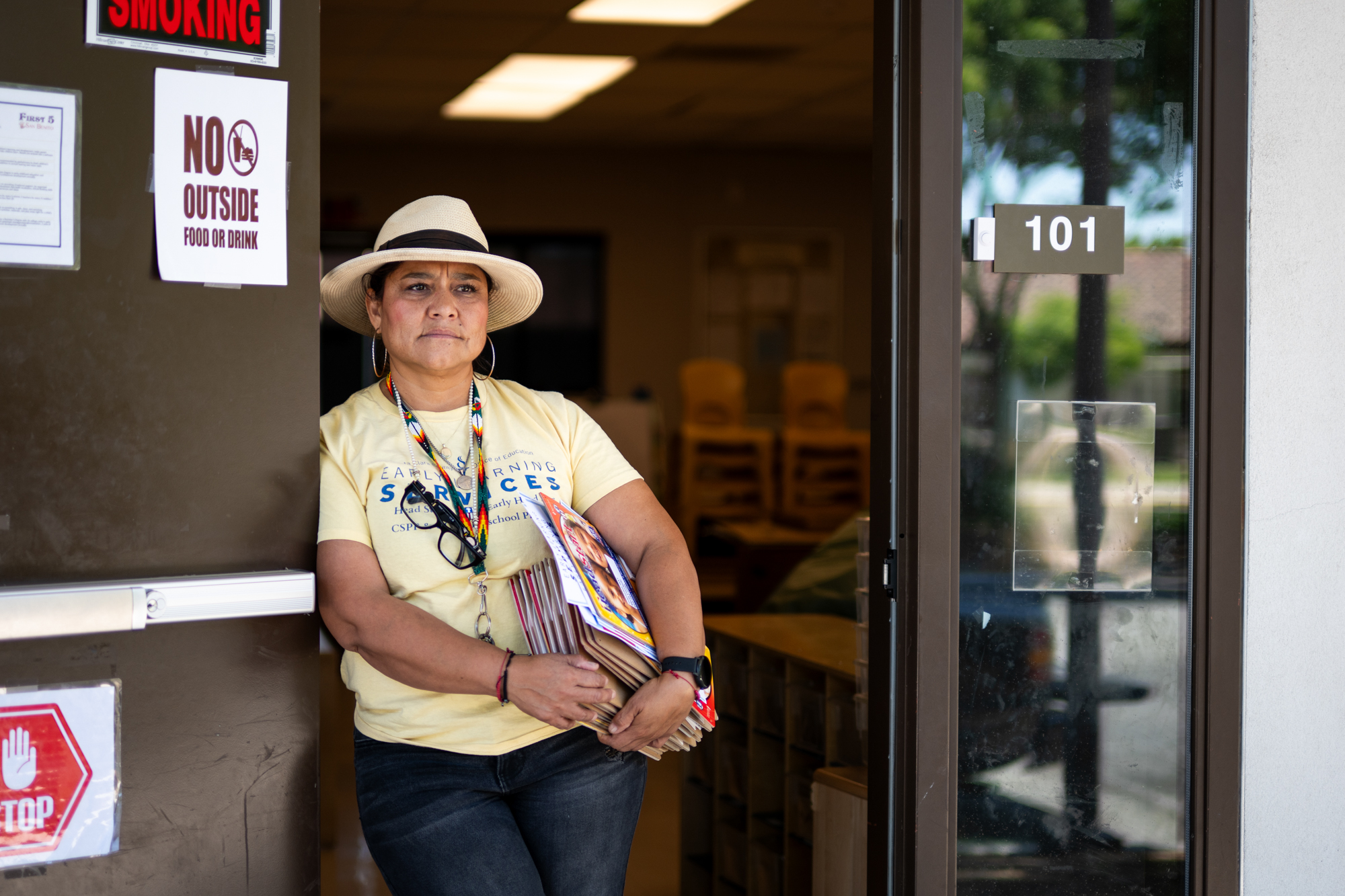
"caption": "Maria Corchado, a Head Start teacher, stands outside one of the classrooms in Hollister, San Benito County, on June 10, 2025.",
"credit": "Beth LaBerge/KQED",
"altTag": null,
"description": null,
"imgSizes": {
"thumbnail": {
"file": "https://cdn.kqed.org/wp-content/uploads/sites/10/2025/06/250610-HEADSTARTPROGRAMS-39-BL-KQED-160x107.jpg",
"width": 160,
"height": 107,
"mimeType": "image/jpeg"
},
"1536x1536": {
"file": "https://cdn.kqed.org/wp-content/uploads/sites/10/2025/06/250610-HEADSTARTPROGRAMS-39-BL-KQED-1536x1024.jpg",
"width": 1536,
"height": 1024,
"mimeType": "image/jpeg"
},
"post-thumbnail": {
"file": "https://cdn.kqed.org/wp-content/uploads/sites/10/2025/06/250610-HEADSTARTPROGRAMS-39-BL-KQED-672x372.jpg",
"width": 672,
"height": 372,
"mimeType": "image/jpeg"
},
"twentyfourteen-full-width": {
"file": "https://cdn.kqed.org/wp-content/uploads/sites/10/2025/06/250610-HEADSTARTPROGRAMS-39-BL-KQED-1038x576.jpg",
"width": 1038,
"height": 576,
"mimeType": "image/jpeg"
},
"kqedFullSize": {
"file": "https://cdn.kqed.org/wp-content/uploads/sites/10/2025/06/250610-HEADSTARTPROGRAMS-39-BL-KQED.jpg",
"width": 2000,
"height": 1333
}
},
"isLoading": false,
"fetchFailed": false
},
"news_12041393": {
"type": "attachments",
"id": "news_12041393",
"meta": {
"index": "attachments_1716263798",
"site": "news",
"id": "12041393",
"found": true
},
"title": "20250522_GGPMEMORIALGARDEN_GC-22-KQED",
"publishDate": 1747954287,
"status": "inherit",
"parent": 0,
"modified": 1747954375,
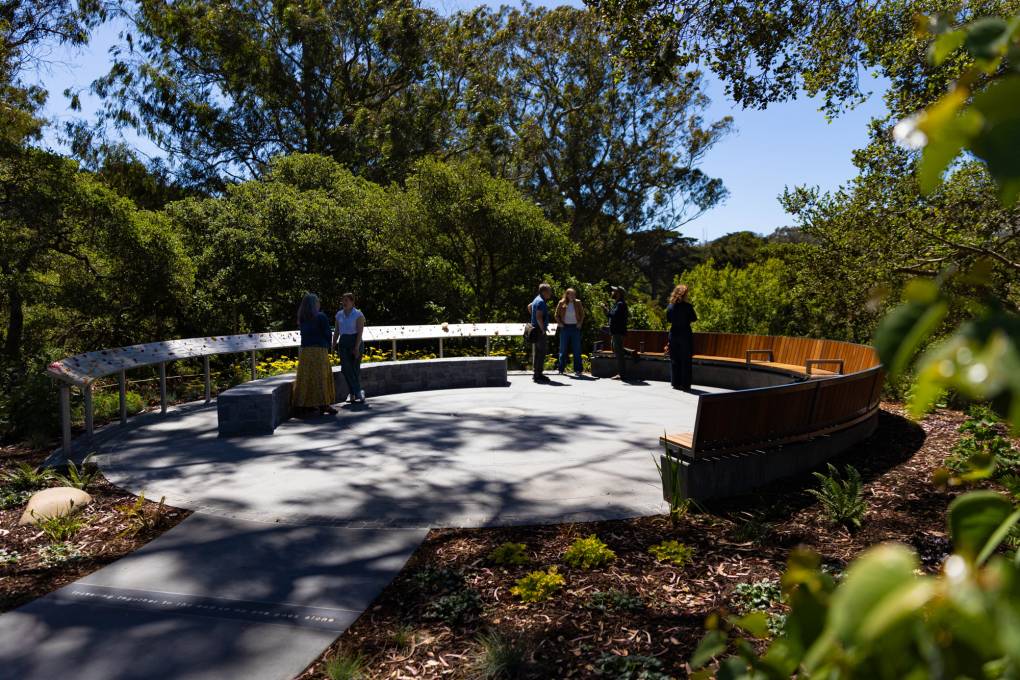
"caption": "Visitors look at the names inscribed at the Bay Area Young Survivors Breast Cancer Memorial Garden in Golden Gate Park in San Francisco on May 22, 2025.",
"credit": "Gina Castro/KQED",
"altTag": null,
"description": null,
"imgSizes": {
"medium": {
"file": "https://cdn.kqed.org/wp-content/uploads/sites/10/2025/05/20250522_GGPMEMORIALGARDEN_GC-22-KQED-800x533.jpg",
"width": 800,
"height": 533,
"mimeType": "image/jpeg"
},
"large": {
"file": "https://cdn.kqed.org/wp-content/uploads/sites/10/2025/05/20250522_GGPMEMORIALGARDEN_GC-22-KQED-1020x680.jpg",
"width": 1020,
"height": 680,
"mimeType": "image/jpeg"
},
"thumbnail": {
"file": "https://cdn.kqed.org/wp-content/uploads/sites/10/2025/05/20250522_GGPMEMORIALGARDEN_GC-22-KQED-160x107.jpg",
"width": 160,
"height": 107,
"mimeType": "image/jpeg"
},
"1536x1536": {
"file": "https://cdn.kqed.org/wp-content/uploads/sites/10/2025/05/20250522_GGPMEMORIALGARDEN_GC-22-KQED-1536x1024.jpg",
"width": 1536,
"height": 1024,
"mimeType": "image/jpeg"
},
"post-thumbnail": {
"file": "https://cdn.kqed.org/wp-content/uploads/sites/10/2025/05/20250522_GGPMEMORIALGARDEN_GC-22-KQED-672x372.jpg",
"width": 672,
"height": 372,
"mimeType": "image/jpeg"
},
"twentyfourteen-full-width": {
"file": "https://cdn.kqed.org/wp-content/uploads/sites/10/2025/05/20250522_GGPMEMORIALGARDEN_GC-22-KQED-1038x576.jpg",
"width": 1038,
"height": 576,
"mimeType": "image/jpeg"
},
"full-width": {
"file": "https://cdn.kqed.org/wp-content/uploads/sites/10/2025/05/20250522_GGPMEMORIALGARDEN_GC-22-KQED-1920x1280.jpg",
"width": 1920,
"height": 1280,
"mimeType": "image/jpeg"
},
"kqedFullSize": {
"file": "https://cdn.kqed.org/wp-content/uploads/sites/10/2025/05/20250522_GGPMEMORIALGARDEN_GC-22-KQED.jpg",
"width": 2000,
"height": 1333
}
},
"isLoading": false,
"fetchFailed": false
},
"news_11771333": {
"type": "attachments",
"id": "news_11771333",
"meta": {
"index": "attachments_1716263798",
"site": "news",
"id": "11771333",
"found": true
},
"title": "Aerial Views Of San Francisco",
"publishDate": 1567188705,
"status": "inherit",
"parent": 11771300,
"modified": 1749666822,
"caption": "FogCa, which admittedly is trained on a less spectacular vista than this view of the Golden Gate Bridge's north tower, is nonetheless a piece of internet history.",
"credit": "Justin Sullivan/Getty Images",
"altTag": "FogCam - which is admittedly trained on a less spectacular vista than this view of the Golden Gate Bridge's north tower - is nonetheless a piece of internet history.",
"description": "FogCam - which is admittedly trained on a less spectacular vista than this view of the Golden Gate Bridge's north tower - is nonetheless a piece of internet history.",
"imgSizes": {
"thumbnail": {
"file": "https://cdn.kqed.org/wp-content/uploads/sites/10/2019/08/GettyImages-180089394-160x106.jpg",
"width": 160,
"height": 106,
"mimeType": "image/jpeg"
},
"medium": {
"file": "https://cdn.kqed.org/wp-content/uploads/sites/10/2019/08/GettyImages-180089394-800x531.jpg",
"width": 800,
"height": 531,
"mimeType": "image/jpeg"
},
"large": {
"file": "https://cdn.kqed.org/wp-content/uploads/sites/10/2019/08/GettyImages-180089394-1020x677.jpg",
"width": 1020,
"height": 677,
"mimeType": "image/jpeg"
},
"complete_open_graph": {
"file": "https://cdn.kqed.org/wp-content/uploads/sites/10/2019/08/GettyImages-180089394-1200x797.jpg",
"width": 1200,
"height": 797,
"mimeType": "image/jpeg"
},
"post-thumbnail": {
"file": "https://cdn.kqed.org/wp-content/uploads/sites/10/2019/08/GettyImages-180089394-672x372.jpg",
"width": 672,
"height": 372,
"mimeType": "image/jpeg"
},
"twentyfourteen-full-width": {
"file": "https://cdn.kqed.org/wp-content/uploads/sites/10/2019/08/GettyImages-180089394-1038x576.jpg",
"width": 1038,
"height": 576,
"mimeType": "image/jpeg"
},
"full-width": {
"file": "https://cdn.kqed.org/wp-content/uploads/sites/10/2019/08/GettyImages-180089394-1920x1275.jpg",
"width": 1920,
"height": 1275,
"mimeType": "image/jpeg"
},
"apple_news_ca_landscape_12_9": {
"file": "https://cdn.kqed.org/wp-content/uploads/sites/10/2019/08/GettyImages-180089394-1832x1374.jpg",
"width": 1832,
"height": 1374,
"mimeType": "image/jpeg"
},
"apple_news_ca_landscape_9_7": {
"file": "https://cdn.kqed.org/wp-content/uploads/sites/10/2019/08/GettyImages-180089394-1376x1032.jpg",
"width": 1376,
"height": 1032,
"mimeType": "image/jpeg"
},
"apple_news_ca_landscape_5_5": {
"file": "https://cdn.kqed.org/wp-content/uploads/sites/10/2019/08/GettyImages-180089394-1044x783.jpg",
"width": 1044,
"height": 783,
"mimeType": "image/jpeg"
},
"apple_news_ca_landscape_4_7": {
"file": "https://cdn.kqed.org/wp-content/uploads/sites/10/2019/08/GettyImages-180089394-632x474.jpg",
"width": 632,
"height": 474,
"mimeType": "image/jpeg"
},
"apple_news_ca_landscape_4_0": {
"file": "https://cdn.kqed.org/wp-content/uploads/sites/10/2019/08/GettyImages-180089394-536x402.jpg",
"width": 536,
"height": 402,
"mimeType": "image/jpeg"
},
"apple_news_ca_portrait_12_9": {
"file": "https://cdn.kqed.org/wp-content/uploads/sites/10/2019/08/GettyImages-180089394-1122x1496.jpg",
"width": 1122,
"height": 1496,
"mimeType": "image/jpeg"
},
"apple_news_ca_portrait_9_7": {
"file": "https://cdn.kqed.org/wp-content/uploads/sites/10/2019/08/GettyImages-180089394-840x1120.jpg",
"width": 840,
"height": 1120,
"mimeType": "image/jpeg"
},
"apple_news_ca_portrait_5_5": {
"file": "https://cdn.kqed.org/wp-content/uploads/sites/10/2019/08/GettyImages-180089394-687x916.jpg",
"width": 687,
"height": 916,
"mimeType": "image/jpeg"
},
"apple_news_ca_portrait_4_7": {
"file": "https://cdn.kqed.org/wp-content/uploads/sites/10/2019/08/GettyImages-180089394-414x552.jpg",
"width": 414,
"height": 552,
"mimeType": "image/jpeg"
},
"apple_news_ca_portrait_4_0": {
"file": "https://cdn.kqed.org/wp-content/uploads/sites/10/2019/08/GettyImages-180089394-354x472.jpg",
"width": 354,
"height": 472,
"mimeType": "image/jpeg"
},
"apple_news_ca_square_12_9": {
"file": "https://cdn.kqed.org/wp-content/uploads/sites/10/2019/08/GettyImages-180089394-1472x1472.jpg",
"width": 1472,
"height": 1472,
"mimeType": "image/jpeg"
},
"apple_news_ca_square_9_7": {
"file": "https://cdn.kqed.org/wp-content/uploads/sites/10/2019/08/GettyImages-180089394-1104x1104.jpg",
"width": 1104,
"height": 1104,
"mimeType": "image/jpeg"
},
"apple_news_ca_square_5_5": {
"file": "https://cdn.kqed.org/wp-content/uploads/sites/10/2019/08/GettyImages-180089394-912x912.jpg",
"width": 912,
"height": 912,
"mimeType": "image/jpeg"
},
"apple_news_ca_square_4_7": {
"file": "https://cdn.kqed.org/wp-content/uploads/sites/10/2019/08/GettyImages-180089394-550x550.jpg",
"width": 550,
"height": 550,
"mimeType": "image/jpeg"
},
"apple_news_ca_square_4_0": {
"file": "https://cdn.kqed.org/wp-content/uploads/sites/10/2019/08/GettyImages-180089394-470x470.jpg",
"width": 470,
"height": 470,
"mimeType": "image/jpeg"
},
"kqedFullSize": {
"file": "https://cdn.kqed.org/wp-content/uploads/sites/10/2019/08/GettyImages-180089394-e1567188738559.jpg",
"width": 1920,
"height": 1275
}
},
"isLoading": false,
"fetchFailed": false
},
"news_12030543": {
"type": "attachments",
"id": "news_12030543",
"meta": {
"index": "attachments_1716263798",
"site": "news",
"id": "12030543",
"found": true
},
"title": "20250307_ALAMEDACHILDCARE_GC-4-KQED",
"publishDate": 1741613320,
"status": "inherit",
"parent": 12030561,
"modified": 1741648270,
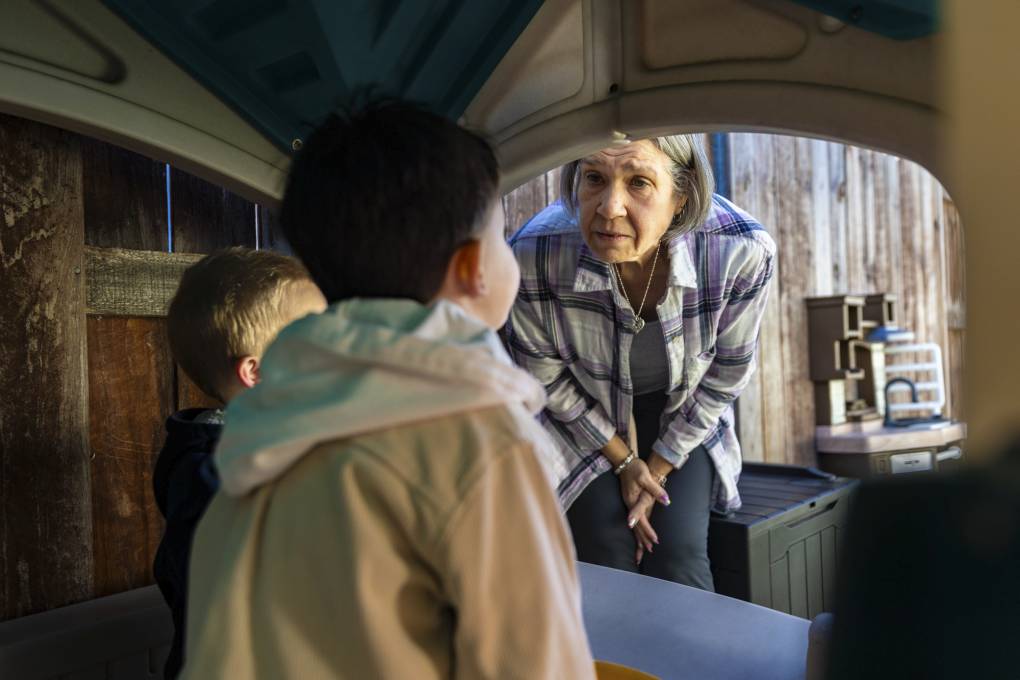
"caption": "Lisa Zarodney speaks to Hudson, 3, at her home in Livermore, where she runs a childcare operation, on March 7, 2025.",
"credit": "Gina Castro/KQED",
"altTag": null,
"description": null,
"imgSizes": {
"medium": {
"file": "https://cdn.kqed.org/wp-content/uploads/sites/10/2025/03/20250307_ALAMEDACHILDCARE_GC-4-KQED-800x533.jpg",
"width": 800,
"height": 533,
"mimeType": "image/jpeg"
},
"large": {
"file": "https://cdn.kqed.org/wp-content/uploads/sites/10/2025/03/20250307_ALAMEDACHILDCARE_GC-4-KQED-1020x680.jpg",
"width": 1020,
"height": 680,
"mimeType": "image/jpeg"
},
"thumbnail": {
"file": "https://cdn.kqed.org/wp-content/uploads/sites/10/2025/03/20250307_ALAMEDACHILDCARE_GC-4-KQED-160x107.jpg",
"width": 160,
"height": 107,
"mimeType": "image/jpeg"
},
"1536x1536": {
"file": "https://cdn.kqed.org/wp-content/uploads/sites/10/2025/03/20250307_ALAMEDACHILDCARE_GC-4-KQED-1536x1024.jpg",
"width": 1536,
"height": 1024,
"mimeType": "image/jpeg"
},
"post-thumbnail": {
"file": "https://cdn.kqed.org/wp-content/uploads/sites/10/2025/03/20250307_ALAMEDACHILDCARE_GC-4-KQED-672x372.jpg",
"width": 672,
"height": 372,
"mimeType": "image/jpeg"
},
"twentyfourteen-full-width": {
"file": "https://cdn.kqed.org/wp-content/uploads/sites/10/2025/03/20250307_ALAMEDACHILDCARE_GC-4-KQED-1038x576.jpg",
"width": 1038,
"height": 576,
"mimeType": "image/jpeg"
},
"full-width": {
"file": "https://cdn.kqed.org/wp-content/uploads/sites/10/2025/03/20250307_ALAMEDACHILDCARE_GC-4-KQED-1920x1280.jpg",
"width": 1920,
"height": 1280,
"mimeType": "image/jpeg"
},
"kqedFullSize": {
"file": "https://cdn.kqed.org/wp-content/uploads/sites/10/2025/03/20250307_ALAMEDACHILDCARE_GC-4-KQED.jpg",
"width": 2000,
"height": 1333
}
},
"isLoading": false,
"fetchFailed": false
},
"news_12043608": {
"type": "attachments",
"id": "news_12043608",
"meta": {
"index": "attachments_1716263798",
"site": "news",
"id": "12043608",
"found": true
},
"title": "Switch Queer Surf Contest",
"publishDate": 1749588914,
"status": "inherit",
"parent": 12043590,
"modified": 1749590367,
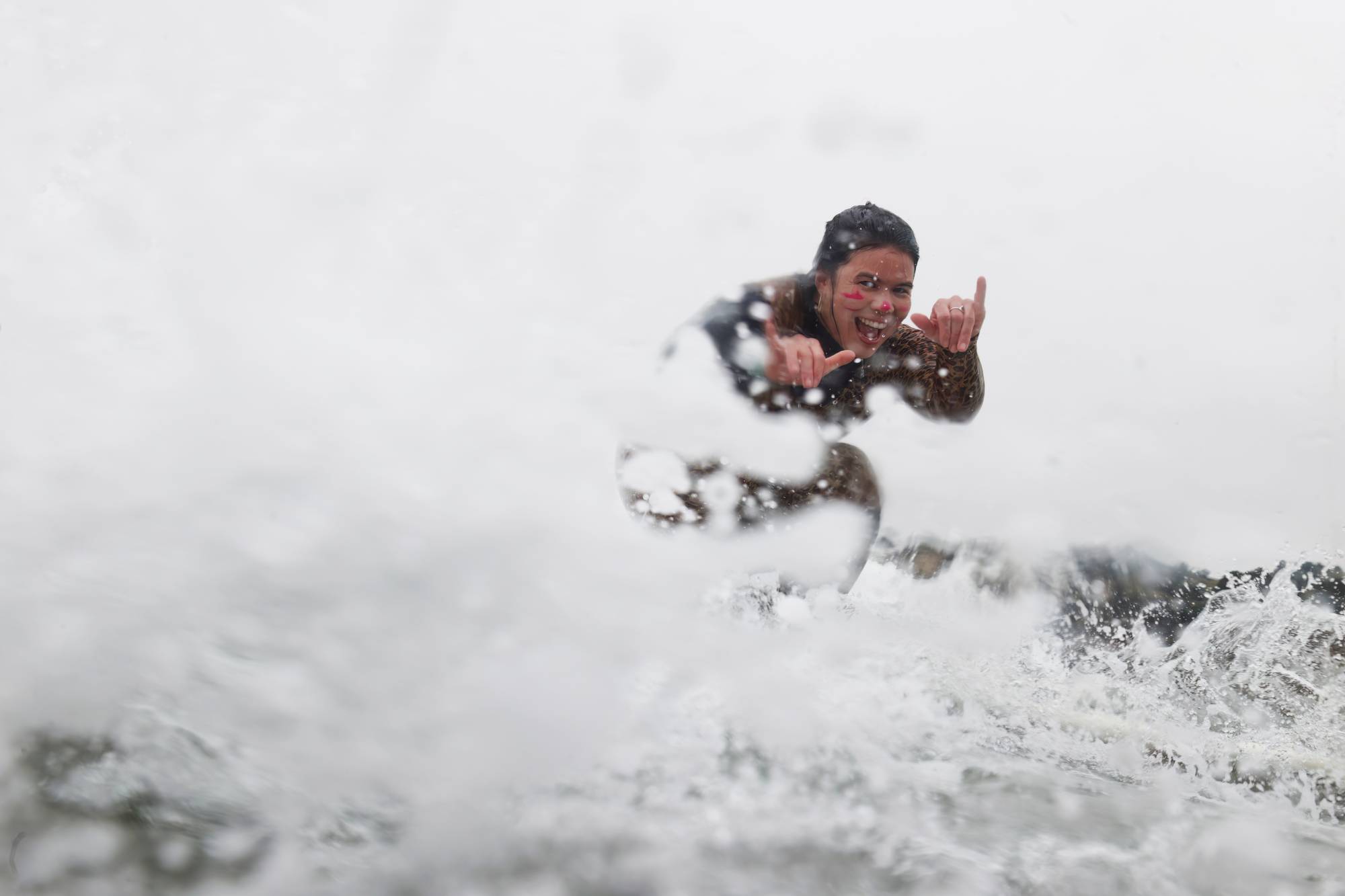
"caption": "A surfer catches a wave during Queer Surf's annual Switch: An Exhibition of Queer Surfing event on Linda Mar Beach in Pacifica on June 7, 2025. ",
"credit": "Courtesy of Sachi Cunningham",
"altTag": null,
"description": null,
"imgSizes": {
"medium": {
"file": "https://cdn.kqed.org/wp-content/uploads/sites/10/2025/06/SEASACHI-SWITCH-QUEERSURF-JUNE-7-2025-_23-2000x1333.jpg",
"width": 2000,
"height": 1333,
"mimeType": "image/jpeg"
},
"large": {
"file": "https://cdn.kqed.org/wp-content/uploads/sites/10/2025/06/SEASACHI-SWITCH-QUEERSURF-JUNE-7-2025-_23-2000x1333.jpg",
"width": 2000,
"height": 1333,
"mimeType": "image/jpeg"
},
"thumbnail": {
"file": "https://cdn.kqed.org/wp-content/uploads/sites/10/2025/06/SEASACHI-SWITCH-QUEERSURF-JUNE-7-2025-_23-160x107.jpg",
"width": 160,
"height": 107,
"mimeType": "image/jpeg"
},
"1536x1536": {
"file": "https://cdn.kqed.org/wp-content/uploads/sites/10/2025/06/SEASACHI-SWITCH-QUEERSURF-JUNE-7-2025-_23-1536x1024.jpg",
"width": 1536,
"height": 1024,
"mimeType": "image/jpeg"
},
"2048x2048": {
"file": "https://cdn.kqed.org/wp-content/uploads/sites/10/2025/06/SEASACHI-SWITCH-QUEERSURF-JUNE-7-2025-_23-2048x1365.jpg",
"width": 2048,
"height": 1365,
"mimeType": "image/jpeg"
},
"post-thumbnail": {
"file": "https://cdn.kqed.org/wp-content/uploads/sites/10/2025/06/SEASACHI-SWITCH-QUEERSURF-JUNE-7-2025-_23-672x372.jpg",
"width": 672,
"height": 372,
"mimeType": "image/jpeg"
},
"twentyfourteen-full-width": {
"file": "https://cdn.kqed.org/wp-content/uploads/sites/10/2025/06/SEASACHI-SWITCH-QUEERSURF-JUNE-7-2025-_23-1038x576.jpg",
"width": 1038,
"height": 576,
"mimeType": "image/jpeg"
},
"full-width": {
"file": "https://cdn.kqed.org/wp-content/uploads/sites/10/2025/06/SEASACHI-SWITCH-QUEERSURF-JUNE-7-2025-_23-2000x1333.jpg",
"width": 2000,
"height": 1333,
"mimeType": "image/jpeg"
},
"kqedFullSize": {
"file": "https://cdn.kqed.org/wp-content/uploads/sites/10/2025/06/SEASACHI-SWITCH-QUEERSURF-JUNE-7-2025-_23-scaled-e1749590375194.jpg",
"width": 2000,
"height": 1334
}
},
"isLoading": false,
"fetchFailed": false
},
"news_12043558": {
"type": "attachments",
"id": "news_12043558",
"meta": {
"index": "attachments_1716263798",
"site": "news",
"id": "12043558",
"found": true
},
"title": "20241204-BART-JY-003_qed",
"publishDate": 1749582885,
"status": "inherit",
"parent": 12043556,
"modified": 1763760942,
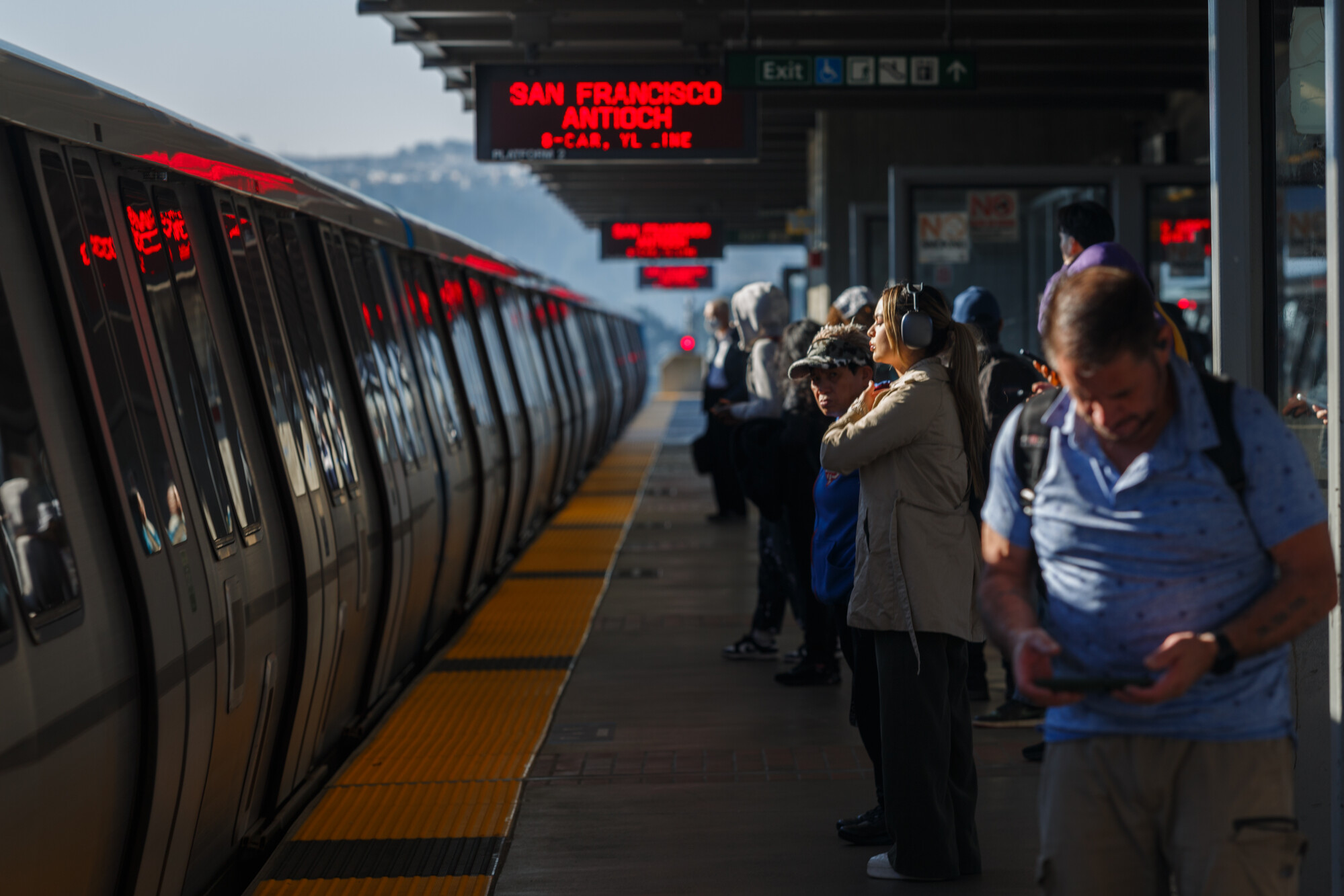
"caption": "Passengers wait to board BART at Daly City Station in Daly City, California, on Dec. 4, 2024.",
"credit": "Juliana Yamada/KQED",
"altTag": null,
"description": null,
"imgSizes": {
"thumbnail": {
"file": "https://cdn.kqed.org/wp-content/uploads/sites/10/2025/06/20241204-BART-JY-003_qed-160x107.jpg",
"width": 160,
"height": 107,
"mimeType": "image/jpeg"
},
"1536x1536": {
"file": "https://cdn.kqed.org/wp-content/uploads/sites/10/2025/06/20241204-BART-JY-003_qed-1536x1024.jpg",
"width": 1536,
"height": 1024,
"mimeType": "image/jpeg"
},
"post-thumbnail": {
"file": "https://cdn.kqed.org/wp-content/uploads/sites/10/2025/06/20241204-BART-JY-003_qed-672x372.jpg",
"width": 672,
"height": 372,
"mimeType": "image/jpeg"
},
"twentyfourteen-full-width": {
"file": "https://cdn.kqed.org/wp-content/uploads/sites/10/2025/06/20241204-BART-JY-003_qed-1038x576.jpg",
"width": 1038,
"height": 576,
"mimeType": "image/jpeg"
},
"kqedFullSize": {
"file": "https://cdn.kqed.org/wp-content/uploads/sites/10/2025/06/20241204-BART-JY-003_qed.jpg",
"width": 1999,
"height": 1333
}
},
"isLoading": false,
"fetchFailed": false
},
"news_12043297": {
"type": "attachments",
"id": "news_12043297",
"meta": {
"index": "attachments_1716263798",
"site": "news",
"id": "12043297",
"found": true
},
"title": "Wind turbines in Solano County outside of Suisun City on May 13, 2025.",
"publishDate": 1749487308,
"status": "inherit",
"parent": 12043295,
"modified": 1749487326,
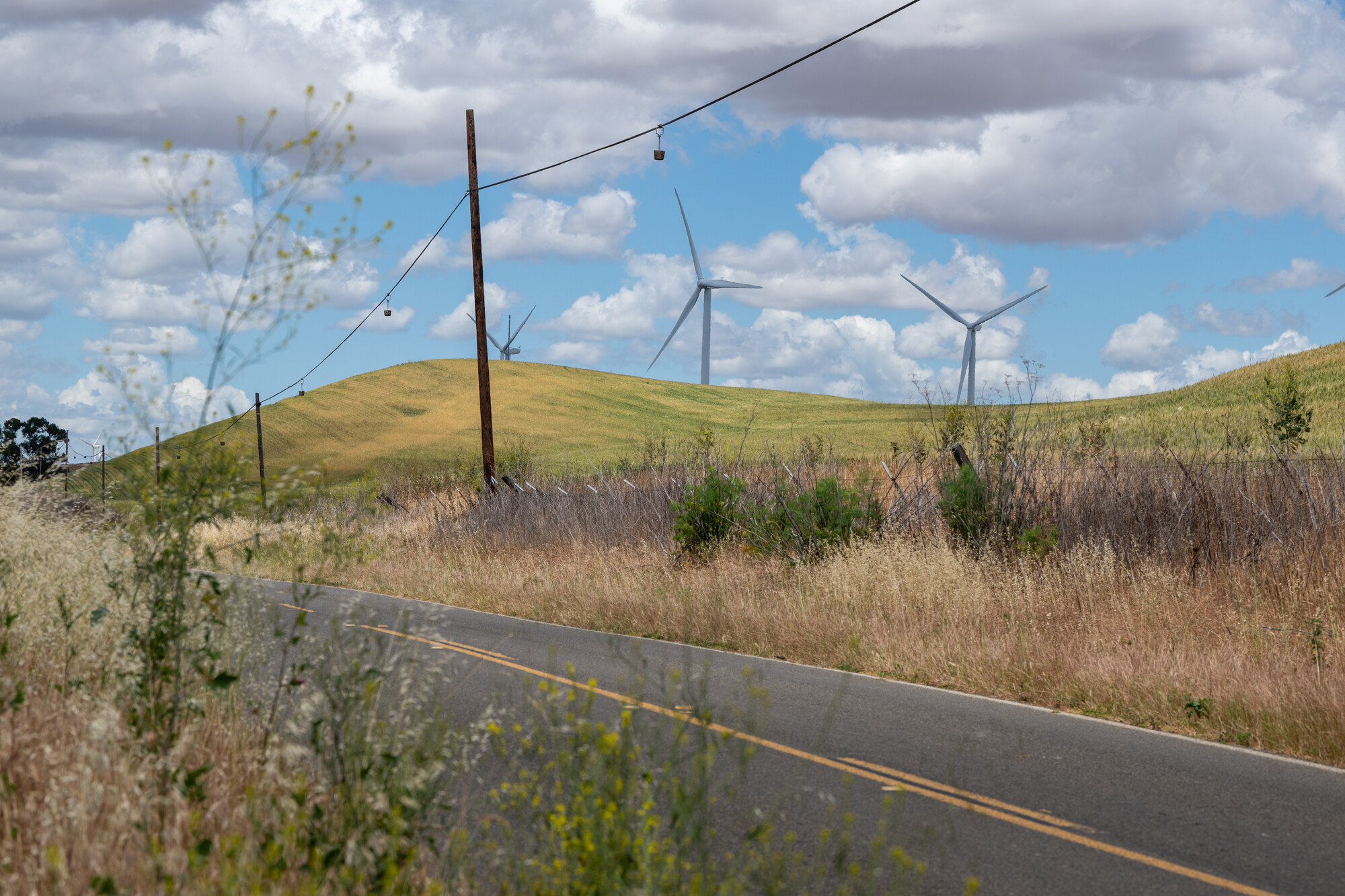
"caption": "Wind turbines in Solano County outside of Suisun City on May 13, 2025.",
"credit": "Beth LaBerge/KQED",
"altTag": null,
"description": null,
"imgSizes": {
"thumbnail": {
"file": "https://cdn.kqed.org/wp-content/uploads/sites/10/2025/06/250513-CaliforniaForeverAnnexExplainer-38-BL_qed-160x107.jpg",
"width": 160,
"height": 107,
"mimeType": "image/jpeg"
},
"1536x1536": {
"file": "https://cdn.kqed.org/wp-content/uploads/sites/10/2025/06/250513-CaliforniaForeverAnnexExplainer-38-BL_qed-1536x1024.jpg",
"width": 1536,
"height": 1024,
"mimeType": "image/jpeg"
},
"post-thumbnail": {
"file": "https://cdn.kqed.org/wp-content/uploads/sites/10/2025/06/250513-CaliforniaForeverAnnexExplainer-38-BL_qed-672x372.jpg",
"width": 672,
"height": 372,
"mimeType": "image/jpeg"
},
"twentyfourteen-full-width": {
"file": "https://cdn.kqed.org/wp-content/uploads/sites/10/2025/06/250513-CaliforniaForeverAnnexExplainer-38-BL_qed-1038x576.jpg",
"width": 1038,
"height": 576,
"mimeType": "image/jpeg"
},
"kqedFullSize": {
"file": "https://cdn.kqed.org/wp-content/uploads/sites/10/2025/06/250513-CaliforniaForeverAnnexExplainer-38-BL_qed.jpg",
"width": 2000,
"height": 1333
}
},
"isLoading": false,
"fetchFailed": false
},
"news_12042994": {
"type": "attachments",
"id": "news_12042994",
"meta": {
"index": "attachments_1716263798",
"site": "news",
"id": "12042994",
"found": true
},
"title": "250605-TREASUREISLANDJOBCORPS-29-BL-KQED",
"publishDate": 1749164285,
"status": "inherit",
"parent": 0,
"modified": 1749164354,
"caption": "Isborn Ackerson (center left), in cement construction training, and Ray Moore, carpentry, lead a chant during a with students, staff, and supporters at a protest outside the Treasure Island Job Corps Center in San Francisco on June 5, 2025, protesting the facility’s upcoming closure, which they say could leave at-risk youth homeless.",
"credit": "Beth LaBerge/KQED",
"altTag": null,
"description": null,
"imgSizes": {
"thumbnail": {
"file": "https://cdn.kqed.org/wp-content/uploads/sites/10/2025/06/250605-TREASUREISLANDJOBCORPS-29-BL-KQED-160x107.jpg",
"width": 160,
"height": 107,
"mimeType": "image/jpeg"
},
"1536x1536": {
"file": "https://cdn.kqed.org/wp-content/uploads/sites/10/2025/06/250605-TREASUREISLANDJOBCORPS-29-BL-KQED-1536x1024.jpg",
"width": 1536,
"height": 1024,
"mimeType": "image/jpeg"
},
"post-thumbnail": {
"file": "https://cdn.kqed.org/wp-content/uploads/sites/10/2025/06/250605-TREASUREISLANDJOBCORPS-29-BL-KQED-672x372.jpg",
"width": 672,
"height": 372,
"mimeType": "image/jpeg"
},
"twentyfourteen-full-width": {
"file": "https://cdn.kqed.org/wp-content/uploads/sites/10/2025/06/250605-TREASUREISLANDJOBCORPS-29-BL-KQED-1038x576.jpg",
"width": 1038,
"height": 576,
"mimeType": "image/jpeg"
},
"kqedFullSize": {
"file": "https://cdn.kqed.org/wp-content/uploads/sites/10/2025/06/250605-TREASUREISLANDJOBCORPS-29-BL-KQED.jpg",
"width": 2000,
"height": 1333
}
},
"isLoading": false,
"fetchFailed": false
},
"news_12043003": {
"type": "attachments",
"id": "news_12043003",
"meta": {
"index": "attachments_1716263798",
"site": "news",
"id": "12043003",
"found": true
},
"title": "Trump Travel Ban",
"publishDate": 1749166128,
"status": "inherit",
"parent": 12042983,
"modified": 1749166155,
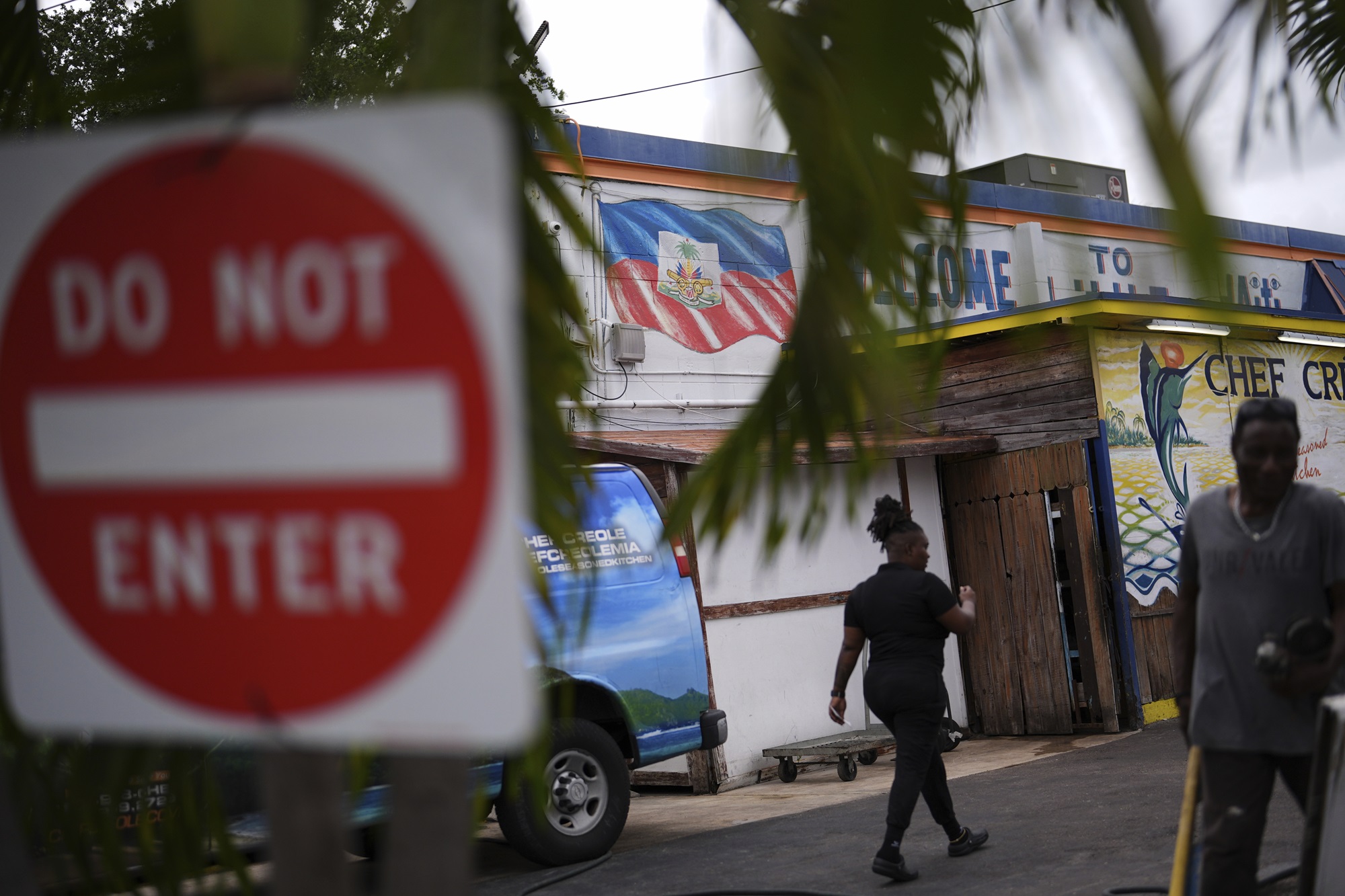
"caption": "People walk past a Haitian flag painted on the side of Chef Creole's restaurant in Miami's Little Haiti neighborhood on Thursday, June 5, 2025.",
"credit": "Rebecca Blackwell/AP Photo",
"altTag": null,
"description": null,
"imgSizes": {
"thumbnail": {
"file": "https://cdn.kqed.org/wp-content/uploads/sites/10/2025/06/TravelBanAP-160x107.jpg",
"width": 160,
"height": 107,
"mimeType": "image/jpeg"
},
"1536x1536": {
"file": "https://cdn.kqed.org/wp-content/uploads/sites/10/2025/06/TravelBanAP-1536x1024.jpg",
"width": 1536,
"height": 1024,
"mimeType": "image/jpeg"
},
"post-thumbnail": {
"file": "https://cdn.kqed.org/wp-content/uploads/sites/10/2025/06/TravelBanAP-672x372.jpg",
"width": 672,
"height": 372,
"mimeType": "image/jpeg"
},
"twentyfourteen-full-width": {
"file": "https://cdn.kqed.org/wp-content/uploads/sites/10/2025/06/TravelBanAP-1038x576.jpg",
"width": 1038,
"height": 576,
"mimeType": "image/jpeg"
},
"kqedFullSize": {
"file": "https://cdn.kqed.org/wp-content/uploads/sites/10/2025/06/TravelBanAP.jpg",
"width": 2000,
"height": 1333
}
},
"isLoading": false,
"fetchFailed": false
},
"news_12046163": {
"type": "attachments",
"id": "news_12046163",
"meta": {
"index": "attachments_1716263798",
"site": "news",
"id": "12046163",
"found": true
},
"title": "Crane Cove Park in San Francisco on June 24, 2025.",
"publishDate": 1750969867,
"status": "inherit",
"parent": 0,
"modified": 1750969942,
"caption": "Crane Cove Park in San Francisco on June 24, 2025.",
"credit": "Beth LaBerge/KQED",
"altTag": null,
"description": null,
"imgSizes": {
"thumbnail": {
"file": "https://cdn.kqed.org/wp-content/uploads/sites/10/2025/06/250624-PARKFILE-34-BL-KQED-160x107.jpg",
"width": 160,
"height": 107,
"mimeType": "image/jpeg"
},
"1536x1536": {
"file": "https://cdn.kqed.org/wp-content/uploads/sites/10/2025/06/250624-PARKFILE-34-BL-KQED-1536x1024.jpg",
"width": 1536,
"height": 1024,
"mimeType": "image/jpeg"
},
"post-thumbnail": {
"file": "https://cdn.kqed.org/wp-content/uploads/sites/10/2025/06/250624-PARKFILE-34-BL-KQED-672x372.jpg",
"width": 672,
"height": 372,
"mimeType": "image/jpeg"
},
"twentyfourteen-full-width": {
"file": "https://cdn.kqed.org/wp-content/uploads/sites/10/2025/06/250624-PARKFILE-34-BL-KQED-1038x576.jpg",
"width": 1038,
"height": 576,
"mimeType": "image/jpeg"
},
"kqedFullSize": {
"file": "https://cdn.kqed.org/wp-content/uploads/sites/10/2025/06/250624-PARKFILE-34-BL-KQED.jpg",
"width": 2000,
"height": 1333
}
},
"isLoading": false,
"fetchFailed": false
},
"news_12042200": {
"type": "attachments",
"id": "news_12042200",
"meta": {
"index": "attachments_1716263798",
"site": "news",
"id": "12042200",
"found": true
},
"title": "008_KQED_630Sansome_02052020_1470_qed",
"publishDate": 1748630169,
"status": "inherit",
"parent": 12042197,
"modified": 1784932362,
"caption": "The U.S. Immigration & Customs Enforcement building at 630 Sansome St., in San Francisco, California, on Feb. 5, 2020.",
"credit": "Beth LaBerge/KQED",
"altTag": null,
"description": null,
"imgSizes": {
"medium": {
"file": "https://cdn.kqed.org/wp-content/uploads/sites/10/2025/05/008_KQED_630Sansome_02052020_1470_qed-800x533.jpg",
"width": 800,
"height": 533,
"mimeType": "image/jpeg"
},
"large": {
"file": "https://cdn.kqed.org/wp-content/uploads/sites/10/2025/05/008_KQED_630Sansome_02052020_1470_qed-1020x680.jpg",
"width": 1020,
"height": 680,
"mimeType": "image/jpeg"
},
"thumbnail": {
"file": "https://cdn.kqed.org/wp-content/uploads/sites/10/2025/05/008_KQED_630Sansome_02052020_1470_qed-160x107.jpg",
"width": 160,
"height": 107,
"mimeType": "image/jpeg"
},
"1536x1536": {
"file": "https://cdn.kqed.org/wp-content/uploads/sites/10/2025/05/008_KQED_630Sansome_02052020_1470_qed-1536x1024.jpg",
"width": 1536,
"height": 1024,
"mimeType": "image/jpeg"
},
"post-thumbnail": {
"file": "https://cdn.kqed.org/wp-content/uploads/sites/10/2025/05/008_KQED_630Sansome_02052020_1470_qed-672x372.jpg",
"width": 672,
"height": 372,
"mimeType": "image/jpeg"
},
"twentyfourteen-full-width": {
"file": "https://cdn.kqed.org/wp-content/uploads/sites/10/2025/05/008_KQED_630Sansome_02052020_1470_qed-1038x576.jpg",
"width": 1038,
"height": 576,
"mimeType": "image/jpeg"
},
"full-width": {
"file": "https://cdn.kqed.org/wp-content/uploads/sites/10/2025/05/008_KQED_630Sansome_02052020_1470_qed-1920x1280.jpg",
"width": 1920,
"height": 1280,
"mimeType": "image/jpeg"
},
"kqedFullSize": {
"file": "https://cdn.kqed.org/wp-content/uploads/sites/10/2025/05/008_KQED_630Sansome_02052020_1470_qed.jpg",
"width": 1999,
"height": 1333
}
},
"isLoading": false,
"fetchFailed": false
}
},
"audioPlayerReducer": {
"postId": "stream_live",
"isPaused": true,
"isPlaying": false,
"pfsActive": false,
"pledgeModalIsOpen": true,
"playerDrawerIsOpen": false,
"liveAudioPlayStartedAt": 0,
"liveAudioPlayContext": ""
},
"authorsReducer": {
"danbrekke": {
"type": "authors",
"id": "222",
"meta": {
"index": "authors_1716337520",
"id": "222",
"found": true
},
"name": "Dan Brekke",
"firstName": "Dan",
"lastName": "Brekke",
"slug": "danbrekke",
"email": "dbrekke@kqed.org",
"display_author_email": true,
"staff_mastheads": [
"news",
"science"
],
"title": "KQED Editor and Reporter",
"bio": "Dan Brekke is a reporter and editor for KQED News, responsible for coverage of topics ranging from California water issues to the Bay Area's transportation challenges. In a newsroom career that began in Chicago in 1972, Dan has worked for \u003cem>The San Francisco Examiner,\u003c/em> Wired and TechTV and has been published in The New York Times, The New York Times Magazine, Business 2.0, Salon and elsewhere.\r\n\r\nSince joining KQED in 2007, Dan has reported, edited and produced both radio and online features and breaking news pieces. He has shared as both editor and reporter in four Society of Professional Journalists Norcal Excellence in Journalism awards and one Edward R. Murrow regional award. He was chosen for a spring 2017 residency at the Mesa Refuge to advance his research on California salmon.\r\n\r\nEmail Dan at: \u003ca href=\"mailto:dbrekke@kqed.org\">dbrekke@kqed.org\u003c/a>\r\n\r\n\u003cstrong>Twitter:\u003c/strong> \u003ca href=\"https://twitter.com/danbrekke\" rel=\"noopener noreferrer\">twitter.com/danbrekke\u003c/a>\r\n\u003cstrong>Facebook:\u003c/strong> \u003ca href=\"https://www.facebook.com/danbrekke\" rel=\"noopener noreferrer\">www.facebook.com/danbrekke\u003c/a>\r\n\u003cstrong>LinkedIn:\u003c/strong> \u003ca href=\"https://www.linkedin.com/in/danbrekke\" rel=\"noopener noreferrer\">www.linkedin.com/in/danbrekke\u003c/a>",
"avatar": "https://secure.gravatar.com/avatar/c8126230345efca3f7aa89b1a402be45?s=600&d=mm&r=g",
"twitter": "danbrekke",
"facebook": null,
"instagram": "https://www.instagram.com/dan.brekke/",
"linkedin": "https://www.linkedin.com/in/danbrekke/",
"sites": [
{
"site": "news",
"roles": [
"administrator",
"create_posts"
]
},
{
"site": "stateofhealth",
"roles": [
"editor"
]
},
{
"site": "science",
"roles": [
"editor"
]
},
{
"site": "quest",
"roles": [
"contributor"
]
},
{
"site": "food",
"roles": [
"contributor"
]
},
{
"site": "forum",
"roles": [
"contributor"
]
},
{
"site": "liveblog",
"roles": [
"editor"
]
}
],
"headData": {
"title": "Dan Brekke | KQED",
"description": "KQED Editor and Reporter",
"ogImgSrc": "https://secure.gravatar.com/avatar/c8126230345efca3f7aa89b1a402be45?s=600&d=mm&r=g",
"twImgSrc": "https://secure.gravatar.com/avatar/c8126230345efca3f7aa89b1a402be45?s=600&d=mm&r=g"
},
"isLoading": false,
"link": "/author/danbrekke"
},
"tychehendricks": {
"type": "authors",
"id": "259",
"meta": {
"index": "authors_1716337520",
"id": "259",
"found": true
},
"name": "Tyche Hendricks",
"firstName": "Tyche",
"lastName": "Hendricks",
"slug": "tychehendricks",
"email": "thendricks@kqed.org",
"display_author_email": true,
"staff_mastheads": [
"news"
],
"title": "KQED Senior Editor, Immigration",
"bio": "\u003cspan style=\"font-weight: 400;\">Tyche Hendricks is KQED’s senior editor for immigration, leading coverage of the policy and politics that affect California’s immigrant communities. Her work for KQED’s radio and online audiences is also carried on NPR and other national outlets. She has been recognized with awards from the Radio and Television News Directors Association, the Society for Professional Journalists; the Education Writers Association; the Best of the West and the National Federation of Community Broadcasters. Before joining KQED in 2010, Tyche spent more than a dozen years as a newspaper reporter, notably at the \u003c/span>\u003ci>\u003cspan style=\"font-weight: 400;\">San Francisco Chronicle\u003c/span>\u003c/i>\u003cspan style=\"font-weight: 400;\">. At different times she has covered criminal justice, government and politics and urban planning. Tyche has taught in the MFA Creative Writing program at the University of San Francisco and at UC Berkeley’s Graduate School of Journalism, where she was co-director of a national immigration symposium for professional journalists. She is the author of \u003c/span>\u003ci>\u003cspan style=\"font-weight: 400;\">The Wind Doesn't Need a Passport: Stories from the U.S.-Mexico Borderlands\u003c/span>\u003c/i>\u003cspan style=\"font-weight: 400;\"> (University of California Press). \u003c/span>",
"avatar": "https://secure.gravatar.com/avatar/b8ee458e2731c2d43df86882ce17267e?s=600&d=blank&r=g",
"twitter": "tychehendricks",
"facebook": null,
"instagram": null,
"linkedin": null,
"sites": [
{
"site": "news",
"roles": [
"editor"
]
},
{
"site": "stateofhealth",
"roles": [
"editor"
]
}
],
"headData": {
"title": "Tyche Hendricks | KQED",
"description": "KQED Senior Editor, Immigration",
"ogImgSrc": "https://secure.gravatar.com/avatar/b8ee458e2731c2d43df86882ce17267e?s=600&d=blank&r=g",
"twImgSrc": "https://secure.gravatar.com/avatar/b8ee458e2731c2d43df86882ce17267e?s=600&d=blank&r=g"
},
"isLoading": false,
"link": "/author/tychehendricks"
},
"matthewgreen": {
"type": "authors",
"id": "1263",
"meta": {
"index": "authors_1716337520",
"id": "1263",
"found": true
},
"name": "Matthew Green",
"firstName": "Matthew",
"lastName": "Green",
"slug": "matthewgreen",
"email": "mgreen@kqed.org",
"display_author_email": false,
"staff_mastheads": [],
"title": "KQED Editor/Reporter",
"bio": "Matthew Green is a digital media producer for KQED News. He previously produced \u003ca href=\"http://www.kqed.org/lowdown\">The Lowdown\u003c/a>, KQED’s multimedia news education blog. Matthew's written for numerous Bay Area publications, including the Oakland Tribune and San Francisco Chronicle. He also taught journalism classes at Fremont High School in East Oakland.\r\n\r\nEmail: mgreen@kqed.org; Twitter: @MGreenKQED",
"avatar": "https://secure.gravatar.com/avatar/3bf498d1267ca02c8494f33d8cfc575e?s=600&d=blank&r=g",
"twitter": "MGreenKQED",
"facebook": null,
"instagram": null,
"linkedin": null,
"sites": [
{
"site": "news",
"roles": []
},
{
"site": "lowdown",
"roles": []
},
{
"site": "science",
"roles": []
},
{
"site": "education",
"roles": []
},
{
"site": "quest",
"roles": []
},
{
"site": "liveblog",
"roles": []
}
],
"headData": {
"title": "Matthew Green | KQED",
"description": "KQED Editor/Reporter",
"ogImgSrc": "https://secure.gravatar.com/avatar/3bf498d1267ca02c8494f33d8cfc575e?s=600&d=blank&r=g",
"twImgSrc": "https://secure.gravatar.com/avatar/3bf498d1267ca02c8494f33d8cfc575e?s=600&d=blank&r=g"
},
"isLoading": false,
"link": "/author/matthewgreen"
},
"slewis": {
"type": "authors",
"id": "8676",
"meta": {
"index": "authors_1716337520",
"id": "8676",
"found": true
},
"name": "Sukey Lewis",
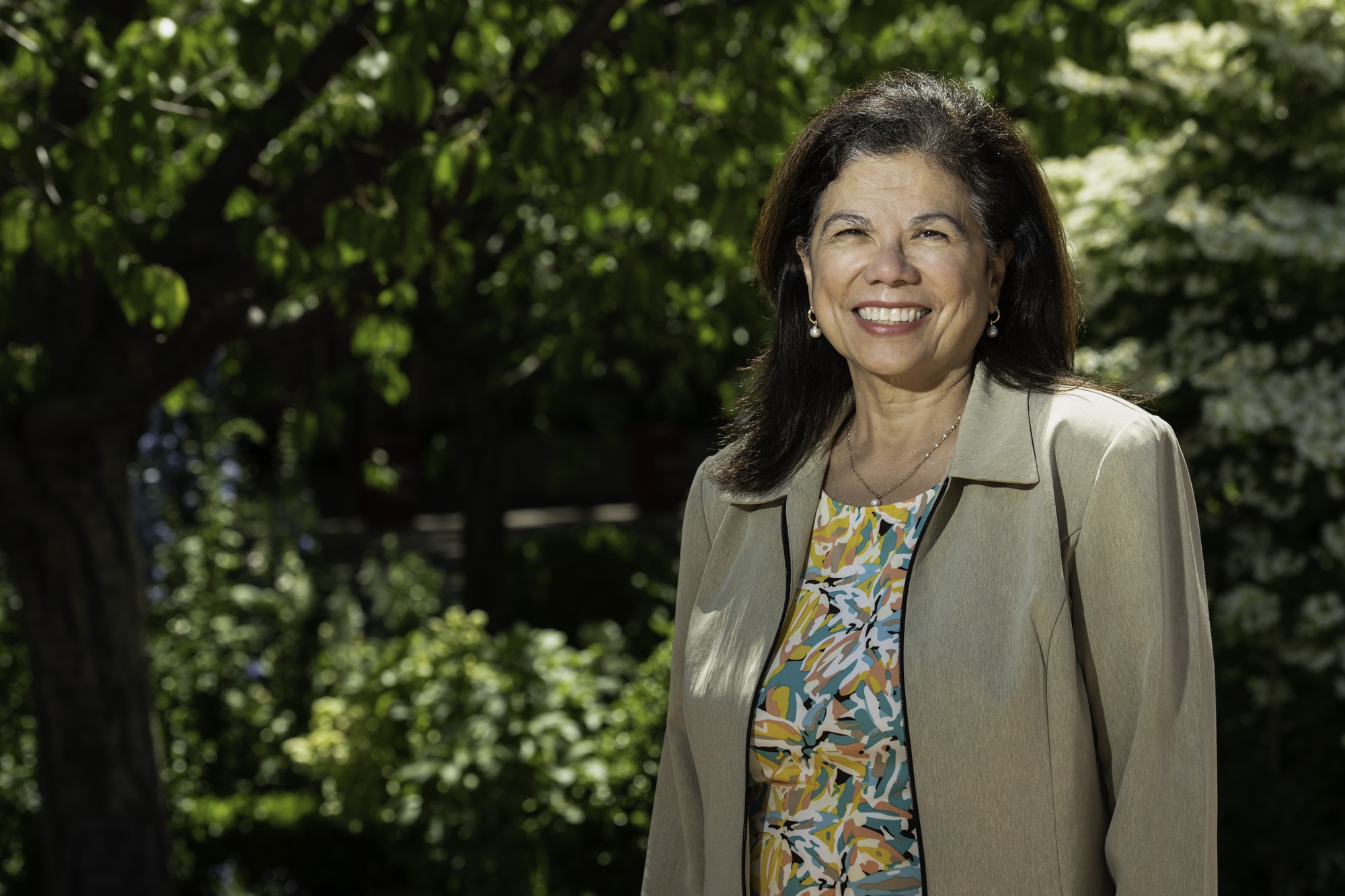
"firstName": "Sukey",
"lastName": "Lewis",
"slug": "slewis",
"email": "slewis@kqed.org",
"display_author_email": true,
"staff_mastheads": [
"news"
],
"title": "KQED Contributor",
"bio": "Sukey Lewis is a criminal justice reporter and host of \u003cem>On Our Watch\u003c/em>, a new podcast from NPR and KQED about the shadow world of police discipline. In 2018, she co-founded the California Reporting Project, a coalition of newsrooms across the state focused on obtaining previously sealed internal affairs records from law enforcement. In addition to her reporting on police accountability, Sukey has investigated the bail bonds industry, California's wildfires and the high cost of prison phone calls. Sukey earned a master's degree in journalism from the University of California at Berkeley. Send news tips to slewis@kqed.org.",
"avatar": "https://secure.gravatar.com/avatar/03fd6b21024f99d8b0a1966654586de7?s=600&d=blank&r=g",
"twitter": "SukeyLewis",
"facebook": null,
"instagram": null,
"linkedin": null,
"sites": [
{
"site": "news",
"roles": [
"author",
"edit_others_posts"
]
}
],
"headData": {
"title": "Sukey Lewis | KQED",
"description": "KQED Contributor",
"ogImgSrc": "https://secure.gravatar.com/avatar/03fd6b21024f99d8b0a1966654586de7?s=600&d=blank&r=g",
"twImgSrc": "https://secure.gravatar.com/avatar/03fd6b21024f99d8b0a1966654586de7?s=600&d=blank&r=g"
},
"isLoading": false,
"link": "/author/slewis"
},
"abandlamudi": {
"type": "authors",
"id": "11672",
"meta": {
"index": "authors_1716337520",
"id": "11672",
"found": true
},
"name": "Adhiti Bandlamudi",
"firstName": "Adhiti",
"lastName": "Bandlamudi",
"slug": "abandlamudi",
"email": "abandlamudi@kqed.org",
"display_author_email": false,
"staff_mastheads": [
"news"
],
"title": "KQED Housing Reporter",
"bio": "Adhiti Bandlamudi reports for KQED's Housing desk. She focuses on how housing gets built across the Bay Area. Before joining KQED in 2020, she reported for WUNC in Durham, North Carolina, WABE in Atlanta, Georgia and Capital Public Radio in Sacramento. In 2017, she was awarded a Kroc Fellowship at NPR where she reported on everything from sprinkles to the Golden State Killer's arrest. When she's not reporting, she's baking new recipes in her kitchen or watching movies with friends and family. She's originally from Georgia and has strong opinions about Great British Bake Off.",
"avatar": "https://secure.gravatar.com/avatar/868129c8b257bb99a3500e2c86a65400?s=600&d=mm&r=g",
"twitter": "oddity_adhiti",
"facebook": null,
"instagram": null,
"linkedin": null,
"sites": [
{
"site": "arts",
"roles": [
"author"
]
},
{
"site": "news",
"roles": [
"editor"
]
},
{
"site": "liveblog",
"roles": [
"author"
]
}
],
"headData": {
"title": "Adhiti Bandlamudi | KQED",
"description": "KQED Housing Reporter",
"ogImgSrc": "https://secure.gravatar.com/avatar/868129c8b257bb99a3500e2c86a65400?s=600&d=mm&r=g",
"twImgSrc": "https://secure.gravatar.com/avatar/868129c8b257bb99a3500e2c86a65400?s=600&d=mm&r=g"
},
"isLoading": false,
"link": "/author/abandlamudi"
},
"daisynguyen": {
"type": "authors",
"id": "11829",
"meta": {
"index": "authors_1716337520",
"id": "11829",
"found": true
},
"name": "Daisy Nguyen",
"firstName": "Daisy",
"lastName": "Nguyen",
"slug": "daisynguyen",
"email": "daisynguyen@kqed.org",
"display_author_email": true,
"staff_mastheads": [
"news"
],
"title": "KQED Contributor",
"bio": "I have covered early childhood education and child care for KQED since 2022. I focus on policies aimed at increasing access to early care and education and how they shape individual lives. I've been a journalist for more than two decades, with most of that time devoted to covering breaking news throughout California for The Associated Press. I grew up in San Francisco and studied at UC Davis and Columbia University's Graduate School of Journalism. I live in Oakland with my husband and two kids.",
"avatar": "https://secure.gravatar.com/avatar/2da2127c27f7143b53ebd419800fd55f?s=600&d=blank&r=g",
"twitter": null,
"facebook": null,
"instagram": null,
"linkedin": "https://www.linkedin.com/in/daisynguyen/",
"sites": [
{
"site": "news",
"roles": [
"author"
]
},
{
"site": "liveblog",
"roles": [
"author"
]
}
],
"headData": {
"title": "Daisy Nguyen | KQED",
"description": "KQED Contributor",
"ogImgSrc": "https://secure.gravatar.com/avatar/2da2127c27f7143b53ebd419800fd55f?s=600&d=blank&r=g",
"twImgSrc": "https://secure.gravatar.com/avatar/2da2127c27f7143b53ebd419800fd55f?s=600&d=blank&r=g"
},
"isLoading": false,
"link": "/author/daisynguyen"
},
"kdebenedetti": {
"type": "authors",
"id": "11913",
"meta": {
"index": "authors_1716337520",
"id": "11913",
"found": true
},
"name": "Katie DeBenedetti",
"firstName": "Katie",
"lastName": "DeBenedetti",
"slug": "kdebenedetti",
"email": "kdebenedetti@kqed.org",
"display_author_email": false,
"staff_mastheads": [
"news",
"science"
],
"title": "KQED Contributor",
"bio": "Katie DeBenedetti is a digital reporter covering daily news for the Express Desk. Prior to joining KQED as a culture reporting intern in January 2024, she covered education and city government for the Napa Valley Register.",
"avatar": "https://secure.gravatar.com/avatar/6e31073cb8f7e4214ab03f42771d0f45?s=600&d=blank&r=g",
"twitter": null,
"facebook": null,
"instagram": null,
"linkedin": null,
"sites": [
{
"site": "news",
"roles": [
"author"
]
},
{
"site": "science",
"roles": [
"author"
]
},
{
"site": "liveblog",
"roles": [
"author"
]
}
],
"headData": {
"title": "Katie DeBenedetti | KQED",
"description": "KQED Contributor",
"ogImgSrc": "https://secure.gravatar.com/avatar/6e31073cb8f7e4214ab03f42771d0f45?s=600&d=blank&r=g",
"twImgSrc": "https://secure.gravatar.com/avatar/6e31073cb8f7e4214ab03f42771d0f45?s=600&d=blank&r=g"
},
"isLoading": false,
"link": "/author/kdebenedetti"
},
"emanoukian": {
"type": "authors",
"id": "11925",
"meta": {
"index": "authors_1716337520",
"id": "11925",
"found": true
},
"name": "Elize Manoukian",
"firstName": "Elize",
"lastName": "Manoukian",
"slug": "emanoukian",
"email": "emanoukian@KQED.org",
"display_author_email": false,
"staff_mastheads": [
"news"
],
"title": "Digital News Editor",
"bio": "Elize Manoukian is an award-winning audio producer and Senior Editor on the Express Desk, KQED's digital news platform. Her work has appeared on KPFA, Interlochen Public Radio, Oregon Public Broadcast, the New York Daily News, LA Times and the San Diego Union-Tribune.",
"avatar": "https://secure.gravatar.com/avatar/4525f1a8e46ccb30933b32653d9772064cfefe3fa655eb45b3b3a80341f6bdad?s=600&d=blank&r=g",
"twitter": null,
"bluesky": null,
"facebook": null,
"instagram": null,
"linkedin": null,
"sites": [
{
"site": "arts",
"roles": [
"editor"
]
},
{
"site": "news",
"roles": [
"editor"
]
},
{
"site": "science",
"roles": [
"editor"
]
}
],
"headData": {
"title": "Elize Manoukian | KQED",
"description": "Digital News Editor",
"ogImgSrc": "https://secure.gravatar.com/avatar/4525f1a8e46ccb30933b32653d9772064cfefe3fa655eb45b3b3a80341f6bdad?s=600&d=blank&r=g",
"twImgSrc": "https://secure.gravatar.com/avatar/4525f1a8e46ccb30933b32653d9772064cfefe3fa655eb45b3b3a80341f6bdad?s=600&d=blank&r=g"
},
"isLoading": false,
"link": "/author/emanoukian"
},
"sarahwright": {
"type": "authors",
"id": "11956",
"meta": {
"index": "authors_1716337520",
"id": "11956",
"found": true
},
"name": "Sarah Wright",
"firstName": "Sarah",
"lastName": "Wright",
"slug": "sarahwright",
"email": "swright@kqed.org",
"display_author_email": true,
"staff_mastheads": [],
"title": "Outdoors Engagement Reporter",
"bio": "Sarah Wright is KQED's Outdoors Engagement Reporter. Originally from Lake Tahoe, she completed a thru-hike of the Pacific Crest Trail in 2019 and was a U.S. Fulbright Program grantee to Argentina in 2023. Her journalism has appeared in The Guardian, The San Francisco Standard, The Palo Alto Weekly and the Half Moon Bay Review.",
"avatar": "https://secure.gravatar.com/avatar/c161a3d6441865cba25e6db4fa561099ad665799e9432e34da2b84d7e371524c?s=600&d=blank&r=g",
"twitter": null,
"bluesky": null,
"facebook": null,
"instagram": null,
"linkedin": null,
"sites": [
{
"site": "arts",
"roles": [
"editor"
]
},
{
"site": "news",
"roles": [
"editor"
]
},
{
"site": "science",
"roles": [
"contributor",
"author"
]
},
{
"site": "forum",
"roles": [
"editor"
]
}
],
"headData": {
"title": "Sarah Wright | KQED",
"description": "Outdoors Engagement Reporter",
"ogImgSrc": "https://secure.gravatar.com/avatar/c161a3d6441865cba25e6db4fa561099ad665799e9432e34da2b84d7e371524c?s=600&d=blank&r=g",
"twImgSrc": "https://secure.gravatar.com/avatar/c161a3d6441865cba25e6db4fa561099ad665799e9432e34da2b84d7e371524c?s=600&d=blank&r=g"
},
"isLoading": false,
"link": "/author/sarahwright"
}
},
"pagesReducer": {
"news_tag_bay-area": {
"type": "terms",
"id": "news_1386",
"meta": {
"index": "terms_1716263798",
"site": "news",
"id": "1386",
"score": 7.788433
},
"featImg": null,
"name": "Bay Area",
"description": null,
"taxonomy": "tag",
"headData": {
"twImgId": null,
"twTitle": null,
"ogTitle": null,
"ogImgId": null,
"twDescription": null,
"description": null,
"title": "Bay Area Archives | KQED News",
"ogDescription": null
},
"ttid": 1398,
"slug": "bay-area",
"isLoading": false,
"title": "Bay Area",
"pageMeta": {
"site": "news",
"WpPageTemplate": "page-topic-editorial",
"currentPage": 65
},
"blocks": [
{
"blockName": "kqed/post-list",
"attrs": {
"layout": "cardArticle2",
"query": "posts/news?tag=bay-area",
"seeMore": false,
"paginated": true,
"page": 65
}
},
{
"blockName": "kqed/ad"
}
]
}
},
"pfsSessionReducer": {},
"postsReducer": {
"stream_live": {
"type": "live",
"id": "stream_live",
"audioUrl": "https://streams.kqed.org/kqedradio",
"title": "Live Stream",
"excerpt": "Live Stream information currently unavailable.",
"link": "/radio",
"featImg": "",
"label": {
"name": "KQED Live",
"link": "/"
}
},
"stream_kqedNewscast": {
"type": "posts",
"id": "stream_kqedNewscast",
"audioUrl": "https://www.kqed.org/.stream/anon/radio/RDnews/newscast.mp3?_=1",
"title": "KQED Newscast",
"featImg": "",
"label": {
"name": "88.5 FM",
"link": "/"
}
},
"news_12044201": {
"type": "posts",
"id": "news_12044201",
"meta": {
"index": "posts_1716263798",
"site": "news",
"id": "12044201",
"score": null,
"sort": [
1749844694000
]
},
"guestAuthors": [],
"slug": "uncharted-waters-stanford-doctor-fired-from-us-vaccine-panel-by-rfk-jr-speaks-out",
"title": "‘Uncharted Waters’: Stanford Doctor Fired From US Vaccine Panel by RFK Jr. Speaks Out",
"publishDate": 1749844694,
"format": "standard",
"headTitle": "‘Uncharted Waters’: Stanford Doctor Fired From US Vaccine Panel by RFK Jr. Speaks Out | KQED",
"labelTerm": {
"site": "news"
},
"content": "\u003cp>Dr. Yvonne Maldonado found out she’d been fired from a key federal \u003ca href=\"https://www.kqed.org/news/tag/vaccines\">vaccine\u003c/a> advisory panel by reading Secretary Robert F. Kennedy Jr.’s \u003ca href=\"https://www.wsj.com/opinion/rfk-jr-hhs-moves-to-restore-public-trust-in-vaccines-45495112?gaa_at=eafs&gaa_n=ASWzDAji51vpAHsuKWZfPY89FhA_4sa21P7wzVeDdGVy6qs6tM3gaXS0SxOqUyT-pW8%3D&gaa_ts=684c4a11&gaa_sig=cU1qn6Qf9A0JKr1DboBOWCasud9iiXPv_CJQsrrOrQAU3dkDDzVGfp5WSQl-MsUjJ7zRPh5K8dFlfJyi01ADhQ%3D%3D\">op-ed\u003c/a> in the \u003cem>Wall Street Journal\u003c/em> on Monday.\u003c/p>\n\u003cp>While her firing wasn’t entirely surprising, she said, “I was still shocked at the method and the unprecedented termination of all 17” members of the Advisory Committee on Immunization Practices.\u003c/p>\n\u003cp>The committee, which was relatively obscure until this week, wields tremendous influence over vaccine adoption across the country. Its \u003ca href=\"https://www.cdc.gov/acip/vaccine-recommendations/index.html\">recommendations to the Centers for Disease Control\u003c/a> set the grounds for which vaccines are provided free of charge \u003ca href=\"https://www.cdc.gov/vaccines-for-children/about/index.html\">to low-income children\u003c/a> and which immunizations insurance companies can be expected to cover.\u003c/p>\n\u003cp>[ad fullwidth]\u003c/p>\n\u003cp>Two days after the \u003ca href=\"https://www.npr.org/sections/shots-health-news/2025/06/09/nx-s1-5428533/rfk-jr-vaccine-advisory-committee-acip\">mass firing\u003c/a>, Kennedy \u003ca href=\"https://x.com/seckennedy/status/1932899858920120692?s=46&t=O4iiIRBxcQIWS1gpe-pilA\">appointed\u003c/a> eight new members to the committee, saying the complete turnover of the board was a “major step towards restoring public trust in vaccines.”\u003c/p>\n\u003cp>“ I think it’s pretty disruptive,” Maldonado said. “And so, disruption generally doesn’t sow trust.”\u003c/p>\n\u003cp>Maldonado is a professor of global health and infectious diseases at the Stanford University School of Medicine, and an infectious disease epidemiologist and vaccinologist. She has been a voting member of ACIP since last June and served as liaison to the committee for the American Academy of Pediatrics from 2018 to 2022.\u003c/p>\n\u003cfigure id=\"attachment_12015813\" class=\"wp-caption aligncenter\" style=\"max-width: 2000px\">\u003cimg loading=\"lazy\" decoding=\"async\" class=\"size-full wp-image-12015813\" src=\"https://cdn.kqed.org/wp-content/uploads/sites/10/2024/11/112224-RFK-Jr.-MM-REUTERS-01-CM.jpg\" alt=\"\" width=\"2000\" height=\"1333\" srcset=\"https://cdn.kqed.org/wp-content/uploads/sites/10/2024/11/112224-RFK-Jr.-MM-REUTERS-01-CM.jpg 2000w, https://cdn.kqed.org/wp-content/uploads/sites/10/2024/11/112224-RFK-Jr.-MM-REUTERS-01-CM-800x533.jpg 800w, https://cdn.kqed.org/wp-content/uploads/sites/10/2024/11/112224-RFK-Jr.-MM-REUTERS-01-CM-1020x680.jpg 1020w, https://cdn.kqed.org/wp-content/uploads/sites/10/2024/11/112224-RFK-Jr.-MM-REUTERS-01-CM-160x107.jpg 160w, https://cdn.kqed.org/wp-content/uploads/sites/10/2024/11/112224-RFK-Jr.-MM-REUTERS-01-CM-1536x1024.jpg 1536w, https://cdn.kqed.org/wp-content/uploads/sites/10/2024/11/112224-RFK-Jr.-MM-REUTERS-01-CM-1920x1280.jpg 1920w\" sizes=\"auto, (max-width: 2000px) 100vw, 2000px\">\u003cfigcaption class=\"wp-caption-text\">Robert F. Kennedy Jr. holds for applause during his remarks at the Tucker Carlson Live Tour finale at Desert Diamond Arena in Glendale on Oct. 31, 2024. \u003ccite>(Megan Mendoza/Reuters)\u003c/cite>\u003c/figcaption>\u003c/figure>\n\u003cp>Dr. John Swartzberg, a vaccine expert and professor emeritus at the UC Berkeley School of Public Health, likened the firings of Maldonado and her colleagues to the CDC “cutting off half its brain.” In an email, the California Department of Public Health called the “abrupt removal” of the committee members “deeply troubling for the health of the nation.” The governors of California, Oregon and Washington have also \u003ca href=\"https://www.gov.ca.gov/2025/06/12/california-oregon-washington-condemn-dismissal-of-cdc-vaccine-panel-call-on-other-states-to-join-them/\">condemned\u003c/a> the move.\u003c/p>\n\u003cp>Continuity has been a key feature of the committee up until now. Members are generally appointed to staggered four-year terms, and usually, there is a vetting process for approving new members that Maldonado said can take months or even years. Because the committee’s recommendations have such a broad reach, she said, it is key to have members who work with a range of demographic populations — from infants to people who are immunocompromised — and who represent expertise in a range of fields.\u003c/p>\n\u003cp>“We’re in completely uncharted waters here. Completely,” Maldonado said. “We have no knowledge of, number one, how these committee members were selected, when they were selected, what information they had to submit; that may or may not become public — we don’t know.”[aside postID=science_1997008 hero='https://cdn.kqed.org/wp-content/uploads/sites/35/2025/05/250515-CRUNCHYTOALTRIGHT-10-BL-KQED-1020x680.jpg']The U.S. Department of Health and Human Services did not directly respond to KQED’s questions about how the new panelists were chosen or vetted.\u003c/p>\n\u003cp>The \u003ca href=\"https://www.advisory.com/daily-briefing/2025/06/12/acip-members\">new members\u003c/a> include doctors who have served on federal vaccine advisory committees in the past, as well as an emergency room doctor from Los Angeles and a professor of operations management at the Massachusetts Institute of Technology. Many of them have expressed skepticism about vaccines and the COVID-19 vaccine in particular.\u003c/p>\n\u003cp>“Secretary Kennedy has replaced vaccine groupthink with a diversity of viewpoints on ACIP,” a spokesperson for the agency wrote in an email. She also said that “the new members’ ethics agreements will be made public” before they start work on the committee, which is \u003ca href=\"https://www.cdc.gov/acip/meetings/index.html#cdc_toolkit_main_toolkit_cat_3-upcoming-meetings\">scheduled to meet on June 25\u003c/a>.\u003c/p>\n\u003cp>In his op-ed, Kennedy said that part of the reason a “clean sweep” was needed was because members of the board who were fired “have received substantial funding from pharmaceutical companies, including those marketing vaccines.”\u003c/p>\n\u003cp>On the CDC’s website, a \u003ca href=\"https://www.cdc.gov/acip/disclosures/by-member.html\">page\u003c/a> listing the former members’ stated conflicts of interest shows that Maldonado, who was part of the team working on the Pfizer COVID-19 and RSV vaccine trials, abstained from voting on those vaccines.\u003c/p>\n\u003cfigure id=\"attachment_12041429\" class=\"wp-caption aligncenter\" style=\"max-width: 1600px\">\u003cimg loading=\"lazy\" decoding=\"async\" class=\"size-full wp-image-12041429\" src=\"https://cdn.kqed.org/wp-content/uploads/sites/10/2025/05/npr.brightspotcdn-copy-8.jpg\" alt=\"\" width=\"1600\" height=\"1067\" srcset=\"https://cdn.kqed.org/wp-content/uploads/sites/10/2025/05/npr.brightspotcdn-copy-8.jpg 1600w, https://cdn.kqed.org/wp-content/uploads/sites/10/2025/05/npr.brightspotcdn-copy-8-800x534.jpg 800w, https://cdn.kqed.org/wp-content/uploads/sites/10/2025/05/npr.brightspotcdn-copy-8-1020x680.jpg 1020w, https://cdn.kqed.org/wp-content/uploads/sites/10/2025/05/npr.brightspotcdn-copy-8-160x107.jpg 160w, https://cdn.kqed.org/wp-content/uploads/sites/10/2025/05/npr.brightspotcdn-copy-8-1536x1024.jpg 1536w\" sizes=\"auto, (max-width: 1600px) 100vw, 1600px\">\u003cfigcaption class=\"wp-caption-text\">People participate in a candlelight vigil in front of the main offices of the Centers for Disease Control in Atlanta on March 28, days before thousands of CDC employees were laid off. \u003ccite>(Elijah Nouvelage/Getty Images)\u003c/cite>\u003c/figcaption>\u003c/figure>\n\u003cp>Maldonado did not want to comment on the makeup of the new board, saying “it wouldn’t be fair” to judge ahead of time.\u003c/p>\n\u003cp>Her concern was more practical. A number of different vaccines for different populations are discussed at committee meetings, and she said preparation involves ingesting a great deal of material from working groups and subject matter experts.\u003c/p>\n\u003cp>“For every single member to be able to have that information at their fingertips, review it and be ready for this meeting is going to be, I would say, challenging,” she said.\u003c/p>\n\u003cp>According to the Federal Register, the newly formed committee \u003ca href=\"https://www.federalregister.gov/documents/2025/06/09/2025-10432/meeting-of-the-advisory-committee-on-immunization-practices#:~:text=Matters%20To%20Be%20Considered:%20The,cdc.gov/%E2%80%8Bacip.\">is expected to vote on\u003c/a> recommendations for “COVID-19 vaccines, HPV vaccine, influenza vaccines, meningococcal vaccine, RSV vaccines for adults, and RSV vaccine for maternal and pediatric populations” at its June meeting.\u003c/p>\n\u003cp>In the short term, Maldonado said her biggest question is about the upcoming fall, when we can expect to see flu, COVID-19 and RSV make a resurgence.\u003c/p>\n\u003cp>”Are those vaccines going to be recommended?” She asked. “Are they not?”\u003c/p>\n\u003cp>Whatever the committee decides will have a huge impact on public health.\u003c/p>\n\u003cp>In the wake of the pandemic, Maldonado acknowledged that there are “ significant issues around vaccine confidence.” She said she hopes that this doesn’t make those issues worse.\u003c/p>\n\u003cp>“We don’t see a pathway to that yet,” she said.\u003c/p>\n\u003cp>\u003c/p>\n",
"blocks": [],
"excerpt": "After Secretary Robert F. Kennedy Jr. fired the entire Advisory Committee on Immunization Practices this week, one Bay Area doctor who was on the panel warned that the move will be disruptive.",
"status": "publish",
"parent": 0,
"modified": 1749848105,
"stats": {
"hasAudio": false,
"hasVideo": false,
"hasChartOrMap": false,
"iframeSrcs": [],
"hasGoogleForm": false,
"hasGallery": false,
"hasHearkenModule": false,
"hasPolis": false,
"paragraphCount": 24,
"wordCount": 990
},
"headData": {
"title": "‘Uncharted Waters’: Stanford Doctor Fired From US Vaccine Panel by RFK Jr. Speaks Out | KQED",
"description": "After Secretary Robert F. Kennedy Jr. fired the entire Advisory Committee on Immunization Practices this week, one Bay Area doctor who was on the panel warned that the move will be disruptive.",
"ogTitle": "",
"ogDescription": "",
"ogImgId": "",
"twTitle": "",
"twDescription": "",
"twImgId": "",
"schema": {
"@context": "https://schema.org",
"@type": "NewsArticle",
"headline": "‘Uncharted Waters’: Stanford Doctor Fired From US Vaccine Panel by RFK Jr. Speaks Out",
"datePublished": "2025-06-13T12:58:14-07:00",
"dateModified": "2025-06-13T13:55:05-07:00",
"image": "https://cdn.kqed.org/wp-content/uploads/2020/02/KQED-OG-Image@1x.png",
"isAccessibleForFree": "True",
"publisher": {
"@type": "NewsMediaOrganization",
"@id": "https://www.kqed.org/#organization",
"name": "KQED",
"logo": "https://cdn.kqed.org/wp-content/uploads/2020/02/KQED-OG-Image@1x.png",
"url": "https://www.kqed.org",
"sameAs": [
"https://www.facebook.com/KQED",
"https://twitter.com/KQED",
"https://www.instagram.com/kqed/",
"https://www.tiktok.com/@kqedofficial",
"https://www.linkedin.com/company/kqed",
"https://www.youtube.com/channel/UCeC0IOo7i1P_61zVUWbJ4nw"
]
}
}
},
"sticky": false,
"nprStoryId": "kqed-12044201",
"templateType": "standard",
"featuredImageType": "standard",
"excludeFromSiteSearch": "Include",
"articleAge": "0",
"path": "/news/12044201/uncharted-waters-stanford-doctor-fired-from-us-vaccine-panel-by-rfk-jr-speaks-out",
"audioTrackLength": null,
"parsedContent": [
{
"type": "contentString",
"content": "\u003cdiv class=\"post-body\">\u003cp>\u003cp>Dr. Yvonne Maldonado found out she’d been fired from a key federal \u003ca href=\"https://www.kqed.org/news/tag/vaccines\">vaccine\u003c/a> advisory panel by reading Secretary Robert F. Kennedy Jr.’s \u003ca href=\"https://www.wsj.com/opinion/rfk-jr-hhs-moves-to-restore-public-trust-in-vaccines-45495112?gaa_at=eafs&gaa_n=ASWzDAji51vpAHsuKWZfPY89FhA_4sa21P7wzVeDdGVy6qs6tM3gaXS0SxOqUyT-pW8%3D&gaa_ts=684c4a11&gaa_sig=cU1qn6Qf9A0JKr1DboBOWCasud9iiXPv_CJQsrrOrQAU3dkDDzVGfp5WSQl-MsUjJ7zRPh5K8dFlfJyi01ADhQ%3D%3D\">op-ed\u003c/a> in the \u003cem>Wall Street Journal\u003c/em> on Monday.\u003c/p>\n\u003cp>While her firing wasn’t entirely surprising, she said, “I was still shocked at the method and the unprecedented termination of all 17” members of the Advisory Committee on Immunization Practices.\u003c/p>\n\u003cp>The committee, which was relatively obscure until this week, wields tremendous influence over vaccine adoption across the country. Its \u003ca href=\"https://www.cdc.gov/acip/vaccine-recommendations/index.html\">recommendations to the Centers for Disease Control\u003c/a> set the grounds for which vaccines are provided free of charge \u003ca href=\"https://www.cdc.gov/vaccines-for-children/about/index.html\">to low-income children\u003c/a> and which immunizations insurance companies can be expected to cover.\u003c/p>\n\u003cp>\u003c/p>\u003c/div>",
"attributes": {
"named": {},
"numeric": []
}
},
{
"type": "component",
"content": "",
"name": "ad",
"attributes": {
"named": {
"label": "fullwidth"
},
"numeric": [
"fullwidth"
]
}
},
{
"type": "contentString",
"content": "\u003cdiv class=\"post-body\">\u003cp>\u003c/p>\n\u003cp>Two days after the \u003ca href=\"https://www.npr.org/sections/shots-health-news/2025/06/09/nx-s1-5428533/rfk-jr-vaccine-advisory-committee-acip\">mass firing\u003c/a>, Kennedy \u003ca href=\"https://x.com/seckennedy/status/1932899858920120692?s=46&t=O4iiIRBxcQIWS1gpe-pilA\">appointed\u003c/a> eight new members to the committee, saying the complete turnover of the board was a “major step towards restoring public trust in vaccines.”\u003c/p>\n\u003cp>“ I think it’s pretty disruptive,” Maldonado said. “And so, disruption generally doesn’t sow trust.”\u003c/p>\n\u003cp>Maldonado is a professor of global health and infectious diseases at the Stanford University School of Medicine, and an infectious disease epidemiologist and vaccinologist. She has been a voting member of ACIP since last June and served as liaison to the committee for the American Academy of Pediatrics from 2018 to 2022.\u003c/p>\n\u003cfigure id=\"attachment_12015813\" class=\"wp-caption aligncenter\" style=\"max-width: 2000px\">\u003cimg loading=\"lazy\" decoding=\"async\" class=\"size-full wp-image-12015813\" src=\"https://cdn.kqed.org/wp-content/uploads/sites/10/2024/11/112224-RFK-Jr.-MM-REUTERS-01-CM.jpg\" alt=\"\" width=\"2000\" height=\"1333\" srcset=\"https://cdn.kqed.org/wp-content/uploads/sites/10/2024/11/112224-RFK-Jr.-MM-REUTERS-01-CM.jpg 2000w, https://cdn.kqed.org/wp-content/uploads/sites/10/2024/11/112224-RFK-Jr.-MM-REUTERS-01-CM-800x533.jpg 800w, https://cdn.kqed.org/wp-content/uploads/sites/10/2024/11/112224-RFK-Jr.-MM-REUTERS-01-CM-1020x680.jpg 1020w, https://cdn.kqed.org/wp-content/uploads/sites/10/2024/11/112224-RFK-Jr.-MM-REUTERS-01-CM-160x107.jpg 160w, https://cdn.kqed.org/wp-content/uploads/sites/10/2024/11/112224-RFK-Jr.-MM-REUTERS-01-CM-1536x1024.jpg 1536w, https://cdn.kqed.org/wp-content/uploads/sites/10/2024/11/112224-RFK-Jr.-MM-REUTERS-01-CM-1920x1280.jpg 1920w\" sizes=\"auto, (max-width: 2000px) 100vw, 2000px\">\u003cfigcaption class=\"wp-caption-text\">Robert F. Kennedy Jr. holds for applause during his remarks at the Tucker Carlson Live Tour finale at Desert Diamond Arena in Glendale on Oct. 31, 2024. \u003ccite>(Megan Mendoza/Reuters)\u003c/cite>\u003c/figcaption>\u003c/figure>\n\u003cp>Dr. John Swartzberg, a vaccine expert and professor emeritus at the UC Berkeley School of Public Health, likened the firings of Maldonado and her colleagues to the CDC “cutting off half its brain.” In an email, the California Department of Public Health called the “abrupt removal” of the committee members “deeply troubling for the health of the nation.” The governors of California, Oregon and Washington have also \u003ca href=\"https://www.gov.ca.gov/2025/06/12/california-oregon-washington-condemn-dismissal-of-cdc-vaccine-panel-call-on-other-states-to-join-them/\">condemned\u003c/a> the move.\u003c/p>\n\u003cp>Continuity has been a key feature of the committee up until now. Members are generally appointed to staggered four-year terms, and usually, there is a vetting process for approving new members that Maldonado said can take months or even years. Because the committee’s recommendations have such a broad reach, she said, it is key to have members who work with a range of demographic populations — from infants to people who are immunocompromised — and who represent expertise in a range of fields.\u003c/p>\n\u003cp>“We’re in completely uncharted waters here. Completely,” Maldonado said. “We have no knowledge of, number one, how these committee members were selected, when they were selected, what information they had to submit; that may or may not become public — we don’t know.”\u003c/p>\u003c/div>",
"attributes": {
"named": {},
"numeric": []
}
},
{
"type": "component",
"content": "",
"name": "aside",
"attributes": {
"named": {
"postid": "science_1997008",
"hero": "https://cdn.kqed.org/wp-content/uploads/sites/35/2025/05/250515-CRUNCHYTOALTRIGHT-10-BL-KQED-1020x680.jpg",
"label": ""
},
"numeric": []
}
},
{
"type": "contentString",
"content": "\u003cdiv class=\"post-body\">\u003cp>The U.S. Department of Health and Human Services did not directly respond to KQED’s questions about how the new panelists were chosen or vetted.\u003c/p>\n\u003cp>The \u003ca href=\"https://www.advisory.com/daily-briefing/2025/06/12/acip-members\">new members\u003c/a> include doctors who have served on federal vaccine advisory committees in the past, as well as an emergency room doctor from Los Angeles and a professor of operations management at the Massachusetts Institute of Technology. Many of them have expressed skepticism about vaccines and the COVID-19 vaccine in particular.\u003c/p>\n\u003cp>“Secretary Kennedy has replaced vaccine groupthink with a diversity of viewpoints on ACIP,” a spokesperson for the agency wrote in an email. She also said that “the new members’ ethics agreements will be made public” before they start work on the committee, which is \u003ca href=\"https://www.cdc.gov/acip/meetings/index.html#cdc_toolkit_main_toolkit_cat_3-upcoming-meetings\">scheduled to meet on June 25\u003c/a>.\u003c/p>\n\u003cp>In his op-ed, Kennedy said that part of the reason a “clean sweep” was needed was because members of the board who were fired “have received substantial funding from pharmaceutical companies, including those marketing vaccines.”\u003c/p>\n\u003cp>On the CDC’s website, a \u003ca href=\"https://www.cdc.gov/acip/disclosures/by-member.html\">page\u003c/a> listing the former members’ stated conflicts of interest shows that Maldonado, who was part of the team working on the Pfizer COVID-19 and RSV vaccine trials, abstained from voting on those vaccines.\u003c/p>\n\u003cfigure id=\"attachment_12041429\" class=\"wp-caption aligncenter\" style=\"max-width: 1600px\">\u003cimg loading=\"lazy\" decoding=\"async\" class=\"size-full wp-image-12041429\" src=\"https://cdn.kqed.org/wp-content/uploads/sites/10/2025/05/npr.brightspotcdn-copy-8.jpg\" alt=\"\" width=\"1600\" height=\"1067\" srcset=\"https://cdn.kqed.org/wp-content/uploads/sites/10/2025/05/npr.brightspotcdn-copy-8.jpg 1600w, https://cdn.kqed.org/wp-content/uploads/sites/10/2025/05/npr.brightspotcdn-copy-8-800x534.jpg 800w, https://cdn.kqed.org/wp-content/uploads/sites/10/2025/05/npr.brightspotcdn-copy-8-1020x680.jpg 1020w, https://cdn.kqed.org/wp-content/uploads/sites/10/2025/05/npr.brightspotcdn-copy-8-160x107.jpg 160w, https://cdn.kqed.org/wp-content/uploads/sites/10/2025/05/npr.brightspotcdn-copy-8-1536x1024.jpg 1536w\" sizes=\"auto, (max-width: 1600px) 100vw, 1600px\">\u003cfigcaption class=\"wp-caption-text\">People participate in a candlelight vigil in front of the main offices of the Centers for Disease Control in Atlanta on March 28, days before thousands of CDC employees were laid off. \u003ccite>(Elijah Nouvelage/Getty Images)\u003c/cite>\u003c/figcaption>\u003c/figure>\n\u003cp>Maldonado did not want to comment on the makeup of the new board, saying “it wouldn’t be fair” to judge ahead of time.\u003c/p>\n\u003cp>Her concern was more practical. A number of different vaccines for different populations are discussed at committee meetings, and she said preparation involves ingesting a great deal of material from working groups and subject matter experts.\u003c/p>\n\u003cp>“For every single member to be able to have that information at their fingertips, review it and be ready for this meeting is going to be, I would say, challenging,” she said.\u003c/p>\n\u003cp>According to the Federal Register, the newly formed committee \u003ca href=\"https://www.federalregister.gov/documents/2025/06/09/2025-10432/meeting-of-the-advisory-committee-on-immunization-practices#:~:text=Matters%20To%20Be%20Considered:%20The,cdc.gov/%E2%80%8Bacip.\">is expected to vote on\u003c/a> recommendations for “COVID-19 vaccines, HPV vaccine, influenza vaccines, meningococcal vaccine, RSV vaccines for adults, and RSV vaccine for maternal and pediatric populations” at its June meeting.\u003c/p>\n\u003cp>In the short term, Maldonado said her biggest question is about the upcoming fall, when we can expect to see flu, COVID-19 and RSV make a resurgence.\u003c/p>\n\u003cp>”Are those vaccines going to be recommended?” She asked. “Are they not?”\u003c/p>\n\u003cp>Whatever the committee decides will have a huge impact on public health.\u003c/p>\n\u003cp>In the wake of the pandemic, Maldonado acknowledged that there are “ significant issues around vaccine confidence.” She said she hopes that this doesn’t make those issues worse.\u003c/p>\n\u003cp>“We don’t see a pathway to that yet,” she said.\u003c/p>\n\u003cp>\u003c/p>\n\u003c/div>\u003c/p>",
"attributes": {
"named": {},
"numeric": []
}
}
],
"link": "/news/12044201/uncharted-waters-stanford-doctor-fired-from-us-vaccine-panel-by-rfk-jr-speaks-out",
"authors": [
"8676"
],
"categories": [
"news_457",
"news_8",
"news_13"
],
"tags": [
"news_1386",
"news_22221",
"news_23099",
"news_27626",
"news_34377",
"news_18543",
"news_2496",
"news_17968",
"news_19960",
"news_22456",
"news_33927",
"news_178",
"news_25434",
"news_1928",
"news_17615",
"news_981"
],
"featImg": "news_12044237",
"label": "news"
},
"news_12044082": {
"type": "posts",
"id": "news_12044082",
"meta": {
"index": "posts_1716263798",
"site": "news",
"id": "12044082",
"score": null,
"sort": [
1749834937000
]
},
"guestAuthors": [],
"slug": "layoff-threats-weigh-on-head-start-teachers-and-parents-in-hollister",
"title": "Layoff Threats Weigh on Head Start Teachers and Parents in Hollister",
"publishDate": 1749834937,
"format": "standard",
"headTitle": "Layoff Threats Weigh on Head Start Teachers and Parents in Hollister | KQED",
"labelTerm": {},
"content": "\u003cp>In a park steps away from their \u003ca href=\"https://www.kqed.org/news/tag/head-start\">Head Start\u003c/a> classrooms in Hollister, a group of kids marked the end of their preschool year with a moving-up ceremony. They wore colorful caps and gowns as they were called, one by one, to a balloon archway to receive their certificate of achievement.\u003c/p>\n\u003cp>The kids who are going to kindergarten were born during the pandemic. Though some of them had a challenging start to preschool, their teacher, Maricela Orozco, said they had the social-emotional skills for the next stage of schooling.\u003c/p>\n\u003cp>“They’re more than ready, I can say that, for elementary,” Orozco said.\u003c/p>\n\u003cp>[ad fullwidth]\u003c/p>\n\u003cp>But parents of 4-year-olds who just finished one year of preschool thought their kids would spend another year at Head Start, which uses federal funds to provide educational and other services to lower-income families with children up to 5 years old. They’re upset that the Santa Clara County Office of Education, which runs the Head Start center in this rural community 45 miles southeast of San José, still hasn’t gotten its $38 million federal grant renewed.\u003c/p>\n\u003cp>Without that guarantee, \u003ca href=\"https://acrobat.adobe.com/id/urn:aaid:sc:US:1b080735-7d1a-4549-bfac-3918fab447ac?viewer%21megaVerb=group-discover\">combined with reduced or expired funding\u003c/a> that supported the office’s early learning, migrant education and special education services, nearly 275 workers will be laid off June 30. Some 1200 families enrolled in Head Start will have to look for another child care option.\u003c/p>\n\u003cfigure id=\"attachment_12044137\" class=\"wp-caption aligncenter\" style=\"max-width: 2000px\">\u003cimg loading=\"lazy\" decoding=\"async\" class=\"size-full wp-image-12044137\" src=\"https://cdn.kqed.org/wp-content/uploads/sites/10/2025/06/250610-HEADSTARTPROGRAMS-15-BL-KQED.jpg\" alt=\"\" width=\"2000\" height=\"1333\" srcset=\"https://cdn.kqed.org/wp-content/uploads/sites/10/2025/06/250610-HEADSTARTPROGRAMS-15-BL-KQED.jpg 2000w, https://cdn.kqed.org/wp-content/uploads/sites/10/2025/06/250610-HEADSTARTPROGRAMS-15-BL-KQED-160x107.jpg 160w, https://cdn.kqed.org/wp-content/uploads/sites/10/2025/06/250610-HEADSTARTPROGRAMS-15-BL-KQED-1536x1024.jpg 1536w\" sizes=\"auto, (max-width: 2000px) 100vw, 2000px\">\u003cfigcaption class=\"wp-caption-text\">Maria Corchado, a Head Start teacher in Hollister, San Benito County, sits with parents and students outside the school on June 10, 2025. \u003ccite>(Beth LaBerge/KQED)\u003c/cite>\u003c/figcaption>\u003c/figure>\n\u003cp>In Hollister, where 10% of the population lives below the poverty line, parents rely on Head Start for full-time child care while they go to work.\u003c/p>\n\u003cp>“It’s very frustrating, it’s very hard. Just not knowing has been rough for us,” Vanessa Hernandez said.\u003c/p>\n\u003cp>Her son, Daniel, is old enough to begin transitional kindergarten at an elementary school, but Hernandez said he could benefit from another year at Head Start, where classroom sizes are smaller and students and their parents get more individualized support.[aside postID=news_12039626 hero='https://cdn.kqed.org/wp-content/uploads/sites/10/2025/05/250512-DAY-WITHOUT-CHILDCARE-MD-01-KQED-1020x680.jpg']“With Head Start, you get more time to grow and become more social. In TK, they already expect that of you,” she said. “He needs to be here longer because without the teachers helping him, I don’t know that he’ll succeed for the coming years.”\u003c/p>\n\u003cp>Evelyn Melchor said when her son started at Head Start, he only spoke Spanish and had a hard time communicating with teachers and classmates. But after his first full year of preschool, Melchor said her son “has done a complete 360.”\u003c/p>\n\u003cp>“If I ask him how he’s doing, how his day went, whatever he’s going through, he’s able to tell me everything in English and in Spanish,” she said. “Developmentally, so many things have just changed, and to me, it’s the best thing that could have happened to us.\u003cem>”\u003c/em>\u003c/p>\n\u003cp>Melchor was also counting on sending her younger son to Head Start when he’s old enough to enroll next year, so she could go back to work as a medical assistant. She said she stopped working when she had her second child because she couldn’t keep up with the rising cost of child care.\u003c/p>\n\u003cp>“We did take a hit financially, and it’s been rough,” she said.\u003c/p>\n\u003cp>The uncertainty of the Head Start program in Hollister makes it hard for Melchor to plan for her own future.\u003c/p>\n\u003cfigure id=\"attachment_12044135\" class=\"wp-caption aligncenter\" style=\"max-width: 2000px\">\u003cimg loading=\"lazy\" decoding=\"async\" class=\"size-full wp-image-12044135\" src=\"https://cdn.kqed.org/wp-content/uploads/sites/10/2025/06/250610-HEADSTARTPROGRAMS-01-BL-KQED.jpg\" alt=\"\" width=\"2000\" height=\"1333\" srcset=\"https://cdn.kqed.org/wp-content/uploads/sites/10/2025/06/250610-HEADSTARTPROGRAMS-01-BL-KQED.jpg 2000w, https://cdn.kqed.org/wp-content/uploads/sites/10/2025/06/250610-HEADSTARTPROGRAMS-01-BL-KQED-160x107.jpg 160w, https://cdn.kqed.org/wp-content/uploads/sites/10/2025/06/250610-HEADSTARTPROGRAMS-01-BL-KQED-1536x1024.jpg 1536w\" sizes=\"auto, (max-width: 2000px) 100vw, 2000px\">\u003cfigcaption class=\"wp-caption-text\">Janelle, 6, and Daniel, 4, a current student, play on the playground outside the Head Start in Hollister on June 10, 2025. \u003ccite>(Beth LaBerge/KQED)\u003c/cite>\u003c/figcaption>\u003c/figure>\n\u003cp>“How do I commit [to an employer] if I don’t know what’s gonna happen,” she said.\u003c/p>\n\u003cp>The situation is a fallout of cuts the Trump administration made to the federal workforce, including people who help administer Head Start grants to school districts, nonprofits and other agencies that operate the early childhood education program, said Ed Condon, executive director of the Region 9 Head Start Association, which represents agencies serving Head Start families in the western U.S.\u003c/p>\n\u003cp>He said ever since the Health and Human Services department \u003ca href=\"https://www.kqed.org/news/12035966/i-know-the-power-of-head-start-laid-off-worker-fears-for-programs-future\">closed half of its regional centers\u003c/a>, including one in San Francisco, local programs have faced long delays in getting help and receiving payments.\u003c/p>\n\u003cp>“We are in contact with people from all over the country, and this very unnecessary disruption and uncertainty has all been generated from the regional office consolidation,” Condon said.\u003c/p>\n\u003cfigure id=\"attachment_12044138\" class=\"wp-caption aligncenter\" style=\"max-width: 2000px\">\u003cimg loading=\"lazy\" decoding=\"async\" class=\"size-full wp-image-12044138\" src=\"https://cdn.kqed.org/wp-content/uploads/sites/10/2025/06/250610-HEADSTARTPROGRAMS-21-BL-KQED.jpg\" alt=\"\" width=\"2000\" height=\"1333\" srcset=\"https://cdn.kqed.org/wp-content/uploads/sites/10/2025/06/250610-HEADSTARTPROGRAMS-21-BL-KQED.jpg 2000w, https://cdn.kqed.org/wp-content/uploads/sites/10/2025/06/250610-HEADSTARTPROGRAMS-21-BL-KQED-160x107.jpg 160w, https://cdn.kqed.org/wp-content/uploads/sites/10/2025/06/250610-HEADSTARTPROGRAMS-21-BL-KQED-1536x1024.jpg 1536w\" sizes=\"auto, (max-width: 2000px) 100vw, 2000px\">\u003cfigcaption class=\"wp-caption-text\">Maria Corchado reads to Janelle, 6, on June 10, 2025, outside of the school. \u003ccite>(Beth LaBerge/KQED)\u003c/cite>\u003c/figcaption>\u003c/figure>\n\u003cp>But he said he has also seen the government come through with funding at the last minute, allowing Head Start programs to keep going.\u003c/p>\n\u003cp>“It’s not typical, and it creates a lot of angst for staff and parents in particular, but I think the most harmed are staff because they are left without the reality of a job,” Condon said\u003cem>.\u003c/em>\u003c/p>\n\u003cp>The Administration of Children and Families, which oversees Head Start and other childcare and child welfare programs, told KQED it’s processing the Santa Clara County Office of Education’s grant application and that funding “is being awarded as expeditiously as possible.”\u003c/p>\n\u003cp>In the meantime, teachers must clean out their classrooms and wait to hear their fate.\u003c/p>\n\u003cp>“We hope that we get some good news during the summertime and we can come back and keep serving a lot of families,” Orozco said.\u003c/p>\n\u003cfigure id=\"attachment_12044140\" class=\"wp-caption aligncenter\" style=\"max-width: 2000px\">\u003cimg loading=\"lazy\" decoding=\"async\" class=\"size-full wp-image-12044140\" src=\"https://cdn.kqed.org/wp-content/uploads/sites/10/2025/06/250610-HEADSTARTPROGRAMS-32-BL-KQED.jpg\" alt=\"\" width=\"2000\" height=\"1333\" srcset=\"https://cdn.kqed.org/wp-content/uploads/sites/10/2025/06/250610-HEADSTARTPROGRAMS-32-BL-KQED.jpg 2000w, https://cdn.kqed.org/wp-content/uploads/sites/10/2025/06/250610-HEADSTARTPROGRAMS-32-BL-KQED-160x107.jpg 160w, https://cdn.kqed.org/wp-content/uploads/sites/10/2025/06/250610-HEADSTARTPROGRAMS-32-BL-KQED-1536x1024.jpg 1536w\" sizes=\"auto, (max-width: 2000px) 100vw, 2000px\">\u003cfigcaption class=\"wp-caption-text\">Maria Corchado speaks to a community member while leaving flyers at local businesses on June 10, 2025, to help ensure preschool classes stay full. \u003ccite>(Beth LaBerge/KQED)\u003c/cite>\u003c/figcaption>\u003c/figure>\n\u003cp>Staffers like Maria Corchado said she planned to continue scouting for families with young kids at playgrounds, medical clinics, laundromats and resource centers around Hollister to tell them about Head Start and help them enroll in the program, should it receive more funding.\u003c/p>\n\u003cp>“I promised [the teachers], ‘hey, you guys go on break and I’m going to look for the kids that you need to fill the classrooms in the fall,’” Corchado said.\u003c/p>\n\u003cp>As a parent advocate, Corchado likens her job to being a last-resort safety net for families. She leads classes on financial literacy, mental health awareness and ways to support children as they transition to TK or kindergarten. As part of that, she ensures children undergo dental and health checkups before they enter public schools — going as far as helping parents make appointments and finding transportation to the closest pediatric dentist in Salinas, 25 miles away.\u003c/p>\n\u003cp>She said losing Head Start would hurt working-class families who are already bracing for cuts to Medicaid and food stamps, better known as CalFresh in California.\u003c/p>\n\u003cp>“It’s going to be harder for them to find medical facilities that will take them, and now they may not have a place to take their kids,” Corchado said. “It’s scary for a lot of people.”\u003c/p>\n\u003cp>[ad floatright]\u003c/p>\n",
"blocks": [],
"excerpt": "With funding running out on June 30 and no word on a new grant, parents and staff at a Head Start center in Hollister don’t know if they’ll have a classroom or job to return to in the fall.",
"status": "publish",
"parent": 0,
"modified": 1749836777,
"stats": {
"hasAudio": false,
"hasVideo": false,
"hasChartOrMap": false,
"iframeSrcs": [],
"hasGoogleForm": false,
"hasGallery": false,
"hasHearkenModule": false,
"hasPolis": false,
"paragraphCount": 29,
"wordCount": 1240
},
"headData": {
"title": "Layoff Threats Weigh on Head Start Teachers and Parents in Hollister | KQED",
"description": "With funding running out on June 30 and no word on a new grant, parents and staff at a Head Start center in Hollister don’t know if they’ll have a classroom or job to return to in the fall.",
"ogTitle": "",
"ogDescription": "",
"ogImgId": "",
"twTitle": "",
"twDescription": "",
"twImgId": "",
"schema": {
"@context": "https://schema.org",
"@type": "NewsArticle",
"headline": "Layoff Threats Weigh on Head Start Teachers and Parents in Hollister",
"datePublished": "2025-06-13T10:15:37-07:00",
"dateModified": "2025-06-13T10:46:17-07:00",
"image": "https://cdn.kqed.org/wp-content/uploads/2020/02/KQED-OG-Image@1x.png",
"isAccessibleForFree": "True",
"publisher": {
"@type": "NewsMediaOrganization",
"@id": "https://www.kqed.org/#organization",
"name": "KQED",
"logo": "https://cdn.kqed.org/wp-content/uploads/2020/02/KQED-OG-Image@1x.png",
"url": "https://www.kqed.org",
"sameAs": [
"https://www.facebook.com/KQED",
"https://twitter.com/KQED",
"https://www.instagram.com/kqed/",
"https://www.tiktok.com/@kqedofficial",
"https://www.linkedin.com/company/kqed",
"https://www.youtube.com/channel/UCeC0IOo7i1P_61zVUWbJ4nw"
]
}
}
},
"source": "News",
"audioUrl": "https://traffic.omny.fm/d/clips/0af137ef-751e-4b19-a055-aaef00d2d578/ffca7e9f-6831-41c5-bcaf-aaef00f5a073/605aaf56-1e4d-4ea3-8d64-b2fa010455f5/audio.mp3",
"sticky": false,
"nprStoryId": "kqed-12044082",
"templateType": "standard",
"featuredImageType": "standard",
"excludeFromSiteSearch": "Include",
"articleAge": "0",
"path": "/news/12044082/layoff-threats-weigh-on-head-start-teachers-and-parents-in-hollister",
"audioTrackLength": null,
"parsedContent": [
{
"type": "contentString",
"content": "\u003cdiv class=\"post-body\">\u003cp>\u003cp>In a park steps away from their \u003ca href=\"https://www.kqed.org/news/tag/head-start\">Head Start\u003c/a> classrooms in Hollister, a group of kids marked the end of their preschool year with a moving-up ceremony. They wore colorful caps and gowns as they were called, one by one, to a balloon archway to receive their certificate of achievement.\u003c/p>\n\u003cp>The kids who are going to kindergarten were born during the pandemic. Though some of them had a challenging start to preschool, their teacher, Maricela Orozco, said they had the social-emotional skills for the next stage of schooling.\u003c/p>\n\u003cp>“They’re more than ready, I can say that, for elementary,” Orozco said.\u003c/p>\n\u003cp>\u003c/p>\u003c/div>",
"attributes": {
"named": {},
"numeric": []
}
},
{
"type": "component",
"content": "",
"name": "ad",
"attributes": {
"named": {
"label": "fullwidth"
},
"numeric": [
"fullwidth"
]
}
},
{
"type": "contentString",
"content": "\u003cdiv class=\"post-body\">\u003cp>\u003c/p>\n\u003cp>But parents of 4-year-olds who just finished one year of preschool thought their kids would spend another year at Head Start, which uses federal funds to provide educational and other services to lower-income families with children up to 5 years old. They’re upset that the Santa Clara County Office of Education, which runs the Head Start center in this rural community 45 miles southeast of San José, still hasn’t gotten its $38 million federal grant renewed.\u003c/p>\n\u003cp>Without that guarantee, \u003ca href=\"https://acrobat.adobe.com/id/urn:aaid:sc:US:1b080735-7d1a-4549-bfac-3918fab447ac?viewer%21megaVerb=group-discover\">combined with reduced or expired funding\u003c/a> that supported the office’s early learning, migrant education and special education services, nearly 275 workers will be laid off June 30. Some 1200 families enrolled in Head Start will have to look for another child care option.\u003c/p>\n\u003cfigure id=\"attachment_12044137\" class=\"wp-caption aligncenter\" style=\"max-width: 2000px\">\u003cimg loading=\"lazy\" decoding=\"async\" class=\"size-full wp-image-12044137\" src=\"https://cdn.kqed.org/wp-content/uploads/sites/10/2025/06/250610-HEADSTARTPROGRAMS-15-BL-KQED.jpg\" alt=\"\" width=\"2000\" height=\"1333\" srcset=\"https://cdn.kqed.org/wp-content/uploads/sites/10/2025/06/250610-HEADSTARTPROGRAMS-15-BL-KQED.jpg 2000w, https://cdn.kqed.org/wp-content/uploads/sites/10/2025/06/250610-HEADSTARTPROGRAMS-15-BL-KQED-160x107.jpg 160w, https://cdn.kqed.org/wp-content/uploads/sites/10/2025/06/250610-HEADSTARTPROGRAMS-15-BL-KQED-1536x1024.jpg 1536w\" sizes=\"auto, (max-width: 2000px) 100vw, 2000px\">\u003cfigcaption class=\"wp-caption-text\">Maria Corchado, a Head Start teacher in Hollister, San Benito County, sits with parents and students outside the school on June 10, 2025. \u003ccite>(Beth LaBerge/KQED)\u003c/cite>\u003c/figcaption>\u003c/figure>\n\u003cp>In Hollister, where 10% of the population lives below the poverty line, parents rely on Head Start for full-time child care while they go to work.\u003c/p>\n\u003cp>“It’s very frustrating, it’s very hard. Just not knowing has been rough for us,” Vanessa Hernandez said.\u003c/p>\n\u003cp>Her son, Daniel, is old enough to begin transitional kindergarten at an elementary school, but Hernandez said he could benefit from another year at Head Start, where classroom sizes are smaller and students and their parents get more individualized support.\u003c/p>\u003c/div>",
"attributes": {
"named": {},
"numeric": []
}
},
{
"type": "component",
"content": "",
"name": "aside",
"attributes": {
"named": {
"postid": "news_12039626",
"hero": "https://cdn.kqed.org/wp-content/uploads/sites/10/2025/05/250512-DAY-WITHOUT-CHILDCARE-MD-01-KQED-1020x680.jpg",
"label": ""
},
"numeric": []
}
},
{
"type": "contentString",
"content": "\u003cdiv class=\"post-body\">\u003cp>“With Head Start, you get more time to grow and become more social. In TK, they already expect that of you,” she said. “He needs to be here longer because without the teachers helping him, I don’t know that he’ll succeed for the coming years.”\u003c/p>\n\u003cp>Evelyn Melchor said when her son started at Head Start, he only spoke Spanish and had a hard time communicating with teachers and classmates. But after his first full year of preschool, Melchor said her son “has done a complete 360.”\u003c/p>\n\u003cp>“If I ask him how he’s doing, how his day went, whatever he’s going through, he’s able to tell me everything in English and in Spanish,” she said. “Developmentally, so many things have just changed, and to me, it’s the best thing that could have happened to us.\u003cem>”\u003c/em>\u003c/p>\n\u003cp>Melchor was also counting on sending her younger son to Head Start when he’s old enough to enroll next year, so she could go back to work as a medical assistant. She said she stopped working when she had her second child because she couldn’t keep up with the rising cost of child care.\u003c/p>\n\u003cp>“We did take a hit financially, and it’s been rough,” she said.\u003c/p>\n\u003cp>The uncertainty of the Head Start program in Hollister makes it hard for Melchor to plan for her own future.\u003c/p>\n\u003cfigure id=\"attachment_12044135\" class=\"wp-caption aligncenter\" style=\"max-width: 2000px\">\u003cimg loading=\"lazy\" decoding=\"async\" class=\"size-full wp-image-12044135\" src=\"https://cdn.kqed.org/wp-content/uploads/sites/10/2025/06/250610-HEADSTARTPROGRAMS-01-BL-KQED.jpg\" alt=\"\" width=\"2000\" height=\"1333\" srcset=\"https://cdn.kqed.org/wp-content/uploads/sites/10/2025/06/250610-HEADSTARTPROGRAMS-01-BL-KQED.jpg 2000w, https://cdn.kqed.org/wp-content/uploads/sites/10/2025/06/250610-HEADSTARTPROGRAMS-01-BL-KQED-160x107.jpg 160w, https://cdn.kqed.org/wp-content/uploads/sites/10/2025/06/250610-HEADSTARTPROGRAMS-01-BL-KQED-1536x1024.jpg 1536w\" sizes=\"auto, (max-width: 2000px) 100vw, 2000px\">\u003cfigcaption class=\"wp-caption-text\">Janelle, 6, and Daniel, 4, a current student, play on the playground outside the Head Start in Hollister on June 10, 2025. \u003ccite>(Beth LaBerge/KQED)\u003c/cite>\u003c/figcaption>\u003c/figure>\n\u003cp>“How do I commit [to an employer] if I don’t know what’s gonna happen,” she said.\u003c/p>\n\u003cp>The situation is a fallout of cuts the Trump administration made to the federal workforce, including people who help administer Head Start grants to school districts, nonprofits and other agencies that operate the early childhood education program, said Ed Condon, executive director of the Region 9 Head Start Association, which represents agencies serving Head Start families in the western U.S.\u003c/p>\n\u003cp>He said ever since the Health and Human Services department \u003ca href=\"https://www.kqed.org/news/12035966/i-know-the-power-of-head-start-laid-off-worker-fears-for-programs-future\">closed half of its regional centers\u003c/a>, including one in San Francisco, local programs have faced long delays in getting help and receiving payments.\u003c/p>\n\u003cp>“We are in contact with people from all over the country, and this very unnecessary disruption and uncertainty has all been generated from the regional office consolidation,” Condon said.\u003c/p>\n\u003cfigure id=\"attachment_12044138\" class=\"wp-caption aligncenter\" style=\"max-width: 2000px\">\u003cimg loading=\"lazy\" decoding=\"async\" class=\"size-full wp-image-12044138\" src=\"https://cdn.kqed.org/wp-content/uploads/sites/10/2025/06/250610-HEADSTARTPROGRAMS-21-BL-KQED.jpg\" alt=\"\" width=\"2000\" height=\"1333\" srcset=\"https://cdn.kqed.org/wp-content/uploads/sites/10/2025/06/250610-HEADSTARTPROGRAMS-21-BL-KQED.jpg 2000w, https://cdn.kqed.org/wp-content/uploads/sites/10/2025/06/250610-HEADSTARTPROGRAMS-21-BL-KQED-160x107.jpg 160w, https://cdn.kqed.org/wp-content/uploads/sites/10/2025/06/250610-HEADSTARTPROGRAMS-21-BL-KQED-1536x1024.jpg 1536w\" sizes=\"auto, (max-width: 2000px) 100vw, 2000px\">\u003cfigcaption class=\"wp-caption-text\">Maria Corchado reads to Janelle, 6, on June 10, 2025, outside of the school. \u003ccite>(Beth LaBerge/KQED)\u003c/cite>\u003c/figcaption>\u003c/figure>\n\u003cp>But he said he has also seen the government come through with funding at the last minute, allowing Head Start programs to keep going.\u003c/p>\n\u003cp>“It’s not typical, and it creates a lot of angst for staff and parents in particular, but I think the most harmed are staff because they are left without the reality of a job,” Condon said\u003cem>.\u003c/em>\u003c/p>\n\u003cp>The Administration of Children and Families, which oversees Head Start and other childcare and child welfare programs, told KQED it’s processing the Santa Clara County Office of Education’s grant application and that funding “is being awarded as expeditiously as possible.”\u003c/p>\n\u003cp>In the meantime, teachers must clean out their classrooms and wait to hear their fate.\u003c/p>\n\u003cp>“We hope that we get some good news during the summertime and we can come back and keep serving a lot of families,” Orozco said.\u003c/p>\n\u003cfigure id=\"attachment_12044140\" class=\"wp-caption aligncenter\" style=\"max-width: 2000px\">\u003cimg loading=\"lazy\" decoding=\"async\" class=\"size-full wp-image-12044140\" src=\"https://cdn.kqed.org/wp-content/uploads/sites/10/2025/06/250610-HEADSTARTPROGRAMS-32-BL-KQED.jpg\" alt=\"\" width=\"2000\" height=\"1333\" srcset=\"https://cdn.kqed.org/wp-content/uploads/sites/10/2025/06/250610-HEADSTARTPROGRAMS-32-BL-KQED.jpg 2000w, https://cdn.kqed.org/wp-content/uploads/sites/10/2025/06/250610-HEADSTARTPROGRAMS-32-BL-KQED-160x107.jpg 160w, https://cdn.kqed.org/wp-content/uploads/sites/10/2025/06/250610-HEADSTARTPROGRAMS-32-BL-KQED-1536x1024.jpg 1536w\" sizes=\"auto, (max-width: 2000px) 100vw, 2000px\">\u003cfigcaption class=\"wp-caption-text\">Maria Corchado speaks to a community member while leaving flyers at local businesses on June 10, 2025, to help ensure preschool classes stay full. \u003ccite>(Beth LaBerge/KQED)\u003c/cite>\u003c/figcaption>\u003c/figure>\n\u003cp>Staffers like Maria Corchado said she planned to continue scouting for families with young kids at playgrounds, medical clinics, laundromats and resource centers around Hollister to tell them about Head Start and help them enroll in the program, should it receive more funding.\u003c/p>\n\u003cp>“I promised [the teachers], ‘hey, you guys go on break and I’m going to look for the kids that you need to fill the classrooms in the fall,’” Corchado said.\u003c/p>\n\u003cp>As a parent advocate, Corchado likens her job to being a last-resort safety net for families. She leads classes on financial literacy, mental health awareness and ways to support children as they transition to TK or kindergarten. As part of that, she ensures children undergo dental and health checkups before they enter public schools — going as far as helping parents make appointments and finding transportation to the closest pediatric dentist in Salinas, 25 miles away.\u003c/p>\n\u003cp>She said losing Head Start would hurt working-class families who are already bracing for cuts to Medicaid and food stamps, better known as CalFresh in California.\u003c/p>\n\u003cp>“It’s going to be harder for them to find medical facilities that will take them, and now they may not have a place to take their kids,” Corchado said. “It’s scary for a lot of people.”\u003c/p>\n\u003cp>\u003c/p>\u003c/div>",
"attributes": {
"named": {},
"numeric": []
}
},
{
"type": "component",
"content": "",
"name": "ad",
"attributes": {
"named": {
"label": "floatright"
},
"numeric": [
"floatright"
]
}
},
{
"type": "contentString",
"content": "\u003cdiv class=\"post-body\">\u003cp>\u003c/p>\n\u003c/div>\u003c/p>",
"attributes": {
"named": {},
"numeric": []
}
}
],
"link": "/news/12044082/layoff-threats-weigh-on-head-start-teachers-and-parents-in-hollister",
"authors": [
"11829"
],
"programs": [
"news_26731"
],
"categories": [
"news_31795",
"news_18540",
"news_8"
],
"tags": [
"news_1386",
"news_20754",
"news_1323",
"news_32102",
"news_32928",
"news_20013",
"news_35063",
"news_33388",
"news_17763",
"news_1749",
"news_18188",
"news_21998",
"news_34163"
],
"featImg": "news_12044141",
"label": "source_news_12044082"
},
"news_12043893": {
"type": "posts",
"id": "news_12043893",
"meta": {
"index": "posts_1716263798",
"site": "news",
"id": "12043893",
"score": null,
"sort": [
1749812429000
]
},
"guestAuthors": [],
"slug": "golden-gate-park-san-francisco-breast-cancer-memorial-garden",
"title": "Golden Gate Park’s Newest Memorial Opens Its Arms to All Affected by Cancer",
"publishDate": 1749812429,
"format": "standard",
"headTitle": "Golden Gate Park’s Newest Memorial Opens Its Arms to All Affected by Cancer | KQED",
"labelTerm": {
"site": "news"
},
"content": "\u003cp>Stepping into San Francisco’s \u003ca href=\"https://sfrecpark.org/CivicAlerts.aspx?AID=2233\">newest memorial\u003c/a> on \u003ca href=\"https://www.kqed.org/news/11915065/take-a-very-curious-golden-gate-park-walking-tour\">Golden Gate Park\u003c/a>’s northwestern edge, all the busyness of the city and park seems to soften.\u003c/p>\n\u003cp>The space is small — just one wide stone pathway leading to an even wider circle, encircled by soaring greenery. On one side are wooden benches. On the other, a porous steel semicircle displays the names of 110 young people who have died from breast cancer — a ring which seems to float in midair.\u003c/p>\n\u003cp>“It’s a metaphorical hug,” said Meaghan Campbell, board member and volunteer for \u003ca href=\"https://bayareayoungsurvivors.org/\">Bay Area Young Survivors\u003c/a>, or BAYS: the support community for breast cancer patients and survivors, which was the force behind this new \u003ca href=\"https://bayareayoungsurvivors.org/memorial-garden/\">Breast Cancer Memorial Garden, the first of its kind in the country.\u003c/a> The idea of an “infinite hug” was repeated to me several times on the sunny May morning just after the memorial first opened.\u003c/p>\n\u003cp>[ad fullwidth]\u003c/p>\n\u003cp>The new memorial, which has been in the works since 2009, overlooks the \u003ca href=\"https://gggp.org/conservatory-of-flowers/\">Conservatory of Flowers\u003c/a> and the Golden Gate Bridge. Its \u003ca href=\"https://maps.app.goo.gl/WCDkt5yrNV6ZKXgD6\">entrance on Conservatory Drive\u003c/a> features a sign welcoming survivors, their caregivers and anyone else affected by cancer — or in need of a quiet place to sit and reflect.\u003c/p>\n\u003cp>Each year, \u003ca href=\"https://www.cancer.org/cancer/types/breast-cancer/about/how-common-is-breast-cancer.html\">around 40,000 people die of breast cancer in the United States alone\u003c/a>. Since the group’s inception in 2003, 110 have been BAYS members.\u003c/p>\n\u003cul>\n\u003cli>Jump straight to: \u003cstrong>\u003ca href=\"#gardens-Bay-Area\">Five more spaces to honor, reflect and gather in the Bay Area\u003c/a>\u003c/strong>\u003c/li>\n\u003c/ul>\n\u003ch2>After a decade, a space with ‘a whole new meaning’\u003c/h2>\n\u003cp>\u003ca href=\"https://www.kqed.org/science/1984534/why-nature-is-great-for-your-mental-health\">Visiting outdoor spaces like parks and beaches is known to improve mental health\u003c/a>. And for someone who has just received the news of a diagnosis or needs a quiet moment amid the stress of caregiving, the garden opens its arms.\u003c/p>\n\u003cp>After more than a decade navigating design, approvals and discussing dozens of potential locations for the memorial, BAYS, the San Francisco Recreation and Parks Department and consultants from InsideOut Design settled on this corner of Golden Gate Park \u003ca href=\"https://sfrecpark.org/CivicAlerts.aspx?AID=2233\">as the site for the new memorial\u003c/a>, said Daniel Montes, a parks department spokesperson.\u003c/p>\n\u003cfigure id=\"attachment_12041387\" class=\"wp-caption aligncenter\" style=\"max-width: 2000px\">\u003cimg loading=\"lazy\" decoding=\"async\" class=\"size-full wp-image-12041387\" src=\"https://cdn.kqed.org/wp-content/uploads/sites/10/2025/05/20250522_GGPMEMORIALGARDEN_GC-4-KQED.jpg\" alt=\"\" width=\"2000\" height=\"1333\" srcset=\"https://cdn.kqed.org/wp-content/uploads/sites/10/2025/05/20250522_GGPMEMORIALGARDEN_GC-4-KQED.jpg 2000w, https://cdn.kqed.org/wp-content/uploads/sites/10/2025/05/20250522_GGPMEMORIALGARDEN_GC-4-KQED-800x533.jpg 800w, https://cdn.kqed.org/wp-content/uploads/sites/10/2025/05/20250522_GGPMEMORIALGARDEN_GC-4-KQED-1020x680.jpg 1020w, https://cdn.kqed.org/wp-content/uploads/sites/10/2025/05/20250522_GGPMEMORIALGARDEN_GC-4-KQED-160x107.jpg 160w, https://cdn.kqed.org/wp-content/uploads/sites/10/2025/05/20250522_GGPMEMORIALGARDEN_GC-4-KQED-1536x1024.jpg 1536w, https://cdn.kqed.org/wp-content/uploads/sites/10/2025/05/20250522_GGPMEMORIALGARDEN_GC-4-KQED-1920x1280.jpg 1920w\" sizes=\"auto, (max-width: 2000px) 100vw, 2000px\">\u003cfigcaption class=\"wp-caption-text\">Daniel Montes looks at the names inscribed on the Bay Area Young Survivors Breast Cancer Memorial Garden in Golden Gate Park in San Francisco on May 22, 2025. \u003ccite>(Gina Castro/KQED)\u003c/cite>\u003c/figcaption>\u003c/figure>\n\u003cp>“It had been taken over by plants and just kind of forgotten, but it’s been revived,” Montes said. “It’s totally new and it has a whole new meaning.”\u003c/p>\n\u003cp>Montes and Omar Davis, the parks department’s project manager for the memorial, said BAYS’ advocacy and unwavering commitment to the project ushered it through all 11 years of planning.\u003c/p>\n\u003cp>“As it turns out, there’s a lot of great ideas being pitched to Rec and Park for all kinds of new programs, new spaces,” Davis said. “But it is really incumbent on those groups to have that commitment. And BAYS was 1,000% committed.”\u003c/p>\n\u003cp>\u003ca href=\"https://bayareayoungsurvivors.org/about/\">Founded in 2003\u003c/a>, BAYS focuses on those diagnosed young — its members all received their cancer diagnosis before age 45. The group meets virtually, hosting events and connecting over Slack and Google groups, offering a forum to discuss the particularly difficult and often isolating questions and issues that are unique to the disease.\u003c/p>\n\u003cp>The group also provides support in the form of meal deliveries, gatherings and invaluable advice. In addition to regular volunteer workdays to maintain the garden, BAYS plans to hold events in the memorial in the future.\u003c/p>\n\u003cfigure id=\"attachment_12041389\" class=\"wp-caption aligncenter\" style=\"max-width: 2000px\">\u003cimg loading=\"lazy\" decoding=\"async\" class=\"size-full wp-image-12041389\" src=\"https://cdn.kqed.org/wp-content/uploads/sites/10/2025/05/20250522_GGPMEMORIALGARDEN_GC-8-KQED.jpg\" alt=\"\" width=\"2000\" height=\"1333\" srcset=\"https://cdn.kqed.org/wp-content/uploads/sites/10/2025/05/20250522_GGPMEMORIALGARDEN_GC-8-KQED.jpg 2000w, https://cdn.kqed.org/wp-content/uploads/sites/10/2025/05/20250522_GGPMEMORIALGARDEN_GC-8-KQED-800x533.jpg 800w, https://cdn.kqed.org/wp-content/uploads/sites/10/2025/05/20250522_GGPMEMORIALGARDEN_GC-8-KQED-1020x680.jpg 1020w, https://cdn.kqed.org/wp-content/uploads/sites/10/2025/05/20250522_GGPMEMORIALGARDEN_GC-8-KQED-160x107.jpg 160w, https://cdn.kqed.org/wp-content/uploads/sites/10/2025/05/20250522_GGPMEMORIALGARDEN_GC-8-KQED-1536x1024.jpg 1536w, https://cdn.kqed.org/wp-content/uploads/sites/10/2025/05/20250522_GGPMEMORIALGARDEN_GC-8-KQED-1920x1280.jpg 1920w\" sizes=\"auto, (max-width: 2000px) 100vw, 2000px\">\u003cfigcaption class=\"wp-caption-text\">Meaghan Calcari Campbell poses for a photo at the Bay Area Young Survivors Breast Cancer Memorial Garden in Golden Gate Park in San Francisco on May 22, 2025. She was diagnosed with breast cancer at age 32. \u003ccite>(Gina Castro/KQED)\u003c/cite>\u003c/figcaption>\u003c/figure>\n\u003cp>“Nobody should have to go through cancer alone, especially at a young age,” Campbell said. She was 32, in an MBA program and living in Canada when she felt a lump on her breast against her elbow that led to her diagnosis.\u003c/p>\n\u003cp>\u003ca href=\"https://www.cdc.gov/bring-your-brave/breast-cancer-in-young-women/index.html#:~:text=About%2010%25%20of%20all%20new,than%2045%20years%20of%20age.\">According to the Centers for Disease Control and Prevention,\u003c/a> around 10% of all new cases of breast cancer in the U.S. are found in women younger than 45. That \u003ca href=\"https://www.cancer.org/content/dam/cancer-org/research/cancer-facts-and-statistics/breast-cancer-facts-and-figures/2024/breast-cancer-facts-and-figures-2024.pdf\">number is increasing,\u003c/a> according to the American Cancer Society. Campbell hopes the memorial will bring greater awareness to the fact that “young people get cancer, and \u003ca href=\"https://pmc.ncbi.nlm.nih.gov/articles/PMC3262236/\">they die at higher rates.”\u003c/a>\u003c/p>\n\u003cp>In finalizing the design of the space, the group’s central focus was creating “a lightness as a counterbalance to the heavy reality of a memorial,” Campbell said.\u003c/p>\n\u003cp>The phrases written on the memorial — including “feeling makes us human” and “held aloft by loving community” — come from the four anthologies BAYS has published of writings from its members, many of whom have since passed.\u003c/p>\n\u003ch2>‘Where we come together, where we grieve, we celebrate’\u003c/h2>\n\u003cp>The vision for this memorial began with BAYS member and master gardener Melissa Wyss — and a need to gather.\u003c/p>\n\u003cp>Wyss “found so much healing with dirt, hands, sun, wind, in that outdoor space,” said Campbell, who co-project managed the space. “It was her who really set off this conversation around what could it be to have a physical spot where we come together, where we grieve, we celebrate, and that’s an extension of our support groups, and really for the whole world. Anybody who comes here can feel held, just like we do in BAYS.”\u003c/p>\n\u003cfigure id=\"attachment_12041391\" class=\"wp-caption aligncenter\" style=\"max-width: 2000px\">\u003cimg loading=\"lazy\" decoding=\"async\" class=\"size-full wp-image-12041391\" src=\"https://cdn.kqed.org/wp-content/uploads/sites/10/2025/05/20250522_GGPMEMORIALGARDEN_GC-13-KQED.jpg\" alt=\"\" width=\"2000\" height=\"1333\" srcset=\"https://cdn.kqed.org/wp-content/uploads/sites/10/2025/05/20250522_GGPMEMORIALGARDEN_GC-13-KQED.jpg 2000w, https://cdn.kqed.org/wp-content/uploads/sites/10/2025/05/20250522_GGPMEMORIALGARDEN_GC-13-KQED-800x533.jpg 800w, https://cdn.kqed.org/wp-content/uploads/sites/10/2025/05/20250522_GGPMEMORIALGARDEN_GC-13-KQED-1020x680.jpg 1020w, https://cdn.kqed.org/wp-content/uploads/sites/10/2025/05/20250522_GGPMEMORIALGARDEN_GC-13-KQED-160x107.jpg 160w, https://cdn.kqed.org/wp-content/uploads/sites/10/2025/05/20250522_GGPMEMORIALGARDEN_GC-13-KQED-1536x1024.jpg 1536w, https://cdn.kqed.org/wp-content/uploads/sites/10/2025/05/20250522_GGPMEMORIALGARDEN_GC-13-KQED-1920x1280.jpg 1920w\" sizes=\"auto, (max-width: 2000px) 100vw, 2000px\">\u003cfigcaption class=\"wp-caption-text\">Nola Agha touches a plaque reading “my friend” at the Bay Area Young Survivors Breast Cancer Memorial Garden in Golden Gate Park in San Francisco on May 22, 2025. \u003ccite>(Gina Castro/KQED)\u003c/cite>\u003c/figcaption>\u003c/figure>\n\u003cp>Nola Agha, a BAYS member, volunteer and one of the memorial’s project managers, introduced me to the women whose names are on display on the arc. Many of them were surrounded by flowers drying out in the sun, and Agha instinctively touched each name as she remembered something about each of them.\u003c/p>\n\u003cp>“This is Sarah. She was a young mother of two when she passed away,” Agha said. “Julie was a nurse. Kate was an amazing musician — she played the saxophone like nobody you could ever imagine.”\u003c/p>\n\u003cp>The first name on the arc, farthest to the left, \u003ca href=\"https://www.sfgate.com/bayarea/article/Deb-Mosley-dies-she-inspired-cancer-patients-3273302.php\">is that of Deb Mosley, who founded BAYS.\u003c/a> “We wouldn’t be here without her,” Agha said.\u003c/p>\n\u003cp>“These are my friends; these are people I miss,” Agha said, as she pointed out master gardner Wyss’ name next to Janet Sollod’s and Alison McCreery’s, who started the process of working with the parks department to create the memorial.\u003c/p>\n\u003cp>“We promised them we’d finish it,” she said. “And we did.”\u003c/p>\n\u003cfigure id=\"attachment_12041388\" class=\"wp-caption aligncenter\" style=\"max-width: 2000px\">\u003cimg loading=\"lazy\" decoding=\"async\" class=\"size-full wp-image-12041388\" src=\"https://cdn.kqed.org/wp-content/uploads/sites/10/2025/05/20250522_GGPMEMORIALGARDEN_GC-6-KQED.jpg\" alt=\"\" width=\"2000\" height=\"1333\" srcset=\"https://cdn.kqed.org/wp-content/uploads/sites/10/2025/05/20250522_GGPMEMORIALGARDEN_GC-6-KQED.jpg 2000w, https://cdn.kqed.org/wp-content/uploads/sites/10/2025/05/20250522_GGPMEMORIALGARDEN_GC-6-KQED-800x533.jpg 800w, https://cdn.kqed.org/wp-content/uploads/sites/10/2025/05/20250522_GGPMEMORIALGARDEN_GC-6-KQED-1020x680.jpg 1020w, https://cdn.kqed.org/wp-content/uploads/sites/10/2025/05/20250522_GGPMEMORIALGARDEN_GC-6-KQED-160x107.jpg 160w, https://cdn.kqed.org/wp-content/uploads/sites/10/2025/05/20250522_GGPMEMORIALGARDEN_GC-6-KQED-1536x1024.jpg 1536w, https://cdn.kqed.org/wp-content/uploads/sites/10/2025/05/20250522_GGPMEMORIALGARDEN_GC-6-KQED-1920x1280.jpg 1920w\" sizes=\"auto, (max-width: 2000px) 100vw, 2000px\">\u003cfigcaption class=\"wp-caption-text\">Nola Agha, BAYS Memorial project manager and volunteer, poses for a photo at the Bay Area Young Survivors Breast Cancer Memorial Garden in Golden Gate Park in San Francisco on May 22, 2025. She was diagnosed with breast cancer at age 35. \u003ccite>(Gina Castro/KQED)\u003c/cite>\u003c/figcaption>\u003c/figure>\n\u003cp>Agha was diagnosed with breast cancer when she was 35. Her two kids were two and three, and she had been breastfeeding, so she had misidentified a cancerous lump in her breast as a clogged duct.\u003c/p>\n\u003cp>One of the names on the memorial arc is of Lori Wallace-Pushinaitis, who Agha said received a similar diagnosis at the same time as her. “My treatment was successful, and hers wasn’t,” Agha said. Now, Agha has been diagnosed with lung cancer, possibly from the radiation that was used to treat her breast cancer, she said.\u003c/p>\n\u003cp>Closest to the center of the memorial, the words in the ground read, “learn how to survive, and in the process, how to live. Consider what the sum of our own lives will be. And it will be enough. And it will be enough. And it will be enough.”\u003c/p>\n\u003cp>“As you walk the labyrinth-like path and experience these arcs, you get to the center, and it’s the reflection of what the sum of our lives will be,” Campbell said. “And it will always be enough — it has to.”\u003c/p>\n\u003cfigure id=\"attachment_12041395\" class=\"wp-caption aligncenter\" style=\"max-width: 2000px\">\u003cimg loading=\"lazy\" decoding=\"async\" class=\"size-full wp-image-12041395\" src=\"https://cdn.kqed.org/wp-content/uploads/sites/10/2025/05/20250522_GGPMEMORIALGARDEN_GC-30-KQED.jpg\" alt=\"\" width=\"2000\" height=\"1333\" srcset=\"https://cdn.kqed.org/wp-content/uploads/sites/10/2025/05/20250522_GGPMEMORIALGARDEN_GC-30-KQED.jpg 2000w, https://cdn.kqed.org/wp-content/uploads/sites/10/2025/05/20250522_GGPMEMORIALGARDEN_GC-30-KQED-800x533.jpg 800w, https://cdn.kqed.org/wp-content/uploads/sites/10/2025/05/20250522_GGPMEMORIALGARDEN_GC-30-KQED-1020x680.jpg 1020w, https://cdn.kqed.org/wp-content/uploads/sites/10/2025/05/20250522_GGPMEMORIALGARDEN_GC-30-KQED-160x107.jpg 160w, https://cdn.kqed.org/wp-content/uploads/sites/10/2025/05/20250522_GGPMEMORIALGARDEN_GC-30-KQED-1536x1024.jpg 1536w, https://cdn.kqed.org/wp-content/uploads/sites/10/2025/05/20250522_GGPMEMORIALGARDEN_GC-30-KQED-1920x1280.jpg 1920w\" sizes=\"auto, (max-width: 2000px) 100vw, 2000px\">\u003cfigcaption class=\"wp-caption-text\">From left, Nola Agha, Yvonne Tou and Meaghan Calcari Campbell walk past the Bay Area Young Survivors Breast Cancer Memorial Garden in Golden Gate Park in San Francisco on May 22, 2025. \u003ccite>(Gina Castro/KQED)\u003c/cite>\u003c/figcaption>\u003c/figure>\n\u003cp> \u003c/p>\n\u003ch2>\u003ca id=\"gardens-Bay-Area\">\u003c/a>Five more spaces to honor, reflect and gather in the Bay Area\u003c/h2>\n\u003cfigure id=\"attachment_11965426\" class=\"wp-caption alignnone\" style=\"max-width: 2000px\">\u003cimg loading=\"lazy\" decoding=\"async\" class=\"size-full wp-image-11965426\" src=\"https://cdn.kqed.org/wp-content/uploads/sites/10/2023/10/231022-AIDSMemorialGrove-034-BL-KQED.jpg\" alt=\"Two people hold each other, appearing to be dancing, in a wooded area.\" width=\"2000\" height=\"1333\" srcset=\"https://cdn.kqed.org/wp-content/uploads/sites/10/2023/10/231022-AIDSMemorialGrove-034-BL-KQED.jpg 2000w, https://cdn.kqed.org/wp-content/uploads/sites/10/2023/10/231022-AIDSMemorialGrove-034-BL-KQED-800x533.jpg 800w, https://cdn.kqed.org/wp-content/uploads/sites/10/2023/10/231022-AIDSMemorialGrove-034-BL-KQED-1020x680.jpg 1020w, https://cdn.kqed.org/wp-content/uploads/sites/10/2023/10/231022-AIDSMemorialGrove-034-BL-KQED-160x107.jpg 160w, https://cdn.kqed.org/wp-content/uploads/sites/10/2023/10/231022-AIDSMemorialGrove-034-BL-KQED-1536x1024.jpg 1536w, https://cdn.kqed.org/wp-content/uploads/sites/10/2023/10/231022-AIDSMemorialGrove-034-BL-KQED-1920x1280.jpg 1920w\" sizes=\"auto, (max-width: 2000px) 100vw, 2000px\">\u003cfigcaption class=\"wp-caption-text\">Catalina O’Connor and Zoe Huey rehearse for the Bay Curious National AIDS Memorial Walking Tour in the National AIDS Memorial Grove in Golden Gate Park in San Francisco on Oct. 22, 2023. \u003ccite>(Beth LaBerge/KQED)\u003c/cite>\u003c/figcaption>\u003c/figure>\n\u003cp>\u003cstrong>National AIDS Memorial Grove, San Francisco\u003c/strong>\u003c/p>\n\u003cp>The 10 acres that make up the \u003ca href=\"https://www.aidsmemorial.org/grove\">National AIDS Memorial Grove\u003c/a> in San Francisco’s Golden Gate Park take you through native forests with species like dogwoods, oaks, redwoods, pines and ferns and to babbling creeks and fountains.\u003c/p>\n\u003cp>The site commemorates \u003ca href=\"https://www.kqed.org/forum/2010101883856/remembering-the-early-days-of-the-aids-epidemic-40-years-later\">those lost to the AIDS pandemic\u003c/a> and today’s continued work to remember, heal and act against anti-LGBTQ+ stigma and hate. There are many spaces to sit and reflect in the shade of the trees, or simply stroll to clear your head.\u003c/p>\n\u003cp>\u003cstrong>Pulgas Water Temple, Redwood City\u003c/strong>\u003c/p>\n\u003cp>The \u003ca href=\"https://www.kqed.org/news/11972095/sunol-pulgas-redwood-city-why-bay-area-water-temples\">Pulgas Water Temple\u003c/a> off of Cañada Road in Redwood City marks \u003ca href=\"https://www.kqed.org/science/1982551/celebration-and-concern-hetch-hetchy-reservoir-turns-100-but-climate-change-complicates-its-future\">the completion of the Hetch Hetchy Reservoir\u003c/a> and the first point where water from the Sierra reached the Bay Area at \u003ca href=\"https://www.kqed.org/news/11747125/the-not-so-crystal-clean-history-of-san-franciscos-drinking-water-2\">Crystal Springs Reservoir\u003c/a>.\u003c/p>\n\u003cp>The tree-lined reflecting pool and lawn make for an idyllic picnic spot or place to rest and reflect. Tim Ramirez, who manages the \u003ca href=\"https://www.sfpuc.gov/\">San Francisco Public Utilities Commission’s\u003c/a> Division of Natural Resources, said the temple is a reminder of the vision and foresight of those who first imagined Hetch Hetchy and its role in the success of San Francisco and the Bay Area as a whole.\u003c/p>\n\u003cp>[aside postID=news_12043590 hero='https://cdn.kqed.org/wp-content/uploads/sites/10/2025/06/SEASACHI-SWITCH-QUEERSURF-JUNE-7-2025-_23-2000x1333.jpg']\u003c/p>\n\u003cp>\u003cstrong>Emeryville Shellmound Memorial, Emeryville\u003c/strong>\u003c/p>\n\u003cp>Once a massive archaeological site, the Emeryville Shellmound Memorial pays a small tribute to the history of the Ohlone people, whose \u003ca href=\"https://www.kqed.org/news/11704679/there-were-once-more-than-425-shellmounds-in-the-bay-area-where-did-they-go\">shellmounds — used as burial or ceremonial sites — used to dot the Bay Area\u003c/a>.\u003c/p>\n\u003cp>Now a shopping mall, the former shellmound was excavated to make way for the mall. This spot is often used as a gathering place for protests on Black Friday that call attention to the site’s destruction and the mishandling of Indigenous remains.\u003c/p>\n\u003cp>\u003cstrong>Angel Island Immigration Station, Angel Island\u003c/strong>\u003c/p>\n\u003cp>Between 1910 and 1940, around 500,000 immigrants from 80 countries arrived at \u003ca href=\"https://www.aiisf.org/history\">Angel Island,\u003c/a> \u003ca href=\"https://www.kqed.org/news/11821133/the-little-known-history-of-japanese-internment-on-angel-island\">many of whom were detained or interrogated\u003c/a> as their status was processed.\u003cstrong> \u003c/strong>\u003c/p>\n\u003cp>Now a state park and \u003ca href=\"https://www.nps.gov/orgs/1582/index.htm\">National Historic Landmark\u003c/a>, the island houses a history museum and a monument to the Chinese immigrants who were detained on the island. \u003ca href=\"https://www.kqed.org/news/12034009/angel-island-exhibit-aims-shine-light-border-surveillance-american-exclusion\">A new exhibit opened this spring\u003c/a> focusing on the U.S.-Mexico border amid President Donald Trump’s \u003ca href=\"https://www.kqed.org/immigration\">immigration crackdown\u003c/a>.\u003c/p>\n\u003cp>\u003cstrong>Tanforan Memorial, San Bruno\u003c/strong>\u003c/p>\n\u003cp>Opened in 2022, the \u003ca href=\"https://www.tanforanmemorial.org/\">Tanforan Memorial\u003c/a> commemorates the 8,000 Japanese Americans imprisoned there in 1942 while more permanent internment camps were under construction, after \u003ca href=\"https://www.kqed.org/news/12021919/bay-area-japanese-americans-draw-on-wwii-trauma-resist-deportation-threats\">the United States invoked the Alien Enemies Act\u003c/a> to detain people of Japanese descent living in the U.S.\u003c/p>\n\u003cp>Just outside of the \u003ca href=\"https://www.bart.gov/about/planning/art-program/exhibit\">San Bruno BART\u003c/a> station, the memorial was designed to replicate a horse stall, like the ones detainees were forced to occupy at the former racetrack.\u003c/p>\n\u003cp>https://docs.google.com/forms/d/e/1FAIpQLSeCeDp_MY_h4G6VWj_-VPl-BJlQ3Uya2H0vxRZZd_47BpXwVA/viewform?embedded=true\u003c/p>\n\u003cp>[ad floatright]\u003c/p>\n",
"blocks": [],
"excerpt": "The new park is one of several places in the Bay Area to gather, reflect and honor others.",
"status": "publish",
"parent": 0,
"modified": 1749768813,
"stats": {
"hasAudio": false,
"hasVideo": false,
"hasChartOrMap": false,
"iframeSrcs": [],
"hasGoogleForm": true,
"hasGallery": false,
"hasHearkenModule": false,
"hasPolis": false,
"paragraphCount": 45,
"wordCount": 1962
},
"headData": {
"title": "Golden Gate Park’s Newest Memorial Opens Its Arms to All Affected by Cancer | KQED",
"description": "The new park is one of several places in the Bay Area to gather, reflect and honor others.",
"ogTitle": "",
"ogDescription": "",
"ogImgId": "",
"twTitle": "",
"twDescription": "",
"twImgId": "",
"schema": {
"@context": "https://schema.org",
"@type": "NewsArticle",
"headline": "Golden Gate Park’s Newest Memorial Opens Its Arms to All Affected by Cancer",
"datePublished": "2025-06-13T04:00:29-07:00",
"dateModified": "2025-06-12T15:53:33-07:00",
"image": "https://cdn.kqed.org/wp-content/uploads/2020/02/KQED-OG-Image@1x.png",
"isAccessibleForFree": "True",
"publisher": {
"@type": "NewsMediaOrganization",
"@id": "https://www.kqed.org/#organization",
"name": "KQED",
"logo": "https://cdn.kqed.org/wp-content/uploads/2020/02/KQED-OG-Image@1x.png",
"url": "https://www.kqed.org",
"sameAs": [
"https://www.facebook.com/KQED",
"https://twitter.com/KQED",
"https://www.instagram.com/kqed/",
"https://www.tiktok.com/@kqedofficial",
"https://www.linkedin.com/company/kqed",
"https://www.youtube.com/channel/UCeC0IOo7i1P_61zVUWbJ4nw"
]
}
}
},
"sticky": false,
"templateType": "standard",
"featuredImageType": "standard",
"excludeFromSiteSearch": "Include",
"articleAge": "0",
"path": "/news/12043893/golden-gate-park-san-francisco-breast-cancer-memorial-garden",
"audioTrackLength": null,
"parsedContent": [
{
"type": "contentString",
"content": "\u003cdiv class=\"post-body\">\u003cp>\u003cp>Stepping into San Francisco’s \u003ca href=\"https://sfrecpark.org/CivicAlerts.aspx?AID=2233\">newest memorial\u003c/a> on \u003ca href=\"https://www.kqed.org/news/11915065/take-a-very-curious-golden-gate-park-walking-tour\">Golden Gate Park\u003c/a>’s northwestern edge, all the busyness of the city and park seems to soften.\u003c/p>\n\u003cp>The space is small — just one wide stone pathway leading to an even wider circle, encircled by soaring greenery. On one side are wooden benches. On the other, a porous steel semicircle displays the names of 110 young people who have died from breast cancer — a ring which seems to float in midair.\u003c/p>\n\u003cp>“It’s a metaphorical hug,” said Meaghan Campbell, board member and volunteer for \u003ca href=\"https://bayareayoungsurvivors.org/\">Bay Area Young Survivors\u003c/a>, or BAYS: the support community for breast cancer patients and survivors, which was the force behind this new \u003ca href=\"https://bayareayoungsurvivors.org/memorial-garden/\">Breast Cancer Memorial Garden, the first of its kind in the country.\u003c/a> The idea of an “infinite hug” was repeated to me several times on the sunny May morning just after the memorial first opened.\u003c/p>\n\u003cp>\u003c/p>\u003c/div>",
"attributes": {
"named": {},
"numeric": []
}
},
{
"type": "component",
"content": "",
"name": "ad",
"attributes": {
"named": {
"label": "fullwidth"
},
"numeric": [
"fullwidth"
]
}
},
{
"type": "contentString",
"content": "\u003cdiv class=\"post-body\">\u003cp>\u003c/p>\n\u003cp>The new memorial, which has been in the works since 2009, overlooks the \u003ca href=\"https://gggp.org/conservatory-of-flowers/\">Conservatory of Flowers\u003c/a> and the Golden Gate Bridge. Its \u003ca href=\"https://maps.app.goo.gl/WCDkt5yrNV6ZKXgD6\">entrance on Conservatory Drive\u003c/a> features a sign welcoming survivors, their caregivers and anyone else affected by cancer — or in need of a quiet place to sit and reflect.\u003c/p>\n\u003cp>Each year, \u003ca href=\"https://www.cancer.org/cancer/types/breast-cancer/about/how-common-is-breast-cancer.html\">around 40,000 people die of breast cancer in the United States alone\u003c/a>. Since the group’s inception in 2003, 110 have been BAYS members.\u003c/p>\n\u003cul>\n\u003cli>Jump straight to: \u003cstrong>\u003ca href=\"#gardens-Bay-Area\">Five more spaces to honor, reflect and gather in the Bay Area\u003c/a>\u003c/strong>\u003c/li>\n\u003c/ul>\n\u003ch2>After a decade, a space with ‘a whole new meaning’\u003c/h2>\n\u003cp>\u003ca href=\"https://www.kqed.org/science/1984534/why-nature-is-great-for-your-mental-health\">Visiting outdoor spaces like parks and beaches is known to improve mental health\u003c/a>. And for someone who has just received the news of a diagnosis or needs a quiet moment amid the stress of caregiving, the garden opens its arms.\u003c/p>\n\u003cp>After more than a decade navigating design, approvals and discussing dozens of potential locations for the memorial, BAYS, the San Francisco Recreation and Parks Department and consultants from InsideOut Design settled on this corner of Golden Gate Park \u003ca href=\"https://sfrecpark.org/CivicAlerts.aspx?AID=2233\">as the site for the new memorial\u003c/a>, said Daniel Montes, a parks department spokesperson.\u003c/p>\n\u003cfigure id=\"attachment_12041387\" class=\"wp-caption aligncenter\" style=\"max-width: 2000px\">\u003cimg loading=\"lazy\" decoding=\"async\" class=\"size-full wp-image-12041387\" src=\"https://cdn.kqed.org/wp-content/uploads/sites/10/2025/05/20250522_GGPMEMORIALGARDEN_GC-4-KQED.jpg\" alt=\"\" width=\"2000\" height=\"1333\" srcset=\"https://cdn.kqed.org/wp-content/uploads/sites/10/2025/05/20250522_GGPMEMORIALGARDEN_GC-4-KQED.jpg 2000w, https://cdn.kqed.org/wp-content/uploads/sites/10/2025/05/20250522_GGPMEMORIALGARDEN_GC-4-KQED-800x533.jpg 800w, https://cdn.kqed.org/wp-content/uploads/sites/10/2025/05/20250522_GGPMEMORIALGARDEN_GC-4-KQED-1020x680.jpg 1020w, https://cdn.kqed.org/wp-content/uploads/sites/10/2025/05/20250522_GGPMEMORIALGARDEN_GC-4-KQED-160x107.jpg 160w, https://cdn.kqed.org/wp-content/uploads/sites/10/2025/05/20250522_GGPMEMORIALGARDEN_GC-4-KQED-1536x1024.jpg 1536w, https://cdn.kqed.org/wp-content/uploads/sites/10/2025/05/20250522_GGPMEMORIALGARDEN_GC-4-KQED-1920x1280.jpg 1920w\" sizes=\"auto, (max-width: 2000px) 100vw, 2000px\">\u003cfigcaption class=\"wp-caption-text\">Daniel Montes looks at the names inscribed on the Bay Area Young Survivors Breast Cancer Memorial Garden in Golden Gate Park in San Francisco on May 22, 2025. \u003ccite>(Gina Castro/KQED)\u003c/cite>\u003c/figcaption>\u003c/figure>\n\u003cp>“It had been taken over by plants and just kind of forgotten, but it’s been revived,” Montes said. “It’s totally new and it has a whole new meaning.”\u003c/p>\n\u003cp>Montes and Omar Davis, the parks department’s project manager for the memorial, said BAYS’ advocacy and unwavering commitment to the project ushered it through all 11 years of planning.\u003c/p>\n\u003cp>“As it turns out, there’s a lot of great ideas being pitched to Rec and Park for all kinds of new programs, new spaces,” Davis said. “But it is really incumbent on those groups to have that commitment. And BAYS was 1,000% committed.”\u003c/p>\n\u003cp>\u003ca href=\"https://bayareayoungsurvivors.org/about/\">Founded in 2003\u003c/a>, BAYS focuses on those diagnosed young — its members all received their cancer diagnosis before age 45. The group meets virtually, hosting events and connecting over Slack and Google groups, offering a forum to discuss the particularly difficult and often isolating questions and issues that are unique to the disease.\u003c/p>\n\u003cp>The group also provides support in the form of meal deliveries, gatherings and invaluable advice. In addition to regular volunteer workdays to maintain the garden, BAYS plans to hold events in the memorial in the future.\u003c/p>\n\u003cfigure id=\"attachment_12041389\" class=\"wp-caption aligncenter\" style=\"max-width: 2000px\">\u003cimg loading=\"lazy\" decoding=\"async\" class=\"size-full wp-image-12041389\" src=\"https://cdn.kqed.org/wp-content/uploads/sites/10/2025/05/20250522_GGPMEMORIALGARDEN_GC-8-KQED.jpg\" alt=\"\" width=\"2000\" height=\"1333\" srcset=\"https://cdn.kqed.org/wp-content/uploads/sites/10/2025/05/20250522_GGPMEMORIALGARDEN_GC-8-KQED.jpg 2000w, https://cdn.kqed.org/wp-content/uploads/sites/10/2025/05/20250522_GGPMEMORIALGARDEN_GC-8-KQED-800x533.jpg 800w, https://cdn.kqed.org/wp-content/uploads/sites/10/2025/05/20250522_GGPMEMORIALGARDEN_GC-8-KQED-1020x680.jpg 1020w, https://cdn.kqed.org/wp-content/uploads/sites/10/2025/05/20250522_GGPMEMORIALGARDEN_GC-8-KQED-160x107.jpg 160w, https://cdn.kqed.org/wp-content/uploads/sites/10/2025/05/20250522_GGPMEMORIALGARDEN_GC-8-KQED-1536x1024.jpg 1536w, https://cdn.kqed.org/wp-content/uploads/sites/10/2025/05/20250522_GGPMEMORIALGARDEN_GC-8-KQED-1920x1280.jpg 1920w\" sizes=\"auto, (max-width: 2000px) 100vw, 2000px\">\u003cfigcaption class=\"wp-caption-text\">Meaghan Calcari Campbell poses for a photo at the Bay Area Young Survivors Breast Cancer Memorial Garden in Golden Gate Park in San Francisco on May 22, 2025. She was diagnosed with breast cancer at age 32. \u003ccite>(Gina Castro/KQED)\u003c/cite>\u003c/figcaption>\u003c/figure>\n\u003cp>“Nobody should have to go through cancer alone, especially at a young age,” Campbell said. She was 32, in an MBA program and living in Canada when she felt a lump on her breast against her elbow that led to her diagnosis.\u003c/p>\n\u003cp>\u003ca href=\"https://www.cdc.gov/bring-your-brave/breast-cancer-in-young-women/index.html#:~:text=About%2010%25%20of%20all%20new,than%2045%20years%20of%20age.\">According to the Centers for Disease Control and Prevention,\u003c/a> around 10% of all new cases of breast cancer in the U.S. are found in women younger than 45. That \u003ca href=\"https://www.cancer.org/content/dam/cancer-org/research/cancer-facts-and-statistics/breast-cancer-facts-and-figures/2024/breast-cancer-facts-and-figures-2024.pdf\">number is increasing,\u003c/a> according to the American Cancer Society. Campbell hopes the memorial will bring greater awareness to the fact that “young people get cancer, and \u003ca href=\"https://pmc.ncbi.nlm.nih.gov/articles/PMC3262236/\">they die at higher rates.”\u003c/a>\u003c/p>\n\u003cp>In finalizing the design of the space, the group’s central focus was creating “a lightness as a counterbalance to the heavy reality of a memorial,” Campbell said.\u003c/p>\n\u003cp>The phrases written on the memorial — including “feeling makes us human” and “held aloft by loving community” — come from the four anthologies BAYS has published of writings from its members, many of whom have since passed.\u003c/p>\n\u003ch2>‘Where we come together, where we grieve, we celebrate’\u003c/h2>\n\u003cp>The vision for this memorial began with BAYS member and master gardener Melissa Wyss — and a need to gather.\u003c/p>\n\u003cp>Wyss “found so much healing with dirt, hands, sun, wind, in that outdoor space,” said Campbell, who co-project managed the space. “It was her who really set off this conversation around what could it be to have a physical spot where we come together, where we grieve, we celebrate, and that’s an extension of our support groups, and really for the whole world. Anybody who comes here can feel held, just like we do in BAYS.”\u003c/p>\n\u003cfigure id=\"attachment_12041391\" class=\"wp-caption aligncenter\" style=\"max-width: 2000px\">\u003cimg loading=\"lazy\" decoding=\"async\" class=\"size-full wp-image-12041391\" src=\"https://cdn.kqed.org/wp-content/uploads/sites/10/2025/05/20250522_GGPMEMORIALGARDEN_GC-13-KQED.jpg\" alt=\"\" width=\"2000\" height=\"1333\" srcset=\"https://cdn.kqed.org/wp-content/uploads/sites/10/2025/05/20250522_GGPMEMORIALGARDEN_GC-13-KQED.jpg 2000w, https://cdn.kqed.org/wp-content/uploads/sites/10/2025/05/20250522_GGPMEMORIALGARDEN_GC-13-KQED-800x533.jpg 800w, https://cdn.kqed.org/wp-content/uploads/sites/10/2025/05/20250522_GGPMEMORIALGARDEN_GC-13-KQED-1020x680.jpg 1020w, https://cdn.kqed.org/wp-content/uploads/sites/10/2025/05/20250522_GGPMEMORIALGARDEN_GC-13-KQED-160x107.jpg 160w, https://cdn.kqed.org/wp-content/uploads/sites/10/2025/05/20250522_GGPMEMORIALGARDEN_GC-13-KQED-1536x1024.jpg 1536w, https://cdn.kqed.org/wp-content/uploads/sites/10/2025/05/20250522_GGPMEMORIALGARDEN_GC-13-KQED-1920x1280.jpg 1920w\" sizes=\"auto, (max-width: 2000px) 100vw, 2000px\">\u003cfigcaption class=\"wp-caption-text\">Nola Agha touches a plaque reading “my friend” at the Bay Area Young Survivors Breast Cancer Memorial Garden in Golden Gate Park in San Francisco on May 22, 2025. \u003ccite>(Gina Castro/KQED)\u003c/cite>\u003c/figcaption>\u003c/figure>\n\u003cp>Nola Agha, a BAYS member, volunteer and one of the memorial’s project managers, introduced me to the women whose names are on display on the arc. Many of them were surrounded by flowers drying out in the sun, and Agha instinctively touched each name as she remembered something about each of them.\u003c/p>\n\u003cp>“This is Sarah. She was a young mother of two when she passed away,” Agha said. “Julie was a nurse. Kate was an amazing musician — she played the saxophone like nobody you could ever imagine.”\u003c/p>\n\u003cp>The first name on the arc, farthest to the left, \u003ca href=\"https://www.sfgate.com/bayarea/article/Deb-Mosley-dies-she-inspired-cancer-patients-3273302.php\">is that of Deb Mosley, who founded BAYS.\u003c/a> “We wouldn’t be here without her,” Agha said.\u003c/p>\n\u003cp>“These are my friends; these are people I miss,” Agha said, as she pointed out master gardner Wyss’ name next to Janet Sollod’s and Alison McCreery’s, who started the process of working with the parks department to create the memorial.\u003c/p>\n\u003cp>“We promised them we’d finish it,” she said. “And we did.”\u003c/p>\n\u003cfigure id=\"attachment_12041388\" class=\"wp-caption aligncenter\" style=\"max-width: 2000px\">\u003cimg loading=\"lazy\" decoding=\"async\" class=\"size-full wp-image-12041388\" src=\"https://cdn.kqed.org/wp-content/uploads/sites/10/2025/05/20250522_GGPMEMORIALGARDEN_GC-6-KQED.jpg\" alt=\"\" width=\"2000\" height=\"1333\" srcset=\"https://cdn.kqed.org/wp-content/uploads/sites/10/2025/05/20250522_GGPMEMORIALGARDEN_GC-6-KQED.jpg 2000w, https://cdn.kqed.org/wp-content/uploads/sites/10/2025/05/20250522_GGPMEMORIALGARDEN_GC-6-KQED-800x533.jpg 800w, https://cdn.kqed.org/wp-content/uploads/sites/10/2025/05/20250522_GGPMEMORIALGARDEN_GC-6-KQED-1020x680.jpg 1020w, https://cdn.kqed.org/wp-content/uploads/sites/10/2025/05/20250522_GGPMEMORIALGARDEN_GC-6-KQED-160x107.jpg 160w, https://cdn.kqed.org/wp-content/uploads/sites/10/2025/05/20250522_GGPMEMORIALGARDEN_GC-6-KQED-1536x1024.jpg 1536w, https://cdn.kqed.org/wp-content/uploads/sites/10/2025/05/20250522_GGPMEMORIALGARDEN_GC-6-KQED-1920x1280.jpg 1920w\" sizes=\"auto, (max-width: 2000px) 100vw, 2000px\">\u003cfigcaption class=\"wp-caption-text\">Nola Agha, BAYS Memorial project manager and volunteer, poses for a photo at the Bay Area Young Survivors Breast Cancer Memorial Garden in Golden Gate Park in San Francisco on May 22, 2025. She was diagnosed with breast cancer at age 35. \u003ccite>(Gina Castro/KQED)\u003c/cite>\u003c/figcaption>\u003c/figure>\n\u003cp>Agha was diagnosed with breast cancer when she was 35. Her two kids were two and three, and she had been breastfeeding, so she had misidentified a cancerous lump in her breast as a clogged duct.\u003c/p>\n\u003cp>One of the names on the memorial arc is of Lori Wallace-Pushinaitis, who Agha said received a similar diagnosis at the same time as her. “My treatment was successful, and hers wasn’t,” Agha said. Now, Agha has been diagnosed with lung cancer, possibly from the radiation that was used to treat her breast cancer, she said.\u003c/p>\n\u003cp>Closest to the center of the memorial, the words in the ground read, “learn how to survive, and in the process, how to live. Consider what the sum of our own lives will be. And it will be enough. And it will be enough. And it will be enough.”\u003c/p>\n\u003cp>“As you walk the labyrinth-like path and experience these arcs, you get to the center, and it’s the reflection of what the sum of our lives will be,” Campbell said. “And it will always be enough — it has to.”\u003c/p>\n\u003cfigure id=\"attachment_12041395\" class=\"wp-caption aligncenter\" style=\"max-width: 2000px\">\u003cimg loading=\"lazy\" decoding=\"async\" class=\"size-full wp-image-12041395\" src=\"https://cdn.kqed.org/wp-content/uploads/sites/10/2025/05/20250522_GGPMEMORIALGARDEN_GC-30-KQED.jpg\" alt=\"\" width=\"2000\" height=\"1333\" srcset=\"https://cdn.kqed.org/wp-content/uploads/sites/10/2025/05/20250522_GGPMEMORIALGARDEN_GC-30-KQED.jpg 2000w, https://cdn.kqed.org/wp-content/uploads/sites/10/2025/05/20250522_GGPMEMORIALGARDEN_GC-30-KQED-800x533.jpg 800w, https://cdn.kqed.org/wp-content/uploads/sites/10/2025/05/20250522_GGPMEMORIALGARDEN_GC-30-KQED-1020x680.jpg 1020w, https://cdn.kqed.org/wp-content/uploads/sites/10/2025/05/20250522_GGPMEMORIALGARDEN_GC-30-KQED-160x107.jpg 160w, https://cdn.kqed.org/wp-content/uploads/sites/10/2025/05/20250522_GGPMEMORIALGARDEN_GC-30-KQED-1536x1024.jpg 1536w, https://cdn.kqed.org/wp-content/uploads/sites/10/2025/05/20250522_GGPMEMORIALGARDEN_GC-30-KQED-1920x1280.jpg 1920w\" sizes=\"auto, (max-width: 2000px) 100vw, 2000px\">\u003cfigcaption class=\"wp-caption-text\">From left, Nola Agha, Yvonne Tou and Meaghan Calcari Campbell walk past the Bay Area Young Survivors Breast Cancer Memorial Garden in Golden Gate Park in San Francisco on May 22, 2025. \u003ccite>(Gina Castro/KQED)\u003c/cite>\u003c/figcaption>\u003c/figure>\n\u003cp> \u003c/p>\n\u003ch2>\u003ca id=\"gardens-Bay-Area\">\u003c/a>Five more spaces to honor, reflect and gather in the Bay Area\u003c/h2>\n\u003cfigure id=\"attachment_11965426\" class=\"wp-caption alignnone\" style=\"max-width: 2000px\">\u003cimg loading=\"lazy\" decoding=\"async\" class=\"size-full wp-image-11965426\" src=\"https://cdn.kqed.org/wp-content/uploads/sites/10/2023/10/231022-AIDSMemorialGrove-034-BL-KQED.jpg\" alt=\"Two people hold each other, appearing to be dancing, in a wooded area.\" width=\"2000\" height=\"1333\" srcset=\"https://cdn.kqed.org/wp-content/uploads/sites/10/2023/10/231022-AIDSMemorialGrove-034-BL-KQED.jpg 2000w, https://cdn.kqed.org/wp-content/uploads/sites/10/2023/10/231022-AIDSMemorialGrove-034-BL-KQED-800x533.jpg 800w, https://cdn.kqed.org/wp-content/uploads/sites/10/2023/10/231022-AIDSMemorialGrove-034-BL-KQED-1020x680.jpg 1020w, https://cdn.kqed.org/wp-content/uploads/sites/10/2023/10/231022-AIDSMemorialGrove-034-BL-KQED-160x107.jpg 160w, https://cdn.kqed.org/wp-content/uploads/sites/10/2023/10/231022-AIDSMemorialGrove-034-BL-KQED-1536x1024.jpg 1536w, https://cdn.kqed.org/wp-content/uploads/sites/10/2023/10/231022-AIDSMemorialGrove-034-BL-KQED-1920x1280.jpg 1920w\" sizes=\"auto, (max-width: 2000px) 100vw, 2000px\">\u003cfigcaption class=\"wp-caption-text\">Catalina O’Connor and Zoe Huey rehearse for the Bay Curious National AIDS Memorial Walking Tour in the National AIDS Memorial Grove in Golden Gate Park in San Francisco on Oct. 22, 2023. \u003ccite>(Beth LaBerge/KQED)\u003c/cite>\u003c/figcaption>\u003c/figure>\n\u003cp>\u003cstrong>National AIDS Memorial Grove, San Francisco\u003c/strong>\u003c/p>\n\u003cp>The 10 acres that make up the \u003ca href=\"https://www.aidsmemorial.org/grove\">National AIDS Memorial Grove\u003c/a> in San Francisco’s Golden Gate Park take you through native forests with species like dogwoods, oaks, redwoods, pines and ferns and to babbling creeks and fountains.\u003c/p>\n\u003cp>The site commemorates \u003ca href=\"https://www.kqed.org/forum/2010101883856/remembering-the-early-days-of-the-aids-epidemic-40-years-later\">those lost to the AIDS pandemic\u003c/a> and today’s continued work to remember, heal and act against anti-LGBTQ+ stigma and hate. There are many spaces to sit and reflect in the shade of the trees, or simply stroll to clear your head.\u003c/p>\n\u003cp>\u003cstrong>Pulgas Water Temple, Redwood City\u003c/strong>\u003c/p>\n\u003cp>The \u003ca href=\"https://www.kqed.org/news/11972095/sunol-pulgas-redwood-city-why-bay-area-water-temples\">Pulgas Water Temple\u003c/a> off of Cañada Road in Redwood City marks \u003ca href=\"https://www.kqed.org/science/1982551/celebration-and-concern-hetch-hetchy-reservoir-turns-100-but-climate-change-complicates-its-future\">the completion of the Hetch Hetchy Reservoir\u003c/a> and the first point where water from the Sierra reached the Bay Area at \u003ca href=\"https://www.kqed.org/news/11747125/the-not-so-crystal-clean-history-of-san-franciscos-drinking-water-2\">Crystal Springs Reservoir\u003c/a>.\u003c/p>\n\u003cp>The tree-lined reflecting pool and lawn make for an idyllic picnic spot or place to rest and reflect. Tim Ramirez, who manages the \u003ca href=\"https://www.sfpuc.gov/\">San Francisco Public Utilities Commission’s\u003c/a> Division of Natural Resources, said the temple is a reminder of the vision and foresight of those who first imagined Hetch Hetchy and its role in the success of San Francisco and the Bay Area as a whole.\u003c/p>\n\u003cp>\u003c/p>\u003c/div>",
"attributes": {
"named": {},
"numeric": []
}
},
{
"type": "component",
"content": "",
"name": "aside",
"attributes": {
"named": {
"postid": "news_12043590",
"hero": "https://cdn.kqed.org/wp-content/uploads/sites/10/2025/06/SEASACHI-SWITCH-QUEERSURF-JUNE-7-2025-_23-2000x1333.jpg",
"label": ""
},
"numeric": []
}
},
{
"type": "contentString",
"content": "\u003cdiv class=\"post-body\">\u003cp>\u003c/p>\n\u003cp>\u003cstrong>Emeryville Shellmound Memorial, Emeryville\u003c/strong>\u003c/p>\n\u003cp>Once a massive archaeological site, the Emeryville Shellmound Memorial pays a small tribute to the history of the Ohlone people, whose \u003ca href=\"https://www.kqed.org/news/11704679/there-were-once-more-than-425-shellmounds-in-the-bay-area-where-did-they-go\">shellmounds — used as burial or ceremonial sites — used to dot the Bay Area\u003c/a>.\u003c/p>\n\u003cp>Now a shopping mall, the former shellmound was excavated to make way for the mall. This spot is often used as a gathering place for protests on Black Friday that call attention to the site’s destruction and the mishandling of Indigenous remains.\u003c/p>\n\u003cp>\u003cstrong>Angel Island Immigration Station, Angel Island\u003c/strong>\u003c/p>\n\u003cp>Between 1910 and 1940, around 500,000 immigrants from 80 countries arrived at \u003ca href=\"https://www.aiisf.org/history\">Angel Island,\u003c/a> \u003ca href=\"https://www.kqed.org/news/11821133/the-little-known-history-of-japanese-internment-on-angel-island\">many of whom were detained or interrogated\u003c/a> as their status was processed.\u003cstrong> \u003c/strong>\u003c/p>\n\u003cp>Now a state park and \u003ca href=\"https://www.nps.gov/orgs/1582/index.htm\">National Historic Landmark\u003c/a>, the island houses a history museum and a monument to the Chinese immigrants who were detained on the island. \u003ca href=\"https://www.kqed.org/news/12034009/angel-island-exhibit-aims-shine-light-border-surveillance-american-exclusion\">A new exhibit opened this spring\u003c/a> focusing on the U.S.-Mexico border amid President Donald Trump’s \u003ca href=\"https://www.kqed.org/immigration\">immigration crackdown\u003c/a>.\u003c/p>\n\u003cp>\u003cstrong>Tanforan Memorial, San Bruno\u003c/strong>\u003c/p>\n\u003cp>Opened in 2022, the \u003ca href=\"https://www.tanforanmemorial.org/\">Tanforan Memorial\u003c/a> commemorates the 8,000 Japanese Americans imprisoned there in 1942 while more permanent internment camps were under construction, after \u003ca href=\"https://www.kqed.org/news/12021919/bay-area-japanese-americans-draw-on-wwii-trauma-resist-deportation-threats\">the United States invoked the Alien Enemies Act\u003c/a> to detain people of Japanese descent living in the U.S.\u003c/p>\n\u003cp>Just outside of the \u003ca href=\"https://www.bart.gov/about/planning/art-program/exhibit\">San Bruno BART\u003c/a> station, the memorial was designed to replicate a horse stall, like the ones detainees were forced to occupy at the former racetrack.\u003c/p>\u003c/p>\u003cp>\u003cdiv class='utils-parseShortcode-shortcodes-__shortcodes__shortcodeWrapper'>\n \u003ciframe\n src='https://docs.google.com/forms/d/e/1FAIpQLSeCeDp_MY_h4G6VWj_-VPl-BJlQ3Uya2H0vxRZZd_47BpXwVA/viewform?embedded=true?embedded=true'\n title='https://docs.google.com/forms/d/e/1FAIpQLSeCeDp_MY_h4G6VWj_-VPl-BJlQ3Uya2H0vxRZZd_47BpXwVA/viewform?embedded=true'\n width='760' height='500'\n frameborder='0'\n marginheight='0' marginwidth='0'>\u003c/iframe>\u003c/div>\u003c/p>\u003cp>\u003cp>\u003c/p>\u003c/div>",
"attributes": {
"named": {},
"numeric": []
}
},
{
"type": "component",
"content": "",
"name": "ad",
"attributes": {
"named": {
"label": "floatright"
},
"numeric": [
"floatright"
]
}
},
{
"type": "contentString",
"content": "\u003cdiv class=\"post-body\">\u003cp>\u003c/p>\n\u003c/div>\u003c/p>",
"attributes": {
"named": {},
"numeric": []
}
}
],
"link": "/news/12043893/golden-gate-park-san-francisco-breast-cancer-memorial-garden",
"authors": [
"11956"
],
"categories": [
"news_31795",
"news_34168",
"news_457",
"news_28250",
"news_8"
],
"tags": [
"news_32707",
"news_1386",
"news_2275",
"news_27626",
"news_823",
"news_18543",
"news_38"
],
"featImg": "news_12041393",
"label": "news"
},
"news_12043771": {
"type": "posts",
"id": "news_12043771",
"meta": {
"index": "posts_1716263798",
"site": "news",
"id": "12043771",
"score": null,
"sort": [
1749664010000
]
},
"guestAuthors": [],
"slug": "san-franciscos-summer-fog-is-sticking-around-and-creeping-further-inland",
"title": "San Francisco’s Summer Fog Is Sticking Around — and Creeping Farther Inland",
"publishDate": 1749664010,
"format": "standard",
"headTitle": "San Francisco’s Summer Fog Is Sticking Around — and Creeping Farther Inland | KQED",
"labelTerm": {
"site": "news"
},
"content": "\u003cp>\u003ca href=\"https://www.kqed.org/lowdown/13025/making-sense-of-san-franciscos-bone-chilling-summertime-fog\">June gloom\u003c/a> is sticking around in San Francisco.\u003c/p>\n\u003cp>May’s \u003ca href=\"https://www.kqed.org/science/1997037/hottest-event-of-the-year-bay-area-braces-for-elevated-heat-and-high-tides-too\">sunny skies and balmy temperatures\u003c/a> have quickly become a distant memory as chilly, sea-spray-rich fog settles over the city for another day, spreading cool temperatures and breezy winds from the coast inland on Wednesday.\u003c/p>\n\u003cp>“Hopefully you’re a fan of that weather because it’s going to continue [through] basically this weekend,” said Rachel Kennedy, a meteorologist at the National Weather Service’s Bay Area office.\u003c/p>\n\u003cp>[ad fullwidth]\u003c/p>\n\u003cp>Those wishing instead for the return of park-lounging and beach-going temperatures should hope for what meteorologists call ridging — or the development of high atmospheric pressure — over the Pacific Ocean, Kennedy said, which would keep \u003ca href=\"https://www.kqed.org/news/11682057/how-the-bay-areas-fog-came-to-be-named-karl\">Karl the Fog\u003c/a> at bay, literally.\u003c/p>\n\u003cp>In recent days, even the San Francisco neighborhoods known for getting more sun have been covered in coastal fog, thanks to low atmospheric pressure pushing the marine layer farther inland.[aside postID=news_12043590 hero='https://cdn.kqed.org/wp-content/uploads/sites/10/2025/06/SEASACHI-SWITCH-QUEERSURF-JUNE-7-2025-_23-2000x1333.jpg']According to the weather service’s models, that trend could continue through the weekend unless ridging develops, which would allow the fog in inland areas of the city to burn off earlier in the morning, increasing temperatures throughout the day.\u003c/p>\n\u003cp>The rest of the Bay Area is expected to continue to see highs in the low to mid-70s closer to the coast, and push into the 80s farther inland. The southernmost parts of Monterey and San Benito counties could hit 90 degrees over the weekend, Kennedy said.\u003c/p>\n\u003cp>Starting next week, the whole region is expected to warm up a few degrees.\u003c/p>\n\u003cp>“While we’re still expecting those more gloomy mornings to continue, we are expecting clearing to occur mid- to late morning instead of late morning or in some cases early afternoon,” she said. “[That] should give you a bit more sunlight.”\u003c/p>\n\u003cp>What the weather will look like next week is pretty up in the air, Kennedy said. Right now, weather models aren’t predicting either very high or low pressure trends, leaving the forecast in limbo.\u003c/p>\n\u003cp>But Kennedy said those hoping to be rid of foggy conditions for good should probably dampen their expectations: “Unfortunately, it’s the time of year for June gloom,” she said.\u003c/p>\n\u003cp>\u003c/p>\n",
"blocks": [],
"excerpt": "June gloom is spreading cool temperatures and breezy winds another day, and the conditions are expected to persist through the weekend.\r\n",
"status": "publish",
"parent": 0,
"modified": 1749668925,
"stats": {
"hasAudio": false,
"hasVideo": false,
"hasChartOrMap": false,
"iframeSrcs": [],
"hasGoogleForm": false,
"hasGallery": false,
"hasHearkenModule": false,
"hasPolis": false,
"paragraphCount": 12,
"wordCount": 402
},
"headData": {
"title": "San Francisco’s Summer Fog Is Sticking Around — and Creeping Farther Inland | KQED",
"description": "June gloom is spreading cool temperatures and breezy winds another day, and the conditions are expected to persist through the weekend.\r\n",
"ogTitle": "",
"ogDescription": "",
"ogImgId": "",
"twTitle": "",
"twDescription": "",
"twImgId": "",
"schema": {
"@context": "https://schema.org",
"@type": "NewsArticle",
"headline": "San Francisco’s Summer Fog Is Sticking Around — and Creeping Farther Inland",
"datePublished": "2025-06-11T10:46:50-07:00",
"dateModified": "2025-06-11T12:08:45-07:00",
"image": "https://cdn.kqed.org/wp-content/uploads/2020/02/KQED-OG-Image@1x.png",
"isAccessibleForFree": "True",
"publisher": {
"@type": "NewsMediaOrganization",
"@id": "https://www.kqed.org/#organization",
"name": "KQED",
"logo": "https://cdn.kqed.org/wp-content/uploads/2020/02/KQED-OG-Image@1x.png",
"url": "https://www.kqed.org",
"sameAs": [
"https://www.facebook.com/KQED",
"https://twitter.com/KQED",
"https://www.instagram.com/kqed/",
"https://www.tiktok.com/@kqedofficial",
"https://www.linkedin.com/company/kqed",
"https://www.youtube.com/channel/UCeC0IOo7i1P_61zVUWbJ4nw"
]
}
}
},
"sticky": false,
"nprStoryId": "kqed-12043771",
"templateType": "standard",
"featuredImageType": "standard",
"excludeFromSiteSearch": "Include",
"articleAge": "0",
"path": "/news/12043771/san-franciscos-summer-fog-is-sticking-around-and-creeping-further-inland",
"audioTrackLength": null,
"parsedContent": [
{
"type": "contentString",
"content": "\u003cdiv class=\"post-body\">\u003cp>\u003cp>\u003ca href=\"https://www.kqed.org/lowdown/13025/making-sense-of-san-franciscos-bone-chilling-summertime-fog\">June gloom\u003c/a> is sticking around in San Francisco.\u003c/p>\n\u003cp>May’s \u003ca href=\"https://www.kqed.org/science/1997037/hottest-event-of-the-year-bay-area-braces-for-elevated-heat-and-high-tides-too\">sunny skies and balmy temperatures\u003c/a> have quickly become a distant memory as chilly, sea-spray-rich fog settles over the city for another day, spreading cool temperatures and breezy winds from the coast inland on Wednesday.\u003c/p>\n\u003cp>“Hopefully you’re a fan of that weather because it’s going to continue [through] basically this weekend,” said Rachel Kennedy, a meteorologist at the National Weather Service’s Bay Area office.\u003c/p>\n\u003cp>\u003c/p>\u003c/div>",
"attributes": {
"named": {},
"numeric": []
}
},
{
"type": "component",
"content": "",
"name": "ad",
"attributes": {
"named": {
"label": "fullwidth"
},
"numeric": [
"fullwidth"
]
}
},
{
"type": "contentString",
"content": "\u003cdiv class=\"post-body\">\u003cp>\u003c/p>\n\u003cp>Those wishing instead for the return of park-lounging and beach-going temperatures should hope for what meteorologists call ridging — or the development of high atmospheric pressure — over the Pacific Ocean, Kennedy said, which would keep \u003ca href=\"https://www.kqed.org/news/11682057/how-the-bay-areas-fog-came-to-be-named-karl\">Karl the Fog\u003c/a> at bay, literally.\u003c/p>\n\u003cp>In recent days, even the San Francisco neighborhoods known for getting more sun have been covered in coastal fog, thanks to low atmospheric pressure pushing the marine layer farther inland.\u003c/p>\u003c/div>",
"attributes": {
"named": {},
"numeric": []
}
},
{
"type": "component",
"content": "",
"name": "aside",
"attributes": {
"named": {
"postid": "news_12043590",
"hero": "https://cdn.kqed.org/wp-content/uploads/sites/10/2025/06/SEASACHI-SWITCH-QUEERSURF-JUNE-7-2025-_23-2000x1333.jpg",
"label": ""
},
"numeric": []
}
},
{
"type": "contentString",
"content": "\u003cdiv class=\"post-body\">\u003cp>According to the weather service’s models, that trend could continue through the weekend unless ridging develops, which would allow the fog in inland areas of the city to burn off earlier in the morning, increasing temperatures throughout the day.\u003c/p>\n\u003cp>The rest of the Bay Area is expected to continue to see highs in the low to mid-70s closer to the coast, and push into the 80s farther inland. The southernmost parts of Monterey and San Benito counties could hit 90 degrees over the weekend, Kennedy said.\u003c/p>\n\u003cp>Starting next week, the whole region is expected to warm up a few degrees.\u003c/p>\n\u003cp>“While we’re still expecting those more gloomy mornings to continue, we are expecting clearing to occur mid- to late morning instead of late morning or in some cases early afternoon,” she said. “[That] should give you a bit more sunlight.”\u003c/p>\n\u003cp>What the weather will look like next week is pretty up in the air, Kennedy said. Right now, weather models aren’t predicting either very high or low pressure trends, leaving the forecast in limbo.\u003c/p>\n\u003cp>But Kennedy said those hoping to be rid of foggy conditions for good should probably dampen their expectations: “Unfortunately, it’s the time of year for June gloom,” she said.\u003c/p>\n\u003cp>\u003c/p>\n\u003c/div>\u003c/p>",
"attributes": {
"named": {},
"numeric": []
}
}
],
"link": "/news/12043771/san-franciscos-summer-fog-is-sticking-around-and-creeping-further-inland",
"authors": [
"11913"
],
"categories": [
"news_31795",
"news_34165",
"news_28250",
"news_8"
],
"tags": [
"news_1386",
"news_34945",
"news_19204",
"news_18352",
"news_2192",
"news_34236",
"news_38"
],
"featImg": "news_11771333",
"label": "news"
},
"news_12043521": {
"type": "posts",
"id": "news_12043521",
"meta": {
"index": "posts_1716263798",
"site": "news",
"id": "12043521",
"score": null,
"sort": [
1749657646000
]
},
"guestAuthors": [],
"slug": "alameda-county-supervisors-approve-long-awaited-child-care-funding",
"title": "Alameda County Supervisors Approve Long-Awaited Child Care Funding",
"publishDate": 1749657646,
"format": "standard",
"headTitle": "Alameda County Supervisors Approve Long-Awaited Child Care Funding | KQED",
"labelTerm": {
"site": "news"
},
"content": "\u003cp>Officials have approved a five-year plan to spend close to $1 billion to boost Alameda County’s early childhood education system and bring much-needed relief for providers and parents struggling to keep pace with the high cost of child care.\u003c/p>\n\u003cp>The county Board of Supervisors’ decision on Tuesday came after a yearslong battle over the validity of Measure C, a half-cent sales tax approved by voters in March 2020, right before COVID-19 hit and devastated the child care industry. A \u003ca href=\"https://www.kqed.org/news/11984169/state-court-upholds-alameda-county-tax-measure-yielding-hundreds-of-millions-for-child-care\">taxpayer group’s lawsuit\u003c/a> and \u003ca href=\"https://www.kqed.org/news/12031853/fearing-legal-threats-alameda-county-supervisors-delay-spending-child-care-funds\">threat over the release of \u003c/a>some of the funds held up the money until now.\u003c/p>\n\u003cp>“Our parents, caregivers and teachers are relieved to receive safety and support from Measure C … it’s going to be such a huge relief for so many members of our community,” said Clarissa Doutherd, executive director of Parent Voices Oakland, who helped lead the effort to get the measure on the ballot.\u003c/p>\n\u003cp>[ad fullwidth]\u003c/p>\n\u003cp>She said she’s excited to see the money get into the hands of child care providers who are at risk of closing their doors.\u003c/p>\n\u003cp>An advisory council appointed by the supervisors has been holding public meetings and surveying families and child care providers to determine how to best use the money.\u003c/p>\n\u003cfigure id=\"attachment_12039813\" class=\"wp-caption aligncenter\" style=\"max-width: 2000px\">\u003ca href=\"https://cdn.kqed.org/wp-content/uploads/sites/10/2025/05/250512-DAY-WITHOUT-CHILDCARE-MD-04-KQED.jpg\">\u003cimg loading=\"lazy\" decoding=\"async\" class=\"size-full wp-image-12039813\" src=\"https://cdn.kqed.org/wp-content/uploads/sites/10/2025/05/250512-DAY-WITHOUT-CHILDCARE-MD-04-KQED.jpg\" alt=\"\" width=\"2000\" height=\"1334\" srcset=\"https://cdn.kqed.org/wp-content/uploads/sites/10/2025/05/250512-DAY-WITHOUT-CHILDCARE-MD-04-KQED.jpg 2000w, https://cdn.kqed.org/wp-content/uploads/sites/10/2025/05/250512-DAY-WITHOUT-CHILDCARE-MD-04-KQED-800x534.jpg 800w, https://cdn.kqed.org/wp-content/uploads/sites/10/2025/05/250512-DAY-WITHOUT-CHILDCARE-MD-04-KQED-1020x680.jpg 1020w, https://cdn.kqed.org/wp-content/uploads/sites/10/2025/05/250512-DAY-WITHOUT-CHILDCARE-MD-04-KQED-160x107.jpg 160w, https://cdn.kqed.org/wp-content/uploads/sites/10/2025/05/250512-DAY-WITHOUT-CHILDCARE-MD-04-KQED-1536x1025.jpg 1536w, https://cdn.kqed.org/wp-content/uploads/sites/10/2025/05/250512-DAY-WITHOUT-CHILDCARE-MD-04-KQED-1920x1281.jpg 1920w\" sizes=\"auto, (max-width: 2000px) 100vw, 2000px\">\u003c/a>\u003cfigcaption class=\"wp-caption-text\">Attendees hold signs at the Day Without Childcare rally in front of the Federal Building in San José on May 12, 2025. \u003ccite>(Martin do Nascimento/KQED)\u003c/cite>\u003c/figcaption>\u003c/figure>\n\u003cp>“Once we have these precious resources, we want to make sure that we’re doing the best we can in service to families and communities in developing a plan and then implementing it to have the most impact,” said Kristin Spanos, CEO of First 5 Alameda County, which will administer the funds.\u003c/p>\n\u003cp>“We think it’s really crucial. This is foundational to the health of our communities and families and kids,” she said.\u003c/p>\n\u003cp>In Alameda County, 90% of infants and toddlers who qualify for subsidized child care do not have access to it, according to \u003ca href=\"https://www.first5alameda.org/wp-content/uploads/2025/06/Measure-C-5-Year-Plan-June-2025.pdf\">a report by First 5\u003c/a>, which points to low pay as one of the main factors behind the shortage of child care providers.\u003c/p>\n\u003cp>Given that a child’s brain undergoes rapid development in the first five years of life, Spanos said it’s crucial to support the early education workforce.\u003c/p>\n\u003cp>The plan calls for spending close to $190 million in the first year to provide emergency relief grants, ranging from $40,000 to $100,000, to home-based Family Child Care providers and child care centers. Providers of subsidized child care or those who are in a census tract with a 5% poverty rate qualify for the grants.[aside postID=news_12033209 hero='https://cdn.kqed.org/wp-content/uploads/sites/10/2025/03/20250325_TEACHERS-FOR-TK_DMB_00048-KQED-1020x680.jpg']A category of caregivers who work outside of the formal childcare system, called license-exempt Family, Friend and Neighbor, can also apply for $4,000 in grants now and $500 monthly vouchers the following year.\u003c/p>\n\u003cp>Spanos said providers can start applying for the grants, and they may receive the money as early as next month.\u003c/p>\n\u003cp>The plan also calls for funding subsidized child care slots for nearly 2,500 children, raising wages for early educators to at least $25 per hour, supporting their professional development and increasing apprenticeship programs.\u003c/p>\n\u003cp>The ultimate goal is to improve young kids’ readiness for school.\u003c/p>\n\u003cp>Since 2008, assessments conducted by parents and educators have found that two out of three children in Alameda County were not ready for kindergarten. Because kindergarten readiness is linked to students’ achievements in later grades, Spanos hopes public investment in early care and education will boost children’s kindergarten readiness.\u003c/p>\n\u003cp>She noted that San Francisco, which has been using funds from a commercial rent tax to improve access to child care, has seen a\u003ca href=\"https://sfdec.org/annual-impact-report-2024/\">n increase in overall kindergarten readiness since 2021\u003c/a>.\u003c/p>\n\u003cfigure id=\"attachment_11929192\" class=\"wp-caption aligncenter\" style=\"max-width: 1920px\">\u003ca href=\"https://cdn.kqed.org/wp-content/uploads/sites/10/2022/10/RS52303_021_SanLeandro_KidConnectPreschool_10222021-qut.jpg\">\u003cimg loading=\"lazy\" decoding=\"async\" class=\"size-full wp-image-11929192\" src=\"https://cdn.kqed.org/wp-content/uploads/sites/10/2022/10/RS52303_021_SanLeandro_KidConnectPreschool_10222021-qut.jpg\" alt=\"a young child in a colorful sweater works on an art project at preschool while a teacher helps\" width=\"1920\" height=\"1280\" srcset=\"https://cdn.kqed.org/wp-content/uploads/sites/10/2022/10/RS52303_021_SanLeandro_KidConnectPreschool_10222021-qut.jpg 1920w, https://cdn.kqed.org/wp-content/uploads/sites/10/2022/10/RS52303_021_SanLeandro_KidConnectPreschool_10222021-qut-800x533.jpg 800w, https://cdn.kqed.org/wp-content/uploads/sites/10/2022/10/RS52303_021_SanLeandro_KidConnectPreschool_10222021-qut-1020x680.jpg 1020w, https://cdn.kqed.org/wp-content/uploads/sites/10/2022/10/RS52303_021_SanLeandro_KidConnectPreschool_10222021-qut-160x107.jpg 160w, https://cdn.kqed.org/wp-content/uploads/sites/10/2022/10/RS52303_021_SanLeandro_KidConnectPreschool_10222021-qut-1536x1024.jpg 1536w\" sizes=\"auto, (max-width: 1920px) 100vw, 1920px\">\u003c/a>\u003cfigcaption class=\"wp-caption-text\">A teacher works with students on an art project at Kids Connect Infant Care and Preschool in San Leandro. \u003ccite>(Beth LaBerge/KQED)\u003c/cite>\u003c/figcaption>\u003c/figure>\n\u003cp>“We hope to do the same and are excited to be in service to families and young kids in Alameda County,” Spanos said.\u003c/p>\n\u003cp>Measure C is expected to raise about $150 million in tax revenue annually over the course of 20 years. But because the money has been accruing in a trust since 2020, First 5 expects to invest close to $1 billion in the next five years in the county’s early childhood education and care system. First 5 is also administering $30 million raised annually from \u003ca href=\"https://www.oaklandca.gov/boards-commissions/childrens-initiative-oversight-commission\">an Oakland parcel tax\u003c/a>, approved by voters in 2018, to expand access to child care.\u003c/p>\n\u003cp>Although the dollars won’t be combined, First 5 will coordinate with the city of Oakland to ensure investments from both funds will make the most impact, Spanos said.\u003c/p>\n\u003cp>About 20% of Measure C funds go toward improving access to pediatric health care. UCSF Benioff Children’s Oakland, which is the only pediatric trauma center in Alameda County, started receiving funds in April to increase staffing for complex surgeries and other trauma-related work, according to UCSF spokeswoman Jess Berthold.\u003c/p>\n\u003cp>\u003c/p>\n",
"blocks": [],
"excerpt": "Nearly $1 billion from Measure C, passed by voters in 2020, will provide relief to both parents and caregivers. \r\n\r\n",
"status": "publish",
"parent": 0,
"modified": 1749604504,
"stats": {
"hasAudio": false,
"hasVideo": false,
"hasChartOrMap": false,
"iframeSrcs": [],
"hasGoogleForm": false,
"hasGallery": false,
"hasHearkenModule": false,
"hasPolis": false,
"paragraphCount": 21,
"wordCount": 871
},
"headData": {
"title": "Alameda County Supervisors Approve Long-Awaited Child Care Funding | KQED",
"description": "Nearly $1 billion from Measure C, passed by voters in 2020, will provide relief to both parents and caregivers. \r\n\r\n",
"ogTitle": "",
"ogDescription": "",
"ogImgId": "",
"twTitle": "",
"twDescription": "",
"twImgId": "",
"schema": {
"@context": "https://schema.org",
"@type": "NewsArticle",
"headline": "Alameda County Supervisors Approve Long-Awaited Child Care Funding",
"datePublished": "2025-06-11T09:00:46-07:00",
"dateModified": "2025-06-10T18:15:04-07:00",
"image": "https://cdn.kqed.org/wp-content/uploads/2020/02/KQED-OG-Image@1x.png",
"isAccessibleForFree": "True",
"publisher": {
"@type": "NewsMediaOrganization",
"@id": "https://www.kqed.org/#organization",
"name": "KQED",
"logo": "https://cdn.kqed.org/wp-content/uploads/2020/02/KQED-OG-Image@1x.png",
"url": "https://www.kqed.org",
"sameAs": [
"https://www.facebook.com/KQED",
"https://twitter.com/KQED",
"https://www.instagram.com/kqed/",
"https://www.tiktok.com/@kqedofficial",
"https://www.linkedin.com/company/kqed",
"https://www.youtube.com/channel/UCeC0IOo7i1P_61zVUWbJ4nw"
]
}
}
},
"sticky": false,
"templateType": "standard",
"featuredImageType": "standard",
"excludeFromSiteSearch": "Include",
"articleAge": "0",
"path": "/news/12043521/alameda-county-supervisors-approve-long-awaited-child-care-funding",
"audioTrackLength": null,
"parsedContent": [
{
"type": "contentString",
"content": "\u003cdiv class=\"post-body\">\u003cp>\u003cp>Officials have approved a five-year plan to spend close to $1 billion to boost Alameda County’s early childhood education system and bring much-needed relief for providers and parents struggling to keep pace with the high cost of child care.\u003c/p>\n\u003cp>The county Board of Supervisors’ decision on Tuesday came after a yearslong battle over the validity of Measure C, a half-cent sales tax approved by voters in March 2020, right before COVID-19 hit and devastated the child care industry. A \u003ca href=\"https://www.kqed.org/news/11984169/state-court-upholds-alameda-county-tax-measure-yielding-hundreds-of-millions-for-child-care\">taxpayer group’s lawsuit\u003c/a> and \u003ca href=\"https://www.kqed.org/news/12031853/fearing-legal-threats-alameda-county-supervisors-delay-spending-child-care-funds\">threat over the release of \u003c/a>some of the funds held up the money until now.\u003c/p>\n\u003cp>“Our parents, caregivers and teachers are relieved to receive safety and support from Measure C … it’s going to be such a huge relief for so many members of our community,” said Clarissa Doutherd, executive director of Parent Voices Oakland, who helped lead the effort to get the measure on the ballot.\u003c/p>\n\u003cp>\u003c/p>\u003c/div>",
"attributes": {
"named": {},
"numeric": []
}
},
{
"type": "component",
"content": "",
"name": "ad",
"attributes": {
"named": {
"label": "fullwidth"
},
"numeric": [
"fullwidth"
]
}
},
{
"type": "contentString",
"content": "\u003cdiv class=\"post-body\">\u003cp>\u003c/p>\n\u003cp>She said she’s excited to see the money get into the hands of child care providers who are at risk of closing their doors.\u003c/p>\n\u003cp>An advisory council appointed by the supervisors has been holding public meetings and surveying families and child care providers to determine how to best use the money.\u003c/p>\n\u003cfigure id=\"attachment_12039813\" class=\"wp-caption aligncenter\" style=\"max-width: 2000px\">\u003ca href=\"https://cdn.kqed.org/wp-content/uploads/sites/10/2025/05/250512-DAY-WITHOUT-CHILDCARE-MD-04-KQED.jpg\">\u003cimg loading=\"lazy\" decoding=\"async\" class=\"size-full wp-image-12039813\" src=\"https://cdn.kqed.org/wp-content/uploads/sites/10/2025/05/250512-DAY-WITHOUT-CHILDCARE-MD-04-KQED.jpg\" alt=\"\" width=\"2000\" height=\"1334\" srcset=\"https://cdn.kqed.org/wp-content/uploads/sites/10/2025/05/250512-DAY-WITHOUT-CHILDCARE-MD-04-KQED.jpg 2000w, https://cdn.kqed.org/wp-content/uploads/sites/10/2025/05/250512-DAY-WITHOUT-CHILDCARE-MD-04-KQED-800x534.jpg 800w, https://cdn.kqed.org/wp-content/uploads/sites/10/2025/05/250512-DAY-WITHOUT-CHILDCARE-MD-04-KQED-1020x680.jpg 1020w, https://cdn.kqed.org/wp-content/uploads/sites/10/2025/05/250512-DAY-WITHOUT-CHILDCARE-MD-04-KQED-160x107.jpg 160w, https://cdn.kqed.org/wp-content/uploads/sites/10/2025/05/250512-DAY-WITHOUT-CHILDCARE-MD-04-KQED-1536x1025.jpg 1536w, https://cdn.kqed.org/wp-content/uploads/sites/10/2025/05/250512-DAY-WITHOUT-CHILDCARE-MD-04-KQED-1920x1281.jpg 1920w\" sizes=\"auto, (max-width: 2000px) 100vw, 2000px\">\u003c/a>\u003cfigcaption class=\"wp-caption-text\">Attendees hold signs at the Day Without Childcare rally in front of the Federal Building in San José on May 12, 2025. \u003ccite>(Martin do Nascimento/KQED)\u003c/cite>\u003c/figcaption>\u003c/figure>\n\u003cp>“Once we have these precious resources, we want to make sure that we’re doing the best we can in service to families and communities in developing a plan and then implementing it to have the most impact,” said Kristin Spanos, CEO of First 5 Alameda County, which will administer the funds.\u003c/p>\n\u003cp>“We think it’s really crucial. This is foundational to the health of our communities and families and kids,” she said.\u003c/p>\n\u003cp>In Alameda County, 90% of infants and toddlers who qualify for subsidized child care do not have access to it, according to \u003ca href=\"https://www.first5alameda.org/wp-content/uploads/2025/06/Measure-C-5-Year-Plan-June-2025.pdf\">a report by First 5\u003c/a>, which points to low pay as one of the main factors behind the shortage of child care providers.\u003c/p>\n\u003cp>Given that a child’s brain undergoes rapid development in the first five years of life, Spanos said it’s crucial to support the early education workforce.\u003c/p>\n\u003cp>The plan calls for spending close to $190 million in the first year to provide emergency relief grants, ranging from $40,000 to $100,000, to home-based Family Child Care providers and child care centers. Providers of subsidized child care or those who are in a census tract with a 5% poverty rate qualify for the grants.\u003c/p>\u003c/div>",
"attributes": {
"named": {},
"numeric": []
}
},
{
"type": "component",
"content": "",
"name": "aside",
"attributes": {
"named": {
"postid": "news_12033209",
"hero": "https://cdn.kqed.org/wp-content/uploads/sites/10/2025/03/20250325_TEACHERS-FOR-TK_DMB_00048-KQED-1020x680.jpg",
"label": ""
},
"numeric": []
}
},
{
"type": "contentString",
"content": "\u003cdiv class=\"post-body\">\u003cp>A category of caregivers who work outside of the formal childcare system, called license-exempt Family, Friend and Neighbor, can also apply for $4,000 in grants now and $500 monthly vouchers the following year.\u003c/p>\n\u003cp>Spanos said providers can start applying for the grants, and they may receive the money as early as next month.\u003c/p>\n\u003cp>The plan also calls for funding subsidized child care slots for nearly 2,500 children, raising wages for early educators to at least $25 per hour, supporting their professional development and increasing apprenticeship programs.\u003c/p>\n\u003cp>The ultimate goal is to improve young kids’ readiness for school.\u003c/p>\n\u003cp>Since 2008, assessments conducted by parents and educators have found that two out of three children in Alameda County were not ready for kindergarten. Because kindergarten readiness is linked to students’ achievements in later grades, Spanos hopes public investment in early care and education will boost children’s kindergarten readiness.\u003c/p>\n\u003cp>She noted that San Francisco, which has been using funds from a commercial rent tax to improve access to child care, has seen a\u003ca href=\"https://sfdec.org/annual-impact-report-2024/\">n increase in overall kindergarten readiness since 2021\u003c/a>.\u003c/p>\n\u003cfigure id=\"attachment_11929192\" class=\"wp-caption aligncenter\" style=\"max-width: 1920px\">\u003ca href=\"https://cdn.kqed.org/wp-content/uploads/sites/10/2022/10/RS52303_021_SanLeandro_KidConnectPreschool_10222021-qut.jpg\">\u003cimg loading=\"lazy\" decoding=\"async\" class=\"size-full wp-image-11929192\" src=\"https://cdn.kqed.org/wp-content/uploads/sites/10/2022/10/RS52303_021_SanLeandro_KidConnectPreschool_10222021-qut.jpg\" alt=\"a young child in a colorful sweater works on an art project at preschool while a teacher helps\" width=\"1920\" height=\"1280\" srcset=\"https://cdn.kqed.org/wp-content/uploads/sites/10/2022/10/RS52303_021_SanLeandro_KidConnectPreschool_10222021-qut.jpg 1920w, https://cdn.kqed.org/wp-content/uploads/sites/10/2022/10/RS52303_021_SanLeandro_KidConnectPreschool_10222021-qut-800x533.jpg 800w, https://cdn.kqed.org/wp-content/uploads/sites/10/2022/10/RS52303_021_SanLeandro_KidConnectPreschool_10222021-qut-1020x680.jpg 1020w, https://cdn.kqed.org/wp-content/uploads/sites/10/2022/10/RS52303_021_SanLeandro_KidConnectPreschool_10222021-qut-160x107.jpg 160w, https://cdn.kqed.org/wp-content/uploads/sites/10/2022/10/RS52303_021_SanLeandro_KidConnectPreschool_10222021-qut-1536x1024.jpg 1536w\" sizes=\"auto, (max-width: 1920px) 100vw, 1920px\">\u003c/a>\u003cfigcaption class=\"wp-caption-text\">A teacher works with students on an art project at Kids Connect Infant Care and Preschool in San Leandro. \u003ccite>(Beth LaBerge/KQED)\u003c/cite>\u003c/figcaption>\u003c/figure>\n\u003cp>“We hope to do the same and are excited to be in service to families and young kids in Alameda County,” Spanos said.\u003c/p>\n\u003cp>Measure C is expected to raise about $150 million in tax revenue annually over the course of 20 years. But because the money has been accruing in a trust since 2020, First 5 expects to invest close to $1 billion in the next five years in the county’s early childhood education and care system. First 5 is also administering $30 million raised annually from \u003ca href=\"https://www.oaklandca.gov/boards-commissions/childrens-initiative-oversight-commission\">an Oakland parcel tax\u003c/a>, approved by voters in 2018, to expand access to child care.\u003c/p>\n\u003cp>Although the dollars won’t be combined, First 5 will coordinate with the city of Oakland to ensure investments from both funds will make the most impact, Spanos said.\u003c/p>\n\u003cp>About 20% of Measure C funds go toward improving access to pediatric health care. UCSF Benioff Children’s Oakland, which is the only pediatric trauma center in Alameda County, started receiving funds in April to increase staffing for complex surgeries and other trauma-related work, according to UCSF spokeswoman Jess Berthold.\u003c/p>\n\u003cp>\u003c/p>\n\u003c/div>\u003c/p>",
"attributes": {
"named": {},
"numeric": []
}
}
],
"link": "/news/12043521/alameda-county-supervisors-approve-long-awaited-child-care-funding",
"authors": [
"11829"
],
"categories": [
"news_18540",
"news_28250",
"news_8"
],
"tags": [
"news_25647",
"news_260",
"news_1386",
"news_18538",
"news_20754",
"news_32768",
"news_25966",
"news_32102",
"news_32928",
"news_20013",
"news_34388"
],
"featImg": "news_12030543",
"label": "news"
},
"news_12043590": {
"type": "posts",
"id": "news_12043590",
"meta": {
"index": "posts_1716263798",
"site": "news",
"id": "12043590",
"score": null,
"sort": [
1749639617000
]
},
"guestAuthors": [],
"slug": "pride-2025-outdoor-meetups-lgbtq-hiking-bay-area",
"title": "'Everybody Belongs in Nature': Celebrate Pride With These LGBTQ+ Outdoor Meetups",
"publishDate": 1749639617,
"format": "standard",
"headTitle": "‘Everybody Belongs in Nature’: Celebrate Pride With These LGBTQ+ Outdoor Meetups | KQED",
"labelTerm": {
"site": "news"
},
"content": "\u003cp>\u003cem>Updated 11:15 a.m. Wednesday\u003c/em>\u003c/p>\n\u003cp>The Bay Area is blessed with a whole range of \u003ca href=\"https://www.kqed.org/arts/13969349/queer-surfers-saved-me-from-a-stingray-and-reminded-me-of-hope\">outdoor groups that celebrate queer community\u003c/a> all year round.\u003c/p>\n\u003cp>But with \u003ca href=\"https://www.kqed.org/news/tag/sf-pride\">San Francisco’s iconic Pride parade and festival\u003c/a> just around the corner on June 28 and 29, several of these groups are offering a whole host of outings, events and meet-ups to mark Pride month.\u003c/p>\n\u003cp>From birding to surfing to hiking, every one of these groups is open to all, especially beginners or those who may not always feel welcome in the outdoors.\u003c/p>\n\u003cp>[ad fullwidth]\u003c/p>\n\u003cp>Most of all, they welcome people from all parts of the queer community and their friends, family and allies. Keep reading for more about how to join the outdoor celebrations this Pride month.\u003c/p>\n\u003ch2>Jump straight to:\u003c/h2>\n\u003cul>\n\u003cli>\u003cstrong>\u003ca href=\"#BirdwatchwithQueerBirdersBayArea\">Birdwatch with Queer Birders Bay Area\u003c/a>\u003c/strong>\u003c/li>\n\u003cli>\u003cstrong>\u003ca href=\"#RidethewaveswithQueerSurf\">Ride the waves with Queer Surf\u003c/a>\u003c/strong>\u003c/li>\n\u003cli>\u003cstrong>\u003ca href=\"#GetintonaturewiththestoriedRainbowSierrans\">Get into nature with the storied Rainbow Sierrans\u003c/a>\u003c/strong>\u003c/li>\n\u003cli>\u003cstrong>\u003ca href=\"#FindcommunitythroughBranchingOutAdventures\">Find community through Branching Out Adventures\u003c/a>\u003c/strong>\u003c/li>\n\u003cli>\u003cstrong>\u003ca href=\"#DiscoveryoursparkbirdwithQueersofaFeather\">Discover your ‘spark bird’ with Queers of a Feather\u003c/a>\u003c/strong>\u003c/li>\n\u003cli>\u003cstrong>\u003ca href=\"#AdventureawaitswiththeSanFranciscoHikingClub\">Adventure awaits with the San Francisco Hiking Club\u003c/a>\u003c/strong>\u003c/li>\n\u003c/ul>\n\u003cfigure id=\"attachment_12043606\" class=\"wp-caption aligncenter\" style=\"max-width: 2000px\">\u003ca href=\"https://cdn.kqed.org/wp-content/uploads/sites/10/2025/06/5614A283-9ACC-4B37-9B38-CEACB39E9D1F-scaled-e1749590484280.jpg\">\u003cimg loading=\"lazy\" decoding=\"async\" class=\"size-full wp-image-12043606\" src=\"https://cdn.kqed.org/wp-content/uploads/sites/10/2025/06/5614A283-9ACC-4B37-9B38-CEACB39E9D1F-scaled-e1749590484280.jpg\" alt=\"\" width=\"2000\" height=\"1500\">\u003c/a>\u003cfigcaption class=\"wp-caption-text\">Participants at a Queer Birders Bay Area outing observe birds just offshore across from the San Francisco skyline. The group welcomes experienced and new birders alike to its events. \u003ccite>(Photo courtesy of Alyssa Winn)\u003c/cite>\u003c/figcaption>\u003c/figure>\n\u003ch2>\u003ca id=\"BirdwatchwithQueerBirdersBayArea\">\u003c/a>Birdwatch with Queer Birders Bay Area\u003c/h2>\n\u003cp>Even if you’ve never gone birding in your life, this group might just turn you on to the hobby.\u003c/p>\n\u003cp>At \u003ca href=\"https://www.instagram.com/queerbirders_bayarea/?hl=en\">Queer Birders Bay Area,\u003c/a> which welcomes people of all experience levels and ages, nerdy bird puns — and fun outfits — are the norm. Consequently, this group’s outings are “really easy to spot,” said Alyssa Winn, who co-leads the group with Paige Pritchard.\u003c/p>\n\u003cp>The group’s goal is to make each outing feel as accessible as possible by planning transit-accessible trips or setting up carpools. The group provides free binoculars and books to borrow, and encourages its more experienced birders not to yell out identifications they’re making — so everyone can get a chance to learn how to ID different birds for themselves.\u003c/p>\n\u003cp>“Birding is a very welcoming hobby, but there can still sometimes be a concern about joining spaces and having to constantly not know who’s in the group with you and if it’s going to be a safe space,” Winn said. “Historically, queer spaces were hidden — they were underground. We had the idea: why not be out and out?”\u003c/p>\n\u003cp>\u003ca href=\"https://www.kqed.org/news/11763843/recuperated-egrets-and-herons-rescued-from-oakland-tree-head-back-to-nature\">Arrowhead Marsh\u003c/a> in Oakland and \u003ca href=\"https://berkeleyca.gov/community-recreation/parks-recreation/parks/cesar-chavez-park\">Cesar Chavez Park\u003c/a> in Berkeley are some of Queer Birders Bay Area’s regular spots, as is San Francisco’s \u003ca href=\"https://www.inaturalist.org/projects/birds-of-golden-gate-park\">Golden Gate Park\u003c/a> in fall and winter during “weird duck season,” Winn said, when ducks are reproducing and have their finest plumage on display.\u003c/p>\n\u003cp>Winn’s one piece of advice for newbies? “Show up ready to take things slow,” they said. ”A lot of birding is the journey and not the end point.”\u003c/p>\n\u003cp>\u003cstrong>Want to meet up with Queer Birders Bay Area to celebrate Pride month?\u003c/strong>\u003c/p>\n\u003cp>Queer Birders Bay Area is heading to \u003ca href=\"https://www.meetup.com/meetup-group-hhrbkfbq/events/308265300/?eventOrigin=group_events_list\">Corona Heights Park in San Francisco on June 22 (was previously June 14) at 10 a.m.\u003c/a> to birdwatch, followed by an outing to the \u003ca href=\"https://randallmuseum.org/\">Randall Museum\u003c/a>. Then, the group plans to walk down to the Castro District to \u003ca href=\"https://www.fabulosabooks.com/\">Fabulosa Books\u003c/a> to donate or purchase books in support of \u003ca href=\"https://www.fabulosabooks.com/books-not-bans.html\">its “Books Not Bans” campaign,\u003c/a> which helps expand access to queer literature.\u003c/p>\n\u003ch2>Ride the waves with\u003ca id=\"RidethewaveswithQueerSurf\">\u003c/a> Queer Surf\u003c/h2>\n\u003cp>Now in its third year, \u003ca href=\"https://www.queersurf.org/\">Queer Surf\u003c/a> recently hosted its annual “\u003ca href=\"https://docs.google.com/document/d/12uDa2CBkFH2ittLm_Usqmd2jdl3SGejCdWSmfypN2YM/edit?usp=sharing\">Switch: An Exhibition of Queer Surfing\u003c/a>” — a free surfing event at Pacifica State Beach that aims to break down the gender binary in surfing to celebrate all members of the sport.\u003c/p>\n\u003cp>“It’s an opportunity to elevate and showcase queer, nonbinary and trans wave riding talent,” co-director Nic Brisebois said. “It’s a chance for us to celebrate the year, come together from the north and south, and build a coastal \u003ca href=\"https://en.wikipedia.org/wiki/Mycelium\">mycelial \u003c/a>connection with each other — and have queer public art and expression and joy and play.”[aside postID=news_12042938 hero='https://cdn.kqed.org/wp-content/uploads/sites/10/2025/06/250604-HIKINGSFBLUFFS-19-BL-KQED-1020x680.jpg']The event even included a heat to specifically showcase the talents of trans surfers, and in doing so “uplift surfers of all genders, including gender expansiveness,” Brisebois said.\u003c/p>\n\u003cp>While part of Queer Surf’s mission statement is “to expand the surf culture,” Brisebois said, they also acknowledged that the existing systems “may not be ready for that” yet. “So we’ve just decided to carve out a space for ourselves,” they said.\u003c/p>\n\u003cp>But last weekend’s Switch event is by no means the only way to \u003ca href=\"https://www.kqed.org/arts/13969349/queer-surfers-saved-me-from-a-stingray-and-reminded-me-of-hope\">get involved with queer surf culture\u003c/a> in the Bay Area. \u003ca href=\"https://form.jotform.com/223011389887160\">Queer Surf offers lessons at\u003c/a> Linda Mar Beach each month and is even hosting a summer series where participants can “learn to surf in community every week,” Brisebois said.\u003c/p>\n\u003cp>The group isn’t limited to surfing, either often hosting movie nights, snorkeling and kayaking, in addition to a group chat where queer, trans and nonbinary surfers can coordinate paddle-outs. Brisebois said the group strives to offer \u003ca href=\"https://www.queersurf.org/programs\">a wide range of activities for a variety of interests and abilities\u003c/a>. “Once we realized surfing wasn’t everyone’s goal, we expanded,” they said.\u003c/p>\n\u003cp>“The key piece is just come have fun and be yourself at the beach, which is maybe not something that queer folks have [always] been able to do.”\u003c/p>\n\u003cp>\u003cstrong>Want to meet up with Queer Surf to celebrate Pride month?\u003c/strong>\u003c/p>\n\u003cp>Queer Surf is hosting a tide pooling event on June 14 from 7 a.m. to 10 a.m. in Pescadero organized with the \u003ca href=\"https://www.calacademy.org/\">California Academy of Sciences\u003c/a>. Information about carpools and \u003ca href=\"https://form.jotform.com/251477387533163\">what to bring is on the event registration page.\u003c/a>\u003c/p>\n\u003cfigure id=\"attachment_12043609\" class=\"wp-caption aligncenter\" style=\"max-width: 2000px\">\u003ca href=\"https://cdn.kqed.org/wp-content/uploads/sites/10/2025/06/QS_Switch_2025-17-Kiara-Fillingim-scaled-e1749589256774.jpg\">\u003cimg loading=\"lazy\" decoding=\"async\" class=\"size-full wp-image-12043609\" src=\"https://cdn.kqed.org/wp-content/uploads/sites/10/2025/06/QS_Switch_2025-17-Kiara-Fillingim-scaled-e1749589256774.jpg\" alt=\"\" width=\"2000\" height=\"1334\">\u003c/a>\u003cfigcaption class=\"wp-caption-text\">A surfer walks into the break during Queer Surf’s annual Switch: An Exhibition of Queer Surfing event on Linda Mar Beach in Pacifica on June 7, 2025. \u003ccite>(Courtesy of Kiara Fillingim)\u003c/cite>\u003c/figcaption>\u003c/figure>\n\u003ch2>Get into nature with the \u003ca id=\"GetintonaturewiththestoriedRainbowSierrans\">\u003c/a>storied Rainbow Sierrans\u003c/h2>\n\u003cp>Since 1986, \u003ca href=\"https://rainbowsierrans.org/\">this Bay Area-based group of the Sierra Club\u003c/a> has offered regular hikes, bike rides and other outdoor activities specifically for gay, lesbian, bisexual, transgender and queer people — plus their friends and allies.\u003c/p>\n\u003cp>Today, \u003ca href=\"https://rainbowsierrans.org/Calendar\">the Rainbow Sierrans organize group outings every week\u003c/a>, which are led by official Sierra Club leaders trained in first aid and outdoor leadership.\u003c/p>\n\u003cp>An outing might take place “anywhere from \u003ca href=\"https://www.alltrails.com/parks/us/california/mount-tamalpais-state-park\">Mount Tam in Marin County\u003c/a> to one of the regional parks, \u003ca href=\"https://www.alltrails.com/parks/us/california/mount-tamalpais-state-park\">Mount Diablo\u003c/a> or beyond,” said Ann Lehr, Rainbow Sierran’s outings chair.\u003c/p>\n\u003cp>The group also hosts a handful of overnight camping trips each year across California, usually on long weekends. Most of their outings are published on their website and on \u003ca href=\"https://www.meetup.com/rainbowsierrans/\">Meetup.com.\u003c/a>\u003c/p>\n\u003cp>But if you plan to RSVP to an outing, make sure to “read the description of the outing carefully,” Lehr said — because they can really vary in difficulty.\u003c/p>\n\u003cp>\u003ca href=\"https://rainbowsierrans.org/membership\">While being a member of the Rainbow Sierrans\u003c/a> isn’t required to attend day activities, it’s encouraged for other events like their annual picnic.\u003c/p>\n\u003cp>\u003cstrong>Want to meet up with the Rainbow Sierrans to celebrate Pride month?\u003c/strong>\u003c/p>\n\u003cp>\u003ca href=\"https://rainbowsierrans.org/Calendar\">Consult their calendar\u003c/a> for details of the Rainbow Sierrans’ next outing: a \u003ca href=\"https://act.sierraclub.org/events/details?formcampaignid=701Po00000nXb32IAC&mapLinkHref=https://maps.google.com/maps&daddr=Marin%20Headlands%20Hike@37.853077,-122.493322\">Marin Headlands Hike on June 14 at 10 a.m. \u003c/a>\u003c/p>\n\u003ch2>Find community through \u003ca id=\"FindcommunitythroughBranchingOutAdventures\">\u003c/a>Branching Out Adventures\u003c/h2>\n\u003cp>For ecologist Tyler Feld, being queer in the outdoors hasn’t always been easy. Hearing people call queerness “unnatural” is one part of it, he said. So is the lack of safety he feels when being out in some rural areas.\u003c/p>\n\u003cp>“Queer people historically haven’t always been the most welcomed in nature,” he said. “I remember being a kid and feeling weird for being a queer person who wanted to go hang out by a river instead of going to the clubs.”[aside postID=news_12042550 hero='https://cdn.kqed.org/wp-content/uploads/sites/10/2025/06/curling1-KQED-1020x680.jpg']But as founder of \u003ca href=\"https://branchingoutadv.org/\">Branching Out Adventures\u003c/a> leading outdoors trips across the Bay Area, Feld said he’s found community and grounding in bringing queer people together outside.\u003c/p>\n\u003cp>“Everybody belongs in nature,” he said, “and queerness exists everywhere that you look.”\u003c/p>\n\u003cp>His nonprofit is aimed at creating spaces for all identities in the queer community through hiking, wildlife viewing, camping and other outdoors excursions. All events are free and open to everyone of all experience levels, but RSVPs are encouraged, Feld said. The group partners with organizations like the \u003ca href=\"https://www.openspace.org/\">Midpeninsula Open Space District\u003c/a> and the state parks department to make sure these hikes, which include overnight trips like their \u003ca href=\"https://events.humanitix.com/queer-campout-tahoe-national-forest-8vtkc8mh\">upcoming July 10–13 camping trip in Sierra City\u003c/a> — are as accessible as possible, “so that people can get their toes in the water before committing to doing something really big.”.\u003c/p>\n\u003cp>And if you can’t make it to their Pride events? Know that “we’re definitely around,” Feld said. “If people have things that they’re excited to do or want to do, reach out to us — because we want to provide activities that people are excited about.”\u003c/p>\n\u003cfigure id=\"attachment_12043607\" class=\"wp-caption aligncenter\" style=\"max-width: 2000px\">\u003ca href=\"https://cdn.kqed.org/wp-content/uploads/sites/10/2025/06/C271D2A1-552B-4FEC-A6C7-314CEE21F53C-scaled-e1749590877502.jpg\">\u003cimg loading=\"lazy\" decoding=\"async\" class=\"size-full wp-image-12043607\" src=\"https://cdn.kqed.org/wp-content/uploads/sites/10/2025/06/C271D2A1-552B-4FEC-A6C7-314CEE21F53C-scaled-e1749590877502.jpg\" alt=\"\" width=\"2000\" height=\"1500\">\u003c/a>\u003cfigcaption class=\"wp-caption-text\">A group of Queer Birders Bay Area participants explores a boardwalk searching for birds to identify. The group provides binoculars and bird identification books to participants for free. \u003ccite>(Courtesy of Alyssa Winn)\u003c/cite>\u003c/figcaption>\u003c/figure>\n\u003cp>\u003cstrong>Want to meet up with Branching Out Adventures to celebrate Pride month?\u003c/strong>\u003c/p>\n\u003cp>To celebrate Pride, the group is \u003ca href=\"https://branchingoutadv.org/events\">hosting a whole weekend of events across the Bay Area\u003c/a>, including a \u003ca href=\"https://events.humanitix.com/queer-hike-sunset-hike-at-russian-ridge-open-space\">sunset hike at Russian Ridge Open Space Preserve\u003c/a> and \u003ca href=\"https://events.humanitix.com/queer-yoga-yoga-at-westlake-park\">Queer Yoga at Westlake Park in Santa Cruz. \u003c/a>\u003c/p>\n\u003ch2>Discover your ‘spark \u003ca id=\"DiscoveryoursparkbirdwithQueersofaFeather\">\u003c/a>bird’ with Queers of a Feather\u003c/h2>\n\u003cp>Speaking of birding and puns: Megan Nguyen said that when they first started their LGBTQ+ birding group \u003ca href=\"https://openspacetrust.org/event/queers-of-a-feather/\">Queers of a Feather\u003c/a>, “people started flocking to the event.”\u003c/p>\n\u003cp>Nguyen is the community events manager for the conservation nonprofit \u003ca href=\"https://openspacetrust.org/\">Peninsula Open Space Trust,\u003c/a> on whose lands Queers of Feather now hosts up to six outings per year These events are co-hosted with the \u003ca href=\"https://scvbirdalliance.org/\">Santa Clara Valley Bird Alliance\u003c/a>, the \u003ca href=\"https://www.parksconservancy.org/\">Golden Gate National Parks Conservancy\u003c/a> (which, incidentally, hosts \u003ca href=\"https://www.parksconservancy.org/events\">its own Pride events\u003c/a> and the annual \u003ca href=\"https://www.parksconservancy.org/our-work/queer-belonging-backpacking-adventure\">Queer Belonging Backpacking Adventure\u003c/a>) and the \u003ca href=\"https://goldengatebirdalliance.org/\">Golden Gate Bird Alliance\u003c/a>.\u003c/p>\n\u003cp>“We connect people to nature, but that also means nature to people,” Nguyen said. “It’s for anyone who’s just excited to be outside, be with other community members and learn.”[aside postID=news_12042615 hero='https://cdn.kqed.org/wp-content/uploads/sites/10/2025/06/E.-CSL-Quly-left-and-Togozees_release_8-4-23_photo-by-Bill-Hunnewell-%C2%A9-The-Marine-Mammal-Center-2-1020x754.jpg']Many birders have what they call a “spark bird”: the bird that got them into the hobby in the first place — and Nguyen’s is a chicken. “I came in knowing nothing about birds. I was born in the Year of the Rooster, and I just like chickens,” they said.” Now I can confidently identify a lot more birds than chickens.”\u003c/p>\n\u003cp>Each Queers of a Feather event is free to attend, but requires reservations due to a group size limit of about 35 people. All are welcome, especially newcomers, and each event features knowledgeable facilitators to help answer questions, Nguyen said. Event managers send out a logistics email ahead of time, reminding people to bring layers, sun protection, water and comfortable shoes to walk in and can make accommodations for those who request them. They’ll also provide snacks, binoculars and pocket bird guides — but you’re likely to walk away with something extra as well, Nguyen said.\u003c/p>\n\u003cp>“Everyone leaves with smiles and swag,” they said.\u003c/p>\n\u003cp>\u003cstrong>Want to meet up with Queers of a Feather to celebrate Pride month?\u003c/strong>\u003c/p>\n\u003cp>The \u003ca href=\"https://openspacetrust.org/event/queers-of-a-feather/\">next Queers of a Feather outing\u003c/a> is June 14 from 9:30 a.m. to 12:30 p.m. at \u003ca href=\"https://openspacetrust.org/hike/wavecrest-hike/\">Wavecrest Open Space\u003c/a> in Half Moon Bay, a hotspot for birding on the coastside that POST has helped protect from development.\u003c/p>\n\u003cfigure id=\"attachment_12042908\" class=\"wp-caption aligncenter\" style=\"max-width: 2000px\">\u003ca href=\"https://cdn.kqed.org/wp-content/uploads/sites/10/2025/06/250604-HIKINGSFBLUFFS-03-BL-KQED.jpg\">\u003cimg loading=\"lazy\" decoding=\"async\" class=\"size-full wp-image-12042908\" src=\"https://cdn.kqed.org/wp-content/uploads/sites/10/2025/06/250604-HIKINGSFBLUFFS-03-BL-KQED.jpg\" alt=\"\" width=\"2000\" height=\"1333\" srcset=\"https://cdn.kqed.org/wp-content/uploads/sites/10/2025/06/250604-HIKINGSFBLUFFS-03-BL-KQED.jpg 2000w, https://cdn.kqed.org/wp-content/uploads/sites/10/2025/06/250604-HIKINGSFBLUFFS-03-BL-KQED-800x533.jpg 800w, https://cdn.kqed.org/wp-content/uploads/sites/10/2025/06/250604-HIKINGSFBLUFFS-03-BL-KQED-1020x680.jpg 1020w, https://cdn.kqed.org/wp-content/uploads/sites/10/2025/06/250604-HIKINGSFBLUFFS-03-BL-KQED-160x107.jpg 160w, https://cdn.kqed.org/wp-content/uploads/sites/10/2025/06/250604-HIKINGSFBLUFFS-03-BL-KQED-1536x1024.jpg 1536w, https://cdn.kqed.org/wp-content/uploads/sites/10/2025/06/250604-HIKINGSFBLUFFS-03-BL-KQED-1920x1280.jpg 1920w\" sizes=\"auto, (max-width: 2000px) 100vw, 2000px\">\u003c/a>\u003cfigcaption class=\"wp-caption-text\">A jogger runs along part of the Batteries to Bluffs Trail in the Presidio of San Francisco on June 4, 2025. \u003ccite>(Beth LaBerge/KQED)\u003c/cite>\u003c/figcaption>\u003c/figure>\n\u003ch2>Adventure awaits with the San Francisco \u003ca id=\"AdventureawaitswiththeSanFranciscoHikingClub\">\u003c/a>Hiking Club\u003c/h2>\n\u003cp>Started in 1983, the \u003ca href=\"http://sfhiking.com/\">San Francisco Hiking Club\u003c/a> was born out of necessity, the club’s vice president, Sam Kaufman, said.\u003c/p>\n\u003cp>“Back in those days, pre-internet, it was harder to find folks in the LGBT community who shared similar interests — much harder than now, certainly,” he said. ”And I think they found a really good niche, because it kept going.”\u003c/p>\n\u003cp>The San Francisco Hiking Club is fairly informal, Kaufman said, and you can just show up for their weekly hikes for your first few times before they’ll ask you to pay the $20 annual membership fee. Their hikes range from entry-level to strenuous, but the group also plans more unconventional outings like weekday \u003ca href=\"https://www.kqed.org/news/11907457/how-the-filbert-steps-came-to-be-an-oasis-in-san-francisco\">climbs up Telegraph Hill\u003c/a> or \u003ca href=\"https://www.kqed.org/news/10779164/why-are-so-many-dead-people-in-colma-and-so-few-in-san-francisco\">Colma cemetery strolls\u003c/a>, Kaufman said. And since each trip leader chooses the hike, “it’s really a little bit of everything,” Kaufman said.\u003c/p>\n\u003cp>The group’s membership has grown since the COVID-19 pandemic, meaning “almost every hike there’s some new folks,” Kaufman said. When he’s leading a hike, Kaufman said he tries to plan for places the group hasn’t been to in a while.\u003c/p>\n\u003cp>“Being in this area, I feel really blessed,” he said. “If you’re into the outdoors, you just can’t ever run out of somewhere new to discover.”\u003c/p>\n\u003cp>\u003cstrong>Want to meet up with the San Francisco Hiking Club to celebrate Pride month?\u003c/strong>\u003c/p>\n\u003cp>\u003ca href=\"https://www.sfhiking.com/event-6163180\">Kaufman is guiding a 10-mile hike\u003c/a> in \u003ca href=\"https://www.parks.ca.gov/?page_id=536\">Butano State Park\u003c/a>, which was burned in the 2020 \u003ca href=\"https://www.kqed.org/science/1996337/daffodils-signal-resilience-in-santa-cruz-mountains-almost-5-years-after-czu-fires\">CZU August Lightning Complex Fire\u003c/a>, on June 21 from 10 a.m. to 3 p.m. There are carpool options available from the East Bay and San Francisco.\u003c/p>\n\u003cp>“We haven’t been there as a club since the fire shut most of [Butano] down,” Kaufman said. “So I’m really curious to see what it looks like.”\u003c/p>\n\u003cp>\u003cem>This story has been updated to correct the spelling of Branching Out Adventures founder Tyler Feld’s name.\u003c/em>\u003c/p>\n\u003cp>[ad floatright]\u003c/p>\n",
"blocks": [],
"excerpt": "From birding to surfing to hiking, every one of these groups is open to all, especially beginners or those who may not always feel welcome in the outdoors.",
"status": "publish",
"parent": 0,
"modified": 1749665735,
"stats": {
"hasAudio": false,
"hasVideo": false,
"hasChartOrMap": false,
"iframeSrcs": [],
"hasGoogleForm": false,
"hasGallery": false,
"hasHearkenModule": false,
"hasPolis": false,
"paragraphCount": 54,
"wordCount": 2470
},
"headData": {
"title": "'Everybody Belongs in Nature': Celebrate Pride With These LGBTQ+ Outdoor Meetups | KQED",
"description": "From birding to surfing to hiking, every one of these groups is open to all, especially beginners or those who may not always feel welcome in the outdoors.",
"ogTitle": "",
"ogDescription": "",
"ogImgId": "",
"twTitle": "",
"twDescription": "",
"twImgId": "",
"schema": {
"@context": "https://schema.org",
"@type": "NewsArticle",
"headline": "'Everybody Belongs in Nature': Celebrate Pride With These LGBTQ+ Outdoor Meetups",
"datePublished": "2025-06-11T04:00:17-07:00",
"dateModified": "2025-06-11T11:15:35-07:00",
"image": "https://cdn.kqed.org/wp-content/uploads/2020/02/KQED-OG-Image@1x.png",
"isAccessibleForFree": "True",
"publisher": {
"@type": "NewsMediaOrganization",
"@id": "https://www.kqed.org/#organization",
"name": "KQED",
"logo": "https://cdn.kqed.org/wp-content/uploads/2020/02/KQED-OG-Image@1x.png",
"url": "https://www.kqed.org",
"sameAs": [
"https://www.facebook.com/KQED",
"https://twitter.com/KQED",
"https://www.instagram.com/kqed/",
"https://www.tiktok.com/@kqedofficial",
"https://www.linkedin.com/company/kqed",
"https://www.youtube.com/channel/UCeC0IOo7i1P_61zVUWbJ4nw"
]
}
}
},
"sticky": false,
"nprStoryId": "kqed-12043590",
"templateType": "standard",
"featuredImageType": "standard",
"excludeFromSiteSearch": "Include",
"articleAge": "0",
"path": "/news/12043590/pride-2025-outdoor-meetups-lgbtq-hiking-bay-area",
"audioTrackLength": null,
"parsedContent": [
{
"type": "contentString",
"content": "\u003cdiv class=\"post-body\">\u003cp>\u003cp>\u003cem>Updated 11:15 a.m. Wednesday\u003c/em>\u003c/p>\n\u003cp>The Bay Area is blessed with a whole range of \u003ca href=\"https://www.kqed.org/arts/13969349/queer-surfers-saved-me-from-a-stingray-and-reminded-me-of-hope\">outdoor groups that celebrate queer community\u003c/a> all year round.\u003c/p>\n\u003cp>But with \u003ca href=\"https://www.kqed.org/news/tag/sf-pride\">San Francisco’s iconic Pride parade and festival\u003c/a> just around the corner on June 28 and 29, several of these groups are offering a whole host of outings, events and meet-ups to mark Pride month.\u003c/p>\n\u003cp>From birding to surfing to hiking, every one of these groups is open to all, especially beginners or those who may not always feel welcome in the outdoors.\u003c/p>\n\u003cp>\u003c/p>\u003c/div>",
"attributes": {
"named": {},
"numeric": []
}
},
{
"type": "component",
"content": "",
"name": "ad",
"attributes": {
"named": {
"label": "fullwidth"
},
"numeric": [
"fullwidth"
]
}
},
{
"type": "contentString",
"content": "\u003cdiv class=\"post-body\">\u003cp>\u003c/p>\n\u003cp>Most of all, they welcome people from all parts of the queer community and their friends, family and allies. Keep reading for more about how to join the outdoor celebrations this Pride month.\u003c/p>\n\u003ch2>Jump straight to:\u003c/h2>\n\u003cul>\n\u003cli>\u003cstrong>\u003ca href=\"#BirdwatchwithQueerBirdersBayArea\">Birdwatch with Queer Birders Bay Area\u003c/a>\u003c/strong>\u003c/li>\n\u003cli>\u003cstrong>\u003ca href=\"#RidethewaveswithQueerSurf\">Ride the waves with Queer Surf\u003c/a>\u003c/strong>\u003c/li>\n\u003cli>\u003cstrong>\u003ca href=\"#GetintonaturewiththestoriedRainbowSierrans\">Get into nature with the storied Rainbow Sierrans\u003c/a>\u003c/strong>\u003c/li>\n\u003cli>\u003cstrong>\u003ca href=\"#FindcommunitythroughBranchingOutAdventures\">Find community through Branching Out Adventures\u003c/a>\u003c/strong>\u003c/li>\n\u003cli>\u003cstrong>\u003ca href=\"#DiscoveryoursparkbirdwithQueersofaFeather\">Discover your ‘spark bird’ with Queers of a Feather\u003c/a>\u003c/strong>\u003c/li>\n\u003cli>\u003cstrong>\u003ca href=\"#AdventureawaitswiththeSanFranciscoHikingClub\">Adventure awaits with the San Francisco Hiking Club\u003c/a>\u003c/strong>\u003c/li>\n\u003c/ul>\n\u003cfigure id=\"attachment_12043606\" class=\"wp-caption aligncenter\" style=\"max-width: 2000px\">\u003ca href=\"https://cdn.kqed.org/wp-content/uploads/sites/10/2025/06/5614A283-9ACC-4B37-9B38-CEACB39E9D1F-scaled-e1749590484280.jpg\">\u003cimg loading=\"lazy\" decoding=\"async\" class=\"size-full wp-image-12043606\" src=\"https://cdn.kqed.org/wp-content/uploads/sites/10/2025/06/5614A283-9ACC-4B37-9B38-CEACB39E9D1F-scaled-e1749590484280.jpg\" alt=\"\" width=\"2000\" height=\"1500\">\u003c/a>\u003cfigcaption class=\"wp-caption-text\">Participants at a Queer Birders Bay Area outing observe birds just offshore across from the San Francisco skyline. The group welcomes experienced and new birders alike to its events. \u003ccite>(Photo courtesy of Alyssa Winn)\u003c/cite>\u003c/figcaption>\u003c/figure>\n\u003ch2>\u003ca id=\"BirdwatchwithQueerBirdersBayArea\">\u003c/a>Birdwatch with Queer Birders Bay Area\u003c/h2>\n\u003cp>Even if you’ve never gone birding in your life, this group might just turn you on to the hobby.\u003c/p>\n\u003cp>At \u003ca href=\"https://www.instagram.com/queerbirders_bayarea/?hl=en\">Queer Birders Bay Area,\u003c/a> which welcomes people of all experience levels and ages, nerdy bird puns — and fun outfits — are the norm. Consequently, this group’s outings are “really easy to spot,” said Alyssa Winn, who co-leads the group with Paige Pritchard.\u003c/p>\n\u003cp>The group’s goal is to make each outing feel as accessible as possible by planning transit-accessible trips or setting up carpools. The group provides free binoculars and books to borrow, and encourages its more experienced birders not to yell out identifications they’re making — so everyone can get a chance to learn how to ID different birds for themselves.\u003c/p>\n\u003cp>“Birding is a very welcoming hobby, but there can still sometimes be a concern about joining spaces and having to constantly not know who’s in the group with you and if it’s going to be a safe space,” Winn said. “Historically, queer spaces were hidden — they were underground. We had the idea: why not be out and out?”\u003c/p>\n\u003cp>\u003ca href=\"https://www.kqed.org/news/11763843/recuperated-egrets-and-herons-rescued-from-oakland-tree-head-back-to-nature\">Arrowhead Marsh\u003c/a> in Oakland and \u003ca href=\"https://berkeleyca.gov/community-recreation/parks-recreation/parks/cesar-chavez-park\">Cesar Chavez Park\u003c/a> in Berkeley are some of Queer Birders Bay Area’s regular spots, as is San Francisco’s \u003ca href=\"https://www.inaturalist.org/projects/birds-of-golden-gate-park\">Golden Gate Park\u003c/a> in fall and winter during “weird duck season,” Winn said, when ducks are reproducing and have their finest plumage on display.\u003c/p>\n\u003cp>Winn’s one piece of advice for newbies? “Show up ready to take things slow,” they said. ”A lot of birding is the journey and not the end point.”\u003c/p>\n\u003cp>\u003cstrong>Want to meet up with Queer Birders Bay Area to celebrate Pride month?\u003c/strong>\u003c/p>\n\u003cp>Queer Birders Bay Area is heading to \u003ca href=\"https://www.meetup.com/meetup-group-hhrbkfbq/events/308265300/?eventOrigin=group_events_list\">Corona Heights Park in San Francisco on June 22 (was previously June 14) at 10 a.m.\u003c/a> to birdwatch, followed by an outing to the \u003ca href=\"https://randallmuseum.org/\">Randall Museum\u003c/a>. Then, the group plans to walk down to the Castro District to \u003ca href=\"https://www.fabulosabooks.com/\">Fabulosa Books\u003c/a> to donate or purchase books in support of \u003ca href=\"https://www.fabulosabooks.com/books-not-bans.html\">its “Books Not Bans” campaign,\u003c/a> which helps expand access to queer literature.\u003c/p>\n\u003ch2>Ride the waves with\u003ca id=\"RidethewaveswithQueerSurf\">\u003c/a> Queer Surf\u003c/h2>\n\u003cp>Now in its third year, \u003ca href=\"https://www.queersurf.org/\">Queer Surf\u003c/a> recently hosted its annual “\u003ca href=\"https://docs.google.com/document/d/12uDa2CBkFH2ittLm_Usqmd2jdl3SGejCdWSmfypN2YM/edit?usp=sharing\">Switch: An Exhibition of Queer Surfing\u003c/a>” — a free surfing event at Pacifica State Beach that aims to break down the gender binary in surfing to celebrate all members of the sport.\u003c/p>\n\u003cp>“It’s an opportunity to elevate and showcase queer, nonbinary and trans wave riding talent,” co-director Nic Brisebois said. “It’s a chance for us to celebrate the year, come together from the north and south, and build a coastal \u003ca href=\"https://en.wikipedia.org/wiki/Mycelium\">mycelial \u003c/a>connection with each other — and have queer public art and expression and joy and play.”\u003c/p>\u003c/div>",
"attributes": {
"named": {},
"numeric": []
}
},
{
"type": "component",
"content": "",
"name": "aside",
"attributes": {
"named": {
"postid": "news_12042938",
"hero": "https://cdn.kqed.org/wp-content/uploads/sites/10/2025/06/250604-HIKINGSFBLUFFS-19-BL-KQED-1020x680.jpg",
"label": ""
},
"numeric": []
}
},
{
"type": "contentString",
"content": "\u003cdiv class=\"post-body\">\u003cp>The event even included a heat to specifically showcase the talents of trans surfers, and in doing so “uplift surfers of all genders, including gender expansiveness,” Brisebois said.\u003c/p>\n\u003cp>While part of Queer Surf’s mission statement is “to expand the surf culture,” Brisebois said, they also acknowledged that the existing systems “may not be ready for that” yet. “So we’ve just decided to carve out a space for ourselves,” they said.\u003c/p>\n\u003cp>But last weekend’s Switch event is by no means the only way to \u003ca href=\"https://www.kqed.org/arts/13969349/queer-surfers-saved-me-from-a-stingray-and-reminded-me-of-hope\">get involved with queer surf culture\u003c/a> in the Bay Area. \u003ca href=\"https://form.jotform.com/223011389887160\">Queer Surf offers lessons at\u003c/a> Linda Mar Beach each month and is even hosting a summer series where participants can “learn to surf in community every week,” Brisebois said.\u003c/p>\n\u003cp>The group isn’t limited to surfing, either often hosting movie nights, snorkeling and kayaking, in addition to a group chat where queer, trans and nonbinary surfers can coordinate paddle-outs. Brisebois said the group strives to offer \u003ca href=\"https://www.queersurf.org/programs\">a wide range of activities for a variety of interests and abilities\u003c/a>. “Once we realized surfing wasn’t everyone’s goal, we expanded,” they said.\u003c/p>\n\u003cp>“The key piece is just come have fun and be yourself at the beach, which is maybe not something that queer folks have [always] been able to do.”\u003c/p>\n\u003cp>\u003cstrong>Want to meet up with Queer Surf to celebrate Pride month?\u003c/strong>\u003c/p>\n\u003cp>Queer Surf is hosting a tide pooling event on June 14 from 7 a.m. to 10 a.m. in Pescadero organized with the \u003ca href=\"https://www.calacademy.org/\">California Academy of Sciences\u003c/a>. Information about carpools and \u003ca href=\"https://form.jotform.com/251477387533163\">what to bring is on the event registration page.\u003c/a>\u003c/p>\n\u003cfigure id=\"attachment_12043609\" class=\"wp-caption aligncenter\" style=\"max-width: 2000px\">\u003ca href=\"https://cdn.kqed.org/wp-content/uploads/sites/10/2025/06/QS_Switch_2025-17-Kiara-Fillingim-scaled-e1749589256774.jpg\">\u003cimg loading=\"lazy\" decoding=\"async\" class=\"size-full wp-image-12043609\" src=\"https://cdn.kqed.org/wp-content/uploads/sites/10/2025/06/QS_Switch_2025-17-Kiara-Fillingim-scaled-e1749589256774.jpg\" alt=\"\" width=\"2000\" height=\"1334\">\u003c/a>\u003cfigcaption class=\"wp-caption-text\">A surfer walks into the break during Queer Surf’s annual Switch: An Exhibition of Queer Surfing event on Linda Mar Beach in Pacifica on June 7, 2025. \u003ccite>(Courtesy of Kiara Fillingim)\u003c/cite>\u003c/figcaption>\u003c/figure>\n\u003ch2>Get into nature with the \u003ca id=\"GetintonaturewiththestoriedRainbowSierrans\">\u003c/a>storied Rainbow Sierrans\u003c/h2>\n\u003cp>Since 1986, \u003ca href=\"https://rainbowsierrans.org/\">this Bay Area-based group of the Sierra Club\u003c/a> has offered regular hikes, bike rides and other outdoor activities specifically for gay, lesbian, bisexual, transgender and queer people — plus their friends and allies.\u003c/p>\n\u003cp>Today, \u003ca href=\"https://rainbowsierrans.org/Calendar\">the Rainbow Sierrans organize group outings every week\u003c/a>, which are led by official Sierra Club leaders trained in first aid and outdoor leadership.\u003c/p>\n\u003cp>An outing might take place “anywhere from \u003ca href=\"https://www.alltrails.com/parks/us/california/mount-tamalpais-state-park\">Mount Tam in Marin County\u003c/a> to one of the regional parks, \u003ca href=\"https://www.alltrails.com/parks/us/california/mount-tamalpais-state-park\">Mount Diablo\u003c/a> or beyond,” said Ann Lehr, Rainbow Sierran’s outings chair.\u003c/p>\n\u003cp>The group also hosts a handful of overnight camping trips each year across California, usually on long weekends. Most of their outings are published on their website and on \u003ca href=\"https://www.meetup.com/rainbowsierrans/\">Meetup.com.\u003c/a>\u003c/p>\n\u003cp>But if you plan to RSVP to an outing, make sure to “read the description of the outing carefully,” Lehr said — because they can really vary in difficulty.\u003c/p>\n\u003cp>\u003ca href=\"https://rainbowsierrans.org/membership\">While being a member of the Rainbow Sierrans\u003c/a> isn’t required to attend day activities, it’s encouraged for other events like their annual picnic.\u003c/p>\n\u003cp>\u003cstrong>Want to meet up with the Rainbow Sierrans to celebrate Pride month?\u003c/strong>\u003c/p>\n\u003cp>\u003ca href=\"https://rainbowsierrans.org/Calendar\">Consult their calendar\u003c/a> for details of the Rainbow Sierrans’ next outing: a \u003ca href=\"https://act.sierraclub.org/events/details?formcampaignid=701Po00000nXb32IAC&mapLinkHref=https://maps.google.com/maps&daddr=Marin%20Headlands%20Hike@37.853077,-122.493322\">Marin Headlands Hike on June 14 at 10 a.m. \u003c/a>\u003c/p>\n\u003ch2>Find community through \u003ca id=\"FindcommunitythroughBranchingOutAdventures\">\u003c/a>Branching Out Adventures\u003c/h2>\n\u003cp>For ecologist Tyler Feld, being queer in the outdoors hasn’t always been easy. Hearing people call queerness “unnatural” is one part of it, he said. So is the lack of safety he feels when being out in some rural areas.\u003c/p>\n\u003cp>“Queer people historically haven’t always been the most welcomed in nature,” he said. “I remember being a kid and feeling weird for being a queer person who wanted to go hang out by a river instead of going to the clubs.”\u003c/p>\u003c/div>",
"attributes": {
"named": {},
"numeric": []
}
},
{
"type": "component",
"content": "",
"name": "aside",
"attributes": {
"named": {
"postid": "news_12042550",
"hero": "https://cdn.kqed.org/wp-content/uploads/sites/10/2025/06/curling1-KQED-1020x680.jpg",
"label": ""
},
"numeric": []
}
},
{
"type": "contentString",
"content": "\u003cdiv class=\"post-body\">\u003cp>But as founder of \u003ca href=\"https://branchingoutadv.org/\">Branching Out Adventures\u003c/a> leading outdoors trips across the Bay Area, Feld said he’s found community and grounding in bringing queer people together outside.\u003c/p>\n\u003cp>“Everybody belongs in nature,” he said, “and queerness exists everywhere that you look.”\u003c/p>\n\u003cp>His nonprofit is aimed at creating spaces for all identities in the queer community through hiking, wildlife viewing, camping and other outdoors excursions. All events are free and open to everyone of all experience levels, but RSVPs are encouraged, Feld said. The group partners with organizations like the \u003ca href=\"https://www.openspace.org/\">Midpeninsula Open Space District\u003c/a> and the state parks department to make sure these hikes, which include overnight trips like their \u003ca href=\"https://events.humanitix.com/queer-campout-tahoe-national-forest-8vtkc8mh\">upcoming July 10–13 camping trip in Sierra City\u003c/a> — are as accessible as possible, “so that people can get their toes in the water before committing to doing something really big.”.\u003c/p>\n\u003cp>And if you can’t make it to their Pride events? Know that “we’re definitely around,” Feld said. “If people have things that they’re excited to do or want to do, reach out to us — because we want to provide activities that people are excited about.”\u003c/p>\n\u003cfigure id=\"attachment_12043607\" class=\"wp-caption aligncenter\" style=\"max-width: 2000px\">\u003ca href=\"https://cdn.kqed.org/wp-content/uploads/sites/10/2025/06/C271D2A1-552B-4FEC-A6C7-314CEE21F53C-scaled-e1749590877502.jpg\">\u003cimg loading=\"lazy\" decoding=\"async\" class=\"size-full wp-image-12043607\" src=\"https://cdn.kqed.org/wp-content/uploads/sites/10/2025/06/C271D2A1-552B-4FEC-A6C7-314CEE21F53C-scaled-e1749590877502.jpg\" alt=\"\" width=\"2000\" height=\"1500\">\u003c/a>\u003cfigcaption class=\"wp-caption-text\">A group of Queer Birders Bay Area participants explores a boardwalk searching for birds to identify. The group provides binoculars and bird identification books to participants for free. \u003ccite>(Courtesy of Alyssa Winn)\u003c/cite>\u003c/figcaption>\u003c/figure>\n\u003cp>\u003cstrong>Want to meet up with Branching Out Adventures to celebrate Pride month?\u003c/strong>\u003c/p>\n\u003cp>To celebrate Pride, the group is \u003ca href=\"https://branchingoutadv.org/events\">hosting a whole weekend of events across the Bay Area\u003c/a>, including a \u003ca href=\"https://events.humanitix.com/queer-hike-sunset-hike-at-russian-ridge-open-space\">sunset hike at Russian Ridge Open Space Preserve\u003c/a> and \u003ca href=\"https://events.humanitix.com/queer-yoga-yoga-at-westlake-park\">Queer Yoga at Westlake Park in Santa Cruz. \u003c/a>\u003c/p>\n\u003ch2>Discover your ‘spark \u003ca id=\"DiscoveryoursparkbirdwithQueersofaFeather\">\u003c/a>bird’ with Queers of a Feather\u003c/h2>\n\u003cp>Speaking of birding and puns: Megan Nguyen said that when they first started their LGBTQ+ birding group \u003ca href=\"https://openspacetrust.org/event/queers-of-a-feather/\">Queers of a Feather\u003c/a>, “people started flocking to the event.”\u003c/p>\n\u003cp>Nguyen is the community events manager for the conservation nonprofit \u003ca href=\"https://openspacetrust.org/\">Peninsula Open Space Trust,\u003c/a> on whose lands Queers of Feather now hosts up to six outings per year These events are co-hosted with the \u003ca href=\"https://scvbirdalliance.org/\">Santa Clara Valley Bird Alliance\u003c/a>, the \u003ca href=\"https://www.parksconservancy.org/\">Golden Gate National Parks Conservancy\u003c/a> (which, incidentally, hosts \u003ca href=\"https://www.parksconservancy.org/events\">its own Pride events\u003c/a> and the annual \u003ca href=\"https://www.parksconservancy.org/our-work/queer-belonging-backpacking-adventure\">Queer Belonging Backpacking Adventure\u003c/a>) and the \u003ca href=\"https://goldengatebirdalliance.org/\">Golden Gate Bird Alliance\u003c/a>.\u003c/p>\n\u003cp>“We connect people to nature, but that also means nature to people,” Nguyen said. “It’s for anyone who’s just excited to be outside, be with other community members and learn.”\u003c/p>\u003c/div>",
"attributes": {
"named": {},
"numeric": []
}
},
{
"type": "component",
"content": "",
"name": "aside",
"attributes": {
"named": {
"postid": "news_12042615",
"hero": "https://cdn.kqed.org/wp-content/uploads/sites/10/2025/06/E.-CSL-Quly-left-and-Togozees_release_8-4-23_photo-by-Bill-Hunnewell-%C2%A9-The-Marine-Mammal-Center-2-1020x754.jpg",
"label": ""
},
"numeric": []
}
},
{
"type": "contentString",
"content": "\u003cdiv class=\"post-body\">\u003cp>Many birders have what they call a “spark bird”: the bird that got them into the hobby in the first place — and Nguyen’s is a chicken. “I came in knowing nothing about birds. I was born in the Year of the Rooster, and I just like chickens,” they said.” Now I can confidently identify a lot more birds than chickens.”\u003c/p>\n\u003cp>Each Queers of a Feather event is free to attend, but requires reservations due to a group size limit of about 35 people. All are welcome, especially newcomers, and each event features knowledgeable facilitators to help answer questions, Nguyen said. Event managers send out a logistics email ahead of time, reminding people to bring layers, sun protection, water and comfortable shoes to walk in and can make accommodations for those who request them. They’ll also provide snacks, binoculars and pocket bird guides — but you’re likely to walk away with something extra as well, Nguyen said.\u003c/p>\n\u003cp>“Everyone leaves with smiles and swag,” they said.\u003c/p>\n\u003cp>\u003cstrong>Want to meet up with Queers of a Feather to celebrate Pride month?\u003c/strong>\u003c/p>\n\u003cp>The \u003ca href=\"https://openspacetrust.org/event/queers-of-a-feather/\">next Queers of a Feather outing\u003c/a> is June 14 from 9:30 a.m. to 12:30 p.m. at \u003ca href=\"https://openspacetrust.org/hike/wavecrest-hike/\">Wavecrest Open Space\u003c/a> in Half Moon Bay, a hotspot for birding on the coastside that POST has helped protect from development.\u003c/p>\n\u003cfigure id=\"attachment_12042908\" class=\"wp-caption aligncenter\" style=\"max-width: 2000px\">\u003ca href=\"https://cdn.kqed.org/wp-content/uploads/sites/10/2025/06/250604-HIKINGSFBLUFFS-03-BL-KQED.jpg\">\u003cimg loading=\"lazy\" decoding=\"async\" class=\"size-full wp-image-12042908\" src=\"https://cdn.kqed.org/wp-content/uploads/sites/10/2025/06/250604-HIKINGSFBLUFFS-03-BL-KQED.jpg\" alt=\"\" width=\"2000\" height=\"1333\" srcset=\"https://cdn.kqed.org/wp-content/uploads/sites/10/2025/06/250604-HIKINGSFBLUFFS-03-BL-KQED.jpg 2000w, https://cdn.kqed.org/wp-content/uploads/sites/10/2025/06/250604-HIKINGSFBLUFFS-03-BL-KQED-800x533.jpg 800w, https://cdn.kqed.org/wp-content/uploads/sites/10/2025/06/250604-HIKINGSFBLUFFS-03-BL-KQED-1020x680.jpg 1020w, https://cdn.kqed.org/wp-content/uploads/sites/10/2025/06/250604-HIKINGSFBLUFFS-03-BL-KQED-160x107.jpg 160w, https://cdn.kqed.org/wp-content/uploads/sites/10/2025/06/250604-HIKINGSFBLUFFS-03-BL-KQED-1536x1024.jpg 1536w, https://cdn.kqed.org/wp-content/uploads/sites/10/2025/06/250604-HIKINGSFBLUFFS-03-BL-KQED-1920x1280.jpg 1920w\" sizes=\"auto, (max-width: 2000px) 100vw, 2000px\">\u003c/a>\u003cfigcaption class=\"wp-caption-text\">A jogger runs along part of the Batteries to Bluffs Trail in the Presidio of San Francisco on June 4, 2025. \u003ccite>(Beth LaBerge/KQED)\u003c/cite>\u003c/figcaption>\u003c/figure>\n\u003ch2>Adventure awaits with the San Francisco \u003ca id=\"AdventureawaitswiththeSanFranciscoHikingClub\">\u003c/a>Hiking Club\u003c/h2>\n\u003cp>Started in 1983, the \u003ca href=\"http://sfhiking.com/\">San Francisco Hiking Club\u003c/a> was born out of necessity, the club’s vice president, Sam Kaufman, said.\u003c/p>\n\u003cp>“Back in those days, pre-internet, it was harder to find folks in the LGBT community who shared similar interests — much harder than now, certainly,” he said. ”And I think they found a really good niche, because it kept going.”\u003c/p>\n\u003cp>The San Francisco Hiking Club is fairly informal, Kaufman said, and you can just show up for their weekly hikes for your first few times before they’ll ask you to pay the $20 annual membership fee. Their hikes range from entry-level to strenuous, but the group also plans more unconventional outings like weekday \u003ca href=\"https://www.kqed.org/news/11907457/how-the-filbert-steps-came-to-be-an-oasis-in-san-francisco\">climbs up Telegraph Hill\u003c/a> or \u003ca href=\"https://www.kqed.org/news/10779164/why-are-so-many-dead-people-in-colma-and-so-few-in-san-francisco\">Colma cemetery strolls\u003c/a>, Kaufman said. And since each trip leader chooses the hike, “it’s really a little bit of everything,” Kaufman said.\u003c/p>\n\u003cp>The group’s membership has grown since the COVID-19 pandemic, meaning “almost every hike there’s some new folks,” Kaufman said. When he’s leading a hike, Kaufman said he tries to plan for places the group hasn’t been to in a while.\u003c/p>\n\u003cp>“Being in this area, I feel really blessed,” he said. “If you’re into the outdoors, you just can’t ever run out of somewhere new to discover.”\u003c/p>\n\u003cp>\u003cstrong>Want to meet up with the San Francisco Hiking Club to celebrate Pride month?\u003c/strong>\u003c/p>\n\u003cp>\u003ca href=\"https://www.sfhiking.com/event-6163180\">Kaufman is guiding a 10-mile hike\u003c/a> in \u003ca href=\"https://www.parks.ca.gov/?page_id=536\">Butano State Park\u003c/a>, which was burned in the 2020 \u003ca href=\"https://www.kqed.org/science/1996337/daffodils-signal-resilience-in-santa-cruz-mountains-almost-5-years-after-czu-fires\">CZU August Lightning Complex Fire\u003c/a>, on June 21 from 10 a.m. to 3 p.m. There are carpool options available from the East Bay and San Francisco.\u003c/p>\n\u003cp>“We haven’t been there as a club since the fire shut most of [Butano] down,” Kaufman said. “So I’m really curious to see what it looks like.”\u003c/p>\n\u003cp>\u003cem>This story has been updated to correct the spelling of Branching Out Adventures founder Tyler Feld’s name.\u003c/em>\u003c/p>\n\u003cp>\u003c/p>\u003c/div>",
"attributes": {
"named": {},
"numeric": []
}
},
{
"type": "component",
"content": "",
"name": "ad",
"attributes": {
"named": {
"label": "floatright"
},
"numeric": [
"floatright"
]
}
},
{
"type": "contentString",
"content": "\u003cdiv class=\"post-body\">\u003cp>\u003c/p>\n\u003c/div>\u003c/p>",
"attributes": {
"named": {},
"numeric": []
}
}
],
"link": "/news/12043590/pride-2025-outdoor-meetups-lgbtq-hiking-bay-area",
"authors": [
"11956"
],
"categories": [
"news_31795",
"news_19906",
"news_8"
],
"tags": [
"news_32707",
"news_1386",
"news_18538",
"news_26702",
"news_82",
"news_20004",
"news_21950",
"news_1071"
],
"featImg": "news_12043608",
"label": "news"
},
"news_12043556": {
"type": "posts",
"id": "news_12043556",
"meta": {
"index": "posts_1716263798",
"site": "news",
"id": "12043556",
"score": null,
"sort": [
1749591536000
]
},
"guestAuthors": [],
"slug": "california-lawmakers-plan-would-help-bay-area-transit-avoid-fiscal-disaster-for-now",
"title": "California Lawmakers' Plan Would Help Bay Area Transit Avoid Fiscal Disaster — for Now",
"publishDate": 1749591536,
"format": "standard",
"headTitle": "California Lawmakers’ Plan Would Help Bay Area Transit Avoid Fiscal Disaster — for Now | KQED",
"labelTerm": {
"site": "news"
},
"content": "\u003cp>\u003cem>Updated 4:56 p.m.\u003c/em>\u003c/p>\n\u003cp>State lawmakers have come up with a plan that offers temporary relief to \u003ca href=\"https://www.kqed.org/news/tag/bay-area\">Bay Area\u003c/a> transit agencies on the verge of a fiscal crisis that could force drastic service cuts as early as next summer.\u003c/p>\n\u003cp>State Sens. Scott Wiener, D-San Francisco, and Jesse Arreguín, D-Berkeley, \u003ca href=\"https://sd11.senate.ca.gov/news/senate-and-assembly-reach-agreement-fund-public-transit-avert-mass-service-cuts\">announced Monday\u003c/a> that the budget blueprint drawn up by Assembly and Senate budget negotiators would reverse \u003ca href=\"https://www.kqed.org/news/12041824/bay-area-transit-faces-a-fiscal-crisis-newsoms-budget-plan-could-make-it-worse\">a $1.1 billion cut in transit funding\u003c/a> that Gov. Newsom proposed last month.\u003c/p>\n\u003cp>The Legislature’s budget, which must be approved by next Sunday, would also provide as much as $750 million in interest-free loans to Bay Area transit operators who are staring down devastating budget deficits in the fiscal year beginning July 1, 2026.\u003c/p>\n\u003cp>[ad fullwidth]\u003c/p>\n\u003cp>Arreguín and Wiener issued a joint statement that warned “allowing [public transit] to collapse would devastate California’s economic recovery and quality of life.”\u003c/p>\n\u003cp>But the senators, who have worked for the last several months with Assemblymember Mark Gonzalez, D-Los Angeles, to craft a transit relief package, acknowledged the Legislature’s plan will provide only a temporary respite from transit agencies’ long-term budget problems. Those challenges arise mostly from the pandemic-driven loss of ridership and fare revenue and a downturn in tax receipts that bus and train operators rely on.\u003c/p>\n\u003cfigure id=\"attachment_12043149\" class=\"wp-caption aligncenter\" style=\"max-width: 2000px\">\u003cimg loading=\"lazy\" decoding=\"async\" class=\"size-full wp-image-12043149\" src=\"https://cdn.kqed.org/wp-content/uploads/sites/10/2025/06/HarveyMilkFolo2.jpg\" alt=\"\" width=\"2000\" height=\"1500\" srcset=\"https://cdn.kqed.org/wp-content/uploads/sites/10/2025/06/HarveyMilkFolo2.jpg 2000w, https://cdn.kqed.org/wp-content/uploads/sites/10/2025/06/HarveyMilkFolo2-160x120.jpg 160w, https://cdn.kqed.org/wp-content/uploads/sites/10/2025/06/HarveyMilkFolo2-1536x1152.jpg 1536w\" sizes=\"auto, (max-width: 2000px) 100vw, 2000px\">\u003cfigcaption class=\"wp-caption-text\">Sen. Scott Wiener speaks at a press conference at Jane Warner Plaza in San Francisco on June 6, 2025. \u003ccite>(Samantha Kennedy/KQED)\u003c/cite>\u003c/figcaption>\u003c/figure>\n\u003cp>“Our public transportation systems’ future is still far from secure, and they require greater engagement and prioritization from our leaders to avert disaster,” Arreguín and Wiener said. “Even with this one-time relief package, systems across the state continue to face large budget shortfalls that threaten devastating service cuts.”\u003c/p>\n\u003cp>The lawmakers’ solution to the transit crisis, which rejects the governor’s proposal to redirect $1.5 billion of revenue in the state’s cap-and-trade fund to Cal Fire instead of transit, will need Newsom’s approval to take effect. The governor’s office says it’s still reviewing the proposal.\u003c/p>\n\u003cp>Parisa Safarzadeh, director of communications for the San Francisco Municipal Transportation Agency, said in an email statement that city officials will work with community members “to make sure this package is part of the final budget with the governor. We are working to make Muni more efficient and accountable, but our city’s economy cannot withstand the severe Muni service cuts that would result without this state support.”[aside postID=news_12042706 hero='https://ww2.kqed.org/app/uploads/sites/10/2022/05/IMG_7164-1020x765.jpeg']\u003ca href=\"https://www.documentcloud.org/documents/25970156-shortfalls-and-fair-share-analysis-mtc-250523/#document/p1\">A recent analysis\u003c/a> for the Metropolitan Transportation Commission found that collectively, BART, Muni, AC Transit, Caltrain and Golden Gate Transit face a total deficit of $3.7 billion in the five fiscal years beginning in July 2026. \u003c/p>\n\u003cp>BART and San Francisco’s Muni system account for $2.9 billion of that total, with both facing staggering shortfalls — $380 million for BART, $320 million for Muni — in fiscal 2026–27.\u003c/p>\n\u003cp>If those deficits are not solved, BART said that it might have to suspend service on two of its five lines, reduce service on those runs to just one or two trains every 60 minutes, shorten daily service hours and shut down some stations as a result. Muni leaders \u003ca href=\"https://www.kqed.org/news/12014573/sf-muni-dire-need-funding-without-cuts-could-be-devastating\">have warned\u003c/a> that the agency might need to suspend service on 20 bus lines, cut the frequency of service by 50% and end service at 9 p.m.\u003c/p>\n\u003cp>To avert those cuts, Wiener, Arreguín and Assemblymember Catherine Stefani, D-San Francisco, are working with the MTC and officials across the Bay Area \u003ca href=\"https://www.kqed.org/news/12039394/last-ditch-effort-fund-bay-area-transit-tries-pick-up-support\">to craft legislation\u003c/a> to authorize a November 2026 ballot measure that would aid BART, Muni, AC Transit, Caltrain and other operators.\u003c/p>\n\u003cp>The bill, \u003ca href=\"https://leginfo.legislature.ca.gov/faces/billTextClient.xhtml?bill_id=202520260SB63\">SB 63\u003c/a>, recently passed the Senate and will be taken up next by the Assembly Transportation Committee. It would impose additional sales taxes in San Francisco, Alameda and Contra Costa counties to support day-to-day operations and to improve regional transit connections. The MTC has estimated that the sales taxes — a half-cent in Alameda and Contra counties and up to one cent in San Francisco — would raise up to $550 million a year.\u003c/p>\n\u003cp>The bill also allows San Mateo and Santa Clara counties to opt in to the ballot measure, a decision each county would have to make by Aug. 11.\u003c/p>\n\u003cp>\u003c/p>\n",
"blocks": [],
"excerpt": "The budget blueprint would reverse Gov. Newsom's proposal for a $1.1 billion cut in transit funding and offer emergency loans to BART, Muni and others. ",
"status": "publish",
"parent": 0,
"modified": 1749599911,
"stats": {
"hasAudio": false,
"hasVideo": false,
"hasChartOrMap": false,
"iframeSrcs": [],
"hasGoogleForm": false,
"hasGallery": false,
"hasHearkenModule": false,
"hasPolis": false,
"paragraphCount": 16,
"wordCount": 759
},
"headData": {
"title": "California Lawmakers' Plan Would Help Bay Area Transit Avoid Fiscal Disaster — for Now | KQED",
"description": "The budget blueprint would reverse Gov. Newsom's proposal for a $1.1 billion cut in transit funding and offer emergency loans to BART, Muni and others. ",
"ogTitle": "",
"ogDescription": "",
"ogImgId": "",
"twTitle": "",
"twDescription": "",
"twImgId": "",
"schema": {
"@context": "https://schema.org",
"@type": "NewsArticle",
"headline": "California Lawmakers' Plan Would Help Bay Area Transit Avoid Fiscal Disaster — for Now",
"datePublished": "2025-06-10T14:38:56-07:00",
"dateModified": "2025-06-10T16:58:31-07:00",
"image": "https://cdn.kqed.org/wp-content/uploads/2020/02/KQED-OG-Image@1x.png",
"isAccessibleForFree": "True",
"publisher": {
"@type": "NewsMediaOrganization",
"@id": "https://www.kqed.org/#organization",
"name": "KQED",
"logo": "https://cdn.kqed.org/wp-content/uploads/2020/02/KQED-OG-Image@1x.png",
"url": "https://www.kqed.org",
"sameAs": [
"https://www.facebook.com/KQED",
"https://twitter.com/KQED",
"https://www.instagram.com/kqed/",
"https://www.tiktok.com/@kqedofficial",
"https://www.linkedin.com/company/kqed",
"https://www.youtube.com/channel/UCeC0IOo7i1P_61zVUWbJ4nw"
]
}
}
},
"sticky": false,
"nprStoryId": "kqed-12043556",
"templateType": "standard",
"featuredImageType": "standard",
"excludeFromSiteSearch": "Include",
"articleAge": "0",
"path": "/news/12043556/california-lawmakers-plan-would-help-bay-area-transit-avoid-fiscal-disaster-for-now",
"audioTrackLength": null,
"parsedContent": [
{
"type": "contentString",
"content": "\u003cdiv class=\"post-body\">\u003cp>\u003cp>\u003cem>Updated 4:56 p.m.\u003c/em>\u003c/p>\n\u003cp>State lawmakers have come up with a plan that offers temporary relief to \u003ca href=\"https://www.kqed.org/news/tag/bay-area\">Bay Area\u003c/a> transit agencies on the verge of a fiscal crisis that could force drastic service cuts as early as next summer.\u003c/p>\n\u003cp>State Sens. Scott Wiener, D-San Francisco, and Jesse Arreguín, D-Berkeley, \u003ca href=\"https://sd11.senate.ca.gov/news/senate-and-assembly-reach-agreement-fund-public-transit-avert-mass-service-cuts\">announced Monday\u003c/a> that the budget blueprint drawn up by Assembly and Senate budget negotiators would reverse \u003ca href=\"https://www.kqed.org/news/12041824/bay-area-transit-faces-a-fiscal-crisis-newsoms-budget-plan-could-make-it-worse\">a $1.1 billion cut in transit funding\u003c/a> that Gov. Newsom proposed last month.\u003c/p>\n\u003cp>The Legislature’s budget, which must be approved by next Sunday, would also provide as much as $750 million in interest-free loans to Bay Area transit operators who are staring down devastating budget deficits in the fiscal year beginning July 1, 2026.\u003c/p>\n\u003cp>\u003c/p>\u003c/div>",
"attributes": {
"named": {},
"numeric": []
}
},
{
"type": "component",
"content": "",
"name": "ad",
"attributes": {
"named": {
"label": "fullwidth"
},
"numeric": [
"fullwidth"
]
}
},
{
"type": "contentString",
"content": "\u003cdiv class=\"post-body\">\u003cp>\u003c/p>\n\u003cp>Arreguín and Wiener issued a joint statement that warned “allowing [public transit] to collapse would devastate California’s economic recovery and quality of life.”\u003c/p>\n\u003cp>But the senators, who have worked for the last several months with Assemblymember Mark Gonzalez, D-Los Angeles, to craft a transit relief package, acknowledged the Legislature’s plan will provide only a temporary respite from transit agencies’ long-term budget problems. Those challenges arise mostly from the pandemic-driven loss of ridership and fare revenue and a downturn in tax receipts that bus and train operators rely on.\u003c/p>\n\u003cfigure id=\"attachment_12043149\" class=\"wp-caption aligncenter\" style=\"max-width: 2000px\">\u003cimg loading=\"lazy\" decoding=\"async\" class=\"size-full wp-image-12043149\" src=\"https://cdn.kqed.org/wp-content/uploads/sites/10/2025/06/HarveyMilkFolo2.jpg\" alt=\"\" width=\"2000\" height=\"1500\" srcset=\"https://cdn.kqed.org/wp-content/uploads/sites/10/2025/06/HarveyMilkFolo2.jpg 2000w, https://cdn.kqed.org/wp-content/uploads/sites/10/2025/06/HarveyMilkFolo2-160x120.jpg 160w, https://cdn.kqed.org/wp-content/uploads/sites/10/2025/06/HarveyMilkFolo2-1536x1152.jpg 1536w\" sizes=\"auto, (max-width: 2000px) 100vw, 2000px\">\u003cfigcaption class=\"wp-caption-text\">Sen. Scott Wiener speaks at a press conference at Jane Warner Plaza in San Francisco on June 6, 2025. \u003ccite>(Samantha Kennedy/KQED)\u003c/cite>\u003c/figcaption>\u003c/figure>\n\u003cp>“Our public transportation systems’ future is still far from secure, and they require greater engagement and prioritization from our leaders to avert disaster,” Arreguín and Wiener said. “Even with this one-time relief package, systems across the state continue to face large budget shortfalls that threaten devastating service cuts.”\u003c/p>\n\u003cp>The lawmakers’ solution to the transit crisis, which rejects the governor’s proposal to redirect $1.5 billion of revenue in the state’s cap-and-trade fund to Cal Fire instead of transit, will need Newsom’s approval to take effect. The governor’s office says it’s still reviewing the proposal.\u003c/p>\n\u003cp>Parisa Safarzadeh, director of communications for the San Francisco Municipal Transportation Agency, said in an email statement that city officials will work with community members “to make sure this package is part of the final budget with the governor. We are working to make Muni more efficient and accountable, but our city’s economy cannot withstand the severe Muni service cuts that would result without this state support.”\u003c/p>\u003c/div>",
"attributes": {
"named": {},
"numeric": []
}
},
{
"type": "component",
"content": "",
"name": "aside",
"attributes": {
"named": {
"postid": "news_12042706",
"hero": "https://ww2.kqed.org/app/uploads/sites/10/2022/05/IMG_7164-1020x765.jpeg",
"label": ""
},
"numeric": []
}
},
{
"type": "contentString",
"content": "\u003cdiv class=\"post-body\">\u003cp>\u003ca href=\"https://www.documentcloud.org/documents/25970156-shortfalls-and-fair-share-analysis-mtc-250523/#document/p1\">A recent analysis\u003c/a> for the Metropolitan Transportation Commission found that collectively, BART, Muni, AC Transit, Caltrain and Golden Gate Transit face a total deficit of $3.7 billion in the five fiscal years beginning in July 2026. \u003c/p>\n\u003cp>BART and San Francisco’s Muni system account for $2.9 billion of that total, with both facing staggering shortfalls — $380 million for BART, $320 million for Muni — in fiscal 2026–27.\u003c/p>\n\u003cp>If those deficits are not solved, BART said that it might have to suspend service on two of its five lines, reduce service on those runs to just one or two trains every 60 minutes, shorten daily service hours and shut down some stations as a result. Muni leaders \u003ca href=\"https://www.kqed.org/news/12014573/sf-muni-dire-need-funding-without-cuts-could-be-devastating\">have warned\u003c/a> that the agency might need to suspend service on 20 bus lines, cut the frequency of service by 50% and end service at 9 p.m.\u003c/p>\n\u003cp>To avert those cuts, Wiener, Arreguín and Assemblymember Catherine Stefani, D-San Francisco, are working with the MTC and officials across the Bay Area \u003ca href=\"https://www.kqed.org/news/12039394/last-ditch-effort-fund-bay-area-transit-tries-pick-up-support\">to craft legislation\u003c/a> to authorize a November 2026 ballot measure that would aid BART, Muni, AC Transit, Caltrain and other operators.\u003c/p>\n\u003cp>The bill, \u003ca href=\"https://leginfo.legislature.ca.gov/faces/billTextClient.xhtml?bill_id=202520260SB63\">SB 63\u003c/a>, recently passed the Senate and will be taken up next by the Assembly Transportation Committee. It would impose additional sales taxes in San Francisco, Alameda and Contra Costa counties to support day-to-day operations and to improve regional transit connections. The MTC has estimated that the sales taxes — a half-cent in Alameda and Contra counties and up to one cent in San Francisco — would raise up to $550 million a year.\u003c/p>\n\u003cp>The bill also allows San Mateo and Santa Clara counties to opt in to the ballot measure, a decision each county would have to make by Aug. 11.\u003c/p>\n\u003cp>\u003c/p>\n\u003c/div>\u003c/p>",
"attributes": {
"named": {},
"numeric": []
}
}
],
"link": "/news/12043556/california-lawmakers-plan-would-help-bay-area-transit-avoid-fiscal-disaster-for-now",
"authors": [
"222"
],
"categories": [
"news_28250",
"news_8",
"news_1397"
],
"tags": [
"news_269",
"news_1386",
"news_16",
"news_320",
"news_1764",
"news_1533",
"news_20517"
],
"featImg": "news_12043558",
"label": "news"
},
"news_12043295": {
"type": "posts",
"id": "news_12043295",
"meta": {
"index": "posts_1716263798",
"site": "news",
"id": "12043295",
"score": null,
"sort": [
1749489774000
]
},
"guestAuthors": [],
"slug": "suisun-city-proposes-annexing-most-of-california-forevers-new-city",
"title": "Suisun City Proposes Annexing Most of California Forever’s New City",
"publishDate": 1749489774,
"format": "standard",
"headTitle": "Suisun City Proposes Annexing Most of California Forever’s New City | KQED",
"labelTerm": {
"site": "news"
},
"content": "\u003cp>For months, Suisun City officials have been considering whether to \u003ca href=\"https://www.kqed.org/news/12031818/another-solano-county-city-wants-annex-some-california-forevers-land\">annex a piece of California Forever’s land\u003c/a>, where the company has \u003ca href=\"https://www.kqed.org/news/11972769/not-just-a-crazy-idea-california-forever-releases-ballot-details-for-new-bay-area-city\">proposed building a new city\u003c/a> from farmland. Now, Suisun City staff are back with a plan for nearly the whole pie.\u003c/p>\n\u003cp>According to \u003ca href=\"https://legistarweb-production.s3.amazonaws.com/uploads/attachment/pdf/3395490/Aattachment_2_-_Reimbursement_Agreement_FINAL_129142440.1_.pdf\">city documents\u003c/a> released Friday, staff are recommending the city annex almost 23,000 acres of company-owned land, largely located where California Forever wants to build its walkable city. The move comes nearly a year after the company \u003ca href=\"https://www.kqed.org/news/11996747/california-forever-pulls-bid-to-build-new-city-from-this-years-ballot\">pulled an initiative\u003c/a> seeking voter approval for the project from the November 2024 ballot.\u003c/p>\n\u003cp>The city’s plan looks strikingly similar to what the \u003ca href=\"https://californiaforever.com/plan-overview/\">company proposed\u003c/a> last year, when it promised to bring thousands of new homes and jobs to Solano County. But the project faced backlash from county residents and local leaders, who called for more information and were skeptical of the company’s \u003ca href=\"https://www.kqed.org/news/11986569/california-forever-says-12-start-ups-will-open-workplaces-in-its-new-city\">myriad \u003c/a>“guarantees,” including for a \u003ca href=\"https://californiaforever.com/announcing-the-formation-of-a-community-working-group-to-co-design-a-new-regional-sports-complex-for-solano-county/\">sports complex\u003c/a> and a \u003ca href=\"https://californiaforever.com/bringing-the-beach-to-solano-county-with-a-beautiful-beach-like-lagoon-that-uses-25-times-less-water-than-an-average-18-hole-golf-course/\">water park\u003c/a>.\u003c/p>\n\u003cp>[ad fullwidth]\u003c/p>\n\u003cp>Last July, California Forever CEO Jan Sramek said he would bring the initiative back to voters in 2026 after completing an environmental impact report and ironing out a development agreement with the county. But now that Suisun City officials want to incorporate California Forever’s massive proposed development into their city, it is unclear whether voters will get a say in what gets built in their county.\u003c/p>\n\u003cp>The Suisun City Council \u003ca href=\"https://docs.google.com/gview?url=https%3A%2F%2Fgranicus_production_attachments.s3.amazonaws.com%2Fsuisuncityca%2F396c813660b47d9c313fe2ba198f1ed20.pdf&embedded=true\">is scheduled to vote\u003c/a> Tuesday on a reimbursement agreement with California Forever that would allow the city to continue exploring the proposal. California Forever declined to comment on that agreement.\u003c/p>\n\u003cfigure id=\"attachment_12043300\" class=\"wp-caption aligncenter\" style=\"max-width: 2000px\">\u003cimg loading=\"lazy\" decoding=\"async\" class=\"size-full wp-image-12043300\" src=\"https://cdn.kqed.org/wp-content/uploads/sites/10/2025/06/250513-CaliforniaForeverAnnexExplainer-02-BL_qed.jpg\" alt=\"\" width=\"2000\" height=\"1333\" srcset=\"https://cdn.kqed.org/wp-content/uploads/sites/10/2025/06/250513-CaliforniaForeverAnnexExplainer-02-BL_qed.jpg 2000w, https://cdn.kqed.org/wp-content/uploads/sites/10/2025/06/250513-CaliforniaForeverAnnexExplainer-02-BL_qed-160x107.jpg 160w, https://cdn.kqed.org/wp-content/uploads/sites/10/2025/06/250513-CaliforniaForeverAnnexExplainer-02-BL_qed-1536x1024.jpg 1536w\" sizes=\"auto, (max-width: 2000px) 100vw, 2000px\">\u003cfigcaption class=\"wp-caption-text\">A sign says, ‘Welcome to Suisun City’ on Highway 12 in Suisun City on May 13, 2025. \u003ccite>(Beth LaBerge/KQED)\u003c/cite>\u003c/figcaption>\u003c/figure>\n\u003cp>Sadie Wilson, director of planning and research at the Greenbelt Alliance and a member of the group Solano Together, said the opportunity for public engagement is an important one for a project of this size and questioned whether the annexation process would usurp voters’ ability to weigh in.\u003c/p>\n\u003cp>“While we might see what’s going on in the process from an advocacy or public standpoint, there aren’t the same ways to actually have your voice heard,” she said.\u003c/p>\n\u003cp>But Suisun City Manager Bret Prebula rejected that idea.\u003c/p>\n\u003cp>“Is this a trick that someone’s trying to do backdoor things? The answer is no,” he said. “Why is this beneficial? Because [California Forever gets] a governance and a culture from cities that is hard to do when you just do master-planned communities without it.”\u003c/p>\n\u003cp>Prebula said the development could also benefit Suisun City, which has faced a structural budget deficit for years.\u003c/p>\n\u003cp>“Some don’t want any expansion, but that’s unrealistic in our state,” he said. “We’re gonna have this balance that happens between the need for commercial viability, jobs and housing stock expansion that will benefit the state, that will benefit the region, and it’ll benefit the environment, too, because we’re going to be able to keep people closer to their families [and] jobs here.”\u003c/p>\n\u003cp>Of the 22,873 acres Suisun City wants to incorporate, about a quarter of the land would be preserved as a buffer zone between the new development and nearby Travis Air Force Base. Two-thirds of the annexed land would be reserved for new neighborhoods, office and commercial buildings and open space, with another 1,410 acres for an industrial park.\u003c/p>\n\u003cfigure id=\"attachment_12043303\" class=\"wp-caption aligncenter\" style=\"max-width: 2350px\">\u003cimg loading=\"lazy\" decoding=\"async\" class=\"wp-image-12043303 size-full\" src=\"https://cdn.kqed.org/wp-content/uploads/sites/10/2025/06/CAForeverMaps.jpg\" alt=\"\" width=\"2350\" height=\"763\" srcset=\"https://cdn.kqed.org/wp-content/uploads/sites/10/2025/06/CAForeverMaps.jpg 2350w, https://cdn.kqed.org/wp-content/uploads/sites/10/2025/06/CAForeverMaps-2000x649.jpg 2000w, https://cdn.kqed.org/wp-content/uploads/sites/10/2025/06/CAForeverMaps-160x52.jpg 160w, https://cdn.kqed.org/wp-content/uploads/sites/10/2025/06/CAForeverMaps-1536x499.jpg 1536w, https://cdn.kqed.org/wp-content/uploads/sites/10/2025/06/CAForeverMaps-2048x665.jpg 2048w\" sizes=\"auto, (max-width: 2350px) 100vw, 2350px\">\u003cfigcaption class=\"wp-caption-text\">Suisun City’s annexation plans (right) look very similar to what California Forever proposed (left) for its new city last year. City staff are considering annexing nearly 23,000 acres of company-owned land and setting aside two-thirds of it for new homes, office and commercial space and open space. \u003ccite>(Courtesy of California Forever, City of Suisun City)\u003c/cite>\u003c/figcaption>\u003c/figure>\n\u003cp>With a \u003ca href=\"https://catc.ca.gov/-/media/ctc-media/documents/ctc-committees/road-charge/2024-11/tab-08-presentation-updated-road-charge-program-update-super-commuters-2024.pdf\">large share of county residents\u003c/a> currently commuting outside the county for work, Suisun City Mayor Alma Hernandez called the prospect of adding jobs and housing a “generational opportunity that will most likely never come again.”\u003c/p>\n\u003cp>She said the proposal before the council is just the first step in a lengthy public process to determine what will be best for both her city and Rio Vista, which neighbors Suisun City and is also exploring annexing some of the company’s land. In April, \u003ca href=\"https://www.kqed.org/news/12035971/california-forever-2-solano-cities-team-up-annexation-talks-move-forward\">the two cities agreed to work together\u003c/a> as both consider expanding their respective boundaries.\u003c/p>\n\u003cp>“Our position at this time is really, this is a starting point,” she said. “We’re very clear about it for ourselves: How do you build a community and expand in the right way? That is our position.”\u003c/p>\n\u003cp>Rio Vista Mayor Edwin Okamura said he could not comment on his city’s progress in those discussions or on Suisun City’s plans because he and other officials were in the middle of negotiations themselves.[aside postID=news_12040357 hero='https://cdn.kqed.org/wp-content/uploads/sites/10/2025/05/250513-CALIFORNIAFOREVERANNEXEXPLAINER-17-BL-KQED-1020x680.jpg']After the Suisun City Council approves the reimbursement agreement, it will enter into an \u003ca href=\"https://www.kqed.org/news/12040357/2-solano-cities-could-annex-some-california-forevers-land-heres-how\">extensive process\u003c/a> which can take years — sometimes a decade — to complete. The city and developer will have to compile multiple reports detailing the financial burdens of annexing the land, what public services and infrastructure are needed to support it, and how the city will manage it. The proposal will have to be compliant with the California Environmental Quality Act and reviewed for possible environmental impacts.\u003c/p>\n\u003cp>Ultimately, the decision of whether Suisun City should annex that land will lie in the hands of the Solano Local Agency Formation Commission (LAFCO), an independent body of elected and appointed officials from across the county.\u003c/p>\n\u003cp>Alex Schafran, a land use expert who has raised questions about California Forever’s project, said the company pursuing its new city through annexation could be “a less bad way” of getting a new development approved than through a ballot initiative. He said new cities should be built through conversation and negotiation with multiple stakeholders, not a yes or no vote.\u003c/p>\n\u003cp>“Where this thing belongs is being negotiated and debated between agencies, public entities, private entities,” Schafran said. “We have a system that is designed to do governance, and now it is in that system, and that’s where it should be.”\u003c/p>\n\u003cp>Whether the proposal will get through the system is another matter entirely. As part of the annexation process, Suisun City will have to meet with county officials to hear what they think of the plan and decide how both municipalities will share the tax revenue generated there.\u003c/p>\n\u003cfigure id=\"attachment_12043307\" class=\"wp-caption aligncenter\" style=\"max-width: 1999px\">\u003cimg loading=\"lazy\" decoding=\"async\" class=\"size-full wp-image-12043307\" src=\"https://cdn.kqed.org/wp-content/uploads/sites/10/2025/06/250513-CaliforniaForeverAnnexExplainer-08-BL_qed.jpg\" alt=\"\" width=\"1999\" height=\"1333\" srcset=\"https://cdn.kqed.org/wp-content/uploads/sites/10/2025/06/250513-CaliforniaForeverAnnexExplainer-08-BL_qed.jpg 1999w, https://cdn.kqed.org/wp-content/uploads/sites/10/2025/06/250513-CaliforniaForeverAnnexExplainer-08-BL_qed-160x107.jpg 160w, https://cdn.kqed.org/wp-content/uploads/sites/10/2025/06/250513-CaliforniaForeverAnnexExplainer-08-BL_qed-1536x1024.jpg 1536w\" sizes=\"auto, (max-width: 1999px) 100vw, 1999px\">\u003cfigcaption class=\"wp-caption-text\">The intersection of Highway 12 and Highway 113 in Solano County outside of Suisun City on May 13, 2025. \u003ccite>(Beth LaBerge/KQED)\u003c/cite>\u003c/figcaption>\u003c/figure>\n\u003cp>County Administrator Bill Emlen did not immediately respond to KQED’s request for comment, but he has previously said a city annexing large swaths of land in unincorporated Solano County would not align with the county’s current general plan.\u003c/p>\n\u003cp>Suisun City Councilmember Princess Washington, a staunch critic of the company and its project, said the large scope of the annexation is why she has consistently voted against efforts to explore it. She wants the city to first focus on building within its existing borders before pursuing development outside of it.\u003c/p>\n\u003cp>Last week, California Forever \u003ca href=\"https://www.suisun.com/files/sharedassets/suisuncity/v/1/departments/city-manager/cf/2025-06-03-letter-to-suisun-city.pdf?utm_medium=email&utm_source=govdelivery\">offered to purchase $1.5 million\u003c/a> worth of city-owned land in Suisun City’s downtown area. If the city accepts that offer, it would help close its \u003ca href=\"https://d3n9y02raazwpg.cloudfront.net/suisuncityca/43e10f19-2f74-11f0-856f-005056a89546-5360f717-96cd-4307-943a-c7dc7bb46276-1747086358.pdf\">budget shortfall of between $1.3 million and $1.8 million\u003c/a>. The offer, not contingent on the annexation talks, also included a $55,000 grant to support city-sponsored entertainment events that were slated to be cancelled because of the deficit.\u003c/p>\n\u003cp>Washington said she welcomed those proposals because they are aligned with what she wants for her city, but remains skeptical about the annexation and whether it will solve the structural deficit.[aside postID=news_12035971 hero='https://cdn.kqed.org/wp-content/uploads/sites/10/2025/04/240502-CaliforniaForever-96-BL_qed-1020x680.jpg']“That’s my hesitation as well with the annexation — not just the sheer landmass, but the amount of time and whether or not it’ll pencil out because there are studies that show just because you grow out does not mean that you solve your structural deficits or you solve your fiscal problems,” she said. “We can want to grow, but do we actually need to?”\u003c/p>\n\u003cp>But she noted that the city had been in this position when it had the opportunity to annex land that later became home to the Jelly Belly Factory and a Budweiser brewery, before \u003ca href=\"https://www.thereporter.com/2025/04/03/california-forever-to-officially-explore-annexation/\">Fairfield annexed\u003c/a> it.\u003c/p>\n\u003cp>“We could have had that factory and industry, and we would have been in a better position, at least on paper. So I understand the need to explore,” she said. “I’m curious to see how it happens. I mean, this is going to really be the greatest political exercise in California history.”\u003c/p>\n\u003cp>But Wilson said the same issues her organization had with California Forever’s original plan still remain. Developing on farmland has environmental impacts that cannot be avoided, she said.\u003c/p>\n\u003cp>“The environmental impacts of developing in this area near the delta resources, near the Jepson Prairie, I think those [concerns are] still there,” she said. “Paving over our farmland and unincorporated areas is something we can never get back.”\u003c/p>\n\u003cp>Prebula does not see it that way. He said whatever is ultimately built on the unincorporated land would have to be balanced between protecting the environment and allowing responsible growth. And that something has to be done about the state’s dire housing shortage.\u003c/p>\n\u003cp>“We have not done well, and it’s largely because I think we have been stuck on these archaic policies and ways of operating,” he said. “We could be a way to show the state: Here’s how you expand to an older city and make it lift up itself and the region at the same time.”\u003c/p>\n\u003cp>[ad floatright]\u003c/p>\n",
"blocks": [],
"excerpt": "Suisun City’s recent proposal to annex a portion of California Forever’s land is raising questions from residents as to whether they will have a say in whether the new city gets built. ",
"status": "publish",
"parent": 0,
"modified": 1750958441,
"stats": {
"hasAudio": false,
"hasVideo": false,
"hasChartOrMap": false,
"iframeSrcs": [],
"hasGoogleForm": false,
"hasGallery": false,
"hasHearkenModule": false,
"hasPolis": false,
"paragraphCount": 32,
"wordCount": 1720
},
"headData": {
"title": "Suisun City Proposes Annexing Most of California Forever’s New City | KQED",
"description": "Suisun City’s recent proposal to annex a portion of California Forever’s land is raising questions from residents as to whether they will have a say in whether the new city gets built. ",
"ogTitle": "",
"ogDescription": "",
"ogImgId": "",
"twTitle": "",
"twDescription": "",
"twImgId": "",
"schema": {
"@context": "https://schema.org",
"@type": "NewsArticle",
"headline": "Suisun City Proposes Annexing Most of California Forever’s New City",
"datePublished": "2025-06-09T10:22:54-07:00",
"dateModified": "2025-06-26T10:20:41-07:00",
"image": "https://cdn.kqed.org/wp-content/uploads/2020/02/KQED-OG-Image@1x.png",
"isAccessibleForFree": "True",
"publisher": {
"@type": "NewsMediaOrganization",
"@id": "https://www.kqed.org/#organization",
"name": "KQED",
"logo": "https://cdn.kqed.org/wp-content/uploads/2020/02/KQED-OG-Image@1x.png",
"url": "https://www.kqed.org",
"sameAs": [
"https://www.facebook.com/KQED",
"https://twitter.com/KQED",
"https://www.instagram.com/kqed/",
"https://www.tiktok.com/@kqedofficial",
"https://www.linkedin.com/company/kqed",
"https://www.youtube.com/channel/UCeC0IOo7i1P_61zVUWbJ4nw"
]
}
}
},
"primaryCategory": {
"termId": 8,
"slug": "news",
"name": "News"
},
"audioUrl": "https://traffic.omny.fm/d/clips/0af137ef-751e-4b19-a055-aaef00d2d578/ffca7e9f-6831-4[…]f-aaef00f5a073/a250e0e7-89aa-43d8-94b7-b2fa010455ee/audio.mp3",
"sticky": false,
"nprStoryId": "kqed-12043295",
"templateType": "standard",
"featuredImageType": "standard",
"excludeFromSiteSearch": "Include",
"articleAge": "0",
"path": "/news/12043295/suisun-city-proposes-annexing-most-of-california-forevers-new-city",
"audioTrackLength": null,
"parsedContent": [
{
"type": "contentString",
"content": "\u003cdiv class=\"post-body\">\u003cp>\u003cp>For months, Suisun City officials have been considering whether to \u003ca href=\"https://www.kqed.org/news/12031818/another-solano-county-city-wants-annex-some-california-forevers-land\">annex a piece of California Forever’s land\u003c/a>, where the company has \u003ca href=\"https://www.kqed.org/news/11972769/not-just-a-crazy-idea-california-forever-releases-ballot-details-for-new-bay-area-city\">proposed building a new city\u003c/a> from farmland. Now, Suisun City staff are back with a plan for nearly the whole pie.\u003c/p>\n\u003cp>According to \u003ca href=\"https://legistarweb-production.s3.amazonaws.com/uploads/attachment/pdf/3395490/Aattachment_2_-_Reimbursement_Agreement_FINAL_129142440.1_.pdf\">city documents\u003c/a> released Friday, staff are recommending the city annex almost 23,000 acres of company-owned land, largely located where California Forever wants to build its walkable city. The move comes nearly a year after the company \u003ca href=\"https://www.kqed.org/news/11996747/california-forever-pulls-bid-to-build-new-city-from-this-years-ballot\">pulled an initiative\u003c/a> seeking voter approval for the project from the November 2024 ballot.\u003c/p>\n\u003cp>The city’s plan looks strikingly similar to what the \u003ca href=\"https://californiaforever.com/plan-overview/\">company proposed\u003c/a> last year, when it promised to bring thousands of new homes and jobs to Solano County. But the project faced backlash from county residents and local leaders, who called for more information and were skeptical of the company’s \u003ca href=\"https://www.kqed.org/news/11986569/california-forever-says-12-start-ups-will-open-workplaces-in-its-new-city\">myriad \u003c/a>“guarantees,” including for a \u003ca href=\"https://californiaforever.com/announcing-the-formation-of-a-community-working-group-to-co-design-a-new-regional-sports-complex-for-solano-county/\">sports complex\u003c/a> and a \u003ca href=\"https://californiaforever.com/bringing-the-beach-to-solano-county-with-a-beautiful-beach-like-lagoon-that-uses-25-times-less-water-than-an-average-18-hole-golf-course/\">water park\u003c/a>.\u003c/p>\n\u003cp>\u003c/p>\u003c/div>",
"attributes": {
"named": {},
"numeric": []
}
},
{
"type": "component",
"content": "",
"name": "ad",
"attributes": {
"named": {
"label": "fullwidth"
},
"numeric": [
"fullwidth"
]
}
},
{
"type": "contentString",
"content": "\u003cdiv class=\"post-body\">\u003cp>\u003c/p>\n\u003cp>Last July, California Forever CEO Jan Sramek said he would bring the initiative back to voters in 2026 after completing an environmental impact report and ironing out a development agreement with the county. But now that Suisun City officials want to incorporate California Forever’s massive proposed development into their city, it is unclear whether voters will get a say in what gets built in their county.\u003c/p>\n\u003cp>The Suisun City Council \u003ca href=\"https://docs.google.com/gview?url=https%3A%2F%2Fgranicus_production_attachments.s3.amazonaws.com%2Fsuisuncityca%2F396c813660b47d9c313fe2ba198f1ed20.pdf&embedded=true\">is scheduled to vote\u003c/a> Tuesday on a reimbursement agreement with California Forever that would allow the city to continue exploring the proposal. California Forever declined to comment on that agreement.\u003c/p>\n\u003cfigure id=\"attachment_12043300\" class=\"wp-caption aligncenter\" style=\"max-width: 2000px\">\u003cimg loading=\"lazy\" decoding=\"async\" class=\"size-full wp-image-12043300\" src=\"https://cdn.kqed.org/wp-content/uploads/sites/10/2025/06/250513-CaliforniaForeverAnnexExplainer-02-BL_qed.jpg\" alt=\"\" width=\"2000\" height=\"1333\" srcset=\"https://cdn.kqed.org/wp-content/uploads/sites/10/2025/06/250513-CaliforniaForeverAnnexExplainer-02-BL_qed.jpg 2000w, https://cdn.kqed.org/wp-content/uploads/sites/10/2025/06/250513-CaliforniaForeverAnnexExplainer-02-BL_qed-160x107.jpg 160w, https://cdn.kqed.org/wp-content/uploads/sites/10/2025/06/250513-CaliforniaForeverAnnexExplainer-02-BL_qed-1536x1024.jpg 1536w\" sizes=\"auto, (max-width: 2000px) 100vw, 2000px\">\u003cfigcaption class=\"wp-caption-text\">A sign says, ‘Welcome to Suisun City’ on Highway 12 in Suisun City on May 13, 2025. \u003ccite>(Beth LaBerge/KQED)\u003c/cite>\u003c/figcaption>\u003c/figure>\n\u003cp>Sadie Wilson, director of planning and research at the Greenbelt Alliance and a member of the group Solano Together, said the opportunity for public engagement is an important one for a project of this size and questioned whether the annexation process would usurp voters’ ability to weigh in.\u003c/p>\n\u003cp>“While we might see what’s going on in the process from an advocacy or public standpoint, there aren’t the same ways to actually have your voice heard,” she said.\u003c/p>\n\u003cp>But Suisun City Manager Bret Prebula rejected that idea.\u003c/p>\n\u003cp>“Is this a trick that someone’s trying to do backdoor things? The answer is no,” he said. “Why is this beneficial? Because [California Forever gets] a governance and a culture from cities that is hard to do when you just do master-planned communities without it.”\u003c/p>\n\u003cp>Prebula said the development could also benefit Suisun City, which has faced a structural budget deficit for years.\u003c/p>\n\u003cp>“Some don’t want any expansion, but that’s unrealistic in our state,” he said. “We’re gonna have this balance that happens between the need for commercial viability, jobs and housing stock expansion that will benefit the state, that will benefit the region, and it’ll benefit the environment, too, because we’re going to be able to keep people closer to their families [and] jobs here.”\u003c/p>\n\u003cp>Of the 22,873 acres Suisun City wants to incorporate, about a quarter of the land would be preserved as a buffer zone between the new development and nearby Travis Air Force Base. Two-thirds of the annexed land would be reserved for new neighborhoods, office and commercial buildings and open space, with another 1,410 acres for an industrial park.\u003c/p>\n\u003cfigure id=\"attachment_12043303\" class=\"wp-caption aligncenter\" style=\"max-width: 2350px\">\u003cimg loading=\"lazy\" decoding=\"async\" class=\"wp-image-12043303 size-full\" src=\"https://cdn.kqed.org/wp-content/uploads/sites/10/2025/06/CAForeverMaps.jpg\" alt=\"\" width=\"2350\" height=\"763\" srcset=\"https://cdn.kqed.org/wp-content/uploads/sites/10/2025/06/CAForeverMaps.jpg 2350w, https://cdn.kqed.org/wp-content/uploads/sites/10/2025/06/CAForeverMaps-2000x649.jpg 2000w, https://cdn.kqed.org/wp-content/uploads/sites/10/2025/06/CAForeverMaps-160x52.jpg 160w, https://cdn.kqed.org/wp-content/uploads/sites/10/2025/06/CAForeverMaps-1536x499.jpg 1536w, https://cdn.kqed.org/wp-content/uploads/sites/10/2025/06/CAForeverMaps-2048x665.jpg 2048w\" sizes=\"auto, (max-width: 2350px) 100vw, 2350px\">\u003cfigcaption class=\"wp-caption-text\">Suisun City’s annexation plans (right) look very similar to what California Forever proposed (left) for its new city last year. City staff are considering annexing nearly 23,000 acres of company-owned land and setting aside two-thirds of it for new homes, office and commercial space and open space. \u003ccite>(Courtesy of California Forever, City of Suisun City)\u003c/cite>\u003c/figcaption>\u003c/figure>\n\u003cp>With a \u003ca href=\"https://catc.ca.gov/-/media/ctc-media/documents/ctc-committees/road-charge/2024-11/tab-08-presentation-updated-road-charge-program-update-super-commuters-2024.pdf\">large share of county residents\u003c/a> currently commuting outside the county for work, Suisun City Mayor Alma Hernandez called the prospect of adding jobs and housing a “generational opportunity that will most likely never come again.”\u003c/p>\n\u003cp>She said the proposal before the council is just the first step in a lengthy public process to determine what will be best for both her city and Rio Vista, which neighbors Suisun City and is also exploring annexing some of the company’s land. In April, \u003ca href=\"https://www.kqed.org/news/12035971/california-forever-2-solano-cities-team-up-annexation-talks-move-forward\">the two cities agreed to work together\u003c/a> as both consider expanding their respective boundaries.\u003c/p>\n\u003cp>“Our position at this time is really, this is a starting point,” she said. “We’re very clear about it for ourselves: How do you build a community and expand in the right way? That is our position.”\u003c/p>\n\u003cp>Rio Vista Mayor Edwin Okamura said he could not comment on his city’s progress in those discussions or on Suisun City’s plans because he and other officials were in the middle of negotiations themselves.\u003c/p>\u003c/div>",
"attributes": {
"named": {},
"numeric": []
}
},
{
"type": "component",
"content": "",
"name": "aside",
"attributes": {
"named": {
"postid": "news_12040357",
"hero": "https://cdn.kqed.org/wp-content/uploads/sites/10/2025/05/250513-CALIFORNIAFOREVERANNEXEXPLAINER-17-BL-KQED-1020x680.jpg",
"label": ""
},
"numeric": []
}
},
{
"type": "contentString",
"content": "\u003cdiv class=\"post-body\">\u003cp>After the Suisun City Council approves the reimbursement agreement, it will enter into an \u003ca href=\"https://www.kqed.org/news/12040357/2-solano-cities-could-annex-some-california-forevers-land-heres-how\">extensive process\u003c/a> which can take years — sometimes a decade — to complete. The city and developer will have to compile multiple reports detailing the financial burdens of annexing the land, what public services and infrastructure are needed to support it, and how the city will manage it. The proposal will have to be compliant with the California Environmental Quality Act and reviewed for possible environmental impacts.\u003c/p>\n\u003cp>Ultimately, the decision of whether Suisun City should annex that land will lie in the hands of the Solano Local Agency Formation Commission (LAFCO), an independent body of elected and appointed officials from across the county.\u003c/p>\n\u003cp>Alex Schafran, a land use expert who has raised questions about California Forever’s project, said the company pursuing its new city through annexation could be “a less bad way” of getting a new development approved than through a ballot initiative. He said new cities should be built through conversation and negotiation with multiple stakeholders, not a yes or no vote.\u003c/p>\n\u003cp>“Where this thing belongs is being negotiated and debated between agencies, public entities, private entities,” Schafran said. “We have a system that is designed to do governance, and now it is in that system, and that’s where it should be.”\u003c/p>\n\u003cp>Whether the proposal will get through the system is another matter entirely. As part of the annexation process, Suisun City will have to meet with county officials to hear what they think of the plan and decide how both municipalities will share the tax revenue generated there.\u003c/p>\n\u003cfigure id=\"attachment_12043307\" class=\"wp-caption aligncenter\" style=\"max-width: 1999px\">\u003cimg loading=\"lazy\" decoding=\"async\" class=\"size-full wp-image-12043307\" src=\"https://cdn.kqed.org/wp-content/uploads/sites/10/2025/06/250513-CaliforniaForeverAnnexExplainer-08-BL_qed.jpg\" alt=\"\" width=\"1999\" height=\"1333\" srcset=\"https://cdn.kqed.org/wp-content/uploads/sites/10/2025/06/250513-CaliforniaForeverAnnexExplainer-08-BL_qed.jpg 1999w, https://cdn.kqed.org/wp-content/uploads/sites/10/2025/06/250513-CaliforniaForeverAnnexExplainer-08-BL_qed-160x107.jpg 160w, https://cdn.kqed.org/wp-content/uploads/sites/10/2025/06/250513-CaliforniaForeverAnnexExplainer-08-BL_qed-1536x1024.jpg 1536w\" sizes=\"auto, (max-width: 1999px) 100vw, 1999px\">\u003cfigcaption class=\"wp-caption-text\">The intersection of Highway 12 and Highway 113 in Solano County outside of Suisun City on May 13, 2025. \u003ccite>(Beth LaBerge/KQED)\u003c/cite>\u003c/figcaption>\u003c/figure>\n\u003cp>County Administrator Bill Emlen did not immediately respond to KQED’s request for comment, but he has previously said a city annexing large swaths of land in unincorporated Solano County would not align with the county’s current general plan.\u003c/p>\n\u003cp>Suisun City Councilmember Princess Washington, a staunch critic of the company and its project, said the large scope of the annexation is why she has consistently voted against efforts to explore it. She wants the city to first focus on building within its existing borders before pursuing development outside of it.\u003c/p>\n\u003cp>Last week, California Forever \u003ca href=\"https://www.suisun.com/files/sharedassets/suisuncity/v/1/departments/city-manager/cf/2025-06-03-letter-to-suisun-city.pdf?utm_medium=email&utm_source=govdelivery\">offered to purchase $1.5 million\u003c/a> worth of city-owned land in Suisun City’s downtown area. If the city accepts that offer, it would help close its \u003ca href=\"https://d3n9y02raazwpg.cloudfront.net/suisuncityca/43e10f19-2f74-11f0-856f-005056a89546-5360f717-96cd-4307-943a-c7dc7bb46276-1747086358.pdf\">budget shortfall of between $1.3 million and $1.8 million\u003c/a>. The offer, not contingent on the annexation talks, also included a $55,000 grant to support city-sponsored entertainment events that were slated to be cancelled because of the deficit.\u003c/p>\n\u003cp>Washington said she welcomed those proposals because they are aligned with what she wants for her city, but remains skeptical about the annexation and whether it will solve the structural deficit.\u003c/p>\u003c/div>",
"attributes": {
"named": {},
"numeric": []
}
},
{
"type": "component",
"content": "",
"name": "aside",
"attributes": {
"named": {
"postid": "news_12035971",
"hero": "https://cdn.kqed.org/wp-content/uploads/sites/10/2025/04/240502-CaliforniaForever-96-BL_qed-1020x680.jpg",
"label": ""
},
"numeric": []
}
},
{
"type": "contentString",
"content": "\u003cdiv class=\"post-body\">\u003cp>“That’s my hesitation as well with the annexation — not just the sheer landmass, but the amount of time and whether or not it’ll pencil out because there are studies that show just because you grow out does not mean that you solve your structural deficits or you solve your fiscal problems,” she said. “We can want to grow, but do we actually need to?”\u003c/p>\n\u003cp>But she noted that the city had been in this position when it had the opportunity to annex land that later became home to the Jelly Belly Factory and a Budweiser brewery, before \u003ca href=\"https://www.thereporter.com/2025/04/03/california-forever-to-officially-explore-annexation/\">Fairfield annexed\u003c/a> it.\u003c/p>\n\u003cp>“We could have had that factory and industry, and we would have been in a better position, at least on paper. So I understand the need to explore,” she said. “I’m curious to see how it happens. I mean, this is going to really be the greatest political exercise in California history.”\u003c/p>\n\u003cp>But Wilson said the same issues her organization had with California Forever’s original plan still remain. Developing on farmland has environmental impacts that cannot be avoided, she said.\u003c/p>\n\u003cp>“The environmental impacts of developing in this area near the delta resources, near the Jepson Prairie, I think those [concerns are] still there,” she said. “Paving over our farmland and unincorporated areas is something we can never get back.”\u003c/p>\n\u003cp>Prebula does not see it that way. He said whatever is ultimately built on the unincorporated land would have to be balanced between protecting the environment and allowing responsible growth. And that something has to be done about the state’s dire housing shortage.\u003c/p>\n\u003cp>“We have not done well, and it’s largely because I think we have been stuck on these archaic policies and ways of operating,” he said. “We could be a way to show the state: Here’s how you expand to an older city and make it lift up itself and the region at the same time.”\u003c/p>\n\u003cp>\u003c/p>\u003c/div>",
"attributes": {
"named": {},
"numeric": []
}
},
{
"type": "component",
"content": "",
"name": "ad",
"attributes": {
"named": {
"label": "floatright"
},
"numeric": [
"floatright"
]
}
},
{
"type": "contentString",
"content": "\u003cdiv class=\"post-body\">\u003cp>\u003c/p>\n\u003c/div>\u003c/p>",
"attributes": {
"named": {},
"numeric": []
}
}
],
"link": "/news/12043295/suisun-city-proposes-annexing-most-of-california-forevers-new-city",
"authors": [
"11672"
],
"categories": [
"news_31795",
"news_6266",
"news_8"
],
"tags": [
"news_3921",
"news_1386",
"news_34061",
"news_18538",
"news_33689",
"news_1775"
],
"featImg": "news_12043297",
"label": "news"
},
"news_12042895": {
"type": "posts",
"id": "news_12042895",
"meta": {
"index": "posts_1716263798",
"site": "news",
"id": "12042895",
"score": null,
"sort": [
1749207632000
]
},
"guestAuthors": [],
"slug": "san-francisco-job-corps-students-face-uncertain-future",
"title": "San Francisco Job Corps Students Face Uncertain Future",
"publishDate": 1749207632,
"format": "standard",
"headTitle": "San Francisco Job Corps Students Face Uncertain Future | KQED",
"labelTerm": {
"site": "news"
},
"content": "\u003cp>Driving over the Bay Bridge into \u003ca href=\"https://www.kqed.org/news/tag/san-francisco\">San Francisco\u003c/a>, the vast, mostly barren compound that’s home to the Treasure Island Job Corps Center doesn’t look like much.\u003c/p>\n\u003cp>But students gaining certifications in culinary arts, construction, hospitality and other blue-collar careers at the trade school say it has been a lifeline for more than 20 years.\u003c/p>\n\u003cp>Since 1999, thousands of low-income youth and young adults have gotten high school diplomas and trade certifications while living and working at the federally funded site. Now, more than 350 who were enrolled as of last week are at risk of losing that lifeline in the coming weeks, as the Department of Labor plans to pause operations at Job Corps centers across the country.\u003c/p>\n\u003cp>[ad fullwidth]\u003c/p>\n\u003cp>“Many of us have nowhere to go,” said Eddie Lopez, 19, one of dozens of students, staff members and community advocates who gathered Thursday to protest the termination.\u003c/p>\n\u003cp>Lopez came to the center four months ago, after couch surfing in the East Bay and trying to find a job to support himself.\u003c/p>\n\u003cfigure id=\"attachment_12042991\" class=\"wp-caption aligncenter\" style=\"max-width: 2000px\">\u003cimg loading=\"lazy\" decoding=\"async\" class=\"size-full wp-image-12042991\" src=\"https://cdn.kqed.org/wp-content/uploads/sites/10/2025/06/250605-TREASUREISLANDJOBCORPS-14-BL-KQED.jpg\" alt=\"\" width=\"2000\" height=\"1333\" srcset=\"https://cdn.kqed.org/wp-content/uploads/sites/10/2025/06/250605-TREASUREISLANDJOBCORPS-14-BL-KQED.jpg 2000w, https://cdn.kqed.org/wp-content/uploads/sites/10/2025/06/250605-TREASUREISLANDJOBCORPS-14-BL-KQED-160x107.jpg 160w, https://cdn.kqed.org/wp-content/uploads/sites/10/2025/06/250605-TREASUREISLANDJOBCORPS-14-BL-KQED-1536x1024.jpg 1536w\" sizes=\"auto, (max-width: 2000px) 100vw, 2000px\">\u003cfigcaption class=\"wp-caption-text\">Students, staff and supporters rally outside the Treasure Island Job Corps Center in San Francisco on June 5, 2025, protesting the facility’s upcoming closure, which they say could leave at-risk youth homeless. \u003ccite>(Beth LaBerge/KQED)\u003c/cite>\u003c/figcaption>\u003c/figure>\n\u003cp>“We came here with nothing — no job, no home, no support system — and now they expect us to find something in a couple of days. It’s just really heartbreaking and horrifying and inhumane,” he said.\u003c/p>\n\u003cp>Lopez and other students at Treasure Island found out last week that they would need to leave the island after the Department of Labor announced it would indefinitely pause operations at the end of June at the vast majority of its 131 trade schools that offer free schooling, housing and healthcare to low-income 16 to 24 year olds.\u003c/p>\n\u003cp>Department of Labor Secretary Lori Chavez-DeRemer said in a statement that the department had reviewed the program and determined that it was “no longer achieving the intended outcomes that students deserve,” based on a review of serious incident reports at Job Corps sites and the financial impact of the program, which operated with a $140 million deficit in 2024.[aside postID=news_12042125 hero='https://cdn.kqed.org/wp-content/uploads/sites/10/2025/05/250529-JOBCORPSCENTER-07-BL-KQED-1020x680.jpg']About 250 of the 375 students who resided on Treasure Island prior to the DOL’s announcement have already left, and more are preparing to leave by the end of the week, according to Lacy Barnes, a representative for the Union of Teachers and Classified Professionals, which represents the center’s employees.\u003c/p>\n\u003cp>A \u003ca href=\"https://www.kqed.org/news/12042125/trump-pauses-job-corps-leaving-san-jose-trade-students-in-turmoil\">similar exodus\u003c/a> has happened at the San José Job Corps site, where another 350 students found out last Thursday that their program would be shut down, and some were told to pack their bags within days.\u003c/p>\n\u003cp>Other students, including Lopez, plan to stay on campus until they’re forced to leave.\u003c/p>\n\u003cp>On Wednesday, a federal judge granted a temporary restraining order to a trade group representing Job Corps center operators suing the Department of Labor over its abrupt announcement, ordering the department not to pause work or terminate agreements with contractors until a further ruling. The order lasts through June 17, when a hearing is scheduled in the case.\u003c/p>\n\u003cp>Even if U.S. District Judge Andrew Carter grants the contractors an injunction that would extend until the case could be decided in court, Barnes worries that the chaos over the last week cannot be rectified.\u003c/p>\n\u003cfigure id=\"attachment_12042992\" class=\"wp-caption aligncenter\" style=\"max-width: 2000px\">\u003cimg loading=\"lazy\" decoding=\"async\" class=\"size-full wp-image-12042992\" src=\"https://cdn.kqed.org/wp-content/uploads/sites/10/2025/06/250605-TREASUREISLANDJOBCORPS-21-BL-KQED.jpg\" alt=\"\" width=\"2000\" height=\"1333\" srcset=\"https://cdn.kqed.org/wp-content/uploads/sites/10/2025/06/250605-TREASUREISLANDJOBCORPS-21-BL-KQED.jpg 2000w, https://cdn.kqed.org/wp-content/uploads/sites/10/2025/06/250605-TREASUREISLANDJOBCORPS-21-BL-KQED-160x107.jpg 160w, https://cdn.kqed.org/wp-content/uploads/sites/10/2025/06/250605-TREASUREISLANDJOBCORPS-21-BL-KQED-1536x1024.jpg 1536w\" sizes=\"auto, (max-width: 2000px) 100vw, 2000px\">\u003cfigcaption class=\"wp-caption-text\">Frank Lara, executive vice president of United Educators of San Francisco, speaks during a rally outside the Treasure Island Job Corps Center in San Francisco on June 5, 2025, protesting the facility’s upcoming closure, which they say could leave at-risk youth homeless. \u003ccite>(Beth LaBerge/KQED)\u003c/cite>\u003c/figcaption>\u003c/figure>\n\u003cp>“The damage that’s incurred — we can’t recoup that,” she said.\u003c/p>\n\u003cp>Many of the students who come to job corps centers escaped difficult home situations or were previously unhoused, and are at heightened risk if they are forced to return to those circumstances.\u003c/p>\n\u003cp>Isaiah Moncrease, who recently completed the culinary program at Treasure Island, said without it, he isn’t sure he would see a future where he has a legal job.\u003c/p>\n\u003cp>“I got into gang life, I sold drugs, and I almost ended up in jail multiple times,” he said. “This program not only saved my life, but saved the lives of countless other students.”\u003c/p>\n\u003cp>Before coming to Job Corps, Moncrease said he and his siblings had been moved around nine states and more than 50 counties by his mother, who was struggling with drug addiction.\u003c/p>\n\u003cp>“She went wherever the drugs were, and we went with her,” he told KQED.\u003c/p>\n\u003cfigure id=\"attachment_12042990\" class=\"wp-caption aligncenter\" style=\"max-width: 2000px\">\u003cimg loading=\"lazy\" decoding=\"async\" class=\"size-full wp-image-12042990\" src=\"https://cdn.kqed.org/wp-content/uploads/sites/10/2025/06/250605-TREASUREISLANDJOBCORPS-12-BL-KQED.jpg\" alt=\"\" width=\"2000\" height=\"1333\" srcset=\"https://cdn.kqed.org/wp-content/uploads/sites/10/2025/06/250605-TREASUREISLANDJOBCORPS-12-BL-KQED.jpg 2000w, https://cdn.kqed.org/wp-content/uploads/sites/10/2025/06/250605-TREASUREISLANDJOBCORPS-12-BL-KQED-160x107.jpg 160w, https://cdn.kqed.org/wp-content/uploads/sites/10/2025/06/250605-TREASUREISLANDJOBCORPS-12-BL-KQED-1536x1024.jpg 1536w\" sizes=\"auto, (max-width: 2000px) 100vw, 2000px\">\u003cfigcaption class=\"wp-caption-text\">Colleen Jeffers, president of the Council of Classified Employees (CFT), listens to speakers during a rally outside the Treasure Island Job Corps Center in San Francisco on June 5, 2025, protesting the facility’s upcoming closure, which they say could leave at-risk youth homeless. \u003ccite>(Beth LaBerge/KQED)\u003c/cite>\u003c/figcaption>\u003c/figure>\n\u003cp>Eventually, he landed in Antioch with his father, where he said he was abused. Job Corps gave him an escape.\u003c/p>\n\u003cp>“In the last eight months, I have completed my culinary trade, I have got my managers and my food handler certificates, and I’ve been taught how to stand strong and proud and be who I am,” he said.\u003c/p>\n\u003cp>The center also provided a second chance for the Pierson-Jurik family.\u003c/p>\n\u003cp>Annette Pierson and Kathryn Jurik gave their daughter Eren a choice last year: go to Job Corps, or find a place to live on her own, without their help.\u003c/p>\n\u003cp>“We were having family difficulties, and we were trying to help our daughter launch,” Jurik said. “Things were getting really rough, and we gave her the choice.”\u003c/p>\n\u003cp>While Eren’s been at the center, they’ve been able to repair their family relationship. Eren was able to finish her trade program last week, and on Friday, she’s moving back to her parents’ house in Santa Rosa, with new guardrails in place to ensure they can live together healthily.\u003c/p>\n\u003cp>“I have a sign that says, ‘Job Corps saved my family,’ because we were deteriorating,” Jurik said. “Now we can be together, and spend time and talk. … we can sit around and have adult conversations and she can bring her friends home.”\u003c/p>\n\u003cp>She and others hope the program can continue: “It’s priceless. Whatever it costs is priceless for one kid,” she told KQED.\u003c/p>\n\u003cp>[ad floatright]\u003c/p>\n",
"blocks": [],
"excerpt": "The Department of Labor announced it would indefinitely pause operations at most of its Job Corps sites nationwide.",
"status": "publish",
"parent": 0,
"modified": 1749170618,
"stats": {
"hasAudio": false,
"hasVideo": false,
"hasChartOrMap": false,
"iframeSrcs": [],
"hasGoogleForm": false,
"hasGallery": false,
"hasHearkenModule": false,
"hasPolis": false,
"paragraphCount": 28,
"wordCount": 1131
},
"headData": {
"title": "San Francisco Job Corps Students Face Uncertain Future | KQED",
"description": "The Department of Labor announced it would indefinitely pause operations at most of its Job Corps sites nationwide.",
"ogTitle": "",
"ogDescription": "",
"ogImgId": "",
"twTitle": "",
"twDescription": "",
"twImgId": "",
"schema": {
"@context": "https://schema.org",
"@type": "NewsArticle",
"headline": "San Francisco Job Corps Students Face Uncertain Future",
"datePublished": "2025-06-06T04:00:32-07:00",
"dateModified": "2025-06-05T17:43:38-07:00",
"image": "https://cdn.kqed.org/wp-content/uploads/2020/02/KQED-OG-Image@1x.png",
"isAccessibleForFree": "True",
"publisher": {
"@type": "NewsMediaOrganization",
"@id": "https://www.kqed.org/#organization",
"name": "KQED",
"logo": "https://cdn.kqed.org/wp-content/uploads/2020/02/KQED-OG-Image@1x.png",
"url": "https://www.kqed.org",
"sameAs": [
"https://www.facebook.com/KQED",
"https://twitter.com/KQED",
"https://www.instagram.com/kqed/",
"https://www.tiktok.com/@kqedofficial",
"https://www.linkedin.com/company/kqed",
"https://www.youtube.com/channel/UCeC0IOo7i1P_61zVUWbJ4nw"
]
}
}
},
"sticky": false,
"templateType": "standard",
"featuredImageType": "standard",
"excludeFromSiteSearch": "Include",
"articleAge": "0",
"path": "/news/12042895/san-francisco-job-corps-students-face-uncertain-future",
"audioTrackLength": null,
"parsedContent": [
{
"type": "contentString",
"content": "\u003cdiv class=\"post-body\">\u003cp>\u003cp>Driving over the Bay Bridge into \u003ca href=\"https://www.kqed.org/news/tag/san-francisco\">San Francisco\u003c/a>, the vast, mostly barren compound that’s home to the Treasure Island Job Corps Center doesn’t look like much.\u003c/p>\n\u003cp>But students gaining certifications in culinary arts, construction, hospitality and other blue-collar careers at the trade school say it has been a lifeline for more than 20 years.\u003c/p>\n\u003cp>Since 1999, thousands of low-income youth and young adults have gotten high school diplomas and trade certifications while living and working at the federally funded site. Now, more than 350 who were enrolled as of last week are at risk of losing that lifeline in the coming weeks, as the Department of Labor plans to pause operations at Job Corps centers across the country.\u003c/p>\n\u003cp>\u003c/p>\u003c/div>",
"attributes": {
"named": {},
"numeric": []
}
},
{
"type": "component",
"content": "",
"name": "ad",
"attributes": {
"named": {
"label": "fullwidth"
},
"numeric": [
"fullwidth"
]
}
},
{
"type": "contentString",
"content": "\u003cdiv class=\"post-body\">\u003cp>\u003c/p>\n\u003cp>“Many of us have nowhere to go,” said Eddie Lopez, 19, one of dozens of students, staff members and community advocates who gathered Thursday to protest the termination.\u003c/p>\n\u003cp>Lopez came to the center four months ago, after couch surfing in the East Bay and trying to find a job to support himself.\u003c/p>\n\u003cfigure id=\"attachment_12042991\" class=\"wp-caption aligncenter\" style=\"max-width: 2000px\">\u003cimg loading=\"lazy\" decoding=\"async\" class=\"size-full wp-image-12042991\" src=\"https://cdn.kqed.org/wp-content/uploads/sites/10/2025/06/250605-TREASUREISLANDJOBCORPS-14-BL-KQED.jpg\" alt=\"\" width=\"2000\" height=\"1333\" srcset=\"https://cdn.kqed.org/wp-content/uploads/sites/10/2025/06/250605-TREASUREISLANDJOBCORPS-14-BL-KQED.jpg 2000w, https://cdn.kqed.org/wp-content/uploads/sites/10/2025/06/250605-TREASUREISLANDJOBCORPS-14-BL-KQED-160x107.jpg 160w, https://cdn.kqed.org/wp-content/uploads/sites/10/2025/06/250605-TREASUREISLANDJOBCORPS-14-BL-KQED-1536x1024.jpg 1536w\" sizes=\"auto, (max-width: 2000px) 100vw, 2000px\">\u003cfigcaption class=\"wp-caption-text\">Students, staff and supporters rally outside the Treasure Island Job Corps Center in San Francisco on June 5, 2025, protesting the facility’s upcoming closure, which they say could leave at-risk youth homeless. \u003ccite>(Beth LaBerge/KQED)\u003c/cite>\u003c/figcaption>\u003c/figure>\n\u003cp>“We came here with nothing — no job, no home, no support system — and now they expect us to find something in a couple of days. It’s just really heartbreaking and horrifying and inhumane,” he said.\u003c/p>\n\u003cp>Lopez and other students at Treasure Island found out last week that they would need to leave the island after the Department of Labor announced it would indefinitely pause operations at the end of June at the vast majority of its 131 trade schools that offer free schooling, housing and healthcare to low-income 16 to 24 year olds.\u003c/p>\n\u003cp>Department of Labor Secretary Lori Chavez-DeRemer said in a statement that the department had reviewed the program and determined that it was “no longer achieving the intended outcomes that students deserve,” based on a review of serious incident reports at Job Corps sites and the financial impact of the program, which operated with a $140 million deficit in 2024.\u003c/p>\u003c/div>",
"attributes": {
"named": {},
"numeric": []
}
},
{
"type": "component",
"content": "",
"name": "aside",
"attributes": {
"named": {
"postid": "news_12042125",
"hero": "https://cdn.kqed.org/wp-content/uploads/sites/10/2025/05/250529-JOBCORPSCENTER-07-BL-KQED-1020x680.jpg",
"label": ""
},
"numeric": []
}
},
{
"type": "contentString",
"content": "\u003cdiv class=\"post-body\">\u003cp>About 250 of the 375 students who resided on Treasure Island prior to the DOL’s announcement have already left, and more are preparing to leave by the end of the week, according to Lacy Barnes, a representative for the Union of Teachers and Classified Professionals, which represents the center’s employees.\u003c/p>\n\u003cp>A \u003ca href=\"https://www.kqed.org/news/12042125/trump-pauses-job-corps-leaving-san-jose-trade-students-in-turmoil\">similar exodus\u003c/a> has happened at the San José Job Corps site, where another 350 students found out last Thursday that their program would be shut down, and some were told to pack their bags within days.\u003c/p>\n\u003cp>Other students, including Lopez, plan to stay on campus until they’re forced to leave.\u003c/p>\n\u003cp>On Wednesday, a federal judge granted a temporary restraining order to a trade group representing Job Corps center operators suing the Department of Labor over its abrupt announcement, ordering the department not to pause work or terminate agreements with contractors until a further ruling. The order lasts through June 17, when a hearing is scheduled in the case.\u003c/p>\n\u003cp>Even if U.S. District Judge Andrew Carter grants the contractors an injunction that would extend until the case could be decided in court, Barnes worries that the chaos over the last week cannot be rectified.\u003c/p>\n\u003cfigure id=\"attachment_12042992\" class=\"wp-caption aligncenter\" style=\"max-width: 2000px\">\u003cimg loading=\"lazy\" decoding=\"async\" class=\"size-full wp-image-12042992\" src=\"https://cdn.kqed.org/wp-content/uploads/sites/10/2025/06/250605-TREASUREISLANDJOBCORPS-21-BL-KQED.jpg\" alt=\"\" width=\"2000\" height=\"1333\" srcset=\"https://cdn.kqed.org/wp-content/uploads/sites/10/2025/06/250605-TREASUREISLANDJOBCORPS-21-BL-KQED.jpg 2000w, https://cdn.kqed.org/wp-content/uploads/sites/10/2025/06/250605-TREASUREISLANDJOBCORPS-21-BL-KQED-160x107.jpg 160w, https://cdn.kqed.org/wp-content/uploads/sites/10/2025/06/250605-TREASUREISLANDJOBCORPS-21-BL-KQED-1536x1024.jpg 1536w\" sizes=\"auto, (max-width: 2000px) 100vw, 2000px\">\u003cfigcaption class=\"wp-caption-text\">Frank Lara, executive vice president of United Educators of San Francisco, speaks during a rally outside the Treasure Island Job Corps Center in San Francisco on June 5, 2025, protesting the facility’s upcoming closure, which they say could leave at-risk youth homeless. \u003ccite>(Beth LaBerge/KQED)\u003c/cite>\u003c/figcaption>\u003c/figure>\n\u003cp>“The damage that’s incurred — we can’t recoup that,” she said.\u003c/p>\n\u003cp>Many of the students who come to job corps centers escaped difficult home situations or were previously unhoused, and are at heightened risk if they are forced to return to those circumstances.\u003c/p>\n\u003cp>Isaiah Moncrease, who recently completed the culinary program at Treasure Island, said without it, he isn’t sure he would see a future where he has a legal job.\u003c/p>\n\u003cp>“I got into gang life, I sold drugs, and I almost ended up in jail multiple times,” he said. “This program not only saved my life, but saved the lives of countless other students.”\u003c/p>\n\u003cp>Before coming to Job Corps, Moncrease said he and his siblings had been moved around nine states and more than 50 counties by his mother, who was struggling with drug addiction.\u003c/p>\n\u003cp>“She went wherever the drugs were, and we went with her,” he told KQED.\u003c/p>\n\u003cfigure id=\"attachment_12042990\" class=\"wp-caption aligncenter\" style=\"max-width: 2000px\">\u003cimg loading=\"lazy\" decoding=\"async\" class=\"size-full wp-image-12042990\" src=\"https://cdn.kqed.org/wp-content/uploads/sites/10/2025/06/250605-TREASUREISLANDJOBCORPS-12-BL-KQED.jpg\" alt=\"\" width=\"2000\" height=\"1333\" srcset=\"https://cdn.kqed.org/wp-content/uploads/sites/10/2025/06/250605-TREASUREISLANDJOBCORPS-12-BL-KQED.jpg 2000w, https://cdn.kqed.org/wp-content/uploads/sites/10/2025/06/250605-TREASUREISLANDJOBCORPS-12-BL-KQED-160x107.jpg 160w, https://cdn.kqed.org/wp-content/uploads/sites/10/2025/06/250605-TREASUREISLANDJOBCORPS-12-BL-KQED-1536x1024.jpg 1536w\" sizes=\"auto, (max-width: 2000px) 100vw, 2000px\">\u003cfigcaption class=\"wp-caption-text\">Colleen Jeffers, president of the Council of Classified Employees (CFT), listens to speakers during a rally outside the Treasure Island Job Corps Center in San Francisco on June 5, 2025, protesting the facility’s upcoming closure, which they say could leave at-risk youth homeless. \u003ccite>(Beth LaBerge/KQED)\u003c/cite>\u003c/figcaption>\u003c/figure>\n\u003cp>Eventually, he landed in Antioch with his father, where he said he was abused. Job Corps gave him an escape.\u003c/p>\n\u003cp>“In the last eight months, I have completed my culinary trade, I have got my managers and my food handler certificates, and I’ve been taught how to stand strong and proud and be who I am,” he said.\u003c/p>\n\u003cp>The center also provided a second chance for the Pierson-Jurik family.\u003c/p>\n\u003cp>Annette Pierson and Kathryn Jurik gave their daughter Eren a choice last year: go to Job Corps, or find a place to live on her own, without their help.\u003c/p>\n\u003cp>“We were having family difficulties, and we were trying to help our daughter launch,” Jurik said. “Things were getting really rough, and we gave her the choice.”\u003c/p>\n\u003cp>While Eren’s been at the center, they’ve been able to repair their family relationship. Eren was able to finish her trade program last week, and on Friday, she’s moving back to her parents’ house in Santa Rosa, with new guardrails in place to ensure they can live together healthily.\u003c/p>\n\u003cp>“I have a sign that says, ‘Job Corps saved my family,’ because we were deteriorating,” Jurik said. “Now we can be together, and spend time and talk. … we can sit around and have adult conversations and she can bring her friends home.”\u003c/p>\n\u003cp>She and others hope the program can continue: “It’s priceless. Whatever it costs is priceless for one kid,” she told KQED.\u003c/p>\n\u003cp>\u003c/p>\u003c/div>",
"attributes": {
"named": {},
"numeric": []
}
},
{
"type": "component",
"content": "",
"name": "ad",
"attributes": {
"named": {
"label": "floatright"
},
"numeric": [
"floatright"
]
}
},
{
"type": "contentString",
"content": "\u003cdiv class=\"post-body\">\u003cp>\u003c/p>\n\u003c/div>\u003c/p>",
"attributes": {
"named": {},
"numeric": []
}
}
],
"link": "/news/12042895/san-francisco-job-corps-students-face-uncertain-future",
"authors": [
"11913"
],
"categories": [
"news_34551",
"news_8",
"news_13"
],
"tags": [
"news_1386",
"news_18538",
"news_1323",
"news_27626",
"news_35063",
"news_1775",
"news_1760",
"news_19904",
"news_17968",
"news_38",
"news_18541",
"news_21285",
"news_1279",
"news_98"
],
"featImg": "news_12042994",
"label": "news"
},
"news_12042983": {
"type": "posts",
"id": "news_12042983",
"meta": {
"index": "posts_1716263798",
"site": "news",
"id": "12042983",
"score": null,
"sort": [
1749169869000
]
},
"guestAuthors": [],
"slug": "bay-area-immigrant-groups-react-to-trumps-draconian-new-travel-ban",
"title": "Bay Area Immigrant Groups React to Trump’s ‘Draconian’ New Travel Ban",
"publishDate": 1749169869,
"format": "standard",
"headTitle": "Bay Area Immigrant Groups React to Trump’s ‘Draconian’ New Travel Ban | KQED",
"labelTerm": {
"site": "news"
},
"content": "\u003cp>Immigrant-serving groups across the Bay Area condemned \u003ca href=\"https://www.kqed.org/news/12032046/as-anxiety-mounts-possible-new-trump-travel-ban-community-leaders-speak-out\">a new Trump administration travel ban\u003c/a> that — with a handful of exceptions — will bar most citizens of nineteen countries from entering the U.S.\u003c/p>\n\u003cp>The ban, announced in a proclamation by\u003ca href=\"https://www.whitehouse.gov/presidential-actions/2025/06/restricting-the-entry-of-foreign-nationals-to-protect-the-united-states-from-foreign-terrorists-and-other-national-security-and-public-safety-threats/\"> President Donald Trump\u003c/a> on Wednesday night, will “fully restrict and limit the entry” of nationals from Afghanistan, Burma, Chad, Republic of the Congo, Equatorial Guinea, Eritrea, Haiti, Iran, Libya, Somalia, Sudan and Yemen. It will partially restrict entry of nationals of Burundi, Cuba, Laos, Sierra Leone, Togo, Turkmenistan and Venezuela. People who hold a U.S. green card and immediate family members of U.S. citizens are among those exempted.\u003c/p>\n\u003cp>Aarti Kohli, executive director of San Francisco’s Asian Law Caucus, called the ban “draconian” and said it echoed other episodes of discriminatory profiling, from the Chinese Exclusion Act of 1882 to the surveillance of Muslim Americans after the Sept. 11, 2001, World Trade Center bombing.\u003c/p>\n\u003cp>“For most of us, there is nothing we wouldn’t do to make sure our families are safe and together … This policy will tear families apart worldwide,” Kohli said. “This sweeping travel ban is just one tool in a broader strategy to consolidate power by scapegoating communities and manufacturing fear.”\u003c/p>\n\u003cp>[ad fullwidth]\u003c/p>\n\u003ch2>\u003cstrong>‘We don’t want them’\u003c/strong>\u003c/h2>\n\u003cp>The president’s proclamation revives, in altered form, a travel ban Trump imposed in his first term. And it comes as part of a broader crackdown on immigrants, including arrests at immigration courts and routine immigration check-ins, an attempt to revoke thousands of international student visas, suspension of the nation’s refugee program and a shutdown of asylum consideration at the U.S.-Mexico border.\u003c/p>\n\u003cp>[aside postID=news_12042887 hero='https://cdn.kqed.org/wp-content/uploads/sites/10/2025/05/008_KQED_630Sansome_02052020_1470_qed-1020x680.jpg']\u003c/p>\n\u003cp>Trump said he relied on guidance from advisers, including Secretary of State Marco Rubio and Stephen Miller, a homeland security adviser, to compile a list of countries with deficient security vetting, “a significant terrorist presence” and a high rate of nationals who overstay U.S. visas, among other factors. He said countries could be added to or removed from the list, based on whether they comply with U.S. security requirements.\u003c/p>\n\u003cp>In the proclamation, Trump reiterated part of a Jan. 20 executive order, saying “it is the policy of the United States to protect its citizens from aliens who intend to commit terrorist attacks, threaten our national security, espouse hateful ideology, or otherwise exploit the immigration laws for malevolent purposes.”\u003c/p>\n\u003cp>In \u003ca href=\"https://www.youtube.com/watch?v=LUHm8XZ0Nvo\">a video message\u003c/a>, Trump tied the ban to the recent attack by an Egyptian man on a group of people holding a vigil in Boulder, Colorado, for Israeli hostages held by Hamas. Egypt is not on the travel ban list.\u003c/p>\n\u003cp>The attack “has underscored the extreme dangers posed to our country by the entry of foreign nationals who are not properly vetted,” he said. “We don’t want them.”\u003c/p>\n\u003cp>The ban is set to take effect Monday, June 9, at 12:01 a.m. Eastern time.\u003c/p>\n\u003ch2>‘Our country is better than this’\u003c/h2>\n\u003cp>U.S. Sen. Alex Padilla called the plan discriminatory.\u003c/p>\n\u003cp>“This senseless, prejudicial policy is an abuse of power that also threatens U.S. citizen relatives from the targeted countries,” he said in a statement. “Our country is better than this.”\u003c/p>\n\u003cp>Many advocates said that — while the list of banned countries is broader than the one announced in the early days of Trump’s first term, which focused on predominantly Muslim countries — this ban targets countries with “Black and Brown” inhabitants.\u003c/p>\n\u003cp>“This is the same administration that deports Black immigrants only to import White refugees from South Africa under the false claim of genocide,’’ said Guerline Jozef, executive director of the San Diego-based Haitian Bridge Alliance. “Once again, U.S. immigration policy is being weaponized to deny entry, dignity and basic human rights to people from countries that have long borne the brunt of colonialism, Western intervention and economic extraction.”\u003c/p>\n\u003cp>The libertarian Cato Institute said the annual chance of being murdered by a terrorist from one of the banned countries from 1975 to the end of 2024 was vanishingly small — about 1 in 13.9 billion per year.\u003c/p>\n\u003cp>Cato analyst Alex Nowrasteh called the ban ineffective and a waste of resources.\u003c/p>\n\u003cp>“The United States government has a responsibility to keep terrorists and criminals out of the country and to remove those who make it through,” he said. “However, the government should pursue a rational and evidence-based approach when evaluating the threat posed by foreign nationals.”\u003c/p>\n\u003cp>In the Bay Area, immigrant advocates and resettlement organizations were especially concerned about the impact of the ban on the tens of thousands of Afghans the U.S. admitted on temporary parole after airlifting them out of Kabul as the Taliban took over in 2021. Some have received asylum, which provides a path to legal permanent residence, but many others are still in the process of applying. And most are still desperately trying to bring their spouses and children to join them in the U.S.\u003c/p>\n\u003cp>“The travel ban will break our country’s promise for a safe future in the United States for all Afghans who worked alongside and kept safe United States military personnel in Afghanistan,” said Robin Mencher, executive director of Jewish Family and Community Services of the East Bay, which has resettled more than 2,300 Afghans since 2021, with many applications still in the pipeline.\u003c/p>\n\u003cp>Paris Etemadi Scott, legal director with the Pars Equality Center in San Jose, said she is hearing from many Afghan asylees by email and phone, anxious to know how the travel ban will affect their relatives.\u003c/p>\n\u003cp>“Our immediate biggest fear right now is for families of Afghans who are still stuck in Afghanistan,” she said. \u003cstrong>“\u003c/strong>I have families who, finally, after three or four years’ wait, just got their interview to be processed to come and join their spouse here. I have a family of seven, a spouse and six children, who don’t know whether they fall within this ban or not.”\u003c/p>\n\u003ch2>\u003cstrong>Legal challenges\u003c/strong>\u003c/h2>\n\u003cp>The first travel ban, which Trump implemented by executive order in January 2017 with no advance notice, caused chaos at airports, as \u003ca href=\"https://www.nytimes.com/2018/01/19/us/politics/homeland-security-travel-ban-inspector-general.html\">border officials were caught off guard\u003c/a> and travelers with valid visas were \u003ca href=\"https://www.kqed.org/news/11301672/girl-12-caught-in-trump-ban-to-reunite-with-california-family\">stuck in transit\u003c/a>, turned back or stranded inside airports. By the time a federal judge stayed the order on Feb. 3,\u003ca href=\"https://www.npr.org/sections/thetwo-way/2017/02/03/513306413/state-department-says-fewer-than-60-000-visas-revoked-under-travel-order\"> 60,000 visas\u003c/a> had been provisionally revoked.\u003c/p>\n\u003cp>A series of court challenges led\u003ca href=\"https://www.kqed.org/news/11459169/9th-circuit-focuses-on-trumps-muslim-statements-in-travel-ban-hearing\"> the Trump administration\u003c/a> to revise the order twice before the \u003ca href=\"https://www.npr.org/2018/06/26/606481548/supreme-court-upholds-trump-travel-ban\">U.S. Supreme Court\u003c/a> upheld a third version in June 2018. That version applied to individuals from Iran, Libya, North Korea, Somalia, Syria and Yemen, plus government officials from Venezuela. It was supposed to include a mechanism for citizens from banned countries to request a waiver permitting them to travel to the U.S.\u003c/p>\n\u003cp>However, \u003ca href=\"https://www.kqed.org/news/11763562/federal-judge-in-s-f-allows-challenge-to-travel-ban-visa-waiver-program-to-proceed\">the process was unclear, and most applications were denied\u003c/a>. Pars Equality Center sued and won.\u003c/p>\n\u003cp>Former President Joe Biden \u003ca href=\"https://bidenwhitehouse.archives.gov/briefing-room/presidential-actions/2021/01/20/proclamation-ending-discriminatory-bans-on-entry-to-the-united-states/\">rescinded the ban o\u003c/a>n his first day in office in 2021, calling it “a stain on our national conscience.” But it wasn’t until last May that \u003ca href=\"https://parsequalitycenter.org/2024/05/15/travel-ban-victims-reach-landmark-agreement-for-redress/\">a federal judge cleared the way\u003c/a> for 25,000 people from affected countries to submit new visa applications, with fees waived, as a result of the Pars lawsuit. Scott said the new travel ban could do away with that access for many.\u003c/p>\n\u003cp>Today, she said, Pars Equality Center and other immigrant advocacy organizations are looking for clarification of the terms of the new ban — and considering whether to challenge it in court.\u003c/p>\n\u003cp>[ad floatright]\u003c/p>\n",
"blocks": [],
"excerpt": "The president’s travel ban blocks citizens from Iran, Afghanistan, Haiti, Eritrea and Yemen from entering the U.S., among others. ",
"status": "publish",
"parent": 0,
"modified": 1749235498,
"stats": {
"hasAudio": false,
"hasVideo": false,
"hasChartOrMap": false,
"iframeSrcs": [],
"hasGoogleForm": false,
"hasGallery": false,
"hasHearkenModule": false,
"hasPolis": false,
"paragraphCount": 29,
"wordCount": 1324
},
"headData": {
"title": "Bay Area Immigrant Groups React to Trump’s ‘Draconian’ New Travel Ban | KQED",
"description": "The president’s travel ban blocks citizens from Iran, Afghanistan, Haiti, Eritrea and Yemen from entering the U.S., among others. ",
"ogTitle": "",
"ogDescription": "",
"ogImgId": "",
"twTitle": "",
"twDescription": "",
"twImgId": "",
"schema": {
"@context": "https://schema.org",
"@type": "NewsArticle",
"headline": "Bay Area Immigrant Groups React to Trump’s ‘Draconian’ New Travel Ban",
"datePublished": "2025-06-05T17:31:09-07:00",
"dateModified": "2025-06-06T11:44:58-07:00",
"image": "https://cdn.kqed.org/wp-content/uploads/2020/02/KQED-OG-Image@1x.png",
"isAccessibleForFree": "True",
"publisher": {
"@type": "NewsMediaOrganization",
"@id": "https://www.kqed.org/#organization",
"name": "KQED",
"logo": "https://cdn.kqed.org/wp-content/uploads/2020/02/KQED-OG-Image@1x.png",
"url": "https://www.kqed.org",
"sameAs": [
"https://www.facebook.com/KQED",
"https://twitter.com/KQED",
"https://www.instagram.com/kqed/",
"https://www.tiktok.com/@kqedofficial",
"https://www.linkedin.com/company/kqed",
"https://www.youtube.com/channel/UCeC0IOo7i1P_61zVUWbJ4nw"
]
}
}
},
"audioUrl": "https://cdn.kqed.org/wp-content/uploads/sites/10/2025/06/Tyche-Hendricks-travel-ban-6-5-25-5_30p.mp3",
"sticky": false,
"nprStoryId": "kqed-12042983",
"templateType": "standard",
"featuredImageType": "standard",
"excludeFromSiteSearch": "Include",
"articleAge": "0",
"path": "/news/12042983/bay-area-immigrant-groups-react-to-trumps-draconian-new-travel-ban",
"audioTrackLength": null,
"parsedContent": [
{
"type": "contentString",
"content": "\u003cdiv class=\"post-body\">\u003cp>\u003cp>Immigrant-serving groups across the Bay Area condemned \u003ca href=\"https://www.kqed.org/news/12032046/as-anxiety-mounts-possible-new-trump-travel-ban-community-leaders-speak-out\">a new Trump administration travel ban\u003c/a> that — with a handful of exceptions — will bar most citizens of nineteen countries from entering the U.S.\u003c/p>\n\u003cp>The ban, announced in a proclamation by\u003ca href=\"https://www.whitehouse.gov/presidential-actions/2025/06/restricting-the-entry-of-foreign-nationals-to-protect-the-united-states-from-foreign-terrorists-and-other-national-security-and-public-safety-threats/\"> President Donald Trump\u003c/a> on Wednesday night, will “fully restrict and limit the entry” of nationals from Afghanistan, Burma, Chad, Republic of the Congo, Equatorial Guinea, Eritrea, Haiti, Iran, Libya, Somalia, Sudan and Yemen. It will partially restrict entry of nationals of Burundi, Cuba, Laos, Sierra Leone, Togo, Turkmenistan and Venezuela. People who hold a U.S. green card and immediate family members of U.S. citizens are among those exempted.\u003c/p>\n\u003cp>Aarti Kohli, executive director of San Francisco’s Asian Law Caucus, called the ban “draconian” and said it echoed other episodes of discriminatory profiling, from the Chinese Exclusion Act of 1882 to the surveillance of Muslim Americans after the Sept. 11, 2001, World Trade Center bombing.\u003c/p>\n\u003cp>“For most of us, there is nothing we wouldn’t do to make sure our families are safe and together … This policy will tear families apart worldwide,” Kohli said. “This sweeping travel ban is just one tool in a broader strategy to consolidate power by scapegoating communities and manufacturing fear.”\u003c/p>\n\u003cp>\u003c/p>\u003c/div>",
"attributes": {
"named": {},
"numeric": []
}
},
{
"type": "component",
"content": "",
"name": "ad",
"attributes": {
"named": {
"label": "fullwidth"
},
"numeric": [
"fullwidth"
]
}
},
{
"type": "contentString",
"content": "\u003cdiv class=\"post-body\">\u003cp>\u003c/p>\n\u003ch2>\u003cstrong>‘We don’t want them’\u003c/strong>\u003c/h2>\n\u003cp>The president’s proclamation revives, in altered form, a travel ban Trump imposed in his first term. And it comes as part of a broader crackdown on immigrants, including arrests at immigration courts and routine immigration check-ins, an attempt to revoke thousands of international student visas, suspension of the nation’s refugee program and a shutdown of asylum consideration at the U.S.-Mexico border.\u003c/p>\n\u003cp>\u003c/p>\u003c/div>",
"attributes": {
"named": {},
"numeric": []
}
},
{
"type": "component",
"content": "",
"name": "aside",
"attributes": {
"named": {
"postid": "news_12042887",
"hero": "https://cdn.kqed.org/wp-content/uploads/sites/10/2025/05/008_KQED_630Sansome_02052020_1470_qed-1020x680.jpg",
"label": ""
},
"numeric": []
}
},
{
"type": "contentString",
"content": "\u003cdiv class=\"post-body\">\u003cp>\u003c/p>\n\u003cp>Trump said he relied on guidance from advisers, including Secretary of State Marco Rubio and Stephen Miller, a homeland security adviser, to compile a list of countries with deficient security vetting, “a significant terrorist presence” and a high rate of nationals who overstay U.S. visas, among other factors. He said countries could be added to or removed from the list, based on whether they comply with U.S. security requirements.\u003c/p>\n\u003cp>In the proclamation, Trump reiterated part of a Jan. 20 executive order, saying “it is the policy of the United States to protect its citizens from aliens who intend to commit terrorist attacks, threaten our national security, espouse hateful ideology, or otherwise exploit the immigration laws for malevolent purposes.”\u003c/p>\n\u003cp>In \u003ca href=\"https://www.youtube.com/watch?v=LUHm8XZ0Nvo\">a video message\u003c/a>, Trump tied the ban to the recent attack by an Egyptian man on a group of people holding a vigil in Boulder, Colorado, for Israeli hostages held by Hamas. Egypt is not on the travel ban list.\u003c/p>\n\u003cp>The attack “has underscored the extreme dangers posed to our country by the entry of foreign nationals who are not properly vetted,” he said. “We don’t want them.”\u003c/p>\n\u003cp>The ban is set to take effect Monday, June 9, at 12:01 a.m. Eastern time.\u003c/p>\n\u003ch2>‘Our country is better than this’\u003c/h2>\n\u003cp>U.S. Sen. Alex Padilla called the plan discriminatory.\u003c/p>\n\u003cp>“This senseless, prejudicial policy is an abuse of power that also threatens U.S. citizen relatives from the targeted countries,” he said in a statement. “Our country is better than this.”\u003c/p>\n\u003cp>Many advocates said that — while the list of banned countries is broader than the one announced in the early days of Trump’s first term, which focused on predominantly Muslim countries — this ban targets countries with “Black and Brown” inhabitants.\u003c/p>\n\u003cp>“This is the same administration that deports Black immigrants only to import White refugees from South Africa under the false claim of genocide,’’ said Guerline Jozef, executive director of the San Diego-based Haitian Bridge Alliance. “Once again, U.S. immigration policy is being weaponized to deny entry, dignity and basic human rights to people from countries that have long borne the brunt of colonialism, Western intervention and economic extraction.”\u003c/p>\n\u003cp>The libertarian Cato Institute said the annual chance of being murdered by a terrorist from one of the banned countries from 1975 to the end of 2024 was vanishingly small — about 1 in 13.9 billion per year.\u003c/p>\n\u003cp>Cato analyst Alex Nowrasteh called the ban ineffective and a waste of resources.\u003c/p>\n\u003cp>“The United States government has a responsibility to keep terrorists and criminals out of the country and to remove those who make it through,” he said. “However, the government should pursue a rational and evidence-based approach when evaluating the threat posed by foreign nationals.”\u003c/p>\n\u003cp>In the Bay Area, immigrant advocates and resettlement organizations were especially concerned about the impact of the ban on the tens of thousands of Afghans the U.S. admitted on temporary parole after airlifting them out of Kabul as the Taliban took over in 2021. Some have received asylum, which provides a path to legal permanent residence, but many others are still in the process of applying. And most are still desperately trying to bring their spouses and children to join them in the U.S.\u003c/p>\n\u003cp>“The travel ban will break our country’s promise for a safe future in the United States for all Afghans who worked alongside and kept safe United States military personnel in Afghanistan,” said Robin Mencher, executive director of Jewish Family and Community Services of the East Bay, which has resettled more than 2,300 Afghans since 2021, with many applications still in the pipeline.\u003c/p>\n\u003cp>Paris Etemadi Scott, legal director with the Pars Equality Center in San Jose, said she is hearing from many Afghan asylees by email and phone, anxious to know how the travel ban will affect their relatives.\u003c/p>\n\u003cp>“Our immediate biggest fear right now is for families of Afghans who are still stuck in Afghanistan,” she said. \u003cstrong>“\u003c/strong>I have families who, finally, after three or four years’ wait, just got their interview to be processed to come and join their spouse here. I have a family of seven, a spouse and six children, who don’t know whether they fall within this ban or not.”\u003c/p>\n\u003ch2>\u003cstrong>Legal challenges\u003c/strong>\u003c/h2>\n\u003cp>The first travel ban, which Trump implemented by executive order in January 2017 with no advance notice, caused chaos at airports, as \u003ca href=\"https://www.nytimes.com/2018/01/19/us/politics/homeland-security-travel-ban-inspector-general.html\">border officials were caught off guard\u003c/a> and travelers with valid visas were \u003ca href=\"https://www.kqed.org/news/11301672/girl-12-caught-in-trump-ban-to-reunite-with-california-family\">stuck in transit\u003c/a>, turned back or stranded inside airports. By the time a federal judge stayed the order on Feb. 3,\u003ca href=\"https://www.npr.org/sections/thetwo-way/2017/02/03/513306413/state-department-says-fewer-than-60-000-visas-revoked-under-travel-order\"> 60,000 visas\u003c/a> had been provisionally revoked.\u003c/p>\n\u003cp>A series of court challenges led\u003ca href=\"https://www.kqed.org/news/11459169/9th-circuit-focuses-on-trumps-muslim-statements-in-travel-ban-hearing\"> the Trump administration\u003c/a> to revise the order twice before the \u003ca href=\"https://www.npr.org/2018/06/26/606481548/supreme-court-upholds-trump-travel-ban\">U.S. Supreme Court\u003c/a> upheld a third version in June 2018. That version applied to individuals from Iran, Libya, North Korea, Somalia, Syria and Yemen, plus government officials from Venezuela. It was supposed to include a mechanism for citizens from banned countries to request a waiver permitting them to travel to the U.S.\u003c/p>\n\u003cp>However, \u003ca href=\"https://www.kqed.org/news/11763562/federal-judge-in-s-f-allows-challenge-to-travel-ban-visa-waiver-program-to-proceed\">the process was unclear, and most applications were denied\u003c/a>. Pars Equality Center sued and won.\u003c/p>\n\u003cp>Former President Joe Biden \u003ca href=\"https://bidenwhitehouse.archives.gov/briefing-room/presidential-actions/2021/01/20/proclamation-ending-discriminatory-bans-on-entry-to-the-united-states/\">rescinded the ban o\u003c/a>n his first day in office in 2021, calling it “a stain on our national conscience.” But it wasn’t until last May that \u003ca href=\"https://parsequalitycenter.org/2024/05/15/travel-ban-victims-reach-landmark-agreement-for-redress/\">a federal judge cleared the way\u003c/a> for 25,000 people from affected countries to submit new visa applications, with fees waived, as a result of the Pars lawsuit. Scott said the new travel ban could do away with that access for many.\u003c/p>\n\u003cp>Today, she said, Pars Equality Center and other immigrant advocacy organizations are looking for clarification of the terms of the new ban — and considering whether to challenge it in court.\u003c/p>\n\u003cp>\u003c/p>\u003c/div>",
"attributes": {
"named": {},
"numeric": []
}
},
{
"type": "component",
"content": "",
"name": "ad",
"attributes": {
"named": {
"label": "floatright"
},
"numeric": [
"floatright"
]
}
},
{
"type": "contentString",
"content": "\u003cdiv class=\"post-body\">\u003cp>\u003c/p>\n\u003c/div>\u003c/p>",
"attributes": {
"named": {},
"numeric": []
}
}
],
"link": "/news/12042983/bay-area-immigrant-groups-react-to-trumps-draconian-new-travel-ban",
"authors": [
"259"
],
"categories": [
"news_31795",
"news_1169",
"news_8",
"news_13"
],
"tags": [
"news_1386",
"news_1323",
"news_34377",
"news_20202",
"news_17968",
"news_20467",
"news_244"
],
"featImg": "news_12043003",
"label": "news"
},
"news_12042870": {
"type": "posts",
"id": "news_12042870",
"meta": {
"index": "posts_1716263798",
"site": "news",
"id": "12042870",
"score": null,
"sort": [
1749168466000
]
},
"guestAuthors": [],
"slug": "sf-supervisors-order-subpoenas-for-fraught-former-parks-nonprofit",
"title": "SF Supervisors Order Subpoenas for Ex-Leaders of Defunct Parks Nonprofit",
"publishDate": 1749168466,
"format": "standard",
"headTitle": "SF Supervisors Order Subpoenas for Ex-Leaders of Defunct Parks Nonprofit | KQED",
"labelTerm": {
"site": "news"
},
"content": "\u003cp>San Francisco supervisors are subpoenaing the former leaders of the San Francisco Parks Alliance, days after the prominent nonprofit abruptly shut down amid \u003ca href=\"https://www.kqed.org/news/12041112/sf-supervisor-calls-for-parks-audit-after-nonprofit-partner-misspends-3-8-million\">allegations of gross financial mismanagement\u003c/a>.\u003c/p>\n\u003cp>At a hearing on Thursday, Supervisors Shamann Walton and Jackie Fielder called on three former top officials to testify about why the organization misspent millions of dollars in donor funds.\u003c/p>\n\u003cp>The Parks Alliance acted as the fundraising arm of the city’s open spaces. The group’s former leaders, including Robert Ogilvie, the organization’s CEO until just days ago, his predecessor, Drew Becher, and former treasurer, Rick Hutchinson, will be required to appear before the committee under penalty of perjury, and could be held in contempt if they refuse to comply.\u003c/p>\n\u003cp>[ad fullwidth]\u003c/p>\n\u003cp>Walton lambasted the organization for its fiscal mismanagement and lack of transparency, which has left dozens of partner organizations scrambling for funding alternatives.\u003c/p>\n\u003cp>“The harm to neighborhood groups across San Francisco cannot be overstated,” said Walton, a member of the Government Audit & Oversight Committee. “Many of these groups are volunteer-run. They did nothing wrong. Their funds were held in a trust, and now those funds may be gone.”\u003c/p>\n\u003cp>The organization’s implosion comes as its leaders last month admitted to misspending at least $3.8 million in restricted funds in order to cover its operating costs, prompting the city to\u003ca href=\"https://www.kqed.org/news/12041112/sf-supervisor-calls-for-parks-audit-after-nonprofit-partner-misspends-3-8-million\"> launch civil and criminal investigations\u003c/a> of the group and the mayor to suspend its city funding.\u003c/p>\n\u003cp>[aside postID=news_12042690 hero='https://cdn.kqed.org/wp-content/uploads/sites/10/2025/06/20250604_SFBUDGETLABOR_GC-20-KQED-1020x680.jpg']\u003c/p>\n\u003cp>For more than 50 years, the Parks Alliance was a critical player in supporting San Francisco’s many open-space projects and serving as a fiscal sponsor for more than 80 community organizations across the city that don’t have their own tax-exempt status and use the nonprofit as a bank to hold and distribute their funds.\u003c/p>\n\u003cp>“We do not know the Parks Alliance’s full assets at this time, but we do know they owe the city and many nonprofits a lot of money,” Walton said. “We are here to demand answers. This is about public trust, accountability and the real consequences of failed oversight.”\u003c/p>\n\u003cp>In a leaked email last month sent to a Parks Alliance donor and obtained by the \u003cem>San Francisco Chronicle\u003c/em>, the Alliance’s board chair, Louise Mozingo, admitted to improperly spending those restricted funds and likened the organization’s financial situation to “a dumpster fire.”\u003c/p>\n\u003cp>In the email, Mozingo said the board was preparing for the possibility of shutting down the organization and had already contacted a firm specializing in “nonprofit liquidation.” She also acknowledged that the board was “very conscious” that doing so would “substantially hurt many small businesses and organizations that will realize a significant loss, causing real hardship in already uncertain times,” according to \u003cem>the Chronicle\u003c/em>.\u003c/p>\n\u003cp>The Parks Alliance did not respond to KQED’s request for comment.[aside postID=news_12042526 hero='https://cdn.kqed.org/wp-content/uploads/sites/10/2020/05/RS42458_003_KQED_SanFrancisco_GGP_03302020-qut-1020x680.jpg']The downfall of the Alliance, which Supervisor Jackie Fielder described to KQED as “a magnet and a who’s who in the city for very powerful people,” follows a series of scandals involving multiple city-funded nonprofits accused of \u003ca href=\"https://www.kqed.org/news/12004947/sf-mayor-breed-pushes-back-against-corruption-criticism-from-opponents\">misusing city funds\u003c/a> or unfairly awarding grants based on personal connections. Last year, the executive director of the now-defunct nonprofit SF SAFE was arrested for \u003ca href=\"https://www.kqed.org/news/11997977/former-head-of-sfpd-linked-nonprofit-arrested-over-alleged-misuse-of-700000\">allegedly stealing and misusing\u003c/a> more than $700,000 in public funds and donations.\u003c/p>\n\u003cp>At Thursday’s hearing, Fielder also directed the city’s Budget and Legislative Analyst to \u003ca href=\"https://www.kqed.org/news/12041112/sf-supervisor-calls-for-parks-audit-after-nonprofit-partner-misspends-3-8-million\">audit the city’s Recreation and Parks Department,\u003c/a> which has worked closely with the Alliance on various open-space projects. The audit, she said, should include a review of the department’s current projects and its financial ties to the nonprofit.\u003c/p>\n\u003cp>“With all of the mistrust in city government from San Franciscans, I think it’s all the more important for the Recreation and Parks Department to undertake this audit as questions surround their affiliated nonprofits,” Fielder told KQED.\u003c/p>\n\u003cp>Dozens of representatives of groups impacted by the Alliance’s closure also spoke at Thursday’s hearing, urging supervisors to hold the defunct nonprofit’s leaders accountable and “solve this mess.”\u003c/p>\n\u003cp>“There are a lot of community projects in every single district of the city, and each of the supervisors here knows well how important these projects are to the fabric of the neighborhood,” said Rosaura Valle, who helps lead the Detroit Steps Project in the city’s Sunnyside neighborhood, an initiative funded largely by small donations from local residents. ”Volunteers commit their own personal time, skills and passion to projects that benefit the community and the city at no cost to the city. And now we’re stripped of our assets.”\u003c/p>\n\u003cp>Ildiko Polony, the executive director of conservation group Sutro Stewards, one of the few fiscally sponsored groups that had paid employees, said her entire staff, who the Alliance technically employed, received layoff notices on Monday.\u003c/p>\n\u003cp>“Now I’m in a position of scrambling, trying to figure out what to do,” she said.\u003c/p>\n\u003cp>After reports of the Parks Alliance’s financial mismanagement began emerging in late April, Polony formed a coalition of fiscally sponsored groups, in an ultimately unsuccessful effort to keep the Alliance afloat. Now its members, who held a press event on the steps of City Hall ahead of Thursday’s hearing, are calling on the city to make them whole.\u003c/p>\n\u003cp>The coalition estimates that close to $2 million of its donations were depleted by the Alliance, and is now demanding city leaders compensate the groups, so they can reimburse their vendors, rehire staff and continue projects. It also calls on the city to maintain the function of Alliance’s fiscal sponsorship program.\u003c/p>\n\u003cp>“[It] has allowed for community partners, for neighbors to get together to make the change that they want to see happen in their neighborhoods,” Polony said. “There is little that is as empowering to a community than being able to come together and envision together what you wanna see happen in your community and then work to make that happen.\u003c/p>\n\u003cp>“So the fiscal sponsorship program that SFPA provided, that function needs to continue.”\u003c/p>\n\u003cp>[ad floatright]\u003c/p>\n",
"blocks": [],
"excerpt": "The San Francisco Parks Alliance abruptly shut down this week after admitting to misspending millions of dollars in restricted funds, leaving more than 80 community partners in the lurch.",
"status": "publish",
"parent": 0,
"modified": 1750971596,
"stats": {
"hasAudio": false,
"hasVideo": false,
"hasChartOrMap": false,
"iframeSrcs": [],
"hasGoogleForm": false,
"hasGallery": false,
"hasHearkenModule": false,
"hasPolis": false,
"paragraphCount": 24,
"wordCount": 1099
},
"headData": {
"title": "SF Supervisors Order Subpoenas for Ex-Leaders of Defunct Parks Nonprofit | KQED",
"description": "The San Francisco Parks Alliance abruptly shut down this week after admitting to misspending millions of dollars in restricted funds, leaving more than 80 community partners in the lurch.",
"ogTitle": "",
"ogDescription": "",
"ogImgId": "",
"twTitle": "",
"twDescription": "",
"twImgId": "",
"schema": {
"@context": "https://schema.org",
"@type": "NewsArticle",
"headline": "SF Supervisors Order Subpoenas for Ex-Leaders of Defunct Parks Nonprofit",
"datePublished": "2025-06-05T17:07:46-07:00",
"dateModified": "2025-06-26T13:59:56-07:00",
"image": "https://cdn.kqed.org/wp-content/uploads/2020/02/KQED-OG-Image@1x.png",
"isAccessibleForFree": "True",
"publisher": {
"@type": "NewsMediaOrganization",
"@id": "https://www.kqed.org/#organization",
"name": "KQED",
"logo": "https://cdn.kqed.org/wp-content/uploads/2020/02/KQED-OG-Image@1x.png",
"url": "https://www.kqed.org",
"sameAs": [
"https://www.facebook.com/KQED",
"https://twitter.com/KQED",
"https://www.instagram.com/kqed/",
"https://www.tiktok.com/@kqedofficial",
"https://www.linkedin.com/company/kqed",
"https://www.youtube.com/channel/UCeC0IOo7i1P_61zVUWbJ4nw"
]
}
}
},
"primaryCategory": {
"termId": 8,
"slug": "news",
"name": "News"
},
"sticky": false,
"nprStoryId": "kqed-12042870",
"templateType": "standard",
"featuredImageType": "standard",
"excludeFromSiteSearch": "Include",
"articleAge": "0",
"path": "/news/12042870/sf-supervisors-order-subpoenas-for-fraught-former-parks-nonprofit",
"audioTrackLength": null,
"parsedContent": [
{
"type": "contentString",
"content": "\u003cdiv class=\"post-body\">\u003cp>\u003cp>San Francisco supervisors are subpoenaing the former leaders of the San Francisco Parks Alliance, days after the prominent nonprofit abruptly shut down amid \u003ca href=\"https://www.kqed.org/news/12041112/sf-supervisor-calls-for-parks-audit-after-nonprofit-partner-misspends-3-8-million\">allegations of gross financial mismanagement\u003c/a>.\u003c/p>\n\u003cp>At a hearing on Thursday, Supervisors Shamann Walton and Jackie Fielder called on three former top officials to testify about why the organization misspent millions of dollars in donor funds.\u003c/p>\n\u003cp>The Parks Alliance acted as the fundraising arm of the city’s open spaces. The group’s former leaders, including Robert Ogilvie, the organization’s CEO until just days ago, his predecessor, Drew Becher, and former treasurer, Rick Hutchinson, will be required to appear before the committee under penalty of perjury, and could be held in contempt if they refuse to comply.\u003c/p>\n\u003cp>\u003c/p>\u003c/div>",
"attributes": {
"named": {},
"numeric": []
}
},
{
"type": "component",
"content": "",
"name": "ad",
"attributes": {
"named": {
"label": "fullwidth"
},
"numeric": [
"fullwidth"
]
}
},
{
"type": "contentString",
"content": "\u003cdiv class=\"post-body\">\u003cp>\u003c/p>\n\u003cp>Walton lambasted the organization for its fiscal mismanagement and lack of transparency, which has left dozens of partner organizations scrambling for funding alternatives.\u003c/p>\n\u003cp>“The harm to neighborhood groups across San Francisco cannot be overstated,” said Walton, a member of the Government Audit & Oversight Committee. “Many of these groups are volunteer-run. They did nothing wrong. Their funds were held in a trust, and now those funds may be gone.”\u003c/p>\n\u003cp>The organization’s implosion comes as its leaders last month admitted to misspending at least $3.8 million in restricted funds in order to cover its operating costs, prompting the city to\u003ca href=\"https://www.kqed.org/news/12041112/sf-supervisor-calls-for-parks-audit-after-nonprofit-partner-misspends-3-8-million\"> launch civil and criminal investigations\u003c/a> of the group and the mayor to suspend its city funding.\u003c/p>\n\u003cp>\u003c/p>\u003c/div>",
"attributes": {
"named": {},
"numeric": []
}
},
{
"type": "component",
"content": "",
"name": "aside",
"attributes": {
"named": {
"postid": "news_12042690",
"hero": "https://cdn.kqed.org/wp-content/uploads/sites/10/2025/06/20250604_SFBUDGETLABOR_GC-20-KQED-1020x680.jpg",
"label": ""
},
"numeric": []
}
},
{
"type": "contentString",
"content": "\u003cdiv class=\"post-body\">\u003cp>\u003c/p>\n\u003cp>For more than 50 years, the Parks Alliance was a critical player in supporting San Francisco’s many open-space projects and serving as a fiscal sponsor for more than 80 community organizations across the city that don’t have their own tax-exempt status and use the nonprofit as a bank to hold and distribute their funds.\u003c/p>\n\u003cp>“We do not know the Parks Alliance’s full assets at this time, but we do know they owe the city and many nonprofits a lot of money,” Walton said. “We are here to demand answers. This is about public trust, accountability and the real consequences of failed oversight.”\u003c/p>\n\u003cp>In a leaked email last month sent to a Parks Alliance donor and obtained by the \u003cem>San Francisco Chronicle\u003c/em>, the Alliance’s board chair, Louise Mozingo, admitted to improperly spending those restricted funds and likened the organization’s financial situation to “a dumpster fire.”\u003c/p>\n\u003cp>In the email, Mozingo said the board was preparing for the possibility of shutting down the organization and had already contacted a firm specializing in “nonprofit liquidation.” She also acknowledged that the board was “very conscious” that doing so would “substantially hurt many small businesses and organizations that will realize a significant loss, causing real hardship in already uncertain times,” according to \u003cem>the Chronicle\u003c/em>.\u003c/p>\n\u003cp>The Parks Alliance did not respond to KQED’s request for comment.\u003c/p>\u003c/div>",
"attributes": {
"named": {},
"numeric": []
}
},
{
"type": "component",
"content": "",
"name": "aside",
"attributes": {
"named": {
"postid": "news_12042526",
"hero": "https://cdn.kqed.org/wp-content/uploads/sites/10/2020/05/RS42458_003_KQED_SanFrancisco_GGP_03302020-qut-1020x680.jpg",
"label": ""
},
"numeric": []
}
},
{
"type": "contentString",
"content": "\u003cdiv class=\"post-body\">\u003cp>The downfall of the Alliance, which Supervisor Jackie Fielder described to KQED as “a magnet and a who’s who in the city for very powerful people,” follows a series of scandals involving multiple city-funded nonprofits accused of \u003ca href=\"https://www.kqed.org/news/12004947/sf-mayor-breed-pushes-back-against-corruption-criticism-from-opponents\">misusing city funds\u003c/a> or unfairly awarding grants based on personal connections. Last year, the executive director of the now-defunct nonprofit SF SAFE was arrested for \u003ca href=\"https://www.kqed.org/news/11997977/former-head-of-sfpd-linked-nonprofit-arrested-over-alleged-misuse-of-700000\">allegedly stealing and misusing\u003c/a> more than $700,000 in public funds and donations.\u003c/p>\n\u003cp>At Thursday’s hearing, Fielder also directed the city’s Budget and Legislative Analyst to \u003ca href=\"https://www.kqed.org/news/12041112/sf-supervisor-calls-for-parks-audit-after-nonprofit-partner-misspends-3-8-million\">audit the city’s Recreation and Parks Department,\u003c/a> which has worked closely with the Alliance on various open-space projects. The audit, she said, should include a review of the department’s current projects and its financial ties to the nonprofit.\u003c/p>\n\u003cp>“With all of the mistrust in city government from San Franciscans, I think it’s all the more important for the Recreation and Parks Department to undertake this audit as questions surround their affiliated nonprofits,” Fielder told KQED.\u003c/p>\n\u003cp>Dozens of representatives of groups impacted by the Alliance’s closure also spoke at Thursday’s hearing, urging supervisors to hold the defunct nonprofit’s leaders accountable and “solve this mess.”\u003c/p>\n\u003cp>“There are a lot of community projects in every single district of the city, and each of the supervisors here knows well how important these projects are to the fabric of the neighborhood,” said Rosaura Valle, who helps lead the Detroit Steps Project in the city’s Sunnyside neighborhood, an initiative funded largely by small donations from local residents. ”Volunteers commit their own personal time, skills and passion to projects that benefit the community and the city at no cost to the city. And now we’re stripped of our assets.”\u003c/p>\n\u003cp>Ildiko Polony, the executive director of conservation group Sutro Stewards, one of the few fiscally sponsored groups that had paid employees, said her entire staff, who the Alliance technically employed, received layoff notices on Monday.\u003c/p>\n\u003cp>“Now I’m in a position of scrambling, trying to figure out what to do,” she said.\u003c/p>\n\u003cp>After reports of the Parks Alliance’s financial mismanagement began emerging in late April, Polony formed a coalition of fiscally sponsored groups, in an ultimately unsuccessful effort to keep the Alliance afloat. Now its members, who held a press event on the steps of City Hall ahead of Thursday’s hearing, are calling on the city to make them whole.\u003c/p>\n\u003cp>The coalition estimates that close to $2 million of its donations were depleted by the Alliance, and is now demanding city leaders compensate the groups, so they can reimburse their vendors, rehire staff and continue projects. It also calls on the city to maintain the function of Alliance’s fiscal sponsorship program.\u003c/p>\n\u003cp>“[It] has allowed for community partners, for neighbors to get together to make the change that they want to see happen in their neighborhoods,” Polony said. “There is little that is as empowering to a community than being able to come together and envision together what you wanna see happen in your community and then work to make that happen.\u003c/p>\n\u003cp>“So the fiscal sponsorship program that SFPA provided, that function needs to continue.”\u003c/p>\n\u003cp>\u003c/p>\u003c/div>",
"attributes": {
"named": {},
"numeric": []
}
},
{
"type": "component",
"content": "",
"name": "ad",
"attributes": {
"named": {
"label": "floatright"
},
"numeric": [
"floatright"
]
}
},
{
"type": "contentString",
"content": "\u003cdiv class=\"post-body\">\u003cp>\u003c/p>\n\u003c/div>\u003c/p>",
"attributes": {
"named": {},
"numeric": []
}
}
],
"link": "/news/12042870/sf-supervisors-order-subpoenas-for-fraught-former-parks-nonprofit",
"authors": [
"1263"
],
"categories": [
"news_28250",
"news_8"
],
"tags": [
"news_34420",
"news_1386",
"news_823",
"news_2905",
"news_38"
],
"featImg": "news_12046163",
"label": "news"
},
"news_12042887": {
"type": "posts",
"id": "news_12042887",
"meta": {
"index": "posts_1716263798",
"site": "news",
"id": "12042887",
"score": null,
"sort": [
1749153006000
]
},
"guestAuthors": [],
"slug": "ice-arrests-15-people-in-san-francisco-including-a-child",
"title": "ICE Arrests 15 People in San Francisco, Including Children, Pelosi Says",
"publishDate": 1749153006,
"format": "standard",
"headTitle": "ICE Arrests 15 People in San Francisco, Including Children, Pelosi Says | KQED",
"labelTerm": {
"site": "news"
},
"content": "\u003cp>\u003cem>Updated 5:06 p.m. Thursday\u003c/em>\u003c/p>\n\u003cp>More than a dozen people, including a 3-year-old child, were arrested at the Immigration and Customs Enforcement office in \u003ca href=\"https://www.kqed.org/news/tag/san-francisco\">San Francisco\u003c/a> on Wednesday, according to advocates and local political leaders.\u003c/p>\n\u003cp>At least 15 people were taken into custody after appearing for ICE check-in appointments, according to the \u003ca href=\"https://sfilen.org/resources/sf-rapid-response-network/\">SF Rapid Response Network\u003c/a>, a coalition of legal and immigration groups.\u003c/p>\n\u003cp>An ICE spokesperson did not confirm the number of people detained, but said those arrested “had executable final orders of removal by an immigration judge and had not complied with that order.”\u003c/p>\n\u003cp>[ad fullwidth]\u003c/p>\n\u003cp>Priya Patel, a supervising attorney with the California Collaborative for Immigrant Justice, said multiple families were detained, including three sets of mothers and children. All of these families were held overnight at 630 Sansome, ICE’s offices in San Francisco, Patel said.\u003c/p>\n\u003cp>By Thursday afternoon, one of those families was routed to ICE’s South Texas Family Residential Center in Dilley, Texas, Patel said. That facility was shuttered under the Biden administration due to operational costs, but has been reopened by Trump for the practice of detaining families.\u003c/p>\n\u003cp>ICE check-ins can occur for various reasons, but generally are ordered by the Department of Homeland Security to ensure immigrants are following the legal process.[aside postID=news_12042492 hero='https://cdn.kqed.org/wp-content/uploads/sites/10/2025/06/20250501_MayDayRally_GC-11_qed-1020x680.jpg']The arrests come after ICE officers ramped up \u003ca href=\"https://www.kqed.org/news/12041473/unprecedented-ice-officers-operating-inside-bay-area-immigration-courts-lawyers-say\">enforcement actions at immigration courts\u003c/a> around the Bay Area and across the country in recent weeks. ICE reportedly made more arrests on June 4 than any other day in the \u003ca href=\"https://www.nbcnews.com/politics/national-security/ice-arrests-record-number-immigrants-single-day-rcna210817\">agency’s history\u003c/a>, NBC reported.\u003c/p>\n\u003cp>Arrests made during routine check-in appointments represent an escalation of ICE’s tactics, said Sanika Mahajan, an organizer with the community organization Mission Action.\u003c/p>\n\u003cp>“These operations, along with misleading messaging, are an attempt to intimidate our communities, undermine due process, prevent them from attending their mandated hearings and check-ins and carry out racist schemes for mass deportation,” Mahajan said.\u003c/p>\n\u003cp>One of the people detained Wednesday was described by her sister at a press conference Thursday as a 25-year-old woman who was previously assigned an ankle monitor by ICE as an alternative to detention. The woman and her two children slept on the floor of the ICE offices, where they were hungry and cold, the sister said.\u003c/p>\n\u003cp>Democratic Rep. Nancy Pelosi lambasted ICE’s arrests as “stupid,” in a statement Thursday.\u003c/p>\n\u003cp>“The traumatic impact these detainments will have on these families — including a 3-year-old child — who are being detained for obeying the law is outrageous and unforgivable,” Pelosi said. “This menacing conduct will instill fear in immigrants who have scheduled future check-ins with ICE officials and their trepidation may deter them from pursuing lawful pathways.”\u003c/p>\n\u003cp>Legal aid groups are encouraging immigrants to speak to attorneys, and to continue to attend court dates and ICE check-ins, ideally with a U.S. citizen advocate accompanying them.\u003c/p>\n\u003cp>\u003cem>KQED’s \u003c/em>\u003ca href=\"https://www.kqed.org/author/jlara\">\u003cem>Juan Carlos Lara\u003c/em>\u003c/a>\u003cem> contributed to this report.\u003c/em>\u003c/p>\n\u003cp>\u003c/p>\n",
"blocks": [],
"excerpt": "Speaker Emerita Nancy Pelosi called the detainments by immigration enforcement “outrageous and unforgivable.”",
"status": "publish",
"parent": 0,
"modified": 1749226423,
"stats": {
"hasAudio": false,
"hasVideo": false,
"hasChartOrMap": false,
"iframeSrcs": [],
"hasGoogleForm": false,
"hasGallery": false,
"hasHearkenModule": false,
"hasPolis": false,
"paragraphCount": 16,
"wordCount": 525
},
"headData": {
"title": "ICE Arrests 15 People in San Francisco, Including Children, Pelosi Says | KQED",
"description": "Speaker Emerita Nancy Pelosi called the detainments by immigration enforcement “outrageous and unforgivable.”",
"ogTitle": "",
"ogDescription": "",
"ogImgId": "",
"twTitle": "",
"twDescription": "",
"twImgId": "",
"schema": {
"@context": "https://schema.org",
"@type": "NewsArticle",
"headline": "ICE Arrests 15 People in San Francisco, Including Children, Pelosi Says",
"datePublished": "2025-06-05T12:50:06-07:00",
"dateModified": "2025-06-06T09:13:43-07:00",
"image": "https://cdn.kqed.org/wp-content/uploads/2020/02/KQED-OG-Image@1x.png",
"isAccessibleForFree": "True",
"publisher": {
"@type": "NewsMediaOrganization",
"@id": "https://www.kqed.org/#organization",
"name": "KQED",
"logo": "https://cdn.kqed.org/wp-content/uploads/2020/02/KQED-OG-Image@1x.png",
"url": "https://www.kqed.org",
"sameAs": [
"https://www.facebook.com/KQED",
"https://twitter.com/KQED",
"https://www.instagram.com/kqed/",
"https://www.tiktok.com/@kqedofficial",
"https://www.linkedin.com/company/kqed",
"https://www.youtube.com/channel/UCeC0IOo7i1P_61zVUWbJ4nw"
]
}
}
},
"sticky": false,
"nprStoryId": "kqed-12042887",
"templateType": "standard",
"featuredImageType": "standard",
"excludeFromSiteSearch": "Include",
"articleAge": "0",
"path": "/news/12042887/ice-arrests-15-people-in-san-francisco-including-a-child",
"audioTrackLength": null,
"parsedContent": [
{
"type": "contentString",
"content": "\u003cdiv class=\"post-body\">\u003cp>\u003cp>\u003cem>Updated 5:06 p.m. Thursday\u003c/em>\u003c/p>\n\u003cp>More than a dozen people, including a 3-year-old child, were arrested at the Immigration and Customs Enforcement office in \u003ca href=\"https://www.kqed.org/news/tag/san-francisco\">San Francisco\u003c/a> on Wednesday, according to advocates and local political leaders.\u003c/p>\n\u003cp>At least 15 people were taken into custody after appearing for ICE check-in appointments, according to the \u003ca href=\"https://sfilen.org/resources/sf-rapid-response-network/\">SF Rapid Response Network\u003c/a>, a coalition of legal and immigration groups.\u003c/p>\n\u003cp>An ICE spokesperson did not confirm the number of people detained, but said those arrested “had executable final orders of removal by an immigration judge and had not complied with that order.”\u003c/p>\n\u003cp>\u003c/p>\u003c/div>",
"attributes": {
"named": {},
"numeric": []
}
},
{
"type": "component",
"content": "",
"name": "ad",
"attributes": {
"named": {
"label": "fullwidth"
},
"numeric": [
"fullwidth"
]
}
},
{
"type": "contentString",
"content": "\u003cdiv class=\"post-body\">\u003cp>\u003c/p>\n\u003cp>Priya Patel, a supervising attorney with the California Collaborative for Immigrant Justice, said multiple families were detained, including three sets of mothers and children. All of these families were held overnight at 630 Sansome, ICE’s offices in San Francisco, Patel said.\u003c/p>\n\u003cp>By Thursday afternoon, one of those families was routed to ICE’s South Texas Family Residential Center in Dilley, Texas, Patel said. That facility was shuttered under the Biden administration due to operational costs, but has been reopened by Trump for the practice of detaining families.\u003c/p>\n\u003cp>ICE check-ins can occur for various reasons, but generally are ordered by the Department of Homeland Security to ensure immigrants are following the legal process.\u003c/p>\u003c/div>",
"attributes": {
"named": {},
"numeric": []
}
},
{
"type": "component",
"content": "",
"name": "aside",
"attributes": {
"named": {
"postid": "news_12042492",
"hero": "https://cdn.kqed.org/wp-content/uploads/sites/10/2025/06/20250501_MayDayRally_GC-11_qed-1020x680.jpg",
"label": ""
},
"numeric": []
}
},
{
"type": "contentString",
"content": "\u003cdiv class=\"post-body\">\u003cp>The arrests come after ICE officers ramped up \u003ca href=\"https://www.kqed.org/news/12041473/unprecedented-ice-officers-operating-inside-bay-area-immigration-courts-lawyers-say\">enforcement actions at immigration courts\u003c/a> around the Bay Area and across the country in recent weeks. ICE reportedly made more arrests on June 4 than any other day in the \u003ca href=\"https://www.nbcnews.com/politics/national-security/ice-arrests-record-number-immigrants-single-day-rcna210817\">agency’s history\u003c/a>, NBC reported.\u003c/p>\n\u003cp>Arrests made during routine check-in appointments represent an escalation of ICE’s tactics, said Sanika Mahajan, an organizer with the community organization Mission Action.\u003c/p>\n\u003cp>“These operations, along with misleading messaging, are an attempt to intimidate our communities, undermine due process, prevent them from attending their mandated hearings and check-ins and carry out racist schemes for mass deportation,” Mahajan said.\u003c/p>\n\u003cp>One of the people detained Wednesday was described by her sister at a press conference Thursday as a 25-year-old woman who was previously assigned an ankle monitor by ICE as an alternative to detention. The woman and her two children slept on the floor of the ICE offices, where they were hungry and cold, the sister said.\u003c/p>\n\u003cp>Democratic Rep. Nancy Pelosi lambasted ICE’s arrests as “stupid,” in a statement Thursday.\u003c/p>\n\u003cp>“The traumatic impact these detainments will have on these families — including a 3-year-old child — who are being detained for obeying the law is outrageous and unforgivable,” Pelosi said. “This menacing conduct will instill fear in immigrants who have scheduled future check-ins with ICE officials and their trepidation may deter them from pursuing lawful pathways.”\u003c/p>\n\u003cp>Legal aid groups are encouraging immigrants to speak to attorneys, and to continue to attend court dates and ICE check-ins, ideally with a U.S. citizen advocate accompanying them.\u003c/p>\n\u003cp>\u003cem>KQED’s \u003c/em>\u003ca href=\"https://www.kqed.org/author/jlara\">\u003cem>Juan Carlos Lara\u003c/em>\u003c/a>\u003cem> contributed to this report.\u003c/em>\u003c/p>\n\u003cp>\u003c/p>\n\u003c/div>\u003c/p>",
"attributes": {
"named": {},
"numeric": []
}
}
],
"link": "/news/12042887/ice-arrests-15-people-in-san-francisco-including-a-child",
"authors": [
"11925",
"11913"
],
"categories": [
"news_1169",
"news_8",
"news_13"
],
"tags": [
"news_1386",
"news_18538",
"news_4750",
"news_1323",
"news_34377",
"news_20202",
"news_35293",
"news_32906",
"news_17968",
"news_20529",
"news_244"
],
"featImg": "news_12042200",
"label": "news"
}
},
"podcastsReducer": {
"isFetching": false,
"fetchFailed": false,
"hasFetched": false,
"podcasts": {}
},
"radioProgramsReducer": {
"isFetching": false,
"fetchFailed": false,
"hasFetched": false,
"radioPrograms": {}
},
"radioSearchSegmentsReducer": {},
"programsReducer": {
"all-things-considered": {
"id": "all-things-considered",
"title": "All Things Considered",
"info": "Every weekday, \u003cem>All Things Considered\u003c/em> hosts Robert Siegel, Audie Cornish, Ari Shapiro, and Kelly McEvers present the program's trademark mix of news, interviews, commentaries, reviews, and offbeat features. Michel Martin hosts on the weekends.",
"airtime": "MON-FRI 1pm-2pm, 4:30pm-6:30pm\u003cbr />SAT-SUN 5pm-6pm",
"imageSrc": "https://cdn.kqed.org/wp-content/uploads/2024/04/All-Things-Considered-Podcast-Tile-360x360-1.jpg",
"officialWebsiteLink": "https://www.npr.org/programs/all-things-considered/",
"meta": {
"site": "news",
"source": "npr"
},
"link": "/radio/program/all-things-considered"
},
"american-suburb-podcast": {
"id": "american-suburb-podcast",
"title": "American Suburb: The Podcast",
"tagline": "The flip side of gentrification, told through one town",
"info": "Gentrification is changing cities across America, forcing people from neighborhoods they have long called home. Call them the displaced. Now those priced out of the Bay Area are looking for a better life in an unlikely place. American Suburb follows this migration to one California town along the Delta, 45 miles from San Francisco. But is this once sleepy suburb ready for them?",
"imageSrc": "https://cdn.kqed.org/wp-content/uploads/2024/04/American-Suburb-Podcast-Tile-703x703-1.jpg",
"officialWebsiteLink": "/news/series/american-suburb-podcast",
"meta": {
"site": "news",
"source": "kqed",
"order": 19
},
"link": "/news/series/american-suburb-podcast/",
"subscribe": {
"npr": "https://rpb3r.app.goo.gl/RBrW",
"apple": "https://itunes.apple.com/WebObjects/MZStore.woa/wa/viewPodcast?mt=2&id=1287748328",
"tuneIn": "https://tunein.com/radio/American-Suburb-p1086805/",
"rss": "https://ww2.kqed.org/news/series/american-suburb-podcast/feed/podcast",
"google": "https://podcasts.google.com/feed/aHR0cHM6Ly9mZWVkcy5tZWdhcGhvbmUuZm0vS1FJTkMzMDExODgxNjA5"
}
},
"baycurious": {
"id": "baycurious",
"title": "Bay Curious",
"tagline": "Exploring the Bay Area, one question at a time",
"info": "KQED’s new podcast, Bay Curious, gets to the bottom of the mysteries — both profound and peculiar — that give the Bay Area its unique identity. And we’ll do it with your help! You ask the questions. You decide what Bay Curious investigates. And you join us on the journey to find the answers.",
"imageSrc": "https://cdn.kqed.org/wp-content/uploads/2024/04/Bay-Curious-Podcast-Tile-703x703-1.jpg",
"imageAlt": "KQED Bay Curious",
"officialWebsiteLink": "/news/series/baycurious",
"meta": {
"site": "news",
"source": "kqed",
"order": 3
},
"link": "/podcasts/baycurious",
"subscribe": {
"apple": "https://podcasts.apple.com/us/podcast/bay-curious/id1172473406",
"npr": "https://www.npr.org/podcasts/500557090/bay-curious",
"rss": "https://ww2.kqed.org/news/category/bay-curious-podcast/feed/podcast",
"amazon": "https://music.amazon.com/podcasts/9a90d476-aa04-455d-9a4c-0871ed6216d4/bay-curious",
"stitcher": "https://www.stitcher.com/podcast/kqed/bay-curious",
"spotify": "https://open.spotify.com/show/6O76IdmhixfijmhTZLIJ8k"
}
},
"bbc-world-service": {
"id": "bbc-world-service",
"title": "BBC World Service",
"info": "The day's top stories from BBC News compiled twice daily in the week, once at weekends.",
"airtime": "MON-FRI 9pm-10pm, TUE-FRI 1am-2am",
"imageSrc": "https://cdn.kqed.org/wp-content/uploads/2024/04/BBC-World-Service-Podcast-Tile-360x360-1.jpg",
"officialWebsiteLink": "https://www.bbc.co.uk/sounds/play/live:bbc_world_service",
"meta": {
"site": "news",
"source": "BBC World Service"
},
"link": "/radio/program/bbc-world-service",
"subscribe": {
"apple": "https://itunes.apple.com/us/podcast/global-news-podcast/id135067274?mt=2",
"tuneIn": "https://tunein.com/radio/BBC-World-Service-p455581/",
"rss": "https://podcasts.files.bbci.co.uk/p02nq0gn.rss"
}
},
"californiareport": {
"id": "californiareport",
"title": "The California Report",
"tagline": "California, day by day",
"info": "KQED’s statewide radio news program providing daily coverage of issues, trends and public policy decisions.",
"imageSrc": "https://cdn.kqed.org/wp-content/uploads/2024/04/The-California-Report-Podcast-Tile-703x703-1.jpg",
"imageAlt": "KQED The California Report",
"officialWebsiteLink": "/californiareport",
"meta": {
"site": "news",
"source": "kqed",
"order": 8
},
"link": "/californiareport",
"subscribe": {
"apple": "https://podcasts.apple.com/us/podcast/kqeds-the-california-report/id79681292",
"amazon": "https://music.amazon.com/podcasts/26099305-72af-4542-9dde-ac1807fe36d5/kqed-s-the-california-report",
"npr": "https://www.npr.org/podcasts/432285393/the-california-report",
"stitcher": "https://www.stitcher.com/podcast/kqedfm-kqeds-the-california-report-podcast-8838",
"rss": "https://ww2.kqed.org/news/tag/tcram/feed/podcast"
}
},
"californiareportmagazine": {
"id": "californiareportmagazine",
"title": "The California Report Magazine",
"tagline": "Your state, your stories",
"info": "Every week, The California Report Magazine takes you on a road trip for the ears: to visit the places and meet the people who make California unique. The in-depth storytelling podcast from the California Report.",
"airtime": "FRI 4:30pm-5pm, 6:30pm-7pm, 11pm-11:30pm",
"imageSrc": "https://cdn.kqed.org/wp-content/uploads/2024/04/The-California-Report-Magazine-Podcast-Tile-703x703-1.jpg",
"imageAlt": "KQED The California Report Magazine",
"officialWebsiteLink": "/californiareportmagazine",
"meta": {
"site": "news",
"source": "kqed",
"order": 10
},
"link": "/californiareportmagazine",
"subscribe": {
"apple": "https://podcasts.apple.com/us/podcast/the-california-report-magazine/id1314750545",
"google": "https://podcasts.google.com/feed/aHR0cHM6Ly9mZWVkcy5tZWdhcGhvbmUuZm0vS1FJTkM3NjkwNjk1OTAz",
"npr": "https://www.npr.org/podcasts/564733126/the-california-report-magazine",
"stitcher": "https://www.stitcher.com/podcast/kqed/the-california-report-magazine",
"rss": "https://ww2.kqed.org/news/tag/tcrmag/feed/podcast"
}
},
"city-arts": {
"id": "city-arts",
"title": "City Arts & Lectures",
"info": "A one-hour radio program to hear celebrated writers, artists and thinkers address contemporary ideas and values, often discussing the creative process. Please note: tapes or transcripts are not available",
"imageSrc": "https://ww2.kqed.org/radio/wp-content/uploads/sites/50/2018/05/cityartsandlecture-300x300.jpg",
"officialWebsiteLink": "https://www.cityarts.net/",
"airtime": "SUN 1pm-2pm, TUE 10pm, WED 1am",
"meta": {
"site": "news",
"source": "City Arts & Lectures"
},
"link": "https://www.cityarts.net",
"subscribe": {
"tuneIn": "https://tunein.com/radio/City-Arts-and-Lectures-p692/",
"rss": "https://www.cityarts.net/feed/"
}
},
"closealltabs": {
"id": "closealltabs",
"title": "Close All Tabs",
"tagline": "Your irreverent guide to the trends redefining our world",
"info": "Close All Tabs breaks down how digital culture shapes our world through thoughtful insights and irreverent humor.",
"imageSrc": "https://cdn.kqed.org/wp-content/uploads/2025/02/CAT_2_Tile-scaled.jpg",
"imageAlt": "KQED Close All Tabs",
"officialWebsiteLink": "/podcasts/closealltabs",
"meta": {
"site": "news",
"source": "kqed",
"order": 1
},
"link": "/podcasts/closealltabs",
"subscribe": {
"apple": "https://podcasts.apple.com/us/podcast/close-all-tabs/id214663465",
"rss": "https://feeds.megaphone.fm/KQINC6993880386",
"amazon": "https://music.amazon.com/podcasts/92d9d4ac-67a3-4eed-b10a-fb45d45b1ef2/close-all-tabs",
"spotify": "https://open.spotify.com/show/6LAJFHnGK1pYXYzv6SIol6?si=deb0cae19813417c"
}
},
"code-switch-life-kit": {
"id": "code-switch-life-kit",
"title": "Code Switch / Life Kit",
"info": "\u003cem>Code Switch\u003c/em>, which listeners will hear in the first part of the hour, has fearless and much-needed conversations about race. Hosted by journalists of color, the show tackles the subject of race head-on, exploring how it impacts every part of society — from politics and pop culture to history, sports and more.\u003cbr />\u003cbr />\u003cem>Life Kit\u003c/em>, which will be in the second part of the hour, guides you through spaces and feelings no one prepares you for — from finances to mental health, from workplace microaggressions to imposter syndrome, from relationships to parenting. The show features experts with real world experience and shares their knowledge. Because everyone needs a little help being human.\u003cbr />\u003cbr />\u003ca href=\"https://www.npr.org/podcasts/510312/codeswitch\">\u003cem>Code Switch\u003c/em> offical site and podcast\u003c/a>\u003cbr />\u003ca href=\"https://www.npr.org/lifekit\">\u003cem>Life Kit\u003c/em> offical site and podcast\u003c/a>\u003cbr />",
"airtime": "SUN 9pm-10pm",
"imageSrc": "https://cdn.kqed.org/wp-content/uploads/2024/04/Code-Switch-Life-Kit-Podcast-Tile-360x360-1.jpg",
"meta": {
"site": "radio",
"source": "npr"
},
"link": "/radio/program/code-switch-life-kit",
"subscribe": {
"apple": "https://podcasts.apple.com/podcast/1112190608?mt=2&at=11l79Y&ct=nprdirectory",
"google": "https://podcasts.google.com/feed/aHR0cHM6Ly93d3cubnByLm9yZy9yc3MvcG9kY2FzdC5waHA_aWQ9NTEwMzEy",
"spotify": "https://open.spotify.com/show/3bExJ9JQpkwNhoHvaIIuyV",
"rss": "https://feeds.npr.org/510312/podcast.xml"
}
},
"commonwealth-club": {
"id": "commonwealth-club",
"title": "Commonwealth Club of California Podcast",
"info": "The Commonwealth Club of California is the nation's oldest and largest public affairs forum. As a non-partisan forum, The Club brings to the public airwaves diverse viewpoints on important topics. The Club's weekly radio broadcast - the oldest in the U.S., dating back to 1924 - is carried across the nation on public radio stations and is now podcasting. Our website archive features audio of our recent programs, as well as selected speeches from our long and distinguished history. This podcast feed is usually updated twice a week and is always un-edited.",
"airtime": "THU 10pm, FRI 1am",
"imageSrc": "https://cdn.kqed.org/wp-content/uploads/2024/04/Commonwealth-Club-Podcast-Tile-360x360-1.jpg",
"officialWebsiteLink": "https://www.commonwealthclub.org/podcasts",
"meta": {
"site": "news",
"source": "Commonwealth Club of California"
},
"link": "/radio/program/commonwealth-club",
"subscribe": {
"apple": "https://itunes.apple.com/us/podcast/commonwealth-club-of-california-podcast/id976334034?mt=2",
"google": "https://podcasts.google.com/feed/aHR0cDovL3d3dy5jb21tb253ZWFsdGhjbHViLm9yZy9hdWRpby9wb2RjYXN0L3dlZWtseS54bWw",
"tuneIn": "https://tunein.com/radio/Commonwealth-Club-of-California-p1060/"
}
},
"forum": {
"id": "forum",
"title": "Forum",
"tagline": "The conversation starts here",
"info": "KQED’s live call-in program discussing local, state, national and international issues, as well as in-depth interviews.",
"airtime": "MON-FRI 9am-11am, 10pm-11pm",
"imageSrc": "https://cdn.kqed.org/wp-content/uploads/2024/04/Forum-Podcast-Tile-703x703-1.jpg",
"imageAlt": "KQED Forum with Mina Kim and Alexis Madrigal",
"officialWebsiteLink": "/forum",
"meta": {
"site": "news",
"source": "kqed",
"order": 9
},
"link": "/forum",
"subscribe": {
"apple": "https://podcasts.apple.com/us/podcast/kqeds-forum/id73329719",
"google": "https://podcasts.google.com/feed/aHR0cHM6Ly9mZWVkcy5tZWdhcGhvbmUuZm0vS1FJTkM5NTU3MzgxNjMz",
"npr": "https://www.npr.org/podcasts/432307980/forum",
"stitcher": "https://www.stitcher.com/podcast/kqedfm-kqeds-forum-podcast",
"rss": "https://feeds.megaphone.fm/KQINC9557381633"
}
},
"freakonomics-radio": {
"id": "freakonomics-radio",
"title": "Freakonomics Radio",
"info": "Freakonomics Radio is a one-hour award-winning podcast and public-radio project hosted by Stephen Dubner, with co-author Steve Levitt as a regular guest. It is produced in partnership with WNYC.",
"imageSrc": "https://ww2.kqed.org/news/wp-content/uploads/sites/10/2018/05/freakonomicsRadio.png",
"officialWebsiteLink": "http://freakonomics.com/",
"airtime": "SUN 1am-2am, SAT 3pm-4pm",
"meta": {
"site": "radio",
"source": "WNYC"
},
"link": "/radio/program/freakonomics-radio",
"subscribe": {
"npr": "https://rpb3r.app.goo.gl/4s8b",
"apple": "https://itunes.apple.com/us/podcast/freakonomics-radio/id354668519",
"tuneIn": "https://tunein.com/podcasts/WNYC-Podcasts/Freakonomics-Radio-p272293/",
"rss": "https://feeds.feedburner.com/freakonomicsradio"
}
},
"fresh-air": {
"id": "fresh-air",
"title": "Fresh Air",
"info": "Hosted by Terry Gross, \u003cem>Fresh Air from WHYY\u003c/em> is the Peabody Award-winning weekday magazine of contemporary arts and issues. One of public radio's most popular programs, Fresh Air features intimate conversations with today's biggest luminaries.",
"airtime": "MON-FRI 7pm-8pm",
"imageSrc": "https://cdn.kqed.org/wp-content/uploads/2024/04/Fresh-Air-Podcast-Tile-360x360-1.jpg",
"officialWebsiteLink": "https://www.npr.org/programs/fresh-air/",
"meta": {
"site": "radio",
"source": "npr"
},
"link": "/radio/program/fresh-air",
"subscribe": {
"npr": "https://rpb3r.app.goo.gl/4s8b",
"apple": "https://itunes.apple.com/WebObjects/MZStore.woa/wa/viewPodcast?s=143441&mt=2&id=214089682&at=11l79Y&ct=nprdirectory",
"tuneIn": "https://tunein.com/radio/Fresh-Air-p17/",
"rss": "https://feeds.npr.org/381444908/podcast.xml"
}
},
"here-and-now": {
"id": "here-and-now",
"title": "Here & Now",
"info": "A live production of NPR and WBUR Boston, in collaboration with stations across the country, Here & Now reflects the fluid world of news as it's happening in the middle of the day, with timely, in-depth news, interviews and conversation. Hosted by Robin Young, Jeremy Hobson and Tonya Mosley.",
"airtime": "MON-THU 11am-12pm",
"imageSrc": "https://cdn.kqed.org/wp-content/uploads/2024/04/Here-And-Now-Podcast-Tile-360x360-1.jpg",
"officialWebsiteLink": "http://www.wbur.org/hereandnow",
"meta": {
"site": "news",
"source": "npr"
},
"link": "/radio/program/here-and-now",
"subsdcribe": {
"apple": "https://itunes.apple.com/WebObjects/MZStore.woa/wa/viewPodcast?mt=2&id=426698661",
"tuneIn": "https://tunein.com/radio/Here--Now-p211/",
"rss": "https://feeds.npr.org/510051/podcast.xml"
}
},
"hidden-brain": {
"id": "hidden-brain",
"title": "Hidden Brain",
"info": "Shankar Vedantam uses science and storytelling to reveal the unconscious patterns that drive human behavior, shape our choices and direct our relationships.",
"imageSrc": "https://ww2.kqed.org/radio/wp-content/uploads/sites/50/2018/05/hiddenbrain.jpg",
"officialWebsiteLink": "https://www.npr.org/series/423302056/hidden-brain",
"airtime": "SUN 7pm-8pm",
"meta": {
"site": "news",
"source": "NPR"
},
"link": "/radio/program/hidden-brain",
"subscribe": {
"apple": "https://itunes.apple.com/us/podcast/hidden-brain/id1028908750?mt=2",
"tuneIn": "https://tunein.com/podcasts/Science-Podcasts/Hidden-Brain-p787503/",
"rss": "https://feeds.npr.org/510308/podcast.xml"
}
},
"how-i-built-this": {
"id": "how-i-built-this",
"title": "How I Built This with Guy Raz",
"info": "Guy Raz dives into the stories behind some of the world's best known companies. How I Built This weaves a narrative journey about innovators, entrepreneurs and idealists—and the movements they built.",
"imageSrc": "https://ww2.kqed.org/news/wp-content/uploads/sites/10/2018/05/howIBuiltThis.png",
"officialWebsiteLink": "https://www.npr.org/podcasts/510313/how-i-built-this",
"airtime": "SUN 7:30pm-8pm",
"meta": {
"site": "news",
"source": "npr"
},
"link": "/radio/program/how-i-built-this",
"subscribe": {
"npr": "https://rpb3r.app.goo.gl/3zxy",
"apple": "https://itunes.apple.com/us/podcast/how-i-built-this-with-guy-raz/id1150510297?mt=2",
"tuneIn": "https://tunein.com/podcasts/Arts--Culture-Podcasts/How-I-Built-This-p910896/",
"rss": "https://feeds.npr.org/510313/podcast.xml"
}
},
"hyphenacion": {
"id": "hyphenacion",
"title": "Hyphenación",
"tagline": "Where conversation and cultura meet",
"info": "What kind of no sabo word is Hyphenación? For us, it’s about living within a hyphenation. Like being a third-gen Mexican-American from the Texas border now living that Bay Area Chicano life. Like Xorje! Each week we bring together a couple of hyphenated Latinos to talk all about personal life choices: family, careers, relationships, belonging … everything is on the table. ",
"imageSrc": "https://cdn.kqed.org/wp-content/uploads/2025/03/Hyphenacion_FinalAssets_PodcastTile.png",
"imageAlt": "KQED Hyphenación",
"officialWebsiteLink": "/podcasts/hyphenacion",
"meta": {
"site": "news",
"source": "kqed",
"order": 15
},
"link": "/podcasts/hyphenacion",
"subscribe": {
"apple": "https://podcasts.apple.com/us/podcast/hyphenaci%C3%B3n/id1191591838",
"spotify": "https://open.spotify.com/show/2p3Fifq96nw9BPcmFdIq0o?si=39209f7b25774f38",
"youtube": "https://www.youtube.com/c/kqedarts",
"amazon": "https://music.amazon.com/podcasts/6c3dd23c-93fb-4aab-97ba-1725fa6315f1/hyphenaci%C3%B3n",
"rss": "https://feeds.megaphone.fm/KQINC2275451163"
}
},
"jerrybrown": {
"id": "jerrybrown",
"title": "The Political Mind of Jerry Brown",
"tagline": "Lessons from a lifetime in politics",
"info": "The Political Mind of Jerry Brown brings listeners the wisdom of the former Governor, Mayor, and presidential candidate. Scott Shafer interviewed Brown for more than 40 hours, covering the former governor's life and half-century in the political game – and Brown has some lessons he'd like to share. ",
"imageSrc": "https://cdn.kqed.org/wp-content/uploads/2024/04/The-Political-Mind-of-Jerry-Brown-Podcast-Tile-703x703-1.jpg",
"imageAlt": "KQED The Political Mind of Jerry Brown",
"officialWebsiteLink": "/podcasts/jerrybrown",
"meta": {
"site": "news",
"source": "kqed",
"order": 18
},
"link": "/podcasts/jerrybrown",
"subscribe": {
"npr": "https://www.npr.org/podcasts/790253322/the-political-mind-of-jerry-brown",
"apple": "https://itunes.apple.com/us/podcast/id1492194549",
"rss": "https://ww2.kqed.org/news/series/jerrybrown/feed/podcast/",
"tuneIn": "http://tun.in/pjGcK",
"stitcher": "https://www.stitcher.com/podcast/kqed/the-political-mind-of-jerry-brown",
"spotify": "https://open.spotify.com/show/54C1dmuyFyKMFttY6X2j6r?si=K8SgRCoISNK6ZbjpXrX5-w",
"amazon": "https://music.amazon.com/podcasts/44420f75-3b0e-4301-ab3b-16da6b09e543/the-political-mind-of-jerry-brown"
}
},
"latino-usa": {
"id": "latino-usa",
"title": "Latino USA",
"airtime": "MON 1am-2am, SUN 6pm-7pm",
"info": "Latino USA, the radio journal of news and culture, is the only national, English-language radio program produced from a Latino perspective.",
"imageSrc": "https://ww2.kqed.org/radio/wp-content/uploads/sites/50/2018/04/latinoUsa.jpg",
"officialWebsiteLink": "http://latinousa.org/",
"meta": {
"site": "news",
"source": "npr"
},
"link": "/radio/program/latino-usa",
"subscribe": {
"npr": "https://rpb3r.app.goo.gl/xtTd",
"apple": "https://itunes.apple.com/WebObjects/MZStore.woa/wa/viewPodcast?s=143441&mt=2&id=79681317&at=11l79Y&ct=nprdirectory",
"tuneIn": "https://tunein.com/radio/Latino-USA-p621/",
"rss": "https://feeds.npr.org/510016/podcast.xml"
}
},
"marketplace": {
"id": "marketplace",
"title": "Marketplace",
"info": "Our flagship program, helmed by Kai Ryssdal, examines what the day in money delivered, through stories, conversations, newsworthy numbers and more. Updated Monday through Friday at about 3:30 p.m. PT.",
"airtime": "MON-FRI 4pm-4:30pm, MON-WED 6:30pm-7pm",
"imageSrc": "https://cdn.kqed.org/wp-content/uploads/2024/04/Marketplace-Podcast-Tile-360x360-1.jpg",
"officialWebsiteLink": "https://www.marketplace.org/",
"meta": {
"site": "news",
"source": "American Public Media"
},
"link": "/radio/program/marketplace",
"subscribe": {
"apple": "https://itunes.apple.com/WebObjects/MZStore.woa/wa/viewPodcast?s=143441&mt=2&id=201853034&at=11l79Y&ct=nprdirectory",
"tuneIn": "https://tunein.com/radio/APM-Marketplace-p88/",
"rss": "https://feeds.publicradio.org/public_feeds/marketplace-pm/rss/rss"
}
},
"masters-of-scale": {
"id": "masters-of-scale",
"title": "Masters of Scale",
"info": "Masters of Scale is an original podcast in which LinkedIn co-founder and Greylock Partner Reid Hoffman sets out to describe and prove theories that explain how great entrepreneurs take their companies from zero to a gazillion in ingenious fashion.",
"airtime": "Every other Wednesday June 12 through October 16 at 8pm (repeats Thursdays at 2am)",
"imageSrc": "https://cdn.kqed.org/wp-content/uploads/2024/04/Masters-of-Scale-Podcast-Tile-360x360-1.jpg",
"officialWebsiteLink": "https://mastersofscale.com/",
"meta": {
"site": "radio",
"source": "WaitWhat"
},
"link": "/radio/program/masters-of-scale",
"subscribe": {
"apple": "http://mastersofscale.app.link/",
"rss": "https://rss.art19.com/masters-of-scale"
}
},
"mindshift": {
"id": "mindshift",
"title": "MindShift",
"tagline": "A podcast about the future of learning and how we raise our kids",
"info": "The MindShift podcast explores the innovations in education that are shaping how kids learn. Hosts Ki Sung and Katrina Schwartz introduce listeners to educators, researchers, parents and students who are developing effective ways to improve how kids learn. We cover topics like how fed-up administrators are developing surprising tactics to deal with classroom disruptions; how listening to podcasts are helping kids develop reading skills; the consequences of overparenting; and why interdisciplinary learning can engage students on all ends of the traditional achievement spectrum. This podcast is part of the MindShift education site, a division of KQED News. KQED is an NPR/PBS member station based in San Francisco. You can also visit the MindShift website for episodes and supplemental blog posts or tweet us \u003ca href=\"https://twitter.com/MindShiftKQED\">@MindShiftKQED\u003c/a> or visit us at \u003ca href=\"/mindshift\">MindShift.KQED.org\u003c/a>",
"imageSrc": "https://cdn.kqed.org/wp-content/uploads/2024/04/Mindshift-Podcast-Tile-703x703-1.jpg",
"imageAlt": "KQED MindShift: How We Will Learn",
"officialWebsiteLink": "/mindshift/",
"meta": {
"site": "news",
"source": "kqed",
"order": 12
},
"link": "/podcasts/mindshift",
"subscribe": {
"apple": "https://podcasts.apple.com/us/podcast/mindshift-podcast/id1078765985",
"google": "https://podcasts.google.com/feed/aHR0cHM6Ly9mZWVkcy5tZWdhcGhvbmUuZm0vS1FJTkM1NzY0NjAwNDI5",
"npr": "https://www.npr.org/podcasts/464615685/mind-shift-podcast",
"stitcher": "https://www.stitcher.com/podcast/kqed/stories-teachers-share",
"spotify": "https://open.spotify.com/show/0MxSpNYZKNprFLCl7eEtyx"
}
},
"morning-edition": {
"id": "morning-edition",
"title": "Morning Edition",
"info": "\u003cem>Morning Edition\u003c/em> takes listeners around the country and the world with multi-faceted stories and commentaries every weekday. Hosts Steve Inskeep, David Greene and Rachel Martin bring you the latest breaking news and features to prepare you for the day.",
"airtime": "MON-FRI 3am-9am",
"imageSrc": "https://cdn.kqed.org/wp-content/uploads/2024/04/Morning-Edition-Podcast-Tile-360x360-1.jpg",
"officialWebsiteLink": "https://www.npr.org/programs/morning-edition/",
"meta": {
"site": "news",
"source": "npr"
},
"link": "/radio/program/morning-edition"
},
"onourwatch": {
"id": "onourwatch",
"title": "On Our Watch",
"tagline": "Deeply-reported investigative journalism",
"info": "For decades, the process for how police police themselves has been inconsistent – if not opaque. In some states, like California, these proceedings were completely hidden. After a new police transparency law unsealed scores of internal affairs files, our reporters set out to examine these cases and the shadow world of police discipline. On Our Watch brings listeners into the rooms where officers are questioned and witnesses are interrogated to find out who this system is really protecting. Is it the officers, or the public they've sworn to serve?",
"imageSrc": "https://cdn.kqed.org/wp-content/uploads/2024/04/On-Our-Watch-Podcast-Tile-703x703-1.jpg",
"imageAlt": "On Our Watch from NPR and KQED",
"officialWebsiteLink": "/podcasts/onourwatch",
"meta": {
"site": "news",
"source": "kqed",
"order": 11
},
"link": "/podcasts/onourwatch",
"subscribe": {
"apple": "https://podcasts.apple.com/podcast/id1567098962",
"google": "https://podcasts.google.com/feed/aHR0cHM6Ly9mZWVkcy5ucHIub3JnLzUxMDM2MC9wb2RjYXN0LnhtbD9zYz1nb29nbGVwb2RjYXN0cw",
"npr": "https://rpb3r.app.goo.gl/onourwatch",
"spotify": "https://open.spotify.com/show/0OLWoyizopu6tY1XiuX70x",
"tuneIn": "https://tunein.com/radio/On-Our-Watch-p1436229/",
"stitcher": "https://www.stitcher.com/show/on-our-watch",
"rss": "https://feeds.npr.org/510360/podcast.xml"
}
},
"on-the-media": {
"id": "on-the-media",
"title": "On The Media",
"info": "Our weekly podcast explores how the media 'sausage' is made, casts an incisive eye on fluctuations in the marketplace of ideas, and examines threats to the freedom of information and expression in America and abroad. For one hour a week, the show tries to lift the veil from the process of \"making media,\" especially news media, because it's through that lens that we see the world and the world sees us",
"airtime": "SUN 2pm-3pm, MON 12am-1am",
"imageSrc": "https://ww2.kqed.org/radio/wp-content/uploads/sites/50/2018/04/onTheMedia.png",
"officialWebsiteLink": "https://www.wnycstudios.org/shows/otm",
"meta": {
"site": "news",
"source": "wnyc"
},
"link": "/radio/program/on-the-media",
"subscribe": {
"apple": "https://itunes.apple.com/us/podcast/on-the-media/id73330715?mt=2",
"tuneIn": "https://tunein.com/radio/On-the-Media-p69/",
"rss": "http://feeds.wnyc.org/onthemedia"
}
},
"pbs-newshour": {
"id": "pbs-newshour",
"title": "PBS NewsHour",
"info": "Analysis, background reports and updates from the PBS NewsHour putting today's news in context.",
"airtime": "MON-FRI 3pm-4pm",
"imageSrc": "https://cdn.kqed.org/wp-content/uploads/2024/04/PBS-News-Hour-Podcast-Tile-360x360-1.jpg",
"officialWebsiteLink": "https://www.pbs.org/newshour/",
"meta": {
"site": "news",
"source": "pbs"
},
"link": "/radio/program/pbs-newshour",
"subscribe": {
"apple": "https://itunes.apple.com/us/podcast/pbs-newshour-full-show/id394432287?mt=2",
"tuneIn": "https://tunein.com/radio/PBS-NewsHour---Full-Show-p425698/",
"rss": "https://www.pbs.org/newshour/feeds/rss/podcasts/show"
}
},
"perspectives": {
"id": "perspectives",
"title": "Perspectives",
"tagline": "KQED's series of daily listener commentaries since 1991",
"info": "KQED's series of daily listener commentaries since 1991.",
"imageSrc": "https://cdn.kqed.org/wp-content/uploads/2025/01/Perspectives_Tile_Final.jpg",
"imageAlt": "KQED Perspectives",
"officialWebsiteLink": "/perspectives/",
"meta": {
"site": "radio",
"source": "kqed",
"order": 14
},
"link": "/perspectives",
"subscribe": {
"apple": "https://podcasts.apple.com/us/podcast/id73801135",
"npr": "https://www.npr.org/podcasts/432309616/perspectives",
"rss": "https://ww2.kqed.org/perspectives/category/perspectives/feed/",
"google": "https://podcasts.google.com/feed/aHR0cHM6Ly93dzIua3FlZC5vcmcvcGVyc3BlY3RpdmVzL2NhdGVnb3J5L3BlcnNwZWN0aXZlcy9mZWVkLw"
}
},
"planet-money": {
"id": "planet-money",
"title": "Planet Money",
"info": "The economy explained. Imagine you could call up a friend and say, Meet me at the bar and tell me what's going on with the economy. Now imagine that's actually a fun evening.",
"airtime": "SUN 3pm-4pm",
"imageSrc": "https://ww2.kqed.org/radio/wp-content/uploads/sites/50/2018/04/planetmoney.jpg",
"officialWebsiteLink": "https://www.npr.org/sections/money/",
"meta": {
"site": "news",
"source": "npr"
},
"link": "/radio/program/planet-money",
"subscribe": {
"npr": "https://rpb3r.app.goo.gl/M4f5",
"apple": "https://itunes.apple.com/us/podcast/planet-money/id290783428?mt=2",
"tuneIn": "https://tunein.com/podcasts/Business--Economics-Podcasts/Planet-Money-p164680/",
"rss": "https://feeds.npr.org/510289/podcast.xml"
}
},
"politicalbreakdown": {
"id": "politicalbreakdown",
"title": "Political Breakdown",
"tagline": "Politics from a personal perspective",
"info": "Political Breakdown is a new series that explores the political intersection of California and the nation. Each week hosts Scott Shafer and Marisa Lagos are joined with a new special guest to unpack politics -- with personality — and offer an insider’s glimpse at how politics happens.",
"airtime": "THU 6:30pm-7pm",
"imageSrc": "https://cdn.kqed.org/wp-content/uploads/2024/04/Political-Breakdown-2024-Podcast-Tile-703x703-1.jpg",
"imageAlt": "KQED Political Breakdown",
"officialWebsiteLink": "/podcasts/politicalbreakdown",
"meta": {
"site": "radio",
"source": "kqed",
"order": 5
},
"link": "/podcasts/politicalbreakdown",
"subscribe": {
"apple": "https://podcasts.apple.com/us/podcast/political-breakdown/id1327641087",
"amazon": "https://music.amazon.com/podcasts/e0c2d153-ad36-4c8d-901d-f1da6a724824/political-breakdown",
"npr": "https://www.npr.org/podcasts/572155894/political-breakdown",
"stitcher": "https://www.stitcher.com/podcast/kqed/political-breakdown",
"spotify": "https://open.spotify.com/show/07RVyIjIdk2WDuVehvBMoN",
"rss": "https://ww2.kqed.org/news/tag/political-breakdown/feed/podcast"
}
},
"possible": {
"id": "possible",
"title": "Possible",
"info": "Possible is hosted by entrepreneur Reid Hoffman and writer Aria Finger. Together in Possible, Hoffman and Finger lead enlightening discussions about building a brighter collective future. The show features interviews with visionary guests like Trevor Noah, Sam Altman and Janette Sadik-Khan. Possible paints an optimistic portrait of the world we can create through science, policy, business, art and our shared humanity. It asks: What if everything goes right for once? How can we get there? Each episode also includes a short fiction story generated by advanced AI GPT-4, serving as a thought-provoking springboard to speculate how humanity could leverage technology for good.",
"airtime": "SUN 2pm",
"imageSrc": "https://cdn.kqed.org/wp-content/uploads/2024/04/Possible-Podcast-Tile-360x360-1.jpg",
"officialWebsiteLink": "https://www.possible.fm/",
"meta": {
"site": "news",
"source": "Possible"
},
"link": "/radio/program/possible",
"subscribe": {
"apple": "https://podcasts.apple.com/us/podcast/possible/id1677184070",
"spotify": "https://open.spotify.com/show/730YpdUSNlMyPQwNnyjp4k"
}
},
"pri-the-world": {
"id": "pri-the-world",
"title": "PRI's The World: Latest Edition",
"info": "Each weekday, host Marco Werman and his team of producers bring you the world's most interesting stories in an hour of radio that reminds us just how small our planet really is.",
"airtime": "MON-FRI 2pm-3pm",
"imageSrc": "https://cdn.kqed.org/wp-content/uploads/2024/04/The-World-Podcast-Tile-360x360-1.jpg",
"officialWebsiteLink": "https://www.pri.org/programs/the-world",
"meta": {
"site": "news",
"source": "PRI"
},
"link": "/radio/program/pri-the-world",
"subscribe": {
"apple": "https://itunes.apple.com/us/podcast/pris-the-world-latest-edition/id278196007?mt=2",
"tuneIn": "https://tunein.com/podcasts/News--Politics-Podcasts/PRIs-The-World-p24/",
"rss": "http://feeds.feedburner.com/pri/theworld"
}
},
"radiolab": {
"id": "radiolab",
"title": "Radiolab",
"info": "A two-time Peabody Award-winner, Radiolab is an investigation told through sounds and stories, and centered around one big idea. In the Radiolab world, information sounds like music and science and culture collide. Hosted by Jad Abumrad and Robert Krulwich, the show is designed for listeners who demand skepticism, but appreciate wonder. WNYC Studios is the producer of other leading podcasts including Freakonomics Radio, Death, Sex & Money, On the Media and many more.",
"airtime": "SUN 12am-1am, SAT 2pm-3pm",
"imageSrc": "https://ww2.kqed.org/radio/wp-content/uploads/sites/50/2018/04/radiolab1400.png",
"officialWebsiteLink": "https://www.wnycstudios.org/shows/radiolab/",
"meta": {
"site": "science",
"source": "WNYC"
},
"link": "/radio/program/radiolab",
"subscribe": {
"apple": "https://itunes.apple.com/us/podcast/radiolab/id152249110?mt=2",
"tuneIn": "https://tunein.com/radio/RadioLab-p68032/",
"rss": "https://feeds.wnyc.org/radiolab"
}
},
"reveal": {
"id": "reveal",
"title": "Reveal",
"info": "Created by The Center for Investigative Reporting and PRX, Reveal is public radios first one-hour weekly radio show and podcast dedicated to investigative reporting. Credible, fact based and without a partisan agenda, Reveal combines the power and artistry of driveway moment storytelling with data-rich reporting on critically important issues. The result is stories that inform and inspire, arming our listeners with information to right injustices, hold the powerful accountable and improve lives.Reveal is hosted by Al Letson and showcases the award-winning work of CIR and newsrooms large and small across the nation. In a radio and podcast market crowded with choices, Reveal focuses on important and often surprising stories that illuminate the world for our listeners.",
"airtime": "SAT 4pm-5pm",
"imageSrc": "https://ww2.kqed.org/radio/wp-content/uploads/sites/50/2018/04/reveal300px.png",
"officialWebsiteLink": "https://www.revealnews.org/episodes/",
"meta": {
"site": "news",
"source": "npr"
},
"link": "/radio/program/reveal",
"subscribe": {
"apple": "https://itunes.apple.com/us/podcast/reveal/id886009669",
"tuneIn": "https://tunein.com/radio/Reveal-p679597/",
"rss": "http://feeds.revealradio.org/revealpodcast"
}
},
"rightnowish": {
"id": "rightnowish",
"title": "Rightnowish",
"tagline": "Art is where you find it",
"info": "Rightnowish digs into life in the Bay Area right now… ish. Journalist Pendarvis Harshaw takes us to galleries painted on the sides of liquor stores in West Oakland. We'll dance in warehouses in the Bayview, make smoothies with kids in South Berkeley, and listen to classical music in a 1984 Cutlass Supreme in Richmond. Every week, Pen talks to movers and shakers about how the Bay Area shapes what they create, and how they shape the place we call home.",
"imageSrc": "https://cdn.kqed.org/wp-content/uploads/2024/04/Rightnowish-Podcast-Tile-500x500-1.jpg",
"imageAlt": "KQED Rightnowish with Pendarvis Harshaw",
"officialWebsiteLink": "/podcasts/rightnowish",
"meta": {
"site": "arts",
"source": "kqed",
"order": 16
},
"link": "/podcasts/rightnowish",
"subscribe": {
"npr": "https://www.npr.org/podcasts/721590300/rightnowish",
"rss": "https://ww2.kqed.org/arts/programs/rightnowish/feed/podcast",
"apple": "https://podcasts.apple.com/us/podcast/rightnowish/id1482187648",
"stitcher": "https://www.stitcher.com/podcast/kqed/rightnowish",
"google": "https://podcasts.google.com/feed/aHR0cHM6Ly9mZWVkcy5tZWdhcGhvbmUuZm0vS1FJTkMxMjU5MTY3NDc4",
"spotify": "https://open.spotify.com/show/7kEJuafTzTVan7B78ttz1I"
}
},
"science-friday": {
"id": "science-friday",
"title": "Science Friday",
"info": "Science Friday is a weekly science talk show, broadcast live over public radio stations nationwide. Each week, the show focuses on science topics that are in the news and tries to bring an educated, balanced discussion to bear on the scientific issues at hand. Panels of expert guests join host Ira Flatow, a veteran science journalist, to discuss science and to take questions from listeners during the call-in portion of the program.",
"airtime": "FRI 11am-1pm",
"imageSrc": "https://cdn.kqed.org/wp-content/uploads/2024/04/Science-Friday-Podcast-Tile-360x360-1.jpg",
"officialWebsiteLink": "https://www.wnycstudios.org/shows/science-friday",
"meta": {
"site": "news",
"source": "npr"
},
"link": "/radio/program/science-friday",
"subscribe": {
"apple": "https://itunes.apple.com/WebObjects/MZStore.woa/wa/viewPodcast?s=143441&mt=2&id=73329284&at=11l79Y&ct=nprdirectory",
"tuneIn": "https://tunein.com/radio/Science-Friday-p394/",
"rss": "http://feeds.wnyc.org/science-friday"
}
},
"snap-judgment": {
"id": "snap-judgment",
"title": "Snap Judgment",
"tagline": "Real stories with killer beats",
"info": "The Snap Judgment radio show and podcast mixes real stories with killer beats to produce cinematic, dramatic radio. Snap's musical brand of storytelling dares listeners to see the world through the eyes of another. This is storytelling... with a BEAT!! Snap first aired on public radio stations nationwide in July 2010. Today, Snap Judgment airs on over 450 public radio stations and is brought to the airwaves by KQED & PRX.",
"airtime": "SAT 1pm-2pm, 9pm-10pm",
"imageSrc": "https://cdn.kqed.org/wp-content/uploads/2024/05/Snap-Judgment-Podcast-Tile-703x703-1.jpg",
"imageAlt": "KQED Snap Judgment",
"officialWebsiteLink": "https://snapjudgment.org",
"meta": {
"site": "arts",
"source": "kqed",
"order": 4
},
"link": "https://snapjudgment.org",
"subscribe": {
"apple": "https://podcasts.apple.com/us/podcast/snap-judgment/id283657561",
"npr": "https://www.npr.org/podcasts/449018144/snap-judgment",
"stitcher": "https://www.pandora.com/podcast/snap-judgment/PC:241?source=stitcher-sunset",
"spotify": "https://open.spotify.com/show/3Cct7ZWmxHNAtLgBTqjC5v",
"rss": "https://snap.feed.snapjudgment.org/"
}
},
"soldout": {
"id": "soldout",
"title": "SOLD OUT: Rethinking Housing in America",
"tagline": "A new future for housing",
"info": "Sold Out: Rethinking Housing in America",
"imageSrc": "https://cdn.kqed.org/wp-content/uploads/2024/04/Sold-Out-Podcast-Tile-703x703-1.jpg",
"imageAlt": "KQED Sold Out: Rethinking Housing in America",
"officialWebsiteLink": "/podcasts/soldout",
"meta": {
"site": "news",
"source": "kqed",
"order": 13
},
"link": "/podcasts/soldout",
"subscribe": {
"npr": "https://www.npr.org/podcasts/911586047/s-o-l-d-o-u-t-a-new-future-for-housing",
"apple": "https://podcasts.apple.com/us/podcast/introducing-sold-out-rethinking-housing-in-america/id1531354937",
"rss": "https://feeds.megaphone.fm/soldout",
"spotify": "https://open.spotify.com/show/38dTBSk2ISFoPiyYNoKn1X",
"stitcher": "https://www.stitcher.com/podcast/kqed/sold-out-rethinking-housing-in-america",
"tunein": "https://tunein.com/radio/SOLD-OUT-Rethinking-Housing-in-America-p1365871/"
}
},
"spooked": {
"id": "spooked",
"title": "Spooked",
"tagline": "True-life supernatural stories",
"info": "",
"imageSrc": "https://cdn.kqed.org/wp-content/uploads/2024/10/Spooked-Podcast-Tile-703x703-1.jpg",
"imageAlt": "KQED Spooked",
"officialWebsiteLink": "https://spookedpodcast.org/",
"meta": {
"site": "news",
"source": "kqed",
"order": 7
},
"link": "https://spookedpodcast.org/",
"subscribe": {
"apple": "https://podcasts.apple.com/us/podcast/spooked/id1279361017",
"npr": "https://www.npr.org/podcasts/549547848/snap-judgment-presents-spooked",
"spotify": "https://open.spotify.com/show/76571Rfl3m7PLJQZKQIGCT",
"rss": "https://feeds.simplecast.com/TBotaapn"
}
},
"tech-nation": {
"id": "tech-nation",
"title": "Tech Nation Radio Podcast",
"info": "Tech Nation is a weekly public radio program, hosted by Dr. Moira Gunn. Founded in 1993, it has grown from a simple interview show to a multi-faceted production, featuring conversations with noted technology and science leaders, and a weekly science and technology-related commentary.",
"airtime": "FRI 10pm",
"imageSrc": "https://cdn.kqed.org/wp-content/uploads/2024/04/Tech-Nation-Radio-Podcast-Tile-360x360-1.jpg",
"officialWebsiteLink": "http://technation.podomatic.com/",
"meta": {
"site": "science",
"source": "Tech Nation Media"
},
"link": "/radio/program/tech-nation",
"subscribe": {
"rss": "https://technation.podomatic.com/rss2.xml"
}
},
"ted-radio-hour": {
"id": "ted-radio-hour",
"title": "TED Radio Hour",
"info": "The TED Radio Hour is a journey through fascinating ideas, astonishing inventions, fresh approaches to old problems, and new ways to think and create.",
"airtime": "SUN 3pm-4pm, SAT 10pm-11pm",
"imageSrc": "https://ww2.kqed.org/radio/wp-content/uploads/sites/50/2018/04/tedRadioHour.jpg",
"officialWebsiteLink": "https://www.npr.org/programs/ted-radio-hour/?showDate=2018-06-22",
"meta": {
"site": "news",
"source": "npr"
},
"link": "/radio/program/ted-radio-hour",
"subscribe": {
"npr": "https://rpb3r.app.goo.gl/8vsS",
"apple": "https://itunes.apple.com/WebObjects/MZStore.woa/wa/viewPodcast?s=143441&mt=2&id=523121474&at=11l79Y&ct=nprdirectory",
"tuneIn": "https://tunein.com/radio/TED-Radio-Hour-p418021/",
"rss": "https://feeds.npr.org/510298/podcast.xml"
}
},
"thebay": {
"id": "thebay",
"title": "The Bay",
"tagline": "Local news to keep you rooted",
"info": "Host Devin Katayama walks you through the biggest story of the day with reporters and newsmakers.",
"imageSrc": "https://cdn.kqed.org/wp-content/uploads/2024/04/The-Bay-Podcast-Tile-703x703-1.jpg",
"imageAlt": "KQED The Bay",
"officialWebsiteLink": "/podcasts/thebay",
"meta": {
"site": "radio",
"source": "kqed",
"order": 2
},
"link": "/podcasts/thebay",
"subscribe": {
"apple": "https://podcasts.apple.com/us/podcast/the-bay/id1350043452",
"amazon": "https://music.amazon.com/podcasts/d800ea4c-7a2c-42f2-b861-edaf78a5db0b/the-bay",
"npr": "https://www.npr.org/podcasts/586725995/the-bay",
"stitcher": "https://www.stitcher.com/podcast/kqed/the-bay",
"spotify": "https://open.spotify.com/show/4BIKBKIujizLHlIlBNaAqQ",
"rss": "https://feeds.megaphone.fm/KQINC8259786327"
}
},
"thelatest": {
"id": "thelatest",
"title": "The Latest",
"tagline": "Trusted local news in real time",
"info": "",
"imageSrc": "https://cdn.kqed.org/wp-content/uploads/2025/05/The-Latest-2025-Podcast-Tile-703x703-1.jpg",
"imageAlt": "KQED The Latest",
"officialWebsiteLink": "/thelatest",
"meta": {
"site": "news",
"source": "kqed",
"order": 6
},
"link": "/thelatest",
"subscribe": {
"apple": "https://podcasts.apple.com/us/podcast/the-latest-from-kqed/id1197721799",
"npr": "https://www.npr.org/podcasts/1257949365/the-latest-from-k-q-e-d",
"spotify": "https://open.spotify.com/show/5KIIXMgM9GTi5AepwOYvIZ?si=bd3053fec7244dba",
"rss": "https://feeds.megaphone.fm/KQINC9137121918"
}
},
"theleap": {
"id": "theleap",
"title": "The Leap",
"tagline": "What if you closed your eyes, and jumped?",
"info": "Stories about people making dramatic, risky changes, told by award-winning public radio reporter Judy Campbell.",
"imageSrc": "https://cdn.kqed.org/wp-content/uploads/2024/04/The-Leap-Podcast-Tile-703x703-1.jpg",
"imageAlt": "KQED The Leap",
"officialWebsiteLink": "/podcasts/theleap",
"meta": {
"site": "news",
"source": "kqed",
"order": 17
},
"link": "/podcasts/theleap",
"subscribe": {
"apple": "https://podcasts.apple.com/us/podcast/the-leap/id1046668171",
"npr": "https://www.npr.org/podcasts/447248267/the-leap",
"stitcher": "https://www.stitcher.com/podcast/kqed/the-leap",
"spotify": "https://open.spotify.com/show/3sSlVHHzU0ytLwuGs1SD1U",
"rss": "https://ww2.kqed.org/news/programs/the-leap/feed/podcast"
}
},
"the-moth-radio-hour": {
"id": "the-moth-radio-hour",
"title": "The Moth Radio Hour",
"info": "Since its launch in 1997, The Moth has presented thousands of true stories, told live and without notes, to standing-room-only crowds worldwide. Moth storytellers stand alone, under a spotlight, with only a microphone and a roomful of strangers. The storyteller and the audience embark on a high-wire act of shared experience which is both terrifying and exhilarating. Since 2008, The Moth podcast has featured many of our favorite stories told live on Moth stages around the country. For information on all of our programs and live events, visit themoth.org.",
"airtime": "SAT 8pm-9pm and SUN 11am-12pm",
"imageSrc": "https://ww2.kqed.org/radio/wp-content/uploads/sites/50/2018/04/theMoth.jpg",
"officialWebsiteLink": "https://themoth.org/",
"meta": {
"site": "arts",
"source": "prx"
},
"link": "/radio/program/the-moth-radio-hour",
"subscribe": {
"apple": "https://itunes.apple.com/us/podcast/the-moth-podcast/id275699983?mt=2",
"tuneIn": "https://tunein.com/radio/The-Moth-p273888/",
"rss": "http://feeds.themoth.org/themothpodcast"
}
},
"the-new-yorker-radio-hour": {
"id": "the-new-yorker-radio-hour",
"title": "The New Yorker Radio Hour",
"info": "The New Yorker Radio Hour is a weekly program presented by the magazine's editor, David Remnick, and produced by WNYC Studios and The New Yorker. Each episode features a diverse mix of interviews, profiles, storytelling, and an occasional burst of humor inspired by the magazine, and shaped by its writers, artists, and editors. This isn't a radio version of a magazine, but something all its own, reflecting the rich possibilities of audio storytelling and conversation. Theme music for the show was composed and performed by Merrill Garbus of tUnE-YArDs.",
"airtime": "SAT 10am-11am",
"imageSrc": "https://cdn.kqed.org/wp-content/uploads/2024/04/The-New-Yorker-Podcast-Tile-360x360-1.jpg",
"officialWebsiteLink": "https://www.wnycstudios.org/shows/tnyradiohour",
"meta": {
"site": "arts",
"source": "WNYC"
},
"link": "/radio/program/the-new-yorker-radio-hour",
"subscribe": {
"apple": "https://itunes.apple.com/us/podcast/id1050430296",
"tuneIn": "https://tunein.com/podcasts/WNYC-Podcasts/New-Yorker-Radio-Hour-p803804/",
"rss": "https://feeds.feedburner.com/newyorkerradiohour"
}
},
"the-sam-sanders-show": {
"id": "the-sam-sanders-show",
"title": "The Sam Sanders Show",
"info": "One of public radio's most dynamic voices, Sam Sanders helped launch The NPR Politics Podcast and hosted NPR's hit show It's Been A Minute. Now, the award-winning host returns with something brand new, The Sam Sanders Show. Every week, Sam Sanders and friends dig into the culture that shapes our lives: what's driving the biggest trends, how artists really think, and even the memes you can't stop scrolling past. Sam is beloved for his way of unpacking the world and bringing you up close to fresh currents and engaging conversations. The Sam Sanders Show is smart, funny and always a good time.",
"airtime": "FRI 12-1pm AND SAT 11am-12pm",
"imageSrc": "https://cdn.kqed.org/wp-content/uploads/2025/11/The-Sam-Sanders-Show-Podcast-Tile-400x400-1.jpg",
"officialWebsiteLink": "https://www.kcrw.com/shows/the-sam-sanders-show/latest",
"meta": {
"site": "arts",
"source": "KCRW"
},
"link": "https://www.kcrw.com/shows/the-sam-sanders-show/latest",
"subscribe": {
"rss": "https://feed.cdnstream1.com/zjb/feed/download/ac/28/59/ac28594c-e1d0-4231-8728-61865cdc80e8.xml"
}
},
"the-splendid-table": {
"id": "the-splendid-table",
"title": "The Splendid Table",
"info": "\u003cem>The Splendid Table\u003c/em> hosts our nation's conversations about cooking, sustainability and food culture.",
"imageSrc": "https://cdn.kqed.org/wp-content/uploads/2024/04/The-Splendid-Table-Podcast-Tile-360x360-1.jpg",
"officialWebsiteLink": "https://www.splendidtable.org/",
"airtime": "SUN 10-11 pm",
"meta": {
"site": "radio",
"source": "npr"
},
"link": "/radio/program/the-splendid-table"
},
"this-american-life": {
"id": "this-american-life",
"title": "This American Life",
"info": "This American Life is a weekly public radio show, heard by 2.2 million people on more than 500 stations. Another 2.5 million people download the weekly podcast. It is hosted by Ira Glass, produced in collaboration with Chicago Public Media, delivered to stations by PRX The Public Radio Exchange, and has won all of the major broadcasting awards.",
"airtime": "SAT 12pm-1pm, 7pm-8pm",
"imageSrc": "https://ww2.kqed.org/radio/wp-content/uploads/sites/50/2018/04/thisAmericanLife.png",
"officialWebsiteLink": "https://www.thisamericanlife.org/",
"meta": {
"site": "news",
"source": "wbez"
},
"link": "/radio/program/this-american-life",
"subscribe": {
"apple": "https://itunes.apple.com/WebObjects/MZStore.woa/wa/viewPodcast?s=143441&mt=2&id=201671138&at=11l79Y&ct=nprdirectory",
"rss": "https://www.thisamericanlife.org/podcast/rss.xml"
}
},
"tinydeskradio": {
"id": "tinydeskradio",
"title": "Tiny Desk Radio",
"info": "We're bringing the best of Tiny Desk to the airwaves, only on public radio.",
"airtime": "SUN 8pm and SAT 9pm",
"imageSrc": "https://cdn.kqed.org/wp-content/uploads/2025/04/300x300-For-Member-Station-Logo-Tiny-Desk-Radio-@2x.png",
"officialWebsiteLink": "https://www.npr.org/series/g-s1-52030/tiny-desk-radio",
"meta": {
"site": "news",
"source": "npr"
},
"link": "/radio/program/tinydeskradio",
"subscribe": {
"rss": "https://feeds.npr.org/g-s1-52030/rss.xml"
}
},
"wait-wait-dont-tell-me": {
"id": "wait-wait-dont-tell-me",
"title": "Wait Wait... Don't Tell Me!",
"info": "Peter Sagal and Bill Kurtis host the weekly NPR News quiz show alongside some of the best and brightest news and entertainment personalities.",
"airtime": "SUN 10am-11am, SAT 11am-12pm, SAT 6pm-7pm",
"imageSrc": "https://cdn.kqed.org/wp-content/uploads/2024/04/Wait-Wait-Podcast-Tile-300x300-1.jpg",
"officialWebsiteLink": "https://www.npr.org/programs/wait-wait-dont-tell-me/",
"meta": {
"site": "news",
"source": "npr"
},
"link": "/radio/program/wait-wait-dont-tell-me",
"subscribe": {
"npr": "https://rpb3r.app.goo.gl/Xogv",
"apple": "https://itunes.apple.com/WebObjects/MZStore.woa/wa/viewPodcast?s=143441&mt=2&id=121493804&at=11l79Y&ct=nprdirectory",
"tuneIn": "https://tunein.com/radio/Wait-Wait-Dont-Tell-Me-p46/",
"rss": "https://feeds.npr.org/344098539/podcast.xml"
}
},
"weekend-edition-saturday": {
"id": "weekend-edition-saturday",
"title": "Weekend Edition Saturday",
"info": "Weekend Edition Saturday wraps up the week's news and offers a mix of analysis and features on a wide range of topics, including arts, sports, entertainment, and human interest stories. The two-hour program is hosted by NPR's Peabody Award-winning Scott Simon.",
"airtime": "SAT 5am-10am",
"imageSrc": "https://cdn.kqed.org/wp-content/uploads/2024/04/Weekend-Edition-Podcast-Tile-360x360-1.jpg",
"officialWebsiteLink": "https://www.npr.org/programs/weekend-edition-saturday/",
"meta": {
"site": "news",
"source": "npr"
},
"link": "/radio/program/weekend-edition-saturday"
},
"weekend-edition-sunday": {
"id": "weekend-edition-sunday",
"title": "Weekend Edition Sunday",
"info": "Weekend Edition Sunday features interviews with newsmakers, artists, scientists, politicians, musicians, writers, theologians and historians. The program has covered news events from Nelson Mandela's 1990 release from a South African prison to the capture of Saddam Hussein.",
"airtime": "SUN 5am-10am",
"imageSrc": "https://cdn.kqed.org/wp-content/uploads/2024/04/Weekend-Edition-Podcast-Tile-360x360-1.jpg",
"officialWebsiteLink": "https://www.npr.org/programs/weekend-edition-sunday/",
"meta": {
"site": "news",
"source": "npr"
},
"link": "/radio/program/weekend-edition-sunday"
}
},
"racesReducer": {},
"racesGenElectionReducer": {},
"racesGenElection2026Reducer": {},
"radioSchedulesReducer": {},
"listsReducer": {
"posts/news?tag=bay-area": {
"isFetching": false,
"latestQuery": {
"from": 768,
"size": 12
},
"vitalsOnly": false,
"totalRequested": 12,
"isLoading": false,
"isLoadingMore": true,
"total": {
"value": 1215,
"relation": "eq"
},
"items": [
"news_12044201",
"news_12044082",
"news_12043893",
"news_12043771",
"news_12043521",
"news_12043590",
"news_12043556",
"news_12043295",
"news_12042895",
"news_12042983",
"news_12042870",
"news_12042887"
],
"complete": true
}
},
"recallGuideReducer": {
"intros": {},
"policy": {},
"candidates": {}
},
"savedArticleReducer": {
"articles": [],
"status": {}
},
"newslettersReducer": {
"isFetching": false,
"fetchFailed": false,
"hasFetched": false,
"newsletters": {},
"isSubscribing": false,
"isUnsubscribing": false,
"subscribedNewsletters": {}
},
"termsReducer": {
"about": {
"name": "About",
"type": "terms",
"id": "about",
"slug": "about",
"link": "/about",
"taxonomy": "site"
},
"arts": {
"name": "Arts & Culture",
"grouping": [
"arts",
"pop",
"trulyca"
],
"description": "KQED Arts provides daily in-depth coverage of the Bay Area's music, art, film, performing arts, literature and arts news, as well as cultural commentary and criticism.",
"type": "terms",
"id": "arts",
"slug": "arts",
"link": "/arts",
"taxonomy": "site"
},
"artschool": {
"name": "Art School",
"parent": "arts",
"type": "terms",
"id": "artschool",
"slug": "artschool",
"link": "/artschool",
"taxonomy": "site"
},
"bayareabites": {
"name": "KQED food",
"grouping": [
"food",
"bayareabites",
"checkplease"
],
"parent": "food",
"type": "terms",
"id": "bayareabites",
"slug": "bayareabites",
"link": "/food",
"taxonomy": "site"
},
"bayareahiphop": {
"name": "Bay Area Hiphop",
"type": "terms",
"id": "bayareahiphop",
"slug": "bayareahiphop",
"link": "/bayareahiphop",
"taxonomy": "site"
},
"campaign21": {
"name": "Campaign 21",
"type": "terms",
"id": "campaign21",
"slug": "campaign21",
"link": "/campaign21",
"taxonomy": "site"
},
"careers": {
"name": "Careers",
"type": "terms",
"id": "careers",
"slug": "careers",
"link": "/careers",
"taxonomy": "site"
},
"checkplease": {
"name": "KQED food",
"grouping": [
"food",
"bayareabites",
"checkplease"
],
"parent": "food",
"type": "terms",
"id": "checkplease",
"slug": "checkplease",
"link": "/food",
"taxonomy": "site"
},
"education": {
"name": "Education",
"grouping": [
"education"
],
"type": "terms",
"id": "education",
"slug": "education",
"link": "/education",
"taxonomy": "site"
},
"elections": {
"name": "Elections",
"type": "terms",
"id": "elections",
"slug": "elections",
"link": "/elections",
"taxonomy": "site"
},
"events": {
"name": "Events",
"type": "terms",
"id": "events",
"slug": "events",
"link": "/events",
"taxonomy": "site"
},
"event": {
"name": "Event",
"alias": "events",
"type": "terms",
"id": "event",
"slug": "event",
"link": "/event",
"taxonomy": "site"
},
"filmschoolshorts": {
"name": "Film School Shorts",
"type": "terms",
"id": "filmschoolshorts",
"slug": "filmschoolshorts",
"link": "/filmschoolshorts",
"taxonomy": "site"
},
"food": {
"name": "KQED food",
"grouping": [
"food",
"bayareabites",
"checkplease"
],
"type": "terms",
"id": "food",
"slug": "food",
"link": "/food",
"taxonomy": "site"
},
"forum": {
"name": "Forum",
"relatedContentQuery": "posts/forum?",
"parent": "news",
"type": "terms",
"id": "forum",
"slug": "forum",
"link": "/forum",
"taxonomy": "site"
},
"futureofyou": {
"name": "Future of You",
"grouping": [
"science",
"futureofyou"
],
"parent": "science",
"type": "terms",
"id": "futureofyou",
"slug": "futureofyou",
"link": "/futureofyou",
"taxonomy": "site"
},
"jpepinheart": {
"name": "KQED food",
"relatedContentQuery": "posts/food,bayareabites,checkplease",
"parent": "food",
"type": "terms",
"id": "jpepinheart",
"slug": "jpepinheart",
"link": "/food",
"taxonomy": "site"
},
"liveblog": {
"name": "Live Blog",
"type": "terms",
"id": "liveblog",
"slug": "liveblog",
"link": "/liveblog",
"taxonomy": "site"
},
"livetv": {
"name": "Live TV",
"parent": "tv",
"type": "terms",
"id": "livetv",
"slug": "livetv",
"link": "/livetv",
"taxonomy": "site"
},
"lowdown": {
"name": "The Lowdown",
"relatedContentQuery": "posts/lowdown?",
"parent": "news",
"type": "terms",
"id": "lowdown",
"slug": "lowdown",
"link": "/lowdown",
"taxonomy": "site"
},
"mindshift": {
"name": "Mindshift",
"parent": "news",
"description": "MindShift explores the future of education by highlighting the innovative – and sometimes counterintuitive – ways educators and parents are helping all children succeed.",
"type": "terms",
"id": "mindshift",
"slug": "mindshift",
"link": "/mindshift",
"taxonomy": "site"
},
"news": {
"name": "News",
"grouping": [
"news",
"forum"
],
"type": "terms",
"id": "news",
"slug": "news",
"link": "/news",
"taxonomy": "site"
},
"newsletters": {
"name": "newsletters",
"type": "terms",
"id": "newsletters",
"slug": "newsletters",
"link": "/newsletters",
"taxonomy": "site"
},
"perspectives": {
"name": "Perspectives",
"parent": "radio",
"type": "terms",
"id": "perspectives",
"slug": "perspectives",
"link": "/perspectives",
"taxonomy": "site"
},
"podcasts": {
"name": "Podcasts",
"type": "terms",
"id": "podcasts",
"slug": "podcasts",
"link": "/podcasts",
"taxonomy": "site"
},
"pop": {
"name": "Pop",
"parent": "arts",
"type": "terms",
"id": "pop",
"slug": "pop",
"link": "/pop",
"taxonomy": "site"
},
"pressroom": {
"name": "Pressroom",
"type": "terms",
"id": "pressroom",
"slug": "pressroom",
"link": "/pressroom",
"taxonomy": "site"
},
"quest": {
"name": "Quest",
"parent": "science",
"type": "terms",
"id": "quest",
"slug": "quest",
"link": "/quest",
"taxonomy": "site"
},
"radio": {
"name": "Radio",
"grouping": [
"forum",
"perspectives"
],
"description": "Listen to KQED Public Radio – home of Forum and The California Report – on 88.5 FM in San Francisco, 89.3 FM in Sacramento, 88.3 FM in Santa Rosa and 88.1 FM in Martinez.",
"type": "terms",
"id": "radio",
"slug": "radio",
"link": "/radio",
"taxonomy": "site"
},
"root": {
"name": "KQED",
"image": "https://ww2.kqed.org/app/uploads/2020/02/KQED-OG-Image@1x.png",
"imageWidth": 1200,
"imageHeight": 630,
"headData": {
"title": "KQED | News, Radio, Podcasts, TV | Public Media for Northern California",
"description": "KQED provides public radio, television, and independent reporting on issues that matter to the Bay Area. We’re the NPR and PBS member station for Northern California."
},
"type": "terms",
"id": "root",
"slug": "root",
"link": "/root",
"taxonomy": "site"
},
"science": {
"name": "Science",
"grouping": [
"science",
"futureofyou"
],
"description": "KQED Science brings you award-winning science and environment coverage from the Bay Area and beyond.",
"type": "terms",
"id": "science",
"slug": "science",
"link": "/science",
"taxonomy": "site"
},
"stateofhealth": {
"name": "State of Health",
"parent": "science",
"type": "terms",
"id": "stateofhealth",
"slug": "stateofhealth",
"link": "/stateofhealth",
"taxonomy": "site"
},
"support": {
"name": "Support",
"type": "terms",
"id": "support",
"slug": "support",
"link": "/support",
"taxonomy": "site"
},
"thedolist": {
"name": "The Do List",
"parent": "arts",
"type": "terms",
"id": "thedolist",
"slug": "thedolist",
"link": "/thedolist",
"taxonomy": "site"
},
"trulyca": {
"name": "Truly CA",
"grouping": [
"arts",
"pop",
"trulyca"
],
"parent": "arts",
"type": "terms",
"id": "trulyca",
"slug": "trulyca",
"link": "/trulyca",
"taxonomy": "site"
},
"tv": {
"name": "TV",
"type": "terms",
"id": "tv",
"slug": "tv",
"link": "/tv",
"taxonomy": "site"
},
"voterguide": {
"name": "Voter Guide",
"parent": "elections",
"alias": "elections",
"type": "terms",
"id": "voterguide",
"slug": "voterguide",
"link": "/voterguide",
"taxonomy": "site"
},
"guiaelectoral": {
"name": "Guia Electoral",
"parent": "elections",
"alias": "elections",
"type": "terms",
"id": "guiaelectoral",
"slug": "guiaelectoral",
"link": "/guiaelectoral",
"taxonomy": "site"
},
"news_tag_bay-area": {
"isLoading": true
},
"news_1386": {
"type": "terms",
"id": "news_1386",
"meta": {
"index": "terms_1716263798",
"site": "news",
"id": "1386",
"found": true
},
"relationships": {},
"featImg": null,
"name": "Bay Area",
"description": null,
"taxonomy": "tag",
"headData": {
"twImgId": null,
"twTitle": null,
"ogTitle": null,
"ogImgId": null,
"twDescription": null,
"description": null,
"title": "Bay Area Archives | KQED News",
"ogDescription": null
},
"ttid": 1398,
"slug": "bay-area",
"isLoading": false,
"link": "/news/tag/bay-area"
},
"source_news_12044082": {
"type": "terms",
"id": "source_news_12044082",
"meta": {
"override": true
},
"name": "News",
"isLoading": false
},
"news_457": {
"type": "terms",
"id": "news_457",
"meta": {
"index": "terms_1716263798",
"site": "news",
"id": "457",
"found": true
},
"relationships": {},
"featImg": null,
"name": "Health",
"description": null,
"taxonomy": "category",
"headData": {
"twImgId": null,
"twTitle": null,
"ogTitle": null,
"ogImgId": null,
"twDescription": null,
"description": null,
"title": "Health Archives | KQED News",
"ogDescription": null
},
"ttid": 16998,
"slug": "health",
"isLoading": false,
"link": "/news/category/health"
},
"news_8": {
"type": "terms",
"id": "news_8",
"meta": {
"index": "terms_1716263798",
"site": "news",
"id": "8",
"found": true
},
"relationships": {},
"featImg": null,
"name": "News",
"description": null,
"taxonomy": "category",
"headData": {
"twImgId": null,
"twTitle": null,
"ogTitle": null,
"ogImgId": null,
"twDescription": null,
"description": null,
"title": "News Archives | KQED News",
"ogDescription": null
},
"ttid": 8,
"slug": "news",
"isLoading": false,
"link": "/news/category/news"
},
"news_13": {
"type": "terms",
"id": "news_13",
"meta": {
"index": "terms_1716263798",
"site": "news",
"id": "13",
"found": true
},
"relationships": {},
"name": "Politics",
"slug": "politics",
"taxonomy": "category",
"description": null,
"featImg": null,
"headData": {
"title": "Politics | KQED News",
"description": null,
"ogTitle": null,
"ogDescription": null,
"ogImgId": null,
"twTitle": null,
"twDescription": null,
"twImgId": null
},
"ttid": 13,
"isLoading": false,
"link": "/news/category/politics"
},
"news_22221": {
"type": "terms",
"id": "news_22221",
"meta": {
"index": "terms_1716263798",
"site": "news",
"id": "22221",
"found": true
},
"relationships": {},
"featImg": null,
"name": "cdc",
"description": null,
"taxonomy": "tag",
"headData": {
"twImgId": null,
"twTitle": null,
"ogTitle": null,
"ogImgId": null,
"twDescription": null,
"description": null,
"title": "cdc Archives | KQED News",
"ogDescription": null
},
"ttid": 22238,
"slug": "cdc",
"isLoading": false,
"link": "/news/tag/cdc"
},
"news_23099": {
"type": "terms",
"id": "news_23099",
"meta": {
"index": "terms_1716263798",
"site": "news",
"id": "23099",
"found": true
},
"relationships": {},
"featImg": null,
"name": "Centers for Disease Control and Prevention",
"description": null,
"taxonomy": "tag",
"headData": {
"twImgId": null,
"twTitle": null,
"ogTitle": null,
"ogImgId": null,
"twDescription": null,
"description": null,
"title": "Centers for Disease Control and Prevention Archives | KQED News",
"ogDescription": null
},
"ttid": 23116,
"slug": "centers-for-disease-control-and-prevention",
"isLoading": false,
"link": "/news/tag/centers-for-disease-control-and-prevention"
},
"news_27626": {
"type": "terms",
"id": "news_27626",
"meta": {
"index": "terms_1716263798",
"site": "news",
"id": "27626",
"found": true
},
"relationships": {},
"featImg": null,
"name": "featured-news",
"description": null,
"taxonomy": "tag",
"headData": {
"twImgId": null,
"twTitle": null,
"ogTitle": null,
"ogImgId": null,
"twDescription": null,
"description": null,
"title": "featured-news Archives | KQED News",
"ogDescription": null
},
"ttid": 27643,
"slug": "featured-news",
"isLoading": false,
"link": "/news/tag/featured-news"
},
"news_34377": {
"type": "terms",
"id": "news_34377",
"meta": {
"index": "terms_1716263798",
"site": "news",
"id": "34377",
"found": true
},
"relationships": {},
"name": "featured-politics",
"slug": "featured-politics",
"taxonomy": "tag",
"description": null,
"featImg": null,
"headData": {
"title": "featured-politics Archives | KQED News",
"description": null,
"ogTitle": null,
"ogDescription": null,
"ogImgId": null,
"twTitle": null,
"twDescription": null,
"twImgId": null
},
"ttid": 34394,
"isLoading": false,
"link": "/news/tag/featured-politics"
},
"news_18543": {
"type": "terms",
"id": "news_18543",
"meta": {
"index": "terms_1716263798",
"site": "news",
"id": "18543",
"found": true
},
"relationships": {},
"featImg": null,
"name": "Health",
"description": null,
"taxonomy": "tag",
"headData": {
"twImgId": null,
"twTitle": null,
"ogTitle": null,
"ogImgId": null,
"twDescription": null,
"description": null,
"title": "Health Archives | KQED News",
"ogDescription": null
},
"ttid": 466,
"slug": "health",
"isLoading": false,
"link": "/news/tag/health"
},
"news_2496": {
"type": "terms",
"id": "news_2496",
"meta": {
"index": "terms_1716263798",
"site": "news",
"id": "2496",
"found": true
},
"relationships": {},
"featImg": null,
"name": "infectious disease",
"description": null,
"taxonomy": "tag",
"headData": {
"twImgId": null,
"twTitle": null,
"ogTitle": null,
"ogImgId": null,
"twDescription": null,
"description": null,
"title": "infectious disease Archives | KQED News",
"ogDescription": null
},
"ttid": 2511,
"slug": "infectious-disease",
"isLoading": false,
"link": "/news/tag/infectious-disease"
},
"news_17968": {
"type": "terms",
"id": "news_17968",
"meta": {
"index": "terms_1716263798",
"site": "news",
"id": "17968",
"found": true
},
"relationships": {},
"name": "Politics",
"slug": "politics",
"taxonomy": "tag",
"description": null,
"featImg": null,
"headData": {
"title": "Politics | KQED News",
"description": null,
"ogTitle": null,
"ogDescription": null,
"ogImgId": null,
"twTitle": null,
"twDescription": null,
"twImgId": null
},
"ttid": 18002,
"isLoading": false,
"link": "/news/tag/politics"
},
"news_19960": {
"type": "terms",
"id": "news_19960",
"meta": {
"index": "terms_1716263798",
"site": "news",
"id": "19960",
"found": true
},
"relationships": {},
"featImg": null,
"name": "public health",
"description": null,
"taxonomy": "tag",
"headData": {
"twImgId": null,
"twTitle": null,
"ogTitle": null,
"ogImgId": null,
"twDescription": null,
"description": null,
"title": "public health Archives | KQED News",
"ogDescription": null
},
"ttid": 19977,
"slug": "public-health",
"isLoading": false,
"link": "/news/tag/public-health"
},
"news_22456": {
"type": "terms",
"id": "news_22456",
"meta": {
"index": "terms_1716263798",
"site": "news",
"id": "22456",
"found": true
},
"relationships": {},
"featImg": null,
"name": "public safety",
"description": null,
"taxonomy": "tag",
"headData": {
"twImgId": null,
"twTitle": null,
"ogTitle": null,
"ogImgId": null,
"twDescription": null,
"description": null,
"title": "public safety Archives | KQED News",
"ogDescription": null
},
"ttid": 22473,
"slug": "public-safety",
"isLoading": false,
"link": "/news/tag/public-safety"
},
"news_33927": {
"type": "terms",
"id": "news_33927",
"meta": {
"index": "terms_1716263798",
"site": "news",
"id": "33927",
"found": true
},
"relationships": {},
"featImg": null,
"name": "RFK Jr.",
"description": null,
"taxonomy": "tag",
"headData": {
"twImgId": null,
"twTitle": null,
"ogTitle": null,
"ogImgId": null,
"twDescription": null,
"description": null,
"title": "RFK Jr. Archives | KQED News",
"ogDescription": null
},
"ttid": 33944,
"slug": "rfk-jr",
"isLoading": false,
"link": "/news/tag/rfk-jr"
},
"news_178": {
"type": "terms",
"id": "news_178",
"meta": {
"index": "terms_1716263798",
"site": "news",
"id": "178",
"found": true
},
"relationships": {},
"featImg": null,
"name": "Stanford",
"description": null,
"taxonomy": "tag",
"headData": {
"twImgId": null,
"twTitle": null,
"ogTitle": null,
"ogImgId": null,
"twDescription": null,
"description": null,
"title": "Stanford Archives | KQED News",
"ogDescription": null
},
"ttid": 185,
"slug": "stanford",
"isLoading": false,
"link": "/news/tag/stanford"
},
"news_25434": {
"type": "terms",
"id": "news_25434",
"meta": {
"index": "terms_1716263798",
"site": "news",
"id": "25434",
"found": true
},
"relationships": {},
"featImg": null,
"name": "Stanford Hospital",
"description": null,
"taxonomy": "tag",
"headData": {
"twImgId": null,
"twTitle": null,
"ogTitle": null,
"ogImgId": null,
"twDescription": null,
"description": null,
"title": "Stanford Hospital Archives | KQED News",
"ogDescription": null
},
"ttid": 25451,
"slug": "stanford-hospital",
"isLoading": false,
"link": "/news/tag/stanford-hospital"
},
"news_1928": {
"type": "terms",
"id": "news_1928",
"meta": {
"index": "terms_1716263798",
"site": "news",
"id": "1928",
"found": true
},
"relationships": {},
"featImg": null,
"name": "Stanford University",
"description": null,
"taxonomy": "tag",
"headData": {
"twImgId": null,
"twTitle": null,
"ogTitle": null,
"ogImgId": null,
"twDescription": null,
"description": null,
"title": "Stanford University Archives | KQED News",
"ogDescription": null
},
"ttid": 1943,
"slug": "stanford-university",
"isLoading": false,
"link": "/news/tag/stanford-university"
},
"news_17615": {
"type": "terms",
"id": "news_17615",
"meta": {
"index": "terms_1716263798",
"site": "news",
"id": "17615",
"found": true
},
"relationships": {},
"featImg": null,
"name": "vaccinations",
"description": null,
"taxonomy": "tag",
"headData": {
"twImgId": null,
"twTitle": null,
"ogTitle": null,
"ogImgId": null,
"twDescription": null,
"description": null,
"title": "vaccinations Archives | KQED News",
"ogDescription": null
},
"ttid": 17649,
"slug": "vaccinations",
"isLoading": false,
"link": "/news/tag/vaccinations"
},
"news_981": {
"type": "terms",
"id": "news_981",
"meta": {
"index": "terms_1716263798",
"site": "news",
"id": "981",
"found": true
},
"relationships": {},
"name": "Vaccines",
"slug": "vaccines",
"taxonomy": "tag",
"description": null,
"featImg": null,
"headData": {
"title": "Vaccines | KQED News",
"description": null,
"ogTitle": null,
"ogDescription": null,
"ogImgId": null,
"twTitle": null,
"twDescription": null,
"twImgId": null
},
"ttid": 991,
"isLoading": false,
"link": "/news/tag/vaccines"
},
"news_33747": {
"type": "terms",
"id": "news_33747",
"meta": {
"index": "terms_1716263798",
"site": "news",
"id": "33747",
"found": true
},
"relationships": {},
"featImg": null,
"name": "Health",
"description": null,
"taxonomy": "interest",
"headData": {
"twImgId": null,
"twTitle": null,
"ogTitle": null,
"ogImgId": null,
"twDescription": null,
"description": null,
"title": "Health Archives | KQED News",
"ogDescription": null
},
"ttid": 33764,
"slug": "health",
"isLoading": false,
"link": "/news/interest/health"
},
"news_33734": {
"type": "terms",
"id": "news_33734",
"meta": {
"index": "terms_1716263798",
"site": "news",
"id": "33734",
"found": true
},
"relationships": {},
"featImg": null,
"name": "Local Politics",
"description": null,
"taxonomy": "interest",
"headData": {
"twImgId": null,
"twTitle": null,
"ogTitle": null,
"ogImgId": null,
"twDescription": null,
"description": null,
"title": "Local Politics Archives | KQED News",
"ogDescription": null
},
"ttid": 33751,
"slug": "local-politics",
"isLoading": false,
"link": "/news/interest/local-politics"
},
"news_33733": {
"type": "terms",
"id": "news_33733",
"meta": {
"index": "terms_1716263798",
"site": "news",
"id": "33733",
"found": true
},
"relationships": {},
"featImg": null,
"name": "News",
"description": null,
"taxonomy": "interest",
"headData": {
"twImgId": null,
"twTitle": null,
"ogTitle": null,
"ogImgId": null,
"twDescription": null,
"description": null,
"title": "News Archives | KQED News",
"ogDescription": null
},
"ttid": 33750,
"slug": "news",
"isLoading": false,
"link": "/news/interest/news"
},
"news_26731": {
"type": "terms",
"id": "news_26731",
"meta": {
"index": "terms_1716263798",
"site": "news",
"id": "26731",
"found": true
},
"relationships": {},
"featImg": null,
"name": "The California Report Magazine",
"description": null,
"taxonomy": "program",
"headData": {
"twImgId": null,
"twTitle": null,
"ogTitle": null,
"ogImgId": null,
"twDescription": null,
"description": null,
"title": "The California Report Magazine Archives | KQED News",
"ogDescription": null
},
"ttid": 26748,
"slug": "the-california-report-magazine",
"isLoading": false,
"link": "/news/program/the-california-report-magazine"
},
"news_31795": {
"type": "terms",
"id": "news_31795",
"meta": {
"index": "terms_1716263798",
"site": "news",
"id": "31795",
"found": true
},
"relationships": {},
"featImg": null,
"name": "California",
"description": null,
"taxonomy": "category",
"headData": {
"twImgId": null,
"twTitle": null,
"ogTitle": null,
"ogImgId": null,
"twDescription": null,
"description": null,
"title": "California Archives | KQED News",
"ogDescription": null
},
"ttid": 31812,
"slug": "california",
"isLoading": false,
"link": "/news/category/california"
},
"news_18540": {
"type": "terms",
"id": "news_18540",
"meta": {
"index": "terms_1716263798",
"site": "news",
"id": "18540",
"found": true
},
"relationships": {},
"featImg": null,
"name": "Education",
"description": null,
"taxonomy": "category",
"headData": {
"twImgId": null,
"twTitle": null,
"ogTitle": null,
"ogImgId": null,
"twDescription": null,
"description": null,
"title": "Education Archives | KQED News",
"ogDescription": null
},
"ttid": 2595,
"slug": "education",
"isLoading": false,
"link": "/news/category/education"
},
"news_20754": {
"type": "terms",
"id": "news_20754",
"meta": {
"index": "terms_1716263798",
"site": "news",
"id": "20754",
"found": true
},
"relationships": {},
"featImg": null,
"name": "child care",
"description": null,
"taxonomy": "tag",
"headData": {
"twImgId": null,
"twTitle": null,
"ogTitle": null,
"ogImgId": null,
"twDescription": null,
"description": null,
"title": "child care Archives | KQED News",
"ogDescription": null
},
"ttid": 20771,
"slug": "child-care",
"isLoading": false,
"link": "/news/tag/child-care"
},
"news_1323": {
"type": "terms",
"id": "news_1323",
"meta": {
"index": "terms_1716263798",
"site": "news",
"id": "1323",
"found": true
},
"relationships": {},
"featImg": null,
"name": "Donald Trump",
"description": null,
"taxonomy": "tag",
"headData": {
"twImgId": null,
"twTitle": null,
"ogTitle": null,
"ogImgId": null,
"twDescription": null,
"description": null,
"title": "Donald Trump Archives | KQED News",
"ogDescription": null
},
"ttid": 1335,
"slug": "donald-trump",
"isLoading": false,
"link": "/news/tag/donald-trump"
},
"news_32102": {
"type": "terms",
"id": "news_32102",
"meta": {
"index": "terms_1716263798",
"site": "news",
"id": "32102",
"found": true
},
"relationships": {},
"featImg": null,
"name": "early childhood education and care",
"description": null,
"taxonomy": "tag",
"headData": {
"twImgId": null,
"twTitle": null,
"ogTitle": null,
"ogImgId": null,
"twDescription": null,
"description": null,
"title": "early childhood education and care Archives | KQED News",
"ogDescription": null
},
"ttid": 32119,
"slug": "early-childhood-education-and-care",
"isLoading": false,
"link": "/news/tag/early-childhood-education-and-care"
},
"news_32928": {
"type": "terms",
"id": "news_32928",
"meta": {
"index": "terms_1716263798",
"site": "news",
"id": "32928",
"found": true
},
"relationships": {},
"featImg": null,
"name": "early childhood services",
"description": null,
"taxonomy": "tag",
"headData": {
"twImgId": null,
"twTitle": null,
"ogTitle": null,
"ogImgId": null,
"twDescription": null,
"description": null,
"title": "early childhood services Archives | KQED News",
"ogDescription": null
},
"ttid": 32945,
"slug": "early-childhood-services",
"isLoading": false,
"link": "/news/tag/early-childhood-services"
},
"news_20013": {
"type": "terms",
"id": "news_20013",
"meta": {
"index": "terms_1716263798",
"site": "news",
"id": "20013",
"found": true
},
"relationships": {},
"featImg": null,
"name": "education",
"description": null,
"taxonomy": "tag",
"headData": {
"twImgId": null,
"twTitle": null,
"ogTitle": null,
"ogImgId": null,
"twDescription": null,
"description": null,
"title": "education Archives | KQED News",
"ogDescription": null
},
"ttid": 20030,
"slug": "education",
"isLoading": false,
"link": "/news/tag/education"
},
"news_35063": {
"type": "terms",
"id": "news_35063",
"meta": {
"index": "terms_1716263798",
"site": "news",
"id": "35063",
"found": true
},
"relationships": {},
"name": "federal funding",
"slug": "federal-funding",
"taxonomy": "tag",
"description": null,
"featImg": null,
"headData": {
"title": "federal funding | KQED News",
"description": null,
"ogTitle": null,
"ogDescription": null,
"ogImgId": null,
"twTitle": null,
"twDescription": null,
"twImgId": null
},
"ttid": 35080,
"isLoading": false,
"link": "/news/tag/federal-funding"
},
"news_33388": {
"type": "terms",
"id": "news_33388",
"meta": {
"index": "terms_1716263798",
"site": "news",
"id": "33388",
"found": true
},
"relationships": {},
"featImg": null,
"name": "Head Start",
"description": null,
"taxonomy": "tag",
"headData": {
"twImgId": null,
"twTitle": null,
"ogTitle": null,
"ogImgId": null,
"twDescription": null,
"description": null,
"title": "Head Start Archives | KQED News",
"ogDescription": null
},
"ttid": 33405,
"slug": "head-start",
"isLoading": false,
"link": "/news/tag/head-start"
},
"news_17763": {
"type": "terms",
"id": "news_17763",
"meta": {
"index": "terms_1716263798",
"site": "news",
"id": "17763",
"found": true
},
"relationships": {},
"featImg": null,
"name": "preschool",
"description": null,
"taxonomy": "tag",
"headData": {
"twImgId": null,
"twTitle": null,
"ogTitle": null,
"ogImgId": null,
"twDescription": null,
"description": null,
"title": "preschool Archives | KQED News",
"ogDescription": null
},
"ttid": 17797,
"slug": "preschool",
"isLoading": false,
"link": "/news/tag/preschool"
},
"news_1749": {
"type": "terms",
"id": "news_1749",
"meta": {
"index": "terms_1716263798",
"site": "news",
"id": "1749",
"found": true
},
"relationships": {},
"featImg": null,
"name": "Santa Clara",
"description": null,
"taxonomy": "tag",
"headData": {
"twImgId": null,
"twTitle": null,
"ogTitle": null,
"ogImgId": null,
"twDescription": null,
"description": null,
"title": "Santa Clara Archives | KQED News",
"ogDescription": null
},
"ttid": 1761,
"slug": "santa-clara",
"isLoading": false,
"link": "/news/tag/santa-clara"
},
"news_18188": {
"type": "terms",
"id": "news_18188",
"meta": {
"index": "terms_1716263798",
"site": "news",
"id": "18188",
"found": true
},
"relationships": {},
"featImg": null,
"name": "Santa Clara County",
"description": null,
"taxonomy": "tag",
"headData": {
"twImgId": null,
"twTitle": null,
"ogTitle": null,
"ogImgId": null,
"twDescription": null,
"description": null,
"title": "Santa Clara County Archives | KQED News",
"ogDescription": null
},
"ttid": 18222,
"slug": "santa-clara-county",
"isLoading": false,
"link": "/news/tag/santa-clara-county"
},
"news_21998": {
"type": "terms",
"id": "news_21998",
"meta": {
"index": "terms_1716263798",
"site": "news",
"id": "21998",
"found": true
},
"relationships": {},
"featImg": null,
"name": "TCRAM",
"description": null,
"taxonomy": "tag",
"headData": {
"twImgId": null,
"twTitle": null,
"ogTitle": null,
"ogImgId": null,
"twDescription": null,
"description": null,
"title": "TCRAM Archives | KQED News",
"ogDescription": null
},
"ttid": 22015,
"slug": "tcram",
"isLoading": false,
"link": "/news/tag/tcram"
},
"news_34163": {
"type": "terms",
"id": "news_34163",
"meta": {
"index": "terms_1716263798",
"site": "news",
"id": "34163",
"found": true
},
"relationships": {},
"name": "TK",
"slug": "tk",
"taxonomy": "tag",
"description": null,
"featImg": null,
"headData": {
"title": "TK Archives | KQED News",
"description": null,
"ogTitle": null,
"ogDescription": null,
"ogImgId": null,
"twTitle": null,
"twDescription": null,
"twImgId": null
},
"ttid": 34180,
"isLoading": false,
"link": "/news/tag/tk"
},
"news_33738": {
"type": "terms",
"id": "news_33738",
"meta": {
"index": "terms_1716263798",
"site": "news",
"id": "33738",
"found": true
},
"relationships": {},
"featImg": null,
"name": "California",
"description": null,
"taxonomy": "interest",
"headData": {
"twImgId": null,
"twTitle": null,
"ogTitle": null,
"ogImgId": null,
"twDescription": null,
"description": null,
"title": "California Archives | KQED News",
"ogDescription": null
},
"ttid": 33755,
"slug": "california",
"isLoading": false,
"link": "/news/interest/california"
},
"news_33746": {
"type": "terms",
"id": "news_33746",
"meta": {
"index": "terms_1716263798",
"site": "news",
"id": "33746",
"found": true
},
"relationships": {},
"featImg": null,
"name": "Education",
"description": null,
"taxonomy": "interest",
"headData": {
"twImgId": null,
"twTitle": null,
"ogTitle": null,
"ogImgId": null,
"twDescription": null,
"description": null,
"title": "Education Archives | KQED News",
"ogDescription": null
},
"ttid": 33763,
"slug": "education",
"isLoading": false,
"link": "/news/interest/education"
},
"news_34168": {
"type": "terms",
"id": "news_34168",
"meta": {
"index": "terms_1716263798",
"site": "news",
"id": "34168",
"found": true
},
"relationships": {},
"name": "Guides and Explainers",
"slug": "guides-and-explainers",
"taxonomy": "category",
"description": null,
"featImg": null,
"headData": {
"title": "Guides and Explainers Archives | KQED News",
"description": null,
"ogTitle": null,
"ogDescription": null,
"ogImgId": null,
"twTitle": null,
"twDescription": null,
"twImgId": null
},
"ttid": 34185,
"isLoading": false,
"link": "/news/category/guides-and-explainers"
},
"news_28250": {
"type": "terms",
"id": "news_28250",
"meta": {
"index": "terms_1716263798",
"site": "news",
"id": "28250",
"found": true
},
"relationships": {},
"featImg": null,
"name": "Local",
"description": null,
"taxonomy": "category",
"headData": {
"twImgId": null,
"twTitle": null,
"ogTitle": null,
"ogImgId": null,
"twDescription": null,
"description": null,
"title": "Local Archives | KQED News",
"ogDescription": null
},
"ttid": 28267,
"slug": "local",
"isLoading": false,
"link": "/news/category/local"
},
"news_32707": {
"type": "terms",
"id": "news_32707",
"meta": {
"index": "terms_1716263798",
"site": "news",
"id": "32707",
"found": true
},
"relationships": {},
"featImg": null,
"name": "audience-news",
"description": null,
"taxonomy": "tag",
"headData": {
"twImgId": null,
"twTitle": null,
"ogTitle": null,
"ogImgId": null,
"twDescription": null,
"description": null,
"title": "audience-news Archives | KQED News",
"ogDescription": null
},
"ttid": 32724,
"slug": "audience-news",
"isLoading": false,
"link": "/news/tag/audience-news"
},
"news_2275": {
"type": "terms",
"id": "news_2275",
"meta": {
"index": "terms_1716263798",
"site": "news",
"id": "2275",
"found": true
},
"relationships": {},
"featImg": null,
"name": "breast cancer",
"description": null,
"taxonomy": "tag",
"headData": {
"twImgId": null,
"twTitle": null,
"ogTitle": null,
"ogImgId": null,
"twDescription": null,
"description": null,
"title": "breast cancer Archives | KQED News",
"ogDescription": null
},
"ttid": 2290,
"slug": "breast-cancer",
"isLoading": false,
"link": "/news/tag/breast-cancer"
},
"news_823": {
"type": "terms",
"id": "news_823",
"meta": {
"index": "terms_1716263798",
"site": "news",
"id": "823",
"found": true
},
"relationships": {},
"featImg": null,
"name": "Golden Gate Park",
"description": null,
"taxonomy": "tag",
"headData": {
"twImgId": null,
"twTitle": null,
"ogTitle": null,
"ogImgId": null,
"twDescription": null,
"description": null,
"title": "Golden Gate Park Archives | KQED News",
"ogDescription": null
},
"ttid": 833,
"slug": "golden-gate-park",
"isLoading": false,
"link": "/news/tag/golden-gate-park"
},
"news_38": {
"type": "terms",
"id": "news_38",
"meta": {
"index": "terms_1716263798",
"site": "news",
"id": "38",
"found": true
},
"relationships": {},
"featImg": null,
"name": "San Francisco",
"description": null,
"taxonomy": "tag",
"headData": {
"twImgId": null,
"twTitle": null,
"ogTitle": null,
"ogImgId": null,
"twDescription": null,
"description": null,
"title": "San Francisco Archives | KQED News",
"ogDescription": null
},
"ttid": 58,
"slug": "san-francisco",
"isLoading": false,
"link": "/news/tag/san-francisco"
},
"news_33729": {
"type": "terms",
"id": "news_33729",
"meta": {
"index": "terms_1716263798",
"site": "news",
"id": "33729",
"found": true
},
"relationships": {},
"featImg": null,
"name": "San Francisco",
"description": null,
"taxonomy": "interest",
"headData": {
"twImgId": null,
"twTitle": null,
"ogTitle": null,
"ogImgId": null,
"twDescription": null,
"description": null,
"title": "San Francisco Archives | KQED News",
"ogDescription": null
},
"ttid": 33746,
"slug": "san-francisco",
"isLoading": false,
"link": "/news/interest/san-francisco"
},
"news_34165": {
"type": "terms",
"id": "news_34165",
"meta": {
"index": "terms_1716263798",
"site": "news",
"id": "34165",
"found": true
},
"relationships": {},
"name": "Climate",
"slug": "climate",
"taxonomy": "category",
"description": null,
"featImg": null,
"headData": {
"title": "Climate Archives | KQED News",
"description": null,
"ogTitle": null,
"ogDescription": null,
"ogImgId": null,
"twTitle": null,
"twDescription": null,
"twImgId": null
},
"ttid": 34182,
"isLoading": false,
"link": "/news/category/climate"
},
"news_34945": {
"type": "terms",
"id": "news_34945",
"meta": {
"index": "terms_1716263798",
"site": "news",
"id": "34945",
"found": true
},
"relationships": {},
"name": "bay area weather",
"slug": "bay-area-weather",
"taxonomy": "tag",
"description": null,
"featImg": null,
"headData": {
"title": "bay area weather | KQED News",
"description": null,
"ogTitle": null,
"ogDescription": null,
"ogImgId": null,
"twTitle": null,
"twDescription": null,
"twImgId": null
},
"ttid": 34962,
"isLoading": false,
"link": "/news/tag/bay-area-weather"
},
"news_19204": {
"type": "terms",
"id": "news_19204",
"meta": {
"index": "terms_1716263798",
"site": "news",
"id": "19204",
"found": true
},
"relationships": {},
"featImg": null,
"name": "climate",
"description": null,
"taxonomy": "tag",
"headData": {
"twImgId": null,
"twTitle": null,
"ogTitle": null,
"ogImgId": null,
"twDescription": null,
"description": null,
"title": "climate Archives | KQED News",
"ogDescription": null
},
"ttid": 19221,
"slug": "climate",
"isLoading": false,
"link": "/news/tag/climate"
},
"news_18352": {
"type": "terms",
"id": "news_18352",
"meta": {
"index": "terms_1716263798",
"site": "news",
"id": "18352",
"found": true
},
"relationships": {},
"featImg": null,
"name": "East Bay",
"description": null,
"taxonomy": "tag",
"headData": {
"twImgId": null,
"twTitle": null,
"ogTitle": null,
"ogImgId": null,
"twDescription": null,
"description": null,
"title": "East Bay Archives | KQED News",
"ogDescription": null
},
"ttid": 18386,
"slug": "east-bay",
"isLoading": false,
"link": "/news/tag/east-bay"
},
"news_2192": {
"type": "terms",
"id": "news_2192",
"meta": {
"index": "terms_1716263798",
"site": "news",
"id": "2192",
"found": true
},
"relationships": {},
"featImg": null,
"name": "fog",
"description": null,
"taxonomy": "tag",
"headData": {
"twImgId": null,
"twTitle": null,
"ogTitle": null,
"ogImgId": null,
"twDescription": null,
"description": null,
"title": "fog Archives | KQED News",
"ogDescription": null
},
"ttid": 2207,
"slug": "fog",
"isLoading": false,
"link": "/news/tag/fog"
},
"news_34236": {
"type": "terms",
"id": "news_34236",
"meta": {
"index": "terms_1716263798",
"site": "news",
"id": "34236",
"found": true
},
"relationships": {},
"name": "June",
"slug": "june",
"taxonomy": "tag",
"description": null,
"featImg": null,
"headData": {
"title": "June Archives | KQED News",
"description": null,
"ogTitle": null,
"ogDescription": null,
"ogImgId": null,
"twTitle": null,
"twDescription": null,
"twImgId": null
},
"ttid": 34253,
"isLoading": false,
"link": "/news/tag/june"
},
"news_33750": {
"type": "terms",
"id": "news_33750",
"meta": {
"index": "terms_1716263798",
"site": "news",
"id": "33750",
"found": true
},
"relationships": {},
"featImg": null,
"name": "Climate",
"description": null,
"taxonomy": "interest",
"headData": {
"twImgId": null,
"twTitle": null,
"ogTitle": null,
"ogImgId": null,
"twDescription": null,
"description": null,
"title": "Climate Archives | KQED News",
"ogDescription": null
},
"ttid": 33767,
"slug": "climate",
"isLoading": false,
"link": "/news/interest/climate"
},
"news_25647": {
"type": "terms",
"id": "news_25647",
"meta": {
"index": "terms_1716263798",
"site": "news",
"id": "25647",
"found": true
},
"relationships": {},
"name": "affordable child care",
"slug": "affordable-child-care",
"taxonomy": "tag",
"description": null,
"featImg": null,
"headData": {
"title": "affordable child care | KQED News",
"description": null,
"ogTitle": null,
"ogDescription": null,
"ogImgId": null,
"twTitle": null,
"twDescription": null,
"twImgId": null,
"metaRobotsNoIndex": "noindex"
},
"ttid": 25664,
"isLoading": false,
"link": "/news/tag/affordable-child-care"
},
"news_260": {
"type": "terms",
"id": "news_260",
"meta": {
"index": "terms_1716263798",
"site": "news",
"id": "260",
"found": true
},
"relationships": {},
"featImg": null,
"name": "Alameda County",
"description": null,
"taxonomy": "tag",
"headData": {
"twImgId": null,
"twTitle": null,
"ogTitle": null,
"ogImgId": null,
"twDescription": null,
"description": null,
"title": "Alameda County Archives | KQED News",
"ogDescription": null
},
"ttid": 268,
"slug": "alameda-county",
"isLoading": false,
"link": "/news/tag/alameda-county"
},
"news_18538": {
"type": "terms",
"id": "news_18538",
"meta": {
"index": "terms_1716263798",
"site": "news",
"id": "18538",
"found": true
},
"relationships": {},
"featImg": null,
"name": "California",
"description": null,
"taxonomy": "tag",
"headData": {
"twImgId": null,
"twTitle": null,
"ogTitle": null,
"ogImgId": null,
"twDescription": null,
"description": null,
"title": "California Archives | KQED News",
"ogDescription": null
},
"ttid": 31,
"slug": "california",
"isLoading": false,
"link": "/news/tag/california"
},
"news_32768": {
"type": "terms",
"id": "news_32768",
"meta": {
"index": "terms_1716263798",
"site": "news",
"id": "32768",
"found": true
},
"relationships": {},
"featImg": null,
"name": "child care centers",
"description": null,
"taxonomy": "tag",
"headData": {
"twImgId": null,
"twTitle": null,
"ogTitle": null,
"ogImgId": null,
"twDescription": null,
"description": null,
"title": "child care centers Archives | KQED News",
"ogDescription": null
},
"ttid": 32785,
"slug": "child-care-centers",
"isLoading": false,
"link": "/news/tag/child-care-centers"
},
"news_25966": {
"type": "terms",
"id": "news_25966",
"meta": {
"index": "terms_1716263798",
"site": "news",
"id": "25966",
"found": true
},
"relationships": {},
"featImg": null,
"name": "child care providers",
"description": null,
"taxonomy": "tag",
"headData": {
"twImgId": null,
"twTitle": null,
"ogTitle": null,
"ogImgId": null,
"twDescription": null,
"description": null,
"title": "child care providers Archives | KQED News",
"ogDescription": null
},
"ttid": 25983,
"slug": "child-care-providers",
"isLoading": false,
"link": "/news/tag/child-care-providers"
},
"news_34388": {
"type": "terms",
"id": "news_34388",
"meta": {
"index": "terms_1716263798",
"site": "news",
"id": "34388",
"found": true
},
"relationships": {},
"name": "funding",
"slug": "funding",
"taxonomy": "tag",
"description": null,
"featImg": null,
"headData": {
"title": "funding Archives | KQED News",
"description": null,
"ogTitle": null,
"ogDescription": null,
"ogImgId": null,
"twTitle": null,
"twDescription": null,
"twImgId": null
},
"ttid": 34405,
"isLoading": false,
"link": "/news/tag/funding"
},
"news_19906": {
"type": "terms",
"id": "news_19906",
"meta": {
"index": "terms_1716263798",
"site": "news",
"id": "19906",
"found": true
},
"relationships": {},
"featImg": null,
"name": "Environment",
"description": null,
"taxonomy": "category",
"headData": {
"twImgId": null,
"twTitle": null,
"ogTitle": null,
"ogImgId": null,
"twDescription": null,
"description": null,
"title": "Environment Archives | KQED News",
"ogDescription": null
},
"ttid": 19923,
"slug": "environment",
"isLoading": false,
"link": "/news/category/environment"
},
"news_26702": {
"type": "terms",
"id": "news_26702",
"meta": {
"index": "terms_1716263798",
"site": "news",
"id": "26702",
"found": true
},
"relationships": {},
"featImg": null,
"name": "KQED guides",
"description": null,
"taxonomy": "tag",
"headData": {
"twImgId": null,
"twTitle": null,
"ogTitle": null,
"ogImgId": null,
"twDescription": null,
"description": null,
"title": "KQED guides Archives | KQED News",
"ogDescription": null
},
"ttid": 26719,
"slug": "kqed-guides",
"isLoading": false,
"link": "/news/tag/kqed-guides"
},
"news_82": {
"type": "terms",
"id": "news_82",
"meta": {
"index": "terms_1716263798",
"site": "news",
"id": "82",
"found": true
},
"relationships": {},
"featImg": null,
"name": "LGBT",
"description": null,
"taxonomy": "tag",
"headData": {
"twImgId": null,
"twTitle": null,
"ogTitle": null,
"ogImgId": null,
"twDescription": null,
"description": null,
"title": "LGBT Archives | KQED News",
"ogDescription": null
},
"ttid": 83,
"slug": "lgbt",
"isLoading": false,
"link": "/news/tag/lgbt"
},
"news_20004": {
"type": "terms",
"id": "news_20004",
"meta": {
"index": "terms_1716263798",
"site": "news",
"id": "20004",
"found": true
},
"relationships": {},
"featImg": null,
"name": "LGBTQ",
"description": null,
"taxonomy": "tag",
"headData": {
"twImgId": null,
"twTitle": null,
"ogTitle": null,
"ogImgId": null,
"twDescription": null,
"description": null,
"title": "LGBTQ Archives | KQED News",
"ogDescription": null
},
"ttid": 20021,
"slug": "lgbtq",
"isLoading": false,
"link": "/news/tag/lgbtq"
},
"news_21950": {
"type": "terms",
"id": "news_21950",
"meta": {
"index": "terms_1716263798",
"site": "news",
"id": "21950",
"found": true
},
"relationships": {},
"featImg": null,
"name": "nature",
"description": null,
"taxonomy": "tag",
"headData": {
"twImgId": null,
"twTitle": null,
"ogTitle": null,
"ogImgId": null,
"twDescription": null,
"description": null,
"title": "nature Archives | KQED News",
"ogDescription": null
},
"ttid": 21967,
"slug": "nature",
"isLoading": false,
"link": "/news/tag/nature"
},
"news_1071": {
"type": "terms",
"id": "news_1071",
"meta": {
"index": "terms_1716263798",
"site": "news",
"id": "1071",
"found": true
},
"relationships": {},
"featImg": null,
"name": "surfing",
"description": null,
"taxonomy": "tag",
"headData": {
"twImgId": null,
"twTitle": null,
"ogTitle": null,
"ogImgId": null,
"twDescription": null,
"description": null,
"title": "surfing Archives | KQED News",
"ogDescription": null
},
"ttid": 1082,
"slug": "surfing",
"isLoading": false,
"link": "/news/tag/surfing"
},
"news_1397": {
"type": "terms",
"id": "news_1397",
"meta": {
"index": "terms_1716263798",
"site": "news",
"id": "1397",
"found": true
},
"relationships": {},
"featImg": null,
"name": "Transportation",
"description": null,
"taxonomy": "category",
"headData": {
"twImgId": null,
"twTitle": null,
"ogTitle": null,
"ogImgId": null,
"twDescription": null,
"description": null,
"title": "Transportation Archives | KQED News",
"ogDescription": null
},
"ttid": 1409,
"slug": "transportation",
"isLoading": false,
"link": "/news/category/transportation"
},
"news_269": {
"type": "terms",
"id": "news_269",
"meta": {
"index": "terms_1716263798",
"site": "news",
"id": "269",
"found": true
},
"relationships": {},
"featImg": null,
"name": "BART",
"description": null,
"taxonomy": "tag",
"headData": {
"twImgId": null,
"twTitle": null,
"ogTitle": null,
"ogImgId": null,
"twDescription": null,
"description": null,
"title": "BART Archives | KQED News",
"ogDescription": null
},
"ttid": 277,
"slug": "bart",
"isLoading": false,
"link": "/news/tag/bart"
},
"news_16": {
"type": "terms",
"id": "news_16",
"meta": {
"index": "terms_1716263798",
"site": "news",
"id": "16",
"found": true
},
"relationships": {},
"featImg": null,
"name": "Gavin Newsom",
"description": null,
"taxonomy": "tag",
"headData": {
"twImgId": null,
"twTitle": null,
"ogTitle": null,
"ogImgId": null,
"twDescription": null,
"description": null,
"title": "Gavin Newsom Archives | KQED News",
"ogDescription": null
},
"ttid": 16,
"slug": "gavin-newsom",
"isLoading": false,
"link": "/news/tag/gavin-newsom"
},
"news_320": {
"type": "terms",
"id": "news_320",
"meta": {
"index": "terms_1716263798",
"site": "news",
"id": "320",
"found": true
},
"relationships": {},
"featImg": null,
"name": "Muni",
"description": null,
"taxonomy": "tag",
"headData": {
"twImgId": null,
"twTitle": null,
"ogTitle": null,
"ogImgId": null,
"twDescription": null,
"description": null,
"title": "Muni Archives | KQED News",
"ogDescription": null
},
"ttid": 328,
"slug": "muni",
"isLoading": false,
"link": "/news/tag/muni"
},
"news_1764": {
"type": "terms",
"id": "news_1764",
"meta": {
"index": "terms_1716263798",
"site": "news",
"id": "1764",
"found": true
},
"relationships": {},
"featImg": null,
"name": "public transit",
"description": null,
"taxonomy": "tag",
"headData": {
"twImgId": null,
"twTitle": null,
"ogTitle": null,
"ogImgId": null,
"twDescription": null,
"description": null,
"title": "public transit Archives | KQED News",
"ogDescription": null
},
"ttid": 1777,
"slug": "public-transit",
"isLoading": false,
"link": "/news/tag/public-transit"
},
"news_1533": {
"type": "terms",
"id": "news_1533",
"meta": {
"index": "terms_1716263798",
"site": "news",
"id": "1533",
"found": true
},
"relationships": {},
"featImg": null,
"name": "public transportation",
"description": null,
"taxonomy": "tag",
"headData": {
"twImgId": null,
"twTitle": null,
"ogTitle": null,
"ogImgId": null,
"twDescription": null,
"description": null,
"title": "public transportation Archives | KQED News",
"ogDescription": null
},
"ttid": 1545,
"slug": "public-transportation",
"isLoading": false,
"link": "/news/tag/public-transportation"
},
"news_20517": {
"type": "terms",
"id": "news_20517",
"meta": {
"index": "terms_1716263798",
"site": "news",
"id": "20517",
"found": true
},
"relationships": {},
"featImg": null,
"name": "transportation",
"description": null,
"taxonomy": "tag",
"headData": {
"twImgId": null,
"twTitle": null,
"ogTitle": null,
"ogImgId": null,
"twDescription": null,
"description": null,
"title": "transportation Archives | KQED News",
"ogDescription": null
},
"ttid": 20534,
"slug": "transportation",
"isLoading": false,
"link": "/news/tag/transportation"
},
"news_6266": {
"type": "terms",
"id": "news_6266",
"meta": {
"index": "terms_1716263798",
"site": "news",
"id": "6266",
"found": true
},
"relationships": {},
"featImg": null,
"name": "Housing",
"description": null,
"taxonomy": "category",
"headData": {
"twImgId": null,
"twTitle": null,
"ogTitle": null,
"ogImgId": null,
"twDescription": null,
"description": null,
"title": "Housing Archives | KQED News",
"ogDescription": null
},
"ttid": 6290,
"slug": "housing",
"isLoading": false,
"link": "/news/category/housing"
},
"news_3921": {
"type": "terms",
"id": "news_3921",
"meta": {
"index": "terms_1716263798",
"site": "news",
"id": "3921",
"found": true
},
"relationships": {},
"featImg": null,
"name": "affordable housing",
"description": null,
"taxonomy": "tag",
"headData": {
"twImgId": null,
"twTitle": null,
"ogTitle": null,
"ogImgId": null,
"twDescription": null,
"description": null,
"title": "affordable housing Archives | KQED News",
"ogDescription": null
},
"ttid": 3940,
"slug": "affordable-housing",
"isLoading": false,
"link": "/news/tag/affordable-housing"
},
"news_34061": {
"type": "terms",
"id": "news_34061",
"meta": {
"index": "terms_1716263798",
"site": "news",
"id": "34061",
"found": true
},
"relationships": {},
"featImg": null,
"name": "billionaires",
"description": null,
"taxonomy": "tag",
"headData": {
"twImgId": null,
"twTitle": null,
"ogTitle": null,
"ogImgId": null,
"twDescription": null,
"description": null,
"title": "billionaires Archives | KQED News",
"ogDescription": null
},
"ttid": 34078,
"slug": "billionaires",
"isLoading": false,
"link": "/news/tag/billionaires"
},
"news_33689": {
"type": "terms",
"id": "news_33689",
"meta": {
"index": "terms_1716263798",
"site": "news",
"id": "33689",
"found": true
},
"relationships": {},
"featImg": null,
"name": "california forever",
"description": null,
"taxonomy": "tag",
"headData": {
"twImgId": null,
"twTitle": null,
"ogTitle": null,
"ogImgId": null,
"twDescription": null,
"description": null,
"title": "california forever Archives | KQED News",
"ogDescription": null
},
"ttid": 33706,
"slug": "california-forever",
"isLoading": false,
"link": "/news/tag/california-forever"
},
"news_1775": {
"type": "terms",
"id": "news_1775",
"meta": {
"index": "terms_1716263798",
"site": "news",
"id": "1775",
"found": true
},
"relationships": {},
"featImg": null,
"name": "housing",
"description": null,
"taxonomy": "tag",
"headData": {
"twImgId": null,
"twTitle": null,
"ogTitle": null,
"ogImgId": null,
"twDescription": null,
"description": null,
"title": "housing Archives | KQED News",
"ogDescription": null
},
"ttid": 1790,
"slug": "housing",
"isLoading": false,
"link": "/news/tag/housing"
},
"news_33739": {
"type": "terms",
"id": "news_33739",
"meta": {
"index": "terms_1716263798",
"site": "news",
"id": "33739",
"found": true
},
"relationships": {},
"featImg": null,
"name": "Housing",
"description": null,
"taxonomy": "interest",
"headData": {
"twImgId": null,
"twTitle": null,
"ogTitle": null,
"ogImgId": null,
"twDescription": null,
"description": null,
"title": "Housing Archives | KQED News",
"ogDescription": null
},
"ttid": 33756,
"slug": "housing",
"isLoading": false,
"link": "/news/interest/housing"
},
"news_34551": {
"type": "terms",
"id": "news_34551",
"meta": {
"index": "terms_1716263798",
"site": "news",
"id": "34551",
"found": true
},
"relationships": {},
"name": "Labor",
"slug": "labor",
"taxonomy": "category",
"description": "We examine worker safety, workplace regulation, employment trends and union organizing.",
"featImg": null,
"headData": {
"title": "Labor | KQED News",
"description": "We examine worker safety, workplace regulation, employment trends and union organizing.",
"ogTitle": null,
"ogDescription": null,
"ogImgId": null,
"twTitle": null,
"twDescription": null,
"twImgId": null
},
"ttid": 34568,
"isLoading": false,
"link": "/news/category/labor"
},
"news_1760": {
"type": "terms",
"id": "news_1760",
"meta": {
"index": "terms_1716263798",
"site": "news",
"id": "1760",
"found": true
},
"relationships": {},
"featImg": null,
"name": "Jobs",
"description": null,
"taxonomy": "tag",
"headData": {
"twImgId": null,
"twTitle": null,
"ogTitle": null,
"ogImgId": null,
"twDescription": null,
"description": null,
"title": "Jobs Archives | KQED News",
"ogDescription": null
},
"ttid": 1773,
"slug": "jobs",
"isLoading": false,
"link": "/news/tag/jobs"
},
"news_19904": {
"type": "terms",
"id": "news_19904",
"meta": {
"index": "terms_1716263798",
"site": "news",
"id": "19904",
"found": true
},
"relationships": {},
"name": "Labor",
"slug": "labor",
"taxonomy": "tag",
"description": null,
"featImg": null,
"headData": {
"title": "Labor | KQED News",
"description": null,
"ogTitle": null,
"ogDescription": null,
"ogImgId": null,
"twTitle": null,
"twDescription": null,
"twImgId": null
},
"ttid": 19921,
"isLoading": false,
"link": "/news/tag/labor"
},
"news_18541": {
"type": "terms",
"id": "news_18541",
"meta": {
"index": "terms_1716263798",
"site": "news",
"id": "18541",
"found": true
},
"relationships": {},
"featImg": null,
"name": "San Jose",
"description": null,
"taxonomy": "tag",
"headData": {
"twImgId": null,
"twTitle": null,
"ogTitle": null,
"ogImgId": null,
"twDescription": null,
"description": null,
"title": "San Jose Archives | KQED News",
"ogDescription": null
},
"ttid": 91,
"slug": "san-jose",
"isLoading": false,
"link": "/news/tag/san-jose"
},
"news_21285": {
"type": "terms",
"id": "news_21285",
"meta": {
"index": "terms_1716263798",
"site": "news",
"id": "21285",
"found": true
},
"relationships": {},
"featImg": null,
"name": "South Bay",
"description": null,
"taxonomy": "tag",
"headData": {
"twImgId": null,
"twTitle": null,
"ogTitle": null,
"ogImgId": null,
"twDescription": null,
"description": null,
"title": "South Bay Archives | KQED News",
"ogDescription": null
},
"ttid": 21302,
"slug": "south-bay",
"isLoading": false,
"link": "/news/tag/south-bay"
},
"news_1279": {
"type": "terms",
"id": "news_1279",
"meta": {
"index": "terms_1716263798",
"site": "news",
"id": "1279",
"found": true
},
"relationships": {},
"featImg": null,
"name": "Treasure Island",
"description": null,
"taxonomy": "tag",
"headData": {
"twImgId": null,
"twTitle": null,
"ogTitle": null,
"ogImgId": null,
"twDescription": null,
"description": null,
"title": "Treasure Island Archives | KQED News",
"ogDescription": null
},
"ttid": 1291,
"slug": "treasure-island",
"isLoading": false,
"link": "/news/tag/treasure-island"
},
"news_98": {
"type": "terms",
"id": "news_98",
"meta": {
"index": "terms_1716263798",
"site": "news",
"id": "98",
"found": true
},
"relationships": {},
"featImg": null,
"name": "Youth",
"description": null,
"taxonomy": "tag",
"headData": {
"twImgId": null,
"twTitle": null,
"ogTitle": null,
"ogImgId": null,
"twDescription": null,
"description": null,
"title": "Youth Archives | KQED News",
"ogDescription": null
},
"ttid": 101,
"slug": "youth",
"isLoading": false,
"link": "/news/tag/youth"
},
"news_1169": {
"type": "terms",
"id": "news_1169",
"meta": {
"index": "terms_1716263798",
"site": "news",
"id": "1169",
"found": true
},
"relationships": {},
"featImg": null,
"name": "Immigration",
"description": null,
"taxonomy": "category",
"headData": {
"twImgId": null,
"twTitle": null,
"ogTitle": null,
"ogImgId": null,
"twDescription": null,
"description": null,
"title": "Immigration Archives | KQED News",
"ogDescription": null
},
"ttid": 1180,
"slug": "immigration",
"isLoading": false,
"link": "/news/category/immigration"
},
"news_20202": {
"type": "terms",
"id": "news_20202",
"meta": {
"index": "terms_1716263798",
"site": "news",
"id": "20202",
"found": true
},
"relationships": {},
"featImg": null,
"name": "immigration",
"description": null,
"taxonomy": "tag",
"headData": {
"twImgId": null,
"twTitle": null,
"ogTitle": null,
"ogImgId": null,
"twDescription": null,
"description": null,
"title": "immigration Archives | KQED News",
"ogDescription": null
},
"ttid": 20219,
"slug": "immigration",
"isLoading": false,
"link": "/news/tag/immigration"
},
"news_20467": {
"type": "terms",
"id": "news_20467",
"meta": {
"index": "terms_1716263798",
"site": "news",
"id": "20467",
"found": true
},
"relationships": {},
"featImg": null,
"name": "Travel Ban",
"description": null,
"taxonomy": "tag",
"headData": {
"twImgId": null,
"twTitle": null,
"ogTitle": null,
"ogImgId": null,
"twDescription": null,
"description": null,
"title": "Travel Ban Archives | KQED News",
"ogDescription": null
},
"ttid": 20484,
"slug": "travel-ban",
"isLoading": false,
"link": "/news/tag/travel-ban"
},
"news_244": {
"type": "terms",
"id": "news_244",
"meta": {
"index": "terms_1716263798",
"site": "news",
"id": "244",
"found": true
},
"relationships": {},
"featImg": null,
"name": "undocumented immigrants",
"description": null,
"taxonomy": "tag",
"headData": {
"twImgId": null,
"twTitle": null,
"ogTitle": null,
"ogImgId": null,
"twDescription": null,
"description": null,
"title": "undocumented immigrants Archives | KQED News",
"ogDescription": null
},
"ttid": 252,
"slug": "undocumented-immigrants",
"isLoading": false,
"link": "/news/tag/undocumented-immigrants"
},
"news_34420": {
"type": "terms",
"id": "news_34420",
"meta": {
"index": "terms_1716263798",
"site": "news",
"id": "34420",
"found": true
},
"relationships": {},
"name": "audit",
"slug": "audit",
"taxonomy": "tag",
"description": null,
"featImg": null,
"headData": {
"title": "audit | KQED News",
"description": null,
"ogTitle": null,
"ogDescription": null,
"ogImgId": null,
"twTitle": null,
"twDescription": null,
"twImgId": null
},
"ttid": 34437,
"isLoading": false,
"link": "/news/tag/audit"
},
"news_2905": {
"type": "terms",
"id": "news_2905",
"meta": {
"index": "terms_1716263798",
"site": "news",
"id": "2905",
"found": true
},
"relationships": {},
"featImg": null,
"name": "parks",
"description": null,
"taxonomy": "tag",
"headData": {
"twImgId": null,
"twTitle": null,
"ogTitle": null,
"ogImgId": null,
"twDescription": null,
"description": null,
"title": "parks Archives | KQED News",
"ogDescription": null
},
"ttid": 2923,
"slug": "parks",
"isLoading": false,
"link": "/news/tag/parks"
},
"news_4750": {
"type": "terms",
"id": "news_4750",
"meta": {
"index": "terms_1716263798",
"site": "news",
"id": "4750",
"found": true
},
"relationships": {},
"featImg": null,
"name": "civil rights",
"description": null,
"taxonomy": "tag",
"headData": {
"twImgId": null,
"twTitle": null,
"ogTitle": null,
"ogImgId": null,
"twDescription": null,
"description": null,
"title": "civil rights Archives | KQED News",
"ogDescription": null
},
"ttid": 4769,
"slug": "civil-rights",
"isLoading": false,
"link": "/news/tag/civil-rights"
},
"news_35293": {
"type": "terms",
"id": "news_35293",
"meta": {
"index": "terms_1716263798",
"site": "news",
"id": "35293",
"found": true
},
"relationships": {},
"name": "immigrations raids",
"slug": "immigrations-raids",
"taxonomy": "tag",
"description": null,
"featImg": null,
"headData": {
"title": "immigrations raids | KQED News",
"description": null,
"ogTitle": null,
"ogDescription": null,
"ogImgId": null,
"twTitle": null,
"twDescription": null,
"twImgId": null
},
"ttid": 35310,
"isLoading": false,
"link": "/news/tag/immigrations-raids"
},
"news_32906": {
"type": "terms",
"id": "news_32906",
"meta": {
"index": "terms_1716263798",
"site": "news",
"id": "32906",
"found": true
},
"relationships": {},
"featImg": null,
"name": "mass arrests",
"description": null,
"taxonomy": "tag",
"headData": {
"twImgId": null,
"twTitle": null,
"ogTitle": null,
"ogImgId": null,
"twDescription": null,
"description": null,
"title": "mass arrests Archives | KQED News",
"ogDescription": null
},
"ttid": 32923,
"slug": "mass-arrests",
"isLoading": false,
"link": "/news/tag/mass-arrests"
},
"news_20529": {
"type": "terms",
"id": "news_20529",
"meta": {
"index": "terms_1716263798",
"site": "news",
"id": "20529",
"found": true
},
"relationships": {},
"featImg": null,
"name": "U.S. Immigration and Customs Enforcement",
"description": null,
"taxonomy": "tag",
"headData": {
"twImgId": null,
"twTitle": null,
"ogTitle": null,
"ogImgId": null,
"twDescription": null,
"description": null,
"title": "U.S. Immigration and Customs Enforcement Archives | KQED News",
"ogDescription": null
},
"ttid": 20546,
"slug": "u-s-immigration-and-customs-enforcement",
"isLoading": false,
"link": "/news/tag/u-s-immigration-and-customs-enforcement"
},
"news_33748": {
"type": "terms",
"id": "news_33748",
"meta": {
"index": "terms_1716263798",
"site": "news",
"id": "33748",
"found": true
},
"relationships": {},
"featImg": null,
"name": "Immigration",
"description": null,
"taxonomy": "interest",
"headData": {
"twImgId": null,
"twTitle": null,
"ogTitle": null,
"ogImgId": null,
"twDescription": null,
"description": null,
"title": "Immigration Archives | KQED News",
"ogDescription": null
},
"ttid": 33765,
"slug": "immigration",
"isLoading": false,
"link": "/news/interest/immigration"
}
},
"userPermissionsReducer": {
"wpLoggedIn": false
},
"eventsReducer": {},
"fssReducer": {},
"tvDailyScheduleReducer": {},
"tvWeeklyScheduleReducer": {},
"tvPrimetimeScheduleReducer": {},
"tvMonthlyScheduleReducer": {},
"userAccountReducer": {
"user": {
"email": null,
"emailStatus": "EMAIL_UNVALIDATED",
"loggedStatus": "LOGGED_OUT",
"loggingChecked": false,
"articles": [],
"firstName": null,
"lastName": null,
"phoneNumber": null,
"fetchingMembership": false,
"membershipError": false,
"memberships": [
{
"id": null,
"startDate": null,
"firstName": null,
"lastName": null,
"familyNumber": null,
"memberNumber": null,
"memberSince": null,
"expirationDate": null,
"pfsEligible": false,
"isSustaining": false,
"membershipLevel": "Prospect",
"membershipStatus": "Non Member",
"lastGiftDate": null,
"renewalDate": null,
"lastDonationAmount": null
}
]
},
"authModal": {
"isOpen": false,
"view": "LANDING_VIEW"
},
"error": null
},
"youthMediaReducer": {},
"checkPleaseReducer": {
"filterData": {
"region": {
"key": "Restaurant Region",
"filters": [
"Any Region"
]
},
"cuisine": {
"key": "Restaurant Cuisine",
"filters": [
"Any Cuisine"
]
}
},
"restaurantDataById": {},
"restaurantIdsSorted": [],
"error": null
},
"userAgentReducer": {
"userAgent": "Mozilla/5.0 AppleWebKit/537.36 (KHTML, like Gecko; compatible; ClaudeBot/1.0; +claudebot@anthropic.com)",
"isBot": true
},
"requestOutcomesReducer": {
"notFound": []
}
}