window.__IS_SSR__=true
window.__INITIAL_STATE__={
"attachmentsReducer": {
"audio_0": {
"type": "attachments",
"id": "audio_0",
"imgSizes": {
"kqedFullSize": {
"file": "https://ww2.kqed.org/news/wp-content/themes/KQED-unified/img/audio_bgs/background0.jpg"
}
}
},
"audio_1": {
"type": "attachments",
"id": "audio_1",
"imgSizes": {
"kqedFullSize": {
"file": "https://ww2.kqed.org/news/wp-content/themes/KQED-unified/img/audio_bgs/background1.jpg"
}
}
},
"audio_2": {
"type": "attachments",
"id": "audio_2",
"imgSizes": {
"kqedFullSize": {
"file": "https://ww2.kqed.org/news/wp-content/themes/KQED-unified/img/audio_bgs/background2.jpg"
}
}
},
"audio_3": {
"type": "attachments",
"id": "audio_3",
"imgSizes": {
"kqedFullSize": {
"file": "https://ww2.kqed.org/news/wp-content/themes/KQED-unified/img/audio_bgs/background3.jpg"
}
}
},
"audio_4": {
"type": "attachments",
"id": "audio_4",
"imgSizes": {
"kqedFullSize": {
"file": "https://ww2.kqed.org/news/wp-content/themes/KQED-unified/img/audio_bgs/background4.jpg"
}
}
},
"placeholder": {
"type": "attachments",
"id": "placeholder",
"imgSizes": {
"thumbnail": {
"file": "https://cdn.kqed.org/wp-content/uploads/2024/12/KQED-Default-Image-816638274-2000x1333-1-160x107.jpg",
"width": 160,
"height": 107,
"mimeType": "image/jpeg"
},
"medium": {
"file": "https://cdn.kqed.org/wp-content/uploads/2024/12/KQED-Default-Image-816638274-2000x1333-1-800x533.jpg",
"width": 800,
"height": 533,
"mimeType": "image/jpeg"
},
"medium_large": {
"file": "https://cdn.kqed.org/wp-content/uploads/2024/12/KQED-Default-Image-816638274-2000x1333-1-768x512.jpg",
"width": 768,
"height": 512,
"mimeType": "image/jpeg"
},
"large": {
"file": "https://cdn.kqed.org/wp-content/uploads/2024/12/KQED-Default-Image-816638274-2000x1333-1-1020x680.jpg",
"width": 1020,
"height": 680,
"mimeType": "image/jpeg"
},
"1536x1536": {
"file": "https://cdn.kqed.org/wp-content/uploads/2024/12/KQED-Default-Image-816638274-2000x1333-1-1536x1024.jpg",
"width": 1536,
"height": 1024,
"mimeType": "image/jpeg"
},
"fd-lrg": {
"file": "https://cdn.kqed.org/wp-content/uploads/2024/12/KQED-Default-Image-816638274-2000x1333-1-1536x1024.jpg",
"width": 1536,
"height": 1024,
"mimeType": "image/jpeg"
},
"fd-med": {
"file": "https://cdn.kqed.org/wp-content/uploads/2024/12/KQED-Default-Image-816638274-2000x1333-1-1020x680.jpg",
"width": 1020,
"height": 680,
"mimeType": "image/jpeg"
},
"fd-sm": {
"file": "https://cdn.kqed.org/wp-content/uploads/2024/12/KQED-Default-Image-816638274-2000x1333-1-800x533.jpg",
"width": 800,
"height": 533,
"mimeType": "image/jpeg"
},
"post-thumbnail": {
"file": "https://cdn.kqed.org/wp-content/uploads/2024/12/KQED-Default-Image-816638274-2000x1333-1-672x372.jpg",
"width": 672,
"height": 372,
"mimeType": "image/jpeg"
},
"twentyfourteen-full-width": {
"file": "https://cdn.kqed.org/wp-content/uploads/2024/12/KQED-Default-Image-816638274-2000x1333-1-1038x576.jpg",
"width": 1038,
"height": 576,
"mimeType": "image/jpeg"
},
"xxsmall": {
"file": "https://cdn.kqed.org/wp-content/uploads/2024/12/KQED-Default-Image-816638274-2000x1333-1-160x107.jpg",
"width": 160,
"height": 107,
"mimeType": "image/jpeg"
},
"xsmall": {
"file": "https://cdn.kqed.org/wp-content/uploads/2024/12/KQED-Default-Image-816638274-2000x1333-1-672x372.jpg",
"width": 672,
"height": 372,
"mimeType": "image/jpeg"
},
"small": {
"file": "https://cdn.kqed.org/wp-content/uploads/2024/12/KQED-Default-Image-816638274-2000x1333-1-672x372.jpg",
"width": 672,
"height": 372,
"mimeType": "image/jpeg"
},
"xlarge": {
"file": "https://cdn.kqed.org/wp-content/uploads/2024/12/KQED-Default-Image-816638274-2000x1333-1-1020x680.jpg",
"width": 1020,
"height": 680,
"mimeType": "image/jpeg"
},
"full-width": {
"file": "https://cdn.kqed.org/wp-content/uploads/2024/12/KQED-Default-Image-816638274-2000x1333-1-1920x1280.jpg",
"width": 1920,
"height": 1280,
"mimeType": "image/jpeg"
},
"guest-author-32": {
"file": "https://cdn.kqed.org/wp-content/uploads/2025/01/KQED-Default-Image-816638274-1333x1333-1-160x160.jpg",
"width": 32,
"height": 32,
"mimeType": "image/jpeg"
},
"guest-author-50": {
"file": "https://cdn.kqed.org/wp-content/uploads/2025/01/KQED-Default-Image-816638274-1333x1333-1-160x160.jpg",
"width": 50,
"height": 50,
"mimeType": "image/jpeg"
},
"guest-author-64": {
"file": "https://cdn.kqed.org/wp-content/uploads/2025/01/KQED-Default-Image-816638274-1333x1333-1-160x160.jpg",
"width": 64,
"height": 64,
"mimeType": "image/jpeg"
},
"guest-author-96": {
"file": "https://cdn.kqed.org/wp-content/uploads/2025/01/KQED-Default-Image-816638274-1333x1333-1-160x160.jpg",
"width": 96,
"height": 96,
"mimeType": "image/jpeg"
},
"guest-author-128": {
"file": "https://cdn.kqed.org/wp-content/uploads/2025/01/KQED-Default-Image-816638274-1333x1333-1-160x160.jpg",
"width": 128,
"height": 128,
"mimeType": "image/jpeg"
},
"detail": {
"file": "https://cdn.kqed.org/wp-content/uploads/2025/01/KQED-Default-Image-816638274-1333x1333-1-160x160.jpg",
"width": 160,
"height": 160,
"mimeType": "image/jpeg"
},
"kqedFullSize": {
"file": "https://cdn.kqed.org/wp-content/uploads/2024/12/KQED-Default-Image-816638274-2000x1333-1.jpg",
"width": 2000,
"height": 1333
}
}
},
"news_11701940": {
"type": "attachments",
"id": "news_11701940",
"meta": {
"index": "attachments_1716263798",
"site": "news",
"id": "11701940",
"found": true
},
"parent": 11701938,
"imgSizes": {
"small": {
"file": "https://ww2.kqed.org/app/uploads/sites/10/2018/10/RS27514_GettyImages-860684916-520x347.jpg",
"width": 520,
"mimeType": "image/jpeg",
"height": 347
},
"twentyfourteen-full-width": {
"file": "https://ww2.kqed.org/app/uploads/sites/10/2018/10/RS27514_GettyImages-860684916-1038x576.jpg",
"width": 1038,
"mimeType": "image/jpeg",
"height": 576
},
"thumbnail": {
"file": "https://ww2.kqed.org/app/uploads/sites/10/2018/10/RS27514_GettyImages-860684916-160x107.jpg",
"width": 160,
"mimeType": "image/jpeg",
"height": 107
},
"fd-sm": {
"file": "https://ww2.kqed.org/app/uploads/sites/10/2018/10/RS27514_GettyImages-860684916-960x640.jpg",
"width": 960,
"mimeType": "image/jpeg",
"height": 640
},
"post-thumbnail": {
"file": "https://ww2.kqed.org/app/uploads/sites/10/2018/10/RS27514_GettyImages-860684916-672x372.jpg",
"width": 672,
"mimeType": "image/jpeg",
"height": 372
},
"xsmall": {
"file": "https://ww2.kqed.org/app/uploads/sites/10/2018/10/RS27514_GettyImages-860684916-375x250.jpg",
"width": 375,
"mimeType": "image/jpeg",
"height": 250
},
"kqedFullSize": {
"file": "https://ww2.kqed.org/app/uploads/sites/10/2018/10/RS27514_GettyImages-860684916-e1540765921570.jpg",
"width": 1920,
"height": 1280
},
"large": {
"file": "https://ww2.kqed.org/app/uploads/sites/10/2018/10/RS27514_GettyImages-860684916-1020x680.jpg",
"width": 1020,
"mimeType": "image/jpeg",
"height": 680
},
"xlarge": {
"file": "https://ww2.kqed.org/app/uploads/sites/10/2018/10/RS27514_GettyImages-860684916-1180x787.jpg",
"width": 1180,
"mimeType": "image/jpeg",
"height": 787
},
"complete_open_graph": {
"file": "https://ww2.kqed.org/app/uploads/sites/10/2018/10/RS27514_GettyImages-860684916-1200x800.jpg",
"width": 1200,
"mimeType": "image/jpeg",
"height": 800
},
"guest-author-50": {
"file": "https://ww2.kqed.org/app/uploads/sites/10/2018/10/RS27514_GettyImages-860684916-50x50.jpg",
"width": 50,
"mimeType": "image/jpeg",
"height": 50
},
"guest-author-96": {
"file": "https://ww2.kqed.org/app/uploads/sites/10/2018/10/RS27514_GettyImages-860684916-96x96.jpg",
"width": 96,
"mimeType": "image/jpeg",
"height": 96
},
"medium": {
"file": "https://ww2.kqed.org/app/uploads/sites/10/2018/10/RS27514_GettyImages-860684916-800x533.jpg",
"width": 800,
"mimeType": "image/jpeg",
"height": 533
},
"guest-author-64": {
"file": "https://ww2.kqed.org/app/uploads/sites/10/2018/10/RS27514_GettyImages-860684916-64x64.jpg",
"width": 64,
"mimeType": "image/jpeg",
"height": 64
},
"guest-author-32": {
"file": "https://ww2.kqed.org/app/uploads/sites/10/2018/10/RS27514_GettyImages-860684916-32x32.jpg",
"width": 32,
"mimeType": "image/jpeg",
"height": 32
},
"fd-lrg": {
"file": "https://ww2.kqed.org/app/uploads/sites/10/2018/10/RS27514_GettyImages-860684916-1920x1280.jpg",
"width": 1920,
"mimeType": "image/jpeg",
"height": 1280
},
"fd-med": {
"file": "https://ww2.kqed.org/app/uploads/sites/10/2018/10/RS27514_GettyImages-860684916-1180x787.jpg",
"width": 1180,
"mimeType": "image/jpeg",
"height": 787
},
"full-width": {
"file": "https://ww2.kqed.org/app/uploads/sites/10/2018/10/RS27514_GettyImages-860684916-1920x1280.jpg",
"width": 1920,
"mimeType": "image/jpeg",
"height": 1280
},
"detail": {
"file": "https://ww2.kqed.org/app/uploads/sites/10/2018/10/RS27514_GettyImages-860684916-150x150.jpg",
"width": 150,
"mimeType": "image/jpeg",
"height": 150
},
"guest-author-128": {
"file": "https://ww2.kqed.org/app/uploads/sites/10/2018/10/RS27514_GettyImages-860684916-128x128.jpg",
"width": 128,
"mimeType": "image/jpeg",
"height": 128
},
"xxsmall": {
"file": "https://ww2.kqed.org/app/uploads/sites/10/2018/10/RS27514_GettyImages-860684916-240x160.jpg",
"width": 240,
"mimeType": "image/jpeg",
"height": 160
}
},
"publishDate": 1540765898,
"modified": 1540765987,
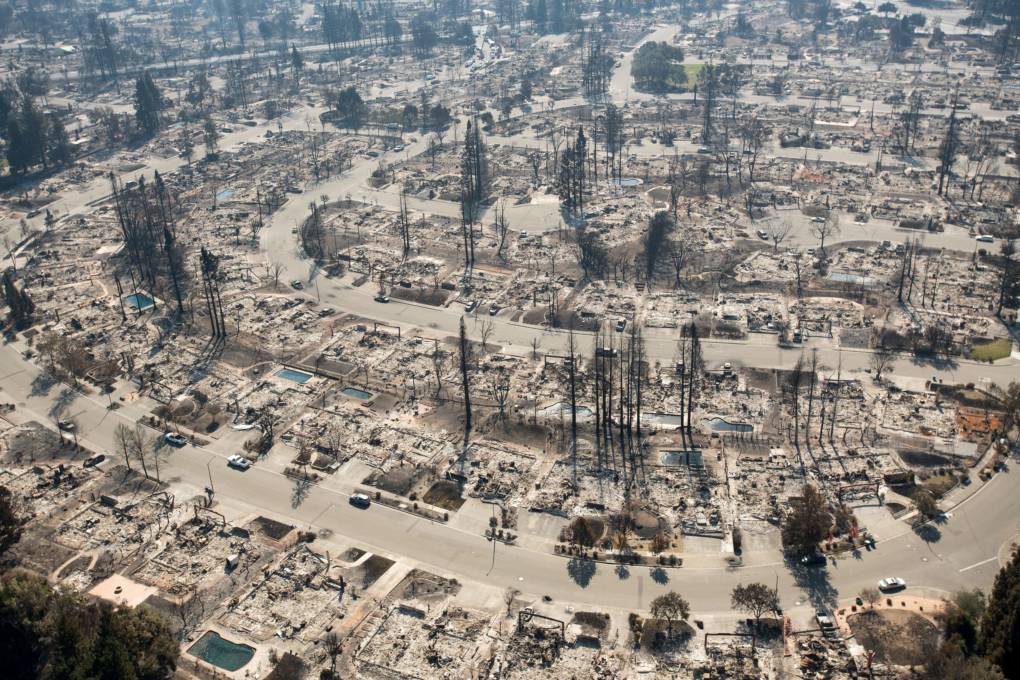
"caption": "An aerial view of houses that burned down during the Tubbs Fire in Santa Rosa, putting pressure on the housing market.",
"description": "An aerial view of houses that burned down during the Tubbs Fire in Santa Rosa, putting pressure on the housing market.",
"title": "US-FIRE-CALIFORNIA",
"credit": "JOSH EDELSON/AFP/Getty Images",
"status": "inherit",
"isLoading": false,
"fetchFailed": false
},
"news_11704524": {
"type": "attachments",
"id": "news_11704524",
"meta": {
"index": "attachments_1716263798",
"site": "news",
"id": "11704524",
"found": true
},
"parent": 11703228,
"imgSizes": {
"twentyfourteen-full-width": {
"file": "https://ww2.kqed.org/app/uploads/sites/10/2018/11/Prop1And2-1038x576.jpg",
"width": 1038,
"mimeType": "image/jpeg",
"height": 576
},
"thumbnail": {
"file": "https://ww2.kqed.org/app/uploads/sites/10/2018/11/Prop1And2-160x107.jpg",
"width": 160,
"mimeType": "image/jpeg",
"height": 107
},
"post-thumbnail": {
"file": "https://ww2.kqed.org/app/uploads/sites/10/2018/11/Prop1And2-672x372.jpg",
"width": 672,
"mimeType": "image/jpeg",
"height": 372
},
"kqedFullSize": {
"file": "https://ww2.kqed.org/app/uploads/sites/10/2018/11/Prop1And2.jpg",
"width": 1920,
"height": 1280
},
"large": {
"file": "https://ww2.kqed.org/app/uploads/sites/10/2018/11/Prop1And2-1020x680.jpg",
"width": 1020,
"mimeType": "image/jpeg",
"height": 680
},
"complete_open_graph": {
"file": "https://ww2.kqed.org/app/uploads/sites/10/2018/11/Prop1And2-1200x800.jpg",
"width": 1200,
"mimeType": "image/jpeg",
"height": 800
},
"guest-author-50": {
"file": "https://ww2.kqed.org/app/uploads/sites/10/2018/11/Prop1And2-50x50.jpg",
"width": 50,
"mimeType": "image/jpeg",
"height": 50
},
"guest-author-96": {
"file": "https://ww2.kqed.org/app/uploads/sites/10/2018/11/Prop1And2-96x96.jpg",
"width": 96,
"mimeType": "image/jpeg",
"height": 96
},
"medium": {
"file": "https://ww2.kqed.org/app/uploads/sites/10/2018/11/Prop1And2-800x533.jpg",
"width": 800,
"mimeType": "image/jpeg",
"height": 533
},
"guest-author-64": {
"file": "https://ww2.kqed.org/app/uploads/sites/10/2018/11/Prop1And2-64x64.jpg",
"width": 64,
"mimeType": "image/jpeg",
"height": 64
},
"guest-author-32": {
"file": "https://ww2.kqed.org/app/uploads/sites/10/2018/11/Prop1And2-32x32.jpg",
"width": 32,
"mimeType": "image/jpeg",
"height": 32
},
"full-width": {
"file": "https://ww2.kqed.org/app/uploads/sites/10/2018/11/Prop1And2-1920x1280.jpg",
"width": 1920,
"mimeType": "image/jpeg",
"height": 1280
},
"detail": {
"file": "https://ww2.kqed.org/app/uploads/sites/10/2018/11/Prop1And2-150x150.jpg",
"width": 150,
"mimeType": "image/jpeg",
"height": 150
},
"guest-author-128": {
"file": "https://ww2.kqed.org/app/uploads/sites/10/2018/11/Prop1And2-128x128.jpg",
"width": 128,
"mimeType": "image/jpeg",
"height": 128
}
},
"publishDate": 1541607849,
"modified": 1541607877,
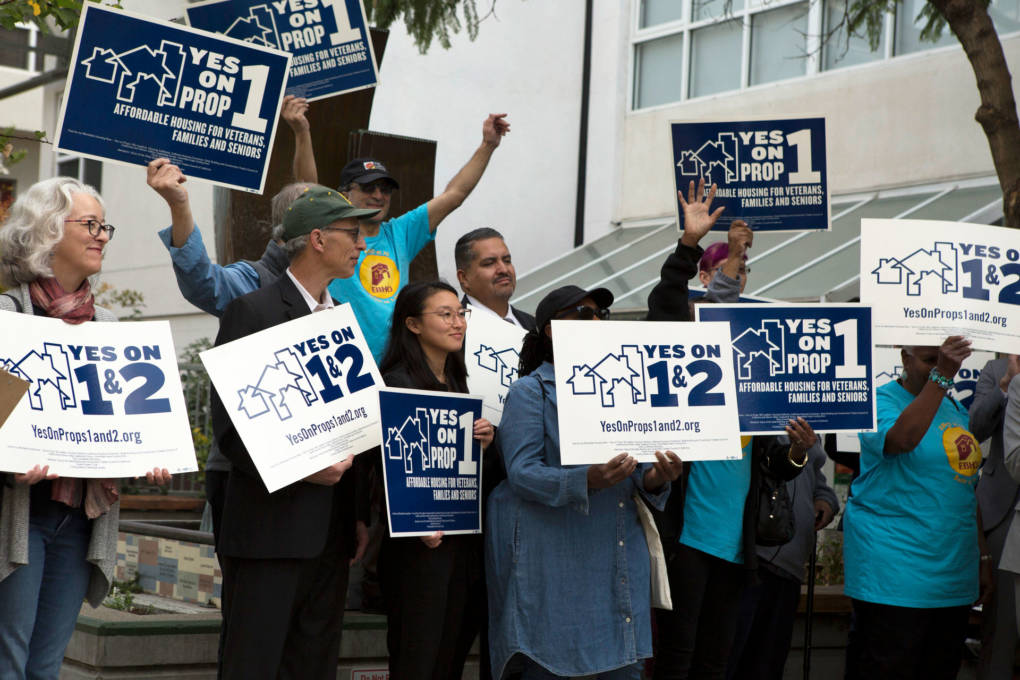
"caption": "Proposition 1 and 2 supporters.",
"description": "Proposition 1 and 2 supporters.",
"title": "Prop1And2",
"credit": "Anne Wernikoff/KQED",
"status": "inherit",
"isLoading": false,
"fetchFailed": false
},
"news_11619530": {
"type": "attachments",
"id": "news_11619530",
"meta": {
"index": "attachments_1716263798",
"site": "news",
"id": "11619530",
"found": true
},
"parent": 11619520,
"imgSizes": {
"small": {
"file": "https://ww2.kqed.org/app/uploads/sites/10/2017/09/feature_2-520x293.jpg",
"width": 520,
"mimeType": "image/jpeg",
"height": 293
},
"twentyfourteen-full-width": {
"file": "https://ww2.kqed.org/app/uploads/sites/10/2017/09/feature_2-1038x576.jpg",
"width": 1038,
"mimeType": "image/jpeg",
"height": 576
},
"thumbnail": {
"file": "https://ww2.kqed.org/app/uploads/sites/10/2017/09/feature_2-160x90.jpg",
"width": 160,
"mimeType": "image/jpeg",
"height": 90
},
"fd-sm": {
"file": "https://ww2.kqed.org/app/uploads/sites/10/2017/09/feature_2-960x540.jpg",
"width": 960,
"mimeType": "image/jpeg",
"height": 540
},
"post-thumbnail": {
"file": "https://ww2.kqed.org/app/uploads/sites/10/2017/09/feature_2-672x372.jpg",
"width": 672,
"mimeType": "image/jpeg",
"height": 372
},
"xsmall": {
"file": "https://ww2.kqed.org/app/uploads/sites/10/2017/09/feature_2-375x211.jpg",
"width": 375,
"mimeType": "image/jpeg",
"height": 211
},
"kqedFullSize": {
"file": "https://ww2.kqed.org/app/uploads/sites/10/2017/09/feature_2.jpg",
"width": 1920,
"height": 1080
},
"large": {
"file": "https://ww2.kqed.org/app/uploads/sites/10/2017/09/feature_2-1020x574.jpg",
"width": 1020,
"mimeType": "image/jpeg",
"height": 574
},
"xlarge": {
"file": "https://ww2.kqed.org/app/uploads/sites/10/2017/09/feature_2-1180x664.jpg",
"width": 1180,
"mimeType": "image/jpeg",
"height": 664
},
"guest-author-50": {
"file": "https://ww2.kqed.org/app/uploads/sites/10/2017/09/feature_2-50x50.jpg",
"width": 50,
"mimeType": "image/jpeg",
"height": 50
},
"guest-author-96": {
"file": "https://ww2.kqed.org/app/uploads/sites/10/2017/09/feature_2-96x96.jpg",
"width": 96,
"mimeType": "image/jpeg",
"height": 96
},
"medium": {
"file": "https://ww2.kqed.org/app/uploads/sites/10/2017/09/feature_2-800x450.jpg",
"width": 800,
"mimeType": "image/jpeg",
"height": 450
},
"guest-author-64": {
"file": "https://ww2.kqed.org/app/uploads/sites/10/2017/09/feature_2-64x64.jpg",
"width": 64,
"mimeType": "image/jpeg",
"height": 64
},
"guest-author-32": {
"file": "https://ww2.kqed.org/app/uploads/sites/10/2017/09/feature_2-32x32.jpg",
"width": 32,
"mimeType": "image/jpeg",
"height": 32
},
"fd-lrg": {
"file": "https://ww2.kqed.org/app/uploads/sites/10/2017/09/feature_2-1920x1080.jpg",
"width": 1920,
"mimeType": "image/jpeg",
"height": 1080
},
"fd-med": {
"file": "https://ww2.kqed.org/app/uploads/sites/10/2017/09/feature_2-1180x664.jpg",
"width": 1180,
"mimeType": "image/jpeg",
"height": 664
},
"full-width": {
"file": "https://ww2.kqed.org/app/uploads/sites/10/2017/09/feature_2-1920x1080.jpg",
"width": 1920,
"mimeType": "image/jpeg",
"height": 1080
},
"detail": {
"file": "https://ww2.kqed.org/app/uploads/sites/10/2017/09/feature_2-150x150.jpg",
"width": 150,
"mimeType": "image/jpeg",
"height": 150
},
"guest-author-128": {
"file": "https://ww2.kqed.org/app/uploads/sites/10/2017/09/feature_2-128x128.jpg",
"width": 128,
"mimeType": "image/jpeg",
"height": 128
},
"xxsmall": {
"file": "https://ww2.kqed.org/app/uploads/sites/10/2017/09/feature_2-240x135.jpg",
"width": 240,
"mimeType": "image/jpeg",
"height": 135
}
},
"publishDate": 1506549703,
"modified": 1541464969,
"caption": "An anchor-out community member throws a buoy into Richardson Bay. ",
"description": "An anchor-out community member throws a buoy into Richardson Bay. ",
"title": "Anchor-outs",
"credit": "Arash Malekzadeh/KQED",
"status": "inherit",
"isLoading": false,
"fetchFailed": false
},
"news_11700636": {
"type": "attachments",
"id": "news_11700636",
"meta": {
"index": "attachments_1716263798",
"site": "news",
"id": "11700636",
"found": true
},
"parent": 11700609,
"imgSizes": {
"small": {
"file": "https://ww2.kqed.org/app/uploads/sites/10/2018/10/gentrification-dorothy-home-exterior-520x347.jpg",
"width": 520,
"mimeType": "image/jpeg",
"height": 347
},
"twentyfourteen-full-width": {
"file": "https://ww2.kqed.org/app/uploads/sites/10/2018/10/gentrification-dorothy-home-exterior-1038x576.jpg",
"width": 1038,
"mimeType": "image/jpeg",
"height": 576
},
"thumbnail": {
"file": "https://ww2.kqed.org/app/uploads/sites/10/2018/10/gentrification-dorothy-home-exterior-160x107.jpg",
"width": 160,
"mimeType": "image/jpeg",
"height": 107
},
"fd-sm": {
"file": "https://ww2.kqed.org/app/uploads/sites/10/2018/10/gentrification-dorothy-home-exterior-960x640.jpg",
"width": 960,
"mimeType": "image/jpeg",
"height": 640
},
"post-thumbnail": {
"file": "https://ww2.kqed.org/app/uploads/sites/10/2018/10/gentrification-dorothy-home-exterior-672x372.jpg",
"width": 672,
"mimeType": "image/jpeg",
"height": 372
},
"xsmall": {
"file": "https://ww2.kqed.org/app/uploads/sites/10/2018/10/gentrification-dorothy-home-exterior-375x250.jpg",
"width": 375,
"mimeType": "image/jpeg",
"height": 250
},
"kqedFullSize": {
"file": "https://ww2.kqed.org/app/uploads/sites/10/2018/10/gentrification-dorothy-home-exterior-e1540321539216.jpg",
"width": 1500,
"height": 1000
},
"large": {
"file": "https://ww2.kqed.org/app/uploads/sites/10/2018/10/gentrification-dorothy-home-exterior-1020x680.jpg",
"width": 1020,
"mimeType": "image/jpeg",
"height": 680
},
"xlarge": {
"file": "https://ww2.kqed.org/app/uploads/sites/10/2018/10/gentrification-dorothy-home-exterior-1180x787.jpg",
"width": 1180,
"mimeType": "image/jpeg",
"height": 787
},
"complete_open_graph": {
"file": "https://ww2.kqed.org/app/uploads/sites/10/2018/10/gentrification-dorothy-home-exterior-1200x800.jpg",
"width": 1200,
"mimeType": "image/jpeg",
"height": 800
},
"guest-author-50": {
"file": "https://ww2.kqed.org/app/uploads/sites/10/2018/10/gentrification-dorothy-home-exterior-50x50.jpg",
"width": 50,
"mimeType": "image/jpeg",
"height": 50
},
"guest-author-96": {
"file": "https://ww2.kqed.org/app/uploads/sites/10/2018/10/gentrification-dorothy-home-exterior-96x96.jpg",
"width": 96,
"mimeType": "image/jpeg",
"height": 96
},
"medium": {
"file": "https://ww2.kqed.org/app/uploads/sites/10/2018/10/gentrification-dorothy-home-exterior-800x533.jpg",
"width": 800,
"mimeType": "image/jpeg",
"height": 533
},
"guest-author-64": {
"file": "https://ww2.kqed.org/app/uploads/sites/10/2018/10/gentrification-dorothy-home-exterior-64x64.jpg",
"width": 64,
"mimeType": "image/jpeg",
"height": 64
},
"guest-author-32": {
"file": "https://ww2.kqed.org/app/uploads/sites/10/2018/10/gentrification-dorothy-home-exterior-32x32.jpg",
"width": 32,
"mimeType": "image/jpeg",
"height": 32
},
"fd-lrg": {
"file": "https://ww2.kqed.org/app/uploads/sites/10/2018/10/gentrification-dorothy-home-exterior-1920x1280.jpg",
"width": 1920,
"mimeType": "image/jpeg",
"height": 1280
},
"fd-med": {
"file": "https://ww2.kqed.org/app/uploads/sites/10/2018/10/gentrification-dorothy-home-exterior-1180x787.jpg",
"width": 1180,
"mimeType": "image/jpeg",
"height": 787
},
"full-width": {
"file": "https://ww2.kqed.org/app/uploads/sites/10/2018/10/gentrification-dorothy-home-exterior-1920x1280.jpg",
"width": 1920,
"mimeType": "image/jpeg",
"height": 1280
},
"detail": {
"file": "https://ww2.kqed.org/app/uploads/sites/10/2018/10/gentrification-dorothy-home-exterior-150x150.jpg",
"width": 150,
"mimeType": "image/jpeg",
"height": 150
},
"guest-author-128": {
"file": "https://ww2.kqed.org/app/uploads/sites/10/2018/10/gentrification-dorothy-home-exterior-128x128.jpg",
"width": 128,
"mimeType": "image/jpeg",
"height": 128
},
"xxsmall": {
"file": "https://ww2.kqed.org/app/uploads/sites/10/2018/10/gentrification-dorothy-home-exterior-240x160.jpg",
"width": 240,
"mimeType": "image/jpeg",
"height": 160
}
},
"publishDate": 1540320871,
"modified": 1540321274,
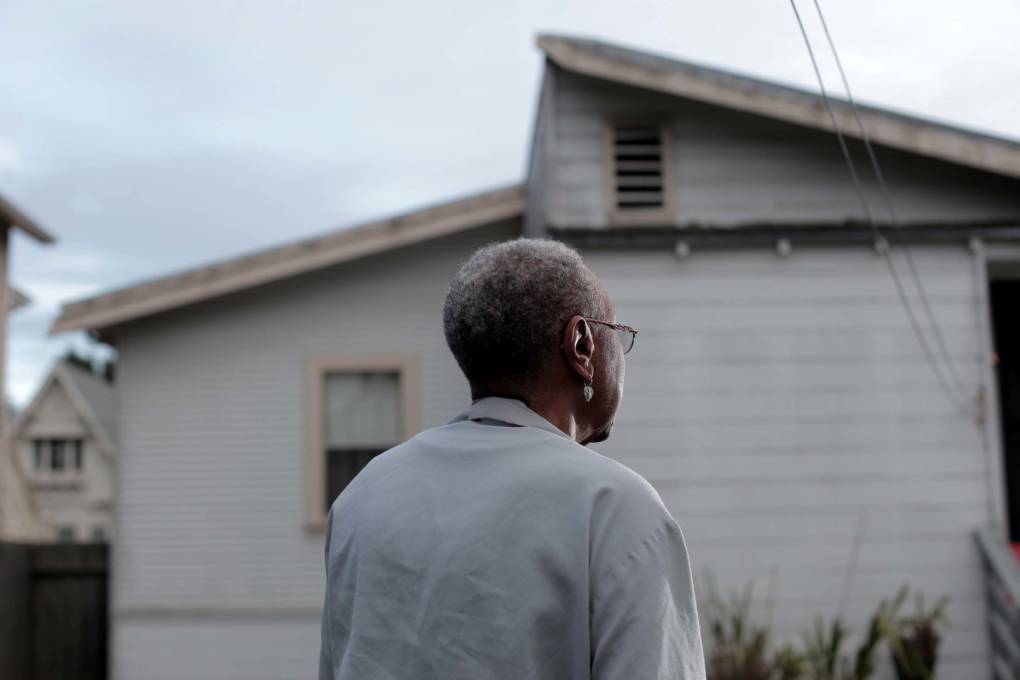
"caption": "Proposition 13 has helped keep Dorothy in her home since 1956. But in this neighborhood, she’s an exception. According to census data, only about 10 percent of residents moved into the area before or during the 1980s.",
"description": null,
"title": "gentrification-dorothy-home-exterior",
"credit": "Sean Havey/California Dream",
"status": "inherit",
"isLoading": false,
"fetchFailed": false
},
"news_11697656": {
"type": "attachments",
"id": "news_11697656",
"meta": {
"index": "attachments_1716263798",
"site": "news",
"id": "11697656",
"found": true
},
"parent": 11697566,
"imgSizes": {
"small": {
"file": "https://ww2.kqed.org/app/uploads/sites/10/2018/10/HousingConstruction-520x359.jpg",
"width": 520,
"mimeType": "image/jpeg",
"height": 359
},
"twentyfourteen-full-width": {
"file": "https://ww2.kqed.org/app/uploads/sites/10/2018/10/HousingConstruction-1038x576.jpg",
"width": 1038,
"mimeType": "image/jpeg",
"height": 576
},
"thumbnail": {
"file": "https://ww2.kqed.org/app/uploads/sites/10/2018/10/HousingConstruction-160x111.jpg",
"width": 160,
"mimeType": "image/jpeg",
"height": 111
},
"fd-sm": {
"file": "https://ww2.kqed.org/app/uploads/sites/10/2018/10/HousingConstruction-960x664.jpg",
"width": 960,
"mimeType": "image/jpeg",
"height": 664
},
"post-thumbnail": {
"file": "https://ww2.kqed.org/app/uploads/sites/10/2018/10/HousingConstruction-672x372.jpg",
"width": 672,
"mimeType": "image/jpeg",
"height": 372
},
"xsmall": {
"file": "https://ww2.kqed.org/app/uploads/sites/10/2018/10/HousingConstruction-375x259.jpg",
"width": 375,
"mimeType": "image/jpeg",
"height": 259
},
"kqedFullSize": {
"file": "https://ww2.kqed.org/app/uploads/sites/10/2018/10/HousingConstruction.jpg",
"width": 1920,
"height": 1327
},
"large": {
"file": "https://ww2.kqed.org/app/uploads/sites/10/2018/10/HousingConstruction-1020x705.jpg",
"width": 1020,
"mimeType": "image/jpeg",
"height": 705
},
"xlarge": {
"file": "https://ww2.kqed.org/app/uploads/sites/10/2018/10/HousingConstruction-1180x816.jpg",
"width": 1180,
"mimeType": "image/jpeg",
"height": 816
},
"complete_open_graph": {
"file": "https://ww2.kqed.org/app/uploads/sites/10/2018/10/HousingConstruction-1200x829.jpg",
"width": 1200,
"mimeType": "image/jpeg",
"height": 829
},
"guest-author-50": {
"file": "https://ww2.kqed.org/app/uploads/sites/10/2018/10/HousingConstruction-50x50.jpg",
"width": 50,
"mimeType": "image/jpeg",
"height": 50
},
"guest-author-96": {
"file": "https://ww2.kqed.org/app/uploads/sites/10/2018/10/HousingConstruction-96x96.jpg",
"width": 96,
"mimeType": "image/jpeg",
"height": 96
},
"medium": {
"file": "https://ww2.kqed.org/app/uploads/sites/10/2018/10/HousingConstruction-800x553.jpg",
"width": 800,
"mimeType": "image/jpeg",
"height": 553
},
"guest-author-64": {
"file": "https://ww2.kqed.org/app/uploads/sites/10/2018/10/HousingConstruction-64x64.jpg",
"width": 64,
"mimeType": "image/jpeg",
"height": 64
},
"guest-author-32": {
"file": "https://ww2.kqed.org/app/uploads/sites/10/2018/10/HousingConstruction-32x32.jpg",
"width": 32,
"mimeType": "image/jpeg",
"height": 32
},
"fd-lrg": {
"file": "https://ww2.kqed.org/app/uploads/sites/10/2018/10/HousingConstruction-1920x1327.jpg",
"width": 1920,
"mimeType": "image/jpeg",
"height": 1327
},
"fd-med": {
"file": "https://ww2.kqed.org/app/uploads/sites/10/2018/10/HousingConstruction-1180x816.jpg",
"width": 1180,
"mimeType": "image/jpeg",
"height": 816
},
"full-width": {
"file": "https://ww2.kqed.org/app/uploads/sites/10/2018/10/HousingConstruction-1920x1327.jpg",
"width": 1920,
"mimeType": "image/jpeg",
"height": 1327
},
"detail": {
"file": "https://ww2.kqed.org/app/uploads/sites/10/2018/10/HousingConstruction-150x150.jpg",
"width": 150,
"mimeType": "image/jpeg",
"height": 150
},
"guest-author-128": {
"file": "https://ww2.kqed.org/app/uploads/sites/10/2018/10/HousingConstruction-128x128.jpg",
"width": 128,
"mimeType": "image/jpeg",
"height": 128
},
"xxsmall": {
"file": "https://ww2.kqed.org/app/uploads/sites/10/2018/10/HousingConstruction-240x166.jpg",
"width": 240,
"mimeType": "image/jpeg",
"height": 166
}
},
"publishDate": 1539109665,
"modified": 1539109754,
"caption": "A worker stands on the roof of a home under construction in San Rafael. Newsom and Cox agreed on one thing in their debate on Monday: California needs to build more new housing, and fast.",
"description": "A worker stands on the roof of a home under construction in San Rafael. Newsom and Cox agreed on one thing in their debate on Monday: California needs to build more new housing, and fast.",
"title": "HousingConstruction",
"credit": "Justin Sullivan/Getty Images",
"status": "inherit",
"isLoading": false,
"fetchFailed": false
},
"news_11691986": {
"type": "attachments",
"id": "news_11691986",
"meta": {
"index": "attachments_1716263798",
"site": "news",
"id": "11691986",
"found": true
},
"parent": 11691982,
"imgSizes": {
"small": {
"file": "https://ww2.kqed.org/app/uploads/sites/10/2018/09/ForRent-520x348.jpg",
"width": 520,
"mimeType": "image/jpeg",
"height": 348
},
"twentyfourteen-full-width": {
"file": "https://ww2.kqed.org/app/uploads/sites/10/2018/09/ForRent-1038x576.jpg",
"width": 1038,
"mimeType": "image/jpeg",
"height": 576
},
"thumbnail": {
"file": "https://ww2.kqed.org/app/uploads/sites/10/2018/09/ForRent-160x107.jpg",
"width": 160,
"mimeType": "image/jpeg",
"height": 107
},
"fd-sm": {
"file": "https://ww2.kqed.org/app/uploads/sites/10/2018/09/ForRent-960x642.jpg",
"width": 960,
"mimeType": "image/jpeg",
"height": 642
},
"post-thumbnail": {
"file": "https://ww2.kqed.org/app/uploads/sites/10/2018/09/ForRent-672x372.jpg",
"width": 672,
"mimeType": "image/jpeg",
"height": 372
},
"xsmall": {
"file": "https://ww2.kqed.org/app/uploads/sites/10/2018/09/ForRent-375x251.jpg",
"width": 375,
"mimeType": "image/jpeg",
"height": 251
},
"kqedFullSize": {
"file": "https://ww2.kqed.org/app/uploads/sites/10/2018/09/ForRent.jpg",
"width": 1920,
"height": 1284
},
"large": {
"file": "https://ww2.kqed.org/app/uploads/sites/10/2018/09/ForRent-1020x682.jpg",
"width": 1020,
"mimeType": "image/jpeg",
"height": 682
},
"xlarge": {
"file": "https://ww2.kqed.org/app/uploads/sites/10/2018/09/ForRent-1180x789.jpg",
"width": 1180,
"mimeType": "image/jpeg",
"height": 789
},
"complete_open_graph": {
"file": "https://ww2.kqed.org/app/uploads/sites/10/2018/09/ForRent-1200x803.jpg",
"width": 1200,
"mimeType": "image/jpeg",
"height": 803
},
"guest-author-50": {
"file": "https://ww2.kqed.org/app/uploads/sites/10/2018/09/ForRent-50x50.jpg",
"width": 50,
"mimeType": "image/jpeg",
"height": 50
},
"guest-author-96": {
"file": "https://ww2.kqed.org/app/uploads/sites/10/2018/09/ForRent-96x96.jpg",
"width": 96,
"mimeType": "image/jpeg",
"height": 96
},
"medium": {
"file": "https://ww2.kqed.org/app/uploads/sites/10/2018/09/ForRent-800x535.jpg",
"width": 800,
"mimeType": "image/jpeg",
"height": 535
},
"guest-author-64": {
"file": "https://ww2.kqed.org/app/uploads/sites/10/2018/09/ForRent-64x64.jpg",
"width": 64,
"mimeType": "image/jpeg",
"height": 64
},
"guest-author-32": {
"file": "https://ww2.kqed.org/app/uploads/sites/10/2018/09/ForRent-32x32.jpg",
"width": 32,
"mimeType": "image/jpeg",
"height": 32
},
"fd-lrg": {
"file": "https://ww2.kqed.org/app/uploads/sites/10/2018/09/ForRent-1920x1284.jpg",
"width": 1920,
"mimeType": "image/jpeg",
"height": 1284
},
"fd-med": {
"file": "https://ww2.kqed.org/app/uploads/sites/10/2018/09/ForRent-1180x789.jpg",
"width": 1180,
"mimeType": "image/jpeg",
"height": 789
},
"full-width": {
"file": "https://ww2.kqed.org/app/uploads/sites/10/2018/09/ForRent-1920x1284.jpg",
"width": 1920,
"mimeType": "image/jpeg",
"height": 1284
},
"detail": {
"file": "https://ww2.kqed.org/app/uploads/sites/10/2018/09/ForRent-150x150.jpg",
"width": 150,
"mimeType": "image/jpeg",
"height": 150
},
"guest-author-128": {
"file": "https://ww2.kqed.org/app/uploads/sites/10/2018/09/ForRent-128x128.jpg",
"width": 128,
"mimeType": "image/jpeg",
"height": 128
},
"xxsmall": {
"file": "https://ww2.kqed.org/app/uploads/sites/10/2018/09/ForRent-240x161.jpg",
"width": 240,
"mimeType": "image/jpeg",
"height": 161
}
},
"publishDate": 1536783159,
"modified": 1536783270,
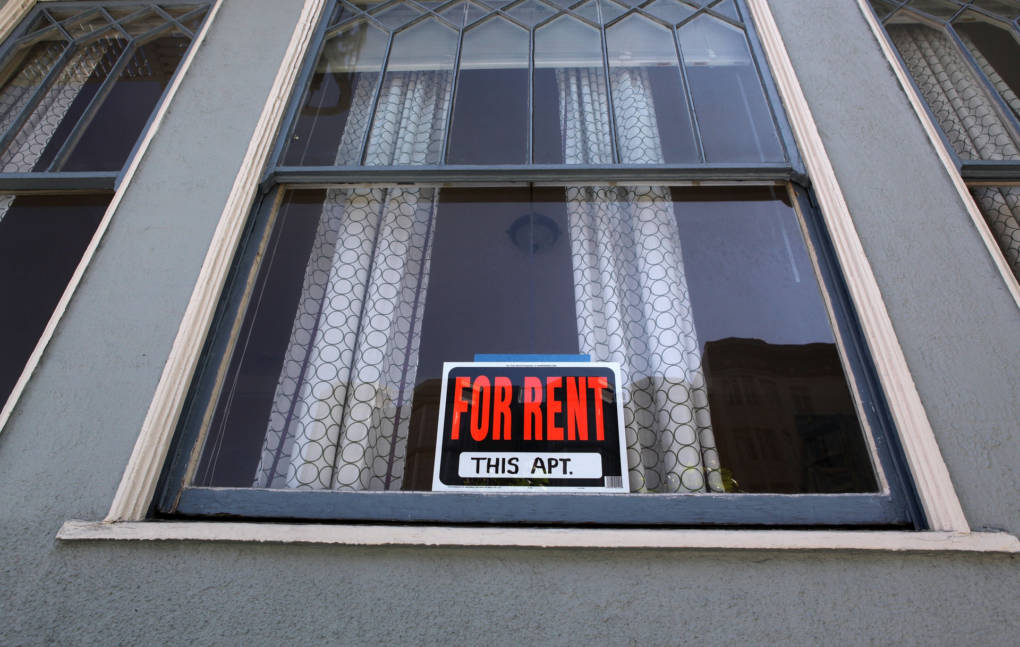
"caption": "A 'For Rent' sign is posted on a building in Hollywood, one of only a few cities in L.A. County with rent stabilization or tenant protection ordinances on the books.",
"description": "A 'For Rent' sign is posted on a building in Hollywood, one of only a few cities in L.A. County with rent stabilization or tenant protection ordinances on the books.",
"title": "ForRent",
"credit": "ROBYN BECK/AFP/Getty Images",
"status": "inherit",
"isLoading": false,
"fetchFailed": false
},
"news_11691511": {
"type": "attachments",
"id": "news_11691511",
"meta": {
"index": "attachments_1716263798",
"site": "news",
"id": "11691511",
"found": true
},
"parent": 11691407,
"imgSizes": {
"small": {
"file": "https://ww2.kqed.org/app/uploads/sites/10/2018/09/RS31453_LondonBreed_06.14.18_9-qut-520x293.jpg",
"width": 520,
"mimeType": "image/jpeg",
"height": 293
},
"twentyfourteen-full-width": {
"file": "https://ww2.kqed.org/app/uploads/sites/10/2018/09/RS31453_LondonBreed_06.14.18_9-qut-1038x576.jpg",
"width": 1038,
"mimeType": "image/jpeg",
"height": 576
},
"thumbnail": {
"file": "https://ww2.kqed.org/app/uploads/sites/10/2018/09/RS31453_LondonBreed_06.14.18_9-qut-160x90.jpg",
"width": 160,
"mimeType": "image/jpeg",
"height": 90
},
"fd-sm": {
"file": "https://ww2.kqed.org/app/uploads/sites/10/2018/09/RS31453_LondonBreed_06.14.18_9-qut-960x540.jpg",
"width": 960,
"mimeType": "image/jpeg",
"height": 540
},
"post-thumbnail": {
"file": "https://ww2.kqed.org/app/uploads/sites/10/2018/09/RS31453_LondonBreed_06.14.18_9-qut-672x372.jpg",
"width": 672,
"mimeType": "image/jpeg",
"height": 372
},
"xsmall": {
"file": "https://ww2.kqed.org/app/uploads/sites/10/2018/09/RS31453_LondonBreed_06.14.18_9-qut-375x211.jpg",
"width": 375,
"mimeType": "image/jpeg",
"height": 211
},
"kqedFullSize": {
"file": "https://ww2.kqed.org/app/uploads/sites/10/2018/09/RS31453_LondonBreed_06.14.18_9-qut.jpg",
"width": 1920,
"height": 1080
},
"large": {
"file": "https://ww2.kqed.org/app/uploads/sites/10/2018/09/RS31453_LondonBreed_06.14.18_9-qut-1020x574.jpg",
"width": 1020,
"mimeType": "image/jpeg",
"height": 574
},
"xlarge": {
"file": "https://ww2.kqed.org/app/uploads/sites/10/2018/09/RS31453_LondonBreed_06.14.18_9-qut-1180x664.jpg",
"width": 1180,
"mimeType": "image/jpeg",
"height": 664
},
"complete_open_graph": {
"file": "https://ww2.kqed.org/app/uploads/sites/10/2018/09/RS31453_LondonBreed_06.14.18_9-qut-1200x675.jpg",
"width": 1200,
"mimeType": "image/jpeg",
"height": 675
},
"guest-author-50": {
"file": "https://ww2.kqed.org/app/uploads/sites/10/2018/09/RS31453_LondonBreed_06.14.18_9-qut-50x50.jpg",
"width": 50,
"mimeType": "image/jpeg",
"height": 50
},
"guest-author-96": {
"file": "https://ww2.kqed.org/app/uploads/sites/10/2018/09/RS31453_LondonBreed_06.14.18_9-qut-96x96.jpg",
"width": 96,
"mimeType": "image/jpeg",
"height": 96
},
"medium": {
"file": "https://ww2.kqed.org/app/uploads/sites/10/2018/09/RS31453_LondonBreed_06.14.18_9-qut-800x450.jpg",
"width": 800,
"mimeType": "image/jpeg",
"height": 450
},
"guest-author-64": {
"file": "https://ww2.kqed.org/app/uploads/sites/10/2018/09/RS31453_LondonBreed_06.14.18_9-qut-64x64.jpg",
"width": 64,
"mimeType": "image/jpeg",
"height": 64
},
"guest-author-32": {
"file": "https://ww2.kqed.org/app/uploads/sites/10/2018/09/RS31453_LondonBreed_06.14.18_9-qut-32x32.jpg",
"width": 32,
"mimeType": "image/jpeg",
"height": 32
},
"fd-lrg": {
"file": "https://ww2.kqed.org/app/uploads/sites/10/2018/09/RS31453_LondonBreed_06.14.18_9-qut-1920x1080.jpg",
"width": 1920,
"mimeType": "image/jpeg",
"height": 1080
},
"fd-med": {
"file": "https://ww2.kqed.org/app/uploads/sites/10/2018/09/RS31453_LondonBreed_06.14.18_9-qut-1180x664.jpg",
"width": 1180,
"mimeType": "image/jpeg",
"height": 664
},
"full-width": {
"file": "https://ww2.kqed.org/app/uploads/sites/10/2018/09/RS31453_LondonBreed_06.14.18_9-qut-1920x1080.jpg",
"width": 1920,
"mimeType": "image/jpeg",
"height": 1080
},
"detail": {
"file": "https://ww2.kqed.org/app/uploads/sites/10/2018/09/RS31453_LondonBreed_06.14.18_9-qut-150x150.jpg",
"width": 150,
"mimeType": "image/jpeg",
"height": 150
},
"guest-author-128": {
"file": "https://ww2.kqed.org/app/uploads/sites/10/2018/09/RS31453_LondonBreed_06.14.18_9-qut-128x128.jpg",
"width": 128,
"mimeType": "image/jpeg",
"height": 128
},
"xxsmall": {
"file": "https://ww2.kqed.org/app/uploads/sites/10/2018/09/RS31453_LondonBreed_06.14.18_9-qut-240x135.jpg",
"width": 240,
"mimeType": "image/jpeg",
"height": 135
}
},
"publishDate": 1536604172,
"modified": 1536616580,
"caption": "San Francisco Mayor London Breed, interviewed on the set of KQED Newsroom on June 14, 2018.",
"description": null,
"title": "RS31453_LondonBreed_06.14.18_9-qut",
"credit": "Sheraz Sadiq/KQED",
"status": "inherit",
"isLoading": false,
"fetchFailed": false
},
"news_11689044": {
"type": "attachments",
"id": "news_11689044",
"meta": {
"index": "attachments_1716263798",
"site": "news",
"id": "11689044",
"found": true
},
"parent": 11689040,
"imgSizes": {
"small": {
"file": "https://ww2.kqed.org/app/uploads/sites/10/2018/08/SeniorWalking-520x311.jpg",
"width": 520,
"mimeType": "image/jpeg",
"height": 311
},
"twentyfourteen-full-width": {
"file": "https://ww2.kqed.org/app/uploads/sites/10/2018/08/SeniorWalking-1038x576.jpg",
"width": 1038,
"mimeType": "image/jpeg",
"height": 576
},
"thumbnail": {
"file": "https://ww2.kqed.org/app/uploads/sites/10/2018/08/SeniorWalking-160x96.jpg",
"width": 160,
"mimeType": "image/jpeg",
"height": 96
},
"fd-sm": {
"file": "https://ww2.kqed.org/app/uploads/sites/10/2018/08/SeniorWalking-960x574.jpg",
"width": 960,
"mimeType": "image/jpeg",
"height": 574
},
"post-thumbnail": {
"file": "https://ww2.kqed.org/app/uploads/sites/10/2018/08/SeniorWalking-672x372.jpg",
"width": 672,
"mimeType": "image/jpeg",
"height": 372
},
"xsmall": {
"file": "https://ww2.kqed.org/app/uploads/sites/10/2018/08/SeniorWalking-375x224.jpg",
"width": 375,
"mimeType": "image/jpeg",
"height": 224
},
"kqedFullSize": {
"file": "https://ww2.kqed.org/app/uploads/sites/10/2018/08/SeniorWalking.jpg",
"width": 1646,
"height": 985
},
"large": {
"file": "https://ww2.kqed.org/app/uploads/sites/10/2018/08/SeniorWalking-1020x610.jpg",
"width": 1020,
"mimeType": "image/jpeg",
"height": 610
},
"xlarge": {
"file": "https://ww2.kqed.org/app/uploads/sites/10/2018/08/SeniorWalking-1180x706.jpg",
"width": 1180,
"mimeType": "image/jpeg",
"height": 706
},
"complete_open_graph": {
"file": "https://ww2.kqed.org/app/uploads/sites/10/2018/08/SeniorWalking-1200x718.jpg",
"width": 1200,
"mimeType": "image/jpeg",
"height": 718
},
"guest-author-50": {
"file": "https://ww2.kqed.org/app/uploads/sites/10/2018/08/SeniorWalking-50x50.jpg",
"width": 50,
"mimeType": "image/jpeg",
"height": 50
},
"guest-author-96": {
"file": "https://ww2.kqed.org/app/uploads/sites/10/2018/08/SeniorWalking-96x96.jpg",
"width": 96,
"mimeType": "image/jpeg",
"height": 96
},
"medium": {
"file": "https://ww2.kqed.org/app/uploads/sites/10/2018/08/SeniorWalking-800x479.jpg",
"width": 800,
"mimeType": "image/jpeg",
"height": 479
},
"guest-author-64": {
"file": "https://ww2.kqed.org/app/uploads/sites/10/2018/08/SeniorWalking-64x64.jpg",
"width": 64,
"mimeType": "image/jpeg",
"height": 64
},
"guest-author-32": {
"file": "https://ww2.kqed.org/app/uploads/sites/10/2018/08/SeniorWalking-32x32.jpg",
"width": 32,
"mimeType": "image/jpeg",
"height": 32
},
"fd-med": {
"file": "https://ww2.kqed.org/app/uploads/sites/10/2018/08/SeniorWalking-1180x706.jpg",
"width": 1180,
"mimeType": "image/jpeg",
"height": 706
},
"detail": {
"file": "https://ww2.kqed.org/app/uploads/sites/10/2018/08/SeniorWalking-150x150.jpg",
"width": 150,
"mimeType": "image/jpeg",
"height": 150
},
"guest-author-128": {
"file": "https://ww2.kqed.org/app/uploads/sites/10/2018/08/SeniorWalking-128x128.jpg",
"width": 128,
"mimeType": "image/jpeg",
"height": 128
},
"xxsmall": {
"file": "https://ww2.kqed.org/app/uploads/sites/10/2018/08/SeniorWalking-240x144.jpg",
"width": 240,
"mimeType": "image/jpeg",
"height": 144
}
},
"publishDate": 1535407300,
"modified": 1535410199,
"caption": "Pierre Devillandry, a painter who has lived in Santa Monica 30 years, was accepted into the city's pilot program for a monthly subsidy. 'It was something that came down from heaven,' he said.",
"description": "Pierre Devillandry, a painter who has lived in Santa Monica for 30 years, was accepted into the city's pilot program for a monthly subsidy. 'It was something that came down from Heaven,' he said.",
"title": "SeniorWalking",
"credit": "KPBS/YouTube",
"status": "inherit",
"isLoading": false,
"fetchFailed": false
},
"news_11684248": {
"type": "attachments",
"id": "news_11684248",
"meta": {
"index": "attachments_1716263798",
"site": "news",
"id": "11684248",
"found": true
},
"parent": 11684066,
"imgSizes": {
"small": {
"file": "https://ww2.kqed.org/app/uploads/sites/10/2018/08/BrandonMiller-520x327.jpg",
"width": 520,
"mimeType": "image/jpeg",
"height": 327
},
"twentyfourteen-full-width": {
"file": "https://ww2.kqed.org/app/uploads/sites/10/2018/08/BrandonMiller-1038x576.jpg",
"width": 1038,
"mimeType": "image/jpeg",
"height": 576
},
"thumbnail": {
"file": "https://ww2.kqed.org/app/uploads/sites/10/2018/08/BrandonMiller-160x101.jpg",
"width": 160,
"mimeType": "image/jpeg",
"height": 101
},
"fd-sm": {
"file": "https://ww2.kqed.org/app/uploads/sites/10/2018/08/BrandonMiller-960x604.jpg",
"width": 960,
"mimeType": "image/jpeg",
"height": 604
},
"post-thumbnail": {
"file": "https://ww2.kqed.org/app/uploads/sites/10/2018/08/BrandonMiller-672x372.jpg",
"width": 672,
"mimeType": "image/jpeg",
"height": 372
},
"xsmall": {
"file": "https://ww2.kqed.org/app/uploads/sites/10/2018/08/BrandonMiller-375x236.jpg",
"width": 375,
"mimeType": "image/jpeg",
"height": 236
},
"kqedFullSize": {
"file": "https://ww2.kqed.org/app/uploads/sites/10/2018/08/BrandonMiller.jpg",
"width": 1920,
"height": 1207
},
"large": {
"file": "https://ww2.kqed.org/app/uploads/sites/10/2018/08/BrandonMiller-1020x641.jpg",
"width": 1020,
"mimeType": "image/jpeg",
"height": 641
},
"xlarge": {
"file": "https://ww2.kqed.org/app/uploads/sites/10/2018/08/BrandonMiller-1180x742.jpg",
"width": 1180,
"mimeType": "image/jpeg",
"height": 742
},
"complete_open_graph": {
"file": "https://ww2.kqed.org/app/uploads/sites/10/2018/08/BrandonMiller-1200x754.jpg",
"width": 1200,
"mimeType": "image/jpeg",
"height": 754
},
"guest-author-50": {
"file": "https://ww2.kqed.org/app/uploads/sites/10/2018/08/BrandonMiller-50x50.jpg",
"width": 50,
"mimeType": "image/jpeg",
"height": 50
},
"guest-author-96": {
"file": "https://ww2.kqed.org/app/uploads/sites/10/2018/08/BrandonMiller-96x96.jpg",
"width": 96,
"mimeType": "image/jpeg",
"height": 96
},
"medium": {
"file": "https://ww2.kqed.org/app/uploads/sites/10/2018/08/BrandonMiller-800x503.jpg",
"width": 800,
"mimeType": "image/jpeg",
"height": 503
},
"guest-author-64": {
"file": "https://ww2.kqed.org/app/uploads/sites/10/2018/08/BrandonMiller-64x64.jpg",
"width": 64,
"mimeType": "image/jpeg",
"height": 64
},
"guest-author-32": {
"file": "https://ww2.kqed.org/app/uploads/sites/10/2018/08/BrandonMiller-32x32.jpg",
"width": 32,
"mimeType": "image/jpeg",
"height": 32
},
"fd-lrg": {
"file": "https://ww2.kqed.org/app/uploads/sites/10/2018/08/BrandonMiller-1920x1207.jpg",
"width": 1920,
"mimeType": "image/jpeg",
"height": 1207
},
"fd-med": {
"file": "https://ww2.kqed.org/app/uploads/sites/10/2018/08/BrandonMiller-1180x742.jpg",
"width": 1180,
"mimeType": "image/jpeg",
"height": 742
},
"full-width": {
"file": "https://ww2.kqed.org/app/uploads/sites/10/2018/08/BrandonMiller-1920x1207.jpg",
"width": 1920,
"mimeType": "image/jpeg",
"height": 1207
},
"detail": {
"file": "https://ww2.kqed.org/app/uploads/sites/10/2018/08/BrandonMiller-150x150.jpg",
"width": 150,
"mimeType": "image/jpeg",
"height": 150
},
"guest-author-128": {
"file": "https://ww2.kqed.org/app/uploads/sites/10/2018/08/BrandonMiller-128x128.jpg",
"width": 128,
"mimeType": "image/jpeg",
"height": 128
},
"xxsmall": {
"file": "https://ww2.kqed.org/app/uploads/sites/10/2018/08/BrandonMiller-240x151.jpg",
"width": 240,
"mimeType": "image/jpeg",
"height": 151
}
},
"publishDate": 1533155157,
"modified": 1533155191,
"caption": "Brandon Miller waters the lawn in front of his Riverside home, July 17, 2018.",
"description": "Brandon Miller waters the lawn in front of his Riverside home, July 17, 2018.",
"title": "BrandonMiller",
"credit": "Signe Larsen/KPCC",
"status": "inherit",
"isLoading": false,
"fetchFailed": false
},
"news_11684243": {
"type": "attachments",
"id": "news_11684243",
"meta": {
"index": "attachments_1716263798",
"site": "news",
"id": "11684243",
"found": true
},
"parent": 11684225,
"imgSizes": {
"small": {
"file": "https://ww2.kqed.org/app/uploads/sites/10/2018/08/RS10555_470165429-520x347.jpg",
"width": 520,
"mimeType": "image/jpeg",
"height": 347
},
"twentyfourteen-full-width": {
"file": "https://ww2.kqed.org/app/uploads/sites/10/2018/08/RS10555_470165429-1038x576.jpg",
"width": 1038,
"mimeType": "image/jpeg",
"height": 576
},
"thumbnail": {
"file": "https://ww2.kqed.org/app/uploads/sites/10/2018/08/RS10555_470165429-160x107.jpg",
"width": 160,
"mimeType": "image/jpeg",
"height": 107
},
"fd-sm": {
"file": "https://ww2.kqed.org/app/uploads/sites/10/2018/08/RS10555_470165429-960x640.jpg",
"width": 960,
"mimeType": "image/jpeg",
"height": 640
},
"post-thumbnail": {
"file": "https://ww2.kqed.org/app/uploads/sites/10/2018/08/RS10555_470165429-672x372.jpg",
"width": 672,
"mimeType": "image/jpeg",
"height": 372
},
"xsmall": {
"file": "https://ww2.kqed.org/app/uploads/sites/10/2018/08/RS10555_470165429-375x250.jpg",
"width": 375,
"mimeType": "image/jpeg",
"height": 250
},
"kqedFullSize": {
"file": "https://ww2.kqed.org/app/uploads/sites/10/2018/08/RS10555_470165429.jpg",
"width": 3000,
"height": 2001
},
"large": {
"file": "https://ww2.kqed.org/app/uploads/sites/10/2018/08/RS10555_470165429-1020x680.jpg",
"width": 1020,
"mimeType": "image/jpeg",
"height": 680
},
"xlarge": {
"file": "https://ww2.kqed.org/app/uploads/sites/10/2018/08/RS10555_470165429-1180x787.jpg",
"width": 1180,
"mimeType": "image/jpeg",
"height": 787
},
"complete_open_graph": {
"file": "https://ww2.kqed.org/app/uploads/sites/10/2018/08/RS10555_470165429-1200x800.jpg",
"width": 1200,
"mimeType": "image/jpeg",
"height": 800
},
"guest-author-50": {
"file": "https://ww2.kqed.org/app/uploads/sites/10/2018/08/RS10555_470165429-50x50.jpg",
"width": 50,
"mimeType": "image/jpeg",
"height": 50
},
"guest-author-96": {
"file": "https://ww2.kqed.org/app/uploads/sites/10/2018/08/RS10555_470165429-96x96.jpg",
"width": 96,
"mimeType": "image/jpeg",
"height": 96
},
"medium": {
"file": "https://ww2.kqed.org/app/uploads/sites/10/2018/08/RS10555_470165429-800x534.jpg",
"width": 800,
"mimeType": "image/jpeg",
"height": 534
},
"guest-author-64": {
"file": "https://ww2.kqed.org/app/uploads/sites/10/2018/08/RS10555_470165429-64x64.jpg",
"width": 64,
"mimeType": "image/jpeg",
"height": 64
},
"guest-author-32": {
"file": "https://ww2.kqed.org/app/uploads/sites/10/2018/08/RS10555_470165429-32x32.jpg",
"width": 32,
"mimeType": "image/jpeg",
"height": 32
},
"fd-lrg": {
"file": "https://ww2.kqed.org/app/uploads/sites/10/2018/08/RS10555_470165429-1920x1281.jpg",
"width": 1920,
"mimeType": "image/jpeg",
"height": 1281
},
"fd-med": {
"file": "https://ww2.kqed.org/app/uploads/sites/10/2018/08/RS10555_470165429-1180x787.jpg",
"width": 1180,
"mimeType": "image/jpeg",
"height": 787
},
"full-width": {
"file": "https://ww2.kqed.org/app/uploads/sites/10/2018/08/RS10555_470165429-1920x1281.jpg",
"width": 1920,
"mimeType": "image/jpeg",
"height": 1281
},
"detail": {
"file": "https://ww2.kqed.org/app/uploads/sites/10/2018/08/RS10555_470165429-150x150.jpg",
"width": 150,
"mimeType": "image/jpeg",
"height": 150
},
"guest-author-128": {
"file": "https://ww2.kqed.org/app/uploads/sites/10/2018/08/RS10555_470165429-128x128.jpg",
"width": 128,
"mimeType": "image/jpeg",
"height": 128
},
"xxsmall": {
"file": "https://ww2.kqed.org/app/uploads/sites/10/2018/08/RS10555_470165429-240x160.jpg",
"width": 240,
"mimeType": "image/jpeg",
"height": 160
}
},
"publishDate": 1533152123,
"modified": 1533152151,
"caption": null,
"description": null,
"title": null,
"credit": "Justin Sullivan / Getty",
"status": "inherit",
"isLoading": false,
"fetchFailed": false
},
"news_11683247": {
"type": "attachments",
"id": "news_11683247",
"meta": {
"index": "attachments_1716263798",
"site": "news",
"id": "11683247",
"found": true
},
"parent": 11683219,
"imgSizes": {
"small": {
"file": "https://ww2.kqed.org/app/uploads/sites/10/2018/07/SatherGate-520x339.jpg",
"width": 520,
"mimeType": "image/jpeg",
"height": 339
},
"twentyfourteen-full-width": {
"file": "https://ww2.kqed.org/app/uploads/sites/10/2018/07/SatherGate-1038x576.jpg",
"width": 1038,
"mimeType": "image/jpeg",
"height": 576
},
"thumbnail": {
"file": "https://ww2.kqed.org/app/uploads/sites/10/2018/07/SatherGate-160x104.jpg",
"width": 160,
"mimeType": "image/jpeg",
"height": 104
},
"fd-sm": {
"file": "https://ww2.kqed.org/app/uploads/sites/10/2018/07/SatherGate-960x625.jpg",
"width": 960,
"mimeType": "image/jpeg",
"height": 625
},
"post-thumbnail": {
"file": "https://ww2.kqed.org/app/uploads/sites/10/2018/07/SatherGate-672x372.jpg",
"width": 672,
"mimeType": "image/jpeg",
"height": 372
},
"xsmall": {
"file": "https://ww2.kqed.org/app/uploads/sites/10/2018/07/SatherGate-375x244.jpg",
"width": 375,
"mimeType": "image/jpeg",
"height": 244
},
"kqedFullSize": {
"file": "https://ww2.kqed.org/app/uploads/sites/10/2018/07/SatherGate.jpg",
"width": 1920,
"height": 1250
},
"large": {
"file": "https://ww2.kqed.org/app/uploads/sites/10/2018/07/SatherGate-1020x664.jpg",
"width": 1020,
"mimeType": "image/jpeg",
"height": 664
},
"xlarge": {
"file": "https://ww2.kqed.org/app/uploads/sites/10/2018/07/SatherGate-1180x768.jpg",
"width": 1180,
"mimeType": "image/jpeg",
"height": 768
},
"complete_open_graph": {
"file": "https://ww2.kqed.org/app/uploads/sites/10/2018/07/SatherGate-1200x781.jpg",
"width": 1200,
"mimeType": "image/jpeg",
"height": 781
},
"guest-author-50": {
"file": "https://ww2.kqed.org/app/uploads/sites/10/2018/07/SatherGate-50x50.jpg",
"width": 50,
"mimeType": "image/jpeg",
"height": 50
},
"guest-author-96": {
"file": "https://ww2.kqed.org/app/uploads/sites/10/2018/07/SatherGate-96x96.jpg",
"width": 96,
"mimeType": "image/jpeg",
"height": 96
},
"medium": {
"file": "https://ww2.kqed.org/app/uploads/sites/10/2018/07/SatherGate-800x521.jpg",
"width": 800,
"mimeType": "image/jpeg",
"height": 521
},
"guest-author-64": {
"file": "https://ww2.kqed.org/app/uploads/sites/10/2018/07/SatherGate-64x64.jpg",
"width": 64,
"mimeType": "image/jpeg",
"height": 64
},
"guest-author-32": {
"file": "https://ww2.kqed.org/app/uploads/sites/10/2018/07/SatherGate-32x32.jpg",
"width": 32,
"mimeType": "image/jpeg",
"height": 32
},
"fd-lrg": {
"file": "https://ww2.kqed.org/app/uploads/sites/10/2018/07/SatherGate-1920x1250.jpg",
"width": 1920,
"mimeType": "image/jpeg",
"height": 1250
},
"fd-med": {
"file": "https://ww2.kqed.org/app/uploads/sites/10/2018/07/SatherGate-1180x768.jpg",
"width": 1180,
"mimeType": "image/jpeg",
"height": 768
},
"full-width": {
"file": "https://ww2.kqed.org/app/uploads/sites/10/2018/07/SatherGate-1920x1250.jpg",
"width": 1920,
"mimeType": "image/jpeg",
"height": 1250
},
"detail": {
"file": "https://ww2.kqed.org/app/uploads/sites/10/2018/07/SatherGate-150x150.jpg",
"width": 150,
"mimeType": "image/jpeg",
"height": 150
},
"guest-author-128": {
"file": "https://ww2.kqed.org/app/uploads/sites/10/2018/07/SatherGate-128x128.jpg",
"width": 128,
"mimeType": "image/jpeg",
"height": 128
},
"xxsmall": {
"file": "https://ww2.kqed.org/app/uploads/sites/10/2018/07/SatherGate-240x156.jpg",
"width": 240,
"mimeType": "image/jpeg",
"height": 156
}
},
"publishDate": 1532726748,
"modified": 1532726797,
"caption": "UC Berkeley and Berkeley City College are less than half a mile apart. But City College estimates students spend about $4,800 more every school year on non-tuition costs than UC Berkeley estimates.",
"description": "UC Berkeley and Berkeley City College are less than half a mile apart. But City College estimates students spend about $4,800 more every school year on non-tuition costs than UC Berkeley estimates.",
"title": "SatherGate",
"credit": "John Morgan/Flickr",
"status": "inherit",
"isLoading": false,
"fetchFailed": false
},
"news_11682766": {
"type": "attachments",
"id": "news_11682766",
"meta": {
"index": "attachments_1716263798",
"site": "news",
"id": "11682766",
"found": true
},
"parent": 11682736,
"imgSizes": {
"small": {
"file": "https://ww2.kqed.org/app/uploads/sites/10/2018/07/RS25187_GettyImages-88900792-qut-520x330.jpg",
"width": 520,
"mimeType": "image/jpeg",
"height": 330
},
"twentyfourteen-full-width": {
"file": "https://ww2.kqed.org/app/uploads/sites/10/2018/07/RS25187_GettyImages-88900792-qut-1038x576.jpg",
"width": 1038,
"mimeType": "image/jpeg",
"height": 576
},
"thumbnail": {
"file": "https://ww2.kqed.org/app/uploads/sites/10/2018/07/RS25187_GettyImages-88900792-qut-160x101.jpg",
"width": 160,
"mimeType": "image/jpeg",
"height": 101
},
"fd-sm": {
"file": "https://ww2.kqed.org/app/uploads/sites/10/2018/07/RS25187_GettyImages-88900792-qut-960x609.jpg",
"width": 960,
"mimeType": "image/jpeg",
"height": 609
},
"post-thumbnail": {
"file": "https://ww2.kqed.org/app/uploads/sites/10/2018/07/RS25187_GettyImages-88900792-qut-672x372.jpg",
"width": 672,
"mimeType": "image/jpeg",
"height": 372
},
"xsmall": {
"file": "https://ww2.kqed.org/app/uploads/sites/10/2018/07/RS25187_GettyImages-88900792-qut-375x238.jpg",
"width": 375,
"mimeType": "image/jpeg",
"height": 238
},
"kqedFullSize": {
"file": "https://ww2.kqed.org/app/uploads/sites/10/2018/07/RS25187_GettyImages-88900792-qut.jpg",
"width": 1920,
"height": 1217
},
"large": {
"file": "https://ww2.kqed.org/app/uploads/sites/10/2018/07/RS25187_GettyImages-88900792-qut-1020x647.jpg",
"width": 1020,
"mimeType": "image/jpeg",
"height": 647
},
"xlarge": {
"file": "https://ww2.kqed.org/app/uploads/sites/10/2018/07/RS25187_GettyImages-88900792-qut-1180x748.jpg",
"width": 1180,
"mimeType": "image/jpeg",
"height": 748
},
"complete_open_graph": {
"file": "https://ww2.kqed.org/app/uploads/sites/10/2018/07/RS25187_GettyImages-88900792-qut-1200x761.jpg",
"width": 1200,
"mimeType": "image/jpeg",
"height": 761
},
"guest-author-50": {
"file": "https://ww2.kqed.org/app/uploads/sites/10/2018/07/RS25187_GettyImages-88900792-qut-50x50.jpg",
"width": 50,
"mimeType": "image/jpeg",
"height": 50
},
"guest-author-96": {
"file": "https://ww2.kqed.org/app/uploads/sites/10/2018/07/RS25187_GettyImages-88900792-qut-96x96.jpg",
"width": 96,
"mimeType": "image/jpeg",
"height": 96
},
"medium": {
"file": "https://ww2.kqed.org/app/uploads/sites/10/2018/07/RS25187_GettyImages-88900792-qut-800x507.jpg",
"width": 800,
"mimeType": "image/jpeg",
"height": 507
},
"guest-author-64": {
"file": "https://ww2.kqed.org/app/uploads/sites/10/2018/07/RS25187_GettyImages-88900792-qut-64x64.jpg",
"width": 64,
"mimeType": "image/jpeg",
"height": 64
},
"guest-author-32": {
"file": "https://ww2.kqed.org/app/uploads/sites/10/2018/07/RS25187_GettyImages-88900792-qut-32x32.jpg",
"width": 32,
"mimeType": "image/jpeg",
"height": 32
},
"fd-lrg": {
"file": "https://ww2.kqed.org/app/uploads/sites/10/2018/07/RS25187_GettyImages-88900792-qut-1920x1217.jpg",
"width": 1920,
"mimeType": "image/jpeg",
"height": 1217
},
"fd-med": {
"file": "https://ww2.kqed.org/app/uploads/sites/10/2018/07/RS25187_GettyImages-88900792-qut-1180x748.jpg",
"width": 1180,
"mimeType": "image/jpeg",
"height": 748
},
"full-width": {
"file": "https://ww2.kqed.org/app/uploads/sites/10/2018/07/RS25187_GettyImages-88900792-qut-1920x1217.jpg",
"width": 1920,
"mimeType": "image/jpeg",
"height": 1217
},
"detail": {
"file": "https://ww2.kqed.org/app/uploads/sites/10/2018/07/RS25187_GettyImages-88900792-qut-150x150.jpg",
"width": 150,
"mimeType": "image/jpeg",
"height": 150
},
"guest-author-128": {
"file": "https://ww2.kqed.org/app/uploads/sites/10/2018/07/RS25187_GettyImages-88900792-qut-128x128.jpg",
"width": 128,
"mimeType": "image/jpeg",
"height": 128
},
"xxsmall": {
"file": "https://ww2.kqed.org/app/uploads/sites/10/2018/07/RS25187_GettyImages-88900792-qut-240x152.jpg",
"width": 240,
"mimeType": "image/jpeg",
"height": 152
}
},
"publishDate": 1532579176,
"modified": 1532579229,
"caption": "A sign advertising an apartment for rent is displayed in a window in San Francisco, California. ",
"description": null,
"title": "Vacancy Rate For U.S. Apartments Reaches Highest Rate In 20 Years",
"credit": "Justin Sullivan/Getty Images)",
"status": "inherit",
"isLoading": false,
"fetchFailed": false
}
},
"audioPlayerReducer": {
"postId": "stream_live",
"isPaused": true,
"isPlaying": false,
"pfsActive": false,
"pledgeModalIsOpen": true,
"playerDrawerIsOpen": false,
"liveAudioPlayStartedAt": 0,
"liveAudioPlayContext": ""
},
"authorsReducer": {
"byline_news_11703879": {
"type": "authors",
"id": "byline_news_11703879",
"meta": {
"override": true
},
"slug": "byline_news_11703879",
"name": "Associated Press",
"isLoading": false
},
"byline_news_11700609": {
"type": "authors",
"id": "byline_news_11700609",
"meta": {
"override": true
},
"slug": "byline_news_11700609",
"name": "Adriene Hill",
"isLoading": false
},
"byline_news_11691982": {
"type": "authors",
"id": "byline_news_11691982",
"meta": {
"override": true
},
"slug": "byline_news_11691982",
"name": "\u003cstrong>\u003ca href=\"http://www.laist.com/author/Matt%20Tinoco\">Matt Tinoco\u003c/a>\u003c/strong>",
"isLoading": false
},
"byline_news_11689040": {
"type": "authors",
"id": "byline_news_11689040",
"meta": {
"override": true
},
"slug": "byline_news_11689040",
"name": "\u003cstrong>\u003ca href=\"https://www.kpbs.org/staff/amita-sharma/\">Amita Sharma\u003c/a>\u003c/strong>",
"isLoading": false
},
"byline_news_11684066": {
"type": "authors",
"id": "byline_news_11684066",
"meta": {
"override": true
},
"slug": "byline_news_11684066",
"name": "\u003cstrong>\u003ca href=\"http://www.scpr.org/about/people/staff/david-wagner\">David Wagner\u003c/a>\u003cbr>\u003ca href=\"http://www.scpr.org/about/people/staff/aaron-mendelson\">Aaron Mendelson\u003c/a>\u003c/strong>",
"isLoading": false
},
"ohubertallen": {
"type": "authors",
"id": "102",
"meta": {
"index": "authors_1716337520",
"id": "102",
"found": true
},
"name": "Olivia Allen-Price",
"firstName": "Olivia",
"lastName": "Allen-Price",
"slug": "ohubertallen",
"email": "oallenprice@kqed.org",
"display_author_email": false,
"staff_mastheads": [
"news"
],
"title": "Senior Editor",
"bio": "Olivia Allen-Price is senior editor and host of the award-winning Bay Curious podcast. Prior to joining KQED in 2013, Olivia worked at The Baltimore Sun and The Virginian-Pilot in Norfolk, Va. She holds degrees in journalism and political science from Elon University. Her work has earned awards from the Society of Professional Journalists, the Hearst Foundation and Hearken. She loves to talk about running and curly hair.\r\n\r\nFollow: \u003ca href=\"https://twitter.com/oallenprice\">@oallenprice\u003c/a>\r\nEmail: \u003ca href=\"mailto:oallenprice@kqed.org\">oallenprice@kqed.org\u003c/a>",
"avatar": "https://secure.gravatar.com/avatar/07f7803c1f6be56f3be58ef276dfa64dce898502e0554408ef4858451a8294f7?s=600&d=blank&r=g",
"twitter": "oallenprice",
"bluesky": null,
"facebook": null,
"instagram": null,
"linkedin": null,
"sites": [
{
"site": "",
"roles": [
"editor"
]
},
{
"site": "arts",
"roles": [
"subscriber"
]
},
{
"site": "news",
"roles": [
"administrator"
]
},
{
"site": "pop",
"roles": [
"administrator"
]
},
{
"site": "bayareabites",
"roles": [
"contributor"
]
},
{
"site": "stateofhealth",
"roles": [
"administrator"
]
},
{
"site": "science",
"roles": [
"editor"
]
}
],
"headData": {
"title": "Olivia Allen-Price | KQED",
"description": "Senior Editor",
"ogImgSrc": "https://secure.gravatar.com/avatar/07f7803c1f6be56f3be58ef276dfa64dce898502e0554408ef4858451a8294f7?s=600&d=blank&r=g",
"twImgSrc": "https://secure.gravatar.com/avatar/07f7803c1f6be56f3be58ef276dfa64dce898502e0554408ef4858451a8294f7?s=600&d=blank&r=g"
},
"isLoading": false,
"link": "/author/ohubertallen"
},
"gmarzorati": {
"type": "authors",
"id": "227",
"meta": {
"index": "authors_1716337520",
"id": "227",
"found": true
},
"name": "Guy Marzorati",
"firstName": "Guy",
"lastName": "Marzorati",
"slug": "gmarzorati",
"email": "gmarzorati@KQED.org",
"display_author_email": true,
"staff_mastheads": [
"news"
],
"title": "Correspondent",
"bio": "Guy Marzorati is a correspondent on KQED's California Politics and Government Desk, based in San Jose. A graduate of Santa Clara University, Guy joined KQED in 2013. He reports on state and local politics and produces KQED's digital voter guide.",
"avatar": "https://secure.gravatar.com/avatar/e7038b8dbfd55b104369b76b1cd0b9de?s=600&d=blank&r=g",
"twitter": "guymarzorati",
"facebook": null,
"instagram": null,
"linkedin": null,
"sites": [
{
"site": "",
"roles": [
"editor"
]
},
{
"site": "news",
"roles": [
"editor"
]
},
{
"site": "science",
"roles": [
"editor"
]
},
{
"site": "forum",
"roles": [
"editor"
]
},
{
"site": "elections",
"roles": [
"editor"
]
},
{
"site": "liveblog",
"roles": [
"editor"
]
}
],
"headData": {
"title": "Guy Marzorati | KQED",
"description": "Correspondent",
"ogImgSrc": "https://secure.gravatar.com/avatar/e7038b8dbfd55b104369b76b1cd0b9de?s=600&d=blank&r=g",
"twImgSrc": "https://secure.gravatar.com/avatar/e7038b8dbfd55b104369b76b1cd0b9de?s=600&d=blank&r=g"
},
"isLoading": false,
"link": "/author/gmarzorati"
},
"matthewgreen": {
"type": "authors",
"id": "1263",
"meta": {
"index": "authors_1716337520",
"id": "1263",
"found": true
},
"name": "Matthew Green",
"firstName": "Matthew",
"lastName": "Green",
"slug": "matthewgreen",
"email": "mgreen@kqed.org",
"display_author_email": false,
"staff_mastheads": [],
"title": "KQED Editor/Reporter",
"bio": "Matthew Green is a digital media producer for KQED News. He previously produced \u003ca href=\"http://www.kqed.org/lowdown\">The Lowdown\u003c/a>, KQED’s multimedia news education blog. Matthew's written for numerous Bay Area publications, including the Oakland Tribune and San Francisco Chronicle. He also taught journalism classes at Fremont High School in East Oakland.\r\n\r\nEmail: mgreen@kqed.org; Twitter: @MGreenKQED",
"avatar": "https://secure.gravatar.com/avatar/3bf498d1267ca02c8494f33d8cfc575e?s=600&d=blank&r=g",
"twitter": "MGreenKQED",
"facebook": null,
"instagram": null,
"linkedin": null,
"sites": [
{
"site": "news",
"roles": []
},
{
"site": "lowdown",
"roles": []
},
{
"site": "science",
"roles": []
},
{
"site": "education",
"roles": []
},
{
"site": "quest",
"roles": []
},
{
"site": "liveblog",
"roles": []
}
],
"headData": {
"title": "Matthew Green | KQED",
"description": "KQED Editor/Reporter",
"ogImgSrc": "https://secure.gravatar.com/avatar/3bf498d1267ca02c8494f33d8cfc575e?s=600&d=blank&r=g",
"twImgSrc": "https://secure.gravatar.com/avatar/3bf498d1267ca02c8494f33d8cfc575e?s=600&d=blank&r=g"
},
"isLoading": false,
"link": "/author/matthewgreen"
},
"mlagos": {
"type": "authors",
"id": "3239",
"meta": {
"index": "authors_1716337520",
"id": "3239",
"found": true
},
"name": "Marisa Lagos",
"firstName": "Marisa",
"lastName": "Lagos",
"slug": "mlagos",
"email": "mlagos@kqed.org",
"display_author_email": false,
"staff_mastheads": [
"news"
],
"title": "KQED Contributor",
"bio": "Marisa Lagos is a correspondent for KQED’s California Politics and Government Desk and co-hosts the award-winning show and podcast, Political Breakdown. At KQED, Lagos also conducts reporting, analysis and investigations into state, local and national politics for radio, TV, online and onstage. In 2022, she and co-host, Scott Shafer, moderated the only gubernatorial debate in California. In 2020, the \u003ci>Washington Post\u003c/i> named her one of the top political journalists in California; she was nominated for a Peabody and won several other awards for her work investigating the 2017 California wildfires. She has worked at the \u003ci>San Francisco Chronicle\u003c/i>, \u003ci>San Francisco Examiner\u003c/i> and \u003ci>Los Angeles Times\u003c/i>. A UC Santa Barbara graduate, she lives in San Francisco with her two sons and husband.",
"avatar": "https://secure.gravatar.com/avatar/a261a0d3696fc066871ef96b85b5e7d2?s=600&d=blank&r=g",
"twitter": "@mlagos",
"facebook": null,
"instagram": null,
"linkedin": null,
"sites": [
{
"site": "arts",
"roles": [
"author"
]
},
{
"site": "news",
"roles": [
"editor"
]
},
{
"site": "science",
"roles": [
"editor"
]
},
{
"site": "forum",
"roles": [
"author"
]
},
{
"site": "liveblog",
"roles": [
"author"
]
}
],
"headData": {
"title": "Marisa Lagos | KQED",
"description": "KQED Contributor",
"ogImgSrc": "https://secure.gravatar.com/avatar/a261a0d3696fc066871ef96b85b5e7d2?s=600&d=blank&r=g",
"twImgSrc": "https://secure.gravatar.com/avatar/a261a0d3696fc066871ef96b85b5e7d2?s=600&d=blank&r=g"
},
"isLoading": false,
"link": "/author/mlagos"
},
"shutson": {
"type": "authors",
"id": "11216",
"meta": {
"index": "authors_1716337520",
"id": "11216",
"found": true
},
"name": "Sonja Hutson",
"firstName": "Sonja",
"lastName": "Hutson",
"slug": "shutson",
"email": "shutson@kqed.org",
"display_author_email": false,
"staff_mastheads": [],
"title": "KQED Contributor",
"bio": "Sonja Hutson is a former reporter for KQED's Silicon Valley desk and weekend newscasts. She primarily covers tech and housing. Sonja is a Bay Area native and now lives in San Francisco. When she's not working, you can find her camping, skiing, scuba diving, and struggling with the New York Times Crossword. Email: \u003ca href=\"mailto:shutson@kqed.org\">shutson@kqed.org. \u003c/a>Twitter: \u003ca href=\"https://twitter.com/SonjaHutson\">@SonjaHutson\u003c/a>",
"avatar": "https://secure.gravatar.com/avatar/7537c5e36818614e599b6c0f41d72b7a?s=600&d=blank&r=g",
"twitter": "SonjaHutson",
"facebook": null,
"instagram": null,
"linkedin": null,
"sites": [
{
"site": "arts",
"roles": [
"author"
]
},
{
"site": "news",
"roles": [
"subscriber"
]
}
],
"headData": {
"title": "Sonja Hutson | KQED",
"description": "KQED Contributor",
"ogImgSrc": "https://secure.gravatar.com/avatar/7537c5e36818614e599b6c0f41d72b7a?s=600&d=blank&r=g",
"twImgSrc": "https://secure.gravatar.com/avatar/7537c5e36818614e599b6c0f41d72b7a?s=600&d=blank&r=g"
},
"isLoading": false,
"link": "/author/shutson"
},
"vrancano": {
"type": "authors",
"id": "11276",
"meta": {
"index": "authors_1716337520",
"id": "11276",
"found": true
},
"name": "Vanessa Rancaño",
"firstName": "Vanessa",
"lastName": "Rancaño",
"slug": "vrancano",
"email": "vrancano@kqed.org",
"display_author_email": false,
"staff_mastheads": [
"news"
],
"title": "Reporter",
"bio": "Vanessa Rancaño is a features reporter for KQED. She’s also covered homelessness and education for the station and reported from the Central Valley. Her work has aired across public radio, from flagship national news shows to longform narrative podcasts. Before taking up a mic, she worked as a freelance print journalist. She’s been recognized with a number of national and regional awards. Vanessa grew up in California's Central Valley. She's a former NPR Kroc Fellow, and a graduate of the UC Berkeley Graduate School of Journalism.",
"avatar": "https://secure.gravatar.com/avatar/b3a383dfb0e7ee1c17568f2cf067904ab654d6e3de9743fc661f3c788ade1bed?s=600&d=blank&r=g",
"twitter": "vanessarancano",
"bluesky": null,
"facebook": null,
"instagram": null,
"linkedin": null,
"sites": [
{
"site": "arts",
"roles": [
"editor"
]
},
{
"site": "news",
"roles": [
"editor"
]
},
{
"site": "liveblog",
"roles": [
"contributor"
]
}
],
"headData": {
"title": "Vanessa Rancaño | KQED",
"description": "Reporter",
"ogImgSrc": "https://secure.gravatar.com/avatar/b3a383dfb0e7ee1c17568f2cf067904ab654d6e3de9743fc661f3c788ade1bed?s=600&d=blank&r=g",
"twImgSrc": "https://secure.gravatar.com/avatar/b3a383dfb0e7ee1c17568f2cf067904ab654d6e3de9743fc661f3c788ade1bed?s=600&d=blank&r=g"
},
"isLoading": false,
"link": "/author/vrancano"
},
"mwiley": {
"type": "authors",
"id": "11526",
"meta": {
"index": "authors_1716337520",
"id": "11526",
"found": true
},
"name": "Michelle Wiley",
"firstName": "Michelle",
"lastName": "Wiley",
"slug": "mwiley",
"email": "mwiley@KQED.org",
"display_author_email": true,
"staff_mastheads": [],
"title": null,
"bio": "Michelle Wiley was the senior editor of weekends.",
"avatar": "https://secure.gravatar.com/avatar/3b897d82a09e8587e8e73fa69fbcc635?s=600&d=blank&r=g",
"twitter": "michelleewiley",
"facebook": null,
"instagram": null,
"linkedin": null,
"sites": [
{
"site": "",
"roles": [
"editor"
]
},
{
"site": "arts",
"roles": [
"editor"
]
},
{
"site": "news",
"roles": [
"subscriber"
]
},
{
"site": "lowdown",
"roles": [
"editor"
]
},
{
"site": "science",
"roles": [
"editor"
]
},
{
"site": "podcasts",
"roles": [
"editor"
]
}
],
"headData": {
"title": "Michelle Wiley | KQED",
"description": null,
"ogImgSrc": "https://secure.gravatar.com/avatar/3b897d82a09e8587e8e73fa69fbcc635?s=600&d=blank&r=g",
"twImgSrc": "https://secure.gravatar.com/avatar/3b897d82a09e8587e8e73fa69fbcc635?s=600&d=blank&r=g"
},
"isLoading": false,
"link": "/author/mwiley"
}
},
"pagesReducer": {
"news_tag_affordable-housing": {
"type": "terms",
"id": "news_3921",
"meta": {
"index": "terms_1716263798",
"site": "news",
"id": "3921",
"score": 9.304595
},
"featImg": null,
"name": "affordable housing",
"description": null,
"taxonomy": "tag",
"headData": {
"twImgId": null,
"twTitle": null,
"ogTitle": null,
"ogImgId": null,
"twDescription": null,
"description": null,
"title": "affordable housing Archives | KQED News",
"ogDescription": null
},
"ttid": 3940,
"slug": "affordable-housing",
"isLoading": false,
"title": "affordable housing",
"pageMeta": {
"site": "news",
"WpPageTemplate": "page-topic-editorial",
"currentPage": 43
},
"blocks": [
{
"blockName": "kqed/post-list",
"attrs": {
"layout": "cardArticle2",
"query": "posts/news?tag=affordable-housing",
"seeMore": false,
"paginated": true,
"page": 43
}
},
{
"blockName": "kqed/ad"
}
]
}
},
"pfsSessionReducer": {},
"postsReducer": {
"stream_live": {
"type": "live",
"id": "stream_live",
"audioUrl": "https://streams.kqed.org/kqedradio",
"title": "Live Stream",
"excerpt": "Live Stream information currently unavailable.",
"link": "/radio",
"featImg": "",
"label": {
"name": "KQED Live",
"link": "/"
}
},
"stream_kqedNewscast": {
"type": "posts",
"id": "stream_kqedNewscast",
"audioUrl": "https://www.kqed.org/.stream/anon/radio/RDnews/newscast.mp3?_=1",
"title": "KQED Newscast",
"featImg": "",
"label": {
"name": "88.5 FM",
"link": "/"
}
},
"news_11701938": {
"type": "posts",
"id": "news_11701938",
"meta": {
"index": "posts_1716263798",
"site": "news",
"id": "11701938",
"score": null,
"sort": [
1541583613000
]
},
"guestAuthors": [],
"slug": "santa-rosa-weighs-labor-criticisms-against-affordable-housing-bond",
"title": "Santa Rosa Affordable Housing Bond Appears Headed for Defeat",
"publishDate": 1541583613,
"format": "standard",
"headTitle": "Santa Rosa Affordable Housing Bond Appears Headed for Defeat | KQED",
"labelTerm": {
"site": "news"
},
"content": "\u003cp>\u003cem>Updated Wednesday, 1:40 a.m.\u003c/em>\u003c/p>\n\u003cp>Santa Rosa voters are on their way to rejecting a widely-backed ballot measure that would have funded affordable housing.\u003c/p>\n\u003cp>As of 1:40 a.m., with almost all precincts reporting, Measure N is short of the two-thirds majority required to pass, with less than 60 percent support.\u003c/p>\n\u003cp>The $124 million bond was introduced in response to a housing crisis made worse by last October’s wildfires. Santa Rosa lost five percent of its housing stock in the Tubbs Fire.\u003c/p>\n\u003cp>Endorsements for Measure N ran the gamut from developers to environmental groups to the entire Santa Rosa City Council. But the North Bay Labor Council, which represents 70 unions, opposed it, arguing it didn’t include enough labor protections for construction workers.\u003c/p>\n\u003cp>[ad fullwidth]\u003c/p>\n\u003cp>\u003cstrong>Original post:\u003c/strong>\u003c/p>\n\u003cp>Santa Rosa lost five percent of its housing in last October’s \u003ca href=\"https://www.kqed.org/news/tag/tubbs-fire\" target=\"_blank\" rel=\"noopener\">Tubbs fire\u003c/a>, putting a squeeze on an already tight housing market. One way the city is trying to fix that is with a bond on the November ballot to fund affordable housing projects.\u003c/p>\n\u003cp>Measure N would tax Santa Rosa homeowners $29 per $100,000 of the assessed value of their home. The city estimates this would cost the “typical” homeowner there around $110 annually.\u003c/p>\n\u003cp>“We can build this kind of housing in Santa Rosa, but we need the money to help subsidize it,” said Mayor Chris Coursey. “Affordable housing doesn’t just appear out of the goodness of developers’ hearts.”\u003c/p>\n\u003cp>Endorsements for Measure N run the gamut from developers to hospitals to the entire City Council.\u003c/p>\n\u003cp>But the North Bay Labor Council, which has 70 member unions, has opposed the measure. Executive Director Jack Buckhorn said that’s because Measure N doesn’t provide enough worker protections, like requiring 30 percent of workers involved in the building projects to be skilled labor and part of a union.\u003c/p>\n\u003cp>“It was these wealthy developers that opposed our basic workforce protections and so it really is crisis capitalism at its worst,” said Buckhorn. “It needs to be stopped.”\u003c/p>\n\u003cp>Councilmember Jack Tibbetts, who introduced Measure N, defended his choice not to include those protections during an August City Council meeting.\u003c/p>\n\u003cp>“It was made clear to me that its inclusion would trigger organized and funded opposition from a handful of groups and this was very unfortunate,” said Tibbetts. “When the opportunity to house upwards of 2,000 vulnerable families … hangs in the balance, I cannot gamble with gamesmanship.”\u003c/p>\n\u003cp>The need for housing is so great members of Teamsters Local 665 actually voted to endorse Measure N — going against the stance of the North Bay Labor Council that they’re a part of. At least a dozen of their members lost their homes in last October’s wildfires, and the immediate need for housing relief simply outweighed concerns over labor protections.\u003c/p>\n\u003cp>Mayor Coursey said he chose to endorse it for largely the same reason.\u003c/p>\n\u003cp>\u003c/p>\n\u003cp>“I happened to support the labor side … but that side lost, and the city council then went ahead and voted unanimously to put this thing on the ballot, because we know what it’s going to do it in this city. It’s going to provide jobs to union members and others,” said Coursey. “To me that was a time to move on and do what is best for the city.”\u003c/p>\n\n",
"blocks": [],
"excerpt": "With almost all precincts reporting, Measure N is short of the two-thirds majority required to pass, with less than 60 percent support. ",
"status": "publish",
"parent": 0,
"modified": 1721108718,
"stats": {
"hasAudio": false,
"hasVideo": false,
"hasChartOrMap": false,
"iframeSrcs": [],
"hasGoogleForm": false,
"hasGallery": false,
"hasHearkenModule": false,
"hasPolis": false,
"paragraphCount": 19,
"wordCount": 586
},
"headData": {
"title": "Santa Rosa Affordable Housing Bond Appears Headed for Defeat | KQED",
"description": "With almost all precincts reporting, Measure N is short of the two-thirds majority required to pass, with less than 60 percent support. ",
"ogTitle": "",
"ogDescription": "",
"ogImgId": "",
"twTitle": "",
"twDescription": "",
"twImgId": "",
"schema": {
"@context": "https://schema.org",
"@type": "NewsArticle",
"headline": "Santa Rosa Affordable Housing Bond Appears Headed for Defeat",
"datePublished": "2018-11-07T01:40:13-08:00",
"dateModified": "2024-07-15T22:45:18-07:00",
"image": "https://cdn.kqed.org/wp-content/uploads/2020/02/KQED-OG-Image@1x.png",
"isAccessibleForFree": "True",
"publisher": {
"@type": "NewsMediaOrganization",
"@id": "https://www.kqed.org/#organization",
"name": "KQED",
"logo": "https://cdn.kqed.org/wp-content/uploads/2020/02/KQED-OG-Image@1x.png",
"url": "https://www.kqed.org",
"sameAs": [
"https://www.facebook.com/KQED",
"https://twitter.com/KQED",
"https://www.instagram.com/kqed/",
"https://www.tiktok.com/@kqedofficial",
"https://www.linkedin.com/company/kqed",
"https://www.youtube.com/channel/UCeC0IOo7i1P_61zVUWbJ4nw"
]
}
}
},
"sticky": false,
"path": "/news/11701938/santa-rosa-weighs-labor-criticisms-against-affordable-housing-bond",
"audioTrackLength": null,
"parsedContent": [
{
"type": "contentString",
"content": "\u003cdiv class=\"post-body\">\u003cp>\u003cp>\u003cem>Updated Wednesday, 1:40 a.m.\u003c/em>\u003c/p>\n\u003cp>Santa Rosa voters are on their way to rejecting a widely-backed ballot measure that would have funded affordable housing.\u003c/p>\n\u003cp>As of 1:40 a.m., with almost all precincts reporting, Measure N is short of the two-thirds majority required to pass, with less than 60 percent support.\u003c/p>\n\u003cp>The $124 million bond was introduced in response to a housing crisis made worse by last October’s wildfires. Santa Rosa lost five percent of its housing stock in the Tubbs Fire.\u003c/p>\n\u003cp>Endorsements for Measure N ran the gamut from developers to environmental groups to the entire Santa Rosa City Council. But the North Bay Labor Council, which represents 70 unions, opposed it, arguing it didn’t include enough labor protections for construction workers.\u003c/p>\n\u003cp>\u003c/p>\u003c/div>",
"attributes": {
"named": {},
"numeric": []
}
},
{
"type": "component",
"content": "",
"name": "ad",
"attributes": {
"named": {
"label": "fullwidth"
},
"numeric": [
"fullwidth"
]
}
},
{
"type": "contentString",
"content": "\u003cdiv class=\"post-body\">\u003cp>\u003c/p>\n\u003cp>\u003cstrong>Original post:\u003c/strong>\u003c/p>\n\u003cp>Santa Rosa lost five percent of its housing in last October’s \u003ca href=\"https://www.kqed.org/news/tag/tubbs-fire\" target=\"_blank\" rel=\"noopener\">Tubbs fire\u003c/a>, putting a squeeze on an already tight housing market. One way the city is trying to fix that is with a bond on the November ballot to fund affordable housing projects.\u003c/p>\n\u003cp>Measure N would tax Santa Rosa homeowners $29 per $100,000 of the assessed value of their home. The city estimates this would cost the “typical” homeowner there around $110 annually.\u003c/p>\n\u003cp>“We can build this kind of housing in Santa Rosa, but we need the money to help subsidize it,” said Mayor Chris Coursey. “Affordable housing doesn’t just appear out of the goodness of developers’ hearts.”\u003c/p>\n\u003cp>Endorsements for Measure N run the gamut from developers to hospitals to the entire City Council.\u003c/p>\n\u003cp>But the North Bay Labor Council, which has 70 member unions, has opposed the measure. Executive Director Jack Buckhorn said that’s because Measure N doesn’t provide enough worker protections, like requiring 30 percent of workers involved in the building projects to be skilled labor and part of a union.\u003c/p>\n\u003cp>“It was these wealthy developers that opposed our basic workforce protections and so it really is crisis capitalism at its worst,” said Buckhorn. “It needs to be stopped.”\u003c/p>\n\u003cp>Councilmember Jack Tibbetts, who introduced Measure N, defended his choice not to include those protections during an August City Council meeting.\u003c/p>\n\u003cp>“It was made clear to me that its inclusion would trigger organized and funded opposition from a handful of groups and this was very unfortunate,” said Tibbetts. “When the opportunity to house upwards of 2,000 vulnerable families … hangs in the balance, I cannot gamble with gamesmanship.”\u003c/p>\n\u003cp>The need for housing is so great members of Teamsters Local 665 actually voted to endorse Measure N — going against the stance of the North Bay Labor Council that they’re a part of. At least a dozen of their members lost their homes in last October’s wildfires, and the immediate need for housing relief simply outweighed concerns over labor protections.\u003c/p>\n\u003cp>Mayor Coursey said he chose to endorse it for largely the same reason.\u003c/p>\n\u003cp>\u003c/p>\n\u003cp>“I happened to support the labor side … but that side lost, and the city council then went ahead and voted unanimously to put this thing on the ballot, because we know what it’s going to do it in this city. It’s going to provide jobs to union members and others,” said Coursey. “To me that was a time to move on and do what is best for the city.”\u003c/p>\n\n\u003c/div>\u003c/p>",
"attributes": {
"named": {},
"numeric": []
}
}
],
"link": "/news/11701938/santa-rosa-weighs-labor-criticisms-against-affordable-housing-bond",
"authors": [
"11216"
],
"categories": [
"news_6266",
"news_8",
"news_13"
],
"tags": [
"news_3921",
"news_20191",
"news_24446",
"news_17968",
"news_24458",
"news_474",
"news_21760"
],
"featImg": "news_11701940",
"label": "news"
},
"news_11703228": {
"type": "posts",
"id": "news_11703228",
"meta": {
"index": "posts_1716263798",
"site": "news",
"id": "11703228",
"score": null,
"sort": [
1541583036000
]
},
"guestAuthors": [],
"slug": "voters-likely-to-pass-affordable-housing-bond-measure-for-mentally-ill-homeless-okd",
"title": "Voters Pass Affordable Housing Bond and Measure for Mentally Ill Homeless",
"publishDate": 1541583036,
"format": "standard",
"headTitle": "Voters Pass Affordable Housing Bond and Measure for Mentally Ill Homeless | KQED",
"labelTerm": {
"term": 72,
"site": "news"
},
"content": "\u003cp>\u003cem>Updated Thursday Nov. 8 at 8:20 a.m.\u003c/em>\u003c/p>\n\u003cp>With the state facing a massive housing shortage that has driven up prices, California voters passed Proposition 1, a $4 billion affordable housing bond. Voters also approved Proposition 2, a separate measure that will allow the state to use a past tax on millionaires to fund housing for the mentally ill.\u003c/p>\n\u003cp>Proposition 1 was placed on the ballot by the state Legislature. It will let the state sell $4 billion in bonds to finance the construction and renovation of affordable multifamily housing projects; housing construction near public transportation; down payment assistance for low- and moderate-income homebuyers; housing construction for farmworkers; and home loan assistance to veterans.\u003c/p>\n\u003cp>[election2018result race=8742]\u003c/p>\n\u003cp>Proposition 2 will let the state use existing funds to issue bonds that will pay for housing homeless, mentally ill Californians. The money to pay for those bonds will come from Proposition 63, an income tax on people who make more than $1 million a year, which voters approved in 2004.\u003c/p>\n\u003cp>[election2018result race=8743]\u003c/p>\n\u003cp>Proposition 63 provides funding for county mental health services, but lawmakers decided in 2016 that $140 million a year of the money should be spent on stabilizing mentally ill people by housing them. But they decided to go back to voters with Proposition 2 after a lawsuit delayed their ability to immediately use the Proposition 63 funds for housing.\u003c/p>\n\u003cp>“This is, without question, a pivotal moment for mental health care in California,” Sacramento Mayor Darrell Steinberg said in a statement about the passage of Proposition 2. \u003c/p>\n\u003cp>“By leveraging just a small percentage of existing mental health funding, we will be able to build enough supportive housing over the course of this program to get tens of thousands of people who are homeless and living with serious mental illness off the streets and into recovery.”\u003c/p>\n\u003cfigure id=\"attachment_11675163\" class=\"wp-caption aligncenter\" style=\"max-width: 800px\">\u003cimg loading=\"lazy\" decoding=\"async\" src=\"https://ww2.kqed.org/news/wp-content/uploads/sites/10/2018/06/RS19963_160623_Florida-St-Encampment_bhs06-qut-800x533.jpg\" alt=\"A homeless encampment located on Florida St in the Mission District of San Francisco on Thursday, June 23, 2016.\" width=\"800\" height=\"533\" class=\"size-medium wp-image-11675163\" srcset=\"https://cdn.kqed.org/wp-content/uploads/sites/10/2018/06/RS19963_160623_Florida-St-Encampment_bhs06-qut-800x533.jpg 800w, https://cdn.kqed.org/wp-content/uploads/sites/10/2018/06/RS19963_160623_Florida-St-Encampment_bhs06-qut-160x107.jpg 160w, https://cdn.kqed.org/wp-content/uploads/sites/10/2018/06/RS19963_160623_Florida-St-Encampment_bhs06-qut-1020x680.jpg 1020w, https://cdn.kqed.org/wp-content/uploads/sites/10/2018/06/RS19963_160623_Florida-St-Encampment_bhs06-qut-1200x800.jpg 1200w, https://cdn.kqed.org/wp-content/uploads/sites/10/2018/06/RS19963_160623_Florida-St-Encampment_bhs06-qut.jpg 1920w, https://cdn.kqed.org/wp-content/uploads/sites/10/2018/06/RS19963_160623_Florida-St-Encampment_bhs06-qut-1180x787.jpg 1180w, https://cdn.kqed.org/wp-content/uploads/sites/10/2018/06/RS19963_160623_Florida-St-Encampment_bhs06-qut-960x640.jpg 960w, https://cdn.kqed.org/wp-content/uploads/sites/10/2018/06/RS19963_160623_Florida-St-Encampment_bhs06-qut-240x160.jpg 240w, https://cdn.kqed.org/wp-content/uploads/sites/10/2018/06/RS19963_160623_Florida-St-Encampment_bhs06-qut-375x250.jpg 375w, https://cdn.kqed.org/wp-content/uploads/sites/10/2018/06/RS19963_160623_Florida-St-Encampment_bhs06-qut-520x347.jpg 520w\" sizes=\"(max-width: 800px) 100vw, 800px\">\u003cfigcaption class=\"wp-caption-text\">A homeless encampment located on Florida Street in the Mission District of San Francisco on Thursday, June 23, 2016. \u003ccite>(Brittany Hosea-Small/KQED)\u003c/cite>\u003c/figcaption>\u003c/figure>\n\u003cp>California has some of the highest housing costs in the U.S., largely driven by a lack of construction. According to the nonpartisan Legislative Analyst’s Office, an average California home costs 2½ times the national average, and rent is about 50 percent higher than in the rest of the nation.\u003c/p>\n\u003cp>The programs paid for by Proposition 1, the housing bond, could help as many as 55,000 families, according to the LAO. Supporters say that Proposition 2 will help build 20,000 permanent supportive housing units, where residents could also connect with mental health and substance abuse services, medical care, education and job training, and case managers.\u003c/p>\n\u003cp>Proposition 1 was supported by the state Democratic Party and nearly all of the state’s Democratic representatives, as well as local governments, labor groups and hundreds of community organizations. There was no official opposition campaign. Proposition 2 had even wider support, from many of the same groups and the state Democratic and Republican parties as well as police groups and many mental health associations.\u003c/p>\n\u003cp>But one chapter of the National Alliance on Mental Illness, in Contra Costa County, opposed Proposition 2, saying it will take money away from mental illness treatment.\u003c/p>\n\u003cp>Lawmakers voted in 2017 to put Proposition 1 on the ballot as part of a broader legislative package aimed at increasing housing production in California and lowering housing costs.\u003c/p>\n\u003cp>[ad fullwidth]\u003c/p>\n\u003cp>\u003c/p>\n",
"blocks": [],
"excerpt": "With the state facing a massive housing shortage that has driven up prices, California voters approved a $4 billion affordable housing bond. A separate measure passed that will allow the state to use a past tax on millionaires to fund housing for the mentally ill.",
"status": "publish",
"parent": 0,
"modified": 1728427635,
"stats": {
"hasAudio": false,
"hasVideo": false,
"hasChartOrMap": false,
"iframeSrcs": [],
"hasGoogleForm": false,
"hasGallery": false,
"hasHearkenModule": false,
"hasPolis": false,
"paragraphCount": 16,
"wordCount": 569
},
"headData": {
"title": "Voters Pass Affordable Housing Bond and Measure for Mentally Ill Homeless | KQED",
"description": "With the state facing a massive housing shortage that has driven up prices, California voters approved a $4 billion affordable housing bond. A separate measure passed that will allow the state to use a past tax on millionaires to fund housing for the mentally ill.",
"ogTitle": "",
"ogDescription": "",
"ogImgId": "",
"twTitle": "",
"twDescription": "",
"twImgId": "",
"schema": {
"@context": "https://schema.org",
"@type": "NewsArticle",
"headline": "Voters Pass Affordable Housing Bond and Measure for Mentally Ill Homeless",
"datePublished": "2018-11-07T01:30:36-08:00",
"dateModified": "2024-10-08T15:47:15-07:00",
"image": "https://cdn.kqed.org/wp-content/uploads/2020/02/KQED-OG-Image@1x.png",
"isAccessibleForFree": "True",
"publisher": {
"@type": "NewsMediaOrganization",
"@id": "https://www.kqed.org/#organization",
"name": "KQED",
"logo": "https://cdn.kqed.org/wp-content/uploads/2020/02/KQED-OG-Image@1x.png",
"url": "https://www.kqed.org",
"sameAs": [
"https://www.facebook.com/KQED",
"https://twitter.com/KQED",
"https://www.instagram.com/kqed/",
"https://www.tiktok.com/@kqedofficial",
"https://www.linkedin.com/company/kqed",
"https://www.youtube.com/channel/UCeC0IOo7i1P_61zVUWbJ4nw"
]
}
}
},
"sticky": false,
"path": "/news/11703228/voters-likely-to-pass-affordable-housing-bond-measure-for-mentally-ill-homeless-okd",
"audioTrackLength": null,
"parsedContent": [
{
"type": "contentString",
"content": "\u003cdiv class=\"post-body\">\u003cp>\u003cp>\u003cem>Updated Thursday Nov. 8 at 8:20 a.m.\u003c/em>\u003c/p>\n\u003cp>With the state facing a massive housing shortage that has driven up prices, California voters passed Proposition 1, a $4 billion affordable housing bond. Voters also approved Proposition 2, a separate measure that will allow the state to use a past tax on millionaires to fund housing for the mentally ill.\u003c/p>\n\u003cp>Proposition 1 was placed on the ballot by the state Legislature. It will let the state sell $4 billion in bonds to finance the construction and renovation of affordable multifamily housing projects; housing construction near public transportation; down payment assistance for low- and moderate-income homebuyers; housing construction for farmworkers; and home loan assistance to veterans.\u003c/p>\n\u003cp>\u003c/p>\u003cp>\u003c/p>\u003cp>\u003c/p>\n\u003cp>Proposition 2 will let the state use existing funds to issue bonds that will pay for housing homeless, mentally ill Californians. The money to pay for those bonds will come from Proposition 63, an income tax on people who make more than $1 million a year, which voters approved in 2004.\u003c/p>\n\u003cp>\u003c/p>\u003cp>\u003c/p>\u003cp>\u003c/p>\n\u003cp>Proposition 63 provides funding for county mental health services, but lawmakers decided in 2016 that $140 million a year of the money should be spent on stabilizing mentally ill people by housing them. But they decided to go back to voters with Proposition 2 after a lawsuit delayed their ability to immediately use the Proposition 63 funds for housing.\u003c/p>\n\u003cp>“This is, without question, a pivotal moment for mental health care in California,” Sacramento Mayor Darrell Steinberg said in a statement about the passage of Proposition 2. \u003c/p>\n\u003cp>“By leveraging just a small percentage of existing mental health funding, we will be able to build enough supportive housing over the course of this program to get tens of thousands of people who are homeless and living with serious mental illness off the streets and into recovery.”\u003c/p>\n\u003cfigure id=\"attachment_11675163\" class=\"wp-caption aligncenter\" style=\"max-width: 800px\">\u003cimg loading=\"lazy\" decoding=\"async\" src=\"https://ww2.kqed.org/news/wp-content/uploads/sites/10/2018/06/RS19963_160623_Florida-St-Encampment_bhs06-qut-800x533.jpg\" alt=\"A homeless encampment located on Florida St in the Mission District of San Francisco on Thursday, June 23, 2016.\" width=\"800\" height=\"533\" class=\"size-medium wp-image-11675163\" srcset=\"https://cdn.kqed.org/wp-content/uploads/sites/10/2018/06/RS19963_160623_Florida-St-Encampment_bhs06-qut-800x533.jpg 800w, https://cdn.kqed.org/wp-content/uploads/sites/10/2018/06/RS19963_160623_Florida-St-Encampment_bhs06-qut-160x107.jpg 160w, https://cdn.kqed.org/wp-content/uploads/sites/10/2018/06/RS19963_160623_Florida-St-Encampment_bhs06-qut-1020x680.jpg 1020w, https://cdn.kqed.org/wp-content/uploads/sites/10/2018/06/RS19963_160623_Florida-St-Encampment_bhs06-qut-1200x800.jpg 1200w, https://cdn.kqed.org/wp-content/uploads/sites/10/2018/06/RS19963_160623_Florida-St-Encampment_bhs06-qut.jpg 1920w, https://cdn.kqed.org/wp-content/uploads/sites/10/2018/06/RS19963_160623_Florida-St-Encampment_bhs06-qut-1180x787.jpg 1180w, https://cdn.kqed.org/wp-content/uploads/sites/10/2018/06/RS19963_160623_Florida-St-Encampment_bhs06-qut-960x640.jpg 960w, https://cdn.kqed.org/wp-content/uploads/sites/10/2018/06/RS19963_160623_Florida-St-Encampment_bhs06-qut-240x160.jpg 240w, https://cdn.kqed.org/wp-content/uploads/sites/10/2018/06/RS19963_160623_Florida-St-Encampment_bhs06-qut-375x250.jpg 375w, https://cdn.kqed.org/wp-content/uploads/sites/10/2018/06/RS19963_160623_Florida-St-Encampment_bhs06-qut-520x347.jpg 520w\" sizes=\"(max-width: 800px) 100vw, 800px\">\u003cfigcaption class=\"wp-caption-text\">A homeless encampment located on Florida Street in the Mission District of San Francisco on Thursday, June 23, 2016. \u003ccite>(Brittany Hosea-Small/KQED)\u003c/cite>\u003c/figcaption>\u003c/figure>\n\u003cp>California has some of the highest housing costs in the U.S., largely driven by a lack of construction. According to the nonpartisan Legislative Analyst’s Office, an average California home costs 2½ times the national average, and rent is about 50 percent higher than in the rest of the nation.\u003c/p>\n\u003cp>The programs paid for by Proposition 1, the housing bond, could help as many as 55,000 families, according to the LAO. Supporters say that Proposition 2 will help build 20,000 permanent supportive housing units, where residents could also connect with mental health and substance abuse services, medical care, education and job training, and case managers.\u003c/p>\n\u003cp>Proposition 1 was supported by the state Democratic Party and nearly all of the state’s Democratic representatives, as well as local governments, labor groups and hundreds of community organizations. There was no official opposition campaign. Proposition 2 had even wider support, from many of the same groups and the state Democratic and Republican parties as well as police groups and many mental health associations.\u003c/p>\n\u003cp>But one chapter of the National Alliance on Mental Illness, in Contra Costa County, opposed Proposition 2, saying it will take money away from mental illness treatment.\u003c/p>\n\u003cp>Lawmakers voted in 2017 to put Proposition 1 on the ballot as part of a broader legislative package aimed at increasing housing production in California and lowering housing costs.\u003c/p>\n\u003cp>\u003c/p>\u003c/div>",
"attributes": {
"named": {},
"numeric": []
}
},
{
"type": "component",
"content": "",
"name": "ad",
"attributes": {
"named": {
"label": "fullwidth"
},
"numeric": [
"fullwidth"
]
}
},
{
"type": "contentString",
"content": "\u003cdiv class=\"post-body\">\u003cp>\u003c/p>\n\u003cp>\u003c/p>\n\u003c/div>\u003c/p>",
"attributes": {
"named": {},
"numeric": []
}
}
],
"link": "/news/11703228/voters-likely-to-pass-affordable-housing-bond-measure-for-mentally-ill-homeless-okd",
"authors": [
"3239"
],
"programs": [
"news_72"
],
"categories": [
"news_6266",
"news_8",
"news_33520",
"news_13"
],
"tags": [
"news_3921",
"news_20191",
"news_24455",
"news_24458",
"news_17101",
"news_17102"
],
"featImg": "news_11704524",
"label": "news_72"
},
"news_11703879": {
"type": "posts",
"id": "news_11703879",
"meta": {
"index": "posts_1716263798",
"site": "news",
"id": "11703879",
"score": null,
"sort": [
1541468479000
]
},
"guestAuthors": [],
"slug": "officials-crack-down-on-sausalitos-floating-anchor-out-community",
"title": "Officials Crack Down on Sausalito's Floating Anchor-Out Community",
"publishDate": 1541468479,
"format": "standard",
"headTitle": "Officials Crack Down on Sausalito’s Floating Anchor-Out Community | KQED",
"labelTerm": {
"site": "news"
},
"content": "\u003cp>Authorities are cracking down on \u003ca href=\"https://www.kqed.org/news/11619520/anchor-outs-life-aboard-sausalitos-floating-community\">a community of small boats floating off Sausalito\u003c/a>, where the number of vessels that sit motionless away from shore has doubled over the last year amid the Bay Area’s acute housing crisis.\u003c/p>\n\u003cp>Over the weekend, Sausalito police began placing bright orange warning stickers on the decks of dozens of small “anchor-out” vessels bobbing in Richardson Bay. They warn that police may remove any vessel left in city water for 72 hours, \u003ca href=\"https://www.sfchronicle.com/bayarea/article/Police-warn-boaters-living-on-their-vessels-in-13360822.php\">the San Francisco Chronicle reported\u003c/a>.\u003c/p>\n\u003cp>\u003cem>Watch a KQED News video from 2017 about life on an anchor-out:\u003c/em>\u003c/p>\n\u003cp>https://www.youtube.com/watch?v=DBlUnKzdEME\u003c/p>\n\u003cp>It costs $1,000 or more per month to tie up at a marina berth, the newspaper reported. There are about 250 vessels anchored off the Sausalito waterfront, and some of them serve as homes for the area’s homeless. According to the 2015 biennial Marin County homeless count, \u003ca href=\"https://www.marinhhs.org/sites/default/files/files/servicepages/2015_06/marincounty_homelessreport_2015_final-6.23review.pdf\">14 percent of the county’s homeless population lives on boats\u003c/a>.\u003c/p>\n\u003cp>Longtime anchor-outer Alden Bevington says he was evicted from his 33-foot yawl, Sanctuary, about a month ago, and the vessel was hauled off by the city and destroyed.\u003c/p>\n\u003cp>“This is a social issue, not a law enforcement issue,” Bevington said. “This is a problem of the economy. Richardson Bay is one of the last places where people can drop an anchor and stay.”\u003c/p>\n\u003caside class=\"alignright\">\n\u003ch3>\u003ca>Life on the Hook: Sausalito’s Floating ‘Homeless’\u003c/a>\u003c/h3>\n\u003cfigure>\u003ca href=\"https://www.kqed.org/news/11535091/life-on-the-hook\">\u003cimg decoding=\"async\" src=\"https://ww2.kqed.org/wp-content/uploads/sites/10/2017/06/anchor-outs_intro-800x960.jpg\" alt=\"\">\u003c/a>\u003c/figure>\n\u003c/aside>\n\u003cp>Bevington said that while some of his fellow boaters are broke, being down and out isn’t a crime on land or on the water.\u003c/p>\n\u003cp>“The boats just sit there, like a giant parking lot,” said Sausalito police officer Brian Mather. “More like a giant junkyard.”\u003c/p>\n\u003cp>Lt. William Fraass said reports of thefts and other problems have increased along with the number of vessels.\u003c/p>\n\u003cp>Sausalito Mayor Joan Cox said the city did “not want to go out and seize boats, (but) this is a public health and safety issue.”\u003c/p>\n\u003cp>Boaters who rent slips at high-end Sausalito marinas complain that many squatters paddle ashore in kayaks and rowboats to use the marina restrooms. But not everyone.\u003c/p>\n\u003cp>“The main problem is the lack of toilets,” said Harbormaster Mike Rainey.\u003c/p>\n\u003cp>“In theory, they’re supposed to have their toilets pumped out,” he added. “I’ve never seen a pump-out boat going out to service the vessels.”\u003c/p>\n\u003cp>Kirk Morrison and his friend Nick Masturzo pay about $700 a month to berth their 21-foot motorboat at Schoonmaker Point. They wave at their fellow sailors on the anchor-outs, but they’re not particularly happy about subsidizing them.\u003c/p>\n\u003cp>“It’s a free-for-all out there,” Morrison said. “It’s a problem. It’s like trying to solve the homeless problem in San Francisco. I don’t know what the solution is.”\u003c/p>\n\u003cp>[ad fullwidth]\u003c/p>\n\u003cp>\u003c/p>\n",
"blocks": [],
"excerpt": "Over the weekend, police began placing bright orange stickers on the boats, warning that they may remove any vessel left in city water for 72 hours.",
"status": "publish",
"parent": 0,
"modified": 1721110692,
"stats": {
"hasAudio": false,
"hasVideo": true,
"hasChartOrMap": false,
"iframeSrcs": [],
"hasGoogleForm": false,
"hasGallery": false,
"hasHearkenModule": false,
"hasPolis": false,
"paragraphCount": 17,
"wordCount": 504
},
"headData": {
"title": "Officials Crack Down on Sausalito's Floating Anchor-Out Community | KQED",
"description": "Over the weekend, police began placing bright orange stickers on the boats, warning that they may remove any vessel left in city water for 72 hours.",
"ogTitle": "",
"ogDescription": "",
"ogImgId": "",
"twTitle": "",
"twDescription": "",
"twImgId": "",
"schema": {
"@context": "https://schema.org",
"@type": "NewsArticle",
"headline": "Officials Crack Down on Sausalito's Floating Anchor-Out Community",
"datePublished": "2018-11-05T17:41:19-08:00",
"dateModified": "2024-07-15T23:18:12-07:00",
"image": "https://cdn.kqed.org/wp-content/uploads/2020/02/KQED-OG-Image@1x.png",
"isAccessibleForFree": "True",
"publisher": {
"@type": "NewsMediaOrganization",
"@id": "https://www.kqed.org/#organization",
"name": "KQED",
"logo": "https://cdn.kqed.org/wp-content/uploads/2020/02/KQED-OG-Image@1x.png",
"url": "https://www.kqed.org",
"sameAs": [
"https://www.facebook.com/KQED",
"https://twitter.com/KQED",
"https://www.instagram.com/kqed/",
"https://www.tiktok.com/@kqedofficial",
"https://www.linkedin.com/company/kqed",
"https://www.youtube.com/channel/UCeC0IOo7i1P_61zVUWbJ4nw"
]
}
}
},
"sticky": false,
"nprByline": "Associated Press",
"path": "/news/11703879/officials-crack-down-on-sausalitos-floating-anchor-out-community",
"audioTrackLength": null,
"parsedContent": [
{
"type": "contentString",
"content": "\u003cdiv class=\"post-body\">\u003cp>\u003cp>Authorities are cracking down on \u003ca href=\"https://www.kqed.org/news/11619520/anchor-outs-life-aboard-sausalitos-floating-community\">a community of small boats floating off Sausalito\u003c/a>, where the number of vessels that sit motionless away from shore has doubled over the last year amid the Bay Area’s acute housing crisis.\u003c/p>\n\u003cp>Over the weekend, Sausalito police began placing bright orange warning stickers on the decks of dozens of small “anchor-out” vessels bobbing in Richardson Bay. They warn that police may remove any vessel left in city water for 72 hours, \u003ca href=\"https://www.sfchronicle.com/bayarea/article/Police-warn-boaters-living-on-their-vessels-in-13360822.php\">the San Francisco Chronicle reported\u003c/a>.\u003c/p>\n\u003cp>\u003cem>Watch a KQED News video from 2017 about life on an anchor-out:\u003c/em>\u003c/p>\u003c/p>\u003cp>\u003cspan class='utils-parseShortcode-shortcodes-__youtubeShortcode__embedYoutube'>\n \u003cspan class='utils-parseShortcode-shortcodes-__youtubeShortcode__embedYoutubeInside'>\n \u003ciframe\n loading='lazy'\n class='utils-parseShortcode-shortcodes-__youtubeShortcode__youtubePlayer'\n type='text/html'\n src='//www.youtube.com/embed/DBlUnKzdEME'\n title='//www.youtube.com/embed/DBlUnKzdEME'\n allowfullscreen='true'\n style='border:0;'>\u003c/iframe>\n \u003c/span>\n \u003c/span>\u003c/p>\u003cp>\u003cp>It costs $1,000 or more per month to tie up at a marina berth, the newspaper reported. There are about 250 vessels anchored off the Sausalito waterfront, and some of them serve as homes for the area’s homeless. According to the 2015 biennial Marin County homeless count, \u003ca href=\"https://www.marinhhs.org/sites/default/files/files/servicepages/2015_06/marincounty_homelessreport_2015_final-6.23review.pdf\">14 percent of the county’s homeless population lives on boats\u003c/a>.\u003c/p>\n\u003cp>Longtime anchor-outer Alden Bevington says he was evicted from his 33-foot yawl, Sanctuary, about a month ago, and the vessel was hauled off by the city and destroyed.\u003c/p>\n\u003cp>“This is a social issue, not a law enforcement issue,” Bevington said. “This is a problem of the economy. Richardson Bay is one of the last places where people can drop an anchor and stay.”\u003c/p>\n\u003caside class=\"alignright\">\n\u003ch3>\u003ca>Life on the Hook: Sausalito’s Floating ‘Homeless’\u003c/a>\u003c/h3>\n\u003cfigure>\u003ca href=\"https://www.kqed.org/news/11535091/life-on-the-hook\">\u003cimg decoding=\"async\" src=\"https://ww2.kqed.org/wp-content/uploads/sites/10/2017/06/anchor-outs_intro-800x960.jpg\" alt=\"\">\u003c/a>\u003c/figure>\n\u003c/aside>\n\u003cp>Bevington said that while some of his fellow boaters are broke, being down and out isn’t a crime on land or on the water.\u003c/p>\n\u003cp>“The boats just sit there, like a giant parking lot,” said Sausalito police officer Brian Mather. “More like a giant junkyard.”\u003c/p>\n\u003cp>Lt. William Fraass said reports of thefts and other problems have increased along with the number of vessels.\u003c/p>\n\u003cp>Sausalito Mayor Joan Cox said the city did “not want to go out and seize boats, (but) this is a public health and safety issue.”\u003c/p>\n\u003cp>Boaters who rent slips at high-end Sausalito marinas complain that many squatters paddle ashore in kayaks and rowboats to use the marina restrooms. But not everyone.\u003c/p>\n\u003cp>“The main problem is the lack of toilets,” said Harbormaster Mike Rainey.\u003c/p>\n\u003cp>“In theory, they’re supposed to have their toilets pumped out,” he added. “I’ve never seen a pump-out boat going out to service the vessels.”\u003c/p>\n\u003cp>Kirk Morrison and his friend Nick Masturzo pay about $700 a month to berth their 21-foot motorboat at Schoonmaker Point. They wave at their fellow sailors on the anchor-outs, but they’re not particularly happy about subsidizing them.\u003c/p>\n\u003cp>“It’s a free-for-all out there,” Morrison said. “It’s a problem. It’s like trying to solve the homeless problem in San Francisco. I don’t know what the solution is.”\u003c/p>\n\u003cp>\u003c/p>\u003c/div>",
"attributes": {
"named": {},
"numeric": []
}
},
{
"type": "component",
"content": "",
"name": "ad",
"attributes": {
"named": {
"label": "fullwidth"
},
"numeric": [
"fullwidth"
]
}
},
{
"type": "contentString",
"content": "\u003cdiv class=\"post-body\">\u003cp>\u003c/p>\n\u003cp>\u003c/p>\n\u003c/div>\u003c/p>",
"attributes": {
"named": {},
"numeric": []
}
}
],
"link": "/news/11703879/officials-crack-down-on-sausalitos-floating-anchor-out-community",
"authors": [
"byline_news_11703879"
],
"categories": [
"news_19906",
"news_457",
"news_6266",
"news_8"
],
"tags": [
"news_3921",
"news_655"
],
"featImg": "news_11619530",
"label": "news"
},
"news_11700609": {
"type": "posts",
"id": "news_11700609",
"meta": {
"index": "posts_1716263798",
"site": "news",
"id": "11700609",
"score": null,
"sort": [
1540339787000
]
},
"guestAuthors": [],
"slug": "proposition-13-promised-to-keep-our-neighborhoods-stable-did-it-work",
"title": "Proposition 13 Promised to Keep Our Neighborhoods Stable. Did It Work?",
"publishDate": 1540339787,
"format": "standard",
"headTitle": "Proposition 13 Promised to Keep Our Neighborhoods Stable. Did It Work? | KQED",
"labelTerm": {
"term": 72,
"site": "news"
},
"content": "\u003cp>It was an essential promise of Proposition 13: People would be able to keep their homes, neighborhoods would be stable.\u003c/p>\n\u003caside class=\"alignright\">\n\u003ch3>\u003ca href=\"http://projects.scpr.org/prop-13/\">The California Dream: The Oakland Block That Proposition 13 Built\u003c/a>\u003c/h3>\n\u003cfigure>\u003ca href=\"http://projects.scpr.org/prop-13/\">\u003cimg decoding=\"async\" src=\"https://u.s.kqed.net/2018/10/23/Prop13600.jpg\" alt=\"\">\u003c/a>\u003c/figure>\n\u003cp>Since 1978, Proposition 13 has played an outsized role in who can afford to live in California. Did it save the California Dream, or spoil it? To answer that question, we focused on a single block in a middle-class neighborhood in North Oakland.\u003c/p>\n\u003c/aside>\n\u003cp>That promise played a role in the U.S. Supreme Court upholding Proposition 13 when it was challenged.\u003c/p>\n\u003cp>“Because the State has a legitimate interest in local neighborhood preservation, continuity, and stability,” wrote Justice Harry A. Blackmun in the \u003ca href=\"https://supreme.justia.com/cases/federal/us/505/1/#tab-opinion-1959053\" target=\"_blank\" rel=\"noopener\">1992 opinion\u003c/a>, “it legitimately can decide to structure its tax system to discourage rapid turnover in ownership of homes and businesses.”\u003c/p>\n\u003cp>Proposition 13, however, has not stopped gentrification and displacement in neighborhoods across the state.\u003c/p>\n\u003cp>It turns out that as prices soar, the tax benefits of Proposition 13 aren’t enough to stop owners from selling or renting their properties. As for stable property taxes: They offer no direct help to renters.\u003c/p>\n\u003cp>[ad fullwidth]\u003c/p>\n\u003cp>Which is not to say that there aren’t significant benefits for longtime homeowners.\u003c/p>\n\u003cp>Limited property tax increases have helped keep people like Dorothy in her three-bedroom, one-bath home in North Oakland.\u003c/p>\n\u003cp>Dorothy, whose last name is withheld to protect her privacy, says she bought her modest home back in 1956 for $10,000. Today it’s worth more than $500,000. According to county records, she pays less than $1,300 a year in property taxes. Someone buying that same home today would pay more than $5,000.\u003c/p>\n\u003cp>Dorothy says she’d struggle to pay more. So she’s appreciative of the low taxes.\u003c/p>\n\u003cp>“I’m good,” she says, “I’m still very blessed.”\u003c/p>\n\u003cp>“When I look at how some people had to sell to leave and go other places to live, I’m doing good to still be sitting here since 1956.”\u003c/p>\n\u003cp>Dorothy talks to us through her metal screen door; she says she wasn’t dressed for company. Another neighbor walks over. “I’m just checking on you,” he calls up.\u003c/p>\n\u003cp>Dorothy says her son is encouraging her to move someplace closer to him, someplace with cheaper housing.\u003c/p>\n\u003cp>She’s not ready to go.\u003c/p>\n\u003caside class=\"alignright\">\n\u003ch4 style=\"text-align: center;\">\u003ca href=\"https://www.kqed.org/lowdown/19922/the-taxpayers-revolt-how-proposition-13-changed-california-an-illustrated-explainer\" target=\"_blank\" rel=\"noopener\">\u003cspan style=\"color: #000000;\">Prop. 13 Explained\u003c/span>\u003c/a>\u003c/h4>\n\u003cp>\u003ca href=\"https://www.kqed.org/lowdown/19922/the-taxpayers-revolt-how-proposition-13-changed-california-an-illustrated-explainer\" target=\"_blank\" rel=\"noopener\">\u003cimg loading=\"lazy\" decoding=\"async\" class=\"alignnone wp-image-11700722 size-full\" src=\"https://ww2.kqed.org/news/wp-content/uploads/sites/10/2018/10/cartoon.png\" alt=\"\" width=\"606\" height=\"302\" srcset=\"https://cdn.kqed.org/wp-content/uploads/sites/10/2018/10/cartoon.png 606w, https://cdn.kqed.org/wp-content/uploads/sites/10/2018/10/cartoon-160x80.png 160w, https://cdn.kqed.org/wp-content/uploads/sites/10/2018/10/cartoon-240x120.png 240w, https://cdn.kqed.org/wp-content/uploads/sites/10/2018/10/cartoon-375x187.png 375w, https://cdn.kqed.org/wp-content/uploads/sites/10/2018/10/cartoon-520x259.png 520w\" sizes=\"(max-width: 606px) 100vw, 606px\">\u003c/a>\u003c/p>\n\u003c/aside>\n\u003cp>“My church is right around the corner up there, and when I get ready to go to the beauty shop I walk down the street.”\u003c/p>\n\u003cp>Her neighbor, Donna, has lived on this block since 1989. She’s in her early 90s and equally rooted.\u003c/p>\n\u003cp>“More or less keeping on, keeping on, takes about all the energy I have really,” she laughs. “At my age, I wouldn’t dream of moving out, and I have no intention of living in an old person’s home, believe me.”\u003c/p>\n\u003cp>But the Dorothys and Donnas may well be the exception — the outliers a generation after Proposition 13 fundamentally changed California.\u003c/p>\n\u003cp>“In some cases it could help people hold on, dig in their heels,” says Dowell Myers, an urban planning professor at USC. “But against this tide of a [housing] shortage, you can’t stop change at all. It’s like a flood. It’ll overwhelm you eventually, it’ll break through your defenses.”\u003c/p>\n\u003ch4>What is the connection between Proposition 13 and gentrification?\u003c/h4>\n\u003cp>“We don’t know a lot, is the bottom line,” says Isaac William Martin, a professor of sociology at UC San Diego, who has studied the relationship between gentrification and limits on property taxes. “We couldn’t find any evidence that laws like Proposition 13 have any effect on the probability of displacement from gentrifying neighborhoods.”\u003c/p>\n\u003cp>Darrell H. Brown has rented on this block since the mid-’80s. But his landlord has asked him to leave, and he can’t afford another place in the neighborhood.\u003c/p>\n\u003cp>At some level, it comes down to renters vs. owners.\u003c/p>\n\u003cfigure id=\"attachment_11700635\" class=\"wp-caption alignnone\" style=\"max-width: 800px\">\u003ca href=\"https://ww2.kqed.org/news/wp-content/uploads/sites/10/2018/10/gentrification-darrell-alley.jpg\">\u003cimg loading=\"lazy\" decoding=\"async\" class=\"wp-image-11700635 size-medium\" src=\"https://ww2.kqed.org/news/wp-content/uploads/sites/10/2018/10/gentrification-darrell-alley-800x533.jpg\" alt=\"\" width=\"800\" height=\"533\" srcset=\"https://cdn.kqed.org/wp-content/uploads/sites/10/2018/10/gentrification-darrell-alley-800x533.jpg 800w, https://cdn.kqed.org/wp-content/uploads/sites/10/2018/10/gentrification-darrell-alley-160x107.jpg 160w, https://cdn.kqed.org/wp-content/uploads/sites/10/2018/10/gentrification-darrell-alley-1020x680.jpg 1020w, https://cdn.kqed.org/wp-content/uploads/sites/10/2018/10/gentrification-darrell-alley-1200x800.jpg 1200w, https://cdn.kqed.org/wp-content/uploads/sites/10/2018/10/gentrification-darrell-alley-1920x1279.jpg 1920w, https://cdn.kqed.org/wp-content/uploads/sites/10/2018/10/gentrification-darrell-alley-1180x786.jpg 1180w, https://cdn.kqed.org/wp-content/uploads/sites/10/2018/10/gentrification-darrell-alley-960x640.jpg 960w, https://cdn.kqed.org/wp-content/uploads/sites/10/2018/10/gentrification-darrell-alley-240x160.jpg 240w, https://cdn.kqed.org/wp-content/uploads/sites/10/2018/10/gentrification-darrell-alley-375x250.jpg 375w, https://cdn.kqed.org/wp-content/uploads/sites/10/2018/10/gentrification-darrell-alley-520x346.jpg 520w\" sizes=\"(max-width: 800px) 100vw, 800px\">\u003c/a>\u003cfigcaption class=\"wp-caption-text\">Darrell H. Brown has rented on this block since the mid-’80s. But his landlord has asked him to leave, and he can’t afford another place in the neighborhood. \u003ccite>(Sean Havey/California Dream)\u003c/cite>\u003c/figcaption>\u003c/figure>\n\u003cp>“When we think about gentrification,” Martin says, “there are people at risk of being displaced, and they are overwhelmingly renters.”\u003c/p>\n\u003cp>Landlords, like other homeowners, benefit from Proposition 13. But, according to the Legislative Analyst’s Office: “The extent to which landlords pass on their tax relief to renters is unclear.”\u003c/p>\n\u003cp>Here’s what we do know: Neighborhoods in California’s in-demand coastal cities are changing quickly. Researchers found the number of gentrified neighborhoods in Los Angeles County jumped 16 percent between 1990 and 2015. San Diego County saw an 18 percent increase in gentrified neighborhoods in the same time period.\u003c/p>\n\u003cp>As the demand for housing in the Bay Area grows, Oakland neighborhoods like this are losing low-income residents, according to research from the Urban Displacement Project at UC Berkeley.\u003c/p>\n\u003cp>On this block where we’ve based this reporting project, Dorothy and Donna are among the few remaining longtime residents. According to data from the 2016 American Community Survey, about 10 percent of residents moved into the area before or during the 1980s. Only 4 percent of the residents in this neighborhood lived here before 1970.\u003c/p>\n\u003cp>Back in 1970, homes in this neighborhood sold for about $13,800, according to the U.S. Census Bureau. Even when you account for inflation, there is a massive gulf between then and now. The cost of a home then, adjusted for inflation, would be about $92,000 today. Median rent in the neighborhood was $86 a month in the 1970s, about $574 in today’s dollars.\u003c/p>\n\u003cp>Today, homes on this block can sell for more than $1 million. A two-bed, two-bath apartment on the block rents for $3,000 a month.\u003c/p>\n\u003cp>And as the prices have changed, the demographics of the neighborhood have changed.\u003c/p>\n\u003cfigure id=\"attachment_11700637\" class=\"wp-caption alignnone\" style=\"max-width: 800px\">\u003ca href=\"https://ww2.kqed.org/news/wp-content/uploads/sites/10/2018/10/Screen-Shot-2018-10-23-at-11.38.02-AM.png\">\u003cimg loading=\"lazy\" decoding=\"async\" class=\"size-medium wp-image-11700637\" src=\"https://ww2.kqed.org/news/wp-content/uploads/sites/10/2018/10/Screen-Shot-2018-10-23-at-11.38.02-AM-800x282.png\" alt=\"\" width=\"800\" height=\"282\" srcset=\"https://cdn.kqed.org/wp-content/uploads/sites/10/2018/10/Screen-Shot-2018-10-23-at-11.38.02-AM-800x282.png 800w, https://cdn.kqed.org/wp-content/uploads/sites/10/2018/10/Screen-Shot-2018-10-23-at-11.38.02-AM-160x56.png 160w, https://cdn.kqed.org/wp-content/uploads/sites/10/2018/10/Screen-Shot-2018-10-23-at-11.38.02-AM-1020x360.png 1020w, https://cdn.kqed.org/wp-content/uploads/sites/10/2018/10/Screen-Shot-2018-10-23-at-11.38.02-AM-1200x423.png 1200w, https://cdn.kqed.org/wp-content/uploads/sites/10/2018/10/Screen-Shot-2018-10-23-at-11.38.02-AM-1920x678.png 1920w, https://cdn.kqed.org/wp-content/uploads/sites/10/2018/10/Screen-Shot-2018-10-23-at-11.38.02-AM-1180x416.png 1180w, https://cdn.kqed.org/wp-content/uploads/sites/10/2018/10/Screen-Shot-2018-10-23-at-11.38.02-AM-960x339.png 960w, https://cdn.kqed.org/wp-content/uploads/sites/10/2018/10/Screen-Shot-2018-10-23-at-11.38.02-AM-240x85.png 240w, https://cdn.kqed.org/wp-content/uploads/sites/10/2018/10/Screen-Shot-2018-10-23-at-11.38.02-AM-375x132.png 375w, https://cdn.kqed.org/wp-content/uploads/sites/10/2018/10/Screen-Shot-2018-10-23-at-11.38.02-AM-520x183.png 520w, https://cdn.kqed.org/wp-content/uploads/sites/10/2018/10/Screen-Shot-2018-10-23-at-11.38.02-AM.png 2046w\" sizes=\"(max-width: 800px) 100vw, 800px\">\u003c/a>\u003cfigcaption class=\"wp-caption-text\">The North Oakland block’s census tract has seen rising home values and a high percentage of new residents in recent decades. \u003ccite>(SOURCE: 2016 American Community Survey)\u003c/cite>\u003c/figcaption>\u003c/figure>\n\u003cp>Back in 1970, about 85 percent of the residents were black, according to U.S. Census data. As of 2016, about 40 percent of the population was white, 33 percent black, about 10 percent Hispanic and 8 percent Asian.\u003c/p>\n\u003cp>In 1970, about 4 percent of adults had four years of college education or more. Now, more than four in 10 residents have earned at least a bachelor’s degree.\u003c/p>\n\u003cp>As real estate in the Bay Area has passed the boiling point, this once-modest neighborhood has also started attracting wealthier residents. According to 2016 census data, median household income was nearly $56,000 a year. Nearly a third of households made more than $100,000.\u003c/p>\n\u003cp>He hates that he has to leave.\u003c/p>\n\u003cp>“My neighbors are great to me,” says Brown. “They are brothers and sisters to me. They care about me like I care about them.”\u003c/p>\n\u003cp>His experience reflects the pain of gentrification.\u003c/p>\n\u003cfigure id=\"attachment_11700638\" class=\"wp-caption alignnone\" style=\"max-width: 800px\">\u003ca href=\"https://ww2.kqed.org/news/wp-content/uploads/sites/10/2018/10/The-block-that-Prop.-13-built_-Neighborhood-in-flux.jpg\">\u003cimg loading=\"lazy\" decoding=\"async\" class=\"size-medium wp-image-11700638\" src=\"https://ww2.kqed.org/news/wp-content/uploads/sites/10/2018/10/The-block-that-Prop.-13-built_-Neighborhood-in-flux-800x533.jpg\" alt=\"\" width=\"800\" height=\"533\" srcset=\"https://cdn.kqed.org/wp-content/uploads/sites/10/2018/10/The-block-that-Prop.-13-built_-Neighborhood-in-flux-800x533.jpg 800w, https://cdn.kqed.org/wp-content/uploads/sites/10/2018/10/The-block-that-Prop.-13-built_-Neighborhood-in-flux-160x107.jpg 160w, https://cdn.kqed.org/wp-content/uploads/sites/10/2018/10/The-block-that-Prop.-13-built_-Neighborhood-in-flux-1020x680.jpg 1020w, https://cdn.kqed.org/wp-content/uploads/sites/10/2018/10/The-block-that-Prop.-13-built_-Neighborhood-in-flux-1200x800.jpg 1200w, https://cdn.kqed.org/wp-content/uploads/sites/10/2018/10/The-block-that-Prop.-13-built_-Neighborhood-in-flux-1920x1280.jpg 1920w, https://cdn.kqed.org/wp-content/uploads/sites/10/2018/10/The-block-that-Prop.-13-built_-Neighborhood-in-flux-1180x787.jpg 1180w, https://cdn.kqed.org/wp-content/uploads/sites/10/2018/10/The-block-that-Prop.-13-built_-Neighborhood-in-flux-960x640.jpg 960w, https://cdn.kqed.org/wp-content/uploads/sites/10/2018/10/The-block-that-Prop.-13-built_-Neighborhood-in-flux-240x160.jpg 240w, https://cdn.kqed.org/wp-content/uploads/sites/10/2018/10/The-block-that-Prop.-13-built_-Neighborhood-in-flux-375x250.jpg 375w, https://cdn.kqed.org/wp-content/uploads/sites/10/2018/10/The-block-that-Prop.-13-built_-Neighborhood-in-flux-520x347.jpg 520w\" sizes=\"(max-width: 800px) 100vw, 800px\">\u003c/a>\u003cfigcaption class=\"wp-caption-text\">Darrell H. Brown wishes he could afford to to stay in the neighborhood. \u003ccite>(Sean Havey/California Dream)\u003c/cite>\u003c/figcaption>\u003c/figure>\n\u003cp>“When a neighborhood gentrifies, longtime residents may start to move out, and that can really be disruptive for the feeling of community and for long-term relationships,” says Martin, the UC San Diego professor.\u003c/p>\n\u003cp>Still, what gentrification means for homeowners and renters is profoundly different. Homeowners often get to sell at a profit, says Martin. Renters are more often evicted or pushed out.\u003c/p>\n\u003cp>[ad floatright]\u003c/p>\n\u003cp>“It’s important when we think about gentrification to distinguish between the way it can strain the fabric of community, and the way it can harm individuals,” says Martin, “because some of the way it strains the fabric of the community is by benefiting some people more than others.”\u003c/p>\n\n",
"blocks": [],
"excerpt": "Despite its promise, Proposition 13 has not stopped gentrification and displacement in neighborhoods across California.\r\n\r\n",
"status": "publish",
"parent": 0,
"modified": 1721111880,
"stats": {
"hasAudio": false,
"hasVideo": false,
"hasChartOrMap": false,
"iframeSrcs": [],
"hasGoogleForm": false,
"hasGallery": false,
"hasHearkenModule": false,
"hasPolis": false,
"paragraphCount": 43,
"wordCount": 1367
},
"headData": {
"title": "Proposition 13 Promised to Keep Our Neighborhoods Stable. Did It Work? | KQED",
"description": "Despite its promise, Proposition 13 has not stopped gentrification and displacement in neighborhoods across California.\r\n\r\n",
"ogTitle": "",
"ogDescription": "",
"ogImgId": "",
"twTitle": "",
"twDescription": "",
"twImgId": "",
"schema": {
"@context": "https://schema.org",
"@type": "NewsArticle",
"headline": "Proposition 13 Promised to Keep Our Neighborhoods Stable. Did It Work?",
"datePublished": "2018-10-23T17:09:47-07:00",
"dateModified": "2024-07-15T23:38:00-07:00",
"image": "https://cdn.kqed.org/wp-content/uploads/2020/02/KQED-OG-Image@1x.png",
"isAccessibleForFree": "True",
"publisher": {
"@type": "NewsMediaOrganization",
"@id": "https://www.kqed.org/#organization",
"name": "KQED",
"logo": "https://cdn.kqed.org/wp-content/uploads/2020/02/KQED-OG-Image@1x.png",
"url": "https://www.kqed.org",
"sameAs": [
"https://www.facebook.com/KQED",
"https://twitter.com/KQED",
"https://www.instagram.com/kqed/",
"https://www.tiktok.com/@kqedofficial",
"https://www.linkedin.com/company/kqed",
"https://www.youtube.com/channel/UCeC0IOo7i1P_61zVUWbJ4nw"
]
}
}
},
"sticky": false,
"nprByline": "Adriene Hill",
"path": "/news/11700609/proposition-13-promised-to-keep-our-neighborhoods-stable-did-it-work",
"audioTrackLength": null,
"parsedContent": [
{
"type": "contentString",
"content": "\u003cdiv class=\"post-body\">\u003cp>\u003cp>It was an essential promise of Proposition 13: People would be able to keep their homes, neighborhoods would be stable.\u003c/p>\n\u003caside class=\"alignright\">\n\u003ch3>\u003ca href=\"http://projects.scpr.org/prop-13/\">The California Dream: The Oakland Block That Proposition 13 Built\u003c/a>\u003c/h3>\n\u003cfigure>\u003ca href=\"http://projects.scpr.org/prop-13/\">\u003cimg decoding=\"async\" src=\"https://u.s.kqed.net/2018/10/23/Prop13600.jpg\" alt=\"\">\u003c/a>\u003c/figure>\n\u003cp>Since 1978, Proposition 13 has played an outsized role in who can afford to live in California. Did it save the California Dream, or spoil it? To answer that question, we focused on a single block in a middle-class neighborhood in North Oakland.\u003c/p>\n\u003c/aside>\n\u003cp>That promise played a role in the U.S. Supreme Court upholding Proposition 13 when it was challenged.\u003c/p>\n\u003cp>“Because the State has a legitimate interest in local neighborhood preservation, continuity, and stability,” wrote Justice Harry A. Blackmun in the \u003ca href=\"https://supreme.justia.com/cases/federal/us/505/1/#tab-opinion-1959053\" target=\"_blank\" rel=\"noopener\">1992 opinion\u003c/a>, “it legitimately can decide to structure its tax system to discourage rapid turnover in ownership of homes and businesses.”\u003c/p>\n\u003cp>Proposition 13, however, has not stopped gentrification and displacement in neighborhoods across the state.\u003c/p>\n\u003cp>It turns out that as prices soar, the tax benefits of Proposition 13 aren’t enough to stop owners from selling or renting their properties. As for stable property taxes: They offer no direct help to renters.\u003c/p>\n\u003cp>\u003c/p>\u003c/div>",
"attributes": {
"named": {},
"numeric": []
}
},
{
"type": "component",
"content": "",
"name": "ad",
"attributes": {
"named": {
"label": "fullwidth"
},
"numeric": [
"fullwidth"
]
}
},
{
"type": "contentString",
"content": "\u003cdiv class=\"post-body\">\u003cp>\u003c/p>\n\u003cp>Which is not to say that there aren’t significant benefits for longtime homeowners.\u003c/p>\n\u003cp>Limited property tax increases have helped keep people like Dorothy in her three-bedroom, one-bath home in North Oakland.\u003c/p>\n\u003cp>Dorothy, whose last name is withheld to protect her privacy, says she bought her modest home back in 1956 for $10,000. Today it’s worth more than $500,000. According to county records, she pays less than $1,300 a year in property taxes. Someone buying that same home today would pay more than $5,000.\u003c/p>\n\u003cp>Dorothy says she’d struggle to pay more. So she’s appreciative of the low taxes.\u003c/p>\n\u003cp>“I’m good,” she says, “I’m still very blessed.”\u003c/p>\n\u003cp>“When I look at how some people had to sell to leave and go other places to live, I’m doing good to still be sitting here since 1956.”\u003c/p>\n\u003cp>Dorothy talks to us through her metal screen door; she says she wasn’t dressed for company. Another neighbor walks over. “I’m just checking on you,” he calls up.\u003c/p>\n\u003cp>Dorothy says her son is encouraging her to move someplace closer to him, someplace with cheaper housing.\u003c/p>\n\u003cp>She’s not ready to go.\u003c/p>\n\u003caside class=\"alignright\">\n\u003ch4 style=\"text-align: center;\">\u003ca href=\"https://www.kqed.org/lowdown/19922/the-taxpayers-revolt-how-proposition-13-changed-california-an-illustrated-explainer\" target=\"_blank\" rel=\"noopener\">\u003cspan style=\"color: #000000;\">Prop. 13 Explained\u003c/span>\u003c/a>\u003c/h4>\n\u003cp>\u003ca href=\"https://www.kqed.org/lowdown/19922/the-taxpayers-revolt-how-proposition-13-changed-california-an-illustrated-explainer\" target=\"_blank\" rel=\"noopener\">\u003cimg loading=\"lazy\" decoding=\"async\" class=\"alignnone wp-image-11700722 size-full\" src=\"https://ww2.kqed.org/news/wp-content/uploads/sites/10/2018/10/cartoon.png\" alt=\"\" width=\"606\" height=\"302\" srcset=\"https://cdn.kqed.org/wp-content/uploads/sites/10/2018/10/cartoon.png 606w, https://cdn.kqed.org/wp-content/uploads/sites/10/2018/10/cartoon-160x80.png 160w, https://cdn.kqed.org/wp-content/uploads/sites/10/2018/10/cartoon-240x120.png 240w, https://cdn.kqed.org/wp-content/uploads/sites/10/2018/10/cartoon-375x187.png 375w, https://cdn.kqed.org/wp-content/uploads/sites/10/2018/10/cartoon-520x259.png 520w\" sizes=\"(max-width: 606px) 100vw, 606px\">\u003c/a>\u003c/p>\n\u003c/aside>\n\u003cp>“My church is right around the corner up there, and when I get ready to go to the beauty shop I walk down the street.”\u003c/p>\n\u003cp>Her neighbor, Donna, has lived on this block since 1989. She’s in her early 90s and equally rooted.\u003c/p>\n\u003cp>“More or less keeping on, keeping on, takes about all the energy I have really,” she laughs. “At my age, I wouldn’t dream of moving out, and I have no intention of living in an old person’s home, believe me.”\u003c/p>\n\u003cp>But the Dorothys and Donnas may well be the exception — the outliers a generation after Proposition 13 fundamentally changed California.\u003c/p>\n\u003cp>“In some cases it could help people hold on, dig in their heels,” says Dowell Myers, an urban planning professor at USC. “But against this tide of a [housing] shortage, you can’t stop change at all. It’s like a flood. It’ll overwhelm you eventually, it’ll break through your defenses.”\u003c/p>\n\u003ch4>What is the connection between Proposition 13 and gentrification?\u003c/h4>\n\u003cp>“We don’t know a lot, is the bottom line,” says Isaac William Martin, a professor of sociology at UC San Diego, who has studied the relationship between gentrification and limits on property taxes. “We couldn’t find any evidence that laws like Proposition 13 have any effect on the probability of displacement from gentrifying neighborhoods.”\u003c/p>\n\u003cp>Darrell H. Brown has rented on this block since the mid-’80s. But his landlord has asked him to leave, and he can’t afford another place in the neighborhood.\u003c/p>\n\u003cp>At some level, it comes down to renters vs. owners.\u003c/p>\n\u003cfigure id=\"attachment_11700635\" class=\"wp-caption alignnone\" style=\"max-width: 800px\">\u003ca href=\"https://ww2.kqed.org/news/wp-content/uploads/sites/10/2018/10/gentrification-darrell-alley.jpg\">\u003cimg loading=\"lazy\" decoding=\"async\" class=\"wp-image-11700635 size-medium\" src=\"https://ww2.kqed.org/news/wp-content/uploads/sites/10/2018/10/gentrification-darrell-alley-800x533.jpg\" alt=\"\" width=\"800\" height=\"533\" srcset=\"https://cdn.kqed.org/wp-content/uploads/sites/10/2018/10/gentrification-darrell-alley-800x533.jpg 800w, https://cdn.kqed.org/wp-content/uploads/sites/10/2018/10/gentrification-darrell-alley-160x107.jpg 160w, https://cdn.kqed.org/wp-content/uploads/sites/10/2018/10/gentrification-darrell-alley-1020x680.jpg 1020w, https://cdn.kqed.org/wp-content/uploads/sites/10/2018/10/gentrification-darrell-alley-1200x800.jpg 1200w, https://cdn.kqed.org/wp-content/uploads/sites/10/2018/10/gentrification-darrell-alley-1920x1279.jpg 1920w, https://cdn.kqed.org/wp-content/uploads/sites/10/2018/10/gentrification-darrell-alley-1180x786.jpg 1180w, https://cdn.kqed.org/wp-content/uploads/sites/10/2018/10/gentrification-darrell-alley-960x640.jpg 960w, https://cdn.kqed.org/wp-content/uploads/sites/10/2018/10/gentrification-darrell-alley-240x160.jpg 240w, https://cdn.kqed.org/wp-content/uploads/sites/10/2018/10/gentrification-darrell-alley-375x250.jpg 375w, https://cdn.kqed.org/wp-content/uploads/sites/10/2018/10/gentrification-darrell-alley-520x346.jpg 520w\" sizes=\"(max-width: 800px) 100vw, 800px\">\u003c/a>\u003cfigcaption class=\"wp-caption-text\">Darrell H. Brown has rented on this block since the mid-’80s. But his landlord has asked him to leave, and he can’t afford another place in the neighborhood. \u003ccite>(Sean Havey/California Dream)\u003c/cite>\u003c/figcaption>\u003c/figure>\n\u003cp>“When we think about gentrification,” Martin says, “there are people at risk of being displaced, and they are overwhelmingly renters.”\u003c/p>\n\u003cp>Landlords, like other homeowners, benefit from Proposition 13. But, according to the Legislative Analyst’s Office: “The extent to which landlords pass on their tax relief to renters is unclear.”\u003c/p>\n\u003cp>Here’s what we do know: Neighborhoods in California’s in-demand coastal cities are changing quickly. Researchers found the number of gentrified neighborhoods in Los Angeles County jumped 16 percent between 1990 and 2015. San Diego County saw an 18 percent increase in gentrified neighborhoods in the same time period.\u003c/p>\n\u003cp>As the demand for housing in the Bay Area grows, Oakland neighborhoods like this are losing low-income residents, according to research from the Urban Displacement Project at UC Berkeley.\u003c/p>\n\u003cp>On this block where we’ve based this reporting project, Dorothy and Donna are among the few remaining longtime residents. According to data from the 2016 American Community Survey, about 10 percent of residents moved into the area before or during the 1980s. Only 4 percent of the residents in this neighborhood lived here before 1970.\u003c/p>\n\u003cp>Back in 1970, homes in this neighborhood sold for about $13,800, according to the U.S. Census Bureau. Even when you account for inflation, there is a massive gulf between then and now. The cost of a home then, adjusted for inflation, would be about $92,000 today. Median rent in the neighborhood was $86 a month in the 1970s, about $574 in today’s dollars.\u003c/p>\n\u003cp>Today, homes on this block can sell for more than $1 million. A two-bed, two-bath apartment on the block rents for $3,000 a month.\u003c/p>\n\u003cp>And as the prices have changed, the demographics of the neighborhood have changed.\u003c/p>\n\u003cfigure id=\"attachment_11700637\" class=\"wp-caption alignnone\" style=\"max-width: 800px\">\u003ca href=\"https://ww2.kqed.org/news/wp-content/uploads/sites/10/2018/10/Screen-Shot-2018-10-23-at-11.38.02-AM.png\">\u003cimg loading=\"lazy\" decoding=\"async\" class=\"size-medium wp-image-11700637\" src=\"https://ww2.kqed.org/news/wp-content/uploads/sites/10/2018/10/Screen-Shot-2018-10-23-at-11.38.02-AM-800x282.png\" alt=\"\" width=\"800\" height=\"282\" srcset=\"https://cdn.kqed.org/wp-content/uploads/sites/10/2018/10/Screen-Shot-2018-10-23-at-11.38.02-AM-800x282.png 800w, https://cdn.kqed.org/wp-content/uploads/sites/10/2018/10/Screen-Shot-2018-10-23-at-11.38.02-AM-160x56.png 160w, https://cdn.kqed.org/wp-content/uploads/sites/10/2018/10/Screen-Shot-2018-10-23-at-11.38.02-AM-1020x360.png 1020w, https://cdn.kqed.org/wp-content/uploads/sites/10/2018/10/Screen-Shot-2018-10-23-at-11.38.02-AM-1200x423.png 1200w, https://cdn.kqed.org/wp-content/uploads/sites/10/2018/10/Screen-Shot-2018-10-23-at-11.38.02-AM-1920x678.png 1920w, https://cdn.kqed.org/wp-content/uploads/sites/10/2018/10/Screen-Shot-2018-10-23-at-11.38.02-AM-1180x416.png 1180w, https://cdn.kqed.org/wp-content/uploads/sites/10/2018/10/Screen-Shot-2018-10-23-at-11.38.02-AM-960x339.png 960w, https://cdn.kqed.org/wp-content/uploads/sites/10/2018/10/Screen-Shot-2018-10-23-at-11.38.02-AM-240x85.png 240w, https://cdn.kqed.org/wp-content/uploads/sites/10/2018/10/Screen-Shot-2018-10-23-at-11.38.02-AM-375x132.png 375w, https://cdn.kqed.org/wp-content/uploads/sites/10/2018/10/Screen-Shot-2018-10-23-at-11.38.02-AM-520x183.png 520w, https://cdn.kqed.org/wp-content/uploads/sites/10/2018/10/Screen-Shot-2018-10-23-at-11.38.02-AM.png 2046w\" sizes=\"(max-width: 800px) 100vw, 800px\">\u003c/a>\u003cfigcaption class=\"wp-caption-text\">The North Oakland block’s census tract has seen rising home values and a high percentage of new residents in recent decades. \u003ccite>(SOURCE: 2016 American Community Survey)\u003c/cite>\u003c/figcaption>\u003c/figure>\n\u003cp>Back in 1970, about 85 percent of the residents were black, according to U.S. Census data. As of 2016, about 40 percent of the population was white, 33 percent black, about 10 percent Hispanic and 8 percent Asian.\u003c/p>\n\u003cp>In 1970, about 4 percent of adults had four years of college education or more. Now, more than four in 10 residents have earned at least a bachelor’s degree.\u003c/p>\n\u003cp>As real estate in the Bay Area has passed the boiling point, this once-modest neighborhood has also started attracting wealthier residents. According to 2016 census data, median household income was nearly $56,000 a year. Nearly a third of households made more than $100,000.\u003c/p>\n\u003cp>He hates that he has to leave.\u003c/p>\n\u003cp>“My neighbors are great to me,” says Brown. “They are brothers and sisters to me. They care about me like I care about them.”\u003c/p>\n\u003cp>His experience reflects the pain of gentrification.\u003c/p>\n\u003cfigure id=\"attachment_11700638\" class=\"wp-caption alignnone\" style=\"max-width: 800px\">\u003ca href=\"https://ww2.kqed.org/news/wp-content/uploads/sites/10/2018/10/The-block-that-Prop.-13-built_-Neighborhood-in-flux.jpg\">\u003cimg loading=\"lazy\" decoding=\"async\" class=\"size-medium wp-image-11700638\" src=\"https://ww2.kqed.org/news/wp-content/uploads/sites/10/2018/10/The-block-that-Prop.-13-built_-Neighborhood-in-flux-800x533.jpg\" alt=\"\" width=\"800\" height=\"533\" srcset=\"https://cdn.kqed.org/wp-content/uploads/sites/10/2018/10/The-block-that-Prop.-13-built_-Neighborhood-in-flux-800x533.jpg 800w, https://cdn.kqed.org/wp-content/uploads/sites/10/2018/10/The-block-that-Prop.-13-built_-Neighborhood-in-flux-160x107.jpg 160w, https://cdn.kqed.org/wp-content/uploads/sites/10/2018/10/The-block-that-Prop.-13-built_-Neighborhood-in-flux-1020x680.jpg 1020w, https://cdn.kqed.org/wp-content/uploads/sites/10/2018/10/The-block-that-Prop.-13-built_-Neighborhood-in-flux-1200x800.jpg 1200w, https://cdn.kqed.org/wp-content/uploads/sites/10/2018/10/The-block-that-Prop.-13-built_-Neighborhood-in-flux-1920x1280.jpg 1920w, https://cdn.kqed.org/wp-content/uploads/sites/10/2018/10/The-block-that-Prop.-13-built_-Neighborhood-in-flux-1180x787.jpg 1180w, https://cdn.kqed.org/wp-content/uploads/sites/10/2018/10/The-block-that-Prop.-13-built_-Neighborhood-in-flux-960x640.jpg 960w, https://cdn.kqed.org/wp-content/uploads/sites/10/2018/10/The-block-that-Prop.-13-built_-Neighborhood-in-flux-240x160.jpg 240w, https://cdn.kqed.org/wp-content/uploads/sites/10/2018/10/The-block-that-Prop.-13-built_-Neighborhood-in-flux-375x250.jpg 375w, https://cdn.kqed.org/wp-content/uploads/sites/10/2018/10/The-block-that-Prop.-13-built_-Neighborhood-in-flux-520x347.jpg 520w\" sizes=\"(max-width: 800px) 100vw, 800px\">\u003c/a>\u003cfigcaption class=\"wp-caption-text\">Darrell H. Brown wishes he could afford to to stay in the neighborhood. \u003ccite>(Sean Havey/California Dream)\u003c/cite>\u003c/figcaption>\u003c/figure>\n\u003cp>“When a neighborhood gentrifies, longtime residents may start to move out, and that can really be disruptive for the feeling of community and for long-term relationships,” says Martin, the UC San Diego professor.\u003c/p>\n\u003cp>Still, what gentrification means for homeowners and renters is profoundly different. Homeowners often get to sell at a profit, says Martin. Renters are more often evicted or pushed out.\u003c/p>\n\u003cp>\u003c/p>\u003c/div>",
"attributes": {
"named": {},
"numeric": []
}
},
{
"type": "component",
"content": "",
"name": "ad",
"attributes": {
"named": {
"label": "floatright"
},
"numeric": [
"floatright"
]
}
},
{
"type": "contentString",
"content": "\u003cdiv class=\"post-body\">\u003cp>\u003c/p>\n\u003cp>“It’s important when we think about gentrification to distinguish between the way it can strain the fabric of community, and the way it can harm individuals,” says Martin, “because some of the way it strains the fabric of the community is by benefiting some people more than others.”\u003c/p>\n\n\u003c/div>\u003c/p>",
"attributes": {
"named": {},
"numeric": []
}
}
],
"link": "/news/11700609/proposition-13-promised-to-keep-our-neighborhoods-stable-did-it-work",
"authors": [
"byline_news_11700609"
],
"programs": [
"news_72"
],
"series": [
"news_21879"
],
"categories": [
"news_6266",
"news_8",
"news_13"
],
"tags": [
"news_3921",
"news_34054",
"news_725",
"news_17041"
],
"affiliates": [
"news_7055"
],
"featImg": "news_11700636",
"label": "news_72"
},
"news_11697566": {
"type": "posts",
"id": "news_11697566",
"meta": {
"index": "posts_1716263798",
"site": "news",
"id": "11697566",
"score": null,
"sort": [
1539042504000
]
},
"parent": 0,
"labelTerm": {
"site": "news",
"term": 72
},
"blocks": [],
"publishDate": 1539042504,
"format": "standard",
"disqusTitle": "In Lone Debate, Newsom and Cox Offer Sharply Different Strategies for Tackling Housing Crisis",
"title": "In Lone Debate, Newsom and Cox Offer Sharply Different Strategies for Tackling Housing Crisis",
"headTitle": "The California Report | KQED News",
"content": "\u003cp>When it comes to housing, California gubernatorial candidates Gavin Newsom and John Cox agree on one key point: the most crowded state in the country faces an affordable housing crisis and needs to build more homes, and fast.\u003c/p>\n\u003cp>But on how best to accomplishment that goal, the two found little common ground during their one-hour radio debate on Monday, hosted by KQED, their only scheduled face-off.\u003c/p>\n\u003cp>Newsom, the Democratic lieutenant governor and former San Francisco mayor, emphasized that the state has a crucial role in generating more funding for affordable housing development and seeing that it gets built.\u003c/p>\n\u003cp>“There are no statewide housing goals in California,” said Newsom. “No timelines, no objectives, no strategies to organize at the local level the kind of determination to address this legitimate affordability crisis.”\u003c/p>\n\u003cp>“There’s a certain point where the state of California needs to intervene,\" he added.\u003c/p>\n\u003cp>[ad fullwidth]\u003c/p>\n\u003cp>But for Cox, a wealthy Republican businessman from San Diego County who's never held public office, the state is the cause, not the solution, of the housing crisis.\u003c/p>\n\u003cp>“It’s government that has driven up the cost of housing in California,” Cox said, pointing to California’s high taxes and strict regulations that, he argues, discourage development by driving up costs and slowing down construction.\u003c/p>\n\u003cp>“I can build apartments in other states that I operate in for a fourth or a fifth of what they cost to build in California,” he said. “And the reason is red tape, taxes, lawsuits approval processes that take forever [here].”\u003c/p>\n\u003cfigure id=\"attachment_11697447\" class=\"wp-caption aligncenter\" style=\"max-width: 800px\">\u003cimg src=\"https://ww2.kqed.org/news/wp-content/uploads/sites/10/2018/10/DebatePhotoMain-800x500.jpg\" alt=\"Gavin Newsom (L) and John Cox (R) join KQED's Scott Shafer for their only scheduled gubernatorial debate in KQED's San Francisco studios on Oct. 8, 2018.\" width=\"800\" height=\"500\" class=\"size-medium wp-image-11697447\" srcset=\"https://ww2.kqed.org/app/uploads/sites/10/2018/10/DebatePhotoMain-800x500.jpg 800w, https://ww2.kqed.org/app/uploads/sites/10/2018/10/DebatePhotoMain-160x100.jpg 160w, https://ww2.kqed.org/app/uploads/sites/10/2018/10/DebatePhotoMain-1020x637.jpg 1020w, https://ww2.kqed.org/app/uploads/sites/10/2018/10/DebatePhotoMain-1200x749.jpg 1200w, https://ww2.kqed.org/app/uploads/sites/10/2018/10/DebatePhotoMain-1180x737.jpg 1180w, https://ww2.kqed.org/app/uploads/sites/10/2018/10/DebatePhotoMain-960x600.jpg 960w, https://ww2.kqed.org/app/uploads/sites/10/2018/10/DebatePhotoMain-240x150.jpg 240w, https://ww2.kqed.org/app/uploads/sites/10/2018/10/DebatePhotoMain-375x234.jpg 375w, https://ww2.kqed.org/app/uploads/sites/10/2018/10/DebatePhotoMain-520x325.jpg 520w, https://ww2.kqed.org/app/uploads/sites/10/2018/10/DebatePhotoMain.jpg 1899w\" sizes=\"(max-width: 800px) 100vw, 800px\">\u003cfigcaption class=\"wp-caption-text\">Gavin Newsom (L) and John Cox (R) join KQED's Scott Shafer for their only scheduled gubernatorial debate in KQED's San Francisco studios on Oct. 8, 2018. \u003ccite>(Jeff Chiu/AP/Pool)\u003c/cite>\u003c/figcaption>\u003c/figure>\n\u003cp>While California has among the highest rental and real estate prices in the nation, it currently ranks next to last in per capita housing production.\u003c/p>\n\u003cp>Cox, who owns \u003ca href=\"https://www.sfchronicle.com/politics/article/John-Cox-California-governor-candidate-says-13058429.php\" target=\"_blank\" rel=\"noopener\">2,700 housing units in the Midwest\u003c/a>, took specific aim at the California Environmental Quality Act, or CEQA, the state’s main environmental regulation concerning development, which he proposes eliminating and replacing “with something that’s more workable.” He criticized the law, which requires in-depth assessment of the environmental impact of proposed projects, for slowing down building project approvals and unnecessarily hiking development costs.\u003c/p>\n\u003cp>Newsom agreed on the need to reduce time and cost factors, but criticized Cox’s anti-regulation approach as simplistic and “illusory.” Solving the housing and homeless crisis, he said, requires a thoughtful, multifaceted strategy with specific policy proposals. One suggestion, he posited, was withholding transportation funding to communities that don't build enough new housing.\u003c/p>\n\u003cp>“I hope you can compare and contrast our proposals, our specific tangible plans, because there is a profound contrast in the two projects.”\u003c/p>\n\u003cp>Unlike Cox, who believes municipalities should ultimately maintain authority over local development decisions, Newsom made a case for adjusting the balance of power between state and local governments, and using tax incentives to “reward good local actions and discourage the bad.”\u003c/p>\n\u003cp>“I think you also have to be a bit punitive as it relates to local government,\" he added.\u003c/p>\n\u003cp>Newsom argued that California's tight cap on property taxes actually gives cities a “perverse disincentive” to build more housing, a reference to Proposition 13, the landmark 1978 voter-approved measure that placed strict caps on state property taxes, making them some of the lowest in the country.\u003c/p>\n\u003cp>“We would like to have that debate about reallocating that tax base,” he said, adding that “everything is on the table,” including a possible re-examination of Prop 13.\u003c/p>\n\u003cp>Cox, though, was quick to push back on the idea of more intervention from Sacramento.\u003c/p>\n\u003cp>\u003c/p>\n\u003cp>“All these plans don’t mean a thing if we can’t change a lot of these laws that are adding to the costs, that are driving housing prices and apartment prices through the roof,” he said.\u003c/p>\n\n",
"disqusIdentifier": "11697566 https://ww2.kqed.org/news/?p=11697566",
"disqusUrl": "https://ww2.kqed.org/news/2018/10/08/in-sole-gubernatorial-debate-newsom-and-cox-offer-sharply-contrasting-strategies-for-tackling-states-housing-crisis/",
"stats": {
"hasVideo": false,
"hasChartOrMap": false,
"hasAudio": false,
"hasPolis": false,
"wordCount": 686,
"hasGoogleForm": false,
"hasGallery": false,
"hasHearkenModule": false,
"iframeSrcs": [],
"paragraphCount": 20
},
"modified": 1539110005,
"excerpt": "But the two candidates agreed on one key point: the most crowded state in the country faces an affordable housing crisis and needs to build more homes, fast.",
"headData": {
"twImgId": "",
"twTitle": "",
"ogTitle": "",
"ogImgId": "",
"twDescription": "",
"description": "But the two candidates agreed on one key point: the most crowded state in the country faces an affordable housing crisis and needs to build more homes, fast.",
"title": "In Lone Debate, Newsom and Cox Offer Sharply Different Strategies for Tackling Housing Crisis | KQED",
"ogDescription": "",
"schema": {
"@context": "https://schema.org",
"@type": "NewsArticle",
"headline": "In Lone Debate, Newsom and Cox Offer Sharply Different Strategies for Tackling Housing Crisis",
"datePublished": "2018-10-08T16:48:24-07:00",
"dateModified": "2018-10-09T11:33:25-07:00",
"image": "https://cdn.kqed.org/wp-content/uploads/2020/02/KQED-OG-Image@1x.png",
"isAccessibleForFree": "True",
"publisher": {
"@type": "NewsMediaOrganization",
"@id": "https://www.kqed.org/#organization",
"name": "KQED",
"logo": "https://cdn.kqed.org/wp-content/uploads/2020/02/KQED-OG-Image@1x.png",
"url": "https://www.kqed.org",
"sameAs": [
"https://www.facebook.com/KQED",
"https://twitter.com/KQED",
"https://www.instagram.com/kqed/",
"https://www.tiktok.com/@kqedofficial",
"https://www.linkedin.com/company/kqed",
"https://www.youtube.com/channel/UCeC0IOo7i1P_61zVUWbJ4nw"
]
}
}
},
"guestAuthors": [],
"slug": "in-sole-gubernatorial-debate-newsom-and-cox-offer-sharply-contrasting-strategies-for-tackling-states-housing-crisis",
"status": "publish",
"path": "/news/11697566/in-sole-gubernatorial-debate-newsom-and-cox-offer-sharply-contrasting-strategies-for-tackling-states-housing-crisis",
"audioTrackLength": null,
"parsedContent": [
{
"type": "contentString",
"content": "\u003cdiv class=\"post-body\">\u003cp>\u003cp>When it comes to housing, California gubernatorial candidates Gavin Newsom and John Cox agree on one key point: the most crowded state in the country faces an affordable housing crisis and needs to build more homes, and fast.\u003c/p>\n\u003cp>But on how best to accomplishment that goal, the two found little common ground during their one-hour radio debate on Monday, hosted by KQED, their only scheduled face-off.\u003c/p>\n\u003cp>Newsom, the Democratic lieutenant governor and former San Francisco mayor, emphasized that the state has a crucial role in generating more funding for affordable housing development and seeing that it gets built.\u003c/p>\n\u003cp>“There are no statewide housing goals in California,” said Newsom. “No timelines, no objectives, no strategies to organize at the local level the kind of determination to address this legitimate affordability crisis.”\u003c/p>\n\u003cp>“There’s a certain point where the state of California needs to intervene,\" he added.\u003c/p>\n\u003cp>\u003c/p>\u003c/div>",
"attributes": {
"named": {},
"numeric": []
}
},
{
"type": "component",
"content": "",
"name": "ad",
"attributes": {
"named": {
"label": "fullwidth"
},
"numeric": [
"fullwidth"
]
}
},
{
"type": "contentString",
"content": "\u003cdiv class=\"post-body\">\u003cp>\u003c/p>\n\u003cp>But for Cox, a wealthy Republican businessman from San Diego County who's never held public office, the state is the cause, not the solution, of the housing crisis.\u003c/p>\n\u003cp>“It’s government that has driven up the cost of housing in California,” Cox said, pointing to California’s high taxes and strict regulations that, he argues, discourage development by driving up costs and slowing down construction.\u003c/p>\n\u003cp>“I can build apartments in other states that I operate in for a fourth or a fifth of what they cost to build in California,” he said. “And the reason is red tape, taxes, lawsuits approval processes that take forever [here].”\u003c/p>\n\u003cfigure id=\"attachment_11697447\" class=\"wp-caption aligncenter\" style=\"max-width: 800px\">\u003cimg src=\"https://ww2.kqed.org/news/wp-content/uploads/sites/10/2018/10/DebatePhotoMain-800x500.jpg\" alt=\"Gavin Newsom (L) and John Cox (R) join KQED's Scott Shafer for their only scheduled gubernatorial debate in KQED's San Francisco studios on Oct. 8, 2018.\" width=\"800\" height=\"500\" class=\"size-medium wp-image-11697447\" srcset=\"https://ww2.kqed.org/app/uploads/sites/10/2018/10/DebatePhotoMain-800x500.jpg 800w, https://ww2.kqed.org/app/uploads/sites/10/2018/10/DebatePhotoMain-160x100.jpg 160w, https://ww2.kqed.org/app/uploads/sites/10/2018/10/DebatePhotoMain-1020x637.jpg 1020w, https://ww2.kqed.org/app/uploads/sites/10/2018/10/DebatePhotoMain-1200x749.jpg 1200w, https://ww2.kqed.org/app/uploads/sites/10/2018/10/DebatePhotoMain-1180x737.jpg 1180w, https://ww2.kqed.org/app/uploads/sites/10/2018/10/DebatePhotoMain-960x600.jpg 960w, https://ww2.kqed.org/app/uploads/sites/10/2018/10/DebatePhotoMain-240x150.jpg 240w, https://ww2.kqed.org/app/uploads/sites/10/2018/10/DebatePhotoMain-375x234.jpg 375w, https://ww2.kqed.org/app/uploads/sites/10/2018/10/DebatePhotoMain-520x325.jpg 520w, https://ww2.kqed.org/app/uploads/sites/10/2018/10/DebatePhotoMain.jpg 1899w\" sizes=\"(max-width: 800px) 100vw, 800px\">\u003cfigcaption class=\"wp-caption-text\">Gavin Newsom (L) and John Cox (R) join KQED's Scott Shafer for their only scheduled gubernatorial debate in KQED's San Francisco studios on Oct. 8, 2018. \u003ccite>(Jeff Chiu/AP/Pool)\u003c/cite>\u003c/figcaption>\u003c/figure>\n\u003cp>While California has among the highest rental and real estate prices in the nation, it currently ranks next to last in per capita housing production.\u003c/p>\n\u003cp>Cox, who owns \u003ca href=\"https://www.sfchronicle.com/politics/article/John-Cox-California-governor-candidate-says-13058429.php\" target=\"_blank\" rel=\"noopener\">2,700 housing units in the Midwest\u003c/a>, took specific aim at the California Environmental Quality Act, or CEQA, the state’s main environmental regulation concerning development, which he proposes eliminating and replacing “with something that’s more workable.” He criticized the law, which requires in-depth assessment of the environmental impact of proposed projects, for slowing down building project approvals and unnecessarily hiking development costs.\u003c/p>\n\u003cp>Newsom agreed on the need to reduce time and cost factors, but criticized Cox’s anti-regulation approach as simplistic and “illusory.” Solving the housing and homeless crisis, he said, requires a thoughtful, multifaceted strategy with specific policy proposals. One suggestion, he posited, was withholding transportation funding to communities that don't build enough new housing.\u003c/p>\n\u003cp>“I hope you can compare and contrast our proposals, our specific tangible plans, because there is a profound contrast in the two projects.”\u003c/p>\n\u003cp>Unlike Cox, who believes municipalities should ultimately maintain authority over local development decisions, Newsom made a case for adjusting the balance of power between state and local governments, and using tax incentives to “reward good local actions and discourage the bad.”\u003c/p>\n\u003cp>“I think you also have to be a bit punitive as it relates to local government,\" he added.\u003c/p>\n\u003cp>Newsom argued that California's tight cap on property taxes actually gives cities a “perverse disincentive” to build more housing, a reference to Proposition 13, the landmark 1978 voter-approved measure that placed strict caps on state property taxes, making them some of the lowest in the country.\u003c/p>\n\u003cp>“We would like to have that debate about reallocating that tax base,” he said, adding that “everything is on the table,” including a possible re-examination of Prop 13.\u003c/p>\n\u003cp>Cox, though, was quick to push back on the idea of more intervention from Sacramento.\u003c/p>\n\u003cp>\u003c/p>\n\u003cp>“All these plans don’t mean a thing if we can’t change a lot of these laws that are adding to the costs, that are driving housing prices and apartment prices through the roof,” he said.\u003c/p>\n\n\u003c/div>\u003c/p>",
"attributes": {
"named": {},
"numeric": []
}
}
],
"link": "/news/11697566/in-sole-gubernatorial-debate-newsom-and-cox-offer-sharply-contrasting-strategies-for-tackling-states-housing-crisis",
"authors": [
"1263"
],
"programs": [
"news_72"
],
"categories": [
"news_1758",
"news_6266",
"news_8",
"news_13"
],
"tags": [
"news_3921",
"news_20191",
"news_23202"
],
"featImg": "news_11697656",
"label": "news_72"
},
"news_11691982": {
"type": "posts",
"id": "news_11691982",
"meta": {
"index": "posts_1716263798",
"site": "news",
"id": "11691982",
"score": null,
"sort": [
1536783863000
]
},
"parent": 0,
"labelTerm": {},
"blocks": [],
"publishDate": 1536783863,
"format": "standard",
"disqusTitle": "L.A. County Moves Forward on Stabilizing Rents for 200,000 People",
"title": "L.A. County Moves Forward on Stabilizing Rents for 200,000 People",
"headTitle": "The California Report | KQED News",
"content": "\u003cp>More than 200,000 people live in rented apartments in unincorporated areas of Los Angeles County. Right now, their landlords can increase rent by however much they want -- but that could soon change.\u003c/p>\n\u003cp>On Tuesday, the L.A. County Board of Supervisors passed 4-1 a motion that moves the county toward rent stabilization. If ultimately enacted, the proposed policy would limit annual rent increases to 3 percent each year for residents who live in most of the apartments outside the boundaries of the county's 88 cities.\u003c/p>\n\u003cp>County staff now have two months to draft an ordinance that would stabilize rents for approximately 57,000 rental units, while the supervisors develop a more comprehensive tenant protection policy.\u003c/p>\n\u003cp>Supervisor Sheila Kuehl, who authored \u003ca href=\"http://file.lacounty.gov/SDSInter/bos/supdocs/126409.pdf\" target=\"_blank\" rel=\"noopener\">the motion\u003c/a> the board approved Tuesday, said rent stabilization is a tool county government can use to reduce the number of people who fall into homelessness.\u003c/p>\n\u003caside class=\"alignright\">\n\u003ch3>\u003ca href=\"https://www.kqed.org/news/11689739/oakland-wants-to-tax-vacant-properties-to-help-ease-homelessness\">Oakland Wants to Tax Vacant Properties to Help Ease Homelessness\u003c/a>\u003c/h3>\n\u003cfigure>\u003ca href=\"https://www.kqed.org/news/11689739/oakland-wants-to-tax-vacant-properties-to-help-ease-homelessness\">\u003cimg src=\"https://ww2.kqed.org/news/wp-content/uploads/sites/10/2018/08/Photo-1-1038x576.jpg\" alt=\"\">\u003c/a>\u003c/figure>\n\u003c/aside>\n\u003cp>\"Many people say, 'Oh, it's people with mental health issues.' But you can see in all of the literature that those with mental health issues are about a third of the people who are homeless,\" said Kuehl to LAist.\u003c/p>\n\u003cp>\"The other two-thirds are primarily homeless because of economic issues. In Los Angeles County, that has a great deal to do with how the rents have increased and increased and increased.\"\u003c/p>\n\u003cp>Kuehl pointed to a \u003ca href=\"https://www.zillow.com/research/highlights-rent-homelessness-16131/\" target=\"_blank\" rel=\"noopener\">study released last year by Zillow\u003c/a> that found a 5 percent increase in countywide rent correlates to a 3 percent increase in homelessness.\u003c/p>\n\u003cp>Right now, only a few cities in L.A. County -- Los Angeles, West Hollywood, Beverly Hills and Santa Monica -- have rent stabilization (RSO) or tenant protection ordinances on the books.\u003c/p>\n\u003cp> \u003c/p>\n\u003ch3>\u003ca href=\"http://www.laist.com/2018/09/11/la_county_rent_stabilization_control_housing.php?_ga=2.174683810.1233916479.1536605086-1338203424.1507589107\">Read the full story via LAist.\u003c/a>\u003c/h3>\n\u003cp> \u003c/p>\n\u003cp>[ad fullwidth]\u003c/p>\n\u003cp>\u003c/p>\n",
"disqusIdentifier": "11691982 https://ww2.kqed.org/news/?p=11691982",
"disqusUrl": "https://ww2.kqed.org/news/2018/09/12/l-a-county-moves-forward-on-stabilizing-rents-for-200000-people/",
"stats": {
"hasVideo": false,
"hasChartOrMap": false,
"hasAudio": false,
"hasPolis": false,
"wordCount": 302,
"hasGoogleForm": false,
"hasGallery": false,
"hasHearkenModule": false,
"iframeSrcs": [],
"paragraphCount": 10
},
"modified": 1536794934,
"excerpt": "More than 200,000 people live in rented apartments in unincorporated areas of Los Angeles County. Right now, their landlords can increase rent by however much they want -- but that could soon change.",
"headData": {
"twImgId": "",
"twTitle": "",
"ogTitle": "",
"ogImgId": "",
"twDescription": "",
"description": "More than 200,000 people live in rented apartments in unincorporated areas of Los Angeles County. Right now, their landlords can increase rent by however much they want -- but that could soon change.",
"title": "L.A. County Moves Forward on Stabilizing Rents for 200,000 People | KQED",
"ogDescription": "",
"schema": {
"@context": "https://schema.org",
"@type": "NewsArticle",
"headline": "L.A. County Moves Forward on Stabilizing Rents for 200,000 People",
"datePublished": "2018-09-12T13:24:23-07:00",
"dateModified": "2018-09-12T16:28:54-07:00",
"image": "https://cdn.kqed.org/wp-content/uploads/2020/02/KQED-OG-Image@1x.png",
"isAccessibleForFree": "True",
"publisher": {
"@type": "NewsMediaOrganization",
"@id": "https://www.kqed.org/#organization",
"name": "KQED",
"logo": "https://cdn.kqed.org/wp-content/uploads/2020/02/KQED-OG-Image@1x.png",
"url": "https://www.kqed.org",
"sameAs": [
"https://www.facebook.com/KQED",
"https://twitter.com/KQED",
"https://www.instagram.com/kqed/",
"https://www.tiktok.com/@kqedofficial",
"https://www.linkedin.com/company/kqed",
"https://www.youtube.com/channel/UCeC0IOo7i1P_61zVUWbJ4nw"
]
}
}
},
"guestAuthors": [],
"slug": "l-a-county-moves-forward-on-stabilizing-rents-for-200000-people",
"status": "publish",
"sourceUrl": "http://www.laist.com/",
"nprByline": "\u003cstrong>\u003ca href=\"http://www.laist.com/author/Matt%20Tinoco\">Matt Tinoco\u003c/a>\u003c/strong>",
"source": "LAist",
"path": "/news/11691982/l-a-county-moves-forward-on-stabilizing-rents-for-200000-people",
"audioTrackLength": null,
"parsedContent": [
{
"type": "contentString",
"content": "\u003cdiv class=\"post-body\">\u003cp>\u003cp>More than 200,000 people live in rented apartments in unincorporated areas of Los Angeles County. Right now, their landlords can increase rent by however much they want -- but that could soon change.\u003c/p>\n\u003cp>On Tuesday, the L.A. County Board of Supervisors passed 4-1 a motion that moves the county toward rent stabilization. If ultimately enacted, the proposed policy would limit annual rent increases to 3 percent each year for residents who live in most of the apartments outside the boundaries of the county's 88 cities.\u003c/p>\n\u003cp>County staff now have two months to draft an ordinance that would stabilize rents for approximately 57,000 rental units, while the supervisors develop a more comprehensive tenant protection policy.\u003c/p>\n\u003cp>Supervisor Sheila Kuehl, who authored \u003ca href=\"http://file.lacounty.gov/SDSInter/bos/supdocs/126409.pdf\" target=\"_blank\" rel=\"noopener\">the motion\u003c/a> the board approved Tuesday, said rent stabilization is a tool county government can use to reduce the number of people who fall into homelessness.\u003c/p>\n\u003caside class=\"alignright\">\n\u003ch3>\u003ca href=\"https://www.kqed.org/news/11689739/oakland-wants-to-tax-vacant-properties-to-help-ease-homelessness\">Oakland Wants to Tax Vacant Properties to Help Ease Homelessness\u003c/a>\u003c/h3>\n\u003cfigure>\u003ca href=\"https://www.kqed.org/news/11689739/oakland-wants-to-tax-vacant-properties-to-help-ease-homelessness\">\u003cimg src=\"https://ww2.kqed.org/news/wp-content/uploads/sites/10/2018/08/Photo-1-1038x576.jpg\" alt=\"\">\u003c/a>\u003c/figure>\n\u003c/aside>\n\u003cp>\"Many people say, 'Oh, it's people with mental health issues.' But you can see in all of the literature that those with mental health issues are about a third of the people who are homeless,\" said Kuehl to LAist.\u003c/p>\n\u003cp>\"The other two-thirds are primarily homeless because of economic issues. In Los Angeles County, that has a great deal to do with how the rents have increased and increased and increased.\"\u003c/p>\n\u003cp>Kuehl pointed to a \u003ca href=\"https://www.zillow.com/research/highlights-rent-homelessness-16131/\" target=\"_blank\" rel=\"noopener\">study released last year by Zillow\u003c/a> that found a 5 percent increase in countywide rent correlates to a 3 percent increase in homelessness.\u003c/p>\n\u003cp>Right now, only a few cities in L.A. County -- Los Angeles, West Hollywood, Beverly Hills and Santa Monica -- have rent stabilization (RSO) or tenant protection ordinances on the books.\u003c/p>\n\u003cp> \u003c/p>\n\u003ch3>\u003ca href=\"http://www.laist.com/2018/09/11/la_county_rent_stabilization_control_housing.php?_ga=2.174683810.1233916479.1536605086-1338203424.1507589107\">Read the full story via LAist.\u003c/a>\u003c/h3>\n\u003cp> \u003c/p>\n\u003cp>\u003c/p>\u003c/div>",
"attributes": {
"named": {},
"numeric": []
}
},
{
"type": "component",
"content": "",
"name": "ad",
"attributes": {
"named": {
"label": "fullwidth"
},
"numeric": [
"fullwidth"
]
}
},
{
"type": "contentString",
"content": "\u003cdiv class=\"post-body\">\u003cp>\u003c/p>\n\u003cp>\u003c/p>\n\u003c/div>\u003c/p>",
"attributes": {
"named": {},
"numeric": []
}
}
],
"link": "/news/11691982/l-a-county-moves-forward-on-stabilizing-rents-for-200000-people",
"authors": [
"byline_news_11691982"
],
"programs": [
"news_72"
],
"categories": [
"news_1758",
"news_6266",
"news_8",
"news_13"
],
"tags": [
"news_3921",
"news_4020",
"news_4",
"news_3924"
],
"affiliates": [
"news_24117"
],
"featImg": "news_11691986",
"label": "source_news_11691982"
},
"news_11691407": {
"type": "posts",
"id": "news_11691407",
"meta": {
"index": "posts_1716263798",
"site": "news",
"id": "11691407",
"score": null,
"sort": [
1536606172000
]
},
"guestAuthors": [],
"slug": "san-francisco-mayor-breed-commits-100-million-to-modular-housing-project",
"title": "San Francisco Mayor Breed Commits $100 Million to Modular Housing Project",
"publishDate": 1536606172,
"format": "standard",
"headTitle": "San Francisco Mayor Breed Commits $100 Million to Modular Housing Project | KQED",
"labelTerm": {
"term": 72,
"site": "news"
},
"content": "\u003cp>San Francisco Mayor London Breed announced Monday that the city is pledging to spend $100 million on affordable housing orders from a proposed modular building factory in the coming years.\u003c/p>\n\u003cp>Modular building is a method of construction where the components are built somewhere else and then transported to the construction site for assembly.\u003c/p>\n\u003cp>Breed said the city, which continues to reel from a housing affordability crisis, needs new ways to quickly construct cheaper homes.\u003c/p>\n\u003cp>“We could actually build housing faster and less expensive with modular,” Breed said in an interview. “We’re in a crisis. We need more housing in San Francisco so we have to be open to exploring every opportunity to produce more and produce more faster.”\u003c/p>\n\u003cp>The first phase of an economic feasibility study is currently underway for a proposed factory to be built on industrial land overseen by the Port of San Francisco.\u003c/p>\n\u003cp>[ad fullwidth]\u003c/p>\n\u003cp>\u003ca href=\"http://www.nelsononline.com/\" target=\"_blank\" rel=\"noopener\">Nelson Worldwide\u003c/a>, an international design firm, is conducting the study, city officials said.\u003c/p>\n\u003cp>The second phase will involve developing a business plan for the factory, which could start operating in a few years.\u003c/p>\n\u003cp>Breed said San Francisco will be the facility’s first customer.\u003c/p>\n\u003cp>The project is part of the city’s goal to create housing for people living on the streets, according to one of the mayor’s top housing officials.\u003c/p>\n\u003cp>\u003c/p>\n\u003cp>“Providing new homes for people experiencing homelessness as fast as we can is essential to creating a compassionate and livable city for all San Franciscans,” said Kate Hartley, director of the Mayor’s Office of Housing and Community Development, in a statement.\u003c/p>\n\n",
"blocks": [],
"excerpt": "Mayor said the city, which continues to reel from a housing affordability crisis, needs new ways to quickly construct cheaper homes.",
"status": "publish",
"parent": 0,
"modified": 1721117924,
"stats": {
"hasAudio": false,
"hasVideo": false,
"hasChartOrMap": false,
"iframeSrcs": [],
"hasGoogleForm": false,
"hasGallery": false,
"hasHearkenModule": false,
"hasPolis": false,
"paragraphCount": 12,
"wordCount": 276
},
"headData": {
"title": "San Francisco Mayor Breed Commits $100 Million to Modular Housing Project | KQED",
"description": "Mayor said the city, which continues to reel from a housing affordability crisis, needs new ways to quickly construct cheaper homes.",
"ogTitle": "",
"ogDescription": "",
"ogImgId": "",
"twTitle": "",
"twDescription": "",
"twImgId": "",
"schema": {
"@context": "https://schema.org",
"@type": "NewsArticle",
"headline": "San Francisco Mayor Breed Commits $100 Million to Modular Housing Project",
"datePublished": "2018-09-10T12:02:52-07:00",
"dateModified": "2024-07-16T01:18:44-07:00",
"image": "https://cdn.kqed.org/wp-content/uploads/2020/02/KQED-OG-Image@1x.png",
"isAccessibleForFree": "True",
"publisher": {
"@type": "NewsMediaOrganization",
"@id": "https://www.kqed.org/#organization",
"name": "KQED",
"logo": "https://cdn.kqed.org/wp-content/uploads/2020/02/KQED-OG-Image@1x.png",
"url": "https://www.kqed.org",
"sameAs": [
"https://www.facebook.com/KQED",
"https://twitter.com/KQED",
"https://www.instagram.com/kqed/",
"https://www.tiktok.com/@kqedofficial",
"https://www.linkedin.com/company/kqed",
"https://www.youtube.com/channel/UCeC0IOo7i1P_61zVUWbJ4nw"
]
}
}
},
"sticky": false,
"path": "/news/11691407/san-francisco-mayor-breed-commits-100-million-to-modular-housing-project",
"audioTrackLength": null,
"parsedContent": [
{
"type": "contentString",
"content": "\u003cdiv class=\"post-body\">\u003cp>\u003cp>San Francisco Mayor London Breed announced Monday that the city is pledging to spend $100 million on affordable housing orders from a proposed modular building factory in the coming years.\u003c/p>\n\u003cp>Modular building is a method of construction where the components are built somewhere else and then transported to the construction site for assembly.\u003c/p>\n\u003cp>Breed said the city, which continues to reel from a housing affordability crisis, needs new ways to quickly construct cheaper homes.\u003c/p>\n\u003cp>“We could actually build housing faster and less expensive with modular,” Breed said in an interview. “We’re in a crisis. We need more housing in San Francisco so we have to be open to exploring every opportunity to produce more and produce more faster.”\u003c/p>\n\u003cp>The first phase of an economic feasibility study is currently underway for a proposed factory to be built on industrial land overseen by the Port of San Francisco.\u003c/p>\n\u003cp>\u003c/p>\u003c/div>",
"attributes": {
"named": {},
"numeric": []
}
},
{
"type": "component",
"content": "",
"name": "ad",
"attributes": {
"named": {
"label": "fullwidth"
},
"numeric": [
"fullwidth"
]
}
},
{
"type": "contentString",
"content": "\u003cdiv class=\"post-body\">\u003cp>\u003c/p>\n\u003cp>\u003ca href=\"http://www.nelsononline.com/\" target=\"_blank\" rel=\"noopener\">Nelson Worldwide\u003c/a>, an international design firm, is conducting the study, city officials said.\u003c/p>\n\u003cp>The second phase will involve developing a business plan for the factory, which could start operating in a few years.\u003c/p>\n\u003cp>Breed said San Francisco will be the facility’s first customer.\u003c/p>\n\u003cp>The project is part of the city’s goal to create housing for people living on the streets, according to one of the mayor’s top housing officials.\u003c/p>\n\u003cp>\u003c/p>\n\u003cp>“Providing new homes for people experiencing homelessness as fast as we can is essential to creating a compassionate and livable city for all San Franciscans,” said Kate Hartley, director of the Mayor’s Office of Housing and Community Development, in a statement.\u003c/p>\n\n\u003c/div>\u003c/p>",
"attributes": {
"named": {},
"numeric": []
}
}
],
"link": "/news/11691407/san-francisco-mayor-breed-commits-100-million-to-modular-housing-project",
"authors": [
"11526"
],
"programs": [
"news_72"
],
"categories": [
"news_6266",
"news_8"
],
"tags": [
"news_3921",
"news_1775",
"news_6931",
"news_38"
],
"featImg": "news_11691511",
"label": "news_72"
},
"news_11689040": {
"type": "posts",
"id": "news_11689040",
"meta": {
"index": "posts_1716263798",
"site": "news",
"id": "11689040",
"score": null,
"sort": [
1535409067000
]
},
"parent": 0,
"labelTerm": {},
"blocks": [],
"publishDate": 1535409067,
"format": "standard",
"disqusTitle": "Santa Monica Offers Cash to Help Seniors Struggling With Rent",
"title": "Santa Monica Offers Cash to Help Seniors Struggling With Rent",
"headTitle": "The California Dream | The California Report | KQED News",
"content": "\u003cp>Rumors of seniors straining to pay their rent started making the rounds at Santa Monica City Hall two years ago, so officials surveyed elderly residents.\u003c/p>\n\u003cp>“We had one household where the participant was eating every other day,” said Lisa Varon, senior analyst with the city of Santa Monica.\u003c/p>\n\u003cp>“We had another household where the participant was trading her parking space for protein powder. We had people who were forgoing medical or dental care that they needed and making really difficult choices. They were all managing to hang on by a just a tiny thread and they were doing it with a lot of dignity in the last quarter of their lives,\" she said.\u003c/p>\n\u003cp>Aging in California is becoming less about cruises, the pursuit of hobbies and time with the grandchildren under the sun, and more about survival. One in five seniors in the state lives in poverty, according to the Kaiser Family Foundation. Half of the state’s single seniors don’t have enough money to cover basic expenses. And regions like Los Angeles County are seeing a spike in homelessness among seniors.\u003c/p>\n\u003cp>Santa Monica hopes to stem that trend.\u003c/p>\n\u003cp>[ad fullwidth]\u003c/p>\n\u003cp>In November, it launched a 14-month experiment by giving cash to nearly two dozen senior men and women struggling to pay their rent in a city that has rent control.\u003c/p>\n\u003cp>“You would think their rents would be low, but even the 3 to 5 percent increases allowed a year outstrip the increases in the cost of medical care and other costs, combined with the limited increases in Social Security,” said Steven Wallace, associate director of UCLA’s Center for Health Policy Research.\u003c/p>\n\u003cp>Before Kaye -- who only wanted her first name used -- was admitted into Santa Monica’s pilot program, she said she had to pay all her expenses from her $1,000 monthly Social Security check.\u003c/p>\n\u003caside class=\"pullquote alignright\">'If it weren’t for the city of Santa Monica helping me, I would probably by now have been evicted and on the street.'\u003ccite>Kaye\u003c/cite>\u003c/aside>\n\u003cp>“If I didn’t have money to eat after paying my monthly bills, I just didn’t eat,” Kaye said. “There was literally nothing for nothing.”\u003c/p>\n\u003cp>That meant no money for partial dentures.\u003c/p>\n\u003cp>“I had to have 12 teeth pulled out of my head in one day so that I could get dentures because they [Medi-Cal] wouldn’t pay for partials,” she said.\u003c/p>\n\u003cp>It also meant no money for gas for the 70-year-old’s car or any other transportation.\u003c/p>\n\u003cp>\"There were many times I would have to say to someone, 'I don’t even have money to take a bus to get to you,' \" she said.\u003c/p>\n\u003cp>Kaye said Santa Monica’s monthly subsidy has saved her.\u003c/p>\n\u003cp>\"If it weren’t for the city of Santa Monica helping me, I would probably by now have been evicted and on the street,\" she said.\u003c/p>\n\u003cfigure id=\"attachment_11689048\" class=\"wp-caption aligncenter\" style=\"max-width: 800px\">\u003cimg class=\"size-medium wp-image-11689048\" src=\"https://ww2.kqed.org/news/wp-content/uploads/sites/10/2018/08/SeniorHousing-800x600.jpg\" alt=\"Kaye, 70, receives a monthly rental subsidy from the City of Santa Monica as part of a pilot program to help seniors stay in their homes.\" width=\"800\" height=\"600\" srcset=\"https://ww2.kqed.org/app/uploads/sites/10/2018/08/SeniorHousing-800x600.jpg 800w, https://ww2.kqed.org/app/uploads/sites/10/2018/08/SeniorHousing-160x120.jpg 160w, https://ww2.kqed.org/app/uploads/sites/10/2018/08/SeniorHousing-1020x765.jpg 1020w, https://ww2.kqed.org/app/uploads/sites/10/2018/08/SeniorHousing-1200x900.jpg 1200w, https://ww2.kqed.org/app/uploads/sites/10/2018/08/SeniorHousing.jpg 1920w, https://ww2.kqed.org/app/uploads/sites/10/2018/08/SeniorHousing-1180x885.jpg 1180w, https://ww2.kqed.org/app/uploads/sites/10/2018/08/SeniorHousing-960x720.jpg 960w, https://ww2.kqed.org/app/uploads/sites/10/2018/08/SeniorHousing-240x180.jpg 240w, https://ww2.kqed.org/app/uploads/sites/10/2018/08/SeniorHousing-375x281.jpg 375w, https://ww2.kqed.org/app/uploads/sites/10/2018/08/SeniorHousing-520x390.jpg 520w\" sizes=\"(max-width: 800px) 100vw, 800px\">\u003cfigcaption class=\"wp-caption-text\">Kaye, 70, receives a monthly rental subsidy from Santa Monica as part of a pilot program to help seniors stay in their homes. \u003ccite>(Amita Sharma/KPBS)\u003c/cite>\u003c/figcaption>\u003c/figure>\n\u003cp>Outside of helping seniors remain in their homes, city officials say the goal is to preserve Santa Monica’s diverse population.\u003c/p>\n\u003cp>“This is not just the fancy shining city by the beach,” said Andy Agle, Santa Monica’s director of housing and economic development. “This is a city that is for everyone. It should be accessible to anyone. There are people living in $10 million houses here, but there are people living on Social Security, and all of that is part of Santa Monica.”\u003c/p>\n\u003cp>Officials said Santa Monica may be the first city in the United States to subsidize rent for seniors. Though other cities like Denver and Detroit are offering rental subsidies to low-income families. Stockton also plans to offer a basic monthly income of $500 to some of its neediest residents in the fall as part of an 18-month project.\u003c/p>\n\u003cp>\"We are human beings,\" said 70-year-old Pierre Devillandry. \"We have to help each other.\"\u003c/p>\n\u003caside class=\"alignright\">\n\u003ch3>\u003ca href=\"https://www.kqed.org/news/11689006/the-shrunken-california-dream-just-keeping-a-place-to-live\">The Shrunken California Dream: Just Keeping a Place to Live\u003c/a>\u003c/h3>\n\u003cfigure>\u003ca href=\"https://www.kqed.org/news/11689006/the-shrunken-california-dream-just-keeping-a-place-to-live\">\u003cimg src=\"https://ww2.kqed.org/wp-content/uploads/sites/10/2016/10/Florida-St-1920x1280.jpg\" alt=\"\">\u003c/a>\u003c/figure>\n\u003c/aside>\n\u003cp>The 30-year Santa Monica resident is a painter who laughs easily. But just one year ago, he was wracked with anxiety because he consistently fell short $500 each month on his bills. He was dogged by one thought: “How am I going to live tomorrow?”\u003c/p>\n\u003cp>Then came the letter from the city of Santa Monica informing the painter that he was accepted into the pilot program for a monthly subsidy.\u003c/p>\n\u003cp>“It was something that came down from heaven,” he said.\u003c/p>\n\u003cp>Wallace said single seniors like Devillandry are hurting the most.\u003c/p>\n\u003cp>“About half of them don’t have enough money to pay those basic expenses,” Wallace said. “And so, you don’t see people dying on the street but you do see people in dire circumstances and making do in various ways that I think none of us would consider adequate in a wealthy, civilized society like we’re in.”\u003c/p>\n\u003cp>https://www.youtube.com/watch?v=uKO8gN132EI\u003c/p>\n\u003cp>Wallace consulted on Santa Monica’s elderly subsidy program. He said the true test of its success will be if seniors in the pilot project stay in their homes longer than those who are not receiving help. Another indicator will be if the city saves money.\u003c/p>\n\u003cp>Santa Monica admitted seniors making $14,000 a year or less into the program. The city used UCLA’s Elder Index to calculate how much it costs for seniors to cover their basic expenses and has sought to raise the income of each of the participants to $22,098 annually.\u003c/p>\n\u003cp>Varon said Santa Monica has set aside $300,000 in general fund and sales tax money for the pilot project. She said the alternative could be even more expensive.\u003c/p>\n\u003cp>“When somebody becomes homeless, their expenses become astronomically higher because they’re on the street, and they are sick and possibly we are calling paramedics for them,” Varon said. “They are ending up at the hospital because they are so sick, so how can we afford not to keep them housed?”\u003c/p>\n\u003cp>Santa Monica’s Agle views the city’s subsidies as part of its social contract with seniors.\u003c/p>\n\u003cp>“In most of California, Social Security is barely going to pay your rent,” he said. “Are we as a state, as Californians, going to say, 'Let’s add everybody over 65 as homeless.' Is that really who we want to be as a country, as a state?”\u003c/p>\n\u003cp>\u003cem>\u003ca href=\"https://www.kqed.org/news/series/californiadream/\" target=\"_blank\" rel=\"noopener\">The California Dream series\u003c/a> is a statewide media collaboration of CALmatters, KPBS, KPCC, KQED and Capital Public Radio with support from the Corporation for Public Broadcasting, the James Irvine Foundation and the College Futures Foundation.\u003c/em>\u003c/p>\n\u003cp>\u003cimg class=\"aligncenter size-full wp-image-11660142\" src=\"https://ww2.kqed.org/news/wp-content/uploads/sites/10/2018/04/CADreamBanner.jpg\" alt=\"\" width=\"1867\" height=\"512\" srcset=\"https://ww2.kqed.org/app/uploads/sites/10/2018/04/CADreamBanner.jpg 1867w, https://ww2.kqed.org/app/uploads/sites/10/2018/04/CADreamBanner-160x44.jpg 160w, https://ww2.kqed.org/app/uploads/sites/10/2018/04/CADreamBanner-800x219.jpg 800w, https://ww2.kqed.org/app/uploads/sites/10/2018/04/CADreamBanner-1020x280.jpg 1020w, https://ww2.kqed.org/app/uploads/sites/10/2018/04/CADreamBanner-1180x324.jpg 1180w, https://ww2.kqed.org/app/uploads/sites/10/2018/04/CADreamBanner-960x263.jpg 960w, https://ww2.kqed.org/app/uploads/sites/10/2018/04/CADreamBanner-240x66.jpg 240w, https://ww2.kqed.org/app/uploads/sites/10/2018/04/CADreamBanner-375x103.jpg 375w, https://ww2.kqed.org/app/uploads/sites/10/2018/04/CADreamBanner-520x143.jpg 520w\" sizes=\"(max-width: 1867px) 100vw, 1867px\">\u003c/p>\n\u003cp>[ad floatright]\u003c/p>\n\u003cp>\u003cem>Correction: In an earlier version of this story, we misidentified \u003ca href=\"http://healthpolicy.ucla.edu/programs/health-disparities/elder-health/Pages/elder-index-2011.aspx\" rel=\"noopener\" target=\"_blank\">UCLA's Elder Index\u003c/a> as UCLA's Elderly Index. \u003c/em>\u003c/p>\n\n",
"disqusIdentifier": "11689040 https://ww2.kqed.org/news/?p=11689040",
"disqusUrl": "https://ww2.kqed.org/news/2018/08/27/santa-monica-offers-cash-to-help-seniors-struggling-with-rent/",
"stats": {
"hasVideo": true,
"hasChartOrMap": false,
"hasAudio": false,
"hasPolis": false,
"wordCount": 1182,
"hasGoogleForm": false,
"hasGallery": false,
"hasHearkenModule": false,
"iframeSrcs": [],
"paragraphCount": 35
},
"modified": 1535500123,
"excerpt": "As senior homelessness spikes in some parts of the state amid a shortage of affordable housing, Santa Monica is trying out rental subsidies to help keep its seniors off the streets.",
"headData": {
"twImgId": "",
"twTitle": "",
"ogTitle": "",
"ogImgId": "",
"twDescription": "",
"description": "As senior homelessness spikes in some parts of the state amid a shortage of affordable housing, Santa Monica is trying out rental subsidies to help keep its seniors off the streets.",
"title": "Santa Monica Offers Cash to Help Seniors Struggling With Rent | KQED",
"ogDescription": "",
"schema": {
"@context": "https://schema.org",
"@type": "NewsArticle",
"headline": "Santa Monica Offers Cash to Help Seniors Struggling With Rent",
"datePublished": "2018-08-27T15:31:07-07:00",
"dateModified": "2018-08-28T16:48:43-07:00",
"image": "https://cdn.kqed.org/wp-content/uploads/2020/02/KQED-OG-Image@1x.png",
"isAccessibleForFree": "True",
"publisher": {
"@type": "NewsMediaOrganization",
"@id": "https://www.kqed.org/#organization",
"name": "KQED",
"logo": "https://cdn.kqed.org/wp-content/uploads/2020/02/KQED-OG-Image@1x.png",
"url": "https://www.kqed.org",
"sameAs": [
"https://www.facebook.com/KQED",
"https://twitter.com/KQED",
"https://www.instagram.com/kqed/",
"https://www.tiktok.com/@kqedofficial",
"https://www.linkedin.com/company/kqed",
"https://www.youtube.com/channel/UCeC0IOo7i1P_61zVUWbJ4nw"
]
}
}
},
"guestAuthors": [],
"slug": "santa-monica-offers-cash-to-help-seniors-struggling-with-rent",
"status": "publish",
"sourceUrl": "https://www.kpbs.org/",
"nprByline": "\u003cstrong>\u003ca href=\"https://www.kpbs.org/staff/amita-sharma/\">Amita Sharma\u003c/a>\u003c/strong>",
"source": "KPBS",
"path": "/news/11689040/santa-monica-offers-cash-to-help-seniors-struggling-with-rent",
"audioTrackLength": null,
"parsedContent": [
{
"type": "contentString",
"content": "\u003cdiv class=\"post-body\">\u003cp>\u003cp>Rumors of seniors straining to pay their rent started making the rounds at Santa Monica City Hall two years ago, so officials surveyed elderly residents.\u003c/p>\n\u003cp>“We had one household where the participant was eating every other day,” said Lisa Varon, senior analyst with the city of Santa Monica.\u003c/p>\n\u003cp>“We had another household where the participant was trading her parking space for protein powder. We had people who were forgoing medical or dental care that they needed and making really difficult choices. They were all managing to hang on by a just a tiny thread and they were doing it with a lot of dignity in the last quarter of their lives,\" she said.\u003c/p>\n\u003cp>Aging in California is becoming less about cruises, the pursuit of hobbies and time with the grandchildren under the sun, and more about survival. One in five seniors in the state lives in poverty, according to the Kaiser Family Foundation. Half of the state’s single seniors don’t have enough money to cover basic expenses. And regions like Los Angeles County are seeing a spike in homelessness among seniors.\u003c/p>\n\u003cp>Santa Monica hopes to stem that trend.\u003c/p>\n\u003cp>\u003c/p>\u003c/div>",
"attributes": {
"named": {},
"numeric": []
}
},
{
"type": "component",
"content": "",
"name": "ad",
"attributes": {
"named": {
"label": "fullwidth"
},
"numeric": [
"fullwidth"
]
}
},
{
"type": "contentString",
"content": "\u003cdiv class=\"post-body\">\u003cp>\u003c/p>\n\u003cp>In November, it launched a 14-month experiment by giving cash to nearly two dozen senior men and women struggling to pay their rent in a city that has rent control.\u003c/p>\n\u003cp>“You would think their rents would be low, but even the 3 to 5 percent increases allowed a year outstrip the increases in the cost of medical care and other costs, combined with the limited increases in Social Security,” said Steven Wallace, associate director of UCLA’s Center for Health Policy Research.\u003c/p>\n\u003cp>Before Kaye -- who only wanted her first name used -- was admitted into Santa Monica’s pilot program, she said she had to pay all her expenses from her $1,000 monthly Social Security check.\u003c/p>\n\u003caside class=\"pullquote alignright\">'If it weren’t for the city of Santa Monica helping me, I would probably by now have been evicted and on the street.'\u003ccite>Kaye\u003c/cite>\u003c/aside>\n\u003cp>“If I didn’t have money to eat after paying my monthly bills, I just didn’t eat,” Kaye said. “There was literally nothing for nothing.”\u003c/p>\n\u003cp>That meant no money for partial dentures.\u003c/p>\n\u003cp>“I had to have 12 teeth pulled out of my head in one day so that I could get dentures because they [Medi-Cal] wouldn’t pay for partials,” she said.\u003c/p>\n\u003cp>It also meant no money for gas for the 70-year-old’s car or any other transportation.\u003c/p>\n\u003cp>\"There were many times I would have to say to someone, 'I don’t even have money to take a bus to get to you,' \" she said.\u003c/p>\n\u003cp>Kaye said Santa Monica’s monthly subsidy has saved her.\u003c/p>\n\u003cp>\"If it weren’t for the city of Santa Monica helping me, I would probably by now have been evicted and on the street,\" she said.\u003c/p>\n\u003cfigure id=\"attachment_11689048\" class=\"wp-caption aligncenter\" style=\"max-width: 800px\">\u003cimg class=\"size-medium wp-image-11689048\" src=\"https://ww2.kqed.org/news/wp-content/uploads/sites/10/2018/08/SeniorHousing-800x600.jpg\" alt=\"Kaye, 70, receives a monthly rental subsidy from the City of Santa Monica as part of a pilot program to help seniors stay in their homes.\" width=\"800\" height=\"600\" srcset=\"https://ww2.kqed.org/app/uploads/sites/10/2018/08/SeniorHousing-800x600.jpg 800w, https://ww2.kqed.org/app/uploads/sites/10/2018/08/SeniorHousing-160x120.jpg 160w, https://ww2.kqed.org/app/uploads/sites/10/2018/08/SeniorHousing-1020x765.jpg 1020w, https://ww2.kqed.org/app/uploads/sites/10/2018/08/SeniorHousing-1200x900.jpg 1200w, https://ww2.kqed.org/app/uploads/sites/10/2018/08/SeniorHousing.jpg 1920w, https://ww2.kqed.org/app/uploads/sites/10/2018/08/SeniorHousing-1180x885.jpg 1180w, https://ww2.kqed.org/app/uploads/sites/10/2018/08/SeniorHousing-960x720.jpg 960w, https://ww2.kqed.org/app/uploads/sites/10/2018/08/SeniorHousing-240x180.jpg 240w, https://ww2.kqed.org/app/uploads/sites/10/2018/08/SeniorHousing-375x281.jpg 375w, https://ww2.kqed.org/app/uploads/sites/10/2018/08/SeniorHousing-520x390.jpg 520w\" sizes=\"(max-width: 800px) 100vw, 800px\">\u003cfigcaption class=\"wp-caption-text\">Kaye, 70, receives a monthly rental subsidy from Santa Monica as part of a pilot program to help seniors stay in their homes. \u003ccite>(Amita Sharma/KPBS)\u003c/cite>\u003c/figcaption>\u003c/figure>\n\u003cp>Outside of helping seniors remain in their homes, city officials say the goal is to preserve Santa Monica’s diverse population.\u003c/p>\n\u003cp>“This is not just the fancy shining city by the beach,” said Andy Agle, Santa Monica’s director of housing and economic development. “This is a city that is for everyone. It should be accessible to anyone. There are people living in $10 million houses here, but there are people living on Social Security, and all of that is part of Santa Monica.”\u003c/p>\n\u003cp>Officials said Santa Monica may be the first city in the United States to subsidize rent for seniors. Though other cities like Denver and Detroit are offering rental subsidies to low-income families. Stockton also plans to offer a basic monthly income of $500 to some of its neediest residents in the fall as part of an 18-month project.\u003c/p>\n\u003cp>\"We are human beings,\" said 70-year-old Pierre Devillandry. \"We have to help each other.\"\u003c/p>\n\u003caside class=\"alignright\">\n\u003ch3>\u003ca href=\"https://www.kqed.org/news/11689006/the-shrunken-california-dream-just-keeping-a-place-to-live\">The Shrunken California Dream: Just Keeping a Place to Live\u003c/a>\u003c/h3>\n\u003cfigure>\u003ca href=\"https://www.kqed.org/news/11689006/the-shrunken-california-dream-just-keeping-a-place-to-live\">\u003cimg src=\"https://ww2.kqed.org/wp-content/uploads/sites/10/2016/10/Florida-St-1920x1280.jpg\" alt=\"\">\u003c/a>\u003c/figure>\n\u003c/aside>\n\u003cp>The 30-year Santa Monica resident is a painter who laughs easily. But just one year ago, he was wracked with anxiety because he consistently fell short $500 each month on his bills. He was dogged by one thought: “How am I going to live tomorrow?”\u003c/p>\n\u003cp>Then came the letter from the city of Santa Monica informing the painter that he was accepted into the pilot program for a monthly subsidy.\u003c/p>\n\u003cp>“It was something that came down from heaven,” he said.\u003c/p>\n\u003cp>Wallace said single seniors like Devillandry are hurting the most.\u003c/p>\n\u003cp>“About half of them don’t have enough money to pay those basic expenses,” Wallace said. “And so, you don’t see people dying on the street but you do see people in dire circumstances and making do in various ways that I think none of us would consider adequate in a wealthy, civilized society like we’re in.”\u003c/p>\u003c/p>\u003cp>\u003cspan class='utils-parseShortcode-shortcodes-__youtubeShortcode__embedYoutube'>\n \u003cspan class='utils-parseShortcode-shortcodes-__youtubeShortcode__embedYoutubeInside'>\n \u003ciframe\n loading='lazy'\n class='utils-parseShortcode-shortcodes-__youtubeShortcode__youtubePlayer'\n type='text/html'\n src='//www.youtube.com/embed/uKO8gN132EI'\n title='//www.youtube.com/embed/uKO8gN132EI'\n allowfullscreen='true'\n style='border:0;'>\u003c/iframe>\n \u003c/span>\n \u003c/span>\u003c/p>\u003cp>\u003cp>Wallace consulted on Santa Monica’s elderly subsidy program. He said the true test of its success will be if seniors in the pilot project stay in their homes longer than those who are not receiving help. Another indicator will be if the city saves money.\u003c/p>\n\u003cp>Santa Monica admitted seniors making $14,000 a year or less into the program. The city used UCLA’s Elder Index to calculate how much it costs for seniors to cover their basic expenses and has sought to raise the income of each of the participants to $22,098 annually.\u003c/p>\n\u003cp>Varon said Santa Monica has set aside $300,000 in general fund and sales tax money for the pilot project. She said the alternative could be even more expensive.\u003c/p>\n\u003cp>“When somebody becomes homeless, their expenses become astronomically higher because they’re on the street, and they are sick and possibly we are calling paramedics for them,” Varon said. “They are ending up at the hospital because they are so sick, so how can we afford not to keep them housed?”\u003c/p>\n\u003cp>Santa Monica’s Agle views the city’s subsidies as part of its social contract with seniors.\u003c/p>\n\u003cp>“In most of California, Social Security is barely going to pay your rent,” he said. “Are we as a state, as Californians, going to say, 'Let’s add everybody over 65 as homeless.' Is that really who we want to be as a country, as a state?”\u003c/p>\n\u003cp>\u003cem>\u003ca href=\"https://www.kqed.org/news/series/californiadream/\" target=\"_blank\" rel=\"noopener\">The California Dream series\u003c/a> is a statewide media collaboration of CALmatters, KPBS, KPCC, KQED and Capital Public Radio with support from the Corporation for Public Broadcasting, the James Irvine Foundation and the College Futures Foundation.\u003c/em>\u003c/p>\n\u003cp>\u003cimg class=\"aligncenter size-full wp-image-11660142\" src=\"https://ww2.kqed.org/news/wp-content/uploads/sites/10/2018/04/CADreamBanner.jpg\" alt=\"\" width=\"1867\" height=\"512\" srcset=\"https://ww2.kqed.org/app/uploads/sites/10/2018/04/CADreamBanner.jpg 1867w, https://ww2.kqed.org/app/uploads/sites/10/2018/04/CADreamBanner-160x44.jpg 160w, https://ww2.kqed.org/app/uploads/sites/10/2018/04/CADreamBanner-800x219.jpg 800w, https://ww2.kqed.org/app/uploads/sites/10/2018/04/CADreamBanner-1020x280.jpg 1020w, https://ww2.kqed.org/app/uploads/sites/10/2018/04/CADreamBanner-1180x324.jpg 1180w, https://ww2.kqed.org/app/uploads/sites/10/2018/04/CADreamBanner-960x263.jpg 960w, https://ww2.kqed.org/app/uploads/sites/10/2018/04/CADreamBanner-240x66.jpg 240w, https://ww2.kqed.org/app/uploads/sites/10/2018/04/CADreamBanner-375x103.jpg 375w, https://ww2.kqed.org/app/uploads/sites/10/2018/04/CADreamBanner-520x143.jpg 520w\" sizes=\"(max-width: 1867px) 100vw, 1867px\">\u003c/p>\n\u003cp>\u003c/p>\u003c/div>",
"attributes": {
"named": {},
"numeric": []
}
},
{
"type": "component",
"content": "",
"name": "ad",
"attributes": {
"named": {
"label": "floatright"
},
"numeric": [
"floatright"
]
}
},
{
"type": "contentString",
"content": "\u003cdiv class=\"post-body\">\u003cp>\u003c/p>\n\u003cp>\u003cem>Correction: In an earlier version of this story, we misidentified \u003ca href=\"http://healthpolicy.ucla.edu/programs/health-disparities/elder-health/Pages/elder-index-2011.aspx\" rel=\"noopener\" target=\"_blank\">UCLA's Elder Index\u003c/a> as UCLA's Elderly Index. \u003c/em>\u003c/p>\n\n\u003c/div>\u003c/p>",
"attributes": {
"named": {},
"numeric": []
}
}
],
"link": "/news/11689040/santa-monica-offers-cash-to-help-seniors-struggling-with-rent",
"authors": [
"byline_news_11689040"
],
"programs": [
"news_72"
],
"series": [
"news_21879"
],
"categories": [
"news_1758",
"news_6266",
"news_8"
],
"tags": [
"news_3921",
"news_4020",
"news_18226",
"news_2081"
],
"affiliates": [
"news_7054"
],
"featImg": "news_11689044",
"label": "source_news_11689040"
},
"news_11684066": {
"type": "posts",
"id": "news_11684066",
"meta": {
"index": "posts_1716263798",
"site": "news",
"id": "11684066",
"score": null,
"sort": [
1533159697000
]
},
"parent": 0,
"labelTerm": {},
"blocks": [],
"publishDate": 1533159697,
"format": "image",
"disqusTitle": "Where Do People Get Money to Buy California Homes These Days? Often, From Mom and Dad",
"title": "Where Do People Get Money to Buy California Homes These Days? Often, From Mom and Dad",
"headTitle": "The California Dream | The California Report | KQED News",
"content": "\u003cp>[dropcap]W[/dropcap]hen Melanie Gerber started working as a mortgage loan officer in Riverside seven years ago, she didn't see many first-time buyers hitting up their parents for help.\u003c/p>\n\u003cp>Now she sees it all the time.\u003c/p>\n\u003cp>\"I have one that just went into escrow yesterday,\" Gerber said. \"They're having money gifted from the family.\"\u003c/p>\n\u003cp>She estimates about half of her borrowers are now getting money from mom and dad.\u003c/p>\n\u003cp>\"I think the parents just want them to make it on their own and know they can't do it,\" she said.\u003c/p>\n\u003cp>[ad fullwidth]\u003c/p>\n\u003cp>Gerber's observations are backed up by federal data. If you want to buy a home in California, it increasingly helps to have relatives who can chip in.\u003c/p>\n\u003ch2>California Real Estate Is Flush With Family Money\u003c/h2>\n\u003cp>KPCC crunched \u003ca href=\"https://www.hud.gov/program_offices/housing/rmra/oe/rpts/sfsnap/sfsnap\">the numbers on more than 600,000 FHA loans\u003c/a>, a type of government-backed mortgage that's common with first-time buyers.\u003c/p>\n\u003cp>FHA borrowers can use money from relatives for their down payment. In recent years, that kind of family financial help has been on the rise in California.\u003c/p>\n\u003cp>Back in 2011, about one in four FHA loans in California included down payment money from relatives. Today, it's one in three.\u003c/p>\n\u003cp>\u003cstrong>\u003cem>Percent of family-assisted down payments for FHA loans, by county\u003c/em>\u003c/strong>\u003c/p>\n\u003cp>\u003c!-- iframe plugin v.4.3 wordpress.org/plugins/iframe/ -->\u003cbr>\n\u003ciframe src=\"https://projects.scpr.org/charts/fha-loan-counties/\" frameborder=\"0\" height=\"420px\" scrolling=\"no\" width=\"100%\" class=\"iframe-class\">\u003c/iframe>\u003c/p>\n\u003cp>\u003cem>County-level data via HUD; current through May 2018\u003c/em>\u003c/p>\n\u003cp>Family down payment support is playing an even bigger role in many parts of California, outstripping the \u003ca href=\"https://www.hud.gov/sites/dfiles/Housing/documents/2017fhaannualreport.pdf\">national rate of 26 percent\u003c/a>.\u003c/p>\n\u003cp>Last year, in dozens of California ZIP codes — covering parts of East San Jose, North Hollywood, South Central Los Angeles, Santa Ana and Alpine in eastern San Diego County — at least half of FHA borrowers were getting family members to help with the down payment.\u003c/p>\n\u003cp>Many first-time buyers choose FHA loans for their low down payment options and relaxed credit requirements. FHA loans have been declining as a share of California's overall mortgage market. Still, in 2017 about 15 percent of all homes sold in California had an FHA loan, according to \u003ca href=\"https://www.car.org/marketdata/surveys/ahs\">a survey\u003c/a> from the California Association of Realtors.\u003c/p>\n\u003cp>These loans can help young families get into lower to mid-priced California homes. However, lending limits max out at close to $680,000, making FHA loans unrealistic for California's most expensive markets. Very few people use them to buy homes in areas like San Francisco or L.A.'s Westside.\u003c/p>\n\u003cp>\u003cstrong>\u003cem>FHA loans with family down payment assistance by ZIP Code, 2011 - May 2018\u003c/em>\u003c/strong>\u003c/p>\n\u003cp>\u003c!-- iframe plugin v.4.3 wordpress.org/plugins/iframe/ -->\u003cbr>\n\u003ciframe src=\"https://projects.scpr.org/charts/fha-loan-counties/maps/bay.html\" frameborder=\"0\" height=\"470px\" scrolling=\"no\" width=\"100%\" class=\"iframe-class\">\u003c/iframe>\u003c/p>\n\u003cp>\u003cem>Data via HUD, U.S. Census; ZIP codes with fewer than 50 loans not shown on map\u003c/em>\u003c/p>\n\u003cp>Loan officer Gerber gave her son nearly $10,000 to get him into a $365,000 house in Riverside.\u003c/p>\n\u003cp>\"I saw the prices going higher and higher. And I knew that if we didn't help him, he would not be able to buy something when he was actually ready to purchase,\" she said.\u003c/p>\n\u003cp>Gerber's 24-year-old son, Brandon Miller said, \"I could not be in this house without my family's help.\"\u003c/p>\n\u003cp>Miller has embraced homeownership. His modest ranch house has a nice front yard where his two massive Great Danes can run around. He enjoys watering the plants and looking for midcentury furniture to highlight the house's 1950s charm.\u003c/p>\n\u003cp>Living here keeps Miller close to his parents.\u003c/p>\n\u003cp>\"I do everything possible to show that I'm grateful for what they did,\" he said. \"I keep my house nice. I try to improve my house when I can. I want to show that what they invested in is actually going toward something good.\"\u003c/p>\n\u003cp>Miller shares the house with a few renters, so he can easily cover his portion of the monthly payments. He said it costs him less than renting an apartment. And he's building equity.\u003c/p>\n\u003cp>\"I definitely feel like I was able to achieve the California Dream, since a lot of people nowadays can't afford houses,\" he said.\u003c/p>\n\u003ch2>Parental Help Takes Many Forms\u003c/h2>\n\u003cp>Median California home prices are now more than double the national average. Student loan debt and \u003ca href=\"http://www.kpbs.org/news/2018/may/29/californias-high-rent-leaves-many-one-crisis-away-/\">unaffordable rents\u003c/a> can make it hard to save. When parents see their kids struggling under those pressures, of course they want to help.\u003c/p>\n\u003cp>And they're not just gifting down payments to their kids. They're also co-buying houses.\u003c/p>\n\u003cp>A recent \u003ca href=\"https://www.attomdata.com/news/market-trends/mortgage-origination/q1-2018-loan-origination-trends-report/\">quarterly report\u003c/a> from Irvine-based real estate data firm Attom Data Solutions found that 48 percent of houses purchased in San Jose had sales deeds that listed multiple non-married buyers (often an indication that parents are co-buying with their children). The same was true for 38 percent of homes purchased in San Francisco.\u003c/p>\n\u003cp>Some parents are making \u003ca href=\"http://www.scpr.org/programs/take-two/2017/07/12/57900/socal-so-curious-who-are-the-cash-buyers-in-socal/\">all-cash purchases\u003c/a> for their kids. Family money can be involved in other ways that are harder to detect. Buyers can purchase homes with inheritances or trust fund money, which don't show up in data on FHA loans.\u003c/p>\n\u003cp>Parental help is happening in many non-FHA loans as well.\u003c/p>\n\u003cfigure id=\"attachment_11684255\" class=\"wp-caption aligncenter\" style=\"max-width: 800px\">\u003cimg class=\"size-medium wp-image-11684255\" src=\"https://ww2.kqed.org/news/wp-content/uploads/sites/10/2018/08/Raphael-800x659.jpg\" alt=\"Raphael Leib opens the gate to the City Terrace home he shares with his wife and two young children, July 21, 2018.\" width=\"800\" height=\"659\" srcset=\"https://ww2.kqed.org/app/uploads/sites/10/2018/08/Raphael-800x659.jpg 800w, https://ww2.kqed.org/app/uploads/sites/10/2018/08/Raphael-160x132.jpg 160w, https://ww2.kqed.org/app/uploads/sites/10/2018/08/Raphael-1020x840.jpg 1020w, https://ww2.kqed.org/app/uploads/sites/10/2018/08/Raphael-1200x989.jpg 1200w, https://ww2.kqed.org/app/uploads/sites/10/2018/08/Raphael.jpg 1920w, https://ww2.kqed.org/app/uploads/sites/10/2018/08/Raphael-1180x972.jpg 1180w, https://ww2.kqed.org/app/uploads/sites/10/2018/08/Raphael-960x791.jpg 960w, https://ww2.kqed.org/app/uploads/sites/10/2018/08/Raphael-240x198.jpg 240w, https://ww2.kqed.org/app/uploads/sites/10/2018/08/Raphael-375x309.jpg 375w, https://ww2.kqed.org/app/uploads/sites/10/2018/08/Raphael-520x428.jpg 520w\" sizes=\"(max-width: 800px) 100vw, 800px\">\u003cfigcaption class=\"wp-caption-text\">Raphael Leib opens the gate to the City Terrace home he shares with his wife and two young children, July 21, 2018. \u003ccite>(David Wagner/KPCC)\u003c/cite>\u003c/figcaption>\u003c/figure>\n\u003cp>Labor union representative Raphael Leib used a conventional mortgage to buy a $390,000 house on the Eastside of Los Angeles three years ago with his wife, a high school French teacher.\u003c/p>\n\u003cp>The couple is raising their two young children in the three-bedroom house thanks in part to about $40,000 worth of help from their parents.\u003c/p>\n\u003cp>\"Having a gift from both our sets of parents really meant that we could find a place that our family could grow into,\" Leib said.\u003c/p>\n\u003cp>Leib has seen others also tapping into generational wealth to buy homes in Los Angeles. He doesn't want to see long-term residents priced out of his City Terrace neighborhood.\u003c/p>\n\u003caside class=\"pullquote alignright\">'Who has wealth now — and who can bequest that wealth to their children — is a direct consequence of our government lending practices 50 years ago.'\u003ccite>Carolina Reid, UC Berkeley\u003c/cite>\u003c/aside>\n\u003cp>\"This is a nice neighborhood. The neighbors have been here a long time. I know them all well. They know me well. It's a close-knit community,\" he said. \"I'd rather not see it be gentrified.\"\u003c/p>\n\u003ch2>Who Has Wealth to Share?\u003c/h2>\n\u003cp>Housing experts worry about the rising reliance on family wealth in California.\u003c/p>\n\u003cp>\"We have huge wealth inequality and homeownership inequalities by race and ethnicity,\" said UC Berkeley's Carolina Reid.\u003c/p>\n\u003cp>Many black and Hispanic families today don't have as much wealth to share as white families, said Reid, because past government policies shut them out of homeownership. As recently as the 1960s, the practice of \"redlining\" explicitly denied government-backed home loans to residents in minority neighborhoods.\u003c/p>\n\u003cp>Reid predicts today's wealth gaps will only get worse if first-time buyers increasingly need to have parents who can help.\u003c/p>\n\u003cp>\"Who has wealth now — and who can bequest that wealth to their children — is a direct consequence of our government lending practices 50 years ago,\" Reid said.\u003c/p>\n\u003cp>Richard Green, the director of USC's Lusk Center for Real Estate, said families that have owned homes in California for generations have an advantage. Others may need to leave the state if they want to purchase a house.\u003c/p>\n\u003cp>\"It's almost like we're feudal now,\" Green said. \"You inherit the manor from your family if you happen to be a landowner. If you're not a landowner, it's really hard to get in.\"\u003c/p>\n\u003ch2>For Some, Family Money Can Be a Leg Up\u003c/h2>\n\u003cp>However, money from relatives isn't just benefiting families that have always been homeowners.\u003c/p>\n\u003cp>Jackie Dillon, a social worker at a Los Angeles hospital, was raised by a single mom who immigrated to the United States from Mexico.\u003c/p>\n\u003cp>Dillon's family has always rented. Which is why getting an FHA loan to buy a house in South Los Angeles earlier this year was such a big deal.\u003c/p>\n\u003cp>\"We had balloons in here,\" Dillon said. \"We never see my mom cry. But she actually shed a tear that day. She was just so happy. I think she felt proud of me.\"\u003c/p>\n\u003cfigure id=\"attachment_11684253\" class=\"wp-caption aligncenter\" style=\"max-width: 800px\">\u003cimg class=\"size-medium wp-image-11684253\" src=\"https://ww2.kqed.org/news/wp-content/uploads/sites/10/2018/08/JackieDillon-800x613.jpg\" alt=\"Jackie Dillon stands in front of the South Los Angeles home she purchased earlier this year, July 18, 2018.\" width=\"800\" height=\"613\" srcset=\"https://ww2.kqed.org/app/uploads/sites/10/2018/08/JackieDillon-800x613.jpg 800w, https://ww2.kqed.org/app/uploads/sites/10/2018/08/JackieDillon-160x123.jpg 160w, https://ww2.kqed.org/app/uploads/sites/10/2018/08/JackieDillon-1020x781.jpg 1020w, https://ww2.kqed.org/app/uploads/sites/10/2018/08/JackieDillon-1200x919.jpg 1200w, https://ww2.kqed.org/app/uploads/sites/10/2018/08/JackieDillon.jpg 1920w, https://ww2.kqed.org/app/uploads/sites/10/2018/08/JackieDillon-1180x903.jpg 1180w, https://ww2.kqed.org/app/uploads/sites/10/2018/08/JackieDillon-960x735.jpg 960w, https://ww2.kqed.org/app/uploads/sites/10/2018/08/JackieDillon-240x184.jpg 240w, https://ww2.kqed.org/app/uploads/sites/10/2018/08/JackieDillon-375x287.jpg 375w, https://ww2.kqed.org/app/uploads/sites/10/2018/08/JackieDillon-520x398.jpg 520w\" sizes=\"(max-width: 800px) 100vw, 800px\">\u003cfigcaption class=\"wp-caption-text\">Jackie Dillon stands in front of the South Los Angeles home she purchased earlier this year, July 18, 2018. \u003ccite>(David Wagner/KPCC)\u003c/cite>\u003c/figcaption>\u003c/figure>\n\u003cp>Dillon shares the house with her mother. She now feels more financially secure.\u003c/p>\n\u003cp>\"I did not want to be renting my entire life and not establishing any wealth,\" she said. \"For me, it means that we're out of poverty and actually building a future.\"\u003c/p>\n\u003cp>Dillon's savings covered roughly half of the down payment and closing costs on the $450,000 house. But she had another source of help — money passed down to her after her grandmother's death.\u003c/p>\n\u003cp>\"My grandma was the matriarch of our family,\" Dillon said. \"Our family has always had very intelligent, strong and compassionate women. So that, to me, was just her helping us yet again.\"\u003c/p>\n\u003cp>Dillon said if she kept saving, in a few years she might have been able to afford the down payment on her own. But then again, in a few years, who knows what a house like this will cost.\u003c/p>\n\u003ch2>'I Would Love to Stay in California'\u003c/h2>\n\u003cp>For those who don't have relatives in a position to help, owning a house in California can feel unachievable.\u003c/p>\n\u003cp>Stephanie Pavón has been renting in Northeast Los Angeles with her husband Fernando for about six years. The couple has a 15-month-old son. They've considered buying a house. But Pavón said even with their decent incomes, they can't save up enough for a down payment.\u003c/p>\n\u003cp>\"A big factor in our staying where we are is that we don't have assistance from other family,\" said Pavón.\u003c/p>\n\u003cp>They've watched prices in their neighborhood skyrocket. A three-bedroom house on their street recently sold for $1 million. Another house in the area — barely bigger than their apartment at 789 square feet — is on the market for $499,000.\u003c/p>\n\u003cp>\"There are so many people like myself who can't afford to live in a house like this. And I do wonder who can,\" she said.\u003c/p>\n\u003cp>Pavón said her family could continue to rent in Los Angeles, or they could join her sister-in-law in Texas.\u003c/p>\n\u003cp>\"I would love to stay in Los Angeles,\" she said. \"I would love to stay in California.\"\u003c/p>\n\u003cp>\u003cem>Have you helped your kids buy a home in California? Did you get help from your parents? Join the conversation on our \u003c/em>\u003ca href=\"https://www.facebook.com/groups/cadream/\">\u003cem>CA Dream Facebook group\u003c/em>\u003c/a>\u003cem>. \u003c/em>\u003c/p>\n\u003cp>\u003cem>\u003cstrong>Note about data:\u003c/strong> The California Dream collaborative analyzed 89 months of FHA loan data for California, from January 2011 - May 2018. That data, which represents over 600,000 mortgages, is \u003c/em>\u003ca href=\"https://www.hud.gov/program_offices/housing/rmra/oe/rpts/sfsnap/sfsnap\">\u003cem>available here\u003c/em>\u003c/a>\u003cem>. Lenders submit the information about down payment support to HUD, and family support does not necessarily mean that relatives provided 100 percent of the down payment. On the map, we chose to show the data broken down by ZIP code, the most specific geography available. The shapes on the map are ZIP Code Tabulation Areas, which are approximations of ZIP codes, created by the U.S. Census. All ZIP codes shown on the map had at least 50 loans during this time period. Some ZIP codes are missing because they didn't have enough loans.\u003c/em>\u003c/p>\n\u003cp>\u003cem>\u003ca href=\"https://www.kqed.org/news/series/californiadream/\" target=\"_blank\" rel=\"noopener\">The California Dream series\u003c/a> is a statewide media collaboration of CALmatters, KPBS, KPCC, KQED and Capital Public Radio with support from the Corporation for Public Broadcasting, the James Irvine Foundation and the College Futures Foundation.\u003c/em>\u003c/p>\n\u003cp>[ad floatright]\u003c/p>\n\u003cp>\u003cimg class=\"aligncenter size-full wp-image-11660142\" src=\"https://ww2.kqed.org/news/wp-content/uploads/sites/10/2018/04/CADreamBanner.jpg\" alt=\"\" width=\"1867\" height=\"512\" srcset=\"https://ww2.kqed.org/app/uploads/sites/10/2018/04/CADreamBanner.jpg 1867w, https://ww2.kqed.org/app/uploads/sites/10/2018/04/CADreamBanner-160x44.jpg 160w, https://ww2.kqed.org/app/uploads/sites/10/2018/04/CADreamBanner-800x219.jpg 800w, https://ww2.kqed.org/app/uploads/sites/10/2018/04/CADreamBanner-1020x280.jpg 1020w, https://ww2.kqed.org/app/uploads/sites/10/2018/04/CADreamBanner-1180x324.jpg 1180w, https://ww2.kqed.org/app/uploads/sites/10/2018/04/CADreamBanner-960x263.jpg 960w, https://ww2.kqed.org/app/uploads/sites/10/2018/04/CADreamBanner-240x66.jpg 240w, https://ww2.kqed.org/app/uploads/sites/10/2018/04/CADreamBanner-375x103.jpg 375w, https://ww2.kqed.org/app/uploads/sites/10/2018/04/CADreamBanner-520x143.jpg 520w\" sizes=\"(max-width: 1867px) 100vw, 1867px\">\u003c/p>\n\n",
"disqusIdentifier": "11684066 https://ww2.kqed.org/news/?p=11684066",
"disqusUrl": "https://ww2.kqed.org/news/2018/08/01/where-do-people-get-money-to-buy-california-homes-these-days-often-from-mom-and-dad/",
"stats": {
"hasVideo": false,
"hasChartOrMap": false,
"hasAudio": false,
"hasPolis": false,
"wordCount": 1935,
"hasGoogleForm": false,
"hasGallery": false,
"hasHearkenModule": false,
"iframeSrcs": [],
"paragraphCount": 66
},
"modified": 1533163728,
"excerpt": "Federal data show first-time buyers in California increasingly rely on family for help.",
"headData": {
"twImgId": "",
"twTitle": "",
"ogTitle": "",
"ogImgId": "",
"twDescription": "",
"description": "Federal data show first-time buyers in California increasingly rely on family for help.",
"title": "Where Do People Get Money to Buy California Homes These Days? Often, From Mom and Dad | KQED",
"ogDescription": "",
"schema": {
"@context": "https://schema.org",
"@type": "NewsArticle",
"headline": "Where Do People Get Money to Buy California Homes These Days? Often, From Mom and Dad",
"datePublished": "2018-08-01T14:41:37-07:00",
"dateModified": "2018-08-01T15:48:48-07:00",
"image": "https://cdn.kqed.org/wp-content/uploads/2020/02/KQED-OG-Image@1x.png",
"isAccessibleForFree": "True",
"publisher": {
"@type": "NewsMediaOrganization",
"@id": "https://www.kqed.org/#organization",
"name": "KQED",
"logo": "https://cdn.kqed.org/wp-content/uploads/2020/02/KQED-OG-Image@1x.png",
"url": "https://www.kqed.org",
"sameAs": [
"https://www.facebook.com/KQED",
"https://twitter.com/KQED",
"https://www.instagram.com/kqed/",
"https://www.tiktok.com/@kqedofficial",
"https://www.linkedin.com/company/kqed",
"https://www.youtube.com/channel/UCeC0IOo7i1P_61zVUWbJ4nw"
]
}
}
},
"guestAuthors": [],
"slug": "where-do-people-get-money-to-buy-california-homes-these-days-often-from-mom-and-dad",
"status": "publish",
"sourceUrl": "http://www.scpr.org/",
"nprByline": "\u003cstrong>\u003ca href=\"http://www.scpr.org/about/people/staff/david-wagner\">David Wagner\u003c/a>\u003cbr>\u003ca href=\"http://www.scpr.org/about/people/staff/aaron-mendelson\">Aaron Mendelson\u003c/a>\u003c/strong>",
"source": "KPCC",
"path": "/news/11684066/where-do-people-get-money-to-buy-california-homes-these-days-often-from-mom-and-dad",
"audioTrackLength": null,
"parsedContent": [
{
"type": "contentString",
"content": "\u003cdiv class=\"post-body\">\u003cp>\u003cp>\u003c/p>\u003cp>\u003cspan class=\"utils-parseShortcode-shortcodes-__dropcapShortcode__dropcap\">W\u003c/span>\u003c/p>\u003cp>hen Melanie Gerber started working as a mortgage loan officer in Riverside seven years ago, she didn't see many first-time buyers hitting up their parents for help.\u003c/p>\n\u003cp>Now she sees it all the time.\u003c/p>\n\u003cp>\"I have one that just went into escrow yesterday,\" Gerber said. \"They're having money gifted from the family.\"\u003c/p>\n\u003cp>She estimates about half of her borrowers are now getting money from mom and dad.\u003c/p>\n\u003cp>\"I think the parents just want them to make it on their own and know they can't do it,\" she said.\u003c/p>\n\u003cp>\u003c/p>\u003c/div>",
"attributes": {
"named": {},
"numeric": []
}
},
{
"type": "component",
"content": "",
"name": "ad",
"attributes": {
"named": {
"label": "fullwidth"
},
"numeric": [
"fullwidth"
]
}
},
{
"type": "contentString",
"content": "\u003cdiv class=\"post-body\">\u003cp>\u003c/p>\n\u003cp>Gerber's observations are backed up by federal data. If you want to buy a home in California, it increasingly helps to have relatives who can chip in.\u003c/p>\n\u003ch2>California Real Estate Is Flush With Family Money\u003c/h2>\n\u003cp>KPCC crunched \u003ca href=\"https://www.hud.gov/program_offices/housing/rmra/oe/rpts/sfsnap/sfsnap\">the numbers on more than 600,000 FHA loans\u003c/a>, a type of government-backed mortgage that's common with first-time buyers.\u003c/p>\n\u003cp>FHA borrowers can use money from relatives for their down payment. In recent years, that kind of family financial help has been on the rise in California.\u003c/p>\n\u003cp>Back in 2011, about one in four FHA loans in California included down payment money from relatives. Today, it's one in three.\u003c/p>\n\u003cp>\u003cstrong>\u003cem>Percent of family-assisted down payments for FHA loans, by county\u003c/em>\u003c/strong>\u003c/p>\n\u003cp>\u003c!-- iframe plugin v.4.3 wordpress.org/plugins/iframe/ -->\u003cbr>\n\u003ciframe src=\"https://projects.scpr.org/charts/fha-loan-counties/\" frameborder=\"0\" height=\"420px\" scrolling=\"no\" width=\"100%\" class=\"iframe-class\">\u003c/iframe>\u003c/p>\n\u003cp>\u003cem>County-level data via HUD; current through May 2018\u003c/em>\u003c/p>\n\u003cp>Family down payment support is playing an even bigger role in many parts of California, outstripping the \u003ca href=\"https://www.hud.gov/sites/dfiles/Housing/documents/2017fhaannualreport.pdf\">national rate of 26 percent\u003c/a>.\u003c/p>\n\u003cp>Last year, in dozens of California ZIP codes — covering parts of East San Jose, North Hollywood, South Central Los Angeles, Santa Ana and Alpine in eastern San Diego County — at least half of FHA borrowers were getting family members to help with the down payment.\u003c/p>\n\u003cp>Many first-time buyers choose FHA loans for their low down payment options and relaxed credit requirements. FHA loans have been declining as a share of California's overall mortgage market. Still, in 2017 about 15 percent of all homes sold in California had an FHA loan, according to \u003ca href=\"https://www.car.org/marketdata/surveys/ahs\">a survey\u003c/a> from the California Association of Realtors.\u003c/p>\n\u003cp>These loans can help young families get into lower to mid-priced California homes. However, lending limits max out at close to $680,000, making FHA loans unrealistic for California's most expensive markets. Very few people use them to buy homes in areas like San Francisco or L.A.'s Westside.\u003c/p>\n\u003cp>\u003cstrong>\u003cem>FHA loans with family down payment assistance by ZIP Code, 2011 - May 2018\u003c/em>\u003c/strong>\u003c/p>\n\u003cp>\u003c!-- iframe plugin v.4.3 wordpress.org/plugins/iframe/ -->\u003cbr>\n\u003ciframe src=\"https://projects.scpr.org/charts/fha-loan-counties/maps/bay.html\" frameborder=\"0\" height=\"470px\" scrolling=\"no\" width=\"100%\" class=\"iframe-class\">\u003c/iframe>\u003c/p>\n\u003cp>\u003cem>Data via HUD, U.S. Census; ZIP codes with fewer than 50 loans not shown on map\u003c/em>\u003c/p>\n\u003cp>Loan officer Gerber gave her son nearly $10,000 to get him into a $365,000 house in Riverside.\u003c/p>\n\u003cp>\"I saw the prices going higher and higher. And I knew that if we didn't help him, he would not be able to buy something when he was actually ready to purchase,\" she said.\u003c/p>\n\u003cp>Gerber's 24-year-old son, Brandon Miller said, \"I could not be in this house without my family's help.\"\u003c/p>\n\u003cp>Miller has embraced homeownership. His modest ranch house has a nice front yard where his two massive Great Danes can run around. He enjoys watering the plants and looking for midcentury furniture to highlight the house's 1950s charm.\u003c/p>\n\u003cp>Living here keeps Miller close to his parents.\u003c/p>\n\u003cp>\"I do everything possible to show that I'm grateful for what they did,\" he said. \"I keep my house nice. I try to improve my house when I can. I want to show that what they invested in is actually going toward something good.\"\u003c/p>\n\u003cp>Miller shares the house with a few renters, so he can easily cover his portion of the monthly payments. He said it costs him less than renting an apartment. And he's building equity.\u003c/p>\n\u003cp>\"I definitely feel like I was able to achieve the California Dream, since a lot of people nowadays can't afford houses,\" he said.\u003c/p>\n\u003ch2>Parental Help Takes Many Forms\u003c/h2>\n\u003cp>Median California home prices are now more than double the national average. Student loan debt and \u003ca href=\"http://www.kpbs.org/news/2018/may/29/californias-high-rent-leaves-many-one-crisis-away-/\">unaffordable rents\u003c/a> can make it hard to save. When parents see their kids struggling under those pressures, of course they want to help.\u003c/p>\n\u003cp>And they're not just gifting down payments to their kids. They're also co-buying houses.\u003c/p>\n\u003cp>A recent \u003ca href=\"https://www.attomdata.com/news/market-trends/mortgage-origination/q1-2018-loan-origination-trends-report/\">quarterly report\u003c/a> from Irvine-based real estate data firm Attom Data Solutions found that 48 percent of houses purchased in San Jose had sales deeds that listed multiple non-married buyers (often an indication that parents are co-buying with their children). The same was true for 38 percent of homes purchased in San Francisco.\u003c/p>\n\u003cp>Some parents are making \u003ca href=\"http://www.scpr.org/programs/take-two/2017/07/12/57900/socal-so-curious-who-are-the-cash-buyers-in-socal/\">all-cash purchases\u003c/a> for their kids. Family money can be involved in other ways that are harder to detect. Buyers can purchase homes with inheritances or trust fund money, which don't show up in data on FHA loans.\u003c/p>\n\u003cp>Parental help is happening in many non-FHA loans as well.\u003c/p>\n\u003cfigure id=\"attachment_11684255\" class=\"wp-caption aligncenter\" style=\"max-width: 800px\">\u003cimg class=\"size-medium wp-image-11684255\" src=\"https://ww2.kqed.org/news/wp-content/uploads/sites/10/2018/08/Raphael-800x659.jpg\" alt=\"Raphael Leib opens the gate to the City Terrace home he shares with his wife and two young children, July 21, 2018.\" width=\"800\" height=\"659\" srcset=\"https://ww2.kqed.org/app/uploads/sites/10/2018/08/Raphael-800x659.jpg 800w, https://ww2.kqed.org/app/uploads/sites/10/2018/08/Raphael-160x132.jpg 160w, https://ww2.kqed.org/app/uploads/sites/10/2018/08/Raphael-1020x840.jpg 1020w, https://ww2.kqed.org/app/uploads/sites/10/2018/08/Raphael-1200x989.jpg 1200w, https://ww2.kqed.org/app/uploads/sites/10/2018/08/Raphael.jpg 1920w, https://ww2.kqed.org/app/uploads/sites/10/2018/08/Raphael-1180x972.jpg 1180w, https://ww2.kqed.org/app/uploads/sites/10/2018/08/Raphael-960x791.jpg 960w, https://ww2.kqed.org/app/uploads/sites/10/2018/08/Raphael-240x198.jpg 240w, https://ww2.kqed.org/app/uploads/sites/10/2018/08/Raphael-375x309.jpg 375w, https://ww2.kqed.org/app/uploads/sites/10/2018/08/Raphael-520x428.jpg 520w\" sizes=\"(max-width: 800px) 100vw, 800px\">\u003cfigcaption class=\"wp-caption-text\">Raphael Leib opens the gate to the City Terrace home he shares with his wife and two young children, July 21, 2018. \u003ccite>(David Wagner/KPCC)\u003c/cite>\u003c/figcaption>\u003c/figure>\n\u003cp>Labor union representative Raphael Leib used a conventional mortgage to buy a $390,000 house on the Eastside of Los Angeles three years ago with his wife, a high school French teacher.\u003c/p>\n\u003cp>The couple is raising their two young children in the three-bedroom house thanks in part to about $40,000 worth of help from their parents.\u003c/p>\n\u003cp>\"Having a gift from both our sets of parents really meant that we could find a place that our family could grow into,\" Leib said.\u003c/p>\n\u003cp>Leib has seen others also tapping into generational wealth to buy homes in Los Angeles. He doesn't want to see long-term residents priced out of his City Terrace neighborhood.\u003c/p>\n\u003caside class=\"pullquote alignright\">'Who has wealth now — and who can bequest that wealth to their children — is a direct consequence of our government lending practices 50 years ago.'\u003ccite>Carolina Reid, UC Berkeley\u003c/cite>\u003c/aside>\n\u003cp>\"This is a nice neighborhood. The neighbors have been here a long time. I know them all well. They know me well. It's a close-knit community,\" he said. \"I'd rather not see it be gentrified.\"\u003c/p>\n\u003ch2>Who Has Wealth to Share?\u003c/h2>\n\u003cp>Housing experts worry about the rising reliance on family wealth in California.\u003c/p>\n\u003cp>\"We have huge wealth inequality and homeownership inequalities by race and ethnicity,\" said UC Berkeley's Carolina Reid.\u003c/p>\n\u003cp>Many black and Hispanic families today don't have as much wealth to share as white families, said Reid, because past government policies shut them out of homeownership. As recently as the 1960s, the practice of \"redlining\" explicitly denied government-backed home loans to residents in minority neighborhoods.\u003c/p>\n\u003cp>Reid predicts today's wealth gaps will only get worse if first-time buyers increasingly need to have parents who can help.\u003c/p>\n\u003cp>\"Who has wealth now — and who can bequest that wealth to their children — is a direct consequence of our government lending practices 50 years ago,\" Reid said.\u003c/p>\n\u003cp>Richard Green, the director of USC's Lusk Center for Real Estate, said families that have owned homes in California for generations have an advantage. Others may need to leave the state if they want to purchase a house.\u003c/p>\n\u003cp>\"It's almost like we're feudal now,\" Green said. \"You inherit the manor from your family if you happen to be a landowner. If you're not a landowner, it's really hard to get in.\"\u003c/p>\n\u003ch2>For Some, Family Money Can Be a Leg Up\u003c/h2>\n\u003cp>However, money from relatives isn't just benefiting families that have always been homeowners.\u003c/p>\n\u003cp>Jackie Dillon, a social worker at a Los Angeles hospital, was raised by a single mom who immigrated to the United States from Mexico.\u003c/p>\n\u003cp>Dillon's family has always rented. Which is why getting an FHA loan to buy a house in South Los Angeles earlier this year was such a big deal.\u003c/p>\n\u003cp>\"We had balloons in here,\" Dillon said. \"We never see my mom cry. But she actually shed a tear that day. She was just so happy. I think she felt proud of me.\"\u003c/p>\n\u003cfigure id=\"attachment_11684253\" class=\"wp-caption aligncenter\" style=\"max-width: 800px\">\u003cimg class=\"size-medium wp-image-11684253\" src=\"https://ww2.kqed.org/news/wp-content/uploads/sites/10/2018/08/JackieDillon-800x613.jpg\" alt=\"Jackie Dillon stands in front of the South Los Angeles home she purchased earlier this year, July 18, 2018.\" width=\"800\" height=\"613\" srcset=\"https://ww2.kqed.org/app/uploads/sites/10/2018/08/JackieDillon-800x613.jpg 800w, https://ww2.kqed.org/app/uploads/sites/10/2018/08/JackieDillon-160x123.jpg 160w, https://ww2.kqed.org/app/uploads/sites/10/2018/08/JackieDillon-1020x781.jpg 1020w, https://ww2.kqed.org/app/uploads/sites/10/2018/08/JackieDillon-1200x919.jpg 1200w, https://ww2.kqed.org/app/uploads/sites/10/2018/08/JackieDillon.jpg 1920w, https://ww2.kqed.org/app/uploads/sites/10/2018/08/JackieDillon-1180x903.jpg 1180w, https://ww2.kqed.org/app/uploads/sites/10/2018/08/JackieDillon-960x735.jpg 960w, https://ww2.kqed.org/app/uploads/sites/10/2018/08/JackieDillon-240x184.jpg 240w, https://ww2.kqed.org/app/uploads/sites/10/2018/08/JackieDillon-375x287.jpg 375w, https://ww2.kqed.org/app/uploads/sites/10/2018/08/JackieDillon-520x398.jpg 520w\" sizes=\"(max-width: 800px) 100vw, 800px\">\u003cfigcaption class=\"wp-caption-text\">Jackie Dillon stands in front of the South Los Angeles home she purchased earlier this year, July 18, 2018. \u003ccite>(David Wagner/KPCC)\u003c/cite>\u003c/figcaption>\u003c/figure>\n\u003cp>Dillon shares the house with her mother. She now feels more financially secure.\u003c/p>\n\u003cp>\"I did not want to be renting my entire life and not establishing any wealth,\" she said. \"For me, it means that we're out of poverty and actually building a future.\"\u003c/p>\n\u003cp>Dillon's savings covered roughly half of the down payment and closing costs on the $450,000 house. But she had another source of help — money passed down to her after her grandmother's death.\u003c/p>\n\u003cp>\"My grandma was the matriarch of our family,\" Dillon said. \"Our family has always had very intelligent, strong and compassionate women. So that, to me, was just her helping us yet again.\"\u003c/p>\n\u003cp>Dillon said if she kept saving, in a few years she might have been able to afford the down payment on her own. But then again, in a few years, who knows what a house like this will cost.\u003c/p>\n\u003ch2>'I Would Love to Stay in California'\u003c/h2>\n\u003cp>For those who don't have relatives in a position to help, owning a house in California can feel unachievable.\u003c/p>\n\u003cp>Stephanie Pavón has been renting in Northeast Los Angeles with her husband Fernando for about six years. The couple has a 15-month-old son. They've considered buying a house. But Pavón said even with their decent incomes, they can't save up enough for a down payment.\u003c/p>\n\u003cp>\"A big factor in our staying where we are is that we don't have assistance from other family,\" said Pavón.\u003c/p>\n\u003cp>They've watched prices in their neighborhood skyrocket. A three-bedroom house on their street recently sold for $1 million. Another house in the area — barely bigger than their apartment at 789 square feet — is on the market for $499,000.\u003c/p>\n\u003cp>\"There are so many people like myself who can't afford to live in a house like this. And I do wonder who can,\" she said.\u003c/p>\n\u003cp>Pavón said her family could continue to rent in Los Angeles, or they could join her sister-in-law in Texas.\u003c/p>\n\u003cp>\"I would love to stay in Los Angeles,\" she said. \"I would love to stay in California.\"\u003c/p>\n\u003cp>\u003cem>Have you helped your kids buy a home in California? Did you get help from your parents? Join the conversation on our \u003c/em>\u003ca href=\"https://www.facebook.com/groups/cadream/\">\u003cem>CA Dream Facebook group\u003c/em>\u003c/a>\u003cem>. \u003c/em>\u003c/p>\n\u003cp>\u003cem>\u003cstrong>Note about data:\u003c/strong> The California Dream collaborative analyzed 89 months of FHA loan data for California, from January 2011 - May 2018. That data, which represents over 600,000 mortgages, is \u003c/em>\u003ca href=\"https://www.hud.gov/program_offices/housing/rmra/oe/rpts/sfsnap/sfsnap\">\u003cem>available here\u003c/em>\u003c/a>\u003cem>. Lenders submit the information about down payment support to HUD, and family support does not necessarily mean that relatives provided 100 percent of the down payment. On the map, we chose to show the data broken down by ZIP code, the most specific geography available. The shapes on the map are ZIP Code Tabulation Areas, which are approximations of ZIP codes, created by the U.S. Census. All ZIP codes shown on the map had at least 50 loans during this time period. Some ZIP codes are missing because they didn't have enough loans.\u003c/em>\u003c/p>\n\u003cp>\u003cem>\u003ca href=\"https://www.kqed.org/news/series/californiadream/\" target=\"_blank\" rel=\"noopener\">The California Dream series\u003c/a> is a statewide media collaboration of CALmatters, KPBS, KPCC, KQED and Capital Public Radio with support from the Corporation for Public Broadcasting, the James Irvine Foundation and the College Futures Foundation.\u003c/em>\u003c/p>\n\u003cp>\u003c/p>\u003c/div>",
"attributes": {
"named": {},
"numeric": []
}
},
{
"type": "component",
"content": "",
"name": "ad",
"attributes": {
"named": {
"label": "floatright"
},
"numeric": [
"floatright"
]
}
},
{
"type": "contentString",
"content": "\u003cdiv class=\"post-body\">\u003cp>\u003c/p>\n\u003cp>\u003cimg class=\"aligncenter size-full wp-image-11660142\" src=\"https://ww2.kqed.org/news/wp-content/uploads/sites/10/2018/04/CADreamBanner.jpg\" alt=\"\" width=\"1867\" height=\"512\" srcset=\"https://ww2.kqed.org/app/uploads/sites/10/2018/04/CADreamBanner.jpg 1867w, https://ww2.kqed.org/app/uploads/sites/10/2018/04/CADreamBanner-160x44.jpg 160w, https://ww2.kqed.org/app/uploads/sites/10/2018/04/CADreamBanner-800x219.jpg 800w, https://ww2.kqed.org/app/uploads/sites/10/2018/04/CADreamBanner-1020x280.jpg 1020w, https://ww2.kqed.org/app/uploads/sites/10/2018/04/CADreamBanner-1180x324.jpg 1180w, https://ww2.kqed.org/app/uploads/sites/10/2018/04/CADreamBanner-960x263.jpg 960w, https://ww2.kqed.org/app/uploads/sites/10/2018/04/CADreamBanner-240x66.jpg 240w, https://ww2.kqed.org/app/uploads/sites/10/2018/04/CADreamBanner-375x103.jpg 375w, https://ww2.kqed.org/app/uploads/sites/10/2018/04/CADreamBanner-520x143.jpg 520w\" sizes=\"(max-width: 1867px) 100vw, 1867px\">\u003c/p>\n\n\u003c/div>\u003c/p>",
"attributes": {
"named": {},
"numeric": []
}
}
],
"link": "/news/11684066/where-do-people-get-money-to-buy-california-homes-these-days-often-from-mom-and-dad",
"authors": [
"byline_news_11684066"
],
"programs": [
"news_72"
],
"series": [
"news_21879"
],
"categories": [
"news_1758",
"news_6266",
"news_8"
],
"tags": [
"news_3921",
"news_20472",
"news_18143"
],
"affiliates": [
"news_7055"
],
"featImg": "news_11684248",
"label": "source_news_11684066"
},
"news_11684225": {
"type": "posts",
"id": "news_11684225",
"meta": {
"index": "posts_1716263798",
"site": "news",
"id": "11684225",
"score": null,
"sort": [
1533156950000
]
},
"guestAuthors": [],
"slug": "rent-control-a-bay-curious-qa",
"title": "Rent Control: A Bay Curious Q&A",
"publishDate": 1533156950,
"format": "image",
"headTitle": "Rent Control: A Bay Curious Q&A | KQED",
"labelTerm": {},
"content": "\u003cp>Rent control: It’s one of the \u003ca href=\"https://www.kqed.org/news/11677380/is-rent-control-working-and-should-we-have-more-or-less-of-it\">most polarizing topics around\u003c/a>, especially in a housing market like the Bay Area.\u003c/p>\n\u003cp>Some call it the “golden handcuffs” that keep them living in an increasingly expensive place. Others see it as unsuccessfully meddling in the free market. But how does it work, and who does it \u003cem>actually\u003c/em> help? And which cities have rent control? \u003ca href=\"https://www.kqed.org/news/series/baycurious\">Bay Curious\u003c/a>‘s Jessica Placzek and \u003ca href=\"https://calmatters.org/\">CALmatters\u003c/a>‘s Matt Levin explored common questions and myths, and answered audience questions in \u003ca href=\"https://www.facebook.com/KQED/videos/10155332005456191/\">this recent conversation on Facebook Live\u003c/a>. Watch below:\u003c/p>\n\u003cp>\u003c!-- iframe plugin v.4.3 wordpress.org/plugins/iframe/ -->\u003cbr>\n\u003ciframe loading=\"lazy\" src=\"https://www.facebook.com/plugins/video.php?href=https%3A%2F%2Fwww.facebook.com%2FKQED%2Fvideos%2F10155332005456191%2F&show_text=0&width=560\" width=\"560\" height=\"315\" style=\"border:none;overflow:hidden\" scrolling=\"no\" frameborder=\"0\" allowtransparency=\"true\" allowfullscreen=\"true\" class=\"iframe-class\">\u003c/iframe>\u003c/p>\n\u003cp>Want more on rent control, including the ballot measure you can vote on in November? \u003ca href=\"https://itunes.apple.com/us/podcast/bay-curious/id1172473406?mt=2&i=1000414837063\">Hear\u003c/a> the Bay Curious podcast: \u003ca href=\"https://itunes.apple.com/us/podcast/bay-curious/id1172473406?mt=2&i=1000414837063\">“Is Rent Control Working and Should We Have More or Less of It” \u003c/a>— or read more \u003ca href=\"https://www.kqed.org/news/11677380/is-rent-control-working-and-should-we-have-more-or-less-of-it\">here\u003c/a>.\u003c/p>\n\u003cp>\u003cem>Facebook Live production by Carly Severn, Vivian Morales, Lina Blanco and Janelle Hessig. \u003c/em>\u003c/p>\n\u003cp>[ad fullwidth]\u003c/p>\u003cp>\u003c/p>\n",
"blocks": [],
"excerpt": "Rent control: It's one of the most polarizing topics around -- so Bay Curious hosted a live Q&A on Facebook to answer your burning questions.",
"status": "publish",
"parent": 0,
"modified": 1725927696,
"stats": {
"hasAudio": false,
"hasVideo": false,
"hasChartOrMap": false,
"iframeSrcs": [],
"hasGoogleForm": false,
"hasGallery": false,
"hasHearkenModule": false,
"hasPolis": false,
"paragraphCount": 7,
"wordCount": 153
},
"headData": {
"title": "Rent Control: A Bay Curious Q&A | KQED",
"description": "Rent control: It's one of the most polarizing topics around -- so Bay Curious hosted a live Q&A on Facebook to answer your burning questions.",
"ogTitle": "",
"ogDescription": "",
"ogImgId": "",
"twTitle": "",
"twDescription": "",
"twImgId": "",
"schema": {
"@context": "https://schema.org",
"@type": "NewsArticle",
"headline": "Rent Control: A Bay Curious Q&A",
"datePublished": "2018-08-01T13:55:50-07:00",
"dateModified": "2024-09-09T17:21:36-07:00",
"image": "https://cdn.kqed.org/wp-content/uploads/2020/02/KQED-OG-Image@1x.png",
"isAccessibleForFree": "True",
"publisher": {
"@type": "NewsMediaOrganization",
"@id": "https://www.kqed.org/#organization",
"name": "KQED",
"logo": "https://cdn.kqed.org/wp-content/uploads/2020/02/KQED-OG-Image@1x.png",
"url": "https://www.kqed.org",
"sameAs": [
"https://www.facebook.com/KQED",
"https://twitter.com/KQED",
"https://www.instagram.com/kqed/",
"https://www.tiktok.com/@kqedofficial",
"https://www.linkedin.com/company/kqed",
"https://www.youtube.com/channel/UCeC0IOo7i1P_61zVUWbJ4nw"
]
}
}
},
"source": "Bay Curious",
"sourceUrl": "https://www.kqed.org/news/series/baycurious",
"sticky": false,
"path": "/news/11684225/rent-control-a-bay-curious-qa",
"audioTrackLength": null,
"parsedContent": [
{
"type": "contentString",
"content": "\u003cdiv class=\"post-body\">\u003cp>\u003cp>Rent control: It’s one of the \u003ca href=\"https://www.kqed.org/news/11677380/is-rent-control-working-and-should-we-have-more-or-less-of-it\">most polarizing topics around\u003c/a>, especially in a housing market like the Bay Area.\u003c/p>\n\u003cp>Some call it the “golden handcuffs” that keep them living in an increasingly expensive place. Others see it as unsuccessfully meddling in the free market. But how does it work, and who does it \u003cem>actually\u003c/em> help? And which cities have rent control? \u003ca href=\"https://www.kqed.org/news/series/baycurious\">Bay Curious\u003c/a>‘s Jessica Placzek and \u003ca href=\"https://calmatters.org/\">CALmatters\u003c/a>‘s Matt Levin explored common questions and myths, and answered audience questions in \u003ca href=\"https://www.facebook.com/KQED/videos/10155332005456191/\">this recent conversation on Facebook Live\u003c/a>. Watch below:\u003c/p>\n\u003cp>\u003c!-- iframe plugin v.4.3 wordpress.org/plugins/iframe/ -->\u003cbr>\n\u003ciframe loading=\"lazy\" src=\"https://www.facebook.com/plugins/video.php?href=https%3A%2F%2Fwww.facebook.com%2FKQED%2Fvideos%2F10155332005456191%2F&show_text=0&width=560\" width=\"560\" height=\"315\" style=\"border:none;overflow:hidden\" scrolling=\"no\" frameborder=\"0\" allowtransparency=\"true\" allowfullscreen=\"true\" class=\"iframe-class\">\u003c/iframe>\u003c/p>\n\u003cp>Want more on rent control, including the ballot measure you can vote on in November? \u003ca href=\"https://itunes.apple.com/us/podcast/bay-curious/id1172473406?mt=2&i=1000414837063\">Hear\u003c/a> the Bay Curious podcast: \u003ca href=\"https://itunes.apple.com/us/podcast/bay-curious/id1172473406?mt=2&i=1000414837063\">“Is Rent Control Working and Should We Have More or Less of It” \u003c/a>— or read more \u003ca href=\"https://www.kqed.org/news/11677380/is-rent-control-working-and-should-we-have-more-or-less-of-it\">here\u003c/a>.\u003c/p>\n\u003cp>\u003cem>Facebook Live production by Carly Severn, Vivian Morales, Lina Blanco and Janelle Hessig. \u003c/em>\u003c/p>\n\u003cp>\u003c/p>\u003c/div>",
"attributes": {
"named": {},
"numeric": []
}
},
{
"type": "component",
"content": "",
"name": "ad",
"attributes": {
"named": {
"label": "fullwidth"
},
"numeric": [
"fullwidth"
]
}
},
{
"type": "contentString",
"content": "\u003cdiv class=\"post-body\">\u003cp>\u003c/p>\u003cp>\u003c/p>\n\u003c/div>\u003c/p>",
"attributes": {
"named": {},
"numeric": []
}
}
],
"link": "/news/11684225/rent-control-a-bay-curious-qa",
"authors": [
"102"
],
"series": [
"news_17986"
],
"categories": [
"news_6266",
"news_8"
],
"tags": [
"news_3921",
"news_23068",
"news_23547",
"news_23724",
"news_3924"
],
"featImg": "news_11684243",
"label": "source_news_11684225"
},
"news_11683219": {
"type": "posts",
"id": "news_11683219",
"meta": {
"index": "posts_1716263798",
"site": "news",
"id": "11683219",
"score": null,
"sort": [
1532727525000
]
},
"parent": 0,
"labelTerm": {
"site": "news",
"term": 72
},
"blocks": [],
"publishDate": 1532727525,
"format": "image",
"disqusTitle": "Not Living in the Dorms? Good Luck Figuring Out What College Is Going to Cost",
"title": "Not Living in the Dorms? Good Luck Figuring Out What College Is Going to Cost",
"headTitle": "The California Dream | The California Report | KQED News",
"content": "\u003cp>As newly minted college students get ready to start classes next month, some will find their school’s estimates for costs are way off. If students relied on what colleges report, they’d expect to pay nearly the same amount for food and off-campus housing at \u003ca href=\"https://www2.calstate.edu/attend/paying-for-college/Pages/campus-costs-of-attendance.aspx\">Fresno State\u003c/a> as at \u003ca href=\"http://www.admission.ucla.edu/Prospect/budget.htm\">UCLA\u003c/a>, even though the two areas have dramatically different housing costs.\u003c/p>\n\u003cp>“There doesn't seem to be an overall rhyme or reason as to how colleges set these allowances,” said Seton Hall University professor \u003ca href=\"https://www.shu.edu/profiles/robertkelchen.cfm\">Robert Kelchen\u003c/a>, who studied college budget estimates nationally. “It was happening basically everywhere, and the concern was greatest in areas with very high living costs.”\u003c/p>\n\u003cp>Bad estimates can throw off not only students’ budgeting, but also their financial aid packages.\u003c/p>\n\u003cp>Any college that gets federal financial aid has to come up with a basic cost of attendance estimate, but schools have a lot of leeway in how they make that calculation. In California, the agency that oversees financial aid programs for the state, the Student Aid Commission, \u003ca href=\"https://www.csac.ca.gov/post/student-expense-budget\">provides an estimate\u003c/a> of student costs for food, housing, textbooks, and transportation. It’s a single statewide average, and many schools around the state rely on it.\u003c/p>\n\u003cp>“We see colleges in some of the most expensive parts of the state using that number, and some colleges in the least expensive parts of the state,” said Debbie Cochrane, vice president of \u003ca href=\"https://ticas.org/\">The Institute for College Access and Success\u003c/a>.\u003c/p>\n\u003cp>[ad fullwidth]\u003c/p>\n\u003cp>\u003ca href=\"https://financialaid.sfsu.edu/Welcome\">San Francisco State University\u003c/a> and \u003ca href=\"http://www.fullerton.edu/financialaid/costs/UGCosts.php\">Cal State Fullerton\u003c/a>, for example, list nearly identical off-campus housing and food costs. “When we looked at that we thought, ‘That doesn’t seem right,’ ” said \u003ca href=\"https://www.calstatestudents.org/\">Cal State Student Association\u003c/a> Executive Director Rob Shorette. When he checked other sources of data, like the Department of Housing and Urban Development, they told a different story about housing costs: \u003ca href=\"https://www.huduser.gov/portal/datasets/fmr/fmrs/FY2018_code/2018summary.odn\">Rents in San Francisco\u003c/a> are around $1,000 a month higher than \u003ca href=\"https://www.huduser.gov/portal/datasets/fmr/fmrs/FY2018_code/2018summary.odn\">rents in Fullerton\u003c/a>.\u003c/p>\n\u003cp>Overestimating costs could result in students taking out more loans than they need, Shorette says, but lowballing costs can be bad for students, too. “Underestimating these costs may put them in a predicament where they’re forced to find other ways to meet their financial needs.”\u003c/p>\n\u003cp>These estimates aren’t just misleading — they also determine the maximum amount of financial aid a student can get. (Financial aid is calculated by subtracting your expected family contribution from your school’s total cost of attendance.) Most students don’t get their full cost of attendance paid for with grants, but the cost of attendance estimate also caps student loans.\u003c/p>\n\u003caside class=\"pullquote alignright\">'If [colleges] lowball costs, not only does that spare their own institutional aid budgets, but it also makes them look better in the eyes of students and families.'\u003ccite>Debbie Cochrane, Institute for College Access and Success\u003c/cite>\u003c/aside>\n\u003cp>So if a college’s estimate is too low, Kelchen says, “you need to work a lot more in order to pay the bills. But working a lot more means that it's hard to go to college full time and it may be hard to do well in school.\"\u003c/p>\n\u003cp>Even within the same city, estimates can vary: \u003ca href=\"http://www.calstatela.edu/financialaid/2018-2019-cost-attendance\">Cal State Los Angeles' estimate\u003c/a> for non-tuition costs is $19,454; \u003ca href=\"http://www.admission.ucla.edu/Prospect/budget.htm\">UCLA’s\u003c/a> is $17,802.\u003c/p>\n\u003cp>UC Berkeley and Berkeley City College are less than half a mile apart. But \u003ca href=\"https://s3.amazonaws.com/s3.documentcloud.org/documents/4619330/Student-Cost-of-Attendance.pdf?AWSAccessKeyId=AKIAIWZKW64MXJ5HXBOA&Expires=1532652435&Signature=mHyoSKPbWEL9Nse74Wwni3rQL4Q%3D\">City College estimates\u003c/a> students spend about $4,800 more every school year on non-tuition costs than \u003ca href=\"https://financialaid.berkeley.edu/cost-attendance\">UC Berkeley estimates\u003c/a>.\u003c/p>\n\u003cp>“It’s really unclear why UC Berkeley students would need so much less, would be spending so much less,” Cochrane says. “I mean in many cases these students are actually roommates.”\u003c/p>\n\u003cp>UC’s estimates are based on its own \u003ca href=\"https://www.ucop.edu/institutional-research-academic-planning/services/survey-services/UCOAS.html\">student surveys\u003c/a>, done every three years. Some parts of the Berkeley City College budget appear to use the statewide estimate provided by the Student Aid Commission.\u003c/p>\n\u003cp>When asked about the discrepancy, a UC spokesperson pointed to the fact that UC’s data are newer. The Student Aid Commission’s estimate is based on a survey last conducted more than a decade ago. And while it’s been adjusted annually for inflation, commission administrators raise concerns that the estimate is actually too low because of its age. They’re in the process of conducting a new survey.\u003c/p>\n\u003caside class=\"alignright\">\n\u003ch3>\u003ca href=\"https://www.kqed.org/news/11673311/housing-costs-more-than-tuition-are-crushing-californias-low-income-college-students\">Housing Costs — More Than Tuition — Are Crushing California's Low-Income College Students\u003c/a>\u003c/h3>\n\u003cfigure>\u003ca href=\"https://www.kqed.org/news/11673311/housing-costs-more-than-tuition-are-crushing-californias-low-income-college-students\">\u003cimg src=\"https://ww2.kqed.org/news/wp-content/uploads/sites/10/2018/06/SadiaKahn-1180x1006.jpg\" alt=\"\">\u003c/a>\u003c/figure>\n\u003c/aside>\n\u003cp>\u003ca href=\"https://www.apartmentlist.com/rentonomics/rental-price-data/\">Recent Apartment List data\u003c/a> put the average cost of a one-bedroom apartment in Berkeley at $2,113 a month. To live on the off-campus housing budget UC Berkeley provides, two students would have to share that apartment and wouldn’t have money left over for utilities.\u003c/p>\n\u003cp>Cochrane and Kelchen agree that coming up with estimates is complicated, and it’s hard to know what’s accurate, but both see an incentive to make prices look lower than they are: For schools that provide generous grant aid, raising the price tag would mean shelling out a lot more money.\u003c/p>\n\u003cp>“If they lowball costs, not only does that spare their own institutional aid budgets,” Cochrane said, “but it also makes them look better in the eyes of students and families.”\u003c/p>\n\u003cp>California legislators have been looking for fixes. They introduced at least three bills in the last couple years that took on the issue. Last year, Gov. Jerry Brown vetoed one that \u003ca href=\"https://leginfo.legislature.ca.gov/faces/billTextClient.xhtml?bill_id=201720180AB1064\">would have required\u003c/a> the CSU to do its own surveys to come up with more accurate cost estimates. In his veto, \u003ca href=\"https://leginfo.legislature.ca.gov/faces/billStatusClient.xhtml?bill_id=201720180AB1064\">Brown cited\u003c/a> costs and administrative burdens.\u003c/p>\n\u003cp>\u003cem>\u003ca href=\"https://www.kqed.org/news/series/californiadream/\" target=\"_blank\" rel=\"noopener\">The California Dream series\u003c/a> is a statewide media collaboration of CALmatters, KPBS, KPCC, KQED and Capital Public Radio with support from the Corporation for Public Broadcasting, the James Irvine Foundation and the College Futures Foundation.\u003c/em>\u003c/p>\n\u003cp>\u003c/p>\n\u003cp>\u003cimg class=\"aligncenter size-full wp-image-11660142\" src=\"https://ww2.kqed.org/news/wp-content/uploads/sites/10/2018/04/CADreamBanner.jpg\" alt=\"\" width=\"1867\" height=\"512\" srcset=\"https://ww2.kqed.org/app/uploads/sites/10/2018/04/CADreamBanner.jpg 1867w, https://ww2.kqed.org/app/uploads/sites/10/2018/04/CADreamBanner-160x44.jpg 160w, https://ww2.kqed.org/app/uploads/sites/10/2018/04/CADreamBanner-800x219.jpg 800w, https://ww2.kqed.org/app/uploads/sites/10/2018/04/CADreamBanner-1020x280.jpg 1020w, https://ww2.kqed.org/app/uploads/sites/10/2018/04/CADreamBanner-1180x324.jpg 1180w, https://ww2.kqed.org/app/uploads/sites/10/2018/04/CADreamBanner-960x263.jpg 960w, https://ww2.kqed.org/app/uploads/sites/10/2018/04/CADreamBanner-240x66.jpg 240w, https://ww2.kqed.org/app/uploads/sites/10/2018/04/CADreamBanner-375x103.jpg 375w, https://ww2.kqed.org/app/uploads/sites/10/2018/04/CADreamBanner-520x143.jpg 520w\" sizes=\"(max-width: 1867px) 100vw, 1867px\">\u003c/p>\n\n",
"disqusIdentifier": "11683219 https://ww2.kqed.org/news/?p=11683219",
"disqusUrl": "https://ww2.kqed.org/news/2018/07/27/not-living-in-the-dorms-good-luck-figuring-out-what-college-is-going-to-cost/",
"stats": {
"hasVideo": false,
"hasChartOrMap": false,
"hasAudio": false,
"hasPolis": false,
"wordCount": 986,
"hasGoogleForm": false,
"hasGallery": false,
"hasHearkenModule": false,
"iframeSrcs": [],
"paragraphCount": 22
},
"modified": 1533158512,
"excerpt": "Inaccurate cost of attendance estimates can throw off students’ budgeting and their financial aid packages.",
"headData": {
"twImgId": "",
"twTitle": "",
"ogTitle": "",
"ogImgId": "",
"twDescription": "",
"description": "Inaccurate cost of attendance estimates can throw off students’ budgeting and their financial aid packages.",
"title": "Not Living in the Dorms? Good Luck Figuring Out What College Is Going to Cost | KQED",
"ogDescription": "",
"schema": {
"@context": "https://schema.org",
"@type": "NewsArticle",
"headline": "Not Living in the Dorms? Good Luck Figuring Out What College Is Going to Cost",
"datePublished": "2018-07-27T14:38:45-07:00",
"dateModified": "2018-08-01T14:21:52-07:00",
"image": "https://cdn.kqed.org/wp-content/uploads/2020/02/KQED-OG-Image@1x.png",
"isAccessibleForFree": "True",
"publisher": {
"@type": "NewsMediaOrganization",
"@id": "https://www.kqed.org/#organization",
"name": "KQED",
"logo": "https://cdn.kqed.org/wp-content/uploads/2020/02/KQED-OG-Image@1x.png",
"url": "https://www.kqed.org",
"sameAs": [
"https://www.facebook.com/KQED",
"https://twitter.com/KQED",
"https://www.instagram.com/kqed/",
"https://www.tiktok.com/@kqedofficial",
"https://www.linkedin.com/company/kqed",
"https://www.youtube.com/channel/UCeC0IOo7i1P_61zVUWbJ4nw"
]
}
}
},
"guestAuthors": [],
"slug": "not-living-in-the-dorms-good-luck-figuring-out-what-college-is-going-to-cost",
"status": "publish",
"audioUrl": "https://www.kqed.org/.stream/anon/radio/RDnews/2018/08/RancanoCADreamCollegeCost.mp3",
"audioTrackLength": 161,
"path": "/news/11683219/not-living-in-the-dorms-good-luck-figuring-out-what-college-is-going-to-cost",
"audioDuration": 163000,
"parsedContent": [
{
"type": "contentString",
"content": "\u003cdiv class=\"post-body\">\u003cp>\u003cp>As newly minted college students get ready to start classes next month, some will find their school’s estimates for costs are way off. If students relied on what colleges report, they’d expect to pay nearly the same amount for food and off-campus housing at \u003ca href=\"https://www2.calstate.edu/attend/paying-for-college/Pages/campus-costs-of-attendance.aspx\">Fresno State\u003c/a> as at \u003ca href=\"http://www.admission.ucla.edu/Prospect/budget.htm\">UCLA\u003c/a>, even though the two areas have dramatically different housing costs.\u003c/p>\n\u003cp>“There doesn't seem to be an overall rhyme or reason as to how colleges set these allowances,” said Seton Hall University professor \u003ca href=\"https://www.shu.edu/profiles/robertkelchen.cfm\">Robert Kelchen\u003c/a>, who studied college budget estimates nationally. “It was happening basically everywhere, and the concern was greatest in areas with very high living costs.”\u003c/p>\n\u003cp>Bad estimates can throw off not only students’ budgeting, but also their financial aid packages.\u003c/p>\n\u003cp>Any college that gets federal financial aid has to come up with a basic cost of attendance estimate, but schools have a lot of leeway in how they make that calculation. In California, the agency that oversees financial aid programs for the state, the Student Aid Commission, \u003ca href=\"https://www.csac.ca.gov/post/student-expense-budget\">provides an estimate\u003c/a> of student costs for food, housing, textbooks, and transportation. It’s a single statewide average, and many schools around the state rely on it.\u003c/p>\n\u003cp>“We see colleges in some of the most expensive parts of the state using that number, and some colleges in the least expensive parts of the state,” said Debbie Cochrane, vice president of \u003ca href=\"https://ticas.org/\">The Institute for College Access and Success\u003c/a>.\u003c/p>\n\u003cp>\u003c/p>\u003c/div>",
"attributes": {
"named": {},
"numeric": []
}
},
{
"type": "component",
"content": "",
"name": "ad",
"attributes": {
"named": {
"label": "fullwidth"
},
"numeric": [
"fullwidth"
]
}
},
{
"type": "contentString",
"content": "\u003cdiv class=\"post-body\">\u003cp>\u003c/p>\n\u003cp>\u003ca href=\"https://financialaid.sfsu.edu/Welcome\">San Francisco State University\u003c/a> and \u003ca href=\"http://www.fullerton.edu/financialaid/costs/UGCosts.php\">Cal State Fullerton\u003c/a>, for example, list nearly identical off-campus housing and food costs. “When we looked at that we thought, ‘That doesn’t seem right,’ ” said \u003ca href=\"https://www.calstatestudents.org/\">Cal State Student Association\u003c/a> Executive Director Rob Shorette. When he checked other sources of data, like the Department of Housing and Urban Development, they told a different story about housing costs: \u003ca href=\"https://www.huduser.gov/portal/datasets/fmr/fmrs/FY2018_code/2018summary.odn\">Rents in San Francisco\u003c/a> are around $1,000 a month higher than \u003ca href=\"https://www.huduser.gov/portal/datasets/fmr/fmrs/FY2018_code/2018summary.odn\">rents in Fullerton\u003c/a>.\u003c/p>\n\u003cp>Overestimating costs could result in students taking out more loans than they need, Shorette says, but lowballing costs can be bad for students, too. “Underestimating these costs may put them in a predicament where they’re forced to find other ways to meet their financial needs.”\u003c/p>\n\u003cp>These estimates aren’t just misleading — they also determine the maximum amount of financial aid a student can get. (Financial aid is calculated by subtracting your expected family contribution from your school’s total cost of attendance.) Most students don’t get their full cost of attendance paid for with grants, but the cost of attendance estimate also caps student loans.\u003c/p>\n\u003caside class=\"pullquote alignright\">'If [colleges] lowball costs, not only does that spare their own institutional aid budgets, but it also makes them look better in the eyes of students and families.'\u003ccite>Debbie Cochrane, Institute for College Access and Success\u003c/cite>\u003c/aside>\n\u003cp>So if a college’s estimate is too low, Kelchen says, “you need to work a lot more in order to pay the bills. But working a lot more means that it's hard to go to college full time and it may be hard to do well in school.\"\u003c/p>\n\u003cp>Even within the same city, estimates can vary: \u003ca href=\"http://www.calstatela.edu/financialaid/2018-2019-cost-attendance\">Cal State Los Angeles' estimate\u003c/a> for non-tuition costs is $19,454; \u003ca href=\"http://www.admission.ucla.edu/Prospect/budget.htm\">UCLA’s\u003c/a> is $17,802.\u003c/p>\n\u003cp>UC Berkeley and Berkeley City College are less than half a mile apart. But \u003ca href=\"https://s3.amazonaws.com/s3.documentcloud.org/documents/4619330/Student-Cost-of-Attendance.pdf?AWSAccessKeyId=AKIAIWZKW64MXJ5HXBOA&Expires=1532652435&Signature=mHyoSKPbWEL9Nse74Wwni3rQL4Q%3D\">City College estimates\u003c/a> students spend about $4,800 more every school year on non-tuition costs than \u003ca href=\"https://financialaid.berkeley.edu/cost-attendance\">UC Berkeley estimates\u003c/a>.\u003c/p>\n\u003cp>“It’s really unclear why UC Berkeley students would need so much less, would be spending so much less,” Cochrane says. “I mean in many cases these students are actually roommates.”\u003c/p>\n\u003cp>UC’s estimates are based on its own \u003ca href=\"https://www.ucop.edu/institutional-research-academic-planning/services/survey-services/UCOAS.html\">student surveys\u003c/a>, done every three years. Some parts of the Berkeley City College budget appear to use the statewide estimate provided by the Student Aid Commission.\u003c/p>\n\u003cp>When asked about the discrepancy, a UC spokesperson pointed to the fact that UC’s data are newer. The Student Aid Commission’s estimate is based on a survey last conducted more than a decade ago. And while it’s been adjusted annually for inflation, commission administrators raise concerns that the estimate is actually too low because of its age. They’re in the process of conducting a new survey.\u003c/p>\n\u003caside class=\"alignright\">\n\u003ch3>\u003ca href=\"https://www.kqed.org/news/11673311/housing-costs-more-than-tuition-are-crushing-californias-low-income-college-students\">Housing Costs — More Than Tuition — Are Crushing California's Low-Income College Students\u003c/a>\u003c/h3>\n\u003cfigure>\u003ca href=\"https://www.kqed.org/news/11673311/housing-costs-more-than-tuition-are-crushing-californias-low-income-college-students\">\u003cimg src=\"https://ww2.kqed.org/news/wp-content/uploads/sites/10/2018/06/SadiaKahn-1180x1006.jpg\" alt=\"\">\u003c/a>\u003c/figure>\n\u003c/aside>\n\u003cp>\u003ca href=\"https://www.apartmentlist.com/rentonomics/rental-price-data/\">Recent Apartment List data\u003c/a> put the average cost of a one-bedroom apartment in Berkeley at $2,113 a month. To live on the off-campus housing budget UC Berkeley provides, two students would have to share that apartment and wouldn’t have money left over for utilities.\u003c/p>\n\u003cp>Cochrane and Kelchen agree that coming up with estimates is complicated, and it’s hard to know what’s accurate, but both see an incentive to make prices look lower than they are: For schools that provide generous grant aid, raising the price tag would mean shelling out a lot more money.\u003c/p>\n\u003cp>“If they lowball costs, not only does that spare their own institutional aid budgets,” Cochrane said, “but it also makes them look better in the eyes of students and families.”\u003c/p>\n\u003cp>California legislators have been looking for fixes. They introduced at least three bills in the last couple years that took on the issue. Last year, Gov. Jerry Brown vetoed one that \u003ca href=\"https://leginfo.legislature.ca.gov/faces/billTextClient.xhtml?bill_id=201720180AB1064\">would have required\u003c/a> the CSU to do its own surveys to come up with more accurate cost estimates. In his veto, \u003ca href=\"https://leginfo.legislature.ca.gov/faces/billStatusClient.xhtml?bill_id=201720180AB1064\">Brown cited\u003c/a> costs and administrative burdens.\u003c/p>\n\u003cp>\u003cem>\u003ca href=\"https://www.kqed.org/news/series/californiadream/\" target=\"_blank\" rel=\"noopener\">The California Dream series\u003c/a> is a statewide media collaboration of CALmatters, KPBS, KPCC, KQED and Capital Public Radio with support from the Corporation for Public Broadcasting, the James Irvine Foundation and the College Futures Foundation.\u003c/em>\u003c/p>\n\u003cp>\u003c/p>\n\u003cp>\u003cimg class=\"aligncenter size-full wp-image-11660142\" src=\"https://ww2.kqed.org/news/wp-content/uploads/sites/10/2018/04/CADreamBanner.jpg\" alt=\"\" width=\"1867\" height=\"512\" srcset=\"https://ww2.kqed.org/app/uploads/sites/10/2018/04/CADreamBanner.jpg 1867w, https://ww2.kqed.org/app/uploads/sites/10/2018/04/CADreamBanner-160x44.jpg 160w, https://ww2.kqed.org/app/uploads/sites/10/2018/04/CADreamBanner-800x219.jpg 800w, https://ww2.kqed.org/app/uploads/sites/10/2018/04/CADreamBanner-1020x280.jpg 1020w, https://ww2.kqed.org/app/uploads/sites/10/2018/04/CADreamBanner-1180x324.jpg 1180w, https://ww2.kqed.org/app/uploads/sites/10/2018/04/CADreamBanner-960x263.jpg 960w, https://ww2.kqed.org/app/uploads/sites/10/2018/04/CADreamBanner-240x66.jpg 240w, https://ww2.kqed.org/app/uploads/sites/10/2018/04/CADreamBanner-375x103.jpg 375w, https://ww2.kqed.org/app/uploads/sites/10/2018/04/CADreamBanner-520x143.jpg 520w\" sizes=\"(max-width: 1867px) 100vw, 1867px\">\u003c/p>\n\n\u003c/div>\u003c/p>",
"attributes": {
"named": {},
"numeric": []
}
}
],
"link": "/news/11683219/not-living-in-the-dorms-good-luck-figuring-out-what-college-is-going-to-cost",
"authors": [
"11276"
],
"programs": [
"news_72"
],
"series": [
"news_21879"
],
"categories": [
"news_1758",
"news_18540",
"news_6266",
"news_8",
"news_13"
],
"tags": [
"news_3921",
"news_18085",
"news_797",
"news_17597",
"news_206"
],
"featImg": "news_11683247",
"label": "news_72"
},
"news_11682736": {
"type": "posts",
"id": "news_11682736",
"meta": {
"index": "posts_1716263798",
"site": "news",
"id": "11682736",
"score": null,
"sort": [
1532611489000
]
},
"parent": 0,
"labelTerm": {
"site": "news",
"term": 72
},
"blocks": [],
"publishDate": 1532611489,
"format": "audio",
"disqusTitle": "Rent Control Expansion: Will It Divide Democrats?",
"title": "Rent Control Expansion: Will It Divide Democrats?",
"headTitle": "The California Report | KQED News",
"content": "\u003cp>Landlords, tenants, business groups, and organized labor are gearing up for an expensive fight over Proposition 10, the November ballot measure that would allow California cities to expand rent control.\u003c/p>\n\u003cp>The debate over whether to \u003ca href=\"https://www.kqed.org/news/11677380/is-rent-control-working-and-should-we-have-more-or-less-of-it\" target=\"_blank\" rel=\"noopener\">repeal the Costa-Hawkins Rental Housing Act\u003c/a> is also shaping up to be a wedge issue between Democrats in the state.\u003c/p>\n\u003cp>Delegates on the state Democratic Party's executive board \u003ca href=\"https://www.kqed.org/news/11680707/state-democratic-leaders-endorse-proposition-to-repeal-rent-control-law\" target=\"_blank\" rel=\"noopener\">endorsed\u003c/a> Proposition 10 this month, and the issue of rent control has galvanized liberal voters nationwide.\u003c/p>\n\u003cp>But many Democrats in the state, most notably gubernatorial frontrunner Gavin Newsom, would rather see reforms to Costa-Hawkins, the 1995 law which limits the ability of cities to pass new rent control laws.\u003c/p>\n\u003cp>\"Getting rid of these protections overall may have unintended consequences on housing construction and production that could be profoundly problematic,\" Newsom said at a \u003ca href=\"https://www.youtube.com/watch?v=45Nx-W3Pvag\" target=\"_blank\" rel=\"noopener\">housing conference\u003c/a> in March.\u003c/p>\n\u003cp>[ad fullwidth]\u003c/p>\n\u003cp>A spokesman for Newsom's campaign confirmed that the Lieutenant Governor is opposed to Proposition 10.\u003c/p>\n\u003cp>Rent control is unlikely to be a touchstone issue in the governor's race, in which Newsom's opponent, Republican John Cox, also opposes the repeal of Costa-Hawkins.\u003c/p>\n\u003cp>But Proposition 10 could loom larger in races where two Democrats are squaring off, where more moderate candidates will try to avoid angering voters on the party's left flank by opposing the initiative.\u003c/p>\n\u003cp>\"It's certainly a challenge for more moderate leaning Democrats to make the argument against Prop. 10,\" said Democratic consultant Brian Brokaw. \"But the trick is separating the general support for rent control from the concept of Proposition 10.\"\u003c/p>\n\u003cp>That's the challenge facing \u003ca href=\"https://www.kqed.org/news/11666555/buffy-wicks-makes-pitch-to-assembly-voters-one-living-room-at-a-time\" target=\"_blank\" rel=\"noopener\">Buffy Wicks\u003c/a>, a former advisor to President Barack Obama, who is running for State Assembly in the \u003ca href=\"https://www.kqed.org/news/tag/ad15\" target=\"_blank\" rel=\"noopener\">15th District\u003c/a>, which includes Berkeley, Richmond, and parts of Oakland.\u003c/p>\n\u003cp>Her opponent, Richmond city councilwoman and fellow Democrat \u003ca href=\"https://www.kqed.org/news/11655062/jovanka-beckles-hopes-to-take-corporate-money-free-message-to-state-assembly\" target=\"_blank\" rel=\"noopener\">Jovanka Beckles\u003c/a>, is hoping to make rent control a central issue in the campaign.\u003c/p>\n\u003cp>Beckles said she hopes to follow a similar strategy to past campaigns in Richmond, where progressive candidates ran on opposing a local casino, enacting rent control, or boosting the minimum wage.\u003c/p>\n\u003cp>\"The thing that really helped us to get the message out was tying our campaigns to issues,\" Beckles said. \"In this race for state Assembly I believe that supporting the repeal of Costa-Hawkins is an issue that the majority of people want.\"\u003c/p>\n\u003cp>Before the primary, which she \u003ca href=\"https://www.kqed.org/news/11674969/buffy-wicks-and-jovanka-beckles-to-face-off-in-general-election-for-east-bay-assembly-seat\" target=\"_blank\" rel=\"noopener\">won handily\u003c/a>, Wicks said she was opposed to the full repeal of Costa-Hawkins, over concerns that it would discourage new home building. She held out hope that lawmakers in the state capitol would be able to avoid an all-or-nothing ballot battle, and instead reform the law.\u003c/p>\n\u003cp>Now that repeal is on the ballot, Wicks is not taking a position on the measure.\u003c/p>\n\u003cp>\"We'll see what the voters decide in November,\" she said in response to questions about her stance on Proposition 10.\u003c/p>\n\u003cp>\"If I get this job and I go to Sacramento I will work to ensure that our renters in this district have the protections they need to be supported,\" Wicks added.\u003c/p>\n\u003cp>In an election in which Democrats are hoping to turn out voters to flip Congressional seats and keep the statehouse blue, rent control could be a magnet to get liberals to the polls.\u003c/p>\n\u003cp>\u003cspan style=\"font-weight: 400\">\"There's a lot of interest from activists in the party to see Proposition 10 pass,\" said David Campos, chair of the San Francisco Democratic Party. \"That energy will be used to help Gavin Newsom get elected governor, it will be used to make sure that we take back the House of Representatives.\" \u003c/span>\u003c/p>\n\u003cp>The Proposition 10 campaign will need to solidify more Democratic support over the coming months, as they face a \"No on 10\" campaign that will likely have more funding than supporters of the measure \u003cem>and\u003c/em> the unified backing of state Republicans, who generally oppose rent control.\u003c/p>\n\u003cp>The \"Yes\" campaign could try to rally Democrats in opposition to its biggest financial opponent, Orange County developer Michael Hayde, who has already spent $3.7 million against Prop. 10.\u003c/p>\n\u003cp>Hayde is a longtime Republican donor who gave $12,500 to Donald Trump in the 2016 election.\u003c/p>\n\u003cp>In a statement after the party's vote to endorse Proposition 10, party chair Eric Bauman chose to focus on Hayde, and not any policy divisions within the Democratic ranks.\u003c/p>\n\u003cp>“The questions surrounding contributions from Trump supporter Michael K. Hayde to No on 10 clearly influenced the Democratic Party’s endorsement for Prop. 10,\" he said.\u003c/p>\n\u003cp>It remains to be seen if Hayde's involvement, as well as the apparent disunity in the \"No\" campaign (two different groups of developers and realtors have formed separate committees to oppose Proposition 10) will provide a boost to the supporters of the measure.\u003c/p>\n\u003cp>Brian Brokaw said the \"Yes on 10\" campaign, led by the L.A.-based AIDS Healthcare Foundation, will have to focus its energy on unifying as many Democrats as possible behind Prop 10, given the historical success of \"No\" campaigns in general.\u003c/p>\n\u003cp>\u003c/p>\n\u003cp>\"I would be surprised if ultimately this turns into a debate over who is funding each side,\" he added.\u003c/p>\n\n",
"disqusIdentifier": "11682736 https://ww2.kqed.org/news/?p=11682736",
"disqusUrl": "https://ww2.kqed.org/news/2018/07/26/rent-control-expansion-will-it-divide-democrats/",
"stats": {
"hasVideo": false,
"hasChartOrMap": false,
"hasAudio": false,
"hasPolis": false,
"wordCount": 857,
"hasGoogleForm": false,
"hasGallery": false,
"hasHearkenModule": false,
"iframeSrcs": [],
"paragraphCount": 29
},
"modified": 1532636121,
"excerpt": "The debate over Proposition 10 is dividing some California Democrats. ",
"headData": {
"twImgId": "",
"twTitle": "",
"ogTitle": "",
"ogImgId": "",
"twDescription": "",
"description": "The debate over Proposition 10 is dividing some California Democrats. ",
"title": "Rent Control Expansion: Will It Divide Democrats? | KQED",
"ogDescription": "",
"schema": {
"@context": "https://schema.org",
"@type": "NewsArticle",
"headline": "Rent Control Expansion: Will It Divide Democrats?",
"datePublished": "2018-07-26T06:24:49-07:00",
"dateModified": "2018-07-26T13:15:21-07:00",
"image": "https://cdn.kqed.org/wp-content/uploads/2020/02/KQED-OG-Image@1x.png",
"isAccessibleForFree": "True",
"publisher": {
"@type": "NewsMediaOrganization",
"@id": "https://www.kqed.org/#organization",
"name": "KQED",
"logo": "https://cdn.kqed.org/wp-content/uploads/2020/02/KQED-OG-Image@1x.png",
"url": "https://www.kqed.org",
"sameAs": [
"https://www.facebook.com/KQED",
"https://twitter.com/KQED",
"https://www.instagram.com/kqed/",
"https://www.tiktok.com/@kqedofficial",
"https://www.linkedin.com/company/kqed",
"https://www.youtube.com/channel/UCeC0IOo7i1P_61zVUWbJ4nw"
]
}
}
},
"guestAuthors": [],
"slug": "rent-control-expansion-will-it-divide-democrats",
"status": "publish",
"audioUrl": "https://www.kqed.org/.stream/anon/radio/RDnews/2018/07/MarzoratiProp10Dems.mp3",
"audioTrackLength": 164,
"path": "/news/11682736/rent-control-expansion-will-it-divide-democrats",
"audioDuration": 165000,
"parsedContent": [
{
"type": "contentString",
"content": "\u003cdiv class=\"post-body\">\u003cp>\u003cp>Landlords, tenants, business groups, and organized labor are gearing up for an expensive fight over Proposition 10, the November ballot measure that would allow California cities to expand rent control.\u003c/p>\n\u003cp>The debate over whether to \u003ca href=\"https://www.kqed.org/news/11677380/is-rent-control-working-and-should-we-have-more-or-less-of-it\" target=\"_blank\" rel=\"noopener\">repeal the Costa-Hawkins Rental Housing Act\u003c/a> is also shaping up to be a wedge issue between Democrats in the state.\u003c/p>\n\u003cp>Delegates on the state Democratic Party's executive board \u003ca href=\"https://www.kqed.org/news/11680707/state-democratic-leaders-endorse-proposition-to-repeal-rent-control-law\" target=\"_blank\" rel=\"noopener\">endorsed\u003c/a> Proposition 10 this month, and the issue of rent control has galvanized liberal voters nationwide.\u003c/p>\n\u003cp>But many Democrats in the state, most notably gubernatorial frontrunner Gavin Newsom, would rather see reforms to Costa-Hawkins, the 1995 law which limits the ability of cities to pass new rent control laws.\u003c/p>\n\u003cp>\"Getting rid of these protections overall may have unintended consequences on housing construction and production that could be profoundly problematic,\" Newsom said at a \u003ca href=\"https://www.youtube.com/watch?v=45Nx-W3Pvag\" target=\"_blank\" rel=\"noopener\">housing conference\u003c/a> in March.\u003c/p>\n\u003cp>\u003c/p>\u003c/div>",
"attributes": {
"named": {},
"numeric": []
}
},
{
"type": "component",
"content": "",
"name": "ad",
"attributes": {
"named": {
"label": "fullwidth"
},
"numeric": [
"fullwidth"
]
}
},
{
"type": "contentString",
"content": "\u003cdiv class=\"post-body\">\u003cp>\u003c/p>\n\u003cp>A spokesman for Newsom's campaign confirmed that the Lieutenant Governor is opposed to Proposition 10.\u003c/p>\n\u003cp>Rent control is unlikely to be a touchstone issue in the governor's race, in which Newsom's opponent, Republican John Cox, also opposes the repeal of Costa-Hawkins.\u003c/p>\n\u003cp>But Proposition 10 could loom larger in races where two Democrats are squaring off, where more moderate candidates will try to avoid angering voters on the party's left flank by opposing the initiative.\u003c/p>\n\u003cp>\"It's certainly a challenge for more moderate leaning Democrats to make the argument against Prop. 10,\" said Democratic consultant Brian Brokaw. \"But the trick is separating the general support for rent control from the concept of Proposition 10.\"\u003c/p>\n\u003cp>That's the challenge facing \u003ca href=\"https://www.kqed.org/news/11666555/buffy-wicks-makes-pitch-to-assembly-voters-one-living-room-at-a-time\" target=\"_blank\" rel=\"noopener\">Buffy Wicks\u003c/a>, a former advisor to President Barack Obama, who is running for State Assembly in the \u003ca href=\"https://www.kqed.org/news/tag/ad15\" target=\"_blank\" rel=\"noopener\">15th District\u003c/a>, which includes Berkeley, Richmond, and parts of Oakland.\u003c/p>\n\u003cp>Her opponent, Richmond city councilwoman and fellow Democrat \u003ca href=\"https://www.kqed.org/news/11655062/jovanka-beckles-hopes-to-take-corporate-money-free-message-to-state-assembly\" target=\"_blank\" rel=\"noopener\">Jovanka Beckles\u003c/a>, is hoping to make rent control a central issue in the campaign.\u003c/p>\n\u003cp>Beckles said she hopes to follow a similar strategy to past campaigns in Richmond, where progressive candidates ran on opposing a local casino, enacting rent control, or boosting the minimum wage.\u003c/p>\n\u003cp>\"The thing that really helped us to get the message out was tying our campaigns to issues,\" Beckles said. \"In this race for state Assembly I believe that supporting the repeal of Costa-Hawkins is an issue that the majority of people want.\"\u003c/p>\n\u003cp>Before the primary, which she \u003ca href=\"https://www.kqed.org/news/11674969/buffy-wicks-and-jovanka-beckles-to-face-off-in-general-election-for-east-bay-assembly-seat\" target=\"_blank\" rel=\"noopener\">won handily\u003c/a>, Wicks said she was opposed to the full repeal of Costa-Hawkins, over concerns that it would discourage new home building. She held out hope that lawmakers in the state capitol would be able to avoid an all-or-nothing ballot battle, and instead reform the law.\u003c/p>\n\u003cp>Now that repeal is on the ballot, Wicks is not taking a position on the measure.\u003c/p>\n\u003cp>\"We'll see what the voters decide in November,\" she said in response to questions about her stance on Proposition 10.\u003c/p>\n\u003cp>\"If I get this job and I go to Sacramento I will work to ensure that our renters in this district have the protections they need to be supported,\" Wicks added.\u003c/p>\n\u003cp>In an election in which Democrats are hoping to turn out voters to flip Congressional seats and keep the statehouse blue, rent control could be a magnet to get liberals to the polls.\u003c/p>\n\u003cp>\u003cspan style=\"font-weight: 400\">\"There's a lot of interest from activists in the party to see Proposition 10 pass,\" said David Campos, chair of the San Francisco Democratic Party. \"That energy will be used to help Gavin Newsom get elected governor, it will be used to make sure that we take back the House of Representatives.\" \u003c/span>\u003c/p>\n\u003cp>The Proposition 10 campaign will need to solidify more Democratic support over the coming months, as they face a \"No on 10\" campaign that will likely have more funding than supporters of the measure \u003cem>and\u003c/em> the unified backing of state Republicans, who generally oppose rent control.\u003c/p>\n\u003cp>The \"Yes\" campaign could try to rally Democrats in opposition to its biggest financial opponent, Orange County developer Michael Hayde, who has already spent $3.7 million against Prop. 10.\u003c/p>\n\u003cp>Hayde is a longtime Republican donor who gave $12,500 to Donald Trump in the 2016 election.\u003c/p>\n\u003cp>In a statement after the party's vote to endorse Proposition 10, party chair Eric Bauman chose to focus on Hayde, and not any policy divisions within the Democratic ranks.\u003c/p>\n\u003cp>“The questions surrounding contributions from Trump supporter Michael K. Hayde to No on 10 clearly influenced the Democratic Party’s endorsement for Prop. 10,\" he said.\u003c/p>\n\u003cp>It remains to be seen if Hayde's involvement, as well as the apparent disunity in the \"No\" campaign (two different groups of developers and realtors have formed separate committees to oppose Proposition 10) will provide a boost to the supporters of the measure.\u003c/p>\n\u003cp>Brian Brokaw said the \"Yes on 10\" campaign, led by the L.A.-based AIDS Healthcare Foundation, will have to focus its energy on unifying as many Democrats as possible behind Prop 10, given the historical success of \"No\" campaigns in general.\u003c/p>\n\u003cp>\u003c/p>\n\u003cp>\"I would be surprised if ultimately this turns into a debate over who is funding each side,\" he added.\u003c/p>\n\n\u003c/div>\u003c/p>",
"attributes": {
"named": {},
"numeric": []
}
}
],
"link": "/news/11682736/rent-control-expansion-will-it-divide-democrats",
"authors": [
"227"
],
"programs": [
"news_72"
],
"categories": [
"news_1758",
"news_6266",
"news_8",
"news_13"
],
"tags": [
"news_22561",
"news_3921",
"news_20191",
"news_23724",
"news_3924"
],
"featImg": "news_11682766",
"label": "news_72"
}
},
"podcastsReducer": {
"isFetching": false,
"fetchFailed": false,
"hasFetched": false,
"podcasts": {}
},
"radioProgramsReducer": {
"isFetching": false,
"fetchFailed": false,
"hasFetched": false,
"radioPrograms": {}
},
"radioSearchSegmentsReducer": {},
"programsReducer": {
"all-things-considered": {
"id": "all-things-considered",
"title": "All Things Considered",
"info": "Every weekday, \u003cem>All Things Considered\u003c/em> hosts Robert Siegel, Audie Cornish, Ari Shapiro, and Kelly McEvers present the program's trademark mix of news, interviews, commentaries, reviews, and offbeat features. Michel Martin hosts on the weekends.",
"airtime": "MON-FRI 1pm-2pm, 4:30pm-6:30pm\u003cbr />SAT-SUN 5pm-6pm",
"imageSrc": "https://cdn.kqed.org/wp-content/uploads/2024/04/All-Things-Considered-Podcast-Tile-360x360-1.jpg",
"officialWebsiteLink": "https://www.npr.org/programs/all-things-considered/",
"meta": {
"site": "news",
"source": "npr"
},
"link": "/radio/program/all-things-considered"
},
"american-suburb-podcast": {
"id": "american-suburb-podcast",
"title": "American Suburb: The Podcast",
"tagline": "The flip side of gentrification, told through one town",
"info": "Gentrification is changing cities across America, forcing people from neighborhoods they have long called home. Call them the displaced. Now those priced out of the Bay Area are looking for a better life in an unlikely place. American Suburb follows this migration to one California town along the Delta, 45 miles from San Francisco. But is this once sleepy suburb ready for them?",
"imageSrc": "https://cdn.kqed.org/wp-content/uploads/2024/04/American-Suburb-Podcast-Tile-703x703-1.jpg",
"officialWebsiteLink": "/news/series/american-suburb-podcast",
"meta": {
"site": "news",
"source": "kqed",
"order": 19
},
"link": "/news/series/american-suburb-podcast/",
"subscribe": {
"npr": "https://rpb3r.app.goo.gl/RBrW",
"apple": "https://itunes.apple.com/WebObjects/MZStore.woa/wa/viewPodcast?mt=2&id=1287748328",
"tuneIn": "https://tunein.com/radio/American-Suburb-p1086805/",
"rss": "https://ww2.kqed.org/news/series/american-suburb-podcast/feed/podcast",
"google": "https://podcasts.google.com/feed/aHR0cHM6Ly9mZWVkcy5tZWdhcGhvbmUuZm0vS1FJTkMzMDExODgxNjA5"
}
},
"baycurious": {
"id": "baycurious",
"title": "Bay Curious",
"tagline": "Exploring the Bay Area, one question at a time",
"info": "KQED’s new podcast, Bay Curious, gets to the bottom of the mysteries — both profound and peculiar — that give the Bay Area its unique identity. And we’ll do it with your help! You ask the questions. You decide what Bay Curious investigates. And you join us on the journey to find the answers.",
"imageSrc": "https://cdn.kqed.org/wp-content/uploads/2024/04/Bay-Curious-Podcast-Tile-703x703-1.jpg",
"imageAlt": "KQED Bay Curious",
"officialWebsiteLink": "/news/series/baycurious",
"meta": {
"site": "news",
"source": "kqed",
"order": 3
},
"link": "/podcasts/baycurious",
"subscribe": {
"apple": "https://podcasts.apple.com/us/podcast/bay-curious/id1172473406",
"npr": "https://www.npr.org/podcasts/500557090/bay-curious",
"rss": "https://ww2.kqed.org/news/category/bay-curious-podcast/feed/podcast",
"amazon": "https://music.amazon.com/podcasts/9a90d476-aa04-455d-9a4c-0871ed6216d4/bay-curious",
"stitcher": "https://www.stitcher.com/podcast/kqed/bay-curious",
"spotify": "https://open.spotify.com/show/6O76IdmhixfijmhTZLIJ8k"
}
},
"bbc-world-service": {
"id": "bbc-world-service",
"title": "BBC World Service",
"info": "The day's top stories from BBC News compiled twice daily in the week, once at weekends.",
"airtime": "MON-FRI 9pm-10pm, TUE-FRI 1am-2am",
"imageSrc": "https://cdn.kqed.org/wp-content/uploads/2024/04/BBC-World-Service-Podcast-Tile-360x360-1.jpg",
"officialWebsiteLink": "https://www.bbc.co.uk/sounds/play/live:bbc_world_service",
"meta": {
"site": "news",
"source": "BBC World Service"
},
"link": "/radio/program/bbc-world-service",
"subscribe": {
"apple": "https://itunes.apple.com/us/podcast/global-news-podcast/id135067274?mt=2",
"tuneIn": "https://tunein.com/radio/BBC-World-Service-p455581/",
"rss": "https://podcasts.files.bbci.co.uk/p02nq0gn.rss"
}
},
"californiareport": {
"id": "californiareport",
"title": "The California Report",
"tagline": "California, day by day",
"info": "KQED’s statewide radio news program providing daily coverage of issues, trends and public policy decisions.",
"imageSrc": "https://cdn.kqed.org/wp-content/uploads/2024/04/The-California-Report-Podcast-Tile-703x703-1.jpg",
"imageAlt": "KQED The California Report",
"officialWebsiteLink": "/californiareport",
"meta": {
"site": "news",
"source": "kqed",
"order": 8
},
"link": "/californiareport",
"subscribe": {
"apple": "https://podcasts.apple.com/us/podcast/kqeds-the-california-report/id79681292",
"amazon": "https://music.amazon.com/podcasts/26099305-72af-4542-9dde-ac1807fe36d5/kqed-s-the-california-report",
"npr": "https://www.npr.org/podcasts/432285393/the-california-report",
"stitcher": "https://www.stitcher.com/podcast/kqedfm-kqeds-the-california-report-podcast-8838",
"rss": "https://ww2.kqed.org/news/tag/tcram/feed/podcast"
}
},
"californiareportmagazine": {
"id": "californiareportmagazine",
"title": "The California Report Magazine",
"tagline": "Your state, your stories",
"info": "Every week, The California Report Magazine takes you on a road trip for the ears: to visit the places and meet the people who make California unique. The in-depth storytelling podcast from the California Report.",
"airtime": "FRI 4:30pm-5pm, 6:30pm-7pm, 11pm-11:30pm",
"imageSrc": "https://cdn.kqed.org/wp-content/uploads/2024/04/The-California-Report-Magazine-Podcast-Tile-703x703-1.jpg",
"imageAlt": "KQED The California Report Magazine",
"officialWebsiteLink": "/californiareportmagazine",
"meta": {
"site": "news",
"source": "kqed",
"order": 10
},
"link": "/californiareportmagazine",
"subscribe": {
"apple": "https://podcasts.apple.com/us/podcast/the-california-report-magazine/id1314750545",
"google": "https://podcasts.google.com/feed/aHR0cHM6Ly9mZWVkcy5tZWdhcGhvbmUuZm0vS1FJTkM3NjkwNjk1OTAz",
"npr": "https://www.npr.org/podcasts/564733126/the-california-report-magazine",
"stitcher": "https://www.stitcher.com/podcast/kqed/the-california-report-magazine",
"rss": "https://ww2.kqed.org/news/tag/tcrmag/feed/podcast"
}
},
"city-arts": {
"id": "city-arts",
"title": "City Arts & Lectures",
"info": "A one-hour radio program to hear celebrated writers, artists and thinkers address contemporary ideas and values, often discussing the creative process. Please note: tapes or transcripts are not available",
"imageSrc": "https://ww2.kqed.org/radio/wp-content/uploads/sites/50/2018/05/cityartsandlecture-300x300.jpg",
"officialWebsiteLink": "https://www.cityarts.net/",
"airtime": "SUN 1pm-2pm, TUE 10pm, WED 1am",
"meta": {
"site": "news",
"source": "City Arts & Lectures"
},
"link": "https://www.cityarts.net",
"subscribe": {
"tuneIn": "https://tunein.com/radio/City-Arts-and-Lectures-p692/",
"rss": "https://www.cityarts.net/feed/"
}
},
"closealltabs": {
"id": "closealltabs",
"title": "Close All Tabs",
"tagline": "Your irreverent guide to the trends redefining our world",
"info": "Close All Tabs breaks down how digital culture shapes our world through thoughtful insights and irreverent humor.",
"imageSrc": "https://cdn.kqed.org/wp-content/uploads/2025/02/CAT_2_Tile-scaled.jpg",
"imageAlt": "KQED Close All Tabs",
"officialWebsiteLink": "/podcasts/closealltabs",
"meta": {
"site": "news",
"source": "kqed",
"order": 1
},
"link": "/podcasts/closealltabs",
"subscribe": {
"apple": "https://podcasts.apple.com/us/podcast/close-all-tabs/id214663465",
"rss": "https://feeds.megaphone.fm/KQINC6993880386",
"amazon": "https://music.amazon.com/podcasts/92d9d4ac-67a3-4eed-b10a-fb45d45b1ef2/close-all-tabs",
"spotify": "https://open.spotify.com/show/6LAJFHnGK1pYXYzv6SIol6?si=deb0cae19813417c"
}
},
"code-switch-life-kit": {
"id": "code-switch-life-kit",
"title": "Code Switch / Life Kit",
"info": "\u003cem>Code Switch\u003c/em>, which listeners will hear in the first part of the hour, has fearless and much-needed conversations about race. Hosted by journalists of color, the show tackles the subject of race head-on, exploring how it impacts every part of society — from politics and pop culture to history, sports and more.\u003cbr />\u003cbr />\u003cem>Life Kit\u003c/em>, which will be in the second part of the hour, guides you through spaces and feelings no one prepares you for — from finances to mental health, from workplace microaggressions to imposter syndrome, from relationships to parenting. The show features experts with real world experience and shares their knowledge. Because everyone needs a little help being human.\u003cbr />\u003cbr />\u003ca href=\"https://www.npr.org/podcasts/510312/codeswitch\">\u003cem>Code Switch\u003c/em> offical site and podcast\u003c/a>\u003cbr />\u003ca href=\"https://www.npr.org/lifekit\">\u003cem>Life Kit\u003c/em> offical site and podcast\u003c/a>\u003cbr />",
"airtime": "SUN 9pm-10pm",
"imageSrc": "https://cdn.kqed.org/wp-content/uploads/2024/04/Code-Switch-Life-Kit-Podcast-Tile-360x360-1.jpg",
"meta": {
"site": "radio",
"source": "npr"
},
"link": "/radio/program/code-switch-life-kit",
"subscribe": {
"apple": "https://podcasts.apple.com/podcast/1112190608?mt=2&at=11l79Y&ct=nprdirectory",
"google": "https://podcasts.google.com/feed/aHR0cHM6Ly93d3cubnByLm9yZy9yc3MvcG9kY2FzdC5waHA_aWQ9NTEwMzEy",
"spotify": "https://open.spotify.com/show/3bExJ9JQpkwNhoHvaIIuyV",
"rss": "https://feeds.npr.org/510312/podcast.xml"
}
},
"commonwealth-club": {
"id": "commonwealth-club",
"title": "Commonwealth Club of California Podcast",
"info": "The Commonwealth Club of California is the nation's oldest and largest public affairs forum. As a non-partisan forum, The Club brings to the public airwaves diverse viewpoints on important topics. The Club's weekly radio broadcast - the oldest in the U.S., dating back to 1924 - is carried across the nation on public radio stations and is now podcasting. Our website archive features audio of our recent programs, as well as selected speeches from our long and distinguished history. This podcast feed is usually updated twice a week and is always un-edited.",
"airtime": "THU 10pm, FRI 1am",
"imageSrc": "https://cdn.kqed.org/wp-content/uploads/2024/04/Commonwealth-Club-Podcast-Tile-360x360-1.jpg",
"officialWebsiteLink": "https://www.commonwealthclub.org/podcasts",
"meta": {
"site": "news",
"source": "Commonwealth Club of California"
},
"link": "/radio/program/commonwealth-club",
"subscribe": {
"apple": "https://itunes.apple.com/us/podcast/commonwealth-club-of-california-podcast/id976334034?mt=2",
"google": "https://podcasts.google.com/feed/aHR0cDovL3d3dy5jb21tb253ZWFsdGhjbHViLm9yZy9hdWRpby9wb2RjYXN0L3dlZWtseS54bWw",
"tuneIn": "https://tunein.com/radio/Commonwealth-Club-of-California-p1060/"
}
},
"forum": {
"id": "forum",
"title": "Forum",
"tagline": "The conversation starts here",
"info": "KQED’s live call-in program discussing local, state, national and international issues, as well as in-depth interviews.",
"airtime": "MON-FRI 9am-11am, 10pm-11pm",
"imageSrc": "https://cdn.kqed.org/wp-content/uploads/2024/04/Forum-Podcast-Tile-703x703-1.jpg",
"imageAlt": "KQED Forum with Mina Kim and Alexis Madrigal",
"officialWebsiteLink": "/forum",
"meta": {
"site": "news",
"source": "kqed",
"order": 9
},
"link": "/forum",
"subscribe": {
"apple": "https://podcasts.apple.com/us/podcast/kqeds-forum/id73329719",
"google": "https://podcasts.google.com/feed/aHR0cHM6Ly9mZWVkcy5tZWdhcGhvbmUuZm0vS1FJTkM5NTU3MzgxNjMz",
"npr": "https://www.npr.org/podcasts/432307980/forum",
"stitcher": "https://www.stitcher.com/podcast/kqedfm-kqeds-forum-podcast",
"rss": "https://feeds.megaphone.fm/KQINC9557381633"
}
},
"freakonomics-radio": {
"id": "freakonomics-radio",
"title": "Freakonomics Radio",
"info": "Freakonomics Radio is a one-hour award-winning podcast and public-radio project hosted by Stephen Dubner, with co-author Steve Levitt as a regular guest. It is produced in partnership with WNYC.",
"imageSrc": "https://ww2.kqed.org/news/wp-content/uploads/sites/10/2018/05/freakonomicsRadio.png",
"officialWebsiteLink": "http://freakonomics.com/",
"airtime": "SUN 1am-2am, SAT 3pm-4pm",
"meta": {
"site": "radio",
"source": "WNYC"
},
"link": "/radio/program/freakonomics-radio",
"subscribe": {
"npr": "https://rpb3r.app.goo.gl/4s8b",
"apple": "https://itunes.apple.com/us/podcast/freakonomics-radio/id354668519",
"tuneIn": "https://tunein.com/podcasts/WNYC-Podcasts/Freakonomics-Radio-p272293/",
"rss": "https://feeds.feedburner.com/freakonomicsradio"
}
},
"fresh-air": {
"id": "fresh-air",
"title": "Fresh Air",
"info": "Hosted by Terry Gross, \u003cem>Fresh Air from WHYY\u003c/em> is the Peabody Award-winning weekday magazine of contemporary arts and issues. One of public radio's most popular programs, Fresh Air features intimate conversations with today's biggest luminaries.",
"airtime": "MON-FRI 7pm-8pm",
"imageSrc": "https://cdn.kqed.org/wp-content/uploads/2024/04/Fresh-Air-Podcast-Tile-360x360-1.jpg",
"officialWebsiteLink": "https://www.npr.org/programs/fresh-air/",
"meta": {
"site": "radio",
"source": "npr"
},
"link": "/radio/program/fresh-air",
"subscribe": {
"npr": "https://rpb3r.app.goo.gl/4s8b",
"apple": "https://itunes.apple.com/WebObjects/MZStore.woa/wa/viewPodcast?s=143441&mt=2&id=214089682&at=11l79Y&ct=nprdirectory",
"tuneIn": "https://tunein.com/radio/Fresh-Air-p17/",
"rss": "https://feeds.npr.org/381444908/podcast.xml"
}
},
"here-and-now": {
"id": "here-and-now",
"title": "Here & Now",
"info": "A live production of NPR and WBUR Boston, in collaboration with stations across the country, Here & Now reflects the fluid world of news as it's happening in the middle of the day, with timely, in-depth news, interviews and conversation. Hosted by Robin Young, Jeremy Hobson and Tonya Mosley.",
"airtime": "MON-THU 11am-12pm",
"imageSrc": "https://cdn.kqed.org/wp-content/uploads/2024/04/Here-And-Now-Podcast-Tile-360x360-1.jpg",
"officialWebsiteLink": "http://www.wbur.org/hereandnow",
"meta": {
"site": "news",
"source": "npr"
},
"link": "/radio/program/here-and-now",
"subsdcribe": {
"apple": "https://itunes.apple.com/WebObjects/MZStore.woa/wa/viewPodcast?mt=2&id=426698661",
"tuneIn": "https://tunein.com/radio/Here--Now-p211/",
"rss": "https://feeds.npr.org/510051/podcast.xml"
}
},
"hidden-brain": {
"id": "hidden-brain",
"title": "Hidden Brain",
"info": "Shankar Vedantam uses science and storytelling to reveal the unconscious patterns that drive human behavior, shape our choices and direct our relationships.",
"imageSrc": "https://ww2.kqed.org/radio/wp-content/uploads/sites/50/2018/05/hiddenbrain.jpg",
"officialWebsiteLink": "https://www.npr.org/series/423302056/hidden-brain",
"airtime": "SUN 7pm-8pm",
"meta": {
"site": "news",
"source": "NPR"
},
"link": "/radio/program/hidden-brain",
"subscribe": {
"apple": "https://itunes.apple.com/us/podcast/hidden-brain/id1028908750?mt=2",
"tuneIn": "https://tunein.com/podcasts/Science-Podcasts/Hidden-Brain-p787503/",
"rss": "https://feeds.npr.org/510308/podcast.xml"
}
},
"how-i-built-this": {
"id": "how-i-built-this",
"title": "How I Built This with Guy Raz",
"info": "Guy Raz dives into the stories behind some of the world's best known companies. How I Built This weaves a narrative journey about innovators, entrepreneurs and idealists—and the movements they built.",
"imageSrc": "https://ww2.kqed.org/news/wp-content/uploads/sites/10/2018/05/howIBuiltThis.png",
"officialWebsiteLink": "https://www.npr.org/podcasts/510313/how-i-built-this",
"airtime": "SUN 7:30pm-8pm",
"meta": {
"site": "news",
"source": "npr"
},
"link": "/radio/program/how-i-built-this",
"subscribe": {
"npr": "https://rpb3r.app.goo.gl/3zxy",
"apple": "https://itunes.apple.com/us/podcast/how-i-built-this-with-guy-raz/id1150510297?mt=2",
"tuneIn": "https://tunein.com/podcasts/Arts--Culture-Podcasts/How-I-Built-This-p910896/",
"rss": "https://feeds.npr.org/510313/podcast.xml"
}
},
"hyphenacion": {
"id": "hyphenacion",
"title": "Hyphenación",
"tagline": "Where conversation and cultura meet",
"info": "What kind of no sabo word is Hyphenación? For us, it’s about living within a hyphenation. Like being a third-gen Mexican-American from the Texas border now living that Bay Area Chicano life. Like Xorje! Each week we bring together a couple of hyphenated Latinos to talk all about personal life choices: family, careers, relationships, belonging … everything is on the table. ",
"imageSrc": "https://cdn.kqed.org/wp-content/uploads/2025/03/Hyphenacion_FinalAssets_PodcastTile.png",
"imageAlt": "KQED Hyphenación",
"officialWebsiteLink": "/podcasts/hyphenacion",
"meta": {
"site": "news",
"source": "kqed",
"order": 15
},
"link": "/podcasts/hyphenacion",
"subscribe": {
"apple": "https://podcasts.apple.com/us/podcast/hyphenaci%C3%B3n/id1191591838",
"spotify": "https://open.spotify.com/show/2p3Fifq96nw9BPcmFdIq0o?si=39209f7b25774f38",
"youtube": "https://www.youtube.com/c/kqedarts",
"amazon": "https://music.amazon.com/podcasts/6c3dd23c-93fb-4aab-97ba-1725fa6315f1/hyphenaci%C3%B3n",
"rss": "https://feeds.megaphone.fm/KQINC2275451163"
}
},
"jerrybrown": {
"id": "jerrybrown",
"title": "The Political Mind of Jerry Brown",
"tagline": "Lessons from a lifetime in politics",
"info": "The Political Mind of Jerry Brown brings listeners the wisdom of the former Governor, Mayor, and presidential candidate. Scott Shafer interviewed Brown for more than 40 hours, covering the former governor's life and half-century in the political game – and Brown has some lessons he'd like to share. ",
"imageSrc": "https://cdn.kqed.org/wp-content/uploads/2024/04/The-Political-Mind-of-Jerry-Brown-Podcast-Tile-703x703-1.jpg",
"imageAlt": "KQED The Political Mind of Jerry Brown",
"officialWebsiteLink": "/podcasts/jerrybrown",
"meta": {
"site": "news",
"source": "kqed",
"order": 18
},
"link": "/podcasts/jerrybrown",
"subscribe": {
"npr": "https://www.npr.org/podcasts/790253322/the-political-mind-of-jerry-brown",
"apple": "https://itunes.apple.com/us/podcast/id1492194549",
"rss": "https://ww2.kqed.org/news/series/jerrybrown/feed/podcast/",
"tuneIn": "http://tun.in/pjGcK",
"stitcher": "https://www.stitcher.com/podcast/kqed/the-political-mind-of-jerry-brown",
"spotify": "https://open.spotify.com/show/54C1dmuyFyKMFttY6X2j6r?si=K8SgRCoISNK6ZbjpXrX5-w",
"amazon": "https://music.amazon.com/podcasts/44420f75-3b0e-4301-ab3b-16da6b09e543/the-political-mind-of-jerry-brown"
}
},
"latino-usa": {
"id": "latino-usa",
"title": "Latino USA",
"airtime": "MON 1am-2am, SUN 6pm-7pm",
"info": "Latino USA, the radio journal of news and culture, is the only national, English-language radio program produced from a Latino perspective.",
"imageSrc": "https://ww2.kqed.org/radio/wp-content/uploads/sites/50/2018/04/latinoUsa.jpg",
"officialWebsiteLink": "http://latinousa.org/",
"meta": {
"site": "news",
"source": "npr"
},
"link": "/radio/program/latino-usa",
"subscribe": {
"npr": "https://rpb3r.app.goo.gl/xtTd",
"apple": "https://itunes.apple.com/WebObjects/MZStore.woa/wa/viewPodcast?s=143441&mt=2&id=79681317&at=11l79Y&ct=nprdirectory",
"tuneIn": "https://tunein.com/radio/Latino-USA-p621/",
"rss": "https://feeds.npr.org/510016/podcast.xml"
}
},
"marketplace": {
"id": "marketplace",
"title": "Marketplace",
"info": "Our flagship program, helmed by Kai Ryssdal, examines what the day in money delivered, through stories, conversations, newsworthy numbers and more. Updated Monday through Friday at about 3:30 p.m. PT.",
"airtime": "MON-FRI 4pm-4:30pm, MON-WED 6:30pm-7pm",
"imageSrc": "https://cdn.kqed.org/wp-content/uploads/2024/04/Marketplace-Podcast-Tile-360x360-1.jpg",
"officialWebsiteLink": "https://www.marketplace.org/",
"meta": {
"site": "news",
"source": "American Public Media"
},
"link": "/radio/program/marketplace",
"subscribe": {
"apple": "https://itunes.apple.com/WebObjects/MZStore.woa/wa/viewPodcast?s=143441&mt=2&id=201853034&at=11l79Y&ct=nprdirectory",
"tuneIn": "https://tunein.com/radio/APM-Marketplace-p88/",
"rss": "https://feeds.publicradio.org/public_feeds/marketplace-pm/rss/rss"
}
},
"masters-of-scale": {
"id": "masters-of-scale",
"title": "Masters of Scale",
"info": "Masters of Scale is an original podcast in which LinkedIn co-founder and Greylock Partner Reid Hoffman sets out to describe and prove theories that explain how great entrepreneurs take their companies from zero to a gazillion in ingenious fashion.",
"airtime": "Every other Wednesday June 12 through October 16 at 8pm (repeats Thursdays at 2am)",
"imageSrc": "https://cdn.kqed.org/wp-content/uploads/2024/04/Masters-of-Scale-Podcast-Tile-360x360-1.jpg",
"officialWebsiteLink": "https://mastersofscale.com/",
"meta": {
"site": "radio",
"source": "WaitWhat"
},
"link": "/radio/program/masters-of-scale",
"subscribe": {
"apple": "http://mastersofscale.app.link/",
"rss": "https://rss.art19.com/masters-of-scale"
}
},
"mindshift": {
"id": "mindshift",
"title": "MindShift",
"tagline": "A podcast about the future of learning and how we raise our kids",
"info": "The MindShift podcast explores the innovations in education that are shaping how kids learn. Hosts Ki Sung and Katrina Schwartz introduce listeners to educators, researchers, parents and students who are developing effective ways to improve how kids learn. We cover topics like how fed-up administrators are developing surprising tactics to deal with classroom disruptions; how listening to podcasts are helping kids develop reading skills; the consequences of overparenting; and why interdisciplinary learning can engage students on all ends of the traditional achievement spectrum. This podcast is part of the MindShift education site, a division of KQED News. KQED is an NPR/PBS member station based in San Francisco. You can also visit the MindShift website for episodes and supplemental blog posts or tweet us \u003ca href=\"https://twitter.com/MindShiftKQED\">@MindShiftKQED\u003c/a> or visit us at \u003ca href=\"/mindshift\">MindShift.KQED.org\u003c/a>",
"imageSrc": "https://cdn.kqed.org/wp-content/uploads/2024/04/Mindshift-Podcast-Tile-703x703-1.jpg",
"imageAlt": "KQED MindShift: How We Will Learn",
"officialWebsiteLink": "/mindshift/",
"meta": {
"site": "news",
"source": "kqed",
"order": 12
},
"link": "/podcasts/mindshift",
"subscribe": {
"apple": "https://podcasts.apple.com/us/podcast/mindshift-podcast/id1078765985",
"google": "https://podcasts.google.com/feed/aHR0cHM6Ly9mZWVkcy5tZWdhcGhvbmUuZm0vS1FJTkM1NzY0NjAwNDI5",
"npr": "https://www.npr.org/podcasts/464615685/mind-shift-podcast",
"stitcher": "https://www.stitcher.com/podcast/kqed/stories-teachers-share",
"spotify": "https://open.spotify.com/show/0MxSpNYZKNprFLCl7eEtyx"
}
},
"morning-edition": {
"id": "morning-edition",
"title": "Morning Edition",
"info": "\u003cem>Morning Edition\u003c/em> takes listeners around the country and the world with multi-faceted stories and commentaries every weekday. Hosts Steve Inskeep, David Greene and Rachel Martin bring you the latest breaking news and features to prepare you for the day.",
"airtime": "MON-FRI 3am-9am",
"imageSrc": "https://cdn.kqed.org/wp-content/uploads/2024/04/Morning-Edition-Podcast-Tile-360x360-1.jpg",
"officialWebsiteLink": "https://www.npr.org/programs/morning-edition/",
"meta": {
"site": "news",
"source": "npr"
},
"link": "/radio/program/morning-edition"
},
"onourwatch": {
"id": "onourwatch",
"title": "On Our Watch",
"tagline": "Deeply-reported investigative journalism",
"info": "For decades, the process for how police police themselves has been inconsistent – if not opaque. In some states, like California, these proceedings were completely hidden. After a new police transparency law unsealed scores of internal affairs files, our reporters set out to examine these cases and the shadow world of police discipline. On Our Watch brings listeners into the rooms where officers are questioned and witnesses are interrogated to find out who this system is really protecting. Is it the officers, or the public they've sworn to serve?",
"imageSrc": "https://cdn.kqed.org/wp-content/uploads/2024/04/On-Our-Watch-Podcast-Tile-703x703-1.jpg",
"imageAlt": "On Our Watch from NPR and KQED",
"officialWebsiteLink": "/podcasts/onourwatch",
"meta": {
"site": "news",
"source": "kqed",
"order": 11
},
"link": "/podcasts/onourwatch",
"subscribe": {
"apple": "https://podcasts.apple.com/podcast/id1567098962",
"google": "https://podcasts.google.com/feed/aHR0cHM6Ly9mZWVkcy5ucHIub3JnLzUxMDM2MC9wb2RjYXN0LnhtbD9zYz1nb29nbGVwb2RjYXN0cw",
"npr": "https://rpb3r.app.goo.gl/onourwatch",
"spotify": "https://open.spotify.com/show/0OLWoyizopu6tY1XiuX70x",
"tuneIn": "https://tunein.com/radio/On-Our-Watch-p1436229/",
"stitcher": "https://www.stitcher.com/show/on-our-watch",
"rss": "https://feeds.npr.org/510360/podcast.xml"
}
},
"on-the-media": {
"id": "on-the-media",
"title": "On The Media",
"info": "Our weekly podcast explores how the media 'sausage' is made, casts an incisive eye on fluctuations in the marketplace of ideas, and examines threats to the freedom of information and expression in America and abroad. For one hour a week, the show tries to lift the veil from the process of \"making media,\" especially news media, because it's through that lens that we see the world and the world sees us",
"airtime": "SUN 2pm-3pm, MON 12am-1am",
"imageSrc": "https://ww2.kqed.org/radio/wp-content/uploads/sites/50/2018/04/onTheMedia.png",
"officialWebsiteLink": "https://www.wnycstudios.org/shows/otm",
"meta": {
"site": "news",
"source": "wnyc"
},
"link": "/radio/program/on-the-media",
"subscribe": {
"apple": "https://itunes.apple.com/us/podcast/on-the-media/id73330715?mt=2",
"tuneIn": "https://tunein.com/radio/On-the-Media-p69/",
"rss": "http://feeds.wnyc.org/onthemedia"
}
},
"pbs-newshour": {
"id": "pbs-newshour",
"title": "PBS NewsHour",
"info": "Analysis, background reports and updates from the PBS NewsHour putting today's news in context.",
"airtime": "MON-FRI 3pm-4pm",
"imageSrc": "https://cdn.kqed.org/wp-content/uploads/2024/04/PBS-News-Hour-Podcast-Tile-360x360-1.jpg",
"officialWebsiteLink": "https://www.pbs.org/newshour/",
"meta": {
"site": "news",
"source": "pbs"
},
"link": "/radio/program/pbs-newshour",
"subscribe": {
"apple": "https://itunes.apple.com/us/podcast/pbs-newshour-full-show/id394432287?mt=2",
"tuneIn": "https://tunein.com/radio/PBS-NewsHour---Full-Show-p425698/",
"rss": "https://www.pbs.org/newshour/feeds/rss/podcasts/show"
}
},
"perspectives": {
"id": "perspectives",
"title": "Perspectives",
"tagline": "KQED's series of daily listener commentaries since 1991",
"info": "KQED's series of daily listener commentaries since 1991.",
"imageSrc": "https://cdn.kqed.org/wp-content/uploads/2025/01/Perspectives_Tile_Final.jpg",
"imageAlt": "KQED Perspectives",
"officialWebsiteLink": "/perspectives/",
"meta": {
"site": "radio",
"source": "kqed",
"order": 14
},
"link": "/perspectives",
"subscribe": {
"apple": "https://podcasts.apple.com/us/podcast/id73801135",
"npr": "https://www.npr.org/podcasts/432309616/perspectives",
"rss": "https://ww2.kqed.org/perspectives/category/perspectives/feed/",
"google": "https://podcasts.google.com/feed/aHR0cHM6Ly93dzIua3FlZC5vcmcvcGVyc3BlY3RpdmVzL2NhdGVnb3J5L3BlcnNwZWN0aXZlcy9mZWVkLw"
}
},
"planet-money": {
"id": "planet-money",
"title": "Planet Money",
"info": "The economy explained. Imagine you could call up a friend and say, Meet me at the bar and tell me what's going on with the economy. Now imagine that's actually a fun evening.",
"airtime": "SUN 3pm-4pm",
"imageSrc": "https://ww2.kqed.org/radio/wp-content/uploads/sites/50/2018/04/planetmoney.jpg",
"officialWebsiteLink": "https://www.npr.org/sections/money/",
"meta": {
"site": "news",
"source": "npr"
},
"link": "/radio/program/planet-money",
"subscribe": {
"npr": "https://rpb3r.app.goo.gl/M4f5",
"apple": "https://itunes.apple.com/us/podcast/planet-money/id290783428?mt=2",
"tuneIn": "https://tunein.com/podcasts/Business--Economics-Podcasts/Planet-Money-p164680/",
"rss": "https://feeds.npr.org/510289/podcast.xml"
}
},
"politicalbreakdown": {
"id": "politicalbreakdown",
"title": "Political Breakdown",
"tagline": "Politics from a personal perspective",
"info": "Political Breakdown is a new series that explores the political intersection of California and the nation. Each week hosts Scott Shafer and Marisa Lagos are joined with a new special guest to unpack politics -- with personality — and offer an insider’s glimpse at how politics happens.",
"airtime": "THU 6:30pm-7pm",
"imageSrc": "https://cdn.kqed.org/wp-content/uploads/2024/04/Political-Breakdown-2024-Podcast-Tile-703x703-1.jpg",
"imageAlt": "KQED Political Breakdown",
"officialWebsiteLink": "/podcasts/politicalbreakdown",
"meta": {
"site": "radio",
"source": "kqed",
"order": 5
},
"link": "/podcasts/politicalbreakdown",
"subscribe": {
"apple": "https://podcasts.apple.com/us/podcast/political-breakdown/id1327641087",
"amazon": "https://music.amazon.com/podcasts/e0c2d153-ad36-4c8d-901d-f1da6a724824/political-breakdown",
"npr": "https://www.npr.org/podcasts/572155894/political-breakdown",
"stitcher": "https://www.stitcher.com/podcast/kqed/political-breakdown",
"spotify": "https://open.spotify.com/show/07RVyIjIdk2WDuVehvBMoN",
"rss": "https://ww2.kqed.org/news/tag/political-breakdown/feed/podcast"
}
},
"possible": {
"id": "possible",
"title": "Possible",
"info": "Possible is hosted by entrepreneur Reid Hoffman and writer Aria Finger. Together in Possible, Hoffman and Finger lead enlightening discussions about building a brighter collective future. The show features interviews with visionary guests like Trevor Noah, Sam Altman and Janette Sadik-Khan. Possible paints an optimistic portrait of the world we can create through science, policy, business, art and our shared humanity. It asks: What if everything goes right for once? How can we get there? Each episode also includes a short fiction story generated by advanced AI GPT-4, serving as a thought-provoking springboard to speculate how humanity could leverage technology for good.",
"airtime": "SUN 2pm",
"imageSrc": "https://cdn.kqed.org/wp-content/uploads/2024/04/Possible-Podcast-Tile-360x360-1.jpg",
"officialWebsiteLink": "https://www.possible.fm/",
"meta": {
"site": "news",
"source": "Possible"
},
"link": "/radio/program/possible",
"subscribe": {
"apple": "https://podcasts.apple.com/us/podcast/possible/id1677184070",
"spotify": "https://open.spotify.com/show/730YpdUSNlMyPQwNnyjp4k"
}
},
"pri-the-world": {
"id": "pri-the-world",
"title": "PRI's The World: Latest Edition",
"info": "Each weekday, host Marco Werman and his team of producers bring you the world's most interesting stories in an hour of radio that reminds us just how small our planet really is.",
"airtime": "MON-FRI 2pm-3pm",
"imageSrc": "https://cdn.kqed.org/wp-content/uploads/2024/04/The-World-Podcast-Tile-360x360-1.jpg",
"officialWebsiteLink": "https://www.pri.org/programs/the-world",
"meta": {
"site": "news",
"source": "PRI"
},
"link": "/radio/program/pri-the-world",
"subscribe": {
"apple": "https://itunes.apple.com/us/podcast/pris-the-world-latest-edition/id278196007?mt=2",
"tuneIn": "https://tunein.com/podcasts/News--Politics-Podcasts/PRIs-The-World-p24/",
"rss": "http://feeds.feedburner.com/pri/theworld"
}
},
"radiolab": {
"id": "radiolab",
"title": "Radiolab",
"info": "A two-time Peabody Award-winner, Radiolab is an investigation told through sounds and stories, and centered around one big idea. In the Radiolab world, information sounds like music and science and culture collide. Hosted by Jad Abumrad and Robert Krulwich, the show is designed for listeners who demand skepticism, but appreciate wonder. WNYC Studios is the producer of other leading podcasts including Freakonomics Radio, Death, Sex & Money, On the Media and many more.",
"airtime": "SUN 12am-1am, SAT 2pm-3pm",
"imageSrc": "https://ww2.kqed.org/radio/wp-content/uploads/sites/50/2018/04/radiolab1400.png",
"officialWebsiteLink": "https://www.wnycstudios.org/shows/radiolab/",
"meta": {
"site": "science",
"source": "WNYC"
},
"link": "/radio/program/radiolab",
"subscribe": {
"apple": "https://itunes.apple.com/us/podcast/radiolab/id152249110?mt=2",
"tuneIn": "https://tunein.com/radio/RadioLab-p68032/",
"rss": "https://feeds.wnyc.org/radiolab"
}
},
"reveal": {
"id": "reveal",
"title": "Reveal",
"info": "Created by The Center for Investigative Reporting and PRX, Reveal is public radios first one-hour weekly radio show and podcast dedicated to investigative reporting. Credible, fact based and without a partisan agenda, Reveal combines the power and artistry of driveway moment storytelling with data-rich reporting on critically important issues. The result is stories that inform and inspire, arming our listeners with information to right injustices, hold the powerful accountable and improve lives.Reveal is hosted by Al Letson and showcases the award-winning work of CIR and newsrooms large and small across the nation. In a radio and podcast market crowded with choices, Reveal focuses on important and often surprising stories that illuminate the world for our listeners.",
"airtime": "SAT 4pm-5pm",
"imageSrc": "https://ww2.kqed.org/radio/wp-content/uploads/sites/50/2018/04/reveal300px.png",
"officialWebsiteLink": "https://www.revealnews.org/episodes/",
"meta": {
"site": "news",
"source": "npr"
},
"link": "/radio/program/reveal",
"subscribe": {
"apple": "https://itunes.apple.com/us/podcast/reveal/id886009669",
"tuneIn": "https://tunein.com/radio/Reveal-p679597/",
"rss": "http://feeds.revealradio.org/revealpodcast"
}
},
"rightnowish": {
"id": "rightnowish",
"title": "Rightnowish",
"tagline": "Art is where you find it",
"info": "Rightnowish digs into life in the Bay Area right now… ish. Journalist Pendarvis Harshaw takes us to galleries painted on the sides of liquor stores in West Oakland. We'll dance in warehouses in the Bayview, make smoothies with kids in South Berkeley, and listen to classical music in a 1984 Cutlass Supreme in Richmond. Every week, Pen talks to movers and shakers about how the Bay Area shapes what they create, and how they shape the place we call home.",
"imageSrc": "https://cdn.kqed.org/wp-content/uploads/2024/04/Rightnowish-Podcast-Tile-500x500-1.jpg",
"imageAlt": "KQED Rightnowish with Pendarvis Harshaw",
"officialWebsiteLink": "/podcasts/rightnowish",
"meta": {
"site": "arts",
"source": "kqed",
"order": 16
},
"link": "/podcasts/rightnowish",
"subscribe": {
"npr": "https://www.npr.org/podcasts/721590300/rightnowish",
"rss": "https://ww2.kqed.org/arts/programs/rightnowish/feed/podcast",
"apple": "https://podcasts.apple.com/us/podcast/rightnowish/id1482187648",
"stitcher": "https://www.stitcher.com/podcast/kqed/rightnowish",
"google": "https://podcasts.google.com/feed/aHR0cHM6Ly9mZWVkcy5tZWdhcGhvbmUuZm0vS1FJTkMxMjU5MTY3NDc4",
"spotify": "https://open.spotify.com/show/7kEJuafTzTVan7B78ttz1I"
}
},
"science-friday": {
"id": "science-friday",
"title": "Science Friday",
"info": "Science Friday is a weekly science talk show, broadcast live over public radio stations nationwide. Each week, the show focuses on science topics that are in the news and tries to bring an educated, balanced discussion to bear on the scientific issues at hand. Panels of expert guests join host Ira Flatow, a veteran science journalist, to discuss science and to take questions from listeners during the call-in portion of the program.",
"airtime": "FRI 11am-1pm",
"imageSrc": "https://cdn.kqed.org/wp-content/uploads/2024/04/Science-Friday-Podcast-Tile-360x360-1.jpg",
"officialWebsiteLink": "https://www.wnycstudios.org/shows/science-friday",
"meta": {
"site": "news",
"source": "npr"
},
"link": "/radio/program/science-friday",
"subscribe": {
"apple": "https://itunes.apple.com/WebObjects/MZStore.woa/wa/viewPodcast?s=143441&mt=2&id=73329284&at=11l79Y&ct=nprdirectory",
"tuneIn": "https://tunein.com/radio/Science-Friday-p394/",
"rss": "http://feeds.wnyc.org/science-friday"
}
},
"snap-judgment": {
"id": "snap-judgment",
"title": "Snap Judgment",
"tagline": "Real stories with killer beats",
"info": "The Snap Judgment radio show and podcast mixes real stories with killer beats to produce cinematic, dramatic radio. Snap's musical brand of storytelling dares listeners to see the world through the eyes of another. This is storytelling... with a BEAT!! Snap first aired on public radio stations nationwide in July 2010. Today, Snap Judgment airs on over 450 public radio stations and is brought to the airwaves by KQED & PRX.",
"airtime": "SAT 1pm-2pm, 9pm-10pm",
"imageSrc": "https://cdn.kqed.org/wp-content/uploads/2024/05/Snap-Judgment-Podcast-Tile-703x703-1.jpg",
"imageAlt": "KQED Snap Judgment",
"officialWebsiteLink": "https://snapjudgment.org",
"meta": {
"site": "arts",
"source": "kqed",
"order": 4
},
"link": "https://snapjudgment.org",
"subscribe": {
"apple": "https://podcasts.apple.com/us/podcast/snap-judgment/id283657561",
"npr": "https://www.npr.org/podcasts/449018144/snap-judgment",
"stitcher": "https://www.pandora.com/podcast/snap-judgment/PC:241?source=stitcher-sunset",
"spotify": "https://open.spotify.com/show/3Cct7ZWmxHNAtLgBTqjC5v",
"rss": "https://snap.feed.snapjudgment.org/"
}
},
"soldout": {
"id": "soldout",
"title": "SOLD OUT: Rethinking Housing in America",
"tagline": "A new future for housing",
"info": "Sold Out: Rethinking Housing in America",
"imageSrc": "https://cdn.kqed.org/wp-content/uploads/2024/04/Sold-Out-Podcast-Tile-703x703-1.jpg",
"imageAlt": "KQED Sold Out: Rethinking Housing in America",
"officialWebsiteLink": "/podcasts/soldout",
"meta": {
"site": "news",
"source": "kqed",
"order": 13
},
"link": "/podcasts/soldout",
"subscribe": {
"npr": "https://www.npr.org/podcasts/911586047/s-o-l-d-o-u-t-a-new-future-for-housing",
"apple": "https://podcasts.apple.com/us/podcast/introducing-sold-out-rethinking-housing-in-america/id1531354937",
"rss": "https://feeds.megaphone.fm/soldout",
"spotify": "https://open.spotify.com/show/38dTBSk2ISFoPiyYNoKn1X",
"stitcher": "https://www.stitcher.com/podcast/kqed/sold-out-rethinking-housing-in-america",
"tunein": "https://tunein.com/radio/SOLD-OUT-Rethinking-Housing-in-America-p1365871/"
}
},
"spooked": {
"id": "spooked",
"title": "Spooked",
"tagline": "True-life supernatural stories",
"info": "",
"imageSrc": "https://cdn.kqed.org/wp-content/uploads/2024/10/Spooked-Podcast-Tile-703x703-1.jpg",
"imageAlt": "KQED Spooked",
"officialWebsiteLink": "https://spookedpodcast.org/",
"meta": {
"site": "news",
"source": "kqed",
"order": 7
},
"link": "https://spookedpodcast.org/",
"subscribe": {
"apple": "https://podcasts.apple.com/us/podcast/spooked/id1279361017",
"npr": "https://www.npr.org/podcasts/549547848/snap-judgment-presents-spooked",
"spotify": "https://open.spotify.com/show/76571Rfl3m7PLJQZKQIGCT",
"rss": "https://feeds.simplecast.com/TBotaapn"
}
},
"tech-nation": {
"id": "tech-nation",
"title": "Tech Nation Radio Podcast",
"info": "Tech Nation is a weekly public radio program, hosted by Dr. Moira Gunn. Founded in 1993, it has grown from a simple interview show to a multi-faceted production, featuring conversations with noted technology and science leaders, and a weekly science and technology-related commentary.",
"airtime": "FRI 10pm",
"imageSrc": "https://cdn.kqed.org/wp-content/uploads/2024/04/Tech-Nation-Radio-Podcast-Tile-360x360-1.jpg",
"officialWebsiteLink": "http://technation.podomatic.com/",
"meta": {
"site": "science",
"source": "Tech Nation Media"
},
"link": "/radio/program/tech-nation",
"subscribe": {
"rss": "https://technation.podomatic.com/rss2.xml"
}
},
"ted-radio-hour": {
"id": "ted-radio-hour",
"title": "TED Radio Hour",
"info": "The TED Radio Hour is a journey through fascinating ideas, astonishing inventions, fresh approaches to old problems, and new ways to think and create.",
"airtime": "SUN 3pm-4pm, SAT 10pm-11pm",
"imageSrc": "https://ww2.kqed.org/radio/wp-content/uploads/sites/50/2018/04/tedRadioHour.jpg",
"officialWebsiteLink": "https://www.npr.org/programs/ted-radio-hour/?showDate=2018-06-22",
"meta": {
"site": "news",
"source": "npr"
},
"link": "/radio/program/ted-radio-hour",
"subscribe": {
"npr": "https://rpb3r.app.goo.gl/8vsS",
"apple": "https://itunes.apple.com/WebObjects/MZStore.woa/wa/viewPodcast?s=143441&mt=2&id=523121474&at=11l79Y&ct=nprdirectory",
"tuneIn": "https://tunein.com/radio/TED-Radio-Hour-p418021/",
"rss": "https://feeds.npr.org/510298/podcast.xml"
}
},
"thebay": {
"id": "thebay",
"title": "The Bay",
"tagline": "Local news to keep you rooted",
"info": "Host Devin Katayama walks you through the biggest story of the day with reporters and newsmakers.",
"imageSrc": "https://cdn.kqed.org/wp-content/uploads/2024/04/The-Bay-Podcast-Tile-703x703-1.jpg",
"imageAlt": "KQED The Bay",
"officialWebsiteLink": "/podcasts/thebay",
"meta": {
"site": "radio",
"source": "kqed",
"order": 2
},
"link": "/podcasts/thebay",
"subscribe": {
"apple": "https://podcasts.apple.com/us/podcast/the-bay/id1350043452",
"amazon": "https://music.amazon.com/podcasts/d800ea4c-7a2c-42f2-b861-edaf78a5db0b/the-bay",
"npr": "https://www.npr.org/podcasts/586725995/the-bay",
"stitcher": "https://www.stitcher.com/podcast/kqed/the-bay",
"spotify": "https://open.spotify.com/show/4BIKBKIujizLHlIlBNaAqQ",
"rss": "https://feeds.megaphone.fm/KQINC8259786327"
}
},
"thelatest": {
"id": "thelatest",
"title": "The Latest",
"tagline": "Trusted local news in real time",
"info": "",
"imageSrc": "https://cdn.kqed.org/wp-content/uploads/2025/05/The-Latest-2025-Podcast-Tile-703x703-1.jpg",
"imageAlt": "KQED The Latest",
"officialWebsiteLink": "/thelatest",
"meta": {
"site": "news",
"source": "kqed",
"order": 6
},
"link": "/thelatest",
"subscribe": {
"apple": "https://podcasts.apple.com/us/podcast/the-latest-from-kqed/id1197721799",
"npr": "https://www.npr.org/podcasts/1257949365/the-latest-from-k-q-e-d",
"spotify": "https://open.spotify.com/show/5KIIXMgM9GTi5AepwOYvIZ?si=bd3053fec7244dba",
"rss": "https://feeds.megaphone.fm/KQINC9137121918"
}
},
"theleap": {
"id": "theleap",
"title": "The Leap",
"tagline": "What if you closed your eyes, and jumped?",
"info": "Stories about people making dramatic, risky changes, told by award-winning public radio reporter Judy Campbell.",
"imageSrc": "https://cdn.kqed.org/wp-content/uploads/2024/04/The-Leap-Podcast-Tile-703x703-1.jpg",
"imageAlt": "KQED The Leap",
"officialWebsiteLink": "/podcasts/theleap",
"meta": {
"site": "news",
"source": "kqed",
"order": 17
},
"link": "/podcasts/theleap",
"subscribe": {
"apple": "https://podcasts.apple.com/us/podcast/the-leap/id1046668171",
"npr": "https://www.npr.org/podcasts/447248267/the-leap",
"stitcher": "https://www.stitcher.com/podcast/kqed/the-leap",
"spotify": "https://open.spotify.com/show/3sSlVHHzU0ytLwuGs1SD1U",
"rss": "https://ww2.kqed.org/news/programs/the-leap/feed/podcast"
}
},
"the-moth-radio-hour": {
"id": "the-moth-radio-hour",
"title": "The Moth Radio Hour",
"info": "Since its launch in 1997, The Moth has presented thousands of true stories, told live and without notes, to standing-room-only crowds worldwide. Moth storytellers stand alone, under a spotlight, with only a microphone and a roomful of strangers. The storyteller and the audience embark on a high-wire act of shared experience which is both terrifying and exhilarating. Since 2008, The Moth podcast has featured many of our favorite stories told live on Moth stages around the country. For information on all of our programs and live events, visit themoth.org.",
"airtime": "SAT 8pm-9pm and SUN 11am-12pm",
"imageSrc": "https://ww2.kqed.org/radio/wp-content/uploads/sites/50/2018/04/theMoth.jpg",
"officialWebsiteLink": "https://themoth.org/",
"meta": {
"site": "arts",
"source": "prx"
},
"link": "/radio/program/the-moth-radio-hour",
"subscribe": {
"apple": "https://itunes.apple.com/us/podcast/the-moth-podcast/id275699983?mt=2",
"tuneIn": "https://tunein.com/radio/The-Moth-p273888/",
"rss": "http://feeds.themoth.org/themothpodcast"
}
},
"the-new-yorker-radio-hour": {
"id": "the-new-yorker-radio-hour",
"title": "The New Yorker Radio Hour",
"info": "The New Yorker Radio Hour is a weekly program presented by the magazine's editor, David Remnick, and produced by WNYC Studios and The New Yorker. Each episode features a diverse mix of interviews, profiles, storytelling, and an occasional burst of humor inspired by the magazine, and shaped by its writers, artists, and editors. This isn't a radio version of a magazine, but something all its own, reflecting the rich possibilities of audio storytelling and conversation. Theme music for the show was composed and performed by Merrill Garbus of tUnE-YArDs.",
"airtime": "SAT 10am-11am",
"imageSrc": "https://cdn.kqed.org/wp-content/uploads/2024/04/The-New-Yorker-Podcast-Tile-360x360-1.jpg",
"officialWebsiteLink": "https://www.wnycstudios.org/shows/tnyradiohour",
"meta": {
"site": "arts",
"source": "WNYC"
},
"link": "/radio/program/the-new-yorker-radio-hour",
"subscribe": {
"apple": "https://itunes.apple.com/us/podcast/id1050430296",
"tuneIn": "https://tunein.com/podcasts/WNYC-Podcasts/New-Yorker-Radio-Hour-p803804/",
"rss": "https://feeds.feedburner.com/newyorkerradiohour"
}
},
"the-sam-sanders-show": {
"id": "the-sam-sanders-show",
"title": "The Sam Sanders Show",
"info": "One of public radio's most dynamic voices, Sam Sanders helped launch The NPR Politics Podcast and hosted NPR's hit show It's Been A Minute. Now, the award-winning host returns with something brand new, The Sam Sanders Show. Every week, Sam Sanders and friends dig into the culture that shapes our lives: what's driving the biggest trends, how artists really think, and even the memes you can't stop scrolling past. Sam is beloved for his way of unpacking the world and bringing you up close to fresh currents and engaging conversations. The Sam Sanders Show is smart, funny and always a good time.",
"airtime": "FRI 12-1pm AND SAT 11am-12pm",
"imageSrc": "https://cdn.kqed.org/wp-content/uploads/2025/11/The-Sam-Sanders-Show-Podcast-Tile-400x400-1.jpg",
"officialWebsiteLink": "https://www.kcrw.com/shows/the-sam-sanders-show/latest",
"meta": {
"site": "arts",
"source": "KCRW"
},
"link": "https://www.kcrw.com/shows/the-sam-sanders-show/latest",
"subscribe": {
"rss": "https://feed.cdnstream1.com/zjb/feed/download/ac/28/59/ac28594c-e1d0-4231-8728-61865cdc80e8.xml"
}
},
"the-splendid-table": {
"id": "the-splendid-table",
"title": "The Splendid Table",
"info": "\u003cem>The Splendid Table\u003c/em> hosts our nation's conversations about cooking, sustainability and food culture.",
"imageSrc": "https://cdn.kqed.org/wp-content/uploads/2024/04/The-Splendid-Table-Podcast-Tile-360x360-1.jpg",
"officialWebsiteLink": "https://www.splendidtable.org/",
"airtime": "SUN 10-11 pm",
"meta": {
"site": "radio",
"source": "npr"
},
"link": "/radio/program/the-splendid-table"
},
"this-american-life": {
"id": "this-american-life",
"title": "This American Life",
"info": "This American Life is a weekly public radio show, heard by 2.2 million people on more than 500 stations. Another 2.5 million people download the weekly podcast. It is hosted by Ira Glass, produced in collaboration with Chicago Public Media, delivered to stations by PRX The Public Radio Exchange, and has won all of the major broadcasting awards.",
"airtime": "SAT 12pm-1pm, 7pm-8pm",
"imageSrc": "https://ww2.kqed.org/radio/wp-content/uploads/sites/50/2018/04/thisAmericanLife.png",
"officialWebsiteLink": "https://www.thisamericanlife.org/",
"meta": {
"site": "news",
"source": "wbez"
},
"link": "/radio/program/this-american-life",
"subscribe": {
"apple": "https://itunes.apple.com/WebObjects/MZStore.woa/wa/viewPodcast?s=143441&mt=2&id=201671138&at=11l79Y&ct=nprdirectory",
"rss": "https://www.thisamericanlife.org/podcast/rss.xml"
}
},
"tinydeskradio": {
"id": "tinydeskradio",
"title": "Tiny Desk Radio",
"info": "We're bringing the best of Tiny Desk to the airwaves, only on public radio.",
"airtime": "SUN 8pm and SAT 9pm",
"imageSrc": "https://cdn.kqed.org/wp-content/uploads/2025/04/300x300-For-Member-Station-Logo-Tiny-Desk-Radio-@2x.png",
"officialWebsiteLink": "https://www.npr.org/series/g-s1-52030/tiny-desk-radio",
"meta": {
"site": "news",
"source": "npr"
},
"link": "/radio/program/tinydeskradio",
"subscribe": {
"rss": "https://feeds.npr.org/g-s1-52030/rss.xml"
}
},
"wait-wait-dont-tell-me": {
"id": "wait-wait-dont-tell-me",
"title": "Wait Wait... Don't Tell Me!",
"info": "Peter Sagal and Bill Kurtis host the weekly NPR News quiz show alongside some of the best and brightest news and entertainment personalities.",
"airtime": "SUN 10am-11am, SAT 11am-12pm, SAT 6pm-7pm",
"imageSrc": "https://cdn.kqed.org/wp-content/uploads/2024/04/Wait-Wait-Podcast-Tile-300x300-1.jpg",
"officialWebsiteLink": "https://www.npr.org/programs/wait-wait-dont-tell-me/",
"meta": {
"site": "news",
"source": "npr"
},
"link": "/radio/program/wait-wait-dont-tell-me",
"subscribe": {
"npr": "https://rpb3r.app.goo.gl/Xogv",
"apple": "https://itunes.apple.com/WebObjects/MZStore.woa/wa/viewPodcast?s=143441&mt=2&id=121493804&at=11l79Y&ct=nprdirectory",
"tuneIn": "https://tunein.com/radio/Wait-Wait-Dont-Tell-Me-p46/",
"rss": "https://feeds.npr.org/344098539/podcast.xml"
}
},
"weekend-edition-saturday": {
"id": "weekend-edition-saturday",
"title": "Weekend Edition Saturday",
"info": "Weekend Edition Saturday wraps up the week's news and offers a mix of analysis and features on a wide range of topics, including arts, sports, entertainment, and human interest stories. The two-hour program is hosted by NPR's Peabody Award-winning Scott Simon.",
"airtime": "SAT 5am-10am",
"imageSrc": "https://cdn.kqed.org/wp-content/uploads/2024/04/Weekend-Edition-Podcast-Tile-360x360-1.jpg",
"officialWebsiteLink": "https://www.npr.org/programs/weekend-edition-saturday/",
"meta": {
"site": "news",
"source": "npr"
},
"link": "/radio/program/weekend-edition-saturday"
},
"weekend-edition-sunday": {
"id": "weekend-edition-sunday",
"title": "Weekend Edition Sunday",
"info": "Weekend Edition Sunday features interviews with newsmakers, artists, scientists, politicians, musicians, writers, theologians and historians. The program has covered news events from Nelson Mandela's 1990 release from a South African prison to the capture of Saddam Hussein.",
"airtime": "SUN 5am-10am",
"imageSrc": "https://cdn.kqed.org/wp-content/uploads/2024/04/Weekend-Edition-Podcast-Tile-360x360-1.jpg",
"officialWebsiteLink": "https://www.npr.org/programs/weekend-edition-sunday/",
"meta": {
"site": "news",
"source": "npr"
},
"link": "/radio/program/weekend-edition-sunday"
}
},
"racesReducer": {},
"racesGenElectionReducer": {},
"racesGenElection2026Reducer": {},
"radioSchedulesReducer": {},
"listsReducer": {
"posts/news?tag=affordable-housing": {
"isFetching": false,
"latestQuery": {
"from": 504,
"size": 12
},
"vitalsOnly": false,
"totalRequested": 12,
"isLoading": false,
"isLoadingMore": true,
"total": {
"value": 646,
"relation": "eq"
},
"items": [
"news_11701938",
"news_11703228",
"news_11703879",
"news_11700609",
"news_11697566",
"news_11691982",
"news_11691407",
"news_11689040",
"news_11684066",
"news_11684225",
"news_11683219",
"news_11682736"
],
"complete": true
}
},
"recallGuideReducer": {
"intros": {},
"policy": {},
"candidates": {}
},
"savedArticleReducer": {
"articles": [],
"status": {}
},
"newslettersReducer": {
"isFetching": false,
"fetchFailed": false,
"hasFetched": false,
"newsletters": {},
"isSubscribing": false,
"isUnsubscribing": false,
"subscribedNewsletters": {}
},
"termsReducer": {
"about": {
"name": "About",
"type": "terms",
"id": "about",
"slug": "about",
"link": "/about",
"taxonomy": "site"
},
"arts": {
"name": "Arts & Culture",
"grouping": [
"arts",
"pop",
"trulyca"
],
"description": "KQED Arts provides daily in-depth coverage of the Bay Area's music, art, film, performing arts, literature and arts news, as well as cultural commentary and criticism.",
"type": "terms",
"id": "arts",
"slug": "arts",
"link": "/arts",
"taxonomy": "site"
},
"artschool": {
"name": "Art School",
"parent": "arts",
"type": "terms",
"id": "artschool",
"slug": "artschool",
"link": "/artschool",
"taxonomy": "site"
},
"bayareabites": {
"name": "KQED food",
"grouping": [
"food",
"bayareabites",
"checkplease"
],
"parent": "food",
"type": "terms",
"id": "bayareabites",
"slug": "bayareabites",
"link": "/food",
"taxonomy": "site"
},
"bayareahiphop": {
"name": "Bay Area Hiphop",
"type": "terms",
"id": "bayareahiphop",
"slug": "bayareahiphop",
"link": "/bayareahiphop",
"taxonomy": "site"
},
"campaign21": {
"name": "Campaign 21",
"type": "terms",
"id": "campaign21",
"slug": "campaign21",
"link": "/campaign21",
"taxonomy": "site"
},
"careers": {
"name": "Careers",
"type": "terms",
"id": "careers",
"slug": "careers",
"link": "/careers",
"taxonomy": "site"
},
"checkplease": {
"name": "KQED food",
"grouping": [
"food",
"bayareabites",
"checkplease"
],
"parent": "food",
"type": "terms",
"id": "checkplease",
"slug": "checkplease",
"link": "/food",
"taxonomy": "site"
},
"education": {
"name": "Education",
"grouping": [
"education"
],
"type": "terms",
"id": "education",
"slug": "education",
"link": "/education",
"taxonomy": "site"
},
"elections": {
"name": "Elections",
"type": "terms",
"id": "elections",
"slug": "elections",
"link": "/elections",
"taxonomy": "site"
},
"events": {
"name": "Events",
"type": "terms",
"id": "events",
"slug": "events",
"link": "/events",
"taxonomy": "site"
},
"event": {
"name": "Event",
"alias": "events",
"type": "terms",
"id": "event",
"slug": "event",
"link": "/event",
"taxonomy": "site"
},
"filmschoolshorts": {
"name": "Film School Shorts",
"type": "terms",
"id": "filmschoolshorts",
"slug": "filmschoolshorts",
"link": "/filmschoolshorts",
"taxonomy": "site"
},
"food": {
"name": "KQED food",
"grouping": [
"food",
"bayareabites",
"checkplease"
],
"type": "terms",
"id": "food",
"slug": "food",
"link": "/food",
"taxonomy": "site"
},
"forum": {
"name": "Forum",
"relatedContentQuery": "posts/forum?",
"parent": "news",
"type": "terms",
"id": "forum",
"slug": "forum",
"link": "/forum",
"taxonomy": "site"
},
"futureofyou": {
"name": "Future of You",
"grouping": [
"science",
"futureofyou"
],
"parent": "science",
"type": "terms",
"id": "futureofyou",
"slug": "futureofyou",
"link": "/futureofyou",
"taxonomy": "site"
},
"jpepinheart": {
"name": "KQED food",
"relatedContentQuery": "posts/food,bayareabites,checkplease",
"parent": "food",
"type": "terms",
"id": "jpepinheart",
"slug": "jpepinheart",
"link": "/food",
"taxonomy": "site"
},
"liveblog": {
"name": "Live Blog",
"type": "terms",
"id": "liveblog",
"slug": "liveblog",
"link": "/liveblog",
"taxonomy": "site"
},
"livetv": {
"name": "Live TV",
"parent": "tv",
"type": "terms",
"id": "livetv",
"slug": "livetv",
"link": "/livetv",
"taxonomy": "site"
},
"lowdown": {
"name": "The Lowdown",
"relatedContentQuery": "posts/lowdown?",
"parent": "news",
"type": "terms",
"id": "lowdown",
"slug": "lowdown",
"link": "/lowdown",
"taxonomy": "site"
},
"mindshift": {
"name": "Mindshift",
"parent": "news",
"description": "MindShift explores the future of education by highlighting the innovative – and sometimes counterintuitive – ways educators and parents are helping all children succeed.",
"type": "terms",
"id": "mindshift",
"slug": "mindshift",
"link": "/mindshift",
"taxonomy": "site"
},
"news": {
"name": "News",
"grouping": [
"news",
"forum"
],
"type": "terms",
"id": "news",
"slug": "news",
"link": "/news",
"taxonomy": "site"
},
"newsletters": {
"name": "newsletters",
"type": "terms",
"id": "newsletters",
"slug": "newsletters",
"link": "/newsletters",
"taxonomy": "site"
},
"perspectives": {
"name": "Perspectives",
"parent": "radio",
"type": "terms",
"id": "perspectives",
"slug": "perspectives",
"link": "/perspectives",
"taxonomy": "site"
},
"podcasts": {
"name": "Podcasts",
"type": "terms",
"id": "podcasts",
"slug": "podcasts",
"link": "/podcasts",
"taxonomy": "site"
},
"pop": {
"name": "Pop",
"parent": "arts",
"type": "terms",
"id": "pop",
"slug": "pop",
"link": "/pop",
"taxonomy": "site"
},
"pressroom": {
"name": "Pressroom",
"type": "terms",
"id": "pressroom",
"slug": "pressroom",
"link": "/pressroom",
"taxonomy": "site"
},
"quest": {
"name": "Quest",
"parent": "science",
"type": "terms",
"id": "quest",
"slug": "quest",
"link": "/quest",
"taxonomy": "site"
},
"radio": {
"name": "Radio",
"grouping": [
"forum",
"perspectives"
],
"description": "Listen to KQED Public Radio – home of Forum and The California Report – on 88.5 FM in San Francisco, 89.3 FM in Sacramento, 88.3 FM in Santa Rosa and 88.1 FM in Martinez.",
"type": "terms",
"id": "radio",
"slug": "radio",
"link": "/radio",
"taxonomy": "site"
},
"root": {
"name": "KQED",
"image": "https://ww2.kqed.org/app/uploads/2020/02/KQED-OG-Image@1x.png",
"imageWidth": 1200,
"imageHeight": 630,
"headData": {
"title": "KQED | News, Radio, Podcasts, TV | Public Media for Northern California",
"description": "KQED provides public radio, television, and independent reporting on issues that matter to the Bay Area. We’re the NPR and PBS member station for Northern California."
},
"type": "terms",
"id": "root",
"slug": "root",
"link": "/root",
"taxonomy": "site"
},
"science": {
"name": "Science",
"grouping": [
"science",
"futureofyou"
],
"description": "KQED Science brings you award-winning science and environment coverage from the Bay Area and beyond.",
"type": "terms",
"id": "science",
"slug": "science",
"link": "/science",
"taxonomy": "site"
},
"stateofhealth": {
"name": "State of Health",
"parent": "science",
"type": "terms",
"id": "stateofhealth",
"slug": "stateofhealth",
"link": "/stateofhealth",
"taxonomy": "site"
},
"support": {
"name": "Support",
"type": "terms",
"id": "support",
"slug": "support",
"link": "/support",
"taxonomy": "site"
},
"thedolist": {
"name": "The Do List",
"parent": "arts",
"type": "terms",
"id": "thedolist",
"slug": "thedolist",
"link": "/thedolist",
"taxonomy": "site"
},
"trulyca": {
"name": "Truly CA",
"grouping": [
"arts",
"pop",
"trulyca"
],
"parent": "arts",
"type": "terms",
"id": "trulyca",
"slug": "trulyca",
"link": "/trulyca",
"taxonomy": "site"
},
"tv": {
"name": "TV",
"type": "terms",
"id": "tv",
"slug": "tv",
"link": "/tv",
"taxonomy": "site"
},
"voterguide": {
"name": "Voter Guide",
"parent": "elections",
"alias": "elections",
"type": "terms",
"id": "voterguide",
"slug": "voterguide",
"link": "/voterguide",
"taxonomy": "site"
},
"guiaelectoral": {
"name": "Guia Electoral",
"parent": "elections",
"alias": "elections",
"type": "terms",
"id": "guiaelectoral",
"slug": "guiaelectoral",
"link": "/guiaelectoral",
"taxonomy": "site"
},
"news_tag_affordable-housing": {
"isLoading": true
},
"news_3921": {
"type": "terms",
"id": "news_3921",
"meta": {
"index": "terms_1716263798",
"site": "news",
"id": "3921",
"found": true
},
"relationships": {},
"featImg": null,
"name": "affordable housing",
"description": null,
"taxonomy": "tag",
"headData": {
"twImgId": null,
"twTitle": null,
"ogTitle": null,
"ogImgId": null,
"twDescription": null,
"description": null,
"title": "affordable housing Archives | KQED News",
"ogDescription": null
},
"ttid": 3940,
"slug": "affordable-housing",
"isLoading": false,
"link": "/news/tag/affordable-housing"
},
"source_news_11691982": {
"type": "terms",
"id": "source_news_11691982",
"meta": {
"override": true
},
"name": "LAist",
"link": "http://www.laist.com/",
"isLoading": false
},
"source_news_11689040": {
"type": "terms",
"id": "source_news_11689040",
"meta": {
"override": true
},
"name": "KPBS",
"link": "https://www.kpbs.org/",
"isLoading": false
},
"source_news_11684066": {
"type": "terms",
"id": "source_news_11684066",
"meta": {
"override": true
},
"name": "KPCC",
"link": "http://www.scpr.org/",
"isLoading": false
},
"source_news_11684225": {
"type": "terms",
"id": "source_news_11684225",
"meta": {
"override": true
},
"name": "Bay Curious",
"link": "https://www.kqed.org/news/series/baycurious",
"isLoading": false
},
"news_6266": {
"type": "terms",
"id": "news_6266",
"meta": {
"index": "terms_1716263798",
"site": "news",
"id": "6266",
"found": true
},
"relationships": {},
"featImg": null,
"name": "Housing",
"description": null,
"taxonomy": "category",
"headData": {
"twImgId": null,
"twTitle": null,
"ogTitle": null,
"ogImgId": null,
"twDescription": null,
"description": null,
"title": "Housing Archives | KQED News",
"ogDescription": null
},
"ttid": 6290,
"slug": "housing",
"isLoading": false,
"link": "/news/category/housing"
},
"news_8": {
"type": "terms",
"id": "news_8",
"meta": {
"index": "terms_1716263798",
"site": "news",
"id": "8",
"found": true
},
"relationships": {},
"featImg": null,
"name": "News",
"description": null,
"taxonomy": "category",
"headData": {
"twImgId": null,
"twTitle": null,
"ogTitle": null,
"ogImgId": null,
"twDescription": null,
"description": null,
"title": "News Archives | KQED News",
"ogDescription": null
},
"ttid": 8,
"slug": "news",
"isLoading": false,
"link": "/news/category/news"
},
"news_13": {
"type": "terms",
"id": "news_13",
"meta": {
"index": "terms_1716263798",
"site": "news",
"id": "13",
"found": true
},
"relationships": {},
"name": "Politics",
"slug": "politics",
"taxonomy": "category",
"description": null,
"featImg": null,
"headData": {
"title": "Politics | KQED News",
"description": null,
"ogTitle": null,
"ogDescription": null,
"ogImgId": null,
"twTitle": null,
"twDescription": null,
"twImgId": null
},
"ttid": 13,
"isLoading": false,
"link": "/news/category/politics"
},
"news_20191": {
"type": "terms",
"id": "news_20191",
"meta": {
"index": "terms_1716263798",
"site": "news",
"id": "20191",
"found": true
},
"relationships": {},
"featImg": null,
"name": "election 2018",
"description": null,
"taxonomy": "tag",
"headData": {
"twImgId": null,
"twTitle": null,
"ogTitle": null,
"ogImgId": null,
"twDescription": null,
"description": null,
"title": "election 2018 Archives | KQED News",
"ogDescription": null
},
"ttid": 20208,
"slug": "election-2018",
"isLoading": false,
"link": "/news/tag/election-2018"
},
"news_24446": {
"type": "terms",
"id": "news_24446",
"meta": {
"index": "terms_1716263798",
"site": "news",
"id": "24446",
"found": true
},
"relationships": {},
"featImg": null,
"name": "local 2018",
"description": null,
"taxonomy": "tag",
"headData": {
"twImgId": null,
"twTitle": null,
"ogTitle": null,
"ogImgId": null,
"twDescription": null,
"description": null,
"title": "local 2018 Archives | KQED News",
"ogDescription": null
},
"ttid": 24463,
"slug": "local-2018",
"isLoading": false,
"link": "/news/tag/local-2018"
},
"news_17968": {
"type": "terms",
"id": "news_17968",
"meta": {
"index": "terms_1716263798",
"site": "news",
"id": "17968",
"found": true
},
"relationships": {},
"name": "Politics",
"slug": "politics",
"taxonomy": "tag",
"description": null,
"featImg": null,
"headData": {
"title": "Politics | KQED News",
"description": null,
"ogTitle": null,
"ogDescription": null,
"ogImgId": null,
"twTitle": null,
"twDescription": null,
"twImgId": null
},
"ttid": 18002,
"isLoading": false,
"link": "/news/tag/politics"
},
"news_24458": {
"type": "terms",
"id": "news_24458",
"meta": {
"index": "terms_1716263798",
"site": "news",
"id": "24458",
"found": true
},
"relationships": {},
"featImg": null,
"name": "prop results",
"description": null,
"taxonomy": "tag",
"headData": {
"twImgId": null,
"twTitle": null,
"ogTitle": null,
"ogImgId": null,
"twDescription": null,
"description": null,
"title": "prop results Archives | KQED News",
"ogDescription": null
},
"ttid": 24475,
"slug": "prop-results",
"isLoading": false,
"link": "/news/tag/prop-results"
},
"news_474": {
"type": "terms",
"id": "news_474",
"meta": {
"index": "terms_1716263798",
"site": "news",
"id": "474",
"found": true
},
"relationships": {},
"featImg": null,
"name": "Santa Rosa",
"description": null,
"taxonomy": "tag",
"headData": {
"twImgId": null,
"twTitle": null,
"ogTitle": null,
"ogImgId": null,
"twDescription": null,
"description": null,
"title": "Santa Rosa Archives | KQED News",
"ogDescription": null
},
"ttid": 483,
"slug": "santa-rosa",
"isLoading": false,
"link": "/news/tag/santa-rosa"
},
"news_21760": {
"type": "terms",
"id": "news_21760",
"meta": {
"index": "terms_1716263798",
"site": "news",
"id": "21760",
"found": true
},
"relationships": {},
"featImg": null,
"name": "Tubbs Fire",
"description": null,
"taxonomy": "tag",
"headData": {
"twImgId": null,
"twTitle": null,
"ogTitle": null,
"ogImgId": null,
"twDescription": null,
"description": null,
"title": "Tubbs Fire Archives | KQED News",
"ogDescription": null
},
"ttid": 21777,
"slug": "tubbs-fire",
"isLoading": false,
"link": "/news/tag/tubbs-fire"
},
"news_72": {
"type": "terms",
"id": "news_72",
"meta": {
"index": "terms_1716263798",
"site": "news",
"id": "72",
"found": true
},
"relationships": {},
"featImg": "https://ww2.kqed.org/app/uploads/sites/10/2014/10/TCR-2-Logo-Web-Banners-03.png",
"name": "The California Report",
"description": null,
"taxonomy": "program",
"headData": {
"twImgId": null,
"twTitle": null,
"ogTitle": null,
"ogImgId": null,
"twDescription": null,
"description": null,
"title": "The California Report Archives | KQED News",
"ogDescription": null
},
"ttid": 6969,
"slug": "the-california-report",
"isLoading": false,
"link": "/news/program/the-california-report"
},
"news_33520": {
"type": "terms",
"id": "news_33520",
"meta": {
"index": "terms_1716263798",
"site": "news",
"id": "33520",
"found": true
},
"relationships": {},
"featImg": null,
"name": "Podcast",
"description": null,
"taxonomy": "category",
"headData": {
"twImgId": null,
"twTitle": null,
"ogTitle": null,
"ogImgId": null,
"twDescription": null,
"description": null,
"title": "Podcast Archives | KQED News",
"ogDescription": null
},
"ttid": 33537,
"slug": "podcast",
"isLoading": false,
"link": "/news/category/podcast"
},
"news_24455": {
"type": "terms",
"id": "news_24455",
"meta": {
"index": "terms_1716263798",
"site": "news",
"id": "24455",
"found": true
},
"relationships": {},
"featImg": null,
"name": "prop 2018",
"description": null,
"taxonomy": "tag",
"headData": {
"twImgId": null,
"twTitle": null,
"ogTitle": null,
"ogImgId": null,
"twDescription": null,
"description": null,
"title": "prop 2018 Archives | KQED News",
"ogDescription": null
},
"ttid": 24472,
"slug": "prop-2018",
"isLoading": false,
"link": "/news/tag/prop-2018"
},
"news_17101": {
"type": "terms",
"id": "news_17101",
"meta": {
"index": "terms_1716263798",
"site": "news",
"id": "17101",
"found": true
},
"relationships": {},
"featImg": null,
"name": "Proposition 1",
"description": null,
"taxonomy": "tag",
"headData": {
"twImgId": null,
"twTitle": null,
"ogTitle": null,
"ogImgId": null,
"twDescription": null,
"description": null,
"title": "Proposition 1 Archives | KQED News",
"ogDescription": null
},
"ttid": 17130,
"slug": "proposition-1",
"isLoading": false,
"link": "/news/tag/proposition-1"
},
"news_17102": {
"type": "terms",
"id": "news_17102",
"meta": {
"index": "terms_1716263798",
"site": "news",
"id": "17102",
"found": true
},
"relationships": {},
"featImg": null,
"name": "Proposition 2",
"description": "Proposition 2 has passed, and California will overhaul its rainy day fund to pay down more debt and provide a bigger buffer against future state budget shortfalls. Get \u003ca href=\"http://vote.sos.ca.gov/returns/maps/ballot-measures/prop/2/\" target=\"_blank\">detailed election results\u003c/a> for Proposition 2 from the secretary of state.",
"taxonomy": "tag",
"headData": {
"twImgId": null,
"twTitle": null,
"ogTitle": null,
"ogImgId": null,
"twDescription": null,
"description": "Proposition 2 has passed, and California will overhaul its rainy day fund to pay down more debt and provide a bigger buffer against future state budget shortfalls. Get detailed election results for Proposition 2 from the secretary of state.",
"title": "Proposition 2 Archives | KQED News",
"ogDescription": null
},
"ttid": 17131,
"slug": "proposition-2",
"isLoading": false,
"link": "/news/tag/proposition-2"
},
"news_19906": {
"type": "terms",
"id": "news_19906",
"meta": {
"index": "terms_1716263798",
"site": "news",
"id": "19906",
"found": true
},
"relationships": {},
"featImg": null,
"name": "Environment",
"description": null,
"taxonomy": "category",
"headData": {
"twImgId": null,
"twTitle": null,
"ogTitle": null,
"ogImgId": null,
"twDescription": null,
"description": null,
"title": "Environment Archives | KQED News",
"ogDescription": null
},
"ttid": 19923,
"slug": "environment",
"isLoading": false,
"link": "/news/category/environment"
},
"news_457": {
"type": "terms",
"id": "news_457",
"meta": {
"index": "terms_1716263798",
"site": "news",
"id": "457",
"found": true
},
"relationships": {},
"featImg": null,
"name": "Health",
"description": null,
"taxonomy": "category",
"headData": {
"twImgId": null,
"twTitle": null,
"ogTitle": null,
"ogImgId": null,
"twDescription": null,
"description": null,
"title": "Health Archives | KQED News",
"ogDescription": null
},
"ttid": 16998,
"slug": "health",
"isLoading": false,
"link": "/news/category/health"
},
"news_655": {
"type": "terms",
"id": "news_655",
"meta": {
"index": "terms_1716263798",
"site": "news",
"id": "655",
"found": true
},
"relationships": {},
"featImg": null,
"name": "Sausalito",
"description": null,
"taxonomy": "tag",
"headData": {
"twImgId": null,
"twTitle": null,
"ogTitle": null,
"ogImgId": null,
"twDescription": null,
"description": null,
"title": "Sausalito Archives | KQED News",
"ogDescription": null
},
"ttid": 664,
"slug": "sausalito",
"isLoading": false,
"link": "/news/tag/sausalito"
},
"news_21879": {
"type": "terms",
"id": "news_21879",
"meta": {
"index": "terms_1716263798",
"site": "news",
"id": "21879",
"found": true
},
"relationships": {},
"featImg": "https://ww2.kqed.org/app/uploads/sites/10/2017/10/interstate-1920x1080-tight-crop.jpg",
"name": "The California Dream",
"description": "\u003ch1>The California Dream\u003c/h1>\r\nYou became a Californian because someone in your family believed in a dream. A strong public education. The promise of a job. The weather. (Ahhh, the weather.) In its long history, the California Dream has meant different things to different people. Today, the state’s identity is in marked contrast to the rest of the country. The dream may still be alive, but it’s challenged at every corner.\r\n\r\nWhat does it mean today?\r\n\r\nKQED and mission-driven media organizations around the state will explore the California Dream starting this year. Reporters and producers will tell the personal stories and discuss the ideas that make up the history, future and current state of the California Dream.\r\n\r\nIs the dream still attainable for most people who live here? \u003ca href=\"https://www.kqed.org/news/11671006/what-was-your-familys-california-dream\">\u003cstrong>Tell us your California Dream story\u003c/strong>\u003c/a>.\r\n\r\n\u003ca href=\"https://www.kqed.org/news/11671006/what-was-your-familys-california-dream\">\u003cimg class=\"aligncenter size-medium wp-image-11660152\" src=\"https://ww2.kqed.org/news/wp-content/uploads/sites/10/2018/04/CADreamBanner-1-800x219.jpg\" alt=\"\" width=\"800\" height=\"219\" />\u003c/a>",
"taxonomy": "series",
"headData": {
"twImgId": null,
"twTitle": null,
"ogTitle": null,
"ogImgId": null,
"twDescription": null,
"description": "The California Dream You became a Californian because someone in your family believed in a dream. A strong public education. The promise of a job. The weather. (Ahhh, the weather.) In its long history, the California Dream has meant different things to different people. Today, the state’s identity is in marked contrast to the rest of the country. The dream may still be alive, but it’s challenged at every corner. What does it mean today? KQED and mission-driven media organizations around the state will explore the California Dream starting this year. Reporters and producers will tell the personal stories and discuss the ideas that make up the history, future and current state of the California Dream. Is the dream still attainable for most people who live here? Tell us your California Dream story.",
"title": "The California Dream Archives | KQED News",
"ogDescription": null
},
"ttid": 21896,
"slug": "californiadream",
"isLoading": false,
"link": "/news/series/californiadream"
},
"news_34054": {
"type": "terms",
"id": "news_34054",
"meta": {
"index": "terms_1716263798",
"site": "news",
"id": "34054",
"found": true
},
"relationships": {},
"featImg": null,
"name": "oakland",
"description": null,
"taxonomy": "tag",
"headData": {
"twImgId": null,
"twTitle": null,
"ogTitle": null,
"ogImgId": null,
"twDescription": null,
"description": null,
"title": "oakland Archives | KQED News",
"ogDescription": null
},
"ttid": 34071,
"slug": "oakland",
"isLoading": false,
"link": "/news/tag/oakland"
},
"news_725": {
"type": "terms",
"id": "news_725",
"meta": {
"index": "terms_1716263798",
"site": "news",
"id": "725",
"found": true
},
"relationships": {},
"featImg": null,
"name": "Proposition 13",
"description": null,
"taxonomy": "tag",
"headData": {
"twImgId": null,
"twTitle": null,
"ogTitle": null,
"ogImgId": null,
"twDescription": null,
"description": null,
"title": "Proposition 13 Archives | KQED News",
"ogDescription": null
},
"ttid": 734,
"slug": "proposition-13",
"isLoading": false,
"link": "/news/tag/proposition-13"
},
"news_17041": {
"type": "terms",
"id": "news_17041",
"meta": {
"index": "terms_1716263798",
"site": "news",
"id": "17041",
"found": true
},
"relationships": {},
"featImg": null,
"name": "the-california-report-featured",
"description": null,
"taxonomy": "tag",
"headData": {
"twImgId": null,
"twTitle": null,
"ogTitle": null,
"ogImgId": null,
"twDescription": null,
"description": null,
"title": "the-california-report-featured Archives | KQED News",
"ogDescription": null
},
"ttid": 17067,
"slug": "the-california-report-featured",
"isLoading": false,
"link": "/news/tag/the-california-report-featured"
},
"news_7055": {
"type": "terms",
"id": "news_7055",
"meta": {
"index": "terms_1716263798",
"site": "news",
"id": "7055",
"found": true
},
"relationships": {},
"featImg": null,
"name": "KPCC",
"description": null,
"taxonomy": "affiliate",
"headData": {
"twImgId": null,
"twTitle": null,
"ogTitle": null,
"ogImgId": null,
"twDescription": null,
"description": null,
"title": "KPCC Archives | KQED Arts",
"ogDescription": null
},
"ttid": 7082,
"slug": "kpcc",
"isLoading": false,
"link": "/news/affiliate/kpcc"
},
"news_1758": {
"type": "terms",
"id": "news_1758",
"meta": {
"index": "terms_1716263798",
"site": "news",
"id": "1758",
"found": true
},
"relationships": {},
"featImg": null,
"name": "Economy",
"description": null,
"taxonomy": "category",
"headData": {
"twImgId": null,
"twTitle": null,
"ogTitle": null,
"ogImgId": null,
"twDescription": null,
"description": "Full coverage of the economy",
"title": "Economy Archives | KQED News",
"ogDescription": null
},
"ttid": 2648,
"slug": "economy",
"isLoading": false,
"link": "/news/category/economy"
},
"news_23202": {
"type": "terms",
"id": "news_23202",
"meta": {
"index": "terms_1716263798",
"site": "news",
"id": "23202",
"found": true
},
"relationships": {},
"featImg": null,
"name": "Governor 2018",
"description": null,
"taxonomy": "tag",
"headData": {
"twImgId": null,
"twTitle": null,
"ogTitle": null,
"ogImgId": null,
"twDescription": null,
"description": null,
"title": "Governor 2018 Archives | KQED News",
"ogDescription": null
},
"ttid": 23219,
"slug": "governor-2018",
"isLoading": false,
"link": "/news/tag/governor-2018"
},
"news_4020": {
"type": "terms",
"id": "news_4020",
"meta": {
"index": "terms_1716263798",
"site": "news",
"id": "4020",
"found": true
},
"relationships": {},
"name": "Homelessness",
"slug": "homelessness",
"taxonomy": "tag",
"description": null,
"featImg": null,
"headData": {
"title": "Homelessness | KQED News",
"description": null,
"ogTitle": null,
"ogDescription": null,
"ogImgId": null,
"twTitle": null,
"twDescription": null,
"twImgId": null,
"metaRobotsNoIndex": "index"
},
"ttid": 4039,
"isLoading": false,
"link": "/news/tag/homelessness"
},
"news_4": {
"type": "terms",
"id": "news_4",
"meta": {
"index": "terms_1716263798",
"site": "news",
"id": "4",
"found": true
},
"relationships": {},
"featImg": null,
"name": "los angeles",
"description": null,
"taxonomy": "tag",
"headData": {
"twImgId": null,
"twTitle": null,
"ogTitle": null,
"ogImgId": null,
"twDescription": null,
"description": null,
"title": "los angeles Archives | KQED News",
"ogDescription": null
},
"ttid": 4,
"slug": "los-angeles",
"isLoading": false,
"link": "/news/tag/los-angeles"
},
"news_3924": {
"type": "terms",
"id": "news_3924",
"meta": {
"index": "terms_1716263798",
"site": "news",
"id": "3924",
"found": true
},
"relationships": {},
"name": "Rent Control",
"slug": "rent-control",
"taxonomy": "tag",
"description": null,
"featImg": null,
"headData": {
"title": "Rent Control | KQED News",
"description": null,
"ogTitle": null,
"ogDescription": null,
"ogImgId": null,
"twTitle": null,
"twDescription": null,
"twImgId": null
},
"ttid": 3943,
"isLoading": false,
"link": "/news/tag/rent-control"
},
"news_24117": {
"type": "terms",
"id": "news_24117",
"meta": {
"index": "terms_1716263798",
"site": "news",
"id": "24117",
"found": true
},
"relationships": {},
"featImg": null,
"name": "LAist",
"description": null,
"taxonomy": "affiliate",
"headData": {
"twImgId": null,
"twTitle": null,
"ogTitle": null,
"ogImgId": null,
"twDescription": null,
"description": null,
"title": "LAist Archives | KQED Arts",
"ogDescription": null
},
"ttid": 24134,
"slug": "laist",
"isLoading": false,
"link": "/news/affiliate/laist"
},
"news_1775": {
"type": "terms",
"id": "news_1775",
"meta": {
"index": "terms_1716263798",
"site": "news",
"id": "1775",
"found": true
},
"relationships": {},
"featImg": null,
"name": "housing",
"description": null,
"taxonomy": "tag",
"headData": {
"twImgId": null,
"twTitle": null,
"ogTitle": null,
"ogImgId": null,
"twDescription": null,
"description": null,
"title": "housing Archives | KQED News",
"ogDescription": null
},
"ttid": 1790,
"slug": "housing",
"isLoading": false,
"link": "/news/tag/housing"
},
"news_6931": {
"type": "terms",
"id": "news_6931",
"meta": {
"index": "terms_1716263798",
"site": "news",
"id": "6931",
"found": true
},
"relationships": {},
"featImg": null,
"name": "London Breed",
"description": null,
"taxonomy": "tag",
"headData": {
"twImgId": null,
"twTitle": null,
"ogTitle": null,
"ogImgId": null,
"twDescription": null,
"description": null,
"title": "London Breed Archives | KQED News",
"ogDescription": null
},
"ttid": 6955,
"slug": "london-breed",
"isLoading": false,
"link": "/news/tag/london-breed"
},
"news_38": {
"type": "terms",
"id": "news_38",
"meta": {
"index": "terms_1716263798",
"site": "news",
"id": "38",
"found": true
},
"relationships": {},
"featImg": null,
"name": "San Francisco",
"description": null,
"taxonomy": "tag",
"headData": {
"twImgId": null,
"twTitle": null,
"ogTitle": null,
"ogImgId": null,
"twDescription": null,
"description": null,
"title": "San Francisco Archives | KQED News",
"ogDescription": null
},
"ttid": 58,
"slug": "san-francisco",
"isLoading": false,
"link": "/news/tag/san-francisco"
},
"news_18226": {
"type": "terms",
"id": "news_18226",
"meta": {
"index": "terms_1716263798",
"site": "news",
"id": "18226",
"found": true
},
"relationships": {},
"featImg": null,
"name": "Santa Monica",
"description": null,
"taxonomy": "tag",
"headData": {
"twImgId": null,
"twTitle": null,
"ogTitle": null,
"ogImgId": null,
"twDescription": null,
"description": null,
"title": "Santa Monica Archives | KQED News",
"ogDescription": null
},
"ttid": 18260,
"slug": "santa-monica",
"isLoading": false,
"link": "/news/tag/santa-monica"
},
"news_2081": {
"type": "terms",
"id": "news_2081",
"meta": {
"index": "terms_1716263798",
"site": "news",
"id": "2081",
"found": true
},
"relationships": {},
"featImg": null,
"name": "Seniors",
"description": null,
"taxonomy": "tag",
"headData": {
"twImgId": null,
"twTitle": null,
"ogTitle": null,
"ogImgId": null,
"twDescription": null,
"description": null,
"title": "Seniors Archives | KQED News",
"ogDescription": null
},
"ttid": 2096,
"slug": "seniors",
"isLoading": false,
"link": "/news/tag/seniors"
},
"news_7054": {
"type": "terms",
"id": "news_7054",
"meta": {
"index": "terms_1716263798",
"site": "news",
"id": "7054",
"found": true
},
"relationships": {},
"featImg": null,
"name": "KPBS",
"description": null,
"taxonomy": "affiliate",
"headData": {
"twImgId": null,
"twTitle": null,
"ogTitle": null,
"ogImgId": null,
"twDescription": null,
"description": null,
"title": "KPBS Archives | KQED Arts",
"ogDescription": null
},
"ttid": 7081,
"slug": "kpbs",
"isLoading": false,
"link": "/news/affiliate/kpbs"
},
"news_20472": {
"type": "terms",
"id": "news_20472",
"meta": {
"index": "terms_1716263798",
"site": "news",
"id": "20472",
"found": true
},
"relationships": {},
"featImg": null,
"name": "california housing",
"description": null,
"taxonomy": "tag",
"headData": {
"twImgId": null,
"twTitle": null,
"ogTitle": null,
"ogImgId": null,
"twDescription": null,
"description": null,
"title": "california housing Archives | KQED News",
"ogDescription": null
},
"ttid": 20489,
"slug": "california-housing",
"isLoading": false,
"link": "/news/tag/california-housing"
},
"news_18143": {
"type": "terms",
"id": "news_18143",
"meta": {
"index": "terms_1716263798",
"site": "news",
"id": "18143",
"found": true
},
"relationships": {},
"featImg": null,
"name": "family",
"description": null,
"taxonomy": "tag",
"headData": {
"twImgId": null,
"twTitle": null,
"ogTitle": null,
"ogImgId": null,
"twDescription": null,
"description": null,
"title": "family Archives | KQED News",
"ogDescription": null
},
"ttid": 18177,
"slug": "family",
"isLoading": false,
"link": "/news/tag/family"
},
"news_17986": {
"type": "terms",
"id": "news_17986",
"meta": {
"index": "terms_1716263798",
"site": "news",
"id": "17986",
"found": true
},
"relationships": {},
"featImg": "https://ww2.kqed.org/app/uploads/sites/10/2016/11/BayCuriousLogoFinal01-e1493662037229.png",
"name": "Bay Curious",
"description": "\u003ch2>A podcast exploring the Bay Area one question at a time\u003c/h2>\r\n\r\n\u003caside>\r\n\u003cdiv style=\"width: 100%; padding-right: 20px;\">\r\n\r\nKQED’s \u003cstrong>Bay Curious\u003c/strong> gets to the bottom of the mysteries — both profound and peculiar — that give the Bay Area its unique identity. And we’ll do it with your help! You ask the questions. You decide what Bay Curious investigates. And you join us on the journey to find the answers.\r\n\u003cbr />\r\n\u003cspan class=\"alignleft\">\u003ca href=\"https://itunes.apple.com/us/podcast/id1172473406\">\u003cimg width=\"75px\" src=\"https://ww2.kqed.org/news/wp-content/uploads/sites/10/2016/11/DownloadOniTunes_100x100.png\">\u003c/a> \u003ca href=\"https://goo.gl/app/playmusic?ibi=com.google.PlayMusic&isi=691797987&ius=googleplaymusic&link=https://play.google.com/music/m/Ipi2mc5aqfen4nr2daayiziiyuy?t%3DBay_Curious\">\u003cimg width=\"75px\" src=\"https://ww2.kqed.org/news/wp-content/uploads/sites/10/2016/11/Google_Play_100x100.png\">\u003c/a>\u003c/span>\u003c/div>\r\n\u003c/aside> \r\n\u003ch2>What's your question?\u003c/h2>\r\n\u003cdiv id=\"huxq6\" class=\"curiosity-module\" data-pym-src=\"//modules.wearehearken.com/kqed/curiosity_modules/133\">\u003c/div>\r\n\u003cscript src=\"//assets.wearehearken.com/production/thirdparty/p.m.js\">\u003c/script>\r\n\u003ch2>Bay Curious monthly newsletter\u003c/h2>\r\nWe're launching it soon! \u003ca href=\"https://docs.google.com/forms/d/e/1FAIpQLSdEtzbyNbSQkRHCCAkKhoGiAl3Bd0zWxhk0ZseJ1KH_o_ZDjQ/viewform\" target=\"_blank\">Sign up\u003c/a> so you don't miss it when it drops.\r\n",
"taxonomy": "series",
"headData": {
"twImgId": null,
"twTitle": null,
"ogTitle": null,
"ogImgId": null,
"twDescription": null,
"description": "A podcast exploring the Bay Area one question at a time KQED’s Bay Curious gets to the bottom of the mysteries — both profound and peculiar — that give the Bay Area its unique identity. And we’ll do it with your help! You ask the questions. You decide what Bay Curious investigates. And you join us on the journey to find the answers. What's your question? Bay Curious monthly newsletter We're launching it soon! Sign up so you don't miss it when it drops.",
"title": "Bay Curious Archives | KQED News",
"ogDescription": null
},
"ttid": 18020,
"slug": "baycurious",
"isLoading": false,
"link": "/news/series/baycurious"
},
"news_23068": {
"type": "terms",
"id": "news_23068",
"meta": {
"index": "terms_1716263798",
"site": "news",
"id": "23068",
"found": true
},
"relationships": {},
"featImg": null,
"name": "Costa-Hawkins",
"description": null,
"taxonomy": "tag",
"headData": {
"twImgId": null,
"twTitle": null,
"ogTitle": null,
"ogImgId": null,
"twDescription": null,
"description": null,
"title": "Costa-Hawkins Archives | KQED News",
"ogDescription": null
},
"ttid": 23085,
"slug": "costa-hawkins",
"isLoading": false,
"link": "/news/tag/costa-hawkins"
},
"news_23547": {
"type": "terms",
"id": "news_23547",
"meta": {
"index": "terms_1716263798",
"site": "news",
"id": "23547",
"found": true
},
"relationships": {},
"featImg": null,
"name": "Costa-Hawkins Rental Housing Act",
"description": null,
"taxonomy": "tag",
"headData": {
"twImgId": null,
"twTitle": null,
"ogTitle": null,
"ogImgId": null,
"twDescription": null,
"description": null,
"title": "Costa-Hawkins Rental Housing Act Archives | KQED News",
"ogDescription": null
},
"ttid": 23564,
"slug": "costa-hawkins-rental-housing-act",
"isLoading": false,
"link": "/news/tag/costa-hawkins-rental-housing-act"
},
"news_23724": {
"type": "terms",
"id": "news_23724",
"meta": {
"index": "terms_1716263798",
"site": "news",
"id": "23724",
"found": true
},
"relationships": {},
"featImg": null,
"name": "proposition 10",
"description": null,
"taxonomy": "tag",
"headData": {
"twImgId": null,
"twTitle": null,
"ogTitle": null,
"ogImgId": null,
"twDescription": null,
"description": null,
"title": "proposition 10 Archives | KQED News",
"ogDescription": null
},
"ttid": 23741,
"slug": "proposition-10",
"isLoading": false,
"link": "/news/tag/proposition-10"
},
"news_18540": {
"type": "terms",
"id": "news_18540",
"meta": {
"index": "terms_1716263798",
"site": "news",
"id": "18540",
"found": true
},
"relationships": {},
"featImg": null,
"name": "Education",
"description": null,
"taxonomy": "category",
"headData": {
"twImgId": null,
"twTitle": null,
"ogTitle": null,
"ogImgId": null,
"twDescription": null,
"description": null,
"title": "Education Archives | KQED News",
"ogDescription": null
},
"ttid": 2595,
"slug": "education",
"isLoading": false,
"link": "/news/category/education"
},
"news_18085": {
"type": "terms",
"id": "news_18085",
"meta": {
"index": "terms_1716263798",
"site": "news",
"id": "18085",
"found": true
},
"relationships": {},
"name": "College",
"slug": "college",
"taxonomy": "tag",
"description": null,
"featImg": null,
"headData": {
"title": "College | KQED News",
"description": null,
"ogTitle": null,
"ogDescription": null,
"ogImgId": null,
"twTitle": null,
"twDescription": null,
"twImgId": null
},
"ttid": 18119,
"isLoading": false,
"link": "/news/tag/college"
},
"news_797": {
"type": "terms",
"id": "news_797",
"meta": {
"index": "terms_1716263798",
"site": "news",
"id": "797",
"found": true
},
"relationships": {},
"featImg": null,
"name": "tuition",
"description": null,
"taxonomy": "tag",
"headData": {
"twImgId": null,
"twTitle": null,
"ogTitle": null,
"ogImgId": null,
"twDescription": null,
"description": null,
"title": "tuition Archives | KQED News",
"ogDescription": null
},
"ttid": 807,
"slug": "tuition",
"isLoading": false,
"link": "/news/tag/tuition"
},
"news_17597": {
"type": "terms",
"id": "news_17597",
"meta": {
"index": "terms_1716263798",
"site": "news",
"id": "17597",
"found": true
},
"relationships": {},
"featImg": null,
"name": "UC Berkeley",
"description": null,
"taxonomy": "tag",
"headData": {
"twImgId": null,
"twTitle": null,
"ogTitle": null,
"ogImgId": null,
"twDescription": null,
"description": null,
"title": "UC Berkeley Archives | KQED News",
"ogDescription": null
},
"ttid": 17631,
"slug": "uc-berkeley",
"isLoading": false,
"link": "/news/tag/uc-berkeley"
},
"news_206": {
"type": "terms",
"id": "news_206",
"meta": {
"index": "terms_1716263798",
"site": "news",
"id": "206",
"found": true
},
"relationships": {},
"featImg": null,
"name": "University of California",
"description": null,
"taxonomy": "tag",
"headData": {
"twImgId": null,
"twTitle": null,
"ogTitle": null,
"ogImgId": null,
"twDescription": null,
"description": null,
"title": "University of California Archives | KQED News",
"ogDescription": null
},
"ttid": 214,
"slug": "university-of-california",
"isLoading": false,
"link": "/news/tag/university-of-california"
},
"news_22561": {
"type": "terms",
"id": "news_22561",
"meta": {
"index": "terms_1716263798",
"site": "news",
"id": "22561",
"found": true
},
"relationships": {},
"featImg": null,
"name": "ad15",
"description": null,
"taxonomy": "tag",
"headData": {
"twImgId": null,
"twTitle": null,
"ogTitle": null,
"ogImgId": null,
"twDescription": null,
"description": null,
"title": "ad15 Archives | KQED News",
"ogDescription": null
},
"ttid": 22578,
"slug": "ad15",
"isLoading": false,
"link": "/news/tag/ad15"
}
},
"userPermissionsReducer": {
"wpLoggedIn": false
},
"eventsReducer": {},
"fssReducer": {},
"tvDailyScheduleReducer": {},
"tvWeeklyScheduleReducer": {},
"tvPrimetimeScheduleReducer": {},
"tvMonthlyScheduleReducer": {},
"userAccountReducer": {
"user": {
"email": null,
"emailStatus": "EMAIL_UNVALIDATED",
"loggedStatus": "LOGGED_OUT",
"loggingChecked": false,
"articles": [],
"firstName": null,
"lastName": null,
"phoneNumber": null,
"fetchingMembership": false,
"membershipError": false,
"memberships": [
{
"id": null,
"startDate": null,
"firstName": null,
"lastName": null,
"familyNumber": null,
"memberNumber": null,
"memberSince": null,
"expirationDate": null,
"pfsEligible": false,
"isSustaining": false,
"membershipLevel": "Prospect",
"membershipStatus": "Non Member",
"lastGiftDate": null,
"renewalDate": null,
"lastDonationAmount": null
}
]
},
"authModal": {
"isOpen": false,
"view": "LANDING_VIEW"
},
"error": null
},
"youthMediaReducer": {},
"checkPleaseReducer": {
"filterData": {
"region": {
"key": "Restaurant Region",
"filters": [
"Any Region"
]
},
"cuisine": {
"key": "Restaurant Cuisine",
"filters": [
"Any Cuisine"
]
}
},
"restaurantDataById": {},
"restaurantIdsSorted": [],
"error": null
},
"userAgentReducer": {
"userAgent": "Mozilla/5.0 AppleWebKit/537.36 (KHTML, like Gecko; compatible; ClaudeBot/1.0; +claudebot@anthropic.com)",
"isBot": true
},
"requestOutcomesReducer": {
"notFound": []
}
}