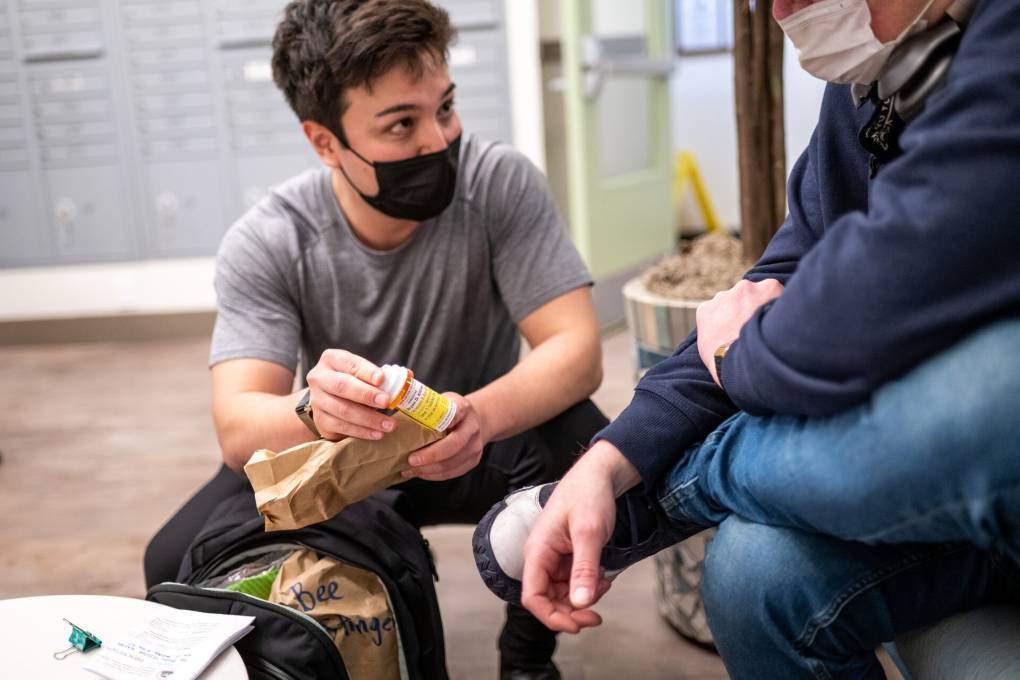
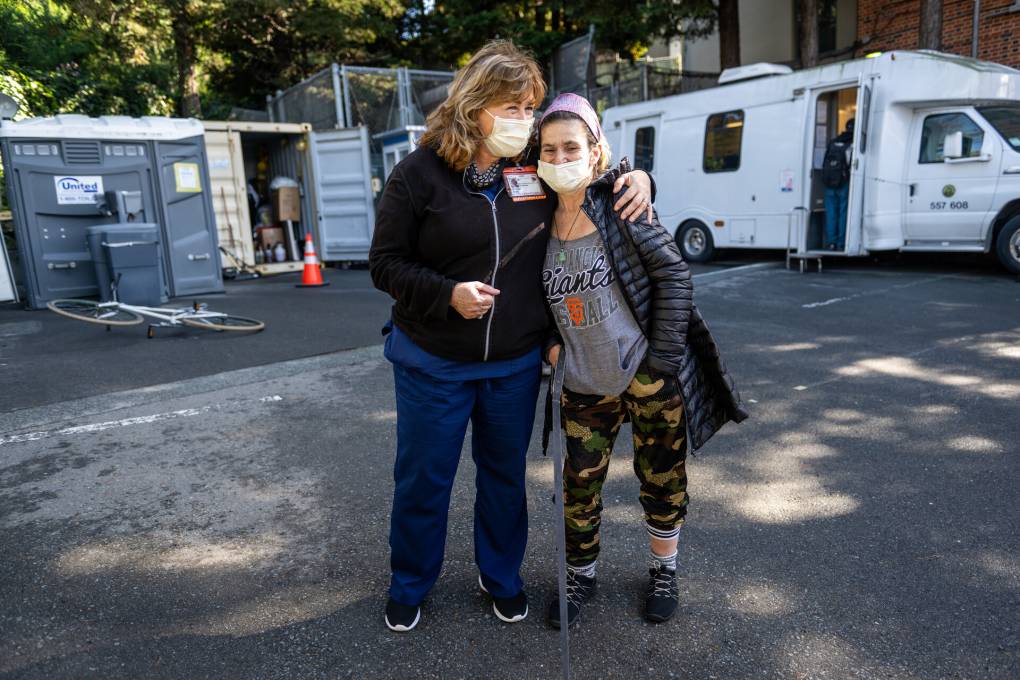
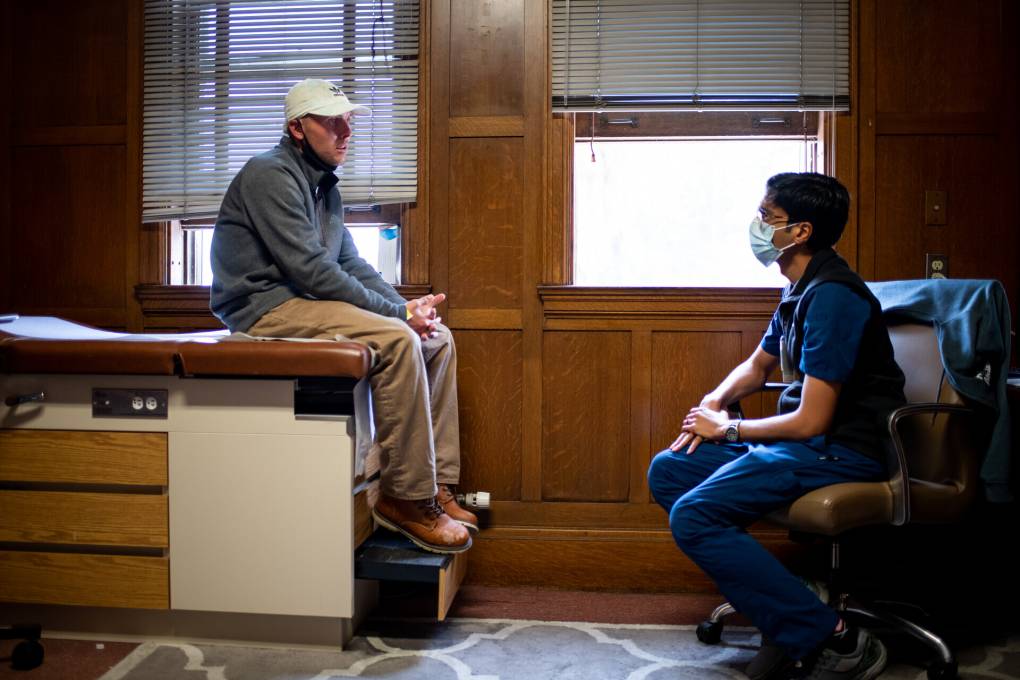
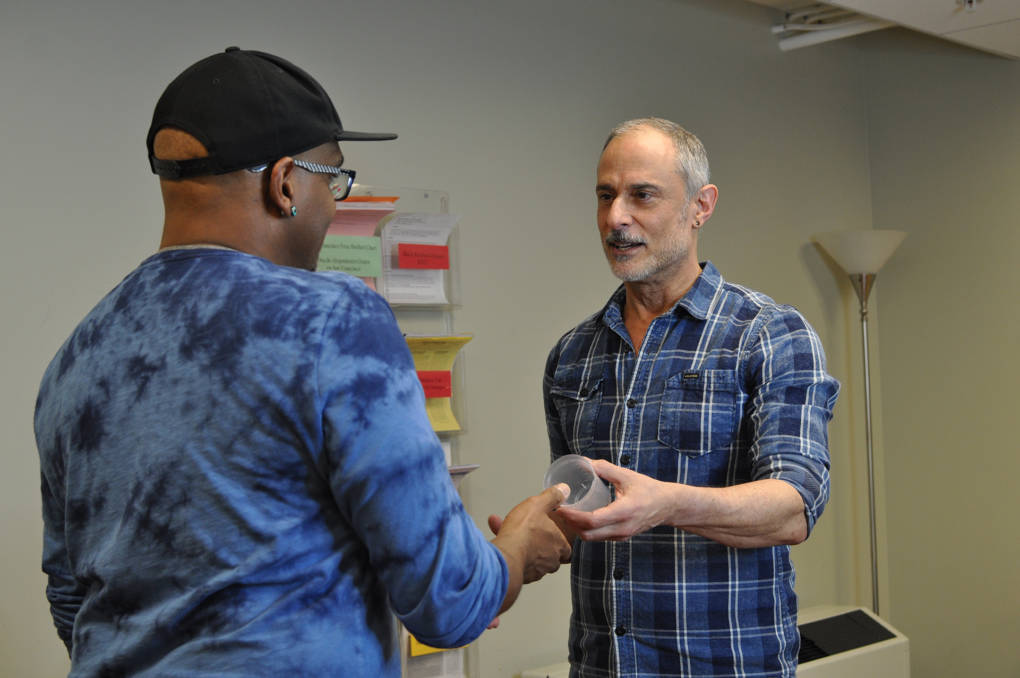
window.__IS_SSR__=true
window.__INITIAL_STATE__={
"attachmentsReducer": {
"audio_0": {
"type": "attachments",
"id": "audio_0",
"imgSizes": {
"kqedFullSize": {
"file": "https://ww2.kqed.org/news/wp-content/themes/KQED-unified/img/audio_bgs/background0.jpg"
}
}
},
"audio_1": {
"type": "attachments",
"id": "audio_1",
"imgSizes": {
"kqedFullSize": {
"file": "https://ww2.kqed.org/news/wp-content/themes/KQED-unified/img/audio_bgs/background1.jpg"
}
}
},
"audio_2": {
"type": "attachments",
"id": "audio_2",
"imgSizes": {
"kqedFullSize": {
"file": "https://ww2.kqed.org/news/wp-content/themes/KQED-unified/img/audio_bgs/background2.jpg"
}
}
},
"audio_3": {
"type": "attachments",
"id": "audio_3",
"imgSizes": {
"kqedFullSize": {
"file": "https://ww2.kqed.org/news/wp-content/themes/KQED-unified/img/audio_bgs/background3.jpg"
}
}
},
"audio_4": {
"type": "attachments",
"id": "audio_4",
"imgSizes": {
"kqedFullSize": {
"file": "https://ww2.kqed.org/news/wp-content/themes/KQED-unified/img/audio_bgs/background4.jpg"
}
}
},
"placeholder": {
"type": "attachments",
"id": "placeholder",
"imgSizes": {
"thumbnail": {
"file": "https://cdn.kqed.org/wp-content/uploads/2024/12/KQED-Default-Image-816638274-2000x1333-1-160x107.jpg",
"width": 160,
"height": 107,
"mimeType": "image/jpeg"
},
"medium": {
"file": "https://cdn.kqed.org/wp-content/uploads/2024/12/KQED-Default-Image-816638274-2000x1333-1-800x533.jpg",
"width": 800,
"height": 533,
"mimeType": "image/jpeg"
},
"medium_large": {
"file": "https://cdn.kqed.org/wp-content/uploads/2024/12/KQED-Default-Image-816638274-2000x1333-1-768x512.jpg",
"width": 768,
"height": 512,
"mimeType": "image/jpeg"
},
"large": {
"file": "https://cdn.kqed.org/wp-content/uploads/2024/12/KQED-Default-Image-816638274-2000x1333-1-1020x680.jpg",
"width": 1020,
"height": 680,
"mimeType": "image/jpeg"
},
"1536x1536": {
"file": "https://cdn.kqed.org/wp-content/uploads/2024/12/KQED-Default-Image-816638274-2000x1333-1-1536x1024.jpg",
"width": 1536,
"height": 1024,
"mimeType": "image/jpeg"
},
"fd-lrg": {
"file": "https://cdn.kqed.org/wp-content/uploads/2024/12/KQED-Default-Image-816638274-2000x1333-1-1536x1024.jpg",
"width": 1536,
"height": 1024,
"mimeType": "image/jpeg"
},
"fd-med": {
"file": "https://cdn.kqed.org/wp-content/uploads/2024/12/KQED-Default-Image-816638274-2000x1333-1-1020x680.jpg",
"width": 1020,
"height": 680,
"mimeType": "image/jpeg"
},
"fd-sm": {
"file": "https://cdn.kqed.org/wp-content/uploads/2024/12/KQED-Default-Image-816638274-2000x1333-1-800x533.jpg",
"width": 800,
"height": 533,
"mimeType": "image/jpeg"
},
"post-thumbnail": {
"file": "https://cdn.kqed.org/wp-content/uploads/2024/12/KQED-Default-Image-816638274-2000x1333-1-672x372.jpg",
"width": 672,
"height": 372,
"mimeType": "image/jpeg"
},
"twentyfourteen-full-width": {
"file": "https://cdn.kqed.org/wp-content/uploads/2024/12/KQED-Default-Image-816638274-2000x1333-1-1038x576.jpg",
"width": 1038,
"height": 576,
"mimeType": "image/jpeg"
},
"xxsmall": {
"file": "https://cdn.kqed.org/wp-content/uploads/2024/12/KQED-Default-Image-816638274-2000x1333-1-160x107.jpg",
"width": 160,
"height": 107,
"mimeType": "image/jpeg"
},
"xsmall": {
"file": "https://cdn.kqed.org/wp-content/uploads/2024/12/KQED-Default-Image-816638274-2000x1333-1-672x372.jpg",
"width": 672,
"height": 372,
"mimeType": "image/jpeg"
},
"small": {
"file": "https://cdn.kqed.org/wp-content/uploads/2024/12/KQED-Default-Image-816638274-2000x1333-1-672x372.jpg",
"width": 672,
"height": 372,
"mimeType": "image/jpeg"
},
"xlarge": {
"file": "https://cdn.kqed.org/wp-content/uploads/2024/12/KQED-Default-Image-816638274-2000x1333-1-1020x680.jpg",
"width": 1020,
"height": 680,
"mimeType": "image/jpeg"
},
"full-width": {
"file": "https://cdn.kqed.org/wp-content/uploads/2024/12/KQED-Default-Image-816638274-2000x1333-1-1920x1280.jpg",
"width": 1920,
"height": 1280,
"mimeType": "image/jpeg"
},
"guest-author-32": {
"file": "https://cdn.kqed.org/wp-content/uploads/2025/01/KQED-Default-Image-816638274-1333x1333-1-160x160.jpg",
"width": 32,
"height": 32,
"mimeType": "image/jpeg"
},
"guest-author-50": {
"file": "https://cdn.kqed.org/wp-content/uploads/2025/01/KQED-Default-Image-816638274-1333x1333-1-160x160.jpg",
"width": 50,
"height": 50,
"mimeType": "image/jpeg"
},
"guest-author-64": {
"file": "https://cdn.kqed.org/wp-content/uploads/2025/01/KQED-Default-Image-816638274-1333x1333-1-160x160.jpg",
"width": 64,
"height": 64,
"mimeType": "image/jpeg"
},
"guest-author-96": {
"file": "https://cdn.kqed.org/wp-content/uploads/2025/01/KQED-Default-Image-816638274-1333x1333-1-160x160.jpg",
"width": 96,
"height": 96,
"mimeType": "image/jpeg"
},
"guest-author-128": {
"file": "https://cdn.kqed.org/wp-content/uploads/2025/01/KQED-Default-Image-816638274-1333x1333-1-160x160.jpg",
"width": 128,
"height": 128,
"mimeType": "image/jpeg"
},
"detail": {
"file": "https://cdn.kqed.org/wp-content/uploads/2025/01/KQED-Default-Image-816638274-1333x1333-1-160x160.jpg",
"width": 160,
"height": 160,
"mimeType": "image/jpeg"
},
"kqedFullSize": {
"file": "https://cdn.kqed.org/wp-content/uploads/2024/12/KQED-Default-Image-816638274-2000x1333-1.jpg",
"width": 2000,
"height": 1333
}
}
},
"news_11945501": {
"type": "attachments",
"id": "news_11945501",
"meta": {
"index": "attachments_1716263798",
"site": "news",
"id": "11945501",
"found": true
},
"parent": 0,
"imgSizes": {
"twentyfourteen-full-width": {
"file": "https://ww2.kqed.org/app/uploads/sites/10/2023/04/RS63872_012_KQED_SOMABuprenorphineDelivery_03232023-qut-1038x576.jpg",
"width": 1038,
"mimeType": "image/jpeg",
"height": 576
},
"thumbnail": {
"file": "https://ww2.kqed.org/app/uploads/sites/10/2023/04/RS63872_012_KQED_SOMABuprenorphineDelivery_03232023-qut-160x107.jpg",
"width": 160,
"mimeType": "image/jpeg",
"height": 107
},
"post-thumbnail": {
"file": "https://ww2.kqed.org/app/uploads/sites/10/2023/04/RS63872_012_KQED_SOMABuprenorphineDelivery_03232023-qut-672x372.jpg",
"width": 672,
"mimeType": "image/jpeg",
"height": 372
},
"kqedFullSize": {
"file": "https://ww2.kqed.org/app/uploads/sites/10/2023/04/RS63872_012_KQED_SOMABuprenorphineDelivery_03232023-qut.jpg",
"width": 1920,
"height": 1280
},
"large": {
"file": "https://ww2.kqed.org/app/uploads/sites/10/2023/04/RS63872_012_KQED_SOMABuprenorphineDelivery_03232023-qut-1020x680.jpg",
"width": 1020,
"mimeType": "image/jpeg",
"height": 680
},
"1536x1536": {
"file": "https://ww2.kqed.org/app/uploads/sites/10/2023/04/RS63872_012_KQED_SOMABuprenorphineDelivery_03232023-qut-1536x1024.jpg",
"width": 1536,
"mimeType": "image/jpeg",
"height": 1024
},
"medium": {
"file": "https://ww2.kqed.org/app/uploads/sites/10/2023/04/RS63872_012_KQED_SOMABuprenorphineDelivery_03232023-qut-800x533.jpg",
"width": 800,
"mimeType": "image/jpeg",
"height": 533
}
},
"publishDate": 1680547614,
"modified": 1680566860,
"caption": "Damian Peterson, a psychiatric clinical pharmacist with the San Francisco Department of Public Health, speaks with Bryon Killilea in the SOMA neighborhood of San Francisco while delivering buprenorphine medication on March 23, 2023.",
"description": null,
"title": "RS63872_012_KQED_SOMABuprenorphineDelivery_03232023-qut",
"credit": "Beth LaBerge/KQED",
"status": "inherit",
"altTag": "A man wearing a gray T-shirt, black face mask kneels down with an orange medication bottle in hand as he looks up at a patient who is sitting in a chair wearing a navy sweater and jeans.",
"isLoading": false,
"fetchFailed": false
},
"news_11941683": {
"type": "attachments",
"id": "news_11941683",
"meta": {
"index": "attachments_1716263798",
"site": "news",
"id": "11941683",
"found": true
},
"parent": 11941618,
"imgSizes": {
"twentyfourteen-full-width": {
"file": "https://ww2.kqed.org/app/uploads/sites/10/2023/02/RS63001_016_KQED_SFGeneralMethadoneClinic_02102023-qut-1038x576.jpg",
"width": 1038,
"mimeType": "image/jpeg",
"height": 576
},
"thumbnail": {
"file": "https://ww2.kqed.org/app/uploads/sites/10/2023/02/RS63001_016_KQED_SFGeneralMethadoneClinic_02102023-qut-160x107.jpg",
"width": 160,
"mimeType": "image/jpeg",
"height": 107
},
"post-thumbnail": {
"file": "https://ww2.kqed.org/app/uploads/sites/10/2023/02/RS63001_016_KQED_SFGeneralMethadoneClinic_02102023-qut-672x372.jpg",
"width": 672,
"mimeType": "image/jpeg",
"height": 372
},
"kqedFullSize": {
"file": "https://ww2.kqed.org/app/uploads/sites/10/2023/02/RS63001_016_KQED_SFGeneralMethadoneClinic_02102023-qut.jpg",
"width": 1920,
"height": 1280
},
"large": {
"file": "https://ww2.kqed.org/app/uploads/sites/10/2023/02/RS63001_016_KQED_SFGeneralMethadoneClinic_02102023-qut-1020x680.jpg",
"width": 1020,
"mimeType": "image/jpeg",
"height": 680
},
"1536x1536": {
"file": "https://ww2.kqed.org/app/uploads/sites/10/2023/02/RS63001_016_KQED_SFGeneralMethadoneClinic_02102023-qut-1536x1024.jpg",
"width": 1536,
"mimeType": "image/jpeg",
"height": 1024
},
"medium": {
"file": "https://ww2.kqed.org/app/uploads/sites/10/2023/02/RS63001_016_KQED_SFGeneralMethadoneClinic_02102023-qut-800x533.jpg",
"width": 800,
"mimeType": "image/jpeg",
"height": 533
}
},
"publishDate": 1677195258,
"modified": 1677279845,
"caption": "Tamra Lombardo (right), a patient, and registered nurse Hasija Sisic embrace in front of the Opiate Treatment Outpatient Program mobile methadone clinic in a parking lot outside San Francisco General Hospital on Feb. 10, 2023.",
"description": null,
"title": "RS63001_016_KQED_SFGeneralMethadoneClinic_02102023-qut",
"credit": "Beth LaBerge/KQED",
"status": "inherit",
"altTag": "Two women with light-coilored skin and wearing face masks stand in front of a trailer, with their arms around each other.",
"isLoading": false,
"fetchFailed": false
},
"news_11907130": {
"type": "attachments",
"id": "news_11907130",
"meta": {
"index": "attachments_1716263798",
"site": "news",
"id": "11907130",
"found": true
},
"parent": 11907115,
"imgSizes": {
"twentyfourteen-full-width": {
"file": "https://ww2.kqed.org/app/uploads/sites/10/2022/03/GettyImages-1336948641-1-1024x576.jpg",
"width": 1024,
"mimeType": "image/jpeg",
"height": 576
},
"thumbnail": {
"file": "https://ww2.kqed.org/app/uploads/sites/10/2022/03/GettyImages-1336948641-1-160x107.jpg",
"width": 160,
"mimeType": "image/jpeg",
"height": 107
},
"post-thumbnail": {
"file": "https://ww2.kqed.org/app/uploads/sites/10/2022/03/GettyImages-1336948641-1-672x372.jpg",
"width": 672,
"mimeType": "image/jpeg",
"height": 372
},
"kqedFullSize": {
"file": "https://ww2.kqed.org/app/uploads/sites/10/2022/03/GettyImages-1336948641-1.jpg",
"width": 1024,
"height": 683
},
"large": {
"file": "https://ww2.kqed.org/app/uploads/sites/10/2022/03/GettyImages-1336948641-1-1020x680.jpg",
"width": 1020,
"mimeType": "image/jpeg",
"height": 680
},
"medium": {
"file": "https://ww2.kqed.org/app/uploads/sites/10/2022/03/GettyImages-1336948641-1-800x534.jpg",
"width": 800,
"mimeType": "image/jpeg",
"height": 534
}
},
"publishDate": 1646348736,
"modified": 1646354653,
"caption": "Gov. Gavin Newsom (center) works with members of the SF Department of Public Works hot spot team as they clean around a homeless encampment on 19th Street in San Francisco, on Aug. 27, 2021. ",
"description": null,
"title": "SFChronicleNewsom",
"credit": "Lea Suzuki/San Francisco Chronicle via Getty Images",
"status": "inherit",
"altTag": "Gavin Newsom sweeps a street in front of a tent.",
"isLoading": false,
"fetchFailed": false
},
"news_11895034": {
"type": "attachments",
"id": "news_11895034",
"meta": {
"index": "attachments_1716263798",
"site": "news",
"id": "11895034",
"found": true
},
"parent": 11894981,
"imgSizes": {
"twentyfourteen-full-width": {
"file": "https://ww2.kqed.org/app/uploads/sites/10/2021/11/NPR-fentanyl-1-1038x576.jpg",
"width": 1038,
"mimeType": "image/jpeg",
"height": 576
},
"thumbnail": {
"file": "https://ww2.kqed.org/app/uploads/sites/10/2021/11/NPR-fentanyl-1-160x120.jpg",
"width": 160,
"mimeType": "image/jpeg",
"height": 120
},
"post-thumbnail": {
"file": "https://ww2.kqed.org/app/uploads/sites/10/2021/11/NPR-fentanyl-1-672x372.jpg",
"width": 672,
"mimeType": "image/jpeg",
"height": 372
},
"kqedFullSize": {
"file": "https://ww2.kqed.org/app/uploads/sites/10/2021/11/NPR-fentanyl-1.jpg",
"width": 1219,
"height": 915
},
"large": {
"file": "https://ww2.kqed.org/app/uploads/sites/10/2021/11/NPR-fentanyl-1-1020x766.jpg",
"width": 1020,
"mimeType": "image/jpeg",
"height": 766
},
"medium": {
"file": "https://ww2.kqed.org/app/uploads/sites/10/2021/11/NPR-fentanyl-1-800x600.jpg",
"width": 800,
"mimeType": "image/jpeg",
"height": 600
}
},
"publishDate": 1635980830,
"modified": 1636035093,
"caption": "Registered nurse Louise Bisby is part of Street Overdose Response Team (SORT), the city's mobile outreach team that aims to help people who recently overdosed with a broad range of support services, from treatment to housing. SORT, a collaboration between the city's health and fire departments, aims to deliver support and care directly following an overdose.",
"description": "Registered nurse Louise Bisby is part of Street Overdose Response Teams (SORT), the city's mobile outreach team that aims to help people who recently overdosed with a broad range of support services, from treatment to housing.",
"title": "NPR fentanyl 1",
"credit": "Rachel Bujalski for NPR",
"status": "inherit",
"altTag": "A woman closes the back doors of a van after taking out some equipment. The van is parked on the street in front of a row of houses.",
"isLoading": false,
"fetchFailed": false
},
"news_11891424": {
"type": "attachments",
"id": "news_11891424",
"meta": {
"index": "attachments_1716263798",
"site": "news",
"id": "11891424",
"found": true
},
"parent": 11891403,
"imgSizes": {
"twentyfourteen-full-width": {
"file": "https://ww2.kqed.org/app/uploads/sites/10/2021/10/RS51806_048_Oakland_HighlandHospitalBridgeProgram_10062021-qut-1038x576.jpg",
"width": 1038,
"mimeType": "image/jpeg",
"height": 576
},
"thumbnail": {
"file": "https://ww2.kqed.org/app/uploads/sites/10/2021/10/RS51806_048_Oakland_HighlandHospitalBridgeProgram_10062021-qut-160x107.jpg",
"width": 160,
"mimeType": "image/jpeg",
"height": 107
},
"post-thumbnail": {
"file": "https://ww2.kqed.org/app/uploads/sites/10/2021/10/RS51806_048_Oakland_HighlandHospitalBridgeProgram_10062021-qut-672x372.jpg",
"width": 672,
"mimeType": "image/jpeg",
"height": 372
},
"kqedFullSize": {
"file": "https://ww2.kqed.org/app/uploads/sites/10/2021/10/RS51806_048_Oakland_HighlandHospitalBridgeProgram_10062021-qut.jpg",
"width": 1920,
"height": 1280
},
"large": {
"file": "https://ww2.kqed.org/app/uploads/sites/10/2021/10/RS51806_048_Oakland_HighlandHospitalBridgeProgram_10062021-qut-1020x680.jpg",
"width": 1020,
"mimeType": "image/jpeg",
"height": 680
},
"1536x1536": {
"file": "https://ww2.kqed.org/app/uploads/sites/10/2021/10/RS51806_048_Oakland_HighlandHospitalBridgeProgram_10062021-qut-1536x1024.jpg",
"width": 1536,
"mimeType": "image/jpeg",
"height": 1024
},
"medium": {
"file": "https://ww2.kqed.org/app/uploads/sites/10/2021/10/RS51806_048_Oakland_HighlandHospitalBridgeProgram_10062021-qut-800x533.jpg",
"width": 800,
"mimeType": "image/jpeg",
"height": 533
}
},
"publishDate": 1633640215,
"modified": 1633744173,
"caption": "Dr. Monish Ullal speaks with a patient at the Bridge substance use clinic at Highland Hospital in Oakland on Oct. 6, 2021.",
"description": null,
"title": "RS51806_048_Oakland_HighlandHospitalBridgeProgram_10062021-qut",
"credit": null,
"status": "inherit",
"altTag": "Two men in profile alongside wood paneling and windows, the patient sitting high up on an exam table, the doctor sitting facing him, wearing dark blue scrubs.",
"isLoading": false,
"fetchFailed": false
},
"news_11728015": {
"type": "attachments",
"id": "news_11728015",
"meta": {
"index": "attachments_1716263798",
"site": "news",
"id": "11728015",
"found": true
},
"parent": 11728012,
"imgSizes": {
"twentyfourteen-full-width": {
"file": "https://ww2.kqed.org/app/uploads/sites/10/2019/02/Rick-Andrews-at-SF-AIDS-Foundation-1038x576.jpg",
"width": 1038,
"mimeType": "image/jpeg",
"height": 576
},
"thumbnail": {
"file": "https://ww2.kqed.org/app/uploads/sites/10/2019/02/Rick-Andrews-at-SF-AIDS-Foundation-160x106.jpg",
"width": 160,
"mimeType": "image/jpeg",
"height": 106
},
"post-thumbnail": {
"file": "https://ww2.kqed.org/app/uploads/sites/10/2019/02/Rick-Andrews-at-SF-AIDS-Foundation-672x372.jpg",
"width": 672,
"mimeType": "image/jpeg",
"height": 372
},
"kqedFullSize": {
"file": "https://ww2.kqed.org/app/uploads/sites/10/2019/02/Rick-Andrews-at-SF-AIDS-Foundation-e1550805739648.jpg",
"width": 1920,
"height": 1275
},
"large": {
"file": "https://ww2.kqed.org/app/uploads/sites/10/2019/02/Rick-Andrews-at-SF-AIDS-Foundation-1020x678.jpg",
"width": 1020,
"mimeType": "image/jpeg",
"height": 678
},
"complete_open_graph": {
"file": "https://ww2.kqed.org/app/uploads/sites/10/2019/02/Rick-Andrews-at-SF-AIDS-Foundation-1200x797.jpg",
"width": 1200,
"mimeType": "image/jpeg",
"height": 797
},
"guest-author-50": {
"file": "https://ww2.kqed.org/app/uploads/sites/10/2019/02/Rick-Andrews-at-SF-AIDS-Foundation-50x50.jpg",
"width": 50,
"mimeType": "image/jpeg",
"height": 50
},
"guest-author-96": {
"file": "https://ww2.kqed.org/app/uploads/sites/10/2019/02/Rick-Andrews-at-SF-AIDS-Foundation-96x96.jpg",
"width": 96,
"mimeType": "image/jpeg",
"height": 96
},
"medium": {
"file": "https://ww2.kqed.org/app/uploads/sites/10/2019/02/Rick-Andrews-at-SF-AIDS-Foundation-800x531.jpg",
"width": 800,
"mimeType": "image/jpeg",
"height": 531
},
"guest-author-64": {
"file": "https://ww2.kqed.org/app/uploads/sites/10/2019/02/Rick-Andrews-at-SF-AIDS-Foundation-64x64.jpg",
"width": 64,
"mimeType": "image/jpeg",
"height": 64
},
"guest-author-32": {
"file": "https://ww2.kqed.org/app/uploads/sites/10/2019/02/Rick-Andrews-at-SF-AIDS-Foundation-32x32.jpg",
"width": 32,
"mimeType": "image/jpeg",
"height": 32
},
"full-width": {
"file": "https://ww2.kqed.org/app/uploads/sites/10/2019/02/Rick-Andrews-at-SF-AIDS-Foundation-1920x1275.jpg",
"width": 1920,
"mimeType": "image/jpeg",
"height": 1275
},
"detail": {
"file": "https://ww2.kqed.org/app/uploads/sites/10/2019/02/Rick-Andrews-at-SF-AIDS-Foundation-150x150.jpg",
"width": 150,
"mimeType": "image/jpeg",
"height": 150
},
"guest-author-128": {
"file": "https://ww2.kqed.org/app/uploads/sites/10/2019/02/Rick-Andrews-at-SF-AIDS-Foundation-128x128.jpg",
"width": 128,
"mimeType": "image/jpeg",
"height": 128
}
},
"publishDate": 1550805715,
"modified": 1633040846,
"caption": "At the San Francisco AIDS Foundation, staff members Tyrone Clifford (left) and Rick Andrews demonstrate how a contingency management visit typically begins, with a participant picking up a specimen cup for a urine sample. If the sample tests negative for meth or cocaine use, the participant has an incentive dollar amount added to their 'bank,' which can later be traded for a gift card.",
"description": "At the San Francisco AIDS Foundation, staff members Tyrone Clifford (left) and Rick Andrews (right) demonstrate how a contingency management visit typically begins, with a participant picking up a specimen cup for a urine sample. If the sample tests negative for meth or cocaine use, the participant has an incentive dollar amount added to their 'bank' which can later be traded for a gift card.",
"title": "Rick Andrews at SF AIDS Foundation",
"credit": "Courtesy San Francisco AIDS Foundation",
"status": "inherit",
"altTag": "One man hands another an empty plastic cup.",
"isLoading": false,
"fetchFailed": false
}
},
"audioPlayerReducer": {
"postId": "stream_live",
"isPaused": true,
"isPlaying": false,
"pfsActive": false,
"pledgeModalIsOpen": true,
"playerDrawerIsOpen": false,
"liveAudioPlayStartedAt": 0,
"liveAudioPlayContext": ""
},
"authorsReducer": {
"byline_news_11907115": {
"type": "authors",
"id": "byline_news_11907115",
"meta": {
"override": true
},
"slug": "byline_news_11907115",
"name": "Don Thompson and Janie Har\u003cbr>Associated Press",
"isLoading": false
},
"byline_news_11894981": {
"type": "authors",
"id": "byline_news_11894981",
"meta": {
"override": true
},
"slug": "byline_news_11894981",
"name": "\u003ca href=\"https://www.npr.org/people/2101350/eric-westervelt\">Eric Westervelt\u003c/a>",
"isLoading": false
},
"adembosky": {
"type": "authors",
"id": "3205",
"meta": {
"index": "authors_1716337520",
"id": "3205",
"found": true
},
"name": "April Dembosky",
"firstName": "April",
"lastName": "Dembosky",
"slug": "adembosky",
"email": "adembosky@kqed.org",
"display_author_email": false,
"staff_mastheads": [
"news",
"science"
],
"title": "KQED Health Correspondent",
"bio": "April Dembosky is the health correspondent for KQED News and a regular contributor to NPR. She specializes in covering altered states of mind, from postpartum depression to methamphetamine-induced psychosis to the insanity defense. Her investigative series on insurance companies sidestepping mental health laws won multiple awards, including first place in beat reporting from the national Association of Health Care Journalists. She is the recipient of numerous other prizes and fellowships, including a national Edward R. Murrow award for investigative reporting, a Society of Professional Journalists award for long-form storytelling, and a Carter Center Fellowship for Mental Health Journalism.\r\n\r\nDembosky reported and produced \u003cem>Soundtrack of Silence\u003c/em>, an audio documentary about music and memory that is currently being made into a feature film by Paramount Pictures.\r\n\r\nBefore joining KQED in 2013, Dembosky covered technology and Silicon Valley for \u003cem>The Financial Times of London,\u003c/em> and contributed business and arts stories to \u003cem>Marketplace \u003c/em>and \u003cem>The New York Times.\u003c/em> She got her undergraduate degree in philosophy from Smith College and her master's in journalism from the University of California, Berkeley. She is a classically trained violinist and proud alum of the first symphony orchestra at Burning Man.",
"avatar": "https://secure.gravatar.com/avatar/ef92999be4ceb9ea60701e7dc276f813?s=600&d=blank&r=g",
"twitter": "adembosky",
"facebook": null,
"instagram": null,
"linkedin": null,
"sites": [
{
"site": "arts",
"roles": [
"author"
]
},
{
"site": "news",
"roles": [
"editor"
]
},
{
"site": "futureofyou",
"roles": [
"author"
]
},
{
"site": "stateofhealth",
"roles": [
"editor"
]
},
{
"site": "science",
"roles": [
"editor"
]
},
{
"site": "forum",
"roles": [
"editor"
]
}
],
"headData": {
"title": "April Dembosky | KQED",
"description": "KQED Health Correspondent",
"ogImgSrc": "https://secure.gravatar.com/avatar/ef92999be4ceb9ea60701e7dc276f813?s=600&d=blank&r=g",
"twImgSrc": "https://secure.gravatar.com/avatar/ef92999be4ceb9ea60701e7dc276f813?s=600&d=blank&r=g"
},
"isLoading": false,
"link": "/author/adembosky"
},
"ecruzguevarra": {
"type": "authors",
"id": "8654",
"meta": {
"index": "authors_1716337520",
"id": "8654",
"found": true
},
"name": "Ericka Cruz Guevarra",
"firstName": "Ericka",
"lastName": "Cruz Guevarra",
"slug": "ecruzguevarra",
"email": "ecruzguevarra@kqed.org",
"display_author_email": true,
"staff_mastheads": [
"news"
],
"title": "Producer, The Bay Podcast",
"bio": "Ericka Cruz Guevarra is host of \u003ca href=\"https://www.kqed.org/podcasts/thebay\">\u003cem>The Bay\u003c/em>\u003c/a> podcast at KQED. Before host, she was the show’s producer. Her work in that capacity includes a three-part reported series on policing in Vallejo, which won a 2020 excellence in journalism award from the Society of Professional Journalists. Ericka has worked as a breaking news reporter at Oregon Public Broadcasting, helped produce the Code Switch podcast, and was KQED’s inaugural Raul Ramirez Diversity Fund intern. She’s also an alumna of NPR’s Next Generation Radio program. Send her an email if you have strong feelings about whether Fairfield and Suisun City are the Bay. Ericka is represented by SAG-AFTRA.",
"avatar": "https://secure.gravatar.com/avatar/accefc1de4bafc7e234b69bcb9b6f6536c130fd84709bc3069ef11a78787e1bb?s=600&d=blank&r=g",
"twitter": "NotoriousECG",
"bluesky": null,
"facebook": null,
"instagram": null,
"linkedin": null,
"sites": [
{
"site": "arts",
"roles": [
"subscriber"
]
},
{
"site": "news",
"roles": [
"editor",
"manage_categories"
]
},
{
"site": "futureofyou",
"roles": [
"subscriber"
]
},
{
"site": "stateofhealth",
"roles": [
"subscriber"
]
},
{
"site": "science",
"roles": [
"editor"
]
},
{
"site": "forum",
"roles": [
"subscriber"
]
}
],
"headData": {
"title": "Ericka Cruz Guevarra | KQED",
"description": "Producer, The Bay Podcast",
"ogImgSrc": "https://secure.gravatar.com/avatar/accefc1de4bafc7e234b69bcb9b6f6536c130fd84709bc3069ef11a78787e1bb?s=600&d=blank&r=g",
"twImgSrc": "https://secure.gravatar.com/avatar/accefc1de4bafc7e234b69bcb9b6f6536c130fd84709bc3069ef11a78787e1bb?s=600&d=blank&r=g"
},
"isLoading": false,
"link": "/author/ecruzguevarra"
},
"lesleymcclurg": {
"type": "authors",
"id": "11229",
"meta": {
"index": "authors_1716337520",
"id": "11229",
"found": true
},
"name": "Lesley McClurg",
"firstName": "Lesley",
"lastName": "McClurg",
"slug": "lesleymcclurg",
"email": "lmcclurg@KQED.org",
"display_author_email": false,
"staff_mastheads": [
"news",
"science"
],
"title": "KQED Health Correspondent",
"bio": "Lesley McClurg is a health correspondent and fill-in host whose work is regularly rebroadcast on NPR and PBS programs. She’s earned multiple regional Emmy awards, a national and a regional Edward R. Murrow award, and was named Best Beat Reporter by the Association of Health Care Journalists. The Society of Professional Journalists has recognized her work several times, and the Society of Environmental Journalists spotlighted her coverage of California’s historic drought.\r\n\r\nBefore joining KQED in 2016, Lesley covered food and sustainability for Capital Public Radio, environmental issues for Colorado Public Radio, and reported for KUOW and KCTS 9 in Seattle. Away from the newsroom, she loves skiing with her daughter, mountain biking with her partner, and playing with Ollie, the family’s goldendoodle. On deadline, she runs almost entirely on chocolate chips.\r\n\r\n ",
"avatar": "https://secure.gravatar.com/avatar/bab49e972ea10c774fe0f5e29dba1722b158f7c0d58a360923d1389d380b2978?s=600&d=blank&r=g",
"twitter": "lesleywmcclurg",
"bluesky": null,
"facebook": null,
"instagram": null,
"linkedin": null,
"sites": [
{
"site": "arts",
"roles": [
"author"
]
},
{
"site": "news",
"roles": [
"editor"
]
},
{
"site": "futureofyou",
"roles": [
"editor"
]
},
{
"site": "stateofhealth",
"roles": [
"author"
]
},
{
"site": "science",
"roles": [
"editor"
]
},
{
"site": "quest",
"roles": [
"subscriber"
]
},
{
"site": "forum",
"roles": [
"administrator"
]
},
{
"site": "liveblog",
"roles": [
"author"
]
}
],
"headData": {
"title": "Lesley McClurg | KQED",
"description": "KQED Health Correspondent",
"ogImgSrc": "https://secure.gravatar.com/avatar/bab49e972ea10c774fe0f5e29dba1722b158f7c0d58a360923d1389d380b2978?s=600&d=blank&r=g",
"twImgSrc": "https://secure.gravatar.com/avatar/bab49e972ea10c774fe0f5e29dba1722b158f7c0d58a360923d1389d380b2978?s=600&d=blank&r=g"
},
"isLoading": false,
"link": "/author/lesleymcclurg"
},
"amontecillo": {
"type": "authors",
"id": "11649",
"meta": {
"index": "authors_1716337520",
"id": "11649",
"found": true
},
"name": "Alan Montecillo",
"firstName": "Alan",
"lastName": "Montecillo",
"slug": "amontecillo",
"email": "amontecillo@kqed.org",
"display_author_email": false,
"staff_mastheads": [
"news"
],
"title": "KQED Contributor",
"bio": "Alan Montecillo is the senior editor of \u003cem>\u003ca href=\"http://kqed.org/thebay\">The Bay\u003c/a>, \u003c/em> KQED's local news podcast. Before moving to the Bay Area, he worked as a senior talk show producer for WILL in Champaign-Urbana, Illinois and at Oregon Public Broadcasting in Portland, Oregon. He has won journalism awards from the Society of Professional Journalists Northern California, the Public Media Journalists Association, The Signal Awards, and has also received a regional Edward R. Murrow award. Alan is a Filipino American from Hong Kong and a graduate of Reed College.",
"avatar": "https://secure.gravatar.com/avatar/268f53a2066899ea9efdd8a5900218b17c822d9862cbc9326cccec53ef41d349?s=600&d=blank&r=g",
"twitter": "alanmontecillo",
"bluesky": null,
"facebook": null,
"instagram": null,
"linkedin": null,
"sites": [
{
"site": "",
"roles": [
"editor"
]
},
{
"site": "news",
"roles": [
"editor",
"manage_categories"
]
}
],
"headData": {
"title": "Alan Montecillo | KQED",
"description": "KQED Contributor",
"ogImgSrc": "https://secure.gravatar.com/avatar/268f53a2066899ea9efdd8a5900218b17c822d9862cbc9326cccec53ef41d349?s=600&d=blank&r=g",
"twImgSrc": "https://secure.gravatar.com/avatar/268f53a2066899ea9efdd8a5900218b17c822d9862cbc9326cccec53ef41d349?s=600&d=blank&r=g"
},
"isLoading": false,
"link": "/author/amontecillo"
},
"mesquinca": {
"type": "authors",
"id": "11802",
"meta": {
"index": "authors_1716337520",
"id": "11802",
"found": true
},
"name": "Maria Esquinca",
"firstName": "Maria",
"lastName": "Esquinca",
"slug": "mesquinca",
"email": "mesquinca@kqed.org",
"display_author_email": false,
"staff_mastheads": [],
"title": "Producer, The Bay",
"bio": "María Esquinca is a producer of The Bay. Before that, she was a New York Women’s Foundation IGNITE Fellow at Latino USA. She worked at Radio Bilingue where she covered the San Joaquin Valley. Maria has interned at WLRN, News 21, The New York Times Student Journalism Institute and at Crain’s Detroit Business as a Dow Jones News Fund Business Reporting Intern. She is an MFA graduate from the University of Miami. In 2017, she graduated from the Walter Cronkite School of Journalism and Mass Communication with a Master of Mass Communication. A fronteriza, she was born in Ciudad Juárez, Chihuahua, Mexico and grew up in El Paso, Texas.",
"avatar": "https://secure.gravatar.com/avatar/77cedba18aae91da775038ba06dcd8d0?s=600&d=blank&r=g",
"twitter": "@m_esquinca",
"facebook": null,
"instagram": null,
"linkedin": null,
"sites": [
{
"site": "news",
"roles": []
}
],
"headData": {
"title": "Maria Esquinca | KQED",
"description": "Producer, The Bay",
"ogImgSrc": "https://secure.gravatar.com/avatar/77cedba18aae91da775038ba06dcd8d0?s=600&d=blank&r=g",
"twImgSrc": "https://secure.gravatar.com/avatar/77cedba18aae91da775038ba06dcd8d0?s=600&d=blank&r=g"
},
"isLoading": false,
"link": "/author/mesquinca"
},
"sjohnson": {
"type": "authors",
"id": "11840",
"meta": {
"index": "authors_1716337520",
"id": "11840",
"found": true
},
"name": "Sydney Johnson",
"firstName": "Sydney",
"lastName": "Johnson",
"slug": "sjohnson",
"email": "sjohnson@kqed.org",
"display_author_email": false,
"staff_mastheads": [
"news"
],
"title": "KQED Reporter",
"bio": "Sydney Johnson is a general assignment reporter at KQED. She previously reported on public health and city government at the San Francisco Examiner, and before that, she covered statewide education policy for EdSource. Her reporting has won multiple local, state and national awards. Sydney is a graduate of the University of California, Berkeley and lives in San Francisco.",
"avatar": "https://secure.gravatar.com/avatar/97855f2719b72ad6190b7c535fe642c8?s=600&d=blank&r=g",
"twitter": "sydneyfjohnson",
"facebook": null,
"instagram": null,
"linkedin": null,
"sites": [
{
"site": "news",
"roles": [
"editor"
]
}
],
"headData": {
"title": "Sydney Johnson | KQED",
"description": "KQED Reporter",
"ogImgSrc": "https://secure.gravatar.com/avatar/97855f2719b72ad6190b7c535fe642c8?s=600&d=blank&r=g",
"twImgSrc": "https://secure.gravatar.com/avatar/97855f2719b72ad6190b7c535fe642c8?s=600&d=blank&r=g"
},
"isLoading": false,
"link": "/author/sjohnson"
}
},
"pagesReducer": {
"news_tag_addiction-treatment": {
"type": "terms",
"id": "news_28991",
"meta": {
"index": "terms_1716263798",
"site": "news",
"id": "28991",
"score": 10.403168
},
"featImg": null,
"name": "addiction treatment",
"description": null,
"taxonomy": "tag",
"headData": {
"twImgId": null,
"twTitle": null,
"ogTitle": null,
"ogImgId": null,
"twDescription": null,
"description": null,
"title": "addiction treatment Archives | KQED News",
"ogDescription": null
},
"ttid": 29008,
"slug": "addiction-treatment",
"isLoading": false,
"title": "addiction treatment",
"pageMeta": {
"site": "news",
"WpPageTemplate": "page-topic-editorial",
"currentPage": 2
},
"blocks": [
{
"blockName": "kqed/post-list",
"attrs": {
"layout": "cardArticle2",
"query": "posts/news?tag=addiction-treatment",
"seeMore": false,
"paginated": true,
"page": 2
}
},
{
"blockName": "kqed/ad"
}
]
}
},
"pfsSessionReducer": {},
"postsReducer": {
"stream_live": {
"type": "live",
"id": "stream_live",
"audioUrl": "https://streams.kqed.org/kqedradio",
"title": "Live Stream",
"excerpt": "Live Stream information currently unavailable.",
"link": "/radio",
"featImg": "",
"label": {
"name": "KQED Live",
"link": "/"
}
},
"stream_kqedNewscast": {
"type": "posts",
"id": "stream_kqedNewscast",
"audioUrl": "https://www.kqed.org/.stream/anon/radio/RDnews/newscast.mp3?_=1",
"title": "KQED Newscast",
"featImg": "",
"label": {
"name": "88.5 FM",
"link": "/"
}
},
"news_11945418": {
"type": "posts",
"id": "news_11945418",
"meta": {
"index": "posts_1716263798",
"site": "news",
"id": "11945418",
"score": null,
"sort": [
1680613242000
]
},
"guestAuthors": [],
"slug": "san-francisco-has-doubled-participants-of-this-opioid-treatment-heres-why",
"title": "San Francisco Has Doubled Participants of This Opioid Treatment. Here's Why",
"publishDate": 1680613242,
"format": "standard",
"headTitle": "San Francisco Has Doubled Participants of This Opioid Treatment. Here’s Why | KQED",
"labelTerm": {
"site": "news"
},
"content": "\u003cp>The first time Alyssa Ibarra tried to get suboxone, a medication proven to treat opioid use disorder, she bought it from someone off the street.\u003c/p>\n\u003cp>After an ankle injury in 2014, she started using Vicodin and Percocet recreationally and later developed an addiction to opioids after experiencing postpartum depression.\u003c/p>\n\u003cp>“When I tried to stop, I remember just feeling really hopeless,” Ibarra said. “I didn’t even think, ‘I’m having withdrawals.’ I just thought it was the postpartum.”\u003c/p>\n\u003cfigure id=\"attachment_11945552\" class=\"wp-caption aligncenter\" style=\"max-width: 1920px\">\u003cimg loading=\"lazy\" decoding=\"async\" class=\"size-full wp-image-11945552\" src=\"https://ww2.kqed.org/app/uploads/sites/10/2023/04/RS64058_020_KQED_OBICBuprenorphineClinic_03292023-qut.jpg\" alt=\"A woman with blond hair and gold, hoop earrings wears a white blouse and tan zip-up hoodie. She is looking at her counselor who sits across from her with her back toward the camera.\" width=\"1920\" height=\"1280\" srcset=\"https://cdn.kqed.org/wp-content/uploads/sites/10/2023/04/RS64058_020_KQED_OBICBuprenorphineClinic_03292023-qut.jpg 1920w, https://cdn.kqed.org/wp-content/uploads/sites/10/2023/04/RS64058_020_KQED_OBICBuprenorphineClinic_03292023-qut-800x533.jpg 800w, https://cdn.kqed.org/wp-content/uploads/sites/10/2023/04/RS64058_020_KQED_OBICBuprenorphineClinic_03292023-qut-1020x680.jpg 1020w, https://cdn.kqed.org/wp-content/uploads/sites/10/2023/04/RS64058_020_KQED_OBICBuprenorphineClinic_03292023-qut-160x107.jpg 160w, https://cdn.kqed.org/wp-content/uploads/sites/10/2023/04/RS64058_020_KQED_OBICBuprenorphineClinic_03292023-qut-1536x1024.jpg 1536w\" sizes=\"auto, (max-width: 1920px) 100vw, 1920px\">\u003cfigcaption class=\"wp-caption-text\">Nurse Practitioner Paulette Walton (left) speaks with patient Alyssa Ibarra at the Outpatient Buprenorphine Induction Clinic (OBIC) at Community Behavioral Health Services in San Francisco on March 29, 2023. \u003ccite>(Beth LaBerge/KQED)\u003c/cite>\u003c/figcaption>\u003c/figure>\n\u003cp>Until recently, medications for opioid use disorder, like methadone, suboxone or buprenorphine, a generic form of suboxone, have been so tightly regulated that \u003ca href=\"https://jamanetwork.com/journals/jamanetworkopen/fullarticle/2790432\">only about 27% of Americans with opioid use disorder have been able to access medication-assisted treatment\u003c/a>, according to a 2022 study by doctors at Rutgers and Columbia universities.\u003c/p>\n\u003cp>At the same time, \u003ca href=\"https://sf.gov/sites/default/files/2023-03/2023%2003_OCME%20Overdose%20Report.pdf\">overdose deaths have increased locally (PDF)\u003c/a> and across the U.S., \u003ca href=\"https://nida.nih.gov/research-topics/trends-statistics/overdose-death-rates#:~:text=More%20than%20106%2C000%20persons%20in,drugs%20from%201999%20to%202021.\">killing nearly 107,000 people nationally in 2021\u003c/a>, largely driven by synthetic opioids such as fentanyl, which is up to 100 times more powerful than morphine.\u003c/p>\n\u003cp>But local public health professionals and federal drug regulators are beginning to address the gap in access to medication-based treatment, so people like Ibarra can get the safe access they need faster.\u003c/p>\n\u003cfigure id=\"attachment_11945503\" class=\"wp-caption aligncenter\" style=\"max-width: 1920px\">\u003cimg loading=\"lazy\" decoding=\"async\" class=\"size-full wp-image-11945503\" src=\"https://ww2.kqed.org/app/uploads/sites/10/2023/04/RS64046_005_KQED_OBICBuprenorphineClinic_03292023-qut.jpg\" alt=\"Two women wearing medical lanyards read over some files in a yellow folder together inside a medical clinic office.\" width=\"1920\" height=\"1280\" srcset=\"https://cdn.kqed.org/wp-content/uploads/sites/10/2023/04/RS64046_005_KQED_OBICBuprenorphineClinic_03292023-qut.jpg 1920w, https://cdn.kqed.org/wp-content/uploads/sites/10/2023/04/RS64046_005_KQED_OBICBuprenorphineClinic_03292023-qut-800x533.jpg 800w, https://cdn.kqed.org/wp-content/uploads/sites/10/2023/04/RS64046_005_KQED_OBICBuprenorphineClinic_03292023-qut-1020x680.jpg 1020w, https://cdn.kqed.org/wp-content/uploads/sites/10/2023/04/RS64046_005_KQED_OBICBuprenorphineClinic_03292023-qut-160x107.jpg 160w, https://cdn.kqed.org/wp-content/uploads/sites/10/2023/04/RS64046_005_KQED_OBICBuprenorphineClinic_03292023-qut-1536x1024.jpg 1536w\" sizes=\"auto, (max-width: 1920px) 100vw, 1920px\">\u003cfigcaption class=\"wp-caption-text\">Dr. Christine Soran (left) and Nurse Practitioner Paulette Walton work at OBIC on March 29, 2023. \u003ccite>(Beth LaBerge/KQED)\u003c/cite>\u003c/figcaption>\u003c/figure>\n\u003cp>“When someone needs it in the moment, they need it in that moment. They can’t wait months for an appointment,” said Dr. Christine Soran, medical director for \u003ca href=\"https://dsaam.org/obic/\">San Francisco’s public Outpatient Buprenorphine Induction Clinic\u003c/a>. “The city is putting resources behind it, and almost every medical provider I talk to is on board with this kind of treatment.”\u003c/p>\n\u003cp>In San Francisco, the number of people who receive buprenorphine has doubled since 2013, according to data from the Department of Public Health, with a 53% increase in the past five years. Ibarra is part of that group.\u003c/p>\n\u003cp>[aside label='More Stories on Health' tag='health']\u003c/p>\n\u003cp>The increase is largely driven by two changes: The \u003ca href=\"https://www.whitehouse.gov/ondcp/briefing-room/2023/01/25/white-house-hosts-event-to-mark-removal-of-barriers-to-addiction-treatment/\">federal government loosening its dispensing regulations\u003c/a>, and San Francisco public health officials seizing the opportunity to expand medication-assisted treatment services.\u003c/p>\n\u003cp>In December 2022, President Biden signed the bipartisan Consolidated Appropriations Act of 2023, which removed a federal requirement known as the X-waiver, which blocked some medical professionals from prescribing buprenorphine for opioid use disorder.\u003c/p>\n\u003cp>\u003ca href=\"https://www.ncbi.nlm.nih.gov/pmc/articles/PMC8529309/#:~:text=As%20of%202020%2C%20less%20than,enforcement%20administration%2DX%20waiver%20courses.\">As of 2020, only 5% of U.S. physicians had approval to prescribe buprenorphine or suboxone\u003c/a>, according to a 2021 study conducted by emergency room physicians across the country and backed by the Foundation for Opioid Response Efforts, which funds research on solutions to the overdose crisis.\u003c/p>\n\u003cp>Under the X-waiver, the U.S. Drug Enforcement Agency required any clinician who wanted to prescribe buprenorphine to undergo certification training, unlike most non-addiction-related medication treatments where doctors can decide what works best for the patient.\u003c/p>\n\u003cp>[ad fullwidth]\u003c/p>\n\u003cp>Now, more doctors, pharmacists and even first responders are able to prescribe buprenorphine to people who can benefit from it.\u003c/p>\n\u003cp>During the pandemic, the San Francisco Department of Public Health started delivering medications to people living in permanent supportive housing buildings and single-room occupancy hotels, where a large portion of the city’s overdose deaths have occurred.\u003c/p>\n\u003cp>Now, every Wednesday and Thursday, Damian Peterson, a psychiatric clinical pharmacist at the Department of Public Health, fills his backpack with patients’ prescriptions, plus the overdose reversal medicine Narcan, and other supplies that patients may request to help cut down on drug-use harms.\u003c/p>\n\u003cfigure id=\"attachment_11945500\" class=\"wp-caption aligncenter\" style=\"max-width: 1920px\">\u003cimg loading=\"lazy\" decoding=\"async\" class=\"size-full wp-image-11945500\" src=\"https://ww2.kqed.org/app/uploads/sites/10/2023/04/RS63865_001_KQED_SOMABuprenorphineDelivery_03232023-qut.jpg\" alt=\"A black backpack is unzipped, revealing its contents inside, which includes hypodermic needles, medical supplies and opioid treatment medications.\" width=\"1920\" height=\"1280\" srcset=\"https://cdn.kqed.org/wp-content/uploads/sites/10/2023/04/RS63865_001_KQED_SOMABuprenorphineDelivery_03232023-qut.jpg 1920w, https://cdn.kqed.org/wp-content/uploads/sites/10/2023/04/RS63865_001_KQED_SOMABuprenorphineDelivery_03232023-qut-800x533.jpg 800w, https://cdn.kqed.org/wp-content/uploads/sites/10/2023/04/RS63865_001_KQED_SOMABuprenorphineDelivery_03232023-qut-1020x680.jpg 1020w, https://cdn.kqed.org/wp-content/uploads/sites/10/2023/04/RS63865_001_KQED_SOMABuprenorphineDelivery_03232023-qut-160x107.jpg 160w, https://cdn.kqed.org/wp-content/uploads/sites/10/2023/04/RS63865_001_KQED_SOMABuprenorphineDelivery_03232023-qut-1536x1024.jpg 1536w\" sizes=\"auto, (max-width: 1920px) 100vw, 1920px\">\u003cfigcaption class=\"wp-caption-text\">Damian Peterson, a psychiatric clinical pharmacist with the San Francisco Department of Public Health, packs his backpack with harm-reduction supplies before making deliveries to SROs and permanent supportive housing in San Francisco on March 23, 2023. \u003ccite>(Beth LaBerge/KQED)\u003c/cite>\u003c/figcaption>\u003c/figure>\n\u003cp>Peterson said he regularly visits 19 buildings, mostly in the Tenderloin and SoMa neighborhoods, and reaches about 70 clients.\u003c/p>\n\u003cp>On a recent Thursday, he took off by foot around 1 p.m. to deliver buprenorphine to Bryon Killilea, who lives in the Dudley building on 6th Street. The two have been meeting there about once a week for the past five months.\u003c/p>\n\u003cfigure id=\"attachment_11945502\" class=\"wp-caption aligncenter\" style=\"max-width: 1920px\">\u003cimg loading=\"lazy\" decoding=\"async\" class=\"size-full wp-image-11945502\" src=\"https://ww2.kqed.org/app/uploads/sites/10/2023/04/RS63877_015_KQED_SOMABuprenorphineDelivery_03232023-qut.jpg\" alt=\"A man's hands hold a laminated flyer that reads, "Interested in Suboxone (Buprenorphine)? Text 628.233.0684."\" width=\"1920\" height=\"1280\" srcset=\"https://cdn.kqed.org/wp-content/uploads/sites/10/2023/04/RS63877_015_KQED_SOMABuprenorphineDelivery_03232023-qut.jpg 1920w, https://cdn.kqed.org/wp-content/uploads/sites/10/2023/04/RS63877_015_KQED_SOMABuprenorphineDelivery_03232023-qut-800x533.jpg 800w, https://cdn.kqed.org/wp-content/uploads/sites/10/2023/04/RS63877_015_KQED_SOMABuprenorphineDelivery_03232023-qut-1020x680.jpg 1020w, https://cdn.kqed.org/wp-content/uploads/sites/10/2023/04/RS63877_015_KQED_SOMABuprenorphineDelivery_03232023-qut-160x107.jpg 160w, https://cdn.kqed.org/wp-content/uploads/sites/10/2023/04/RS63877_015_KQED_SOMABuprenorphineDelivery_03232023-qut-1536x1024.jpg 1536w\" sizes=\"auto, (max-width: 1920px) 100vw, 1920px\">\u003cfigcaption class=\"wp-caption-text\">Damian Peterson holds a sign about delivery of buprenorphine that is posted in an apartment building in San Francisco’s SoMa neighborhood, on March 23, 2023. \u003ccite>(Beth LaBerge/KQED)\u003c/cite>\u003c/figcaption>\u003c/figure>\n\u003cp>“Around here, the pharmacies are ridiculous,” Killilea said. He used fentanyl on and off for about 15 years, he said, and said the delivery program for buprenorphine was much easier than his experience with retail pharmacies.[pullquote size=\"medium\" align=\"right\" citation=\"Bryon Killilea, San Francisco resident and OBIC participant\"]‘I’m just feeling more normal, not as antsy. I recommended it to a couple of my neighbors. I think this is a good thing.’[/pullquote]“They had a flyer out here and I came out and talked to them,” he said. “The hassles of going to places on BART, or needing to go every day, this sounded like a better option to have it delivered, and time-wise, it just worked out. And they were really nice.”\u003c/p>\n\u003cp>The time he’s gotten back has allowed him to spend more time with his 10-year-old son.\u003c/p>\n\u003cp>“I’m just feeling more normal, not as antsy,” Killilea said about how buprenorphine has helped him cut back on fentanyl. “I recommended it to a couple of my neighbors. I think this is a good thing.”\u003c/p>\n\u003cp>The U.S. is, in a way, now playing catchup with other countries that have made medication-assisted drug treatment widely accessible for decades.\u003c/p>\n\u003cfigure id=\"attachment_11945506\" class=\"wp-caption aligncenter\" style=\"max-width: 1920px\">\u003cimg loading=\"lazy\" decoding=\"async\" class=\"size-full wp-image-11945506\" src=\"https://ww2.kqed.org/app/uploads/sites/10/2023/04/RS64059_024_KQED_OBICBuprenorphineClinic_03292023-qut.jpg\" alt=\"Buprenorphine and Naloxone orange tablets are measured on a blue surface inside a medical clinic. The bottle is white with black and orange letters.\" width=\"1920\" height=\"1280\" srcset=\"https://cdn.kqed.org/wp-content/uploads/sites/10/2023/04/RS64059_024_KQED_OBICBuprenorphineClinic_03292023-qut.jpg 1920w, https://cdn.kqed.org/wp-content/uploads/sites/10/2023/04/RS64059_024_KQED_OBICBuprenorphineClinic_03292023-qut-800x533.jpg 800w, https://cdn.kqed.org/wp-content/uploads/sites/10/2023/04/RS64059_024_KQED_OBICBuprenorphineClinic_03292023-qut-1020x680.jpg 1020w, https://cdn.kqed.org/wp-content/uploads/sites/10/2023/04/RS64059_024_KQED_OBICBuprenorphineClinic_03292023-qut-160x107.jpg 160w, https://cdn.kqed.org/wp-content/uploads/sites/10/2023/04/RS64059_024_KQED_OBICBuprenorphineClinic_03292023-qut-1536x1024.jpg 1536w\" sizes=\"auto, (max-width: 1920px) 100vw, 1920px\">\u003cfigcaption class=\"wp-caption-text\">Buprenorphine and Naloxone tablets at the Community Behavioral Health Services pharmacy in San Francisco on March 29, 2023. \u003ccite>(Beth LaBerge/KQED)\u003c/cite>\u003c/figcaption>\u003c/figure>\n\u003cp>\u003ca href=\"https://pubmed.ncbi.nlm.nih.gov/17915074/\">In France, all registered doctors have had the ability to prescribe buprenorphine since 1995\u003c/a>; the French government changed its dispensing policy after the heroin epidemic devastated the country in the ’80s and ’90s, and \u003ca href=\"https://pubmed.ncbi.nlm.nih.gov/15204673/\">the policy change led to a 10-fold increase in patients being treated with buprenorphine\u003c/a>, according to one 2004 study analyzing the policy shift.\u003c/p>\n\u003cp>Within four years of opening up access to buprenorphine, opioid overdose rates in France declined 79%, the study found.[aside postID=news_11944267 hero='https://ww2.kqed.org/app/uploads/sites/10/2023/03/RS51826_068_Oakland_HighlandHospitalBridgeProgram_10062021-qut-1020x680.jpg']San Francisco hopes to see similar success. But there are some major differences in the U.S. drug supply today from the time of the heroin epidemic here, in the 1980s and ’90s; the local illicit drug supply has become more dangerous with the introduction of fentanyl, which began ramping up in San Francisco around 2018.\u003c/p>\n\u003cp>Fentanyl is 50 times stronger than heroin and commonly used in medical settings for pain and after surgeries. Due to its unique chemical structure, it reaches opioid receptors in the brain faster than heroin or morphine. And its high potency makes it stick to fat molecules in the body longer than other opioids, which in turn can make it even more difficult to treat opioid withdrawal.\u003c/p>\n\u003cp>That means first responders and public health professionals will have to act more quickly when someone is ready for treatment.\u003c/p>\n\u003cp>Starting April 1, San Francisco Fire Department personnel began assessing people prior to taking them to the hospital, and administering buprenorphine after an overdose or if someone is experiencing withdrawal, and consents.[pullquote size=\"medium\" align=\"right\" citation=\"San Francisco Mayor London Breed\"]‘Expanding access to life-saving medication is a critical part of our work to prevent overdoses.’[/pullquote]“Expanding access to life-saving medication is a critical part of our work to prevent overdoses,” Mayor London Breed said in a press release. “By giving our emergency responders the training and ability to deliver buprenorphine in the field, we can reach more people more quickly.”\u003c/p>\n\u003cp>While medication can address some of the physiological parts of opioid addiction, addressing other issues such as trauma, isolation and access to resources like food and housing are inextricably linked to recovery.\u003c/p>\n\u003cp>“Patients tend to be more successful if they feel like they have input on their recovery and what that looks like,” said Paulette Walton, a nurse practitioner at Outpatient Buprenorphine Induction Clinic (OBIC), shortly before meeting with a patient on a recent afternoon.\u003c/p>\n\u003cfigure id=\"attachment_11945507\" class=\"wp-caption aligncenter\" style=\"max-width: 1920px\">\u003cimg loading=\"lazy\" decoding=\"async\" class=\"size-full wp-image-11945507\" src=\"https://ww2.kqed.org/app/uploads/sites/10/2023/04/RS64067_015_KQED_OBICBuprenorphineClinic_03292023-qut.jpg\" alt=\"One medical professional with a black blazer and blue blouse is sitting down as she speaks to a patient who sits across from her. The patient is wearing a white scarf and tan blouse as she smiles back at the medical professional inside the OBIC Clinic in San Francisco.\" width=\"1920\" height=\"1280\" srcset=\"https://cdn.kqed.org/wp-content/uploads/sites/10/2023/04/RS64067_015_KQED_OBICBuprenorphineClinic_03292023-qut.jpg 1920w, https://cdn.kqed.org/wp-content/uploads/sites/10/2023/04/RS64067_015_KQED_OBICBuprenorphineClinic_03292023-qut-800x533.jpg 800w, https://cdn.kqed.org/wp-content/uploads/sites/10/2023/04/RS64067_015_KQED_OBICBuprenorphineClinic_03292023-qut-1020x680.jpg 1020w, https://cdn.kqed.org/wp-content/uploads/sites/10/2023/04/RS64067_015_KQED_OBICBuprenorphineClinic_03292023-qut-160x107.jpg 160w, https://cdn.kqed.org/wp-content/uploads/sites/10/2023/04/RS64067_015_KQED_OBICBuprenorphineClinic_03292023-qut-1536x1024.jpg 1536w\" sizes=\"auto, (max-width: 1920px) 100vw, 1920px\">\u003cfigcaption class=\"wp-caption-text\">Nurse Practitioner Paulette Walton (left) speaks with patient Alyssa Ibarra at OBIC in San Francisco on March 29, 2023. \u003ccite>(Beth LaBerge/KQED)\u003c/cite>\u003c/figcaption>\u003c/figure>\n\u003cp>Ibarra started coming to OBIC in the summer of 2021 after experiencing an addiction to Percocet, and briefly using heroin. For the last two years, she has regularly visited the clinic for her medication and counseling.\u003c/p>\n\u003cp>Ibarra said the stabilization this has led to has changed her life. She returned to work as a hairstylist and was promoted to manager. She’s parenting her young daughter. She’s dating again.[pullquote size=\"medium\" align=\"right\" citation=\"Alyssa Ibarra, San Francisco resident and OBIC participant\"]‘They sit here and talk to me. They remember things about me. They say, ‘I’m proud of you.’ It’s the support that I get here that I don’t get at home.’[/pullquote]“They think rock bottom is literally losing everything,” Ibarra said. “But for me, rock bottom was just that the first thing I think about waking up now, just opening my eyes, I was reaching to grab my pills. And that was scary by itself.”\u003c/p>\n\u003cp>Ibarra’s recovery is ongoing. Currently, she’s thinking about changing her daily suboxone pill to a monthly, long-acting injectable. And she will continue to see her doctor at the clinic, where she said she’s found a care team that works for her.\u003c/p>\n\u003cp>“They sit here and talk to me. They remember things about me,” Ibarra said. “They say, ‘I’m proud of you.’ It’s the support that I get here that I don’t get at home.”\u003c/p>\n\u003cp>[ad floatright]\u003c/p>\n",
"blocks": [],
"excerpt": "San Francisco doubles down on medication-assisted treatment for opioid addiction as the city faces an uptick in overdose deaths.",
"status": "publish",
"parent": 0,
"modified": 1738095936,
"stats": {
"hasAudio": false,
"hasVideo": false,
"hasChartOrMap": false,
"iframeSrcs": [],
"hasGoogleForm": false,
"hasGallery": false,
"hasHearkenModule": false,
"hasPolis": false,
"paragraphCount": 35,
"wordCount": 1730
},
"headData": {
"title": "San Francisco Has Doubled Participants of This Opioid Treatment. Here's Why | KQED",
"description": "San Francisco doubles down on medication-assisted treatment for opioid addiction as the city faces an uptick in overdose deaths.",
"ogTitle": "",
"ogDescription": "",
"ogImgId": "",
"twTitle": "",
"twDescription": "",
"twImgId": "",
"schema": {
"@context": "https://schema.org",
"@type": "NewsArticle",
"headline": "San Francisco Has Doubled Participants of This Opioid Treatment. Here's Why",
"datePublished": "2023-04-04T06:00:42-07:00",
"dateModified": "2025-01-28T12:25:36-08:00",
"image": "https://cdn.kqed.org/wp-content/uploads/2020/02/KQED-OG-Image@1x.png",
"isAccessibleForFree": "True",
"publisher": {
"@type": "NewsMediaOrganization",
"@id": "https://www.kqed.org/#organization",
"name": "KQED",
"logo": "https://cdn.kqed.org/wp-content/uploads/2020/02/KQED-OG-Image@1x.png",
"url": "https://www.kqed.org",
"sameAs": [
"https://www.facebook.com/KQED",
"https://twitter.com/KQED",
"https://www.instagram.com/kqed/",
"https://www.tiktok.com/@kqedofficial",
"https://www.linkedin.com/company/kqed",
"https://www.youtube.com/channel/UCeC0IOo7i1P_61zVUWbJ4nw"
]
}
}
},
"sticky": false,
"excludeFromSiteSearch": "Include",
"articleAge": "0",
"path": "/news/11945418/san-francisco-has-doubled-participants-of-this-opioid-treatment-heres-why",
"audioTrackLength": null,
"parsedContent": [
{
"type": "contentString",
"content": "\u003cdiv class=\"post-body\">\u003cp>\u003cp>The first time Alyssa Ibarra tried to get suboxone, a medication proven to treat opioid use disorder, she bought it from someone off the street.\u003c/p>\n\u003cp>After an ankle injury in 2014, she started using Vicodin and Percocet recreationally and later developed an addiction to opioids after experiencing postpartum depression.\u003c/p>\n\u003cp>“When I tried to stop, I remember just feeling really hopeless,” Ibarra said. “I didn’t even think, ‘I’m having withdrawals.’ I just thought it was the postpartum.”\u003c/p>\n\u003cfigure id=\"attachment_11945552\" class=\"wp-caption aligncenter\" style=\"max-width: 1920px\">\u003cimg loading=\"lazy\" decoding=\"async\" class=\"size-full wp-image-11945552\" src=\"https://ww2.kqed.org/app/uploads/sites/10/2023/04/RS64058_020_KQED_OBICBuprenorphineClinic_03292023-qut.jpg\" alt=\"A woman with blond hair and gold, hoop earrings wears a white blouse and tan zip-up hoodie. She is looking at her counselor who sits across from her with her back toward the camera.\" width=\"1920\" height=\"1280\" srcset=\"https://cdn.kqed.org/wp-content/uploads/sites/10/2023/04/RS64058_020_KQED_OBICBuprenorphineClinic_03292023-qut.jpg 1920w, https://cdn.kqed.org/wp-content/uploads/sites/10/2023/04/RS64058_020_KQED_OBICBuprenorphineClinic_03292023-qut-800x533.jpg 800w, https://cdn.kqed.org/wp-content/uploads/sites/10/2023/04/RS64058_020_KQED_OBICBuprenorphineClinic_03292023-qut-1020x680.jpg 1020w, https://cdn.kqed.org/wp-content/uploads/sites/10/2023/04/RS64058_020_KQED_OBICBuprenorphineClinic_03292023-qut-160x107.jpg 160w, https://cdn.kqed.org/wp-content/uploads/sites/10/2023/04/RS64058_020_KQED_OBICBuprenorphineClinic_03292023-qut-1536x1024.jpg 1536w\" sizes=\"auto, (max-width: 1920px) 100vw, 1920px\">\u003cfigcaption class=\"wp-caption-text\">Nurse Practitioner Paulette Walton (left) speaks with patient Alyssa Ibarra at the Outpatient Buprenorphine Induction Clinic (OBIC) at Community Behavioral Health Services in San Francisco on March 29, 2023. \u003ccite>(Beth LaBerge/KQED)\u003c/cite>\u003c/figcaption>\u003c/figure>\n\u003cp>Until recently, medications for opioid use disorder, like methadone, suboxone or buprenorphine, a generic form of suboxone, have been so tightly regulated that \u003ca href=\"https://jamanetwork.com/journals/jamanetworkopen/fullarticle/2790432\">only about 27% of Americans with opioid use disorder have been able to access medication-assisted treatment\u003c/a>, according to a 2022 study by doctors at Rutgers and Columbia universities.\u003c/p>\n\u003cp>At the same time, \u003ca href=\"https://sf.gov/sites/default/files/2023-03/2023%2003_OCME%20Overdose%20Report.pdf\">overdose deaths have increased locally (PDF)\u003c/a> and across the U.S., \u003ca href=\"https://nida.nih.gov/research-topics/trends-statistics/overdose-death-rates#:~:text=More%20than%20106%2C000%20persons%20in,drugs%20from%201999%20to%202021.\">killing nearly 107,000 people nationally in 2021\u003c/a>, largely driven by synthetic opioids such as fentanyl, which is up to 100 times more powerful than morphine.\u003c/p>\n\u003cp>But local public health professionals and federal drug regulators are beginning to address the gap in access to medication-based treatment, so people like Ibarra can get the safe access they need faster.\u003c/p>\n\u003cfigure id=\"attachment_11945503\" class=\"wp-caption aligncenter\" style=\"max-width: 1920px\">\u003cimg loading=\"lazy\" decoding=\"async\" class=\"size-full wp-image-11945503\" src=\"https://ww2.kqed.org/app/uploads/sites/10/2023/04/RS64046_005_KQED_OBICBuprenorphineClinic_03292023-qut.jpg\" alt=\"Two women wearing medical lanyards read over some files in a yellow folder together inside a medical clinic office.\" width=\"1920\" height=\"1280\" srcset=\"https://cdn.kqed.org/wp-content/uploads/sites/10/2023/04/RS64046_005_KQED_OBICBuprenorphineClinic_03292023-qut.jpg 1920w, https://cdn.kqed.org/wp-content/uploads/sites/10/2023/04/RS64046_005_KQED_OBICBuprenorphineClinic_03292023-qut-800x533.jpg 800w, https://cdn.kqed.org/wp-content/uploads/sites/10/2023/04/RS64046_005_KQED_OBICBuprenorphineClinic_03292023-qut-1020x680.jpg 1020w, https://cdn.kqed.org/wp-content/uploads/sites/10/2023/04/RS64046_005_KQED_OBICBuprenorphineClinic_03292023-qut-160x107.jpg 160w, https://cdn.kqed.org/wp-content/uploads/sites/10/2023/04/RS64046_005_KQED_OBICBuprenorphineClinic_03292023-qut-1536x1024.jpg 1536w\" sizes=\"auto, (max-width: 1920px) 100vw, 1920px\">\u003cfigcaption class=\"wp-caption-text\">Dr. Christine Soran (left) and Nurse Practitioner Paulette Walton work at OBIC on March 29, 2023. \u003ccite>(Beth LaBerge/KQED)\u003c/cite>\u003c/figcaption>\u003c/figure>\n\u003cp>“When someone needs it in the moment, they need it in that moment. They can’t wait months for an appointment,” said Dr. Christine Soran, medical director for \u003ca href=\"https://dsaam.org/obic/\">San Francisco’s public Outpatient Buprenorphine Induction Clinic\u003c/a>. “The city is putting resources behind it, and almost every medical provider I talk to is on board with this kind of treatment.”\u003c/p>\n\u003cp>In San Francisco, the number of people who receive buprenorphine has doubled since 2013, according to data from the Department of Public Health, with a 53% increase in the past five years. Ibarra is part of that group.\u003c/p>\n\u003cp>\u003c/p>\u003c/div>",
"attributes": {
"named": {},
"numeric": []
}
},
{
"type": "component",
"content": "",
"name": "aside",
"attributes": {
"named": {
"label": "More Stories on Health ",
"tag": "health"
},
"numeric": []
}
},
{
"type": "contentString",
"content": "\u003cdiv class=\"post-body\">\u003cp>\u003c/p>\n\u003cp>The increase is largely driven by two changes: The \u003ca href=\"https://www.whitehouse.gov/ondcp/briefing-room/2023/01/25/white-house-hosts-event-to-mark-removal-of-barriers-to-addiction-treatment/\">federal government loosening its dispensing regulations\u003c/a>, and San Francisco public health officials seizing the opportunity to expand medication-assisted treatment services.\u003c/p>\n\u003cp>In December 2022, President Biden signed the bipartisan Consolidated Appropriations Act of 2023, which removed a federal requirement known as the X-waiver, which blocked some medical professionals from prescribing buprenorphine for opioid use disorder.\u003c/p>\n\u003cp>\u003ca href=\"https://www.ncbi.nlm.nih.gov/pmc/articles/PMC8529309/#:~:text=As%20of%202020%2C%20less%20than,enforcement%20administration%2DX%20waiver%20courses.\">As of 2020, only 5% of U.S. physicians had approval to prescribe buprenorphine or suboxone\u003c/a>, according to a 2021 study conducted by emergency room physicians across the country and backed by the Foundation for Opioid Response Efforts, which funds research on solutions to the overdose crisis.\u003c/p>\n\u003cp>Under the X-waiver, the U.S. Drug Enforcement Agency required any clinician who wanted to prescribe buprenorphine to undergo certification training, unlike most non-addiction-related medication treatments where doctors can decide what works best for the patient.\u003c/p>\n\u003cp>\u003c/p>\u003c/div>",
"attributes": {
"named": {},
"numeric": []
}
},
{
"type": "component",
"content": "",
"name": "ad",
"attributes": {
"named": {
"label": "fullwidth"
},
"numeric": [
"fullwidth"
]
}
},
{
"type": "contentString",
"content": "\u003cdiv class=\"post-body\">\u003cp>\u003c/p>\n\u003cp>Now, more doctors, pharmacists and even first responders are able to prescribe buprenorphine to people who can benefit from it.\u003c/p>\n\u003cp>During the pandemic, the San Francisco Department of Public Health started delivering medications to people living in permanent supportive housing buildings and single-room occupancy hotels, where a large portion of the city’s overdose deaths have occurred.\u003c/p>\n\u003cp>Now, every Wednesday and Thursday, Damian Peterson, a psychiatric clinical pharmacist at the Department of Public Health, fills his backpack with patients’ prescriptions, plus the overdose reversal medicine Narcan, and other supplies that patients may request to help cut down on drug-use harms.\u003c/p>\n\u003cfigure id=\"attachment_11945500\" class=\"wp-caption aligncenter\" style=\"max-width: 1920px\">\u003cimg loading=\"lazy\" decoding=\"async\" class=\"size-full wp-image-11945500\" src=\"https://ww2.kqed.org/app/uploads/sites/10/2023/04/RS63865_001_KQED_SOMABuprenorphineDelivery_03232023-qut.jpg\" alt=\"A black backpack is unzipped, revealing its contents inside, which includes hypodermic needles, medical supplies and opioid treatment medications.\" width=\"1920\" height=\"1280\" srcset=\"https://cdn.kqed.org/wp-content/uploads/sites/10/2023/04/RS63865_001_KQED_SOMABuprenorphineDelivery_03232023-qut.jpg 1920w, https://cdn.kqed.org/wp-content/uploads/sites/10/2023/04/RS63865_001_KQED_SOMABuprenorphineDelivery_03232023-qut-800x533.jpg 800w, https://cdn.kqed.org/wp-content/uploads/sites/10/2023/04/RS63865_001_KQED_SOMABuprenorphineDelivery_03232023-qut-1020x680.jpg 1020w, https://cdn.kqed.org/wp-content/uploads/sites/10/2023/04/RS63865_001_KQED_SOMABuprenorphineDelivery_03232023-qut-160x107.jpg 160w, https://cdn.kqed.org/wp-content/uploads/sites/10/2023/04/RS63865_001_KQED_SOMABuprenorphineDelivery_03232023-qut-1536x1024.jpg 1536w\" sizes=\"auto, (max-width: 1920px) 100vw, 1920px\">\u003cfigcaption class=\"wp-caption-text\">Damian Peterson, a psychiatric clinical pharmacist with the San Francisco Department of Public Health, packs his backpack with harm-reduction supplies before making deliveries to SROs and permanent supportive housing in San Francisco on March 23, 2023. \u003ccite>(Beth LaBerge/KQED)\u003c/cite>\u003c/figcaption>\u003c/figure>\n\u003cp>Peterson said he regularly visits 19 buildings, mostly in the Tenderloin and SoMa neighborhoods, and reaches about 70 clients.\u003c/p>\n\u003cp>On a recent Thursday, he took off by foot around 1 p.m. to deliver buprenorphine to Bryon Killilea, who lives in the Dudley building on 6th Street. The two have been meeting there about once a week for the past five months.\u003c/p>\n\u003cfigure id=\"attachment_11945502\" class=\"wp-caption aligncenter\" style=\"max-width: 1920px\">\u003cimg loading=\"lazy\" decoding=\"async\" class=\"size-full wp-image-11945502\" src=\"https://ww2.kqed.org/app/uploads/sites/10/2023/04/RS63877_015_KQED_SOMABuprenorphineDelivery_03232023-qut.jpg\" alt=\"A man's hands hold a laminated flyer that reads, "Interested in Suboxone (Buprenorphine)? Text 628.233.0684."\" width=\"1920\" height=\"1280\" srcset=\"https://cdn.kqed.org/wp-content/uploads/sites/10/2023/04/RS63877_015_KQED_SOMABuprenorphineDelivery_03232023-qut.jpg 1920w, https://cdn.kqed.org/wp-content/uploads/sites/10/2023/04/RS63877_015_KQED_SOMABuprenorphineDelivery_03232023-qut-800x533.jpg 800w, https://cdn.kqed.org/wp-content/uploads/sites/10/2023/04/RS63877_015_KQED_SOMABuprenorphineDelivery_03232023-qut-1020x680.jpg 1020w, https://cdn.kqed.org/wp-content/uploads/sites/10/2023/04/RS63877_015_KQED_SOMABuprenorphineDelivery_03232023-qut-160x107.jpg 160w, https://cdn.kqed.org/wp-content/uploads/sites/10/2023/04/RS63877_015_KQED_SOMABuprenorphineDelivery_03232023-qut-1536x1024.jpg 1536w\" sizes=\"auto, (max-width: 1920px) 100vw, 1920px\">\u003cfigcaption class=\"wp-caption-text\">Damian Peterson holds a sign about delivery of buprenorphine that is posted in an apartment building in San Francisco’s SoMa neighborhood, on March 23, 2023. \u003ccite>(Beth LaBerge/KQED)\u003c/cite>\u003c/figcaption>\u003c/figure>\n\u003cp>“Around here, the pharmacies are ridiculous,” Killilea said. He used fentanyl on and off for about 15 years, he said, and said the delivery program for buprenorphine was much easier than his experience with retail pharmacies.\u003c/p>\u003c/div>",
"attributes": {
"named": {},
"numeric": []
}
},
{
"type": "component",
"content": "‘I’m just feeling more normal, not as antsy. I recommended it to a couple of my neighbors. I think this is a good thing.’",
"name": "pullquote",
"attributes": {
"named": {
"size": "medium",
"align": "right",
"citation": "Bryon Killilea, San Francisco resident and OBIC participant",
"label": ""
},
"numeric": []
}
},
{
"type": "contentString",
"content": "\u003cdiv class=\"post-body\">\u003cp>“They had a flyer out here and I came out and talked to them,” he said. “The hassles of going to places on BART, or needing to go every day, this sounded like a better option to have it delivered, and time-wise, it just worked out. And they were really nice.”\u003c/p>\n\u003cp>The time he’s gotten back has allowed him to spend more time with his 10-year-old son.\u003c/p>\n\u003cp>“I’m just feeling more normal, not as antsy,” Killilea said about how buprenorphine has helped him cut back on fentanyl. “I recommended it to a couple of my neighbors. I think this is a good thing.”\u003c/p>\n\u003cp>The U.S. is, in a way, now playing catchup with other countries that have made medication-assisted drug treatment widely accessible for decades.\u003c/p>\n\u003cfigure id=\"attachment_11945506\" class=\"wp-caption aligncenter\" style=\"max-width: 1920px\">\u003cimg loading=\"lazy\" decoding=\"async\" class=\"size-full wp-image-11945506\" src=\"https://ww2.kqed.org/app/uploads/sites/10/2023/04/RS64059_024_KQED_OBICBuprenorphineClinic_03292023-qut.jpg\" alt=\"Buprenorphine and Naloxone orange tablets are measured on a blue surface inside a medical clinic. The bottle is white with black and orange letters.\" width=\"1920\" height=\"1280\" srcset=\"https://cdn.kqed.org/wp-content/uploads/sites/10/2023/04/RS64059_024_KQED_OBICBuprenorphineClinic_03292023-qut.jpg 1920w, https://cdn.kqed.org/wp-content/uploads/sites/10/2023/04/RS64059_024_KQED_OBICBuprenorphineClinic_03292023-qut-800x533.jpg 800w, https://cdn.kqed.org/wp-content/uploads/sites/10/2023/04/RS64059_024_KQED_OBICBuprenorphineClinic_03292023-qut-1020x680.jpg 1020w, https://cdn.kqed.org/wp-content/uploads/sites/10/2023/04/RS64059_024_KQED_OBICBuprenorphineClinic_03292023-qut-160x107.jpg 160w, https://cdn.kqed.org/wp-content/uploads/sites/10/2023/04/RS64059_024_KQED_OBICBuprenorphineClinic_03292023-qut-1536x1024.jpg 1536w\" sizes=\"auto, (max-width: 1920px) 100vw, 1920px\">\u003cfigcaption class=\"wp-caption-text\">Buprenorphine and Naloxone tablets at the Community Behavioral Health Services pharmacy in San Francisco on March 29, 2023. \u003ccite>(Beth LaBerge/KQED)\u003c/cite>\u003c/figcaption>\u003c/figure>\n\u003cp>\u003ca href=\"https://pubmed.ncbi.nlm.nih.gov/17915074/\">In France, all registered doctors have had the ability to prescribe buprenorphine since 1995\u003c/a>; the French government changed its dispensing policy after the heroin epidemic devastated the country in the ’80s and ’90s, and \u003ca href=\"https://pubmed.ncbi.nlm.nih.gov/15204673/\">the policy change led to a 10-fold increase in patients being treated with buprenorphine\u003c/a>, according to one 2004 study analyzing the policy shift.\u003c/p>\n\u003cp>Within four years of opening up access to buprenorphine, opioid overdose rates in France declined 79%, the study found.\u003c/p>\u003c/div>",
"attributes": {
"named": {},
"numeric": []
}
},
{
"type": "component",
"content": "",
"name": "aside",
"attributes": {
"named": {
"postid": "news_11944267",
"hero": "https://ww2.kqed.org/app/uploads/sites/10/2023/03/RS51826_068_Oakland_HighlandHospitalBridgeProgram_10062021-qut-1020x680.jpg",
"label": ""
},
"numeric": []
}
},
{
"type": "contentString",
"content": "\u003cdiv class=\"post-body\">\u003cp>San Francisco hopes to see similar success. But there are some major differences in the U.S. drug supply today from the time of the heroin epidemic here, in the 1980s and ’90s; the local illicit drug supply has become more dangerous with the introduction of fentanyl, which began ramping up in San Francisco around 2018.\u003c/p>\n\u003cp>Fentanyl is 50 times stronger than heroin and commonly used in medical settings for pain and after surgeries. Due to its unique chemical structure, it reaches opioid receptors in the brain faster than heroin or morphine. And its high potency makes it stick to fat molecules in the body longer than other opioids, which in turn can make it even more difficult to treat opioid withdrawal.\u003c/p>\n\u003cp>That means first responders and public health professionals will have to act more quickly when someone is ready for treatment.\u003c/p>\n\u003cp>Starting April 1, San Francisco Fire Department personnel began assessing people prior to taking them to the hospital, and administering buprenorphine after an overdose or if someone is experiencing withdrawal, and consents.\u003c/p>\u003c/div>",
"attributes": {
"named": {},
"numeric": []
}
},
{
"type": "component",
"content": "‘Expanding access to life-saving medication is a critical part of our work to prevent overdoses.’",
"name": "pullquote",
"attributes": {
"named": {
"size": "medium",
"align": "right",
"citation": "San Francisco Mayor London Breed",
"label": ""
},
"numeric": []
}
},
{
"type": "contentString",
"content": "\u003cdiv class=\"post-body\">\u003cp>“Expanding access to life-saving medication is a critical part of our work to prevent overdoses,” Mayor London Breed said in a press release. “By giving our emergency responders the training and ability to deliver buprenorphine in the field, we can reach more people more quickly.”\u003c/p>\n\u003cp>While medication can address some of the physiological parts of opioid addiction, addressing other issues such as trauma, isolation and access to resources like food and housing are inextricably linked to recovery.\u003c/p>\n\u003cp>“Patients tend to be more successful if they feel like they have input on their recovery and what that looks like,” said Paulette Walton, a nurse practitioner at Outpatient Buprenorphine Induction Clinic (OBIC), shortly before meeting with a patient on a recent afternoon.\u003c/p>\n\u003cfigure id=\"attachment_11945507\" class=\"wp-caption aligncenter\" style=\"max-width: 1920px\">\u003cimg loading=\"lazy\" decoding=\"async\" class=\"size-full wp-image-11945507\" src=\"https://ww2.kqed.org/app/uploads/sites/10/2023/04/RS64067_015_KQED_OBICBuprenorphineClinic_03292023-qut.jpg\" alt=\"One medical professional with a black blazer and blue blouse is sitting down as she speaks to a patient who sits across from her. The patient is wearing a white scarf and tan blouse as she smiles back at the medical professional inside the OBIC Clinic in San Francisco.\" width=\"1920\" height=\"1280\" srcset=\"https://cdn.kqed.org/wp-content/uploads/sites/10/2023/04/RS64067_015_KQED_OBICBuprenorphineClinic_03292023-qut.jpg 1920w, https://cdn.kqed.org/wp-content/uploads/sites/10/2023/04/RS64067_015_KQED_OBICBuprenorphineClinic_03292023-qut-800x533.jpg 800w, https://cdn.kqed.org/wp-content/uploads/sites/10/2023/04/RS64067_015_KQED_OBICBuprenorphineClinic_03292023-qut-1020x680.jpg 1020w, https://cdn.kqed.org/wp-content/uploads/sites/10/2023/04/RS64067_015_KQED_OBICBuprenorphineClinic_03292023-qut-160x107.jpg 160w, https://cdn.kqed.org/wp-content/uploads/sites/10/2023/04/RS64067_015_KQED_OBICBuprenorphineClinic_03292023-qut-1536x1024.jpg 1536w\" sizes=\"auto, (max-width: 1920px) 100vw, 1920px\">\u003cfigcaption class=\"wp-caption-text\">Nurse Practitioner Paulette Walton (left) speaks with patient Alyssa Ibarra at OBIC in San Francisco on March 29, 2023. \u003ccite>(Beth LaBerge/KQED)\u003c/cite>\u003c/figcaption>\u003c/figure>\n\u003cp>Ibarra started coming to OBIC in the summer of 2021 after experiencing an addiction to Percocet, and briefly using heroin. For the last two years, she has regularly visited the clinic for her medication and counseling.\u003c/p>\n\u003cp>Ibarra said the stabilization this has led to has changed her life. She returned to work as a hairstylist and was promoted to manager. She’s parenting her young daughter. She’s dating again.\u003c/p>\u003c/div>",
"attributes": {
"named": {},
"numeric": []
}
},
{
"type": "component",
"content": "‘They sit here and talk to me. They remember things about me. They say, ‘I’m proud of you.’ It’s the support that I get here that I don’t get at home.’",
"name": "pullquote",
"attributes": {
"named": {
"size": "medium",
"align": "right",
"citation": "Alyssa Ibarra, San Francisco resident and OBIC participant",
"label": ""
},
"numeric": []
}
},
{
"type": "contentString",
"content": "\u003cdiv class=\"post-body\">\u003cp>“They think rock bottom is literally losing everything,” Ibarra said. “But for me, rock bottom was just that the first thing I think about waking up now, just opening my eyes, I was reaching to grab my pills. And that was scary by itself.”\u003c/p>\n\u003cp>Ibarra’s recovery is ongoing. Currently, she’s thinking about changing her daily suboxone pill to a monthly, long-acting injectable. And she will continue to see her doctor at the clinic, where she said she’s found a care team that works for her.\u003c/p>\n\u003cp>“They sit here and talk to me. They remember things about me,” Ibarra said. “They say, ‘I’m proud of you.’ It’s the support that I get here that I don’t get at home.”\u003c/p>\n\u003cp>\u003c/p>\u003c/div>",
"attributes": {
"named": {},
"numeric": []
}
},
{
"type": "component",
"content": "",
"name": "ad",
"attributes": {
"named": {
"label": "floatright"
},
"numeric": [
"floatright"
]
}
},
{
"type": "contentString",
"content": "\u003cdiv class=\"post-body\">\u003cp>\u003c/p>\n\u003c/div>\u003c/p>",
"attributes": {
"named": {},
"numeric": []
}
}
],
"link": "/news/11945418/san-francisco-has-doubled-participants-of-this-opioid-treatment-heres-why",
"authors": [
"11840"
],
"categories": [
"news_457",
"news_8"
],
"tags": [
"news_21434",
"news_28991",
"news_23292",
"news_25968",
"news_25959",
"news_27626",
"news_22774",
"news_22661",
"news_29747",
"news_38"
],
"featImg": "news_11945501",
"label": "news"
},
"news_11943291": {
"type": "posts",
"id": "news_11943291",
"meta": {
"index": "posts_1716263798",
"site": "news",
"id": "11943291",
"score": null,
"sort": [
1678701641000
]
},
"parent": 0,
"labelTerm": {},
"blocks": [],
"publishDate": 1678701641,
"format": "audio",
"title": "The Success of S.F’s Mobile Opioid Treatment Clinics",
"headTitle": "The Success of S.F’s Mobile Opioid Treatment Clinics | KQED",
"content": "\u003cp>San Francisco’s mobile opioid treatment clinics were set up as a way to address overcrowding at San Francisco General Hospital during the beginning of the COVID-19 pandemic. These vans distribute methadone, a medication used to reduce withdrawal symptoms — while offering program patients snacks, water and canisters of naloxone, an overdose-reversal nasal spray.\u003c/p>\n\u003cp>In San Francisco alone, \u003ca href=\"https://sf.gov/resource/2020/ocme-accidental-overdose-reports\" target=\"_blank\" rel=\"noopener noreferrer\">nearly 2,000 people have died of drug overdoses since 2020\u003c/a>. And surprisingly, these temporary mobile clinics are drawing more patients than SF General’s indoor treatment clinics. Now, the people who run it want to find a way to keep them around.\u003c/p>\n\u003cp>\u003ca href=\"https://drive.google.com/file/d/1xbM4bouUiMJ34cSBPM29g1FzofZ5yCVV/view?usp=share_link\">\u003cem>Episode transcript\u003c/em>\u003c/a>\u003c/p>\n\u003cp>\u003cstrong>Guest\u003c/strong>: \u003ca href=\"https://twitter.com/sydneyfjohnson\" target=\"_blank\" rel=\"noopener noreferrer\">Sydney Johnson,\u003c/a> KQED reporter\u003c/p>\n\u003cp id=\"embed-code\" class=\"inconsolata\">\n\u003c!-- iframe plugin v.4.3 wordpress.org/plugins/iframe/ -->\u003cbr>\n\u003ciframe loading=\"lazy\" frameborder=\"0\" height=\"200\" scrolling=\"no\" src=\"https://playlist.megaphone.fm/?e=KQINC4114349077&artwork=false&light=true\" width=\"100%\" class=\"iframe-class\">\u003c/iframe>\n\u003c/p>\n\u003cp>[ad fullwidth]\u003c/p>\n\u003cp>\u003c/p>\n\u003cp>Links:\u003c/p>\n\u003cul>\n\u003cli class=\"routes-Site-routes-Post-components-Post-components-PostTitle-___PostTitle__title\">\u003ca href=\"https://www.kqed.org/news/11941618/sfs-mobile-clinics-made-opioid-treatment-more-accessible-during-the-pandemic-but-will-they-stay\" target=\"_blank\" rel=\"noopener\">SF’s Mobile Clinics Made Opioid Treatment More Accessible During the Pandemic. But Will They Stay?\u003c/a>\u003c/li>\n\u003cli>\u003ca href=\"https://www.kqed.org/about/17653/help-make-the-bay-even-better\" target=\"_blank\" rel=\"noopener\">The Bay Survey\u003c/a>\u003c/li>\n\u003c/ul>\n\n",
"stats": {
"hasVideo": false,
"hasChartOrMap": false,
"hasAudio": true,
"hasPolis": false,
"wordCount": 135,
"hasGoogleForm": false,
"hasGallery": false,
"hasHearkenModule": false,
"iframeSrcs": [],
"paragraphCount": 7
},
"modified": 1700682784,
"excerpt": "San Francisco’s mobile opioid treatment clinics distribute methadone, a medication used to reduce withdrawal symptoms of fentanyl and heroine. Despite their success, their future remains uncertain. ",
"headData": {
"twImgId": "",
"twTitle": "",
"ogTitle": "",
"ogImgId": "",
"twDescription": "",
"description": "San Francisco’s mobile opioid treatment clinics distribute methadone, a medication used to reduce withdrawal symptoms of fentanyl and heroine. Despite their success, their future remains uncertain. ",
"title": "The Success of S.F’s Mobile Opioid Treatment Clinics | KQED",
"ogDescription": "",
"schema": {
"@context": "https://schema.org",
"@type": "NewsArticle",
"headline": "The Success of S.F’s Mobile Opioid Treatment Clinics",
"datePublished": "2023-03-13T03:00:41-07:00",
"dateModified": "2023-11-22T11:53:04-08:00",
"image": "https://cdn.kqed.org/wp-content/uploads/2020/02/KQED-OG-Image@1x.png",
"isAccessibleForFree": "True",
"publisher": {
"@type": "NewsMediaOrganization",
"@id": "https://www.kqed.org/#organization",
"name": "KQED",
"logo": "https://cdn.kqed.org/wp-content/uploads/2020/02/KQED-OG-Image@1x.png",
"url": "https://www.kqed.org",
"sameAs": [
"https://www.facebook.com/KQED",
"https://twitter.com/KQED",
"https://www.instagram.com/kqed/",
"https://www.tiktok.com/@kqedofficial",
"https://www.linkedin.com/company/kqed",
"https://www.youtube.com/channel/UCeC0IOo7i1P_61zVUWbJ4nw"
]
}
}
},
"guestAuthors": [],
"slug": "the-success-of-s-fs-mobile-opioid-clinics",
"status": "publish",
"sourceUrl": "https://www.kqed.org/podcasts/thebay",
"audioUrl": "https://www.podtrac.com/pts/redirect.mp3/chrt.fm/track/A511B8/traffic.megaphone.fm/KQINC4114349077.mp3?updated=1678490768",
"excludeFromSiteSearch": "Include",
"source": "The Bay",
"articleAge": "0",
"path": "/news/11943291/the-success-of-s-fs-mobile-opioid-clinics",
"audioTrackLength": null,
"parsedContent": [
{
"type": "contentString",
"content": "\u003cdiv class=\"post-body\">\u003cp>\u003cp>San Francisco’s mobile opioid treatment clinics were set up as a way to address overcrowding at San Francisco General Hospital during the beginning of the COVID-19 pandemic. These vans distribute methadone, a medication used to reduce withdrawal symptoms — while offering program patients snacks, water and canisters of naloxone, an overdose-reversal nasal spray.\u003c/p>\n\u003cp>In San Francisco alone, \u003ca href=\"https://sf.gov/resource/2020/ocme-accidental-overdose-reports\" target=\"_blank\" rel=\"noopener noreferrer\">nearly 2,000 people have died of drug overdoses since 2020\u003c/a>. And surprisingly, these temporary mobile clinics are drawing more patients than SF General’s indoor treatment clinics. Now, the people who run it want to find a way to keep them around.\u003c/p>\n\u003cp>\u003ca href=\"https://drive.google.com/file/d/1xbM4bouUiMJ34cSBPM29g1FzofZ5yCVV/view?usp=share_link\">\u003cem>Episode transcript\u003c/em>\u003c/a>\u003c/p>\n\u003cp>\u003cstrong>Guest\u003c/strong>: \u003ca href=\"https://twitter.com/sydneyfjohnson\" target=\"_blank\" rel=\"noopener noreferrer\">Sydney Johnson,\u003c/a> KQED reporter\u003c/p>\n\u003cp id=\"embed-code\" class=\"inconsolata\">\n\u003c!-- iframe plugin v.4.3 wordpress.org/plugins/iframe/ -->\u003cbr>\n\u003ciframe loading=\"lazy\" frameborder=\"0\" height=\"200\" scrolling=\"no\" src=\"https://playlist.megaphone.fm/?e=KQINC4114349077&artwork=false&light=true\" width=\"100%\" class=\"iframe-class\">\u003c/iframe>\n\u003c/p>\n\u003cp>\u003c/p>\u003c/div>",
"attributes": {
"named": {},
"numeric": []
}
},
{
"type": "component",
"content": "",
"name": "ad",
"attributes": {
"named": {
"label": "fullwidth"
},
"numeric": [
"fullwidth"
]
}
},
{
"type": "contentString",
"content": "\u003cdiv class=\"post-body\">\u003cp>\u003c/p>\n\u003cp>\u003c/p>\n\u003cp>Links:\u003c/p>\n\u003cul>\n\u003cli class=\"routes-Site-routes-Post-components-Post-components-PostTitle-___PostTitle__title\">\u003ca href=\"https://www.kqed.org/news/11941618/sfs-mobile-clinics-made-opioid-treatment-more-accessible-during-the-pandemic-but-will-they-stay\" target=\"_blank\" rel=\"noopener\">SF’s Mobile Clinics Made Opioid Treatment More Accessible During the Pandemic. But Will They Stay?\u003c/a>\u003c/li>\n\u003cli>\u003ca href=\"https://www.kqed.org/about/17653/help-make-the-bay-even-better\" target=\"_blank\" rel=\"noopener\">The Bay Survey\u003c/a>\u003c/li>\n\u003c/ul>\n\n\u003c/div>\u003c/p>",
"attributes": {
"named": {},
"numeric": []
}
}
],
"link": "/news/11943291/the-success-of-s-fs-mobile-opioid-clinics",
"authors": [
"8654",
"11840",
"11802",
"11649"
],
"programs": [
"news_28779"
],
"categories": [
"news_8",
"news_33520"
],
"tags": [
"news_21434",
"news_28991",
"news_25959",
"news_23051",
"news_22598"
],
"featImg": "news_11941683",
"label": "source_news_11943291"
},
"news_11907115": {
"type": "posts",
"id": "news_11907115",
"meta": {
"index": "posts_1716263798",
"site": "news",
"id": "11907115",
"score": null,
"sort": [
1646351455000
]
},
"guestAuthors": [],
"slug": "newsom-proposes-offering-more-treatment-services-for-unhoused-people-and-forcing-some-to-participate",
"title": "Newsom Proposes Offering More Treatment Services for Unhoused People — and Forcing Some to Participate",
"publishDate": 1646351455,
"format": "standard",
"headTitle": "Newsom Proposes Offering More Treatment Services for Unhoused People — and Forcing Some to Participate | KQED",
"labelTerm": {
"site": "news"
},
"content": "\u003cp>Gov. Gavin Newsom proposed a plan Thursday to offer more services to unhoused people who have severe mental health and substance use disorders, even if that means forcing some to receive that care, a move many advocates of the unhoused consider a blatant violation of civil rights.\u003c/p>\n\u003cp>The governor said at a press conference that he has no intention of rounding people up and locking them away. Instead, he said his plan would offer a way for people to get court-ordered psychiatric treatment, medication and housing, preferably before they are arrested.\u003c/p>\n\u003cp>[pullquote align=\"right\" size=\"medium\" citation=\"Gov. Gavin Newsom\"]‘There’s no compassion stepping over people in the streets and sidewalks. We could hold hands, have a candlelight vigil, talk about the way the world should be, or we could take some damn responsibility to implement our ideals, and that’s what we’re doing differently here.’[/pullquote]Under the plan, which requires approval by the Legislature, all counties would have to set up a mental health branch in civil court and provide comprehensive and community-based treatment to those suffering from debilitating psychosis. People need not be homeless to be evaluated by a court.\u003c/p>\n\u003cp>But if approved, unhoused people facing criminal charges would be obligated to accept the care or risk adjudication. Those not facing charges, but deemed in need of care, would be potentially forced into psychiatric programs or lengthier conservatorships, in which a court authorizes other adults to make health and legal decisions for them.\u003c/p>\n\u003cp>“There’s no compassion stepping over people in the streets and sidewalks,” Newsom told reporters during the briefing, staged at a mental health treatment facility in San José. “We could hold hands, have a candlelight vigil, talk about the way the world should be, or we could take some damn responsibility to implement our ideals, and that’s what we’re doing differently here.”\u003c/p>\n\u003cp>[ad fullwidth]\u003c/p>\n\u003cp>Newsom, the former mayor of San Francisco, has made homelessness and housing a focus of his administration. Last year, the Legislature approved $12 billion for new housing and treatment beds for the unhoused, and this year Newsom has proposed an additional $2 billion primarily to shelter people suffering from psychosis, schizophrenia and behavioral health disorders.\u003c/p>\n\u003cp>The governor’s office plans to boost the program with more money for psychologists, treatment beds and services, although officials did not provide an estimate of how much it might cost.\u003c/p>\n\u003cp>Newsom has frequently referred to distressing behavior that’s become increasingly common on the streets in some California cities, calling it heartbreaking and maddening and saying residents are right to complain that government is not doing enough.\u003c/p>\n\u003cp>People with addiction issues or mental health disorders \u003ca href=\"https://apnews.com/article/lifestyle-health-arrests-only-on-ap-81d7a75c445a73709ff31e12d99583ce\">often pinball among various\u003c/a> public agencies, namely hospitals, courts and jails. There is rarely one single place that manages someone’s health and offers steady and safe housing, combined with resource-intensive care.\u003c/p>\n\u003cp>California, like the rest of the country, suffers from a severe shortage of treatment beds.\u003c/p>\n\u003cp>“One of the most heartbreaking, heart-wrenching and yet curable challenges that we face … is how do we serve the needs of individuals who are the sickest of the sick?” Dr. Mark Ghaly, secretary of the California Health and Human Services Agency, said in advance of Newsom’s announcement.\u003c/p>\n\u003cp>Ghaly said he expects the program, called Care Court, to apply to as many as 12,000 people in California, not all of whom need to be unhoused.\u003c/p>\n\u003cp>Compare that to just over 200 people forced into court-ordered treatment last year under Laura’s Law, a state program for people with severe and persistent mental illness who may pose a risk to themselves or others, he said. The program is optional, and just over half of California’s 58 counties participate.\u003c/p>\n\u003cp>The governor said that, under his proposal, those in need would have a say in their treatment plan and have a public defender to represent them. Most importantly, the proposal allows a broader array of people, including family members, outreach workers and first responders, to refer the person for help, he said. Care could last up to 24 months.[aside label=\"Related Coverage\" tag=\"homelessness\"]But the idea of forcing people into treatment rattled some civil rights defenders and advocates of the unhoused. Meanwhile, the California State Association of Counties quickly objected to the requirements, citing the burden it would place on individual counties.\u003c/p>\n\u003cp>“At this point there are a million questions and a million things that could go horribly wrong,” said Kevin Baker, director of government relations for ACLU California Action, in an email. He said homelessness is caused by skyrocketing housing costs “and we won’t solve homelessness, mental health, or substance abuse problems by locking people up and drugging them against their will.”\u003c/p>\n\u003cp>The Western Center on Law and Poverty pointed to a 2020 state audit that found many people put under conservatorship wound up with limited treatment and follow-up.\u003c/p>\n\u003cp>“Forcing people into temporary hospitalization will not help individuals move out of homelessness when there are not enough services or housing units to begin with,” it said in a statement.\u003c/p>\n\u003cp>Still, others contend that mandated treatment is necessary for some who are too sick to realize they need care.\u003c/p>\n\u003cp>In San Francisco, a state law designed to get more people into conservatorships has resulted in just two people being forced into care, said Rafael Mandelman, a city supervisor, describing how he has watched helplessly as unhoused residents languish outdoors.\u003c/p>\n\u003cp>Mandelman says he would welcome more money for emergency psychiatric treatment beds and staffing. But he says there also needs to be a major change in both the deployment of resources and in the way judges think.\u003c/p>\n\u003cp>\u003c/p>\n\u003cp>“We also clearly need better systems that are able to respond to the needs of this population much better,” he said, “and we need laws that are clear to judges, and that reflect the expectations of the community.”\u003c/p>\n\n",
"blocks": [],
"excerpt": "The plan would offer more services to unhoused people who have severe mental health and substance use disorders, but could also compel certain individuals to receive that care, a move some advocates consider a civil rights violation.\r\n",
"status": "publish",
"parent": 0,
"modified": 1740520240,
"stats": {
"hasAudio": false,
"hasVideo": false,
"hasChartOrMap": false,
"iframeSrcs": [],
"hasGoogleForm": false,
"hasGallery": false,
"hasHearkenModule": false,
"hasPolis": false,
"paragraphCount": 23,
"wordCount": 1018
},
"headData": {
"title": "Newsom Proposes Offering More Treatment Services for Unhoused People — and Forcing Some to Participate | KQED",
"description": "The plan would offer more services to unhoused people who have severe mental health and substance use disorders, but could also compel certain individuals to receive that care, a move some advocates consider a civil rights violation.\r\n",
"ogTitle": "",
"ogDescription": "",
"ogImgId": "",
"twTitle": "",
"twDescription": "",
"twImgId": "",
"schema": {
"@context": "https://schema.org",
"@type": "NewsArticle",
"headline": "Newsom Proposes Offering More Treatment Services for Unhoused People — and Forcing Some to Participate",
"datePublished": "2022-03-03T15:50:55-08:00",
"dateModified": "2025-02-25T13:50:40-08:00",
"image": "https://cdn.kqed.org/wp-content/uploads/2020/02/KQED-OG-Image@1x.png",
"isAccessibleForFree": "True",
"publisher": {
"@type": "NewsMediaOrganization",
"@id": "https://www.kqed.org/#organization",
"name": "KQED",
"logo": "https://cdn.kqed.org/wp-content/uploads/2020/02/KQED-OG-Image@1x.png",
"url": "https://www.kqed.org",
"sameAs": [
"https://www.facebook.com/KQED",
"https://twitter.com/KQED",
"https://www.instagram.com/kqed/",
"https://www.tiktok.com/@kqedofficial",
"https://www.linkedin.com/company/kqed",
"https://www.youtube.com/channel/UCeC0IOo7i1P_61zVUWbJ4nw"
]
}
}
},
"sticky": false,
"nprByline": "Don Thompson and Janie Har\u003cbr>Associated Press",
"excludeFromSiteSearch": "Include",
"showOnAuthorArchivePages": "No",
"path": "/news/11907115/newsom-proposes-offering-more-treatment-services-for-unhoused-people-and-forcing-some-to-participate",
"audioTrackLength": null,
"parsedContent": [
{
"type": "contentString",
"content": "\u003cdiv class=\"post-body\">\u003cp>\u003cp>Gov. Gavin Newsom proposed a plan Thursday to offer more services to unhoused people who have severe mental health and substance use disorders, even if that means forcing some to receive that care, a move many advocates of the unhoused consider a blatant violation of civil rights.\u003c/p>\n\u003cp>The governor said at a press conference that he has no intention of rounding people up and locking them away. Instead, he said his plan would offer a way for people to get court-ordered psychiatric treatment, medication and housing, preferably before they are arrested.\u003c/p>\n\u003cp>\u003c/p>\u003c/div>",
"attributes": {
"named": {},
"numeric": []
}
},
{
"type": "component",
"content": "‘There’s no compassion stepping over people in the streets and sidewalks. We could hold hands, have a candlelight vigil, talk about the way the world should be, or we could take some damn responsibility to implement our ideals, and that’s what we’re doing differently here.’",
"name": "pullquote",
"attributes": {
"named": {
"align": "right",
"size": "medium",
"citation": "Gov. Gavin Newsom",
"label": ""
},
"numeric": []
}
},
{
"type": "contentString",
"content": "\u003cdiv class=\"post-body\">\u003cp>Under the plan, which requires approval by the Legislature, all counties would have to set up a mental health branch in civil court and provide comprehensive and community-based treatment to those suffering from debilitating psychosis. People need not be homeless to be evaluated by a court.\u003c/p>\n\u003cp>But if approved, unhoused people facing criminal charges would be obligated to accept the care or risk adjudication. Those not facing charges, but deemed in need of care, would be potentially forced into psychiatric programs or lengthier conservatorships, in which a court authorizes other adults to make health and legal decisions for them.\u003c/p>\n\u003cp>“There’s no compassion stepping over people in the streets and sidewalks,” Newsom told reporters during the briefing, staged at a mental health treatment facility in San José. “We could hold hands, have a candlelight vigil, talk about the way the world should be, or we could take some damn responsibility to implement our ideals, and that’s what we’re doing differently here.”\u003c/p>\n\u003cp>\u003c/p>\u003c/div>",
"attributes": {
"named": {},
"numeric": []
}
},
{
"type": "component",
"content": "",
"name": "ad",
"attributes": {
"named": {
"label": "fullwidth"
},
"numeric": [
"fullwidth"
]
}
},
{
"type": "contentString",
"content": "\u003cdiv class=\"post-body\">\u003cp>\u003c/p>\n\u003cp>Newsom, the former mayor of San Francisco, has made homelessness and housing a focus of his administration. Last year, the Legislature approved $12 billion for new housing and treatment beds for the unhoused, and this year Newsom has proposed an additional $2 billion primarily to shelter people suffering from psychosis, schizophrenia and behavioral health disorders.\u003c/p>\n\u003cp>The governor’s office plans to boost the program with more money for psychologists, treatment beds and services, although officials did not provide an estimate of how much it might cost.\u003c/p>\n\u003cp>Newsom has frequently referred to distressing behavior that’s become increasingly common on the streets in some California cities, calling it heartbreaking and maddening and saying residents are right to complain that government is not doing enough.\u003c/p>\n\u003cp>People with addiction issues or mental health disorders \u003ca href=\"https://apnews.com/article/lifestyle-health-arrests-only-on-ap-81d7a75c445a73709ff31e12d99583ce\">often pinball among various\u003c/a> public agencies, namely hospitals, courts and jails. There is rarely one single place that manages someone’s health and offers steady and safe housing, combined with resource-intensive care.\u003c/p>\n\u003cp>California, like the rest of the country, suffers from a severe shortage of treatment beds.\u003c/p>\n\u003cp>“One of the most heartbreaking, heart-wrenching and yet curable challenges that we face … is how do we serve the needs of individuals who are the sickest of the sick?” Dr. Mark Ghaly, secretary of the California Health and Human Services Agency, said in advance of Newsom’s announcement.\u003c/p>\n\u003cp>Ghaly said he expects the program, called Care Court, to apply to as many as 12,000 people in California, not all of whom need to be unhoused.\u003c/p>\n\u003cp>Compare that to just over 200 people forced into court-ordered treatment last year under Laura’s Law, a state program for people with severe and persistent mental illness who may pose a risk to themselves or others, he said. The program is optional, and just over half of California’s 58 counties participate.\u003c/p>\n\u003cp>The governor said that, under his proposal, those in need would have a say in their treatment plan and have a public defender to represent them. Most importantly, the proposal allows a broader array of people, including family members, outreach workers and first responders, to refer the person for help, he said. Care could last up to 24 months.\u003c/p>\u003c/div>",
"attributes": {
"named": {},
"numeric": []
}
},
{
"type": "component",
"content": "",
"name": "aside",
"attributes": {
"named": {
"label": "Related Coverage ",
"tag": "homelessness"
},
"numeric": []
}
},
{
"type": "contentString",
"content": "\u003cdiv class=\"post-body\">\u003cp>But the idea of forcing people into treatment rattled some civil rights defenders and advocates of the unhoused. Meanwhile, the California State Association of Counties quickly objected to the requirements, citing the burden it would place on individual counties.\u003c/p>\n\u003cp>“At this point there are a million questions and a million things that could go horribly wrong,” said Kevin Baker, director of government relations for ACLU California Action, in an email. He said homelessness is caused by skyrocketing housing costs “and we won’t solve homelessness, mental health, or substance abuse problems by locking people up and drugging them against their will.”\u003c/p>\n\u003cp>The Western Center on Law and Poverty pointed to a 2020 state audit that found many people put under conservatorship wound up with limited treatment and follow-up.\u003c/p>\n\u003cp>“Forcing people into temporary hospitalization will not help individuals move out of homelessness when there are not enough services or housing units to begin with,” it said in a statement.\u003c/p>\n\u003cp>Still, others contend that mandated treatment is necessary for some who are too sick to realize they need care.\u003c/p>\n\u003cp>In San Francisco, a state law designed to get more people into conservatorships has resulted in just two people being forced into care, said Rafael Mandelman, a city supervisor, describing how he has watched helplessly as unhoused residents languish outdoors.\u003c/p>\n\u003cp>Mandelman says he would welcome more money for emergency psychiatric treatment beds and staffing. But he says there also needs to be a major change in both the deployment of resources and in the way judges think.\u003c/p>\n\u003cp>\u003c/p>\n\u003cp>“We also clearly need better systems that are able to respond to the needs of this population much better,” he said, “and we need laws that are clear to judges, and that reflect the expectations of the community.”\u003c/p>\n\n\u003c/div>\u003c/p>",
"attributes": {
"named": {},
"numeric": []
}
}
],
"link": "/news/11907115/newsom-proposes-offering-more-treatment-services-for-unhoused-people-and-forcing-some-to-participate",
"authors": [
"byline_news_11907115"
],
"categories": [
"news_457",
"news_6266",
"news_8"
],
"tags": [
"news_28991",
"news_18543",
"news_4020",
"news_2109"
],
"featImg": "news_11907130",
"label": "news"
},
"news_11894981": {
"type": "posts",
"id": "news_11894981",
"meta": {
"index": "posts_1716263798",
"site": "news",
"id": "11894981",
"score": null,
"sort": [
1635984632000
]
},
"guestAuthors": [],
"slug": "how-san-franciscos-street-overdose-response-team-is-trying-to-bring-clinical-care-to-the-streets",
"title": "San Francisco's Street Overdose Response Team Is Trying to Bring Clinical Care to the Streets",
"publishDate": 1635984632,
"format": "standard",
"headTitle": "San Francisco’s Street Overdose Response Team Is Trying to Bring Clinical Care to the Streets | KQED",
"labelTerm": {
"term": 253,
"site": "news"
},
"content": "\u003cp>It’s a sun-filled, fall day and Nicholas is strapped to an ambulance gurney near 8th and Market streets in downtown San Francisco, dazed and barely conscious. Plastic IV tubes snake around his left hand where L-O-V-E is tattooed just below his knuckles.\u003c/p>\n\u003cp>“Nicholas, try to wake up a little bit for me, come on,” paramedic Paula Fartash coaxes, as she unsuccessfully tries to rouse him.\u003c/p>\n\u003cp>Nicholas (we’re not using his last name because of the stigma of addiction) tells Fartash that when he started getting high in nearby U.N. Plaza park, he assumed he was smoking his drug of choice.\u003c/p>\n\u003cp>[ad fullwidth]\u003c/p>\n\u003cp>“This gentleman thought that he was doing meth,” the veteran San Francisco Fire Department paramedic says. “And turned out he was actually doing fentanyl as well,” the synthetic opioid many times more powerful than heroin. “So he walked over to someone and they gave him some Narcan.”\u003c/p>\n\u003cp>That’s the brand name for naloxone, the emergency nasal spray drug used to try to reverse an otherwise potentially fatal overdose. That someone who administered a life-saving antidote was a nearby volunteer and street cleaner carrying Narcan, \u003ca href=\"https://harmreduction.org/our-work/action/dope-project-san-francisco/\">part of a city-supported program\u003c/a>.\u003c/p>\n\u003cfigure id=\"attachment_11895057\" class=\"wp-caption alignnone\" style=\"max-width: 1224px\">\u003cimg loading=\"lazy\" decoding=\"async\" class=\"wp-image-11895057 size-full\" src=\"https://ww2.kqed.org/app/uploads/sites/10/2021/11/NPR-fentanyl-9.jpg\" alt=\"The inside of an ambulance, where only the arm and tattooed hand and a bit of the torso of someone who is receiving care is visible. The person receiving care has many tattoos.\" width=\"1224\" height=\"816\" srcset=\"https://cdn.kqed.org/wp-content/uploads/sites/10/2021/11/NPR-fentanyl-9.jpg 1224w, https://cdn.kqed.org/wp-content/uploads/sites/10/2021/11/NPR-fentanyl-9-800x533.jpg 800w, https://cdn.kqed.org/wp-content/uploads/sites/10/2021/11/NPR-fentanyl-9-1020x680.jpg 1020w, https://cdn.kqed.org/wp-content/uploads/sites/10/2021/11/NPR-fentanyl-9-160x107.jpg 160w\" sizes=\"auto, (max-width: 1224px) 100vw, 1224px\">\u003cfigcaption class=\"wp-caption-text\">A man named Nicholas gets care in an ambulance after overdosing in San Francisco’s Civic Center. He told members of the emergency response team that when he started getting high, he assumed he was smoking meth. However, it turned out that he was unknowingly consuming fentanyl as well. \u003ccite>(Rachel Bujalski for NPR)\u003c/cite>\u003c/figcaption>\u003c/figure>\n\u003ch3>San Francisco has among the highest per capita drug overdose death rates of any city in the U.S.\u003c/h3>\n\u003cp>Faced with a stunning rise in drug overdose deaths the last few years, the vast majority tied to fentanyl, San Francisco has launched mobile teams made up of paramedics and nurses. The new Street Overdose Response Team (SORT), a collaboration between the city’s health and fire departments, aims to deliver a broad range of support and care directly following an overdose.[aside postID=\"news_11890421\" hero=\"https://ww2.kqed.org/app/uploads/sites/10/2021/10/fentanylteststrips_annelisefinney-1020x765.jpg\"]“Fentanyl is a game changer,” \u003ca href=\"https://sfmayor.org/article/mayor-london-breed-announces-new-director-behavioral-health-services-and-mental-health-sf\">Dr. Hillary Kunins\u003c/a>, the city’s director of behavioral and mental health services, says of the opioid that’s 80 to 100 times stronger than morphine. “It requires a new way of thinking and resourcing.” It also, she says, “requires people to learn to work across disciplines and sometimes across organizations.”\u003c/p>\n\u003cp>Kunins previously led New York City’s response to its overdose and substance abuse crisis. She concedes they aren’t sure what combination of tools, ultimately, will work best here to not only reduce fentanyl- and other drug-related deaths but also to boost treatment success rates.\u003c/p>\n\u003cp>So the street overdose pilot project is part of a broad and ambitious strategy of interventions across city agencies.\u003c/p>\n\u003cp>“There is no single approach that’s going to solve this complex problem,” Kunins says. “What’s exciting and important about the work is that it is really part of a movement across the country to rethink how we address people who are at risk of overdose, who have ongoing other challenges: mental health, housing, food. And we must do this work to scale.”\u003c/p>\n\u003ch3>\u003cstrong>Fentanyl forced city officials to change how they approached harm reduction\u003c/strong>\u003c/h3>\n\u003cp>Capt. Michael Mason, a paramedic, is the fire department’s point person on the new program. As he races to the call for Nicholas’s overdose, he’s simultaneously coordinating with other paramedics.\u003c/p>\n\u003cp>“So starting directly at the scene of this overdose, we can start trying to direct this guy’s care in the best direction possible,” Mason says.[aside postID=\"news_11874651\" hero=\"https://ww2.kqed.org/app/uploads/sites/10/2021/05/RS48996_006_MountainView_RobinDosskey_05122021-qut.jpg\"]That direct engagement could include helping to find a shelter bed, reaching out to friends or a doctor, helping with food or, most importantly, seeing if a person wants to start treatment with buprenorphine or suboxone, a medication-assisted therapy for opioid dependence.\u003c/p>\n\u003cp>“Get this individual suboxone, stabilize him at the [emergency department], by that afternoon they can be in a treatment program,” Mason says, “All in the context of a 911 incident.”\u003c/p>\n\u003cp>For many years San Francisco has championed a harm-reduction public health approach to lowering drug deaths and injury. The city, known for its relative tolerance of illicit drug use, was a trailblazer of clean syringe access and distribution of life-saving naloxone kits, as well as boosting access to the treatment drugs methadone and buprenorphine.\u003c/p>\n\u003cp>But when fentanyl hit hard here starting a few years ago, the overdose crisis spiraled and the city was forced to rethink its approach. Free Narcan and syringes weren’t enough.\u003c/p>\n\u003cp>“If fentanyl is in the drugs that you’re using, your risk of overdose triples,” Capt. Mason says, adding that the drug is now tainting most every street narcotic here: meth, cocaine, heroin and fake opioid pills.\u003c/p>\n\u003cfigure id=\"attachment_11895039\" class=\"wp-caption alignnone\" style=\"max-width: 1228px\">\u003cimg loading=\"lazy\" decoding=\"async\" class=\"wp-image-11895039 size-full\" src=\"https://ww2.kqed.org/app/uploads/sites/10/2021/11/NPR-fentanyl-3.jpg\" alt=\"A person knocks on the front door of an apartment on the second, outdoor floor of a multistory building.\" width=\"1228\" height=\"920\" srcset=\"https://cdn.kqed.org/wp-content/uploads/sites/10/2021/11/NPR-fentanyl-3.jpg 1228w, https://cdn.kqed.org/wp-content/uploads/sites/10/2021/11/NPR-fentanyl-3-800x599.jpg 800w, https://cdn.kqed.org/wp-content/uploads/sites/10/2021/11/NPR-fentanyl-3-1020x764.jpg 1020w, https://cdn.kqed.org/wp-content/uploads/sites/10/2021/11/NPR-fentanyl-3-160x120.jpg 160w\" sizes=\"auto, (max-width: 1228px) 100vw, 1228px\">\u003cfigcaption class=\"wp-caption-text\">San Francisco Department of Public Health nurses with the city’s new mobile outreach teams say following up with people who’ve recently survived a drug overdose is a key part of the program. \u003ccite>(Rachel Bujalski for NPR)\u003c/cite>\u003c/figcaption>\u003c/figure>\n\u003ch3>Surviving an overdose\u003c/h3>\n\u003cp>Pandemic isolation and lockdowns — people using alone with no one to administer life-saving Narcan — only partially explain the historic rise in overdose deaths here.\u003c/p>\n\u003cp>The \u003ca href=\"https://sf.gov/resource/2020/ocme-accidental-overdose-reports\">drug death rate, in fact, had been trending higher\u003c/a> well before that, city medical examiner data show. In mid-2018 the numbers began to skyrocket, reaching 441 deaths in 2019. And in 2020, \u003ca href=\"https://sf.gov/data/covid-19-cases-and-deaths#total-cases-and-deaths\">a whopping 712 people fatally overdosed\u003c/a>, more than double the number of people here who died from COVID-19 during that same period.\u003c/p>\n\u003cp>The vast majority of those deaths — almost three-quarters —involved fentanyl.\u003c/p>\n\u003cp>The death toll would have been even higher if not for \u003ca href=\"https://harmreduction.org/our-work/action/dope-project-san-francisco/\">the wide availability of Narcan here\u003c/a>. Well over 3,000 people said they used Narcan in the city in 2020, a self-reported figure. Officials say the real figure is probably far higher.\u003c/p>\n\u003cp>But health and fire department officials here, Mason says, noticed something else important: Almost half of all who died of an overdose were treated or revived by a paramedic crew in the days or weeks before their deaths, a big signal they were headed for repeat trouble.\u003c/p>\n\u003cp>“Surviving a nonfatal overdose is one of the best predictors of future mortality. Anyone who survives a nonfatal overdose is a huge red flag for us, and that is what this program is about,” he says.\u003c/p>\n\u003cp>A key goal is trying to bring the clinic to the patients: rapid, face-to-face follow-up outreach on the street.\u003c/p>\n\u003cp>“We go out, we look for them, we say, ‘Hey, let’s talk about yesterday,'” says city health department nurse practitioner Kevin Lagor, as he drives through the Tenderloin neighborhood, where many of his clients live. He’s a program lead with SORT’s outreach arm.\u003c/p>\n\u003cp>The goal is to reach back out within 24 to 72 hours of an overdose to try to assist the person with everything from housing to treatment.\u003c/p>\n\u003cp>“That could be providing medical care to address their mental illness. Maybe they’re out of their meds, or maybe they want to start something to address their substance use disorder,” he says. “Just kind of, basically, meeting them where they are and seeing what they need and how we can help them.”\u003c/p>\n\u003cp>But to meet them where they are, the nurse teams first have to find them.\u003c/p>\n\u003cp>It’s a huge challenge. Many of them are unhoused, living in tents on the street or in and out of shelters.\u003c/p>\n\u003cp>The overdose and substance use disorder crisis is directly linked to the city’s epic struggles with homelessness and related challenges including mental illness. Almost 30% of all overdose deaths here are among people experiencing homelessness or people “with no fixed address.” \u003ca href=\"https://www.npr.org/2020/10/19/924146486/removing-cops-from-behavioral-crisis-calls-we-need-to-change-the-model\">SORT collaborates closely with the city’s other programs\u003c/a>, including street medicine and new mental health and homeless street crisis response units.\u003c/p>\n\u003cfigure id=\"attachment_11895030\" class=\"wp-caption aligncenter\" style=\"max-width: 1224px\">\u003cimg loading=\"lazy\" decoding=\"async\" class=\"wp-image-11895030 size-full\" src=\"https://ww2.kqed.org/app/uploads/sites/10/2021/11/NPR-fentanyl-5.jpg\" alt=\"A person stands in the middle of a crosswalk looking up the street and at a row of tents on each sidewalk.\" width=\"1224\" height=\"918\" srcset=\"https://cdn.kqed.org/wp-content/uploads/sites/10/2021/11/NPR-fentanyl-5.jpg 1224w, https://cdn.kqed.org/wp-content/uploads/sites/10/2021/11/NPR-fentanyl-5-800x600.jpg 800w, https://cdn.kqed.org/wp-content/uploads/sites/10/2021/11/NPR-fentanyl-5-1020x765.jpg 1020w, https://cdn.kqed.org/wp-content/uploads/sites/10/2021/11/NPR-fentanyl-5-160x120.jpg 160w\" sizes=\"auto, (max-width: 1224px) 100vw, 1224px\">\u003cfigcaption class=\"wp-caption-text\">People live in tents that line a side street in the Tenderloin District. More than 40% of all drug overdoses are in the Tenderloin and neighboring SoMa districts, according to city data. \u003ccite>(Rachel Bujalski for NPR)\u003c/cite>\u003c/figcaption>\u003c/figure>\n\u003cp>City data shows that men were almost four times more likely to die of an accidental overdose than women. And unhoused people, older San Franciscans and communities of color were disproportionately affected by the death rate: Almost a quarter of all overdose deaths were among Black San Franciscans, who make up just under 6% of the city’s population.\u003c/p>\n\u003cp>More than 40% of all overdose deaths in the last year have been concentrated in two neighborhoods: the South of Market area and the Tenderloin, according to data from the city and county chief medical examiner’s office. Those areas make up just 7% of the city’s population.\u003c/p>\n\u003cp>While drug deaths hit every sector of society, many who overdosed were found in city-funded hotel rooms for unhoused residents and in apartment buildings for those with low incomes.\u003c/p>\n\u003cp>“We have to remember that this is a social crisis at the intersection, particularly in San Francisco, of a housing crisis, of a mental health crisis, of people living at the margins of society,” says Dr. Dan Ciccarone, a professor and researcher at University of California, San Francisco.\u003c/p>\n\u003cp>Open-air drug use and dealing in the Tenderloin, an area long challenged by poverty, homelessness and addiction crises, has only worsened during the pandemic. It’s common, day or night, to see people smoking or shooting up opioids or nodding out from drug use.\u003c/p>\n\u003cp>One 32-year-old man named Neil (we’re not using his last name because of the stigma of addiction) says he’s been living on the streets, mainly in the Tenderloin, for three years now.\u003c/p>\n\u003cp>He says he uses fentanyl “to take the edge off” of his depression and chronic stomach pain. He occasionally sells drugs, he says, to get money to support his habit. He soon crushes a small amount of fentanyl into a piece of tinfoil and begins to smoke the drug.\u003c/p>\n\u003cfigure id=\"attachment_11895055\" class=\"wp-caption alignnone\" style=\"max-width: 1229px\">\u003cimg loading=\"lazy\" decoding=\"async\" class=\"wp-image-11895055 size-full\" src=\"https://ww2.kqed.org/app/uploads/sites/10/2021/11/NPR-fentanyl-6.jpg\" alt=\"Two people wearing face masks stand outside a white van parked alongside a mural as they look through papers and plastic bags in their hands. It looks like early morning.\" width=\"1229\" height=\"921\" srcset=\"https://cdn.kqed.org/wp-content/uploads/sites/10/2021/11/NPR-fentanyl-6.jpg 1229w, https://cdn.kqed.org/wp-content/uploads/sites/10/2021/11/NPR-fentanyl-6-800x600.jpg 800w, https://cdn.kqed.org/wp-content/uploads/sites/10/2021/11/NPR-fentanyl-6-1020x764.jpg 1020w, https://cdn.kqed.org/wp-content/uploads/sites/10/2021/11/NPR-fentanyl-6-160x120.jpg 160w\" sizes=\"auto, (max-width: 1229px) 100vw, 1229px\">\u003cfigcaption class=\"wp-caption-text\">City public health department nurses Kevin Lagor and Louise Bisby, part of new mobile outreach teams, get supplies out of their SUV to bring to people who have recently survived a drug overdose. \u003ccite>(Rachel Bujalski for NPR)\u003c/cite>\u003c/figcaption>\u003c/figure>\n\u003ch3>Follow-up work by nurses is full of challenges\u003c/h3>\n\u003cp>On a recent day, nurse Lagor has half a dozen clients listed on his clipboard. He can’t find a single person.\u003c/p>\n\u003cp>“So we’ll just kind of keep following up with the staff at the shelter,” he says in the lobby of one facility, having been unable to find a client.\u003c/p>\n\u003cp>The same happens at a makeshift tent encampment behind a local Best Buy.\u003c/p>\n\u003cp>Outside another shelter, Lagor and his team strike out again trying to find a young man they thought they were making progress with. They’d recently written him a prescription for a supply of buprenorphine.\u003c/p>\n\u003cp>“He hasn’t been here in a couple of days,” Lagor says, disappointed.\u003c/p>\n\u003cp>“It is a bad sign. Sometimes folks disappear for a couple days and then resurface,” he says. “Then they disappear, or it just falls apart.”\u003c/p>\n\u003cp>And when it all falls apart, it can hit Lagor and the rest of his team hard.\u003c/p>\n\u003cp>“It’s a lot of death and they’re not strangers. You know, we’ve had a couple of deaths this week and we’ve, we shed tears together,” Lagor says. “It’s hard not to care about someone when you’re really trying to help them.”\u003c/p>\n\u003cp>Addiction and public health experts say these mobile, nonpolice teams mark a much-needed pivot for the city.\u003c/p>\n\u003cp>“It’s bold and it’s innovative. I like it,” says Ciccarone, a professor of medicine at UC San Francisco and a leading expert on drug use, people who use drugs and heroin. “We need to bring in some innovations here because fentanyl is a wild card and it has caught us all by surprise. That’s what we need to do in a crisis situation: Think creatively.”\u003c/p>\n\u003cp>But Ciccarone cautions that the ravages of fentanyl and its complex stew of related challenges mean the city needs to scale up this new street overdose response program and continue to try to break down obstacles to treatment that include bureaucratic silos, turf battles and funding woes.\u003c/p>\n\u003cp>“It’s definitely not enough,” he says. “We have to make sure that harm reduction is adequately funded, that our mental health system, our substance treatment system, our housing systems are adequately funded.”\u003c/p>\n\u003cp>So far, just two months since the program’s launch, 10% of those encountered by the SORT teams who’ve overdosed are now getting medication-assisted treatment for opioid use disorder. That includes buprenorphine or suboxone in collaboration with city’s street medicine nurses.\u003c/p>\n\u003cp>“I’m proud of that number,” Capt. Mason says, “and I very much look forward to increasing that.”\u003c/p>\n\u003cp>To get that number even higher, the fire department has applied to the state EMS agency to allow paramedics to more easily administer and prescribe those treatment drugs directly in the field.\u003c/p>\n\u003cp>Despite a recent slight drop in monthly fatalities the city looks to end 2021 with \u003ca href=\"https://sf.gov/sites/default/files/2021-10/2021%2010_OCME%20Overdose%20Report.pdf\">more than 700 overdose deaths for the second year in a row.\u003c/a> Unfortunately, Kunins, the city’s director of behavioral health services, says San Francisco is “on track to continue this really tragic loss of life.”\u003c/p>\n\u003cfigure id=\"attachment_11895040\" class=\"wp-caption alignnone\" style=\"max-width: 1224px\">\u003cimg loading=\"lazy\" decoding=\"async\" class=\"wp-image-11895040 size-full\" src=\"https://ww2.kqed.org/app/uploads/sites/10/2021/11/NPR-fentanyl-8.jpg\" alt=\"A uniformed man in black pants, black boots, and a white short-sleeved shirt with a red-and-yellow insignia sewn on the sleeve opens the back door of an ambulance parked in the middle of a street.\" width=\"1224\" height=\"918\" srcset=\"https://cdn.kqed.org/wp-content/uploads/sites/10/2021/11/NPR-fentanyl-8.jpg 1224w, https://cdn.kqed.org/wp-content/uploads/sites/10/2021/11/NPR-fentanyl-8-800x600.jpg 800w, https://cdn.kqed.org/wp-content/uploads/sites/10/2021/11/NPR-fentanyl-8-1020x765.jpg 1020w, https://cdn.kqed.org/wp-content/uploads/sites/10/2021/11/NPR-fentanyl-8-160x120.jpg 160w\" sizes=\"auto, (max-width: 1224px) 100vw, 1224px\">\u003cfigcaption class=\"wp-caption-text\">Fire Department Capt. Michael Mason with the city’s Street Overdose Response Team arrives at the scene of a reported drug overdose in downtown San Francisco. \u003ccite>(Rachel Bujalski for NPR)\u003c/cite>\u003c/figcaption>\u003c/figure>\n\u003ch3>Paramedics on the team look for small victories\u003c/h3>\n\u003cp>Back on the street, another call comes in from the 911 dispatcher for a possible overdose. A middle-aged woman has been found slumped over in a McDonald’s bathroom across town in the Fillmore district.\u003c/p>\n\u003cp>Capt. Mason’s occasional staccato siren squawks aren’t working on a handful of drivers and pedestrians in heavy rush-hour traffic. So he hits his lights and sirens full bore.\u003c/p>\n\u003cp>When they arrive, the woman tells the paramedics she has relapsed after several months of sobriety.\u003c/p>\n\u003cp>The heroin she bought, Mason says, was likely laced with fentanyl. Narcan saved her.\u003c/p>\n\u003cp>Inside the ambulance, Mason says, the woman handed paramedics a crumpled, greasy brown fast-food bag and asked that they get rid of it.\u003c/p>\n\u003cp>“There were some clean syringes in there and what appeared to be small bags of heroin,” he says.\u003c/p>\n\u003cp>Mason finds out she was already part of a medication-assisted treatment program using suboxone. He says she told them that she wants to get sober again.\u003c/p>\n\u003cp>“She was feeling extreme shame from experiencing a relapse,” he says. “Substance use disorder impacts millions of Americans. There’s no shame in having a relapse.”\u003c/p>\n\u003cp>He hopes she restarts her suboxone treatment quickly.\u003c/p>\n\u003cp>“As for today,” Mason says, “and as for surrendering those items and requesting they be disposed of, my hat’s off to her.”\u003c/p>\n\u003cp>The paramedics and nurses involved in this pilot project are dedicated to this difficult work. But all say working across multiple city agencies, treatment centers, health providers and nonprofits can be exhausting.\u003c/p>\n\u003cp>“It’s complicated,” Mason says with a sigh, “it takes work from dozens of folks in a single encounter.”\u003c/p>\n\u003cp>How does he handle the strain of 12-hour shifts filled racing from overdose to overdose, including to some who seemingly don’t want help and others who don’t survive?\u003c/p>\n\u003cp>“For my own mental health, I have to kind of remain an optimistic warrior,” he says, driving his fire department pickup through rush hour traffic. “There’s a quote in the Talmud that says — I won’t get it exactly right — but essentially says, ‘You don’t have to end this work, but you do have to start it.'”\u003c/p>\n\u003cp>[ad fullwidth]\u003c/p>\n\u003cp>[ad floatright]\u003c/p>\n",
"blocks": [],
"excerpt": "Facing an unprecedented increase in overdose deaths, specifically due to fentanyl, emergency response teams in San Francisco are working together to offer a broad range of support directly following an overdose.",
"status": "publish",
"parent": 0,
"modified": 1740518021,
"stats": {
"hasAudio": false,
"hasVideo": false,
"hasChartOrMap": false,
"iframeSrcs": [],
"hasGoogleForm": false,
"hasGallery": false,
"hasHearkenModule": false,
"hasPolis": false,
"paragraphCount": 68,
"wordCount": 2804
},
"headData": {
"title": "San Francisco's Street Overdose Response Team Is Trying to Bring Clinical Care to the Streets | KQED",
"description": "Facing an unprecedented increase in overdose deaths, specifically due to fentanyl, emergency response teams in San Francisco are working together to offer a broad range of support directly following an overdose.",
"ogTitle": "San Francisco's Street Overdose Response Team is Trying to Bring Clinical Care to the Streets",
"ogDescription": "",
"ogImgId": "",
"twTitle": "San Francisco's Street Overdose Response Team is Trying to Bring Clinical Care to the Streets",
"twDescription": "",
"twImgId": "",
"schema": {
"@context": "https://schema.org",
"@type": "NewsArticle",
"headline": "San Francisco's Street Overdose Response Team Is Trying to Bring Clinical Care to the Streets",
"datePublished": "2021-11-03T17:10:32-07:00",
"dateModified": "2025-02-25T13:13:41-08:00",
"image": "https://cdn.kqed.org/wp-content/uploads/2020/02/KQED-OG-Image@1x.png",
"isAccessibleForFree": "True",
"publisher": {
"@type": "NewsMediaOrganization",
"@id": "https://www.kqed.org/#organization",
"name": "KQED",
"logo": "https://cdn.kqed.org/wp-content/uploads/2020/02/KQED-OG-Image@1x.png",
"url": "https://www.kqed.org",
"sameAs": [
"https://www.facebook.com/KQED",
"https://twitter.com/KQED",
"https://www.instagram.com/kqed/",
"https://www.tiktok.com/@kqedofficial",
"https://www.linkedin.com/company/kqed",
"https://www.youtube.com/channel/UCeC0IOo7i1P_61zVUWbJ4nw"
]
}
}
},
"sticky": false,
"nprByline": "\u003ca href=\"https://www.npr.org/people/2101350/eric-westervelt\">Eric Westervelt\u003c/a>",
"excludeFromSiteSearch": "Include",
"path": "/news/11894981/how-san-franciscos-street-overdose-response-team-is-trying-to-bring-clinical-care-to-the-streets",
"audioTrackLength": null,
"parsedContent": [
{
"type": "contentString",
"content": "\u003cdiv class=\"post-body\">\u003cp>\u003cp>It’s a sun-filled, fall day and Nicholas is strapped to an ambulance gurney near 8th and Market streets in downtown San Francisco, dazed and barely conscious. Plastic IV tubes snake around his left hand where L-O-V-E is tattooed just below his knuckles.\u003c/p>\n\u003cp>“Nicholas, try to wake up a little bit for me, come on,” paramedic Paula Fartash coaxes, as she unsuccessfully tries to rouse him.\u003c/p>\n\u003cp>Nicholas (we’re not using his last name because of the stigma of addiction) tells Fartash that when he started getting high in nearby U.N. Plaza park, he assumed he was smoking his drug of choice.\u003c/p>\n\u003cp>\u003c/p>\u003c/div>",
"attributes": {
"named": {},
"numeric": []
}
},
{
"type": "component",
"content": "",
"name": "ad",
"attributes": {
"named": {
"label": "fullwidth"
},
"numeric": [
"fullwidth"
]
}
},
{
"type": "contentString",
"content": "\u003cdiv class=\"post-body\">\u003cp>\u003c/p>\n\u003cp>“This gentleman thought that he was doing meth,” the veteran San Francisco Fire Department paramedic says. “And turned out he was actually doing fentanyl as well,” the synthetic opioid many times more powerful than heroin. “So he walked over to someone and they gave him some Narcan.”\u003c/p>\n\u003cp>That’s the brand name for naloxone, the emergency nasal spray drug used to try to reverse an otherwise potentially fatal overdose. That someone who administered a life-saving antidote was a nearby volunteer and street cleaner carrying Narcan, \u003ca href=\"https://harmreduction.org/our-work/action/dope-project-san-francisco/\">part of a city-supported program\u003c/a>.\u003c/p>\n\u003cfigure id=\"attachment_11895057\" class=\"wp-caption alignnone\" style=\"max-width: 1224px\">\u003cimg loading=\"lazy\" decoding=\"async\" class=\"wp-image-11895057 size-full\" src=\"https://ww2.kqed.org/app/uploads/sites/10/2021/11/NPR-fentanyl-9.jpg\" alt=\"The inside of an ambulance, where only the arm and tattooed hand and a bit of the torso of someone who is receiving care is visible. The person receiving care has many tattoos.\" width=\"1224\" height=\"816\" srcset=\"https://cdn.kqed.org/wp-content/uploads/sites/10/2021/11/NPR-fentanyl-9.jpg 1224w, https://cdn.kqed.org/wp-content/uploads/sites/10/2021/11/NPR-fentanyl-9-800x533.jpg 800w, https://cdn.kqed.org/wp-content/uploads/sites/10/2021/11/NPR-fentanyl-9-1020x680.jpg 1020w, https://cdn.kqed.org/wp-content/uploads/sites/10/2021/11/NPR-fentanyl-9-160x107.jpg 160w\" sizes=\"auto, (max-width: 1224px) 100vw, 1224px\">\u003cfigcaption class=\"wp-caption-text\">A man named Nicholas gets care in an ambulance after overdosing in San Francisco’s Civic Center. He told members of the emergency response team that when he started getting high, he assumed he was smoking meth. However, it turned out that he was unknowingly consuming fentanyl as well. \u003ccite>(Rachel Bujalski for NPR)\u003c/cite>\u003c/figcaption>\u003c/figure>\n\u003ch3>San Francisco has among the highest per capita drug overdose death rates of any city in the U.S.\u003c/h3>\n\u003cp>Faced with a stunning rise in drug overdose deaths the last few years, the vast majority tied to fentanyl, San Francisco has launched mobile teams made up of paramedics and nurses. The new Street Overdose Response Team (SORT), a collaboration between the city’s health and fire departments, aims to deliver a broad range of support and care directly following an overdose.\u003c/p>\u003c/div>",
"attributes": {
"named": {},
"numeric": []
}
},
{
"type": "component",
"content": "",
"name": "aside",
"attributes": {
"named": {
"postid": "news_11890421",
"hero": "https://ww2.kqed.org/app/uploads/sites/10/2021/10/fentanylteststrips_annelisefinney-1020x765.jpg",
"label": ""
},
"numeric": []
}
},
{
"type": "contentString",
"content": "\u003cdiv class=\"post-body\">\u003cp>“Fentanyl is a game changer,” \u003ca href=\"https://sfmayor.org/article/mayor-london-breed-announces-new-director-behavioral-health-services-and-mental-health-sf\">Dr. Hillary Kunins\u003c/a>, the city’s director of behavioral and mental health services, says of the opioid that’s 80 to 100 times stronger than morphine. “It requires a new way of thinking and resourcing.” It also, she says, “requires people to learn to work across disciplines and sometimes across organizations.”\u003c/p>\n\u003cp>Kunins previously led New York City’s response to its overdose and substance abuse crisis. She concedes they aren’t sure what combination of tools, ultimately, will work best here to not only reduce fentanyl- and other drug-related deaths but also to boost treatment success rates.\u003c/p>\n\u003cp>So the street overdose pilot project is part of a broad and ambitious strategy of interventions across city agencies.\u003c/p>\n\u003cp>“There is no single approach that’s going to solve this complex problem,” Kunins says. “What’s exciting and important about the work is that it is really part of a movement across the country to rethink how we address people who are at risk of overdose, who have ongoing other challenges: mental health, housing, food. And we must do this work to scale.”\u003c/p>\n\u003ch3>\u003cstrong>Fentanyl forced city officials to change how they approached harm reduction\u003c/strong>\u003c/h3>\n\u003cp>Capt. Michael Mason, a paramedic, is the fire department’s point person on the new program. As he races to the call for Nicholas’s overdose, he’s simultaneously coordinating with other paramedics.\u003c/p>\n\u003cp>“So starting directly at the scene of this overdose, we can start trying to direct this guy’s care in the best direction possible,” Mason says.\u003c/p>\u003c/div>",
"attributes": {
"named": {},
"numeric": []
}
},
{
"type": "component",
"content": "",
"name": "aside",
"attributes": {
"named": {
"postid": "news_11874651",
"hero": "https://ww2.kqed.org/app/uploads/sites/10/2021/05/RS48996_006_MountainView_RobinDosskey_05122021-qut.jpg",
"label": ""
},
"numeric": []
}
},
{
"type": "contentString",
"content": "\u003cdiv class=\"post-body\">\u003cp>That direct engagement could include helping to find a shelter bed, reaching out to friends or a doctor, helping with food or, most importantly, seeing if a person wants to start treatment with buprenorphine or suboxone, a medication-assisted therapy for opioid dependence.\u003c/p>\n\u003cp>“Get this individual suboxone, stabilize him at the [emergency department], by that afternoon they can be in a treatment program,” Mason says, “All in the context of a 911 incident.”\u003c/p>\n\u003cp>For many years San Francisco has championed a harm-reduction public health approach to lowering drug deaths and injury. The city, known for its relative tolerance of illicit drug use, was a trailblazer of clean syringe access and distribution of life-saving naloxone kits, as well as boosting access to the treatment drugs methadone and buprenorphine.\u003c/p>\n\u003cp>But when fentanyl hit hard here starting a few years ago, the overdose crisis spiraled and the city was forced to rethink its approach. Free Narcan and syringes weren’t enough.\u003c/p>\n\u003cp>“If fentanyl is in the drugs that you’re using, your risk of overdose triples,” Capt. Mason says, adding that the drug is now tainting most every street narcotic here: meth, cocaine, heroin and fake opioid pills.\u003c/p>\n\u003cfigure id=\"attachment_11895039\" class=\"wp-caption alignnone\" style=\"max-width: 1228px\">\u003cimg loading=\"lazy\" decoding=\"async\" class=\"wp-image-11895039 size-full\" src=\"https://ww2.kqed.org/app/uploads/sites/10/2021/11/NPR-fentanyl-3.jpg\" alt=\"A person knocks on the front door of an apartment on the second, outdoor floor of a multistory building.\" width=\"1228\" height=\"920\" srcset=\"https://cdn.kqed.org/wp-content/uploads/sites/10/2021/11/NPR-fentanyl-3.jpg 1228w, https://cdn.kqed.org/wp-content/uploads/sites/10/2021/11/NPR-fentanyl-3-800x599.jpg 800w, https://cdn.kqed.org/wp-content/uploads/sites/10/2021/11/NPR-fentanyl-3-1020x764.jpg 1020w, https://cdn.kqed.org/wp-content/uploads/sites/10/2021/11/NPR-fentanyl-3-160x120.jpg 160w\" sizes=\"auto, (max-width: 1228px) 100vw, 1228px\">\u003cfigcaption class=\"wp-caption-text\">San Francisco Department of Public Health nurses with the city’s new mobile outreach teams say following up with people who’ve recently survived a drug overdose is a key part of the program. \u003ccite>(Rachel Bujalski for NPR)\u003c/cite>\u003c/figcaption>\u003c/figure>\n\u003ch3>Surviving an overdose\u003c/h3>\n\u003cp>Pandemic isolation and lockdowns — people using alone with no one to administer life-saving Narcan — only partially explain the historic rise in overdose deaths here.\u003c/p>\n\u003cp>The \u003ca href=\"https://sf.gov/resource/2020/ocme-accidental-overdose-reports\">drug death rate, in fact, had been trending higher\u003c/a> well before that, city medical examiner data show. In mid-2018 the numbers began to skyrocket, reaching 441 deaths in 2019. And in 2020, \u003ca href=\"https://sf.gov/data/covid-19-cases-and-deaths#total-cases-and-deaths\">a whopping 712 people fatally overdosed\u003c/a>, more than double the number of people here who died from COVID-19 during that same period.\u003c/p>\n\u003cp>The vast majority of those deaths — almost three-quarters —involved fentanyl.\u003c/p>\n\u003cp>The death toll would have been even higher if not for \u003ca href=\"https://harmreduction.org/our-work/action/dope-project-san-francisco/\">the wide availability of Narcan here\u003c/a>. Well over 3,000 people said they used Narcan in the city in 2020, a self-reported figure. Officials say the real figure is probably far higher.\u003c/p>\n\u003cp>But health and fire department officials here, Mason says, noticed something else important: Almost half of all who died of an overdose were treated or revived by a paramedic crew in the days or weeks before their deaths, a big signal they were headed for repeat trouble.\u003c/p>\n\u003cp>“Surviving a nonfatal overdose is one of the best predictors of future mortality. Anyone who survives a nonfatal overdose is a huge red flag for us, and that is what this program is about,” he says.\u003c/p>\n\u003cp>A key goal is trying to bring the clinic to the patients: rapid, face-to-face follow-up outreach on the street.\u003c/p>\n\u003cp>“We go out, we look for them, we say, ‘Hey, let’s talk about yesterday,'” says city health department nurse practitioner Kevin Lagor, as he drives through the Tenderloin neighborhood, where many of his clients live. He’s a program lead with SORT’s outreach arm.\u003c/p>\n\u003cp>The goal is to reach back out within 24 to 72 hours of an overdose to try to assist the person with everything from housing to treatment.\u003c/p>\n\u003cp>“That could be providing medical care to address their mental illness. Maybe they’re out of their meds, or maybe they want to start something to address their substance use disorder,” he says. “Just kind of, basically, meeting them where they are and seeing what they need and how we can help them.”\u003c/p>\n\u003cp>But to meet them where they are, the nurse teams first have to find them.\u003c/p>\n\u003cp>It’s a huge challenge. Many of them are unhoused, living in tents on the street or in and out of shelters.\u003c/p>\n\u003cp>The overdose and substance use disorder crisis is directly linked to the city’s epic struggles with homelessness and related challenges including mental illness. Almost 30% of all overdose deaths here are among people experiencing homelessness or people “with no fixed address.” \u003ca href=\"https://www.npr.org/2020/10/19/924146486/removing-cops-from-behavioral-crisis-calls-we-need-to-change-the-model\">SORT collaborates closely with the city’s other programs\u003c/a>, including street medicine and new mental health and homeless street crisis response units.\u003c/p>\n\u003cfigure id=\"attachment_11895030\" class=\"wp-caption aligncenter\" style=\"max-width: 1224px\">\u003cimg loading=\"lazy\" decoding=\"async\" class=\"wp-image-11895030 size-full\" src=\"https://ww2.kqed.org/app/uploads/sites/10/2021/11/NPR-fentanyl-5.jpg\" alt=\"A person stands in the middle of a crosswalk looking up the street and at a row of tents on each sidewalk.\" width=\"1224\" height=\"918\" srcset=\"https://cdn.kqed.org/wp-content/uploads/sites/10/2021/11/NPR-fentanyl-5.jpg 1224w, https://cdn.kqed.org/wp-content/uploads/sites/10/2021/11/NPR-fentanyl-5-800x600.jpg 800w, https://cdn.kqed.org/wp-content/uploads/sites/10/2021/11/NPR-fentanyl-5-1020x765.jpg 1020w, https://cdn.kqed.org/wp-content/uploads/sites/10/2021/11/NPR-fentanyl-5-160x120.jpg 160w\" sizes=\"auto, (max-width: 1224px) 100vw, 1224px\">\u003cfigcaption class=\"wp-caption-text\">People live in tents that line a side street in the Tenderloin District. More than 40% of all drug overdoses are in the Tenderloin and neighboring SoMa districts, according to city data. \u003ccite>(Rachel Bujalski for NPR)\u003c/cite>\u003c/figcaption>\u003c/figure>\n\u003cp>City data shows that men were almost four times more likely to die of an accidental overdose than women. And unhoused people, older San Franciscans and communities of color were disproportionately affected by the death rate: Almost a quarter of all overdose deaths were among Black San Franciscans, who make up just under 6% of the city’s population.\u003c/p>\n\u003cp>More than 40% of all overdose deaths in the last year have been concentrated in two neighborhoods: the South of Market area and the Tenderloin, according to data from the city and county chief medical examiner’s office. Those areas make up just 7% of the city’s population.\u003c/p>\n\u003cp>While drug deaths hit every sector of society, many who overdosed were found in city-funded hotel rooms for unhoused residents and in apartment buildings for those with low incomes.\u003c/p>\n\u003cp>“We have to remember that this is a social crisis at the intersection, particularly in San Francisco, of a housing crisis, of a mental health crisis, of people living at the margins of society,” says Dr. Dan Ciccarone, a professor and researcher at University of California, San Francisco.\u003c/p>\n\u003cp>Open-air drug use and dealing in the Tenderloin, an area long challenged by poverty, homelessness and addiction crises, has only worsened during the pandemic. It’s common, day or night, to see people smoking or shooting up opioids or nodding out from drug use.\u003c/p>\n\u003cp>One 32-year-old man named Neil (we’re not using his last name because of the stigma of addiction) says he’s been living on the streets, mainly in the Tenderloin, for three years now.\u003c/p>\n\u003cp>He says he uses fentanyl “to take the edge off” of his depression and chronic stomach pain. He occasionally sells drugs, he says, to get money to support his habit. He soon crushes a small amount of fentanyl into a piece of tinfoil and begins to smoke the drug.\u003c/p>\n\u003cfigure id=\"attachment_11895055\" class=\"wp-caption alignnone\" style=\"max-width: 1229px\">\u003cimg loading=\"lazy\" decoding=\"async\" class=\"wp-image-11895055 size-full\" src=\"https://ww2.kqed.org/app/uploads/sites/10/2021/11/NPR-fentanyl-6.jpg\" alt=\"Two people wearing face masks stand outside a white van parked alongside a mural as they look through papers and plastic bags in their hands. It looks like early morning.\" width=\"1229\" height=\"921\" srcset=\"https://cdn.kqed.org/wp-content/uploads/sites/10/2021/11/NPR-fentanyl-6.jpg 1229w, https://cdn.kqed.org/wp-content/uploads/sites/10/2021/11/NPR-fentanyl-6-800x600.jpg 800w, https://cdn.kqed.org/wp-content/uploads/sites/10/2021/11/NPR-fentanyl-6-1020x764.jpg 1020w, https://cdn.kqed.org/wp-content/uploads/sites/10/2021/11/NPR-fentanyl-6-160x120.jpg 160w\" sizes=\"auto, (max-width: 1229px) 100vw, 1229px\">\u003cfigcaption class=\"wp-caption-text\">City public health department nurses Kevin Lagor and Louise Bisby, part of new mobile outreach teams, get supplies out of their SUV to bring to people who have recently survived a drug overdose. \u003ccite>(Rachel Bujalski for NPR)\u003c/cite>\u003c/figcaption>\u003c/figure>\n\u003ch3>Follow-up work by nurses is full of challenges\u003c/h3>\n\u003cp>On a recent day, nurse Lagor has half a dozen clients listed on his clipboard. He can’t find a single person.\u003c/p>\n\u003cp>“So we’ll just kind of keep following up with the staff at the shelter,” he says in the lobby of one facility, having been unable to find a client.\u003c/p>\n\u003cp>The same happens at a makeshift tent encampment behind a local Best Buy.\u003c/p>\n\u003cp>Outside another shelter, Lagor and his team strike out again trying to find a young man they thought they were making progress with. They’d recently written him a prescription for a supply of buprenorphine.\u003c/p>\n\u003cp>“He hasn’t been here in a couple of days,” Lagor says, disappointed.\u003c/p>\n\u003cp>“It is a bad sign. Sometimes folks disappear for a couple days and then resurface,” he says. “Then they disappear, or it just falls apart.”\u003c/p>\n\u003cp>And when it all falls apart, it can hit Lagor and the rest of his team hard.\u003c/p>\n\u003cp>“It’s a lot of death and they’re not strangers. You know, we’ve had a couple of deaths this week and we’ve, we shed tears together,” Lagor says. “It’s hard not to care about someone when you’re really trying to help them.”\u003c/p>\n\u003cp>Addiction and public health experts say these mobile, nonpolice teams mark a much-needed pivot for the city.\u003c/p>\n\u003cp>“It’s bold and it’s innovative. I like it,” says Ciccarone, a professor of medicine at UC San Francisco and a leading expert on drug use, people who use drugs and heroin. “We need to bring in some innovations here because fentanyl is a wild card and it has caught us all by surprise. That’s what we need to do in a crisis situation: Think creatively.”\u003c/p>\n\u003cp>But Ciccarone cautions that the ravages of fentanyl and its complex stew of related challenges mean the city needs to scale up this new street overdose response program and continue to try to break down obstacles to treatment that include bureaucratic silos, turf battles and funding woes.\u003c/p>\n\u003cp>“It’s definitely not enough,” he says. “We have to make sure that harm reduction is adequately funded, that our mental health system, our substance treatment system, our housing systems are adequately funded.”\u003c/p>\n\u003cp>So far, just two months since the program’s launch, 10% of those encountered by the SORT teams who’ve overdosed are now getting medication-assisted treatment for opioid use disorder. That includes buprenorphine or suboxone in collaboration with city’s street medicine nurses.\u003c/p>\n\u003cp>“I’m proud of that number,” Capt. Mason says, “and I very much look forward to increasing that.”\u003c/p>\n\u003cp>To get that number even higher, the fire department has applied to the state EMS agency to allow paramedics to more easily administer and prescribe those treatment drugs directly in the field.\u003c/p>\n\u003cp>Despite a recent slight drop in monthly fatalities the city looks to end 2021 with \u003ca href=\"https://sf.gov/sites/default/files/2021-10/2021%2010_OCME%20Overdose%20Report.pdf\">more than 700 overdose deaths for the second year in a row.\u003c/a> Unfortunately, Kunins, the city’s director of behavioral health services, says San Francisco is “on track to continue this really tragic loss of life.”\u003c/p>\n\u003cfigure id=\"attachment_11895040\" class=\"wp-caption alignnone\" style=\"max-width: 1224px\">\u003cimg loading=\"lazy\" decoding=\"async\" class=\"wp-image-11895040 size-full\" src=\"https://ww2.kqed.org/app/uploads/sites/10/2021/11/NPR-fentanyl-8.jpg\" alt=\"A uniformed man in black pants, black boots, and a white short-sleeved shirt with a red-and-yellow insignia sewn on the sleeve opens the back door of an ambulance parked in the middle of a street.\" width=\"1224\" height=\"918\" srcset=\"https://cdn.kqed.org/wp-content/uploads/sites/10/2021/11/NPR-fentanyl-8.jpg 1224w, https://cdn.kqed.org/wp-content/uploads/sites/10/2021/11/NPR-fentanyl-8-800x600.jpg 800w, https://cdn.kqed.org/wp-content/uploads/sites/10/2021/11/NPR-fentanyl-8-1020x765.jpg 1020w, https://cdn.kqed.org/wp-content/uploads/sites/10/2021/11/NPR-fentanyl-8-160x120.jpg 160w\" sizes=\"auto, (max-width: 1224px) 100vw, 1224px\">\u003cfigcaption class=\"wp-caption-text\">Fire Department Capt. Michael Mason with the city’s Street Overdose Response Team arrives at the scene of a reported drug overdose in downtown San Francisco. \u003ccite>(Rachel Bujalski for NPR)\u003c/cite>\u003c/figcaption>\u003c/figure>\n\u003ch3>Paramedics on the team look for small victories\u003c/h3>\n\u003cp>Back on the street, another call comes in from the 911 dispatcher for a possible overdose. A middle-aged woman has been found slumped over in a McDonald’s bathroom across town in the Fillmore district.\u003c/p>\n\u003cp>Capt. Mason’s occasional staccato siren squawks aren’t working on a handful of drivers and pedestrians in heavy rush-hour traffic. So he hits his lights and sirens full bore.\u003c/p>\n\u003cp>When they arrive, the woman tells the paramedics she has relapsed after several months of sobriety.\u003c/p>\n\u003cp>The heroin she bought, Mason says, was likely laced with fentanyl. Narcan saved her.\u003c/p>\n\u003cp>Inside the ambulance, Mason says, the woman handed paramedics a crumpled, greasy brown fast-food bag and asked that they get rid of it.\u003c/p>\n\u003cp>“There were some clean syringes in there and what appeared to be small bags of heroin,” he says.\u003c/p>\n\u003cp>Mason finds out she was already part of a medication-assisted treatment program using suboxone. He says she told them that she wants to get sober again.\u003c/p>\n\u003cp>“She was feeling extreme shame from experiencing a relapse,” he says. “Substance use disorder impacts millions of Americans. There’s no shame in having a relapse.”\u003c/p>\n\u003cp>He hopes she restarts her suboxone treatment quickly.\u003c/p>\n\u003cp>“As for today,” Mason says, “and as for surrendering those items and requesting they be disposed of, my hat’s off to her.”\u003c/p>\n\u003cp>The paramedics and nurses involved in this pilot project are dedicated to this difficult work. But all say working across multiple city agencies, treatment centers, health providers and nonprofits can be exhausting.\u003c/p>\n\u003cp>“It’s complicated,” Mason says with a sigh, “it takes work from dozens of folks in a single encounter.”\u003c/p>\n\u003cp>How does he handle the strain of 12-hour shifts filled racing from overdose to overdose, including to some who seemingly don’t want help and others who don’t survive?\u003c/p>\n\u003cp>“For my own mental health, I have to kind of remain an optimistic warrior,” he says, driving his fire department pickup through rush hour traffic. “There’s a quote in the Talmud that says — I won’t get it exactly right — but essentially says, ‘You don’t have to end this work, but you do have to start it.'”\u003c/p>\n\u003cp>\u003c/p>\u003c/div>",
"attributes": {
"named": {},
"numeric": []
}
},
{
"type": "component",
"content": "",
"name": "ad",
"attributes": {
"named": {
"label": "fullwidth"
},
"numeric": [
"fullwidth"
]
}
},
{
"type": "contentString",
"content": "\u003cdiv class=\"post-body\">\u003cp>\u003c/p>\n\u003cp>\u003c/p>\u003c/div>",
"attributes": {
"named": {},
"numeric": []
}
},
{
"type": "component",
"content": "",
"name": "ad",
"attributes": {
"named": {
"label": "floatright"
},
"numeric": [
"floatright"
]
}
},
{
"type": "contentString",
"content": "\u003cdiv class=\"post-body\">\u003cp>\u003c/p>\n\u003c/div>\u003c/p>",
"attributes": {
"named": {},
"numeric": []
}
}
],
"link": "/news/11894981/how-san-franciscos-street-overdose-response-team-is-trying-to-bring-clinical-care-to-the-streets",
"authors": [
"byline_news_11894981"
],
"categories": [
"news_457",
"news_6266",
"news_28250",
"news_8"
],
"tags": [
"news_28991",
"news_25703",
"news_25968",
"news_26003",
"news_25959",
"news_23051",
"news_29524",
"news_18543",
"news_4020",
"news_38"
],
"affiliates": [
"news_253"
],
"featImg": "news_11895034",
"label": "news_253"
},
"news_11891403": {
"type": "posts",
"id": "news_11891403",
"meta": {
"index": "posts_1716263798",
"site": "news",
"id": "11891403",
"score": null,
"sort": [
1633735805000
]
},
"guestAuthors": [],
"slug": "what-do-you-need-from-us-california-caregivers-trailblaze-solutions-for-people-who-use-deadly-drugs",
"title": "Asking People What They Need: California Caregivers Trailblaze Solutions for Those Dealing with Addiction",
"publishDate": 1633735805,
"format": "standard",
"headTitle": "Asking People What They Need: California Caregivers Trailblaze Solutions for Those Dealing with Addiction | KQED",
"labelTerm": {
"term": 26731,
"site": "news"
},
"content": "\u003cp>\u003cem>Jump to resources:\u003c/em>\u003c/p>\n\u003cul>\n\u003cli>\u003ca href=\"#support\">\u003cstrong>Where to find support for substance abuse disorder\u003c/strong>\u003c/a>\u003c/li>\n\u003c/ul>\n\u003cp>\u003cem>In this episode of The California Report Magazine, health reporters Lesley McClurg and April Dembosky take us inside hospitals and clinics to meet people dealing with substance addiction who are getting help in new ways. For the first time, doctors and caregivers are asking: What do you need from us?\u003c/em>\u003c/p>\n\u003cp>Last year more than 93,000 people died of drug overdoses nationwide, more than 10,000 of them in California. The public health crisis, which has spiked during COVID, is taking a horrific toll on communities and cities across the state.\u003c/p>\n\u003cp>For decades the state’s approach has been to punish people who do drugs. But it hasn’t worked.\u003c/p>\n\u003cp>“It’s more than a failure, it has been incredibly harmful,” said Dr. Monish Ullal, internal medicine physician and associate medical director of the Bridge clinic at Highland Hospital. “I think the war on drugs is one of the most disappointing things that our country has done in the last 30 years.”\u003c/p>\n\u003cp>Now policymakers are switching gears by recognizing addiction as a disease needing medical attention. California is investing large amounts of money in new models of treatment for those dealing with substance addiction. Two new programs are showing promise, and becoming models for the rest of the country.\u003c/p>\n\u003cfigure id=\"attachment_11891410\" class=\"wp-caption alignnone\" style=\"max-width: 800px\">\u003cimg loading=\"lazy\" decoding=\"async\" class=\"size-medium wp-image-11891410\" src=\"https://ww2.kqed.org/app/uploads/sites/10/2021/10/RS51782_024_Oakland_HighlandHospitalBridgeProgram_10062021-qut-1-800x533.jpg\" alt=\"\" width=\"800\" height=\"533\" srcset=\"https://cdn.kqed.org/wp-content/uploads/sites/10/2021/10/RS51782_024_Oakland_HighlandHospitalBridgeProgram_10062021-qut-1-800x533.jpg 800w, https://cdn.kqed.org/wp-content/uploads/sites/10/2021/10/RS51782_024_Oakland_HighlandHospitalBridgeProgram_10062021-qut-1-1020x680.jpg 1020w, https://cdn.kqed.org/wp-content/uploads/sites/10/2021/10/RS51782_024_Oakland_HighlandHospitalBridgeProgram_10062021-qut-1-160x107.jpg 160w, https://cdn.kqed.org/wp-content/uploads/sites/10/2021/10/RS51782_024_Oakland_HighlandHospitalBridgeProgram_10062021-qut-1-1536x1024.jpg 1536w, https://cdn.kqed.org/wp-content/uploads/sites/10/2021/10/RS51782_024_Oakland_HighlandHospitalBridgeProgram_10062021-qut-1.jpg 1920w\" sizes=\"(max-width: 800px) 100vw, 800px\">\u003cfigcaption class=\"wp-caption-text\">California Bridge Founding Member and Director of Harm Reduction Services Joshua Luftig speaks with a patient about Narcan at the Bridge substance use program at Highland Hospital in Oakland on Oct. 6, 2021 . \u003ccite>(Beth LeBerge/KQED)\u003c/cite>\u003c/figcaption>\u003c/figure>\n\u003ch3>\u003cb>Emergency rooms anchor recovery efforts\u003c/b>\u003c/h3>\n\u003cp>The first initiative is called \u003ca href=\"https://cabridge.org/\">CA Bridge\u003c/a>, and its goal is to initiate treatment for patients with a substance use disorder in the emergency department. It may be hard to believe, but treating substance addiction within a hospital is fairly recent strategy.\u003c/p>\n\u003cp>The program has a two-pronged approach. First, emergency medical physicians are trained to dispense medication to treat opioid use. Once a patient is stable, they are assigned a counselor or “substance use navigator” to ensure a strong hand-off to long-term treatment once they leave the ER.\u003c/p>\n\u003cfigure id=\"attachment_11891415\" class=\"wp-caption alignnone\" style=\"max-width: 800px\">\u003cimg loading=\"lazy\" decoding=\"async\" class=\"wp-image-11891415 size-medium\" src=\"https://ww2.kqed.org/app/uploads/sites/10/2021/10/RS51209_005_SanFrancisco_StFrancisER_08262021-qut-800x533.jpg\" alt=\"A woman with long hair, glasses, a mask, and a floral shirt points at a clipboard, which a doctor in blue scrubs and a mask looks at.\" width=\"800\" height=\"533\" srcset=\"https://cdn.kqed.org/wp-content/uploads/sites/10/2021/10/RS51209_005_SanFrancisco_StFrancisER_08262021-qut-800x533.jpg 800w, https://cdn.kqed.org/wp-content/uploads/sites/10/2021/10/RS51209_005_SanFrancisco_StFrancisER_08262021-qut-1020x680.jpg 1020w, https://cdn.kqed.org/wp-content/uploads/sites/10/2021/10/RS51209_005_SanFrancisco_StFrancisER_08262021-qut-160x107.jpg 160w, https://cdn.kqed.org/wp-content/uploads/sites/10/2021/10/RS51209_005_SanFrancisco_StFrancisER_08262021-qut-1536x1024.jpg 1536w, https://cdn.kqed.org/wp-content/uploads/sites/10/2021/10/RS51209_005_SanFrancisco_StFrancisER_08262021-qut.jpg 1920w\" sizes=\"(max-width: 800px) 100vw, 800px\">\u003cfigcaption class=\"wp-caption-text\">Substance Use Manager Monique Randolph speaks with a doctor at the Saint Francis Emergency Department in San Francisco on Aug. 26, 2021. \u003ccite>(Beth LeBerge/KQED)\u003c/cite>\u003c/figcaption>\u003c/figure>\n\u003cp>“Just letting them know it’s OK. We got you,” explained Christian Hailozian, a substance use navigator at Highland Hospital. “That extra kind of hand-holding that these patients need to really start that journey of recovery.”\u003c/p>\n\u003cp>[aside postID=\"news_11854373\" hero=\"https://ww2.kqed.org/app/uploads/sites/10/2019/02/Rick-Andrews-at-SF-AIDS-Foundation-1020x678.jpg\"]The pilot program, which started at eight California hospitals, worked so well that the state invested another $20 million last fall to expand the California Bridge model. Now 144, or about 40% of hospitals across the state, have staffed a substance use navigator. The goal is to enroll all remaining hospitals by 2025.\u003c/p>\n\u003cp>The other big initiative is a new treatment for addiction to methamphetamine or cocaine. While there are three FDA-approved medications available to treat opioid use disorder — the cornerstone of the Bridge program — there are none for stimulants.\u003c/p>\n\u003cp>“There’s a lot of hopelessness in the community using stimulants, a lot less belief that treatment will help them,” said Dr. Kelly Pfeifer, deputy director of behavioral health at the California Department of Health Care Services.\u003c/p>\n\u003cfigure id=\"attachment_11890594\" class=\"wp-caption alignnone\" style=\"max-width: 800px\">\u003cimg loading=\"lazy\" decoding=\"async\" class=\"size-medium wp-image-11890594\" src=\"https://ww2.kqed.org/app/uploads/sites/10/2021/01/rs46611_009_sanfrancisco_billylemon_01142021-qut-1536x1024-2-93d1d0b27c5ab9ae1460333fecf87ea21095e212-s1200-800x600.jpg\" alt=\"A man in sunglasses and a hat stands beneath a Pride flag outside a Victorian with a sign that says Castro Country Club.\" width=\"800\" height=\"600\" srcset=\"https://cdn.kqed.org/wp-content/uploads/sites/10/2021/01/rs46611_009_sanfrancisco_billylemon_01142021-qut-1536x1024-2-93d1d0b27c5ab9ae1460333fecf87ea21095e212-s1200-800x600.jpg 800w, https://cdn.kqed.org/wp-content/uploads/sites/10/2021/01/rs46611_009_sanfrancisco_billylemon_01142021-qut-1536x1024-2-93d1d0b27c5ab9ae1460333fecf87ea21095e212-s1200-1020x765.jpg 1020w, https://cdn.kqed.org/wp-content/uploads/sites/10/2021/01/rs46611_009_sanfrancisco_billylemon_01142021-qut-1536x1024-2-93d1d0b27c5ab9ae1460333fecf87ea21095e212-s1200-160x120.jpg 160w, https://cdn.kqed.org/wp-content/uploads/sites/10/2021/01/rs46611_009_sanfrancisco_billylemon_01142021-qut-1536x1024-2-93d1d0b27c5ab9ae1460333fecf87ea21095e212-s1200.jpg 1200w\" sizes=\"(max-width: 800px) 100vw, 800px\">\u003cfigcaption class=\"wp-caption-text\">Billy Lemon, 50, kicked his meth habit more than nine years ago after taking part in a ‘contingency management’ program for meth and cocaine users at the San Francisco AIDS Foundation. For every negative drug test, he earned a small amount of money. Lemon now runs the Castro Country Club, a recovery center in San Francisco. \u003ccite>(Beth LaBerge/KQED)\u003c/cite>\u003c/figcaption>\u003c/figure>\n\u003cp>\u003ca href=\"https://www.drugabuse.gov/news-events/news-releases/2021/09/methamphetamine-involved-overdose-deaths-nearly-tripled-between-2015-to-2019-nih-study-finds\">Meth-related overdoses have tripled nationwide\u003c/a> in recent years, and treatment providers are desperate to find something that works.\u003c/p>\n\u003cp>Providers have landed on a behavioral treatment that studies show is highly effective, but has been only narrowly deployed: \u003ca href=\"https://www.kqed.org/news/11854373/state-lawmakers-move-to-expand-effective-but-controversial-treatment-for-meth-addiction\">contingency management\u003c/a>, an incentive therapy that uses money or prizes to encourage people who use drugs not to use them.\u003c/p>\n\u003cp>California is betting big on contingency management. Lawmakers passed a bill that would authorize the state’s Medi-Cal program to offer the treatment. It’s awaiting Gov. Gavin Newsom’s signature, and state health officials also have requested permission from the federal government to provide the therapy to hundreds of thousands of Californians in lower-income households.\u003c/p>\n\u003cfigure id=\"attachment_11891417\" class=\"wp-caption alignnone\" style=\"max-width: 1920px\">\u003cimg loading=\"lazy\" decoding=\"async\" class=\"wp-image-11891417 size-full\" src=\"https://ww2.kqed.org/app/uploads/sites/10/2021/10/RS51766_007_Oakland_HighlandHospitalBridgeProgram_10062021-qut.jpg\" alt='A person wearing scrubs and a face mask moves through a door, next to a letterboard sign saying \"Welcome to the Bridge.\"' width=\"1920\" height=\"1280\" srcset=\"https://cdn.kqed.org/wp-content/uploads/sites/10/2021/10/RS51766_007_Oakland_HighlandHospitalBridgeProgram_10062021-qut.jpg 1920w, https://cdn.kqed.org/wp-content/uploads/sites/10/2021/10/RS51766_007_Oakland_HighlandHospitalBridgeProgram_10062021-qut-800x533.jpg 800w, https://cdn.kqed.org/wp-content/uploads/sites/10/2021/10/RS51766_007_Oakland_HighlandHospitalBridgeProgram_10062021-qut-1020x680.jpg 1020w, https://cdn.kqed.org/wp-content/uploads/sites/10/2021/10/RS51766_007_Oakland_HighlandHospitalBridgeProgram_10062021-qut-160x107.jpg 160w, https://cdn.kqed.org/wp-content/uploads/sites/10/2021/10/RS51766_007_Oakland_HighlandHospitalBridgeProgram_10062021-qut-1536x1024.jpg 1536w\" sizes=\"(max-width: 1920px) 100vw, 1920px\">\u003cfigcaption class=\"wp-caption-text\">Christian Hailozian, substance use navigator and program coordinator, walks out of the Bridge substance use program office at Highland Hospital in Oakland on Oct. 6, 2021. \u003ccite>(Beth LeBerge/KQED)\u003c/cite>\u003c/figcaption>\u003c/figure>\n\u003ch3>\u003ca id=\"support\">\u003c/a>Where to find support for substance abuse disorder\u003c/h3>\n\u003cul>\n\u003cli>If you are insured through Medi-Cal, you can access your county’s \u003cstrong>substance abuse disorder county access line\u003c/strong>. The resources offered vary by county. \u003ca href=\"https://www.dhcs.ca.gov/individuals/Pages/SUD_County_Access_Lines.aspx\">Find the list of phone numbers here.\u003c/a>\u003c/li>\n\u003cli>Most California counties participate in the \u003cstrong>Drug Medi-Cal Organized Delivery System\u003c/strong>, a 2015 expansion that provides more alcohol and drug use services to people in need. \u003ca href=\"https://choosechangeca.org/?campaign=print\">Get more information on how to access treatment for an opioid addiction here.\u003c/a>\u003c/li>\n\u003cli>The \u003ca href=\"https://www.sfaf.org/services/substance-use-treatment/\">\u003cstrong>San Francisco AIDS Foundation\u003c/strong>\u003c/a> offers a variety of initiatives that center harm reduction to support those dealing with substance addiction. This includes support for \u003ca href=\"https://www.sfaf.org/services/substance-use-treatment/cocaine-crack-use-support/\">cocaine and crack use\u003c/a>, \u003ca href=\"https://www.sfaf.org/services/substance-use-treatment/meth-use-support/\">meth use\u003c/a> and \u003ca href=\"https://www.sfaf.org/services/syringe-access-disposal/\">safe syringe disposal sites\u003c/a>.\u003c/li>\n\u003cli>Finding support for mental illness can sometimes be part of dealing with substance abuse. NAMI is the \u003cstrong>National Alliance on Mental Illness\u003c/strong>, and several counties have their own chapter. \u003ca href=\"https://namica.org/find-your-local-nami\">Find the closest one to you here.\u003c/a>\u003c/li>\n\u003cli>\u003ca href=\"https://cabridge.org/tools/resources/\">Providers wanting to learn how to make \u003cstrong>CA Bridge\u003c/strong> part of your work can learn more here.\u003c/a>\u003c/li>\n\u003c/ul>\n\u003cp>[ad fullwidth]\u003c/p>\n\u003cp>\u003c/p>\n",
"blocks": [],
"excerpt": "Across the state, providers are now expanding efforts to offer one-stop help at the ER and pay people to not consume drugs. ",
"status": "publish",
"parent": 0,
"modified": 1726006177,
"stats": {
"hasAudio": false,
"hasVideo": false,
"hasChartOrMap": false,
"iframeSrcs": [],
"hasGoogleForm": false,
"hasGallery": false,
"hasHearkenModule": false,
"hasPolis": false,
"paragraphCount": 17,
"wordCount": 966
},
"headData": {
"title": "Asking People What They Need: California Caregivers Trailblaze Solutions for Those Dealing with Addiction | KQED",
"description": "Across the state, providers are now expanding efforts to offer one-stop help at the ER and pay people to not consume drugs. ",
"ogTitle": "Asking People What They Need: California Caregivers Trailblaze Solutions for Those Dealing with Addiction",
"ogDescription": "",
"ogImgId": "",
"twTitle": "Asking People What They Need: California Caregivers Trailblaze Solutions for Those Dealing with Addiction",
"twDescription": "",
"twImgId": "",
"schema": {
"@context": "https://schema.org",
"@type": "NewsArticle",
"headline": "Asking People What They Need: California Caregivers Trailblaze Solutions for Those Dealing with Addiction",
"datePublished": "2021-10-08T16:30:05-07:00",
"dateModified": "2024-09-10T15:09:37-07:00",
"image": "https://cdn.kqed.org/wp-content/uploads/2020/02/KQED-OG-Image@1x.png",
"isAccessibleForFree": "True",
"publisher": {
"@type": "NewsMediaOrganization",
"@id": "https://www.kqed.org/#organization",
"name": "KQED",
"logo": "https://cdn.kqed.org/wp-content/uploads/2020/02/KQED-OG-Image@1x.png",
"url": "https://www.kqed.org",
"sameAs": [
"https://www.facebook.com/KQED",
"https://twitter.com/KQED",
"https://www.instagram.com/kqed/",
"https://www.tiktok.com/@kqedofficial",
"https://www.linkedin.com/company/kqed",
"https://www.youtube.com/channel/UCeC0IOo7i1P_61zVUWbJ4nw"
]
}
}
},
"audioUrl": "https://www.podtrac.com/pts/redirect.mp3/traffic.megaphone.fm/KQINC5446600155.mp3?updated=1633731083",
"sticky": false,
"path": "/news/11891403/what-do-you-need-from-us-california-caregivers-trailblaze-solutions-for-people-who-use-deadly-drugs",
"audioTrackLength": null,
"parsedContent": [
{
"type": "contentString",
"content": "\u003cdiv class=\"post-body\">\u003cp>\u003cp>\u003cem>Jump to resources:\u003c/em>\u003c/p>\n\u003cul>\n\u003cli>\u003ca href=\"#support\">\u003cstrong>Where to find support for substance abuse disorder\u003c/strong>\u003c/a>\u003c/li>\n\u003c/ul>\n\u003cp>\u003cem>In this episode of The California Report Magazine, health reporters Lesley McClurg and April Dembosky take us inside hospitals and clinics to meet people dealing with substance addiction who are getting help in new ways. For the first time, doctors and caregivers are asking: What do you need from us?\u003c/em>\u003c/p>\n\u003cp>Last year more than 93,000 people died of drug overdoses nationwide, more than 10,000 of them in California. The public health crisis, which has spiked during COVID, is taking a horrific toll on communities and cities across the state.\u003c/p>\n\u003cp>For decades the state’s approach has been to punish people who do drugs. But it hasn’t worked.\u003c/p>\n\u003cp>“It’s more than a failure, it has been incredibly harmful,” said Dr. Monish Ullal, internal medicine physician and associate medical director of the Bridge clinic at Highland Hospital. “I think the war on drugs is one of the most disappointing things that our country has done in the last 30 years.”\u003c/p>\n\u003cp>Now policymakers are switching gears by recognizing addiction as a disease needing medical attention. California is investing large amounts of money in new models of treatment for those dealing with substance addiction. Two new programs are showing promise, and becoming models for the rest of the country.\u003c/p>\n\u003cfigure id=\"attachment_11891410\" class=\"wp-caption alignnone\" style=\"max-width: 800px\">\u003cimg loading=\"lazy\" decoding=\"async\" class=\"size-medium wp-image-11891410\" src=\"https://ww2.kqed.org/app/uploads/sites/10/2021/10/RS51782_024_Oakland_HighlandHospitalBridgeProgram_10062021-qut-1-800x533.jpg\" alt=\"\" width=\"800\" height=\"533\" srcset=\"https://cdn.kqed.org/wp-content/uploads/sites/10/2021/10/RS51782_024_Oakland_HighlandHospitalBridgeProgram_10062021-qut-1-800x533.jpg 800w, https://cdn.kqed.org/wp-content/uploads/sites/10/2021/10/RS51782_024_Oakland_HighlandHospitalBridgeProgram_10062021-qut-1-1020x680.jpg 1020w, https://cdn.kqed.org/wp-content/uploads/sites/10/2021/10/RS51782_024_Oakland_HighlandHospitalBridgeProgram_10062021-qut-1-160x107.jpg 160w, https://cdn.kqed.org/wp-content/uploads/sites/10/2021/10/RS51782_024_Oakland_HighlandHospitalBridgeProgram_10062021-qut-1-1536x1024.jpg 1536w, https://cdn.kqed.org/wp-content/uploads/sites/10/2021/10/RS51782_024_Oakland_HighlandHospitalBridgeProgram_10062021-qut-1.jpg 1920w\" sizes=\"(max-width: 800px) 100vw, 800px\">\u003cfigcaption class=\"wp-caption-text\">California Bridge Founding Member and Director of Harm Reduction Services Joshua Luftig speaks with a patient about Narcan at the Bridge substance use program at Highland Hospital in Oakland on Oct. 6, 2021 . \u003ccite>(Beth LeBerge/KQED)\u003c/cite>\u003c/figcaption>\u003c/figure>\n\u003ch3>\u003cb>Emergency rooms anchor recovery efforts\u003c/b>\u003c/h3>\n\u003cp>The first initiative is called \u003ca href=\"https://cabridge.org/\">CA Bridge\u003c/a>, and its goal is to initiate treatment for patients with a substance use disorder in the emergency department. It may be hard to believe, but treating substance addiction within a hospital is fairly recent strategy.\u003c/p>\n\u003cp>The program has a two-pronged approach. First, emergency medical physicians are trained to dispense medication to treat opioid use. Once a patient is stable, they are assigned a counselor or “substance use navigator” to ensure a strong hand-off to long-term treatment once they leave the ER.\u003c/p>\n\u003cfigure id=\"attachment_11891415\" class=\"wp-caption alignnone\" style=\"max-width: 800px\">\u003cimg loading=\"lazy\" decoding=\"async\" class=\"wp-image-11891415 size-medium\" src=\"https://ww2.kqed.org/app/uploads/sites/10/2021/10/RS51209_005_SanFrancisco_StFrancisER_08262021-qut-800x533.jpg\" alt=\"A woman with long hair, glasses, a mask, and a floral shirt points at a clipboard, which a doctor in blue scrubs and a mask looks at.\" width=\"800\" height=\"533\" srcset=\"https://cdn.kqed.org/wp-content/uploads/sites/10/2021/10/RS51209_005_SanFrancisco_StFrancisER_08262021-qut-800x533.jpg 800w, https://cdn.kqed.org/wp-content/uploads/sites/10/2021/10/RS51209_005_SanFrancisco_StFrancisER_08262021-qut-1020x680.jpg 1020w, https://cdn.kqed.org/wp-content/uploads/sites/10/2021/10/RS51209_005_SanFrancisco_StFrancisER_08262021-qut-160x107.jpg 160w, https://cdn.kqed.org/wp-content/uploads/sites/10/2021/10/RS51209_005_SanFrancisco_StFrancisER_08262021-qut-1536x1024.jpg 1536w, https://cdn.kqed.org/wp-content/uploads/sites/10/2021/10/RS51209_005_SanFrancisco_StFrancisER_08262021-qut.jpg 1920w\" sizes=\"(max-width: 800px) 100vw, 800px\">\u003cfigcaption class=\"wp-caption-text\">Substance Use Manager Monique Randolph speaks with a doctor at the Saint Francis Emergency Department in San Francisco on Aug. 26, 2021. \u003ccite>(Beth LeBerge/KQED)\u003c/cite>\u003c/figcaption>\u003c/figure>\n\u003cp>“Just letting them know it’s OK. We got you,” explained Christian Hailozian, a substance use navigator at Highland Hospital. “That extra kind of hand-holding that these patients need to really start that journey of recovery.”\u003c/p>\n\u003cp>\u003c/p>\u003c/div>",
"attributes": {
"named": {},
"numeric": []
}
},
{
"type": "component",
"content": "",
"name": "aside",
"attributes": {
"named": {
"postid": "news_11854373",
"hero": "https://ww2.kqed.org/app/uploads/sites/10/2019/02/Rick-Andrews-at-SF-AIDS-Foundation-1020x678.jpg",
"label": ""
},
"numeric": []
}
},
{
"type": "contentString",
"content": "\u003cdiv class=\"post-body\">\u003cp>The pilot program, which started at eight California hospitals, worked so well that the state invested another $20 million last fall to expand the California Bridge model. Now 144, or about 40% of hospitals across the state, have staffed a substance use navigator. The goal is to enroll all remaining hospitals by 2025.\u003c/p>\n\u003cp>The other big initiative is a new treatment for addiction to methamphetamine or cocaine. While there are three FDA-approved medications available to treat opioid use disorder — the cornerstone of the Bridge program — there are none for stimulants.\u003c/p>\n\u003cp>“There’s a lot of hopelessness in the community using stimulants, a lot less belief that treatment will help them,” said Dr. Kelly Pfeifer, deputy director of behavioral health at the California Department of Health Care Services.\u003c/p>\n\u003cfigure id=\"attachment_11890594\" class=\"wp-caption alignnone\" style=\"max-width: 800px\">\u003cimg loading=\"lazy\" decoding=\"async\" class=\"size-medium wp-image-11890594\" src=\"https://ww2.kqed.org/app/uploads/sites/10/2021/01/rs46611_009_sanfrancisco_billylemon_01142021-qut-1536x1024-2-93d1d0b27c5ab9ae1460333fecf87ea21095e212-s1200-800x600.jpg\" alt=\"A man in sunglasses and a hat stands beneath a Pride flag outside a Victorian with a sign that says Castro Country Club.\" width=\"800\" height=\"600\" srcset=\"https://cdn.kqed.org/wp-content/uploads/sites/10/2021/01/rs46611_009_sanfrancisco_billylemon_01142021-qut-1536x1024-2-93d1d0b27c5ab9ae1460333fecf87ea21095e212-s1200-800x600.jpg 800w, https://cdn.kqed.org/wp-content/uploads/sites/10/2021/01/rs46611_009_sanfrancisco_billylemon_01142021-qut-1536x1024-2-93d1d0b27c5ab9ae1460333fecf87ea21095e212-s1200-1020x765.jpg 1020w, https://cdn.kqed.org/wp-content/uploads/sites/10/2021/01/rs46611_009_sanfrancisco_billylemon_01142021-qut-1536x1024-2-93d1d0b27c5ab9ae1460333fecf87ea21095e212-s1200-160x120.jpg 160w, https://cdn.kqed.org/wp-content/uploads/sites/10/2021/01/rs46611_009_sanfrancisco_billylemon_01142021-qut-1536x1024-2-93d1d0b27c5ab9ae1460333fecf87ea21095e212-s1200.jpg 1200w\" sizes=\"(max-width: 800px) 100vw, 800px\">\u003cfigcaption class=\"wp-caption-text\">Billy Lemon, 50, kicked his meth habit more than nine years ago after taking part in a ‘contingency management’ program for meth and cocaine users at the San Francisco AIDS Foundation. For every negative drug test, he earned a small amount of money. Lemon now runs the Castro Country Club, a recovery center in San Francisco. \u003ccite>(Beth LaBerge/KQED)\u003c/cite>\u003c/figcaption>\u003c/figure>\n\u003cp>\u003ca href=\"https://www.drugabuse.gov/news-events/news-releases/2021/09/methamphetamine-involved-overdose-deaths-nearly-tripled-between-2015-to-2019-nih-study-finds\">Meth-related overdoses have tripled nationwide\u003c/a> in recent years, and treatment providers are desperate to find something that works.\u003c/p>\n\u003cp>Providers have landed on a behavioral treatment that studies show is highly effective, but has been only narrowly deployed: \u003ca href=\"https://www.kqed.org/news/11854373/state-lawmakers-move-to-expand-effective-but-controversial-treatment-for-meth-addiction\">contingency management\u003c/a>, an incentive therapy that uses money or prizes to encourage people who use drugs not to use them.\u003c/p>\n\u003cp>California is betting big on contingency management. Lawmakers passed a bill that would authorize the state’s Medi-Cal program to offer the treatment. It’s awaiting Gov. Gavin Newsom’s signature, and state health officials also have requested permission from the federal government to provide the therapy to hundreds of thousands of Californians in lower-income households.\u003c/p>\n\u003cfigure id=\"attachment_11891417\" class=\"wp-caption alignnone\" style=\"max-width: 1920px\">\u003cimg loading=\"lazy\" decoding=\"async\" class=\"wp-image-11891417 size-full\" src=\"https://ww2.kqed.org/app/uploads/sites/10/2021/10/RS51766_007_Oakland_HighlandHospitalBridgeProgram_10062021-qut.jpg\" alt='A person wearing scrubs and a face mask moves through a door, next to a letterboard sign saying \"Welcome to the Bridge.\"' width=\"1920\" height=\"1280\" srcset=\"https://cdn.kqed.org/wp-content/uploads/sites/10/2021/10/RS51766_007_Oakland_HighlandHospitalBridgeProgram_10062021-qut.jpg 1920w, https://cdn.kqed.org/wp-content/uploads/sites/10/2021/10/RS51766_007_Oakland_HighlandHospitalBridgeProgram_10062021-qut-800x533.jpg 800w, https://cdn.kqed.org/wp-content/uploads/sites/10/2021/10/RS51766_007_Oakland_HighlandHospitalBridgeProgram_10062021-qut-1020x680.jpg 1020w, https://cdn.kqed.org/wp-content/uploads/sites/10/2021/10/RS51766_007_Oakland_HighlandHospitalBridgeProgram_10062021-qut-160x107.jpg 160w, https://cdn.kqed.org/wp-content/uploads/sites/10/2021/10/RS51766_007_Oakland_HighlandHospitalBridgeProgram_10062021-qut-1536x1024.jpg 1536w\" sizes=\"(max-width: 1920px) 100vw, 1920px\">\u003cfigcaption class=\"wp-caption-text\">Christian Hailozian, substance use navigator and program coordinator, walks out of the Bridge substance use program office at Highland Hospital in Oakland on Oct. 6, 2021. \u003ccite>(Beth LeBerge/KQED)\u003c/cite>\u003c/figcaption>\u003c/figure>\n\u003ch3>\u003ca id=\"support\">\u003c/a>Where to find support for substance abuse disorder\u003c/h3>\n\u003cul>\n\u003cli>If you are insured through Medi-Cal, you can access your county’s \u003cstrong>substance abuse disorder county access line\u003c/strong>. The resources offered vary by county. \u003ca href=\"https://www.dhcs.ca.gov/individuals/Pages/SUD_County_Access_Lines.aspx\">Find the list of phone numbers here.\u003c/a>\u003c/li>\n\u003cli>Most California counties participate in the \u003cstrong>Drug Medi-Cal Organized Delivery System\u003c/strong>, a 2015 expansion that provides more alcohol and drug use services to people in need. \u003ca href=\"https://choosechangeca.org/?campaign=print\">Get more information on how to access treatment for an opioid addiction here.\u003c/a>\u003c/li>\n\u003cli>The \u003ca href=\"https://www.sfaf.org/services/substance-use-treatment/\">\u003cstrong>San Francisco AIDS Foundation\u003c/strong>\u003c/a> offers a variety of initiatives that center harm reduction to support those dealing with substance addiction. This includes support for \u003ca href=\"https://www.sfaf.org/services/substance-use-treatment/cocaine-crack-use-support/\">cocaine and crack use\u003c/a>, \u003ca href=\"https://www.sfaf.org/services/substance-use-treatment/meth-use-support/\">meth use\u003c/a> and \u003ca href=\"https://www.sfaf.org/services/syringe-access-disposal/\">safe syringe disposal sites\u003c/a>.\u003c/li>\n\u003cli>Finding support for mental illness can sometimes be part of dealing with substance abuse. NAMI is the \u003cstrong>National Alliance on Mental Illness\u003c/strong>, and several counties have their own chapter. \u003ca href=\"https://namica.org/find-your-local-nami\">Find the closest one to you here.\u003c/a>\u003c/li>\n\u003cli>\u003ca href=\"https://cabridge.org/tools/resources/\">Providers wanting to learn how to make \u003cstrong>CA Bridge\u003c/strong> part of your work can learn more here.\u003c/a>\u003c/li>\n\u003c/ul>\n\u003cp>\u003c/p>\u003c/div>",
"attributes": {
"named": {},
"numeric": []
}
},
{
"type": "component",
"content": "",
"name": "ad",
"attributes": {
"named": {
"label": "fullwidth"
},
"numeric": [
"fullwidth"
]
}
},
{
"type": "contentString",
"content": "\u003cdiv class=\"post-body\">\u003cp>\u003c/p>\n\u003cp>\u003c/p>\n\u003c/div>\u003c/p>",
"attributes": {
"named": {},
"numeric": []
}
}
],
"link": "/news/11891403/what-do-you-need-from-us-california-caregivers-trailblaze-solutions-for-people-who-use-deadly-drugs",
"authors": [
"11229",
"3205"
],
"programs": [
"news_72",
"news_26731"
],
"categories": [
"news_457",
"news_8"
],
"tags": [
"news_21434",
"news_28991",
"news_18543",
"news_23654",
"news_18659",
"news_22661"
],
"featImg": "news_11891424",
"label": "news_26731"
},
"news_11854373": {
"type": "posts",
"id": "news_11854373",
"meta": {
"index": "posts_1716263798",
"site": "news",
"id": "11854373",
"score": null,
"sort": [
1633033555000
]
},
"guestAuthors": [],
"slug": "state-lawmakers-move-to-expand-effective-but-controversial-treatment-for-meth-addiction",
"title": "California May Be First State to Try Treatment That Pays People Not to Use Meth",
"publishDate": 1633033555,
"format": "standard",
"headTitle": "California May Be First State to Try Treatment That Pays People Not to Use Meth | KQED",
"labelTerm": {
"site": "news"
},
"content": "\u003cp>\u003cem>This is an updated version of a post that originally published on Jan. 8, 2021.\u003c/em>\u003c/p>\n\u003cp>When Billy Lemon was trying to kick his methamphetamine addiction, he went to a drug treatment program at the \u003ca href=\"https://www.sfaf.org/programs/stonewall-project/positive-reinforcement-opportunity-project-prop/\">San Francisco AIDS Foundation\u003c/a> three times a week and peed in a cup. If it tested negative for meth, he got paid about $7.\u003c/p>\n\u003cp>“For somebody who had not had any legitimate money — without committing felonies — that seemed like a cool thing,” says Lemon, who was arrested three times for selling meth before starting recovery.\u003c/p>\n\u003cp>The payments were part of an addiction treatment called contingency management, which incentivizes people who use drugs with money or gift cards to stay off drugs. At the end of 12 weeks, after all his drug tests came back negative for meth, Lemon received $330. But for him, it was about more than just the money. It was being told: Good job.\u003c/p>\n\u003cp>“It was the first opportunity where I was like, I have self-worth still. It’s buried. This person sees it and is willing to give me $7, just to take care of myself. That was very motivating,” he says.\u003c/p>\n\u003cp>[ad fullwidth]\u003c/p>\n\u003cp>As overdoses and public health costs related to meth and cocaine use continue to spiral in California, state officials are desperate for more effective treatment options and are pursuing legislation and appealing to federal regulators to make contingency management more widely available. Washington, Montana and West Virginia also are exploring similar strategies.\u003c/p>\n\u003cp>Studies show that contingency management works. The principles of the treatment — positive reinforcement, primarily — are used widely in weight loss, fitness programs and in families, as parents coax their children into adopting positive behaviors, rather than punishing them for negative ones.\u003c/p>\n\u003cp>Research shows \u003ca href=\"https://storage.googleapis.com/plos-corpus-prod/10.1371/journal.pmed.1002715/1/pmed.1002715.pdf?X-Goog-Algorithm=GOOG4-RSA-SHA256&X-Goog-Credential=wombat-sa%40plos-prod.iam.gserviceaccount.com%2F20210929%2Fauto%2Fstorage%2Fgoog4_request&X-Goog-Date=20210929T232600Z&X-Goog-Expires=86400&X-Goog-SignedHeaders=host&X-Goog-Signature=8ba0451331864aa0a608d27dd38a8ae12ef6d372577b881c1b72cb88ab1cd31b9d94fecb10bcb04531eb11cfb80f52f66dd6340900f283f5d531a060199ec8c367378ba7a307aa4052a6918f894eb8ecd4c365f1a14e49ad0542a8492a9514cf6e73f0db0f9faa1d76b8a5aeae8414aa583705837f15700bd2f775c1f23cd8a8fee87a111dc35589bc511b5d3b286a5bdb6d82b9ce9805dae8aa1d1e625da68a93a69bc05a1f912e1122188f1581aab89412f8c58d7b7acf37791f58986c5abe48d2af8f8e680049df1828ec0f7f06c363743b96f24f487da86f2acfb898052eb6991eb32a542c03d2f02ee7292197125f28ee4a7fcdb4033b7f3ee3a79ee0ef\">contingency management is the most effective treatment for meth or cocaine addiction\u003c/a>, especially when combined with other behavioral therapy. At the San Francisco AIDS Foundation, 63% of people who participated in the program in 2019 stopped using meth entirely, and another 19% reduced their use.\u003c/p>\n\u003cfigure id=\"attachment_11890594\" class=\"wp-caption aligncenter\" style=\"max-width: 800px\">\u003cimg loading=\"lazy\" decoding=\"async\" class=\"wp-image-11890594 size-medium\" src=\"https://ww2.kqed.org/app/uploads/sites/10/2021/01/rs46611_009_sanfrancisco_billylemon_01142021-qut-1536x1024-2-93d1d0b27c5ab9ae1460333fecf87ea21095e212-s1200-800x600.jpg\" alt=\"A man in sunglasses and a hat stands beneath a Pride flag outside a Victorian with a sign that says Castro Country Club.\" width=\"800\" height=\"600\" srcset=\"https://cdn.kqed.org/wp-content/uploads/sites/10/2021/01/rs46611_009_sanfrancisco_billylemon_01142021-qut-1536x1024-2-93d1d0b27c5ab9ae1460333fecf87ea21095e212-s1200-800x600.jpg 800w, https://cdn.kqed.org/wp-content/uploads/sites/10/2021/01/rs46611_009_sanfrancisco_billylemon_01142021-qut-1536x1024-2-93d1d0b27c5ab9ae1460333fecf87ea21095e212-s1200-1020x765.jpg 1020w, https://cdn.kqed.org/wp-content/uploads/sites/10/2021/01/rs46611_009_sanfrancisco_billylemon_01142021-qut-1536x1024-2-93d1d0b27c5ab9ae1460333fecf87ea21095e212-s1200-160x120.jpg 160w, https://cdn.kqed.org/wp-content/uploads/sites/10/2021/01/rs46611_009_sanfrancisco_billylemon_01142021-qut-1536x1024-2-93d1d0b27c5ab9ae1460333fecf87ea21095e212-s1200.jpg 1200w\" sizes=\"(max-width: 800px) 100vw, 800px\">\u003cfigcaption class=\"wp-caption-text\">Billy Lemon, 50, kicked his meth habit more than nine years ago after taking part in a ‘contingency management’ program for people who use meth and cocaine at the San Francisco AIDS Foundation. For every negative drug test, he earned a small amount of money. Lemon now runs the Castro Country Club, a recovery center in San Francisco. \u003ccite>(Beth LaBerge/KQED)\u003c/cite>\u003c/figcaption>\u003c/figure>\n\u003cp>The Department of Veterans Affairs has relied on the therapy to treat 5,600 vets over the last 10 years. Of the 73,000 urine samples collected in the VA program, 92% tested negative for drugs, according to \u003ca href=\"https://blogs.va.gov/VAntage/64870/how-va-uses-contingency-management-help-veterans-stay-drug-free/\">Dominick DePhilippis\u003c/a>, a clinical psychologist at the Philadelphia Center of Excellence for Substance Abuse Treatment and Education who helped launch the VA’s program.\u003c/p>\n\u003cp>“Patients often come to treatment ambivalent about change. Why? Because substance use is so seductive. It provides powerful, immediate reinforcement,” DePhilippis says. “Whereas recovery, its immediate consequences, are often unpleasant: withdrawal symptoms, a clear-eyed view of the devastated landscape that is one’s life.”\u003c/p>\n\u003cp>Contingency management embraces this challenge head on, he adds, by offering immediate rewards and reinforcement for abstinence. The small payments or prizes aim to rewire the brain’s reward system, so the person seeks the money or gift card to get a dopamine release, instead of meth or coke.\u003c/p>\n\u003cp>“You’re like, ‘Oh! Oh! I can feel good without the daily use of that substance. Let me try and go one more week,'” says Lemon. “And then all of a sudden, you’re at 90 days and you’ve actually made a change.”\u003c/p>\n\u003cp>Despite its effectiveness, the treatment is controversial. \u003ca href=\"https://www.ncbi.nlm.nih.gov/pmc/articles/PMC3049167/\">Critics have scoffed at the idea of paying people who use drugs not to use drugs\u003c/a>, calling it unethical or a bribe. Most insurers don’t cover it. Neither do state Medicaid programs. The \u003ca href=\"https://www.healthaffairs.org/do/10.1377/hblog20200305.965186/full/\">feds generally forbid them from offering financial incentives to patients\u003c/a>, as a protection against fraud and waste, and state officials have interpreted that rule as prohibiting reimbursement for contingency management.\u003c/p>\n\u003ch3>California will try to scale up an effective treatment for stimulant addiction\u003c/h3>\n\u003cp>But as the drug epidemic continues to worsen throughout California and the nation, with \u003ca href=\"https://www.drugabuse.gov/news-events/news-releases/2021/09/methamphetamine-involved-overdose-deaths-nearly-tripled-between-2015-to-2019-nih-study-finds\">overdoses from stimulants like meth tripling in recent years\u003c/a>, state officials are questioning those policies and pushing for changes. Critics are softening their stance. A bill now on the governor’s desk — \u003ca href=\"https://leginfo.legislature.ca.gov/faces/billTextClient.xhtml?bill_id=202120220SB110\">Senate Bill 110\u003c/a> — would allow the state’s Medicaid program to pay for contingency management services, with the goal of encouraging more drug treatment centers to offer it.\u003c/p>\n\u003cp>“We need to embrace this proven, effective approach to meth addiction, make it clearly legal and start reimbursing for it, so we can address this health epidemic,” says state Sen. Scott Wiener, D-San Francisco, who sponsored the bill.\u003c/p>\n\u003cp>[aside label=\"related coverage\" tag=\"drug-addiction\"]\u003c/p>\n\u003cp>Wiener says he was surprised to see the bill pass the California Legislature with near unanimous, bipartisan support.\u003c/p>\n\u003cp>“The Republicans love it,” he says. “I didn’t think they would, but they actually like it because there’s an abstinence component to it: We pay you money and you abstain from using.”\u003c/p>\n\u003cp>The state’s Department of Health Care Services, which runs California’s Medicaid program, known as Medi-Cal, also is on board. Department leaders have already asked federal regulators for explicit permission to offer contingency management through a statewide pilot project, and the feds appear poised to grant it.\u003c/p>\n\u003cp>Until quite recently, the federal government has been reluctant to relax rules that bar public health programs from offering contingency management. In 2020, during the Trump administration, treatment experts asked the U.S. Department of Health and Human Services to waive the rules for two years, but \u003ca href=\"https://www.nytimes.com/2020/10/27/health/meth-addiction-treatment.html\">the agency refused\u003c/a>.\u003c/p>\n\u003cp>“It’s clear the [Trump] administration had minimal interest in looking at evidence or science, on a wide variety of topics,” says Laura Thomas, director of harm reduction policy at the San Francisco AIDS Foundation, which helped sponsor the bill.\u003c/p>\n\u003cp>The Biden administration, on the other hand, specifically stated in its \u003ca href=\"https://www.whitehouse.gov/wp-content/uploads/2021/03/BidenHarris-Statement-of-Drug-Policy-Priorities-April-1.pdf\">2021 drug control policy\u003c/a> that one of its main priorities is to “identify and address policy barriers related to contingency management.”\u003c/p>\n\u003ch3>As stimulant overdoses soar, California looks to a proven behavioral intervention\u003c/h3>\n\u003cp>The need is urgent, explains \u003ca href=\"https://www.chcf.org/person/kelly-pfeifer/\">Dr. Kelly Pfeifer\u003c/a>, deputy director of behavioral health at the California Department of Health Care Services. In 2020, \u003ca href=\"https://www.dhcs.ca.gov/services/Documents/CA-Overdose-Increases-2020.pdf\">more Californians died from meth and cocaine overdoses than from fentanyl overdoses\u003c/a>, and stimulant abuse is wreaking havoc on California’s jails and courts, foster care and hospitals.\u003c/p>\n\u003cp>“Which are obviously not only devastating to the person and the family, but very expensive for our health care system,” Pfiefer says.\u003c/p>\n\u003cp>There’s also an increasing sense of hopelessness among people who use stimulants, she adds, because of the lack of effective, available treatments. For opioid addiction, there are now three FDA-approved medication therapies: methadone, buprenorphine and naltrexone. For meth and coke, there are no such medications.\u003c/p>\n\u003cp>Making contingency management more widely available would make more people willing to seek treatment, Pfiefer says.\u003c/p>\n\u003cp>“Because people will see success stories,” she says. “They’ll see friends and family getting treatment and getting help and getting better.”\u003c/p>\n\u003cp>One drawback of contingency management is that the \u003ca href=\"https://pubmed.ncbi.nlm.nih.gov/24750232/\">benefits may dwindle once the active treatment ends\u003c/a>. For that reason, some doctors believe the incentive treatment should be delivered continuously, in the same way that medication therapies for opioid use disorder are sometimes prescribed indefinitely. But new research indicates the benefits may last longer than previously thought. In a review of 23 previously published trials, researchers at the University of Connecticut found that people who participated in contingency management were \u003ca href=\"https://pubmed.ncbi.nlm.nih.gov/33507776/\">22% more likely to be abstinent six months after treatment ended\u003c/a> than people who received other treatments.\u003c/p>\n\u003cp>For Billy Lemon, contingency management was just what he needed to jumpstart his recovery, and to stay the course in residential rehab. When he cashed out all his incentive payments, he used the $330 to buy himself a new cellphone.\u003c/p>\n\u003cp>“Because up until then, ‘Breaking Bad’-style is burner phones,” he says, referring to the prepaid disposable phones that people who sell drugs use, then discard, to avoid detection by the police. “My number was never the same.”\u003c/p>\n\u003cp>Now, nine years later, \u003ca href=\"https://www.kqed.org/news/11855841/kamala-harris-is-my-fairy-godmother-a-vp-super-fan-says-she-saved-his-life\">he’s still sober\u003c/a> — he runs the Castro Country Club, a recovery space in San Francisco — and the number he got with his new phone is still his number.\u003c/p>\n\u003cp>“It’s a nice reminder of what making good decisions for yourself can turn into,” he says.\u003c/p>\n\u003cp>[ad floatright]\u003c/p>\n\u003cp>\u003cem>This story comes from NPR’s health reporting partnership with KQED and Kaiser Health News.\u003c/em>\u003c/p>\n\n",
"blocks": [],
"excerpt": "A bill now on the governor's desk would allow the state's Medicaid program to pay for contingency management services, with the goal of encouraging more drug treatment centers to offer it.",
"status": "publish",
"parent": 0,
"modified": 1726006202,
"stats": {
"hasAudio": false,
"hasVideo": false,
"hasChartOrMap": false,
"iframeSrcs": [],
"hasGoogleForm": false,
"hasGallery": false,
"hasHearkenModule": false,
"hasPolis": false,
"paragraphCount": 35,
"wordCount": 1498
},
"headData": {
"title": "California May Be First State to Try Treatment That Pays People Not to Use Meth | KQED",
"description": "A bill now on the governor's desk would allow the state's Medicaid program to pay for contingency management services, with the goal of encouraging more drug treatment centers to offer it.",
"ogTitle": "",
"ogDescription": "",
"ogImgId": "",
"twTitle": "",
"twDescription": "",
"twImgId": "",
"schema": {
"@context": "https://schema.org",
"@type": "NewsArticle",
"headline": "California May Be First State to Try Treatment That Pays People Not to Use Meth",
"datePublished": "2021-09-30T13:25:55-07:00",
"dateModified": "2024-09-10T15:10:02-07:00",
"image": "https://cdn.kqed.org/wp-content/uploads/2020/02/KQED-OG-Image@1x.png",
"isAccessibleForFree": "True",
"publisher": {
"@type": "NewsMediaOrganization",
"@id": "https://www.kqed.org/#organization",
"name": "KQED",
"logo": "https://cdn.kqed.org/wp-content/uploads/2020/02/KQED-OG-Image@1x.png",
"url": "https://www.kqed.org",
"sameAs": [
"https://www.facebook.com/KQED",
"https://twitter.com/KQED",
"https://www.instagram.com/kqed/",
"https://www.tiktok.com/@kqedofficial",
"https://www.linkedin.com/company/kqed",
"https://www.youtube.com/channel/UCeC0IOo7i1P_61zVUWbJ4nw"
]
}
}
},
"audioUrl": "https://ww2.kqed.org/app/uploads/sites/10/2021/09/20210928_atc_pay_to_stop_meth.mp3",
"sticky": false,
"path": "/news/11854373/state-lawmakers-move-to-expand-effective-but-controversial-treatment-for-meth-addiction",
"audioTrackLength": null,
"parsedContent": [
{
"type": "contentString",
"content": "\u003cdiv class=\"post-body\">\u003cp>\u003cp>\u003cem>This is an updated version of a post that originally published on Jan. 8, 2021.\u003c/em>\u003c/p>\n\u003cp>When Billy Lemon was trying to kick his methamphetamine addiction, he went to a drug treatment program at the \u003ca href=\"https://www.sfaf.org/programs/stonewall-project/positive-reinforcement-opportunity-project-prop/\">San Francisco AIDS Foundation\u003c/a> three times a week and peed in a cup. If it tested negative for meth, he got paid about $7.\u003c/p>\n\u003cp>“For somebody who had not had any legitimate money — without committing felonies — that seemed like a cool thing,” says Lemon, who was arrested three times for selling meth before starting recovery.\u003c/p>\n\u003cp>The payments were part of an addiction treatment called contingency management, which incentivizes people who use drugs with money or gift cards to stay off drugs. At the end of 12 weeks, after all his drug tests came back negative for meth, Lemon received $330. But for him, it was about more than just the money. It was being told: Good job.\u003c/p>\n\u003cp>“It was the first opportunity where I was like, I have self-worth still. It’s buried. This person sees it and is willing to give me $7, just to take care of myself. That was very motivating,” he says.\u003c/p>\n\u003cp>\u003c/p>\u003c/div>",
"attributes": {
"named": {},
"numeric": []
}
},
{
"type": "component",
"content": "",
"name": "ad",
"attributes": {
"named": {
"label": "fullwidth"
},
"numeric": [
"fullwidth"
]
}
},
{
"type": "contentString",
"content": "\u003cdiv class=\"post-body\">\u003cp>\u003c/p>\n\u003cp>As overdoses and public health costs related to meth and cocaine use continue to spiral in California, state officials are desperate for more effective treatment options and are pursuing legislation and appealing to federal regulators to make contingency management more widely available. Washington, Montana and West Virginia also are exploring similar strategies.\u003c/p>\n\u003cp>Studies show that contingency management works. The principles of the treatment — positive reinforcement, primarily — are used widely in weight loss, fitness programs and in families, as parents coax their children into adopting positive behaviors, rather than punishing them for negative ones.\u003c/p>\n\u003cp>Research shows \u003ca href=\"https://storage.googleapis.com/plos-corpus-prod/10.1371/journal.pmed.1002715/1/pmed.1002715.pdf?X-Goog-Algorithm=GOOG4-RSA-SHA256&X-Goog-Credential=wombat-sa%40plos-prod.iam.gserviceaccount.com%2F20210929%2Fauto%2Fstorage%2Fgoog4_request&X-Goog-Date=20210929T232600Z&X-Goog-Expires=86400&X-Goog-SignedHeaders=host&X-Goog-Signature=8ba0451331864aa0a608d27dd38a8ae12ef6d372577b881c1b72cb88ab1cd31b9d94fecb10bcb04531eb11cfb80f52f66dd6340900f283f5d531a060199ec8c367378ba7a307aa4052a6918f894eb8ecd4c365f1a14e49ad0542a8492a9514cf6e73f0db0f9faa1d76b8a5aeae8414aa583705837f15700bd2f775c1f23cd8a8fee87a111dc35589bc511b5d3b286a5bdb6d82b9ce9805dae8aa1d1e625da68a93a69bc05a1f912e1122188f1581aab89412f8c58d7b7acf37791f58986c5abe48d2af8f8e680049df1828ec0f7f06c363743b96f24f487da86f2acfb898052eb6991eb32a542c03d2f02ee7292197125f28ee4a7fcdb4033b7f3ee3a79ee0ef\">contingency management is the most effective treatment for meth or cocaine addiction\u003c/a>, especially when combined with other behavioral therapy. At the San Francisco AIDS Foundation, 63% of people who participated in the program in 2019 stopped using meth entirely, and another 19% reduced their use.\u003c/p>\n\u003cfigure id=\"attachment_11890594\" class=\"wp-caption aligncenter\" style=\"max-width: 800px\">\u003cimg loading=\"lazy\" decoding=\"async\" class=\"wp-image-11890594 size-medium\" src=\"https://ww2.kqed.org/app/uploads/sites/10/2021/01/rs46611_009_sanfrancisco_billylemon_01142021-qut-1536x1024-2-93d1d0b27c5ab9ae1460333fecf87ea21095e212-s1200-800x600.jpg\" alt=\"A man in sunglasses and a hat stands beneath a Pride flag outside a Victorian with a sign that says Castro Country Club.\" width=\"800\" height=\"600\" srcset=\"https://cdn.kqed.org/wp-content/uploads/sites/10/2021/01/rs46611_009_sanfrancisco_billylemon_01142021-qut-1536x1024-2-93d1d0b27c5ab9ae1460333fecf87ea21095e212-s1200-800x600.jpg 800w, https://cdn.kqed.org/wp-content/uploads/sites/10/2021/01/rs46611_009_sanfrancisco_billylemon_01142021-qut-1536x1024-2-93d1d0b27c5ab9ae1460333fecf87ea21095e212-s1200-1020x765.jpg 1020w, https://cdn.kqed.org/wp-content/uploads/sites/10/2021/01/rs46611_009_sanfrancisco_billylemon_01142021-qut-1536x1024-2-93d1d0b27c5ab9ae1460333fecf87ea21095e212-s1200-160x120.jpg 160w, https://cdn.kqed.org/wp-content/uploads/sites/10/2021/01/rs46611_009_sanfrancisco_billylemon_01142021-qut-1536x1024-2-93d1d0b27c5ab9ae1460333fecf87ea21095e212-s1200.jpg 1200w\" sizes=\"(max-width: 800px) 100vw, 800px\">\u003cfigcaption class=\"wp-caption-text\">Billy Lemon, 50, kicked his meth habit more than nine years ago after taking part in a ‘contingency management’ program for people who use meth and cocaine at the San Francisco AIDS Foundation. For every negative drug test, he earned a small amount of money. Lemon now runs the Castro Country Club, a recovery center in San Francisco. \u003ccite>(Beth LaBerge/KQED)\u003c/cite>\u003c/figcaption>\u003c/figure>\n\u003cp>The Department of Veterans Affairs has relied on the therapy to treat 5,600 vets over the last 10 years. Of the 73,000 urine samples collected in the VA program, 92% tested negative for drugs, according to \u003ca href=\"https://blogs.va.gov/VAntage/64870/how-va-uses-contingency-management-help-veterans-stay-drug-free/\">Dominick DePhilippis\u003c/a>, a clinical psychologist at the Philadelphia Center of Excellence for Substance Abuse Treatment and Education who helped launch the VA’s program.\u003c/p>\n\u003cp>“Patients often come to treatment ambivalent about change. Why? Because substance use is so seductive. It provides powerful, immediate reinforcement,” DePhilippis says. “Whereas recovery, its immediate consequences, are often unpleasant: withdrawal symptoms, a clear-eyed view of the devastated landscape that is one’s life.”\u003c/p>\n\u003cp>Contingency management embraces this challenge head on, he adds, by offering immediate rewards and reinforcement for abstinence. The small payments or prizes aim to rewire the brain’s reward system, so the person seeks the money or gift card to get a dopamine release, instead of meth or coke.\u003c/p>\n\u003cp>“You’re like, ‘Oh! Oh! I can feel good without the daily use of that substance. Let me try and go one more week,'” says Lemon. “And then all of a sudden, you’re at 90 days and you’ve actually made a change.”\u003c/p>\n\u003cp>Despite its effectiveness, the treatment is controversial. \u003ca href=\"https://www.ncbi.nlm.nih.gov/pmc/articles/PMC3049167/\">Critics have scoffed at the idea of paying people who use drugs not to use drugs\u003c/a>, calling it unethical or a bribe. Most insurers don’t cover it. Neither do state Medicaid programs. The \u003ca href=\"https://www.healthaffairs.org/do/10.1377/hblog20200305.965186/full/\">feds generally forbid them from offering financial incentives to patients\u003c/a>, as a protection against fraud and waste, and state officials have interpreted that rule as prohibiting reimbursement for contingency management.\u003c/p>\n\u003ch3>California will try to scale up an effective treatment for stimulant addiction\u003c/h3>\n\u003cp>But as the drug epidemic continues to worsen throughout California and the nation, with \u003ca href=\"https://www.drugabuse.gov/news-events/news-releases/2021/09/methamphetamine-involved-overdose-deaths-nearly-tripled-between-2015-to-2019-nih-study-finds\">overdoses from stimulants like meth tripling in recent years\u003c/a>, state officials are questioning those policies and pushing for changes. Critics are softening their stance. A bill now on the governor’s desk — \u003ca href=\"https://leginfo.legislature.ca.gov/faces/billTextClient.xhtml?bill_id=202120220SB110\">Senate Bill 110\u003c/a> — would allow the state’s Medicaid program to pay for contingency management services, with the goal of encouraging more drug treatment centers to offer it.\u003c/p>\n\u003cp>“We need to embrace this proven, effective approach to meth addiction, make it clearly legal and start reimbursing for it, so we can address this health epidemic,” says state Sen. Scott Wiener, D-San Francisco, who sponsored the bill.\u003c/p>\n\u003cp>\u003c/p>\u003c/div>",
"attributes": {
"named": {},
"numeric": []
}
},
{
"type": "component",
"content": "",
"name": "aside",
"attributes": {
"named": {
"label": "related coverage ",
"tag": "drug-addiction"
},
"numeric": []
}
},
{
"type": "contentString",
"content": "\u003cdiv class=\"post-body\">\u003cp>\u003c/p>\n\u003cp>Wiener says he was surprised to see the bill pass the California Legislature with near unanimous, bipartisan support.\u003c/p>\n\u003cp>“The Republicans love it,” he says. “I didn’t think they would, but they actually like it because there’s an abstinence component to it: We pay you money and you abstain from using.”\u003c/p>\n\u003cp>The state’s Department of Health Care Services, which runs California’s Medicaid program, known as Medi-Cal, also is on board. Department leaders have already asked federal regulators for explicit permission to offer contingency management through a statewide pilot project, and the feds appear poised to grant it.\u003c/p>\n\u003cp>Until quite recently, the federal government has been reluctant to relax rules that bar public health programs from offering contingency management. In 2020, during the Trump administration, treatment experts asked the U.S. Department of Health and Human Services to waive the rules for two years, but \u003ca href=\"https://www.nytimes.com/2020/10/27/health/meth-addiction-treatment.html\">the agency refused\u003c/a>.\u003c/p>\n\u003cp>“It’s clear the [Trump] administration had minimal interest in looking at evidence or science, on a wide variety of topics,” says Laura Thomas, director of harm reduction policy at the San Francisco AIDS Foundation, which helped sponsor the bill.\u003c/p>\n\u003cp>The Biden administration, on the other hand, specifically stated in its \u003ca href=\"https://www.whitehouse.gov/wp-content/uploads/2021/03/BidenHarris-Statement-of-Drug-Policy-Priorities-April-1.pdf\">2021 drug control policy\u003c/a> that one of its main priorities is to “identify and address policy barriers related to contingency management.”\u003c/p>\n\u003ch3>As stimulant overdoses soar, California looks to a proven behavioral intervention\u003c/h3>\n\u003cp>The need is urgent, explains \u003ca href=\"https://www.chcf.org/person/kelly-pfeifer/\">Dr. Kelly Pfeifer\u003c/a>, deputy director of behavioral health at the California Department of Health Care Services. In 2020, \u003ca href=\"https://www.dhcs.ca.gov/services/Documents/CA-Overdose-Increases-2020.pdf\">more Californians died from meth and cocaine overdoses than from fentanyl overdoses\u003c/a>, and stimulant abuse is wreaking havoc on California’s jails and courts, foster care and hospitals.\u003c/p>\n\u003cp>“Which are obviously not only devastating to the person and the family, but very expensive for our health care system,” Pfiefer says.\u003c/p>\n\u003cp>There’s also an increasing sense of hopelessness among people who use stimulants, she adds, because of the lack of effective, available treatments. For opioid addiction, there are now three FDA-approved medication therapies: methadone, buprenorphine and naltrexone. For meth and coke, there are no such medications.\u003c/p>\n\u003cp>Making contingency management more widely available would make more people willing to seek treatment, Pfiefer says.\u003c/p>\n\u003cp>“Because people will see success stories,” she says. “They’ll see friends and family getting treatment and getting help and getting better.”\u003c/p>\n\u003cp>One drawback of contingency management is that the \u003ca href=\"https://pubmed.ncbi.nlm.nih.gov/24750232/\">benefits may dwindle once the active treatment ends\u003c/a>. For that reason, some doctors believe the incentive treatment should be delivered continuously, in the same way that medication therapies for opioid use disorder are sometimes prescribed indefinitely. But new research indicates the benefits may last longer than previously thought. In a review of 23 previously published trials, researchers at the University of Connecticut found that people who participated in contingency management were \u003ca href=\"https://pubmed.ncbi.nlm.nih.gov/33507776/\">22% more likely to be abstinent six months after treatment ended\u003c/a> than people who received other treatments.\u003c/p>\n\u003cp>For Billy Lemon, contingency management was just what he needed to jumpstart his recovery, and to stay the course in residential rehab. When he cashed out all his incentive payments, he used the $330 to buy himself a new cellphone.\u003c/p>\n\u003cp>“Because up until then, ‘Breaking Bad’-style is burner phones,” he says, referring to the prepaid disposable phones that people who sell drugs use, then discard, to avoid detection by the police. “My number was never the same.”\u003c/p>\n\u003cp>Now, nine years later, \u003ca href=\"https://www.kqed.org/news/11855841/kamala-harris-is-my-fairy-godmother-a-vp-super-fan-says-she-saved-his-life\">he’s still sober\u003c/a> — he runs the Castro Country Club, a recovery space in San Francisco — and the number he got with his new phone is still his number.\u003c/p>\n\u003cp>“It’s a nice reminder of what making good decisions for yourself can turn into,” he says.\u003c/p>\n\u003cp>\u003c/p>\u003c/div>",
"attributes": {
"named": {},
"numeric": []
}
},
{
"type": "component",
"content": "",
"name": "ad",
"attributes": {
"named": {
"label": "floatright"
},
"numeric": [
"floatright"
]
}
},
{
"type": "contentString",
"content": "\u003cdiv class=\"post-body\">\u003cp>\u003c/p>\n\u003cp>\u003cem>This story comes from NPR’s health reporting partnership with KQED and Kaiser Health News.\u003c/em>\u003c/p>\n\n\u003c/div>\u003c/p>",
"attributes": {
"named": {},
"numeric": []
}
}
],
"link": "/news/11854373/state-lawmakers-move-to-expand-effective-but-controversial-treatment-for-meth-addiction",
"authors": [
"3205"
],
"categories": [
"news_457",
"news_8"
],
"tags": [
"news_28991",
"news_25968",
"news_18543"
],
"featImg": "news_11728015",
"label": "news"
}
},
"podcastsReducer": {
"isFetching": false,
"fetchFailed": false,
"hasFetched": false,
"podcasts": {}
},
"radioProgramsReducer": {
"isFetching": false,
"fetchFailed": false,
"hasFetched": false,
"radioPrograms": {}
},
"radioSearchSegmentsReducer": {},
"programsReducer": {
"all-things-considered": {
"id": "all-things-considered",
"title": "All Things Considered",
"info": "Every weekday, \u003cem>All Things Considered\u003c/em> hosts Robert Siegel, Audie Cornish, Ari Shapiro, and Kelly McEvers present the program's trademark mix of news, interviews, commentaries, reviews, and offbeat features. Michel Martin hosts on the weekends.",
"airtime": "MON-FRI 1pm-2pm, 4:30pm-6:30pm\u003cbr />SAT-SUN 5pm-6pm",
"imageSrc": "https://cdn.kqed.org/wp-content/uploads/2024/04/All-Things-Considered-Podcast-Tile-360x360-1.jpg",
"officialWebsiteLink": "https://www.npr.org/programs/all-things-considered/",
"meta": {
"site": "news",
"source": "npr"
},
"link": "/radio/program/all-things-considered"
},
"american-suburb-podcast": {
"id": "american-suburb-podcast",
"title": "American Suburb: The Podcast",
"tagline": "The flip side of gentrification, told through one town",
"info": "Gentrification is changing cities across America, forcing people from neighborhoods they have long called home. Call them the displaced. Now those priced out of the Bay Area are looking for a better life in an unlikely place. American Suburb follows this migration to one California town along the Delta, 45 miles from San Francisco. But is this once sleepy suburb ready for them?",
"imageSrc": "https://cdn.kqed.org/wp-content/uploads/2024/04/American-Suburb-Podcast-Tile-703x703-1.jpg",
"officialWebsiteLink": "/news/series/american-suburb-podcast",
"meta": {
"site": "news",
"source": "kqed",
"order": 19
},
"link": "/news/series/american-suburb-podcast/",
"subscribe": {
"npr": "https://rpb3r.app.goo.gl/RBrW",
"apple": "https://itunes.apple.com/WebObjects/MZStore.woa/wa/viewPodcast?mt=2&id=1287748328",
"tuneIn": "https://tunein.com/radio/American-Suburb-p1086805/",
"rss": "https://ww2.kqed.org/news/series/american-suburb-podcast/feed/podcast",
"google": "https://podcasts.google.com/feed/aHR0cHM6Ly9mZWVkcy5tZWdhcGhvbmUuZm0vS1FJTkMzMDExODgxNjA5"
}
},
"baycurious": {
"id": "baycurious",
"title": "Bay Curious",
"tagline": "Exploring the Bay Area, one question at a time",
"info": "KQED’s new podcast, Bay Curious, gets to the bottom of the mysteries — both profound and peculiar — that give the Bay Area its unique identity. And we’ll do it with your help! You ask the questions. You decide what Bay Curious investigates. And you join us on the journey to find the answers.",
"imageSrc": "https://cdn.kqed.org/wp-content/uploads/2024/04/Bay-Curious-Podcast-Tile-703x703-1.jpg",
"imageAlt": "KQED Bay Curious",
"officialWebsiteLink": "/news/series/baycurious",
"meta": {
"site": "news",
"source": "kqed",
"order": 3
},
"link": "/podcasts/baycurious",
"subscribe": {
"apple": "https://podcasts.apple.com/us/podcast/bay-curious/id1172473406",
"npr": "https://www.npr.org/podcasts/500557090/bay-curious",
"rss": "https://ww2.kqed.org/news/category/bay-curious-podcast/feed/podcast",
"amazon": "https://music.amazon.com/podcasts/9a90d476-aa04-455d-9a4c-0871ed6216d4/bay-curious",
"stitcher": "https://www.stitcher.com/podcast/kqed/bay-curious",
"spotify": "https://open.spotify.com/show/6O76IdmhixfijmhTZLIJ8k"
}
},
"bbc-world-service": {
"id": "bbc-world-service",
"title": "BBC World Service",
"info": "The day's top stories from BBC News compiled twice daily in the week, once at weekends.",
"airtime": "MON-FRI 9pm-10pm, TUE-FRI 1am-2am",
"imageSrc": "https://cdn.kqed.org/wp-content/uploads/2024/04/BBC-World-Service-Podcast-Tile-360x360-1.jpg",
"officialWebsiteLink": "https://www.bbc.co.uk/sounds/play/live:bbc_world_service",
"meta": {
"site": "news",
"source": "BBC World Service"
},
"link": "/radio/program/bbc-world-service",
"subscribe": {
"apple": "https://itunes.apple.com/us/podcast/global-news-podcast/id135067274?mt=2",
"tuneIn": "https://tunein.com/radio/BBC-World-Service-p455581/",
"rss": "https://podcasts.files.bbci.co.uk/p02nq0gn.rss"
}
},
"californiareport": {
"id": "californiareport",
"title": "The California Report",
"tagline": "California, day by day",
"info": "KQED’s statewide radio news program providing daily coverage of issues, trends and public policy decisions.",
"imageSrc": "https://cdn.kqed.org/wp-content/uploads/2024/04/The-California-Report-Podcast-Tile-703x703-1.jpg",
"imageAlt": "KQED The California Report",
"officialWebsiteLink": "/californiareport",
"meta": {
"site": "news",
"source": "kqed",
"order": 8
},
"link": "/californiareport",
"subscribe": {
"apple": "https://podcasts.apple.com/us/podcast/kqeds-the-california-report/id79681292",
"amazon": "https://music.amazon.com/podcasts/26099305-72af-4542-9dde-ac1807fe36d5/kqed-s-the-california-report",
"npr": "https://www.npr.org/podcasts/432285393/the-california-report",
"stitcher": "https://www.stitcher.com/podcast/kqedfm-kqeds-the-california-report-podcast-8838",
"rss": "https://ww2.kqed.org/news/tag/tcram/feed/podcast"
}
},
"californiareportmagazine": {
"id": "californiareportmagazine",
"title": "The California Report Magazine",
"tagline": "Your state, your stories",
"info": "Every week, The California Report Magazine takes you on a road trip for the ears: to visit the places and meet the people who make California unique. The in-depth storytelling podcast from the California Report.",
"airtime": "FRI 4:30pm-5pm, 6:30pm-7pm, 11pm-11:30pm",
"imageSrc": "https://cdn.kqed.org/wp-content/uploads/2024/04/The-California-Report-Magazine-Podcast-Tile-703x703-1.jpg",
"imageAlt": "KQED The California Report Magazine",
"officialWebsiteLink": "/californiareportmagazine",
"meta": {
"site": "news",
"source": "kqed",
"order": 10
},
"link": "/californiareportmagazine",
"subscribe": {
"apple": "https://podcasts.apple.com/us/podcast/the-california-report-magazine/id1314750545",
"google": "https://podcasts.google.com/feed/aHR0cHM6Ly9mZWVkcy5tZWdhcGhvbmUuZm0vS1FJTkM3NjkwNjk1OTAz",
"npr": "https://www.npr.org/podcasts/564733126/the-california-report-magazine",
"stitcher": "https://www.stitcher.com/podcast/kqed/the-california-report-magazine",
"rss": "https://ww2.kqed.org/news/tag/tcrmag/feed/podcast"
}
},
"city-arts": {
"id": "city-arts",
"title": "City Arts & Lectures",
"info": "A one-hour radio program to hear celebrated writers, artists and thinkers address contemporary ideas and values, often discussing the creative process. Please note: tapes or transcripts are not available",
"imageSrc": "https://ww2.kqed.org/radio/wp-content/uploads/sites/50/2018/05/cityartsandlecture-300x300.jpg",
"officialWebsiteLink": "https://www.cityarts.net/",
"airtime": "SUN 1pm-2pm, TUE 10pm, WED 1am",
"meta": {
"site": "news",
"source": "City Arts & Lectures"
},
"link": "https://www.cityarts.net",
"subscribe": {
"tuneIn": "https://tunein.com/radio/City-Arts-and-Lectures-p692/",
"rss": "https://www.cityarts.net/feed/"
}
},
"closealltabs": {
"id": "closealltabs",
"title": "Close All Tabs",
"tagline": "Your irreverent guide to the trends redefining our world",
"info": "Close All Tabs breaks down how digital culture shapes our world through thoughtful insights and irreverent humor.",
"imageSrc": "https://cdn.kqed.org/wp-content/uploads/2025/02/CAT_2_Tile-scaled.jpg",
"imageAlt": "KQED Close All Tabs",
"officialWebsiteLink": "/podcasts/closealltabs",
"meta": {
"site": "news",
"source": "kqed",
"order": 1
},
"link": "/podcasts/closealltabs",
"subscribe": {
"apple": "https://podcasts.apple.com/us/podcast/close-all-tabs/id214663465",
"rss": "https://feeds.megaphone.fm/KQINC6993880386",
"amazon": "https://music.amazon.com/podcasts/92d9d4ac-67a3-4eed-b10a-fb45d45b1ef2/close-all-tabs",
"spotify": "https://open.spotify.com/show/6LAJFHnGK1pYXYzv6SIol6?si=deb0cae19813417c"
}
},
"code-switch-life-kit": {
"id": "code-switch-life-kit",
"title": "Code Switch / Life Kit",
"info": "\u003cem>Code Switch\u003c/em>, which listeners will hear in the first part of the hour, has fearless and much-needed conversations about race. Hosted by journalists of color, the show tackles the subject of race head-on, exploring how it impacts every part of society — from politics and pop culture to history, sports and more.\u003cbr />\u003cbr />\u003cem>Life Kit\u003c/em>, which will be in the second part of the hour, guides you through spaces and feelings no one prepares you for — from finances to mental health, from workplace microaggressions to imposter syndrome, from relationships to parenting. The show features experts with real world experience and shares their knowledge. Because everyone needs a little help being human.\u003cbr />\u003cbr />\u003ca href=\"https://www.npr.org/podcasts/510312/codeswitch\">\u003cem>Code Switch\u003c/em> offical site and podcast\u003c/a>\u003cbr />\u003ca href=\"https://www.npr.org/lifekit\">\u003cem>Life Kit\u003c/em> offical site and podcast\u003c/a>\u003cbr />",
"airtime": "SUN 9pm-10pm",
"imageSrc": "https://cdn.kqed.org/wp-content/uploads/2024/04/Code-Switch-Life-Kit-Podcast-Tile-360x360-1.jpg",
"meta": {
"site": "radio",
"source": "npr"
},
"link": "/radio/program/code-switch-life-kit",
"subscribe": {
"apple": "https://podcasts.apple.com/podcast/1112190608?mt=2&at=11l79Y&ct=nprdirectory",
"google": "https://podcasts.google.com/feed/aHR0cHM6Ly93d3cubnByLm9yZy9yc3MvcG9kY2FzdC5waHA_aWQ9NTEwMzEy",
"spotify": "https://open.spotify.com/show/3bExJ9JQpkwNhoHvaIIuyV",
"rss": "https://feeds.npr.org/510312/podcast.xml"
}
},
"commonwealth-club": {
"id": "commonwealth-club",
"title": "Commonwealth Club of California Podcast",
"info": "The Commonwealth Club of California is the nation's oldest and largest public affairs forum. As a non-partisan forum, The Club brings to the public airwaves diverse viewpoints on important topics. The Club's weekly radio broadcast - the oldest in the U.S., dating back to 1924 - is carried across the nation on public radio stations and is now podcasting. Our website archive features audio of our recent programs, as well as selected speeches from our long and distinguished history. This podcast feed is usually updated twice a week and is always un-edited.",
"airtime": "THU 10pm, FRI 1am",
"imageSrc": "https://cdn.kqed.org/wp-content/uploads/2024/04/Commonwealth-Club-Podcast-Tile-360x360-1.jpg",
"officialWebsiteLink": "https://www.commonwealthclub.org/podcasts",
"meta": {
"site": "news",
"source": "Commonwealth Club of California"
},
"link": "/radio/program/commonwealth-club",
"subscribe": {
"apple": "https://itunes.apple.com/us/podcast/commonwealth-club-of-california-podcast/id976334034?mt=2",
"google": "https://podcasts.google.com/feed/aHR0cDovL3d3dy5jb21tb253ZWFsdGhjbHViLm9yZy9hdWRpby9wb2RjYXN0L3dlZWtseS54bWw",
"tuneIn": "https://tunein.com/radio/Commonwealth-Club-of-California-p1060/"
}
},
"forum": {
"id": "forum",
"title": "Forum",
"tagline": "The conversation starts here",
"info": "KQED’s live call-in program discussing local, state, national and international issues, as well as in-depth interviews.",
"airtime": "MON-FRI 9am-11am, 10pm-11pm",
"imageSrc": "https://cdn.kqed.org/wp-content/uploads/2024/04/Forum-Podcast-Tile-703x703-1.jpg",
"imageAlt": "KQED Forum with Mina Kim and Alexis Madrigal",
"officialWebsiteLink": "/forum",
"meta": {
"site": "news",
"source": "kqed",
"order": 9
},
"link": "/forum",
"subscribe": {
"apple": "https://podcasts.apple.com/us/podcast/kqeds-forum/id73329719",
"google": "https://podcasts.google.com/feed/aHR0cHM6Ly9mZWVkcy5tZWdhcGhvbmUuZm0vS1FJTkM5NTU3MzgxNjMz",
"npr": "https://www.npr.org/podcasts/432307980/forum",
"stitcher": "https://www.stitcher.com/podcast/kqedfm-kqeds-forum-podcast",
"rss": "https://feeds.megaphone.fm/KQINC9557381633"
}
},
"freakonomics-radio": {
"id": "freakonomics-radio",
"title": "Freakonomics Radio",
"info": "Freakonomics Radio is a one-hour award-winning podcast and public-radio project hosted by Stephen Dubner, with co-author Steve Levitt as a regular guest. It is produced in partnership with WNYC.",
"imageSrc": "https://ww2.kqed.org/news/wp-content/uploads/sites/10/2018/05/freakonomicsRadio.png",
"officialWebsiteLink": "http://freakonomics.com/",
"airtime": "SUN 1am-2am, SAT 3pm-4pm",
"meta": {
"site": "radio",
"source": "WNYC"
},
"link": "/radio/program/freakonomics-radio",
"subscribe": {
"npr": "https://rpb3r.app.goo.gl/4s8b",
"apple": "https://itunes.apple.com/us/podcast/freakonomics-radio/id354668519",
"tuneIn": "https://tunein.com/podcasts/WNYC-Podcasts/Freakonomics-Radio-p272293/",
"rss": "https://feeds.feedburner.com/freakonomicsradio"
}
},
"fresh-air": {
"id": "fresh-air",
"title": "Fresh Air",
"info": "Hosted by Terry Gross, \u003cem>Fresh Air from WHYY\u003c/em> is the Peabody Award-winning weekday magazine of contemporary arts and issues. One of public radio's most popular programs, Fresh Air features intimate conversations with today's biggest luminaries.",
"airtime": "MON-FRI 7pm-8pm",
"imageSrc": "https://cdn.kqed.org/wp-content/uploads/2024/04/Fresh-Air-Podcast-Tile-360x360-1.jpg",
"officialWebsiteLink": "https://www.npr.org/programs/fresh-air/",
"meta": {
"site": "radio",
"source": "npr"
},
"link": "/radio/program/fresh-air",
"subscribe": {
"npr": "https://rpb3r.app.goo.gl/4s8b",
"apple": "https://itunes.apple.com/WebObjects/MZStore.woa/wa/viewPodcast?s=143441&mt=2&id=214089682&at=11l79Y&ct=nprdirectory",
"tuneIn": "https://tunein.com/radio/Fresh-Air-p17/",
"rss": "https://feeds.npr.org/381444908/podcast.xml"
}
},
"here-and-now": {
"id": "here-and-now",
"title": "Here & Now",
"info": "A live production of NPR and WBUR Boston, in collaboration with stations across the country, Here & Now reflects the fluid world of news as it's happening in the middle of the day, with timely, in-depth news, interviews and conversation. Hosted by Robin Young, Jeremy Hobson and Tonya Mosley.",
"airtime": "MON-THU 11am-12pm",
"imageSrc": "https://cdn.kqed.org/wp-content/uploads/2024/04/Here-And-Now-Podcast-Tile-360x360-1.jpg",
"officialWebsiteLink": "http://www.wbur.org/hereandnow",
"meta": {
"site": "news",
"source": "npr"
},
"link": "/radio/program/here-and-now",
"subsdcribe": {
"apple": "https://itunes.apple.com/WebObjects/MZStore.woa/wa/viewPodcast?mt=2&id=426698661",
"tuneIn": "https://tunein.com/radio/Here--Now-p211/",
"rss": "https://feeds.npr.org/510051/podcast.xml"
}
},
"hidden-brain": {
"id": "hidden-brain",
"title": "Hidden Brain",
"info": "Shankar Vedantam uses science and storytelling to reveal the unconscious patterns that drive human behavior, shape our choices and direct our relationships.",
"imageSrc": "https://ww2.kqed.org/radio/wp-content/uploads/sites/50/2018/05/hiddenbrain.jpg",
"officialWebsiteLink": "https://www.npr.org/series/423302056/hidden-brain",
"airtime": "SUN 7pm-8pm",
"meta": {
"site": "news",
"source": "NPR"
},
"link": "/radio/program/hidden-brain",
"subscribe": {
"apple": "https://itunes.apple.com/us/podcast/hidden-brain/id1028908750?mt=2",
"tuneIn": "https://tunein.com/podcasts/Science-Podcasts/Hidden-Brain-p787503/",
"rss": "https://feeds.npr.org/510308/podcast.xml"
}
},
"how-i-built-this": {
"id": "how-i-built-this",
"title": "How I Built This with Guy Raz",
"info": "Guy Raz dives into the stories behind some of the world's best known companies. How I Built This weaves a narrative journey about innovators, entrepreneurs and idealists—and the movements they built.",
"imageSrc": "https://ww2.kqed.org/news/wp-content/uploads/sites/10/2018/05/howIBuiltThis.png",
"officialWebsiteLink": "https://www.npr.org/podcasts/510313/how-i-built-this",
"airtime": "SUN 7:30pm-8pm",
"meta": {
"site": "news",
"source": "npr"
},
"link": "/radio/program/how-i-built-this",
"subscribe": {
"npr": "https://rpb3r.app.goo.gl/3zxy",
"apple": "https://itunes.apple.com/us/podcast/how-i-built-this-with-guy-raz/id1150510297?mt=2",
"tuneIn": "https://tunein.com/podcasts/Arts--Culture-Podcasts/How-I-Built-This-p910896/",
"rss": "https://feeds.npr.org/510313/podcast.xml"
}
},
"hyphenacion": {
"id": "hyphenacion",
"title": "Hyphenación",
"tagline": "Where conversation and cultura meet",
"info": "What kind of no sabo word is Hyphenación? For us, it’s about living within a hyphenation. Like being a third-gen Mexican-American from the Texas border now living that Bay Area Chicano life. Like Xorje! Each week we bring together a couple of hyphenated Latinos to talk all about personal life choices: family, careers, relationships, belonging … everything is on the table. ",
"imageSrc": "https://cdn.kqed.org/wp-content/uploads/2025/03/Hyphenacion_FinalAssets_PodcastTile.png",
"imageAlt": "KQED Hyphenación",
"officialWebsiteLink": "/podcasts/hyphenacion",
"meta": {
"site": "news",
"source": "kqed",
"order": 15
},
"link": "/podcasts/hyphenacion",
"subscribe": {
"apple": "https://podcasts.apple.com/us/podcast/hyphenaci%C3%B3n/id1191591838",
"spotify": "https://open.spotify.com/show/2p3Fifq96nw9BPcmFdIq0o?si=39209f7b25774f38",
"youtube": "https://www.youtube.com/c/kqedarts",
"amazon": "https://music.amazon.com/podcasts/6c3dd23c-93fb-4aab-97ba-1725fa6315f1/hyphenaci%C3%B3n",
"rss": "https://feeds.megaphone.fm/KQINC2275451163"
}
},
"jerrybrown": {
"id": "jerrybrown",
"title": "The Political Mind of Jerry Brown",
"tagline": "Lessons from a lifetime in politics",
"info": "The Political Mind of Jerry Brown brings listeners the wisdom of the former Governor, Mayor, and presidential candidate. Scott Shafer interviewed Brown for more than 40 hours, covering the former governor's life and half-century in the political game – and Brown has some lessons he'd like to share. ",
"imageSrc": "https://cdn.kqed.org/wp-content/uploads/2024/04/The-Political-Mind-of-Jerry-Brown-Podcast-Tile-703x703-1.jpg",
"imageAlt": "KQED The Political Mind of Jerry Brown",
"officialWebsiteLink": "/podcasts/jerrybrown",
"meta": {
"site": "news",
"source": "kqed",
"order": 18
},
"link": "/podcasts/jerrybrown",
"subscribe": {
"npr": "https://www.npr.org/podcasts/790253322/the-political-mind-of-jerry-brown",
"apple": "https://itunes.apple.com/us/podcast/id1492194549",
"rss": "https://ww2.kqed.org/news/series/jerrybrown/feed/podcast/",
"tuneIn": "http://tun.in/pjGcK",
"stitcher": "https://www.stitcher.com/podcast/kqed/the-political-mind-of-jerry-brown",
"spotify": "https://open.spotify.com/show/54C1dmuyFyKMFttY6X2j6r?si=K8SgRCoISNK6ZbjpXrX5-w",
"amazon": "https://music.amazon.com/podcasts/44420f75-3b0e-4301-ab3b-16da6b09e543/the-political-mind-of-jerry-brown"
}
},
"latino-usa": {
"id": "latino-usa",
"title": "Latino USA",
"airtime": "MON 1am-2am, SUN 6pm-7pm",
"info": "Latino USA, the radio journal of news and culture, is the only national, English-language radio program produced from a Latino perspective.",
"imageSrc": "https://ww2.kqed.org/radio/wp-content/uploads/sites/50/2018/04/latinoUsa.jpg",
"officialWebsiteLink": "http://latinousa.org/",
"meta": {
"site": "news",
"source": "npr"
},
"link": "/radio/program/latino-usa",
"subscribe": {
"npr": "https://rpb3r.app.goo.gl/xtTd",
"apple": "https://itunes.apple.com/WebObjects/MZStore.woa/wa/viewPodcast?s=143441&mt=2&id=79681317&at=11l79Y&ct=nprdirectory",
"tuneIn": "https://tunein.com/radio/Latino-USA-p621/",
"rss": "https://feeds.npr.org/510016/podcast.xml"
}
},
"marketplace": {
"id": "marketplace",
"title": "Marketplace",
"info": "Our flagship program, helmed by Kai Ryssdal, examines what the day in money delivered, through stories, conversations, newsworthy numbers and more. Updated Monday through Friday at about 3:30 p.m. PT.",
"airtime": "MON-FRI 4pm-4:30pm, MON-WED 6:30pm-7pm",
"imageSrc": "https://cdn.kqed.org/wp-content/uploads/2024/04/Marketplace-Podcast-Tile-360x360-1.jpg",
"officialWebsiteLink": "https://www.marketplace.org/",
"meta": {
"site": "news",
"source": "American Public Media"
},
"link": "/radio/program/marketplace",
"subscribe": {
"apple": "https://itunes.apple.com/WebObjects/MZStore.woa/wa/viewPodcast?s=143441&mt=2&id=201853034&at=11l79Y&ct=nprdirectory",
"tuneIn": "https://tunein.com/radio/APM-Marketplace-p88/",
"rss": "https://feeds.publicradio.org/public_feeds/marketplace-pm/rss/rss"
}
},
"masters-of-scale": {
"id": "masters-of-scale",
"title": "Masters of Scale",
"info": "Masters of Scale is an original podcast in which LinkedIn co-founder and Greylock Partner Reid Hoffman sets out to describe and prove theories that explain how great entrepreneurs take their companies from zero to a gazillion in ingenious fashion.",
"airtime": "Every other Wednesday June 12 through October 16 at 8pm (repeats Thursdays at 2am)",
"imageSrc": "https://cdn.kqed.org/wp-content/uploads/2024/04/Masters-of-Scale-Podcast-Tile-360x360-1.jpg",
"officialWebsiteLink": "https://mastersofscale.com/",
"meta": {
"site": "radio",
"source": "WaitWhat"
},
"link": "/radio/program/masters-of-scale",
"subscribe": {
"apple": "http://mastersofscale.app.link/",
"rss": "https://rss.art19.com/masters-of-scale"
}
},
"mindshift": {
"id": "mindshift",
"title": "MindShift",
"tagline": "A podcast about the future of learning and how we raise our kids",
"info": "The MindShift podcast explores the innovations in education that are shaping how kids learn. Hosts Ki Sung and Katrina Schwartz introduce listeners to educators, researchers, parents and students who are developing effective ways to improve how kids learn. We cover topics like how fed-up administrators are developing surprising tactics to deal with classroom disruptions; how listening to podcasts are helping kids develop reading skills; the consequences of overparenting; and why interdisciplinary learning can engage students on all ends of the traditional achievement spectrum. This podcast is part of the MindShift education site, a division of KQED News. KQED is an NPR/PBS member station based in San Francisco. You can also visit the MindShift website for episodes and supplemental blog posts or tweet us \u003ca href=\"https://twitter.com/MindShiftKQED\">@MindShiftKQED\u003c/a> or visit us at \u003ca href=\"/mindshift\">MindShift.KQED.org\u003c/a>",
"imageSrc": "https://cdn.kqed.org/wp-content/uploads/2024/04/Mindshift-Podcast-Tile-703x703-1.jpg",
"imageAlt": "KQED MindShift: How We Will Learn",
"officialWebsiteLink": "/mindshift/",
"meta": {
"site": "news",
"source": "kqed",
"order": 12
},
"link": "/podcasts/mindshift",
"subscribe": {
"apple": "https://podcasts.apple.com/us/podcast/mindshift-podcast/id1078765985",
"google": "https://podcasts.google.com/feed/aHR0cHM6Ly9mZWVkcy5tZWdhcGhvbmUuZm0vS1FJTkM1NzY0NjAwNDI5",
"npr": "https://www.npr.org/podcasts/464615685/mind-shift-podcast",
"stitcher": "https://www.stitcher.com/podcast/kqed/stories-teachers-share",
"spotify": "https://open.spotify.com/show/0MxSpNYZKNprFLCl7eEtyx"
}
},
"morning-edition": {
"id": "morning-edition",
"title": "Morning Edition",
"info": "\u003cem>Morning Edition\u003c/em> takes listeners around the country and the world with multi-faceted stories and commentaries every weekday. Hosts Steve Inskeep, David Greene and Rachel Martin bring you the latest breaking news and features to prepare you for the day.",
"airtime": "MON-FRI 3am-9am",
"imageSrc": "https://cdn.kqed.org/wp-content/uploads/2024/04/Morning-Edition-Podcast-Tile-360x360-1.jpg",
"officialWebsiteLink": "https://www.npr.org/programs/morning-edition/",
"meta": {
"site": "news",
"source": "npr"
},
"link": "/radio/program/morning-edition"
},
"onourwatch": {
"id": "onourwatch",
"title": "On Our Watch",
"tagline": "Deeply-reported investigative journalism",
"info": "For decades, the process for how police police themselves has been inconsistent – if not opaque. In some states, like California, these proceedings were completely hidden. After a new police transparency law unsealed scores of internal affairs files, our reporters set out to examine these cases and the shadow world of police discipline. On Our Watch brings listeners into the rooms where officers are questioned and witnesses are interrogated to find out who this system is really protecting. Is it the officers, or the public they've sworn to serve?",
"imageSrc": "https://cdn.kqed.org/wp-content/uploads/2024/04/On-Our-Watch-Podcast-Tile-703x703-1.jpg",
"imageAlt": "On Our Watch from NPR and KQED",
"officialWebsiteLink": "/podcasts/onourwatch",
"meta": {
"site": "news",
"source": "kqed",
"order": 11
},
"link": "/podcasts/onourwatch",
"subscribe": {
"apple": "https://podcasts.apple.com/podcast/id1567098962",
"google": "https://podcasts.google.com/feed/aHR0cHM6Ly9mZWVkcy5ucHIub3JnLzUxMDM2MC9wb2RjYXN0LnhtbD9zYz1nb29nbGVwb2RjYXN0cw",
"npr": "https://rpb3r.app.goo.gl/onourwatch",
"spotify": "https://open.spotify.com/show/0OLWoyizopu6tY1XiuX70x",
"tuneIn": "https://tunein.com/radio/On-Our-Watch-p1436229/",
"stitcher": "https://www.stitcher.com/show/on-our-watch",
"rss": "https://feeds.npr.org/510360/podcast.xml"
}
},
"on-the-media": {
"id": "on-the-media",
"title": "On The Media",
"info": "Our weekly podcast explores how the media 'sausage' is made, casts an incisive eye on fluctuations in the marketplace of ideas, and examines threats to the freedom of information and expression in America and abroad. For one hour a week, the show tries to lift the veil from the process of \"making media,\" especially news media, because it's through that lens that we see the world and the world sees us",
"airtime": "SUN 2pm-3pm, MON 12am-1am",
"imageSrc": "https://ww2.kqed.org/radio/wp-content/uploads/sites/50/2018/04/onTheMedia.png",
"officialWebsiteLink": "https://www.wnycstudios.org/shows/otm",
"meta": {
"site": "news",
"source": "wnyc"
},
"link": "/radio/program/on-the-media",
"subscribe": {
"apple": "https://itunes.apple.com/us/podcast/on-the-media/id73330715?mt=2",
"tuneIn": "https://tunein.com/radio/On-the-Media-p69/",
"rss": "http://feeds.wnyc.org/onthemedia"
}
},
"pbs-newshour": {
"id": "pbs-newshour",
"title": "PBS NewsHour",
"info": "Analysis, background reports and updates from the PBS NewsHour putting today's news in context.",
"airtime": "MON-FRI 3pm-4pm",
"imageSrc": "https://cdn.kqed.org/wp-content/uploads/2024/04/PBS-News-Hour-Podcast-Tile-360x360-1.jpg",
"officialWebsiteLink": "https://www.pbs.org/newshour/",
"meta": {
"site": "news",
"source": "pbs"
},
"link": "/radio/program/pbs-newshour",
"subscribe": {
"apple": "https://itunes.apple.com/us/podcast/pbs-newshour-full-show/id394432287?mt=2",
"tuneIn": "https://tunein.com/radio/PBS-NewsHour---Full-Show-p425698/",
"rss": "https://www.pbs.org/newshour/feeds/rss/podcasts/show"
}
},
"perspectives": {
"id": "perspectives",
"title": "Perspectives",
"tagline": "KQED's series of daily listener commentaries since 1991",
"info": "KQED's series of daily listener commentaries since 1991.",
"imageSrc": "https://cdn.kqed.org/wp-content/uploads/2025/01/Perspectives_Tile_Final.jpg",
"imageAlt": "KQED Perspectives",
"officialWebsiteLink": "/perspectives/",
"meta": {
"site": "radio",
"source": "kqed",
"order": 14
},
"link": "/perspectives",
"subscribe": {
"apple": "https://podcasts.apple.com/us/podcast/id73801135",
"npr": "https://www.npr.org/podcasts/432309616/perspectives",
"rss": "https://ww2.kqed.org/perspectives/category/perspectives/feed/",
"google": "https://podcasts.google.com/feed/aHR0cHM6Ly93dzIua3FlZC5vcmcvcGVyc3BlY3RpdmVzL2NhdGVnb3J5L3BlcnNwZWN0aXZlcy9mZWVkLw"
}
},
"planet-money": {
"id": "planet-money",
"title": "Planet Money",
"info": "The economy explained. Imagine you could call up a friend and say, Meet me at the bar and tell me what's going on with the economy. Now imagine that's actually a fun evening.",
"airtime": "SUN 3pm-4pm",
"imageSrc": "https://ww2.kqed.org/radio/wp-content/uploads/sites/50/2018/04/planetmoney.jpg",
"officialWebsiteLink": "https://www.npr.org/sections/money/",
"meta": {
"site": "news",
"source": "npr"
},
"link": "/radio/program/planet-money",
"subscribe": {
"npr": "https://rpb3r.app.goo.gl/M4f5",
"apple": "https://itunes.apple.com/us/podcast/planet-money/id290783428?mt=2",
"tuneIn": "https://tunein.com/podcasts/Business--Economics-Podcasts/Planet-Money-p164680/",
"rss": "https://feeds.npr.org/510289/podcast.xml"
}
},
"politicalbreakdown": {
"id": "politicalbreakdown",
"title": "Political Breakdown",
"tagline": "Politics from a personal perspective",
"info": "Political Breakdown is a new series that explores the political intersection of California and the nation. Each week hosts Scott Shafer and Marisa Lagos are joined with a new special guest to unpack politics -- with personality — and offer an insider’s glimpse at how politics happens.",
"airtime": "THU 6:30pm-7pm",
"imageSrc": "https://cdn.kqed.org/wp-content/uploads/2024/04/Political-Breakdown-2024-Podcast-Tile-703x703-1.jpg",
"imageAlt": "KQED Political Breakdown",
"officialWebsiteLink": "/podcasts/politicalbreakdown",
"meta": {
"site": "radio",
"source": "kqed",
"order": 5
},
"link": "/podcasts/politicalbreakdown",
"subscribe": {
"apple": "https://podcasts.apple.com/us/podcast/political-breakdown/id1327641087",
"amazon": "https://music.amazon.com/podcasts/e0c2d153-ad36-4c8d-901d-f1da6a724824/political-breakdown",
"npr": "https://www.npr.org/podcasts/572155894/political-breakdown",
"stitcher": "https://www.stitcher.com/podcast/kqed/political-breakdown",
"spotify": "https://open.spotify.com/show/07RVyIjIdk2WDuVehvBMoN",
"rss": "https://ww2.kqed.org/news/tag/political-breakdown/feed/podcast"
}
},
"possible": {
"id": "possible",
"title": "Possible",
"info": "Possible is hosted by entrepreneur Reid Hoffman and writer Aria Finger. Together in Possible, Hoffman and Finger lead enlightening discussions about building a brighter collective future. The show features interviews with visionary guests like Trevor Noah, Sam Altman and Janette Sadik-Khan. Possible paints an optimistic portrait of the world we can create through science, policy, business, art and our shared humanity. It asks: What if everything goes right for once? How can we get there? Each episode also includes a short fiction story generated by advanced AI GPT-4, serving as a thought-provoking springboard to speculate how humanity could leverage technology for good.",
"airtime": "SUN 2pm",
"imageSrc": "https://cdn.kqed.org/wp-content/uploads/2024/04/Possible-Podcast-Tile-360x360-1.jpg",
"officialWebsiteLink": "https://www.possible.fm/",
"meta": {
"site": "news",
"source": "Possible"
},
"link": "/radio/program/possible",
"subscribe": {
"apple": "https://podcasts.apple.com/us/podcast/possible/id1677184070",
"spotify": "https://open.spotify.com/show/730YpdUSNlMyPQwNnyjp4k"
}
},
"pri-the-world": {
"id": "pri-the-world",
"title": "PRI's The World: Latest Edition",
"info": "Each weekday, host Marco Werman and his team of producers bring you the world's most interesting stories in an hour of radio that reminds us just how small our planet really is.",
"airtime": "MON-FRI 2pm-3pm",
"imageSrc": "https://cdn.kqed.org/wp-content/uploads/2024/04/The-World-Podcast-Tile-360x360-1.jpg",
"officialWebsiteLink": "https://www.pri.org/programs/the-world",
"meta": {
"site": "news",
"source": "PRI"
},
"link": "/radio/program/pri-the-world",
"subscribe": {
"apple": "https://itunes.apple.com/us/podcast/pris-the-world-latest-edition/id278196007?mt=2",
"tuneIn": "https://tunein.com/podcasts/News--Politics-Podcasts/PRIs-The-World-p24/",
"rss": "http://feeds.feedburner.com/pri/theworld"
}
},
"radiolab": {
"id": "radiolab",
"title": "Radiolab",
"info": "A two-time Peabody Award-winner, Radiolab is an investigation told through sounds and stories, and centered around one big idea. In the Radiolab world, information sounds like music and science and culture collide. Hosted by Jad Abumrad and Robert Krulwich, the show is designed for listeners who demand skepticism, but appreciate wonder. WNYC Studios is the producer of other leading podcasts including Freakonomics Radio, Death, Sex & Money, On the Media and many more.",
"airtime": "SUN 12am-1am, SAT 2pm-3pm",
"imageSrc": "https://ww2.kqed.org/radio/wp-content/uploads/sites/50/2018/04/radiolab1400.png",
"officialWebsiteLink": "https://www.wnycstudios.org/shows/radiolab/",
"meta": {
"site": "science",
"source": "WNYC"
},
"link": "/radio/program/radiolab",
"subscribe": {
"apple": "https://itunes.apple.com/us/podcast/radiolab/id152249110?mt=2",
"tuneIn": "https://tunein.com/radio/RadioLab-p68032/",
"rss": "https://feeds.wnyc.org/radiolab"
}
},
"reveal": {
"id": "reveal",
"title": "Reveal",
"info": "Created by The Center for Investigative Reporting and PRX, Reveal is public radios first one-hour weekly radio show and podcast dedicated to investigative reporting. Credible, fact based and without a partisan agenda, Reveal combines the power and artistry of driveway moment storytelling with data-rich reporting on critically important issues. The result is stories that inform and inspire, arming our listeners with information to right injustices, hold the powerful accountable and improve lives.Reveal is hosted by Al Letson and showcases the award-winning work of CIR and newsrooms large and small across the nation. In a radio and podcast market crowded with choices, Reveal focuses on important and often surprising stories that illuminate the world for our listeners.",
"airtime": "SAT 4pm-5pm",
"imageSrc": "https://ww2.kqed.org/radio/wp-content/uploads/sites/50/2018/04/reveal300px.png",
"officialWebsiteLink": "https://www.revealnews.org/episodes/",
"meta": {
"site": "news",
"source": "npr"
},
"link": "/radio/program/reveal",
"subscribe": {
"apple": "https://itunes.apple.com/us/podcast/reveal/id886009669",
"tuneIn": "https://tunein.com/radio/Reveal-p679597/",
"rss": "http://feeds.revealradio.org/revealpodcast"
}
},
"rightnowish": {
"id": "rightnowish",
"title": "Rightnowish",
"tagline": "Art is where you find it",
"info": "Rightnowish digs into life in the Bay Area right now… ish. Journalist Pendarvis Harshaw takes us to galleries painted on the sides of liquor stores in West Oakland. We'll dance in warehouses in the Bayview, make smoothies with kids in South Berkeley, and listen to classical music in a 1984 Cutlass Supreme in Richmond. Every week, Pen talks to movers and shakers about how the Bay Area shapes what they create, and how they shape the place we call home.",
"imageSrc": "https://cdn.kqed.org/wp-content/uploads/2024/04/Rightnowish-Podcast-Tile-500x500-1.jpg",
"imageAlt": "KQED Rightnowish with Pendarvis Harshaw",
"officialWebsiteLink": "/podcasts/rightnowish",
"meta": {
"site": "arts",
"source": "kqed",
"order": 16
},
"link": "/podcasts/rightnowish",
"subscribe": {
"npr": "https://www.npr.org/podcasts/721590300/rightnowish",
"rss": "https://ww2.kqed.org/arts/programs/rightnowish/feed/podcast",
"apple": "https://podcasts.apple.com/us/podcast/rightnowish/id1482187648",
"stitcher": "https://www.stitcher.com/podcast/kqed/rightnowish",
"google": "https://podcasts.google.com/feed/aHR0cHM6Ly9mZWVkcy5tZWdhcGhvbmUuZm0vS1FJTkMxMjU5MTY3NDc4",
"spotify": "https://open.spotify.com/show/7kEJuafTzTVan7B78ttz1I"
}
},
"science-friday": {
"id": "science-friday",
"title": "Science Friday",
"info": "Science Friday is a weekly science talk show, broadcast live over public radio stations nationwide. Each week, the show focuses on science topics that are in the news and tries to bring an educated, balanced discussion to bear on the scientific issues at hand. Panels of expert guests join host Ira Flatow, a veteran science journalist, to discuss science and to take questions from listeners during the call-in portion of the program.",
"airtime": "FRI 11am-1pm",
"imageSrc": "https://cdn.kqed.org/wp-content/uploads/2024/04/Science-Friday-Podcast-Tile-360x360-1.jpg",
"officialWebsiteLink": "https://www.wnycstudios.org/shows/science-friday",
"meta": {
"site": "news",
"source": "npr"
},
"link": "/radio/program/science-friday",
"subscribe": {
"apple": "https://itunes.apple.com/WebObjects/MZStore.woa/wa/viewPodcast?s=143441&mt=2&id=73329284&at=11l79Y&ct=nprdirectory",
"tuneIn": "https://tunein.com/radio/Science-Friday-p394/",
"rss": "http://feeds.wnyc.org/science-friday"
}
},
"snap-judgment": {
"id": "snap-judgment",
"title": "Snap Judgment",
"tagline": "Real stories with killer beats",
"info": "The Snap Judgment radio show and podcast mixes real stories with killer beats to produce cinematic, dramatic radio. Snap's musical brand of storytelling dares listeners to see the world through the eyes of another. This is storytelling... with a BEAT!! Snap first aired on public radio stations nationwide in July 2010. Today, Snap Judgment airs on over 450 public radio stations and is brought to the airwaves by KQED & PRX.",
"airtime": "SAT 1pm-2pm, 9pm-10pm",
"imageSrc": "https://cdn.kqed.org/wp-content/uploads/2024/05/Snap-Judgment-Podcast-Tile-703x703-1.jpg",
"imageAlt": "KQED Snap Judgment",
"officialWebsiteLink": "https://snapjudgment.org",
"meta": {
"site": "arts",
"source": "kqed",
"order": 4
},
"link": "https://snapjudgment.org",
"subscribe": {
"apple": "https://podcasts.apple.com/us/podcast/snap-judgment/id283657561",
"npr": "https://www.npr.org/podcasts/449018144/snap-judgment",
"stitcher": "https://www.pandora.com/podcast/snap-judgment/PC:241?source=stitcher-sunset",
"spotify": "https://open.spotify.com/show/3Cct7ZWmxHNAtLgBTqjC5v",
"rss": "https://snap.feed.snapjudgment.org/"
}
},
"soldout": {
"id": "soldout",
"title": "SOLD OUT: Rethinking Housing in America",
"tagline": "A new future for housing",
"info": "Sold Out: Rethinking Housing in America",
"imageSrc": "https://cdn.kqed.org/wp-content/uploads/2024/04/Sold-Out-Podcast-Tile-703x703-1.jpg",
"imageAlt": "KQED Sold Out: Rethinking Housing in America",
"officialWebsiteLink": "/podcasts/soldout",
"meta": {
"site": "news",
"source": "kqed",
"order": 13
},
"link": "/podcasts/soldout",
"subscribe": {
"npr": "https://www.npr.org/podcasts/911586047/s-o-l-d-o-u-t-a-new-future-for-housing",
"apple": "https://podcasts.apple.com/us/podcast/introducing-sold-out-rethinking-housing-in-america/id1531354937",
"rss": "https://feeds.megaphone.fm/soldout",
"spotify": "https://open.spotify.com/show/38dTBSk2ISFoPiyYNoKn1X",
"stitcher": "https://www.stitcher.com/podcast/kqed/sold-out-rethinking-housing-in-america",
"tunein": "https://tunein.com/radio/SOLD-OUT-Rethinking-Housing-in-America-p1365871/"
}
},
"spooked": {
"id": "spooked",
"title": "Spooked",
"tagline": "True-life supernatural stories",
"info": "",
"imageSrc": "https://cdn.kqed.org/wp-content/uploads/2024/10/Spooked-Podcast-Tile-703x703-1.jpg",
"imageAlt": "KQED Spooked",
"officialWebsiteLink": "https://spookedpodcast.org/",
"meta": {
"site": "news",
"source": "kqed",
"order": 7
},
"link": "https://spookedpodcast.org/",
"subscribe": {
"apple": "https://podcasts.apple.com/us/podcast/spooked/id1279361017",
"npr": "https://www.npr.org/podcasts/549547848/snap-judgment-presents-spooked",
"spotify": "https://open.spotify.com/show/76571Rfl3m7PLJQZKQIGCT",
"rss": "https://feeds.simplecast.com/TBotaapn"
}
},
"tech-nation": {
"id": "tech-nation",
"title": "Tech Nation Radio Podcast",
"info": "Tech Nation is a weekly public radio program, hosted by Dr. Moira Gunn. Founded in 1993, it has grown from a simple interview show to a multi-faceted production, featuring conversations with noted technology and science leaders, and a weekly science and technology-related commentary.",
"airtime": "FRI 10pm",
"imageSrc": "https://cdn.kqed.org/wp-content/uploads/2024/04/Tech-Nation-Radio-Podcast-Tile-360x360-1.jpg",
"officialWebsiteLink": "http://technation.podomatic.com/",
"meta": {
"site": "science",
"source": "Tech Nation Media"
},
"link": "/radio/program/tech-nation",
"subscribe": {
"rss": "https://technation.podomatic.com/rss2.xml"
}
},
"ted-radio-hour": {
"id": "ted-radio-hour",
"title": "TED Radio Hour",
"info": "The TED Radio Hour is a journey through fascinating ideas, astonishing inventions, fresh approaches to old problems, and new ways to think and create.",
"airtime": "SUN 3pm-4pm, SAT 10pm-11pm",
"imageSrc": "https://ww2.kqed.org/radio/wp-content/uploads/sites/50/2018/04/tedRadioHour.jpg",
"officialWebsiteLink": "https://www.npr.org/programs/ted-radio-hour/?showDate=2018-06-22",
"meta": {
"site": "news",
"source": "npr"
},
"link": "/radio/program/ted-radio-hour",
"subscribe": {
"npr": "https://rpb3r.app.goo.gl/8vsS",
"apple": "https://itunes.apple.com/WebObjects/MZStore.woa/wa/viewPodcast?s=143441&mt=2&id=523121474&at=11l79Y&ct=nprdirectory",
"tuneIn": "https://tunein.com/radio/TED-Radio-Hour-p418021/",
"rss": "https://feeds.npr.org/510298/podcast.xml"
}
},
"thebay": {
"id": "thebay",
"title": "The Bay",
"tagline": "Local news to keep you rooted",
"info": "Host Devin Katayama walks you through the biggest story of the day with reporters and newsmakers.",
"imageSrc": "https://cdn.kqed.org/wp-content/uploads/2024/04/The-Bay-Podcast-Tile-703x703-1.jpg",
"imageAlt": "KQED The Bay",
"officialWebsiteLink": "/podcasts/thebay",
"meta": {
"site": "radio",
"source": "kqed",
"order": 2
},
"link": "/podcasts/thebay",
"subscribe": {
"apple": "https://podcasts.apple.com/us/podcast/the-bay/id1350043452",
"amazon": "https://music.amazon.com/podcasts/d800ea4c-7a2c-42f2-b861-edaf78a5db0b/the-bay",
"npr": "https://www.npr.org/podcasts/586725995/the-bay",
"stitcher": "https://www.stitcher.com/podcast/kqed/the-bay",
"spotify": "https://open.spotify.com/show/4BIKBKIujizLHlIlBNaAqQ",
"rss": "https://feeds.megaphone.fm/KQINC8259786327"
}
},
"thelatest": {
"id": "thelatest",
"title": "The Latest",
"tagline": "Trusted local news in real time",
"info": "",
"imageSrc": "https://cdn.kqed.org/wp-content/uploads/2025/05/The-Latest-2025-Podcast-Tile-703x703-1.jpg",
"imageAlt": "KQED The Latest",
"officialWebsiteLink": "/thelatest",
"meta": {
"site": "news",
"source": "kqed",
"order": 6
},
"link": "/thelatest",
"subscribe": {
"apple": "https://podcasts.apple.com/us/podcast/the-latest-from-kqed/id1197721799",
"npr": "https://www.npr.org/podcasts/1257949365/the-latest-from-k-q-e-d",
"spotify": "https://open.spotify.com/show/5KIIXMgM9GTi5AepwOYvIZ?si=bd3053fec7244dba",
"rss": "https://feeds.megaphone.fm/KQINC9137121918"
}
},
"theleap": {
"id": "theleap",
"title": "The Leap",
"tagline": "What if you closed your eyes, and jumped?",
"info": "Stories about people making dramatic, risky changes, told by award-winning public radio reporter Judy Campbell.",
"imageSrc": "https://cdn.kqed.org/wp-content/uploads/2024/04/The-Leap-Podcast-Tile-703x703-1.jpg",
"imageAlt": "KQED The Leap",
"officialWebsiteLink": "/podcasts/theleap",
"meta": {
"site": "news",
"source": "kqed",
"order": 17
},
"link": "/podcasts/theleap",
"subscribe": {
"apple": "https://podcasts.apple.com/us/podcast/the-leap/id1046668171",
"npr": "https://www.npr.org/podcasts/447248267/the-leap",
"stitcher": "https://www.stitcher.com/podcast/kqed/the-leap",
"spotify": "https://open.spotify.com/show/3sSlVHHzU0ytLwuGs1SD1U",
"rss": "https://ww2.kqed.org/news/programs/the-leap/feed/podcast"
}
},
"the-moth-radio-hour": {
"id": "the-moth-radio-hour",
"title": "The Moth Radio Hour",
"info": "Since its launch in 1997, The Moth has presented thousands of true stories, told live and without notes, to standing-room-only crowds worldwide. Moth storytellers stand alone, under a spotlight, with only a microphone and a roomful of strangers. The storyteller and the audience embark on a high-wire act of shared experience which is both terrifying and exhilarating. Since 2008, The Moth podcast has featured many of our favorite stories told live on Moth stages around the country. For information on all of our programs and live events, visit themoth.org.",
"airtime": "SAT 8pm-9pm and SUN 11am-12pm",
"imageSrc": "https://ww2.kqed.org/radio/wp-content/uploads/sites/50/2018/04/theMoth.jpg",
"officialWebsiteLink": "https://themoth.org/",
"meta": {
"site": "arts",
"source": "prx"
},
"link": "/radio/program/the-moth-radio-hour",
"subscribe": {
"apple": "https://itunes.apple.com/us/podcast/the-moth-podcast/id275699983?mt=2",
"tuneIn": "https://tunein.com/radio/The-Moth-p273888/",
"rss": "http://feeds.themoth.org/themothpodcast"
}
},
"the-new-yorker-radio-hour": {
"id": "the-new-yorker-radio-hour",
"title": "The New Yorker Radio Hour",
"info": "The New Yorker Radio Hour is a weekly program presented by the magazine's editor, David Remnick, and produced by WNYC Studios and The New Yorker. Each episode features a diverse mix of interviews, profiles, storytelling, and an occasional burst of humor inspired by the magazine, and shaped by its writers, artists, and editors. This isn't a radio version of a magazine, but something all its own, reflecting the rich possibilities of audio storytelling and conversation. Theme music for the show was composed and performed by Merrill Garbus of tUnE-YArDs.",
"airtime": "SAT 10am-11am",
"imageSrc": "https://cdn.kqed.org/wp-content/uploads/2024/04/The-New-Yorker-Podcast-Tile-360x360-1.jpg",
"officialWebsiteLink": "https://www.wnycstudios.org/shows/tnyradiohour",
"meta": {
"site": "arts",
"source": "WNYC"
},
"link": "/radio/program/the-new-yorker-radio-hour",
"subscribe": {
"apple": "https://itunes.apple.com/us/podcast/id1050430296",
"tuneIn": "https://tunein.com/podcasts/WNYC-Podcasts/New-Yorker-Radio-Hour-p803804/",
"rss": "https://feeds.feedburner.com/newyorkerradiohour"
}
},
"the-sam-sanders-show": {
"id": "the-sam-sanders-show",
"title": "The Sam Sanders Show",
"info": "One of public radio's most dynamic voices, Sam Sanders helped launch The NPR Politics Podcast and hosted NPR's hit show It's Been A Minute. Now, the award-winning host returns with something brand new, The Sam Sanders Show. Every week, Sam Sanders and friends dig into the culture that shapes our lives: what's driving the biggest trends, how artists really think, and even the memes you can't stop scrolling past. Sam is beloved for his way of unpacking the world and bringing you up close to fresh currents and engaging conversations. The Sam Sanders Show is smart, funny and always a good time.",
"airtime": "FRI 12-1pm AND SAT 11am-12pm",
"imageSrc": "https://cdn.kqed.org/wp-content/uploads/2025/11/The-Sam-Sanders-Show-Podcast-Tile-400x400-1.jpg",
"officialWebsiteLink": "https://www.kcrw.com/shows/the-sam-sanders-show/latest",
"meta": {
"site": "arts",
"source": "KCRW"
},
"link": "https://www.kcrw.com/shows/the-sam-sanders-show/latest",
"subscribe": {
"rss": "https://feed.cdnstream1.com/zjb/feed/download/ac/28/59/ac28594c-e1d0-4231-8728-61865cdc80e8.xml"
}
},
"the-splendid-table": {
"id": "the-splendid-table",
"title": "The Splendid Table",
"info": "\u003cem>The Splendid Table\u003c/em> hosts our nation's conversations about cooking, sustainability and food culture.",
"imageSrc": "https://cdn.kqed.org/wp-content/uploads/2024/04/The-Splendid-Table-Podcast-Tile-360x360-1.jpg",
"officialWebsiteLink": "https://www.splendidtable.org/",
"airtime": "SUN 10-11 pm",
"meta": {
"site": "radio",
"source": "npr"
},
"link": "/radio/program/the-splendid-table"
},
"this-american-life": {
"id": "this-american-life",
"title": "This American Life",
"info": "This American Life is a weekly public radio show, heard by 2.2 million people on more than 500 stations. Another 2.5 million people download the weekly podcast. It is hosted by Ira Glass, produced in collaboration with Chicago Public Media, delivered to stations by PRX The Public Radio Exchange, and has won all of the major broadcasting awards.",
"airtime": "SAT 12pm-1pm, 7pm-8pm",
"imageSrc": "https://ww2.kqed.org/radio/wp-content/uploads/sites/50/2018/04/thisAmericanLife.png",
"officialWebsiteLink": "https://www.thisamericanlife.org/",
"meta": {
"site": "news",
"source": "wbez"
},
"link": "/radio/program/this-american-life",
"subscribe": {
"apple": "https://itunes.apple.com/WebObjects/MZStore.woa/wa/viewPodcast?s=143441&mt=2&id=201671138&at=11l79Y&ct=nprdirectory",
"rss": "https://www.thisamericanlife.org/podcast/rss.xml"
}
},
"tinydeskradio": {
"id": "tinydeskradio",
"title": "Tiny Desk Radio",
"info": "We're bringing the best of Tiny Desk to the airwaves, only on public radio.",
"airtime": "SUN 8pm and SAT 9pm",
"imageSrc": "https://cdn.kqed.org/wp-content/uploads/2025/04/300x300-For-Member-Station-Logo-Tiny-Desk-Radio-@2x.png",
"officialWebsiteLink": "https://www.npr.org/series/g-s1-52030/tiny-desk-radio",
"meta": {
"site": "news",
"source": "npr"
},
"link": "/radio/program/tinydeskradio",
"subscribe": {
"rss": "https://feeds.npr.org/g-s1-52030/rss.xml"
}
},
"wait-wait-dont-tell-me": {
"id": "wait-wait-dont-tell-me",
"title": "Wait Wait... Don't Tell Me!",
"info": "Peter Sagal and Bill Kurtis host the weekly NPR News quiz show alongside some of the best and brightest news and entertainment personalities.",
"airtime": "SUN 10am-11am, SAT 11am-12pm, SAT 6pm-7pm",
"imageSrc": "https://cdn.kqed.org/wp-content/uploads/2024/04/Wait-Wait-Podcast-Tile-300x300-1.jpg",
"officialWebsiteLink": "https://www.npr.org/programs/wait-wait-dont-tell-me/",
"meta": {
"site": "news",
"source": "npr"
},
"link": "/radio/program/wait-wait-dont-tell-me",
"subscribe": {
"npr": "https://rpb3r.app.goo.gl/Xogv",
"apple": "https://itunes.apple.com/WebObjects/MZStore.woa/wa/viewPodcast?s=143441&mt=2&id=121493804&at=11l79Y&ct=nprdirectory",
"tuneIn": "https://tunein.com/radio/Wait-Wait-Dont-Tell-Me-p46/",
"rss": "https://feeds.npr.org/344098539/podcast.xml"
}
},
"weekend-edition-saturday": {
"id": "weekend-edition-saturday",
"title": "Weekend Edition Saturday",
"info": "Weekend Edition Saturday wraps up the week's news and offers a mix of analysis and features on a wide range of topics, including arts, sports, entertainment, and human interest stories. The two-hour program is hosted by NPR's Peabody Award-winning Scott Simon.",
"airtime": "SAT 5am-10am",
"imageSrc": "https://cdn.kqed.org/wp-content/uploads/2024/04/Weekend-Edition-Podcast-Tile-360x360-1.jpg",
"officialWebsiteLink": "https://www.npr.org/programs/weekend-edition-saturday/",
"meta": {
"site": "news",
"source": "npr"
},
"link": "/radio/program/weekend-edition-saturday"
},
"weekend-edition-sunday": {
"id": "weekend-edition-sunday",
"title": "Weekend Edition Sunday",
"info": "Weekend Edition Sunday features interviews with newsmakers, artists, scientists, politicians, musicians, writers, theologians and historians. The program has covered news events from Nelson Mandela's 1990 release from a South African prison to the capture of Saddam Hussein.",
"airtime": "SUN 5am-10am",
"imageSrc": "https://cdn.kqed.org/wp-content/uploads/2024/04/Weekend-Edition-Podcast-Tile-360x360-1.jpg",
"officialWebsiteLink": "https://www.npr.org/programs/weekend-edition-sunday/",
"meta": {
"site": "news",
"source": "npr"
},
"link": "/radio/program/weekend-edition-sunday"
}
},
"racesReducer": {},
"racesGenElectionReducer": {},
"racesGenElection2026Reducer": {},
"radioSchedulesReducer": {},
"listsReducer": {
"posts/news?tag=addiction-treatment": {
"isFetching": false,
"latestQuery": {
"from": 12,
"size": 12
},
"vitalsOnly": false,
"totalRequested": 6,
"isLoading": false,
"isLoadingMore": true,
"total": {
"value": 18,
"relation": "eq"
},
"items": [
"news_11945418",
"news_11943291",
"news_11907115",
"news_11894981",
"news_11891403",
"news_11854373"
],
"complete": true
}
},
"recallGuideReducer": {
"intros": {},
"policy": {},
"candidates": {}
},
"savedArticleReducer": {
"articles": [],
"status": {}
},
"newslettersReducer": {
"isFetching": false,
"fetchFailed": false,
"hasFetched": false,
"newsletters": {},
"isSubscribing": false,
"isUnsubscribing": false,
"subscribedNewsletters": {}
},
"termsReducer": {
"about": {
"name": "About",
"type": "terms",
"id": "about",
"slug": "about",
"link": "/about",
"taxonomy": "site"
},
"arts": {
"name": "Arts & Culture",
"grouping": [
"arts",
"pop",
"trulyca"
],
"description": "KQED Arts provides daily in-depth coverage of the Bay Area's music, art, film, performing arts, literature and arts news, as well as cultural commentary and criticism.",
"type": "terms",
"id": "arts",
"slug": "arts",
"link": "/arts",
"taxonomy": "site"
},
"artschool": {
"name": "Art School",
"parent": "arts",
"type": "terms",
"id": "artschool",
"slug": "artschool",
"link": "/artschool",
"taxonomy": "site"
},
"bayareabites": {
"name": "KQED food",
"grouping": [
"food",
"bayareabites",
"checkplease"
],
"parent": "food",
"type": "terms",
"id": "bayareabites",
"slug": "bayareabites",
"link": "/food",
"taxonomy": "site"
},
"bayareahiphop": {
"name": "Bay Area Hiphop",
"type": "terms",
"id": "bayareahiphop",
"slug": "bayareahiphop",
"link": "/bayareahiphop",
"taxonomy": "site"
},
"campaign21": {
"name": "Campaign 21",
"type": "terms",
"id": "campaign21",
"slug": "campaign21",
"link": "/campaign21",
"taxonomy": "site"
},
"careers": {
"name": "Careers",
"type": "terms",
"id": "careers",
"slug": "careers",
"link": "/careers",
"taxonomy": "site"
},
"checkplease": {
"name": "KQED food",
"grouping": [
"food",
"bayareabites",
"checkplease"
],
"parent": "food",
"type": "terms",
"id": "checkplease",
"slug": "checkplease",
"link": "/food",
"taxonomy": "site"
},
"education": {
"name": "Education",
"grouping": [
"education"
],
"type": "terms",
"id": "education",
"slug": "education",
"link": "/education",
"taxonomy": "site"
},
"elections": {
"name": "Elections",
"type": "terms",
"id": "elections",
"slug": "elections",
"link": "/elections",
"taxonomy": "site"
},
"events": {
"name": "Events",
"type": "terms",
"id": "events",
"slug": "events",
"link": "/events",
"taxonomy": "site"
},
"event": {
"name": "Event",
"alias": "events",
"type": "terms",
"id": "event",
"slug": "event",
"link": "/event",
"taxonomy": "site"
},
"filmschoolshorts": {
"name": "Film School Shorts",
"type": "terms",
"id": "filmschoolshorts",
"slug": "filmschoolshorts",
"link": "/filmschoolshorts",
"taxonomy": "site"
},
"food": {
"name": "KQED food",
"grouping": [
"food",
"bayareabites",
"checkplease"
],
"type": "terms",
"id": "food",
"slug": "food",
"link": "/food",
"taxonomy": "site"
},
"forum": {
"name": "Forum",
"relatedContentQuery": "posts/forum?",
"parent": "news",
"type": "terms",
"id": "forum",
"slug": "forum",
"link": "/forum",
"taxonomy": "site"
},
"futureofyou": {
"name": "Future of You",
"grouping": [
"science",
"futureofyou"
],
"parent": "science",
"type": "terms",
"id": "futureofyou",
"slug": "futureofyou",
"link": "/futureofyou",
"taxonomy": "site"
},
"jpepinheart": {
"name": "KQED food",
"relatedContentQuery": "posts/food,bayareabites,checkplease",
"parent": "food",
"type": "terms",
"id": "jpepinheart",
"slug": "jpepinheart",
"link": "/food",
"taxonomy": "site"
},
"liveblog": {
"name": "Live Blog",
"type": "terms",
"id": "liveblog",
"slug": "liveblog",
"link": "/liveblog",
"taxonomy": "site"
},
"livetv": {
"name": "Live TV",
"parent": "tv",
"type": "terms",
"id": "livetv",
"slug": "livetv",
"link": "/livetv",
"taxonomy": "site"
},
"lowdown": {
"name": "The Lowdown",
"relatedContentQuery": "posts/lowdown?",
"parent": "news",
"type": "terms",
"id": "lowdown",
"slug": "lowdown",
"link": "/lowdown",
"taxonomy": "site"
},
"mindshift": {
"name": "Mindshift",
"parent": "news",
"description": "MindShift explores the future of education by highlighting the innovative – and sometimes counterintuitive – ways educators and parents are helping all children succeed.",
"type": "terms",
"id": "mindshift",
"slug": "mindshift",
"link": "/mindshift",
"taxonomy": "site"
},
"news": {
"name": "News",
"grouping": [
"news",
"forum"
],
"type": "terms",
"id": "news",
"slug": "news",
"link": "/news",
"taxonomy": "site"
},
"newsletters": {
"name": "newsletters",
"type": "terms",
"id": "newsletters",
"slug": "newsletters",
"link": "/newsletters",
"taxonomy": "site"
},
"perspectives": {
"name": "Perspectives",
"parent": "radio",
"type": "terms",
"id": "perspectives",
"slug": "perspectives",
"link": "/perspectives",
"taxonomy": "site"
},
"podcasts": {
"name": "Podcasts",
"type": "terms",
"id": "podcasts",
"slug": "podcasts",
"link": "/podcasts",
"taxonomy": "site"
},
"pop": {
"name": "Pop",
"parent": "arts",
"type": "terms",
"id": "pop",
"slug": "pop",
"link": "/pop",
"taxonomy": "site"
},
"pressroom": {
"name": "Pressroom",
"type": "terms",
"id": "pressroom",
"slug": "pressroom",
"link": "/pressroom",
"taxonomy": "site"
},
"quest": {
"name": "Quest",
"parent": "science",
"type": "terms",
"id": "quest",
"slug": "quest",
"link": "/quest",
"taxonomy": "site"
},
"radio": {
"name": "Radio",
"grouping": [
"forum",
"perspectives"
],
"description": "Listen to KQED Public Radio – home of Forum and The California Report – on 88.5 FM in San Francisco, 89.3 FM in Sacramento, 88.3 FM in Santa Rosa and 88.1 FM in Martinez.",
"type": "terms",
"id": "radio",
"slug": "radio",
"link": "/radio",
"taxonomy": "site"
},
"root": {
"name": "KQED",
"image": "https://ww2.kqed.org/app/uploads/2020/02/KQED-OG-Image@1x.png",
"imageWidth": 1200,
"imageHeight": 630,
"headData": {
"title": "KQED | News, Radio, Podcasts, TV | Public Media for Northern California",
"description": "KQED provides public radio, television, and independent reporting on issues that matter to the Bay Area. We’re the NPR and PBS member station for Northern California."
},
"type": "terms",
"id": "root",
"slug": "root",
"link": "/root",
"taxonomy": "site"
},
"science": {
"name": "Science",
"grouping": [
"science",
"futureofyou"
],
"description": "KQED Science brings you award-winning science and environment coverage from the Bay Area and beyond.",
"type": "terms",
"id": "science",
"slug": "science",
"link": "/science",
"taxonomy": "site"
},
"stateofhealth": {
"name": "State of Health",
"parent": "science",
"type": "terms",
"id": "stateofhealth",
"slug": "stateofhealth",
"link": "/stateofhealth",
"taxonomy": "site"
},
"support": {
"name": "Support",
"type": "terms",
"id": "support",
"slug": "support",
"link": "/support",
"taxonomy": "site"
},
"thedolist": {
"name": "The Do List",
"parent": "arts",
"type": "terms",
"id": "thedolist",
"slug": "thedolist",
"link": "/thedolist",
"taxonomy": "site"
},
"trulyca": {
"name": "Truly CA",
"grouping": [
"arts",
"pop",
"trulyca"
],
"parent": "arts",
"type": "terms",
"id": "trulyca",
"slug": "trulyca",
"link": "/trulyca",
"taxonomy": "site"
},
"tv": {
"name": "TV",
"type": "terms",
"id": "tv",
"slug": "tv",
"link": "/tv",
"taxonomy": "site"
},
"voterguide": {
"name": "Voter Guide",
"parent": "elections",
"alias": "elections",
"type": "terms",
"id": "voterguide",
"slug": "voterguide",
"link": "/voterguide",
"taxonomy": "site"
},
"guiaelectoral": {
"name": "Guia Electoral",
"parent": "elections",
"alias": "elections",
"type": "terms",
"id": "guiaelectoral",
"slug": "guiaelectoral",
"link": "/guiaelectoral",
"taxonomy": "site"
},
"news_tag_addiction-treatment": {
"isLoading": true
},
"news_28991": {
"type": "terms",
"id": "news_28991",
"meta": {
"index": "terms_1716263798",
"site": "news",
"id": "28991",
"found": true
},
"relationships": {},
"featImg": null,
"name": "addiction treatment",
"description": null,
"taxonomy": "tag",
"headData": {
"twImgId": null,
"twTitle": null,
"ogTitle": null,
"ogImgId": null,
"twDescription": null,
"description": null,
"title": "addiction treatment Archives | KQED News",
"ogDescription": null
},
"ttid": 29008,
"slug": "addiction-treatment",
"isLoading": false,
"link": "/news/tag/addiction-treatment"
},
"source_news_11943291": {
"type": "terms",
"id": "source_news_11943291",
"meta": {
"override": true
},
"name": "The Bay",
"link": "https://www.kqed.org/podcasts/thebay",
"isLoading": false
},
"news_457": {
"type": "terms",
"id": "news_457",
"meta": {
"index": "terms_1716263798",
"site": "news",
"id": "457",
"found": true
},
"relationships": {},
"featImg": null,
"name": "Health",
"description": null,
"taxonomy": "category",
"headData": {
"twImgId": null,
"twTitle": null,
"ogTitle": null,
"ogImgId": null,
"twDescription": null,
"description": null,
"title": "Health Archives | KQED News",
"ogDescription": null
},
"ttid": 16998,
"slug": "health",
"isLoading": false,
"link": "/news/category/health"
},
"news_8": {
"type": "terms",
"id": "news_8",
"meta": {
"index": "terms_1716263798",
"site": "news",
"id": "8",
"found": true
},
"relationships": {},
"featImg": null,
"name": "News",
"description": null,
"taxonomy": "category",
"headData": {
"twImgId": null,
"twTitle": null,
"ogTitle": null,
"ogImgId": null,
"twDescription": null,
"description": null,
"title": "News Archives | KQED News",
"ogDescription": null
},
"ttid": 8,
"slug": "news",
"isLoading": false,
"link": "/news/category/news"
},
"news_21434": {
"type": "terms",
"id": "news_21434",
"meta": {
"index": "terms_1716263798",
"site": "news",
"id": "21434",
"found": true
},
"relationships": {},
"featImg": null,
"name": "addiction",
"description": null,
"taxonomy": "tag",
"headData": {
"twImgId": null,
"twTitle": null,
"ogTitle": null,
"ogImgId": null,
"twDescription": null,
"description": null,
"title": "addiction Archives | KQED News",
"ogDescription": null
},
"ttid": 21451,
"slug": "addiction",
"isLoading": false,
"link": "/news/tag/addiction"
},
"news_23292": {
"type": "terms",
"id": "news_23292",
"meta": {
"index": "terms_1716263798",
"site": "news",
"id": "23292",
"found": true
},
"relationships": {},
"name": "Buprenorphine",
"slug": "buprenorphine",
"taxonomy": "tag",
"description": null,
"featImg": null,
"headData": {
"title": "Buprenorphine | KQED News",
"description": null,
"ogTitle": null,
"ogDescription": null,
"ogImgId": null,
"twTitle": null,
"twDescription": null,
"twImgId": null,
"metaRobotsNoIndex": "noindex"
},
"ttid": 23309,
"isLoading": false,
"link": "/news/tag/buprenorphine"
},
"news_25968": {
"type": "terms",
"id": "news_25968",
"meta": {
"index": "terms_1716263798",
"site": "news",
"id": "25968",
"found": true
},
"relationships": {},
"featImg": null,
"name": "drug addiction",
"description": null,
"taxonomy": "tag",
"headData": {
"twImgId": null,
"twTitle": null,
"ogTitle": null,
"ogImgId": null,
"twDescription": null,
"description": null,
"title": "drug addiction Archives | KQED News",
"ogDescription": null
},
"ttid": 25985,
"slug": "drug-addiction",
"isLoading": false,
"link": "/news/tag/drug-addiction"
},
"news_25959": {
"type": "terms",
"id": "news_25959",
"meta": {
"index": "terms_1716263798",
"site": "news",
"id": "25959",
"found": true
},
"relationships": {},
"featImg": null,
"name": "drug treatment",
"description": null,
"taxonomy": "tag",
"headData": {
"twImgId": null,
"twTitle": null,
"ogTitle": null,
"ogImgId": null,
"twDescription": null,
"description": null,
"title": "drug treatment Archives | KQED News",
"ogDescription": null
},
"ttid": 25976,
"slug": "drug-treatment",
"isLoading": false,
"link": "/news/tag/drug-treatment"
},
"news_27626": {
"type": "terms",
"id": "news_27626",
"meta": {
"index": "terms_1716263798",
"site": "news",
"id": "27626",
"found": true
},
"relationships": {},
"featImg": null,
"name": "featured-news",
"description": null,
"taxonomy": "tag",
"headData": {
"twImgId": null,
"twTitle": null,
"ogTitle": null,
"ogImgId": null,
"twDescription": null,
"description": null,
"title": "featured-news Archives | KQED News",
"ogDescription": null
},
"ttid": 27643,
"slug": "featured-news",
"isLoading": false,
"link": "/news/tag/featured-news"
},
"news_22774": {
"type": "terms",
"id": "news_22774",
"meta": {
"index": "terms_1716263798",
"site": "news",
"id": "22774",
"found": true
},
"relationships": {},
"featImg": null,
"name": "opioids",
"description": null,
"taxonomy": "tag",
"headData": {
"twImgId": null,
"twTitle": null,
"ogTitle": null,
"ogImgId": null,
"twDescription": null,
"description": null,
"title": "opioids Archives | KQED News",
"ogDescription": null
},
"ttid": 22791,
"slug": "opioids",
"isLoading": false,
"link": "/news/tag/opioids"
},
"news_22661": {
"type": "terms",
"id": "news_22661",
"meta": {
"index": "terms_1716263798",
"site": "news",
"id": "22661",
"found": true
},
"relationships": {},
"featImg": null,
"name": "overdose",
"description": null,
"taxonomy": "tag",
"headData": {
"twImgId": null,
"twTitle": null,
"ogTitle": null,
"ogImgId": null,
"twDescription": null,
"description": null,
"title": "overdose Archives | KQED News",
"ogDescription": null
},
"ttid": 22678,
"slug": "overdose",
"isLoading": false,
"link": "/news/tag/overdose"
},
"news_29747": {
"type": "terms",
"id": "news_29747",
"meta": {
"index": "terms_1716263798",
"site": "news",
"id": "29747",
"found": true
},
"relationships": {},
"featImg": null,
"name": "overdose deaths",
"description": null,
"taxonomy": "tag",
"headData": {
"twImgId": null,
"twTitle": null,
"ogTitle": null,
"ogImgId": null,
"twDescription": null,
"description": null,
"title": "overdose deaths Archives | KQED News",
"ogDescription": null
},
"ttid": 29764,
"slug": "overdose-deaths",
"isLoading": false,
"link": "/news/tag/overdose-deaths"
},
"news_38": {
"type": "terms",
"id": "news_38",
"meta": {
"index": "terms_1716263798",
"site": "news",
"id": "38",
"found": true
},
"relationships": {},
"featImg": null,
"name": "San Francisco",
"description": null,
"taxonomy": "tag",
"headData": {
"twImgId": null,
"twTitle": null,
"ogTitle": null,
"ogImgId": null,
"twDescription": null,
"description": null,
"title": "San Francisco Archives | KQED News",
"ogDescription": null
},
"ttid": 58,
"slug": "san-francisco",
"isLoading": false,
"link": "/news/tag/san-francisco"
},
"news_28779": {
"type": "terms",
"id": "news_28779",
"meta": {
"index": "terms_1716263798",
"site": "news",
"id": "28779",
"found": true
},
"relationships": {},
"featImg": null,
"name": "The Bay",
"description": null,
"taxonomy": "program",
"headData": {
"twImgId": null,
"twTitle": null,
"ogTitle": null,
"ogImgId": null,
"twDescription": null,
"description": "The Bay is a daily news and culture program from KQED that covers the latest headlines, trends, and stories that matter to the Bay Area.",
"title": "The Bay Area Archives | KQED",
"ogDescription": null
},
"ttid": 28796,
"slug": "the-bay",
"isLoading": false,
"link": "/news/program/the-bay"
},
"news_33520": {
"type": "terms",
"id": "news_33520",
"meta": {
"index": "terms_1716263798",
"site": "news",
"id": "33520",
"found": true
},
"relationships": {},
"featImg": null,
"name": "Podcast",
"description": null,
"taxonomy": "category",
"headData": {
"twImgId": null,
"twTitle": null,
"ogTitle": null,
"ogImgId": null,
"twDescription": null,
"description": null,
"title": "Podcast Archives | KQED News",
"ogDescription": null
},
"ttid": 33537,
"slug": "podcast",
"isLoading": false,
"link": "/news/category/podcast"
},
"news_23051": {
"type": "terms",
"id": "news_23051",
"meta": {
"index": "terms_1716263798",
"site": "news",
"id": "23051",
"found": true
},
"relationships": {},
"featImg": null,
"name": "fentanyl",
"description": null,
"taxonomy": "tag",
"headData": {
"twImgId": null,
"twTitle": null,
"ogTitle": null,
"ogImgId": null,
"twDescription": null,
"description": null,
"title": "fentanyl Archives | KQED News",
"ogDescription": null
},
"ttid": 23068,
"slug": "fentanyl",
"isLoading": false,
"link": "/news/tag/fentanyl"
},
"news_22598": {
"type": "terms",
"id": "news_22598",
"meta": {
"index": "terms_1716263798",
"site": "news",
"id": "22598",
"found": true
},
"relationships": {},
"featImg": null,
"name": "The Bay",
"description": "\u003cimg class=\"alignnone size-medium wp-image-11638190\" src=\"https://ww2.kqed.org/news/wp-content/uploads/sites/10/2018/02/TheBay_1200x6301.png\" alt=\"\" />\r\n\u003cbr/>\r\n\r\nEvery good story starts local. So that’s where we start. \u003ci>The Bay\u003c/i> is storytelling for daily news. KQED host Devin Katayama talks with reporters to help us make sense of what’s happening in the Bay Area. One story. One conversation. One idea.\r\n\r\n\u003cstrong>Subscribe to The Bay:\u003c/strong>\r\n\r\n\u003ca href=\"https://itunes.apple.com/us/podcast/the-bay/id1350043452?mt=2\">\u003cimg src=\"https://ww2.kqed.org/news/wp-content/uploads/sites/10/2018/01/Listen_on_Apple_Podcasts_sRGB_US-e1515635079510.png\" />\u003c/a>",
"taxonomy": "tag",
"headData": {
"twImgId": null,
"twTitle": null,
"ogTitle": null,
"ogImgId": null,
"twDescription": null,
"description": "Every good story starts local. So that’s where we start. The Bay is storytelling for daily news. KQED host Devin Katayama talks with reporters to help us make sense of what’s happening in the Bay Area. One story. One conversation. One idea. Subscribe to The Bay:",
"title": "The Bay Archives | KQED News",
"ogDescription": null
},
"ttid": 22615,
"slug": "the-bay",
"isLoading": false,
"link": "/news/tag/the-bay"
},
"news_6266": {
"type": "terms",
"id": "news_6266",
"meta": {
"index": "terms_1716263798",
"site": "news",
"id": "6266",
"found": true
},
"relationships": {},
"featImg": null,
"name": "Housing",
"description": null,
"taxonomy": "category",
"headData": {
"twImgId": null,
"twTitle": null,
"ogTitle": null,
"ogImgId": null,
"twDescription": null,
"description": null,
"title": "Housing Archives | KQED News",
"ogDescription": null
},
"ttid": 6290,
"slug": "housing",
"isLoading": false,
"link": "/news/category/housing"
},
"news_18543": {
"type": "terms",
"id": "news_18543",
"meta": {
"index": "terms_1716263798",
"site": "news",
"id": "18543",
"found": true
},
"relationships": {},
"featImg": null,
"name": "Health",
"description": null,
"taxonomy": "tag",
"headData": {
"twImgId": null,
"twTitle": null,
"ogTitle": null,
"ogImgId": null,
"twDescription": null,
"description": null,
"title": "Health Archives | KQED News",
"ogDescription": null
},
"ttid": 466,
"slug": "health",
"isLoading": false,
"link": "/news/tag/health"
},
"news_4020": {
"type": "terms",
"id": "news_4020",
"meta": {
"index": "terms_1716263798",
"site": "news",
"id": "4020",
"found": true
},
"relationships": {},
"name": "Homelessness",
"slug": "homelessness",
"taxonomy": "tag",
"description": null,
"featImg": null,
"headData": {
"title": "Homelessness | KQED News",
"description": null,
"ogTitle": null,
"ogDescription": null,
"ogImgId": null,
"twTitle": null,
"twDescription": null,
"twImgId": null,
"metaRobotsNoIndex": "index"
},
"ttid": 4039,
"isLoading": false,
"link": "/news/tag/homelessness"
},
"news_2109": {
"type": "terms",
"id": "news_2109",
"meta": {
"index": "terms_1716263798",
"site": "news",
"id": "2109",
"found": true
},
"relationships": {},
"featImg": null,
"name": "mental health",
"description": null,
"taxonomy": "tag",
"headData": {
"twImgId": null,
"twTitle": null,
"ogTitle": null,
"ogImgId": null,
"twDescription": null,
"description": null,
"title": "mental health Archives | KQED News",
"ogDescription": null
},
"ttid": 2124,
"slug": "mental-health",
"isLoading": false,
"link": "/news/tag/mental-health"
},
"news_28250": {
"type": "terms",
"id": "news_28250",
"meta": {
"index": "terms_1716263798",
"site": "news",
"id": "28250",
"found": true
},
"relationships": {},
"featImg": null,
"name": "Local",
"description": null,
"taxonomy": "category",
"headData": {
"twImgId": null,
"twTitle": null,
"ogTitle": null,
"ogImgId": null,
"twDescription": null,
"description": null,
"title": "Local Archives | KQED News",
"ogDescription": null
},
"ttid": 28267,
"slug": "local",
"isLoading": false,
"link": "/news/category/local"
},
"news_25703": {
"type": "terms",
"id": "news_25703",
"meta": {
"index": "terms_1716263798",
"site": "news",
"id": "25703",
"found": true
},
"relationships": {},
"featImg": null,
"name": "drug abuse",
"description": null,
"taxonomy": "tag",
"headData": {
"twImgId": null,
"twTitle": null,
"ogTitle": null,
"ogImgId": null,
"twDescription": null,
"description": null,
"title": "drug abuse Archives | KQED News",
"ogDescription": null
},
"ttid": 25720,
"slug": "drug-abuse",
"isLoading": false,
"link": "/news/tag/drug-abuse"
},
"news_26003": {
"type": "terms",
"id": "news_26003",
"meta": {
"index": "terms_1716263798",
"site": "news",
"id": "26003",
"found": true
},
"relationships": {},
"featImg": null,
"name": "drug overdose",
"description": null,
"taxonomy": "tag",
"headData": {
"twImgId": null,
"twTitle": null,
"ogTitle": null,
"ogImgId": null,
"twDescription": null,
"description": null,
"title": "drug overdose Archives | KQED News",
"ogDescription": null
},
"ttid": 26020,
"slug": "drug-overdose",
"isLoading": false,
"link": "/news/tag/drug-overdose"
},
"news_29524": {
"type": "terms",
"id": "news_29524",
"meta": {
"index": "terms_1716263798",
"site": "news",
"id": "29524",
"found": true
},
"relationships": {},
"featImg": null,
"name": "Fentanyl overdoses",
"description": null,
"taxonomy": "tag",
"headData": {
"twImgId": null,
"twTitle": null,
"ogTitle": null,
"ogImgId": null,
"twDescription": null,
"description": null,
"title": "Fentanyl overdoses Archives | KQED News",
"ogDescription": null
},
"ttid": 29541,
"slug": "fentanyl-overdoses",
"isLoading": false,
"link": "/news/tag/fentanyl-overdoses"
},
"news_253": {
"type": "terms",
"id": "news_253",
"meta": {
"index": "terms_1716263798",
"site": "news",
"id": "253",
"found": true
},
"relationships": {},
"featImg": null,
"name": "NPR",
"description": null,
"taxonomy": "affiliate",
"headData": {
"twImgId": null,
"twTitle": null,
"ogTitle": null,
"ogImgId": null,
"twDescription": null,
"description": "KQED is the NPR station for the Bay Area, providing award-winning news, programming, and community engagement.",
"title": "NPR Archives - Get the Latest News and Reports from California | KQED",
"ogDescription": null
},
"ttid": 7083,
"slug": "npr",
"isLoading": false,
"link": "/news/affiliate/npr"
},
"news_72": {
"type": "terms",
"id": "news_72",
"meta": {
"index": "terms_1716263798",
"site": "news",
"id": "72",
"found": true
},
"relationships": {},
"featImg": "https://ww2.kqed.org/app/uploads/sites/10/2014/10/TCR-2-Logo-Web-Banners-03.png",
"name": "The California Report",
"description": null,
"taxonomy": "program",
"headData": {
"twImgId": null,
"twTitle": null,
"ogTitle": null,
"ogImgId": null,
"twDescription": null,
"description": null,
"title": "The California Report Archives | KQED News",
"ogDescription": null
},
"ttid": 6969,
"slug": "the-california-report",
"isLoading": false,
"link": "/news/program/the-california-report"
},
"news_26731": {
"type": "terms",
"id": "news_26731",
"meta": {
"index": "terms_1716263798",
"site": "news",
"id": "26731",
"found": true
},
"relationships": {},
"featImg": null,
"name": "The California Report Magazine",
"description": null,
"taxonomy": "program",
"headData": {
"twImgId": null,
"twTitle": null,
"ogTitle": null,
"ogImgId": null,
"twDescription": null,
"description": null,
"title": "The California Report Magazine Archives | KQED News",
"ogDescription": null
},
"ttid": 26748,
"slug": "the-california-report-magazine",
"isLoading": false,
"link": "/news/program/the-california-report-magazine"
},
"news_23654": {
"type": "terms",
"id": "news_23654",
"meta": {
"index": "terms_1716263798",
"site": "news",
"id": "23654",
"found": true
},
"relationships": {},
"featImg": null,
"name": "Highland Hospital",
"description": null,
"taxonomy": "tag",
"headData": {
"twImgId": null,
"twTitle": null,
"ogTitle": null,
"ogImgId": null,
"twDescription": null,
"description": null,
"title": "Highland Hospital Archives | KQED News",
"ogDescription": null
},
"ttid": 23671,
"slug": "highland-hospital",
"isLoading": false,
"link": "/news/tag/highland-hospital"
},
"news_18659": {
"type": "terms",
"id": "news_18659",
"meta": {
"index": "terms_1716263798",
"site": "news",
"id": "18659",
"found": true
},
"relationships": {},
"featImg": null,
"name": "hospitals",
"description": null,
"taxonomy": "tag",
"headData": {
"twImgId": null,
"twTitle": null,
"ogTitle": null,
"ogImgId": null,
"twDescription": null,
"description": null,
"title": "hospitals Archives | KQED News",
"ogDescription": null
},
"ttid": 18676,
"slug": "hospitals",
"isLoading": false,
"link": "/news/tag/hospitals"
}
},
"userPermissionsReducer": {
"wpLoggedIn": false
},
"eventsReducer": {},
"fssReducer": {},
"tvDailyScheduleReducer": {},
"tvWeeklyScheduleReducer": {},
"tvPrimetimeScheduleReducer": {},
"tvMonthlyScheduleReducer": {},
"userAccountReducer": {
"user": {
"email": null,
"emailStatus": "EMAIL_UNVALIDATED",
"loggedStatus": "LOGGED_OUT",
"loggingChecked": false,
"articles": [],
"firstName": null,
"lastName": null,
"phoneNumber": null,
"fetchingMembership": false,
"membershipError": false,
"memberships": [
{
"id": null,
"startDate": null,
"firstName": null,
"lastName": null,
"familyNumber": null,
"memberNumber": null,
"memberSince": null,
"expirationDate": null,
"pfsEligible": false,
"isSustaining": false,
"membershipLevel": "Prospect",
"membershipStatus": "Non Member",
"lastGiftDate": null,
"renewalDate": null,
"lastDonationAmount": null
}
]
},
"authModal": {
"isOpen": false,
"view": "LANDING_VIEW"
},
"error": null
},
"youthMediaReducer": {},
"checkPleaseReducer": {
"filterData": {
"region": {
"key": "Restaurant Region",
"filters": [
"Any Region"
]
},
"cuisine": {
"key": "Restaurant Cuisine",
"filters": [
"Any Cuisine"
]
}
},
"restaurantDataById": {},
"restaurantIdsSorted": [],
"error": null
},
"userAgentReducer": {
"userAgent": "Mozilla/5.0 AppleWebKit/537.36 (KHTML, like Gecko; compatible; ClaudeBot/1.0; +claudebot@anthropic.com)",
"isBot": true
},
"requestOutcomesReducer": {
"notFound": []
}
}