window.__IS_SSR__=true
window.__INITIAL_STATE__={
"attachmentsReducer": {
"audio_0": {
"type": "attachments",
"id": "audio_0",
"imgSizes": {
"kqedFullSize": {
"file": "https://ww2.kqed.org/news/wp-content/themes/KQED-unified/img/audio_bgs/background0.jpg"
}
}
},
"audio_1": {
"type": "attachments",
"id": "audio_1",
"imgSizes": {
"kqedFullSize": {
"file": "https://ww2.kqed.org/news/wp-content/themes/KQED-unified/img/audio_bgs/background1.jpg"
}
}
},
"audio_2": {
"type": "attachments",
"id": "audio_2",
"imgSizes": {
"kqedFullSize": {
"file": "https://ww2.kqed.org/news/wp-content/themes/KQED-unified/img/audio_bgs/background2.jpg"
}
}
},
"audio_3": {
"type": "attachments",
"id": "audio_3",
"imgSizes": {
"kqedFullSize": {
"file": "https://ww2.kqed.org/news/wp-content/themes/KQED-unified/img/audio_bgs/background3.jpg"
}
}
},
"audio_4": {
"type": "attachments",
"id": "audio_4",
"imgSizes": {
"kqedFullSize": {
"file": "https://ww2.kqed.org/news/wp-content/themes/KQED-unified/img/audio_bgs/background4.jpg"
}
}
},
"placeholder": {
"type": "attachments",
"id": "placeholder",
"imgSizes": {
"thumbnail": {
"file": "https://cdn.kqed.org/wp-content/uploads/2024/12/KQED-Default-Image-816638274-2000x1333-1-160x107.jpg",
"width": 160,
"height": 107,
"mimeType": "image/jpeg"
},
"medium": {
"file": "https://cdn.kqed.org/wp-content/uploads/2024/12/KQED-Default-Image-816638274-2000x1333-1-800x533.jpg",
"width": 800,
"height": 533,
"mimeType": "image/jpeg"
},
"medium_large": {
"file": "https://cdn.kqed.org/wp-content/uploads/2024/12/KQED-Default-Image-816638274-2000x1333-1-768x512.jpg",
"width": 768,
"height": 512,
"mimeType": "image/jpeg"
},
"large": {
"file": "https://cdn.kqed.org/wp-content/uploads/2024/12/KQED-Default-Image-816638274-2000x1333-1-1020x680.jpg",
"width": 1020,
"height": 680,
"mimeType": "image/jpeg"
},
"1536x1536": {
"file": "https://cdn.kqed.org/wp-content/uploads/2024/12/KQED-Default-Image-816638274-2000x1333-1-1536x1024.jpg",
"width": 1536,
"height": 1024,
"mimeType": "image/jpeg"
},
"fd-lrg": {
"file": "https://cdn.kqed.org/wp-content/uploads/2024/12/KQED-Default-Image-816638274-2000x1333-1-1536x1024.jpg",
"width": 1536,
"height": 1024,
"mimeType": "image/jpeg"
},
"fd-med": {
"file": "https://cdn.kqed.org/wp-content/uploads/2024/12/KQED-Default-Image-816638274-2000x1333-1-1020x680.jpg",
"width": 1020,
"height": 680,
"mimeType": "image/jpeg"
},
"fd-sm": {
"file": "https://cdn.kqed.org/wp-content/uploads/2024/12/KQED-Default-Image-816638274-2000x1333-1-800x533.jpg",
"width": 800,
"height": 533,
"mimeType": "image/jpeg"
},
"post-thumbnail": {
"file": "https://cdn.kqed.org/wp-content/uploads/2024/12/KQED-Default-Image-816638274-2000x1333-1-672x372.jpg",
"width": 672,
"height": 372,
"mimeType": "image/jpeg"
},
"twentyfourteen-full-width": {
"file": "https://cdn.kqed.org/wp-content/uploads/2024/12/KQED-Default-Image-816638274-2000x1333-1-1038x576.jpg",
"width": 1038,
"height": 576,
"mimeType": "image/jpeg"
},
"xxsmall": {
"file": "https://cdn.kqed.org/wp-content/uploads/2024/12/KQED-Default-Image-816638274-2000x1333-1-160x107.jpg",
"width": 160,
"height": 107,
"mimeType": "image/jpeg"
},
"xsmall": {
"file": "https://cdn.kqed.org/wp-content/uploads/2024/12/KQED-Default-Image-816638274-2000x1333-1-672x372.jpg",
"width": 672,
"height": 372,
"mimeType": "image/jpeg"
},
"small": {
"file": "https://cdn.kqed.org/wp-content/uploads/2024/12/KQED-Default-Image-816638274-2000x1333-1-672x372.jpg",
"width": 672,
"height": 372,
"mimeType": "image/jpeg"
},
"xlarge": {
"file": "https://cdn.kqed.org/wp-content/uploads/2024/12/KQED-Default-Image-816638274-2000x1333-1-1020x680.jpg",
"width": 1020,
"height": 680,
"mimeType": "image/jpeg"
},
"full-width": {
"file": "https://cdn.kqed.org/wp-content/uploads/2024/12/KQED-Default-Image-816638274-2000x1333-1-1920x1280.jpg",
"width": 1920,
"height": 1280,
"mimeType": "image/jpeg"
},
"guest-author-32": {
"file": "https://cdn.kqed.org/wp-content/uploads/2025/01/KQED-Default-Image-816638274-1333x1333-1-160x160.jpg",
"width": 32,
"height": 32,
"mimeType": "image/jpeg"
},
"guest-author-50": {
"file": "https://cdn.kqed.org/wp-content/uploads/2025/01/KQED-Default-Image-816638274-1333x1333-1-160x160.jpg",
"width": 50,
"height": 50,
"mimeType": "image/jpeg"
},
"guest-author-64": {
"file": "https://cdn.kqed.org/wp-content/uploads/2025/01/KQED-Default-Image-816638274-1333x1333-1-160x160.jpg",
"width": 64,
"height": 64,
"mimeType": "image/jpeg"
},
"guest-author-96": {
"file": "https://cdn.kqed.org/wp-content/uploads/2025/01/KQED-Default-Image-816638274-1333x1333-1-160x160.jpg",
"width": 96,
"height": 96,
"mimeType": "image/jpeg"
},
"guest-author-128": {
"file": "https://cdn.kqed.org/wp-content/uploads/2025/01/KQED-Default-Image-816638274-1333x1333-1-160x160.jpg",
"width": 128,
"height": 128,
"mimeType": "image/jpeg"
},
"detail": {
"file": "https://cdn.kqed.org/wp-content/uploads/2025/01/KQED-Default-Image-816638274-1333x1333-1-160x160.jpg",
"width": 160,
"height": 160,
"mimeType": "image/jpeg"
},
"kqedFullSize": {
"file": "https://cdn.kqed.org/wp-content/uploads/2024/12/KQED-Default-Image-816638274-2000x1333-1.jpg",
"width": 2000,
"height": 1333
}
}
},
"news_11622460": {
"type": "attachments",
"id": "news_11622460",
"meta": {
"index": "attachments_1716263798",
"site": "news",
"id": "11622460",
"found": true
},
"parent": 11622421,
"imgSizes": {
"small": {
"file": "https://ww2.kqed.org/app/uploads/sites/10/2017/10/dan-kanights-520x293.jpg",
"width": 520,
"mimeType": "image/jpeg",
"height": 293
},
"twentyfourteen-full-width": {
"file": "https://ww2.kqed.org/app/uploads/sites/10/2017/10/dan-kanights-1038x576.jpg",
"width": 1038,
"mimeType": "image/jpeg",
"height": 576
},
"thumbnail": {
"file": "https://ww2.kqed.org/app/uploads/sites/10/2017/10/dan-kanights-160x90.jpg",
"width": 160,
"mimeType": "image/jpeg",
"height": 90
},
"fd-sm": {
"file": "https://ww2.kqed.org/app/uploads/sites/10/2017/10/dan-kanights-960x540.jpg",
"width": 960,
"mimeType": "image/jpeg",
"height": 540
},
"post-thumbnail": {
"file": "https://ww2.kqed.org/app/uploads/sites/10/2017/10/dan-kanights-672x372.jpg",
"width": 672,
"mimeType": "image/jpeg",
"height": 372
},
"xsmall": {
"file": "https://ww2.kqed.org/app/uploads/sites/10/2017/10/dan-kanights-375x211.jpg",
"width": 375,
"mimeType": "image/jpeg",
"height": 211
},
"kqedFullSize": {
"file": "https://ww2.kqed.org/app/uploads/sites/10/2017/10/dan-kanights.jpg",
"width": 1920,
"height": 1080
},
"large": {
"file": "https://ww2.kqed.org/app/uploads/sites/10/2017/10/dan-kanights-1020x574.jpg",
"width": 1020,
"mimeType": "image/jpeg",
"height": 574
},
"xlarge": {
"file": "https://ww2.kqed.org/app/uploads/sites/10/2017/10/dan-kanights-1180x664.jpg",
"width": 1180,
"mimeType": "image/jpeg",
"height": 664
},
"guest-author-50": {
"file": "https://ww2.kqed.org/app/uploads/sites/10/2017/10/dan-kanights-50x50.jpg",
"width": 50,
"mimeType": "image/jpeg",
"height": 50
},
"guest-author-96": {
"file": "https://ww2.kqed.org/app/uploads/sites/10/2017/10/dan-kanights-96x96.jpg",
"width": 96,
"mimeType": "image/jpeg",
"height": 96
},
"medium": {
"file": "https://ww2.kqed.org/app/uploads/sites/10/2017/10/dan-kanights-800x450.jpg",
"width": 800,
"mimeType": "image/jpeg",
"height": 450
},
"guest-author-64": {
"file": "https://ww2.kqed.org/app/uploads/sites/10/2017/10/dan-kanights-64x64.jpg",
"width": 64,
"mimeType": "image/jpeg",
"height": 64
},
"guest-author-32": {
"file": "https://ww2.kqed.org/app/uploads/sites/10/2017/10/dan-kanights-32x32.jpg",
"width": 32,
"mimeType": "image/jpeg",
"height": 32
},
"fd-lrg": {
"file": "https://ww2.kqed.org/app/uploads/sites/10/2017/10/dan-kanights-1920x1080.jpg",
"width": 1920,
"mimeType": "image/jpeg",
"height": 1080
},
"fd-med": {
"file": "https://ww2.kqed.org/app/uploads/sites/10/2017/10/dan-kanights-1180x664.jpg",
"width": 1180,
"mimeType": "image/jpeg",
"height": 664
},
"full-width": {
"file": "https://ww2.kqed.org/app/uploads/sites/10/2017/10/dan-kanights-1920x1080.jpg",
"width": 1920,
"mimeType": "image/jpeg",
"height": 1080
},
"detail": {
"file": "https://ww2.kqed.org/app/uploads/sites/10/2017/10/dan-kanights-150x150.jpg",
"width": 150,
"mimeType": "image/jpeg",
"height": 150
},
"guest-author-128": {
"file": "https://ww2.kqed.org/app/uploads/sites/10/2017/10/dan-kanights-128x128.jpg",
"width": 128,
"mimeType": "image/jpeg",
"height": 128
},
"xxsmall": {
"file": "https://ww2.kqed.org/app/uploads/sites/10/2017/10/dan-kanights-240x135.jpg",
"width": 240,
"mimeType": "image/jpeg",
"height": 135
}
},
"publishDate": 1507746120,
"modified": 1507763251,
"caption": "Dan Kanights lives at Coddington Mobile Home Park in Santa Rosa directly across the street from 12 homes that were destroyed in the Tubbs Fire.",
"description": null,
"title": "dan kanights",
"credit": "Adam Grossberg/KQED",
"status": "inherit",
"isLoading": false,
"fetchFailed": false
},
"news_11622389": {
"type": "attachments",
"id": "news_11622389",
"meta": {
"index": "attachments_1716263798",
"site": "news",
"id": "11622389",
"found": true
},
"parent": 11622385,
"imgSizes": {
"small": {
"file": "https://ww2.kqed.org/app/uploads/sites/10/2017/10/Nyholms1-520x390.jpg",
"width": 520,
"mimeType": "image/jpeg",
"height": 390
},
"twentyfourteen-full-width": {
"file": "https://ww2.kqed.org/app/uploads/sites/10/2017/10/Nyholms1-1038x576.jpg",
"width": 1038,
"mimeType": "image/jpeg",
"height": 576
},
"thumbnail": {
"file": "https://ww2.kqed.org/app/uploads/sites/10/2017/10/Nyholms1-160x120.jpg",
"width": 160,
"mimeType": "image/jpeg",
"height": 120
},
"fd-sm": {
"file": "https://ww2.kqed.org/app/uploads/sites/10/2017/10/Nyholms1-960x720.jpg",
"width": 960,
"mimeType": "image/jpeg",
"height": 720
},
"post-thumbnail": {
"file": "https://ww2.kqed.org/app/uploads/sites/10/2017/10/Nyholms1-672x372.jpg",
"width": 672,
"mimeType": "image/jpeg",
"height": 372
},
"xsmall": {
"file": "https://ww2.kqed.org/app/uploads/sites/10/2017/10/Nyholms1-375x281.jpg",
"width": 375,
"mimeType": "image/jpeg",
"height": 281
},
"kqedFullSize": {
"file": "https://ww2.kqed.org/app/uploads/sites/10/2017/10/Nyholms1.jpg",
"width": 2016,
"height": 1512
},
"large": {
"file": "https://ww2.kqed.org/app/uploads/sites/10/2017/10/Nyholms1-1020x765.jpg",
"width": 1020,
"mimeType": "image/jpeg",
"height": 765
},
"xlarge": {
"file": "https://ww2.kqed.org/app/uploads/sites/10/2017/10/Nyholms1-1180x885.jpg",
"width": 1180,
"mimeType": "image/jpeg",
"height": 885
},
"guest-author-50": {
"file": "https://ww2.kqed.org/app/uploads/sites/10/2017/10/Nyholms1-50x50.jpg",
"width": 50,
"mimeType": "image/jpeg",
"height": 50
},
"guest-author-96": {
"file": "https://ww2.kqed.org/app/uploads/sites/10/2017/10/Nyholms1-96x96.jpg",
"width": 96,
"mimeType": "image/jpeg",
"height": 96
},
"medium": {
"file": "https://ww2.kqed.org/app/uploads/sites/10/2017/10/Nyholms1-800x600.jpg",
"width": 800,
"mimeType": "image/jpeg",
"height": 600
},
"guest-author-64": {
"file": "https://ww2.kqed.org/app/uploads/sites/10/2017/10/Nyholms1-64x64.jpg",
"width": 64,
"mimeType": "image/jpeg",
"height": 64
},
"guest-author-32": {
"file": "https://ww2.kqed.org/app/uploads/sites/10/2017/10/Nyholms1-32x32.jpg",
"width": 32,
"mimeType": "image/jpeg",
"height": 32
},
"fd-lrg": {
"file": "https://ww2.kqed.org/app/uploads/sites/10/2017/10/Nyholms1-1920x1440.jpg",
"width": 1920,
"mimeType": "image/jpeg",
"height": 1440
},
"fd-med": {
"file": "https://ww2.kqed.org/app/uploads/sites/10/2017/10/Nyholms1-1180x885.jpg",
"width": 1180,
"mimeType": "image/jpeg",
"height": 885
},
"full-width": {
"file": "https://ww2.kqed.org/app/uploads/sites/10/2017/10/Nyholms1-1920x1440.jpg",
"width": 1920,
"mimeType": "image/jpeg",
"height": 1440
},
"detail": {
"file": "https://ww2.kqed.org/app/uploads/sites/10/2017/10/Nyholms1-150x150.jpg",
"width": 150,
"mimeType": "image/jpeg",
"height": 150
},
"guest-author-128": {
"file": "https://ww2.kqed.org/app/uploads/sites/10/2017/10/Nyholms1-128x128.jpg",
"width": 128,
"mimeType": "image/jpeg",
"height": 128
},
"xxsmall": {
"file": "https://ww2.kqed.org/app/uploads/sites/10/2017/10/Nyholms1-240x180.jpg",
"width": 240,
"mimeType": "image/jpeg",
"height": 180
}
},
"publishDate": 1507696321,
"modified": 1507769066,
"caption": "Meg and Jeff Nyholm pitch a tent at the corner of Old Redwood Highway and Airport Boulevard. They've been sleeping in it since evacuating their home on Monday morning.",
"description": "Meg and Jeff Nyholm pitch a tent at the corner of Old Redwood Hwy. and Airport Blvd. They've been sleeping in it since evacuating their home on Monday morning.",
"title": "Nyholms 1",
"credit": "Tonya Mosley/KQED",
"status": "inherit",
"isLoading": false,
"fetchFailed": false
},
"news_11622376": {
"type": "attachments",
"id": "news_11622376",
"meta": {
"index": "attachments_1716263798",
"site": "news",
"id": "11622376",
"found": true
},
"parent": 11622370,
"imgSizes": {
"small": {
"file": "https://ww2.kqed.org/app/uploads/sites/10/2017/10/Nicole-and-baby-520x390.jpg",
"width": 520,
"mimeType": "image/jpeg",
"height": 390
},
"twentyfourteen-full-width": {
"file": "https://ww2.kqed.org/app/uploads/sites/10/2017/10/Nicole-and-baby-1038x576.jpg",
"width": 1038,
"mimeType": "image/jpeg",
"height": 576
},
"thumbnail": {
"file": "https://ww2.kqed.org/app/uploads/sites/10/2017/10/Nicole-and-baby-160x120.jpg",
"width": 160,
"mimeType": "image/jpeg",
"height": 120
},
"fd-sm": {
"file": "https://ww2.kqed.org/app/uploads/sites/10/2017/10/Nicole-and-baby-960x720.jpg",
"width": 960,
"mimeType": "image/jpeg",
"height": 720
},
"post-thumbnail": {
"file": "https://ww2.kqed.org/app/uploads/sites/10/2017/10/Nicole-and-baby-672x372.jpg",
"width": 672,
"mimeType": "image/jpeg",
"height": 372
},
"xsmall": {
"file": "https://ww2.kqed.org/app/uploads/sites/10/2017/10/Nicole-and-baby-375x281.jpg",
"width": 375,
"mimeType": "image/jpeg",
"height": 281
},
"kqedFullSize": {
"file": "https://ww2.kqed.org/app/uploads/sites/10/2017/10/Nicole-and-baby-e1507691732502.jpg",
"width": 1920,
"height": 1440
},
"large": {
"file": "https://ww2.kqed.org/app/uploads/sites/10/2017/10/Nicole-and-baby-1020x765.jpg",
"width": 1020,
"mimeType": "image/jpeg",
"height": 765
},
"xlarge": {
"file": "https://ww2.kqed.org/app/uploads/sites/10/2017/10/Nicole-and-baby-1180x885.jpg",
"width": 1180,
"mimeType": "image/jpeg",
"height": 885
},
"guest-author-50": {
"file": "https://ww2.kqed.org/app/uploads/sites/10/2017/10/Nicole-and-baby-50x50.jpg",
"width": 50,
"mimeType": "image/jpeg",
"height": 50
},
"guest-author-96": {
"file": "https://ww2.kqed.org/app/uploads/sites/10/2017/10/Nicole-and-baby-96x96.jpg",
"width": 96,
"mimeType": "image/jpeg",
"height": 96
},
"medium": {
"file": "https://ww2.kqed.org/app/uploads/sites/10/2017/10/Nicole-and-baby-800x600.jpg",
"width": 800,
"mimeType": "image/jpeg",
"height": 600
},
"guest-author-64": {
"file": "https://ww2.kqed.org/app/uploads/sites/10/2017/10/Nicole-and-baby-64x64.jpg",
"width": 64,
"mimeType": "image/jpeg",
"height": 64
},
"guest-author-32": {
"file": "https://ww2.kqed.org/app/uploads/sites/10/2017/10/Nicole-and-baby-32x32.jpg",
"width": 32,
"mimeType": "image/jpeg",
"height": 32
},
"fd-lrg": {
"file": "https://ww2.kqed.org/app/uploads/sites/10/2017/10/Nicole-and-baby-1920x1440.jpg",
"width": 1920,
"mimeType": "image/jpeg",
"height": 1440
},
"fd-med": {
"file": "https://ww2.kqed.org/app/uploads/sites/10/2017/10/Nicole-and-baby-1180x885.jpg",
"width": 1180,
"mimeType": "image/jpeg",
"height": 885
},
"full-width": {
"file": "https://ww2.kqed.org/app/uploads/sites/10/2017/10/Nicole-and-baby-1920x1440.jpg",
"width": 1920,
"mimeType": "image/jpeg",
"height": 1440
},
"detail": {
"file": "https://ww2.kqed.org/app/uploads/sites/10/2017/10/Nicole-and-baby-150x150.jpg",
"width": 150,
"mimeType": "image/jpeg",
"height": 150
},
"guest-author-128": {
"file": "https://ww2.kqed.org/app/uploads/sites/10/2017/10/Nicole-and-baby-128x128.jpg",
"width": 128,
"mimeType": "image/jpeg",
"height": 128
},
"xxsmall": {
"file": "https://ww2.kqed.org/app/uploads/sites/10/2017/10/Nicole-and-baby-240x180.jpg",
"width": 240,
"mimeType": "image/jpeg",
"height": 180
}
},
"publishDate": 1507691703,
"modified": 1507692140,
"caption": "Nicole Veum was in labor when she was evacuated from the hospital in Santa Rosa on Monday.",
"description": null,
"title": "Nicole and baby",
"credit": "April Dembosky",
"status": "inherit",
"isLoading": false,
"fetchFailed": false
},
"news_11622583": {
"type": "attachments",
"id": "news_11622583",
"meta": {
"index": "attachments_1716263798",
"site": "news",
"id": "11622583",
"found": true
},
"parent": 11622310,
"imgSizes": {
"small": {
"file": "https://ww2.kqed.org/app/uploads/sites/10/2017/10/RS27477_pge-santa-rosa-tubbs-qut-1-520x293.jpg",
"width": 520,
"mimeType": "image/jpeg",
"height": 293
},
"twentyfourteen-full-width": {
"file": "https://ww2.kqed.org/app/uploads/sites/10/2017/10/RS27477_pge-santa-rosa-tubbs-qut-1-1038x576.jpg",
"width": 1038,
"mimeType": "image/jpeg",
"height": 576
},
"thumbnail": {
"file": "https://ww2.kqed.org/app/uploads/sites/10/2017/10/RS27477_pge-santa-rosa-tubbs-qut-1-160x90.jpg",
"width": 160,
"mimeType": "image/jpeg",
"height": 90
},
"fd-sm": {
"file": "https://ww2.kqed.org/app/uploads/sites/10/2017/10/RS27477_pge-santa-rosa-tubbs-qut-1-960x540.jpg",
"width": 960,
"mimeType": "image/jpeg",
"height": 540
},
"post-thumbnail": {
"file": "https://ww2.kqed.org/app/uploads/sites/10/2017/10/RS27477_pge-santa-rosa-tubbs-qut-1-672x372.jpg",
"width": 672,
"mimeType": "image/jpeg",
"height": 372
},
"xsmall": {
"file": "https://ww2.kqed.org/app/uploads/sites/10/2017/10/RS27477_pge-santa-rosa-tubbs-qut-1-375x211.jpg",
"width": 375,
"mimeType": "image/jpeg",
"height": 211
},
"kqedFullSize": {
"file": "https://ww2.kqed.org/app/uploads/sites/10/2017/10/RS27477_pge-santa-rosa-tubbs-qut-1.jpg",
"width": 1920,
"height": 1080
},
"large": {
"file": "https://ww2.kqed.org/app/uploads/sites/10/2017/10/RS27477_pge-santa-rosa-tubbs-qut-1-1020x574.jpg",
"width": 1020,
"mimeType": "image/jpeg",
"height": 574
},
"xlarge": {
"file": "https://ww2.kqed.org/app/uploads/sites/10/2017/10/RS27477_pge-santa-rosa-tubbs-qut-1-1180x664.jpg",
"width": 1180,
"mimeType": "image/jpeg",
"height": 664
},
"guest-author-50": {
"file": "https://ww2.kqed.org/app/uploads/sites/10/2017/10/RS27477_pge-santa-rosa-tubbs-qut-1-50x50.jpg",
"width": 50,
"mimeType": "image/jpeg",
"height": 50
},
"guest-author-96": {
"file": "https://ww2.kqed.org/app/uploads/sites/10/2017/10/RS27477_pge-santa-rosa-tubbs-qut-1-96x96.jpg",
"width": 96,
"mimeType": "image/jpeg",
"height": 96
},
"medium": {
"file": "https://ww2.kqed.org/app/uploads/sites/10/2017/10/RS27477_pge-santa-rosa-tubbs-qut-1-800x450.jpg",
"width": 800,
"mimeType": "image/jpeg",
"height": 450
},
"guest-author-64": {
"file": "https://ww2.kqed.org/app/uploads/sites/10/2017/10/RS27477_pge-santa-rosa-tubbs-qut-1-64x64.jpg",
"width": 64,
"mimeType": "image/jpeg",
"height": 64
},
"guest-author-32": {
"file": "https://ww2.kqed.org/app/uploads/sites/10/2017/10/RS27477_pge-santa-rosa-tubbs-qut-1-32x32.jpg",
"width": 32,
"mimeType": "image/jpeg",
"height": 32
},
"fd-lrg": {
"file": "https://ww2.kqed.org/app/uploads/sites/10/2017/10/RS27477_pge-santa-rosa-tubbs-qut-1-1920x1080.jpg",
"width": 1920,
"mimeType": "image/jpeg",
"height": 1080
},
"fd-med": {
"file": "https://ww2.kqed.org/app/uploads/sites/10/2017/10/RS27477_pge-santa-rosa-tubbs-qut-1-1180x664.jpg",
"width": 1180,
"mimeType": "image/jpeg",
"height": 664
},
"full-width": {
"file": "https://ww2.kqed.org/app/uploads/sites/10/2017/10/RS27477_pge-santa-rosa-tubbs-qut-1-1920x1080.jpg",
"width": 1920,
"mimeType": "image/jpeg",
"height": 1080
},
"detail": {
"file": "https://ww2.kqed.org/app/uploads/sites/10/2017/10/RS27477_pge-santa-rosa-tubbs-qut-1-150x150.jpg",
"width": 150,
"mimeType": "image/jpeg",
"height": 150
},
"guest-author-128": {
"file": "https://ww2.kqed.org/app/uploads/sites/10/2017/10/RS27477_pge-santa-rosa-tubbs-qut-1-128x128.jpg",
"width": 128,
"mimeType": "image/jpeg",
"height": 128
},
"xxsmall": {
"file": "https://ww2.kqed.org/app/uploads/sites/10/2017/10/RS27477_pge-santa-rosa-tubbs-qut-1-240x135.jpg",
"width": 240,
"mimeType": "image/jpeg",
"height": 135
}
},
"publishDate": 1507757899,
"modified": 1507760297,
"caption": "PG&E employees work in Santa Rosa on Oct. 9,2017, after the Tubbs Fire.\n",
"description": null,
"title": "RS27477_pge santa rosa tubbs-qut (1)",
"credit": "Adam Grossberg/KQED",
"status": "inherit",
"isLoading": false,
"fetchFailed": false
},
"futureofyou_435881": {
"type": "attachments",
"id": "futureofyou_435881",
"meta": {
"index": "attachments_1716263798",
"site": "futureofyou",
"id": "435881",
"found": true
},
"parent": 435785,
"imgSizes": {
"small": {
"file": "https://ww2.kqed.org/app/uploads/sites/13/2017/10/iStock-544094886-520x347.jpg",
"width": 520,
"mimeType": "image/jpeg",
"height": 347
},
"twentyfourteen-full-width": {
"file": "https://ww2.kqed.org/app/uploads/sites/13/2017/10/iStock-544094886-1038x576.jpg",
"width": 1038,
"mimeType": "image/jpeg",
"height": 576
},
"thumbnail": {
"file": "https://ww2.kqed.org/app/uploads/sites/13/2017/10/iStock-544094886-160x107.jpg",
"width": 160,
"mimeType": "image/jpeg",
"height": 107
},
"fd-sm": {
"file": "https://ww2.kqed.org/app/uploads/sites/13/2017/10/iStock-544094886-960x640.jpg",
"width": 960,
"mimeType": "image/jpeg",
"height": 640
},
"post-thumbnail": {
"file": "https://ww2.kqed.org/app/uploads/sites/13/2017/10/iStock-544094886-672x372.jpg",
"width": 672,
"mimeType": "image/jpeg",
"height": 372
},
"xsmall": {
"file": "https://ww2.kqed.org/app/uploads/sites/13/2017/10/iStock-544094886-375x250.jpg",
"width": 375,
"mimeType": "image/jpeg",
"height": 250
},
"kqedFullSize": {
"file": "https://ww2.kqed.org/app/uploads/sites/13/2017/10/iStock-544094886.jpg",
"width": 5184,
"height": 3456
},
"large": {
"file": "https://ww2.kqed.org/app/uploads/sites/13/2017/10/iStock-544094886-1020x680.jpg",
"width": 1020,
"mimeType": "image/jpeg",
"height": 680
},
"xlarge": {
"file": "https://ww2.kqed.org/app/uploads/sites/13/2017/10/iStock-544094886-1180x787.jpg",
"width": 1180,
"mimeType": "image/jpeg",
"height": 787
},
"guest-author-50": {
"file": "https://ww2.kqed.org/app/uploads/sites/13/2017/10/iStock-544094886-50x50.jpg",
"width": 50,
"mimeType": "image/jpeg",
"height": 50
},
"guest-author-96": {
"file": "https://ww2.kqed.org/app/uploads/sites/13/2017/10/iStock-544094886-96x96.jpg",
"width": 96,
"mimeType": "image/jpeg",
"height": 96
},
"medium": {
"file": "https://ww2.kqed.org/app/uploads/sites/13/2017/10/iStock-544094886-800x533.jpg",
"width": 800,
"mimeType": "image/jpeg",
"height": 533
},
"guest-author-64": {
"file": "https://ww2.kqed.org/app/uploads/sites/13/2017/10/iStock-544094886-64x64.jpg",
"width": 64,
"mimeType": "image/jpeg",
"height": 64
},
"guest-author-32": {
"file": "https://ww2.kqed.org/app/uploads/sites/13/2017/10/iStock-544094886-32x32.jpg",
"width": 32,
"mimeType": "image/jpeg",
"height": 32
},
"fd-lrg": {
"file": "https://ww2.kqed.org/app/uploads/sites/13/2017/10/iStock-544094886-1920x1280.jpg",
"width": 1920,
"mimeType": "image/jpeg",
"height": 1280
},
"fd-med": {
"file": "https://ww2.kqed.org/app/uploads/sites/13/2017/10/iStock-544094886-1180x787.jpg",
"width": 1180,
"mimeType": "image/jpeg",
"height": 787
},
"full-width": {
"file": "https://ww2.kqed.org/app/uploads/sites/13/2017/10/iStock-544094886-1920x1280.jpg",
"width": 1920,
"mimeType": "image/jpeg",
"height": 1280
},
"detail": {
"file": "https://ww2.kqed.org/app/uploads/sites/13/2017/10/iStock-544094886-150x150.jpg",
"width": 150,
"mimeType": "image/jpeg",
"height": 150
},
"medium_large": {
"file": "https://ww2.kqed.org/app/uploads/sites/13/2017/10/iStock-544094886-768x512.jpg",
"width": 768,
"mimeType": "image/jpeg",
"height": 512
},
"guest-author-128": {
"file": "https://ww2.kqed.org/app/uploads/sites/13/2017/10/iStock-544094886-128x128.jpg",
"width": 128,
"mimeType": "image/jpeg",
"height": 128
},
"xxsmall": {
"file": "https://ww2.kqed.org/app/uploads/sites/13/2017/10/iStock-544094886-240x160.jpg",
"width": 240,
"mimeType": "image/jpeg",
"height": 160
}
},
"publishDate": 1507321512,
"modified": 1507321541,
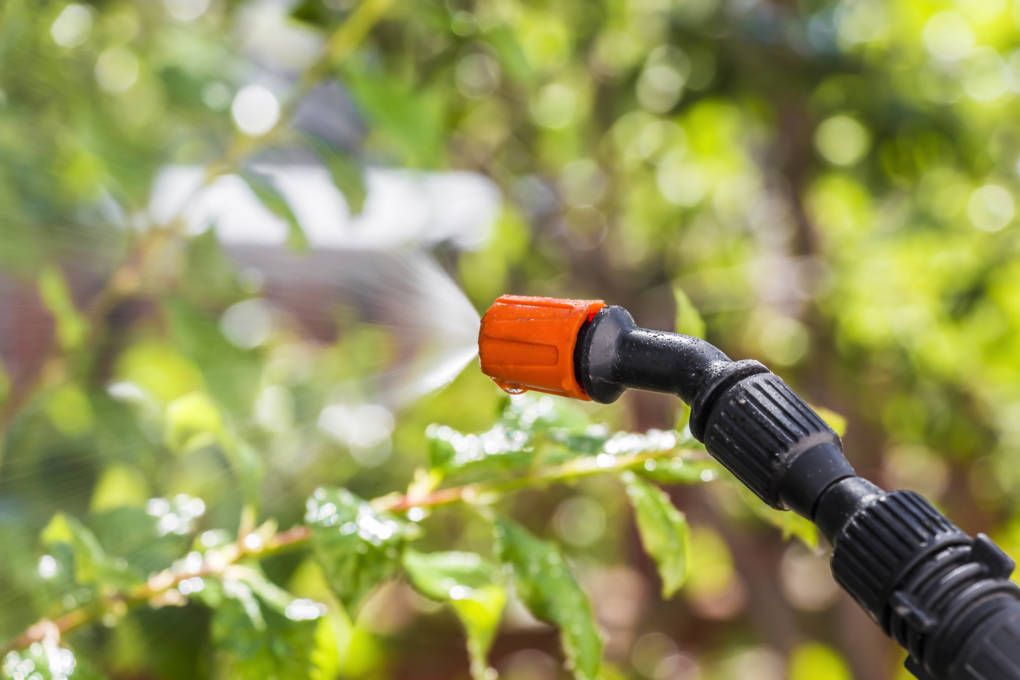
"caption": "Spraying the leaves of trees against pests with chemicals",
"description": null,
"title": "Spraying trees against pests",
"credit": "iStock",
"status": "inherit",
"isLoading": false,
"fetchFailed": false
},
"news_11622343": {
"type": "attachments",
"id": "news_11622343",
"meta": {
"index": "attachments_1716263798",
"site": "news",
"id": "11622343",
"found": true
},
"parent": 11622307,
"imgSizes": {
"small": {
"file": "https://ww2.kqed.org/app/uploads/sites/10/2017/10/RS27418_IMG_9452-qut-520x347.jpg",
"width": 520,
"mimeType": "image/jpeg",
"height": 347
},
"twentyfourteen-full-width": {
"file": "https://ww2.kqed.org/app/uploads/sites/10/2017/10/RS27418_IMG_9452-qut-1038x576.jpg",
"width": 1038,
"mimeType": "image/jpeg",
"height": 576
},
"thumbnail": {
"file": "https://ww2.kqed.org/app/uploads/sites/10/2017/10/RS27418_IMG_9452-qut-160x107.jpg",
"width": 160,
"mimeType": "image/jpeg",
"height": 107
},
"fd-sm": {
"file": "https://ww2.kqed.org/app/uploads/sites/10/2017/10/RS27418_IMG_9452-qut-960x640.jpg",
"width": 960,
"mimeType": "image/jpeg",
"height": 640
},
"post-thumbnail": {
"file": "https://ww2.kqed.org/app/uploads/sites/10/2017/10/RS27418_IMG_9452-qut-672x372.jpg",
"width": 672,
"mimeType": "image/jpeg",
"height": 372
},
"xsmall": {
"file": "https://ww2.kqed.org/app/uploads/sites/10/2017/10/RS27418_IMG_9452-qut-375x250.jpg",
"width": 375,
"mimeType": "image/jpeg",
"height": 250
},
"kqedFullSize": {
"file": "https://ww2.kqed.org/app/uploads/sites/10/2017/10/RS27418_IMG_9452-qut.jpg",
"width": 1920,
"height": 1280
},
"large": {
"file": "https://ww2.kqed.org/app/uploads/sites/10/2017/10/RS27418_IMG_9452-qut-1020x680.jpg",
"width": 1020,
"mimeType": "image/jpeg",
"height": 680
},
"xlarge": {
"file": "https://ww2.kqed.org/app/uploads/sites/10/2017/10/RS27418_IMG_9452-qut-1180x787.jpg",
"width": 1180,
"mimeType": "image/jpeg",
"height": 787
},
"guest-author-50": {
"file": "https://ww2.kqed.org/app/uploads/sites/10/2017/10/RS27418_IMG_9452-qut-50x50.jpg",
"width": 50,
"mimeType": "image/jpeg",
"height": 50
},
"guest-author-96": {
"file": "https://ww2.kqed.org/app/uploads/sites/10/2017/10/RS27418_IMG_9452-qut-96x96.jpg",
"width": 96,
"mimeType": "image/jpeg",
"height": 96
},
"medium": {
"file": "https://ww2.kqed.org/app/uploads/sites/10/2017/10/RS27418_IMG_9452-qut-800x533.jpg",
"width": 800,
"mimeType": "image/jpeg",
"height": 533
},
"guest-author-64": {
"file": "https://ww2.kqed.org/app/uploads/sites/10/2017/10/RS27418_IMG_9452-qut-64x64.jpg",
"width": 64,
"mimeType": "image/jpeg",
"height": 64
},
"guest-author-32": {
"file": "https://ww2.kqed.org/app/uploads/sites/10/2017/10/RS27418_IMG_9452-qut-32x32.jpg",
"width": 32,
"mimeType": "image/jpeg",
"height": 32
},
"fd-lrg": {
"file": "https://ww2.kqed.org/app/uploads/sites/10/2017/10/RS27418_IMG_9452-qut-1920x1280.jpg",
"width": 1920,
"mimeType": "image/jpeg",
"height": 1280
},
"fd-med": {
"file": "https://ww2.kqed.org/app/uploads/sites/10/2017/10/RS27418_IMG_9452-qut-1180x787.jpg",
"width": 1180,
"mimeType": "image/jpeg",
"height": 787
},
"full-width": {
"file": "https://ww2.kqed.org/app/uploads/sites/10/2017/10/RS27418_IMG_9452-qut-1920x1280.jpg",
"width": 1920,
"mimeType": "image/jpeg",
"height": 1280
},
"detail": {
"file": "https://ww2.kqed.org/app/uploads/sites/10/2017/10/RS27418_IMG_9452-qut-150x150.jpg",
"width": 150,
"mimeType": "image/jpeg",
"height": 150
},
"guest-author-128": {
"file": "https://ww2.kqed.org/app/uploads/sites/10/2017/10/RS27418_IMG_9452-qut-128x128.jpg",
"width": 128,
"mimeType": "image/jpeg",
"height": 128
},
"xxsmall": {
"file": "https://ww2.kqed.org/app/uploads/sites/10/2017/10/RS27418_IMG_9452-qut-240x160.jpg",
"width": 240,
"mimeType": "image/jpeg",
"height": 160
}
},
"publishDate": 1507683372,
"modified": 1507773507,
"caption": "The Sonoma-Marin Fairgrounds evacuation center temporarily houses cows whose owners have evacuated in Petaluma, California on Oct. 10, 2017.",
"description": "The Sonoma-Marin Fairground evacuation center temporarily houses cows whose owners have evacuated in Petaluma, California on Oct. 10, 2017.",
"title": "RS27418_IMG_9452-qut",
"credit": "Audrey Garces/KQED",
"status": "inherit",
"isLoading": false,
"fetchFailed": false
},
"news_11621884": {
"type": "attachments",
"id": "news_11621884",
"meta": {
"index": "attachments_1716263798",
"site": "news",
"id": "11621884",
"found": true
},
"parent": 11621829,
"imgSizes": {
"small": {
"file": "https://ww2.kqed.org/app/uploads/sites/10/2017/10/ManJumps-520x347.jpg",
"width": 520,
"mimeType": "image/jpeg",
"height": 347
},
"twentyfourteen-full-width": {
"file": "https://ww2.kqed.org/app/uploads/sites/10/2017/10/ManJumps-1038x576.jpg",
"width": 1038,
"mimeType": "image/jpeg",
"height": 576
},
"thumbnail": {
"file": "https://ww2.kqed.org/app/uploads/sites/10/2017/10/ManJumps-160x107.jpg",
"width": 160,
"mimeType": "image/jpeg",
"height": 107
},
"fd-sm": {
"file": "https://ww2.kqed.org/app/uploads/sites/10/2017/10/ManJumps-960x640.jpg",
"width": 960,
"mimeType": "image/jpeg",
"height": 640
},
"post-thumbnail": {
"file": "https://ww2.kqed.org/app/uploads/sites/10/2017/10/ManJumps-672x372.jpg",
"width": 672,
"mimeType": "image/jpeg",
"height": 372
},
"xsmall": {
"file": "https://ww2.kqed.org/app/uploads/sites/10/2017/10/ManJumps-375x250.jpg",
"width": 375,
"mimeType": "image/jpeg",
"height": 250
},
"kqedFullSize": {
"file": "https://ww2.kqed.org/app/uploads/sites/10/2017/10/ManJumps.jpg",
"width": 1920,
"height": 1280
},
"large": {
"file": "https://ww2.kqed.org/app/uploads/sites/10/2017/10/ManJumps-1020x680.jpg",
"width": 1020,
"mimeType": "image/jpeg",
"height": 680
},
"xlarge": {
"file": "https://ww2.kqed.org/app/uploads/sites/10/2017/10/ManJumps-1180x787.jpg",
"width": 1180,
"mimeType": "image/jpeg",
"height": 787
},
"guest-author-50": {
"file": "https://ww2.kqed.org/app/uploads/sites/10/2017/10/ManJumps-50x50.jpg",
"width": 50,
"mimeType": "image/jpeg",
"height": 50
},
"guest-author-96": {
"file": "https://ww2.kqed.org/app/uploads/sites/10/2017/10/ManJumps-96x96.jpg",
"width": 96,
"mimeType": "image/jpeg",
"height": 96
},
"medium": {
"file": "https://ww2.kqed.org/app/uploads/sites/10/2017/10/ManJumps-800x533.jpg",
"width": 800,
"mimeType": "image/jpeg",
"height": 533
},
"guest-author-64": {
"file": "https://ww2.kqed.org/app/uploads/sites/10/2017/10/ManJumps-64x64.jpg",
"width": 64,
"mimeType": "image/jpeg",
"height": 64
},
"guest-author-32": {
"file": "https://ww2.kqed.org/app/uploads/sites/10/2017/10/ManJumps-32x32.jpg",
"width": 32,
"mimeType": "image/jpeg",
"height": 32
},
"fd-lrg": {
"file": "https://ww2.kqed.org/app/uploads/sites/10/2017/10/ManJumps-1920x1280.jpg",
"width": 1920,
"mimeType": "image/jpeg",
"height": 1280
},
"fd-med": {
"file": "https://ww2.kqed.org/app/uploads/sites/10/2017/10/ManJumps-1180x787.jpg",
"width": 1180,
"mimeType": "image/jpeg",
"height": 787
},
"full-width": {
"file": "https://ww2.kqed.org/app/uploads/sites/10/2017/10/ManJumps-1920x1280.jpg",
"width": 1920,
"mimeType": "image/jpeg",
"height": 1280
},
"detail": {
"file": "https://ww2.kqed.org/app/uploads/sites/10/2017/10/ManJumps-150x150.jpg",
"width": 150,
"mimeType": "image/jpeg",
"height": 150
},
"guest-author-128": {
"file": "https://ww2.kqed.org/app/uploads/sites/10/2017/10/ManJumps-128x128.jpg",
"width": 128,
"mimeType": "image/jpeg",
"height": 128
},
"xxsmall": {
"file": "https://ww2.kqed.org/app/uploads/sites/10/2017/10/ManJumps-240x160.jpg",
"width": 240,
"mimeType": "image/jpeg",
"height": 160
}
},
"publishDate": 1507577805,
"modified": 1507673975,
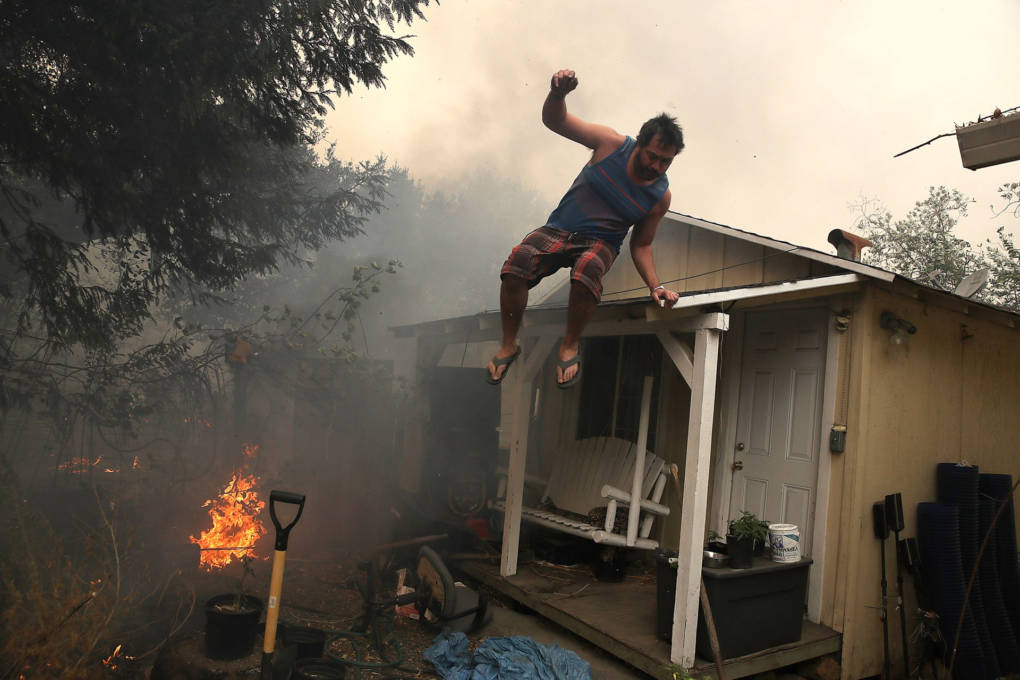
"caption": "A resident rushes to save his home as an out-of-control wildfire moves through the area on Oct. 9, 2017, in Glen Ellen.",
"description": "A resident rushes to save his home as an out-of-control wildfire moves through the area on October 9, 2017 in Glen Ellen.",
"title": "ManJumps",
"credit": "Justin Sullivan/Getty Images",
"status": "inherit",
"isLoading": false,
"fetchFailed": false
},
"news_11624598": {
"type": "attachments",
"id": "news_11624598",
"meta": {
"index": "attachments_1716263798",
"site": "news",
"id": "11624598",
"found": true
},
"parent": 11624593,
"imgSizes": {
"small": {
"file": "https://ww2.kqed.org/app/uploads/sites/10/2017/10/RS27595_GettyImages-861748748-qut-520x339.jpg",
"width": 520,
"mimeType": "image/jpeg",
"height": 339
},
"twentyfourteen-full-width": {
"file": "https://ww2.kqed.org/app/uploads/sites/10/2017/10/RS27595_GettyImages-861748748-qut-1038x576.jpg",
"width": 1038,
"mimeType": "image/jpeg",
"height": 576
},
"thumbnail": {
"file": "https://ww2.kqed.org/app/uploads/sites/10/2017/10/RS27595_GettyImages-861748748-qut-160x104.jpg",
"width": 160,
"mimeType": "image/jpeg",
"height": 104
},
"fd-sm": {
"file": "https://ww2.kqed.org/app/uploads/sites/10/2017/10/RS27595_GettyImages-861748748-qut-960x627.jpg",
"width": 960,
"mimeType": "image/jpeg",
"height": 627
},
"post-thumbnail": {
"file": "https://ww2.kqed.org/app/uploads/sites/10/2017/10/RS27595_GettyImages-861748748-qut-672x372.jpg",
"width": 672,
"mimeType": "image/jpeg",
"height": 372
},
"xsmall": {
"file": "https://ww2.kqed.org/app/uploads/sites/10/2017/10/RS27595_GettyImages-861748748-qut-375x245.jpg",
"width": 375,
"mimeType": "image/jpeg",
"height": 245
},
"kqedFullSize": {
"file": "https://ww2.kqed.org/app/uploads/sites/10/2017/10/RS27595_GettyImages-861748748-qut.jpg",
"width": 1920,
"height": 1253
},
"large": {
"file": "https://ww2.kqed.org/app/uploads/sites/10/2017/10/RS27595_GettyImages-861748748-qut-1020x666.jpg",
"width": 1020,
"mimeType": "image/jpeg",
"height": 666
},
"xlarge": {
"file": "https://ww2.kqed.org/app/uploads/sites/10/2017/10/RS27595_GettyImages-861748748-qut-1180x770.jpg",
"width": 1180,
"mimeType": "image/jpeg",
"height": 770
},
"guest-author-50": {
"file": "https://ww2.kqed.org/app/uploads/sites/10/2017/10/RS27595_GettyImages-861748748-qut-50x50.jpg",
"width": 50,
"mimeType": "image/jpeg",
"height": 50
},
"guest-author-96": {
"file": "https://ww2.kqed.org/app/uploads/sites/10/2017/10/RS27595_GettyImages-861748748-qut-96x96.jpg",
"width": 96,
"mimeType": "image/jpeg",
"height": 96
},
"medium": {
"file": "https://ww2.kqed.org/app/uploads/sites/10/2017/10/RS27595_GettyImages-861748748-qut-800x522.jpg",
"width": 800,
"mimeType": "image/jpeg",
"height": 522
},
"guest-author-64": {
"file": "https://ww2.kqed.org/app/uploads/sites/10/2017/10/RS27595_GettyImages-861748748-qut-64x64.jpg",
"width": 64,
"mimeType": "image/jpeg",
"height": 64
},
"guest-author-32": {
"file": "https://ww2.kqed.org/app/uploads/sites/10/2017/10/RS27595_GettyImages-861748748-qut-32x32.jpg",
"width": 32,
"mimeType": "image/jpeg",
"height": 32
},
"fd-lrg": {
"file": "https://ww2.kqed.org/app/uploads/sites/10/2017/10/RS27595_GettyImages-861748748-qut-1920x1253.jpg",
"width": 1920,
"mimeType": "image/jpeg",
"height": 1253
},
"fd-med": {
"file": "https://ww2.kqed.org/app/uploads/sites/10/2017/10/RS27595_GettyImages-861748748-qut-1180x770.jpg",
"width": 1180,
"mimeType": "image/jpeg",
"height": 770
},
"full-width": {
"file": "https://ww2.kqed.org/app/uploads/sites/10/2017/10/RS27595_GettyImages-861748748-qut-1920x1253.jpg",
"width": 1920,
"mimeType": "image/jpeg",
"height": 1253
},
"detail": {
"file": "https://ww2.kqed.org/app/uploads/sites/10/2017/10/RS27595_GettyImages-861748748-qut-150x150.jpg",
"width": 150,
"mimeType": "image/jpeg",
"height": 150
},
"guest-author-128": {
"file": "https://ww2.kqed.org/app/uploads/sites/10/2017/10/RS27595_GettyImages-861748748-qut-128x128.jpg",
"width": 128,
"mimeType": "image/jpeg",
"height": 128
},
"xxsmall": {
"file": "https://ww2.kqed.org/app/uploads/sites/10/2017/10/RS27595_GettyImages-861748748-qut-240x157.jpg",
"width": 240,
"mimeType": "image/jpeg",
"height": 157
}
},
"publishDate": 1508439160,
"modified": 1508447873,
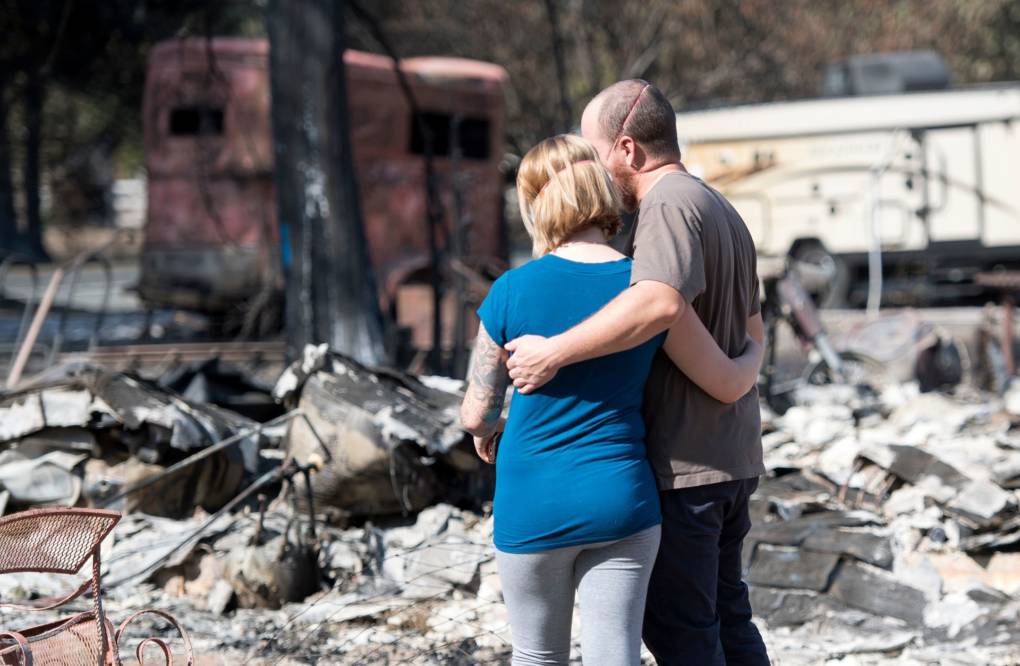
"caption": "Mandi and Lane Summit embrace before their fire-destroyed home in Redwood Valley, California, on Oct. 15, 2017.",
"description": null,
"title": "US-FIRE-CALIFORNIA",
"credit": "Josh Edelson/AFP/Getty Images",
"status": "inherit",
"isLoading": false,
"fetchFailed": false
},
"stateofhealth_361443": {
"type": "attachments",
"id": "stateofhealth_361443",
"meta": {
"index": "attachments_1716263798",
"site": "stateofhealth",
"id": "361443",
"found": true
},
"parent": 361432,
"imgSizes": {
"small": {
"file": "https://ww2.kqed.org/app/uploads/sites/27/2017/10/RS27221_Brown-Signs-Drug-Price-Transparency-Bill-Cropped-qut-520x390.jpg",
"width": 520,
"mimeType": "image/jpeg",
"height": 390
},
"twentyfourteen-full-width": {
"file": "https://ww2.kqed.org/app/uploads/sites/27/2017/10/RS27221_Brown-Signs-Drug-Price-Transparency-Bill-Cropped-qut-1038x576.jpg",
"width": 1038,
"mimeType": "image/jpeg",
"height": 576
},
"thumbnail": {
"file": "https://ww2.kqed.org/app/uploads/sites/27/2017/10/RS27221_Brown-Signs-Drug-Price-Transparency-Bill-Cropped-qut-160x120.jpg",
"width": 160,
"mimeType": "image/jpeg",
"height": 120
},
"fd-sm": {
"file": "https://ww2.kqed.org/app/uploads/sites/27/2017/10/RS27221_Brown-Signs-Drug-Price-Transparency-Bill-Cropped-qut-960x720.jpg",
"width": 960,
"mimeType": "image/jpeg",
"height": 720
},
"post-thumbnail": {
"file": "https://ww2.kqed.org/app/uploads/sites/27/2017/10/RS27221_Brown-Signs-Drug-Price-Transparency-Bill-Cropped-qut-672x372.jpg",
"width": 672,
"mimeType": "image/jpeg",
"height": 372
},
"xsmall": {
"file": "https://ww2.kqed.org/app/uploads/sites/27/2017/10/RS27221_Brown-Signs-Drug-Price-Transparency-Bill-Cropped-qut-375x281.jpg",
"width": 375,
"mimeType": "image/jpeg",
"height": 281
},
"kqedFullSize": {
"file": "https://ww2.kqed.org/app/uploads/sites/27/2017/10/RS27221_Brown-Signs-Drug-Price-Transparency-Bill-Cropped-qut.jpg",
"width": 1181,
"height": 886
},
"large": {
"file": "https://ww2.kqed.org/app/uploads/sites/27/2017/10/RS27221_Brown-Signs-Drug-Price-Transparency-Bill-Cropped-qut-1020x765.jpg",
"width": 1020,
"mimeType": "image/jpeg",
"height": 765
},
"xlarge": {
"file": "https://ww2.kqed.org/app/uploads/sites/27/2017/10/RS27221_Brown-Signs-Drug-Price-Transparency-Bill-Cropped-qut-1180x885.jpg",
"width": 1180,
"mimeType": "image/jpeg",
"height": 885
},
"guest-author-50": {
"file": "https://ww2.kqed.org/app/uploads/sites/27/2017/10/RS27221_Brown-Signs-Drug-Price-Transparency-Bill-Cropped-qut-50x50.jpg",
"width": 50,
"mimeType": "image/jpeg",
"height": 50
},
"guest-author-96": {
"file": "https://ww2.kqed.org/app/uploads/sites/27/2017/10/RS27221_Brown-Signs-Drug-Price-Transparency-Bill-Cropped-qut-96x96.jpg",
"width": 96,
"mimeType": "image/jpeg",
"height": 96
},
"medium": {
"file": "https://ww2.kqed.org/app/uploads/sites/27/2017/10/RS27221_Brown-Signs-Drug-Price-Transparency-Bill-Cropped-qut-800x600.jpg",
"width": 800,
"mimeType": "image/jpeg",
"height": 600
},
"guest-author-64": {
"file": "https://ww2.kqed.org/app/uploads/sites/27/2017/10/RS27221_Brown-Signs-Drug-Price-Transparency-Bill-Cropped-qut-64x64.jpg",
"width": 64,
"mimeType": "image/jpeg",
"height": 64
},
"guest-author-32": {
"file": "https://ww2.kqed.org/app/uploads/sites/27/2017/10/RS27221_Brown-Signs-Drug-Price-Transparency-Bill-Cropped-qut-32x32.jpg",
"width": 32,
"mimeType": "image/jpeg",
"height": 32
},
"fd-med": {
"file": "https://ww2.kqed.org/app/uploads/sites/27/2017/10/RS27221_Brown-Signs-Drug-Price-Transparency-Bill-Cropped-qut-1180x885.jpg",
"width": 1180,
"mimeType": "image/jpeg",
"height": 885
},
"detail": {
"file": "https://ww2.kqed.org/app/uploads/sites/27/2017/10/RS27221_Brown-Signs-Drug-Price-Transparency-Bill-Cropped-qut-150x150.jpg",
"width": 150,
"mimeType": "image/jpeg",
"height": 150
},
"medium_large": {
"file": "https://ww2.kqed.org/app/uploads/sites/27/2017/10/RS27221_Brown-Signs-Drug-Price-Transparency-Bill-Cropped-qut-768x576.jpg",
"width": 768,
"mimeType": "image/jpeg",
"height": 576
},
"guest-author-128": {
"file": "https://ww2.kqed.org/app/uploads/sites/27/2017/10/RS27221_Brown-Signs-Drug-Price-Transparency-Bill-Cropped-qut-128x128.jpg",
"width": 128,
"mimeType": "image/jpeg",
"height": 128
},
"xxsmall": {
"file": "https://ww2.kqed.org/app/uploads/sites/27/2017/10/RS27221_Brown-Signs-Drug-Price-Transparency-Bill-Cropped-qut-240x180.jpg",
"width": 240,
"mimeType": "image/jpeg",
"height": 180
}
},
"publishDate": 1507576059,
"modified": 1507577338,
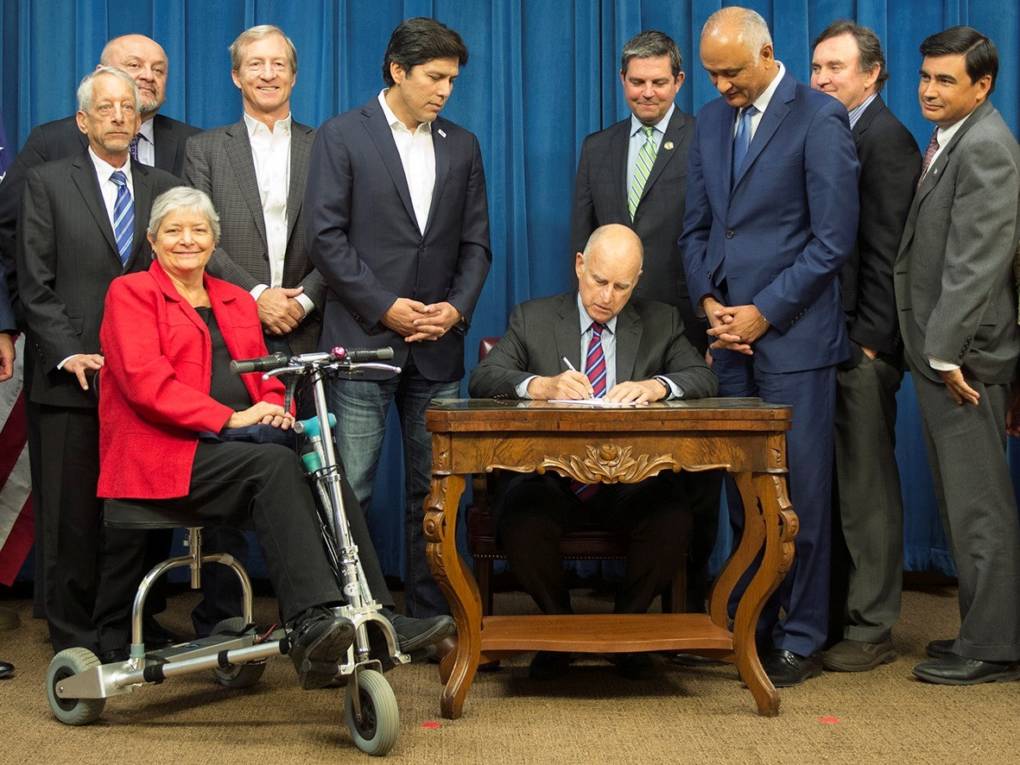
"caption": "Gov. Jerry Brown signs a landmark bill on Oct. 9, 2017 to bring transparency to pharmaceutical drug pricing. He was joined at the Capitol in Sacramento by (from L to R): Jack Gribbon, UNITE HERE; John Garcia, Kaiser Permanente; Heather Fargo, former Sacramento mayor and multiple sclerosis patient; Tom Steyer; state Sen. Kevin de León; Gov. Brown; Assemblymember Jim Wood; state Sen. Ed Hernandez; Art Pulaski, California Labor Federation; Anthony Wright, Health Access CA.\n",
"description": null,
"title": "SB 17 Brown Signs Drug Price Transparency Bill Cropped",
"credit": "Joe McHugh/California Highway Patrol",
"status": "inherit",
"isLoading": false,
"fetchFailed": false
},
"news_11622179": {
"type": "attachments",
"id": "news_11622179",
"meta": {
"index": "attachments_1716263798",
"site": "news",
"id": "11622179",
"found": true
},
"parent": 11622136,
"imgSizes": {
"small": {
"file": "https://ww2.kqed.org/app/uploads/sites/10/2017/10/RS27369_Image-uploaded-from-iOS1-qut-520x390.jpg",
"width": 520,
"mimeType": "image/jpeg",
"height": 390
},
"twentyfourteen-full-width": {
"file": "https://ww2.kqed.org/app/uploads/sites/10/2017/10/RS27369_Image-uploaded-from-iOS1-qut-1038x576.jpg",
"width": 1038,
"mimeType": "image/jpeg",
"height": 576
},
"thumbnail": {
"file": "https://ww2.kqed.org/app/uploads/sites/10/2017/10/RS27369_Image-uploaded-from-iOS1-qut-160x120.jpg",
"width": 160,
"mimeType": "image/jpeg",
"height": 120
},
"fd-sm": {
"file": "https://ww2.kqed.org/app/uploads/sites/10/2017/10/RS27369_Image-uploaded-from-iOS1-qut-960x720.jpg",
"width": 960,
"mimeType": "image/jpeg",
"height": 720
},
"post-thumbnail": {
"file": "https://ww2.kqed.org/app/uploads/sites/10/2017/10/RS27369_Image-uploaded-from-iOS1-qut-672x372.jpg",
"width": 672,
"mimeType": "image/jpeg",
"height": 372
},
"xsmall": {
"file": "https://ww2.kqed.org/app/uploads/sites/10/2017/10/RS27369_Image-uploaded-from-iOS1-qut-375x281.jpg",
"width": 375,
"mimeType": "image/jpeg",
"height": 281
},
"kqedFullSize": {
"file": "https://ww2.kqed.org/app/uploads/sites/10/2017/10/RS27369_Image-uploaded-from-iOS1-qut.jpg",
"width": 1920,
"height": 1440
},
"large": {
"file": "https://ww2.kqed.org/app/uploads/sites/10/2017/10/RS27369_Image-uploaded-from-iOS1-qut-1020x765.jpg",
"width": 1020,
"mimeType": "image/jpeg",
"height": 765
},
"xlarge": {
"file": "https://ww2.kqed.org/app/uploads/sites/10/2017/10/RS27369_Image-uploaded-from-iOS1-qut-1180x885.jpg",
"width": 1180,
"mimeType": "image/jpeg",
"height": 885
},
"guest-author-50": {
"file": "https://ww2.kqed.org/app/uploads/sites/10/2017/10/RS27369_Image-uploaded-from-iOS1-qut-50x50.jpg",
"width": 50,
"mimeType": "image/jpeg",
"height": 50
},
"guest-author-96": {
"file": "https://ww2.kqed.org/app/uploads/sites/10/2017/10/RS27369_Image-uploaded-from-iOS1-qut-96x96.jpg",
"width": 96,
"mimeType": "image/jpeg",
"height": 96
},
"medium": {
"file": "https://ww2.kqed.org/app/uploads/sites/10/2017/10/RS27369_Image-uploaded-from-iOS1-qut-800x600.jpg",
"width": 800,
"mimeType": "image/jpeg",
"height": 600
},
"guest-author-64": {
"file": "https://ww2.kqed.org/app/uploads/sites/10/2017/10/RS27369_Image-uploaded-from-iOS1-qut-64x64.jpg",
"width": 64,
"mimeType": "image/jpeg",
"height": 64
},
"guest-author-32": {
"file": "https://ww2.kqed.org/app/uploads/sites/10/2017/10/RS27369_Image-uploaded-from-iOS1-qut-32x32.jpg",
"width": 32,
"mimeType": "image/jpeg",
"height": 32
},
"fd-lrg": {
"file": "https://ww2.kqed.org/app/uploads/sites/10/2017/10/RS27369_Image-uploaded-from-iOS1-qut-1920x1440.jpg",
"width": 1920,
"mimeType": "image/jpeg",
"height": 1440
},
"fd-med": {
"file": "https://ww2.kqed.org/app/uploads/sites/10/2017/10/RS27369_Image-uploaded-from-iOS1-qut-1180x885.jpg",
"width": 1180,
"mimeType": "image/jpeg",
"height": 885
},
"full-width": {
"file": "https://ww2.kqed.org/app/uploads/sites/10/2017/10/RS27369_Image-uploaded-from-iOS1-qut-1920x1440.jpg",
"width": 1920,
"mimeType": "image/jpeg",
"height": 1440
},
"detail": {
"file": "https://ww2.kqed.org/app/uploads/sites/10/2017/10/RS27369_Image-uploaded-from-iOS1-qut-150x150.jpg",
"width": 150,
"mimeType": "image/jpeg",
"height": 150
},
"guest-author-128": {
"file": "https://ww2.kqed.org/app/uploads/sites/10/2017/10/RS27369_Image-uploaded-from-iOS1-qut-128x128.jpg",
"width": 128,
"mimeType": "image/jpeg",
"height": 128
},
"xxsmall": {
"file": "https://ww2.kqed.org/app/uploads/sites/10/2017/10/RS27369_Image-uploaded-from-iOS1-qut-240x180.jpg",
"width": 240,
"mimeType": "image/jpeg",
"height": 180
}
},
"publishDate": 1507664757,
"modified": 1507664818,
"caption": "Pedro Soto (10), Daniel Mendez (10), and Christopher Rivera (11) of Santa Rosa spent the night at the Marin Center evacuation location.",
"description": null,
"title": "RS27369_Image uploaded from iOS(1)-qut",
"credit": "Paul Lancour/KQED",
"status": "inherit",
"isLoading": false,
"fetchFailed": false
},
"news_11622173": {
"type": "attachments",
"id": "news_11622173",
"meta": {
"index": "attachments_1716263798",
"site": "news",
"id": "11622173",
"found": true
},
"parent": 11622134,
"imgSizes": {
"small": {
"file": "https://ww2.kqed.org/app/uploads/sites/10/2017/10/RobertAttubato2-520x334.jpg",
"width": 520,
"mimeType": "image/jpeg",
"height": 334
},
"twentyfourteen-full-width": {
"file": "https://ww2.kqed.org/app/uploads/sites/10/2017/10/RobertAttubato2-1038x576.jpg",
"width": 1038,
"mimeType": "image/jpeg",
"height": 576
},
"thumbnail": {
"file": "https://ww2.kqed.org/app/uploads/sites/10/2017/10/RobertAttubato2-160x103.jpg",
"width": 160,
"mimeType": "image/jpeg",
"height": 103
},
"fd-sm": {
"file": "https://ww2.kqed.org/app/uploads/sites/10/2017/10/RobertAttubato2-960x616.jpg",
"width": 960,
"mimeType": "image/jpeg",
"height": 616
},
"post-thumbnail": {
"file": "https://ww2.kqed.org/app/uploads/sites/10/2017/10/RobertAttubato2-672x372.jpg",
"width": 672,
"mimeType": "image/jpeg",
"height": 372
},
"xsmall": {
"file": "https://ww2.kqed.org/app/uploads/sites/10/2017/10/RobertAttubato2-375x241.jpg",
"width": 375,
"mimeType": "image/jpeg",
"height": 241
},
"kqedFullSize": {
"file": "https://ww2.kqed.org/app/uploads/sites/10/2017/10/RobertAttubato2.jpg",
"width": 1920,
"height": 1232
},
"large": {
"file": "https://ww2.kqed.org/app/uploads/sites/10/2017/10/RobertAttubato2-1020x655.jpg",
"width": 1020,
"mimeType": "image/jpeg",
"height": 655
},
"xlarge": {
"file": "https://ww2.kqed.org/app/uploads/sites/10/2017/10/RobertAttubato2-1180x757.jpg",
"width": 1180,
"mimeType": "image/jpeg",
"height": 757
},
"guest-author-50": {
"file": "https://ww2.kqed.org/app/uploads/sites/10/2017/10/RobertAttubato2-50x50.jpg",
"width": 50,
"mimeType": "image/jpeg",
"height": 50
},
"guest-author-96": {
"file": "https://ww2.kqed.org/app/uploads/sites/10/2017/10/RobertAttubato2-96x96.jpg",
"width": 96,
"mimeType": "image/jpeg",
"height": 96
},
"medium": {
"file": "https://ww2.kqed.org/app/uploads/sites/10/2017/10/RobertAttubato2-800x513.jpg",
"width": 800,
"mimeType": "image/jpeg",
"height": 513
},
"guest-author-64": {
"file": "https://ww2.kqed.org/app/uploads/sites/10/2017/10/RobertAttubato2-64x64.jpg",
"width": 64,
"mimeType": "image/jpeg",
"height": 64
},
"guest-author-32": {
"file": "https://ww2.kqed.org/app/uploads/sites/10/2017/10/RobertAttubato2-32x32.jpg",
"width": 32,
"mimeType": "image/jpeg",
"height": 32
},
"fd-lrg": {
"file": "https://ww2.kqed.org/app/uploads/sites/10/2017/10/RobertAttubato2-1920x1232.jpg",
"width": 1920,
"mimeType": "image/jpeg",
"height": 1232
},
"fd-med": {
"file": "https://ww2.kqed.org/app/uploads/sites/10/2017/10/RobertAttubato2-1180x757.jpg",
"width": 1180,
"mimeType": "image/jpeg",
"height": 757
},
"full-width": {
"file": "https://ww2.kqed.org/app/uploads/sites/10/2017/10/RobertAttubato2-1920x1232.jpg",
"width": 1920,
"mimeType": "image/jpeg",
"height": 1232
},
"detail": {
"file": "https://ww2.kqed.org/app/uploads/sites/10/2017/10/RobertAttubato2-150x150.jpg",
"width": 150,
"mimeType": "image/jpeg",
"height": 150
},
"guest-author-128": {
"file": "https://ww2.kqed.org/app/uploads/sites/10/2017/10/RobertAttubato2-128x128.jpg",
"width": 128,
"mimeType": "image/jpeg",
"height": 128
},
"xxsmall": {
"file": "https://ww2.kqed.org/app/uploads/sites/10/2017/10/RobertAttubato2-240x154.jpg",
"width": 240,
"mimeType": "image/jpeg",
"height": 154
}
},
"publishDate": 1507664391,
"modified": 1507664658,
"caption": "Santa Rosa resident Robert Attubato exits Journey's End Mobile Home Park after seeing that his home was completely destroyed.",
"description": "Santa Rosa resident Robert Attubato exits Journey's End Mobile Home Park after seeing that his home was completely destroyed.",
"title": "RobertAttubato2",
"credit": "Jeremy Siegel/KQED",
"status": "inherit",
"isLoading": false,
"fetchFailed": false
},
"news_11621756": {
"type": "attachments",
"id": "news_11621756",
"meta": {
"index": "attachments_1716263798",
"site": "news",
"id": "11621756",
"found": true
},
"parent": 11621751,
"imgSizes": {
"small": {
"file": "https://ww2.kqed.org/app/uploads/sites/10/2017/10/RS27208_Wusu-qut-520x522.jpg",
"width": 520,
"mimeType": "image/jpeg",
"height": 522
},
"twentyfourteen-full-width": {
"file": "https://ww2.kqed.org/app/uploads/sites/10/2017/10/RS27208_Wusu-qut-1038x576.jpg",
"width": 1038,
"mimeType": "image/jpeg",
"height": 576
},
"thumbnail": {
"file": "https://ww2.kqed.org/app/uploads/sites/10/2017/10/RS27208_Wusu-qut-160x161.jpg",
"width": 160,
"mimeType": "image/jpeg",
"height": 161
},
"fd-sm": {
"file": "https://ww2.kqed.org/app/uploads/sites/10/2017/10/RS27208_Wusu-qut-960x963.jpg",
"width": 960,
"mimeType": "image/jpeg",
"height": 963
},
"post-thumbnail": {
"file": "https://ww2.kqed.org/app/uploads/sites/10/2017/10/RS27208_Wusu-qut-672x372.jpg",
"width": 672,
"mimeType": "image/jpeg",
"height": 372
},
"xsmall": {
"file": "https://ww2.kqed.org/app/uploads/sites/10/2017/10/RS27208_Wusu-qut-375x376.jpg",
"width": 375,
"mimeType": "image/jpeg",
"height": 376
},
"kqedFullSize": {
"file": "https://ww2.kqed.org/app/uploads/sites/10/2017/10/RS27208_Wusu-qut.jpg",
"width": 1920,
"height": 1926
},
"large": {
"file": "https://ww2.kqed.org/app/uploads/sites/10/2017/10/RS27208_Wusu-qut-1020x1023.jpg",
"width": 1020,
"mimeType": "image/jpeg",
"height": 1023
},
"xlarge": {
"file": "https://ww2.kqed.org/app/uploads/sites/10/2017/10/RS27208_Wusu-qut-1180x1184.jpg",
"width": 1180,
"mimeType": "image/jpeg",
"height": 1184
},
"guest-author-50": {
"file": "https://ww2.kqed.org/app/uploads/sites/10/2017/10/RS27208_Wusu-qut-50x50.jpg",
"width": 50,
"mimeType": "image/jpeg",
"height": 50
},
"guest-author-96": {
"file": "https://ww2.kqed.org/app/uploads/sites/10/2017/10/RS27208_Wusu-qut-96x96.jpg",
"width": 96,
"mimeType": "image/jpeg",
"height": 96
},
"medium": {
"file": "https://ww2.kqed.org/app/uploads/sites/10/2017/10/RS27208_Wusu-qut-800x803.jpg",
"width": 800,
"mimeType": "image/jpeg",
"height": 803
},
"guest-author-64": {
"file": "https://ww2.kqed.org/app/uploads/sites/10/2017/10/RS27208_Wusu-qut-64x64.jpg",
"width": 64,
"mimeType": "image/jpeg",
"height": 64
},
"guest-author-32": {
"file": "https://ww2.kqed.org/app/uploads/sites/10/2017/10/RS27208_Wusu-qut-32x32.jpg",
"width": 32,
"mimeType": "image/jpeg",
"height": 32
},
"fd-lrg": {
"file": "https://ww2.kqed.org/app/uploads/sites/10/2017/10/RS27208_Wusu-qut-1920x1926.jpg",
"width": 1920,
"mimeType": "image/jpeg",
"height": 1926
},
"fd-med": {
"file": "https://ww2.kqed.org/app/uploads/sites/10/2017/10/RS27208_Wusu-qut-1180x1184.jpg",
"width": 1180,
"mimeType": "image/jpeg",
"height": 1184
},
"full-width": {
"file": "https://ww2.kqed.org/app/uploads/sites/10/2017/10/RS27208_Wusu-qut-1920x1926.jpg",
"width": 1920,
"mimeType": "image/jpeg",
"height": 1926
},
"detail": {
"file": "https://ww2.kqed.org/app/uploads/sites/10/2017/10/RS27208_Wusu-qut-150x150.jpg",
"width": 150,
"mimeType": "image/jpeg",
"height": 150
},
"guest-author-128": {
"file": "https://ww2.kqed.org/app/uploads/sites/10/2017/10/RS27208_Wusu-qut-128x128.jpg",
"width": 128,
"mimeType": "image/jpeg",
"height": 128
},
"xxsmall": {
"file": "https://ww2.kqed.org/app/uploads/sites/10/2017/10/RS27208_Wusu-qut-240x241.jpg",
"width": 240,
"mimeType": "image/jpeg",
"height": 241
}
},
"publishDate": 1507502520,
"modified": 1507502634,
"caption": "Kaiori, Timi and Maria Wusu.",
"description": "Kaiori, Timi and Maria Wusu.",
"title": "Wusu",
"credit": "Photo courtesy of Timi Wusu.",
"status": "inherit",
"isLoading": false,
"fetchFailed": false
}
},
"audioPlayerReducer": {
"postId": "stream_live",
"isPaused": true,
"isPlaying": false,
"pfsActive": false,
"pledgeModalIsOpen": true,
"playerDrawerIsOpen": false,
"liveAudioPlayStartedAt": 0,
"liveAudioPlayContext": ""
},
"authorsReducer": {
"byline_news_11621751": {
"type": "authors",
"id": "byline_news_11621751",
"meta": {
"override": true
},
"slug": "byline_news_11621751",
"name": "\u003cstrong>\u003ca href=\"https://twitter.com/lizgannes\">Liz Gannes\u003c/a>\u003c/strong>",
"isLoading": false
},
"agrossberg": {
"type": "authors",
"id": "188",
"meta": {
"index": "authors_1716337520",
"id": "188",
"found": true
},
"name": "Adam Grossberg",
"firstName": "Adam",
"lastName": "Grossberg",
"slug": "agrossberg",
"email": "agrossberg@KQED.org",
"display_author_email": false,
"staff_mastheads": [],
"title": "KQED Contributor",
"bio": "Adam Grossberg is a former video producer at KQED News. Prior to coming to KQED, he produced videos for PBS, The New York Times, Current TV and The Center for Investigative Reporting. His work has received an Excellence in Journalism award from the Society of Professional Journalists, a regional Murrow award and two Northern California Emmy awards. He is a graduate of the UC Berkeley Graduate School of Journalism.",
"avatar": "https://secure.gravatar.com/avatar/8e96dbdaaf98f5959a2c778289e0f9b5?s=600&d=blank&r=g",
"twitter": null,
"facebook": null,
"instagram": null,
"linkedin": null,
"sites": [
{
"site": "arts",
"roles": [
"contributor"
]
},
{
"site": "news",
"roles": [
"subscriber"
]
},
{
"site": "stateofhealth",
"roles": [
"editor"
]
},
{
"site": "science",
"roles": [
"editor"
]
}
],
"headData": {
"title": "Adam Grossberg | KQED",
"description": "KQED Contributor",
"ogImgSrc": "https://secure.gravatar.com/avatar/8e96dbdaaf98f5959a2c778289e0f9b5?s=600&d=blank&r=g",
"twImgSrc": "https://secure.gravatar.com/avatar/8e96dbdaaf98f5959a2c778289e0f9b5?s=600&d=blank&r=g"
},
"isLoading": false,
"link": "/author/agrossberg"
},
"adembosky": {
"type": "authors",
"id": "3205",
"meta": {
"index": "authors_1716337520",
"id": "3205",
"found": true
},
"name": "April Dembosky",
"firstName": "April",
"lastName": "Dembosky",
"slug": "adembosky",
"email": "adembosky@kqed.org",
"display_author_email": false,
"staff_mastheads": [
"news",
"science"
],
"title": "KQED Health Correspondent",
"bio": "April Dembosky is the health correspondent for KQED News and a regular contributor to NPR. She specializes in covering altered states of mind, from postpartum depression to methamphetamine-induced psychosis to the insanity defense. Her investigative series on insurance companies sidestepping mental health laws won multiple awards, including first place in beat reporting from the national Association of Health Care Journalists. She is the recipient of numerous other prizes and fellowships, including a national Edward R. Murrow award for investigative reporting, a Society of Professional Journalists award for long-form storytelling, and a Carter Center Fellowship for Mental Health Journalism.\r\n\r\nDembosky reported and produced \u003cem>Soundtrack of Silence\u003c/em>, an audio documentary about music and memory that is currently being made into a feature film by Paramount Pictures.\r\n\r\nBefore joining KQED in 2013, Dembosky covered technology and Silicon Valley for \u003cem>The Financial Times of London,\u003c/em> and contributed business and arts stories to \u003cem>Marketplace \u003c/em>and \u003cem>The New York Times.\u003c/em> She got her undergraduate degree in philosophy from Smith College and her master's in journalism from the University of California, Berkeley. She is a classically trained violinist and proud alum of the first symphony orchestra at Burning Man.",
"avatar": "https://secure.gravatar.com/avatar/d6593cd737b732102fe0b6250b5351c2d3bc9b2987566514aa3c9a106494d684?s=600&d=blank&r=g",
"twitter": "adembosky",
"bluesky": null,
"facebook": null,
"instagram": null,
"linkedin": null,
"sites": [
{
"site": "arts",
"roles": [
"author"
]
},
{
"site": "news",
"roles": [
"editor"
]
},
{
"site": "futureofyou",
"roles": [
"author"
]
},
{
"site": "stateofhealth",
"roles": [
"editor"
]
},
{
"site": "science",
"roles": [
"editor"
]
},
{
"site": "forum",
"roles": [
"editor"
]
}
],
"headData": {
"title": "April Dembosky | KQED",
"description": "KQED Health Correspondent",
"ogImgSrc": "https://secure.gravatar.com/avatar/d6593cd737b732102fe0b6250b5351c2d3bc9b2987566514aa3c9a106494d684?s=600&d=blank&r=g",
"twImgSrc": "https://secure.gravatar.com/avatar/d6593cd737b732102fe0b6250b5351c2d3bc9b2987566514aa3c9a106494d684?s=600&d=blank&r=g"
},
"isLoading": false,
"link": "/author/adembosky"
},
"lesleymcclurg": {
"type": "authors",
"id": "11229",
"meta": {
"index": "authors_1716337520",
"id": "11229",
"found": true
},
"name": "Lesley McClurg",
"firstName": "Lesley",
"lastName": "McClurg",
"slug": "lesleymcclurg",
"email": "lmcclurg@KQED.org",
"display_author_email": false,
"staff_mastheads": [
"news",
"science"
],
"title": "KQED Health Correspondent",
"bio": "Lesley McClurg is a health correspondent and fill-in host whose work is regularly rebroadcast on NPR and PBS programs. She’s earned multiple regional Emmy awards, a national and a regional Edward R. Murrow award, and was named Best Beat Reporter by the Association of Health Care Journalists. The Society of Professional Journalists has recognized her work several times, and the Society of Environmental Journalists spotlighted her coverage of California’s historic drought.\r\n\r\nBefore joining KQED in 2016, Lesley covered food and sustainability for Capital Public Radio, environmental issues for Colorado Public Radio, and reported for KUOW and KCTS 9 in Seattle. Away from the newsroom, she loves skiing with her daughter, mountain biking with her partner, and playing with Ollie, the family’s goldendoodle. On deadline, she runs almost entirely on chocolate chips.\r\n\r\n ",
"avatar": "https://secure.gravatar.com/avatar/bab49e972ea10c774fe0f5e29dba1722b158f7c0d58a360923d1389d380b2978?s=600&d=blank&r=g",
"twitter": "lesleywmcclurg",
"bluesky": null,
"facebook": null,
"instagram": null,
"linkedin": null,
"sites": [
{
"site": "arts",
"roles": [
"author"
]
},
{
"site": "news",
"roles": [
"editor"
]
},
{
"site": "futureofyou",
"roles": [
"editor"
]
},
{
"site": "stateofhealth",
"roles": [
"author"
]
},
{
"site": "science",
"roles": [
"editor"
]
},
{
"site": "quest",
"roles": [
"subscriber"
]
},
{
"site": "forum",
"roles": [
"administrator"
]
},
{
"site": "liveblog",
"roles": [
"author"
]
}
],
"headData": {
"title": "Lesley McClurg | KQED",
"description": "KQED Health Correspondent",
"ogImgSrc": "https://secure.gravatar.com/avatar/bab49e972ea10c774fe0f5e29dba1722b158f7c0d58a360923d1389d380b2978?s=600&d=blank&r=g",
"twImgSrc": "https://secure.gravatar.com/avatar/bab49e972ea10c774fe0f5e29dba1722b158f7c0d58a360923d1389d380b2978?s=600&d=blank&r=g"
},
"isLoading": false,
"link": "/author/lesleymcclurg"
},
"jeremysiegel": {
"type": "authors",
"id": "11258",
"meta": {
"index": "authors_1716337520",
"id": "11258",
"found": true
},
"name": "Jeremy Siegel",
"firstName": "Jeremy",
"lastName": "Siegel",
"slug": "jeremysiegel",
"email": "jsiegel@kqed.org",
"display_author_email": false,
"staff_mastheads": [],
"title": "KQED Contributor",
"bio": "Jeremy Siegel is is the weekend afternoon news anchor for KQED. His reporting can be heard on KQED News, Morning Edition, All Things Considered and The California Report. Jeremy's coverage of the Camp Fire in Butte County won the 2019 Society of Professional Journalists, Northern California Chapter, Excellence in Journalism Award for Breaking News. Jeremy grew up in Cincinnati, Ohio, and graduated from UC Berkeley.",
"avatar": "https://secure.gravatar.com/avatar/3921a64ceb9ed5d0ba47d9ae9782f1ab?s=600&d=blank&r=g",
"twitter": "jersiegel",
"facebook": null,
"instagram": null,
"linkedin": null,
"sites": [
{
"site": "arts",
"roles": []
},
{
"site": "news",
"roles": [
"subscriber"
]
},
{
"site": "science",
"roles": []
}
],
"headData": {
"title": "Jeremy Siegel | KQED",
"description": "KQED Contributor",
"ogImgSrc": "https://secure.gravatar.com/avatar/3921a64ceb9ed5d0ba47d9ae9782f1ab?s=600&d=blank&r=g",
"twImgSrc": "https://secure.gravatar.com/avatar/3921a64ceb9ed5d0ba47d9ae9782f1ab?s=600&d=blank&r=g"
},
"isLoading": false,
"link": "/author/jeremysiegel"
},
"mleitsinger": {
"type": "authors",
"id": "11310",
"meta": {
"index": "authors_1716337520",
"id": "11310",
"found": true
},
"name": "Miranda Leitsinger",
"firstName": "Miranda",
"lastName": "Leitsinger",
"slug": "mleitsinger",
"email": "mleitsinger@KQED.org",
"display_author_email": false,
"staff_mastheads": [
"news"
],
"title": "KQED Contributor",
"bio": "Miranda Leitsinger has worked in journalism as a reporter and editor since 2000, including seven years at The Associated Press in locales such as Cambodia and Puerto Rico, four years at NBC News Digital in New York and 2.5 years at CNN.com International in Hong Kong. Major stories she has covered included sexual abuse in the yoga community, the rise of women in local politics post-2016 election, the struggle over LGBTQ inclusion in the Boy Scouts, aftermath of the 2004 and 2011 tsunamis, the Aurora movie theater attack, the Newtown school shooting, Superstorm Sandy and the Boston Marathon bombing.",
"avatar": "https://secure.gravatar.com/avatar/cdd00de7be92aab3b7fd3d915e02033d?s=600&d=blank&r=g",
"twitter": "mimileitsinger",
"facebook": null,
"instagram": null,
"linkedin": null,
"sites": [
{
"site": "arts",
"roles": [
"author"
]
},
{
"site": "news",
"roles": [
"subscriber"
]
},
{
"site": "futureofyou",
"roles": [
"editor"
]
},
{
"site": "stateofhealth",
"roles": [
"editor"
]
}
],
"headData": {
"title": "Miranda Leitsinger | KQED",
"description": "KQED Contributor",
"ogImgSrc": "https://secure.gravatar.com/avatar/cdd00de7be92aab3b7fd3d915e02033d?s=600&d=blank&r=g",
"twImgSrc": "https://secure.gravatar.com/avatar/cdd00de7be92aab3b7fd3d915e02033d?s=600&d=blank&r=g"
},
"isLoading": false,
"link": "/author/mleitsinger"
},
"agarces": {
"type": "authors",
"id": "11367",
"meta": {
"index": "authors_1716337520",
"id": "11367",
"found": true
},
"name": "Audrey Garces",
"firstName": "Audrey",
"lastName": "Garces",
"slug": "agarces",
"email": "agarces@kqed.org",
"display_author_email": false,
"staff_mastheads": [
"news"
],
"title": "Digital Producer",
"bio": "Audrey is a former digital producer at KQED News. Previously, she was a KQED Raul Ramirez Diversity Fund intern where she developed stories that focused on highlighting diverse voices in journalism. Prior to her work at KQED, she worked as a news intern at the San Francisco Examiner. Audrey graduated from San Francisco State University with a B.A. in journalism and a minor in political science.",
"avatar": "https://secure.gravatar.com/avatar/5211bc2e6a809b9956da169e35ce63d5?s=600&d=blank&r=g",
"twitter": "audgar",
"facebook": null,
"instagram": null,
"linkedin": null,
"sites": [
{
"site": "arts",
"roles": []
},
{
"site": "news",
"roles": [
"subscriber"
]
},
{
"site": "science",
"roles": [
"editor"
]
},
{
"site": "forum",
"roles": [
"editor"
]
},
{
"site": "perspectives",
"roles": [
"administrator"
]
}
],
"headData": {
"title": "Audrey Garces | KQED",
"description": "Digital Producer",
"ogImgSrc": "https://secure.gravatar.com/avatar/5211bc2e6a809b9956da169e35ce63d5?s=600&d=blank&r=g",
"twImgSrc": "https://secure.gravatar.com/avatar/5211bc2e6a809b9956da169e35ce63d5?s=600&d=blank&r=g"
},
"isLoading": false,
"link": "/author/agarces"
},
"tmosley": {
"type": "authors",
"id": "11373",
"meta": {
"index": "authors_1716337520",
"id": "11373",
"found": true
},
"name": "Tonya Mosley",
"firstName": "Tonya",
"lastName": "Mosley",
"slug": "tmosley",
"email": "tmosley@kqed.org",
"display_author_email": false,
"staff_mastheads": [],
"title": "KQED Contributor",
"bio": "Tonya Mosley is a former Silicon Valley bureau chief for KQED. She served as the senior editor, leading a team of journalists covering the impacts of technology companies on the South Bay and society. Tonya is also a former host and reporter for KQED.\r\n\r\nPrior to KQED, Tonya served as a television reporter & anchor for several media outlets, including Al Jazeera America.\r\n\r\nIn 2015, Tonya was awarded a John S. Knight Journalism Fellowship at Stanford University where she co-created a workshop for journalists on the impacts of implicit bias, and co-wrote a Belgian/American experimental study on the effects of protest coverage.\r\n\r\nTonya has won several national awards for her work, most recently an Emmy Award in 2016 for her televised piece \"Beyond Ferguson,\" and a national Edward R. Murrow award for her public radio series \"Black in Seattle.\"\r\n\r\nYou can reach Tonya at: tmosley@kqed.org.",
"avatar": "https://secure.gravatar.com/avatar/0b2ea2bbfed6bafaacd21e9398c68e5e?s=600&d=blank&r=g",
"twitter": "tonyamosley",
"facebook": null,
"instagram": null,
"linkedin": null,
"sites": [
{
"site": "arts",
"roles": [
"editor"
]
},
{
"site": "news",
"roles": [
"subscriber"
]
},
{
"site": "about",
"roles": [
"author"
]
},
{
"site": "forum",
"roles": [
"author"
]
}
],
"headData": {
"title": "Tonya Mosley | KQED",
"description": "KQED Contributor",
"ogImgSrc": "https://secure.gravatar.com/avatar/0b2ea2bbfed6bafaacd21e9398c68e5e?s=600&d=blank&r=g",
"twImgSrc": "https://secure.gravatar.com/avatar/0b2ea2bbfed6bafaacd21e9398c68e5e?s=600&d=blank&r=g"
},
"isLoading": false,
"link": "/author/tmosley"
},
"eaguilar": {
"type": "authors",
"id": "11382",
"meta": {
"index": "authors_1716337520",
"id": "11382",
"found": true
},
"name": "Erika Aguilar",
"firstName": "Erika",
"lastName": "Aguilar",
"slug": "eaguilar",
"email": "eaa712@gmail.com",
"display_author_email": false,
"staff_mastheads": [],
"title": "KQED Contributor",
"bio": "Erika Aguilar was the director of podcasts at KQED. She was in charge of KQED's portfolio of original podcasts and teams, and sets strategic plans for production and engagement.\r\n\r\nErika helped establish KQED's new housing affordability desk as senior editor. She was also a producer and editor for KQED's local news podcast called \u003cem>The Bay, \u003c/em>and wrote stories about housing in the Bay Area as a reporter for KQED News.\r\n\r\nErika joined KQED in 2017 after producing independent audio projects and podcasts in Southern California. She spent more than a dozen years reporting stories about law enforcement, breaking news, homelessness, government and the environment for KPCC in Los Angeles and KUT in Austin. She also volunteers as an editor and mentor for various journalism training programs.\r\n\r\nErika Aguilar is a proud Tejana from San Antonio. She believes in compromise, optimism and Selena.",
"avatar": "https://secure.gravatar.com/avatar/85bf7bb8dd9af4136525d94cef00f026?s=600&d=blank&r=g",
"twitter": "erikaaaguilar",
"facebook": null,
"instagram": null,
"linkedin": null,
"sites": [
{
"site": "",
"roles": [
"editor"
]
},
{
"site": "news",
"roles": [
"subscriber"
]
},
{
"site": "podcasts",
"roles": [
"editor"
]
}
],
"headData": {
"title": "Erika Aguilar | KQED",
"description": "KQED Contributor",
"ogImgSrc": "https://secure.gravatar.com/avatar/85bf7bb8dd9af4136525d94cef00f026?s=600&d=blank&r=g",
"twImgSrc": "https://secure.gravatar.com/avatar/85bf7bb8dd9af4136525d94cef00f026?s=600&d=blank&r=g"
},
"isLoading": false,
"link": "/author/eaguilar"
},
"mcheng": {
"type": "authors",
"id": "11392",
"meta": {
"index": "authors_1716337520",
"id": "11392",
"found": true
},
"name": "Michelle Cheng",
"firstName": "Michelle",
"lastName": "Cheng",
"slug": "mcheng",
"email": "michellebrittany15@gmail.com",
"display_author_email": false,
"staff_mastheads": [],
"title": "KQED Contributor",
"bio": "Michelle Cheng is an on-call interactive producer at KQED. She has written for FiveThirtyEight, Forbes, and MIT Technology Review. She received her undergraduate degree at Boston University -- but doesn't miss the cold. Prior to becoming a journalist, she was a competitive dancer. Reach her at mcheng@kqed.org or on Twitter @mbcheng15.",
"avatar": "https://secure.gravatar.com/avatar/14ee002b5eca4a81008be56ade91b3e326b80fbd81023881c7df7a7d2ed1499c?s=600&d=blank&r=g",
"twitter": null,
"bluesky": null,
"facebook": null,
"instagram": null,
"linkedin": null,
"sites": [
{
"site": "news",
"roles": [
"subscriber"
]
}
],
"headData": {
"title": "Michelle Cheng | KQED",
"description": "KQED Contributor",
"ogImgSrc": "https://secure.gravatar.com/avatar/14ee002b5eca4a81008be56ade91b3e326b80fbd81023881c7df7a7d2ed1499c?s=600&d=blank&r=g",
"twImgSrc": "https://secure.gravatar.com/avatar/14ee002b5eca4a81008be56ade91b3e326b80fbd81023881c7df7a7d2ed1499c?s=600&d=blank&r=g"
},
"isLoading": false,
"link": "/author/mcheng"
}
},
"pagesReducer": {
"news_program_news-fix": {
"type": "terms",
"id": "news_6944",
"meta": {
"index": "terms_1716263798",
"site": "news",
"id": "6944",
"score": 16.377554
},
"featImg": "https://ww2.kqed.org/app/uploads/sites/10/2014/10/News-Fix-Logo-Web-Banners-04.png",
"name": "News Fix",
"description": null,
"taxonomy": "program",
"headData": {
"twImgId": null,
"twTitle": null,
"ogTitle": null,
"ogImgId": null,
"twDescription": null,
"description": "The News Fix is a daily news podcast from KQED that breaks down the latest headlines and provides in-depth analysis of the stories that matter to the Bay Area.",
"title": "News Fix - Daily Dose of Bay Area News | KQED",
"ogDescription": null
},
"ttid": 6968,
"slug": "news-fix",
"isLoading": false,
"title": "News Fix",
"pageMeta": {
"site": "news",
"WpPageTemplate": "page-topic-editorial",
"currentPage": 89
},
"blocks": [
{
"blockName": "kqed/post-list",
"attrs": {
"layout": "cardArticle2",
"query": "posts/news?program=news-fix",
"seeMore": false,
"paginated": true,
"page": 89
}
},
{
"blockName": "kqed/ad"
}
]
}
},
"pfsSessionReducer": {},
"postsReducer": {
"stream_live": {
"type": "live",
"id": "stream_live",
"audioUrl": "https://streams.kqed.org/kqedradio",
"title": "Live Stream",
"excerpt": "Live Stream information currently unavailable.",
"link": "/radio",
"featImg": "",
"label": {
"name": "KQED Live",
"link": "/"
}
},
"stream_kqedNewscast": {
"type": "posts",
"id": "stream_kqedNewscast",
"audioUrl": "https://www.kqed.org/.stream/anon/radio/RDnews/newscast.mp3?_=1",
"title": "KQED Newscast",
"featImg": "",
"label": {
"name": "88.5 FM",
"link": "/"
}
},
"news_11622421": {
"type": "posts",
"id": "news_11622421",
"meta": {
"index": "posts_1716263798",
"site": "news",
"id": "11622421",
"score": null,
"sort": [
1507746250000
]
},
"guestAuthors": [],
"slug": "video-santa-rosa-reeling-from-devastating-tubbs-fire",
"title": "Video: Santa Rosa Reeling From Devastating Tubbs Fire",
"publishDate": 1507746250,
"format": "video",
"headTitle": "Video: Santa Rosa Reeling From Devastating Tubbs Fire | KQED",
"labelTerm": {
"term": 72,
"site": "news"
},
"content": "\u003cp>Santa Rosa residents woke up early Monday morning to a blazing red sky and ash-filled air. The night before, howling winds began spreading smoldering ashes through the city, \u003ca href=\"https://ww2.kqed.org/news/2017/10/09/wind-whipped-wildfires-forcing-evacuations-in-napa-and-sonoma-counties/\" target=\"_blank\" rel=\"noopener\">causing untold devastation\u003c/a>.\u003c/p>\n\u003cp>“Blocks of homes burned down. Major businesses burned down. Infrastructure has burned down and is damaged,” Santa Rosa Mayor Chris Coursey said. “This is a very serious fire like nothing we’ve seen here before.”\u003c/p>\n\u003cp>The Tubbs Fire leveled the \u003ca href=\"https://ww2.kqed.org/science/2017/10/10/santa-rosa-residents-face-neighborhoods-destroyed-by-fire/\" target=\"_blank\" rel=\"noopener\">Coffey Park neighborhood\u003c/a> in northwest Santa Rosa, almost completed wiped out the Journey’s End mobile home park just east of Highway 101 and left dozens of businesses gutted.\u003c/p>\n\u003cp>“Nothing left, nothing left,” muttered Robert Attubato, a resident at Journey’s End, as he returned to find his former home in ashes.\u003c/p>\n\u003cp>[ad fullwidth]\u003c/p>\u003cp>\u003c/p>\n",
"blocks": [],
"excerpt": " 'This is a very serious fire like nothing we've seen here before,' says the city's mayor.",
"status": "publish",
"parent": 0,
"modified": 1722638739,
"stats": {
"hasAudio": false,
"hasVideo": false,
"hasChartOrMap": false,
"iframeSrcs": [],
"hasGoogleForm": false,
"hasGallery": false,
"hasHearkenModule": false,
"hasPolis": false,
"paragraphCount": 6,
"wordCount": 135
},
"headData": {
"title": "Video: Santa Rosa Reeling From Devastating Tubbs Fire | KQED",
"description": " 'This is a very serious fire like nothing we've seen here before,' says the city's mayor.",
"ogTitle": "",
"ogDescription": "",
"ogImgId": "",
"twTitle": "",
"twDescription": "",
"twImgId": "",
"schema": {
"@context": "https://schema.org",
"@type": "NewsArticle",
"headline": "Video: Santa Rosa Reeling From Devastating Tubbs Fire",
"datePublished": "2017-10-11T11:24:10-07:00",
"dateModified": "2024-08-02T15:45:39-07:00",
"image": "https://cdn.kqed.org/wp-content/uploads/2020/02/KQED-OG-Image@1x.png",
"isAccessibleForFree": "True",
"publisher": {
"@type": "NewsMediaOrganization",
"@id": "https://www.kqed.org/#organization",
"name": "KQED",
"logo": "https://cdn.kqed.org/wp-content/uploads/2020/02/KQED-OG-Image@1x.png",
"url": "https://www.kqed.org",
"sameAs": [
"https://www.facebook.com/KQED",
"https://twitter.com/KQED",
"https://www.instagram.com/kqed/",
"https://www.tiktok.com/@kqedofficial",
"https://www.linkedin.com/company/kqed",
"https://www.youtube.com/channel/UCeC0IOo7i1P_61zVUWbJ4nw"
]
}
}
},
"videoEmbed": "https://youtu.be/5C0feQ4UWAA",
"sticky": false,
"path": "/news/11622421/video-santa-rosa-reeling-from-devastating-tubbs-fire",
"audioTrackLength": null,
"parsedContent": [
{
"type": "contentString",
"content": "\u003cdiv class=\"post-body\">\u003cp>\u003cp>Santa Rosa residents woke up early Monday morning to a blazing red sky and ash-filled air. The night before, howling winds began spreading smoldering ashes through the city, \u003ca href=\"https://ww2.kqed.org/news/2017/10/09/wind-whipped-wildfires-forcing-evacuations-in-napa-and-sonoma-counties/\" target=\"_blank\" rel=\"noopener\">causing untold devastation\u003c/a>.\u003c/p>\n\u003cp>“Blocks of homes burned down. Major businesses burned down. Infrastructure has burned down and is damaged,” Santa Rosa Mayor Chris Coursey said. “This is a very serious fire like nothing we’ve seen here before.”\u003c/p>\n\u003cp>The Tubbs Fire leveled the \u003ca href=\"https://ww2.kqed.org/science/2017/10/10/santa-rosa-residents-face-neighborhoods-destroyed-by-fire/\" target=\"_blank\" rel=\"noopener\">Coffey Park neighborhood\u003c/a> in northwest Santa Rosa, almost completed wiped out the Journey’s End mobile home park just east of Highway 101 and left dozens of businesses gutted.\u003c/p>\n\u003cp>“Nothing left, nothing left,” muttered Robert Attubato, a resident at Journey’s End, as he returned to find his former home in ashes.\u003c/p>\n\u003cp>\u003c/p>\u003c/div>",
"attributes": {
"named": {},
"numeric": []
}
},
{
"type": "component",
"content": "",
"name": "ad",
"attributes": {
"named": {
"label": "fullwidth"
},
"numeric": [
"fullwidth"
]
}
},
{
"type": "contentString",
"content": "\u003cdiv class=\"post-body\">\u003cp>\u003c/p>\u003cp>\u003c/p>\n\u003c/div>\u003c/p>",
"attributes": {
"named": {},
"numeric": []
}
}
],
"link": "/news/11622421/video-santa-rosa-reeling-from-devastating-tubbs-fire",
"authors": [
"188"
],
"programs": [
"news_6944",
"news_72"
],
"categories": [
"news_8"
],
"tags": [
"news_474",
"news_4981",
"news_21760",
"news_150",
"news_4463"
],
"featImg": "news_11622460",
"label": "news_72"
},
"news_11622385": {
"type": "posts",
"id": "news_11622385",
"meta": {
"index": "posts_1716263798",
"site": "news",
"id": "11622385",
"score": null,
"sort": [
1507731658000
]
},
"guestAuthors": [],
"slug": "for-santa-rosa-neighbors-waiting-together-is-their-way-to-cope",
"title": "For Santa Rosa Neighbors, Waiting Together Is Their Way to Cope",
"publishDate": 1507731658,
"format": "audio",
"headTitle": "For Santa Rosa Neighbors, Waiting Together Is Their Way to Cope | KQED",
"labelTerm": {
"term": 72,
"site": "news"
},
"content": "\u003cp>If you type the Santa Rosa neighborhood of ‘Fountaingrove’ into a search engine, you’ll see directions to some of the city’s main landmarks.\u003c/p>\n\u003cp>The Fountaingrove Inn, a Kmart and the local high school.\u003c/p>\n\u003cfigure id=\"attachment_11622392\" class=\"wp-caption aligncenter\" style=\"max-width: 800px\">\u003cimg loading=\"lazy\" decoding=\"async\" class=\"size-medium wp-image-11622392\" src=\"https://ww2.kqed.org/news/wp-content/uploads/sites/10/2017/10/Screen-Shot-2017-10-10-at-9.30.37-PM-800x501.png\" alt=\"\" width=\"800\" height=\"501\" srcset=\"https://cdn.kqed.org/wp-content/uploads/sites/10/2017/10/Screen-Shot-2017-10-10-at-9.30.37-PM-800x501.png 800w, https://cdn.kqed.org/wp-content/uploads/sites/10/2017/10/Screen-Shot-2017-10-10-at-9.30.37-PM-160x100.png 160w, https://cdn.kqed.org/wp-content/uploads/sites/10/2017/10/Screen-Shot-2017-10-10-at-9.30.37-PM-240x150.png 240w, https://cdn.kqed.org/wp-content/uploads/sites/10/2017/10/Screen-Shot-2017-10-10-at-9.30.37-PM-375x235.png 375w, https://cdn.kqed.org/wp-content/uploads/sites/10/2017/10/Screen-Shot-2017-10-10-at-9.30.37-PM-520x326.png 520w, https://cdn.kqed.org/wp-content/uploads/sites/10/2017/10/Screen-Shot-2017-10-10-at-9.30.37-PM.png 824w\" sizes=\"(max-width: 800px) 100vw, 800px\">\u003cfigcaption class=\"wp-caption-text\">The map that appears when you enter ‘Fountaingrove, Santa Rosa, CA’ into Google Maps.\u003c/figcaption>\u003c/figure>\n\u003cp>Today, those places have burned to the ground. And for many residents, the weight of what’s been lost is just now starting to take hold.\u003c/p>\n\u003cp>On Tuesday evening, the open field at the corner of Old Redwood Highway and Airport Boulevard resembled a makeshift evacuation center.\u003c/p>\n\u003cfigure id=\"attachment_11622390\" class=\"wp-caption aligncenter\" style=\"max-width: 800px\">\u003cimg loading=\"lazy\" decoding=\"async\" class=\"size-medium wp-image-11622390\" src=\"https://ww2.kqed.org/news/wp-content/uploads/sites/10/2017/10/ResidentsWait2-800x600.jpg\" alt=\"\" width=\"800\" height=\"600\" srcset=\"https://cdn.kqed.org/wp-content/uploads/sites/10/2017/10/ResidentsWait2-800x600.jpg 800w, https://cdn.kqed.org/wp-content/uploads/sites/10/2017/10/ResidentsWait2-160x120.jpg 160w, https://cdn.kqed.org/wp-content/uploads/sites/10/2017/10/ResidentsWait2-1020x765.jpg 1020w, https://cdn.kqed.org/wp-content/uploads/sites/10/2017/10/ResidentsWait2-1920x1440.jpg 1920w, https://cdn.kqed.org/wp-content/uploads/sites/10/2017/10/ResidentsWait2-1180x885.jpg 1180w, https://cdn.kqed.org/wp-content/uploads/sites/10/2017/10/ResidentsWait2-960x720.jpg 960w, https://cdn.kqed.org/wp-content/uploads/sites/10/2017/10/ResidentsWait2-240x180.jpg 240w, https://cdn.kqed.org/wp-content/uploads/sites/10/2017/10/ResidentsWait2-375x281.jpg 375w, https://cdn.kqed.org/wp-content/uploads/sites/10/2017/10/ResidentsWait2-520x390.jpg 520w, https://cdn.kqed.org/wp-content/uploads/sites/10/2017/10/ResidentsWait2.jpg 2016w\" sizes=\"(max-width: 800px) 100vw, 800px\">\u003cfigcaption class=\"wp-caption-text\">Residents of Fountaingrove in Santa Rosa wait for clearance to enter their neighborhood. \u003ccite>(Tonya Mosley/KQED)\u003c/cite>\u003c/figcaption>\u003c/figure>\n\u003cp>Filled with people in their cars, waiting for authorities to allow them back into their neighborhood, these residents waited, and hoped, to see if their homes were spared.\u003c/p>\n\u003cp>[ad fullwidth]\u003c/p>\n\u003cp>Others admitted that there’s nothing left, but they said they needed to see it for themselves.\u003c/p>\n\u003cp>“Some people have gone in and they say everything is gone,” said Bianca Hernandez, as she wiped away tears. “I don’t have high hopes right now, but I just need to see.”\u003c/p>\n\u003cp>Hernandez stood in the field with her husband, Fabian. Nearby, their truck sat, parked. Inside, a few pillows, some water bottles, and one of their 3-year-son Fabian Jr.’s stuffed animals.\u003c/p>\n\u003cfigure id=\"attachment_11622387\" class=\"wp-caption aligncenter\" style=\"max-width: 800px\">\u003cimg loading=\"lazy\" decoding=\"async\" class=\"size-medium wp-image-11622387\" src=\"https://ww2.kqed.org/news/wp-content/uploads/sites/10/2017/10/Hernandez2-800x600.jpg\" alt=\"\" width=\"800\" height=\"600\" srcset=\"https://cdn.kqed.org/wp-content/uploads/sites/10/2017/10/Hernandez2-800x600.jpg 800w, https://cdn.kqed.org/wp-content/uploads/sites/10/2017/10/Hernandez2-160x120.jpg 160w, https://cdn.kqed.org/wp-content/uploads/sites/10/2017/10/Hernandez2-1020x765.jpg 1020w, https://cdn.kqed.org/wp-content/uploads/sites/10/2017/10/Hernandez2-1920x1440.jpg 1920w, https://cdn.kqed.org/wp-content/uploads/sites/10/2017/10/Hernandez2-1180x885.jpg 1180w, https://cdn.kqed.org/wp-content/uploads/sites/10/2017/10/Hernandez2-960x720.jpg 960w, https://cdn.kqed.org/wp-content/uploads/sites/10/2017/10/Hernandez2-240x180.jpg 240w, https://cdn.kqed.org/wp-content/uploads/sites/10/2017/10/Hernandez2-375x281.jpg 375w, https://cdn.kqed.org/wp-content/uploads/sites/10/2017/10/Hernandez2-520x390.jpg 520w, https://cdn.kqed.org/wp-content/uploads/sites/10/2017/10/Hernandez2.jpg 2016w\" sizes=\"(max-width: 800px) 100vw, 800px\">\u003cfigcaption class=\"wp-caption-text\">Bianca and Fabian Hernandez wait at the corner of Old Redwood Highway and Airport Boulevard. They know their home has been destroyed, but they want to see the carnage for themselves. \u003ccite>(Tonya Mosley/KQED)\u003c/cite>\u003c/figcaption>\u003c/figure>\n\u003cp>Those were all the belongings they were able to grab before fleeing in the dark, as the flames crept toward their home at 1 a.m. on Monday.\u003c/p>\n\u003cp>“I know we should be happy that we made it out,” said Hernandez. “But I’m just so sad. So, so sad. We just moved to this neighborhood, and now we have nothing.”\u003c/p>\n\u003cp>The Hernandez family has been sleeping in the insurance office where Bianca works. Fabian has been checking his phone constantly, waiting to find out if his car repair shop burned to the ground.\u003c/p>\n\u003cfigure id=\"attachment_11622388\" class=\"wp-caption aligncenter\" style=\"max-width: 800px\">\u003cimg loading=\"lazy\" decoding=\"async\" class=\"size-medium wp-image-11622388\" src=\"https://ww2.kqed.org/news/wp-content/uploads/sites/10/2017/10/Hernandez1-800x600.jpg\" alt=\"\" width=\"800\" height=\"600\" srcset=\"https://cdn.kqed.org/wp-content/uploads/sites/10/2017/10/Hernandez1-800x600.jpg 800w, https://cdn.kqed.org/wp-content/uploads/sites/10/2017/10/Hernandez1-160x120.jpg 160w, https://cdn.kqed.org/wp-content/uploads/sites/10/2017/10/Hernandez1-1020x765.jpg 1020w, https://cdn.kqed.org/wp-content/uploads/sites/10/2017/10/Hernandez1-1920x1440.jpg 1920w, https://cdn.kqed.org/wp-content/uploads/sites/10/2017/10/Hernandez1-1180x885.jpg 1180w, https://cdn.kqed.org/wp-content/uploads/sites/10/2017/10/Hernandez1-960x720.jpg 960w, https://cdn.kqed.org/wp-content/uploads/sites/10/2017/10/Hernandez1-240x180.jpg 240w, https://cdn.kqed.org/wp-content/uploads/sites/10/2017/10/Hernandez1-375x281.jpg 375w, https://cdn.kqed.org/wp-content/uploads/sites/10/2017/10/Hernandez1-520x390.jpg 520w, https://cdn.kqed.org/wp-content/uploads/sites/10/2017/10/Hernandez1.jpg 2016w\" sizes=\"(max-width: 800px) 100vw, 800px\">\u003cfigcaption class=\"wp-caption-text\">Bianca and Fabian Hernandez fled their home, in the dark, on Monday morning. \u003ccite>(Tonya Mosley/KQED)\u003c/cite>\u003c/figcaption>\u003c/figure>\n\u003cp>“It’s like a bomb went off,” said Fabian Hernandez. “I’m just in shock.”\u003c/p>\n\u003cp>In a pair of lawn chairs a few yards away, Meg and Jeff Nyholm sat, wearing pajamas. They fled their home, just as the Hernandezes did, on Monday morning.\u003c/p>\n\u003cp>But instead of going to one of the evacuation centers, the Nyholms pitched a tent in this field. Jeff Nyholm said they were lucky. They’re avid campers, and a tent was in the back of their truck.\u003c/p>\n\u003cp>“It’s all mattress, the whole floor, so it’s like a queen-size bed,” he said. “Away from the snakes.”\u003c/p>\n\u003cfigure id=\"attachment_11622389\" class=\"wp-caption aligncenter\" style=\"max-width: 800px\">\u003cimg loading=\"lazy\" decoding=\"async\" class=\"size-medium wp-image-11622389\" src=\"https://ww2.kqed.org/news/wp-content/uploads/sites/10/2017/10/Nyholms1-800x600.jpg\" alt=\"Meg and Jeff Nyholm pitch a tent at the corner of Old Redwood Hwy. and Airport Blvd. They've been sleeping in it since evacuating their home on Monday morning.\" width=\"800\" height=\"600\" srcset=\"https://cdn.kqed.org/wp-content/uploads/sites/10/2017/10/Nyholms1-800x600.jpg 800w, https://cdn.kqed.org/wp-content/uploads/sites/10/2017/10/Nyholms1-160x120.jpg 160w, https://cdn.kqed.org/wp-content/uploads/sites/10/2017/10/Nyholms1-1020x765.jpg 1020w, https://cdn.kqed.org/wp-content/uploads/sites/10/2017/10/Nyholms1-1920x1440.jpg 1920w, https://cdn.kqed.org/wp-content/uploads/sites/10/2017/10/Nyholms1-1180x885.jpg 1180w, https://cdn.kqed.org/wp-content/uploads/sites/10/2017/10/Nyholms1-960x720.jpg 960w, https://cdn.kqed.org/wp-content/uploads/sites/10/2017/10/Nyholms1-240x180.jpg 240w, https://cdn.kqed.org/wp-content/uploads/sites/10/2017/10/Nyholms1-375x281.jpg 375w, https://cdn.kqed.org/wp-content/uploads/sites/10/2017/10/Nyholms1-520x390.jpg 520w, https://cdn.kqed.org/wp-content/uploads/sites/10/2017/10/Nyholms1.jpg 2016w\" sizes=\"(max-width: 800px) 100vw, 800px\">\u003cfigcaption class=\"wp-caption-text\">Meg and Jeff Nyholm pitch a tent at the corner of Old Redwood Highway and Airport Boulevard They’ve been sleeping in it since evacuating their home on Monday morning. \u003ccite>(Tonya Mosley/KQED)\u003c/cite>\u003c/figcaption>\u003c/figure>\n\u003cp>The Nyholms stayed in a Walmart parking lot the first night after the fire.\u003c/p>\n\u003cp>Nyholm said he knows his house is still standing. When he squints, he said, he can see the roof, but he worries about everyone else.\u003c/p>\n\u003cp>“The wild thing is, we’re less than a mile from chaotic destruction but we can’t see it,” he said. “We can’t look at it on our phones and there’s no newspapers.”\u003c/p>\n\u003cp>[contextly_sidebar id=”4ceGhUfBYcT0nF4Yj0dsVhOCjr9O01qE”]\u003c/p>\n\u003cp>Across the street, Rudy Zarate huddled in a circle with his neighbors. They talked about being on hold with their insurance companies, what their properties might look like now. They all knew their homes were gone.\u003c/p>\n\u003cp>But they continue to stand on the corner because, at this moment, standing together is all they’ve got.\u003c/p>\n\u003cp>“It’s a neighborhood that you find once in a lifetime,” said Zarate, who moved to Fountaingrove five years ago with his wife and two daughters. “That kind of bond doesn’t happen all the time, you know?\u003c/p>\n\u003cp>\u003c/p>\n\u003cp>“I don’t know if we’re going to be neighbors,” he added, thinking of the future. “I know we’ll all be friends forever, but neighbors again? I don’t know.”\u003c/p>\n\n",
"blocks": [],
"excerpt": "A group of Santa Rosa residents stand on the corner near their devastated neighborhood, because at this moment, standing together is all they've got.",
"status": "publish",
"parent": 0,
"modified": 1722638742,
"stats": {
"hasAudio": false,
"hasVideo": false,
"hasChartOrMap": false,
"iframeSrcs": [],
"hasGoogleForm": false,
"hasGallery": false,
"hasHearkenModule": false,
"hasPolis": false,
"paragraphCount": 25,
"wordCount": 767
},
"headData": {
"title": "For Santa Rosa Neighbors, Waiting Together Is Their Way to Cope | KQED",
"description": "A group of Santa Rosa residents stand on the corner near their devastated neighborhood, because at this moment, standing together is all they've got.",
"ogTitle": "",
"ogDescription": "",
"ogImgId": "",
"twTitle": "",
"twDescription": "",
"twImgId": "",
"schema": {
"@context": "https://schema.org",
"@type": "NewsArticle",
"headline": "For Santa Rosa Neighbors, Waiting Together Is Their Way to Cope",
"datePublished": "2017-10-11T07:20:58-07:00",
"dateModified": "2024-08-02T15:45:42-07:00",
"image": "https://cdn.kqed.org/wp-content/uploads/2020/02/KQED-OG-Image@1x.png",
"isAccessibleForFree": "True",
"publisher": {
"@type": "NewsMediaOrganization",
"@id": "https://www.kqed.org/#organization",
"name": "KQED",
"logo": "https://cdn.kqed.org/wp-content/uploads/2020/02/KQED-OG-Image@1x.png",
"url": "https://www.kqed.org",
"sameAs": [
"https://www.facebook.com/KQED",
"https://twitter.com/KQED",
"https://www.instagram.com/kqed/",
"https://www.tiktok.com/@kqedofficial",
"https://www.linkedin.com/company/kqed",
"https://www.youtube.com/channel/UCeC0IOo7i1P_61zVUWbJ4nw"
]
}
}
},
"audioUrl": "https://www.kqed.org/.stream/anon/radio/tcr/2017/10/MosleyFountainGrove.mp3",
"sticky": false,
"path": "/news/11622385/for-santa-rosa-neighbors-waiting-together-is-their-way-to-cope",
"audioTrackLength": null,
"parsedContent": [
{
"type": "contentString",
"content": "\u003cdiv class=\"post-body\">\u003cp>\u003cp>If you type the Santa Rosa neighborhood of ‘Fountaingrove’ into a search engine, you’ll see directions to some of the city’s main landmarks.\u003c/p>\n\u003cp>The Fountaingrove Inn, a Kmart and the local high school.\u003c/p>\n\u003cfigure id=\"attachment_11622392\" class=\"wp-caption aligncenter\" style=\"max-width: 800px\">\u003cimg loading=\"lazy\" decoding=\"async\" class=\"size-medium wp-image-11622392\" src=\"https://ww2.kqed.org/news/wp-content/uploads/sites/10/2017/10/Screen-Shot-2017-10-10-at-9.30.37-PM-800x501.png\" alt=\"\" width=\"800\" height=\"501\" srcset=\"https://cdn.kqed.org/wp-content/uploads/sites/10/2017/10/Screen-Shot-2017-10-10-at-9.30.37-PM-800x501.png 800w, https://cdn.kqed.org/wp-content/uploads/sites/10/2017/10/Screen-Shot-2017-10-10-at-9.30.37-PM-160x100.png 160w, https://cdn.kqed.org/wp-content/uploads/sites/10/2017/10/Screen-Shot-2017-10-10-at-9.30.37-PM-240x150.png 240w, https://cdn.kqed.org/wp-content/uploads/sites/10/2017/10/Screen-Shot-2017-10-10-at-9.30.37-PM-375x235.png 375w, https://cdn.kqed.org/wp-content/uploads/sites/10/2017/10/Screen-Shot-2017-10-10-at-9.30.37-PM-520x326.png 520w, https://cdn.kqed.org/wp-content/uploads/sites/10/2017/10/Screen-Shot-2017-10-10-at-9.30.37-PM.png 824w\" sizes=\"(max-width: 800px) 100vw, 800px\">\u003cfigcaption class=\"wp-caption-text\">The map that appears when you enter ‘Fountaingrove, Santa Rosa, CA’ into Google Maps.\u003c/figcaption>\u003c/figure>\n\u003cp>Today, those places have burned to the ground. And for many residents, the weight of what’s been lost is just now starting to take hold.\u003c/p>\n\u003cp>On Tuesday evening, the open field at the corner of Old Redwood Highway and Airport Boulevard resembled a makeshift evacuation center.\u003c/p>\n\u003cfigure id=\"attachment_11622390\" class=\"wp-caption aligncenter\" style=\"max-width: 800px\">\u003cimg loading=\"lazy\" decoding=\"async\" class=\"size-medium wp-image-11622390\" src=\"https://ww2.kqed.org/news/wp-content/uploads/sites/10/2017/10/ResidentsWait2-800x600.jpg\" alt=\"\" width=\"800\" height=\"600\" srcset=\"https://cdn.kqed.org/wp-content/uploads/sites/10/2017/10/ResidentsWait2-800x600.jpg 800w, https://cdn.kqed.org/wp-content/uploads/sites/10/2017/10/ResidentsWait2-160x120.jpg 160w, https://cdn.kqed.org/wp-content/uploads/sites/10/2017/10/ResidentsWait2-1020x765.jpg 1020w, https://cdn.kqed.org/wp-content/uploads/sites/10/2017/10/ResidentsWait2-1920x1440.jpg 1920w, https://cdn.kqed.org/wp-content/uploads/sites/10/2017/10/ResidentsWait2-1180x885.jpg 1180w, https://cdn.kqed.org/wp-content/uploads/sites/10/2017/10/ResidentsWait2-960x720.jpg 960w, https://cdn.kqed.org/wp-content/uploads/sites/10/2017/10/ResidentsWait2-240x180.jpg 240w, https://cdn.kqed.org/wp-content/uploads/sites/10/2017/10/ResidentsWait2-375x281.jpg 375w, https://cdn.kqed.org/wp-content/uploads/sites/10/2017/10/ResidentsWait2-520x390.jpg 520w, https://cdn.kqed.org/wp-content/uploads/sites/10/2017/10/ResidentsWait2.jpg 2016w\" sizes=\"(max-width: 800px) 100vw, 800px\">\u003cfigcaption class=\"wp-caption-text\">Residents of Fountaingrove in Santa Rosa wait for clearance to enter their neighborhood. \u003ccite>(Tonya Mosley/KQED)\u003c/cite>\u003c/figcaption>\u003c/figure>\n\u003cp>Filled with people in their cars, waiting for authorities to allow them back into their neighborhood, these residents waited, and hoped, to see if their homes were spared.\u003c/p>\n\u003cp>\u003c/p>\u003c/div>",
"attributes": {
"named": {},
"numeric": []
}
},
{
"type": "component",
"content": "",
"name": "ad",
"attributes": {
"named": {
"label": "fullwidth"
},
"numeric": [
"fullwidth"
]
}
},
{
"type": "contentString",
"content": "\u003cdiv class=\"post-body\">\u003cp>\u003c/p>\n\u003cp>Others admitted that there’s nothing left, but they said they needed to see it for themselves.\u003c/p>\n\u003cp>“Some people have gone in and they say everything is gone,” said Bianca Hernandez, as she wiped away tears. “I don’t have high hopes right now, but I just need to see.”\u003c/p>\n\u003cp>Hernandez stood in the field with her husband, Fabian. Nearby, their truck sat, parked. Inside, a few pillows, some water bottles, and one of their 3-year-son Fabian Jr.’s stuffed animals.\u003c/p>\n\u003cfigure id=\"attachment_11622387\" class=\"wp-caption aligncenter\" style=\"max-width: 800px\">\u003cimg loading=\"lazy\" decoding=\"async\" class=\"size-medium wp-image-11622387\" src=\"https://ww2.kqed.org/news/wp-content/uploads/sites/10/2017/10/Hernandez2-800x600.jpg\" alt=\"\" width=\"800\" height=\"600\" srcset=\"https://cdn.kqed.org/wp-content/uploads/sites/10/2017/10/Hernandez2-800x600.jpg 800w, https://cdn.kqed.org/wp-content/uploads/sites/10/2017/10/Hernandez2-160x120.jpg 160w, https://cdn.kqed.org/wp-content/uploads/sites/10/2017/10/Hernandez2-1020x765.jpg 1020w, https://cdn.kqed.org/wp-content/uploads/sites/10/2017/10/Hernandez2-1920x1440.jpg 1920w, https://cdn.kqed.org/wp-content/uploads/sites/10/2017/10/Hernandez2-1180x885.jpg 1180w, https://cdn.kqed.org/wp-content/uploads/sites/10/2017/10/Hernandez2-960x720.jpg 960w, https://cdn.kqed.org/wp-content/uploads/sites/10/2017/10/Hernandez2-240x180.jpg 240w, https://cdn.kqed.org/wp-content/uploads/sites/10/2017/10/Hernandez2-375x281.jpg 375w, https://cdn.kqed.org/wp-content/uploads/sites/10/2017/10/Hernandez2-520x390.jpg 520w, https://cdn.kqed.org/wp-content/uploads/sites/10/2017/10/Hernandez2.jpg 2016w\" sizes=\"(max-width: 800px) 100vw, 800px\">\u003cfigcaption class=\"wp-caption-text\">Bianca and Fabian Hernandez wait at the corner of Old Redwood Highway and Airport Boulevard. They know their home has been destroyed, but they want to see the carnage for themselves. \u003ccite>(Tonya Mosley/KQED)\u003c/cite>\u003c/figcaption>\u003c/figure>\n\u003cp>Those were all the belongings they were able to grab before fleeing in the dark, as the flames crept toward their home at 1 a.m. on Monday.\u003c/p>\n\u003cp>“I know we should be happy that we made it out,” said Hernandez. “But I’m just so sad. So, so sad. We just moved to this neighborhood, and now we have nothing.”\u003c/p>\n\u003cp>The Hernandez family has been sleeping in the insurance office where Bianca works. Fabian has been checking his phone constantly, waiting to find out if his car repair shop burned to the ground.\u003c/p>\n\u003cfigure id=\"attachment_11622388\" class=\"wp-caption aligncenter\" style=\"max-width: 800px\">\u003cimg loading=\"lazy\" decoding=\"async\" class=\"size-medium wp-image-11622388\" src=\"https://ww2.kqed.org/news/wp-content/uploads/sites/10/2017/10/Hernandez1-800x600.jpg\" alt=\"\" width=\"800\" height=\"600\" srcset=\"https://cdn.kqed.org/wp-content/uploads/sites/10/2017/10/Hernandez1-800x600.jpg 800w, https://cdn.kqed.org/wp-content/uploads/sites/10/2017/10/Hernandez1-160x120.jpg 160w, https://cdn.kqed.org/wp-content/uploads/sites/10/2017/10/Hernandez1-1020x765.jpg 1020w, https://cdn.kqed.org/wp-content/uploads/sites/10/2017/10/Hernandez1-1920x1440.jpg 1920w, https://cdn.kqed.org/wp-content/uploads/sites/10/2017/10/Hernandez1-1180x885.jpg 1180w, https://cdn.kqed.org/wp-content/uploads/sites/10/2017/10/Hernandez1-960x720.jpg 960w, https://cdn.kqed.org/wp-content/uploads/sites/10/2017/10/Hernandez1-240x180.jpg 240w, https://cdn.kqed.org/wp-content/uploads/sites/10/2017/10/Hernandez1-375x281.jpg 375w, https://cdn.kqed.org/wp-content/uploads/sites/10/2017/10/Hernandez1-520x390.jpg 520w, https://cdn.kqed.org/wp-content/uploads/sites/10/2017/10/Hernandez1.jpg 2016w\" sizes=\"(max-width: 800px) 100vw, 800px\">\u003cfigcaption class=\"wp-caption-text\">Bianca and Fabian Hernandez fled their home, in the dark, on Monday morning. \u003ccite>(Tonya Mosley/KQED)\u003c/cite>\u003c/figcaption>\u003c/figure>\n\u003cp>“It’s like a bomb went off,” said Fabian Hernandez. “I’m just in shock.”\u003c/p>\n\u003cp>In a pair of lawn chairs a few yards away, Meg and Jeff Nyholm sat, wearing pajamas. They fled their home, just as the Hernandezes did, on Monday morning.\u003c/p>\n\u003cp>But instead of going to one of the evacuation centers, the Nyholms pitched a tent in this field. Jeff Nyholm said they were lucky. They’re avid campers, and a tent was in the back of their truck.\u003c/p>\n\u003cp>“It’s all mattress, the whole floor, so it’s like a queen-size bed,” he said. “Away from the snakes.”\u003c/p>\n\u003cfigure id=\"attachment_11622389\" class=\"wp-caption aligncenter\" style=\"max-width: 800px\">\u003cimg loading=\"lazy\" decoding=\"async\" class=\"size-medium wp-image-11622389\" src=\"https://ww2.kqed.org/news/wp-content/uploads/sites/10/2017/10/Nyholms1-800x600.jpg\" alt=\"Meg and Jeff Nyholm pitch a tent at the corner of Old Redwood Hwy. and Airport Blvd. They've been sleeping in it since evacuating their home on Monday morning.\" width=\"800\" height=\"600\" srcset=\"https://cdn.kqed.org/wp-content/uploads/sites/10/2017/10/Nyholms1-800x600.jpg 800w, https://cdn.kqed.org/wp-content/uploads/sites/10/2017/10/Nyholms1-160x120.jpg 160w, https://cdn.kqed.org/wp-content/uploads/sites/10/2017/10/Nyholms1-1020x765.jpg 1020w, https://cdn.kqed.org/wp-content/uploads/sites/10/2017/10/Nyholms1-1920x1440.jpg 1920w, https://cdn.kqed.org/wp-content/uploads/sites/10/2017/10/Nyholms1-1180x885.jpg 1180w, https://cdn.kqed.org/wp-content/uploads/sites/10/2017/10/Nyholms1-960x720.jpg 960w, https://cdn.kqed.org/wp-content/uploads/sites/10/2017/10/Nyholms1-240x180.jpg 240w, https://cdn.kqed.org/wp-content/uploads/sites/10/2017/10/Nyholms1-375x281.jpg 375w, https://cdn.kqed.org/wp-content/uploads/sites/10/2017/10/Nyholms1-520x390.jpg 520w, https://cdn.kqed.org/wp-content/uploads/sites/10/2017/10/Nyholms1.jpg 2016w\" sizes=\"(max-width: 800px) 100vw, 800px\">\u003cfigcaption class=\"wp-caption-text\">Meg and Jeff Nyholm pitch a tent at the corner of Old Redwood Highway and Airport Boulevard They’ve been sleeping in it since evacuating their home on Monday morning. \u003ccite>(Tonya Mosley/KQED)\u003c/cite>\u003c/figcaption>\u003c/figure>\n\u003cp>The Nyholms stayed in a Walmart parking lot the first night after the fire.\u003c/p>\n\u003cp>Nyholm said he knows his house is still standing. When he squints, he said, he can see the roof, but he worries about everyone else.\u003c/p>\n\u003cp>“The wild thing is, we’re less than a mile from chaotic destruction but we can’t see it,” he said. “We can’t look at it on our phones and there’s no newspapers.”\u003c/p>\n\u003cp>\u003c/p>\u003cp>\u003c/p>\u003cp>\u003c/p>\n\u003cp>Across the street, Rudy Zarate huddled in a circle with his neighbors. They talked about being on hold with their insurance companies, what their properties might look like now. They all knew their homes were gone.\u003c/p>\n\u003cp>But they continue to stand on the corner because, at this moment, standing together is all they’ve got.\u003c/p>\n\u003cp>“It’s a neighborhood that you find once in a lifetime,” said Zarate, who moved to Fountaingrove five years ago with his wife and two daughters. “That kind of bond doesn’t happen all the time, you know?\u003c/p>\n\u003cp>\u003c/p>\n\u003cp>“I don’t know if we’re going to be neighbors,” he added, thinking of the future. “I know we’ll all be friends forever, but neighbors again? I don’t know.”\u003c/p>\n\n\u003c/div>\u003c/p>",
"attributes": {
"named": {},
"numeric": []
}
}
],
"link": "/news/11622385/for-santa-rosa-neighbors-waiting-together-is-their-way-to-cope",
"authors": [
"11373"
],
"programs": [
"news_6944",
"news_72"
],
"categories": [
"news_19906",
"news_8"
],
"tags": [
"news_474",
"news_4981",
"news_17286",
"news_22396",
"news_4463"
],
"featImg": "news_11622389",
"label": "news_72"
},
"news_11622370": {
"type": "posts",
"id": "news_11622370",
"meta": {
"index": "posts_1716263798",
"site": "news",
"id": "11622370",
"score": null,
"sort": [
1507697759000
]
},
"guestAuthors": [],
"slug": "giving-birth-is-hard-enough-now-try-it-in-the-middle-of-a-wildfire",
"title": "Giving Birth Is Hard Enough. Now Try It in the Middle of a Wildfire.",
"publishDate": 1507697759,
"format": "audio",
"headTitle": "Giving Birth Is Hard Enough. Now Try It in the Middle of a Wildfire. | KQED",
"labelTerm": {
"term": 72,
"site": "news"
},
"content": "\u003cp>Nicole and Ben Veum had been waiting and waiting for their baby to arrive. Nicole’s due date came and went. Her doctor called her into the hospital — Sutter Santa Rosa Regional Hospital — to induce labor. That was Friday.\u003c/p>\n\u003cp>“So we were very excited at that point,” she said. “And then day after day after day, with not a whole lot of progress.”\u003c/p>\n\u003cp>They tried three different ways of inducing labor. Then, on the third day, with the third attempt, it started working.\u003c/p>\n\u003cp>“And then finally I am in a great rhythm,” she said. “We’re all excited. They’re talking about breaking my water.”\u003c/p>\n\u003cp>[contextly_sidebar id=”qaPk63b1ejoXiMMNr8YdeEUPcyxIekdN”]\u003c/p>\n\u003cp>Her contractions were coming strong, every four to five minutes.\u003c/p>\n\u003cp>[ad fullwidth]\u003c/p>\n\u003cp>“Things are rolling,” Ben said. “We’re getting good checks from the nurses. We started to get in the mood to play some music — a little bit of opera.”\u003c/p>\n\u003cp>They just turned on Pavarotti when the hospital power went out. The generators came on. And the smoke outside the building started to creep inside.\u003c/p>\n\u003cp>“There was a ton of smoke in the hospital,” Nicole said. “You could see it and smell it.”\u003c/p>\n\u003cfigure id=\"attachment_11622596\" class=\"wp-caption aligncenter\" style=\"max-width: 800px\">\u003cimg loading=\"lazy\" decoding=\"async\" src=\"https://ww2.kqed.org/news/wp-content/uploads/sites/10/2017/10/BabyBirth-800x600.jpg\" alt=\"Nicole and Ben Veum and baby Adrian.\" width=\"800\" height=\"600\" class=\"size-medium wp-image-11622596\" srcset=\"https://cdn.kqed.org/wp-content/uploads/sites/10/2017/10/BabyBirth-800x600.jpg 800w, https://cdn.kqed.org/wp-content/uploads/sites/10/2017/10/BabyBirth-160x120.jpg 160w, https://cdn.kqed.org/wp-content/uploads/sites/10/2017/10/BabyBirth-1020x765.jpg 1020w, https://cdn.kqed.org/wp-content/uploads/sites/10/2017/10/BabyBirth.jpg 1920w, https://cdn.kqed.org/wp-content/uploads/sites/10/2017/10/BabyBirth-1180x885.jpg 1180w, https://cdn.kqed.org/wp-content/uploads/sites/10/2017/10/BabyBirth-960x720.jpg 960w, https://cdn.kqed.org/wp-content/uploads/sites/10/2017/10/BabyBirth-240x180.jpg 240w, https://cdn.kqed.org/wp-content/uploads/sites/10/2017/10/BabyBirth-375x281.jpg 375w, https://cdn.kqed.org/wp-content/uploads/sites/10/2017/10/BabyBirth-520x390.jpg 520w\" sizes=\"(max-width: 800px) 100vw, 800px\">\u003cfigcaption class=\"wp-caption-text\">Nicole and Ben Veum and baby Adrian. \u003ccite>(April Dembosky/KQED)\u003c/cite>\u003c/figcaption>\u003c/figure>\n\u003cp>The nurses said the buildings around the hospital were on fire and they had to evacuate everyone. Eighty patients from Sutter and another 130 patients from Kaiser were transferred to other hospitals in the area on Monday, including Santa Rosa Memorial and Kaiser San Rafael.\u003c/p>\n\u003cp>Nicole Veum had just received an epidural when the evacuation orders came through.\u003c/p>\n\u003cp>“I couldn’t walk or move, which was just not cool,” she said. “I didn’t like that part. I felt really vulnerable.”\u003c/p>\n\u003cp>The staff gave Nicole medication to stop her contractions.\u003c/p>\n\u003cp>[contextly_sidebar id=”uGxGSsXGQxiFVAqKPqRBLB1laFgSQ1ve”]\u003c/p>\n\u003cp>“We were like ‘Noooo.’ It was the worst news,” she said. “To have tried for three days and then OK, here’s the shot that’s going to end all of that.”\u003c/p>\n\u003cp>Then, Nicole had to wait again. For an ambulance.\u003c/p>\n\u003cp>It was hours before dawn, and Nicole lay on a gurney by the docking bay, feeling paralyzed, in a line of would-be evacuees. There were so many patients that needed to be transported, and by the time her turn came, she had to share the ride with another woman in labor and a third with a newborn in her arms. That left no room for her husband.\u003c/p>\n\u003cp>“The charge nurse explained that ‘This is a disaster. We’re following disaster protocol and no spouses or birth teams or anything are going along on the ambulance,’” Ben said. “And there was a part of me briefly that was like – but I’m a dad. I’m going to be a dad. This is us.”\u003c/p>\n\u003cp>Ben waited for the bus, and was soon reunited with Nicole at Santa Rosa Memorial. But by that point, her labor was again at a stand still.\u003c/p>\n\u003cp>[contextly_sidebar id=”q9NLa0ZP8yZcE8zveM7DZgZMouQUNHtv”]\u003c/p>\n\u003cp>They gave it another 12 hours, then agreed to a C-section. Monday evening, Nicole gave birth to a healthy baby boy, named Adrian Veum. Their friends had some suggestions for a middle name.\u003c/p>\n\u003cp>“They wanted us to call him Adrian Fuego Veum, or Blaze Veum,” she said.\u003c/p>\n\u003cp>\u003c/p>\n\u003cp>But Nicole is a big Los Angeles baseball fan, and she and Ben decided to stick with their original name plan: Adrian Dodger Veum.\u003c/p>\n\n",
"blocks": [],
"excerpt": "As she was going into labor, Nicole Veum says the nurses said the buildings around the hospital were on fire and they had to evacuate everyone. ",
"status": "publish",
"parent": 0,
"modified": 1726009315,
"stats": {
"hasAudio": false,
"hasVideo": false,
"hasChartOrMap": false,
"iframeSrcs": [],
"hasGoogleForm": false,
"hasGallery": false,
"hasHearkenModule": false,
"hasPolis": false,
"paragraphCount": 25,
"wordCount": 617
},
"headData": {
"title": "Giving Birth Is Hard Enough. Now Try It in the Middle of a Wildfire. | KQED",
"description": "As she was going into labor, Nicole Veum says the nurses said the buildings around the hospital were on fire and they had to evacuate everyone. ",
"ogTitle": "",
"ogDescription": "",
"ogImgId": "",
"twTitle": "",
"twDescription": "",
"twImgId": "",
"schema": {
"@context": "https://schema.org",
"@type": "NewsArticle",
"headline": "Giving Birth Is Hard Enough. Now Try It in the Middle of a Wildfire.",
"datePublished": "2017-10-10T21:55:59-07:00",
"dateModified": "2024-09-10T16:01:55-07:00",
"image": "https://cdn.kqed.org/wp-content/uploads/2020/02/KQED-OG-Image@1x.png",
"isAccessibleForFree": "True",
"publisher": {
"@type": "NewsMediaOrganization",
"@id": "https://www.kqed.org/#organization",
"name": "KQED",
"logo": "https://cdn.kqed.org/wp-content/uploads/2020/02/KQED-OG-Image@1x.png",
"url": "https://www.kqed.org",
"sameAs": [
"https://www.facebook.com/KQED",
"https://twitter.com/KQED",
"https://www.instagram.com/kqed/",
"https://www.tiktok.com/@kqedofficial",
"https://www.linkedin.com/company/kqed",
"https://www.youtube.com/channel/UCeC0IOo7i1P_61zVUWbJ4nw"
]
}
}
},
"audioUrl": "https://www.kqed.org/.stream/anon/radio/tcr/2017/10/DemboskyFireBaby.mp3",
"sticky": false,
"path": "/news/11622370/giving-birth-is-hard-enough-now-try-it-in-the-middle-of-a-wildfire",
"audioTrackLength": null,
"parsedContent": [
{
"type": "contentString",
"content": "\u003cdiv class=\"post-body\">\u003cp>\u003cp>Nicole and Ben Veum had been waiting and waiting for their baby to arrive. Nicole’s due date came and went. Her doctor called her into the hospital — Sutter Santa Rosa Regional Hospital — to induce labor. That was Friday.\u003c/p>\n\u003cp>“So we were very excited at that point,” she said. “And then day after day after day, with not a whole lot of progress.”\u003c/p>\n\u003cp>They tried three different ways of inducing labor. Then, on the third day, with the third attempt, it started working.\u003c/p>\n\u003cp>“And then finally I am in a great rhythm,” she said. “We’re all excited. They’re talking about breaking my water.”\u003c/p>\n\u003cp>\u003c/p>\u003cp>\u003c/p>\u003cp>\u003c/p>\n\u003cp>Her contractions were coming strong, every four to five minutes.\u003c/p>\n\u003cp>\u003c/p>\u003c/div>",
"attributes": {
"named": {},
"numeric": []
}
},
{
"type": "component",
"content": "",
"name": "ad",
"attributes": {
"named": {
"label": "fullwidth"
},
"numeric": [
"fullwidth"
]
}
},
{
"type": "contentString",
"content": "\u003cdiv class=\"post-body\">\u003cp>\u003c/p>\n\u003cp>“Things are rolling,” Ben said. “We’re getting good checks from the nurses. We started to get in the mood to play some music — a little bit of opera.”\u003c/p>\n\u003cp>They just turned on Pavarotti when the hospital power went out. The generators came on. And the smoke outside the building started to creep inside.\u003c/p>\n\u003cp>“There was a ton of smoke in the hospital,” Nicole said. “You could see it and smell it.”\u003c/p>\n\u003cfigure id=\"attachment_11622596\" class=\"wp-caption aligncenter\" style=\"max-width: 800px\">\u003cimg loading=\"lazy\" decoding=\"async\" src=\"https://ww2.kqed.org/news/wp-content/uploads/sites/10/2017/10/BabyBirth-800x600.jpg\" alt=\"Nicole and Ben Veum and baby Adrian.\" width=\"800\" height=\"600\" class=\"size-medium wp-image-11622596\" srcset=\"https://cdn.kqed.org/wp-content/uploads/sites/10/2017/10/BabyBirth-800x600.jpg 800w, https://cdn.kqed.org/wp-content/uploads/sites/10/2017/10/BabyBirth-160x120.jpg 160w, https://cdn.kqed.org/wp-content/uploads/sites/10/2017/10/BabyBirth-1020x765.jpg 1020w, https://cdn.kqed.org/wp-content/uploads/sites/10/2017/10/BabyBirth.jpg 1920w, https://cdn.kqed.org/wp-content/uploads/sites/10/2017/10/BabyBirth-1180x885.jpg 1180w, https://cdn.kqed.org/wp-content/uploads/sites/10/2017/10/BabyBirth-960x720.jpg 960w, https://cdn.kqed.org/wp-content/uploads/sites/10/2017/10/BabyBirth-240x180.jpg 240w, https://cdn.kqed.org/wp-content/uploads/sites/10/2017/10/BabyBirth-375x281.jpg 375w, https://cdn.kqed.org/wp-content/uploads/sites/10/2017/10/BabyBirth-520x390.jpg 520w\" sizes=\"(max-width: 800px) 100vw, 800px\">\u003cfigcaption class=\"wp-caption-text\">Nicole and Ben Veum and baby Adrian. \u003ccite>(April Dembosky/KQED)\u003c/cite>\u003c/figcaption>\u003c/figure>\n\u003cp>The nurses said the buildings around the hospital were on fire and they had to evacuate everyone. Eighty patients from Sutter and another 130 patients from Kaiser were transferred to other hospitals in the area on Monday, including Santa Rosa Memorial and Kaiser San Rafael.\u003c/p>\n\u003cp>Nicole Veum had just received an epidural when the evacuation orders came through.\u003c/p>\n\u003cp>“I couldn’t walk or move, which was just not cool,” she said. “I didn’t like that part. I felt really vulnerable.”\u003c/p>\n\u003cp>The staff gave Nicole medication to stop her contractions.\u003c/p>\n\u003cp>\u003c/p>\u003cp>\u003c/p>\u003cp>\u003c/p>\n\u003cp>“We were like ‘Noooo.’ It was the worst news,” she said. “To have tried for three days and then OK, here’s the shot that’s going to end all of that.”\u003c/p>\n\u003cp>Then, Nicole had to wait again. For an ambulance.\u003c/p>\n\u003cp>It was hours before dawn, and Nicole lay on a gurney by the docking bay, feeling paralyzed, in a line of would-be evacuees. There were so many patients that needed to be transported, and by the time her turn came, she had to share the ride with another woman in labor and a third with a newborn in her arms. That left no room for her husband.\u003c/p>\n\u003cp>“The charge nurse explained that ‘This is a disaster. We’re following disaster protocol and no spouses or birth teams or anything are going along on the ambulance,’” Ben said. “And there was a part of me briefly that was like – but I’m a dad. I’m going to be a dad. This is us.”\u003c/p>\n\u003cp>Ben waited for the bus, and was soon reunited with Nicole at Santa Rosa Memorial. But by that point, her labor was again at a stand still.\u003c/p>\n\u003cp>\u003c/p>\u003cp>\u003c/p>\u003cp>\u003c/p>\n\u003cp>They gave it another 12 hours, then agreed to a C-section. Monday evening, Nicole gave birth to a healthy baby boy, named Adrian Veum. Their friends had some suggestions for a middle name.\u003c/p>\n\u003cp>“They wanted us to call him Adrian Fuego Veum, or Blaze Veum,” she said.\u003c/p>\n\u003cp>\u003c/p>\n\u003cp>But Nicole is a big Los Angeles baseball fan, and she and Ben decided to stick with their original name plan: Adrian Dodger Veum.\u003c/p>\n\n\u003c/div>\u003c/p>",
"attributes": {
"named": {},
"numeric": []
}
}
],
"link": "/news/11622370/giving-birth-is-hard-enough-now-try-it-in-the-middle-of-a-wildfire",
"authors": [
"3205"
],
"programs": [
"news_6944",
"news_72"
],
"categories": [
"news_457",
"news_8"
],
"tags": [
"news_212",
"news_18543",
"news_21770",
"news_19904",
"news_21771",
"news_474",
"news_17286",
"news_4463"
],
"featImg": "news_11622376",
"label": "news_72"
},
"news_11622310": {
"type": "posts",
"id": "news_11622310",
"meta": {
"index": "posts_1716263798",
"site": "news",
"id": "11622310",
"score": null,
"sort": [
1507694919000
]
},
"parent": 0,
"labelTerm": {
"site": "news",
"term": 72
},
"blocks": [],
"publishDate": 1507694919,
"format": "audio",
"disqusTitle": "Fire Victims Frustrated by Lack of Wireless Connectivity",
"title": "Fire Victims Frustrated by Lack of Wireless Connectivity",
"headTitle": "The California Report | KQED News",
"content": "\u003cp>AT&T has deployed mobile cell sites in Santa Rosa, Willits and the Napa Town & County Fairgrounds in order to connect customers and emergency responders who have been without wireless service and connectivity since early Monday, when wildfires burned through the North Bay.\u003c/p>\n\u003cp>“These Satellite COLTs (cell on light trucks) are mobile cell sites that link to the AT&T network via satellite and don’t rely on commercial power availability,” stated a news release from AT&T issued Tuesday afternoon.\u003c/p>\n\u003cp>Cellphones that we all have become reliant on have limited ability to connect during these wildfires.\u003c/p>\n\u003cp>Fire victims have struggled to get in touch with family and friends because of down cell service. Emergency responders are also having trouble communicating with each other.\u003c/p>\n\u003cp>“That includes us, too,” Cal Fire Staff Chief David Shew said. “We are pretty much reliant on our radio traffic with our handheld radios and radios in our vehicles.”\u003c/p>\n\u003cp>[ad fullwidth]\u003c/p>\n\u003cp>The problem with connectivity starts with power and fiber cable damage.\u003c/p>\n\u003cp>Fiber lines overhead on utility poles have likely been damaged by the fire, according to a Comcast blog published by the company on Tuesday. If the utility poles have fallen down, this could mean the fiber lines are on the ground, too.\u003c/p>\n\u003cp>“This is a multilayered process,” \u003ca href=\"http://california.comcast.com/2017/10/10/comcast-working-as-fast-as-possible-to-get-services-restored/\" target=\"_blank\" rel=\"noopener\">the Comcast blog post says\u003c/a>. “PG&E is responsible for installing new power poles and repairing the infrastructure needed to supply power to the community. Once that’s in place, we can then attach services to the home.”\u003c/p>\n\u003cp>Comcast has\u003ca href=\"http://www.xfinity.com/wifi\" target=\"_blank\" rel=\"noopener\"> expanded Wi-Fi hotspots to the public for free\u003c/a>. Typically, only paying customers can use the hotspots.\u003c/p>\n\u003cp>With power outages and restricted access to fire zones to make repairs, cell service continues to be spotty or nonexistent, depending on location. The huge demand on cell towers that are active in the area is slowing down communication.\u003c/p>\n\u003cp>Norma McCabe of northern Napa County said she lost cell service Monday morning. She could see the fire moving south and had trouble reaching her 92-year-old father-in-law to check on him since he lives on the south side of town.\u003c/p>\n\u003cp>“We had no way to communicate with him other than driving over there,” McCabe said. Her father-in-law is OK, she said, and she is using his internet connection to make calls over Wi-Fi.\u003c/p>\n\u003cp>Emergency communication experts say there are a couple of things that fire victims can do to relay messages in these situations:\u003c/p>\n\u003cul>\n\u003cli>Send text messages. They require less demand from cell towers.\u003c/li>\n\u003cli>Change your cellphone setting to allow voice calls over Wi-Fi.\u003c/li>\n\u003cli>Try using social media apps such as Facebook Messenger and WhatsApp to make Wi-Fi calls.\u003c/li>\n\u003cli>Update your social media profiles with your safety status, and tell friends and family when you’ll be checking in again.\u003c/li>\n\u003cli>Change your voicemail welcome message when you get cell or Wi-Fi service, and use that to update friends and family on your safety status, so when calls don’t come through, people can hear the information.\u003c/li>\n\u003c/ul>\n\u003cp>\u003c/p>\n\u003cp>In addition to mobile cell sites, AT&T is staging and refueling generators in Santa Rosa. It has also installed charging stations at at Napa Valley College, the Sonoma County Fairgrounds and the Santa Rosa Veterans Memorial Building.\u003c/p>\n\n",
"disqusIdentifier": "11622310 https://ww2.kqed.org/news/?p=11622310",
"disqusUrl": "https://ww2.kqed.org/news/2017/10/10/fire-victims-frustrated-by-lack-of-wireless-connectivity/",
"stats": {
"hasVideo": false,
"hasChartOrMap": false,
"hasAudio": false,
"hasPolis": false,
"wordCount": 568,
"hasGoogleForm": false,
"hasGallery": false,
"hasHearkenModule": false,
"iframeSrcs": [],
"paragraphCount": 16
},
"modified": 1507760758,
"excerpt": "Wireless service and power outages have significantly slowed communication for fire victims and emergency responders. ",
"headData": {
"twImgId": "",
"twTitle": "",
"ogTitle": "",
"ogImgId": "",
"twDescription": "",
"description": "Wireless service and power outages have significantly slowed communication for fire victims and emergency responders. ",
"title": "Fire Victims Frustrated by Lack of Wireless Connectivity | KQED",
"ogDescription": "",
"schema": {
"@context": "https://schema.org",
"@type": "NewsArticle",
"headline": "Fire Victims Frustrated by Lack of Wireless Connectivity",
"datePublished": "2017-10-10T21:08:39-07:00",
"dateModified": "2017-10-11T15:25:58-07:00",
"image": "https://cdn.kqed.org/wp-content/uploads/2020/02/KQED-OG-Image@1x.png",
"isAccessibleForFree": "True",
"publisher": {
"@type": "NewsMediaOrganization",
"@id": "https://www.kqed.org/#organization",
"name": "KQED",
"logo": "https://cdn.kqed.org/wp-content/uploads/2020/02/KQED-OG-Image@1x.png",
"url": "https://www.kqed.org",
"sameAs": [
"https://www.facebook.com/KQED",
"https://twitter.com/KQED",
"https://www.instagram.com/kqed/",
"https://www.tiktok.com/@kqedofficial",
"https://www.linkedin.com/company/kqed",
"https://www.youtube.com/channel/UCeC0IOo7i1P_61zVUWbJ4nw"
]
}
}
},
"guestAuthors": [],
"slug": "fire-victims-frustrated-by-lack-of-wireless-connectivity",
"status": "publish",
"audioUrl": "https://www.kqed.org/.stream/anon/radio/RDnews/2017/10/AguilarFirefighters.mp3",
"path": "/news/11622310/fire-victims-frustrated-by-lack-of-wireless-connectivity",
"audioDuration": 211000,
"audioTrackLength": null,
"parsedContent": [
{
"type": "contentString",
"content": "\u003cdiv class=\"post-body\">\u003cp>\u003cp>AT&T has deployed mobile cell sites in Santa Rosa, Willits and the Napa Town & County Fairgrounds in order to connect customers and emergency responders who have been without wireless service and connectivity since early Monday, when wildfires burned through the North Bay.\u003c/p>\n\u003cp>“These Satellite COLTs (cell on light trucks) are mobile cell sites that link to the AT&T network via satellite and don’t rely on commercial power availability,” stated a news release from AT&T issued Tuesday afternoon.\u003c/p>\n\u003cp>Cellphones that we all have become reliant on have limited ability to connect during these wildfires.\u003c/p>\n\u003cp>Fire victims have struggled to get in touch with family and friends because of down cell service. Emergency responders are also having trouble communicating with each other.\u003c/p>\n\u003cp>“That includes us, too,” Cal Fire Staff Chief David Shew said. “We are pretty much reliant on our radio traffic with our handheld radios and radios in our vehicles.”\u003c/p>\n\u003cp>\u003c/p>\u003c/div>",
"attributes": {
"named": {},
"numeric": []
}
},
{
"type": "component",
"content": "",
"name": "ad",
"attributes": {
"named": {
"label": "fullwidth"
},
"numeric": [
"fullwidth"
]
}
},
{
"type": "contentString",
"content": "\u003cdiv class=\"post-body\">\u003cp>\u003c/p>\n\u003cp>The problem with connectivity starts with power and fiber cable damage.\u003c/p>\n\u003cp>Fiber lines overhead on utility poles have likely been damaged by the fire, according to a Comcast blog published by the company on Tuesday. If the utility poles have fallen down, this could mean the fiber lines are on the ground, too.\u003c/p>\n\u003cp>“This is a multilayered process,” \u003ca href=\"http://california.comcast.com/2017/10/10/comcast-working-as-fast-as-possible-to-get-services-restored/\" target=\"_blank\" rel=\"noopener\">the Comcast blog post says\u003c/a>. “PG&E is responsible for installing new power poles and repairing the infrastructure needed to supply power to the community. Once that’s in place, we can then attach services to the home.”\u003c/p>\n\u003cp>Comcast has\u003ca href=\"http://www.xfinity.com/wifi\" target=\"_blank\" rel=\"noopener\"> expanded Wi-Fi hotspots to the public for free\u003c/a>. Typically, only paying customers can use the hotspots.\u003c/p>\n\u003cp>With power outages and restricted access to fire zones to make repairs, cell service continues to be spotty or nonexistent, depending on location. The huge demand on cell towers that are active in the area is slowing down communication.\u003c/p>\n\u003cp>Norma McCabe of northern Napa County said she lost cell service Monday morning. She could see the fire moving south and had trouble reaching her 92-year-old father-in-law to check on him since he lives on the south side of town.\u003c/p>\n\u003cp>“We had no way to communicate with him other than driving over there,” McCabe said. Her father-in-law is OK, she said, and she is using his internet connection to make calls over Wi-Fi.\u003c/p>\n\u003cp>Emergency communication experts say there are a couple of things that fire victims can do to relay messages in these situations:\u003c/p>\n\u003cul>\n\u003cli>Send text messages. They require less demand from cell towers.\u003c/li>\n\u003cli>Change your cellphone setting to allow voice calls over Wi-Fi.\u003c/li>\n\u003cli>Try using social media apps such as Facebook Messenger and WhatsApp to make Wi-Fi calls.\u003c/li>\n\u003cli>Update your social media profiles with your safety status, and tell friends and family when you’ll be checking in again.\u003c/li>\n\u003cli>Change your voicemail welcome message when you get cell or Wi-Fi service, and use that to update friends and family on your safety status, so when calls don’t come through, people can hear the information.\u003c/li>\n\u003c/ul>\n\u003cp>\u003c/p>\n\u003cp>In addition to mobile cell sites, AT&T is staging and refueling generators in Santa Rosa. It has also installed charging stations at at Napa Valley College, the Sonoma County Fairgrounds and the Santa Rosa Veterans Memorial Building.\u003c/p>\n\n\u003c/div>\u003c/p>",
"attributes": {
"named": {},
"numeric": []
}
}
],
"link": "/news/11622310/fire-victims-frustrated-by-lack-of-wireless-connectivity",
"authors": [
"11382"
],
"programs": [
"news_6944",
"news_72"
],
"categories": [
"news_19906",
"news_8",
"news_248"
],
"tags": [
"news_212",
"news_6565",
"news_21774",
"news_4981"
],
"featImg": "news_11622583",
"label": "news_72"
},
"futureofyou_435785": {
"type": "posts",
"id": "futureofyou_435785",
"meta": {
"index": "posts_1716263798",
"site": "futureofyou",
"id": "435785",
"score": null,
"sort": [
1507561316000
]
},
"parent": 0,
"labelTerm": {
"site": "futureofyou",
"term": 54
},
"blocks": [],
"publishDate": 1507561316,
"format": "audio",
"disqusTitle": "Farmworkers Want Pesticide Banned in California After EPA Refuses",
"title": "Farmworkers Want Pesticide Banned in California After EPA Refuses",
"headTitle": "Future of You | KQED Future of You | KQED Science",
"content": "\u003cp>Environmentalists and farmworkers are pushing California regulators to ban the \u003ca href=\"https://www.epa.gov/sites/production/files/2016-05/documents/session-2-chlorpyrifos-human-health-risk-assessment-approach.pdf\" target=\"_blank\" rel=\"noopener\">most commonly\u003c/a> used conventional insecticide in the country. The Environmental Protection Agency under President Obama proposed \u003ca href=\"https://www.gpo.gov/fdsys/pkg/FR-2015-11-06/pdf/2015-28083.pdf\" target=\"_blank\" rel=\"noopener\">banning\u003c/a> chlorpyrifos in 2015 because studies suggest it threatens human health, but the Trump administration \u003ca href=\"https://www.epa.gov/newsreleases/epa-administrator-pruitt-denies-petition-ban-widely-used-pesticide-0\" target=\"_blank\" rel=\"noopener\">reversed\u003c/a> that decision this spring. Now activists are pushing for a statewide ban.\u003c/p>\n\u003cp>\u003cstrong>Clorpyrifos: What Is it? \u003c/strong>\u003c/p>\n\u003cp>Dow Chemical registered chlorpyrifos in 1965. Around 6 million pounds are used nationally every year, and about a million pounds are used annually in California. Farmers use it to kill pests like ants, moths, larvae and worms on about 60 crops, including oranges, alfalfa and almonds.\u003c/p>\n\u003cp>Chlorpyrifos is part of a class of chemicals called organophosphates, which can poison the nervous systems of insects and mammals. \u003ca href=\"https://www.osha.gov/SLTC/emergencypreparedness/guides/nerve.html\" target=\"_blank\" rel=\"noopener\">Sarin gas, \u003c/a>the nerve agent used in chemical warfare, is also an organophosphate, though chlorpyrifos is much less toxic.\u003c/p>\n\u003caside class=\"pullquote alignright\">'They know it impacts children's brains — the question is about what levels.'\u003ccite>Paul Towers, Pesticide Action Network\u003c/cite>\u003c/aside>\n\u003cp>At high doses, nerve agents like chlorpyrifos cause symptoms like headaches, nausea, dizziness and disorientation. If larger doses are ingested, it can lead to vomiting, stomachaches, diarrhea and even death.\u003c/p>\n\u003cp>[ad fullwidth]\u003c/p>\n\u003cp>The EPA banned chlorpyrifos for the majority of home and garden uses in 2000 due to toxic effects on the nervous system. The agency has also restricted its use on a few commercial crops like apples and tomatoes. A few years ago the U.K. banned the chemical on nearly all crops.\u003c/p>\n\u003cp>\u003cstrong>Trump EPA Revokes Ban\u003cbr>\n\u003c/strong>\u003c/p>\n\u003cp>In March, the new chief of the EPA, Scott Pruitt, rejected the proposed ban, which had been recommended by EPA scientists. In a \u003ca href=\"https://www.epa.gov/newsreleases/epa-administrator-pruitt-denies-petition-ban-widely-used-pesticide-0\">press release\u003c/a> Pruitt said, \"By reversing the previous administration’s steps to ban one of the most widely used pesticides in the world, we are returning to using sound science in decision-making — rather than predetermined results.\" He said the EPA would not make any final decisions on chlorpyrifos until 2022, pending the agency's further scientific review.\u003c/p>\n\u003cp>Pruitt's actions outraged environmentalists and many scientists who have studied the chemical for decades. Activists were further angered this spring when the widely used pesticide Vulcan (whose active ingredient is chlorpyrifos) drifted from a field in Kern County over to a group of farmworkers picking cabbage. Five of them sought medical treatment.\u003c/p>\n\u003cfigure id=\"attachment_435787\" class=\"wp-caption aligncenter\" style=\"max-width: 640px\">\u003cimg class=\"wp-image-435787 size-large\" src=\"https://ww2.kqed.org/futureofyou/wp-content/uploads/sites/13/2017/10/chlorpyrifos-pics-1020x680.jpg\" alt=\"\" width=\"640\" height=\"427\" srcset=\"https://ww2.kqed.org/app/uploads/sites/13/2017/10/chlorpyrifos-pics-1020x680.jpg 1020w, https://ww2.kqed.org/app/uploads/sites/13/2017/10/chlorpyrifos-pics-160x107.jpg 160w, https://ww2.kqed.org/app/uploads/sites/13/2017/10/chlorpyrifos-pics-800x533.jpg 800w, https://ww2.kqed.org/app/uploads/sites/13/2017/10/chlorpyrifos-pics-768x512.jpg 768w, https://ww2.kqed.org/app/uploads/sites/13/2017/10/chlorpyrifos-pics-1180x786.jpg 1180w, https://ww2.kqed.org/app/uploads/sites/13/2017/10/chlorpyrifos-pics-960x640.jpg 960w, https://ww2.kqed.org/app/uploads/sites/13/2017/10/chlorpyrifos-pics-240x160.jpg 240w, https://ww2.kqed.org/app/uploads/sites/13/2017/10/chlorpyrifos-pics-375x250.jpg 375w, https://ww2.kqed.org/app/uploads/sites/13/2017/10/chlorpyrifos-pics-520x347.jpg 520w, https://ww2.kqed.org/app/uploads/sites/13/2017/10/chlorpyrifos-pics.jpg 1280w\" sizes=\"(max-width: 640px) 100vw, 640px\">\u003cfigcaption class=\"wp-caption-text\">Protesters near the state Capitol in Sacramento calling for a ban on chlorpyrifos in September 2017. \u003ccite>(Joan Cusick)\u003c/cite>\u003c/figcaption>\u003c/figure>\n\u003cp>\u003cstrong>California Tightens Restrictions, But No Ban\u003c/strong>\u003c/p>\n\u003cp>The California Department of Pesticide Regulation is in the midst of reviewing the science on chlorpyrifos to analyze whether a statewide ban is justified. California already had stricter rules related to its application than most states. For example, farmers must have a permit to apply the chemical; they must post a warning after they spray a field; and the state requires buffer zones between sprayed fields and human dwellings.\u003c/p>\n\u003cp>Last week CDPR implemented even stricter rules while it completes its lengthy scientific review. The interim guidelines require greater distances between fields sprayed with chlorpyrifos and \"sensitive areas\" like homes. The distances are now up to 500 feet, about three times longer than previous requirements.\u003c/p>\n\u003cp>“Our scientists have figured out a way that we can use this pesticide with protections and restrictions in place safely in California,\" said CDPR spokeswoman Charlotte Fadipe. \"And we are saying we want more scientific eyes on this to see if those restrictions are robust enough or whether we need to do more.”\u003c/p>\n\u003cp>But the enhanced mitigation does not satisfy activists.\u003c/p>\n\u003cp>\"We are calling on DPR to hit the pause button on continued use of this chemical based on what they know, \" said Paul Towers of Pesticide Action Network. \"They know it impacts children's brains -- the question is about what levels. So while we determine that through two different lengthy scientific bodies we should suspend the use of chlorpyrifos in California.\"\u003c/p>\n\u003cp>When EPA scientists proposed banning chlorpyrifos in November 2015, their recommendation was based on the \u003ca href=\"http://unesdoc.unesco.org/images/0013/001395/139578e.pdf\">precautionary \u003c/a>principle: better to err on the side of caution rather than putting anyone at risk. Towers is calling on state regulators to take the same stance to protect agricultural communities.\u003c/p>\n\u003cfigure id=\"attachment_435850\" class=\"wp-caption aligncenter\" style=\"max-width: 800px\">\u003cimg class=\"wp-image-435850 size-medium\" src=\"https://ww2.kqed.org/futureofyou/wp-content/uploads/sites/13/2017/10/JCP_2026-X2-800x533.jpg\" alt=\"\" width=\"800\" height=\"533\" srcset=\"https://ww2.kqed.org/app/uploads/sites/13/2017/10/JCP_2026-X2-800x533.jpg 800w, https://ww2.kqed.org/app/uploads/sites/13/2017/10/JCP_2026-X2-160x107.jpg 160w, https://ww2.kqed.org/app/uploads/sites/13/2017/10/JCP_2026-X2-768x512.jpg 768w, https://ww2.kqed.org/app/uploads/sites/13/2017/10/JCP_2026-X2-1020x680.jpg 1020w, https://ww2.kqed.org/app/uploads/sites/13/2017/10/JCP_2026-X2-1180x786.jpg 1180w, https://ww2.kqed.org/app/uploads/sites/13/2017/10/JCP_2026-X2-960x640.jpg 960w, https://ww2.kqed.org/app/uploads/sites/13/2017/10/JCP_2026-X2-240x160.jpg 240w, https://ww2.kqed.org/app/uploads/sites/13/2017/10/JCP_2026-X2-375x250.jpg 375w, https://ww2.kqed.org/app/uploads/sites/13/2017/10/JCP_2026-X2-520x347.jpg 520w, https://ww2.kqed.org/app/uploads/sites/13/2017/10/JCP_2026-X2.jpg 1280w\" sizes=\"(max-width: 800px) 100vw, 800px\">\u003cfigcaption class=\"wp-caption-text\">California farmworker protests use of chlorpyrifos at the state capitol in July 2017. \u003ccite>(Joan Cusick)\u003c/cite>\u003c/figcaption>\u003c/figure>\n\u003cp>\u003cstrong>Does the Science Justify a Ban?\u003cbr>\n\u003c/strong>\u003c/p>\n\u003cp>The majority of research available has looked at how exposure to chlorpyrifos influences the developing fetus rather than workers in the field. Research shows that prenatal exposure can lead to preterm births, abnormal reflexes in newborns, pervasive attention problems, motor control deficiencies and lower IQ. Scientists have also noted that some young children who have been exposed to the chemical have conditions related to compromised lung function, like asthma.\u003c/p>\n\u003cp>Brenda Eskenazi is an epidemiologist and neuropsychologist at UC Berkeley who has studied organophosphates for many years. She says the EPA under the Obama administration made a sound scientific decision when the agency recommended a ban. “A weight of evidence strongly suggests that chlorpyrifos has sufficient evidence in animals — limited evidence in humans — to restrict or even ban it’s use.”\u003c/p>\n\u003cp>Eskenazi also says chlorpyrifos is not the worst organophosphate used in agriculture; there are other chemicals that may be more toxic to human health. But environmentalists are targeting chlorpyrifos because it is one of the most widely studied chemicals in the world, even though there is still little research on whether residue in produce could impact consumer health.\u003c/p>\n\u003cp>Dow Agrosciences says it remains confident that authorized uses of its product offer wide margins of protection for human health and safety. In a statement the company said, \"Overall, more than 4,000 studies and reports have examined chlorpyrifos in terms of health, safety and the environment. No pest-control product has been or continues to be more thoroughly evaluated.\"\u003c/p>\n\u003cp>Towers draws a different conclusion from the abundance of research.\u003c/p>\n\u003cp>\u003c/p>\n\u003cp>\"If we can't act on this pesticide,\" he say, \"what pesticide can we act on?\"\u003c/p>\n\n",
"disqusIdentifier": "435785 https://ww2.kqed.org/futureofyou/?p=435785",
"disqusUrl": "https://ww2.kqed.org/futureofyou/2017/10/09/farmworkers-want-common-pesticide-banned-in-calif-after-trump-epa-refuses/",
"stats": {
"hasVideo": false,
"hasChartOrMap": false,
"hasAudio": false,
"hasPolis": false,
"wordCount": 994,
"hasGoogleForm": false,
"hasGallery": false,
"hasHearkenModule": false,
"iframeSrcs": [],
"paragraphCount": 25
},
"modified": 1509743786,
"excerpt": "Environmentalists say the widely used pesticide, chlorpyrifos, is dangerous, especially for children.",
"headData": {
"twImgId": "",
"twTitle": "",
"ogTitle": "",
"ogImgId": "",
"twDescription": "",
"description": "Environmentalists say the widely used pesticide, chlorpyrifos, is dangerous, especially for children.",
"title": "Farmworkers Want Pesticide Banned in California After EPA Refuses | KQED",
"ogDescription": "",
"schema": {
"@context": "https://schema.org",
"@type": "Article",
"headline": "Farmworkers Want Pesticide Banned in California After EPA Refuses",
"datePublished": "2017-10-09T08:01:56-07:00",
"dateModified": "2017-11-03T14:16:26-07:00",
"image": "https://cdn.kqed.org/wp-content/uploads/2020/02/KQED-OG-Image@1x.png"
}
},
"guestAuthors": [],
"slug": "farmworkers-want-common-pesticide-banned-in-calif-after-trump-epa-refuses",
"status": "publish",
"audioUrl": "https://www.kqed.org/.stream/anon/radio/science/2017/10/Chlorpyrifos2wayKatayamaMcClurgFORWEB.mp3",
"path": "/futureofyou/435785/farmworkers-want-common-pesticide-banned-in-calif-after-trump-epa-refuses",
"audioTrackLength": null,
"parsedContent": [
{
"type": "contentString",
"content": "\u003cdiv class=\"post-body\">\u003cp>\u003cp>Environmentalists and farmworkers are pushing California regulators to ban the \u003ca href=\"https://www.epa.gov/sites/production/files/2016-05/documents/session-2-chlorpyrifos-human-health-risk-assessment-approach.pdf\" target=\"_blank\" rel=\"noopener\">most commonly\u003c/a> used conventional insecticide in the country. The Environmental Protection Agency under President Obama proposed \u003ca href=\"https://www.gpo.gov/fdsys/pkg/FR-2015-11-06/pdf/2015-28083.pdf\" target=\"_blank\" rel=\"noopener\">banning\u003c/a> chlorpyrifos in 2015 because studies suggest it threatens human health, but the Trump administration \u003ca href=\"https://www.epa.gov/newsreleases/epa-administrator-pruitt-denies-petition-ban-widely-used-pesticide-0\" target=\"_blank\" rel=\"noopener\">reversed\u003c/a> that decision this spring. Now activists are pushing for a statewide ban.\u003c/p>\n\u003cp>\u003cstrong>Clorpyrifos: What Is it? \u003c/strong>\u003c/p>\n\u003cp>Dow Chemical registered chlorpyrifos in 1965. Around 6 million pounds are used nationally every year, and about a million pounds are used annually in California. Farmers use it to kill pests like ants, moths, larvae and worms on about 60 crops, including oranges, alfalfa and almonds.\u003c/p>\n\u003cp>Chlorpyrifos is part of a class of chemicals called organophosphates, which can poison the nervous systems of insects and mammals. \u003ca href=\"https://www.osha.gov/SLTC/emergencypreparedness/guides/nerve.html\" target=\"_blank\" rel=\"noopener\">Sarin gas, \u003c/a>the nerve agent used in chemical warfare, is also an organophosphate, though chlorpyrifos is much less toxic.\u003c/p>\n\u003caside class=\"pullquote alignright\">'They know it impacts children's brains — the question is about what levels.'\u003ccite>Paul Towers, Pesticide Action Network\u003c/cite>\u003c/aside>\n\u003cp>At high doses, nerve agents like chlorpyrifos cause symptoms like headaches, nausea, dizziness and disorientation. If larger doses are ingested, it can lead to vomiting, stomachaches, diarrhea and even death.\u003c/p>\n\u003cp>\u003c/p>\u003c/div>",
"attributes": {
"named": {},
"numeric": []
}
},
{
"type": "component",
"content": "",
"name": "ad",
"attributes": {
"named": {
"label": "fullwidth"
},
"numeric": [
"fullwidth"
]
}
},
{
"type": "contentString",
"content": "\u003cdiv class=\"post-body\">\u003cp>\u003c/p>\n\u003cp>The EPA banned chlorpyrifos for the majority of home and garden uses in 2000 due to toxic effects on the nervous system. The agency has also restricted its use on a few commercial crops like apples and tomatoes. A few years ago the U.K. banned the chemical on nearly all crops.\u003c/p>\n\u003cp>\u003cstrong>Trump EPA Revokes Ban\u003cbr>\n\u003c/strong>\u003c/p>\n\u003cp>In March, the new chief of the EPA, Scott Pruitt, rejected the proposed ban, which had been recommended by EPA scientists. In a \u003ca href=\"https://www.epa.gov/newsreleases/epa-administrator-pruitt-denies-petition-ban-widely-used-pesticide-0\">press release\u003c/a> Pruitt said, \"By reversing the previous administration’s steps to ban one of the most widely used pesticides in the world, we are returning to using sound science in decision-making — rather than predetermined results.\" He said the EPA would not make any final decisions on chlorpyrifos until 2022, pending the agency's further scientific review.\u003c/p>\n\u003cp>Pruitt's actions outraged environmentalists and many scientists who have studied the chemical for decades. Activists were further angered this spring when the widely used pesticide Vulcan (whose active ingredient is chlorpyrifos) drifted from a field in Kern County over to a group of farmworkers picking cabbage. Five of them sought medical treatment.\u003c/p>\n\u003cfigure id=\"attachment_435787\" class=\"wp-caption aligncenter\" style=\"max-width: 640px\">\u003cimg class=\"wp-image-435787 size-large\" src=\"https://ww2.kqed.org/futureofyou/wp-content/uploads/sites/13/2017/10/chlorpyrifos-pics-1020x680.jpg\" alt=\"\" width=\"640\" height=\"427\" srcset=\"https://ww2.kqed.org/app/uploads/sites/13/2017/10/chlorpyrifos-pics-1020x680.jpg 1020w, https://ww2.kqed.org/app/uploads/sites/13/2017/10/chlorpyrifos-pics-160x107.jpg 160w, https://ww2.kqed.org/app/uploads/sites/13/2017/10/chlorpyrifos-pics-800x533.jpg 800w, https://ww2.kqed.org/app/uploads/sites/13/2017/10/chlorpyrifos-pics-768x512.jpg 768w, https://ww2.kqed.org/app/uploads/sites/13/2017/10/chlorpyrifos-pics-1180x786.jpg 1180w, https://ww2.kqed.org/app/uploads/sites/13/2017/10/chlorpyrifos-pics-960x640.jpg 960w, https://ww2.kqed.org/app/uploads/sites/13/2017/10/chlorpyrifos-pics-240x160.jpg 240w, https://ww2.kqed.org/app/uploads/sites/13/2017/10/chlorpyrifos-pics-375x250.jpg 375w, https://ww2.kqed.org/app/uploads/sites/13/2017/10/chlorpyrifos-pics-520x347.jpg 520w, https://ww2.kqed.org/app/uploads/sites/13/2017/10/chlorpyrifos-pics.jpg 1280w\" sizes=\"(max-width: 640px) 100vw, 640px\">\u003cfigcaption class=\"wp-caption-text\">Protesters near the state Capitol in Sacramento calling for a ban on chlorpyrifos in September 2017. \u003ccite>(Joan Cusick)\u003c/cite>\u003c/figcaption>\u003c/figure>\n\u003cp>\u003cstrong>California Tightens Restrictions, But No Ban\u003c/strong>\u003c/p>\n\u003cp>The California Department of Pesticide Regulation is in the midst of reviewing the science on chlorpyrifos to analyze whether a statewide ban is justified. California already had stricter rules related to its application than most states. For example, farmers must have a permit to apply the chemical; they must post a warning after they spray a field; and the state requires buffer zones between sprayed fields and human dwellings.\u003c/p>\n\u003cp>Last week CDPR implemented even stricter rules while it completes its lengthy scientific review. The interim guidelines require greater distances between fields sprayed with chlorpyrifos and \"sensitive areas\" like homes. The distances are now up to 500 feet, about three times longer than previous requirements.\u003c/p>\n\u003cp>“Our scientists have figured out a way that we can use this pesticide with protections and restrictions in place safely in California,\" said CDPR spokeswoman Charlotte Fadipe. \"And we are saying we want more scientific eyes on this to see if those restrictions are robust enough or whether we need to do more.”\u003c/p>\n\u003cp>But the enhanced mitigation does not satisfy activists.\u003c/p>\n\u003cp>\"We are calling on DPR to hit the pause button on continued use of this chemical based on what they know, \" said Paul Towers of Pesticide Action Network. \"They know it impacts children's brains -- the question is about what levels. So while we determine that through two different lengthy scientific bodies we should suspend the use of chlorpyrifos in California.\"\u003c/p>\n\u003cp>When EPA scientists proposed banning chlorpyrifos in November 2015, their recommendation was based on the \u003ca href=\"http://unesdoc.unesco.org/images/0013/001395/139578e.pdf\">precautionary \u003c/a>principle: better to err on the side of caution rather than putting anyone at risk. Towers is calling on state regulators to take the same stance to protect agricultural communities.\u003c/p>\n\u003cfigure id=\"attachment_435850\" class=\"wp-caption aligncenter\" style=\"max-width: 800px\">\u003cimg class=\"wp-image-435850 size-medium\" src=\"https://ww2.kqed.org/futureofyou/wp-content/uploads/sites/13/2017/10/JCP_2026-X2-800x533.jpg\" alt=\"\" width=\"800\" height=\"533\" srcset=\"https://ww2.kqed.org/app/uploads/sites/13/2017/10/JCP_2026-X2-800x533.jpg 800w, https://ww2.kqed.org/app/uploads/sites/13/2017/10/JCP_2026-X2-160x107.jpg 160w, https://ww2.kqed.org/app/uploads/sites/13/2017/10/JCP_2026-X2-768x512.jpg 768w, https://ww2.kqed.org/app/uploads/sites/13/2017/10/JCP_2026-X2-1020x680.jpg 1020w, https://ww2.kqed.org/app/uploads/sites/13/2017/10/JCP_2026-X2-1180x786.jpg 1180w, https://ww2.kqed.org/app/uploads/sites/13/2017/10/JCP_2026-X2-960x640.jpg 960w, https://ww2.kqed.org/app/uploads/sites/13/2017/10/JCP_2026-X2-240x160.jpg 240w, https://ww2.kqed.org/app/uploads/sites/13/2017/10/JCP_2026-X2-375x250.jpg 375w, https://ww2.kqed.org/app/uploads/sites/13/2017/10/JCP_2026-X2-520x347.jpg 520w, https://ww2.kqed.org/app/uploads/sites/13/2017/10/JCP_2026-X2.jpg 1280w\" sizes=\"(max-width: 800px) 100vw, 800px\">\u003cfigcaption class=\"wp-caption-text\">California farmworker protests use of chlorpyrifos at the state capitol in July 2017. \u003ccite>(Joan Cusick)\u003c/cite>\u003c/figcaption>\u003c/figure>\n\u003cp>\u003cstrong>Does the Science Justify a Ban?\u003cbr>\n\u003c/strong>\u003c/p>\n\u003cp>The majority of research available has looked at how exposure to chlorpyrifos influences the developing fetus rather than workers in the field. Research shows that prenatal exposure can lead to preterm births, abnormal reflexes in newborns, pervasive attention problems, motor control deficiencies and lower IQ. Scientists have also noted that some young children who have been exposed to the chemical have conditions related to compromised lung function, like asthma.\u003c/p>\n\u003cp>Brenda Eskenazi is an epidemiologist and neuropsychologist at UC Berkeley who has studied organophosphates for many years. She says the EPA under the Obama administration made a sound scientific decision when the agency recommended a ban. “A weight of evidence strongly suggests that chlorpyrifos has sufficient evidence in animals — limited evidence in humans — to restrict or even ban it’s use.”\u003c/p>\n\u003cp>Eskenazi also says chlorpyrifos is not the worst organophosphate used in agriculture; there are other chemicals that may be more toxic to human health. But environmentalists are targeting chlorpyrifos because it is one of the most widely studied chemicals in the world, even though there is still little research on whether residue in produce could impact consumer health.\u003c/p>\n\u003cp>Dow Agrosciences says it remains confident that authorized uses of its product offer wide margins of protection for human health and safety. In a statement the company said, \"Overall, more than 4,000 studies and reports have examined chlorpyrifos in terms of health, safety and the environment. No pest-control product has been or continues to be more thoroughly evaluated.\"\u003c/p>\n\u003cp>Towers draws a different conclusion from the abundance of research.\u003c/p>\n\u003cp>\u003c/p>\n\u003cp>\"If we can't act on this pesticide,\" he say, \"what pesticide can we act on?\"\u003c/p>\n\n\u003c/div>\u003c/p>",
"attributes": {
"named": {},
"numeric": []
}
}
],
"link": "/futureofyou/435785/farmworkers-want-common-pesticide-banned-in-calif-after-trump-epa-refuses",
"authors": [
"11229"
],
"programs": [
"futureofyou_54"
],
"categories": [
"futureofyou_452",
"futureofyou_1",
"futureofyou_73"
],
"tags": [
"futureofyou_1368",
"futureofyou_1275",
"futureofyou_426",
"futureofyou_80",
"futureofyou_1371",
"futureofyou_1369",
"futureofyou_1372",
"futureofyou_1370"
],
"featImg": "futureofyou_435881",
"label": "futureofyou_54"
},
"news_11622307": {
"type": "posts",
"id": "news_11622307",
"meta": {
"index": "posts_1716263798",
"site": "news",
"id": "11622307",
"score": null,
"sort": [
1507686427000
]
},
"guestAuthors": [],
"slug": "how-to-help-animals-affected-by-northern-california-wildfires",
"title": "How to Help Animals Affected by Northern California Wildfires",
"publishDate": 1507686427,
"format": "standard",
"headTitle": "How to Help Animals Affected by Northern California Wildfires | KQED",
"labelTerm": {
"term": 72,
"site": "news"
},
"content": "\u003cp>\u003cspan style=\"font-weight: 400\">An organized effort by Bay Area animal shelters, pet stores and animal-lovers is attempting to support pets and farm animals that have been displaced by the Northern California wildfires. Several shelters are offering free supplies and emergency boarding at no cost, and they say they need as much help as they can get.\u003c/span>\u003c/p>\n\u003cp>Two Facebook resource groups, \u003ca href=\"https://www.facebook.com/groups/NapaSantaRosaFireAnimalEvacuations/\">Napa/Sonoma Fires Animal Evacuations\u003c/a> and \u003ca href=\"https://www.facebook.com/groups/510555622431697/?notif_id=1507654368141846¬if_t=group_r2j_approved\">Solano County Horse/Livestock Fire Evacuation Help Page\u003c/a>, have become resource hubs for donation information, volunteer recruitment and pet-owner reunification.\u003c/p>\n\u003cfigure id=\"attachment_11622331\" class=\"wp-caption aligncenter\" style=\"max-width: 800px\">\u003cimg loading=\"lazy\" decoding=\"async\" class=\"size-medium wp-image-11622331\" src=\"https://ww2.kqed.org/news/wp-content/uploads/sites/10/2017/10/RS27413_IMG_9328-qut-800x533.jpg\" alt=\"A dog, whose owner evacuated, receives free emergency boarding at the Marin Humane Society in Novato, California on Oct. 10, 2017.\" width=\"800\" height=\"533\" srcset=\"https://cdn.kqed.org/wp-content/uploads/sites/10/2017/10/RS27413_IMG_9328-qut-800x533.jpg 800w, https://cdn.kqed.org/wp-content/uploads/sites/10/2017/10/RS27413_IMG_9328-qut-160x107.jpg 160w, https://cdn.kqed.org/wp-content/uploads/sites/10/2017/10/RS27413_IMG_9328-qut-1020x680.jpg 1020w, https://cdn.kqed.org/wp-content/uploads/sites/10/2017/10/RS27413_IMG_9328-qut.jpg 1920w, https://cdn.kqed.org/wp-content/uploads/sites/10/2017/10/RS27413_IMG_9328-qut-1180x787.jpg 1180w, https://cdn.kqed.org/wp-content/uploads/sites/10/2017/10/RS27413_IMG_9328-qut-960x640.jpg 960w, https://cdn.kqed.org/wp-content/uploads/sites/10/2017/10/RS27413_IMG_9328-qut-240x160.jpg 240w, https://cdn.kqed.org/wp-content/uploads/sites/10/2017/10/RS27413_IMG_9328-qut-375x250.jpg 375w, https://cdn.kqed.org/wp-content/uploads/sites/10/2017/10/RS27413_IMG_9328-qut-520x347.jpg 520w\" sizes=\"(max-width: 800px) 100vw, 800px\">\u003cfigcaption class=\"wp-caption-text\">A dog, whose owner evacuated, receives free emergency boarding at the Marin Humane Society in Novato, California on Oct. 10, 2017. \u003ccite>(Audrey Garces/KQED)\u003c/cite>\u003c/figcaption>\u003c/figure>\n\u003cp>Bay Area shelters are in need of fosters, volunteers and adoptions to clear more space for displaced animals.\u003c/p>\n\u003cp>\u003cspan style=\"font-weight: 400\">As the \u003c/span>\u003ca href=\"https://www.marinhumane.org\">\u003cspan style=\"font-weight: 400\">Marin Humane Society\u003c/span>\u003c/a>\u003cspan style=\"font-weight: 400\"> tries to make room for animals from an evacuated shelter, \u003c/span>\u003ca href=\"http://www.petslifeline.org\">\u003cspan style=\"font-weight: 400\">Sonoma Pets Lifeline\u003c/span>\u003c/a>\u003cspan style=\"font-weight: 400\">, shelters in other areas of the bay area have been opening their doors to dogs and cats who were located at the north bay shelters prior to the fires.\u003c/span>\u003c/p>\n\u003cp>\u003cspan style=\"font-weight: 400\">San Francisco’s Animal Care and Control took in kittens from the Marin Humane Society last night, and they are waiving the fee for adoptions to encourage people to help clear space for more animals to be transferred to the shelter.\u003c/span>\u003c/p>\n\u003cfigure id=\"attachment_11622346\" class=\"wp-caption alignnone\" style=\"max-width: 800px\">\u003cimg loading=\"lazy\" decoding=\"async\" class=\"wp-image-11622346 size-medium\" src=\"https://ww2.kqed.org/news/wp-content/uploads/sites/10/2017/10/RS27421_IMG_9479-qut-800x533.jpg\" alt=\"\" width=\"800\" height=\"533\" srcset=\"https://cdn.kqed.org/wp-content/uploads/sites/10/2017/10/RS27421_IMG_9479-qut-800x533.jpg 800w, https://cdn.kqed.org/wp-content/uploads/sites/10/2017/10/RS27421_IMG_9479-qut-160x107.jpg 160w, https://cdn.kqed.org/wp-content/uploads/sites/10/2017/10/RS27421_IMG_9479-qut-1020x680.jpg 1020w, https://cdn.kqed.org/wp-content/uploads/sites/10/2017/10/RS27421_IMG_9479-qut.jpg 1920w, https://cdn.kqed.org/wp-content/uploads/sites/10/2017/10/RS27421_IMG_9479-qut-1180x787.jpg 1180w, https://cdn.kqed.org/wp-content/uploads/sites/10/2017/10/RS27421_IMG_9479-qut-960x640.jpg 960w, https://cdn.kqed.org/wp-content/uploads/sites/10/2017/10/RS27421_IMG_9479-qut-240x160.jpg 240w, https://cdn.kqed.org/wp-content/uploads/sites/10/2017/10/RS27421_IMG_9479-qut-375x250.jpg 375w, https://cdn.kqed.org/wp-content/uploads/sites/10/2017/10/RS27421_IMG_9479-qut-520x347.jpg 520w\" sizes=\"(max-width: 800px) 100vw, 800px\">\u003cfigcaption class=\"wp-caption-text\">Cowboy and Kona stand with their evacuated owner at the Sonoma-Marin Fairgrounds, which has free dog food and supplies for those who need it in Petaluma, California on Oct. 10, 2017. \u003ccite>(Audrey Garces/KQED)\u003c/cite>\u003c/figcaption>\u003c/figure>\n\u003ch2>Animal Evacuation Tips\u003c/h2>\n\u003cp>\u003cspan style=\"font-weight: 400\">“The best thing is for people to take their pets with them,” said Lisa Bloch, spokesperson for the Marin Humane Society. “But if they can’t, certainly there’s a lot of people out there to help. We want people to know we’re here to help you.”\u003c/span>\u003c/p>\n\u003cp>[ad fullwidth]\u003c/p>\n\u003cp>It is also important to attach a form of identification to your dog or cat whether you keep your animal with you or bring it to a temporary shelter, according to Bloch. A \u003ca href=\"https://docs.google.com/spreadsheets/d/1nesrSo-IzKernUDA4GfL0Uql9jlqWrM2P_qTgVJpLQs/edit#gid=0\">spreadsheet \u003c/a>of people available to offer assistance has been posted on the Napa/Sonoma Fires Animal Evacuations Facebook page.\u003c/p>\n\u003cp>If you have time to prepare for evacuating with your pet, you can pack leashes, food and vet records. However, many evacuation sites and emergency boarding shelters have free supplies and will take in animals without medical records.\u003c/p>\n\u003cp>\u003cspan style=\"font-weight: 400\">The Marin Humane Society has supplies and pet food available for free due to an abundance of donations. The shelter is offering two free weeks of boarding for any evacuees who are unable to take their pets with them.\u003c/span>\u003c/p>\n\u003cfigure id=\"attachment_11622344\" class=\"wp-caption alignnone\" style=\"max-width: 800px\">\u003cimg loading=\"lazy\" decoding=\"async\" class=\"size-medium wp-image-11622344\" src=\"https://ww2.kqed.org/news/wp-content/uploads/sites/10/2017/10/RS27419_IMG_9460-qut-800x533.jpg\" alt=\"\" width=\"800\" height=\"533\" srcset=\"https://cdn.kqed.org/wp-content/uploads/sites/10/2017/10/RS27419_IMG_9460-qut-800x533.jpg 800w, https://cdn.kqed.org/wp-content/uploads/sites/10/2017/10/RS27419_IMG_9460-qut-160x107.jpg 160w, https://cdn.kqed.org/wp-content/uploads/sites/10/2017/10/RS27419_IMG_9460-qut-1020x680.jpg 1020w, https://cdn.kqed.org/wp-content/uploads/sites/10/2017/10/RS27419_IMG_9460-qut.jpg 1920w, https://cdn.kqed.org/wp-content/uploads/sites/10/2017/10/RS27419_IMG_9460-qut-1180x787.jpg 1180w, https://cdn.kqed.org/wp-content/uploads/sites/10/2017/10/RS27419_IMG_9460-qut-960x640.jpg 960w, https://cdn.kqed.org/wp-content/uploads/sites/10/2017/10/RS27419_IMG_9460-qut-240x160.jpg 240w, https://cdn.kqed.org/wp-content/uploads/sites/10/2017/10/RS27419_IMG_9460-qut-375x250.jpg 375w, https://cdn.kqed.org/wp-content/uploads/sites/10/2017/10/RS27419_IMG_9460-qut-520x347.jpg 520w\" sizes=\"(max-width: 800px) 100vw, 800px\">\u003cfigcaption class=\"wp-caption-text\">A volunteer walks a horse receiving temporary boarding at the Sonoma-Marin Fairgrounds evacuation center in Petaluma, California on Oct. 10, 2017. \u003ccite>(Audrey Garces/KQED)\u003c/cite>\u003c/figcaption>\u003c/figure>\n\u003cp>“Get the animals secure and join as many rescue sites as possible,” wrote Jenny Mosher, an admin of the Napa/Sonoma Animal Evacuations Facebook page, in a Facebook message to KQED. “There are resources out there and people willing to do temporary fosters or hunt down evacuation sites that allow animals.”\u003c/p>\n\u003cp>\u003cspan style=\"font-weight: 400\">For larger animals like horses and livestock, there are several shelters available where they can stay, as well as volunteers willing to pick them up through a \u003c/span>\u003ca href=\"https://docs.google.com/spreadsheets/d/1ufs95-s6-VxXFU3KS1sR10rWIqwUscMeCq8JpXD_Odk/edit#gid=0\">\u003cspan style=\"font-weight: 400\">spreadsheet\u003c/span>\u003c/a>\u003cspan style=\"font-weight: 400\"> posted on the \u003c/span>\u003cspan style=\"font-weight: 400\">Solano County Horse/Livestock Fire Evacuation Help Page\u003c/span>\u003cspan style=\"font-weight: 400\">.\u003c/span>\u003c/p>\n\u003cp>\u003cspan style=\"font-weight: 400\">It is crucial to leave open any gates or fences and mark your animal with information using a luggage tag, said Liz J. Rogers, another admin of the Napa/Santa Rosa Animal Evacuations Page. If you have a horse, be sure to remove any halters or fly masks, which can possibly burn or get snagged.\u003c/span>\u003c/p>\n\u003cfigure id=\"attachment_11622347\" class=\"wp-caption alignnone\" style=\"max-width: 800px\">\u003cimg loading=\"lazy\" decoding=\"async\" class=\"size-medium wp-image-11622347\" src=\"https://ww2.kqed.org/news/wp-content/uploads/sites/10/2017/10/RS27416_IMG_9438-qut-800x533.jpg\" alt=\"\" width=\"800\" height=\"533\" srcset=\"https://cdn.kqed.org/wp-content/uploads/sites/10/2017/10/RS27416_IMG_9438-qut-800x533.jpg 800w, https://cdn.kqed.org/wp-content/uploads/sites/10/2017/10/RS27416_IMG_9438-qut-160x107.jpg 160w, https://cdn.kqed.org/wp-content/uploads/sites/10/2017/10/RS27416_IMG_9438-qut-1020x680.jpg 1020w, https://cdn.kqed.org/wp-content/uploads/sites/10/2017/10/RS27416_IMG_9438-qut.jpg 1920w, https://cdn.kqed.org/wp-content/uploads/sites/10/2017/10/RS27416_IMG_9438-qut-1180x787.jpg 1180w, https://cdn.kqed.org/wp-content/uploads/sites/10/2017/10/RS27416_IMG_9438-qut-960x640.jpg 960w, https://cdn.kqed.org/wp-content/uploads/sites/10/2017/10/RS27416_IMG_9438-qut-240x160.jpg 240w, https://cdn.kqed.org/wp-content/uploads/sites/10/2017/10/RS27416_IMG_9438-qut-375x250.jpg 375w, https://cdn.kqed.org/wp-content/uploads/sites/10/2017/10/RS27416_IMG_9438-qut-520x347.jpg 520w\" sizes=\"(max-width: 800px) 100vw, 800px\">\u003cfigcaption class=\"wp-caption-text\">Emus whose owners have evacuated are temporarily kept at the Sonoma-Marin Fairgrounds evacuation center in Petaluma, California on Oct. 10, 2017. \u003ccite>(Audrey Garces/KQED)\u003c/cite>\u003c/figcaption>\u003c/figure>\n\u003ch2>Lost Animals\u003c/h2>\n\u003cp>If you lost an animal during the evacuation process, you can check local shelters’ social media pages. Many shelters, like the \u003ca href=\"https://www.facebook.com/SonomaHumane/?hc_ref=ARTC-vxqM7X1piTIIwER5FxAOXqe0i-VhULejKJHY-8E8ozeOPjWb2aWMzzKF4FvSFE\">Sonoma Humane Society\u003c/a>, have been updating their Facebook and Twitter pages with found pets, according to Bloch.\u003c/p>\n\u003cp>\u003cspan style=\"font-weight: 400\">If you find an animal that is lost, you should keep it in the county in which it was found for the best chance for reunification with its owner, according to Bloch. \u003c/span>\u003c/p>\n\u003cp>\u003cspan style=\"font-weight: 400\">“A lot of times people with good intentions make the mistake of taking the animal to another county,” Bloch said. “They can go to the nearest animal shelter or veterinarian to scan them for a microchip. If they are staying in the area, is it also helpful if they can keep the animal with them for the time being.”\u003c/span>\u003c/p>\n\u003cfigure id=\"attachment_11622350\" class=\"wp-caption alignnone\" style=\"max-width: 800px\">\u003cimg loading=\"lazy\" decoding=\"async\" class=\"size-medium wp-image-11622350\" src=\"https://ww2.kqed.org/news/wp-content/uploads/sites/10/2017/10/RS27415_IMG_9379-qut-800x533.jpg\" alt=\"\" width=\"800\" height=\"533\" srcset=\"https://cdn.kqed.org/wp-content/uploads/sites/10/2017/10/RS27415_IMG_9379-qut-800x533.jpg 800w, https://cdn.kqed.org/wp-content/uploads/sites/10/2017/10/RS27415_IMG_9379-qut-160x107.jpg 160w, https://cdn.kqed.org/wp-content/uploads/sites/10/2017/10/RS27415_IMG_9379-qut-1020x680.jpg 1020w, https://cdn.kqed.org/wp-content/uploads/sites/10/2017/10/RS27415_IMG_9379-qut.jpg 1920w, https://cdn.kqed.org/wp-content/uploads/sites/10/2017/10/RS27415_IMG_9379-qut-1180x787.jpg 1180w, https://cdn.kqed.org/wp-content/uploads/sites/10/2017/10/RS27415_IMG_9379-qut-960x640.jpg 960w, https://cdn.kqed.org/wp-content/uploads/sites/10/2017/10/RS27415_IMG_9379-qut-240x160.jpg 240w, https://cdn.kqed.org/wp-content/uploads/sites/10/2017/10/RS27415_IMG_9379-qut-375x250.jpg 375w, https://cdn.kqed.org/wp-content/uploads/sites/10/2017/10/RS27415_IMG_9379-qut-520x347.jpg 520w\" sizes=\"(max-width: 800px) 100vw, 800px\">\u003cfigcaption class=\"wp-caption-text\">Julia Lamont, Social Media Coordinator at the Marin Humane Society, holds a chicken in the barn that is accepting small livestock in Novato, California on Oct. 10, 2017. \u003ccite>(Audrey Garces/KQED)\u003c/cite>\u003c/figcaption>\u003c/figure>\n\u003ch2>Resource Lists\u003c/h2>\n\u003cp>\u003cspan style=\"font-weight: 400\">Shelters and stores all over the Bay Area are accepting donations for pets who have been displaced or are in need. Several shelters have already received an abundance of cat and dog food, but may have other specific requests. If possible, call ahead to see if any needs have changed.\u003c/span>\u003c/p>\n\u003cp>\u003cb>Animal shelters available for emergency boarding:\u003c/b>\u003c/p>\n\u003cp>\u003cspan style=\"font-weight: 400\">Horses/Livestock\u003c/span>\u003c/p>\n\u003cul>\n\u003cli style=\"font-weight: 400\">\u003cspan style=\"font-weight: 400\">The Sonoma County Fairgrounds \u003c/span>\u003c/li>\n\u003cli style=\"font-weight: 400\">\u003cspan style=\"font-weight: 400\">Sonoma-Marin Fairgrounds \u003c/span>\u003c/li>\n\u003cli style=\"font-weight: 400\">\u003cspan style=\"font-weight: 400\">Vallejo Fairgrounds\u003c/span>\u003c/li>\n\u003cli style=\"font-weight: 400\">\u003cspan style=\"font-weight: 400\">South Bay Horse Ranch \u003c/span>\u003c/li>\n\u003cli style=\"font-weight: 400\">\u003cspan style=\"font-weight: 400\">Napa County Fairgrounds\u003c/span>\u003c/li>\n\u003cli style=\"font-weight: 400\">\u003cspan style=\"font-weight: 400\">Solano County Fairgrounds\u003c/span>\u003c/li>\n\u003cli style=\"font-weight: 400\">\u003cspan style=\"font-weight: 400\">SPCA Solano County\u003c/span>\u003c/li>\n\u003c/ul>\n\u003cp>\u003cspan style=\"font-weight: 400\">Small animals:\u003c/span>\u003c/p>\n\u003cul>\n\u003cli style=\"font-weight: 400\">\u003cspan style=\"font-weight: 400\">Marin Humane Society\u003c/span>\u003c/li>\n\u003cli style=\"font-weight: 400\">\u003cspan style=\"font-weight: 400\">Sonoma Humane Society\u003c/span>\u003c/li>\n\u003cli style=\"font-weight: 400\">\u003cspan style=\"font-weight: 400\">Napa County Animal Shelter\u003c/span>\u003c/li>\n\u003cli style=\"font-weight: 400\">\u003cspan style=\"font-weight: 400\">Mendocino County Animal Shelter\u003c/span>\u003c/li>\n\u003cli>Second Chance Conure Rescue\u003c/li>\n\u003cli>Sonoma County Animal Services (also providing no-cost veterinary care to animals affected by the fire)\u003c/li>\n\u003c/ul>\n\u003cfigure id=\"attachment_11622345\" class=\"wp-caption alignnone\" style=\"max-width: 800px\">\u003cimg loading=\"lazy\" decoding=\"async\" class=\"size-medium wp-image-11622345\" src=\"https://ww2.kqed.org/news/wp-content/uploads/sites/10/2017/10/RS27420_IMG_9472-qut-800x533.jpg\" alt=\"\" width=\"800\" height=\"533\" srcset=\"https://cdn.kqed.org/wp-content/uploads/sites/10/2017/10/RS27420_IMG_9472-qut-800x533.jpg 800w, https://cdn.kqed.org/wp-content/uploads/sites/10/2017/10/RS27420_IMG_9472-qut-160x107.jpg 160w, https://cdn.kqed.org/wp-content/uploads/sites/10/2017/10/RS27420_IMG_9472-qut-1020x680.jpg 1020w, https://cdn.kqed.org/wp-content/uploads/sites/10/2017/10/RS27420_IMG_9472-qut.jpg 1920w, https://cdn.kqed.org/wp-content/uploads/sites/10/2017/10/RS27420_IMG_9472-qut-1180x787.jpg 1180w, https://cdn.kqed.org/wp-content/uploads/sites/10/2017/10/RS27420_IMG_9472-qut-960x640.jpg 960w, https://cdn.kqed.org/wp-content/uploads/sites/10/2017/10/RS27420_IMG_9472-qut-240x160.jpg 240w, https://cdn.kqed.org/wp-content/uploads/sites/10/2017/10/RS27420_IMG_9472-qut-375x250.jpg 375w, https://cdn.kqed.org/wp-content/uploads/sites/10/2017/10/RS27420_IMG_9472-qut-520x347.jpg 520w\" sizes=\"(max-width: 800px) 100vw, 800px\">\u003cfigcaption class=\"wp-caption-text\">Donations for dogs, cats and livestock pile up at the Sonoma-Marin Fairgrounds evacuation center in Petaluma, California on Oct. 10, 2017. \u003ccite>(Audrey Garces/KQED)\u003c/cite>\u003c/figcaption>\u003c/figure>\n\u003ch2>Donation and Volunteer Opportunities:\u003c/h2>\n\u003cp>\u003cspan style=\"font-weight: 400\">North Bay: \u003c/span>\u003c/p>\n\u003cul>\n\u003cli style=\"font-weight: 400\">\u003cspan style=\"font-weight: 400\">Vallejo Fairgrounds: needs volunteers, \u003c/span>\u003cspan style=\"font-weight: 400\">feed for farm animals, wheelbarrows, hay carts, muck forks, shovels, shavings, first aid supplies\u003c/span>\u003c/li>\n\u003cli style=\"font-weight: 400\">\u003cspan style=\"font-weight: 400\">Milo Foundation: needs fosters\u003c/span>\u003c/li>\n\u003cli style=\"font-weight: 400\">\u003cspan style=\"font-weight: 400\">Marin Humane Society: needs \u003ca href=\"https://www.marinhumane.org/get-involved/ways-to-give/\">financial donations\u003c/a> to cover boarding costs\u003c/span>\u003c/li>\n\u003cli style=\"font-weight: 400\">\u003cspan style=\"font-weight: 400\">SPCA Solano County: needs food and supplies\u003c/span>\u003c/li>\n\u003cli style=\"font-weight: 400\">\u003cspan style=\"font-weight: 400\">Sonoma Humane Society: Amazon \u003c/span>\u003ca href=\"https://www.amazon.com/gp/registry/wishlist/37RED1YZVRSYA/ref=cm_sw_su_w\">\u003cspan style=\"font-weight: 400\">wishlist\u003c/span>\u003c/a>\u003c/li>\n\u003cli>Sonoma Hills Farm: needs volunteers\u003c/li>\n\u003cli>Western Ranch and Pet Supply\u003c/li>\n\u003cli>Sonoma County Animal Services: needs \u003ca href=\"https://www.facebook.com/SonomaCountyAnimalServices/posts/1312877402157202\">supplies\u003c/a>\u003c/li>\n\u003cli>Solano County Fairgrounds: needs \u003ca href=\"http://www.scfair.com/EvacCenter2017.html\">supplies\u003c/a>\u003c/li>\n\u003cli>Clearlake Animal Control: needs \u003ca href=\"https://www.facebook.com/FriendsofClearlakeAnimalShelter/photos/a.510390745966880.1073741831.510184165987538/532087733797181/?type=3&theater\">fosters and volunteers\u003c/a>\u003c/li>\n\u003c/ul>\n\u003cp>\u003cspan style=\"font-weight: 400\">East Bay:\u003c/span>\u003c/p>\n\u003cul>\n\u003cli style=\"font-weight: 400\">\u003cspan style=\"font-weight: 400\">Rocket Dog Rescue: needs fosters and volunteers\u003c/span>\u003c/li>\n\u003cli style=\"font-weight: 400\">\u003cspan style=\"font-weight: 400\">Hopalong & Second Chance Animal Rescue: needs fosters\u003c/span>\u003c/li>\n\u003cli>Contra Costa County Animal Services: accepting food and supplies\u003c/li>\n\u003cli>El Sobrante Feed\u003c/li>\n\u003c/ul>\n\u003cp>\u003cspan style=\"font-weight: 400\">San Francisco:\u003c/span>\u003c/p>\n\u003cul>\n\u003cli style=\"font-weight: 400\">\u003cspan style=\"font-weight: 400\">Pet Food Express: accepting food and supplies\u003c/span>\u003c/li>\n\u003cli>Bernal Beast: accepting food and supplies\u003c/li>\n\u003cli>Noe Valley Pet Company: accepting food and supplies\u003c/li>\n\u003cli>Jeffrey’s Natural Pet Foods (both locations): accepting food and supplies\u003c/li>\n\u003cli>Wolf and Lion: accepting food and supplies\u003c/li>\n\u003c/ul>\n\u003cp>[ad floatright]\u003c/p>\n\u003cp>\u003cspan style=\"font-weight: 400\">South Bay:\u003c/span>\u003c/p>\n\u003cul>\n\u003cli style=\"font-weight: 400\">\u003cspan style=\"font-weight: 400\">Silva’s Hay and Grain\u003c/span>\u003c/li>\n\u003cli style=\"font-weight: 400\">\u003cspan style=\"font-weight: 400\">All Animals Rescue Friends: accepting donations at the Morgan Hill Presbyterian Church\u003c/span>\u003c/li>\n\u003cli>Santa Clara County Fairgrounds: accepting supplies for large and small animals\u003c/li>\n\u003c/ul>\n\n",
"blocks": [],
"excerpt": "Shelters are offering free supplies and emergency boarding at no cost. They say they need as much help as they can get.",
"status": "publish",
"parent": 0,
"modified": 1722638747,
"stats": {
"hasAudio": false,
"hasVideo": false,
"hasChartOrMap": false,
"iframeSrcs": [],
"hasGoogleForm": false,
"hasGallery": false,
"hasHearkenModule": false,
"hasPolis": false,
"paragraphCount": 25,
"wordCount": 1141
},
"headData": {
"title": "How to Help Animals Affected by Northern California Wildfires | KQED",
"description": "Shelters are offering free supplies and emergency boarding at no cost. They say they need as much help as they can get.",
"ogTitle": "",
"ogDescription": "",
"ogImgId": "",
"twTitle": "",
"twDescription": "",
"twImgId": "",
"schema": {
"@context": "https://schema.org",
"@type": "NewsArticle",
"headline": "How to Help Animals Affected by Northern California Wildfires",
"datePublished": "2017-10-10T18:47:07-07:00",
"dateModified": "2024-08-02T15:45:47-07:00",
"image": "https://cdn.kqed.org/wp-content/uploads/2020/02/KQED-OG-Image@1x.png",
"isAccessibleForFree": "True",
"publisher": {
"@type": "NewsMediaOrganization",
"@id": "https://www.kqed.org/#organization",
"name": "KQED",
"logo": "https://cdn.kqed.org/wp-content/uploads/2020/02/KQED-OG-Image@1x.png",
"url": "https://www.kqed.org",
"sameAs": [
"https://www.facebook.com/KQED",
"https://twitter.com/KQED",
"https://www.instagram.com/kqed/",
"https://www.tiktok.com/@kqedofficial",
"https://www.linkedin.com/company/kqed",
"https://www.youtube.com/channel/UCeC0IOo7i1P_61zVUWbJ4nw"
]
}
}
},
"sticky": false,
"path": "/news/11622307/how-to-help-animals-affected-by-northern-california-wildfires",
"audioTrackLength": null,
"parsedContent": [
{
"type": "contentString",
"content": "\u003cdiv class=\"post-body\">\u003cp>\u003cp>\u003cspan style=\"font-weight: 400\">An organized effort by Bay Area animal shelters, pet stores and animal-lovers is attempting to support pets and farm animals that have been displaced by the Northern California wildfires. Several shelters are offering free supplies and emergency boarding at no cost, and they say they need as much help as they can get.\u003c/span>\u003c/p>\n\u003cp>Two Facebook resource groups, \u003ca href=\"https://www.facebook.com/groups/NapaSantaRosaFireAnimalEvacuations/\">Napa/Sonoma Fires Animal Evacuations\u003c/a> and \u003ca href=\"https://www.facebook.com/groups/510555622431697/?notif_id=1507654368141846¬if_t=group_r2j_approved\">Solano County Horse/Livestock Fire Evacuation Help Page\u003c/a>, have become resource hubs for donation information, volunteer recruitment and pet-owner reunification.\u003c/p>\n\u003cfigure id=\"attachment_11622331\" class=\"wp-caption aligncenter\" style=\"max-width: 800px\">\u003cimg loading=\"lazy\" decoding=\"async\" class=\"size-medium wp-image-11622331\" src=\"https://ww2.kqed.org/news/wp-content/uploads/sites/10/2017/10/RS27413_IMG_9328-qut-800x533.jpg\" alt=\"A dog, whose owner evacuated, receives free emergency boarding at the Marin Humane Society in Novato, California on Oct. 10, 2017.\" width=\"800\" height=\"533\" srcset=\"https://cdn.kqed.org/wp-content/uploads/sites/10/2017/10/RS27413_IMG_9328-qut-800x533.jpg 800w, https://cdn.kqed.org/wp-content/uploads/sites/10/2017/10/RS27413_IMG_9328-qut-160x107.jpg 160w, https://cdn.kqed.org/wp-content/uploads/sites/10/2017/10/RS27413_IMG_9328-qut-1020x680.jpg 1020w, https://cdn.kqed.org/wp-content/uploads/sites/10/2017/10/RS27413_IMG_9328-qut.jpg 1920w, https://cdn.kqed.org/wp-content/uploads/sites/10/2017/10/RS27413_IMG_9328-qut-1180x787.jpg 1180w, https://cdn.kqed.org/wp-content/uploads/sites/10/2017/10/RS27413_IMG_9328-qut-960x640.jpg 960w, https://cdn.kqed.org/wp-content/uploads/sites/10/2017/10/RS27413_IMG_9328-qut-240x160.jpg 240w, https://cdn.kqed.org/wp-content/uploads/sites/10/2017/10/RS27413_IMG_9328-qut-375x250.jpg 375w, https://cdn.kqed.org/wp-content/uploads/sites/10/2017/10/RS27413_IMG_9328-qut-520x347.jpg 520w\" sizes=\"(max-width: 800px) 100vw, 800px\">\u003cfigcaption class=\"wp-caption-text\">A dog, whose owner evacuated, receives free emergency boarding at the Marin Humane Society in Novato, California on Oct. 10, 2017. \u003ccite>(Audrey Garces/KQED)\u003c/cite>\u003c/figcaption>\u003c/figure>\n\u003cp>Bay Area shelters are in need of fosters, volunteers and adoptions to clear more space for displaced animals.\u003c/p>\n\u003cp>\u003cspan style=\"font-weight: 400\">As the \u003c/span>\u003ca href=\"https://www.marinhumane.org\">\u003cspan style=\"font-weight: 400\">Marin Humane Society\u003c/span>\u003c/a>\u003cspan style=\"font-weight: 400\"> tries to make room for animals from an evacuated shelter, \u003c/span>\u003ca href=\"http://www.petslifeline.org\">\u003cspan style=\"font-weight: 400\">Sonoma Pets Lifeline\u003c/span>\u003c/a>\u003cspan style=\"font-weight: 400\">, shelters in other areas of the bay area have been opening their doors to dogs and cats who were located at the north bay shelters prior to the fires.\u003c/span>\u003c/p>\n\u003cp>\u003cspan style=\"font-weight: 400\">San Francisco’s Animal Care and Control took in kittens from the Marin Humane Society last night, and they are waiving the fee for adoptions to encourage people to help clear space for more animals to be transferred to the shelter.\u003c/span>\u003c/p>\n\u003cfigure id=\"attachment_11622346\" class=\"wp-caption alignnone\" style=\"max-width: 800px\">\u003cimg loading=\"lazy\" decoding=\"async\" class=\"wp-image-11622346 size-medium\" src=\"https://ww2.kqed.org/news/wp-content/uploads/sites/10/2017/10/RS27421_IMG_9479-qut-800x533.jpg\" alt=\"\" width=\"800\" height=\"533\" srcset=\"https://cdn.kqed.org/wp-content/uploads/sites/10/2017/10/RS27421_IMG_9479-qut-800x533.jpg 800w, https://cdn.kqed.org/wp-content/uploads/sites/10/2017/10/RS27421_IMG_9479-qut-160x107.jpg 160w, https://cdn.kqed.org/wp-content/uploads/sites/10/2017/10/RS27421_IMG_9479-qut-1020x680.jpg 1020w, https://cdn.kqed.org/wp-content/uploads/sites/10/2017/10/RS27421_IMG_9479-qut.jpg 1920w, https://cdn.kqed.org/wp-content/uploads/sites/10/2017/10/RS27421_IMG_9479-qut-1180x787.jpg 1180w, https://cdn.kqed.org/wp-content/uploads/sites/10/2017/10/RS27421_IMG_9479-qut-960x640.jpg 960w, https://cdn.kqed.org/wp-content/uploads/sites/10/2017/10/RS27421_IMG_9479-qut-240x160.jpg 240w, https://cdn.kqed.org/wp-content/uploads/sites/10/2017/10/RS27421_IMG_9479-qut-375x250.jpg 375w, https://cdn.kqed.org/wp-content/uploads/sites/10/2017/10/RS27421_IMG_9479-qut-520x347.jpg 520w\" sizes=\"(max-width: 800px) 100vw, 800px\">\u003cfigcaption class=\"wp-caption-text\">Cowboy and Kona stand with their evacuated owner at the Sonoma-Marin Fairgrounds, which has free dog food and supplies for those who need it in Petaluma, California on Oct. 10, 2017. \u003ccite>(Audrey Garces/KQED)\u003c/cite>\u003c/figcaption>\u003c/figure>\n\u003ch2>Animal Evacuation Tips\u003c/h2>\n\u003cp>\u003cspan style=\"font-weight: 400\">“The best thing is for people to take their pets with them,” said Lisa Bloch, spokesperson for the Marin Humane Society. “But if they can’t, certainly there’s a lot of people out there to help. We want people to know we’re here to help you.”\u003c/span>\u003c/p>\n\u003cp>\u003c/p>\u003c/div>",
"attributes": {
"named": {},
"numeric": []
}
},
{
"type": "component",
"content": "",
"name": "ad",
"attributes": {
"named": {
"label": "fullwidth"
},
"numeric": [
"fullwidth"
]
}
},
{
"type": "contentString",
"content": "\u003cdiv class=\"post-body\">\u003cp>\u003c/p>\n\u003cp>It is also important to attach a form of identification to your dog or cat whether you keep your animal with you or bring it to a temporary shelter, according to Bloch. A \u003ca href=\"https://docs.google.com/spreadsheets/d/1nesrSo-IzKernUDA4GfL0Uql9jlqWrM2P_qTgVJpLQs/edit#gid=0\">spreadsheet \u003c/a>of people available to offer assistance has been posted on the Napa/Sonoma Fires Animal Evacuations Facebook page.\u003c/p>\n\u003cp>If you have time to prepare for evacuating with your pet, you can pack leashes, food and vet records. However, many evacuation sites and emergency boarding shelters have free supplies and will take in animals without medical records.\u003c/p>\n\u003cp>\u003cspan style=\"font-weight: 400\">The Marin Humane Society has supplies and pet food available for free due to an abundance of donations. The shelter is offering two free weeks of boarding for any evacuees who are unable to take their pets with them.\u003c/span>\u003c/p>\n\u003cfigure id=\"attachment_11622344\" class=\"wp-caption alignnone\" style=\"max-width: 800px\">\u003cimg loading=\"lazy\" decoding=\"async\" class=\"size-medium wp-image-11622344\" src=\"https://ww2.kqed.org/news/wp-content/uploads/sites/10/2017/10/RS27419_IMG_9460-qut-800x533.jpg\" alt=\"\" width=\"800\" height=\"533\" srcset=\"https://cdn.kqed.org/wp-content/uploads/sites/10/2017/10/RS27419_IMG_9460-qut-800x533.jpg 800w, https://cdn.kqed.org/wp-content/uploads/sites/10/2017/10/RS27419_IMG_9460-qut-160x107.jpg 160w, https://cdn.kqed.org/wp-content/uploads/sites/10/2017/10/RS27419_IMG_9460-qut-1020x680.jpg 1020w, https://cdn.kqed.org/wp-content/uploads/sites/10/2017/10/RS27419_IMG_9460-qut.jpg 1920w, https://cdn.kqed.org/wp-content/uploads/sites/10/2017/10/RS27419_IMG_9460-qut-1180x787.jpg 1180w, https://cdn.kqed.org/wp-content/uploads/sites/10/2017/10/RS27419_IMG_9460-qut-960x640.jpg 960w, https://cdn.kqed.org/wp-content/uploads/sites/10/2017/10/RS27419_IMG_9460-qut-240x160.jpg 240w, https://cdn.kqed.org/wp-content/uploads/sites/10/2017/10/RS27419_IMG_9460-qut-375x250.jpg 375w, https://cdn.kqed.org/wp-content/uploads/sites/10/2017/10/RS27419_IMG_9460-qut-520x347.jpg 520w\" sizes=\"(max-width: 800px) 100vw, 800px\">\u003cfigcaption class=\"wp-caption-text\">A volunteer walks a horse receiving temporary boarding at the Sonoma-Marin Fairgrounds evacuation center in Petaluma, California on Oct. 10, 2017. \u003ccite>(Audrey Garces/KQED)\u003c/cite>\u003c/figcaption>\u003c/figure>\n\u003cp>“Get the animals secure and join as many rescue sites as possible,” wrote Jenny Mosher, an admin of the Napa/Sonoma Animal Evacuations Facebook page, in a Facebook message to KQED. “There are resources out there and people willing to do temporary fosters or hunt down evacuation sites that allow animals.”\u003c/p>\n\u003cp>\u003cspan style=\"font-weight: 400\">For larger animals like horses and livestock, there are several shelters available where they can stay, as well as volunteers willing to pick them up through a \u003c/span>\u003ca href=\"https://docs.google.com/spreadsheets/d/1ufs95-s6-VxXFU3KS1sR10rWIqwUscMeCq8JpXD_Odk/edit#gid=0\">\u003cspan style=\"font-weight: 400\">spreadsheet\u003c/span>\u003c/a>\u003cspan style=\"font-weight: 400\"> posted on the \u003c/span>\u003cspan style=\"font-weight: 400\">Solano County Horse/Livestock Fire Evacuation Help Page\u003c/span>\u003cspan style=\"font-weight: 400\">.\u003c/span>\u003c/p>\n\u003cp>\u003cspan style=\"font-weight: 400\">It is crucial to leave open any gates or fences and mark your animal with information using a luggage tag, said Liz J. Rogers, another admin of the Napa/Santa Rosa Animal Evacuations Page. If you have a horse, be sure to remove any halters or fly masks, which can possibly burn or get snagged.\u003c/span>\u003c/p>\n\u003cfigure id=\"attachment_11622347\" class=\"wp-caption alignnone\" style=\"max-width: 800px\">\u003cimg loading=\"lazy\" decoding=\"async\" class=\"size-medium wp-image-11622347\" src=\"https://ww2.kqed.org/news/wp-content/uploads/sites/10/2017/10/RS27416_IMG_9438-qut-800x533.jpg\" alt=\"\" width=\"800\" height=\"533\" srcset=\"https://cdn.kqed.org/wp-content/uploads/sites/10/2017/10/RS27416_IMG_9438-qut-800x533.jpg 800w, https://cdn.kqed.org/wp-content/uploads/sites/10/2017/10/RS27416_IMG_9438-qut-160x107.jpg 160w, https://cdn.kqed.org/wp-content/uploads/sites/10/2017/10/RS27416_IMG_9438-qut-1020x680.jpg 1020w, https://cdn.kqed.org/wp-content/uploads/sites/10/2017/10/RS27416_IMG_9438-qut.jpg 1920w, https://cdn.kqed.org/wp-content/uploads/sites/10/2017/10/RS27416_IMG_9438-qut-1180x787.jpg 1180w, https://cdn.kqed.org/wp-content/uploads/sites/10/2017/10/RS27416_IMG_9438-qut-960x640.jpg 960w, https://cdn.kqed.org/wp-content/uploads/sites/10/2017/10/RS27416_IMG_9438-qut-240x160.jpg 240w, https://cdn.kqed.org/wp-content/uploads/sites/10/2017/10/RS27416_IMG_9438-qut-375x250.jpg 375w, https://cdn.kqed.org/wp-content/uploads/sites/10/2017/10/RS27416_IMG_9438-qut-520x347.jpg 520w\" sizes=\"(max-width: 800px) 100vw, 800px\">\u003cfigcaption class=\"wp-caption-text\">Emus whose owners have evacuated are temporarily kept at the Sonoma-Marin Fairgrounds evacuation center in Petaluma, California on Oct. 10, 2017. \u003ccite>(Audrey Garces/KQED)\u003c/cite>\u003c/figcaption>\u003c/figure>\n\u003ch2>Lost Animals\u003c/h2>\n\u003cp>If you lost an animal during the evacuation process, you can check local shelters’ social media pages. Many shelters, like the \u003ca href=\"https://www.facebook.com/SonomaHumane/?hc_ref=ARTC-vxqM7X1piTIIwER5FxAOXqe0i-VhULejKJHY-8E8ozeOPjWb2aWMzzKF4FvSFE\">Sonoma Humane Society\u003c/a>, have been updating their Facebook and Twitter pages with found pets, according to Bloch.\u003c/p>\n\u003cp>\u003cspan style=\"font-weight: 400\">If you find an animal that is lost, you should keep it in the county in which it was found for the best chance for reunification with its owner, according to Bloch. \u003c/span>\u003c/p>\n\u003cp>\u003cspan style=\"font-weight: 400\">“A lot of times people with good intentions make the mistake of taking the animal to another county,” Bloch said. “They can go to the nearest animal shelter or veterinarian to scan them for a microchip. If they are staying in the area, is it also helpful if they can keep the animal with them for the time being.”\u003c/span>\u003c/p>\n\u003cfigure id=\"attachment_11622350\" class=\"wp-caption alignnone\" style=\"max-width: 800px\">\u003cimg loading=\"lazy\" decoding=\"async\" class=\"size-medium wp-image-11622350\" src=\"https://ww2.kqed.org/news/wp-content/uploads/sites/10/2017/10/RS27415_IMG_9379-qut-800x533.jpg\" alt=\"\" width=\"800\" height=\"533\" srcset=\"https://cdn.kqed.org/wp-content/uploads/sites/10/2017/10/RS27415_IMG_9379-qut-800x533.jpg 800w, https://cdn.kqed.org/wp-content/uploads/sites/10/2017/10/RS27415_IMG_9379-qut-160x107.jpg 160w, https://cdn.kqed.org/wp-content/uploads/sites/10/2017/10/RS27415_IMG_9379-qut-1020x680.jpg 1020w, https://cdn.kqed.org/wp-content/uploads/sites/10/2017/10/RS27415_IMG_9379-qut.jpg 1920w, https://cdn.kqed.org/wp-content/uploads/sites/10/2017/10/RS27415_IMG_9379-qut-1180x787.jpg 1180w, https://cdn.kqed.org/wp-content/uploads/sites/10/2017/10/RS27415_IMG_9379-qut-960x640.jpg 960w, https://cdn.kqed.org/wp-content/uploads/sites/10/2017/10/RS27415_IMG_9379-qut-240x160.jpg 240w, https://cdn.kqed.org/wp-content/uploads/sites/10/2017/10/RS27415_IMG_9379-qut-375x250.jpg 375w, https://cdn.kqed.org/wp-content/uploads/sites/10/2017/10/RS27415_IMG_9379-qut-520x347.jpg 520w\" sizes=\"(max-width: 800px) 100vw, 800px\">\u003cfigcaption class=\"wp-caption-text\">Julia Lamont, Social Media Coordinator at the Marin Humane Society, holds a chicken in the barn that is accepting small livestock in Novato, California on Oct. 10, 2017. \u003ccite>(Audrey Garces/KQED)\u003c/cite>\u003c/figcaption>\u003c/figure>\n\u003ch2>Resource Lists\u003c/h2>\n\u003cp>\u003cspan style=\"font-weight: 400\">Shelters and stores all over the Bay Area are accepting donations for pets who have been displaced or are in need. Several shelters have already received an abundance of cat and dog food, but may have other specific requests. If possible, call ahead to see if any needs have changed.\u003c/span>\u003c/p>\n\u003cp>\u003cb>Animal shelters available for emergency boarding:\u003c/b>\u003c/p>\n\u003cp>\u003cspan style=\"font-weight: 400\">Horses/Livestock\u003c/span>\u003c/p>\n\u003cul>\n\u003cli style=\"font-weight: 400\">\u003cspan style=\"font-weight: 400\">The Sonoma County Fairgrounds \u003c/span>\u003c/li>\n\u003cli style=\"font-weight: 400\">\u003cspan style=\"font-weight: 400\">Sonoma-Marin Fairgrounds \u003c/span>\u003c/li>\n\u003cli style=\"font-weight: 400\">\u003cspan style=\"font-weight: 400\">Vallejo Fairgrounds\u003c/span>\u003c/li>\n\u003cli style=\"font-weight: 400\">\u003cspan style=\"font-weight: 400\">South Bay Horse Ranch \u003c/span>\u003c/li>\n\u003cli style=\"font-weight: 400\">\u003cspan style=\"font-weight: 400\">Napa County Fairgrounds\u003c/span>\u003c/li>\n\u003cli style=\"font-weight: 400\">\u003cspan style=\"font-weight: 400\">Solano County Fairgrounds\u003c/span>\u003c/li>\n\u003cli style=\"font-weight: 400\">\u003cspan style=\"font-weight: 400\">SPCA Solano County\u003c/span>\u003c/li>\n\u003c/ul>\n\u003cp>\u003cspan style=\"font-weight: 400\">Small animals:\u003c/span>\u003c/p>\n\u003cul>\n\u003cli style=\"font-weight: 400\">\u003cspan style=\"font-weight: 400\">Marin Humane Society\u003c/span>\u003c/li>\n\u003cli style=\"font-weight: 400\">\u003cspan style=\"font-weight: 400\">Sonoma Humane Society\u003c/span>\u003c/li>\n\u003cli style=\"font-weight: 400\">\u003cspan style=\"font-weight: 400\">Napa County Animal Shelter\u003c/span>\u003c/li>\n\u003cli style=\"font-weight: 400\">\u003cspan style=\"font-weight: 400\">Mendocino County Animal Shelter\u003c/span>\u003c/li>\n\u003cli>Second Chance Conure Rescue\u003c/li>\n\u003cli>Sonoma County Animal Services (also providing no-cost veterinary care to animals affected by the fire)\u003c/li>\n\u003c/ul>\n\u003cfigure id=\"attachment_11622345\" class=\"wp-caption alignnone\" style=\"max-width: 800px\">\u003cimg loading=\"lazy\" decoding=\"async\" class=\"size-medium wp-image-11622345\" src=\"https://ww2.kqed.org/news/wp-content/uploads/sites/10/2017/10/RS27420_IMG_9472-qut-800x533.jpg\" alt=\"\" width=\"800\" height=\"533\" srcset=\"https://cdn.kqed.org/wp-content/uploads/sites/10/2017/10/RS27420_IMG_9472-qut-800x533.jpg 800w, https://cdn.kqed.org/wp-content/uploads/sites/10/2017/10/RS27420_IMG_9472-qut-160x107.jpg 160w, https://cdn.kqed.org/wp-content/uploads/sites/10/2017/10/RS27420_IMG_9472-qut-1020x680.jpg 1020w, https://cdn.kqed.org/wp-content/uploads/sites/10/2017/10/RS27420_IMG_9472-qut.jpg 1920w, https://cdn.kqed.org/wp-content/uploads/sites/10/2017/10/RS27420_IMG_9472-qut-1180x787.jpg 1180w, https://cdn.kqed.org/wp-content/uploads/sites/10/2017/10/RS27420_IMG_9472-qut-960x640.jpg 960w, https://cdn.kqed.org/wp-content/uploads/sites/10/2017/10/RS27420_IMG_9472-qut-240x160.jpg 240w, https://cdn.kqed.org/wp-content/uploads/sites/10/2017/10/RS27420_IMG_9472-qut-375x250.jpg 375w, https://cdn.kqed.org/wp-content/uploads/sites/10/2017/10/RS27420_IMG_9472-qut-520x347.jpg 520w\" sizes=\"(max-width: 800px) 100vw, 800px\">\u003cfigcaption class=\"wp-caption-text\">Donations for dogs, cats and livestock pile up at the Sonoma-Marin Fairgrounds evacuation center in Petaluma, California on Oct. 10, 2017. \u003ccite>(Audrey Garces/KQED)\u003c/cite>\u003c/figcaption>\u003c/figure>\n\u003ch2>Donation and Volunteer Opportunities:\u003c/h2>\n\u003cp>\u003cspan style=\"font-weight: 400\">North Bay: \u003c/span>\u003c/p>\n\u003cul>\n\u003cli style=\"font-weight: 400\">\u003cspan style=\"font-weight: 400\">Vallejo Fairgrounds: needs volunteers, \u003c/span>\u003cspan style=\"font-weight: 400\">feed for farm animals, wheelbarrows, hay carts, muck forks, shovels, shavings, first aid supplies\u003c/span>\u003c/li>\n\u003cli style=\"font-weight: 400\">\u003cspan style=\"font-weight: 400\">Milo Foundation: needs fosters\u003c/span>\u003c/li>\n\u003cli style=\"font-weight: 400\">\u003cspan style=\"font-weight: 400\">Marin Humane Society: needs \u003ca href=\"https://www.marinhumane.org/get-involved/ways-to-give/\">financial donations\u003c/a> to cover boarding costs\u003c/span>\u003c/li>\n\u003cli style=\"font-weight: 400\">\u003cspan style=\"font-weight: 400\">SPCA Solano County: needs food and supplies\u003c/span>\u003c/li>\n\u003cli style=\"font-weight: 400\">\u003cspan style=\"font-weight: 400\">Sonoma Humane Society: Amazon \u003c/span>\u003ca href=\"https://www.amazon.com/gp/registry/wishlist/37RED1YZVRSYA/ref=cm_sw_su_w\">\u003cspan style=\"font-weight: 400\">wishlist\u003c/span>\u003c/a>\u003c/li>\n\u003cli>Sonoma Hills Farm: needs volunteers\u003c/li>\n\u003cli>Western Ranch and Pet Supply\u003c/li>\n\u003cli>Sonoma County Animal Services: needs \u003ca href=\"https://www.facebook.com/SonomaCountyAnimalServices/posts/1312877402157202\">supplies\u003c/a>\u003c/li>\n\u003cli>Solano County Fairgrounds: needs \u003ca href=\"http://www.scfair.com/EvacCenter2017.html\">supplies\u003c/a>\u003c/li>\n\u003cli>Clearlake Animal Control: needs \u003ca href=\"https://www.facebook.com/FriendsofClearlakeAnimalShelter/photos/a.510390745966880.1073741831.510184165987538/532087733797181/?type=3&theater\">fosters and volunteers\u003c/a>\u003c/li>\n\u003c/ul>\n\u003cp>\u003cspan style=\"font-weight: 400\">East Bay:\u003c/span>\u003c/p>\n\u003cul>\n\u003cli style=\"font-weight: 400\">\u003cspan style=\"font-weight: 400\">Rocket Dog Rescue: needs fosters and volunteers\u003c/span>\u003c/li>\n\u003cli style=\"font-weight: 400\">\u003cspan style=\"font-weight: 400\">Hopalong & Second Chance Animal Rescue: needs fosters\u003c/span>\u003c/li>\n\u003cli>Contra Costa County Animal Services: accepting food and supplies\u003c/li>\n\u003cli>El Sobrante Feed\u003c/li>\n\u003c/ul>\n\u003cp>\u003cspan style=\"font-weight: 400\">San Francisco:\u003c/span>\u003c/p>\n\u003cul>\n\u003cli style=\"font-weight: 400\">\u003cspan style=\"font-weight: 400\">Pet Food Express: accepting food and supplies\u003c/span>\u003c/li>\n\u003cli>Bernal Beast: accepting food and supplies\u003c/li>\n\u003cli>Noe Valley Pet Company: accepting food and supplies\u003c/li>\n\u003cli>Jeffrey’s Natural Pet Foods (both locations): accepting food and supplies\u003c/li>\n\u003cli>Wolf and Lion: accepting food and supplies\u003c/li>\n\u003c/ul>\n\u003cp>\u003c/p>\u003c/div>",
"attributes": {
"named": {},
"numeric": []
}
},
{
"type": "component",
"content": "",
"name": "ad",
"attributes": {
"named": {
"label": "floatright"
},
"numeric": [
"floatright"
]
}
},
{
"type": "contentString",
"content": "\u003cdiv class=\"post-body\">\u003cp>\u003c/p>\n\u003cp>\u003cspan style=\"font-weight: 400\">South Bay:\u003c/span>\u003c/p>\n\u003cul>\n\u003cli style=\"font-weight: 400\">\u003cspan style=\"font-weight: 400\">Silva’s Hay and Grain\u003c/span>\u003c/li>\n\u003cli style=\"font-weight: 400\">\u003cspan style=\"font-weight: 400\">All Animals Rescue Friends: accepting donations at the Morgan Hill Presbyterian Church\u003c/span>\u003c/li>\n\u003cli>Santa Clara County Fairgrounds: accepting supplies for large and small animals\u003c/li>\n\u003c/ul>\n\n\u003c/div>\u003c/p>",
"attributes": {
"named": {},
"numeric": []
}
}
],
"link": "/news/11622307/how-to-help-animals-affected-by-northern-california-wildfires",
"authors": [
"11367"
],
"programs": [
"news_6944",
"news_72"
],
"categories": [
"news_19906",
"news_8",
"news_356"
],
"tags": [
"news_18132",
"news_6565",
"news_21774",
"news_4981",
"news_4463"
],
"featImg": "news_11622343",
"label": "news_72"
},
"news_11622223": {
"type": "posts",
"id": "news_11622223",
"meta": {
"index": "posts_1716263798",
"site": "news",
"id": "11622223",
"score": null,
"sort": [
1507672201000
]
},
"guestAuthors": [],
"slug": "heres-what-you-should-have-in-your-emergency-bag",
"title": "Here's What You Should Have in Your Emergency Bag",
"publishDate": 1507672201,
"format": "audio",
"headTitle": "Here’s What You Should Have in Your Emergency Bag | KQED",
"labelTerm": {
"term": 72,
"site": "news"
},
"content": "\u003cp>\u003cem>Please note: \u003ca href=\"https://www.kqed.org/news/11833686/what-to-pack-in-your-emergency-bag-with-covid-19-in-mind\">we have a newer version of this 2017 guide\u003c/a> that specifically discusses wildfire preparation during the COVID-19 pandemic, \u003ca href=\"https://www.kqed.org/news/11833686/what-to-pack-in-your-emergency-bag-with-covid-19-in-mind\">‘What to Pack in Your Emergency Bag — With COVID-19 in Mind.’\u003c/a>\u003c/em>\u003c/p>\n\u003cp>\u003cspan style=\"font-weight: 400;\">When \u003ca href=\"https://ww2.kqed.org/news/2017/10/09/wind-whipped-wildfires-forcing-evacuations-in-napa-and-sonoma-counties/\" target=\"_blank\" rel=\"noopener noreferrer\">flames are glowing\u003c/a> in your window or someone yells down the street that a fire is coming and to get out quick, what should you grab?\u003c/span>\u003cspan style=\"font-weight: 400;\">\u003cbr>\n\u003c/span>\u003c/p>\n\u003cp>\u003cspan style=\"font-weight: 400;\">“We spent like five minutes looking for keys,” said one caller on \u003ca href=\"https://ww2.kqed.org/forum/2017/10/10/special-coverage-fire-sweeps-through-the-north-bay/\" target=\"_blank\" rel=\"noopener noreferrer\">KQED’s Forum\u003c/a> on Tuesday morning who helped neighbors evacuate from a fire in Redwood Valley in Mendocino County. \u003c/span>\u003c/p>\n\u003cp>\u003cspan style=\"font-weight: 400;\">“It’s the little things you don’t think about,” the caller said.[aside postID=\"news_11833686\"]\u003c/span>\u003c/p>\n\u003cp>\u003cspan style=\"font-weight: 400;\">We reached out to San Francisco’s Neighborhood Emergency Response Team (NERT) to get tips on what should be in your emergency “go bag”:\u003c/span>\u003c/p>\n\u003cp>\u003cb>Q: What should be in my go bag? \u003c/b>\u003c/p>\n\u003cp>\u003cspan style=\"font-weight: 400;\">“Things you cannot live without,” said \u003c/span>\u003cspan style=\"font-weight: 400;\">Capt. Erica Arteseros of San Francisco’s Fire Department. She is the training coordinator for the NERT team of volunteers. Here’s a list of things to get started: \u003c/span>\u003c/p>\n\u003cul>\n\u003cli>\u003cspan style=\"font-weight: 400;\">Medication \u003c/span>\u003c/li>\n\u003cli>\u003cspan style=\"font-weight: 400;\">An extra set of keys\u003c/span>\u003c/li>\n\u003cli>\u003cspan style=\"font-weight: 400;\">Eyeglasses or contact lenses\u003c/span>\u003c/li>\n\u003cli>\u003cspan style=\"font-weight: 400;\">Hearing aids\u003c/span>\u003c/li>\n\u003cli>\u003cspan style=\"font-weight: 400;\">A change of clothes\u003c/span>\u003c/li>\n\u003cli>\u003cspan style=\"font-weight: 400;\">Some water and snack bars\u003c/span>\u003c/li>\n\u003cli>\u003cspan style=\"font-weight: 400;\">Cash in small bills \u003c/span>\u003c/li>\n\u003cli>\u003cspan style=\"font-weight: 400;\">A first-aid kit\u003c/span>\u003c/li>\n\u003cli>Flashlight\u003c/li>\n\u003cli>A portable radio\u003c/li>\n\u003cli>\u003cspan style=\"font-weight: 400;\">Charging cables for your cellphone and a portable cellphone battery pack\u003c/span>\u003c/li>\n\u003cli>\u003cspan style=\"font-weight: 400;\">A copy of your ID\u003c/span>\u003c/li>\n\u003cli>respirator face mask\u003c/li>\n\u003c/ul>\n\u003cp>\u003cb>Q: But cell service has been down since Monday morning for many fire victims in the Napa and Sonoma wildfires and even beyond. What are we supposed to do when we can’t use our smartphones to connect with family and friends? \u003c/b>\u003c/p>\n\u003cp>\u003cspan style=\"font-weight: 400;\">“We’ve become so reliant on smartphones. And when it fails us, there is that panic moment,” Arteseros said. “So, we always recommend to identify an out-of-state person to be a check-in contact.” \u003c/span>\u003c/p>\n\u003cp>\u003cspan style=\"font-weight: 400;\">Arteseros said you should send a text message to that out-of-state check-in person with the time and your location, even if you don’t have wireless service, because that text message will eventually get to that person. Phone calls will fail when cell towers are down for either you or your contact, but text messages work on a relay system between emergency beacons on cell towers, so they are more likely to reach people than voice messages and phone calls.\u003c/span>\u003c/p>\n\u003cp>\u003cspan style=\"font-weight: 400;\">It’s also a good idea to update your social media profiles on Facebook, Twitter or Instagram to let friends and family know your status, including where you are and when you will update your status again. This allows people to know when to expect information from you and will save cellphone battery, allowing you to go without cell service and Wi-Fi for a little while, if you must. \u003c/span>\u003c/p>\n\u003cp>\u003cspan style=\"font-weight: 400;\">Remember, some smartphones allow you to change settings to make calls over Wi-Fi, and some apps like Facebook Messenger and WhatsApp allow Wi-Fi phone calls. \u003c/span>\u003cb> \u003c/b>\u003c/p>\n\u003cfigure id=\"attachment_11622264\" class=\"wp-caption aligncenter\" style=\"max-width: 800px\">\u003cimg loading=\"lazy\" decoding=\"async\" class=\"size-medium wp-image-11622264\" src=\"https://ww2.kqed.org/news/wp-content/uploads/sites/10/2017/10/BurnedHome-800x517.jpg\" alt=\"A burned home in Santa Rosa's Forest Grove neighborhood.\" width=\"800\" height=\"517\" srcset=\"https://cdn.kqed.org/wp-content/uploads/sites/10/2017/10/BurnedHome-800x517.jpg 800w, https://cdn.kqed.org/wp-content/uploads/sites/10/2017/10/BurnedHome-160x103.jpg 160w, https://cdn.kqed.org/wp-content/uploads/sites/10/2017/10/BurnedHome-1020x659.jpg 1020w, https://cdn.kqed.org/wp-content/uploads/sites/10/2017/10/BurnedHome.jpg 1920w, https://cdn.kqed.org/wp-content/uploads/sites/10/2017/10/BurnedHome-1180x762.jpg 1180w, https://cdn.kqed.org/wp-content/uploads/sites/10/2017/10/BurnedHome-960x620.jpg 960w, https://cdn.kqed.org/wp-content/uploads/sites/10/2017/10/BurnedHome-240x155.jpg 240w, https://cdn.kqed.org/wp-content/uploads/sites/10/2017/10/BurnedHome-375x242.jpg 375w, https://cdn.kqed.org/wp-content/uploads/sites/10/2017/10/BurnedHome-520x336.jpg 520w\" sizes=\"(max-width: 800px) 100vw, 800px\">\u003cfigcaption class=\"wp-caption-text\">A burned home in Santa Rosa’s Forest Grove neighborhood. \u003ccite>(Lesley McClurg/KQED)\u003c/cite>\u003c/figcaption>\u003c/figure>\n\u003cp>\u003cb>Q: You can’t take everything in an evacuation that’s important to you like precious items, so what can I do about those things? \u003c/b>\u003c/p>\n\u003cp>\u003cspan style=\"font-weight: 400;\">Arteseros recommends building a special box that you can take with your go bag. Those items would include \u003c/span>\u003cspan style=\"font-weight: 400;\">heirlooms, photos and scrapbooks — anything that you consider special in your life that you would be devastated to lose but is not practical for the go bag. \u003c/span>\u003c/p>\n\u003cp>\u003cb>Q: We’ve heard so many stories of people knocking on doors to alert them to evacuate. What should I do about my neighbors? \u003c/b>\u003c/p>\n\u003cp>\u003cspan style=\"font-weight: 400;\">“Make a plan,” Arteseros said. She said it’s important to know who your neighbors are. You can help them make a go bag if they don’t have one, and make sure they have a way to escape, especially if they don’t have a car. (Keep your gas tank full.)\u003c/span>\u003c/p>\n\u003cp>\u003cspan style=\"font-weight: 400;\">“We don’t want anyone waiting for a neighbor that just can’t get ready,” she said. “But it is important for everyone to look out for each other when something happens.”\u003c/span>\u003c/p>\n\u003cp>Here is an emergency kit list from \u003ca href=\"http://www.readyforwildfire.org/Emergency-Supply-Kit/\" target=\"_blank\" rel=\"noopener noreferrer\">Cal Fire\u003c/a>.\u003c/p>\n\u003cp>https://twitter.com/CAL_FIRE/status/1137751441341341702\u003c/p>\n\u003cp>[ad fullwidth]\u003c/p>\n\u003cp>\u003c/p>\n",
"blocks": [],
"excerpt": "Do you have a \"go bag\" ready to grab when forced to evacuate from a fire, earthquake or other disaster? ",
"status": "publish",
"parent": 0,
"modified": 1722638750,
"stats": {
"hasAudio": false,
"hasVideo": false,
"hasChartOrMap": false,
"iframeSrcs": [],
"hasGoogleForm": false,
"hasGallery": false,
"hasHearkenModule": false,
"hasPolis": false,
"paragraphCount": 20,
"wordCount": 736
},
"headData": {
"title": "Here's What You Should Have in Your Emergency Bag | KQED",
"description": "Do you have a "go bag" ready to grab when forced to evacuate from a fire, earthquake or other disaster? ",
"ogTitle": "",
"ogDescription": "",
"ogImgId": "",
"twTitle": "",
"twDescription": "",
"twImgId": "",
"schema": {
"@context": "https://schema.org",
"@type": "NewsArticle",
"headline": "Here's What You Should Have in Your Emergency Bag",
"datePublished": "2017-10-10T14:50:01-07:00",
"dateModified": "2024-08-02T15:45:50-07:00",
"image": "https://cdn.kqed.org/wp-content/uploads/2020/02/KQED-OG-Image@1x.png",
"isAccessibleForFree": "True",
"publisher": {
"@type": "NewsMediaOrganization",
"@id": "https://www.kqed.org/#organization",
"name": "KQED",
"logo": "https://cdn.kqed.org/wp-content/uploads/2020/02/KQED-OG-Image@1x.png",
"url": "https://www.kqed.org",
"sameAs": [
"https://www.facebook.com/KQED",
"https://twitter.com/KQED",
"https://www.instagram.com/kqed/",
"https://www.tiktok.com/@kqedofficial",
"https://www.linkedin.com/company/kqed",
"https://www.youtube.com/channel/UCeC0IOo7i1P_61zVUWbJ4nw"
]
}
}
},
"audioUrl": "https://www.kqed.org/.stream/anon/radio/RDnews/2017/10/aguilarwattdisaster2way.mp3",
"sticky": false,
"audioTrackLength": 254,
"path": "/news/11622223/heres-what-you-should-have-in-your-emergency-bag",
"parsedContent": [
{
"type": "contentString",
"content": "\u003cdiv class=\"post-body\">\u003cp>\u003cp>\u003cem>Please note: \u003ca href=\"https://www.kqed.org/news/11833686/what-to-pack-in-your-emergency-bag-with-covid-19-in-mind\">we have a newer version of this 2017 guide\u003c/a> that specifically discusses wildfire preparation during the COVID-19 pandemic, \u003ca href=\"https://www.kqed.org/news/11833686/what-to-pack-in-your-emergency-bag-with-covid-19-in-mind\">‘What to Pack in Your Emergency Bag — With COVID-19 in Mind.’\u003c/a>\u003c/em>\u003c/p>\n\u003cp>\u003cspan style=\"font-weight: 400;\">When \u003ca href=\"https://ww2.kqed.org/news/2017/10/09/wind-whipped-wildfires-forcing-evacuations-in-napa-and-sonoma-counties/\" target=\"_blank\" rel=\"noopener noreferrer\">flames are glowing\u003c/a> in your window or someone yells down the street that a fire is coming and to get out quick, what should you grab?\u003c/span>\u003cspan style=\"font-weight: 400;\">\u003cbr>\n\u003c/span>\u003c/p>\n\u003cp>\u003cspan style=\"font-weight: 400;\">“We spent like five minutes looking for keys,” said one caller on \u003ca href=\"https://ww2.kqed.org/forum/2017/10/10/special-coverage-fire-sweeps-through-the-north-bay/\" target=\"_blank\" rel=\"noopener noreferrer\">KQED’s Forum\u003c/a> on Tuesday morning who helped neighbors evacuate from a fire in Redwood Valley in Mendocino County. \u003c/span>\u003c/p>\n\u003cp>\u003cspan style=\"font-weight: 400;\">“It’s the little things you don’t think about,” the caller said.\u003c/p>\u003c/div>",
"attributes": {
"named": {},
"numeric": []
}
},
{
"type": "component",
"content": "",
"name": "aside",
"attributes": {
"named": {
"postid": "news_11833686",
"label": ""
},
"numeric": []
}
},
{
"type": "contentString",
"content": "\u003cdiv class=\"post-body\">\u003cp>\u003c/span>\u003c/p>\n\u003cp>\u003cspan style=\"font-weight: 400;\">We reached out to San Francisco’s Neighborhood Emergency Response Team (NERT) to get tips on what should be in your emergency “go bag”:\u003c/span>\u003c/p>\n\u003cp>\u003cb>Q: What should be in my go bag? \u003c/b>\u003c/p>\n\u003cp>\u003cspan style=\"font-weight: 400;\">“Things you cannot live without,” said \u003c/span>\u003cspan style=\"font-weight: 400;\">Capt. Erica Arteseros of San Francisco’s Fire Department. She is the training coordinator for the NERT team of volunteers. Here’s a list of things to get started: \u003c/span>\u003c/p>\n\u003cul>\n\u003cli>\u003cspan style=\"font-weight: 400;\">Medication \u003c/span>\u003c/li>\n\u003cli>\u003cspan style=\"font-weight: 400;\">An extra set of keys\u003c/span>\u003c/li>\n\u003cli>\u003cspan style=\"font-weight: 400;\">Eyeglasses or contact lenses\u003c/span>\u003c/li>\n\u003cli>\u003cspan style=\"font-weight: 400;\">Hearing aids\u003c/span>\u003c/li>\n\u003cli>\u003cspan style=\"font-weight: 400;\">A change of clothes\u003c/span>\u003c/li>\n\u003cli>\u003cspan style=\"font-weight: 400;\">Some water and snack bars\u003c/span>\u003c/li>\n\u003cli>\u003cspan style=\"font-weight: 400;\">Cash in small bills \u003c/span>\u003c/li>\n\u003cli>\u003cspan style=\"font-weight: 400;\">A first-aid kit\u003c/span>\u003c/li>\n\u003cli>Flashlight\u003c/li>\n\u003cli>A portable radio\u003c/li>\n\u003cli>\u003cspan style=\"font-weight: 400;\">Charging cables for your cellphone and a portable cellphone battery pack\u003c/span>\u003c/li>\n\u003cli>\u003cspan style=\"font-weight: 400;\">A copy of your ID\u003c/span>\u003c/li>\n\u003cli>respirator face mask\u003c/li>\n\u003c/ul>\n\u003cp>\u003cb>Q: But cell service has been down since Monday morning for many fire victims in the Napa and Sonoma wildfires and even beyond. What are we supposed to do when we can’t use our smartphones to connect with family and friends? \u003c/b>\u003c/p>\n\u003cp>\u003cspan style=\"font-weight: 400;\">“We’ve become so reliant on smartphones. And when it fails us, there is that panic moment,” Arteseros said. “So, we always recommend to identify an out-of-state person to be a check-in contact.” \u003c/span>\u003c/p>\n\u003cp>\u003cspan style=\"font-weight: 400;\">Arteseros said you should send a text message to that out-of-state check-in person with the time and your location, even if you don’t have wireless service, because that text message will eventually get to that person. Phone calls will fail when cell towers are down for either you or your contact, but text messages work on a relay system between emergency beacons on cell towers, so they are more likely to reach people than voice messages and phone calls.\u003c/span>\u003c/p>\n\u003cp>\u003cspan style=\"font-weight: 400;\">It’s also a good idea to update your social media profiles on Facebook, Twitter or Instagram to let friends and family know your status, including where you are and when you will update your status again. This allows people to know when to expect information from you and will save cellphone battery, allowing you to go without cell service and Wi-Fi for a little while, if you must. \u003c/span>\u003c/p>\n\u003cp>\u003cspan style=\"font-weight: 400;\">Remember, some smartphones allow you to change settings to make calls over Wi-Fi, and some apps like Facebook Messenger and WhatsApp allow Wi-Fi phone calls. \u003c/span>\u003cb> \u003c/b>\u003c/p>\n\u003cfigure id=\"attachment_11622264\" class=\"wp-caption aligncenter\" style=\"max-width: 800px\">\u003cimg loading=\"lazy\" decoding=\"async\" class=\"size-medium wp-image-11622264\" src=\"https://ww2.kqed.org/news/wp-content/uploads/sites/10/2017/10/BurnedHome-800x517.jpg\" alt=\"A burned home in Santa Rosa's Forest Grove neighborhood.\" width=\"800\" height=\"517\" srcset=\"https://cdn.kqed.org/wp-content/uploads/sites/10/2017/10/BurnedHome-800x517.jpg 800w, https://cdn.kqed.org/wp-content/uploads/sites/10/2017/10/BurnedHome-160x103.jpg 160w, https://cdn.kqed.org/wp-content/uploads/sites/10/2017/10/BurnedHome-1020x659.jpg 1020w, https://cdn.kqed.org/wp-content/uploads/sites/10/2017/10/BurnedHome.jpg 1920w, https://cdn.kqed.org/wp-content/uploads/sites/10/2017/10/BurnedHome-1180x762.jpg 1180w, https://cdn.kqed.org/wp-content/uploads/sites/10/2017/10/BurnedHome-960x620.jpg 960w, https://cdn.kqed.org/wp-content/uploads/sites/10/2017/10/BurnedHome-240x155.jpg 240w, https://cdn.kqed.org/wp-content/uploads/sites/10/2017/10/BurnedHome-375x242.jpg 375w, https://cdn.kqed.org/wp-content/uploads/sites/10/2017/10/BurnedHome-520x336.jpg 520w\" sizes=\"(max-width: 800px) 100vw, 800px\">\u003cfigcaption class=\"wp-caption-text\">A burned home in Santa Rosa’s Forest Grove neighborhood. \u003ccite>(Lesley McClurg/KQED)\u003c/cite>\u003c/figcaption>\u003c/figure>\n\u003cp>\u003cb>Q: You can’t take everything in an evacuation that’s important to you like precious items, so what can I do about those things? \u003c/b>\u003c/p>\n\u003cp>\u003cspan style=\"font-weight: 400;\">Arteseros recommends building a special box that you can take with your go bag. Those items would include \u003c/span>\u003cspan style=\"font-weight: 400;\">heirlooms, photos and scrapbooks — anything that you consider special in your life that you would be devastated to lose but is not practical for the go bag. \u003c/span>\u003c/p>\n\u003cp>\u003cb>Q: We’ve heard so many stories of people knocking on doors to alert them to evacuate. What should I do about my neighbors? \u003c/b>\u003c/p>\n\u003cp>\u003cspan style=\"font-weight: 400;\">“Make a plan,” Arteseros said. She said it’s important to know who your neighbors are. You can help them make a go bag if they don’t have one, and make sure they have a way to escape, especially if they don’t have a car. (Keep your gas tank full.)\u003c/span>\u003c/p>\n\u003cp>\u003cspan style=\"font-weight: 400;\">“We don’t want anyone waiting for a neighbor that just can’t get ready,” she said. “But it is important for everyone to look out for each other when something happens.”\u003c/span>\u003c/p>\n\u003cp>Here is an emergency kit list from \u003ca href=\"http://www.readyforwildfire.org/Emergency-Supply-Kit/\" target=\"_blank\" rel=\"noopener noreferrer\">Cal Fire\u003c/a>.\u003c/p>\u003c/p>\u003c/div>",
"attributes": {
"named": {},
"numeric": []
}
},
{
"type": "component",
"content": "",
"name": "singleTwitterStatus",
"attributes": {
"named": {
"id": "1137751441341341702"
},
"numeric": []
}
},
{
"type": "contentString",
"content": "\u003cdiv class=\"post-body\">\u003cp>\n\u003cp>\u003c/p>\u003c/div>",
"attributes": {
"named": {},
"numeric": []
}
},
{
"type": "component",
"content": "",
"name": "ad",
"attributes": {
"named": {
"label": "fullwidth"
},
"numeric": [
"fullwidth"
]
}
},
{
"type": "contentString",
"content": "\u003cdiv class=\"post-body\">\u003cp>\u003c/p>\n\u003cp>\u003c/p>\n\u003c/div>\u003c/p>",
"attributes": {
"named": {},
"numeric": []
}
}
],
"link": "/news/11622223/heres-what-you-should-have-in-your-emergency-bag",
"authors": [
"11382"
],
"programs": [
"news_6944",
"news_72"
],
"categories": [
"news_19906",
"news_8"
],
"tags": [
"news_24284",
"news_3396",
"news_21774",
"news_17286",
"news_4463"
],
"featImg": "news_11621884",
"label": "news_72"
},
"news_11622229": {
"type": "posts",
"id": "news_11622229",
"meta": {
"index": "posts_1716263798",
"site": "news",
"id": "11622229",
"score": null,
"sort": [
1507671063000
]
},
"guestAuthors": [],
"slug": "share-your-california-wildfire-story",
"title": "Share Your California Wildfire Story",
"publishDate": 1507671063,
"format": "standard",
"headTitle": "Share Your California Wildfire Story | KQED",
"labelTerm": {
"term": 72,
"site": "news"
},
"content": "\u003cp>Multiple wildfires have been burning throughout Northern California since Sunday, Oct. 8. The deadly wildfires have been some of the worst in state history. If you were impacted by the fires, or know someone who was, we’d like to hear your story.\u003c/p>\n\u003cp>Fill out the form below — where you can also share your photos and videos — and a KQED reporter may be in touch.\u003c/p>\n\u003cp>http://bit.ly/2wMzcsi\u003c/p>\n\u003cp>[ad fullwidth]\u003c/p>\u003cp>\u003c/p>\n",
"blocks": [],
"excerpt": "At least 16 fires are burning throughout Northern California, with thousands of structures burned and many thousands of people evacuated.",
"status": "publish",
"parent": 0,
"modified": 1722638753,
"stats": {
"hasAudio": false,
"hasVideo": false,
"hasChartOrMap": false,
"iframeSrcs": [],
"hasGoogleForm": false,
"hasGallery": false,
"hasHearkenModule": false,
"hasPolis": false,
"paragraphCount": 4,
"wordCount": 74
},
"headData": {
"title": "Share Your California Wildfire Story | KQED",
"description": "At least 16 fires are burning throughout Northern California, with thousands of structures burned and many thousands of people evacuated.",
"ogTitle": "",
"ogDescription": "",
"ogImgId": "",
"twTitle": "",
"twDescription": "",
"twImgId": "",
"schema": {
"@context": "https://schema.org",
"@type": "NewsArticle",
"headline": "Share Your California Wildfire Story",
"datePublished": "2017-10-10T14:31:03-07:00",
"dateModified": "2024-08-02T15:45:53-07:00",
"image": "https://cdn.kqed.org/wp-content/uploads/2020/02/KQED-OG-Image@1x.png",
"isAccessibleForFree": "True",
"publisher": {
"@type": "NewsMediaOrganization",
"@id": "https://www.kqed.org/#organization",
"name": "KQED",
"logo": "https://cdn.kqed.org/wp-content/uploads/2020/02/KQED-OG-Image@1x.png",
"url": "https://www.kqed.org",
"sameAs": [
"https://www.facebook.com/KQED",
"https://twitter.com/KQED",
"https://www.instagram.com/kqed/",
"https://www.tiktok.com/@kqedofficial",
"https://www.linkedin.com/company/kqed",
"https://www.youtube.com/channel/UCeC0IOo7i1P_61zVUWbJ4nw"
]
}
}
},
"sticky": false,
"path": "/news/11622229/share-your-california-wildfire-story",
"audioTrackLength": null,
"parsedContent": [
{
"type": "contentString",
"content": "\u003cdiv class=\"post-body\">\u003cp>\u003cp>Multiple wildfires have been burning throughout Northern California since Sunday, Oct. 8. The deadly wildfires have been some of the worst in state history. If you were impacted by the fires, or know someone who was, we’d like to hear your story.\u003c/p>\n\u003cp>Fill out the form below — where you can also share your photos and videos — and a KQED reporter may be in touch.\u003c/p>\n\u003cp>http://bit.ly/2wMzcsi\u003c/p>\n\u003cp>\u003c/p>\u003c/div>",
"attributes": {
"named": {},
"numeric": []
}
},
{
"type": "component",
"content": "",
"name": "ad",
"attributes": {
"named": {
"label": "fullwidth"
},
"numeric": [
"fullwidth"
]
}
},
{
"type": "contentString",
"content": "\u003cdiv class=\"post-body\">\u003cp>\u003c/p>\u003cp>\u003c/p>\n\u003c/div>\u003c/p>",
"attributes": {
"named": {},
"numeric": []
}
}
],
"link": "/news/11622229/share-your-california-wildfire-story",
"authors": [
"11310"
],
"programs": [
"news_6944",
"news_72"
],
"categories": [
"news_8"
],
"tags": [
"news_4462",
"news_2520",
"news_21774",
"news_21766",
"news_4463",
"news_21765"
],
"featImg": "news_11624598",
"label": "news_72"
},
"stateofhealth_361432": {
"type": "posts",
"id": "stateofhealth_361432",
"meta": {
"index": "posts_1716263798",
"site": "stateofhealth",
"id": "361432",
"score": null,
"sort": [
1507570058000
]
},
"parent": 0,
"labelTerm": {
"site": "stateofhealth"
},
"blocks": [],
"publishDate": 1507570058,
"format": "standard",
"disqusTitle": "Gov. Brown Opens New Front in War on Drug Prices: 'Profits are Soaring'",
"title": "Gov. Brown Opens New Front in War on Drug Prices: 'Profits are Soaring'",
"headTitle": "State of Health | KQED News",
"content": "\u003cp>California Gov. Jerry Brown defied the drug industry Monday, signing the most comprehensive drug price transparency bill in the nation, one which will force drug makers to publicly justify big price hikes.\u003c/p>\n\u003cp>“Californians have a right to know why their medical costs are out of control, especially when pharmaceutical profits are soaring,” Brown said. “This measure is a step at bringing transparency, truth, exposure to a very important part of our lives, that is the cost of prescription drugs.”\u003c/p>\n\u003cp style=\"background: white;margin: 0in 0in .25in 0in\">\u003cspan style=\"color: #222222\">Brown said the bill was part of a broader push toward correcting growing economic inequities in the U.S., and called on the pharmaceutical leaders “at the top” to consider doing business in a way that helps those with a lot less. \u003c/span>\u003c/p>\n\u003cp style=\"background: white;margin: 0in 0in .25in 0in\">\u003cspan style=\"color: #222222\">“The rich are getting richer. \u003c/span>The powerful are getting more powerful,” Brown said. “So this is just another example where the powerful get more power and take more… We've got to point to the evils, and there's a real evil when so many people are suffering so much from rising drug profits.”\u003c/p>\n\u003cp>The drug lobby fiercely opposed the bill, SB 17, hiring 45 firms to try to defeat it and spending $16.8 million on lobbying against the full range of drug legislation.\u003c/p>\n\u003cp>[ad fullwidth]\u003c/p>\n\u003cp>The new law will shine light into the mystery of how drugs are priced, requiring pharmaceutical companies to notify the state and health insurers anytime they plan to raise the price of a medication by 16 percent or more over two years. And, companies will have to provide justification for the increase.\u003c/p>\n\u003cp>The legislation was supported by a diverse coalition, including labor and consumer groups, hospital groups and even health insurers, who agreed to share some of their own data under the bill. They will have to report what percentage of premium increases are due to drug prices.\u003c/p>\n\u003cp>“Health coverage premiums directly reflect the cost of providing medical care, and prescription drug prices have become one of the main factors driving up these costs,” said Charles Bacchi, CEO of the California Association of Health Plans. “SB 17 will help us understand why, so we can prepare for and address the unrelenting price increases.”\u003c/p>\n\u003cp>Drug companies criticized the governors move, saying the new law focuses too narrowly on just one part of the drug distribution chain and won't help consumers afford their medicine.\u003c/p>\n\u003cp>“It is disappointing that Gov. Brown has decided to sign a bill that is based on misleading rhetoric instead of what’s in the best interest of patients,” said Priscilla VanderVeer, spokesperson for the Pharmaceutical Research and Manufacturers of America. “There is no evidence that SB 17 will lower drug costs for patients because it does not shed light on the large rebates and discounts insurance companies and pharmacy benefit managers are receiving that are not always being passed on to patients.”\u003c/p>\n\u003cp>Policy experts are clear that this law is part of a long game toward developing a stronger web of drug laws across the country. In that respect, it makes sense to start with the source of the drug prices: the drug makers themselves, said Gerard Anderson, a health policy professor at Johns Hopkins Bloomberg School of Public Health who tracks drug legislation in the states.\u003c/p>\n\u003cp>\u003c/p>\n\u003cp>“The manufacturers get most of the money – probably about three quarters or more of the money that you pay for a drug, and they're the ones that set the price initially,” he said. “So they are not the only piece of the drug supply chain, but they are the key piece to this.”\u003c/p>\n\n",
"disqusIdentifier": "361432 https://ww2.kqed.org/stateofhealth/?p=361432",
"disqusUrl": "https://ww2.kqed.org/stateofhealth/2017/10/09/gov-brown-opens-new-front-in-war-on-drug-prices-profits-are-soaring/",
"stats": {
"hasVideo": false,
"hasChartOrMap": false,
"hasAudio": false,
"hasPolis": false,
"wordCount": 617,
"hasGoogleForm": false,
"hasGallery": false,
"hasHearkenModule": false,
"iframeSrcs": [],
"paragraphCount": 12
},
"modified": 1507672251,
"excerpt": "Drug manufacturers must notify the state and health insurance companies anytime they plan to raise the price of a medication by 16 percent or more, over two years. Then they must explain why. ",
"headData": {
"twImgId": "",
"twTitle": "",
"ogTitle": "",
"ogImgId": "",
"twDescription": "",
"description": "Drug manufacturers must notify the state and health insurance companies anytime they plan to raise the price of a medication by 16 percent or more, over two years. Then they must explain why. ",
"title": "Gov. Brown Opens New Front in War on Drug Prices: 'Profits are Soaring' | KQED",
"ogDescription": "",
"schema": {
"@context": "https://schema.org",
"@type": "Article",
"headline": "Gov. Brown Opens New Front in War on Drug Prices: 'Profits are Soaring'",
"datePublished": "2017-10-09T10:27:38-07:00",
"dateModified": "2017-10-10T14:50:51-07:00",
"image": "https://cdn.kqed.org/wp-content/uploads/2020/02/KQED-OG-Image@1x.png"
}
},
"guestAuthors": [],
"slug": "gov-brown-opens-new-front-in-war-on-drug-prices-profits-are-soaring",
"status": "publish",
"path": "/stateofhealth/361432/gov-brown-opens-new-front-in-war-on-drug-prices-profits-are-soaring",
"audioTrackLength": null,
"parsedContent": [
{
"type": "contentString",
"content": "\u003cdiv class=\"post-body\">\u003cp>\u003cp>California Gov. Jerry Brown defied the drug industry Monday, signing the most comprehensive drug price transparency bill in the nation, one which will force drug makers to publicly justify big price hikes.\u003c/p>\n\u003cp>“Californians have a right to know why their medical costs are out of control, especially when pharmaceutical profits are soaring,” Brown said. “This measure is a step at bringing transparency, truth, exposure to a very important part of our lives, that is the cost of prescription drugs.”\u003c/p>\n\u003cp style=\"background: white;margin: 0in 0in .25in 0in\">\u003cspan style=\"color: #222222\">Brown said the bill was part of a broader push toward correcting growing economic inequities in the U.S., and called on the pharmaceutical leaders “at the top” to consider doing business in a way that helps those with a lot less. \u003c/span>\u003c/p>\n\u003cp style=\"background: white;margin: 0in 0in .25in 0in\">\u003cspan style=\"color: #222222\">“The rich are getting richer. \u003c/span>The powerful are getting more powerful,” Brown said. “So this is just another example where the powerful get more power and take more… We've got to point to the evils, and there's a real evil when so many people are suffering so much from rising drug profits.”\u003c/p>\n\u003cp>The drug lobby fiercely opposed the bill, SB 17, hiring 45 firms to try to defeat it and spending $16.8 million on lobbying against the full range of drug legislation.\u003c/p>\n\u003cp>\u003c/p>\u003c/div>",
"attributes": {
"named": {},
"numeric": []
}
},
{
"type": "component",
"content": "",
"name": "ad",
"attributes": {
"named": {
"label": "fullwidth"
},
"numeric": [
"fullwidth"
]
}
},
{
"type": "contentString",
"content": "\u003cdiv class=\"post-body\">\u003cp>\u003c/p>\n\u003cp>The new law will shine light into the mystery of how drugs are priced, requiring pharmaceutical companies to notify the state and health insurers anytime they plan to raise the price of a medication by 16 percent or more over two years. And, companies will have to provide justification for the increase.\u003c/p>\n\u003cp>The legislation was supported by a diverse coalition, including labor and consumer groups, hospital groups and even health insurers, who agreed to share some of their own data under the bill. They will have to report what percentage of premium increases are due to drug prices.\u003c/p>\n\u003cp>“Health coverage premiums directly reflect the cost of providing medical care, and prescription drug prices have become one of the main factors driving up these costs,” said Charles Bacchi, CEO of the California Association of Health Plans. “SB 17 will help us understand why, so we can prepare for and address the unrelenting price increases.”\u003c/p>\n\u003cp>Drug companies criticized the governors move, saying the new law focuses too narrowly on just one part of the drug distribution chain and won't help consumers afford their medicine.\u003c/p>\n\u003cp>“It is disappointing that Gov. Brown has decided to sign a bill that is based on misleading rhetoric instead of what’s in the best interest of patients,” said Priscilla VanderVeer, spokesperson for the Pharmaceutical Research and Manufacturers of America. “There is no evidence that SB 17 will lower drug costs for patients because it does not shed light on the large rebates and discounts insurance companies and pharmacy benefit managers are receiving that are not always being passed on to patients.”\u003c/p>\n\u003cp>Policy experts are clear that this law is part of a long game toward developing a stronger web of drug laws across the country. In that respect, it makes sense to start with the source of the drug prices: the drug makers themselves, said Gerard Anderson, a health policy professor at Johns Hopkins Bloomberg School of Public Health who tracks drug legislation in the states.\u003c/p>\n\u003cp>\u003c/p>\n\u003cp>“The manufacturers get most of the money – probably about three quarters or more of the money that you pay for a drug, and they're the ones that set the price initially,” he said. “So they are not the only piece of the drug supply chain, but they are the key piece to this.”\u003c/p>\n\n\u003c/div>\u003c/p>",
"attributes": {
"named": {},
"numeric": []
}
}
],
"link": "/stateofhealth/361432/gov-brown-opens-new-front-in-war-on-drug-prices-profits-are-soaring",
"authors": [
"3205"
],
"categories": [
"stateofhealth_2442",
"stateofhealth_14",
"stateofhealth_1"
],
"tags": [
"stateofhealth_2808",
"stateofhealth_482",
"stateofhealth_2942",
"stateofhealth_2519",
"stateofhealth_3103"
],
"featImg": "stateofhealth_361443",
"label": "stateofhealth"
},
"news_11622136": {
"type": "posts",
"id": "news_11622136",
"meta": {
"index": "posts_1716263798",
"site": "news",
"id": "11622136",
"score": null,
"sort": [
1507669191000
]
},
"guestAuthors": [],
"slug": "photos-as-fires-continue-evacuees-hope-for-the-best",
"title": "PHOTOS: As Fires Continue, Evacuees Hope for the Best",
"publishDate": 1507669191,
"format": "image",
"headTitle": "PHOTOS: As Fires Continue, Evacuees Hope for the Best | KQED",
"labelTerm": {
"term": 72,
"site": "news"
},
"content": "\u003cp>As of Tuesday, 17 wildfires \u003ca href=\"https://twitter.com/CALFIRE_PIO/status/917794516089765888/photo/1?ref_src=twsrc%5Etfw&ref_url=http%3A%2F%2Fwww.fire.ca.gov%2Fcurrent_incidents\" target=\"_blank\" rel=\"noopener\">continue to roll\u003c/a> throughout Northern California. Fifteen people have been confirmed killed and thousands have been displaced from their homes.\u003c/p>\n\u003cp>While people scramble to connect with their loved ones, the widespread power outage in affected areas is making it more challenging for many to find their family and relatives. Cal Fire reports that at least 200,000 people in Napa County are without power.\u003c/p>\n\u003cp>But help has also been widespread. There are at least \u003ca href=\"https://ww2.kqed.org/news/2017/10/09/napa-sonoma-county-fires-find-evacuation-centers-school-closures/\" target=\"_blank\" rel=\"noopener\">40 evacuation centers set up throughout Northern California\u003c/a>, and several of them are accepting pets. A number of schools in Sonoma County and Napa County, which continue to be closed, have been converted to shelters.\u003c/p>\n\u003cp>The Red Cross has opened 11 evacuation centers throughout the area for both shelter and food. More than 2,400 people have already volunteered with the organization to help out, according to a Red Cross spokesperson. Food pantries and animal shelters are also receiving donations.\u003c/p>\n\u003cfigure id=\"attachment_11622178\" class=\"wp-caption aligncenter\" style=\"max-width: 800px\">\u003cimg loading=\"lazy\" decoding=\"async\" class=\"wp-image-11622178 size-medium\" src=\"https://ww2.kqed.org/news/wp-content/uploads/sites/10/2017/10/RS27372_Image-uploaded-from-iOS-qut-800x600.jpg\" alt=\"\" width=\"800\" height=\"600\" srcset=\"https://cdn.kqed.org/wp-content/uploads/sites/10/2017/10/RS27372_Image-uploaded-from-iOS-qut-800x600.jpg 800w, https://cdn.kqed.org/wp-content/uploads/sites/10/2017/10/RS27372_Image-uploaded-from-iOS-qut-160x120.jpg 160w, https://cdn.kqed.org/wp-content/uploads/sites/10/2017/10/RS27372_Image-uploaded-from-iOS-qut-1020x765.jpg 1020w, https://cdn.kqed.org/wp-content/uploads/sites/10/2017/10/RS27372_Image-uploaded-from-iOS-qut.jpg 1920w, https://cdn.kqed.org/wp-content/uploads/sites/10/2017/10/RS27372_Image-uploaded-from-iOS-qut-1180x885.jpg 1180w, https://cdn.kqed.org/wp-content/uploads/sites/10/2017/10/RS27372_Image-uploaded-from-iOS-qut-960x720.jpg 960w, https://cdn.kqed.org/wp-content/uploads/sites/10/2017/10/RS27372_Image-uploaded-from-iOS-qut-240x180.jpg 240w, https://cdn.kqed.org/wp-content/uploads/sites/10/2017/10/RS27372_Image-uploaded-from-iOS-qut-375x281.jpg 375w, https://cdn.kqed.org/wp-content/uploads/sites/10/2017/10/RS27372_Image-uploaded-from-iOS-qut-520x390.jpg 520w\" sizes=\"(max-width: 800px) 100vw, 800px\">\u003cfigcaption class=\"wp-caption-text\">Stan Carrington, at Sonoma County Fairgrounds shelter in Santa Rosa, awaits news on his home. \u003ccite>(Lesley McClurg/KQED)\u003c/cite>\u003c/figcaption>\u003c/figure>\n\u003cfigure id=\"attachment_11622172\" class=\"wp-caption aligncenter\" style=\"max-width: 800px\">\u003cimg loading=\"lazy\" decoding=\"async\" class=\"size-medium wp-image-11622172\" src=\"https://ww2.kqed.org/news/wp-content/uploads/sites/10/2017/10/RS27371_Image-uploaded-from-iOS-qut-800x600.jpg\" alt=\"\" width=\"800\" height=\"600\" srcset=\"https://cdn.kqed.org/wp-content/uploads/sites/10/2017/10/RS27371_Image-uploaded-from-iOS-qut-800x600.jpg 800w, https://cdn.kqed.org/wp-content/uploads/sites/10/2017/10/RS27371_Image-uploaded-from-iOS-qut-160x120.jpg 160w, https://cdn.kqed.org/wp-content/uploads/sites/10/2017/10/RS27371_Image-uploaded-from-iOS-qut-1020x765.jpg 1020w, https://cdn.kqed.org/wp-content/uploads/sites/10/2017/10/RS27371_Image-uploaded-from-iOS-qut.jpg 1920w, https://cdn.kqed.org/wp-content/uploads/sites/10/2017/10/RS27371_Image-uploaded-from-iOS-qut-1180x885.jpg 1180w, https://cdn.kqed.org/wp-content/uploads/sites/10/2017/10/RS27371_Image-uploaded-from-iOS-qut-960x720.jpg 960w, https://cdn.kqed.org/wp-content/uploads/sites/10/2017/10/RS27371_Image-uploaded-from-iOS-qut-240x180.jpg 240w, https://cdn.kqed.org/wp-content/uploads/sites/10/2017/10/RS27371_Image-uploaded-from-iOS-qut-375x281.jpg 375w, https://cdn.kqed.org/wp-content/uploads/sites/10/2017/10/RS27371_Image-uploaded-from-iOS-qut-520x390.jpg 520w\" sizes=\"(max-width: 800px) 100vw, 800px\">\u003cfigcaption class=\"wp-caption-text\">Donations for evacuated pets at Marin Center. \u003ccite>(Tiffany Camhi/KQED)\u003c/cite>\u003c/figcaption>\u003c/figure>\n\u003cfigure id=\"attachment_11622182\" class=\"wp-caption aligncenter\" style=\"max-width: 800px\">\u003cimg loading=\"lazy\" decoding=\"async\" class=\"size-medium wp-image-11622182\" src=\"https://ww2.kqed.org/news/wp-content/uploads/sites/10/2017/10/RS27355_cooks_middle-qut-800x533.jpg\" alt=\"\" width=\"800\" height=\"533\" srcset=\"https://cdn.kqed.org/wp-content/uploads/sites/10/2017/10/RS27355_cooks_middle-qut-800x533.jpg 800w, https://cdn.kqed.org/wp-content/uploads/sites/10/2017/10/RS27355_cooks_middle-qut-160x107.jpg 160w, https://cdn.kqed.org/wp-content/uploads/sites/10/2017/10/RS27355_cooks_middle-qut-1020x680.jpg 1020w, https://cdn.kqed.org/wp-content/uploads/sites/10/2017/10/RS27355_cooks_middle-qut.jpg 1920w, https://cdn.kqed.org/wp-content/uploads/sites/10/2017/10/RS27355_cooks_middle-qut-1180x787.jpg 1180w, https://cdn.kqed.org/wp-content/uploads/sites/10/2017/10/RS27355_cooks_middle-qut-960x640.jpg 960w, https://cdn.kqed.org/wp-content/uploads/sites/10/2017/10/RS27355_cooks_middle-qut-240x160.jpg 240w, https://cdn.kqed.org/wp-content/uploads/sites/10/2017/10/RS27355_cooks_middle-qut-375x250.jpg 375w, https://cdn.kqed.org/wp-content/uploads/sites/10/2017/10/RS27355_cooks_middle-qut-520x347.jpg 520w\" sizes=\"(max-width: 800px) 100vw, 800px\">\u003cfigcaption class=\"wp-caption-text\">Adriana Hernandez (right), with daughters Jeanine and Thalia, volunteered at the shelter in Lawrence Cook Middle School in Santa Rosa on Oct 9, 2017. “It’ll bring us together,” says Adriana of the wildfire. \u003ccite>(Farida Jhabvala Romero/KQED)\u003c/cite>\u003c/figcaption>\u003c/figure>\n\u003cfigure id=\"attachment_11622183\" class=\"wp-caption aligncenter\" style=\"max-width: 800px\">\u003cimg loading=\"lazy\" decoding=\"async\" class=\"size-medium wp-image-11622183\" src=\"https://ww2.kqed.org/news/wp-content/uploads/sites/10/2017/10/RS27356_marielena_flores-qut-1-800x600.jpg\" alt=\"\" width=\"800\" height=\"600\" srcset=\"https://cdn.kqed.org/wp-content/uploads/sites/10/2017/10/RS27356_marielena_flores-qut-1-800x600.jpg 800w, https://cdn.kqed.org/wp-content/uploads/sites/10/2017/10/RS27356_marielena_flores-qut-1-160x120.jpg 160w, https://cdn.kqed.org/wp-content/uploads/sites/10/2017/10/RS27356_marielena_flores-qut-1-1020x765.jpg 1020w, https://cdn.kqed.org/wp-content/uploads/sites/10/2017/10/RS27356_marielena_flores-qut-1.jpg 1920w, https://cdn.kqed.org/wp-content/uploads/sites/10/2017/10/RS27356_marielena_flores-qut-1-1180x885.jpg 1180w, https://cdn.kqed.org/wp-content/uploads/sites/10/2017/10/RS27356_marielena_flores-qut-1-960x720.jpg 960w, https://cdn.kqed.org/wp-content/uploads/sites/10/2017/10/RS27356_marielena_flores-qut-1-240x180.jpg 240w, https://cdn.kqed.org/wp-content/uploads/sites/10/2017/10/RS27356_marielena_flores-qut-1-375x281.jpg 375w, https://cdn.kqed.org/wp-content/uploads/sites/10/2017/10/RS27356_marielena_flores-qut-1-520x390.jpg 520w\" sizes=\"(max-width: 800px) 100vw, 800px\">\u003cfigcaption class=\"wp-caption-text\">Marielena Flores (left), mother and brother at shelter at Finley Community Center in Santa Rosa. The family’s home burnt to the ground. “We found just ashes and dust,” says Flores. \u003ccite>(Farida Jhabvala Romero/KQED)\u003c/cite>\u003c/figcaption>\u003c/figure>\n\u003cfigure id=\"attachment_11622186\" class=\"wp-caption aligncenter\" style=\"max-width: 800px\">\u003cimg loading=\"lazy\" decoding=\"async\" class=\"size-medium wp-image-11622186\" src=\"https://ww2.kqed.org/news/wp-content/uploads/sites/10/2017/10/RS27353_brenda_marin-qut-800x600.jpg\" alt=\"\" width=\"800\" height=\"600\" srcset=\"https://cdn.kqed.org/wp-content/uploads/sites/10/2017/10/RS27353_brenda_marin-qut-800x600.jpg 800w, https://cdn.kqed.org/wp-content/uploads/sites/10/2017/10/RS27353_brenda_marin-qut-160x120.jpg 160w, https://cdn.kqed.org/wp-content/uploads/sites/10/2017/10/RS27353_brenda_marin-qut-1020x765.jpg 1020w, https://cdn.kqed.org/wp-content/uploads/sites/10/2017/10/RS27353_brenda_marin-qut.jpg 1920w, https://cdn.kqed.org/wp-content/uploads/sites/10/2017/10/RS27353_brenda_marin-qut-1180x885.jpg 1180w, https://cdn.kqed.org/wp-content/uploads/sites/10/2017/10/RS27353_brenda_marin-qut-960x720.jpg 960w, https://cdn.kqed.org/wp-content/uploads/sites/10/2017/10/RS27353_brenda_marin-qut-240x180.jpg 240w, https://cdn.kqed.org/wp-content/uploads/sites/10/2017/10/RS27353_brenda_marin-qut-375x281.jpg 375w, https://cdn.kqed.org/wp-content/uploads/sites/10/2017/10/RS27353_brenda_marin-qut-520x390.jpg 520w\" sizes=\"(max-width: 800px) 100vw, 800px\">\u003cfigcaption class=\"wp-caption-text\">Sonoma resident Brenda Arellano at Marin Center evacuation area. “The good thing is I’m safe, and my children are safe, and that’s the important thing.” \u003ccite>(Paul Lancour/KQED)\u003c/cite>\u003c/figcaption>\u003c/figure>\n\u003cfigure id=\"attachment_11622188\" class=\"wp-caption aligncenter\" style=\"max-width: 800px\">\u003cimg loading=\"lazy\" decoding=\"async\" class=\"size-medium wp-image-11622188\" src=\"https://ww2.kqed.org/news/wp-content/uploads/sites/10/2017/10/RS27350_paul_marin_ctr_evacuation_01-qut-800x600.jpg\" alt=\"\" width=\"800\" height=\"600\" srcset=\"https://cdn.kqed.org/wp-content/uploads/sites/10/2017/10/RS27350_paul_marin_ctr_evacuation_01-qut-800x600.jpg 800w, https://cdn.kqed.org/wp-content/uploads/sites/10/2017/10/RS27350_paul_marin_ctr_evacuation_01-qut-160x120.jpg 160w, https://cdn.kqed.org/wp-content/uploads/sites/10/2017/10/RS27350_paul_marin_ctr_evacuation_01-qut-1020x765.jpg 1020w, https://cdn.kqed.org/wp-content/uploads/sites/10/2017/10/RS27350_paul_marin_ctr_evacuation_01-qut.jpg 1920w, https://cdn.kqed.org/wp-content/uploads/sites/10/2017/10/RS27350_paul_marin_ctr_evacuation_01-qut-1180x885.jpg 1180w, https://cdn.kqed.org/wp-content/uploads/sites/10/2017/10/RS27350_paul_marin_ctr_evacuation_01-qut-960x720.jpg 960w, https://cdn.kqed.org/wp-content/uploads/sites/10/2017/10/RS27350_paul_marin_ctr_evacuation_01-qut-240x180.jpg 240w, https://cdn.kqed.org/wp-content/uploads/sites/10/2017/10/RS27350_paul_marin_ctr_evacuation_01-qut-375x281.jpg 375w, https://cdn.kqed.org/wp-content/uploads/sites/10/2017/10/RS27350_paul_marin_ctr_evacuation_01-qut-520x390.jpg 520w\" sizes=\"(max-width: 800px) 100vw, 800px\">\u003cfigcaption class=\"wp-caption-text\">Donations stacked at the Marin Center evacuation area. \u003ccite>(Paul Lancour/KQED)\u003c/cite>\u003c/figcaption>\u003c/figure>\n\u003cp>[ad fullwidth]\u003c/p>\u003cp>\u003c/p>\n",
"blocks": [],
"excerpt": "Dozens of shelters have opened up across Northern California to care for those who have been forced to evacuate.",
"status": "publish",
"parent": 0,
"modified": 1722638756,
"stats": {
"hasAudio": false,
"hasVideo": false,
"hasChartOrMap": false,
"iframeSrcs": [],
"hasGoogleForm": false,
"hasGallery": false,
"hasHearkenModule": false,
"hasPolis": false,
"paragraphCount": 6,
"wordCount": 314
},
"headData": {
"title": "PHOTOS: As Fires Continue, Evacuees Hope for the Best | KQED",
"description": "Dozens of shelters have opened up across Northern California to care for those who have been forced to evacuate.",
"ogTitle": "",
"ogDescription": "",
"ogImgId": "",
"twTitle": "",
"twDescription": "",
"twImgId": "",
"schema": {
"@context": "https://schema.org",
"@type": "NewsArticle",
"headline": "PHOTOS: As Fires Continue, Evacuees Hope for the Best",
"datePublished": "2017-10-10T13:59:51-07:00",
"dateModified": "2024-08-02T15:45:56-07:00",
"image": "https://cdn.kqed.org/wp-content/uploads/2020/02/KQED-OG-Image@1x.png",
"isAccessibleForFree": "True",
"publisher": {
"@type": "NewsMediaOrganization",
"@id": "https://www.kqed.org/#organization",
"name": "KQED",
"logo": "https://cdn.kqed.org/wp-content/uploads/2020/02/KQED-OG-Image@1x.png",
"url": "https://www.kqed.org",
"sameAs": [
"https://www.facebook.com/KQED",
"https://twitter.com/KQED",
"https://www.instagram.com/kqed/",
"https://www.tiktok.com/@kqedofficial",
"https://www.linkedin.com/company/kqed",
"https://www.youtube.com/channel/UCeC0IOo7i1P_61zVUWbJ4nw"
]
}
}
},
"sticky": false,
"path": "/news/11622136/photos-as-fires-continue-evacuees-hope-for-the-best",
"audioTrackLength": null,
"parsedContent": [
{
"type": "contentString",
"content": "\u003cdiv class=\"post-body\">\u003cp>\u003cp>As of Tuesday, 17 wildfires \u003ca href=\"https://twitter.com/CALFIRE_PIO/status/917794516089765888/photo/1?ref_src=twsrc%5Etfw&ref_url=http%3A%2F%2Fwww.fire.ca.gov%2Fcurrent_incidents\" target=\"_blank\" rel=\"noopener\">continue to roll\u003c/a> throughout Northern California. Fifteen people have been confirmed killed and thousands have been displaced from their homes.\u003c/p>\n\u003cp>While people scramble to connect with their loved ones, the widespread power outage in affected areas is making it more challenging for many to find their family and relatives. Cal Fire reports that at least 200,000 people in Napa County are without power.\u003c/p>\n\u003cp>But help has also been widespread. There are at least \u003ca href=\"https://ww2.kqed.org/news/2017/10/09/napa-sonoma-county-fires-find-evacuation-centers-school-closures/\" target=\"_blank\" rel=\"noopener\">40 evacuation centers set up throughout Northern California\u003c/a>, and several of them are accepting pets. A number of schools in Sonoma County and Napa County, which continue to be closed, have been converted to shelters.\u003c/p>\n\u003cp>The Red Cross has opened 11 evacuation centers throughout the area for both shelter and food. More than 2,400 people have already volunteered with the organization to help out, according to a Red Cross spokesperson. Food pantries and animal shelters are also receiving donations.\u003c/p>\n\u003cfigure id=\"attachment_11622178\" class=\"wp-caption aligncenter\" style=\"max-width: 800px\">\u003cimg loading=\"lazy\" decoding=\"async\" class=\"wp-image-11622178 size-medium\" src=\"https://ww2.kqed.org/news/wp-content/uploads/sites/10/2017/10/RS27372_Image-uploaded-from-iOS-qut-800x600.jpg\" alt=\"\" width=\"800\" height=\"600\" srcset=\"https://cdn.kqed.org/wp-content/uploads/sites/10/2017/10/RS27372_Image-uploaded-from-iOS-qut-800x600.jpg 800w, https://cdn.kqed.org/wp-content/uploads/sites/10/2017/10/RS27372_Image-uploaded-from-iOS-qut-160x120.jpg 160w, https://cdn.kqed.org/wp-content/uploads/sites/10/2017/10/RS27372_Image-uploaded-from-iOS-qut-1020x765.jpg 1020w, https://cdn.kqed.org/wp-content/uploads/sites/10/2017/10/RS27372_Image-uploaded-from-iOS-qut.jpg 1920w, https://cdn.kqed.org/wp-content/uploads/sites/10/2017/10/RS27372_Image-uploaded-from-iOS-qut-1180x885.jpg 1180w, https://cdn.kqed.org/wp-content/uploads/sites/10/2017/10/RS27372_Image-uploaded-from-iOS-qut-960x720.jpg 960w, https://cdn.kqed.org/wp-content/uploads/sites/10/2017/10/RS27372_Image-uploaded-from-iOS-qut-240x180.jpg 240w, https://cdn.kqed.org/wp-content/uploads/sites/10/2017/10/RS27372_Image-uploaded-from-iOS-qut-375x281.jpg 375w, https://cdn.kqed.org/wp-content/uploads/sites/10/2017/10/RS27372_Image-uploaded-from-iOS-qut-520x390.jpg 520w\" sizes=\"(max-width: 800px) 100vw, 800px\">\u003cfigcaption class=\"wp-caption-text\">Stan Carrington, at Sonoma County Fairgrounds shelter in Santa Rosa, awaits news on his home. \u003ccite>(Lesley McClurg/KQED)\u003c/cite>\u003c/figcaption>\u003c/figure>\n\u003cfigure id=\"attachment_11622172\" class=\"wp-caption aligncenter\" style=\"max-width: 800px\">\u003cimg loading=\"lazy\" decoding=\"async\" class=\"size-medium wp-image-11622172\" src=\"https://ww2.kqed.org/news/wp-content/uploads/sites/10/2017/10/RS27371_Image-uploaded-from-iOS-qut-800x600.jpg\" alt=\"\" width=\"800\" height=\"600\" srcset=\"https://cdn.kqed.org/wp-content/uploads/sites/10/2017/10/RS27371_Image-uploaded-from-iOS-qut-800x600.jpg 800w, https://cdn.kqed.org/wp-content/uploads/sites/10/2017/10/RS27371_Image-uploaded-from-iOS-qut-160x120.jpg 160w, https://cdn.kqed.org/wp-content/uploads/sites/10/2017/10/RS27371_Image-uploaded-from-iOS-qut-1020x765.jpg 1020w, https://cdn.kqed.org/wp-content/uploads/sites/10/2017/10/RS27371_Image-uploaded-from-iOS-qut.jpg 1920w, https://cdn.kqed.org/wp-content/uploads/sites/10/2017/10/RS27371_Image-uploaded-from-iOS-qut-1180x885.jpg 1180w, https://cdn.kqed.org/wp-content/uploads/sites/10/2017/10/RS27371_Image-uploaded-from-iOS-qut-960x720.jpg 960w, https://cdn.kqed.org/wp-content/uploads/sites/10/2017/10/RS27371_Image-uploaded-from-iOS-qut-240x180.jpg 240w, https://cdn.kqed.org/wp-content/uploads/sites/10/2017/10/RS27371_Image-uploaded-from-iOS-qut-375x281.jpg 375w, https://cdn.kqed.org/wp-content/uploads/sites/10/2017/10/RS27371_Image-uploaded-from-iOS-qut-520x390.jpg 520w\" sizes=\"(max-width: 800px) 100vw, 800px\">\u003cfigcaption class=\"wp-caption-text\">Donations for evacuated pets at Marin Center. \u003ccite>(Tiffany Camhi/KQED)\u003c/cite>\u003c/figcaption>\u003c/figure>\n\u003cfigure id=\"attachment_11622182\" class=\"wp-caption aligncenter\" style=\"max-width: 800px\">\u003cimg loading=\"lazy\" decoding=\"async\" class=\"size-medium wp-image-11622182\" src=\"https://ww2.kqed.org/news/wp-content/uploads/sites/10/2017/10/RS27355_cooks_middle-qut-800x533.jpg\" alt=\"\" width=\"800\" height=\"533\" srcset=\"https://cdn.kqed.org/wp-content/uploads/sites/10/2017/10/RS27355_cooks_middle-qut-800x533.jpg 800w, https://cdn.kqed.org/wp-content/uploads/sites/10/2017/10/RS27355_cooks_middle-qut-160x107.jpg 160w, https://cdn.kqed.org/wp-content/uploads/sites/10/2017/10/RS27355_cooks_middle-qut-1020x680.jpg 1020w, https://cdn.kqed.org/wp-content/uploads/sites/10/2017/10/RS27355_cooks_middle-qut.jpg 1920w, https://cdn.kqed.org/wp-content/uploads/sites/10/2017/10/RS27355_cooks_middle-qut-1180x787.jpg 1180w, https://cdn.kqed.org/wp-content/uploads/sites/10/2017/10/RS27355_cooks_middle-qut-960x640.jpg 960w, https://cdn.kqed.org/wp-content/uploads/sites/10/2017/10/RS27355_cooks_middle-qut-240x160.jpg 240w, https://cdn.kqed.org/wp-content/uploads/sites/10/2017/10/RS27355_cooks_middle-qut-375x250.jpg 375w, https://cdn.kqed.org/wp-content/uploads/sites/10/2017/10/RS27355_cooks_middle-qut-520x347.jpg 520w\" sizes=\"(max-width: 800px) 100vw, 800px\">\u003cfigcaption class=\"wp-caption-text\">Adriana Hernandez (right), with daughters Jeanine and Thalia, volunteered at the shelter in Lawrence Cook Middle School in Santa Rosa on Oct 9, 2017. “It’ll bring us together,” says Adriana of the wildfire. \u003ccite>(Farida Jhabvala Romero/KQED)\u003c/cite>\u003c/figcaption>\u003c/figure>\n\u003cfigure id=\"attachment_11622183\" class=\"wp-caption aligncenter\" style=\"max-width: 800px\">\u003cimg loading=\"lazy\" decoding=\"async\" class=\"size-medium wp-image-11622183\" src=\"https://ww2.kqed.org/news/wp-content/uploads/sites/10/2017/10/RS27356_marielena_flores-qut-1-800x600.jpg\" alt=\"\" width=\"800\" height=\"600\" srcset=\"https://cdn.kqed.org/wp-content/uploads/sites/10/2017/10/RS27356_marielena_flores-qut-1-800x600.jpg 800w, https://cdn.kqed.org/wp-content/uploads/sites/10/2017/10/RS27356_marielena_flores-qut-1-160x120.jpg 160w, https://cdn.kqed.org/wp-content/uploads/sites/10/2017/10/RS27356_marielena_flores-qut-1-1020x765.jpg 1020w, https://cdn.kqed.org/wp-content/uploads/sites/10/2017/10/RS27356_marielena_flores-qut-1.jpg 1920w, https://cdn.kqed.org/wp-content/uploads/sites/10/2017/10/RS27356_marielena_flores-qut-1-1180x885.jpg 1180w, https://cdn.kqed.org/wp-content/uploads/sites/10/2017/10/RS27356_marielena_flores-qut-1-960x720.jpg 960w, https://cdn.kqed.org/wp-content/uploads/sites/10/2017/10/RS27356_marielena_flores-qut-1-240x180.jpg 240w, https://cdn.kqed.org/wp-content/uploads/sites/10/2017/10/RS27356_marielena_flores-qut-1-375x281.jpg 375w, https://cdn.kqed.org/wp-content/uploads/sites/10/2017/10/RS27356_marielena_flores-qut-1-520x390.jpg 520w\" sizes=\"(max-width: 800px) 100vw, 800px\">\u003cfigcaption class=\"wp-caption-text\">Marielena Flores (left), mother and brother at shelter at Finley Community Center in Santa Rosa. The family’s home burnt to the ground. “We found just ashes and dust,” says Flores. \u003ccite>(Farida Jhabvala Romero/KQED)\u003c/cite>\u003c/figcaption>\u003c/figure>\n\u003cfigure id=\"attachment_11622186\" class=\"wp-caption aligncenter\" style=\"max-width: 800px\">\u003cimg loading=\"lazy\" decoding=\"async\" class=\"size-medium wp-image-11622186\" src=\"https://ww2.kqed.org/news/wp-content/uploads/sites/10/2017/10/RS27353_brenda_marin-qut-800x600.jpg\" alt=\"\" width=\"800\" height=\"600\" srcset=\"https://cdn.kqed.org/wp-content/uploads/sites/10/2017/10/RS27353_brenda_marin-qut-800x600.jpg 800w, https://cdn.kqed.org/wp-content/uploads/sites/10/2017/10/RS27353_brenda_marin-qut-160x120.jpg 160w, https://cdn.kqed.org/wp-content/uploads/sites/10/2017/10/RS27353_brenda_marin-qut-1020x765.jpg 1020w, https://cdn.kqed.org/wp-content/uploads/sites/10/2017/10/RS27353_brenda_marin-qut.jpg 1920w, https://cdn.kqed.org/wp-content/uploads/sites/10/2017/10/RS27353_brenda_marin-qut-1180x885.jpg 1180w, https://cdn.kqed.org/wp-content/uploads/sites/10/2017/10/RS27353_brenda_marin-qut-960x720.jpg 960w, https://cdn.kqed.org/wp-content/uploads/sites/10/2017/10/RS27353_brenda_marin-qut-240x180.jpg 240w, https://cdn.kqed.org/wp-content/uploads/sites/10/2017/10/RS27353_brenda_marin-qut-375x281.jpg 375w, https://cdn.kqed.org/wp-content/uploads/sites/10/2017/10/RS27353_brenda_marin-qut-520x390.jpg 520w\" sizes=\"(max-width: 800px) 100vw, 800px\">\u003cfigcaption class=\"wp-caption-text\">Sonoma resident Brenda Arellano at Marin Center evacuation area. “The good thing is I’m safe, and my children are safe, and that’s the important thing.” \u003ccite>(Paul Lancour/KQED)\u003c/cite>\u003c/figcaption>\u003c/figure>\n\u003cfigure id=\"attachment_11622188\" class=\"wp-caption aligncenter\" style=\"max-width: 800px\">\u003cimg loading=\"lazy\" decoding=\"async\" class=\"size-medium wp-image-11622188\" src=\"https://ww2.kqed.org/news/wp-content/uploads/sites/10/2017/10/RS27350_paul_marin_ctr_evacuation_01-qut-800x600.jpg\" alt=\"\" width=\"800\" height=\"600\" srcset=\"https://cdn.kqed.org/wp-content/uploads/sites/10/2017/10/RS27350_paul_marin_ctr_evacuation_01-qut-800x600.jpg 800w, https://cdn.kqed.org/wp-content/uploads/sites/10/2017/10/RS27350_paul_marin_ctr_evacuation_01-qut-160x120.jpg 160w, https://cdn.kqed.org/wp-content/uploads/sites/10/2017/10/RS27350_paul_marin_ctr_evacuation_01-qut-1020x765.jpg 1020w, https://cdn.kqed.org/wp-content/uploads/sites/10/2017/10/RS27350_paul_marin_ctr_evacuation_01-qut.jpg 1920w, https://cdn.kqed.org/wp-content/uploads/sites/10/2017/10/RS27350_paul_marin_ctr_evacuation_01-qut-1180x885.jpg 1180w, https://cdn.kqed.org/wp-content/uploads/sites/10/2017/10/RS27350_paul_marin_ctr_evacuation_01-qut-960x720.jpg 960w, https://cdn.kqed.org/wp-content/uploads/sites/10/2017/10/RS27350_paul_marin_ctr_evacuation_01-qut-240x180.jpg 240w, https://cdn.kqed.org/wp-content/uploads/sites/10/2017/10/RS27350_paul_marin_ctr_evacuation_01-qut-375x281.jpg 375w, https://cdn.kqed.org/wp-content/uploads/sites/10/2017/10/RS27350_paul_marin_ctr_evacuation_01-qut-520x390.jpg 520w\" sizes=\"(max-width: 800px) 100vw, 800px\">\u003cfigcaption class=\"wp-caption-text\">Donations stacked at the Marin Center evacuation area. \u003ccite>(Paul Lancour/KQED)\u003c/cite>\u003c/figcaption>\u003c/figure>\n\u003cp>\u003c/p>\u003c/div>",
"attributes": {
"named": {},
"numeric": []
}
},
{
"type": "component",
"content": "",
"name": "ad",
"attributes": {
"named": {
"label": "fullwidth"
},
"numeric": [
"fullwidth"
]
}
},
{
"type": "contentString",
"content": "\u003cdiv class=\"post-body\">\u003cp>\u003c/p>\u003cp>\u003c/p>\n\u003c/div>\u003c/p>",
"attributes": {
"named": {},
"numeric": []
}
}
],
"link": "/news/11622136/photos-as-fires-continue-evacuees-hope-for-the-best",
"authors": [
"11392"
],
"programs": [
"news_6944",
"news_72"
],
"categories": [
"news_19906",
"news_8",
"news_356"
],
"tags": [
"news_6565",
"news_4981",
"news_17286",
"news_4463"
],
"featImg": "news_11622179",
"label": "news_72"
},
"news_11622134": {
"type": "posts",
"id": "news_11622134",
"meta": {
"index": "posts_1716263798",
"site": "news",
"id": "11622134",
"score": null,
"sort": [
1507666915000
]
},
"guestAuthors": [],
"slug": "a-santa-rosa-resident-says-goodbye-to-his-home",
"title": "A Santa Rosa Resident Says Goodbye to His Home",
"publishDate": 1507666915,
"format": "audio",
"headTitle": "A Santa Rosa Resident Says Goodbye to His Home | KQED",
"labelTerm": {
"term": 72,
"site": "news"
},
"content": "\u003cp>When Robert Attubato arrived at the entrance to Journey’s End Mobile Home Park in Santa Rosa with his family on Monday afternoon, his granddaughter was too scared of the flames to go any further.\u003c/p>\n\u003cp>So the 82-year-old walked through the rubble by himself — past the lingering flames, past the hollow lawn chairs next to the old community swimming pool — over to unit 26, his home for the past 10 years.\u003c/p>\n\u003cp>[contextly_sidebar id=”k0v5veDCb7cdADJPZeN7F9KC0dyeYXg7″]\u003c/p>\n\u003cp>Attubato is hard of hearing, and when he first evacuated his unit early Monday morning, he had to leave behind his hearing aids, his wallet — everything.\u003c/p>\n\u003cp>“I do have a set [of hearing aids] in the car,” he said, as he approached the remnants of his front yard. “But it looks like everything got destroyed.”\u003c/p>\n\u003cp>[ad fullwidth]\u003c/p>\n\u003cp>https://www.youtube.com/watch?v=5C0feQ4UWAA&feature=youtu.be\u003c/p>\n\u003cp>When the flames first hit Journey’s End early Monday morning, Attubato barely made it out alive.\u003c/p>\n\u003cp>“The police officer got me out just in time,” he said. “He was having trouble breathing. I thought my wallet might be on the ground here, because he pushed me into the car so fast that I dropped my wallet.”\u003c/p>\n\u003cp>Attubato ducked into the side of what was left of his smoky black-and-gray car to see if he could find his hearing aids. Everything was burnt to a crisp.\u003c/p>\n\u003cp>He pulled his head out from the car and just barely missed nicking his head on the sharp window frame. “Nothing here, nothing here,” Attubato said. “Looks like nothing survived.”\u003c/p>\n\u003cfigure id=\"attachment_11622198\" class=\"wp-caption aligncenter\" style=\"max-width: 800px\">\u003cimg loading=\"lazy\" decoding=\"async\" class=\"size-medium wp-image-11622198\" src=\"https://ww2.kqed.org/news/wp-content/uploads/sites/10/2017/10/JourneysEndSmolder-800x489.jpg\" alt=\"Destroyed homes smolder at Journey’s End Mobile Home Park in Santa Rosa.\" width=\"800\" height=\"489\" srcset=\"https://cdn.kqed.org/wp-content/uploads/sites/10/2017/10/JourneysEndSmolder-800x489.jpg 800w, https://cdn.kqed.org/wp-content/uploads/sites/10/2017/10/JourneysEndSmolder-160x98.jpg 160w, https://cdn.kqed.org/wp-content/uploads/sites/10/2017/10/JourneysEndSmolder-1020x623.jpg 1020w, https://cdn.kqed.org/wp-content/uploads/sites/10/2017/10/JourneysEndSmolder.jpg 1920w, https://cdn.kqed.org/wp-content/uploads/sites/10/2017/10/JourneysEndSmolder-1180x721.jpg 1180w, https://cdn.kqed.org/wp-content/uploads/sites/10/2017/10/JourneysEndSmolder-960x587.jpg 960w, https://cdn.kqed.org/wp-content/uploads/sites/10/2017/10/JourneysEndSmolder-240x147.jpg 240w, https://cdn.kqed.org/wp-content/uploads/sites/10/2017/10/JourneysEndSmolder-375x229.jpg 375w, https://cdn.kqed.org/wp-content/uploads/sites/10/2017/10/JourneysEndSmolder-520x318.jpg 520w\" sizes=\"(max-width: 800px) 100vw, 800px\">\u003cfigcaption class=\"wp-caption-text\">Destroyed homes smolder at Journey’s End Mobile Home Park in Santa Rosa. \u003ccite>(Jeremy Siegel/KQED)\u003c/cite>\u003c/figcaption>\u003c/figure>\n\u003cp>His wallet wasn’t on the ground either — just ash and a solidified pool of melted metal from the car.\u003c/p>\n\u003cp>After giving up on finding his wallet and hearing aids, Attubato paused and stared at the remnants of his home, a lifetime of possessions gone in an instant.\u003c/p>\n\u003cp>Then he left, and walked over to his family.\u003c/p>\n\u003cp>Back outside Journey’s End, he was greeted by some of his old neighbors. They all stood together, surveying their losses, exchanging contact information and condolences.\u003c/p>\n\u003cp>\u003c/p>\n\u003cp>“This is not your journey’s end,” Attubato’s neighbor told him. “There’s always a new journey.”\u003c/p>\n\n",
"blocks": [],
"excerpt": "When the flames first hit Journey's End Mobile Home Park early Monday morning, 82-year-old Robert Attubato barely made it out alive.",
"status": "publish",
"parent": 0,
"modified": 1722638759,
"stats": {
"hasAudio": false,
"hasVideo": true,
"hasChartOrMap": false,
"iframeSrcs": [],
"hasGoogleForm": false,
"hasGallery": false,
"hasHearkenModule": false,
"hasPolis": false,
"paragraphCount": 16,
"wordCount": 409
},
"headData": {
"title": "A Santa Rosa Resident Says Goodbye to His Home | KQED",
"description": "When the flames first hit Journey's End Mobile Home Park early Monday morning, 82-year-old Robert Attubato barely made it out alive.",
"ogTitle": "",
"ogDescription": "",
"ogImgId": "",
"twTitle": "",
"twDescription": "",
"twImgId": "",
"schema": {
"@context": "https://schema.org",
"@type": "NewsArticle",
"headline": "A Santa Rosa Resident Says Goodbye to His Home",
"datePublished": "2017-10-10T13:21:55-07:00",
"dateModified": "2024-08-02T15:45:59-07:00",
"image": "https://cdn.kqed.org/wp-content/uploads/2020/02/KQED-OG-Image@1x.png",
"isAccessibleForFree": "True",
"publisher": {
"@type": "NewsMediaOrganization",
"@id": "https://www.kqed.org/#organization",
"name": "KQED",
"logo": "https://cdn.kqed.org/wp-content/uploads/2020/02/KQED-OG-Image@1x.png",
"url": "https://www.kqed.org",
"sameAs": [
"https://www.facebook.com/KQED",
"https://twitter.com/KQED",
"https://www.instagram.com/kqed/",
"https://www.tiktok.com/@kqedofficial",
"https://www.linkedin.com/company/kqed",
"https://www.youtube.com/channel/UCeC0IOo7i1P_61zVUWbJ4nw"
]
}
}
},
"audioUrl": "https://www.kqed.org/.stream/anon/radio/RDnews/2017/10/siegeljourneysend.mp3",
"sticky": false,
"path": "/news/11622134/a-santa-rosa-resident-says-goodbye-to-his-home",
"audioTrackLength": null,
"parsedContent": [
{
"type": "contentString",
"content": "\u003cdiv class=\"post-body\">\u003cp>\u003cp>When Robert Attubato arrived at the entrance to Journey’s End Mobile Home Park in Santa Rosa with his family on Monday afternoon, his granddaughter was too scared of the flames to go any further.\u003c/p>\n\u003cp>So the 82-year-old walked through the rubble by himself — past the lingering flames, past the hollow lawn chairs next to the old community swimming pool — over to unit 26, his home for the past 10 years.\u003c/p>\n\u003cp>\u003c/p>\u003cp>\u003c/p>\u003cp>\u003c/p>\n\u003cp>Attubato is hard of hearing, and when he first evacuated his unit early Monday morning, he had to leave behind his hearing aids, his wallet — everything.\u003c/p>\n\u003cp>“I do have a set [of hearing aids] in the car,” he said, as he approached the remnants of his front yard. “But it looks like everything got destroyed.”\u003c/p>\n\u003cp>\u003c/p>\u003c/div>",
"attributes": {
"named": {},
"numeric": []
}
},
{
"type": "component",
"content": "",
"name": "ad",
"attributes": {
"named": {
"label": "fullwidth"
},
"numeric": [
"fullwidth"
]
}
},
{
"type": "contentString",
"content": "\u003cdiv class=\"post-body\">\u003cp>\u003c/p>\u003c/p>\u003cp>\u003cspan class='utils-parseShortcode-shortcodes-__youtubeShortcode__embedYoutube'>\n \u003cspan class='utils-parseShortcode-shortcodes-__youtubeShortcode__embedYoutubeInside'>\n \u003ciframe\n loading='lazy'\n class='utils-parseShortcode-shortcodes-__youtubeShortcode__youtubePlayer'\n type='text/html'\n src='//www.youtube.com/embed/5C0feQ4UWAA'\n title='//www.youtube.com/embed/5C0feQ4UWAA'\n allowfullscreen='true'\n style='border:0;'>\u003c/iframe>\n \u003c/span>\n \u003c/span>\u003c/p>\u003cp>\u003cp>When the flames first hit Journey’s End early Monday morning, Attubato barely made it out alive.\u003c/p>\n\u003cp>“The police officer got me out just in time,” he said. “He was having trouble breathing. I thought my wallet might be on the ground here, because he pushed me into the car so fast that I dropped my wallet.”\u003c/p>\n\u003cp>Attubato ducked into the side of what was left of his smoky black-and-gray car to see if he could find his hearing aids. Everything was burnt to a crisp.\u003c/p>\n\u003cp>He pulled his head out from the car and just barely missed nicking his head on the sharp window frame. “Nothing here, nothing here,” Attubato said. “Looks like nothing survived.”\u003c/p>\n\u003cfigure id=\"attachment_11622198\" class=\"wp-caption aligncenter\" style=\"max-width: 800px\">\u003cimg loading=\"lazy\" decoding=\"async\" class=\"size-medium wp-image-11622198\" src=\"https://ww2.kqed.org/news/wp-content/uploads/sites/10/2017/10/JourneysEndSmolder-800x489.jpg\" alt=\"Destroyed homes smolder at Journey’s End Mobile Home Park in Santa Rosa.\" width=\"800\" height=\"489\" srcset=\"https://cdn.kqed.org/wp-content/uploads/sites/10/2017/10/JourneysEndSmolder-800x489.jpg 800w, https://cdn.kqed.org/wp-content/uploads/sites/10/2017/10/JourneysEndSmolder-160x98.jpg 160w, https://cdn.kqed.org/wp-content/uploads/sites/10/2017/10/JourneysEndSmolder-1020x623.jpg 1020w, https://cdn.kqed.org/wp-content/uploads/sites/10/2017/10/JourneysEndSmolder.jpg 1920w, https://cdn.kqed.org/wp-content/uploads/sites/10/2017/10/JourneysEndSmolder-1180x721.jpg 1180w, https://cdn.kqed.org/wp-content/uploads/sites/10/2017/10/JourneysEndSmolder-960x587.jpg 960w, https://cdn.kqed.org/wp-content/uploads/sites/10/2017/10/JourneysEndSmolder-240x147.jpg 240w, https://cdn.kqed.org/wp-content/uploads/sites/10/2017/10/JourneysEndSmolder-375x229.jpg 375w, https://cdn.kqed.org/wp-content/uploads/sites/10/2017/10/JourneysEndSmolder-520x318.jpg 520w\" sizes=\"(max-width: 800px) 100vw, 800px\">\u003cfigcaption class=\"wp-caption-text\">Destroyed homes smolder at Journey’s End Mobile Home Park in Santa Rosa. \u003ccite>(Jeremy Siegel/KQED)\u003c/cite>\u003c/figcaption>\u003c/figure>\n\u003cp>His wallet wasn’t on the ground either — just ash and a solidified pool of melted metal from the car.\u003c/p>\n\u003cp>After giving up on finding his wallet and hearing aids, Attubato paused and stared at the remnants of his home, a lifetime of possessions gone in an instant.\u003c/p>\n\u003cp>Then he left, and walked over to his family.\u003c/p>\n\u003cp>Back outside Journey’s End, he was greeted by some of his old neighbors. They all stood together, surveying their losses, exchanging contact information and condolences.\u003c/p>\n\u003cp>\u003c/p>\n\u003cp>“This is not your journey’s end,” Attubato’s neighbor told him. “There’s always a new journey.”\u003c/p>\n\n\u003c/div>\u003c/p>",
"attributes": {
"named": {},
"numeric": []
}
}
],
"link": "/news/11622134/a-santa-rosa-resident-says-goodbye-to-his-home",
"authors": [
"11258"
],
"programs": [
"news_6944",
"news_72"
],
"categories": [
"news_19906",
"news_8",
"news_356"
],
"tags": [
"news_474",
"news_4981",
"news_17286",
"news_4463"
],
"featImg": "news_11622173",
"label": "news_72"
},
"news_11621751": {
"type": "posts",
"id": "news_11621751",
"meta": {
"index": "posts_1716263798",
"site": "news",
"id": "11621751",
"score": null,
"sort": [
1507640495000
]
},
"parent": 0,
"labelTerm": {
"site": "news",
"term": 72
},
"blocks": [],
"publishDate": 1507640495,
"format": "audio",
"disqusTitle": "How DACA Helped This Future Stanford Football Doctor",
"title": "How DACA Helped This Future Stanford Football Doctor",
"headTitle": "The California Report | KQED News",
"content": "\u003cp>Roughly 800,000 people who were brought to the U.S. illegally as children have been able to study and work in the country legally because of the Deferred Action for Childhood Arrivals program -- or DACA. They are often described as \"coming out from the shadows.\" But in many cases, these undocumented kids were never in the shadows to begin with.\u003c/p>\n\u003cp>Timi Wusu -- everyone calls him Wusu -- has a huge personality. Last year on the day his daughter was born, he filmed a shot-for-shot remake of that opening scene from \"The Lion King,\" where they hold up the baby Simba and sing the \"Circle of Life.\" All the nurses and doctors were dancing along beneath his daughter. The video went viral.\u003c/p>\n\u003cp>https://www.youtube.com/watch?v=9NAbkr3fa0M\u003c/p>\n\u003cp>I grew up with Wusu in Palo Alto. We weren’t friends, but in high school he was the kind of standout guy everyone knew. He was the star of the football team and super smart. He went to Stanford, made the football team there and played briefly in the NFL.\u003c/p>\n\u003cp>Then in 2008, Wusu was offered a deal to play football in Canada.\u003c/p>\n\u003cp>[ad fullwidth]\u003c/p>\n\u003cp>He soon learned that wasn't an option.\u003c/p>\n\u003cp>\"I called my dad and said, 'Hey, I haven't ever seen my passport -- I'm sure it’s expired.' He said, 'Let me get back to you.' The next day we met up in person, and he let me know why I couldn't go. He basically said, 'If you leave the country you may not be able to come back.' \"\u003c/p>\n\u003cp>That's because Wusu was born in Nigeria, not the Unites States, as his parents had led him to believe. They entered the country on a visitor visa when he was 3 and stayed illegally.\u003c/p>\n\u003cp>It wasn't until he was 23 that Wusu found out he was undocumented.\u003c/p>\n\u003cp>But there was a saving grace. Her name was Maria. She and Wusu met at Stanford and sparks flew. She went on to medical school in Chicago, and when Wusu visited on her birthday and proposed, she accepted.\u003c/p>\n\u003cp>Then at breakfast the next day, he told her he had some other news.\u003c/p>\n\u003cp>\"So he said, ‘Remember how I thought I would go to Canada to play football?’ \" Maria Wusu recalls. \"He said, ‘Well it turns out I can't go to Canada. I can't leave the country because, guess what. I'm not a citizen.’ I was like, 'Are you marrying me for a green card?' And he said, ‘No that's the awesome thing. I decided I wanted to marry you, and then I found out that I wasn’t a citizen!’ which kind of goes with his positive outlook on everything.\"\u003c/p>\n\u003cp>Wusu joined Maria in medical school, and after they got married he applied for permanent status based on her citizenship.\u003c/p>\n\u003cp>On March 15, 2013, medical students across the country found out where they’d been accepted to do their residencies. Wusu was on his way to Harvard, and Maria would be across the Charles River at Boston University.\u003c/p>\n\u003cp>\"And then I remember the next morning waking up and there was some mail that we needed to go through. And there was a letter from USCIS -- immigration services,\" Maria says. \"We opened it and it said that our petition to file for citizenship had been denied. Wusu was now in the country illegally and he needed to leave the country immediately. And I remember reading that letter at the kitchen table, and just breaking down and crying and not knowing what to do.\"\u003c/p>\n\u003cp>Because Wusu had represented himself as a U.S. citizen -- because he thought he was a U.S. citizen -- the government said he couldn't stay here legally, marriage or no marriage. For once in his life, it was hard to keep a positive attitude.\u003c/p>\n\u003cp>\"There's just been roadblocks at every stage,\" he says. \"It's like I couldn't have done anything better or tried to achieve more -- proven that this is my home, and that I'm here to work and be a positive contributor to society. And so you're like, 'OK, well like I guess America really doesn't want me.' \"\u003c/p>\n\u003cp>But there was one last hope. The Obama administration had just implemented the Deferred Action for Childhood Arrivals policy. DACA allowed Wusu to complete medical school and start his residency.\u003c/p>\n\u003cp>After President Trump was elected, Wusu decided to reapply for a green card. He hired a lawyer who represents people like him, who unknowingly claimed citizenship falsely. This summer, Wusu got his green card.\u003c/p>\n\u003cp>Wusu says getting his green card initially felt like a relief. But that relief soon turned to frustration that he'd had to jump through so many hoops to be allowed to continue his schooling and work.\u003c/p>\n\u003cp>“That kind of sucked,\" he says. \"Was that really necessary to make me feel completely unwelcome, when all I’ve been trying to do all this time is be a positive light in society?”\u003c/p>\n\u003cp>In a role reversal, this time it’s Maria who’s seeing the bright side -- that they could help other people with their story.\u003c/p>\n\u003cp>\"We both graduated from Stanford,\" she says. \"We both have graduate degrees, have financial resources, and still there were so many barriers to the process. We've spent tens of thousands of dollars. We've misfiled our own paperwork. He's had a lapse in his work permit. So to us, at this point, it's almost unimaginable that people that haven't had all of the privileges that we've had could navigate this system with any chance of being successful.\"\u003c/p>\n\u003cp>Next year, the Wusus will be moving back to Palo Alto. He’s accepted a sports medicine fellowship at Stanford.\u003c/p>\n\u003cp>\"Yeah, I'm coming back,\" he says. \"I’ll be taking care of the football team. It’s like a full circle.\"\u003c/p>\n\u003cp>Or, you might say, the circle of life.\u003c/p>\n\u003cp>\u003c/p>\n\u003cp>\u003cem>Liz Gannes is a reporter with our partner \u003ca href=\"https://60db.co/\" target=\"_blank\" rel=\"noopener\">60db\u003c/a>, a personalized audio service and app.\u003c/em>\u003c/p>\n\n",
"disqusIdentifier": "11621751 https://ww2.kqed.org/news/?p=11621751",
"disqusUrl": "https://ww2.kqed.org/news/2017/10/10/how-daca-helped-this-future-stanford-football-doctor/",
"stats": {
"hasVideo": true,
"hasChartOrMap": false,
"hasAudio": false,
"hasPolis": false,
"wordCount": 1031,
"hasGoogleForm": false,
"hasGallery": false,
"hasHearkenModule": false,
"iframeSrcs": [],
"paragraphCount": 28
},
"modified": 1507691703,
"excerpt": "Timi Wusu thought he was born in America. Until his dad told him he was an undocumented immigrant from Nigeria.",
"headData": {
"twImgId": "",
"twTitle": "",
"ogTitle": "",
"ogImgId": "",
"twDescription": "",
"description": "Timi Wusu thought he was born in America. Until his dad told him he was an undocumented immigrant from Nigeria.",
"title": "How DACA Helped This Future Stanford Football Doctor | KQED",
"ogDescription": "",
"schema": {
"@context": "https://schema.org",
"@type": "NewsArticle",
"headline": "How DACA Helped This Future Stanford Football Doctor",
"datePublished": "2017-10-10T06:01:35-07:00",
"dateModified": "2017-10-10T20:15:03-07:00",
"image": "https://cdn.kqed.org/wp-content/uploads/2020/02/KQED-OG-Image@1x.png",
"isAccessibleForFree": "True",
"publisher": {
"@type": "NewsMediaOrganization",
"@id": "https://www.kqed.org/#organization",
"name": "KQED",
"logo": "https://cdn.kqed.org/wp-content/uploads/2020/02/KQED-OG-Image@1x.png",
"url": "https://www.kqed.org",
"sameAs": [
"https://www.facebook.com/KQED",
"https://twitter.com/KQED",
"https://www.instagram.com/kqed/",
"https://www.tiktok.com/@kqedofficial",
"https://www.linkedin.com/company/kqed",
"https://www.youtube.com/channel/UCeC0IOo7i1P_61zVUWbJ4nw"
]
}
}
},
"guestAuthors": [],
"slug": "how-daca-helped-this-future-stanford-football-doctor",
"status": "publish",
"audioUrl": "https://www.kqed.org/.stream/anon/radio/RDnews/2017/10/GannesDACADoctor.mp3",
"nprByline": "\u003cstrong>\u003ca href=\"https://twitter.com/lizgannes\">Liz Gannes\u003c/a>\u003c/strong>",
"path": "/news/11621751/how-daca-helped-this-future-stanford-football-doctor",
"audioDuration": 350000,
"audioTrackLength": null,
"parsedContent": [
{
"type": "contentString",
"content": "\u003cdiv class=\"post-body\">\u003cp>\u003cp>Roughly 800,000 people who were brought to the U.S. illegally as children have been able to study and work in the country legally because of the Deferred Action for Childhood Arrivals program -- or DACA. They are often described as \"coming out from the shadows.\" But in many cases, these undocumented kids were never in the shadows to begin with.\u003c/p>\n\u003cp>Timi Wusu -- everyone calls him Wusu -- has a huge personality. Last year on the day his daughter was born, he filmed a shot-for-shot remake of that opening scene from \"The Lion King,\" where they hold up the baby Simba and sing the \"Circle of Life.\" All the nurses and doctors were dancing along beneath his daughter. The video went viral.\u003c/p>\u003c/p>\u003cp>\u003cspan class='utils-parseShortcode-shortcodes-__youtubeShortcode__embedYoutube'>\n \u003cspan class='utils-parseShortcode-shortcodes-__youtubeShortcode__embedYoutubeInside'>\n \u003ciframe\n loading='lazy'\n class='utils-parseShortcode-shortcodes-__youtubeShortcode__youtubePlayer'\n type='text/html'\n src='//www.youtube.com/embed/9NAbkr3fa0M'\n title='//www.youtube.com/embed/9NAbkr3fa0M'\n allowfullscreen='true'\n style='border:0;'>\u003c/iframe>\n \u003c/span>\n \u003c/span>\u003c/p>\u003cp>\u003cp>I grew up with Wusu in Palo Alto. We weren’t friends, but in high school he was the kind of standout guy everyone knew. He was the star of the football team and super smart. He went to Stanford, made the football team there and played briefly in the NFL.\u003c/p>\n\u003cp>Then in 2008, Wusu was offered a deal to play football in Canada.\u003c/p>\n\u003cp>\u003c/p>\u003c/div>",
"attributes": {
"named": {},
"numeric": []
}
},
{
"type": "component",
"content": "",
"name": "ad",
"attributes": {
"named": {
"label": "fullwidth"
},
"numeric": [
"fullwidth"
]
}
},
{
"type": "contentString",
"content": "\u003cdiv class=\"post-body\">\u003cp>\u003c/p>\n\u003cp>He soon learned that wasn't an option.\u003c/p>\n\u003cp>\"I called my dad and said, 'Hey, I haven't ever seen my passport -- I'm sure it’s expired.' He said, 'Let me get back to you.' The next day we met up in person, and he let me know why I couldn't go. He basically said, 'If you leave the country you may not be able to come back.' \"\u003c/p>\n\u003cp>That's because Wusu was born in Nigeria, not the Unites States, as his parents had led him to believe. They entered the country on a visitor visa when he was 3 and stayed illegally.\u003c/p>\n\u003cp>It wasn't until he was 23 that Wusu found out he was undocumented.\u003c/p>\n\u003cp>But there was a saving grace. Her name was Maria. She and Wusu met at Stanford and sparks flew. She went on to medical school in Chicago, and when Wusu visited on her birthday and proposed, she accepted.\u003c/p>\n\u003cp>Then at breakfast the next day, he told her he had some other news.\u003c/p>\n\u003cp>\"So he said, ‘Remember how I thought I would go to Canada to play football?’ \" Maria Wusu recalls. \"He said, ‘Well it turns out I can't go to Canada. I can't leave the country because, guess what. I'm not a citizen.’ I was like, 'Are you marrying me for a green card?' And he said, ‘No that's the awesome thing. I decided I wanted to marry you, and then I found out that I wasn’t a citizen!’ which kind of goes with his positive outlook on everything.\"\u003c/p>\n\u003cp>Wusu joined Maria in medical school, and after they got married he applied for permanent status based on her citizenship.\u003c/p>\n\u003cp>On March 15, 2013, medical students across the country found out where they’d been accepted to do their residencies. Wusu was on his way to Harvard, and Maria would be across the Charles River at Boston University.\u003c/p>\n\u003cp>\"And then I remember the next morning waking up and there was some mail that we needed to go through. And there was a letter from USCIS -- immigration services,\" Maria says. \"We opened it and it said that our petition to file for citizenship had been denied. Wusu was now in the country illegally and he needed to leave the country immediately. And I remember reading that letter at the kitchen table, and just breaking down and crying and not knowing what to do.\"\u003c/p>\n\u003cp>Because Wusu had represented himself as a U.S. citizen -- because he thought he was a U.S. citizen -- the government said he couldn't stay here legally, marriage or no marriage. For once in his life, it was hard to keep a positive attitude.\u003c/p>\n\u003cp>\"There's just been roadblocks at every stage,\" he says. \"It's like I couldn't have done anything better or tried to achieve more -- proven that this is my home, and that I'm here to work and be a positive contributor to society. And so you're like, 'OK, well like I guess America really doesn't want me.' \"\u003c/p>\n\u003cp>But there was one last hope. The Obama administration had just implemented the Deferred Action for Childhood Arrivals policy. DACA allowed Wusu to complete medical school and start his residency.\u003c/p>\n\u003cp>After President Trump was elected, Wusu decided to reapply for a green card. He hired a lawyer who represents people like him, who unknowingly claimed citizenship falsely. This summer, Wusu got his green card.\u003c/p>\n\u003cp>Wusu says getting his green card initially felt like a relief. But that relief soon turned to frustration that he'd had to jump through so many hoops to be allowed to continue his schooling and work.\u003c/p>\n\u003cp>“That kind of sucked,\" he says. \"Was that really necessary to make me feel completely unwelcome, when all I’ve been trying to do all this time is be a positive light in society?”\u003c/p>\n\u003cp>In a role reversal, this time it’s Maria who’s seeing the bright side -- that they could help other people with their story.\u003c/p>\n\u003cp>\"We both graduated from Stanford,\" she says. \"We both have graduate degrees, have financial resources, and still there were so many barriers to the process. We've spent tens of thousands of dollars. We've misfiled our own paperwork. He's had a lapse in his work permit. So to us, at this point, it's almost unimaginable that people that haven't had all of the privileges that we've had could navigate this system with any chance of being successful.\"\u003c/p>\n\u003cp>Next year, the Wusus will be moving back to Palo Alto. He’s accepted a sports medicine fellowship at Stanford.\u003c/p>\n\u003cp>\"Yeah, I'm coming back,\" he says. \"I’ll be taking care of the football team. It’s like a full circle.\"\u003c/p>\n\u003cp>Or, you might say, the circle of life.\u003c/p>\n\u003cp>\u003c/p>\n\u003cp>\u003cem>Liz Gannes is a reporter with our partner \u003ca href=\"https://60db.co/\" target=\"_blank\" rel=\"noopener\">60db\u003c/a>, a personalized audio service and app.\u003c/em>\u003c/p>\n\n\u003c/div>\u003c/p>",
"attributes": {
"named": {},
"numeric": []
}
}
],
"link": "/news/11621751/how-daca-helped-this-future-stanford-football-doctor",
"authors": [
"byline_news_11621751"
],
"programs": [
"news_6944",
"news_72"
],
"categories": [
"news_457",
"news_1169",
"news_8",
"news_13",
"news_10"
],
"tags": [
"news_20226",
"news_178"
],
"featImg": "news_11621756",
"label": "news_72"
}
},
"podcastsReducer": {
"isFetching": false,
"fetchFailed": false,
"hasFetched": false,
"podcasts": {}
},
"radioProgramsReducer": {
"isFetching": false,
"fetchFailed": false,
"hasFetched": false,
"radioPrograms": {}
},
"radioSearchSegmentsReducer": {},
"programsReducer": {
"all-things-considered": {
"id": "all-things-considered",
"title": "All Things Considered",
"info": "Every weekday, \u003cem>All Things Considered\u003c/em> hosts Robert Siegel, Audie Cornish, Ari Shapiro, and Kelly McEvers present the program's trademark mix of news, interviews, commentaries, reviews, and offbeat features. Michel Martin hosts on the weekends.",
"airtime": "MON-FRI 1pm-2pm, 4:30pm-6:30pm\u003cbr />SAT-SUN 5pm-6pm",
"imageSrc": "https://cdn.kqed.org/wp-content/uploads/2024/04/All-Things-Considered-Podcast-Tile-360x360-1.jpg",
"officialWebsiteLink": "https://www.npr.org/programs/all-things-considered/",
"meta": {
"site": "news",
"source": "npr"
},
"link": "/radio/program/all-things-considered"
},
"american-suburb-podcast": {
"id": "american-suburb-podcast",
"title": "American Suburb: The Podcast",
"tagline": "The flip side of gentrification, told through one town",
"info": "Gentrification is changing cities across America, forcing people from neighborhoods they have long called home. Call them the displaced. Now those priced out of the Bay Area are looking for a better life in an unlikely place. American Suburb follows this migration to one California town along the Delta, 45 miles from San Francisco. But is this once sleepy suburb ready for them?",
"imageSrc": "https://cdn.kqed.org/wp-content/uploads/2024/04/American-Suburb-Podcast-Tile-703x703-1.jpg",
"officialWebsiteLink": "/news/series/american-suburb-podcast",
"meta": {
"site": "news",
"source": "kqed",
"order": 19
},
"link": "/news/series/american-suburb-podcast/",
"subscribe": {
"npr": "https://rpb3r.app.goo.gl/RBrW",
"apple": "https://itunes.apple.com/WebObjects/MZStore.woa/wa/viewPodcast?mt=2&id=1287748328",
"tuneIn": "https://tunein.com/radio/American-Suburb-p1086805/",
"rss": "https://ww2.kqed.org/news/series/american-suburb-podcast/feed/podcast",
"google": "https://podcasts.google.com/feed/aHR0cHM6Ly9mZWVkcy5tZWdhcGhvbmUuZm0vS1FJTkMzMDExODgxNjA5"
}
},
"baycurious": {
"id": "baycurious",
"title": "Bay Curious",
"tagline": "Exploring the Bay Area, one question at a time",
"info": "KQED’s new podcast, Bay Curious, gets to the bottom of the mysteries — both profound and peculiar — that give the Bay Area its unique identity. And we’ll do it with your help! You ask the questions. You decide what Bay Curious investigates. And you join us on the journey to find the answers.",
"imageSrc": "https://cdn.kqed.org/wp-content/uploads/2024/04/Bay-Curious-Podcast-Tile-703x703-1.jpg",
"imageAlt": "KQED Bay Curious",
"officialWebsiteLink": "/news/series/baycurious",
"meta": {
"site": "news",
"source": "kqed",
"order": 3
},
"link": "/podcasts/baycurious",
"subscribe": {
"apple": "https://podcasts.apple.com/us/podcast/bay-curious/id1172473406",
"npr": "https://www.npr.org/podcasts/500557090/bay-curious",
"rss": "https://ww2.kqed.org/news/category/bay-curious-podcast/feed/podcast",
"amazon": "https://music.amazon.com/podcasts/9a90d476-aa04-455d-9a4c-0871ed6216d4/bay-curious",
"stitcher": "https://www.stitcher.com/podcast/kqed/bay-curious",
"spotify": "https://open.spotify.com/show/6O76IdmhixfijmhTZLIJ8k"
}
},
"bbc-world-service": {
"id": "bbc-world-service",
"title": "BBC World Service",
"info": "The day's top stories from BBC News compiled twice daily in the week, once at weekends.",
"airtime": "MON-FRI 9pm-10pm, TUE-FRI 1am-2am",
"imageSrc": "https://cdn.kqed.org/wp-content/uploads/2024/04/BBC-World-Service-Podcast-Tile-360x360-1.jpg",
"officialWebsiteLink": "https://www.bbc.co.uk/sounds/play/live:bbc_world_service",
"meta": {
"site": "news",
"source": "BBC World Service"
},
"link": "/radio/program/bbc-world-service",
"subscribe": {
"apple": "https://itunes.apple.com/us/podcast/global-news-podcast/id135067274?mt=2",
"tuneIn": "https://tunein.com/radio/BBC-World-Service-p455581/",
"rss": "https://podcasts.files.bbci.co.uk/p02nq0gn.rss"
}
},
"californiareport": {
"id": "californiareport",
"title": "The California Report",
"tagline": "California, day by day",
"info": "KQED’s statewide radio news program providing daily coverage of issues, trends and public policy decisions.",
"imageSrc": "https://cdn.kqed.org/wp-content/uploads/2024/04/The-California-Report-Podcast-Tile-703x703-1.jpg",
"imageAlt": "KQED The California Report",
"officialWebsiteLink": "/californiareport",
"meta": {
"site": "news",
"source": "kqed",
"order": 8
},
"link": "/californiareport",
"subscribe": {
"apple": "https://podcasts.apple.com/us/podcast/kqeds-the-california-report/id79681292",
"amazon": "https://music.amazon.com/podcasts/26099305-72af-4542-9dde-ac1807fe36d5/kqed-s-the-california-report",
"npr": "https://www.npr.org/podcasts/432285393/the-california-report",
"stitcher": "https://www.stitcher.com/podcast/kqedfm-kqeds-the-california-report-podcast-8838",
"rss": "https://ww2.kqed.org/news/tag/tcram/feed/podcast"
}
},
"californiareportmagazine": {
"id": "californiareportmagazine",
"title": "The California Report Magazine",
"tagline": "Your state, your stories",
"info": "Every week, The California Report Magazine takes you on a road trip for the ears: to visit the places and meet the people who make California unique. The in-depth storytelling podcast from the California Report.",
"airtime": "FRI 4:30pm-5pm, 6:30pm-7pm, 11pm-11:30pm",
"imageSrc": "https://cdn.kqed.org/wp-content/uploads/2024/04/The-California-Report-Magazine-Podcast-Tile-703x703-1.jpg",
"imageAlt": "KQED The California Report Magazine",
"officialWebsiteLink": "/californiareportmagazine",
"meta": {
"site": "news",
"source": "kqed",
"order": 10
},
"link": "/californiareportmagazine",
"subscribe": {
"apple": "https://podcasts.apple.com/us/podcast/the-california-report-magazine/id1314750545",
"google": "https://podcasts.google.com/feed/aHR0cHM6Ly9mZWVkcy5tZWdhcGhvbmUuZm0vS1FJTkM3NjkwNjk1OTAz",
"npr": "https://www.npr.org/podcasts/564733126/the-california-report-magazine",
"stitcher": "https://www.stitcher.com/podcast/kqed/the-california-report-magazine",
"rss": "https://ww2.kqed.org/news/tag/tcrmag/feed/podcast"
}
},
"city-arts": {
"id": "city-arts",
"title": "City Arts & Lectures",
"info": "A one-hour radio program to hear celebrated writers, artists and thinkers address contemporary ideas and values, often discussing the creative process. Please note: tapes or transcripts are not available",
"imageSrc": "https://ww2.kqed.org/radio/wp-content/uploads/sites/50/2018/05/cityartsandlecture-300x300.jpg",
"officialWebsiteLink": "https://www.cityarts.net/",
"airtime": "SUN 1pm-2pm, TUE 10pm, WED 1am",
"meta": {
"site": "news",
"source": "City Arts & Lectures"
},
"link": "https://www.cityarts.net",
"subscribe": {
"tuneIn": "https://tunein.com/radio/City-Arts-and-Lectures-p692/",
"rss": "https://www.cityarts.net/feed/"
}
},
"closealltabs": {
"id": "closealltabs",
"title": "Close All Tabs",
"tagline": "Your irreverent guide to the trends redefining our world",
"info": "Close All Tabs breaks down how digital culture shapes our world through thoughtful insights and irreverent humor.",
"imageSrc": "https://cdn.kqed.org/wp-content/uploads/2025/02/CAT_2_Tile-scaled.jpg",
"imageAlt": "KQED Close All Tabs",
"officialWebsiteLink": "/podcasts/closealltabs",
"meta": {
"site": "news",
"source": "kqed",
"order": 1
},
"link": "/podcasts/closealltabs",
"subscribe": {
"apple": "https://podcasts.apple.com/us/podcast/close-all-tabs/id214663465",
"rss": "https://feeds.megaphone.fm/KQINC6993880386",
"amazon": "https://music.amazon.com/podcasts/92d9d4ac-67a3-4eed-b10a-fb45d45b1ef2/close-all-tabs",
"spotify": "https://open.spotify.com/show/6LAJFHnGK1pYXYzv6SIol6?si=deb0cae19813417c"
}
},
"code-switch-life-kit": {
"id": "code-switch-life-kit",
"title": "Code Switch / Life Kit",
"info": "\u003cem>Code Switch\u003c/em>, which listeners will hear in the first part of the hour, has fearless and much-needed conversations about race. Hosted by journalists of color, the show tackles the subject of race head-on, exploring how it impacts every part of society — from politics and pop culture to history, sports and more.\u003cbr />\u003cbr />\u003cem>Life Kit\u003c/em>, which will be in the second part of the hour, guides you through spaces and feelings no one prepares you for — from finances to mental health, from workplace microaggressions to imposter syndrome, from relationships to parenting. The show features experts with real world experience and shares their knowledge. Because everyone needs a little help being human.\u003cbr />\u003cbr />\u003ca href=\"https://www.npr.org/podcasts/510312/codeswitch\">\u003cem>Code Switch\u003c/em> offical site and podcast\u003c/a>\u003cbr />\u003ca href=\"https://www.npr.org/lifekit\">\u003cem>Life Kit\u003c/em> offical site and podcast\u003c/a>\u003cbr />",
"airtime": "SUN 9pm-10pm",
"imageSrc": "https://cdn.kqed.org/wp-content/uploads/2024/04/Code-Switch-Life-Kit-Podcast-Tile-360x360-1.jpg",
"meta": {
"site": "radio",
"source": "npr"
},
"link": "/radio/program/code-switch-life-kit",
"subscribe": {
"apple": "https://podcasts.apple.com/podcast/1112190608?mt=2&at=11l79Y&ct=nprdirectory",
"google": "https://podcasts.google.com/feed/aHR0cHM6Ly93d3cubnByLm9yZy9yc3MvcG9kY2FzdC5waHA_aWQ9NTEwMzEy",
"spotify": "https://open.spotify.com/show/3bExJ9JQpkwNhoHvaIIuyV",
"rss": "https://feeds.npr.org/510312/podcast.xml"
}
},
"commonwealth-club": {
"id": "commonwealth-club",
"title": "Commonwealth Club of California Podcast",
"info": "The Commonwealth Club of California is the nation's oldest and largest public affairs forum. As a non-partisan forum, The Club brings to the public airwaves diverse viewpoints on important topics. The Club's weekly radio broadcast - the oldest in the U.S., dating back to 1924 - is carried across the nation on public radio stations and is now podcasting. Our website archive features audio of our recent programs, as well as selected speeches from our long and distinguished history. This podcast feed is usually updated twice a week and is always un-edited.",
"airtime": "THU 10pm, FRI 1am",
"imageSrc": "https://cdn.kqed.org/wp-content/uploads/2024/04/Commonwealth-Club-Podcast-Tile-360x360-1.jpg",
"officialWebsiteLink": "https://www.commonwealthclub.org/podcasts",
"meta": {
"site": "news",
"source": "Commonwealth Club of California"
},
"link": "/radio/program/commonwealth-club",
"subscribe": {
"apple": "https://itunes.apple.com/us/podcast/commonwealth-club-of-california-podcast/id976334034?mt=2",
"google": "https://podcasts.google.com/feed/aHR0cDovL3d3dy5jb21tb253ZWFsdGhjbHViLm9yZy9hdWRpby9wb2RjYXN0L3dlZWtseS54bWw",
"tuneIn": "https://tunein.com/radio/Commonwealth-Club-of-California-p1060/"
}
},
"forum": {
"id": "forum",
"title": "Forum",
"tagline": "The conversation starts here",
"info": "KQED’s live call-in program discussing local, state, national and international issues, as well as in-depth interviews.",
"airtime": "MON-FRI 9am-11am, 10pm-11pm",
"imageSrc": "https://cdn.kqed.org/wp-content/uploads/2024/04/Forum-Podcast-Tile-703x703-1.jpg",
"imageAlt": "KQED Forum with Mina Kim and Alexis Madrigal",
"officialWebsiteLink": "/forum",
"meta": {
"site": "news",
"source": "kqed",
"order": 9
},
"link": "/forum",
"subscribe": {
"apple": "https://podcasts.apple.com/us/podcast/kqeds-forum/id73329719",
"google": "https://podcasts.google.com/feed/aHR0cHM6Ly9mZWVkcy5tZWdhcGhvbmUuZm0vS1FJTkM5NTU3MzgxNjMz",
"npr": "https://www.npr.org/podcasts/432307980/forum",
"stitcher": "https://www.stitcher.com/podcast/kqedfm-kqeds-forum-podcast",
"rss": "https://feeds.megaphone.fm/KQINC9557381633"
}
},
"freakonomics-radio": {
"id": "freakonomics-radio",
"title": "Freakonomics Radio",
"info": "Freakonomics Radio is a one-hour award-winning podcast and public-radio project hosted by Stephen Dubner, with co-author Steve Levitt as a regular guest. It is produced in partnership with WNYC.",
"imageSrc": "https://ww2.kqed.org/news/wp-content/uploads/sites/10/2018/05/freakonomicsRadio.png",
"officialWebsiteLink": "http://freakonomics.com/",
"airtime": "SUN 1am-2am, SAT 3pm-4pm",
"meta": {
"site": "radio",
"source": "WNYC"
},
"link": "/radio/program/freakonomics-radio",
"subscribe": {
"npr": "https://rpb3r.app.goo.gl/4s8b",
"apple": "https://itunes.apple.com/us/podcast/freakonomics-radio/id354668519",
"tuneIn": "https://tunein.com/podcasts/WNYC-Podcasts/Freakonomics-Radio-p272293/",
"rss": "https://feeds.feedburner.com/freakonomicsradio"
}
},
"fresh-air": {
"id": "fresh-air",
"title": "Fresh Air",
"info": "Hosted by Terry Gross, \u003cem>Fresh Air from WHYY\u003c/em> is the Peabody Award-winning weekday magazine of contemporary arts and issues. One of public radio's most popular programs, Fresh Air features intimate conversations with today's biggest luminaries.",
"airtime": "MON-FRI 7pm-8pm",
"imageSrc": "https://cdn.kqed.org/wp-content/uploads/2024/04/Fresh-Air-Podcast-Tile-360x360-1.jpg",
"officialWebsiteLink": "https://www.npr.org/programs/fresh-air/",
"meta": {
"site": "radio",
"source": "npr"
},
"link": "/radio/program/fresh-air",
"subscribe": {
"npr": "https://rpb3r.app.goo.gl/4s8b",
"apple": "https://itunes.apple.com/WebObjects/MZStore.woa/wa/viewPodcast?s=143441&mt=2&id=214089682&at=11l79Y&ct=nprdirectory",
"tuneIn": "https://tunein.com/radio/Fresh-Air-p17/",
"rss": "https://feeds.npr.org/381444908/podcast.xml"
}
},
"here-and-now": {
"id": "here-and-now",
"title": "Here & Now",
"info": "A live production of NPR and WBUR Boston, in collaboration with stations across the country, Here & Now reflects the fluid world of news as it's happening in the middle of the day, with timely, in-depth news, interviews and conversation. Hosted by Robin Young, Jeremy Hobson and Tonya Mosley.",
"airtime": "MON-THU 11am-12pm",
"imageSrc": "https://cdn.kqed.org/wp-content/uploads/2024/04/Here-And-Now-Podcast-Tile-360x360-1.jpg",
"officialWebsiteLink": "http://www.wbur.org/hereandnow",
"meta": {
"site": "news",
"source": "npr"
},
"link": "/radio/program/here-and-now",
"subsdcribe": {
"apple": "https://itunes.apple.com/WebObjects/MZStore.woa/wa/viewPodcast?mt=2&id=426698661",
"tuneIn": "https://tunein.com/radio/Here--Now-p211/",
"rss": "https://feeds.npr.org/510051/podcast.xml"
}
},
"hidden-brain": {
"id": "hidden-brain",
"title": "Hidden Brain",
"info": "Shankar Vedantam uses science and storytelling to reveal the unconscious patterns that drive human behavior, shape our choices and direct our relationships.",
"imageSrc": "https://ww2.kqed.org/radio/wp-content/uploads/sites/50/2018/05/hiddenbrain.jpg",
"officialWebsiteLink": "https://www.npr.org/series/423302056/hidden-brain",
"airtime": "SUN 7pm-8pm",
"meta": {
"site": "news",
"source": "NPR"
},
"link": "/radio/program/hidden-brain",
"subscribe": {
"apple": "https://itunes.apple.com/us/podcast/hidden-brain/id1028908750?mt=2",
"tuneIn": "https://tunein.com/podcasts/Science-Podcasts/Hidden-Brain-p787503/",
"rss": "https://feeds.npr.org/510308/podcast.xml"
}
},
"how-i-built-this": {
"id": "how-i-built-this",
"title": "How I Built This with Guy Raz",
"info": "Guy Raz dives into the stories behind some of the world's best known companies. How I Built This weaves a narrative journey about innovators, entrepreneurs and idealists—and the movements they built.",
"imageSrc": "https://ww2.kqed.org/news/wp-content/uploads/sites/10/2018/05/howIBuiltThis.png",
"officialWebsiteLink": "https://www.npr.org/podcasts/510313/how-i-built-this",
"airtime": "SUN 7:30pm-8pm",
"meta": {
"site": "news",
"source": "npr"
},
"link": "/radio/program/how-i-built-this",
"subscribe": {
"npr": "https://rpb3r.app.goo.gl/3zxy",
"apple": "https://itunes.apple.com/us/podcast/how-i-built-this-with-guy-raz/id1150510297?mt=2",
"tuneIn": "https://tunein.com/podcasts/Arts--Culture-Podcasts/How-I-Built-This-p910896/",
"rss": "https://feeds.npr.org/510313/podcast.xml"
}
},
"hyphenacion": {
"id": "hyphenacion",
"title": "Hyphenación",
"tagline": "Where conversation and cultura meet",
"info": "What kind of no sabo word is Hyphenación? For us, it’s about living within a hyphenation. Like being a third-gen Mexican-American from the Texas border now living that Bay Area Chicano life. Like Xorje! Each week we bring together a couple of hyphenated Latinos to talk all about personal life choices: family, careers, relationships, belonging … everything is on the table. ",
"imageSrc": "https://cdn.kqed.org/wp-content/uploads/2025/03/Hyphenacion_FinalAssets_PodcastTile.png",
"imageAlt": "KQED Hyphenación",
"officialWebsiteLink": "/podcasts/hyphenacion",
"meta": {
"site": "news",
"source": "kqed",
"order": 15
},
"link": "/podcasts/hyphenacion",
"subscribe": {
"apple": "https://podcasts.apple.com/us/podcast/hyphenaci%C3%B3n/id1191591838",
"spotify": "https://open.spotify.com/show/2p3Fifq96nw9BPcmFdIq0o?si=39209f7b25774f38",
"youtube": "https://www.youtube.com/c/kqedarts",
"amazon": "https://music.amazon.com/podcasts/6c3dd23c-93fb-4aab-97ba-1725fa6315f1/hyphenaci%C3%B3n",
"rss": "https://feeds.megaphone.fm/KQINC2275451163"
}
},
"jerrybrown": {
"id": "jerrybrown",
"title": "The Political Mind of Jerry Brown",
"tagline": "Lessons from a lifetime in politics",
"info": "The Political Mind of Jerry Brown brings listeners the wisdom of the former Governor, Mayor, and presidential candidate. Scott Shafer interviewed Brown for more than 40 hours, covering the former governor's life and half-century in the political game – and Brown has some lessons he'd like to share. ",
"imageSrc": "https://cdn.kqed.org/wp-content/uploads/2024/04/The-Political-Mind-of-Jerry-Brown-Podcast-Tile-703x703-1.jpg",
"imageAlt": "KQED The Political Mind of Jerry Brown",
"officialWebsiteLink": "/podcasts/jerrybrown",
"meta": {
"site": "news",
"source": "kqed",
"order": 18
},
"link": "/podcasts/jerrybrown",
"subscribe": {
"npr": "https://www.npr.org/podcasts/790253322/the-political-mind-of-jerry-brown",
"apple": "https://itunes.apple.com/us/podcast/id1492194549",
"rss": "https://ww2.kqed.org/news/series/jerrybrown/feed/podcast/",
"tuneIn": "http://tun.in/pjGcK",
"stitcher": "https://www.stitcher.com/podcast/kqed/the-political-mind-of-jerry-brown",
"spotify": "https://open.spotify.com/show/54C1dmuyFyKMFttY6X2j6r?si=K8SgRCoISNK6ZbjpXrX5-w",
"amazon": "https://music.amazon.com/podcasts/44420f75-3b0e-4301-ab3b-16da6b09e543/the-political-mind-of-jerry-brown"
}
},
"latino-usa": {
"id": "latino-usa",
"title": "Latino USA",
"airtime": "MON 1am-2am, SUN 6pm-7pm",
"info": "Latino USA, the radio journal of news and culture, is the only national, English-language radio program produced from a Latino perspective.",
"imageSrc": "https://ww2.kqed.org/radio/wp-content/uploads/sites/50/2018/04/latinoUsa.jpg",
"officialWebsiteLink": "http://latinousa.org/",
"meta": {
"site": "news",
"source": "npr"
},
"link": "/radio/program/latino-usa",
"subscribe": {
"npr": "https://rpb3r.app.goo.gl/xtTd",
"apple": "https://itunes.apple.com/WebObjects/MZStore.woa/wa/viewPodcast?s=143441&mt=2&id=79681317&at=11l79Y&ct=nprdirectory",
"tuneIn": "https://tunein.com/radio/Latino-USA-p621/",
"rss": "https://feeds.npr.org/510016/podcast.xml"
}
},
"marketplace": {
"id": "marketplace",
"title": "Marketplace",
"info": "Our flagship program, helmed by Kai Ryssdal, examines what the day in money delivered, through stories, conversations, newsworthy numbers and more. Updated Monday through Friday at about 3:30 p.m. PT.",
"airtime": "MON-FRI 4pm-4:30pm, MON-WED 6:30pm-7pm",
"imageSrc": "https://cdn.kqed.org/wp-content/uploads/2024/04/Marketplace-Podcast-Tile-360x360-1.jpg",
"officialWebsiteLink": "https://www.marketplace.org/",
"meta": {
"site": "news",
"source": "American Public Media"
},
"link": "/radio/program/marketplace",
"subscribe": {
"apple": "https://itunes.apple.com/WebObjects/MZStore.woa/wa/viewPodcast?s=143441&mt=2&id=201853034&at=11l79Y&ct=nprdirectory",
"tuneIn": "https://tunein.com/radio/APM-Marketplace-p88/",
"rss": "https://feeds.publicradio.org/public_feeds/marketplace-pm/rss/rss"
}
},
"masters-of-scale": {
"id": "masters-of-scale",
"title": "Masters of Scale",
"info": "Masters of Scale is an original podcast in which LinkedIn co-founder and Greylock Partner Reid Hoffman sets out to describe and prove theories that explain how great entrepreneurs take their companies from zero to a gazillion in ingenious fashion.",
"airtime": "Every other Wednesday June 12 through October 16 at 8pm (repeats Thursdays at 2am)",
"imageSrc": "https://cdn.kqed.org/wp-content/uploads/2024/04/Masters-of-Scale-Podcast-Tile-360x360-1.jpg",
"officialWebsiteLink": "https://mastersofscale.com/",
"meta": {
"site": "radio",
"source": "WaitWhat"
},
"link": "/radio/program/masters-of-scale",
"subscribe": {
"apple": "http://mastersofscale.app.link/",
"rss": "https://rss.art19.com/masters-of-scale"
}
},
"mindshift": {
"id": "mindshift",
"title": "MindShift",
"tagline": "A podcast about the future of learning and how we raise our kids",
"info": "The MindShift podcast explores the innovations in education that are shaping how kids learn. Hosts Ki Sung and Katrina Schwartz introduce listeners to educators, researchers, parents and students who are developing effective ways to improve how kids learn. We cover topics like how fed-up administrators are developing surprising tactics to deal with classroom disruptions; how listening to podcasts are helping kids develop reading skills; the consequences of overparenting; and why interdisciplinary learning can engage students on all ends of the traditional achievement spectrum. This podcast is part of the MindShift education site, a division of KQED News. KQED is an NPR/PBS member station based in San Francisco. You can also visit the MindShift website for episodes and supplemental blog posts or tweet us \u003ca href=\"https://twitter.com/MindShiftKQED\">@MindShiftKQED\u003c/a> or visit us at \u003ca href=\"/mindshift\">MindShift.KQED.org\u003c/a>",
"imageSrc": "https://cdn.kqed.org/wp-content/uploads/2024/04/Mindshift-Podcast-Tile-703x703-1.jpg",
"imageAlt": "KQED MindShift: How We Will Learn",
"officialWebsiteLink": "/mindshift/",
"meta": {
"site": "news",
"source": "kqed",
"order": 12
},
"link": "/podcasts/mindshift",
"subscribe": {
"apple": "https://podcasts.apple.com/us/podcast/mindshift-podcast/id1078765985",
"google": "https://podcasts.google.com/feed/aHR0cHM6Ly9mZWVkcy5tZWdhcGhvbmUuZm0vS1FJTkM1NzY0NjAwNDI5",
"npr": "https://www.npr.org/podcasts/464615685/mind-shift-podcast",
"stitcher": "https://www.stitcher.com/podcast/kqed/stories-teachers-share",
"spotify": "https://open.spotify.com/show/0MxSpNYZKNprFLCl7eEtyx"
}
},
"morning-edition": {
"id": "morning-edition",
"title": "Morning Edition",
"info": "\u003cem>Morning Edition\u003c/em> takes listeners around the country and the world with multi-faceted stories and commentaries every weekday. Hosts Steve Inskeep, David Greene and Rachel Martin bring you the latest breaking news and features to prepare you for the day.",
"airtime": "MON-FRI 3am-9am",
"imageSrc": "https://cdn.kqed.org/wp-content/uploads/2024/04/Morning-Edition-Podcast-Tile-360x360-1.jpg",
"officialWebsiteLink": "https://www.npr.org/programs/morning-edition/",
"meta": {
"site": "news",
"source": "npr"
},
"link": "/radio/program/morning-edition"
},
"onourwatch": {
"id": "onourwatch",
"title": "On Our Watch",
"tagline": "Deeply-reported investigative journalism",
"info": "For decades, the process for how police police themselves has been inconsistent – if not opaque. In some states, like California, these proceedings were completely hidden. After a new police transparency law unsealed scores of internal affairs files, our reporters set out to examine these cases and the shadow world of police discipline. On Our Watch brings listeners into the rooms where officers are questioned and witnesses are interrogated to find out who this system is really protecting. Is it the officers, or the public they've sworn to serve?",
"imageSrc": "https://cdn.kqed.org/wp-content/uploads/2024/04/On-Our-Watch-Podcast-Tile-703x703-1.jpg",
"imageAlt": "On Our Watch from NPR and KQED",
"officialWebsiteLink": "/podcasts/onourwatch",
"meta": {
"site": "news",
"source": "kqed",
"order": 11
},
"link": "/podcasts/onourwatch",
"subscribe": {
"apple": "https://podcasts.apple.com/podcast/id1567098962",
"google": "https://podcasts.google.com/feed/aHR0cHM6Ly9mZWVkcy5ucHIub3JnLzUxMDM2MC9wb2RjYXN0LnhtbD9zYz1nb29nbGVwb2RjYXN0cw",
"npr": "https://rpb3r.app.goo.gl/onourwatch",
"spotify": "https://open.spotify.com/show/0OLWoyizopu6tY1XiuX70x",
"tuneIn": "https://tunein.com/radio/On-Our-Watch-p1436229/",
"stitcher": "https://www.stitcher.com/show/on-our-watch",
"rss": "https://feeds.npr.org/510360/podcast.xml"
}
},
"on-the-media": {
"id": "on-the-media",
"title": "On The Media",
"info": "Our weekly podcast explores how the media 'sausage' is made, casts an incisive eye on fluctuations in the marketplace of ideas, and examines threats to the freedom of information and expression in America and abroad. For one hour a week, the show tries to lift the veil from the process of \"making media,\" especially news media, because it's through that lens that we see the world and the world sees us",
"airtime": "SUN 2pm-3pm, MON 12am-1am",
"imageSrc": "https://ww2.kqed.org/radio/wp-content/uploads/sites/50/2018/04/onTheMedia.png",
"officialWebsiteLink": "https://www.wnycstudios.org/shows/otm",
"meta": {
"site": "news",
"source": "wnyc"
},
"link": "/radio/program/on-the-media",
"subscribe": {
"apple": "https://itunes.apple.com/us/podcast/on-the-media/id73330715?mt=2",
"tuneIn": "https://tunein.com/radio/On-the-Media-p69/",
"rss": "http://feeds.wnyc.org/onthemedia"
}
},
"pbs-newshour": {
"id": "pbs-newshour",
"title": "PBS NewsHour",
"info": "Analysis, background reports and updates from the PBS NewsHour putting today's news in context.",
"airtime": "MON-FRI 3pm-4pm",
"imageSrc": "https://cdn.kqed.org/wp-content/uploads/2024/04/PBS-News-Hour-Podcast-Tile-360x360-1.jpg",
"officialWebsiteLink": "https://www.pbs.org/newshour/",
"meta": {
"site": "news",
"source": "pbs"
},
"link": "/radio/program/pbs-newshour",
"subscribe": {
"apple": "https://itunes.apple.com/us/podcast/pbs-newshour-full-show/id394432287?mt=2",
"tuneIn": "https://tunein.com/radio/PBS-NewsHour---Full-Show-p425698/",
"rss": "https://www.pbs.org/newshour/feeds/rss/podcasts/show"
}
},
"perspectives": {
"id": "perspectives",
"title": "Perspectives",
"tagline": "KQED's series of daily listener commentaries since 1991",
"info": "KQED's series of daily listener commentaries since 1991.",
"imageSrc": "https://cdn.kqed.org/wp-content/uploads/2025/01/Perspectives_Tile_Final.jpg",
"imageAlt": "KQED Perspectives",
"officialWebsiteLink": "/perspectives/",
"meta": {
"site": "radio",
"source": "kqed",
"order": 14
},
"link": "/perspectives",
"subscribe": {
"apple": "https://podcasts.apple.com/us/podcast/id73801135",
"npr": "https://www.npr.org/podcasts/432309616/perspectives",
"rss": "https://ww2.kqed.org/perspectives/category/perspectives/feed/",
"google": "https://podcasts.google.com/feed/aHR0cHM6Ly93dzIua3FlZC5vcmcvcGVyc3BlY3RpdmVzL2NhdGVnb3J5L3BlcnNwZWN0aXZlcy9mZWVkLw"
}
},
"planet-money": {
"id": "planet-money",
"title": "Planet Money",
"info": "The economy explained. Imagine you could call up a friend and say, Meet me at the bar and tell me what's going on with the economy. Now imagine that's actually a fun evening.",
"airtime": "SUN 3pm-4pm",
"imageSrc": "https://ww2.kqed.org/radio/wp-content/uploads/sites/50/2018/04/planetmoney.jpg",
"officialWebsiteLink": "https://www.npr.org/sections/money/",
"meta": {
"site": "news",
"source": "npr"
},
"link": "/radio/program/planet-money",
"subscribe": {
"npr": "https://rpb3r.app.goo.gl/M4f5",
"apple": "https://itunes.apple.com/us/podcast/planet-money/id290783428?mt=2",
"tuneIn": "https://tunein.com/podcasts/Business--Economics-Podcasts/Planet-Money-p164680/",
"rss": "https://feeds.npr.org/510289/podcast.xml"
}
},
"politicalbreakdown": {
"id": "politicalbreakdown",
"title": "Political Breakdown",
"tagline": "Politics from a personal perspective",
"info": "Political Breakdown is a new series that explores the political intersection of California and the nation. Each week hosts Scott Shafer and Marisa Lagos are joined with a new special guest to unpack politics -- with personality — and offer an insider’s glimpse at how politics happens.",
"airtime": "THU 6:30pm-7pm",
"imageSrc": "https://cdn.kqed.org/wp-content/uploads/2024/04/Political-Breakdown-2024-Podcast-Tile-703x703-1.jpg",
"imageAlt": "KQED Political Breakdown",
"officialWebsiteLink": "/podcasts/politicalbreakdown",
"meta": {
"site": "radio",
"source": "kqed",
"order": 5
},
"link": "/podcasts/politicalbreakdown",
"subscribe": {
"apple": "https://podcasts.apple.com/us/podcast/political-breakdown/id1327641087",
"amazon": "https://music.amazon.com/podcasts/e0c2d153-ad36-4c8d-901d-f1da6a724824/political-breakdown",
"npr": "https://www.npr.org/podcasts/572155894/political-breakdown",
"stitcher": "https://www.stitcher.com/podcast/kqed/political-breakdown",
"spotify": "https://open.spotify.com/show/07RVyIjIdk2WDuVehvBMoN",
"rss": "https://ww2.kqed.org/news/tag/political-breakdown/feed/podcast"
}
},
"possible": {
"id": "possible",
"title": "Possible",
"info": "Possible is hosted by entrepreneur Reid Hoffman and writer Aria Finger. Together in Possible, Hoffman and Finger lead enlightening discussions about building a brighter collective future. The show features interviews with visionary guests like Trevor Noah, Sam Altman and Janette Sadik-Khan. Possible paints an optimistic portrait of the world we can create through science, policy, business, art and our shared humanity. It asks: What if everything goes right for once? How can we get there? Each episode also includes a short fiction story generated by advanced AI GPT-4, serving as a thought-provoking springboard to speculate how humanity could leverage technology for good.",
"airtime": "SUN 2pm",
"imageSrc": "https://cdn.kqed.org/wp-content/uploads/2024/04/Possible-Podcast-Tile-360x360-1.jpg",
"officialWebsiteLink": "https://www.possible.fm/",
"meta": {
"site": "news",
"source": "Possible"
},
"link": "/radio/program/possible",
"subscribe": {
"apple": "https://podcasts.apple.com/us/podcast/possible/id1677184070",
"spotify": "https://open.spotify.com/show/730YpdUSNlMyPQwNnyjp4k"
}
},
"pri-the-world": {
"id": "pri-the-world",
"title": "PRI's The World: Latest Edition",
"info": "Each weekday, host Marco Werman and his team of producers bring you the world's most interesting stories in an hour of radio that reminds us just how small our planet really is.",
"airtime": "MON-FRI 2pm-3pm",
"imageSrc": "https://cdn.kqed.org/wp-content/uploads/2024/04/The-World-Podcast-Tile-360x360-1.jpg",
"officialWebsiteLink": "https://www.pri.org/programs/the-world",
"meta": {
"site": "news",
"source": "PRI"
},
"link": "/radio/program/pri-the-world",
"subscribe": {
"apple": "https://itunes.apple.com/us/podcast/pris-the-world-latest-edition/id278196007?mt=2",
"tuneIn": "https://tunein.com/podcasts/News--Politics-Podcasts/PRIs-The-World-p24/",
"rss": "http://feeds.feedburner.com/pri/theworld"
}
},
"radiolab": {
"id": "radiolab",
"title": "Radiolab",
"info": "A two-time Peabody Award-winner, Radiolab is an investigation told through sounds and stories, and centered around one big idea. In the Radiolab world, information sounds like music and science and culture collide. Hosted by Jad Abumrad and Robert Krulwich, the show is designed for listeners who demand skepticism, but appreciate wonder. WNYC Studios is the producer of other leading podcasts including Freakonomics Radio, Death, Sex & Money, On the Media and many more.",
"airtime": "SUN 12am-1am, SAT 2pm-3pm",
"imageSrc": "https://ww2.kqed.org/radio/wp-content/uploads/sites/50/2018/04/radiolab1400.png",
"officialWebsiteLink": "https://www.wnycstudios.org/shows/radiolab/",
"meta": {
"site": "science",
"source": "WNYC"
},
"link": "/radio/program/radiolab",
"subscribe": {
"apple": "https://itunes.apple.com/us/podcast/radiolab/id152249110?mt=2",
"tuneIn": "https://tunein.com/radio/RadioLab-p68032/",
"rss": "https://feeds.wnyc.org/radiolab"
}
},
"reveal": {
"id": "reveal",
"title": "Reveal",
"info": "Created by The Center for Investigative Reporting and PRX, Reveal is public radios first one-hour weekly radio show and podcast dedicated to investigative reporting. Credible, fact based and without a partisan agenda, Reveal combines the power and artistry of driveway moment storytelling with data-rich reporting on critically important issues. The result is stories that inform and inspire, arming our listeners with information to right injustices, hold the powerful accountable and improve lives.Reveal is hosted by Al Letson and showcases the award-winning work of CIR and newsrooms large and small across the nation. In a radio and podcast market crowded with choices, Reveal focuses on important and often surprising stories that illuminate the world for our listeners.",
"airtime": "SAT 4pm-5pm",
"imageSrc": "https://ww2.kqed.org/radio/wp-content/uploads/sites/50/2018/04/reveal300px.png",
"officialWebsiteLink": "https://www.revealnews.org/episodes/",
"meta": {
"site": "news",
"source": "npr"
},
"link": "/radio/program/reveal",
"subscribe": {
"apple": "https://itunes.apple.com/us/podcast/reveal/id886009669",
"tuneIn": "https://tunein.com/radio/Reveal-p679597/",
"rss": "http://feeds.revealradio.org/revealpodcast"
}
},
"rightnowish": {
"id": "rightnowish",
"title": "Rightnowish",
"tagline": "Art is where you find it",
"info": "Rightnowish digs into life in the Bay Area right now… ish. Journalist Pendarvis Harshaw takes us to galleries painted on the sides of liquor stores in West Oakland. We'll dance in warehouses in the Bayview, make smoothies with kids in South Berkeley, and listen to classical music in a 1984 Cutlass Supreme in Richmond. Every week, Pen talks to movers and shakers about how the Bay Area shapes what they create, and how they shape the place we call home.",
"imageSrc": "https://cdn.kqed.org/wp-content/uploads/2024/04/Rightnowish-Podcast-Tile-500x500-1.jpg",
"imageAlt": "KQED Rightnowish with Pendarvis Harshaw",
"officialWebsiteLink": "/podcasts/rightnowish",
"meta": {
"site": "arts",
"source": "kqed",
"order": 16
},
"link": "/podcasts/rightnowish",
"subscribe": {
"npr": "https://www.npr.org/podcasts/721590300/rightnowish",
"rss": "https://ww2.kqed.org/arts/programs/rightnowish/feed/podcast",
"apple": "https://podcasts.apple.com/us/podcast/rightnowish/id1482187648",
"stitcher": "https://www.stitcher.com/podcast/kqed/rightnowish",
"google": "https://podcasts.google.com/feed/aHR0cHM6Ly9mZWVkcy5tZWdhcGhvbmUuZm0vS1FJTkMxMjU5MTY3NDc4",
"spotify": "https://open.spotify.com/show/7kEJuafTzTVan7B78ttz1I"
}
},
"science-friday": {
"id": "science-friday",
"title": "Science Friday",
"info": "Science Friday is a weekly science talk show, broadcast live over public radio stations nationwide. Each week, the show focuses on science topics that are in the news and tries to bring an educated, balanced discussion to bear on the scientific issues at hand. Panels of expert guests join host Ira Flatow, a veteran science journalist, to discuss science and to take questions from listeners during the call-in portion of the program.",
"airtime": "FRI 11am-1pm",
"imageSrc": "https://cdn.kqed.org/wp-content/uploads/2024/04/Science-Friday-Podcast-Tile-360x360-1.jpg",
"officialWebsiteLink": "https://www.wnycstudios.org/shows/science-friday",
"meta": {
"site": "news",
"source": "npr"
},
"link": "/radio/program/science-friday",
"subscribe": {
"apple": "https://itunes.apple.com/WebObjects/MZStore.woa/wa/viewPodcast?s=143441&mt=2&id=73329284&at=11l79Y&ct=nprdirectory",
"tuneIn": "https://tunein.com/radio/Science-Friday-p394/",
"rss": "http://feeds.wnyc.org/science-friday"
}
},
"snap-judgment": {
"id": "snap-judgment",
"title": "Snap Judgment",
"tagline": "Real stories with killer beats",
"info": "The Snap Judgment radio show and podcast mixes real stories with killer beats to produce cinematic, dramatic radio. Snap's musical brand of storytelling dares listeners to see the world through the eyes of another. This is storytelling... with a BEAT!! Snap first aired on public radio stations nationwide in July 2010. Today, Snap Judgment airs on over 450 public radio stations and is brought to the airwaves by KQED & PRX.",
"airtime": "SAT 1pm-2pm, 9pm-10pm",
"imageSrc": "https://cdn.kqed.org/wp-content/uploads/2024/05/Snap-Judgment-Podcast-Tile-703x703-1.jpg",
"imageAlt": "KQED Snap Judgment",
"officialWebsiteLink": "https://snapjudgment.org",
"meta": {
"site": "arts",
"source": "kqed",
"order": 4
},
"link": "https://snapjudgment.org",
"subscribe": {
"apple": "https://podcasts.apple.com/us/podcast/snap-judgment/id283657561",
"npr": "https://www.npr.org/podcasts/449018144/snap-judgment",
"stitcher": "https://www.pandora.com/podcast/snap-judgment/PC:241?source=stitcher-sunset",
"spotify": "https://open.spotify.com/show/3Cct7ZWmxHNAtLgBTqjC5v",
"rss": "https://snap.feed.snapjudgment.org/"
}
},
"soldout": {
"id": "soldout",
"title": "SOLD OUT: Rethinking Housing in America",
"tagline": "A new future for housing",
"info": "Sold Out: Rethinking Housing in America",
"imageSrc": "https://cdn.kqed.org/wp-content/uploads/2024/04/Sold-Out-Podcast-Tile-703x703-1.jpg",
"imageAlt": "KQED Sold Out: Rethinking Housing in America",
"officialWebsiteLink": "/podcasts/soldout",
"meta": {
"site": "news",
"source": "kqed",
"order": 13
},
"link": "/podcasts/soldout",
"subscribe": {
"npr": "https://www.npr.org/podcasts/911586047/s-o-l-d-o-u-t-a-new-future-for-housing",
"apple": "https://podcasts.apple.com/us/podcast/introducing-sold-out-rethinking-housing-in-america/id1531354937",
"rss": "https://feeds.megaphone.fm/soldout",
"spotify": "https://open.spotify.com/show/38dTBSk2ISFoPiyYNoKn1X",
"stitcher": "https://www.stitcher.com/podcast/kqed/sold-out-rethinking-housing-in-america",
"tunein": "https://tunein.com/radio/SOLD-OUT-Rethinking-Housing-in-America-p1365871/"
}
},
"spooked": {
"id": "spooked",
"title": "Spooked",
"tagline": "True-life supernatural stories",
"info": "",
"imageSrc": "https://cdn.kqed.org/wp-content/uploads/2024/10/Spooked-Podcast-Tile-703x703-1.jpg",
"imageAlt": "KQED Spooked",
"officialWebsiteLink": "https://spookedpodcast.org/",
"meta": {
"site": "news",
"source": "kqed",
"order": 7
},
"link": "https://spookedpodcast.org/",
"subscribe": {
"apple": "https://podcasts.apple.com/us/podcast/spooked/id1279361017",
"npr": "https://www.npr.org/podcasts/549547848/snap-judgment-presents-spooked",
"spotify": "https://open.spotify.com/show/76571Rfl3m7PLJQZKQIGCT",
"rss": "https://feeds.simplecast.com/TBotaapn"
}
},
"tech-nation": {
"id": "tech-nation",
"title": "Tech Nation Radio Podcast",
"info": "Tech Nation is a weekly public radio program, hosted by Dr. Moira Gunn. Founded in 1993, it has grown from a simple interview show to a multi-faceted production, featuring conversations with noted technology and science leaders, and a weekly science and technology-related commentary.",
"airtime": "FRI 10pm",
"imageSrc": "https://cdn.kqed.org/wp-content/uploads/2024/04/Tech-Nation-Radio-Podcast-Tile-360x360-1.jpg",
"officialWebsiteLink": "http://technation.podomatic.com/",
"meta": {
"site": "science",
"source": "Tech Nation Media"
},
"link": "/radio/program/tech-nation",
"subscribe": {
"rss": "https://technation.podomatic.com/rss2.xml"
}
},
"ted-radio-hour": {
"id": "ted-radio-hour",
"title": "TED Radio Hour",
"info": "The TED Radio Hour is a journey through fascinating ideas, astonishing inventions, fresh approaches to old problems, and new ways to think and create.",
"airtime": "SUN 3pm-4pm, SAT 10pm-11pm",
"imageSrc": "https://ww2.kqed.org/radio/wp-content/uploads/sites/50/2018/04/tedRadioHour.jpg",
"officialWebsiteLink": "https://www.npr.org/programs/ted-radio-hour/?showDate=2018-06-22",
"meta": {
"site": "news",
"source": "npr"
},
"link": "/radio/program/ted-radio-hour",
"subscribe": {
"npr": "https://rpb3r.app.goo.gl/8vsS",
"apple": "https://itunes.apple.com/WebObjects/MZStore.woa/wa/viewPodcast?s=143441&mt=2&id=523121474&at=11l79Y&ct=nprdirectory",
"tuneIn": "https://tunein.com/radio/TED-Radio-Hour-p418021/",
"rss": "https://feeds.npr.org/510298/podcast.xml"
}
},
"thebay": {
"id": "thebay",
"title": "The Bay",
"tagline": "Local news to keep you rooted",
"info": "Host Devin Katayama walks you through the biggest story of the day with reporters and newsmakers.",
"imageSrc": "https://cdn.kqed.org/wp-content/uploads/2024/04/The-Bay-Podcast-Tile-703x703-1.jpg",
"imageAlt": "KQED The Bay",
"officialWebsiteLink": "/podcasts/thebay",
"meta": {
"site": "radio",
"source": "kqed",
"order": 2
},
"link": "/podcasts/thebay",
"subscribe": {
"apple": "https://podcasts.apple.com/us/podcast/the-bay/id1350043452",
"amazon": "https://music.amazon.com/podcasts/d800ea4c-7a2c-42f2-b861-edaf78a5db0b/the-bay",
"npr": "https://www.npr.org/podcasts/586725995/the-bay",
"stitcher": "https://www.stitcher.com/podcast/kqed/the-bay",
"spotify": "https://open.spotify.com/show/4BIKBKIujizLHlIlBNaAqQ",
"rss": "https://feeds.megaphone.fm/KQINC8259786327"
}
},
"thelatest": {
"id": "thelatest",
"title": "The Latest",
"tagline": "Trusted local news in real time",
"info": "",
"imageSrc": "https://cdn.kqed.org/wp-content/uploads/2025/05/The-Latest-2025-Podcast-Tile-703x703-1.jpg",
"imageAlt": "KQED The Latest",
"officialWebsiteLink": "/thelatest",
"meta": {
"site": "news",
"source": "kqed",
"order": 6
},
"link": "/thelatest",
"subscribe": {
"apple": "https://podcasts.apple.com/us/podcast/the-latest-from-kqed/id1197721799",
"npr": "https://www.npr.org/podcasts/1257949365/the-latest-from-k-q-e-d",
"spotify": "https://open.spotify.com/show/5KIIXMgM9GTi5AepwOYvIZ?si=bd3053fec7244dba",
"rss": "https://feeds.megaphone.fm/KQINC9137121918"
}
},
"theleap": {
"id": "theleap",
"title": "The Leap",
"tagline": "What if you closed your eyes, and jumped?",
"info": "Stories about people making dramatic, risky changes, told by award-winning public radio reporter Judy Campbell.",
"imageSrc": "https://cdn.kqed.org/wp-content/uploads/2024/04/The-Leap-Podcast-Tile-703x703-1.jpg",
"imageAlt": "KQED The Leap",
"officialWebsiteLink": "/podcasts/theleap",
"meta": {
"site": "news",
"source": "kqed",
"order": 17
},
"link": "/podcasts/theleap",
"subscribe": {
"apple": "https://podcasts.apple.com/us/podcast/the-leap/id1046668171",
"npr": "https://www.npr.org/podcasts/447248267/the-leap",
"stitcher": "https://www.stitcher.com/podcast/kqed/the-leap",
"spotify": "https://open.spotify.com/show/3sSlVHHzU0ytLwuGs1SD1U",
"rss": "https://ww2.kqed.org/news/programs/the-leap/feed/podcast"
}
},
"the-moth-radio-hour": {
"id": "the-moth-radio-hour",
"title": "The Moth Radio Hour",
"info": "Since its launch in 1997, The Moth has presented thousands of true stories, told live and without notes, to standing-room-only crowds worldwide. Moth storytellers stand alone, under a spotlight, with only a microphone and a roomful of strangers. The storyteller and the audience embark on a high-wire act of shared experience which is both terrifying and exhilarating. Since 2008, The Moth podcast has featured many of our favorite stories told live on Moth stages around the country. For information on all of our programs and live events, visit themoth.org.",
"airtime": "SAT 8pm-9pm and SUN 11am-12pm",
"imageSrc": "https://ww2.kqed.org/radio/wp-content/uploads/sites/50/2018/04/theMoth.jpg",
"officialWebsiteLink": "https://themoth.org/",
"meta": {
"site": "arts",
"source": "prx"
},
"link": "/radio/program/the-moth-radio-hour",
"subscribe": {
"apple": "https://itunes.apple.com/us/podcast/the-moth-podcast/id275699983?mt=2",
"tuneIn": "https://tunein.com/radio/The-Moth-p273888/",
"rss": "http://feeds.themoth.org/themothpodcast"
}
},
"the-new-yorker-radio-hour": {
"id": "the-new-yorker-radio-hour",
"title": "The New Yorker Radio Hour",
"info": "The New Yorker Radio Hour is a weekly program presented by the magazine's editor, David Remnick, and produced by WNYC Studios and The New Yorker. Each episode features a diverse mix of interviews, profiles, storytelling, and an occasional burst of humor inspired by the magazine, and shaped by its writers, artists, and editors. This isn't a radio version of a magazine, but something all its own, reflecting the rich possibilities of audio storytelling and conversation. Theme music for the show was composed and performed by Merrill Garbus of tUnE-YArDs.",
"airtime": "SAT 10am-11am",
"imageSrc": "https://cdn.kqed.org/wp-content/uploads/2024/04/The-New-Yorker-Podcast-Tile-360x360-1.jpg",
"officialWebsiteLink": "https://www.wnycstudios.org/shows/tnyradiohour",
"meta": {
"site": "arts",
"source": "WNYC"
},
"link": "/radio/program/the-new-yorker-radio-hour",
"subscribe": {
"apple": "https://itunes.apple.com/us/podcast/id1050430296",
"tuneIn": "https://tunein.com/podcasts/WNYC-Podcasts/New-Yorker-Radio-Hour-p803804/",
"rss": "https://feeds.feedburner.com/newyorkerradiohour"
}
},
"the-sam-sanders-show": {
"id": "the-sam-sanders-show",
"title": "The Sam Sanders Show",
"info": "One of public radio's most dynamic voices, Sam Sanders helped launch The NPR Politics Podcast and hosted NPR's hit show It's Been A Minute. Now, the award-winning host returns with something brand new, The Sam Sanders Show. Every week, Sam Sanders and friends dig into the culture that shapes our lives: what's driving the biggest trends, how artists really think, and even the memes you can't stop scrolling past. Sam is beloved for his way of unpacking the world and bringing you up close to fresh currents and engaging conversations. The Sam Sanders Show is smart, funny and always a good time.",
"airtime": "FRI 12-1pm AND SAT 11am-12pm",
"imageSrc": "https://cdn.kqed.org/wp-content/uploads/2025/11/The-Sam-Sanders-Show-Podcast-Tile-400x400-1.jpg",
"officialWebsiteLink": "https://www.kcrw.com/shows/the-sam-sanders-show/latest",
"meta": {
"site": "arts",
"source": "KCRW"
},
"link": "https://www.kcrw.com/shows/the-sam-sanders-show/latest",
"subscribe": {
"rss": "https://feed.cdnstream1.com/zjb/feed/download/ac/28/59/ac28594c-e1d0-4231-8728-61865cdc80e8.xml"
}
},
"the-splendid-table": {
"id": "the-splendid-table",
"title": "The Splendid Table",
"info": "\u003cem>The Splendid Table\u003c/em> hosts our nation's conversations about cooking, sustainability and food culture.",
"imageSrc": "https://cdn.kqed.org/wp-content/uploads/2024/04/The-Splendid-Table-Podcast-Tile-360x360-1.jpg",
"officialWebsiteLink": "https://www.splendidtable.org/",
"airtime": "SUN 10-11 pm",
"meta": {
"site": "radio",
"source": "npr"
},
"link": "/radio/program/the-splendid-table"
},
"this-american-life": {
"id": "this-american-life",
"title": "This American Life",
"info": "This American Life is a weekly public radio show, heard by 2.2 million people on more than 500 stations. Another 2.5 million people download the weekly podcast. It is hosted by Ira Glass, produced in collaboration with Chicago Public Media, delivered to stations by PRX The Public Radio Exchange, and has won all of the major broadcasting awards.",
"airtime": "SAT 12pm-1pm, 7pm-8pm",
"imageSrc": "https://ww2.kqed.org/radio/wp-content/uploads/sites/50/2018/04/thisAmericanLife.png",
"officialWebsiteLink": "https://www.thisamericanlife.org/",
"meta": {
"site": "news",
"source": "wbez"
},
"link": "/radio/program/this-american-life",
"subscribe": {
"apple": "https://itunes.apple.com/WebObjects/MZStore.woa/wa/viewPodcast?s=143441&mt=2&id=201671138&at=11l79Y&ct=nprdirectory",
"rss": "https://www.thisamericanlife.org/podcast/rss.xml"
}
},
"tinydeskradio": {
"id": "tinydeskradio",
"title": "Tiny Desk Radio",
"info": "We're bringing the best of Tiny Desk to the airwaves, only on public radio.",
"airtime": "SUN 8pm and SAT 9pm",
"imageSrc": "https://cdn.kqed.org/wp-content/uploads/2025/04/300x300-For-Member-Station-Logo-Tiny-Desk-Radio-@2x.png",
"officialWebsiteLink": "https://www.npr.org/series/g-s1-52030/tiny-desk-radio",
"meta": {
"site": "news",
"source": "npr"
},
"link": "/radio/program/tinydeskradio",
"subscribe": {
"rss": "https://feeds.npr.org/g-s1-52030/rss.xml"
}
},
"wait-wait-dont-tell-me": {
"id": "wait-wait-dont-tell-me",
"title": "Wait Wait... Don't Tell Me!",
"info": "Peter Sagal and Bill Kurtis host the weekly NPR News quiz show alongside some of the best and brightest news and entertainment personalities.",
"airtime": "SUN 10am-11am, SAT 11am-12pm, SAT 6pm-7pm",
"imageSrc": "https://cdn.kqed.org/wp-content/uploads/2024/04/Wait-Wait-Podcast-Tile-300x300-1.jpg",
"officialWebsiteLink": "https://www.npr.org/programs/wait-wait-dont-tell-me/",
"meta": {
"site": "news",
"source": "npr"
},
"link": "/radio/program/wait-wait-dont-tell-me",
"subscribe": {
"npr": "https://rpb3r.app.goo.gl/Xogv",
"apple": "https://itunes.apple.com/WebObjects/MZStore.woa/wa/viewPodcast?s=143441&mt=2&id=121493804&at=11l79Y&ct=nprdirectory",
"tuneIn": "https://tunein.com/radio/Wait-Wait-Dont-Tell-Me-p46/",
"rss": "https://feeds.npr.org/344098539/podcast.xml"
}
},
"weekend-edition-saturday": {
"id": "weekend-edition-saturday",
"title": "Weekend Edition Saturday",
"info": "Weekend Edition Saturday wraps up the week's news and offers a mix of analysis and features on a wide range of topics, including arts, sports, entertainment, and human interest stories. The two-hour program is hosted by NPR's Peabody Award-winning Scott Simon.",
"airtime": "SAT 5am-10am",
"imageSrc": "https://cdn.kqed.org/wp-content/uploads/2024/04/Weekend-Edition-Podcast-Tile-360x360-1.jpg",
"officialWebsiteLink": "https://www.npr.org/programs/weekend-edition-saturday/",
"meta": {
"site": "news",
"source": "npr"
},
"link": "/radio/program/weekend-edition-saturday"
},
"weekend-edition-sunday": {
"id": "weekend-edition-sunday",
"title": "Weekend Edition Sunday",
"info": "Weekend Edition Sunday features interviews with newsmakers, artists, scientists, politicians, musicians, writers, theologians and historians. The program has covered news events from Nelson Mandela's 1990 release from a South African prison to the capture of Saddam Hussein.",
"airtime": "SUN 5am-10am",
"imageSrc": "https://cdn.kqed.org/wp-content/uploads/2024/04/Weekend-Edition-Podcast-Tile-360x360-1.jpg",
"officialWebsiteLink": "https://www.npr.org/programs/weekend-edition-sunday/",
"meta": {
"site": "news",
"source": "npr"
},
"link": "/radio/program/weekend-edition-sunday"
}
},
"racesReducer": {},
"racesGenElectionReducer": {},
"racesGenElection2026Reducer": {},
"racesGenElection2026PresidentialReducer": {},
"radioSchedulesReducer": {},
"listsReducer": {
"posts/news?program=news-fix": {
"isFetching": false,
"latestQuery": {
"from": 1056,
"size": 12
},
"vitalsOnly": false,
"totalRequested": 12,
"isLoading": false,
"isLoadingMore": true,
"total": {
"value": 10000,
"relation": "gte"
},
"items": [
"news_11622421",
"news_11622385",
"news_11622370",
"news_11622310",
"futureofyou_435785",
"news_11622307",
"news_11622223",
"news_11622229",
"stateofhealth_361432",
"news_11622136",
"news_11622134",
"news_11621751"
],
"complete": true
}
},
"recallGuideReducer": {
"intros": {},
"policy": {},
"candidates": {}
},
"savedArticleReducer": {
"articles": [],
"status": {}
},
"newslettersReducer": {
"isFetching": false,
"fetchFailed": false,
"hasFetched": false,
"newsletters": {},
"isSubscribing": false,
"isUnsubscribing": false,
"subscribedNewsletters": {}
},
"termsReducer": {
"about": {
"name": "About",
"type": "terms",
"id": "about",
"slug": "about",
"link": "/about",
"taxonomy": "site"
},
"arts": {
"name": "Arts & Culture",
"grouping": [
"arts",
"pop",
"trulyca"
],
"description": "KQED Arts provides daily in-depth coverage of the Bay Area's music, art, film, performing arts, literature and arts news, as well as cultural commentary and criticism.",
"type": "terms",
"id": "arts",
"slug": "arts",
"link": "/arts",
"taxonomy": "site"
},
"artschool": {
"name": "Art School",
"parent": "arts",
"type": "terms",
"id": "artschool",
"slug": "artschool",
"link": "/artschool",
"taxonomy": "site"
},
"bayareabites": {
"name": "KQED food",
"grouping": [
"food",
"bayareabites",
"checkplease"
],
"parent": "food",
"type": "terms",
"id": "bayareabites",
"slug": "bayareabites",
"link": "/food",
"taxonomy": "site"
},
"bayareahiphop": {
"name": "Bay Area Hiphop",
"type": "terms",
"id": "bayareahiphop",
"slug": "bayareahiphop",
"link": "/bayareahiphop",
"taxonomy": "site"
},
"campaign21": {
"name": "Campaign 21",
"type": "terms",
"id": "campaign21",
"slug": "campaign21",
"link": "/campaign21",
"taxonomy": "site"
},
"careers": {
"name": "Careers",
"type": "terms",
"id": "careers",
"slug": "careers",
"link": "/careers",
"taxonomy": "site"
},
"checkplease": {
"name": "KQED food",
"grouping": [
"food",
"bayareabites",
"checkplease"
],
"parent": "food",
"type": "terms",
"id": "checkplease",
"slug": "checkplease",
"link": "/food",
"taxonomy": "site"
},
"education": {
"name": "Education",
"grouping": [
"education"
],
"type": "terms",
"id": "education",
"slug": "education",
"link": "/education",
"taxonomy": "site"
},
"elections": {
"name": "Elections",
"type": "terms",
"id": "elections",
"slug": "elections",
"link": "/elections",
"taxonomy": "site"
},
"events": {
"name": "Events",
"type": "terms",
"id": "events",
"slug": "events",
"link": "/events",
"taxonomy": "site"
},
"event": {
"name": "Event",
"alias": "events",
"type": "terms",
"id": "event",
"slug": "event",
"link": "/event",
"taxonomy": "site"
},
"filmschoolshorts": {
"name": "Film School Shorts",
"type": "terms",
"id": "filmschoolshorts",
"slug": "filmschoolshorts",
"link": "/filmschoolshorts",
"taxonomy": "site"
},
"food": {
"name": "KQED food",
"grouping": [
"food",
"bayareabites",
"checkplease"
],
"type": "terms",
"id": "food",
"slug": "food",
"link": "/food",
"taxonomy": "site"
},
"forum": {
"name": "Forum",
"relatedContentQuery": "posts/forum?",
"parent": "news",
"type": "terms",
"id": "forum",
"slug": "forum",
"link": "/forum",
"taxonomy": "site"
},
"futureofyou": {
"name": "Future of You",
"grouping": [
"science",
"futureofyou"
],
"parent": "science",
"type": "terms",
"id": "futureofyou",
"slug": "futureofyou",
"link": "/futureofyou",
"taxonomy": "site"
},
"jpepinheart": {
"name": "KQED food",
"relatedContentQuery": "posts/food,bayareabites,checkplease",
"parent": "food",
"type": "terms",
"id": "jpepinheart",
"slug": "jpepinheart",
"link": "/food",
"taxonomy": "site"
},
"liveblog": {
"name": "Live Blog",
"type": "terms",
"id": "liveblog",
"slug": "liveblog",
"link": "/liveblog",
"taxonomy": "site"
},
"livetv": {
"name": "Live TV",
"parent": "tv",
"type": "terms",
"id": "livetv",
"slug": "livetv",
"link": "/livetv",
"taxonomy": "site"
},
"lowdown": {
"name": "The Lowdown",
"relatedContentQuery": "posts/lowdown?",
"parent": "news",
"type": "terms",
"id": "lowdown",
"slug": "lowdown",
"link": "/lowdown",
"taxonomy": "site"
},
"mindshift": {
"name": "Mindshift",
"parent": "news",
"description": "MindShift explores the future of education by highlighting the innovative – and sometimes counterintuitive – ways educators and parents are helping all children succeed.",
"type": "terms",
"id": "mindshift",
"slug": "mindshift",
"link": "/mindshift",
"taxonomy": "site"
},
"news": {
"name": "News",
"grouping": [
"news",
"forum"
],
"type": "terms",
"id": "news",
"slug": "news",
"link": "/news",
"taxonomy": "site"
},
"newsletters": {
"name": "newsletters",
"type": "terms",
"id": "newsletters",
"slug": "newsletters",
"link": "/newsletters",
"taxonomy": "site"
},
"perspectives": {
"name": "Perspectives",
"parent": "radio",
"type": "terms",
"id": "perspectives",
"slug": "perspectives",
"link": "/perspectives",
"taxonomy": "site"
},
"podcasts": {
"name": "Podcasts",
"type": "terms",
"id": "podcasts",
"slug": "podcasts",
"link": "/podcasts",
"taxonomy": "site"
},
"pop": {
"name": "Pop",
"parent": "arts",
"type": "terms",
"id": "pop",
"slug": "pop",
"link": "/pop",
"taxonomy": "site"
},
"pressroom": {
"name": "Pressroom",
"type": "terms",
"id": "pressroom",
"slug": "pressroom",
"link": "/pressroom",
"taxonomy": "site"
},
"quest": {
"name": "Quest",
"parent": "science",
"type": "terms",
"id": "quest",
"slug": "quest",
"link": "/quest",
"taxonomy": "site"
},
"radio": {
"name": "Radio",
"grouping": [
"forum",
"perspectives"
],
"description": "Listen to KQED Public Radio – home of Forum and The California Report – on 88.5 FM in San Francisco, 89.3 FM in Sacramento, 88.3 FM in Santa Rosa and 88.1 FM in Martinez.",
"type": "terms",
"id": "radio",
"slug": "radio",
"link": "/radio",
"taxonomy": "site"
},
"root": {
"name": "KQED",
"image": "https://ww2.kqed.org/app/uploads/2020/02/KQED-OG-Image@1x.png",
"imageWidth": 1200,
"imageHeight": 630,
"headData": {
"title": "KQED | News, Radio, Podcasts, TV | Public Media for Northern California",
"description": "KQED provides public radio, television, and independent reporting on issues that matter to the Bay Area. We’re the NPR and PBS member station for Northern California."
},
"type": "terms",
"id": "root",
"slug": "root",
"link": "/root",
"taxonomy": "site"
},
"science": {
"name": "Science",
"grouping": [
"science",
"futureofyou"
],
"description": "KQED Science brings you award-winning science and environment coverage from the Bay Area and beyond.",
"type": "terms",
"id": "science",
"slug": "science",
"link": "/science",
"taxonomy": "site"
},
"stateofhealth": {
"name": "State of Health",
"parent": "science",
"type": "terms",
"id": "stateofhealth",
"slug": "stateofhealth",
"link": "/stateofhealth",
"taxonomy": "site"
},
"support": {
"name": "Support",
"type": "terms",
"id": "support",
"slug": "support",
"link": "/support",
"taxonomy": "site"
},
"thedolist": {
"name": "The Do List",
"parent": "arts",
"type": "terms",
"id": "thedolist",
"slug": "thedolist",
"link": "/thedolist",
"taxonomy": "site"
},
"trulyca": {
"name": "Truly CA",
"grouping": [
"arts",
"pop",
"trulyca"
],
"parent": "arts",
"type": "terms",
"id": "trulyca",
"slug": "trulyca",
"link": "/trulyca",
"taxonomy": "site"
},
"tv": {
"name": "TV",
"type": "terms",
"id": "tv",
"slug": "tv",
"link": "/tv",
"taxonomy": "site"
},
"voterguide": {
"name": "Voter Guide",
"parent": "elections",
"alias": "elections",
"type": "terms",
"id": "voterguide",
"slug": "voterguide",
"link": "/voterguide",
"taxonomy": "site"
},
"guiaelectoral": {
"name": "Guia Electoral",
"parent": "elections",
"alias": "elections",
"type": "terms",
"id": "guiaelectoral",
"slug": "guiaelectoral",
"link": "/guiaelectoral",
"taxonomy": "site"
},
"news_program_news-fix": {
"isLoading": true
},
"news_6944": {
"type": "terms",
"id": "news_6944",
"meta": {
"index": "terms_1716263798",
"site": "news",
"id": "6944",
"found": true
},
"relationships": {},
"featImg": "https://ww2.kqed.org/app/uploads/sites/10/2014/10/News-Fix-Logo-Web-Banners-04.png",
"name": "News Fix",
"description": null,
"taxonomy": "program",
"headData": {
"twImgId": null,
"twTitle": null,
"ogTitle": null,
"ogImgId": null,
"twDescription": null,
"description": "The News Fix is a daily news podcast from KQED that breaks down the latest headlines and provides in-depth analysis of the stories that matter to the Bay Area.",
"title": "News Fix - Daily Dose of Bay Area News | KQED",
"ogDescription": null
},
"ttid": 6968,
"slug": "news-fix",
"isLoading": false,
"link": "/news/program/news-fix"
},
"news_72": {
"type": "terms",
"id": "news_72",
"meta": {
"index": "terms_1716263798",
"site": "news",
"id": "72",
"found": true
},
"relationships": {},
"featImg": "https://ww2.kqed.org/app/uploads/sites/10/2014/10/TCR-2-Logo-Web-Banners-03.png",
"name": "The California Report",
"description": null,
"taxonomy": "program",
"headData": {
"twImgId": null,
"twTitle": null,
"ogTitle": null,
"ogImgId": null,
"twDescription": null,
"description": null,
"title": "The California Report Archives | KQED News",
"ogDescription": null
},
"ttid": 6969,
"slug": "the-california-report",
"isLoading": false,
"link": "/news/program/the-california-report"
},
"news_8": {
"type": "terms",
"id": "news_8",
"meta": {
"index": "terms_1716263798",
"site": "news",
"id": "8",
"found": true
},
"relationships": {},
"featImg": null,
"name": "News",
"description": null,
"taxonomy": "category",
"headData": {
"twImgId": null,
"twTitle": null,
"ogTitle": null,
"ogImgId": null,
"twDescription": null,
"description": null,
"title": "News Archives | KQED News",
"ogDescription": null
},
"ttid": 8,
"slug": "news",
"isLoading": false,
"link": "/news/category/news"
},
"news_474": {
"type": "terms",
"id": "news_474",
"meta": {
"index": "terms_1716263798",
"site": "news",
"id": "474",
"found": true
},
"relationships": {},
"featImg": null,
"name": "Santa Rosa",
"description": null,
"taxonomy": "tag",
"headData": {
"twImgId": null,
"twTitle": null,
"ogTitle": null,
"ogImgId": null,
"twDescription": null,
"description": null,
"title": "Santa Rosa Archives | KQED News",
"ogDescription": null
},
"ttid": 483,
"slug": "santa-rosa",
"isLoading": false,
"link": "/news/tag/santa-rosa"
},
"news_4981": {
"type": "terms",
"id": "news_4981",
"meta": {
"index": "terms_1716263798",
"site": "news",
"id": "4981",
"found": true
},
"relationships": {},
"featImg": null,
"name": "Sonoma County",
"description": null,
"taxonomy": "tag",
"headData": {
"twImgId": null,
"twTitle": null,
"ogTitle": null,
"ogImgId": null,
"twDescription": null,
"description": null,
"title": "Sonoma County Archives | KQED News",
"ogDescription": null
},
"ttid": 5000,
"slug": "sonoma-county",
"isLoading": false,
"link": "/news/tag/sonoma-county"
},
"news_21760": {
"type": "terms",
"id": "news_21760",
"meta": {
"index": "terms_1716263798",
"site": "news",
"id": "21760",
"found": true
},
"relationships": {},
"featImg": null,
"name": "Tubbs Fire",
"description": null,
"taxonomy": "tag",
"headData": {
"twImgId": null,
"twTitle": null,
"ogTitle": null,
"ogImgId": null,
"twDescription": null,
"description": null,
"title": "Tubbs Fire Archives | KQED News",
"ogDescription": null
},
"ttid": 21777,
"slug": "tubbs-fire",
"isLoading": false,
"link": "/news/tag/tubbs-fire"
},
"news_150": {
"type": "terms",
"id": "news_150",
"meta": {
"index": "terms_1716263798",
"site": "news",
"id": "150",
"found": true
},
"relationships": {},
"featImg": null,
"name": "video",
"description": null,
"taxonomy": "tag",
"headData": {
"twImgId": null,
"twTitle": null,
"ogTitle": null,
"ogImgId": null,
"twDescription": null,
"description": null,
"title": "video Archives | KQED News",
"ogDescription": null
},
"ttid": 157,
"slug": "video",
"isLoading": false,
"link": "/news/tag/video"
},
"news_4463": {
"type": "terms",
"id": "news_4463",
"meta": {
"index": "terms_1716263798",
"site": "news",
"id": "4463",
"found": true
},
"relationships": {},
"featImg": null,
"name": "wildfires",
"description": null,
"taxonomy": "tag",
"headData": {
"twImgId": null,
"twTitle": null,
"ogTitle": null,
"ogImgId": null,
"twDescription": null,
"description": null,
"title": "wildfires Archives | KQED News",
"ogDescription": null
},
"ttid": 4482,
"slug": "wildfires",
"isLoading": false,
"link": "/news/tag/wildfires"
},
"news_19906": {
"type": "terms",
"id": "news_19906",
"meta": {
"index": "terms_1716263798",
"site": "news",
"id": "19906",
"found": true
},
"relationships": {},
"featImg": null,
"name": "Environment",
"description": null,
"taxonomy": "category",
"headData": {
"twImgId": null,
"twTitle": null,
"ogTitle": null,
"ogImgId": null,
"twDescription": null,
"description": null,
"title": "Environment Archives | KQED News",
"ogDescription": null
},
"ttid": 19923,
"slug": "environment",
"isLoading": false,
"link": "/news/category/environment"
},
"news_17286": {
"type": "terms",
"id": "news_17286",
"meta": {
"index": "terms_1716263798",
"site": "news",
"id": "17286",
"found": true
},
"relationships": {},
"featImg": null,
"name": "tcr",
"description": null,
"taxonomy": "tag",
"headData": {
"twImgId": null,
"twTitle": null,
"ogTitle": null,
"ogImgId": null,
"twDescription": null,
"description": null,
"title": "tcr Archives | KQED News",
"ogDescription": null
},
"ttid": 17318,
"slug": "tcr",
"isLoading": false,
"link": "/news/tag/tcr"
},
"news_22396": {
"type": "terms",
"id": "news_22396",
"meta": {
"index": "terms_1716263798",
"site": "news",
"id": "22396",
"found": true
},
"relationships": {},
"featImg": null,
"name": "Tonya Mosley",
"description": null,
"taxonomy": "tag",
"headData": {
"twImgId": null,
"twTitle": null,
"ogTitle": null,
"ogImgId": null,
"twDescription": null,
"description": null,
"title": "Tonya Mosley Archives | KQED News",
"ogDescription": null
},
"ttid": 22413,
"slug": "tonya-mosley",
"isLoading": false,
"link": "/news/tag/tonya-mosley"
},
"news_457": {
"type": "terms",
"id": "news_457",
"meta": {
"index": "terms_1716263798",
"site": "news",
"id": "457",
"found": true
},
"relationships": {},
"featImg": null,
"name": "Health",
"description": null,
"taxonomy": "category",
"headData": {
"twImgId": null,
"twTitle": null,
"ogTitle": null,
"ogImgId": null,
"twDescription": null,
"description": null,
"title": "Health Archives | KQED News",
"ogDescription": null
},
"ttid": 16998,
"slug": "health",
"isLoading": false,
"link": "/news/category/health"
},
"news_212": {
"type": "terms",
"id": "news_212",
"meta": {
"index": "terms_1716263798",
"site": "news",
"id": "212",
"found": true
},
"relationships": {},
"featImg": null,
"name": "Fire",
"description": null,
"taxonomy": "tag",
"headData": {
"twImgId": null,
"twTitle": null,
"ogTitle": null,
"ogImgId": null,
"twDescription": null,
"description": null,
"title": "Fire Archives | KQED News",
"ogDescription": null
},
"ttid": 220,
"slug": "fire",
"isLoading": false,
"link": "/news/tag/fire"
},
"news_18543": {
"type": "terms",
"id": "news_18543",
"meta": {
"index": "terms_1716263798",
"site": "news",
"id": "18543",
"found": true
},
"relationships": {},
"featImg": null,
"name": "Health",
"description": null,
"taxonomy": "tag",
"headData": {
"twImgId": null,
"twTitle": null,
"ogTitle": null,
"ogImgId": null,
"twDescription": null,
"description": null,
"title": "Health Archives | KQED News",
"ogDescription": null
},
"ttid": 466,
"slug": "health",
"isLoading": false,
"link": "/news/tag/health"
},
"news_21770": {
"type": "terms",
"id": "news_21770",
"meta": {
"index": "terms_1716263798",
"site": "news",
"id": "21770",
"found": true
},
"relationships": {},
"featImg": null,
"name": "hospital",
"description": null,
"taxonomy": "tag",
"headData": {
"twImgId": null,
"twTitle": null,
"ogTitle": null,
"ogImgId": null,
"twDescription": null,
"description": null,
"title": "hospital Archives | KQED News",
"ogDescription": null
},
"ttid": 21787,
"slug": "hospital",
"isLoading": false,
"link": "/news/tag/hospital"
},
"news_19904": {
"type": "terms",
"id": "news_19904",
"meta": {
"index": "terms_1716263798",
"site": "news",
"id": "19904",
"found": true
},
"relationships": {},
"name": "Labor",
"slug": "labor",
"taxonomy": "tag",
"description": null,
"featImg": null,
"headData": {
"title": "Labor | KQED News",
"description": null,
"ogTitle": null,
"ogDescription": null,
"ogImgId": null,
"twTitle": null,
"twDescription": null,
"twImgId": null
},
"ttid": 19921,
"isLoading": false,
"link": "/news/tag/labor"
},
"news_21771": {
"type": "terms",
"id": "news_21771",
"meta": {
"index": "terms_1716263798",
"site": "news",
"id": "21771",
"found": true
},
"relationships": {},
"featImg": null,
"name": "pregnancy",
"description": null,
"taxonomy": "tag",
"headData": {
"twImgId": null,
"twTitle": null,
"ogTitle": null,
"ogImgId": null,
"twDescription": null,
"description": null,
"title": "pregnancy Archives | KQED News",
"ogDescription": null
},
"ttid": 21788,
"slug": "pregnancy",
"isLoading": false,
"link": "/news/tag/pregnancy"
},
"news_248": {
"type": "terms",
"id": "news_248",
"meta": {
"index": "terms_1716263798",
"site": "news",
"id": "248",
"found": true
},
"relationships": {},
"featImg": null,
"name": "Technology",
"description": null,
"taxonomy": "category",
"headData": {
"twImgId": null,
"twTitle": null,
"ogTitle": null,
"ogImgId": null,
"twDescription": null,
"description": null,
"title": "Technology Archives | KQED News",
"ogDescription": null
},
"ttid": 256,
"slug": "technology",
"isLoading": false,
"link": "/news/category/technology"
},
"news_6565": {
"type": "terms",
"id": "news_6565",
"meta": {
"index": "terms_1716263798",
"site": "news",
"id": "6565",
"found": true
},
"relationships": {},
"featImg": null,
"name": "Napa County",
"description": null,
"taxonomy": "tag",
"headData": {
"twImgId": null,
"twTitle": null,
"ogTitle": null,
"ogImgId": null,
"twDescription": null,
"description": null,
"title": "Napa County Archives | KQED News",
"ogDescription": null
},
"ttid": 6589,
"slug": "napa-county",
"isLoading": false,
"link": "/news/tag/napa-county"
},
"news_21774": {
"type": "terms",
"id": "news_21774",
"meta": {
"index": "terms_1716263798",
"site": "news",
"id": "21774",
"found": true
},
"relationships": {},
"featImg": null,
"name": "North Bay Fires Information",
"description": "Follow the below articles to find shelters, track the fires, official updates, how to protect your health and how to donate.",
"taxonomy": "tag",
"headData": {
"twImgId": null,
"twTitle": null,
"ogTitle": null,
"ogImgId": null,
"twDescription": null,
"description": "Follow the below articles to find shelters, track the fires, official updates, how to protect your health and how to donate.",
"title": "North Bay Fires Information Archives | KQED News",
"ogDescription": null
},
"ttid": 21791,
"slug": "north-bay-fires-information",
"isLoading": false,
"link": "/news/tag/north-bay-fires-information"
},
"futureofyou_54": {
"type": "terms",
"id": "futureofyou_54",
"meta": {
"index": "terms_1716263798",
"site": "futureofyou",
"id": "54",
"found": true
},
"relationships": {},
"featImg": null,
"name": "Future of You",
"description": null,
"taxonomy": "program",
"headData": {
"twImgId": null,
"twTitle": null,
"ogTitle": null,
"ogImgId": null,
"twDescription": null,
"description": null,
"title": "Future of You Archives | KQED Arts",
"ogDescription": null
},
"ttid": 54,
"slug": "future-of-you",
"isLoading": false,
"link": "/futureofyou/program/future-of-you"
},
"futureofyou_452": {
"type": "terms",
"id": "futureofyou_452",
"meta": {
"index": "terms_1716263798",
"site": "futureofyou",
"id": "452",
"found": true
},
"relationships": {},
"featImg": null,
"name": "Health Policy",
"description": null,
"taxonomy": "category",
"headData": {
"twImgId": null,
"twTitle": null,
"ogTitle": null,
"ogImgId": null,
"twDescription": null,
"description": null,
"title": "Health Policy Archives | KQED Arts",
"ogDescription": null
},
"ttid": 452,
"slug": "health-policy",
"isLoading": false,
"link": "/futureofyou/category/health-policy"
},
"futureofyou_1": {
"type": "terms",
"id": "futureofyou_1",
"meta": {
"index": "terms_1716263798",
"site": "futureofyou",
"id": "1",
"found": true
},
"relationships": {},
"featImg": null,
"name": "KQED Future Of You",
"description": null,
"taxonomy": "category",
"headData": {
"twImgId": null,
"twTitle": null,
"ogTitle": null,
"ogImgId": null,
"twDescription": null,
"description": null,
"title": "KQED Future Of You Archives | KQED Arts",
"ogDescription": null
},
"ttid": 1,
"slug": "future-of-you",
"isLoading": false,
"link": "/futureofyou/category/future-of-you"
},
"futureofyou_73": {
"type": "terms",
"id": "futureofyou_73",
"meta": {
"index": "terms_1716263798",
"site": "futureofyou",
"id": "73",
"found": true
},
"relationships": {},
"featImg": null,
"name": "KQED News",
"description": null,
"taxonomy": "category",
"headData": {
"twImgId": null,
"twTitle": null,
"ogTitle": null,
"ogImgId": null,
"twDescription": null,
"description": null,
"title": "KQED News Archives | KQED Arts",
"ogDescription": null
},
"ttid": 73,
"slug": "kqed-news",
"isLoading": false,
"link": "/futureofyou/category/kqed-news"
},
"futureofyou_1368": {
"type": "terms",
"id": "futureofyou_1368",
"meta": {
"index": "terms_1716263798",
"site": "futureofyou",
"id": "1368",
"found": true
},
"relationships": {},
"featImg": null,
"name": "chlorpyrifos",
"description": null,
"taxonomy": "tag",
"headData": {
"twImgId": null,
"twTitle": null,
"ogTitle": null,
"ogImgId": null,
"twDescription": null,
"description": null,
"title": "chlorpyrifos Archives | KQED Arts",
"ogDescription": null
},
"ttid": 1368,
"slug": "chlorpyrifos",
"isLoading": false,
"link": "/futureofyou/tag/chlorpyrifos"
},
"futureofyou_1275": {
"type": "terms",
"id": "futureofyou_1275",
"meta": {
"index": "terms_1716263798",
"site": "futureofyou",
"id": "1275",
"found": true
},
"relationships": {},
"featImg": null,
"name": "featured",
"description": null,
"taxonomy": "tag",
"headData": {
"twImgId": null,
"twTitle": null,
"ogTitle": null,
"ogImgId": null,
"twDescription": null,
"description": null,
"title": "featured Archives | KQED Arts",
"ogDescription": null
},
"ttid": 1275,
"slug": "featured",
"isLoading": false,
"link": "/futureofyou/tag/featured"
},
"futureofyou_426": {
"type": "terms",
"id": "futureofyou_426",
"meta": {
"index": "terms_1716263798",
"site": "futureofyou",
"id": "426",
"found": true
},
"relationships": {},
"featImg": null,
"name": "food",
"description": null,
"taxonomy": "tag",
"headData": {
"twImgId": null,
"twTitle": null,
"ogTitle": null,
"ogImgId": null,
"twDescription": null,
"description": null,
"title": "food Archives | KQED Arts",
"ogDescription": null
},
"ttid": 426,
"slug": "food",
"isLoading": false,
"link": "/futureofyou/tag/food"
},
"futureofyou_80": {
"type": "terms",
"id": "futureofyou_80",
"meta": {
"index": "terms_1716263798",
"site": "futureofyou",
"id": "80",
"found": true
},
"relationships": {},
"featImg": null,
"name": "kqedscience",
"description": null,
"taxonomy": "tag",
"headData": {
"twImgId": null,
"twTitle": null,
"ogTitle": null,
"ogImgId": null,
"twDescription": null,
"description": null,
"title": "kqedscience Archives | KQED Arts",
"ogDescription": null
},
"ttid": 80,
"slug": "kqedscience",
"isLoading": false,
"link": "/futureofyou/tag/kqedscience"
},
"futureofyou_1371": {
"type": "terms",
"id": "futureofyou_1371",
"meta": {
"index": "terms_1716263798",
"site": "futureofyou",
"id": "1371",
"found": true
},
"relationships": {},
"featImg": null,
"name": "organophosphate",
"description": null,
"taxonomy": "tag",
"headData": {
"twImgId": null,
"twTitle": null,
"ogTitle": null,
"ogImgId": null,
"twDescription": null,
"description": null,
"title": "organophosphate Archives | KQED Arts",
"ogDescription": null
},
"ttid": 1371,
"slug": "organophosphate",
"isLoading": false,
"link": "/futureofyou/tag/organophosphate"
},
"futureofyou_1369": {
"type": "terms",
"id": "futureofyou_1369",
"meta": {
"index": "terms_1716263798",
"site": "futureofyou",
"id": "1369",
"found": true
},
"relationships": {},
"featImg": null,
"name": "pesticide",
"description": null,
"taxonomy": "tag",
"headData": {
"twImgId": null,
"twTitle": null,
"ogTitle": null,
"ogImgId": null,
"twDescription": null,
"description": null,
"title": "pesticide Archives | KQED Arts",
"ogDescription": null
},
"ttid": 1369,
"slug": "pesticide",
"isLoading": false,
"link": "/futureofyou/tag/pesticide"
},
"futureofyou_1372": {
"type": "terms",
"id": "futureofyou_1372",
"meta": {
"index": "terms_1716263798",
"site": "futureofyou",
"id": "1372",
"found": true
},
"relationships": {},
"featImg": null,
"name": "Pesticide Action Network",
"description": null,
"taxonomy": "tag",
"headData": {
"twImgId": null,
"twTitle": null,
"ogTitle": null,
"ogImgId": null,
"twDescription": null,
"description": null,
"title": "Pesticide Action Network Archives | KQED Arts",
"ogDescription": null
},
"ttid": 1372,
"slug": "pesticide-action-network",
"isLoading": false,
"link": "/futureofyou/tag/pesticide-action-network"
},
"futureofyou_1370": {
"type": "terms",
"id": "futureofyou_1370",
"meta": {
"index": "terms_1716263798",
"site": "futureofyou",
"id": "1370",
"found": true
},
"relationships": {},
"featImg": null,
"name": "Trump EPA",
"description": null,
"taxonomy": "tag",
"headData": {
"twImgId": null,
"twTitle": null,
"ogTitle": null,
"ogImgId": null,
"twDescription": null,
"description": null,
"title": "Trump EPA Archives | KQED Arts",
"ogDescription": null
},
"ttid": 1370,
"slug": "trump-epa",
"isLoading": false,
"link": "/futureofyou/tag/trump-epa"
},
"news_356": {
"type": "terms",
"id": "news_356",
"meta": {
"index": "terms_1716263798",
"site": "news",
"id": "356",
"found": true
},
"relationships": {},
"featImg": null,
"name": "Science",
"description": null,
"taxonomy": "category",
"headData": {
"twImgId": null,
"twTitle": null,
"ogTitle": null,
"ogImgId": null,
"twDescription": null,
"description": null,
"title": "Science Archives | KQED News",
"ogDescription": null
},
"ttid": 364,
"slug": "science",
"isLoading": false,
"link": "/news/category/science"
},
"news_18132": {
"type": "terms",
"id": "news_18132",
"meta": {
"index": "terms_1716263798",
"site": "news",
"id": "18132",
"found": true
},
"relationships": {},
"featImg": null,
"name": "animals",
"description": null,
"taxonomy": "tag",
"headData": {
"twImgId": null,
"twTitle": null,
"ogTitle": null,
"ogImgId": null,
"twDescription": null,
"description": null,
"title": "animals Archives | KQED News",
"ogDescription": null
},
"ttid": 18166,
"slug": "animals",
"isLoading": false,
"link": "/news/tag/animals"
},
"news_24284": {
"type": "terms",
"id": "news_24284",
"meta": {
"index": "terms_1716263798",
"site": "news",
"id": "24284",
"found": true
},
"relationships": {},
"featImg": null,
"name": "enterprise",
"description": null,
"taxonomy": "tag",
"headData": {
"twImgId": null,
"twTitle": null,
"ogTitle": null,
"ogImgId": null,
"twDescription": null,
"description": null,
"title": "enterprise Archives | KQED News",
"ogDescription": null
},
"ttid": 24301,
"slug": "enterprise",
"isLoading": false,
"link": "/news/tag/enterprise"
},
"news_3396": {
"type": "terms",
"id": "news_3396",
"meta": {
"index": "terms_1716263798",
"site": "news",
"id": "3396",
"found": true
},
"relationships": {},
"featImg": null,
"name": "natural disaster",
"description": null,
"taxonomy": "tag",
"headData": {
"twImgId": null,
"twTitle": null,
"ogTitle": null,
"ogImgId": null,
"twDescription": null,
"description": null,
"title": "natural disaster Archives | KQED News",
"ogDescription": null
},
"ttid": 3414,
"slug": "natural-disaster",
"isLoading": false,
"link": "/news/tag/natural-disaster"
},
"news_4462": {
"type": "terms",
"id": "news_4462",
"meta": {
"index": "terms_1716263798",
"site": "news",
"id": "4462",
"found": true
},
"relationships": {},
"featImg": null,
"name": "fires",
"description": null,
"taxonomy": "tag",
"headData": {
"twImgId": null,
"twTitle": null,
"ogTitle": null,
"ogImgId": null,
"twDescription": null,
"description": null,
"title": "fires Archives | KQED News",
"ogDescription": null
},
"ttid": 4481,
"slug": "fires",
"isLoading": false,
"link": "/news/tag/fires"
},
"news_2520": {
"type": "terms",
"id": "news_2520",
"meta": {
"index": "terms_1716263798",
"site": "news",
"id": "2520",
"found": true
},
"relationships": {},
"featImg": null,
"name": "Napa",
"description": null,
"taxonomy": "tag",
"headData": {
"twImgId": null,
"twTitle": null,
"ogTitle": null,
"ogImgId": null,
"twDescription": null,
"description": null,
"title": "Napa Archives | KQED News",
"ogDescription": null
},
"ttid": 2535,
"slug": "napa",
"isLoading": false,
"link": "/news/tag/napa"
},
"news_21766": {
"type": "terms",
"id": "news_21766",
"meta": {
"index": "terms_1716263798",
"site": "news",
"id": "21766",
"found": true
},
"relationships": {},
"featImg": null,
"name": "Sonoma",
"description": null,
"taxonomy": "tag",
"headData": {
"twImgId": null,
"twTitle": null,
"ogTitle": null,
"ogImgId": null,
"twDescription": null,
"description": null,
"title": "Sonoma Archives | KQED News",
"ogDescription": null
},
"ttid": 21783,
"slug": "sonoma",
"isLoading": false,
"link": "/news/tag/sonoma"
},
"news_21765": {
"type": "terms",
"id": "news_21765",
"meta": {
"index": "terms_1716263798",
"site": "news",
"id": "21765",
"found": true
},
"relationships": {},
"featImg": null,
"name": "wine country",
"description": null,
"taxonomy": "tag",
"headData": {
"twImgId": null,
"twTitle": null,
"ogTitle": null,
"ogImgId": null,
"twDescription": null,
"description": null,
"title": "wine country Archives | KQED News",
"ogDescription": null
},
"ttid": 21782,
"slug": "wine-country",
"isLoading": false,
"link": "/news/tag/wine-country"
},
"stateofhealth_2442": {
"type": "terms",
"id": "stateofhealth_2442",
"meta": {
"index": "terms_1716263798",
"site": "stateofhealth",
"id": "2442",
"found": true
},
"relationships": {},
"featImg": null,
"name": "Health Insurance",
"description": null,
"taxonomy": "category",
"headData": {
"twImgId": null,
"twTitle": null,
"ogTitle": null,
"ogImgId": null,
"twDescription": null,
"description": null,
"title": "Health Insurance Archives | KQED Arts",
"ogDescription": null
},
"ttid": 2453,
"slug": "health-insurance",
"isLoading": false,
"link": "/stateofhealth/category/health-insurance"
},
"stateofhealth_14": {
"type": "terms",
"id": "stateofhealth_14",
"meta": {
"index": "terms_1716263798",
"site": "stateofhealth",
"id": "14",
"found": true
},
"relationships": {},
"featImg": null,
"name": "Policy",
"description": "Actions by people in power – lawmakers, regulators and the like – can make a difference to your health, for better or for worse. We keep you informed",
"taxonomy": "category",
"headData": {
"twImgId": null,
"twTitle": null,
"ogTitle": null,
"ogImgId": null,
"twDescription": null,
"description": "Actions by people in power – lawmakers, regulators and the like – can make a difference to your health, for better or for worse. We keep you informed",
"title": "Policy Archives | KQED Arts",
"ogDescription": null
},
"ttid": 14,
"slug": "policy",
"isLoading": false,
"link": "/stateofhealth/category/policy"
},
"stateofhealth_1": {
"type": "terms",
"id": "stateofhealth_1",
"meta": {
"index": "terms_1716263798",
"site": "stateofhealth",
"id": "1",
"found": true
},
"relationships": {},
"featImg": null,
"name": "Uncategorized",
"description": null,
"taxonomy": "category",
"headData": {
"twImgId": null,
"twTitle": null,
"ogTitle": null,
"ogImgId": null,
"twDescription": null,
"description": null,
"title": "Uncategorized Archives | KQED Arts",
"ogDescription": null
},
"ttid": 1,
"slug": "uncategorized",
"isLoading": false,
"link": "/stateofhealth/category/uncategorized"
},
"stateofhealth_2808": {
"type": "terms",
"id": "stateofhealth_2808",
"meta": {
"index": "terms_1716263798",
"site": "stateofhealth",
"id": "2808",
"found": true
},
"relationships": {},
"featImg": null,
"name": "featured",
"description": null,
"taxonomy": "tag",
"headData": {
"twImgId": null,
"twTitle": null,
"ogTitle": null,
"ogImgId": null,
"twDescription": null,
"description": null,
"title": "featured Archives | KQED Arts",
"ogDescription": null
},
"ttid": 2817,
"slug": "featured",
"isLoading": false,
"link": "/stateofhealth/tag/featured"
},
"stateofhealth_482": {
"type": "terms",
"id": "stateofhealth_482",
"meta": {
"index": "terms_1716263798",
"site": "stateofhealth",
"id": "482",
"found": true
},
"relationships": {},
"featImg": null,
"name": "Health Care Costs",
"description": null,
"taxonomy": "tag",
"headData": {
"twImgId": null,
"twTitle": null,
"ogTitle": null,
"ogImgId": null,
"twDescription": null,
"description": null,
"title": "Health Care Costs Archives | KQED Arts",
"ogDescription": null
},
"ttid": 483,
"slug": "health-care-costs",
"isLoading": false,
"link": "/stateofhealth/tag/health-care-costs"
},
"stateofhealth_2942": {
"type": "terms",
"id": "stateofhealth_2942",
"meta": {
"index": "terms_1716263798",
"site": "stateofhealth",
"id": "2942",
"found": true
},
"relationships": {},
"featImg": null,
"name": "Jerry Brown",
"description": null,
"taxonomy": "tag",
"headData": {
"twImgId": null,
"twTitle": null,
"ogTitle": null,
"ogImgId": null,
"twDescription": null,
"description": null,
"title": "Jerry Brown Archives | KQED Arts",
"ogDescription": null
},
"ttid": 2951,
"slug": "jerry-brown",
"isLoading": false,
"link": "/stateofhealth/tag/jerry-brown"
},
"stateofhealth_2519": {
"type": "terms",
"id": "stateofhealth_2519",
"meta": {
"index": "terms_1716263798",
"site": "stateofhealth",
"id": "2519",
"found": true
},
"relationships": {},
"featImg": null,
"name": "News",
"description": null,
"taxonomy": "tag",
"headData": {
"twImgId": null,
"twTitle": null,
"ogTitle": null,
"ogImgId": null,
"twDescription": null,
"description": null,
"title": "News Archives | KQED Arts",
"ogDescription": null
},
"ttid": 2528,
"slug": "news",
"isLoading": false,
"link": "/stateofhealth/tag/news"
},
"stateofhealth_3103": {
"type": "terms",
"id": "stateofhealth_3103",
"meta": {
"index": "terms_1716263798",
"site": "stateofhealth",
"id": "3103",
"found": true
},
"relationships": {},
"featImg": null,
"name": "pharmaceutical",
"description": null,
"taxonomy": "tag",
"headData": {
"twImgId": null,
"twTitle": null,
"ogTitle": null,
"ogImgId": null,
"twDescription": null,
"description": null,
"title": "pharmaceutical Archives | KQED Arts",
"ogDescription": null
},
"ttid": 3112,
"slug": "pharmaceutical",
"isLoading": false,
"link": "/stateofhealth/tag/pharmaceutical"
},
"news_1169": {
"type": "terms",
"id": "news_1169",
"meta": {
"index": "terms_1716263798",
"site": "news",
"id": "1169",
"found": true
},
"relationships": {},
"featImg": null,
"name": "Immigration",
"description": null,
"taxonomy": "category",
"headData": {
"twImgId": null,
"twTitle": null,
"ogTitle": null,
"ogImgId": null,
"twDescription": null,
"description": null,
"title": "Immigration Archives | KQED News",
"ogDescription": null
},
"ttid": 1180,
"slug": "immigration",
"isLoading": false,
"link": "/news/category/immigration"
},
"news_13": {
"type": "terms",
"id": "news_13",
"meta": {
"index": "terms_1716263798",
"site": "news",
"id": "13",
"found": true
},
"relationships": {},
"name": "Politics",
"slug": "politics",
"taxonomy": "category",
"description": null,
"featImg": null,
"headData": {
"title": "Politics | KQED News",
"description": null,
"ogTitle": null,
"ogDescription": null,
"ogImgId": null,
"twTitle": null,
"twDescription": null,
"twImgId": null
},
"ttid": 13,
"isLoading": false,
"link": "/news/category/politics"
},
"news_10": {
"type": "terms",
"id": "news_10",
"meta": {
"index": "terms_1716263798",
"site": "news",
"id": "10",
"found": true
},
"relationships": {},
"featImg": null,
"name": "Sports",
"description": null,
"taxonomy": "category",
"headData": {
"twImgId": null,
"twTitle": null,
"ogTitle": null,
"ogImgId": null,
"twDescription": null,
"description": null,
"title": "Sports Archives | KQED News",
"ogDescription": null
},
"ttid": 10,
"slug": "sports",
"isLoading": false,
"link": "/news/category/sports"
},
"news_20226": {
"type": "terms",
"id": "news_20226",
"meta": {
"index": "terms_1716263798",
"site": "news",
"id": "20226",
"found": true
},
"relationships": {},
"featImg": null,
"name": "DACA",
"description": null,
"taxonomy": "tag",
"headData": {
"twImgId": null,
"twTitle": null,
"ogTitle": null,
"ogImgId": null,
"twDescription": null,
"description": null,
"title": "DACA Archives | KQED News",
"ogDescription": null
},
"ttid": 20243,
"slug": "daca",
"isLoading": false,
"link": "/news/tag/daca"
},
"news_178": {
"type": "terms",
"id": "news_178",
"meta": {
"index": "terms_1716263798",
"site": "news",
"id": "178",
"found": true
},
"relationships": {},
"featImg": null,
"name": "Stanford",
"description": null,
"taxonomy": "tag",
"headData": {
"twImgId": null,
"twTitle": null,
"ogTitle": null,
"ogImgId": null,
"twDescription": null,
"description": null,
"title": "Stanford Archives | KQED News",
"ogDescription": null
},
"ttid": 185,
"slug": "stanford",
"isLoading": false,
"link": "/news/tag/stanford"
}
},
"userPermissionsReducer": {
"wpLoggedIn": false
},
"eventsReducer": {},
"fssReducer": {},
"tvDailyScheduleReducer": {},
"tvWeeklyScheduleReducer": {},
"tvPrimetimeScheduleReducer": {},
"tvMonthlyScheduleReducer": {},
"userAccountReducer": {
"user": {
"email": null,
"emailStatus": "EMAIL_UNVALIDATED",
"loggedStatus": "LOGGED_OUT",
"loggingChecked": false,
"articles": [],
"firstName": null,
"lastName": null,
"phoneNumber": null,
"fetchingMembership": false,
"membershipError": false,
"memberships": [
{
"id": null,
"startDate": null,
"firstName": null,
"lastName": null,
"familyNumber": null,
"memberNumber": null,
"memberSince": null,
"expirationDate": null,
"pfsEligible": false,
"isSustaining": false,
"membershipLevel": "Prospect",
"membershipStatus": "Non Member",
"lastGiftDate": null,
"renewalDate": null,
"lastDonationAmount": null
}
]
},
"authModal": {
"isOpen": false,
"view": "LANDING_VIEW"
},
"error": null
},
"youthMediaReducer": {},
"checkPleaseReducer": {
"filterData": {
"region": {
"key": "Restaurant Region",
"filters": [
"Any Region"
]
},
"cuisine": {
"key": "Restaurant Cuisine",
"filters": [
"Any Cuisine"
]
}
},
"restaurantDataById": {},
"restaurantIdsSorted": [],
"error": null
},
"userAgentReducer": {
"userAgent": "Mozilla/5.0 AppleWebKit/537.36 (KHTML, like Gecko; compatible; ClaudeBot/1.0; +claudebot@anthropic.com)",
"isBot": true
},
"requestOutcomesReducer": {
"notFound": []
}
}