window.__IS_SSR__=true
window.__INITIAL_STATE__={
"attachmentsReducer": {
"audio_0": {
"type": "attachments",
"id": "audio_0",
"imgSizes": {
"kqedFullSize": {
"file": "https://ww2.kqed.org/news/wp-content/themes/KQED-unified/img/audio_bgs/background0.jpg"
}
}
},
"audio_1": {
"type": "attachments",
"id": "audio_1",
"imgSizes": {
"kqedFullSize": {
"file": "https://ww2.kqed.org/news/wp-content/themes/KQED-unified/img/audio_bgs/background1.jpg"
}
}
},
"audio_2": {
"type": "attachments",
"id": "audio_2",
"imgSizes": {
"kqedFullSize": {
"file": "https://ww2.kqed.org/news/wp-content/themes/KQED-unified/img/audio_bgs/background2.jpg"
}
}
},
"audio_3": {
"type": "attachments",
"id": "audio_3",
"imgSizes": {
"kqedFullSize": {
"file": "https://ww2.kqed.org/news/wp-content/themes/KQED-unified/img/audio_bgs/background3.jpg"
}
}
},
"audio_4": {
"type": "attachments",
"id": "audio_4",
"imgSizes": {
"kqedFullSize": {
"file": "https://ww2.kqed.org/news/wp-content/themes/KQED-unified/img/audio_bgs/background4.jpg"
}
}
},
"placeholder": {
"type": "attachments",
"id": "placeholder",
"imgSizes": {
"thumbnail": {
"file": "https://cdn.kqed.org/wp-content/uploads/2024/12/KQED-Default-Image-816638274-2000x1333-1-160x107.jpg",
"width": 160,
"height": 107,
"mimeType": "image/jpeg"
},
"medium": {
"file": "https://cdn.kqed.org/wp-content/uploads/2024/12/KQED-Default-Image-816638274-2000x1333-1-800x533.jpg",
"width": 800,
"height": 533,
"mimeType": "image/jpeg"
},
"medium_large": {
"file": "https://cdn.kqed.org/wp-content/uploads/2024/12/KQED-Default-Image-816638274-2000x1333-1-768x512.jpg",
"width": 768,
"height": 512,
"mimeType": "image/jpeg"
},
"large": {
"file": "https://cdn.kqed.org/wp-content/uploads/2024/12/KQED-Default-Image-816638274-2000x1333-1-1020x680.jpg",
"width": 1020,
"height": 680,
"mimeType": "image/jpeg"
},
"1536x1536": {
"file": "https://cdn.kqed.org/wp-content/uploads/2024/12/KQED-Default-Image-816638274-2000x1333-1-1536x1024.jpg",
"width": 1536,
"height": 1024,
"mimeType": "image/jpeg"
},
"fd-lrg": {
"file": "https://cdn.kqed.org/wp-content/uploads/2024/12/KQED-Default-Image-816638274-2000x1333-1-1536x1024.jpg",
"width": 1536,
"height": 1024,
"mimeType": "image/jpeg"
},
"fd-med": {
"file": "https://cdn.kqed.org/wp-content/uploads/2024/12/KQED-Default-Image-816638274-2000x1333-1-1020x680.jpg",
"width": 1020,
"height": 680,
"mimeType": "image/jpeg"
},
"fd-sm": {
"file": "https://cdn.kqed.org/wp-content/uploads/2024/12/KQED-Default-Image-816638274-2000x1333-1-800x533.jpg",
"width": 800,
"height": 533,
"mimeType": "image/jpeg"
},
"post-thumbnail": {
"file": "https://cdn.kqed.org/wp-content/uploads/2024/12/KQED-Default-Image-816638274-2000x1333-1-672x372.jpg",
"width": 672,
"height": 372,
"mimeType": "image/jpeg"
},
"twentyfourteen-full-width": {
"file": "https://cdn.kqed.org/wp-content/uploads/2024/12/KQED-Default-Image-816638274-2000x1333-1-1038x576.jpg",
"width": 1038,
"height": 576,
"mimeType": "image/jpeg"
},
"xxsmall": {
"file": "https://cdn.kqed.org/wp-content/uploads/2024/12/KQED-Default-Image-816638274-2000x1333-1-160x107.jpg",
"width": 160,
"height": 107,
"mimeType": "image/jpeg"
},
"xsmall": {
"file": "https://cdn.kqed.org/wp-content/uploads/2024/12/KQED-Default-Image-816638274-2000x1333-1-672x372.jpg",
"width": 672,
"height": 372,
"mimeType": "image/jpeg"
},
"small": {
"file": "https://cdn.kqed.org/wp-content/uploads/2024/12/KQED-Default-Image-816638274-2000x1333-1-672x372.jpg",
"width": 672,
"height": 372,
"mimeType": "image/jpeg"
},
"xlarge": {
"file": "https://cdn.kqed.org/wp-content/uploads/2024/12/KQED-Default-Image-816638274-2000x1333-1-1020x680.jpg",
"width": 1020,
"height": 680,
"mimeType": "image/jpeg"
},
"full-width": {
"file": "https://cdn.kqed.org/wp-content/uploads/2024/12/KQED-Default-Image-816638274-2000x1333-1-1920x1280.jpg",
"width": 1920,
"height": 1280,
"mimeType": "image/jpeg"
},
"guest-author-32": {
"file": "https://cdn.kqed.org/wp-content/uploads/2025/01/KQED-Default-Image-816638274-1333x1333-1-160x160.jpg",
"width": 32,
"height": 32,
"mimeType": "image/jpeg"
},
"guest-author-50": {
"file": "https://cdn.kqed.org/wp-content/uploads/2025/01/KQED-Default-Image-816638274-1333x1333-1-160x160.jpg",
"width": 50,
"height": 50,
"mimeType": "image/jpeg"
},
"guest-author-64": {
"file": "https://cdn.kqed.org/wp-content/uploads/2025/01/KQED-Default-Image-816638274-1333x1333-1-160x160.jpg",
"width": 64,
"height": 64,
"mimeType": "image/jpeg"
},
"guest-author-96": {
"file": "https://cdn.kqed.org/wp-content/uploads/2025/01/KQED-Default-Image-816638274-1333x1333-1-160x160.jpg",
"width": 96,
"height": 96,
"mimeType": "image/jpeg"
},
"guest-author-128": {
"file": "https://cdn.kqed.org/wp-content/uploads/2025/01/KQED-Default-Image-816638274-1333x1333-1-160x160.jpg",
"width": 128,
"height": 128,
"mimeType": "image/jpeg"
},
"detail": {
"file": "https://cdn.kqed.org/wp-content/uploads/2025/01/KQED-Default-Image-816638274-1333x1333-1-160x160.jpg",
"width": 160,
"height": 160,
"mimeType": "image/jpeg"
},
"kqedFullSize": {
"file": "https://cdn.kqed.org/wp-content/uploads/2024/12/KQED-Default-Image-816638274-2000x1333-1.jpg",
"width": 2000,
"height": 1333
}
}
},
"news_11626692": {
"type": "attachments",
"id": "news_11626692",
"meta": {
"index": "attachments_1716263798",
"site": "news",
"id": "11626692",
"found": true
},
"parent": 11626685,
"imgSizes": {
"small": {
"file": "https://ww2.kqed.org/app/uploads/sites/10/2017/10/IMG_0692-e1509298514926-520x390.jpg",
"width": 520,
"mimeType": "image/jpeg",
"height": 390
},
"twentyfourteen-full-width": {
"file": "https://ww2.kqed.org/app/uploads/sites/10/2017/10/IMG_0692-e1509298514926-1038x576.jpg",
"width": 1038,
"mimeType": "image/jpeg",
"height": 576
},
"thumbnail": {
"file": "https://ww2.kqed.org/app/uploads/sites/10/2017/10/IMG_0692-e1509298514926-160x120.jpg",
"width": 160,
"mimeType": "image/jpeg",
"height": 120
},
"fd-sm": {
"file": "https://ww2.kqed.org/app/uploads/sites/10/2017/10/IMG_0692-e1509298514926-960x720.jpg",
"width": 960,
"mimeType": "image/jpeg",
"height": 720
},
"post-thumbnail": {
"file": "https://ww2.kqed.org/app/uploads/sites/10/2017/10/IMG_0692-e1509298514926-672x372.jpg",
"width": 672,
"mimeType": "image/jpeg",
"height": 372
},
"xsmall": {
"file": "https://ww2.kqed.org/app/uploads/sites/10/2017/10/IMG_0692-e1509298514926-375x281.jpg",
"width": 375,
"mimeType": "image/jpeg",
"height": 281
},
"kqedFullSize": {
"file": "https://ww2.kqed.org/app/uploads/sites/10/2017/10/IMG_0692-e1509298514926.jpg",
"width": 4032,
"height": 3024
},
"large": {
"file": "https://ww2.kqed.org/app/uploads/sites/10/2017/10/IMG_0692-e1509298514926-1020x765.jpg",
"width": 1020,
"mimeType": "image/jpeg",
"height": 765
},
"xlarge": {
"file": "https://ww2.kqed.org/app/uploads/sites/10/2017/10/IMG_0692-e1509298514926-1180x885.jpg",
"width": 1180,
"mimeType": "image/jpeg",
"height": 885
},
"guest-author-50": {
"file": "https://ww2.kqed.org/app/uploads/sites/10/2017/10/IMG_0692-e1509298514926-50x50.jpg",
"width": 50,
"mimeType": "image/jpeg",
"height": 50
},
"guest-author-96": {
"file": "https://ww2.kqed.org/app/uploads/sites/10/2017/10/IMG_0692-e1509298514926-96x96.jpg",
"width": 96,
"mimeType": "image/jpeg",
"height": 96
},
"medium": {
"file": "https://ww2.kqed.org/app/uploads/sites/10/2017/10/IMG_0692-e1509298514926-800x600.jpg",
"width": 800,
"mimeType": "image/jpeg",
"height": 600
},
"guest-author-64": {
"file": "https://ww2.kqed.org/app/uploads/sites/10/2017/10/IMG_0692-e1509298514926-64x64.jpg",
"width": 64,
"mimeType": "image/jpeg",
"height": 64
},
"guest-author-32": {
"file": "https://ww2.kqed.org/app/uploads/sites/10/2017/10/IMG_0692-e1509298514926-32x32.jpg",
"width": 32,
"mimeType": "image/jpeg",
"height": 32
},
"fd-lrg": {
"file": "https://ww2.kqed.org/app/uploads/sites/10/2017/10/IMG_0692-e1509298514926-1920x1440.jpg",
"width": 1920,
"mimeType": "image/jpeg",
"height": 1440
},
"fd-med": {
"file": "https://ww2.kqed.org/app/uploads/sites/10/2017/10/IMG_0692-e1509298514926-1180x885.jpg",
"width": 1180,
"mimeType": "image/jpeg",
"height": 885
},
"full-width": {
"file": "https://ww2.kqed.org/app/uploads/sites/10/2017/10/IMG_0692-e1509298514926-1920x1440.jpg",
"width": 1920,
"mimeType": "image/jpeg",
"height": 1440
},
"detail": {
"file": "https://ww2.kqed.org/app/uploads/sites/10/2017/10/IMG_0692-e1509298514926-150x150.jpg",
"width": 150,
"mimeType": "image/jpeg",
"height": 150
},
"guest-author-128": {
"file": "https://ww2.kqed.org/app/uploads/sites/10/2017/10/IMG_0692-e1509298514926-128x128.jpg",
"width": 128,
"mimeType": "image/jpeg",
"height": 128
},
"xxsmall": {
"file": "https://ww2.kqed.org/app/uploads/sites/10/2017/10/IMG_0692-e1509298514926-240x180.jpg",
"width": 240,
"mimeType": "image/jpeg",
"height": 180
}
},
"publishDate": 1509298483,
"modified": 1509409021,
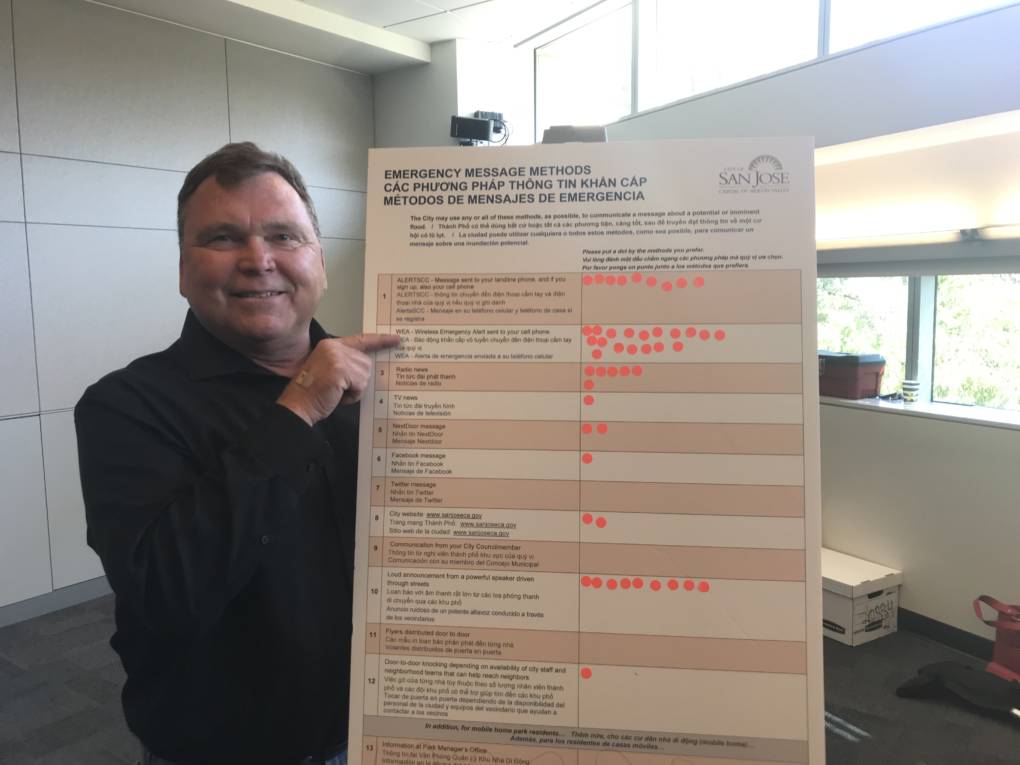
"caption": "Ray Riordan, San Jose's director of emergency management, with a survey on emergency notifications.",
"description": null,
"title": "IMG_0692",
"credit": "Guy Marzorati/KQED",
"status": "inherit",
"isLoading": false,
"fetchFailed": false
},
"news_11626688": {
"type": "attachments",
"id": "news_11626688",
"meta": {
"index": "attachments_1716263798",
"site": "news",
"id": "11626688",
"found": true
},
"parent": 11626686,
"imgSizes": {
"small": {
"file": "https://ww2.kqed.org/app/uploads/sites/10/2017/10/RS26143_GettyImages-670854616-1-qut-520x354.jpg",
"width": 520,
"mimeType": "image/jpeg",
"height": 354
},
"twentyfourteen-full-width": {
"file": "https://ww2.kqed.org/app/uploads/sites/10/2017/10/RS26143_GettyImages-670854616-1-qut-1038x576.jpg",
"width": 1038,
"mimeType": "image/jpeg",
"height": 576
},
"thumbnail": {
"file": "https://ww2.kqed.org/app/uploads/sites/10/2017/10/RS26143_GettyImages-670854616-1-qut-160x109.jpg",
"width": 160,
"mimeType": "image/jpeg",
"height": 109
},
"fd-sm": {
"file": "https://ww2.kqed.org/app/uploads/sites/10/2017/10/RS26143_GettyImages-670854616-1-qut-960x654.jpg",
"width": 960,
"mimeType": "image/jpeg",
"height": 654
},
"post-thumbnail": {
"file": "https://ww2.kqed.org/app/uploads/sites/10/2017/10/RS26143_GettyImages-670854616-1-qut-672x372.jpg",
"width": 672,
"mimeType": "image/jpeg",
"height": 372
},
"xsmall": {
"file": "https://ww2.kqed.org/app/uploads/sites/10/2017/10/RS26143_GettyImages-670854616-1-qut-375x255.jpg",
"width": 375,
"mimeType": "image/jpeg",
"height": 255
},
"kqedFullSize": {
"file": "https://ww2.kqed.org/app/uploads/sites/10/2017/10/RS26143_GettyImages-670854616-1-qut.jpg",
"width": 1920,
"height": 1308
},
"large": {
"file": "https://ww2.kqed.org/app/uploads/sites/10/2017/10/RS26143_GettyImages-670854616-1-qut-1020x695.jpg",
"width": 1020,
"mimeType": "image/jpeg",
"height": 695
},
"xlarge": {
"file": "https://ww2.kqed.org/app/uploads/sites/10/2017/10/RS26143_GettyImages-670854616-1-qut-1180x804.jpg",
"width": 1180,
"mimeType": "image/jpeg",
"height": 804
},
"guest-author-50": {
"file": "https://ww2.kqed.org/app/uploads/sites/10/2017/10/RS26143_GettyImages-670854616-1-qut-50x50.jpg",
"width": 50,
"mimeType": "image/jpeg",
"height": 50
},
"guest-author-96": {
"file": "https://ww2.kqed.org/app/uploads/sites/10/2017/10/RS26143_GettyImages-670854616-1-qut-96x96.jpg",
"width": 96,
"mimeType": "image/jpeg",
"height": 96
},
"medium": {
"file": "https://ww2.kqed.org/app/uploads/sites/10/2017/10/RS26143_GettyImages-670854616-1-qut-800x545.jpg",
"width": 800,
"mimeType": "image/jpeg",
"height": 545
},
"guest-author-64": {
"file": "https://ww2.kqed.org/app/uploads/sites/10/2017/10/RS26143_GettyImages-670854616-1-qut-64x64.jpg",
"width": 64,
"mimeType": "image/jpeg",
"height": 64
},
"guest-author-32": {
"file": "https://ww2.kqed.org/app/uploads/sites/10/2017/10/RS26143_GettyImages-670854616-1-qut-32x32.jpg",
"width": 32,
"mimeType": "image/jpeg",
"height": 32
},
"fd-lrg": {
"file": "https://ww2.kqed.org/app/uploads/sites/10/2017/10/RS26143_GettyImages-670854616-1-qut-1920x1308.jpg",
"width": 1920,
"mimeType": "image/jpeg",
"height": 1308
},
"fd-med": {
"file": "https://ww2.kqed.org/app/uploads/sites/10/2017/10/RS26143_GettyImages-670854616-1-qut-1180x804.jpg",
"width": 1180,
"mimeType": "image/jpeg",
"height": 804
},
"full-width": {
"file": "https://ww2.kqed.org/app/uploads/sites/10/2017/10/RS26143_GettyImages-670854616-1-qut-1920x1308.jpg",
"width": 1920,
"mimeType": "image/jpeg",
"height": 1308
},
"detail": {
"file": "https://ww2.kqed.org/app/uploads/sites/10/2017/10/RS26143_GettyImages-670854616-1-qut-150x150.jpg",
"width": 150,
"mimeType": "image/jpeg",
"height": 150
},
"guest-author-128": {
"file": "https://ww2.kqed.org/app/uploads/sites/10/2017/10/RS26143_GettyImages-670854616-1-qut-128x128.jpg",
"width": 128,
"mimeType": "image/jpeg",
"height": 128
},
"xxsmall": {
"file": "https://ww2.kqed.org/app/uploads/sites/10/2017/10/RS26143_GettyImages-670854616-1-qut-240x164.jpg",
"width": 240,
"mimeType": "image/jpeg",
"height": 164
}
},
"publishDate": 1509297494,
"modified": 1509297754,
"caption": "Justin Calvino displays marijuana grown on one of his properties in Mendocino County, California on April 19, 2017. Recreational legalization is fast-approaching, but confusion over regulations may create issues down the road. ",
"description": "Justin Calvino displays marijuana grown on one of his properties in Mendocino County, California on April 19, 2017. Recreational legalization is fast-approaching, but confusion over regulations may create issues down the road. ",
"title": "US-MARIJUANA-REGULATIONS",
"credit": "Josh EdelsonN/AFP/Getty Images",
"status": "inherit",
"isLoading": false,
"fetchFailed": false
},
"news_11626664": {
"type": "attachments",
"id": "news_11626664",
"meta": {
"index": "attachments_1716263798",
"site": "news",
"id": "11626664",
"found": true
},
"parent": 11626640,
"imgSizes": {
"small": {
"file": "https://ww2.kqed.org/app/uploads/sites/10/2017/10/RS27783_GettyImages-461843616-qut-520x345.jpg",
"width": 520,
"mimeType": "image/jpeg",
"height": 345
},
"twentyfourteen-full-width": {
"file": "https://ww2.kqed.org/app/uploads/sites/10/2017/10/RS27783_GettyImages-461843616-qut-1038x576.jpg",
"width": 1038,
"mimeType": "image/jpeg",
"height": 576
},
"thumbnail": {
"file": "https://ww2.kqed.org/app/uploads/sites/10/2017/10/RS27783_GettyImages-461843616-qut-160x106.jpg",
"width": 160,
"mimeType": "image/jpeg",
"height": 106
},
"fd-sm": {
"file": "https://ww2.kqed.org/app/uploads/sites/10/2017/10/RS27783_GettyImages-461843616-qut-960x636.jpg",
"width": 960,
"mimeType": "image/jpeg",
"height": 636
},
"post-thumbnail": {
"file": "https://ww2.kqed.org/app/uploads/sites/10/2017/10/RS27783_GettyImages-461843616-qut-672x372.jpg",
"width": 672,
"mimeType": "image/jpeg",
"height": 372
},
"xsmall": {
"file": "https://ww2.kqed.org/app/uploads/sites/10/2017/10/RS27783_GettyImages-461843616-qut-375x248.jpg",
"width": 375,
"mimeType": "image/jpeg",
"height": 248
},
"kqedFullSize": {
"file": "https://ww2.kqed.org/app/uploads/sites/10/2017/10/RS27783_GettyImages-461843616-qut.jpg",
"width": 1920,
"height": 1272
},
"large": {
"file": "https://ww2.kqed.org/app/uploads/sites/10/2017/10/RS27783_GettyImages-461843616-qut-1020x676.jpg",
"width": 1020,
"mimeType": "image/jpeg",
"height": 676
},
"xlarge": {
"file": "https://ww2.kqed.org/app/uploads/sites/10/2017/10/RS27783_GettyImages-461843616-qut-1180x782.jpg",
"width": 1180,
"mimeType": "image/jpeg",
"height": 782
},
"guest-author-50": {
"file": "https://ww2.kqed.org/app/uploads/sites/10/2017/10/RS27783_GettyImages-461843616-qut-50x50.jpg",
"width": 50,
"mimeType": "image/jpeg",
"height": 50
},
"guest-author-96": {
"file": "https://ww2.kqed.org/app/uploads/sites/10/2017/10/RS27783_GettyImages-461843616-qut-96x96.jpg",
"width": 96,
"mimeType": "image/jpeg",
"height": 96
},
"medium": {
"file": "https://ww2.kqed.org/app/uploads/sites/10/2017/10/RS27783_GettyImages-461843616-qut-800x530.jpg",
"width": 800,
"mimeType": "image/jpeg",
"height": 530
},
"guest-author-64": {
"file": "https://ww2.kqed.org/app/uploads/sites/10/2017/10/RS27783_GettyImages-461843616-qut-64x64.jpg",
"width": 64,
"mimeType": "image/jpeg",
"height": 64
},
"guest-author-32": {
"file": "https://ww2.kqed.org/app/uploads/sites/10/2017/10/RS27783_GettyImages-461843616-qut-32x32.jpg",
"width": 32,
"mimeType": "image/jpeg",
"height": 32
},
"fd-lrg": {
"file": "https://ww2.kqed.org/app/uploads/sites/10/2017/10/RS27783_GettyImages-461843616-qut-1920x1272.jpg",
"width": 1920,
"mimeType": "image/jpeg",
"height": 1272
},
"fd-med": {
"file": "https://ww2.kqed.org/app/uploads/sites/10/2017/10/RS27783_GettyImages-461843616-qut-1180x782.jpg",
"width": 1180,
"mimeType": "image/jpeg",
"height": 782
},
"full-width": {
"file": "https://ww2.kqed.org/app/uploads/sites/10/2017/10/RS27783_GettyImages-461843616-qut-1920x1272.jpg",
"width": 1920,
"mimeType": "image/jpeg",
"height": 1272
},
"detail": {
"file": "https://ww2.kqed.org/app/uploads/sites/10/2017/10/RS27783_GettyImages-461843616-qut-150x150.jpg",
"width": 150,
"mimeType": "image/jpeg",
"height": 150
},
"guest-author-128": {
"file": "https://ww2.kqed.org/app/uploads/sites/10/2017/10/RS27783_GettyImages-461843616-qut-128x128.jpg",
"width": 128,
"mimeType": "image/jpeg",
"height": 128
},
"xxsmall": {
"file": "https://ww2.kqed.org/app/uploads/sites/10/2017/10/RS27783_GettyImages-461843616-qut-240x159.jpg",
"width": 240,
"mimeType": "image/jpeg",
"height": 159
}
},
"publishDate": 1509237392,
"modified": 1509237638,
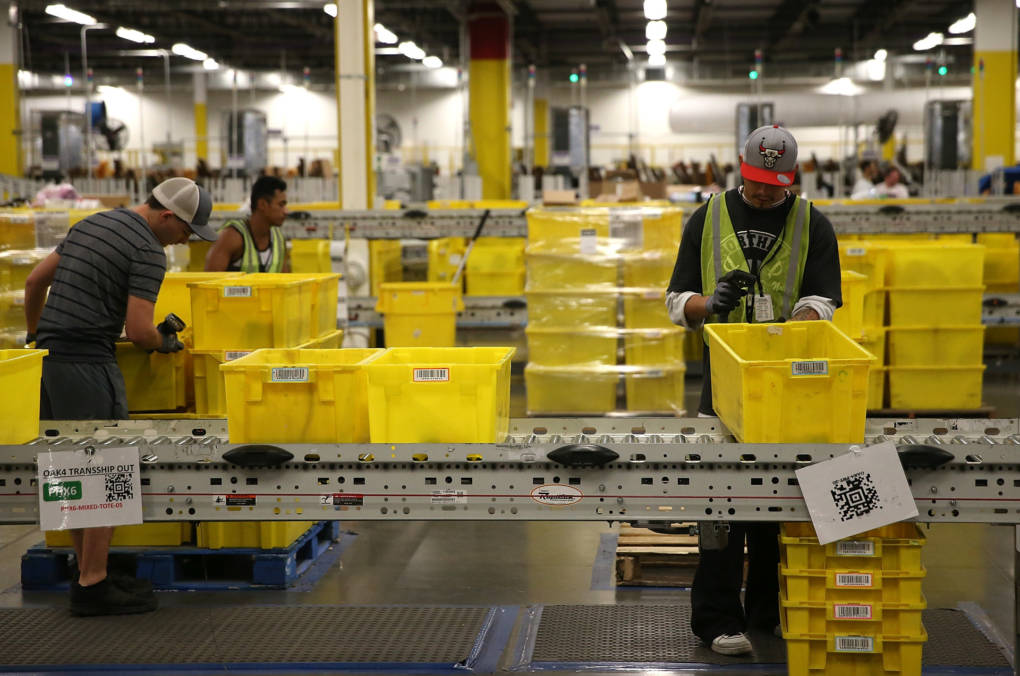
"caption": "Amazon.com workers pack orders at an Amazon fulfillment center on January 20, 2015 in Tracy, California. It uses robots but still employs more than 3,000 employees.",
"description": "Amazon.com workers pack orders at an Amazon fulfillment center on January 20, 2015 in Tracy, California. It uses robots but still employs more than 3,000 employees.",
"title": "Grand Opening Of Amazon Fulfillment Center Features State Of The Art Technology",
"credit": "Justin Sullivan/Getty Images",
"status": "inherit",
"isLoading": false,
"fetchFailed": false
},
"news_11626651": {
"type": "attachments",
"id": "news_11626651",
"meta": {
"index": "attachments_1716263798",
"site": "news",
"id": "11626651",
"found": true
},
"parent": 11626635,
"imgSizes": {
"small": {
"file": "https://ww2.kqed.org/app/uploads/sites/10/2017/10/RS27780_IMG_0587-qut-520x390.jpg",
"width": 520,
"mimeType": "image/jpeg",
"height": 390
},
"twentyfourteen-full-width": {
"file": "https://ww2.kqed.org/app/uploads/sites/10/2017/10/RS27780_IMG_0587-qut-1038x576.jpg",
"width": 1038,
"mimeType": "image/jpeg",
"height": 576
},
"thumbnail": {
"file": "https://ww2.kqed.org/app/uploads/sites/10/2017/10/RS27780_IMG_0587-qut-160x120.jpg",
"width": 160,
"mimeType": "image/jpeg",
"height": 120
},
"fd-sm": {
"file": "https://ww2.kqed.org/app/uploads/sites/10/2017/10/RS27780_IMG_0587-qut-960x720.jpg",
"width": 960,
"mimeType": "image/jpeg",
"height": 720
},
"post-thumbnail": {
"file": "https://ww2.kqed.org/app/uploads/sites/10/2017/10/RS27780_IMG_0587-qut-672x372.jpg",
"width": 672,
"mimeType": "image/jpeg",
"height": 372
},
"xsmall": {
"file": "https://ww2.kqed.org/app/uploads/sites/10/2017/10/RS27780_IMG_0587-qut-375x281.jpg",
"width": 375,
"mimeType": "image/jpeg",
"height": 281
},
"kqedFullSize": {
"file": "https://ww2.kqed.org/app/uploads/sites/10/2017/10/RS27780_IMG_0587-qut.jpg",
"width": 1920,
"height": 1440
},
"large": {
"file": "https://ww2.kqed.org/app/uploads/sites/10/2017/10/RS27780_IMG_0587-qut-1020x765.jpg",
"width": 1020,
"mimeType": "image/jpeg",
"height": 765
},
"xlarge": {
"file": "https://ww2.kqed.org/app/uploads/sites/10/2017/10/RS27780_IMG_0587-qut-1180x885.jpg",
"width": 1180,
"mimeType": "image/jpeg",
"height": 885
},
"guest-author-50": {
"file": "https://ww2.kqed.org/app/uploads/sites/10/2017/10/RS27780_IMG_0587-qut-50x50.jpg",
"width": 50,
"mimeType": "image/jpeg",
"height": 50
},
"guest-author-96": {
"file": "https://ww2.kqed.org/app/uploads/sites/10/2017/10/RS27780_IMG_0587-qut-96x96.jpg",
"width": 96,
"mimeType": "image/jpeg",
"height": 96
},
"medium": {
"file": "https://ww2.kqed.org/app/uploads/sites/10/2017/10/RS27780_IMG_0587-qut-800x600.jpg",
"width": 800,
"mimeType": "image/jpeg",
"height": 600
},
"guest-author-64": {
"file": "https://ww2.kqed.org/app/uploads/sites/10/2017/10/RS27780_IMG_0587-qut-64x64.jpg",
"width": 64,
"mimeType": "image/jpeg",
"height": 64
},
"guest-author-32": {
"file": "https://ww2.kqed.org/app/uploads/sites/10/2017/10/RS27780_IMG_0587-qut-32x32.jpg",
"width": 32,
"mimeType": "image/jpeg",
"height": 32
},
"fd-lrg": {
"file": "https://ww2.kqed.org/app/uploads/sites/10/2017/10/RS27780_IMG_0587-qut-1920x1440.jpg",
"width": 1920,
"mimeType": "image/jpeg",
"height": 1440
},
"fd-med": {
"file": "https://ww2.kqed.org/app/uploads/sites/10/2017/10/RS27780_IMG_0587-qut-1180x885.jpg",
"width": 1180,
"mimeType": "image/jpeg",
"height": 885
},
"full-width": {
"file": "https://ww2.kqed.org/app/uploads/sites/10/2017/10/RS27780_IMG_0587-qut-1920x1440.jpg",
"width": 1920,
"mimeType": "image/jpeg",
"height": 1440
},
"detail": {
"file": "https://ww2.kqed.org/app/uploads/sites/10/2017/10/RS27780_IMG_0587-qut-150x150.jpg",
"width": 150,
"mimeType": "image/jpeg",
"height": 150
},
"guest-author-128": {
"file": "https://ww2.kqed.org/app/uploads/sites/10/2017/10/RS27780_IMG_0587-qut-128x128.jpg",
"width": 128,
"mimeType": "image/jpeg",
"height": 128
},
"xxsmall": {
"file": "https://ww2.kqed.org/app/uploads/sites/10/2017/10/RS27780_IMG_0587-qut-240x180.jpg",
"width": 240,
"mimeType": "image/jpeg",
"height": 180
}
},
"publishDate": 1509229664,
"modified": 1509229757,
"caption": "This ladybug puppy received a lot of love during the costume contest. It was followed by a puppy bumblebee.",
"description": "This ladybug puppy received a lot of love during the costume contest. It was followed by a puppy bumblebee.",
"title": "RS27780_IMG_0587-qut",
"credit": "Bianca Hernandez/KQED",
"status": "inherit",
"isLoading": false,
"fetchFailed": false
},
"news_11626275": {
"type": "attachments",
"id": "news_11626275",
"meta": {
"index": "attachments_1716263798",
"site": "news",
"id": "11626275",
"found": true
},
"parent": 11626245,
"imgSizes": {
"small": {
"file": "https://ww2.kqed.org/app/uploads/sites/10/2017/10/RS27726_Hale_ProdStill_H_3-qut-520x371.jpg",
"width": 520,
"mimeType": "image/jpeg",
"height": 371
},
"twentyfourteen-full-width": {
"file": "https://ww2.kqed.org/app/uploads/sites/10/2017/10/RS27726_Hale_ProdStill_H_3-qut-1038x576.jpg",
"width": 1038,
"mimeType": "image/jpeg",
"height": 576
},
"thumbnail": {
"file": "https://ww2.kqed.org/app/uploads/sites/10/2017/10/RS27726_Hale_ProdStill_H_3-qut-160x114.jpg",
"width": 160,
"mimeType": "image/jpeg",
"height": 114
},
"fd-sm": {
"file": "https://ww2.kqed.org/app/uploads/sites/10/2017/10/RS27726_Hale_ProdStill_H_3-qut-960x686.jpg",
"width": 960,
"mimeType": "image/jpeg",
"height": 686
},
"post-thumbnail": {
"file": "https://ww2.kqed.org/app/uploads/sites/10/2017/10/RS27726_Hale_ProdStill_H_3-qut-672x372.jpg",
"width": 672,
"mimeType": "image/jpeg",
"height": 372
},
"xsmall": {
"file": "https://ww2.kqed.org/app/uploads/sites/10/2017/10/RS27726_Hale_ProdStill_H_3-qut-375x268.jpg",
"width": 375,
"mimeType": "image/jpeg",
"height": 268
},
"kqedFullSize": {
"file": "https://ww2.kqed.org/app/uploads/sites/10/2017/10/RS27726_Hale_ProdStill_H_3-qut.jpg",
"width": 1920,
"height": 1371
},
"large": {
"file": "https://ww2.kqed.org/app/uploads/sites/10/2017/10/RS27726_Hale_ProdStill_H_3-qut-1020x728.jpg",
"width": 1020,
"mimeType": "image/jpeg",
"height": 728
},
"xlarge": {
"file": "https://ww2.kqed.org/app/uploads/sites/10/2017/10/RS27726_Hale_ProdStill_H_3-qut-1180x843.jpg",
"width": 1180,
"mimeType": "image/jpeg",
"height": 843
},
"guest-author-50": {
"file": "https://ww2.kqed.org/app/uploads/sites/10/2017/10/RS27726_Hale_ProdStill_H_3-qut-50x50.jpg",
"width": 50,
"mimeType": "image/jpeg",
"height": 50
},
"guest-author-96": {
"file": "https://ww2.kqed.org/app/uploads/sites/10/2017/10/RS27726_Hale_ProdStill_H_3-qut-96x96.jpg",
"width": 96,
"mimeType": "image/jpeg",
"height": 96
},
"medium": {
"file": "https://ww2.kqed.org/app/uploads/sites/10/2017/10/RS27726_Hale_ProdStill_H_3-qut-800x571.jpg",
"width": 800,
"mimeType": "image/jpeg",
"height": 571
},
"guest-author-64": {
"file": "https://ww2.kqed.org/app/uploads/sites/10/2017/10/RS27726_Hale_ProdStill_H_3-qut-64x64.jpg",
"width": 64,
"mimeType": "image/jpeg",
"height": 64
},
"guest-author-32": {
"file": "https://ww2.kqed.org/app/uploads/sites/10/2017/10/RS27726_Hale_ProdStill_H_3-qut-32x32.jpg",
"width": 32,
"mimeType": "image/jpeg",
"height": 32
},
"fd-lrg": {
"file": "https://ww2.kqed.org/app/uploads/sites/10/2017/10/RS27726_Hale_ProdStill_H_3-qut-1920x1371.jpg",
"width": 1920,
"mimeType": "image/jpeg",
"height": 1371
},
"fd-med": {
"file": "https://ww2.kqed.org/app/uploads/sites/10/2017/10/RS27726_Hale_ProdStill_H_3-qut-1180x843.jpg",
"width": 1180,
"mimeType": "image/jpeg",
"height": 843
},
"full-width": {
"file": "https://ww2.kqed.org/app/uploads/sites/10/2017/10/RS27726_Hale_ProdStill_H_3-qut-1920x1371.jpg",
"width": 1920,
"mimeType": "image/jpeg",
"height": 1371
},
"detail": {
"file": "https://ww2.kqed.org/app/uploads/sites/10/2017/10/RS27726_Hale_ProdStill_H_3-qut-150x150.jpg",
"width": 150,
"mimeType": "image/jpeg",
"height": 150
},
"guest-author-128": {
"file": "https://ww2.kqed.org/app/uploads/sites/10/2017/10/RS27726_Hale_ProdStill_H_3-qut-128x128.jpg",
"width": 128,
"mimeType": "image/jpeg",
"height": 128
},
"xxsmall": {
"file": "https://ww2.kqed.org/app/uploads/sites/10/2017/10/RS27726_Hale_ProdStill_H_3-qut-240x171.jpg",
"width": 240,
"mimeType": "image/jpeg",
"height": 171
}
},
"publishDate": 1509051437,
"modified": 1509146869,
"caption": "Hale Zukas was a founder of the disability rights movement at UC Berkeley, and was involved in building a national civil rights movement for people with disabilities. ",
"description": "A lot of UC Berkeley students may have noticed Hale Zukas in his wheelchair, but they may not realize he's one of the country's early disability rights activists.",
"title": "RS27726_Hale_ProdStill_H_3-qut",
"credit": "Photo Courtesy of Brad Bailey",
"status": "inherit",
"isLoading": false,
"fetchFailed": false
},
"news_11626619": {
"type": "attachments",
"id": "news_11626619",
"meta": {
"index": "attachments_1716263798",
"site": "news",
"id": "11626619",
"found": true
},
"parent": 11626617,
"imgSizes": {
"small": {
"file": "https://ww2.kqed.org/app/uploads/sites/10/2017/10/RS27579_GettyImages-861748748-qut-520x339.jpg",
"width": 520,
"mimeType": "image/jpeg",
"height": 339
},
"twentyfourteen-full-width": {
"file": "https://ww2.kqed.org/app/uploads/sites/10/2017/10/RS27579_GettyImages-861748748-qut-1038x576.jpg",
"width": 1038,
"mimeType": "image/jpeg",
"height": 576
},
"thumbnail": {
"file": "https://ww2.kqed.org/app/uploads/sites/10/2017/10/RS27579_GettyImages-861748748-qut-160x104.jpg",
"width": 160,
"mimeType": "image/jpeg",
"height": 104
},
"fd-sm": {
"file": "https://ww2.kqed.org/app/uploads/sites/10/2017/10/RS27579_GettyImages-861748748-qut-960x627.jpg",
"width": 960,
"mimeType": "image/jpeg",
"height": 627
},
"post-thumbnail": {
"file": "https://ww2.kqed.org/app/uploads/sites/10/2017/10/RS27579_GettyImages-861748748-qut-672x372.jpg",
"width": 672,
"mimeType": "image/jpeg",
"height": 372
},
"xsmall": {
"file": "https://ww2.kqed.org/app/uploads/sites/10/2017/10/RS27579_GettyImages-861748748-qut-375x245.jpg",
"width": 375,
"mimeType": "image/jpeg",
"height": 245
},
"kqedFullSize": {
"file": "https://ww2.kqed.org/app/uploads/sites/10/2017/10/RS27579_GettyImages-861748748-qut.jpg",
"width": 1920,
"height": 1253
},
"large": {
"file": "https://ww2.kqed.org/app/uploads/sites/10/2017/10/RS27579_GettyImages-861748748-qut-1020x666.jpg",
"width": 1020,
"mimeType": "image/jpeg",
"height": 666
},
"xlarge": {
"file": "https://ww2.kqed.org/app/uploads/sites/10/2017/10/RS27579_GettyImages-861748748-qut-1180x770.jpg",
"width": 1180,
"mimeType": "image/jpeg",
"height": 770
},
"guest-author-50": {
"file": "https://ww2.kqed.org/app/uploads/sites/10/2017/10/RS27579_GettyImages-861748748-qut-50x50.jpg",
"width": 50,
"mimeType": "image/jpeg",
"height": 50
},
"guest-author-96": {
"file": "https://ww2.kqed.org/app/uploads/sites/10/2017/10/RS27579_GettyImages-861748748-qut-96x96.jpg",
"width": 96,
"mimeType": "image/jpeg",
"height": 96
},
"medium": {
"file": "https://ww2.kqed.org/app/uploads/sites/10/2017/10/RS27579_GettyImages-861748748-qut-800x522.jpg",
"width": 800,
"mimeType": "image/jpeg",
"height": 522
},
"guest-author-64": {
"file": "https://ww2.kqed.org/app/uploads/sites/10/2017/10/RS27579_GettyImages-861748748-qut-64x64.jpg",
"width": 64,
"mimeType": "image/jpeg",
"height": 64
},
"guest-author-32": {
"file": "https://ww2.kqed.org/app/uploads/sites/10/2017/10/RS27579_GettyImages-861748748-qut-32x32.jpg",
"width": 32,
"mimeType": "image/jpeg",
"height": 32
},
"fd-lrg": {
"file": "https://ww2.kqed.org/app/uploads/sites/10/2017/10/RS27579_GettyImages-861748748-qut-1920x1253.jpg",
"width": 1920,
"mimeType": "image/jpeg",
"height": 1253
},
"fd-med": {
"file": "https://ww2.kqed.org/app/uploads/sites/10/2017/10/RS27579_GettyImages-861748748-qut-1180x770.jpg",
"width": 1180,
"mimeType": "image/jpeg",
"height": 770
},
"full-width": {
"file": "https://ww2.kqed.org/app/uploads/sites/10/2017/10/RS27579_GettyImages-861748748-qut-1920x1253.jpg",
"width": 1920,
"mimeType": "image/jpeg",
"height": 1253
},
"detail": {
"file": "https://ww2.kqed.org/app/uploads/sites/10/2017/10/RS27579_GettyImages-861748748-qut-150x150.jpg",
"width": 150,
"mimeType": "image/jpeg",
"height": 150
},
"guest-author-128": {
"file": "https://ww2.kqed.org/app/uploads/sites/10/2017/10/RS27579_GettyImages-861748748-qut-128x128.jpg",
"width": 128,
"mimeType": "image/jpeg",
"height": 128
},
"xxsmall": {
"file": "https://ww2.kqed.org/app/uploads/sites/10/2017/10/RS27579_GettyImages-861748748-qut-240x157.jpg",
"width": 240,
"mimeType": "image/jpeg",
"height": 157
}
},
"publishDate": 1509216110,
"modified": 1509216313,
"caption": "The recovery effort for North Bay Fire victims has just begun, but state officials said cleanup could last into early 2018.",
"description": ".The recovery effort for North Bay Fire victims has just begun, but state officials said cleanup could last into early 2018.",
"title": "US-FIRE-CALIFORNIA",
"credit": "Josh Edelson/Getty Images",
"status": "inherit",
"isLoading": false,
"fetchFailed": false
},
"news_11626573": {
"type": "attachments",
"id": "news_11626573",
"meta": {
"index": "attachments_1716263798",
"site": "news",
"id": "11626573",
"found": true
},
"parent": 11626557,
"imgSizes": {
"small": {
"file": "https://ww2.kqed.org/app/uploads/sites/10/2017/10/RS27767_Bocanegra-qut-520x347.jpg",
"width": 520,
"mimeType": "image/jpeg",
"height": 347
},
"twentyfourteen-full-width": {
"file": "https://ww2.kqed.org/app/uploads/sites/10/2017/10/RS27767_Bocanegra-qut-960x576.jpg",
"width": 960,
"mimeType": "image/jpeg",
"height": 576
},
"thumbnail": {
"file": "https://ww2.kqed.org/app/uploads/sites/10/2017/10/RS27767_Bocanegra-qut-160x107.jpg",
"width": 160,
"mimeType": "image/jpeg",
"height": 107
},
"fd-sm": {
"file": "https://ww2.kqed.org/app/uploads/sites/10/2017/10/RS27767_Bocanegra-qut-960x640.jpg",
"width": 960,
"mimeType": "image/jpeg",
"height": 640
},
"post-thumbnail": {
"file": "https://ww2.kqed.org/app/uploads/sites/10/2017/10/RS27767_Bocanegra-qut-672x372.jpg",
"width": 672,
"mimeType": "image/jpeg",
"height": 372
},
"xsmall": {
"file": "https://ww2.kqed.org/app/uploads/sites/10/2017/10/RS27767_Bocanegra-qut-375x250.jpg",
"width": 375,
"mimeType": "image/jpeg",
"height": 250
},
"kqedFullSize": {
"file": "https://ww2.kqed.org/app/uploads/sites/10/2017/10/RS27767_Bocanegra-qut.jpg",
"width": 960,
"height": 640
},
"guest-author-50": {
"file": "https://ww2.kqed.org/app/uploads/sites/10/2017/10/RS27767_Bocanegra-qut-50x50.jpg",
"width": 50,
"mimeType": "image/jpeg",
"height": 50
},
"guest-author-96": {
"file": "https://ww2.kqed.org/app/uploads/sites/10/2017/10/RS27767_Bocanegra-qut-96x96.jpg",
"width": 96,
"mimeType": "image/jpeg",
"height": 96
},
"medium": {
"file": "https://ww2.kqed.org/app/uploads/sites/10/2017/10/RS27767_Bocanegra-qut-800x533.jpg",
"width": 800,
"mimeType": "image/jpeg",
"height": 533
},
"guest-author-64": {
"file": "https://ww2.kqed.org/app/uploads/sites/10/2017/10/RS27767_Bocanegra-qut-64x64.jpg",
"width": 64,
"mimeType": "image/jpeg",
"height": 64
},
"guest-author-32": {
"file": "https://ww2.kqed.org/app/uploads/sites/10/2017/10/RS27767_Bocanegra-qut-32x32.jpg",
"width": 32,
"mimeType": "image/jpeg",
"height": 32
},
"detail": {
"file": "https://ww2.kqed.org/app/uploads/sites/10/2017/10/RS27767_Bocanegra-qut-150x150.jpg",
"width": 150,
"mimeType": "image/jpeg",
"height": 150
},
"guest-author-128": {
"file": "https://ww2.kqed.org/app/uploads/sites/10/2017/10/RS27767_Bocanegra-qut-128x128.jpg",
"width": 128,
"mimeType": "image/jpeg",
"height": 128
},
"xxsmall": {
"file": "https://ww2.kqed.org/app/uploads/sites/10/2017/10/RS27767_Bocanegra-qut-240x160.jpg",
"width": 240,
"mimeType": "image/jpeg",
"height": 160
}
},
"publishDate": 1509147946,
"modified": 1509152125,
"caption": "Assemblyman Raul Bocanegra at a political event on Sept. 26, 2017.",
"description": "Assemblyman Raul Bocanegra at a political event on Sept. 26, 2017.",
"title": "RS27767_Bocanegra-qut",
"credit": "Assemblyman Raul Bocanegra's Facebook Page",
"status": "inherit",
"isLoading": false,
"fetchFailed": false
},
"news_11626504": {
"type": "attachments",
"id": "news_11626504",
"meta": {
"index": "attachments_1716263798",
"site": "news",
"id": "11626504",
"found": true
},
"parent": 11626474,
"imgSizes": {
"small": {
"file": "https://ww2.kqed.org/app/uploads/sites/10/2017/10/Antonio-4-e1509139212405-520x382.jpg",
"width": 520,
"mimeType": "image/jpeg",
"height": 382
},
"twentyfourteen-full-width": {
"file": "https://ww2.kqed.org/app/uploads/sites/10/2017/10/Antonio-4-e1509139212405-1038x576.jpg",
"width": 1038,
"mimeType": "image/jpeg",
"height": 576
},
"thumbnail": {
"file": "https://ww2.kqed.org/app/uploads/sites/10/2017/10/Antonio-4-e1509139212405-160x118.jpg",
"width": 160,
"mimeType": "image/jpeg",
"height": 118
},
"fd-sm": {
"file": "https://ww2.kqed.org/app/uploads/sites/10/2017/10/Antonio-4-e1509139212405-960x705.jpg",
"width": 960,
"mimeType": "image/jpeg",
"height": 705
},
"post-thumbnail": {
"file": "https://ww2.kqed.org/app/uploads/sites/10/2017/10/Antonio-4-e1509139212405-672x372.jpg",
"width": 672,
"mimeType": "image/jpeg",
"height": 372
},
"xsmall": {
"file": "https://ww2.kqed.org/app/uploads/sites/10/2017/10/Antonio-4-e1509139212405-375x275.jpg",
"width": 375,
"mimeType": "image/jpeg",
"height": 275
},
"kqedFullSize": {
"file": "https://ww2.kqed.org/app/uploads/sites/10/2017/10/Antonio-4-e1509139212405.jpg",
"width": 1536,
"height": 1128
},
"large": {
"file": "https://ww2.kqed.org/app/uploads/sites/10/2017/10/Antonio-4-e1509139212405-1020x749.jpg",
"width": 1020,
"mimeType": "image/jpeg",
"height": 749
},
"xlarge": {
"file": "https://ww2.kqed.org/app/uploads/sites/10/2017/10/Antonio-4-e1509139212405-1180x867.jpg",
"width": 1180,
"mimeType": "image/jpeg",
"height": 867
},
"guest-author-50": {
"file": "https://ww2.kqed.org/app/uploads/sites/10/2017/10/Antonio-4-e1509139212405-50x50.jpg",
"width": 50,
"mimeType": "image/jpeg",
"height": 50
},
"guest-author-96": {
"file": "https://ww2.kqed.org/app/uploads/sites/10/2017/10/Antonio-4-e1509139212405-96x96.jpg",
"width": 96,
"mimeType": "image/jpeg",
"height": 96
},
"medium": {
"file": "https://ww2.kqed.org/app/uploads/sites/10/2017/10/Antonio-4-e1509139212405-800x588.jpg",
"width": 800,
"mimeType": "image/jpeg",
"height": 588
},
"guest-author-64": {
"file": "https://ww2.kqed.org/app/uploads/sites/10/2017/10/Antonio-4-e1509139212405-64x64.jpg",
"width": 64,
"mimeType": "image/jpeg",
"height": 64
},
"guest-author-32": {
"file": "https://ww2.kqed.org/app/uploads/sites/10/2017/10/Antonio-4-e1509139212405-32x32.jpg",
"width": 32,
"mimeType": "image/jpeg",
"height": 32
},
"fd-lrg": {
"file": "https://ww2.kqed.org/app/uploads/sites/10/2017/10/Antonio-4-1920x1280.jpg",
"width": 1920,
"mimeType": "image/jpeg",
"height": 1280
},
"fd-med": {
"file": "https://ww2.kqed.org/app/uploads/sites/10/2017/10/Antonio-4-e1509139212405-1180x867.jpg",
"width": 1180,
"mimeType": "image/jpeg",
"height": 867
},
"full-width": {
"file": "https://ww2.kqed.org/app/uploads/sites/10/2017/10/Antonio-4-1920x1280.jpg",
"width": 1920,
"mimeType": "image/jpeg",
"height": 1280
},
"detail": {
"file": "https://ww2.kqed.org/app/uploads/sites/10/2017/10/Antonio-4-e1509139212405-150x150.jpg",
"width": 150,
"mimeType": "image/jpeg",
"height": 150
},
"guest-author-128": {
"file": "https://ww2.kqed.org/app/uploads/sites/10/2017/10/Antonio-4-e1509139212405-128x128.jpg",
"width": 128,
"mimeType": "image/jpeg",
"height": 128
},
"xxsmall": {
"file": "https://ww2.kqed.org/app/uploads/sites/10/2017/10/Antonio-4-e1509139212405-240x176.jpg",
"width": 240,
"mimeType": "image/jpeg",
"height": 176
}
},
"publishDate": 1509137171,
"modified": 1509666400,
"caption": "Antonio Chavez leases a 7-acre farm from a family friend to grow what he grew in Oaxaca: squash, chilies and marigolds. ",
"description": "Antionio Chavez leases a 7-acre farm from a family friend to grow what he grew in Oaxaca: squash, chilies and marigolds. ",
"title": "Antonio 4",
"credit": "Vanessa Rancano/KQED",
"status": "inherit",
"isLoading": false,
"fetchFailed": false
},
"stateofhealth_361769": {
"type": "attachments",
"id": "stateofhealth_361769",
"meta": {
"index": "attachments_1716263798",
"site": "stateofhealth",
"id": "361769",
"found": true
},
"parent": 361766,
"imgSizes": {
"small": {
"file": "https://ww2.kqed.org/app/uploads/sites/27/2017/10/MarijuanaHeart-520x288.jpg",
"width": 520,
"mimeType": "image/jpeg",
"height": 288
},
"twentyfourteen-full-width": {
"file": "https://ww2.kqed.org/app/uploads/sites/27/2017/10/MarijuanaHeart-1038x576.jpg",
"width": 1038,
"mimeType": "image/jpeg",
"height": 576
},
"thumbnail": {
"file": "https://ww2.kqed.org/app/uploads/sites/27/2017/10/MarijuanaHeart-160x89.jpg",
"width": 160,
"mimeType": "image/jpeg",
"height": 89
},
"fd-sm": {
"file": "https://ww2.kqed.org/app/uploads/sites/27/2017/10/MarijuanaHeart-960x531.jpg",
"width": 960,
"mimeType": "image/jpeg",
"height": 531
},
"post-thumbnail": {
"file": "https://ww2.kqed.org/app/uploads/sites/27/2017/10/MarijuanaHeart-672x372.jpg",
"width": 672,
"mimeType": "image/jpeg",
"height": 372
},
"xsmall": {
"file": "https://ww2.kqed.org/app/uploads/sites/27/2017/10/MarijuanaHeart-375x207.jpg",
"width": 375,
"mimeType": "image/jpeg",
"height": 207
},
"kqedFullSize": {
"file": "https://ww2.kqed.org/app/uploads/sites/27/2017/10/MarijuanaHeart.jpg",
"width": 2328,
"height": 1288
},
"large": {
"file": "https://ww2.kqed.org/app/uploads/sites/27/2017/10/MarijuanaHeart-1020x564.jpg",
"width": 1020,
"mimeType": "image/jpeg",
"height": 564
},
"xlarge": {
"file": "https://ww2.kqed.org/app/uploads/sites/27/2017/10/MarijuanaHeart-1180x653.jpg",
"width": 1180,
"mimeType": "image/jpeg",
"height": 653
},
"guest-author-50": {
"file": "https://ww2.kqed.org/app/uploads/sites/27/2017/10/MarijuanaHeart-50x50.jpg",
"width": 50,
"mimeType": "image/jpeg",
"height": 50
},
"guest-author-96": {
"file": "https://ww2.kqed.org/app/uploads/sites/27/2017/10/MarijuanaHeart-96x96.jpg",
"width": 96,
"mimeType": "image/jpeg",
"height": 96
},
"medium": {
"file": "https://ww2.kqed.org/app/uploads/sites/27/2017/10/MarijuanaHeart-800x443.jpg",
"width": 800,
"mimeType": "image/jpeg",
"height": 443
},
"guest-author-64": {
"file": "https://ww2.kqed.org/app/uploads/sites/27/2017/10/MarijuanaHeart-64x64.jpg",
"width": 64,
"mimeType": "image/jpeg",
"height": 64
},
"guest-author-32": {
"file": "https://ww2.kqed.org/app/uploads/sites/27/2017/10/MarijuanaHeart-32x32.jpg",
"width": 32,
"mimeType": "image/jpeg",
"height": 32
},
"fd-lrg": {
"file": "https://ww2.kqed.org/app/uploads/sites/27/2017/10/MarijuanaHeart-1920x1062.jpg",
"width": 1920,
"mimeType": "image/jpeg",
"height": 1062
},
"fd-med": {
"file": "https://ww2.kqed.org/app/uploads/sites/27/2017/10/MarijuanaHeart-1180x653.jpg",
"width": 1180,
"mimeType": "image/jpeg",
"height": 653
},
"full-width": {
"file": "https://ww2.kqed.org/app/uploads/sites/27/2017/10/MarijuanaHeart-1920x1062.jpg",
"width": 1920,
"mimeType": "image/jpeg",
"height": 1062
},
"detail": {
"file": "https://ww2.kqed.org/app/uploads/sites/27/2017/10/MarijuanaHeart-150x150.jpg",
"width": 150,
"mimeType": "image/jpeg",
"height": 150
},
"medium_large": {
"file": "https://ww2.kqed.org/app/uploads/sites/27/2017/10/MarijuanaHeart-768x425.jpg",
"width": 768,
"mimeType": "image/jpeg",
"height": 425
},
"guest-author-128": {
"file": "https://ww2.kqed.org/app/uploads/sites/27/2017/10/MarijuanaHeart-128x128.jpg",
"width": 128,
"mimeType": "image/jpeg",
"height": 128
},
"xxsmall": {
"file": "https://ww2.kqed.org/app/uploads/sites/27/2017/10/MarijuanaHeart-240x133.jpg",
"width": 240,
"mimeType": "image/jpeg",
"height": 133
}
},
"publishDate": 1509132909,
"modified": 1509132938,
"caption": null,
"description": null,
"title": "Marijuana leaf on a heart shape in notebook",
"credit": "iStock/Getty",
"status": "inherit",
"isLoading": false,
"fetchFailed": false
},
"news_11626271": {
"type": "attachments",
"id": "news_11626271",
"meta": {
"index": "attachments_1716263798",
"site": "news",
"id": "11626271",
"found": true
},
"parent": 11624675,
"imgSizes": {
"small": {
"file": "https://ww2.kqed.org/app/uploads/sites/10/2017/10/IMG_5792-520x390.jpg",
"width": 520,
"mimeType": "image/jpeg",
"height": 390
},
"twentyfourteen-full-width": {
"file": "https://ww2.kqed.org/app/uploads/sites/10/2017/10/IMG_5792-1038x576.jpg",
"width": 1038,
"mimeType": "image/jpeg",
"height": 576
},
"thumbnail": {
"file": "https://ww2.kqed.org/app/uploads/sites/10/2017/10/IMG_5792-160x120.jpg",
"width": 160,
"mimeType": "image/jpeg",
"height": 120
},
"fd-sm": {
"file": "https://ww2.kqed.org/app/uploads/sites/10/2017/10/IMG_5792-960x720.jpg",
"width": 960,
"mimeType": "image/jpeg",
"height": 720
},
"post-thumbnail": {
"file": "https://ww2.kqed.org/app/uploads/sites/10/2017/10/IMG_5792-672x372.jpg",
"width": 672,
"mimeType": "image/jpeg",
"height": 372
},
"xsmall": {
"file": "https://ww2.kqed.org/app/uploads/sites/10/2017/10/IMG_5792-375x281.jpg",
"width": 375,
"mimeType": "image/jpeg",
"height": 281
},
"kqedFullSize": {
"file": "https://ww2.kqed.org/app/uploads/sites/10/2017/10/IMG_5792-e1509127646763.jpg",
"width": 1920,
"height": 1440
},
"large": {
"file": "https://ww2.kqed.org/app/uploads/sites/10/2017/10/IMG_5792-1020x765.jpg",
"width": 1020,
"mimeType": "image/jpeg",
"height": 765
},
"xlarge": {
"file": "https://ww2.kqed.org/app/uploads/sites/10/2017/10/IMG_5792-1180x885.jpg",
"width": 1180,
"mimeType": "image/jpeg",
"height": 885
},
"guest-author-50": {
"file": "https://ww2.kqed.org/app/uploads/sites/10/2017/10/IMG_5792-50x50.jpg",
"width": 50,
"mimeType": "image/jpeg",
"height": 50
},
"guest-author-96": {
"file": "https://ww2.kqed.org/app/uploads/sites/10/2017/10/IMG_5792-96x96.jpg",
"width": 96,
"mimeType": "image/jpeg",
"height": 96
},
"medium": {
"file": "https://ww2.kqed.org/app/uploads/sites/10/2017/10/IMG_5792-800x600.jpg",
"width": 800,
"mimeType": "image/jpeg",
"height": 600
},
"guest-author-64": {
"file": "https://ww2.kqed.org/app/uploads/sites/10/2017/10/IMG_5792-64x64.jpg",
"width": 64,
"mimeType": "image/jpeg",
"height": 64
},
"guest-author-32": {
"file": "https://ww2.kqed.org/app/uploads/sites/10/2017/10/IMG_5792-32x32.jpg",
"width": 32,
"mimeType": "image/jpeg",
"height": 32
},
"fd-lrg": {
"file": "https://ww2.kqed.org/app/uploads/sites/10/2017/10/IMG_5792-1920x1440.jpg",
"width": 1920,
"mimeType": "image/jpeg",
"height": 1440
},
"fd-med": {
"file": "https://ww2.kqed.org/app/uploads/sites/10/2017/10/IMG_5792-1180x885.jpg",
"width": 1180,
"mimeType": "image/jpeg",
"height": 885
},
"full-width": {
"file": "https://ww2.kqed.org/app/uploads/sites/10/2017/10/IMG_5792-1920x1440.jpg",
"width": 1920,
"mimeType": "image/jpeg",
"height": 1440
},
"detail": {
"file": "https://ww2.kqed.org/app/uploads/sites/10/2017/10/IMG_5792-150x150.jpg",
"width": 150,
"mimeType": "image/jpeg",
"height": 150
},
"guest-author-128": {
"file": "https://ww2.kqed.org/app/uploads/sites/10/2017/10/IMG_5792-128x128.jpg",
"width": 128,
"mimeType": "image/jpeg",
"height": 128
},
"xxsmall": {
"file": "https://ww2.kqed.org/app/uploads/sites/10/2017/10/IMG_5792-240x180.jpg",
"width": 240,
"mimeType": "image/jpeg",
"height": 180
}
},
"publishDate": 1509051146,
"modified": 1576884178,
"caption": "Maguiber cradles his newborn daughter, born just days after his release from ICE detention.",
"description": "Maguiber, Guatemalan immigrant from Oakland who spent 7 months in ICE detention",
"title": "ICE detention",
"credit": "Tyche Hendricks/KQED",
"status": "inherit",
"isLoading": false,
"fetchFailed": false
},
"news_11624750": {
"type": "attachments",
"id": "news_11624750",
"meta": {
"index": "attachments_1716263798",
"site": "news",
"id": "11624750",
"found": true
},
"parent": 11624732,
"imgSizes": {
"small": {
"file": "https://ww2.kqed.org/app/uploads/sites/10/2017/10/ahmet_kayak4-1-520x292.jpg",
"width": 520,
"mimeType": "image/jpeg",
"height": 292
},
"twentyfourteen-full-width": {
"file": "https://ww2.kqed.org/app/uploads/sites/10/2017/10/ahmet_kayak4-1-1038x576.jpg",
"width": 1038,
"mimeType": "image/jpeg",
"height": 576
},
"thumbnail": {
"file": "https://ww2.kqed.org/app/uploads/sites/10/2017/10/ahmet_kayak4-1-160x90.jpg",
"width": 160,
"mimeType": "image/jpeg",
"height": 90
},
"fd-sm": {
"file": "https://ww2.kqed.org/app/uploads/sites/10/2017/10/ahmet_kayak4-1-960x540.jpg",
"width": 960,
"mimeType": "image/jpeg",
"height": 540
},
"post-thumbnail": {
"file": "https://ww2.kqed.org/app/uploads/sites/10/2017/10/ahmet_kayak4-1-672x372.jpg",
"width": 672,
"mimeType": "image/jpeg",
"height": 372
},
"xsmall": {
"file": "https://ww2.kqed.org/app/uploads/sites/10/2017/10/ahmet_kayak4-1-375x211.jpg",
"width": 375,
"mimeType": "image/jpeg",
"height": 211
},
"kqedFullSize": {
"file": "https://ww2.kqed.org/app/uploads/sites/10/2017/10/ahmet_kayak4-1.jpg",
"width": 1645,
"height": 925
},
"large": {
"file": "https://ww2.kqed.org/app/uploads/sites/10/2017/10/ahmet_kayak4-1-1020x574.jpg",
"width": 1020,
"mimeType": "image/jpeg",
"height": 574
},
"xlarge": {
"file": "https://ww2.kqed.org/app/uploads/sites/10/2017/10/ahmet_kayak4-1-1180x664.jpg",
"width": 1180,
"mimeType": "image/jpeg",
"height": 664
},
"guest-author-50": {
"file": "https://ww2.kqed.org/app/uploads/sites/10/2017/10/ahmet_kayak4-1-50x50.jpg",
"width": 50,
"mimeType": "image/jpeg",
"height": 50
},
"guest-author-96": {
"file": "https://ww2.kqed.org/app/uploads/sites/10/2017/10/ahmet_kayak4-1-96x96.jpg",
"width": 96,
"mimeType": "image/jpeg",
"height": 96
},
"medium": {
"file": "https://ww2.kqed.org/app/uploads/sites/10/2017/10/ahmet_kayak4-1-800x450.jpg",
"width": 800,
"mimeType": "image/jpeg",
"height": 450
},
"guest-author-64": {
"file": "https://ww2.kqed.org/app/uploads/sites/10/2017/10/ahmet_kayak4-1-64x64.jpg",
"width": 64,
"mimeType": "image/jpeg",
"height": 64
},
"guest-author-32": {
"file": "https://ww2.kqed.org/app/uploads/sites/10/2017/10/ahmet_kayak4-1-32x32.jpg",
"width": 32,
"mimeType": "image/jpeg",
"height": 32
},
"fd-med": {
"file": "https://ww2.kqed.org/app/uploads/sites/10/2017/10/ahmet_kayak4-1-1180x664.jpg",
"width": 1180,
"mimeType": "image/jpeg",
"height": 664
},
"detail": {
"file": "https://ww2.kqed.org/app/uploads/sites/10/2017/10/ahmet_kayak4-1-150x150.jpg",
"width": 150,
"mimeType": "image/jpeg",
"height": 150
},
"guest-author-128": {
"file": "https://ww2.kqed.org/app/uploads/sites/10/2017/10/ahmet_kayak4-1-128x128.jpg",
"width": 128,
"mimeType": "image/jpeg",
"height": 128
},
"xxsmall": {
"file": "https://ww2.kqed.org/app/uploads/sites/10/2017/10/ahmet_kayak4-1-240x135.jpg",
"width": 240,
"mimeType": "image/jpeg",
"height": 135
}
},
"publishDate": 1508452362,
"modified": 1509145539,
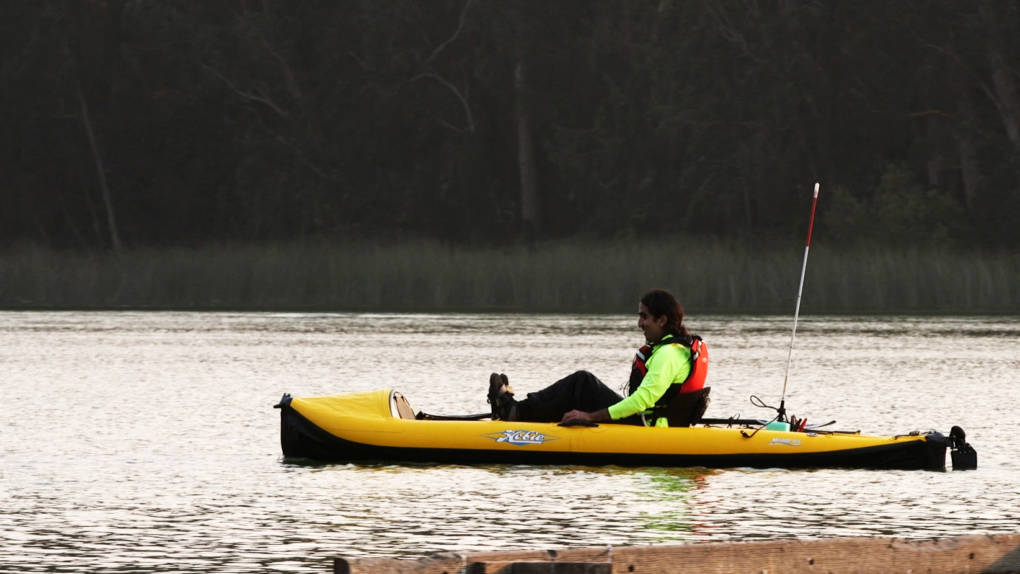
"caption": "Ahmet Ustunel takes his new kayak out on Lake Merced in San Francisco. The white-and-red cane he uses to navigate stands upright in the back of his kayak. It's a symbol that he is blind.",
"description": "Ahmet Ustunel takes his new kayak out on Lake Merced in San Francisco. The white and red cane he uses to navigate stands upright in the back of his kayak. It's a symbol that he is blind.",
"title": "ahmet_kayak4",
"credit": "Adam Grossberg/KQED",
"status": "inherit",
"isLoading": false,
"fetchFailed": false
},
"news_11626465": {
"type": "attachments",
"id": "news_11626465",
"meta": {
"index": "attachments_1716263798",
"site": "news",
"id": "11626465",
"found": true
},
"parent": 11626462,
"imgSizes": {
"small": {
"file": "https://ww2.kqed.org/app/uploads/sites/10/2017/10/RS7710_451080755-1-520x347.jpg",
"width": 520,
"mimeType": "image/jpeg",
"height": 347
},
"twentyfourteen-full-width": {
"file": "https://ww2.kqed.org/app/uploads/sites/10/2017/10/RS7710_451080755-1-1038x576.jpg",
"width": 1038,
"mimeType": "image/jpeg",
"height": 576
},
"thumbnail": {
"file": "https://ww2.kqed.org/app/uploads/sites/10/2017/10/RS7710_451080755-1-160x107.jpg",
"width": 160,
"mimeType": "image/jpeg",
"height": 107
},
"fd-sm": {
"file": "https://ww2.kqed.org/app/uploads/sites/10/2017/10/RS7710_451080755-1-960x640.jpg",
"width": 960,
"mimeType": "image/jpeg",
"height": 640
},
"post-thumbnail": {
"file": "https://ww2.kqed.org/app/uploads/sites/10/2017/10/RS7710_451080755-1-672x372.jpg",
"width": 672,
"mimeType": "image/jpeg",
"height": 372
},
"xsmall": {
"file": "https://ww2.kqed.org/app/uploads/sites/10/2017/10/RS7710_451080755-1-375x250.jpg",
"width": 375,
"mimeType": "image/jpeg",
"height": 250
},
"kqedFullSize": {
"file": "https://ww2.kqed.org/app/uploads/sites/10/2017/10/RS7710_451080755-1-e1509127192451.jpg",
"width": 1920,
"height": 1280
},
"large": {
"file": "https://ww2.kqed.org/app/uploads/sites/10/2017/10/RS7710_451080755-1-1020x680.jpg",
"width": 1020,
"mimeType": "image/jpeg",
"height": 680
},
"xlarge": {
"file": "https://ww2.kqed.org/app/uploads/sites/10/2017/10/RS7710_451080755-1-1180x787.jpg",
"width": 1180,
"mimeType": "image/jpeg",
"height": 787
},
"guest-author-50": {
"file": "https://ww2.kqed.org/app/uploads/sites/10/2017/10/RS7710_451080755-1-50x50.jpg",
"width": 50,
"mimeType": "image/jpeg",
"height": 50
},
"guest-author-96": {
"file": "https://ww2.kqed.org/app/uploads/sites/10/2017/10/RS7710_451080755-1-96x96.jpg",
"width": 96,
"mimeType": "image/jpeg",
"height": 96
},
"medium": {
"file": "https://ww2.kqed.org/app/uploads/sites/10/2017/10/RS7710_451080755-1-800x533.jpg",
"width": 800,
"mimeType": "image/jpeg",
"height": 533
},
"guest-author-64": {
"file": "https://ww2.kqed.org/app/uploads/sites/10/2017/10/RS7710_451080755-1-64x64.jpg",
"width": 64,
"mimeType": "image/jpeg",
"height": 64
},
"guest-author-32": {
"file": "https://ww2.kqed.org/app/uploads/sites/10/2017/10/RS7710_451080755-1-32x32.jpg",
"width": 32,
"mimeType": "image/jpeg",
"height": 32
},
"fd-lrg": {
"file": "https://ww2.kqed.org/app/uploads/sites/10/2017/10/RS7710_451080755-1-1920x1280.jpg",
"width": 1920,
"mimeType": "image/jpeg",
"height": 1280
},
"fd-med": {
"file": "https://ww2.kqed.org/app/uploads/sites/10/2017/10/RS7710_451080755-1-1180x787.jpg",
"width": 1180,
"mimeType": "image/jpeg",
"height": 787
},
"full-width": {
"file": "https://ww2.kqed.org/app/uploads/sites/10/2017/10/RS7710_451080755-1-1920x1280.jpg",
"width": 1920,
"mimeType": "image/jpeg",
"height": 1280
},
"detail": {
"file": "https://ww2.kqed.org/app/uploads/sites/10/2017/10/RS7710_451080755-1-150x150.jpg",
"width": 150,
"mimeType": "image/jpeg",
"height": 150
},
"guest-author-128": {
"file": "https://ww2.kqed.org/app/uploads/sites/10/2017/10/RS7710_451080755-1-128x128.jpg",
"width": 128,
"mimeType": "image/jpeg",
"height": 128
},
"xxsmall": {
"file": "https://ww2.kqed.org/app/uploads/sites/10/2017/10/RS7710_451080755-1-240x160.jpg",
"width": 240,
"mimeType": "image/jpeg",
"height": 160
}
},
"publishDate": 1509127150,
"modified": 1509127871,
"caption": "Memorials set up in Dealey Plaza on the anniversary of the assassination of U.S. President John F. Kennedy in 2013. This week thousands of files related to the assassination were released. ",
"description": "Memorials set up in Dealey Plaza on the anniversary of the assassination of U.S. President John F. Kennedy in 2013. This week thousands of files related to the assassination were released. ",
"title": "Dallas Prepares For 50th Anniversary Commemoration Of JFK's Assassination",
"credit": "Tom Pennington/Getty Images",
"status": "inherit",
"isLoading": false,
"fetchFailed": false
}
},
"audioPlayerReducer": {
"postId": "stream_live",
"isPaused": true,
"isPlaying": false,
"pfsActive": false,
"pledgeModalIsOpen": true,
"playerDrawerIsOpen": false,
"liveAudioPlayStartedAt": 0,
"liveAudioPlayContext": ""
},
"authorsReducer": {
"byline_news_11626686": {
"type": "authors",
"id": "byline_news_11626686",
"meta": {
"override": true
},
"slug": "byline_news_11626686",
"name": "\u003cstrong>Michael R. Blood\u003c/strong>\u003cbr>\u003cstrong>Associated Press\u003c/strong>",
"isLoading": false
},
"byline_news_11626640": {
"type": "authors",
"id": "byline_news_11626640",
"meta": {
"override": true
},
"slug": "byline_news_11626640",
"name": "\u003cstrong>Christopher Rugaber\u003cbr/ >Associated Press\u003c/strong>",
"isLoading": false
},
"byline_news_11626617": {
"type": "authors",
"id": "byline_news_11626617",
"meta": {
"override": true
},
"slug": "byline_news_11626617",
"name": "\u003cstrong>KQED Staff\u003c/strong> and \u003cstrong>Associated Press\u003c/strong>",
"isLoading": false
},
"byline_news_11626462": {
"type": "authors",
"id": "byline_news_11626462",
"meta": {
"override": true
},
"slug": "byline_news_11626462",
"name": "\u003cstrong>Brian Naylor\u003c/strong>",
"isLoading": false
},
"gmarzorati": {
"type": "authors",
"id": "227",
"meta": {
"index": "authors_1716337520",
"id": "227",
"found": true
},
"name": "Guy Marzorati",
"firstName": "Guy",
"lastName": "Marzorati",
"slug": "gmarzorati",
"email": "gmarzorati@KQED.org",
"display_author_email": true,
"staff_mastheads": [
"news"
],
"title": "Correspondent",
"bio": "Guy Marzorati is a correspondent on KQED's California Politics and Government Desk, based in San Jose. A graduate of Santa Clara University, Guy joined KQED in 2013. He reports on state and local politics and produces KQED's digital voter guide.",
"avatar": "https://secure.gravatar.com/avatar/e7038b8dbfd55b104369b76b1cd0b9de?s=600&d=blank&r=g",
"twitter": "guymarzorati",
"facebook": null,
"instagram": null,
"linkedin": null,
"sites": [
{
"site": "",
"roles": [
"editor"
]
},
{
"site": "news",
"roles": [
"editor"
]
},
{
"site": "science",
"roles": [
"editor"
]
},
{
"site": "forum",
"roles": [
"editor"
]
},
{
"site": "elections",
"roles": [
"editor"
]
},
{
"site": "liveblog",
"roles": [
"editor"
]
}
],
"headData": {
"title": "Guy Marzorati | KQED",
"description": "Correspondent",
"ogImgSrc": "https://secure.gravatar.com/avatar/e7038b8dbfd55b104369b76b1cd0b9de?s=600&d=blank&r=g",
"twImgSrc": "https://secure.gravatar.com/avatar/e7038b8dbfd55b104369b76b1cd0b9de?s=600&d=blank&r=g"
},
"isLoading": false,
"link": "/author/gmarzorati"
},
"sasha-khokha": {
"type": "authors",
"id": "254",
"meta": {
"index": "authors_1716337520",
"id": "254",
"found": true
},
"name": "Sasha Khokha",
"firstName": "Sasha",
"lastName": "Khokha",
"slug": "sasha-khokha",
"email": "skhokha@kqed.org",
"display_author_email": true,
"staff_mastheads": [
"news"
],
"title": "Host, The California Report Magazine",
"bio": "Sasha Khokha is the host of \u003cem>The California Report's \u003c/em> weekly magazine program, which takes listeners on sound-rich excursions to meet the people that make the Golden State unique -- through audio documentaries and long-form stories. As \u003cem>The California Report's\u003c/em> Central Valley Bureau Chief based in Fresno for nearly a dozen years, Sasha brought the lives and concerns of rural Californians to listeners around the state. Her reporting helped expose the hidden price immigrant women janitors and farmworkers may pay to keep their jobs: sexual assault at work. It inspired two new California laws to protect them from sexual harassment. She was a key member of the reporting team for the Frontline film \u003cem>Rape on the Night Shift, \u003c/em>which was nominated for two national Emmys. Sasha has also won a national Edward R. Murrow and a national PRNDI award for investigative reporting, as well as multiple prizes from the Society for Professional Journalists. Sasha is a proud alum of the UC Berkeley Graduate School of Journalism and Brown University and a member of the South Asian Journalists Association.",
"avatar": "https://secure.gravatar.com/avatar/e4b5e1541aaeea2aa356aa1fb2a68950?s=600&d=blank&r=g",
"twitter": "KQEDSashaKhokha",
"facebook": null,
"instagram": null,
"linkedin": null,
"sites": [
{
"site": "news",
"roles": [
"editor"
]
},
{
"site": "stateofhealth",
"roles": [
"author"
]
},
{
"site": "science",
"roles": [
"author"
]
},
{
"site": "quest",
"roles": [
"subscriber"
]
}
],
"headData": {
"title": "Sasha Khokha | KQED",
"description": "Host, The California Report Magazine",
"ogImgSrc": "https://secure.gravatar.com/avatar/e4b5e1541aaeea2aa356aa1fb2a68950?s=600&d=blank&r=g",
"twImgSrc": "https://secure.gravatar.com/avatar/e4b5e1541aaeea2aa356aa1fb2a68950?s=600&d=blank&r=g"
},
"isLoading": false,
"link": "/author/sasha-khokha"
},
"jsmall": {
"type": "authors",
"id": "6625",
"meta": {
"index": "authors_1716337520",
"id": "6625",
"found": true
},
"name": "Julie Small",
"firstName": "Julie",
"lastName": "Small",
"slug": "jsmall",
"email": "jsmall@kqed.org",
"display_author_email": true,
"staff_mastheads": [
"news"
],
"title": "KQED Contributor",
"bio": "Julie Small reports on criminal justice and immigration.\r\n\r\nShe was part of a team at KQED awarded a regional 2019 Edward R. Murrow award for continuing coverage of the Trump Administration's family separation policy.\r\n\r\nThe Society for Professional Journalists recognized Julie's 2018 \u003ca href=\"https://www.kqed.org/news/11636262/the-officer-tased-him-31-times-the-sheriff-called-his-death-an-accident\">reporting\u003c/a> on the San Joaquin County Sheriff's \u003ca href=\"https://www.kqed.org/news/11634689/autopsy-doctors-sheriff-overrode-death-findings-to-protect-law-enforcement\">interference\u003c/a> in death investigations with an Excellence in Journalism Award for Ongoing Coverage.\r\n\r\nJulie's\u003ca href=\"https://www.kqed.org/news/11039666/two-mentally-ill-inmates-died-one-month-in-santa-clara\"> reporting\u003c/a> with Lisa Pickoff-White on the treatment of mentally ill offenders in California jails earned a 2017 regional Edward R. Murrow Award for news reporting and an investigative reporting award from the SPJ of Northern California.\r\n\r\nBefore joining KQED, Julie covered government and politics in Sacramento for Southern California Public Radio (SCPR). Her 2010 \u003ca href=\"https://www.scpr.org/specials/prisonmedical/\">series\u003c/a> on lapses in California’s prison medical care also won a regional Edward R. Murrow Award for investigative reporting and a Golden Mic Award from the RTNDA of Southern California.\r\n\r\nJulie began her career in journalism in 2000 as the deputy foreign editor for public radio's \u003cem>Marketplace, \u003c/em>while earning her master's degree in journalism from USC’s Annenberg School of Communication.",
"avatar": "https://secure.gravatar.com/avatar/4baedf201468df97be97c2a9dd7585d0?s=600&d=blank&r=g",
"twitter": "@SmallRadio2",
"facebook": null,
"instagram": null,
"linkedin": null,
"sites": [
{
"site": "news",
"roles": [
"editor"
]
},
{
"site": "stateofhealth",
"roles": [
"author"
]
},
{
"site": "science",
"roles": [
"author"
]
}
],
"headData": {
"title": "Julie Small | KQED",
"description": "KQED Contributor",
"ogImgSrc": "https://secure.gravatar.com/avatar/4baedf201468df97be97c2a9dd7585d0?s=600&d=blank&r=g",
"twImgSrc": "https://secure.gravatar.com/avatar/4baedf201468df97be97c2a9dd7585d0?s=600&d=blank&r=g"
},
"isLoading": false,
"link": "/author/jsmall"
},
"lklivans": {
"type": "authors",
"id": "8648",
"meta": {
"index": "authors_1716337520",
"id": "8648",
"found": true
},
"name": "Laura Klivans",
"firstName": "Laura",
"lastName": "Klivans",
"slug": "lklivans",
"email": "lklivans@kqed.org",
"display_author_email": true,
"staff_mastheads": [
"news",
"science"
],
"title": "Reporter",
"bio": "Laura Klivans is an award-winning science reporter for KQED News, where she covers climate change with an eye on both groundbreaking progress and gaps in action. She is the former host of KQED's blockbuster video series about tiny, amazing animals, \u003cem>Deep Look\u003c/em>. Her work reaches national audiences through NPR, \u003cem>Here & Now, \u003c/em>PRI, and other major outlets. \r\n\r\nLaura’s won five Northern California Area Emmy Awards for Deep Look and First Place in the Greater Bay Area Journalism Awards for a podcast exploring how one Oakland neighborhood teamed up to reduce planet-heating pollution.\r\n\r\nBeyond her reporting, she hosts and moderates events. In the past, she taught audio storytelling at the UC Berkeley Graduate School of Journalism, led international education programs, worked with immigrants and refugees along the Thai-Burmese border, taught high schoolers sex ed, and was an actress. \r\n\r\nShe's a former UC Berkeley Human Rights Fellow, USC Center for Health Journalism's California Fellow and Coro Fellow in Public Affairs. Laura has a master’s in journalism from UC Berkeley, a master’s in education from Harvard, and an undergraduate degree from Northwestern University.\r\n\r\nShe loves trying to riddle the meaning out of vanity license plates.",
"avatar": "https://secure.gravatar.com/avatar/2d2ecd1550a494cc10ad4a503406965585902124739e775a9b3817eebf1d88be?s=600&d=blank&r=g",
"twitter": "lauraklivans",
"bluesky": null,
"facebook": null,
"instagram": null,
"linkedin": null,
"sites": [
{
"site": "news",
"roles": [
"editor"
]
},
{
"site": "stateofhealth",
"roles": [
"contributor",
"editor"
]
},
{
"site": "science",
"roles": [
"editor"
]
},
{
"site": "forum",
"roles": [
"editor"
]
}
],
"headData": {
"title": "Laura Klivans | KQED",
"description": "Reporter",
"ogImgSrc": "https://secure.gravatar.com/avatar/2d2ecd1550a494cc10ad4a503406965585902124739e775a9b3817eebf1d88be?s=600&d=blank&r=g",
"twImgSrc": "https://secure.gravatar.com/avatar/2d2ecd1550a494cc10ad4a503406965585902124739e775a9b3817eebf1d88be?s=600&d=blank&r=g"
},
"isLoading": false,
"link": "/author/lklivans"
},
"korr": {
"type": "authors",
"id": "11200",
"meta": {
"index": "authors_1716337520",
"id": "11200",
"found": true
},
"name": "Katie Orr",
"firstName": "Katie",
"lastName": "Orr",
"slug": "korr",
"email": "korr@kqed.org",
"display_author_email": false,
"staff_mastheads": [],
"title": "KQED Contributor",
"bio": "Katie Orr was a Sacramento-based reporter for KQED's Politics and Government Desk, covering the state Capitol and a variety of issues including women in politics, voting and elections and legislation. Prior to joining KQED in 2016, Katie was state government reporter for Capital Public Radio in Sacramento. She's also worked for KPBS in San Diego, where she covered City Hall.\r\n\r\nKatie received her masters degree in political science from San Diego State University and holds a Bachelors degree in broadcast journalism from Arizona State University.\r\n\r\nIn 2015 Katie won a national Clarion Award for a series of stories she did on women in California politics. She's been honored by the Society for Professional Journalists and, in 2013, was named by \u003cem>The Washington Post\u003c/em> as one of the country's top state Capitol reporters. She's also reported for the award-winning documentary series \u003cem>The View from Here \u003c/em>and was part of the team that won national PRNDI and Gabriel Awards in 2015. She lives in Sacramento with her husband. Twitter: @1KatieOrr",
"avatar": "https://secure.gravatar.com/avatar/41a40b25845adc78f50808670860449e?s=600&d=blank&r=g",
"twitter": "1katieorr",
"facebook": null,
"instagram": null,
"linkedin": null,
"sites": [
{
"site": "news",
"roles": [
"subscriber"
]
},
{
"site": "stateofhealth",
"roles": [
"author"
]
},
{
"site": "forum",
"roles": [
"author"
]
}
],
"headData": {
"title": "Katie Orr | KQED",
"description": "KQED Contributor",
"ogImgSrc": "https://secure.gravatar.com/avatar/41a40b25845adc78f50808670860449e?s=600&d=blank&r=g",
"twImgSrc": "https://secure.gravatar.com/avatar/41a40b25845adc78f50808670860449e?s=600&d=blank&r=g"
},
"isLoading": false,
"link": "/author/korr"
},
"vrancano": {
"type": "authors",
"id": "11276",
"meta": {
"index": "authors_1716337520",
"id": "11276",
"found": true
},
"name": "Vanessa Rancaño",
"firstName": "Vanessa",
"lastName": "Rancaño",
"slug": "vrancano",
"email": "vrancano@kqed.org",
"display_author_email": false,
"staff_mastheads": [
"news"
],
"title": "Reporter",
"bio": "Vanessa Rancaño is a features reporter for KQED. She’s also covered homelessness and education for the station and reported from the Central Valley. Her work has aired across public radio, from flagship national news shows to longform narrative podcasts. Before taking up a mic, she worked as a freelance print journalist. She’s been recognized with a number of national and regional awards. Vanessa grew up in California's Central Valley. She's a former NPR Kroc Fellow, and a graduate of the UC Berkeley Graduate School of Journalism.",
"avatar": "https://secure.gravatar.com/avatar/b3a383dfb0e7ee1c17568f2cf067904ab654d6e3de9743fc661f3c788ade1bed?s=600&d=blank&r=g",
"twitter": "vanessarancano",
"bluesky": null,
"facebook": null,
"instagram": null,
"linkedin": null,
"sites": [
{
"site": "arts",
"roles": [
"editor"
]
},
{
"site": "news",
"roles": [
"editor"
]
},
{
"site": "liveblog",
"roles": [
"contributor"
]
}
],
"headData": {
"title": "Vanessa Rancaño | KQED",
"description": "Reporter",
"ogImgSrc": "https://secure.gravatar.com/avatar/b3a383dfb0e7ee1c17568f2cf067904ab654d6e3de9743fc661f3c788ade1bed?s=600&d=blank&r=g",
"twImgSrc": "https://secure.gravatar.com/avatar/b3a383dfb0e7ee1c17568f2cf067904ab654d6e3de9743fc661f3c788ade1bed?s=600&d=blank&r=g"
},
"isLoading": false,
"link": "/author/vrancano"
},
"cfeibel": {
"type": "authors",
"id": "11314",
"meta": {
"index": "authors_1716337520",
"id": "11314",
"found": true
},
"name": "Carrie Feibel",
"firstName": "Carrie",
"lastName": "Feibel",
"slug": "cfeibel",
"email": "cfeibel@KQED.org",
"display_author_email": false,
"staff_mastheads": [],
"title": "KQED Contributor",
"bio": "Carrie Feibel is a former health editor at KQED, where she has also reported for radio and online. Her stories have appeared on the national NPR shows \u003cem>Morning Edition\u003c/em>, \u003cem>All Things Considered\u003c/em>, and \u003cem>Here & Now\u003c/em>, and on the national website, Kaiser Health News. Her print career included stints at the \u003cem>Houston Chronicle\u003c/em>, \u003cem>The (Bergen) Record,\u003c/em> and the Associated Press in New York City. A native of St. Louis, Feibel attended Cornell University, and earned a master's in journalism from Columbia University.",
"avatar": "https://secure.gravatar.com/avatar/c64a7e3c9a910e1bffd4ad32a5264aa9?s=600&d=blank&r=g",
"twitter": "KQEDHealth",
"facebook": null,
"instagram": null,
"linkedin": null,
"sites": [
{
"site": "news",
"roles": [
"subscriber"
]
},
{
"site": "stateofhealth",
"roles": [
"administrator"
]
}
],
"headData": {
"title": "Carrie Feibel | KQED",
"description": "KQED Contributor",
"ogImgSrc": "https://secure.gravatar.com/avatar/c64a7e3c9a910e1bffd4ad32a5264aa9?s=600&d=blank&r=g",
"twImgSrc": "https://secure.gravatar.com/avatar/c64a7e3c9a910e1bffd4ad32a5264aa9?s=600&d=blank&r=g"
},
"isLoading": false,
"link": "/author/cfeibel"
},
"bhernandez": {
"type": "authors",
"id": "11359",
"meta": {
"index": "authors_1716337520",
"id": "11359",
"found": true
},
"name": "Bianca Hernandez",
"firstName": "Bianca",
"lastName": "Hernandez",
"slug": "bhernandez",
"email": "bhernandez@kqed.org",
"display_author_email": false,
"staff_mastheads": [],
"title": "KQED Contributor",
"bio": "Bianca Hernandez is a former Interactive Producer for KQED. She has produced at KGPE, KSEE24 and Sierra Magazine. In 2011 she received an undergraduate degree in Journalism and Anthropology from CSU, Chico . She earned a Master's from the University of Southern California in 2013, where she completed a documentary on teenage farmworkers. She is an avid Jane Austen fan and takes lightsaber combat class for fun.",
"avatar": "https://secure.gravatar.com/avatar/75b3424851e2f9fa131f2cb6a051aeac?s=600&d=blank&r=g",
"twitter": "bookhoarding",
"facebook": null,
"instagram": null,
"linkedin": null,
"sites": [
{
"site": "arts",
"roles": []
},
{
"site": "news",
"roles": []
},
{
"site": "science",
"roles": []
},
{
"site": "forum",
"roles": []
}
],
"headData": {
"title": "Bianca Hernandez | KQED",
"description": "KQED Contributor",
"ogImgSrc": "https://secure.gravatar.com/avatar/75b3424851e2f9fa131f2cb6a051aeac?s=600&d=blank&r=g",
"twImgSrc": "https://secure.gravatar.com/avatar/75b3424851e2f9fa131f2cb6a051aeac?s=600&d=blank&r=g"
},
"isLoading": false,
"link": "/author/bhernandez"
}
},
"pagesReducer": {
"news_program_news-fix": {
"type": "terms",
"id": "news_6944",
"meta": {
"index": "terms_1716263798",
"site": "news",
"id": "6944",
"score": 16.377554
},
"featImg": "https://ww2.kqed.org/app/uploads/sites/10/2014/10/News-Fix-Logo-Web-Banners-04.png",
"name": "News Fix",
"description": null,
"taxonomy": "program",
"headData": {
"twImgId": null,
"twTitle": null,
"ogTitle": null,
"ogImgId": null,
"twDescription": null,
"description": "The News Fix is a daily news podcast from KQED that breaks down the latest headlines and provides in-depth analysis of the stories that matter to the Bay Area.",
"title": "News Fix - Daily Dose of Bay Area News | KQED",
"ogDescription": null
},
"ttid": 6968,
"slug": "news-fix",
"isLoading": false,
"title": "News Fix",
"pageMeta": {
"site": "news",
"WpPageTemplate": "page-topic-editorial",
"currentPage": 78
},
"blocks": [
{
"blockName": "kqed/post-list",
"attrs": {
"layout": "cardArticle2",
"query": "posts/news?program=news-fix",
"seeMore": false,
"paginated": true,
"page": 78
}
},
{
"blockName": "kqed/ad"
}
]
}
},
"pfsSessionReducer": {},
"postsReducer": {
"stream_live": {
"type": "live",
"id": "stream_live",
"audioUrl": "https://streams.kqed.org/kqedradio",
"title": "Live Stream",
"excerpt": "Live Stream information currently unavailable.",
"link": "/radio",
"featImg": "",
"label": {
"name": "KQED Live",
"link": "/"
}
},
"stream_kqedNewscast": {
"type": "posts",
"id": "stream_kqedNewscast",
"audioUrl": "https://www.kqed.org/.stream/anon/radio/RDnews/newscast.mp3?_=1",
"title": "KQED Newscast",
"featImg": "",
"label": {
"name": "88.5 FM",
"link": "/"
}
},
"news_11626685": {
"type": "posts",
"id": "news_11626685",
"meta": {
"index": "posts_1716263798",
"site": "news",
"id": "11626685",
"score": null,
"sort": [
1509303564000
]
},
"guestAuthors": [],
"slug": "san-jose-looks-to-residents-north-bay-fires-for-flood-preparation",
"title": "San Jose Looks to Residents, North Bay Fires for Flood Preparation",
"publishDate": 1509303564,
"format": "standard",
"headTitle": "San Jose Looks to Residents, North Bay Fires for Flood Preparation | KQED",
"labelTerm": {
"term": 72,
"site": "news"
},
"content": "\u003cp>As the city of San Jose and the Santa Clara Valley Water District prepare for winter storms, they are garnering feedback from residents on their preferred form of emergency contact, as well as hoping to apply lessons learned from the response to the \u003ca href=\"https://ww2.kqed.org/news/tag/north-bay-fires/\" target=\"_blank\" rel=\"noopener\">North Bay fires\u003c/a>.\u003c/p>\n\u003cp>Officials from the city and the district are hoping that winter rains won’t bring with them a repeat of \u003ca href=\"https://ww2.kqed.org/news/2017/08/22/the-san-jose-flood-what-went-wrong-and-how-the-city-plans-to-fix-it/\" target=\"_blank\" rel=\"noopener\">February’s disaster in Coyote Creek\u003c/a>, when flooding led to 40,000 evacuations and $100 million in property damage.\u003c/p>\n\u003cp>Local government was criticized at the time for not having a universal alert system in place to notify residents.\u003c/p>\n\u003cp>On Saturday, the city held the last of three resource fairs, where residents were encouraged to sign up for emergency alerts, take a tutorial in preparing sandbags and hear about the \u003ca href=\"https://nextdoor.com/agency-post/ca/santa-clara-county/santa-clara-valley-water-district-1/board-to-review-draft-joint-emergency-action-plan-and-short-term-proposals-for-coyote-creek-project-60830765/\" target=\"_blank\" rel=\"noopener\">Joint Emergency Action Plan being developed\u003c/a> to prepare for the winter storms.\u003c/p>\n\u003cp>[contextly_sidebar id=”DSqQx1HHYgVjkrVoyW1I0d5os96X9zCL”]\u003c/p>\n\u003cp>Residents were also asked to vote their preference on different ways the city could contact them in an emergency.\u003c/p>\n\u003cp>[ad fullwidth]\u003c/p>\n\u003cp>“It’s one thing for us to write a plan that we think is effective,” said Ray Riordan, San Jose’s director of emergency management. “It’s also important for us to get the feedback from the public and how they think it would be more effective for them to get communications and notifications.”\u003c/p>\n\u003cp>Riordan said over the course of the three meetings, residents have overwhelmingly favored two modes of communication: a \u003ca href=\"https://www.fcc.gov/consumers/guides/wireless-emergency-alerts-wea\" target=\"_blank\" rel=\"noopener\">Wireless Emergency Alert\u003c/a> sent to a cellphone and a loud announcement from a powerful speaker driven through the streets.\u003c/p>\n\u003cp>Unlike other alert systems, Wireless Emergency Alerts do not require users to sign up. Instead they are sent to cellphones in a certain area, like an Amber Alert.\u003c/p>\n\u003cp>“A lot of people don’t like to give their information out, which we respect and understand,” Riordan said. “The WEA alert system goes out using local cell systems.”\u003c/p>\n\u003cp>After large wildfires broke out in Sonoma County this month, officials \u003ca href=\"https://ww2.kqed.org/news/2017/10/17/feinstein-harris-press-fcc-on-wireless-alert-failures-during-wildfires/\" target=\"_blank\" rel=\"noopener\">faced questions\u003c/a> over why the WEA alerts were not deployed. Napa County was not participating in the WEA program.\u003c/p>\n\u003cp>Outside of Saturday’s resource fair at the Dr. Martin Luther King Jr. Library in downtown San Jose, a slightly less high-tech form of emergency communication was on display.\u003c/p>\n\u003cfigure id=\"attachment_11626696\" class=\"wp-caption alignnone\" style=\"max-width: 800px\">\u003cimg loading=\"lazy\" decoding=\"async\" class=\"wp-image-11626696 size-medium\" src=\"https://ww2.kqed.org/news/wp-content/uploads/sites/10/2017/10/IMG_0702-e1509299903229-800x600.jpg\" alt=\"\" width=\"800\" height=\"600\" srcset=\"https://cdn.kqed.org/wp-content/uploads/sites/10/2017/10/IMG_0702-e1509299903229-800x600.jpg 800w, https://cdn.kqed.org/wp-content/uploads/sites/10/2017/10/IMG_0702-e1509299903229-160x120.jpg 160w, https://cdn.kqed.org/wp-content/uploads/sites/10/2017/10/IMG_0702-e1509299903229-1020x765.jpg 1020w, https://cdn.kqed.org/wp-content/uploads/sites/10/2017/10/IMG_0702-e1509299903229-1920x1440.jpg 1920w, https://cdn.kqed.org/wp-content/uploads/sites/10/2017/10/IMG_0702-e1509299903229-1180x885.jpg 1180w, https://cdn.kqed.org/wp-content/uploads/sites/10/2017/10/IMG_0702-e1509299903229-960x720.jpg 960w, https://cdn.kqed.org/wp-content/uploads/sites/10/2017/10/IMG_0702-e1509299903229-240x180.jpg 240w, https://cdn.kqed.org/wp-content/uploads/sites/10/2017/10/IMG_0702-e1509299903229-375x281.jpg 375w, https://cdn.kqed.org/wp-content/uploads/sites/10/2017/10/IMG_0702-e1509299903229-520x390.jpg 520w, https://cdn.kqed.org/wp-content/uploads/sites/10/2017/10/IMG_0702-e1509299903229.jpg 2016w\" sizes=\"auto, (max-width: 800px) 100vw, 800px\">\u003cfigcaption class=\"wp-caption-text\">An outdoor emergency speaker on display in downtown San Jose. \u003ccite>(Guy Marzorati/KQED)\u003c/cite>\u003c/figcaption>\u003c/figure>\n\u003cp>A large speaker was hoisted on top of a trailer and hooked onto the back of an SUV.\u003c/p>\n\u003cp>“Sort of your basic, old-school loudspeaker getting out information,” is how Councilman Raul Peralez described it. “We have the ability to program it in multiple different languages, which we’re going to do.”\u003c/p>\n\u003cp>San Jose resident India Meisner liked the idea of the WEA alert, but also said that a loudspeaker could be the best way to get in touch with her senior neighbors, who may not have cellphones.\u003c/p>\n\u003cp>[contextly_sidebar id=”y65bbGWF84EZYsZohjy4WsZHaAE4SDlL”]\u003c/p>\n\u003cp>“It would be so annoying and so loud that you’d have no choice but to evacuate,” she said. “So it would encourage reluctant people to evacuate.”\u003c/p>\n\u003cp>The speaker system arrived in San Jose only a couple of weeks ago, but it already went for a successful test run in Santa Rosa, where Ray Riordan brought it to broadcast public health information for residents returning to the Coffey Park neighborhood.\u003c/p>\n\u003cp>“They were able to hear a message on a regular basis about what they needed to be careful of as they \u003ca href=\"https://ww2.kqed.org/news/2017/10/20/post-disaster-checklist-returning-home-after-evacuation-order-lifted/\" target=\"_blank\" rel=\"noopener\">return home\u003c/a>,” he said. “We can use this system for alert notifications ahead of time.”\u003c/p>\n\u003cp>San Jose officials said they will use all available forms of communication should a flood or other disaster arise. They also urged residents to prepare their own disaster plans and \u003ca href=\"https://ww2.kqed.org/news/2017/10/10/heres-what-you-should-have-in-your-emergency-bag/\" target=\"_blank\" rel=\"noopener\">personal kits\u003c/a>, noting the risk of future disasters like more floods, fires or an earthquake.\u003c/p>\n\u003cp>\u003c/p>\n\u003cp>“Being better prepared individually is really one of the best things that we can do,” Peralez said.\u003c/p>\n\n",
"blocks": [],
"excerpt": "At winter storm resource fairs, residents favor Wireless Emergency Alerts and a new outdoor speaker system.",
"status": "publish",
"parent": 0,
"modified": 1738793983,
"stats": {
"hasAudio": false,
"hasVideo": false,
"hasChartOrMap": false,
"iframeSrcs": [],
"hasGoogleForm": false,
"hasGallery": false,
"hasHearkenModule": false,
"hasPolis": false,
"paragraphCount": 23,
"wordCount": 686
},
"headData": {
"title": "San Jose Looks to Residents, North Bay Fires for Flood Preparation | KQED",
"description": "At winter storm resource fairs, residents favor Wireless Emergency Alerts and a new outdoor speaker system.",
"ogTitle": "",
"ogDescription": "",
"ogImgId": "",
"twTitle": "",
"twDescription": "",
"twImgId": "",
"schema": {
"@context": "https://schema.org",
"@type": "NewsArticle",
"headline": "San Jose Looks to Residents, North Bay Fires for Flood Preparation",
"datePublished": "2017-10-29T11:59:24-07:00",
"dateModified": "2025-02-05T14:19:43-08:00",
"image": "https://cdn.kqed.org/wp-content/uploads/2020/02/KQED-OG-Image@1x.png",
"isAccessibleForFree": "True",
"publisher": {
"@type": "NewsMediaOrganization",
"@id": "https://www.kqed.org/#organization",
"name": "KQED",
"logo": "https://cdn.kqed.org/wp-content/uploads/2020/02/KQED-OG-Image@1x.png",
"url": "https://www.kqed.org",
"sameAs": [
"https://www.facebook.com/KQED",
"https://twitter.com/KQED",
"https://www.instagram.com/kqed/",
"https://www.tiktok.com/@kqedofficial",
"https://www.linkedin.com/company/kqed",
"https://www.youtube.com/channel/UCeC0IOo7i1P_61zVUWbJ4nw"
]
}
}
},
"sticky": false,
"path": "/news/11626685/san-jose-looks-to-residents-north-bay-fires-for-flood-preparation",
"audioTrackLength": null,
"parsedContent": [
{
"type": "contentString",
"content": "\u003cdiv class=\"post-body\">\u003cp>\u003cp>As the city of San Jose and the Santa Clara Valley Water District prepare for winter storms, they are garnering feedback from residents on their preferred form of emergency contact, as well as hoping to apply lessons learned from the response to the \u003ca href=\"https://ww2.kqed.org/news/tag/north-bay-fires/\" target=\"_blank\" rel=\"noopener\">North Bay fires\u003c/a>.\u003c/p>\n\u003cp>Officials from the city and the district are hoping that winter rains won’t bring with them a repeat of \u003ca href=\"https://ww2.kqed.org/news/2017/08/22/the-san-jose-flood-what-went-wrong-and-how-the-city-plans-to-fix-it/\" target=\"_blank\" rel=\"noopener\">February’s disaster in Coyote Creek\u003c/a>, when flooding led to 40,000 evacuations and $100 million in property damage.\u003c/p>\n\u003cp>Local government was criticized at the time for not having a universal alert system in place to notify residents.\u003c/p>\n\u003cp>On Saturday, the city held the last of three resource fairs, where residents were encouraged to sign up for emergency alerts, take a tutorial in preparing sandbags and hear about the \u003ca href=\"https://nextdoor.com/agency-post/ca/santa-clara-county/santa-clara-valley-water-district-1/board-to-review-draft-joint-emergency-action-plan-and-short-term-proposals-for-coyote-creek-project-60830765/\" target=\"_blank\" rel=\"noopener\">Joint Emergency Action Plan being developed\u003c/a> to prepare for the winter storms.\u003c/p>\n\u003cp>\u003c/p>\u003cp>\u003c/p>\u003cp>\u003c/p>\n\u003cp>Residents were also asked to vote their preference on different ways the city could contact them in an emergency.\u003c/p>\n\u003cp>\u003c/p>\u003c/div>",
"attributes": {
"named": {},
"numeric": []
}
},
{
"type": "component",
"content": "",
"name": "ad",
"attributes": {
"named": {
"label": "fullwidth"
},
"numeric": [
"fullwidth"
]
}
},
{
"type": "contentString",
"content": "\u003cdiv class=\"post-body\">\u003cp>\u003c/p>\n\u003cp>“It’s one thing for us to write a plan that we think is effective,” said Ray Riordan, San Jose’s director of emergency management. “It’s also important for us to get the feedback from the public and how they think it would be more effective for them to get communications and notifications.”\u003c/p>\n\u003cp>Riordan said over the course of the three meetings, residents have overwhelmingly favored two modes of communication: a \u003ca href=\"https://www.fcc.gov/consumers/guides/wireless-emergency-alerts-wea\" target=\"_blank\" rel=\"noopener\">Wireless Emergency Alert\u003c/a> sent to a cellphone and a loud announcement from a powerful speaker driven through the streets.\u003c/p>\n\u003cp>Unlike other alert systems, Wireless Emergency Alerts do not require users to sign up. Instead they are sent to cellphones in a certain area, like an Amber Alert.\u003c/p>\n\u003cp>“A lot of people don’t like to give their information out, which we respect and understand,” Riordan said. “The WEA alert system goes out using local cell systems.”\u003c/p>\n\u003cp>After large wildfires broke out in Sonoma County this month, officials \u003ca href=\"https://ww2.kqed.org/news/2017/10/17/feinstein-harris-press-fcc-on-wireless-alert-failures-during-wildfires/\" target=\"_blank\" rel=\"noopener\">faced questions\u003c/a> over why the WEA alerts were not deployed. Napa County was not participating in the WEA program.\u003c/p>\n\u003cp>Outside of Saturday’s resource fair at the Dr. Martin Luther King Jr. Library in downtown San Jose, a slightly less high-tech form of emergency communication was on display.\u003c/p>\n\u003cfigure id=\"attachment_11626696\" class=\"wp-caption alignnone\" style=\"max-width: 800px\">\u003cimg loading=\"lazy\" decoding=\"async\" class=\"wp-image-11626696 size-medium\" src=\"https://ww2.kqed.org/news/wp-content/uploads/sites/10/2017/10/IMG_0702-e1509299903229-800x600.jpg\" alt=\"\" width=\"800\" height=\"600\" srcset=\"https://cdn.kqed.org/wp-content/uploads/sites/10/2017/10/IMG_0702-e1509299903229-800x600.jpg 800w, https://cdn.kqed.org/wp-content/uploads/sites/10/2017/10/IMG_0702-e1509299903229-160x120.jpg 160w, https://cdn.kqed.org/wp-content/uploads/sites/10/2017/10/IMG_0702-e1509299903229-1020x765.jpg 1020w, https://cdn.kqed.org/wp-content/uploads/sites/10/2017/10/IMG_0702-e1509299903229-1920x1440.jpg 1920w, https://cdn.kqed.org/wp-content/uploads/sites/10/2017/10/IMG_0702-e1509299903229-1180x885.jpg 1180w, https://cdn.kqed.org/wp-content/uploads/sites/10/2017/10/IMG_0702-e1509299903229-960x720.jpg 960w, https://cdn.kqed.org/wp-content/uploads/sites/10/2017/10/IMG_0702-e1509299903229-240x180.jpg 240w, https://cdn.kqed.org/wp-content/uploads/sites/10/2017/10/IMG_0702-e1509299903229-375x281.jpg 375w, https://cdn.kqed.org/wp-content/uploads/sites/10/2017/10/IMG_0702-e1509299903229-520x390.jpg 520w, https://cdn.kqed.org/wp-content/uploads/sites/10/2017/10/IMG_0702-e1509299903229.jpg 2016w\" sizes=\"auto, (max-width: 800px) 100vw, 800px\">\u003cfigcaption class=\"wp-caption-text\">An outdoor emergency speaker on display in downtown San Jose. \u003ccite>(Guy Marzorati/KQED)\u003c/cite>\u003c/figcaption>\u003c/figure>\n\u003cp>A large speaker was hoisted on top of a trailer and hooked onto the back of an SUV.\u003c/p>\n\u003cp>“Sort of your basic, old-school loudspeaker getting out information,” is how Councilman Raul Peralez described it. “We have the ability to program it in multiple different languages, which we’re going to do.”\u003c/p>\n\u003cp>San Jose resident India Meisner liked the idea of the WEA alert, but also said that a loudspeaker could be the best way to get in touch with her senior neighbors, who may not have cellphones.\u003c/p>\n\u003cp>\u003c/p>\u003cp>\u003c/p>\u003cp>\u003c/p>\n\u003cp>“It would be so annoying and so loud that you’d have no choice but to evacuate,” she said. “So it would encourage reluctant people to evacuate.”\u003c/p>\n\u003cp>The speaker system arrived in San Jose only a couple of weeks ago, but it already went for a successful test run in Santa Rosa, where Ray Riordan brought it to broadcast public health information for residents returning to the Coffey Park neighborhood.\u003c/p>\n\u003cp>“They were able to hear a message on a regular basis about what they needed to be careful of as they \u003ca href=\"https://ww2.kqed.org/news/2017/10/20/post-disaster-checklist-returning-home-after-evacuation-order-lifted/\" target=\"_blank\" rel=\"noopener\">return home\u003c/a>,” he said. “We can use this system for alert notifications ahead of time.”\u003c/p>\n\u003cp>San Jose officials said they will use all available forms of communication should a flood or other disaster arise. They also urged residents to prepare their own disaster plans and \u003ca href=\"https://ww2.kqed.org/news/2017/10/10/heres-what-you-should-have-in-your-emergency-bag/\" target=\"_blank\" rel=\"noopener\">personal kits\u003c/a>, noting the risk of future disasters like more floods, fires or an earthquake.\u003c/p>\n\u003cp>\u003c/p>\n\u003cp>“Being better prepared individually is really one of the best things that we can do,” Peralez said.\u003c/p>\n\n\u003c/div>\u003c/p>",
"attributes": {
"named": {},
"numeric": []
}
}
],
"link": "/news/11626685/san-jose-looks-to-residents-north-bay-fires-for-flood-preparation",
"authors": [
"227"
],
"programs": [
"news_6944",
"news_72"
],
"categories": [
"news_8",
"news_33520",
"news_13",
"news_248"
],
"tags": [
"news_20023",
"news_3431",
"news_18541"
],
"featImg": "news_11626692",
"label": "news_72"
},
"news_11626686": {
"type": "posts",
"id": "news_11626686",
"meta": {
"index": "posts_1716263798",
"site": "news",
"id": "11626686",
"score": null,
"sort": [
1509298549000
]
},
"parent": 0,
"labelTerm": {},
"blocks": [],
"publishDate": 1509298549,
"format": "standard",
"disqusTitle": "Confusion Coming with State Marijuana Regulations",
"title": "Confusion Coming with State Marijuana Regulations",
"headTitle": "The California Report | KQED News",
"content": "\u003cp>Ready or not, California will start recreational marijuana sales on Jan. 1. And, mostly, it's not.\u003c/p>\n\u003cp>Los Angeles and San Francisco are among many cities still struggling to fashion local rules for pot shops and growers. Without the regulations, there could be limited options in many places for consumers eager to ring in the new year with a legal pot purchase.\u003c/p>\n\u003cp>\"The bulk of folks probably are not going to be ready Jan. 1,\" conceded Cara Martinson of the California State Association of Counties.\u003c/p>\n\u003cp>In general, California will treat cannabis like alcohol, allowing people 21 and older to legally possess up to an ounce and grow six marijuana plants at home.\u003c/p>\n\u003cp>Come January, the newly legalized recreational sales will be merged with the state's two-decade-old medical marijuana market, which is also coming under much stronger regulation.\u003c/p>\n\u003cp>[ad fullwidth]\u003c/p>\n\u003cp>But big gaps loom in the system intended to move cannabis from the field to distribution centers, then to testing labs and eventually retail shops.\u003c/p>\n\u003cp>The state intends to issue only temporary licenses starting in January, and it has yet to release its plan to govern the estimated $7 billion marketplace, the nation's largest legal pot economy.\u003c/p>\n\u003cp>If businesses aren't licensed and operating in the legal market, governments aren't collecting their slice of revenue from sales. The state alone estimates it could see as much as $1 billion roll in within several years.\u003c/p>\n\u003cp>Operators have complained about what they see as potential conflicts in various laws and rules, or seemingly contradictory plans.\u003c/p>\n\u003cp>The state expects businesses that receive licenses will only work with others that hold them. But that has alarmed operators who wonder what will happen if their supplier, for example, decides not to join the new legal market.\u003c/p>\n\u003cp>Others say it's not clear what could happen in cities that don't enact pot laws, which they warn could open a loophole for businesses to set up shop. Some communities have banned recreational sales completely.\u003c/p>\n\u003cp>Most banks continue to refuse to do business with marijuana operators - pot remains illegal under federal law - and there are also problems obtaining insurance.\u003c/p>\n\u003cp>With recreational legalization fast approaching, \"we don't have enough of anything,\" lamented Hezekiah Allen, executive director of the California Growers Association, a marijuana industry group.\u003c/p>\n\u003cp>The route to legalization began last year when voters approved Proposition 64, which opened the way for recreational pot sales to adults in the nation's most populous state.\u003c/p>\n\u003cp>Unlike the state, cities and counties face no deadline to act. However, the concern is that confusion and a patchwork of local rules could discourage operators from entering the legal economy, feeding a black market that could undercut the legitimate one.\u003c/p>\n\u003cp>Local regulation is a foundation block of the emerging pot economy: A grower or retailer needs a local permit first, which is a steppingstone to obtaining a state license to operate.\u003c/p>\n\u003cp>But those rules remain in limbo in many places.\u003c/p>\n\u003cp>San Jose, the state's third-largest city, has a temporary ban on sales other than medical pot but officials this week proposed hearings to take another look at how to regulate the local industry.\u003c/p>\n\u003cp>Kern County, home to nearly 900,000 people, has banned the sale of marijuana even as California legalizes it. Supervisors said they see it as a danger to citizens and also voted to phase out more than two dozen medical marijuana dispensaries.\u003c/p>\n\u003cp>In Los Angeles, which by some estimates could be a $1 billion marketplace, voters have been strongly supportive of legal pot.\u003c/p>\n\u003cp>But its proposed regulations hit snags, including a dispute over a proposal for so-called certificates of compliance, which operators feared would not meet qualification requirements for state licenses.\u003c/p>\n\u003cp>Adam Spiker, executive director of the Southern California Coalition, an industry group, warned last month that L.A.'s draft rules could upend the emerging industry by failing to provide a prompt way to license suppliers, potentially forcing then to shut down. And he's dubious that the city will be ready to begin issuing licenses on Jan. 1.\u003c/p>\n\u003cp>\"There's not a lot of calendar days left in the year,\" he said.\u003c/p>\n\u003cp>San Francisco, another city that strongly supports legalization, still is debating local rules. Again, it's uncertain what will be ready, or when.\u003c/p>\n\u003cp>\"What we want to do is bring everything into the daylight, regulate it, get fees for the cost of regulation and collect taxes as appropriate,\" said county Supervisor Jeff Sheehy.\u003c/p>\n\u003cp>San Diego is among the cities ready to get the recreational market going.\u003c/p>\n\u003cp>Phil Rath, executive director of the United Medical Marijuana Coalition, a San Diego trade group, said years of disorder in the medical market led to increased black market business. That provided a ready example of how not to manage recreational sales.\u003c/p>\n\u003cp>San Diego moved promptly, setting up a system that will allow recreational sales at dispensaries permitted under the medical system, once they qualify for a state license.\u003c/p>\n\u003cp>Industry experts say the distribution system - a sort of main artery where pot will be received from growers, sent out for testing, taxed, and eventually shipped to retail stores - is not robust enough to support the vast new market.\u003c/p>\n\u003cp>The distributor model \"was the subject of most of the political wrangling over the last two years,\" Allen said.\u003c/p>\n\u003cp>\u003c/p>\n\u003cp>\"That's the control point,\" he said, but \"we don't have enough of them.\"\u003c/p>\n\n",
"disqusIdentifier": "11626686 https://ww2.kqed.org/news/?p=11626686",
"disqusUrl": "https://ww2.kqed.org/news/2017/10/29/confusion-coming-with-state-marijuana-regulations/",
"stats": {
"hasVideo": false,
"hasChartOrMap": false,
"hasAudio": false,
"hasPolis": false,
"wordCount": 899,
"hasGoogleForm": false,
"hasGallery": false,
"hasHearkenModule": false,
"iframeSrcs": [],
"paragraphCount": 33
},
"modified": 1509316638,
"excerpt": "There are still many unanswered questions ahead of the January 1 start date for legal marijuana in California.",
"headData": {
"twImgId": "",
"twTitle": "",
"ogTitle": "",
"ogImgId": "",
"twDescription": "",
"description": "There are still many unanswered questions ahead of the January 1 start date for legal marijuana in California.",
"title": "Confusion Coming with State Marijuana Regulations | KQED",
"ogDescription": "",
"schema": {
"@context": "https://schema.org",
"@type": "NewsArticle",
"headline": "Confusion Coming with State Marijuana Regulations",
"datePublished": "2017-10-29T10:35:49-07:00",
"dateModified": "2017-10-29T15:37:18-07:00",
"image": "https://cdn.kqed.org/wp-content/uploads/2020/02/KQED-OG-Image@1x.png",
"isAccessibleForFree": "True",
"publisher": {
"@type": "NewsMediaOrganization",
"@id": "https://www.kqed.org/#organization",
"name": "KQED",
"logo": "https://cdn.kqed.org/wp-content/uploads/2020/02/KQED-OG-Image@1x.png",
"url": "https://www.kqed.org",
"sameAs": [
"https://www.facebook.com/KQED",
"https://twitter.com/KQED",
"https://www.instagram.com/kqed/",
"https://www.tiktok.com/@kqedofficial",
"https://www.linkedin.com/company/kqed",
"https://www.youtube.com/channel/UCeC0IOo7i1P_61zVUWbJ4nw"
]
}
}
},
"guestAuthors": [],
"slug": "confusion-coming-with-state-marijuana-regulations",
"status": "publish",
"nprByline": "\u003cstrong>Michael R. Blood\u003c/strong>\u003cbr>\u003cstrong>Associated Press\u003c/strong>",
"source": "Associated Press",
"path": "/news/11626686/confusion-coming-with-state-marijuana-regulations",
"audioTrackLength": null,
"parsedContent": [
{
"type": "contentString",
"content": "\u003cdiv class=\"post-body\">\u003cp>\u003cp>Ready or not, California will start recreational marijuana sales on Jan. 1. And, mostly, it's not.\u003c/p>\n\u003cp>Los Angeles and San Francisco are among many cities still struggling to fashion local rules for pot shops and growers. Without the regulations, there could be limited options in many places for consumers eager to ring in the new year with a legal pot purchase.\u003c/p>\n\u003cp>\"The bulk of folks probably are not going to be ready Jan. 1,\" conceded Cara Martinson of the California State Association of Counties.\u003c/p>\n\u003cp>In general, California will treat cannabis like alcohol, allowing people 21 and older to legally possess up to an ounce and grow six marijuana plants at home.\u003c/p>\n\u003cp>Come January, the newly legalized recreational sales will be merged with the state's two-decade-old medical marijuana market, which is also coming under much stronger regulation.\u003c/p>\n\u003cp>\u003c/p>\u003c/div>",
"attributes": {
"named": {},
"numeric": []
}
},
{
"type": "component",
"content": "",
"name": "ad",
"attributes": {
"named": {
"label": "fullwidth"
},
"numeric": [
"fullwidth"
]
}
},
{
"type": "contentString",
"content": "\u003cdiv class=\"post-body\">\u003cp>\u003c/p>\n\u003cp>But big gaps loom in the system intended to move cannabis from the field to distribution centers, then to testing labs and eventually retail shops.\u003c/p>\n\u003cp>The state intends to issue only temporary licenses starting in January, and it has yet to release its plan to govern the estimated $7 billion marketplace, the nation's largest legal pot economy.\u003c/p>\n\u003cp>If businesses aren't licensed and operating in the legal market, governments aren't collecting their slice of revenue from sales. The state alone estimates it could see as much as $1 billion roll in within several years.\u003c/p>\n\u003cp>Operators have complained about what they see as potential conflicts in various laws and rules, or seemingly contradictory plans.\u003c/p>\n\u003cp>The state expects businesses that receive licenses will only work with others that hold them. But that has alarmed operators who wonder what will happen if their supplier, for example, decides not to join the new legal market.\u003c/p>\n\u003cp>Others say it's not clear what could happen in cities that don't enact pot laws, which they warn could open a loophole for businesses to set up shop. Some communities have banned recreational sales completely.\u003c/p>\n\u003cp>Most banks continue to refuse to do business with marijuana operators - pot remains illegal under federal law - and there are also problems obtaining insurance.\u003c/p>\n\u003cp>With recreational legalization fast approaching, \"we don't have enough of anything,\" lamented Hezekiah Allen, executive director of the California Growers Association, a marijuana industry group.\u003c/p>\n\u003cp>The route to legalization began last year when voters approved Proposition 64, which opened the way for recreational pot sales to adults in the nation's most populous state.\u003c/p>\n\u003cp>Unlike the state, cities and counties face no deadline to act. However, the concern is that confusion and a patchwork of local rules could discourage operators from entering the legal economy, feeding a black market that could undercut the legitimate one.\u003c/p>\n\u003cp>Local regulation is a foundation block of the emerging pot economy: A grower or retailer needs a local permit first, which is a steppingstone to obtaining a state license to operate.\u003c/p>\n\u003cp>But those rules remain in limbo in many places.\u003c/p>\n\u003cp>San Jose, the state's third-largest city, has a temporary ban on sales other than medical pot but officials this week proposed hearings to take another look at how to regulate the local industry.\u003c/p>\n\u003cp>Kern County, home to nearly 900,000 people, has banned the sale of marijuana even as California legalizes it. Supervisors said they see it as a danger to citizens and also voted to phase out more than two dozen medical marijuana dispensaries.\u003c/p>\n\u003cp>In Los Angeles, which by some estimates could be a $1 billion marketplace, voters have been strongly supportive of legal pot.\u003c/p>\n\u003cp>But its proposed regulations hit snags, including a dispute over a proposal for so-called certificates of compliance, which operators feared would not meet qualification requirements for state licenses.\u003c/p>\n\u003cp>Adam Spiker, executive director of the Southern California Coalition, an industry group, warned last month that L.A.'s draft rules could upend the emerging industry by failing to provide a prompt way to license suppliers, potentially forcing then to shut down. And he's dubious that the city will be ready to begin issuing licenses on Jan. 1.\u003c/p>\n\u003cp>\"There's not a lot of calendar days left in the year,\" he said.\u003c/p>\n\u003cp>San Francisco, another city that strongly supports legalization, still is debating local rules. Again, it's uncertain what will be ready, or when.\u003c/p>\n\u003cp>\"What we want to do is bring everything into the daylight, regulate it, get fees for the cost of regulation and collect taxes as appropriate,\" said county Supervisor Jeff Sheehy.\u003c/p>\n\u003cp>San Diego is among the cities ready to get the recreational market going.\u003c/p>\n\u003cp>Phil Rath, executive director of the United Medical Marijuana Coalition, a San Diego trade group, said years of disorder in the medical market led to increased black market business. That provided a ready example of how not to manage recreational sales.\u003c/p>\n\u003cp>San Diego moved promptly, setting up a system that will allow recreational sales at dispensaries permitted under the medical system, once they qualify for a state license.\u003c/p>\n\u003cp>Industry experts say the distribution system - a sort of main artery where pot will be received from growers, sent out for testing, taxed, and eventually shipped to retail stores - is not robust enough to support the vast new market.\u003c/p>\n\u003cp>The distributor model \"was the subject of most of the political wrangling over the last two years,\" Allen said.\u003c/p>\n\u003cp>\u003c/p>\n\u003cp>\"That's the control point,\" he said, but \"we don't have enough of them.\"\u003c/p>\n\n\u003c/div>\u003c/p>",
"attributes": {
"named": {},
"numeric": []
}
}
],
"link": "/news/11626686/confusion-coming-with-state-marijuana-regulations",
"authors": [
"byline_news_11626686"
],
"programs": [
"news_6944",
"news_72"
],
"categories": [
"news_8"
],
"tags": [
"news_20320",
"news_18584",
"news_20089",
"news_18541",
"news_17286"
],
"featImg": "news_11626688",
"label": "source_news_11626686"
},
"news_11626640": {
"type": "posts",
"id": "news_11626640",
"meta": {
"index": "posts_1716263798",
"site": "news",
"id": "11626640",
"score": null,
"sort": [
1509262212000
]
},
"guestAuthors": [],
"slug": "why-the-explosive-growth-of-e-commerce-could-mean-more-jobs",
"title": "Why the Explosive Growth of E-Commerce Could Mean More Jobs",
"publishDate": 1509262212,
"format": "standard",
"headTitle": "Why the Explosive Growth of E-Commerce Could Mean More Jobs | KQED",
"labelTerm": {},
"content": "\u003cp>When the robots came to online retailer Boxed, dread came, too: The familiar fear that the machines would take over, leaving a trail of unemployed humans in their wake.\u003c/p>\n\u003cp>“I had a lot of people asking me, ‘What is going to happen to us?'” said Veronica Mena, a trainer for the e-commerce startup, recalling the anxiety that rippled through her co-workers after company executives announced plans to open an automated warehouse in nearby Union, New Jersey.\u003c/p>\n\u003cp>Yet their fears didn’t come to pass.\u003c/p>\n\u003cp>When the new warehouse opened this spring, workers found that their jobs were less physically demanding than at the older, manual warehouse in Edison, New Jersey. Instead of walking thousands of steps a day loading items onto carts, employees could stand at stations as conveyor belts brought the goods to them.\u003c/p>\n\u003cp>And rather than cutting jobs, the company added a third shift to keep up with rapidly growing demand.\u003cbr>\n[contextly_sidebar id=”64lyqklsc4dSrrtcpHFBzWupYhmB6TaN”]\u003cbr>\nWhat happened at Boxed — and has occurred elsewhere — suggests that widespread fears about automation and job loss are often misplaced. Automation has actually helped create jobs in e-commerce, rather than eliminate them, and stands to create more in the years ahead. By accelerating delivery times, robotics and software have made online shopping an increasingly viable alternative to brick-and-mortar stores, and sales have ballooned at online retailers.\u003c/p>\n\u003cp>[ad fullwidth]\u003c/p>\n\u003cp>The surge in e-commerce has required the rapid build-out of a vast network of warehouses and delivery systems that include both robots and human workers. The robots didn’t take jobs from people, because many of the jobs didn’t exist before.\u003c/p>\n\u003cp>“We’re not looking to do the same work with half the people,” said Rick Zumpano, vice president for distribution at Boxed. “Since we’re growing, we need everyone.”\u003c/p>\n\u003cp>Newer robotic technologies do loom as a threat to some e-commerce jobs. Startup robotics companies are developing robot arm prototypes, for example, that can pick goods from shelves. Those devices may replace some workers over the next decade.\u003c/p>\n\u003cp>But the explosion of e-commerce and the ease of automation are leading e-commerce companies to build more warehouses. So even if each warehouse employs fewer workers, the proliferation of new warehouses is projected to generate hiring across the industry.\u003c/p>\n\u003cp>https://www.youtube.com/watch?time_continue=27&v=CQnt95QGtbY\u003c/p>\n\u003cp>In the meantime, jobs have been lost at storefront retailers, which have suffered under the e-commerce onslaught. Venerable chains such as Toys R Us, RadioShack, and Payless Shoesource have all filed for bankruptcy this year.\u003c/p>\n\u003cp>There are widespread fears that things will get only worse for the nation’s 16 million retail workers. Self-checkout kiosks and experimental stores like Amazon’s Go , which has no cashiers, could theoretically eliminate millions of retail jobs.\u003c/p>\n\u003cp>But worries about a “retail apocalypse” have missed a more important trend: E-commerce actually leads to more jobs by paying people to do things we used to do ourselves.\u003c/p>\n\u003cp>When people shop online, tasks that once filled their days — driving to a store, searching through aisles for a product, bringing it to a cashier and paying for it — are now done by warehouse employees and truck drivers. People spend less time shopping than in the past, research shows.\u003c/p>\n\u003cp>Joe Song, an economist at Bank of America Merrill Lynch who has studied government data, has found that working women are spending less time shopping — nearly 25 hours less per year compared with a decade earlier. Song attributes the time savings mainly to e-commerce. Families increasingly outsource shopping to e-commerce employees, just as many have long outsourced other household tasks to child care workers or house cleaners. In each case, jobs are created.\u003c/p>\n\u003cp>That means the bankruptcies and store closings in the retail sector aren’t the complete picture. While jobs have been lost in stores, many more have been gained from online shopping.\u003c/p>\n\u003cp>Michael Mandel, an economist at the Progressive Policy Institute, calculates that the number of e-commerce and warehousing jobs has jumped by 400,000 in the past decade, easily offsetting the loss of 140,000 brick-and-mortar retail jobs.\u003c/p>\n\u003cp>[WarehouseEmploymentGraph]\u003c/p>\n\u003cp>Amazon accounts for much of the additional employment. Yet it’s also at the vanguard of automation. Since 2014, Amazon has deployed 100,000 robots in 25 warehouses worldwide. At the same time, it’s nearly tripled its hourly workforce, from roughly 45,000 to nearly 125,000.\u003c/p>\n\u003cp>Its use of robotics has shaved the operating costs for a warehouse by about 20 percent, according to a report by Deutsche Bank. Such savings, in turn, have lowered the cost for Amazon to open new facilities — and hire more workers.\u003c/p>\n\u003cp>Mandel points out that it’s a lot like what happened more than a 100 years ago, when Henry Ford’s installation of assembly lines — an early form of automation — helped reduce the price of cars, which boosted demand so much that Ford needed more workers.\u003c/p>\n\u003cp>Robots have displaced many manufacturing workers in the past two to three decades, enabling factories to produce more with fewer employees.\u003c/p>\n\u003cp>Yet e-commerce and warehousing are growing far faster than manufacturing is — a crucial difference that lessens the impact of automation. E-commerce sales are surging roughly five times as fast as storefront retail sales, according to market research firm Forrester. By 2022, they’re expected to account for 17 percent of all retail sales, up from 13 percent this year.\u003c/p>\n\u003cp>[contextly_sidebar id=”JGMzvuK1EivhBdZgXRmVGQCASPgQHmxr”]\u003c/p>\n\u003cp>From a handful of distribution centers in 2000, Amazon now has more than 240 warehouses and smaller delivery facilities, according to MWPVL, a consulting firm. Those warehouses have created tens of thousands of jobs and boosted wages in some communities, which many local employers call “the Amazon effect.”\u003c/p>\n\u003cp>But Amazon is not the only company that has experienced growth due to e-commerce.\u003c/p>\n\u003cp>Walmart, the world’s largest retailer, recently opened its sixth e-commerce campus near Orlando, Florida. Like the others, it includes a million square foot warehouse.\u003c/p>\n\u003cp>Walmart is also expanding its online grocery pickup service to 2,000 stores, double the 1,000 where it is now available. It allows Walmart’s customers to order groceries online, but requires more workers, not fewer. Ravi Jariwala, a spokesman, says Walmart has created a new job classification — “personal shopper” — to do what customers once did themselves: Pick and package orders.\u003c/p>\n\u003cp>And XPO Logistics, which ships mostly appliances and other heavy goods, has hired 3,000 warehouse workers in the past year to keep up with growing e-commerce, bringing its total to 26,000. It’s adding a million square feet of warehouse about every four to six weeks, says Ashfaque Chowdhury, president of XPO’s supply chain in the Americas and Asia.\u003c/p>\n\u003cp>Chowdhury says items that many people wouldn’t have felt comfortable buying on the internet not long ago — from refrigerators to treadmills to furniture — are becoming routine online purchases. And the company is also planning to open a million square foot warehouse in the Midwest exclusively to handle returns.\u003c/p>\n\u003caside class=\"pullquote alignright\">‘There’s less lifting to do. There are a lot of little things that make the job better.’ \u003ccite>Veronica Mena, warehouse employee for e-commerce start-up Boxed\u003c/cite>\u003c/aside>\n\u003cp>All these trends have been helped by automation’s ability to hold down costs, such as Walmart’s use of drones to help track its warehouse inventory.\u003c/p>\n\u003cp>Still, a tour of Boxed’s gleaming new warehouse in Union makes it easy to see why people worry that automation costs jobs. Everywhere you look you see machines and rows of neatly organized pallets of goods.\u003c/p>\n\u003cp>But not so many workers. Through the 140,000-square-foot building, two miles of conveyor belts quietly whisk plastic bins containing customers’ orders. One machine stamps mailing labels on boxes. Spread thinly along the conveyor belts, roughly three dozen workers operate on the floor.\u003c/p>\n\u003cp>Among the first stops on the conveyor is a four-story-high robotic contraption known as “Perfect Pick.” It enables one employee filling orders to choose from 700 items. An automated container, the iBOT, zips up and down and back and forth among the Perfect Pick’s shelves, where products are stored.\u003c/p>\n\u003cp>The iBOT retrieves small items — health and beauty products and snack foods — and brings them to the employee, who places them in bins.\u003c/p>\n\u003cp>At Amazon’s much larger warehouse in Baltimore, there are more workers, but also a lot more robots. They lift shelves of goods and roll them to the company’s pickers, who select items that customers have ordered before the robots return the shelves to storage.\u003c/p>\n\u003cfigure id=\"attachment_11496913\" class=\"wp-caption aligncenter\" style=\"max-width: 800px\">\u003ca href=\"https://ww2.kqed.org/news/wp-content/uploads/sites/10/2017/06/RS25568_DC_3-qut.jpg\">\u003cimg loading=\"lazy\" decoding=\"async\" class=\"size-medium wp-image-11496913\" src=\"https://ww2.kqed.org/news/wp-content/uploads/sites/10/2017/06/RS25568_DC_3-qut-800x450.jpg\" alt=\"\" width=\"800\" height=\"450\" srcset=\"https://cdn.kqed.org/wp-content/uploads/sites/10/2017/06/RS25568_DC_3-qut-800x450.jpg 800w, https://cdn.kqed.org/wp-content/uploads/sites/10/2017/06/RS25568_DC_3-qut-160x90.jpg 160w, https://cdn.kqed.org/wp-content/uploads/sites/10/2017/06/RS25568_DC_3-qut-1020x574.jpg 1020w, https://cdn.kqed.org/wp-content/uploads/sites/10/2017/06/RS25568_DC_3-qut.jpg 1920w, https://cdn.kqed.org/wp-content/uploads/sites/10/2017/06/RS25568_DC_3-qut-1180x664.jpg 1180w, https://cdn.kqed.org/wp-content/uploads/sites/10/2017/06/RS25568_DC_3-qut-960x540.jpg 960w, https://cdn.kqed.org/wp-content/uploads/sites/10/2017/06/RS25568_DC_3-qut-240x135.jpg 240w, https://cdn.kqed.org/wp-content/uploads/sites/10/2017/06/RS25568_DC_3-qut-375x211.jpg 375w, https://cdn.kqed.org/wp-content/uploads/sites/10/2017/06/RS25568_DC_3-qut-520x293.jpg 520w\" sizes=\"(max-width: 800px) 100vw, 800px\">\u003c/a>\u003cfigcaption class=\"wp-caption-text\">Amazon’s orange robots move items all over the company’s Tracy fulfillment center, increasing efficiency and helping speed stuff to consumers. \u003ccite>(Erasmo Martinez/KQED)\u003c/cite>\u003c/figcaption>\u003c/figure>\n\u003cp>Even so, there are still jobs at both warehouses for people to do. At Boxed, the bins glide from the Perfect Pick to other employees, who select additional items to complete an order. A separate group, the packers, puts everything in pastel-hued boxes for shipment. Fitting multiple items of different shapes and textures into a box is something people still do much better than robots.\u003c/p>\n\u003cp>Barbara Ward, 56, is a packer at Boxed, and like all her colleagues, she writes a thank-you note for each order she packages. It’s part of Boxed’s effort to preserve some aspects of the conventional shopping experience. When a customer has ordered diapers, a packer might write a congratulatory note.\u003c/p>\n\u003cp>At Amazon’s Baltimore warehouse, employees called “stowers” are needed to stock the shelves that are carried by robots. And that requires human judgment: Software suggests to workers where each item should be placed. But it’s an employee’s responsibility to make sure the shelves, which are tall and narrow, remain balanced.\u003c/p>\n\u003cp>There are also “problem solvers” who position themselves near a scale on a conveyor belt that weighs each package as it whizzes by. If the weight isn’t consistent with what’s supposed to be in the box, the package is set aside for a problem solver, who opens the box to see whether the order was filled correctly.\u003c/p>\n\u003cp>The warehouse covers the equivalent of 17 football fields and was opened in 2015, one of the first to be designed with robots in mind. Still, it employs 5,000 people.\u003c/p>\n\u003cp>Amazon and Boxed say their automated warehouses actually employ more workers than their non-automated warehouses do, because they handle far more volume.\u003c/p>\n\u003cp>And many employees say all the technology and machinery has made their jobs better.\u003c/p>\n\u003cfigure id=\"attachment_11383243\" class=\"wp-caption aligncenter\" style=\"max-width: 800px\">\u003ca href=\"https://ww2.kqed.org/news/wp-content/uploads/sites/10/2017/03/Watt_Local-qut.jpg\">\u003cimg loading=\"lazy\" decoding=\"async\" class=\"size-medium wp-image-11383243\" src=\"https://ww2.kqed.org/news/wp-content/uploads/sites/10/2017/03/Watt_Local-qut-800x600.jpg\" alt=\"\" width=\"800\" height=\"600\" srcset=\"https://cdn.kqed.org/wp-content/uploads/sites/10/2017/03/Watt_Local-qut-800x600.jpg 800w, https://cdn.kqed.org/wp-content/uploads/sites/10/2017/03/Watt_Local-qut-160x120.jpg 160w, https://cdn.kqed.org/wp-content/uploads/sites/10/2017/03/Watt_Local-qut-1020x765.jpg 1020w, https://cdn.kqed.org/wp-content/uploads/sites/10/2017/03/Watt_Local-qut.jpg 1920w, https://cdn.kqed.org/wp-content/uploads/sites/10/2017/03/Watt_Local-qut-1180x885.jpg 1180w, https://cdn.kqed.org/wp-content/uploads/sites/10/2017/03/Watt_Local-qut-960x720.jpg 960w, https://cdn.kqed.org/wp-content/uploads/sites/10/2017/03/Watt_Local-qut-240x180.jpg 240w, https://cdn.kqed.org/wp-content/uploads/sites/10/2017/03/Watt_Local-qut-375x281.jpg 375w, https://cdn.kqed.org/wp-content/uploads/sites/10/2017/03/Watt_Local-qut-520x390.jpg 520w\" sizes=\"(max-width: 800px) 100vw, 800px\">\u003c/a>\u003cfigcaption class=\"wp-caption-text\">This baby shop in Oakland closed its doors in late 2016, due to competition from online retailer, Amazon. \u003ccite>(Brian Watt/KQED)\u003c/cite>\u003c/figcaption>\u003c/figure>\n\u003cp>Mena, 34, vastly prefers Boxed’s new facility to the manual warehouses where she previously worked. At one warehouse, owned by a medical equipment manufacturer, Mena says she would walk 15,000 steps a day to fill orders, according to her Fitbit. That’s about 7.5 miles.\u003c/p>\n\u003cp>“There’s less lifting to do,” she adds, now that goods are moved by conveyor belt rather than carts. “There are a lot of little things that make the job better.”\u003c/p>\n\u003cp>And with Boxed growing rapidly, she was promoted to trainer less than a year after starting as a temporary employee picking orders.\u003c/p>\n\u003cp>Ward, meanwhile, says she expects to be able to work longer at Boxed because her job is less physically demanding, thanks to automation.\u003c/p>\n\u003cp>Jobs are growing off the warehouse floor, as well. The explosion of online commerce is also building demand for higher-paying jobs in software and robotics. Nearly 14 percent of software job listings are now posted by retailers, according to data analyzed by Glassdoor, the job recruitment website. That share has doubled from 2012, says Andrew Chamberlain, Glassdoor’s chief economist.\u003c/p>\n\u003cp>And the software jobs are not as concentrated in places like Silicon Valley. Dallas, for example, has experienced a surge in software jobs, partly because of greater hiring by Home Depot.\u003c/p>\n\u003cp>“That’s a huge change,” Chamberlain said. “Software-related jobs are a bellwether of automation.”\u003c/p>\n\u003cp>Amazon’s career website lists nearly 5,000 open software jobs and 250 in machine learning, a type of artificial intelligence. Walmart is advertising 475 software and technology jobs, including data analysts, programmers, and software engineers.\u003c/p>\n\u003cp>These aren’t folks who just maintain websites.\u003c/p>\n\u003cp>When a customer shops on Boxed’s website, software calculates what size box will be needed and how much empty space it will contain, Zumpano said. Just before checkout, the website will recommend products that would fill the box’s empty space, yet not so many that the order would require another box.\u003c/p>\n\u003cp>Automation and robotics will only get more sophisticated in the future, which will threaten some jobs.\u003c/p>\n\u003cp>Amazon runs an annual “picking” contest in which mostly startup firms and universities compete to see which team’s robot can most efficiently pick items from a shelf and place them in a box.\u003c/p>\n\u003cp>“What’s going to happen next is robotic arms, combined with vision technology and suction technology,” says Marc Wulfraat, president of MWVPL, a consulting firm. “You can be darn sure that Amazon will take the first swing at it.”\u003c/p>\n\u003caside class=\"pullquote alignright\">‘You’re going to need distribution facilities in the backyard of every city.’ \u003ccite>Marc Wulfraat, president of MWVPL, a consulting firm\u003c/cite>\u003c/aside>\n\u003cp>But it could take several years for such robots to be put into widespread use. For now, they work mostly with items in boxes and other rigid shapes, Wulfraat says. They can’t yet handle bulkier items such as basketballs or softer items like clothes.\u003c/p>\n\u003cp>“Robotic hand technology is still pretty far off,” says Boxed CEO Chieh Huang. The company recently installed robots in its three other manual warehouses to transport goods to workers, as an alternative to conveyor belts. They didn’t lay off any employees.\u003c/p>\n\u003cp>And Mandel argues that if additional automation, such as robotic pickers, lowers costs further, it could create new markets for products and services, such as custom-made goods.\u003c/p>\n\u003cp>Wulfraat predicts that hundreds of smaller warehouses will be built in large cities to shorten delivery times to as low as an hour, particularly for groceries. Amazon already has 53 such facilities, and its competitors will be forced to follow suit.\u003c/p>\n\u003cp>“You’re going to need distribution facilities in the backyard of every city,” Wulfraat says. Those facilities will be smaller and cheaper and won’t be worth fully automating.\u003c/p>\n\u003cp>Automation is also more likely in the coming years to make up for labor shortages rather than replace workers, Wulfraat says. Companies such as Target and Walmart have had to announce widespread pay increases in the past two years to attract and keep employees, a sign of a tighter job market.\u003c/p>\n\u003cp>Many warehouse operators he works with anticipate the problem will only grow worse as baby boomers age and increasingly retire, Wulfraat says. Any warehouse workers displaced by automation will easily find jobs elsewhere.\u003c/p>\n\u003cp>[ad floatright]\u003c/p>\n\u003cp>“I don’t see hundreds of thousands of workers unemployed and on the street,” he said.\u003c/p>\n\n",
"blocks": [],
"excerpt": "For many e-commerce companies like Amazon, more automation means more demand which creates more jobs.",
"status": "publish",
"parent": 0,
"modified": 1721112751,
"stats": {
"hasAudio": false,
"hasVideo": true,
"hasChartOrMap": false,
"iframeSrcs": [],
"hasGoogleForm": false,
"hasGallery": false,
"hasHearkenModule": false,
"hasPolis": false,
"paragraphCount": 65,
"wordCount": 2618
},
"headData": {
"title": "Why the Explosive Growth of E-Commerce Could Mean More Jobs | KQED",
"description": "For many e-commerce companies like Amazon, more automation means more demand which creates more jobs.",
"ogTitle": "",
"ogDescription": "",
"ogImgId": "",
"twTitle": "",
"twDescription": "",
"twImgId": "",
"schema": {
"@context": "https://schema.org",
"@type": "NewsArticle",
"headline": "Why the Explosive Growth of E-Commerce Could Mean More Jobs",
"datePublished": "2017-10-29T00:30:12-07:00",
"dateModified": "2024-07-15T23:52:31-07:00",
"image": "https://cdn.kqed.org/wp-content/uploads/2020/02/KQED-OG-Image@1x.png",
"isAccessibleForFree": "True",
"publisher": {
"@type": "NewsMediaOrganization",
"@id": "https://www.kqed.org/#organization",
"name": "KQED",
"logo": "https://cdn.kqed.org/wp-content/uploads/2020/02/KQED-OG-Image@1x.png",
"url": "https://www.kqed.org",
"sameAs": [
"https://www.facebook.com/KQED",
"https://twitter.com/KQED",
"https://www.instagram.com/kqed/",
"https://www.tiktok.com/@kqedofficial",
"https://www.linkedin.com/company/kqed",
"https://www.youtube.com/channel/UCeC0IOo7i1P_61zVUWbJ4nw"
]
}
}
},
"source": "Associated Press",
"sticky": false,
"nprByline": "\u003cstrong>Christopher Rugaber\u003cbr/ >Associated Press\u003c/strong>",
"path": "/news/11626640/why-the-explosive-growth-of-e-commerce-could-mean-more-jobs",
"audioTrackLength": null,
"parsedContent": [
{
"type": "contentString",
"content": "\u003cdiv class=\"post-body\">\u003cp>\u003cp>When the robots came to online retailer Boxed, dread came, too: The familiar fear that the machines would take over, leaving a trail of unemployed humans in their wake.\u003c/p>\n\u003cp>“I had a lot of people asking me, ‘What is going to happen to us?'” said Veronica Mena, a trainer for the e-commerce startup, recalling the anxiety that rippled through her co-workers after company executives announced plans to open an automated warehouse in nearby Union, New Jersey.\u003c/p>\n\u003cp>Yet their fears didn’t come to pass.\u003c/p>\n\u003cp>When the new warehouse opened this spring, workers found that their jobs were less physically demanding than at the older, manual warehouse in Edison, New Jersey. Instead of walking thousands of steps a day loading items onto carts, employees could stand at stations as conveyor belts brought the goods to them.\u003c/p>\n\u003cp>And rather than cutting jobs, the company added a third shift to keep up with rapidly growing demand.\u003cbr>\n\u003c/p>\u003cp>\u003c/p>\u003cp>\u003cbr>\nWhat happened at Boxed — and has occurred elsewhere — suggests that widespread fears about automation and job loss are often misplaced. Automation has actually helped create jobs in e-commerce, rather than eliminate them, and stands to create more in the years ahead. By accelerating delivery times, robotics and software have made online shopping an increasingly viable alternative to brick-and-mortar stores, and sales have ballooned at online retailers.\u003c/p>\n\u003cp>\u003c/p>\u003c/div>",
"attributes": {
"named": {},
"numeric": []
}
},
{
"type": "component",
"content": "",
"name": "ad",
"attributes": {
"named": {
"label": "fullwidth"
},
"numeric": [
"fullwidth"
]
}
},
{
"type": "contentString",
"content": "\u003cdiv class=\"post-body\">\u003cp>\u003c/p>\n\u003cp>The surge in e-commerce has required the rapid build-out of a vast network of warehouses and delivery systems that include both robots and human workers. The robots didn’t take jobs from people, because many of the jobs didn’t exist before.\u003c/p>\n\u003cp>“We’re not looking to do the same work with half the people,” said Rick Zumpano, vice president for distribution at Boxed. “Since we’re growing, we need everyone.”\u003c/p>\n\u003cp>Newer robotic technologies do loom as a threat to some e-commerce jobs. Startup robotics companies are developing robot arm prototypes, for example, that can pick goods from shelves. Those devices may replace some workers over the next decade.\u003c/p>\n\u003cp>But the explosion of e-commerce and the ease of automation are leading e-commerce companies to build more warehouses. So even if each warehouse employs fewer workers, the proliferation of new warehouses is projected to generate hiring across the industry.\u003c/p>\u003c/p>\u003cp>\u003cspan class='utils-parseShortcode-shortcodes-__youtubeShortcode__embedYoutube'>\n \u003cspan class='utils-parseShortcode-shortcodes-__youtubeShortcode__embedYoutubeInside'>\n \u003ciframe\n loading='lazy'\n class='utils-parseShortcode-shortcodes-__youtubeShortcode__youtubePlayer'\n type='text/html'\n src='//www.youtube.com/embed/CQnt95QGtbY'\n title='//www.youtube.com/embed/CQnt95QGtbY'\n allowfullscreen='true'\n style='border:0;'>\u003c/iframe>\n \u003c/span>\n \u003c/span>\u003c/p>\u003cp>\u003cp>In the meantime, jobs have been lost at storefront retailers, which have suffered under the e-commerce onslaught. Venerable chains such as Toys R Us, RadioShack, and Payless Shoesource have all filed for bankruptcy this year.\u003c/p>\n\u003cp>There are widespread fears that things will get only worse for the nation’s 16 million retail workers. Self-checkout kiosks and experimental stores like Amazon’s Go , which has no cashiers, could theoretically eliminate millions of retail jobs.\u003c/p>\n\u003cp>But worries about a “retail apocalypse” have missed a more important trend: E-commerce actually leads to more jobs by paying people to do things we used to do ourselves.\u003c/p>\n\u003cp>When people shop online, tasks that once filled their days — driving to a store, searching through aisles for a product, bringing it to a cashier and paying for it — are now done by warehouse employees and truck drivers. People spend less time shopping than in the past, research shows.\u003c/p>\n\u003cp>Joe Song, an economist at Bank of America Merrill Lynch who has studied government data, has found that working women are spending less time shopping — nearly 25 hours less per year compared with a decade earlier. Song attributes the time savings mainly to e-commerce. Families increasingly outsource shopping to e-commerce employees, just as many have long outsourced other household tasks to child care workers or house cleaners. In each case, jobs are created.\u003c/p>\n\u003cp>That means the bankruptcies and store closings in the retail sector aren’t the complete picture. While jobs have been lost in stores, many more have been gained from online shopping.\u003c/p>\n\u003cp>Michael Mandel, an economist at the Progressive Policy Institute, calculates that the number of e-commerce and warehousing jobs has jumped by 400,000 in the past decade, easily offsetting the loss of 140,000 brick-and-mortar retail jobs.\u003c/p>\n\u003cp>[WarehouseEmploymentGraph]\u003c/p>\n\u003cp>Amazon accounts for much of the additional employment. Yet it’s also at the vanguard of automation. Since 2014, Amazon has deployed 100,000 robots in 25 warehouses worldwide. At the same time, it’s nearly tripled its hourly workforce, from roughly 45,000 to nearly 125,000.\u003c/p>\n\u003cp>Its use of robotics has shaved the operating costs for a warehouse by about 20 percent, according to a report by Deutsche Bank. Such savings, in turn, have lowered the cost for Amazon to open new facilities — and hire more workers.\u003c/p>\n\u003cp>Mandel points out that it’s a lot like what happened more than a 100 years ago, when Henry Ford’s installation of assembly lines — an early form of automation — helped reduce the price of cars, which boosted demand so much that Ford needed more workers.\u003c/p>\n\u003cp>Robots have displaced many manufacturing workers in the past two to three decades, enabling factories to produce more with fewer employees.\u003c/p>\n\u003cp>Yet e-commerce and warehousing are growing far faster than manufacturing is — a crucial difference that lessens the impact of automation. E-commerce sales are surging roughly five times as fast as storefront retail sales, according to market research firm Forrester. By 2022, they’re expected to account for 17 percent of all retail sales, up from 13 percent this year.\u003c/p>\n\u003cp>\u003c/p>\u003cp>\u003c/p>\u003cp>\u003c/p>\n\u003cp>From a handful of distribution centers in 2000, Amazon now has more than 240 warehouses and smaller delivery facilities, according to MWPVL, a consulting firm. Those warehouses have created tens of thousands of jobs and boosted wages in some communities, which many local employers call “the Amazon effect.”\u003c/p>\n\u003cp>But Amazon is not the only company that has experienced growth due to e-commerce.\u003c/p>\n\u003cp>Walmart, the world’s largest retailer, recently opened its sixth e-commerce campus near Orlando, Florida. Like the others, it includes a million square foot warehouse.\u003c/p>\n\u003cp>Walmart is also expanding its online grocery pickup service to 2,000 stores, double the 1,000 where it is now available. It allows Walmart’s customers to order groceries online, but requires more workers, not fewer. Ravi Jariwala, a spokesman, says Walmart has created a new job classification — “personal shopper” — to do what customers once did themselves: Pick and package orders.\u003c/p>\n\u003cp>And XPO Logistics, which ships mostly appliances and other heavy goods, has hired 3,000 warehouse workers in the past year to keep up with growing e-commerce, bringing its total to 26,000. It’s adding a million square feet of warehouse about every four to six weeks, says Ashfaque Chowdhury, president of XPO’s supply chain in the Americas and Asia.\u003c/p>\n\u003cp>Chowdhury says items that many people wouldn’t have felt comfortable buying on the internet not long ago — from refrigerators to treadmills to furniture — are becoming routine online purchases. And the company is also planning to open a million square foot warehouse in the Midwest exclusively to handle returns.\u003c/p>\n\u003caside class=\"pullquote alignright\">‘There’s less lifting to do. There are a lot of little things that make the job better.’ \u003ccite>Veronica Mena, warehouse employee for e-commerce start-up Boxed\u003c/cite>\u003c/aside>\n\u003cp>All these trends have been helped by automation’s ability to hold down costs, such as Walmart’s use of drones to help track its warehouse inventory.\u003c/p>\n\u003cp>Still, a tour of Boxed’s gleaming new warehouse in Union makes it easy to see why people worry that automation costs jobs. Everywhere you look you see machines and rows of neatly organized pallets of goods.\u003c/p>\n\u003cp>But not so many workers. Through the 140,000-square-foot building, two miles of conveyor belts quietly whisk plastic bins containing customers’ orders. One machine stamps mailing labels on boxes. Spread thinly along the conveyor belts, roughly three dozen workers operate on the floor.\u003c/p>\n\u003cp>Among the first stops on the conveyor is a four-story-high robotic contraption known as “Perfect Pick.” It enables one employee filling orders to choose from 700 items. An automated container, the iBOT, zips up and down and back and forth among the Perfect Pick’s shelves, where products are stored.\u003c/p>\n\u003cp>The iBOT retrieves small items — health and beauty products and snack foods — and brings them to the employee, who places them in bins.\u003c/p>\n\u003cp>At Amazon’s much larger warehouse in Baltimore, there are more workers, but also a lot more robots. They lift shelves of goods and roll them to the company’s pickers, who select items that customers have ordered before the robots return the shelves to storage.\u003c/p>\n\u003cfigure id=\"attachment_11496913\" class=\"wp-caption aligncenter\" style=\"max-width: 800px\">\u003ca href=\"https://ww2.kqed.org/news/wp-content/uploads/sites/10/2017/06/RS25568_DC_3-qut.jpg\">\u003cimg loading=\"lazy\" decoding=\"async\" class=\"size-medium wp-image-11496913\" src=\"https://ww2.kqed.org/news/wp-content/uploads/sites/10/2017/06/RS25568_DC_3-qut-800x450.jpg\" alt=\"\" width=\"800\" height=\"450\" srcset=\"https://cdn.kqed.org/wp-content/uploads/sites/10/2017/06/RS25568_DC_3-qut-800x450.jpg 800w, https://cdn.kqed.org/wp-content/uploads/sites/10/2017/06/RS25568_DC_3-qut-160x90.jpg 160w, https://cdn.kqed.org/wp-content/uploads/sites/10/2017/06/RS25568_DC_3-qut-1020x574.jpg 1020w, https://cdn.kqed.org/wp-content/uploads/sites/10/2017/06/RS25568_DC_3-qut.jpg 1920w, https://cdn.kqed.org/wp-content/uploads/sites/10/2017/06/RS25568_DC_3-qut-1180x664.jpg 1180w, https://cdn.kqed.org/wp-content/uploads/sites/10/2017/06/RS25568_DC_3-qut-960x540.jpg 960w, https://cdn.kqed.org/wp-content/uploads/sites/10/2017/06/RS25568_DC_3-qut-240x135.jpg 240w, https://cdn.kqed.org/wp-content/uploads/sites/10/2017/06/RS25568_DC_3-qut-375x211.jpg 375w, https://cdn.kqed.org/wp-content/uploads/sites/10/2017/06/RS25568_DC_3-qut-520x293.jpg 520w\" sizes=\"(max-width: 800px) 100vw, 800px\">\u003c/a>\u003cfigcaption class=\"wp-caption-text\">Amazon’s orange robots move items all over the company’s Tracy fulfillment center, increasing efficiency and helping speed stuff to consumers. \u003ccite>(Erasmo Martinez/KQED)\u003c/cite>\u003c/figcaption>\u003c/figure>\n\u003cp>Even so, there are still jobs at both warehouses for people to do. At Boxed, the bins glide from the Perfect Pick to other employees, who select additional items to complete an order. A separate group, the packers, puts everything in pastel-hued boxes for shipment. Fitting multiple items of different shapes and textures into a box is something people still do much better than robots.\u003c/p>\n\u003cp>Barbara Ward, 56, is a packer at Boxed, and like all her colleagues, she writes a thank-you note for each order she packages. It’s part of Boxed’s effort to preserve some aspects of the conventional shopping experience. When a customer has ordered diapers, a packer might write a congratulatory note.\u003c/p>\n\u003cp>At Amazon’s Baltimore warehouse, employees called “stowers” are needed to stock the shelves that are carried by robots. And that requires human judgment: Software suggests to workers where each item should be placed. But it’s an employee’s responsibility to make sure the shelves, which are tall and narrow, remain balanced.\u003c/p>\n\u003cp>There are also “problem solvers” who position themselves near a scale on a conveyor belt that weighs each package as it whizzes by. If the weight isn’t consistent with what’s supposed to be in the box, the package is set aside for a problem solver, who opens the box to see whether the order was filled correctly.\u003c/p>\n\u003cp>The warehouse covers the equivalent of 17 football fields and was opened in 2015, one of the first to be designed with robots in mind. Still, it employs 5,000 people.\u003c/p>\n\u003cp>Amazon and Boxed say their automated warehouses actually employ more workers than their non-automated warehouses do, because they handle far more volume.\u003c/p>\n\u003cp>And many employees say all the technology and machinery has made their jobs better.\u003c/p>\n\u003cfigure id=\"attachment_11383243\" class=\"wp-caption aligncenter\" style=\"max-width: 800px\">\u003ca href=\"https://ww2.kqed.org/news/wp-content/uploads/sites/10/2017/03/Watt_Local-qut.jpg\">\u003cimg loading=\"lazy\" decoding=\"async\" class=\"size-medium wp-image-11383243\" src=\"https://ww2.kqed.org/news/wp-content/uploads/sites/10/2017/03/Watt_Local-qut-800x600.jpg\" alt=\"\" width=\"800\" height=\"600\" srcset=\"https://cdn.kqed.org/wp-content/uploads/sites/10/2017/03/Watt_Local-qut-800x600.jpg 800w, https://cdn.kqed.org/wp-content/uploads/sites/10/2017/03/Watt_Local-qut-160x120.jpg 160w, https://cdn.kqed.org/wp-content/uploads/sites/10/2017/03/Watt_Local-qut-1020x765.jpg 1020w, https://cdn.kqed.org/wp-content/uploads/sites/10/2017/03/Watt_Local-qut.jpg 1920w, https://cdn.kqed.org/wp-content/uploads/sites/10/2017/03/Watt_Local-qut-1180x885.jpg 1180w, https://cdn.kqed.org/wp-content/uploads/sites/10/2017/03/Watt_Local-qut-960x720.jpg 960w, https://cdn.kqed.org/wp-content/uploads/sites/10/2017/03/Watt_Local-qut-240x180.jpg 240w, https://cdn.kqed.org/wp-content/uploads/sites/10/2017/03/Watt_Local-qut-375x281.jpg 375w, https://cdn.kqed.org/wp-content/uploads/sites/10/2017/03/Watt_Local-qut-520x390.jpg 520w\" sizes=\"(max-width: 800px) 100vw, 800px\">\u003c/a>\u003cfigcaption class=\"wp-caption-text\">This baby shop in Oakland closed its doors in late 2016, due to competition from online retailer, Amazon. \u003ccite>(Brian Watt/KQED)\u003c/cite>\u003c/figcaption>\u003c/figure>\n\u003cp>Mena, 34, vastly prefers Boxed’s new facility to the manual warehouses where she previously worked. At one warehouse, owned by a medical equipment manufacturer, Mena says she would walk 15,000 steps a day to fill orders, according to her Fitbit. That’s about 7.5 miles.\u003c/p>\n\u003cp>“There’s less lifting to do,” she adds, now that goods are moved by conveyor belt rather than carts. “There are a lot of little things that make the job better.”\u003c/p>\n\u003cp>And with Boxed growing rapidly, she was promoted to trainer less than a year after starting as a temporary employee picking orders.\u003c/p>\n\u003cp>Ward, meanwhile, says she expects to be able to work longer at Boxed because her job is less physically demanding, thanks to automation.\u003c/p>\n\u003cp>Jobs are growing off the warehouse floor, as well. The explosion of online commerce is also building demand for higher-paying jobs in software and robotics. Nearly 14 percent of software job listings are now posted by retailers, according to data analyzed by Glassdoor, the job recruitment website. That share has doubled from 2012, says Andrew Chamberlain, Glassdoor’s chief economist.\u003c/p>\n\u003cp>And the software jobs are not as concentrated in places like Silicon Valley. Dallas, for example, has experienced a surge in software jobs, partly because of greater hiring by Home Depot.\u003c/p>\n\u003cp>“That’s a huge change,” Chamberlain said. “Software-related jobs are a bellwether of automation.”\u003c/p>\n\u003cp>Amazon’s career website lists nearly 5,000 open software jobs and 250 in machine learning, a type of artificial intelligence. Walmart is advertising 475 software and technology jobs, including data analysts, programmers, and software engineers.\u003c/p>\n\u003cp>These aren’t folks who just maintain websites.\u003c/p>\n\u003cp>When a customer shops on Boxed’s website, software calculates what size box will be needed and how much empty space it will contain, Zumpano said. Just before checkout, the website will recommend products that would fill the box’s empty space, yet not so many that the order would require another box.\u003c/p>\n\u003cp>Automation and robotics will only get more sophisticated in the future, which will threaten some jobs.\u003c/p>\n\u003cp>Amazon runs an annual “picking” contest in which mostly startup firms and universities compete to see which team’s robot can most efficiently pick items from a shelf and place them in a box.\u003c/p>\n\u003cp>“What’s going to happen next is robotic arms, combined with vision technology and suction technology,” says Marc Wulfraat, president of MWVPL, a consulting firm. “You can be darn sure that Amazon will take the first swing at it.”\u003c/p>\n\u003caside class=\"pullquote alignright\">‘You’re going to need distribution facilities in the backyard of every city.’ \u003ccite>Marc Wulfraat, president of MWVPL, a consulting firm\u003c/cite>\u003c/aside>\n\u003cp>But it could take several years for such robots to be put into widespread use. For now, they work mostly with items in boxes and other rigid shapes, Wulfraat says. They can’t yet handle bulkier items such as basketballs or softer items like clothes.\u003c/p>\n\u003cp>“Robotic hand technology is still pretty far off,” says Boxed CEO Chieh Huang. The company recently installed robots in its three other manual warehouses to transport goods to workers, as an alternative to conveyor belts. They didn’t lay off any employees.\u003c/p>\n\u003cp>And Mandel argues that if additional automation, such as robotic pickers, lowers costs further, it could create new markets for products and services, such as custom-made goods.\u003c/p>\n\u003cp>Wulfraat predicts that hundreds of smaller warehouses will be built in large cities to shorten delivery times to as low as an hour, particularly for groceries. Amazon already has 53 such facilities, and its competitors will be forced to follow suit.\u003c/p>\n\u003cp>“You’re going to need distribution facilities in the backyard of every city,” Wulfraat says. Those facilities will be smaller and cheaper and won’t be worth fully automating.\u003c/p>\n\u003cp>Automation is also more likely in the coming years to make up for labor shortages rather than replace workers, Wulfraat says. Companies such as Target and Walmart have had to announce widespread pay increases in the past two years to attract and keep employees, a sign of a tighter job market.\u003c/p>\n\u003cp>Many warehouse operators he works with anticipate the problem will only grow worse as baby boomers age and increasingly retire, Wulfraat says. Any warehouse workers displaced by automation will easily find jobs elsewhere.\u003c/p>\n\u003cp>\u003c/p>\u003c/div>",
"attributes": {
"named": {},
"numeric": []
}
},
{
"type": "component",
"content": "",
"name": "ad",
"attributes": {
"named": {
"label": "floatright"
},
"numeric": [
"floatright"
]
}
},
{
"type": "contentString",
"content": "\u003cdiv class=\"post-body\">\u003cp>\u003c/p>\n\u003cp>“I don’t see hundreds of thousands of workers unemployed and on the street,” he said.\u003c/p>\n\n\u003c/div>\u003c/p>",
"attributes": {
"named": {},
"numeric": []
}
}
],
"link": "/news/11626640/why-the-explosive-growth-of-e-commerce-could-mean-more-jobs",
"authors": [
"byline_news_11626640"
],
"programs": [
"news_6944",
"news_72"
],
"categories": [
"news_1758",
"news_8",
"news_248"
],
"tags": [
"news_1611",
"news_21114",
"news_2619",
"news_1760",
"news_17286"
],
"featImg": "news_11626664",
"label": "source_news_11626640"
},
"news_11626635": {
"type": "posts",
"id": "news_11626635",
"meta": {
"index": "posts_1716263798",
"site": "news",
"id": "11626635",
"score": null,
"sort": [
1509231249000
]
},
"guestAuthors": [],
"slug": "photos-dressed-to-impress-costumed-dogs-parade-through-s-f",
"title": "PHOTOS: Dressed to Impress, Costumed Dogs Parade Through S.F.",
"publishDate": 1509231249,
"format": "standard",
"headTitle": "PHOTOS: Dressed to Impress, Costumed Dogs Parade Through S.F. | KQED",
"labelTerm": {
"term": 6944,
"site": "news"
},
"content": "\u003cp>Today was the \u003ca href=\"http://www.farleyscoffee.com/events-2/\" rel=\"noopener\" target=\"_blank\">28th Annual Pet Parade\u003c/a> held by Potrero Hill coffeehouse, Farley’s. The decked-out doggies paraded through Potrero Hill with their humans before being judged on their costumes.\u003c/p>\n\u003cfigure id=\"attachment_11626649\" class=\"wp-caption aligncenter\" style=\"max-width: 800px\">\u003ca href=\"https://ww2.kqed.org/news/wp-content/uploads/sites/10/2017/10/RS27779_IMG_0591-qut.jpg\">\u003cimg loading=\"lazy\" decoding=\"async\" src=\"https://ww2.kqed.org/news/wp-content/uploads/sites/10/2017/10/RS27779_IMG_0591-qut-800x600.jpg\" alt=\"This papal puppy was one of more than 80 that participated in the Pet Parade and costume contest.\" width=\"800\" height=\"600\" class=\"size-medium wp-image-11626649\" srcset=\"https://cdn.kqed.org/wp-content/uploads/sites/10/2017/10/RS27779_IMG_0591-qut-800x600.jpg 800w, https://cdn.kqed.org/wp-content/uploads/sites/10/2017/10/RS27779_IMG_0591-qut-160x120.jpg 160w, https://cdn.kqed.org/wp-content/uploads/sites/10/2017/10/RS27779_IMG_0591-qut-1020x765.jpg 1020w, https://cdn.kqed.org/wp-content/uploads/sites/10/2017/10/RS27779_IMG_0591-qut.jpg 1920w, https://cdn.kqed.org/wp-content/uploads/sites/10/2017/10/RS27779_IMG_0591-qut-1180x885.jpg 1180w, https://cdn.kqed.org/wp-content/uploads/sites/10/2017/10/RS27779_IMG_0591-qut-960x720.jpg 960w, https://cdn.kqed.org/wp-content/uploads/sites/10/2017/10/RS27779_IMG_0591-qut-240x180.jpg 240w, https://cdn.kqed.org/wp-content/uploads/sites/10/2017/10/RS27779_IMG_0591-qut-375x281.jpg 375w, https://cdn.kqed.org/wp-content/uploads/sites/10/2017/10/RS27779_IMG_0591-qut-520x390.jpg 520w\" sizes=\"(max-width: 800px) 100vw, 800px\">\u003c/a>\u003cfigcaption class=\"wp-caption-text\">This papal puppy was one of more than 80 that participated in the Pet Parade and costume contest. \u003ccite>(Bianca Hernandez/KQED)\u003c/cite>\u003c/figcaption>\u003c/figure>\n\u003cfigure id=\"attachment_11626657\" class=\"wp-caption aligncenter\" style=\"max-width: 800px\">\u003ca href=\"https://ww2.kqed.org/news/wp-content/uploads/sites/10/2017/10/RS27782_IMG_0534-qut.jpg\">\u003cimg loading=\"lazy\" decoding=\"async\" src=\"https://ww2.kqed.org/news/wp-content/uploads/sites/10/2017/10/RS27782_IMG_0534-qut-800x600.jpg\" alt=\"There was a lot of barking but no bag piping at the parade, not even from this dog.\" width=\"800\" height=\"600\" class=\"size-medium wp-image-11626657\" srcset=\"https://cdn.kqed.org/wp-content/uploads/sites/10/2017/10/RS27782_IMG_0534-qut-800x600.jpg 800w, https://cdn.kqed.org/wp-content/uploads/sites/10/2017/10/RS27782_IMG_0534-qut-160x120.jpg 160w, https://cdn.kqed.org/wp-content/uploads/sites/10/2017/10/RS27782_IMG_0534-qut-1020x765.jpg 1020w, https://cdn.kqed.org/wp-content/uploads/sites/10/2017/10/RS27782_IMG_0534-qut.jpg 1920w, https://cdn.kqed.org/wp-content/uploads/sites/10/2017/10/RS27782_IMG_0534-qut-1180x885.jpg 1180w, https://cdn.kqed.org/wp-content/uploads/sites/10/2017/10/RS27782_IMG_0534-qut-960x720.jpg 960w, https://cdn.kqed.org/wp-content/uploads/sites/10/2017/10/RS27782_IMG_0534-qut-240x180.jpg 240w, https://cdn.kqed.org/wp-content/uploads/sites/10/2017/10/RS27782_IMG_0534-qut-375x281.jpg 375w, https://cdn.kqed.org/wp-content/uploads/sites/10/2017/10/RS27782_IMG_0534-qut-520x390.jpg 520w\" sizes=\"(max-width: 800px) 100vw, 800px\">\u003c/a>\u003cfigcaption class=\"wp-caption-text\">There was a lot of barking but no bag piping at the parade, not even from this dog. \u003ccite>(Bianca Hernandez/KQED)\u003c/cite>\u003c/figcaption>\u003c/figure>\n\u003cfigure id=\"attachment_11626636\" class=\"wp-caption aligncenter\" style=\"max-width: 768px\">\u003ca href=\"https://ww2.kqed.org/news/wp-content/uploads/sites/10/2017/10/RS27771_Waldo-qut.jpg\">\u003cimg loading=\"lazy\" decoding=\"async\" src=\"https://ww2.kqed.org/news/wp-content/uploads/sites/10/2017/10/RS27771_Waldo-qut.jpg\" alt='Angela dressed her dog Jack up as Waldo. \"He doesn’t like stuff on head and likes to blend, so it seemed fitting,\" Angela said.' width=\"768\" height=\"1024\" class=\"size-full wp-image-11626636\" srcset=\"https://cdn.kqed.org/wp-content/uploads/sites/10/2017/10/RS27771_Waldo-qut.jpg 768w, https://cdn.kqed.org/wp-content/uploads/sites/10/2017/10/RS27771_Waldo-qut-160x213.jpg 160w, https://cdn.kqed.org/wp-content/uploads/sites/10/2017/10/RS27771_Waldo-qut-240x320.jpg 240w, https://cdn.kqed.org/wp-content/uploads/sites/10/2017/10/RS27771_Waldo-qut-375x500.jpg 375w, https://cdn.kqed.org/wp-content/uploads/sites/10/2017/10/RS27771_Waldo-qut-520x693.jpg 520w\" sizes=\"(max-width: 768px) 100vw, 768px\">\u003c/a>\u003cfigcaption class=\"wp-caption-text\">Angela dressed her dog Jack up as Waldo. “He doesn’t like stuff on his head and likes to blend, so it seemed fitting,” Angela said. \u003ccite>(Bianca Hernandez/KQED)\u003c/cite>\u003c/figcaption>\u003c/figure>\n\u003cfigure id=\"attachment_11626647\" class=\"wp-caption aligncenter\" style=\"max-width: 800px\">\u003ca href=\"https://ww2.kqed.org/news/wp-content/uploads/sites/10/2017/10/RS27776_IMG_0668-qut.jpg\">\u003cimg loading=\"lazy\" decoding=\"async\" src=\"https://ww2.kqed.org/news/wp-content/uploads/sites/10/2017/10/RS27776_IMG_0668-qut-800x600.jpg\" alt='Wesley got a big reaction from the crowd for his Muni bus costume. He won the \"Blind Justice\" award.' width=\"800\" height=\"600\" class=\"size-medium wp-image-11626647\" srcset=\"https://cdn.kqed.org/wp-content/uploads/sites/10/2017/10/RS27776_IMG_0668-qut-800x600.jpg 800w, https://cdn.kqed.org/wp-content/uploads/sites/10/2017/10/RS27776_IMG_0668-qut-160x120.jpg 160w, https://cdn.kqed.org/wp-content/uploads/sites/10/2017/10/RS27776_IMG_0668-qut-1020x765.jpg 1020w, https://cdn.kqed.org/wp-content/uploads/sites/10/2017/10/RS27776_IMG_0668-qut.jpg 1920w, https://cdn.kqed.org/wp-content/uploads/sites/10/2017/10/RS27776_IMG_0668-qut-1180x885.jpg 1180w, https://cdn.kqed.org/wp-content/uploads/sites/10/2017/10/RS27776_IMG_0668-qut-960x720.jpg 960w, https://cdn.kqed.org/wp-content/uploads/sites/10/2017/10/RS27776_IMG_0668-qut-240x180.jpg 240w, https://cdn.kqed.org/wp-content/uploads/sites/10/2017/10/RS27776_IMG_0668-qut-375x281.jpg 375w, https://cdn.kqed.org/wp-content/uploads/sites/10/2017/10/RS27776_IMG_0668-qut-520x390.jpg 520w\" sizes=\"(max-width: 800px) 100vw, 800px\">\u003c/a>\u003cfigcaption class=\"wp-caption-text\">Wesley got a big reaction from the crowd for his Muni bus costume. He won the “Blind Justice” award. \u003ccite>(Bianca Hernandez/KQED)\u003c/cite>\u003c/figcaption>\u003c/figure>\n\u003cfigure id=\"attachment_11626656\" class=\"wp-caption aligncenter\" style=\"max-width: 800px\">\u003ca href=\"https://ww2.kqed.org/news/wp-content/uploads/sites/10/2017/10/RS27781_IMG_0614-qut-e1509230324659.jpg\">\u003cimg loading=\"lazy\" decoding=\"async\" src=\"https://ww2.kqed.org/news/wp-content/uploads/sites/10/2017/10/RS27781_IMG_0614-qut-e1509230324659-800x1067.jpg\" alt='Janee Chung dressed up her dog Kimmy as the house from the Disney movie \"Up.\" Chung said all the materials for the costume except the balloons were already in her house.' width=\"800\" height=\"1067\" class=\"size-medium wp-image-11626656\" srcset=\"https://cdn.kqed.org/wp-content/uploads/sites/10/2017/10/RS27781_IMG_0614-qut-e1509230324659-800x1067.jpg 800w, https://cdn.kqed.org/wp-content/uploads/sites/10/2017/10/RS27781_IMG_0614-qut-e1509230324659-160x213.jpg 160w, https://cdn.kqed.org/wp-content/uploads/sites/10/2017/10/RS27781_IMG_0614-qut-e1509230324659-1020x1360.jpg 1020w, https://cdn.kqed.org/wp-content/uploads/sites/10/2017/10/RS27781_IMG_0614-qut-e1509230324659-1180x1573.jpg 1180w, https://cdn.kqed.org/wp-content/uploads/sites/10/2017/10/RS27781_IMG_0614-qut-e1509230324659-960x1280.jpg 960w, https://cdn.kqed.org/wp-content/uploads/sites/10/2017/10/RS27781_IMG_0614-qut-e1509230324659-240x320.jpg 240w, https://cdn.kqed.org/wp-content/uploads/sites/10/2017/10/RS27781_IMG_0614-qut-e1509230324659-375x500.jpg 375w, https://cdn.kqed.org/wp-content/uploads/sites/10/2017/10/RS27781_IMG_0614-qut-e1509230324659-520x693.jpg 520w, https://cdn.kqed.org/wp-content/uploads/sites/10/2017/10/RS27781_IMG_0614-qut-e1509230324659.jpg 1440w\" sizes=\"(max-width: 800px) 100vw, 800px\">\u003c/a>\u003cfigcaption class=\"wp-caption-text\">Janee Chung dressed up her dog Kimmy as the house from the Disney movie “Up.” Chung said all the materials for the costume except the balloons were already in her house. \u003ccite>(Bianca Hernandez/KQED)\u003c/cite>\u003c/figcaption>\u003c/figure>\n\u003cfigure id=\"attachment_11626652\" class=\"wp-caption aligncenter\" style=\"max-width: 800px\">\u003ca href=\"https://ww2.kqed.org/news/wp-content/uploads/sites/10/2017/10/RS27777_IMG_0636-qut-e1509229789522.jpg\">\u003cimg loading=\"lazy\" decoding=\"async\" src=\"https://ww2.kqed.org/news/wp-content/uploads/sites/10/2017/10/RS27777_IMG_0636-qut-e1509229789522-800x1067.jpg\" alt=\"Holly McHugh dressed her dog PJ up as Harry Potter.\" width=\"800\" height=\"1067\" class=\"size-medium wp-image-11626652\" srcset=\"https://cdn.kqed.org/wp-content/uploads/sites/10/2017/10/RS27777_IMG_0636-qut-e1509229789522-800x1067.jpg 800w, https://cdn.kqed.org/wp-content/uploads/sites/10/2017/10/RS27777_IMG_0636-qut-e1509229789522-160x213.jpg 160w, https://cdn.kqed.org/wp-content/uploads/sites/10/2017/10/RS27777_IMG_0636-qut-e1509229789522-1020x1360.jpg 1020w, https://cdn.kqed.org/wp-content/uploads/sites/10/2017/10/RS27777_IMG_0636-qut-e1509229789522-1180x1573.jpg 1180w, https://cdn.kqed.org/wp-content/uploads/sites/10/2017/10/RS27777_IMG_0636-qut-e1509229789522-960x1280.jpg 960w, https://cdn.kqed.org/wp-content/uploads/sites/10/2017/10/RS27777_IMG_0636-qut-e1509229789522-240x320.jpg 240w, https://cdn.kqed.org/wp-content/uploads/sites/10/2017/10/RS27777_IMG_0636-qut-e1509229789522-375x500.jpg 375w, https://cdn.kqed.org/wp-content/uploads/sites/10/2017/10/RS27777_IMG_0636-qut-e1509229789522-520x693.jpg 520w, https://cdn.kqed.org/wp-content/uploads/sites/10/2017/10/RS27777_IMG_0636-qut-e1509229789522.jpg 1440w\" sizes=\"(max-width: 800px) 100vw, 800px\">\u003c/a>\u003cfigcaption class=\"wp-caption-text\">Holly McHugh dressed her dog PJ up as Harry Potter. \u003ccite>(Bianca Hernandez/KQED)\u003c/cite>\u003c/figcaption>\u003c/figure>\n\u003cfigure id=\"attachment_11626637\" class=\"wp-caption aligncenter\" style=\"max-width: 800px\">\u003ca href=\"https://ww2.kqed.org/news/wp-content/uploads/sites/10/2017/10/RS27768_Firepup-qut.jpg\">\u003cimg loading=\"lazy\" decoding=\"async\" src=\"https://ww2.kqed.org/news/wp-content/uploads/sites/10/2017/10/RS27768_Firepup-qut-800x600.jpg\" alt='Cameron Cohn (on shoulders) and his dog Becker dressed up as firemen. Becker won the \"Best in Show\" award.' width=\"800\" height=\"600\" class=\"size-medium wp-image-11626637\" srcset=\"https://cdn.kqed.org/wp-content/uploads/sites/10/2017/10/RS27768_Firepup-qut-800x600.jpg 800w, https://cdn.kqed.org/wp-content/uploads/sites/10/2017/10/RS27768_Firepup-qut-160x120.jpg 160w, https://cdn.kqed.org/wp-content/uploads/sites/10/2017/10/RS27768_Firepup-qut-1020x765.jpg 1020w, https://cdn.kqed.org/wp-content/uploads/sites/10/2017/10/RS27768_Firepup-qut-960x720.jpg 960w, https://cdn.kqed.org/wp-content/uploads/sites/10/2017/10/RS27768_Firepup-qut-240x180.jpg 240w, https://cdn.kqed.org/wp-content/uploads/sites/10/2017/10/RS27768_Firepup-qut-375x281.jpg 375w, https://cdn.kqed.org/wp-content/uploads/sites/10/2017/10/RS27768_Firepup-qut-520x390.jpg 520w, https://cdn.kqed.org/wp-content/uploads/sites/10/2017/10/RS27768_Firepup-qut.jpg 1024w\" sizes=\"(max-width: 800px) 100vw, 800px\">\u003c/a>\u003cfigcaption class=\"wp-caption-text\">Cameron Cohn (on shoulders) and his dog Becker dressed up as firemen. Becker won the “Best in Show” award. \u003ccite>(Bianca Hernandez/KQED)\u003c/cite>\u003c/figcaption>\u003c/figure>\n\u003ch3>\u003cem>And the winner is…\u003c/em>\u003c/h3>\n\u003cp>\u003c/p>\n\u003cfigure id=\"attachment_11626646\" class=\"wp-caption aligncenter\" style=\"max-width: 800px\">\u003ca href=\"https://ww2.kqed.org/news/wp-content/uploads/sites/10/2017/10/RS27775_IMG_0687-qut-e1509229346408.jpg\">\u003cimg loading=\"lazy\" decoding=\"async\" src=\"https://ww2.kqed.org/news/wp-content/uploads/sites/10/2017/10/RS27775_IMG_0687-qut-e1509229346408-800x1067.jpg\" alt='Artem and Nadine dressed up with their dog Fox Mulder as a sushi family. \"I just love sushi,\" Nadine said. The family won the grand prize.' width=\"800\" height=\"1067\" class=\"size-medium wp-image-11626646\" srcset=\"https://cdn.kqed.org/wp-content/uploads/sites/10/2017/10/RS27775_IMG_0687-qut-e1509229346408-800x1067.jpg 800w, https://cdn.kqed.org/wp-content/uploads/sites/10/2017/10/RS27775_IMG_0687-qut-e1509229346408-160x213.jpg 160w, https://cdn.kqed.org/wp-content/uploads/sites/10/2017/10/RS27775_IMG_0687-qut-e1509229346408-1020x1360.jpg 1020w, https://cdn.kqed.org/wp-content/uploads/sites/10/2017/10/RS27775_IMG_0687-qut-e1509229346408-1180x1573.jpg 1180w, https://cdn.kqed.org/wp-content/uploads/sites/10/2017/10/RS27775_IMG_0687-qut-e1509229346408-960x1280.jpg 960w, https://cdn.kqed.org/wp-content/uploads/sites/10/2017/10/RS27775_IMG_0687-qut-e1509229346408-240x320.jpg 240w, https://cdn.kqed.org/wp-content/uploads/sites/10/2017/10/RS27775_IMG_0687-qut-e1509229346408-375x500.jpg 375w, https://cdn.kqed.org/wp-content/uploads/sites/10/2017/10/RS27775_IMG_0687-qut-e1509229346408-520x693.jpg 520w, https://cdn.kqed.org/wp-content/uploads/sites/10/2017/10/RS27775_IMG_0687-qut-e1509229346408.jpg 1440w\" sizes=\"(max-width: 800px) 100vw, 800px\">\u003c/a>\u003cfigcaption class=\"wp-caption-text\">Artem and Nadine dressed up with their dog Fox Mulder as a sushi family. “I just love sushi,” Nadine said. The family won the grand prize. \u003ccite>(Bianca Hernandez/KQED)\u003c/cite>\u003c/figcaption>\u003c/figure>\n\u003cp>But don’t feel bad for the other dogs. Of the more than 80 dogs that participated, more than 30 awards were given out including the Health Department Award, Most Sassy and the Hipster Award.\u003c/p>\n\u003cp>[ad fullwidth]\u003c/p>\u003cp>\u003c/p>\n",
"blocks": [],
"excerpt": "More than 80 dogs paraded through Potrero Hill before being judged on their costumes.",
"status": "publish",
"parent": 0,
"modified": 1721112742,
"stats": {
"hasAudio": false,
"hasVideo": false,
"hasChartOrMap": false,
"iframeSrcs": [],
"hasGoogleForm": false,
"hasGallery": false,
"hasHearkenModule": false,
"hasPolis": false,
"paragraphCount": 5,
"wordCount": 277
},
"headData": {
"title": "PHOTOS: Dressed to Impress, Costumed Dogs Parade Through S.F. | KQED",
"description": "More than 80 dogs paraded through Potrero Hill before being judged on their costumes.",
"ogTitle": "",
"ogDescription": "",
"ogImgId": "",
"twTitle": "",
"twDescription": "",
"twImgId": "",
"schema": {
"@context": "https://schema.org",
"@type": "NewsArticle",
"headline": "PHOTOS: Dressed to Impress, Costumed Dogs Parade Through S.F.",
"datePublished": "2017-10-28T15:54:09-07:00",
"dateModified": "2024-07-15T23:52:22-07:00",
"image": "https://cdn.kqed.org/wp-content/uploads/2020/02/KQED-OG-Image@1x.png",
"isAccessibleForFree": "True",
"publisher": {
"@type": "NewsMediaOrganization",
"@id": "https://www.kqed.org/#organization",
"name": "KQED",
"logo": "https://cdn.kqed.org/wp-content/uploads/2020/02/KQED-OG-Image@1x.png",
"url": "https://www.kqed.org",
"sameAs": [
"https://www.facebook.com/KQED",
"https://twitter.com/KQED",
"https://www.instagram.com/kqed/",
"https://www.tiktok.com/@kqedofficial",
"https://www.linkedin.com/company/kqed",
"https://www.youtube.com/channel/UCeC0IOo7i1P_61zVUWbJ4nw"
]
}
}
},
"sticky": false,
"path": "/news/11626635/photos-dressed-to-impress-costumed-dogs-parade-through-s-f",
"audioTrackLength": null,
"parsedContent": [
{
"type": "contentString",
"content": "\u003cdiv class=\"post-body\">\u003cp>\u003cp>Today was the \u003ca href=\"http://www.farleyscoffee.com/events-2/\" rel=\"noopener\" target=\"_blank\">28th Annual Pet Parade\u003c/a> held by Potrero Hill coffeehouse, Farley’s. The decked-out doggies paraded through Potrero Hill with their humans before being judged on their costumes.\u003c/p>\n\u003cfigure id=\"attachment_11626649\" class=\"wp-caption aligncenter\" style=\"max-width: 800px\">\u003ca href=\"https://ww2.kqed.org/news/wp-content/uploads/sites/10/2017/10/RS27779_IMG_0591-qut.jpg\">\u003cimg loading=\"lazy\" decoding=\"async\" src=\"https://ww2.kqed.org/news/wp-content/uploads/sites/10/2017/10/RS27779_IMG_0591-qut-800x600.jpg\" alt=\"This papal puppy was one of more than 80 that participated in the Pet Parade and costume contest.\" width=\"800\" height=\"600\" class=\"size-medium wp-image-11626649\" srcset=\"https://cdn.kqed.org/wp-content/uploads/sites/10/2017/10/RS27779_IMG_0591-qut-800x600.jpg 800w, https://cdn.kqed.org/wp-content/uploads/sites/10/2017/10/RS27779_IMG_0591-qut-160x120.jpg 160w, https://cdn.kqed.org/wp-content/uploads/sites/10/2017/10/RS27779_IMG_0591-qut-1020x765.jpg 1020w, https://cdn.kqed.org/wp-content/uploads/sites/10/2017/10/RS27779_IMG_0591-qut.jpg 1920w, https://cdn.kqed.org/wp-content/uploads/sites/10/2017/10/RS27779_IMG_0591-qut-1180x885.jpg 1180w, https://cdn.kqed.org/wp-content/uploads/sites/10/2017/10/RS27779_IMG_0591-qut-960x720.jpg 960w, https://cdn.kqed.org/wp-content/uploads/sites/10/2017/10/RS27779_IMG_0591-qut-240x180.jpg 240w, https://cdn.kqed.org/wp-content/uploads/sites/10/2017/10/RS27779_IMG_0591-qut-375x281.jpg 375w, https://cdn.kqed.org/wp-content/uploads/sites/10/2017/10/RS27779_IMG_0591-qut-520x390.jpg 520w\" sizes=\"(max-width: 800px) 100vw, 800px\">\u003c/a>\u003cfigcaption class=\"wp-caption-text\">This papal puppy was one of more than 80 that participated in the Pet Parade and costume contest. \u003ccite>(Bianca Hernandez/KQED)\u003c/cite>\u003c/figcaption>\u003c/figure>\n\u003cfigure id=\"attachment_11626657\" class=\"wp-caption aligncenter\" style=\"max-width: 800px\">\u003ca href=\"https://ww2.kqed.org/news/wp-content/uploads/sites/10/2017/10/RS27782_IMG_0534-qut.jpg\">\u003cimg loading=\"lazy\" decoding=\"async\" src=\"https://ww2.kqed.org/news/wp-content/uploads/sites/10/2017/10/RS27782_IMG_0534-qut-800x600.jpg\" alt=\"There was a lot of barking but no bag piping at the parade, not even from this dog.\" width=\"800\" height=\"600\" class=\"size-medium wp-image-11626657\" srcset=\"https://cdn.kqed.org/wp-content/uploads/sites/10/2017/10/RS27782_IMG_0534-qut-800x600.jpg 800w, https://cdn.kqed.org/wp-content/uploads/sites/10/2017/10/RS27782_IMG_0534-qut-160x120.jpg 160w, https://cdn.kqed.org/wp-content/uploads/sites/10/2017/10/RS27782_IMG_0534-qut-1020x765.jpg 1020w, https://cdn.kqed.org/wp-content/uploads/sites/10/2017/10/RS27782_IMG_0534-qut.jpg 1920w, https://cdn.kqed.org/wp-content/uploads/sites/10/2017/10/RS27782_IMG_0534-qut-1180x885.jpg 1180w, https://cdn.kqed.org/wp-content/uploads/sites/10/2017/10/RS27782_IMG_0534-qut-960x720.jpg 960w, https://cdn.kqed.org/wp-content/uploads/sites/10/2017/10/RS27782_IMG_0534-qut-240x180.jpg 240w, https://cdn.kqed.org/wp-content/uploads/sites/10/2017/10/RS27782_IMG_0534-qut-375x281.jpg 375w, https://cdn.kqed.org/wp-content/uploads/sites/10/2017/10/RS27782_IMG_0534-qut-520x390.jpg 520w\" sizes=\"(max-width: 800px) 100vw, 800px\">\u003c/a>\u003cfigcaption class=\"wp-caption-text\">There was a lot of barking but no bag piping at the parade, not even from this dog. \u003ccite>(Bianca Hernandez/KQED)\u003c/cite>\u003c/figcaption>\u003c/figure>\n\u003cfigure id=\"attachment_11626636\" class=\"wp-caption aligncenter\" style=\"max-width: 768px\">\u003ca href=\"https://ww2.kqed.org/news/wp-content/uploads/sites/10/2017/10/RS27771_Waldo-qut.jpg\">\u003cimg loading=\"lazy\" decoding=\"async\" src=\"https://ww2.kqed.org/news/wp-content/uploads/sites/10/2017/10/RS27771_Waldo-qut.jpg\" alt='Angela dressed her dog Jack up as Waldo. \"He doesn’t like stuff on head and likes to blend, so it seemed fitting,\" Angela said.' width=\"768\" height=\"1024\" class=\"size-full wp-image-11626636\" srcset=\"https://cdn.kqed.org/wp-content/uploads/sites/10/2017/10/RS27771_Waldo-qut.jpg 768w, https://cdn.kqed.org/wp-content/uploads/sites/10/2017/10/RS27771_Waldo-qut-160x213.jpg 160w, https://cdn.kqed.org/wp-content/uploads/sites/10/2017/10/RS27771_Waldo-qut-240x320.jpg 240w, https://cdn.kqed.org/wp-content/uploads/sites/10/2017/10/RS27771_Waldo-qut-375x500.jpg 375w, https://cdn.kqed.org/wp-content/uploads/sites/10/2017/10/RS27771_Waldo-qut-520x693.jpg 520w\" sizes=\"(max-width: 768px) 100vw, 768px\">\u003c/a>\u003cfigcaption class=\"wp-caption-text\">Angela dressed her dog Jack up as Waldo. “He doesn’t like stuff on his head and likes to blend, so it seemed fitting,” Angela said. \u003ccite>(Bianca Hernandez/KQED)\u003c/cite>\u003c/figcaption>\u003c/figure>\n\u003cfigure id=\"attachment_11626647\" class=\"wp-caption aligncenter\" style=\"max-width: 800px\">\u003ca href=\"https://ww2.kqed.org/news/wp-content/uploads/sites/10/2017/10/RS27776_IMG_0668-qut.jpg\">\u003cimg loading=\"lazy\" decoding=\"async\" src=\"https://ww2.kqed.org/news/wp-content/uploads/sites/10/2017/10/RS27776_IMG_0668-qut-800x600.jpg\" alt='Wesley got a big reaction from the crowd for his Muni bus costume. He won the \"Blind Justice\" award.' width=\"800\" height=\"600\" class=\"size-medium wp-image-11626647\" srcset=\"https://cdn.kqed.org/wp-content/uploads/sites/10/2017/10/RS27776_IMG_0668-qut-800x600.jpg 800w, https://cdn.kqed.org/wp-content/uploads/sites/10/2017/10/RS27776_IMG_0668-qut-160x120.jpg 160w, https://cdn.kqed.org/wp-content/uploads/sites/10/2017/10/RS27776_IMG_0668-qut-1020x765.jpg 1020w, https://cdn.kqed.org/wp-content/uploads/sites/10/2017/10/RS27776_IMG_0668-qut.jpg 1920w, https://cdn.kqed.org/wp-content/uploads/sites/10/2017/10/RS27776_IMG_0668-qut-1180x885.jpg 1180w, https://cdn.kqed.org/wp-content/uploads/sites/10/2017/10/RS27776_IMG_0668-qut-960x720.jpg 960w, https://cdn.kqed.org/wp-content/uploads/sites/10/2017/10/RS27776_IMG_0668-qut-240x180.jpg 240w, https://cdn.kqed.org/wp-content/uploads/sites/10/2017/10/RS27776_IMG_0668-qut-375x281.jpg 375w, https://cdn.kqed.org/wp-content/uploads/sites/10/2017/10/RS27776_IMG_0668-qut-520x390.jpg 520w\" sizes=\"(max-width: 800px) 100vw, 800px\">\u003c/a>\u003cfigcaption class=\"wp-caption-text\">Wesley got a big reaction from the crowd for his Muni bus costume. He won the “Blind Justice” award. \u003ccite>(Bianca Hernandez/KQED)\u003c/cite>\u003c/figcaption>\u003c/figure>\n\u003cfigure id=\"attachment_11626656\" class=\"wp-caption aligncenter\" style=\"max-width: 800px\">\u003ca href=\"https://ww2.kqed.org/news/wp-content/uploads/sites/10/2017/10/RS27781_IMG_0614-qut-e1509230324659.jpg\">\u003cimg loading=\"lazy\" decoding=\"async\" src=\"https://ww2.kqed.org/news/wp-content/uploads/sites/10/2017/10/RS27781_IMG_0614-qut-e1509230324659-800x1067.jpg\" alt='Janee Chung dressed up her dog Kimmy as the house from the Disney movie \"Up.\" Chung said all the materials for the costume except the balloons were already in her house.' width=\"800\" height=\"1067\" class=\"size-medium wp-image-11626656\" srcset=\"https://cdn.kqed.org/wp-content/uploads/sites/10/2017/10/RS27781_IMG_0614-qut-e1509230324659-800x1067.jpg 800w, https://cdn.kqed.org/wp-content/uploads/sites/10/2017/10/RS27781_IMG_0614-qut-e1509230324659-160x213.jpg 160w, https://cdn.kqed.org/wp-content/uploads/sites/10/2017/10/RS27781_IMG_0614-qut-e1509230324659-1020x1360.jpg 1020w, https://cdn.kqed.org/wp-content/uploads/sites/10/2017/10/RS27781_IMG_0614-qut-e1509230324659-1180x1573.jpg 1180w, https://cdn.kqed.org/wp-content/uploads/sites/10/2017/10/RS27781_IMG_0614-qut-e1509230324659-960x1280.jpg 960w, https://cdn.kqed.org/wp-content/uploads/sites/10/2017/10/RS27781_IMG_0614-qut-e1509230324659-240x320.jpg 240w, https://cdn.kqed.org/wp-content/uploads/sites/10/2017/10/RS27781_IMG_0614-qut-e1509230324659-375x500.jpg 375w, https://cdn.kqed.org/wp-content/uploads/sites/10/2017/10/RS27781_IMG_0614-qut-e1509230324659-520x693.jpg 520w, https://cdn.kqed.org/wp-content/uploads/sites/10/2017/10/RS27781_IMG_0614-qut-e1509230324659.jpg 1440w\" sizes=\"(max-width: 800px) 100vw, 800px\">\u003c/a>\u003cfigcaption class=\"wp-caption-text\">Janee Chung dressed up her dog Kimmy as the house from the Disney movie “Up.” Chung said all the materials for the costume except the balloons were already in her house. \u003ccite>(Bianca Hernandez/KQED)\u003c/cite>\u003c/figcaption>\u003c/figure>\n\u003cfigure id=\"attachment_11626652\" class=\"wp-caption aligncenter\" style=\"max-width: 800px\">\u003ca href=\"https://ww2.kqed.org/news/wp-content/uploads/sites/10/2017/10/RS27777_IMG_0636-qut-e1509229789522.jpg\">\u003cimg loading=\"lazy\" decoding=\"async\" src=\"https://ww2.kqed.org/news/wp-content/uploads/sites/10/2017/10/RS27777_IMG_0636-qut-e1509229789522-800x1067.jpg\" alt=\"Holly McHugh dressed her dog PJ up as Harry Potter.\" width=\"800\" height=\"1067\" class=\"size-medium wp-image-11626652\" srcset=\"https://cdn.kqed.org/wp-content/uploads/sites/10/2017/10/RS27777_IMG_0636-qut-e1509229789522-800x1067.jpg 800w, https://cdn.kqed.org/wp-content/uploads/sites/10/2017/10/RS27777_IMG_0636-qut-e1509229789522-160x213.jpg 160w, https://cdn.kqed.org/wp-content/uploads/sites/10/2017/10/RS27777_IMG_0636-qut-e1509229789522-1020x1360.jpg 1020w, https://cdn.kqed.org/wp-content/uploads/sites/10/2017/10/RS27777_IMG_0636-qut-e1509229789522-1180x1573.jpg 1180w, https://cdn.kqed.org/wp-content/uploads/sites/10/2017/10/RS27777_IMG_0636-qut-e1509229789522-960x1280.jpg 960w, https://cdn.kqed.org/wp-content/uploads/sites/10/2017/10/RS27777_IMG_0636-qut-e1509229789522-240x320.jpg 240w, https://cdn.kqed.org/wp-content/uploads/sites/10/2017/10/RS27777_IMG_0636-qut-e1509229789522-375x500.jpg 375w, https://cdn.kqed.org/wp-content/uploads/sites/10/2017/10/RS27777_IMG_0636-qut-e1509229789522-520x693.jpg 520w, https://cdn.kqed.org/wp-content/uploads/sites/10/2017/10/RS27777_IMG_0636-qut-e1509229789522.jpg 1440w\" sizes=\"(max-width: 800px) 100vw, 800px\">\u003c/a>\u003cfigcaption class=\"wp-caption-text\">Holly McHugh dressed her dog PJ up as Harry Potter. \u003ccite>(Bianca Hernandez/KQED)\u003c/cite>\u003c/figcaption>\u003c/figure>\n\u003cfigure id=\"attachment_11626637\" class=\"wp-caption aligncenter\" style=\"max-width: 800px\">\u003ca href=\"https://ww2.kqed.org/news/wp-content/uploads/sites/10/2017/10/RS27768_Firepup-qut.jpg\">\u003cimg loading=\"lazy\" decoding=\"async\" src=\"https://ww2.kqed.org/news/wp-content/uploads/sites/10/2017/10/RS27768_Firepup-qut-800x600.jpg\" alt='Cameron Cohn (on shoulders) and his dog Becker dressed up as firemen. Becker won the \"Best in Show\" award.' width=\"800\" height=\"600\" class=\"size-medium wp-image-11626637\" srcset=\"https://cdn.kqed.org/wp-content/uploads/sites/10/2017/10/RS27768_Firepup-qut-800x600.jpg 800w, https://cdn.kqed.org/wp-content/uploads/sites/10/2017/10/RS27768_Firepup-qut-160x120.jpg 160w, https://cdn.kqed.org/wp-content/uploads/sites/10/2017/10/RS27768_Firepup-qut-1020x765.jpg 1020w, https://cdn.kqed.org/wp-content/uploads/sites/10/2017/10/RS27768_Firepup-qut-960x720.jpg 960w, https://cdn.kqed.org/wp-content/uploads/sites/10/2017/10/RS27768_Firepup-qut-240x180.jpg 240w, https://cdn.kqed.org/wp-content/uploads/sites/10/2017/10/RS27768_Firepup-qut-375x281.jpg 375w, https://cdn.kqed.org/wp-content/uploads/sites/10/2017/10/RS27768_Firepup-qut-520x390.jpg 520w, https://cdn.kqed.org/wp-content/uploads/sites/10/2017/10/RS27768_Firepup-qut.jpg 1024w\" sizes=\"(max-width: 800px) 100vw, 800px\">\u003c/a>\u003cfigcaption class=\"wp-caption-text\">Cameron Cohn (on shoulders) and his dog Becker dressed up as firemen. Becker won the “Best in Show” award. \u003ccite>(Bianca Hernandez/KQED)\u003c/cite>\u003c/figcaption>\u003c/figure>\n\u003ch3>\u003cem>And the winner is…\u003c/em>\u003c/h3>\n\u003cp>\u003c/p>\n\u003cfigure id=\"attachment_11626646\" class=\"wp-caption aligncenter\" style=\"max-width: 800px\">\u003ca href=\"https://ww2.kqed.org/news/wp-content/uploads/sites/10/2017/10/RS27775_IMG_0687-qut-e1509229346408.jpg\">\u003cimg loading=\"lazy\" decoding=\"async\" src=\"https://ww2.kqed.org/news/wp-content/uploads/sites/10/2017/10/RS27775_IMG_0687-qut-e1509229346408-800x1067.jpg\" alt='Artem and Nadine dressed up with their dog Fox Mulder as a sushi family. \"I just love sushi,\" Nadine said. The family won the grand prize.' width=\"800\" height=\"1067\" class=\"size-medium wp-image-11626646\" srcset=\"https://cdn.kqed.org/wp-content/uploads/sites/10/2017/10/RS27775_IMG_0687-qut-e1509229346408-800x1067.jpg 800w, https://cdn.kqed.org/wp-content/uploads/sites/10/2017/10/RS27775_IMG_0687-qut-e1509229346408-160x213.jpg 160w, https://cdn.kqed.org/wp-content/uploads/sites/10/2017/10/RS27775_IMG_0687-qut-e1509229346408-1020x1360.jpg 1020w, https://cdn.kqed.org/wp-content/uploads/sites/10/2017/10/RS27775_IMG_0687-qut-e1509229346408-1180x1573.jpg 1180w, https://cdn.kqed.org/wp-content/uploads/sites/10/2017/10/RS27775_IMG_0687-qut-e1509229346408-960x1280.jpg 960w, https://cdn.kqed.org/wp-content/uploads/sites/10/2017/10/RS27775_IMG_0687-qut-e1509229346408-240x320.jpg 240w, https://cdn.kqed.org/wp-content/uploads/sites/10/2017/10/RS27775_IMG_0687-qut-e1509229346408-375x500.jpg 375w, https://cdn.kqed.org/wp-content/uploads/sites/10/2017/10/RS27775_IMG_0687-qut-e1509229346408-520x693.jpg 520w, https://cdn.kqed.org/wp-content/uploads/sites/10/2017/10/RS27775_IMG_0687-qut-e1509229346408.jpg 1440w\" sizes=\"(max-width: 800px) 100vw, 800px\">\u003c/a>\u003cfigcaption class=\"wp-caption-text\">Artem and Nadine dressed up with their dog Fox Mulder as a sushi family. “I just love sushi,” Nadine said. The family won the grand prize. \u003ccite>(Bianca Hernandez/KQED)\u003c/cite>\u003c/figcaption>\u003c/figure>\n\u003cp>But don’t feel bad for the other dogs. Of the more than 80 dogs that participated, more than 30 awards were given out including the Health Department Award, Most Sassy and the Hipster Award.\u003c/p>\n\u003cp>\u003c/p>\u003c/div>",
"attributes": {
"named": {},
"numeric": []
}
},
{
"type": "component",
"content": "",
"name": "ad",
"attributes": {
"named": {
"label": "fullwidth"
},
"numeric": [
"fullwidth"
]
}
},
{
"type": "contentString",
"content": "\u003cdiv class=\"post-body\">\u003cp>\u003c/p>\u003cp>\u003c/p>\n\u003c/div>\u003c/p>",
"attributes": {
"named": {},
"numeric": []
}
}
],
"link": "/news/11626635/photos-dressed-to-impress-costumed-dogs-parade-through-s-f",
"authors": [
"11359"
],
"programs": [
"news_6944"
],
"categories": [
"news_8"
],
"tags": [
"news_19133",
"news_18816"
],
"featImg": "news_11626651",
"label": "news_6944"
},
"news_11626245": {
"type": "posts",
"id": "news_11626245",
"meta": {
"index": "posts_1716263798",
"site": "news",
"id": "11626245",
"score": null,
"sort": [
1509219275000
]
},
"parent": 0,
"labelTerm": {
"site": "news",
"term": 72
},
"blocks": [],
"publishDate": 1509219275,
"format": "standard",
"disqusTitle": "Meet the Berkeley Man Who Helped Lead the Disability Rights Movement",
"title": "Meet the Berkeley Man Who Helped Lead the Disability Rights Movement",
"headTitle": "The California Report | KQED News",
"content": "\u003cp>\u003ci>“Hale” is a new short documentary film about \u003ca href=\"http://bancroft.berkeley.edu/collections/drilm/collection/items/zukas.html\">Hale Zukas\u003c/a>, who helped make Berkeley the birthplace of the disability rights movement. He was diagnosed with cerebral palsy as a child. He went on to study Russian and math at UC Berkeley in the 1970s and he helped found Berkeley’s groundbreaking \u003ca href=\"http://www.thecil.org/\">Center for Independent Living\u003c/a>, which has become a nationwide model.\u003c/i>\u003c/p>\n\u003cp>\u003ci>Filmmaker Brad Bailey made the documentary as his thesis project at UC Berkeley’s Graduate School of Journalism. He just picked up a Student Academy Award for the project, joining some big names like Spike Lee and Robert Zemeckis. He spoke with Sasha Khokha, host of The California Report Magazine. What follows are some excerpts from their radio interview. \u003c/i>\u003c/p>\n\u003cp>[audio src=\"https://www.kqed.org/.stream/anon/radio/tcrmag/2017/10/Hale2Way.mp3\" Image=\"https://ww2.kqed.org/news/wp-content/uploads/sites/10/2017/10/Hale-Crop.jpg\" Title=\"Meet the Berkeley Man Who Helped Lead the Disability Rights Movement\" program=\"The California Report\"]\u003c/p>\n\u003cp>\u003cb>On choosing to tell the story of Hale Zukas: \u003c/b>\u003c/p>\n\u003cp>I was heading to school to return some equipment one day, and I saw this interesting man in a wheelchair in the courtyard of the journalism school. When I saw him, I could tell that he had overcome a lot of obstacles, despite whatever perceived limitations people may think he has. There was something very witty and very intelligent about him. He’s got a wicked sense of humor, that came out immediately. And then I found out later that he was one of the country’s premier disability rights activists.\u003c/p>\n\u003cp>[ad fullwidth]\u003c/p>\n\u003cp>\u003cb>How disability touched Bailey's own life, and influenced his decision to make the film:\u003c/b>\u003c/p>\n\u003cp>When I was 15, my dad had an accident. He got hit by a Mack Truck driving down the expressway. That changed my childhood forever. When that happened, disability affected me and my family firsthand. Disability touches everybody. Nobody is immune from that. No matter your race, your gender, your sexuality, disability is universal. It affects everyone. Hale’s work affected everything from ramp to curb cuts, to the way we build buildings today.\u003c/p>\n\u003cfigure id=\"attachment_11626613\" class=\"wp-caption aligncenter\" style=\"max-width: 800px\">\u003ca href=\"https://ww2.kqed.org/news/wp-content/uploads/sites/10/2017/10/RS27724_HALE_prod_BB_H_5x7_300dpi-qut-1.jpg\">\u003cimg class=\"size-medium wp-image-11626613\" src=\"https://ww2.kqed.org/news/wp-content/uploads/sites/10/2017/10/RS27724_HALE_prod_BB_H_5x7_300dpi-qut-1-800x571.jpg\" alt='Hale Zukas (left) speaks with director Brad Bailey for his award-winning documentary \"Hale.\"' width=\"800\" height=\"571\" srcset=\"https://ww2.kqed.org/app/uploads/sites/10/2017/10/RS27724_HALE_prod_BB_H_5x7_300dpi-qut-1-800x571.jpg 800w, https://ww2.kqed.org/app/uploads/sites/10/2017/10/RS27724_HALE_prod_BB_H_5x7_300dpi-qut-1-160x114.jpg 160w, https://ww2.kqed.org/app/uploads/sites/10/2017/10/RS27724_HALE_prod_BB_H_5x7_300dpi-qut-1-1020x728.jpg 1020w, https://ww2.kqed.org/app/uploads/sites/10/2017/10/RS27724_HALE_prod_BB_H_5x7_300dpi-qut-1.jpg 1920w, https://ww2.kqed.org/app/uploads/sites/10/2017/10/RS27724_HALE_prod_BB_H_5x7_300dpi-qut-1-1180x843.jpg 1180w, https://ww2.kqed.org/app/uploads/sites/10/2017/10/RS27724_HALE_prod_BB_H_5x7_300dpi-qut-1-960x686.jpg 960w, https://ww2.kqed.org/app/uploads/sites/10/2017/10/RS27724_HALE_prod_BB_H_5x7_300dpi-qut-1-240x171.jpg 240w, https://ww2.kqed.org/app/uploads/sites/10/2017/10/RS27724_HALE_prod_BB_H_5x7_300dpi-qut-1-375x268.jpg 375w, https://ww2.kqed.org/app/uploads/sites/10/2017/10/RS27724_HALE_prod_BB_H_5x7_300dpi-qut-1-520x371.jpg 520w\" sizes=\"(max-width: 800px) 100vw, 800px\">\u003c/a>\u003cfigcaption class=\"wp-caption-text\">Hale Zukas (left) speaks with director Brad Bailey for his award-winning documentary \"Hale.\" \u003ccite>(Photo courtesy of Brad Bailey)\u003c/cite>\u003c/figcaption>\u003c/figure>\n\u003cp>\u003cb>On the challenges of making this film when the main subject can’t speak, but uses a pointer, attached to a helmet, to indicate words on a board: \u003c/b>\u003c/p>\n\u003cp>That was our particular challenge with this film. How do you communicate the brilliance, and wittiness, and insight of a man who can’t verbally communicate? I had to go through my own transformation through my filming with Hale. I learned patience. I learned to sit down and to be able to listen to every single letter he was pointing to and understand what he was communicating to me. I wanted to show in a 20-minute film what I went through in six months. I wanted to obliterate whatever preconceptions people have about people with disabilities. If you get up in the morning and you have life in you, you can achieve whatever challenge that you face.\u003c/p>\n\u003cfigure id=\"attachment_11626614\" class=\"wp-caption aligncenter\" style=\"max-width: 800px\">\u003cimg class=\"size-medium wp-image-11626614\" src=\"https://ww2.kqed.org/news/wp-content/uploads/sites/10/2017/10/RS27727_Hale_ProdStill_H_2-qut-1-800x571.jpg\" alt=\"Filmmaker Brad Bailey affixed a camera to Hale Zukas’ wheelchair, to show his perspective as he zooms around the Bay Area.\" width=\"800\" height=\"571\" srcset=\"https://ww2.kqed.org/app/uploads/sites/10/2017/10/RS27727_Hale_ProdStill_H_2-qut-1-800x571.jpg 800w, https://ww2.kqed.org/app/uploads/sites/10/2017/10/RS27727_Hale_ProdStill_H_2-qut-1-160x114.jpg 160w, https://ww2.kqed.org/app/uploads/sites/10/2017/10/RS27727_Hale_ProdStill_H_2-qut-1-1020x728.jpg 1020w, https://ww2.kqed.org/app/uploads/sites/10/2017/10/RS27727_Hale_ProdStill_H_2-qut-1.jpg 1920w, https://ww2.kqed.org/app/uploads/sites/10/2017/10/RS27727_Hale_ProdStill_H_2-qut-1-1180x843.jpg 1180w, https://ww2.kqed.org/app/uploads/sites/10/2017/10/RS27727_Hale_ProdStill_H_2-qut-1-960x686.jpg 960w, https://ww2.kqed.org/app/uploads/sites/10/2017/10/RS27727_Hale_ProdStill_H_2-qut-1-240x171.jpg 240w, https://ww2.kqed.org/app/uploads/sites/10/2017/10/RS27727_Hale_ProdStill_H_2-qut-1-375x268.jpg 375w, https://ww2.kqed.org/app/uploads/sites/10/2017/10/RS27727_Hale_ProdStill_H_2-qut-1-520x371.jpg 520w\" sizes=\"(max-width: 800px) 100vw, 800px\">\u003cfigcaption class=\"wp-caption-text\">Filmmaker Brad Bailey affixed a camera to Hale Zukas’ wheelchair, to show his perspective as he zooms around the Bay Area. \u003ccite>(Photo courtesy of Brad Bailey)\u003c/cite>\u003c/figcaption>\u003c/figure>\n\u003cp>\u003cstrong>On why Hale agreed to affix a camera to his wheelchair and have a filmmaker follow him through his day:\u003c/strong>\u003c/p>\n\u003cp>Hale is brilliant, and he can also read people. He knew I was going through my own challenge with my own family with disabilities. He recognized there was something I was trying to understand, and understand in him. Hale is a civil rights hero, but his story hasn’t really been out there. His goal was to build an infrastructure where he could move around independently. And now he’s benefiting from the fruits of that labor. I think he allowed me to do this story because he knows it would continue that advocacy and continue to show what people with disabilities are capable of doing.\u003c/p>\n\u003cp>\u003cb>On California and the Bay Area’s pivotal role in the disability rights movement:\u003c/b>\u003c/p>\n\u003cp>Hale was always there, every single day. He dealt with the nuts and bolts of advocacy and policy. If you look through the extensive oral history archive at UC Berkeley’s Bancroft Library about the disability rights movement, you see that people like Judy Heumann and Ed Roberts were the mouthpieces, but Hale was the workhorse. He started writing \u003ca href=\"http://oac.cdlib.org/findaid/ark:/13030/tf796nb2t9/\">advocacy and policy papers \u003c/a>from the early 1970s. He was instrumental in the first bill which allowed people to hire and fire their own attendants.\u003c/p>\n\u003cfigure id=\"attachment_11626615\" class=\"wp-caption aligncenter\" style=\"max-width: 800px\">\u003cimg class=\"size-medium wp-image-11626615\" src=\"https://ww2.kqed.org/news/wp-content/uploads/sites/10/2017/10/RS27722_Hale_4shot_archival_5x7_300dpi-qut-1-800x571.jpg\" alt=\"Disability rights activists in the Bay Area in the 1970s, lobbying for federal protections. Hale Zekas is on the left.\" width=\"800\" height=\"571\" srcset=\"https://ww2.kqed.org/app/uploads/sites/10/2017/10/RS27722_Hale_4shot_archival_5x7_300dpi-qut-1-800x571.jpg 800w, https://ww2.kqed.org/app/uploads/sites/10/2017/10/RS27722_Hale_4shot_archival_5x7_300dpi-qut-1-160x114.jpg 160w, https://ww2.kqed.org/app/uploads/sites/10/2017/10/RS27722_Hale_4shot_archival_5x7_300dpi-qut-1-1020x728.jpg 1020w, https://ww2.kqed.org/app/uploads/sites/10/2017/10/RS27722_Hale_4shot_archival_5x7_300dpi-qut-1.jpg 1920w, https://ww2.kqed.org/app/uploads/sites/10/2017/10/RS27722_Hale_4shot_archival_5x7_300dpi-qut-1-1180x843.jpg 1180w, https://ww2.kqed.org/app/uploads/sites/10/2017/10/RS27722_Hale_4shot_archival_5x7_300dpi-qut-1-960x686.jpg 960w, https://ww2.kqed.org/app/uploads/sites/10/2017/10/RS27722_Hale_4shot_archival_5x7_300dpi-qut-1-240x171.jpg 240w, https://ww2.kqed.org/app/uploads/sites/10/2017/10/RS27722_Hale_4shot_archival_5x7_300dpi-qut-1-375x268.jpg 375w, https://ww2.kqed.org/app/uploads/sites/10/2017/10/RS27722_Hale_4shot_archival_5x7_300dpi-qut-1-520x371.jpg 520w\" sizes=\"(max-width: 800px) 100vw, 800px\">\u003cfigcaption class=\"wp-caption-text\">Disability rights activists in the Bay Area in the 1970s, lobbying for federal protections. Hale Zukas is on the left. \u003ccite>(Film still courtesy of Brad Bailey.)\u003c/cite>\u003c/figcaption>\u003c/figure>\n\u003cp>If you look at the San Francisco BART system, for example, Hale was the one they consulted with to design things to be accessible. The buttons on all the elevators were really designed by Hale. He had direct input into things like the height, the location of the button. The Bay Area was used as a model worldwide for transit accessibility.\u003c/p>\n\u003cp>\u003cb>On a scene in the film when the BART elevator is out, and Hale has to get back on a train to go to a station with a working elevator. \u003c/b>\u003c/p>\n\u003cp>\u003c/p>\n\u003cp>It’s important to show this happens every single day, all over the country. When an elevator is out for you and me that can walk and go up the stairs, it's no big deal. But for other people, it is. Hale was 40 minutes late to the transit accessibility board meeting on that day when the elevator went out. He was able to relate that experience specifically to the people that make those decisions. He was able to go straight to their ear to effect change.\u003c/p>\n\n",
"disqusIdentifier": "11626245 https://ww2.kqed.org/news/?p=11626245",
"disqusUrl": "https://ww2.kqed.org/news/2017/10/28/meet-the-berkeley-man-who-helped-lead-the-disability-rights-movement/",
"stats": {
"hasVideo": false,
"hasChartOrMap": false,
"hasAudio": true,
"hasPolis": false,
"wordCount": 998,
"hasGoogleForm": false,
"hasGallery": false,
"hasHearkenModule": false,
"iframeSrcs": [],
"paragraphCount": 17
},
"modified": 1509664303,
"excerpt": "For decades, Hale Zukas has been a silent hero in California's disability rights movement.",
"headData": {
"twImgId": "",
"twTitle": "",
"ogTitle": "",
"ogImgId": "",
"twDescription": "",
"description": "For decades, Hale Zukas has been a silent hero in California's disability rights movement.",
"title": "Meet the Berkeley Man Who Helped Lead the Disability Rights Movement | KQED",
"ogDescription": "",
"schema": {
"@context": "https://schema.org",
"@type": "NewsArticle",
"headline": "Meet the Berkeley Man Who Helped Lead the Disability Rights Movement",
"datePublished": "2017-10-28T12:34:35-07:00",
"dateModified": "2017-11-02T16:11:43-07:00",
"image": "https://cdn.kqed.org/wp-content/uploads/2020/02/KQED-OG-Image@1x.png",
"isAccessibleForFree": "True",
"publisher": {
"@type": "NewsMediaOrganization",
"@id": "https://www.kqed.org/#organization",
"name": "KQED",
"logo": "https://cdn.kqed.org/wp-content/uploads/2020/02/KQED-OG-Image@1x.png",
"url": "https://www.kqed.org",
"sameAs": [
"https://www.facebook.com/KQED",
"https://twitter.com/KQED",
"https://www.instagram.com/kqed/",
"https://www.tiktok.com/@kqedofficial",
"https://www.linkedin.com/company/kqed",
"https://www.youtube.com/channel/UCeC0IOo7i1P_61zVUWbJ4nw"
]
}
}
},
"guestAuthors": [],
"slug": "meet-the-berkeley-man-who-helped-lead-the-disability-rights-movement",
"status": "publish",
"path": "/news/11626245/meet-the-berkeley-man-who-helped-lead-the-disability-rights-movement",
"audioTrackLength": null,
"parsedContent": [
{
"type": "contentString",
"content": "\u003cdiv class=\"post-body\">\u003cp>\u003cp>\u003ci>“Hale” is a new short documentary film about \u003ca href=\"http://bancroft.berkeley.edu/collections/drilm/collection/items/zukas.html\">Hale Zukas\u003c/a>, who helped make Berkeley the birthplace of the disability rights movement. He was diagnosed with cerebral palsy as a child. He went on to study Russian and math at UC Berkeley in the 1970s and he helped found Berkeley’s groundbreaking \u003ca href=\"http://www.thecil.org/\">Center for Independent Living\u003c/a>, which has become a nationwide model.\u003c/i>\u003c/p>\n\u003cp>\u003ci>Filmmaker Brad Bailey made the documentary as his thesis project at UC Berkeley’s Graduate School of Journalism. He just picked up a Student Academy Award for the project, joining some big names like Spike Lee and Robert Zemeckis. He spoke with Sasha Khokha, host of The California Report Magazine. What follows are some excerpts from their radio interview. \u003c/i>\u003c/p>\n\u003cp>\u003c/p>\u003c/div>",
"attributes": {
"named": {},
"numeric": []
}
},
{
"type": "component",
"content": "",
"name": "audio",
"attributes": {
"named": {
"src": "https://www.kqed.org/.stream/anon/radio/tcrmag/2017/10/Hale2Way.mp3",
"image": "https://ww2.kqed.org/news/wp-content/uploads/sites/10/2017/10/Hale-Crop.jpg",
"title": "Meet the Berkeley Man Who Helped Lead the Disability Rights Movement",
"program": "The California Report",
"label": ""
},
"numeric": []
}
},
{
"type": "contentString",
"content": "\u003cdiv class=\"post-body\">\u003cp>\u003c/p>\n\u003cp>\u003cb>On choosing to tell the story of Hale Zukas: \u003c/b>\u003c/p>\n\u003cp>I was heading to school to return some equipment one day, and I saw this interesting man in a wheelchair in the courtyard of the journalism school. When I saw him, I could tell that he had overcome a lot of obstacles, despite whatever perceived limitations people may think he has. There was something very witty and very intelligent about him. He’s got a wicked sense of humor, that came out immediately. And then I found out later that he was one of the country’s premier disability rights activists.\u003c/p>\n\u003cp>\u003c/p>\u003c/div>",
"attributes": {
"named": {},
"numeric": []
}
},
{
"type": "component",
"content": "",
"name": "ad",
"attributes": {
"named": {
"label": "fullwidth"
},
"numeric": [
"fullwidth"
]
}
},
{
"type": "contentString",
"content": "\u003cdiv class=\"post-body\">\u003cp>\u003c/p>\n\u003cp>\u003cb>How disability touched Bailey's own life, and influenced his decision to make the film:\u003c/b>\u003c/p>\n\u003cp>When I was 15, my dad had an accident. He got hit by a Mack Truck driving down the expressway. That changed my childhood forever. When that happened, disability affected me and my family firsthand. Disability touches everybody. Nobody is immune from that. No matter your race, your gender, your sexuality, disability is universal. It affects everyone. Hale’s work affected everything from ramp to curb cuts, to the way we build buildings today.\u003c/p>\n\u003cfigure id=\"attachment_11626613\" class=\"wp-caption aligncenter\" style=\"max-width: 800px\">\u003ca href=\"https://ww2.kqed.org/news/wp-content/uploads/sites/10/2017/10/RS27724_HALE_prod_BB_H_5x7_300dpi-qut-1.jpg\">\u003cimg class=\"size-medium wp-image-11626613\" src=\"https://ww2.kqed.org/news/wp-content/uploads/sites/10/2017/10/RS27724_HALE_prod_BB_H_5x7_300dpi-qut-1-800x571.jpg\" alt='Hale Zukas (left) speaks with director Brad Bailey for his award-winning documentary \"Hale.\"' width=\"800\" height=\"571\" srcset=\"https://ww2.kqed.org/app/uploads/sites/10/2017/10/RS27724_HALE_prod_BB_H_5x7_300dpi-qut-1-800x571.jpg 800w, https://ww2.kqed.org/app/uploads/sites/10/2017/10/RS27724_HALE_prod_BB_H_5x7_300dpi-qut-1-160x114.jpg 160w, https://ww2.kqed.org/app/uploads/sites/10/2017/10/RS27724_HALE_prod_BB_H_5x7_300dpi-qut-1-1020x728.jpg 1020w, https://ww2.kqed.org/app/uploads/sites/10/2017/10/RS27724_HALE_prod_BB_H_5x7_300dpi-qut-1.jpg 1920w, https://ww2.kqed.org/app/uploads/sites/10/2017/10/RS27724_HALE_prod_BB_H_5x7_300dpi-qut-1-1180x843.jpg 1180w, https://ww2.kqed.org/app/uploads/sites/10/2017/10/RS27724_HALE_prod_BB_H_5x7_300dpi-qut-1-960x686.jpg 960w, https://ww2.kqed.org/app/uploads/sites/10/2017/10/RS27724_HALE_prod_BB_H_5x7_300dpi-qut-1-240x171.jpg 240w, https://ww2.kqed.org/app/uploads/sites/10/2017/10/RS27724_HALE_prod_BB_H_5x7_300dpi-qut-1-375x268.jpg 375w, https://ww2.kqed.org/app/uploads/sites/10/2017/10/RS27724_HALE_prod_BB_H_5x7_300dpi-qut-1-520x371.jpg 520w\" sizes=\"(max-width: 800px) 100vw, 800px\">\u003c/a>\u003cfigcaption class=\"wp-caption-text\">Hale Zukas (left) speaks with director Brad Bailey for his award-winning documentary \"Hale.\" \u003ccite>(Photo courtesy of Brad Bailey)\u003c/cite>\u003c/figcaption>\u003c/figure>\n\u003cp>\u003cb>On the challenges of making this film when the main subject can’t speak, but uses a pointer, attached to a helmet, to indicate words on a board: \u003c/b>\u003c/p>\n\u003cp>That was our particular challenge with this film. How do you communicate the brilliance, and wittiness, and insight of a man who can’t verbally communicate? I had to go through my own transformation through my filming with Hale. I learned patience. I learned to sit down and to be able to listen to every single letter he was pointing to and understand what he was communicating to me. I wanted to show in a 20-minute film what I went through in six months. I wanted to obliterate whatever preconceptions people have about people with disabilities. If you get up in the morning and you have life in you, you can achieve whatever challenge that you face.\u003c/p>\n\u003cfigure id=\"attachment_11626614\" class=\"wp-caption aligncenter\" style=\"max-width: 800px\">\u003cimg class=\"size-medium wp-image-11626614\" src=\"https://ww2.kqed.org/news/wp-content/uploads/sites/10/2017/10/RS27727_Hale_ProdStill_H_2-qut-1-800x571.jpg\" alt=\"Filmmaker Brad Bailey affixed a camera to Hale Zukas’ wheelchair, to show his perspective as he zooms around the Bay Area.\" width=\"800\" height=\"571\" srcset=\"https://ww2.kqed.org/app/uploads/sites/10/2017/10/RS27727_Hale_ProdStill_H_2-qut-1-800x571.jpg 800w, https://ww2.kqed.org/app/uploads/sites/10/2017/10/RS27727_Hale_ProdStill_H_2-qut-1-160x114.jpg 160w, https://ww2.kqed.org/app/uploads/sites/10/2017/10/RS27727_Hale_ProdStill_H_2-qut-1-1020x728.jpg 1020w, https://ww2.kqed.org/app/uploads/sites/10/2017/10/RS27727_Hale_ProdStill_H_2-qut-1.jpg 1920w, https://ww2.kqed.org/app/uploads/sites/10/2017/10/RS27727_Hale_ProdStill_H_2-qut-1-1180x843.jpg 1180w, https://ww2.kqed.org/app/uploads/sites/10/2017/10/RS27727_Hale_ProdStill_H_2-qut-1-960x686.jpg 960w, https://ww2.kqed.org/app/uploads/sites/10/2017/10/RS27727_Hale_ProdStill_H_2-qut-1-240x171.jpg 240w, https://ww2.kqed.org/app/uploads/sites/10/2017/10/RS27727_Hale_ProdStill_H_2-qut-1-375x268.jpg 375w, https://ww2.kqed.org/app/uploads/sites/10/2017/10/RS27727_Hale_ProdStill_H_2-qut-1-520x371.jpg 520w\" sizes=\"(max-width: 800px) 100vw, 800px\">\u003cfigcaption class=\"wp-caption-text\">Filmmaker Brad Bailey affixed a camera to Hale Zukas’ wheelchair, to show his perspective as he zooms around the Bay Area. \u003ccite>(Photo courtesy of Brad Bailey)\u003c/cite>\u003c/figcaption>\u003c/figure>\n\u003cp>\u003cstrong>On why Hale agreed to affix a camera to his wheelchair and have a filmmaker follow him through his day:\u003c/strong>\u003c/p>\n\u003cp>Hale is brilliant, and he can also read people. He knew I was going through my own challenge with my own family with disabilities. He recognized there was something I was trying to understand, and understand in him. Hale is a civil rights hero, but his story hasn’t really been out there. His goal was to build an infrastructure where he could move around independently. And now he’s benefiting from the fruits of that labor. I think he allowed me to do this story because he knows it would continue that advocacy and continue to show what people with disabilities are capable of doing.\u003c/p>\n\u003cp>\u003cb>On California and the Bay Area’s pivotal role in the disability rights movement:\u003c/b>\u003c/p>\n\u003cp>Hale was always there, every single day. He dealt with the nuts and bolts of advocacy and policy. If you look through the extensive oral history archive at UC Berkeley’s Bancroft Library about the disability rights movement, you see that people like Judy Heumann and Ed Roberts were the mouthpieces, but Hale was the workhorse. He started writing \u003ca href=\"http://oac.cdlib.org/findaid/ark:/13030/tf796nb2t9/\">advocacy and policy papers \u003c/a>from the early 1970s. He was instrumental in the first bill which allowed people to hire and fire their own attendants.\u003c/p>\n\u003cfigure id=\"attachment_11626615\" class=\"wp-caption aligncenter\" style=\"max-width: 800px\">\u003cimg class=\"size-medium wp-image-11626615\" src=\"https://ww2.kqed.org/news/wp-content/uploads/sites/10/2017/10/RS27722_Hale_4shot_archival_5x7_300dpi-qut-1-800x571.jpg\" alt=\"Disability rights activists in the Bay Area in the 1970s, lobbying for federal protections. Hale Zekas is on the left.\" width=\"800\" height=\"571\" srcset=\"https://ww2.kqed.org/app/uploads/sites/10/2017/10/RS27722_Hale_4shot_archival_5x7_300dpi-qut-1-800x571.jpg 800w, https://ww2.kqed.org/app/uploads/sites/10/2017/10/RS27722_Hale_4shot_archival_5x7_300dpi-qut-1-160x114.jpg 160w, https://ww2.kqed.org/app/uploads/sites/10/2017/10/RS27722_Hale_4shot_archival_5x7_300dpi-qut-1-1020x728.jpg 1020w, https://ww2.kqed.org/app/uploads/sites/10/2017/10/RS27722_Hale_4shot_archival_5x7_300dpi-qut-1.jpg 1920w, https://ww2.kqed.org/app/uploads/sites/10/2017/10/RS27722_Hale_4shot_archival_5x7_300dpi-qut-1-1180x843.jpg 1180w, https://ww2.kqed.org/app/uploads/sites/10/2017/10/RS27722_Hale_4shot_archival_5x7_300dpi-qut-1-960x686.jpg 960w, https://ww2.kqed.org/app/uploads/sites/10/2017/10/RS27722_Hale_4shot_archival_5x7_300dpi-qut-1-240x171.jpg 240w, https://ww2.kqed.org/app/uploads/sites/10/2017/10/RS27722_Hale_4shot_archival_5x7_300dpi-qut-1-375x268.jpg 375w, https://ww2.kqed.org/app/uploads/sites/10/2017/10/RS27722_Hale_4shot_archival_5x7_300dpi-qut-1-520x371.jpg 520w\" sizes=\"(max-width: 800px) 100vw, 800px\">\u003cfigcaption class=\"wp-caption-text\">Disability rights activists in the Bay Area in the 1970s, lobbying for federal protections. Hale Zukas is on the left. \u003ccite>(Film still courtesy of Brad Bailey.)\u003c/cite>\u003c/figcaption>\u003c/figure>\n\u003cp>If you look at the San Francisco BART system, for example, Hale was the one they consulted with to design things to be accessible. The buttons on all the elevators were really designed by Hale. He had direct input into things like the height, the location of the button. The Bay Area was used as a model worldwide for transit accessibility.\u003c/p>\n\u003cp>\u003cb>On a scene in the film when the BART elevator is out, and Hale has to get back on a train to go to a station with a working elevator. \u003c/b>\u003c/p>\n\u003cp>\u003c/p>\n\u003cp>It’s important to show this happens every single day, all over the country. When an elevator is out for you and me that can walk and go up the stairs, it's no big deal. But for other people, it is. Hale was 40 minutes late to the transit accessibility board meeting on that day when the elevator went out. He was able to relate that experience specifically to the people that make those decisions. He was able to go straight to their ear to effect change.\u003c/p>\n\n\u003c/div>\u003c/p>",
"attributes": {
"named": {},
"numeric": []
}
}
],
"link": "/news/11626245/meet-the-berkeley-man-who-helped-lead-the-disability-rights-movement",
"authors": [
"254"
],
"programs": [
"news_6944",
"news_72"
],
"categories": [
"news_223",
"news_8"
],
"tags": [
"news_21077",
"news_129",
"news_21845",
"news_17286"
],
"featImg": "news_11626275",
"label": "news_72"
},
"news_11626617": {
"type": "posts",
"id": "news_11626617",
"meta": {
"index": "posts_1716263798",
"site": "news",
"id": "11626617",
"score": null,
"sort": [
1509216674000
]
},
"guestAuthors": [],
"slug": "pelosi-to-visit-north-bay-fire-zones-brown-declares-day-of-remembrance",
"title": "Pelosi to Visit North Bay Fire Zones; Brown Declares Day of Remembrance",
"publishDate": 1509216674,
"format": "standard",
"headTitle": "Pelosi to Visit North Bay Fire Zones; Brown Declares Day of Remembrance | KQED",
"labelTerm": {
"term": 72,
"site": "news"
},
"content": "\u003cp>Top U.S. House Democrat Nancy Pelosi and five other members of Congress plan to tour wildfire-ravaged Northern California as families and communities begin the long process of rebuilding.\u003c/p>\n\u003cp>Pelosi, of San Francisco, will spend Saturday touring the fire zones and meeting with officials and victims alongside Rep. Mike Thompson, who represents the city of Santa Rosa and Sonoma County, the hardest-hit areas in the fires. U.S. Reps. Jared Huffman, Anna Eshoo, Zoe Lofgren and Mark DeSaulnier will attend some of the events.\u003c/p>\n\u003cp>Their visit comes almost three weeks after fires sparked on Oct. 8, eventually causing roughly 100,000 people to evacuate, killing at least 42, and destroying 8,900 buildings. At their peak, nearly two dozen fires raged and took more than a week to contain. Officials estimate more than $1 billion in losses but haven’t provided a hard number.\u003c/p>\n\u003cp>President Donald Trump approved Gov. Jerry Brown’s requests for federal disaster relief, and U.S. Sens. Dianne Feinstein and Kamala Harris are backing legislation to get federal money out the door easier to help with firefighting. Harris, Feinstein and Brown visited the fire zone two weeks ago. \u003c/p>\n\u003cp>Today, Brown declared a Day of Remembrance for the people who died in the fires. \u003c/p>\n\u003cblockquote class=\"twitter-tweet\">\n\u003cp lang=\"en\" dir=\"ltr\">Today we mourn everyone we lost in the Northern CA Fires. \u003ca href=\"https://twitter.com/hashtag/DayofRemembrance?src=hash&ref_src=twsrc%5Etfw\">#DayofRemembrance\u003c/a> \u003ca href=\"https://t.co/Bb3tiMtbBW\">pic.twitter.com/Bb3tiMtbBW\u003c/a>\u003c/p>\n\u003cp>— Jerry Brown (@JerryBrownGov) \u003ca href=\"https://twitter.com/JerryBrownGov/status/924323549979992064?ref_src=twsrc%5Etfw\">October 28, 2017\u003c/a>\u003c/p>\u003c/blockquote>\n\u003cp>State officials said this week cleanup could last into early 2018, preventing many homeowners from rebuilding until then.\u003c/p>\n\u003cp>[ad fullwidth]\u003c/p>\n\u003cp>Pelosi’s visit to the badly damaged areas will include a visit to a Santa Rosa community center, briefings with state and county officials, a lunch with victims and a public memorial service. She’ll also go on a driving tour through Napa to survey the damage.\u003c/p>\n\u003cp>“The people of California deserve to know that Congress will be there for them now and throughout the long road to recovery,” Pelosi said several days after the fires began.\u003c/p>\n\u003cp>Administrators from the Federal Emergency Management Agency (FEMA) and the Environmental Protection Agency (EPA) will also be on hand. FEMA officials say the agency has given out more than $6 million in individual assistance.\u003c/p>\n\u003cp>\u003c/p>\n\u003cp>The wildfires rank as the deadliest series of fires in California history.\u003c/p>\n\n",
"blocks": [],
"excerpt": "State officials said cleanup could last into early 2018, preventing many homeowners from rebuilding until then.",
"status": "publish",
"parent": 0,
"modified": 1722634968,
"stats": {
"hasAudio": false,
"hasVideo": false,
"hasChartOrMap": false,
"iframeSrcs": [],
"hasGoogleForm": false,
"hasGallery": false,
"hasHearkenModule": false,
"hasPolis": false,
"paragraphCount": 13,
"wordCount": 381
},
"headData": {
"title": "Pelosi to Visit North Bay Fire Zones; Brown Declares Day of Remembrance | KQED",
"description": "State officials said cleanup could last into early 2018, preventing many homeowners from rebuilding until then.",
"ogTitle": "",
"ogDescription": "",
"ogImgId": "",
"twTitle": "",
"twDescription": "",
"twImgId": "",
"schema": {
"@context": "https://schema.org",
"@type": "NewsArticle",
"headline": "Pelosi to Visit North Bay Fire Zones; Brown Declares Day of Remembrance",
"datePublished": "2017-10-28T11:51:14-07:00",
"dateModified": "2024-08-02T14:42:48-07:00",
"image": "https://cdn.kqed.org/wp-content/uploads/2020/02/KQED-OG-Image@1x.png",
"isAccessibleForFree": "True",
"publisher": {
"@type": "NewsMediaOrganization",
"@id": "https://www.kqed.org/#organization",
"name": "KQED",
"logo": "https://cdn.kqed.org/wp-content/uploads/2020/02/KQED-OG-Image@1x.png",
"url": "https://www.kqed.org",
"sameAs": [
"https://www.facebook.com/KQED",
"https://twitter.com/KQED",
"https://www.instagram.com/kqed/",
"https://www.tiktok.com/@kqedofficial",
"https://www.linkedin.com/company/kqed",
"https://www.youtube.com/channel/UCeC0IOo7i1P_61zVUWbJ4nw"
]
}
}
},
"sticky": false,
"nprByline": "\u003cstrong>KQED Staff\u003c/strong> and \u003cstrong>Associated Press\u003c/strong>",
"path": "/news/11626617/pelosi-to-visit-north-bay-fire-zones-brown-declares-day-of-remembrance",
"audioTrackLength": null,
"parsedContent": [
{
"type": "contentString",
"content": "\u003cdiv class=\"post-body\">\u003cp>\u003cp>Top U.S. House Democrat Nancy Pelosi and five other members of Congress plan to tour wildfire-ravaged Northern California as families and communities begin the long process of rebuilding.\u003c/p>\n\u003cp>Pelosi, of San Francisco, will spend Saturday touring the fire zones and meeting with officials and victims alongside Rep. Mike Thompson, who represents the city of Santa Rosa and Sonoma County, the hardest-hit areas in the fires. U.S. Reps. Jared Huffman, Anna Eshoo, Zoe Lofgren and Mark DeSaulnier will attend some of the events.\u003c/p>\n\u003cp>Their visit comes almost three weeks after fires sparked on Oct. 8, eventually causing roughly 100,000 people to evacuate, killing at least 42, and destroying 8,900 buildings. At their peak, nearly two dozen fires raged and took more than a week to contain. Officials estimate more than $1 billion in losses but haven’t provided a hard number.\u003c/p>\n\u003cp>President Donald Trump approved Gov. Jerry Brown’s requests for federal disaster relief, and U.S. Sens. Dianne Feinstein and Kamala Harris are backing legislation to get federal money out the door easier to help with firefighting. Harris, Feinstein and Brown visited the fire zone two weeks ago. \u003c/p>\n\u003cp>Today, Brown declared a Day of Remembrance for the people who died in the fires. \u003c/p>\n\u003cblockquote class=\"twitter-tweet\">\n\u003cp lang=\"en\" dir=\"ltr\">Today we mourn everyone we lost in the Northern CA Fires. \u003ca href=\"https://twitter.com/hashtag/DayofRemembrance?src=hash&ref_src=twsrc%5Etfw\">#DayofRemembrance\u003c/a> \u003ca href=\"https://t.co/Bb3tiMtbBW\">pic.twitter.com/Bb3tiMtbBW\u003c/a>\u003c/p>\n\u003cp>— Jerry Brown (@JerryBrownGov) \u003ca href=\"https://twitter.com/JerryBrownGov/status/924323549979992064?ref_src=twsrc%5Etfw\">October 28, 2017\u003c/a>\u003c/p>\u003c/blockquote>\n\u003cp>State officials said this week cleanup could last into early 2018, preventing many homeowners from rebuilding until then.\u003c/p>\n\u003cp>\u003c/p>\u003c/div>",
"attributes": {
"named": {},
"numeric": []
}
},
{
"type": "component",
"content": "",
"name": "ad",
"attributes": {
"named": {
"label": "fullwidth"
},
"numeric": [
"fullwidth"
]
}
},
{
"type": "contentString",
"content": "\u003cdiv class=\"post-body\">\u003cp>\u003c/p>\n\u003cp>Pelosi’s visit to the badly damaged areas will include a visit to a Santa Rosa community center, briefings with state and county officials, a lunch with victims and a public memorial service. She’ll also go on a driving tour through Napa to survey the damage.\u003c/p>\n\u003cp>“The people of California deserve to know that Congress will be there for them now and throughout the long road to recovery,” Pelosi said several days after the fires began.\u003c/p>\n\u003cp>Administrators from the Federal Emergency Management Agency (FEMA) and the Environmental Protection Agency (EPA) will also be on hand. FEMA officials say the agency has given out more than $6 million in individual assistance.\u003c/p>\n\u003cp>\u003c/p>\n\u003cp>The wildfires rank as the deadliest series of fires in California history.\u003c/p>\n\n\u003c/div>\u003c/p>",
"attributes": {
"named": {},
"numeric": []
}
}
],
"link": "/news/11626617/pelosi-to-visit-north-bay-fire-zones-brown-declares-day-of-remembrance",
"authors": [
"byline_news_11626617"
],
"programs": [
"news_6944",
"news_72"
],
"categories": [
"news_8"
],
"tags": [
"news_177",
"news_4463"
],
"featImg": "news_11626619",
"label": "news_72"
},
"news_11626557": {
"type": "posts",
"id": "news_11626557",
"meta": {
"index": "posts_1716263798",
"site": "news",
"id": "11626557",
"score": null,
"sort": [
1509152746000
]
},
"guestAuthors": [],
"slug": "assemblyman-named-in-sexual-harassment-scandal-at-capitol",
"title": "Assemblyman Named in Sexual Harassment Scandal at Capitol",
"publishDate": 1509152746,
"format": "standard",
"headTitle": "Assemblyman Named in Sexual Harassment Scandal at Capitol | KQED",
"labelTerm": {
"term": 72,
"site": "news"
},
"content": "\u003cp>Senate staffer Elise Gyore says when Assemblyman Raul Bocanegra (D-Pacoima) was still a legislative aide, he groped her at an after-work event in 2009.\u003c/p>\n\u003cp>She first \u003ca href=\"http://www.latimes.com/politics/la-pol-ca-raul-bocanegra-harassment-20171027-htmlstory.html\">shared her story \u003c/a>with the L.A. Times, which reported that Gyore filed a complaint and that the subsequent investigation found Bocanegra likely did not act professionally.\u003c/p>\n\u003cp>Gyore is now chief of staff for Sen. Richard Roth (D-Riverside).\u003c/p>\n\u003cp>On Friday, Bocanegra issued a statement apologizing for his behavior.\u003c/p>\n\u003cp>“This unfortunate experience I was involved in as a staffer nearly 10 years ago was something I regret and learned from. As to the complaint filed, I fully cooperated with the investigation and after a comprehensive review by an independent body, which included interviews of over a dozen witnesses, the investigation was closed. I will work closely with my colleagues to ensure all processes involving sexual harassment are handled properly and fairly and that no woman or man who has been harassed is retaliated against by members or staff. Again, I’m deeply regretful about putting someone in this position and I want to apologize most sincerely.”\u003c/p>\n\u003cp>[ad fullwidth]\u003c/p>\n\u003cp>Assembly Speaker Anthony Rendon said in a statement he appreciates Gyore’s bravery, though he did not mention Bocanegra.\u003c/p>\n\u003cp>“We have to change the culture in the Capitol and in society and her experience shows why,” Rendon said. “How incidents of harassment were handled in the past can inform our current efforts to improve the system and to build a future where these injustices are prevented before they happen and no employee has to fear harassment or abuse.”\u003c/p>\n\u003cp>Recently, hundreds of women working in and around the Capitol signed an open letter \u003ca href=\"https://ww2.kqed.org/news/2017/10/17/enough-californias-women-in-politics-call-out-sexual-harassment/\">condemning an atmosphere of sexual harassment\u003c/a> in Sacramento.\u003c/p>\n\u003cp>\u003c/p>\n\u003cp>The \u003ca href=\"https://ww2.kqed.org/news/2017/10/23/state-senate-hires-outside-firms-to-investigate-sexual-harassment/\">state Senate\u003c/a> has hired an outside law firm to investigate claims. \u003ca href=\"https://ww2.kqed.org/news/2017/10/24/state-assembly-hearings-will-address-sexual-harassment/\">The Assembly\u003c/a> will hold hearings on the issue beginning in November.\u003c/p>\n\n",
"blocks": [],
"excerpt": "A high-level Capitol staffer says she was groped in 2009 by Raul Bocanegra, a colleague who was later elected to the Assembly.",
"status": "publish",
"parent": 0,
"modified": 1721152631,
"stats": {
"hasAudio": false,
"hasVideo": false,
"hasChartOrMap": false,
"iframeSrcs": [],
"hasGoogleForm": false,
"hasGallery": false,
"hasHearkenModule": false,
"hasPolis": false,
"paragraphCount": 11,
"wordCount": 324
},
"headData": {
"title": "Assemblyman Named in Sexual Harassment Scandal at Capitol | KQED",
"description": "A high-level Capitol staffer says she was groped in 2009 by Raul Bocanegra, a colleague who was later elected to the Assembly.",
"ogTitle": "",
"ogDescription": "",
"ogImgId": "",
"twTitle": "",
"twDescription": "",
"twImgId": "",
"schema": {
"@context": "https://schema.org",
"@type": "NewsArticle",
"headline": "Assemblyman Named in Sexual Harassment Scandal at Capitol",
"datePublished": "2017-10-27T18:05:46-07:00",
"dateModified": "2024-07-16T10:57:11-07:00",
"image": "https://cdn.kqed.org/wp-content/uploads/2020/02/KQED-OG-Image@1x.png",
"isAccessibleForFree": "True",
"publisher": {
"@type": "NewsMediaOrganization",
"@id": "https://www.kqed.org/#organization",
"name": "KQED",
"logo": "https://cdn.kqed.org/wp-content/uploads/2020/02/KQED-OG-Image@1x.png",
"url": "https://www.kqed.org",
"sameAs": [
"https://www.facebook.com/KQED",
"https://twitter.com/KQED",
"https://www.instagram.com/kqed/",
"https://www.tiktok.com/@kqedofficial",
"https://www.linkedin.com/company/kqed",
"https://www.youtube.com/channel/UCeC0IOo7i1P_61zVUWbJ4nw"
]
}
}
},
"sticky": false,
"path": "/news/11626557/assemblyman-named-in-sexual-harassment-scandal-at-capitol",
"audioTrackLength": null,
"parsedContent": [
{
"type": "contentString",
"content": "\u003cdiv class=\"post-body\">\u003cp>\u003cp>Senate staffer Elise Gyore says when Assemblyman Raul Bocanegra (D-Pacoima) was still a legislative aide, he groped her at an after-work event in 2009.\u003c/p>\n\u003cp>She first \u003ca href=\"http://www.latimes.com/politics/la-pol-ca-raul-bocanegra-harassment-20171027-htmlstory.html\">shared her story \u003c/a>with the L.A. Times, which reported that Gyore filed a complaint and that the subsequent investigation found Bocanegra likely did not act professionally.\u003c/p>\n\u003cp>Gyore is now chief of staff for Sen. Richard Roth (D-Riverside).\u003c/p>\n\u003cp>On Friday, Bocanegra issued a statement apologizing for his behavior.\u003c/p>\n\u003cp>“This unfortunate experience I was involved in as a staffer nearly 10 years ago was something I regret and learned from. As to the complaint filed, I fully cooperated with the investigation and after a comprehensive review by an independent body, which included interviews of over a dozen witnesses, the investigation was closed. I will work closely with my colleagues to ensure all processes involving sexual harassment are handled properly and fairly and that no woman or man who has been harassed is retaliated against by members or staff. Again, I’m deeply regretful about putting someone in this position and I want to apologize most sincerely.”\u003c/p>\n\u003cp>\u003c/p>\u003c/div>",
"attributes": {
"named": {},
"numeric": []
}
},
{
"type": "component",
"content": "",
"name": "ad",
"attributes": {
"named": {
"label": "fullwidth"
},
"numeric": [
"fullwidth"
]
}
},
{
"type": "contentString",
"content": "\u003cdiv class=\"post-body\">\u003cp>\u003c/p>\n\u003cp>Assembly Speaker Anthony Rendon said in a statement he appreciates Gyore’s bravery, though he did not mention Bocanegra.\u003c/p>\n\u003cp>“We have to change the culture in the Capitol and in society and her experience shows why,” Rendon said. “How incidents of harassment were handled in the past can inform our current efforts to improve the system and to build a future where these injustices are prevented before they happen and no employee has to fear harassment or abuse.”\u003c/p>\n\u003cp>Recently, hundreds of women working in and around the Capitol signed an open letter \u003ca href=\"https://ww2.kqed.org/news/2017/10/17/enough-californias-women-in-politics-call-out-sexual-harassment/\">condemning an atmosphere of sexual harassment\u003c/a> in Sacramento.\u003c/p>\n\u003cp>\u003c/p>\n\u003cp>The \u003ca href=\"https://ww2.kqed.org/news/2017/10/23/state-senate-hires-outside-firms-to-investigate-sexual-harassment/\">state Senate\u003c/a> has hired an outside law firm to investigate claims. \u003ca href=\"https://ww2.kqed.org/news/2017/10/24/state-assembly-hearings-will-address-sexual-harassment/\">The Assembly\u003c/a> will hold hearings on the issue beginning in November.\u003c/p>\n\n\u003c/div>\u003c/p>",
"attributes": {
"named": {},
"numeric": []
}
}
],
"link": "/news/11626557/assemblyman-named-in-sexual-harassment-scandal-at-capitol",
"authors": [
"11200"
],
"programs": [
"news_6944",
"news_72"
],
"categories": [
"news_6188",
"news_8",
"news_13"
],
"tags": [
"news_913",
"news_914",
"news_21866",
"news_95",
"news_2838",
"news_17286"
],
"featImg": "news_11626573",
"label": "news_72"
},
"news_11626474": {
"type": "posts",
"id": "news_11626474",
"meta": {
"index": "posts_1716263798",
"site": "news",
"id": "11626474",
"score": null,
"sort": [
1509147655000
]
},
"parent": 0,
"labelTerm": {
"site": "news",
"term": 72
},
"blocks": [],
"publishDate": 1509147655,
"format": "standard",
"disqusTitle": "A Day of the Dead Tradition Blooms in the Central Valley",
"title": "A Day of the Dead Tradition Blooms in the Central Valley",
"headTitle": "The California Report | KQED News",
"content": "\u003cp>In some California communities with roots in Latin America, especially Mexico, the last days of October are spent getting ready for \u003ca href=\"https://www.nationalgeographic.org/media/dia-de-los-muertos/\" target=\"_blank\" rel=\"noopener\">Day of the Dead\u003c/a>. That means making altars for loved ones and covering them with marigolds.\u003c/p>\n\u003cp>With their flashy color and strong perfume, marigolds help spirits find their way back to their families. At least that’s one theory about why they’re the \u003cem>flor de muerto\u003c/em> -- the flower of the dead.\u003c/p>\n\u003cp>[audio src=\"https://www.kqed.org/.stream/anon/radio/tcrmag/2017/10/Marigolds.mp3\" Image=\"https://ww2.kqed.org/news/wp-content/uploads/sites/10/2017/10/Antonio-2-1180x787.jpg\" Title=\"A Day of the Dead Tradition Blooms in the Central Valley\" program=\"The California Report\"]\u003c/p>\n\u003cp>These bright orange blooms aren’t always easy to find, and Central Valley farmer Antonio Chavez is trying to change that. He's growing them for people like him, who are longing for a piece of home.\u003c/p>\n\u003cp>For Chavez these aren't marigolds, they're \u003ca href=\"http://www.gdn.unam.mx/termino/search?queryCreiterio=cempohualxochitl&modulo=termino&action=search&queryEnDiccionarios%5B%5D=15&queryPartePalabra=inic\" target=\"_blank\" rel=\"noopener\">\u003cem>cempasuchils\u003c/em>, a word with Nahuatl origins. \u003c/a> He never thought much about why cempasuchils are so important, he just knew they were. \"It’s the tradition our grandparents handed down,\" he says. \"The flowers are sacred. They’re essential for Day of the Dead.\"\u003c/p>\n\u003cp>[ad fullwidth]\u003c/p>\n\u003cp>Chavez and his parents left Oaxaca, Mexico, a decade ago, and missed celebrating like they did back home. So a couple of years ago they started growing marigolds in Kerman, a small town outside Fresno.\u003c/p>\n\u003cp>They farm a few acres along a country road; mostly squash and chilies with a few rows of fiery flowers mixed in.\u003c/p>\n\u003cp>\"The first year we just planted a small amount for ourselves,\" Chavez says, \"but then people started coming by saying 'Sell us some.' \"\u003c/p>\n\u003cp>So many people bought flowers that the family ran out. This year Chavez planted more. His family still gets first dibs.\u003c/p>\n\u003cfigure id=\"attachment_11626500\" class=\"wp-caption aligncenter\" style=\"max-width: 800px\">\u003cimg class=\"size-medium wp-image-11626500\" src=\"https://ww2.kqed.org/news/wp-content/uploads/sites/10/2017/10/Antonio-1-800x533.jpg\" alt=\"\" width=\"800\" height=\"533\" srcset=\"https://ww2.kqed.org/app/uploads/sites/10/2017/10/Antonio-1-800x533.jpg 800w, https://ww2.kqed.org/app/uploads/sites/10/2017/10/Antonio-1-160x107.jpg 160w, https://ww2.kqed.org/app/uploads/sites/10/2017/10/Antonio-1-1020x680.jpg 1020w, https://ww2.kqed.org/app/uploads/sites/10/2017/10/Antonio-1.jpg 1920w, https://ww2.kqed.org/app/uploads/sites/10/2017/10/Antonio-1-1180x787.jpg 1180w, https://ww2.kqed.org/app/uploads/sites/10/2017/10/Antonio-1-960x640.jpg 960w, https://ww2.kqed.org/app/uploads/sites/10/2017/10/Antonio-1-240x160.jpg 240w, https://ww2.kqed.org/app/uploads/sites/10/2017/10/Antonio-1-375x250.jpg 375w, https://ww2.kqed.org/app/uploads/sites/10/2017/10/Antonio-1-520x347.jpg 520w\" sizes=\"(max-width: 800px) 100vw, 800px\">\u003cfigcaption class=\"wp-caption-text\">Antonio Chavez picks out a few especially beautiful flowers, like the ones he'll use for his family's Day of the Dead altar. \u003ccite>(Vanessa Rancano/KQED)\u003c/cite>\u003c/figcaption>\u003c/figure>\n\u003cp>On the last day of October they’ll pick the flowers and make big arches out of them to place over the altar. They'll arrange others in the shape of a cross. Then they’ll set out fruits and sweets for Chavez's sister, who died as a child, and tamales and mole for the grandparents who once taught him these traditions.\u003c/p>\n\u003cp>For Chavez these rituals are especially important now that his hometown in Oaxaca has been abandoned.\u003c/p>\n\u003cp>Life was hard there, he says: no TV, no phones, no money. But he describes it as a beautiful place tucked into a green mountain valley.\u003c/p>\n\u003cp>When he was young there was a school there, and lots of kids. Now, he says, \"there's nothing.\"\u003c/p>\n\u003cp>Only the elderly are left, because they couldn’t make the trip across the border to the U.S. \"Sometimes it makes me sad to know that in a few years there won't be anyone left in the town.\"\u003c/p>\n\u003cp>But Chavez says growing these marigolds makes him feel like at least he’s sharing the spirit of the place with his fellow immigrants.\u003c/p>\n\u003cp>\u003c/p>\n\u003cp>\"Everything has changed,\" he says, \"but we haven’t. We haven’t changed who we are.\"\u003c/p>\n\n",
"disqusIdentifier": "11626474 https://ww2.kqed.org/news/?p=11626474",
"disqusUrl": "https://ww2.kqed.org/news/2017/10/27/a-day-of-the-dead-tradition-blooms-in-the-central-valley/",
"stats": {
"hasVideo": false,
"hasChartOrMap": false,
"hasAudio": true,
"hasPolis": false,
"wordCount": 558,
"hasGoogleForm": false,
"hasGallery": false,
"hasHearkenModule": false,
"iframeSrcs": [],
"paragraphCount": 17
},
"modified": 1509666406,
"excerpt": "This farmer is growing marigolds in the Central Valley for people like him, who long for a piece of home.",
"headData": {
"twImgId": "",
"twTitle": "",
"ogTitle": "",
"ogImgId": "",
"twDescription": "",
"description": "This farmer is growing marigolds in the Central Valley for people like him, who long for a piece of home.",
"title": "A Day of the Dead Tradition Blooms in the Central Valley | KQED",
"ogDescription": "",
"schema": {
"@context": "https://schema.org",
"@type": "NewsArticle",
"headline": "A Day of the Dead Tradition Blooms in the Central Valley",
"datePublished": "2017-10-27T16:40:55-07:00",
"dateModified": "2017-11-02T16:46:46-07:00",
"image": "https://cdn.kqed.org/wp-content/uploads/2020/02/KQED-OG-Image@1x.png",
"isAccessibleForFree": "True",
"publisher": {
"@type": "NewsMediaOrganization",
"@id": "https://www.kqed.org/#organization",
"name": "KQED",
"logo": "https://cdn.kqed.org/wp-content/uploads/2020/02/KQED-OG-Image@1x.png",
"url": "https://www.kqed.org",
"sameAs": [
"https://www.facebook.com/KQED",
"https://twitter.com/KQED",
"https://www.instagram.com/kqed/",
"https://www.tiktok.com/@kqedofficial",
"https://www.linkedin.com/company/kqed",
"https://www.youtube.com/channel/UCeC0IOo7i1P_61zVUWbJ4nw"
]
}
}
},
"guestAuthors": [],
"slug": "a-day-of-the-dead-tradition-blooms-in-the-central-valley",
"status": "publish",
"path": "/news/11626474/a-day-of-the-dead-tradition-blooms-in-the-central-valley",
"audioUrl": "https://www.kqed.org/.stream/anon/radio/tcrmag/2017/10/Marigolds.mp3",
"audioDuration": 199000,
"audioTrackLength": null,
"parsedContent": [
{
"type": "contentString",
"content": "\u003cdiv class=\"post-body\">\u003cp>\u003cp>In some California communities with roots in Latin America, especially Mexico, the last days of October are spent getting ready for \u003ca href=\"https://www.nationalgeographic.org/media/dia-de-los-muertos/\" target=\"_blank\" rel=\"noopener\">Day of the Dead\u003c/a>. That means making altars for loved ones and covering them with marigolds.\u003c/p>\n\u003cp>With their flashy color and strong perfume, marigolds help spirits find their way back to their families. At least that’s one theory about why they’re the \u003cem>flor de muerto\u003c/em> -- the flower of the dead.\u003c/p>\n\u003cp>\u003c/p>\u003c/div>",
"attributes": {
"named": {},
"numeric": []
}
},
{
"type": "component",
"content": "",
"name": "audio",
"attributes": {
"named": {
"src": "https://www.kqed.org/.stream/anon/radio/tcrmag/2017/10/Marigolds.mp3",
"image": "https://ww2.kqed.org/news/wp-content/uploads/sites/10/2017/10/Antonio-2-1180x787.jpg",
"title": "A Day of the Dead Tradition Blooms in the Central Valley",
"program": "The California Report",
"label": ""
},
"numeric": []
}
},
{
"type": "contentString",
"content": "\u003cdiv class=\"post-body\">\u003cp>\u003c/p>\n\u003cp>These bright orange blooms aren’t always easy to find, and Central Valley farmer Antonio Chavez is trying to change that. He's growing them for people like him, who are longing for a piece of home.\u003c/p>\n\u003cp>For Chavez these aren't marigolds, they're \u003ca href=\"http://www.gdn.unam.mx/termino/search?queryCreiterio=cempohualxochitl&modulo=termino&action=search&queryEnDiccionarios%5B%5D=15&queryPartePalabra=inic\" target=\"_blank\" rel=\"noopener\">\u003cem>cempasuchils\u003c/em>, a word with Nahuatl origins. \u003c/a> He never thought much about why cempasuchils are so important, he just knew they were. \"It’s the tradition our grandparents handed down,\" he says. \"The flowers are sacred. They’re essential for Day of the Dead.\"\u003c/p>\n\u003cp>\u003c/p>\u003c/div>",
"attributes": {
"named": {},
"numeric": []
}
},
{
"type": "component",
"content": "",
"name": "ad",
"attributes": {
"named": {
"label": "fullwidth"
},
"numeric": [
"fullwidth"
]
}
},
{
"type": "contentString",
"content": "\u003cdiv class=\"post-body\">\u003cp>\u003c/p>\n\u003cp>Chavez and his parents left Oaxaca, Mexico, a decade ago, and missed celebrating like they did back home. So a couple of years ago they started growing marigolds in Kerman, a small town outside Fresno.\u003c/p>\n\u003cp>They farm a few acres along a country road; mostly squash and chilies with a few rows of fiery flowers mixed in.\u003c/p>\n\u003cp>\"The first year we just planted a small amount for ourselves,\" Chavez says, \"but then people started coming by saying 'Sell us some.' \"\u003c/p>\n\u003cp>So many people bought flowers that the family ran out. This year Chavez planted more. His family still gets first dibs.\u003c/p>\n\u003cfigure id=\"attachment_11626500\" class=\"wp-caption aligncenter\" style=\"max-width: 800px\">\u003cimg class=\"size-medium wp-image-11626500\" src=\"https://ww2.kqed.org/news/wp-content/uploads/sites/10/2017/10/Antonio-1-800x533.jpg\" alt=\"\" width=\"800\" height=\"533\" srcset=\"https://ww2.kqed.org/app/uploads/sites/10/2017/10/Antonio-1-800x533.jpg 800w, https://ww2.kqed.org/app/uploads/sites/10/2017/10/Antonio-1-160x107.jpg 160w, https://ww2.kqed.org/app/uploads/sites/10/2017/10/Antonio-1-1020x680.jpg 1020w, https://ww2.kqed.org/app/uploads/sites/10/2017/10/Antonio-1.jpg 1920w, https://ww2.kqed.org/app/uploads/sites/10/2017/10/Antonio-1-1180x787.jpg 1180w, https://ww2.kqed.org/app/uploads/sites/10/2017/10/Antonio-1-960x640.jpg 960w, https://ww2.kqed.org/app/uploads/sites/10/2017/10/Antonio-1-240x160.jpg 240w, https://ww2.kqed.org/app/uploads/sites/10/2017/10/Antonio-1-375x250.jpg 375w, https://ww2.kqed.org/app/uploads/sites/10/2017/10/Antonio-1-520x347.jpg 520w\" sizes=\"(max-width: 800px) 100vw, 800px\">\u003cfigcaption class=\"wp-caption-text\">Antonio Chavez picks out a few especially beautiful flowers, like the ones he'll use for his family's Day of the Dead altar. \u003ccite>(Vanessa Rancano/KQED)\u003c/cite>\u003c/figcaption>\u003c/figure>\n\u003cp>On the last day of October they’ll pick the flowers and make big arches out of them to place over the altar. They'll arrange others in the shape of a cross. Then they’ll set out fruits and sweets for Chavez's sister, who died as a child, and tamales and mole for the grandparents who once taught him these traditions.\u003c/p>\n\u003cp>For Chavez these rituals are especially important now that his hometown in Oaxaca has been abandoned.\u003c/p>\n\u003cp>Life was hard there, he says: no TV, no phones, no money. But he describes it as a beautiful place tucked into a green mountain valley.\u003c/p>\n\u003cp>When he was young there was a school there, and lots of kids. Now, he says, \"there's nothing.\"\u003c/p>\n\u003cp>Only the elderly are left, because they couldn’t make the trip across the border to the U.S. \"Sometimes it makes me sad to know that in a few years there won't be anyone left in the town.\"\u003c/p>\n\u003cp>But Chavez says growing these marigolds makes him feel like at least he’s sharing the spirit of the place with his fellow immigrants.\u003c/p>\n\u003cp>\u003c/p>\n\u003cp>\"Everything has changed,\" he says, \"but we haven’t. We haven’t changed who we are.\"\u003c/p>\n\n\u003c/div>\u003c/p>",
"attributes": {
"named": {},
"numeric": []
}
}
],
"link": "/news/11626474/a-day-of-the-dead-tradition-blooms-in-the-central-valley",
"authors": [
"11276"
],
"programs": [
"news_6944",
"news_72"
],
"categories": [
"news_223",
"news_1169",
"news_8"
],
"tags": [
"news_311",
"news_20131",
"news_20132",
"news_17286"
],
"featImg": "news_11626504",
"label": "news_72"
},
"stateofhealth_361766": {
"type": "posts",
"id": "stateofhealth_361766",
"meta": {
"index": "posts_1716263798",
"site": "stateofhealth",
"id": "361766",
"score": null,
"sort": [
1509133032000
]
},
"parent": 0,
"labelTerm": {
"site": "stateofhealth"
},
"blocks": [],
"publishDate": 1509133032,
"format": "audio",
"disqusTitle": "Recreational or Procreational? Study Links Marijuana Use with More Frequent Sex",
"title": "Recreational or Procreational? Study Links Marijuana Use with More Frequent Sex",
"headTitle": "State of Health | KQED News",
"content": "\u003cp>People who smoke marijuana reported having more sexual intercourse than non-users, according to a new study conducted by urologists at the \u003ca href=\"http://med.stanford.edu/\" target=\"_blank\" rel=\"noopener\">Stanford University School of Medicine\u003c/a>.\u003c/p>\n\u003cp>The results were modest but statistically significant: Non-users said they had engaged in sexual intercourse between five and six times in the previous month. Daily pot smokers reported having intercourse around seven times over that same period. The frequency was in-between for people who smoked marijuana less often, on a weekly or monthly basis: they reported having sex more than abstainers, but less than daily users.\u003c/p>\n\u003cp>“I was surprised,” said\u003ca href=\"https://stanfordhealthcare.org/doctors/e/michael-eisenberg.html\" target=\"_blank\" rel=\"noopener\"> Dr. Michael Eisenberg\u003c/a>, the study’s senior author and an assistant professor of urology at Stanford University Medical Center.\u003c/p>\n\u003cp>“The daily users for example, compared to the never users, reported about 20 more sexual encounters a year. So I think that is a significant difference,\" he said.\u003c/p>\n\u003cp>It’s the first study to look at the connection between pot smoking and sex at the population level. To tease out the association, Eisenberg and his co-author Dr. Andrew Sun used survey data drawn from more than 50,000 Americans between the ages of 25 and 45.\u003c/p>\n\u003cp>[ad fullwidth]\u003c/p>\n\u003cp>The data comes from the National Center for Health Statistics at the CDC. Since that survey does not ask about homosexual encounters, the results only apply to straight men and women.\u003c/p>\n\u003cp>Eisenberg decided to do the study because more of his patients had been asking him if smoking marijuana could be contributing to their sexual difficulties. He had previously told them it might, and to abstain just in case. He was basing his assumptions on research about the negative vascular effects of cigarette smoking. In addition, some past studies and case reports have indicated heavy marijuana use may be associated with erectile dysfunction or depressed sperm count.\u003c/p>\n\u003cp>But now Eisenberg is rethinking his advice, at least for some patients.\u003c/p>\n\u003cp>“If somebody is using marijuana to help them for chronic back pain or something like that, there may be other interventions that we can think about targeting,” he said. “Rather than telling them they have to stop, otherwise their sex life is doomed.”\u003c/p>\n\u003cp>For \u003ca href=\"http://sexandthesoma.com/\" target=\"_blank\" rel=\"noopener\">Dr. Holly Richmond\u003c/a>, a sex therapist, the study results are “pretty remarkable.”\u003c/p>\n\u003cp>In her offices in Los Angeles and Portland, Oregon, Richmond has seen mixed results when her clients use marijuana. Some couples tell her that they have more sex when they use pot, but others have less sex.\u003c/p>\n\u003cp>She said those differences are probably attributable to how much pot someone smokes, instead of how often.\u003c/p>\n\u003cp>“Too much can lead to lethargy and really checking out, which does not facilitate [emotional] connection at all, and definitely doesn't encourage sexual activity.”\u003c/p>\n\u003cp>Eisenberg cautioned against drawing unwarranted conclusions from the study, and cited the old statistical adage “correlation does not equal causation.”\u003c/p>\n\u003cp>“This doesn’t mean that if you want to have more sex you should start smoking marijuana,” he said. “That’s definitely not what this data supports.”\u003c/p>\n\u003cp>The study can’t explain what factors are driving the association between pot use and sex, said Dr. Igor Grant, chair of psychiatry and director of the \u003ca href=\"http://www.cmcr.ucsd.edu/\" target=\"_blank\" rel=\"noopener\">Center for Medicinal Cannabis Research\u003c/a> at the University of California San Diego.\u003c/p>\n\u003cp>He said one explanation is that people who use marijuana —or are willing to admit marijuana use in a survey —are more likely to report their sexual encounters, or remember more of them. Grant said marijuana users are also sensation seekers, and may be more driven to have sex.\u003c/p>\n\u003cp>“Drug use is one type of sensation-seeking behavior, and obviously sex is another,” Grant said.\u003c/p>\n\u003cp>Eisenberg agreed that personality and other behaviors could be a factor, but if that was the case, he would expect to see different results from different demographic groups. For example, young and single respondents might be more willing and able to engage in risky or sensation-seeking behavior, when compared to married people with children. But the results held across all categories, including race and ethnicity, educational level, income level, religious affiliation, and family status.\u003c/p>\n\u003cp>“For every group, the more marijuana use that they reported, the more sex they reported as well. So that was really interesting to me, and also made me think that there could potentially be some biologic explanation here,” Eisenberg said.\u003c/p>\n\u003cp>Richmond, the sex therapist, says she wouldn’t advise any client who doesn’t already smoke to start smoking marijuana as a sexual aid. But she said it could be reassuring to her pot-using clients to learn from the study that smoking pot doesn’t appear to \u003cem>decrease\u003c/em> sexual activity.\u003c/p>\n\u003cp>“Individuals and couples look for additional ways to create novelty in the relationship and have fun, and that's now a legal and accessible way to do it,” she said.\u003c/p>\n\u003cp>Medicinal marijuana is now legal in 29 states, and eight of them allow recreational use as well. (The District of Columbia allows both).\u003c/p>\n\u003cp>\u003c/p>\n\u003cp>Dr. Eisenberg said that’s why learning more about the potential side effects of marijuana use is so critical.\u003c/p>\n\n",
"disqusIdentifier": "361766 https://ww2.kqed.org/stateofhealth/?p=361766",
"disqusUrl": "https://ww2.kqed.org/stateofhealth/2017/10/27/recreational-or-procreational-study-links-marijuana-use-with-more-frequent-sex/",
"stats": {
"hasVideo": false,
"hasChartOrMap": false,
"hasAudio": false,
"hasPolis": false,
"wordCount": 874,
"hasGoogleForm": false,
"hasGallery": false,
"hasHearkenModule": false,
"iframeSrcs": [],
"paragraphCount": 26
},
"modified": 1509149322,
"excerpt": "A survey shows a positive correlation between pot use and frequency of sex, across all demographic groups. But it's unclear why. ",
"headData": {
"twImgId": "",
"twTitle": "",
"ogTitle": "",
"ogImgId": "",
"twDescription": "",
"description": "A survey shows a positive correlation between pot use and frequency of sex, across all demographic groups. But it's unclear why. ",
"title": "Recreational or Procreational? Study Links Marijuana Use with More Frequent Sex | KQED",
"ogDescription": "",
"schema": {
"@context": "https://schema.org",
"@type": "Article",
"headline": "Recreational or Procreational? Study Links Marijuana Use with More Frequent Sex",
"datePublished": "2017-10-27T12:37:12-07:00",
"dateModified": "2017-10-27T17:08:42-07:00",
"image": "https://cdn.kqed.org/wp-content/uploads/2020/02/KQED-OG-Image@1x.png"
}
},
"guestAuthors": [],
"slug": "recreational-or-procreational-study-links-marijuana-use-with-more-frequent-sex",
"status": "publish",
"audioUrl": "https://www.kqed.org/.stream/anon/radio/tcr/2017/10/MJSexFeibel171027.mp3",
"path": "/stateofhealth/361766/recreational-or-procreational-study-links-marijuana-use-with-more-frequent-sex",
"audioTrackLength": null,
"parsedContent": [
{
"type": "contentString",
"content": "\u003cdiv class=\"post-body\">\u003cp>\u003cp>People who smoke marijuana reported having more sexual intercourse than non-users, according to a new study conducted by urologists at the \u003ca href=\"http://med.stanford.edu/\" target=\"_blank\" rel=\"noopener\">Stanford University School of Medicine\u003c/a>.\u003c/p>\n\u003cp>The results were modest but statistically significant: Non-users said they had engaged in sexual intercourse between five and six times in the previous month. Daily pot smokers reported having intercourse around seven times over that same period. The frequency was in-between for people who smoked marijuana less often, on a weekly or monthly basis: they reported having sex more than abstainers, but less than daily users.\u003c/p>\n\u003cp>“I was surprised,” said\u003ca href=\"https://stanfordhealthcare.org/doctors/e/michael-eisenberg.html\" target=\"_blank\" rel=\"noopener\"> Dr. Michael Eisenberg\u003c/a>, the study’s senior author and an assistant professor of urology at Stanford University Medical Center.\u003c/p>\n\u003cp>“The daily users for example, compared to the never users, reported about 20 more sexual encounters a year. So I think that is a significant difference,\" he said.\u003c/p>\n\u003cp>It’s the first study to look at the connection between pot smoking and sex at the population level. To tease out the association, Eisenberg and his co-author Dr. Andrew Sun used survey data drawn from more than 50,000 Americans between the ages of 25 and 45.\u003c/p>\n\u003cp>\u003c/p>\u003c/div>",
"attributes": {
"named": {},
"numeric": []
}
},
{
"type": "component",
"content": "",
"name": "ad",
"attributes": {
"named": {
"label": "fullwidth"
},
"numeric": [
"fullwidth"
]
}
},
{
"type": "contentString",
"content": "\u003cdiv class=\"post-body\">\u003cp>\u003c/p>\n\u003cp>The data comes from the National Center for Health Statistics at the CDC. Since that survey does not ask about homosexual encounters, the results only apply to straight men and women.\u003c/p>\n\u003cp>Eisenberg decided to do the study because more of his patients had been asking him if smoking marijuana could be contributing to their sexual difficulties. He had previously told them it might, and to abstain just in case. He was basing his assumptions on research about the negative vascular effects of cigarette smoking. In addition, some past studies and case reports have indicated heavy marijuana use may be associated with erectile dysfunction or depressed sperm count.\u003c/p>\n\u003cp>But now Eisenberg is rethinking his advice, at least for some patients.\u003c/p>\n\u003cp>“If somebody is using marijuana to help them for chronic back pain or something like that, there may be other interventions that we can think about targeting,” he said. “Rather than telling them they have to stop, otherwise their sex life is doomed.”\u003c/p>\n\u003cp>For \u003ca href=\"http://sexandthesoma.com/\" target=\"_blank\" rel=\"noopener\">Dr. Holly Richmond\u003c/a>, a sex therapist, the study results are “pretty remarkable.”\u003c/p>\n\u003cp>In her offices in Los Angeles and Portland, Oregon, Richmond has seen mixed results when her clients use marijuana. Some couples tell her that they have more sex when they use pot, but others have less sex.\u003c/p>\n\u003cp>She said those differences are probably attributable to how much pot someone smokes, instead of how often.\u003c/p>\n\u003cp>“Too much can lead to lethargy and really checking out, which does not facilitate [emotional] connection at all, and definitely doesn't encourage sexual activity.”\u003c/p>\n\u003cp>Eisenberg cautioned against drawing unwarranted conclusions from the study, and cited the old statistical adage “correlation does not equal causation.”\u003c/p>\n\u003cp>“This doesn’t mean that if you want to have more sex you should start smoking marijuana,” he said. “That’s definitely not what this data supports.”\u003c/p>\n\u003cp>The study can’t explain what factors are driving the association between pot use and sex, said Dr. Igor Grant, chair of psychiatry and director of the \u003ca href=\"http://www.cmcr.ucsd.edu/\" target=\"_blank\" rel=\"noopener\">Center for Medicinal Cannabis Research\u003c/a> at the University of California San Diego.\u003c/p>\n\u003cp>He said one explanation is that people who use marijuana —or are willing to admit marijuana use in a survey —are more likely to report their sexual encounters, or remember more of them. Grant said marijuana users are also sensation seekers, and may be more driven to have sex.\u003c/p>\n\u003cp>“Drug use is one type of sensation-seeking behavior, and obviously sex is another,” Grant said.\u003c/p>\n\u003cp>Eisenberg agreed that personality and other behaviors could be a factor, but if that was the case, he would expect to see different results from different demographic groups. For example, young and single respondents might be more willing and able to engage in risky or sensation-seeking behavior, when compared to married people with children. But the results held across all categories, including race and ethnicity, educational level, income level, religious affiliation, and family status.\u003c/p>\n\u003cp>“For every group, the more marijuana use that they reported, the more sex they reported as well. So that was really interesting to me, and also made me think that there could potentially be some biologic explanation here,” Eisenberg said.\u003c/p>\n\u003cp>Richmond, the sex therapist, says she wouldn’t advise any client who doesn’t already smoke to start smoking marijuana as a sexual aid. But she said it could be reassuring to her pot-using clients to learn from the study that smoking pot doesn’t appear to \u003cem>decrease\u003c/em> sexual activity.\u003c/p>\n\u003cp>“Individuals and couples look for additional ways to create novelty in the relationship and have fun, and that's now a legal and accessible way to do it,” she said.\u003c/p>\n\u003cp>Medicinal marijuana is now legal in 29 states, and eight of them allow recreational use as well. (The District of Columbia allows both).\u003c/p>\n\u003cp>\u003c/p>\n\u003cp>Dr. Eisenberg said that’s why learning more about the potential side effects of marijuana use is so critical.\u003c/p>\n\n\u003c/div>\u003c/p>",
"attributes": {
"named": {},
"numeric": []
}
}
],
"link": "/stateofhealth/361766/recreational-or-procreational-study-links-marijuana-use-with-more-frequent-sex",
"authors": [
"11314"
],
"categories": [
"stateofhealth_12",
"stateofhealth_3012",
"stateofhealth_2746",
"stateofhealth_13"
],
"tags": [
"stateofhealth_3186",
"stateofhealth_2808",
"stateofhealth_2519",
"stateofhealth_3185",
"stateofhealth_3187"
],
"featImg": "stateofhealth_361769",
"label": "stateofhealth"
},
"news_11624675": {
"type": "posts",
"id": "news_11624675",
"meta": {
"index": "posts_1716263798",
"site": "news",
"id": "11624675",
"score": null,
"sort": [
1509141209000
]
},
"parent": 0,
"labelTerm": {
"site": "news",
"term": 72
},
"blocks": [],
"publishDate": 1509141209,
"format": "audio",
"disqusTitle": "Oakland Dad Reunites With Family After Lengthy ICE Detention",
"title": "Oakland Dad Reunites With Family After Lengthy ICE Detention",
"headTitle": "The California Report | KQED News",
"content": "\u003cp>Yibi Heras stood on the sidewalk outside San Francisco's immigration court. She had not seen \u003ca href=\"https://ww2.kqed.org/news/2017/03/08/how-trump-could-detain-more-immigrants-in-california/\" target=\"_blank\" rel=\"noopener\">her husband\u003c/a> in the seven months since U.S. Immigration and Customs Enforcement agents had whisked him away to a jail in Richmond.\u003c/p>\n\u003cp>That was in February. By the time the undocumented immigrant got his August court hearing to consider his release, Heras was 8½ months pregnant and was caring for their three young children on her own. She had next to no income because she had to quit work to care for her older son, who has cerebral palsy.\u003c/p>\n\u003cp>That all weighed on Heras as she stood outside the courthouse, holding the hands of her two younger children, with 9-year-old Kevin in his wheelchair by her side. She hoped the judge would see how much she and the children need her husband, Maguiber, and release him. (We are using only his first name while his immigration case is pending.)\u003c/p>\n\u003cp>“I feel anxious and nervous,\" Heras said, \"but I have faith that everything will come out OK.”\u003c/p>\n\u003cfigure id=\"attachment_11626350\" class=\"wp-caption alignnone\" style=\"max-width: 800px\">\u003cimg class=\"wp-image-11626350 size-medium\" src=\"https://ww2.kqed.org/news/wp-content/uploads/sites/10/2017/10/IMG_5562-800x600.jpg\" alt=\"\" width=\"800\" height=\"600\">\u003cfigcaption class=\"wp-caption-text\">Yibi Heras (in white) and her children rally with supporters outside San Francisco's immigration court, calling for the release of her husband from ICE detention. \u003ccite>(Tyche Hendricks/KQED)\u003c/cite>\u003c/figcaption>\u003c/figure>\n\u003cp>She had come to court with backup.\u003c/p>\n\u003cp>[ad fullwidth]\u003c/p>\n\u003cp>On the sidewalk, about 40 people gathered around her and the children, chanting \"Free Maguiber!”\u003c/p>\n\u003cp>Some were friends, many were advocates, and they would help Heras manage the children during the three-hour hearing. A number of them risked arrest by entering the courthouse because they lack legal immigration status, and the same building also houses the regional headquarters for ICE.\u003c/p>\n\u003cp>Maguiber wasn't in the courtroom. His image appeared on a television screen connected by video feed to a cinderblock holding cell in a Richmond jail across the bay.\u003c/p>\n\u003cp>While he waited to learn his fate, Maguiber sighed deeply and shifted uncomfortably in his yellow jumpsuit.\u003c/p>\n\u003cp>The younger kids, Christopher, 3, and Gabriela, 4, waved and called out to their daddy. But he couldn't hear or see them.\u003c/p>\n\u003cp>They didn't understand why he wouldn't answer.\u003c/p>\n\u003cp>[contextly_sidebar id=\"kbXU5WAWZilS9V9M7NM1QCkg9OoIdssu\"]\u003c/p>\n\u003cp>About an hour into the hearing, Judge Valerie Burch asked her clerk to pan the courtroom camera over to the children. Then Maguiber's face lit up, and he greeted them.\u003c/p>\n\u003cp>That was more than Kevin could take; he buried his face in his sweatshirt, crying.\u003c/p>\n\u003cp>Back in February, the children had been asleep when ICE agents came to the family's Oakland home before dawn and took their father away. The kids talked to Maguiber by phone most days, but they had not laid eyes on him since his arrest.\u003c/p>\n\u003cp>The 27-year-old from Guatemala had been deported once before, after he was convicted for using cocaine at age 18. He later returned to the Bay Area, and he and Heras began raising a family. Last year he had a misdemeanor conviction for reckless driving, which may have brought him to ICE's attention.\u003c/p>\n\u003cp>As recently as a year ago, someone like Maguiber, with no serious criminal record, would not have been a target for arrest and deportation.\u003c/p>\n\u003cp>But that changed in January when President Trump issued a pair of \u003ca href=\"https://www.whitehouse.gov/the-press-office/2017/01/25/executive-order-border-security-and-immigration-enforcement-improvements\" target=\"_blank\" rel=\"noopener\">executive orders \u003c/a>tightening immigration enforcement.\u003c/p>\n\u003cp>\u003ca href=\"https://ww2.kqed.org/news/2017/08/16/immigration-arrests-increase-in-northern-california/\" target=\"_blank\" rel=\"noopener\">Arrests\u003c/a> of people with no violent criminal history shot up this year -- and, with few exceptions, ICE has followed orders to detain people until they can be deported.\u003c/p>\n\u003cp>In fact, the government tried to stop the hearing for Maguiber's release.\u003c/p>\n\u003cp>“They say someone in his situation -- who’s already been removed -- doesn’t ever have a right to a bond hearing,\" said attorney Lisa Knox.\u003c/p>\n\u003cp>But Knox said the judge knew that wasn't true in the case of her client.\u003c/p>\n\u003cp>Under a \u003ca href=\"http://www.scotusblog.com/wp-content/uploads/2016/04/jennings-op-below.pdf\" target=\"_blank\" rel=\"noopener\">decision \u003c/a>by the 9th U.S. Circuit Court of Appeals, which covers nine Western states and two territories, anyone ICE locks up for longer than six months has a constitutional right to a bond hearing and cannot be held longer unless the government can prove the person is a threat or flight risk.\u003c/p>\n\u003cp>Knox told immigration Judge Valerie Burch that her client was neither. She argued he should be allowed to return to his family until his immigration status is resolved in the courts.\u003c/p>\n\u003cp>Knox said Maguiber's detention had caused undue hardship. While he was in jail, Heras struggled to pay rent. And Knox said Kevin's cerebral palsy had worsened because he wasn't able to get to as many physical therapy appointments without his father's help.\u003c/p>\n\u003cp>And she said with a newborn on the way and a child in a wheelchair, Maguiber clearly wasn't a flight risk.\u003c/p>\n\u003cp>\"This is not a man who is going anywhere,\" Knox told the judge. \"His family needs him.\"\u003c/p>\n\u003cp>Judge Burch hesitated, noting that Maguiber's case to remain in the U.S. permanently seemed \"weak.\"\u003c/p>\n\u003cp>Even so, Burch found the government had \"not met its burden of responsibility\" to continue to detain him. She set Maguiber's bail at $3,500.\u003c/p>\n\u003cp>After the hearing, Heras and her children and supporters found a nearby restaurant to get a bite to eat and celebrate. She was exhausted but relieved.\u003c/p>\n\u003cp>\"We got what we wanted,\" she said. \"And now Maguiber is going to be able to meet the new baby.\"\u003c/p>\n\u003cp>\u003cstrong>Reunited\u003c/strong>\u003c/p>\n\u003cp>Advocates posted Maguiber's bond the very next day, and he returned home just days before Heras gave birth to a baby girl.\u003c/p>\n\u003cp>They named her Yareli Esperanza. Her middle name means “hope.”\u003c/p>\n\u003cfigure id=\"attachment_11626376\" class=\"wp-caption alignright\" style=\"max-width: 800px\">\u003cimg class=\"wp-image-11626376 size-medium\" src=\"https://ww2.kqed.org/news/wp-content/uploads/sites/10/2017/10/IMG_5839-1-800x600.jpg\" alt=\"\" width=\"800\" height=\"600\" srcset=\"https://ww2.kqed.org/app/uploads/sites/10/2017/10/IMG_5839-1-800x600.jpg 800w, https://ww2.kqed.org/app/uploads/sites/10/2017/10/IMG_5839-1-160x120.jpg 160w, https://ww2.kqed.org/app/uploads/sites/10/2017/10/IMG_5839-1-1020x765.jpg 1020w, https://ww2.kqed.org/app/uploads/sites/10/2017/10/IMG_5839-1-1920x1440.jpg 1920w, https://ww2.kqed.org/app/uploads/sites/10/2017/10/IMG_5839-1-1180x885.jpg 1180w, https://ww2.kqed.org/app/uploads/sites/10/2017/10/IMG_5839-1-960x720.jpg 960w, https://ww2.kqed.org/app/uploads/sites/10/2017/10/IMG_5839-1-240x180.jpg 240w, https://ww2.kqed.org/app/uploads/sites/10/2017/10/IMG_5839-1-375x281.jpg 375w, https://ww2.kqed.org/app/uploads/sites/10/2017/10/IMG_5839-1-520x390.jpg 520w\" sizes=\"(max-width: 800px) 100vw, 800px\">\u003cfigcaption class=\"wp-caption-text\">Yibi Heras cradles her newborn daughter, Yareli Esperanza, who was born just days after the baby's father was released on bond, following seven months in immigration detention. \u003ccite>(Julie Small/KQED)\u003c/cite>\u003c/figcaption>\u003c/figure>\n\u003cp>On a sunny Sunday morning a few weeks after the birth, Maguiber sat in the family's small Oakland kitchen, cradling Yareli in her white cotton onesie and feeding her a bottle. He said when he was in jail he had feared he would miss her birth.\u003c/p>\n\u003cp>\"I was scared,\" Maguiber said. \"Because I saw a lot of people deported from jail. I thought they could come and deport me at any moment, and I’d never see my family again.\"\u003c/p>\n\u003cp>Maguiber says conditions in the \u003ca href=\"https://www.ice.gov/detention-facility/contra-costa-west-county-detention-facility\" target=\"_blank\" rel=\"noopener\">West County Detention Center\u003c/a> in Richmond were tough. He got sick with allergies and his throat was closing up and his eyes were red and watering. But it took three days to see medical staff, and then they refused to give him medicine.\u003c/p>\n\u003cp>He says the immigrant detainees had to take care of each other -- and became like a family. They talked about their cases and how they had been arrested.\u003c/p>\n\u003cp>The day the jail released Maguiber, the others gathered around him.\u003c/p>\n\u003cp>“Everyone was sad, but at the same time, they were happy,\" he remembered. \"They came and hugged me. Some were crying, others were laughing.\"\u003c/p>\n\u003cp>Watching her kids scamper in and out of the kitchen, Heras said hers isn't the only family that has been separated by immigration enforcement. She said the father of a girl at Kevin’s school is also being detained in that same Richmond jail.\u003c/p>\n\u003cp>“It’s sad,\" Heras said. \"When you go through something like this, you don’t want other people to have to go through it.”\u003c/p>\n\u003cp>But taking care of the children got easier after Maguiber came home.\u003c/p>\n\u003cp>\"He can watch two, and I can watch two,\" she said.\u003c/p>\n\u003cp>Also, \"Kevin’s getting out more now. That was a little hard for me when I was alone.\"\u003c/p>\n\u003cp>Since Maguiber returned, Kevin's legs have gotten stronger. Kevin was able to get to more physical therapy, and he used his walker more often.\u003c/p>\n\u003cp>“Sometimes he takes us to the park or to the store or to walk for a little bit,\" Kevin said.\u003c/p>\n\u003cp>Maguiber passed the sleeping baby to his wife and accepted a large plastic piggy bank from Gabriela, who needed help to open it. Detention hurts children, he said, but that gets lost in the fight over immigration.\u003c/p>\n\u003cp>“There are a lot of children living without their dad or their mom, because they’re deporting a lot of people\" he said. \"It’s painful, because your child isn’t to blame for any of it. It’s not their fault that you don’t have papers.\"\u003c/p>\n\u003cp>Maguiber still faces the threat of deportation, but his lawyer says immigration courts are so backed up that he probably won’t get a final hearing on his case for two to three years.\u003c/p>\n\u003cp>[ad floatright]\u003c/p>\n\u003cp>Judge Burch warned Maguiber that any criminal convictions would violate the conditions of his bail and could land him back in jail.\u003c/p>\n\n",
"disqusIdentifier": "11624675 https://ww2.kqed.org/news/?p=11624675",
"disqusUrl": "https://ww2.kqed.org/news/2017/10/27/oakland-dad-reunites-with-family-after-lengthy-ice-detention/",
"stats": {
"hasVideo": false,
"hasChartOrMap": false,
"hasAudio": false,
"hasPolis": false,
"wordCount": 1480,
"hasGoogleForm": false,
"hasGallery": false,
"hasHearkenModule": false,
"iframeSrcs": [],
"paragraphCount": 53
},
"modified": 1509151422,
"excerpt": "An immigrant father with four U.S.-born children says locking up undocumented parents unfairly hurts their kids. ",
"headData": {
"twImgId": "",
"twTitle": "",
"ogTitle": "",
"ogImgId": "",
"twDescription": "",
"description": "An immigrant father with four U.S.-born children says locking up undocumented parents unfairly hurts their kids. ",
"title": "Oakland Dad Reunites With Family After Lengthy ICE Detention | KQED",
"ogDescription": "",
"schema": {
"@context": "https://schema.org",
"@type": "NewsArticle",
"headline": "Oakland Dad Reunites With Family After Lengthy ICE Detention",
"datePublished": "2017-10-27T14:53:29-07:00",
"dateModified": "2017-10-27T17:43:42-07:00",
"image": "https://cdn.kqed.org/wp-content/uploads/2020/02/KQED-OG-Image@1x.png",
"isAccessibleForFree": "True",
"publisher": {
"@type": "NewsMediaOrganization",
"@id": "https://www.kqed.org/#organization",
"name": "KQED",
"logo": "https://cdn.kqed.org/wp-content/uploads/2020/02/KQED-OG-Image@1x.png",
"url": "https://www.kqed.org",
"sameAs": [
"https://www.facebook.com/KQED",
"https://twitter.com/KQED",
"https://www.instagram.com/kqed/",
"https://www.tiktok.com/@kqedofficial",
"https://www.linkedin.com/company/kqed",
"https://www.youtube.com/channel/UCeC0IOo7i1P_61zVUWbJ4nw"
]
}
}
},
"guestAuthors": [],
"slug": "oakland-dad-reunites-with-family-after-lengthy-ice-detention",
"status": "publish",
"audioUrl": "https://www.kqed.org/.stream/anon/radio/tcrmag/2017/10/MaguiberUpdate.mp3",
"path": "/news/11624675/oakland-dad-reunites-with-family-after-lengthy-ice-detention",
"audioDuration": 421000,
"audioTrackLength": null,
"parsedContent": [
{
"type": "contentString",
"content": "\u003cdiv class=\"post-body\">\u003cp>\u003cp>Yibi Heras stood on the sidewalk outside San Francisco's immigration court. She had not seen \u003ca href=\"https://ww2.kqed.org/news/2017/03/08/how-trump-could-detain-more-immigrants-in-california/\" target=\"_blank\" rel=\"noopener\">her husband\u003c/a> in the seven months since U.S. Immigration and Customs Enforcement agents had whisked him away to a jail in Richmond.\u003c/p>\n\u003cp>That was in February. By the time the undocumented immigrant got his August court hearing to consider his release, Heras was 8½ months pregnant and was caring for their three young children on her own. She had next to no income because she had to quit work to care for her older son, who has cerebral palsy.\u003c/p>\n\u003cp>That all weighed on Heras as she stood outside the courthouse, holding the hands of her two younger children, with 9-year-old Kevin in his wheelchair by her side. She hoped the judge would see how much she and the children need her husband, Maguiber, and release him. (We are using only his first name while his immigration case is pending.)\u003c/p>\n\u003cp>“I feel anxious and nervous,\" Heras said, \"but I have faith that everything will come out OK.”\u003c/p>\n\u003cfigure id=\"attachment_11626350\" class=\"wp-caption alignnone\" style=\"max-width: 800px\">\u003cimg class=\"wp-image-11626350 size-medium\" src=\"https://ww2.kqed.org/news/wp-content/uploads/sites/10/2017/10/IMG_5562-800x600.jpg\" alt=\"\" width=\"800\" height=\"600\">\u003cfigcaption class=\"wp-caption-text\">Yibi Heras (in white) and her children rally with supporters outside San Francisco's immigration court, calling for the release of her husband from ICE detention. \u003ccite>(Tyche Hendricks/KQED)\u003c/cite>\u003c/figcaption>\u003c/figure>\n\u003cp>She had come to court with backup.\u003c/p>\n\u003cp>\u003c/p>\u003c/div>",
"attributes": {
"named": {},
"numeric": []
}
},
{
"type": "component",
"content": "",
"name": "ad",
"attributes": {
"named": {
"label": "fullwidth"
},
"numeric": [
"fullwidth"
]
}
},
{
"type": "contentString",
"content": "\u003cdiv class=\"post-body\">\u003cp>\u003c/p>\n\u003cp>On the sidewalk, about 40 people gathered around her and the children, chanting \"Free Maguiber!”\u003c/p>\n\u003cp>Some were friends, many were advocates, and they would help Heras manage the children during the three-hour hearing. A number of them risked arrest by entering the courthouse because they lack legal immigration status, and the same building also houses the regional headquarters for ICE.\u003c/p>\n\u003cp>Maguiber wasn't in the courtroom. His image appeared on a television screen connected by video feed to a cinderblock holding cell in a Richmond jail across the bay.\u003c/p>\n\u003cp>While he waited to learn his fate, Maguiber sighed deeply and shifted uncomfortably in his yellow jumpsuit.\u003c/p>\n\u003cp>The younger kids, Christopher, 3, and Gabriela, 4, waved and called out to their daddy. But he couldn't hear or see them.\u003c/p>\n\u003cp>They didn't understand why he wouldn't answer.\u003c/p>\n\u003cp>\u003c/p>\u003cp>\u003c/p>\u003cp>\u003c/p>\n\u003cp>About an hour into the hearing, Judge Valerie Burch asked her clerk to pan the courtroom camera over to the children. Then Maguiber's face lit up, and he greeted them.\u003c/p>\n\u003cp>That was more than Kevin could take; he buried his face in his sweatshirt, crying.\u003c/p>\n\u003cp>Back in February, the children had been asleep when ICE agents came to the family's Oakland home before dawn and took their father away. The kids talked to Maguiber by phone most days, but they had not laid eyes on him since his arrest.\u003c/p>\n\u003cp>The 27-year-old from Guatemala had been deported once before, after he was convicted for using cocaine at age 18. He later returned to the Bay Area, and he and Heras began raising a family. Last year he had a misdemeanor conviction for reckless driving, which may have brought him to ICE's attention.\u003c/p>\n\u003cp>As recently as a year ago, someone like Maguiber, with no serious criminal record, would not have been a target for arrest and deportation.\u003c/p>\n\u003cp>But that changed in January when President Trump issued a pair of \u003ca href=\"https://www.whitehouse.gov/the-press-office/2017/01/25/executive-order-border-security-and-immigration-enforcement-improvements\" target=\"_blank\" rel=\"noopener\">executive orders \u003c/a>tightening immigration enforcement.\u003c/p>\n\u003cp>\u003ca href=\"https://ww2.kqed.org/news/2017/08/16/immigration-arrests-increase-in-northern-california/\" target=\"_blank\" rel=\"noopener\">Arrests\u003c/a> of people with no violent criminal history shot up this year -- and, with few exceptions, ICE has followed orders to detain people until they can be deported.\u003c/p>\n\u003cp>In fact, the government tried to stop the hearing for Maguiber's release.\u003c/p>\n\u003cp>“They say someone in his situation -- who’s already been removed -- doesn’t ever have a right to a bond hearing,\" said attorney Lisa Knox.\u003c/p>\n\u003cp>But Knox said the judge knew that wasn't true in the case of her client.\u003c/p>\n\u003cp>Under a \u003ca href=\"http://www.scotusblog.com/wp-content/uploads/2016/04/jennings-op-below.pdf\" target=\"_blank\" rel=\"noopener\">decision \u003c/a>by the 9th U.S. Circuit Court of Appeals, which covers nine Western states and two territories, anyone ICE locks up for longer than six months has a constitutional right to a bond hearing and cannot be held longer unless the government can prove the person is a threat or flight risk.\u003c/p>\n\u003cp>Knox told immigration Judge Valerie Burch that her client was neither. She argued he should be allowed to return to his family until his immigration status is resolved in the courts.\u003c/p>\n\u003cp>Knox said Maguiber's detention had caused undue hardship. While he was in jail, Heras struggled to pay rent. And Knox said Kevin's cerebral palsy had worsened because he wasn't able to get to as many physical therapy appointments without his father's help.\u003c/p>\n\u003cp>And she said with a newborn on the way and a child in a wheelchair, Maguiber clearly wasn't a flight risk.\u003c/p>\n\u003cp>\"This is not a man who is going anywhere,\" Knox told the judge. \"His family needs him.\"\u003c/p>\n\u003cp>Judge Burch hesitated, noting that Maguiber's case to remain in the U.S. permanently seemed \"weak.\"\u003c/p>\n\u003cp>Even so, Burch found the government had \"not met its burden of responsibility\" to continue to detain him. She set Maguiber's bail at $3,500.\u003c/p>\n\u003cp>After the hearing, Heras and her children and supporters found a nearby restaurant to get a bite to eat and celebrate. She was exhausted but relieved.\u003c/p>\n\u003cp>\"We got what we wanted,\" she said. \"And now Maguiber is going to be able to meet the new baby.\"\u003c/p>\n\u003cp>\u003cstrong>Reunited\u003c/strong>\u003c/p>\n\u003cp>Advocates posted Maguiber's bond the very next day, and he returned home just days before Heras gave birth to a baby girl.\u003c/p>\n\u003cp>They named her Yareli Esperanza. Her middle name means “hope.”\u003c/p>\n\u003cfigure id=\"attachment_11626376\" class=\"wp-caption alignright\" style=\"max-width: 800px\">\u003cimg class=\"wp-image-11626376 size-medium\" src=\"https://ww2.kqed.org/news/wp-content/uploads/sites/10/2017/10/IMG_5839-1-800x600.jpg\" alt=\"\" width=\"800\" height=\"600\" srcset=\"https://ww2.kqed.org/app/uploads/sites/10/2017/10/IMG_5839-1-800x600.jpg 800w, https://ww2.kqed.org/app/uploads/sites/10/2017/10/IMG_5839-1-160x120.jpg 160w, https://ww2.kqed.org/app/uploads/sites/10/2017/10/IMG_5839-1-1020x765.jpg 1020w, https://ww2.kqed.org/app/uploads/sites/10/2017/10/IMG_5839-1-1920x1440.jpg 1920w, https://ww2.kqed.org/app/uploads/sites/10/2017/10/IMG_5839-1-1180x885.jpg 1180w, https://ww2.kqed.org/app/uploads/sites/10/2017/10/IMG_5839-1-960x720.jpg 960w, https://ww2.kqed.org/app/uploads/sites/10/2017/10/IMG_5839-1-240x180.jpg 240w, https://ww2.kqed.org/app/uploads/sites/10/2017/10/IMG_5839-1-375x281.jpg 375w, https://ww2.kqed.org/app/uploads/sites/10/2017/10/IMG_5839-1-520x390.jpg 520w\" sizes=\"(max-width: 800px) 100vw, 800px\">\u003cfigcaption class=\"wp-caption-text\">Yibi Heras cradles her newborn daughter, Yareli Esperanza, who was born just days after the baby's father was released on bond, following seven months in immigration detention. \u003ccite>(Julie Small/KQED)\u003c/cite>\u003c/figcaption>\u003c/figure>\n\u003cp>On a sunny Sunday morning a few weeks after the birth, Maguiber sat in the family's small Oakland kitchen, cradling Yareli in her white cotton onesie and feeding her a bottle. He said when he was in jail he had feared he would miss her birth.\u003c/p>\n\u003cp>\"I was scared,\" Maguiber said. \"Because I saw a lot of people deported from jail. I thought they could come and deport me at any moment, and I’d never see my family again.\"\u003c/p>\n\u003cp>Maguiber says conditions in the \u003ca href=\"https://www.ice.gov/detention-facility/contra-costa-west-county-detention-facility\" target=\"_blank\" rel=\"noopener\">West County Detention Center\u003c/a> in Richmond were tough. He got sick with allergies and his throat was closing up and his eyes were red and watering. But it took three days to see medical staff, and then they refused to give him medicine.\u003c/p>\n\u003cp>He says the immigrant detainees had to take care of each other -- and became like a family. They talked about their cases and how they had been arrested.\u003c/p>\n\u003cp>The day the jail released Maguiber, the others gathered around him.\u003c/p>\n\u003cp>“Everyone was sad, but at the same time, they were happy,\" he remembered. \"They came and hugged me. Some were crying, others were laughing.\"\u003c/p>\n\u003cp>Watching her kids scamper in and out of the kitchen, Heras said hers isn't the only family that has been separated by immigration enforcement. She said the father of a girl at Kevin’s school is also being detained in that same Richmond jail.\u003c/p>\n\u003cp>“It’s sad,\" Heras said. \"When you go through something like this, you don’t want other people to have to go through it.”\u003c/p>\n\u003cp>But taking care of the children got easier after Maguiber came home.\u003c/p>\n\u003cp>\"He can watch two, and I can watch two,\" she said.\u003c/p>\n\u003cp>Also, \"Kevin’s getting out more now. That was a little hard for me when I was alone.\"\u003c/p>\n\u003cp>Since Maguiber returned, Kevin's legs have gotten stronger. Kevin was able to get to more physical therapy, and he used his walker more often.\u003c/p>\n\u003cp>“Sometimes he takes us to the park or to the store or to walk for a little bit,\" Kevin said.\u003c/p>\n\u003cp>Maguiber passed the sleeping baby to his wife and accepted a large plastic piggy bank from Gabriela, who needed help to open it. Detention hurts children, he said, but that gets lost in the fight over immigration.\u003c/p>\n\u003cp>“There are a lot of children living without their dad or their mom, because they’re deporting a lot of people\" he said. \"It’s painful, because your child isn’t to blame for any of it. It’s not their fault that you don’t have papers.\"\u003c/p>\n\u003cp>Maguiber still faces the threat of deportation, but his lawyer says immigration courts are so backed up that he probably won’t get a final hearing on his case for two to three years.\u003c/p>\n\u003cp>\u003c/p>\u003c/div>",
"attributes": {
"named": {},
"numeric": []
}
},
{
"type": "component",
"content": "",
"name": "ad",
"attributes": {
"named": {
"label": "floatright"
},
"numeric": [
"floatright"
]
}
},
{
"type": "contentString",
"content": "\u003cdiv class=\"post-body\">\u003cp>\u003c/p>\n\u003cp>Judge Burch warned Maguiber that any criminal convictions would violate the conditions of his bail and could land him back in jail.\u003c/p>\n\n\u003c/div>\u003c/p>",
"attributes": {
"named": {},
"numeric": []
}
}
],
"link": "/news/11624675/oakland-dad-reunites-with-family-after-lengthy-ice-detention",
"authors": [
"6625"
],
"programs": [
"news_6944",
"news_72"
],
"categories": [
"news_1169",
"news_6188",
"news_13"
],
"tags": [
"news_17286"
],
"featImg": "news_11626271",
"label": "news_72"
},
"news_11624732": {
"type": "posts",
"id": "news_11624732",
"meta": {
"index": "posts_1716263798",
"site": "news",
"id": "11624732",
"score": null,
"sort": [
1509139837000
]
},
"guestAuthors": [],
"slug": "the-water-belongs-to-everyone-and-this-blind-kayaker-will-prove-it",
"title": "The Water Belongs to Everyone, and This Blind Kayaker Will Prove It",
"publishDate": 1509139837,
"format": "video",
"headTitle": "The Water Belongs to Everyone, and This Blind Kayaker Will Prove It | KQED",
"labelTerm": {
"term": 72,
"site": "news"
},
"content": "\u003cp>Ahmet Ustunel remembers his daily commute to high school well. He’d wake up at home, on the Asian side of Istanbul, Turkey, a city that straddles two continents. Then he would take a ferry across the Bosphorus Strait to the European side of the city.\u003c/p>\n\u003cp>After boarding the ferry, Ustunel liked to buy tea and sesame bread, and take it outside on the deck. He’d stand at the railing, feeling the spray of the water on his face and listening for nearby boats. Ustunel has been blind since he was 3 years old.\u003c/p>\n\u003cp>“And I used to think one day, this strait, Bosphorus, should be more accessible to blind swimmers, blind surfers or sailors,” Ustunel said. “People should be able to see blind people using boats.”\u003c/p>\n\u003cp>For the last 11 years, Ustunel has lived in the U.S., and finally he’s making good on that high school aspiration. He plans to return to his homeland next summer, to be one of those blind people using a boat on the waters off Turkey. His goal is to kayak solo across the Bosphorus Strait.\u003c/p>\n\u003ch2>A ‘Blind Captain,’ Inspired by a Mythological Blind Navigator\u003c/h2>\n\u003cp>[audio src=\"https://www.kqed.org/.stream/anon/radio/tcrmag/2017/10/BlindKayaker.mp3\" Image=\"https://ww2.kqed.org/news/wp-content/uploads/sites/10/2017/10/Ahmet1-1180x637.jpg\" Title=\"The Water Belongs to Everyone, and This Blind Kayaker Will Prove It\" program=\"The California Report\"]\u003c/p>\n\u003cp>Ustunel lost his sight because of eye cancer when he was a child, but that never kept him away from the water. He spent afternoons fishing with his father, and summers swimming in the Black Sea, where his grandmother had a house.\u003c/p>\n\u003cp>[ad fullwidth]\u003c/p>\n\u003cp>Now, he’s 37 and still loves being on the water. But instead of going out in another person’s boat, Ustunel wants to go out on his own.\u003c/p>\n\u003cp>Ustunel first became inspired to captain his own boat in high school, while studying Greek mythology. Ustunel remembers one myth about a blind navigator.\u003c/p>\n\u003cp>“There was this blind king called Phineus, and he used to live on the north side of the Bosphorus,” he recalled. “His mission was guiding sailors in the dark safely to the Black Sea from the Mediterranean.”\u003c/p>\n\u003cp>Phineus, although mythical, became a role model.\u003c/p>\n\u003cp>When he was in college, Ustunel met an American woman whom he eventually married. After moving to the U.S. so the couple could be together, they decided to leave his wife’s Midwestern hometown and settle in San Francisco, in part because of Ustunel’s love of the ocean.\u003c/p>\n\u003cp>The pair started kayaking in a two-person boat, and his wife would steer. Sometimes, Ustunel would kayak solo, but he’d go along with a group, and ask a sighted friend to wear bells so Ustunel could hear and follow as they paddled across the water. But his desire to kayak independently persisted.\u003c/p>\n\u003cfigure id=\"attachment_11626481\" class=\"wp-caption aligncenter\" style=\"max-width: 800px\">\u003cimg loading=\"lazy\" decoding=\"async\" class=\"size-medium wp-image-11626481\" src=\"https://ww2.kqed.org/news/wp-content/uploads/sites/10/2017/10/AhmetonKayak-800x445.jpg\" alt=\"Ustunel paddles his kayak solo on San Francisco's Lake Merced.\" width=\"800\" height=\"445\" srcset=\"https://cdn.kqed.org/wp-content/uploads/sites/10/2017/10/AhmetonKayak-800x445.jpg 800w, https://cdn.kqed.org/wp-content/uploads/sites/10/2017/10/AhmetonKayak-160x89.jpg 160w, https://cdn.kqed.org/wp-content/uploads/sites/10/2017/10/AhmetonKayak-1020x567.jpg 1020w, https://cdn.kqed.org/wp-content/uploads/sites/10/2017/10/AhmetonKayak.jpg 1920w, https://cdn.kqed.org/wp-content/uploads/sites/10/2017/10/AhmetonKayak-1180x656.jpg 1180w, https://cdn.kqed.org/wp-content/uploads/sites/10/2017/10/AhmetonKayak-960x534.jpg 960w, https://cdn.kqed.org/wp-content/uploads/sites/10/2017/10/AhmetonKayak-1038x576.jpg 1038w, https://cdn.kqed.org/wp-content/uploads/sites/10/2017/10/AhmetonKayak-240x134.jpg 240w, https://cdn.kqed.org/wp-content/uploads/sites/10/2017/10/AhmetonKayak-375x209.jpg 375w, https://cdn.kqed.org/wp-content/uploads/sites/10/2017/10/AhmetonKayak-520x289.jpg 520w\" sizes=\"(max-width: 800px) 100vw, 800px\">\u003cfigcaption class=\"wp-caption-text\">Ustunel paddles his kayak solo on San Francisco’s Lake Merced. \u003ccite>(Adam Grossberg/KQED)\u003c/cite>\u003c/figcaption>\u003c/figure>\n\u003cp>Earlier this year, he saw an opportunity that could make this possible: A nonprofit launched a new award to fund blind and visually impaired people undertaking adventures. \u003ca href=\"https://www.holmanprize.org/\" target=\"_blank\" rel=\"noopener\">The Holman Prize for Blind Ambition\u003c/a> offers grants of up to $25,000 to accomplish a bold project.\u003c/p>\n\u003cp>The organization behind the prize,\u003ca href=\"http://lighthouse-sf.org/\" target=\"_blank\" rel=\"noopener\"> LightHouse for the Blind and Visually Impaired\u003c/a>, received over 200 applications from 27 countries. They finally whittled down the winners to three individuals. In addition to Ustunel, the other prize recipients were a Ugandan beekeeper hoping to expand job opportunities for other visually impaired people, and a British baker hoping to travel with her prize money and connect people across cultures through food.\u003c/p>\n\u003cp>LightHouse has been able to fund these creative projects after receiving an unexpected gift of $125 million from a Seattle businessman upon his death.\u003c/p>\n\u003cp>For Ustunel, the money will help him buy the right kind of kayak and the instruments he will use to navigate. He’s documenting his training process on his \u003ca href=\"http://theblindcaptain.com/\">website\u003c/a>, where he calls himself “The Blind Captain.”\u003c/p>\n\u003ch2>How do you kayak if you can’t see?\u003c/h2>\n\u003cp>Ustunel says the first thing is to use your other senses, which can convey lots of information. When he nears the shore, Ustunel smells plants or flowers. If it’s rained recently, the land produces an earthy scent from the soil, called petrichor. If Ustunel is out on the open water, he will sometimes sense a smell similar to watermelon. He thinks this might be a kind of seaweed scent.\u003c/p>\n\u003cp>Ustunel also uses his ears to locate people, construction or cars. These sounds mean he’s close to shore. When he’s out farther in the water, he mostly just hears birds.\u003c/p>\n\u003cp>But to cross the Bosphorus, Ustunel will need more than just his senses. His journey will be just over 3 miles, but the strait is one of the busiest shipping channels in the world: the waters are dangerously crowded with huge freighters and tankers, alongside small ferries and fishing boats. And the currents are strong.\u003c/p>\n\u003cp>So Ustunel will need gadgets that can tell him exactly where he is and what’s around him.\u003c/p>\n\u003cfigure id=\"attachment_11626483\" class=\"wp-caption aligncenter\" style=\"max-width: 800px\">\u003cimg loading=\"lazy\" decoding=\"async\" class=\"size-medium wp-image-11626483\" src=\"https://ww2.kqed.org/news/wp-content/uploads/sites/10/2017/10/Bosphorous-800x547.jpg\" alt=\"Ferry boats criss-cross the Bosphorus Strait off Istanbul, one of the world's busiest shipping channels. Crossing it safely is a huge challenge for a blind kayaker.\" width=\"800\" height=\"547\" srcset=\"https://cdn.kqed.org/wp-content/uploads/sites/10/2017/10/Bosphorous-800x547.jpg 800w, https://cdn.kqed.org/wp-content/uploads/sites/10/2017/10/Bosphorous-160x109.jpg 160w, https://cdn.kqed.org/wp-content/uploads/sites/10/2017/10/Bosphorous-1020x698.jpg 1020w, https://cdn.kqed.org/wp-content/uploads/sites/10/2017/10/Bosphorous.jpg 1920w, https://cdn.kqed.org/wp-content/uploads/sites/10/2017/10/Bosphorous-1180x807.jpg 1180w, https://cdn.kqed.org/wp-content/uploads/sites/10/2017/10/Bosphorous-960x657.jpg 960w, https://cdn.kqed.org/wp-content/uploads/sites/10/2017/10/Bosphorous-240x164.jpg 240w, https://cdn.kqed.org/wp-content/uploads/sites/10/2017/10/Bosphorous-375x256.jpg 375w, https://cdn.kqed.org/wp-content/uploads/sites/10/2017/10/Bosphorous-520x356.jpg 520w\" sizes=\"(max-width: 800px) 100vw, 800px\">\u003cfigcaption class=\"wp-caption-text\">Ferries criss-cross the Bosphorus Strait off Istanbul, one of the world’s busiest shipping channels. Crossing it safely is a huge challenge for a blind kayaker. \u003ccite>(OZAN KOSE/AFP/Getty Images)\u003c/cite>\u003c/figcaption>\u003c/figure>\n\u003cp>To prepare, Ustunel is training in a variety of waterways, including Tomales Bay, San Francisco Bay and Lake Merritt in Oakland. And he’s testing new technology every time he goes out.\u003c/p>\n\u003cp>On a recent Tuesday, he launched on the calm waters of San Francisco’s tiny Lake Merced. He got there by taking a public city bus for people with disabilities. Once at the lake, he rolled his suitcase to the end of the dock and popped it open. Inside, he had a black-and-yellow kayak, neatly folded up.\u003c/p>\n\u003cp>After inflating the boat, Ustunel took his white-and-red cane and stuck it on the back, like a flagpole. This cane is a symbol, he said.\u003c/p>\n\u003cp>“I’m a blind guy kayaking, raising awareness,” Ustunel said.\u003c/p>\n\u003cfigure id=\"attachment_11626407\" class=\"wp-caption aligncenter\" style=\"max-width: 800px\">\u003cimg loading=\"lazy\" decoding=\"async\" class=\"size-medium wp-image-11626407\" src=\"https://ww2.kqed.org/news/wp-content/uploads/sites/10/2017/10/RS27757_IMG_7449-qut-800x600.jpg\" alt=\"Ahmet Ustunel sets up his kayak with many gadgets to help him navigate the water. He attaches his white cane to his boat to indicate that he is blind.\" width=\"800\" height=\"600\" srcset=\"https://cdn.kqed.org/wp-content/uploads/sites/10/2017/10/RS27757_IMG_7449-qut-800x600.jpg 800w, https://cdn.kqed.org/wp-content/uploads/sites/10/2017/10/RS27757_IMG_7449-qut-160x120.jpg 160w, https://cdn.kqed.org/wp-content/uploads/sites/10/2017/10/RS27757_IMG_7449-qut-1020x765.jpg 1020w, https://cdn.kqed.org/wp-content/uploads/sites/10/2017/10/RS27757_IMG_7449-qut.jpg 1920w, https://cdn.kqed.org/wp-content/uploads/sites/10/2017/10/RS27757_IMG_7449-qut-1180x885.jpg 1180w, https://cdn.kqed.org/wp-content/uploads/sites/10/2017/10/RS27757_IMG_7449-qut-960x720.jpg 960w, https://cdn.kqed.org/wp-content/uploads/sites/10/2017/10/RS27757_IMG_7449-qut-240x180.jpg 240w, https://cdn.kqed.org/wp-content/uploads/sites/10/2017/10/RS27757_IMG_7449-qut-375x281.jpg 375w, https://cdn.kqed.org/wp-content/uploads/sites/10/2017/10/RS27757_IMG_7449-qut-520x390.jpg 520w\" sizes=\"(max-width: 800px) 100vw, 800px\">\u003cfigcaption class=\"wp-caption-text\">Ahmet Ustunel sets up his kayak with many gadgets to help him navigate the water. He attaches his white cane to his boat to indicate that he is blind. \u003ccite>(Laura Klivans/KQED)\u003c/cite>\u003c/figcaption>\u003c/figure>\n\u003cp>With his red life jacket zipped up, he climbed into his boat and pushed off.\u003c/p>\n\u003cp>On the other side of the lake, there was a loud road, which Ustunel used as a landmark, steering toward the sound.\u003c/p>\n\u003cp>Then he pulled out his smartphone. Like all his devices, he has it set to play at double speed for maximum efficiency. In a fast, robotic tone, the GPS device on his phone told him his coordinates, and Ustunel decided to head south.\u003c/p>\n\u003cp>In addition to the GPS on his phone, Ustunel placed another on the back of his kayak, just behind his seat. He refers to that one as “Mr. Beep.” It beeped slowly and steadily when Ustunel was correctly following a pre-programmed route, and quickly to alert him if he drifted.\u003c/p>\n\u003cfigure id=\"attachment_11626486\" class=\"wp-caption aligncenter\" style=\"max-width: 800px\">\u003cimg loading=\"lazy\" decoding=\"async\" class=\"size-medium wp-image-11626486\" src=\"https://ww2.kqed.org/news/wp-content/uploads/sites/10/2017/10/AhmetonNav-800x436.jpg\" alt=\"Ustunel uses an app that connects him to a sighted volunteer who can look through the camera on his phone and tell him what's around him.\" width=\"800\" height=\"436\" srcset=\"https://cdn.kqed.org/wp-content/uploads/sites/10/2017/10/AhmetonNav-800x436.jpg 800w, https://cdn.kqed.org/wp-content/uploads/sites/10/2017/10/AhmetonNav-160x87.jpg 160w, https://cdn.kqed.org/wp-content/uploads/sites/10/2017/10/AhmetonNav-1020x556.jpg 1020w, https://cdn.kqed.org/wp-content/uploads/sites/10/2017/10/AhmetonNav.jpg 1920w, https://cdn.kqed.org/wp-content/uploads/sites/10/2017/10/AhmetonNav-1180x643.jpg 1180w, https://cdn.kqed.org/wp-content/uploads/sites/10/2017/10/AhmetonNav-960x523.jpg 960w, https://cdn.kqed.org/wp-content/uploads/sites/10/2017/10/AhmetonNav-240x131.jpg 240w, https://cdn.kqed.org/wp-content/uploads/sites/10/2017/10/AhmetonNav-375x204.jpg 375w, https://cdn.kqed.org/wp-content/uploads/sites/10/2017/10/AhmetonNav-520x283.jpg 520w\" sizes=\"(max-width: 800px) 100vw, 800px\">\u003cfigcaption class=\"wp-caption-text\">Ustunel uses an app that connects him to a sighted volunteer who can look through the camera on his phone and tell him what’s around him. \u003ccite>(Adam Grossberg/KQED)\u003c/cite>\u003c/figcaption>\u003c/figure>\n\u003cp>Ustunel’s kayak is powered by foot pedals, which allow him to keep his hands free.\u003c/p>\n\u003cp>On the water, he also tested a sonar used by fishers to find fish. Ustunel instead used this to scan the water in front of him for objects or debris.\u003c/p>\n\u003cp>And when he wanted even more information, Ustunel opened an app on his phone that connected him to a sighted person, a volunteer who could be anywhere in the world, who could look through the camera on his phone and see for him.\u003c/p>\n\u003cp>This particular volunteer was in Texas.\u003c/p>\n\u003cp>“Hello?” a female voice said.\u003c/p>\n\u003cp>“Hi,” responded Ustunel. “I am on a kayak on a lake and I want to know what’s around me. I hear a street on my right. Can you see the street?”\u003c/p>\n\u003cp>The tools Ustunel uses are prototypes. He is providing feedback to engineers who will tweak the devices so that other people who are blind can use them, too.\u003c/p>\n\u003cp>Ustunel is not a stranger to helping other blind and visually impaired people access opportunities. This is what he does in his day job as a teacher of visually impaired students in San Francisco public schools.\u003c/p>\n\u003cp>On a recent school day he met privately with Ethan, a 15-year-old who Ustunel was helping write a letter to the city about an intersection that’s not accessible for blind people. Together Ustunel and his student went over a draft of the letter. A computer program read it out loud. The pair made tweaks and spell-checked the document. Then, they agreed, it was ready to send.\u003c/p>\n\u003cp>In part, Ustunel says he teaches because when he was young, he had trouble finding role models. He took whatever he could get — even mythological Greek kings.\u003c/p>\n\u003cp>[ad floatright]\u003c/p>\n\u003cp>Now times have changed, and it’s much easier to find blind heroes, because they’re walking around us every day. Or maybe they’re kayaking on a nearby lake. Just look for the white-tipped cane jutting out the back.\u003c/p>\n\n",
"blocks": [],
"excerpt": "Ahmet Ustunel plans to cross Turkey's Bosphorus Strait next summer alone by kayak. And he's blind.",
"status": "publish",
"parent": 0,
"modified": 1726009301,
"stats": {
"hasAudio": true,
"hasVideo": false,
"hasChartOrMap": false,
"iframeSrcs": [],
"hasGoogleForm": false,
"hasGallery": false,
"hasHearkenModule": false,
"hasPolis": false,
"paragraphCount": 40,
"wordCount": 1599
},
"headData": {
"title": "The Water Belongs to Everyone, and This Blind Kayaker Will Prove It | KQED",
"description": "Ahmet Ustunel plans to cross Turkey's Bosphorus Strait next summer alone by kayak. And he's blind.",
"ogTitle": "",
"ogDescription": "",
"ogImgId": "",
"twTitle": "",
"twDescription": "",
"twImgId": "",
"schema": {
"@context": "https://schema.org",
"@type": "NewsArticle",
"headline": "The Water Belongs to Everyone, and This Blind Kayaker Will Prove It",
"datePublished": "2017-10-27T14:30:37-07:00",
"dateModified": "2024-09-10T16:01:41-07:00",
"image": "https://cdn.kqed.org/wp-content/uploads/2020/02/KQED-OG-Image@1x.png",
"isAccessibleForFree": "True",
"publisher": {
"@type": "NewsMediaOrganization",
"@id": "https://www.kqed.org/#organization",
"name": "KQED",
"logo": "https://cdn.kqed.org/wp-content/uploads/2020/02/KQED-OG-Image@1x.png",
"url": "https://www.kqed.org",
"sameAs": [
"https://www.facebook.com/KQED",
"https://twitter.com/KQED",
"https://www.instagram.com/kqed/",
"https://www.tiktok.com/@kqedofficial",
"https://www.linkedin.com/company/kqed",
"https://www.youtube.com/channel/UCeC0IOo7i1P_61zVUWbJ4nw"
]
}
}
},
"videoEmbed": "https://youtu.be/mDI9K5o3598",
"sticky": false,
"path": "/news/11624732/the-water-belongs-to-everyone-and-this-blind-kayaker-will-prove-it",
"audioUrl": "https://www.kqed.org/.stream/anon/radio/tcrmag/2017/10/BlindKayaker.mp3",
"audioDuration": 439000,
"audioTrackLength": null,
"parsedContent": [
{
"type": "contentString",
"content": "\u003cdiv class=\"post-body\">\u003cp>\u003cp>Ahmet Ustunel remembers his daily commute to high school well. He’d wake up at home, on the Asian side of Istanbul, Turkey, a city that straddles two continents. Then he would take a ferry across the Bosphorus Strait to the European side of the city.\u003c/p>\n\u003cp>After boarding the ferry, Ustunel liked to buy tea and sesame bread, and take it outside on the deck. He’d stand at the railing, feeling the spray of the water on his face and listening for nearby boats. Ustunel has been blind since he was 3 years old.\u003c/p>\n\u003cp>“And I used to think one day, this strait, Bosphorus, should be more accessible to blind swimmers, blind surfers or sailors,” Ustunel said. “People should be able to see blind people using boats.”\u003c/p>\n\u003cp>For the last 11 years, Ustunel has lived in the U.S., and finally he’s making good on that high school aspiration. He plans to return to his homeland next summer, to be one of those blind people using a boat on the waters off Turkey. His goal is to kayak solo across the Bosphorus Strait.\u003c/p>\n\u003ch2>A ‘Blind Captain,’ Inspired by a Mythological Blind Navigator\u003c/h2>\n\u003cp>\u003c/p>\u003c/div>",
"attributes": {
"named": {},
"numeric": []
}
},
{
"type": "component",
"content": "",
"name": "audio",
"attributes": {
"named": {
"src": "https://www.kqed.org/.stream/anon/radio/tcrmag/2017/10/BlindKayaker.mp3",
"image": "https://ww2.kqed.org/news/wp-content/uploads/sites/10/2017/10/Ahmet1-1180x637.jpg",
"title": "The Water Belongs to Everyone, and This Blind Kayaker Will Prove It",
"program": "The California Report",
"label": ""
},
"numeric": []
}
},
{
"type": "contentString",
"content": "\u003cdiv class=\"post-body\">\u003cp>\u003c/p>\n\u003cp>Ustunel lost his sight because of eye cancer when he was a child, but that never kept him away from the water. He spent afternoons fishing with his father, and summers swimming in the Black Sea, where his grandmother had a house.\u003c/p>\n\u003cp>\u003c/p>\u003c/div>",
"attributes": {
"named": {},
"numeric": []
}
},
{
"type": "component",
"content": "",
"name": "ad",
"attributes": {
"named": {
"label": "fullwidth"
},
"numeric": [
"fullwidth"
]
}
},
{
"type": "contentString",
"content": "\u003cdiv class=\"post-body\">\u003cp>\u003c/p>\n\u003cp>Now, he’s 37 and still loves being on the water. But instead of going out in another person’s boat, Ustunel wants to go out on his own.\u003c/p>\n\u003cp>Ustunel first became inspired to captain his own boat in high school, while studying Greek mythology. Ustunel remembers one myth about a blind navigator.\u003c/p>\n\u003cp>“There was this blind king called Phineus, and he used to live on the north side of the Bosphorus,” he recalled. “His mission was guiding sailors in the dark safely to the Black Sea from the Mediterranean.”\u003c/p>\n\u003cp>Phineus, although mythical, became a role model.\u003c/p>\n\u003cp>When he was in college, Ustunel met an American woman whom he eventually married. After moving to the U.S. so the couple could be together, they decided to leave his wife’s Midwestern hometown and settle in San Francisco, in part because of Ustunel’s love of the ocean.\u003c/p>\n\u003cp>The pair started kayaking in a two-person boat, and his wife would steer. Sometimes, Ustunel would kayak solo, but he’d go along with a group, and ask a sighted friend to wear bells so Ustunel could hear and follow as they paddled across the water. But his desire to kayak independently persisted.\u003c/p>\n\u003cfigure id=\"attachment_11626481\" class=\"wp-caption aligncenter\" style=\"max-width: 800px\">\u003cimg loading=\"lazy\" decoding=\"async\" class=\"size-medium wp-image-11626481\" src=\"https://ww2.kqed.org/news/wp-content/uploads/sites/10/2017/10/AhmetonKayak-800x445.jpg\" alt=\"Ustunel paddles his kayak solo on San Francisco's Lake Merced.\" width=\"800\" height=\"445\" srcset=\"https://cdn.kqed.org/wp-content/uploads/sites/10/2017/10/AhmetonKayak-800x445.jpg 800w, https://cdn.kqed.org/wp-content/uploads/sites/10/2017/10/AhmetonKayak-160x89.jpg 160w, https://cdn.kqed.org/wp-content/uploads/sites/10/2017/10/AhmetonKayak-1020x567.jpg 1020w, https://cdn.kqed.org/wp-content/uploads/sites/10/2017/10/AhmetonKayak.jpg 1920w, https://cdn.kqed.org/wp-content/uploads/sites/10/2017/10/AhmetonKayak-1180x656.jpg 1180w, https://cdn.kqed.org/wp-content/uploads/sites/10/2017/10/AhmetonKayak-960x534.jpg 960w, https://cdn.kqed.org/wp-content/uploads/sites/10/2017/10/AhmetonKayak-1038x576.jpg 1038w, https://cdn.kqed.org/wp-content/uploads/sites/10/2017/10/AhmetonKayak-240x134.jpg 240w, https://cdn.kqed.org/wp-content/uploads/sites/10/2017/10/AhmetonKayak-375x209.jpg 375w, https://cdn.kqed.org/wp-content/uploads/sites/10/2017/10/AhmetonKayak-520x289.jpg 520w\" sizes=\"(max-width: 800px) 100vw, 800px\">\u003cfigcaption class=\"wp-caption-text\">Ustunel paddles his kayak solo on San Francisco’s Lake Merced. \u003ccite>(Adam Grossberg/KQED)\u003c/cite>\u003c/figcaption>\u003c/figure>\n\u003cp>Earlier this year, he saw an opportunity that could make this possible: A nonprofit launched a new award to fund blind and visually impaired people undertaking adventures. \u003ca href=\"https://www.holmanprize.org/\" target=\"_blank\" rel=\"noopener\">The Holman Prize for Blind Ambition\u003c/a> offers grants of up to $25,000 to accomplish a bold project.\u003c/p>\n\u003cp>The organization behind the prize,\u003ca href=\"http://lighthouse-sf.org/\" target=\"_blank\" rel=\"noopener\"> LightHouse for the Blind and Visually Impaired\u003c/a>, received over 200 applications from 27 countries. They finally whittled down the winners to three individuals. In addition to Ustunel, the other prize recipients were a Ugandan beekeeper hoping to expand job opportunities for other visually impaired people, and a British baker hoping to travel with her prize money and connect people across cultures through food.\u003c/p>\n\u003cp>LightHouse has been able to fund these creative projects after receiving an unexpected gift of $125 million from a Seattle businessman upon his death.\u003c/p>\n\u003cp>For Ustunel, the money will help him buy the right kind of kayak and the instruments he will use to navigate. He’s documenting his training process on his \u003ca href=\"http://theblindcaptain.com/\">website\u003c/a>, where he calls himself “The Blind Captain.”\u003c/p>\n\u003ch2>How do you kayak if you can’t see?\u003c/h2>\n\u003cp>Ustunel says the first thing is to use your other senses, which can convey lots of information. When he nears the shore, Ustunel smells plants or flowers. If it’s rained recently, the land produces an earthy scent from the soil, called petrichor. If Ustunel is out on the open water, he will sometimes sense a smell similar to watermelon. He thinks this might be a kind of seaweed scent.\u003c/p>\n\u003cp>Ustunel also uses his ears to locate people, construction or cars. These sounds mean he’s close to shore. When he’s out farther in the water, he mostly just hears birds.\u003c/p>\n\u003cp>But to cross the Bosphorus, Ustunel will need more than just his senses. His journey will be just over 3 miles, but the strait is one of the busiest shipping channels in the world: the waters are dangerously crowded with huge freighters and tankers, alongside small ferries and fishing boats. And the currents are strong.\u003c/p>\n\u003cp>So Ustunel will need gadgets that can tell him exactly where he is and what’s around him.\u003c/p>\n\u003cfigure id=\"attachment_11626483\" class=\"wp-caption aligncenter\" style=\"max-width: 800px\">\u003cimg loading=\"lazy\" decoding=\"async\" class=\"size-medium wp-image-11626483\" src=\"https://ww2.kqed.org/news/wp-content/uploads/sites/10/2017/10/Bosphorous-800x547.jpg\" alt=\"Ferry boats criss-cross the Bosphorus Strait off Istanbul, one of the world's busiest shipping channels. Crossing it safely is a huge challenge for a blind kayaker.\" width=\"800\" height=\"547\" srcset=\"https://cdn.kqed.org/wp-content/uploads/sites/10/2017/10/Bosphorous-800x547.jpg 800w, https://cdn.kqed.org/wp-content/uploads/sites/10/2017/10/Bosphorous-160x109.jpg 160w, https://cdn.kqed.org/wp-content/uploads/sites/10/2017/10/Bosphorous-1020x698.jpg 1020w, https://cdn.kqed.org/wp-content/uploads/sites/10/2017/10/Bosphorous.jpg 1920w, https://cdn.kqed.org/wp-content/uploads/sites/10/2017/10/Bosphorous-1180x807.jpg 1180w, https://cdn.kqed.org/wp-content/uploads/sites/10/2017/10/Bosphorous-960x657.jpg 960w, https://cdn.kqed.org/wp-content/uploads/sites/10/2017/10/Bosphorous-240x164.jpg 240w, https://cdn.kqed.org/wp-content/uploads/sites/10/2017/10/Bosphorous-375x256.jpg 375w, https://cdn.kqed.org/wp-content/uploads/sites/10/2017/10/Bosphorous-520x356.jpg 520w\" sizes=\"(max-width: 800px) 100vw, 800px\">\u003cfigcaption class=\"wp-caption-text\">Ferries criss-cross the Bosphorus Strait off Istanbul, one of the world’s busiest shipping channels. Crossing it safely is a huge challenge for a blind kayaker. \u003ccite>(OZAN KOSE/AFP/Getty Images)\u003c/cite>\u003c/figcaption>\u003c/figure>\n\u003cp>To prepare, Ustunel is training in a variety of waterways, including Tomales Bay, San Francisco Bay and Lake Merritt in Oakland. And he’s testing new technology every time he goes out.\u003c/p>\n\u003cp>On a recent Tuesday, he launched on the calm waters of San Francisco’s tiny Lake Merced. He got there by taking a public city bus for people with disabilities. Once at the lake, he rolled his suitcase to the end of the dock and popped it open. Inside, he had a black-and-yellow kayak, neatly folded up.\u003c/p>\n\u003cp>After inflating the boat, Ustunel took his white-and-red cane and stuck it on the back, like a flagpole. This cane is a symbol, he said.\u003c/p>\n\u003cp>“I’m a blind guy kayaking, raising awareness,” Ustunel said.\u003c/p>\n\u003cfigure id=\"attachment_11626407\" class=\"wp-caption aligncenter\" style=\"max-width: 800px\">\u003cimg loading=\"lazy\" decoding=\"async\" class=\"size-medium wp-image-11626407\" src=\"https://ww2.kqed.org/news/wp-content/uploads/sites/10/2017/10/RS27757_IMG_7449-qut-800x600.jpg\" alt=\"Ahmet Ustunel sets up his kayak with many gadgets to help him navigate the water. He attaches his white cane to his boat to indicate that he is blind.\" width=\"800\" height=\"600\" srcset=\"https://cdn.kqed.org/wp-content/uploads/sites/10/2017/10/RS27757_IMG_7449-qut-800x600.jpg 800w, https://cdn.kqed.org/wp-content/uploads/sites/10/2017/10/RS27757_IMG_7449-qut-160x120.jpg 160w, https://cdn.kqed.org/wp-content/uploads/sites/10/2017/10/RS27757_IMG_7449-qut-1020x765.jpg 1020w, https://cdn.kqed.org/wp-content/uploads/sites/10/2017/10/RS27757_IMG_7449-qut.jpg 1920w, https://cdn.kqed.org/wp-content/uploads/sites/10/2017/10/RS27757_IMG_7449-qut-1180x885.jpg 1180w, https://cdn.kqed.org/wp-content/uploads/sites/10/2017/10/RS27757_IMG_7449-qut-960x720.jpg 960w, https://cdn.kqed.org/wp-content/uploads/sites/10/2017/10/RS27757_IMG_7449-qut-240x180.jpg 240w, https://cdn.kqed.org/wp-content/uploads/sites/10/2017/10/RS27757_IMG_7449-qut-375x281.jpg 375w, https://cdn.kqed.org/wp-content/uploads/sites/10/2017/10/RS27757_IMG_7449-qut-520x390.jpg 520w\" sizes=\"(max-width: 800px) 100vw, 800px\">\u003cfigcaption class=\"wp-caption-text\">Ahmet Ustunel sets up his kayak with many gadgets to help him navigate the water. He attaches his white cane to his boat to indicate that he is blind. \u003ccite>(Laura Klivans/KQED)\u003c/cite>\u003c/figcaption>\u003c/figure>\n\u003cp>With his red life jacket zipped up, he climbed into his boat and pushed off.\u003c/p>\n\u003cp>On the other side of the lake, there was a loud road, which Ustunel used as a landmark, steering toward the sound.\u003c/p>\n\u003cp>Then he pulled out his smartphone. Like all his devices, he has it set to play at double speed for maximum efficiency. In a fast, robotic tone, the GPS device on his phone told him his coordinates, and Ustunel decided to head south.\u003c/p>\n\u003cp>In addition to the GPS on his phone, Ustunel placed another on the back of his kayak, just behind his seat. He refers to that one as “Mr. Beep.” It beeped slowly and steadily when Ustunel was correctly following a pre-programmed route, and quickly to alert him if he drifted.\u003c/p>\n\u003cfigure id=\"attachment_11626486\" class=\"wp-caption aligncenter\" style=\"max-width: 800px\">\u003cimg loading=\"lazy\" decoding=\"async\" class=\"size-medium wp-image-11626486\" src=\"https://ww2.kqed.org/news/wp-content/uploads/sites/10/2017/10/AhmetonNav-800x436.jpg\" alt=\"Ustunel uses an app that connects him to a sighted volunteer who can look through the camera on his phone and tell him what's around him.\" width=\"800\" height=\"436\" srcset=\"https://cdn.kqed.org/wp-content/uploads/sites/10/2017/10/AhmetonNav-800x436.jpg 800w, https://cdn.kqed.org/wp-content/uploads/sites/10/2017/10/AhmetonNav-160x87.jpg 160w, https://cdn.kqed.org/wp-content/uploads/sites/10/2017/10/AhmetonNav-1020x556.jpg 1020w, https://cdn.kqed.org/wp-content/uploads/sites/10/2017/10/AhmetonNav.jpg 1920w, https://cdn.kqed.org/wp-content/uploads/sites/10/2017/10/AhmetonNav-1180x643.jpg 1180w, https://cdn.kqed.org/wp-content/uploads/sites/10/2017/10/AhmetonNav-960x523.jpg 960w, https://cdn.kqed.org/wp-content/uploads/sites/10/2017/10/AhmetonNav-240x131.jpg 240w, https://cdn.kqed.org/wp-content/uploads/sites/10/2017/10/AhmetonNav-375x204.jpg 375w, https://cdn.kqed.org/wp-content/uploads/sites/10/2017/10/AhmetonNav-520x283.jpg 520w\" sizes=\"(max-width: 800px) 100vw, 800px\">\u003cfigcaption class=\"wp-caption-text\">Ustunel uses an app that connects him to a sighted volunteer who can look through the camera on his phone and tell him what’s around him. \u003ccite>(Adam Grossberg/KQED)\u003c/cite>\u003c/figcaption>\u003c/figure>\n\u003cp>Ustunel’s kayak is powered by foot pedals, which allow him to keep his hands free.\u003c/p>\n\u003cp>On the water, he also tested a sonar used by fishers to find fish. Ustunel instead used this to scan the water in front of him for objects or debris.\u003c/p>\n\u003cp>And when he wanted even more information, Ustunel opened an app on his phone that connected him to a sighted person, a volunteer who could be anywhere in the world, who could look through the camera on his phone and see for him.\u003c/p>\n\u003cp>This particular volunteer was in Texas.\u003c/p>\n\u003cp>“Hello?” a female voice said.\u003c/p>\n\u003cp>“Hi,” responded Ustunel. “I am on a kayak on a lake and I want to know what’s around me. I hear a street on my right. Can you see the street?”\u003c/p>\n\u003cp>The tools Ustunel uses are prototypes. He is providing feedback to engineers who will tweak the devices so that other people who are blind can use them, too.\u003c/p>\n\u003cp>Ustunel is not a stranger to helping other blind and visually impaired people access opportunities. This is what he does in his day job as a teacher of visually impaired students in San Francisco public schools.\u003c/p>\n\u003cp>On a recent school day he met privately with Ethan, a 15-year-old who Ustunel was helping write a letter to the city about an intersection that’s not accessible for blind people. Together Ustunel and his student went over a draft of the letter. A computer program read it out loud. The pair made tweaks and spell-checked the document. Then, they agreed, it was ready to send.\u003c/p>\n\u003cp>In part, Ustunel says he teaches because when he was young, he had trouble finding role models. He took whatever he could get — even mythological Greek kings.\u003c/p>\n\u003cp>\u003c/p>\u003c/div>",
"attributes": {
"named": {},
"numeric": []
}
},
{
"type": "component",
"content": "",
"name": "ad",
"attributes": {
"named": {
"label": "floatright"
},
"numeric": [
"floatright"
]
}
},
{
"type": "contentString",
"content": "\u003cdiv class=\"post-body\">\u003cp>\u003c/p>\n\u003cp>Now times have changed, and it’s much easier to find blind heroes, because they’re walking around us every day. Or maybe they’re kayaking on a nearby lake. Just look for the white-tipped cane jutting out the back.\u003c/p>\n\n\u003c/div>\u003c/p>",
"attributes": {
"named": {},
"numeric": []
}
}
],
"link": "/news/11624732/the-water-belongs-to-everyone-and-this-blind-kayaker-will-prove-it",
"authors": [
"8648"
],
"programs": [
"news_6944",
"news_72"
],
"categories": [
"news_457",
"news_8",
"news_248"
],
"tags": [
"news_21855",
"news_18543",
"news_34078",
"news_17286",
"news_17041",
"news_150"
],
"featImg": "news_11624750",
"label": "news_72"
},
"news_11626462": {
"type": "posts",
"id": "news_11626462",
"meta": {
"index": "posts_1716263798",
"site": "news",
"id": "11626462",
"score": null,
"sort": [
1509128020000
]
},
"guestAuthors": [],
"slug": "2800-jfk-assassination-files-have-been-released-others-withheld",
"title": "2,800 JFK Assassination Files Have Been Released, Others Withheld",
"publishDate": 1509128020,
"format": "standard",
"headTitle": "2,800 JFK Assassination Files Have Been Released, Others Withheld | KQED",
"labelTerm": {},
"content": "\u003cp>The National Archives \u003ca href=\"https://www.archives.gov/research/jfk/2017-release\">has published\u003c/a> more than 2,800 records related to the assassination of former President John F. Kennedy. Journalists and history aficionados are digging through the files to see what — if any — new information can be gleaned.\u003c/p>\n\u003cp>Earlier Thursday, President Trump had issued a memo to executive agencies ordering the release of the records.\u003c/p>\n\u003cp>The files are among the last to be released by the National Archives under a 1992 law that ordered the government to make public all remaining documents pertaining to the assassination. There has long been a trove of conspiracy theories surrounding Kennedy’s death in Dallas on Nov. 22, 1963, including doubts about whether assassin Lee Harvey Oswald acted alone, as \u003ca href=\"https://www.archives.gov/research/jfk/warren-commission-report\">the Warren Commission determined\u003c/a> in its report the following year.\u003c/p>\n\u003cp>Other files are being withheld owing to what the White House says are national security, law enforcement and foreign policy concerns. The vast majority of what’s being withheld is at the request of the FBI and the CIA.\u003c/p>\n\u003cp>The remaining redactions are going be reviewed over the next 180 days, and any not sufficiently demonstrated to need withholding will be released on April 26, 2018.\u003c/p>\n\u003cp>[ad fullwidth]\u003c/p>\n\u003cp>Following Oliver Stone’s 1991 film \u003cem>JFK,\u003c/em> which posited several theories about the assassination, Congress approved the law, forming the \u003ca href=\"https://www.archives.gov/publications/prologue/2017/fall/jfk-records\">Assassination Records Review Board\u003c/a>. It required the government to release all its files on the assassination in 25 years, unless doing so would harm national security, giving the president authority to block the release.\u003c/p>\n\u003cp>President Trump had indicated he would not stand in the way and in fact tweeted on Wednesday, “The long anticipated release of the #JFKFiles will take place tomorrow. So interesting!”\u003c/p>\n\u003cp>Trump sent that message while flying to Dallas’ Love Field, the airport where Kennedy landed just before he was shot.\u003c/p>\n\u003cp>Trump had been urged by his friend and adviser Roger Stone to allow the release. Stone has promoted the conspiracy theory that Kennedy’s vice president and successor, Lyndon Johnson, was behind the shooting, though there is no reliable evidence to support that.\u003c/p>\n\u003cp>But CIA Director Mike Pompeo had been arguing for a further delay, according to Stone, who told the website InfoWars — which promotes various unfounded conspiracy theories — that the documents “must reflect badly on the CIA even though virtually everyone involved is long dead.”\u003c/p>\n\u003cp>\u003ca href=\"https://www.washingtonpost.com/local/trump-plans-to-release-of-jfk-assassination-documents-despite-concerns-from-federal-agencies/2017/10/21/d036cf36-b65d-11e7-9e58-e6288544af98_story.html?utm_term=.00e5645fe615\">The Washington Post reported\u003c/a> that a National Security Council official said government agencies were urging Trump to block some of the files from being released.\u003c/p>\n\u003cp>A pair of GOP lawmakers have been pushing for a full release.\u003c/p>\n\u003cp>“After 54 years, there is no reason, for the sake of honesty and integrity in America, that the facts of the JFK assassination should not be made public,” Rep. Walter B. Jones, R-N.C., said in a statement announcing legislation introduced earlier this month calling for a full release. “Virgil once said, ‘Evil is nourished and grows by concealment.’ It’s time to reveal what happened that awful afternoon in 1963,” he added.\u003c/p>\n\u003cp>Companion bills were introduced in the House and Senate by Jones and Sen. Chuck Grassley, R-Iowa, the chairman of the Senate Judiciary Committee.\u003c/p>\n\u003cp>It’s unclear whether the files released on Thursday will quell the remaining doubts or add to the skepticism. A \u003ca href=\"http://news.gallup.com/poll/165893/majority-believe-jfk-killed-conspiracy.aspx\">2013 Gallup Poll\u003c/a> found only 30 percent of Americans believe Oswald acted on his own, with theories about other actors ranging from the CIA to the Mafia to Fidel Castro.\u003c/p>\n\u003cp>During the 2016 presidential campaign, Trump himself accused the father of Sen. Ted Cruz, R-Texas, of associating with Oswald, citing a cover run by the \u003cem>National Enquirer \u003c/em>tabloid.\u003c/p>\n\u003cp>\u003c/p>\n\u003cp>Most of the newly released files are believed to be CIA and FBI documents. \u003c/p>\n\u003cdiv class=\"fullattribution\">Copyright 2017 NPR. To see more, visit http://www.npr.org/.\u003cimg decoding=\"async\" src=\"https://www.google-analytics.com/__utm.gif?utmac=UA-5828686-4&utmdt=2%2C800+JFK+Assassination+Files+Have+Been+Released%2C+Others+Withheld&utme=8(APIKey)9(MDAxOTAwOTE4MDEyMTkxMDAzNjczZDljZA004)\">\u003c/div>\n\n",
"blocks": [],
"excerpt": "The vast majority of what's being held secret is at the request of the FBI and CIA. The White House is establishing a six-month review process for those remaining records.",
"status": "publish",
"parent": 0,
"modified": 1721112697,
"stats": {
"hasAudio": false,
"hasVideo": false,
"hasChartOrMap": false,
"iframeSrcs": [],
"hasGoogleForm": false,
"hasGallery": false,
"hasHearkenModule": false,
"hasPolis": false,
"paragraphCount": 19,
"wordCount": 645
},
"headData": {
"title": "2,800 JFK Assassination Files Have Been Released, Others Withheld | KQED",
"description": "The vast majority of what's being held secret is at the request of the FBI and CIA. The White House is establishing a six-month review process for those remaining records.",
"ogTitle": "",
"ogDescription": "",
"ogImgId": "",
"twTitle": "",
"twDescription": "",
"twImgId": "",
"schema": {
"@context": "https://schema.org",
"@type": "NewsArticle",
"headline": "2,800 JFK Assassination Files Have Been Released, Others Withheld",
"datePublished": "2017-10-27T11:13:40-07:00",
"dateModified": "2024-07-15T23:51:37-07:00",
"image": "https://cdn.kqed.org/wp-content/uploads/2020/02/KQED-OG-Image@1x.png",
"isAccessibleForFree": "True",
"publisher": {
"@type": "NewsMediaOrganization",
"@id": "https://www.kqed.org/#organization",
"name": "KQED",
"logo": "https://cdn.kqed.org/wp-content/uploads/2020/02/KQED-OG-Image@1x.png",
"url": "https://www.kqed.org",
"sameAs": [
"https://www.facebook.com/KQED",
"https://twitter.com/KQED",
"https://www.instagram.com/kqed/",
"https://www.tiktok.com/@kqedofficial",
"https://www.linkedin.com/company/kqed",
"https://www.youtube.com/channel/UCeC0IOo7i1P_61zVUWbJ4nw"
]
}
}
},
"source": "NPR",
"sticky": false,
"nprImageCredit": "Jim Altgens",
"nprByline": "\u003cstrong>Brian Naylor\u003c/strong>",
"nprImageAgency": "AP",
"nprStoryId": "559799857",
"nprApiLink": "http://api.npr.org/query?id=559799857&apiKey=MDAxOTAwOTE4MDEyMTkxMDAzNjczZDljZA004",
"nprHtmlLink": "http://www.npr.org/2017/10/26/559799857/final-jfk-assassination-files-due-to-be-released?ft=nprml&f=559799857",
"nprRetrievedStory": "1",
"nprPubDate": "Thu, 26 Oct 2017 23:46:00 -0400",
"nprStoryDate": "Thu, 26 Oct 2017 12:14:00 -0400",
"nprLastModifiedDate": "Fri, 27 Oct 2017 13:45:34 -0400",
"nprAudio": "https://ondemand.npr.org/anon.npr-mp3/npr/atc/2017/10/20171026_atc_final_jfk_assassination_files_due_to_be_released.mp3?orgId=1&topicId=1014&d=239&p=2&story=559799857&t=progseg&e=560173834&seg=7&ft=nprml&f=559799857",
"nprAudioM3u": "http://api.npr.org/m3u/1560276823-47fb7a.m3u?orgId=1&topicId=1014&d=239&p=2&story=559799857&t=progseg&e=560173834&seg=7&ft=nprml&f=559799857",
"path": "/news/11626462/2800-jfk-assassination-files-have-been-released-others-withheld",
"audioUrl": "https://ondemand.npr.org/anon.npr-mp3/npr/atc/2017/10/20171026_atc_final_jfk_assassination_files_due_to_be_released.mp3?orgId=1&topicId=1014&d=239&p=2&story=559799857&t=progseg&e=560173834&seg=7&ft=nprml&f=559799857",
"audioTrackLength": null,
"parsedContent": [
{
"type": "contentString",
"content": "\u003cdiv class=\"post-body\">\u003cp>\u003cp>The National Archives \u003ca href=\"https://www.archives.gov/research/jfk/2017-release\">has published\u003c/a> more than 2,800 records related to the assassination of former President John F. Kennedy. Journalists and history aficionados are digging through the files to see what — if any — new information can be gleaned.\u003c/p>\n\u003cp>Earlier Thursday, President Trump had issued a memo to executive agencies ordering the release of the records.\u003c/p>\n\u003cp>The files are among the last to be released by the National Archives under a 1992 law that ordered the government to make public all remaining documents pertaining to the assassination. There has long been a trove of conspiracy theories surrounding Kennedy’s death in Dallas on Nov. 22, 1963, including doubts about whether assassin Lee Harvey Oswald acted alone, as \u003ca href=\"https://www.archives.gov/research/jfk/warren-commission-report\">the Warren Commission determined\u003c/a> in its report the following year.\u003c/p>\n\u003cp>Other files are being withheld owing to what the White House says are national security, law enforcement and foreign policy concerns. The vast majority of what’s being withheld is at the request of the FBI and the CIA.\u003c/p>\n\u003cp>The remaining redactions are going be reviewed over the next 180 days, and any not sufficiently demonstrated to need withholding will be released on April 26, 2018.\u003c/p>\n\u003cp>\u003c/p>\u003c/div>",
"attributes": {
"named": {},
"numeric": []
}
},
{
"type": "component",
"content": "",
"name": "ad",
"attributes": {
"named": {
"label": "fullwidth"
},
"numeric": [
"fullwidth"
]
}
},
{
"type": "contentString",
"content": "\u003cdiv class=\"post-body\">\u003cp>\u003c/p>\n\u003cp>Following Oliver Stone’s 1991 film \u003cem>JFK,\u003c/em> which posited several theories about the assassination, Congress approved the law, forming the \u003ca href=\"https://www.archives.gov/publications/prologue/2017/fall/jfk-records\">Assassination Records Review Board\u003c/a>. It required the government to release all its files on the assassination in 25 years, unless doing so would harm national security, giving the president authority to block the release.\u003c/p>\n\u003cp>President Trump had indicated he would not stand in the way and in fact tweeted on Wednesday, “The long anticipated release of the #JFKFiles will take place tomorrow. So interesting!”\u003c/p>\n\u003cp>Trump sent that message while flying to Dallas’ Love Field, the airport where Kennedy landed just before he was shot.\u003c/p>\n\u003cp>Trump had been urged by his friend and adviser Roger Stone to allow the release. Stone has promoted the conspiracy theory that Kennedy’s vice president and successor, Lyndon Johnson, was behind the shooting, though there is no reliable evidence to support that.\u003c/p>\n\u003cp>But CIA Director Mike Pompeo had been arguing for a further delay, according to Stone, who told the website InfoWars — which promotes various unfounded conspiracy theories — that the documents “must reflect badly on the CIA even though virtually everyone involved is long dead.”\u003c/p>\n\u003cp>\u003ca href=\"https://www.washingtonpost.com/local/trump-plans-to-release-of-jfk-assassination-documents-despite-concerns-from-federal-agencies/2017/10/21/d036cf36-b65d-11e7-9e58-e6288544af98_story.html?utm_term=.00e5645fe615\">The Washington Post reported\u003c/a> that a National Security Council official said government agencies were urging Trump to block some of the files from being released.\u003c/p>\n\u003cp>A pair of GOP lawmakers have been pushing for a full release.\u003c/p>\n\u003cp>“After 54 years, there is no reason, for the sake of honesty and integrity in America, that the facts of the JFK assassination should not be made public,” Rep. Walter B. Jones, R-N.C., said in a statement announcing legislation introduced earlier this month calling for a full release. “Virgil once said, ‘Evil is nourished and grows by concealment.’ It’s time to reveal what happened that awful afternoon in 1963,” he added.\u003c/p>\n\u003cp>Companion bills were introduced in the House and Senate by Jones and Sen. Chuck Grassley, R-Iowa, the chairman of the Senate Judiciary Committee.\u003c/p>\n\u003cp>It’s unclear whether the files released on Thursday will quell the remaining doubts or add to the skepticism. A \u003ca href=\"http://news.gallup.com/poll/165893/majority-believe-jfk-killed-conspiracy.aspx\">2013 Gallup Poll\u003c/a> found only 30 percent of Americans believe Oswald acted on his own, with theories about other actors ranging from the CIA to the Mafia to Fidel Castro.\u003c/p>\n\u003cp>During the 2016 presidential campaign, Trump himself accused the father of Sen. Ted Cruz, R-Texas, of associating with Oswald, citing a cover run by the \u003cem>National Enquirer \u003c/em>tabloid.\u003c/p>\n\u003cp>\u003c/p>\n\u003cp>Most of the newly released files are believed to be CIA and FBI documents. \u003c/p>\n\u003cdiv class=\"fullattribution\">Copyright 2017 NPR. To see more, visit http://www.npr.org/.\u003cimg decoding=\"async\" src=\"https://www.google-analytics.com/__utm.gif?utmac=UA-5828686-4&utmdt=2%2C800+JFK+Assassination+Files+Have+Been+Released%2C+Others+Withheld&utme=8(APIKey)9(MDAxOTAwOTE4MDEyMTkxMDAzNjczZDljZA004)\">\u003c/div>\n\n\u003c/div>\u003c/p>",
"attributes": {
"named": {},
"numeric": []
}
}
],
"link": "/news/11626462/2800-jfk-assassination-files-have-been-released-others-withheld",
"authors": [
"byline_news_11626462"
],
"programs": [
"news_6944",
"news_72"
],
"categories": [
"news_8"
],
"tags": [
"news_17968"
],
"featImg": "news_11626465",
"label": "source_news_11626462"
}
},
"podcastsReducer": {
"isFetching": false,
"fetchFailed": false,
"hasFetched": false,
"podcasts": {}
},
"radioProgramsReducer": {
"isFetching": false,
"fetchFailed": false,
"hasFetched": false,
"radioPrograms": {}
},
"radioSearchSegmentsReducer": {},
"programsReducer": {
"all-things-considered": {
"id": "all-things-considered",
"title": "All Things Considered",
"info": "Every weekday, \u003cem>All Things Considered\u003c/em> hosts Robert Siegel, Audie Cornish, Ari Shapiro, and Kelly McEvers present the program's trademark mix of news, interviews, commentaries, reviews, and offbeat features. Michel Martin hosts on the weekends.",
"airtime": "MON-FRI 1pm-2pm, 4:30pm-6:30pm\u003cbr />SAT-SUN 5pm-6pm",
"imageSrc": "https://cdn.kqed.org/wp-content/uploads/2024/04/All-Things-Considered-Podcast-Tile-360x360-1.jpg",
"officialWebsiteLink": "https://www.npr.org/programs/all-things-considered/",
"meta": {
"site": "news",
"source": "npr"
},
"link": "/radio/program/all-things-considered"
},
"american-suburb-podcast": {
"id": "american-suburb-podcast",
"title": "American Suburb: The Podcast",
"tagline": "The flip side of gentrification, told through one town",
"info": "Gentrification is changing cities across America, forcing people from neighborhoods they have long called home. Call them the displaced. Now those priced out of the Bay Area are looking for a better life in an unlikely place. American Suburb follows this migration to one California town along the Delta, 45 miles from San Francisco. But is this once sleepy suburb ready for them?",
"imageSrc": "https://cdn.kqed.org/wp-content/uploads/2024/04/American-Suburb-Podcast-Tile-703x703-1.jpg",
"officialWebsiteLink": "/news/series/american-suburb-podcast",
"meta": {
"site": "news",
"source": "kqed",
"order": 19
},
"link": "/news/series/american-suburb-podcast/",
"subscribe": {
"npr": "https://rpb3r.app.goo.gl/RBrW",
"apple": "https://itunes.apple.com/WebObjects/MZStore.woa/wa/viewPodcast?mt=2&id=1287748328",
"tuneIn": "https://tunein.com/radio/American-Suburb-p1086805/",
"rss": "https://ww2.kqed.org/news/series/american-suburb-podcast/feed/podcast",
"google": "https://podcasts.google.com/feed/aHR0cHM6Ly9mZWVkcy5tZWdhcGhvbmUuZm0vS1FJTkMzMDExODgxNjA5"
}
},
"baycurious": {
"id": "baycurious",
"title": "Bay Curious",
"tagline": "Exploring the Bay Area, one question at a time",
"info": "KQED’s new podcast, Bay Curious, gets to the bottom of the mysteries — both profound and peculiar — that give the Bay Area its unique identity. And we’ll do it with your help! You ask the questions. You decide what Bay Curious investigates. And you join us on the journey to find the answers.",
"imageSrc": "https://cdn.kqed.org/wp-content/uploads/2024/04/Bay-Curious-Podcast-Tile-703x703-1.jpg",
"imageAlt": "KQED Bay Curious",
"officialWebsiteLink": "/news/series/baycurious",
"meta": {
"site": "news",
"source": "kqed",
"order": 3
},
"link": "/podcasts/baycurious",
"subscribe": {
"apple": "https://podcasts.apple.com/us/podcast/bay-curious/id1172473406",
"npr": "https://www.npr.org/podcasts/500557090/bay-curious",
"rss": "https://ww2.kqed.org/news/category/bay-curious-podcast/feed/podcast",
"amazon": "https://music.amazon.com/podcasts/9a90d476-aa04-455d-9a4c-0871ed6216d4/bay-curious",
"stitcher": "https://www.stitcher.com/podcast/kqed/bay-curious",
"spotify": "https://open.spotify.com/show/6O76IdmhixfijmhTZLIJ8k"
}
},
"bbc-world-service": {
"id": "bbc-world-service",
"title": "BBC World Service",
"info": "The day's top stories from BBC News compiled twice daily in the week, once at weekends.",
"airtime": "MON-FRI 9pm-10pm, TUE-FRI 1am-2am",
"imageSrc": "https://cdn.kqed.org/wp-content/uploads/2024/04/BBC-World-Service-Podcast-Tile-360x360-1.jpg",
"officialWebsiteLink": "https://www.bbc.co.uk/sounds/play/live:bbc_world_service",
"meta": {
"site": "news",
"source": "BBC World Service"
},
"link": "/radio/program/bbc-world-service",
"subscribe": {
"apple": "https://itunes.apple.com/us/podcast/global-news-podcast/id135067274?mt=2",
"tuneIn": "https://tunein.com/radio/BBC-World-Service-p455581/",
"rss": "https://podcasts.files.bbci.co.uk/p02nq0gn.rss"
}
},
"californiareport": {
"id": "californiareport",
"title": "The California Report",
"tagline": "California, day by day",
"info": "KQED’s statewide radio news program providing daily coverage of issues, trends and public policy decisions.",
"imageSrc": "https://cdn.kqed.org/wp-content/uploads/2024/04/The-California-Report-Podcast-Tile-703x703-1.jpg",
"imageAlt": "KQED The California Report",
"officialWebsiteLink": "/californiareport",
"meta": {
"site": "news",
"source": "kqed",
"order": 8
},
"link": "/californiareport",
"subscribe": {
"apple": "https://podcasts.apple.com/us/podcast/kqeds-the-california-report/id79681292",
"amazon": "https://music.amazon.com/podcasts/26099305-72af-4542-9dde-ac1807fe36d5/kqed-s-the-california-report",
"npr": "https://www.npr.org/podcasts/432285393/the-california-report",
"stitcher": "https://www.stitcher.com/podcast/kqedfm-kqeds-the-california-report-podcast-8838",
"rss": "https://ww2.kqed.org/news/tag/tcram/feed/podcast"
}
},
"californiareportmagazine": {
"id": "californiareportmagazine",
"title": "The California Report Magazine",
"tagline": "Your state, your stories",
"info": "Every week, The California Report Magazine takes you on a road trip for the ears: to visit the places and meet the people who make California unique. The in-depth storytelling podcast from the California Report.",
"airtime": "FRI 4:30pm-5pm, 6:30pm-7pm, 11pm-11:30pm",
"imageSrc": "https://cdn.kqed.org/wp-content/uploads/2024/04/The-California-Report-Magazine-Podcast-Tile-703x703-1.jpg",
"imageAlt": "KQED The California Report Magazine",
"officialWebsiteLink": "/californiareportmagazine",
"meta": {
"site": "news",
"source": "kqed",
"order": 10
},
"link": "/californiareportmagazine",
"subscribe": {
"apple": "https://podcasts.apple.com/us/podcast/the-california-report-magazine/id1314750545",
"google": "https://podcasts.google.com/feed/aHR0cHM6Ly9mZWVkcy5tZWdhcGhvbmUuZm0vS1FJTkM3NjkwNjk1OTAz",
"npr": "https://www.npr.org/podcasts/564733126/the-california-report-magazine",
"stitcher": "https://www.stitcher.com/podcast/kqed/the-california-report-magazine",
"rss": "https://ww2.kqed.org/news/tag/tcrmag/feed/podcast"
}
},
"city-arts": {
"id": "city-arts",
"title": "City Arts & Lectures",
"info": "A one-hour radio program to hear celebrated writers, artists and thinkers address contemporary ideas and values, often discussing the creative process. Please note: tapes or transcripts are not available",
"imageSrc": "https://ww2.kqed.org/radio/wp-content/uploads/sites/50/2018/05/cityartsandlecture-300x300.jpg",
"officialWebsiteLink": "https://www.cityarts.net/",
"airtime": "SUN 1pm-2pm, TUE 10pm, WED 1am",
"meta": {
"site": "news",
"source": "City Arts & Lectures"
},
"link": "https://www.cityarts.net",
"subscribe": {
"tuneIn": "https://tunein.com/radio/City-Arts-and-Lectures-p692/",
"rss": "https://www.cityarts.net/feed/"
}
},
"closealltabs": {
"id": "closealltabs",
"title": "Close All Tabs",
"tagline": "Your irreverent guide to the trends redefining our world",
"info": "Close All Tabs breaks down how digital culture shapes our world through thoughtful insights and irreverent humor.",
"imageSrc": "https://cdn.kqed.org/wp-content/uploads/2025/02/CAT_2_Tile-scaled.jpg",
"imageAlt": "KQED Close All Tabs",
"officialWebsiteLink": "/podcasts/closealltabs",
"meta": {
"site": "news",
"source": "kqed",
"order": 1
},
"link": "/podcasts/closealltabs",
"subscribe": {
"apple": "https://podcasts.apple.com/us/podcast/close-all-tabs/id214663465",
"rss": "https://feeds.megaphone.fm/KQINC6993880386",
"amazon": "https://music.amazon.com/podcasts/92d9d4ac-67a3-4eed-b10a-fb45d45b1ef2/close-all-tabs",
"spotify": "https://open.spotify.com/show/6LAJFHnGK1pYXYzv6SIol6?si=deb0cae19813417c"
}
},
"code-switch-life-kit": {
"id": "code-switch-life-kit",
"title": "Code Switch / Life Kit",
"info": "\u003cem>Code Switch\u003c/em>, which listeners will hear in the first part of the hour, has fearless and much-needed conversations about race. Hosted by journalists of color, the show tackles the subject of race head-on, exploring how it impacts every part of society — from politics and pop culture to history, sports and more.\u003cbr />\u003cbr />\u003cem>Life Kit\u003c/em>, which will be in the second part of the hour, guides you through spaces and feelings no one prepares you for — from finances to mental health, from workplace microaggressions to imposter syndrome, from relationships to parenting. The show features experts with real world experience and shares their knowledge. Because everyone needs a little help being human.\u003cbr />\u003cbr />\u003ca href=\"https://www.npr.org/podcasts/510312/codeswitch\">\u003cem>Code Switch\u003c/em> offical site and podcast\u003c/a>\u003cbr />\u003ca href=\"https://www.npr.org/lifekit\">\u003cem>Life Kit\u003c/em> offical site and podcast\u003c/a>\u003cbr />",
"airtime": "SUN 9pm-10pm",
"imageSrc": "https://cdn.kqed.org/wp-content/uploads/2024/04/Code-Switch-Life-Kit-Podcast-Tile-360x360-1.jpg",
"meta": {
"site": "radio",
"source": "npr"
},
"link": "/radio/program/code-switch-life-kit",
"subscribe": {
"apple": "https://podcasts.apple.com/podcast/1112190608?mt=2&at=11l79Y&ct=nprdirectory",
"google": "https://podcasts.google.com/feed/aHR0cHM6Ly93d3cubnByLm9yZy9yc3MvcG9kY2FzdC5waHA_aWQ9NTEwMzEy",
"spotify": "https://open.spotify.com/show/3bExJ9JQpkwNhoHvaIIuyV",
"rss": "https://feeds.npr.org/510312/podcast.xml"
}
},
"commonwealth-club": {
"id": "commonwealth-club",
"title": "Commonwealth Club of California Podcast",
"info": "The Commonwealth Club of California is the nation's oldest and largest public affairs forum. As a non-partisan forum, The Club brings to the public airwaves diverse viewpoints on important topics. The Club's weekly radio broadcast - the oldest in the U.S., dating back to 1924 - is carried across the nation on public radio stations and is now podcasting. Our website archive features audio of our recent programs, as well as selected speeches from our long and distinguished history. This podcast feed is usually updated twice a week and is always un-edited.",
"airtime": "THU 10pm, FRI 1am",
"imageSrc": "https://cdn.kqed.org/wp-content/uploads/2024/04/Commonwealth-Club-Podcast-Tile-360x360-1.jpg",
"officialWebsiteLink": "https://www.commonwealthclub.org/podcasts",
"meta": {
"site": "news",
"source": "Commonwealth Club of California"
},
"link": "/radio/program/commonwealth-club",
"subscribe": {
"apple": "https://itunes.apple.com/us/podcast/commonwealth-club-of-california-podcast/id976334034?mt=2",
"google": "https://podcasts.google.com/feed/aHR0cDovL3d3dy5jb21tb253ZWFsdGhjbHViLm9yZy9hdWRpby9wb2RjYXN0L3dlZWtseS54bWw",
"tuneIn": "https://tunein.com/radio/Commonwealth-Club-of-California-p1060/"
}
},
"forum": {
"id": "forum",
"title": "Forum",
"tagline": "The conversation starts here",
"info": "KQED’s live call-in program discussing local, state, national and international issues, as well as in-depth interviews.",
"airtime": "MON-FRI 9am-11am, 10pm-11pm",
"imageSrc": "https://cdn.kqed.org/wp-content/uploads/2024/04/Forum-Podcast-Tile-703x703-1.jpg",
"imageAlt": "KQED Forum with Mina Kim and Alexis Madrigal",
"officialWebsiteLink": "/forum",
"meta": {
"site": "news",
"source": "kqed",
"order": 9
},
"link": "/forum",
"subscribe": {
"apple": "https://podcasts.apple.com/us/podcast/kqeds-forum/id73329719",
"google": "https://podcasts.google.com/feed/aHR0cHM6Ly9mZWVkcy5tZWdhcGhvbmUuZm0vS1FJTkM5NTU3MzgxNjMz",
"npr": "https://www.npr.org/podcasts/432307980/forum",
"stitcher": "https://www.stitcher.com/podcast/kqedfm-kqeds-forum-podcast",
"rss": "https://feeds.megaphone.fm/KQINC9557381633"
}
},
"freakonomics-radio": {
"id": "freakonomics-radio",
"title": "Freakonomics Radio",
"info": "Freakonomics Radio is a one-hour award-winning podcast and public-radio project hosted by Stephen Dubner, with co-author Steve Levitt as a regular guest. It is produced in partnership with WNYC.",
"imageSrc": "https://ww2.kqed.org/news/wp-content/uploads/sites/10/2018/05/freakonomicsRadio.png",
"officialWebsiteLink": "http://freakonomics.com/",
"airtime": "SUN 1am-2am, SAT 3pm-4pm",
"meta": {
"site": "radio",
"source": "WNYC"
},
"link": "/radio/program/freakonomics-radio",
"subscribe": {
"npr": "https://rpb3r.app.goo.gl/4s8b",
"apple": "https://itunes.apple.com/us/podcast/freakonomics-radio/id354668519",
"tuneIn": "https://tunein.com/podcasts/WNYC-Podcasts/Freakonomics-Radio-p272293/",
"rss": "https://feeds.feedburner.com/freakonomicsradio"
}
},
"fresh-air": {
"id": "fresh-air",
"title": "Fresh Air",
"info": "Hosted by Terry Gross, \u003cem>Fresh Air from WHYY\u003c/em> is the Peabody Award-winning weekday magazine of contemporary arts and issues. One of public radio's most popular programs, Fresh Air features intimate conversations with today's biggest luminaries.",
"airtime": "MON-FRI 7pm-8pm",
"imageSrc": "https://cdn.kqed.org/wp-content/uploads/2024/04/Fresh-Air-Podcast-Tile-360x360-1.jpg",
"officialWebsiteLink": "https://www.npr.org/programs/fresh-air/",
"meta": {
"site": "radio",
"source": "npr"
},
"link": "/radio/program/fresh-air",
"subscribe": {
"npr": "https://rpb3r.app.goo.gl/4s8b",
"apple": "https://itunes.apple.com/WebObjects/MZStore.woa/wa/viewPodcast?s=143441&mt=2&id=214089682&at=11l79Y&ct=nprdirectory",
"tuneIn": "https://tunein.com/radio/Fresh-Air-p17/",
"rss": "https://feeds.npr.org/381444908/podcast.xml"
}
},
"here-and-now": {
"id": "here-and-now",
"title": "Here & Now",
"info": "A live production of NPR and WBUR Boston, in collaboration with stations across the country, Here & Now reflects the fluid world of news as it's happening in the middle of the day, with timely, in-depth news, interviews and conversation. Hosted by Robin Young, Jeremy Hobson and Tonya Mosley.",
"airtime": "MON-THU 11am-12pm",
"imageSrc": "https://cdn.kqed.org/wp-content/uploads/2024/04/Here-And-Now-Podcast-Tile-360x360-1.jpg",
"officialWebsiteLink": "http://www.wbur.org/hereandnow",
"meta": {
"site": "news",
"source": "npr"
},
"link": "/radio/program/here-and-now",
"subsdcribe": {
"apple": "https://itunes.apple.com/WebObjects/MZStore.woa/wa/viewPodcast?mt=2&id=426698661",
"tuneIn": "https://tunein.com/radio/Here--Now-p211/",
"rss": "https://feeds.npr.org/510051/podcast.xml"
}
},
"hidden-brain": {
"id": "hidden-brain",
"title": "Hidden Brain",
"info": "Shankar Vedantam uses science and storytelling to reveal the unconscious patterns that drive human behavior, shape our choices and direct our relationships.",
"imageSrc": "https://ww2.kqed.org/radio/wp-content/uploads/sites/50/2018/05/hiddenbrain.jpg",
"officialWebsiteLink": "https://www.npr.org/series/423302056/hidden-brain",
"airtime": "SUN 7pm-8pm",
"meta": {
"site": "news",
"source": "NPR"
},
"link": "/radio/program/hidden-brain",
"subscribe": {
"apple": "https://itunes.apple.com/us/podcast/hidden-brain/id1028908750?mt=2",
"tuneIn": "https://tunein.com/podcasts/Science-Podcasts/Hidden-Brain-p787503/",
"rss": "https://feeds.npr.org/510308/podcast.xml"
}
},
"how-i-built-this": {
"id": "how-i-built-this",
"title": "How I Built This with Guy Raz",
"info": "Guy Raz dives into the stories behind some of the world's best known companies. How I Built This weaves a narrative journey about innovators, entrepreneurs and idealists—and the movements they built.",
"imageSrc": "https://ww2.kqed.org/news/wp-content/uploads/sites/10/2018/05/howIBuiltThis.png",
"officialWebsiteLink": "https://www.npr.org/podcasts/510313/how-i-built-this",
"airtime": "SUN 7:30pm-8pm",
"meta": {
"site": "news",
"source": "npr"
},
"link": "/radio/program/how-i-built-this",
"subscribe": {
"npr": "https://rpb3r.app.goo.gl/3zxy",
"apple": "https://itunes.apple.com/us/podcast/how-i-built-this-with-guy-raz/id1150510297?mt=2",
"tuneIn": "https://tunein.com/podcasts/Arts--Culture-Podcasts/How-I-Built-This-p910896/",
"rss": "https://feeds.npr.org/510313/podcast.xml"
}
},
"hyphenacion": {
"id": "hyphenacion",
"title": "Hyphenación",
"tagline": "Where conversation and cultura meet",
"info": "What kind of no sabo word is Hyphenación? For us, it’s about living within a hyphenation. Like being a third-gen Mexican-American from the Texas border now living that Bay Area Chicano life. Like Xorje! Each week we bring together a couple of hyphenated Latinos to talk all about personal life choices: family, careers, relationships, belonging … everything is on the table. ",
"imageSrc": "https://cdn.kqed.org/wp-content/uploads/2025/03/Hyphenacion_FinalAssets_PodcastTile.png",
"imageAlt": "KQED Hyphenación",
"officialWebsiteLink": "/podcasts/hyphenacion",
"meta": {
"site": "news",
"source": "kqed",
"order": 15
},
"link": "/podcasts/hyphenacion",
"subscribe": {
"apple": "https://podcasts.apple.com/us/podcast/hyphenaci%C3%B3n/id1191591838",
"spotify": "https://open.spotify.com/show/2p3Fifq96nw9BPcmFdIq0o?si=39209f7b25774f38",
"youtube": "https://www.youtube.com/c/kqedarts",
"amazon": "https://music.amazon.com/podcasts/6c3dd23c-93fb-4aab-97ba-1725fa6315f1/hyphenaci%C3%B3n",
"rss": "https://feeds.megaphone.fm/KQINC2275451163"
}
},
"jerrybrown": {
"id": "jerrybrown",
"title": "The Political Mind of Jerry Brown",
"tagline": "Lessons from a lifetime in politics",
"info": "The Political Mind of Jerry Brown brings listeners the wisdom of the former Governor, Mayor, and presidential candidate. Scott Shafer interviewed Brown for more than 40 hours, covering the former governor's life and half-century in the political game – and Brown has some lessons he'd like to share. ",
"imageSrc": "https://cdn.kqed.org/wp-content/uploads/2024/04/The-Political-Mind-of-Jerry-Brown-Podcast-Tile-703x703-1.jpg",
"imageAlt": "KQED The Political Mind of Jerry Brown",
"officialWebsiteLink": "/podcasts/jerrybrown",
"meta": {
"site": "news",
"source": "kqed",
"order": 18
},
"link": "/podcasts/jerrybrown",
"subscribe": {
"npr": "https://www.npr.org/podcasts/790253322/the-political-mind-of-jerry-brown",
"apple": "https://itunes.apple.com/us/podcast/id1492194549",
"rss": "https://ww2.kqed.org/news/series/jerrybrown/feed/podcast/",
"tuneIn": "http://tun.in/pjGcK",
"stitcher": "https://www.stitcher.com/podcast/kqed/the-political-mind-of-jerry-brown",
"spotify": "https://open.spotify.com/show/54C1dmuyFyKMFttY6X2j6r?si=K8SgRCoISNK6ZbjpXrX5-w",
"amazon": "https://music.amazon.com/podcasts/44420f75-3b0e-4301-ab3b-16da6b09e543/the-political-mind-of-jerry-brown"
}
},
"latino-usa": {
"id": "latino-usa",
"title": "Latino USA",
"airtime": "MON 1am-2am, SUN 6pm-7pm",
"info": "Latino USA, the radio journal of news and culture, is the only national, English-language radio program produced from a Latino perspective.",
"imageSrc": "https://ww2.kqed.org/radio/wp-content/uploads/sites/50/2018/04/latinoUsa.jpg",
"officialWebsiteLink": "http://latinousa.org/",
"meta": {
"site": "news",
"source": "npr"
},
"link": "/radio/program/latino-usa",
"subscribe": {
"npr": "https://rpb3r.app.goo.gl/xtTd",
"apple": "https://itunes.apple.com/WebObjects/MZStore.woa/wa/viewPodcast?s=143441&mt=2&id=79681317&at=11l79Y&ct=nprdirectory",
"tuneIn": "https://tunein.com/radio/Latino-USA-p621/",
"rss": "https://feeds.npr.org/510016/podcast.xml"
}
},
"marketplace": {
"id": "marketplace",
"title": "Marketplace",
"info": "Our flagship program, helmed by Kai Ryssdal, examines what the day in money delivered, through stories, conversations, newsworthy numbers and more. Updated Monday through Friday at about 3:30 p.m. PT.",
"airtime": "MON-FRI 4pm-4:30pm, MON-WED 6:30pm-7pm",
"imageSrc": "https://cdn.kqed.org/wp-content/uploads/2024/04/Marketplace-Podcast-Tile-360x360-1.jpg",
"officialWebsiteLink": "https://www.marketplace.org/",
"meta": {
"site": "news",
"source": "American Public Media"
},
"link": "/radio/program/marketplace",
"subscribe": {
"apple": "https://itunes.apple.com/WebObjects/MZStore.woa/wa/viewPodcast?s=143441&mt=2&id=201853034&at=11l79Y&ct=nprdirectory",
"tuneIn": "https://tunein.com/radio/APM-Marketplace-p88/",
"rss": "https://feeds.publicradio.org/public_feeds/marketplace-pm/rss/rss"
}
},
"masters-of-scale": {
"id": "masters-of-scale",
"title": "Masters of Scale",
"info": "Masters of Scale is an original podcast in which LinkedIn co-founder and Greylock Partner Reid Hoffman sets out to describe and prove theories that explain how great entrepreneurs take their companies from zero to a gazillion in ingenious fashion.",
"airtime": "Every other Wednesday June 12 through October 16 at 8pm (repeats Thursdays at 2am)",
"imageSrc": "https://cdn.kqed.org/wp-content/uploads/2024/04/Masters-of-Scale-Podcast-Tile-360x360-1.jpg",
"officialWebsiteLink": "https://mastersofscale.com/",
"meta": {
"site": "radio",
"source": "WaitWhat"
},
"link": "/radio/program/masters-of-scale",
"subscribe": {
"apple": "http://mastersofscale.app.link/",
"rss": "https://rss.art19.com/masters-of-scale"
}
},
"mindshift": {
"id": "mindshift",
"title": "MindShift",
"tagline": "A podcast about the future of learning and how we raise our kids",
"info": "The MindShift podcast explores the innovations in education that are shaping how kids learn. Hosts Ki Sung and Katrina Schwartz introduce listeners to educators, researchers, parents and students who are developing effective ways to improve how kids learn. We cover topics like how fed-up administrators are developing surprising tactics to deal with classroom disruptions; how listening to podcasts are helping kids develop reading skills; the consequences of overparenting; and why interdisciplinary learning can engage students on all ends of the traditional achievement spectrum. This podcast is part of the MindShift education site, a division of KQED News. KQED is an NPR/PBS member station based in San Francisco. You can also visit the MindShift website for episodes and supplemental blog posts or tweet us \u003ca href=\"https://twitter.com/MindShiftKQED\">@MindShiftKQED\u003c/a> or visit us at \u003ca href=\"/mindshift\">MindShift.KQED.org\u003c/a>",
"imageSrc": "https://cdn.kqed.org/wp-content/uploads/2024/04/Mindshift-Podcast-Tile-703x703-1.jpg",
"imageAlt": "KQED MindShift: How We Will Learn",
"officialWebsiteLink": "/mindshift/",
"meta": {
"site": "news",
"source": "kqed",
"order": 12
},
"link": "/podcasts/mindshift",
"subscribe": {
"apple": "https://podcasts.apple.com/us/podcast/mindshift-podcast/id1078765985",
"google": "https://podcasts.google.com/feed/aHR0cHM6Ly9mZWVkcy5tZWdhcGhvbmUuZm0vS1FJTkM1NzY0NjAwNDI5",
"npr": "https://www.npr.org/podcasts/464615685/mind-shift-podcast",
"stitcher": "https://www.stitcher.com/podcast/kqed/stories-teachers-share",
"spotify": "https://open.spotify.com/show/0MxSpNYZKNprFLCl7eEtyx"
}
},
"morning-edition": {
"id": "morning-edition",
"title": "Morning Edition",
"info": "\u003cem>Morning Edition\u003c/em> takes listeners around the country and the world with multi-faceted stories and commentaries every weekday. Hosts Steve Inskeep, David Greene and Rachel Martin bring you the latest breaking news and features to prepare you for the day.",
"airtime": "MON-FRI 3am-9am",
"imageSrc": "https://cdn.kqed.org/wp-content/uploads/2024/04/Morning-Edition-Podcast-Tile-360x360-1.jpg",
"officialWebsiteLink": "https://www.npr.org/programs/morning-edition/",
"meta": {
"site": "news",
"source": "npr"
},
"link": "/radio/program/morning-edition"
},
"onourwatch": {
"id": "onourwatch",
"title": "On Our Watch",
"tagline": "Deeply-reported investigative journalism",
"info": "For decades, the process for how police police themselves has been inconsistent – if not opaque. In some states, like California, these proceedings were completely hidden. After a new police transparency law unsealed scores of internal affairs files, our reporters set out to examine these cases and the shadow world of police discipline. On Our Watch brings listeners into the rooms where officers are questioned and witnesses are interrogated to find out who this system is really protecting. Is it the officers, or the public they've sworn to serve?",
"imageSrc": "https://cdn.kqed.org/wp-content/uploads/2024/04/On-Our-Watch-Podcast-Tile-703x703-1.jpg",
"imageAlt": "On Our Watch from NPR and KQED",
"officialWebsiteLink": "/podcasts/onourwatch",
"meta": {
"site": "news",
"source": "kqed",
"order": 11
},
"link": "/podcasts/onourwatch",
"subscribe": {
"apple": "https://podcasts.apple.com/podcast/id1567098962",
"google": "https://podcasts.google.com/feed/aHR0cHM6Ly9mZWVkcy5ucHIub3JnLzUxMDM2MC9wb2RjYXN0LnhtbD9zYz1nb29nbGVwb2RjYXN0cw",
"npr": "https://rpb3r.app.goo.gl/onourwatch",
"spotify": "https://open.spotify.com/show/0OLWoyizopu6tY1XiuX70x",
"tuneIn": "https://tunein.com/radio/On-Our-Watch-p1436229/",
"stitcher": "https://www.stitcher.com/show/on-our-watch",
"rss": "https://feeds.npr.org/510360/podcast.xml"
}
},
"on-the-media": {
"id": "on-the-media",
"title": "On The Media",
"info": "Our weekly podcast explores how the media 'sausage' is made, casts an incisive eye on fluctuations in the marketplace of ideas, and examines threats to the freedom of information and expression in America and abroad. For one hour a week, the show tries to lift the veil from the process of \"making media,\" especially news media, because it's through that lens that we see the world and the world sees us",
"airtime": "SUN 2pm-3pm, MON 12am-1am",
"imageSrc": "https://ww2.kqed.org/radio/wp-content/uploads/sites/50/2018/04/onTheMedia.png",
"officialWebsiteLink": "https://www.wnycstudios.org/shows/otm",
"meta": {
"site": "news",
"source": "wnyc"
},
"link": "/radio/program/on-the-media",
"subscribe": {
"apple": "https://itunes.apple.com/us/podcast/on-the-media/id73330715?mt=2",
"tuneIn": "https://tunein.com/radio/On-the-Media-p69/",
"rss": "http://feeds.wnyc.org/onthemedia"
}
},
"pbs-newshour": {
"id": "pbs-newshour",
"title": "PBS NewsHour",
"info": "Analysis, background reports and updates from the PBS NewsHour putting today's news in context.",
"airtime": "MON-FRI 3pm-4pm",
"imageSrc": "https://cdn.kqed.org/wp-content/uploads/2024/04/PBS-News-Hour-Podcast-Tile-360x360-1.jpg",
"officialWebsiteLink": "https://www.pbs.org/newshour/",
"meta": {
"site": "news",
"source": "pbs"
},
"link": "/radio/program/pbs-newshour",
"subscribe": {
"apple": "https://itunes.apple.com/us/podcast/pbs-newshour-full-show/id394432287?mt=2",
"tuneIn": "https://tunein.com/radio/PBS-NewsHour---Full-Show-p425698/",
"rss": "https://www.pbs.org/newshour/feeds/rss/podcasts/show"
}
},
"perspectives": {
"id": "perspectives",
"title": "Perspectives",
"tagline": "KQED's series of daily listener commentaries since 1991",
"info": "KQED's series of daily listener commentaries since 1991.",
"imageSrc": "https://cdn.kqed.org/wp-content/uploads/2025/01/Perspectives_Tile_Final.jpg",
"imageAlt": "KQED Perspectives",
"officialWebsiteLink": "/perspectives/",
"meta": {
"site": "radio",
"source": "kqed",
"order": 14
},
"link": "/perspectives",
"subscribe": {
"apple": "https://podcasts.apple.com/us/podcast/id73801135",
"npr": "https://www.npr.org/podcasts/432309616/perspectives",
"rss": "https://ww2.kqed.org/perspectives/category/perspectives/feed/",
"google": "https://podcasts.google.com/feed/aHR0cHM6Ly93dzIua3FlZC5vcmcvcGVyc3BlY3RpdmVzL2NhdGVnb3J5L3BlcnNwZWN0aXZlcy9mZWVkLw"
}
},
"planet-money": {
"id": "planet-money",
"title": "Planet Money",
"info": "The economy explained. Imagine you could call up a friend and say, Meet me at the bar and tell me what's going on with the economy. Now imagine that's actually a fun evening.",
"airtime": "SUN 3pm-4pm",
"imageSrc": "https://ww2.kqed.org/radio/wp-content/uploads/sites/50/2018/04/planetmoney.jpg",
"officialWebsiteLink": "https://www.npr.org/sections/money/",
"meta": {
"site": "news",
"source": "npr"
},
"link": "/radio/program/planet-money",
"subscribe": {
"npr": "https://rpb3r.app.goo.gl/M4f5",
"apple": "https://itunes.apple.com/us/podcast/planet-money/id290783428?mt=2",
"tuneIn": "https://tunein.com/podcasts/Business--Economics-Podcasts/Planet-Money-p164680/",
"rss": "https://feeds.npr.org/510289/podcast.xml"
}
},
"politicalbreakdown": {
"id": "politicalbreakdown",
"title": "Political Breakdown",
"tagline": "Politics from a personal perspective",
"info": "Political Breakdown is a new series that explores the political intersection of California and the nation. Each week hosts Scott Shafer and Marisa Lagos are joined with a new special guest to unpack politics -- with personality — and offer an insider’s glimpse at how politics happens.",
"airtime": "THU 6:30pm-7pm",
"imageSrc": "https://cdn.kqed.org/wp-content/uploads/2024/04/Political-Breakdown-2024-Podcast-Tile-703x703-1.jpg",
"imageAlt": "KQED Political Breakdown",
"officialWebsiteLink": "/podcasts/politicalbreakdown",
"meta": {
"site": "radio",
"source": "kqed",
"order": 5
},
"link": "/podcasts/politicalbreakdown",
"subscribe": {
"apple": "https://podcasts.apple.com/us/podcast/political-breakdown/id1327641087",
"amazon": "https://music.amazon.com/podcasts/e0c2d153-ad36-4c8d-901d-f1da6a724824/political-breakdown",
"npr": "https://www.npr.org/podcasts/572155894/political-breakdown",
"stitcher": "https://www.stitcher.com/podcast/kqed/political-breakdown",
"spotify": "https://open.spotify.com/show/07RVyIjIdk2WDuVehvBMoN",
"rss": "https://ww2.kqed.org/news/tag/political-breakdown/feed/podcast"
}
},
"possible": {
"id": "possible",
"title": "Possible",
"info": "Possible is hosted by entrepreneur Reid Hoffman and writer Aria Finger. Together in Possible, Hoffman and Finger lead enlightening discussions about building a brighter collective future. The show features interviews with visionary guests like Trevor Noah, Sam Altman and Janette Sadik-Khan. Possible paints an optimistic portrait of the world we can create through science, policy, business, art and our shared humanity. It asks: What if everything goes right for once? How can we get there? Each episode also includes a short fiction story generated by advanced AI GPT-4, serving as a thought-provoking springboard to speculate how humanity could leverage technology for good.",
"airtime": "SUN 2pm",
"imageSrc": "https://cdn.kqed.org/wp-content/uploads/2024/04/Possible-Podcast-Tile-360x360-1.jpg",
"officialWebsiteLink": "https://www.possible.fm/",
"meta": {
"site": "news",
"source": "Possible"
},
"link": "/radio/program/possible",
"subscribe": {
"apple": "https://podcasts.apple.com/us/podcast/possible/id1677184070",
"spotify": "https://open.spotify.com/show/730YpdUSNlMyPQwNnyjp4k"
}
},
"pri-the-world": {
"id": "pri-the-world",
"title": "PRI's The World: Latest Edition",
"info": "Each weekday, host Marco Werman and his team of producers bring you the world's most interesting stories in an hour of radio that reminds us just how small our planet really is.",
"airtime": "MON-FRI 2pm-3pm",
"imageSrc": "https://cdn.kqed.org/wp-content/uploads/2024/04/The-World-Podcast-Tile-360x360-1.jpg",
"officialWebsiteLink": "https://www.pri.org/programs/the-world",
"meta": {
"site": "news",
"source": "PRI"
},
"link": "/radio/program/pri-the-world",
"subscribe": {
"apple": "https://itunes.apple.com/us/podcast/pris-the-world-latest-edition/id278196007?mt=2",
"tuneIn": "https://tunein.com/podcasts/News--Politics-Podcasts/PRIs-The-World-p24/",
"rss": "http://feeds.feedburner.com/pri/theworld"
}
},
"radiolab": {
"id": "radiolab",
"title": "Radiolab",
"info": "A two-time Peabody Award-winner, Radiolab is an investigation told through sounds and stories, and centered around one big idea. In the Radiolab world, information sounds like music and science and culture collide. Hosted by Jad Abumrad and Robert Krulwich, the show is designed for listeners who demand skepticism, but appreciate wonder. WNYC Studios is the producer of other leading podcasts including Freakonomics Radio, Death, Sex & Money, On the Media and many more.",
"airtime": "SUN 12am-1am, SAT 2pm-3pm",
"imageSrc": "https://ww2.kqed.org/radio/wp-content/uploads/sites/50/2018/04/radiolab1400.png",
"officialWebsiteLink": "https://www.wnycstudios.org/shows/radiolab/",
"meta": {
"site": "science",
"source": "WNYC"
},
"link": "/radio/program/radiolab",
"subscribe": {
"apple": "https://itunes.apple.com/us/podcast/radiolab/id152249110?mt=2",
"tuneIn": "https://tunein.com/radio/RadioLab-p68032/",
"rss": "https://feeds.wnyc.org/radiolab"
}
},
"reveal": {
"id": "reveal",
"title": "Reveal",
"info": "Created by The Center for Investigative Reporting and PRX, Reveal is public radios first one-hour weekly radio show and podcast dedicated to investigative reporting. Credible, fact based and without a partisan agenda, Reveal combines the power and artistry of driveway moment storytelling with data-rich reporting on critically important issues. The result is stories that inform and inspire, arming our listeners with information to right injustices, hold the powerful accountable and improve lives.Reveal is hosted by Al Letson and showcases the award-winning work of CIR and newsrooms large and small across the nation. In a radio and podcast market crowded with choices, Reveal focuses on important and often surprising stories that illuminate the world for our listeners.",
"airtime": "SAT 4pm-5pm",
"imageSrc": "https://ww2.kqed.org/radio/wp-content/uploads/sites/50/2018/04/reveal300px.png",
"officialWebsiteLink": "https://www.revealnews.org/episodes/",
"meta": {
"site": "news",
"source": "npr"
},
"link": "/radio/program/reveal",
"subscribe": {
"apple": "https://itunes.apple.com/us/podcast/reveal/id886009669",
"tuneIn": "https://tunein.com/radio/Reveal-p679597/",
"rss": "http://feeds.revealradio.org/revealpodcast"
}
},
"rightnowish": {
"id": "rightnowish",
"title": "Rightnowish",
"tagline": "Art is where you find it",
"info": "Rightnowish digs into life in the Bay Area right now… ish. Journalist Pendarvis Harshaw takes us to galleries painted on the sides of liquor stores in West Oakland. We'll dance in warehouses in the Bayview, make smoothies with kids in South Berkeley, and listen to classical music in a 1984 Cutlass Supreme in Richmond. Every week, Pen talks to movers and shakers about how the Bay Area shapes what they create, and how they shape the place we call home.",
"imageSrc": "https://cdn.kqed.org/wp-content/uploads/2024/04/Rightnowish-Podcast-Tile-500x500-1.jpg",
"imageAlt": "KQED Rightnowish with Pendarvis Harshaw",
"officialWebsiteLink": "/podcasts/rightnowish",
"meta": {
"site": "arts",
"source": "kqed",
"order": 16
},
"link": "/podcasts/rightnowish",
"subscribe": {
"npr": "https://www.npr.org/podcasts/721590300/rightnowish",
"rss": "https://ww2.kqed.org/arts/programs/rightnowish/feed/podcast",
"apple": "https://podcasts.apple.com/us/podcast/rightnowish/id1482187648",
"stitcher": "https://www.stitcher.com/podcast/kqed/rightnowish",
"google": "https://podcasts.google.com/feed/aHR0cHM6Ly9mZWVkcy5tZWdhcGhvbmUuZm0vS1FJTkMxMjU5MTY3NDc4",
"spotify": "https://open.spotify.com/show/7kEJuafTzTVan7B78ttz1I"
}
},
"science-friday": {
"id": "science-friday",
"title": "Science Friday",
"info": "Science Friday is a weekly science talk show, broadcast live over public radio stations nationwide. Each week, the show focuses on science topics that are in the news and tries to bring an educated, balanced discussion to bear on the scientific issues at hand. Panels of expert guests join host Ira Flatow, a veteran science journalist, to discuss science and to take questions from listeners during the call-in portion of the program.",
"airtime": "FRI 11am-1pm",
"imageSrc": "https://cdn.kqed.org/wp-content/uploads/2024/04/Science-Friday-Podcast-Tile-360x360-1.jpg",
"officialWebsiteLink": "https://www.wnycstudios.org/shows/science-friday",
"meta": {
"site": "news",
"source": "npr"
},
"link": "/radio/program/science-friday",
"subscribe": {
"apple": "https://itunes.apple.com/WebObjects/MZStore.woa/wa/viewPodcast?s=143441&mt=2&id=73329284&at=11l79Y&ct=nprdirectory",
"tuneIn": "https://tunein.com/radio/Science-Friday-p394/",
"rss": "http://feeds.wnyc.org/science-friday"
}
},
"snap-judgment": {
"id": "snap-judgment",
"title": "Snap Judgment",
"tagline": "Real stories with killer beats",
"info": "The Snap Judgment radio show and podcast mixes real stories with killer beats to produce cinematic, dramatic radio. Snap's musical brand of storytelling dares listeners to see the world through the eyes of another. This is storytelling... with a BEAT!! Snap first aired on public radio stations nationwide in July 2010. Today, Snap Judgment airs on over 450 public radio stations and is brought to the airwaves by KQED & PRX.",
"airtime": "SAT 1pm-2pm, 9pm-10pm",
"imageSrc": "https://cdn.kqed.org/wp-content/uploads/2024/05/Snap-Judgment-Podcast-Tile-703x703-1.jpg",
"imageAlt": "KQED Snap Judgment",
"officialWebsiteLink": "https://snapjudgment.org",
"meta": {
"site": "arts",
"source": "kqed",
"order": 4
},
"link": "https://snapjudgment.org",
"subscribe": {
"apple": "https://podcasts.apple.com/us/podcast/snap-judgment/id283657561",
"npr": "https://www.npr.org/podcasts/449018144/snap-judgment",
"stitcher": "https://www.pandora.com/podcast/snap-judgment/PC:241?source=stitcher-sunset",
"spotify": "https://open.spotify.com/show/3Cct7ZWmxHNAtLgBTqjC5v",
"rss": "https://snap.feed.snapjudgment.org/"
}
},
"soldout": {
"id": "soldout",
"title": "SOLD OUT: Rethinking Housing in America",
"tagline": "A new future for housing",
"info": "Sold Out: Rethinking Housing in America",
"imageSrc": "https://cdn.kqed.org/wp-content/uploads/2024/04/Sold-Out-Podcast-Tile-703x703-1.jpg",
"imageAlt": "KQED Sold Out: Rethinking Housing in America",
"officialWebsiteLink": "/podcasts/soldout",
"meta": {
"site": "news",
"source": "kqed",
"order": 13
},
"link": "/podcasts/soldout",
"subscribe": {
"npr": "https://www.npr.org/podcasts/911586047/s-o-l-d-o-u-t-a-new-future-for-housing",
"apple": "https://podcasts.apple.com/us/podcast/introducing-sold-out-rethinking-housing-in-america/id1531354937",
"rss": "https://feeds.megaphone.fm/soldout",
"spotify": "https://open.spotify.com/show/38dTBSk2ISFoPiyYNoKn1X",
"stitcher": "https://www.stitcher.com/podcast/kqed/sold-out-rethinking-housing-in-america",
"tunein": "https://tunein.com/radio/SOLD-OUT-Rethinking-Housing-in-America-p1365871/"
}
},
"spooked": {
"id": "spooked",
"title": "Spooked",
"tagline": "True-life supernatural stories",
"info": "",
"imageSrc": "https://cdn.kqed.org/wp-content/uploads/2024/10/Spooked-Podcast-Tile-703x703-1.jpg",
"imageAlt": "KQED Spooked",
"officialWebsiteLink": "https://spookedpodcast.org/",
"meta": {
"site": "news",
"source": "kqed",
"order": 7
},
"link": "https://spookedpodcast.org/",
"subscribe": {
"apple": "https://podcasts.apple.com/us/podcast/spooked/id1279361017",
"npr": "https://www.npr.org/podcasts/549547848/snap-judgment-presents-spooked",
"spotify": "https://open.spotify.com/show/76571Rfl3m7PLJQZKQIGCT",
"rss": "https://feeds.simplecast.com/TBotaapn"
}
},
"tech-nation": {
"id": "tech-nation",
"title": "Tech Nation Radio Podcast",
"info": "Tech Nation is a weekly public radio program, hosted by Dr. Moira Gunn. Founded in 1993, it has grown from a simple interview show to a multi-faceted production, featuring conversations with noted technology and science leaders, and a weekly science and technology-related commentary.",
"airtime": "FRI 10pm",
"imageSrc": "https://cdn.kqed.org/wp-content/uploads/2024/04/Tech-Nation-Radio-Podcast-Tile-360x360-1.jpg",
"officialWebsiteLink": "http://technation.podomatic.com/",
"meta": {
"site": "science",
"source": "Tech Nation Media"
},
"link": "/radio/program/tech-nation",
"subscribe": {
"rss": "https://technation.podomatic.com/rss2.xml"
}
},
"ted-radio-hour": {
"id": "ted-radio-hour",
"title": "TED Radio Hour",
"info": "The TED Radio Hour is a journey through fascinating ideas, astonishing inventions, fresh approaches to old problems, and new ways to think and create.",
"airtime": "SUN 3pm-4pm, SAT 10pm-11pm",
"imageSrc": "https://ww2.kqed.org/radio/wp-content/uploads/sites/50/2018/04/tedRadioHour.jpg",
"officialWebsiteLink": "https://www.npr.org/programs/ted-radio-hour/?showDate=2018-06-22",
"meta": {
"site": "news",
"source": "npr"
},
"link": "/radio/program/ted-radio-hour",
"subscribe": {
"npr": "https://rpb3r.app.goo.gl/8vsS",
"apple": "https://itunes.apple.com/WebObjects/MZStore.woa/wa/viewPodcast?s=143441&mt=2&id=523121474&at=11l79Y&ct=nprdirectory",
"tuneIn": "https://tunein.com/radio/TED-Radio-Hour-p418021/",
"rss": "https://feeds.npr.org/510298/podcast.xml"
}
},
"thebay": {
"id": "thebay",
"title": "The Bay",
"tagline": "Local news to keep you rooted",
"info": "Host Devin Katayama walks you through the biggest story of the day with reporters and newsmakers.",
"imageSrc": "https://cdn.kqed.org/wp-content/uploads/2024/04/The-Bay-Podcast-Tile-703x703-1.jpg",
"imageAlt": "KQED The Bay",
"officialWebsiteLink": "/podcasts/thebay",
"meta": {
"site": "radio",
"source": "kqed",
"order": 2
},
"link": "/podcasts/thebay",
"subscribe": {
"apple": "https://podcasts.apple.com/us/podcast/the-bay/id1350043452",
"amazon": "https://music.amazon.com/podcasts/d800ea4c-7a2c-42f2-b861-edaf78a5db0b/the-bay",
"npr": "https://www.npr.org/podcasts/586725995/the-bay",
"stitcher": "https://www.stitcher.com/podcast/kqed/the-bay",
"spotify": "https://open.spotify.com/show/4BIKBKIujizLHlIlBNaAqQ",
"rss": "https://feeds.megaphone.fm/KQINC8259786327"
}
},
"thelatest": {
"id": "thelatest",
"title": "The Latest",
"tagline": "Trusted local news in real time",
"info": "",
"imageSrc": "https://cdn.kqed.org/wp-content/uploads/2025/05/The-Latest-2025-Podcast-Tile-703x703-1.jpg",
"imageAlt": "KQED The Latest",
"officialWebsiteLink": "/thelatest",
"meta": {
"site": "news",
"source": "kqed",
"order": 6
},
"link": "/thelatest",
"subscribe": {
"apple": "https://podcasts.apple.com/us/podcast/the-latest-from-kqed/id1197721799",
"npr": "https://www.npr.org/podcasts/1257949365/the-latest-from-k-q-e-d",
"spotify": "https://open.spotify.com/show/5KIIXMgM9GTi5AepwOYvIZ?si=bd3053fec7244dba",
"rss": "https://feeds.megaphone.fm/KQINC9137121918"
}
},
"theleap": {
"id": "theleap",
"title": "The Leap",
"tagline": "What if you closed your eyes, and jumped?",
"info": "Stories about people making dramatic, risky changes, told by award-winning public radio reporter Judy Campbell.",
"imageSrc": "https://cdn.kqed.org/wp-content/uploads/2024/04/The-Leap-Podcast-Tile-703x703-1.jpg",
"imageAlt": "KQED The Leap",
"officialWebsiteLink": "/podcasts/theleap",
"meta": {
"site": "news",
"source": "kqed",
"order": 17
},
"link": "/podcasts/theleap",
"subscribe": {
"apple": "https://podcasts.apple.com/us/podcast/the-leap/id1046668171",
"npr": "https://www.npr.org/podcasts/447248267/the-leap",
"stitcher": "https://www.stitcher.com/podcast/kqed/the-leap",
"spotify": "https://open.spotify.com/show/3sSlVHHzU0ytLwuGs1SD1U",
"rss": "https://ww2.kqed.org/news/programs/the-leap/feed/podcast"
}
},
"the-moth-radio-hour": {
"id": "the-moth-radio-hour",
"title": "The Moth Radio Hour",
"info": "Since its launch in 1997, The Moth has presented thousands of true stories, told live and without notes, to standing-room-only crowds worldwide. Moth storytellers stand alone, under a spotlight, with only a microphone and a roomful of strangers. The storyteller and the audience embark on a high-wire act of shared experience which is both terrifying and exhilarating. Since 2008, The Moth podcast has featured many of our favorite stories told live on Moth stages around the country. For information on all of our programs and live events, visit themoth.org.",
"airtime": "SAT 8pm-9pm and SUN 11am-12pm",
"imageSrc": "https://ww2.kqed.org/radio/wp-content/uploads/sites/50/2018/04/theMoth.jpg",
"officialWebsiteLink": "https://themoth.org/",
"meta": {
"site": "arts",
"source": "prx"
},
"link": "/radio/program/the-moth-radio-hour",
"subscribe": {
"apple": "https://itunes.apple.com/us/podcast/the-moth-podcast/id275699983?mt=2",
"tuneIn": "https://tunein.com/radio/The-Moth-p273888/",
"rss": "http://feeds.themoth.org/themothpodcast"
}
},
"the-new-yorker-radio-hour": {
"id": "the-new-yorker-radio-hour",
"title": "The New Yorker Radio Hour",
"info": "The New Yorker Radio Hour is a weekly program presented by the magazine's editor, David Remnick, and produced by WNYC Studios and The New Yorker. Each episode features a diverse mix of interviews, profiles, storytelling, and an occasional burst of humor inspired by the magazine, and shaped by its writers, artists, and editors. This isn't a radio version of a magazine, but something all its own, reflecting the rich possibilities of audio storytelling and conversation. Theme music for the show was composed and performed by Merrill Garbus of tUnE-YArDs.",
"airtime": "SAT 10am-11am",
"imageSrc": "https://cdn.kqed.org/wp-content/uploads/2024/04/The-New-Yorker-Podcast-Tile-360x360-1.jpg",
"officialWebsiteLink": "https://www.wnycstudios.org/shows/tnyradiohour",
"meta": {
"site": "arts",
"source": "WNYC"
},
"link": "/radio/program/the-new-yorker-radio-hour",
"subscribe": {
"apple": "https://itunes.apple.com/us/podcast/id1050430296",
"tuneIn": "https://tunein.com/podcasts/WNYC-Podcasts/New-Yorker-Radio-Hour-p803804/",
"rss": "https://feeds.feedburner.com/newyorkerradiohour"
}
},
"the-sam-sanders-show": {
"id": "the-sam-sanders-show",
"title": "The Sam Sanders Show",
"info": "One of public radio's most dynamic voices, Sam Sanders helped launch The NPR Politics Podcast and hosted NPR's hit show It's Been A Minute. Now, the award-winning host returns with something brand new, The Sam Sanders Show. Every week, Sam Sanders and friends dig into the culture that shapes our lives: what's driving the biggest trends, how artists really think, and even the memes you can't stop scrolling past. Sam is beloved for his way of unpacking the world and bringing you up close to fresh currents and engaging conversations. The Sam Sanders Show is smart, funny and always a good time.",
"airtime": "FRI 12-1pm AND SAT 11am-12pm",
"imageSrc": "https://cdn.kqed.org/wp-content/uploads/2025/11/The-Sam-Sanders-Show-Podcast-Tile-400x400-1.jpg",
"officialWebsiteLink": "https://www.kcrw.com/shows/the-sam-sanders-show/latest",
"meta": {
"site": "arts",
"source": "KCRW"
},
"link": "https://www.kcrw.com/shows/the-sam-sanders-show/latest",
"subscribe": {
"rss": "https://feed.cdnstream1.com/zjb/feed/download/ac/28/59/ac28594c-e1d0-4231-8728-61865cdc80e8.xml"
}
},
"the-splendid-table": {
"id": "the-splendid-table",
"title": "The Splendid Table",
"info": "\u003cem>The Splendid Table\u003c/em> hosts our nation's conversations about cooking, sustainability and food culture.",
"imageSrc": "https://cdn.kqed.org/wp-content/uploads/2024/04/The-Splendid-Table-Podcast-Tile-360x360-1.jpg",
"officialWebsiteLink": "https://www.splendidtable.org/",
"airtime": "SUN 10-11 pm",
"meta": {
"site": "radio",
"source": "npr"
},
"link": "/radio/program/the-splendid-table"
},
"this-american-life": {
"id": "this-american-life",
"title": "This American Life",
"info": "This American Life is a weekly public radio show, heard by 2.2 million people on more than 500 stations. Another 2.5 million people download the weekly podcast. It is hosted by Ira Glass, produced in collaboration with Chicago Public Media, delivered to stations by PRX The Public Radio Exchange, and has won all of the major broadcasting awards.",
"airtime": "SAT 12pm-1pm, 7pm-8pm",
"imageSrc": "https://ww2.kqed.org/radio/wp-content/uploads/sites/50/2018/04/thisAmericanLife.png",
"officialWebsiteLink": "https://www.thisamericanlife.org/",
"meta": {
"site": "news",
"source": "wbez"
},
"link": "/radio/program/this-american-life",
"subscribe": {
"apple": "https://itunes.apple.com/WebObjects/MZStore.woa/wa/viewPodcast?s=143441&mt=2&id=201671138&at=11l79Y&ct=nprdirectory",
"rss": "https://www.thisamericanlife.org/podcast/rss.xml"
}
},
"tinydeskradio": {
"id": "tinydeskradio",
"title": "Tiny Desk Radio",
"info": "We're bringing the best of Tiny Desk to the airwaves, only on public radio.",
"airtime": "SUN 8pm and SAT 9pm",
"imageSrc": "https://cdn.kqed.org/wp-content/uploads/2025/04/300x300-For-Member-Station-Logo-Tiny-Desk-Radio-@2x.png",
"officialWebsiteLink": "https://www.npr.org/series/g-s1-52030/tiny-desk-radio",
"meta": {
"site": "news",
"source": "npr"
},
"link": "/radio/program/tinydeskradio",
"subscribe": {
"rss": "https://feeds.npr.org/g-s1-52030/rss.xml"
}
},
"wait-wait-dont-tell-me": {
"id": "wait-wait-dont-tell-me",
"title": "Wait Wait... Don't Tell Me!",
"info": "Peter Sagal and Bill Kurtis host the weekly NPR News quiz show alongside some of the best and brightest news and entertainment personalities.",
"airtime": "SUN 10am-11am, SAT 11am-12pm, SAT 6pm-7pm",
"imageSrc": "https://cdn.kqed.org/wp-content/uploads/2024/04/Wait-Wait-Podcast-Tile-300x300-1.jpg",
"officialWebsiteLink": "https://www.npr.org/programs/wait-wait-dont-tell-me/",
"meta": {
"site": "news",
"source": "npr"
},
"link": "/radio/program/wait-wait-dont-tell-me",
"subscribe": {
"npr": "https://rpb3r.app.goo.gl/Xogv",
"apple": "https://itunes.apple.com/WebObjects/MZStore.woa/wa/viewPodcast?s=143441&mt=2&id=121493804&at=11l79Y&ct=nprdirectory",
"tuneIn": "https://tunein.com/radio/Wait-Wait-Dont-Tell-Me-p46/",
"rss": "https://feeds.npr.org/344098539/podcast.xml"
}
},
"weekend-edition-saturday": {
"id": "weekend-edition-saturday",
"title": "Weekend Edition Saturday",
"info": "Weekend Edition Saturday wraps up the week's news and offers a mix of analysis and features on a wide range of topics, including arts, sports, entertainment, and human interest stories. The two-hour program is hosted by NPR's Peabody Award-winning Scott Simon.",
"airtime": "SAT 5am-10am",
"imageSrc": "https://cdn.kqed.org/wp-content/uploads/2024/04/Weekend-Edition-Podcast-Tile-360x360-1.jpg",
"officialWebsiteLink": "https://www.npr.org/programs/weekend-edition-saturday/",
"meta": {
"site": "news",
"source": "npr"
},
"link": "/radio/program/weekend-edition-saturday"
},
"weekend-edition-sunday": {
"id": "weekend-edition-sunday",
"title": "Weekend Edition Sunday",
"info": "Weekend Edition Sunday features interviews with newsmakers, artists, scientists, politicians, musicians, writers, theologians and historians. The program has covered news events from Nelson Mandela's 1990 release from a South African prison to the capture of Saddam Hussein.",
"airtime": "SUN 5am-10am",
"imageSrc": "https://cdn.kqed.org/wp-content/uploads/2024/04/Weekend-Edition-Podcast-Tile-360x360-1.jpg",
"officialWebsiteLink": "https://www.npr.org/programs/weekend-edition-sunday/",
"meta": {
"site": "news",
"source": "npr"
},
"link": "/radio/program/weekend-edition-sunday"
}
},
"racesReducer": {},
"racesGenElectionReducer": {},
"racesGenElection2026Reducer": {},
"racesGenElection2026PresidentialReducer": {},
"radioSchedulesReducer": {},
"listsReducer": {
"posts/news?program=news-fix": {
"isFetching": false,
"latestQuery": {
"from": 924,
"size": 12
},
"vitalsOnly": false,
"totalRequested": 12,
"isLoading": false,
"isLoadingMore": true,
"total": {
"value": 10000,
"relation": "gte"
},
"items": [
"news_11626685",
"news_11626686",
"news_11626640",
"news_11626635",
"news_11626245",
"news_11626617",
"news_11626557",
"news_11626474",
"stateofhealth_361766",
"news_11624675",
"news_11624732",
"news_11626462"
],
"complete": true
}
},
"recallGuideReducer": {
"intros": {},
"policy": {},
"candidates": {}
},
"savedArticleReducer": {
"articles": [],
"status": {}
},
"newslettersReducer": {
"isFetching": false,
"fetchFailed": false,
"hasFetched": false,
"newsletters": {},
"isSubscribing": false,
"isUnsubscribing": false,
"subscribedNewsletters": {}
},
"termsReducer": {
"about": {
"name": "About",
"type": "terms",
"id": "about",
"slug": "about",
"link": "/about",
"taxonomy": "site"
},
"arts": {
"name": "Arts & Culture",
"grouping": [
"arts",
"pop",
"trulyca"
],
"description": "KQED Arts provides daily in-depth coverage of the Bay Area's music, art, film, performing arts, literature and arts news, as well as cultural commentary and criticism.",
"type": "terms",
"id": "arts",
"slug": "arts",
"link": "/arts",
"taxonomy": "site"
},
"artschool": {
"name": "Art School",
"parent": "arts",
"type": "terms",
"id": "artschool",
"slug": "artschool",
"link": "/artschool",
"taxonomy": "site"
},
"bayareabites": {
"name": "KQED food",
"grouping": [
"food",
"bayareabites",
"checkplease"
],
"parent": "food",
"type": "terms",
"id": "bayareabites",
"slug": "bayareabites",
"link": "/food",
"taxonomy": "site"
},
"bayareahiphop": {
"name": "Bay Area Hiphop",
"type": "terms",
"id": "bayareahiphop",
"slug": "bayareahiphop",
"link": "/bayareahiphop",
"taxonomy": "site"
},
"campaign21": {
"name": "Campaign 21",
"type": "terms",
"id": "campaign21",
"slug": "campaign21",
"link": "/campaign21",
"taxonomy": "site"
},
"careers": {
"name": "Careers",
"type": "terms",
"id": "careers",
"slug": "careers",
"link": "/careers",
"taxonomy": "site"
},
"checkplease": {
"name": "KQED food",
"grouping": [
"food",
"bayareabites",
"checkplease"
],
"parent": "food",
"type": "terms",
"id": "checkplease",
"slug": "checkplease",
"link": "/food",
"taxonomy": "site"
},
"education": {
"name": "Education",
"grouping": [
"education"
],
"type": "terms",
"id": "education",
"slug": "education",
"link": "/education",
"taxonomy": "site"
},
"elections": {
"name": "Elections",
"type": "terms",
"id": "elections",
"slug": "elections",
"link": "/elections",
"taxonomy": "site"
},
"events": {
"name": "Events",
"type": "terms",
"id": "events",
"slug": "events",
"link": "/events",
"taxonomy": "site"
},
"event": {
"name": "Event",
"alias": "events",
"type": "terms",
"id": "event",
"slug": "event",
"link": "/event",
"taxonomy": "site"
},
"filmschoolshorts": {
"name": "Film School Shorts",
"type": "terms",
"id": "filmschoolshorts",
"slug": "filmschoolshorts",
"link": "/filmschoolshorts",
"taxonomy": "site"
},
"food": {
"name": "KQED food",
"grouping": [
"food",
"bayareabites",
"checkplease"
],
"type": "terms",
"id": "food",
"slug": "food",
"link": "/food",
"taxonomy": "site"
},
"forum": {
"name": "Forum",
"relatedContentQuery": "posts/forum?",
"parent": "news",
"type": "terms",
"id": "forum",
"slug": "forum",
"link": "/forum",
"taxonomy": "site"
},
"futureofyou": {
"name": "Future of You",
"grouping": [
"science",
"futureofyou"
],
"parent": "science",
"type": "terms",
"id": "futureofyou",
"slug": "futureofyou",
"link": "/futureofyou",
"taxonomy": "site"
},
"jpepinheart": {
"name": "KQED food",
"relatedContentQuery": "posts/food,bayareabites,checkplease",
"parent": "food",
"type": "terms",
"id": "jpepinheart",
"slug": "jpepinheart",
"link": "/food",
"taxonomy": "site"
},
"liveblog": {
"name": "Live Blog",
"type": "terms",
"id": "liveblog",
"slug": "liveblog",
"link": "/liveblog",
"taxonomy": "site"
},
"livetv": {
"name": "Live TV",
"parent": "tv",
"type": "terms",
"id": "livetv",
"slug": "livetv",
"link": "/livetv",
"taxonomy": "site"
},
"lowdown": {
"name": "The Lowdown",
"relatedContentQuery": "posts/lowdown?",
"parent": "news",
"type": "terms",
"id": "lowdown",
"slug": "lowdown",
"link": "/lowdown",
"taxonomy": "site"
},
"mindshift": {
"name": "Mindshift",
"parent": "news",
"description": "MindShift explores the future of education by highlighting the innovative – and sometimes counterintuitive – ways educators and parents are helping all children succeed.",
"type": "terms",
"id": "mindshift",
"slug": "mindshift",
"link": "/mindshift",
"taxonomy": "site"
},
"news": {
"name": "News",
"grouping": [
"news",
"forum"
],
"type": "terms",
"id": "news",
"slug": "news",
"link": "/news",
"taxonomy": "site"
},
"newsletters": {
"name": "newsletters",
"type": "terms",
"id": "newsletters",
"slug": "newsletters",
"link": "/newsletters",
"taxonomy": "site"
},
"perspectives": {
"name": "Perspectives",
"parent": "radio",
"type": "terms",
"id": "perspectives",
"slug": "perspectives",
"link": "/perspectives",
"taxonomy": "site"
},
"podcasts": {
"name": "Podcasts",
"type": "terms",
"id": "podcasts",
"slug": "podcasts",
"link": "/podcasts",
"taxonomy": "site"
},
"pop": {
"name": "Pop",
"parent": "arts",
"type": "terms",
"id": "pop",
"slug": "pop",
"link": "/pop",
"taxonomy": "site"
},
"pressroom": {
"name": "Pressroom",
"type": "terms",
"id": "pressroom",
"slug": "pressroom",
"link": "/pressroom",
"taxonomy": "site"
},
"quest": {
"name": "Quest",
"parent": "science",
"type": "terms",
"id": "quest",
"slug": "quest",
"link": "/quest",
"taxonomy": "site"
},
"radio": {
"name": "Radio",
"grouping": [
"forum",
"perspectives"
],
"description": "Listen to KQED Public Radio – home of Forum and The California Report – on 88.5 FM in San Francisco, 89.3 FM in Sacramento, 88.3 FM in Santa Rosa and 88.1 FM in Martinez.",
"type": "terms",
"id": "radio",
"slug": "radio",
"link": "/radio",
"taxonomy": "site"
},
"root": {
"name": "KQED",
"image": "https://ww2.kqed.org/app/uploads/2020/02/KQED-OG-Image@1x.png",
"imageWidth": 1200,
"imageHeight": 630,
"headData": {
"title": "KQED | News, Radio, Podcasts, TV | Public Media for Northern California",
"description": "KQED provides public radio, television, and independent reporting on issues that matter to the Bay Area. We’re the NPR and PBS member station for Northern California."
},
"type": "terms",
"id": "root",
"slug": "root",
"link": "/root",
"taxonomy": "site"
},
"science": {
"name": "Science",
"grouping": [
"science",
"futureofyou"
],
"description": "KQED Science brings you award-winning science and environment coverage from the Bay Area and beyond.",
"type": "terms",
"id": "science",
"slug": "science",
"link": "/science",
"taxonomy": "site"
},
"stateofhealth": {
"name": "State of Health",
"parent": "science",
"type": "terms",
"id": "stateofhealth",
"slug": "stateofhealth",
"link": "/stateofhealth",
"taxonomy": "site"
},
"support": {
"name": "Support",
"type": "terms",
"id": "support",
"slug": "support",
"link": "/support",
"taxonomy": "site"
},
"thedolist": {
"name": "The Do List",
"parent": "arts",
"type": "terms",
"id": "thedolist",
"slug": "thedolist",
"link": "/thedolist",
"taxonomy": "site"
},
"trulyca": {
"name": "Truly CA",
"grouping": [
"arts",
"pop",
"trulyca"
],
"parent": "arts",
"type": "terms",
"id": "trulyca",
"slug": "trulyca",
"link": "/trulyca",
"taxonomy": "site"
},
"tv": {
"name": "TV",
"type": "terms",
"id": "tv",
"slug": "tv",
"link": "/tv",
"taxonomy": "site"
},
"voterguide": {
"name": "Voter Guide",
"parent": "elections",
"alias": "elections",
"type": "terms",
"id": "voterguide",
"slug": "voterguide",
"link": "/voterguide",
"taxonomy": "site"
},
"guiaelectoral": {
"name": "Guia Electoral",
"parent": "elections",
"alias": "elections",
"type": "terms",
"id": "guiaelectoral",
"slug": "guiaelectoral",
"link": "/guiaelectoral",
"taxonomy": "site"
},
"news_program_news-fix": {
"isLoading": true
},
"news_6944": {
"type": "terms",
"id": "news_6944",
"meta": {
"index": "terms_1716263798",
"site": "news",
"id": "6944",
"found": true
},
"relationships": {},
"featImg": "https://ww2.kqed.org/app/uploads/sites/10/2014/10/News-Fix-Logo-Web-Banners-04.png",
"name": "News Fix",
"description": null,
"taxonomy": "program",
"headData": {
"twImgId": null,
"twTitle": null,
"ogTitle": null,
"ogImgId": null,
"twDescription": null,
"description": "The News Fix is a daily news podcast from KQED that breaks down the latest headlines and provides in-depth analysis of the stories that matter to the Bay Area.",
"title": "News Fix - Daily Dose of Bay Area News | KQED",
"ogDescription": null
},
"ttid": 6968,
"slug": "news-fix",
"isLoading": false,
"link": "/news/program/news-fix"
},
"source_news_11626686": {
"type": "terms",
"id": "source_news_11626686",
"meta": {
"override": true
},
"name": "Associated Press",
"isLoading": false
},
"source_news_11626640": {
"type": "terms",
"id": "source_news_11626640",
"meta": {
"override": true
},
"name": "Associated Press",
"isLoading": false
},
"source_news_11626462": {
"type": "terms",
"id": "source_news_11626462",
"meta": {
"override": true
},
"name": "NPR",
"isLoading": false
},
"news_72": {
"type": "terms",
"id": "news_72",
"meta": {
"index": "terms_1716263798",
"site": "news",
"id": "72",
"found": true
},
"relationships": {},
"featImg": "https://ww2.kqed.org/app/uploads/sites/10/2014/10/TCR-2-Logo-Web-Banners-03.png",
"name": "The California Report",
"description": null,
"taxonomy": "program",
"headData": {
"twImgId": null,
"twTitle": null,
"ogTitle": null,
"ogImgId": null,
"twDescription": null,
"description": null,
"title": "The California Report Archives | KQED News",
"ogDescription": null
},
"ttid": 6969,
"slug": "the-california-report",
"isLoading": false,
"link": "/news/program/the-california-report"
},
"news_8": {
"type": "terms",
"id": "news_8",
"meta": {
"index": "terms_1716263798",
"site": "news",
"id": "8",
"found": true
},
"relationships": {},
"featImg": null,
"name": "News",
"description": null,
"taxonomy": "category",
"headData": {
"twImgId": null,
"twTitle": null,
"ogTitle": null,
"ogImgId": null,
"twDescription": null,
"description": null,
"title": "News Archives | KQED News",
"ogDescription": null
},
"ttid": 8,
"slug": "news",
"isLoading": false,
"link": "/news/category/news"
},
"news_33520": {
"type": "terms",
"id": "news_33520",
"meta": {
"index": "terms_1716263798",
"site": "news",
"id": "33520",
"found": true
},
"relationships": {},
"featImg": null,
"name": "Podcast",
"description": null,
"taxonomy": "category",
"headData": {
"twImgId": null,
"twTitle": null,
"ogTitle": null,
"ogImgId": null,
"twDescription": null,
"description": null,
"title": "Podcast Archives | KQED News",
"ogDescription": null
},
"ttid": 33537,
"slug": "podcast",
"isLoading": false,
"link": "/news/category/podcast"
},
"news_13": {
"type": "terms",
"id": "news_13",
"meta": {
"index": "terms_1716263798",
"site": "news",
"id": "13",
"found": true
},
"relationships": {},
"name": "Politics",
"slug": "politics",
"taxonomy": "category",
"description": null,
"featImg": null,
"headData": {
"title": "Politics | KQED News",
"description": null,
"ogTitle": null,
"ogDescription": null,
"ogImgId": null,
"twTitle": null,
"twDescription": null,
"twImgId": null
},
"ttid": 13,
"isLoading": false,
"link": "/news/category/politics"
},
"news_248": {
"type": "terms",
"id": "news_248",
"meta": {
"index": "terms_1716263798",
"site": "news",
"id": "248",
"found": true
},
"relationships": {},
"featImg": null,
"name": "Technology",
"description": null,
"taxonomy": "category",
"headData": {
"twImgId": null,
"twTitle": null,
"ogTitle": null,
"ogImgId": null,
"twDescription": null,
"description": null,
"title": "Technology Archives | KQED News",
"ogDescription": null
},
"ttid": 256,
"slug": "technology",
"isLoading": false,
"link": "/news/category/technology"
},
"news_20023": {
"type": "terms",
"id": "news_20023",
"meta": {
"index": "terms_1716263798",
"site": "news",
"id": "20023",
"found": true
},
"relationships": {},
"featImg": null,
"name": "environment",
"description": null,
"taxonomy": "tag",
"headData": {
"twImgId": null,
"twTitle": null,
"ogTitle": null,
"ogImgId": null,
"twDescription": null,
"description": null,
"title": "environment Archives | KQED News",
"ogDescription": null
},
"ttid": 20040,
"slug": "environment",
"isLoading": false,
"link": "/news/tag/environment"
},
"news_3431": {
"type": "terms",
"id": "news_3431",
"meta": {
"index": "terms_1716263798",
"site": "news",
"id": "3431",
"found": true
},
"relationships": {},
"name": "Flooding",
"slug": "flooding",
"taxonomy": "tag",
"description": null,
"featImg": null,
"headData": {
"title": "Flooding | KQED News",
"description": null,
"ogTitle": null,
"ogDescription": null,
"ogImgId": null,
"twTitle": null,
"twDescription": null,
"twImgId": null
},
"ttid": 3449,
"isLoading": false,
"link": "/news/tag/flooding"
},
"news_18541": {
"type": "terms",
"id": "news_18541",
"meta": {
"index": "terms_1716263798",
"site": "news",
"id": "18541",
"found": true
},
"relationships": {},
"featImg": null,
"name": "San Jose",
"description": null,
"taxonomy": "tag",
"headData": {
"twImgId": null,
"twTitle": null,
"ogTitle": null,
"ogImgId": null,
"twDescription": null,
"description": null,
"title": "San Jose Archives | KQED News",
"ogDescription": null
},
"ttid": 91,
"slug": "san-jose",
"isLoading": false,
"link": "/news/tag/san-jose"
},
"news_20320": {
"type": "terms",
"id": "news_20320",
"meta": {
"index": "terms_1716263798",
"site": "news",
"id": "20320",
"found": true
},
"relationships": {},
"featImg": null,
"name": "kern county",
"description": null,
"taxonomy": "tag",
"headData": {
"twImgId": null,
"twTitle": null,
"ogTitle": null,
"ogImgId": null,
"twDescription": null,
"description": null,
"title": "kern county Archives | KQED News",
"ogDescription": null
},
"ttid": 20337,
"slug": "kern-county",
"isLoading": false,
"link": "/news/tag/kern-county"
},
"news_18584": {
"type": "terms",
"id": "news_18584",
"meta": {
"index": "terms_1716263798",
"site": "news",
"id": "18584",
"found": true
},
"relationships": {},
"featImg": null,
"name": "marijuana legalization",
"description": null,
"taxonomy": "tag",
"headData": {
"twImgId": null,
"twTitle": null,
"ogTitle": null,
"ogImgId": null,
"twDescription": null,
"description": null,
"title": "marijuana legalization Archives | KQED News",
"ogDescription": null
},
"ttid": 18601,
"slug": "marijuana-legalization",
"isLoading": false,
"link": "/news/tag/marijuana-legalization"
},
"news_20089": {
"type": "terms",
"id": "news_20089",
"meta": {
"index": "terms_1716263798",
"site": "news",
"id": "20089",
"found": true
},
"relationships": {},
"featImg": null,
"name": "recreational marijuana",
"description": null,
"taxonomy": "tag",
"headData": {
"twImgId": null,
"twTitle": null,
"ogTitle": null,
"ogImgId": null,
"twDescription": null,
"description": null,
"title": "recreational marijuana Archives | KQED News",
"ogDescription": null
},
"ttid": 20106,
"slug": "recreational-marijuana",
"isLoading": false,
"link": "/news/tag/recreational-marijuana"
},
"news_17286": {
"type": "terms",
"id": "news_17286",
"meta": {
"index": "terms_1716263798",
"site": "news",
"id": "17286",
"found": true
},
"relationships": {},
"featImg": null,
"name": "tcr",
"description": null,
"taxonomy": "tag",
"headData": {
"twImgId": null,
"twTitle": null,
"ogTitle": null,
"ogImgId": null,
"twDescription": null,
"description": null,
"title": "tcr Archives | KQED News",
"ogDescription": null
},
"ttid": 17318,
"slug": "tcr",
"isLoading": false,
"link": "/news/tag/tcr"
},
"news_1758": {
"type": "terms",
"id": "news_1758",
"meta": {
"index": "terms_1716263798",
"site": "news",
"id": "1758",
"found": true
},
"relationships": {},
"featImg": null,
"name": "Economy",
"description": null,
"taxonomy": "category",
"headData": {
"twImgId": null,
"twTitle": null,
"ogTitle": null,
"ogImgId": null,
"twDescription": null,
"description": "Full coverage of the economy",
"title": "Economy Archives | KQED News",
"ogDescription": null
},
"ttid": 2648,
"slug": "economy",
"isLoading": false,
"link": "/news/category/economy"
},
"news_1611": {
"type": "terms",
"id": "news_1611",
"meta": {
"index": "terms_1716263798",
"site": "news",
"id": "1611",
"found": true
},
"relationships": {},
"featImg": null,
"name": "Amazon",
"description": null,
"taxonomy": "tag",
"headData": {
"twImgId": null,
"twTitle": null,
"ogTitle": null,
"ogImgId": null,
"twDescription": null,
"description": null,
"title": "Amazon Archives | KQED News",
"ogDescription": null
},
"ttid": 1623,
"slug": "amazon",
"isLoading": false,
"link": "/news/tag/amazon"
},
"news_21114": {
"type": "terms",
"id": "news_21114",
"meta": {
"index": "terms_1716263798",
"site": "news",
"id": "21114",
"found": true
},
"relationships": {},
"featImg": null,
"name": "Changing Workplace",
"description": null,
"taxonomy": "tag",
"headData": {
"twImgId": null,
"twTitle": null,
"ogTitle": null,
"ogImgId": null,
"twDescription": null,
"description": null,
"title": "Changing Workplace Archives | KQED News",
"ogDescription": null
},
"ttid": 21131,
"slug": "changing-workplace",
"isLoading": false,
"link": "/news/tag/changing-workplace"
},
"news_2619": {
"type": "terms",
"id": "news_2619",
"meta": {
"index": "terms_1716263798",
"site": "news",
"id": "2619",
"found": true
},
"relationships": {},
"featImg": null,
"name": "finance",
"description": null,
"taxonomy": "tag",
"headData": {
"twImgId": null,
"twTitle": null,
"ogTitle": null,
"ogImgId": null,
"twDescription": null,
"description": null,
"title": "finance Archives | KQED News",
"ogDescription": null
},
"ttid": 2635,
"slug": "finance",
"isLoading": false,
"link": "/news/tag/finance"
},
"news_1760": {
"type": "terms",
"id": "news_1760",
"meta": {
"index": "terms_1716263798",
"site": "news",
"id": "1760",
"found": true
},
"relationships": {},
"featImg": null,
"name": "Jobs",
"description": null,
"taxonomy": "tag",
"headData": {
"twImgId": null,
"twTitle": null,
"ogTitle": null,
"ogImgId": null,
"twDescription": null,
"description": null,
"title": "Jobs Archives | KQED News",
"ogDescription": null
},
"ttid": 1773,
"slug": "jobs",
"isLoading": false,
"link": "/news/tag/jobs"
},
"news_19133": {
"type": "terms",
"id": "news_19133",
"meta": {
"index": "terms_1716263798",
"site": "news",
"id": "19133",
"found": true
},
"relationships": {},
"featImg": null,
"name": "Arts",
"description": null,
"taxonomy": "tag",
"headData": {
"twImgId": null,
"twTitle": null,
"ogTitle": null,
"ogImgId": null,
"twDescription": null,
"description": null,
"title": "Arts Archives | KQED News",
"ogDescription": null
},
"ttid": 19150,
"slug": "arts",
"isLoading": false,
"link": "/news/tag/arts"
},
"news_18816": {
"type": "terms",
"id": "news_18816",
"meta": {
"index": "terms_1716263798",
"site": "news",
"id": "18816",
"found": true
},
"relationships": {},
"featImg": null,
"name": "Halloween",
"description": null,
"taxonomy": "tag",
"headData": {
"twImgId": null,
"twTitle": null,
"ogTitle": null,
"ogImgId": null,
"twDescription": null,
"description": null,
"title": "Halloween Archives | KQED News",
"ogDescription": null
},
"ttid": 18833,
"slug": "halloween",
"isLoading": false,
"link": "/news/tag/halloween"
},
"news_223": {
"type": "terms",
"id": "news_223",
"meta": {
"index": "terms_1716263798",
"site": "news",
"id": "223",
"found": true
},
"relationships": {},
"featImg": null,
"name": "Arts and Culture",
"description": null,
"taxonomy": "category",
"headData": {
"twImgId": null,
"twTitle": null,
"ogTitle": null,
"ogImgId": null,
"twDescription": null,
"description": null,
"title": "Arts and Culture Archives | KQED News",
"ogDescription": null
},
"ttid": 231,
"slug": "arts-and-culture",
"isLoading": false,
"link": "/news/category/arts-and-culture"
},
"news_21077": {
"type": "terms",
"id": "news_21077",
"meta": {
"index": "terms_1716263798",
"site": "news",
"id": "21077",
"found": true
},
"relationships": {},
"featImg": null,
"name": "activism",
"description": null,
"taxonomy": "tag",
"headData": {
"twImgId": null,
"twTitle": null,
"ogTitle": null,
"ogImgId": null,
"twDescription": null,
"description": null,
"title": "activism Archives | KQED News",
"ogDescription": null
},
"ttid": 21094,
"slug": "activism",
"isLoading": false,
"link": "/news/tag/activism"
},
"news_129": {
"type": "terms",
"id": "news_129",
"meta": {
"index": "terms_1716263798",
"site": "news",
"id": "129",
"found": true
},
"relationships": {},
"featImg": null,
"name": "Berkeley",
"description": null,
"taxonomy": "tag",
"headData": {
"twImgId": null,
"twTitle": null,
"ogTitle": null,
"ogImgId": null,
"twDescription": null,
"description": null,
"title": "Berkeley Archives | KQED News",
"ogDescription": null
},
"ttid": 133,
"slug": "berkeley",
"isLoading": false,
"link": "/news/tag/berkeley"
},
"news_21845": {
"type": "terms",
"id": "news_21845",
"meta": {
"index": "terms_1716263798",
"site": "news",
"id": "21845",
"found": true
},
"relationships": {},
"featImg": null,
"name": "disability",
"description": null,
"taxonomy": "tag",
"headData": {
"twImgId": null,
"twTitle": null,
"ogTitle": null,
"ogImgId": null,
"twDescription": null,
"description": null,
"title": "disability Archives | KQED News",
"ogDescription": null
},
"ttid": 21862,
"slug": "disability",
"isLoading": false,
"link": "/news/tag/disability"
},
"news_177": {
"type": "terms",
"id": "news_177",
"meta": {
"index": "terms_1716263798",
"site": "news",
"id": "177",
"found": true
},
"relationships": {},
"featImg": null,
"name": "Nancy Pelosi",
"description": null,
"taxonomy": "tag",
"headData": {
"twImgId": null,
"twTitle": null,
"ogTitle": null,
"ogImgId": null,
"twDescription": null,
"description": null,
"title": "Nancy Pelosi Archives | KQED News",
"ogDescription": null
},
"ttid": 184,
"slug": "nancy-pelosi",
"isLoading": false,
"link": "/news/tag/nancy-pelosi"
},
"news_4463": {
"type": "terms",
"id": "news_4463",
"meta": {
"index": "terms_1716263798",
"site": "news",
"id": "4463",
"found": true
},
"relationships": {},
"featImg": null,
"name": "wildfires",
"description": null,
"taxonomy": "tag",
"headData": {
"twImgId": null,
"twTitle": null,
"ogTitle": null,
"ogImgId": null,
"twDescription": null,
"description": null,
"title": "wildfires Archives | KQED News",
"ogDescription": null
},
"ttid": 4482,
"slug": "wildfires",
"isLoading": false,
"link": "/news/tag/wildfires"
},
"news_6188": {
"type": "terms",
"id": "news_6188",
"meta": {
"index": "terms_1716263798",
"site": "news",
"id": "6188",
"found": true
},
"relationships": {},
"featImg": null,
"name": "Law and Justice",
"description": null,
"taxonomy": "category",
"headData": {
"twImgId": null,
"twTitle": null,
"ogTitle": null,
"ogImgId": null,
"twDescription": null,
"description": null,
"title": "Law and Justice Archives | KQED News",
"ogDescription": null
},
"ttid": 6212,
"slug": "law-and-justice",
"isLoading": false,
"link": "/news/category/law-and-justice"
},
"news_913": {
"type": "terms",
"id": "news_913",
"meta": {
"index": "terms_1716263798",
"site": "news",
"id": "913",
"found": true
},
"relationships": {},
"featImg": null,
"name": "California Assembly",
"description": null,
"taxonomy": "tag",
"headData": {
"twImgId": null,
"twTitle": null,
"ogTitle": null,
"ogImgId": null,
"twDescription": null,
"description": null,
"title": "California Assembly Archives | KQED News",
"ogDescription": null
},
"ttid": 923,
"slug": "california-assembly",
"isLoading": false,
"link": "/news/tag/california-assembly"
},
"news_914": {
"type": "terms",
"id": "news_914",
"meta": {
"index": "terms_1716263798",
"site": "news",
"id": "914",
"found": true
},
"relationships": {},
"featImg": null,
"name": "California Senate",
"description": null,
"taxonomy": "tag",
"headData": {
"twImgId": null,
"twTitle": null,
"ogTitle": null,
"ogImgId": null,
"twDescription": null,
"description": null,
"title": "California Senate Archives | KQED News",
"ogDescription": null
},
"ttid": 924,
"slug": "california-senate",
"isLoading": false,
"link": "/news/tag/california-senate"
},
"news_21866": {
"type": "terms",
"id": "news_21866",
"meta": {
"index": "terms_1716263798",
"site": "news",
"id": "21866",
"found": true
},
"relationships": {},
"featImg": null,
"name": "Raul Bocanegra",
"description": null,
"taxonomy": "tag",
"headData": {
"twImgId": null,
"twTitle": null,
"ogTitle": null,
"ogImgId": null,
"twDescription": null,
"description": null,
"title": "Raul Bocanegra Archives | KQED News",
"ogDescription": null
},
"ttid": 21883,
"slug": "raul-bocanegra",
"isLoading": false,
"link": "/news/tag/raul-bocanegra"
},
"news_95": {
"type": "terms",
"id": "news_95",
"meta": {
"index": "terms_1716263798",
"site": "news",
"id": "95",
"found": true
},
"relationships": {},
"featImg": null,
"name": "Sacramento",
"description": null,
"taxonomy": "tag",
"headData": {
"twImgId": null,
"twTitle": null,
"ogTitle": null,
"ogImgId": null,
"twDescription": null,
"description": null,
"title": "Sacramento Archives | KQED News",
"ogDescription": null
},
"ttid": 411,
"slug": "sacramento",
"isLoading": false,
"link": "/news/tag/sacramento"
},
"news_2838": {
"type": "terms",
"id": "news_2838",
"meta": {
"index": "terms_1716263798",
"site": "news",
"id": "2838",
"found": true
},
"relationships": {},
"featImg": null,
"name": "sexual harassment",
"description": null,
"taxonomy": "tag",
"headData": {
"twImgId": null,
"twTitle": null,
"ogTitle": null,
"ogImgId": null,
"twDescription": null,
"description": null,
"title": "sexual harassment Archives | KQED News",
"ogDescription": null
},
"ttid": 2856,
"slug": "sexual-harassment",
"isLoading": false,
"link": "/news/tag/sexual-harassment"
},
"news_1169": {
"type": "terms",
"id": "news_1169",
"meta": {
"index": "terms_1716263798",
"site": "news",
"id": "1169",
"found": true
},
"relationships": {},
"featImg": null,
"name": "Immigration",
"description": null,
"taxonomy": "category",
"headData": {
"twImgId": null,
"twTitle": null,
"ogTitle": null,
"ogImgId": null,
"twDescription": null,
"description": null,
"title": "Immigration Archives | KQED News",
"ogDescription": null
},
"ttid": 1180,
"slug": "immigration",
"isLoading": false,
"link": "/news/category/immigration"
},
"news_311": {
"type": "terms",
"id": "news_311",
"meta": {
"index": "terms_1716263798",
"site": "news",
"id": "311",
"found": true
},
"relationships": {},
"featImg": null,
"name": "Central Valley",
"description": null,
"taxonomy": "tag",
"headData": {
"twImgId": null,
"twTitle": null,
"ogTitle": null,
"ogImgId": null,
"twDescription": null,
"description": null,
"title": "Central Valley Archives | KQED News",
"ogDescription": null
},
"ttid": 319,
"slug": "central-valley",
"isLoading": false,
"link": "/news/tag/central-valley"
},
"news_20131": {
"type": "terms",
"id": "news_20131",
"meta": {
"index": "terms_1716263798",
"site": "news",
"id": "20131",
"found": true
},
"relationships": {},
"featImg": null,
"name": "Day of the Dead",
"description": null,
"taxonomy": "tag",
"headData": {
"twImgId": null,
"twTitle": null,
"ogTitle": null,
"ogImgId": null,
"twDescription": null,
"description": null,
"title": "Day of the Dead Archives | KQED News",
"ogDescription": null
},
"ttid": 20148,
"slug": "day-of-the-dead",
"isLoading": false,
"link": "/news/tag/day-of-the-dead"
},
"news_20132": {
"type": "terms",
"id": "news_20132",
"meta": {
"index": "terms_1716263798",
"site": "news",
"id": "20132",
"found": true
},
"relationships": {},
"featImg": null,
"name": "Dia de Los Muertos",
"description": null,
"taxonomy": "tag",
"headData": {
"twImgId": null,
"twTitle": null,
"ogTitle": null,
"ogImgId": null,
"twDescription": null,
"description": null,
"title": "Dia de Los Muertos Archives | KQED News",
"ogDescription": null
},
"ttid": 20149,
"slug": "dia-de-los-muertos",
"isLoading": false,
"link": "/news/tag/dia-de-los-muertos"
},
"stateofhealth_12": {
"type": "terms",
"id": "stateofhealth_12",
"meta": {
"index": "terms_1716263798",
"site": "stateofhealth",
"id": "12",
"found": true
},
"relationships": {},
"featImg": null,
"name": "Living Healthy",
"description": "Health is about much more than medicine. We show you what's new to help you attain and maintain a healthy life",
"taxonomy": "category",
"headData": {
"twImgId": null,
"twTitle": null,
"ogTitle": null,
"ogImgId": null,
"twDescription": null,
"description": "Health is about much more than medicine. We show you what's new to help you attain and maintain a healthy life",
"title": "Living Healthy Archives | KQED Arts",
"ogDescription": null
},
"ttid": 12,
"slug": "living-healthy",
"isLoading": false,
"link": "/stateofhealth/category/living-healthy"
},
"stateofhealth_3012": {
"type": "terms",
"id": "stateofhealth_3012",
"meta": {
"index": "terms_1716263798",
"site": "stateofhealth",
"id": "3012",
"found": true
},
"relationships": {},
"featImg": null,
"name": "Mental Health",
"description": null,
"taxonomy": "category",
"headData": {
"twImgId": null,
"twTitle": null,
"ogTitle": null,
"ogImgId": null,
"twDescription": null,
"description": null,
"title": "Mental Health Archives | KQED Arts",
"ogDescription": null
},
"ttid": 3021,
"slug": "mental-health",
"isLoading": false,
"link": "/stateofhealth/category/mental-health"
},
"stateofhealth_2746": {
"type": "terms",
"id": "stateofhealth_2746",
"meta": {
"index": "terms_1716263798",
"site": "stateofhealth",
"id": "2746",
"found": true
},
"relationships": {},
"featImg": null,
"name": "Public Health",
"description": null,
"taxonomy": "category",
"headData": {
"twImgId": null,
"twTitle": null,
"ogTitle": null,
"ogImgId": null,
"twDescription": null,
"description": null,
"title": "Public Health Archives | KQED Arts",
"ogDescription": null
},
"ttid": 2755,
"slug": "public-health",
"isLoading": false,
"link": "/stateofhealth/category/public-health"
},
"stateofhealth_13": {
"type": "terms",
"id": "stateofhealth_13",
"meta": {
"index": "terms_1716263798",
"site": "stateofhealth",
"id": "13",
"found": true
},
"relationships": {},
"featImg": null,
"name": "Tests & Treatments",
"description": "Information and new research about advances in discovering and treating diseases and conditions.",
"taxonomy": "category",
"headData": {
"twImgId": null,
"twTitle": null,
"ogTitle": null,
"ogImgId": null,
"twDescription": null,
"description": "Information and new research about advances in discovering and treating diseases and conditions.",
"title": "Tests & Treatments Archives | KQED Arts",
"ogDescription": null
},
"ttid": 13,
"slug": "tests-treatments",
"isLoading": false,
"link": "/stateofhealth/category/tests-treatments"
},
"stateofhealth_3186": {
"type": "terms",
"id": "stateofhealth_3186",
"meta": {
"index": "terms_1716263798",
"site": "stateofhealth",
"id": "3186",
"found": true
},
"relationships": {},
"featImg": null,
"name": "cannabis",
"description": null,
"taxonomy": "tag",
"headData": {
"twImgId": null,
"twTitle": null,
"ogTitle": null,
"ogImgId": null,
"twDescription": null,
"description": null,
"title": "cannabis Archives | KQED Arts",
"ogDescription": null
},
"ttid": 3195,
"slug": "cannabis",
"isLoading": false,
"link": "/stateofhealth/tag/cannabis"
},
"stateofhealth_2808": {
"type": "terms",
"id": "stateofhealth_2808",
"meta": {
"index": "terms_1716263798",
"site": "stateofhealth",
"id": "2808",
"found": true
},
"relationships": {},
"featImg": null,
"name": "featured",
"description": null,
"taxonomy": "tag",
"headData": {
"twImgId": null,
"twTitle": null,
"ogTitle": null,
"ogImgId": null,
"twDescription": null,
"description": null,
"title": "featured Archives | KQED Arts",
"ogDescription": null
},
"ttid": 2817,
"slug": "featured",
"isLoading": false,
"link": "/stateofhealth/tag/featured"
},
"stateofhealth_2519": {
"type": "terms",
"id": "stateofhealth_2519",
"meta": {
"index": "terms_1716263798",
"site": "stateofhealth",
"id": "2519",
"found": true
},
"relationships": {},
"featImg": null,
"name": "News",
"description": null,
"taxonomy": "tag",
"headData": {
"twImgId": null,
"twTitle": null,
"ogTitle": null,
"ogImgId": null,
"twDescription": null,
"description": null,
"title": "News Archives | KQED Arts",
"ogDescription": null
},
"ttid": 2528,
"slug": "news",
"isLoading": false,
"link": "/stateofhealth/tag/news"
},
"stateofhealth_3185": {
"type": "terms",
"id": "stateofhealth_3185",
"meta": {
"index": "terms_1716263798",
"site": "stateofhealth",
"id": "3185",
"found": true
},
"relationships": {},
"featImg": null,
"name": "pot",
"description": null,
"taxonomy": "tag",
"headData": {
"twImgId": null,
"twTitle": null,
"ogTitle": null,
"ogImgId": null,
"twDescription": null,
"description": null,
"title": "pot Archives | KQED Arts",
"ogDescription": null
},
"ttid": 3194,
"slug": "pot",
"isLoading": false,
"link": "/stateofhealth/tag/pot"
},
"stateofhealth_3187": {
"type": "terms",
"id": "stateofhealth_3187",
"meta": {
"index": "terms_1716263798",
"site": "stateofhealth",
"id": "3187",
"found": true
},
"relationships": {},
"featImg": null,
"name": "sex",
"description": null,
"taxonomy": "tag",
"headData": {
"twImgId": null,
"twTitle": null,
"ogTitle": null,
"ogImgId": null,
"twDescription": null,
"description": null,
"title": "sex Archives | KQED Arts",
"ogDescription": null
},
"ttid": 3196,
"slug": "sex",
"isLoading": false,
"link": "/stateofhealth/tag/sex"
},
"news_457": {
"type": "terms",
"id": "news_457",
"meta": {
"index": "terms_1716263798",
"site": "news",
"id": "457",
"found": true
},
"relationships": {},
"featImg": null,
"name": "Health",
"description": null,
"taxonomy": "category",
"headData": {
"twImgId": null,
"twTitle": null,
"ogTitle": null,
"ogImgId": null,
"twDescription": null,
"description": null,
"title": "Health Archives | KQED News",
"ogDescription": null
},
"ttid": 16998,
"slug": "health",
"isLoading": false,
"link": "/news/category/health"
},
"news_21855": {
"type": "terms",
"id": "news_21855",
"meta": {
"index": "terms_1716263798",
"site": "news",
"id": "21855",
"found": true
},
"relationships": {},
"featImg": null,
"name": "blind",
"description": null,
"taxonomy": "tag",
"headData": {
"twImgId": null,
"twTitle": null,
"ogTitle": null,
"ogImgId": null,
"twDescription": null,
"description": null,
"title": "blind Archives | KQED News",
"ogDescription": null
},
"ttid": 21872,
"slug": "blind",
"isLoading": false,
"link": "/news/tag/blind"
},
"news_18543": {
"type": "terms",
"id": "news_18543",
"meta": {
"index": "terms_1716263798",
"site": "news",
"id": "18543",
"found": true
},
"relationships": {},
"featImg": null,
"name": "Health",
"description": null,
"taxonomy": "tag",
"headData": {
"twImgId": null,
"twTitle": null,
"ogTitle": null,
"ogImgId": null,
"twDescription": null,
"description": null,
"title": "Health Archives | KQED News",
"ogDescription": null
},
"ttid": 466,
"slug": "health",
"isLoading": false,
"link": "/news/tag/health"
},
"news_34078": {
"type": "terms",
"id": "news_34078",
"meta": {
"index": "terms_1716263798",
"site": "news",
"id": "34078",
"found": true
},
"relationships": {},
"featImg": null,
"name": "sports",
"description": null,
"taxonomy": "tag",
"headData": {
"twImgId": null,
"twTitle": null,
"ogTitle": null,
"ogImgId": null,
"twDescription": null,
"description": null,
"title": "sports Archives | KQED News",
"ogDescription": null
},
"ttid": 34095,
"slug": "sports",
"isLoading": false,
"link": "/news/tag/sports"
},
"news_17041": {
"type": "terms",
"id": "news_17041",
"meta": {
"index": "terms_1716263798",
"site": "news",
"id": "17041",
"found": true
},
"relationships": {},
"featImg": null,
"name": "the-california-report-featured",
"description": null,
"taxonomy": "tag",
"headData": {
"twImgId": null,
"twTitle": null,
"ogTitle": null,
"ogImgId": null,
"twDescription": null,
"description": null,
"title": "the-california-report-featured Archives | KQED News",
"ogDescription": null
},
"ttid": 17067,
"slug": "the-california-report-featured",
"isLoading": false,
"link": "/news/tag/the-california-report-featured"
},
"news_150": {
"type": "terms",
"id": "news_150",
"meta": {
"index": "terms_1716263798",
"site": "news",
"id": "150",
"found": true
},
"relationships": {},
"featImg": null,
"name": "video",
"description": null,
"taxonomy": "tag",
"headData": {
"twImgId": null,
"twTitle": null,
"ogTitle": null,
"ogImgId": null,
"twDescription": null,
"description": null,
"title": "video Archives | KQED News",
"ogDescription": null
},
"ttid": 157,
"slug": "video",
"isLoading": false,
"link": "/news/tag/video"
},
"news_17968": {
"type": "terms",
"id": "news_17968",
"meta": {
"index": "terms_1716263798",
"site": "news",
"id": "17968",
"found": true
},
"relationships": {},
"name": "Politics",
"slug": "politics",
"taxonomy": "tag",
"description": null,
"featImg": null,
"headData": {
"title": "Politics | KQED News",
"description": null,
"ogTitle": null,
"ogDescription": null,
"ogImgId": null,
"twTitle": null,
"twDescription": null,
"twImgId": null
},
"ttid": 18002,
"isLoading": false,
"link": "/news/tag/politics"
}
},
"userPermissionsReducer": {
"wpLoggedIn": false
},
"eventsReducer": {},
"fssReducer": {},
"tvDailyScheduleReducer": {},
"tvWeeklyScheduleReducer": {},
"tvPrimetimeScheduleReducer": {},
"tvMonthlyScheduleReducer": {},
"userAccountReducer": {
"user": {
"email": null,
"emailStatus": "EMAIL_UNVALIDATED",
"loggedStatus": "LOGGED_OUT",
"loggingChecked": false,
"articles": [],
"firstName": null,
"lastName": null,
"phoneNumber": null,
"fetchingMembership": false,
"membershipError": false,
"memberships": [
{
"id": null,
"startDate": null,
"firstName": null,
"lastName": null,
"familyNumber": null,
"memberNumber": null,
"memberSince": null,
"expirationDate": null,
"pfsEligible": false,
"isSustaining": false,
"membershipLevel": "Prospect",
"membershipStatus": "Non Member",
"lastGiftDate": null,
"renewalDate": null,
"lastDonationAmount": null
}
]
},
"authModal": {
"isOpen": false,
"view": "LANDING_VIEW"
},
"error": null
},
"youthMediaReducer": {},
"checkPleaseReducer": {
"filterData": {
"region": {
"key": "Restaurant Region",
"filters": [
"Any Region"
]
},
"cuisine": {
"key": "Restaurant Cuisine",
"filters": [
"Any Cuisine"
]
}
},
"restaurantDataById": {},
"restaurantIdsSorted": [],
"error": null
},
"userAgentReducer": {
"userAgent": "Mozilla/5.0 AppleWebKit/537.36 (KHTML, like Gecko; compatible; ClaudeBot/1.0; +claudebot@anthropic.com)",
"isBot": true
},
"requestOutcomesReducer": {
"notFound": []
}
}