window.__IS_SSR__=true
window.__INITIAL_STATE__={
"attachmentsReducer": {
"audio_0": {
"type": "attachments",
"id": "audio_0",
"imgSizes": {
"kqedFullSize": {
"file": "https://ww2.kqed.org/news/wp-content/themes/KQED-unified/img/audio_bgs/background0.jpg"
}
}
},
"audio_1": {
"type": "attachments",
"id": "audio_1",
"imgSizes": {
"kqedFullSize": {
"file": "https://ww2.kqed.org/news/wp-content/themes/KQED-unified/img/audio_bgs/background1.jpg"
}
}
},
"audio_2": {
"type": "attachments",
"id": "audio_2",
"imgSizes": {
"kqedFullSize": {
"file": "https://ww2.kqed.org/news/wp-content/themes/KQED-unified/img/audio_bgs/background2.jpg"
}
}
},
"audio_3": {
"type": "attachments",
"id": "audio_3",
"imgSizes": {
"kqedFullSize": {
"file": "https://ww2.kqed.org/news/wp-content/themes/KQED-unified/img/audio_bgs/background3.jpg"
}
}
},
"audio_4": {
"type": "attachments",
"id": "audio_4",
"imgSizes": {
"kqedFullSize": {
"file": "https://ww2.kqed.org/news/wp-content/themes/KQED-unified/img/audio_bgs/background4.jpg"
}
}
},
"placeholder": {
"type": "attachments",
"id": "placeholder",
"imgSizes": {
"thumbnail": {
"file": "https://cdn.kqed.org/wp-content/uploads/2024/12/KQED-Default-Image-816638274-2000x1333-1-160x107.jpg",
"width": 160,
"height": 107,
"mimeType": "image/jpeg"
},
"medium": {
"file": "https://cdn.kqed.org/wp-content/uploads/2024/12/KQED-Default-Image-816638274-2000x1333-1-800x533.jpg",
"width": 800,
"height": 533,
"mimeType": "image/jpeg"
},
"medium_large": {
"file": "https://cdn.kqed.org/wp-content/uploads/2024/12/KQED-Default-Image-816638274-2000x1333-1-768x512.jpg",
"width": 768,
"height": 512,
"mimeType": "image/jpeg"
},
"large": {
"file": "https://cdn.kqed.org/wp-content/uploads/2024/12/KQED-Default-Image-816638274-2000x1333-1-1020x680.jpg",
"width": 1020,
"height": 680,
"mimeType": "image/jpeg"
},
"1536x1536": {
"file": "https://cdn.kqed.org/wp-content/uploads/2024/12/KQED-Default-Image-816638274-2000x1333-1-1536x1024.jpg",
"width": 1536,
"height": 1024,
"mimeType": "image/jpeg"
},
"fd-lrg": {
"file": "https://cdn.kqed.org/wp-content/uploads/2024/12/KQED-Default-Image-816638274-2000x1333-1-1536x1024.jpg",
"width": 1536,
"height": 1024,
"mimeType": "image/jpeg"
},
"fd-med": {
"file": "https://cdn.kqed.org/wp-content/uploads/2024/12/KQED-Default-Image-816638274-2000x1333-1-1020x680.jpg",
"width": 1020,
"height": 680,
"mimeType": "image/jpeg"
},
"fd-sm": {
"file": "https://cdn.kqed.org/wp-content/uploads/2024/12/KQED-Default-Image-816638274-2000x1333-1-800x533.jpg",
"width": 800,
"height": 533,
"mimeType": "image/jpeg"
},
"post-thumbnail": {
"file": "https://cdn.kqed.org/wp-content/uploads/2024/12/KQED-Default-Image-816638274-2000x1333-1-672x372.jpg",
"width": 672,
"height": 372,
"mimeType": "image/jpeg"
},
"twentyfourteen-full-width": {
"file": "https://cdn.kqed.org/wp-content/uploads/2024/12/KQED-Default-Image-816638274-2000x1333-1-1038x576.jpg",
"width": 1038,
"height": 576,
"mimeType": "image/jpeg"
},
"xxsmall": {
"file": "https://cdn.kqed.org/wp-content/uploads/2024/12/KQED-Default-Image-816638274-2000x1333-1-160x107.jpg",
"width": 160,
"height": 107,
"mimeType": "image/jpeg"
},
"xsmall": {
"file": "https://cdn.kqed.org/wp-content/uploads/2024/12/KQED-Default-Image-816638274-2000x1333-1-672x372.jpg",
"width": 672,
"height": 372,
"mimeType": "image/jpeg"
},
"small": {
"file": "https://cdn.kqed.org/wp-content/uploads/2024/12/KQED-Default-Image-816638274-2000x1333-1-672x372.jpg",
"width": 672,
"height": 372,
"mimeType": "image/jpeg"
},
"xlarge": {
"file": "https://cdn.kqed.org/wp-content/uploads/2024/12/KQED-Default-Image-816638274-2000x1333-1-1020x680.jpg",
"width": 1020,
"height": 680,
"mimeType": "image/jpeg"
},
"full-width": {
"file": "https://cdn.kqed.org/wp-content/uploads/2024/12/KQED-Default-Image-816638274-2000x1333-1-1920x1280.jpg",
"width": 1920,
"height": 1280,
"mimeType": "image/jpeg"
},
"guest-author-32": {
"file": "https://cdn.kqed.org/wp-content/uploads/2025/01/KQED-Default-Image-816638274-1333x1333-1-160x160.jpg",
"width": 32,
"height": 32,
"mimeType": "image/jpeg"
},
"guest-author-50": {
"file": "https://cdn.kqed.org/wp-content/uploads/2025/01/KQED-Default-Image-816638274-1333x1333-1-160x160.jpg",
"width": 50,
"height": 50,
"mimeType": "image/jpeg"
},
"guest-author-64": {
"file": "https://cdn.kqed.org/wp-content/uploads/2025/01/KQED-Default-Image-816638274-1333x1333-1-160x160.jpg",
"width": 64,
"height": 64,
"mimeType": "image/jpeg"
},
"guest-author-96": {
"file": "https://cdn.kqed.org/wp-content/uploads/2025/01/KQED-Default-Image-816638274-1333x1333-1-160x160.jpg",
"width": 96,
"height": 96,
"mimeType": "image/jpeg"
},
"guest-author-128": {
"file": "https://cdn.kqed.org/wp-content/uploads/2025/01/KQED-Default-Image-816638274-1333x1333-1-160x160.jpg",
"width": 128,
"height": 128,
"mimeType": "image/jpeg"
},
"detail": {
"file": "https://cdn.kqed.org/wp-content/uploads/2025/01/KQED-Default-Image-816638274-1333x1333-1-160x160.jpg",
"width": 160,
"height": 160,
"mimeType": "image/jpeg"
},
"kqedFullSize": {
"file": "https://cdn.kqed.org/wp-content/uploads/2024/12/KQED-Default-Image-816638274-2000x1333-1.jpg",
"width": 2000,
"height": 1333
}
}
},
"news_11620867": {
"type": "attachments",
"id": "news_11620867",
"meta": {
"index": "attachments_1716263798",
"site": "news",
"id": "11620867",
"found": true
},
"parent": 11620866,
"imgSizes": {
"small": {
"file": "https://ww2.kqed.org/app/uploads/sites/10/2017/10/landscape-file-20170714-7354-ta5io-520x256.jpg",
"width": 520,
"mimeType": "image/jpeg",
"height": 256
},
"twentyfourteen-full-width": {
"file": "https://ww2.kqed.org/app/uploads/sites/10/2017/10/landscape-file-20170714-7354-ta5io-1038x576.jpg",
"width": 1038,
"mimeType": "image/jpeg",
"height": 576
},
"thumbnail": {
"file": "https://ww2.kqed.org/app/uploads/sites/10/2017/10/landscape-file-20170714-7354-ta5io-160x79.jpg",
"width": 160,
"mimeType": "image/jpeg",
"height": 79
},
"fd-sm": {
"file": "https://ww2.kqed.org/app/uploads/sites/10/2017/10/landscape-file-20170714-7354-ta5io-960x473.jpg",
"width": 960,
"mimeType": "image/jpeg",
"height": 473
},
"post-thumbnail": {
"file": "https://ww2.kqed.org/app/uploads/sites/10/2017/10/landscape-file-20170714-7354-ta5io-672x372.jpg",
"width": 672,
"mimeType": "image/jpeg",
"height": 372
},
"xsmall": {
"file": "https://ww2.kqed.org/app/uploads/sites/10/2017/10/landscape-file-20170714-7354-ta5io-375x185.jpg",
"width": 375,
"mimeType": "image/jpeg",
"height": 185
},
"kqedFullSize": {
"file": "https://ww2.kqed.org/app/uploads/sites/10/2017/10/landscape-file-20170714-7354-ta5io.jpg",
"width": 1356,
"height": 668
},
"large": {
"file": "https://ww2.kqed.org/app/uploads/sites/10/2017/10/landscape-file-20170714-7354-ta5io-1020x502.jpg",
"width": 1020,
"mimeType": "image/jpeg",
"height": 502
},
"xlarge": {
"file": "https://ww2.kqed.org/app/uploads/sites/10/2017/10/landscape-file-20170714-7354-ta5io-1180x581.jpg",
"width": 1180,
"mimeType": "image/jpeg",
"height": 581
},
"guest-author-50": {
"file": "https://ww2.kqed.org/app/uploads/sites/10/2017/10/landscape-file-20170714-7354-ta5io-50x50.jpg",
"width": 50,
"mimeType": "image/jpeg",
"height": 50
},
"guest-author-96": {
"file": "https://ww2.kqed.org/app/uploads/sites/10/2017/10/landscape-file-20170714-7354-ta5io-96x96.jpg",
"width": 96,
"mimeType": "image/jpeg",
"height": 96
},
"medium": {
"file": "https://ww2.kqed.org/app/uploads/sites/10/2017/10/landscape-file-20170714-7354-ta5io-800x394.jpg",
"width": 800,
"mimeType": "image/jpeg",
"height": 394
},
"guest-author-64": {
"file": "https://ww2.kqed.org/app/uploads/sites/10/2017/10/landscape-file-20170714-7354-ta5io-64x64.jpg",
"width": 64,
"mimeType": "image/jpeg",
"height": 64
},
"guest-author-32": {
"file": "https://ww2.kqed.org/app/uploads/sites/10/2017/10/landscape-file-20170714-7354-ta5io-32x32.jpg",
"width": 32,
"mimeType": "image/jpeg",
"height": 32
},
"fd-med": {
"file": "https://ww2.kqed.org/app/uploads/sites/10/2017/10/landscape-file-20170714-7354-ta5io-1180x581.jpg",
"width": 1180,
"mimeType": "image/jpeg",
"height": 581
},
"detail": {
"file": "https://ww2.kqed.org/app/uploads/sites/10/2017/10/landscape-file-20170714-7354-ta5io-150x150.jpg",
"width": 150,
"mimeType": "image/jpeg",
"height": 150
},
"guest-author-128": {
"file": "https://ww2.kqed.org/app/uploads/sites/10/2017/10/landscape-file-20170714-7354-ta5io-128x128.jpg",
"width": 128,
"mimeType": "image/jpeg",
"height": 128
},
"xxsmall": {
"file": "https://ww2.kqed.org/app/uploads/sites/10/2017/10/landscape-file-20170714-7354-ta5io-240x118.jpg",
"width": 240,
"mimeType": "image/jpeg",
"height": 118
}
},
"publishDate": 1507134975,
"modified": 1507135065,
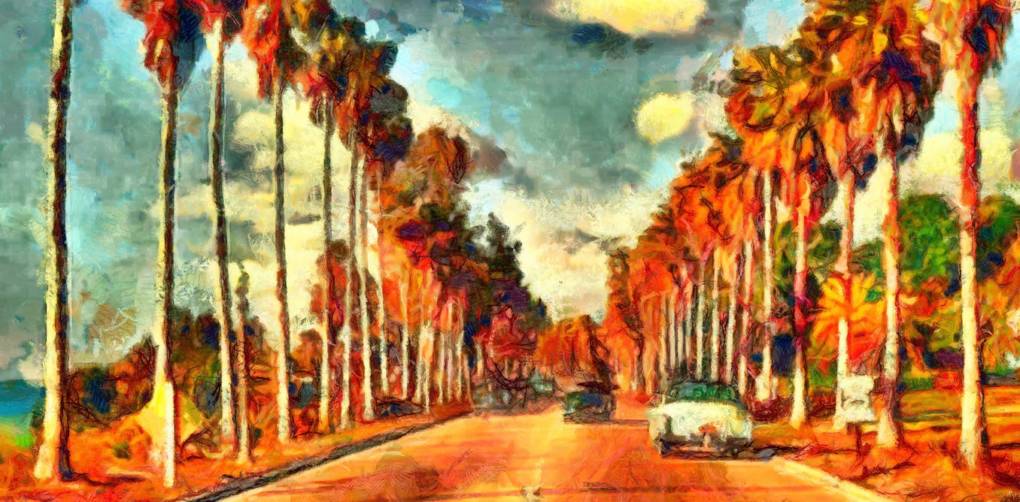
"caption": "Is the California Dream still alive and well?",
"description": "Is the California Dream still alive and well?",
"title": "landscape-file-20170714-7354-ta5io",
"credit": "\u003ca class=\"source\" href=\"https://www.shutterstock.com/image-illustration/vintage-california-view-oil-painting-526016404?src=oiGDFrNPr3v9ETEZq1Km2w-1-0\">Ivan Aleshin/shutterstock.com\u003c/a>",
"status": "inherit",
"isLoading": false,
"fetchFailed": false
},
"news_11626084": {
"type": "attachments",
"id": "news_11626084",
"meta": {
"index": "attachments_1716263798",
"site": "news",
"id": "11626084",
"found": true
},
"parent": 11626083,
"imgSizes": {
"small": {
"file": "https://ww2.kqed.org/app/uploads/sites/10/2017/10/RS27731_CaliforniaDream_interstate-1920x1080-tight-crop-qut-520x293.jpg",
"width": 520,
"mimeType": "image/jpeg",
"height": 293
},
"twentyfourteen-full-width": {
"file": "https://ww2.kqed.org/app/uploads/sites/10/2017/10/RS27731_CaliforniaDream_interstate-1920x1080-tight-crop-qut-1038x576.jpg",
"width": 1038,
"mimeType": "image/jpeg",
"height": 576
},
"thumbnail": {
"file": "https://ww2.kqed.org/app/uploads/sites/10/2017/10/RS27731_CaliforniaDream_interstate-1920x1080-tight-crop-qut-160x90.jpg",
"width": 160,
"mimeType": "image/jpeg",
"height": 90
},
"fd-sm": {
"file": "https://ww2.kqed.org/app/uploads/sites/10/2017/10/RS27731_CaliforniaDream_interstate-1920x1080-tight-crop-qut-960x540.jpg",
"width": 960,
"mimeType": "image/jpeg",
"height": 540
},
"post-thumbnail": {
"file": "https://ww2.kqed.org/app/uploads/sites/10/2017/10/RS27731_CaliforniaDream_interstate-1920x1080-tight-crop-qut-672x372.jpg",
"width": 672,
"mimeType": "image/jpeg",
"height": 372
},
"xsmall": {
"file": "https://ww2.kqed.org/app/uploads/sites/10/2017/10/RS27731_CaliforniaDream_interstate-1920x1080-tight-crop-qut-375x211.jpg",
"width": 375,
"mimeType": "image/jpeg",
"height": 211
},
"kqedFullSize": {
"file": "https://ww2.kqed.org/app/uploads/sites/10/2017/10/RS27731_CaliforniaDream_interstate-1920x1080-tight-crop-qut.jpg",
"width": 1920,
"height": 1080
},
"large": {
"file": "https://ww2.kqed.org/app/uploads/sites/10/2017/10/RS27731_CaliforniaDream_interstate-1920x1080-tight-crop-qut-1020x574.jpg",
"width": 1020,
"mimeType": "image/jpeg",
"height": 574
},
"xlarge": {
"file": "https://ww2.kqed.org/app/uploads/sites/10/2017/10/RS27731_CaliforniaDream_interstate-1920x1080-tight-crop-qut-1180x664.jpg",
"width": 1180,
"mimeType": "image/jpeg",
"height": 664
},
"guest-author-50": {
"file": "https://ww2.kqed.org/app/uploads/sites/10/2017/10/RS27731_CaliforniaDream_interstate-1920x1080-tight-crop-qut-50x50.jpg",
"width": 50,
"mimeType": "image/jpeg",
"height": 50
},
"guest-author-96": {
"file": "https://ww2.kqed.org/app/uploads/sites/10/2017/10/RS27731_CaliforniaDream_interstate-1920x1080-tight-crop-qut-96x96.jpg",
"width": 96,
"mimeType": "image/jpeg",
"height": 96
},
"medium": {
"file": "https://ww2.kqed.org/app/uploads/sites/10/2017/10/RS27731_CaliforniaDream_interstate-1920x1080-tight-crop-qut-800x450.jpg",
"width": 800,
"mimeType": "image/jpeg",
"height": 450
},
"guest-author-64": {
"file": "https://ww2.kqed.org/app/uploads/sites/10/2017/10/RS27731_CaliforniaDream_interstate-1920x1080-tight-crop-qut-64x64.jpg",
"width": 64,
"mimeType": "image/jpeg",
"height": 64
},
"guest-author-32": {
"file": "https://ww2.kqed.org/app/uploads/sites/10/2017/10/RS27731_CaliforniaDream_interstate-1920x1080-tight-crop-qut-32x32.jpg",
"width": 32,
"mimeType": "image/jpeg",
"height": 32
},
"fd-lrg": {
"file": "https://ww2.kqed.org/app/uploads/sites/10/2017/10/RS27731_CaliforniaDream_interstate-1920x1080-tight-crop-qut-1920x1080.jpg",
"width": 1920,
"mimeType": "image/jpeg",
"height": 1080
},
"fd-med": {
"file": "https://ww2.kqed.org/app/uploads/sites/10/2017/10/RS27731_CaliforniaDream_interstate-1920x1080-tight-crop-qut-1180x664.jpg",
"width": 1180,
"mimeType": "image/jpeg",
"height": 664
},
"full-width": {
"file": "https://ww2.kqed.org/app/uploads/sites/10/2017/10/RS27731_CaliforniaDream_interstate-1920x1080-tight-crop-qut-1920x1080.jpg",
"width": 1920,
"mimeType": "image/jpeg",
"height": 1080
},
"detail": {
"file": "https://ww2.kqed.org/app/uploads/sites/10/2017/10/RS27731_CaliforniaDream_interstate-1920x1080-tight-crop-qut-150x150.jpg",
"width": 150,
"mimeType": "image/jpeg",
"height": 150
},
"guest-author-128": {
"file": "https://ww2.kqed.org/app/uploads/sites/10/2017/10/RS27731_CaliforniaDream_interstate-1920x1080-tight-crop-qut-128x128.jpg",
"width": 128,
"mimeType": "image/jpeg",
"height": 128
},
"xxsmall": {
"file": "https://ww2.kqed.org/app/uploads/sites/10/2017/10/RS27731_CaliforniaDream_interstate-1920x1080-tight-crop-qut-240x135.jpg",
"width": 240,
"mimeType": "image/jpeg",
"height": 135
}
},
"publishDate": 1508975134,
"modified": 1508975194,
"caption": "Pacific Coast Highway 1 road sign",
"description": null,
"title": "RS27731_CaliforniaDream_interstate-1920x1080-tight-crop-qut",
"credit": "Aleksandar Nakic/iStock",
"status": "inherit",
"isLoading": false,
"fetchFailed": false
},
"news_11627142": {
"type": "attachments",
"id": "news_11627142",
"meta": {
"index": "attachments_1716263798",
"site": "news",
"id": "11627142",
"found": true
},
"parent": 11627066,
"imgSizes": {
"small": {
"file": "https://ww2.kqed.org/app/uploads/sites/10/2017/10/IMG_2971-520x347.jpg",
"width": 520,
"mimeType": "image/jpeg",
"height": 347
},
"twentyfourteen-full-width": {
"file": "https://ww2.kqed.org/app/uploads/sites/10/2017/10/IMG_2971-1038x576.jpg",
"width": 1038,
"mimeType": "image/jpeg",
"height": 576
},
"thumbnail": {
"file": "https://ww2.kqed.org/app/uploads/sites/10/2017/10/IMG_2971-160x107.jpg",
"width": 160,
"mimeType": "image/jpeg",
"height": 107
},
"fd-sm": {
"file": "https://ww2.kqed.org/app/uploads/sites/10/2017/10/IMG_2971-960x640.jpg",
"width": 960,
"mimeType": "image/jpeg",
"height": 640
},
"post-thumbnail": {
"file": "https://ww2.kqed.org/app/uploads/sites/10/2017/10/IMG_2971-672x372.jpg",
"width": 672,
"mimeType": "image/jpeg",
"height": 372
},
"xsmall": {
"file": "https://ww2.kqed.org/app/uploads/sites/10/2017/10/IMG_2971-375x250.jpg",
"width": 375,
"mimeType": "image/jpeg",
"height": 250
},
"kqedFullSize": {
"file": "https://ww2.kqed.org/app/uploads/sites/10/2017/10/IMG_2971-e1509490003642.jpg",
"width": 1920,
"height": 1280
},
"large": {
"file": "https://ww2.kqed.org/app/uploads/sites/10/2017/10/IMG_2971-1020x680.jpg",
"width": 1020,
"mimeType": "image/jpeg",
"height": 680
},
"xlarge": {
"file": "https://ww2.kqed.org/app/uploads/sites/10/2017/10/IMG_2971-1180x787.jpg",
"width": 1180,
"mimeType": "image/jpeg",
"height": 787
},
"guest-author-50": {
"file": "https://ww2.kqed.org/app/uploads/sites/10/2017/10/IMG_2971-50x50.jpg",
"width": 50,
"mimeType": "image/jpeg",
"height": 50
},
"guest-author-96": {
"file": "https://ww2.kqed.org/app/uploads/sites/10/2017/10/IMG_2971-96x96.jpg",
"width": 96,
"mimeType": "image/jpeg",
"height": 96
},
"medium": {
"file": "https://ww2.kqed.org/app/uploads/sites/10/2017/10/IMG_2971-800x533.jpg",
"width": 800,
"mimeType": "image/jpeg",
"height": 533
},
"guest-author-64": {
"file": "https://ww2.kqed.org/app/uploads/sites/10/2017/10/IMG_2971-64x64.jpg",
"width": 64,
"mimeType": "image/jpeg",
"height": 64
},
"guest-author-32": {
"file": "https://ww2.kqed.org/app/uploads/sites/10/2017/10/IMG_2971-32x32.jpg",
"width": 32,
"mimeType": "image/jpeg",
"height": 32
},
"fd-lrg": {
"file": "https://ww2.kqed.org/app/uploads/sites/10/2017/10/IMG_2971-1920x1280.jpg",
"width": 1920,
"mimeType": "image/jpeg",
"height": 1280
},
"fd-med": {
"file": "https://ww2.kqed.org/app/uploads/sites/10/2017/10/IMG_2971-1180x787.jpg",
"width": 1180,
"mimeType": "image/jpeg",
"height": 787
},
"full-width": {
"file": "https://ww2.kqed.org/app/uploads/sites/10/2017/10/IMG_2971-1920x1280.jpg",
"width": 1920,
"mimeType": "image/jpeg",
"height": 1280
},
"detail": {
"file": "https://ww2.kqed.org/app/uploads/sites/10/2017/10/IMG_2971-150x150.jpg",
"width": 150,
"mimeType": "image/jpeg",
"height": 150
},
"guest-author-128": {
"file": "https://ww2.kqed.org/app/uploads/sites/10/2017/10/IMG_2971-128x128.jpg",
"width": 128,
"mimeType": "image/jpeg",
"height": 128
},
"xxsmall": {
"file": "https://ww2.kqed.org/app/uploads/sites/10/2017/10/IMG_2971-240x160.jpg",
"width": 240,
"mimeType": "image/jpeg",
"height": 160
}
},
"publishDate": 1509484133,
"modified": 1509492289,
"caption": "Residents at the 'Here There' encampment in South Berkeley argue they have a right to stay on BART's property.",
"description": null,
"title": "IMG_2971",
"credit": "Devin Katayama/KQED",
"status": "inherit",
"isLoading": false,
"fetchFailed": false
},
"news_11627350": {
"type": "attachments",
"id": "news_11627350",
"meta": {
"index": "attachments_1716263798",
"site": "news",
"id": "11627350",
"found": true
},
"parent": 11627337,
"imgSizes": {
"small": {
"file": "https://ww2.kqed.org/app/uploads/sites/10/2017/10/RS27815_IMG_3420-qut-520x390.jpg",
"width": 520,
"mimeType": "image/jpeg",
"height": 390
},
"twentyfourteen-full-width": {
"file": "https://ww2.kqed.org/app/uploads/sites/10/2017/10/RS27815_IMG_3420-qut-1038x576.jpg",
"width": 1038,
"mimeType": "image/jpeg",
"height": 576
},
"thumbnail": {
"file": "https://ww2.kqed.org/app/uploads/sites/10/2017/10/RS27815_IMG_3420-qut-160x120.jpg",
"width": 160,
"mimeType": "image/jpeg",
"height": 120
},
"fd-sm": {
"file": "https://ww2.kqed.org/app/uploads/sites/10/2017/10/RS27815_IMG_3420-qut-960x720.jpg",
"width": 960,
"mimeType": "image/jpeg",
"height": 720
},
"post-thumbnail": {
"file": "https://ww2.kqed.org/app/uploads/sites/10/2017/10/RS27815_IMG_3420-qut-672x372.jpg",
"width": 672,
"mimeType": "image/jpeg",
"height": 372
},
"xsmall": {
"file": "https://ww2.kqed.org/app/uploads/sites/10/2017/10/RS27815_IMG_3420-qut-375x281.jpg",
"width": 375,
"mimeType": "image/jpeg",
"height": 281
},
"kqedFullSize": {
"file": "https://ww2.kqed.org/app/uploads/sites/10/2017/10/RS27815_IMG_3420-qut.jpg",
"width": 1920,
"height": 1440
},
"large": {
"file": "https://ww2.kqed.org/app/uploads/sites/10/2017/10/RS27815_IMG_3420-qut-1020x765.jpg",
"width": 1020,
"mimeType": "image/jpeg",
"height": 765
},
"xlarge": {
"file": "https://ww2.kqed.org/app/uploads/sites/10/2017/10/RS27815_IMG_3420-qut-1180x885.jpg",
"width": 1180,
"mimeType": "image/jpeg",
"height": 885
},
"guest-author-50": {
"file": "https://ww2.kqed.org/app/uploads/sites/10/2017/10/RS27815_IMG_3420-qut-50x50.jpg",
"width": 50,
"mimeType": "image/jpeg",
"height": 50
},
"guest-author-96": {
"file": "https://ww2.kqed.org/app/uploads/sites/10/2017/10/RS27815_IMG_3420-qut-96x96.jpg",
"width": 96,
"mimeType": "image/jpeg",
"height": 96
},
"medium": {
"file": "https://ww2.kqed.org/app/uploads/sites/10/2017/10/RS27815_IMG_3420-qut-800x600.jpg",
"width": 800,
"mimeType": "image/jpeg",
"height": 600
},
"guest-author-64": {
"file": "https://ww2.kqed.org/app/uploads/sites/10/2017/10/RS27815_IMG_3420-qut-64x64.jpg",
"width": 64,
"mimeType": "image/jpeg",
"height": 64
},
"guest-author-32": {
"file": "https://ww2.kqed.org/app/uploads/sites/10/2017/10/RS27815_IMG_3420-qut-32x32.jpg",
"width": 32,
"mimeType": "image/jpeg",
"height": 32
},
"fd-lrg": {
"file": "https://ww2.kqed.org/app/uploads/sites/10/2017/10/RS27815_IMG_3420-qut-1920x1440.jpg",
"width": 1920,
"mimeType": "image/jpeg",
"height": 1440
},
"fd-med": {
"file": "https://ww2.kqed.org/app/uploads/sites/10/2017/10/RS27815_IMG_3420-qut-1180x885.jpg",
"width": 1180,
"mimeType": "image/jpeg",
"height": 885
},
"full-width": {
"file": "https://ww2.kqed.org/app/uploads/sites/10/2017/10/RS27815_IMG_3420-qut-1920x1440.jpg",
"width": 1920,
"mimeType": "image/jpeg",
"height": 1440
},
"detail": {
"file": "https://ww2.kqed.org/app/uploads/sites/10/2017/10/RS27815_IMG_3420-qut-150x150.jpg",
"width": 150,
"mimeType": "image/jpeg",
"height": 150
},
"guest-author-128": {
"file": "https://ww2.kqed.org/app/uploads/sites/10/2017/10/RS27815_IMG_3420-qut-128x128.jpg",
"width": 128,
"mimeType": "image/jpeg",
"height": 128
},
"xxsmall": {
"file": "https://ww2.kqed.org/app/uploads/sites/10/2017/10/RS27815_IMG_3420-qut-240x180.jpg",
"width": 240,
"mimeType": "image/jpeg",
"height": 180
}
},
"publishDate": 1509505038,
"modified": 1509576387,
"caption": "A courtroom painting depicting defense attorney Matt Gonzalez's opening statement in the Kathryn Steinle murder trial at the San Francisco Hall of Justice on Oct. 23, 2017.",
"description": "A courtroom painting depicting defense attorney Matt Gonzalez's opening statement in the Kathryn Steinle murder trial at the San Francisco Hall of Justice on October 23, 2017.",
"title": "RS27815_IMG_3420-qut",
"credit": "Vicki Ellen Behringer/Courtroom Artist",
"status": "inherit",
"isLoading": false,
"fetchFailed": false
},
"futureofyou_436563": {
"type": "attachments",
"id": "futureofyou_436563",
"meta": {
"index": "attachments_1716263798",
"site": "futureofyou",
"id": "436563",
"found": true
},
"parent": 436414,
"imgSizes": {
"small": {
"file": "https://ww2.kqed.org/app/uploads/sites/13/2019/10/RansomwarePanel-520x278.jpg",
"width": 520,
"mimeType": "image/jpeg",
"height": 278
},
"twentyfourteen-full-width": {
"file": "https://ww2.kqed.org/app/uploads/sites/13/2019/10/RansomwarePanel-1038x576.jpg",
"width": 1038,
"mimeType": "image/jpeg",
"height": 576
},
"thumbnail": {
"file": "https://ww2.kqed.org/app/uploads/sites/13/2019/10/RansomwarePanel-160x86.jpg",
"width": 160,
"mimeType": "image/jpeg",
"height": 86
},
"fd-sm": {
"file": "https://ww2.kqed.org/app/uploads/sites/13/2019/10/RansomwarePanel-960x514.jpg",
"width": 960,
"mimeType": "image/jpeg",
"height": 514
},
"post-thumbnail": {
"file": "https://ww2.kqed.org/app/uploads/sites/13/2019/10/RansomwarePanel-672x372.jpg",
"width": 672,
"mimeType": "image/jpeg",
"height": 372
},
"xsmall": {
"file": "https://ww2.kqed.org/app/uploads/sites/13/2019/10/RansomwarePanel-375x201.jpg",
"width": 375,
"mimeType": "image/jpeg",
"height": 201
},
"kqedFullSize": {
"file": "https://ww2.kqed.org/app/uploads/sites/13/2019/10/RansomwarePanel-e1509133290999.jpg",
"width": 1920,
"height": 1028
},
"large": {
"file": "https://ww2.kqed.org/app/uploads/sites/13/2019/10/RansomwarePanel-1020x546.jpg",
"width": 1020,
"mimeType": "image/jpeg",
"height": 546
},
"xlarge": {
"file": "https://ww2.kqed.org/app/uploads/sites/13/2019/10/RansomwarePanel-1180x632.jpg",
"width": 1180,
"mimeType": "image/jpeg",
"height": 632
},
"guest-author-50": {
"file": "https://ww2.kqed.org/app/uploads/sites/13/2019/10/RansomwarePanel-50x50.jpg",
"width": 50,
"mimeType": "image/jpeg",
"height": 50
},
"guest-author-96": {
"file": "https://ww2.kqed.org/app/uploads/sites/13/2019/10/RansomwarePanel-96x96.jpg",
"width": 96,
"mimeType": "image/jpeg",
"height": 96
},
"medium": {
"file": "https://ww2.kqed.org/app/uploads/sites/13/2019/10/RansomwarePanel-800x428.jpg",
"width": 800,
"mimeType": "image/jpeg",
"height": 428
},
"guest-author-64": {
"file": "https://ww2.kqed.org/app/uploads/sites/13/2019/10/RansomwarePanel-64x64.jpg",
"width": 64,
"mimeType": "image/jpeg",
"height": 64
},
"guest-author-32": {
"file": "https://ww2.kqed.org/app/uploads/sites/13/2019/10/RansomwarePanel-32x32.jpg",
"width": 32,
"mimeType": "image/jpeg",
"height": 32
},
"fd-lrg": {
"file": "https://ww2.kqed.org/app/uploads/sites/13/2019/10/RansomwarePanel-1920x1028.jpg",
"width": 1920,
"mimeType": "image/jpeg",
"height": 1028
},
"fd-med": {
"file": "https://ww2.kqed.org/app/uploads/sites/13/2019/10/RansomwarePanel-1180x632.jpg",
"width": 1180,
"mimeType": "image/jpeg",
"height": 632
},
"full-width": {
"file": "https://ww2.kqed.org/app/uploads/sites/13/2019/10/RansomwarePanel-1920x1028.jpg",
"width": 1920,
"mimeType": "image/jpeg",
"height": 1028
},
"detail": {
"file": "https://ww2.kqed.org/app/uploads/sites/13/2019/10/RansomwarePanel-150x150.jpg",
"width": 150,
"mimeType": "image/jpeg",
"height": 150
},
"medium_large": {
"file": "https://ww2.kqed.org/app/uploads/sites/13/2019/10/RansomwarePanel-768x411.jpg",
"width": 768,
"mimeType": "image/jpeg",
"height": 411
},
"guest-author-128": {
"file": "https://ww2.kqed.org/app/uploads/sites/13/2019/10/RansomwarePanel-128x128.jpg",
"width": 128,
"mimeType": "image/jpeg",
"height": 128
},
"xxsmall": {
"file": "https://ww2.kqed.org/app/uploads/sites/13/2019/10/RansomwarePanel-240x128.jpg",
"width": 240,
"mimeType": "image/jpeg",
"height": 128
}
},
"publishDate": 1509133252,
"modified": 1509393537,
"caption": "KQED, one of the largest public media companies in America, was hit by a ransomware attack in July. The disruption was barely visible to the public, but behind the scenes, employees struggled with Rube Goldbergian workarounds while tech staff worked long months to rebuild a more secure system.",
"description": null,
"title": "RansomwarePanel",
"credit": null,
"status": "inherit",
"isLoading": false,
"fetchFailed": false
},
"news_11627281": {
"type": "attachments",
"id": "news_11627281",
"meta": {
"index": "attachments_1716263798",
"site": "news",
"id": "11627281",
"found": true
},
"parent": 11627280,
"imgSizes": {
"small": {
"file": "https://ww2.kqed.org/app/uploads/sites/10/2017/10/2017-08-03-uscapitol-ljdoyle-017-1-_custom-50e4994d469b1f286c8fae7c92601d94beb3ee10-520x291.jpg",
"width": 520,
"mimeType": "image/jpeg",
"height": 291
},
"twentyfourteen-full-width": {
"file": "https://ww2.kqed.org/app/uploads/sites/10/2017/10/2017-08-03-uscapitol-ljdoyle-017-1-_custom-50e4994d469b1f286c8fae7c92601d94beb3ee10-1038x576.jpg",
"width": 1038,
"mimeType": "image/jpeg",
"height": 576
},
"thumbnail": {
"file": "https://ww2.kqed.org/app/uploads/sites/10/2017/10/2017-08-03-uscapitol-ljdoyle-017-1-_custom-50e4994d469b1f286c8fae7c92601d94beb3ee10-160x90.jpg",
"width": 160,
"mimeType": "image/jpeg",
"height": 90
},
"fd-sm": {
"file": "https://ww2.kqed.org/app/uploads/sites/10/2017/10/2017-08-03-uscapitol-ljdoyle-017-1-_custom-50e4994d469b1f286c8fae7c92601d94beb3ee10-960x537.jpg",
"width": 960,
"mimeType": "image/jpeg",
"height": 537
},
"post-thumbnail": {
"file": "https://ww2.kqed.org/app/uploads/sites/10/2017/10/2017-08-03-uscapitol-ljdoyle-017-1-_custom-50e4994d469b1f286c8fae7c92601d94beb3ee10-672x372.jpg",
"width": 672,
"mimeType": "image/jpeg",
"height": 372
},
"xsmall": {
"file": "https://ww2.kqed.org/app/uploads/sites/10/2017/10/2017-08-03-uscapitol-ljdoyle-017-1-_custom-50e4994d469b1f286c8fae7c92601d94beb3ee10-375x210.jpg",
"width": 375,
"mimeType": "image/jpeg",
"height": 210
},
"kqedFullSize": {
"file": "https://ww2.kqed.org/app/uploads/sites/10/2017/10/2017-08-03-uscapitol-ljdoyle-017-1-_custom-50e4994d469b1f286c8fae7c92601d94beb3ee10-e1509492236323.jpg",
"width": 1920,
"height": 1075
},
"large": {
"file": "https://ww2.kqed.org/app/uploads/sites/10/2017/10/2017-08-03-uscapitol-ljdoyle-017-1-_custom-50e4994d469b1f286c8fae7c92601d94beb3ee10-1020x571.jpg",
"width": 1020,
"mimeType": "image/jpeg",
"height": 571
},
"xlarge": {
"file": "https://ww2.kqed.org/app/uploads/sites/10/2017/10/2017-08-03-uscapitol-ljdoyle-017-1-_custom-50e4994d469b1f286c8fae7c92601d94beb3ee10-1180x660.jpg",
"width": 1180,
"mimeType": "image/jpeg",
"height": 660
},
"guest-author-50": {
"file": "https://ww2.kqed.org/app/uploads/sites/10/2017/10/2017-08-03-uscapitol-ljdoyle-017-1-_custom-50e4994d469b1f286c8fae7c92601d94beb3ee10-50x50.jpg",
"width": 50,
"mimeType": "image/jpeg",
"height": 50
},
"guest-author-96": {
"file": "https://ww2.kqed.org/app/uploads/sites/10/2017/10/2017-08-03-uscapitol-ljdoyle-017-1-_custom-50e4994d469b1f286c8fae7c92601d94beb3ee10-96x96.jpg",
"width": 96,
"mimeType": "image/jpeg",
"height": 96
},
"medium": {
"file": "https://ww2.kqed.org/app/uploads/sites/10/2017/10/2017-08-03-uscapitol-ljdoyle-017-1-_custom-50e4994d469b1f286c8fae7c92601d94beb3ee10-800x448.jpg",
"width": 800,
"mimeType": "image/jpeg",
"height": 448
},
"guest-author-64": {
"file": "https://ww2.kqed.org/app/uploads/sites/10/2017/10/2017-08-03-uscapitol-ljdoyle-017-1-_custom-50e4994d469b1f286c8fae7c92601d94beb3ee10-64x64.jpg",
"width": 64,
"mimeType": "image/jpeg",
"height": 64
},
"guest-author-32": {
"file": "https://ww2.kqed.org/app/uploads/sites/10/2017/10/2017-08-03-uscapitol-ljdoyle-017-1-_custom-50e4994d469b1f286c8fae7c92601d94beb3ee10-32x32.jpg",
"width": 32,
"mimeType": "image/jpeg",
"height": 32
},
"fd-lrg": {
"file": "https://ww2.kqed.org/app/uploads/sites/10/2017/10/2017-08-03-uscapitol-ljdoyle-017-1-_custom-50e4994d469b1f286c8fae7c92601d94beb3ee10-1920x1075.jpg",
"width": 1920,
"mimeType": "image/jpeg",
"height": 1075
},
"fd-med": {
"file": "https://ww2.kqed.org/app/uploads/sites/10/2017/10/2017-08-03-uscapitol-ljdoyle-017-1-_custom-50e4994d469b1f286c8fae7c92601d94beb3ee10-1180x660.jpg",
"width": 1180,
"mimeType": "image/jpeg",
"height": 660
},
"full-width": {
"file": "https://ww2.kqed.org/app/uploads/sites/10/2017/10/2017-08-03-uscapitol-ljdoyle-017-1-_custom-50e4994d469b1f286c8fae7c92601d94beb3ee10-1920x1075.jpg",
"width": 1920,
"mimeType": "image/jpeg",
"height": 1075
},
"detail": {
"file": "https://ww2.kqed.org/app/uploads/sites/10/2017/10/2017-08-03-uscapitol-ljdoyle-017-1-_custom-50e4994d469b1f286c8fae7c92601d94beb3ee10-150x150.jpg",
"width": 150,
"mimeType": "image/jpeg",
"height": 150
},
"guest-author-128": {
"file": "https://ww2.kqed.org/app/uploads/sites/10/2017/10/2017-08-03-uscapitol-ljdoyle-017-1-_custom-50e4994d469b1f286c8fae7c92601d94beb3ee10-128x128.jpg",
"width": 128,
"mimeType": "image/jpeg",
"height": 128
},
"xxsmall": {
"file": "https://ww2.kqed.org/app/uploads/sites/10/2017/10/2017-08-03-uscapitol-ljdoyle-017-1-_custom-50e4994d469b1f286c8fae7c92601d94beb3ee10-240x134.jpg",
"width": 240,
"mimeType": "image/jpeg",
"height": 134
}
},
"publishDate": 1509492107,
"modified": 1509492263,
"caption": "Representatives of Facebook, Google and Twitter testified on Capitol Hill on Tuesday about Russia's use of their platforms.",
"description": "Representatives of Facebook, Google and Twitter testified on Capitol Hill on Tuesday about Russia's use of their platforms.",
"title": "Representatives of Facebook, Google and Twitter are testifying on Capitol Hill on Tuesday about Russia's use of their platforms.",
"credit": "Liam James Doyle/NPR",
"status": "inherit",
"isLoading": false,
"fetchFailed": false
},
"news_11627112": {
"type": "attachments",
"id": "news_11627112",
"meta": {
"index": "attachments_1716263798",
"site": "news",
"id": "11627112",
"found": true
},
"parent": 0,
"imgSizes": {
"small": {
"file": "https://ww2.kqed.org/app/uploads/sites/10/2017/10/RS27476_pge-santa-rosa-tubbs2-520x293.jpg",
"width": 520,
"mimeType": "image/jpeg",
"height": 293
},
"twentyfourteen-full-width": {
"file": "https://ww2.kqed.org/app/uploads/sites/10/2017/10/RS27476_pge-santa-rosa-tubbs2-1038x576.jpg",
"width": 1038,
"mimeType": "image/jpeg",
"height": 576
},
"thumbnail": {
"file": "https://ww2.kqed.org/app/uploads/sites/10/2017/10/RS27476_pge-santa-rosa-tubbs2-160x90.jpg",
"width": 160,
"mimeType": "image/jpeg",
"height": 90
},
"fd-sm": {
"file": "https://ww2.kqed.org/app/uploads/sites/10/2017/10/RS27476_pge-santa-rosa-tubbs2-960x540.jpg",
"width": 960,
"mimeType": "image/jpeg",
"height": 540
},
"post-thumbnail": {
"file": "https://ww2.kqed.org/app/uploads/sites/10/2017/10/RS27476_pge-santa-rosa-tubbs2-672x372.jpg",
"width": 672,
"mimeType": "image/jpeg",
"height": 372
},
"xsmall": {
"file": "https://ww2.kqed.org/app/uploads/sites/10/2017/10/RS27476_pge-santa-rosa-tubbs2-375x211.jpg",
"width": 375,
"mimeType": "image/jpeg",
"height": 211
},
"kqedFullSize": {
"file": "https://ww2.kqed.org/app/uploads/sites/10/2017/10/RS27476_pge-santa-rosa-tubbs2.jpg",
"width": 1812,
"height": 1020
},
"large": {
"file": "https://ww2.kqed.org/app/uploads/sites/10/2017/10/RS27476_pge-santa-rosa-tubbs2-1020x574.jpg",
"width": 1020,
"mimeType": "image/jpeg",
"height": 574
},
"xlarge": {
"file": "https://ww2.kqed.org/app/uploads/sites/10/2017/10/RS27476_pge-santa-rosa-tubbs2-1180x664.jpg",
"width": 1180,
"mimeType": "image/jpeg",
"height": 664
},
"guest-author-50": {
"file": "https://ww2.kqed.org/app/uploads/sites/10/2017/10/RS27476_pge-santa-rosa-tubbs2-50x50.jpg",
"width": 50,
"mimeType": "image/jpeg",
"height": 50
},
"guest-author-96": {
"file": "https://ww2.kqed.org/app/uploads/sites/10/2017/10/RS27476_pge-santa-rosa-tubbs2-96x96.jpg",
"width": 96,
"mimeType": "image/jpeg",
"height": 96
},
"medium": {
"file": "https://ww2.kqed.org/app/uploads/sites/10/2017/10/RS27476_pge-santa-rosa-tubbs2-800x450.jpg",
"width": 800,
"mimeType": "image/jpeg",
"height": 450
},
"guest-author-64": {
"file": "https://ww2.kqed.org/app/uploads/sites/10/2017/10/RS27476_pge-santa-rosa-tubbs2-64x64.jpg",
"width": 64,
"mimeType": "image/jpeg",
"height": 64
},
"guest-author-32": {
"file": "https://ww2.kqed.org/app/uploads/sites/10/2017/10/RS27476_pge-santa-rosa-tubbs2-32x32.jpg",
"width": 32,
"mimeType": "image/jpeg",
"height": 32
},
"fd-med": {
"file": "https://ww2.kqed.org/app/uploads/sites/10/2017/10/RS27476_pge-santa-rosa-tubbs2-1180x664.jpg",
"width": 1180,
"mimeType": "image/jpeg",
"height": 664
},
"detail": {
"file": "https://ww2.kqed.org/app/uploads/sites/10/2017/10/RS27476_pge-santa-rosa-tubbs2-150x150.jpg",
"width": 150,
"mimeType": "image/jpeg",
"height": 150
},
"guest-author-128": {
"file": "https://ww2.kqed.org/app/uploads/sites/10/2017/10/RS27476_pge-santa-rosa-tubbs2-128x128.jpg",
"width": 128,
"mimeType": "image/jpeg",
"height": 128
},
"xxsmall": {
"file": "https://ww2.kqed.org/app/uploads/sites/10/2017/10/RS27476_pge-santa-rosa-tubbs2-240x135.jpg",
"width": 240,
"mimeType": "image/jpeg",
"height": 135
}
},
"publishDate": 1509481590,
"modified": 1509481622,
"caption": "PG&E employees work in Santa Rosa after the Tubbs Fire.",
"description": null,
"title": "RS27476_pge santa rosa tubbs2",
"credit": "Adam Grossberg/KQED",
"status": "inherit",
"isLoading": false,
"fetchFailed": false
},
"news_11627242": {
"type": "attachments",
"id": "news_11627242",
"meta": {
"index": "attachments_1716263798",
"site": "news",
"id": "11627242",
"found": true
},
"parent": 11627241,
"imgSizes": {
"small": {
"file": "https://ww2.kqed.org/app/uploads/sites/10/2017/10/gettyimages-868735674_wide-ad55dc8ba42f3076691f440a5d189334f32e1b9b-520x292.jpg",
"width": 520,
"mimeType": "image/jpeg",
"height": 292
},
"twentyfourteen-full-width": {
"file": "https://ww2.kqed.org/app/uploads/sites/10/2017/10/gettyimages-868735674_wide-ad55dc8ba42f3076691f440a5d189334f32e1b9b-1038x576.jpg",
"width": 1038,
"mimeType": "image/jpeg",
"height": 576
},
"thumbnail": {
"file": "https://ww2.kqed.org/app/uploads/sites/10/2017/10/gettyimages-868735674_wide-ad55dc8ba42f3076691f440a5d189334f32e1b9b-160x90.jpg",
"width": 160,
"mimeType": "image/jpeg",
"height": 90
},
"fd-sm": {
"file": "https://ww2.kqed.org/app/uploads/sites/10/2017/10/gettyimages-868735674_wide-ad55dc8ba42f3076691f440a5d189334f32e1b9b-960x540.jpg",
"width": 960,
"mimeType": "image/jpeg",
"height": 540
},
"post-thumbnail": {
"file": "https://ww2.kqed.org/app/uploads/sites/10/2017/10/gettyimages-868735674_wide-ad55dc8ba42f3076691f440a5d189334f32e1b9b-672x372.jpg",
"width": 672,
"mimeType": "image/jpeg",
"height": 372
},
"xsmall": {
"file": "https://ww2.kqed.org/app/uploads/sites/10/2017/10/gettyimages-868735674_wide-ad55dc8ba42f3076691f440a5d189334f32e1b9b-375x211.jpg",
"width": 375,
"mimeType": "image/jpeg",
"height": 211
},
"kqedFullSize": {
"file": "https://ww2.kqed.org/app/uploads/sites/10/2017/10/gettyimages-868735674_wide-ad55dc8ba42f3076691f440a5d189334f32e1b9b-e1509488860595.jpg",
"width": 1920,
"height": 1080
},
"large": {
"file": "https://ww2.kqed.org/app/uploads/sites/10/2017/10/gettyimages-868735674_wide-ad55dc8ba42f3076691f440a5d189334f32e1b9b-1020x574.jpg",
"width": 1020,
"mimeType": "image/jpeg",
"height": 574
},
"xlarge": {
"file": "https://ww2.kqed.org/app/uploads/sites/10/2017/10/gettyimages-868735674_wide-ad55dc8ba42f3076691f440a5d189334f32e1b9b-1180x664.jpg",
"width": 1180,
"mimeType": "image/jpeg",
"height": 664
},
"guest-author-50": {
"file": "https://ww2.kqed.org/app/uploads/sites/10/2017/10/gettyimages-868735674_wide-ad55dc8ba42f3076691f440a5d189334f32e1b9b-50x50.jpg",
"width": 50,
"mimeType": "image/jpeg",
"height": 50
},
"guest-author-96": {
"file": "https://ww2.kqed.org/app/uploads/sites/10/2017/10/gettyimages-868735674_wide-ad55dc8ba42f3076691f440a5d189334f32e1b9b-96x96.jpg",
"width": 96,
"mimeType": "image/jpeg",
"height": 96
},
"medium": {
"file": "https://ww2.kqed.org/app/uploads/sites/10/2017/10/gettyimages-868735674_wide-ad55dc8ba42f3076691f440a5d189334f32e1b9b-800x450.jpg",
"width": 800,
"mimeType": "image/jpeg",
"height": 450
},
"guest-author-64": {
"file": "https://ww2.kqed.org/app/uploads/sites/10/2017/10/gettyimages-868735674_wide-ad55dc8ba42f3076691f440a5d189334f32e1b9b-64x64.jpg",
"width": 64,
"mimeType": "image/jpeg",
"height": 64
},
"guest-author-32": {
"file": "https://ww2.kqed.org/app/uploads/sites/10/2017/10/gettyimages-868735674_wide-ad55dc8ba42f3076691f440a5d189334f32e1b9b-32x32.jpg",
"width": 32,
"mimeType": "image/jpeg",
"height": 32
},
"fd-lrg": {
"file": "https://ww2.kqed.org/app/uploads/sites/10/2017/10/gettyimages-868735674_wide-ad55dc8ba42f3076691f440a5d189334f32e1b9b-1920x1080.jpg",
"width": 1920,
"mimeType": "image/jpeg",
"height": 1080
},
"fd-med": {
"file": "https://ww2.kqed.org/app/uploads/sites/10/2017/10/gettyimages-868735674_wide-ad55dc8ba42f3076691f440a5d189334f32e1b9b-1180x664.jpg",
"width": 1180,
"mimeType": "image/jpeg",
"height": 664
},
"full-width": {
"file": "https://ww2.kqed.org/app/uploads/sites/10/2017/10/gettyimages-868735674_wide-ad55dc8ba42f3076691f440a5d189334f32e1b9b-1920x1080.jpg",
"width": 1920,
"mimeType": "image/jpeg",
"height": 1080
},
"detail": {
"file": "https://ww2.kqed.org/app/uploads/sites/10/2017/10/gettyimages-868735674_wide-ad55dc8ba42f3076691f440a5d189334f32e1b9b-150x150.jpg",
"width": 150,
"mimeType": "image/jpeg",
"height": 150
},
"guest-author-128": {
"file": "https://ww2.kqed.org/app/uploads/sites/10/2017/10/gettyimages-868735674_wide-ad55dc8ba42f3076691f440a5d189334f32e1b9b-128x128.jpg",
"width": 128,
"mimeType": "image/jpeg",
"height": 128
},
"xxsmall": {
"file": "https://ww2.kqed.org/app/uploads/sites/10/2017/10/gettyimages-868735674_wide-ad55dc8ba42f3076691f440a5d189334f32e1b9b-240x135.jpg",
"width": 240,
"mimeType": "image/jpeg",
"height": 135
}
},
"publishDate": 1509488779,
"modified": 1509488893,
"caption": "Police secure the area in Lower Manhattan near where a vehicle drove onto a bicycle path Tuesday afternoon, killing \"several people,\" according to New York City police.",
"description": "Police secure the area in Lower Manhattan near where a vehicle drove onto a bicycle path Tuesday afternoon, killing \"several people,\" according to New York City police.",
"title": "Police secure the area in Lower Manhattan near where a vehicle drove onto a bicycle path Tuesday afternoon, killing \"several people,\" according to New York City police.",
"credit": "Don Emmert/AFP/Getty Images",
"status": "inherit",
"isLoading": false,
"fetchFailed": false
},
"news_11623377": {
"type": "attachments",
"id": "news_11623377",
"meta": {
"index": "attachments_1716263798",
"site": "news",
"id": "11623377",
"found": true
},
"parent": 11623289,
"imgSizes": {
"small": {
"file": "https://ww2.kqed.org/app/uploads/sites/10/2017/10/GettyImages-859327428-520x341.jpg",
"width": 520,
"mimeType": "image/jpeg",
"height": 341
},
"twentyfourteen-full-width": {
"file": "https://ww2.kqed.org/app/uploads/sites/10/2017/10/GettyImages-859327428-1038x576.jpg",
"width": 1038,
"mimeType": "image/jpeg",
"height": 576
},
"thumbnail": {
"file": "https://ww2.kqed.org/app/uploads/sites/10/2017/10/GettyImages-859327428-160x105.jpg",
"width": 160,
"mimeType": "image/jpeg",
"height": 105
},
"fd-sm": {
"file": "https://ww2.kqed.org/app/uploads/sites/10/2017/10/GettyImages-859327428-960x629.jpg",
"width": 960,
"mimeType": "image/jpeg",
"height": 629
},
"post-thumbnail": {
"file": "https://ww2.kqed.org/app/uploads/sites/10/2017/10/GettyImages-859327428-672x372.jpg",
"width": 672,
"mimeType": "image/jpeg",
"height": 372
},
"xsmall": {
"file": "https://ww2.kqed.org/app/uploads/sites/10/2017/10/GettyImages-859327428-375x246.jpg",
"width": 375,
"mimeType": "image/jpeg",
"height": 246
},
"kqedFullSize": {
"file": "https://ww2.kqed.org/app/uploads/sites/10/2017/10/GettyImages-859327428.jpg",
"width": 3767,
"height": 2468
},
"large": {
"file": "https://ww2.kqed.org/app/uploads/sites/10/2017/10/GettyImages-859327428-1020x668.jpg",
"width": 1020,
"mimeType": "image/jpeg",
"height": 668
},
"xlarge": {
"file": "https://ww2.kqed.org/app/uploads/sites/10/2017/10/GettyImages-859327428-1180x773.jpg",
"width": 1180,
"mimeType": "image/jpeg",
"height": 773
},
"guest-author-50": {
"file": "https://ww2.kqed.org/app/uploads/sites/10/2017/10/GettyImages-859327428-50x50.jpg",
"width": 50,
"mimeType": "image/jpeg",
"height": 50
},
"guest-author-96": {
"file": "https://ww2.kqed.org/app/uploads/sites/10/2017/10/GettyImages-859327428-96x96.jpg",
"width": 96,
"mimeType": "image/jpeg",
"height": 96
},
"medium": {
"file": "https://ww2.kqed.org/app/uploads/sites/10/2017/10/GettyImages-859327428-800x524.jpg",
"width": 800,
"mimeType": "image/jpeg",
"height": 524
},
"guest-author-64": {
"file": "https://ww2.kqed.org/app/uploads/sites/10/2017/10/GettyImages-859327428-64x64.jpg",
"width": 64,
"mimeType": "image/jpeg",
"height": 64
},
"guest-author-32": {
"file": "https://ww2.kqed.org/app/uploads/sites/10/2017/10/GettyImages-859327428-32x32.jpg",
"width": 32,
"mimeType": "image/jpeg",
"height": 32
},
"fd-lrg": {
"file": "https://ww2.kqed.org/app/uploads/sites/10/2017/10/GettyImages-859327428-1920x1258.jpg",
"width": 1920,
"mimeType": "image/jpeg",
"height": 1258
},
"fd-med": {
"file": "https://ww2.kqed.org/app/uploads/sites/10/2017/10/GettyImages-859327428-1180x773.jpg",
"width": 1180,
"mimeType": "image/jpeg",
"height": 773
},
"full-width": {
"file": "https://ww2.kqed.org/app/uploads/sites/10/2017/10/GettyImages-859327428-1920x1258.jpg",
"width": 1920,
"mimeType": "image/jpeg",
"height": 1258
},
"detail": {
"file": "https://ww2.kqed.org/app/uploads/sites/10/2017/10/GettyImages-859327428-150x150.jpg",
"width": 150,
"mimeType": "image/jpeg",
"height": 150
},
"guest-author-128": {
"file": "https://ww2.kqed.org/app/uploads/sites/10/2017/10/GettyImages-859327428-128x128.jpg",
"width": 128,
"mimeType": "image/jpeg",
"height": 128
},
"xxsmall": {
"file": "https://ww2.kqed.org/app/uploads/sites/10/2017/10/GettyImages-859327428-240x157.jpg",
"width": 240,
"mimeType": "image/jpeg",
"height": 157
}
},
"publishDate": 1507931054,
"modified": 1509488423,
"caption": "An inmate firefighter monitors flames as a house burns in the Napa wine region in California on Oct. 9, 2017.",
"description": null,
"title": "TOPSHOT-US-WILDFIRES-CALIFORNIA",
"credit": "JOSH EDELSON/AFP/Getty Images",
"status": "inherit",
"isLoading": false,
"fetchFailed": false
},
"news_11627121": {
"type": "attachments",
"id": "news_11627121",
"meta": {
"index": "attachments_1716263798",
"site": "news",
"id": "11627121",
"found": true
},
"parent": 11627120,
"imgSizes": {
"small": {
"file": "https://ww2.kqed.org/app/uploads/sites/10/2017/10/gettyimages-669889770-11100d0a098a432034c98fc7dca866905f412715-520x390.jpg",
"width": 520,
"mimeType": "image/jpeg",
"height": 390
},
"twentyfourteen-full-width": {
"file": "https://ww2.kqed.org/app/uploads/sites/10/2017/10/gettyimages-669889770-11100d0a098a432034c98fc7dca866905f412715-1038x576.jpg",
"width": 1038,
"mimeType": "image/jpeg",
"height": 576
},
"thumbnail": {
"file": "https://ww2.kqed.org/app/uploads/sites/10/2017/10/gettyimages-669889770-11100d0a098a432034c98fc7dca866905f412715-160x120.jpg",
"width": 160,
"mimeType": "image/jpeg",
"height": 120
},
"fd-sm": {
"file": "https://ww2.kqed.org/app/uploads/sites/10/2017/10/gettyimages-669889770-11100d0a098a432034c98fc7dca866905f412715-960x720.jpg",
"width": 960,
"mimeType": "image/jpeg",
"height": 720
},
"post-thumbnail": {
"file": "https://ww2.kqed.org/app/uploads/sites/10/2017/10/gettyimages-669889770-11100d0a098a432034c98fc7dca866905f412715-672x372.jpg",
"width": 672,
"mimeType": "image/jpeg",
"height": 372
},
"xsmall": {
"file": "https://ww2.kqed.org/app/uploads/sites/10/2017/10/gettyimages-669889770-11100d0a098a432034c98fc7dca866905f412715-375x281.jpg",
"width": 375,
"mimeType": "image/jpeg",
"height": 281
},
"kqedFullSize": {
"file": "https://ww2.kqed.org/app/uploads/sites/10/2017/10/gettyimages-669889770-11100d0a098a432034c98fc7dca866905f412715-e1509482516422.jpg",
"width": 1920,
"height": 1439
},
"large": {
"file": "https://ww2.kqed.org/app/uploads/sites/10/2017/10/gettyimages-669889770-11100d0a098a432034c98fc7dca866905f412715-1020x765.jpg",
"width": 1020,
"mimeType": "image/jpeg",
"height": 765
},
"xlarge": {
"file": "https://ww2.kqed.org/app/uploads/sites/10/2017/10/gettyimages-669889770-11100d0a098a432034c98fc7dca866905f412715-1180x885.jpg",
"width": 1180,
"mimeType": "image/jpeg",
"height": 885
},
"guest-author-50": {
"file": "https://ww2.kqed.org/app/uploads/sites/10/2017/10/gettyimages-669889770-11100d0a098a432034c98fc7dca866905f412715-50x50.jpg",
"width": 50,
"mimeType": "image/jpeg",
"height": 50
},
"guest-author-96": {
"file": "https://ww2.kqed.org/app/uploads/sites/10/2017/10/gettyimages-669889770-11100d0a098a432034c98fc7dca866905f412715-96x96.jpg",
"width": 96,
"mimeType": "image/jpeg",
"height": 96
},
"medium": {
"file": "https://ww2.kqed.org/app/uploads/sites/10/2017/10/gettyimages-669889770-11100d0a098a432034c98fc7dca866905f412715-800x600.jpg",
"width": 800,
"mimeType": "image/jpeg",
"height": 600
},
"guest-author-64": {
"file": "https://ww2.kqed.org/app/uploads/sites/10/2017/10/gettyimages-669889770-11100d0a098a432034c98fc7dca866905f412715-64x64.jpg",
"width": 64,
"mimeType": "image/jpeg",
"height": 64
},
"guest-author-32": {
"file": "https://ww2.kqed.org/app/uploads/sites/10/2017/10/gettyimages-669889770-11100d0a098a432034c98fc7dca866905f412715-32x32.jpg",
"width": 32,
"mimeType": "image/jpeg",
"height": 32
},
"fd-lrg": {
"file": "https://ww2.kqed.org/app/uploads/sites/10/2017/10/gettyimages-669889770-11100d0a098a432034c98fc7dca866905f412715-1920x1439.jpg",
"width": 1920,
"mimeType": "image/jpeg",
"height": 1439
},
"fd-med": {
"file": "https://ww2.kqed.org/app/uploads/sites/10/2017/10/gettyimages-669889770-11100d0a098a432034c98fc7dca866905f412715-1180x885.jpg",
"width": 1180,
"mimeType": "image/jpeg",
"height": 885
},
"full-width": {
"file": "https://ww2.kqed.org/app/uploads/sites/10/2017/10/gettyimages-669889770-11100d0a098a432034c98fc7dca866905f412715-1920x1439.jpg",
"width": 1920,
"mimeType": "image/jpeg",
"height": 1439
},
"detail": {
"file": "https://ww2.kqed.org/app/uploads/sites/10/2017/10/gettyimages-669889770-11100d0a098a432034c98fc7dca866905f412715-150x150.jpg",
"width": 150,
"mimeType": "image/jpeg",
"height": 150
},
"guest-author-128": {
"file": "https://ww2.kqed.org/app/uploads/sites/10/2017/10/gettyimages-669889770-11100d0a098a432034c98fc7dca866905f412715-128x128.jpg",
"width": 128,
"mimeType": "image/jpeg",
"height": 128
},
"xxsmall": {
"file": "https://ww2.kqed.org/app/uploads/sites/10/2017/10/gettyimages-669889770-11100d0a098a432034c98fc7dca866905f412715-240x180.jpg",
"width": 240,
"mimeType": "image/jpeg",
"height": 180
}
},
"publishDate": 1509482432,
"modified": 1509482503,
"caption": "Facebook CEO Mark Zuckerberg has said connecting the world means bringing people together. But increasingly the platform is being used by some very powerful elements to sow divisions.",
"description": "Facebook CEO Mark Zuckerberg has said connecting the world means bringing people together. But increasingly the platform is being used by some very powerful elements to sow division",
"title": "Facebook CEO Mark Zuckerberg has said connecting the world means bringing people together. But increasingly the platform is being used by some very powerful elements to sow divisions.",
"credit": "Justin Sullivan/Getty Images",
"status": "inherit",
"isLoading": false,
"fetchFailed": false
},
"news_11627084": {
"type": "attachments",
"id": "news_11627084",
"meta": {
"index": "attachments_1716263798",
"site": "news",
"id": "11627084",
"found": true
},
"parent": 11627080,
"imgSizes": {
"small": {
"file": "https://ww2.kqed.org/app/uploads/sites/10/2017/10/BlackStudentAchievementMain-520x342.jpg",
"width": 520,
"mimeType": "image/jpeg",
"height": 342
},
"twentyfourteen-full-width": {
"file": "https://ww2.kqed.org/app/uploads/sites/10/2017/10/BlackStudentAchievementMain-1038x576.jpg",
"width": 1038,
"mimeType": "image/jpeg",
"height": 576
},
"thumbnail": {
"file": "https://ww2.kqed.org/app/uploads/sites/10/2017/10/BlackStudentAchievementMain-160x105.jpg",
"width": 160,
"mimeType": "image/jpeg",
"height": 105
},
"fd-sm": {
"file": "https://ww2.kqed.org/app/uploads/sites/10/2017/10/BlackStudentAchievementMain-960x631.jpg",
"width": 960,
"mimeType": "image/jpeg",
"height": 631
},
"post-thumbnail": {
"file": "https://ww2.kqed.org/app/uploads/sites/10/2017/10/BlackStudentAchievementMain-672x372.jpg",
"width": 672,
"mimeType": "image/jpeg",
"height": 372
},
"xsmall": {
"file": "https://ww2.kqed.org/app/uploads/sites/10/2017/10/BlackStudentAchievementMain-375x246.jpg",
"width": 375,
"mimeType": "image/jpeg",
"height": 246
},
"kqedFullSize": {
"file": "https://ww2.kqed.org/app/uploads/sites/10/2017/10/BlackStudentAchievementMain.jpg",
"width": 1920,
"height": 1261
},
"large": {
"file": "https://ww2.kqed.org/app/uploads/sites/10/2017/10/BlackStudentAchievementMain-1020x670.jpg",
"width": 1020,
"mimeType": "image/jpeg",
"height": 670
},
"xlarge": {
"file": "https://ww2.kqed.org/app/uploads/sites/10/2017/10/BlackStudentAchievementMain-1180x775.jpg",
"width": 1180,
"mimeType": "image/jpeg",
"height": 775
},
"guest-author-50": {
"file": "https://ww2.kqed.org/app/uploads/sites/10/2017/10/BlackStudentAchievementMain-50x50.jpg",
"width": 50,
"mimeType": "image/jpeg",
"height": 50
},
"guest-author-96": {
"file": "https://ww2.kqed.org/app/uploads/sites/10/2017/10/BlackStudentAchievementMain-96x96.jpg",
"width": 96,
"mimeType": "image/jpeg",
"height": 96
},
"medium": {
"file": "https://ww2.kqed.org/app/uploads/sites/10/2017/10/BlackStudentAchievementMain-800x525.jpg",
"width": 800,
"mimeType": "image/jpeg",
"height": 525
},
"guest-author-64": {
"file": "https://ww2.kqed.org/app/uploads/sites/10/2017/10/BlackStudentAchievementMain-64x64.jpg",
"width": 64,
"mimeType": "image/jpeg",
"height": 64
},
"guest-author-32": {
"file": "https://ww2.kqed.org/app/uploads/sites/10/2017/10/BlackStudentAchievementMain-32x32.jpg",
"width": 32,
"mimeType": "image/jpeg",
"height": 32
},
"fd-lrg": {
"file": "https://ww2.kqed.org/app/uploads/sites/10/2017/10/BlackStudentAchievementMain-1920x1261.jpg",
"width": 1920,
"mimeType": "image/jpeg",
"height": 1261
},
"fd-med": {
"file": "https://ww2.kqed.org/app/uploads/sites/10/2017/10/BlackStudentAchievementMain-1180x775.jpg",
"width": 1180,
"mimeType": "image/jpeg",
"height": 775
},
"full-width": {
"file": "https://ww2.kqed.org/app/uploads/sites/10/2017/10/BlackStudentAchievementMain-1920x1261.jpg",
"width": 1920,
"mimeType": "image/jpeg",
"height": 1261
},
"detail": {
"file": "https://ww2.kqed.org/app/uploads/sites/10/2017/10/BlackStudentAchievementMain-150x150.jpg",
"width": 150,
"mimeType": "image/jpeg",
"height": 150
},
"guest-author-128": {
"file": "https://ww2.kqed.org/app/uploads/sites/10/2017/10/BlackStudentAchievementMain-128x128.jpg",
"width": 128,
"mimeType": "image/jpeg",
"height": 128
},
"xxsmall": {
"file": "https://ww2.kqed.org/app/uploads/sites/10/2017/10/BlackStudentAchievementMain-240x158.jpg",
"width": 240,
"mimeType": "image/jpeg",
"height": 158
}
},
"publishDate": 1509477791,
"modified": 1509477834,
"caption": "Principal Charleston Brown oversees dismissal at Willie L. Brown Jr. Middle School in San Francisco’s Bayview neighborhood. His black students struggle to pass state tests in reading and math.",
"description": "Principal Charleston Brown oversees dismissal at Willie L. Brown Jr. Middle School in San Francisco’s Bayview neighborhood. His black students struggle to pass state tests in reading and math.",
"title": "BlackStudentAchievementMain",
"credit": "Penni Gladstone/CALmatters",
"status": "inherit",
"isLoading": false,
"fetchFailed": false
},
"news_11535268": {
"type": "attachments",
"id": "news_11535268",
"meta": {
"index": "attachments_1716263798",
"site": "news",
"id": "11535268",
"found": true
},
"parent": 11535262,
"imgSizes": {
"small": {
"file": "https://ww2.kqed.org/app/uploads/sites/10/2017/06/RS23343_GettyImages-624830956-qut-520x347.jpg",
"width": 520,
"mimeType": "image/jpeg",
"height": 347
},
"twentyfourteen-full-width": {
"file": "https://ww2.kqed.org/app/uploads/sites/10/2017/06/RS23343_GettyImages-624830956-qut-1038x576.jpg",
"width": 1038,
"mimeType": "image/jpeg",
"height": 576
},
"thumbnail": {
"file": "https://ww2.kqed.org/app/uploads/sites/10/2017/06/RS23343_GettyImages-624830956-qut-160x107.jpg",
"width": 160,
"mimeType": "image/jpeg",
"height": 107
},
"fd-sm": {
"file": "https://ww2.kqed.org/app/uploads/sites/10/2017/06/RS23343_GettyImages-624830956-qut-960x640.jpg",
"width": 960,
"mimeType": "image/jpeg",
"height": 640
},
"post-thumbnail": {
"file": "https://ww2.kqed.org/app/uploads/sites/10/2017/06/RS23343_GettyImages-624830956-qut-672x372.jpg",
"width": 672,
"mimeType": "image/jpeg",
"height": 372
},
"xsmall": {
"file": "https://ww2.kqed.org/app/uploads/sites/10/2017/06/RS23343_GettyImages-624830956-qut-375x250.jpg",
"width": 375,
"mimeType": "image/jpeg",
"height": 250
},
"kqedFullSize": {
"file": "https://ww2.kqed.org/app/uploads/sites/10/2017/06/RS23343_GettyImages-624830956-qut.jpg",
"width": 1920,
"height": 1280
},
"large": {
"file": "https://ww2.kqed.org/app/uploads/sites/10/2017/06/RS23343_GettyImages-624830956-qut-1020x680.jpg",
"width": 1020,
"mimeType": "image/jpeg",
"height": 680
},
"xlarge": {
"file": "https://ww2.kqed.org/app/uploads/sites/10/2017/06/RS23343_GettyImages-624830956-qut-1180x787.jpg",
"width": 1180,
"mimeType": "image/jpeg",
"height": 787
},
"guest-author-50": {
"file": "https://ww2.kqed.org/app/uploads/sites/10/2017/06/RS23343_GettyImages-624830956-qut-50x50.jpg",
"width": 50,
"mimeType": "image/jpeg",
"height": 50
},
"guest-author-96": {
"file": "https://ww2.kqed.org/app/uploads/sites/10/2017/06/RS23343_GettyImages-624830956-qut-96x96.jpg",
"width": 96,
"mimeType": "image/jpeg",
"height": 96
},
"medium": {
"file": "https://ww2.kqed.org/app/uploads/sites/10/2017/06/RS23343_GettyImages-624830956-qut-800x533.jpg",
"width": 800,
"mimeType": "image/jpeg",
"height": 533
},
"guest-author-64": {
"file": "https://ww2.kqed.org/app/uploads/sites/10/2017/06/RS23343_GettyImages-624830956-qut-64x64.jpg",
"width": 64,
"mimeType": "image/jpeg",
"height": 64
},
"guest-author-32": {
"file": "https://ww2.kqed.org/app/uploads/sites/10/2017/06/RS23343_GettyImages-624830956-qut-32x32.jpg",
"width": 32,
"mimeType": "image/jpeg",
"height": 32
},
"fd-lrg": {
"file": "https://ww2.kqed.org/app/uploads/sites/10/2017/06/RS23343_GettyImages-624830956-qut-1920x1280.jpg",
"width": 1920,
"mimeType": "image/jpeg",
"height": 1280
},
"fd-med": {
"file": "https://ww2.kqed.org/app/uploads/sites/10/2017/06/RS23343_GettyImages-624830956-qut-1180x787.jpg",
"width": 1180,
"mimeType": "image/jpeg",
"height": 787
},
"full-width": {
"file": "https://ww2.kqed.org/app/uploads/sites/10/2017/06/RS23343_GettyImages-624830956-qut-1920x1280.jpg",
"width": 1920,
"mimeType": "image/jpeg",
"height": 1280
},
"detail": {
"file": "https://ww2.kqed.org/app/uploads/sites/10/2017/06/RS23343_GettyImages-624830956-qut-150x150.jpg",
"width": 150,
"mimeType": "image/jpeg",
"height": 150
},
"guest-author-128": {
"file": "https://ww2.kqed.org/app/uploads/sites/10/2017/06/RS23343_GettyImages-624830956-qut-128x128.jpg",
"width": 128,
"mimeType": "image/jpeg",
"height": 128
},
"xxsmall": {
"file": "https://ww2.kqed.org/app/uploads/sites/10/2017/06/RS23343_GettyImages-624830956-qut-240x160.jpg",
"width": 240,
"mimeType": "image/jpeg",
"height": 160
}
},
"publishDate": 1498587247,
"modified": 1498602015,
"caption": "Facebook logos are pictured on the screens of a smartphone and a laptop computer in central London on Nov. 21, 2016.",
"description": null,
"title": "RS23343_GettyImages-624830956-qut",
"credit": "Justin Tallis/Getty images",
"status": "inherit",
"isLoading": false,
"fetchFailed": false
}
},
"audioPlayerReducer": {
"postId": "stream_live",
"isPaused": true,
"isPlaying": false,
"pfsActive": false,
"pledgeModalIsOpen": true,
"playerDrawerIsOpen": false,
"liveAudioPlayStartedAt": 0,
"liveAudioPlayContext": ""
},
"authorsReducer": {
"byline_news_11620866": {
"type": "authors",
"id": "byline_news_11620866",
"meta": {
"override": true
},
"slug": "byline_news_11620866",
"name": "William Deverell, University of Southern California for The Conversation",
"isLoading": false
},
"byline_news_11627280": {
"type": "authors",
"id": "byline_news_11627280",
"meta": {
"override": true
},
"slug": "byline_news_11627280",
"name": "Miles Parks",
"isLoading": false
},
"byline_news_11627241": {
"type": "authors",
"id": "byline_news_11627241",
"meta": {
"override": true
},
"slug": "byline_news_11627241",
"name": "\u003cstrong>Colin Dwyer\u003cbr />NPR\u003c/strong>",
"isLoading": false
},
"byline_news_11627120": {
"type": "authors",
"id": "byline_news_11627120",
"meta": {
"override": true
},
"slug": "byline_news_11627120",
"name": "Aarti Shahani",
"isLoading": false
},
"byline_news_11627080": {
"type": "authors",
"id": "byline_news_11627080",
"meta": {
"override": true
},
"slug": "byline_news_11627080",
"name": "\u003cstrong>\u003ca href=\"https://calmatters.org/articles/author/jessica-calefati/\">Jessica Calefati\u003c/a>\u003c/strong>",
"isLoading": false
},
"jbrooks": {
"type": "authors",
"id": "80",
"meta": {
"index": "authors_1716337520",
"id": "80",
"found": true
},
"name": "Jon Brooks",
"firstName": "Jon",
"lastName": "Brooks",
"slug": "jbrooks",
"email": "jbrooks@kqed.org",
"display_author_email": true,
"staff_mastheads": [
"science"
],
"title": "Digital Editor",
"bio": "Jon Brooks is a former Digital Editor for KQED Science. He is the former editor of KQED’s daily news blog, News Fix. In 2014, he won a California Journalism Award for his coverage of ride services like Uber and Lyft and the taxi industry. A veteran blogger, he previously worked for Yahoo! in various news writing and editing roles. Jon is also a playwright whose work has been produced in San Francisco, New York, Italy, and around the U.S. He has written about film for his own blog and studied film at Boston University.",
"avatar": "https://secure.gravatar.com/avatar/98887f7ed1c876ed414d4c915e969584?s=600&d=blank&r=g",
"twitter": "jbrooksfoy",
"facebook": null,
"instagram": null,
"linkedin": null,
"sites": [
{
"site": "arts",
"roles": [
"Contributor",
"editor"
]
},
{
"site": "news",
"roles": [
"author"
]
},
{
"site": "futureofyou",
"roles": [
"administrator"
]
},
{
"site": "mindshift",
"roles": [
"editor"
]
},
{
"site": "stateofhealth",
"roles": [
"editor"
]
},
{
"site": "science",
"roles": [
"administrator"
]
},
{
"site": "quest",
"roles": [
"editor"
]
}
],
"headData": {
"title": "Jon Brooks | KQED",
"description": "Digital Editor",
"ogImgSrc": "https://secure.gravatar.com/avatar/98887f7ed1c876ed414d4c915e969584?s=600&d=blank&r=g",
"twImgSrc": "https://secure.gravatar.com/avatar/98887f7ed1c876ed414d4c915e969584?s=600&d=blank&r=g"
},
"isLoading": false,
"link": "/author/jbrooks"
},
"lisapickoffwhite-2": {
"type": "authors",
"id": "199",
"meta": {
"index": "authors_1716337520",
"id": "199",
"found": true
},
"name": "Lisa Pickoff-White",
"firstName": "Lisa",
"lastName": "Pickoff-White",
"slug": "lisapickoffwhite-2",
"email": "lpickoffwhite@kqed.org",
"display_author_email": false,
"staff_mastheads": [
"news"
],
"title": "Data Journalist, Senior Producer",
"bio": "Lisa Pickoff-White is KQED's data reporter. Lisa specializes in simplifying complex topics and bringing them to life through compelling visuals, including photography and data visualizations. She previously has worked at the Center for Investigative Reporting and other national outlets. Her work has been honored with awards from the Online News Association, Investigative Reporters and Editors, the Society of Professional Journalists and SXSW Interactive. \u003cstrong> \u003c/strong>",
"avatar": "https://secure.gravatar.com/avatar/5513c5f3967df792aa65bee2501e84d6?s=600&d=blank&r=g",
"twitter": "pickoffwhite",
"facebook": null,
"instagram": null,
"linkedin": null,
"sites": [
{
"site": "",
"roles": [
"editor"
]
},
{
"site": "arts",
"roles": []
},
{
"site": "news",
"roles": [
"administrator"
]
},
{
"site": "about",
"roles": [
"editor"
]
},
{
"site": "stateofhealth",
"roles": [
"administrator"
]
},
{
"site": "science",
"roles": [
"editor"
]
},
{
"site": "quest",
"roles": [
"editor"
]
},
{
"site": "forum",
"roles": [
"editor"
]
}
],
"headData": {
"title": "Lisa Pickoff-White | KQED",
"description": "Data Journalist, Senior Producer",
"ogImgSrc": "https://secure.gravatar.com/avatar/5513c5f3967df792aa65bee2501e84d6?s=600&d=blank&r=g",
"twImgSrc": "https://secure.gravatar.com/avatar/5513c5f3967df792aa65bee2501e84d6?s=600&d=blank&r=g"
},
"isLoading": false,
"link": "/author/lisapickoffwhite-2"
},
"kqed": {
"type": "authors",
"id": "236",
"meta": {
"index": "authors_1716337520",
"id": "236",
"found": true
},
"name": "KQED News Staff",
"firstName": "KQED News Staff",
"lastName": null,
"slug": "kqed",
"email": "faq@kqed.org",
"display_author_email": false,
"staff_mastheads": [],
"title": null,
"bio": null,
"avatar": "https://secure.gravatar.com/avatar/ef0e801a68c4c54afa9180db14084167?s=600&d=blank&r=g",
"twitter": null,
"facebook": null,
"instagram": null,
"linkedin": null,
"sites": [
{
"site": "arts",
"roles": [
"contributor"
]
},
{
"site": "news",
"roles": [
"editor"
]
},
{
"site": "futureofyou",
"roles": [
"author"
]
}
],
"headData": {
"title": "KQED News Staff | KQED",
"description": null,
"ogImgSrc": "https://secure.gravatar.com/avatar/ef0e801a68c4c54afa9180db14084167?s=600&d=blank&r=g",
"twImgSrc": "https://secure.gravatar.com/avatar/ef0e801a68c4c54afa9180db14084167?s=600&d=blank&r=g"
},
"isLoading": false,
"link": "/author/kqed"
},
"tgoldberg": {
"type": "authors",
"id": "258",
"meta": {
"index": "authors_1716337520",
"id": "258",
"found": true
},
"name": "Ted Goldberg",
"firstName": "Ted",
"lastName": "Goldberg",
"slug": "tgoldberg",
"email": "tgoldberg@kqed.org",
"display_author_email": true,
"staff_mastheads": [
"news"
],
"title": "KQED Managing Editor, News and Newscasts",
"bio": "Ted Goldberg is Managing Editor of News and Newscasts at KQED. His main reporting beat is the Bay Area's oil refining industry.\r\n\r\nPrior to joining KQED in 2014, Ted worked at CBS News and WCBS AM in New York and Bay City News and KCBS Radio in San Francisco. He graduated from Oberlin College in Ohio in 1998.",
"avatar": "https://secure.gravatar.com/avatar/30ce2e4fe89135e104f89be2394d16225b9d36c121b5b3cb7651ce642978b96f?s=600&d=blank&r=g",
"twitter": "TedrickG",
"bluesky": null,
"facebook": null,
"instagram": null,
"linkedin": null,
"sites": [
{
"site": "news",
"roles": [
"editor"
]
},
{
"site": "science",
"roles": [
"editor"
]
}
],
"headData": {
"title": "Ted Goldberg | KQED",
"description": "KQED Managing Editor, News and Newscasts",
"ogImgSrc": "https://secure.gravatar.com/avatar/30ce2e4fe89135e104f89be2394d16225b9d36c121b5b3cb7651ce642978b96f?s=600&d=blank&r=g",
"twImgSrc": "https://secure.gravatar.com/avatar/30ce2e4fe89135e104f89be2394d16225b9d36c121b5b3cb7651ce642978b96f?s=600&d=blank&r=g"
},
"isLoading": false,
"link": "/author/tgoldberg"
},
"aemslie": {
"type": "authors",
"id": "3206",
"meta": {
"index": "authors_1716337520",
"id": "3206",
"found": true
},
"name": "Alex Emslie",
"firstName": "Alex",
"lastName": "Emslie",
"slug": "aemslie",
"email": "aemslie@kqed.org",
"display_author_email": true,
"staff_mastheads": [
"news"
],
"title": "KQED Senior Editor",
"bio": "Alex Emslie is senior editor of talent and development at KQED, where he manages dozens of early career journalists and oversees news department internships.\r\n\r\nHe is a former carpenter and proud graduate of City College of San Francisco and San Francisco State University, where he studied journalism and criminal justice before joining KQED in 2013.\r\n\r\nAlex produced investigative journalism focused on \u003ca href=\"https://www.kqed.org/news/11667594/the-trials-of-marvin-mutch-video\">criminal justice\u003c/a> and policing for most of a decade. He has broken major stories about \u003ca href=\"https://www.kqed.org/news/135682/amid-a-series-of-vallejo-police-shootings-one-officers-name-stands-out\">police use of deadly force\u003c/a>, \u003ca href=\"https://www.kqed.org/news/10454955/racist-texts-prompt-sfpd-internal-investigation\">officer misconduct\u003c/a> and \u003ca href=\"https://www.kqed.org/news/11712239/terrorist-or-troll-judge-to-weigh-whether-oakland-man-really-intended-to-attack-bay-area\">other\u003c/a> \u003ca href=\"https://www.kqed.org/news/11221414/hayward-paid-159000-to-husband-of-retired-police-chief-documents-show\">high\u003c/a>-\u003ca href=\"https://www.kqed.org/news/10622762/the-forgotten-tracking-two-homicides-in-san-francisco-public-housing\">profile\u003c/a> \u003ca href=\"https://www.kqed.org/news/11624516/federal-agency-promoted-ranger-just-months-after-his-gun-was-stolen-and-used-in-steinle-killing\">cases\u003c/a>. He co-founded the \u003ca href=\"https://projects.scpr.org/california-reporting-project/\">California Reporting Project\u003c/a> in 2019 to obtain and report on previously confidential police internal investigations. The effort produced well over 100 original stories and changed the course of multiple criminal cases.\r\n\r\nHis work has been recognized with numerous journalism awards, including a national Edward R. Murrow award for several years of \u003ca href=\"https://www.kqed.org/news/11688481/sfpd-officers-in-mario-woods-case-recount-shooting-in-newly-filed-depositions\">reporting\u003c/a> on the San Francisco Police shooting of Mario Woods. His \u003ca href=\"https://www.kqed.org/news/147854/half-of-those-killed-by-san-francisco-police-are-mentally-ill\">reporting\u003c/a> on police killings of people in psychiatric crisis was cited in amicus briefs before the U.S. Supreme Court.\r\n\r\nAlex now enjoys mentoring the next generation of journalists at KQED.",
"avatar": "https://secure.gravatar.com/avatar/e691e65209f20e9da202bd730ead5663?s=600&d=blank&r=g",
"twitter": "SFNewsReporter",
"facebook": null,
"instagram": null,
"linkedin": null,
"sites": [
{
"site": "arts",
"roles": [
"editor"
]
},
{
"site": "news",
"roles": [
"editor"
]
},
{
"site": "mindshift",
"roles": [
"editor"
]
},
{
"site": "stateofhealth",
"roles": [
"editor"
]
},
{
"site": "science",
"roles": [
"administrator"
]
}
],
"headData": {
"title": "Alex Emslie | KQED",
"description": "KQED Senior Editor",
"ogImgSrc": "https://secure.gravatar.com/avatar/e691e65209f20e9da202bd730ead5663?s=600&d=blank&r=g",
"twImgSrc": "https://secure.gravatar.com/avatar/e691e65209f20e9da202bd730ead5663?s=600&d=blank&r=g"
},
"isLoading": false,
"link": "/author/aemslie"
},
"shossaini": {
"type": "authors",
"id": "3214",
"meta": {
"index": "authors_1716337520",
"id": "3214",
"found": true
},
"name": "Sara Hossaini",
"firstName": "Sara",
"lastName": "Hossaini",
"slug": "shossaini",
"email": "shossaini@kqed.org",
"display_author_email": true,
"staff_mastheads": [
"news"
],
"title": "KQED Reporter",
"bio": "Sara Hossaini came to general assignment reporting at KQED in 2013 after two winters reporting at Wyoming Public Radio. She holds a bachelor's degree in broadcast journalism from the University of Nebraska-Lincoln. Her radio romance began after a bitter breakup with documentary film (Ok, maybe it's still complicated). Her first simultaneous jobs in San Francisco were as Associate Producer on a PBS film series through the Center for Asian American Media and as a butler. She likes to trot, plot and make things with her hands.",
"avatar": "https://secure.gravatar.com/avatar/060e9f56b9554e17942e89f413242774?s=600&d=blank&r=g",
"twitter": "mshossaini",
"facebook": null,
"instagram": null,
"linkedin": null,
"sites": [
{
"site": "news",
"roles": [
"author"
]
},
{
"site": "stateofhealth",
"roles": [
"author"
]
}
],
"headData": {
"title": "Sara Hossaini | KQED",
"description": "KQED Reporter",
"ogImgSrc": "https://secure.gravatar.com/avatar/060e9f56b9554e17942e89f413242774?s=600&d=blank&r=g",
"twImgSrc": "https://secure.gravatar.com/avatar/060e9f56b9554e17942e89f413242774?s=600&d=blank&r=g"
},
"isLoading": false,
"link": "/author/shossaini"
},
"mlagos": {
"type": "authors",
"id": "3239",
"meta": {
"index": "authors_1716337520",
"id": "3239",
"found": true
},
"name": "Marisa Lagos",
"firstName": "Marisa",
"lastName": "Lagos",
"slug": "mlagos",
"email": "mlagos@kqed.org",
"display_author_email": false,
"staff_mastheads": [
"news"
],
"title": "KQED Contributor",
"bio": "Marisa Lagos is a correspondent for KQED’s California Politics and Government Desk and co-hosts the award-winning show and podcast, Political Breakdown. At KQED, Lagos also conducts reporting, analysis and investigations into state, local and national politics for radio, TV, online and onstage. In 2022, she and co-host, Scott Shafer, moderated the only gubernatorial debate in California. In 2020, the \u003ci>Washington Post\u003c/i> named her one of the top political journalists in California; she was nominated for a Peabody and won several other awards for her work investigating the 2017 California wildfires. She has worked at the \u003ci>San Francisco Chronicle\u003c/i>, \u003ci>San Francisco Examiner\u003c/i> and \u003ci>Los Angeles Times\u003c/i>. A UC Santa Barbara graduate, she lives in San Francisco with her two sons and husband.",
"avatar": "https://secure.gravatar.com/avatar/a261a0d3696fc066871ef96b85b5e7d2?s=600&d=blank&r=g",
"twitter": "@mlagos",
"facebook": null,
"instagram": null,
"linkedin": null,
"sites": [
{
"site": "arts",
"roles": [
"author"
]
},
{
"site": "news",
"roles": [
"editor"
]
},
{
"site": "science",
"roles": [
"editor"
]
},
{
"site": "forum",
"roles": [
"author"
]
},
{
"site": "liveblog",
"roles": [
"author"
]
}
],
"headData": {
"title": "Marisa Lagos | KQED",
"description": "KQED Contributor",
"ogImgSrc": "https://secure.gravatar.com/avatar/a261a0d3696fc066871ef96b85b5e7d2?s=600&d=blank&r=g",
"twImgSrc": "https://secure.gravatar.com/avatar/a261a0d3696fc066871ef96b85b5e7d2?s=600&d=blank&r=g"
},
"isLoading": false,
"link": "/author/mlagos"
},
"dkatayama": {
"type": "authors",
"id": "7240",
"meta": {
"index": "authors_1716337520",
"id": "7240",
"found": true
},
"name": "Devin Katayama",
"firstName": "Devin",
"lastName": "Katayama",
"slug": "dkatayama",
"email": "dkatayama@kqed.org",
"display_author_email": true,
"staff_mastheads": [
"news"
],
"title": "Editor of Talent and Development",
"bio": "Devin Katayama is former Editor of Talent and Development for KQED. He supported our internship program and on-call staff by looking for equitable opportunities to improve the newsroom.\r\n\r\nHe previously hosted The Bay and American Suburb podcasts from KQED News. Prior to returning to the Bay Area in 2015, Devin was the education reporter for WFPL in Louisville and worked as a producer with radio stations in Chicago and Portland, OR. His work has appeared on NPR’s \u003cem>Morning Edition, All Things Considered, The Takeaway\u003c/em> and \u003cem>Here and Now.\u003c/em>\r\n\r\nDevin earned his MA in Journalism from Columbia College Chicago, where he was a Follett Fellow and the recipient of the 2011 Studs Terkel Community Media Workshop Scholarship for his story on Chicago's homeless youth. He won WBUR's 2014 Daniel Schorr award and a regional RTNDA Edward R. Murrow Award for his documentary \"At Risk\" that looked at issues facing some of Louisville's students. Devin has also received numerous local awards from the Associated Press and the Society of Professional Journalists.",
"avatar": "https://secure.gravatar.com/avatar/d0d2978a31002fb2de107921a8e18405?s=600&d=blank&r=g",
"twitter": "RadioDevin",
"facebook": null,
"instagram": null,
"linkedin": null,
"sites": [
{
"site": "arts",
"roles": []
},
{
"site": "news",
"roles": [
"author"
]
},
{
"site": "stateofhealth",
"roles": [
"author"
]
},
{
"site": "forum",
"roles": [
"editor"
]
},
{
"site": "perspectives",
"roles": [
"editor"
]
}
],
"headData": {
"title": "Devin Katayama | KQED",
"description": "Editor of Talent and Development",
"ogImgSrc": "https://secure.gravatar.com/avatar/d0d2978a31002fb2de107921a8e18405?s=600&d=blank&r=g",
"twImgSrc": "https://secure.gravatar.com/avatar/d0d2978a31002fb2de107921a8e18405?s=600&d=blank&r=g"
},
"isLoading": false,
"link": "/author/dkatayama"
},
"tmosley": {
"type": "authors",
"id": "11373",
"meta": {
"index": "authors_1716337520",
"id": "11373",
"found": true
},
"name": "Tonya Mosley",
"firstName": "Tonya",
"lastName": "Mosley",
"slug": "tmosley",
"email": "tmosley@kqed.org",
"display_author_email": false,
"staff_mastheads": [],
"title": "KQED Contributor",
"bio": "Tonya Mosley is a former Silicon Valley bureau chief for KQED. She served as the senior editor, leading a team of journalists covering the impacts of technology companies on the South Bay and society. Tonya is also a former host and reporter for KQED.\r\n\r\nPrior to KQED, Tonya served as a television reporter & anchor for several media outlets, including Al Jazeera America.\r\n\r\nIn 2015, Tonya was awarded a John S. Knight Journalism Fellowship at Stanford University where she co-created a workshop for journalists on the impacts of implicit bias, and co-wrote a Belgian/American experimental study on the effects of protest coverage.\r\n\r\nTonya has won several national awards for her work, most recently an Emmy Award in 2016 for her televised piece \"Beyond Ferguson,\" and a national Edward R. Murrow award for her public radio series \"Black in Seattle.\"\r\n\r\nYou can reach Tonya at: tmosley@kqed.org.",
"avatar": "https://secure.gravatar.com/avatar/0b2ea2bbfed6bafaacd21e9398c68e5e?s=600&d=blank&r=g",
"twitter": "tonyamosley",
"facebook": null,
"instagram": null,
"linkedin": null,
"sites": [
{
"site": "arts",
"roles": [
"editor"
]
},
{
"site": "news",
"roles": [
"subscriber"
]
},
{
"site": "about",
"roles": [
"author"
]
},
{
"site": "forum",
"roles": [
"author"
]
}
],
"headData": {
"title": "Tonya Mosley | KQED",
"description": "KQED Contributor",
"ogImgSrc": "https://secure.gravatar.com/avatar/0b2ea2bbfed6bafaacd21e9398c68e5e?s=600&d=blank&r=g",
"twImgSrc": "https://secure.gravatar.com/avatar/0b2ea2bbfed6bafaacd21e9398c68e5e?s=600&d=blank&r=g"
},
"isLoading": false,
"link": "/author/tmosley"
}
},
"pagesReducer": {
"news_program_news-fix": {
"type": "terms",
"id": "news_6944",
"meta": {
"index": "terms_1716263798",
"site": "news",
"id": "6944",
"score": 16.377554
},
"featImg": "https://ww2.kqed.org/app/uploads/sites/10/2014/10/News-Fix-Logo-Web-Banners-04.png",
"name": "News Fix",
"description": null,
"taxonomy": "program",
"headData": {
"twImgId": null,
"twTitle": null,
"ogTitle": null,
"ogImgId": null,
"twDescription": null,
"description": "The News Fix is a daily news podcast from KQED that breaks down the latest headlines and provides in-depth analysis of the stories that matter to the Bay Area.",
"title": "News Fix - Daily Dose of Bay Area News | KQED",
"ogDescription": null
},
"ttid": 6968,
"slug": "news-fix",
"isLoading": false,
"title": "News Fix",
"pageMeta": {
"site": "news",
"WpPageTemplate": "page-topic-editorial",
"currentPage": 76
},
"blocks": [
{
"blockName": "kqed/post-list",
"attrs": {
"layout": "cardArticle2",
"query": "posts/news?program=news-fix",
"seeMore": false,
"paginated": true,
"page": 76
}
},
{
"blockName": "kqed/ad"
}
]
}
},
"pfsSessionReducer": {},
"postsReducer": {
"stream_live": {
"type": "live",
"id": "stream_live",
"audioUrl": "https://streams.kqed.org/kqedradio",
"title": "Live Stream",
"excerpt": "Live Stream information currently unavailable.",
"link": "/radio",
"featImg": "",
"label": {
"name": "KQED Live",
"link": "/"
}
},
"stream_kqedNewscast": {
"type": "posts",
"id": "stream_kqedNewscast",
"audioUrl": "https://www.kqed.org/.stream/anon/radio/RDnews/newscast.mp3?_=1",
"title": "KQED Newscast",
"featImg": "",
"label": {
"name": "88.5 FM",
"link": "/"
}
},
"news_11620866": {
"type": "posts",
"id": "news_11620866",
"meta": {
"index": "posts_1716263798",
"site": "news",
"id": "11620866",
"score": null,
"sort": [
1509552025000
]
},
"guestAuthors": [],
"slug": "imagining-the-california-dream",
"title": "Who Gave the World the Idea of the ‘California Dream’?",
"publishDate": 1509552025,
"format": "image",
"headTitle": "Who Gave the World the Idea of the ‘California Dream’? | KQED",
"labelTerm": {
"term": 72,
"site": "news"
},
"content": "\u003cp>Who gave the world the idea of the California Dream?\u003c/p>\n\u003cp>One way to answer this question is: “Who didn’t?” Millions of people today and in the past imagined California before ever going there — or without going there at all. Their collective vision of this place, what it means and how it might make, or remake, those who come here is one way to think about the California Dream, writ large.\u003c/p>\n\u003cp>But there’s also a person, a single thinker, in another answer to this question.\u003c/p>\n\u003cp>Kevin Starr, the prolific historian of California, \u003ca href=\"https://ww2.kqed.org/news/2017/01/16/kevin-starr-revered-chronicler-of-california-dies-at-age-76/\" target=\"_blank\" rel=\"noopener\">died in January 2017\u003c/a>. His passing took from the Golden State its most important scholarly interpreter and the one person most closely identified with chronicling the California Dream as a dynamic vision of a place and its possibilities. Across 40 years, Starr built a body of published work that put him in the most distinguished company of California commentators: \u003ca href=\"http://www.worldcat.org/oclc/488109\">Carey McWilliams\u003c/a> and \u003ca href=\"http://www.worldcat.org/oclc/291675\">Joan Didion\u003c/a> in the 20th century; \u003ca href=\"http://www.worldcat.org/oclc/882088301\">Richard Henry Dana\u003c/a>, \u003ca href=\"http://www.worldcat.org/oclc/223807026\">Mark Twain\u003c/a> and \u003ca href=\"https://archive.org/details/bancrofthistcal01bancroft\">H.H. Bancroft\u003c/a> in the 19th.\u003c/p>\n\u003cp>[contextly_sidebar id=”mlqi4WjUaXY2hHZ8jTgkyicuYHsSOM0s”]\u003c/p>\n\u003cp>The loss feels especially poignant, even raw, just now. With California poised to flex more of its considerable clout across many stages, largely in antagonistic environmental, cultural and legislative response to the current presidential administration, it would be comforting to have Kevin Starr’s booming voice and clever opinions as narration and context to what is happening out here on the West Coast.\u003c/p>\n\u003ch2>West to East and Back\u003c/h2>\n\u003cp>Born and raised in San Francisco in hardscrabble circumstances, Kevin Starr spent time as a boy in a Catholic orphanage, went to college at the Jesuit-led University of San Francisco and joined the Army. He then went to Harvard in the mid-1960s and ran headlong into American civilization. That meant the constellation of brilliant Harvard humanists shaping understanding of American intellectual and cultural history in books still consulted, and it meant steeping in the hothouse of Ivy League presumptions about just where American civilization existed and where it surely did not. Boston was in, of course, and so was Philadelphia. New York? Maybe. New Haven counted for something.\u003c/p>\n\u003cp>[ad fullwidth]\u003c/p>\n\u003cp>“I am going to write a dissertation on the West,” I said once to one of my own Ivy League historian mentors, who responded with an immediate and knee-jerk “West of what?” I went on to study the West, and have done so for the last 30 years. Over this entire time, I was fortunate to count Kevin Starr as mentor, friend and colleague.\u003c/p>\n\u003cfigure id=\"attachment_11627190\" class=\"wp-caption aligncenter\" style=\"max-width: 800px\">\u003cimg loading=\"lazy\" decoding=\"async\" class=\"size-medium wp-image-11627190\" src=\"https://ww2.kqed.org/news/wp-content/uploads/sites/10/2017/11/KevinStarrPodium-800x511.jpg\" alt=\"Kevin Starr in 2007.\" width=\"800\" height=\"511\" srcset=\"https://cdn.kqed.org/wp-content/uploads/sites/10/2017/11/KevinStarrPodium-800x511.jpg 800w, https://cdn.kqed.org/wp-content/uploads/sites/10/2017/11/KevinStarrPodium-160x102.jpg 160w, https://cdn.kqed.org/wp-content/uploads/sites/10/2017/11/KevinStarrPodium-1020x652.jpg 1020w, https://cdn.kqed.org/wp-content/uploads/sites/10/2017/11/KevinStarrPodium.jpg 1920w, https://cdn.kqed.org/wp-content/uploads/sites/10/2017/11/KevinStarrPodium-1180x754.jpg 1180w, https://cdn.kqed.org/wp-content/uploads/sites/10/2017/11/KevinStarrPodium-960x614.jpg 960w, https://cdn.kqed.org/wp-content/uploads/sites/10/2017/11/KevinStarrPodium-240x153.jpg 240w, https://cdn.kqed.org/wp-content/uploads/sites/10/2017/11/KevinStarrPodium-375x240.jpg 375w, https://cdn.kqed.org/wp-content/uploads/sites/10/2017/11/KevinStarrPodium-520x332.jpg 520w\" sizes=\"(max-width: 800px) 100vw, 800px\">\u003cfigcaption class=\"wp-caption-text\">Kevin Starr in 2007. \u003ccite>(Bruce Cook/Gleeson Library/Flickr)\u003c/cite>\u003c/figcaption>\u003c/figure>\n\u003ch2>Inviting Scholarly Scrutiny\u003c/h2>\n\u003cp>Starr loved his time at Harvard. He marinated in the seminars and in the libraries. He felt at home. The old-school courtliness of Harvard matched his own bearing and respect for institutions. He also felt very much a Californian, and he chose to bring his home state to scholarly scrutiny. Starr wrote a doctoral thesis under the supervision of \u003ca href=\"http://www.nytimes.com/1999/11/03/arts/alan-heimert-70-professor-and-expert-on-early-america.html\">Alan Heimert\u003c/a>, the brilliant scholar of 18th century American religion who had just brought out his masterpiece, \u003ca href=\"http://quod.lib.umich.edu/cgi/t/text/text-idx?c=acls;idno=heb01364\">“Religion and the American Mind: From the Great Awakening to the Revolution\u003c/a>,” on the religious enthusiasms of pre-revolutionary America. Under Heimert’s close mentoring — they were only about a decade apart in age — Starr wrote on a great awakening of a different sort: California’s sudden and imaginative hold on the American psyche. The thesis became \u003ca href=\"https://global.oup.com/academic/product/americans-and-the-california-dream-1850-1915-9780195042337?lang=en&cc=us\">“Americans and the California Dream, 1850-1915\u003c/a>,” which Oxford University Press brought out in the early 1970s.\u003c/p>\n\u003cp>In one big book, Starr made the California Dream mean and stand for so much more than the mid-19th century search for gold nuggets in Sierra streams and rivers. The dream took that adventure in, to be sure, but Starr expanded our understanding of it well beyond the expectations of so many inexperienced miners trying their luck. Though initially conceived as a one-off monograph, the book launched an intellectual pilgrimage sparked from a deceptively simple query. What is the meaning — and the condition — of the “California Dream” through time?\u003c/p>\n\u003ch2>A West Coast Civilization\u003c/h2>\n\u003cp>Each of the \u003ca href=\"http://www.worldcat.org/search?q=Kevin+Starr+Dream&qt=results_page\">more than half-dozen books that followed\u003c/a> is another illumination of the history and culture of California. Starr broke through much of the nonsense of California studies — the “Old West” school of daring days of yesteryear — by taking the place, its people and the ideas they generated seriously.\u003c/p>\n\u003cp>Each successive volume is pinned, across eras or single decades, to the state and well-being of the oft-elusive California Dream at this or that moment in time. A redemptive California, a West Coast civilization made of the best hopes and dreams of the young nation, embodies the first book, and this idea animates the full series. Californians, Starr insists, can rise above the worst impulses of greed, violence or racism and, in so doing, render the state exemplary to the rest of the nation and the world. Starr knew his William Bradford, he of the obligations of an American “city on a hill”; he knew his Alan Heimert; he knew his \u003ca href=\"http://www.hup.harvard.edu/catalog.php?isbn=9780674261556\">Perry Miller\u003c/a>, another of Harvard’s brilliant scholars of American mission and destiny. He brought them all with him to California.\u003c/p>\n\u003cp>[contextly_sidebar id=”1LpuiTmmnmsTycxBPURxftxa39c1pb69″]\u003c/p>\n\u003cp>Stacked end to end, Starr’s dream series does not describe a straight line of hope or success. California is not so regenerative a place as to avoid the worst of human impulses and actions, and Starr knew that — despite his impressively irrepressible hopes that it might. California is always more parts hope than promise in Starr’s reckoning, and it has ever been thus. Woven into his lofty prose are indications of darkness and disappointment. “Old in error,” he noted as he closed the best of his books on this place, “California remains an American hope.”\u003c/p>\n\u003cp>\u003cimg loading=\"lazy\" decoding=\"async\" src=\"https://counter.theconversation.com/content/79569/count.gif?distributor=republish-lightbox-basic\" alt=\"The Conversation\" width=\"1\" height=\"1\">What he did brilliantly was to temper faith with realism, realism with faith. That trait is what makes his absence especially painful right now. California is resurgent these days, even in its many imperfections. Feisty, even smug about its considerable power, the state — its political leadership and wide swaths of its population — is \u003ca href=\"http://www.latimes.com/projects/la-ed-california-fights-back/\">boldly going against the national zeitgeist\u003c/a> in such arenas as environmental, social and immigration policies and perspectives. Given his erudition and the bully pulpit he so enjoyed opining from, Kevin Starr would have much to say about how the nation might not only learn from California examples, but how, as it has for two centuries, California might take the nation forward and not back.\u003c/p>\n\u003cp>\u003cem>\u003ca href=\"https://theconversation.com/profiles/william-deverell-381508\">William Deverell\u003c/a>, professor of history, \u003ca href=\"http://theconversation.com/institutions/university-of-southern-california-dornsife-college-of-letters-arts-and-sciences-2669\">University of Southern California – Dornsife College of Letters, Arts and Sciences\u003c/a>\u003c/em>.\u003c/p>\n\u003cp>\u003cem>This article originally appeared in \u003ca href=\"http://theconversation.com/\" target=\"_blank\" rel=\"noopener\">The Conversation\u003c/a>, a publication that features academics writing about their research and ideas for the public. KQED and The Conversation are partners in the California Dream project, a collaboration looking at the Golden State’s promise, whether we are achieving it, and the future of California.\u003c/em>\u003c/p>\n\u003cp>\u003cem>\u003ca href=\"https://www.kqed.org/news/series/californiadream/\" target=\"_blank\" rel=\"noopener\">The California Dream series\u003c/a> is a statewide media collaboration of CALmatters, KPBS, KPCC, KQED and Capital Public Radio with support from the Corporation for Public Broadcasting, the James Irvine Foundation and the College Futures Foundation.\u003c/em>\u003c/p>\n\u003cp>\u003cimg loading=\"lazy\" decoding=\"async\" class=\"aligncenter size-medium wp-image-11660142\" src=\"https://ww2.kqed.org/news/wp-content/uploads/sites/10/2018/04/CADreamBanner-800x219.jpg\" alt=\"\" width=\"800\" height=\"219\" srcset=\"https://cdn.kqed.org/wp-content/uploads/sites/10/2018/04/CADreamBanner-800x219.jpg 800w, https://cdn.kqed.org/wp-content/uploads/sites/10/2018/04/CADreamBanner-160x44.jpg 160w, https://cdn.kqed.org/wp-content/uploads/sites/10/2018/04/CADreamBanner-1020x280.jpg 1020w, https://cdn.kqed.org/wp-content/uploads/sites/10/2018/04/CADreamBanner-1180x324.jpg 1180w, https://cdn.kqed.org/wp-content/uploads/sites/10/2018/04/CADreamBanner-960x263.jpg 960w, https://cdn.kqed.org/wp-content/uploads/sites/10/2018/04/CADreamBanner-240x66.jpg 240w, https://cdn.kqed.org/wp-content/uploads/sites/10/2018/04/CADreamBanner-375x103.jpg 375w, https://cdn.kqed.org/wp-content/uploads/sites/10/2018/04/CADreamBanner-520x143.jpg 520w, https://cdn.kqed.org/wp-content/uploads/sites/10/2018/04/CADreamBanner.jpg 1867w\" sizes=\"(max-width: 800px) 100vw, 800px\">\u003c/p>\n\u003cp>[ad floatright]\u003c/p>\n\u003cp>http://bit.ly/kqedcadream\u003c/p>\n\n",
"blocks": [],
"excerpt": "USC’s William Deverell contends there’s a person - a single thinker - in answer to this question.",
"status": "publish",
"parent": 0,
"modified": 1721151834,
"stats": {
"hasAudio": false,
"hasVideo": false,
"hasChartOrMap": false,
"iframeSrcs": [],
"hasGoogleForm": false,
"hasGallery": false,
"hasHearkenModule": false,
"hasPolis": false,
"paragraphCount": 21,
"wordCount": 1234
},
"headData": {
"title": "Who Gave the World the Idea of the ‘California Dream’? | KQED",
"description": "USC’s William Deverell contends there’s a person - a single thinker - in answer to this question.",
"ogTitle": "",
"ogDescription": "",
"ogImgId": "",
"twTitle": "",
"twDescription": "",
"twImgId": "",
"schema": {
"@context": "https://schema.org",
"@type": "NewsArticle",
"headline": "Who Gave the World the Idea of the ‘California Dream’?",
"datePublished": "2017-11-01T09:00:25-07:00",
"dateModified": "2024-07-16T10:43:54-07:00",
"image": "https://cdn.kqed.org/wp-content/uploads/2020/02/KQED-OG-Image@1x.png",
"isAccessibleForFree": "True",
"publisher": {
"@type": "NewsMediaOrganization",
"@id": "https://www.kqed.org/#organization",
"name": "KQED",
"logo": "https://cdn.kqed.org/wp-content/uploads/2020/02/KQED-OG-Image@1x.png",
"url": "https://www.kqed.org",
"sameAs": [
"https://www.facebook.com/KQED",
"https://twitter.com/KQED",
"https://www.instagram.com/kqed/",
"https://www.tiktok.com/@kqedofficial",
"https://www.linkedin.com/company/kqed",
"https://www.youtube.com/channel/UCeC0IOo7i1P_61zVUWbJ4nw"
]
}
}
},
"sticky": false,
"nprByline": "William Deverell, University of Southern California for The Conversation",
"path": "/news/11620866/imagining-the-california-dream",
"audioTrackLength": null,
"parsedContent": [
{
"type": "contentString",
"content": "\u003cdiv class=\"post-body\">\u003cp>\u003cp>Who gave the world the idea of the California Dream?\u003c/p>\n\u003cp>One way to answer this question is: “Who didn’t?” Millions of people today and in the past imagined California before ever going there — or without going there at all. Their collective vision of this place, what it means and how it might make, or remake, those who come here is one way to think about the California Dream, writ large.\u003c/p>\n\u003cp>But there’s also a person, a single thinker, in another answer to this question.\u003c/p>\n\u003cp>Kevin Starr, the prolific historian of California, \u003ca href=\"https://ww2.kqed.org/news/2017/01/16/kevin-starr-revered-chronicler-of-california-dies-at-age-76/\" target=\"_blank\" rel=\"noopener\">died in January 2017\u003c/a>. His passing took from the Golden State its most important scholarly interpreter and the one person most closely identified with chronicling the California Dream as a dynamic vision of a place and its possibilities. Across 40 years, Starr built a body of published work that put him in the most distinguished company of California commentators: \u003ca href=\"http://www.worldcat.org/oclc/488109\">Carey McWilliams\u003c/a> and \u003ca href=\"http://www.worldcat.org/oclc/291675\">Joan Didion\u003c/a> in the 20th century; \u003ca href=\"http://www.worldcat.org/oclc/882088301\">Richard Henry Dana\u003c/a>, \u003ca href=\"http://www.worldcat.org/oclc/223807026\">Mark Twain\u003c/a> and \u003ca href=\"https://archive.org/details/bancrofthistcal01bancroft\">H.H. Bancroft\u003c/a> in the 19th.\u003c/p>\n\u003cp>\u003c/p>\u003cp>\u003c/p>\u003cp>\u003c/p>\n\u003cp>The loss feels especially poignant, even raw, just now. With California poised to flex more of its considerable clout across many stages, largely in antagonistic environmental, cultural and legislative response to the current presidential administration, it would be comforting to have Kevin Starr’s booming voice and clever opinions as narration and context to what is happening out here on the West Coast.\u003c/p>\n\u003ch2>West to East and Back\u003c/h2>\n\u003cp>Born and raised in San Francisco in hardscrabble circumstances, Kevin Starr spent time as a boy in a Catholic orphanage, went to college at the Jesuit-led University of San Francisco and joined the Army. He then went to Harvard in the mid-1960s and ran headlong into American civilization. That meant the constellation of brilliant Harvard humanists shaping understanding of American intellectual and cultural history in books still consulted, and it meant steeping in the hothouse of Ivy League presumptions about just where American civilization existed and where it surely did not. Boston was in, of course, and so was Philadelphia. New York? Maybe. New Haven counted for something.\u003c/p>\n\u003cp>\u003c/p>\u003c/div>",
"attributes": {
"named": {},
"numeric": []
}
},
{
"type": "component",
"content": "",
"name": "ad",
"attributes": {
"named": {
"label": "fullwidth"
},
"numeric": [
"fullwidth"
]
}
},
{
"type": "contentString",
"content": "\u003cdiv class=\"post-body\">\u003cp>\u003c/p>\n\u003cp>“I am going to write a dissertation on the West,” I said once to one of my own Ivy League historian mentors, who responded with an immediate and knee-jerk “West of what?” I went on to study the West, and have done so for the last 30 years. Over this entire time, I was fortunate to count Kevin Starr as mentor, friend and colleague.\u003c/p>\n\u003cfigure id=\"attachment_11627190\" class=\"wp-caption aligncenter\" style=\"max-width: 800px\">\u003cimg loading=\"lazy\" decoding=\"async\" class=\"size-medium wp-image-11627190\" src=\"https://ww2.kqed.org/news/wp-content/uploads/sites/10/2017/11/KevinStarrPodium-800x511.jpg\" alt=\"Kevin Starr in 2007.\" width=\"800\" height=\"511\" srcset=\"https://cdn.kqed.org/wp-content/uploads/sites/10/2017/11/KevinStarrPodium-800x511.jpg 800w, https://cdn.kqed.org/wp-content/uploads/sites/10/2017/11/KevinStarrPodium-160x102.jpg 160w, https://cdn.kqed.org/wp-content/uploads/sites/10/2017/11/KevinStarrPodium-1020x652.jpg 1020w, https://cdn.kqed.org/wp-content/uploads/sites/10/2017/11/KevinStarrPodium.jpg 1920w, https://cdn.kqed.org/wp-content/uploads/sites/10/2017/11/KevinStarrPodium-1180x754.jpg 1180w, https://cdn.kqed.org/wp-content/uploads/sites/10/2017/11/KevinStarrPodium-960x614.jpg 960w, https://cdn.kqed.org/wp-content/uploads/sites/10/2017/11/KevinStarrPodium-240x153.jpg 240w, https://cdn.kqed.org/wp-content/uploads/sites/10/2017/11/KevinStarrPodium-375x240.jpg 375w, https://cdn.kqed.org/wp-content/uploads/sites/10/2017/11/KevinStarrPodium-520x332.jpg 520w\" sizes=\"(max-width: 800px) 100vw, 800px\">\u003cfigcaption class=\"wp-caption-text\">Kevin Starr in 2007. \u003ccite>(Bruce Cook/Gleeson Library/Flickr)\u003c/cite>\u003c/figcaption>\u003c/figure>\n\u003ch2>Inviting Scholarly Scrutiny\u003c/h2>\n\u003cp>Starr loved his time at Harvard. He marinated in the seminars and in the libraries. He felt at home. The old-school courtliness of Harvard matched his own bearing and respect for institutions. He also felt very much a Californian, and he chose to bring his home state to scholarly scrutiny. Starr wrote a doctoral thesis under the supervision of \u003ca href=\"http://www.nytimes.com/1999/11/03/arts/alan-heimert-70-professor-and-expert-on-early-america.html\">Alan Heimert\u003c/a>, the brilliant scholar of 18th century American religion who had just brought out his masterpiece, \u003ca href=\"http://quod.lib.umich.edu/cgi/t/text/text-idx?c=acls;idno=heb01364\">“Religion and the American Mind: From the Great Awakening to the Revolution\u003c/a>,” on the religious enthusiasms of pre-revolutionary America. Under Heimert’s close mentoring — they were only about a decade apart in age — Starr wrote on a great awakening of a different sort: California’s sudden and imaginative hold on the American psyche. The thesis became \u003ca href=\"https://global.oup.com/academic/product/americans-and-the-california-dream-1850-1915-9780195042337?lang=en&cc=us\">“Americans and the California Dream, 1850-1915\u003c/a>,” which Oxford University Press brought out in the early 1970s.\u003c/p>\n\u003cp>In one big book, Starr made the California Dream mean and stand for so much more than the mid-19th century search for gold nuggets in Sierra streams and rivers. The dream took that adventure in, to be sure, but Starr expanded our understanding of it well beyond the expectations of so many inexperienced miners trying their luck. Though initially conceived as a one-off monograph, the book launched an intellectual pilgrimage sparked from a deceptively simple query. What is the meaning — and the condition — of the “California Dream” through time?\u003c/p>\n\u003ch2>A West Coast Civilization\u003c/h2>\n\u003cp>Each of the \u003ca href=\"http://www.worldcat.org/search?q=Kevin+Starr+Dream&qt=results_page\">more than half-dozen books that followed\u003c/a> is another illumination of the history and culture of California. Starr broke through much of the nonsense of California studies — the “Old West” school of daring days of yesteryear — by taking the place, its people and the ideas they generated seriously.\u003c/p>\n\u003cp>Each successive volume is pinned, across eras or single decades, to the state and well-being of the oft-elusive California Dream at this or that moment in time. A redemptive California, a West Coast civilization made of the best hopes and dreams of the young nation, embodies the first book, and this idea animates the full series. Californians, Starr insists, can rise above the worst impulses of greed, violence or racism and, in so doing, render the state exemplary to the rest of the nation and the world. Starr knew his William Bradford, he of the obligations of an American “city on a hill”; he knew his Alan Heimert; he knew his \u003ca href=\"http://www.hup.harvard.edu/catalog.php?isbn=9780674261556\">Perry Miller\u003c/a>, another of Harvard’s brilliant scholars of American mission and destiny. He brought them all with him to California.\u003c/p>\n\u003cp>\u003c/p>\u003cp>\u003c/p>\u003cp>\u003c/p>\n\u003cp>Stacked end to end, Starr’s dream series does not describe a straight line of hope or success. California is not so regenerative a place as to avoid the worst of human impulses and actions, and Starr knew that — despite his impressively irrepressible hopes that it might. California is always more parts hope than promise in Starr’s reckoning, and it has ever been thus. Woven into his lofty prose are indications of darkness and disappointment. “Old in error,” he noted as he closed the best of his books on this place, “California remains an American hope.”\u003c/p>\n\u003cp>\u003cimg loading=\"lazy\" decoding=\"async\" src=\"https://counter.theconversation.com/content/79569/count.gif?distributor=republish-lightbox-basic\" alt=\"The Conversation\" width=\"1\" height=\"1\">What he did brilliantly was to temper faith with realism, realism with faith. That trait is what makes his absence especially painful right now. California is resurgent these days, even in its many imperfections. Feisty, even smug about its considerable power, the state — its political leadership and wide swaths of its population — is \u003ca href=\"http://www.latimes.com/projects/la-ed-california-fights-back/\">boldly going against the national zeitgeist\u003c/a> in such arenas as environmental, social and immigration policies and perspectives. Given his erudition and the bully pulpit he so enjoyed opining from, Kevin Starr would have much to say about how the nation might not only learn from California examples, but how, as it has for two centuries, California might take the nation forward and not back.\u003c/p>\n\u003cp>\u003cem>\u003ca href=\"https://theconversation.com/profiles/william-deverell-381508\">William Deverell\u003c/a>, professor of history, \u003ca href=\"http://theconversation.com/institutions/university-of-southern-california-dornsife-college-of-letters-arts-and-sciences-2669\">University of Southern California – Dornsife College of Letters, Arts and Sciences\u003c/a>\u003c/em>.\u003c/p>\n\u003cp>\u003cem>This article originally appeared in \u003ca href=\"http://theconversation.com/\" target=\"_blank\" rel=\"noopener\">The Conversation\u003c/a>, a publication that features academics writing about their research and ideas for the public. KQED and The Conversation are partners in the California Dream project, a collaboration looking at the Golden State’s promise, whether we are achieving it, and the future of California.\u003c/em>\u003c/p>\n\u003cp>\u003cem>\u003ca href=\"https://www.kqed.org/news/series/californiadream/\" target=\"_blank\" rel=\"noopener\">The California Dream series\u003c/a> is a statewide media collaboration of CALmatters, KPBS, KPCC, KQED and Capital Public Radio with support from the Corporation for Public Broadcasting, the James Irvine Foundation and the College Futures Foundation.\u003c/em>\u003c/p>\n\u003cp>\u003cimg loading=\"lazy\" decoding=\"async\" class=\"aligncenter size-medium wp-image-11660142\" src=\"https://ww2.kqed.org/news/wp-content/uploads/sites/10/2018/04/CADreamBanner-800x219.jpg\" alt=\"\" width=\"800\" height=\"219\" srcset=\"https://cdn.kqed.org/wp-content/uploads/sites/10/2018/04/CADreamBanner-800x219.jpg 800w, https://cdn.kqed.org/wp-content/uploads/sites/10/2018/04/CADreamBanner-160x44.jpg 160w, https://cdn.kqed.org/wp-content/uploads/sites/10/2018/04/CADreamBanner-1020x280.jpg 1020w, https://cdn.kqed.org/wp-content/uploads/sites/10/2018/04/CADreamBanner-1180x324.jpg 1180w, https://cdn.kqed.org/wp-content/uploads/sites/10/2018/04/CADreamBanner-960x263.jpg 960w, https://cdn.kqed.org/wp-content/uploads/sites/10/2018/04/CADreamBanner-240x66.jpg 240w, https://cdn.kqed.org/wp-content/uploads/sites/10/2018/04/CADreamBanner-375x103.jpg 375w, https://cdn.kqed.org/wp-content/uploads/sites/10/2018/04/CADreamBanner-520x143.jpg 520w, https://cdn.kqed.org/wp-content/uploads/sites/10/2018/04/CADreamBanner.jpg 1867w\" sizes=\"(max-width: 800px) 100vw, 800px\">\u003c/p>\n\u003cp>\u003c/p>\u003c/div>",
"attributes": {
"named": {},
"numeric": []
}
},
{
"type": "component",
"content": "",
"name": "ad",
"attributes": {
"named": {
"label": "floatright"
},
"numeric": [
"floatright"
]
}
},
{
"type": "contentString",
"content": "\u003cdiv class=\"post-body\">\u003cp>\u003c/p>\n\u003cp>http://bit.ly/kqedcadream\u003c/p>\n\n\u003c/div>\u003c/p>",
"attributes": {
"named": {},
"numeric": []
}
}
],
"link": "/news/11620866/imagining-the-california-dream",
"authors": [
"byline_news_11620866"
],
"programs": [
"news_6944",
"news_72"
],
"series": [
"news_21879"
],
"categories": [
"news_8"
],
"tags": [
"news_21840",
"news_20397",
"news_17286"
],
"featImg": "news_11620867",
"label": "news_72"
},
"news_11626083": {
"type": "posts",
"id": "news_11626083",
"meta": {
"index": "posts_1716263798",
"site": "news",
"id": "11626083",
"score": null,
"sort": [
1509550254000
]
},
"parent": 0,
"labelTerm": {
"site": "news",
"term": 72
},
"blocks": [],
"publishDate": 1509550254,
"format": "standard",
"disqusTitle": "Tell Us: What Is Your 'California Dream'? (And Are You Living It?)",
"title": "Tell Us: What Is Your 'California Dream'? (And Are You Living It?)",
"headTitle": "The California Dream | The California Report | KQED News",
"content": "\u003cp>You became a Californian because someone in your family believed in a dream. A strong public education. The promise of a job. The weather. (Ahhh, the weather.) In its long history, the California Dream has meant different things to different people.\u003c/p>\n\u003cp>Today, the state’s identity is in marked contrast to the rest of the country. The dream may still be alive, but it’s challenged at every corner. What does it mean today?\u003c/p>\n\u003cp>KQED and mission-driven media organizations around the state will \u003ca href=\"https://ww2.kqed.org/news/series/californiadream/\" rel=\"noopener\" target=\"_blank\">explore the California Dream\u003c/a> starting this year. Reporters and producers will tell the personal stories and discuss the ideas that make up the history, future and current state of the California Dream. And we’ll ask: Is the dream still attainable for most people who live here? Share your California Dream in the form below.\u003c/p>\n\u003cp>http://bit.ly/kqedcadream\u003c/p>\n\u003cp>\u003cem>\u003ca href=\"https://www.kqed.org/news/series/californiadream/\" target=\"_blank\" rel=\"noopener\">The California Dream series\u003c/a> is a statewide media collaboration of CALmatters, KPBS, KPCC, KQED and Capital Public Radio with support from the Corporation for Public Broadcasting, the James Irvine Foundation and the College Futures Foundation.\u003c/em>\u003c/p>\n\u003cp>[ad fullwidth]\u003c/p>\n\u003cp>\u003c/p>\n\u003cp>\u003cimg class=\"aligncenter size-medium wp-image-11660142\" src=\"https://ww2.kqed.org/news/wp-content/uploads/sites/10/2018/04/CADreamBanner-800x219.jpg\" alt=\"\" width=\"800\" height=\"219\" srcset=\"https://ww2.kqed.org/app/uploads/sites/10/2018/04/CADreamBanner-800x219.jpg 800w, https://ww2.kqed.org/app/uploads/sites/10/2018/04/CADreamBanner-160x44.jpg 160w, https://ww2.kqed.org/app/uploads/sites/10/2018/04/CADreamBanner-1020x280.jpg 1020w, https://ww2.kqed.org/app/uploads/sites/10/2018/04/CADreamBanner-1180x324.jpg 1180w, https://ww2.kqed.org/app/uploads/sites/10/2018/04/CADreamBanner-960x263.jpg 960w, https://ww2.kqed.org/app/uploads/sites/10/2018/04/CADreamBanner-240x66.jpg 240w, https://ww2.kqed.org/app/uploads/sites/10/2018/04/CADreamBanner-375x103.jpg 375w, https://ww2.kqed.org/app/uploads/sites/10/2018/04/CADreamBanner-520x143.jpg 520w, https://ww2.kqed.org/app/uploads/sites/10/2018/04/CADreamBanner.jpg 1867w\" sizes=\"(max-width: 800px) 100vw, 800px\">\u003c/p>\n\n",
"disqusIdentifier": "11626083 https://ww2.kqed.org/news/?p=11626083",
"disqusUrl": "https://ww2.kqed.org/news/2017/11/01/tell-us-what-is-your-california-dream-and-are-you-living-it/",
"stats": {
"hasVideo": false,
"hasChartOrMap": false,
"hasAudio": false,
"hasPolis": false,
"wordCount": 184,
"hasGoogleForm": false,
"hasGallery": false,
"hasHearkenModule": false,
"iframeSrcs": [],
"paragraphCount": 7
},
"modified": 1523647626,
"excerpt": "KQED and mission-driven media organizations around the state will explore the California Dream starting this year. ",
"headData": {
"twImgId": "",
"twTitle": "",
"ogTitle": "",
"ogImgId": "",
"twDescription": "",
"description": "KQED and mission-driven media organizations around the state will explore the California Dream starting this year. ",
"title": "Tell Us: What Is Your 'California Dream'? (And Are You Living It?) | KQED",
"ogDescription": "",
"schema": {
"@context": "https://schema.org",
"@type": "NewsArticle",
"headline": "Tell Us: What Is Your 'California Dream'? (And Are You Living It?)",
"datePublished": "2017-11-01T08:30:54-07:00",
"dateModified": "2018-04-13T12:27:06-07:00",
"image": "https://cdn.kqed.org/wp-content/uploads/2020/02/KQED-OG-Image@1x.png",
"isAccessibleForFree": "True",
"publisher": {
"@type": "NewsMediaOrganization",
"@id": "https://www.kqed.org/#organization",
"name": "KQED",
"logo": "https://cdn.kqed.org/wp-content/uploads/2020/02/KQED-OG-Image@1x.png",
"url": "https://www.kqed.org",
"sameAs": [
"https://www.facebook.com/KQED",
"https://twitter.com/KQED",
"https://www.instagram.com/kqed/",
"https://www.tiktok.com/@kqedofficial",
"https://www.linkedin.com/company/kqed",
"https://www.youtube.com/channel/UCeC0IOo7i1P_61zVUWbJ4nw"
]
}
}
},
"guestAuthors": [],
"slug": "tell-us-what-is-your-california-dream-and-are-you-living-it",
"status": "publish",
"path": "/news/11626083/tell-us-what-is-your-california-dream-and-are-you-living-it",
"audioTrackLength": null,
"parsedContent": [
{
"type": "contentString",
"content": "\u003cdiv class=\"post-body\">\u003cp>\u003cp>You became a Californian because someone in your family believed in a dream. A strong public education. The promise of a job. The weather. (Ahhh, the weather.) In its long history, the California Dream has meant different things to different people.\u003c/p>\n\u003cp>Today, the state’s identity is in marked contrast to the rest of the country. The dream may still be alive, but it’s challenged at every corner. What does it mean today?\u003c/p>\n\u003cp>KQED and mission-driven media organizations around the state will \u003ca href=\"https://ww2.kqed.org/news/series/californiadream/\" rel=\"noopener\" target=\"_blank\">explore the California Dream\u003c/a> starting this year. Reporters and producers will tell the personal stories and discuss the ideas that make up the history, future and current state of the California Dream. And we’ll ask: Is the dream still attainable for most people who live here? Share your California Dream in the form below.\u003c/p>\n\u003cp>http://bit.ly/kqedcadream\u003c/p>\n\u003cp>\u003cem>\u003ca href=\"https://www.kqed.org/news/series/californiadream/\" target=\"_blank\" rel=\"noopener\">The California Dream series\u003c/a> is a statewide media collaboration of CALmatters, KPBS, KPCC, KQED and Capital Public Radio with support from the Corporation for Public Broadcasting, the James Irvine Foundation and the College Futures Foundation.\u003c/em>\u003c/p>\n\u003cp>\u003c/p>\u003c/div>",
"attributes": {
"named": {},
"numeric": []
}
},
{
"type": "component",
"content": "",
"name": "ad",
"attributes": {
"named": {
"label": "fullwidth"
},
"numeric": [
"fullwidth"
]
}
},
{
"type": "contentString",
"content": "\u003cdiv class=\"post-body\">\u003cp>\u003c/p>\n\u003cp>\u003c/p>\n\u003cp>\u003cimg class=\"aligncenter size-medium wp-image-11660142\" src=\"https://ww2.kqed.org/news/wp-content/uploads/sites/10/2018/04/CADreamBanner-800x219.jpg\" alt=\"\" width=\"800\" height=\"219\" srcset=\"https://ww2.kqed.org/app/uploads/sites/10/2018/04/CADreamBanner-800x219.jpg 800w, https://ww2.kqed.org/app/uploads/sites/10/2018/04/CADreamBanner-160x44.jpg 160w, https://ww2.kqed.org/app/uploads/sites/10/2018/04/CADreamBanner-1020x280.jpg 1020w, https://ww2.kqed.org/app/uploads/sites/10/2018/04/CADreamBanner-1180x324.jpg 1180w, https://ww2.kqed.org/app/uploads/sites/10/2018/04/CADreamBanner-960x263.jpg 960w, https://ww2.kqed.org/app/uploads/sites/10/2018/04/CADreamBanner-240x66.jpg 240w, https://ww2.kqed.org/app/uploads/sites/10/2018/04/CADreamBanner-375x103.jpg 375w, https://ww2.kqed.org/app/uploads/sites/10/2018/04/CADreamBanner-520x143.jpg 520w, https://ww2.kqed.org/app/uploads/sites/10/2018/04/CADreamBanner.jpg 1867w\" sizes=\"(max-width: 800px) 100vw, 800px\">\u003c/p>\n\n\u003c/div>\u003c/p>",
"attributes": {
"named": {},
"numeric": []
}
}
],
"link": "/news/11626083/tell-us-what-is-your-california-dream-and-are-you-living-it",
"authors": [
"236"
],
"programs": [
"news_6944",
"news_72"
],
"series": [
"news_21879"
],
"categories": [
"news_223",
"news_1758",
"news_18540",
"news_19906",
"news_457",
"news_6266",
"news_6188",
"news_8"
],
"tags": [
"news_3921",
"news_21840"
],
"featImg": "news_11626084",
"label": "news_72"
},
"news_11627066": {
"type": "posts",
"id": "news_11627066",
"meta": {
"index": "posts_1716263798",
"site": "news",
"id": "11627066",
"score": null,
"sort": [
1509512419000
]
},
"guestAuthors": [],
"slug": "judge-hears-arguments-in-berkeley-here-there-homeless-encampment-case",
"title": "BART Can Evict Berkeley Homeless Camp, Judge Rules",
"publishDate": 1509512419,
"format": "standard",
"headTitle": "BART Can Evict Berkeley Homeless Camp, Judge Rules | KQED",
"labelTerm": {
"term": 6944,
"site": "news"
},
"content": "\u003cp>\u003cstrong>Update, 10 p.m. Tuesday:\u003c/strong> A federal judge has ruled in favor of BART in a dispute over the agency’s intention to evict a long-term homeless encampment in South Berkeley.\u003c/p>\n\u003cp>Residents of the “Here There” encampment near Alcatraz Avenue and Martin Luther King Jr. Way filed a suit last week challenging the eviction on grounds it would violate the Americans With Disabilities Act and several provisions of the U.S. Constitution.\u003c/p>\n\u003cp>At a hearing Tuesday, attorneys for the residents argued that BART should be blocked from removing them because the eviction would cause them irreparable harm in a community with so little opportunity to find housing.\u003c/p>\n\u003cp>U.S. District Court Judge William Alsup, although showing sympathy for the homeless crisis, said in his ruling the plaintiffs didn’t meet the standard of proof necessary to grant a preliminary injunction.\u003c/p>\n\u003cp>He further wrote BART is not responsible for providing housing or services for the homeless. BART will be allowed to issue a new 72–hour eviction notice.\u003c/p>\n\u003cp>[ad fullwidth]\u003c/p>\n\u003cp>\u003cstrong>Original post:\u003c/strong> A federal judge says he’ll soon decide whether to allow a homeless encampment in Berkeley to remain on BART property while a case asserting the constitutional rights of the homeless moves forward.\u003c/p>\n\u003cp>“We’re asking him to do things that no judge has done in the past,” said Dan Siegel, an attorney with Siegel, Yee and Brunner, which represents encampment residents.\u003c/p>\n\u003cp>A few residents of the “Here There” encampment — named after the iconic art installation on-site — filed a complaint \u003ca href=\"https://ww2.kqed.org/news/2017/10/25/bart-removes-a-homeless-camp-in-berkeley-another-fights-to-stay/\">last week\u003c/a> after receiving a 72-hour eviction notice from BART. Northern California District Judge William Alsup heard oral arguments Tuesday morning and said he will make a decision whether to grant a preliminary injunction in the next couple of days.\u003c/p>\n\u003cp>The question Alsup must answer: Would evicting residents from BART’s property cause irreparable harm to them?\u003c/p>\n\u003cp>Siegel argues that yes, it would. He told the judge that residents should be allowed to stay on BART’s property near Alcatraz Avenue and Martin Luther King Jr. Way, where they’ve been for around 10 months, because the city doesn’t have enough housing for its homeless population.\u003c/p>\n\u003cp>“The alternative to being allowed where they’ve been camping is to be thrown out on the street,” Siegel said.\u003c/p>\n\u003cp>BART attorneys said the transit agency has a right to enforce state trespassing laws on its own property. They argued that proper 72-hour notice was given to residents and that they were pointed to housing and homeless services.\u003c/p>\n\u003cp>Attorney Kimberly Chin said BART is not in a position to assist the homeless and that letting people live on its property is a liability.\u003c/p>\n\u003cp>“That property is not suitable for long-term habitation,” Chin said. “There is no running water, there is no electricity.”\u003c/p>\n\u003cp>When asked by Judge Alsup whether the city has done enough to help its homeless population, Deputy City Attorney Savith Iyengar said Berkeley has spent millions of dollars trying to address the issue.\u003c/p>\n\u003cp>“The city has a responsibility to the broader community and to serve all residents,” Iyengar said.\u003c/p>\n\u003cp>The encampment is run by the group \u003ca href=\"https://www.facebook.com/firsttheycameforthehomeless/\">First They Came for the Homeless\u003c/a>, which has advocated for the homeless the last couple of years. The encampment operates under a set of rules made by group consensus. Drugs and rowdy behavior are not tolerated, according to residents, but the city said there have been numerous complaints from neighbors and some calls to police near the site.\u003c/p>\n\u003cp>Alsup told Siegel he would have an “uphill battle” proving his case, but also recognized that Berkeley isn’t doing enough to serve its homeless population.\u003c/p>\n\u003cp>\u003c/p>\n\u003cp>“You’re the most liberal, progressive city government in America,” he said. “If you haven’t done it, it’s not going to get done.”\u003c/p>\n\n",
"blocks": [],
"excerpt": "Ruling says that residents' lawsuit -- which challenged camp's removal on civil rights grounds -- didn't meet standard of proof to go forward. ",
"status": "publish",
"parent": 0,
"modified": 1740517733,
"stats": {
"hasAudio": false,
"hasVideo": false,
"hasChartOrMap": false,
"iframeSrcs": [],
"hasGoogleForm": false,
"hasGallery": false,
"hasHearkenModule": false,
"hasPolis": false,
"paragraphCount": 21,
"wordCount": 667
},
"headData": {
"title": "BART Can Evict Berkeley Homeless Camp, Judge Rules | KQED",
"description": "Ruling says that residents' lawsuit -- which challenged camp's removal on civil rights grounds -- didn't meet standard of proof to go forward. ",
"ogTitle": "",
"ogDescription": "",
"ogImgId": "",
"twTitle": "",
"twDescription": "",
"twImgId": "",
"schema": {
"@context": "https://schema.org",
"@type": "NewsArticle",
"headline": "BART Can Evict Berkeley Homeless Camp, Judge Rules",
"datePublished": "2017-10-31T22:00:19-07:00",
"dateModified": "2025-02-25T13:08:53-08:00",
"image": "https://cdn.kqed.org/wp-content/uploads/2020/02/KQED-OG-Image@1x.png",
"isAccessibleForFree": "True",
"publisher": {
"@type": "NewsMediaOrganization",
"@id": "https://www.kqed.org/#organization",
"name": "KQED",
"logo": "https://cdn.kqed.org/wp-content/uploads/2020/02/KQED-OG-Image@1x.png",
"url": "https://www.kqed.org",
"sameAs": [
"https://www.facebook.com/KQED",
"https://twitter.com/KQED",
"https://www.instagram.com/kqed/",
"https://www.tiktok.com/@kqedofficial",
"https://www.linkedin.com/company/kqed",
"https://www.youtube.com/channel/UCeC0IOo7i1P_61zVUWbJ4nw"
]
}
}
},
"sticky": false,
"path": "/news/11627066/judge-hears-arguments-in-berkeley-here-there-homeless-encampment-case",
"audioTrackLength": null,
"parsedContent": [
{
"type": "contentString",
"content": "\u003cdiv class=\"post-body\">\u003cp>\u003cp>\u003cstrong>Update, 10 p.m. Tuesday:\u003c/strong> A federal judge has ruled in favor of BART in a dispute over the agency’s intention to evict a long-term homeless encampment in South Berkeley.\u003c/p>\n\u003cp>Residents of the “Here There” encampment near Alcatraz Avenue and Martin Luther King Jr. Way filed a suit last week challenging the eviction on grounds it would violate the Americans With Disabilities Act and several provisions of the U.S. Constitution.\u003c/p>\n\u003cp>At a hearing Tuesday, attorneys for the residents argued that BART should be blocked from removing them because the eviction would cause them irreparable harm in a community with so little opportunity to find housing.\u003c/p>\n\u003cp>U.S. District Court Judge William Alsup, although showing sympathy for the homeless crisis, said in his ruling the plaintiffs didn’t meet the standard of proof necessary to grant a preliminary injunction.\u003c/p>\n\u003cp>He further wrote BART is not responsible for providing housing or services for the homeless. BART will be allowed to issue a new 72–hour eviction notice.\u003c/p>\n\u003cp>\u003c/p>\u003c/div>",
"attributes": {
"named": {},
"numeric": []
}
},
{
"type": "component",
"content": "",
"name": "ad",
"attributes": {
"named": {
"label": "fullwidth"
},
"numeric": [
"fullwidth"
]
}
},
{
"type": "contentString",
"content": "\u003cdiv class=\"post-body\">\u003cp>\u003c/p>\n\u003cp>\u003cstrong>Original post:\u003c/strong> A federal judge says he’ll soon decide whether to allow a homeless encampment in Berkeley to remain on BART property while a case asserting the constitutional rights of the homeless moves forward.\u003c/p>\n\u003cp>“We’re asking him to do things that no judge has done in the past,” said Dan Siegel, an attorney with Siegel, Yee and Brunner, which represents encampment residents.\u003c/p>\n\u003cp>A few residents of the “Here There” encampment — named after the iconic art installation on-site — filed a complaint \u003ca href=\"https://ww2.kqed.org/news/2017/10/25/bart-removes-a-homeless-camp-in-berkeley-another-fights-to-stay/\">last week\u003c/a> after receiving a 72-hour eviction notice from BART. Northern California District Judge William Alsup heard oral arguments Tuesday morning and said he will make a decision whether to grant a preliminary injunction in the next couple of days.\u003c/p>\n\u003cp>The question Alsup must answer: Would evicting residents from BART’s property cause irreparable harm to them?\u003c/p>\n\u003cp>Siegel argues that yes, it would. He told the judge that residents should be allowed to stay on BART’s property near Alcatraz Avenue and Martin Luther King Jr. Way, where they’ve been for around 10 months, because the city doesn’t have enough housing for its homeless population.\u003c/p>\n\u003cp>“The alternative to being allowed where they’ve been camping is to be thrown out on the street,” Siegel said.\u003c/p>\n\u003cp>BART attorneys said the transit agency has a right to enforce state trespassing laws on its own property. They argued that proper 72-hour notice was given to residents and that they were pointed to housing and homeless services.\u003c/p>\n\u003cp>Attorney Kimberly Chin said BART is not in a position to assist the homeless and that letting people live on its property is a liability.\u003c/p>\n\u003cp>“That property is not suitable for long-term habitation,” Chin said. “There is no running water, there is no electricity.”\u003c/p>\n\u003cp>When asked by Judge Alsup whether the city has done enough to help its homeless population, Deputy City Attorney Savith Iyengar said Berkeley has spent millions of dollars trying to address the issue.\u003c/p>\n\u003cp>“The city has a responsibility to the broader community and to serve all residents,” Iyengar said.\u003c/p>\n\u003cp>The encampment is run by the group \u003ca href=\"https://www.facebook.com/firsttheycameforthehomeless/\">First They Came for the Homeless\u003c/a>, which has advocated for the homeless the last couple of years. The encampment operates under a set of rules made by group consensus. Drugs and rowdy behavior are not tolerated, according to residents, but the city said there have been numerous complaints from neighbors and some calls to police near the site.\u003c/p>\n\u003cp>Alsup told Siegel he would have an “uphill battle” proving his case, but also recognized that Berkeley isn’t doing enough to serve its homeless population.\u003c/p>\n\u003cp>\u003c/p>\n\u003cp>“You’re the most liberal, progressive city government in America,” he said. “If you haven’t done it, it’s not going to get done.”\u003c/p>\n\n\u003c/div>\u003c/p>",
"attributes": {
"named": {},
"numeric": []
}
}
],
"link": "/news/11627066/judge-hears-arguments-in-berkeley-here-there-homeless-encampment-case",
"authors": [
"7240"
],
"programs": [
"news_6944"
],
"categories": [
"news_6266",
"news_6188",
"news_8"
],
"tags": [
"news_269",
"news_21883",
"news_4020"
],
"featImg": "news_11627142",
"label": "news_6944"
},
"news_11627337": {
"type": "posts",
"id": "news_11627337",
"meta": {
"index": "posts_1716263798",
"site": "news",
"id": "11627337",
"score": null,
"sort": [
1509506963000
]
},
"parent": 0,
"labelTerm": {
"site": "news",
"term": 6944
},
"blocks": [],
"publishDate": 1509506963,
"format": "standard",
"disqusTitle": "Defense in Steinle Murder Trial Wants Jury to 'Dry Fire' Gun to Test Trigger Pull",
"title": "Defense in Steinle Murder Trial Wants Jury to 'Dry Fire' Gun to Test Trigger Pull",
"headTitle": "News Fix | KQED News",
"content": "\u003cp>Defense attorneys representing the man accused of killing Kathryn Steinle want jurors in the San Francisco murder trial to try pulling the trigger on the gun used to kill her.\u003c/p>\n\u003cp>It's part of their argument that defendant Jose Inez Garcia Zarate found the gun wrapped in a T-shirt or cloth and it accidentally fired as he tried to unwrap it. A single bullet ricocheted 12 to 15 feet from Garcia Zarate and traveled another 78 feet to hit Steinle in the back.\u003cbr>\n[contextly_sidebar id=\"blXExy3YDIKrPVFM6cyWLcIhOGJeHsRG\"]\u003c/p>\n\u003cp>\"I have handled this very firearm -- the trigger pull is extremely light,\" defense attorney Matt Gonzalez said. \"That’s why I’m so confident that I would like the jury to be able to handle it. And anybody who believes this gun cannot fire accidentally -- I have no doubt that would settle it. There would be no issue.\"\u003c/p>\n\u003cp>The jury heard testimony Tuesday on the mechanics of the Sig Sauer P239 semi-automatic handgun from the San Francisco police criminalist who matched the gun retrieved from San Francisco Bay to the bullet removed from Steinle's body.\u003c/p>\n\u003cp>The gun is a smaller model in a series of .40-caliber semi-automatic pistols commonly used by law enforcement and the U.S. military. Criminalist Andy Smith testified that SFPD officers carry a larger framed version, the P226.\u003c/p>\n\u003cp>[ad fullwidth]\u003c/p>\n\u003cp>The pistol used to kill Steinle was \u003ca href=\"https://ww2.kqed.org/news/2017/10/26/blm-ranger-tells-jury-how-his-gun-was-stolen-before-steinle-killing/\" target=\"_blank\" rel=\"noopener\">stolen from a U.S. Bureau of Land Management ranger's car\u003c/a> four days before the killing, and there's no evidence tying Garcia Zarate to the burglary. The judge instructed the jury Tuesday to assume he didn't steal the gun.\u003cbr>\n[contextly_sidebar id=\"1TUq2ch4ESlcoUDFIXgYYVIsh2u5OqQy\"]\u003c/p>\n\u003cp>During direct questioning by prosecutor Diana Garcia, Smith testified about several safety features of the weapon, but said it did not have an external safety lever that would prevent it from firing.\u003c/p>\n\u003cp>Instead, the gun has what Smith called an \"internal passive safety,\" which prevents it from firing \u003cem>unless\u003c/em> the trigger is pulled.\u003c/p>\n\u003cp>The component, called a firing pin block, prevents the gun from accidentally discharging if it's dropped, Smith said during cross-examination, but it in no way prevents the gun from firing if the trigger is pulled.\u003c/p>\n\u003cp>Gonzalez asked Smith if he was aware of accidental discharges by city police officers involving their Sig Sauer handguns.\u003c/p>\n\u003cp>\"Are you aware that between 2005 and 2011, there were 29 accidental discharges by San Francisco police officers?\" Gonzalez asked. Smith said he didn't know.\u003cbr>\n[contextly_sidebar id=\"ewR9GyN3bzcsZpK344dAvLX7L4bO08cz\"]\u003cbr>\nIf the gun is cocked -- or in single-action mode -- it has a lighter trigger pull. Smith testified that he measured the pressure required to pull the trigger from single-action at 4.8 to 5.5 pounds. When the gun is not cocked -- called double-action mode -- it takes from 9 to 9.8 pounds to pull the trigger, he said.\u003c/p>\n\u003cp>But Gonzalez argued that 4 to 5 pounds is actually very little pressure. Outside court, he said that's why he wants the jury to try pulling the trigger.\u003c/p>\n\u003cp>\"We want the judge to allow the jury to test, to dry fire in single-action mode,\" he said. \"If you handle this firearm in single-action mode and you press the trigger, it’s very light.\"\u003c/p>\n\u003cp>\u003c/p>\n\u003cp>Gonzalez said he has asked Judge Samuel Feng to allow jurors to test-fire the unloaded weapon, but the judge did not yet make a decision.\u003c/p>\n\n",
"disqusIdentifier": "11627337 https://ww2.kqed.org/news/?p=11627337",
"disqusUrl": "https://ww2.kqed.org/news/2017/10/31/defense-in-steinle-murder-trial-wants-jury-to-dry-fire-gun-to-test-trigger-pull/",
"stats": {
"hasVideo": false,
"hasChartOrMap": false,
"hasAudio": false,
"hasPolis": false,
"wordCount": 572,
"hasGoogleForm": false,
"hasGallery": false,
"hasHearkenModule": false,
"iframeSrcs": [],
"paragraphCount": 16
},
"modified": 1509576427,
"excerpt": "Attorneys argue the shooting was an accident and the pressure it takes to pull the gun's trigger is important to their case.",
"headData": {
"twImgId": "",
"twTitle": "",
"ogTitle": "",
"ogImgId": "",
"twDescription": "",
"description": "Attorneys argue the shooting was an accident and the pressure it takes to pull the gun's trigger is important to their case.",
"title": "Defense in Steinle Murder Trial Wants Jury to 'Dry Fire' Gun to Test Trigger Pull | KQED",
"ogDescription": "",
"schema": {
"@context": "https://schema.org",
"@type": "NewsArticle",
"headline": "Defense in Steinle Murder Trial Wants Jury to 'Dry Fire' Gun to Test Trigger Pull",
"datePublished": "2017-10-31T20:29:23-07:00",
"dateModified": "2017-11-01T15:47:07-07:00",
"image": "https://cdn.kqed.org/wp-content/uploads/2020/02/KQED-OG-Image@1x.png",
"isAccessibleForFree": "True",
"publisher": {
"@type": "NewsMediaOrganization",
"@id": "https://www.kqed.org/#organization",
"name": "KQED",
"logo": "https://cdn.kqed.org/wp-content/uploads/2020/02/KQED-OG-Image@1x.png",
"url": "https://www.kqed.org",
"sameAs": [
"https://www.facebook.com/KQED",
"https://twitter.com/KQED",
"https://www.instagram.com/kqed/",
"https://www.tiktok.com/@kqedofficial",
"https://www.linkedin.com/company/kqed",
"https://www.youtube.com/channel/UCeC0IOo7i1P_61zVUWbJ4nw"
]
}
}
},
"guestAuthors": [],
"slug": "defense-in-steinle-murder-trial-wants-jury-to-dry-fire-gun-to-test-trigger-pull",
"status": "publish",
"path": "/news/11627337/defense-in-steinle-murder-trial-wants-jury-to-dry-fire-gun-to-test-trigger-pull",
"audioTrackLength": null,
"parsedContent": [
{
"type": "contentString",
"content": "\u003cdiv class=\"post-body\">\u003cp>\u003cp>Defense attorneys representing the man accused of killing Kathryn Steinle want jurors in the San Francisco murder trial to try pulling the trigger on the gun used to kill her.\u003c/p>\n\u003cp>It's part of their argument that defendant Jose Inez Garcia Zarate found the gun wrapped in a T-shirt or cloth and it accidentally fired as he tried to unwrap it. A single bullet ricocheted 12 to 15 feet from Garcia Zarate and traveled another 78 feet to hit Steinle in the back.\u003cbr>\n\u003c/p>\u003cp>\u003c/p>\u003cp>\u003c/p>\n\u003cp>\"I have handled this very firearm -- the trigger pull is extremely light,\" defense attorney Matt Gonzalez said. \"That’s why I’m so confident that I would like the jury to be able to handle it. And anybody who believes this gun cannot fire accidentally -- I have no doubt that would settle it. There would be no issue.\"\u003c/p>\n\u003cp>The jury heard testimony Tuesday on the mechanics of the Sig Sauer P239 semi-automatic handgun from the San Francisco police criminalist who matched the gun retrieved from San Francisco Bay to the bullet removed from Steinle's body.\u003c/p>\n\u003cp>The gun is a smaller model in a series of .40-caliber semi-automatic pistols commonly used by law enforcement and the U.S. military. Criminalist Andy Smith testified that SFPD officers carry a larger framed version, the P226.\u003c/p>\n\u003cp>\u003c/p>\u003c/div>",
"attributes": {
"named": {},
"numeric": []
}
},
{
"type": "component",
"content": "",
"name": "ad",
"attributes": {
"named": {
"label": "fullwidth"
},
"numeric": [
"fullwidth"
]
}
},
{
"type": "contentString",
"content": "\u003cdiv class=\"post-body\">\u003cp>\u003c/p>\n\u003cp>The pistol used to kill Steinle was \u003ca href=\"https://ww2.kqed.org/news/2017/10/26/blm-ranger-tells-jury-how-his-gun-was-stolen-before-steinle-killing/\" target=\"_blank\" rel=\"noopener\">stolen from a U.S. Bureau of Land Management ranger's car\u003c/a> four days before the killing, and there's no evidence tying Garcia Zarate to the burglary. The judge instructed the jury Tuesday to assume he didn't steal the gun.\u003cbr>\n\u003c/p>\u003cp>\u003c/p>\u003cp>\u003c/p>\n\u003cp>During direct questioning by prosecutor Diana Garcia, Smith testified about several safety features of the weapon, but said it did not have an external safety lever that would prevent it from firing.\u003c/p>\n\u003cp>Instead, the gun has what Smith called an \"internal passive safety,\" which prevents it from firing \u003cem>unless\u003c/em> the trigger is pulled.\u003c/p>\n\u003cp>The component, called a firing pin block, prevents the gun from accidentally discharging if it's dropped, Smith said during cross-examination, but it in no way prevents the gun from firing if the trigger is pulled.\u003c/p>\n\u003cp>Gonzalez asked Smith if he was aware of accidental discharges by city police officers involving their Sig Sauer handguns.\u003c/p>\n\u003cp>\"Are you aware that between 2005 and 2011, there were 29 accidental discharges by San Francisco police officers?\" Gonzalez asked. Smith said he didn't know.\u003cbr>\n\u003c/p>\u003cp>\u003c/p>\u003cp>\u003cbr>\nIf the gun is cocked -- or in single-action mode -- it has a lighter trigger pull. Smith testified that he measured the pressure required to pull the trigger from single-action at 4.8 to 5.5 pounds. When the gun is not cocked -- called double-action mode -- it takes from 9 to 9.8 pounds to pull the trigger, he said.\u003c/p>\n\u003cp>But Gonzalez argued that 4 to 5 pounds is actually very little pressure. Outside court, he said that's why he wants the jury to try pulling the trigger.\u003c/p>\n\u003cp>\"We want the judge to allow the jury to test, to dry fire in single-action mode,\" he said. \"If you handle this firearm in single-action mode and you press the trigger, it’s very light.\"\u003c/p>\n\u003cp>\u003c/p>\n\u003cp>Gonzalez said he has asked Judge Samuel Feng to allow jurors to test-fire the unloaded weapon, but the judge did not yet make a decision.\u003c/p>\n\n\u003c/div>\u003c/p>",
"attributes": {
"named": {},
"numeric": []
}
}
],
"link": "/news/11627337/defense-in-steinle-murder-trial-wants-jury-to-dry-fire-gun-to-test-trigger-pull",
"authors": [
"3206"
],
"programs": [
"news_6944"
],
"categories": [
"news_6188"
],
"tags": [
"news_18308"
],
"featImg": "news_11627350",
"label": "news_6944"
},
"futureofyou_436414": {
"type": "posts",
"id": "futureofyou_436414",
"meta": {
"index": "posts_1716263798",
"site": "futureofyou",
"id": "436414",
"score": null,
"sort": [
1515438026000
]
},
"parent": 0,
"labelTerm": {},
"blocks": [],
"publishDate": 1515438026,
"format": "image",
"disqusTitle": "The Crippling Ransomware Attack on a San Francisco NPR Member Station",
"title": "The Crippling Ransomware Attack on a San Francisco NPR Member Station",
"headTitle": "KQED Future of You | KQED Science",
"content": "\u003cp>\u003cem>Originally published Oct. 31, 2017\u003c/em>\u003c/p>\n\u003cp>\u003cspan style=\"font-size: 4.6875em;float: left;line-height: 0.733em;padding: 0.05em 0.1em 0 0;font-family: times, serif, georgia\">L\u003c/span>esley McClurg is trudging through the KQED newsroom, oozing distress.\u003c/p>\n\u003cp>McClurg, who in the course of her career as a radio reporter has conducted interviews amid raging fires and torrential floods, has finally met her match: an office printer. She has just spent an entire hour trying to get her radio script to print, a task that took the cumulative analytical skills of three nearby co-workers plus a guy from IT.\u003c/p>\n\u003cp>“And now I need to go on the radio and sound like I’m calm and relaxed and NPR-friendly,” McClurg tells me. “But, really, I need to scream.”\u003c/p>\n\u003cp>And so went Day 33 of the Great KQED Ransomware Attack.\u003c/p>\n\u003cp>[ad fullwidth]\u003c/p>\n\u003cp>This summer, criminals somewhere in Russia, Ukraine or maybe down the block, hacked into KQED’s computer system, installed malicious code that encrypted the station’s files, software and servers, and demanded money for their safe return. The perpetrators, as is routine in ransomware attacks, demanded payment in the form of the cryptocurrency bitcoin—if the victims ever wanted to see their data alive again. The message, rife with grammatical and spelling errors (cold comfort to no one but the copy editors), included directions on how to recover the data in “3 Easy Step” (sic), with step one being the transfer of funds.\u003c/p>\n\u003caside class=\"pullquote alignleft\">'It's not some teenager sitting in his garage. These are effectively organized crime.'\u003ccite>Elizabeth Weise, USA Today\u003c/cite>\u003c/aside>\n\u003cp>The chaos commenced on June 15, as KQED’s employees began suddenly reporting computer crashes en masse. The IT department at the San Francisco-based NPR and PBS station decided to play it safe—they shut down the entire network to stop the malware’s spread.\u003c/p>\n\u003cp>The results were difficult to face: Phones went dead; the internet vanished; reporters’ audio interviews disappeared. And it meant the only way the head of IT, John Reilly, could get a message out to each of the 503 full- and part-time employees to keep their hands off their computers was to post handwritten signs at every entrance and on every desk.\u003c/p>\n\u003cp>KQED, one of the largest public media companies in America, has been hobbling its way to recovery ever since. What was it like? Think of a really boring episode of “The Twilight Zone”—or better yet, “Black Mirror.” Or getting stuck in an absurdist satire about human dependence on technology. Everyone had their particular breaking point, triggered by one Rube Goldbergian workaround or another.\u003c/p>\n\u003cp>One afternoon, a KQED marketing employee attempted to send out a meeting agenda in a single email to some 60 people. Our temporary email system wouldn’t allow grouping of multiple addresses into one alias, so each destination had to be entered one at a time. Any tiny problem with the syntax—an extra period here, an omitted semicolon there—grounded the message until you could figure it out. Four hours, that job took.\u003c/p>\n\u003cfigure id=\"attachment_436762\" class=\"wp-caption aligncenter\" style=\"max-width: 1436px\">\u003ca href=\"https://ww2.kqed.org/futureofyou/wp-content/uploads/sites/13/2017/10/OnQComp_02-e1509482625551.png\">\u003cimg class=\"size-full wp-image-436762\" src=\"https://ww2.kqed.org/futureofyou/wp-content/uploads/sites/13/2017/10/OnQComp_02-e1509482625551.png\" alt=\"\" width=\"1436\" height=\"1445\" srcset=\"https://ww2.kqed.org/app/uploads/sites/13/2017/10/OnQComp_02-e1509482625551.png 1436w, https://ww2.kqed.org/app/uploads/sites/13/2017/10/OnQComp_02-e1509482625551-160x161.png 160w, https://ww2.kqed.org/app/uploads/sites/13/2017/10/OnQComp_02-e1509482625551-800x805.png 800w, https://ww2.kqed.org/app/uploads/sites/13/2017/10/OnQComp_02-e1509482625551-768x773.png 768w, https://ww2.kqed.org/app/uploads/sites/13/2017/10/OnQComp_02-e1509482625551-1020x1026.png 1020w, https://ww2.kqed.org/app/uploads/sites/13/2017/10/OnQComp_02-e1509482625551-1180x1187.png 1180w, https://ww2.kqed.org/app/uploads/sites/13/2017/10/OnQComp_02-e1509482625551-960x966.png 960w, https://ww2.kqed.org/app/uploads/sites/13/2017/10/OnQComp_02-e1509482625551-240x242.png 240w, https://ww2.kqed.org/app/uploads/sites/13/2017/10/OnQComp_02-e1509482625551-375x377.png 375w, https://ww2.kqed.org/app/uploads/sites/13/2017/10/OnQComp_02-e1509482625551-520x523.png 520w, https://ww2.kqed.org/app/uploads/sites/13/2017/10/OnQComp_02-e1509482625551-32x32.png 32w, https://ww2.kqed.org/app/uploads/sites/13/2017/10/OnQComp_02-e1509482625551-50x50.png 50w, https://ww2.kqed.org/app/uploads/sites/13/2017/10/OnQComp_02-e1509482625551-64x64.png 64w, https://ww2.kqed.org/app/uploads/sites/13/2017/10/OnQComp_02-e1509482625551-96x96.png 96w, https://ww2.kqed.org/app/uploads/sites/13/2017/10/OnQComp_02-e1509482625551-128x128.png 128w, https://ww2.kqed.org/app/uploads/sites/13/2017/10/OnQComp_02-e1509482625551-150x150.png 150w\" sizes=\"(max-width: 1436px) 100vw, 1436px\">\u003c/a>\u003cfigcaption class=\"wp-caption-text\">Managing editor Ethan Lindsey (R) leads the morning story meeting on Sept. 25, 2017. Pictured (L-R) are: politics and government reporter Marisa Lagos, photo/video intern Serginho Roosblad, cartoonist Mark Fiore, producer Sam Harnett, editor Erika Kelly. \u003ccite>(Alison Yin Photography)\u003c/cite>\u003c/figcaption>\u003c/figure>\n\u003cp>\u003cstrong>It’s a Problem\u003c/strong>\u003c/p>\n\u003cp>\u003cspan style=\"font-size: 4.6875em;float: left;line-height: 0.733em;padding: 0.05em 0.1em 0 0;font-family: times, serif, georgia\">R\u003c/span>ansomware—it’s a growth industry. Last week, a new strain called \"Bad Rabbit\"\u003ca href=\"http://www.zdnet.com/article/bad-rabbit-ransomware-spread-using-leaked-nsa-eternalromance-exploit-researchers-confirm/\" target=\"_blank\" rel=\"noopener noreferrer\"> hit computer systems\u003c/a> in Russia, Eastern Europe and beyond. This year, a posse of federal agencies, including the Justice Department and the CIA, issued a report describing ransomware as the “fastest growing malware threat, targeting users of all types—from the home user to the corporate network.”\u003c/p>\n\u003cp>And in another study, anti-virus software maker Symantec estimated 463,000 ransomware attacks worldwide in 2016, a 36 percent increase from the previous year.\u003c/p>\n\u003cp>Entrepreneurial hackers also have innovated “ransomware as a service,” in which they peddle kits to criminals who are less technically adept.\u003c/p>\n\u003cp>“It’s not some teenager sitting in his garage,” USA Today tech reporter Elizabeth Weise told KQED. “These are effectively organized crime; they have offices, they have office workers who come in.”\u003c/p>\n\u003caside class=\"alignleft\">\u003cem>Ransomware Survival Tip: Triage\u003c/em> \n\u003cp>You can't fix everything at once, so think like a triage doctor and prioritize essential functions. KQED priorities: Check and secure critical information (membership data was off-site, so was not breached), pay staff, pay bills, and keep daily radio news on the air. What had to wait: Networked printing, high-speed internet and access to stored documents and audio.\u003c/p>\n\u003c/aside>\n\u003cp>Over the last two years, researchers from New York University and Google tracked about $25 million in victim payments. Not bad, but not the global drug trade either. Estimates of monetary gain for perpetrators of the WannaCry ransomware scourge, a worldwide attack last May on computers running the Microsoft Windows operating system, were remarkably low, even though the virus disabled more than 200,000 computers, including those of FedEx and England’s National Health Service.\u003c/p>\n\u003cp>That does not, however, take into account the cost in lost sales and business interruptions, which can be considerably higher. The U.K. company Reckitt Benckiser, maker of Clearasil, Lysol and Airborne, estimated a $117 million loss resulting from the Petya ransomware attack in June.\u003c/p>\n\u003cp>In KQED’s case, the attackers demanded 1.7 bitcoins per computer (roughly $2,500 at the exchange rate of the time) or—act now!—just $27,000 for the lot.\u003c/p>\n\u003cp>KQED briefly considered paying up, said Chief Technology Officer Dan Mansergh, but abandoned the idea after the FBI laid out the risks. They were: being seen as an easy mark; inclusion of code in the decryption key that would set the stage for future intrusions; and failure of the perps to keep their part of the bargain to set your data free.\u003c/p>\n\u003cp>KQED has yet to fully calculate the attack’s cost, but much of it will be in IT. In fiscal year 2018, the company is allocating $475,000 for new network protections. Those funds will pay for four new IT employees, plus more sophisticated anti-virus software.\u003c/p>\n\u003cp>As for the cost in employee productivity and stress? A lot.\u003c/p>\n\u003cp>\u003cstrong>‘Worst Stress of My Life’\u003c/strong>\u003c/p>\n\u003cp>\u003cspan style=\"font-size: 4.6875em;float: left;line-height: 0.733em;padding: 0.05em 0.1em 0 0;font-family: times, serif, georgia\">T\u003c/span>he attack took place on a Thursday. The next day, news reporters and editors at KQED, the most-listened-to radio station in the Bay Area, could access the internet only through personal hot spots on their cellphones. Reporters read stories into their recording decks to get on the air and didn’t use sound bites; no one crumpled cellophane to emulate the sound of a fire, but it was still old school.\u003c/p>\n\u003caside class=\"alignright\">\u003ca href=\"https://ww2.kqed.org/futureofyou/how-to-make-it-harder-for-malware-to-shut-you-down/\">How to Make It Harder for Malware to Shut You Down\u003c/a>\u003cbr>\nFor 18 days before the ransomware attack actually commenced, the implanted malware sat dormant in KQED’s computer system, probably sniffing out usernames and passwords. When the malware got hold of an account with the ability to enter anywhere and do anything, it propagated throughout the network, infecting machines and locking up files. \u003ca href=\"https://ww2.kqed.org/futureofyou/how-to-make-it-harder-for-malware-to-shut-you-down/\" target=\"_blank\" rel=\"noopener noreferrer\">Read more...\u003c/a>\n\u003c/aside>\n\u003cp>The station's weekly current affairs television program, \u003cem>KQED Newsroom,\u003c/em> had to abandon its original production plans and run a previously aired special show. And when the television studios were still out the following week, the staff took production out of the building, to a makeshift studio at UC Hastings College of the Law and another at the \u003ca href=\"https://www.eff.org/\" target=\"_blank\" rel=\"noopener noreferrer\">Electronic Frontier Foundation\u003c/a> for \u003ca href=\"https://ww2.kqed.org/news/2017/06/23/kqed-newsroom-on-the-road/\" target=\"_blank\" rel=\"noopener noreferrer\">a segment\u003c/a> on ransomware.\u003c/p>\n\u003cp>Meanwhile, IT collected and wiped clean every computer that the malware, called Samas, had so much as breathed on. But that was nowhere near the end of it. To stop the infection from spreading, IT had taken the network down. No phones, one rickety internet router, no access to documents or audio, and the only way to print was to walk your laptop to a printer and plug in the cable. And after the malware was eradicated, the network did not come back up.\u003c/p>\n\u003cp>“We could not just put it back the way it was, because there were all kinds of security holes,” said Michael Kadel, KQED’s network systems engineer.\u003c/p>\n\u003cp>So the staff went to work creating temporary systems to keep things functioning until a more secure infrastructure could be built. They worked long hours, long being a euphemism for 12-, 16- and 20-hour shifts at a time.\u003c/p>\n\u003cp>“Worst stress of my life,” said IT director Reilly.\u003c/p>\n\u003cp>Kadel agreed. “A solid two months of just terrible, terrible stress.”\u003c/p>\n\u003cfigure id=\"attachment_436503\" class=\"wp-caption alignright\" style=\"max-width: 1920px\">\u003ca href=\"https://ww2.kqed.org/futureofyou/wp-content/uploads/sites/13/2019/10/MinaKim.jpg\">\u003cimg class=\"size-full wp-image-436503\" src=\"https://ww2.kqed.org/futureofyou/wp-content/uploads/sites/13/2019/10/MinaKim.jpg\" alt=\"\" width=\"1920\" height=\"1280\" srcset=\"https://ww2.kqed.org/app/uploads/sites/13/2019/10/MinaKim.jpg 1920w, https://ww2.kqed.org/app/uploads/sites/13/2019/10/MinaKim-160x107.jpg 160w, https://ww2.kqed.org/app/uploads/sites/13/2019/10/MinaKim-800x533.jpg 800w, https://ww2.kqed.org/app/uploads/sites/13/2019/10/MinaKim-768x512.jpg 768w, https://ww2.kqed.org/app/uploads/sites/13/2019/10/MinaKim-1020x680.jpg 1020w, https://ww2.kqed.org/app/uploads/sites/13/2019/10/MinaKim-1180x787.jpg 1180w, https://ww2.kqed.org/app/uploads/sites/13/2019/10/MinaKim-960x640.jpg 960w, https://ww2.kqed.org/app/uploads/sites/13/2019/10/MinaKim-240x160.jpg 240w, https://ww2.kqed.org/app/uploads/sites/13/2019/10/MinaKim-375x250.jpg 375w, https://ww2.kqed.org/app/uploads/sites/13/2019/10/MinaKim-520x347.jpg 520w\" sizes=\"(max-width: 1920px) 100vw, 1920px\">\u003c/a>\u003cfigcaption class=\"wp-caption-text\">Mina Kim, afternoon drive-time news anchor and Forum host. 'Initially, we all had this attitude, the show must go on. After that surge of adrenaline and can-do attitude subsides, you’re just exhausted. It’s workaround fatigue.' \u003ccite>(Arash Malekzadeh/KQED)\u003c/cite>\u003c/figcaption>\u003c/figure>\n\u003cp>Kadel said he’d once suffered through cancer. “This was way worse.”\u003c/p>\n\u003cp>Those views are not necessarily unheard of in these types of situations, said Jonah Silas Sheridan, a Bay Area computer security consultant for nonprofits.\u003c/p>\n\u003cp>“It’s a big deal for security practitioners,” Sheridan said. “How can you secure someone’s systems when you are in a place of sleeplessness and arrhythmia yourself?”\u003c/p>\n\u003cp>Meanwhile, the radio news team and their engineers went full-on \u003ca href=\"https://www.youtube.com/watch?v=fF6FUVxAVzI&index=6&list=PL6OtFuSjxy8q59zJ86r4akeO8pGjVf5D8\" target=\"_blank\" rel=\"noopener noreferrer\">MacGyver\u003c/a> to rig a system that kept the news on the air. In normal times, reporters and editors were fully networked, with universal real-time access to every story, revision and audio clip. Now, every story had to pass through three or four computers. Audio had to be uploaded to one site, then downloaded somewhere else. Cellphones and the instant messaging app Slack were conscripted into the workflow. The motto: Whatever works.\u003c/p>\n\u003cp>As weeks turned into months, the newsfolk reported on the congressional health care debate, the move to end DACA, the total solar eclipse and the eruption of far-right rallies in Charlottesville and other cities, all using a system that took three to four times the usual amount of time.\u003c/p>\n\u003caside class=\"alignleft\">\u003cem>Ransomware Survival Tip: Ease Work Rules\u003c/em>Do what you can to ease stress and tech difficulties by relaxing work rules. KQED staff often found it more productive to work in neighborhood cafes or at home, where they had high-speed internet. And be clear with staff about how long it will take to resume normal operations.\u003c/aside>\n\u003cp>The audience most likely didn’t notice. But the staff found the relentless workarounds, jury-rigging and duct-taping exhausting.\u003c/p>\n\u003cp>“Initially, we all had this attitude, ‘The show must go on,’ ” said Mina Kim, the afternoon drive-time news anchor. “After that surge of adrenaline and can-do attitude subsides, you’re just exhausted. It’s workaround fatigue.”\u003c/p>\n\u003cp>I asked John Reilly, who’s done a lot of consulting in his career, if he’d ever seen an organization experience the level of disruption KQED had. “No, not through an attack,” he said.\u003c/p>\n\u003cp>How could it have happened? And how much at risk are other companies?\u003c/p>\n\u003cp>\u003cstrong>Convenience vs. Security\u003c/strong>\u003c/p>\n\u003cp>\u003cspan style=\"font-size: 4.6875em;float: left;line-height: 0.733em;padding: 0.05em 0.1em 0 0;font-family: times, serif, georgia\">S\u003c/span>ecurity experts like to recite an aphorism to describe the basic dilemma of their profession.\u003c/p>\n\u003cp>The safest computer, they say, is one sitting in a metal box in a locked room, switched off and unconnected to anything. Such a computer, goeth the Parable of the Completely Safe Workstation, is impenetrable.\u003c/p>\n\u003cp>And utterly useless.\u003c/p>\n\u003cp>“You do have to make trade-offs of usability and convenience for security,” said Paul Guthrie, a vice president for PSC, the security firm hired by KQED after the attack. “And sometimes the pendulum swings too far.”\u003c/p>\n\u003cfigure id=\"attachment_436589\" class=\"wp-caption alignright\" style=\"max-width: 491px\">\u003ca href=\"https://ww2.kqed.org/futureofyou/wp-content/uploads/sites/13/2019/10/KadelReilly3.jpg\">\u003cimg class=\" wp-image-436589\" src=\"https://ww2.kqed.org/futureofyou/wp-content/uploads/sites/13/2019/10/KadelReilly3-1020x766.jpg\" alt=\"\" width=\"491\" height=\"369\" srcset=\"https://ww2.kqed.org/app/uploads/sites/13/2019/10/KadelReilly3-1020x766.jpg 1020w, https://ww2.kqed.org/app/uploads/sites/13/2019/10/KadelReilly3-160x120.jpg 160w, https://ww2.kqed.org/app/uploads/sites/13/2019/10/KadelReilly3-800x601.jpg 800w, https://ww2.kqed.org/app/uploads/sites/13/2019/10/KadelReilly3-768x577.jpg 768w, https://ww2.kqed.org/app/uploads/sites/13/2019/10/KadelReilly3.jpg 1920w, https://ww2.kqed.org/app/uploads/sites/13/2019/10/KadelReilly3-1180x886.jpg 1180w, https://ww2.kqed.org/app/uploads/sites/13/2019/10/KadelReilly3-960x721.jpg 960w, https://ww2.kqed.org/app/uploads/sites/13/2019/10/KadelReilly3-240x180.jpg 240w, https://ww2.kqed.org/app/uploads/sites/13/2019/10/KadelReilly3-375x282.jpg 375w, https://ww2.kqed.org/app/uploads/sites/13/2019/10/KadelReilly3-520x391.jpg 520w\" sizes=\"(max-width: 491px) 100vw, 491px\">\u003c/a>\u003cfigcaption class=\"wp-caption-text\">KQED Director of IT John Reilly and Network Systems Engineer Michael Kadel. Much of the burden for rebuilding the network in a safer way fell on them. \u003ccite>(Arash Malekzadeh/KQED)\u003c/cite>\u003c/figcaption>\u003c/figure>\n\u003cp>Guthrie is one of the tech and security people both inside and outside KQED who agree the company’s pendulum over the years had strayed quite a way over into convenience territory.\u003c/p>\n\u003cp>Kadel and Reilly, who had been the head of IT for a year and a half when the attack hit, were frank about the vulnerabilities the ransomware exposed.\u003c/p>\n\u003cp>“Honestly, I’m surprised this didn’t happen long ago,” Reilly said.\u003c/p>\n\u003cp>Kadel put it this way: The culture of KQED, a multifaceted media organization that produces a huge amount of radio, TV, educational materials and websites, tilted toward easier collaboration. If someone wanted to put the video from a news interview into the video editing system, for instance, and then share the audio with radio reporters, they could. And they could do that from the same computer they used for daily email.\u003c/p>\n\u003cp>But security people know this type of one-big-network-for-all is risky. Their job, after all, is to keep malicious hackers from turning the place into “The Day the Earth Stood Still.” And when systems connect to each other like they could at KQED, malicious actors can more easily infect the entire infrastructure.\u003c/p>\n\u003cp>Another problem: The station’s IT department allowed employees to download and install free software from the web. IT folks call this the “granting of local admin rights.” Many in the industry also call it “A Catastrophe Waiting to Happen.” Free software is often laden with viruses, worms and other nasty extras.\u003c/p>\n\u003caside class=\"alignleft\">\u003cem>Ransomware Survival Tip: Establish a Walk-Up IT Help Desk\u003c/em>Shield your IT staff from the deluge of help requests, while providing a clear avenue for employees to get help. At KQED, IT set up long tables in an open area and staffed a walk-up help desk all day. KQED Chief of Staff Jason Black laid down the law in a companywide memo: 'Individual requests, side doors, hallway nudges, note passing, private Slacking, hand and/or smoke signals to IT or Systems Engineering are not helpful right now.'\u003c/aside>\n\u003cp>Kadel said one reason IT gave the staff free rein was due to a lack of IT employees to oversee the process.\u003c/p>\n\u003cp>“You can’t visit 600 people to do a Flash update,” he said. “You have to let people do their own Flash update.”\u003c/p>\n\u003cp>Lots of consultants say companies routinely shortchange IT. But Kadel may have a point. At the time of the attack, KQED employed nine IT employees to service roughly 503 workers. That means IT represented less than 2 percent of the organization’s workforce.\u003c/p>\n\u003cp>A 2016 survey of media and entertainment companies by the research firm Gartner found that IT workers made up an average of 6.5 percent of employees, more than three times the level at KQED. Across all industries, the number is 5 percent.\u003c/p>\n\u003cp>Finally, KQED used standard anti-virus programs to protect its system. But hackers know how to get around these by altering their code. In a test run by KQED’s security consultant, just 10 out of 60 off-the-shelf anti-virus programs recognized the variant of Samas that hit the company.\u003c/p>\n\u003cp>[contextly_sidebar id=\"3n0wfcXpPVXE3R3ShFbLhAMSkRo0pfNf\"]“If somebody wishes to put out a new variant, it takes a little bit for the anti-virus vendors to catch up,” said Guthrie.\u003c/p>\n\u003cp>KQED is now plugging all these holes, redesigning its network and all of its media systems. It’s also deploying much more sophisticated anti-virus software that looks for processes that are outside the normal behavior, shutting them down. Among the new IT employees coming on board: a full-time security pro.\u003c/p>\n\u003cp>\u003cstrong>What Kept Working\u003c/strong>\u003c/p>\n\u003cp>\u003cspan style=\"font-size: 4.6875em;float: left;line-height: 0.733em;padding: 0.05em 0.1em 0 0;font-family: times, serif, georgia\">W\u003c/span>hen everything went down, the safest place for data turned out to be the cloud. KQED lost no member or donor information, because it wasn’t stored in the network. And as the attack short-circuited system after system, KQED’s network of websites kept on keeping on. How so?\u003c/p>\n\u003cp>“We’ve moved most of KQED.org to be hosted in the cloud, so it’s sitting on [Amazon] servers,” said Tim Olson, KQED’s chief digital officer. “It’s more disaster recovery, more efficient for everybody.”\u003c/p>\n\u003caside class=\"pullquote alignright\">'In some ways I view this as a dress rehearsal. Because we’re in an earthquake zone.'\u003ccite>John Reilly, KQED\u003c/cite>\u003c/aside>\n\u003cp>The cloud is “certainly a strategy that a lot of smaller organizations employ, because it’s a lot of work to keep your systems patched,” said IT consultant Sheridan. And big cloud services like those of Amazon, Microsoft and Google spend tons of money to pay for cybersecurity. “That being said, you’re now in a very deep trust relationship with someone else, Sheridan said.\u003c/p>\n\u003cp>But in terms of maintaining access to data after the attack, the cloud was the silver lining. When everything went down and all of KQED’s storage systems became inaccessible, there sat my audio interviews, my budget numbers, my everything, safe and snug on Google Drive.\u003c/p>\n\u003cp>\u003cstrong>Talking About It\u003c/strong>\u003c/p>\n\u003cp>\u003cspan style=\"font-size: 4.6875em;float: left;line-height: 0.733em;padding: 0.05em 0.1em 0 0;font-family: times, serif, georgia\">B\u003c/span>elow the hard truths about security vs. convenience now adorning whiteboards at KQED are a few about survival, too.\u003c/p>\n\u003cp>“We've learned a lot,” said Reilly. “People have realized that we weren't prepared in a lot of ways. But then again, in some ways I view this as a dress rehearsal. Because we’re in an earthquake zone.”\u003c/p>\n\u003cp>What’s being done to fight back against the spreading threat of ransomware across the world?\u003c/p>\n\u003cp>Companies and individuals dealing with a ransomware attack may find help at NoMoreRansom.org, an initiative of the Netherlands’ police, Europol and the computer security companies Kaspersky Lab and McAfee. The website includes decryption tools for dozens of known ransomware infections, as well as advice on how to prevent an attack in the first place. (Update Nov. 15: The U.S. Dept. of Homeland Security has \u003ca href=\"https://www.washingtonpost.com/world/national-security/us-official-15-percent-of-agencies-used-kaspersky-software/2017/11/14/32019dec-c994-11e7-b506-8a10ed11ecf5_story.html?utm_term=.7f5c8ad59b58/\" target=\"_blank\" rel=\"noopener noreferrer\">banned\u003c/a> federal agencies from using Kaspersky products due to alleged ties to the Russian government and intelligence services.)\u003c/p>\n\u003caside class=\"alignleft\">\u003cem>Ransomware Survival Tip: Use the Cloud and Your Cell Network\u003c/em>Slack, Google Drive, Dropbox and cellphones can substitute for networked communications and make transferring files easy.\u003c/aside>\n\u003cp>One thing every expert recommends: Back up like crazy.\u003c/p>\n\u003cp>“The number one thing to do is back up your data,” said Alexander Garcia-Tobar, co-founder of ValiMail, a San Francisco company that authenticates email in order to prevent intrusions like ransomware.\u003c/p>\n\u003cp>“If you’re backing up on a daily basis or even on a weekly basis, you back up to before the known infection and you cross your fingers.”\u003c/p>\n\u003cp>Guthrie said high-end tools designed to keep things running in the event of a catastrophe can be a lifesaver. But they are expensive.\u003c/p>\n\u003cp>“There’s network backup and restore systems that are very good and very fast and very expensive,” said Guthrie. “Smaller companies tend to do what they can with the resources they’re given.”\u003c/p>\n\u003cp>KQED decided to go public with our tale as a kind of public service, so that other organizations can learn not only from our mistakes but also from the way we kept functioning with minimal disruption to the public, despite maximum disruption internally.\u003c/p>\n\u003cp>Sheridan said opening up can only help.\u003c/p>\n\u003cp>[ad floatright]\u003c/p>\n\u003cp>“You might be surprised at how many different kinds of breaches, how many kinds of incidents, have happened in other organizations, and continue to happen,” he said. “We would be well-advised as a community to figure out a way to talk about these things without shame. We need to learn from them collectively.”\u003c/p>\n\n",
"disqusIdentifier": "436414 https://ww2.kqed.org/futureofyou/?p=436414",
"disqusUrl": "https://ww2.kqed.org/futureofyou/2018/01/08/the-crippling-ransomware-attack-on-kqed-the-inside-story/",
"stats": {
"hasVideo": false,
"hasChartOrMap": false,
"hasAudio": false,
"hasPolis": false,
"wordCount": 3293,
"hasGoogleForm": false,
"hasGallery": false,
"hasHearkenModule": false,
"iframeSrcs": [],
"paragraphCount": 77
},
"modified": 1623351490,
"excerpt": "On June 15, a ransomware attack took down the computer network of KQED, one of the largest public media companies in America. Here's how we survived and what we learned.",
"headData": {
"twImgId": "",
"twTitle": "",
"ogTitle": "",
"ogImgId": "",
"twDescription": "",
"description": "On June 15, a ransomware attack took down the computer network of KQED, one of the largest public media companies in America. Here's how we survived and what we learned.",
"title": "The Crippling Ransomware Attack on a San Francisco NPR Member Station - KQED Future of You",
"ogDescription": "",
"schema": {
"@context": "https://schema.org",
"@type": "Article",
"headline": "The Crippling Ransomware Attack on a San Francisco NPR Member Station",
"datePublished": "2018-01-08T11:00:26-08:00",
"dateModified": "2021-06-10T11:58:10-07:00",
"image": "https://cdn.kqed.org/wp-content/uploads/2020/02/KQED-OG-Image@1x.png"
}
},
"guestAuthors": [],
"slug": "the-crippling-ransomware-attack-on-kqed-the-inside-story",
"status": "publish",
"source": "Future of You",
"path": "/futureofyou/436414/the-crippling-ransomware-attack-on-kqed-the-inside-story",
"audioTrackLength": null,
"parsedContent": [
{
"type": "contentString",
"content": "\u003cdiv class=\"post-body\">\u003cp>\u003cp>\u003cem>Originally published Oct. 31, 2017\u003c/em>\u003c/p>\n\u003cp>\u003cspan style=\"font-size: 4.6875em;float: left;line-height: 0.733em;padding: 0.05em 0.1em 0 0;font-family: times, serif, georgia\">L\u003c/span>esley McClurg is trudging through the KQED newsroom, oozing distress.\u003c/p>\n\u003cp>McClurg, who in the course of her career as a radio reporter has conducted interviews amid raging fires and torrential floods, has finally met her match: an office printer. She has just spent an entire hour trying to get her radio script to print, a task that took the cumulative analytical skills of three nearby co-workers plus a guy from IT.\u003c/p>\n\u003cp>“And now I need to go on the radio and sound like I’m calm and relaxed and NPR-friendly,” McClurg tells me. “But, really, I need to scream.”\u003c/p>\n\u003cp>And so went Day 33 of the Great KQED Ransomware Attack.\u003c/p>\n\u003cp>\u003c/p>\u003c/div>",
"attributes": {
"named": {},
"numeric": []
}
},
{
"type": "component",
"content": "",
"name": "ad",
"attributes": {
"named": {
"label": "fullwidth"
},
"numeric": [
"fullwidth"
]
}
},
{
"type": "contentString",
"content": "\u003cdiv class=\"post-body\">\u003cp>\u003c/p>\n\u003cp>This summer, criminals somewhere in Russia, Ukraine or maybe down the block, hacked into KQED’s computer system, installed malicious code that encrypted the station’s files, software and servers, and demanded money for their safe return. The perpetrators, as is routine in ransomware attacks, demanded payment in the form of the cryptocurrency bitcoin—if the victims ever wanted to see their data alive again. The message, rife with grammatical and spelling errors (cold comfort to no one but the copy editors), included directions on how to recover the data in “3 Easy Step” (sic), with step one being the transfer of funds.\u003c/p>\n\u003caside class=\"pullquote alignleft\">'It's not some teenager sitting in his garage. These are effectively organized crime.'\u003ccite>Elizabeth Weise, USA Today\u003c/cite>\u003c/aside>\n\u003cp>The chaos commenced on June 15, as KQED’s employees began suddenly reporting computer crashes en masse. The IT department at the San Francisco-based NPR and PBS station decided to play it safe—they shut down the entire network to stop the malware’s spread.\u003c/p>\n\u003cp>The results were difficult to face: Phones went dead; the internet vanished; reporters’ audio interviews disappeared. And it meant the only way the head of IT, John Reilly, could get a message out to each of the 503 full- and part-time employees to keep their hands off their computers was to post handwritten signs at every entrance and on every desk.\u003c/p>\n\u003cp>KQED, one of the largest public media companies in America, has been hobbling its way to recovery ever since. What was it like? Think of a really boring episode of “The Twilight Zone”—or better yet, “Black Mirror.” Or getting stuck in an absurdist satire about human dependence on technology. Everyone had their particular breaking point, triggered by one Rube Goldbergian workaround or another.\u003c/p>\n\u003cp>One afternoon, a KQED marketing employee attempted to send out a meeting agenda in a single email to some 60 people. Our temporary email system wouldn’t allow grouping of multiple addresses into one alias, so each destination had to be entered one at a time. Any tiny problem with the syntax—an extra period here, an omitted semicolon there—grounded the message until you could figure it out. Four hours, that job took.\u003c/p>\n\u003cfigure id=\"attachment_436762\" class=\"wp-caption aligncenter\" style=\"max-width: 1436px\">\u003ca href=\"https://ww2.kqed.org/futureofyou/wp-content/uploads/sites/13/2017/10/OnQComp_02-e1509482625551.png\">\u003cimg class=\"size-full wp-image-436762\" src=\"https://ww2.kqed.org/futureofyou/wp-content/uploads/sites/13/2017/10/OnQComp_02-e1509482625551.png\" alt=\"\" width=\"1436\" height=\"1445\" srcset=\"https://ww2.kqed.org/app/uploads/sites/13/2017/10/OnQComp_02-e1509482625551.png 1436w, https://ww2.kqed.org/app/uploads/sites/13/2017/10/OnQComp_02-e1509482625551-160x161.png 160w, https://ww2.kqed.org/app/uploads/sites/13/2017/10/OnQComp_02-e1509482625551-800x805.png 800w, https://ww2.kqed.org/app/uploads/sites/13/2017/10/OnQComp_02-e1509482625551-768x773.png 768w, https://ww2.kqed.org/app/uploads/sites/13/2017/10/OnQComp_02-e1509482625551-1020x1026.png 1020w, https://ww2.kqed.org/app/uploads/sites/13/2017/10/OnQComp_02-e1509482625551-1180x1187.png 1180w, https://ww2.kqed.org/app/uploads/sites/13/2017/10/OnQComp_02-e1509482625551-960x966.png 960w, https://ww2.kqed.org/app/uploads/sites/13/2017/10/OnQComp_02-e1509482625551-240x242.png 240w, https://ww2.kqed.org/app/uploads/sites/13/2017/10/OnQComp_02-e1509482625551-375x377.png 375w, https://ww2.kqed.org/app/uploads/sites/13/2017/10/OnQComp_02-e1509482625551-520x523.png 520w, https://ww2.kqed.org/app/uploads/sites/13/2017/10/OnQComp_02-e1509482625551-32x32.png 32w, https://ww2.kqed.org/app/uploads/sites/13/2017/10/OnQComp_02-e1509482625551-50x50.png 50w, https://ww2.kqed.org/app/uploads/sites/13/2017/10/OnQComp_02-e1509482625551-64x64.png 64w, https://ww2.kqed.org/app/uploads/sites/13/2017/10/OnQComp_02-e1509482625551-96x96.png 96w, https://ww2.kqed.org/app/uploads/sites/13/2017/10/OnQComp_02-e1509482625551-128x128.png 128w, https://ww2.kqed.org/app/uploads/sites/13/2017/10/OnQComp_02-e1509482625551-150x150.png 150w\" sizes=\"(max-width: 1436px) 100vw, 1436px\">\u003c/a>\u003cfigcaption class=\"wp-caption-text\">Managing editor Ethan Lindsey (R) leads the morning story meeting on Sept. 25, 2017. Pictured (L-R) are: politics and government reporter Marisa Lagos, photo/video intern Serginho Roosblad, cartoonist Mark Fiore, producer Sam Harnett, editor Erika Kelly. \u003ccite>(Alison Yin Photography)\u003c/cite>\u003c/figcaption>\u003c/figure>\n\u003cp>\u003cstrong>It’s a Problem\u003c/strong>\u003c/p>\n\u003cp>\u003cspan style=\"font-size: 4.6875em;float: left;line-height: 0.733em;padding: 0.05em 0.1em 0 0;font-family: times, serif, georgia\">R\u003c/span>ansomware—it’s a growth industry. Last week, a new strain called \"Bad Rabbit\"\u003ca href=\"http://www.zdnet.com/article/bad-rabbit-ransomware-spread-using-leaked-nsa-eternalromance-exploit-researchers-confirm/\" target=\"_blank\" rel=\"noopener noreferrer\"> hit computer systems\u003c/a> in Russia, Eastern Europe and beyond. This year, a posse of federal agencies, including the Justice Department and the CIA, issued a report describing ransomware as the “fastest growing malware threat, targeting users of all types—from the home user to the corporate network.”\u003c/p>\n\u003cp>And in another study, anti-virus software maker Symantec estimated 463,000 ransomware attacks worldwide in 2016, a 36 percent increase from the previous year.\u003c/p>\n\u003cp>Entrepreneurial hackers also have innovated “ransomware as a service,” in which they peddle kits to criminals who are less technically adept.\u003c/p>\n\u003cp>“It’s not some teenager sitting in his garage,” USA Today tech reporter Elizabeth Weise told KQED. “These are effectively organized crime; they have offices, they have office workers who come in.”\u003c/p>\n\u003caside class=\"alignleft\">\u003cem>Ransomware Survival Tip: Triage\u003c/em> \n\u003cp>You can't fix everything at once, so think like a triage doctor and prioritize essential functions. KQED priorities: Check and secure critical information (membership data was off-site, so was not breached), pay staff, pay bills, and keep daily radio news on the air. What had to wait: Networked printing, high-speed internet and access to stored documents and audio.\u003c/p>\n\u003c/aside>\n\u003cp>Over the last two years, researchers from New York University and Google tracked about $25 million in victim payments. Not bad, but not the global drug trade either. Estimates of monetary gain for perpetrators of the WannaCry ransomware scourge, a worldwide attack last May on computers running the Microsoft Windows operating system, were remarkably low, even though the virus disabled more than 200,000 computers, including those of FedEx and England’s National Health Service.\u003c/p>\n\u003cp>That does not, however, take into account the cost in lost sales and business interruptions, which can be considerably higher. The U.K. company Reckitt Benckiser, maker of Clearasil, Lysol and Airborne, estimated a $117 million loss resulting from the Petya ransomware attack in June.\u003c/p>\n\u003cp>In KQED’s case, the attackers demanded 1.7 bitcoins per computer (roughly $2,500 at the exchange rate of the time) or—act now!—just $27,000 for the lot.\u003c/p>\n\u003cp>KQED briefly considered paying up, said Chief Technology Officer Dan Mansergh, but abandoned the idea after the FBI laid out the risks. They were: being seen as an easy mark; inclusion of code in the decryption key that would set the stage for future intrusions; and failure of the perps to keep their part of the bargain to set your data free.\u003c/p>\n\u003cp>KQED has yet to fully calculate the attack’s cost, but much of it will be in IT. In fiscal year 2018, the company is allocating $475,000 for new network protections. Those funds will pay for four new IT employees, plus more sophisticated anti-virus software.\u003c/p>\n\u003cp>As for the cost in employee productivity and stress? A lot.\u003c/p>\n\u003cp>\u003cstrong>‘Worst Stress of My Life’\u003c/strong>\u003c/p>\n\u003cp>\u003cspan style=\"font-size: 4.6875em;float: left;line-height: 0.733em;padding: 0.05em 0.1em 0 0;font-family: times, serif, georgia\">T\u003c/span>he attack took place on a Thursday. The next day, news reporters and editors at KQED, the most-listened-to radio station in the Bay Area, could access the internet only through personal hot spots on their cellphones. Reporters read stories into their recording decks to get on the air and didn’t use sound bites; no one crumpled cellophane to emulate the sound of a fire, but it was still old school.\u003c/p>\n\u003caside class=\"alignright\">\u003ca href=\"https://ww2.kqed.org/futureofyou/how-to-make-it-harder-for-malware-to-shut-you-down/\">How to Make It Harder for Malware to Shut You Down\u003c/a>\u003cbr>\nFor 18 days before the ransomware attack actually commenced, the implanted malware sat dormant in KQED’s computer system, probably sniffing out usernames and passwords. When the malware got hold of an account with the ability to enter anywhere and do anything, it propagated throughout the network, infecting machines and locking up files. \u003ca href=\"https://ww2.kqed.org/futureofyou/how-to-make-it-harder-for-malware-to-shut-you-down/\" target=\"_blank\" rel=\"noopener noreferrer\">Read more...\u003c/a>\n\u003c/aside>\n\u003cp>The station's weekly current affairs television program, \u003cem>KQED Newsroom,\u003c/em> had to abandon its original production plans and run a previously aired special show. And when the television studios were still out the following week, the staff took production out of the building, to a makeshift studio at UC Hastings College of the Law and another at the \u003ca href=\"https://www.eff.org/\" target=\"_blank\" rel=\"noopener noreferrer\">Electronic Frontier Foundation\u003c/a> for \u003ca href=\"https://ww2.kqed.org/news/2017/06/23/kqed-newsroom-on-the-road/\" target=\"_blank\" rel=\"noopener noreferrer\">a segment\u003c/a> on ransomware.\u003c/p>\n\u003cp>Meanwhile, IT collected and wiped clean every computer that the malware, called Samas, had so much as breathed on. But that was nowhere near the end of it. To stop the infection from spreading, IT had taken the network down. No phones, one rickety internet router, no access to documents or audio, and the only way to print was to walk your laptop to a printer and plug in the cable. And after the malware was eradicated, the network did not come back up.\u003c/p>\n\u003cp>“We could not just put it back the way it was, because there were all kinds of security holes,” said Michael Kadel, KQED’s network systems engineer.\u003c/p>\n\u003cp>So the staff went to work creating temporary systems to keep things functioning until a more secure infrastructure could be built. They worked long hours, long being a euphemism for 12-, 16- and 20-hour shifts at a time.\u003c/p>\n\u003cp>“Worst stress of my life,” said IT director Reilly.\u003c/p>\n\u003cp>Kadel agreed. “A solid two months of just terrible, terrible stress.”\u003c/p>\n\u003cfigure id=\"attachment_436503\" class=\"wp-caption alignright\" style=\"max-width: 1920px\">\u003ca href=\"https://ww2.kqed.org/futureofyou/wp-content/uploads/sites/13/2019/10/MinaKim.jpg\">\u003cimg class=\"size-full wp-image-436503\" src=\"https://ww2.kqed.org/futureofyou/wp-content/uploads/sites/13/2019/10/MinaKim.jpg\" alt=\"\" width=\"1920\" height=\"1280\" srcset=\"https://ww2.kqed.org/app/uploads/sites/13/2019/10/MinaKim.jpg 1920w, https://ww2.kqed.org/app/uploads/sites/13/2019/10/MinaKim-160x107.jpg 160w, https://ww2.kqed.org/app/uploads/sites/13/2019/10/MinaKim-800x533.jpg 800w, https://ww2.kqed.org/app/uploads/sites/13/2019/10/MinaKim-768x512.jpg 768w, https://ww2.kqed.org/app/uploads/sites/13/2019/10/MinaKim-1020x680.jpg 1020w, https://ww2.kqed.org/app/uploads/sites/13/2019/10/MinaKim-1180x787.jpg 1180w, https://ww2.kqed.org/app/uploads/sites/13/2019/10/MinaKim-960x640.jpg 960w, https://ww2.kqed.org/app/uploads/sites/13/2019/10/MinaKim-240x160.jpg 240w, https://ww2.kqed.org/app/uploads/sites/13/2019/10/MinaKim-375x250.jpg 375w, https://ww2.kqed.org/app/uploads/sites/13/2019/10/MinaKim-520x347.jpg 520w\" sizes=\"(max-width: 1920px) 100vw, 1920px\">\u003c/a>\u003cfigcaption class=\"wp-caption-text\">Mina Kim, afternoon drive-time news anchor and Forum host. 'Initially, we all had this attitude, the show must go on. After that surge of adrenaline and can-do attitude subsides, you’re just exhausted. It’s workaround fatigue.' \u003ccite>(Arash Malekzadeh/KQED)\u003c/cite>\u003c/figcaption>\u003c/figure>\n\u003cp>Kadel said he’d once suffered through cancer. “This was way worse.”\u003c/p>\n\u003cp>Those views are not necessarily unheard of in these types of situations, said Jonah Silas Sheridan, a Bay Area computer security consultant for nonprofits.\u003c/p>\n\u003cp>“It’s a big deal for security practitioners,” Sheridan said. “How can you secure someone’s systems when you are in a place of sleeplessness and arrhythmia yourself?”\u003c/p>\n\u003cp>Meanwhile, the radio news team and their engineers went full-on \u003ca href=\"https://www.youtube.com/watch?v=fF6FUVxAVzI&index=6&list=PL6OtFuSjxy8q59zJ86r4akeO8pGjVf5D8\" target=\"_blank\" rel=\"noopener noreferrer\">MacGyver\u003c/a> to rig a system that kept the news on the air. In normal times, reporters and editors were fully networked, with universal real-time access to every story, revision and audio clip. Now, every story had to pass through three or four computers. Audio had to be uploaded to one site, then downloaded somewhere else. Cellphones and the instant messaging app Slack were conscripted into the workflow. The motto: Whatever works.\u003c/p>\n\u003cp>As weeks turned into months, the newsfolk reported on the congressional health care debate, the move to end DACA, the total solar eclipse and the eruption of far-right rallies in Charlottesville and other cities, all using a system that took three to four times the usual amount of time.\u003c/p>\n\u003caside class=\"alignleft\">\u003cem>Ransomware Survival Tip: Ease Work Rules\u003c/em>Do what you can to ease stress and tech difficulties by relaxing work rules. KQED staff often found it more productive to work in neighborhood cafes or at home, where they had high-speed internet. And be clear with staff about how long it will take to resume normal operations.\u003c/aside>\n\u003cp>The audience most likely didn’t notice. But the staff found the relentless workarounds, jury-rigging and duct-taping exhausting.\u003c/p>\n\u003cp>“Initially, we all had this attitude, ‘The show must go on,’ ” said Mina Kim, the afternoon drive-time news anchor. “After that surge of adrenaline and can-do attitude subsides, you’re just exhausted. It’s workaround fatigue.”\u003c/p>\n\u003cp>I asked John Reilly, who’s done a lot of consulting in his career, if he’d ever seen an organization experience the level of disruption KQED had. “No, not through an attack,” he said.\u003c/p>\n\u003cp>How could it have happened? And how much at risk are other companies?\u003c/p>\n\u003cp>\u003cstrong>Convenience vs. Security\u003c/strong>\u003c/p>\n\u003cp>\u003cspan style=\"font-size: 4.6875em;float: left;line-height: 0.733em;padding: 0.05em 0.1em 0 0;font-family: times, serif, georgia\">S\u003c/span>ecurity experts like to recite an aphorism to describe the basic dilemma of their profession.\u003c/p>\n\u003cp>The safest computer, they say, is one sitting in a metal box in a locked room, switched off and unconnected to anything. Such a computer, goeth the Parable of the Completely Safe Workstation, is impenetrable.\u003c/p>\n\u003cp>And utterly useless.\u003c/p>\n\u003cp>“You do have to make trade-offs of usability and convenience for security,” said Paul Guthrie, a vice president for PSC, the security firm hired by KQED after the attack. “And sometimes the pendulum swings too far.”\u003c/p>\n\u003cfigure id=\"attachment_436589\" class=\"wp-caption alignright\" style=\"max-width: 491px\">\u003ca href=\"https://ww2.kqed.org/futureofyou/wp-content/uploads/sites/13/2019/10/KadelReilly3.jpg\">\u003cimg class=\" wp-image-436589\" src=\"https://ww2.kqed.org/futureofyou/wp-content/uploads/sites/13/2019/10/KadelReilly3-1020x766.jpg\" alt=\"\" width=\"491\" height=\"369\" srcset=\"https://ww2.kqed.org/app/uploads/sites/13/2019/10/KadelReilly3-1020x766.jpg 1020w, https://ww2.kqed.org/app/uploads/sites/13/2019/10/KadelReilly3-160x120.jpg 160w, https://ww2.kqed.org/app/uploads/sites/13/2019/10/KadelReilly3-800x601.jpg 800w, https://ww2.kqed.org/app/uploads/sites/13/2019/10/KadelReilly3-768x577.jpg 768w, https://ww2.kqed.org/app/uploads/sites/13/2019/10/KadelReilly3.jpg 1920w, https://ww2.kqed.org/app/uploads/sites/13/2019/10/KadelReilly3-1180x886.jpg 1180w, https://ww2.kqed.org/app/uploads/sites/13/2019/10/KadelReilly3-960x721.jpg 960w, https://ww2.kqed.org/app/uploads/sites/13/2019/10/KadelReilly3-240x180.jpg 240w, https://ww2.kqed.org/app/uploads/sites/13/2019/10/KadelReilly3-375x282.jpg 375w, https://ww2.kqed.org/app/uploads/sites/13/2019/10/KadelReilly3-520x391.jpg 520w\" sizes=\"(max-width: 491px) 100vw, 491px\">\u003c/a>\u003cfigcaption class=\"wp-caption-text\">KQED Director of IT John Reilly and Network Systems Engineer Michael Kadel. Much of the burden for rebuilding the network in a safer way fell on them. \u003ccite>(Arash Malekzadeh/KQED)\u003c/cite>\u003c/figcaption>\u003c/figure>\n\u003cp>Guthrie is one of the tech and security people both inside and outside KQED who agree the company’s pendulum over the years had strayed quite a way over into convenience territory.\u003c/p>\n\u003cp>Kadel and Reilly, who had been the head of IT for a year and a half when the attack hit, were frank about the vulnerabilities the ransomware exposed.\u003c/p>\n\u003cp>“Honestly, I’m surprised this didn’t happen long ago,” Reilly said.\u003c/p>\n\u003cp>Kadel put it this way: The culture of KQED, a multifaceted media organization that produces a huge amount of radio, TV, educational materials and websites, tilted toward easier collaboration. If someone wanted to put the video from a news interview into the video editing system, for instance, and then share the audio with radio reporters, they could. And they could do that from the same computer they used for daily email.\u003c/p>\n\u003cp>But security people know this type of one-big-network-for-all is risky. Their job, after all, is to keep malicious hackers from turning the place into “The Day the Earth Stood Still.” And when systems connect to each other like they could at KQED, malicious actors can more easily infect the entire infrastructure.\u003c/p>\n\u003cp>Another problem: The station’s IT department allowed employees to download and install free software from the web. IT folks call this the “granting of local admin rights.” Many in the industry also call it “A Catastrophe Waiting to Happen.” Free software is often laden with viruses, worms and other nasty extras.\u003c/p>\n\u003caside class=\"alignleft\">\u003cem>Ransomware Survival Tip: Establish a Walk-Up IT Help Desk\u003c/em>Shield your IT staff from the deluge of help requests, while providing a clear avenue for employees to get help. At KQED, IT set up long tables in an open area and staffed a walk-up help desk all day. KQED Chief of Staff Jason Black laid down the law in a companywide memo: 'Individual requests, side doors, hallway nudges, note passing, private Slacking, hand and/or smoke signals to IT or Systems Engineering are not helpful right now.'\u003c/aside>\n\u003cp>Kadel said one reason IT gave the staff free rein was due to a lack of IT employees to oversee the process.\u003c/p>\n\u003cp>“You can’t visit 600 people to do a Flash update,” he said. “You have to let people do their own Flash update.”\u003c/p>\n\u003cp>Lots of consultants say companies routinely shortchange IT. But Kadel may have a point. At the time of the attack, KQED employed nine IT employees to service roughly 503 workers. That means IT represented less than 2 percent of the organization’s workforce.\u003c/p>\n\u003cp>A 2016 survey of media and entertainment companies by the research firm Gartner found that IT workers made up an average of 6.5 percent of employees, more than three times the level at KQED. Across all industries, the number is 5 percent.\u003c/p>\n\u003cp>Finally, KQED used standard anti-virus programs to protect its system. But hackers know how to get around these by altering their code. In a test run by KQED’s security consultant, just 10 out of 60 off-the-shelf anti-virus programs recognized the variant of Samas that hit the company.\u003c/p>\n\u003cp>\u003c/p>\u003cp>\u003c/p>\u003cp>“If somebody wishes to put out a new variant, it takes a little bit for the anti-virus vendors to catch up,” said Guthrie.\u003c/p>\n\u003cp>KQED is now plugging all these holes, redesigning its network and all of its media systems. It’s also deploying much more sophisticated anti-virus software that looks for processes that are outside the normal behavior, shutting them down. Among the new IT employees coming on board: a full-time security pro.\u003c/p>\n\u003cp>\u003cstrong>What Kept Working\u003c/strong>\u003c/p>\n\u003cp>\u003cspan style=\"font-size: 4.6875em;float: left;line-height: 0.733em;padding: 0.05em 0.1em 0 0;font-family: times, serif, georgia\">W\u003c/span>hen everything went down, the safest place for data turned out to be the cloud. KQED lost no member or donor information, because it wasn’t stored in the network. And as the attack short-circuited system after system, KQED’s network of websites kept on keeping on. How so?\u003c/p>\n\u003cp>“We’ve moved most of KQED.org to be hosted in the cloud, so it’s sitting on [Amazon] servers,” said Tim Olson, KQED’s chief digital officer. “It’s more disaster recovery, more efficient for everybody.”\u003c/p>\n\u003caside class=\"pullquote alignright\">'In some ways I view this as a dress rehearsal. Because we’re in an earthquake zone.'\u003ccite>John Reilly, KQED\u003c/cite>\u003c/aside>\n\u003cp>The cloud is “certainly a strategy that a lot of smaller organizations employ, because it’s a lot of work to keep your systems patched,” said IT consultant Sheridan. And big cloud services like those of Amazon, Microsoft and Google spend tons of money to pay for cybersecurity. “That being said, you’re now in a very deep trust relationship with someone else, Sheridan said.\u003c/p>\n\u003cp>But in terms of maintaining access to data after the attack, the cloud was the silver lining. When everything went down and all of KQED’s storage systems became inaccessible, there sat my audio interviews, my budget numbers, my everything, safe and snug on Google Drive.\u003c/p>\n\u003cp>\u003cstrong>Talking About It\u003c/strong>\u003c/p>\n\u003cp>\u003cspan style=\"font-size: 4.6875em;float: left;line-height: 0.733em;padding: 0.05em 0.1em 0 0;font-family: times, serif, georgia\">B\u003c/span>elow the hard truths about security vs. convenience now adorning whiteboards at KQED are a few about survival, too.\u003c/p>\n\u003cp>“We've learned a lot,” said Reilly. “People have realized that we weren't prepared in a lot of ways. But then again, in some ways I view this as a dress rehearsal. Because we’re in an earthquake zone.”\u003c/p>\n\u003cp>What’s being done to fight back against the spreading threat of ransomware across the world?\u003c/p>\n\u003cp>Companies and individuals dealing with a ransomware attack may find help at NoMoreRansom.org, an initiative of the Netherlands’ police, Europol and the computer security companies Kaspersky Lab and McAfee. The website includes decryption tools for dozens of known ransomware infections, as well as advice on how to prevent an attack in the first place. (Update Nov. 15: The U.S. Dept. of Homeland Security has \u003ca href=\"https://www.washingtonpost.com/world/national-security/us-official-15-percent-of-agencies-used-kaspersky-software/2017/11/14/32019dec-c994-11e7-b506-8a10ed11ecf5_story.html?utm_term=.7f5c8ad59b58/\" target=\"_blank\" rel=\"noopener noreferrer\">banned\u003c/a> federal agencies from using Kaspersky products due to alleged ties to the Russian government and intelligence services.)\u003c/p>\n\u003caside class=\"alignleft\">\u003cem>Ransomware Survival Tip: Use the Cloud and Your Cell Network\u003c/em>Slack, Google Drive, Dropbox and cellphones can substitute for networked communications and make transferring files easy.\u003c/aside>\n\u003cp>One thing every expert recommends: Back up like crazy.\u003c/p>\n\u003cp>“The number one thing to do is back up your data,” said Alexander Garcia-Tobar, co-founder of ValiMail, a San Francisco company that authenticates email in order to prevent intrusions like ransomware.\u003c/p>\n\u003cp>“If you’re backing up on a daily basis or even on a weekly basis, you back up to before the known infection and you cross your fingers.”\u003c/p>\n\u003cp>Guthrie said high-end tools designed to keep things running in the event of a catastrophe can be a lifesaver. But they are expensive.\u003c/p>\n\u003cp>“There’s network backup and restore systems that are very good and very fast and very expensive,” said Guthrie. “Smaller companies tend to do what they can with the resources they’re given.”\u003c/p>\n\u003cp>KQED decided to go public with our tale as a kind of public service, so that other organizations can learn not only from our mistakes but also from the way we kept functioning with minimal disruption to the public, despite maximum disruption internally.\u003c/p>\n\u003cp>Sheridan said opening up can only help.\u003c/p>\n\u003cp>\u003c/p>\u003c/div>",
"attributes": {
"named": {},
"numeric": []
}
},
{
"type": "component",
"content": "",
"name": "ad",
"attributes": {
"named": {
"label": "floatright"
},
"numeric": [
"floatright"
]
}
},
{
"type": "contentString",
"content": "\u003cdiv class=\"post-body\">\u003cp>\u003c/p>\n\u003cp>“You might be surprised at how many different kinds of breaches, how many kinds of incidents, have happened in other organizations, and continue to happen,” he said. “We would be well-advised as a community to figure out a way to talk about these things without shame. We need to learn from them collectively.”\u003c/p>\n\n\u003c/div>\u003c/p>",
"attributes": {
"named": {},
"numeric": []
}
}
],
"link": "/futureofyou/436414/the-crippling-ransomware-attack-on-kqed-the-inside-story",
"authors": [
"80"
],
"categories": [
"futureofyou_1",
"futureofyou_73",
"futureofyou_1061"
],
"tags": [
"futureofyou_83",
"futureofyou_80",
"futureofyou_1385",
"futureofyou_766"
],
"collections": [
"futureofyou_1096"
],
"featImg": "futureofyou_436563",
"label": "source_futureofyou_436414"
},
"news_11627280": {
"type": "posts",
"id": "news_11627280",
"meta": {
"index": "posts_1716263798",
"site": "news",
"id": "11627280",
"score": null,
"sort": [
1509492412000
]
},
"parent": 0,
"labelTerm": {},
"blocks": [],
"publishDate": 1509492412,
"format": "image",
"disqusTitle": "Russian Interference Campaign Was Broader Than First Known, Big Tech Tells Hill",
"title": "Russian Interference Campaign Was Broader Than First Known, Big Tech Tells Hill",
"headTitle": "The California Report | KQED News",
"content": "\u003cp>Russian interference efforts in the 2016 presidential election were broader than anyone first knew, as representatives for Facebook, Twitter and Google told lawmakers on Capitol Hill Tuesday.\u003c/p>\n\u003cp>The total number of users across those platforms who may have seen content created by Russian operatives leading up to the election is now estimated at more than 100 million, according to lawyers for the companies.\u003c/p>\n\u003cp>That's just one consequence of the explosion in popularity of social media.\u003c/p>\n\u003cp>\"Not only do we use it, not only does the president use it, millions of Americans use your technology to share the first step of a grandchild, to talk about good and bad things in our lives, and I would like to say to all of you that you've enriched America,\" said Sen. Lindsey Graham, R-S.C., the chairman of the Senate Judiciary Subcommittee on Crime and Terrorism.\u003c/p>\n\u003cp>\"But the bottom line is these technologies also can be used to undermine our democracy and put our nation at risk.\"\u003c/p>\n\u003cp>[ad fullwidth]\u003c/p>\n\u003cp>https://www.youtube.com/watch?v=oii8xkze7Bo\u003c/p>\n\u003cp>Facebook's general counsel, Colin Stretch, explained in his opening statement that as many as 126 million Facebook users may have seen content \"that originated from the Russian operation.\"\u003c/p>\n\u003cp>Facebook had said before that 10 million users may have been exposed to ads \u003ca href=\"http://www.npr.org/2017/10/02/555103005/facebook-surrenders-russian-linked-influence-ads-to-congress\">purchased by Russian operatives\u003c/a>. But the company had not previously discussed how many people saw Russia-linked interference content shared organically through the site.\u003c/p>\n\u003cp>Much of that content was aimed at widening divides in American culture, touching on topics from LGBT matters to race issues to immigration to gun rights.\u003c/p>\n\u003cp>[contextly_sidebar id=\"u0dHvXWegqltzhWAKvcjuKj4jSXtcMdQ\"]\u003c/p>\n\u003cp>\"Many of these ads and posts are inflammatory, some are downright offensive, and much of it will be particularly painful to communities that engaged with this content believing it to be authentic,\" Stretch said. \"They have every right to expect more from us.\"\u003c/p>\n\u003cp>Stretch and his colleagues are set to face more questions on Capitol Hill Wednesday in an all-day marathon. First they go before the Senate Intelligence Committee in the morning and then before the House Intelligence Committee in the afternoon.\u003c/p>\n\u003cp>Twitter also revealed that the breadth of Russian propaganda machine was greater than previously reported. Sean Edgett, Twitter's deputy general counsel, said in his opening statement that the company had uncovered 2,752 Russia-linked accounts and more than 36,000 automated \"bots.\" Those accounts tweeted 1.4 million times about the election last fall.\u003c/p>\n\u003cp>\"This type of activity just creates not only a bad user experience, but a distrust for the platform,\" Edgett said. \"So we are committed to working every single day to solving this problem.\"\u003c/p>\n\u003cp>For Sen. Amy Klobuchar, D-Minn., that commitment isn't enough. She's \u003ca href=\"http://www.npr.org/2017/10/19/558847414/what-you-need-to-know-about-the-honest-ads-act\">pushing legislation\u003c/a> that would regulate political ads on the social media sites, similar to how ads are regulated on television and radio.\u003c/p>\n\u003cp>She pressed the witnesses on whether they would offer support for her bill. They declined to offer their unequivocal backing, but Google's top security security officer, Richard Salgado said they wanted to achieve the same ends.\u003c/p>\n\u003cp>[contextly_sidebar id=\"9HVmeTkr7KxjnC46HsQWjFvCjcRKkOo4\"]\u003c/p>\n\u003cp>\"We certainly support the goals of the legislation and would like to work through the nuances to make it work for all of us.\"\u003c/p>\n\u003cp>Overall, the hearing offered few fireworks.\u003c/p>\n\u003cp>At one point, Sen. John Kennedy, R-La., expressed his frustration with Facebook for suggesting that it could track the source of funding for all 5 million of its monthly advertisers.\u003c/p>\n\u003cp>\"I think you do enormous good, but your power scares me,\" he said.\u003c/p>\n\u003cp>Sen. Al Franken, D-Minn., grew annoyed when Facebook's Stretch wouldn't commit to not accepting money for political ads in other currencies other than the American dollar.\u003c/p>\n\u003cp>Franken rose his voice as he complained about not being able to understand why it took the social media companies --which market themselves as the keeper of millions of bits of data --so long to see that the Russian government was using them to influence the American election.\u003c/p>\n\u003cp>\u003c/p>\n\u003cp>\"In hindsight, we should've had a broader lens,\" replied Stetch. \"There were signals we missed.\" \u003c/p>\n\u003cdiv class=\"fullattribution\">Copyright 2017 NPR. To see more, visit http://www.npr.org/.\u003cimg src=\"https://www.google-analytics.com/__utm.gif?utmac=UA-5828686-4&utmdt=Russian+Interference+Campaign+Was+Broader+Than+First+Known%2C+Big+Tech+Tells+Hill&utme=8(APIKey)9(MDAxOTAwOTE4MDEyMTkxMDAzNjczZDljZA004)\">\u003c/div>\n\n",
"disqusIdentifier": "11627280 https://ww2.kqed.org/news/?p=11627280",
"disqusUrl": "https://ww2.kqed.org/news/2017/10/31/russian-interference-campaign-was-broader-than-first-known-big-tech-tells-hill/",
"stats": {
"hasVideo": true,
"hasChartOrMap": false,
"hasAudio": false,
"hasPolis": false,
"wordCount": 697,
"hasGoogleForm": false,
"hasGallery": false,
"hasHearkenModule": false,
"iframeSrcs": [],
"paragraphCount": 25
},
"modified": 1509492412,
"excerpt": "Facebook, Twitter and Google are telling members of Congress on Tuesday and Wednesday they've discovered even more use of their platforms by influence-mongers in 2016.",
"headData": {
"twImgId": "",
"twTitle": "",
"ogTitle": "",
"ogImgId": "",
"twDescription": "",
"description": "Facebook, Twitter and Google are telling members of Congress on Tuesday and Wednesday they've discovered even more use of their platforms by influence-mongers in 2016.",
"title": "Russian Interference Campaign Was Broader Than First Known, Big Tech Tells Hill | KQED",
"ogDescription": "",
"schema": {
"@context": "https://schema.org",
"@type": "NewsArticle",
"headline": "Russian Interference Campaign Was Broader Than First Known, Big Tech Tells Hill",
"datePublished": "2017-10-31T16:26:52-07:00",
"dateModified": "2017-10-31T16:26:52-07:00",
"image": "https://cdn.kqed.org/wp-content/uploads/2020/02/KQED-OG-Image@1x.png",
"isAccessibleForFree": "True",
"publisher": {
"@type": "NewsMediaOrganization",
"@id": "https://www.kqed.org/#organization",
"name": "KQED",
"logo": "https://cdn.kqed.org/wp-content/uploads/2020/02/KQED-OG-Image@1x.png",
"url": "https://www.kqed.org",
"sameAs": [
"https://www.facebook.com/KQED",
"https://twitter.com/KQED",
"https://www.instagram.com/kqed/",
"https://www.tiktok.com/@kqedofficial",
"https://www.linkedin.com/company/kqed",
"https://www.youtube.com/channel/UCeC0IOo7i1P_61zVUWbJ4nw"
]
}
}
},
"guestAuthors": [],
"slug": "russian-interference-campaign-was-broader-than-first-known-big-tech-tells-hill",
"status": "publish",
"sourceUrl": "http://www.npr.org/",
"nprApiLink": "http://api.npr.org/query?id=560481040&apiKey=MDAxOTAwOTE4MDEyMTkxMDAzNjczZDljZA004",
"nprByline": "Miles Parks",
"nprStoryDate": "Tue, 31 Oct 2017 14:29:00 -0400",
"nprLastModifiedDate": "Tue, 31 Oct 2017 19:18:38 -0400",
"nprHtmlLink": "http://www.npr.org/2017/10/31/560481040/russian-interference-campaign-was-broader-than-first-known-big-tech-tells-hill?ft=nprml&f=560481040",
"nprImageAgency": "NPR",
"nprImageCredit": "Liam James Doyle",
"source": "NPR",
"nprStoryId": "560481040",
"nprRetrievedStory": "1",
"nprPubDate": "Tue, 31 Oct 2017 19:18:00 -0400",
"path": "/news/11627280/russian-interference-campaign-was-broader-than-first-known-big-tech-tells-hill",
"audioTrackLength": null,
"parsedContent": [
{
"type": "contentString",
"content": "\u003cdiv class=\"post-body\">\u003cp>\u003cp>Russian interference efforts in the 2016 presidential election were broader than anyone first knew, as representatives for Facebook, Twitter and Google told lawmakers on Capitol Hill Tuesday.\u003c/p>\n\u003cp>The total number of users across those platforms who may have seen content created by Russian operatives leading up to the election is now estimated at more than 100 million, according to lawyers for the companies.\u003c/p>\n\u003cp>That's just one consequence of the explosion in popularity of social media.\u003c/p>\n\u003cp>\"Not only do we use it, not only does the president use it, millions of Americans use your technology to share the first step of a grandchild, to talk about good and bad things in our lives, and I would like to say to all of you that you've enriched America,\" said Sen. Lindsey Graham, R-S.C., the chairman of the Senate Judiciary Subcommittee on Crime and Terrorism.\u003c/p>\n\u003cp>\"But the bottom line is these technologies also can be used to undermine our democracy and put our nation at risk.\"\u003c/p>\n\u003cp>\u003c/p>\u003c/div>",
"attributes": {
"named": {},
"numeric": []
}
},
{
"type": "component",
"content": "",
"name": "ad",
"attributes": {
"named": {
"label": "fullwidth"
},
"numeric": [
"fullwidth"
]
}
},
{
"type": "contentString",
"content": "\u003cdiv class=\"post-body\">\u003cp>\u003c/p>\u003c/p>\u003cp>\u003cspan class='utils-parseShortcode-shortcodes-__youtubeShortcode__embedYoutube'>\n \u003cspan class='utils-parseShortcode-shortcodes-__youtubeShortcode__embedYoutubeInside'>\n \u003ciframe\n loading='lazy'\n class='utils-parseShortcode-shortcodes-__youtubeShortcode__youtubePlayer'\n type='text/html'\n src='//www.youtube.com/embed/oii8xkze7Bo'\n title='//www.youtube.com/embed/oii8xkze7Bo'\n allowfullscreen='true'\n style='border:0;'>\u003c/iframe>\n \u003c/span>\n \u003c/span>\u003c/p>\u003cp>\u003cp>Facebook's general counsel, Colin Stretch, explained in his opening statement that as many as 126 million Facebook users may have seen content \"that originated from the Russian operation.\"\u003c/p>\n\u003cp>Facebook had said before that 10 million users may have been exposed to ads \u003ca href=\"http://www.npr.org/2017/10/02/555103005/facebook-surrenders-russian-linked-influence-ads-to-congress\">purchased by Russian operatives\u003c/a>. But the company had not previously discussed how many people saw Russia-linked interference content shared organically through the site.\u003c/p>\n\u003cp>Much of that content was aimed at widening divides in American culture, touching on topics from LGBT matters to race issues to immigration to gun rights.\u003c/p>\n\u003cp>\u003c/p>\u003cp>\u003c/p>\u003cp>\u003c/p>\n\u003cp>\"Many of these ads and posts are inflammatory, some are downright offensive, and much of it will be particularly painful to communities that engaged with this content believing it to be authentic,\" Stretch said. \"They have every right to expect more from us.\"\u003c/p>\n\u003cp>Stretch and his colleagues are set to face more questions on Capitol Hill Wednesday in an all-day marathon. First they go before the Senate Intelligence Committee in the morning and then before the House Intelligence Committee in the afternoon.\u003c/p>\n\u003cp>Twitter also revealed that the breadth of Russian propaganda machine was greater than previously reported. Sean Edgett, Twitter's deputy general counsel, said in his opening statement that the company had uncovered 2,752 Russia-linked accounts and more than 36,000 automated \"bots.\" Those accounts tweeted 1.4 million times about the election last fall.\u003c/p>\n\u003cp>\"This type of activity just creates not only a bad user experience, but a distrust for the platform,\" Edgett said. \"So we are committed to working every single day to solving this problem.\"\u003c/p>\n\u003cp>For Sen. Amy Klobuchar, D-Minn., that commitment isn't enough. She's \u003ca href=\"http://www.npr.org/2017/10/19/558847414/what-you-need-to-know-about-the-honest-ads-act\">pushing legislation\u003c/a> that would regulate political ads on the social media sites, similar to how ads are regulated on television and radio.\u003c/p>\n\u003cp>She pressed the witnesses on whether they would offer support for her bill. They declined to offer their unequivocal backing, but Google's top security security officer, Richard Salgado said they wanted to achieve the same ends.\u003c/p>\n\u003cp>\u003c/p>\u003cp>\u003c/p>\u003cp>\u003c/p>\n\u003cp>\"We certainly support the goals of the legislation and would like to work through the nuances to make it work for all of us.\"\u003c/p>\n\u003cp>Overall, the hearing offered few fireworks.\u003c/p>\n\u003cp>At one point, Sen. John Kennedy, R-La., expressed his frustration with Facebook for suggesting that it could track the source of funding for all 5 million of its monthly advertisers.\u003c/p>\n\u003cp>\"I think you do enormous good, but your power scares me,\" he said.\u003c/p>\n\u003cp>Sen. Al Franken, D-Minn., grew annoyed when Facebook's Stretch wouldn't commit to not accepting money for political ads in other currencies other than the American dollar.\u003c/p>\n\u003cp>Franken rose his voice as he complained about not being able to understand why it took the social media companies --which market themselves as the keeper of millions of bits of data --so long to see that the Russian government was using them to influence the American election.\u003c/p>\n\u003cp>\u003c/p>\n\u003cp>\"In hindsight, we should've had a broader lens,\" replied Stetch. \"There were signals we missed.\" \u003c/p>\n\u003cdiv class=\"fullattribution\">Copyright 2017 NPR. To see more, visit http://www.npr.org/.\u003cimg src=\"https://www.google-analytics.com/__utm.gif?utmac=UA-5828686-4&utmdt=Russian+Interference+Campaign+Was+Broader+Than+First+Known%2C+Big+Tech+Tells+Hill&utme=8(APIKey)9(MDAxOTAwOTE4MDEyMTkxMDAzNjczZDljZA004)\">\u003c/div>\n\n\u003c/div>\u003c/p>",
"attributes": {
"named": {},
"numeric": []
}
}
],
"link": "/news/11627280/russian-interference-campaign-was-broader-than-first-known-big-tech-tells-hill",
"authors": [
"byline_news_11627280"
],
"programs": [
"news_6944",
"news_72"
],
"categories": [
"news_6188",
"news_8",
"news_13",
"news_248"
],
"tags": [
"news_249",
"news_93",
"news_21254",
"news_17286",
"news_346"
],
"affiliates": [
"news_253"
],
"featImg": "news_11627281",
"label": "source_news_11627280"
},
"news_11627096": {
"type": "posts",
"id": "news_11627096",
"meta": {
"index": "posts_1716263798",
"site": "news",
"id": "11627096",
"score": null,
"sort": [
1509490702000
]
},
"guestAuthors": [],
"slug": "pge-reports-electric-safety-incidents-at-time-of-north-bay-fires",
"title": "PG&E Reports Describe Falling Trees, Downed Power Lines on Night Deadly Fires Started",
"publishDate": 1509490702,
"format": "standard",
"headTitle": "PG&E Reports Describe Falling Trees, Downed Power Lines on Night Deadly Fires Started | KQED",
"labelTerm": {
"term": 72,
"site": "news"
},
"content": "\u003cp>\u003cem>\u003ca href=\"#update\">Updated\u003c/a> 6:45 p.m. Tuesday\u003c/em>\u003c/p>\n\u003cp>Pacific Gas and Electric has informed state regulators of at least eight instances in which trees or tree limbs brought down power lines in the hours when a series of devastating wildfires started in the North Bay earlier this month.\u003c/p>\n\u003caside class=\"alignright\">\n\u003ch3>\u003ca href=\"https://kqed.forms.fm/were-you-a-witness-help-kqed-investigate-the-northern-california-fires\">Were You a Witness?\u003c/a>\u003c/h3>\n\u003cp> Help KQED investigate the Northern California fires.\u003c/p>\u003c/aside>\n\u003cp>\u003ca href=\"#pgereports\">PG&E’s incident reports\u003c/a> to the California Public Utilities Commission provide brief accounts of trees toppling in high winds in an area stretching from Potter Valley, in Mendocino County, to the outskirts of Napa late the night of Oct. 8 and early Oct. 9.\u003c/p>\n\u003cp>The exact location of the incidents is redacted from the documents, released Tuesday by the CPUC. But many of the incidents were located inside or near the perimeters of the wildfires. In most of the reports, PG&E said Cal Fire had taken possession of tree limbs and damaged electrical equipment as part of its investigation into how the wildfires started.\u003c/p>\n\u003cp>“This is definitely something the investigators will take a look at,” Cal Fire spokeswoman Lynne Tolmachoff said Tuesday. She said the agency will try to determine whether there’s a link between the fires — which Cal Fire is calling the October 2017 Fire Siege — and PG&E’s incident reports.\u003c/p>\n\u003cp>[ad fullwidth]\u003c/p>\n\u003cp>Cal Fire has yet to announce a cause for the fires across Northern California that \u003ca href=\"https://ww2.kqed.org/news/2017/10/30/north-bay-fires-fatalities-victims-list/\" target=\"_blank\" rel=\"noopener\">killed 43 people\u003c/a>, destroyed an estimated 8,900 structures, burned more than 245,000 acres and forced more than 100,000 residents from their homes.\u003c/p>\n\u003cp>“There’s a lot of leg work to do, there’s a lot of interviews to do, a lot of people to talk to … and a lot of things to rule out,” Tolmachoff said of the investigations.\u003cbr>\n[contextly_sidebar id=”3MhsUSVudg0dij3Ypaxs5sulOg6buL5Z”]\u003cbr>\nThe CPUC \u003ca href=\"http://docs.cpuc.ca.gov/PublishedDocs/Published/G000/M159/K434/159434210.pdf\" target=\"_blank\" rel=\"noopener\">requires utilities\u003c/a> to cooperate with investigations with any major incidents. If Cal Fire determines that PG&E power lines or equipment caused the fires, then the CPUC will open a formal investigation. Utilities are required to preserve evidence for up to five years.\u003c/p>\n\u003cp>According to the brief accounts PG&E submitted to the CPUC, trees took down or damaged power lines near Napa and Calistoga in Napa County; near Santa Rosa, Glen Ellen, Kenwood and Geyserville in Sonoma County; and Potter Valley in Mendocino County. Similar damage was reported at locations in Lake, Butte and Yuba counties, where fires also broke out. \u003c/p>\n\u003cp>In several instances, the PG&E reports note \u003ca href=\"https://ww2.kqed.org/science/2017/10/23/wine-country-fires-were-fanned-by-unprecedented-winds/\" target=\"_blank\" rel=\"noopener\">high wind speeds\u003c/a> at the time a tree fell. For instance, the utility said, wind gusts reached 65 mph in the Geyserville incident, 58 mph in the Glen Ellen case and 50 mph in Potter Valley.\u003c/p>\n\u003cp>In addition to the tree-related equipment damage, the PG&E reports include several cases in which the utility says Cal Fire took possession of apparently undamaged power lines and other equipment as part of its probe into the fires.\u003c/p>\n\u003cp>Under CPUC rules, utilities are required to file safety incident reports like those the commission released Tuesday.\u003c/p>\n\u003cp>“They’re part of what we’re examining in our investigation,” said CPUC spokeswoman Constance Gordon. She said that the redactions — which include details of the location and type of power facilities involved in the Oct. 8-9 incidents — are temporary “pending completion by our staff and Cal Fire of the initial investigation review and the collection of evidence. Once there’s no longer a serious risk that the integrity of the evidence and data collection process will be compromised, the original versions of the incident reports will be posted in place of the redacted versions.”\u003c/p>\n\u003cp>In a statement later Tuesday, PG&E said it is “committed to being open and transparent throughout this process. … The information provided in these reports is preliminary and PG&E is fully cooperating with the investigations of Cal Fire and the CPUC. There has been no determination on the causes of the fires.”\u003c/p>\n\u003cp>\u003ca id=\"pgereports\">\u003c/a>\u003c/p>\n\u003cp>You can read PG&E’s incident reports to the CPUC here: [doxPGECPUC]\u003c/p>\n\u003cp>\u003ca id=\"update\">\u003c/a>\u003c/p>\n\u003cp>\u003c/p>\n\u003cp>\u003cem>This story was updated to include a PG&E statement on its incident reports.\u003c/em>\u003c/p>\n\n",
"blocks": [],
"excerpt": "Utility has reported eight cases in which trees or branches brought down or damaged power lines in areas hit by North Bay blazes. ",
"status": "publish",
"parent": 0,
"modified": 1722634948,
"stats": {
"hasAudio": false,
"hasVideo": false,
"hasChartOrMap": false,
"iframeSrcs": [],
"hasGoogleForm": false,
"hasGallery": false,
"hasHearkenModule": false,
"hasPolis": false,
"paragraphCount": 20,
"wordCount": 715
},
"headData": {
"title": "PG&E Reports Describe Falling Trees, Downed Power Lines on Night Deadly Fires Started | KQED",
"description": "Utility has reported eight cases in which trees or branches brought down or damaged power lines in areas hit by North Bay blazes. ",
"ogTitle": "",
"ogDescription": "",
"ogImgId": "",
"twTitle": "",
"twDescription": "",
"twImgId": "",
"schema": {
"@context": "https://schema.org",
"@type": "NewsArticle",
"headline": "PG&E Reports Describe Falling Trees, Downed Power Lines on Night Deadly Fires Started",
"datePublished": "2017-10-31T15:58:22-07:00",
"dateModified": "2024-08-02T14:42:28-07:00",
"image": "https://cdn.kqed.org/wp-content/uploads/2020/02/KQED-OG-Image@1x.png",
"isAccessibleForFree": "True",
"publisher": {
"@type": "NewsMediaOrganization",
"@id": "https://www.kqed.org/#organization",
"name": "KQED",
"logo": "https://cdn.kqed.org/wp-content/uploads/2020/02/KQED-OG-Image@1x.png",
"url": "https://www.kqed.org",
"sameAs": [
"https://www.facebook.com/KQED",
"https://twitter.com/KQED",
"https://www.instagram.com/kqed/",
"https://www.tiktok.com/@kqedofficial",
"https://www.linkedin.com/company/kqed",
"https://www.youtube.com/channel/UCeC0IOo7i1P_61zVUWbJ4nw"
]
}
}
},
"sticky": false,
"path": "/news/11627096/pge-reports-electric-safety-incidents-at-time-of-north-bay-fires",
"audioTrackLength": null,
"parsedContent": [
{
"type": "contentString",
"content": "\u003cdiv class=\"post-body\">\u003cp>\u003cp>\u003cem>\u003ca href=\"#update\">Updated\u003c/a> 6:45 p.m. Tuesday\u003c/em>\u003c/p>\n\u003cp>Pacific Gas and Electric has informed state regulators of at least eight instances in which trees or tree limbs brought down power lines in the hours when a series of devastating wildfires started in the North Bay earlier this month.\u003c/p>\n\u003caside class=\"alignright\">\n\u003ch3>\u003ca href=\"https://kqed.forms.fm/were-you-a-witness-help-kqed-investigate-the-northern-california-fires\">Were You a Witness?\u003c/a>\u003c/h3>\n\u003cp> Help KQED investigate the Northern California fires.\u003c/p>\u003c/aside>\n\u003cp>\u003ca href=\"#pgereports\">PG&E’s incident reports\u003c/a> to the California Public Utilities Commission provide brief accounts of trees toppling in high winds in an area stretching from Potter Valley, in Mendocino County, to the outskirts of Napa late the night of Oct. 8 and early Oct. 9.\u003c/p>\n\u003cp>The exact location of the incidents is redacted from the documents, released Tuesday by the CPUC. But many of the incidents were located inside or near the perimeters of the wildfires. In most of the reports, PG&E said Cal Fire had taken possession of tree limbs and damaged electrical equipment as part of its investigation into how the wildfires started.\u003c/p>\n\u003cp>“This is definitely something the investigators will take a look at,” Cal Fire spokeswoman Lynne Tolmachoff said Tuesday. She said the agency will try to determine whether there’s a link between the fires — which Cal Fire is calling the October 2017 Fire Siege — and PG&E’s incident reports.\u003c/p>\n\u003cp>\u003c/p>\u003c/div>",
"attributes": {
"named": {},
"numeric": []
}
},
{
"type": "component",
"content": "",
"name": "ad",
"attributes": {
"named": {
"label": "fullwidth"
},
"numeric": [
"fullwidth"
]
}
},
{
"type": "contentString",
"content": "\u003cdiv class=\"post-body\">\u003cp>\u003c/p>\n\u003cp>Cal Fire has yet to announce a cause for the fires across Northern California that \u003ca href=\"https://ww2.kqed.org/news/2017/10/30/north-bay-fires-fatalities-victims-list/\" target=\"_blank\" rel=\"noopener\">killed 43 people\u003c/a>, destroyed an estimated 8,900 structures, burned more than 245,000 acres and forced more than 100,000 residents from their homes.\u003c/p>\n\u003cp>“There’s a lot of leg work to do, there’s a lot of interviews to do, a lot of people to talk to … and a lot of things to rule out,” Tolmachoff said of the investigations.\u003cbr>\n\u003c/p>\u003cp>\u003c/p>\u003cp>\u003cbr>\nThe CPUC \u003ca href=\"http://docs.cpuc.ca.gov/PublishedDocs/Published/G000/M159/K434/159434210.pdf\" target=\"_blank\" rel=\"noopener\">requires utilities\u003c/a> to cooperate with investigations with any major incidents. If Cal Fire determines that PG&E power lines or equipment caused the fires, then the CPUC will open a formal investigation. Utilities are required to preserve evidence for up to five years.\u003c/p>\n\u003cp>According to the brief accounts PG&E submitted to the CPUC, trees took down or damaged power lines near Napa and Calistoga in Napa County; near Santa Rosa, Glen Ellen, Kenwood and Geyserville in Sonoma County; and Potter Valley in Mendocino County. Similar damage was reported at locations in Lake, Butte and Yuba counties, where fires also broke out. \u003c/p>\n\u003cp>In several instances, the PG&E reports note \u003ca href=\"https://ww2.kqed.org/science/2017/10/23/wine-country-fires-were-fanned-by-unprecedented-winds/\" target=\"_blank\" rel=\"noopener\">high wind speeds\u003c/a> at the time a tree fell. For instance, the utility said, wind gusts reached 65 mph in the Geyserville incident, 58 mph in the Glen Ellen case and 50 mph in Potter Valley.\u003c/p>\n\u003cp>In addition to the tree-related equipment damage, the PG&E reports include several cases in which the utility says Cal Fire took possession of apparently undamaged power lines and other equipment as part of its probe into the fires.\u003c/p>\n\u003cp>Under CPUC rules, utilities are required to file safety incident reports like those the commission released Tuesday.\u003c/p>\n\u003cp>“They’re part of what we’re examining in our investigation,” said CPUC spokeswoman Constance Gordon. She said that the redactions — which include details of the location and type of power facilities involved in the Oct. 8-9 incidents — are temporary “pending completion by our staff and Cal Fire of the initial investigation review and the collection of evidence. Once there’s no longer a serious risk that the integrity of the evidence and data collection process will be compromised, the original versions of the incident reports will be posted in place of the redacted versions.”\u003c/p>\n\u003cp>In a statement later Tuesday, PG&E said it is “committed to being open and transparent throughout this process. … The information provided in these reports is preliminary and PG&E is fully cooperating with the investigations of Cal Fire and the CPUC. There has been no determination on the causes of the fires.”\u003c/p>\n\u003cp>\u003ca id=\"pgereports\">\u003c/a>\u003c/p>\n\u003cp>You can read PG&E’s incident reports to the CPUC here: [doxPGECPUC]\u003c/p>\n\u003cp>\u003ca id=\"update\">\u003c/a>\u003c/p>\n\u003cp>\u003c/p>\n\u003cp>\u003cem>This story was updated to include a PG&E statement on its incident reports.\u003c/em>\u003c/p>\n\n\u003c/div>\u003c/p>",
"attributes": {
"named": {},
"numeric": []
}
}
],
"link": "/news/11627096/pge-reports-electric-safety-incidents-at-time-of-north-bay-fires",
"authors": [
"258",
"3239",
"199"
],
"programs": [
"news_6944",
"news_72"
],
"categories": [
"news_8"
],
"tags": [
"news_6383",
"news_1066",
"news_19542",
"news_17041",
"news_4463"
],
"featImg": "news_11627112",
"label": "news_72"
},
"news_11627241": {
"type": "posts",
"id": "news_11627241",
"meta": {
"index": "posts_1716263798",
"site": "news",
"id": "11627241",
"score": null,
"sort": [
1509489222000
]
},
"guestAuthors": [],
"slug": "at-least-8-people-killed-in-motorists-act-of-terror-on-manhattan-bike-path",
"title": "At Least 8 People Killed in Motorist's 'Act of Terror' on Manhattan Bike Path",
"publishDate": 1509489222,
"format": "standard",
"headTitle": "At Least 8 People Killed in Motorist’s ‘Act of Terror’ on Manhattan Bike Path | KQED",
"labelTerm": {},
"content": "\u003cp>\u003cstrong>Updated at 6:20 p.m. ET\u003c/strong>\u003c/p>\n\u003cp>At least eight people were killed and “more than a dozen” were injured Tuesday afternoon after a motorist drove onto a busy pedestrian and bicycle path in Manhattan. Police have arrested one suspect, a 29-year-old man, in the incident, which unfolded near the World Trade Center, and say there are “no others outstanding.”\u003c/p>\n\u003cp>“Based on the information that we have at this moment this was an act of terror, a particularly cowardly act of terror,” New York City Mayor Bill de Blasio said at a news conference after visiting the scene.\u003c/p>\n\u003cp>“The vehicle struck multiple people on the path. There are several fatalities and numerous people injured,” the New York Police Department said \u003ca href=\"https://twitter.com/NYPDnews/status/925458304385642497?ref_src=twsrc%5Etfw&ref_url=http%3A%2F%2Fwww.npr.org%2Fsections%2Fthetwo-way%2F2017%2F10%2F31%2F561201382%2Fmotorist-drives-onto-manhattan-bike-path-killing-several-people\" rel=\"noopener\" target=\"_blank\">in a series of tweets describing the act\u003c/a>.\u003c/p>\n\u003cp>“The vehicle continued south striking another vehicle. The suspect exited the vehicle displaying imitation firearms” and was shot in the stomach by police. Officials later said a paintball gun and a pellet gun were recovered at the scene.\u003c/p>\n\u003cp>[ad fullwidth]\u003c/p>\n\u003cp>At the moment, there is “no evidence to suggest a wider plot, a wider scheme,” Gov. Andrew Cuomo said at the news conference. He urged the city’s residents not to change their plans: “Be New Yorkers and live your life.”\u003c/p>\n\u003cp>Police Commissioner James O’Neill described the vehicle as a rented Home Depot pickup truck and said that after striking people on the bike path, it collided with a school bus, injuring two adults and two children.\u003c/p>\n\u003cp>One witness \u003ca href=\"http://www.wnyc.org/story/nypd-resonds-shooting-lower-manhattan/\">described the scene for member station WNYC\u003c/a>:\u003c/p>\n\u003cp>WNYC continues:\u003c/p>\n\u003cblockquote>\n\u003cp>“Tom Gay, a school photographer, was on Warren Street and heard people saying there was an accident. He went down to West Street and a woman came around the corner shouting, ‘He has a gun! He has a gun!’\u003c/p>\n\u003cp>“Gay said he stuck his head around the corner and saw a slender man in a blue track suit running southbound on West Street holding a gun. He said there was a heavyset man pursuing him.\u003c/p>\n\u003cp>“He said he heard five or six shots and the man in the tracksuit fell to the ground, gun still raised in the air. He said a man came over and kicked the gun out of his hand.”\u003c/p>\n\u003c/blockquote>\n\u003cp>“Our thoughts and prayers are with all those affected,” said White House press secretary Sarah Huckabee Sanders, who added that chief of staff John Kelly has briefed President Trump on the situation.\u003c/p>\n\u003cp>\u003cem>This is a developing story. Some things that get reported by the media will later turn out to be wrong. We will focus on reports from police officials and other authorities, credible news outlets and reporters who are at the scene. We will update as the situation develops.\u003c/em> \u003c/p>\n\u003cp>\u003c/p>\n\u003cp>Copyright 2017 NPR. To see more, visit http://www.npr.org/.\u003c/p>\n\n",
"blocks": [],
"excerpt": "\"The vehicle struck multiple people on the path,\" police said Tuesday. Authorities say the suspect was shot and taken into custody after leaving the vehicle and \"displaying imitation firearms.\"",
"status": "publish",
"parent": 0,
"modified": 1721112795,
"stats": {
"hasAudio": false,
"hasVideo": false,
"hasChartOrMap": false,
"iframeSrcs": [],
"hasGoogleForm": false,
"hasGallery": false,
"hasHearkenModule": false,
"hasPolis": false,
"paragraphCount": 17,
"wordCount": 487
},
"headData": {
"title": "At Least 8 People Killed in Motorist's 'Act of Terror' on Manhattan Bike Path | KQED",
"description": ""The vehicle struck multiple people on the path," police said Tuesday. Authorities say the suspect was shot and taken into custody after leaving the vehicle and "displaying imitation firearms."",
"ogTitle": "",
"ogDescription": "",
"ogImgId": "",
"twTitle": "",
"twDescription": "",
"twImgId": "",
"schema": {
"@context": "https://schema.org",
"@type": "NewsArticle",
"headline": "At Least 8 People Killed in Motorist's 'Act of Terror' on Manhattan Bike Path",
"datePublished": "2017-10-31T15:33:42-07:00",
"dateModified": "2024-07-15T23:53:15-07:00",
"image": "https://cdn.kqed.org/wp-content/uploads/2020/02/KQED-OG-Image@1x.png",
"isAccessibleForFree": "True",
"publisher": {
"@type": "NewsMediaOrganization",
"@id": "https://www.kqed.org/#organization",
"name": "KQED",
"logo": "https://cdn.kqed.org/wp-content/uploads/2020/02/KQED-OG-Image@1x.png",
"url": "https://www.kqed.org",
"sameAs": [
"https://www.facebook.com/KQED",
"https://twitter.com/KQED",
"https://www.instagram.com/kqed/",
"https://www.tiktok.com/@kqedofficial",
"https://www.linkedin.com/company/kqed",
"https://www.youtube.com/channel/UCeC0IOo7i1P_61zVUWbJ4nw"
]
}
}
},
"source": "NPR",
"sourceUrl": "http://www.npr.org",
"sticky": false,
"nprImageCredit": "Don Emmert",
"nprByline": "\u003cstrong>Colin Dwyer\u003cbr />NPR\u003c/strong>",
"nprImageAgency": "AFP/Getty Images",
"nprStoryId": "561201382",
"nprApiLink": "http://api.npr.org/query?id=561201382&apiKey=MDAxOTAwOTE4MDEyMTkxMDAzNjczZDljZA004",
"nprHtmlLink": "http://www.npr.org/sections/thetwo-way/2017/10/31/561201382/motorist-drives-onto-manhattan-bike-path-killing-several-people?ft=nprml&f=561201382",
"nprRetrievedStory": "1",
"nprPubDate": "Tue, 31 Oct 2017 18:19:00 -0400",
"nprStoryDate": "Tue, 31 Oct 2017 16:43:00 -0400",
"nprLastModifiedDate": "Tue, 31 Oct 2017 18:19:37 -0400",
"path": "/news/11627241/at-least-8-people-killed-in-motorists-act-of-terror-on-manhattan-bike-path",
"audioTrackLength": null,
"parsedContent": [
{
"type": "contentString",
"content": "\u003cdiv class=\"post-body\">\u003cp>\u003cp>\u003cstrong>Updated at 6:20 p.m. ET\u003c/strong>\u003c/p>\n\u003cp>At least eight people were killed and “more than a dozen” were injured Tuesday afternoon after a motorist drove onto a busy pedestrian and bicycle path in Manhattan. Police have arrested one suspect, a 29-year-old man, in the incident, which unfolded near the World Trade Center, and say there are “no others outstanding.”\u003c/p>\n\u003cp>“Based on the information that we have at this moment this was an act of terror, a particularly cowardly act of terror,” New York City Mayor Bill de Blasio said at a news conference after visiting the scene.\u003c/p>\n\u003cp>“The vehicle struck multiple people on the path. There are several fatalities and numerous people injured,” the New York Police Department said \u003ca href=\"https://twitter.com/NYPDnews/status/925458304385642497?ref_src=twsrc%5Etfw&ref_url=http%3A%2F%2Fwww.npr.org%2Fsections%2Fthetwo-way%2F2017%2F10%2F31%2F561201382%2Fmotorist-drives-onto-manhattan-bike-path-killing-several-people\" rel=\"noopener\" target=\"_blank\">in a series of tweets describing the act\u003c/a>.\u003c/p>\n\u003cp>“The vehicle continued south striking another vehicle. The suspect exited the vehicle displaying imitation firearms” and was shot in the stomach by police. Officials later said a paintball gun and a pellet gun were recovered at the scene.\u003c/p>\n\u003cp>\u003c/p>\u003c/div>",
"attributes": {
"named": {},
"numeric": []
}
},
{
"type": "component",
"content": "",
"name": "ad",
"attributes": {
"named": {
"label": "fullwidth"
},
"numeric": [
"fullwidth"
]
}
},
{
"type": "contentString",
"content": "\u003cdiv class=\"post-body\">\u003cp>\u003c/p>\n\u003cp>At the moment, there is “no evidence to suggest a wider plot, a wider scheme,” Gov. Andrew Cuomo said at the news conference. He urged the city’s residents not to change their plans: “Be New Yorkers and live your life.”\u003c/p>\n\u003cp>Police Commissioner James O’Neill described the vehicle as a rented Home Depot pickup truck and said that after striking people on the bike path, it collided with a school bus, injuring two adults and two children.\u003c/p>\n\u003cp>One witness \u003ca href=\"http://www.wnyc.org/story/nypd-resonds-shooting-lower-manhattan/\">described the scene for member station WNYC\u003c/a>:\u003c/p>\n\u003cp>WNYC continues:\u003c/p>\n\u003cblockquote>\n\u003cp>“Tom Gay, a school photographer, was on Warren Street and heard people saying there was an accident. He went down to West Street and a woman came around the corner shouting, ‘He has a gun! He has a gun!’\u003c/p>\n\u003cp>“Gay said he stuck his head around the corner and saw a slender man in a blue track suit running southbound on West Street holding a gun. He said there was a heavyset man pursuing him.\u003c/p>\n\u003cp>“He said he heard five or six shots and the man in the tracksuit fell to the ground, gun still raised in the air. He said a man came over and kicked the gun out of his hand.”\u003c/p>\n\u003c/blockquote>\n\u003cp>“Our thoughts and prayers are with all those affected,” said White House press secretary Sarah Huckabee Sanders, who added that chief of staff John Kelly has briefed President Trump on the situation.\u003c/p>\n\u003cp>\u003cem>This is a developing story. Some things that get reported by the media will later turn out to be wrong. We will focus on reports from police officials and other authorities, credible news outlets and reporters who are at the scene. We will update as the situation develops.\u003c/em> \u003c/p>\n\u003cp>\u003c/p>\n\u003cp>Copyright 2017 NPR. To see more, visit http://www.npr.org/.\u003c/p>\n\n\u003c/div>\u003c/p>",
"attributes": {
"named": {},
"numeric": []
}
}
],
"link": "/news/11627241/at-least-8-people-killed-in-motorists-act-of-terror-on-manhattan-bike-path",
"authors": [
"byline_news_11627241"
],
"programs": [
"news_6944",
"news_72"
],
"categories": [
"news_8"
],
"tags": [
"news_34073"
],
"affiliates": [
"news_253"
],
"featImg": "news_11627242",
"label": "source_news_11627241"
},
"news_11627126": {
"type": "posts",
"id": "news_11627126",
"meta": {
"index": "posts_1716263798",
"site": "news",
"id": "11627126",
"score": null,
"sort": [
1509487365000
]
},
"guestAuthors": [],
"slug": "wildfires-price-tag-3-3b-most-expensive-in-state-history",
"title": "Wildfire Insurance Claims Exceed $3 Billion So Far -- Costliest Ever in State",
"publishDate": 1509487365,
"format": "standard",
"headTitle": "Wildfire Insurance Claims Exceed $3 Billion So Far — Costliest Ever in State | KQED",
"labelTerm": {
"term": 72,
"site": "news"
},
"content": "\u003cp>Insurance claims for families and businesses affected by October’s wildfires are now up to $3.3 billion, a number that is expected to rise as more claims are filed, said state Insurance Commissioner Dave Jones.\u003c/p>\n\u003cp>The insurance claims are expected to be the most expensive in state history, surpassing the East Bay Hills fire of 1991 that cost $2.75 billion, according to the \u003ca href=\"https://www.iii.org/fact-statistic/facts-statistics-wildfires\">Insurance Information Institute\u003c/a>.\u003c/p>\n\u003cp>More than 8,900 structures were destroyed and over 245,000 acres were burned in the wildfires that ravaged the state earlier this month. Fifteen major insurers provided the claims data, but the number does not represent losses to the uninsured or public infrastructure, including schools, community centers and parks.\u003c/p>\n\u003cp>Jones said his department would do everything it could to be supportive of people in the effort to rebuild, but he urged caution.\u003c/p>\n\u003cp>“You desire, rightly so, to get your life back to normal,” he said. “This can make you more vulnerable to those seeking to take advantage of you.”\u003c/p>\n\u003cp>[ad fullwidth]\u003c/p>\n\u003cp>Jones advised people to be careful before signing any contract, and urged them to make sure contractors were licensed through the \u003ca href=\"http://www.cslb.ca.gov/\">Contractors State License Board. \u003c/a>Public adjusters, who help with insurance claims, also need to be licensed, he said, referring people to the \u003ca href=\"https://www.insurance.ca.gov/0200-industry/0008-check-license-status/\">Insurance Commission’s website\u003c/a>.\u003c/p>\n\u003cp>Given the growing seriousness of the wildfires, Jones said state decision-makers would need to consider what the blazes mean for development.\u003c/p>\n\u003cp>“We continue to develop in areas where there are significant risks of fire. We continue not to have adequate local fire protection resources to fight those fires, and we shift costs to Cal Fire and the state,” he said. “We continue to expect business as usual, notwithstanding these changes.”\u003c/p>\n\u003cp>Jones said it’s possible that insurance companies will reduce availability of insurance in areas previously thought to be low risk.\u003c/p>\n\u003cp>\u003c/p>\n\u003cp>“The fires in Santa Rosa, for example, wiped out entire neighborhoods that were thought to be lower risk,” he said. “It’s quite possible that insurers in the wake of this event will revise their models — not just for Santa Rosa, but for substantial portions of California.”\u003c/p>\n\n",
"blocks": [],
"excerpt": "More than 8,900 structures were destroyed and over 245,000 acres were burned in the wildfires that ravaged the state in early October. ",
"status": "publish",
"parent": 0,
"modified": 1722634955,
"stats": {
"hasAudio": false,
"hasVideo": false,
"hasChartOrMap": false,
"iframeSrcs": [],
"hasGoogleForm": false,
"hasGallery": false,
"hasHearkenModule": false,
"hasPolis": false,
"paragraphCount": 12,
"wordCount": 377
},
"headData": {
"title": "Wildfire Insurance Claims Exceed $3 Billion So Far -- Costliest Ever in State | KQED",
"description": "More than 8,900 structures were destroyed and over 245,000 acres were burned in the wildfires that ravaged the state in early October. ",
"ogTitle": "",
"ogDescription": "",
"ogImgId": "",
"twTitle": "",
"twDescription": "",
"twImgId": "",
"schema": {
"@context": "https://schema.org",
"@type": "NewsArticle",
"headline": "Wildfire Insurance Claims Exceed $3 Billion So Far -- Costliest Ever in State",
"datePublished": "2017-10-31T15:02:45-07:00",
"dateModified": "2024-08-02T14:42:35-07:00",
"image": "https://cdn.kqed.org/wp-content/uploads/2020/02/KQED-OG-Image@1x.png",
"isAccessibleForFree": "True",
"publisher": {
"@type": "NewsMediaOrganization",
"@id": "https://www.kqed.org/#organization",
"name": "KQED",
"logo": "https://cdn.kqed.org/wp-content/uploads/2020/02/KQED-OG-Image@1x.png",
"url": "https://www.kqed.org",
"sameAs": [
"https://www.facebook.com/KQED",
"https://twitter.com/KQED",
"https://www.instagram.com/kqed/",
"https://www.tiktok.com/@kqedofficial",
"https://www.linkedin.com/company/kqed",
"https://www.youtube.com/channel/UCeC0IOo7i1P_61zVUWbJ4nw"
]
}
}
},
"sticky": false,
"path": "/news/11627126/wildfires-price-tag-3-3b-most-expensive-in-state-history",
"audioTrackLength": null,
"parsedContent": [
{
"type": "contentString",
"content": "\u003cdiv class=\"post-body\">\u003cp>\u003cp>Insurance claims for families and businesses affected by October’s wildfires are now up to $3.3 billion, a number that is expected to rise as more claims are filed, said state Insurance Commissioner Dave Jones.\u003c/p>\n\u003cp>The insurance claims are expected to be the most expensive in state history, surpassing the East Bay Hills fire of 1991 that cost $2.75 billion, according to the \u003ca href=\"https://www.iii.org/fact-statistic/facts-statistics-wildfires\">Insurance Information Institute\u003c/a>.\u003c/p>\n\u003cp>More than 8,900 structures were destroyed and over 245,000 acres were burned in the wildfires that ravaged the state earlier this month. Fifteen major insurers provided the claims data, but the number does not represent losses to the uninsured or public infrastructure, including schools, community centers and parks.\u003c/p>\n\u003cp>Jones said his department would do everything it could to be supportive of people in the effort to rebuild, but he urged caution.\u003c/p>\n\u003cp>“You desire, rightly so, to get your life back to normal,” he said. “This can make you more vulnerable to those seeking to take advantage of you.”\u003c/p>\n\u003cp>\u003c/p>\u003c/div>",
"attributes": {
"named": {},
"numeric": []
}
},
{
"type": "component",
"content": "",
"name": "ad",
"attributes": {
"named": {
"label": "fullwidth"
},
"numeric": [
"fullwidth"
]
}
},
{
"type": "contentString",
"content": "\u003cdiv class=\"post-body\">\u003cp>\u003c/p>\n\u003cp>Jones advised people to be careful before signing any contract, and urged them to make sure contractors were licensed through the \u003ca href=\"http://www.cslb.ca.gov/\">Contractors State License Board. \u003c/a>Public adjusters, who help with insurance claims, also need to be licensed, he said, referring people to the \u003ca href=\"https://www.insurance.ca.gov/0200-industry/0008-check-license-status/\">Insurance Commission’s website\u003c/a>.\u003c/p>\n\u003cp>Given the growing seriousness of the wildfires, Jones said state decision-makers would need to consider what the blazes mean for development.\u003c/p>\n\u003cp>“We continue to develop in areas where there are significant risks of fire. We continue not to have adequate local fire protection resources to fight those fires, and we shift costs to Cal Fire and the state,” he said. “We continue to expect business as usual, notwithstanding these changes.”\u003c/p>\n\u003cp>Jones said it’s possible that insurance companies will reduce availability of insurance in areas previously thought to be low risk.\u003c/p>\n\u003cp>\u003c/p>\n\u003cp>“The fires in Santa Rosa, for example, wiped out entire neighborhoods that were thought to be lower risk,” he said. “It’s quite possible that insurers in the wake of this event will revise their models — not just for Santa Rosa, but for substantial portions of California.”\u003c/p>\n\n\u003c/div>\u003c/p>",
"attributes": {
"named": {},
"numeric": []
}
}
],
"link": "/news/11627126/wildfires-price-tag-3-3b-most-expensive-in-state-history",
"authors": [
"3214"
],
"programs": [
"news_6944",
"news_72"
],
"categories": [
"news_8"
],
"tags": [
"news_21774",
"news_4463"
],
"featImg": "news_11623377",
"label": "news_72"
},
"news_11627120": {
"type": "posts",
"id": "news_11627120",
"meta": {
"index": "posts_1716263798",
"site": "news",
"id": "11627120",
"score": null,
"sort": [
1509483181000
]
},
"parent": 0,
"labelTerm": {},
"blocks": [],
"publishDate": 1509483181,
"format": "standard",
"disqusTitle": "Mark Zuckerberg's Big Blind Spot and the Conflict Within Facebook",
"title": "Mark Zuckerberg's Big Blind Spot and the Conflict Within Facebook",
"headTitle": "The California Report | KQED News",
"content": "\u003cp>In July 2016, the aftermath of a police shooting of an African-American man was broadcast live on Facebook. Instantly, Americans of all stripes used the platform to step up the race wars and \u003ca href=\"http://www.npr.org/sections/alltechconsidered/2016/07/14/486036166/in-wake-of-shootings-facebook-struggles-to-define-hate-speech\">attack each other\u003c/a>. Across the world, in India this past summer, a post of a cartoon of the Prophet Muhammad on Facebook \u003ca href=\"https://qz.com/1030653/west-bengal-violence-how-a-facebook-post-broke-the-decades-long-communal-peace-of-a-west-bengal-town/\">sparked mob violence\u003c/a> in which one person died.\u003c/p>\n\u003cp>And now, U.S. lawmakers are looking into Facebook's culpability after evidence that \u003ca href=\"https://newsroom.fb.com/news/2017/09/information-operations-update/\">Russia-linked operatives\u003c/a> placed ads on its platform during the 2016 presidential election in an effort to disrupt democracy.\u003c/p>\n\u003cp>In whatever corner of the world Facebook is operating, it has become clear that people are using this powerful platform as a communications tool in ways that Mark Zuckerberg never envisioned. He started the company as a young Harvard undergrad 13 years ago to connect students. It expanded exponentially since then under his supremely techno-utopian vision of connecting the world.\u003c/p>\n\u003cp>[contextly_sidebar id=\"Vu9Q670eTzSGLHprbo6AuCD6wlKU6xB3\"]\u003c/p>\n\u003cp>For Zuckerberg, connecting the world means \u003ca href=\"https://www.facebook.com/notes/mark-zuckerberg/bringing-the-world-closer-together/10154944663901634/\">bringing people together\u003c/a>. But increasingly the platform is being used by some very powerful elements to do the exact opposite: sow divisions. That's led Facebook struggling almost every week\u003cstrong> \u003c/strong>to offer explanations for misleading and divisive news on its platform.\u003c/p>\n\u003cp>[ad fullwidth]\u003c/p>\n\u003cp>It's a huge blind spot for Zuckerberg, by his own acknowledgement. Indeed, he is fast coming to terms with the power of his platform to cause harm. Last November, Zuckerberg dismissed as \u003ca href=\"http://www.npr.org/sections/alltechconsidered/2016/11/11/501743684/zuckerberg-denies-fake-news-on-facebook-had-impact-on-the-election\">\"a pretty crazy idea\"\u003c/a> the notion that fake news influenced the U.S. presidential election.\u003c/p>\n\u003cp>But in the face of evidence, he shifted his stance. In September this year, he put up \u003ca href=\"https://www.facebook.com/zuck/posts/10104067130714241\">a post on his personal page\u003c/a> saying he regretted calling it crazy: \"This is too important an issue to be dismissive.\" He followed that up with \u003ca href=\"https://www.facebook.com/zuck/posts/10104074437830721\">another post \u003c/a>promising to do better: \"For the ways my work was used to divide people rather than bring us together, I ask forgiveness and I will work to do better.\" According to interviews with current and former employees and other technology leaders close to the company, the 33-year-old CEO is now struggling to course correct.\u003c/p>\n\u003cp>\"When it was Harvard or just the Ivies, they had norms that worked,\" says Tarleton Gillespie, a communications expert at Microsoft Research who is writing a book about harmful speech online titled \u003cem>Custodians of the Internet\u003c/em>. But once everyone from \u003ca href=\"https://www.facebook.com/bfmamatalk/\">moms breastfeeding\u003c/a> their babies\u003cem> to\u003c/em> white supremacists came in, he says, the system broke down. \"Facebook was less prepared to make decisions about acceptable speech,\" he says.\u003c/p>\n\u003cp>[contextly_sidebar id=\"N6EsSUHxFfCYEoj13FRWb0zD07fnrPyy\"]\u003c/p>\n\u003cp>Couple that lack of preparedness with the desire to ramp up a company at unimaginable speed. Facebook has grown in the span of just 13 years from a handful of college students to over 2 billion monthly users; with advertising revenue close to \u003ca href=\"https://www.statista.com/statistics/271258/facebooks-advertising-revenue-worldwide/\">$27 billion\u003c/a> last year alone. Along the way, it has hooked legacy media too. Many news organizations depend on Facebook to drive traffic and a number of other outlets, including NPR, have paid partnerships with Facebook.\u003c/p>\n\u003cp>Call it ambition or naïveté. The company's early mantra, \"move fast and break things,\" proved to be a winning approach to software development. Not so much to human relationships. It was a classic Silicon Valley case of product before purpose.\u003c/p>\n\u003cp>Facebook leaders now say that, perhaps by moving too quickly, they failed to anticipate all the ways in which people could abuse their platform. For a group of engineers focused on data and algorithms, it's like the modern version of Frankenstein: they've created a monster whose powers they're just beginning to understand.\u003c/p>\n\u003cp>To do it, the company will need to shift the focus of its metrics. People who've work at Facebook say that from Day 1, Zuckerberg has been fixated on measuring engagement: how much you like, click, share, up to what second you watch a video. In product meetings, current and former employees say, any suggestion to tweak News Feed — Facebook's signature product — must include a deep analysis of how that would increase or decrease engagement. This dogged focus on metrics is also apparent from the company's own blog posts and research.\u003c/p>\n\u003cp>[contextly_sidebar id=\"PaRFKj98HL1tfhhew3rQb40kFXILH4PN\"]\u003c/p>\n\u003cp>But it's the negative engagement — Russian operatives, trolls, hate groups — that the CEO and his leadership team has been far slower to register. Now the company is scrambling to figure out how to monitor and quantify the bad. It's hiring more than 4,000 new employees to weed out fake accounts and violators.\u003c/p>\n\u003cp>One problem: A key data source the company has been relying on — users to report bad content — is chronically unreliable, according to people at Facebook who've had to analyze it. Users flag a lot of things that they shouldn't. For instance, they can report a post as fake news because they disagree with it; others can say a business page is offensive when actually it's just a competitor they want to take down. Facebook's leaders have publicly said they stand behind this crowdsourcing approach. But, inside the company, people know this system just doesn't work.\u003c/p>\n\u003cp>One Facebook employee tells NPR that recently, engineers in-house began to do random sampling of News Feed — to proactively look for violations (not just wait for users to flag content). \"We're trying,\" the employee says. \"But you can't look for new bad behavior. It's a hopeless exercise.\" Meaning, you can only find violations that you know to look for. Prior to 2016, political interference in elections wasn't even a category on the radar of the engineers leading these efforts.\u003c/p>\n\u003cp>[contextly_sidebar id=\"hGsfQLI0vOF5woiOWyPUEockMPNwm2vN\"]\u003c/p>\n\u003cp>There's political pressure to clean up. This week the House and Senate are holding three hearings on election interference by the Russians, calling on Facebook, Twitter and Google representatives to testify.\u003c/p>\n\u003cp>There's also a notable shift in the zeitgeist of Silicon Valley. In a \u003ca href=\"http://money.cnn.com/video/technology/culture/2017/09/14/ev-williams-misinformation-internet-facebook-ads-russia-twitter-bots.cnnmoney/index.html\">recent interview\u003c/a> with CNN, Twitter co-founder Evan Williams said \"Facebook is filled with crap ads\"; and that all the ad-driven platforms (Twitter included) are benefiting from fake information, \"generating attention at pretty much any cost. That's the most broken thing about the information economy we live in.\"\u003c/p>\n\u003cp>Inside Facebook, there's a deep conflict. On the one hand, employees who've spoken with NPR feel terribly that Facebook is a space for Russian operatives, hate speech and extremists. Engineers and product managers are racing to fix it, working overtime, reading history books on Russian propaganda techniques — just to try to wrap their minds around how the past is repeating itself, through new technologies.\u003c/p>\n\u003cp>At the same time, they're indignant, believing they've created a beautiful, seamless technology that does more good than harm, and that Facebook engineers aren't responsible for human nature.\u003c/p>\n\u003cp>[ad floatright]\u003c/p>\n\u003cp>What's clear is that Facebook is trying to understand its own platform's ability to cause harm. What's unclear is: Can Facebook stop it? \u003c/p>\n\u003cdiv class=\"fullattribution\">Copyright 2017 NPR. To see more, visit http://www.npr.org/.\u003cimg src=\"https://www.google-analytics.com/__utm.gif?utmac=UA-5828686-4&utmdt=Mark+Zuckerberg%27s+Big+Blind+Spot+And+The+Conflict+Within+Facebook&utme=8(APIKey)9(MDAxOTAwOTE4MDEyMTkxMDAzNjczZDljZA004)\">\u003c/div>\n\n",
"disqusIdentifier": "11627120 https://ww2.kqed.org/news/?p=11627120",
"disqusUrl": "https://ww2.kqed.org/news/2017/10/31/mark-zuckerbergs-big-blind-spot-and-the-conflict-within-facebook/",
"stats": {
"hasVideo": false,
"hasChartOrMap": false,
"hasAudio": false,
"hasPolis": false,
"wordCount": 1186,
"hasGoogleForm": false,
"hasGallery": false,
"hasHearkenModule": false,
"iframeSrcs": [],
"paragraphCount": 25
},
"modified": 1509483181,
"excerpt": "In whatever corner of the world Facebook is operating, it has become clear that people are using this powerful platform as a communications tool in ways that founder Mark Zuckerberg never envisioned.",
"headData": {
"twImgId": "",
"twTitle": "",
"ogTitle": "",
"ogImgId": "",
"twDescription": "",
"description": "In whatever corner of the world Facebook is operating, it has become clear that people are using this powerful platform as a communications tool in ways that founder Mark Zuckerberg never envisioned.",
"title": "Mark Zuckerberg's Big Blind Spot and the Conflict Within Facebook | KQED",
"ogDescription": "",
"schema": {
"@context": "https://schema.org",
"@type": "NewsArticle",
"headline": "Mark Zuckerberg's Big Blind Spot and the Conflict Within Facebook",
"datePublished": "2017-10-31T13:53:01-07:00",
"dateModified": "2017-10-31T13:53:01-07:00",
"image": "https://cdn.kqed.org/wp-content/uploads/2020/02/KQED-OG-Image@1x.png",
"isAccessibleForFree": "True",
"publisher": {
"@type": "NewsMediaOrganization",
"@id": "https://www.kqed.org/#organization",
"name": "KQED",
"logo": "https://cdn.kqed.org/wp-content/uploads/2020/02/KQED-OG-Image@1x.png",
"url": "https://www.kqed.org",
"sameAs": [
"https://www.facebook.com/KQED",
"https://twitter.com/KQED",
"https://www.instagram.com/kqed/",
"https://www.tiktok.com/@kqedofficial",
"https://www.linkedin.com/company/kqed",
"https://www.youtube.com/channel/UCeC0IOo7i1P_61zVUWbJ4nw"
]
}
}
},
"guestAuthors": [
{
"lastName": "Shahani",
"yahooim": "",
"website": "",
"jabber": "",
"aim": "",
"displayName": "Aarti Shahani",
"linkedAccount": "aartishahani",
"description": "",
"type": "guest-author",
"userNicename": "aarti-shahani",
"userLogin": "aarti-shahani",
"firstName": "Aarti",
"userEmail": "ashahani@kqed.org",
"ID": "98603"
}
],
"slug": "mark-zuckerbergs-big-blind-spot-and-the-conflict-within-facebook",
"status": "publish",
"sourceUrl": "http://www.npr.org/",
"nprApiLink": "http://api.npr.org/query?id=560667628&apiKey=MDAxOTAwOTE4MDEyMTkxMDAzNjczZDljZA004",
"nprByline": "Aarti Shahani",
"nprStoryDate": "Tue, 31 Oct 2017 14:28:28 -0400",
"nprLastModifiedDate": "Tue, 31 Oct 2017 14:28:28 -0400",
"nprHtmlLink": "http://www.npr.org/sections/alltechconsidered/2017/10/31/560667628/mark-zuckerbergs-big-blind-spot-and-the-conflict-within-facebook?ft=nprml&f=560667628",
"nprImageAgency": "Getty Images",
"nprImageCredit": "Justin Sullivan",
"source": "NPR",
"nprStoryId": "560667628",
"nprRetrievedStory": "1",
"nprPubDate": "Tue, 31 Oct 2017 14:28:00 -0400",
"path": "/news/11627120/mark-zuckerbergs-big-blind-spot-and-the-conflict-within-facebook",
"audioTrackLength": null,
"parsedContent": [
{
"type": "contentString",
"content": "\u003cdiv class=\"post-body\">\u003cp>\u003cp>In July 2016, the aftermath of a police shooting of an African-American man was broadcast live on Facebook. Instantly, Americans of all stripes used the platform to step up the race wars and \u003ca href=\"http://www.npr.org/sections/alltechconsidered/2016/07/14/486036166/in-wake-of-shootings-facebook-struggles-to-define-hate-speech\">attack each other\u003c/a>. Across the world, in India this past summer, a post of a cartoon of the Prophet Muhammad on Facebook \u003ca href=\"https://qz.com/1030653/west-bengal-violence-how-a-facebook-post-broke-the-decades-long-communal-peace-of-a-west-bengal-town/\">sparked mob violence\u003c/a> in which one person died.\u003c/p>\n\u003cp>And now, U.S. lawmakers are looking into Facebook's culpability after evidence that \u003ca href=\"https://newsroom.fb.com/news/2017/09/information-operations-update/\">Russia-linked operatives\u003c/a> placed ads on its platform during the 2016 presidential election in an effort to disrupt democracy.\u003c/p>\n\u003cp>In whatever corner of the world Facebook is operating, it has become clear that people are using this powerful platform as a communications tool in ways that Mark Zuckerberg never envisioned. He started the company as a young Harvard undergrad 13 years ago to connect students. It expanded exponentially since then under his supremely techno-utopian vision of connecting the world.\u003c/p>\n\u003cp>\u003c/p>\u003cp>\u003c/p>\u003cp>\u003c/p>\n\u003cp>For Zuckerberg, connecting the world means \u003ca href=\"https://www.facebook.com/notes/mark-zuckerberg/bringing-the-world-closer-together/10154944663901634/\">bringing people together\u003c/a>. But increasingly the platform is being used by some very powerful elements to do the exact opposite: sow divisions. That's led Facebook struggling almost every week\u003cstrong> \u003c/strong>to offer explanations for misleading and divisive news on its platform.\u003c/p>\n\u003cp>\u003c/p>\u003c/div>",
"attributes": {
"named": {},
"numeric": []
}
},
{
"type": "component",
"content": "",
"name": "ad",
"attributes": {
"named": {
"label": "fullwidth"
},
"numeric": [
"fullwidth"
]
}
},
{
"type": "contentString",
"content": "\u003cdiv class=\"post-body\">\u003cp>\u003c/p>\n\u003cp>It's a huge blind spot for Zuckerberg, by his own acknowledgement. Indeed, he is fast coming to terms with the power of his platform to cause harm. Last November, Zuckerberg dismissed as \u003ca href=\"http://www.npr.org/sections/alltechconsidered/2016/11/11/501743684/zuckerberg-denies-fake-news-on-facebook-had-impact-on-the-election\">\"a pretty crazy idea\"\u003c/a> the notion that fake news influenced the U.S. presidential election.\u003c/p>\n\u003cp>But in the face of evidence, he shifted his stance. In September this year, he put up \u003ca href=\"https://www.facebook.com/zuck/posts/10104067130714241\">a post on his personal page\u003c/a> saying he regretted calling it crazy: \"This is too important an issue to be dismissive.\" He followed that up with \u003ca href=\"https://www.facebook.com/zuck/posts/10104074437830721\">another post \u003c/a>promising to do better: \"For the ways my work was used to divide people rather than bring us together, I ask forgiveness and I will work to do better.\" According to interviews with current and former employees and other technology leaders close to the company, the 33-year-old CEO is now struggling to course correct.\u003c/p>\n\u003cp>\"When it was Harvard or just the Ivies, they had norms that worked,\" says Tarleton Gillespie, a communications expert at Microsoft Research who is writing a book about harmful speech online titled \u003cem>Custodians of the Internet\u003c/em>. But once everyone from \u003ca href=\"https://www.facebook.com/bfmamatalk/\">moms breastfeeding\u003c/a> their babies\u003cem> to\u003c/em> white supremacists came in, he says, the system broke down. \"Facebook was less prepared to make decisions about acceptable speech,\" he says.\u003c/p>\n\u003cp>\u003c/p>\u003cp>\u003c/p>\u003cp>\u003c/p>\n\u003cp>Couple that lack of preparedness with the desire to ramp up a company at unimaginable speed. Facebook has grown in the span of just 13 years from a handful of college students to over 2 billion monthly users; with advertising revenue close to \u003ca href=\"https://www.statista.com/statistics/271258/facebooks-advertising-revenue-worldwide/\">$27 billion\u003c/a> last year alone. Along the way, it has hooked legacy media too. Many news organizations depend on Facebook to drive traffic and a number of other outlets, including NPR, have paid partnerships with Facebook.\u003c/p>\n\u003cp>Call it ambition or naïveté. The company's early mantra, \"move fast and break things,\" proved to be a winning approach to software development. Not so much to human relationships. It was a classic Silicon Valley case of product before purpose.\u003c/p>\n\u003cp>Facebook leaders now say that, perhaps by moving too quickly, they failed to anticipate all the ways in which people could abuse their platform. For a group of engineers focused on data and algorithms, it's like the modern version of Frankenstein: they've created a monster whose powers they're just beginning to understand.\u003c/p>\n\u003cp>To do it, the company will need to shift the focus of its metrics. People who've work at Facebook say that from Day 1, Zuckerberg has been fixated on measuring engagement: how much you like, click, share, up to what second you watch a video. In product meetings, current and former employees say, any suggestion to tweak News Feed — Facebook's signature product — must include a deep analysis of how that would increase or decrease engagement. This dogged focus on metrics is also apparent from the company's own blog posts and research.\u003c/p>\n\u003cp>\u003c/p>\u003cp>\u003c/p>\u003cp>\u003c/p>\n\u003cp>But it's the negative engagement — Russian operatives, trolls, hate groups — that the CEO and his leadership team has been far slower to register. Now the company is scrambling to figure out how to monitor and quantify the bad. It's hiring more than 4,000 new employees to weed out fake accounts and violators.\u003c/p>\n\u003cp>One problem: A key data source the company has been relying on — users to report bad content — is chronically unreliable, according to people at Facebook who've had to analyze it. Users flag a lot of things that they shouldn't. For instance, they can report a post as fake news because they disagree with it; others can say a business page is offensive when actually it's just a competitor they want to take down. Facebook's leaders have publicly said they stand behind this crowdsourcing approach. But, inside the company, people know this system just doesn't work.\u003c/p>\n\u003cp>One Facebook employee tells NPR that recently, engineers in-house began to do random sampling of News Feed — to proactively look for violations (not just wait for users to flag content). \"We're trying,\" the employee says. \"But you can't look for new bad behavior. It's a hopeless exercise.\" Meaning, you can only find violations that you know to look for. Prior to 2016, political interference in elections wasn't even a category on the radar of the engineers leading these efforts.\u003c/p>\n\u003cp>\u003c/p>\u003cp>\u003c/p>\u003cp>\u003c/p>\n\u003cp>There's political pressure to clean up. This week the House and Senate are holding three hearings on election interference by the Russians, calling on Facebook, Twitter and Google representatives to testify.\u003c/p>\n\u003cp>There's also a notable shift in the zeitgeist of Silicon Valley. In a \u003ca href=\"http://money.cnn.com/video/technology/culture/2017/09/14/ev-williams-misinformation-internet-facebook-ads-russia-twitter-bots.cnnmoney/index.html\">recent interview\u003c/a> with CNN, Twitter co-founder Evan Williams said \"Facebook is filled with crap ads\"; and that all the ad-driven platforms (Twitter included) are benefiting from fake information, \"generating attention at pretty much any cost. That's the most broken thing about the information economy we live in.\"\u003c/p>\n\u003cp>Inside Facebook, there's a deep conflict. On the one hand, employees who've spoken with NPR feel terribly that Facebook is a space for Russian operatives, hate speech and extremists. Engineers and product managers are racing to fix it, working overtime, reading history books on Russian propaganda techniques — just to try to wrap their minds around how the past is repeating itself, through new technologies.\u003c/p>\n\u003cp>At the same time, they're indignant, believing they've created a beautiful, seamless technology that does more good than harm, and that Facebook engineers aren't responsible for human nature.\u003c/p>\n\u003cp>\u003c/p>\u003c/div>",
"attributes": {
"named": {},
"numeric": []
}
},
{
"type": "component",
"content": "",
"name": "ad",
"attributes": {
"named": {
"label": "floatright"
},
"numeric": [
"floatright"
]
}
},
{
"type": "contentString",
"content": "\u003cdiv class=\"post-body\">\u003cp>\u003c/p>\n\u003cp>What's clear is that Facebook is trying to understand its own platform's ability to cause harm. What's unclear is: Can Facebook stop it? \u003c/p>\n\u003cdiv class=\"fullattribution\">Copyright 2017 NPR. To see more, visit http://www.npr.org/.\u003cimg src=\"https://www.google-analytics.com/__utm.gif?utmac=UA-5828686-4&utmdt=Mark+Zuckerberg%27s+Big+Blind+Spot+And+The+Conflict+Within+Facebook&utme=8(APIKey)9(MDAxOTAwOTE4MDEyMTkxMDAzNjczZDljZA004)\">\u003c/div>\n\n\u003c/div>\u003c/p>",
"attributes": {
"named": {},
"numeric": []
}
}
],
"link": "/news/11627120/mark-zuckerbergs-big-blind-spot-and-the-conflict-within-facebook",
"authors": [
"byline_news_11627120"
],
"programs": [
"news_6944",
"news_72"
],
"categories": [
"news_8",
"news_13",
"news_248"
],
"tags": [
"news_249",
"news_250",
"news_21254",
"news_17286"
],
"affiliates": [
"news_253"
],
"featImg": "news_11627121",
"label": "source_news_11627120"
},
"news_11627080": {
"type": "posts",
"id": "news_11627080",
"meta": {
"index": "posts_1716263798",
"site": "news",
"id": "11627080",
"score": null,
"sort": [
1509480094000
]
},
"parent": 0,
"labelTerm": {},
"blocks": [],
"publishDate": 1509480094,
"format": "image",
"disqusTitle": "Why Is San Francisco the State's Worst County for Black Student Achievement?",
"title": "Why Is San Francisco the State's Worst County for Black Student Achievement?",
"headTitle": "The California Report | KQED News",
"content": "\u003cp>Parents from San Francisco’s Bayview neighborhood gathered around school cafeteria tables and listened as administrators delivered a hopeful message: Their children, who all attend Charles R. Drew Preparatory Academy, one of the city’s few schools serving mostly black students, were already on track to do better on next year’s state tests.\u003c/p>\n\u003cp>But the staff didn’t tell the parents about this year’s results, even though the recent meeting had been billed as a forum to discuss the scores, which the state published online several weeks ago. Those results present a much different picture. Nine out of 10 black students at the \u003ca href=\"https://caaspp.cde.ca.gov/sb2017/ViewReport?ps=true&lstTestYear=2017&lstTestType=B&lstGroup=5&lstCounty=38&lstDistrict=68478-000&lstSchool=6104673\">school\u003c/a> had failed reading and math exams.\u003c/p>\n\u003cp>“Really? That’s surprising,” said parent Ashley Wysinger, 31, when a reporter shared the results with her afterward.\u003c/p>\n\u003cp>And Drew isn’t the only place in the city with lackluster scores among black students. Across the district, \u003ca href=\"https://caaspp.cde.ca.gov/sb2017/ViewReport?ps=true&lstTestYear=2017&lstTestType=B&lstGroup=5&lstCounty=38&lstDistrict=68478-000&lstSchool=0000000\">19 percent\u003c/a> of them passed the state test in reading, compared to \u003ca href=\"https://caaspp.cde.ca.gov/sb2017/ViewReport?ps=true&lstTestYear=2017&lstTestType=B&lstGroup=5&lstCounty=00&lstDistrict=00000&lstSchool=0000000\">31 percent\u003c/a> of black students statewide. \u003c/p>\n\u003cp>The result: San Francisco, a progressive enclave and beacon for technological innovation, has the worst black student achievement of any county in California.\u003c/p>\n\u003cp>[ad fullwidth]\u003c/p>\n\u003cp>“We’ve been tilling the field and cultivating the soil, trying to create conditions that will translate into gains on our standardized tests,” Landon Dickey, the district’s special assistant for African-American achievement and leadership, said in an interview. “But those gains haven’t materialized yet.”\u003c/p>\n\u003cp>The problem in San Francisco may be severe, but it’s not unique. Huge gaps between black kids’ scores and those of their white peers have existed in California for decades. And average reading test scores statewide show the problem persists, even as districts make progress narrowing the achievement gap between Latino and white students.\u003c/p>\n\u003caside class=\"pullquote alignright\">'Our African-American students are talented and capable and extremely intelligent. We’re not seeing that reflected in our scores, so we believe that this is a problem with us as adults that we’re working to fix.'\u003ccite>Landon Dickey, S.F. Unified\u003c/cite>\u003c/aside>\n\u003cp>State education officials say schools must work diligently to close those gaps, but some in San Francisco are taking a more aggressive stance. Next month the local NAACP, some faith leaders and parents plan to call on the district to declare the city's black student achievement problem a state of emergency -- a symbolic effort intended to trigger a more urgent response and infusion of district resources.\u003c/p>\n\u003cp>“He who’s behind must run faster in order to catch up,” said Rev. Amos C. Brown, president of the NAACP’s San Francisco branch. “We have not done enough running fast on achievement challenges for black kids in the state of California. It’s an abysmal situation.”\u003c/p>\n\u003cp>San Francisco’s challenges are escalating even as its black population and share of young residents are shrinking. Soaring housing costs have been driving lower- and middle-income families out for decades, and it now has a lower percentage of \u003ca href=\"https://www.nytimes.com/2017/01/21/us/san-francisco-children.html?_r=0\">children\u003c/a> than any other major city in America.\u003c/p>\n\u003cp>Many of the black \u003ca href=\"https://www.nytimes.com/2016/07/21/us/black-exodus-from-san-francisco.html\">families\u003c/a> who remain are concentrated in public housing in the city’s industrial Bayview and Hunters Point neighborhoods near the \u003ca href=\"http://kalw.org/post/san-francisco-shipyard-undoing-toxic-legacy#stream/0\">toxic\u003c/a> naval shipyard whose jobs drew black laborers there around World War II. And their children are concentrated in the flagging neighborhood schools.\u003c/p>\n\u003cp>Dickey, who is black himself, knows what that’s like. He grew up in San Francisco and graduated from Lowell High School in the city’s Lakeshore neighborhood before attending Harvard Business School and advising the city of Boston on school reform. Now he’s back and his sole purpose is to devise a plan to boost black students’ success.\u003c/p>\n\u003cp>Deep poverty and the housing instability and emotional trauma that come with it are some of the key factors impacting their performance on state tests, Dickey said. But the problem isn't purely economic. San Francisco's poor white students outperformed their disadvantaged black peers by more than 30 percentage points, the test results show.\u003c/p>\n\u003cp>[contextly_sidebar id=\"2S8yGeav0XJrr7Q5cOT9E4QtNn7LouNu\"]\u003c/p>\n\u003cp>Aries Bedgood is a junior at Raoul Wallenberg High School in the city’s Fillmore neighborhood, a diminishing hub for black culture. He cited yet another contributing influence: San Francisco’s under-performing black students sometimes ostracize and try to intimidate high-achievers. “If you try to excel in school, other kids will try to get you to back off and blend in,” said Bedgood, who is on track to graduate and plans to go to college. “The community reinforces that. It’s pretty sad.”\u003c/p>\n\u003cp>Dickey also pointed to the unusually high rate of \u003ca href=\"http://www.sfusd.edu/en/assets/sfusd-staff/about-SFUSD/files/board-presentations/2016-12-06_Bayview%20COW_publish.pdf\">turnover\u003c/a> among teachers in the district’s Bayview schools, which is twice as high as in other parts of the city, and the schools’ large share of inexperienced first- and second-year teachers.\u003c/p>\n\u003cp>The kids themselves, he said, are not the problem.\u003c/p>\n\u003cp>“Our African-American students are talented and capable and extremely intelligent,” Dickey said. “We’re not seeing that reflected in our scores, so we continue to believe that this is a problem with us as adults that we’re working to fix.”\u003c/p>\n\u003cfigure id=\"attachment_11627085\" class=\"wp-caption aligncenter\" style=\"max-width: 800px\">\u003cimg src=\"https://ww2.kqed.org/news/wp-content/uploads/sites/10/2017/10/Raushanah-800x549.jpg\" alt=\"Raushanah Riles walks her twin nieces home from pre-school at Charles R. Drew College Preparatory Academy in the Bayview.\" width=\"800\" height=\"549\" class=\"size-medium wp-image-11627085\" srcset=\"https://ww2.kqed.org/app/uploads/sites/10/2017/10/Raushanah-800x549.jpg 800w, https://ww2.kqed.org/app/uploads/sites/10/2017/10/Raushanah-160x110.jpg 160w, https://ww2.kqed.org/app/uploads/sites/10/2017/10/Raushanah-1020x700.jpg 1020w, https://ww2.kqed.org/app/uploads/sites/10/2017/10/Raushanah.jpg 1920w, https://ww2.kqed.org/app/uploads/sites/10/2017/10/Raushanah-1180x809.jpg 1180w, https://ww2.kqed.org/app/uploads/sites/10/2017/10/Raushanah-960x659.jpg 960w, https://ww2.kqed.org/app/uploads/sites/10/2017/10/Raushanah-240x165.jpg 240w, https://ww2.kqed.org/app/uploads/sites/10/2017/10/Raushanah-375x257.jpg 375w, https://ww2.kqed.org/app/uploads/sites/10/2017/10/Raushanah-520x357.jpg 520w\" sizes=\"(max-width: 800px) 100vw, 800px\">\u003cfigcaption class=\"wp-caption-text\">Raushanah Riles walks her twin nieces home from pre-school at Charles R. Drew College Preparatory Academy in the Bayview. \u003ccite>(Penni Gladstone/CALmatters)\u003c/cite>\u003c/figcaption>\u003c/figure>\n\u003cp>His \u003ca href=\"http://www.sfusd.edu/en/news/current-news/2015-news-archive/01/sfusd-alumnus,-landon-dickey,-joins-district-leadership-to-help-improve-outcomes.html\">hiring\u003c/a> almost three years ago was the latest in a long line of ambitious plans aimed at solving the city’s black student achievement problem.\u003c/p>\n\u003cp>First came the 1978 NAACP \u003ca href=\"http://www.sfgate.com/education/article/SAN-FRANCISCO-Judge-puts-end-to-court-s-role-in-2574811.php\">lawsuit\u003c/a> alleging systemic mistreatment of black students, which led a U.S. district judge in 1983 to sign a consent decree ordering the city to desegregate its schools.\u003c/p>\n\u003cp>Then in 2004, a few years after a group of Chinese-American parents challenged that order and forced the city to abandon it, the district transformed several Bayview schools, including Drew, into so-called \u003ca href=\"http://www.sfgate.com/education/article/SAN-FRANCISCO-Dream-Schools-strive-to-raise-bar-2729276.php\">dream\u003c/a> schools. Modeled after Harlem’s successful Frederick Douglas Academy, the dream schools offered Bayview’s black students a longer school day, rigorous academic standards, foreign language instruction, music, art, sports, tutoring and a focus on college and career preparation.\u003c/p>\n\u003cp>While those initiatives may have boosted scores and sparked hope at moments over the last few decades, this year’s test results affirm that little of that sporadic success could be sustained. Third graders' improved performance on the math exam and eighth graders scores on the reading test are two bright spots Dickey said he will highlight in a forthcoming report on the district's efforts to close the achievement gap by 2021, a goal set by the school board.\u003c/p>\n\u003cp>Given how slow progress has been so far and unsure when lasting improvements will come, Dickey said he must pick strategies that won't fade away because of dwindling funding or a change in district leadership. That commitment is especially key given that public school parents make up a smaller share of San Francisco's population than they do in most major cities, minimizing their influence over policymakers.\u003c/p>\n\u003cp>San Francisco may also get some help from the state.\u003c/p>\n\u003cp>Next month, California will begin using a public database called the dashboard to identify school districts where certain types of students, such as poor kids or African-American children, are doing poorly on the state test and struggling in other areas, too. Ones with the lowest levels of achievement in multiple categories will receive support, state Board of Education President Michael Kirst said.\u003c/p>\n\u003cp>“Clearly, there is more work to do,” Kirst said. “We absolutely must continue to address disparities and build on those areas where we are seeing improvement.”\u003c/p>\n\u003cp>[BlackAchievementCounty]\u003c/p>\n\u003cp>One strategy designed to boost academic achievement across the district and better prepare students to join a modern workforce is a citywide focus on science, technology, engineering and math instruction. Willie L. Brown Jr. Middle School anchors that effort in the Bayview.\u003c/p>\n\u003cp>The gleaming $55 million \u003ca href=\"http://kalw.org/post/san-franciscos-new-dream-school-living-its-potential#stream/0\">campus\u003c/a> with state-of-the-art laboratories and floor-to-ceiling windows with panoramic city views opened to fanfare in 2015 on the site of Willie Brown College Preparatory Academy, which was under-enrolled, had low test scores and was crumbling before the city tore it down in 2011.\u003c/p>\n\u003cp>“We are gathered to celebrate the manifestation of a vision,” founding principal Demetrius Hobson said at a ceremony to mark the school’s opening. “A vision that strongly communicates to the children and families of San Francisco that the adults of this city care about their futures.”\u003c/p>\n\u003cp>But the school’s early years have been rocky.\u003c/p>\n\u003cp>Hobson resigned one month into that first school year, and the principal who replaced him \u003ca href=\"http://www.sfexaminer.com/sfs-newest-public-school-loses-second-principal-many-years/\">left\u003c/a> in June at the end of the second. Charleston Brown is running the school now and he’s blunt about the challenges his poor, black students face outside the classroom.\u003c/p>\n\u003cp>[contextly_sidebar id=\"Mc3mZEzqmRGHknP1KfeRUJetCPYctzGU\"]\u003c/p>\n\u003cp>Moments before the bell rang one recent afternoon, he pulled a student into his office to discuss a tiff she’d had with a classmate. Fearing that the argument might balloon into a fight among the girls’ relatives on the sidewalk outside the school, he organized an on-the-spot summit in his office to calm everyone’s nerves.\u003c/p>\n\u003cp>“The events in this community have no choice but to spill over into this school,” said principal Brown, adding that the same was true when he was a black student growing up in South Central Los Angeles.\u003c/p>\n\u003cp>His San Francisco students’ recent test scores further illustrate the steep road ahead.\u003c/p>\n\u003cp>Last academic year, at a school named for the city’s first black mayor, only 10 percent of black students passed the state test in reading and 2 percent passed math—an improvement from the prior school year when none of the school’s black students passed the math exam.\u003c/p>\n\u003cp>Convincing his tween students that he cares about them and persuading their skeptical parents that he has the kids’ best interests at heart will be key to any success he achieves this school year, Brown said.\u003c/p>\n\u003cp>“We have to change the narrative that says you have to come from an established community to have abundant success,” said Brown, who commutes to work from Fairfield each day on a motorcycle. “We will change that narrative. I can’t accept nothin’ less. That’s why I’m still out here.”\u003c/p>\n\u003cfigure id=\"attachment_11627087\" class=\"wp-caption aligncenter\" style=\"max-width: 800px\">\u003cimg src=\"https://ww2.kqed.org/news/wp-content/uploads/sites/10/2017/10/Freeman-800x557.jpg\" alt=\"Officer Rodney Freeman passes out stickers on Third Street in the Bayview, where many black residents live. So many families have left the city due to its high cost of living that it now has a lower percentage of children than any other major U.S. city.\" width=\"800\" height=\"557\" class=\"size-medium wp-image-11627087\" srcset=\"https://ww2.kqed.org/app/uploads/sites/10/2017/10/Freeman-800x557.jpg 800w, https://ww2.kqed.org/app/uploads/sites/10/2017/10/Freeman-160x111.jpg 160w, https://ww2.kqed.org/app/uploads/sites/10/2017/10/Freeman-1020x710.jpg 1020w, https://ww2.kqed.org/app/uploads/sites/10/2017/10/Freeman.jpg 1920w, https://ww2.kqed.org/app/uploads/sites/10/2017/10/Freeman-1180x821.jpg 1180w, https://ww2.kqed.org/app/uploads/sites/10/2017/10/Freeman-960x668.jpg 960w, https://ww2.kqed.org/app/uploads/sites/10/2017/10/Freeman-240x167.jpg 240w, https://ww2.kqed.org/app/uploads/sites/10/2017/10/Freeman-375x261.jpg 375w, https://ww2.kqed.org/app/uploads/sites/10/2017/10/Freeman-520x362.jpg 520w\" sizes=\"(max-width: 800px) 100vw, 800px\">\u003cfigcaption class=\"wp-caption-text\">Officer Rodney Freeman passes out stickers on Third Street in the Bayview, where many black residents live. So many families have left the city due to its high cost of living that it now has a lower percentage of children than any other major U.S. city. \u003ccite>(Penni Gladstone/CALmatters)\u003c/cite>\u003c/figcaption>\u003c/figure>\n\u003cp>Even as the gulf between California’s black and white students endures, some school districts have managed to chip away at it. \u003ca href=\"https://caaspp.cde.ca.gov/sb2017/ViewReport?ps=true&lstTestYear=2017&lstTestType=B&lstGroup=5&lstCounty=10&lstDistrict=76778-000&lstSchool=0000000\">Washington Unified\u003c/a> in Fresno is one of them. The small district serving about 3,000 mostly poor kids shrunk the gap between its black students and white children across the state by 17 percentage points in reading and 8 percentage points in math.\u003c/p>\n\u003cp>As in San Francisco’s district, Washington’s black student population has declined in recent years and many of the families who remain are living in deep poverty, with median annual incomes below $30,000.\u003c/p>\n\u003cp>Superintendent Joey Campbell attributes his district’s success to its focus on what he calls the three Rs— rigor, relevance and relationships. Teachers connecting with their students is step one, he said.\u003c/p>\n\u003cp>“Once that relationship exists and students buy into the idea that their school work matters, our teachers can raise the rigor,” Campbell said.\u003c/p>\n\u003cp>Next comes culturally relevant curriculum, which he described as lessons drawn directly from students’ life experiences in and around Fresno. The formula has worked well for students of all backgrounds, but it has been critical to the district’s success with black students.\u003c/p>\n\u003cp>“We had to earn their trust,” Campbell said.\u003c/p>\n\u003cp>Asked if anyone from the state or county office of education had approached him about sharing the secrets to his success, Campbell said they had not. That’s partly because Gov. Jerry Brown believes school policy is best made not at the state level but locally, where he contends accountability will be greater.\u003c/p>\n\u003cp>But at a recent meeting of Fresno County schools chiefs, Campbell said one of his colleagues lamented that California’s many administrators aren’t talking to and learning from one another.\u003c/p>\n\u003cp>David Plank, who directs a research center at Stanford University called PACE, shares that superintendent’s frustration.\u003c/p>\n\u003cp>“We ought to be learning from districts that have experienced success,” Plank said. “But the state hasn’t set up a learning system or support system that would help them disseminate lessons from those districts. The state has completely abdicated that responsibility.”\u003c/p>\n\u003cp>[ad floatright]\u003c/p>\n\u003cp>\u003ca href=\"http://calmatters.org\">\u003cstrong>\u003cem>CALmatters.org\u003c/em>\u003c/strong>\u003c/a>\u003cstrong>\u003cem> is a nonprofit, nonpartisan media venture explaining California's policies and politics.\u003c/em>\u003c/strong>\u003c/p>\n\n",
"disqusIdentifier": "11627080 https://ww2.kqed.org/news/?p=11627080",
"disqusUrl": "https://ww2.kqed.org/news/2017/10/31/why-is-san-francisco-the-states-worst-county-for-black-student-achievement/",
"stats": {
"hasVideo": false,
"hasChartOrMap": false,
"hasAudio": false,
"hasPolis": false,
"wordCount": 2212,
"hasGoogleForm": false,
"hasGallery": false,
"hasHearkenModule": false,
"iframeSrcs": [],
"paragraphCount": 52
},
"modified": 1509480094,
"excerpt": "Next month the NAACP, faith leaders and parents plan to call on the district to declare the city's black student achievement problem a state of emergency.",
"headData": {
"twImgId": "",
"twTitle": "",
"ogTitle": "",
"ogImgId": "",
"twDescription": "",
"description": "Next month the NAACP, faith leaders and parents plan to call on the district to declare the city's black student achievement problem a state of emergency.",
"title": "Why Is San Francisco the State's Worst County for Black Student Achievement? | KQED",
"ogDescription": "",
"schema": {
"@context": "https://schema.org",
"@type": "NewsArticle",
"headline": "Why Is San Francisco the State's Worst County for Black Student Achievement?",
"datePublished": "2017-10-31T13:01:34-07:00",
"dateModified": "2017-10-31T13:01:34-07:00",
"image": "https://cdn.kqed.org/wp-content/uploads/2020/02/KQED-OG-Image@1x.png",
"isAccessibleForFree": "True",
"publisher": {
"@type": "NewsMediaOrganization",
"@id": "https://www.kqed.org/#organization",
"name": "KQED",
"logo": "https://cdn.kqed.org/wp-content/uploads/2020/02/KQED-OG-Image@1x.png",
"url": "https://www.kqed.org",
"sameAs": [
"https://www.facebook.com/KQED",
"https://twitter.com/KQED",
"https://www.instagram.com/kqed/",
"https://www.tiktok.com/@kqedofficial",
"https://www.linkedin.com/company/kqed",
"https://www.youtube.com/channel/UCeC0IOo7i1P_61zVUWbJ4nw"
]
}
}
},
"guestAuthors": [],
"slug": "why-is-san-francisco-the-states-worst-county-for-black-student-achievement",
"status": "publish",
"sourceUrl": "https://calmatters.org/",
"nprByline": "\u003cstrong>\u003ca href=\"https://calmatters.org/articles/author/jessica-calefati/\">Jessica Calefati\u003c/a>\u003c/strong>",
"source": "CALmatters",
"path": "/news/11627080/why-is-san-francisco-the-states-worst-county-for-black-student-achievement",
"audioTrackLength": null,
"parsedContent": [
{
"type": "contentString",
"content": "\u003cdiv class=\"post-body\">\u003cp>\u003cp>Parents from San Francisco’s Bayview neighborhood gathered around school cafeteria tables and listened as administrators delivered a hopeful message: Their children, who all attend Charles R. Drew Preparatory Academy, one of the city’s few schools serving mostly black students, were already on track to do better on next year’s state tests.\u003c/p>\n\u003cp>But the staff didn’t tell the parents about this year’s results, even though the recent meeting had been billed as a forum to discuss the scores, which the state published online several weeks ago. Those results present a much different picture. Nine out of 10 black students at the \u003ca href=\"https://caaspp.cde.ca.gov/sb2017/ViewReport?ps=true&lstTestYear=2017&lstTestType=B&lstGroup=5&lstCounty=38&lstDistrict=68478-000&lstSchool=6104673\">school\u003c/a> had failed reading and math exams.\u003c/p>\n\u003cp>“Really? That’s surprising,” said parent Ashley Wysinger, 31, when a reporter shared the results with her afterward.\u003c/p>\n\u003cp>And Drew isn’t the only place in the city with lackluster scores among black students. Across the district, \u003ca href=\"https://caaspp.cde.ca.gov/sb2017/ViewReport?ps=true&lstTestYear=2017&lstTestType=B&lstGroup=5&lstCounty=38&lstDistrict=68478-000&lstSchool=0000000\">19 percent\u003c/a> of them passed the state test in reading, compared to \u003ca href=\"https://caaspp.cde.ca.gov/sb2017/ViewReport?ps=true&lstTestYear=2017&lstTestType=B&lstGroup=5&lstCounty=00&lstDistrict=00000&lstSchool=0000000\">31 percent\u003c/a> of black students statewide. \u003c/p>\n\u003cp>The result: San Francisco, a progressive enclave and beacon for technological innovation, has the worst black student achievement of any county in California.\u003c/p>\n\u003cp>\u003c/p>\u003c/div>",
"attributes": {
"named": {},
"numeric": []
}
},
{
"type": "component",
"content": "",
"name": "ad",
"attributes": {
"named": {
"label": "fullwidth"
},
"numeric": [
"fullwidth"
]
}
},
{
"type": "contentString",
"content": "\u003cdiv class=\"post-body\">\u003cp>\u003c/p>\n\u003cp>“We’ve been tilling the field and cultivating the soil, trying to create conditions that will translate into gains on our standardized tests,” Landon Dickey, the district’s special assistant for African-American achievement and leadership, said in an interview. “But those gains haven’t materialized yet.”\u003c/p>\n\u003cp>The problem in San Francisco may be severe, but it’s not unique. Huge gaps between black kids’ scores and those of their white peers have existed in California for decades. And average reading test scores statewide show the problem persists, even as districts make progress narrowing the achievement gap between Latino and white students.\u003c/p>\n\u003caside class=\"pullquote alignright\">'Our African-American students are talented and capable and extremely intelligent. We’re not seeing that reflected in our scores, so we believe that this is a problem with us as adults that we’re working to fix.'\u003ccite>Landon Dickey, S.F. Unified\u003c/cite>\u003c/aside>\n\u003cp>State education officials say schools must work diligently to close those gaps, but some in San Francisco are taking a more aggressive stance. Next month the local NAACP, some faith leaders and parents plan to call on the district to declare the city's black student achievement problem a state of emergency -- a symbolic effort intended to trigger a more urgent response and infusion of district resources.\u003c/p>\n\u003cp>“He who’s behind must run faster in order to catch up,” said Rev. Amos C. Brown, president of the NAACP’s San Francisco branch. “We have not done enough running fast on achievement challenges for black kids in the state of California. It’s an abysmal situation.”\u003c/p>\n\u003cp>San Francisco’s challenges are escalating even as its black population and share of young residents are shrinking. Soaring housing costs have been driving lower- and middle-income families out for decades, and it now has a lower percentage of \u003ca href=\"https://www.nytimes.com/2017/01/21/us/san-francisco-children.html?_r=0\">children\u003c/a> than any other major city in America.\u003c/p>\n\u003cp>Many of the black \u003ca href=\"https://www.nytimes.com/2016/07/21/us/black-exodus-from-san-francisco.html\">families\u003c/a> who remain are concentrated in public housing in the city’s industrial Bayview and Hunters Point neighborhoods near the \u003ca href=\"http://kalw.org/post/san-francisco-shipyard-undoing-toxic-legacy#stream/0\">toxic\u003c/a> naval shipyard whose jobs drew black laborers there around World War II. And their children are concentrated in the flagging neighborhood schools.\u003c/p>\n\u003cp>Dickey, who is black himself, knows what that’s like. He grew up in San Francisco and graduated from Lowell High School in the city’s Lakeshore neighborhood before attending Harvard Business School and advising the city of Boston on school reform. Now he’s back and his sole purpose is to devise a plan to boost black students’ success.\u003c/p>\n\u003cp>Deep poverty and the housing instability and emotional trauma that come with it are some of the key factors impacting their performance on state tests, Dickey said. But the problem isn't purely economic. San Francisco's poor white students outperformed their disadvantaged black peers by more than 30 percentage points, the test results show.\u003c/p>\n\u003cp>\u003c/p>\u003cp>\u003c/p>\u003cp>\u003c/p>\n\u003cp>Aries Bedgood is a junior at Raoul Wallenberg High School in the city’s Fillmore neighborhood, a diminishing hub for black culture. He cited yet another contributing influence: San Francisco’s under-performing black students sometimes ostracize and try to intimidate high-achievers. “If you try to excel in school, other kids will try to get you to back off and blend in,” said Bedgood, who is on track to graduate and plans to go to college. “The community reinforces that. It’s pretty sad.”\u003c/p>\n\u003cp>Dickey also pointed to the unusually high rate of \u003ca href=\"http://www.sfusd.edu/en/assets/sfusd-staff/about-SFUSD/files/board-presentations/2016-12-06_Bayview%20COW_publish.pdf\">turnover\u003c/a> among teachers in the district’s Bayview schools, which is twice as high as in other parts of the city, and the schools’ large share of inexperienced first- and second-year teachers.\u003c/p>\n\u003cp>The kids themselves, he said, are not the problem.\u003c/p>\n\u003cp>“Our African-American students are talented and capable and extremely intelligent,” Dickey said. “We’re not seeing that reflected in our scores, so we continue to believe that this is a problem with us as adults that we’re working to fix.”\u003c/p>\n\u003cfigure id=\"attachment_11627085\" class=\"wp-caption aligncenter\" style=\"max-width: 800px\">\u003cimg src=\"https://ww2.kqed.org/news/wp-content/uploads/sites/10/2017/10/Raushanah-800x549.jpg\" alt=\"Raushanah Riles walks her twin nieces home from pre-school at Charles R. Drew College Preparatory Academy in the Bayview.\" width=\"800\" height=\"549\" class=\"size-medium wp-image-11627085\" srcset=\"https://ww2.kqed.org/app/uploads/sites/10/2017/10/Raushanah-800x549.jpg 800w, https://ww2.kqed.org/app/uploads/sites/10/2017/10/Raushanah-160x110.jpg 160w, https://ww2.kqed.org/app/uploads/sites/10/2017/10/Raushanah-1020x700.jpg 1020w, https://ww2.kqed.org/app/uploads/sites/10/2017/10/Raushanah.jpg 1920w, https://ww2.kqed.org/app/uploads/sites/10/2017/10/Raushanah-1180x809.jpg 1180w, https://ww2.kqed.org/app/uploads/sites/10/2017/10/Raushanah-960x659.jpg 960w, https://ww2.kqed.org/app/uploads/sites/10/2017/10/Raushanah-240x165.jpg 240w, https://ww2.kqed.org/app/uploads/sites/10/2017/10/Raushanah-375x257.jpg 375w, https://ww2.kqed.org/app/uploads/sites/10/2017/10/Raushanah-520x357.jpg 520w\" sizes=\"(max-width: 800px) 100vw, 800px\">\u003cfigcaption class=\"wp-caption-text\">Raushanah Riles walks her twin nieces home from pre-school at Charles R. Drew College Preparatory Academy in the Bayview. \u003ccite>(Penni Gladstone/CALmatters)\u003c/cite>\u003c/figcaption>\u003c/figure>\n\u003cp>His \u003ca href=\"http://www.sfusd.edu/en/news/current-news/2015-news-archive/01/sfusd-alumnus,-landon-dickey,-joins-district-leadership-to-help-improve-outcomes.html\">hiring\u003c/a> almost three years ago was the latest in a long line of ambitious plans aimed at solving the city’s black student achievement problem.\u003c/p>\n\u003cp>First came the 1978 NAACP \u003ca href=\"http://www.sfgate.com/education/article/SAN-FRANCISCO-Judge-puts-end-to-court-s-role-in-2574811.php\">lawsuit\u003c/a> alleging systemic mistreatment of black students, which led a U.S. district judge in 1983 to sign a consent decree ordering the city to desegregate its schools.\u003c/p>\n\u003cp>Then in 2004, a few years after a group of Chinese-American parents challenged that order and forced the city to abandon it, the district transformed several Bayview schools, including Drew, into so-called \u003ca href=\"http://www.sfgate.com/education/article/SAN-FRANCISCO-Dream-Schools-strive-to-raise-bar-2729276.php\">dream\u003c/a> schools. Modeled after Harlem’s successful Frederick Douglas Academy, the dream schools offered Bayview’s black students a longer school day, rigorous academic standards, foreign language instruction, music, art, sports, tutoring and a focus on college and career preparation.\u003c/p>\n\u003cp>While those initiatives may have boosted scores and sparked hope at moments over the last few decades, this year’s test results affirm that little of that sporadic success could be sustained. Third graders' improved performance on the math exam and eighth graders scores on the reading test are two bright spots Dickey said he will highlight in a forthcoming report on the district's efforts to close the achievement gap by 2021, a goal set by the school board.\u003c/p>\n\u003cp>Given how slow progress has been so far and unsure when lasting improvements will come, Dickey said he must pick strategies that won't fade away because of dwindling funding or a change in district leadership. That commitment is especially key given that public school parents make up a smaller share of San Francisco's population than they do in most major cities, minimizing their influence over policymakers.\u003c/p>\n\u003cp>San Francisco may also get some help from the state.\u003c/p>\n\u003cp>Next month, California will begin using a public database called the dashboard to identify school districts where certain types of students, such as poor kids or African-American children, are doing poorly on the state test and struggling in other areas, too. Ones with the lowest levels of achievement in multiple categories will receive support, state Board of Education President Michael Kirst said.\u003c/p>\n\u003cp>“Clearly, there is more work to do,” Kirst said. “We absolutely must continue to address disparities and build on those areas where we are seeing improvement.”\u003c/p>\n\u003cp>[BlackAchievementCounty]\u003c/p>\n\u003cp>One strategy designed to boost academic achievement across the district and better prepare students to join a modern workforce is a citywide focus on science, technology, engineering and math instruction. Willie L. Brown Jr. Middle School anchors that effort in the Bayview.\u003c/p>\n\u003cp>The gleaming $55 million \u003ca href=\"http://kalw.org/post/san-franciscos-new-dream-school-living-its-potential#stream/0\">campus\u003c/a> with state-of-the-art laboratories and floor-to-ceiling windows with panoramic city views opened to fanfare in 2015 on the site of Willie Brown College Preparatory Academy, which was under-enrolled, had low test scores and was crumbling before the city tore it down in 2011.\u003c/p>\n\u003cp>“We are gathered to celebrate the manifestation of a vision,” founding principal Demetrius Hobson said at a ceremony to mark the school’s opening. “A vision that strongly communicates to the children and families of San Francisco that the adults of this city care about their futures.”\u003c/p>\n\u003cp>But the school’s early years have been rocky.\u003c/p>\n\u003cp>Hobson resigned one month into that first school year, and the principal who replaced him \u003ca href=\"http://www.sfexaminer.com/sfs-newest-public-school-loses-second-principal-many-years/\">left\u003c/a> in June at the end of the second. Charleston Brown is running the school now and he’s blunt about the challenges his poor, black students face outside the classroom.\u003c/p>\n\u003cp>\u003c/p>\u003cp>\u003c/p>\u003cp>\u003c/p>\n\u003cp>Moments before the bell rang one recent afternoon, he pulled a student into his office to discuss a tiff she’d had with a classmate. Fearing that the argument might balloon into a fight among the girls’ relatives on the sidewalk outside the school, he organized an on-the-spot summit in his office to calm everyone’s nerves.\u003c/p>\n\u003cp>“The events in this community have no choice but to spill over into this school,” said principal Brown, adding that the same was true when he was a black student growing up in South Central Los Angeles.\u003c/p>\n\u003cp>His San Francisco students’ recent test scores further illustrate the steep road ahead.\u003c/p>\n\u003cp>Last academic year, at a school named for the city’s first black mayor, only 10 percent of black students passed the state test in reading and 2 percent passed math—an improvement from the prior school year when none of the school’s black students passed the math exam.\u003c/p>\n\u003cp>Convincing his tween students that he cares about them and persuading their skeptical parents that he has the kids’ best interests at heart will be key to any success he achieves this school year, Brown said.\u003c/p>\n\u003cp>“We have to change the narrative that says you have to come from an established community to have abundant success,” said Brown, who commutes to work from Fairfield each day on a motorcycle. “We will change that narrative. I can’t accept nothin’ less. That’s why I’m still out here.”\u003c/p>\n\u003cfigure id=\"attachment_11627087\" class=\"wp-caption aligncenter\" style=\"max-width: 800px\">\u003cimg src=\"https://ww2.kqed.org/news/wp-content/uploads/sites/10/2017/10/Freeman-800x557.jpg\" alt=\"Officer Rodney Freeman passes out stickers on Third Street in the Bayview, where many black residents live. So many families have left the city due to its high cost of living that it now has a lower percentage of children than any other major U.S. city.\" width=\"800\" height=\"557\" class=\"size-medium wp-image-11627087\" srcset=\"https://ww2.kqed.org/app/uploads/sites/10/2017/10/Freeman-800x557.jpg 800w, https://ww2.kqed.org/app/uploads/sites/10/2017/10/Freeman-160x111.jpg 160w, https://ww2.kqed.org/app/uploads/sites/10/2017/10/Freeman-1020x710.jpg 1020w, https://ww2.kqed.org/app/uploads/sites/10/2017/10/Freeman.jpg 1920w, https://ww2.kqed.org/app/uploads/sites/10/2017/10/Freeman-1180x821.jpg 1180w, https://ww2.kqed.org/app/uploads/sites/10/2017/10/Freeman-960x668.jpg 960w, https://ww2.kqed.org/app/uploads/sites/10/2017/10/Freeman-240x167.jpg 240w, https://ww2.kqed.org/app/uploads/sites/10/2017/10/Freeman-375x261.jpg 375w, https://ww2.kqed.org/app/uploads/sites/10/2017/10/Freeman-520x362.jpg 520w\" sizes=\"(max-width: 800px) 100vw, 800px\">\u003cfigcaption class=\"wp-caption-text\">Officer Rodney Freeman passes out stickers on Third Street in the Bayview, where many black residents live. So many families have left the city due to its high cost of living that it now has a lower percentage of children than any other major U.S. city. \u003ccite>(Penni Gladstone/CALmatters)\u003c/cite>\u003c/figcaption>\u003c/figure>\n\u003cp>Even as the gulf between California’s black and white students endures, some school districts have managed to chip away at it. \u003ca href=\"https://caaspp.cde.ca.gov/sb2017/ViewReport?ps=true&lstTestYear=2017&lstTestType=B&lstGroup=5&lstCounty=10&lstDistrict=76778-000&lstSchool=0000000\">Washington Unified\u003c/a> in Fresno is one of them. The small district serving about 3,000 mostly poor kids shrunk the gap between its black students and white children across the state by 17 percentage points in reading and 8 percentage points in math.\u003c/p>\n\u003cp>As in San Francisco’s district, Washington’s black student population has declined in recent years and many of the families who remain are living in deep poverty, with median annual incomes below $30,000.\u003c/p>\n\u003cp>Superintendent Joey Campbell attributes his district’s success to its focus on what he calls the three Rs— rigor, relevance and relationships. Teachers connecting with their students is step one, he said.\u003c/p>\n\u003cp>“Once that relationship exists and students buy into the idea that their school work matters, our teachers can raise the rigor,” Campbell said.\u003c/p>\n\u003cp>Next comes culturally relevant curriculum, which he described as lessons drawn directly from students’ life experiences in and around Fresno. The formula has worked well for students of all backgrounds, but it has been critical to the district’s success with black students.\u003c/p>\n\u003cp>“We had to earn their trust,” Campbell said.\u003c/p>\n\u003cp>Asked if anyone from the state or county office of education had approached him about sharing the secrets to his success, Campbell said they had not. That’s partly because Gov. Jerry Brown believes school policy is best made not at the state level but locally, where he contends accountability will be greater.\u003c/p>\n\u003cp>But at a recent meeting of Fresno County schools chiefs, Campbell said one of his colleagues lamented that California’s many administrators aren’t talking to and learning from one another.\u003c/p>\n\u003cp>David Plank, who directs a research center at Stanford University called PACE, shares that superintendent’s frustration.\u003c/p>\n\u003cp>“We ought to be learning from districts that have experienced success,” Plank said. “But the state hasn’t set up a learning system or support system that would help them disseminate lessons from those districts. The state has completely abdicated that responsibility.”\u003c/p>\n\u003cp>\u003c/p>\u003c/div>",
"attributes": {
"named": {},
"numeric": []
}
},
{
"type": "component",
"content": "",
"name": "ad",
"attributes": {
"named": {
"label": "floatright"
},
"numeric": [
"floatright"
]
}
},
{
"type": "contentString",
"content": "\u003cdiv class=\"post-body\">\u003cp>\u003c/p>\n\u003cp>\u003ca href=\"http://calmatters.org\">\u003cstrong>\u003cem>CALmatters.org\u003c/em>\u003c/strong>\u003c/a>\u003cstrong>\u003cem> is a nonprofit, nonpartisan media venture explaining California's policies and politics.\u003c/em>\u003c/strong>\u003c/p>\n\n\u003c/div>\u003c/p>",
"attributes": {
"named": {},
"numeric": []
}
}
],
"link": "/news/11627080/why-is-san-francisco-the-states-worst-county-for-black-student-achievement",
"authors": [
"byline_news_11627080"
],
"programs": [
"news_6944",
"news_72"
],
"categories": [
"news_18540",
"news_8"
],
"tags": [
"news_6385",
"news_38"
],
"affiliates": [
"news_18481"
],
"featImg": "news_11627084",
"label": "source_news_11627080"
},
"news_11626859": {
"type": "posts",
"id": "news_11626859",
"meta": {
"index": "posts_1716263798",
"site": "news",
"id": "11626859",
"score": null,
"sort": [
1509472088000
]
},
"guestAuthors": [],
"slug": "how-russian-trolls-used-silicon-valleys-influence-to-create-divisions",
"title": "How Russian Trolls Used Silicon Valley's Influence to Create Divisions",
"publishDate": 1509472088,
"format": "audio",
"headTitle": "How Russian Trolls Used Silicon Valley’s Influence to Create Divisions | KQED",
"labelTerm": {
"term": 72,
"site": "news"
},
"content": "\u003cp>The Russians who posed as Americans last year on social media tried several different disguises — from gun rights activists to Black Lives Matter supporters — all in an attempt to influence voters during the 2016 election. How was all of this done?\u003c/p>\n\u003cp>That’s what the Senate Intelligence Committee will be asking Facebook, Twitter and Google at a hearing this week. Members of the committee want to know how Russian operatives were able to use the social media platforms to spread propaganda and what the media companies are doing to stop it from happening again.\u003c/p>\n\u003cp>Some users, like Kimberly Foster, had an inkling last year that trolls were spreading propaganda messages.\u003c/p>\n\u003cp>[contextly_sidebar id=”n0P6IxrTTajCxdnLuf9QAMcIikYHYZZI”]\u003c/p>\n\u003cp>Foster is the CEO of “\u003ca href=\"http://www.forharriet.com/#axzz4x6aTebCc\" target=\"_blank\" rel=\"noopener\">For Harriet\u003c/a>,” a digital platform for black people. She has more than 31,000 followers on Twitter, and she tweets a lot. But when it comes to retweets, Foster has learned to be careful.\u003c/p>\n\u003cp>[ad fullwidth]\u003c/p>\n\u003cp>“I’m really dedicated to making sure that the information that I engage with and the people that I connect with are real,” she said.\u003c/p>\n\u003cp>A few months ago, Foster started seeing other Twitter influencers retweet a person named “Crystal Johnson.” The account posted all kinds of content, incendiary posts from the right and the left, mostly about race. And even though the Crystal Johnson profile picture was that of a black woman, Foster thought there was something off about it.\u003c/p>\n\u003cp>“When I see accounts like Crystal Johnson with an image that is clearly a stock photo with no original content, it really was a hallmark fake account,” Foster said.\u003c/p>\n\u003cp>\u003cimg loading=\"lazy\" decoding=\"async\" class=\"alignnone size-full wp-image-11626972\" src=\"https://ww2.kqed.org/news/wp-content/uploads/sites/10/2017/10/Screen-Shot-2017-10-30-at-5.24.34-PM.png\" alt=\"\" width=\"584\" height=\"532\" srcset=\"https://cdn.kqed.org/wp-content/uploads/sites/10/2017/10/Screen-Shot-2017-10-30-at-5.24.34-PM.png 584w, https://cdn.kqed.org/wp-content/uploads/sites/10/2017/10/Screen-Shot-2017-10-30-at-5.24.34-PM-160x146.png 160w, https://cdn.kqed.org/wp-content/uploads/sites/10/2017/10/Screen-Shot-2017-10-30-at-5.24.34-PM-240x219.png 240w, https://cdn.kqed.org/wp-content/uploads/sites/10/2017/10/Screen-Shot-2017-10-30-at-5.24.34-PM-375x342.png 375w, https://cdn.kqed.org/wp-content/uploads/sites/10/2017/10/Screen-Shot-2017-10-30-at-5.24.34-PM-520x474.png 520w\" sizes=\"(max-width: 584px) 100vw, 584px\">\u003c/p>\n\u003cp>Foster even tweeted a few months ago that she thought the account was fake. And she was right. Twitter suspended the Crystal Johnson account and 200 others believed to be linked to Russian operatives. And under pressure from members of Congress, Facebook announced it would hand over 3,000 political ads bought by Russian sources that ran during the presidential election campaign.\u003c/p>\n\u003cp>It’s believed that Russian operatives used topics like race to divide the country.\u003c/p>\n\u003cp>“The issue of race and racial injustice is at the forefront of so many of our minds right now,” Foster said. “It makes perfect sense to me that the Russians utilized these platforms to incite racial discord.”\u003c/p>\n\u003cp>One example is an account called Blacktivist on Facebook and Twitter. Organizers of the page, believed to be Russian trolls, presented themselves as Black Lives Matter supporters. Jonathan Albright, research director of the Tow Center for Digital Journalism at Columbia University, published research showing a snapshot of the reach Russian operatives were able to get through social media.\u003c/p>\n\u003cp>For example, Blacktivist content, according to Albright’s\u003ca href=\"https://public.tableau.com/profile/d1gi#!/vizhome/FB4/TotalReachbyPage\" target=\"_blank\" rel=\"noopener\"> research\u003c/a>, was shared more than 103 million times during and after the presidential campaign.\u003c/p>\n\u003cfigure id=\"attachment_11626973\" class=\"wp-caption alignnone\" style=\"max-width: 754px\">\u003cimg loading=\"lazy\" decoding=\"async\" class=\"size-full wp-image-11626973\" src=\"https://ww2.kqed.org/news/wp-content/uploads/sites/10/2017/10/Screen-Shot-2017-10-30-at-5.26.31-PM.png\" alt=\"\" width=\"754\" height=\"421\" srcset=\"https://cdn.kqed.org/wp-content/uploads/sites/10/2017/10/Screen-Shot-2017-10-30-at-5.26.31-PM.png 754w, https://cdn.kqed.org/wp-content/uploads/sites/10/2017/10/Screen-Shot-2017-10-30-at-5.26.31-PM-160x89.png 160w, https://cdn.kqed.org/wp-content/uploads/sites/10/2017/10/Screen-Shot-2017-10-30-at-5.26.31-PM-240x134.png 240w, https://cdn.kqed.org/wp-content/uploads/sites/10/2017/10/Screen-Shot-2017-10-30-at-5.26.31-PM-375x209.png 375w, https://cdn.kqed.org/wp-content/uploads/sites/10/2017/10/Screen-Shot-2017-10-30-at-5.26.31-PM-520x290.png 520w\" sizes=\"(max-width: 754px) 100vw, 754px\">\u003cfigcaption class=\"wp-caption-text\">An example of a Blacktivist post on Twitter. The account has since been deleted.\u003c/figcaption>\u003c/figure>\n\u003cp>The tweets however, weren’t just about race. Craig Timberg, technology reporter with the Washington Post, has been reporting on this story and found there were other sophisticated ways Russian operatives used the social media platforms to incite discord.\u003c/p>\n\u003cp>Timberg gives one example of an anti-Hillary Clinton ad paid for by the Mercer family, who are big Donald Trump supporters.\u003c/p>\n\u003cp>“The ad ran on television in some battleground states,” Timberg said. “But then it got tweeted out by a Twitter account that was supposedly the Tennessee Republican Party, but it was in fact controlled by Russian trolls.”\u003c/p>\n\u003cp>And once it got tweeted out by Russian trolls, it was then retweeted by lots of other people, including Michael Flynn, who later became the national security adviser to President Trump.\u003c/p>\n\u003cp>[contextly_sidebar id=”mRuYFVwSK0gT9vWRClxgUu6L58rg4c5n”]\u003c/p>\n\u003cp>“Keith Olbermann and Ann Coulter and Nicki Minaj, you name it, a whole host of people across the celebrity and political and journalism worlds fell for this phony account, and that’s just one of thousands upon thousands upon thousands of social media accounts that the Russians created and controlled,” Timberg said.\u003c/p>\n\u003cp>As part of the Senate Intelligence Committee hearing, Facebook, Twitter and Google will also be asked to explain the steps they’re taking to mitigate foreign interference in the future.\u003c/p>\n\u003cp>“I am worried that disinformation disrupts democracy,” said Malkia Cyril, founder and executive director of the Center for Media Justice in Oakland. “This is a global affair, and it’s something we should all be afraid (of).”\u003c/p>\n\u003cp>Cyril and others have been pushing companies like Facebook to hire more humans and rely less on algorithms to assist in weeding out disinformation on their platforms.\u003c/p>\n\u003cp>“Human beings can see context,” Cyril said. “So Facebook, Twitter and other social media outlets should be hiring folks who are in the editorial process looking at content and making some decisions about what’s fake and what’s real.”\u003c/p>\n\u003cp>[youtube https://www.youtube.com/watch?v=wsUhyiO31DY]\u003c/p>\n\u003cp>Facebook founder Mark Zuckerberg said during a video about the Russian-bought ads that the social media giant will require more transparency from those who purchase ads on the site. For instance, Facebook will allow users to visit an advertiser’s page and see the ads the advertisers have running throughout the network.\u003c/p>\n\u003cp>As for the general public, Foster said, people also have to be smarter social media consumers.\u003c/p>\n\u003cp>\u003c/p>\n\u003cp>“I think we absolutely need to be telling people to vet their sources, to actually click links before we share them,” Foster said.\u003c/p>\n\n",
"blocks": [],
"excerpt": "A Senate committee wants to know how Russian operatives used social media to spread propaganda in the 2016 election and what can be done to stop it.",
"status": "publish",
"parent": 0,
"modified": 1729029468,
"stats": {
"hasAudio": false,
"hasVideo": true,
"hasChartOrMap": false,
"iframeSrcs": [],
"hasGoogleForm": false,
"hasGallery": false,
"hasHearkenModule": false,
"hasPolis": false,
"paragraphCount": 30,
"wordCount": 934
},
"headData": {
"title": "How Russian Trolls Used Silicon Valley's Influence to Create Divisions | KQED",
"description": "A Senate committee wants to know how Russian operatives used social media to spread propaganda in the 2016 election and what can be done to stop it.",
"ogTitle": "",
"ogDescription": "",
"ogImgId": "",
"twTitle": "",
"twDescription": "",
"twImgId": "",
"schema": {
"@context": "https://schema.org",
"@type": "NewsArticle",
"headline": "How Russian Trolls Used Silicon Valley's Influence to Create Divisions",
"datePublished": "2017-10-31T10:48:08-07:00",
"dateModified": "2024-10-15T14:57:48-07:00",
"image": "https://cdn.kqed.org/wp-content/uploads/2020/02/KQED-OG-Image@1x.png",
"isAccessibleForFree": "True",
"publisher": {
"@type": "NewsMediaOrganization",
"@id": "https://www.kqed.org/#organization",
"name": "KQED",
"logo": "https://cdn.kqed.org/wp-content/uploads/2020/02/KQED-OG-Image@1x.png",
"url": "https://www.kqed.org",
"sameAs": [
"https://www.facebook.com/KQED",
"https://twitter.com/KQED",
"https://www.instagram.com/kqed/",
"https://www.tiktok.com/@kqedofficial",
"https://www.linkedin.com/company/kqed",
"https://www.youtube.com/channel/UCeC0IOo7i1P_61zVUWbJ4nw"
]
}
}
},
"audioUrl": "https://www.kqed.org/.stream/anon/radio/RDnews/2017/10/MosleyTechHearingsPreview.mp3",
"sticky": false,
"path": "/news/11626859/how-russian-trolls-used-silicon-valleys-influence-to-create-divisions",
"audioTrackLength": null,
"parsedContent": [
{
"type": "contentString",
"content": "\u003cdiv class=\"post-body\">\u003cp>\u003cp>The Russians who posed as Americans last year on social media tried several different disguises — from gun rights activists to Black Lives Matter supporters — all in an attempt to influence voters during the 2016 election. How was all of this done?\u003c/p>\n\u003cp>That’s what the Senate Intelligence Committee will be asking Facebook, Twitter and Google at a hearing this week. Members of the committee want to know how Russian operatives were able to use the social media platforms to spread propaganda and what the media companies are doing to stop it from happening again.\u003c/p>\n\u003cp>Some users, like Kimberly Foster, had an inkling last year that trolls were spreading propaganda messages.\u003c/p>\n\u003cp>\u003c/p>\u003cp>\u003c/p>\u003cp>\u003c/p>\n\u003cp>Foster is the CEO of “\u003ca href=\"http://www.forharriet.com/#axzz4x6aTebCc\" target=\"_blank\" rel=\"noopener\">For Harriet\u003c/a>,” a digital platform for black people. She has more than 31,000 followers on Twitter, and she tweets a lot. But when it comes to retweets, Foster has learned to be careful.\u003c/p>\n\u003cp>\u003c/p>\u003c/div>",
"attributes": {
"named": {},
"numeric": []
}
},
{
"type": "component",
"content": "",
"name": "ad",
"attributes": {
"named": {
"label": "fullwidth"
},
"numeric": [
"fullwidth"
]
}
},
{
"type": "contentString",
"content": "\u003cdiv class=\"post-body\">\u003cp>\u003c/p>\n\u003cp>“I’m really dedicated to making sure that the information that I engage with and the people that I connect with are real,” she said.\u003c/p>\n\u003cp>A few months ago, Foster started seeing other Twitter influencers retweet a person named “Crystal Johnson.” The account posted all kinds of content, incendiary posts from the right and the left, mostly about race. And even though the Crystal Johnson profile picture was that of a black woman, Foster thought there was something off about it.\u003c/p>\n\u003cp>“When I see accounts like Crystal Johnson with an image that is clearly a stock photo with no original content, it really was a hallmark fake account,” Foster said.\u003c/p>\n\u003cp>\u003cimg loading=\"lazy\" decoding=\"async\" class=\"alignnone size-full wp-image-11626972\" src=\"https://ww2.kqed.org/news/wp-content/uploads/sites/10/2017/10/Screen-Shot-2017-10-30-at-5.24.34-PM.png\" alt=\"\" width=\"584\" height=\"532\" srcset=\"https://cdn.kqed.org/wp-content/uploads/sites/10/2017/10/Screen-Shot-2017-10-30-at-5.24.34-PM.png 584w, https://cdn.kqed.org/wp-content/uploads/sites/10/2017/10/Screen-Shot-2017-10-30-at-5.24.34-PM-160x146.png 160w, https://cdn.kqed.org/wp-content/uploads/sites/10/2017/10/Screen-Shot-2017-10-30-at-5.24.34-PM-240x219.png 240w, https://cdn.kqed.org/wp-content/uploads/sites/10/2017/10/Screen-Shot-2017-10-30-at-5.24.34-PM-375x342.png 375w, https://cdn.kqed.org/wp-content/uploads/sites/10/2017/10/Screen-Shot-2017-10-30-at-5.24.34-PM-520x474.png 520w\" sizes=\"(max-width: 584px) 100vw, 584px\">\u003c/p>\n\u003cp>Foster even tweeted a few months ago that she thought the account was fake. And she was right. Twitter suspended the Crystal Johnson account and 200 others believed to be linked to Russian operatives. And under pressure from members of Congress, Facebook announced it would hand over 3,000 political ads bought by Russian sources that ran during the presidential election campaign.\u003c/p>\n\u003cp>It’s believed that Russian operatives used topics like race to divide the country.\u003c/p>\n\u003cp>“The issue of race and racial injustice is at the forefront of so many of our minds right now,” Foster said. “It makes perfect sense to me that the Russians utilized these platforms to incite racial discord.”\u003c/p>\n\u003cp>One example is an account called Blacktivist on Facebook and Twitter. Organizers of the page, believed to be Russian trolls, presented themselves as Black Lives Matter supporters. Jonathan Albright, research director of the Tow Center for Digital Journalism at Columbia University, published research showing a snapshot of the reach Russian operatives were able to get through social media.\u003c/p>\n\u003cp>For example, Blacktivist content, according to Albright’s\u003ca href=\"https://public.tableau.com/profile/d1gi#!/vizhome/FB4/TotalReachbyPage\" target=\"_blank\" rel=\"noopener\"> research\u003c/a>, was shared more than 103 million times during and after the presidential campaign.\u003c/p>\n\u003cfigure id=\"attachment_11626973\" class=\"wp-caption alignnone\" style=\"max-width: 754px\">\u003cimg loading=\"lazy\" decoding=\"async\" class=\"size-full wp-image-11626973\" src=\"https://ww2.kqed.org/news/wp-content/uploads/sites/10/2017/10/Screen-Shot-2017-10-30-at-5.26.31-PM.png\" alt=\"\" width=\"754\" height=\"421\" srcset=\"https://cdn.kqed.org/wp-content/uploads/sites/10/2017/10/Screen-Shot-2017-10-30-at-5.26.31-PM.png 754w, https://cdn.kqed.org/wp-content/uploads/sites/10/2017/10/Screen-Shot-2017-10-30-at-5.26.31-PM-160x89.png 160w, https://cdn.kqed.org/wp-content/uploads/sites/10/2017/10/Screen-Shot-2017-10-30-at-5.26.31-PM-240x134.png 240w, https://cdn.kqed.org/wp-content/uploads/sites/10/2017/10/Screen-Shot-2017-10-30-at-5.26.31-PM-375x209.png 375w, https://cdn.kqed.org/wp-content/uploads/sites/10/2017/10/Screen-Shot-2017-10-30-at-5.26.31-PM-520x290.png 520w\" sizes=\"(max-width: 754px) 100vw, 754px\">\u003cfigcaption class=\"wp-caption-text\">An example of a Blacktivist post on Twitter. The account has since been deleted.\u003c/figcaption>\u003c/figure>\n\u003cp>The tweets however, weren’t just about race. Craig Timberg, technology reporter with the Washington Post, has been reporting on this story and found there were other sophisticated ways Russian operatives used the social media platforms to incite discord.\u003c/p>\n\u003cp>Timberg gives one example of an anti-Hillary Clinton ad paid for by the Mercer family, who are big Donald Trump supporters.\u003c/p>\n\u003cp>“The ad ran on television in some battleground states,” Timberg said. “But then it got tweeted out by a Twitter account that was supposedly the Tennessee Republican Party, but it was in fact controlled by Russian trolls.”\u003c/p>\n\u003cp>And once it got tweeted out by Russian trolls, it was then retweeted by lots of other people, including Michael Flynn, who later became the national security adviser to President Trump.\u003c/p>\n\u003cp>\u003c/p>\u003cp>\u003c/p>\u003cp>\u003c/p>\n\u003cp>“Keith Olbermann and Ann Coulter and Nicki Minaj, you name it, a whole host of people across the celebrity and political and journalism worlds fell for this phony account, and that’s just one of thousands upon thousands upon thousands of social media accounts that the Russians created and controlled,” Timberg said.\u003c/p>\n\u003cp>As part of the Senate Intelligence Committee hearing, Facebook, Twitter and Google will also be asked to explain the steps they’re taking to mitigate foreign interference in the future.\u003c/p>\n\u003cp>“I am worried that disinformation disrupts democracy,” said Malkia Cyril, founder and executive director of the Center for Media Justice in Oakland. “This is a global affair, and it’s something we should all be afraid (of).”\u003c/p>\n\u003cp>Cyril and others have been pushing companies like Facebook to hire more humans and rely less on algorithms to assist in weeding out disinformation on their platforms.\u003c/p>\n\u003cp>“Human beings can see context,” Cyril said. “So Facebook, Twitter and other social media outlets should be hiring folks who are in the editorial process looking at content and making some decisions about what’s fake and what’s real.”\u003c/p>\n\u003cp>\u003c/p>\u003cp>\u003cspan class='utils-parseShortcode-shortcodes-__youtubeShortcode__embedYoutube'>\n \u003cspan class='utils-parseShortcode-shortcodes-__youtubeShortcode__embedYoutubeInside'>\n \u003ciframe\n loading='lazy'\n class='utils-parseShortcode-shortcodes-__youtubeShortcode__youtubePlayer'\n type='text/html'\n src='//www.youtube.com/embed/wsUhyiO31DY'\n title='//www.youtube.com/embed/wsUhyiO31DY'\n allowfullscreen='true'\n style='border:0;'>\u003c/iframe>\n \u003c/span>\n \u003c/span>\u003c/p>\u003cp>\u003c/p>\n\u003cp>Facebook founder Mark Zuckerberg said during a video about the Russian-bought ads that the social media giant will require more transparency from those who purchase ads on the site. For instance, Facebook will allow users to visit an advertiser’s page and see the ads the advertisers have running throughout the network.\u003c/p>\n\u003cp>As for the general public, Foster said, people also have to be smarter social media consumers.\u003c/p>\n\u003cp>\u003c/p>\n\u003cp>“I think we absolutely need to be telling people to vet their sources, to actually click links before we share them,” Foster said.\u003c/p>\n\n\u003c/div>\u003c/p>",
"attributes": {
"named": {},
"numeric": []
}
}
],
"link": "/news/11626859/how-russian-trolls-used-silicon-valleys-influence-to-create-divisions",
"authors": [
"11373"
],
"programs": [
"news_6944",
"news_72"
],
"categories": [
"news_6188",
"news_8",
"news_33520",
"news_13",
"news_248"
],
"tags": [
"news_249",
"news_20279",
"news_21254",
"news_1089",
"news_23372",
"news_17286",
"news_1631",
"news_17041",
"news_22396",
"news_346"
],
"featImg": "news_11535268",
"label": "news_72"
}
},
"podcastsReducer": {
"isFetching": false,
"fetchFailed": false,
"hasFetched": false,
"podcasts": {}
},
"radioProgramsReducer": {
"isFetching": false,
"fetchFailed": false,
"hasFetched": false,
"radioPrograms": {}
},
"radioSearchSegmentsReducer": {},
"programsReducer": {
"all-things-considered": {
"id": "all-things-considered",
"title": "All Things Considered",
"info": "Every weekday, \u003cem>All Things Considered\u003c/em> hosts Robert Siegel, Audie Cornish, Ari Shapiro, and Kelly McEvers present the program's trademark mix of news, interviews, commentaries, reviews, and offbeat features. Michel Martin hosts on the weekends.",
"airtime": "MON-FRI 1pm-2pm, 4:30pm-6:30pm\u003cbr />SAT-SUN 5pm-6pm",
"imageSrc": "https://cdn.kqed.org/wp-content/uploads/2024/04/All-Things-Considered-Podcast-Tile-360x360-1.jpg",
"officialWebsiteLink": "https://www.npr.org/programs/all-things-considered/",
"meta": {
"site": "news",
"source": "npr"
},
"link": "/radio/program/all-things-considered"
},
"american-suburb-podcast": {
"id": "american-suburb-podcast",
"title": "American Suburb: The Podcast",
"tagline": "The flip side of gentrification, told through one town",
"info": "Gentrification is changing cities across America, forcing people from neighborhoods they have long called home. Call them the displaced. Now those priced out of the Bay Area are looking for a better life in an unlikely place. American Suburb follows this migration to one California town along the Delta, 45 miles from San Francisco. But is this once sleepy suburb ready for them?",
"imageSrc": "https://cdn.kqed.org/wp-content/uploads/2024/04/American-Suburb-Podcast-Tile-703x703-1.jpg",
"officialWebsiteLink": "/news/series/american-suburb-podcast",
"meta": {
"site": "news",
"source": "kqed",
"order": 19
},
"link": "/news/series/american-suburb-podcast/",
"subscribe": {
"npr": "https://rpb3r.app.goo.gl/RBrW",
"apple": "https://itunes.apple.com/WebObjects/MZStore.woa/wa/viewPodcast?mt=2&id=1287748328",
"tuneIn": "https://tunein.com/radio/American-Suburb-p1086805/",
"rss": "https://ww2.kqed.org/news/series/american-suburb-podcast/feed/podcast",
"google": "https://podcasts.google.com/feed/aHR0cHM6Ly9mZWVkcy5tZWdhcGhvbmUuZm0vS1FJTkMzMDExODgxNjA5"
}
},
"baycurious": {
"id": "baycurious",
"title": "Bay Curious",
"tagline": "Exploring the Bay Area, one question at a time",
"info": "KQED’s new podcast, Bay Curious, gets to the bottom of the mysteries — both profound and peculiar — that give the Bay Area its unique identity. And we’ll do it with your help! You ask the questions. You decide what Bay Curious investigates. And you join us on the journey to find the answers.",
"imageSrc": "https://cdn.kqed.org/wp-content/uploads/2024/04/Bay-Curious-Podcast-Tile-703x703-1.jpg",
"imageAlt": "KQED Bay Curious",
"officialWebsiteLink": "/news/series/baycurious",
"meta": {
"site": "news",
"source": "kqed",
"order": 3
},
"link": "/podcasts/baycurious",
"subscribe": {
"apple": "https://podcasts.apple.com/us/podcast/bay-curious/id1172473406",
"npr": "https://www.npr.org/podcasts/500557090/bay-curious",
"rss": "https://ww2.kqed.org/news/category/bay-curious-podcast/feed/podcast",
"amazon": "https://music.amazon.com/podcasts/9a90d476-aa04-455d-9a4c-0871ed6216d4/bay-curious",
"stitcher": "https://www.stitcher.com/podcast/kqed/bay-curious",
"spotify": "https://open.spotify.com/show/6O76IdmhixfijmhTZLIJ8k"
}
},
"bbc-world-service": {
"id": "bbc-world-service",
"title": "BBC World Service",
"info": "The day's top stories from BBC News compiled twice daily in the week, once at weekends.",
"airtime": "MON-FRI 9pm-10pm, TUE-FRI 1am-2am",
"imageSrc": "https://cdn.kqed.org/wp-content/uploads/2024/04/BBC-World-Service-Podcast-Tile-360x360-1.jpg",
"officialWebsiteLink": "https://www.bbc.co.uk/sounds/play/live:bbc_world_service",
"meta": {
"site": "news",
"source": "BBC World Service"
},
"link": "/radio/program/bbc-world-service",
"subscribe": {
"apple": "https://itunes.apple.com/us/podcast/global-news-podcast/id135067274?mt=2",
"tuneIn": "https://tunein.com/radio/BBC-World-Service-p455581/",
"rss": "https://podcasts.files.bbci.co.uk/p02nq0gn.rss"
}
},
"californiareport": {
"id": "californiareport",
"title": "The California Report",
"tagline": "California, day by day",
"info": "KQED’s statewide radio news program providing daily coverage of issues, trends and public policy decisions.",
"imageSrc": "https://cdn.kqed.org/wp-content/uploads/2024/04/The-California-Report-Podcast-Tile-703x703-1.jpg",
"imageAlt": "KQED The California Report",
"officialWebsiteLink": "/californiareport",
"meta": {
"site": "news",
"source": "kqed",
"order": 8
},
"link": "/californiareport",
"subscribe": {
"apple": "https://podcasts.apple.com/us/podcast/kqeds-the-california-report/id79681292",
"amazon": "https://music.amazon.com/podcasts/26099305-72af-4542-9dde-ac1807fe36d5/kqed-s-the-california-report",
"npr": "https://www.npr.org/podcasts/432285393/the-california-report",
"stitcher": "https://www.stitcher.com/podcast/kqedfm-kqeds-the-california-report-podcast-8838",
"rss": "https://ww2.kqed.org/news/tag/tcram/feed/podcast"
}
},
"californiareportmagazine": {
"id": "californiareportmagazine",
"title": "The California Report Magazine",
"tagline": "Your state, your stories",
"info": "Every week, The California Report Magazine takes you on a road trip for the ears: to visit the places and meet the people who make California unique. The in-depth storytelling podcast from the California Report.",
"airtime": "FRI 4:30pm-5pm, 6:30pm-7pm, 11pm-11:30pm",
"imageSrc": "https://cdn.kqed.org/wp-content/uploads/2024/04/The-California-Report-Magazine-Podcast-Tile-703x703-1.jpg",
"imageAlt": "KQED The California Report Magazine",
"officialWebsiteLink": "/californiareportmagazine",
"meta": {
"site": "news",
"source": "kqed",
"order": 10
},
"link": "/californiareportmagazine",
"subscribe": {
"apple": "https://podcasts.apple.com/us/podcast/the-california-report-magazine/id1314750545",
"google": "https://podcasts.google.com/feed/aHR0cHM6Ly9mZWVkcy5tZWdhcGhvbmUuZm0vS1FJTkM3NjkwNjk1OTAz",
"npr": "https://www.npr.org/podcasts/564733126/the-california-report-magazine",
"stitcher": "https://www.stitcher.com/podcast/kqed/the-california-report-magazine",
"rss": "https://ww2.kqed.org/news/tag/tcrmag/feed/podcast"
}
},
"city-arts": {
"id": "city-arts",
"title": "City Arts & Lectures",
"info": "A one-hour radio program to hear celebrated writers, artists and thinkers address contemporary ideas and values, often discussing the creative process. Please note: tapes or transcripts are not available",
"imageSrc": "https://ww2.kqed.org/radio/wp-content/uploads/sites/50/2018/05/cityartsandlecture-300x300.jpg",
"officialWebsiteLink": "https://www.cityarts.net/",
"airtime": "SUN 1pm-2pm, TUE 10pm, WED 1am",
"meta": {
"site": "news",
"source": "City Arts & Lectures"
},
"link": "https://www.cityarts.net",
"subscribe": {
"tuneIn": "https://tunein.com/radio/City-Arts-and-Lectures-p692/",
"rss": "https://www.cityarts.net/feed/"
}
},
"closealltabs": {
"id": "closealltabs",
"title": "Close All Tabs",
"tagline": "Your irreverent guide to the trends redefining our world",
"info": "Close All Tabs breaks down how digital culture shapes our world through thoughtful insights and irreverent humor.",
"imageSrc": "https://cdn.kqed.org/wp-content/uploads/2025/02/CAT_2_Tile-scaled.jpg",
"imageAlt": "KQED Close All Tabs",
"officialWebsiteLink": "/podcasts/closealltabs",
"meta": {
"site": "news",
"source": "kqed",
"order": 1
},
"link": "/podcasts/closealltabs",
"subscribe": {
"apple": "https://podcasts.apple.com/us/podcast/close-all-tabs/id214663465",
"rss": "https://feeds.megaphone.fm/KQINC6993880386",
"amazon": "https://music.amazon.com/podcasts/92d9d4ac-67a3-4eed-b10a-fb45d45b1ef2/close-all-tabs",
"spotify": "https://open.spotify.com/show/6LAJFHnGK1pYXYzv6SIol6?si=deb0cae19813417c"
}
},
"code-switch-life-kit": {
"id": "code-switch-life-kit",
"title": "Code Switch / Life Kit",
"info": "\u003cem>Code Switch\u003c/em>, which listeners will hear in the first part of the hour, has fearless and much-needed conversations about race. Hosted by journalists of color, the show tackles the subject of race head-on, exploring how it impacts every part of society — from politics and pop culture to history, sports and more.\u003cbr />\u003cbr />\u003cem>Life Kit\u003c/em>, which will be in the second part of the hour, guides you through spaces and feelings no one prepares you for — from finances to mental health, from workplace microaggressions to imposter syndrome, from relationships to parenting. The show features experts with real world experience and shares their knowledge. Because everyone needs a little help being human.\u003cbr />\u003cbr />\u003ca href=\"https://www.npr.org/podcasts/510312/codeswitch\">\u003cem>Code Switch\u003c/em> offical site and podcast\u003c/a>\u003cbr />\u003ca href=\"https://www.npr.org/lifekit\">\u003cem>Life Kit\u003c/em> offical site and podcast\u003c/a>\u003cbr />",
"airtime": "SUN 9pm-10pm",
"imageSrc": "https://cdn.kqed.org/wp-content/uploads/2024/04/Code-Switch-Life-Kit-Podcast-Tile-360x360-1.jpg",
"meta": {
"site": "radio",
"source": "npr"
},
"link": "/radio/program/code-switch-life-kit",
"subscribe": {
"apple": "https://podcasts.apple.com/podcast/1112190608?mt=2&at=11l79Y&ct=nprdirectory",
"google": "https://podcasts.google.com/feed/aHR0cHM6Ly93d3cubnByLm9yZy9yc3MvcG9kY2FzdC5waHA_aWQ9NTEwMzEy",
"spotify": "https://open.spotify.com/show/3bExJ9JQpkwNhoHvaIIuyV",
"rss": "https://feeds.npr.org/510312/podcast.xml"
}
},
"commonwealth-club": {
"id": "commonwealth-club",
"title": "Commonwealth Club of California Podcast",
"info": "The Commonwealth Club of California is the nation's oldest and largest public affairs forum. As a non-partisan forum, The Club brings to the public airwaves diverse viewpoints on important topics. The Club's weekly radio broadcast - the oldest in the U.S., dating back to 1924 - is carried across the nation on public radio stations and is now podcasting. Our website archive features audio of our recent programs, as well as selected speeches from our long and distinguished history. This podcast feed is usually updated twice a week and is always un-edited.",
"airtime": "THU 10pm, FRI 1am",
"imageSrc": "https://cdn.kqed.org/wp-content/uploads/2024/04/Commonwealth-Club-Podcast-Tile-360x360-1.jpg",
"officialWebsiteLink": "https://www.commonwealthclub.org/podcasts",
"meta": {
"site": "news",
"source": "Commonwealth Club of California"
},
"link": "/radio/program/commonwealth-club",
"subscribe": {
"apple": "https://itunes.apple.com/us/podcast/commonwealth-club-of-california-podcast/id976334034?mt=2",
"google": "https://podcasts.google.com/feed/aHR0cDovL3d3dy5jb21tb253ZWFsdGhjbHViLm9yZy9hdWRpby9wb2RjYXN0L3dlZWtseS54bWw",
"tuneIn": "https://tunein.com/radio/Commonwealth-Club-of-California-p1060/"
}
},
"forum": {
"id": "forum",
"title": "Forum",
"tagline": "The conversation starts here",
"info": "KQED’s live call-in program discussing local, state, national and international issues, as well as in-depth interviews.",
"airtime": "MON-FRI 9am-11am, 10pm-11pm",
"imageSrc": "https://cdn.kqed.org/wp-content/uploads/2024/04/Forum-Podcast-Tile-703x703-1.jpg",
"imageAlt": "KQED Forum with Mina Kim and Alexis Madrigal",
"officialWebsiteLink": "/forum",
"meta": {
"site": "news",
"source": "kqed",
"order": 9
},
"link": "/forum",
"subscribe": {
"apple": "https://podcasts.apple.com/us/podcast/kqeds-forum/id73329719",
"google": "https://podcasts.google.com/feed/aHR0cHM6Ly9mZWVkcy5tZWdhcGhvbmUuZm0vS1FJTkM5NTU3MzgxNjMz",
"npr": "https://www.npr.org/podcasts/432307980/forum",
"stitcher": "https://www.stitcher.com/podcast/kqedfm-kqeds-forum-podcast",
"rss": "https://feeds.megaphone.fm/KQINC9557381633"
}
},
"freakonomics-radio": {
"id": "freakonomics-radio",
"title": "Freakonomics Radio",
"info": "Freakonomics Radio is a one-hour award-winning podcast and public-radio project hosted by Stephen Dubner, with co-author Steve Levitt as a regular guest. It is produced in partnership with WNYC.",
"imageSrc": "https://ww2.kqed.org/news/wp-content/uploads/sites/10/2018/05/freakonomicsRadio.png",
"officialWebsiteLink": "http://freakonomics.com/",
"airtime": "SUN 1am-2am, SAT 3pm-4pm",
"meta": {
"site": "radio",
"source": "WNYC"
},
"link": "/radio/program/freakonomics-radio",
"subscribe": {
"npr": "https://rpb3r.app.goo.gl/4s8b",
"apple": "https://itunes.apple.com/us/podcast/freakonomics-radio/id354668519",
"tuneIn": "https://tunein.com/podcasts/WNYC-Podcasts/Freakonomics-Radio-p272293/",
"rss": "https://feeds.feedburner.com/freakonomicsradio"
}
},
"fresh-air": {
"id": "fresh-air",
"title": "Fresh Air",
"info": "Hosted by Terry Gross, \u003cem>Fresh Air from WHYY\u003c/em> is the Peabody Award-winning weekday magazine of contemporary arts and issues. One of public radio's most popular programs, Fresh Air features intimate conversations with today's biggest luminaries.",
"airtime": "MON-FRI 7pm-8pm",
"imageSrc": "https://cdn.kqed.org/wp-content/uploads/2024/04/Fresh-Air-Podcast-Tile-360x360-1.jpg",
"officialWebsiteLink": "https://www.npr.org/programs/fresh-air/",
"meta": {
"site": "radio",
"source": "npr"
},
"link": "/radio/program/fresh-air",
"subscribe": {
"npr": "https://rpb3r.app.goo.gl/4s8b",
"apple": "https://itunes.apple.com/WebObjects/MZStore.woa/wa/viewPodcast?s=143441&mt=2&id=214089682&at=11l79Y&ct=nprdirectory",
"tuneIn": "https://tunein.com/radio/Fresh-Air-p17/",
"rss": "https://feeds.npr.org/381444908/podcast.xml"
}
},
"here-and-now": {
"id": "here-and-now",
"title": "Here & Now",
"info": "A live production of NPR and WBUR Boston, in collaboration with stations across the country, Here & Now reflects the fluid world of news as it's happening in the middle of the day, with timely, in-depth news, interviews and conversation. Hosted by Robin Young, Jeremy Hobson and Tonya Mosley.",
"airtime": "MON-THU 11am-12pm",
"imageSrc": "https://cdn.kqed.org/wp-content/uploads/2024/04/Here-And-Now-Podcast-Tile-360x360-1.jpg",
"officialWebsiteLink": "http://www.wbur.org/hereandnow",
"meta": {
"site": "news",
"source": "npr"
},
"link": "/radio/program/here-and-now",
"subsdcribe": {
"apple": "https://itunes.apple.com/WebObjects/MZStore.woa/wa/viewPodcast?mt=2&id=426698661",
"tuneIn": "https://tunein.com/radio/Here--Now-p211/",
"rss": "https://feeds.npr.org/510051/podcast.xml"
}
},
"hidden-brain": {
"id": "hidden-brain",
"title": "Hidden Brain",
"info": "Shankar Vedantam uses science and storytelling to reveal the unconscious patterns that drive human behavior, shape our choices and direct our relationships.",
"imageSrc": "https://ww2.kqed.org/radio/wp-content/uploads/sites/50/2018/05/hiddenbrain.jpg",
"officialWebsiteLink": "https://www.npr.org/series/423302056/hidden-brain",
"airtime": "SUN 7pm-8pm",
"meta": {
"site": "news",
"source": "NPR"
},
"link": "/radio/program/hidden-brain",
"subscribe": {
"apple": "https://itunes.apple.com/us/podcast/hidden-brain/id1028908750?mt=2",
"tuneIn": "https://tunein.com/podcasts/Science-Podcasts/Hidden-Brain-p787503/",
"rss": "https://feeds.npr.org/510308/podcast.xml"
}
},
"how-i-built-this": {
"id": "how-i-built-this",
"title": "How I Built This with Guy Raz",
"info": "Guy Raz dives into the stories behind some of the world's best known companies. How I Built This weaves a narrative journey about innovators, entrepreneurs and idealists—and the movements they built.",
"imageSrc": "https://ww2.kqed.org/news/wp-content/uploads/sites/10/2018/05/howIBuiltThis.png",
"officialWebsiteLink": "https://www.npr.org/podcasts/510313/how-i-built-this",
"airtime": "SUN 7:30pm-8pm",
"meta": {
"site": "news",
"source": "npr"
},
"link": "/radio/program/how-i-built-this",
"subscribe": {
"npr": "https://rpb3r.app.goo.gl/3zxy",
"apple": "https://itunes.apple.com/us/podcast/how-i-built-this-with-guy-raz/id1150510297?mt=2",
"tuneIn": "https://tunein.com/podcasts/Arts--Culture-Podcasts/How-I-Built-This-p910896/",
"rss": "https://feeds.npr.org/510313/podcast.xml"
}
},
"hyphenacion": {
"id": "hyphenacion",
"title": "Hyphenación",
"tagline": "Where conversation and cultura meet",
"info": "What kind of no sabo word is Hyphenación? For us, it’s about living within a hyphenation. Like being a third-gen Mexican-American from the Texas border now living that Bay Area Chicano life. Like Xorje! Each week we bring together a couple of hyphenated Latinos to talk all about personal life choices: family, careers, relationships, belonging … everything is on the table. ",
"imageSrc": "https://cdn.kqed.org/wp-content/uploads/2025/03/Hyphenacion_FinalAssets_PodcastTile.png",
"imageAlt": "KQED Hyphenación",
"officialWebsiteLink": "/podcasts/hyphenacion",
"meta": {
"site": "news",
"source": "kqed",
"order": 15
},
"link": "/podcasts/hyphenacion",
"subscribe": {
"apple": "https://podcasts.apple.com/us/podcast/hyphenaci%C3%B3n/id1191591838",
"spotify": "https://open.spotify.com/show/2p3Fifq96nw9BPcmFdIq0o?si=39209f7b25774f38",
"youtube": "https://www.youtube.com/c/kqedarts",
"amazon": "https://music.amazon.com/podcasts/6c3dd23c-93fb-4aab-97ba-1725fa6315f1/hyphenaci%C3%B3n",
"rss": "https://feeds.megaphone.fm/KQINC2275451163"
}
},
"jerrybrown": {
"id": "jerrybrown",
"title": "The Political Mind of Jerry Brown",
"tagline": "Lessons from a lifetime in politics",
"info": "The Political Mind of Jerry Brown brings listeners the wisdom of the former Governor, Mayor, and presidential candidate. Scott Shafer interviewed Brown for more than 40 hours, covering the former governor's life and half-century in the political game – and Brown has some lessons he'd like to share. ",
"imageSrc": "https://cdn.kqed.org/wp-content/uploads/2024/04/The-Political-Mind-of-Jerry-Brown-Podcast-Tile-703x703-1.jpg",
"imageAlt": "KQED The Political Mind of Jerry Brown",
"officialWebsiteLink": "/podcasts/jerrybrown",
"meta": {
"site": "news",
"source": "kqed",
"order": 18
},
"link": "/podcasts/jerrybrown",
"subscribe": {
"npr": "https://www.npr.org/podcasts/790253322/the-political-mind-of-jerry-brown",
"apple": "https://itunes.apple.com/us/podcast/id1492194549",
"rss": "https://ww2.kqed.org/news/series/jerrybrown/feed/podcast/",
"tuneIn": "http://tun.in/pjGcK",
"stitcher": "https://www.stitcher.com/podcast/kqed/the-political-mind-of-jerry-brown",
"spotify": "https://open.spotify.com/show/54C1dmuyFyKMFttY6X2j6r?si=K8SgRCoISNK6ZbjpXrX5-w",
"amazon": "https://music.amazon.com/podcasts/44420f75-3b0e-4301-ab3b-16da6b09e543/the-political-mind-of-jerry-brown"
}
},
"latino-usa": {
"id": "latino-usa",
"title": "Latino USA",
"airtime": "MON 1am-2am, SUN 6pm-7pm",
"info": "Latino USA, the radio journal of news and culture, is the only national, English-language radio program produced from a Latino perspective.",
"imageSrc": "https://ww2.kqed.org/radio/wp-content/uploads/sites/50/2018/04/latinoUsa.jpg",
"officialWebsiteLink": "http://latinousa.org/",
"meta": {
"site": "news",
"source": "npr"
},
"link": "/radio/program/latino-usa",
"subscribe": {
"npr": "https://rpb3r.app.goo.gl/xtTd",
"apple": "https://itunes.apple.com/WebObjects/MZStore.woa/wa/viewPodcast?s=143441&mt=2&id=79681317&at=11l79Y&ct=nprdirectory",
"tuneIn": "https://tunein.com/radio/Latino-USA-p621/",
"rss": "https://feeds.npr.org/510016/podcast.xml"
}
},
"marketplace": {
"id": "marketplace",
"title": "Marketplace",
"info": "Our flagship program, helmed by Kai Ryssdal, examines what the day in money delivered, through stories, conversations, newsworthy numbers and more. Updated Monday through Friday at about 3:30 p.m. PT.",
"airtime": "MON-FRI 4pm-4:30pm, MON-WED 6:30pm-7pm",
"imageSrc": "https://cdn.kqed.org/wp-content/uploads/2024/04/Marketplace-Podcast-Tile-360x360-1.jpg",
"officialWebsiteLink": "https://www.marketplace.org/",
"meta": {
"site": "news",
"source": "American Public Media"
},
"link": "/radio/program/marketplace",
"subscribe": {
"apple": "https://itunes.apple.com/WebObjects/MZStore.woa/wa/viewPodcast?s=143441&mt=2&id=201853034&at=11l79Y&ct=nprdirectory",
"tuneIn": "https://tunein.com/radio/APM-Marketplace-p88/",
"rss": "https://feeds.publicradio.org/public_feeds/marketplace-pm/rss/rss"
}
},
"masters-of-scale": {
"id": "masters-of-scale",
"title": "Masters of Scale",
"info": "Masters of Scale is an original podcast in which LinkedIn co-founder and Greylock Partner Reid Hoffman sets out to describe and prove theories that explain how great entrepreneurs take their companies from zero to a gazillion in ingenious fashion.",
"airtime": "Every other Wednesday June 12 through October 16 at 8pm (repeats Thursdays at 2am)",
"imageSrc": "https://cdn.kqed.org/wp-content/uploads/2024/04/Masters-of-Scale-Podcast-Tile-360x360-1.jpg",
"officialWebsiteLink": "https://mastersofscale.com/",
"meta": {
"site": "radio",
"source": "WaitWhat"
},
"link": "/radio/program/masters-of-scale",
"subscribe": {
"apple": "http://mastersofscale.app.link/",
"rss": "https://rss.art19.com/masters-of-scale"
}
},
"mindshift": {
"id": "mindshift",
"title": "MindShift",
"tagline": "A podcast about the future of learning and how we raise our kids",
"info": "The MindShift podcast explores the innovations in education that are shaping how kids learn. Hosts Ki Sung and Katrina Schwartz introduce listeners to educators, researchers, parents and students who are developing effective ways to improve how kids learn. We cover topics like how fed-up administrators are developing surprising tactics to deal with classroom disruptions; how listening to podcasts are helping kids develop reading skills; the consequences of overparenting; and why interdisciplinary learning can engage students on all ends of the traditional achievement spectrum. This podcast is part of the MindShift education site, a division of KQED News. KQED is an NPR/PBS member station based in San Francisco. You can also visit the MindShift website for episodes and supplemental blog posts or tweet us \u003ca href=\"https://twitter.com/MindShiftKQED\">@MindShiftKQED\u003c/a> or visit us at \u003ca href=\"/mindshift\">MindShift.KQED.org\u003c/a>",
"imageSrc": "https://cdn.kqed.org/wp-content/uploads/2024/04/Mindshift-Podcast-Tile-703x703-1.jpg",
"imageAlt": "KQED MindShift: How We Will Learn",
"officialWebsiteLink": "/mindshift/",
"meta": {
"site": "news",
"source": "kqed",
"order": 12
},
"link": "/podcasts/mindshift",
"subscribe": {
"apple": "https://podcasts.apple.com/us/podcast/mindshift-podcast/id1078765985",
"google": "https://podcasts.google.com/feed/aHR0cHM6Ly9mZWVkcy5tZWdhcGhvbmUuZm0vS1FJTkM1NzY0NjAwNDI5",
"npr": "https://www.npr.org/podcasts/464615685/mind-shift-podcast",
"stitcher": "https://www.stitcher.com/podcast/kqed/stories-teachers-share",
"spotify": "https://open.spotify.com/show/0MxSpNYZKNprFLCl7eEtyx"
}
},
"morning-edition": {
"id": "morning-edition",
"title": "Morning Edition",
"info": "\u003cem>Morning Edition\u003c/em> takes listeners around the country and the world with multi-faceted stories and commentaries every weekday. Hosts Steve Inskeep, David Greene and Rachel Martin bring you the latest breaking news and features to prepare you for the day.",
"airtime": "MON-FRI 3am-9am",
"imageSrc": "https://cdn.kqed.org/wp-content/uploads/2024/04/Morning-Edition-Podcast-Tile-360x360-1.jpg",
"officialWebsiteLink": "https://www.npr.org/programs/morning-edition/",
"meta": {
"site": "news",
"source": "npr"
},
"link": "/radio/program/morning-edition"
},
"onourwatch": {
"id": "onourwatch",
"title": "On Our Watch",
"tagline": "Deeply-reported investigative journalism",
"info": "For decades, the process for how police police themselves has been inconsistent – if not opaque. In some states, like California, these proceedings were completely hidden. After a new police transparency law unsealed scores of internal affairs files, our reporters set out to examine these cases and the shadow world of police discipline. On Our Watch brings listeners into the rooms where officers are questioned and witnesses are interrogated to find out who this system is really protecting. Is it the officers, or the public they've sworn to serve?",
"imageSrc": "https://cdn.kqed.org/wp-content/uploads/2024/04/On-Our-Watch-Podcast-Tile-703x703-1.jpg",
"imageAlt": "On Our Watch from NPR and KQED",
"officialWebsiteLink": "/podcasts/onourwatch",
"meta": {
"site": "news",
"source": "kqed",
"order": 11
},
"link": "/podcasts/onourwatch",
"subscribe": {
"apple": "https://podcasts.apple.com/podcast/id1567098962",
"google": "https://podcasts.google.com/feed/aHR0cHM6Ly9mZWVkcy5ucHIub3JnLzUxMDM2MC9wb2RjYXN0LnhtbD9zYz1nb29nbGVwb2RjYXN0cw",
"npr": "https://rpb3r.app.goo.gl/onourwatch",
"spotify": "https://open.spotify.com/show/0OLWoyizopu6tY1XiuX70x",
"tuneIn": "https://tunein.com/radio/On-Our-Watch-p1436229/",
"stitcher": "https://www.stitcher.com/show/on-our-watch",
"rss": "https://feeds.npr.org/510360/podcast.xml"
}
},
"on-the-media": {
"id": "on-the-media",
"title": "On The Media",
"info": "Our weekly podcast explores how the media 'sausage' is made, casts an incisive eye on fluctuations in the marketplace of ideas, and examines threats to the freedom of information and expression in America and abroad. For one hour a week, the show tries to lift the veil from the process of \"making media,\" especially news media, because it's through that lens that we see the world and the world sees us",
"airtime": "SUN 2pm-3pm, MON 12am-1am",
"imageSrc": "https://ww2.kqed.org/radio/wp-content/uploads/sites/50/2018/04/onTheMedia.png",
"officialWebsiteLink": "https://www.wnycstudios.org/shows/otm",
"meta": {
"site": "news",
"source": "wnyc"
},
"link": "/radio/program/on-the-media",
"subscribe": {
"apple": "https://itunes.apple.com/us/podcast/on-the-media/id73330715?mt=2",
"tuneIn": "https://tunein.com/radio/On-the-Media-p69/",
"rss": "http://feeds.wnyc.org/onthemedia"
}
},
"pbs-newshour": {
"id": "pbs-newshour",
"title": "PBS NewsHour",
"info": "Analysis, background reports and updates from the PBS NewsHour putting today's news in context.",
"airtime": "MON-FRI 3pm-4pm",
"imageSrc": "https://cdn.kqed.org/wp-content/uploads/2024/04/PBS-News-Hour-Podcast-Tile-360x360-1.jpg",
"officialWebsiteLink": "https://www.pbs.org/newshour/",
"meta": {
"site": "news",
"source": "pbs"
},
"link": "/radio/program/pbs-newshour",
"subscribe": {
"apple": "https://itunes.apple.com/us/podcast/pbs-newshour-full-show/id394432287?mt=2",
"tuneIn": "https://tunein.com/radio/PBS-NewsHour---Full-Show-p425698/",
"rss": "https://www.pbs.org/newshour/feeds/rss/podcasts/show"
}
},
"perspectives": {
"id": "perspectives",
"title": "Perspectives",
"tagline": "KQED's series of daily listener commentaries since 1991",
"info": "KQED's series of daily listener commentaries since 1991.",
"imageSrc": "https://cdn.kqed.org/wp-content/uploads/2025/01/Perspectives_Tile_Final.jpg",
"imageAlt": "KQED Perspectives",
"officialWebsiteLink": "/perspectives/",
"meta": {
"site": "radio",
"source": "kqed",
"order": 14
},
"link": "/perspectives",
"subscribe": {
"apple": "https://podcasts.apple.com/us/podcast/id73801135",
"npr": "https://www.npr.org/podcasts/432309616/perspectives",
"rss": "https://ww2.kqed.org/perspectives/category/perspectives/feed/",
"google": "https://podcasts.google.com/feed/aHR0cHM6Ly93dzIua3FlZC5vcmcvcGVyc3BlY3RpdmVzL2NhdGVnb3J5L3BlcnNwZWN0aXZlcy9mZWVkLw"
}
},
"planet-money": {
"id": "planet-money",
"title": "Planet Money",
"info": "The economy explained. Imagine you could call up a friend and say, Meet me at the bar and tell me what's going on with the economy. Now imagine that's actually a fun evening.",
"airtime": "SUN 3pm-4pm",
"imageSrc": "https://ww2.kqed.org/radio/wp-content/uploads/sites/50/2018/04/planetmoney.jpg",
"officialWebsiteLink": "https://www.npr.org/sections/money/",
"meta": {
"site": "news",
"source": "npr"
},
"link": "/radio/program/planet-money",
"subscribe": {
"npr": "https://rpb3r.app.goo.gl/M4f5",
"apple": "https://itunes.apple.com/us/podcast/planet-money/id290783428?mt=2",
"tuneIn": "https://tunein.com/podcasts/Business--Economics-Podcasts/Planet-Money-p164680/",
"rss": "https://feeds.npr.org/510289/podcast.xml"
}
},
"politicalbreakdown": {
"id": "politicalbreakdown",
"title": "Political Breakdown",
"tagline": "Politics from a personal perspective",
"info": "Political Breakdown is a new series that explores the political intersection of California and the nation. Each week hosts Scott Shafer and Marisa Lagos are joined with a new special guest to unpack politics -- with personality — and offer an insider’s glimpse at how politics happens.",
"airtime": "THU 6:30pm-7pm",
"imageSrc": "https://cdn.kqed.org/wp-content/uploads/2024/04/Political-Breakdown-2024-Podcast-Tile-703x703-1.jpg",
"imageAlt": "KQED Political Breakdown",
"officialWebsiteLink": "/podcasts/politicalbreakdown",
"meta": {
"site": "radio",
"source": "kqed",
"order": 5
},
"link": "/podcasts/politicalbreakdown",
"subscribe": {
"apple": "https://podcasts.apple.com/us/podcast/political-breakdown/id1327641087",
"amazon": "https://music.amazon.com/podcasts/e0c2d153-ad36-4c8d-901d-f1da6a724824/political-breakdown",
"npr": "https://www.npr.org/podcasts/572155894/political-breakdown",
"stitcher": "https://www.stitcher.com/podcast/kqed/political-breakdown",
"spotify": "https://open.spotify.com/show/07RVyIjIdk2WDuVehvBMoN",
"rss": "https://ww2.kqed.org/news/tag/political-breakdown/feed/podcast"
}
},
"possible": {
"id": "possible",
"title": "Possible",
"info": "Possible is hosted by entrepreneur Reid Hoffman and writer Aria Finger. Together in Possible, Hoffman and Finger lead enlightening discussions about building a brighter collective future. The show features interviews with visionary guests like Trevor Noah, Sam Altman and Janette Sadik-Khan. Possible paints an optimistic portrait of the world we can create through science, policy, business, art and our shared humanity. It asks: What if everything goes right for once? How can we get there? Each episode also includes a short fiction story generated by advanced AI GPT-4, serving as a thought-provoking springboard to speculate how humanity could leverage technology for good.",
"airtime": "SUN 2pm",
"imageSrc": "https://cdn.kqed.org/wp-content/uploads/2024/04/Possible-Podcast-Tile-360x360-1.jpg",
"officialWebsiteLink": "https://www.possible.fm/",
"meta": {
"site": "news",
"source": "Possible"
},
"link": "/radio/program/possible",
"subscribe": {
"apple": "https://podcasts.apple.com/us/podcast/possible/id1677184070",
"spotify": "https://open.spotify.com/show/730YpdUSNlMyPQwNnyjp4k"
}
},
"pri-the-world": {
"id": "pri-the-world",
"title": "PRI's The World: Latest Edition",
"info": "Each weekday, host Marco Werman and his team of producers bring you the world's most interesting stories in an hour of radio that reminds us just how small our planet really is.",
"airtime": "MON-FRI 2pm-3pm",
"imageSrc": "https://cdn.kqed.org/wp-content/uploads/2024/04/The-World-Podcast-Tile-360x360-1.jpg",
"officialWebsiteLink": "https://www.pri.org/programs/the-world",
"meta": {
"site": "news",
"source": "PRI"
},
"link": "/radio/program/pri-the-world",
"subscribe": {
"apple": "https://itunes.apple.com/us/podcast/pris-the-world-latest-edition/id278196007?mt=2",
"tuneIn": "https://tunein.com/podcasts/News--Politics-Podcasts/PRIs-The-World-p24/",
"rss": "http://feeds.feedburner.com/pri/theworld"
}
},
"radiolab": {
"id": "radiolab",
"title": "Radiolab",
"info": "A two-time Peabody Award-winner, Radiolab is an investigation told through sounds and stories, and centered around one big idea. In the Radiolab world, information sounds like music and science and culture collide. Hosted by Jad Abumrad and Robert Krulwich, the show is designed for listeners who demand skepticism, but appreciate wonder. WNYC Studios is the producer of other leading podcasts including Freakonomics Radio, Death, Sex & Money, On the Media and many more.",
"airtime": "SUN 12am-1am, SAT 2pm-3pm",
"imageSrc": "https://ww2.kqed.org/radio/wp-content/uploads/sites/50/2018/04/radiolab1400.png",
"officialWebsiteLink": "https://www.wnycstudios.org/shows/radiolab/",
"meta": {
"site": "science",
"source": "WNYC"
},
"link": "/radio/program/radiolab",
"subscribe": {
"apple": "https://itunes.apple.com/us/podcast/radiolab/id152249110?mt=2",
"tuneIn": "https://tunein.com/radio/RadioLab-p68032/",
"rss": "https://feeds.wnyc.org/radiolab"
}
},
"reveal": {
"id": "reveal",
"title": "Reveal",
"info": "Created by The Center for Investigative Reporting and PRX, Reveal is public radios first one-hour weekly radio show and podcast dedicated to investigative reporting. Credible, fact based and without a partisan agenda, Reveal combines the power and artistry of driveway moment storytelling with data-rich reporting on critically important issues. The result is stories that inform and inspire, arming our listeners with information to right injustices, hold the powerful accountable and improve lives.Reveal is hosted by Al Letson and showcases the award-winning work of CIR and newsrooms large and small across the nation. In a radio and podcast market crowded with choices, Reveal focuses on important and often surprising stories that illuminate the world for our listeners.",
"airtime": "SAT 4pm-5pm",
"imageSrc": "https://ww2.kqed.org/radio/wp-content/uploads/sites/50/2018/04/reveal300px.png",
"officialWebsiteLink": "https://www.revealnews.org/episodes/",
"meta": {
"site": "news",
"source": "npr"
},
"link": "/radio/program/reveal",
"subscribe": {
"apple": "https://itunes.apple.com/us/podcast/reveal/id886009669",
"tuneIn": "https://tunein.com/radio/Reveal-p679597/",
"rss": "http://feeds.revealradio.org/revealpodcast"
}
},
"rightnowish": {
"id": "rightnowish",
"title": "Rightnowish",
"tagline": "Art is where you find it",
"info": "Rightnowish digs into life in the Bay Area right now… ish. Journalist Pendarvis Harshaw takes us to galleries painted on the sides of liquor stores in West Oakland. We'll dance in warehouses in the Bayview, make smoothies with kids in South Berkeley, and listen to classical music in a 1984 Cutlass Supreme in Richmond. Every week, Pen talks to movers and shakers about how the Bay Area shapes what they create, and how they shape the place we call home.",
"imageSrc": "https://cdn.kqed.org/wp-content/uploads/2024/04/Rightnowish-Podcast-Tile-500x500-1.jpg",
"imageAlt": "KQED Rightnowish with Pendarvis Harshaw",
"officialWebsiteLink": "/podcasts/rightnowish",
"meta": {
"site": "arts",
"source": "kqed",
"order": 16
},
"link": "/podcasts/rightnowish",
"subscribe": {
"npr": "https://www.npr.org/podcasts/721590300/rightnowish",
"rss": "https://ww2.kqed.org/arts/programs/rightnowish/feed/podcast",
"apple": "https://podcasts.apple.com/us/podcast/rightnowish/id1482187648",
"stitcher": "https://www.stitcher.com/podcast/kqed/rightnowish",
"google": "https://podcasts.google.com/feed/aHR0cHM6Ly9mZWVkcy5tZWdhcGhvbmUuZm0vS1FJTkMxMjU5MTY3NDc4",
"spotify": "https://open.spotify.com/show/7kEJuafTzTVan7B78ttz1I"
}
},
"science-friday": {
"id": "science-friday",
"title": "Science Friday",
"info": "Science Friday is a weekly science talk show, broadcast live over public radio stations nationwide. Each week, the show focuses on science topics that are in the news and tries to bring an educated, balanced discussion to bear on the scientific issues at hand. Panels of expert guests join host Ira Flatow, a veteran science journalist, to discuss science and to take questions from listeners during the call-in portion of the program.",
"airtime": "FRI 11am-1pm",
"imageSrc": "https://cdn.kqed.org/wp-content/uploads/2024/04/Science-Friday-Podcast-Tile-360x360-1.jpg",
"officialWebsiteLink": "https://www.wnycstudios.org/shows/science-friday",
"meta": {
"site": "news",
"source": "npr"
},
"link": "/radio/program/science-friday",
"subscribe": {
"apple": "https://itunes.apple.com/WebObjects/MZStore.woa/wa/viewPodcast?s=143441&mt=2&id=73329284&at=11l79Y&ct=nprdirectory",
"tuneIn": "https://tunein.com/radio/Science-Friday-p394/",
"rss": "http://feeds.wnyc.org/science-friday"
}
},
"snap-judgment": {
"id": "snap-judgment",
"title": "Snap Judgment",
"tagline": "Real stories with killer beats",
"info": "The Snap Judgment radio show and podcast mixes real stories with killer beats to produce cinematic, dramatic radio. Snap's musical brand of storytelling dares listeners to see the world through the eyes of another. This is storytelling... with a BEAT!! Snap first aired on public radio stations nationwide in July 2010. Today, Snap Judgment airs on over 450 public radio stations and is brought to the airwaves by KQED & PRX.",
"airtime": "SAT 1pm-2pm, 9pm-10pm",
"imageSrc": "https://cdn.kqed.org/wp-content/uploads/2024/05/Snap-Judgment-Podcast-Tile-703x703-1.jpg",
"imageAlt": "KQED Snap Judgment",
"officialWebsiteLink": "https://snapjudgment.org",
"meta": {
"site": "arts",
"source": "kqed",
"order": 4
},
"link": "https://snapjudgment.org",
"subscribe": {
"apple": "https://podcasts.apple.com/us/podcast/snap-judgment/id283657561",
"npr": "https://www.npr.org/podcasts/449018144/snap-judgment",
"stitcher": "https://www.pandora.com/podcast/snap-judgment/PC:241?source=stitcher-sunset",
"spotify": "https://open.spotify.com/show/3Cct7ZWmxHNAtLgBTqjC5v",
"rss": "https://snap.feed.snapjudgment.org/"
}
},
"soldout": {
"id": "soldout",
"title": "SOLD OUT: Rethinking Housing in America",
"tagline": "A new future for housing",
"info": "Sold Out: Rethinking Housing in America",
"imageSrc": "https://cdn.kqed.org/wp-content/uploads/2024/04/Sold-Out-Podcast-Tile-703x703-1.jpg",
"imageAlt": "KQED Sold Out: Rethinking Housing in America",
"officialWebsiteLink": "/podcasts/soldout",
"meta": {
"site": "news",
"source": "kqed",
"order": 13
},
"link": "/podcasts/soldout",
"subscribe": {
"npr": "https://www.npr.org/podcasts/911586047/s-o-l-d-o-u-t-a-new-future-for-housing",
"apple": "https://podcasts.apple.com/us/podcast/introducing-sold-out-rethinking-housing-in-america/id1531354937",
"rss": "https://feeds.megaphone.fm/soldout",
"spotify": "https://open.spotify.com/show/38dTBSk2ISFoPiyYNoKn1X",
"stitcher": "https://www.stitcher.com/podcast/kqed/sold-out-rethinking-housing-in-america",
"tunein": "https://tunein.com/radio/SOLD-OUT-Rethinking-Housing-in-America-p1365871/"
}
},
"spooked": {
"id": "spooked",
"title": "Spooked",
"tagline": "True-life supernatural stories",
"info": "",
"imageSrc": "https://cdn.kqed.org/wp-content/uploads/2024/10/Spooked-Podcast-Tile-703x703-1.jpg",
"imageAlt": "KQED Spooked",
"officialWebsiteLink": "https://spookedpodcast.org/",
"meta": {
"site": "news",
"source": "kqed",
"order": 7
},
"link": "https://spookedpodcast.org/",
"subscribe": {
"apple": "https://podcasts.apple.com/us/podcast/spooked/id1279361017",
"npr": "https://www.npr.org/podcasts/549547848/snap-judgment-presents-spooked",
"spotify": "https://open.spotify.com/show/76571Rfl3m7PLJQZKQIGCT",
"rss": "https://feeds.simplecast.com/TBotaapn"
}
},
"tech-nation": {
"id": "tech-nation",
"title": "Tech Nation Radio Podcast",
"info": "Tech Nation is a weekly public radio program, hosted by Dr. Moira Gunn. Founded in 1993, it has grown from a simple interview show to a multi-faceted production, featuring conversations with noted technology and science leaders, and a weekly science and technology-related commentary.",
"airtime": "FRI 10pm",
"imageSrc": "https://cdn.kqed.org/wp-content/uploads/2024/04/Tech-Nation-Radio-Podcast-Tile-360x360-1.jpg",
"officialWebsiteLink": "http://technation.podomatic.com/",
"meta": {
"site": "science",
"source": "Tech Nation Media"
},
"link": "/radio/program/tech-nation",
"subscribe": {
"rss": "https://technation.podomatic.com/rss2.xml"
}
},
"ted-radio-hour": {
"id": "ted-radio-hour",
"title": "TED Radio Hour",
"info": "The TED Radio Hour is a journey through fascinating ideas, astonishing inventions, fresh approaches to old problems, and new ways to think and create.",
"airtime": "SUN 3pm-4pm, SAT 10pm-11pm",
"imageSrc": "https://ww2.kqed.org/radio/wp-content/uploads/sites/50/2018/04/tedRadioHour.jpg",
"officialWebsiteLink": "https://www.npr.org/programs/ted-radio-hour/?showDate=2018-06-22",
"meta": {
"site": "news",
"source": "npr"
},
"link": "/radio/program/ted-radio-hour",
"subscribe": {
"npr": "https://rpb3r.app.goo.gl/8vsS",
"apple": "https://itunes.apple.com/WebObjects/MZStore.woa/wa/viewPodcast?s=143441&mt=2&id=523121474&at=11l79Y&ct=nprdirectory",
"tuneIn": "https://tunein.com/radio/TED-Radio-Hour-p418021/",
"rss": "https://feeds.npr.org/510298/podcast.xml"
}
},
"thebay": {
"id": "thebay",
"title": "The Bay",
"tagline": "Local news to keep you rooted",
"info": "Host Devin Katayama walks you through the biggest story of the day with reporters and newsmakers.",
"imageSrc": "https://cdn.kqed.org/wp-content/uploads/2024/04/The-Bay-Podcast-Tile-703x703-1.jpg",
"imageAlt": "KQED The Bay",
"officialWebsiteLink": "/podcasts/thebay",
"meta": {
"site": "radio",
"source": "kqed",
"order": 2
},
"link": "/podcasts/thebay",
"subscribe": {
"apple": "https://podcasts.apple.com/us/podcast/the-bay/id1350043452",
"amazon": "https://music.amazon.com/podcasts/d800ea4c-7a2c-42f2-b861-edaf78a5db0b/the-bay",
"npr": "https://www.npr.org/podcasts/586725995/the-bay",
"stitcher": "https://www.stitcher.com/podcast/kqed/the-bay",
"spotify": "https://open.spotify.com/show/4BIKBKIujizLHlIlBNaAqQ",
"rss": "https://feeds.megaphone.fm/KQINC8259786327"
}
},
"thelatest": {
"id": "thelatest",
"title": "The Latest",
"tagline": "Trusted local news in real time",
"info": "",
"imageSrc": "https://cdn.kqed.org/wp-content/uploads/2025/05/The-Latest-2025-Podcast-Tile-703x703-1.jpg",
"imageAlt": "KQED The Latest",
"officialWebsiteLink": "/thelatest",
"meta": {
"site": "news",
"source": "kqed",
"order": 6
},
"link": "/thelatest",
"subscribe": {
"apple": "https://podcasts.apple.com/us/podcast/the-latest-from-kqed/id1197721799",
"npr": "https://www.npr.org/podcasts/1257949365/the-latest-from-k-q-e-d",
"spotify": "https://open.spotify.com/show/5KIIXMgM9GTi5AepwOYvIZ?si=bd3053fec7244dba",
"rss": "https://feeds.megaphone.fm/KQINC9137121918"
}
},
"theleap": {
"id": "theleap",
"title": "The Leap",
"tagline": "What if you closed your eyes, and jumped?",
"info": "Stories about people making dramatic, risky changes, told by award-winning public radio reporter Judy Campbell.",
"imageSrc": "https://cdn.kqed.org/wp-content/uploads/2024/04/The-Leap-Podcast-Tile-703x703-1.jpg",
"imageAlt": "KQED The Leap",
"officialWebsiteLink": "/podcasts/theleap",
"meta": {
"site": "news",
"source": "kqed",
"order": 17
},
"link": "/podcasts/theleap",
"subscribe": {
"apple": "https://podcasts.apple.com/us/podcast/the-leap/id1046668171",
"npr": "https://www.npr.org/podcasts/447248267/the-leap",
"stitcher": "https://www.stitcher.com/podcast/kqed/the-leap",
"spotify": "https://open.spotify.com/show/3sSlVHHzU0ytLwuGs1SD1U",
"rss": "https://ww2.kqed.org/news/programs/the-leap/feed/podcast"
}
},
"the-moth-radio-hour": {
"id": "the-moth-radio-hour",
"title": "The Moth Radio Hour",
"info": "Since its launch in 1997, The Moth has presented thousands of true stories, told live and without notes, to standing-room-only crowds worldwide. Moth storytellers stand alone, under a spotlight, with only a microphone and a roomful of strangers. The storyteller and the audience embark on a high-wire act of shared experience which is both terrifying and exhilarating. Since 2008, The Moth podcast has featured many of our favorite stories told live on Moth stages around the country. For information on all of our programs and live events, visit themoth.org.",
"airtime": "SAT 8pm-9pm and SUN 11am-12pm",
"imageSrc": "https://ww2.kqed.org/radio/wp-content/uploads/sites/50/2018/04/theMoth.jpg",
"officialWebsiteLink": "https://themoth.org/",
"meta": {
"site": "arts",
"source": "prx"
},
"link": "/radio/program/the-moth-radio-hour",
"subscribe": {
"apple": "https://itunes.apple.com/us/podcast/the-moth-podcast/id275699983?mt=2",
"tuneIn": "https://tunein.com/radio/The-Moth-p273888/",
"rss": "http://feeds.themoth.org/themothpodcast"
}
},
"the-new-yorker-radio-hour": {
"id": "the-new-yorker-radio-hour",
"title": "The New Yorker Radio Hour",
"info": "The New Yorker Radio Hour is a weekly program presented by the magazine's editor, David Remnick, and produced by WNYC Studios and The New Yorker. Each episode features a diverse mix of interviews, profiles, storytelling, and an occasional burst of humor inspired by the magazine, and shaped by its writers, artists, and editors. This isn't a radio version of a magazine, but something all its own, reflecting the rich possibilities of audio storytelling and conversation. Theme music for the show was composed and performed by Merrill Garbus of tUnE-YArDs.",
"airtime": "SAT 10am-11am",
"imageSrc": "https://cdn.kqed.org/wp-content/uploads/2024/04/The-New-Yorker-Podcast-Tile-360x360-1.jpg",
"officialWebsiteLink": "https://www.wnycstudios.org/shows/tnyradiohour",
"meta": {
"site": "arts",
"source": "WNYC"
},
"link": "/radio/program/the-new-yorker-radio-hour",
"subscribe": {
"apple": "https://itunes.apple.com/us/podcast/id1050430296",
"tuneIn": "https://tunein.com/podcasts/WNYC-Podcasts/New-Yorker-Radio-Hour-p803804/",
"rss": "https://feeds.feedburner.com/newyorkerradiohour"
}
},
"the-sam-sanders-show": {
"id": "the-sam-sanders-show",
"title": "The Sam Sanders Show",
"info": "One of public radio's most dynamic voices, Sam Sanders helped launch The NPR Politics Podcast and hosted NPR's hit show It's Been A Minute. Now, the award-winning host returns with something brand new, The Sam Sanders Show. Every week, Sam Sanders and friends dig into the culture that shapes our lives: what's driving the biggest trends, how artists really think, and even the memes you can't stop scrolling past. Sam is beloved for his way of unpacking the world and bringing you up close to fresh currents and engaging conversations. The Sam Sanders Show is smart, funny and always a good time.",
"airtime": "FRI 12-1pm AND SAT 11am-12pm",
"imageSrc": "https://cdn.kqed.org/wp-content/uploads/2025/11/The-Sam-Sanders-Show-Podcast-Tile-400x400-1.jpg",
"officialWebsiteLink": "https://www.kcrw.com/shows/the-sam-sanders-show/latest",
"meta": {
"site": "arts",
"source": "KCRW"
},
"link": "https://www.kcrw.com/shows/the-sam-sanders-show/latest",
"subscribe": {
"rss": "https://feed.cdnstream1.com/zjb/feed/download/ac/28/59/ac28594c-e1d0-4231-8728-61865cdc80e8.xml"
}
},
"the-splendid-table": {
"id": "the-splendid-table",
"title": "The Splendid Table",
"info": "\u003cem>The Splendid Table\u003c/em> hosts our nation's conversations about cooking, sustainability and food culture.",
"imageSrc": "https://cdn.kqed.org/wp-content/uploads/2024/04/The-Splendid-Table-Podcast-Tile-360x360-1.jpg",
"officialWebsiteLink": "https://www.splendidtable.org/",
"airtime": "SUN 10-11 pm",
"meta": {
"site": "radio",
"source": "npr"
},
"link": "/radio/program/the-splendid-table"
},
"this-american-life": {
"id": "this-american-life",
"title": "This American Life",
"info": "This American Life is a weekly public radio show, heard by 2.2 million people on more than 500 stations. Another 2.5 million people download the weekly podcast. It is hosted by Ira Glass, produced in collaboration with Chicago Public Media, delivered to stations by PRX The Public Radio Exchange, and has won all of the major broadcasting awards.",
"airtime": "SAT 12pm-1pm, 7pm-8pm",
"imageSrc": "https://ww2.kqed.org/radio/wp-content/uploads/sites/50/2018/04/thisAmericanLife.png",
"officialWebsiteLink": "https://www.thisamericanlife.org/",
"meta": {
"site": "news",
"source": "wbez"
},
"link": "/radio/program/this-american-life",
"subscribe": {
"apple": "https://itunes.apple.com/WebObjects/MZStore.woa/wa/viewPodcast?s=143441&mt=2&id=201671138&at=11l79Y&ct=nprdirectory",
"rss": "https://www.thisamericanlife.org/podcast/rss.xml"
}
},
"tinydeskradio": {
"id": "tinydeskradio",
"title": "Tiny Desk Radio",
"info": "We're bringing the best of Tiny Desk to the airwaves, only on public radio.",
"airtime": "SUN 8pm and SAT 9pm",
"imageSrc": "https://cdn.kqed.org/wp-content/uploads/2025/04/300x300-For-Member-Station-Logo-Tiny-Desk-Radio-@2x.png",
"officialWebsiteLink": "https://www.npr.org/series/g-s1-52030/tiny-desk-radio",
"meta": {
"site": "news",
"source": "npr"
},
"link": "/radio/program/tinydeskradio",
"subscribe": {
"rss": "https://feeds.npr.org/g-s1-52030/rss.xml"
}
},
"wait-wait-dont-tell-me": {
"id": "wait-wait-dont-tell-me",
"title": "Wait Wait... Don't Tell Me!",
"info": "Peter Sagal and Bill Kurtis host the weekly NPR News quiz show alongside some of the best and brightest news and entertainment personalities.",
"airtime": "SUN 10am-11am, SAT 11am-12pm, SAT 6pm-7pm",
"imageSrc": "https://cdn.kqed.org/wp-content/uploads/2024/04/Wait-Wait-Podcast-Tile-300x300-1.jpg",
"officialWebsiteLink": "https://www.npr.org/programs/wait-wait-dont-tell-me/",
"meta": {
"site": "news",
"source": "npr"
},
"link": "/radio/program/wait-wait-dont-tell-me",
"subscribe": {
"npr": "https://rpb3r.app.goo.gl/Xogv",
"apple": "https://itunes.apple.com/WebObjects/MZStore.woa/wa/viewPodcast?s=143441&mt=2&id=121493804&at=11l79Y&ct=nprdirectory",
"tuneIn": "https://tunein.com/radio/Wait-Wait-Dont-Tell-Me-p46/",
"rss": "https://feeds.npr.org/344098539/podcast.xml"
}
},
"weekend-edition-saturday": {
"id": "weekend-edition-saturday",
"title": "Weekend Edition Saturday",
"info": "Weekend Edition Saturday wraps up the week's news and offers a mix of analysis and features on a wide range of topics, including arts, sports, entertainment, and human interest stories. The two-hour program is hosted by NPR's Peabody Award-winning Scott Simon.",
"airtime": "SAT 5am-10am",
"imageSrc": "https://cdn.kqed.org/wp-content/uploads/2024/04/Weekend-Edition-Podcast-Tile-360x360-1.jpg",
"officialWebsiteLink": "https://www.npr.org/programs/weekend-edition-saturday/",
"meta": {
"site": "news",
"source": "npr"
},
"link": "/radio/program/weekend-edition-saturday"
},
"weekend-edition-sunday": {
"id": "weekend-edition-sunday",
"title": "Weekend Edition Sunday",
"info": "Weekend Edition Sunday features interviews with newsmakers, artists, scientists, politicians, musicians, writers, theologians and historians. The program has covered news events from Nelson Mandela's 1990 release from a South African prison to the capture of Saddam Hussein.",
"airtime": "SUN 5am-10am",
"imageSrc": "https://cdn.kqed.org/wp-content/uploads/2024/04/Weekend-Edition-Podcast-Tile-360x360-1.jpg",
"officialWebsiteLink": "https://www.npr.org/programs/weekend-edition-sunday/",
"meta": {
"site": "news",
"source": "npr"
},
"link": "/radio/program/weekend-edition-sunday"
}
},
"racesReducer": {},
"racesGenElectionReducer": {},
"racesGenElection2026Reducer": {},
"racesGenElection2026PresidentialReducer": {},
"radioSchedulesReducer": {},
"listsReducer": {
"posts/news?program=news-fix": {
"isFetching": false,
"latestQuery": {
"from": 900,
"size": 12
},
"vitalsOnly": false,
"totalRequested": 12,
"isLoading": false,
"isLoadingMore": true,
"total": {
"value": 10000,
"relation": "gte"
},
"items": [
"news_11620866",
"news_11626083",
"news_11627066",
"news_11627337",
"futureofyou_436414",
"news_11627280",
"news_11627096",
"news_11627241",
"news_11627126",
"news_11627120",
"news_11627080",
"news_11626859"
],
"complete": true
}
},
"recallGuideReducer": {
"intros": {},
"policy": {},
"candidates": {}
},
"savedArticleReducer": {
"articles": [],
"status": {}
},
"newslettersReducer": {
"isFetching": false,
"fetchFailed": false,
"hasFetched": false,
"newsletters": {},
"isSubscribing": false,
"isUnsubscribing": false,
"subscribedNewsletters": {}
},
"termsReducer": {
"about": {
"name": "About",
"type": "terms",
"id": "about",
"slug": "about",
"link": "/about",
"taxonomy": "site"
},
"arts": {
"name": "Arts & Culture",
"grouping": [
"arts",
"pop",
"trulyca"
],
"description": "KQED Arts provides daily in-depth coverage of the Bay Area's music, art, film, performing arts, literature and arts news, as well as cultural commentary and criticism.",
"type": "terms",
"id": "arts",
"slug": "arts",
"link": "/arts",
"taxonomy": "site"
},
"artschool": {
"name": "Art School",
"parent": "arts",
"type": "terms",
"id": "artschool",
"slug": "artschool",
"link": "/artschool",
"taxonomy": "site"
},
"bayareabites": {
"name": "KQED food",
"grouping": [
"food",
"bayareabites",
"checkplease"
],
"parent": "food",
"type": "terms",
"id": "bayareabites",
"slug": "bayareabites",
"link": "/food",
"taxonomy": "site"
},
"bayareahiphop": {
"name": "Bay Area Hiphop",
"type": "terms",
"id": "bayareahiphop",
"slug": "bayareahiphop",
"link": "/bayareahiphop",
"taxonomy": "site"
},
"campaign21": {
"name": "Campaign 21",
"type": "terms",
"id": "campaign21",
"slug": "campaign21",
"link": "/campaign21",
"taxonomy": "site"
},
"careers": {
"name": "Careers",
"type": "terms",
"id": "careers",
"slug": "careers",
"link": "/careers",
"taxonomy": "site"
},
"checkplease": {
"name": "KQED food",
"grouping": [
"food",
"bayareabites",
"checkplease"
],
"parent": "food",
"type": "terms",
"id": "checkplease",
"slug": "checkplease",
"link": "/food",
"taxonomy": "site"
},
"education": {
"name": "Education",
"grouping": [
"education"
],
"type": "terms",
"id": "education",
"slug": "education",
"link": "/education",
"taxonomy": "site"
},
"elections": {
"name": "Elections",
"type": "terms",
"id": "elections",
"slug": "elections",
"link": "/elections",
"taxonomy": "site"
},
"events": {
"name": "Events",
"type": "terms",
"id": "events",
"slug": "events",
"link": "/events",
"taxonomy": "site"
},
"event": {
"name": "Event",
"alias": "events",
"type": "terms",
"id": "event",
"slug": "event",
"link": "/event",
"taxonomy": "site"
},
"filmschoolshorts": {
"name": "Film School Shorts",
"type": "terms",
"id": "filmschoolshorts",
"slug": "filmschoolshorts",
"link": "/filmschoolshorts",
"taxonomy": "site"
},
"food": {
"name": "KQED food",
"grouping": [
"food",
"bayareabites",
"checkplease"
],
"type": "terms",
"id": "food",
"slug": "food",
"link": "/food",
"taxonomy": "site"
},
"forum": {
"name": "Forum",
"relatedContentQuery": "posts/forum?",
"parent": "news",
"type": "terms",
"id": "forum",
"slug": "forum",
"link": "/forum",
"taxonomy": "site"
},
"futureofyou": {
"name": "Future of You",
"grouping": [
"science",
"futureofyou"
],
"parent": "science",
"type": "terms",
"id": "futureofyou",
"slug": "futureofyou",
"link": "/futureofyou",
"taxonomy": "site"
},
"jpepinheart": {
"name": "KQED food",
"relatedContentQuery": "posts/food,bayareabites,checkplease",
"parent": "food",
"type": "terms",
"id": "jpepinheart",
"slug": "jpepinheart",
"link": "/food",
"taxonomy": "site"
},
"liveblog": {
"name": "Live Blog",
"type": "terms",
"id": "liveblog",
"slug": "liveblog",
"link": "/liveblog",
"taxonomy": "site"
},
"livetv": {
"name": "Live TV",
"parent": "tv",
"type": "terms",
"id": "livetv",
"slug": "livetv",
"link": "/livetv",
"taxonomy": "site"
},
"lowdown": {
"name": "The Lowdown",
"relatedContentQuery": "posts/lowdown?",
"parent": "news",
"type": "terms",
"id": "lowdown",
"slug": "lowdown",
"link": "/lowdown",
"taxonomy": "site"
},
"mindshift": {
"name": "Mindshift",
"parent": "news",
"description": "MindShift explores the future of education by highlighting the innovative – and sometimes counterintuitive – ways educators and parents are helping all children succeed.",
"type": "terms",
"id": "mindshift",
"slug": "mindshift",
"link": "/mindshift",
"taxonomy": "site"
},
"news": {
"name": "News",
"grouping": [
"news",
"forum"
],
"type": "terms",
"id": "news",
"slug": "news",
"link": "/news",
"taxonomy": "site"
},
"newsletters": {
"name": "newsletters",
"type": "terms",
"id": "newsletters",
"slug": "newsletters",
"link": "/newsletters",
"taxonomy": "site"
},
"perspectives": {
"name": "Perspectives",
"parent": "radio",
"type": "terms",
"id": "perspectives",
"slug": "perspectives",
"link": "/perspectives",
"taxonomy": "site"
},
"podcasts": {
"name": "Podcasts",
"type": "terms",
"id": "podcasts",
"slug": "podcasts",
"link": "/podcasts",
"taxonomy": "site"
},
"pop": {
"name": "Pop",
"parent": "arts",
"type": "terms",
"id": "pop",
"slug": "pop",
"link": "/pop",
"taxonomy": "site"
},
"pressroom": {
"name": "Pressroom",
"type": "terms",
"id": "pressroom",
"slug": "pressroom",
"link": "/pressroom",
"taxonomy": "site"
},
"quest": {
"name": "Quest",
"parent": "science",
"type": "terms",
"id": "quest",
"slug": "quest",
"link": "/quest",
"taxonomy": "site"
},
"radio": {
"name": "Radio",
"grouping": [
"forum",
"perspectives"
],
"description": "Listen to KQED Public Radio – home of Forum and The California Report – on 88.5 FM in San Francisco, 89.3 FM in Sacramento, 88.3 FM in Santa Rosa and 88.1 FM in Martinez.",
"type": "terms",
"id": "radio",
"slug": "radio",
"link": "/radio",
"taxonomy": "site"
},
"root": {
"name": "KQED",
"image": "https://ww2.kqed.org/app/uploads/2020/02/KQED-OG-Image@1x.png",
"imageWidth": 1200,
"imageHeight": 630,
"headData": {
"title": "KQED | News, Radio, Podcasts, TV | Public Media for Northern California",
"description": "KQED provides public radio, television, and independent reporting on issues that matter to the Bay Area. We’re the NPR and PBS member station for Northern California."
},
"type": "terms",
"id": "root",
"slug": "root",
"link": "/root",
"taxonomy": "site"
},
"science": {
"name": "Science",
"grouping": [
"science",
"futureofyou"
],
"description": "KQED Science brings you award-winning science and environment coverage from the Bay Area and beyond.",
"type": "terms",
"id": "science",
"slug": "science",
"link": "/science",
"taxonomy": "site"
},
"stateofhealth": {
"name": "State of Health",
"parent": "science",
"type": "terms",
"id": "stateofhealth",
"slug": "stateofhealth",
"link": "/stateofhealth",
"taxonomy": "site"
},
"support": {
"name": "Support",
"type": "terms",
"id": "support",
"slug": "support",
"link": "/support",
"taxonomy": "site"
},
"thedolist": {
"name": "The Do List",
"parent": "arts",
"type": "terms",
"id": "thedolist",
"slug": "thedolist",
"link": "/thedolist",
"taxonomy": "site"
},
"trulyca": {
"name": "Truly CA",
"grouping": [
"arts",
"pop",
"trulyca"
],
"parent": "arts",
"type": "terms",
"id": "trulyca",
"slug": "trulyca",
"link": "/trulyca",
"taxonomy": "site"
},
"tv": {
"name": "TV",
"type": "terms",
"id": "tv",
"slug": "tv",
"link": "/tv",
"taxonomy": "site"
},
"voterguide": {
"name": "Voter Guide",
"parent": "elections",
"alias": "elections",
"type": "terms",
"id": "voterguide",
"slug": "voterguide",
"link": "/voterguide",
"taxonomy": "site"
},
"guiaelectoral": {
"name": "Guia Electoral",
"parent": "elections",
"alias": "elections",
"type": "terms",
"id": "guiaelectoral",
"slug": "guiaelectoral",
"link": "/guiaelectoral",
"taxonomy": "site"
},
"news_program_news-fix": {
"isLoading": true
},
"news_6944": {
"type": "terms",
"id": "news_6944",
"meta": {
"index": "terms_1716263798",
"site": "news",
"id": "6944",
"found": true
},
"relationships": {},
"featImg": "https://ww2.kqed.org/app/uploads/sites/10/2014/10/News-Fix-Logo-Web-Banners-04.png",
"name": "News Fix",
"description": null,
"taxonomy": "program",
"headData": {
"twImgId": null,
"twTitle": null,
"ogTitle": null,
"ogImgId": null,
"twDescription": null,
"description": "The News Fix is a daily news podcast from KQED that breaks down the latest headlines and provides in-depth analysis of the stories that matter to the Bay Area.",
"title": "News Fix - Daily Dose of Bay Area News | KQED",
"ogDescription": null
},
"ttid": 6968,
"slug": "news-fix",
"isLoading": false,
"link": "/news/program/news-fix"
},
"source_futureofyou_436414": {
"type": "terms",
"id": "source_futureofyou_436414",
"meta": {
"override": true
},
"name": "Future of You",
"isLoading": false
},
"source_news_11627280": {
"type": "terms",
"id": "source_news_11627280",
"meta": {
"override": true
},
"name": "NPR",
"link": "http://www.npr.org/",
"isLoading": false
},
"source_news_11627241": {
"type": "terms",
"id": "source_news_11627241",
"meta": {
"override": true
},
"name": "NPR",
"link": "http://www.npr.org",
"isLoading": false
},
"source_news_11627120": {
"type": "terms",
"id": "source_news_11627120",
"meta": {
"override": true
},
"name": "NPR",
"link": "http://www.npr.org/",
"isLoading": false
},
"source_news_11627080": {
"type": "terms",
"id": "source_news_11627080",
"meta": {
"override": true
},
"name": "CALmatters",
"link": "https://calmatters.org/",
"isLoading": false
},
"news_72": {
"type": "terms",
"id": "news_72",
"meta": {
"index": "terms_1716263798",
"site": "news",
"id": "72",
"found": true
},
"relationships": {},
"featImg": "https://ww2.kqed.org/app/uploads/sites/10/2014/10/TCR-2-Logo-Web-Banners-03.png",
"name": "The California Report",
"description": null,
"taxonomy": "program",
"headData": {
"twImgId": null,
"twTitle": null,
"ogTitle": null,
"ogImgId": null,
"twDescription": null,
"description": null,
"title": "The California Report Archives | KQED News",
"ogDescription": null
},
"ttid": 6969,
"slug": "the-california-report",
"isLoading": false,
"link": "/news/program/the-california-report"
},
"news_21879": {
"type": "terms",
"id": "news_21879",
"meta": {
"index": "terms_1716263798",
"site": "news",
"id": "21879",
"found": true
},
"relationships": {},
"featImg": "https://ww2.kqed.org/app/uploads/sites/10/2017/10/interstate-1920x1080-tight-crop.jpg",
"name": "The California Dream",
"description": "\u003ch1>The California Dream\u003c/h1>\r\nYou became a Californian because someone in your family believed in a dream. A strong public education. The promise of a job. The weather. (Ahhh, the weather.) In its long history, the California Dream has meant different things to different people. Today, the state’s identity is in marked contrast to the rest of the country. The dream may still be alive, but it’s challenged at every corner.\r\n\r\nWhat does it mean today?\r\n\r\nKQED and mission-driven media organizations around the state will explore the California Dream starting this year. Reporters and producers will tell the personal stories and discuss the ideas that make up the history, future and current state of the California Dream.\r\n\r\nIs the dream still attainable for most people who live here? \u003ca href=\"https://www.kqed.org/news/11671006/what-was-your-familys-california-dream\">\u003cstrong>Tell us your California Dream story\u003c/strong>\u003c/a>.\r\n\r\n\u003ca href=\"https://www.kqed.org/news/11671006/what-was-your-familys-california-dream\">\u003cimg class=\"aligncenter size-medium wp-image-11660152\" src=\"https://ww2.kqed.org/news/wp-content/uploads/sites/10/2018/04/CADreamBanner-1-800x219.jpg\" alt=\"\" width=\"800\" height=\"219\" />\u003c/a>",
"taxonomy": "series",
"headData": {
"twImgId": null,
"twTitle": null,
"ogTitle": null,
"ogImgId": null,
"twDescription": null,
"description": "The California Dream You became a Californian because someone in your family believed in a dream. A strong public education. The promise of a job. The weather. (Ahhh, the weather.) In its long history, the California Dream has meant different things to different people. Today, the state’s identity is in marked contrast to the rest of the country. The dream may still be alive, but it’s challenged at every corner. What does it mean today? KQED and mission-driven media organizations around the state will explore the California Dream starting this year. Reporters and producers will tell the personal stories and discuss the ideas that make up the history, future and current state of the California Dream. Is the dream still attainable for most people who live here? Tell us your California Dream story.",
"title": "The California Dream Archives | KQED News",
"ogDescription": null
},
"ttid": 21896,
"slug": "californiadream",
"isLoading": false,
"link": "/news/series/californiadream"
},
"news_8": {
"type": "terms",
"id": "news_8",
"meta": {
"index": "terms_1716263798",
"site": "news",
"id": "8",
"found": true
},
"relationships": {},
"featImg": null,
"name": "News",
"description": null,
"taxonomy": "category",
"headData": {
"twImgId": null,
"twTitle": null,
"ogTitle": null,
"ogImgId": null,
"twDescription": null,
"description": null,
"title": "News Archives | KQED News",
"ogDescription": null
},
"ttid": 8,
"slug": "news",
"isLoading": false,
"link": "/news/category/news"
},
"news_21840": {
"type": "terms",
"id": "news_21840",
"meta": {
"index": "terms_1716263798",
"site": "news",
"id": "21840",
"found": true
},
"relationships": {},
"featImg": null,
"name": "California Dream",
"description": null,
"taxonomy": "tag",
"headData": {
"twImgId": null,
"twTitle": null,
"ogTitle": null,
"ogImgId": null,
"twDescription": null,
"description": null,
"title": "California Dream Archives | KQED News",
"ogDescription": null
},
"ttid": 21857,
"slug": "california-dream",
"isLoading": false,
"link": "/news/tag/california-dream"
},
"news_20397": {
"type": "terms",
"id": "news_20397",
"meta": {
"index": "terms_1716263798",
"site": "news",
"id": "20397",
"found": true
},
"relationships": {},
"featImg": null,
"name": "California history",
"description": null,
"taxonomy": "tag",
"headData": {
"twImgId": null,
"twTitle": null,
"ogTitle": null,
"ogImgId": null,
"twDescription": null,
"description": null,
"title": "California history Archives | KQED News",
"ogDescription": null
},
"ttid": 20414,
"slug": "california-history",
"isLoading": false,
"link": "/news/tag/california-history"
},
"news_17286": {
"type": "terms",
"id": "news_17286",
"meta": {
"index": "terms_1716263798",
"site": "news",
"id": "17286",
"found": true
},
"relationships": {},
"featImg": null,
"name": "tcr",
"description": null,
"taxonomy": "tag",
"headData": {
"twImgId": null,
"twTitle": null,
"ogTitle": null,
"ogImgId": null,
"twDescription": null,
"description": null,
"title": "tcr Archives | KQED News",
"ogDescription": null
},
"ttid": 17318,
"slug": "tcr",
"isLoading": false,
"link": "/news/tag/tcr"
},
"news_223": {
"type": "terms",
"id": "news_223",
"meta": {
"index": "terms_1716263798",
"site": "news",
"id": "223",
"found": true
},
"relationships": {},
"featImg": null,
"name": "Arts and Culture",
"description": null,
"taxonomy": "category",
"headData": {
"twImgId": null,
"twTitle": null,
"ogTitle": null,
"ogImgId": null,
"twDescription": null,
"description": null,
"title": "Arts and Culture Archives | KQED News",
"ogDescription": null
},
"ttid": 231,
"slug": "arts-and-culture",
"isLoading": false,
"link": "/news/category/arts-and-culture"
},
"news_1758": {
"type": "terms",
"id": "news_1758",
"meta": {
"index": "terms_1716263798",
"site": "news",
"id": "1758",
"found": true
},
"relationships": {},
"featImg": null,
"name": "Economy",
"description": null,
"taxonomy": "category",
"headData": {
"twImgId": null,
"twTitle": null,
"ogTitle": null,
"ogImgId": null,
"twDescription": null,
"description": "Full coverage of the economy",
"title": "Economy Archives | KQED News",
"ogDescription": null
},
"ttid": 2648,
"slug": "economy",
"isLoading": false,
"link": "/news/category/economy"
},
"news_18540": {
"type": "terms",
"id": "news_18540",
"meta": {
"index": "terms_1716263798",
"site": "news",
"id": "18540",
"found": true
},
"relationships": {},
"featImg": null,
"name": "Education",
"description": null,
"taxonomy": "category",
"headData": {
"twImgId": null,
"twTitle": null,
"ogTitle": null,
"ogImgId": null,
"twDescription": null,
"description": null,
"title": "Education Archives | KQED News",
"ogDescription": null
},
"ttid": 2595,
"slug": "education",
"isLoading": false,
"link": "/news/category/education"
},
"news_19906": {
"type": "terms",
"id": "news_19906",
"meta": {
"index": "terms_1716263798",
"site": "news",
"id": "19906",
"found": true
},
"relationships": {},
"featImg": null,
"name": "Environment",
"description": null,
"taxonomy": "category",
"headData": {
"twImgId": null,
"twTitle": null,
"ogTitle": null,
"ogImgId": null,
"twDescription": null,
"description": null,
"title": "Environment Archives | KQED News",
"ogDescription": null
},
"ttid": 19923,
"slug": "environment",
"isLoading": false,
"link": "/news/category/environment"
},
"news_457": {
"type": "terms",
"id": "news_457",
"meta": {
"index": "terms_1716263798",
"site": "news",
"id": "457",
"found": true
},
"relationships": {},
"featImg": null,
"name": "Health",
"description": null,
"taxonomy": "category",
"headData": {
"twImgId": null,
"twTitle": null,
"ogTitle": null,
"ogImgId": null,
"twDescription": null,
"description": null,
"title": "Health Archives | KQED News",
"ogDescription": null
},
"ttid": 16998,
"slug": "health",
"isLoading": false,
"link": "/news/category/health"
},
"news_6266": {
"type": "terms",
"id": "news_6266",
"meta": {
"index": "terms_1716263798",
"site": "news",
"id": "6266",
"found": true
},
"relationships": {},
"featImg": null,
"name": "Housing",
"description": null,
"taxonomy": "category",
"headData": {
"twImgId": null,
"twTitle": null,
"ogTitle": null,
"ogImgId": null,
"twDescription": null,
"description": null,
"title": "Housing Archives | KQED News",
"ogDescription": null
},
"ttid": 6290,
"slug": "housing",
"isLoading": false,
"link": "/news/category/housing"
},
"news_6188": {
"type": "terms",
"id": "news_6188",
"meta": {
"index": "terms_1716263798",
"site": "news",
"id": "6188",
"found": true
},
"relationships": {},
"featImg": null,
"name": "Law and Justice",
"description": null,
"taxonomy": "category",
"headData": {
"twImgId": null,
"twTitle": null,
"ogTitle": null,
"ogImgId": null,
"twDescription": null,
"description": null,
"title": "Law and Justice Archives | KQED News",
"ogDescription": null
},
"ttid": 6212,
"slug": "law-and-justice",
"isLoading": false,
"link": "/news/category/law-and-justice"
},
"news_3921": {
"type": "terms",
"id": "news_3921",
"meta": {
"index": "terms_1716263798",
"site": "news",
"id": "3921",
"found": true
},
"relationships": {},
"featImg": null,
"name": "affordable housing",
"description": null,
"taxonomy": "tag",
"headData": {
"twImgId": null,
"twTitle": null,
"ogTitle": null,
"ogImgId": null,
"twDescription": null,
"description": null,
"title": "affordable housing Archives | KQED News",
"ogDescription": null
},
"ttid": 3940,
"slug": "affordable-housing",
"isLoading": false,
"link": "/news/tag/affordable-housing"
},
"news_269": {
"type": "terms",
"id": "news_269",
"meta": {
"index": "terms_1716263798",
"site": "news",
"id": "269",
"found": true
},
"relationships": {},
"featImg": null,
"name": "BART",
"description": null,
"taxonomy": "tag",
"headData": {
"twImgId": null,
"twTitle": null,
"ogTitle": null,
"ogImgId": null,
"twDescription": null,
"description": null,
"title": "BART Archives | KQED News",
"ogDescription": null
},
"ttid": 277,
"slug": "bart",
"isLoading": false,
"link": "/news/tag/bart"
},
"news_21883": {
"type": "terms",
"id": "news_21883",
"meta": {
"index": "terms_1716263798",
"site": "news",
"id": "21883",
"found": true
},
"relationships": {},
"featImg": null,
"name": "eviction",
"description": null,
"taxonomy": "tag",
"headData": {
"twImgId": null,
"twTitle": null,
"ogTitle": null,
"ogImgId": null,
"twDescription": null,
"description": null,
"title": "eviction Archives | KQED News",
"ogDescription": null
},
"ttid": 21900,
"slug": "eviction",
"isLoading": false,
"link": "/news/tag/eviction"
},
"news_4020": {
"type": "terms",
"id": "news_4020",
"meta": {
"index": "terms_1716263798",
"site": "news",
"id": "4020",
"found": true
},
"relationships": {},
"name": "Homelessness",
"slug": "homelessness",
"taxonomy": "tag",
"description": null,
"featImg": null,
"headData": {
"title": "Homelessness | KQED News",
"description": null,
"ogTitle": null,
"ogDescription": null,
"ogImgId": null,
"twTitle": null,
"twDescription": null,
"twImgId": null,
"metaRobotsNoIndex": "index"
},
"ttid": 4039,
"isLoading": false,
"link": "/news/tag/homelessness"
},
"news_18308": {
"type": "terms",
"id": "news_18308",
"meta": {
"index": "terms_1716263798",
"site": "news",
"id": "18308",
"found": true
},
"relationships": {},
"featImg": null,
"name": "Kathryn Steinle",
"description": null,
"taxonomy": "tag",
"headData": {
"twImgId": null,
"twTitle": null,
"ogTitle": null,
"ogImgId": null,
"twDescription": null,
"description": null,
"title": "Kathryn Steinle Archives | KQED News",
"ogDescription": null
},
"ttid": 18342,
"slug": "kathryn-steinle",
"isLoading": false,
"link": "/news/tag/kathryn-steinle"
},
"futureofyou_1": {
"type": "terms",
"id": "futureofyou_1",
"meta": {
"index": "terms_1716263798",
"site": "futureofyou",
"id": "1",
"found": true
},
"relationships": {},
"featImg": null,
"name": "KQED Future Of You",
"description": null,
"taxonomy": "category",
"headData": {
"twImgId": null,
"twTitle": null,
"ogTitle": null,
"ogImgId": null,
"twDescription": null,
"description": null,
"title": "KQED Future Of You Archives | KQED Arts",
"ogDescription": null
},
"ttid": 1,
"slug": "future-of-you",
"isLoading": false,
"link": "/futureofyou/category/future-of-you"
},
"futureofyou_73": {
"type": "terms",
"id": "futureofyou_73",
"meta": {
"index": "terms_1716263798",
"site": "futureofyou",
"id": "73",
"found": true
},
"relationships": {},
"featImg": null,
"name": "KQED News",
"description": null,
"taxonomy": "category",
"headData": {
"twImgId": null,
"twTitle": null,
"ogTitle": null,
"ogImgId": null,
"twDescription": null,
"description": null,
"title": "KQED News Archives | KQED Arts",
"ogDescription": null
},
"ttid": 73,
"slug": "kqed-news",
"isLoading": false,
"link": "/futureofyou/category/kqed-news"
},
"futureofyou_1061": {
"type": "terms",
"id": "futureofyou_1061",
"meta": {
"index": "terms_1716263798",
"site": "futureofyou",
"id": "1061",
"found": true
},
"relationships": {},
"featImg": null,
"name": "Your Brain on Tech",
"description": null,
"taxonomy": "category",
"headData": {
"twImgId": null,
"twTitle": null,
"ogTitle": null,
"ogImgId": null,
"twDescription": null,
"description": null,
"title": "Your Brain on Tech Archives | KQED Arts",
"ogDescription": null
},
"ttid": 1061,
"slug": "your-brain-on-tech",
"isLoading": false,
"link": "/futureofyou/category/your-brain-on-tech"
},
"futureofyou_83": {
"type": "terms",
"id": "futureofyou_83",
"meta": {
"index": "terms_1716263798",
"site": "futureofyou",
"id": "83",
"found": true
},
"relationships": {},
"featImg": null,
"name": "kqed",
"description": null,
"taxonomy": "tag",
"headData": {
"twImgId": null,
"twTitle": null,
"ogTitle": null,
"ogImgId": null,
"twDescription": null,
"description": null,
"title": "kqed Archives | KQED Arts",
"ogDescription": null
},
"ttid": 83,
"slug": "kqed",
"isLoading": false,
"link": "/futureofyou/tag/kqed"
},
"futureofyou_80": {
"type": "terms",
"id": "futureofyou_80",
"meta": {
"index": "terms_1716263798",
"site": "futureofyou",
"id": "80",
"found": true
},
"relationships": {},
"featImg": null,
"name": "kqedscience",
"description": null,
"taxonomy": "tag",
"headData": {
"twImgId": null,
"twTitle": null,
"ogTitle": null,
"ogImgId": null,
"twDescription": null,
"description": null,
"title": "kqedscience Archives | KQED Arts",
"ogDescription": null
},
"ttid": 80,
"slug": "kqedscience",
"isLoading": false,
"link": "/futureofyou/tag/kqedscience"
},
"futureofyou_1385": {
"type": "terms",
"id": "futureofyou_1385",
"meta": {
"index": "terms_1716263798",
"site": "futureofyou",
"id": "1385",
"found": true
},
"relationships": {},
"featImg": null,
"name": "malware",
"description": null,
"taxonomy": "tag",
"headData": {
"twImgId": null,
"twTitle": null,
"ogTitle": null,
"ogImgId": null,
"twDescription": null,
"description": null,
"title": "malware Archives | KQED Arts",
"ogDescription": null
},
"ttid": 1385,
"slug": "malware",
"isLoading": false,
"link": "/futureofyou/tag/malware"
},
"futureofyou_766": {
"type": "terms",
"id": "futureofyou_766",
"meta": {
"index": "terms_1716263798",
"site": "futureofyou",
"id": "766",
"found": true
},
"relationships": {},
"featImg": null,
"name": "ransomware",
"description": null,
"taxonomy": "tag",
"headData": {
"twImgId": null,
"twTitle": null,
"ogTitle": null,
"ogImgId": null,
"twDescription": null,
"description": null,
"title": "ransomware Archives | KQED Arts",
"ogDescription": null
},
"ttid": 766,
"slug": "ransomware",
"isLoading": false,
"link": "/futureofyou/tag/ransomware"
},
"futureofyou_1096": {
"type": "terms",
"id": "futureofyou_1096",
"meta": {
"index": "terms_1716263798",
"site": "futureofyou",
"id": "1096",
"found": true
},
"relationships": {},
"featImg": null,
"name": "Your Brain on Tech",
"description": null,
"taxonomy": "collection",
"headData": {
"twImgId": null,
"twTitle": null,
"ogTitle": null,
"ogImgId": null,
"twDescription": null,
"description": null,
"title": "Your Brain on Tech Archives | KQED Arts",
"ogDescription": null
},
"ttid": 1096,
"slug": "your-brain-on-tech",
"isLoading": false,
"link": "/futureofyou/collection/your-brain-on-tech"
},
"news_13": {
"type": "terms",
"id": "news_13",
"meta": {
"index": "terms_1716263798",
"site": "news",
"id": "13",
"found": true
},
"relationships": {},
"name": "Politics",
"slug": "politics",
"taxonomy": "category",
"description": null,
"featImg": null,
"headData": {
"title": "Politics | KQED News",
"description": null,
"ogTitle": null,
"ogDescription": null,
"ogImgId": null,
"twTitle": null,
"twDescription": null,
"twImgId": null
},
"ttid": 13,
"isLoading": false,
"link": "/news/category/politics"
},
"news_248": {
"type": "terms",
"id": "news_248",
"meta": {
"index": "terms_1716263798",
"site": "news",
"id": "248",
"found": true
},
"relationships": {},
"featImg": null,
"name": "Technology",
"description": null,
"taxonomy": "category",
"headData": {
"twImgId": null,
"twTitle": null,
"ogTitle": null,
"ogImgId": null,
"twDescription": null,
"description": null,
"title": "Technology Archives | KQED News",
"ogDescription": null
},
"ttid": 256,
"slug": "technology",
"isLoading": false,
"link": "/news/category/technology"
},
"news_249": {
"type": "terms",
"id": "news_249",
"meta": {
"index": "terms_1716263798",
"site": "news",
"id": "249",
"found": true
},
"relationships": {},
"featImg": null,
"name": "Facebook",
"description": null,
"taxonomy": "tag",
"headData": {
"twImgId": null,
"twTitle": null,
"ogTitle": null,
"ogImgId": null,
"twDescription": null,
"description": null,
"title": "Facebook Archives | KQED News",
"ogDescription": null
},
"ttid": 257,
"slug": "facebook",
"isLoading": false,
"link": "/news/tag/facebook"
},
"news_93": {
"type": "terms",
"id": "news_93",
"meta": {
"index": "terms_1716263798",
"site": "news",
"id": "93",
"found": true
},
"relationships": {},
"featImg": null,
"name": "Google",
"description": null,
"taxonomy": "tag",
"headData": {
"twImgId": null,
"twTitle": null,
"ogTitle": null,
"ogImgId": null,
"twDescription": null,
"description": null,
"title": "Google Archives | KQED News",
"ogDescription": null
},
"ttid": 96,
"slug": "google",
"isLoading": false,
"link": "/news/tag/google"
},
"news_21254": {
"type": "terms",
"id": "news_21254",
"meta": {
"index": "terms_1716263798",
"site": "news",
"id": "21254",
"found": true
},
"relationships": {},
"featImg": null,
"name": "Russian meddling",
"description": null,
"taxonomy": "tag",
"headData": {
"twImgId": null,
"twTitle": null,
"ogTitle": null,
"ogImgId": null,
"twDescription": null,
"description": null,
"title": "Russian meddling Archives | KQED News",
"ogDescription": null
},
"ttid": 21271,
"slug": "russian-meddling",
"isLoading": false,
"link": "/news/tag/russian-meddling"
},
"news_346": {
"type": "terms",
"id": "news_346",
"meta": {
"index": "terms_1716263798",
"site": "news",
"id": "346",
"found": true
},
"relationships": {},
"featImg": null,
"name": "Twitter",
"description": null,
"taxonomy": "tag",
"headData": {
"twImgId": null,
"twTitle": null,
"ogTitle": null,
"ogImgId": null,
"twDescription": null,
"description": null,
"title": "Twitter Archives | KQED News",
"ogDescription": null
},
"ttid": 354,
"slug": "twitter",
"isLoading": false,
"link": "/news/tag/twitter"
},
"news_253": {
"type": "terms",
"id": "news_253",
"meta": {
"index": "terms_1716263798",
"site": "news",
"id": "253",
"found": true
},
"relationships": {},
"featImg": null,
"name": "NPR",
"description": null,
"taxonomy": "affiliate",
"headData": {
"twImgId": null,
"twTitle": null,
"ogTitle": null,
"ogImgId": null,
"twDescription": null,
"description": "KQED is the NPR station for the Bay Area, providing award-winning news, programming, and community engagement.",
"title": "NPR Archives - Get the Latest News and Reports from California | KQED",
"ogDescription": null
},
"ttid": 7083,
"slug": "npr",
"isLoading": false,
"link": "/news/affiliate/npr"
},
"news_6383": {
"type": "terms",
"id": "news_6383",
"meta": {
"index": "terms_1716263798",
"site": "news",
"id": "6383",
"found": true
},
"relationships": {},
"featImg": null,
"name": "Cal Fire",
"description": null,
"taxonomy": "tag",
"headData": {
"twImgId": null,
"twTitle": null,
"ogTitle": null,
"ogImgId": null,
"twDescription": null,
"description": null,
"title": "Cal Fire Archives | KQED News",
"ogDescription": null
},
"ttid": 6407,
"slug": "cal-fire",
"isLoading": false,
"link": "/news/tag/cal-fire"
},
"news_1066": {
"type": "terms",
"id": "news_1066",
"meta": {
"index": "terms_1716263798",
"site": "news",
"id": "1066",
"found": true
},
"relationships": {},
"featImg": null,
"name": "California Public Utilities Commission",
"description": null,
"taxonomy": "tag",
"headData": {
"twImgId": null,
"twTitle": null,
"ogTitle": null,
"ogImgId": null,
"twDescription": null,
"description": null,
"title": "California Public Utilities Commission Archives | KQED News",
"ogDescription": null
},
"ttid": 1077,
"slug": "california-public-utilities-commission",
"isLoading": false,
"link": "/news/tag/california-public-utilities-commission"
},
"news_19542": {
"type": "terms",
"id": "news_19542",
"meta": {
"index": "terms_1716263798",
"site": "news",
"id": "19542",
"found": true
},
"relationships": {},
"featImg": null,
"name": "featured",
"description": null,
"taxonomy": "tag",
"headData": {
"twImgId": null,
"twTitle": null,
"ogTitle": null,
"ogImgId": null,
"twDescription": null,
"description": null,
"title": "featured Archives | KQED News",
"ogDescription": null
},
"ttid": 19559,
"slug": "featured",
"isLoading": false,
"link": "/news/tag/featured"
},
"news_17041": {
"type": "terms",
"id": "news_17041",
"meta": {
"index": "terms_1716263798",
"site": "news",
"id": "17041",
"found": true
},
"relationships": {},
"featImg": null,
"name": "the-california-report-featured",
"description": null,
"taxonomy": "tag",
"headData": {
"twImgId": null,
"twTitle": null,
"ogTitle": null,
"ogImgId": null,
"twDescription": null,
"description": null,
"title": "the-california-report-featured Archives | KQED News",
"ogDescription": null
},
"ttid": 17067,
"slug": "the-california-report-featured",
"isLoading": false,
"link": "/news/tag/the-california-report-featured"
},
"news_4463": {
"type": "terms",
"id": "news_4463",
"meta": {
"index": "terms_1716263798",
"site": "news",
"id": "4463",
"found": true
},
"relationships": {},
"featImg": null,
"name": "wildfires",
"description": null,
"taxonomy": "tag",
"headData": {
"twImgId": null,
"twTitle": null,
"ogTitle": null,
"ogImgId": null,
"twDescription": null,
"description": null,
"title": "wildfires Archives | KQED News",
"ogDescription": null
},
"ttid": 4482,
"slug": "wildfires",
"isLoading": false,
"link": "/news/tag/wildfires"
},
"news_34073": {
"type": "terms",
"id": "news_34073",
"meta": {
"index": "terms_1716263798",
"site": "news",
"id": "34073",
"found": true
},
"relationships": {},
"featImg": null,
"name": "national",
"description": null,
"taxonomy": "tag",
"headData": {
"twImgId": null,
"twTitle": null,
"ogTitle": null,
"ogImgId": null,
"twDescription": null,
"description": null,
"title": "national Archives | KQED News",
"ogDescription": null
},
"ttid": 34090,
"slug": "national",
"isLoading": false,
"link": "/news/tag/national"
},
"news_21774": {
"type": "terms",
"id": "news_21774",
"meta": {
"index": "terms_1716263798",
"site": "news",
"id": "21774",
"found": true
},
"relationships": {},
"featImg": null,
"name": "North Bay Fires Information",
"description": "Follow the below articles to find shelters, track the fires, official updates, how to protect your health and how to donate.",
"taxonomy": "tag",
"headData": {
"twImgId": null,
"twTitle": null,
"ogTitle": null,
"ogImgId": null,
"twDescription": null,
"description": "Follow the below articles to find shelters, track the fires, official updates, how to protect your health and how to donate.",
"title": "North Bay Fires Information Archives | KQED News",
"ogDescription": null
},
"ttid": 21791,
"slug": "north-bay-fires-information",
"isLoading": false,
"link": "/news/tag/north-bay-fires-information"
},
"news_250": {
"type": "terms",
"id": "news_250",
"meta": {
"index": "terms_1716263798",
"site": "news",
"id": "250",
"found": true
},
"relationships": {},
"featImg": null,
"name": "Mark Zuckerberg",
"description": null,
"taxonomy": "tag",
"headData": {
"twImgId": null,
"twTitle": null,
"ogTitle": null,
"ogImgId": null,
"twDescription": null,
"description": null,
"title": "Mark Zuckerberg Archives | KQED News",
"ogDescription": null
},
"ttid": 258,
"slug": "mark-zuckerberg",
"isLoading": false,
"link": "/news/tag/mark-zuckerberg"
},
"news_6385": {
"type": "terms",
"id": "news_6385",
"meta": {
"index": "terms_1716263798",
"site": "news",
"id": "6385",
"found": true
},
"relationships": {},
"featImg": null,
"name": "African Americans",
"description": null,
"taxonomy": "tag",
"headData": {
"twImgId": null,
"twTitle": null,
"ogTitle": null,
"ogImgId": null,
"twDescription": null,
"description": null,
"title": "African Americans Archives | KQED News",
"ogDescription": null
},
"ttid": 6409,
"slug": "african-americans",
"isLoading": false,
"link": "/news/tag/african-americans"
},
"news_38": {
"type": "terms",
"id": "news_38",
"meta": {
"index": "terms_1716263798",
"site": "news",
"id": "38",
"found": true
},
"relationships": {},
"featImg": null,
"name": "San Francisco",
"description": null,
"taxonomy": "tag",
"headData": {
"twImgId": null,
"twTitle": null,
"ogTitle": null,
"ogImgId": null,
"twDescription": null,
"description": null,
"title": "San Francisco Archives | KQED News",
"ogDescription": null
},
"ttid": 58,
"slug": "san-francisco",
"isLoading": false,
"link": "/news/tag/san-francisco"
},
"news_18481": {
"type": "terms",
"id": "news_18481",
"meta": {
"index": "terms_1716263798",
"site": "news",
"id": "18481",
"found": true
},
"relationships": {},
"featImg": null,
"name": "CALmatters",
"description": null,
"taxonomy": "affiliate",
"headData": {
"twImgId": null,
"twTitle": null,
"ogTitle": null,
"ogImgId": null,
"twDescription": null,
"description": null,
"title": "CALmatters Archives | KQED Arts",
"ogDescription": null
},
"ttid": 18515,
"slug": "calmatters",
"isLoading": false,
"link": "/news/affiliate/calmatters"
},
"news_33520": {
"type": "terms",
"id": "news_33520",
"meta": {
"index": "terms_1716263798",
"site": "news",
"id": "33520",
"found": true
},
"relationships": {},
"featImg": null,
"name": "Podcast",
"description": null,
"taxonomy": "category",
"headData": {
"twImgId": null,
"twTitle": null,
"ogTitle": null,
"ogImgId": null,
"twDescription": null,
"description": null,
"title": "Podcast Archives | KQED News",
"ogDescription": null
},
"ttid": 33537,
"slug": "podcast",
"isLoading": false,
"link": "/news/category/podcast"
},
"news_20279": {
"type": "terms",
"id": "news_20279",
"meta": {
"index": "terms_1716263798",
"site": "news",
"id": "20279",
"found": true
},
"relationships": {},
"featImg": null,
"name": "Russia",
"description": null,
"taxonomy": "tag",
"headData": {
"twImgId": null,
"twTitle": null,
"ogTitle": null,
"ogImgId": null,
"twDescription": null,
"description": null,
"title": "Russia Archives | KQED News",
"ogDescription": null
},
"ttid": 20296,
"slug": "russia",
"isLoading": false,
"link": "/news/tag/russia"
},
"news_1089": {
"type": "terms",
"id": "news_1089",
"meta": {
"index": "terms_1716263798",
"site": "news",
"id": "1089",
"found": true
},
"relationships": {},
"featImg": null,
"name": "social media",
"description": null,
"taxonomy": "tag",
"headData": {
"twImgId": null,
"twTitle": null,
"ogTitle": null,
"ogImgId": null,
"twDescription": null,
"description": null,
"title": "social media Archives | KQED News",
"ogDescription": null
},
"ttid": 1100,
"slug": "social-media",
"isLoading": false,
"link": "/news/tag/social-media"
},
"news_23372": {
"type": "terms",
"id": "news_23372",
"meta": {
"index": "terms_1716263798",
"site": "news",
"id": "23372",
"found": true
},
"relationships": {},
"featImg": null,
"name": "SVaccountability",
"description": null,
"taxonomy": "tag",
"headData": {
"twImgId": null,
"twTitle": null,
"ogTitle": null,
"ogImgId": null,
"twDescription": null,
"description": null,
"title": "SVaccountability Archives | KQED News",
"ogDescription": null
},
"ttid": 23389,
"slug": "svaccountability",
"isLoading": false,
"link": "/news/tag/svaccountability"
},
"news_1631": {
"type": "terms",
"id": "news_1631",
"meta": {
"index": "terms_1716263798",
"site": "news",
"id": "1631",
"found": true
},
"relationships": {},
"name": "Technology",
"slug": "technology",
"taxonomy": "tag",
"description": null,
"featImg": null,
"headData": {
"title": "Technology | KQED News",
"description": null,
"ogTitle": null,
"ogDescription": null,
"ogImgId": null,
"twTitle": null,
"twDescription": null,
"twImgId": null
},
"ttid": 1643,
"isLoading": false,
"link": "/news/tag/technology"
},
"news_22396": {
"type": "terms",
"id": "news_22396",
"meta": {
"index": "terms_1716263798",
"site": "news",
"id": "22396",
"found": true
},
"relationships": {},
"featImg": null,
"name": "Tonya Mosley",
"description": null,
"taxonomy": "tag",
"headData": {
"twImgId": null,
"twTitle": null,
"ogTitle": null,
"ogImgId": null,
"twDescription": null,
"description": null,
"title": "Tonya Mosley Archives | KQED News",
"ogDescription": null
},
"ttid": 22413,
"slug": "tonya-mosley",
"isLoading": false,
"link": "/news/tag/tonya-mosley"
}
},
"userPermissionsReducer": {
"wpLoggedIn": false
},
"eventsReducer": {},
"fssReducer": {},
"tvDailyScheduleReducer": {},
"tvWeeklyScheduleReducer": {},
"tvPrimetimeScheduleReducer": {},
"tvMonthlyScheduleReducer": {},
"userAccountReducer": {
"user": {
"email": null,
"emailStatus": "EMAIL_UNVALIDATED",
"loggedStatus": "LOGGED_OUT",
"loggingChecked": false,
"articles": [],
"firstName": null,
"lastName": null,
"phoneNumber": null,
"fetchingMembership": false,
"membershipError": false,
"memberships": [
{
"id": null,
"startDate": null,
"firstName": null,
"lastName": null,
"familyNumber": null,
"memberNumber": null,
"memberSince": null,
"expirationDate": null,
"pfsEligible": false,
"isSustaining": false,
"membershipLevel": "Prospect",
"membershipStatus": "Non Member",
"lastGiftDate": null,
"renewalDate": null,
"lastDonationAmount": null
}
]
},
"authModal": {
"isOpen": false,
"view": "LANDING_VIEW"
},
"error": null
},
"youthMediaReducer": {},
"checkPleaseReducer": {
"filterData": {
"region": {
"key": "Restaurant Region",
"filters": [
"Any Region"
]
},
"cuisine": {
"key": "Restaurant Cuisine",
"filters": [
"Any Cuisine"
]
}
},
"restaurantDataById": {},
"restaurantIdsSorted": [],
"error": null
},
"userAgentReducer": {
"userAgent": "Mozilla/5.0 AppleWebKit/537.36 (KHTML, like Gecko; compatible; ClaudeBot/1.0; +claudebot@anthropic.com)",
"isBot": true
},
"requestOutcomesReducer": {
"notFound": []
}
}