window.__IS_SSR__=true
window.__INITIAL_STATE__={
"attachmentsReducer": {
"audio_0": {
"type": "attachments",
"id": "audio_0",
"imgSizes": {
"kqedFullSize": {
"file": "https://ww2.kqed.org/news/wp-content/themes/KQED-unified/img/audio_bgs/background0.jpg"
}
}
},
"audio_1": {
"type": "attachments",
"id": "audio_1",
"imgSizes": {
"kqedFullSize": {
"file": "https://ww2.kqed.org/news/wp-content/themes/KQED-unified/img/audio_bgs/background1.jpg"
}
}
},
"audio_2": {
"type": "attachments",
"id": "audio_2",
"imgSizes": {
"kqedFullSize": {
"file": "https://ww2.kqed.org/news/wp-content/themes/KQED-unified/img/audio_bgs/background2.jpg"
}
}
},
"audio_3": {
"type": "attachments",
"id": "audio_3",
"imgSizes": {
"kqedFullSize": {
"file": "https://ww2.kqed.org/news/wp-content/themes/KQED-unified/img/audio_bgs/background3.jpg"
}
}
},
"audio_4": {
"type": "attachments",
"id": "audio_4",
"imgSizes": {
"kqedFullSize": {
"file": "https://ww2.kqed.org/news/wp-content/themes/KQED-unified/img/audio_bgs/background4.jpg"
}
}
},
"placeholder": {
"type": "attachments",
"id": "placeholder",
"imgSizes": {
"thumbnail": {
"file": "https://cdn.kqed.org/wp-content/uploads/2024/12/KQED-Default-Image-816638274-2000x1333-1-160x107.jpg",
"width": 160,
"height": 107,
"mimeType": "image/jpeg"
},
"medium": {
"file": "https://cdn.kqed.org/wp-content/uploads/2024/12/KQED-Default-Image-816638274-2000x1333-1-800x533.jpg",
"width": 800,
"height": 533,
"mimeType": "image/jpeg"
},
"medium_large": {
"file": "https://cdn.kqed.org/wp-content/uploads/2024/12/KQED-Default-Image-816638274-2000x1333-1-768x512.jpg",
"width": 768,
"height": 512,
"mimeType": "image/jpeg"
},
"large": {
"file": "https://cdn.kqed.org/wp-content/uploads/2024/12/KQED-Default-Image-816638274-2000x1333-1-1020x680.jpg",
"width": 1020,
"height": 680,
"mimeType": "image/jpeg"
},
"1536x1536": {
"file": "https://cdn.kqed.org/wp-content/uploads/2024/12/KQED-Default-Image-816638274-2000x1333-1-1536x1024.jpg",
"width": 1536,
"height": 1024,
"mimeType": "image/jpeg"
},
"fd-lrg": {
"file": "https://cdn.kqed.org/wp-content/uploads/2024/12/KQED-Default-Image-816638274-2000x1333-1-1536x1024.jpg",
"width": 1536,
"height": 1024,
"mimeType": "image/jpeg"
},
"fd-med": {
"file": "https://cdn.kqed.org/wp-content/uploads/2024/12/KQED-Default-Image-816638274-2000x1333-1-1020x680.jpg",
"width": 1020,
"height": 680,
"mimeType": "image/jpeg"
},
"fd-sm": {
"file": "https://cdn.kqed.org/wp-content/uploads/2024/12/KQED-Default-Image-816638274-2000x1333-1-800x533.jpg",
"width": 800,
"height": 533,
"mimeType": "image/jpeg"
},
"post-thumbnail": {
"file": "https://cdn.kqed.org/wp-content/uploads/2024/12/KQED-Default-Image-816638274-2000x1333-1-672x372.jpg",
"width": 672,
"height": 372,
"mimeType": "image/jpeg"
},
"twentyfourteen-full-width": {
"file": "https://cdn.kqed.org/wp-content/uploads/2024/12/KQED-Default-Image-816638274-2000x1333-1-1038x576.jpg",
"width": 1038,
"height": 576,
"mimeType": "image/jpeg"
},
"xxsmall": {
"file": "https://cdn.kqed.org/wp-content/uploads/2024/12/KQED-Default-Image-816638274-2000x1333-1-160x107.jpg",
"width": 160,
"height": 107,
"mimeType": "image/jpeg"
},
"xsmall": {
"file": "https://cdn.kqed.org/wp-content/uploads/2024/12/KQED-Default-Image-816638274-2000x1333-1-672x372.jpg",
"width": 672,
"height": 372,
"mimeType": "image/jpeg"
},
"small": {
"file": "https://cdn.kqed.org/wp-content/uploads/2024/12/KQED-Default-Image-816638274-2000x1333-1-672x372.jpg",
"width": 672,
"height": 372,
"mimeType": "image/jpeg"
},
"xlarge": {
"file": "https://cdn.kqed.org/wp-content/uploads/2024/12/KQED-Default-Image-816638274-2000x1333-1-1020x680.jpg",
"width": 1020,
"height": 680,
"mimeType": "image/jpeg"
},
"full-width": {
"file": "https://cdn.kqed.org/wp-content/uploads/2024/12/KQED-Default-Image-816638274-2000x1333-1-1920x1280.jpg",
"width": 1920,
"height": 1280,
"mimeType": "image/jpeg"
},
"guest-author-32": {
"file": "https://cdn.kqed.org/wp-content/uploads/2025/01/KQED-Default-Image-816638274-1333x1333-1-160x160.jpg",
"width": 32,
"height": 32,
"mimeType": "image/jpeg"
},
"guest-author-50": {
"file": "https://cdn.kqed.org/wp-content/uploads/2025/01/KQED-Default-Image-816638274-1333x1333-1-160x160.jpg",
"width": 50,
"height": 50,
"mimeType": "image/jpeg"
},
"guest-author-64": {
"file": "https://cdn.kqed.org/wp-content/uploads/2025/01/KQED-Default-Image-816638274-1333x1333-1-160x160.jpg",
"width": 64,
"height": 64,
"mimeType": "image/jpeg"
},
"guest-author-96": {
"file": "https://cdn.kqed.org/wp-content/uploads/2025/01/KQED-Default-Image-816638274-1333x1333-1-160x160.jpg",
"width": 96,
"height": 96,
"mimeType": "image/jpeg"
},
"guest-author-128": {
"file": "https://cdn.kqed.org/wp-content/uploads/2025/01/KQED-Default-Image-816638274-1333x1333-1-160x160.jpg",
"width": 128,
"height": 128,
"mimeType": "image/jpeg"
},
"detail": {
"file": "https://cdn.kqed.org/wp-content/uploads/2025/01/KQED-Default-Image-816638274-1333x1333-1-160x160.jpg",
"width": 160,
"height": 160,
"mimeType": "image/jpeg"
},
"kqedFullSize": {
"file": "https://cdn.kqed.org/wp-content/uploads/2024/12/KQED-Default-Image-816638274-2000x1333-1.jpg",
"width": 2000,
"height": 1333
}
}
},
"news_11635582": {
"type": "attachments",
"id": "news_11635582",
"meta": {
"index": "attachments_1716263798",
"site": "news",
"id": "11635582",
"found": true
},
"parent": 11635564,
"imgSizes": {
"small": {
"file": "https://ww2.kqed.org/app/uploads/sites/10/2017/12/Atkins_Headshot-520x685.jpg",
"width": 520,
"mimeType": "image/jpeg",
"height": 685
},
"twentyfourteen-full-width": {
"file": "https://ww2.kqed.org/app/uploads/sites/10/2017/12/Atkins_Headshot-1038x576.jpg",
"width": 1038,
"mimeType": "image/jpeg",
"height": 576
},
"thumbnail": {
"file": "https://ww2.kqed.org/app/uploads/sites/10/2017/12/Atkins_Headshot-160x211.jpg",
"width": 160,
"mimeType": "image/jpeg",
"height": 211
},
"fd-sm": {
"file": "https://ww2.kqed.org/app/uploads/sites/10/2017/12/Atkins_Headshot-960x1265.jpg",
"width": 960,
"mimeType": "image/jpeg",
"height": 1265
},
"post-thumbnail": {
"file": "https://ww2.kqed.org/app/uploads/sites/10/2017/12/Atkins_Headshot-672x372.jpg",
"width": 672,
"mimeType": "image/jpeg",
"height": 372
},
"xsmall": {
"file": "https://ww2.kqed.org/app/uploads/sites/10/2017/12/Atkins_Headshot-375x494.jpg",
"width": 375,
"mimeType": "image/jpeg",
"height": 494
},
"kqedFullSize": {
"file": "https://ww2.kqed.org/app/uploads/sites/10/2017/12/Atkins_Headshot.jpg",
"width": 1200,
"height": 1581
},
"large": {
"file": "https://ww2.kqed.org/app/uploads/sites/10/2017/12/Atkins_Headshot-1020x1344.jpg",
"width": 1020,
"mimeType": "image/jpeg",
"height": 1344
},
"xlarge": {
"file": "https://ww2.kqed.org/app/uploads/sites/10/2017/12/Atkins_Headshot-1180x1555.jpg",
"width": 1180,
"mimeType": "image/jpeg",
"height": 1555
},
"guest-author-50": {
"file": "https://ww2.kqed.org/app/uploads/sites/10/2017/12/Atkins_Headshot-50x50.jpg",
"width": 50,
"mimeType": "image/jpeg",
"height": 50
},
"guest-author-96": {
"file": "https://ww2.kqed.org/app/uploads/sites/10/2017/12/Atkins_Headshot-96x96.jpg",
"width": 96,
"mimeType": "image/jpeg",
"height": 96
},
"medium": {
"file": "https://ww2.kqed.org/app/uploads/sites/10/2017/12/Atkins_Headshot-800x1054.jpg",
"width": 800,
"mimeType": "image/jpeg",
"height": 1054
},
"guest-author-64": {
"file": "https://ww2.kqed.org/app/uploads/sites/10/2017/12/Atkins_Headshot-64x64.jpg",
"width": 64,
"mimeType": "image/jpeg",
"height": 64
},
"guest-author-32": {
"file": "https://ww2.kqed.org/app/uploads/sites/10/2017/12/Atkins_Headshot-32x32.jpg",
"width": 32,
"mimeType": "image/jpeg",
"height": 32
},
"fd-med": {
"file": "https://ww2.kqed.org/app/uploads/sites/10/2017/12/Atkins_Headshot-1180x1555.jpg",
"width": 1180,
"mimeType": "image/jpeg",
"height": 1555
},
"detail": {
"file": "https://ww2.kqed.org/app/uploads/sites/10/2017/12/Atkins_Headshot-150x150.jpg",
"width": 150,
"mimeType": "image/jpeg",
"height": 150
},
"guest-author-128": {
"file": "https://ww2.kqed.org/app/uploads/sites/10/2017/12/Atkins_Headshot-128x128.jpg",
"width": 128,
"mimeType": "image/jpeg",
"height": 128
},
"xxsmall": {
"file": "https://ww2.kqed.org/app/uploads/sites/10/2017/12/Atkins_Headshot-240x316.jpg",
"width": 240,
"mimeType": "image/jpeg",
"height": 316
}
},
"publishDate": 1512678743,
"modified": 1512688274,
"caption": "San Diego Sen. Toni Atkins will become the first woman to lead the state Senate next year.",
"description": null,
"title": "Atkins_Headshot",
"credit": "Courtesy of State Senate",
"status": "inherit",
"isLoading": false,
"fetchFailed": false
},
"news_11635817": {
"type": "attachments",
"id": "news_11635817",
"meta": {
"index": "attachments_1716263798",
"site": "news",
"id": "11635817",
"found": true
},
"parent": 11633019,
"imgSizes": {
"small": {
"file": "https://ww2.kqed.org/app/uploads/sites/10/2017/12/ChuID-520x365.jpg",
"width": 520,
"mimeType": "image/jpeg",
"height": 365
},
"twentyfourteen-full-width": {
"file": "https://ww2.kqed.org/app/uploads/sites/10/2017/12/ChuID-1038x576.jpg",
"width": 1038,
"mimeType": "image/jpeg",
"height": 576
},
"thumbnail": {
"file": "https://ww2.kqed.org/app/uploads/sites/10/2017/12/ChuID-160x112.jpg",
"width": 160,
"mimeType": "image/jpeg",
"height": 112
},
"fd-sm": {
"file": "https://ww2.kqed.org/app/uploads/sites/10/2017/12/ChuID-960x673.jpg",
"width": 960,
"mimeType": "image/jpeg",
"height": 673
},
"post-thumbnail": {
"file": "https://ww2.kqed.org/app/uploads/sites/10/2017/12/ChuID-672x372.jpg",
"width": 672,
"mimeType": "image/jpeg",
"height": 372
},
"xsmall": {
"file": "https://ww2.kqed.org/app/uploads/sites/10/2017/12/ChuID-375x263.jpg",
"width": 375,
"mimeType": "image/jpeg",
"height": 263
},
"kqedFullSize": {
"file": "https://ww2.kqed.org/app/uploads/sites/10/2017/12/ChuID.jpg",
"width": 1920,
"height": 1346
},
"large": {
"file": "https://ww2.kqed.org/app/uploads/sites/10/2017/12/ChuID-1020x715.jpg",
"width": 1020,
"mimeType": "image/jpeg",
"height": 715
},
"xlarge": {
"file": "https://ww2.kqed.org/app/uploads/sites/10/2017/12/ChuID-1180x827.jpg",
"width": 1180,
"mimeType": "image/jpeg",
"height": 827
},
"guest-author-50": {
"file": "https://ww2.kqed.org/app/uploads/sites/10/2017/12/ChuID-50x50.jpg",
"width": 50,
"mimeType": "image/jpeg",
"height": 50
},
"guest-author-96": {
"file": "https://ww2.kqed.org/app/uploads/sites/10/2017/12/ChuID-96x96.jpg",
"width": 96,
"mimeType": "image/jpeg",
"height": 96
},
"medium": {
"file": "https://ww2.kqed.org/app/uploads/sites/10/2017/12/ChuID-800x561.jpg",
"width": 800,
"mimeType": "image/jpeg",
"height": 561
},
"guest-author-64": {
"file": "https://ww2.kqed.org/app/uploads/sites/10/2017/12/ChuID-64x64.jpg",
"width": 64,
"mimeType": "image/jpeg",
"height": 64
},
"guest-author-32": {
"file": "https://ww2.kqed.org/app/uploads/sites/10/2017/12/ChuID-32x32.jpg",
"width": 32,
"mimeType": "image/jpeg",
"height": 32
},
"fd-lrg": {
"file": "https://ww2.kqed.org/app/uploads/sites/10/2017/12/ChuID-1920x1346.jpg",
"width": 1920,
"mimeType": "image/jpeg",
"height": 1346
},
"fd-med": {
"file": "https://ww2.kqed.org/app/uploads/sites/10/2017/12/ChuID-1180x827.jpg",
"width": 1180,
"mimeType": "image/jpeg",
"height": 827
},
"full-width": {
"file": "https://ww2.kqed.org/app/uploads/sites/10/2017/12/ChuID-1920x1346.jpg",
"width": 1920,
"mimeType": "image/jpeg",
"height": 1346
},
"detail": {
"file": "https://ww2.kqed.org/app/uploads/sites/10/2017/12/ChuID-150x150.jpg",
"width": 150,
"mimeType": "image/jpeg",
"height": 150
},
"guest-author-128": {
"file": "https://ww2.kqed.org/app/uploads/sites/10/2017/12/ChuID-128x128.jpg",
"width": 128,
"mimeType": "image/jpeg",
"height": 128
},
"xxsmall": {
"file": "https://ww2.kqed.org/app/uploads/sites/10/2017/12/ChuID-240x168.jpg",
"width": 240,
"mimeType": "image/jpeg",
"height": 168
}
},
"publishDate": 1512764010,
"modified": 1512764091,
"caption": "Seo-Young Chu’s 1999 Stanford ID. \n",
"description": "Seo-Young Chu’s 1999 Stanford ID. \n",
"title": "ChuID",
"credit": "Courtesy Seo-Young Chu",
"status": "inherit",
"isLoading": false,
"fetchFailed": false
},
"news_11635555": {
"type": "attachments",
"id": "news_11635555",
"meta": {
"index": "attachments_1716263798",
"site": "news",
"id": "11635555",
"found": true
},
"parent": 11635542,
"imgSizes": {
"small": {
"file": "https://ww2.kqed.org/app/uploads/sites/10/2017/12/873367548-520x382.jpg",
"width": 520,
"mimeType": "image/jpeg",
"height": 382
},
"thumbnail": {
"file": "https://ww2.kqed.org/app/uploads/sites/10/2017/12/873367548-160x117.jpg",
"width": 160,
"mimeType": "image/jpeg",
"height": 117
},
"post-thumbnail": {
"file": "https://ww2.kqed.org/app/uploads/sites/10/2017/12/873367548-594x372.jpg",
"width": 594,
"mimeType": "image/jpeg",
"height": 372
},
"xsmall": {
"file": "https://ww2.kqed.org/app/uploads/sites/10/2017/12/873367548-375x275.jpg",
"width": 375,
"mimeType": "image/jpeg",
"height": 275
},
"kqedFullSize": {
"file": "https://ww2.kqed.org/app/uploads/sites/10/2017/12/873367548.jpg",
"width": 594,
"height": 436
},
"guest-author-50": {
"file": "https://ww2.kqed.org/app/uploads/sites/10/2017/12/873367548-50x50.jpg",
"width": 50,
"mimeType": "image/jpeg",
"height": 50
},
"guest-author-96": {
"file": "https://ww2.kqed.org/app/uploads/sites/10/2017/12/873367548-96x96.jpg",
"width": 96,
"mimeType": "image/jpeg",
"height": 96
},
"guest-author-64": {
"file": "https://ww2.kqed.org/app/uploads/sites/10/2017/12/873367548-64x64.jpg",
"width": 64,
"mimeType": "image/jpeg",
"height": 64
},
"detail": {
"file": "https://ww2.kqed.org/app/uploads/sites/10/2017/12/873367548-150x150.jpg",
"width": 150,
"mimeType": "image/jpeg",
"height": 150
},
"guest-author-32": {
"file": "https://ww2.kqed.org/app/uploads/sites/10/2017/12/873367548-32x32.jpg",
"width": 32,
"mimeType": "image/jpeg",
"height": 32
},
"guest-author-128": {
"file": "https://ww2.kqed.org/app/uploads/sites/10/2017/12/873367548-128x128.jpg",
"width": 128,
"mimeType": "image/jpeg",
"height": 128
},
"xxsmall": {
"file": "https://ww2.kqed.org/app/uploads/sites/10/2017/12/873367548-240x176.jpg",
"width": 240,
"mimeType": "image/jpeg",
"height": 176
}
},
"publishDate": 1512675902,
"modified": 1512689806,
"caption": "Several hundred women gathered in front of the Dolby Theatre in Hollywood before marching to the CNN building to hold a rally on Nov. 12, 2017.",
"description": null,
"title": "US-HARASSMENT-ASSAULT-DEMONSTRATION",
"credit": "MARK RALSTON/AFP/Getty Images",
"status": "inherit",
"isLoading": false,
"fetchFailed": false
},
"news_11635381": {
"type": "attachments",
"id": "news_11635381",
"meta": {
"index": "attachments_1716263798",
"site": "news",
"id": "11635381",
"found": true
},
"parent": 11635373,
"imgSizes": {
"small": {
"file": "https://ww2.kqed.org/app/uploads/sites/10/2017/12/Rooted-e1512601866843-520x390.jpg",
"width": 520,
"mimeType": "image/jpeg",
"height": 390
},
"twentyfourteen-full-width": {
"file": "https://ww2.kqed.org/app/uploads/sites/10/2017/12/Rooted-e1512601866843-1038x576.jpg",
"width": 1038,
"mimeType": "image/jpeg",
"height": 576
},
"thumbnail": {
"file": "https://ww2.kqed.org/app/uploads/sites/10/2017/12/Rooted-e1512601866843-160x120.jpg",
"width": 160,
"mimeType": "image/jpeg",
"height": 120
},
"fd-sm": {
"file": "https://ww2.kqed.org/app/uploads/sites/10/2017/12/Rooted-e1512601866843-960x720.jpg",
"width": 960,
"mimeType": "image/jpeg",
"height": 720
},
"post-thumbnail": {
"file": "https://ww2.kqed.org/app/uploads/sites/10/2017/12/Rooted-e1512601866843-672x372.jpg",
"width": 672,
"mimeType": "image/jpeg",
"height": 372
},
"xsmall": {
"file": "https://ww2.kqed.org/app/uploads/sites/10/2017/12/Rooted-e1512601866843-375x281.jpg",
"width": 375,
"mimeType": "image/jpeg",
"height": 281
},
"kqedFullSize": {
"file": "https://ww2.kqed.org/app/uploads/sites/10/2017/12/Rooted-e1512672670811.jpg",
"width": 1920,
"height": 1440
},
"large": {
"file": "https://ww2.kqed.org/app/uploads/sites/10/2017/12/Rooted-e1512601866843-1020x765.jpg",
"width": 1020,
"mimeType": "image/jpeg",
"height": 765
},
"xlarge": {
"file": "https://ww2.kqed.org/app/uploads/sites/10/2017/12/Rooted-e1512601866843-1180x885.jpg",
"width": 1180,
"mimeType": "image/jpeg",
"height": 885
},
"guest-author-50": {
"file": "https://ww2.kqed.org/app/uploads/sites/10/2017/12/Rooted-e1512601866843-50x50.jpg",
"width": 50,
"mimeType": "image/jpeg",
"height": 50
},
"guest-author-96": {
"file": "https://ww2.kqed.org/app/uploads/sites/10/2017/12/Rooted-e1512601866843-96x96.jpg",
"width": 96,
"mimeType": "image/jpeg",
"height": 96
},
"medium": {
"file": "https://ww2.kqed.org/app/uploads/sites/10/2017/12/Rooted-e1512601866843-800x600.jpg",
"width": 800,
"mimeType": "image/jpeg",
"height": 600
},
"guest-author-64": {
"file": "https://ww2.kqed.org/app/uploads/sites/10/2017/12/Rooted-e1512601866843-64x64.jpg",
"width": 64,
"mimeType": "image/jpeg",
"height": 64
},
"guest-author-32": {
"file": "https://ww2.kqed.org/app/uploads/sites/10/2017/12/Rooted-e1512601866843-32x32.jpg",
"width": 32,
"mimeType": "image/jpeg",
"height": 32
},
"fd-lrg": {
"file": "https://ww2.kqed.org/app/uploads/sites/10/2017/12/Rooted-e1512601866843-1920x1440.jpg",
"width": 1920,
"mimeType": "image/jpeg",
"height": 1440
},
"fd-med": {
"file": "https://ww2.kqed.org/app/uploads/sites/10/2017/12/Rooted-e1512601866843-1180x885.jpg",
"width": 1180,
"mimeType": "image/jpeg",
"height": 885
},
"full-width": {
"file": "https://ww2.kqed.org/app/uploads/sites/10/2017/12/Rooted-e1512601866843-1920x1440.jpg",
"width": 1920,
"mimeType": "image/jpeg",
"height": 1440
},
"detail": {
"file": "https://ww2.kqed.org/app/uploads/sites/10/2017/12/Rooted-e1512601866843-150x150.jpg",
"width": 150,
"mimeType": "image/jpeg",
"height": 150
},
"guest-author-128": {
"file": "https://ww2.kqed.org/app/uploads/sites/10/2017/12/Rooted-e1512601866843-128x128.jpg",
"width": 128,
"mimeType": "image/jpeg",
"height": 128
},
"xxsmall": {
"file": "https://ww2.kqed.org/app/uploads/sites/10/2017/12/Rooted-e1512601866843-240x180.jpg",
"width": 240,
"mimeType": "image/jpeg",
"height": 180
}
},
"publishDate": 1512601795,
"modified": 1512601947,
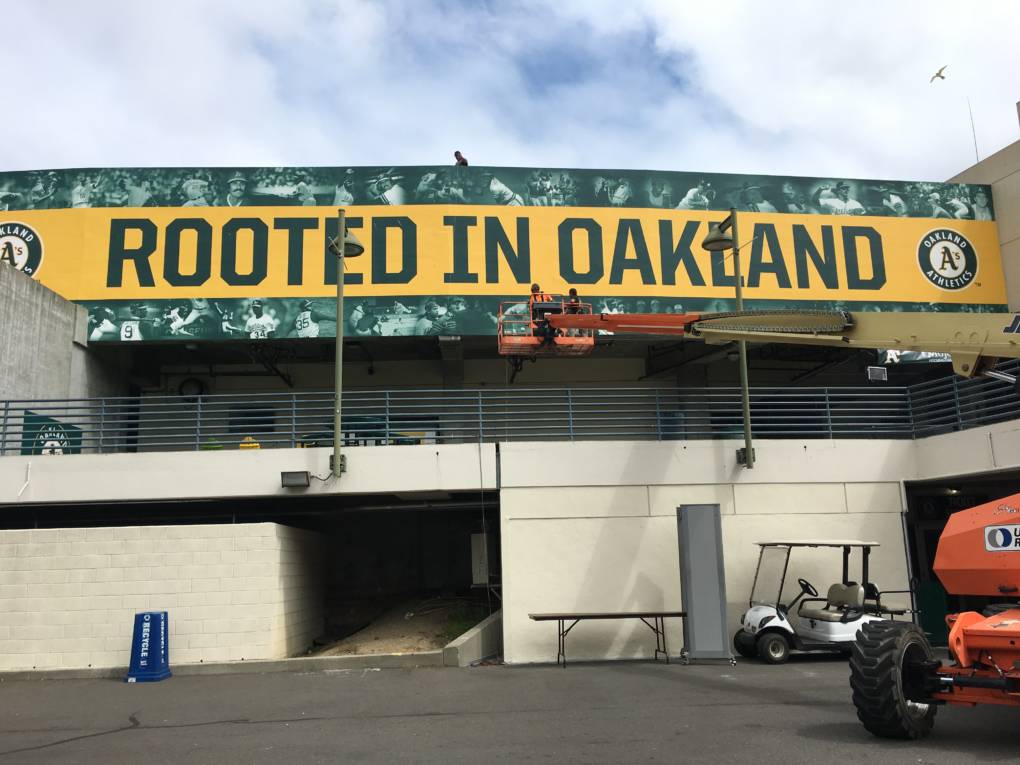
"caption": "A banner at the A's current home, the Oakland Coliseum. ",
"description": null,
"title": "Rooted",
"credit": "Nina Thorsen/KQED",
"status": "inherit",
"isLoading": false,
"fetchFailed": false
},
"news_11635480": {
"type": "attachments",
"id": "news_11635480",
"meta": {
"index": "attachments_1716263798",
"site": "news",
"id": "11635480",
"found": true
},
"parent": 11635479,
"imgSizes": {
"small": {
"file": "https://ww2.kqed.org/app/uploads/sites/10/2017/12/RS28360_GettyImages-627450144-qut-520x347.jpg",
"width": 520,
"mimeType": "image/jpeg",
"height": 347
},
"twentyfourteen-full-width": {
"file": "https://ww2.kqed.org/app/uploads/sites/10/2017/12/RS28360_GettyImages-627450144-qut-1038x576.jpg",
"width": 1038,
"mimeType": "image/jpeg",
"height": 576
},
"thumbnail": {
"file": "https://ww2.kqed.org/app/uploads/sites/10/2017/12/RS28360_GettyImages-627450144-qut-160x107.jpg",
"width": 160,
"mimeType": "image/jpeg",
"height": 107
},
"fd-sm": {
"file": "https://ww2.kqed.org/app/uploads/sites/10/2017/12/RS28360_GettyImages-627450144-qut-960x640.jpg",
"width": 960,
"mimeType": "image/jpeg",
"height": 640
},
"post-thumbnail": {
"file": "https://ww2.kqed.org/app/uploads/sites/10/2017/12/RS28360_GettyImages-627450144-qut-672x372.jpg",
"width": 672,
"mimeType": "image/jpeg",
"height": 372
},
"xsmall": {
"file": "https://ww2.kqed.org/app/uploads/sites/10/2017/12/RS28360_GettyImages-627450144-qut-375x250.jpg",
"width": 375,
"mimeType": "image/jpeg",
"height": 250
},
"kqedFullSize": {
"file": "https://ww2.kqed.org/app/uploads/sites/10/2017/12/RS28360_GettyImages-627450144-qut.jpg",
"width": 1920,
"height": 1280
},
"large": {
"file": "https://ww2.kqed.org/app/uploads/sites/10/2017/12/RS28360_GettyImages-627450144-qut-1020x680.jpg",
"width": 1020,
"mimeType": "image/jpeg",
"height": 680
},
"xlarge": {
"file": "https://ww2.kqed.org/app/uploads/sites/10/2017/12/RS28360_GettyImages-627450144-qut-1180x787.jpg",
"width": 1180,
"mimeType": "image/jpeg",
"height": 787
},
"guest-author-50": {
"file": "https://ww2.kqed.org/app/uploads/sites/10/2017/12/RS28360_GettyImages-627450144-qut-50x50.jpg",
"width": 50,
"mimeType": "image/jpeg",
"height": 50
},
"guest-author-96": {
"file": "https://ww2.kqed.org/app/uploads/sites/10/2017/12/RS28360_GettyImages-627450144-qut-96x96.jpg",
"width": 96,
"mimeType": "image/jpeg",
"height": 96
},
"medium": {
"file": "https://ww2.kqed.org/app/uploads/sites/10/2017/12/RS28360_GettyImages-627450144-qut-800x533.jpg",
"width": 800,
"mimeType": "image/jpeg",
"height": 533
},
"guest-author-64": {
"file": "https://ww2.kqed.org/app/uploads/sites/10/2017/12/RS28360_GettyImages-627450144-qut-64x64.jpg",
"width": 64,
"mimeType": "image/jpeg",
"height": 64
},
"guest-author-32": {
"file": "https://ww2.kqed.org/app/uploads/sites/10/2017/12/RS28360_GettyImages-627450144-qut-32x32.jpg",
"width": 32,
"mimeType": "image/jpeg",
"height": 32
},
"fd-lrg": {
"file": "https://ww2.kqed.org/app/uploads/sites/10/2017/12/RS28360_GettyImages-627450144-qut-1920x1280.jpg",
"width": 1920,
"mimeType": "image/jpeg",
"height": 1280
},
"fd-med": {
"file": "https://ww2.kqed.org/app/uploads/sites/10/2017/12/RS28360_GettyImages-627450144-qut-1180x787.jpg",
"width": 1180,
"mimeType": "image/jpeg",
"height": 787
},
"full-width": {
"file": "https://ww2.kqed.org/app/uploads/sites/10/2017/12/RS28360_GettyImages-627450144-qut-1920x1280.jpg",
"width": 1920,
"mimeType": "image/jpeg",
"height": 1280
},
"detail": {
"file": "https://ww2.kqed.org/app/uploads/sites/10/2017/12/RS28360_GettyImages-627450144-qut-150x150.jpg",
"width": 150,
"mimeType": "image/jpeg",
"height": 150
},
"guest-author-128": {
"file": "https://ww2.kqed.org/app/uploads/sites/10/2017/12/RS28360_GettyImages-627450144-qut-128x128.jpg",
"width": 128,
"mimeType": "image/jpeg",
"height": 128
},
"xxsmall": {
"file": "https://ww2.kqed.org/app/uploads/sites/10/2017/12/RS28360_GettyImages-627450144-qut-240x160.jpg",
"width": 240,
"mimeType": "image/jpeg",
"height": 160
}
},
"publishDate": 1512612110,
"modified": 1512684259,
"caption": "Firefighters work at the scene of the Ghost Ship warehouse fire on Dec. 3, 2016, in Oakland. The fire killed 36 people.",
"description": "Firefighters work at the scene of the Ghost Ship warehouse fire on Dec. 3, 2016 in Oakland. The fire killed 36 people.",
"title": "Warehouse Fire Kills Several People At Dance Party In Oakland",
"credit": "Elijah Nouvelage/Getty Images",
"status": "inherit",
"isLoading": false,
"fetchFailed": false
},
"news_11635414": {
"type": "attachments",
"id": "news_11635414",
"meta": {
"index": "attachments_1716263798",
"site": "news",
"id": "11635414",
"found": true
},
"parent": 11635239,
"imgSizes": {
"small": {
"file": "https://ww2.kqed.org/app/uploads/sites/10/2017/12/RS28347_IMG_1202-qut-520x347.jpg",
"width": 520,
"mimeType": "image/jpeg",
"height": 347
},
"twentyfourteen-full-width": {
"file": "https://ww2.kqed.org/app/uploads/sites/10/2017/12/RS28347_IMG_1202-qut-1038x576.jpg",
"width": 1038,
"mimeType": "image/jpeg",
"height": 576
},
"thumbnail": {
"file": "https://ww2.kqed.org/app/uploads/sites/10/2017/12/RS28347_IMG_1202-qut-160x107.jpg",
"width": 160,
"mimeType": "image/jpeg",
"height": 107
},
"fd-sm": {
"file": "https://ww2.kqed.org/app/uploads/sites/10/2017/12/RS28347_IMG_1202-qut-960x640.jpg",
"width": 960,
"mimeType": "image/jpeg",
"height": 640
},
"post-thumbnail": {
"file": "https://ww2.kqed.org/app/uploads/sites/10/2017/12/RS28347_IMG_1202-qut-672x372.jpg",
"width": 672,
"mimeType": "image/jpeg",
"height": 372
},
"xsmall": {
"file": "https://ww2.kqed.org/app/uploads/sites/10/2017/12/RS28347_IMG_1202-qut-375x250.jpg",
"width": 375,
"mimeType": "image/jpeg",
"height": 250
},
"kqedFullSize": {
"file": "https://ww2.kqed.org/app/uploads/sites/10/2017/12/RS28347_IMG_1202-qut.jpg",
"width": 1920,
"height": 1280
},
"large": {
"file": "https://ww2.kqed.org/app/uploads/sites/10/2017/12/RS28347_IMG_1202-qut-1020x680.jpg",
"width": 1020,
"mimeType": "image/jpeg",
"height": 680
},
"xlarge": {
"file": "https://ww2.kqed.org/app/uploads/sites/10/2017/12/RS28347_IMG_1202-qut-1180x787.jpg",
"width": 1180,
"mimeType": "image/jpeg",
"height": 787
},
"guest-author-50": {
"file": "https://ww2.kqed.org/app/uploads/sites/10/2017/12/RS28347_IMG_1202-qut-50x50.jpg",
"width": 50,
"mimeType": "image/jpeg",
"height": 50
},
"guest-author-96": {
"file": "https://ww2.kqed.org/app/uploads/sites/10/2017/12/RS28347_IMG_1202-qut-96x96.jpg",
"width": 96,
"mimeType": "image/jpeg",
"height": 96
},
"medium": {
"file": "https://ww2.kqed.org/app/uploads/sites/10/2017/12/RS28347_IMG_1202-qut-800x533.jpg",
"width": 800,
"mimeType": "image/jpeg",
"height": 533
},
"guest-author-64": {
"file": "https://ww2.kqed.org/app/uploads/sites/10/2017/12/RS28347_IMG_1202-qut-64x64.jpg",
"width": 64,
"mimeType": "image/jpeg",
"height": 64
},
"guest-author-32": {
"file": "https://ww2.kqed.org/app/uploads/sites/10/2017/12/RS28347_IMG_1202-qut-32x32.jpg",
"width": 32,
"mimeType": "image/jpeg",
"height": 32
},
"fd-lrg": {
"file": "https://ww2.kqed.org/app/uploads/sites/10/2017/12/RS28347_IMG_1202-qut-1920x1280.jpg",
"width": 1920,
"mimeType": "image/jpeg",
"height": 1280
},
"fd-med": {
"file": "https://ww2.kqed.org/app/uploads/sites/10/2017/12/RS28347_IMG_1202-qut-1180x787.jpg",
"width": 1180,
"mimeType": "image/jpeg",
"height": 787
},
"full-width": {
"file": "https://ww2.kqed.org/app/uploads/sites/10/2017/12/RS28347_IMG_1202-qut-1920x1280.jpg",
"width": 1920,
"mimeType": "image/jpeg",
"height": 1280
},
"detail": {
"file": "https://ww2.kqed.org/app/uploads/sites/10/2017/12/RS28347_IMG_1202-qut-150x150.jpg",
"width": 150,
"mimeType": "image/jpeg",
"height": 150
},
"guest-author-128": {
"file": "https://ww2.kqed.org/app/uploads/sites/10/2017/12/RS28347_IMG_1202-qut-128x128.jpg",
"width": 128,
"mimeType": "image/jpeg",
"height": 128
},
"xxsmall": {
"file": "https://ww2.kqed.org/app/uploads/sites/10/2017/12/RS28347_IMG_1202-qut-240x160.jpg",
"width": 240,
"mimeType": "image/jpeg",
"height": 160
}
},
"publishDate": 1512605351,
"modified": 1512610444,
"caption": "Vehicles approach the Bay Bridge Toll Plaza in Oakland on Dec. 5 2017. Days before, a truck crashed into toll booth number 14 and killed worker Si Si Han.",
"description": null,
"title": "RS28347_IMG_1202-qut",
"credit": "Farida Jhabvala Romero/KQED",
"status": "inherit",
"isLoading": false,
"fetchFailed": false
},
"news_11634805": {
"type": "attachments",
"id": "news_11634805",
"meta": {
"index": "attachments_1716263798",
"site": "news",
"id": "11634805",
"found": true
},
"parent": 11634433,
"imgSizes": {
"small": {
"file": "https://ww2.kqed.org/app/uploads/sites/10/2018/12/RS28294_metoo_final01-qut-520x278.jpg",
"width": 520,
"mimeType": "image/jpeg",
"height": 278
},
"twentyfourteen-full-width": {
"file": "https://ww2.kqed.org/app/uploads/sites/10/2018/12/RS28294_metoo_final01-qut-1038x576.jpg",
"width": 1038,
"mimeType": "image/jpeg",
"height": 576
},
"thumbnail": {
"file": "https://ww2.kqed.org/app/uploads/sites/10/2018/12/RS28294_metoo_final01-qut-160x86.jpg",
"width": 160,
"mimeType": "image/jpeg",
"height": 86
},
"fd-sm": {
"file": "https://ww2.kqed.org/app/uploads/sites/10/2018/12/RS28294_metoo_final01-qut-960x514.jpg",
"width": 960,
"mimeType": "image/jpeg",
"height": 514
},
"post-thumbnail": {
"file": "https://ww2.kqed.org/app/uploads/sites/10/2018/12/RS28294_metoo_final01-qut-672x372.jpg",
"width": 672,
"mimeType": "image/jpeg",
"height": 372
},
"xsmall": {
"file": "https://ww2.kqed.org/app/uploads/sites/10/2018/12/RS28294_metoo_final01-qut-375x201.jpg",
"width": 375,
"mimeType": "image/jpeg",
"height": 201
},
"kqedFullSize": {
"file": "https://ww2.kqed.org/app/uploads/sites/10/2018/12/RS28294_metoo_final01-qut.jpg",
"width": 1920,
"height": 1028
},
"large": {
"file": "https://ww2.kqed.org/app/uploads/sites/10/2018/12/RS28294_metoo_final01-qut-1020x546.jpg",
"width": 1020,
"mimeType": "image/jpeg",
"height": 546
},
"xlarge": {
"file": "https://ww2.kqed.org/app/uploads/sites/10/2018/12/RS28294_metoo_final01-qut-1180x632.jpg",
"width": 1180,
"mimeType": "image/jpeg",
"height": 632
},
"guest-author-50": {
"file": "https://ww2.kqed.org/app/uploads/sites/10/2018/12/RS28294_metoo_final01-qut-50x50.jpg",
"width": 50,
"mimeType": "image/jpeg",
"height": 50
},
"guest-author-96": {
"file": "https://ww2.kqed.org/app/uploads/sites/10/2018/12/RS28294_metoo_final01-qut-96x96.jpg",
"width": 96,
"mimeType": "image/jpeg",
"height": 96
},
"medium": {
"file": "https://ww2.kqed.org/app/uploads/sites/10/2018/12/RS28294_metoo_final01-qut-800x428.jpg",
"width": 800,
"mimeType": "image/jpeg",
"height": 428
},
"guest-author-64": {
"file": "https://ww2.kqed.org/app/uploads/sites/10/2018/12/RS28294_metoo_final01-qut-64x64.jpg",
"width": 64,
"mimeType": "image/jpeg",
"height": 64
},
"guest-author-32": {
"file": "https://ww2.kqed.org/app/uploads/sites/10/2018/12/RS28294_metoo_final01-qut-32x32.jpg",
"width": 32,
"mimeType": "image/jpeg",
"height": 32
},
"fd-lrg": {
"file": "https://ww2.kqed.org/app/uploads/sites/10/2018/12/RS28294_metoo_final01-qut-1920x1028.jpg",
"width": 1920,
"mimeType": "image/jpeg",
"height": 1028
},
"fd-med": {
"file": "https://ww2.kqed.org/app/uploads/sites/10/2018/12/RS28294_metoo_final01-qut-1180x632.jpg",
"width": 1180,
"mimeType": "image/jpeg",
"height": 632
},
"full-width": {
"file": "https://ww2.kqed.org/app/uploads/sites/10/2018/12/RS28294_metoo_final01-qut-1920x1028.jpg",
"width": 1920,
"mimeType": "image/jpeg",
"height": 1028
},
"detail": {
"file": "https://ww2.kqed.org/app/uploads/sites/10/2018/12/RS28294_metoo_final01-qut-150x150.jpg",
"width": 150,
"mimeType": "image/jpeg",
"height": 150
},
"guest-author-128": {
"file": "https://ww2.kqed.org/app/uploads/sites/10/2018/12/RS28294_metoo_final01-qut-128x128.jpg",
"width": 128,
"mimeType": "image/jpeg",
"height": 128
},
"xxsmall": {
"file": "https://ww2.kqed.org/app/uploads/sites/10/2018/12/RS28294_metoo_final01-qut-240x129.jpg",
"width": 240,
"mimeType": "image/jpeg",
"height": 129
}
},
"publishDate": 1512432731,
"modified": 1512596160,
"caption": "Your stories of sexual harassment in the Bay Area",
"description": null,
"title": "RS28294_metoo_final01-qut",
"credit": "Mark Fiore/KQED",
"status": "inherit",
"isLoading": false,
"fetchFailed": false
},
"news_11635321": {
"type": "attachments",
"id": "news_11635321",
"meta": {
"index": "attachments_1716263798",
"site": "news",
"id": "11635321",
"found": true
},
"parent": 11635310,
"imgSizes": {
"small": {
"file": "https://ww2.kqed.org/app/uploads/sites/10/2017/12/LopezAndBarker-520x363.jpg",
"width": 520,
"mimeType": "image/jpeg",
"height": 363
},
"twentyfourteen-full-width": {
"file": "https://ww2.kqed.org/app/uploads/sites/10/2017/12/LopezAndBarker-1038x576.jpg",
"width": 1038,
"mimeType": "image/jpeg",
"height": 576
},
"thumbnail": {
"file": "https://ww2.kqed.org/app/uploads/sites/10/2017/12/LopezAndBarker-160x112.jpg",
"width": 160,
"mimeType": "image/jpeg",
"height": 112
},
"fd-sm": {
"file": "https://ww2.kqed.org/app/uploads/sites/10/2017/12/LopezAndBarker-960x671.jpg",
"width": 960,
"mimeType": "image/jpeg",
"height": 671
},
"post-thumbnail": {
"file": "https://ww2.kqed.org/app/uploads/sites/10/2017/12/LopezAndBarker-672x372.jpg",
"width": 672,
"mimeType": "image/jpeg",
"height": 372
},
"xsmall": {
"file": "https://ww2.kqed.org/app/uploads/sites/10/2017/12/LopezAndBarker-375x262.jpg",
"width": 375,
"mimeType": "image/jpeg",
"height": 262
},
"kqedFullSize": {
"file": "https://ww2.kqed.org/app/uploads/sites/10/2017/12/LopezAndBarker.jpg",
"width": 1920,
"height": 1341
},
"large": {
"file": "https://ww2.kqed.org/app/uploads/sites/10/2017/12/LopezAndBarker-1020x712.jpg",
"width": 1020,
"mimeType": "image/jpeg",
"height": 712
},
"xlarge": {
"file": "https://ww2.kqed.org/app/uploads/sites/10/2017/12/LopezAndBarker-1180x824.jpg",
"width": 1180,
"mimeType": "image/jpeg",
"height": 824
},
"guest-author-50": {
"file": "https://ww2.kqed.org/app/uploads/sites/10/2017/12/LopezAndBarker-50x50.jpg",
"width": 50,
"mimeType": "image/jpeg",
"height": 50
},
"guest-author-96": {
"file": "https://ww2.kqed.org/app/uploads/sites/10/2017/12/LopezAndBarker-96x96.jpg",
"width": 96,
"mimeType": "image/jpeg",
"height": 96
},
"medium": {
"file": "https://ww2.kqed.org/app/uploads/sites/10/2017/12/LopezAndBarker-800x559.jpg",
"width": 800,
"mimeType": "image/jpeg",
"height": 559
},
"guest-author-64": {
"file": "https://ww2.kqed.org/app/uploads/sites/10/2017/12/LopezAndBarker-64x64.jpg",
"width": 64,
"mimeType": "image/jpeg",
"height": 64
},
"guest-author-32": {
"file": "https://ww2.kqed.org/app/uploads/sites/10/2017/12/LopezAndBarker-32x32.jpg",
"width": 32,
"mimeType": "image/jpeg",
"height": 32
},
"fd-lrg": {
"file": "https://ww2.kqed.org/app/uploads/sites/10/2017/12/LopezAndBarker-1920x1341.jpg",
"width": 1920,
"mimeType": "image/jpeg",
"height": 1341
},
"fd-med": {
"file": "https://ww2.kqed.org/app/uploads/sites/10/2017/12/LopezAndBarker-1180x824.jpg",
"width": 1180,
"mimeType": "image/jpeg",
"height": 824
},
"full-width": {
"file": "https://ww2.kqed.org/app/uploads/sites/10/2017/12/LopezAndBarker-1920x1341.jpg",
"width": 1920,
"mimeType": "image/jpeg",
"height": 1341
},
"detail": {
"file": "https://ww2.kqed.org/app/uploads/sites/10/2017/12/LopezAndBarker-150x150.jpg",
"width": 150,
"mimeType": "image/jpeg",
"height": 150
},
"guest-author-128": {
"file": "https://ww2.kqed.org/app/uploads/sites/10/2017/12/LopezAndBarker-128x128.jpg",
"width": 128,
"mimeType": "image/jpeg",
"height": 128
},
"xxsmall": {
"file": "https://ww2.kqed.org/app/uploads/sites/10/2017/12/LopezAndBarker-240x168.jpg",
"width": 240,
"mimeType": "image/jpeg",
"height": 168
}
},
"publishDate": 1512597371,
"modified": 1512597559,
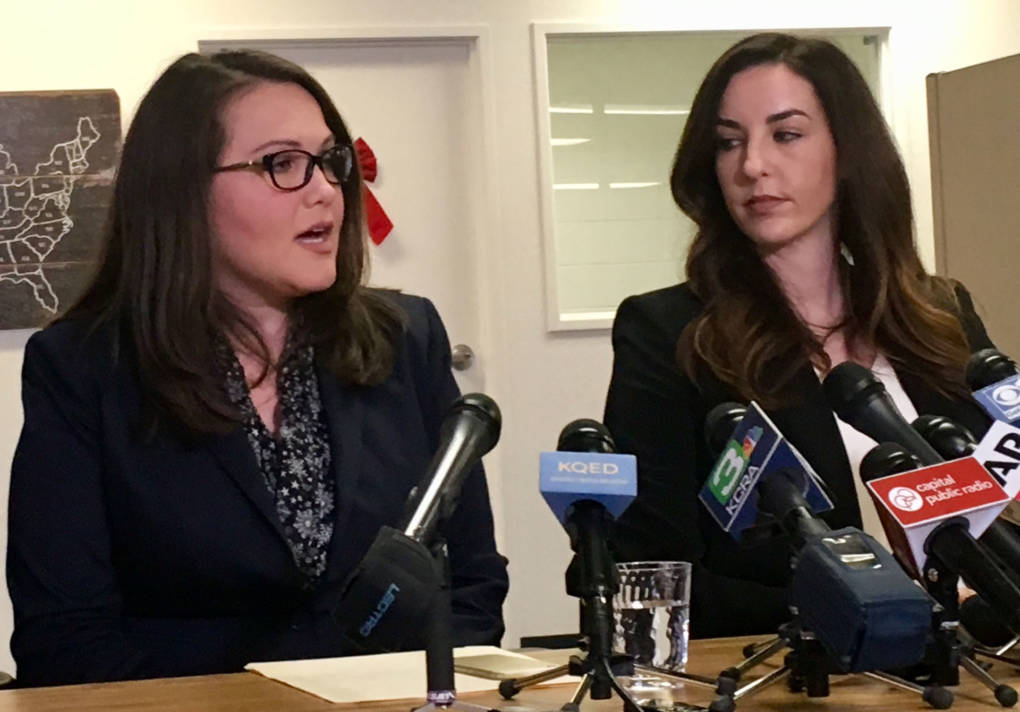
"caption": "Lobbyist Pamela Lopez (L) and Jessica Yas Barker held a press conference on Dec. 4, 2017, to accuse Assemblyman Matt Dababneh of sexual misconduct.",
"description": "Lobbyist Pamela Lopez (L) and Jessica Yas Barker held a press conference on Dec. 4, 2017, to accuse Assemblyman Matt Dababneh of sexual misconduct.",
"title": "LopezAndBarker",
"credit": "Laurel Rosenhall/CALmatters",
"status": "inherit",
"isLoading": false,
"fetchFailed": false
},
"news_11624916": {
"type": "attachments",
"id": "news_11624916",
"meta": {
"index": "attachments_1716263798",
"site": "news",
"id": "11624916",
"found": true
},
"parent": 11624915,
"imgSizes": {
"small": {
"file": "https://ww2.kqed.org/app/uploads/sites/10/2017/10/GettyImages-860229740-520x347.jpg",
"width": 520,
"mimeType": "image/jpeg",
"height": 347
},
"twentyfourteen-full-width": {
"file": "https://ww2.kqed.org/app/uploads/sites/10/2017/10/GettyImages-860229740-1038x576.jpg",
"width": 1038,
"mimeType": "image/jpeg",
"height": 576
},
"thumbnail": {
"file": "https://ww2.kqed.org/app/uploads/sites/10/2017/10/GettyImages-860229740-160x107.jpg",
"width": 160,
"mimeType": "image/jpeg",
"height": 107
},
"fd-sm": {
"file": "https://ww2.kqed.org/app/uploads/sites/10/2017/10/GettyImages-860229740-960x641.jpg",
"width": 960,
"mimeType": "image/jpeg",
"height": 641
},
"post-thumbnail": {
"file": "https://ww2.kqed.org/app/uploads/sites/10/2017/10/GettyImages-860229740-672x372.jpg",
"width": 672,
"mimeType": "image/jpeg",
"height": 372
},
"xsmall": {
"file": "https://ww2.kqed.org/app/uploads/sites/10/2017/10/GettyImages-860229740-375x250.jpg",
"width": 375,
"mimeType": "image/jpeg",
"height": 250
},
"kqedFullSize": {
"file": "https://ww2.kqed.org/app/uploads/sites/10/2017/10/GettyImages-860229740-e1508514172940.jpg",
"width": 1920,
"height": 1282
},
"large": {
"file": "https://ww2.kqed.org/app/uploads/sites/10/2017/10/GettyImages-860229740-1020x681.jpg",
"width": 1020,
"mimeType": "image/jpeg",
"height": 681
},
"xlarge": {
"file": "https://ww2.kqed.org/app/uploads/sites/10/2017/10/GettyImages-860229740-1180x788.jpg",
"width": 1180,
"mimeType": "image/jpeg",
"height": 788
},
"guest-author-50": {
"file": "https://ww2.kqed.org/app/uploads/sites/10/2017/10/GettyImages-860229740-50x50.jpg",
"width": 50,
"mimeType": "image/jpeg",
"height": 50
},
"guest-author-96": {
"file": "https://ww2.kqed.org/app/uploads/sites/10/2017/10/GettyImages-860229740-96x96.jpg",
"width": 96,
"mimeType": "image/jpeg",
"height": 96
},
"medium": {
"file": "https://ww2.kqed.org/app/uploads/sites/10/2017/10/GettyImages-860229740-800x534.jpg",
"width": 800,
"mimeType": "image/jpeg",
"height": 534
},
"guest-author-64": {
"file": "https://ww2.kqed.org/app/uploads/sites/10/2017/10/GettyImages-860229740-64x64.jpg",
"width": 64,
"mimeType": "image/jpeg",
"height": 64
},
"guest-author-32": {
"file": "https://ww2.kqed.org/app/uploads/sites/10/2017/10/GettyImages-860229740-32x32.jpg",
"width": 32,
"mimeType": "image/jpeg",
"height": 32
},
"fd-lrg": {
"file": "https://ww2.kqed.org/app/uploads/sites/10/2017/10/GettyImages-860229740-1920x1282.jpg",
"width": 1920,
"mimeType": "image/jpeg",
"height": 1282
},
"fd-med": {
"file": "https://ww2.kqed.org/app/uploads/sites/10/2017/10/GettyImages-860229740-1180x788.jpg",
"width": 1180,
"mimeType": "image/jpeg",
"height": 788
},
"full-width": {
"file": "https://ww2.kqed.org/app/uploads/sites/10/2017/10/GettyImages-860229740-1920x1282.jpg",
"width": 1920,
"mimeType": "image/jpeg",
"height": 1282
},
"detail": {
"file": "https://ww2.kqed.org/app/uploads/sites/10/2017/10/GettyImages-860229740-150x150.jpg",
"width": 150,
"mimeType": "image/jpeg",
"height": 150
},
"guest-author-128": {
"file": "https://ww2.kqed.org/app/uploads/sites/10/2017/10/GettyImages-860229740-128x128.jpg",
"width": 128,
"mimeType": "image/jpeg",
"height": 128
},
"xxsmall": {
"file": "https://ww2.kqed.org/app/uploads/sites/10/2017/10/GettyImages-860229740-240x160.jpg",
"width": 240,
"mimeType": "image/jpeg",
"height": 160
}
},
"publishDate": 1508514105,
"modified": 1512600777,
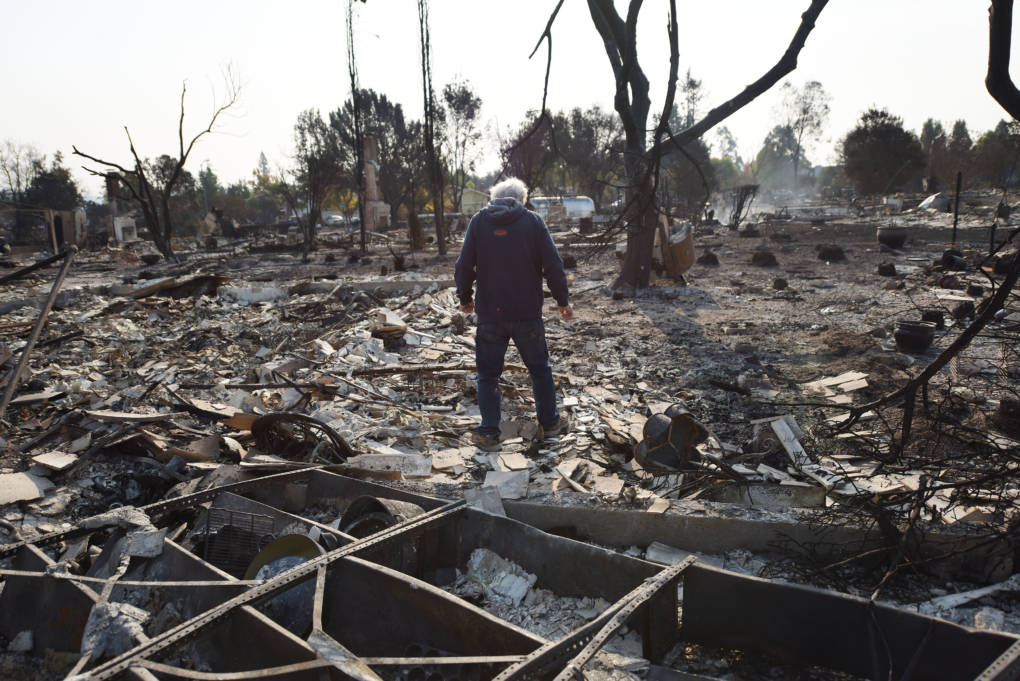
"caption": "Homeowner Phil Rush looks at the remains of his home destroyed by wildfire in Santa Rosa, California, on Oct. 11, 2017. Rush said he and his wife and dog escaped with only their medication and a bag of dog food when flames overtook their entire neighborhood on Oct. 9, 2017.",
"description": null,
"title": "TOPSHOT-US-FIRE-CALIFORNIA",
"credit": "Robyn Beck/AFP/Getty Images",
"status": "inherit",
"isLoading": false,
"fetchFailed": false
},
"news_11610987": {
"type": "attachments",
"id": "news_11610987",
"meta": {
"index": "attachments_1716263798",
"site": "news",
"id": "11610987",
"found": true
},
"parent": 11610959,
"imgSizes": {
"small": {
"file": "https://ww2.kqed.org/app/uploads/sites/10/2017/08/HomelessCamp-520x347.jpg",
"width": 520,
"mimeType": "image/jpeg",
"height": 347
},
"twentyfourteen-full-width": {
"file": "https://ww2.kqed.org/app/uploads/sites/10/2017/08/HomelessCamp-1038x576.jpg",
"width": 1038,
"mimeType": "image/jpeg",
"height": 576
},
"thumbnail": {
"file": "https://ww2.kqed.org/app/uploads/sites/10/2017/08/HomelessCamp-160x107.jpg",
"width": 160,
"mimeType": "image/jpeg",
"height": 107
},
"fd-sm": {
"file": "https://ww2.kqed.org/app/uploads/sites/10/2017/08/HomelessCamp-960x640.jpg",
"width": 960,
"mimeType": "image/jpeg",
"height": 640
},
"post-thumbnail": {
"file": "https://ww2.kqed.org/app/uploads/sites/10/2017/08/HomelessCamp-672x372.jpg",
"width": 672,
"mimeType": "image/jpeg",
"height": 372
},
"xsmall": {
"file": "https://ww2.kqed.org/app/uploads/sites/10/2017/08/HomelessCamp-375x250.jpg",
"width": 375,
"mimeType": "image/jpeg",
"height": 250
},
"kqedFullSize": {
"file": "https://ww2.kqed.org/app/uploads/sites/10/2017/08/HomelessCamp.jpg",
"width": 1920,
"height": 1280
},
"large": {
"file": "https://ww2.kqed.org/app/uploads/sites/10/2017/08/HomelessCamp-1020x680.jpg",
"width": 1020,
"mimeType": "image/jpeg",
"height": 680
},
"xlarge": {
"file": "https://ww2.kqed.org/app/uploads/sites/10/2017/08/HomelessCamp-1180x787.jpg",
"width": 1180,
"mimeType": "image/jpeg",
"height": 787
},
"guest-author-50": {
"file": "https://ww2.kqed.org/app/uploads/sites/10/2017/08/HomelessCamp-50x50.jpg",
"width": 50,
"mimeType": "image/jpeg",
"height": 50
},
"guest-author-96": {
"file": "https://ww2.kqed.org/app/uploads/sites/10/2017/08/HomelessCamp-96x96.jpg",
"width": 96,
"mimeType": "image/jpeg",
"height": 96
},
"medium": {
"file": "https://ww2.kqed.org/app/uploads/sites/10/2017/08/HomelessCamp-800x533.jpg",
"width": 800,
"mimeType": "image/jpeg",
"height": 533
},
"guest-author-64": {
"file": "https://ww2.kqed.org/app/uploads/sites/10/2017/08/HomelessCamp-64x64.jpg",
"width": 64,
"mimeType": "image/jpeg",
"height": 64
},
"guest-author-32": {
"file": "https://ww2.kqed.org/app/uploads/sites/10/2017/08/HomelessCamp-32x32.jpg",
"width": 32,
"mimeType": "image/jpeg",
"height": 32
},
"fd-lrg": {
"file": "https://ww2.kqed.org/app/uploads/sites/10/2017/08/HomelessCamp-1920x1280.jpg",
"width": 1920,
"mimeType": "image/jpeg",
"height": 1280
},
"fd-med": {
"file": "https://ww2.kqed.org/app/uploads/sites/10/2017/08/HomelessCamp-1180x787.jpg",
"width": 1180,
"mimeType": "image/jpeg",
"height": 787
},
"full-width": {
"file": "https://ww2.kqed.org/app/uploads/sites/10/2017/08/HomelessCamp-1920x1280.jpg",
"width": 1920,
"mimeType": "image/jpeg",
"height": 1280
},
"detail": {
"file": "https://ww2.kqed.org/app/uploads/sites/10/2017/08/HomelessCamp-150x150.jpg",
"width": 150,
"mimeType": "image/jpeg",
"height": 150
},
"guest-author-128": {
"file": "https://ww2.kqed.org/app/uploads/sites/10/2017/08/HomelessCamp-128x128.jpg",
"width": 128,
"mimeType": "image/jpeg",
"height": 128
},
"xxsmall": {
"file": "https://ww2.kqed.org/app/uploads/sites/10/2017/08/HomelessCamp-240x160.jpg",
"width": 240,
"mimeType": "image/jpeg",
"height": 160
}
},
"publishDate": 1502397516,
"modified": 1512582338,
"caption": "A woman walks past a homeless encampment on May 1, 2017 in Los Angeles.",
"description": "A woman walks past a homeless encampment on May 1, 2017 in Los Angeles.",
"title": "HomelessCamp",
"credit": "David McNew/Getty Images",
"status": "inherit",
"isLoading": false,
"fetchFailed": false
},
"news_11635274": {
"type": "attachments",
"id": "news_11635274",
"meta": {
"index": "attachments_1716263798",
"site": "news",
"id": "11635274",
"found": true
},
"parent": 11635197,
"imgSizes": {
"small": {
"file": "https://ww2.kqed.org/app/uploads/sites/10/2017/12/Skirball-520x348.jpg",
"width": 520,
"mimeType": "image/jpeg",
"height": 348
},
"twentyfourteen-full-width": {
"file": "https://ww2.kqed.org/app/uploads/sites/10/2017/12/Skirball-1038x576.jpg",
"width": 1038,
"mimeType": "image/jpeg",
"height": 576
},
"thumbnail": {
"file": "https://ww2.kqed.org/app/uploads/sites/10/2017/12/Skirball-160x107.jpg",
"width": 160,
"mimeType": "image/jpeg",
"height": 107
},
"fd-sm": {
"file": "https://ww2.kqed.org/app/uploads/sites/10/2017/12/Skirball-960x642.jpg",
"width": 960,
"mimeType": "image/jpeg",
"height": 642
},
"post-thumbnail": {
"file": "https://ww2.kqed.org/app/uploads/sites/10/2017/12/Skirball-672x372.jpg",
"width": 672,
"mimeType": "image/jpeg",
"height": 372
},
"xsmall": {
"file": "https://ww2.kqed.org/app/uploads/sites/10/2017/12/Skirball-375x251.jpg",
"width": 375,
"mimeType": "image/jpeg",
"height": 251
},
"kqedFullSize": {
"file": "https://ww2.kqed.org/app/uploads/sites/10/2017/12/Skirball.jpg",
"width": 1920,
"height": 1284
},
"large": {
"file": "https://ww2.kqed.org/app/uploads/sites/10/2017/12/Skirball-1020x682.jpg",
"width": 1020,
"mimeType": "image/jpeg",
"height": 682
},
"xlarge": {
"file": "https://ww2.kqed.org/app/uploads/sites/10/2017/12/Skirball-1180x789.jpg",
"width": 1180,
"mimeType": "image/jpeg",
"height": 789
},
"guest-author-50": {
"file": "https://ww2.kqed.org/app/uploads/sites/10/2017/12/Skirball-50x50.jpg",
"width": 50,
"mimeType": "image/jpeg",
"height": 50
},
"guest-author-96": {
"file": "https://ww2.kqed.org/app/uploads/sites/10/2017/12/Skirball-96x96.jpg",
"width": 96,
"mimeType": "image/jpeg",
"height": 96
},
"medium": {
"file": "https://ww2.kqed.org/app/uploads/sites/10/2017/12/Skirball-800x535.jpg",
"width": 800,
"mimeType": "image/jpeg",
"height": 535
},
"guest-author-64": {
"file": "https://ww2.kqed.org/app/uploads/sites/10/2017/12/Skirball-64x64.jpg",
"width": 64,
"mimeType": "image/jpeg",
"height": 64
},
"guest-author-32": {
"file": "https://ww2.kqed.org/app/uploads/sites/10/2017/12/Skirball-32x32.jpg",
"width": 32,
"mimeType": "image/jpeg",
"height": 32
},
"fd-lrg": {
"file": "https://ww2.kqed.org/app/uploads/sites/10/2017/12/Skirball-1920x1284.jpg",
"width": 1920,
"mimeType": "image/jpeg",
"height": 1284
},
"fd-med": {
"file": "https://ww2.kqed.org/app/uploads/sites/10/2017/12/Skirball-1180x789.jpg",
"width": 1180,
"mimeType": "image/jpeg",
"height": 789
},
"full-width": {
"file": "https://ww2.kqed.org/app/uploads/sites/10/2017/12/Skirball-1920x1284.jpg",
"width": 1920,
"mimeType": "image/jpeg",
"height": 1284
},
"detail": {
"file": "https://ww2.kqed.org/app/uploads/sites/10/2017/12/Skirball-150x150.jpg",
"width": 150,
"mimeType": "image/jpeg",
"height": 150
},
"guest-author-128": {
"file": "https://ww2.kqed.org/app/uploads/sites/10/2017/12/Skirball-128x128.jpg",
"width": 128,
"mimeType": "image/jpeg",
"height": 128
},
"xxsmall": {
"file": "https://ww2.kqed.org/app/uploads/sites/10/2017/12/Skirball-240x161.jpg",
"width": 240,
"mimeType": "image/jpeg",
"height": 161
}
},
"publishDate": 1512589332,
"modified": 1512589409,
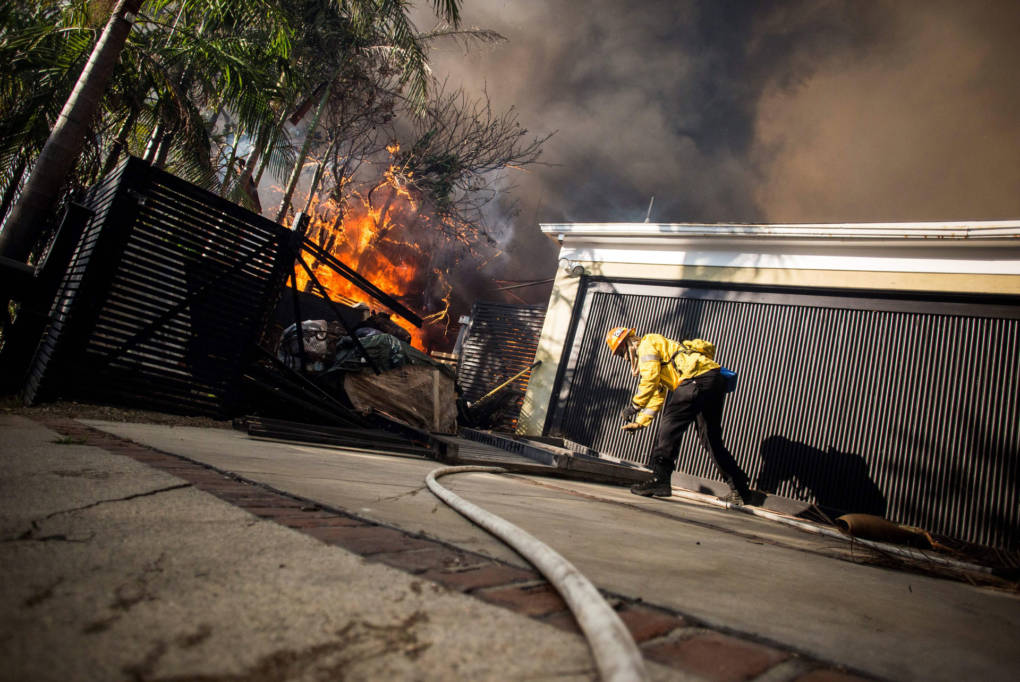
"caption": "Firefighters work to save burning houses along Linda Flora Drive during the Skirball Fire in Los Angeles on Dec. 6, 2017. ",
"description": "Firefighters work to save burning houses along Linda Flora Drive during the Skirball Fire in Los Angeles on Dec. 6, 2017. ",
"title": "Skirball",
"credit": "KYLE GRILLOT/AFP/Getty Images",
"status": "inherit",
"isLoading": false,
"fetchFailed": false
}
},
"audioPlayerReducer": {
"postId": "stream_live",
"isPaused": true,
"isPlaying": false,
"pfsActive": false,
"pledgeModalIsOpen": true,
"playerDrawerIsOpen": false,
"liveAudioPlayStartedAt": 0,
"liveAudioPlayContext": ""
},
"authorsReducer": {
"byline_news_11635479": {
"type": "authors",
"id": "byline_news_11635479",
"meta": {
"override": true
},
"slug": "byline_news_11635479",
"name": "\u003cstrong>Sudhin Thanawala\u003cbr />Associated Press\u003c/strong>",
"isLoading": false
},
"byline_news_11635310": {
"type": "authors",
"id": "byline_news_11635310",
"meta": {
"override": true
},
"slug": "byline_news_11635310",
"name": "\u003cstrong>\u003ca href=\"https://calmatters.org/articles/author/laurel-rosenhall/\">Laurel Rosenhall\u003c/a>\u003c/strong>",
"isLoading": false
},
"byline_news_11635263": {
"type": "authors",
"id": "byline_news_11635263",
"meta": {
"override": true
},
"slug": "byline_news_11635263",
"name": "Associated Press",
"isLoading": false
},
"byline_news_11635229": {
"type": "authors",
"id": "byline_news_11635229",
"meta": {
"override": true
},
"slug": "byline_news_11635229",
"name": "\u003cstrong>Pam Fessler\u003cbr />NPR\u003c/strong>",
"isLoading": false
},
"byline_news_11635197": {
"type": "authors",
"id": "byline_news_11635197",
"meta": {
"override": true
},
"slug": "byline_news_11635197",
"name": "Amanda Lee Myers and Andrew Dalton\u003cbr />Associated Press",
"isLoading": false
},
"ninathorsen": {
"type": "authors",
"id": "246",
"meta": {
"index": "authors_1716337520",
"id": "246",
"found": true
},
"name": "Nina Thorsen",
"firstName": "Nina",
"lastName": "Thorsen",
"slug": "ninathorsen",
"email": "nthorsen@kqed.org",
"display_author_email": false,
"staff_mastheads": [
"news"
],
"title": "Producer, Radio",
"bio": "\u003cspan style=\"color: #000000;\">Nina Thorsen is a KQED radio producer, and frequently reports on sports and culture. \u003c/span>\u003cspan style=\"color: #000000;\">She co-created and produced KQED's \u003cem>Pacific Time, \u003c/em> a weekly radio program on Asian and Asian American issues that aired from 2000 to 2007. Before coming to KQED, Thorsen was the deputy foreign editor for \u003cem>Marketplace, \u003c/em>and in her home state of Minnesota, worked for \u003cem>A Prairie Home Companion\u003c/em> and for Public Radio International. \u003c/span>",
"avatar": "https://secure.gravatar.com/avatar/e13dc7282cec33c15d973ebb56d57ead?s=600&d=blank&r=g",
"twitter": "NinaKQED",
"facebook": null,
"instagram": null,
"linkedin": null,
"sites": [
{
"site": "news",
"roles": [
"editor"
]
},
{
"site": "podcasts",
"roles": [
"editor"
]
}
],
"headData": {
"title": "Nina Thorsen | KQED",
"description": "Producer, Radio",
"ogImgSrc": "https://secure.gravatar.com/avatar/e13dc7282cec33c15d973ebb56d57ead?s=600&d=blank&r=g",
"twImgSrc": "https://secure.gravatar.com/avatar/e13dc7282cec33c15d973ebb56d57ead?s=600&d=blank&r=g"
},
"isLoading": false,
"link": "/author/ninathorsen"
},
"scottshafer": {
"type": "authors",
"id": "255",
"meta": {
"index": "authors_1716337520",
"id": "255",
"found": true
},
"name": "Scott Shafer",
"firstName": "Scott",
"lastName": "Shafer",
"slug": "scottshafer",
"email": "sshafer@kqed.org",
"display_author_email": false,
"staff_mastheads": [
"news"
],
"title": "KQED Contributor",
"bio": "Scott Shafer is a senior editor with the KQED Politics and Government desk. He is co-host of Political Breakdown, the award-winning radio show and podcast with a personal take on the world of politics. Scott came to KQED in 1998 to host the statewide\u003cem> California Report\u003c/em>. Prior to that he had extended stints in politics and government\u003cem>.\u003c/em> He uses that inside experience at KQED in his, reporting, hosting and analysis for the politics desk. Scott collaborated \u003cem>Political Breakdown a\u003c/em>nd on \u003cem>The Political Mind of Jerry Brown, \u003c/em>an eight-part series about the life and extraordinary political career of the former governor. For fun, he plays water polo with the San Francisco Tsunami.",
"avatar": "https://secure.gravatar.com/avatar/a62ebae45b79d7aed1a39a0e3bf68104?s=600&d=blank&r=g",
"twitter": "scottshafer",
"bluesky": null,
"facebook": null,
"instagram": null,
"linkedin": null,
"sites": [
{
"site": "news",
"roles": [
"editor"
]
},
{
"site": "stateofhealth",
"roles": [
"author"
]
},
{
"site": "science",
"roles": [
"author"
]
},
{
"site": "forum",
"roles": [
"subscriber"
]
},
{
"site": "liveblog",
"roles": [
"author"
]
}
],
"headData": {
"title": "Scott Shafer | KQED",
"description": "KQED Contributor",
"ogImgSrc": "https://secure.gravatar.com/avatar/a62ebae45b79d7aed1a39a0e3bf68104?s=600&d=blank&r=g",
"twImgSrc": "https://secure.gravatar.com/avatar/a62ebae45b79d7aed1a39a0e3bf68104?s=600&d=blank&r=g"
},
"isLoading": false,
"link": "/author/scottshafer"
},
"fjhabvala": {
"type": "authors",
"id": "8659",
"meta": {
"index": "authors_1716337520",
"id": "8659",
"found": true
},
"name": "Farida Jhabvala Romero",
"firstName": "Farida",
"lastName": "Jhabvala Romero",
"slug": "fjhabvala",
"email": "fjhabvala@kqed.org",
"display_author_email": true,
"staff_mastheads": [
"news"
],
"title": "KQED Contributor",
"bio": "Farida Jhabvala Romero is a Labor Correspondent for KQED. She previously covered immigration. Farida was \u003ca href=\"https://www.ccnma.org/2022-most-influential-latina-journalists\">named\u003c/a> one of the 10 Most Influential Latina Journalists in California in 2022 by the California Chicano News Media Association. Her work has won awards from the Society of Professional Journalists (Northern California), as well as a national and regional Edward M. Murrow Award for the collaborative reporting projects “Dangerous Air” and “Graying California.” Before joining KQED, Farida worked as a producer at Radio Bilingüe, a national public radio network. Farida earned her master’s degree in journalism from Stanford University.",
"avatar": "https://secure.gravatar.com/avatar/f9f022d4e2609741874222a1e9d41f48fea74011aa7c615eef91d9a50c944ebe?s=600&d=blank&r=g",
"twitter": "FaridaJhabvala",
"bluesky": null,
"facebook": null,
"instagram": null,
"linkedin": "https://www.linkedin.com/in/faridajhabvala/",
"sites": [
{
"site": "news",
"roles": [
"editor"
]
},
{
"site": "stateofhealth",
"roles": [
"author"
]
},
{
"site": "liveblog",
"roles": [
"author"
]
}
],
"headData": {
"title": "Farida Jhabvala Romero | KQED",
"description": "KQED Contributor",
"ogImgSrc": "https://secure.gravatar.com/avatar/f9f022d4e2609741874222a1e9d41f48fea74011aa7c615eef91d9a50c944ebe?s=600&d=blank&r=g",
"twImgSrc": "https://secure.gravatar.com/avatar/f9f022d4e2609741874222a1e9d41f48fea74011aa7c615eef91d9a50c944ebe?s=600&d=blank&r=g"
},
"isLoading": false,
"link": "/author/fjhabvala"
},
"korr": {
"type": "authors",
"id": "11200",
"meta": {
"index": "authors_1716337520",
"id": "11200",
"found": true
},
"name": "Katie Orr",
"firstName": "Katie",
"lastName": "Orr",
"slug": "korr",
"email": "korr@kqed.org",
"display_author_email": false,
"staff_mastheads": [],
"title": "KQED Contributor",
"bio": "Katie Orr was a Sacramento-based reporter for KQED's Politics and Government Desk, covering the state Capitol and a variety of issues including women in politics, voting and elections and legislation. Prior to joining KQED in 2016, Katie was state government reporter for Capital Public Radio in Sacramento. She's also worked for KPBS in San Diego, where she covered City Hall.\r\n\r\nKatie received her masters degree in political science from San Diego State University and holds a Bachelors degree in broadcast journalism from Arizona State University.\r\n\r\nIn 2015 Katie won a national Clarion Award for a series of stories she did on women in California politics. She's been honored by the Society for Professional Journalists and, in 2013, was named by \u003cem>The Washington Post\u003c/em> as one of the country's top state Capitol reporters. She's also reported for the award-winning documentary series \u003cem>The View from Here \u003c/em>and was part of the team that won national PRNDI and Gabriel Awards in 2015. She lives in Sacramento with her husband. Twitter: @1KatieOrr",
"avatar": "https://secure.gravatar.com/avatar/41a40b25845adc78f50808670860449e?s=600&d=blank&r=g",
"twitter": "1katieorr",
"facebook": null,
"instagram": null,
"linkedin": null,
"sites": [
{
"site": "news",
"roles": [
"subscriber"
]
},
{
"site": "stateofhealth",
"roles": [
"author"
]
},
{
"site": "forum",
"roles": [
"author"
]
}
],
"headData": {
"title": "Katie Orr | KQED",
"description": "KQED Contributor",
"ogImgSrc": "https://secure.gravatar.com/avatar/41a40b25845adc78f50808670860449e?s=600&d=blank&r=g",
"twImgSrc": "https://secure.gravatar.com/avatar/41a40b25845adc78f50808670860449e?s=600&d=blank&r=g"
},
"isLoading": false,
"link": "/author/korr"
},
"rlevi": {
"type": "authors",
"id": "11260",
"meta": {
"index": "authors_1716337520",
"id": "11260",
"found": true
},
"name": "Ryan Levi",
"firstName": "Ryan",
"lastName": "Levi",
"slug": "rlevi",
"email": "rlevi@KQED.org",
"display_author_email": false,
"staff_mastheads": [],
"title": "KQED Contributor",
"bio": "Ryan Levi was a reporter and podcast producer at KQED News from 2016-2019. He worked on \u003ca href=\"https://www.kqed.org/news/series/baycurious\">Bay Curious\u003c/a>, \u003ca href=\"https://www.kqed.org/news/tag/the-bay/\">The Bay, \u003c/a>and \u003ca href=\"https://podcasts.apple.com/us/podcast/the-california-report-magazine/id1314750545\">The California Report Magazine\u003c/a>, as well as hosting and producing the weekly \u003ca href=\"https://www.kqed.org/news/program/qedup/\">Q'ed Up podcast. \u003c/a>He also helped inaugurate KQED's weekend news coverage in 2017 as one of two original digital producers. Ryan holds degrees in multimedia journalism and Spanish from the University of Missouri.",
"avatar": "https://secure.gravatar.com/avatar/4cb2ddd028ac8807d1adf09609c5555d?s=600&d=blank&r=g",
"twitter": "ryan_levi",
"facebook": null,
"instagram": null,
"linkedin": null,
"sites": [
{
"site": "arts",
"roles": [
"editor"
]
},
{
"site": "news",
"roles": [
"subscriber"
]
},
{
"site": "stateofhealth",
"roles": [
"editor"
]
},
{
"site": "science",
"roles": [
"editor"
]
},
{
"site": "forum",
"roles": [
"administrator"
]
},
{
"site": "perspectives",
"roles": [
"administrator"
]
}
],
"headData": {
"title": "Ryan Levi | KQED",
"description": "KQED Contributor",
"ogImgSrc": "https://secure.gravatar.com/avatar/4cb2ddd028ac8807d1adf09609c5555d?s=600&d=blank&r=g",
"twImgSrc": "https://secure.gravatar.com/avatar/4cb2ddd028ac8807d1adf09609c5555d?s=600&d=blank&r=g"
},
"isLoading": false,
"link": "/author/rlevi"
},
"vrancano": {
"type": "authors",
"id": "11276",
"meta": {
"index": "authors_1716337520",
"id": "11276",
"found": true
},
"name": "Vanessa Rancaño",
"firstName": "Vanessa",
"lastName": "Rancaño",
"slug": "vrancano",
"email": "vrancano@kqed.org",
"display_author_email": false,
"staff_mastheads": [
"news"
],
"title": "Reporter",
"bio": "Vanessa Rancaño is a features reporter for KQED. She’s also covered homelessness and education for the station and reported from the Central Valley. Her work has aired across public radio, from flagship national news shows to longform narrative podcasts. Before taking up a mic, she worked as a freelance print journalist. She’s been recognized with a number of national and regional awards. Vanessa grew up in California's Central Valley. She's a former NPR Kroc Fellow, and a graduate of the UC Berkeley Graduate School of Journalism.",
"avatar": "https://secure.gravatar.com/avatar/b3a383dfb0e7ee1c17568f2cf067904ab654d6e3de9743fc661f3c788ade1bed?s=600&d=blank&r=g",
"twitter": "vanessarancano",
"bluesky": null,
"facebook": null,
"instagram": null,
"linkedin": null,
"sites": [
{
"site": "arts",
"roles": [
"editor"
]
},
{
"site": "news",
"roles": [
"editor"
]
},
{
"site": "liveblog",
"roles": [
"contributor"
]
}
],
"headData": {
"title": "Vanessa Rancaño | KQED",
"description": "Reporter",
"ogImgSrc": "https://secure.gravatar.com/avatar/b3a383dfb0e7ee1c17568f2cf067904ab654d6e3de9743fc661f3c788ade1bed?s=600&d=blank&r=g",
"twImgSrc": "https://secure.gravatar.com/avatar/b3a383dfb0e7ee1c17568f2cf067904ab654d6e3de9743fc661f3c788ade1bed?s=600&d=blank&r=g"
},
"isLoading": false,
"link": "/author/vrancano"
},
"mleitsinger": {
"type": "authors",
"id": "11310",
"meta": {
"index": "authors_1716337520",
"id": "11310",
"found": true
},
"name": "Miranda Leitsinger",
"firstName": "Miranda",
"lastName": "Leitsinger",
"slug": "mleitsinger",
"email": "mleitsinger@KQED.org",
"display_author_email": false,
"staff_mastheads": [
"news"
],
"title": "KQED Contributor",
"bio": "Miranda Leitsinger has worked in journalism as a reporter and editor since 2000, including seven years at The Associated Press in locales such as Cambodia and Puerto Rico, four years at NBC News Digital in New York and 2.5 years at CNN.com International in Hong Kong. Major stories she has covered included sexual abuse in the yoga community, the rise of women in local politics post-2016 election, the struggle over LGBTQ inclusion in the Boy Scouts, aftermath of the 2004 and 2011 tsunamis, the Aurora movie theater attack, the Newtown school shooting, Superstorm Sandy and the Boston Marathon bombing.",
"avatar": "https://secure.gravatar.com/avatar/cdd00de7be92aab3b7fd3d915e02033d?s=600&d=blank&r=g",
"twitter": "mimileitsinger",
"facebook": null,
"instagram": null,
"linkedin": null,
"sites": [
{
"site": "arts",
"roles": [
"author"
]
},
{
"site": "news",
"roles": [
"subscriber"
]
},
{
"site": "futureofyou",
"roles": [
"editor"
]
},
{
"site": "stateofhealth",
"roles": [
"editor"
]
}
],
"headData": {
"title": "Miranda Leitsinger | KQED",
"description": "KQED Contributor",
"ogImgSrc": "https://secure.gravatar.com/avatar/cdd00de7be92aab3b7fd3d915e02033d?s=600&d=blank&r=g",
"twImgSrc": "https://secure.gravatar.com/avatar/cdd00de7be92aab3b7fd3d915e02033d?s=600&d=blank&r=g"
},
"isLoading": false,
"link": "/author/mleitsinger"
},
"tmosley": {
"type": "authors",
"id": "11373",
"meta": {
"index": "authors_1716337520",
"id": "11373",
"found": true
},
"name": "Tonya Mosley",
"firstName": "Tonya",
"lastName": "Mosley",
"slug": "tmosley",
"email": "tmosley@kqed.org",
"display_author_email": false,
"staff_mastheads": [],
"title": "KQED Contributor",
"bio": "Tonya Mosley is a former Silicon Valley bureau chief for KQED. She served as the senior editor, leading a team of journalists covering the impacts of technology companies on the South Bay and society. Tonya is also a former host and reporter for KQED.\r\n\r\nPrior to KQED, Tonya served as a television reporter & anchor for several media outlets, including Al Jazeera America.\r\n\r\nIn 2015, Tonya was awarded a John S. Knight Journalism Fellowship at Stanford University where she co-created a workshop for journalists on the impacts of implicit bias, and co-wrote a Belgian/American experimental study on the effects of protest coverage.\r\n\r\nTonya has won several national awards for her work, most recently an Emmy Award in 2016 for her televised piece \"Beyond Ferguson,\" and a national Edward R. Murrow award for her public radio series \"Black in Seattle.\"\r\n\r\nYou can reach Tonya at: tmosley@kqed.org.",
"avatar": "https://secure.gravatar.com/avatar/0b2ea2bbfed6bafaacd21e9398c68e5e?s=600&d=blank&r=g",
"twitter": "tonyamosley",
"facebook": null,
"instagram": null,
"linkedin": null,
"sites": [
{
"site": "arts",
"roles": [
"editor"
]
},
{
"site": "news",
"roles": [
"subscriber"
]
},
{
"site": "about",
"roles": [
"author"
]
},
{
"site": "forum",
"roles": [
"author"
]
}
],
"headData": {
"title": "Tonya Mosley | KQED",
"description": "KQED Contributor",
"ogImgSrc": "https://secure.gravatar.com/avatar/0b2ea2bbfed6bafaacd21e9398c68e5e?s=600&d=blank&r=g",
"twImgSrc": "https://secure.gravatar.com/avatar/0b2ea2bbfed6bafaacd21e9398c68e5e?s=600&d=blank&r=g"
},
"isLoading": false,
"link": "/author/tmosley"
},
"mcheng": {
"type": "authors",
"id": "11392",
"meta": {
"index": "authors_1716337520",
"id": "11392",
"found": true
},
"name": "Michelle Cheng",
"firstName": "Michelle",
"lastName": "Cheng",
"slug": "mcheng",
"email": "michellebrittany15@gmail.com",
"display_author_email": false,
"staff_mastheads": [],
"title": "KQED Contributor",
"bio": "Michelle Cheng is an on-call interactive producer at KQED. She has written for FiveThirtyEight, Forbes, and MIT Technology Review. She received her undergraduate degree at Boston University -- but doesn't miss the cold. Prior to becoming a journalist, she was a competitive dancer. Reach her at mcheng@kqed.org or on Twitter @mbcheng15.",
"avatar": "https://secure.gravatar.com/avatar/14ee002b5eca4a81008be56ade91b3e326b80fbd81023881c7df7a7d2ed1499c?s=600&d=blank&r=g",
"twitter": null,
"bluesky": null,
"facebook": null,
"instagram": null,
"linkedin": null,
"sites": [
{
"site": "news",
"roles": [
"subscriber"
]
}
],
"headData": {
"title": "Michelle Cheng | KQED",
"description": "KQED Contributor",
"ogImgSrc": "https://secure.gravatar.com/avatar/14ee002b5eca4a81008be56ade91b3e326b80fbd81023881c7df7a7d2ed1499c?s=600&d=blank&r=g",
"twImgSrc": "https://secure.gravatar.com/avatar/14ee002b5eca4a81008be56ade91b3e326b80fbd81023881c7df7a7d2ed1499c?s=600&d=blank&r=g"
},
"isLoading": false,
"link": "/author/mcheng"
}
},
"pagesReducer": {
"news_program_news-fix": {
"type": "terms",
"id": "news_6944",
"meta": {
"index": "terms_1716263798",
"site": "news",
"id": "6944",
"score": 16.377554
},
"featImg": "https://ww2.kqed.org/app/uploads/sites/10/2014/10/News-Fix-Logo-Web-Banners-04.png",
"name": "News Fix",
"description": null,
"taxonomy": "program",
"headData": {
"twImgId": null,
"twTitle": null,
"ogTitle": null,
"ogImgId": null,
"twDescription": null,
"description": "The News Fix is a daily news podcast from KQED that breaks down the latest headlines and provides in-depth analysis of the stories that matter to the Bay Area.",
"title": "News Fix - Daily Dose of Bay Area News | KQED",
"ogDescription": null
},
"ttid": 6968,
"slug": "news-fix",
"isLoading": false,
"title": "News Fix",
"pageMeta": {
"site": "news",
"WpPageTemplate": "page-topic-editorial",
"currentPage": 58
},
"blocks": [
{
"blockName": "kqed/post-list",
"attrs": {
"layout": "cardArticle2",
"query": "posts/news?program=news-fix",
"seeMore": false,
"paginated": true,
"page": 58
}
},
{
"blockName": "kqed/ad"
}
]
}
},
"pfsSessionReducer": {},
"postsReducer": {
"stream_live": {
"type": "live",
"id": "stream_live",
"audioUrl": "https://streams.kqed.org/kqedradio",
"title": "Live Stream",
"excerpt": "Live Stream information currently unavailable.",
"link": "/radio",
"featImg": "",
"label": {
"name": "KQED Live",
"link": "/"
}
},
"stream_kqedNewscast": {
"type": "posts",
"id": "stream_kqedNewscast",
"audioUrl": "https://www.kqed.org/.stream/anon/radio/RDnews/newscast.mp3?_=1",
"title": "KQED Newscast",
"featImg": "",
"label": {
"name": "88.5 FM",
"link": "/"
}
},
"news_11635564": {
"type": "posts",
"id": "news_11635564",
"meta": {
"index": "posts_1716263798",
"site": "news",
"id": "11635564",
"score": null,
"sort": [
1512688378000
]
},
"parent": 0,
"labelTerm": {
"site": "news",
"term": 72
},
"blocks": [],
"publishDate": 1512688378,
"format": "standard",
"disqusTitle": "State Senate Will Soon Have Its First Woman Leader",
"title": "State Senate Will Soon Have Its First Woman Leader",
"headTitle": "The California Report | KQED News",
"content": "\u003cp>Under pressure to reform its policies dealing with sexual harassment claims, state Senate President Pro Tem Kevin de León announced today that a woman will replace him next year when he is termed out of office.\u003c/p>\n\u003cp>In a statement, de León said San Diego Democrat Toni G. Atkins was the consensus choice of the caucus to succeed him. A formal vote will be held in January.\u003c/p>\n\u003cp>\"Toni is a leader of great experience, achievement and integrity, and I have every confidence that she will lead America's most accomplished legislative chamber to even greater heights,\" de León said.\u003c/p>\n\u003cp>Atkins is a first-term senator, but she served six years in the Assembly, including two as speaker. In the past year Atkins sponsored legislation, \u003ca href=\"https://ww2.kqed.org/futureofyou/2017/10/15/california-third-gender-nonbinary/\" target=\"_blank\" rel=\"noopener\">SB 179\u003c/a>, to create a third nonbinary gender option on state documents. Signed by Gov. Jerry Brown, the bill was a high priority of the LGBT community, of which Atkins is a member.\u003c/p>\n\u003cp>She also authored \u003ca href=\"https://leginfo.legislature.ca.gov/faces/billNavClient.xhtml?bill_id=201720180SB2\" target=\"_blank\" rel=\"noopener\">SB 2\u003c/a>, which created a new fee on real estate transactions to raise money for affordable housing construction.\u003c/p>\n\u003cp>[ad fullwidth]\u003c/p>\n\u003cp>Under de León's leadership, the Senate has passed significant legislation on gun control, climate change and housing. He also sponsored SB 54, which created a \"sanctuary state\" with limits on local law enforcement's ability to communicate with federal immigration agents.\u003c/p>\n\u003cp>State Sen. Scott Wiener (D-San Francisco) cheered the news that Atkins would be the next pro tem.\u003c/p>\n\u003cp>“Toni Atkins is a fantastic leader for our state,\" Wiener said. \"She has this outward calming presence, but underneath she’s tough as nails. She is also a trailblazer for the LGBT community, and I consider her a mentor. \"\u003c/p>\n\u003cp>In a statement released by her office Atkins said, \"I am humbled by the trust my colleagues have placed in me, and I intend to earn that trust every day by working tirelessly and inclusively to keep California a place of opportunity for everyone.\"\u003c/p>\n\u003cp>Atkins will take over a legislative body that has been criticized by some women who have spoken out about pervasive sexual harassment at the Capitol.\u003c/p>\n\u003cp>Sacramento lobbyist Pamela Lopez, who this week \u003ca href=\"https://ww2.kqed.org/news/2017/12/04/lobbyist-says-l-a-assemblyman-masturbated-in-front-of-her/\" target=\"_blank\" rel=\"noopener\">named\u003c/a> state Assemblyman Matt Dababneh (D-Woodland Hills) as the person who pushed her into a restroom and started masturbating, said she hoped Atkins would do more to reform the Senate's policies and procedures in a way that protects whistleblowers.\u003c/p>\n\u003cp>“This is a collective problem, not the responsibility of any one person,\" Lopez said. \"But I am critical of individual leaders who do not commit to openness and transparency. It makes me wonder what is there to hide?”\u003c/p>\n\u003cp>In response, a spokesman for de León called that characterization \"unfair.\" Press secretary Jonathan Underland said \"from the moment the Senate received a letter from We Said Enough, it has been working to develop a solutions-oriented, victim-focused and trauma-informed approach to handling complaints of and investigations into inappropriate behavior, sexual and otherwise.”\u003c/p>\n\u003cp>Wiener defended de León, thanking him \"for his steady hand leading this great institution.” In responding to charges de León hasn't done enough to change the hostile culture toward women, Wiener said \"we have been in constant communication within the Senate about sexual harassment, adding that \"Kevin [de León] has been very active within the Democratic caucus. He takes it very seriously.\"\u003c/p>\n\u003cp>In response to KQED's inquiries, de Leon's office sent a timeline outlining the steps the president pro tem has taken since the criticisms arose, including hiring two independent firms to investigate the allegations and announcing that the Senate Rules Committee would no longer handle complaints of sexual harassment.\u003c/p>\n\u003cp>State Sen. Tony Mendoza (D-Artesia), who until recently shared a Sacramento apartment with de León, is under investigation for unwanted sexual advances. De León has not been accused of any misbehavior, but critics, including lobbyist Pamela Lopez, say he still hasn't responded strongly enough.\u003c/p>\n\u003cp>Praising the Assembly for holding a public hearing recently to expose the extent of the problem, Lopez said, “We still have not seen any of that from the Senate in terms of a transparent discussion about assault or sexual harassment. All we have seen is a few cryptic press releases saying we’re going to bring in some investigator. I think that will just intimidate women further. That’s all we’ve gotten. Perhaps [de León] is trying to escape some of this.”\u003c/p>\n\u003cp>De León, who became the first Latino Senate leader in California in over a century, is challenging incumbent U.S. Sen. Dianne Feinstein in her re-election bid next year. A\u003ca href=\"http://www.ppic.org/publication/ppic-statewide-survey-californians-and-their-government-december-2017/\" target=\"_blank\" rel=\"noopener\"> recent poll\u003c/a> shows de León has his work cut out for him, as almost half of Californians say they have not heard of him.\u003c/p>\n\u003cp>\u003c/p>\n\u003cp>\u003cem>Note: This story originally suggested that lobbyist Pamela Lopez was a leader in the \"We Said Enough\" movement. While she has been outspoken about sexual harassment in Sacramento, she is not a representative of the organization.\u003c/em>\u003c/p>\n\n",
"disqusIdentifier": "11635564 https://ww2.kqed.org/news/?p=11635564",
"disqusUrl": "https://ww2.kqed.org/news/2017/12/07/state-senate-will-soon-have-its-first-woman-leader/",
"stats": {
"hasVideo": false,
"hasChartOrMap": false,
"hasAudio": false,
"hasPolis": false,
"wordCount": 860,
"hasGoogleForm": false,
"hasGallery": false,
"hasHearkenModule": false,
"iframeSrcs": [],
"paragraphCount": 21
},
"modified": 1512793681,
"excerpt": "Democrat Toni Atkins of San Diego will inherit the problem of reforming policies dealing with sexual harassment and assault.",
"headData": {
"twImgId": "",
"twTitle": "",
"ogTitle": "",
"ogImgId": "",
"twDescription": "",
"description": "Democrat Toni Atkins of San Diego will inherit the problem of reforming policies dealing with sexual harassment and assault.",
"title": "State Senate Will Soon Have Its First Woman Leader | KQED",
"ogDescription": "",
"schema": {
"@context": "https://schema.org",
"@type": "NewsArticle",
"headline": "State Senate Will Soon Have Its First Woman Leader",
"datePublished": "2017-12-07T15:12:58-08:00",
"dateModified": "2017-12-08T20:28:01-08:00",
"image": "https://cdn.kqed.org/wp-content/uploads/2020/02/KQED-OG-Image@1x.png",
"isAccessibleForFree": "True",
"publisher": {
"@type": "NewsMediaOrganization",
"@id": "https://www.kqed.org/#organization",
"name": "KQED",
"logo": "https://cdn.kqed.org/wp-content/uploads/2020/02/KQED-OG-Image@1x.png",
"url": "https://www.kqed.org",
"sameAs": [
"https://www.facebook.com/KQED",
"https://twitter.com/KQED",
"https://www.instagram.com/kqed/",
"https://www.tiktok.com/@kqedofficial",
"https://www.linkedin.com/company/kqed",
"https://www.youtube.com/channel/UCeC0IOo7i1P_61zVUWbJ4nw"
]
}
}
},
"guestAuthors": [],
"slug": "state-senate-will-soon-have-its-first-woman-leader",
"status": "publish",
"path": "/news/11635564/state-senate-will-soon-have-its-first-woman-leader",
"audioTrackLength": null,
"parsedContent": [
{
"type": "contentString",
"content": "\u003cdiv class=\"post-body\">\u003cp>\u003cp>Under pressure to reform its policies dealing with sexual harassment claims, state Senate President Pro Tem Kevin de León announced today that a woman will replace him next year when he is termed out of office.\u003c/p>\n\u003cp>In a statement, de León said San Diego Democrat Toni G. Atkins was the consensus choice of the caucus to succeed him. A formal vote will be held in January.\u003c/p>\n\u003cp>\"Toni is a leader of great experience, achievement and integrity, and I have every confidence that she will lead America's most accomplished legislative chamber to even greater heights,\" de León said.\u003c/p>\n\u003cp>Atkins is a first-term senator, but she served six years in the Assembly, including two as speaker. In the past year Atkins sponsored legislation, \u003ca href=\"https://ww2.kqed.org/futureofyou/2017/10/15/california-third-gender-nonbinary/\" target=\"_blank\" rel=\"noopener\">SB 179\u003c/a>, to create a third nonbinary gender option on state documents. Signed by Gov. Jerry Brown, the bill was a high priority of the LGBT community, of which Atkins is a member.\u003c/p>\n\u003cp>She also authored \u003ca href=\"https://leginfo.legislature.ca.gov/faces/billNavClient.xhtml?bill_id=201720180SB2\" target=\"_blank\" rel=\"noopener\">SB 2\u003c/a>, which created a new fee on real estate transactions to raise money for affordable housing construction.\u003c/p>\n\u003cp>\u003c/p>\u003c/div>",
"attributes": {
"named": {},
"numeric": []
}
},
{
"type": "component",
"content": "",
"name": "ad",
"attributes": {
"named": {
"label": "fullwidth"
},
"numeric": [
"fullwidth"
]
}
},
{
"type": "contentString",
"content": "\u003cdiv class=\"post-body\">\u003cp>\u003c/p>\n\u003cp>Under de León's leadership, the Senate has passed significant legislation on gun control, climate change and housing. He also sponsored SB 54, which created a \"sanctuary state\" with limits on local law enforcement's ability to communicate with federal immigration agents.\u003c/p>\n\u003cp>State Sen. Scott Wiener (D-San Francisco) cheered the news that Atkins would be the next pro tem.\u003c/p>\n\u003cp>“Toni Atkins is a fantastic leader for our state,\" Wiener said. \"She has this outward calming presence, but underneath she’s tough as nails. She is also a trailblazer for the LGBT community, and I consider her a mentor. \"\u003c/p>\n\u003cp>In a statement released by her office Atkins said, \"I am humbled by the trust my colleagues have placed in me, and I intend to earn that trust every day by working tirelessly and inclusively to keep California a place of opportunity for everyone.\"\u003c/p>\n\u003cp>Atkins will take over a legislative body that has been criticized by some women who have spoken out about pervasive sexual harassment at the Capitol.\u003c/p>\n\u003cp>Sacramento lobbyist Pamela Lopez, who this week \u003ca href=\"https://ww2.kqed.org/news/2017/12/04/lobbyist-says-l-a-assemblyman-masturbated-in-front-of-her/\" target=\"_blank\" rel=\"noopener\">named\u003c/a> state Assemblyman Matt Dababneh (D-Woodland Hills) as the person who pushed her into a restroom and started masturbating, said she hoped Atkins would do more to reform the Senate's policies and procedures in a way that protects whistleblowers.\u003c/p>\n\u003cp>“This is a collective problem, not the responsibility of any one person,\" Lopez said. \"But I am critical of individual leaders who do not commit to openness and transparency. It makes me wonder what is there to hide?”\u003c/p>\n\u003cp>In response, a spokesman for de León called that characterization \"unfair.\" Press secretary Jonathan Underland said \"from the moment the Senate received a letter from We Said Enough, it has been working to develop a solutions-oriented, victim-focused and trauma-informed approach to handling complaints of and investigations into inappropriate behavior, sexual and otherwise.”\u003c/p>\n\u003cp>Wiener defended de León, thanking him \"for his steady hand leading this great institution.” In responding to charges de León hasn't done enough to change the hostile culture toward women, Wiener said \"we have been in constant communication within the Senate about sexual harassment, adding that \"Kevin [de León] has been very active within the Democratic caucus. He takes it very seriously.\"\u003c/p>\n\u003cp>In response to KQED's inquiries, de Leon's office sent a timeline outlining the steps the president pro tem has taken since the criticisms arose, including hiring two independent firms to investigate the allegations and announcing that the Senate Rules Committee would no longer handle complaints of sexual harassment.\u003c/p>\n\u003cp>State Sen. Tony Mendoza (D-Artesia), who until recently shared a Sacramento apartment with de León, is under investigation for unwanted sexual advances. De León has not been accused of any misbehavior, but critics, including lobbyist Pamela Lopez, say he still hasn't responded strongly enough.\u003c/p>\n\u003cp>Praising the Assembly for holding a public hearing recently to expose the extent of the problem, Lopez said, “We still have not seen any of that from the Senate in terms of a transparent discussion about assault or sexual harassment. All we have seen is a few cryptic press releases saying we’re going to bring in some investigator. I think that will just intimidate women further. That’s all we’ve gotten. Perhaps [de León] is trying to escape some of this.”\u003c/p>\n\u003cp>De León, who became the first Latino Senate leader in California in over a century, is challenging incumbent U.S. Sen. Dianne Feinstein in her re-election bid next year. A\u003ca href=\"http://www.ppic.org/publication/ppic-statewide-survey-californians-and-their-government-december-2017/\" target=\"_blank\" rel=\"noopener\"> recent poll\u003c/a> shows de León has his work cut out for him, as almost half of Californians say they have not heard of him.\u003c/p>\n\u003cp>\u003c/p>\n\u003cp>\u003cem>Note: This story originally suggested that lobbyist Pamela Lopez was a leader in the \"We Said Enough\" movement. While she has been outspoken about sexual harassment in Sacramento, she is not a representative of the organization.\u003c/em>\u003c/p>\n\n\u003c/div>\u003c/p>",
"attributes": {
"named": {},
"numeric": []
}
}
],
"link": "/news/11635564/state-senate-will-soon-have-its-first-woman-leader",
"authors": [
"255"
],
"programs": [
"news_6944",
"news_72"
],
"categories": [
"news_8",
"news_13"
],
"tags": [
"news_914",
"news_18391"
],
"featImg": "news_11635582",
"label": "news_72"
},
"news_11633019": {
"type": "posts",
"id": "news_11633019",
"meta": {
"index": "posts_1716263798",
"site": "news",
"id": "11633019",
"score": null,
"sort": [
1512680004000
]
},
"parent": 0,
"labelTerm": {
"site": "news",
"term": 72
},
"blocks": [],
"publishDate": 1512680004,
"format": "standard",
"disqusTitle": "Former Grad Students: Our Professors Raped Us",
"title": "Former Grad Students: Our Professors Raped Us",
"headTitle": "The California Report | KQED News",
"content": "\u003cp>It's not just Hollywood, politics and media where allegations of sexual misconduct are pouring in.\u003c/p>\n\u003cp>Women in academia are sharing in the #MeToo moment, opening up about the high-ranking professors they say abused their trust and violated their bodies when they were graduate students. The women describe experiences of being stalked, forcibly kissed and raped by men who were entrusted with shepherding them through their studies.\u003c/p>\n\u003cp>Advocates fighting to prevent sexual violence and harassment on college campuses say cases allegedly involving professors who taught at Stanford University and UC Berkeley point to a \u003ca href=\"https://newrepublic.com/article/146049/a-professor-kind-like-priest\" target=\"_blank\" rel=\"noopener\">culture in graduate schools\u003c/a> where powerful professors are protected and allowed to act with near impunity at the expense of the students who depend on them for advice, guidance and the recommendations they needed to advance their education and careers.\u003c/p>\n\u003ch2>An Election Stirs Uncomfortable Memories\u003c/h2>\n\u003cp>Last fall, as Seo-Young Chu watched Donald Trump ascend to the highest office in the country, she felt an eerie sense of familiarity. Maybe it was the crude language he used to describe women on the \"Access Hollywood\" videotape, or the women who came forward during the campaign alleging he'd sexually harassed them, but Chu felt she recognized those mannerisms of his, and they jogged ugly memories.\u003c/p>\n\u003cp>\"For a moment, I remember watching TV and thinking 'How could they elect Jay Fliegelman?'\"\u003c/p>\n\u003cp>[ad fullwidth]\u003c/p>\n\u003cp>Jay Fliegelman had been Chu's dissertation adviser at Stanford 17 years ago. Chu was a 21-year-old graduate student in the English Department who'd tried to commit suicide not long before and had been diagnosed with bipolar disorder. Fliegelman was a leading scholar and \u003ca href=\"https://news.stanford.edu/news/2007/august22/fliegelman-082207.html\" target=\"_blank\" rel=\"noopener\">American Literature professor\u003c/a>. He died in 2007.\u003c/p>\n\u003cp>Chu alleges Fliegelman harassed her, touched her and ultimately raped her.\u003c/p>\n\u003cfigure id=\"attachment_11635586\" class=\"wp-caption aligncenter\" style=\"max-width: 800px\">\u003cimg class=\"size-medium wp-image-11635586\" src=\"https://ww2.kqed.org/news/wp-content/uploads/sites/10/2017/12/StanfordID-800x617.jpg\" alt=\"Seo-Young Chu's 1999 Stanford ID.\" width=\"800\" height=\"617\" srcset=\"https://ww2.kqed.org/app/uploads/sites/10/2017/12/StanfordID-800x617.jpg 800w, https://ww2.kqed.org/app/uploads/sites/10/2017/12/StanfordID-160x123.jpg 160w, https://ww2.kqed.org/app/uploads/sites/10/2017/12/StanfordID-1020x786.jpg 1020w, https://ww2.kqed.org/app/uploads/sites/10/2017/12/StanfordID.jpg 1920w, https://ww2.kqed.org/app/uploads/sites/10/2017/12/StanfordID-1180x910.jpg 1180w, https://ww2.kqed.org/app/uploads/sites/10/2017/12/StanfordID-960x740.jpg 960w, https://ww2.kqed.org/app/uploads/sites/10/2017/12/StanfordID-240x185.jpg 240w, https://ww2.kqed.org/app/uploads/sites/10/2017/12/StanfordID-375x289.jpg 375w, https://ww2.kqed.org/app/uploads/sites/10/2017/12/StanfordID-520x401.jpg 520w\" sizes=\"(max-width: 800px) 100vw, 800px\">\u003cfigcaption class=\"wp-caption-text\">Seo-Young Chu's 1999 Stanford ID. \u003ccite>(Courtesy Seo-Young Chu)\u003c/cite>\u003c/figcaption>\u003c/figure>\n\u003cp>“It started with strange remarks,” Chu says. Then, she says, Fliegelman invited her to his house to see \u003ca href=\"https://news.stanford.edu/news/2008/march12/oldbooks-031208.html\" target=\"_blank\" rel=\"noopener\">his famous collection of rare books\u003c/a>.\u003c/p>\n\u003cp>\"We were in his living room,\" Chu says. \"I remember him telling me that his current project was about his books, and that reading his books meant feeling them and touching them and being emotional with them, possessive even, and that’s when he started touching me. I couldn’t move. I was petrified.”\u003c/p>\n\u003cp>The next day in class, she says, she didn’t know how to interact with him. Then, she says, he invited her back to his house. “This was the man who would be writing letters of recommendation for me and, in his words, controlling my future.”\u003c/p>\n\u003cp>She worried that if she declined his invitation, she’d be shunned. “He was so powerful,” she says. “He was this man who could get you jobs in a market where it’s difficult to get jobs.”\u003c/p>\n\u003cp>So she went back. “I thought, well, I’ll go to his house, but if he starts doing something I won’t let it happen. But he did something.”\u003c/p>\n\u003cp>Chu alleges Fliegelman raped her that night. She didn't report the assault. \"I didn't know what to do,\" she says. \"I felt powerless.\"\u003c/p>\n\u003cp>She says the harassment went on and, finally, she told him she was gay. It wasn’t exactly true, but it was the only way she could see to navigate what she calls his \"fragile ego\" and power over her future.\u003c/p>\n\u003cp>It was a forced coming out, one she still resents. Chu says she is bisexual but didn’t get a chance to fully explore her sexuality as a young person. She says she’d been a virgin before the assault.\u003c/p>\n\u003cfigure id=\"attachment_11635589\" class=\"wp-caption aligncenter\" style=\"max-width: 800px\">\u003cimg class=\"size-medium wp-image-11635589\" src=\"https://ww2.kqed.org/news/wp-content/uploads/sites/10/2017/12/Syllabus-800x1001.jpg\" alt=\"'I used to think my guest lecture for JF’s course (winter 2000) was a dream,' Chu posted on Instagram.\" width=\"800\" height=\"1001\" srcset=\"https://ww2.kqed.org/app/uploads/sites/10/2017/12/Syllabus-800x1001.jpg 800w, https://ww2.kqed.org/app/uploads/sites/10/2017/12/Syllabus-160x200.jpg 160w, https://ww2.kqed.org/app/uploads/sites/10/2017/12/Syllabus-1020x1276.jpg 1020w, https://ww2.kqed.org/app/uploads/sites/10/2017/12/Syllabus-1920x2402.jpg 1920w, https://ww2.kqed.org/app/uploads/sites/10/2017/12/Syllabus-1180x1476.jpg 1180w, https://ww2.kqed.org/app/uploads/sites/10/2017/12/Syllabus-960x1201.jpg 960w, https://ww2.kqed.org/app/uploads/sites/10/2017/12/Syllabus-240x300.jpg 240w, https://ww2.kqed.org/app/uploads/sites/10/2017/12/Syllabus-375x469.jpg 375w, https://ww2.kqed.org/app/uploads/sites/10/2017/12/Syllabus-520x651.jpg 520w, https://ww2.kqed.org/app/uploads/sites/10/2017/12/Syllabus.jpg 1637w\" sizes=\"(max-width: 800px) 100vw, 800px\">\u003cfigcaption class=\"wp-caption-text\">'I used to think my guest lecture for JF’s course (winter 2000) was a dream,' Chu posted on Instagram. \u003ccite>(Courtesy Seo-Young Chu)\u003c/cite>\u003c/figcaption>\u003c/figure>\n\u003cp>Eventually, Chu says, she fell apart. Seeing her pain, a friend started making calls on her behalf.\u003c/p>\n\u003cp>Exactly what happened next is hazy for Chu. But \u003ca href=\"https://english.stanford.edu/people/herbert-lindenberger\" target=\"_blank\" rel=\"noopener\">former Stanford English professor Herbert Lindenberger\u003c/a> said in an email he reported the misconduct to the chair of the English Department and a graduate student reported it to the dean's office.\u003c/p>\n\u003cp>In a supportive note on Chu’s Facebook page \u003ca href=\"https://www.facebook.com/photo.php?fbid=1518874364868885&set=a.606218539467810.1073741835.100002390091936&type=3&theater\" target=\"_blank\" rel=\"noopener\">responding to a post about her experience\u003c/a>, Lindenberger described how the campus community reacted when he spoke out: “Because I played a key role in instigating Fliegelman's punishment,\" he wrote, \"a number of my friends -- colleagues and students whom he mentored -- have held my role against me.\"\u003c/p>\n\u003cp>In an open letter last month on Facebook, Chu claims that others enabled \u003ca href=\"https://www.facebook.com/sj.chu.9/posts/1519896918099963\">Fliegelman's conduct\u003c/a>.\u003c/p>\n\u003ch2>Stanford Investigation Concludes There Was Harassment\u003c/h2>\n\u003cp>When the allegations first surfaced, Stanford University hired an outside lawyer to investigate. Stanford said it could not share the findings of that investigation due to privacy laws.\u003c/p>\n\u003cp>But just recently Chu herself managed to get a summary of the findings after repeatedly pressing the university. The two-page letter from Stanford's general counsel summarized the 2000 investigation.\u003c/p>\n\u003cp>[documentcloud url=\"http://www.documentcloud.org/documents/4323656-Debra-Zumwalt-Letter-to-Seo-Young-Chu-11-27-2017.html\" responsive=true sidebar=false text=false pdf=false]\u003c/p>\n\u003cp>It said the investigation found Fliegelman had called Chu repeatedly and left her messages with sexual content, showed her pornography and initiated oral sex.\u003c/p>\n\u003cp>\"You stated that the sexual contact was preceded by your stating that you were uncomfortable and wanted to leave,\" the letter reads. The summary says Fliegelman disputed that, but the letter continues, \"Although there were no other witnesses to this incident, the investigation found that you made contemporaneous reports to others that were consistent with your assertion that the contact was nonconsensual.\"\u003c/p>\n\u003cp>Based on the findings, the provost at the time, \u003ca href=\"https://news.stanford.edu/2017/01/24/provost-john-etchemendy-leaves-remarkable-legacy/\" target=\"_blank\" rel=\"noopener\">John Etchemendy\u003c/a>, concluded that Fliegelman \"engaged in a pattern of unwelcome verbal conduct of a sexual nature, and engaged in an incident of physical sexual contact under circumstances that were extremely inappropriate and in which your assent could be questioned.\"\u003c/p>\n\u003cp>Fliegelman was suspended for two years, barred from the department during that time and sent to mandatory counseling. Then he went back to teaching at Stanford.\u003c/p>\n\u003cp>He was later honored multiple times -- at a one-day conference at Stanford known as \"Jayfest\" put on by former grad students, \u003ca href=\"https://news.stanford.edu/news/2008/march12/oldbooks-031208.html\" target=\"_blank\" rel=\"noopener\">when the university acquired his rare book collection\u003c/a>, and when he died.\u003c/p>\n\u003caside class=\"pullquote alignright\">'This to me encapsulates the problem. The provost of Stanford University participated in a ceremony that praised an individual who had literally been banned from campus.'\u003ccite>Michele Dauber, Stanford Law School\u003c/cite>\u003c/aside>\n\u003cp>The university also named an award in his honor, a practice the university followed for other faculty but which it has since discontinued.\u003c/p>\n\u003cp>In 2016, the American Society for Eighteenth-Century Studies also named a mentorship award after Fliegelman. The society renamed it after hearing from Chu.\u003c/p>\n\u003cp>Fliegelman was honored even though his sexual misconduct case was well-known on campus.\u003c/p>\n\u003cp>When he died in 2007, following standard practice at Stanford, \u003ca href=\"https://news.stanford.edu/news/2008/april23/minutes-042308.html\" target=\"_blank\" rel=\"noopener\">a colleague read a memorial resolution\u003c/a> honoring him in the Faculty Senate.\u003c/p>\n\u003cp>The resolution \u003ca href=\"https://news.stanford.edu/news/2008/april23/memlflie-042308.html\" target=\"_blank\" rel=\"noopener\">described Fliegelman as a dedicated teacher and mentor\u003c/a>. \"On three occasions he won awards for teaching, including the Dean's Award for Outstanding Teaching and the Associated Students of Stanford University Teaching Award,\" it said. \"These honors do not begin to tell the story of his remarkable devotion to classroom instruction and to advising and reading dissertations.\"\u003c/p>\n\u003cp>Everyone there -- including Provost Etchemendy, who disciplined Fliegelman -- stood in tribute.\u003c/p>\n\u003cp>[documentcloud url=\"http://www.documentcloud.org/documents/4322446-Stanford-Faculty-Senate-Minutes.html\" responsive=true]\u003c/p>\n\u003cp>“This to me encapsulates the problem,\" says \u003ca href=\"https://www.stanforddaily.com/2016/10/02/woman-of-steel/\">Michele Dauber\u003c/a>, a professor at Stanford Law School and a vocal advocate for victims of sexual assault on campus. \"The provost of Stanford University participated in a ceremony that praised an individual who had literally been banned from campus.”\u003c/p>\n\u003cp>But for Dauber it’s not a surprise. “This is what has been my experience at Stanford: light consequences followed by a sense that this kind of conduct just isn’t bad enough to remove someone from this community. And that is the sense that really must change if we’re going to make any progress.\"\u003c/p>\n\u003cp>She says sexual misconduct occurs on many college campuses, but she argues an acute lack of transparency at private universities like Stanford contributes to a lack of accountability.\u003c/p>\n\u003cfigure id=\"attachment_11634644\" class=\"wp-caption aligncenter\" style=\"max-width: 630px\">\u003cimg class=\"size-full wp-image-11634644\" src=\"https://ww2.kqed.org/news/wp-content/uploads/sites/10/2017/12/dauber.jpg\" alt=\"\" width=\"630\" height=\"354\" srcset=\"https://ww2.kqed.org/app/uploads/sites/10/2017/12/dauber.jpg 630w, https://ww2.kqed.org/app/uploads/sites/10/2017/12/dauber-160x90.jpg 160w, https://ww2.kqed.org/app/uploads/sites/10/2017/12/dauber-240x135.jpg 240w, https://ww2.kqed.org/app/uploads/sites/10/2017/12/dauber-375x211.jpg 375w, https://ww2.kqed.org/app/uploads/sites/10/2017/12/dauber-520x292.jpg 520w\" sizes=\"(max-width: 630px) 100vw, 630px\">\u003cfigcaption class=\"wp-caption-text\">Stanford Law School professor Michele Dauber has been an advocate for victims of sexual assault on campus for the last decade. \u003ccite>(Courtesy Michele Dauber)\u003c/cite>\u003c/figcaption>\u003c/figure>\n\u003cp>Private schools aren't subject to public records laws, though they're \u003ca href=\"https://www.washingtonpost.com/news/grade-point/wp/2015/04/06/are-harvard-yale-and-stanford-really-public-universities/?utm_term=.b7b5ccdfaba0\" target=\"_blank\" rel=\"noopener\">heavily subsidized\u003c/a> by taxpayers. \u003ca href=\"http://www.chronicle.com/items/biz/pdf/Rich%20Schools%20Poor%20Students.pdf\" target=\"_blank\" rel=\"noopener\">A 2015 report\u003c/a> found Stanford receives $63,100 in tax subsidies per student, while UC Berkeley -- which is subject to public records laws -- receives $10,500 per student.\u003c/p>\n\u003cp>“They are literally awash in government money and yet they are not subject to the same kinds of transparency that we impose on public schools,\" Dauber says. \"It is contrary to the public interest to spend so much public money on a black box, particularly where sexual harassment and assault by faculty are concerned.”\u003c/p>\n\u003cp>Dauber has publicly called for the university to disavow the memorial resolution, and says she's putting together a formal request to the Faculty Senate in conjunction with other faculty.\u003c/p>\n\u003cp>Regarding Chu's case, Stanford University says the Title IX office is \"reviewing the allegations to see if there is an action for the university to take.\"\u003c/p>\n\u003cp>Over the years, Stanford has tried to make it easier for students to report sexual misconduct. The school has created \u003ca href=\"https://sexualviolencesupport.stanford.edu/reporting/review-my-options\" target=\"_blank\" rel=\"noopener\">confidential resources to provide support to students\u003c/a> and strengthened policies governing \u003ca href=\"https://adminguide.stanford.edu/chapter-1/subchapter-7/policy-1-7-2\" target=\"_blank\" rel=\"noopener\">relationships between faculty and students\u003c/a>.\u003c/p>\n\u003ch2>'Emily Doe's' Letter to Brock Turner Inspired Chu to Speak Out\u003c/h2>\n\u003cp>Chu is now \u003ca href=\"http://english.qc.cuny.edu/quick-links/seo-young-chu/\">an associate professor in the English Department\u003c/a> at Queens College CUNY. She started writing about her experience at Stanford on Facebook last summer, after she read \u003ca href=\"https://www.buzzfeed.com/katiejmbaker/heres-the-powerful-letter-the-stanford-victim-read-to-her-ra?utm_term=.at3agQyyP#.kn65ymeek\">Emily Doe’s letter to Brock Turner\u003c/a>, the Stanford student convicted for sexually assaulting Doe while she was unconscious.\u003c/p>\n\u003cp>She recently \u003ca href=\"https://entropymag.org/a-refuge-for-jae-in-doe-fugues-in-the-key-of-english-major/\" target=\"_blank\" rel=\"noopener\">published an essay\u003c/a> in Entropy magazine that has brought her considerable attention.\u003c/p>\n\u003cp>[contextly_sidebar id=\"AJzRscZwlRyHNOoaFCgbB6WhqWx4yXiJ\"]\u003c/p>\n\u003cp>Stanford did offer Chu an apology. In that Nov. 27 letter summarizing the investigation, the general counsel, Debra Zumwalt, wrote:\u003c/p>\n\u003cblockquote>\u003cp>On behalf of Stanford University, let me express how sorry I am that you have suffered as a result of a faculty member's misconduct. You did the right thing by bringing this issue forward back in 2000, and we are grateful to you for doing so.\u003c/p>\u003c/blockquote>\n\u003cp>It's the first apology Chu recalls getting from the university, but instead of bringing her closure, the letter raises more questions for her. She remembers being raped all too clearly, she says, and doesn't understand why the school found Fliegelman responsible only for harassment.\u003c/p>\n\u003cp>\"At this point what I really want is an explanation,\" Chu says. \"I want to move on, but first I need to understand what happened to me.\"\u003c/p>\n\u003cp>Chu requested a copy of the investigative report on her case from Stanford, but hasn't received it yet.\u003c/p>\n\u003ch2>UC Berkeley Grad Student Shares Familiar Story of Abuse\u003c/h2>\n\u003cp>A couple of days after Chu’s essay came out, another woman made public her own decades-old allegations against a professor.\u003c/p>\n\u003cp>Kimberly Latta was in her first semester of grad school at UC Berkeley in the mid-'80s when she took a class from a visiting professor: \u003ca href=\"https://english.stanford.edu/people/franco-moretti\">Franco Moretti\u003c/a>.\u003c/p>\n\u003cfigure id=\"attachment_11635209\" class=\"wp-caption aligncenter\" style=\"max-width: 800px\">\u003cimg class=\"size-medium wp-image-11635209\" src=\"https://ww2.kqed.org/news/wp-content/uploads/sites/10/2017/12/Latta5-800x1067.jpg\" alt=\"\" width=\"800\" height=\"1067\" srcset=\"https://ww2.kqed.org/app/uploads/sites/10/2017/12/Latta5-800x1067.jpg 800w, https://ww2.kqed.org/app/uploads/sites/10/2017/12/Latta5-160x213.jpg 160w, https://ww2.kqed.org/app/uploads/sites/10/2017/12/Latta5-1020x1360.jpg 1020w, https://ww2.kqed.org/app/uploads/sites/10/2017/12/Latta5-1920x2560.jpg 1920w, https://ww2.kqed.org/app/uploads/sites/10/2017/12/Latta5-1180x1573.jpg 1180w, https://ww2.kqed.org/app/uploads/sites/10/2017/12/Latta5-960x1280.jpg 960w, https://ww2.kqed.org/app/uploads/sites/10/2017/12/Latta5-240x320.jpg 240w, https://ww2.kqed.org/app/uploads/sites/10/2017/12/Latta5-375x500.jpg 375w, https://ww2.kqed.org/app/uploads/sites/10/2017/12/Latta5-520x693.jpg 520w, https://ww2.kqed.org/app/uploads/sites/10/2017/12/Latta5.jpg 1536w\" sizes=\"(max-width: 800px) 100vw, 800px\">\u003cfigcaption class=\"wp-caption-text\">Kimberly Latta during her first few weeks at UC Berkeley in 1985. \u003ccite>(Courtesy Kimberly Latta)\u003c/cite>\u003c/figcaption>\u003c/figure>\n\u003cp>\u003ca href=\"https://www.facebook.com/KimberlySuzannJoansdottir/posts/10155592416355202?pnref=story\">In a Nov. 5 letter posted on Facebook\u003c/a>, Latta writes that Moretti “sexually stalked,\" \"pressured\" and \"raped” her.\u003c/p>\n\u003cp>“I remember wanting him to stop and telling him I don’t like this, I'm not comfortable with this,\" she says in an interview. To which she remembers him responding, “‘You American women, when you say no you mean yes.’” Moretti is Italian.\u003c/p>\n\u003cp>She says the harassment continued for several months. During his office hours in the English Department, she remembers Moretti pushing her up against the wall and grabbing her breasts.\u003c/p>\n\u003cp>“I remember feeling kind of revolted and paralyzed and embarrassed and ashamed and deeply uncomfortable,” she says, “and yet totally and completely passive and unable to do anything. For the longest time I remember feeling so ashamed of myself for having allowed that to happen, as though it were somehow my fault.”\u003c/p>\n\u003cp>Eventually, Latta says, she became sick with anxiety.\u003c/p>\n\u003cp>She stopped going to Moretti’s class because she’d get sick to her stomach when she did. She went to Berkeley’s Title IX office to make a complaint.\u003c/p>\n\u003cp>\"I remember walking in and thinking, ‘Oh shit.’\" The officer at the time was Frances Ferguson, another professor in the English department. Latta remembers crying in Ferguson’s office and telling her she was being harassed. She doesn’t remember if she told Ferguson she’d been raped. “I was deeply ashamed of that,\" Latta says.\u003c/p>\n\u003cp>Latta says Ferguson actively discouraged her from reporting. \"Her demeanor and coldness led me to believe that if I were to go through with a formal process, there would be nobody at the university who would be on my side, who would believe me.”\u003c/p>\n\u003cp>She assumed it was because Ferguson and Moretti knew each other, and “they were on the same team and I wasn’t. I was an expendable graduate student.” Both professors deny they were friends at the time.\u003c/p>\n\u003cfigure id=\"attachment_11635211\" class=\"wp-caption aligncenter\" style=\"max-width: 800px\">\u003cimg class=\"size-medium wp-image-11635211\" src=\"https://ww2.kqed.org/news/wp-content/uploads/sites/10/2017/12/Latta1-800x642.jpg\" alt=\"\" width=\"800\" height=\"642\" srcset=\"https://ww2.kqed.org/app/uploads/sites/10/2017/12/Latta1-800x642.jpg 800w, https://ww2.kqed.org/app/uploads/sites/10/2017/12/Latta1-160x128.jpg 160w, https://ww2.kqed.org/app/uploads/sites/10/2017/12/Latta1-1020x819.jpg 1020w, https://ww2.kqed.org/app/uploads/sites/10/2017/12/Latta1.jpg 1920w, https://ww2.kqed.org/app/uploads/sites/10/2017/12/Latta1-1180x947.jpg 1180w, https://ww2.kqed.org/app/uploads/sites/10/2017/12/Latta1-960x771.jpg 960w, https://ww2.kqed.org/app/uploads/sites/10/2017/12/Latta1-240x193.jpg 240w, https://ww2.kqed.org/app/uploads/sites/10/2017/12/Latta1-375x301.jpg 375w, https://ww2.kqed.org/app/uploads/sites/10/2017/12/Latta1-520x417.jpg 520w\" sizes=\"(max-width: 800px) 100vw, 800px\">\u003cfigcaption class=\"wp-caption-text\">Kimberly Latta in Berkeley. \u003ccite>(Courtesy Kimberly Latta)\u003c/cite>\u003c/figcaption>\u003c/figure>\n\u003cp>In a statement, Ferguson said she hadn’t understood the misconduct to be so significant. She recalled Latta describing sexual harassment, not assault.\u003c/p>\n\u003cp>\"I respect that we remember some of these events differently,\" she said in the statement. \"Had any student at Berkeley brought a formal complaint concerning such allegations, I would have pursued it.\"\u003c/p>\n\u003cp>But that wasn’t Latta’s impression. So instead of going through with the formal process, Latta says, she told Moretti she’d reported him to the university. She says he threatened to destroy her reputation and end her career.\u003c/p>\n\u003cp>Moretti is now a professor emeritus at Stanford. He did not respond to a request for comment, but \u003ca href=\"https://www.stanforddaily.com/2017/11/09/two-women-accuse-former-stanford-professors-of-sexual-assault/\" target=\"_blank\" rel=\"noopener\">he told the Stanford Daily\u003c/a> he denies the rape allegation. He said Latta had been a consensual partner.\u003c/p>\n\u003cp>“We went out to dinner together one night and back to her apartment, where we had fully consensual sex and I spent the night,” Moretti told the campus paper. “I did not rape her, and am horrified by the accusation.”\u003c/p>\n\u003cp>He added that he and Latta kept meeting, and maintained their acquaintance until he left Berkeley. He also denied threatening Latta.\u003c/p>\n\u003cp>A friend of Latta’s, who was a fellow student in Moretti’s class, confirmed much of Latta’s account. She asked not to be named because she’s still in academia. She remembers Latta agreeing to go on a date with Moretti and having a bad experience, though she didn’t know the details. Afterward, she says, the professor wouldn’t stop pursuing Latta.\u003c/p>\n\u003cp>“Basically we would call it stalking,” she said. “She would leave his office and be very upset.”\u003c/p>\n\u003cp>The friend remembers Latta trying to make a complaint and later telling her that she’d been threatened with legal recrimination. The friend says Latta was a strong student, but ended up dropping out because of the episode.\u003c/p>\n\u003cp>Latta says that’s true. She didn’t finish her Ph.D. at Berkeley. “I had to leave academia for a long time because of what happened,” she says.\u003c/p>\n\u003cp>It wasn’t just the trauma of the alleged assault and harassment, or the way the university responded that affected her. She says the experience with Moretti undermined her sense of herself.\u003c/p>\n\u003cfigure id=\"attachment_11635208\" class=\"wp-caption aligncenter\" style=\"max-width: 800px\">\u003cimg class=\"size-medium wp-image-11635208\" src=\"https://ww2.kqed.org/news/wp-content/uploads/sites/10/2017/12/Latta4-800x600.jpg\" alt=\"\" width=\"800\" height=\"600\" srcset=\"https://ww2.kqed.org/app/uploads/sites/10/2017/12/Latta4-800x600.jpg 800w, https://ww2.kqed.org/app/uploads/sites/10/2017/12/Latta4-160x120.jpg 160w, https://ww2.kqed.org/app/uploads/sites/10/2017/12/Latta4-1020x765.jpg 1020w, https://ww2.kqed.org/app/uploads/sites/10/2017/12/Latta4.jpg 1920w, https://ww2.kqed.org/app/uploads/sites/10/2017/12/Latta4-1180x885.jpg 1180w, https://ww2.kqed.org/app/uploads/sites/10/2017/12/Latta4-960x720.jpg 960w, https://ww2.kqed.org/app/uploads/sites/10/2017/12/Latta4-240x180.jpg 240w, https://ww2.kqed.org/app/uploads/sites/10/2017/12/Latta4-375x281.jpg 375w, https://ww2.kqed.org/app/uploads/sites/10/2017/12/Latta4-520x390.jpg 520w\" sizes=\"(max-width: 800px) 100vw, 800px\">\u003cfigcaption class=\"wp-caption-text\">Kimberly Latta with family on her 25th birthday. \u003ccite>(Courtesy Kimberly Latta)\u003c/cite>\u003c/figcaption>\u003c/figure>\n\u003cp>\"At first I thought he was interested in me because he thought I had an interesting mind,” she says. “But then to find out it was only sex -- it really sapped me of my sense of myself as an intellectual. It took me a long time to gather myself together and feel like a competent scholar after that.”\u003c/p>\n\u003cp>Latta says she has wanted to tell this story for years, but it’s only because she feels buoyed by the recent wave of women's public testimonies that she’s doing it now.\u003c/p>\n\u003cp>“I don’t any longer feel like a single voice crying in the wilderness,” she says.\u003c/p>\n\u003cp>Stanford University says it is reviewing her allegations against Moretti.\u003c/p>\n\u003cp>In the days after Latta spoke out, \u003ca href=\"https://www.stanforddaily.com/2017/11/16/harassment-assault-allegations-against-moretti-span-three-campuses/\" target=\"_blank\" rel=\"noopener\">another allegation involving Moretti has surfaced\u003c/a> from Jane Penner, a woman who alleges he harassed her while she was attending a seminar at Dartmouth University.\u003c/p>\n\u003cp>Seeing women like Chu, Latta and Penner come forward as part of the #MeToo movement is heartening, says Stanford student Stephanie Pham, who founded the university’s Association of Students for Sexual Assault Prevention. But, she says, it's also upsetting.\u003c/p>\n\u003cp>\"What I’ve found most disappointing and scary is that if you compare what happened to these survivors decades -- generations -- ago, to what’s happening now, you see that nothing has really changed,” Pham says.\u003c/p>\n\u003cp>In 2015, about 40 percent of undergrad women who were surveyed said they had experienced sexual violence in some form at Stanford.\u003c/p>\n\u003cp>[ad floatright]\u003c/p>\n\u003cp>Pham says, “History continues to repeat itself.”\u003c/p>\n\n",
"disqusIdentifier": "11633019 https://ww2.kqed.org/news/?p=11633019",
"disqusUrl": "https://ww2.kqed.org/news/2017/12/07/years-later-women-find-their-voice-to-speak-out-against-sexual-misconduct-by-professors/",
"stats": {
"hasVideo": false,
"hasChartOrMap": false,
"hasAudio": false,
"hasPolis": false,
"wordCount": 2986,
"hasGoogleForm": false,
"hasGallery": false,
"hasHearkenModule": false,
"iframeSrcs": [],
"paragraphCount": 83
},
"modified": 1539282059,
"excerpt": "Years later, two women are speaking publicly about their allegations, saying Stanford and UC Berkeley campus culture protected powerful professors at their expense.",
"headData": {
"twImgId": "",
"twTitle": "",
"ogTitle": "",
"ogImgId": "",
"twDescription": "",
"description": "Years later, two women are speaking publicly about their allegations, saying Stanford and UC Berkeley campus culture protected powerful professors at their expense.",
"title": "Former Grad Students: Our Professors Raped Us | KQED",
"ogDescription": "",
"schema": {
"@context": "https://schema.org",
"@type": "NewsArticle",
"headline": "Former Grad Students: Our Professors Raped Us",
"datePublished": "2017-12-07T12:53:24-08:00",
"dateModified": "2018-10-11T11:20:59-07:00",
"image": "https://cdn.kqed.org/wp-content/uploads/2020/02/KQED-OG-Image@1x.png",
"isAccessibleForFree": "True",
"publisher": {
"@type": "NewsMediaOrganization",
"@id": "https://www.kqed.org/#organization",
"name": "KQED",
"logo": "https://cdn.kqed.org/wp-content/uploads/2020/02/KQED-OG-Image@1x.png",
"url": "https://www.kqed.org",
"sameAs": [
"https://www.facebook.com/KQED",
"https://twitter.com/KQED",
"https://www.instagram.com/kqed/",
"https://www.tiktok.com/@kqedofficial",
"https://www.linkedin.com/company/kqed",
"https://www.youtube.com/channel/UCeC0IOo7i1P_61zVUWbJ4nw"
]
}
}
},
"guestAuthors": [],
"slug": "years-later-women-find-their-voice-to-speak-out-against-sexual-misconduct-by-professors",
"status": "publish",
"path": "/news/11633019/years-later-women-find-their-voice-to-speak-out-against-sexual-misconduct-by-professors",
"audioTrackLength": null,
"parsedContent": [
{
"type": "contentString",
"content": "\u003cdiv class=\"post-body\">\u003cp>\u003cp>It's not just Hollywood, politics and media where allegations of sexual misconduct are pouring in.\u003c/p>\n\u003cp>Women in academia are sharing in the #MeToo moment, opening up about the high-ranking professors they say abused their trust and violated their bodies when they were graduate students. The women describe experiences of being stalked, forcibly kissed and raped by men who were entrusted with shepherding them through their studies.\u003c/p>\n\u003cp>Advocates fighting to prevent sexual violence and harassment on college campuses say cases allegedly involving professors who taught at Stanford University and UC Berkeley point to a \u003ca href=\"https://newrepublic.com/article/146049/a-professor-kind-like-priest\" target=\"_blank\" rel=\"noopener\">culture in graduate schools\u003c/a> where powerful professors are protected and allowed to act with near impunity at the expense of the students who depend on them for advice, guidance and the recommendations they needed to advance their education and careers.\u003c/p>\n\u003ch2>An Election Stirs Uncomfortable Memories\u003c/h2>\n\u003cp>Last fall, as Seo-Young Chu watched Donald Trump ascend to the highest office in the country, she felt an eerie sense of familiarity. Maybe it was the crude language he used to describe women on the \"Access Hollywood\" videotape, or the women who came forward during the campaign alleging he'd sexually harassed them, but Chu felt she recognized those mannerisms of his, and they jogged ugly memories.\u003c/p>\n\u003cp>\"For a moment, I remember watching TV and thinking 'How could they elect Jay Fliegelman?'\"\u003c/p>\n\u003cp>\u003c/p>\u003c/div>",
"attributes": {
"named": {},
"numeric": []
}
},
{
"type": "component",
"content": "",
"name": "ad",
"attributes": {
"named": {
"label": "fullwidth"
},
"numeric": [
"fullwidth"
]
}
},
{
"type": "contentString",
"content": "\u003cdiv class=\"post-body\">\u003cp>\u003c/p>\n\u003cp>Jay Fliegelman had been Chu's dissertation adviser at Stanford 17 years ago. Chu was a 21-year-old graduate student in the English Department who'd tried to commit suicide not long before and had been diagnosed with bipolar disorder. Fliegelman was a leading scholar and \u003ca href=\"https://news.stanford.edu/news/2007/august22/fliegelman-082207.html\" target=\"_blank\" rel=\"noopener\">American Literature professor\u003c/a>. He died in 2007.\u003c/p>\n\u003cp>Chu alleges Fliegelman harassed her, touched her and ultimately raped her.\u003c/p>\n\u003cfigure id=\"attachment_11635586\" class=\"wp-caption aligncenter\" style=\"max-width: 800px\">\u003cimg class=\"size-medium wp-image-11635586\" src=\"https://ww2.kqed.org/news/wp-content/uploads/sites/10/2017/12/StanfordID-800x617.jpg\" alt=\"Seo-Young Chu's 1999 Stanford ID.\" width=\"800\" height=\"617\" srcset=\"https://ww2.kqed.org/app/uploads/sites/10/2017/12/StanfordID-800x617.jpg 800w, https://ww2.kqed.org/app/uploads/sites/10/2017/12/StanfordID-160x123.jpg 160w, https://ww2.kqed.org/app/uploads/sites/10/2017/12/StanfordID-1020x786.jpg 1020w, https://ww2.kqed.org/app/uploads/sites/10/2017/12/StanfordID.jpg 1920w, https://ww2.kqed.org/app/uploads/sites/10/2017/12/StanfordID-1180x910.jpg 1180w, https://ww2.kqed.org/app/uploads/sites/10/2017/12/StanfordID-960x740.jpg 960w, https://ww2.kqed.org/app/uploads/sites/10/2017/12/StanfordID-240x185.jpg 240w, https://ww2.kqed.org/app/uploads/sites/10/2017/12/StanfordID-375x289.jpg 375w, https://ww2.kqed.org/app/uploads/sites/10/2017/12/StanfordID-520x401.jpg 520w\" sizes=\"(max-width: 800px) 100vw, 800px\">\u003cfigcaption class=\"wp-caption-text\">Seo-Young Chu's 1999 Stanford ID. \u003ccite>(Courtesy Seo-Young Chu)\u003c/cite>\u003c/figcaption>\u003c/figure>\n\u003cp>“It started with strange remarks,” Chu says. Then, she says, Fliegelman invited her to his house to see \u003ca href=\"https://news.stanford.edu/news/2008/march12/oldbooks-031208.html\" target=\"_blank\" rel=\"noopener\">his famous collection of rare books\u003c/a>.\u003c/p>\n\u003cp>\"We were in his living room,\" Chu says. \"I remember him telling me that his current project was about his books, and that reading his books meant feeling them and touching them and being emotional with them, possessive even, and that’s when he started touching me. I couldn’t move. I was petrified.”\u003c/p>\n\u003cp>The next day in class, she says, she didn’t know how to interact with him. Then, she says, he invited her back to his house. “This was the man who would be writing letters of recommendation for me and, in his words, controlling my future.”\u003c/p>\n\u003cp>She worried that if she declined his invitation, she’d be shunned. “He was so powerful,” she says. “He was this man who could get you jobs in a market where it’s difficult to get jobs.”\u003c/p>\n\u003cp>So she went back. “I thought, well, I’ll go to his house, but if he starts doing something I won’t let it happen. But he did something.”\u003c/p>\n\u003cp>Chu alleges Fliegelman raped her that night. She didn't report the assault. \"I didn't know what to do,\" she says. \"I felt powerless.\"\u003c/p>\n\u003cp>She says the harassment went on and, finally, she told him she was gay. It wasn’t exactly true, but it was the only way she could see to navigate what she calls his \"fragile ego\" and power over her future.\u003c/p>\n\u003cp>It was a forced coming out, one she still resents. Chu says she is bisexual but didn’t get a chance to fully explore her sexuality as a young person. She says she’d been a virgin before the assault.\u003c/p>\n\u003cfigure id=\"attachment_11635589\" class=\"wp-caption aligncenter\" style=\"max-width: 800px\">\u003cimg class=\"size-medium wp-image-11635589\" src=\"https://ww2.kqed.org/news/wp-content/uploads/sites/10/2017/12/Syllabus-800x1001.jpg\" alt=\"'I used to think my guest lecture for JF’s course (winter 2000) was a dream,' Chu posted on Instagram.\" width=\"800\" height=\"1001\" srcset=\"https://ww2.kqed.org/app/uploads/sites/10/2017/12/Syllabus-800x1001.jpg 800w, https://ww2.kqed.org/app/uploads/sites/10/2017/12/Syllabus-160x200.jpg 160w, https://ww2.kqed.org/app/uploads/sites/10/2017/12/Syllabus-1020x1276.jpg 1020w, https://ww2.kqed.org/app/uploads/sites/10/2017/12/Syllabus-1920x2402.jpg 1920w, https://ww2.kqed.org/app/uploads/sites/10/2017/12/Syllabus-1180x1476.jpg 1180w, https://ww2.kqed.org/app/uploads/sites/10/2017/12/Syllabus-960x1201.jpg 960w, https://ww2.kqed.org/app/uploads/sites/10/2017/12/Syllabus-240x300.jpg 240w, https://ww2.kqed.org/app/uploads/sites/10/2017/12/Syllabus-375x469.jpg 375w, https://ww2.kqed.org/app/uploads/sites/10/2017/12/Syllabus-520x651.jpg 520w, https://ww2.kqed.org/app/uploads/sites/10/2017/12/Syllabus.jpg 1637w\" sizes=\"(max-width: 800px) 100vw, 800px\">\u003cfigcaption class=\"wp-caption-text\">'I used to think my guest lecture for JF’s course (winter 2000) was a dream,' Chu posted on Instagram. \u003ccite>(Courtesy Seo-Young Chu)\u003c/cite>\u003c/figcaption>\u003c/figure>\n\u003cp>Eventually, Chu says, she fell apart. Seeing her pain, a friend started making calls on her behalf.\u003c/p>\n\u003cp>Exactly what happened next is hazy for Chu. But \u003ca href=\"https://english.stanford.edu/people/herbert-lindenberger\" target=\"_blank\" rel=\"noopener\">former Stanford English professor Herbert Lindenberger\u003c/a> said in an email he reported the misconduct to the chair of the English Department and a graduate student reported it to the dean's office.\u003c/p>\n\u003cp>In a supportive note on Chu’s Facebook page \u003ca href=\"https://www.facebook.com/photo.php?fbid=1518874364868885&set=a.606218539467810.1073741835.100002390091936&type=3&theater\" target=\"_blank\" rel=\"noopener\">responding to a post about her experience\u003c/a>, Lindenberger described how the campus community reacted when he spoke out: “Because I played a key role in instigating Fliegelman's punishment,\" he wrote, \"a number of my friends -- colleagues and students whom he mentored -- have held my role against me.\"\u003c/p>\n\u003cp>In an open letter last month on Facebook, Chu claims that others enabled \u003ca href=\"https://www.facebook.com/sj.chu.9/posts/1519896918099963\">Fliegelman's conduct\u003c/a>.\u003c/p>\n\u003ch2>Stanford Investigation Concludes There Was Harassment\u003c/h2>\n\u003cp>When the allegations first surfaced, Stanford University hired an outside lawyer to investigate. Stanford said it could not share the findings of that investigation due to privacy laws.\u003c/p>\n\u003cp>But just recently Chu herself managed to get a summary of the findings after repeatedly pressing the university. The two-page letter from Stanford's general counsel summarized the 2000 investigation.\u003c/p>\n\u003cp>\u003c/p>\u003c/div>",
"attributes": {
"named": {},
"numeric": []
}
},
{
"type": "component",
"content": "",
"name": "documentcloud",
"attributes": {
"named": {
"url": "http://www.documentcloud.org/documents/4323656-Debra-Zumwalt-Letter-to-Seo-Young-Chu-11-27-2017.html",
"responsive": "true",
"sidebar": "false",
"text": "false",
"pdf": "false",
"label": ""
},
"numeric": []
}
},
{
"type": "contentString",
"content": "\u003cdiv class=\"post-body\">\u003cp>\u003c/p>\n\u003cp>It said the investigation found Fliegelman had called Chu repeatedly and left her messages with sexual content, showed her pornography and initiated oral sex.\u003c/p>\n\u003cp>\"You stated that the sexual contact was preceded by your stating that you were uncomfortable and wanted to leave,\" the letter reads. The summary says Fliegelman disputed that, but the letter continues, \"Although there were no other witnesses to this incident, the investigation found that you made contemporaneous reports to others that were consistent with your assertion that the contact was nonconsensual.\"\u003c/p>\n\u003cp>Based on the findings, the provost at the time, \u003ca href=\"https://news.stanford.edu/2017/01/24/provost-john-etchemendy-leaves-remarkable-legacy/\" target=\"_blank\" rel=\"noopener\">John Etchemendy\u003c/a>, concluded that Fliegelman \"engaged in a pattern of unwelcome verbal conduct of a sexual nature, and engaged in an incident of physical sexual contact under circumstances that were extremely inappropriate and in which your assent could be questioned.\"\u003c/p>\n\u003cp>Fliegelman was suspended for two years, barred from the department during that time and sent to mandatory counseling. Then he went back to teaching at Stanford.\u003c/p>\n\u003cp>He was later honored multiple times -- at a one-day conference at Stanford known as \"Jayfest\" put on by former grad students, \u003ca href=\"https://news.stanford.edu/news/2008/march12/oldbooks-031208.html\" target=\"_blank\" rel=\"noopener\">when the university acquired his rare book collection\u003c/a>, and when he died.\u003c/p>\n\u003caside class=\"pullquote alignright\">'This to me encapsulates the problem. The provost of Stanford University participated in a ceremony that praised an individual who had literally been banned from campus.'\u003ccite>Michele Dauber, Stanford Law School\u003c/cite>\u003c/aside>\n\u003cp>The university also named an award in his honor, a practice the university followed for other faculty but which it has since discontinued.\u003c/p>\n\u003cp>In 2016, the American Society for Eighteenth-Century Studies also named a mentorship award after Fliegelman. The society renamed it after hearing from Chu.\u003c/p>\n\u003cp>Fliegelman was honored even though his sexual misconduct case was well-known on campus.\u003c/p>\n\u003cp>When he died in 2007, following standard practice at Stanford, \u003ca href=\"https://news.stanford.edu/news/2008/april23/minutes-042308.html\" target=\"_blank\" rel=\"noopener\">a colleague read a memorial resolution\u003c/a> honoring him in the Faculty Senate.\u003c/p>\n\u003cp>The resolution \u003ca href=\"https://news.stanford.edu/news/2008/april23/memlflie-042308.html\" target=\"_blank\" rel=\"noopener\">described Fliegelman as a dedicated teacher and mentor\u003c/a>. \"On three occasions he won awards for teaching, including the Dean's Award for Outstanding Teaching and the Associated Students of Stanford University Teaching Award,\" it said. \"These honors do not begin to tell the story of his remarkable devotion to classroom instruction and to advising and reading dissertations.\"\u003c/p>\n\u003cp>Everyone there -- including Provost Etchemendy, who disciplined Fliegelman -- stood in tribute.\u003c/p>\n\u003cp>\u003c/p>\u003c/div>",
"attributes": {
"named": {},
"numeric": []
}
},
{
"type": "component",
"content": "",
"name": "documentcloud",
"attributes": {
"named": {
"url": "http://www.documentcloud.org/documents/4322446-Stanford-Faculty-Senate-Minutes.html",
"responsive": "true",
"label": ""
},
"numeric": []
}
},
{
"type": "contentString",
"content": "\u003cdiv class=\"post-body\">\u003cp>\u003c/p>\n\u003cp>“This to me encapsulates the problem,\" says \u003ca href=\"https://www.stanforddaily.com/2016/10/02/woman-of-steel/\">Michele Dauber\u003c/a>, a professor at Stanford Law School and a vocal advocate for victims of sexual assault on campus. \"The provost of Stanford University participated in a ceremony that praised an individual who had literally been banned from campus.”\u003c/p>\n\u003cp>But for Dauber it’s not a surprise. “This is what has been my experience at Stanford: light consequences followed by a sense that this kind of conduct just isn’t bad enough to remove someone from this community. And that is the sense that really must change if we’re going to make any progress.\"\u003c/p>\n\u003cp>She says sexual misconduct occurs on many college campuses, but she argues an acute lack of transparency at private universities like Stanford contributes to a lack of accountability.\u003c/p>\n\u003cfigure id=\"attachment_11634644\" class=\"wp-caption aligncenter\" style=\"max-width: 630px\">\u003cimg class=\"size-full wp-image-11634644\" src=\"https://ww2.kqed.org/news/wp-content/uploads/sites/10/2017/12/dauber.jpg\" alt=\"\" width=\"630\" height=\"354\" srcset=\"https://ww2.kqed.org/app/uploads/sites/10/2017/12/dauber.jpg 630w, https://ww2.kqed.org/app/uploads/sites/10/2017/12/dauber-160x90.jpg 160w, https://ww2.kqed.org/app/uploads/sites/10/2017/12/dauber-240x135.jpg 240w, https://ww2.kqed.org/app/uploads/sites/10/2017/12/dauber-375x211.jpg 375w, https://ww2.kqed.org/app/uploads/sites/10/2017/12/dauber-520x292.jpg 520w\" sizes=\"(max-width: 630px) 100vw, 630px\">\u003cfigcaption class=\"wp-caption-text\">Stanford Law School professor Michele Dauber has been an advocate for victims of sexual assault on campus for the last decade. \u003ccite>(Courtesy Michele Dauber)\u003c/cite>\u003c/figcaption>\u003c/figure>\n\u003cp>Private schools aren't subject to public records laws, though they're \u003ca href=\"https://www.washingtonpost.com/news/grade-point/wp/2015/04/06/are-harvard-yale-and-stanford-really-public-universities/?utm_term=.b7b5ccdfaba0\" target=\"_blank\" rel=\"noopener\">heavily subsidized\u003c/a> by taxpayers. \u003ca href=\"http://www.chronicle.com/items/biz/pdf/Rich%20Schools%20Poor%20Students.pdf\" target=\"_blank\" rel=\"noopener\">A 2015 report\u003c/a> found Stanford receives $63,100 in tax subsidies per student, while UC Berkeley -- which is subject to public records laws -- receives $10,500 per student.\u003c/p>\n\u003cp>“They are literally awash in government money and yet they are not subject to the same kinds of transparency that we impose on public schools,\" Dauber says. \"It is contrary to the public interest to spend so much public money on a black box, particularly where sexual harassment and assault by faculty are concerned.”\u003c/p>\n\u003cp>Dauber has publicly called for the university to disavow the memorial resolution, and says she's putting together a formal request to the Faculty Senate in conjunction with other faculty.\u003c/p>\n\u003cp>Regarding Chu's case, Stanford University says the Title IX office is \"reviewing the allegations to see if there is an action for the university to take.\"\u003c/p>\n\u003cp>Over the years, Stanford has tried to make it easier for students to report sexual misconduct. The school has created \u003ca href=\"https://sexualviolencesupport.stanford.edu/reporting/review-my-options\" target=\"_blank\" rel=\"noopener\">confidential resources to provide support to students\u003c/a> and strengthened policies governing \u003ca href=\"https://adminguide.stanford.edu/chapter-1/subchapter-7/policy-1-7-2\" target=\"_blank\" rel=\"noopener\">relationships between faculty and students\u003c/a>.\u003c/p>\n\u003ch2>'Emily Doe's' Letter to Brock Turner Inspired Chu to Speak Out\u003c/h2>\n\u003cp>Chu is now \u003ca href=\"http://english.qc.cuny.edu/quick-links/seo-young-chu/\">an associate professor in the English Department\u003c/a> at Queens College CUNY. She started writing about her experience at Stanford on Facebook last summer, after she read \u003ca href=\"https://www.buzzfeed.com/katiejmbaker/heres-the-powerful-letter-the-stanford-victim-read-to-her-ra?utm_term=.at3agQyyP#.kn65ymeek\">Emily Doe’s letter to Brock Turner\u003c/a>, the Stanford student convicted for sexually assaulting Doe while she was unconscious.\u003c/p>\n\u003cp>She recently \u003ca href=\"https://entropymag.org/a-refuge-for-jae-in-doe-fugues-in-the-key-of-english-major/\" target=\"_blank\" rel=\"noopener\">published an essay\u003c/a> in Entropy magazine that has brought her considerable attention.\u003c/p>\n\u003cp>\u003c/p>\u003cp>\u003c/p>\u003cp>\u003c/p>\n\u003cp>Stanford did offer Chu an apology. In that Nov. 27 letter summarizing the investigation, the general counsel, Debra Zumwalt, wrote:\u003c/p>\n\u003cblockquote>\u003cp>On behalf of Stanford University, let me express how sorry I am that you have suffered as a result of a faculty member's misconduct. You did the right thing by bringing this issue forward back in 2000, and we are grateful to you for doing so.\u003c/p>\u003c/blockquote>\n\u003cp>It's the first apology Chu recalls getting from the university, but instead of bringing her closure, the letter raises more questions for her. She remembers being raped all too clearly, she says, and doesn't understand why the school found Fliegelman responsible only for harassment.\u003c/p>\n\u003cp>\"At this point what I really want is an explanation,\" Chu says. \"I want to move on, but first I need to understand what happened to me.\"\u003c/p>\n\u003cp>Chu requested a copy of the investigative report on her case from Stanford, but hasn't received it yet.\u003c/p>\n\u003ch2>UC Berkeley Grad Student Shares Familiar Story of Abuse\u003c/h2>\n\u003cp>A couple of days after Chu’s essay came out, another woman made public her own decades-old allegations against a professor.\u003c/p>\n\u003cp>Kimberly Latta was in her first semester of grad school at UC Berkeley in the mid-'80s when she took a class from a visiting professor: \u003ca href=\"https://english.stanford.edu/people/franco-moretti\">Franco Moretti\u003c/a>.\u003c/p>\n\u003cfigure id=\"attachment_11635209\" class=\"wp-caption aligncenter\" style=\"max-width: 800px\">\u003cimg class=\"size-medium wp-image-11635209\" src=\"https://ww2.kqed.org/news/wp-content/uploads/sites/10/2017/12/Latta5-800x1067.jpg\" alt=\"\" width=\"800\" height=\"1067\" srcset=\"https://ww2.kqed.org/app/uploads/sites/10/2017/12/Latta5-800x1067.jpg 800w, https://ww2.kqed.org/app/uploads/sites/10/2017/12/Latta5-160x213.jpg 160w, https://ww2.kqed.org/app/uploads/sites/10/2017/12/Latta5-1020x1360.jpg 1020w, https://ww2.kqed.org/app/uploads/sites/10/2017/12/Latta5-1920x2560.jpg 1920w, https://ww2.kqed.org/app/uploads/sites/10/2017/12/Latta5-1180x1573.jpg 1180w, https://ww2.kqed.org/app/uploads/sites/10/2017/12/Latta5-960x1280.jpg 960w, https://ww2.kqed.org/app/uploads/sites/10/2017/12/Latta5-240x320.jpg 240w, https://ww2.kqed.org/app/uploads/sites/10/2017/12/Latta5-375x500.jpg 375w, https://ww2.kqed.org/app/uploads/sites/10/2017/12/Latta5-520x693.jpg 520w, https://ww2.kqed.org/app/uploads/sites/10/2017/12/Latta5.jpg 1536w\" sizes=\"(max-width: 800px) 100vw, 800px\">\u003cfigcaption class=\"wp-caption-text\">Kimberly Latta during her first few weeks at UC Berkeley in 1985. \u003ccite>(Courtesy Kimberly Latta)\u003c/cite>\u003c/figcaption>\u003c/figure>\n\u003cp>\u003ca href=\"https://www.facebook.com/KimberlySuzannJoansdottir/posts/10155592416355202?pnref=story\">In a Nov. 5 letter posted on Facebook\u003c/a>, Latta writes that Moretti “sexually stalked,\" \"pressured\" and \"raped” her.\u003c/p>\n\u003cp>“I remember wanting him to stop and telling him I don’t like this, I'm not comfortable with this,\" she says in an interview. To which she remembers him responding, “‘You American women, when you say no you mean yes.’” Moretti is Italian.\u003c/p>\n\u003cp>She says the harassment continued for several months. During his office hours in the English Department, she remembers Moretti pushing her up against the wall and grabbing her breasts.\u003c/p>\n\u003cp>“I remember feeling kind of revolted and paralyzed and embarrassed and ashamed and deeply uncomfortable,” she says, “and yet totally and completely passive and unable to do anything. For the longest time I remember feeling so ashamed of myself for having allowed that to happen, as though it were somehow my fault.”\u003c/p>\n\u003cp>Eventually, Latta says, she became sick with anxiety.\u003c/p>\n\u003cp>She stopped going to Moretti’s class because she’d get sick to her stomach when she did. She went to Berkeley’s Title IX office to make a complaint.\u003c/p>\n\u003cp>\"I remember walking in and thinking, ‘Oh shit.’\" The officer at the time was Frances Ferguson, another professor in the English department. Latta remembers crying in Ferguson’s office and telling her she was being harassed. She doesn’t remember if she told Ferguson she’d been raped. “I was deeply ashamed of that,\" Latta says.\u003c/p>\n\u003cp>Latta says Ferguson actively discouraged her from reporting. \"Her demeanor and coldness led me to believe that if I were to go through with a formal process, there would be nobody at the university who would be on my side, who would believe me.”\u003c/p>\n\u003cp>She assumed it was because Ferguson and Moretti knew each other, and “they were on the same team and I wasn’t. I was an expendable graduate student.” Both professors deny they were friends at the time.\u003c/p>\n\u003cfigure id=\"attachment_11635211\" class=\"wp-caption aligncenter\" style=\"max-width: 800px\">\u003cimg class=\"size-medium wp-image-11635211\" src=\"https://ww2.kqed.org/news/wp-content/uploads/sites/10/2017/12/Latta1-800x642.jpg\" alt=\"\" width=\"800\" height=\"642\" srcset=\"https://ww2.kqed.org/app/uploads/sites/10/2017/12/Latta1-800x642.jpg 800w, https://ww2.kqed.org/app/uploads/sites/10/2017/12/Latta1-160x128.jpg 160w, https://ww2.kqed.org/app/uploads/sites/10/2017/12/Latta1-1020x819.jpg 1020w, https://ww2.kqed.org/app/uploads/sites/10/2017/12/Latta1.jpg 1920w, https://ww2.kqed.org/app/uploads/sites/10/2017/12/Latta1-1180x947.jpg 1180w, https://ww2.kqed.org/app/uploads/sites/10/2017/12/Latta1-960x771.jpg 960w, https://ww2.kqed.org/app/uploads/sites/10/2017/12/Latta1-240x193.jpg 240w, https://ww2.kqed.org/app/uploads/sites/10/2017/12/Latta1-375x301.jpg 375w, https://ww2.kqed.org/app/uploads/sites/10/2017/12/Latta1-520x417.jpg 520w\" sizes=\"(max-width: 800px) 100vw, 800px\">\u003cfigcaption class=\"wp-caption-text\">Kimberly Latta in Berkeley. \u003ccite>(Courtesy Kimberly Latta)\u003c/cite>\u003c/figcaption>\u003c/figure>\n\u003cp>In a statement, Ferguson said she hadn’t understood the misconduct to be so significant. She recalled Latta describing sexual harassment, not assault.\u003c/p>\n\u003cp>\"I respect that we remember some of these events differently,\" she said in the statement. \"Had any student at Berkeley brought a formal complaint concerning such allegations, I would have pursued it.\"\u003c/p>\n\u003cp>But that wasn’t Latta’s impression. So instead of going through with the formal process, Latta says, she told Moretti she’d reported him to the university. She says he threatened to destroy her reputation and end her career.\u003c/p>\n\u003cp>Moretti is now a professor emeritus at Stanford. He did not respond to a request for comment, but \u003ca href=\"https://www.stanforddaily.com/2017/11/09/two-women-accuse-former-stanford-professors-of-sexual-assault/\" target=\"_blank\" rel=\"noopener\">he told the Stanford Daily\u003c/a> he denies the rape allegation. He said Latta had been a consensual partner.\u003c/p>\n\u003cp>“We went out to dinner together one night and back to her apartment, where we had fully consensual sex and I spent the night,” Moretti told the campus paper. “I did not rape her, and am horrified by the accusation.”\u003c/p>\n\u003cp>He added that he and Latta kept meeting, and maintained their acquaintance until he left Berkeley. He also denied threatening Latta.\u003c/p>\n\u003cp>A friend of Latta’s, who was a fellow student in Moretti’s class, confirmed much of Latta’s account. She asked not to be named because she’s still in academia. She remembers Latta agreeing to go on a date with Moretti and having a bad experience, though she didn’t know the details. Afterward, she says, the professor wouldn’t stop pursuing Latta.\u003c/p>\n\u003cp>“Basically we would call it stalking,” she said. “She would leave his office and be very upset.”\u003c/p>\n\u003cp>The friend remembers Latta trying to make a complaint and later telling her that she’d been threatened with legal recrimination. The friend says Latta was a strong student, but ended up dropping out because of the episode.\u003c/p>\n\u003cp>Latta says that’s true. She didn’t finish her Ph.D. at Berkeley. “I had to leave academia for a long time because of what happened,” she says.\u003c/p>\n\u003cp>It wasn’t just the trauma of the alleged assault and harassment, or the way the university responded that affected her. She says the experience with Moretti undermined her sense of herself.\u003c/p>\n\u003cfigure id=\"attachment_11635208\" class=\"wp-caption aligncenter\" style=\"max-width: 800px\">\u003cimg class=\"size-medium wp-image-11635208\" src=\"https://ww2.kqed.org/news/wp-content/uploads/sites/10/2017/12/Latta4-800x600.jpg\" alt=\"\" width=\"800\" height=\"600\" srcset=\"https://ww2.kqed.org/app/uploads/sites/10/2017/12/Latta4-800x600.jpg 800w, https://ww2.kqed.org/app/uploads/sites/10/2017/12/Latta4-160x120.jpg 160w, https://ww2.kqed.org/app/uploads/sites/10/2017/12/Latta4-1020x765.jpg 1020w, https://ww2.kqed.org/app/uploads/sites/10/2017/12/Latta4.jpg 1920w, https://ww2.kqed.org/app/uploads/sites/10/2017/12/Latta4-1180x885.jpg 1180w, https://ww2.kqed.org/app/uploads/sites/10/2017/12/Latta4-960x720.jpg 960w, https://ww2.kqed.org/app/uploads/sites/10/2017/12/Latta4-240x180.jpg 240w, https://ww2.kqed.org/app/uploads/sites/10/2017/12/Latta4-375x281.jpg 375w, https://ww2.kqed.org/app/uploads/sites/10/2017/12/Latta4-520x390.jpg 520w\" sizes=\"(max-width: 800px) 100vw, 800px\">\u003cfigcaption class=\"wp-caption-text\">Kimberly Latta with family on her 25th birthday. \u003ccite>(Courtesy Kimberly Latta)\u003c/cite>\u003c/figcaption>\u003c/figure>\n\u003cp>\"At first I thought he was interested in me because he thought I had an interesting mind,” she says. “But then to find out it was only sex -- it really sapped me of my sense of myself as an intellectual. It took me a long time to gather myself together and feel like a competent scholar after that.”\u003c/p>\n\u003cp>Latta says she has wanted to tell this story for years, but it’s only because she feels buoyed by the recent wave of women's public testimonies that she’s doing it now.\u003c/p>\n\u003cp>“I don’t any longer feel like a single voice crying in the wilderness,” she says.\u003c/p>\n\u003cp>Stanford University says it is reviewing her allegations against Moretti.\u003c/p>\n\u003cp>In the days after Latta spoke out, \u003ca href=\"https://www.stanforddaily.com/2017/11/16/harassment-assault-allegations-against-moretti-span-three-campuses/\" target=\"_blank\" rel=\"noopener\">another allegation involving Moretti has surfaced\u003c/a> from Jane Penner, a woman who alleges he harassed her while she was attending a seminar at Dartmouth University.\u003c/p>\n\u003cp>Seeing women like Chu, Latta and Penner come forward as part of the #MeToo movement is heartening, says Stanford student Stephanie Pham, who founded the university’s Association of Students for Sexual Assault Prevention. But, she says, it's also upsetting.\u003c/p>\n\u003cp>\"What I’ve found most disappointing and scary is that if you compare what happened to these survivors decades -- generations -- ago, to what’s happening now, you see that nothing has really changed,” Pham says.\u003c/p>\n\u003cp>In 2015, about 40 percent of undergrad women who were surveyed said they had experienced sexual violence in some form at Stanford.\u003c/p>\n\u003cp>\u003c/p>\u003c/div>",
"attributes": {
"named": {},
"numeric": []
}
},
{
"type": "component",
"content": "",
"name": "ad",
"attributes": {
"named": {
"label": "floatright"
},
"numeric": [
"floatright"
]
}
},
{
"type": "contentString",
"content": "\u003cdiv class=\"post-body\">\u003cp>\u003c/p>\n\u003cp>Pham says, “History continues to repeat itself.”\u003c/p>\n\n\u003c/div>\u003c/p>",
"attributes": {
"named": {},
"numeric": []
}
}
],
"link": "/news/11633019/years-later-women-find-their-voice-to-speak-out-against-sexual-misconduct-by-professors",
"authors": [
"11276"
],
"programs": [
"news_6944",
"news_72"
],
"categories": [
"news_18540",
"news_6188",
"news_8"
],
"tags": [
"news_24284",
"news_21804",
"news_1527",
"news_2838",
"news_20618",
"news_1928",
"news_17286",
"news_17597"
],
"featImg": "news_11635817",
"label": "news_72"
},
"news_11635542": {
"type": "posts",
"id": "news_11635542",
"meta": {
"index": "posts_1716263798",
"site": "news",
"id": "11635542",
"score": null,
"sort": [
1512678589000
]
},
"guestAuthors": [],
"slug": "with-sexual-harassment-claims-whose-side-is-hr-on",
"title": "With Sexual Harassment Claims, Whose Side Is HR On?",
"publishDate": 1512678589,
"format": "standard",
"headTitle": "With Sexual Harassment Claims, Whose Side Is HR On? | KQED",
"labelTerm": {
"term": 72,
"site": "news"
},
"content": "\u003cp>Wondering what your HR department can actually do for you in the event of a \u003ca class=\"twitter-hashtag pretty-link js-nav\" href=\"https://twitter.com/hashtag/sexualharassment?src=hash\">\u003cs>#\u003c/s>\u003cb>sexualharassment\u003c/b>\u003c/a> claim?\u003c/p>\n\u003cp>We wanted to know the answer to that question, too, as well as gain a greater understanding of the function of HR as it relates to handling cases of harassment and discrimination. We reached out to Sung Hae Kim, HR expert and vice president of people operations for Wizeline, a San Francisco-based software company.\u003c/p>\n\u003cp>Kim said that contrary to popular belief, a healthy HR department should be an advocate for employees. “\u003cspan style=\"font-weight: 400\">If HR isn’t the department that is responsible for advocating for employees, then what department is?” she said. But Kim acknowledged the perception that HR’s role is to protect the company, first and foremost, is rooted in some truth. \u003c/span>\u003c/p>\n\u003cp>\u003cspan style=\"font-weight: 400\">“The roots of HR go back to industrial relations in the 1920s, where people’s rights at work needed to be protected,” Kim said. “Then came along scientific management where research was conducted with the aim to improve worker efficiency. In the last two decades, much of the focus for human resources has been about being a strategic partner to the business.”\u003c/span>\u003c/p>\n\u003cp>\u003cspan style=\"font-weight: 400\">With this shift, Kim said, more responsibility has been given to managers to coach their people, and many HR departments are focused on helping the company deliver results.\u003c/span>\u003c/p>\n\u003cp>[ad fullwidth]\u003c/p>\n\u003cp>[contextly_sidebar id=”OmezncidxxNAVWUWwZWgEBgwLn5km4FJ”]\u003c/p>\n\u003cp>\u003cspan style=\"font-weight: 400\">This is where the term “human capital” comes from. \u003c/span>\u003c/p>\n\u003cp>\u003cspan style=\"font-weight: 400\">“I think the perception that HR’s role is to protect the company came about because HR is often not seen as core to the business,” she said. “HR professionals have to work hard to get a seat at the table, so to speak.” \u003c/span>\u003c/p>\n\u003cp>But Kim believes that, at its core, human resources can be an ally and an important tool in stamping out sexual harassment and discrimination in the workplace.\u003c/p>\n\u003cp>\u003cspan style=\"font-weight: 400\">The first line of defense is at the company level, she said. Internally, the company has to value human resources and invest in it. \u003c/span>This fosters a culture where people feel safe and supported.\u003c/p>\n\u003cp>What can employees do? Kim offers these tips:\u003c/p>\n\u003col>\n\u003cli>\u003cspan style=\"font-weight: 400\">\u003cstrong>Find someone in the company you trust.\u003c/strong> It should be an HR person, Kim said, but some companies provide multiple avenues, like managers and executive staff, and outlets to report anonymously. \u003c/span>\u003c/li>\n\u003cli>\u003cspan style=\"font-weight: 400\">\u003cstrong>If there is no one you trust within the company, seek a lawyer or leave.\u003c/strong> Women in technology, for example, are highly sought after, and she say that brings with it lots of power. “I hope women in tech know that it should be easy for them to find another job if they don’t feel supported by their current employer,” Kim said. \u003c/span>\u003c/li>\n\u003cli>\u003cstrong>The law protects whistleblowers.\u003c/strong> The California whistleblower law was strengthened in 2014 when three additional laws were enacted and added to the California Whistleblower Protection Act.\u003c/li>\n\u003c/ol>\n\u003cp>Kim said she was encouraged by the recent national dialogue on sexual harassment. The focus, she said, has shifted from the accuser to the accused. “I really believe we are at a tipping point where our society is becoming unwilling to enable sexual harassment to go on without being addressed.”\u003c/p>\n\u003cp>\u003c/p>\n\u003cp>\u003cstrong>\u003cem>Share your stories of sexual harassment in the Bay Area:\u003c/em>\u003c/strong>\u003c/p>\n\u003cdiv class=\"callout aligncenter\">[youTooForm]\u003c/div>\n\n",
"blocks": [],
"excerpt": "One HR expert says that, contrary to popular belief, a healthy HR department should be an advocate for employees. ",
"status": "publish",
"parent": 0,
"modified": 1729029429,
"stats": {
"hasAudio": false,
"hasVideo": false,
"hasChartOrMap": false,
"iframeSrcs": [],
"hasGoogleForm": false,
"hasGallery": false,
"hasHearkenModule": false,
"hasPolis": false,
"paragraphCount": 15,
"wordCount": 559
},
"headData": {
"title": "With Sexual Harassment Claims, Whose Side Is HR On? | KQED",
"description": "One HR expert says that, contrary to popular belief, a healthy HR department should be an advocate for employees. ",
"ogTitle": "",
"ogDescription": "",
"ogImgId": "",
"twTitle": "",
"twDescription": "",
"twImgId": "",
"schema": {
"@context": "https://schema.org",
"@type": "NewsArticle",
"headline": "With Sexual Harassment Claims, Whose Side Is HR On?",
"datePublished": "2017-12-07T12:29:49-08:00",
"dateModified": "2024-10-15T14:57:09-07:00",
"image": "https://cdn.kqed.org/wp-content/uploads/2020/02/KQED-OG-Image@1x.png",
"isAccessibleForFree": "True",
"publisher": {
"@type": "NewsMediaOrganization",
"@id": "https://www.kqed.org/#organization",
"name": "KQED",
"logo": "https://cdn.kqed.org/wp-content/uploads/2020/02/KQED-OG-Image@1x.png",
"url": "https://www.kqed.org",
"sameAs": [
"https://www.facebook.com/KQED",
"https://twitter.com/KQED",
"https://www.instagram.com/kqed/",
"https://www.tiktok.com/@kqedofficial",
"https://www.linkedin.com/company/kqed",
"https://www.youtube.com/channel/UCeC0IOo7i1P_61zVUWbJ4nw"
]
}
}
},
"sticky": false,
"path": "/news/11635542/with-sexual-harassment-claims-whose-side-is-hr-on",
"audioTrackLength": null,
"parsedContent": [
{
"type": "contentString",
"content": "\u003cdiv class=\"post-body\">\u003cp>\u003cp>Wondering what your HR department can actually do for you in the event of a \u003ca class=\"twitter-hashtag pretty-link js-nav\" href=\"https://twitter.com/hashtag/sexualharassment?src=hash\">\u003cs>#\u003c/s>\u003cb>sexualharassment\u003c/b>\u003c/a> claim?\u003c/p>\n\u003cp>We wanted to know the answer to that question, too, as well as gain a greater understanding of the function of HR as it relates to handling cases of harassment and discrimination. We reached out to Sung Hae Kim, HR expert and vice president of people operations for Wizeline, a San Francisco-based software company.\u003c/p>\n\u003cp>Kim said that contrary to popular belief, a healthy HR department should be an advocate for employees. “\u003cspan style=\"font-weight: 400\">If HR isn’t the department that is responsible for advocating for employees, then what department is?” she said. But Kim acknowledged the perception that HR’s role is to protect the company, first and foremost, is rooted in some truth. \u003c/span>\u003c/p>\n\u003cp>\u003cspan style=\"font-weight: 400\">“The roots of HR go back to industrial relations in the 1920s, where people’s rights at work needed to be protected,” Kim said. “Then came along scientific management where research was conducted with the aim to improve worker efficiency. In the last two decades, much of the focus for human resources has been about being a strategic partner to the business.”\u003c/span>\u003c/p>\n\u003cp>\u003cspan style=\"font-weight: 400\">With this shift, Kim said, more responsibility has been given to managers to coach their people, and many HR departments are focused on helping the company deliver results.\u003c/span>\u003c/p>\n\u003cp>\u003c/p>\u003c/div>",
"attributes": {
"named": {},
"numeric": []
}
},
{
"type": "component",
"content": "",
"name": "ad",
"attributes": {
"named": {
"label": "fullwidth"
},
"numeric": [
"fullwidth"
]
}
},
{
"type": "contentString",
"content": "\u003cdiv class=\"post-body\">\u003cp>\u003c/p>\n\u003cp>\u003c/p>\u003cp>\u003c/p>\u003cp>\u003c/p>\n\u003cp>\u003cspan style=\"font-weight: 400\">This is where the term “human capital” comes from. \u003c/span>\u003c/p>\n\u003cp>\u003cspan style=\"font-weight: 400\">“I think the perception that HR’s role is to protect the company came about because HR is often not seen as core to the business,” she said. “HR professionals have to work hard to get a seat at the table, so to speak.” \u003c/span>\u003c/p>\n\u003cp>But Kim believes that, at its core, human resources can be an ally and an important tool in stamping out sexual harassment and discrimination in the workplace.\u003c/p>\n\u003cp>\u003cspan style=\"font-weight: 400\">The first line of defense is at the company level, she said. Internally, the company has to value human resources and invest in it. \u003c/span>This fosters a culture where people feel safe and supported.\u003c/p>\n\u003cp>What can employees do? Kim offers these tips:\u003c/p>\n\u003col>\n\u003cli>\u003cspan style=\"font-weight: 400\">\u003cstrong>Find someone in the company you trust.\u003c/strong> It should be an HR person, Kim said, but some companies provide multiple avenues, like managers and executive staff, and outlets to report anonymously. \u003c/span>\u003c/li>\n\u003cli>\u003cspan style=\"font-weight: 400\">\u003cstrong>If there is no one you trust within the company, seek a lawyer or leave.\u003c/strong> Women in technology, for example, are highly sought after, and she say that brings with it lots of power. “I hope women in tech know that it should be easy for them to find another job if they don’t feel supported by their current employer,” Kim said. \u003c/span>\u003c/li>\n\u003cli>\u003cstrong>The law protects whistleblowers.\u003c/strong> The California whistleblower law was strengthened in 2014 when three additional laws were enacted and added to the California Whistleblower Protection Act.\u003c/li>\n\u003c/ol>\n\u003cp>Kim said she was encouraged by the recent national dialogue on sexual harassment. The focus, she said, has shifted from the accuser to the accused. “I really believe we are at a tipping point where our society is becoming unwilling to enable sexual harassment to go on without being addressed.”\u003c/p>\n\u003cp>\u003c/p>\n\u003cp>\u003cstrong>\u003cem>Share your stories of sexual harassment in the Bay Area:\u003c/em>\u003c/strong>\u003c/p>\n\u003cdiv class=\"callout aligncenter\">[youTooForm]\u003c/div>\n\n\u003c/div>\u003c/p>",
"attributes": {
"named": {},
"numeric": []
}
}
],
"link": "/news/11635542/with-sexual-harassment-claims-whose-side-is-hr-on",
"authors": [
"11373"
],
"programs": [
"news_6944",
"news_72"
],
"categories": [
"news_8",
"news_33520",
"news_248"
],
"tags": [
"news_2838",
"news_1631",
"news_22396"
],
"featImg": "news_11635555",
"label": "news_72"
},
"news_11635373": {
"type": "posts",
"id": "news_11635373",
"meta": {
"index": "posts_1716263798",
"site": "news",
"id": "11635373",
"score": null,
"sort": [
1512674890000
]
},
"guestAuthors": [],
"slug": "as-head-back-to-the-ballpark-drawing-board-as-peralta-district-says-no-deal",
"title": "A's Head Back to the Ballpark Drawing Board as Peralta District Says No Deal",
"publishDate": 1512674890,
"format": "standard",
"headTitle": "A’s Head Back to the Ballpark Drawing Board as Peralta District Says No Deal | KQED",
"labelTerm": {
"term": 6944,
"site": "news"
},
"content": "\u003cp>The proposed site for a new Oakland Athletics ballpark near Lake Merritt appears to be off the table, after the Peralta Community College District’s board, in a closed-door meeting Tuesday night, voted to instruct Chancellor Jowel Laguerre to stop talks with the team. The site currently hosts administrative offices for the Peralta district.\u003c/p>\n\u003cp>After years of trying to move to Fremont or San Jose, the A’s, under new president Dave Kaval, committed in January to stay in Oakland. They named three possible locations — the Peralta site, the area around the current Oakland Coliseum, and Howard Terminal on the waterfront north of Jack London Square. After months of study and community meetings, they announced the choice of the Peralta site in September.\u003c/p>\n\u003cp>In a\u003ca href=\"http://oaklandballpark.com/\" target=\"_blank\" rel=\"noopener\"> video the A’s produced\u003c/a>, Kaval explained some of the site’s strong points:\u003c/p>\n\u003cblockquote>\u003cp>“The Peralta site being in the heart of the city is a great way to connect to the vibrancy of the city core. Next to BART, next to Lake Merritt, it’s walkable to downtown. People can come from across the Bay Area and frequent Chinatown, Eastlake, Jack London Square. It’s right in the middle of everything.”\u003c/p>\u003c/blockquote>\n\u003cp>The prospect of up to 35,000 more people visiting the neighborhood on at least 81 days every year was welcomed by many businesses in the area, and the plan won the approval of 62 percent of area residents in a \u003ca href=\"http://www.mercurynews.com/2017/11/08/as-stadium-new-poll-finds-big-support-for-peralta-site/\" target=\"_blank\" rel=\"noopener\">poll by the Oakland Chamber of Commerce\u003c/a>.\u003c/p>\n\u003cp>But concerns about traffic, noise and a possible acceleration of the process of gentrification were expressed by many staff and students at nearby Laney College, which is part of the Peralta system. In late November, the unions representing faculty and staff, as well as the official student association, issued a statement opposing the ballpark. At that time, Laney psychology instructor Kimberly King told KQED that despite its location near Interstate 880 and downtown Oakland, the college provides a place of respite for its students.\u003c/p>\n\u003cp>[ad fullwidth]\u003c/p>\n\u003cp>“Most of our students are the first in their family to go to college, and many of them are from very low-income backgrounds, immigrant or refugee backgrounds,” King said. “They really need a safe, quiet place like Laney to do their work.”\u003c/p>\n\u003cp>King said that Kaval met with the executive council of the Peralta Federation of Teachers on which she sits, but they were not swayed by the team’s desire to provide student jobs and affordable housing.\u003c/p>\n\u003cp>“Some of us are worried that what would actually happen, rather than Laney becoming this wonderful school from all the resources that the Oakland A’s are going to bring in, that it would eventually be determined that Laney doesn’t need to be here,” King said. “I don’t see Laney being able to coexist over the next 20 years with a major real estate development happening here. We would love development if it was something public. But what we don’t want is a private corporation coming and taking advantage of this public land.”\u003c/p>\n\u003cp>A’s staff were not available for an interview on Wednesday, but the team issued the following statement on Twitter.\u003c/p>\n\u003cp>https://twitter.com/Athletics/status/938468041829916672\u003c/p>\n\u003cp>The other two sites the team had been investigating earlier in the year remain available; the Coliseum site is jointly owned by the city of Oakland and Alameda County, and Howard Terminal by the Port of Oakland.\u003c/p>\n\u003cp>Each has advantages, such as spectacular views at Howard Terminal and a dedicated BART station at the Coliseum. And each has disadvantages, such as a long trek from downtown Oakland at Howard Terminal and a lack of nearby shops and restaurants at the Coliseum site.\u003c/p>\n\u003cp>The A’s could also potentially reopen the search for a site, either within Oakland city limits or in the greater Oakland territory designated by Major League Baseball, which is all of Alameda and Contra Costa counties. Losing the Peralta site isn’t necessarily a setback for the team’s timeline to have the new park ready for opening day in 2023 — they had always planned to spend a year engaging in “a robust community process to ensure this project fits in the neighborhood,” which may have turned out to be more robust than they expected.\u003c/p>\n\u003cp>\u003c/p>\n\u003cp>\u003cem>In the interests of full disclosure, I have been an A’s fan since 1999 and at the end of this year upgraded to a full season-ticket package.\u003c/em>\u003c/p>\n\n",
"blocks": [],
"excerpt": "The Peralta Community College District's board, in a closed-door meeting Tuesday night, voted to instruct Chancellor Jowel Laguerre to stop talks with the team.",
"status": "publish",
"parent": 0,
"modified": 1723062004,
"stats": {
"hasAudio": false,
"hasVideo": false,
"hasChartOrMap": false,
"iframeSrcs": [],
"hasGoogleForm": false,
"hasGallery": false,
"hasHearkenModule": false,
"hasPolis": false,
"paragraphCount": 16,
"wordCount": 779
},
"headData": {
"title": "A's Head Back to the Ballpark Drawing Board as Peralta District Says No Deal | KQED",
"description": "The Peralta Community College District's board, in a closed-door meeting Tuesday night, voted to instruct Chancellor Jowel Laguerre to stop talks with the team.",
"ogTitle": "",
"ogDescription": "",
"ogImgId": "",
"twTitle": "",
"twDescription": "",
"twImgId": "",
"schema": {
"@context": "https://schema.org",
"@type": "NewsArticle",
"headline": "A's Head Back to the Ballpark Drawing Board as Peralta District Says No Deal",
"datePublished": "2017-12-07T11:28:10-08:00",
"dateModified": "2024-08-07T13:20:04-07:00",
"image": "https://cdn.kqed.org/wp-content/uploads/2020/02/KQED-OG-Image@1x.png",
"isAccessibleForFree": "True",
"publisher": {
"@type": "NewsMediaOrganization",
"@id": "https://www.kqed.org/#organization",
"name": "KQED",
"logo": "https://cdn.kqed.org/wp-content/uploads/2020/02/KQED-OG-Image@1x.png",
"url": "https://www.kqed.org",
"sameAs": [
"https://www.facebook.com/KQED",
"https://twitter.com/KQED",
"https://www.instagram.com/kqed/",
"https://www.tiktok.com/@kqedofficial",
"https://www.linkedin.com/company/kqed",
"https://www.youtube.com/channel/UCeC0IOo7i1P_61zVUWbJ4nw"
]
}
}
},
"sticky": false,
"path": "/news/11635373/as-head-back-to-the-ballpark-drawing-board-as-peralta-district-says-no-deal",
"audioTrackLength": null,
"parsedContent": [
{
"type": "contentString",
"content": "\u003cdiv class=\"post-body\">\u003cp>\u003cp>The proposed site for a new Oakland Athletics ballpark near Lake Merritt appears to be off the table, after the Peralta Community College District’s board, in a closed-door meeting Tuesday night, voted to instruct Chancellor Jowel Laguerre to stop talks with the team. The site currently hosts administrative offices for the Peralta district.\u003c/p>\n\u003cp>After years of trying to move to Fremont or San Jose, the A’s, under new president Dave Kaval, committed in January to stay in Oakland. They named three possible locations — the Peralta site, the area around the current Oakland Coliseum, and Howard Terminal on the waterfront north of Jack London Square. After months of study and community meetings, they announced the choice of the Peralta site in September.\u003c/p>\n\u003cp>In a\u003ca href=\"http://oaklandballpark.com/\" target=\"_blank\" rel=\"noopener\"> video the A’s produced\u003c/a>, Kaval explained some of the site’s strong points:\u003c/p>\n\u003cblockquote>\u003cp>“The Peralta site being in the heart of the city is a great way to connect to the vibrancy of the city core. Next to BART, next to Lake Merritt, it’s walkable to downtown. People can come from across the Bay Area and frequent Chinatown, Eastlake, Jack London Square. It’s right in the middle of everything.”\u003c/p>\u003c/blockquote>\n\u003cp>The prospect of up to 35,000 more people visiting the neighborhood on at least 81 days every year was welcomed by many businesses in the area, and the plan won the approval of 62 percent of area residents in a \u003ca href=\"http://www.mercurynews.com/2017/11/08/as-stadium-new-poll-finds-big-support-for-peralta-site/\" target=\"_blank\" rel=\"noopener\">poll by the Oakland Chamber of Commerce\u003c/a>.\u003c/p>\n\u003cp>But concerns about traffic, noise and a possible acceleration of the process of gentrification were expressed by many staff and students at nearby Laney College, which is part of the Peralta system. In late November, the unions representing faculty and staff, as well as the official student association, issued a statement opposing the ballpark. At that time, Laney psychology instructor Kimberly King told KQED that despite its location near Interstate 880 and downtown Oakland, the college provides a place of respite for its students.\u003c/p>\n\u003cp>\u003c/p>\u003c/div>",
"attributes": {
"named": {},
"numeric": []
}
},
{
"type": "component",
"content": "",
"name": "ad",
"attributes": {
"named": {
"label": "fullwidth"
},
"numeric": [
"fullwidth"
]
}
},
{
"type": "contentString",
"content": "\u003cdiv class=\"post-body\">\u003cp>\u003c/p>\n\u003cp>“Most of our students are the first in their family to go to college, and many of them are from very low-income backgrounds, immigrant or refugee backgrounds,” King said. “They really need a safe, quiet place like Laney to do their work.”\u003c/p>\n\u003cp>King said that Kaval met with the executive council of the Peralta Federation of Teachers on which she sits, but they were not swayed by the team’s desire to provide student jobs and affordable housing.\u003c/p>\n\u003cp>“Some of us are worried that what would actually happen, rather than Laney becoming this wonderful school from all the resources that the Oakland A’s are going to bring in, that it would eventually be determined that Laney doesn’t need to be here,” King said. “I don’t see Laney being able to coexist over the next 20 years with a major real estate development happening here. We would love development if it was something public. But what we don’t want is a private corporation coming and taking advantage of this public land.”\u003c/p>\n\u003cp>A’s staff were not available for an interview on Wednesday, but the team issued the following statement on Twitter.\u003c/p>\u003c/p>\u003c/div>",
"attributes": {
"named": {},
"numeric": []
}
},
{
"type": "component",
"content": "",
"name": "singleTwitterStatus",
"attributes": {
"named": {
"id": "938468041829916672"
},
"numeric": []
}
},
{
"type": "contentString",
"content": "\u003cdiv class=\"post-body\">\u003cp>\n\u003cp>The other two sites the team had been investigating earlier in the year remain available; the Coliseum site is jointly owned by the city of Oakland and Alameda County, and Howard Terminal by the Port of Oakland.\u003c/p>\n\u003cp>Each has advantages, such as spectacular views at Howard Terminal and a dedicated BART station at the Coliseum. And each has disadvantages, such as a long trek from downtown Oakland at Howard Terminal and a lack of nearby shops and restaurants at the Coliseum site.\u003c/p>\n\u003cp>The A’s could also potentially reopen the search for a site, either within Oakland city limits or in the greater Oakland territory designated by Major League Baseball, which is all of Alameda and Contra Costa counties. Losing the Peralta site isn’t necessarily a setback for the team’s timeline to have the new park ready for opening day in 2023 — they had always planned to spend a year engaging in “a robust community process to ensure this project fits in the neighborhood,” which may have turned out to be more robust than they expected.\u003c/p>\n\u003cp>\u003c/p>\n\u003cp>\u003cem>In the interests of full disclosure, I have been an A’s fan since 1999 and at the end of this year upgraded to a full season-ticket package.\u003c/em>\u003c/p>\n\n\u003c/div>\u003c/p>",
"attributes": {
"named": {},
"numeric": []
}
}
],
"link": "/news/11635373/as-head-back-to-the-ballpark-drawing-board-as-peralta-district-says-no-deal",
"authors": [
"246"
],
"programs": [
"news_6944"
],
"categories": [
"news_8",
"news_10"
],
"tags": [
"news_20013",
"news_20264",
"news_161"
],
"featImg": "news_11635381",
"label": "news_6944"
},
"news_11635479": {
"type": "posts",
"id": "news_11635479",
"meta": {
"index": "posts_1716263798",
"site": "news",
"id": "11635479",
"score": null,
"sort": [
1512617352000
]
},
"parent": 0,
"labelTerm": {
"site": "news",
"term": 72
},
"blocks": [],
"publishDate": 1512617352,
"format": "audio",
"disqusTitle": "Witness Recalls Escape From Oakland Warehouse During Ghost Ship Fire",
"title": "Witness Recalls Escape From Oakland Warehouse During Ghost Ship Fire",
"headTitle": "The California Report | KQED News",
"content": "\u003cp>Aaron Marin was convinced his life was over as smoke engulfed a warehouse in what was the country's deadliest building fire in more than a decade.\u003c/p>\n\u003cp>Marin recalled during a court hearing in Oakland on Wednesday that people who were unable to escape the blaze came up a flight of stairs shaking their heads and saying, \"No.\"\u003c/p>\n\u003cp>\"I sat there and accepted the fact that it was just over for me,\" he testified about the fire on Dec. 2, 2016, that killed 36 people.\u003c/p>\n\u003cp>Marin was able to get out and took the stand as the first witness in a preliminary hearing for the two men charged in the blaze at the Oakland building known as the Ghost Ship.\u003c/p>\n\u003cp>Prosecutors are trying to persuade Alameda County Judge Jeffrey Horner that defendants Derick Almena and Max Harris should stand trial on involuntary manslaughter charges. The hearing is expected to last several days.\u003c/p>\n\u003cp>[ad fullwidth]\u003c/p>\n\u003cp>Almena and Harris were in red jail jumpsuits and sat at a table with their attorneys. Families of some of the victims attended the hearing.\u003c/p>\n\u003cp>Almena rented the warehouse and lived there with his family. Harris also lived in the building.\u003c/p>\n\u003cp>The fire occurred during an unpermitted electronic music concert, and Marin testified that Harris was in charge of the event.\u003c/p>\n\u003cp>Prosecutors say the men knowingly created a firetrap and deceived the building's owner, police and fire officials about people living there. The two have pleaded not guilty and say they are being scapegoated.\u003c/p>\n\u003cp>The warehouse had been illegally converted into living space for artists, was cluttered and had no fire sprinklers.\u003c/p>\n\u003cp>Marin, a musician who was staying at the warehouse, described it as a \"museum\" filled with musical instruments, trailers and other items, although he said he didn't consider it a fire hazard while he was there.\u003c/p>\n\u003cp>He said he was alerted to the fire by the smell of smoke. Within seconds, he noticed flames coming from behind a turntable. People were screaming as the power went out.\u003c/p>\n\u003cp>Marin, who became emotional at times, testified that he remembered the location of an upstairs window that was blocked by a tent-like projection screen set up for the event. He made his way to it with his eyes closed to protect them from smoke.\u003c/p>\n\u003cp>He tried to alert other people, but it was loud and the screen was blocking their view of the area where the window was, he said. Once at the window, he screamed for help and a ladder.\u003c/p>\n\u003cp>\"'There's people dying in here,'\" he recalled shouting. He climbed out and dropped safely to the ground on soft mud. He said he was not injured.\u003c/p>\n\u003cp>A second witness, Jose Avalos, testified that he was among 15 to 25 people who lived at the warehouse at any given time, and that he paid his rent of $565 a month to Harris.\u003c/p>\n\u003cp>\"I felt like it was a place that would accept me,\" he said. \"I don't really find that too much.\"\u003c/p>\n\u003cp>He disputed that Harris was second-in-command at the warehouse and said everyone pitched in to maintain the community.\u003c/p>\n\u003cp>Tony Serra, an attorney for Almena, said after the hearing that neither witness had established that his client was criminally negligent.\u003c/p>\n\u003cp>\"Thus far, we're unscathed,\" he said.\u003c/p>\n\u003cp>\u003c/p>\n\u003cp>Curtis Briggs, an attorney for Harris, said Avalos' testimony helped establish that his client had no leadership role at the Ghost Ship.\u003c/p>\n\n",
"disqusIdentifier": "11635479 https://ww2.kqed.org/news/?p=11635479",
"disqusUrl": "https://ww2.kqed.org/news/2017/12/06/witness-recalls-escape-from-oakland-warehouse-during-ghost-ship-fire/",
"stats": {
"hasVideo": false,
"hasChartOrMap": false,
"hasAudio": false,
"hasPolis": false,
"wordCount": 570,
"hasGoogleForm": false,
"hasGallery": false,
"hasHearkenModule": false,
"iframeSrcs": [],
"paragraphCount": 23
},
"modified": 1512684311,
"excerpt": "Prosecutors are trying to persuade an Alameda County judge that defendants Derick Almena and Max Harris should stand trial on involuntary manslaughter charges.",
"headData": {
"twImgId": "",
"twTitle": "",
"ogTitle": "",
"ogImgId": "",
"twDescription": "",
"description": "Prosecutors are trying to persuade an Alameda County judge that defendants Derick Almena and Max Harris should stand trial on involuntary manslaughter charges.",
"title": "Witness Recalls Escape From Oakland Warehouse During Ghost Ship Fire | KQED",
"ogDescription": "",
"schema": {
"@context": "https://schema.org",
"@type": "NewsArticle",
"headline": "Witness Recalls Escape From Oakland Warehouse During Ghost Ship Fire",
"datePublished": "2017-12-06T19:29:12-08:00",
"dateModified": "2017-12-07T14:05:11-08:00",
"image": "https://cdn.kqed.org/wp-content/uploads/2020/02/KQED-OG-Image@1x.png",
"isAccessibleForFree": "True",
"publisher": {
"@type": "NewsMediaOrganization",
"@id": "https://www.kqed.org/#organization",
"name": "KQED",
"logo": "https://cdn.kqed.org/wp-content/uploads/2020/02/KQED-OG-Image@1x.png",
"url": "https://www.kqed.org",
"sameAs": [
"https://www.facebook.com/KQED",
"https://twitter.com/KQED",
"https://www.instagram.com/kqed/",
"https://www.tiktok.com/@kqedofficial",
"https://www.linkedin.com/company/kqed",
"https://www.youtube.com/channel/UCeC0IOo7i1P_61zVUWbJ4nw"
]
}
}
},
"guestAuthors": [],
"slug": "witness-recalls-escape-from-oakland-warehouse-during-ghost-ship-fire",
"status": "publish",
"audioUrl": "https://www.kqed.org/.stream/anon/radio/tcr/2017/12/GhostShipHearingEmslie171207.mp3",
"nprByline": "\u003cstrong>Sudhin Thanawala\u003cbr />Associated Press\u003c/strong>",
"path": "/news/11635479/witness-recalls-escape-from-oakland-warehouse-during-ghost-ship-fire",
"audioDuration": 56000,
"audioTrackLength": null,
"parsedContent": [
{
"type": "contentString",
"content": "\u003cdiv class=\"post-body\">\u003cp>\u003cp>Aaron Marin was convinced his life was over as smoke engulfed a warehouse in what was the country's deadliest building fire in more than a decade.\u003c/p>\n\u003cp>Marin recalled during a court hearing in Oakland on Wednesday that people who were unable to escape the blaze came up a flight of stairs shaking their heads and saying, \"No.\"\u003c/p>\n\u003cp>\"I sat there and accepted the fact that it was just over for me,\" he testified about the fire on Dec. 2, 2016, that killed 36 people.\u003c/p>\n\u003cp>Marin was able to get out and took the stand as the first witness in a preliminary hearing for the two men charged in the blaze at the Oakland building known as the Ghost Ship.\u003c/p>\n\u003cp>Prosecutors are trying to persuade Alameda County Judge Jeffrey Horner that defendants Derick Almena and Max Harris should stand trial on involuntary manslaughter charges. The hearing is expected to last several days.\u003c/p>\n\u003cp>\u003c/p>\u003c/div>",
"attributes": {
"named": {},
"numeric": []
}
},
{
"type": "component",
"content": "",
"name": "ad",
"attributes": {
"named": {
"label": "fullwidth"
},
"numeric": [
"fullwidth"
]
}
},
{
"type": "contentString",
"content": "\u003cdiv class=\"post-body\">\u003cp>\u003c/p>\n\u003cp>Almena and Harris were in red jail jumpsuits and sat at a table with their attorneys. Families of some of the victims attended the hearing.\u003c/p>\n\u003cp>Almena rented the warehouse and lived there with his family. Harris also lived in the building.\u003c/p>\n\u003cp>The fire occurred during an unpermitted electronic music concert, and Marin testified that Harris was in charge of the event.\u003c/p>\n\u003cp>Prosecutors say the men knowingly created a firetrap and deceived the building's owner, police and fire officials about people living there. The two have pleaded not guilty and say they are being scapegoated.\u003c/p>\n\u003cp>The warehouse had been illegally converted into living space for artists, was cluttered and had no fire sprinklers.\u003c/p>\n\u003cp>Marin, a musician who was staying at the warehouse, described it as a \"museum\" filled with musical instruments, trailers and other items, although he said he didn't consider it a fire hazard while he was there.\u003c/p>\n\u003cp>He said he was alerted to the fire by the smell of smoke. Within seconds, he noticed flames coming from behind a turntable. People were screaming as the power went out.\u003c/p>\n\u003cp>Marin, who became emotional at times, testified that he remembered the location of an upstairs window that was blocked by a tent-like projection screen set up for the event. He made his way to it with his eyes closed to protect them from smoke.\u003c/p>\n\u003cp>He tried to alert other people, but it was loud and the screen was blocking their view of the area where the window was, he said. Once at the window, he screamed for help and a ladder.\u003c/p>\n\u003cp>\"'There's people dying in here,'\" he recalled shouting. He climbed out and dropped safely to the ground on soft mud. He said he was not injured.\u003c/p>\n\u003cp>A second witness, Jose Avalos, testified that he was among 15 to 25 people who lived at the warehouse at any given time, and that he paid his rent of $565 a month to Harris.\u003c/p>\n\u003cp>\"I felt like it was a place that would accept me,\" he said. \"I don't really find that too much.\"\u003c/p>\n\u003cp>He disputed that Harris was second-in-command at the warehouse and said everyone pitched in to maintain the community.\u003c/p>\n\u003cp>Tony Serra, an attorney for Almena, said after the hearing that neither witness had established that his client was criminally negligent.\u003c/p>\n\u003cp>\"Thus far, we're unscathed,\" he said.\u003c/p>\n\u003cp>\u003c/p>\n\u003cp>Curtis Briggs, an attorney for Harris, said Avalos' testimony helped establish that his client had no leadership role at the Ghost Ship.\u003c/p>\n\n\u003c/div>\u003c/p>",
"attributes": {
"named": {},
"numeric": []
}
}
],
"link": "/news/11635479/witness-recalls-escape-from-oakland-warehouse-during-ghost-ship-fire",
"authors": [
"byline_news_11635479"
],
"programs": [
"news_6944",
"news_72"
],
"categories": [
"news_6188",
"news_8"
],
"tags": [
"news_21915",
"news_20258",
"news_21354",
"news_17286"
],
"featImg": "news_11635480",
"label": "news_72"
},
"news_11635239": {
"type": "posts",
"id": "news_11635239",
"meta": {
"index": "posts_1716263798",
"site": "news",
"id": "11635239",
"score": null,
"sort": [
1512610957000
]
},
"guestAuthors": [],
"slug": "tollbooth-worker-killed-in-bay-bridge-crash-remembered-as-kind-generous",
"title": "Tollbooth Worker Killed in Bay Bridge Crash Remembered As Kind, Generous",
"publishDate": 1512610957,
"format": "audio",
"headTitle": "Tollbooth Worker Killed in Bay Bridge Crash Remembered As Kind, Generous | KQED",
"labelTerm": {
"term": 72,
"site": "news"
},
"content": "\u003cp>The family and friends of the Bay Bridge toll collector who died Saturday say she was a generous mother and wife. Si Si Han, 46, was killed after a box truck crashed into the tollbooth where she had just begun a morning shift minutes before.\u003c/p>\n\u003cp>“She always smiled,” said Ryan Saw, 40, Han’s husband. “She put family first, you know? She was always there for her daughter, for her mom, for me.”\u003c/p>\n\u003cp>On Sunday afternoon, Saw and other relatives gathered by the Bay Bridge Toll Plaza for a traditional Buddhist ceremony. They poured water in the area where Han died and left a flower to wish her a long afterlife, said Ashin Nanikabhivamsa, the priest who officiated the ceremony.\u003c/p>\n\u003cfigure id=\"attachment_11635402\" class=\"wp-caption alignright\" style=\"max-width: 101px\">\u003cimg loading=\"lazy\" decoding=\"async\" class=\"size-full wp-image-11635402\" src=\"https://ww2.kqed.org/news/wp-content/uploads/sites/10/2017/12/Screen-Shot-2017-12-06-at-3.40.55-PM.png\" alt=\"\" width=\"101\" height=\"182\">\u003cfigcaption class=\"wp-caption-text\">Si Si Han, a Caltrans employee, died after a box truck crashed into the tollbooth where she was working. This photo comes from an announcement of her funeral by her family. \u003ccite>(Courtesy of the Han family)\u003c/cite>\u003c/figcaption>\u003c/figure>\n\u003cp>“We pray for Ms. Han and we sing loving kindness. We wish her a healthy, happy life,” said Nanikabhivamsa, sitting by a golden Buddha at Han’s temple in Hayward.\u003c/p>\n\u003cp>Her death is a “big loss” to the Bay Area’s Burmese community, he said. The immigrant from Myanmar, also known as Burma, donated money and often cooked food for festivals at the Mudita Shwe Kyaung temple.\u003c/p>\n\u003cp>[ad fullwidth]\u003c/p>\n\u003cp>“She was very, very kind and generous,” Nanikabhivamsa said. “Almost every month she’d bring food for us at our monastery.”\u003c/p>\n\u003cp>Han loved to try out new recipes at home for 10-year-old daughter, Ashly, said Saw.\u003c/p>\n\u003cp>“My daughter… whatever my wife made, she’d want to eat it, too,” he said. Han “was so happy she made it for our daughter.”\u003c/p>\n\u003cp>The family is grieving and planning a funeral for Han this Friday.\u003c/p>\n\u003cp>“I’m trying to be strong, but it’s very hard,” said Saw, his voice breaking. The couple was married for 16 years.\u003c/p>\n\u003cp>\u003cstrong>Made ‘a Lot of Friends’\u003c/strong>\u003c/p>\n\u003cp>Saw met Han in Myanmar when he was only 15 years old. He left for the U.S. the following year to go to high school, but they kept in touch for a decade. She was his first love, he said.\u003c/p>\n\u003cp>“We went apart. But when I became a (U.S.) citizen, I went back to my country and married her,” said Saw, a post office worker in Oakland.\u003c/p>\n\u003cp>After Han moved to the U.S., the couple lived in Daly City, near Saw’s relatives. It was difficult for Han to adapt at first, he said. She worried she wouldn’t be happy in her adopted country.\u003c/p>\n\u003cp>But Han took English lessons and got an accounting degree from Skyline College in San Bruno. Those experiences helped change her outlook.\u003c/p>\n\u003cp>“She met a lot of friends,” said Saw, from San Lorenzo. He added that while Han had initially insisted the couple go back to Myanmar for their retirement, she later decided to make the Bay Area their permanent home.\u003c/p>\n\u003cp>Han was enrolled at Skyline from 2003 to 2006, said Cherie Colin, a spokeswoman for the college.\u003c/p>\n\u003cp>“Our deepest condolences go out to her family and friends on this tremendous loss to our community,” said Colin.\u003c/p>\n\u003cfigure id=\"attachment_11635413\" class=\"wp-caption aligncenter\" style=\"max-width: 1920px\">\u003cimg loading=\"lazy\" decoding=\"async\" class=\"size-full wp-image-11635413\" src=\"https://ww2.kqed.org/news/wp-content/uploads/sites/10/2017/12/RS28355_IMG_1200-qut.jpg\" alt=\"\" width=\"1920\" height=\"1280\" srcset=\"https://cdn.kqed.org/wp-content/uploads/sites/10/2017/12/RS28355_IMG_1200-qut.jpg 1920w, https://cdn.kqed.org/wp-content/uploads/sites/10/2017/12/RS28355_IMG_1200-qut-160x107.jpg 160w, https://cdn.kqed.org/wp-content/uploads/sites/10/2017/12/RS28355_IMG_1200-qut-800x533.jpg 800w, https://cdn.kqed.org/wp-content/uploads/sites/10/2017/12/RS28355_IMG_1200-qut-1020x680.jpg 1020w, https://cdn.kqed.org/wp-content/uploads/sites/10/2017/12/RS28355_IMG_1200-qut-1180x787.jpg 1180w, https://cdn.kqed.org/wp-content/uploads/sites/10/2017/12/RS28355_IMG_1200-qut-960x640.jpg 960w, https://cdn.kqed.org/wp-content/uploads/sites/10/2017/12/RS28355_IMG_1200-qut-240x160.jpg 240w, https://cdn.kqed.org/wp-content/uploads/sites/10/2017/12/RS28355_IMG_1200-qut-375x250.jpg 375w, https://cdn.kqed.org/wp-content/uploads/sites/10/2017/12/RS28355_IMG_1200-qut-520x347.jpg 520w\" sizes=\"(max-width: 1920px) 100vw, 1920px\">\u003cfigcaption class=\"wp-caption-text\">Ashin Nanikabhivamsa, a monk at the Mudita Shwe Kyaung temple, in Hayward, on Dec. 5, 2017. Si Si Han was “a real family lady,” he said. “She was very kind.” \u003ccite>(Farida Jhabvala Romero/KQED)\u003c/cite>\u003c/figcaption>\u003c/figure>\n\u003cp>\u003cstrong>‘Just Wanted to Say ‘Si Si Get Up”\u003c/strong>\u003c/p>\n\u003cp>The day of the fatal accident, Saw dropped his wife at work around 4:30 a.m. He promised to pick her up in the afternoon. The family planned to have lunch at one of Han’s favorite Thai or Indian restaurants, and then go shopping, he said.\u003c/p>\n\u003cp>But a few minutes after Han started her shift at 5 a.m. on Lane 14, a man suspected of driving under the influence rammed a rental box truck into other vehicles and destroyed the tollbooth where she was working.\u003c/p>\n\u003cp>Han’s body was ejected from the booth, said Latasha Luster, who saw the fatal accident happen from the nearby toll operations building. Luster remembers running out as fast as she could.\u003c/p>\n\u003cp>“It looked like a total war zone. You also had other vehicles that were involved. Three lanes were affected by it,” said Luster, one of Han’s supervisors. “I turned around, looking for her. When I did see her, all I wanted to do is get to her. Just wanted to say, ‘Si Si get up, get up.’ ”\u003c/p>\n\u003cp>The Caltrans employee was declared dead at the scene. She worked as a Bay Bridge toll collector for a decade. Luster gave Han her new employee orientation in 2007.\u003c/p>\n\u003cp>On a recent afternoon, the debris from the accident was gone, and hundreds of cars inched their way to the bridge. Now there’s just an empty space where Lane 14 used to stand.\u003c/p>\n\u003cp>\u003c/p>\n\u003cp>“Si Si was one of ours. She still is, to me,” said Luster, adding that many employees at the Bay Bridge are heartbroken by her death. “She’s going to be missed. She’s going to be missed.”\u003c/p>\n\n",
"blocks": [],
"excerpt": "The family and friends of the toll worker who died last weekend say she was a generous mother and wife who \"always smiled.\"",
"status": "publish",
"parent": 0,
"modified": 1721113325,
"stats": {
"hasAudio": false,
"hasVideo": false,
"hasChartOrMap": false,
"iframeSrcs": [],
"hasGoogleForm": false,
"hasGallery": false,
"hasHearkenModule": false,
"hasPolis": false,
"paragraphCount": 28,
"wordCount": 916
},
"headData": {
"title": "Tollbooth Worker Killed in Bay Bridge Crash Remembered As Kind, Generous | KQED",
"description": "The family and friends of the toll worker who died last weekend say she was a generous mother and wife who "always smiled."",
"ogTitle": "",
"ogDescription": "",
"ogImgId": "",
"twTitle": "",
"twDescription": "",
"twImgId": "",
"schema": {
"@context": "https://schema.org",
"@type": "NewsArticle",
"headline": "Tollbooth Worker Killed in Bay Bridge Crash Remembered As Kind, Generous",
"datePublished": "2017-12-06T17:42:37-08:00",
"dateModified": "2024-07-16T00:02:05-07:00",
"image": "https://cdn.kqed.org/wp-content/uploads/2020/02/KQED-OG-Image@1x.png",
"isAccessibleForFree": "True",
"publisher": {
"@type": "NewsMediaOrganization",
"@id": "https://www.kqed.org/#organization",
"name": "KQED",
"logo": "https://cdn.kqed.org/wp-content/uploads/2020/02/KQED-OG-Image@1x.png",
"url": "https://www.kqed.org",
"sameAs": [
"https://www.facebook.com/KQED",
"https://twitter.com/KQED",
"https://www.instagram.com/kqed/",
"https://www.tiktok.com/@kqedofficial",
"https://www.linkedin.com/company/kqed",
"https://www.youtube.com/channel/UCeC0IOo7i1P_61zVUWbJ4nw"
]
}
}
},
"audioUrl": "https://www.kqed.org/.stream/anon/radio/RDnews/2017/12/RomeroTollWorker.mp3",
"sticky": false,
"path": "/news/11635239/tollbooth-worker-killed-in-bay-bridge-crash-remembered-as-kind-generous",
"audioDuration": 210000,
"audioTrackLength": null,
"parsedContent": [
{
"type": "contentString",
"content": "\u003cdiv class=\"post-body\">\u003cp>\u003cp>The family and friends of the Bay Bridge toll collector who died Saturday say she was a generous mother and wife. Si Si Han, 46, was killed after a box truck crashed into the tollbooth where she had just begun a morning shift minutes before.\u003c/p>\n\u003cp>“She always smiled,” said Ryan Saw, 40, Han’s husband. “She put family first, you know? She was always there for her daughter, for her mom, for me.”\u003c/p>\n\u003cp>On Sunday afternoon, Saw and other relatives gathered by the Bay Bridge Toll Plaza for a traditional Buddhist ceremony. They poured water in the area where Han died and left a flower to wish her a long afterlife, said Ashin Nanikabhivamsa, the priest who officiated the ceremony.\u003c/p>\n\u003cfigure id=\"attachment_11635402\" class=\"wp-caption alignright\" style=\"max-width: 101px\">\u003cimg loading=\"lazy\" decoding=\"async\" class=\"size-full wp-image-11635402\" src=\"https://ww2.kqed.org/news/wp-content/uploads/sites/10/2017/12/Screen-Shot-2017-12-06-at-3.40.55-PM.png\" alt=\"\" width=\"101\" height=\"182\">\u003cfigcaption class=\"wp-caption-text\">Si Si Han, a Caltrans employee, died after a box truck crashed into the tollbooth where she was working. This photo comes from an announcement of her funeral by her family. \u003ccite>(Courtesy of the Han family)\u003c/cite>\u003c/figcaption>\u003c/figure>\n\u003cp>“We pray for Ms. Han and we sing loving kindness. We wish her a healthy, happy life,” said Nanikabhivamsa, sitting by a golden Buddha at Han’s temple in Hayward.\u003c/p>\n\u003cp>Her death is a “big loss” to the Bay Area’s Burmese community, he said. The immigrant from Myanmar, also known as Burma, donated money and often cooked food for festivals at the Mudita Shwe Kyaung temple.\u003c/p>\n\u003cp>\u003c/p>\u003c/div>",
"attributes": {
"named": {},
"numeric": []
}
},
{
"type": "component",
"content": "",
"name": "ad",
"attributes": {
"named": {
"label": "fullwidth"
},
"numeric": [
"fullwidth"
]
}
},
{
"type": "contentString",
"content": "\u003cdiv class=\"post-body\">\u003cp>\u003c/p>\n\u003cp>“She was very, very kind and generous,” Nanikabhivamsa said. “Almost every month she’d bring food for us at our monastery.”\u003c/p>\n\u003cp>Han loved to try out new recipes at home for 10-year-old daughter, Ashly, said Saw.\u003c/p>\n\u003cp>“My daughter… whatever my wife made, she’d want to eat it, too,” he said. Han “was so happy she made it for our daughter.”\u003c/p>\n\u003cp>The family is grieving and planning a funeral for Han this Friday.\u003c/p>\n\u003cp>“I’m trying to be strong, but it’s very hard,” said Saw, his voice breaking. The couple was married for 16 years.\u003c/p>\n\u003cp>\u003cstrong>Made ‘a Lot of Friends’\u003c/strong>\u003c/p>\n\u003cp>Saw met Han in Myanmar when he was only 15 years old. He left for the U.S. the following year to go to high school, but they kept in touch for a decade. She was his first love, he said.\u003c/p>\n\u003cp>“We went apart. But when I became a (U.S.) citizen, I went back to my country and married her,” said Saw, a post office worker in Oakland.\u003c/p>\n\u003cp>After Han moved to the U.S., the couple lived in Daly City, near Saw’s relatives. It was difficult for Han to adapt at first, he said. She worried she wouldn’t be happy in her adopted country.\u003c/p>\n\u003cp>But Han took English lessons and got an accounting degree from Skyline College in San Bruno. Those experiences helped change her outlook.\u003c/p>\n\u003cp>“She met a lot of friends,” said Saw, from San Lorenzo. He added that while Han had initially insisted the couple go back to Myanmar for their retirement, she later decided to make the Bay Area their permanent home.\u003c/p>\n\u003cp>Han was enrolled at Skyline from 2003 to 2006, said Cherie Colin, a spokeswoman for the college.\u003c/p>\n\u003cp>“Our deepest condolences go out to her family and friends on this tremendous loss to our community,” said Colin.\u003c/p>\n\u003cfigure id=\"attachment_11635413\" class=\"wp-caption aligncenter\" style=\"max-width: 1920px\">\u003cimg loading=\"lazy\" decoding=\"async\" class=\"size-full wp-image-11635413\" src=\"https://ww2.kqed.org/news/wp-content/uploads/sites/10/2017/12/RS28355_IMG_1200-qut.jpg\" alt=\"\" width=\"1920\" height=\"1280\" srcset=\"https://cdn.kqed.org/wp-content/uploads/sites/10/2017/12/RS28355_IMG_1200-qut.jpg 1920w, https://cdn.kqed.org/wp-content/uploads/sites/10/2017/12/RS28355_IMG_1200-qut-160x107.jpg 160w, https://cdn.kqed.org/wp-content/uploads/sites/10/2017/12/RS28355_IMG_1200-qut-800x533.jpg 800w, https://cdn.kqed.org/wp-content/uploads/sites/10/2017/12/RS28355_IMG_1200-qut-1020x680.jpg 1020w, https://cdn.kqed.org/wp-content/uploads/sites/10/2017/12/RS28355_IMG_1200-qut-1180x787.jpg 1180w, https://cdn.kqed.org/wp-content/uploads/sites/10/2017/12/RS28355_IMG_1200-qut-960x640.jpg 960w, https://cdn.kqed.org/wp-content/uploads/sites/10/2017/12/RS28355_IMG_1200-qut-240x160.jpg 240w, https://cdn.kqed.org/wp-content/uploads/sites/10/2017/12/RS28355_IMG_1200-qut-375x250.jpg 375w, https://cdn.kqed.org/wp-content/uploads/sites/10/2017/12/RS28355_IMG_1200-qut-520x347.jpg 520w\" sizes=\"(max-width: 1920px) 100vw, 1920px\">\u003cfigcaption class=\"wp-caption-text\">Ashin Nanikabhivamsa, a monk at the Mudita Shwe Kyaung temple, in Hayward, on Dec. 5, 2017. Si Si Han was “a real family lady,” he said. “She was very kind.” \u003ccite>(Farida Jhabvala Romero/KQED)\u003c/cite>\u003c/figcaption>\u003c/figure>\n\u003cp>\u003cstrong>‘Just Wanted to Say ‘Si Si Get Up”\u003c/strong>\u003c/p>\n\u003cp>The day of the fatal accident, Saw dropped his wife at work around 4:30 a.m. He promised to pick her up in the afternoon. The family planned to have lunch at one of Han’s favorite Thai or Indian restaurants, and then go shopping, he said.\u003c/p>\n\u003cp>But a few minutes after Han started her shift at 5 a.m. on Lane 14, a man suspected of driving under the influence rammed a rental box truck into other vehicles and destroyed the tollbooth where she was working.\u003c/p>\n\u003cp>Han’s body was ejected from the booth, said Latasha Luster, who saw the fatal accident happen from the nearby toll operations building. Luster remembers running out as fast as she could.\u003c/p>\n\u003cp>“It looked like a total war zone. You also had other vehicles that were involved. Three lanes were affected by it,” said Luster, one of Han’s supervisors. “I turned around, looking for her. When I did see her, all I wanted to do is get to her. Just wanted to say, ‘Si Si get up, get up.’ ”\u003c/p>\n\u003cp>The Caltrans employee was declared dead at the scene. She worked as a Bay Bridge toll collector for a decade. Luster gave Han her new employee orientation in 2007.\u003c/p>\n\u003cp>On a recent afternoon, the debris from the accident was gone, and hundreds of cars inched their way to the bridge. Now there’s just an empty space where Lane 14 used to stand.\u003c/p>\n\u003cp>\u003c/p>\n\u003cp>“Si Si was one of ours. She still is, to me,” said Luster, adding that many employees at the Bay Bridge are heartbroken by her death. “She’s going to be missed. She’s going to be missed.”\u003c/p>\n\n\u003c/div>\u003c/p>",
"attributes": {
"named": {},
"numeric": []
}
}
],
"link": "/news/11635239/tollbooth-worker-killed-in-bay-bridge-crash-remembered-as-kind-generous",
"authors": [
"8659"
],
"programs": [
"news_6944",
"news_72"
],
"categories": [
"news_8",
"news_1397"
],
"tags": [
"news_231",
"news_943",
"news_20517",
"news_4569"
],
"featImg": "news_11635414",
"label": "news_72"
},
"news_11634433": {
"type": "posts",
"id": "news_11634433",
"meta": {
"index": "posts_1716263798",
"site": "news",
"id": "11634433",
"score": null,
"sort": [
1512609609000
]
},
"guestAuthors": [],
"slug": "i-dont-feel-safe-at-work-your-metoo-stories",
"title": "'I Don't Feel Safe At Work': Your #MeToo Stories",
"publishDate": 1512609609,
"format": "image",
"headTitle": "‘I Don’t Feel Safe At Work’: Your #MeToo Stories | KQED",
"labelTerm": {
"term": 72,
"site": "news"
},
"content": "\u003cp>\u003ci>Reader advisory: Some of the accounts of sexual harassment and sexual assault in this story contain explicit details and strong language that some may find painful, upsetting or objectionable.\u003c/i>\u003c/p>\n\u003cp>This fall, after several high-profile men were accused of sexual misconduct, we began thinking about ways to tell the sexual harassment experiences of people in the Bay Area. We launched a call for stories in November, and within days, people began sharing detailed accounts of harassment, assault and rape — at work, at home or in their communities, at social events and in public.\u003c/p>\n\u003cp>Some shared in great detail the incidents, like inappropriate advances at school or harassment in the workplace (“I don’t feel safe at work,” one woman wrote). Some of the abuse was at the hands of strangers, while others reported experiencing it from a colleague or a loved one they trusted.\u003c/p>\n\u003caside class=\"alignright noborder\" style=\"padding: 20px\">Click on the boxes below\u003cbr>\nto read a specific\u003cbr>\nset of stories.\n\u003ctable>\n\u003ctbody>\n\u003ctr>\n\u003ctd>\u003ca href=\"#home\">\u003cimg loading=\"lazy\" decoding=\"async\" class=\"aligncenter size-full wp-image-11420594\" src=\"https://ww2.kqed.org/news/wp-content/uploads/sites/10/2018/12/home_rectangle_blue.png\" width=\"200\" height=\"50\">\u003c/a>\u003c/td>\n\u003c/tr>\n\u003ctr>\n\u003ctd>\u003ca href=\"#public\">\u003cimg loading=\"lazy\" decoding=\"async\" class=\"aligncenter size-full wp-image-11420594\" src=\"https://ww2.kqed.org/news/wp-content/uploads/sites/10/2018/12/PUBLIC_rectangle_green.png\" width=\"200\" height=\"50\">\u003c/a>\u003c/td>\n\u003c/tr>\n\u003ctr>\n\u003ctd>\u003ca href=\"#outing\">\u003cimg loading=\"lazy\" decoding=\"async\" class=\"aligncenter size-full wp-image-11420594\" src=\"https://ww2.kqed.org/news/wp-content/uploads/sites/10/2018/12/socialevent_rectangle_bluepurple.png\" width=\"200\" height=\"50\">\u003c/a>\u003c/td>\n\u003c/tr>\n\u003ctr>\n\u003ctd>\u003ca href=\"#work\">\u003cimg loading=\"lazy\" decoding=\"async\" class=\"aligncenter size-full wp-image-11420594\" src=\"https://ww2.kqed.org/news/wp-content/uploads/sites/10/2018/12/work_rectangle_purple.png\" width=\"200\" height=\"50\">\u003c/a>\u003c/td>\n\u003c/tr>\n\u003c/tbody>\n\u003c/table>\n\u003c/aside>\n\u003cp>Almost everyone who completed the survey shared in detail how these encounters have shaped their lives. Some reported leaving the workforce or switching careers. Others shared how an unwanted sexual advance made them forever lose self-confidence, fear or question the motives of others, or embolden them to be stronger.\u003c/p>\n\u003cp>Most of the nearly 100 respondents were women, ranging in age from 23 to 78. They work in the service industry, tech, medicine, academia, real estate — the list spans across just about every sector. They are from San Francisco, San Jose, Oakland and other Bay Area communities.\u003c/p>\n\u003cp>[ad fullwidth]\u003c/p>\n\u003cp>“Almost everyone I know has a story,” one woman wrote. “I can’t imagine living in a world without this happening.”\u003c/p>\n\u003cp>We’ve decided to use this space to share the stories you’ve shared with us so you can learn about what others have gone through and how they have responded. They are organized, generally, by where the harassment occurred. One woman told us, “It wasn’t until I told my secret did I feel free.”\u003c/p>\n\u003cp>Some of the respondents are named. Others have asked to be anonymous. \u003cem>If you submitted a story and don’t see it here, contact us (information at the end of the story).\u003c/em>\u003c/p>\n\u003cp>We have omitted the names of the perpetrators, locations and other identifying information, and we used italics to note where a question was being answered, and boldface for emphasis. This page will be continually updated as we receive your stories.\u003c/p>\n\u003cp>Thank you.\u003c/p>\n\u003ch2 id=\"work\">\u003cstrong>It happened at work\u003c/strong>\u003c/h2>\n\u003cp>[dropcap]A[/dropcap] company executive makes constant outrageous comments about women’s bodies, brags about the size of his penis, and has offered to double salaries of attractive women to move to his team.\u003c/p>\n\u003cp>At one point, someone did file a complaint and there was an investigation, and although the investigator found evidence of harassment, the employee was fired and the executive not reprimanded.\u003c/p>\n\u003cp>\u003cem>I reported it; \u003c/em>nothing happened, executives make excuses, HR continually tells employees, “Oh, you just misunderstood, you should go talk to him about it.”\u003c/p>\n\u003cp>Now everyone is afraid of reporting behavior because they are afraid of being fired. Company morale is suffering, we are losing good people because of this. And the execs just keep covering for each other.\u003c/p>\n\u003cp>One senior manager spoke out and was fired on the spot. As a result, the rest of us live under this threat, with a sinking feeling of despair that employees are being negatively impacted and we are powerless to do anything. \u003cstrong>Bottom line, I would not want my wife or daughter working for this company.\u003c/strong>\u003c/p>\n\u003cp>To me, the difficult thing is official harassment includes some quid pro quo, i.e., have sex with me to get a promotion.\u003c/p>\n\u003cp>In our company, it isn’t necessarily that. It is more about executives making degrading comments about women and minorities to their faces, in group meetings and even company meetings. It creates a very hostile work environment, but harassment laws seem gray about this since no quid pro quo is implied.\u003c/p>\n\u003cp style=\"text-align: right\">\u003cstrong>\u003cem>— John, high-tech, executive/upper management, 53, San Jose\u003c/em>\u003c/strong>\u003c/p>\n\u003cp>[dropcap]I[/dropcap] was 19 and had a summer job at a small company.\u003c/p>\n\u003cp>Part of my job involved filing paperwork in a wall of filing cabinets. I learned to do that by squatting or waiting until the manager wasn’t around because if I bent over the filing cabinet, I would often find him standing right behind me. He never once made physical contact, and I had never heard the term “sexual harassment” at the time.\u003c/p>\n\u003cp>One day, my beautiful mother stopped by with a lunch I’d forgotten, and from then on he was always asking me when my mom was coming back.\u003c/p>\n\u003cp>Not surprisingly, that company went through a lot of people in the job I was doing (it was summer and I was the seventh person in the role).\u003c/p>\n\u003cp>\u003cem>I didn’t report it because \u003c/em>it was just an annoyance and I was young and naive.\u003c/p>\n\u003cp>I have thankfully never personally encountered anything like that since. I have worked in the high-tech industry for respectful managers and with respectful co-workers.\u003c/p>\n\u003cp>I had one co-worker who started calling me “sweetheart” and I asked him to stop. When he didn’t, I told him I’d asked him to stop. We were both married to other people and I didn’t want anyone to get the wrong impression of his relationship to me.\u003c/p>\n\u003cp>When he continued doing it, I told him that his behavior bordered on harassment and he apologized and never did it again. We continued to have a good working relationship after that.\u003c/p>\n\u003cp>\u003cstrong>I think all of the publicity will benefit particularly young women starting out in the workplace, so they won’t be as naive as I was.\u003c/strong> People are seeing there are consequences. Now if only that could extend to the president …\u003c/p>\n\u003cp style=\"text-align: right\">\u003cstrong>\u003cem>— Michelle, IT consultant, staff, 55, Campbell\u003c/em>\u003c/strong>\u003c/p>\n\u003cfigure id=\"attachment_11635461\" class=\"wp-caption aligncenter\" style=\"max-width: 800px\">\u003cimg loading=\"lazy\" decoding=\"async\" class=\"size-medium wp-image-11635461\" src=\"https://ww2.kqed.org/news/wp-content/uploads/sites/10/2017/12/RS28359_leave_metoo_purple_small_gradient-qut-800x450.jpg\" alt=\"\" width=\"800\" height=\"450\" srcset=\"https://cdn.kqed.org/wp-content/uploads/sites/10/2017/12/RS28359_leave_metoo_purple_small_gradient-qut-800x450.jpg 800w, https://cdn.kqed.org/wp-content/uploads/sites/10/2017/12/RS28359_leave_metoo_purple_small_gradient-qut-160x90.jpg 160w, https://cdn.kqed.org/wp-content/uploads/sites/10/2017/12/RS28359_leave_metoo_purple_small_gradient-qut-1020x574.jpg 1020w, https://cdn.kqed.org/wp-content/uploads/sites/10/2017/12/RS28359_leave_metoo_purple_small_gradient-qut.jpg 1920w, https://cdn.kqed.org/wp-content/uploads/sites/10/2017/12/RS28359_leave_metoo_purple_small_gradient-qut-1180x664.jpg 1180w, https://cdn.kqed.org/wp-content/uploads/sites/10/2017/12/RS28359_leave_metoo_purple_small_gradient-qut-960x540.jpg 960w, https://cdn.kqed.org/wp-content/uploads/sites/10/2017/12/RS28359_leave_metoo_purple_small_gradient-qut-240x135.jpg 240w, https://cdn.kqed.org/wp-content/uploads/sites/10/2017/12/RS28359_leave_metoo_purple_small_gradient-qut-375x211.jpg 375w, https://cdn.kqed.org/wp-content/uploads/sites/10/2017/12/RS28359_leave_metoo_purple_small_gradient-qut-520x293.jpg 520w\" sizes=\"(max-width: 800px) 100vw, 800px\">\u003cfigcaption class=\"wp-caption-text\">Jill, tech, staff, 50, San Jose \u003ccite>(Miranda Leitsinger/KQED)\u003c/cite>\u003c/figcaption>\u003c/figure>\n\u003cp>[dropcap]A[/dropcap]t the age of 18, I started working in what was then a male-dominated industry, the restaurant industry.\u003c/p>\n\u003cp>I worked in the kitchen, and most jobs I was either the only woman — or one of two.\u003cstrong> It was “normal” kitchen behavior for men to be sexually harassing. I had to have a thick skin and basically continue to tell people to F-off.\u003c/strong> I would go through this cycle with each new job until everyone got the picture that I was not taking it.\u003c/p>\n\u003cp>As a woman, I had to work twice as hard and never show any weakness to be accepted and to advance in the kitchen.\u003c/p>\n\u003cp>I worked for a French man who didn’t think women belonged in professional kitchens, and he would hit me on the forehead if he walked by and I wasn’t slicing the apples all the exact same thickness for the galettes. I did not see him do this to any men.\u003c/p>\n\u003cp>I eventually became in charge of a kitchen and was able to create a female-respected environment where we had no tolerance for such behavior. That was at the age of 44!\u003c/p>\n\u003cp>\u003cem>I didn’t report it out of \u003c/em>fear. I was in an abusive relationship and being manipulated.\u003c/p>\n\u003cp>\u003cstrong>\u003cem>It has impacted my life in that \u003c/em>I am an advocate for other women.\u003c/strong>\u003c/p>\n\u003cp>I think most women in the restaurant industry, either back of house or front of the house have experienced sexual harassment — it is rampant in that industry.\u003c/p>\n\u003cp>Thank you for the opportunity to share my experience.\u003c/p>\n\u003cp style=\"text-align: right\">\u003cem>\u003cstrong>— Michaela, pastry chef transitioning to paralegal, manager/supervisor, 47, San Francisco\u003c/strong>\u003c/em>\u003c/p>\n\u003cp>[dropcap]I[/dropcap]t was the late ’80s and I was a 20-year-old working as an engineering aide. A lead trained me and another young woman. Unfortunately, our lead became very interested in me (even though he was married).\u003c/p>\n\u003cp>At that time, I had no car and rode the bus for transportation. He would stalk me at the bus stop, asking if I wanted a ride home. He was so persistent, so I accepted rides from him several times. At work, he started flirting with me and making suggestive comments.\u003c/p>\n\u003cp>The other woman noticed he was stalking me and became worried. We decided to ignore him.\u003c/p>\n\u003cp>The next time he asked if I wanted a ride home, I declined. He became irate and would make crude comments to both of us like, “What’s the matter? Is your tampon crammed into you too hard?” and continue to follow us around work and make suggestive/lewd comments that everyone could hear.\u003c/p>\n\u003cp>We finally had enough; my co-worker and I reported it to management. They took our complaint kind of serious: I was moved to another department and my co-worker still worked in the same department as the harasser but in a different cubicle.\u003c/p>\n\u003cp>Everyone knew we reported him and most made jokes behind our backs.\u003cstrong> My only option was to leave the company and seek employment elsewhere.\u003c/strong> Three decades later, I’m still bitter about how it was handled and honestly wished I never said anything.\u003c/p>\n\u003cp>To this day I’m a little uncomfortable around men managers.\u003c/p>\n\u003cp>A few years back, I was interviewed by a woman and man. The man interviewer told my reference I wouldn’t look at him — only the woman. I never noticed my behavior toward men. I was glad for the constructive feedback my reference shared with me!\u003c/p>\n\u003cp style=\"text-align: right\">\u003cstrong>\u003cem>— Jill, tech, staff, 50, San Jose\u003c/em>\u003c/strong>\u003c/p>\n\u003cp>[dropcap]I[/dropcap] had gone to brunch with my mentor, whom I’ve know since I was 15 years old. I am, at the time of this story, 33. Every so often we would go catch up, have a meal and talk about my work and family, him being recently retired, and his family.\u003c/p>\n\u003cp>We were sitting there and gabbing away (when) he out of the blue said, “Ya know what, I could get you pregnant. It’s the only thing this old man could give you because you are a successful, good-hearted person and able to take care of yourself with your own career. So let me know if you would like to take me up on that offer. … It’s the only way you’ll ever get to have a baby. … You don’t have time to date.”\u003c/p>\n\u003cp>I was floored, to say the least. I was hurt, shocked and really beside myself. I stopped speaking to him after that. I didn’t know how to look a man in the face after those words.\u003c/p>\n\u003cp>I didn’t report it because … Who was I going to tell??? His wife or his girlfriend??? I don’t think anyone would have believed this story anyway.\u003c/p>\n\u003cp>I did later tell a friend and she just laughed it off: “How do you meet these people? That’s so rude of him to tell you, you’re drying up!!!”\u003c/p>\n\u003cp>My life was impacted by the fact that I felt I couldn’t have a professional and platonic relationship with a person without it ever turning sideways. \u003cstrong>I do not socialize with people of the opposite gender when I do have work things or when I am invited out by former co-workers to celebrate others’ achievements. I just remove myself from the situation altogether.\u003c/strong>\u003c/p>\n\u003cp style=\"text-align: right\">\u003cstrong>\u003cem>— Teacher, manager/supervisor, 34, San Jose\u003c/em>\u003c/strong>\u003c/p>\n\u003cp>[dropcap]V[/dropcap]arious men (customers, not colleagues) have made comments toward me, unprovoked: “sweetheart,” “nice legs,” “hello gorgeous,” whistling, making kissing noises.\u003c/p>\n\u003cp>I reported it to a male colleague who has a good rapport with customers and behavior stopped. However, one particular customer now glares pointedly, which I believe is a reaction.\u003c/p>\n\u003cp>\u003cem>This affected my life/career in that it \u003c/em>makes me feel “less than” or like I need to take up less space and sink into the background.\u003c/p>\n\u003cp style=\"text-align: right\">\u003cstrong>\u003cem>— Marleah, librarian, manager/supervisor \u003c/em>\u003c/strong>\u003c/p>\n\u003caside class=\"aligncenter noborder\">\n\u003ctable>\n\u003ctbody>\n\u003ctr>\n\u003ctd>\u003ca href=\"#home\">\u003cimg loading=\"lazy\" decoding=\"async\" class=\"aligncenter size-full wp-image-11420594\" src=\"https://ww2.kqed.org/news/wp-content/uploads/sites/10/2018/12/home_rectangle_blue.png\" width=\"200\" height=\"50\">\u003c/a>\u003c/td>\n\u003ctd>\u003ca href=\"#public\">\u003cimg loading=\"lazy\" decoding=\"async\" class=\"aligncenter size-full wp-image-11420594\" src=\"https://ww2.kqed.org/news/wp-content/uploads/sites/10/2018/12/PUBLIC_rectangle_green.png\" width=\"200\" height=\"50\">\u003c/a>\u003c/td>\n\u003ctd>\u003ca href=\"#work\">\u003cimg loading=\"lazy\" decoding=\"async\" class=\"aligncenter size-full wp-image-11420594\" src=\"https://ww2.kqed.org/news/wp-content/uploads/sites/10/2018/12/work_rectangle_purple.png\" width=\"200\" height=\"50\">\u003c/a>\u003c/td>\n\u003ctd>\u003ca href=\"#outing\">\u003cimg loading=\"lazy\" decoding=\"async\" class=\"aligncenter size-full wp-image-11420594\" src=\"https://ww2.kqed.org/news/wp-content/uploads/sites/10/2018/12/socialevent_rectangle_bluepurple.png\" width=\"200\" height=\"50\">\u003c/a>\u003c/td>\n\u003c/tr>\n\u003c/tbody>\n\u003c/table>\n\u003c/aside>\n\u003ch2 id=\"home\">\u003cb>It happened at home, in my community\u003c/b>\u003c/h2>\n\u003cp>[dropcap]R[/dropcap]aped at 16 by a 26-year-old that I met at a party.\u003cbr>\n2) My aunt’s husband exposed himself to me at age 10.\u003cbr>\n3) A couple of boys trapped me in a laundry room and groped me at age 8.\u003cbr>\n4) Raped in the military at age 21 by an officer.\u003cbr>\n5) Attempted date rape at age 28, but I fought back and he fled.\u003cbr>\n6) Raped at knifepoint at age 30 by ex-boyfriend.\u003cbr>\n7) Raped at age 51 by a fireman that I met at a bar.\u003cbr>\n8) Physically assaulted and hospitalized by new boyfriend at age 51.\u003cbr>\n9) Physically assaulted while dating at age 52.\u003cbr>\n10) Physically assaulted, carjacked and robbed at age 52.\u003cbr>\n11) My mother was physically and sexually assaulted by my stepfather.\u003c/p>\n\u003cp>\u003cem>I didn’t report because\u003c/em> I was ashamed and fearful of not being believed or retaliation.\u003c/p>\n\u003cp>\u003cem>It has affected my life or career in that\u003c/em> \u003cstrong>it has impacted my self-esteem, ability to trust, my judgments, general fearfulness and outlook on the world.\u003c/strong> My career was impacted during the military and caused me to not re-enlist when I had wanted to stay and retire.\u003c/p>\n\u003cp style=\"text-align: right\">\u003cstrong>\u003cem>— Mary St. Clair, social worker, Oakland, manager/supervisor, 55\u003c/em>\u003c/strong>\u003c/p>\n\u003cp>[dropcap]W[/dropcap]hile a 14-year-old freshman, I was raped by my boyfriend. He was a junior at the same high school and wanted me to have sex with him. I was a virgin at the time and not ready for sex so I repeatedly told him, “No.”\u003c/p>\n\u003cp>So he, along with some friends, played a drinking game with me. While I drank alcohol, he only pretended to drink so that he could rape me.\u003c/p>\n\u003cp>After I was really drunk, he took me into the woods and forced me to have sexual intercourse. I don’t remember much except that I was sore the next day. I stopped talking to him and wouldn’t return his phone calls. He eventually “broke up with me” and started dating someone else.\u003c/p>\n\u003cp>\u003cstrong>\u003cem>I didn’t report it because \u003c/em>I was a 14-year-old teenager who had been illegally drinking alcohol.\u003c/strong>\u003c/p>\n\u003cp>While my life has been impacted by the rape, I don’t feel like going into the details at this time. I will say that I worked as a domestic violence/sexual assault counselor for 15 years.\u003c/p>\n\u003cp style=\"text-align: right\">\u003cstrong>\u003cem>— Sarah, database coordinator at public agency, manager/supervisor, 48, Oakland\u003c/em>\u003c/strong>\u003c/p>\n\u003cp>[dropcap]W[/dropcap]here should I begin? With the boys in my class that snapped my bra in seventh grade? With the perverted mechanics my dad worked with that always hit on me when I was a teenager?\u003c/p>\n\u003cp>Perhaps I should share the multitude of stories that have blurred together throughout my life. Or perhaps we could talk about the overt sexualization of women in media and how that has played into my own sense of self, style, behavior and decision-making.\u003c/p>\n\u003cp>Let’s arbitrarily start when I was a teenager and I worked at a pizza place through the latter half of high school. At a company holiday party one year, we were all drinking and hanging out (yes, they served alcohol to minors back then) and late in the evening my manager tried to make me sit on his lap telling me how “beautiful” I was.\u003c/p>\n\u003cp>Despite all efforts to resist and my clear discomfort with the situation, he physically forced me onto his lap where I sat silently and awkwardly until he was done with whatever story he was telling.\u003c/p>\n\u003cp>Then there was the guy I dated from age 17-19 and lived with from 18-19, who became an alcoholic and a drug addict. I was young and knew I was in a bad relationship but didn’t know how to leave.\u003c/p>\n\u003cp>As things worsened, I was no longer attracted to him, but he guilted me into sex over and over again, telling me it was my responsibility as his girlfriend. Each time we fucked, \u003cstrong>I silently complied, emotionally numbing myself so I could meet my obligations. I didn’t realize until years later, but it was like being raped over and over.\u003c/strong>\u003c/p>\n\u003cp>How about the time I brought my car in for repairs while living abroad and the mechanic offered to ride with me to my flat and then drive my car back to the shop since the repairs would take a few days to complete?\u003c/p>\n\u003cp>As a student trying to save money, I accepted his offer — only to be molested on the ride back. Luckily, I had some rather large male friends who came with me to pick the car up when it was done to protect me and get me a hefty discount for my “troubles.”\u003c/p>\n\u003cp>I’ve seen men masturbate in public while looking at me and my friends.\u003c/p>\n\u003cp>\u003cstrong>I’ve been told by managers not to cry because they don’t know how to deal with “things that cry, like babies, dogs and women.”\u003c/strong>\u003c/p>\n\u003cp>I have a female friend that was raped at the university I attended in South Africa, and she contracted HIV and had to drop out of school.\u003c/p>\n\u003cp>And this includes the hundreds of catcalls and preying looks of men that have sprinkled my entire adult life.\u003c/p>\n\u003cp>Given the constant low-level harassment I experienced, I would say that the effects have led me to act a bit oversexualized in my interactions with men, believing that if I’m not pretty or complacent that I won’t be liked or successful.\u003c/p>\n\u003cp>I realize now that I am in my mid-30s that most of my interactions with men in my 20s were unnecessarily flirtatious, that I’ve developed a dirty sense of humor as a coping mechanism, and I don’t fully trust men to ever just be my friend.\u003c/p>\n\u003cp>I’m in a really supportive long-term relationship now, but I had a pretty promiscuous past, avoiding deep connections, belittling men the way they belittled me.\u003c/p>\n\u003cp>I can’t make direct correlations between these experiences and my career, but \u003cstrong>I’m certainly not as successful as I probably could have been without the weird relationship I have to men and the constant pressure to be submissive, to “just be cool.”\u003c/strong>\u003c/p>\n\u003cp>I know that men in positions of power make me uneasy, that I clam up when I have to present findings at work to upper management, and I certainly prefer to work with women and members of the LGBTQ community.\u003c/p>\n\u003cp style=\"text-align: right\">\u003cstrong>\u003cem>— Sarah, data analyst, Oakland, 36, staff\u003c/em>\u003c/strong>\u003c/p>\n\u003cfigure id=\"attachment_11635462\" class=\"wp-caption aligncenter\" style=\"max-width: 800px\">\u003cimg loading=\"lazy\" decoding=\"async\" class=\"size-medium wp-image-11635462\" src=\"https://ww2.kqed.org/news/wp-content/uploads/sites/10/2017/12/RS28357_free_metoo_blue_small_gradient-qut-800x450.jpg\" alt=\"\" width=\"800\" height=\"450\" srcset=\"https://cdn.kqed.org/wp-content/uploads/sites/10/2017/12/RS28357_free_metoo_blue_small_gradient-qut-800x450.jpg 800w, https://cdn.kqed.org/wp-content/uploads/sites/10/2017/12/RS28357_free_metoo_blue_small_gradient-qut-160x90.jpg 160w, https://cdn.kqed.org/wp-content/uploads/sites/10/2017/12/RS28357_free_metoo_blue_small_gradient-qut-1020x574.jpg 1020w, https://cdn.kqed.org/wp-content/uploads/sites/10/2017/12/RS28357_free_metoo_blue_small_gradient-qut.jpg 1920w, https://cdn.kqed.org/wp-content/uploads/sites/10/2017/12/RS28357_free_metoo_blue_small_gradient-qut-1180x664.jpg 1180w, https://cdn.kqed.org/wp-content/uploads/sites/10/2017/12/RS28357_free_metoo_blue_small_gradient-qut-960x540.jpg 960w, https://cdn.kqed.org/wp-content/uploads/sites/10/2017/12/RS28357_free_metoo_blue_small_gradient-qut-240x135.jpg 240w, https://cdn.kqed.org/wp-content/uploads/sites/10/2017/12/RS28357_free_metoo_blue_small_gradient-qut-375x211.jpg 375w, https://cdn.kqed.org/wp-content/uploads/sites/10/2017/12/RS28357_free_metoo_blue_small_gradient-qut-520x293.jpg 520w\" sizes=\"(max-width: 800px) 100vw, 800px\">\u003cfigcaption class=\"wp-caption-text\">Jane, legal/compliance, manager/supervisor, 55, San Francisco \u003ccite>(Miranda Leitsinger/KQED)\u003c/cite>\u003c/figcaption>\u003c/figure>\n\u003cp>[dropcap]I[/dropcap] was sexually abused as a child by my best friend’s father for several years. I never told anyone until I was in my mid-40s.\u003c/p>\n\u003cp>I did intensive therapy and it was the best thing I ever did, as I realized how much it screwed up my life by keeping it a secret. I struggled with relationships and intimacy, and \u003cstrong>it wasn’t until I told my secret did I feel free. \u003c/strong>\u003c/p>\n\u003cp>In addition to telling my family, I also reported it to the police as thankfully there is no statute of limitations in Maryland. This was huge for me as I felt I was finally confronting my abuser.\u003c/p>\n\u003cp>\u003cem>I didn’t report it because \u003c/em>I was afraid and ashamed. I felt it was my fault. I was a young child and none of it made sense.\u003c/p>\n\u003cp>\u003cem>It impacted my life in that \u003c/em>I’ve struggled with intimate relationships. I threw myself into sports and my work to block out what happened to me. As a result, I became successful in my career.\u003c/p>\n\u003cp>Keeping the abuse a secret impacts victims in very negative ways. You don’t realize how much until you have gone through therapy.\u003c/p>\n\u003cp>Women tend to become addicts and men become abusers; it’s a cycle that needs to stop.\u003c/p>\n\u003cp style=\"text-align: right\">\u003cstrong>\u003cem>— Jane, legal/compliance, manager/supervisor, 55, San Francisco\u003c/em>\u003c/strong>\u003c/p>\n\u003cp>[dropcap]B[/dropcap]eing a waitress while going to college I have way too many stories.\u003c/p>\n\u003cp>The first time was with a friend’s father who inappropriately touched me when I was 9. I never went back to that house.\u003c/p>\n\u003cp>The next time was at camp when I was 12 and the counselor was 17.\u003c/p>\n\u003cp>I still work in a man’s world and feel the undermining, the lack of respect and the good old boys network around me that is threatened by my abilities.\u003c/p>\n\u003cp>\u003cem>I didn’t report it because\u003c/em> I was too ashamed. I thought it was something I did wrong. I did not understand any of it yet. As you get older you either learn how to deal with it or you get married. I did both.\u003c/p>\n\u003cp>Even though I am in my late 50s, I just had an encounter with a 30-something man who would not go away at a conference. I go to fewer conferences and my husband comes with me.\u003c/p>\n\u003cp>\u003cstrong>I have been fortunate to be able to handle the shame, and to be honest, it made me stronger and I began to be more assertive.\u003c/strong> Sometimes to the point of shocking the person — who did not see what they did as wrong. I call them out and am very upfront and blunt. I have even more confidence with confronting men who would do this to me and to other women.\u003c/p>\n\u003cp>I think the most important thing to realize is the shock of men when you confront them — they laugh or don’t see that they have done anything wrong. They are the ones that need to get training. They see themselves as good people. It is the most important task — to get them to see that what they are doing is very wrong and bad. It is crucial.\u003c/p>\n\u003cp>\u003cstrong>I have a son and you can bet he knows how to behave around women.\u003c/strong>\u003c/p>\n\u003cp style=\"text-align: right\">\u003cem>— \u003cstrong>Educator, executive/upper management, 57\u003c/strong>\u003c/em>\u003c/p>\n\u003cp>[dropcap]I[/dropcap] was gang-raped by teenage boys at my family’s church. They threatened to kill me if I told. I was 9, they were 15. I moved to California when I was in my 20s to feel safe, far away from the Boston area where this happened.\u003c/p>\n\u003cp>I have a chronic illness of a debilitating thyroid disease from when he choked me. I cannot work despite two degrees. \u003cstrong>I have complex PTSD and doubt there will ever be justice for me.\u003c/strong> I live as best as I can and try to be kind to others.\u003c/p>\n\u003cp style=\"text-align: right\">\u003cstrong>\u003cem>— Melanie, 48, Boston and San Francisco\u003c/em>\u003c/strong>\u003c/p>\n\u003caside class=\"aligncenter noborder\">\n\u003ctable>\n\u003ctbody>\n\u003ctr>\n\u003ctd>\u003ca href=\"#home\">\u003cimg loading=\"lazy\" decoding=\"async\" class=\"aligncenter size-full wp-image-11420594\" src=\"https://ww2.kqed.org/news/wp-content/uploads/sites/10/2018/12/home_rectangle_blue.png\" width=\"200\" height=\"50\">\u003c/a>\u003c/td>\n\u003ctd>\u003ca href=\"#public\">\u003cimg loading=\"lazy\" decoding=\"async\" class=\"aligncenter size-full wp-image-11420594\" src=\"https://ww2.kqed.org/news/wp-content/uploads/sites/10/2018/12/PUBLIC_rectangle_green.png\" width=\"200\" height=\"50\">\u003c/a>\u003c/td>\n\u003ctd>\u003ca href=\"#work\">\u003cimg loading=\"lazy\" decoding=\"async\" class=\"aligncenter size-full wp-image-11420594\" src=\"https://ww2.kqed.org/news/wp-content/uploads/sites/10/2018/12/work_rectangle_purple.png\" width=\"200\" height=\"50\">\u003c/a>\u003c/td>\n\u003ctd>\u003ca href=\"#outing\">\u003cimg loading=\"lazy\" decoding=\"async\" class=\"aligncenter size-full wp-image-11420594\" src=\"https://ww2.kqed.org/news/wp-content/uploads/sites/10/2018/12/socialevent_rectangle_bluepurple.png\" width=\"200\" height=\"50\">\u003c/a>\u003c/td>\n\u003c/tr>\n\u003c/tbody>\n\u003c/table>\n\u003c/aside>\n\u003ch2 id=\"outing\">\u003cstrong>It happened at a social event\u003c/strong>\u003c/h2>\n\u003cp>[dropcap]I[/dropcap] was a freshman in college and went to a party with a group of friends from my dorm.\u003c/p>\n\u003cp>One drank too much so I offered to help him back home; another dormmate came back with us. He (the other guy, not the drunk friend) started to make sexually suggestive and crude comments about what he wanted to do with me when we got back to the dorm. I asked him to stop but he wouldn’t and called me a tease for objecting to it.\u003c/p>\n\u003cp>My drunk friend was too incapacitated to help. When we got back, the harasser persisted with his crude suggestions and wouldn’t leave, and I was afraid to go to my room alone. I basically stuck with my drunk friend for safety and had to listen to him go on about what a prude I was for not giving in to him; until eventually other people came back to the dorm and I could go to my room with an escort.\u003c/p>\n\u003cp>The next day I warned another girl about what happened; she told the harasser what I said and he confronted me and told me I had no right to smear his good name with other girls. I had to live in the same dorm as him for another eight months and avoided him as much as possible.\u003c/p>\n\u003cp>I still see that guy on Facebook through mutual friends and at college reunions and it makes me sick to my stomach.\u003c/p>\n\u003cp>\u003ci>I didn’t report it because \u003c/i>I didn’t think it was something anyone would take seriously; I thought it was part of the stuff you learn to handle when you go off to college as an adult woman.\u003cstrong> I’m one of countless women who have been socialized to deal with this kind of stuff.\u003c/strong>\u003c/p>\n\u003cp>I haven’t been impacted much, but it’s been something I’ve kept quiet from almost all of our mutual friends for over 25 years.\u003c/p>\n\u003cp style=\"text-align: right\">\u003cstrong>\u003cem>— Cynthia Castro Sweet, scientist, manager/supervisor, 47, San Jose\u003c/em>\u003c/strong>\u003c/p>\n\u003cp>\u003cstrong>[dropcap]N[/dropcap]obody has successfully raped me.\u003c/strong>\u003c/p>\n\u003cp>When I was 12, a gray-bearded man followed me down the street in broad daylight, begging me to let him get me stoned. When I refused, he said, “Can I at least buy you some ice cream?”\u003c/p>\n\u003cp>When I was 17, the owner of an Italian restaurant I worked at started laughing and chattering in Italian while he mimed bouncing and squeezing my breasts in his hands. He did this behind a counter, in full view of restaurant staff and customers. I quit the restaurant shortly after that happened, but luckily I have moved on from waiting tables.\u003c/p>\n\u003cp>When I was in college, a truck full of angry men followed me and my friends around town one night, yelling things like, “I like them TATER TOTS!” and “What the fuck is wrong with you? I gave you a fucking compliment!”\u003c/p>\n\u003cp>Several years ago, I invited a man I was dating to come to my house. He was drunk and proceeded to aggressively try to paw at my roommate when she walked into the kitchen to say hello. I told him he was too drunk and needed to leave.\u003c/p>\n\u003cp>He started screaming, calling me a “crazy bitch.” Then he stood outside of my front door, screaming, “I’ll fucking kill you bitches!”\u003c/p>\n\u003cp>He did this until a passing stranger (who I guess was also drunk) took issue with all the screaming, attacked him and broke two of his ribs. The guy I was (no longer) dating later apologized, but he never really acknowledged how scary and awful his behavior was. Our mutual friends acted like nothing had happened.\u003c/p>\n\u003cp>A charming young EMT who I met at a rock concert invited me on a date. He bought me a nice dinner at Nopa. He kept pushing alcohol on me, and I was having so much fun that I didn’t keep good track of my intake. Somehow, he convinced me to come back to his house where he convinced me to smoke pot and do cocaine — things I would normally never do in the house of a stranger on a first date.\u003c/p>\n\u003cp>He then pressured me for several hours to have sex with him. I was feeling really uncomfortable but too intoxicated to safely leave on my own. He kept saying, “Before you leave you’re gonna suck my dick.” To be honest, I was really scared of the guy. He was very big and muscular. Eventually I told him I was tired and wanted to go to bed.\u003c/p>\n\u003cp>In bed, he immediately jumped on me. I screamed, “Get the fuck off of me!” Then I ran out of his room. He called after me, “You’re fucking crazy.” I walked home through the Mission to where I was living in Hayes Valley alone at around 4 a.m. The experience really messed with me. To be honest, I believe it has affected my ability to be intimate with people.\u003c/p>\n\u003cp>A longtime and dear friend of mine grabbed my crotch while supposedly giving me a back rub. I told him not to do that and he apologized. Then he grabbed my crotch again. I yelled at him loud enough that, had I continued, I would have woken his girlfriend who was asleep in the other room.\u003c/p>\n\u003cp>He refused to acknowledge what he’d done and occasionally still texts me to ask how I’m doing — as if he doesn’t understand why I’m not talking to him. It’s too bad because we had some good times.\u003c/p>\n\u003cp>\u003cstrong>\u003cem>I didn’t report it because\u003c/em> I was never actually raped or physically injured.\u003c/strong> And the one case of workplace harassment was perpetrated by the owner of the company and in public.\u003c/p>\n\u003cp style=\"text-align: right\">\u003cstrong>\u003cem>— Female, data scientist, 34, Oakland\u003c/em>\u003c/strong>\u003c/p>\n\u003cp>[dropcap]I[/dropcap] was raped by the friend of a guy I was hooking up with when I was very drunk.\u003c/p>\n\u003cp>I was 20, he was 33. I didn’t find out about it until months later and then it clicked why my underwear was in his friend’s room. This man is a middle school history teacher carrying on about his day as normal. The guy who I had been hooking up with, 31, (who let his friend rape me) would also have anal sex with me when I was very drunk and I would wake up surprised to have a sore ass.\u003c/p>\n\u003cp>What happens more commonly to me occurs at concerts. Several forms of sexual harassment take place often. One common example is to have my butt or upper leg or the skin of my belly groped by a man as he walks by me.\u003c/p>\n\u003cp>Another is a man will come up behind me closely so that he is basically grinding on me, yet just far enough where I am doubting and questioning whether it’s intentional. This makes me uncomfortable and I cannot enjoy the concert when it’s happening.\u003c/p>\n\u003cp>If I am dancing with another girl, I have several times had men googly-eyed forming a circle around us high-fiving each other and making us extremely uncomfortable.\u003c/p>\n\u003cp>Street harassment of course happens to every girl. It makes me uncomfortable because I like to stand up for myself, but often feel it is unsafe to do so alone on a dark street so I am forced to keep it inside.\u003c/p>\n\u003cp>I have been followed on my bus route home and now carry pepper spray inches from my right hand on my backpack. \u003cstrong>The fact that I am encouraged to arm myself against rogue men at all times is a truly disgraceful reflection of our society.\u003c/strong>\u003c/p>\n\u003cp>\u003cem>I didn’t report it because of \u003c/em>self-blame and because women who report rape suffer even more and rarely do they see justice. Especially when alcohol is involved.\u003c/p>\n\u003cp>My life hasn’t been impacted by the rape specifically because I don’t remember it. My body has, however, stored the trauma in my ass, so I sometimes have a panic attack and start crying during anal sex with my current partner. We are working through it together.\u003c/p>\n\u003cp>In terms of sexual harassment at concerts, this affects me by making me feel closed off at concerts, like I can’t wear what I want or dance the way I want without inviting creepers. This happens at some concerts more than others, and the difference is so palpable.\u003c/p>\n\u003cp>When the men are being allies, it creates a safe space and it is clear that the women are having a much better time and feeling free.\u003c/p>\n\u003cp>\u003cstrong>I haven’t heard much from the men’s side: how they are reacting to #MeToo and what they have noticed inside themselves.\u003c/strong> I want to hear what they are doing to make changes when they perpetrate rape culture and see it happening around them.\u003c/p>\n\u003cp style=\"text-align: right\">\u003cstrong>\u003cem>— Becca, 25, San Francisco\u003c/em>\u003c/strong>\u003c/p>\n\u003caside class=\"aligncenter noborder\">\n\u003ctable>\n\u003ctbody>\n\u003ctr>\n\u003ctd>\u003ca href=\"#home\">\u003cimg loading=\"lazy\" decoding=\"async\" class=\"aligncenter size-full wp-image-11420594\" src=\"https://ww2.kqed.org/news/wp-content/uploads/sites/10/2018/12/home_rectangle_blue.png\" width=\"200\" height=\"50\">\u003c/a>\u003c/td>\n\u003ctd>\u003ca href=\"#public\">\u003cimg loading=\"lazy\" decoding=\"async\" class=\"aligncenter size-full wp-image-11420594\" src=\"https://ww2.kqed.org/news/wp-content/uploads/sites/10/2018/12/PUBLIC_rectangle_green.png\" width=\"200\" height=\"50\">\u003c/a>\u003c/td>\n\u003ctd>\u003ca href=\"#work\">\u003cimg loading=\"lazy\" decoding=\"async\" class=\"aligncenter size-full wp-image-11420594\" src=\"https://ww2.kqed.org/news/wp-content/uploads/sites/10/2018/12/work_rectangle_purple.png\" width=\"200\" height=\"50\">\u003c/a>\u003c/td>\n\u003ctd>\u003ca href=\"#outing\">\u003cimg loading=\"lazy\" decoding=\"async\" class=\"aligncenter size-full wp-image-11420594\" src=\"https://ww2.kqed.org/news/wp-content/uploads/sites/10/2018/12/socialevent_rectangle_bluepurple.png\" width=\"200\" height=\"50\">\u003c/a>\u003c/td>\n\u003c/tr>\n\u003c/tbody>\n\u003c/table>\n\u003c/aside>\n\u003ch2 id=\"public\">\u003cstrong>It happened in public\u003c/strong>\u003c/h2>\n\u003cp>[dropcap]I[/dropcap] have two stories I would like to share.\u003cbr>\nThe first was a physical assault, the second workplace harassment.\u003c/p>\n\u003cp>When I was 25, I was a preschool teacher at a school in the Outer Mission. One night I was locking up the building by myself. As I was leaving and locking the front door from the street, (the door was in a little alcove), I was grabbed from behind by two men. One put his hands on me as if to hold me in place (I was so scared I didn’t move anyway). The other man put his hand under my coat and grabbed me between my legs. Full crotch grab. It only lasted 30 seconds or so, but it was enough time for me to feel completely vulnerable and at risk.\u003c/p>\n\u003cp>When they let go, they walked down Mission laughing. They were intoxicated. It was only 6:30 p.m.\u003c/p>\n\u003cp>I ran across the street and walked parallel to the men on the other side of the street. I was so angry and felt so violated. I wanted to do something.\u003c/p>\n\u003cp>After about a block of shadowing them, I flagged down a passing cop car. I told them what happened and they had me sit in the back of the squad car. We followed the men and they ducked into a bar when they noticed they are being followed by the car.\u003c/p>\n\u003cp>The cops go in and bring the two men out in cuffs. It takes 20 minutes for an interpreter to arrive after it is established that neither man speaks English and both are in this country illegally.\u003c/p>\n\u003cp>While waiting, one officer fills out a report with me. \u003cstrong>After we are done going over every little detail, the cop informs me that it would have been “better” if the man who grabbed me had made contact with my skin\u003c/strong>, as that would be an entirely different and more serious charge.\u003c/p>\n\u003cp>After the report was filled out, I began my commute home for the night, case number in hand. I was told I would have to testify against the men and that someone would contact me “if the case went anywhere.” I never heard a single thing about this case and to this day have no idea what happened to the men.\u003c/p>\n\u003cp>Another experience I had was a very toxic work environment with rampant sexual harassment.\u003c/p>\n\u003cp>I worked shortly for a company that connected behavioral therapists with families with children on the autism spectrum. When I was in the interview process, some semi-inappropriate language was used. I didn’t think too much of it.\u003c/p>\n\u003cp>A friend of mine worked for the company and got me the interview. I was told by the hiring manager that my friend had put in a good word and had said that “I was cool” and “could hang,” on reference to the inappropriate comments. I was being tested to see if I would say anything. I guess I passed because I was hired.\u003c/p>\n\u003cp>The company was very small and the employees were tight-knit. It was quickly clear that almost every person within the office (excluding my friend) had very inappropriate relationships with each other. Employees were sleeping together, constantly talking about their sex lives and making inappropriate sexual jokes about each other.\u003c/p>\n\u003cfigure id=\"attachment_11635463\" class=\"wp-caption aligncenter\" style=\"max-width: 800px\">\u003ca href=\"Kate,%2028,%20San%20Francisco\">\u003cimg loading=\"lazy\" decoding=\"async\" class=\"size-medium wp-image-11635463\" src=\"https://ww2.kqed.org/news/wp-content/uploads/sites/10/2017/12/RS28358_skin_metoo_green_small_gradient-qut-800x450.jpg\" alt=\"\" width=\"800\" height=\"450\" srcset=\"https://cdn.kqed.org/wp-content/uploads/sites/10/2017/12/RS28358_skin_metoo_green_small_gradient-qut-800x450.jpg 800w, https://cdn.kqed.org/wp-content/uploads/sites/10/2017/12/RS28358_skin_metoo_green_small_gradient-qut-160x90.jpg 160w, https://cdn.kqed.org/wp-content/uploads/sites/10/2017/12/RS28358_skin_metoo_green_small_gradient-qut-1020x574.jpg 1020w, https://cdn.kqed.org/wp-content/uploads/sites/10/2017/12/RS28358_skin_metoo_green_small_gradient-qut.jpg 1920w, https://cdn.kqed.org/wp-content/uploads/sites/10/2017/12/RS28358_skin_metoo_green_small_gradient-qut-1180x664.jpg 1180w, https://cdn.kqed.org/wp-content/uploads/sites/10/2017/12/RS28358_skin_metoo_green_small_gradient-qut-960x540.jpg 960w, https://cdn.kqed.org/wp-content/uploads/sites/10/2017/12/RS28358_skin_metoo_green_small_gradient-qut-240x135.jpg 240w, https://cdn.kqed.org/wp-content/uploads/sites/10/2017/12/RS28358_skin_metoo_green_small_gradient-qut-375x211.jpg 375w, https://cdn.kqed.org/wp-content/uploads/sites/10/2017/12/RS28358_skin_metoo_green_small_gradient-qut-520x293.jpg 520w\" sizes=\"(max-width: 800px) 100vw, 800px\">\u003c/a>\u003cfigcaption class=\"wp-caption-text\">Kate, 28, San Francisco \u003ccite>(Miranda Leitsinger/KQED)\u003c/cite>\u003c/figcaption>\u003c/figure>\n\u003cp>The jokes, stories and culture was spearheaded by the CEO. He was the most inappropriate, unprofessional person I have ever worked for. I was so uncomfortable every day.\u003cstrong> Interactions ranged from the CEO guessing what I “was like in bed” to hosting “staff meetings” at strip clubs on Broadway.\u003c/strong>\u003c/p>\n\u003cp>The staff consistently went out to lunches to drink together (with the CEO paying). It was a mess. I was never physically touched or propositioned, but I still felt very uncomfortable.\u003c/p>\n\u003cp>\u003cstrong>I was often made fun of for not drinking at these meetings or joining in games like “never have I ever.” I left the job after a few months. I felt like I couldn’t “hang” after all.\u003c/strong>\u003c/p>\n\u003cp>In the work situation, I never told anyone how uncomfortable I was because I felt like I was the odd man out, so I left.\u003c/p>\n\u003cp>As a result of the first incident, I often feel nervous about walking alone at night or locking up at work. I feel like I look over my shoulder a lot more than I should, just feeling like at anytime anyone could put their hands on me.\u003c/p>\n\u003cp>These are just two stories that come to the top of my mind when asked about this subject. As a woman, I have experienced and witnessed harassment countless times. I’m glad we’re finally talking openly about it.\u003c/p>\n\u003cp style=\"text-align: right\">\u003cem>\u003cstrong>— Kate, 28, San Francisco\u003c/strong>\u003c/em>\u003c/p>\n\u003cp>\u003cem>The content has been edited for format and clarity. \u003c/em>\u003c/p>\n\u003cp>[ad floatright]\u003c/p>\n\u003cp>\u003cem>If you submitted a story and don’t see it here, contact reporter Tonya Mosley: tmosley@kqed.org. We likely need your permission to share your story. And if you haven’t yet shared your story but want to, here is the form.\u003c/em>\u003c/p>\n\u003cdiv class=\"callout aligncenter\">[youTooForm]\u003c/div>\n\n",
"blocks": [],
"excerpt": "Most of the nearly 100 respondents were women in the Bay Area, working in the service industry, tech, medicine, academia, real estate and more. They range in age from 23 to 78 years old.",
"status": "publish",
"parent": 0,
"modified": 1729029432,
"stats": {
"hasAudio": false,
"hasVideo": false,
"hasChartOrMap": false,
"iframeSrcs": [],
"hasGoogleForm": false,
"hasGallery": false,
"hasHearkenModule": false,
"hasPolis": false,
"paragraphCount": 149,
"wordCount": 6289
},
"headData": {
"title": "'I Don't Feel Safe At Work': Your #MeToo Stories | KQED",
"description": "Most of the nearly 100 respondents were women in the Bay Area, working in the service industry, tech, medicine, academia, real estate and more. They range in age from 23 to 78 years old.",
"ogTitle": "",
"ogDescription": "",
"ogImgId": "",
"twTitle": "",
"twDescription": "",
"twImgId": "",
"schema": {
"@context": "https://schema.org",
"@type": "NewsArticle",
"headline": "'I Don't Feel Safe At Work': Your #MeToo Stories",
"datePublished": "2017-12-06T17:20:09-08:00",
"dateModified": "2024-10-15T14:57:12-07:00",
"image": "https://cdn.kqed.org/wp-content/uploads/2020/02/KQED-OG-Image@1x.png",
"isAccessibleForFree": "True",
"publisher": {
"@type": "NewsMediaOrganization",
"@id": "https://www.kqed.org/#organization",
"name": "KQED",
"logo": "https://cdn.kqed.org/wp-content/uploads/2020/02/KQED-OG-Image@1x.png",
"url": "https://www.kqed.org",
"sameAs": [
"https://www.facebook.com/KQED",
"https://twitter.com/KQED",
"https://www.instagram.com/kqed/",
"https://www.tiktok.com/@kqedofficial",
"https://www.linkedin.com/company/kqed",
"https://www.youtube.com/channel/UCeC0IOo7i1P_61zVUWbJ4nw"
]
}
}
},
"sticky": false,
"path": "/news/11634433/i-dont-feel-safe-at-work-your-metoo-stories",
"audioTrackLength": null,
"parsedContent": [
{
"type": "contentString",
"content": "\u003cdiv class=\"post-body\">\u003cp>\u003cp>\u003ci>Reader advisory: Some of the accounts of sexual harassment and sexual assault in this story contain explicit details and strong language that some may find painful, upsetting or objectionable.\u003c/i>\u003c/p>\n\u003cp>This fall, after several high-profile men were accused of sexual misconduct, we began thinking about ways to tell the sexual harassment experiences of people in the Bay Area. We launched a call for stories in November, and within days, people began sharing detailed accounts of harassment, assault and rape — at work, at home or in their communities, at social events and in public.\u003c/p>\n\u003cp>Some shared in great detail the incidents, like inappropriate advances at school or harassment in the workplace (“I don’t feel safe at work,” one woman wrote). Some of the abuse was at the hands of strangers, while others reported experiencing it from a colleague or a loved one they trusted.\u003c/p>\n\u003caside class=\"alignright noborder\" style=\"padding: 20px\">Click on the boxes below\u003cbr>\nto read a specific\u003cbr>\nset of stories.\n\u003ctable>\n\u003ctbody>\n\u003ctr>\n\u003ctd>\u003ca href=\"#home\">\u003cimg loading=\"lazy\" decoding=\"async\" class=\"aligncenter size-full wp-image-11420594\" src=\"https://ww2.kqed.org/news/wp-content/uploads/sites/10/2018/12/home_rectangle_blue.png\" width=\"200\" height=\"50\">\u003c/a>\u003c/td>\n\u003c/tr>\n\u003ctr>\n\u003ctd>\u003ca href=\"#public\">\u003cimg loading=\"lazy\" decoding=\"async\" class=\"aligncenter size-full wp-image-11420594\" src=\"https://ww2.kqed.org/news/wp-content/uploads/sites/10/2018/12/PUBLIC_rectangle_green.png\" width=\"200\" height=\"50\">\u003c/a>\u003c/td>\n\u003c/tr>\n\u003ctr>\n\u003ctd>\u003ca href=\"#outing\">\u003cimg loading=\"lazy\" decoding=\"async\" class=\"aligncenter size-full wp-image-11420594\" src=\"https://ww2.kqed.org/news/wp-content/uploads/sites/10/2018/12/socialevent_rectangle_bluepurple.png\" width=\"200\" height=\"50\">\u003c/a>\u003c/td>\n\u003c/tr>\n\u003ctr>\n\u003ctd>\u003ca href=\"#work\">\u003cimg loading=\"lazy\" decoding=\"async\" class=\"aligncenter size-full wp-image-11420594\" src=\"https://ww2.kqed.org/news/wp-content/uploads/sites/10/2018/12/work_rectangle_purple.png\" width=\"200\" height=\"50\">\u003c/a>\u003c/td>\n\u003c/tr>\n\u003c/tbody>\n\u003c/table>\n\u003c/aside>\n\u003cp>Almost everyone who completed the survey shared in detail how these encounters have shaped their lives. Some reported leaving the workforce or switching careers. Others shared how an unwanted sexual advance made them forever lose self-confidence, fear or question the motives of others, or embolden them to be stronger.\u003c/p>\n\u003cp>Most of the nearly 100 respondents were women, ranging in age from 23 to 78. They work in the service industry, tech, medicine, academia, real estate — the list spans across just about every sector. They are from San Francisco, San Jose, Oakland and other Bay Area communities.\u003c/p>\n\u003cp>\u003c/p>\u003c/div>",
"attributes": {
"named": {},
"numeric": []
}
},
{
"type": "component",
"content": "",
"name": "ad",
"attributes": {
"named": {
"label": "fullwidth"
},
"numeric": [
"fullwidth"
]
}
},
{
"type": "contentString",
"content": "\u003cdiv class=\"post-body\">\u003cp>\u003c/p>\n\u003cp>“Almost everyone I know has a story,” one woman wrote. “I can’t imagine living in a world without this happening.”\u003c/p>\n\u003cp>We’ve decided to use this space to share the stories you’ve shared with us so you can learn about what others have gone through and how they have responded. They are organized, generally, by where the harassment occurred. One woman told us, “It wasn’t until I told my secret did I feel free.”\u003c/p>\n\u003cp>Some of the respondents are named. Others have asked to be anonymous. \u003cem>If you submitted a story and don’t see it here, contact us (information at the end of the story).\u003c/em>\u003c/p>\n\u003cp>We have omitted the names of the perpetrators, locations and other identifying information, and we used italics to note where a question was being answered, and boldface for emphasis. This page will be continually updated as we receive your stories.\u003c/p>\n\u003cp>Thank you.\u003c/p>\n\u003ch2 id=\"work\">\u003cstrong>It happened at work\u003c/strong>\u003c/h2>\n\u003cp>\u003c/p>\u003cp>\u003cspan class=\"utils-parseShortcode-shortcodes-__dropcapShortcode__dropcap\">A\u003c/span>\u003c/p>\u003cp> company executive makes constant outrageous comments about women’s bodies, brags about the size of his penis, and has offered to double salaries of attractive women to move to his team.\u003c/p>\n\u003cp>At one point, someone did file a complaint and there was an investigation, and although the investigator found evidence of harassment, the employee was fired and the executive not reprimanded.\u003c/p>\n\u003cp>\u003cem>I reported it; \u003c/em>nothing happened, executives make excuses, HR continually tells employees, “Oh, you just misunderstood, you should go talk to him about it.”\u003c/p>\n\u003cp>Now everyone is afraid of reporting behavior because they are afraid of being fired. Company morale is suffering, we are losing good people because of this. And the execs just keep covering for each other.\u003c/p>\n\u003cp>One senior manager spoke out and was fired on the spot. As a result, the rest of us live under this threat, with a sinking feeling of despair that employees are being negatively impacted and we are powerless to do anything. \u003cstrong>Bottom line, I would not want my wife or daughter working for this company.\u003c/strong>\u003c/p>\n\u003cp>To me, the difficult thing is official harassment includes some quid pro quo, i.e., have sex with me to get a promotion.\u003c/p>\n\u003cp>In our company, it isn’t necessarily that. It is more about executives making degrading comments about women and minorities to their faces, in group meetings and even company meetings. It creates a very hostile work environment, but harassment laws seem gray about this since no quid pro quo is implied.\u003c/p>\n\u003cp style=\"text-align: right\">\u003cstrong>\u003cem>— John, high-tech, executive/upper management, 53, San Jose\u003c/em>\u003c/strong>\u003c/p>\n\u003cp>\u003c/p>\u003cp>\u003cspan class=\"utils-parseShortcode-shortcodes-__dropcapShortcode__dropcap\">I\u003c/span>\u003c/p>\u003cp> was 19 and had a summer job at a small company.\u003c/p>\n\u003cp>Part of my job involved filing paperwork in a wall of filing cabinets. I learned to do that by squatting or waiting until the manager wasn’t around because if I bent over the filing cabinet, I would often find him standing right behind me. He never once made physical contact, and I had never heard the term “sexual harassment” at the time.\u003c/p>\n\u003cp>One day, my beautiful mother stopped by with a lunch I’d forgotten, and from then on he was always asking me when my mom was coming back.\u003c/p>\n\u003cp>Not surprisingly, that company went through a lot of people in the job I was doing (it was summer and I was the seventh person in the role).\u003c/p>\n\u003cp>\u003cem>I didn’t report it because \u003c/em>it was just an annoyance and I was young and naive.\u003c/p>\n\u003cp>I have thankfully never personally encountered anything like that since. I have worked in the high-tech industry for respectful managers and with respectful co-workers.\u003c/p>\n\u003cp>I had one co-worker who started calling me “sweetheart” and I asked him to stop. When he didn’t, I told him I’d asked him to stop. We were both married to other people and I didn’t want anyone to get the wrong impression of his relationship to me.\u003c/p>\n\u003cp>When he continued doing it, I told him that his behavior bordered on harassment and he apologized and never did it again. We continued to have a good working relationship after that.\u003c/p>\n\u003cp>\u003cstrong>I think all of the publicity will benefit particularly young women starting out in the workplace, so they won’t be as naive as I was.\u003c/strong> People are seeing there are consequences. Now if only that could extend to the president …\u003c/p>\n\u003cp style=\"text-align: right\">\u003cstrong>\u003cem>— Michelle, IT consultant, staff, 55, Campbell\u003c/em>\u003c/strong>\u003c/p>\n\u003cfigure id=\"attachment_11635461\" class=\"wp-caption aligncenter\" style=\"max-width: 800px\">\u003cimg loading=\"lazy\" decoding=\"async\" class=\"size-medium wp-image-11635461\" src=\"https://ww2.kqed.org/news/wp-content/uploads/sites/10/2017/12/RS28359_leave_metoo_purple_small_gradient-qut-800x450.jpg\" alt=\"\" width=\"800\" height=\"450\" srcset=\"https://cdn.kqed.org/wp-content/uploads/sites/10/2017/12/RS28359_leave_metoo_purple_small_gradient-qut-800x450.jpg 800w, https://cdn.kqed.org/wp-content/uploads/sites/10/2017/12/RS28359_leave_metoo_purple_small_gradient-qut-160x90.jpg 160w, https://cdn.kqed.org/wp-content/uploads/sites/10/2017/12/RS28359_leave_metoo_purple_small_gradient-qut-1020x574.jpg 1020w, https://cdn.kqed.org/wp-content/uploads/sites/10/2017/12/RS28359_leave_metoo_purple_small_gradient-qut.jpg 1920w, https://cdn.kqed.org/wp-content/uploads/sites/10/2017/12/RS28359_leave_metoo_purple_small_gradient-qut-1180x664.jpg 1180w, https://cdn.kqed.org/wp-content/uploads/sites/10/2017/12/RS28359_leave_metoo_purple_small_gradient-qut-960x540.jpg 960w, https://cdn.kqed.org/wp-content/uploads/sites/10/2017/12/RS28359_leave_metoo_purple_small_gradient-qut-240x135.jpg 240w, https://cdn.kqed.org/wp-content/uploads/sites/10/2017/12/RS28359_leave_metoo_purple_small_gradient-qut-375x211.jpg 375w, https://cdn.kqed.org/wp-content/uploads/sites/10/2017/12/RS28359_leave_metoo_purple_small_gradient-qut-520x293.jpg 520w\" sizes=\"(max-width: 800px) 100vw, 800px\">\u003cfigcaption class=\"wp-caption-text\">Jill, tech, staff, 50, San Jose \u003ccite>(Miranda Leitsinger/KQED)\u003c/cite>\u003c/figcaption>\u003c/figure>\n\u003cp>\u003c/p>\u003cp>\u003cspan class=\"utils-parseShortcode-shortcodes-__dropcapShortcode__dropcap\">A\u003c/span>\u003c/p>\u003cp>t the age of 18, I started working in what was then a male-dominated industry, the restaurant industry.\u003c/p>\n\u003cp>I worked in the kitchen, and most jobs I was either the only woman — or one of two.\u003cstrong> It was “normal” kitchen behavior for men to be sexually harassing. I had to have a thick skin and basically continue to tell people to F-off.\u003c/strong> I would go through this cycle with each new job until everyone got the picture that I was not taking it.\u003c/p>\n\u003cp>As a woman, I had to work twice as hard and never show any weakness to be accepted and to advance in the kitchen.\u003c/p>\n\u003cp>I worked for a French man who didn’t think women belonged in professional kitchens, and he would hit me on the forehead if he walked by and I wasn’t slicing the apples all the exact same thickness for the galettes. I did not see him do this to any men.\u003c/p>\n\u003cp>I eventually became in charge of a kitchen and was able to create a female-respected environment where we had no tolerance for such behavior. That was at the age of 44!\u003c/p>\n\u003cp>\u003cem>I didn’t report it out of \u003c/em>fear. I was in an abusive relationship and being manipulated.\u003c/p>\n\u003cp>\u003cstrong>\u003cem>It has impacted my life in that \u003c/em>I am an advocate for other women.\u003c/strong>\u003c/p>\n\u003cp>I think most women in the restaurant industry, either back of house or front of the house have experienced sexual harassment — it is rampant in that industry.\u003c/p>\n\u003cp>Thank you for the opportunity to share my experience.\u003c/p>\n\u003cp style=\"text-align: right\">\u003cem>\u003cstrong>— Michaela, pastry chef transitioning to paralegal, manager/supervisor, 47, San Francisco\u003c/strong>\u003c/em>\u003c/p>\n\u003cp>\u003c/p>\u003cp>\u003cspan class=\"utils-parseShortcode-shortcodes-__dropcapShortcode__dropcap\">I\u003c/span>\u003c/p>\u003cp>t was the late ’80s and I was a 20-year-old working as an engineering aide. A lead trained me and another young woman. Unfortunately, our lead became very interested in me (even though he was married).\u003c/p>\n\u003cp>At that time, I had no car and rode the bus for transportation. He would stalk me at the bus stop, asking if I wanted a ride home. He was so persistent, so I accepted rides from him several times. At work, he started flirting with me and making suggestive comments.\u003c/p>\n\u003cp>The other woman noticed he was stalking me and became worried. We decided to ignore him.\u003c/p>\n\u003cp>The next time he asked if I wanted a ride home, I declined. He became irate and would make crude comments to both of us like, “What’s the matter? Is your tampon crammed into you too hard?” and continue to follow us around work and make suggestive/lewd comments that everyone could hear.\u003c/p>\n\u003cp>We finally had enough; my co-worker and I reported it to management. They took our complaint kind of serious: I was moved to another department and my co-worker still worked in the same department as the harasser but in a different cubicle.\u003c/p>\n\u003cp>Everyone knew we reported him and most made jokes behind our backs.\u003cstrong> My only option was to leave the company and seek employment elsewhere.\u003c/strong> Three decades later, I’m still bitter about how it was handled and honestly wished I never said anything.\u003c/p>\n\u003cp>To this day I’m a little uncomfortable around men managers.\u003c/p>\n\u003cp>A few years back, I was interviewed by a woman and man. The man interviewer told my reference I wouldn’t look at him — only the woman. I never noticed my behavior toward men. I was glad for the constructive feedback my reference shared with me!\u003c/p>\n\u003cp style=\"text-align: right\">\u003cstrong>\u003cem>— Jill, tech, staff, 50, San Jose\u003c/em>\u003c/strong>\u003c/p>\n\u003cp>\u003c/p>\u003cp>\u003cspan class=\"utils-parseShortcode-shortcodes-__dropcapShortcode__dropcap\">I\u003c/span>\u003c/p>\u003cp> had gone to brunch with my mentor, whom I’ve know since I was 15 years old. I am, at the time of this story, 33. Every so often we would go catch up, have a meal and talk about my work and family, him being recently retired, and his family.\u003c/p>\n\u003cp>We were sitting there and gabbing away (when) he out of the blue said, “Ya know what, I could get you pregnant. It’s the only thing this old man could give you because you are a successful, good-hearted person and able to take care of yourself with your own career. So let me know if you would like to take me up on that offer. … It’s the only way you’ll ever get to have a baby. … You don’t have time to date.”\u003c/p>\n\u003cp>I was floored, to say the least. I was hurt, shocked and really beside myself. I stopped speaking to him after that. I didn’t know how to look a man in the face after those words.\u003c/p>\n\u003cp>I didn’t report it because … Who was I going to tell??? His wife or his girlfriend??? I don’t think anyone would have believed this story anyway.\u003c/p>\n\u003cp>I did later tell a friend and she just laughed it off: “How do you meet these people? That’s so rude of him to tell you, you’re drying up!!!”\u003c/p>\n\u003cp>My life was impacted by the fact that I felt I couldn’t have a professional and platonic relationship with a person without it ever turning sideways. \u003cstrong>I do not socialize with people of the opposite gender when I do have work things or when I am invited out by former co-workers to celebrate others’ achievements. I just remove myself from the situation altogether.\u003c/strong>\u003c/p>\n\u003cp style=\"text-align: right\">\u003cstrong>\u003cem>— Teacher, manager/supervisor, 34, San Jose\u003c/em>\u003c/strong>\u003c/p>\n\u003cp>\u003c/p>\u003cp>\u003cspan class=\"utils-parseShortcode-shortcodes-__dropcapShortcode__dropcap\">V\u003c/span>\u003c/p>\u003cp>arious men (customers, not colleagues) have made comments toward me, unprovoked: “sweetheart,” “nice legs,” “hello gorgeous,” whistling, making kissing noises.\u003c/p>\n\u003cp>I reported it to a male colleague who has a good rapport with customers and behavior stopped. However, one particular customer now glares pointedly, which I believe is a reaction.\u003c/p>\n\u003cp>\u003cem>This affected my life/career in that it \u003c/em>makes me feel “less than” or like I need to take up less space and sink into the background.\u003c/p>\n\u003cp style=\"text-align: right\">\u003cstrong>\u003cem>— Marleah, librarian, manager/supervisor \u003c/em>\u003c/strong>\u003c/p>\n\u003caside class=\"aligncenter noborder\">\n\u003ctable>\n\u003ctbody>\n\u003ctr>\n\u003ctd>\u003ca href=\"#home\">\u003cimg loading=\"lazy\" decoding=\"async\" class=\"aligncenter size-full wp-image-11420594\" src=\"https://ww2.kqed.org/news/wp-content/uploads/sites/10/2018/12/home_rectangle_blue.png\" width=\"200\" height=\"50\">\u003c/a>\u003c/td>\n\u003ctd>\u003ca href=\"#public\">\u003cimg loading=\"lazy\" decoding=\"async\" class=\"aligncenter size-full wp-image-11420594\" src=\"https://ww2.kqed.org/news/wp-content/uploads/sites/10/2018/12/PUBLIC_rectangle_green.png\" width=\"200\" height=\"50\">\u003c/a>\u003c/td>\n\u003ctd>\u003ca href=\"#work\">\u003cimg loading=\"lazy\" decoding=\"async\" class=\"aligncenter size-full wp-image-11420594\" src=\"https://ww2.kqed.org/news/wp-content/uploads/sites/10/2018/12/work_rectangle_purple.png\" width=\"200\" height=\"50\">\u003c/a>\u003c/td>\n\u003ctd>\u003ca href=\"#outing\">\u003cimg loading=\"lazy\" decoding=\"async\" class=\"aligncenter size-full wp-image-11420594\" src=\"https://ww2.kqed.org/news/wp-content/uploads/sites/10/2018/12/socialevent_rectangle_bluepurple.png\" width=\"200\" height=\"50\">\u003c/a>\u003c/td>\n\u003c/tr>\n\u003c/tbody>\n\u003c/table>\n\u003c/aside>\n\u003ch2 id=\"home\">\u003cb>It happened at home, in my community\u003c/b>\u003c/h2>\n\u003cp>\u003c/p>\u003cp>\u003cspan class=\"utils-parseShortcode-shortcodes-__dropcapShortcode__dropcap\">R\u003c/span>\u003c/p>\u003cp>aped at 16 by a 26-year-old that I met at a party.\u003cbr>\n2) My aunt’s husband exposed himself to me at age 10.\u003cbr>\n3) A couple of boys trapped me in a laundry room and groped me at age 8.\u003cbr>\n4) Raped in the military at age 21 by an officer.\u003cbr>\n5) Attempted date rape at age 28, but I fought back and he fled.\u003cbr>\n6) Raped at knifepoint at age 30 by ex-boyfriend.\u003cbr>\n7) Raped at age 51 by a fireman that I met at a bar.\u003cbr>\n8) Physically assaulted and hospitalized by new boyfriend at age 51.\u003cbr>\n9) Physically assaulted while dating at age 52.\u003cbr>\n10) Physically assaulted, carjacked and robbed at age 52.\u003cbr>\n11) My mother was physically and sexually assaulted by my stepfather.\u003c/p>\n\u003cp>\u003cem>I didn’t report because\u003c/em> I was ashamed and fearful of not being believed or retaliation.\u003c/p>\n\u003cp>\u003cem>It has affected my life or career in that\u003c/em> \u003cstrong>it has impacted my self-esteem, ability to trust, my judgments, general fearfulness and outlook on the world.\u003c/strong> My career was impacted during the military and caused me to not re-enlist when I had wanted to stay and retire.\u003c/p>\n\u003cp style=\"text-align: right\">\u003cstrong>\u003cem>— Mary St. Clair, social worker, Oakland, manager/supervisor, 55\u003c/em>\u003c/strong>\u003c/p>\n\u003cp>\u003c/p>\u003cp>\u003cspan class=\"utils-parseShortcode-shortcodes-__dropcapShortcode__dropcap\">W\u003c/span>\u003c/p>\u003cp>hile a 14-year-old freshman, I was raped by my boyfriend. He was a junior at the same high school and wanted me to have sex with him. I was a virgin at the time and not ready for sex so I repeatedly told him, “No.”\u003c/p>\n\u003cp>So he, along with some friends, played a drinking game with me. While I drank alcohol, he only pretended to drink so that he could rape me.\u003c/p>\n\u003cp>After I was really drunk, he took me into the woods and forced me to have sexual intercourse. I don’t remember much except that I was sore the next day. I stopped talking to him and wouldn’t return his phone calls. He eventually “broke up with me” and started dating someone else.\u003c/p>\n\u003cp>\u003cstrong>\u003cem>I didn’t report it because \u003c/em>I was a 14-year-old teenager who had been illegally drinking alcohol.\u003c/strong>\u003c/p>\n\u003cp>While my life has been impacted by the rape, I don’t feel like going into the details at this time. I will say that I worked as a domestic violence/sexual assault counselor for 15 years.\u003c/p>\n\u003cp style=\"text-align: right\">\u003cstrong>\u003cem>— Sarah, database coordinator at public agency, manager/supervisor, 48, Oakland\u003c/em>\u003c/strong>\u003c/p>\n\u003cp>\u003c/p>\u003cp>\u003cspan class=\"utils-parseShortcode-shortcodes-__dropcapShortcode__dropcap\">W\u003c/span>\u003c/p>\u003cp>here should I begin? With the boys in my class that snapped my bra in seventh grade? With the perverted mechanics my dad worked with that always hit on me when I was a teenager?\u003c/p>\n\u003cp>Perhaps I should share the multitude of stories that have blurred together throughout my life. Or perhaps we could talk about the overt sexualization of women in media and how that has played into my own sense of self, style, behavior and decision-making.\u003c/p>\n\u003cp>Let’s arbitrarily start when I was a teenager and I worked at a pizza place through the latter half of high school. At a company holiday party one year, we were all drinking and hanging out (yes, they served alcohol to minors back then) and late in the evening my manager tried to make me sit on his lap telling me how “beautiful” I was.\u003c/p>\n\u003cp>Despite all efforts to resist and my clear discomfort with the situation, he physically forced me onto his lap where I sat silently and awkwardly until he was done with whatever story he was telling.\u003c/p>\n\u003cp>Then there was the guy I dated from age 17-19 and lived with from 18-19, who became an alcoholic and a drug addict. I was young and knew I was in a bad relationship but didn’t know how to leave.\u003c/p>\n\u003cp>As things worsened, I was no longer attracted to him, but he guilted me into sex over and over again, telling me it was my responsibility as his girlfriend. Each time we fucked, \u003cstrong>I silently complied, emotionally numbing myself so I could meet my obligations. I didn’t realize until years later, but it was like being raped over and over.\u003c/strong>\u003c/p>\n\u003cp>How about the time I brought my car in for repairs while living abroad and the mechanic offered to ride with me to my flat and then drive my car back to the shop since the repairs would take a few days to complete?\u003c/p>\n\u003cp>As a student trying to save money, I accepted his offer — only to be molested on the ride back. Luckily, I had some rather large male friends who came with me to pick the car up when it was done to protect me and get me a hefty discount for my “troubles.”\u003c/p>\n\u003cp>I’ve seen men masturbate in public while looking at me and my friends.\u003c/p>\n\u003cp>\u003cstrong>I’ve been told by managers not to cry because they don’t know how to deal with “things that cry, like babies, dogs and women.”\u003c/strong>\u003c/p>\n\u003cp>I have a female friend that was raped at the university I attended in South Africa, and she contracted HIV and had to drop out of school.\u003c/p>\n\u003cp>And this includes the hundreds of catcalls and preying looks of men that have sprinkled my entire adult life.\u003c/p>\n\u003cp>Given the constant low-level harassment I experienced, I would say that the effects have led me to act a bit oversexualized in my interactions with men, believing that if I’m not pretty or complacent that I won’t be liked or successful.\u003c/p>\n\u003cp>I realize now that I am in my mid-30s that most of my interactions with men in my 20s were unnecessarily flirtatious, that I’ve developed a dirty sense of humor as a coping mechanism, and I don’t fully trust men to ever just be my friend.\u003c/p>\n\u003cp>I’m in a really supportive long-term relationship now, but I had a pretty promiscuous past, avoiding deep connections, belittling men the way they belittled me.\u003c/p>\n\u003cp>I can’t make direct correlations between these experiences and my career, but \u003cstrong>I’m certainly not as successful as I probably could have been without the weird relationship I have to men and the constant pressure to be submissive, to “just be cool.”\u003c/strong>\u003c/p>\n\u003cp>I know that men in positions of power make me uneasy, that I clam up when I have to present findings at work to upper management, and I certainly prefer to work with women and members of the LGBTQ community.\u003c/p>\n\u003cp style=\"text-align: right\">\u003cstrong>\u003cem>— Sarah, data analyst, Oakland, 36, staff\u003c/em>\u003c/strong>\u003c/p>\n\u003cfigure id=\"attachment_11635462\" class=\"wp-caption aligncenter\" style=\"max-width: 800px\">\u003cimg loading=\"lazy\" decoding=\"async\" class=\"size-medium wp-image-11635462\" src=\"https://ww2.kqed.org/news/wp-content/uploads/sites/10/2017/12/RS28357_free_metoo_blue_small_gradient-qut-800x450.jpg\" alt=\"\" width=\"800\" height=\"450\" srcset=\"https://cdn.kqed.org/wp-content/uploads/sites/10/2017/12/RS28357_free_metoo_blue_small_gradient-qut-800x450.jpg 800w, https://cdn.kqed.org/wp-content/uploads/sites/10/2017/12/RS28357_free_metoo_blue_small_gradient-qut-160x90.jpg 160w, https://cdn.kqed.org/wp-content/uploads/sites/10/2017/12/RS28357_free_metoo_blue_small_gradient-qut-1020x574.jpg 1020w, https://cdn.kqed.org/wp-content/uploads/sites/10/2017/12/RS28357_free_metoo_blue_small_gradient-qut.jpg 1920w, https://cdn.kqed.org/wp-content/uploads/sites/10/2017/12/RS28357_free_metoo_blue_small_gradient-qut-1180x664.jpg 1180w, https://cdn.kqed.org/wp-content/uploads/sites/10/2017/12/RS28357_free_metoo_blue_small_gradient-qut-960x540.jpg 960w, https://cdn.kqed.org/wp-content/uploads/sites/10/2017/12/RS28357_free_metoo_blue_small_gradient-qut-240x135.jpg 240w, https://cdn.kqed.org/wp-content/uploads/sites/10/2017/12/RS28357_free_metoo_blue_small_gradient-qut-375x211.jpg 375w, https://cdn.kqed.org/wp-content/uploads/sites/10/2017/12/RS28357_free_metoo_blue_small_gradient-qut-520x293.jpg 520w\" sizes=\"(max-width: 800px) 100vw, 800px\">\u003cfigcaption class=\"wp-caption-text\">Jane, legal/compliance, manager/supervisor, 55, San Francisco \u003ccite>(Miranda Leitsinger/KQED)\u003c/cite>\u003c/figcaption>\u003c/figure>\n\u003cp>\u003c/p>\u003cp>\u003cspan class=\"utils-parseShortcode-shortcodes-__dropcapShortcode__dropcap\">I\u003c/span>\u003c/p>\u003cp> was sexually abused as a child by my best friend’s father for several years. I never told anyone until I was in my mid-40s.\u003c/p>\n\u003cp>I did intensive therapy and it was the best thing I ever did, as I realized how much it screwed up my life by keeping it a secret. I struggled with relationships and intimacy, and \u003cstrong>it wasn’t until I told my secret did I feel free. \u003c/strong>\u003c/p>\n\u003cp>In addition to telling my family, I also reported it to the police as thankfully there is no statute of limitations in Maryland. This was huge for me as I felt I was finally confronting my abuser.\u003c/p>\n\u003cp>\u003cem>I didn’t report it because \u003c/em>I was afraid and ashamed. I felt it was my fault. I was a young child and none of it made sense.\u003c/p>\n\u003cp>\u003cem>It impacted my life in that \u003c/em>I’ve struggled with intimate relationships. I threw myself into sports and my work to block out what happened to me. As a result, I became successful in my career.\u003c/p>\n\u003cp>Keeping the abuse a secret impacts victims in very negative ways. You don’t realize how much until you have gone through therapy.\u003c/p>\n\u003cp>Women tend to become addicts and men become abusers; it’s a cycle that needs to stop.\u003c/p>\n\u003cp style=\"text-align: right\">\u003cstrong>\u003cem>— Jane, legal/compliance, manager/supervisor, 55, San Francisco\u003c/em>\u003c/strong>\u003c/p>\n\u003cp>\u003c/p>\u003cp>\u003cspan class=\"utils-parseShortcode-shortcodes-__dropcapShortcode__dropcap\">B\u003c/span>\u003c/p>\u003cp>eing a waitress while going to college I have way too many stories.\u003c/p>\n\u003cp>The first time was with a friend’s father who inappropriately touched me when I was 9. I never went back to that house.\u003c/p>\n\u003cp>The next time was at camp when I was 12 and the counselor was 17.\u003c/p>\n\u003cp>I still work in a man’s world and feel the undermining, the lack of respect and the good old boys network around me that is threatened by my abilities.\u003c/p>\n\u003cp>\u003cem>I didn’t report it because\u003c/em> I was too ashamed. I thought it was something I did wrong. I did not understand any of it yet. As you get older you either learn how to deal with it or you get married. I did both.\u003c/p>\n\u003cp>Even though I am in my late 50s, I just had an encounter with a 30-something man who would not go away at a conference. I go to fewer conferences and my husband comes with me.\u003c/p>\n\u003cp>\u003cstrong>I have been fortunate to be able to handle the shame, and to be honest, it made me stronger and I began to be more assertive.\u003c/strong> Sometimes to the point of shocking the person — who did not see what they did as wrong. I call them out and am very upfront and blunt. I have even more confidence with confronting men who would do this to me and to other women.\u003c/p>\n\u003cp>I think the most important thing to realize is the shock of men when you confront them — they laugh or don’t see that they have done anything wrong. They are the ones that need to get training. They see themselves as good people. It is the most important task — to get them to see that what they are doing is very wrong and bad. It is crucial.\u003c/p>\n\u003cp>\u003cstrong>I have a son and you can bet he knows how to behave around women.\u003c/strong>\u003c/p>\n\u003cp style=\"text-align: right\">\u003cem>— \u003cstrong>Educator, executive/upper management, 57\u003c/strong>\u003c/em>\u003c/p>\n\u003cp>\u003c/p>\u003cp>\u003cspan class=\"utils-parseShortcode-shortcodes-__dropcapShortcode__dropcap\">I\u003c/span>\u003c/p>\u003cp> was gang-raped by teenage boys at my family’s church. They threatened to kill me if I told. I was 9, they were 15. I moved to California when I was in my 20s to feel safe, far away from the Boston area where this happened.\u003c/p>\n\u003cp>I have a chronic illness of a debilitating thyroid disease from when he choked me. I cannot work despite two degrees. \u003cstrong>I have complex PTSD and doubt there will ever be justice for me.\u003c/strong> I live as best as I can and try to be kind to others.\u003c/p>\n\u003cp style=\"text-align: right\">\u003cstrong>\u003cem>— Melanie, 48, Boston and San Francisco\u003c/em>\u003c/strong>\u003c/p>\n\u003caside class=\"aligncenter noborder\">\n\u003ctable>\n\u003ctbody>\n\u003ctr>\n\u003ctd>\u003ca href=\"#home\">\u003cimg loading=\"lazy\" decoding=\"async\" class=\"aligncenter size-full wp-image-11420594\" src=\"https://ww2.kqed.org/news/wp-content/uploads/sites/10/2018/12/home_rectangle_blue.png\" width=\"200\" height=\"50\">\u003c/a>\u003c/td>\n\u003ctd>\u003ca href=\"#public\">\u003cimg loading=\"lazy\" decoding=\"async\" class=\"aligncenter size-full wp-image-11420594\" src=\"https://ww2.kqed.org/news/wp-content/uploads/sites/10/2018/12/PUBLIC_rectangle_green.png\" width=\"200\" height=\"50\">\u003c/a>\u003c/td>\n\u003ctd>\u003ca href=\"#work\">\u003cimg loading=\"lazy\" decoding=\"async\" class=\"aligncenter size-full wp-image-11420594\" src=\"https://ww2.kqed.org/news/wp-content/uploads/sites/10/2018/12/work_rectangle_purple.png\" width=\"200\" height=\"50\">\u003c/a>\u003c/td>\n\u003ctd>\u003ca href=\"#outing\">\u003cimg loading=\"lazy\" decoding=\"async\" class=\"aligncenter size-full wp-image-11420594\" src=\"https://ww2.kqed.org/news/wp-content/uploads/sites/10/2018/12/socialevent_rectangle_bluepurple.png\" width=\"200\" height=\"50\">\u003c/a>\u003c/td>\n\u003c/tr>\n\u003c/tbody>\n\u003c/table>\n\u003c/aside>\n\u003ch2 id=\"outing\">\u003cstrong>It happened at a social event\u003c/strong>\u003c/h2>\n\u003cp>\u003c/p>\u003cp>\u003cspan class=\"utils-parseShortcode-shortcodes-__dropcapShortcode__dropcap\">I\u003c/span>\u003c/p>\u003cp> was a freshman in college and went to a party with a group of friends from my dorm.\u003c/p>\n\u003cp>One drank too much so I offered to help him back home; another dormmate came back with us. He (the other guy, not the drunk friend) started to make sexually suggestive and crude comments about what he wanted to do with me when we got back to the dorm. I asked him to stop but he wouldn’t and called me a tease for objecting to it.\u003c/p>\n\u003cp>My drunk friend was too incapacitated to help. When we got back, the harasser persisted with his crude suggestions and wouldn’t leave, and I was afraid to go to my room alone. I basically stuck with my drunk friend for safety and had to listen to him go on about what a prude I was for not giving in to him; until eventually other people came back to the dorm and I could go to my room with an escort.\u003c/p>\n\u003cp>The next day I warned another girl about what happened; she told the harasser what I said and he confronted me and told me I had no right to smear his good name with other girls. I had to live in the same dorm as him for another eight months and avoided him as much as possible.\u003c/p>\n\u003cp>I still see that guy on Facebook through mutual friends and at college reunions and it makes me sick to my stomach.\u003c/p>\n\u003cp>\u003ci>I didn’t report it because \u003c/i>I didn’t think it was something anyone would take seriously; I thought it was part of the stuff you learn to handle when you go off to college as an adult woman.\u003cstrong> I’m one of countless women who have been socialized to deal with this kind of stuff.\u003c/strong>\u003c/p>\n\u003cp>I haven’t been impacted much, but it’s been something I’ve kept quiet from almost all of our mutual friends for over 25 years.\u003c/p>\n\u003cp style=\"text-align: right\">\u003cstrong>\u003cem>— Cynthia Castro Sweet, scientist, manager/supervisor, 47, San Jose\u003c/em>\u003c/strong>\u003c/p>\n\u003cp>\u003cstrong>\u003c/p>\u003cp>\u003cspan class=\"utils-parseShortcode-shortcodes-__dropcapShortcode__dropcap\">N\u003c/span>\u003c/p>\u003cp>obody has successfully raped me.\u003c/strong>\u003c/p>\n\u003cp>When I was 12, a gray-bearded man followed me down the street in broad daylight, begging me to let him get me stoned. When I refused, he said, “Can I at least buy you some ice cream?”\u003c/p>\n\u003cp>When I was 17, the owner of an Italian restaurant I worked at started laughing and chattering in Italian while he mimed bouncing and squeezing my breasts in his hands. He did this behind a counter, in full view of restaurant staff and customers. I quit the restaurant shortly after that happened, but luckily I have moved on from waiting tables.\u003c/p>\n\u003cp>When I was in college, a truck full of angry men followed me and my friends around town one night, yelling things like, “I like them TATER TOTS!” and “What the fuck is wrong with you? I gave you a fucking compliment!”\u003c/p>\n\u003cp>Several years ago, I invited a man I was dating to come to my house. He was drunk and proceeded to aggressively try to paw at my roommate when she walked into the kitchen to say hello. I told him he was too drunk and needed to leave.\u003c/p>\n\u003cp>He started screaming, calling me a “crazy bitch.” Then he stood outside of my front door, screaming, “I’ll fucking kill you bitches!”\u003c/p>\n\u003cp>He did this until a passing stranger (who I guess was also drunk) took issue with all the screaming, attacked him and broke two of his ribs. The guy I was (no longer) dating later apologized, but he never really acknowledged how scary and awful his behavior was. Our mutual friends acted like nothing had happened.\u003c/p>\n\u003cp>A charming young EMT who I met at a rock concert invited me on a date. He bought me a nice dinner at Nopa. He kept pushing alcohol on me, and I was having so much fun that I didn’t keep good track of my intake. Somehow, he convinced me to come back to his house where he convinced me to smoke pot and do cocaine — things I would normally never do in the house of a stranger on a first date.\u003c/p>\n\u003cp>He then pressured me for several hours to have sex with him. I was feeling really uncomfortable but too intoxicated to safely leave on my own. He kept saying, “Before you leave you’re gonna suck my dick.” To be honest, I was really scared of the guy. He was very big and muscular. Eventually I told him I was tired and wanted to go to bed.\u003c/p>\n\u003cp>In bed, he immediately jumped on me. I screamed, “Get the fuck off of me!” Then I ran out of his room. He called after me, “You’re fucking crazy.” I walked home through the Mission to where I was living in Hayes Valley alone at around 4 a.m. The experience really messed with me. To be honest, I believe it has affected my ability to be intimate with people.\u003c/p>\n\u003cp>A longtime and dear friend of mine grabbed my crotch while supposedly giving me a back rub. I told him not to do that and he apologized. Then he grabbed my crotch again. I yelled at him loud enough that, had I continued, I would have woken his girlfriend who was asleep in the other room.\u003c/p>\n\u003cp>He refused to acknowledge what he’d done and occasionally still texts me to ask how I’m doing — as if he doesn’t understand why I’m not talking to him. It’s too bad because we had some good times.\u003c/p>\n\u003cp>\u003cstrong>\u003cem>I didn’t report it because\u003c/em> I was never actually raped or physically injured.\u003c/strong> And the one case of workplace harassment was perpetrated by the owner of the company and in public.\u003c/p>\n\u003cp style=\"text-align: right\">\u003cstrong>\u003cem>— Female, data scientist, 34, Oakland\u003c/em>\u003c/strong>\u003c/p>\n\u003cp>\u003c/p>\u003cp>\u003cspan class=\"utils-parseShortcode-shortcodes-__dropcapShortcode__dropcap\">I\u003c/span>\u003c/p>\u003cp> was raped by the friend of a guy I was hooking up with when I was very drunk.\u003c/p>\n\u003cp>I was 20, he was 33. I didn’t find out about it until months later and then it clicked why my underwear was in his friend’s room. This man is a middle school history teacher carrying on about his day as normal. The guy who I had been hooking up with, 31, (who let his friend rape me) would also have anal sex with me when I was very drunk and I would wake up surprised to have a sore ass.\u003c/p>\n\u003cp>What happens more commonly to me occurs at concerts. Several forms of sexual harassment take place often. One common example is to have my butt or upper leg or the skin of my belly groped by a man as he walks by me.\u003c/p>\n\u003cp>Another is a man will come up behind me closely so that he is basically grinding on me, yet just far enough where I am doubting and questioning whether it’s intentional. This makes me uncomfortable and I cannot enjoy the concert when it’s happening.\u003c/p>\n\u003cp>If I am dancing with another girl, I have several times had men googly-eyed forming a circle around us high-fiving each other and making us extremely uncomfortable.\u003c/p>\n\u003cp>Street harassment of course happens to every girl. It makes me uncomfortable because I like to stand up for myself, but often feel it is unsafe to do so alone on a dark street so I am forced to keep it inside.\u003c/p>\n\u003cp>I have been followed on my bus route home and now carry pepper spray inches from my right hand on my backpack. \u003cstrong>The fact that I am encouraged to arm myself against rogue men at all times is a truly disgraceful reflection of our society.\u003c/strong>\u003c/p>\n\u003cp>\u003cem>I didn’t report it because of \u003c/em>self-blame and because women who report rape suffer even more and rarely do they see justice. Especially when alcohol is involved.\u003c/p>\n\u003cp>My life hasn’t been impacted by the rape specifically because I don’t remember it. My body has, however, stored the trauma in my ass, so I sometimes have a panic attack and start crying during anal sex with my current partner. We are working through it together.\u003c/p>\n\u003cp>In terms of sexual harassment at concerts, this affects me by making me feel closed off at concerts, like I can’t wear what I want or dance the way I want without inviting creepers. This happens at some concerts more than others, and the difference is so palpable.\u003c/p>\n\u003cp>When the men are being allies, it creates a safe space and it is clear that the women are having a much better time and feeling free.\u003c/p>\n\u003cp>\u003cstrong>I haven’t heard much from the men’s side: how they are reacting to #MeToo and what they have noticed inside themselves.\u003c/strong> I want to hear what they are doing to make changes when they perpetrate rape culture and see it happening around them.\u003c/p>\n\u003cp style=\"text-align: right\">\u003cstrong>\u003cem>— Becca, 25, San Francisco\u003c/em>\u003c/strong>\u003c/p>\n\u003caside class=\"aligncenter noborder\">\n\u003ctable>\n\u003ctbody>\n\u003ctr>\n\u003ctd>\u003ca href=\"#home\">\u003cimg loading=\"lazy\" decoding=\"async\" class=\"aligncenter size-full wp-image-11420594\" src=\"https://ww2.kqed.org/news/wp-content/uploads/sites/10/2018/12/home_rectangle_blue.png\" width=\"200\" height=\"50\">\u003c/a>\u003c/td>\n\u003ctd>\u003ca href=\"#public\">\u003cimg loading=\"lazy\" decoding=\"async\" class=\"aligncenter size-full wp-image-11420594\" src=\"https://ww2.kqed.org/news/wp-content/uploads/sites/10/2018/12/PUBLIC_rectangle_green.png\" width=\"200\" height=\"50\">\u003c/a>\u003c/td>\n\u003ctd>\u003ca href=\"#work\">\u003cimg loading=\"lazy\" decoding=\"async\" class=\"aligncenter size-full wp-image-11420594\" src=\"https://ww2.kqed.org/news/wp-content/uploads/sites/10/2018/12/work_rectangle_purple.png\" width=\"200\" height=\"50\">\u003c/a>\u003c/td>\n\u003ctd>\u003ca href=\"#outing\">\u003cimg loading=\"lazy\" decoding=\"async\" class=\"aligncenter size-full wp-image-11420594\" src=\"https://ww2.kqed.org/news/wp-content/uploads/sites/10/2018/12/socialevent_rectangle_bluepurple.png\" width=\"200\" height=\"50\">\u003c/a>\u003c/td>\n\u003c/tr>\n\u003c/tbody>\n\u003c/table>\n\u003c/aside>\n\u003ch2 id=\"public\">\u003cstrong>It happened in public\u003c/strong>\u003c/h2>\n\u003cp>\u003c/p>\u003cp>\u003cspan class=\"utils-parseShortcode-shortcodes-__dropcapShortcode__dropcap\">I\u003c/span>\u003c/p>\u003cp> have two stories I would like to share.\u003cbr>\nThe first was a physical assault, the second workplace harassment.\u003c/p>\n\u003cp>When I was 25, I was a preschool teacher at a school in the Outer Mission. One night I was locking up the building by myself. As I was leaving and locking the front door from the street, (the door was in a little alcove), I was grabbed from behind by two men. One put his hands on me as if to hold me in place (I was so scared I didn’t move anyway). The other man put his hand under my coat and grabbed me between my legs. Full crotch grab. It only lasted 30 seconds or so, but it was enough time for me to feel completely vulnerable and at risk.\u003c/p>\n\u003cp>When they let go, they walked down Mission laughing. They were intoxicated. It was only 6:30 p.m.\u003c/p>\n\u003cp>I ran across the street and walked parallel to the men on the other side of the street. I was so angry and felt so violated. I wanted to do something.\u003c/p>\n\u003cp>After about a block of shadowing them, I flagged down a passing cop car. I told them what happened and they had me sit in the back of the squad car. We followed the men and they ducked into a bar when they noticed they are being followed by the car.\u003c/p>\n\u003cp>The cops go in and bring the two men out in cuffs. It takes 20 minutes for an interpreter to arrive after it is established that neither man speaks English and both are in this country illegally.\u003c/p>\n\u003cp>While waiting, one officer fills out a report with me. \u003cstrong>After we are done going over every little detail, the cop informs me that it would have been “better” if the man who grabbed me had made contact with my skin\u003c/strong>, as that would be an entirely different and more serious charge.\u003c/p>\n\u003cp>After the report was filled out, I began my commute home for the night, case number in hand. I was told I would have to testify against the men and that someone would contact me “if the case went anywhere.” I never heard a single thing about this case and to this day have no idea what happened to the men.\u003c/p>\n\u003cp>Another experience I had was a very toxic work environment with rampant sexual harassment.\u003c/p>\n\u003cp>I worked shortly for a company that connected behavioral therapists with families with children on the autism spectrum. When I was in the interview process, some semi-inappropriate language was used. I didn’t think too much of it.\u003c/p>\n\u003cp>A friend of mine worked for the company and got me the interview. I was told by the hiring manager that my friend had put in a good word and had said that “I was cool” and “could hang,” on reference to the inappropriate comments. I was being tested to see if I would say anything. I guess I passed because I was hired.\u003c/p>\n\u003cp>The company was very small and the employees were tight-knit. It was quickly clear that almost every person within the office (excluding my friend) had very inappropriate relationships with each other. Employees were sleeping together, constantly talking about their sex lives and making inappropriate sexual jokes about each other.\u003c/p>\n\u003cfigure id=\"attachment_11635463\" class=\"wp-caption aligncenter\" style=\"max-width: 800px\">\u003ca href=\"Kate,%2028,%20San%20Francisco\">\u003cimg loading=\"lazy\" decoding=\"async\" class=\"size-medium wp-image-11635463\" src=\"https://ww2.kqed.org/news/wp-content/uploads/sites/10/2017/12/RS28358_skin_metoo_green_small_gradient-qut-800x450.jpg\" alt=\"\" width=\"800\" height=\"450\" srcset=\"https://cdn.kqed.org/wp-content/uploads/sites/10/2017/12/RS28358_skin_metoo_green_small_gradient-qut-800x450.jpg 800w, https://cdn.kqed.org/wp-content/uploads/sites/10/2017/12/RS28358_skin_metoo_green_small_gradient-qut-160x90.jpg 160w, https://cdn.kqed.org/wp-content/uploads/sites/10/2017/12/RS28358_skin_metoo_green_small_gradient-qut-1020x574.jpg 1020w, https://cdn.kqed.org/wp-content/uploads/sites/10/2017/12/RS28358_skin_metoo_green_small_gradient-qut.jpg 1920w, https://cdn.kqed.org/wp-content/uploads/sites/10/2017/12/RS28358_skin_metoo_green_small_gradient-qut-1180x664.jpg 1180w, https://cdn.kqed.org/wp-content/uploads/sites/10/2017/12/RS28358_skin_metoo_green_small_gradient-qut-960x540.jpg 960w, https://cdn.kqed.org/wp-content/uploads/sites/10/2017/12/RS28358_skin_metoo_green_small_gradient-qut-240x135.jpg 240w, https://cdn.kqed.org/wp-content/uploads/sites/10/2017/12/RS28358_skin_metoo_green_small_gradient-qut-375x211.jpg 375w, https://cdn.kqed.org/wp-content/uploads/sites/10/2017/12/RS28358_skin_metoo_green_small_gradient-qut-520x293.jpg 520w\" sizes=\"(max-width: 800px) 100vw, 800px\">\u003c/a>\u003cfigcaption class=\"wp-caption-text\">Kate, 28, San Francisco \u003ccite>(Miranda Leitsinger/KQED)\u003c/cite>\u003c/figcaption>\u003c/figure>\n\u003cp>The jokes, stories and culture was spearheaded by the CEO. He was the most inappropriate, unprofessional person I have ever worked for. I was so uncomfortable every day.\u003cstrong> Interactions ranged from the CEO guessing what I “was like in bed” to hosting “staff meetings” at strip clubs on Broadway.\u003c/strong>\u003c/p>\n\u003cp>The staff consistently went out to lunches to drink together (with the CEO paying). It was a mess. I was never physically touched or propositioned, but I still felt very uncomfortable.\u003c/p>\n\u003cp>\u003cstrong>I was often made fun of for not drinking at these meetings or joining in games like “never have I ever.” I left the job after a few months. I felt like I couldn’t “hang” after all.\u003c/strong>\u003c/p>\n\u003cp>In the work situation, I never told anyone how uncomfortable I was because I felt like I was the odd man out, so I left.\u003c/p>\n\u003cp>As a result of the first incident, I often feel nervous about walking alone at night or locking up at work. I feel like I look over my shoulder a lot more than I should, just feeling like at anytime anyone could put their hands on me.\u003c/p>\n\u003cp>These are just two stories that come to the top of my mind when asked about this subject. As a woman, I have experienced and witnessed harassment countless times. I’m glad we’re finally talking openly about it.\u003c/p>\n\u003cp style=\"text-align: right\">\u003cem>\u003cstrong>— Kate, 28, San Francisco\u003c/strong>\u003c/em>\u003c/p>\n\u003cp>\u003cem>The content has been edited for format and clarity. \u003c/em>\u003c/p>\n\u003cp>\u003c/p>\u003c/div>",
"attributes": {
"named": {},
"numeric": []
}
},
{
"type": "component",
"content": "",
"name": "ad",
"attributes": {
"named": {
"label": "floatright"
},
"numeric": [
"floatright"
]
}
},
{
"type": "contentString",
"content": "\u003cdiv class=\"post-body\">\u003cp>\u003c/p>\n\u003cp>\u003cem>If you submitted a story and don’t see it here, contact reporter Tonya Mosley: tmosley@kqed.org. We likely need your permission to share your story. And if you haven’t yet shared your story but want to, here is the form.\u003c/em>\u003c/p>\n\u003cdiv class=\"callout aligncenter\">[youTooForm]\u003c/div>\n\n\u003c/div>\u003c/p>",
"attributes": {
"named": {},
"numeric": []
}
}
],
"link": "/news/11634433/i-dont-feel-safe-at-work-your-metoo-stories",
"authors": [
"11373",
"11310",
"11392",
"11260"
],
"programs": [
"news_6944",
"news_72"
],
"categories": [
"news_8",
"news_33520",
"news_248"
],
"tags": [
"news_21804",
"news_1631",
"news_22396"
],
"featImg": "news_11634805",
"label": "news_72"
},
"news_11635331": {
"type": "posts",
"id": "news_11635331",
"meta": {
"index": "posts_1716263798",
"site": "news",
"id": "11635331",
"score": null,
"sort": [
1512609303000
]
},
"guestAuthors": [],
"slug": "sacramento-we-said-enough-organizer-makes-times-person-of-the-year-cover",
"title": "Sacramento 'We Said Enough' Organizer Makes Time's 'Person of the Year' Cover",
"publishDate": 1512609303,
"format": "standard",
"headTitle": "Sacramento ‘We Said Enough’ Organizer Makes Time’s ‘Person of the Year’ Cover | KQED",
"labelTerm": {
"term": 72,
"site": "news"
},
"content": "\u003cp>When she started the \u003ca href=\"https://www.wesaidenough.com/\">We Said Enough\u003c/a> campaign, lobbyist Adama Iwu wanted to call out the atmosphere of harassment and assault in and around the California state Capitol. Now she’s pictured on the cover of the new Time Magazine. Iwu is among a group Time calls “\u003ca href=\"http://time.com/time-person-of-the-year-2017-silence-breakers/?xid=homepage\">The Silence Breakers\u003c/a>,” women and men who have spoken up about sexual harassment in their industries.\u003c/p>\n\u003cp>It was Iwu who first decided to write an \u003ca href=\"https://www.documentcloud.org/documents/4111753-Women-s-Letter-Final.html\" target=\"_blank\" rel=\"noopener\">open letter\u003c/a> denouncing the Capitol’s culture of harassment.\u003c/p>\n\u003cp>[audio src=\"https://www.kqed.org/.stream/anon/radio/tcr/2017/12/TimeIwuOrr171207.mp3\" Image=\"https://u.s.kqed.net/2017/12/06/TimeCoverPLayer.jpg\" Title=\"Sacramento 'We Said Enough' Organizer Makes Time's 'Person of the Year' Cover\" program=\"The California Report\"]\u003c/p>\n\u003cp>Hundreds more women have since signed the letter, which has resulted in one assemblyman’s \u003ca href=\"https://ww2.kqed.org/news/2017/11/27/l-a-assemblyman-quits-but-denies-sexual-harassment-claims/\">resignation\u003c/a> and \u003ca href=\"https://ww2.kqed.org/news/2017/12/04/lobbyist-says-l-a-assemblyman-masturbated-in-front-of-her/\">several other\u003c/a> \u003ca href=\"https://ww2.kqed.org/news/2017/11/17/women-look-to-the-future-as-sacramento-sexual-harassment-scandal-continues/\">investigations of sitting legislators\u003c/a>.\u003c/p>\n\u003cp>While Iwu’s efforts are focused on Sacramento, she says women everywhere need to be protected.\u003c/p>\n\u003cp>[ad fullwidth]\u003c/p>\n\u003cp>“I work in the California State Legislature,” Iwu says, “but one of the women who was on the cover with me is a woman who works in the fields. And she basically is raising the very same issues that I was.”\u003c/p>\n\u003cp>[contextly_sidebar id=”TeJpDUbOvIh0YIe94NOpuVmtUDgaJxzM”]\u003c/p>\n\u003cp>Iwu says the Legislature has been slow to act on specific requests to make women in the Capitol safer. The We Said Enough campaign wants a confidential hotline for victims and further action on whistleblower protections for Capitol staff.\u003c/p>\n\u003cp>Among the women who originally signed the letter was Annie Lam, whose husband, Anthony Rendon, is speaker of the state Assembly.\u003c/p>\n\u003cp>In an interview with KQED today, Rendon acknowledged that his wife had helped educate him about the issue, based in part of her own experiences with harassment in Sacramento.\u003c/p>\n\u003cp>[contextly_sidebar id=”7Nsa3Zh5uqWYQgzOsQPSzcJzp2cGk1lG”]\u003c/p>\n\u003cp>“Whereas I think I was focused on our policy and procedures and those types of things, she helped bring those to life by telling me real stories that real people had experienced,” Rendon said.\u003c/p>\n\u003cp>The Assembly has earned praise from women for holding \u003ca href=\"https://ww2.kqed.org/news/2017/11/28/assembly-hearing-describes-climate-of-sexual-harassment-at-state-capitol/\">a hearing\u003c/a> on its sexual harassment policies.\u003c/p>\n\u003cp>\u003c/p>\n\u003cp>The Senate is hiring an outside law firm to investigate harassment complaints in that chamber, but is yet to have a public hearing on the matter.\u003c/p>\n\n",
"blocks": [],
"excerpt": "The woman who started the campaign calling out sexual harassment in Sacramento is now one of Time Magazine’s People of the Year.",
"status": "publish",
"parent": 0,
"modified": 1721146949,
"stats": {
"hasAudio": true,
"hasVideo": false,
"hasChartOrMap": false,
"iframeSrcs": [],
"hasGoogleForm": false,
"hasGallery": false,
"hasHearkenModule": false,
"hasPolis": false,
"paragraphCount": 15,
"wordCount": 396
},
"headData": {
"title": "Sacramento 'We Said Enough' Organizer Makes Time's 'Person of the Year' Cover | KQED",
"description": "The woman who started the campaign calling out sexual harassment in Sacramento is now one of Time Magazine’s People of the Year.",
"ogTitle": "",
"ogDescription": "",
"ogImgId": "",
"twTitle": "",
"twDescription": "",
"twImgId": "",
"schema": {
"@context": "https://schema.org",
"@type": "NewsArticle",
"headline": "Sacramento 'We Said Enough' Organizer Makes Time's 'Person of the Year' Cover",
"datePublished": "2017-12-06T17:15:03-08:00",
"dateModified": "2024-07-16T09:22:29-07:00",
"image": "https://cdn.kqed.org/wp-content/uploads/2020/02/KQED-OG-Image@1x.png",
"isAccessibleForFree": "True",
"publisher": {
"@type": "NewsMediaOrganization",
"@id": "https://www.kqed.org/#organization",
"name": "KQED",
"logo": "https://cdn.kqed.org/wp-content/uploads/2020/02/KQED-OG-Image@1x.png",
"url": "https://www.kqed.org",
"sameAs": [
"https://www.facebook.com/KQED",
"https://twitter.com/KQED",
"https://www.instagram.com/kqed/",
"https://www.tiktok.com/@kqedofficial",
"https://www.linkedin.com/company/kqed",
"https://www.youtube.com/channel/UCeC0IOo7i1P_61zVUWbJ4nw"
]
}
}
},
"sticky": false,
"path": "/news/11635331/sacramento-we-said-enough-organizer-makes-times-person-of-the-year-cover",
"audioUrl": "https://www.kqed.org/.stream/anon/radio/tcr/2017/12/TimeIwuOrr171207.mp3",
"audioDuration": 73000,
"audioTrackLength": null,
"parsedContent": [
{
"type": "contentString",
"content": "\u003cdiv class=\"post-body\">\u003cp>\u003cp>When she started the \u003ca href=\"https://www.wesaidenough.com/\">We Said Enough\u003c/a> campaign, lobbyist Adama Iwu wanted to call out the atmosphere of harassment and assault in and around the California state Capitol. Now she’s pictured on the cover of the new Time Magazine. Iwu is among a group Time calls “\u003ca href=\"http://time.com/time-person-of-the-year-2017-silence-breakers/?xid=homepage\">The Silence Breakers\u003c/a>,” women and men who have spoken up about sexual harassment in their industries.\u003c/p>\n\u003cp>It was Iwu who first decided to write an \u003ca href=\"https://www.documentcloud.org/documents/4111753-Women-s-Letter-Final.html\" target=\"_blank\" rel=\"noopener\">open letter\u003c/a> denouncing the Capitol’s culture of harassment.\u003c/p>\n\u003cp>\u003c/p>\u003c/div>",
"attributes": {
"named": {},
"numeric": []
}
},
{
"type": "component",
"content": "",
"name": "audio",
"attributes": {
"named": {
"src": "https://www.kqed.org/.stream/anon/radio/tcr/2017/12/TimeIwuOrr171207.mp3",
"image": "https://u.s.kqed.net/2017/12/06/TimeCoverPLayer.jpg",
"title": "Sacramento 'We Said Enough' Organizer Makes Time's 'Person of the Year' Cover",
"program": "The California Report",
"label": ""
},
"numeric": []
}
},
{
"type": "contentString",
"content": "\u003cdiv class=\"post-body\">\u003cp>\u003c/p>\n\u003cp>Hundreds more women have since signed the letter, which has resulted in one assemblyman’s \u003ca href=\"https://ww2.kqed.org/news/2017/11/27/l-a-assemblyman-quits-but-denies-sexual-harassment-claims/\">resignation\u003c/a> and \u003ca href=\"https://ww2.kqed.org/news/2017/12/04/lobbyist-says-l-a-assemblyman-masturbated-in-front-of-her/\">several other\u003c/a> \u003ca href=\"https://ww2.kqed.org/news/2017/11/17/women-look-to-the-future-as-sacramento-sexual-harassment-scandal-continues/\">investigations of sitting legislators\u003c/a>.\u003c/p>\n\u003cp>While Iwu’s efforts are focused on Sacramento, she says women everywhere need to be protected.\u003c/p>\n\u003cp>\u003c/p>\u003c/div>",
"attributes": {
"named": {},
"numeric": []
}
},
{
"type": "component",
"content": "",
"name": "ad",
"attributes": {
"named": {
"label": "fullwidth"
},
"numeric": [
"fullwidth"
]
}
},
{
"type": "contentString",
"content": "\u003cdiv class=\"post-body\">\u003cp>\u003c/p>\n\u003cp>“I work in the California State Legislature,” Iwu says, “but one of the women who was on the cover with me is a woman who works in the fields. And she basically is raising the very same issues that I was.”\u003c/p>\n\u003cp>\u003c/p>\u003cp>\u003c/p>\u003cp>\u003c/p>\n\u003cp>Iwu says the Legislature has been slow to act on specific requests to make women in the Capitol safer. The We Said Enough campaign wants a confidential hotline for victims and further action on whistleblower protections for Capitol staff.\u003c/p>\n\u003cp>Among the women who originally signed the letter was Annie Lam, whose husband, Anthony Rendon, is speaker of the state Assembly.\u003c/p>\n\u003cp>In an interview with KQED today, Rendon acknowledged that his wife had helped educate him about the issue, based in part of her own experiences with harassment in Sacramento.\u003c/p>\n\u003cp>\u003c/p>\u003cp>\u003c/p>\u003cp>\u003c/p>\n\u003cp>“Whereas I think I was focused on our policy and procedures and those types of things, she helped bring those to life by telling me real stories that real people had experienced,” Rendon said.\u003c/p>\n\u003cp>The Assembly has earned praise from women for holding \u003ca href=\"https://ww2.kqed.org/news/2017/11/28/assembly-hearing-describes-climate-of-sexual-harassment-at-state-capitol/\">a hearing\u003c/a> on its sexual harassment policies.\u003c/p>\n\u003cp>\u003c/p>\n\u003cp>The Senate is hiring an outside law firm to investigate harassment complaints in that chamber, but is yet to have a public hearing on the matter.\u003c/p>\n\n\u003c/div>\u003c/p>",
"attributes": {
"named": {},
"numeric": []
}
}
],
"link": "/news/11635331/sacramento-we-said-enough-organizer-makes-times-person-of-the-year-cover",
"authors": [
"11200"
],
"programs": [
"news_6944",
"news_72"
],
"categories": [
"news_6188",
"news_8",
"news_13"
],
"tags": [
"news_913",
"news_2704",
"news_914",
"news_2838",
"news_17286",
"news_2833"
],
"label": "news_72"
},
"news_11635310": {
"type": "posts",
"id": "news_11635310",
"meta": {
"index": "posts_1716263798",
"site": "news",
"id": "11635310",
"score": null,
"sort": [
1512598670000
]
},
"guestAuthors": [],
"slug": "backlash-ripples-through-california-politics-after-women-denounce-sexual-harassment",
"title": "Backlash Ripples Through California Politics After Women Denounce Sexual Harassment",
"publishDate": 1512598670,
"format": "standard",
"headTitle": "Backlash Ripples Through California Politics After Women Denounce Sexual Harassment | KQED",
"labelTerm": {},
"content": "\u003cp>With sexual harassment and assault allegations ricocheting through the state Capitol, two female lobbyists say they soon faced the consequences of speaking out—a state senator who suddenly wanted to avoid meeting with them.\u003c/p>\n\u003cp>A client of theirs relayed that the senator wanted women excluded from a meeting at a nearby watering hole. The reason: The senator and some of his colleagues had decided that, with accusations of bad behavior mounting against their fellow legislators, it would be safer to simply stop having drinks with lobbyists who happen to be female.\u003c/p>\n\u003cp>“Cutting off an entire gender from that access is clearly harmful,” said lobbyist Jodi Hicks, whose client alerted her of the senator’s intent. “If we are saying we need to change the culture, this is the opposite of that.”\u003c/p>\n\u003cp>[contextly_sidebar id=”HuosfkHObpdlD8pMYeuKrGVW4191fJHr”]\u003c/p>\n\u003cp>Hicks is one of \u003ca href=\"http://www.latimes.com/politics/la-pol-ca-women-harassment-capitol-20171017-story.html\">nearly 150 women\u003c/a> who signed a letter in October condemning what they called the pervasive culture of sexual harassment in California politics. The movement known as \u003ca href=\"https://www.wesaidenough.com/\">“We Said Enough”\u003c/a> began as a general outcry. It has since evolved into a series of specific and disturbing allegations that have toppled one lawmaker and have left two others fighting for their careers.\u003c/p>\n\u003cp>[ad fullwidth]\u003c/p>\n\u003cp>And as women come forward with stories of being propositioned, groped and even assaulted by male colleagues in politics, an undercurrent of retaliation has begun rippling through the state. Men have threatened to sideline women from private meetings. Critics, hiding behind anonymous emails, are trying to shame some of the women speaking out.\u003c/p>\n\u003cp>One lobbyist already has lost her job.\u003c/p>\n\u003cp>“(She) was publicly outspoken about the movement and the contents of the letter. And when she notified her employer that she was a signatory to the letter, she was promptly dismissed,” said employment lawyer Micha Liberty, whom the lobbyist hired.\u003c/p>\n\u003cp>“It was completely retaliatory and extraordinarily damaging.”\u003c/p>\n\u003cp>Liberty declined to name the lobbyist or the firm she was fired from, citing attorney-client privilege and saying they are exploring how to proceed.\u003c/p>\n\u003cp>Together the incidents point to the risk that this wave of activism could inadvertently exacerbate the Capitol’s “boys club” environment—a factor that likely contributed to the problem in the first place. More than three-quarters of state lawmakers are men, and though many women work as lobbyists, most of the partners at big firms are men.\u003c/p>\n\u003cfigure id=\"attachment_11635324\" class=\"wp-caption aligncenter\" style=\"max-width: 800px\">\u003cimg loading=\"lazy\" decoding=\"async\" class=\"size-medium wp-image-11635324\" src=\"https://ww2.kqed.org/news/wp-content/uploads/sites/10/2017/12/Dababneh-800x496.jpg\" alt=\"Assemblyman Matt Dababneh (D-Woodland Hills) (AT RIGHT) talks with colleagues in 2015.\" width=\"800\" height=\"496\" srcset=\"https://cdn.kqed.org/wp-content/uploads/sites/10/2017/12/Dababneh-800x496.jpg 800w, https://cdn.kqed.org/wp-content/uploads/sites/10/2017/12/Dababneh-160x99.jpg 160w, https://cdn.kqed.org/wp-content/uploads/sites/10/2017/12/Dababneh-1020x632.jpg 1020w, https://cdn.kqed.org/wp-content/uploads/sites/10/2017/12/Dababneh.jpg 1920w, https://cdn.kqed.org/wp-content/uploads/sites/10/2017/12/Dababneh-1180x731.jpg 1180w, https://cdn.kqed.org/wp-content/uploads/sites/10/2017/12/Dababneh-960x595.jpg 960w, https://cdn.kqed.org/wp-content/uploads/sites/10/2017/12/Dababneh-240x149.jpg 240w, https://cdn.kqed.org/wp-content/uploads/sites/10/2017/12/Dababneh-375x232.jpg 375w, https://cdn.kqed.org/wp-content/uploads/sites/10/2017/12/Dababneh-520x322.jpg 520w\" sizes=\"(max-width: 800px) 100vw, 800px\">\u003cfigcaption class=\"wp-caption-text\">Assemblyman Matt Dababneh (D-Woodland Hills) (AT RIGHT) talks with colleagues in 2015. \u003ccite>(Max Whittaker/CALmatters)\u003c/cite>\u003c/figcaption>\u003c/figure>\n\u003cp>Three California legislators—all Democrats from the Los Angeles area—have been accused of sexual misconduct in recent weeks. Assemblyman Raul Bocanegra \u003ca href=\"http://www.latimes.com/politics/essential/la-pol-ca-essential-politics-updates-assemblyman-raul-bocanegra-resigns-1511803852-htmlstory.html\">resigned\u003c/a> after several female staffers said he had groped them. State Sen. Tony Mendoza \u003ca href=\"http://www.sacbee.com/news/politics-government/capitol-alert/article186707628.html\">lost his chairmanship\u003c/a> of a powerful committee after people who worked for him said he repeatedly invited young female employees to come to his house or a hotel room late at night. Assemblyman Matt Dababneh is \u003ca href=\"http://www.latimes.com/politics/la-pol-ca-matt-dababneh-harassment-20171204-story.html\">denying a lobbyist’s accusation\u003c/a> that he trapped her in a bathroom and made her watch him masturbate.\u003c/p>\n\u003cp>[contextly_sidebar id=”mGbJPj3ZxHakZD1xercWZ7UtkpkfjDBO”]\u003c/p>\n\u003cp>Women confronting abuse in their professional lives are now also fighting to keep their positions in a male-dominated field. After Hicks heard from the client who said senators didn’t want women coming out for drinks, she says she and her business partner sprang into action behind the scenes: They called the senator and other legislators to make plain that discriminating against women lobbyists would worsen the Capitol’s sexism.\u003c/p>\n\u003cp>Eventually, Hicks said, the senator apologized and assured them he would not bar women from the kinds of meetings he holds with men. The lobbyists, in turn, told him they would not reveal his name so long as the threatened ban never came to pass.\u003c/p>\n\u003cp>Yet whispers endure about California lawmakers implementing a “Mike Pence” rule—a reference to the vice president’s custom of eating a meal with a woman or attending an event where alcohol is served only if his wife accompanies him. Two male lobbyists, who spoke on condition of anonymity to convey private conversations with legislators, said they’ve heard from male lawmakers who say they’ll no longer meet alone with any woman—whether a lobbyist, staff member or constituent. They see it as a way to guard their reputations.\u003c/p>\n\u003cp>Others called that a needless overreaction.\u003c/p>\n\u003cp>[contextly_sidebar id=”Qcps4KrPIJnOzWMlN7gUdWn0OIZ4i9YF”]\u003c/p>\n\u003cp>“Anybody who is behaving like a moral adult shouldn’t worry about that,” said Assemblywoman Laura Friedman, a Democrat from Glendale who is chairing the Assembly committee tasked with updating sexual harassment policies.\u003c/p>\n\u003cp>She said she has not heard any discussion among her colleagues about male lawmakers refusing to meet alone with women: “Most of us are grown up enough to know the way we should be behaving, and what is acceptable … and when you are crossing some lines.”\u003c/p>\n\u003cp>This week Dababneh, a Democratic assemblyman from Woodland Hills, was accused of crossing those lines early last year while attending a party at a Las Vegas hotel. Lobbyist Pamela Lopez said he trapped her in a bathroom and made her watch him masturbate.\u003c/p>\n\u003cp>Dababneh released a statement calling Lopez’s claim a “falsehood” and saying he looks forward to clearing his name. The Assembly has hired a law firm to investigate her claim, and Speaker Anthony Rendon said in a statement that he will ask Dababneh to resign if the investigation finds the allegation is true.\u003c/p>\n\u003cp>[contextly_sidebar id=”q66oYGe7XyyzqykWccgVQt6OY0NWgRho”]\u003c/p>\n\u003cp>Lopez, a partner in a small lobbying firm that represents firefighters and Indian tribes, had described the incident to reporters in October without naming the lawmaker involved. She publicly accused Dababneh on Monday, almost two years after she alleges the incident took place. She said she did not report it for so long because she feared retaliation—public officials who would stop meeting with her, clients who could cut off business, “slut-shaming” whispers in the Capitol hallway.\u003c/p>\n\u003cp>“So much of the business of politics is based on relationships,” Lopez said in an interview. “So if I am shunned informally that really affects my business and my ability to do my job.”\u003c/p>\n\u003cp>Joining Monday’s press conference was a Democratic activist from the San Fernando Valley who also described being harassed by Dababneh. Jessica Yas Barker, who worked for Dababneh in a congressional office before he was elected to the Assembly, said he routinely made comments about her appearance, boasted about his sexual prowess and showed off a desk drawer full of condoms.\u003c/p>\n\u003cp>https://www.youtube.com/watch?v=4w1dkYt_YYI\u003c/p>\n\u003cp>Before the women went public, rumors had swirled in political circles that they were preparing to name Dababneh. Barker said she began to feel the backlash even before they held their press conference.\u003c/p>\n\u003cp>A message — sent through a platform for creating anonymous emails — began circulating that defamed her and others speaking out against harassment, saying “hypocrisy, puritanism, and a witch hunt hit Sacramento.” At an event held by a San Fernando Valley Democratic club over the weekend, Barker said other participants wouldn’t even look her in the face.\u003c/p>\n\u003cp>Lopez said she feels empowered now to speak out because of the collective action by so many women — and because she is an owner of her lobbying firm. She’s nervous about losing business, but she doesn’t have to worry about a boss firing her.\u003c/p>\n\u003cp>“I hope my clients see that I am one tough lady and I’m not to be messed with,” she said. “And that’s a good quality to have in a lobbyist.”\u003c/p>\n\u003cp>[ad floatright]\u003c/p>\n\u003cp>\u003ca href=\"http://calmatters.org\">\u003cem>CALmatters.org\u003c/em>\u003c/a>\u003cem> is a nonprofit, nonpartisan media venture explaining California policies and politics.\u003c/em>\u003c/p>\n\n",
"blocks": [],
"excerpt": "Men have threatened to sideline women from private meetings -- and critics, hiding behind anonymous emails, are trying to shame some of the women speaking out.",
"status": "publish",
"parent": 0,
"modified": 1721112602,
"stats": {
"hasAudio": false,
"hasVideo": true,
"hasChartOrMap": false,
"iframeSrcs": [],
"hasGoogleForm": false,
"hasGallery": false,
"hasHearkenModule": false,
"hasPolis": false,
"paragraphCount": 33,
"wordCount": 1321
},
"headData": {
"title": "Backlash Ripples Through California Politics After Women Denounce Sexual Harassment | KQED",
"description": "Men have threatened to sideline women from private meetings -- and critics, hiding behind anonymous emails, are trying to shame some of the women speaking out.",
"ogTitle": "",
"ogDescription": "",
"ogImgId": "",
"twTitle": "",
"twDescription": "",
"twImgId": "",
"schema": {
"@context": "https://schema.org",
"@type": "NewsArticle",
"headline": "Backlash Ripples Through California Politics After Women Denounce Sexual Harassment",
"datePublished": "2017-12-06T14:17:50-08:00",
"dateModified": "2024-07-15T23:50:02-07:00",
"image": "https://cdn.kqed.org/wp-content/uploads/2020/02/KQED-OG-Image@1x.png",
"isAccessibleForFree": "True",
"publisher": {
"@type": "NewsMediaOrganization",
"@id": "https://www.kqed.org/#organization",
"name": "KQED",
"logo": "https://cdn.kqed.org/wp-content/uploads/2020/02/KQED-OG-Image@1x.png",
"url": "https://www.kqed.org",
"sameAs": [
"https://www.facebook.com/KQED",
"https://twitter.com/KQED",
"https://www.instagram.com/kqed/",
"https://www.tiktok.com/@kqedofficial",
"https://www.linkedin.com/company/kqed",
"https://www.youtube.com/channel/UCeC0IOo7i1P_61zVUWbJ4nw"
]
}
}
},
"source": "CALmatters",
"sourceUrl": "https://calmatters.org/",
"sticky": false,
"nprByline": "\u003cstrong>\u003ca href=\"https://calmatters.org/articles/author/laurel-rosenhall/\">Laurel Rosenhall\u003c/a>\u003c/strong>",
"path": "/news/11635310/backlash-ripples-through-california-politics-after-women-denounce-sexual-harassment",
"audioTrackLength": null,
"parsedContent": [
{
"type": "contentString",
"content": "\u003cdiv class=\"post-body\">\u003cp>\u003cp>With sexual harassment and assault allegations ricocheting through the state Capitol, two female lobbyists say they soon faced the consequences of speaking out—a state senator who suddenly wanted to avoid meeting with them.\u003c/p>\n\u003cp>A client of theirs relayed that the senator wanted women excluded from a meeting at a nearby watering hole. The reason: The senator and some of his colleagues had decided that, with accusations of bad behavior mounting against their fellow legislators, it would be safer to simply stop having drinks with lobbyists who happen to be female.\u003c/p>\n\u003cp>“Cutting off an entire gender from that access is clearly harmful,” said lobbyist Jodi Hicks, whose client alerted her of the senator’s intent. “If we are saying we need to change the culture, this is the opposite of that.”\u003c/p>\n\u003cp>\u003c/p>\u003cp>\u003c/p>\u003cp>\u003c/p>\n\u003cp>Hicks is one of \u003ca href=\"http://www.latimes.com/politics/la-pol-ca-women-harassment-capitol-20171017-story.html\">nearly 150 women\u003c/a> who signed a letter in October condemning what they called the pervasive culture of sexual harassment in California politics. The movement known as \u003ca href=\"https://www.wesaidenough.com/\">“We Said Enough”\u003c/a> began as a general outcry. It has since evolved into a series of specific and disturbing allegations that have toppled one lawmaker and have left two others fighting for their careers.\u003c/p>\n\u003cp>\u003c/p>\u003c/div>",
"attributes": {
"named": {},
"numeric": []
}
},
{
"type": "component",
"content": "",
"name": "ad",
"attributes": {
"named": {
"label": "fullwidth"
},
"numeric": [
"fullwidth"
]
}
},
{
"type": "contentString",
"content": "\u003cdiv class=\"post-body\">\u003cp>\u003c/p>\n\u003cp>And as women come forward with stories of being propositioned, groped and even assaulted by male colleagues in politics, an undercurrent of retaliation has begun rippling through the state. Men have threatened to sideline women from private meetings. Critics, hiding behind anonymous emails, are trying to shame some of the women speaking out.\u003c/p>\n\u003cp>One lobbyist already has lost her job.\u003c/p>\n\u003cp>“(She) was publicly outspoken about the movement and the contents of the letter. And when she notified her employer that she was a signatory to the letter, she was promptly dismissed,” said employment lawyer Micha Liberty, whom the lobbyist hired.\u003c/p>\n\u003cp>“It was completely retaliatory and extraordinarily damaging.”\u003c/p>\n\u003cp>Liberty declined to name the lobbyist or the firm she was fired from, citing attorney-client privilege and saying they are exploring how to proceed.\u003c/p>\n\u003cp>Together the incidents point to the risk that this wave of activism could inadvertently exacerbate the Capitol’s “boys club” environment—a factor that likely contributed to the problem in the first place. More than three-quarters of state lawmakers are men, and though many women work as lobbyists, most of the partners at big firms are men.\u003c/p>\n\u003cfigure id=\"attachment_11635324\" class=\"wp-caption aligncenter\" style=\"max-width: 800px\">\u003cimg loading=\"lazy\" decoding=\"async\" class=\"size-medium wp-image-11635324\" src=\"https://ww2.kqed.org/news/wp-content/uploads/sites/10/2017/12/Dababneh-800x496.jpg\" alt=\"Assemblyman Matt Dababneh (D-Woodland Hills) (AT RIGHT) talks with colleagues in 2015.\" width=\"800\" height=\"496\" srcset=\"https://cdn.kqed.org/wp-content/uploads/sites/10/2017/12/Dababneh-800x496.jpg 800w, https://cdn.kqed.org/wp-content/uploads/sites/10/2017/12/Dababneh-160x99.jpg 160w, https://cdn.kqed.org/wp-content/uploads/sites/10/2017/12/Dababneh-1020x632.jpg 1020w, https://cdn.kqed.org/wp-content/uploads/sites/10/2017/12/Dababneh.jpg 1920w, https://cdn.kqed.org/wp-content/uploads/sites/10/2017/12/Dababneh-1180x731.jpg 1180w, https://cdn.kqed.org/wp-content/uploads/sites/10/2017/12/Dababneh-960x595.jpg 960w, https://cdn.kqed.org/wp-content/uploads/sites/10/2017/12/Dababneh-240x149.jpg 240w, https://cdn.kqed.org/wp-content/uploads/sites/10/2017/12/Dababneh-375x232.jpg 375w, https://cdn.kqed.org/wp-content/uploads/sites/10/2017/12/Dababneh-520x322.jpg 520w\" sizes=\"(max-width: 800px) 100vw, 800px\">\u003cfigcaption class=\"wp-caption-text\">Assemblyman Matt Dababneh (D-Woodland Hills) (AT RIGHT) talks with colleagues in 2015. \u003ccite>(Max Whittaker/CALmatters)\u003c/cite>\u003c/figcaption>\u003c/figure>\n\u003cp>Three California legislators—all Democrats from the Los Angeles area—have been accused of sexual misconduct in recent weeks. Assemblyman Raul Bocanegra \u003ca href=\"http://www.latimes.com/politics/essential/la-pol-ca-essential-politics-updates-assemblyman-raul-bocanegra-resigns-1511803852-htmlstory.html\">resigned\u003c/a> after several female staffers said he had groped them. State Sen. Tony Mendoza \u003ca href=\"http://www.sacbee.com/news/politics-government/capitol-alert/article186707628.html\">lost his chairmanship\u003c/a> of a powerful committee after people who worked for him said he repeatedly invited young female employees to come to his house or a hotel room late at night. Assemblyman Matt Dababneh is \u003ca href=\"http://www.latimes.com/politics/la-pol-ca-matt-dababneh-harassment-20171204-story.html\">denying a lobbyist’s accusation\u003c/a> that he trapped her in a bathroom and made her watch him masturbate.\u003c/p>\n\u003cp>\u003c/p>\u003cp>\u003c/p>\u003cp>\u003c/p>\n\u003cp>Women confronting abuse in their professional lives are now also fighting to keep their positions in a male-dominated field. After Hicks heard from the client who said senators didn’t want women coming out for drinks, she says she and her business partner sprang into action behind the scenes: They called the senator and other legislators to make plain that discriminating against women lobbyists would worsen the Capitol’s sexism.\u003c/p>\n\u003cp>Eventually, Hicks said, the senator apologized and assured them he would not bar women from the kinds of meetings he holds with men. The lobbyists, in turn, told him they would not reveal his name so long as the threatened ban never came to pass.\u003c/p>\n\u003cp>Yet whispers endure about California lawmakers implementing a “Mike Pence” rule—a reference to the vice president’s custom of eating a meal with a woman or attending an event where alcohol is served only if his wife accompanies him. Two male lobbyists, who spoke on condition of anonymity to convey private conversations with legislators, said they’ve heard from male lawmakers who say they’ll no longer meet alone with any woman—whether a lobbyist, staff member or constituent. They see it as a way to guard their reputations.\u003c/p>\n\u003cp>Others called that a needless overreaction.\u003c/p>\n\u003cp>\u003c/p>\u003cp>\u003c/p>\u003cp>\u003c/p>\n\u003cp>“Anybody who is behaving like a moral adult shouldn’t worry about that,” said Assemblywoman Laura Friedman, a Democrat from Glendale who is chairing the Assembly committee tasked with updating sexual harassment policies.\u003c/p>\n\u003cp>She said she has not heard any discussion among her colleagues about male lawmakers refusing to meet alone with women: “Most of us are grown up enough to know the way we should be behaving, and what is acceptable … and when you are crossing some lines.”\u003c/p>\n\u003cp>This week Dababneh, a Democratic assemblyman from Woodland Hills, was accused of crossing those lines early last year while attending a party at a Las Vegas hotel. Lobbyist Pamela Lopez said he trapped her in a bathroom and made her watch him masturbate.\u003c/p>\n\u003cp>Dababneh released a statement calling Lopez’s claim a “falsehood” and saying he looks forward to clearing his name. The Assembly has hired a law firm to investigate her claim, and Speaker Anthony Rendon said in a statement that he will ask Dababneh to resign if the investigation finds the allegation is true.\u003c/p>\n\u003cp>\u003c/p>\u003cp>\u003c/p>\u003cp>\u003c/p>\n\u003cp>Lopez, a partner in a small lobbying firm that represents firefighters and Indian tribes, had described the incident to reporters in October without naming the lawmaker involved. She publicly accused Dababneh on Monday, almost two years after she alleges the incident took place. She said she did not report it for so long because she feared retaliation—public officials who would stop meeting with her, clients who could cut off business, “slut-shaming” whispers in the Capitol hallway.\u003c/p>\n\u003cp>“So much of the business of politics is based on relationships,” Lopez said in an interview. “So if I am shunned informally that really affects my business and my ability to do my job.”\u003c/p>\n\u003cp>Joining Monday’s press conference was a Democratic activist from the San Fernando Valley who also described being harassed by Dababneh. Jessica Yas Barker, who worked for Dababneh in a congressional office before he was elected to the Assembly, said he routinely made comments about her appearance, boasted about his sexual prowess and showed off a desk drawer full of condoms.\u003c/p>\u003c/p>\u003cp>\u003cspan class='utils-parseShortcode-shortcodes-__youtubeShortcode__embedYoutube'>\n \u003cspan class='utils-parseShortcode-shortcodes-__youtubeShortcode__embedYoutubeInside'>\n \u003ciframe\n loading='lazy'\n class='utils-parseShortcode-shortcodes-__youtubeShortcode__youtubePlayer'\n type='text/html'\n src='//www.youtube.com/embed/4w1dkYt_YYI'\n title='//www.youtube.com/embed/4w1dkYt_YYI'\n allowfullscreen='true'\n style='border:0;'>\u003c/iframe>\n \u003c/span>\n \u003c/span>\u003c/p>\u003cp>\u003cp>Before the women went public, rumors had swirled in political circles that they were preparing to name Dababneh. Barker said she began to feel the backlash even before they held their press conference.\u003c/p>\n\u003cp>A message — sent through a platform for creating anonymous emails — began circulating that defamed her and others speaking out against harassment, saying “hypocrisy, puritanism, and a witch hunt hit Sacramento.” At an event held by a San Fernando Valley Democratic club over the weekend, Barker said other participants wouldn’t even look her in the face.\u003c/p>\n\u003cp>Lopez said she feels empowered now to speak out because of the collective action by so many women — and because she is an owner of her lobbying firm. She’s nervous about losing business, but she doesn’t have to worry about a boss firing her.\u003c/p>\n\u003cp>“I hope my clients see that I am one tough lady and I’m not to be messed with,” she said. “And that’s a good quality to have in a lobbyist.”\u003c/p>\n\u003cp>\u003c/p>\u003c/div>",
"attributes": {
"named": {},
"numeric": []
}
},
{
"type": "component",
"content": "",
"name": "ad",
"attributes": {
"named": {
"label": "floatright"
},
"numeric": [
"floatright"
]
}
},
{
"type": "contentString",
"content": "\u003cdiv class=\"post-body\">\u003cp>\u003c/p>\n\u003cp>\u003ca href=\"http://calmatters.org\">\u003cem>CALmatters.org\u003c/em>\u003c/a>\u003cem> is a nonprofit, nonpartisan media venture explaining California policies and politics.\u003c/em>\u003c/p>\n\n\u003c/div>\u003c/p>",
"attributes": {
"named": {},
"numeric": []
}
}
],
"link": "/news/11635310/backlash-ripples-through-california-politics-after-women-denounce-sexual-harassment",
"authors": [
"byline_news_11635310"
],
"programs": [
"news_6944",
"news_72"
],
"categories": [
"news_6188",
"news_8",
"news_13"
],
"tags": [
"news_17725",
"news_22128",
"news_21804",
"news_21866",
"news_2838",
"news_17286"
],
"affiliates": [
"news_18481"
],
"featImg": "news_11635321",
"label": "source_news_11635310"
},
"news_11635263": {
"type": "posts",
"id": "news_11635263",
"meta": {
"index": "posts_1716263798",
"site": "news",
"id": "11635263",
"score": null,
"sort": [
1512589817000
]
},
"parent": 0,
"labelTerm": {},
"blocks": [],
"publishDate": 1512589817,
"format": "standard",
"disqusTitle": "Insurance Claims for Northern California Wildfires Reach $9 Billion",
"title": "Insurance Claims for Northern California Wildfires Reach $9 Billion",
"headTitle": "The California Report | KQED News",
"content": "\u003cp>More than $9 billion in insurance claims have been filed following wildfires that ravaged Northern California two months ago, the state's top insurance regulator said Wednesday.\u003c/p>\n\u003cp>The figure represents residential, commercial, automobile and other property claims filed with 260 insurers by Dec. 1, Insurance Commissioner Dave Jones said. It's up from \u003ca href=\"https://ww2.kqed.org/news/2017/10/31/wildfires-price-tag-3-3b-most-expensive-in-state-history/\" target=\"_blank\" rel=\"noopener\">$3.3 billion\u003c/a> in losses that Jones announced in late October. He said the number is not likely to rise significantly.\u003c/p>\n\u003cp>The \u003ca href=\"https://ww2.kqed.org/news/tag/north-bay-fires-information/\" target=\"_blank\" rel=\"noopener\">wildfires that ripped through Northern California\u003c/a> were the deadliest in state history.\u003c/p>\n\u003cp>\"This represents one of the most devastating series of fires in California's history in terms of insured losses,\" Jones told The Associated Press. \"And behind those staggering numbers are personal stories of tragedy and loss, and 44 individuals whose lives were lost.\"\u003c/p>\n\u003cp>People have filed claims about full or partial losses of more than 18,000 homes, most of them in Sonoma County, where a blaze destroyed several neighborhoods. There were nearly 2,300 business property claims, nearly 5,000 vehicle claims and 650 claims for other property, including boats.\u003c/p>\n\u003cp>[ad fullwidth]\u003c/p>\n\u003cp>Jones said the state has helped at least 2,000 people with insurance questions or disputes.\u003c/p>\n\u003cp>Despite the staggering losses in a short period of time, Jones said there's \"no question\" that insurers have the money available to pay claims.\u003c/p>\n\u003cp>\u003c/p>\n\u003cp>Also Wednesday, the FBI announced it's created a task force with state and local agencies to investigate potential fraud in wildfire relief efforts. The FBI's San Francisco Division said the task force will use intelligence about fraud in other recent disasters, including hurricanes in Texas, Florida and Puerto Rico earlier this year.\u003c/p>\n\n",
"disqusIdentifier": "11635263 https://ww2.kqed.org/news/?p=11635263",
"disqusUrl": "https://ww2.kqed.org/news/2017/12/06/insurance-claims-for-northern-california-wildfires-reach-9b/",
"stats": {
"hasVideo": false,
"hasChartOrMap": false,
"hasAudio": false,
"hasPolis": false,
"wordCount": 275,
"hasGoogleForm": false,
"hasGallery": false,
"hasHearkenModule": false,
"iframeSrcs": [],
"paragraphCount": 10
},
"modified": 1512600781,
"excerpt": "The figure represents residential, commercial, automobile and other property claims filed with 260 insurers by Dec. 1, Insurance Commissioner Dave Jones said.",
"headData": {
"twImgId": "",
"twTitle": "",
"ogTitle": "",
"ogImgId": "",
"twDescription": "",
"description": "The figure represents residential, commercial, automobile and other property claims filed with 260 insurers by Dec. 1, Insurance Commissioner Dave Jones said.",
"title": "Insurance Claims for Northern California Wildfires Reach $9 Billion | KQED",
"ogDescription": "",
"schema": {
"@context": "https://schema.org",
"@type": "NewsArticle",
"headline": "Insurance Claims for Northern California Wildfires Reach $9 Billion",
"datePublished": "2017-12-06T11:50:17-08:00",
"dateModified": "2017-12-06T14:53:01-08:00",
"image": "https://cdn.kqed.org/wp-content/uploads/2020/02/KQED-OG-Image@1x.png",
"isAccessibleForFree": "True",
"publisher": {
"@type": "NewsMediaOrganization",
"@id": "https://www.kqed.org/#organization",
"name": "KQED",
"logo": "https://cdn.kqed.org/wp-content/uploads/2020/02/KQED-OG-Image@1x.png",
"url": "https://www.kqed.org",
"sameAs": [
"https://www.facebook.com/KQED",
"https://twitter.com/KQED",
"https://www.instagram.com/kqed/",
"https://www.tiktok.com/@kqedofficial",
"https://www.linkedin.com/company/kqed",
"https://www.youtube.com/channel/UCeC0IOo7i1P_61zVUWbJ4nw"
]
}
}
},
"guestAuthors": [],
"slug": "insurance-claims-for-northern-california-wildfires-reach-9b",
"status": "publish",
"nprByline": "Associated Press",
"source": "Associated Press",
"path": "/news/11635263/insurance-claims-for-northern-california-wildfires-reach-9b",
"audioTrackLength": null,
"parsedContent": [
{
"type": "contentString",
"content": "\u003cdiv class=\"post-body\">\u003cp>\u003cp>More than $9 billion in insurance claims have been filed following wildfires that ravaged Northern California two months ago, the state's top insurance regulator said Wednesday.\u003c/p>\n\u003cp>The figure represents residential, commercial, automobile and other property claims filed with 260 insurers by Dec. 1, Insurance Commissioner Dave Jones said. It's up from \u003ca href=\"https://ww2.kqed.org/news/2017/10/31/wildfires-price-tag-3-3b-most-expensive-in-state-history/\" target=\"_blank\" rel=\"noopener\">$3.3 billion\u003c/a> in losses that Jones announced in late October. He said the number is not likely to rise significantly.\u003c/p>\n\u003cp>The \u003ca href=\"https://ww2.kqed.org/news/tag/north-bay-fires-information/\" target=\"_blank\" rel=\"noopener\">wildfires that ripped through Northern California\u003c/a> were the deadliest in state history.\u003c/p>\n\u003cp>\"This represents one of the most devastating series of fires in California's history in terms of insured losses,\" Jones told The Associated Press. \"And behind those staggering numbers are personal stories of tragedy and loss, and 44 individuals whose lives were lost.\"\u003c/p>\n\u003cp>People have filed claims about full or partial losses of more than 18,000 homes, most of them in Sonoma County, where a blaze destroyed several neighborhoods. There were nearly 2,300 business property claims, nearly 5,000 vehicle claims and 650 claims for other property, including boats.\u003c/p>\n\u003cp>\u003c/p>\u003c/div>",
"attributes": {
"named": {},
"numeric": []
}
},
{
"type": "component",
"content": "",
"name": "ad",
"attributes": {
"named": {
"label": "fullwidth"
},
"numeric": [
"fullwidth"
]
}
},
{
"type": "contentString",
"content": "\u003cdiv class=\"post-body\">\u003cp>\u003c/p>\n\u003cp>Jones said the state has helped at least 2,000 people with insurance questions or disputes.\u003c/p>\n\u003cp>Despite the staggering losses in a short period of time, Jones said there's \"no question\" that insurers have the money available to pay claims.\u003c/p>\n\u003cp>\u003c/p>\n\u003cp>Also Wednesday, the FBI announced it's created a task force with state and local agencies to investigate potential fraud in wildfire relief efforts. The FBI's San Francisco Division said the task force will use intelligence about fraud in other recent disasters, including hurricanes in Texas, Florida and Puerto Rico earlier this year.\u003c/p>\n\n\u003c/div>\u003c/p>",
"attributes": {
"named": {},
"numeric": []
}
}
],
"link": "/news/11635263/insurance-claims-for-northern-california-wildfires-reach-9b",
"authors": [
"byline_news_11635263"
],
"programs": [
"news_6944",
"news_72"
],
"categories": [
"news_8"
],
"tags": [
"news_21774",
"news_4981"
],
"featImg": "news_11624916",
"label": "source_news_11635263"
},
"news_11635229": {
"type": "posts",
"id": "news_11635229",
"meta": {
"index": "posts_1716263798",
"site": "news",
"id": "11635229",
"score": null,
"sort": [
1512582617000
]
},
"parent": 0,
"labelTerm": {},
"blocks": [],
"publishDate": 1512582617,
"format": "standard",
"disqusTitle": "Homeless Population Rises, Driven by West Coast Affordable-Housing Crisis",
"title": "Homeless Population Rises, Driven by West Coast Affordable-Housing Crisis",
"headTitle": "The California Report | KQED News",
"content": "\u003cp>Homelessness in the United States went up slightly this year for the first time since 2010. During a one-night count in January, 553,742 people were found living outside or in shelters across the country, a 0.7 percent increase from the year before, according to new data released by the Department of Housing and Urban Development on Wednesday. \u003c/p>\n\u003cp>The increase is almost entirely due to a surge in homelessness in Los Angeles and other cities facing severe shortages of affordable housing, say HUD officials. Many of the cities are on the West Coast, including Seattle, San Diego and Sacramento.\u003c/p>\n\u003cp>Overall, the nation's homeless numbers are 13 percent lower than they were in 2010 and some communities have all but eliminated homelessness among veterans, emphasized HUD Secretary Ben Carson. \u003c/p>\n\u003cp>\"Where we're not making great progress are in places like Los Angeles and New York City. These happen to be places where the rents are going up much faster than the incomes,\" said Carson in an interview with NPR.\u003c/p>\n\u003cp>[contextly_sidebar id=\"7mYt0skqfHtWSeTqUxxuJH244DAQwFtn\"]\u003c/p>\n\u003cp>In fact, Los Angeles reported a nearly 26 percent rise in homelessness this year over 2016. Most of the increase was among individuals living outside on the street.\u003c/p>\n\u003cp>[ad fullwidth]\u003c/p>\n\u003cp>The number of homeless veterans was also up 1.5 percent nationally, despite major efforts by the government and nonprofit groups to house veterans. Again, officials say that rise is due to the unusually large surge in homeless veterans in Los Angeles. Veterans' homelessness in the rest of the nation, excluding the city and county of Los Angeles, dropped by 3.2 percent. \u003c/p>\n\u003cp>Nan Roman, president and CEO of the National Alliance to End Homelessness, was surprised the overall numbers weren't better. \u003c/p>\n\u003cp>\"Just because I think there's been a continuing investment in veterans, and an improvement in approaches,\" she says. \"We might expect to have seen a continuing downward trend. And we're not.\"\u003c/p>\n\u003cp>Roman says it's increasingly difficult to find available units in some areas of the country to house the homeless. And she worries the problem could get worse. Housing advocates note that the Trump administration has proposed cutting low-income housing subsidies, which many people rely on to stay housed. They also believe the tax bill working its way through Congress could discourage investment in new affordable housing construction by reducing tax credits used by developers. \u003c/p>\n\u003cp>Carson insists the administration is committed to helping homeless individuals, but he says that the federal government needs to work more with nonprofits, faith-based communities, state and local governments and the private sector to address the problem.\u003c/p>\n\u003cp>\"We just need to move a little bit away from the concept that only the government can solve this problem by throwing more money at it,\" he says.\u003c/p>\n\u003cp>[contextly_sidebar id=\"XyszyTbdELVmQEXqxXI4S54MuzUvaaed\"]\u003c/p>\n\u003cp>In fact, much of the progress that's been made in recent years reducing homelessness has been the result of joint efforts between nonprofits, the private sector and government. \u003c/p>\n\u003cp>There are also some positive trends. While veterans' homelessness is up, tens of thousands of homeless veterans have been housed in recent years. This year's count of 40,056 is 46 percent lower than it was in 2010. \u003c/p>\n\u003cp>Family homelessness was also down 5.4 percent from last year and 27 percent lower than it was in 2010. Still, there were 58,000 families with children living outside or in shelters earlier this year. The number of unaccompanied homeless youth and children was close to 41,000; more than half were unsheltered.\u003c/p>\n\u003cp>The number of people experiencing chronic or long-term homelessness was also up 12 percent from the year before. \u003c/p>\n\u003cp>\u003c/p>\n\u003cp>Copyright 2017 NPR. To see more, visit http://www.npr.org/.\u003c/p>\n\n",
"disqusIdentifier": "11635229 https://ww2.kqed.org/news/?p=11635229",
"disqusUrl": "https://ww2.kqed.org/news/2017/12/06/homeless-population-rises-driven-by-west-coast-affordable-housing-crisis/",
"stats": {
"hasVideo": false,
"hasChartOrMap": false,
"hasAudio": false,
"hasPolis": false,
"wordCount": 616,
"hasGoogleForm": false,
"hasGallery": false,
"hasHearkenModule": false,
"iframeSrcs": [],
"paragraphCount": 20
},
"modified": 1512582680,
"excerpt": "It's the first time the number of homeless people has grown since 2010. In Los Angeles, homelessness is up by nearly 26 percent, fueled by high housing prices. ",
"headData": {
"twImgId": "",
"twTitle": "",
"ogTitle": "",
"ogImgId": "",
"twDescription": "",
"description": "It's the first time the number of homeless people has grown since 2010. In Los Angeles, homelessness is up by nearly 26 percent, fueled by high housing prices. ",
"title": "Homeless Population Rises, Driven by West Coast Affordable-Housing Crisis | KQED",
"ogDescription": "",
"schema": {
"@context": "https://schema.org",
"@type": "NewsArticle",
"headline": "Homeless Population Rises, Driven by West Coast Affordable-Housing Crisis",
"datePublished": "2017-12-06T09:50:17-08:00",
"dateModified": "2017-12-06T09:51:20-08:00",
"image": "https://cdn.kqed.org/wp-content/uploads/2020/02/KQED-OG-Image@1x.png",
"isAccessibleForFree": "True",
"publisher": {
"@type": "NewsMediaOrganization",
"@id": "https://www.kqed.org/#organization",
"name": "KQED",
"logo": "https://cdn.kqed.org/wp-content/uploads/2020/02/KQED-OG-Image@1x.png",
"url": "https://www.kqed.org",
"sameAs": [
"https://www.facebook.com/KQED",
"https://twitter.com/KQED",
"https://www.instagram.com/kqed/",
"https://www.tiktok.com/@kqedofficial",
"https://www.linkedin.com/company/kqed",
"https://www.youtube.com/channel/UCeC0IOo7i1P_61zVUWbJ4nw"
]
}
}
},
"guestAuthors": [],
"slug": "homeless-population-rises-driven-by-west-coast-affordable-housing-crisis",
"status": "publish",
"sourceUrl": "https://www.npr.org/",
"nprApiLink": "http://api.npr.org/query?id=568605069&apiKey=MDAxOTAwOTE4MDEyMTkxMDAzNjczZDljZA004",
"nprByline": "\u003cstrong>Pam Fessler\u003cbr />NPR\u003c/strong>",
"nprStoryDate": "Wed, 06 Dec 2017 00:02:20 -0500",
"nprLastModifiedDate": "Wed, 06 Dec 2017 10:23:57 -0500",
"nprHtmlLink": "https://www.npr.org/2017/12/06/568605069/homeless-population-rises-driven-by-west-coast-affordable-housing-crisis?ft=nprml&f=568605069",
"nprImageAgency": "AFP/Getty Images",
"nprImageCredit": "Frederic J. Brown",
"source": "NPR",
"nprStoryId": "568605069",
"nprRetrievedStory": "1",
"nprPubDate": "Wed, 06 Dec 2017 10:23:00 -0500",
"path": "/news/11635229/homeless-population-rises-driven-by-west-coast-affordable-housing-crisis",
"audioTrackLength": null,
"parsedContent": [
{
"type": "contentString",
"content": "\u003cdiv class=\"post-body\">\u003cp>\u003cp>Homelessness in the United States went up slightly this year for the first time since 2010. During a one-night count in January, 553,742 people were found living outside or in shelters across the country, a 0.7 percent increase from the year before, according to new data released by the Department of Housing and Urban Development on Wednesday. \u003c/p>\n\u003cp>The increase is almost entirely due to a surge in homelessness in Los Angeles and other cities facing severe shortages of affordable housing, say HUD officials. Many of the cities are on the West Coast, including Seattle, San Diego and Sacramento.\u003c/p>\n\u003cp>Overall, the nation's homeless numbers are 13 percent lower than they were in 2010 and some communities have all but eliminated homelessness among veterans, emphasized HUD Secretary Ben Carson. \u003c/p>\n\u003cp>\"Where we're not making great progress are in places like Los Angeles and New York City. These happen to be places where the rents are going up much faster than the incomes,\" said Carson in an interview with NPR.\u003c/p>\n\u003cp>\u003c/p>\u003cp>\u003c/p>\u003cp>\u003c/p>\n\u003cp>In fact, Los Angeles reported a nearly 26 percent rise in homelessness this year over 2016. Most of the increase was among individuals living outside on the street.\u003c/p>\n\u003cp>\u003c/p>\u003c/div>",
"attributes": {
"named": {},
"numeric": []
}
},
{
"type": "component",
"content": "",
"name": "ad",
"attributes": {
"named": {
"label": "fullwidth"
},
"numeric": [
"fullwidth"
]
}
},
{
"type": "contentString",
"content": "\u003cdiv class=\"post-body\">\u003cp>\u003c/p>\n\u003cp>The number of homeless veterans was also up 1.5 percent nationally, despite major efforts by the government and nonprofit groups to house veterans. Again, officials say that rise is due to the unusually large surge in homeless veterans in Los Angeles. Veterans' homelessness in the rest of the nation, excluding the city and county of Los Angeles, dropped by 3.2 percent. \u003c/p>\n\u003cp>Nan Roman, president and CEO of the National Alliance to End Homelessness, was surprised the overall numbers weren't better. \u003c/p>\n\u003cp>\"Just because I think there's been a continuing investment in veterans, and an improvement in approaches,\" she says. \"We might expect to have seen a continuing downward trend. And we're not.\"\u003c/p>\n\u003cp>Roman says it's increasingly difficult to find available units in some areas of the country to house the homeless. And she worries the problem could get worse. Housing advocates note that the Trump administration has proposed cutting low-income housing subsidies, which many people rely on to stay housed. They also believe the tax bill working its way through Congress could discourage investment in new affordable housing construction by reducing tax credits used by developers. \u003c/p>\n\u003cp>Carson insists the administration is committed to helping homeless individuals, but he says that the federal government needs to work more with nonprofits, faith-based communities, state and local governments and the private sector to address the problem.\u003c/p>\n\u003cp>\"We just need to move a little bit away from the concept that only the government can solve this problem by throwing more money at it,\" he says.\u003c/p>\n\u003cp>\u003c/p>\u003cp>\u003c/p>\u003cp>\u003c/p>\n\u003cp>In fact, much of the progress that's been made in recent years reducing homelessness has been the result of joint efforts between nonprofits, the private sector and government. \u003c/p>\n\u003cp>There are also some positive trends. While veterans' homelessness is up, tens of thousands of homeless veterans have been housed in recent years. This year's count of 40,056 is 46 percent lower than it was in 2010. \u003c/p>\n\u003cp>Family homelessness was also down 5.4 percent from last year and 27 percent lower than it was in 2010. Still, there were 58,000 families with children living outside or in shelters earlier this year. The number of unaccompanied homeless youth and children was close to 41,000; more than half were unsheltered.\u003c/p>\n\u003cp>The number of people experiencing chronic or long-term homelessness was also up 12 percent from the year before. \u003c/p>\n\u003cp>\u003c/p>\n\u003cp>Copyright 2017 NPR. To see more, visit http://www.npr.org/.\u003c/p>\n\n\u003c/div>\u003c/p>",
"attributes": {
"named": {},
"numeric": []
}
}
],
"link": "/news/11635229/homeless-population-rises-driven-by-west-coast-affordable-housing-crisis",
"authors": [
"byline_news_11635229"
],
"programs": [
"news_6944",
"news_72"
],
"categories": [
"news_6266",
"news_8"
],
"tags": [
"news_4020",
"news_4"
],
"affiliates": [
"news_253"
],
"featImg": "news_11610987",
"label": "source_news_11635229"
},
"news_11635197": {
"type": "posts",
"id": "news_11635197",
"meta": {
"index": "posts_1716263798",
"site": "news",
"id": "11635197",
"score": null,
"sort": [
1512580277000
]
},
"guestAuthors": [],
"slug": "southern-california-fire-siege-expands-as-new-blaze-erupts-in-l-a",
"title": "Southern California Fire Siege Expands as Crews Battle Skirball Blaze in L.A.",
"publishDate": 1512580277,
"format": "image",
"headTitle": "Southern California Fire Siege Expands as Crews Battle Skirball Blaze in L.A. | KQED",
"labelTerm": {
"term": 72,
"site": "news"
},
"content": "\u003cp>A dramatic new wildfire dubbed the Skirball Fire erupted in Los Angeles early Wednesday as firefighters \u003ca href=\"https://ww2.kqed.org/news/2017/12/06/wind-driven-fire-sweeps-ventura-area-forces-widespread-evacuations/\" rel=\"noopener\" target=\"_blank\">battled three other destructive blazes\u003c/a> across Southern California.\u003c/p>\n\u003cp>Flames exploded before dawn on the steep slopes of Sepulveda Pass, forcing the closure of Interstate 405, one of the main routes between the San Fernando Valley and the L.A. basin. \u003c/p>\n\u003cp>Firefighters, aided by night-flying helicopters, worked to save structures in the exclusive community of Bel Air. The Los Angeles Times \u003ca href=\"http://beta.latimes.com/local/lanow/la-me-ln-brentwood-fire-20171206-story.html#nt=screamer\" rel=\"noopener\" target=\"_blank\">reported\u003c/a> several homes have been destroyed in the area.\u003c/p>\n\u003cp>The Skirball Fire grew to 475 acres and was 5 percent contained by Wednesday afternoon, according to the Los Angeles Fire Department.\u003c/p>\n\u003cp>About 700 homes, one apartment building and one elementary school have been evacuated, with an estimated 46,000 people affected. \u003c/p>\n\u003cp>[ad fullwidth]\u003c/p>\n\u003cp>https://twitter.com/LACoFireAirOps/status/938527084195889152\u003c/p>\n\u003cp>Four residential structures have been destroyed, and 11 were damaged by the fire, LAFD Deputy Chief Chuck Butler said.\u003c/p>\n\u003cp>Evacuation orders may be lifted Wednesday night, contingent on the firefighters’ progress containing the fire, Butler said at a news conference.\u003c/p>\n\u003cp>“Although conditions look favorable right now, we do have forecasted weather coming in tonight,” Butler said at the news conference. “We anticipate that the Santa Ana Winds will return later this evening, so it’s critically important that we get containment on this fire prior to that time.”\u003c/p>\n\u003cfigure id=\"attachment_11635363\" class=\"wp-caption aligncenter\" style=\"max-width: 800px\">\u003cimg loading=\"lazy\" decoding=\"async\" src=\"https://ww2.kqed.org/news/wp-content/uploads/sites/10/2017/12/FlamesMansion-800x533.jpg\" alt=\"Flames burn behind a Bel Air mansion threatened by the Skirball Fire in west Los Angeles on Dec. 6, 2017. \" width=\"800\" height=\"533\" class=\"size-medium wp-image-11635363\" srcset=\"https://cdn.kqed.org/wp-content/uploads/sites/10/2017/12/FlamesMansion-800x533.jpg 800w, https://cdn.kqed.org/wp-content/uploads/sites/10/2017/12/FlamesMansion-160x107.jpg 160w, https://cdn.kqed.org/wp-content/uploads/sites/10/2017/12/FlamesMansion-1020x680.jpg 1020w, https://cdn.kqed.org/wp-content/uploads/sites/10/2017/12/FlamesMansion.jpg 1920w, https://cdn.kqed.org/wp-content/uploads/sites/10/2017/12/FlamesMansion-1180x787.jpg 1180w, https://cdn.kqed.org/wp-content/uploads/sites/10/2017/12/FlamesMansion-960x640.jpg 960w, https://cdn.kqed.org/wp-content/uploads/sites/10/2017/12/FlamesMansion-240x160.jpg 240w, https://cdn.kqed.org/wp-content/uploads/sites/10/2017/12/FlamesMansion-375x250.jpg 375w, https://cdn.kqed.org/wp-content/uploads/sites/10/2017/12/FlamesMansion-520x347.jpg 520w\" sizes=\"(max-width: 800px) 100vw, 800px\">\u003cfigcaption class=\"wp-caption-text\">Flames burn behind a Bel Air mansion threatened by the Skirball Fire in west Los Angeles on Dec. 6, 2017. \u003ccite>(ROBYN BECK/AFP/Getty Images)\u003c/cite>\u003c/figcaption>\u003c/figure>\n\u003cp>Hundreds of homes burned in the area during the famous Bel Air Fire in November 1961. \u003c/p>\n\u003cp>The Getty Center art complex, on the west side of the pass, employs extensive fire protection methods including the thickness of the walls and doors to compartmentalize any fire.\u003c/p>\n\u003cp>https://twitter.com/WLV_investor/status/938410022538682368\u003c/p>\n\u003cp>Elsewhere, use of firefighting aircraft has been constrained by the same winds that have spread the fires.\u003c/p>\n\u003cp>The water-dropping planes and helicopters essential to taming and containing wildfires have been mostly grounded because it’s too dangerous to fly them in the strong wind. Tuesday saw gusts of over 50 mph.\u003c/p>\n\u003cp>Commanders hoped to have them back in the air on Wednesday morning, but all indications were that the winds will be whipping then too, fanning the flames that spurred evacuation orders for nearly 200,000 people, destroyed nearly 200 homes and remained mostly out control.\u003c/p>\n\u003cp>“The prospects for containment are not good,” Ventura County Fire Chief Mark Lorenzen said at a news conference Tuesday. “Really, Mother Nature’s going to decide when we have the ability to put it out.”\u003c/p>\n\u003cp>https://twitter.com/CAL_FIRE/status/938539312022294528\u003c/p>\n\u003cp>https://twitter.com/CAL_FIRE/status/938422067648532480\u003c/p>\n\u003cp>Southern California’s Santa Ana winds have long contributed to some of the region’s most disastrous wildfires. They blow from the inland toward the Pacific Ocean, speeding up as they squeeze through mountain passes and canyons.\u003c/p>\n\u003cp>The largest and most destructive of the incidents, the 90,000-acre \u003ca href=\"http://www.fire.ca.gov/current_incidents/incidentdetails/Index/1922\" rel=\"noopener\" target=\"_blank\">Thomas Fire\u003c/a> in Ventura County northwest of Los Angeles, had reached the Pacific on Tuesday night after starting 30 miles inland a day earlier.\u003c/p>\n\u003cfigure id=\"attachment_11635371\" class=\"wp-caption aligncenter\" style=\"max-width: 800px\">\u003cimg loading=\"lazy\" decoding=\"async\" src=\"https://ww2.kqed.org/news/wp-content/uploads/sites/10/2017/12/ThomasFireReachesCoast-800x568.jpg\" alt=\"Vehicles pass a wall of flame on the 101 freeway as the Thomas Fire reaches the coast near Ventura on Dec. 6, 2017. \" width=\"800\" height=\"568\" class=\"size-medium wp-image-11635371\" srcset=\"https://cdn.kqed.org/wp-content/uploads/sites/10/2017/12/ThomasFireReachesCoast-800x568.jpg 800w, https://cdn.kqed.org/wp-content/uploads/sites/10/2017/12/ThomasFireReachesCoast-160x114.jpg 160w, https://cdn.kqed.org/wp-content/uploads/sites/10/2017/12/ThomasFireReachesCoast-1020x724.jpg 1020w, https://cdn.kqed.org/wp-content/uploads/sites/10/2017/12/ThomasFireReachesCoast.jpg 1920w, https://cdn.kqed.org/wp-content/uploads/sites/10/2017/12/ThomasFireReachesCoast-1180x838.jpg 1180w, https://cdn.kqed.org/wp-content/uploads/sites/10/2017/12/ThomasFireReachesCoast-960x682.jpg 960w, https://cdn.kqed.org/wp-content/uploads/sites/10/2017/12/ThomasFireReachesCoast-240x170.jpg 240w, https://cdn.kqed.org/wp-content/uploads/sites/10/2017/12/ThomasFireReachesCoast-375x266.jpg 375w, https://cdn.kqed.org/wp-content/uploads/sites/10/2017/12/ThomasFireReachesCoast-520x369.jpg 520w\" sizes=\"(max-width: 800px) 100vw, 800px\">\u003cfigcaption class=\"wp-caption-text\">Vehicles pass a wall of flame on the 101 freeway as the Thomas Fire reaches the coast near Ventura on Dec. 6, 2017. \u003ccite>(MARK RALSTON/AFP/Getty Images)\u003c/cite>\u003c/figcaption>\u003c/figure>\n\u003cp>The wildfire jumped the U.S. 101 freeway to a rocky beach northwest of Ventura, bringing new evacuations, though officials said the sparse population and lack of vegetation in the area meant it was not overly dangerous, and the highway was not closed.\u003c/p>\n\u003cp>The fire had destroyed at least 150 structures, but incident commander Todd Derum said he suspects hundreds more homes have already been lost, though firefighters have been unable to assess them.\u003c/p>\n\u003cp>https://twitter.com/CAL_FIRE/status/938429910619586563\u003c/p>\n\u003cp>Lisa Kermode and her children returned to their home Tuesday after evacuating Monday to find their home and world in ashes, including a Christmas tree and the presents they had just bought.\u003c/p>\n\u003cp>“We got knots in our stomach coming back up here,” Kermode said. “We lost everything, everything, all our clothes, anything that was important to us. All our family heirlooms — it’s not sort of gone, it’s completely gone.”\u003c/p>\n\u003cp>[contextly_sidebar id=”B4jiWrspEiZuFR0KXZpRlnMQ3zZZDcU5″]\u003c/p>\n\u003cp>Mansions and modest homes alike were in flames in the city. Dozens of houses in one neighborhood burned to the ground.\u003c/p>\n\u003cp>John Keasler, 65, and his wife Linda raced out of their apartment building as the flames approached, then stood and watched the fire burn it to the ground.\u003c/p>\n\u003cp>“It is sad,” Keasler said. “We loved this place. We lost everything.”\u003c/p>\n\u003cp>Linda Keasler said they were just glad to be alive despite losing so much.\u003c/p>\n\u003cp>“Those things we can always get back,” she said. “The truth is it is just things and thank god no one died.”\u003c/p>\n\u003cp>Some 12,000 structures were under threat.\u003c/p>\n\u003cp>A spokesman for the American Red Cross says they expect a shelter in Ventura County to be at capacity Tuesday night.\u003c/p>\n\u003cp>Fred Mariscal says Red Cross officials expect about 400 people at the shelter Tuesday night.\u003c/p>\n\u003cfigure id=\"attachment_11635076\" class=\"wp-caption aligncenter\" style=\"max-width: 800px\">\u003cimg loading=\"lazy\" decoding=\"async\" src=\"https://ww2.kqed.org/news/wp-content/uploads/sites/10/2017/12/FirefightersThomasApt-800x529.jpg\" alt=\"Firefighters spray water at the remains of an apartment complex destroyed by the Thomas Fire on Dec. 5, 2017 in Ventura.\" width=\"800\" height=\"529\" class=\"size-medium wp-image-11635076\" srcset=\"https://cdn.kqed.org/wp-content/uploads/sites/10/2017/12/FirefightersThomasApt-800x529.jpg 800w, https://cdn.kqed.org/wp-content/uploads/sites/10/2017/12/FirefightersThomasApt-160x106.jpg 160w, https://cdn.kqed.org/wp-content/uploads/sites/10/2017/12/FirefightersThomasApt-1020x675.jpg 1020w, https://cdn.kqed.org/wp-content/uploads/sites/10/2017/12/FirefightersThomasApt.jpg 1920w, https://cdn.kqed.org/wp-content/uploads/sites/10/2017/12/FirefightersThomasApt-1180x781.jpg 1180w, https://cdn.kqed.org/wp-content/uploads/sites/10/2017/12/FirefightersThomasApt-960x635.jpg 960w, https://cdn.kqed.org/wp-content/uploads/sites/10/2017/12/FirefightersThomasApt-240x159.jpg 240w, https://cdn.kqed.org/wp-content/uploads/sites/10/2017/12/FirefightersThomasApt-375x248.jpg 375w, https://cdn.kqed.org/wp-content/uploads/sites/10/2017/12/FirefightersThomasApt-520x344.jpg 520w\" sizes=\"(max-width: 800px) 100vw, 800px\">\u003cfigcaption class=\"wp-caption-text\">Firefighters spray water at the remains of an apartment complex destroyed by the Thomas Fire on Dec. 5, 2017 in Ventura. \u003ccite>(Mario Tama/Getty Images)\u003c/cite>\u003c/figcaption>\u003c/figure>\n\u003cp>He says the shelter is serving meals, providing a mobile shower truck and has doctors and nurses on hand to provide medication for residents who were displaced by the wildfire.\u003c/p>\n\u003cp>While the blazes brought echoes of the firestorm in Northern California that killed 44 people two months ago, no deaths and only a handful of injuries had been reported.\u003c/p>\n\u003cp>In the foothills of northern Los Angeles, 30 structures burned. Mayor Eric Garcetti said the gusty winds expected to last most of the week had created a dangerous situation and he urged 150,000 people under mandatory evacuation orders to leave their homes before it’s too late.\u003c/p>\n\u003cp>“We have lost structures, we have not lost lives,” he said. “Do not wait. Leave your homes.”\u003c/p>\n\u003cp>Fires are not typical in Southern California this time of year but can break out when dry vegetation and too little rain combine with the Santa Ana winds. Hardly any measurable rain has fallen in the region over the past six months.\u003c/p>\n\u003cp>Fires in suburban settings like these are likely to become more frequent as climate change makes fire season a year-round threat and will put greater pressure on local budgets, said Char Miller, a professor of environmental analysis at Pomona College who has written extensively about wildfires.\u003c/p>\n\u003cp>“There are going to be far greater numbers that are going to be evacuated, as we’re seeing now,” Miller said. “These fires are not just fast and furious, but they’re really expensive to fight.”\u003c/p>\n\u003cp>In Los Angeles County, television shows with large outdoor sets including HBO’s “Westworld” and CBS’s “S.W.A.T.” halted production of because of worries about the safety of cast and crew.\u003c/p>\n\u003cp>And the Los Angeles Rams of the NFL, which hold workouts near the Ventura County fire, canceled practice Wednesday.\u003c/p>\n\u003cp>\u003cem>Dalton reported from Los Angeles. Krysta Fauria in Santa Paula and Brian Melley, Robert Jablon, John Antczak, Chris Carlson and Michael Balsamo in Los Angeles contributed to this report.\u003c/em>\u003c/p>\n\u003cp>\u003cem>This post includes reporting from \u003ca href=\"https://www.scpr.org/\" rel=\"noopener\" target=\"_blank\">KPCC\u003c/a>.\u003c/em>\u003c/p>\n\u003cp>[ad floatright]\u003c/p>\n\u003cp>\u003cem>For complete coverage of the California wildfires, click here: https://apnews.com/tag/Wildfires\u003c/em>\u003c/p>\n\n",
"blocks": [],
"excerpt": "Flames exploded before dawn near Interstate 405 near the community of Bel Air, forcing closure of the freeway and reportedly burning several homes. ",
"status": "publish",
"parent": 0,
"modified": 1721113343,
"stats": {
"hasAudio": false,
"hasVideo": false,
"hasChartOrMap": false,
"iframeSrcs": [],
"hasGoogleForm": false,
"hasGallery": false,
"hasHearkenModule": false,
"hasPolis": false,
"paragraphCount": 43,
"wordCount": 1265
},
"headData": {
"title": "Southern California Fire Siege Expands as Crews Battle Skirball Blaze in L.A. | KQED",
"description": "Flames exploded before dawn near Interstate 405 near the community of Bel Air, forcing closure of the freeway and reportedly burning several homes. ",
"ogTitle": "",
"ogDescription": "",
"ogImgId": "",
"twTitle": "",
"twDescription": "",
"twImgId": "",
"schema": {
"@context": "https://schema.org",
"@type": "NewsArticle",
"headline": "Southern California Fire Siege Expands as Crews Battle Skirball Blaze in L.A.",
"datePublished": "2017-12-06T09:11:17-08:00",
"dateModified": "2024-07-16T00:02:23-07:00",
"image": "https://cdn.kqed.org/wp-content/uploads/2020/02/KQED-OG-Image@1x.png",
"isAccessibleForFree": "True",
"publisher": {
"@type": "NewsMediaOrganization",
"@id": "https://www.kqed.org/#organization",
"name": "KQED",
"logo": "https://cdn.kqed.org/wp-content/uploads/2020/02/KQED-OG-Image@1x.png",
"url": "https://www.kqed.org",
"sameAs": [
"https://www.facebook.com/KQED",
"https://twitter.com/KQED",
"https://www.instagram.com/kqed/",
"https://www.tiktok.com/@kqedofficial",
"https://www.linkedin.com/company/kqed",
"https://www.youtube.com/channel/UCeC0IOo7i1P_61zVUWbJ4nw"
]
}
}
},
"sticky": false,
"nprByline": "Amanda Lee Myers and Andrew Dalton\u003cbr />Associated Press",
"path": "/news/11635197/southern-california-fire-siege-expands-as-new-blaze-erupts-in-l-a",
"audioTrackLength": null,
"parsedContent": [
{
"type": "contentString",
"content": "\u003cdiv class=\"post-body\">\u003cp>\u003cp>A dramatic new wildfire dubbed the Skirball Fire erupted in Los Angeles early Wednesday as firefighters \u003ca href=\"https://ww2.kqed.org/news/2017/12/06/wind-driven-fire-sweeps-ventura-area-forces-widespread-evacuations/\" rel=\"noopener\" target=\"_blank\">battled three other destructive blazes\u003c/a> across Southern California.\u003c/p>\n\u003cp>Flames exploded before dawn on the steep slopes of Sepulveda Pass, forcing the closure of Interstate 405, one of the main routes between the San Fernando Valley and the L.A. basin. \u003c/p>\n\u003cp>Firefighters, aided by night-flying helicopters, worked to save structures in the exclusive community of Bel Air. The Los Angeles Times \u003ca href=\"http://beta.latimes.com/local/lanow/la-me-ln-brentwood-fire-20171206-story.html#nt=screamer\" rel=\"noopener\" target=\"_blank\">reported\u003c/a> several homes have been destroyed in the area.\u003c/p>\n\u003cp>The Skirball Fire grew to 475 acres and was 5 percent contained by Wednesday afternoon, according to the Los Angeles Fire Department.\u003c/p>\n\u003cp>About 700 homes, one apartment building and one elementary school have been evacuated, with an estimated 46,000 people affected. \u003c/p>\n\u003cp>\u003c/p>\u003c/div>",
"attributes": {
"named": {},
"numeric": []
}
},
{
"type": "component",
"content": "",
"name": "ad",
"attributes": {
"named": {
"label": "fullwidth"
},
"numeric": [
"fullwidth"
]
}
},
{
"type": "contentString",
"content": "\u003cdiv class=\"post-body\">\u003cp>\u003c/p>\u003c/p>\u003c/div>",
"attributes": {
"named": {},
"numeric": []
}
},
{
"type": "component",
"content": "",
"name": "singleTwitterStatus",
"attributes": {
"named": {
"id": "938527084195889152"
},
"numeric": []
}
},
{
"type": "contentString",
"content": "\u003cdiv class=\"post-body\">\u003cp>\n\u003cp>Four residential structures have been destroyed, and 11 were damaged by the fire, LAFD Deputy Chief Chuck Butler said.\u003c/p>\n\u003cp>Evacuation orders may be lifted Wednesday night, contingent on the firefighters’ progress containing the fire, Butler said at a news conference.\u003c/p>\n\u003cp>“Although conditions look favorable right now, we do have forecasted weather coming in tonight,” Butler said at the news conference. “We anticipate that the Santa Ana Winds will return later this evening, so it’s critically important that we get containment on this fire prior to that time.”\u003c/p>\n\u003cfigure id=\"attachment_11635363\" class=\"wp-caption aligncenter\" style=\"max-width: 800px\">\u003cimg loading=\"lazy\" decoding=\"async\" src=\"https://ww2.kqed.org/news/wp-content/uploads/sites/10/2017/12/FlamesMansion-800x533.jpg\" alt=\"Flames burn behind a Bel Air mansion threatened by the Skirball Fire in west Los Angeles on Dec. 6, 2017. \" width=\"800\" height=\"533\" class=\"size-medium wp-image-11635363\" srcset=\"https://cdn.kqed.org/wp-content/uploads/sites/10/2017/12/FlamesMansion-800x533.jpg 800w, https://cdn.kqed.org/wp-content/uploads/sites/10/2017/12/FlamesMansion-160x107.jpg 160w, https://cdn.kqed.org/wp-content/uploads/sites/10/2017/12/FlamesMansion-1020x680.jpg 1020w, https://cdn.kqed.org/wp-content/uploads/sites/10/2017/12/FlamesMansion.jpg 1920w, https://cdn.kqed.org/wp-content/uploads/sites/10/2017/12/FlamesMansion-1180x787.jpg 1180w, https://cdn.kqed.org/wp-content/uploads/sites/10/2017/12/FlamesMansion-960x640.jpg 960w, https://cdn.kqed.org/wp-content/uploads/sites/10/2017/12/FlamesMansion-240x160.jpg 240w, https://cdn.kqed.org/wp-content/uploads/sites/10/2017/12/FlamesMansion-375x250.jpg 375w, https://cdn.kqed.org/wp-content/uploads/sites/10/2017/12/FlamesMansion-520x347.jpg 520w\" sizes=\"(max-width: 800px) 100vw, 800px\">\u003cfigcaption class=\"wp-caption-text\">Flames burn behind a Bel Air mansion threatened by the Skirball Fire in west Los Angeles on Dec. 6, 2017. \u003ccite>(ROBYN BECK/AFP/Getty Images)\u003c/cite>\u003c/figcaption>\u003c/figure>\n\u003cp>Hundreds of homes burned in the area during the famous Bel Air Fire in November 1961. \u003c/p>\n\u003cp>The Getty Center art complex, on the west side of the pass, employs extensive fire protection methods including the thickness of the walls and doors to compartmentalize any fire.\u003c/p>\u003c/p>\u003c/div>",
"attributes": {
"named": {},
"numeric": []
}
},
{
"type": "component",
"content": "",
"name": "singleTwitterStatus",
"attributes": {
"named": {
"id": "938410022538682368"
},
"numeric": []
}
},
{
"type": "contentString",
"content": "\u003cdiv class=\"post-body\">\u003cp>\n\u003cp>Elsewhere, use of firefighting aircraft has been constrained by the same winds that have spread the fires.\u003c/p>\n\u003cp>The water-dropping planes and helicopters essential to taming and containing wildfires have been mostly grounded because it’s too dangerous to fly them in the strong wind. Tuesday saw gusts of over 50 mph.\u003c/p>\n\u003cp>Commanders hoped to have them back in the air on Wednesday morning, but all indications were that the winds will be whipping then too, fanning the flames that spurred evacuation orders for nearly 200,000 people, destroyed nearly 200 homes and remained mostly out control.\u003c/p>\n\u003cp>“The prospects for containment are not good,” Ventura County Fire Chief Mark Lorenzen said at a news conference Tuesday. “Really, Mother Nature’s going to decide when we have the ability to put it out.”\u003c/p>\u003c/p>\u003c/div>",
"attributes": {
"named": {},
"numeric": []
}
},
{
"type": "component",
"content": "",
"name": "singleTwitterStatus",
"attributes": {
"named": {
"id": "938539312022294528"
},
"numeric": []
}
},
{
"type": "contentString",
"content": "\u003cdiv class=\"post-body\">\u003cp>\u003c/p>\u003c/div>",
"attributes": {
"named": {},
"numeric": []
}
},
{
"type": "component",
"content": "",
"name": "singleTwitterStatus",
"attributes": {
"named": {
"id": "938422067648532480"
},
"numeric": []
}
},
{
"type": "contentString",
"content": "\u003cdiv class=\"post-body\">\u003cp>\n\u003cp>Southern California’s Santa Ana winds have long contributed to some of the region’s most disastrous wildfires. They blow from the inland toward the Pacific Ocean, speeding up as they squeeze through mountain passes and canyons.\u003c/p>\n\u003cp>The largest and most destructive of the incidents, the 90,000-acre \u003ca href=\"http://www.fire.ca.gov/current_incidents/incidentdetails/Index/1922\" rel=\"noopener\" target=\"_blank\">Thomas Fire\u003c/a> in Ventura County northwest of Los Angeles, had reached the Pacific on Tuesday night after starting 30 miles inland a day earlier.\u003c/p>\n\u003cfigure id=\"attachment_11635371\" class=\"wp-caption aligncenter\" style=\"max-width: 800px\">\u003cimg loading=\"lazy\" decoding=\"async\" src=\"https://ww2.kqed.org/news/wp-content/uploads/sites/10/2017/12/ThomasFireReachesCoast-800x568.jpg\" alt=\"Vehicles pass a wall of flame on the 101 freeway as the Thomas Fire reaches the coast near Ventura on Dec. 6, 2017. \" width=\"800\" height=\"568\" class=\"size-medium wp-image-11635371\" srcset=\"https://cdn.kqed.org/wp-content/uploads/sites/10/2017/12/ThomasFireReachesCoast-800x568.jpg 800w, https://cdn.kqed.org/wp-content/uploads/sites/10/2017/12/ThomasFireReachesCoast-160x114.jpg 160w, https://cdn.kqed.org/wp-content/uploads/sites/10/2017/12/ThomasFireReachesCoast-1020x724.jpg 1020w, https://cdn.kqed.org/wp-content/uploads/sites/10/2017/12/ThomasFireReachesCoast.jpg 1920w, https://cdn.kqed.org/wp-content/uploads/sites/10/2017/12/ThomasFireReachesCoast-1180x838.jpg 1180w, https://cdn.kqed.org/wp-content/uploads/sites/10/2017/12/ThomasFireReachesCoast-960x682.jpg 960w, https://cdn.kqed.org/wp-content/uploads/sites/10/2017/12/ThomasFireReachesCoast-240x170.jpg 240w, https://cdn.kqed.org/wp-content/uploads/sites/10/2017/12/ThomasFireReachesCoast-375x266.jpg 375w, https://cdn.kqed.org/wp-content/uploads/sites/10/2017/12/ThomasFireReachesCoast-520x369.jpg 520w\" sizes=\"(max-width: 800px) 100vw, 800px\">\u003cfigcaption class=\"wp-caption-text\">Vehicles pass a wall of flame on the 101 freeway as the Thomas Fire reaches the coast near Ventura on Dec. 6, 2017. \u003ccite>(MARK RALSTON/AFP/Getty Images)\u003c/cite>\u003c/figcaption>\u003c/figure>\n\u003cp>The wildfire jumped the U.S. 101 freeway to a rocky beach northwest of Ventura, bringing new evacuations, though officials said the sparse population and lack of vegetation in the area meant it was not overly dangerous, and the highway was not closed.\u003c/p>\n\u003cp>The fire had destroyed at least 150 structures, but incident commander Todd Derum said he suspects hundreds more homes have already been lost, though firefighters have been unable to assess them.\u003c/p>\u003c/p>\u003c/div>",
"attributes": {
"named": {},
"numeric": []
}
},
{
"type": "component",
"content": "",
"name": "singleTwitterStatus",
"attributes": {
"named": {
"id": "938429910619586563"
},
"numeric": []
}
},
{
"type": "contentString",
"content": "\u003cdiv class=\"post-body\">\u003cp>\n\u003cp>Lisa Kermode and her children returned to their home Tuesday after evacuating Monday to find their home and world in ashes, including a Christmas tree and the presents they had just bought.\u003c/p>\n\u003cp>“We got knots in our stomach coming back up here,” Kermode said. “We lost everything, everything, all our clothes, anything that was important to us. All our family heirlooms — it’s not sort of gone, it’s completely gone.”\u003c/p>\n\u003cp>\u003c/p>\u003cp>\u003c/p>\u003cp>\u003c/p>\n\u003cp>Mansions and modest homes alike were in flames in the city. Dozens of houses in one neighborhood burned to the ground.\u003c/p>\n\u003cp>John Keasler, 65, and his wife Linda raced out of their apartment building as the flames approached, then stood and watched the fire burn it to the ground.\u003c/p>\n\u003cp>“It is sad,” Keasler said. “We loved this place. We lost everything.”\u003c/p>\n\u003cp>Linda Keasler said they were just glad to be alive despite losing so much.\u003c/p>\n\u003cp>“Those things we can always get back,” she said. “The truth is it is just things and thank god no one died.”\u003c/p>\n\u003cp>Some 12,000 structures were under threat.\u003c/p>\n\u003cp>A spokesman for the American Red Cross says they expect a shelter in Ventura County to be at capacity Tuesday night.\u003c/p>\n\u003cp>Fred Mariscal says Red Cross officials expect about 400 people at the shelter Tuesday night.\u003c/p>\n\u003cfigure id=\"attachment_11635076\" class=\"wp-caption aligncenter\" style=\"max-width: 800px\">\u003cimg loading=\"lazy\" decoding=\"async\" src=\"https://ww2.kqed.org/news/wp-content/uploads/sites/10/2017/12/FirefightersThomasApt-800x529.jpg\" alt=\"Firefighters spray water at the remains of an apartment complex destroyed by the Thomas Fire on Dec. 5, 2017 in Ventura.\" width=\"800\" height=\"529\" class=\"size-medium wp-image-11635076\" srcset=\"https://cdn.kqed.org/wp-content/uploads/sites/10/2017/12/FirefightersThomasApt-800x529.jpg 800w, https://cdn.kqed.org/wp-content/uploads/sites/10/2017/12/FirefightersThomasApt-160x106.jpg 160w, https://cdn.kqed.org/wp-content/uploads/sites/10/2017/12/FirefightersThomasApt-1020x675.jpg 1020w, https://cdn.kqed.org/wp-content/uploads/sites/10/2017/12/FirefightersThomasApt.jpg 1920w, https://cdn.kqed.org/wp-content/uploads/sites/10/2017/12/FirefightersThomasApt-1180x781.jpg 1180w, https://cdn.kqed.org/wp-content/uploads/sites/10/2017/12/FirefightersThomasApt-960x635.jpg 960w, https://cdn.kqed.org/wp-content/uploads/sites/10/2017/12/FirefightersThomasApt-240x159.jpg 240w, https://cdn.kqed.org/wp-content/uploads/sites/10/2017/12/FirefightersThomasApt-375x248.jpg 375w, https://cdn.kqed.org/wp-content/uploads/sites/10/2017/12/FirefightersThomasApt-520x344.jpg 520w\" sizes=\"(max-width: 800px) 100vw, 800px\">\u003cfigcaption class=\"wp-caption-text\">Firefighters spray water at the remains of an apartment complex destroyed by the Thomas Fire on Dec. 5, 2017 in Ventura. \u003ccite>(Mario Tama/Getty Images)\u003c/cite>\u003c/figcaption>\u003c/figure>\n\u003cp>He says the shelter is serving meals, providing a mobile shower truck and has doctors and nurses on hand to provide medication for residents who were displaced by the wildfire.\u003c/p>\n\u003cp>While the blazes brought echoes of the firestorm in Northern California that killed 44 people two months ago, no deaths and only a handful of injuries had been reported.\u003c/p>\n\u003cp>In the foothills of northern Los Angeles, 30 structures burned. Mayor Eric Garcetti said the gusty winds expected to last most of the week had created a dangerous situation and he urged 150,000 people under mandatory evacuation orders to leave their homes before it’s too late.\u003c/p>\n\u003cp>“We have lost structures, we have not lost lives,” he said. “Do not wait. Leave your homes.”\u003c/p>\n\u003cp>Fires are not typical in Southern California this time of year but can break out when dry vegetation and too little rain combine with the Santa Ana winds. Hardly any measurable rain has fallen in the region over the past six months.\u003c/p>\n\u003cp>Fires in suburban settings like these are likely to become more frequent as climate change makes fire season a year-round threat and will put greater pressure on local budgets, said Char Miller, a professor of environmental analysis at Pomona College who has written extensively about wildfires.\u003c/p>\n\u003cp>“There are going to be far greater numbers that are going to be evacuated, as we’re seeing now,” Miller said. “These fires are not just fast and furious, but they’re really expensive to fight.”\u003c/p>\n\u003cp>In Los Angeles County, television shows with large outdoor sets including HBO’s “Westworld” and CBS’s “S.W.A.T.” halted production of because of worries about the safety of cast and crew.\u003c/p>\n\u003cp>And the Los Angeles Rams of the NFL, which hold workouts near the Ventura County fire, canceled practice Wednesday.\u003c/p>\n\u003cp>\u003cem>Dalton reported from Los Angeles. Krysta Fauria in Santa Paula and Brian Melley, Robert Jablon, John Antczak, Chris Carlson and Michael Balsamo in Los Angeles contributed to this report.\u003c/em>\u003c/p>\n\u003cp>\u003cem>This post includes reporting from \u003ca href=\"https://www.scpr.org/\" rel=\"noopener\" target=\"_blank\">KPCC\u003c/a>.\u003c/em>\u003c/p>\n\u003cp>\u003c/p>\u003c/div>",
"attributes": {
"named": {},
"numeric": []
}
},
{
"type": "component",
"content": "",
"name": "ad",
"attributes": {
"named": {
"label": "floatright"
},
"numeric": [
"floatright"
]
}
},
{
"type": "contentString",
"content": "\u003cdiv class=\"post-body\">\u003cp>\u003c/p>\n\u003cp>\u003cem>For complete coverage of the California wildfires, click here: https://apnews.com/tag/Wildfires\u003c/em>\u003c/p>\n\n\u003c/div>\u003c/p>",
"attributes": {
"named": {},
"numeric": []
}
}
],
"link": "/news/11635197/southern-california-fire-siege-expands-as-new-blaze-erupts-in-l-a",
"authors": [
"byline_news_11635197"
],
"programs": [
"news_6944",
"news_72"
],
"categories": [
"news_19906",
"news_8"
],
"tags": [
"news_19542",
"news_4",
"news_17286",
"news_17041",
"news_4463"
],
"featImg": "news_11635274",
"label": "news_72"
}
},
"podcastsReducer": {
"isFetching": false,
"fetchFailed": false,
"hasFetched": false,
"podcasts": {}
},
"radioProgramsReducer": {
"isFetching": false,
"fetchFailed": false,
"hasFetched": false,
"radioPrograms": {}
},
"radioSearchSegmentsReducer": {},
"programsReducer": {
"all-things-considered": {
"id": "all-things-considered",
"title": "All Things Considered",
"info": "Every weekday, \u003cem>All Things Considered\u003c/em> hosts Robert Siegel, Audie Cornish, Ari Shapiro, and Kelly McEvers present the program's trademark mix of news, interviews, commentaries, reviews, and offbeat features. Michel Martin hosts on the weekends.",
"airtime": "MON-FRI 1pm-2pm, 4:30pm-6:30pm\u003cbr />SAT-SUN 5pm-6pm",
"imageSrc": "https://cdn.kqed.org/wp-content/uploads/2024/04/All-Things-Considered-Podcast-Tile-360x360-1.jpg",
"officialWebsiteLink": "https://www.npr.org/programs/all-things-considered/",
"meta": {
"site": "news",
"source": "npr"
},
"link": "/radio/program/all-things-considered"
},
"american-suburb-podcast": {
"id": "american-suburb-podcast",
"title": "American Suburb: The Podcast",
"tagline": "The flip side of gentrification, told through one town",
"info": "Gentrification is changing cities across America, forcing people from neighborhoods they have long called home. Call them the displaced. Now those priced out of the Bay Area are looking for a better life in an unlikely place. American Suburb follows this migration to one California town along the Delta, 45 miles from San Francisco. But is this once sleepy suburb ready for them?",
"imageSrc": "https://cdn.kqed.org/wp-content/uploads/2024/04/American-Suburb-Podcast-Tile-703x703-1.jpg",
"officialWebsiteLink": "/news/series/american-suburb-podcast",
"meta": {
"site": "news",
"source": "kqed",
"order": 19
},
"link": "/news/series/american-suburb-podcast/",
"subscribe": {
"npr": "https://rpb3r.app.goo.gl/RBrW",
"apple": "https://itunes.apple.com/WebObjects/MZStore.woa/wa/viewPodcast?mt=2&id=1287748328",
"tuneIn": "https://tunein.com/radio/American-Suburb-p1086805/",
"rss": "https://ww2.kqed.org/news/series/american-suburb-podcast/feed/podcast",
"google": "https://podcasts.google.com/feed/aHR0cHM6Ly9mZWVkcy5tZWdhcGhvbmUuZm0vS1FJTkMzMDExODgxNjA5"
}
},
"baycurious": {
"id": "baycurious",
"title": "Bay Curious",
"tagline": "Exploring the Bay Area, one question at a time",
"info": "KQED’s new podcast, Bay Curious, gets to the bottom of the mysteries — both profound and peculiar — that give the Bay Area its unique identity. And we’ll do it with your help! You ask the questions. You decide what Bay Curious investigates. And you join us on the journey to find the answers.",
"imageSrc": "https://cdn.kqed.org/wp-content/uploads/2024/04/Bay-Curious-Podcast-Tile-703x703-1.jpg",
"imageAlt": "KQED Bay Curious",
"officialWebsiteLink": "/news/series/baycurious",
"meta": {
"site": "news",
"source": "kqed",
"order": 3
},
"link": "/podcasts/baycurious",
"subscribe": {
"apple": "https://podcasts.apple.com/us/podcast/bay-curious/id1172473406",
"npr": "https://www.npr.org/podcasts/500557090/bay-curious",
"rss": "https://ww2.kqed.org/news/category/bay-curious-podcast/feed/podcast",
"amazon": "https://music.amazon.com/podcasts/9a90d476-aa04-455d-9a4c-0871ed6216d4/bay-curious",
"stitcher": "https://www.stitcher.com/podcast/kqed/bay-curious",
"spotify": "https://open.spotify.com/show/6O76IdmhixfijmhTZLIJ8k"
}
},
"bbc-world-service": {
"id": "bbc-world-service",
"title": "BBC World Service",
"info": "The day's top stories from BBC News compiled twice daily in the week, once at weekends.",
"airtime": "MON-FRI 9pm-10pm, TUE-FRI 1am-2am",
"imageSrc": "https://cdn.kqed.org/wp-content/uploads/2024/04/BBC-World-Service-Podcast-Tile-360x360-1.jpg",
"officialWebsiteLink": "https://www.bbc.co.uk/sounds/play/live:bbc_world_service",
"meta": {
"site": "news",
"source": "BBC World Service"
},
"link": "/radio/program/bbc-world-service",
"subscribe": {
"apple": "https://itunes.apple.com/us/podcast/global-news-podcast/id135067274?mt=2",
"tuneIn": "https://tunein.com/radio/BBC-World-Service-p455581/",
"rss": "https://podcasts.files.bbci.co.uk/p02nq0gn.rss"
}
},
"californiareport": {
"id": "californiareport",
"title": "The California Report",
"tagline": "California, day by day",
"info": "KQED’s statewide radio news program providing daily coverage of issues, trends and public policy decisions.",
"imageSrc": "https://cdn.kqed.org/wp-content/uploads/2024/04/The-California-Report-Podcast-Tile-703x703-1.jpg",
"imageAlt": "KQED The California Report",
"officialWebsiteLink": "/californiareport",
"meta": {
"site": "news",
"source": "kqed",
"order": 8
},
"link": "/californiareport",
"subscribe": {
"apple": "https://podcasts.apple.com/us/podcast/kqeds-the-california-report/id79681292",
"amazon": "https://music.amazon.com/podcasts/26099305-72af-4542-9dde-ac1807fe36d5/kqed-s-the-california-report",
"npr": "https://www.npr.org/podcasts/432285393/the-california-report",
"stitcher": "https://www.stitcher.com/podcast/kqedfm-kqeds-the-california-report-podcast-8838",
"rss": "https://ww2.kqed.org/news/tag/tcram/feed/podcast"
}
},
"californiareportmagazine": {
"id": "californiareportmagazine",
"title": "The California Report Magazine",
"tagline": "Your state, your stories",
"info": "Every week, The California Report Magazine takes you on a road trip for the ears: to visit the places and meet the people who make California unique. The in-depth storytelling podcast from the California Report.",
"airtime": "FRI 4:30pm-5pm, 6:30pm-7pm, 11pm-11:30pm",
"imageSrc": "https://cdn.kqed.org/wp-content/uploads/2024/04/The-California-Report-Magazine-Podcast-Tile-703x703-1.jpg",
"imageAlt": "KQED The California Report Magazine",
"officialWebsiteLink": "/californiareportmagazine",
"meta": {
"site": "news",
"source": "kqed",
"order": 10
},
"link": "/californiareportmagazine",
"subscribe": {
"apple": "https://podcasts.apple.com/us/podcast/the-california-report-magazine/id1314750545",
"google": "https://podcasts.google.com/feed/aHR0cHM6Ly9mZWVkcy5tZWdhcGhvbmUuZm0vS1FJTkM3NjkwNjk1OTAz",
"npr": "https://www.npr.org/podcasts/564733126/the-california-report-magazine",
"stitcher": "https://www.stitcher.com/podcast/kqed/the-california-report-magazine",
"rss": "https://ww2.kqed.org/news/tag/tcrmag/feed/podcast"
}
},
"city-arts": {
"id": "city-arts",
"title": "City Arts & Lectures",
"info": "A one-hour radio program to hear celebrated writers, artists and thinkers address contemporary ideas and values, often discussing the creative process. Please note: tapes or transcripts are not available",
"imageSrc": "https://ww2.kqed.org/radio/wp-content/uploads/sites/50/2018/05/cityartsandlecture-300x300.jpg",
"officialWebsiteLink": "https://www.cityarts.net/",
"airtime": "SUN 1pm-2pm, TUE 10pm, WED 1am",
"meta": {
"site": "news",
"source": "City Arts & Lectures"
},
"link": "https://www.cityarts.net",
"subscribe": {
"tuneIn": "https://tunein.com/radio/City-Arts-and-Lectures-p692/",
"rss": "https://www.cityarts.net/feed/"
}
},
"closealltabs": {
"id": "closealltabs",
"title": "Close All Tabs",
"tagline": "Your irreverent guide to the trends redefining our world",
"info": "Close All Tabs breaks down how digital culture shapes our world through thoughtful insights and irreverent humor.",
"imageSrc": "https://cdn.kqed.org/wp-content/uploads/2025/02/CAT_2_Tile-scaled.jpg",
"imageAlt": "KQED Close All Tabs",
"officialWebsiteLink": "/podcasts/closealltabs",
"meta": {
"site": "news",
"source": "kqed",
"order": 1
},
"link": "/podcasts/closealltabs",
"subscribe": {
"apple": "https://podcasts.apple.com/us/podcast/close-all-tabs/id214663465",
"rss": "https://feeds.megaphone.fm/KQINC6993880386",
"amazon": "https://music.amazon.com/podcasts/92d9d4ac-67a3-4eed-b10a-fb45d45b1ef2/close-all-tabs",
"spotify": "https://open.spotify.com/show/6LAJFHnGK1pYXYzv6SIol6?si=deb0cae19813417c"
}
},
"code-switch-life-kit": {
"id": "code-switch-life-kit",
"title": "Code Switch / Life Kit",
"info": "\u003cem>Code Switch\u003c/em>, which listeners will hear in the first part of the hour, has fearless and much-needed conversations about race. Hosted by journalists of color, the show tackles the subject of race head-on, exploring how it impacts every part of society — from politics and pop culture to history, sports and more.\u003cbr />\u003cbr />\u003cem>Life Kit\u003c/em>, which will be in the second part of the hour, guides you through spaces and feelings no one prepares you for — from finances to mental health, from workplace microaggressions to imposter syndrome, from relationships to parenting. The show features experts with real world experience and shares their knowledge. Because everyone needs a little help being human.\u003cbr />\u003cbr />\u003ca href=\"https://www.npr.org/podcasts/510312/codeswitch\">\u003cem>Code Switch\u003c/em> offical site and podcast\u003c/a>\u003cbr />\u003ca href=\"https://www.npr.org/lifekit\">\u003cem>Life Kit\u003c/em> offical site and podcast\u003c/a>\u003cbr />",
"airtime": "SUN 9pm-10pm",
"imageSrc": "https://cdn.kqed.org/wp-content/uploads/2024/04/Code-Switch-Life-Kit-Podcast-Tile-360x360-1.jpg",
"meta": {
"site": "radio",
"source": "npr"
},
"link": "/radio/program/code-switch-life-kit",
"subscribe": {
"apple": "https://podcasts.apple.com/podcast/1112190608?mt=2&at=11l79Y&ct=nprdirectory",
"google": "https://podcasts.google.com/feed/aHR0cHM6Ly93d3cubnByLm9yZy9yc3MvcG9kY2FzdC5waHA_aWQ9NTEwMzEy",
"spotify": "https://open.spotify.com/show/3bExJ9JQpkwNhoHvaIIuyV",
"rss": "https://feeds.npr.org/510312/podcast.xml"
}
},
"commonwealth-club": {
"id": "commonwealth-club",
"title": "Commonwealth Club of California Podcast",
"info": "The Commonwealth Club of California is the nation's oldest and largest public affairs forum. As a non-partisan forum, The Club brings to the public airwaves diverse viewpoints on important topics. The Club's weekly radio broadcast - the oldest in the U.S., dating back to 1924 - is carried across the nation on public radio stations and is now podcasting. Our website archive features audio of our recent programs, as well as selected speeches from our long and distinguished history. This podcast feed is usually updated twice a week and is always un-edited.",
"airtime": "THU 10pm, FRI 1am",
"imageSrc": "https://cdn.kqed.org/wp-content/uploads/2024/04/Commonwealth-Club-Podcast-Tile-360x360-1.jpg",
"officialWebsiteLink": "https://www.commonwealthclub.org/podcasts",
"meta": {
"site": "news",
"source": "Commonwealth Club of California"
},
"link": "/radio/program/commonwealth-club",
"subscribe": {
"apple": "https://itunes.apple.com/us/podcast/commonwealth-club-of-california-podcast/id976334034?mt=2",
"google": "https://podcasts.google.com/feed/aHR0cDovL3d3dy5jb21tb253ZWFsdGhjbHViLm9yZy9hdWRpby9wb2RjYXN0L3dlZWtseS54bWw",
"tuneIn": "https://tunein.com/radio/Commonwealth-Club-of-California-p1060/"
}
},
"forum": {
"id": "forum",
"title": "Forum",
"tagline": "The conversation starts here",
"info": "KQED’s live call-in program discussing local, state, national and international issues, as well as in-depth interviews.",
"airtime": "MON-FRI 9am-11am, 10pm-11pm",
"imageSrc": "https://cdn.kqed.org/wp-content/uploads/2024/04/Forum-Podcast-Tile-703x703-1.jpg",
"imageAlt": "KQED Forum with Mina Kim and Alexis Madrigal",
"officialWebsiteLink": "/forum",
"meta": {
"site": "news",
"source": "kqed",
"order": 9
},
"link": "/forum",
"subscribe": {
"apple": "https://podcasts.apple.com/us/podcast/kqeds-forum/id73329719",
"google": "https://podcasts.google.com/feed/aHR0cHM6Ly9mZWVkcy5tZWdhcGhvbmUuZm0vS1FJTkM5NTU3MzgxNjMz",
"npr": "https://www.npr.org/podcasts/432307980/forum",
"stitcher": "https://www.stitcher.com/podcast/kqedfm-kqeds-forum-podcast",
"rss": "https://feeds.megaphone.fm/KQINC9557381633"
}
},
"freakonomics-radio": {
"id": "freakonomics-radio",
"title": "Freakonomics Radio",
"info": "Freakonomics Radio is a one-hour award-winning podcast and public-radio project hosted by Stephen Dubner, with co-author Steve Levitt as a regular guest. It is produced in partnership with WNYC.",
"imageSrc": "https://ww2.kqed.org/news/wp-content/uploads/sites/10/2018/05/freakonomicsRadio.png",
"officialWebsiteLink": "http://freakonomics.com/",
"airtime": "SUN 1am-2am, SAT 3pm-4pm",
"meta": {
"site": "radio",
"source": "WNYC"
},
"link": "/radio/program/freakonomics-radio",
"subscribe": {
"npr": "https://rpb3r.app.goo.gl/4s8b",
"apple": "https://itunes.apple.com/us/podcast/freakonomics-radio/id354668519",
"tuneIn": "https://tunein.com/podcasts/WNYC-Podcasts/Freakonomics-Radio-p272293/",
"rss": "https://feeds.feedburner.com/freakonomicsradio"
}
},
"fresh-air": {
"id": "fresh-air",
"title": "Fresh Air",
"info": "Hosted by Terry Gross, \u003cem>Fresh Air from WHYY\u003c/em> is the Peabody Award-winning weekday magazine of contemporary arts and issues. One of public radio's most popular programs, Fresh Air features intimate conversations with today's biggest luminaries.",
"airtime": "MON-FRI 7pm-8pm",
"imageSrc": "https://cdn.kqed.org/wp-content/uploads/2024/04/Fresh-Air-Podcast-Tile-360x360-1.jpg",
"officialWebsiteLink": "https://www.npr.org/programs/fresh-air/",
"meta": {
"site": "radio",
"source": "npr"
},
"link": "/radio/program/fresh-air",
"subscribe": {
"npr": "https://rpb3r.app.goo.gl/4s8b",
"apple": "https://itunes.apple.com/WebObjects/MZStore.woa/wa/viewPodcast?s=143441&mt=2&id=214089682&at=11l79Y&ct=nprdirectory",
"tuneIn": "https://tunein.com/radio/Fresh-Air-p17/",
"rss": "https://feeds.npr.org/381444908/podcast.xml"
}
},
"here-and-now": {
"id": "here-and-now",
"title": "Here & Now",
"info": "A live production of NPR and WBUR Boston, in collaboration with stations across the country, Here & Now reflects the fluid world of news as it's happening in the middle of the day, with timely, in-depth news, interviews and conversation. Hosted by Robin Young, Jeremy Hobson and Tonya Mosley.",
"airtime": "MON-THU 11am-12pm",
"imageSrc": "https://cdn.kqed.org/wp-content/uploads/2024/04/Here-And-Now-Podcast-Tile-360x360-1.jpg",
"officialWebsiteLink": "http://www.wbur.org/hereandnow",
"meta": {
"site": "news",
"source": "npr"
},
"link": "/radio/program/here-and-now",
"subsdcribe": {
"apple": "https://itunes.apple.com/WebObjects/MZStore.woa/wa/viewPodcast?mt=2&id=426698661",
"tuneIn": "https://tunein.com/radio/Here--Now-p211/",
"rss": "https://feeds.npr.org/510051/podcast.xml"
}
},
"hidden-brain": {
"id": "hidden-brain",
"title": "Hidden Brain",
"info": "Shankar Vedantam uses science and storytelling to reveal the unconscious patterns that drive human behavior, shape our choices and direct our relationships.",
"imageSrc": "https://ww2.kqed.org/radio/wp-content/uploads/sites/50/2018/05/hiddenbrain.jpg",
"officialWebsiteLink": "https://www.npr.org/series/423302056/hidden-brain",
"airtime": "SUN 7pm-8pm",
"meta": {
"site": "news",
"source": "NPR"
},
"link": "/radio/program/hidden-brain",
"subscribe": {
"apple": "https://itunes.apple.com/us/podcast/hidden-brain/id1028908750?mt=2",
"tuneIn": "https://tunein.com/podcasts/Science-Podcasts/Hidden-Brain-p787503/",
"rss": "https://feeds.npr.org/510308/podcast.xml"
}
},
"how-i-built-this": {
"id": "how-i-built-this",
"title": "How I Built This with Guy Raz",
"info": "Guy Raz dives into the stories behind some of the world's best known companies. How I Built This weaves a narrative journey about innovators, entrepreneurs and idealists—and the movements they built.",
"imageSrc": "https://ww2.kqed.org/news/wp-content/uploads/sites/10/2018/05/howIBuiltThis.png",
"officialWebsiteLink": "https://www.npr.org/podcasts/510313/how-i-built-this",
"airtime": "SUN 7:30pm-8pm",
"meta": {
"site": "news",
"source": "npr"
},
"link": "/radio/program/how-i-built-this",
"subscribe": {
"npr": "https://rpb3r.app.goo.gl/3zxy",
"apple": "https://itunes.apple.com/us/podcast/how-i-built-this-with-guy-raz/id1150510297?mt=2",
"tuneIn": "https://tunein.com/podcasts/Arts--Culture-Podcasts/How-I-Built-This-p910896/",
"rss": "https://feeds.npr.org/510313/podcast.xml"
}
},
"hyphenacion": {
"id": "hyphenacion",
"title": "Hyphenación",
"tagline": "Where conversation and cultura meet",
"info": "What kind of no sabo word is Hyphenación? For us, it’s about living within a hyphenation. Like being a third-gen Mexican-American from the Texas border now living that Bay Area Chicano life. Like Xorje! Each week we bring together a couple of hyphenated Latinos to talk all about personal life choices: family, careers, relationships, belonging … everything is on the table. ",
"imageSrc": "https://cdn.kqed.org/wp-content/uploads/2025/03/Hyphenacion_FinalAssets_PodcastTile.png",
"imageAlt": "KQED Hyphenación",
"officialWebsiteLink": "/podcasts/hyphenacion",
"meta": {
"site": "news",
"source": "kqed",
"order": 15
},
"link": "/podcasts/hyphenacion",
"subscribe": {
"apple": "https://podcasts.apple.com/us/podcast/hyphenaci%C3%B3n/id1191591838",
"spotify": "https://open.spotify.com/show/2p3Fifq96nw9BPcmFdIq0o?si=39209f7b25774f38",
"youtube": "https://www.youtube.com/c/kqedarts",
"amazon": "https://music.amazon.com/podcasts/6c3dd23c-93fb-4aab-97ba-1725fa6315f1/hyphenaci%C3%B3n",
"rss": "https://feeds.megaphone.fm/KQINC2275451163"
}
},
"jerrybrown": {
"id": "jerrybrown",
"title": "The Political Mind of Jerry Brown",
"tagline": "Lessons from a lifetime in politics",
"info": "The Political Mind of Jerry Brown brings listeners the wisdom of the former Governor, Mayor, and presidential candidate. Scott Shafer interviewed Brown for more than 40 hours, covering the former governor's life and half-century in the political game – and Brown has some lessons he'd like to share. ",
"imageSrc": "https://cdn.kqed.org/wp-content/uploads/2024/04/The-Political-Mind-of-Jerry-Brown-Podcast-Tile-703x703-1.jpg",
"imageAlt": "KQED The Political Mind of Jerry Brown",
"officialWebsiteLink": "/podcasts/jerrybrown",
"meta": {
"site": "news",
"source": "kqed",
"order": 18
},
"link": "/podcasts/jerrybrown",
"subscribe": {
"npr": "https://www.npr.org/podcasts/790253322/the-political-mind-of-jerry-brown",
"apple": "https://itunes.apple.com/us/podcast/id1492194549",
"rss": "https://ww2.kqed.org/news/series/jerrybrown/feed/podcast/",
"tuneIn": "http://tun.in/pjGcK",
"stitcher": "https://www.stitcher.com/podcast/kqed/the-political-mind-of-jerry-brown",
"spotify": "https://open.spotify.com/show/54C1dmuyFyKMFttY6X2j6r?si=K8SgRCoISNK6ZbjpXrX5-w",
"amazon": "https://music.amazon.com/podcasts/44420f75-3b0e-4301-ab3b-16da6b09e543/the-political-mind-of-jerry-brown"
}
},
"latino-usa": {
"id": "latino-usa",
"title": "Latino USA",
"airtime": "MON 1am-2am, SUN 6pm-7pm",
"info": "Latino USA, the radio journal of news and culture, is the only national, English-language radio program produced from a Latino perspective.",
"imageSrc": "https://ww2.kqed.org/radio/wp-content/uploads/sites/50/2018/04/latinoUsa.jpg",
"officialWebsiteLink": "http://latinousa.org/",
"meta": {
"site": "news",
"source": "npr"
},
"link": "/radio/program/latino-usa",
"subscribe": {
"npr": "https://rpb3r.app.goo.gl/xtTd",
"apple": "https://itunes.apple.com/WebObjects/MZStore.woa/wa/viewPodcast?s=143441&mt=2&id=79681317&at=11l79Y&ct=nprdirectory",
"tuneIn": "https://tunein.com/radio/Latino-USA-p621/",
"rss": "https://feeds.npr.org/510016/podcast.xml"
}
},
"marketplace": {
"id": "marketplace",
"title": "Marketplace",
"info": "Our flagship program, helmed by Kai Ryssdal, examines what the day in money delivered, through stories, conversations, newsworthy numbers and more. Updated Monday through Friday at about 3:30 p.m. PT.",
"airtime": "MON-FRI 4pm-4:30pm, MON-WED 6:30pm-7pm",
"imageSrc": "https://cdn.kqed.org/wp-content/uploads/2024/04/Marketplace-Podcast-Tile-360x360-1.jpg",
"officialWebsiteLink": "https://www.marketplace.org/",
"meta": {
"site": "news",
"source": "American Public Media"
},
"link": "/radio/program/marketplace",
"subscribe": {
"apple": "https://itunes.apple.com/WebObjects/MZStore.woa/wa/viewPodcast?s=143441&mt=2&id=201853034&at=11l79Y&ct=nprdirectory",
"tuneIn": "https://tunein.com/radio/APM-Marketplace-p88/",
"rss": "https://feeds.publicradio.org/public_feeds/marketplace-pm/rss/rss"
}
},
"masters-of-scale": {
"id": "masters-of-scale",
"title": "Masters of Scale",
"info": "Masters of Scale is an original podcast in which LinkedIn co-founder and Greylock Partner Reid Hoffman sets out to describe and prove theories that explain how great entrepreneurs take their companies from zero to a gazillion in ingenious fashion.",
"airtime": "Every other Wednesday June 12 through October 16 at 8pm (repeats Thursdays at 2am)",
"imageSrc": "https://cdn.kqed.org/wp-content/uploads/2024/04/Masters-of-Scale-Podcast-Tile-360x360-1.jpg",
"officialWebsiteLink": "https://mastersofscale.com/",
"meta": {
"site": "radio",
"source": "WaitWhat"
},
"link": "/radio/program/masters-of-scale",
"subscribe": {
"apple": "http://mastersofscale.app.link/",
"rss": "https://rss.art19.com/masters-of-scale"
}
},
"mindshift": {
"id": "mindshift",
"title": "MindShift",
"tagline": "A podcast about the future of learning and how we raise our kids",
"info": "The MindShift podcast explores the innovations in education that are shaping how kids learn. Hosts Ki Sung and Katrina Schwartz introduce listeners to educators, researchers, parents and students who are developing effective ways to improve how kids learn. We cover topics like how fed-up administrators are developing surprising tactics to deal with classroom disruptions; how listening to podcasts are helping kids develop reading skills; the consequences of overparenting; and why interdisciplinary learning can engage students on all ends of the traditional achievement spectrum. This podcast is part of the MindShift education site, a division of KQED News. KQED is an NPR/PBS member station based in San Francisco. You can also visit the MindShift website for episodes and supplemental blog posts or tweet us \u003ca href=\"https://twitter.com/MindShiftKQED\">@MindShiftKQED\u003c/a> or visit us at \u003ca href=\"/mindshift\">MindShift.KQED.org\u003c/a>",
"imageSrc": "https://cdn.kqed.org/wp-content/uploads/2024/04/Mindshift-Podcast-Tile-703x703-1.jpg",
"imageAlt": "KQED MindShift: How We Will Learn",
"officialWebsiteLink": "/mindshift/",
"meta": {
"site": "news",
"source": "kqed",
"order": 12
},
"link": "/podcasts/mindshift",
"subscribe": {
"apple": "https://podcasts.apple.com/us/podcast/mindshift-podcast/id1078765985",
"google": "https://podcasts.google.com/feed/aHR0cHM6Ly9mZWVkcy5tZWdhcGhvbmUuZm0vS1FJTkM1NzY0NjAwNDI5",
"npr": "https://www.npr.org/podcasts/464615685/mind-shift-podcast",
"stitcher": "https://www.stitcher.com/podcast/kqed/stories-teachers-share",
"spotify": "https://open.spotify.com/show/0MxSpNYZKNprFLCl7eEtyx"
}
},
"morning-edition": {
"id": "morning-edition",
"title": "Morning Edition",
"info": "\u003cem>Morning Edition\u003c/em> takes listeners around the country and the world with multi-faceted stories and commentaries every weekday. Hosts Steve Inskeep, David Greene and Rachel Martin bring you the latest breaking news and features to prepare you for the day.",
"airtime": "MON-FRI 3am-9am",
"imageSrc": "https://cdn.kqed.org/wp-content/uploads/2024/04/Morning-Edition-Podcast-Tile-360x360-1.jpg",
"officialWebsiteLink": "https://www.npr.org/programs/morning-edition/",
"meta": {
"site": "news",
"source": "npr"
},
"link": "/radio/program/morning-edition"
},
"onourwatch": {
"id": "onourwatch",
"title": "On Our Watch",
"tagline": "Deeply-reported investigative journalism",
"info": "For decades, the process for how police police themselves has been inconsistent – if not opaque. In some states, like California, these proceedings were completely hidden. After a new police transparency law unsealed scores of internal affairs files, our reporters set out to examine these cases and the shadow world of police discipline. On Our Watch brings listeners into the rooms where officers are questioned and witnesses are interrogated to find out who this system is really protecting. Is it the officers, or the public they've sworn to serve?",
"imageSrc": "https://cdn.kqed.org/wp-content/uploads/2024/04/On-Our-Watch-Podcast-Tile-703x703-1.jpg",
"imageAlt": "On Our Watch from NPR and KQED",
"officialWebsiteLink": "/podcasts/onourwatch",
"meta": {
"site": "news",
"source": "kqed",
"order": 11
},
"link": "/podcasts/onourwatch",
"subscribe": {
"apple": "https://podcasts.apple.com/podcast/id1567098962",
"google": "https://podcasts.google.com/feed/aHR0cHM6Ly9mZWVkcy5ucHIub3JnLzUxMDM2MC9wb2RjYXN0LnhtbD9zYz1nb29nbGVwb2RjYXN0cw",
"npr": "https://rpb3r.app.goo.gl/onourwatch",
"spotify": "https://open.spotify.com/show/0OLWoyizopu6tY1XiuX70x",
"tuneIn": "https://tunein.com/radio/On-Our-Watch-p1436229/",
"stitcher": "https://www.stitcher.com/show/on-our-watch",
"rss": "https://feeds.npr.org/510360/podcast.xml"
}
},
"on-the-media": {
"id": "on-the-media",
"title": "On The Media",
"info": "Our weekly podcast explores how the media 'sausage' is made, casts an incisive eye on fluctuations in the marketplace of ideas, and examines threats to the freedom of information and expression in America and abroad. For one hour a week, the show tries to lift the veil from the process of \"making media,\" especially news media, because it's through that lens that we see the world and the world sees us",
"airtime": "SUN 2pm-3pm, MON 12am-1am",
"imageSrc": "https://ww2.kqed.org/radio/wp-content/uploads/sites/50/2018/04/onTheMedia.png",
"officialWebsiteLink": "https://www.wnycstudios.org/shows/otm",
"meta": {
"site": "news",
"source": "wnyc"
},
"link": "/radio/program/on-the-media",
"subscribe": {
"apple": "https://itunes.apple.com/us/podcast/on-the-media/id73330715?mt=2",
"tuneIn": "https://tunein.com/radio/On-the-Media-p69/",
"rss": "http://feeds.wnyc.org/onthemedia"
}
},
"pbs-newshour": {
"id": "pbs-newshour",
"title": "PBS NewsHour",
"info": "Analysis, background reports and updates from the PBS NewsHour putting today's news in context.",
"airtime": "MON-FRI 3pm-4pm",
"imageSrc": "https://cdn.kqed.org/wp-content/uploads/2024/04/PBS-News-Hour-Podcast-Tile-360x360-1.jpg",
"officialWebsiteLink": "https://www.pbs.org/newshour/",
"meta": {
"site": "news",
"source": "pbs"
},
"link": "/radio/program/pbs-newshour",
"subscribe": {
"apple": "https://itunes.apple.com/us/podcast/pbs-newshour-full-show/id394432287?mt=2",
"tuneIn": "https://tunein.com/radio/PBS-NewsHour---Full-Show-p425698/",
"rss": "https://www.pbs.org/newshour/feeds/rss/podcasts/show"
}
},
"perspectives": {
"id": "perspectives",
"title": "Perspectives",
"tagline": "KQED's series of daily listener commentaries since 1991",
"info": "KQED's series of daily listener commentaries since 1991.",
"imageSrc": "https://cdn.kqed.org/wp-content/uploads/2025/01/Perspectives_Tile_Final.jpg",
"imageAlt": "KQED Perspectives",
"officialWebsiteLink": "/perspectives/",
"meta": {
"site": "radio",
"source": "kqed",
"order": 14
},
"link": "/perspectives",
"subscribe": {
"apple": "https://podcasts.apple.com/us/podcast/id73801135",
"npr": "https://www.npr.org/podcasts/432309616/perspectives",
"rss": "https://ww2.kqed.org/perspectives/category/perspectives/feed/",
"google": "https://podcasts.google.com/feed/aHR0cHM6Ly93dzIua3FlZC5vcmcvcGVyc3BlY3RpdmVzL2NhdGVnb3J5L3BlcnNwZWN0aXZlcy9mZWVkLw"
}
},
"planet-money": {
"id": "planet-money",
"title": "Planet Money",
"info": "The economy explained. Imagine you could call up a friend and say, Meet me at the bar and tell me what's going on with the economy. Now imagine that's actually a fun evening.",
"airtime": "SUN 3pm-4pm",
"imageSrc": "https://ww2.kqed.org/radio/wp-content/uploads/sites/50/2018/04/planetmoney.jpg",
"officialWebsiteLink": "https://www.npr.org/sections/money/",
"meta": {
"site": "news",
"source": "npr"
},
"link": "/radio/program/planet-money",
"subscribe": {
"npr": "https://rpb3r.app.goo.gl/M4f5",
"apple": "https://itunes.apple.com/us/podcast/planet-money/id290783428?mt=2",
"tuneIn": "https://tunein.com/podcasts/Business--Economics-Podcasts/Planet-Money-p164680/",
"rss": "https://feeds.npr.org/510289/podcast.xml"
}
},
"politicalbreakdown": {
"id": "politicalbreakdown",
"title": "Political Breakdown",
"tagline": "Politics from a personal perspective",
"info": "Political Breakdown is a new series that explores the political intersection of California and the nation. Each week hosts Scott Shafer and Marisa Lagos are joined with a new special guest to unpack politics -- with personality — and offer an insider’s glimpse at how politics happens.",
"airtime": "THU 6:30pm-7pm",
"imageSrc": "https://cdn.kqed.org/wp-content/uploads/2024/04/Political-Breakdown-2024-Podcast-Tile-703x703-1.jpg",
"imageAlt": "KQED Political Breakdown",
"officialWebsiteLink": "/podcasts/politicalbreakdown",
"meta": {
"site": "radio",
"source": "kqed",
"order": 5
},
"link": "/podcasts/politicalbreakdown",
"subscribe": {
"apple": "https://podcasts.apple.com/us/podcast/political-breakdown/id1327641087",
"amazon": "https://music.amazon.com/podcasts/e0c2d153-ad36-4c8d-901d-f1da6a724824/political-breakdown",
"npr": "https://www.npr.org/podcasts/572155894/political-breakdown",
"stitcher": "https://www.stitcher.com/podcast/kqed/political-breakdown",
"spotify": "https://open.spotify.com/show/07RVyIjIdk2WDuVehvBMoN",
"rss": "https://ww2.kqed.org/news/tag/political-breakdown/feed/podcast"
}
},
"possible": {
"id": "possible",
"title": "Possible",
"info": "Possible is hosted by entrepreneur Reid Hoffman and writer Aria Finger. Together in Possible, Hoffman and Finger lead enlightening discussions about building a brighter collective future. The show features interviews with visionary guests like Trevor Noah, Sam Altman and Janette Sadik-Khan. Possible paints an optimistic portrait of the world we can create through science, policy, business, art and our shared humanity. It asks: What if everything goes right for once? How can we get there? Each episode also includes a short fiction story generated by advanced AI GPT-4, serving as a thought-provoking springboard to speculate how humanity could leverage technology for good.",
"airtime": "SUN 2pm",
"imageSrc": "https://cdn.kqed.org/wp-content/uploads/2024/04/Possible-Podcast-Tile-360x360-1.jpg",
"officialWebsiteLink": "https://www.possible.fm/",
"meta": {
"site": "news",
"source": "Possible"
},
"link": "/radio/program/possible",
"subscribe": {
"apple": "https://podcasts.apple.com/us/podcast/possible/id1677184070",
"spotify": "https://open.spotify.com/show/730YpdUSNlMyPQwNnyjp4k"
}
},
"pri-the-world": {
"id": "pri-the-world",
"title": "PRI's The World: Latest Edition",
"info": "Each weekday, host Marco Werman and his team of producers bring you the world's most interesting stories in an hour of radio that reminds us just how small our planet really is.",
"airtime": "MON-FRI 2pm-3pm",
"imageSrc": "https://cdn.kqed.org/wp-content/uploads/2024/04/The-World-Podcast-Tile-360x360-1.jpg",
"officialWebsiteLink": "https://www.pri.org/programs/the-world",
"meta": {
"site": "news",
"source": "PRI"
},
"link": "/radio/program/pri-the-world",
"subscribe": {
"apple": "https://itunes.apple.com/us/podcast/pris-the-world-latest-edition/id278196007?mt=2",
"tuneIn": "https://tunein.com/podcasts/News--Politics-Podcasts/PRIs-The-World-p24/",
"rss": "http://feeds.feedburner.com/pri/theworld"
}
},
"radiolab": {
"id": "radiolab",
"title": "Radiolab",
"info": "A two-time Peabody Award-winner, Radiolab is an investigation told through sounds and stories, and centered around one big idea. In the Radiolab world, information sounds like music and science and culture collide. Hosted by Jad Abumrad and Robert Krulwich, the show is designed for listeners who demand skepticism, but appreciate wonder. WNYC Studios is the producer of other leading podcasts including Freakonomics Radio, Death, Sex & Money, On the Media and many more.",
"airtime": "SUN 12am-1am, SAT 2pm-3pm",
"imageSrc": "https://ww2.kqed.org/radio/wp-content/uploads/sites/50/2018/04/radiolab1400.png",
"officialWebsiteLink": "https://www.wnycstudios.org/shows/radiolab/",
"meta": {
"site": "science",
"source": "WNYC"
},
"link": "/radio/program/radiolab",
"subscribe": {
"apple": "https://itunes.apple.com/us/podcast/radiolab/id152249110?mt=2",
"tuneIn": "https://tunein.com/radio/RadioLab-p68032/",
"rss": "https://feeds.wnyc.org/radiolab"
}
},
"reveal": {
"id": "reveal",
"title": "Reveal",
"info": "Created by The Center for Investigative Reporting and PRX, Reveal is public radios first one-hour weekly radio show and podcast dedicated to investigative reporting. Credible, fact based and without a partisan agenda, Reveal combines the power and artistry of driveway moment storytelling with data-rich reporting on critically important issues. The result is stories that inform and inspire, arming our listeners with information to right injustices, hold the powerful accountable and improve lives.Reveal is hosted by Al Letson and showcases the award-winning work of CIR and newsrooms large and small across the nation. In a radio and podcast market crowded with choices, Reveal focuses on important and often surprising stories that illuminate the world for our listeners.",
"airtime": "SAT 4pm-5pm",
"imageSrc": "https://ww2.kqed.org/radio/wp-content/uploads/sites/50/2018/04/reveal300px.png",
"officialWebsiteLink": "https://www.revealnews.org/episodes/",
"meta": {
"site": "news",
"source": "npr"
},
"link": "/radio/program/reveal",
"subscribe": {
"apple": "https://itunes.apple.com/us/podcast/reveal/id886009669",
"tuneIn": "https://tunein.com/radio/Reveal-p679597/",
"rss": "http://feeds.revealradio.org/revealpodcast"
}
},
"rightnowish": {
"id": "rightnowish",
"title": "Rightnowish",
"tagline": "Art is where you find it",
"info": "Rightnowish digs into life in the Bay Area right now… ish. Journalist Pendarvis Harshaw takes us to galleries painted on the sides of liquor stores in West Oakland. We'll dance in warehouses in the Bayview, make smoothies with kids in South Berkeley, and listen to classical music in a 1984 Cutlass Supreme in Richmond. Every week, Pen talks to movers and shakers about how the Bay Area shapes what they create, and how they shape the place we call home.",
"imageSrc": "https://cdn.kqed.org/wp-content/uploads/2024/04/Rightnowish-Podcast-Tile-500x500-1.jpg",
"imageAlt": "KQED Rightnowish with Pendarvis Harshaw",
"officialWebsiteLink": "/podcasts/rightnowish",
"meta": {
"site": "arts",
"source": "kqed",
"order": 16
},
"link": "/podcasts/rightnowish",
"subscribe": {
"npr": "https://www.npr.org/podcasts/721590300/rightnowish",
"rss": "https://ww2.kqed.org/arts/programs/rightnowish/feed/podcast",
"apple": "https://podcasts.apple.com/us/podcast/rightnowish/id1482187648",
"stitcher": "https://www.stitcher.com/podcast/kqed/rightnowish",
"google": "https://podcasts.google.com/feed/aHR0cHM6Ly9mZWVkcy5tZWdhcGhvbmUuZm0vS1FJTkMxMjU5MTY3NDc4",
"spotify": "https://open.spotify.com/show/7kEJuafTzTVan7B78ttz1I"
}
},
"science-friday": {
"id": "science-friday",
"title": "Science Friday",
"info": "Science Friday is a weekly science talk show, broadcast live over public radio stations nationwide. Each week, the show focuses on science topics that are in the news and tries to bring an educated, balanced discussion to bear on the scientific issues at hand. Panels of expert guests join host Ira Flatow, a veteran science journalist, to discuss science and to take questions from listeners during the call-in portion of the program.",
"airtime": "FRI 11am-1pm",
"imageSrc": "https://cdn.kqed.org/wp-content/uploads/2024/04/Science-Friday-Podcast-Tile-360x360-1.jpg",
"officialWebsiteLink": "https://www.wnycstudios.org/shows/science-friday",
"meta": {
"site": "news",
"source": "npr"
},
"link": "/radio/program/science-friday",
"subscribe": {
"apple": "https://itunes.apple.com/WebObjects/MZStore.woa/wa/viewPodcast?s=143441&mt=2&id=73329284&at=11l79Y&ct=nprdirectory",
"tuneIn": "https://tunein.com/radio/Science-Friday-p394/",
"rss": "http://feeds.wnyc.org/science-friday"
}
},
"snap-judgment": {
"id": "snap-judgment",
"title": "Snap Judgment",
"tagline": "Real stories with killer beats",
"info": "The Snap Judgment radio show and podcast mixes real stories with killer beats to produce cinematic, dramatic radio. Snap's musical brand of storytelling dares listeners to see the world through the eyes of another. This is storytelling... with a BEAT!! Snap first aired on public radio stations nationwide in July 2010. Today, Snap Judgment airs on over 450 public radio stations and is brought to the airwaves by KQED & PRX.",
"airtime": "SAT 1pm-2pm, 9pm-10pm",
"imageSrc": "https://cdn.kqed.org/wp-content/uploads/2024/05/Snap-Judgment-Podcast-Tile-703x703-1.jpg",
"imageAlt": "KQED Snap Judgment",
"officialWebsiteLink": "https://snapjudgment.org",
"meta": {
"site": "arts",
"source": "kqed",
"order": 4
},
"link": "https://snapjudgment.org",
"subscribe": {
"apple": "https://podcasts.apple.com/us/podcast/snap-judgment/id283657561",
"npr": "https://www.npr.org/podcasts/449018144/snap-judgment",
"stitcher": "https://www.pandora.com/podcast/snap-judgment/PC:241?source=stitcher-sunset",
"spotify": "https://open.spotify.com/show/3Cct7ZWmxHNAtLgBTqjC5v",
"rss": "https://snap.feed.snapjudgment.org/"
}
},
"soldout": {
"id": "soldout",
"title": "SOLD OUT: Rethinking Housing in America",
"tagline": "A new future for housing",
"info": "Sold Out: Rethinking Housing in America",
"imageSrc": "https://cdn.kqed.org/wp-content/uploads/2024/04/Sold-Out-Podcast-Tile-703x703-1.jpg",
"imageAlt": "KQED Sold Out: Rethinking Housing in America",
"officialWebsiteLink": "/podcasts/soldout",
"meta": {
"site": "news",
"source": "kqed",
"order": 13
},
"link": "/podcasts/soldout",
"subscribe": {
"npr": "https://www.npr.org/podcasts/911586047/s-o-l-d-o-u-t-a-new-future-for-housing",
"apple": "https://podcasts.apple.com/us/podcast/introducing-sold-out-rethinking-housing-in-america/id1531354937",
"rss": "https://feeds.megaphone.fm/soldout",
"spotify": "https://open.spotify.com/show/38dTBSk2ISFoPiyYNoKn1X",
"stitcher": "https://www.stitcher.com/podcast/kqed/sold-out-rethinking-housing-in-america",
"tunein": "https://tunein.com/radio/SOLD-OUT-Rethinking-Housing-in-America-p1365871/"
}
},
"spooked": {
"id": "spooked",
"title": "Spooked",
"tagline": "True-life supernatural stories",
"info": "",
"imageSrc": "https://cdn.kqed.org/wp-content/uploads/2024/10/Spooked-Podcast-Tile-703x703-1.jpg",
"imageAlt": "KQED Spooked",
"officialWebsiteLink": "https://spookedpodcast.org/",
"meta": {
"site": "news",
"source": "kqed",
"order": 7
},
"link": "https://spookedpodcast.org/",
"subscribe": {
"apple": "https://podcasts.apple.com/us/podcast/spooked/id1279361017",
"npr": "https://www.npr.org/podcasts/549547848/snap-judgment-presents-spooked",
"spotify": "https://open.spotify.com/show/76571Rfl3m7PLJQZKQIGCT",
"rss": "https://feeds.simplecast.com/TBotaapn"
}
},
"tech-nation": {
"id": "tech-nation",
"title": "Tech Nation Radio Podcast",
"info": "Tech Nation is a weekly public radio program, hosted by Dr. Moira Gunn. Founded in 1993, it has grown from a simple interview show to a multi-faceted production, featuring conversations with noted technology and science leaders, and a weekly science and technology-related commentary.",
"airtime": "FRI 10pm",
"imageSrc": "https://cdn.kqed.org/wp-content/uploads/2024/04/Tech-Nation-Radio-Podcast-Tile-360x360-1.jpg",
"officialWebsiteLink": "http://technation.podomatic.com/",
"meta": {
"site": "science",
"source": "Tech Nation Media"
},
"link": "/radio/program/tech-nation",
"subscribe": {
"rss": "https://technation.podomatic.com/rss2.xml"
}
},
"ted-radio-hour": {
"id": "ted-radio-hour",
"title": "TED Radio Hour",
"info": "The TED Radio Hour is a journey through fascinating ideas, astonishing inventions, fresh approaches to old problems, and new ways to think and create.",
"airtime": "SUN 3pm-4pm, SAT 10pm-11pm",
"imageSrc": "https://ww2.kqed.org/radio/wp-content/uploads/sites/50/2018/04/tedRadioHour.jpg",
"officialWebsiteLink": "https://www.npr.org/programs/ted-radio-hour/?showDate=2018-06-22",
"meta": {
"site": "news",
"source": "npr"
},
"link": "/radio/program/ted-radio-hour",
"subscribe": {
"npr": "https://rpb3r.app.goo.gl/8vsS",
"apple": "https://itunes.apple.com/WebObjects/MZStore.woa/wa/viewPodcast?s=143441&mt=2&id=523121474&at=11l79Y&ct=nprdirectory",
"tuneIn": "https://tunein.com/radio/TED-Radio-Hour-p418021/",
"rss": "https://feeds.npr.org/510298/podcast.xml"
}
},
"thebay": {
"id": "thebay",
"title": "The Bay",
"tagline": "Local news to keep you rooted",
"info": "Host Devin Katayama walks you through the biggest story of the day with reporters and newsmakers.",
"imageSrc": "https://cdn.kqed.org/wp-content/uploads/2024/04/The-Bay-Podcast-Tile-703x703-1.jpg",
"imageAlt": "KQED The Bay",
"officialWebsiteLink": "/podcasts/thebay",
"meta": {
"site": "radio",
"source": "kqed",
"order": 2
},
"link": "/podcasts/thebay",
"subscribe": {
"apple": "https://podcasts.apple.com/us/podcast/the-bay/id1350043452",
"amazon": "https://music.amazon.com/podcasts/d800ea4c-7a2c-42f2-b861-edaf78a5db0b/the-bay",
"npr": "https://www.npr.org/podcasts/586725995/the-bay",
"stitcher": "https://www.stitcher.com/podcast/kqed/the-bay",
"spotify": "https://open.spotify.com/show/4BIKBKIujizLHlIlBNaAqQ",
"rss": "https://feeds.megaphone.fm/KQINC8259786327"
}
},
"thelatest": {
"id": "thelatest",
"title": "The Latest",
"tagline": "Trusted local news in real time",
"info": "",
"imageSrc": "https://cdn.kqed.org/wp-content/uploads/2025/05/The-Latest-2025-Podcast-Tile-703x703-1.jpg",
"imageAlt": "KQED The Latest",
"officialWebsiteLink": "/thelatest",
"meta": {
"site": "news",
"source": "kqed",
"order": 6
},
"link": "/thelatest",
"subscribe": {
"apple": "https://podcasts.apple.com/us/podcast/the-latest-from-kqed/id1197721799",
"npr": "https://www.npr.org/podcasts/1257949365/the-latest-from-k-q-e-d",
"spotify": "https://open.spotify.com/show/5KIIXMgM9GTi5AepwOYvIZ?si=bd3053fec7244dba",
"rss": "https://feeds.megaphone.fm/KQINC9137121918"
}
},
"theleap": {
"id": "theleap",
"title": "The Leap",
"tagline": "What if you closed your eyes, and jumped?",
"info": "Stories about people making dramatic, risky changes, told by award-winning public radio reporter Judy Campbell.",
"imageSrc": "https://cdn.kqed.org/wp-content/uploads/2024/04/The-Leap-Podcast-Tile-703x703-1.jpg",
"imageAlt": "KQED The Leap",
"officialWebsiteLink": "/podcasts/theleap",
"meta": {
"site": "news",
"source": "kqed",
"order": 17
},
"link": "/podcasts/theleap",
"subscribe": {
"apple": "https://podcasts.apple.com/us/podcast/the-leap/id1046668171",
"npr": "https://www.npr.org/podcasts/447248267/the-leap",
"stitcher": "https://www.stitcher.com/podcast/kqed/the-leap",
"spotify": "https://open.spotify.com/show/3sSlVHHzU0ytLwuGs1SD1U",
"rss": "https://ww2.kqed.org/news/programs/the-leap/feed/podcast"
}
},
"the-moth-radio-hour": {
"id": "the-moth-radio-hour",
"title": "The Moth Radio Hour",
"info": "Since its launch in 1997, The Moth has presented thousands of true stories, told live and without notes, to standing-room-only crowds worldwide. Moth storytellers stand alone, under a spotlight, with only a microphone and a roomful of strangers. The storyteller and the audience embark on a high-wire act of shared experience which is both terrifying and exhilarating. Since 2008, The Moth podcast has featured many of our favorite stories told live on Moth stages around the country. For information on all of our programs and live events, visit themoth.org.",
"airtime": "SAT 8pm-9pm and SUN 11am-12pm",
"imageSrc": "https://ww2.kqed.org/radio/wp-content/uploads/sites/50/2018/04/theMoth.jpg",
"officialWebsiteLink": "https://themoth.org/",
"meta": {
"site": "arts",
"source": "prx"
},
"link": "/radio/program/the-moth-radio-hour",
"subscribe": {
"apple": "https://itunes.apple.com/us/podcast/the-moth-podcast/id275699983?mt=2",
"tuneIn": "https://tunein.com/radio/The-Moth-p273888/",
"rss": "http://feeds.themoth.org/themothpodcast"
}
},
"the-new-yorker-radio-hour": {
"id": "the-new-yorker-radio-hour",
"title": "The New Yorker Radio Hour",
"info": "The New Yorker Radio Hour is a weekly program presented by the magazine's editor, David Remnick, and produced by WNYC Studios and The New Yorker. Each episode features a diverse mix of interviews, profiles, storytelling, and an occasional burst of humor inspired by the magazine, and shaped by its writers, artists, and editors. This isn't a radio version of a magazine, but something all its own, reflecting the rich possibilities of audio storytelling and conversation. Theme music for the show was composed and performed by Merrill Garbus of tUnE-YArDs.",
"airtime": "SAT 10am-11am",
"imageSrc": "https://cdn.kqed.org/wp-content/uploads/2024/04/The-New-Yorker-Podcast-Tile-360x360-1.jpg",
"officialWebsiteLink": "https://www.wnycstudios.org/shows/tnyradiohour",
"meta": {
"site": "arts",
"source": "WNYC"
},
"link": "/radio/program/the-new-yorker-radio-hour",
"subscribe": {
"apple": "https://itunes.apple.com/us/podcast/id1050430296",
"tuneIn": "https://tunein.com/podcasts/WNYC-Podcasts/New-Yorker-Radio-Hour-p803804/",
"rss": "https://feeds.feedburner.com/newyorkerradiohour"
}
},
"the-sam-sanders-show": {
"id": "the-sam-sanders-show",
"title": "The Sam Sanders Show",
"info": "One of public radio's most dynamic voices, Sam Sanders helped launch The NPR Politics Podcast and hosted NPR's hit show It's Been A Minute. Now, the award-winning host returns with something brand new, The Sam Sanders Show. Every week, Sam Sanders and friends dig into the culture that shapes our lives: what's driving the biggest trends, how artists really think, and even the memes you can't stop scrolling past. Sam is beloved for his way of unpacking the world and bringing you up close to fresh currents and engaging conversations. The Sam Sanders Show is smart, funny and always a good time.",
"airtime": "FRI 12-1pm AND SAT 11am-12pm",
"imageSrc": "https://cdn.kqed.org/wp-content/uploads/2025/11/The-Sam-Sanders-Show-Podcast-Tile-400x400-1.jpg",
"officialWebsiteLink": "https://www.kcrw.com/shows/the-sam-sanders-show/latest",
"meta": {
"site": "arts",
"source": "KCRW"
},
"link": "https://www.kcrw.com/shows/the-sam-sanders-show/latest",
"subscribe": {
"rss": "https://feed.cdnstream1.com/zjb/feed/download/ac/28/59/ac28594c-e1d0-4231-8728-61865cdc80e8.xml"
}
},
"the-splendid-table": {
"id": "the-splendid-table",
"title": "The Splendid Table",
"info": "\u003cem>The Splendid Table\u003c/em> hosts our nation's conversations about cooking, sustainability and food culture.",
"imageSrc": "https://cdn.kqed.org/wp-content/uploads/2024/04/The-Splendid-Table-Podcast-Tile-360x360-1.jpg",
"officialWebsiteLink": "https://www.splendidtable.org/",
"airtime": "SUN 10-11 pm",
"meta": {
"site": "radio",
"source": "npr"
},
"link": "/radio/program/the-splendid-table"
},
"this-american-life": {
"id": "this-american-life",
"title": "This American Life",
"info": "This American Life is a weekly public radio show, heard by 2.2 million people on more than 500 stations. Another 2.5 million people download the weekly podcast. It is hosted by Ira Glass, produced in collaboration with Chicago Public Media, delivered to stations by PRX The Public Radio Exchange, and has won all of the major broadcasting awards.",
"airtime": "SAT 12pm-1pm, 7pm-8pm",
"imageSrc": "https://ww2.kqed.org/radio/wp-content/uploads/sites/50/2018/04/thisAmericanLife.png",
"officialWebsiteLink": "https://www.thisamericanlife.org/",
"meta": {
"site": "news",
"source": "wbez"
},
"link": "/radio/program/this-american-life",
"subscribe": {
"apple": "https://itunes.apple.com/WebObjects/MZStore.woa/wa/viewPodcast?s=143441&mt=2&id=201671138&at=11l79Y&ct=nprdirectory",
"rss": "https://www.thisamericanlife.org/podcast/rss.xml"
}
},
"tinydeskradio": {
"id": "tinydeskradio",
"title": "Tiny Desk Radio",
"info": "We're bringing the best of Tiny Desk to the airwaves, only on public radio.",
"airtime": "SUN 8pm and SAT 9pm",
"imageSrc": "https://cdn.kqed.org/wp-content/uploads/2025/04/300x300-For-Member-Station-Logo-Tiny-Desk-Radio-@2x.png",
"officialWebsiteLink": "https://www.npr.org/series/g-s1-52030/tiny-desk-radio",
"meta": {
"site": "news",
"source": "npr"
},
"link": "/radio/program/tinydeskradio",
"subscribe": {
"rss": "https://feeds.npr.org/g-s1-52030/rss.xml"
}
},
"wait-wait-dont-tell-me": {
"id": "wait-wait-dont-tell-me",
"title": "Wait Wait... Don't Tell Me!",
"info": "Peter Sagal and Bill Kurtis host the weekly NPR News quiz show alongside some of the best and brightest news and entertainment personalities.",
"airtime": "SUN 10am-11am, SAT 11am-12pm, SAT 6pm-7pm",
"imageSrc": "https://cdn.kqed.org/wp-content/uploads/2024/04/Wait-Wait-Podcast-Tile-300x300-1.jpg",
"officialWebsiteLink": "https://www.npr.org/programs/wait-wait-dont-tell-me/",
"meta": {
"site": "news",
"source": "npr"
},
"link": "/radio/program/wait-wait-dont-tell-me",
"subscribe": {
"npr": "https://rpb3r.app.goo.gl/Xogv",
"apple": "https://itunes.apple.com/WebObjects/MZStore.woa/wa/viewPodcast?s=143441&mt=2&id=121493804&at=11l79Y&ct=nprdirectory",
"tuneIn": "https://tunein.com/radio/Wait-Wait-Dont-Tell-Me-p46/",
"rss": "https://feeds.npr.org/344098539/podcast.xml"
}
},
"weekend-edition-saturday": {
"id": "weekend-edition-saturday",
"title": "Weekend Edition Saturday",
"info": "Weekend Edition Saturday wraps up the week's news and offers a mix of analysis and features on a wide range of topics, including arts, sports, entertainment, and human interest stories. The two-hour program is hosted by NPR's Peabody Award-winning Scott Simon.",
"airtime": "SAT 5am-10am",
"imageSrc": "https://cdn.kqed.org/wp-content/uploads/2024/04/Weekend-Edition-Podcast-Tile-360x360-1.jpg",
"officialWebsiteLink": "https://www.npr.org/programs/weekend-edition-saturday/",
"meta": {
"site": "news",
"source": "npr"
},
"link": "/radio/program/weekend-edition-saturday"
},
"weekend-edition-sunday": {
"id": "weekend-edition-sunday",
"title": "Weekend Edition Sunday",
"info": "Weekend Edition Sunday features interviews with newsmakers, artists, scientists, politicians, musicians, writers, theologians and historians. The program has covered news events from Nelson Mandela's 1990 release from a South African prison to the capture of Saddam Hussein.",
"airtime": "SUN 5am-10am",
"imageSrc": "https://cdn.kqed.org/wp-content/uploads/2024/04/Weekend-Edition-Podcast-Tile-360x360-1.jpg",
"officialWebsiteLink": "https://www.npr.org/programs/weekend-edition-sunday/",
"meta": {
"site": "news",
"source": "npr"
},
"link": "/radio/program/weekend-edition-sunday"
}
},
"racesReducer": {},
"racesGenElectionReducer": {},
"racesGenElection2026Reducer": {},
"racesGenElection2026PresidentialReducer": {},
"radioSchedulesReducer": {},
"listsReducer": {
"posts/news?program=news-fix": {
"isFetching": false,
"latestQuery": {
"from": 684,
"size": 12
},
"vitalsOnly": false,
"totalRequested": 12,
"isLoading": false,
"isLoadingMore": true,
"total": {
"value": 10000,
"relation": "gte"
},
"items": [
"news_11635564",
"news_11633019",
"news_11635542",
"news_11635373",
"news_11635479",
"news_11635239",
"news_11634433",
"news_11635331",
"news_11635310",
"news_11635263",
"news_11635229",
"news_11635197"
],
"complete": true
}
},
"recallGuideReducer": {
"intros": {},
"policy": {},
"candidates": {}
},
"savedArticleReducer": {
"articles": [],
"status": {}
},
"newslettersReducer": {
"isFetching": false,
"fetchFailed": false,
"hasFetched": false,
"newsletters": {},
"isSubscribing": false,
"isUnsubscribing": false,
"subscribedNewsletters": {}
},
"termsReducer": {
"about": {
"name": "About",
"type": "terms",
"id": "about",
"slug": "about",
"link": "/about",
"taxonomy": "site"
},
"arts": {
"name": "Arts & Culture",
"grouping": [
"arts",
"pop",
"trulyca"
],
"description": "KQED Arts provides daily in-depth coverage of the Bay Area's music, art, film, performing arts, literature and arts news, as well as cultural commentary and criticism.",
"type": "terms",
"id": "arts",
"slug": "arts",
"link": "/arts",
"taxonomy": "site"
},
"artschool": {
"name": "Art School",
"parent": "arts",
"type": "terms",
"id": "artschool",
"slug": "artschool",
"link": "/artschool",
"taxonomy": "site"
},
"bayareabites": {
"name": "KQED food",
"grouping": [
"food",
"bayareabites",
"checkplease"
],
"parent": "food",
"type": "terms",
"id": "bayareabites",
"slug": "bayareabites",
"link": "/food",
"taxonomy": "site"
},
"bayareahiphop": {
"name": "Bay Area Hiphop",
"type": "terms",
"id": "bayareahiphop",
"slug": "bayareahiphop",
"link": "/bayareahiphop",
"taxonomy": "site"
},
"campaign21": {
"name": "Campaign 21",
"type": "terms",
"id": "campaign21",
"slug": "campaign21",
"link": "/campaign21",
"taxonomy": "site"
},
"careers": {
"name": "Careers",
"type": "terms",
"id": "careers",
"slug": "careers",
"link": "/careers",
"taxonomy": "site"
},
"checkplease": {
"name": "KQED food",
"grouping": [
"food",
"bayareabites",
"checkplease"
],
"parent": "food",
"type": "terms",
"id": "checkplease",
"slug": "checkplease",
"link": "/food",
"taxonomy": "site"
},
"education": {
"name": "Education",
"grouping": [
"education"
],
"type": "terms",
"id": "education",
"slug": "education",
"link": "/education",
"taxonomy": "site"
},
"elections": {
"name": "Elections",
"type": "terms",
"id": "elections",
"slug": "elections",
"link": "/elections",
"taxonomy": "site"
},
"events": {
"name": "Events",
"type": "terms",
"id": "events",
"slug": "events",
"link": "/events",
"taxonomy": "site"
},
"event": {
"name": "Event",
"alias": "events",
"type": "terms",
"id": "event",
"slug": "event",
"link": "/event",
"taxonomy": "site"
},
"filmschoolshorts": {
"name": "Film School Shorts",
"type": "terms",
"id": "filmschoolshorts",
"slug": "filmschoolshorts",
"link": "/filmschoolshorts",
"taxonomy": "site"
},
"food": {
"name": "KQED food",
"grouping": [
"food",
"bayareabites",
"checkplease"
],
"type": "terms",
"id": "food",
"slug": "food",
"link": "/food",
"taxonomy": "site"
},
"forum": {
"name": "Forum",
"relatedContentQuery": "posts/forum?",
"parent": "news",
"type": "terms",
"id": "forum",
"slug": "forum",
"link": "/forum",
"taxonomy": "site"
},
"futureofyou": {
"name": "Future of You",
"grouping": [
"science",
"futureofyou"
],
"parent": "science",
"type": "terms",
"id": "futureofyou",
"slug": "futureofyou",
"link": "/futureofyou",
"taxonomy": "site"
},
"jpepinheart": {
"name": "KQED food",
"relatedContentQuery": "posts/food,bayareabites,checkplease",
"parent": "food",
"type": "terms",
"id": "jpepinheart",
"slug": "jpepinheart",
"link": "/food",
"taxonomy": "site"
},
"liveblog": {
"name": "Live Blog",
"type": "terms",
"id": "liveblog",
"slug": "liveblog",
"link": "/liveblog",
"taxonomy": "site"
},
"livetv": {
"name": "Live TV",
"parent": "tv",
"type": "terms",
"id": "livetv",
"slug": "livetv",
"link": "/livetv",
"taxonomy": "site"
},
"lowdown": {
"name": "The Lowdown",
"relatedContentQuery": "posts/lowdown?",
"parent": "news",
"type": "terms",
"id": "lowdown",
"slug": "lowdown",
"link": "/lowdown",
"taxonomy": "site"
},
"mindshift": {
"name": "Mindshift",
"parent": "news",
"description": "MindShift explores the future of education by highlighting the innovative – and sometimes counterintuitive – ways educators and parents are helping all children succeed.",
"type": "terms",
"id": "mindshift",
"slug": "mindshift",
"link": "/mindshift",
"taxonomy": "site"
},
"news": {
"name": "News",
"grouping": [
"news",
"forum"
],
"type": "terms",
"id": "news",
"slug": "news",
"link": "/news",
"taxonomy": "site"
},
"newsletters": {
"name": "newsletters",
"type": "terms",
"id": "newsletters",
"slug": "newsletters",
"link": "/newsletters",
"taxonomy": "site"
},
"perspectives": {
"name": "Perspectives",
"parent": "radio",
"type": "terms",
"id": "perspectives",
"slug": "perspectives",
"link": "/perspectives",
"taxonomy": "site"
},
"podcasts": {
"name": "Podcasts",
"type": "terms",
"id": "podcasts",
"slug": "podcasts",
"link": "/podcasts",
"taxonomy": "site"
},
"pop": {
"name": "Pop",
"parent": "arts",
"type": "terms",
"id": "pop",
"slug": "pop",
"link": "/pop",
"taxonomy": "site"
},
"pressroom": {
"name": "Pressroom",
"type": "terms",
"id": "pressroom",
"slug": "pressroom",
"link": "/pressroom",
"taxonomy": "site"
},
"quest": {
"name": "Quest",
"parent": "science",
"type": "terms",
"id": "quest",
"slug": "quest",
"link": "/quest",
"taxonomy": "site"
},
"radio": {
"name": "Radio",
"grouping": [
"forum",
"perspectives"
],
"description": "Listen to KQED Public Radio – home of Forum and The California Report – on 88.5 FM in San Francisco, 89.3 FM in Sacramento, 88.3 FM in Santa Rosa and 88.1 FM in Martinez.",
"type": "terms",
"id": "radio",
"slug": "radio",
"link": "/radio",
"taxonomy": "site"
},
"root": {
"name": "KQED",
"image": "https://ww2.kqed.org/app/uploads/2020/02/KQED-OG-Image@1x.png",
"imageWidth": 1200,
"imageHeight": 630,
"headData": {
"title": "KQED | News, Radio, Podcasts, TV | Public Media for Northern California",
"description": "KQED provides public radio, television, and independent reporting on issues that matter to the Bay Area. We’re the NPR and PBS member station for Northern California."
},
"type": "terms",
"id": "root",
"slug": "root",
"link": "/root",
"taxonomy": "site"
},
"science": {
"name": "Science",
"grouping": [
"science",
"futureofyou"
],
"description": "KQED Science brings you award-winning science and environment coverage from the Bay Area and beyond.",
"type": "terms",
"id": "science",
"slug": "science",
"link": "/science",
"taxonomy": "site"
},
"stateofhealth": {
"name": "State of Health",
"parent": "science",
"type": "terms",
"id": "stateofhealth",
"slug": "stateofhealth",
"link": "/stateofhealth",
"taxonomy": "site"
},
"support": {
"name": "Support",
"type": "terms",
"id": "support",
"slug": "support",
"link": "/support",
"taxonomy": "site"
},
"thedolist": {
"name": "The Do List",
"parent": "arts",
"type": "terms",
"id": "thedolist",
"slug": "thedolist",
"link": "/thedolist",
"taxonomy": "site"
},
"trulyca": {
"name": "Truly CA",
"grouping": [
"arts",
"pop",
"trulyca"
],
"parent": "arts",
"type": "terms",
"id": "trulyca",
"slug": "trulyca",
"link": "/trulyca",
"taxonomy": "site"
},
"tv": {
"name": "TV",
"type": "terms",
"id": "tv",
"slug": "tv",
"link": "/tv",
"taxonomy": "site"
},
"voterguide": {
"name": "Voter Guide",
"parent": "elections",
"alias": "elections",
"type": "terms",
"id": "voterguide",
"slug": "voterguide",
"link": "/voterguide",
"taxonomy": "site"
},
"guiaelectoral": {
"name": "Guia Electoral",
"parent": "elections",
"alias": "elections",
"type": "terms",
"id": "guiaelectoral",
"slug": "guiaelectoral",
"link": "/guiaelectoral",
"taxonomy": "site"
},
"news_program_news-fix": {
"isLoading": true
},
"news_6944": {
"type": "terms",
"id": "news_6944",
"meta": {
"index": "terms_1716263798",
"site": "news",
"id": "6944",
"found": true
},
"relationships": {},
"featImg": "https://ww2.kqed.org/app/uploads/sites/10/2014/10/News-Fix-Logo-Web-Banners-04.png",
"name": "News Fix",
"description": null,
"taxonomy": "program",
"headData": {
"twImgId": null,
"twTitle": null,
"ogTitle": null,
"ogImgId": null,
"twDescription": null,
"description": "The News Fix is a daily news podcast from KQED that breaks down the latest headlines and provides in-depth analysis of the stories that matter to the Bay Area.",
"title": "News Fix - Daily Dose of Bay Area News | KQED",
"ogDescription": null
},
"ttid": 6968,
"slug": "news-fix",
"isLoading": false,
"link": "/news/program/news-fix"
},
"source_news_11635310": {
"type": "terms",
"id": "source_news_11635310",
"meta": {
"override": true
},
"name": "CALmatters",
"link": "https://calmatters.org/",
"isLoading": false
},
"source_news_11635263": {
"type": "terms",
"id": "source_news_11635263",
"meta": {
"override": true
},
"name": "Associated Press",
"isLoading": false
},
"source_news_11635229": {
"type": "terms",
"id": "source_news_11635229",
"meta": {
"override": true
},
"name": "NPR",
"link": "https://www.npr.org/",
"isLoading": false
},
"news_72": {
"type": "terms",
"id": "news_72",
"meta": {
"index": "terms_1716263798",
"site": "news",
"id": "72",
"found": true
},
"relationships": {},
"featImg": "https://ww2.kqed.org/app/uploads/sites/10/2014/10/TCR-2-Logo-Web-Banners-03.png",
"name": "The California Report",
"description": null,
"taxonomy": "program",
"headData": {
"twImgId": null,
"twTitle": null,
"ogTitle": null,
"ogImgId": null,
"twDescription": null,
"description": null,
"title": "The California Report Archives | KQED News",
"ogDescription": null
},
"ttid": 6969,
"slug": "the-california-report",
"isLoading": false,
"link": "/news/program/the-california-report"
},
"news_8": {
"type": "terms",
"id": "news_8",
"meta": {
"index": "terms_1716263798",
"site": "news",
"id": "8",
"found": true
},
"relationships": {},
"featImg": null,
"name": "News",
"description": null,
"taxonomy": "category",
"headData": {
"twImgId": null,
"twTitle": null,
"ogTitle": null,
"ogImgId": null,
"twDescription": null,
"description": null,
"title": "News Archives | KQED News",
"ogDescription": null
},
"ttid": 8,
"slug": "news",
"isLoading": false,
"link": "/news/category/news"
},
"news_13": {
"type": "terms",
"id": "news_13",
"meta": {
"index": "terms_1716263798",
"site": "news",
"id": "13",
"found": true
},
"relationships": {},
"name": "Politics",
"slug": "politics",
"taxonomy": "category",
"description": null,
"featImg": null,
"headData": {
"title": "Politics | KQED News",
"description": null,
"ogTitle": null,
"ogDescription": null,
"ogImgId": null,
"twTitle": null,
"twDescription": null,
"twImgId": null
},
"ttid": 13,
"isLoading": false,
"link": "/news/category/politics"
},
"news_914": {
"type": "terms",
"id": "news_914",
"meta": {
"index": "terms_1716263798",
"site": "news",
"id": "914",
"found": true
},
"relationships": {},
"featImg": null,
"name": "California Senate",
"description": null,
"taxonomy": "tag",
"headData": {
"twImgId": null,
"twTitle": null,
"ogTitle": null,
"ogImgId": null,
"twDescription": null,
"description": null,
"title": "California Senate Archives | KQED News",
"ogDescription": null
},
"ttid": 924,
"slug": "california-senate",
"isLoading": false,
"link": "/news/tag/california-senate"
},
"news_18391": {
"type": "terms",
"id": "news_18391",
"meta": {
"index": "terms_1716263798",
"site": "news",
"id": "18391",
"found": true
},
"relationships": {},
"featImg": null,
"name": "Kevin de Leon",
"description": null,
"taxonomy": "tag",
"headData": {
"twImgId": null,
"twTitle": null,
"ogTitle": null,
"ogImgId": null,
"twDescription": null,
"description": null,
"title": "Kevin de Leon Archives | KQED News",
"ogDescription": null
},
"ttid": 18425,
"slug": "kevin-de-leon",
"isLoading": false,
"link": "/news/tag/kevin-de-leon"
},
"news_18540": {
"type": "terms",
"id": "news_18540",
"meta": {
"index": "terms_1716263798",
"site": "news",
"id": "18540",
"found": true
},
"relationships": {},
"featImg": null,
"name": "Education",
"description": null,
"taxonomy": "category",
"headData": {
"twImgId": null,
"twTitle": null,
"ogTitle": null,
"ogImgId": null,
"twDescription": null,
"description": null,
"title": "Education Archives | KQED News",
"ogDescription": null
},
"ttid": 2595,
"slug": "education",
"isLoading": false,
"link": "/news/category/education"
},
"news_6188": {
"type": "terms",
"id": "news_6188",
"meta": {
"index": "terms_1716263798",
"site": "news",
"id": "6188",
"found": true
},
"relationships": {},
"featImg": null,
"name": "Law and Justice",
"description": null,
"taxonomy": "category",
"headData": {
"twImgId": null,
"twTitle": null,
"ogTitle": null,
"ogImgId": null,
"twDescription": null,
"description": null,
"title": "Law and Justice Archives | KQED News",
"ogDescription": null
},
"ttid": 6212,
"slug": "law-and-justice",
"isLoading": false,
"link": "/news/category/law-and-justice"
},
"news_24284": {
"type": "terms",
"id": "news_24284",
"meta": {
"index": "terms_1716263798",
"site": "news",
"id": "24284",
"found": true
},
"relationships": {},
"featImg": null,
"name": "enterprise",
"description": null,
"taxonomy": "tag",
"headData": {
"twImgId": null,
"twTitle": null,
"ogTitle": null,
"ogImgId": null,
"twDescription": null,
"description": null,
"title": "enterprise Archives | KQED News",
"ogDescription": null
},
"ttid": 24301,
"slug": "enterprise",
"isLoading": false,
"link": "/news/tag/enterprise"
},
"news_21804": {
"type": "terms",
"id": "news_21804",
"meta": {
"index": "terms_1716263798",
"site": "news",
"id": "21804",
"found": true
},
"relationships": {},
"featImg": null,
"name": "MeToo",
"description": null,
"taxonomy": "tag",
"headData": {
"twImgId": null,
"twTitle": null,
"ogTitle": null,
"ogImgId": null,
"twDescription": null,
"description": null,
"title": "MeToo Archives | KQED News",
"ogDescription": null
},
"ttid": 21821,
"slug": "metoo",
"isLoading": false,
"link": "/news/tag/metoo"
},
"news_1527": {
"type": "terms",
"id": "news_1527",
"meta": {
"index": "terms_1716263798",
"site": "news",
"id": "1527",
"found": true
},
"relationships": {},
"featImg": null,
"name": "sexual assault",
"description": null,
"taxonomy": "tag",
"headData": {
"twImgId": null,
"twTitle": null,
"ogTitle": null,
"ogImgId": null,
"twDescription": null,
"description": null,
"title": "sexual assault Archives | KQED News",
"ogDescription": null
},
"ttid": 1539,
"slug": "sexual-assault",
"isLoading": false,
"link": "/news/tag/sexual-assault"
},
"news_2838": {
"type": "terms",
"id": "news_2838",
"meta": {
"index": "terms_1716263798",
"site": "news",
"id": "2838",
"found": true
},
"relationships": {},
"featImg": null,
"name": "sexual harassment",
"description": null,
"taxonomy": "tag",
"headData": {
"twImgId": null,
"twTitle": null,
"ogTitle": null,
"ogImgId": null,
"twDescription": null,
"description": null,
"title": "sexual harassment Archives | KQED News",
"ogDescription": null
},
"ttid": 2856,
"slug": "sexual-harassment",
"isLoading": false,
"link": "/news/tag/sexual-harassment"
},
"news_20618": {
"type": "terms",
"id": "news_20618",
"meta": {
"index": "terms_1716263798",
"site": "news",
"id": "20618",
"found": true
},
"relationships": {},
"featImg": null,
"name": "sexual misconduct",
"description": null,
"taxonomy": "tag",
"headData": {
"twImgId": null,
"twTitle": null,
"ogTitle": null,
"ogImgId": null,
"twDescription": null,
"description": null,
"title": "sexual misconduct Archives | KQED News",
"ogDescription": null
},
"ttid": 20635,
"slug": "sexual-misconduct",
"isLoading": false,
"link": "/news/tag/sexual-misconduct"
},
"news_1928": {
"type": "terms",
"id": "news_1928",
"meta": {
"index": "terms_1716263798",
"site": "news",
"id": "1928",
"found": true
},
"relationships": {},
"featImg": null,
"name": "Stanford University",
"description": null,
"taxonomy": "tag",
"headData": {
"twImgId": null,
"twTitle": null,
"ogTitle": null,
"ogImgId": null,
"twDescription": null,
"description": null,
"title": "Stanford University Archives | KQED News",
"ogDescription": null
},
"ttid": 1943,
"slug": "stanford-university",
"isLoading": false,
"link": "/news/tag/stanford-university"
},
"news_17286": {
"type": "terms",
"id": "news_17286",
"meta": {
"index": "terms_1716263798",
"site": "news",
"id": "17286",
"found": true
},
"relationships": {},
"featImg": null,
"name": "tcr",
"description": null,
"taxonomy": "tag",
"headData": {
"twImgId": null,
"twTitle": null,
"ogTitle": null,
"ogImgId": null,
"twDescription": null,
"description": null,
"title": "tcr Archives | KQED News",
"ogDescription": null
},
"ttid": 17318,
"slug": "tcr",
"isLoading": false,
"link": "/news/tag/tcr"
},
"news_17597": {
"type": "terms",
"id": "news_17597",
"meta": {
"index": "terms_1716263798",
"site": "news",
"id": "17597",
"found": true
},
"relationships": {},
"featImg": null,
"name": "UC Berkeley",
"description": null,
"taxonomy": "tag",
"headData": {
"twImgId": null,
"twTitle": null,
"ogTitle": null,
"ogImgId": null,
"twDescription": null,
"description": null,
"title": "UC Berkeley Archives | KQED News",
"ogDescription": null
},
"ttid": 17631,
"slug": "uc-berkeley",
"isLoading": false,
"link": "/news/tag/uc-berkeley"
},
"news_33520": {
"type": "terms",
"id": "news_33520",
"meta": {
"index": "terms_1716263798",
"site": "news",
"id": "33520",
"found": true
},
"relationships": {},
"featImg": null,
"name": "Podcast",
"description": null,
"taxonomy": "category",
"headData": {
"twImgId": null,
"twTitle": null,
"ogTitle": null,
"ogImgId": null,
"twDescription": null,
"description": null,
"title": "Podcast Archives | KQED News",
"ogDescription": null
},
"ttid": 33537,
"slug": "podcast",
"isLoading": false,
"link": "/news/category/podcast"
},
"news_248": {
"type": "terms",
"id": "news_248",
"meta": {
"index": "terms_1716263798",
"site": "news",
"id": "248",
"found": true
},
"relationships": {},
"featImg": null,
"name": "Technology",
"description": null,
"taxonomy": "category",
"headData": {
"twImgId": null,
"twTitle": null,
"ogTitle": null,
"ogImgId": null,
"twDescription": null,
"description": null,
"title": "Technology Archives | KQED News",
"ogDescription": null
},
"ttid": 256,
"slug": "technology",
"isLoading": false,
"link": "/news/category/technology"
},
"news_1631": {
"type": "terms",
"id": "news_1631",
"meta": {
"index": "terms_1716263798",
"site": "news",
"id": "1631",
"found": true
},
"relationships": {},
"name": "Technology",
"slug": "technology",
"taxonomy": "tag",
"description": null,
"featImg": null,
"headData": {
"title": "Technology | KQED News",
"description": null,
"ogTitle": null,
"ogDescription": null,
"ogImgId": null,
"twTitle": null,
"twDescription": null,
"twImgId": null
},
"ttid": 1643,
"isLoading": false,
"link": "/news/tag/technology"
},
"news_22396": {
"type": "terms",
"id": "news_22396",
"meta": {
"index": "terms_1716263798",
"site": "news",
"id": "22396",
"found": true
},
"relationships": {},
"featImg": null,
"name": "Tonya Mosley",
"description": null,
"taxonomy": "tag",
"headData": {
"twImgId": null,
"twTitle": null,
"ogTitle": null,
"ogImgId": null,
"twDescription": null,
"description": null,
"title": "Tonya Mosley Archives | KQED News",
"ogDescription": null
},
"ttid": 22413,
"slug": "tonya-mosley",
"isLoading": false,
"link": "/news/tag/tonya-mosley"
},
"news_10": {
"type": "terms",
"id": "news_10",
"meta": {
"index": "terms_1716263798",
"site": "news",
"id": "10",
"found": true
},
"relationships": {},
"featImg": null,
"name": "Sports",
"description": null,
"taxonomy": "category",
"headData": {
"twImgId": null,
"twTitle": null,
"ogTitle": null,
"ogImgId": null,
"twDescription": null,
"description": null,
"title": "Sports Archives | KQED News",
"ogDescription": null
},
"ttid": 10,
"slug": "sports",
"isLoading": false,
"link": "/news/category/sports"
},
"news_20013": {
"type": "terms",
"id": "news_20013",
"meta": {
"index": "terms_1716263798",
"site": "news",
"id": "20013",
"found": true
},
"relationships": {},
"featImg": null,
"name": "education",
"description": null,
"taxonomy": "tag",
"headData": {
"twImgId": null,
"twTitle": null,
"ogTitle": null,
"ogImgId": null,
"twDescription": null,
"description": null,
"title": "education Archives | KQED News",
"ogDescription": null
},
"ttid": 20030,
"slug": "education",
"isLoading": false,
"link": "/news/tag/education"
},
"news_20264": {
"type": "terms",
"id": "news_20264",
"meta": {
"index": "terms_1716263798",
"site": "news",
"id": "20264",
"found": true
},
"relationships": {},
"name": "Laney College",
"slug": "laney-college",
"taxonomy": "tag",
"description": null,
"featImg": null,
"headData": {
"title": "Laney College | KQED News",
"description": null,
"ogTitle": null,
"ogDescription": null,
"ogImgId": null,
"twTitle": null,
"twDescription": null,
"twImgId": null,
"metaRobotsNoIndex": "noindex"
},
"ttid": 20281,
"isLoading": false,
"link": "/news/tag/laney-college"
},
"news_161": {
"type": "terms",
"id": "news_161",
"meta": {
"index": "terms_1716263798",
"site": "news",
"id": "161",
"found": true
},
"relationships": {},
"name": "Oakland As",
"slug": "oakland-as",
"taxonomy": "tag",
"description": null,
"featImg": null,
"headData": {
"title": "Oakland As | KQED News",
"description": null,
"ogTitle": null,
"ogDescription": null,
"ogImgId": null,
"twTitle": null,
"twDescription": null,
"twImgId": null
},
"ttid": 168,
"isLoading": false,
"link": "/news/tag/oakland-as"
},
"news_21915": {
"type": "terms",
"id": "news_21915",
"meta": {
"index": "terms_1716263798",
"site": "news",
"id": "21915",
"found": true
},
"relationships": {},
"featImg": null,
"name": "Derick Almena",
"description": null,
"taxonomy": "tag",
"headData": {
"twImgId": null,
"twTitle": null,
"ogTitle": null,
"ogImgId": null,
"twDescription": null,
"description": null,
"title": "Derick Almena Archives | KQED News",
"ogDescription": null
},
"ttid": 21932,
"slug": "derick-almena",
"isLoading": false,
"link": "/news/tag/derick-almena"
},
"news_20258": {
"type": "terms",
"id": "news_20258",
"meta": {
"index": "terms_1716263798",
"site": "news",
"id": "20258",
"found": true
},
"relationships": {},
"featImg": null,
"name": "Ghost Ship Fire",
"description": null,
"taxonomy": "tag",
"headData": {
"twImgId": null,
"twTitle": null,
"ogTitle": null,
"ogImgId": null,
"twDescription": null,
"description": null,
"title": "Ghost Ship Fire Archives | KQED News",
"ogDescription": null
},
"ttid": 20275,
"slug": "ghost-ship-fire",
"isLoading": false,
"link": "/news/tag/ghost-ship-fire"
},
"news_21354": {
"type": "terms",
"id": "news_21354",
"meta": {
"index": "terms_1716263798",
"site": "news",
"id": "21354",
"found": true
},
"relationships": {},
"featImg": null,
"name": "Max Harris",
"description": null,
"taxonomy": "tag",
"headData": {
"twImgId": null,
"twTitle": null,
"ogTitle": null,
"ogImgId": null,
"twDescription": null,
"description": null,
"title": "Max Harris Archives | KQED News",
"ogDescription": null
},
"ttid": 21371,
"slug": "max-harris",
"isLoading": false,
"link": "/news/tag/max-harris"
},
"news_1397": {
"type": "terms",
"id": "news_1397",
"meta": {
"index": "terms_1716263798",
"site": "news",
"id": "1397",
"found": true
},
"relationships": {},
"featImg": null,
"name": "Transportation",
"description": null,
"taxonomy": "category",
"headData": {
"twImgId": null,
"twTitle": null,
"ogTitle": null,
"ogImgId": null,
"twDescription": null,
"description": null,
"title": "Transportation Archives | KQED News",
"ogDescription": null
},
"ttid": 1409,
"slug": "transportation",
"isLoading": false,
"link": "/news/category/transportation"
},
"news_231": {
"type": "terms",
"id": "news_231",
"meta": {
"index": "terms_1716263798",
"site": "news",
"id": "231",
"found": true
},
"relationships": {},
"featImg": null,
"name": "Bay Bridge",
"description": null,
"taxonomy": "tag",
"headData": {
"twImgId": null,
"twTitle": null,
"ogTitle": null,
"ogImgId": null,
"twDescription": null,
"description": null,
"title": "Bay Bridge Archives | KQED News",
"ogDescription": null
},
"ttid": 239,
"slug": "bay-bridge",
"isLoading": false,
"link": "/news/tag/bay-bridge"
},
"news_943": {
"type": "terms",
"id": "news_943",
"meta": {
"index": "terms_1716263798",
"site": "news",
"id": "943",
"found": true
},
"relationships": {},
"featImg": null,
"name": "Caltrans",
"description": null,
"taxonomy": "tag",
"headData": {
"twImgId": null,
"twTitle": null,
"ogTitle": null,
"ogImgId": null,
"twDescription": null,
"description": null,
"title": "Caltrans Archives | KQED News",
"ogDescription": null
},
"ttid": 953,
"slug": "caltrans",
"isLoading": false,
"link": "/news/tag/caltrans"
},
"news_20517": {
"type": "terms",
"id": "news_20517",
"meta": {
"index": "terms_1716263798",
"site": "news",
"id": "20517",
"found": true
},
"relationships": {},
"featImg": null,
"name": "transportation",
"description": null,
"taxonomy": "tag",
"headData": {
"twImgId": null,
"twTitle": null,
"ogTitle": null,
"ogImgId": null,
"twDescription": null,
"description": null,
"title": "transportation Archives | KQED News",
"ogDescription": null
},
"ttid": 20534,
"slug": "transportation",
"isLoading": false,
"link": "/news/tag/transportation"
},
"news_4569": {
"type": "terms",
"id": "news_4569",
"meta": {
"index": "terms_1716263798",
"site": "news",
"id": "4569",
"found": true
},
"relationships": {},
"featImg": null,
"name": "Workers",
"description": null,
"taxonomy": "tag",
"headData": {
"twImgId": null,
"twTitle": null,
"ogTitle": null,
"ogImgId": null,
"twDescription": null,
"description": null,
"title": "Workers Archives | KQED News",
"ogDescription": null
},
"ttid": 4588,
"slug": "workers",
"isLoading": false,
"link": "/news/tag/workers"
},
"news_913": {
"type": "terms",
"id": "news_913",
"meta": {
"index": "terms_1716263798",
"site": "news",
"id": "913",
"found": true
},
"relationships": {},
"featImg": null,
"name": "California Assembly",
"description": null,
"taxonomy": "tag",
"headData": {
"twImgId": null,
"twTitle": null,
"ogTitle": null,
"ogImgId": null,
"twDescription": null,
"description": null,
"title": "California Assembly Archives | KQED News",
"ogDescription": null
},
"ttid": 923,
"slug": "california-assembly",
"isLoading": false,
"link": "/news/tag/california-assembly"
},
"news_2704": {
"type": "terms",
"id": "news_2704",
"meta": {
"index": "terms_1716263798",
"site": "news",
"id": "2704",
"found": true
},
"relationships": {},
"featImg": null,
"name": "California Legislature",
"description": null,
"taxonomy": "tag",
"headData": {
"twImgId": null,
"twTitle": null,
"ogTitle": null,
"ogImgId": null,
"twDescription": null,
"description": null,
"title": "California Legislature Archives | KQED News",
"ogDescription": null
},
"ttid": 2722,
"slug": "california-legislature",
"isLoading": false,
"link": "/news/tag/california-legislature"
},
"news_2833": {
"type": "terms",
"id": "news_2833",
"meta": {
"index": "terms_1716263798",
"site": "news",
"id": "2833",
"found": true
},
"relationships": {},
"featImg": null,
"name": "women",
"description": null,
"taxonomy": "tag",
"headData": {
"twImgId": null,
"twTitle": null,
"ogTitle": null,
"ogImgId": null,
"twDescription": null,
"description": null,
"title": "women Archives | KQED News",
"ogDescription": null
},
"ttid": 2851,
"slug": "women",
"isLoading": false,
"link": "/news/tag/women"
},
"news_17725": {
"type": "terms",
"id": "news_17725",
"meta": {
"index": "terms_1716263798",
"site": "news",
"id": "17725",
"found": true
},
"relationships": {},
"featImg": null,
"name": "criminal justice",
"description": null,
"taxonomy": "tag",
"headData": {
"twImgId": null,
"twTitle": null,
"ogTitle": null,
"ogImgId": null,
"twDescription": null,
"description": null,
"title": "criminal justice Archives | KQED News",
"ogDescription": null
},
"ttid": 17759,
"slug": "criminal-justice",
"isLoading": false,
"link": "/news/tag/criminal-justice"
},
"news_22128": {
"type": "terms",
"id": "news_22128",
"meta": {
"index": "terms_1716263798",
"site": "news",
"id": "22128",
"found": true
},
"relationships": {},
"featImg": null,
"name": "Matt Dababneh",
"description": null,
"taxonomy": "tag",
"headData": {
"twImgId": null,
"twTitle": null,
"ogTitle": null,
"ogImgId": null,
"twDescription": null,
"description": null,
"title": "Matt Dababneh Archives | KQED News",
"ogDescription": null
},
"ttid": 22145,
"slug": "matt-dababneh",
"isLoading": false,
"link": "/news/tag/matt-dababneh"
},
"news_21866": {
"type": "terms",
"id": "news_21866",
"meta": {
"index": "terms_1716263798",
"site": "news",
"id": "21866",
"found": true
},
"relationships": {},
"featImg": null,
"name": "Raul Bocanegra",
"description": null,
"taxonomy": "tag",
"headData": {
"twImgId": null,
"twTitle": null,
"ogTitle": null,
"ogImgId": null,
"twDescription": null,
"description": null,
"title": "Raul Bocanegra Archives | KQED News",
"ogDescription": null
},
"ttid": 21883,
"slug": "raul-bocanegra",
"isLoading": false,
"link": "/news/tag/raul-bocanegra"
},
"news_18481": {
"type": "terms",
"id": "news_18481",
"meta": {
"index": "terms_1716263798",
"site": "news",
"id": "18481",
"found": true
},
"relationships": {},
"featImg": null,
"name": "CALmatters",
"description": null,
"taxonomy": "affiliate",
"headData": {
"twImgId": null,
"twTitle": null,
"ogTitle": null,
"ogImgId": null,
"twDescription": null,
"description": null,
"title": "CALmatters Archives | KQED Arts",
"ogDescription": null
},
"ttid": 18515,
"slug": "calmatters",
"isLoading": false,
"link": "/news/affiliate/calmatters"
},
"news_21774": {
"type": "terms",
"id": "news_21774",
"meta": {
"index": "terms_1716263798",
"site": "news",
"id": "21774",
"found": true
},
"relationships": {},
"featImg": null,
"name": "North Bay Fires Information",
"description": "Follow the below articles to find shelters, track the fires, official updates, how to protect your health and how to donate.",
"taxonomy": "tag",
"headData": {
"twImgId": null,
"twTitle": null,
"ogTitle": null,
"ogImgId": null,
"twDescription": null,
"description": "Follow the below articles to find shelters, track the fires, official updates, how to protect your health and how to donate.",
"title": "North Bay Fires Information Archives | KQED News",
"ogDescription": null
},
"ttid": 21791,
"slug": "north-bay-fires-information",
"isLoading": false,
"link": "/news/tag/north-bay-fires-information"
},
"news_4981": {
"type": "terms",
"id": "news_4981",
"meta": {
"index": "terms_1716263798",
"site": "news",
"id": "4981",
"found": true
},
"relationships": {},
"featImg": null,
"name": "Sonoma County",
"description": null,
"taxonomy": "tag",
"headData": {
"twImgId": null,
"twTitle": null,
"ogTitle": null,
"ogImgId": null,
"twDescription": null,
"description": null,
"title": "Sonoma County Archives | KQED News",
"ogDescription": null
},
"ttid": 5000,
"slug": "sonoma-county",
"isLoading": false,
"link": "/news/tag/sonoma-county"
},
"news_6266": {
"type": "terms",
"id": "news_6266",
"meta": {
"index": "terms_1716263798",
"site": "news",
"id": "6266",
"found": true
},
"relationships": {},
"featImg": null,
"name": "Housing",
"description": null,
"taxonomy": "category",
"headData": {
"twImgId": null,
"twTitle": null,
"ogTitle": null,
"ogImgId": null,
"twDescription": null,
"description": null,
"title": "Housing Archives | KQED News",
"ogDescription": null
},
"ttid": 6290,
"slug": "housing",
"isLoading": false,
"link": "/news/category/housing"
},
"news_4020": {
"type": "terms",
"id": "news_4020",
"meta": {
"index": "terms_1716263798",
"site": "news",
"id": "4020",
"found": true
},
"relationships": {},
"name": "Homelessness",
"slug": "homelessness",
"taxonomy": "tag",
"description": null,
"featImg": null,
"headData": {
"title": "Homelessness | KQED News",
"description": null,
"ogTitle": null,
"ogDescription": null,
"ogImgId": null,
"twTitle": null,
"twDescription": null,
"twImgId": null,
"metaRobotsNoIndex": "index"
},
"ttid": 4039,
"isLoading": false,
"link": "/news/tag/homelessness"
},
"news_4": {
"type": "terms",
"id": "news_4",
"meta": {
"index": "terms_1716263798",
"site": "news",
"id": "4",
"found": true
},
"relationships": {},
"featImg": null,
"name": "los angeles",
"description": null,
"taxonomy": "tag",
"headData": {
"twImgId": null,
"twTitle": null,
"ogTitle": null,
"ogImgId": null,
"twDescription": null,
"description": null,
"title": "los angeles Archives | KQED News",
"ogDescription": null
},
"ttid": 4,
"slug": "los-angeles",
"isLoading": false,
"link": "/news/tag/los-angeles"
},
"news_253": {
"type": "terms",
"id": "news_253",
"meta": {
"index": "terms_1716263798",
"site": "news",
"id": "253",
"found": true
},
"relationships": {},
"featImg": null,
"name": "NPR",
"description": null,
"taxonomy": "affiliate",
"headData": {
"twImgId": null,
"twTitle": null,
"ogTitle": null,
"ogImgId": null,
"twDescription": null,
"description": "KQED is the NPR station for the Bay Area, providing award-winning news, programming, and community engagement.",
"title": "NPR Archives - Get the Latest News and Reports from California | KQED",
"ogDescription": null
},
"ttid": 7083,
"slug": "npr",
"isLoading": false,
"link": "/news/affiliate/npr"
},
"news_19906": {
"type": "terms",
"id": "news_19906",
"meta": {
"index": "terms_1716263798",
"site": "news",
"id": "19906",
"found": true
},
"relationships": {},
"featImg": null,
"name": "Environment",
"description": null,
"taxonomy": "category",
"headData": {
"twImgId": null,
"twTitle": null,
"ogTitle": null,
"ogImgId": null,
"twDescription": null,
"description": null,
"title": "Environment Archives | KQED News",
"ogDescription": null
},
"ttid": 19923,
"slug": "environment",
"isLoading": false,
"link": "/news/category/environment"
},
"news_19542": {
"type": "terms",
"id": "news_19542",
"meta": {
"index": "terms_1716263798",
"site": "news",
"id": "19542",
"found": true
},
"relationships": {},
"featImg": null,
"name": "featured",
"description": null,
"taxonomy": "tag",
"headData": {
"twImgId": null,
"twTitle": null,
"ogTitle": null,
"ogImgId": null,
"twDescription": null,
"description": null,
"title": "featured Archives | KQED News",
"ogDescription": null
},
"ttid": 19559,
"slug": "featured",
"isLoading": false,
"link": "/news/tag/featured"
},
"news_17041": {
"type": "terms",
"id": "news_17041",
"meta": {
"index": "terms_1716263798",
"site": "news",
"id": "17041",
"found": true
},
"relationships": {},
"featImg": null,
"name": "the-california-report-featured",
"description": null,
"taxonomy": "tag",
"headData": {
"twImgId": null,
"twTitle": null,
"ogTitle": null,
"ogImgId": null,
"twDescription": null,
"description": null,
"title": "the-california-report-featured Archives | KQED News",
"ogDescription": null
},
"ttid": 17067,
"slug": "the-california-report-featured",
"isLoading": false,
"link": "/news/tag/the-california-report-featured"
},
"news_4463": {
"type": "terms",
"id": "news_4463",
"meta": {
"index": "terms_1716263798",
"site": "news",
"id": "4463",
"found": true
},
"relationships": {},
"featImg": null,
"name": "wildfires",
"description": null,
"taxonomy": "tag",
"headData": {
"twImgId": null,
"twTitle": null,
"ogTitle": null,
"ogImgId": null,
"twDescription": null,
"description": null,
"title": "wildfires Archives | KQED News",
"ogDescription": null
},
"ttid": 4482,
"slug": "wildfires",
"isLoading": false,
"link": "/news/tag/wildfires"
}
},
"userPermissionsReducer": {
"wpLoggedIn": false
},
"eventsReducer": {},
"fssReducer": {},
"tvDailyScheduleReducer": {},
"tvWeeklyScheduleReducer": {},
"tvPrimetimeScheduleReducer": {},
"tvMonthlyScheduleReducer": {},
"userAccountReducer": {
"user": {
"email": null,
"emailStatus": "EMAIL_UNVALIDATED",
"loggedStatus": "LOGGED_OUT",
"loggingChecked": false,
"articles": [],
"firstName": null,
"lastName": null,
"phoneNumber": null,
"fetchingMembership": false,
"membershipError": false,
"memberships": [
{
"id": null,
"startDate": null,
"firstName": null,
"lastName": null,
"familyNumber": null,
"memberNumber": null,
"memberSince": null,
"expirationDate": null,
"pfsEligible": false,
"isSustaining": false,
"membershipLevel": "Prospect",
"membershipStatus": "Non Member",
"lastGiftDate": null,
"renewalDate": null,
"lastDonationAmount": null
}
]
},
"authModal": {
"isOpen": false,
"view": "LANDING_VIEW"
},
"error": null
},
"youthMediaReducer": {},
"checkPleaseReducer": {
"filterData": {
"region": {
"key": "Restaurant Region",
"filters": [
"Any Region"
]
},
"cuisine": {
"key": "Restaurant Cuisine",
"filters": [
"Any Cuisine"
]
}
},
"restaurantDataById": {},
"restaurantIdsSorted": [],
"error": null
},
"userAgentReducer": {
"userAgent": "Mozilla/5.0 AppleWebKit/537.36 (KHTML, like Gecko; compatible; ClaudeBot/1.0; +claudebot@anthropic.com)",
"isBot": true
},
"requestOutcomesReducer": {
"notFound": []
}
}