window.__IS_SSR__=true
window.__INITIAL_STATE__={
"attachmentsReducer": {
"audio_0": {
"type": "attachments",
"id": "audio_0",
"imgSizes": {
"kqedFullSize": {
"file": "https://ww2.kqed.org/news/wp-content/themes/KQED-unified/img/audio_bgs/background0.jpg"
}
}
},
"audio_1": {
"type": "attachments",
"id": "audio_1",
"imgSizes": {
"kqedFullSize": {
"file": "https://ww2.kqed.org/news/wp-content/themes/KQED-unified/img/audio_bgs/background1.jpg"
}
}
},
"audio_2": {
"type": "attachments",
"id": "audio_2",
"imgSizes": {
"kqedFullSize": {
"file": "https://ww2.kqed.org/news/wp-content/themes/KQED-unified/img/audio_bgs/background2.jpg"
}
}
},
"audio_3": {
"type": "attachments",
"id": "audio_3",
"imgSizes": {
"kqedFullSize": {
"file": "https://ww2.kqed.org/news/wp-content/themes/KQED-unified/img/audio_bgs/background3.jpg"
}
}
},
"audio_4": {
"type": "attachments",
"id": "audio_4",
"imgSizes": {
"kqedFullSize": {
"file": "https://ww2.kqed.org/news/wp-content/themes/KQED-unified/img/audio_bgs/background4.jpg"
}
}
},
"placeholder": {
"type": "attachments",
"id": "placeholder",
"imgSizes": {
"thumbnail": {
"file": "https://cdn.kqed.org/wp-content/uploads/2024/12/KQED-Default-Image-816638274-2000x1333-1-160x107.jpg",
"width": 160,
"height": 107,
"mimeType": "image/jpeg"
},
"medium": {
"file": "https://cdn.kqed.org/wp-content/uploads/2024/12/KQED-Default-Image-816638274-2000x1333-1-800x533.jpg",
"width": 800,
"height": 533,
"mimeType": "image/jpeg"
},
"medium_large": {
"file": "https://cdn.kqed.org/wp-content/uploads/2024/12/KQED-Default-Image-816638274-2000x1333-1-768x512.jpg",
"width": 768,
"height": 512,
"mimeType": "image/jpeg"
},
"large": {
"file": "https://cdn.kqed.org/wp-content/uploads/2024/12/KQED-Default-Image-816638274-2000x1333-1-1020x680.jpg",
"width": 1020,
"height": 680,
"mimeType": "image/jpeg"
},
"1536x1536": {
"file": "https://cdn.kqed.org/wp-content/uploads/2024/12/KQED-Default-Image-816638274-2000x1333-1-1536x1024.jpg",
"width": 1536,
"height": 1024,
"mimeType": "image/jpeg"
},
"fd-lrg": {
"file": "https://cdn.kqed.org/wp-content/uploads/2024/12/KQED-Default-Image-816638274-2000x1333-1-1536x1024.jpg",
"width": 1536,
"height": 1024,
"mimeType": "image/jpeg"
},
"fd-med": {
"file": "https://cdn.kqed.org/wp-content/uploads/2024/12/KQED-Default-Image-816638274-2000x1333-1-1020x680.jpg",
"width": 1020,
"height": 680,
"mimeType": "image/jpeg"
},
"fd-sm": {
"file": "https://cdn.kqed.org/wp-content/uploads/2024/12/KQED-Default-Image-816638274-2000x1333-1-800x533.jpg",
"width": 800,
"height": 533,
"mimeType": "image/jpeg"
},
"post-thumbnail": {
"file": "https://cdn.kqed.org/wp-content/uploads/2024/12/KQED-Default-Image-816638274-2000x1333-1-672x372.jpg",
"width": 672,
"height": 372,
"mimeType": "image/jpeg"
},
"twentyfourteen-full-width": {
"file": "https://cdn.kqed.org/wp-content/uploads/2024/12/KQED-Default-Image-816638274-2000x1333-1-1038x576.jpg",
"width": 1038,
"height": 576,
"mimeType": "image/jpeg"
},
"xxsmall": {
"file": "https://cdn.kqed.org/wp-content/uploads/2024/12/KQED-Default-Image-816638274-2000x1333-1-160x107.jpg",
"width": 160,
"height": 107,
"mimeType": "image/jpeg"
},
"xsmall": {
"file": "https://cdn.kqed.org/wp-content/uploads/2024/12/KQED-Default-Image-816638274-2000x1333-1-672x372.jpg",
"width": 672,
"height": 372,
"mimeType": "image/jpeg"
},
"small": {
"file": "https://cdn.kqed.org/wp-content/uploads/2024/12/KQED-Default-Image-816638274-2000x1333-1-672x372.jpg",
"width": 672,
"height": 372,
"mimeType": "image/jpeg"
},
"xlarge": {
"file": "https://cdn.kqed.org/wp-content/uploads/2024/12/KQED-Default-Image-816638274-2000x1333-1-1020x680.jpg",
"width": 1020,
"height": 680,
"mimeType": "image/jpeg"
},
"full-width": {
"file": "https://cdn.kqed.org/wp-content/uploads/2024/12/KQED-Default-Image-816638274-2000x1333-1-1920x1280.jpg",
"width": 1920,
"height": 1280,
"mimeType": "image/jpeg"
},
"guest-author-32": {
"file": "https://cdn.kqed.org/wp-content/uploads/2025/01/KQED-Default-Image-816638274-1333x1333-1-160x160.jpg",
"width": 32,
"height": 32,
"mimeType": "image/jpeg"
},
"guest-author-50": {
"file": "https://cdn.kqed.org/wp-content/uploads/2025/01/KQED-Default-Image-816638274-1333x1333-1-160x160.jpg",
"width": 50,
"height": 50,
"mimeType": "image/jpeg"
},
"guest-author-64": {
"file": "https://cdn.kqed.org/wp-content/uploads/2025/01/KQED-Default-Image-816638274-1333x1333-1-160x160.jpg",
"width": 64,
"height": 64,
"mimeType": "image/jpeg"
},
"guest-author-96": {
"file": "https://cdn.kqed.org/wp-content/uploads/2025/01/KQED-Default-Image-816638274-1333x1333-1-160x160.jpg",
"width": 96,
"height": 96,
"mimeType": "image/jpeg"
},
"guest-author-128": {
"file": "https://cdn.kqed.org/wp-content/uploads/2025/01/KQED-Default-Image-816638274-1333x1333-1-160x160.jpg",
"width": 128,
"height": 128,
"mimeType": "image/jpeg"
},
"detail": {
"file": "https://cdn.kqed.org/wp-content/uploads/2025/01/KQED-Default-Image-816638274-1333x1333-1-160x160.jpg",
"width": 160,
"height": 160,
"mimeType": "image/jpeg"
},
"kqedFullSize": {
"file": "https://cdn.kqed.org/wp-content/uploads/2024/12/KQED-Default-Image-816638274-2000x1333-1.jpg",
"width": 2000,
"height": 1333
}
}
},
"news_11636601": {
"type": "attachments",
"id": "news_11636601",
"meta": {
"index": "attachments_1716263798",
"site": "news",
"id": "11636601",
"found": true
},
"parent": 11636499,
"imgSizes": {
"small": {
"file": "https://ww2.kqed.org/app/uploads/sites/10/2017/12/EdLeeLaughing-520x360.jpg",
"width": 520,
"mimeType": "image/jpeg",
"height": 360
},
"twentyfourteen-full-width": {
"file": "https://ww2.kqed.org/app/uploads/sites/10/2017/12/EdLeeLaughing-1038x576.jpg",
"width": 1038,
"mimeType": "image/jpeg",
"height": 576
},
"thumbnail": {
"file": "https://ww2.kqed.org/app/uploads/sites/10/2017/12/EdLeeLaughing-160x111.jpg",
"width": 160,
"mimeType": "image/jpeg",
"height": 111
},
"fd-sm": {
"file": "https://ww2.kqed.org/app/uploads/sites/10/2017/12/EdLeeLaughing-960x665.jpg",
"width": 960,
"mimeType": "image/jpeg",
"height": 665
},
"post-thumbnail": {
"file": "https://ww2.kqed.org/app/uploads/sites/10/2017/12/EdLeeLaughing-672x372.jpg",
"width": 672,
"mimeType": "image/jpeg",
"height": 372
},
"xsmall": {
"file": "https://ww2.kqed.org/app/uploads/sites/10/2017/12/EdLeeLaughing-375x260.jpg",
"width": 375,
"mimeType": "image/jpeg",
"height": 260
},
"kqedFullSize": {
"file": "https://ww2.kqed.org/app/uploads/sites/10/2017/12/EdLeeLaughing.jpg",
"width": 1920,
"height": 1329
},
"large": {
"file": "https://ww2.kqed.org/app/uploads/sites/10/2017/12/EdLeeLaughing-1020x706.jpg",
"width": 1020,
"mimeType": "image/jpeg",
"height": 706
},
"xlarge": {
"file": "https://ww2.kqed.org/app/uploads/sites/10/2017/12/EdLeeLaughing-1180x817.jpg",
"width": 1180,
"mimeType": "image/jpeg",
"height": 817
},
"guest-author-50": {
"file": "https://ww2.kqed.org/app/uploads/sites/10/2017/12/EdLeeLaughing-50x50.jpg",
"width": 50,
"mimeType": "image/jpeg",
"height": 50
},
"guest-author-96": {
"file": "https://ww2.kqed.org/app/uploads/sites/10/2017/12/EdLeeLaughing-96x96.jpg",
"width": 96,
"mimeType": "image/jpeg",
"height": 96
},
"medium": {
"file": "https://ww2.kqed.org/app/uploads/sites/10/2017/12/EdLeeLaughing-800x554.jpg",
"width": 800,
"mimeType": "image/jpeg",
"height": 554
},
"guest-author-64": {
"file": "https://ww2.kqed.org/app/uploads/sites/10/2017/12/EdLeeLaughing-64x64.jpg",
"width": 64,
"mimeType": "image/jpeg",
"height": 64
},
"guest-author-32": {
"file": "https://ww2.kqed.org/app/uploads/sites/10/2017/12/EdLeeLaughing-32x32.jpg",
"width": 32,
"mimeType": "image/jpeg",
"height": 32
},
"fd-lrg": {
"file": "https://ww2.kqed.org/app/uploads/sites/10/2017/12/EdLeeLaughing-1920x1329.jpg",
"width": 1920,
"mimeType": "image/jpeg",
"height": 1329
},
"fd-med": {
"file": "https://ww2.kqed.org/app/uploads/sites/10/2017/12/EdLeeLaughing-1180x817.jpg",
"width": 1180,
"mimeType": "image/jpeg",
"height": 817
},
"full-width": {
"file": "https://ww2.kqed.org/app/uploads/sites/10/2017/12/EdLeeLaughing-1920x1329.jpg",
"width": 1920,
"mimeType": "image/jpeg",
"height": 1329
},
"detail": {
"file": "https://ww2.kqed.org/app/uploads/sites/10/2017/12/EdLeeLaughing-150x150.jpg",
"width": 150,
"mimeType": "image/jpeg",
"height": 150
},
"guest-author-128": {
"file": "https://ww2.kqed.org/app/uploads/sites/10/2017/12/EdLeeLaughing-128x128.jpg",
"width": 128,
"mimeType": "image/jpeg",
"height": 128
},
"xxsmall": {
"file": "https://ww2.kqed.org/app/uploads/sites/10/2017/12/EdLeeLaughing-240x166.jpg",
"width": 240,
"mimeType": "image/jpeg",
"height": 166
}
},
"publishDate": 1513127532,
"modified": 1513127561,
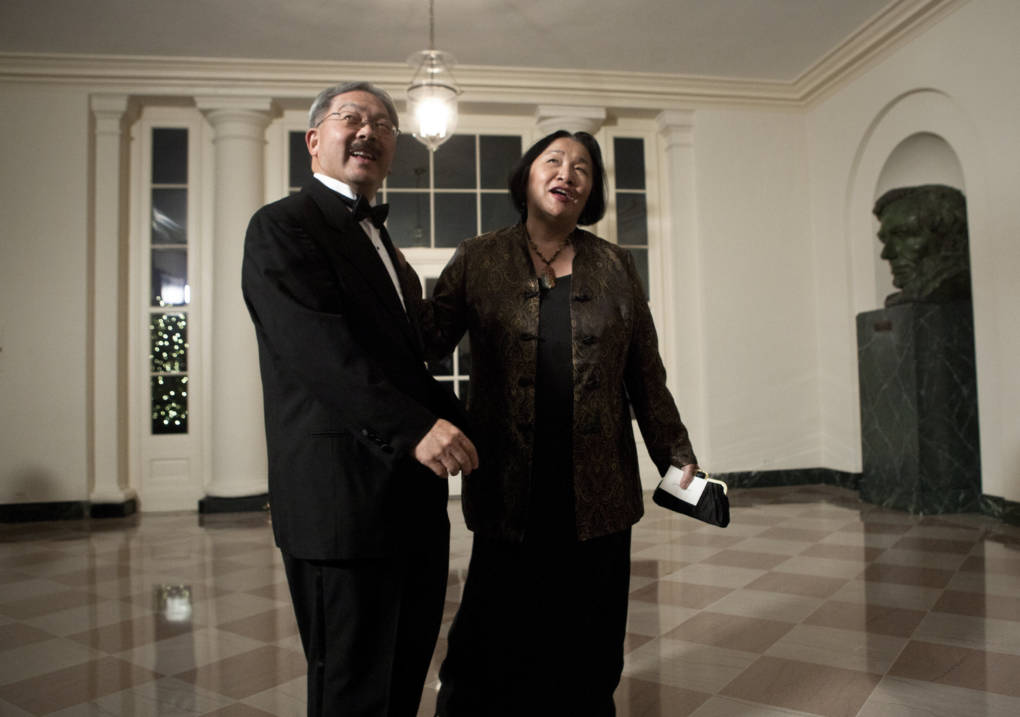
"caption": "San Francisco Mayor Ed Lee in 2011.",
"description": "San Francisco Mayor Ed Lee in 2011.",
"title": "EdLeeLaughing",
"credit": "Michelle Gachet/KQED",
"status": "inherit",
"isLoading": false,
"fetchFailed": false
},
"news_11636589": {
"type": "attachments",
"id": "news_11636589",
"meta": {
"index": "attachments_1716263798",
"site": "news",
"id": "11636589",
"found": true
},
"parent": 11636406,
"imgSizes": {
"small": {
"file": "https://ww2.kqed.org/app/uploads/sites/10/2017/12/GettyImages-108180443-520x366.jpg",
"width": 520,
"mimeType": "image/jpeg",
"height": 366
},
"twentyfourteen-full-width": {
"file": "https://ww2.kqed.org/app/uploads/sites/10/2017/12/GettyImages-108180443-1038x576.jpg",
"width": 1038,
"mimeType": "image/jpeg",
"height": 576
},
"thumbnail": {
"file": "https://ww2.kqed.org/app/uploads/sites/10/2017/12/GettyImages-108180443-160x112.jpg",
"width": 160,
"mimeType": "image/jpeg",
"height": 112
},
"fd-sm": {
"file": "https://ww2.kqed.org/app/uploads/sites/10/2017/12/GettyImages-108180443-960x675.jpg",
"width": 960,
"mimeType": "image/jpeg",
"height": 675
},
"post-thumbnail": {
"file": "https://ww2.kqed.org/app/uploads/sites/10/2017/12/GettyImages-108180443-672x372.jpg",
"width": 672,
"mimeType": "image/jpeg",
"height": 372
},
"xsmall": {
"file": "https://ww2.kqed.org/app/uploads/sites/10/2017/12/GettyImages-108180443-375x264.jpg",
"width": 375,
"mimeType": "image/jpeg",
"height": 264
},
"kqedFullSize": {
"file": "https://ww2.kqed.org/app/uploads/sites/10/2017/12/GettyImages-108180443-e1513125878687.jpg",
"width": 1920,
"height": 1350
},
"large": {
"file": "https://ww2.kqed.org/app/uploads/sites/10/2017/12/GettyImages-108180443-1020x717.jpg",
"width": 1020,
"mimeType": "image/jpeg",
"height": 717
},
"xlarge": {
"file": "https://ww2.kqed.org/app/uploads/sites/10/2017/12/GettyImages-108180443-1180x830.jpg",
"width": 1180,
"mimeType": "image/jpeg",
"height": 830
},
"guest-author-50": {
"file": "https://ww2.kqed.org/app/uploads/sites/10/2017/12/GettyImages-108180443-50x50.jpg",
"width": 50,
"mimeType": "image/jpeg",
"height": 50
},
"guest-author-96": {
"file": "https://ww2.kqed.org/app/uploads/sites/10/2017/12/GettyImages-108180443-96x96.jpg",
"width": 96,
"mimeType": "image/jpeg",
"height": 96
},
"medium": {
"file": "https://ww2.kqed.org/app/uploads/sites/10/2017/12/GettyImages-108180443-800x562.jpg",
"width": 800,
"mimeType": "image/jpeg",
"height": 562
},
"guest-author-64": {
"file": "https://ww2.kqed.org/app/uploads/sites/10/2017/12/GettyImages-108180443-64x64.jpg",
"width": 64,
"mimeType": "image/jpeg",
"height": 64
},
"guest-author-32": {
"file": "https://ww2.kqed.org/app/uploads/sites/10/2017/12/GettyImages-108180443-32x32.jpg",
"width": 32,
"mimeType": "image/jpeg",
"height": 32
},
"fd-lrg": {
"file": "https://ww2.kqed.org/app/uploads/sites/10/2017/12/GettyImages-108180443-1920x1350.jpg",
"width": 1920,
"mimeType": "image/jpeg",
"height": 1350
},
"fd-med": {
"file": "https://ww2.kqed.org/app/uploads/sites/10/2017/12/GettyImages-108180443-1180x830.jpg",
"width": 1180,
"mimeType": "image/jpeg",
"height": 830
},
"full-width": {
"file": "https://ww2.kqed.org/app/uploads/sites/10/2017/12/GettyImages-108180443-1920x1350.jpg",
"width": 1920,
"mimeType": "image/jpeg",
"height": 1350
},
"detail": {
"file": "https://ww2.kqed.org/app/uploads/sites/10/2017/12/GettyImages-108180443-150x150.jpg",
"width": 150,
"mimeType": "image/jpeg",
"height": 150
},
"guest-author-128": {
"file": "https://ww2.kqed.org/app/uploads/sites/10/2017/12/GettyImages-108180443-128x128.jpg",
"width": 128,
"mimeType": "image/jpeg",
"height": 128
},
"xxsmall": {
"file": "https://ww2.kqed.org/app/uploads/sites/10/2017/12/GettyImages-108180443-240x169.jpg",
"width": 240,
"mimeType": "image/jpeg",
"height": 169
}
},
"publishDate": 1513125737,
"modified": 1513125866,
"caption": "Mayors Ed Lee and Jean Quan arriving at the White House in January 2011 for a state dinner honoring Chinese President Hu Jintao. ",
"description": null,
"title": "Guests Arrive At State Dinner For Chinese President Hu Jintao At White House",
"credit": "Brendan Smialowski/Getty Images",
"status": "inherit",
"isLoading": false,
"fetchFailed": false
},
"news_11636441": {
"type": "attachments",
"id": "news_11636441",
"meta": {
"index": "attachments_1716263798",
"site": "news",
"id": "11636441",
"found": true
},
"parent": 11636436,
"imgSizes": {
"small": {
"file": "https://ww2.kqed.org/app/uploads/sites/10/2017/12/IceDetained-520x359.jpg",
"width": 520,
"mimeType": "image/jpeg",
"height": 359
},
"twentyfourteen-full-width": {
"file": "https://ww2.kqed.org/app/uploads/sites/10/2017/12/IceDetained-1038x576.jpg",
"width": 1038,
"mimeType": "image/jpeg",
"height": 576
},
"thumbnail": {
"file": "https://ww2.kqed.org/app/uploads/sites/10/2017/12/IceDetained-160x111.jpg",
"width": 160,
"mimeType": "image/jpeg",
"height": 111
},
"fd-sm": {
"file": "https://ww2.kqed.org/app/uploads/sites/10/2017/12/IceDetained-960x664.jpg",
"width": 960,
"mimeType": "image/jpeg",
"height": 664
},
"post-thumbnail": {
"file": "https://ww2.kqed.org/app/uploads/sites/10/2017/12/IceDetained-672x372.jpg",
"width": 672,
"mimeType": "image/jpeg",
"height": 372
},
"xsmall": {
"file": "https://ww2.kqed.org/app/uploads/sites/10/2017/12/IceDetained-375x259.jpg",
"width": 375,
"mimeType": "image/jpeg",
"height": 259
},
"kqedFullSize": {
"file": "https://ww2.kqed.org/app/uploads/sites/10/2017/12/IceDetained.jpg",
"width": 1920,
"height": 1327
},
"large": {
"file": "https://ww2.kqed.org/app/uploads/sites/10/2017/12/IceDetained-1020x705.jpg",
"width": 1020,
"mimeType": "image/jpeg",
"height": 705
},
"xlarge": {
"file": "https://ww2.kqed.org/app/uploads/sites/10/2017/12/IceDetained-1180x816.jpg",
"width": 1180,
"mimeType": "image/jpeg",
"height": 816
},
"guest-author-50": {
"file": "https://ww2.kqed.org/app/uploads/sites/10/2017/12/IceDetained-50x50.jpg",
"width": 50,
"mimeType": "image/jpeg",
"height": 50
},
"guest-author-96": {
"file": "https://ww2.kqed.org/app/uploads/sites/10/2017/12/IceDetained-96x96.jpg",
"width": 96,
"mimeType": "image/jpeg",
"height": 96
},
"medium": {
"file": "https://ww2.kqed.org/app/uploads/sites/10/2017/12/IceDetained-800x553.jpg",
"width": 800,
"mimeType": "image/jpeg",
"height": 553
},
"guest-author-64": {
"file": "https://ww2.kqed.org/app/uploads/sites/10/2017/12/IceDetained-64x64.jpg",
"width": 64,
"mimeType": "image/jpeg",
"height": 64
},
"guest-author-32": {
"file": "https://ww2.kqed.org/app/uploads/sites/10/2017/12/IceDetained-32x32.jpg",
"width": 32,
"mimeType": "image/jpeg",
"height": 32
},
"fd-lrg": {
"file": "https://ww2.kqed.org/app/uploads/sites/10/2017/12/IceDetained-1920x1327.jpg",
"width": 1920,
"mimeType": "image/jpeg",
"height": 1327
},
"fd-med": {
"file": "https://ww2.kqed.org/app/uploads/sites/10/2017/12/IceDetained-1180x816.jpg",
"width": 1180,
"mimeType": "image/jpeg",
"height": 816
},
"full-width": {
"file": "https://ww2.kqed.org/app/uploads/sites/10/2017/12/IceDetained-1920x1327.jpg",
"width": 1920,
"mimeType": "image/jpeg",
"height": 1327
},
"detail": {
"file": "https://ww2.kqed.org/app/uploads/sites/10/2017/12/IceDetained-150x150.jpg",
"width": 150,
"mimeType": "image/jpeg",
"height": 150
},
"guest-author-128": {
"file": "https://ww2.kqed.org/app/uploads/sites/10/2017/12/IceDetained-128x128.jpg",
"width": 128,
"mimeType": "image/jpeg",
"height": 128
},
"xxsmall": {
"file": "https://ww2.kqed.org/app/uploads/sites/10/2017/12/IceDetained-240x166.jpg",
"width": 240,
"mimeType": "image/jpeg",
"height": 166
}
},
"publishDate": 1513110601,
"modified": 1513129657,
"caption": "A man is detained by Immigration and Customs Enforcement (ICE) agents in October 2015 in Los Angeles",
"description": "A man is detained by Immigration and Customs Enforcement (ICE), agents in October, 2015 in Los Angeles.",
"title": "IceDetained",
"credit": "John Moore/Getty Images",
"status": "inherit",
"isLoading": false,
"fetchFailed": false
},
"news_11636528": {
"type": "attachments",
"id": "news_11636528",
"meta": {
"index": "attachments_1716263798",
"site": "news",
"id": "11636528",
"found": true
},
"parent": 11636493,
"imgSizes": {
"small": {
"file": "https://ww2.kqed.org/app/uploads/sites/10/2017/12/RS28499_20170927_London-Breed-6-qut-520x347.jpg",
"width": 520,
"mimeType": "image/jpeg",
"height": 347
},
"twentyfourteen-full-width": {
"file": "https://ww2.kqed.org/app/uploads/sites/10/2017/12/RS28499_20170927_London-Breed-6-qut-1038x576.jpg",
"width": 1038,
"mimeType": "image/jpeg",
"height": 576
},
"thumbnail": {
"file": "https://ww2.kqed.org/app/uploads/sites/10/2017/12/RS28499_20170927_London-Breed-6-qut-160x107.jpg",
"width": 160,
"mimeType": "image/jpeg",
"height": 107
},
"fd-sm": {
"file": "https://ww2.kqed.org/app/uploads/sites/10/2017/12/RS28499_20170927_London-Breed-6-qut-960x640.jpg",
"width": 960,
"mimeType": "image/jpeg",
"height": 640
},
"post-thumbnail": {
"file": "https://ww2.kqed.org/app/uploads/sites/10/2017/12/RS28499_20170927_London-Breed-6-qut-672x372.jpg",
"width": 672,
"mimeType": "image/jpeg",
"height": 372
},
"xsmall": {
"file": "https://ww2.kqed.org/app/uploads/sites/10/2017/12/RS28499_20170927_London-Breed-6-qut-375x250.jpg",
"width": 375,
"mimeType": "image/jpeg",
"height": 250
},
"kqedFullSize": {
"file": "https://ww2.kqed.org/app/uploads/sites/10/2017/12/RS28499_20170927_London-Breed-6-qut.jpg",
"width": 1920,
"height": 1280
},
"large": {
"file": "https://ww2.kqed.org/app/uploads/sites/10/2017/12/RS28499_20170927_London-Breed-6-qut-1020x680.jpg",
"width": 1020,
"mimeType": "image/jpeg",
"height": 680
},
"xlarge": {
"file": "https://ww2.kqed.org/app/uploads/sites/10/2017/12/RS28499_20170927_London-Breed-6-qut-1180x787.jpg",
"width": 1180,
"mimeType": "image/jpeg",
"height": 787
},
"guest-author-50": {
"file": "https://ww2.kqed.org/app/uploads/sites/10/2017/12/RS28499_20170927_London-Breed-6-qut-50x50.jpg",
"width": 50,
"mimeType": "image/jpeg",
"height": 50
},
"guest-author-96": {
"file": "https://ww2.kqed.org/app/uploads/sites/10/2017/12/RS28499_20170927_London-Breed-6-qut-96x96.jpg",
"width": 96,
"mimeType": "image/jpeg",
"height": 96
},
"medium": {
"file": "https://ww2.kqed.org/app/uploads/sites/10/2017/12/RS28499_20170927_London-Breed-6-qut-800x533.jpg",
"width": 800,
"mimeType": "image/jpeg",
"height": 533
},
"guest-author-64": {
"file": "https://ww2.kqed.org/app/uploads/sites/10/2017/12/RS28499_20170927_London-Breed-6-qut-64x64.jpg",
"width": 64,
"mimeType": "image/jpeg",
"height": 64
},
"guest-author-32": {
"file": "https://ww2.kqed.org/app/uploads/sites/10/2017/12/RS28499_20170927_London-Breed-6-qut-32x32.jpg",
"width": 32,
"mimeType": "image/jpeg",
"height": 32
},
"fd-lrg": {
"file": "https://ww2.kqed.org/app/uploads/sites/10/2017/12/RS28499_20170927_London-Breed-6-qut-1920x1280.jpg",
"width": 1920,
"mimeType": "image/jpeg",
"height": 1280
},
"fd-med": {
"file": "https://ww2.kqed.org/app/uploads/sites/10/2017/12/RS28499_20170927_London-Breed-6-qut-1180x787.jpg",
"width": 1180,
"mimeType": "image/jpeg",
"height": 787
},
"full-width": {
"file": "https://ww2.kqed.org/app/uploads/sites/10/2017/12/RS28499_20170927_London-Breed-6-qut-1920x1280.jpg",
"width": 1920,
"mimeType": "image/jpeg",
"height": 1280
},
"detail": {
"file": "https://ww2.kqed.org/app/uploads/sites/10/2017/12/RS28499_20170927_London-Breed-6-qut-150x150.jpg",
"width": 150,
"mimeType": "image/jpeg",
"height": 150
},
"guest-author-128": {
"file": "https://ww2.kqed.org/app/uploads/sites/10/2017/12/RS28499_20170927_London-Breed-6-qut-128x128.jpg",
"width": 128,
"mimeType": "image/jpeg",
"height": 128
},
"xxsmall": {
"file": "https://ww2.kqed.org/app/uploads/sites/10/2017/12/RS28499_20170927_London-Breed-6-qut-240x160.jpg",
"width": 240,
"mimeType": "image/jpeg",
"height": 160
}
},
"publishDate": 1513119521,
"modified": 1513125526,
"caption": "Acting Mayor London Breed, right, is flanked by Board of Supervisors' colleagues, including Supervisor Jane Kim, center, and Aaron Peskin, right, at a news conference after the death of Mayor Ed Lee. ",
"description": null,
"title": "RS28499_20170927_London Breed-6-qut",
"credit": "Adam Grossberg/KQED News",
"status": "inherit",
"isLoading": false,
"fetchFailed": false
},
"news_11636506": {
"type": "attachments",
"id": "news_11636506",
"meta": {
"index": "attachments_1716263798",
"site": "news",
"id": "11636506",
"found": true
},
"parent": 11636504,
"imgSizes": {
"small": {
"file": "https://ww2.kqed.org/app/uploads/sites/10/2017/12/ThomasFirePlumeISS-520x334.jpg",
"width": 520,
"mimeType": "image/jpeg",
"height": 334
},
"twentyfourteen-full-width": {
"file": "https://ww2.kqed.org/app/uploads/sites/10/2017/12/ThomasFirePlumeISS-1038x576.jpg",
"width": 1038,
"mimeType": "image/jpeg",
"height": 576
},
"thumbnail": {
"file": "https://ww2.kqed.org/app/uploads/sites/10/2017/12/ThomasFirePlumeISS-160x103.jpg",
"width": 160,
"mimeType": "image/jpeg",
"height": 103
},
"fd-sm": {
"file": "https://ww2.kqed.org/app/uploads/sites/10/2017/12/ThomasFirePlumeISS-960x618.jpg",
"width": 960,
"mimeType": "image/jpeg",
"height": 618
},
"post-thumbnail": {
"file": "https://ww2.kqed.org/app/uploads/sites/10/2017/12/ThomasFirePlumeISS-672x372.jpg",
"width": 672,
"mimeType": "image/jpeg",
"height": 372
},
"xsmall": {
"file": "https://ww2.kqed.org/app/uploads/sites/10/2017/12/ThomasFirePlumeISS-375x241.jpg",
"width": 375,
"mimeType": "image/jpeg",
"height": 241
},
"kqedFullSize": {
"file": "https://ww2.kqed.org/app/uploads/sites/10/2017/12/ThomasFirePlumeISS.jpg",
"width": 1920,
"height": 1235
},
"large": {
"file": "https://ww2.kqed.org/app/uploads/sites/10/2017/12/ThomasFirePlumeISS-1020x656.jpg",
"width": 1020,
"mimeType": "image/jpeg",
"height": 656
},
"xlarge": {
"file": "https://ww2.kqed.org/app/uploads/sites/10/2017/12/ThomasFirePlumeISS-1180x759.jpg",
"width": 1180,
"mimeType": "image/jpeg",
"height": 759
},
"guest-author-50": {
"file": "https://ww2.kqed.org/app/uploads/sites/10/2017/12/ThomasFirePlumeISS-50x50.jpg",
"width": 50,
"mimeType": "image/jpeg",
"height": 50
},
"guest-author-96": {
"file": "https://ww2.kqed.org/app/uploads/sites/10/2017/12/ThomasFirePlumeISS-96x96.jpg",
"width": 96,
"mimeType": "image/jpeg",
"height": 96
},
"medium": {
"file": "https://ww2.kqed.org/app/uploads/sites/10/2017/12/ThomasFirePlumeISS-800x515.jpg",
"width": 800,
"mimeType": "image/jpeg",
"height": 515
},
"guest-author-64": {
"file": "https://ww2.kqed.org/app/uploads/sites/10/2017/12/ThomasFirePlumeISS-64x64.jpg",
"width": 64,
"mimeType": "image/jpeg",
"height": 64
},
"guest-author-32": {
"file": "https://ww2.kqed.org/app/uploads/sites/10/2017/12/ThomasFirePlumeISS-32x32.jpg",
"width": 32,
"mimeType": "image/jpeg",
"height": 32
},
"fd-lrg": {
"file": "https://ww2.kqed.org/app/uploads/sites/10/2017/12/ThomasFirePlumeISS-1920x1235.jpg",
"width": 1920,
"mimeType": "image/jpeg",
"height": 1235
},
"fd-med": {
"file": "https://ww2.kqed.org/app/uploads/sites/10/2017/12/ThomasFirePlumeISS-1180x759.jpg",
"width": 1180,
"mimeType": "image/jpeg",
"height": 759
},
"full-width": {
"file": "https://ww2.kqed.org/app/uploads/sites/10/2017/12/ThomasFirePlumeISS-1920x1235.jpg",
"width": 1920,
"mimeType": "image/jpeg",
"height": 1235
},
"detail": {
"file": "https://ww2.kqed.org/app/uploads/sites/10/2017/12/ThomasFirePlumeISS-150x150.jpg",
"width": 150,
"mimeType": "image/jpeg",
"height": 150
},
"guest-author-128": {
"file": "https://ww2.kqed.org/app/uploads/sites/10/2017/12/ThomasFirePlumeISS-128x128.jpg",
"width": 128,
"mimeType": "image/jpeg",
"height": 128
},
"xxsmall": {
"file": "https://ww2.kqed.org/app/uploads/sites/10/2017/12/ThomasFirePlumeISS-240x154.jpg",
"width": 240,
"mimeType": "image/jpeg",
"height": 154
}
},
"publishDate": 1513117896,
"modified": 1513118079,
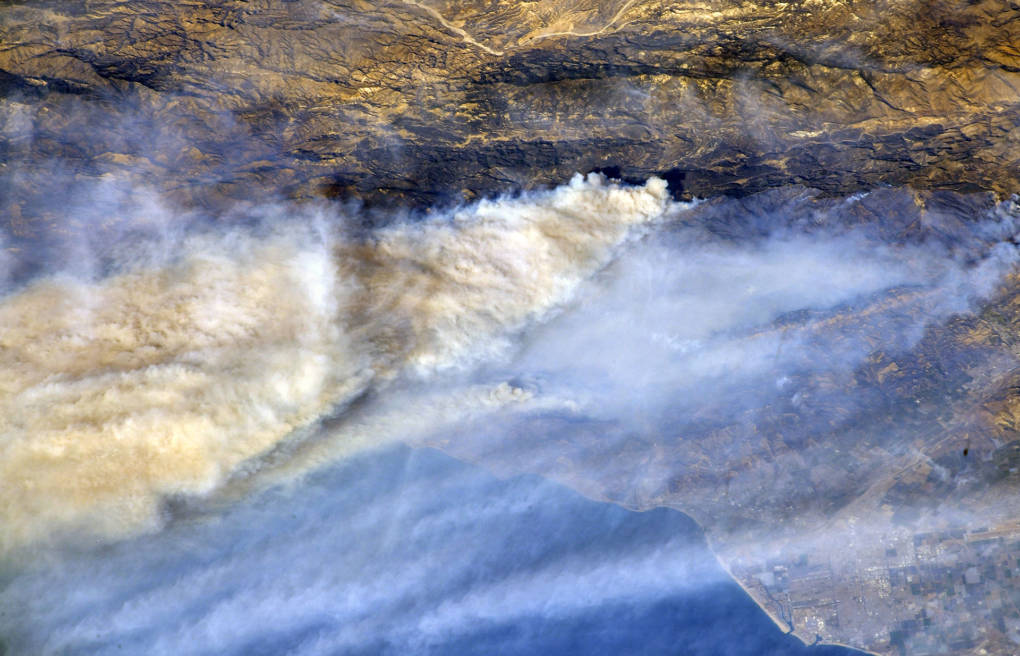
"caption": "Plumes of smoke from various Southern California fires -- the largest from the massive Thomas Fire -- blow out to sea in an photo taken from the International Space Station on Dec. 8, 2017.",
"description": "Plumes of smoke from various Southern California fires -- the largest from the massive Thomas Fire -- blow out to sea in an photo taken from the International Space Station on Dec. 8, 2017.",
"title": "ThomasFirePlumeISS",
"credit": "Randy Bresnik/NASA",
"status": "inherit",
"isLoading": false,
"fetchFailed": false
},
"futureofyou_437623": {
"type": "attachments",
"id": "futureofyou_437623",
"meta": {
"index": "attachments_1716263798",
"site": "futureofyou",
"id": "437623",
"found": true
},
"parent": 437621,
"imgSizes": {
"small": {
"file": "https://ww2.kqed.org/app/uploads/sites/13/2017/12/Screen-Shot-2017-12-12-at-10.17.53-AM-520x290.png",
"width": 520,
"mimeType": "image/png",
"height": 290
},
"twentyfourteen-full-width": {
"file": "https://ww2.kqed.org/app/uploads/sites/13/2017/12/Screen-Shot-2017-12-12-at-10.17.53-AM-1038x576.png",
"width": 1038,
"mimeType": "image/png",
"height": 576
},
"thumbnail": {
"file": "https://ww2.kqed.org/app/uploads/sites/13/2017/12/Screen-Shot-2017-12-12-at-10.17.53-AM-160x89.png",
"width": 160,
"mimeType": "image/png",
"height": 89
},
"fd-sm": {
"file": "https://ww2.kqed.org/app/uploads/sites/13/2017/12/Screen-Shot-2017-12-12-at-10.17.53-AM-960x536.png",
"width": 960,
"mimeType": "image/png",
"height": 536
},
"post-thumbnail": {
"file": "https://ww2.kqed.org/app/uploads/sites/13/2017/12/Screen-Shot-2017-12-12-at-10.17.53-AM-672x372.png",
"width": 672,
"mimeType": "image/png",
"height": 372
},
"xsmall": {
"file": "https://ww2.kqed.org/app/uploads/sites/13/2017/12/Screen-Shot-2017-12-12-at-10.17.53-AM-375x209.png",
"width": 375,
"mimeType": "image/png",
"height": 209
},
"kqedFullSize": {
"file": "https://ww2.kqed.org/app/uploads/sites/13/2017/12/Screen-Shot-2017-12-12-at-10.17.53-AM.png",
"width": 1708,
"height": 954
},
"large": {
"file": "https://ww2.kqed.org/app/uploads/sites/13/2017/12/Screen-Shot-2017-12-12-at-10.17.53-AM-1020x570.png",
"width": 1020,
"mimeType": "image/png",
"height": 570
},
"xlarge": {
"file": "https://ww2.kqed.org/app/uploads/sites/13/2017/12/Screen-Shot-2017-12-12-at-10.17.53-AM-1180x659.png",
"width": 1180,
"mimeType": "image/png",
"height": 659
},
"guest-author-50": {
"file": "https://ww2.kqed.org/app/uploads/sites/13/2017/12/Screen-Shot-2017-12-12-at-10.17.53-AM-50x50.png",
"width": 50,
"mimeType": "image/png",
"height": 50
},
"guest-author-96": {
"file": "https://ww2.kqed.org/app/uploads/sites/13/2017/12/Screen-Shot-2017-12-12-at-10.17.53-AM-96x96.png",
"width": 96,
"mimeType": "image/png",
"height": 96
},
"medium": {
"file": "https://ww2.kqed.org/app/uploads/sites/13/2017/12/Screen-Shot-2017-12-12-at-10.17.53-AM-800x447.png",
"width": 800,
"mimeType": "image/png",
"height": 447
},
"guest-author-64": {
"file": "https://ww2.kqed.org/app/uploads/sites/13/2017/12/Screen-Shot-2017-12-12-at-10.17.53-AM-64x64.png",
"width": 64,
"mimeType": "image/png",
"height": 64
},
"guest-author-32": {
"file": "https://ww2.kqed.org/app/uploads/sites/13/2017/12/Screen-Shot-2017-12-12-at-10.17.53-AM-32x32.png",
"width": 32,
"mimeType": "image/png",
"height": 32
},
"fd-med": {
"file": "https://ww2.kqed.org/app/uploads/sites/13/2017/12/Screen-Shot-2017-12-12-at-10.17.53-AM-1180x659.png",
"width": 1180,
"mimeType": "image/png",
"height": 659
},
"detail": {
"file": "https://ww2.kqed.org/app/uploads/sites/13/2017/12/Screen-Shot-2017-12-12-at-10.17.53-AM-150x150.png",
"width": 150,
"mimeType": "image/png",
"height": 150
},
"medium_large": {
"file": "https://ww2.kqed.org/app/uploads/sites/13/2017/12/Screen-Shot-2017-12-12-at-10.17.53-AM-768x429.png",
"width": 768,
"mimeType": "image/png",
"height": 429
},
"guest-author-128": {
"file": "https://ww2.kqed.org/app/uploads/sites/13/2017/12/Screen-Shot-2017-12-12-at-10.17.53-AM-128x128.png",
"width": 128,
"mimeType": "image/png",
"height": 128
},
"xxsmall": {
"file": "https://ww2.kqed.org/app/uploads/sites/13/2017/12/Screen-Shot-2017-12-12-at-10.17.53-AM-240x134.png",
"width": 240,
"mimeType": "image/png",
"height": 134
}
},
"publishDate": 1513102750,
"modified": 1513102802,
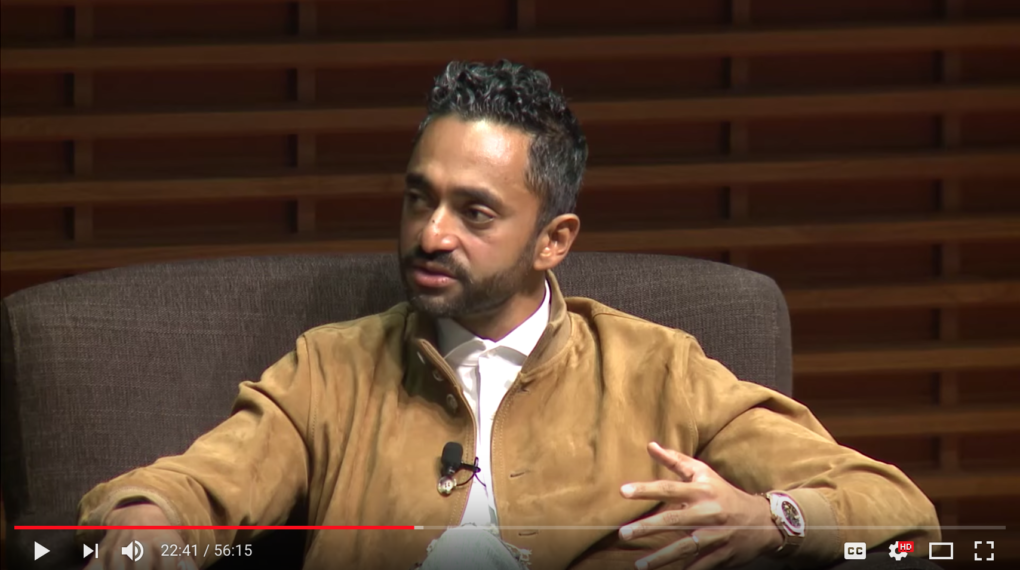
"caption": "Screenshot from the Stanford Graduate School of Business \u003ca href=\"https://www.youtube.com/watch?v=PMotykw0SIk&feature=youtu.be&t=21m21s\">YouTube channel\u003c/a>",
"description": null,
"title": "Screen Shot 2017-12-12 at 10.17.53 AM",
"credit": "YouTube",
"status": "inherit",
"isLoading": false,
"fetchFailed": false
},
"news_11636430": {
"type": "attachments",
"id": "news_11636430",
"meta": {
"index": "attachments_1716263798",
"site": "news",
"id": "11636430",
"found": true
},
"parent": 0,
"imgSizes": {
"small": {
"file": "https://ww2.kqed.org/app/uploads/sites/10/2017/12/20170927_London-Breed-1-2-520x347.jpg",
"width": 520,
"mimeType": "image/jpeg",
"height": 347
},
"twentyfourteen-full-width": {
"file": "https://ww2.kqed.org/app/uploads/sites/10/2017/12/20170927_London-Breed-1-2-1038x576.jpg",
"width": 1038,
"mimeType": "image/jpeg",
"height": 576
},
"thumbnail": {
"file": "https://ww2.kqed.org/app/uploads/sites/10/2017/12/20170927_London-Breed-1-2-160x107.jpg",
"width": 160,
"mimeType": "image/jpeg",
"height": 107
},
"fd-sm": {
"file": "https://ww2.kqed.org/app/uploads/sites/10/2017/12/20170927_London-Breed-1-2-960x640.jpg",
"width": 960,
"mimeType": "image/jpeg",
"height": 640
},
"post-thumbnail": {
"file": "https://ww2.kqed.org/app/uploads/sites/10/2017/12/20170927_London-Breed-1-2-672x372.jpg",
"width": 672,
"mimeType": "image/jpeg",
"height": 372
},
"xsmall": {
"file": "https://ww2.kqed.org/app/uploads/sites/10/2017/12/20170927_London-Breed-1-2-375x250.jpg",
"width": 375,
"mimeType": "image/jpeg",
"height": 250
},
"kqedFullSize": {
"file": "https://ww2.kqed.org/app/uploads/sites/10/2017/12/20170927_London-Breed-1-2-e1513111772584.jpg",
"width": 1920,
"height": 1280
},
"large": {
"file": "https://ww2.kqed.org/app/uploads/sites/10/2017/12/20170927_London-Breed-1-2-1020x680.jpg",
"width": 1020,
"mimeType": "image/jpeg",
"height": 680
},
"xlarge": {
"file": "https://ww2.kqed.org/app/uploads/sites/10/2017/12/20170927_London-Breed-1-2-1180x787.jpg",
"width": 1180,
"mimeType": "image/jpeg",
"height": 787
},
"guest-author-50": {
"file": "https://ww2.kqed.org/app/uploads/sites/10/2017/12/20170927_London-Breed-1-2-50x50.jpg",
"width": 50,
"mimeType": "image/jpeg",
"height": 50
},
"guest-author-96": {
"file": "https://ww2.kqed.org/app/uploads/sites/10/2017/12/20170927_London-Breed-1-2-96x96.jpg",
"width": 96,
"mimeType": "image/jpeg",
"height": 96
},
"medium": {
"file": "https://ww2.kqed.org/app/uploads/sites/10/2017/12/20170927_London-Breed-1-2-800x533.jpg",
"width": 800,
"mimeType": "image/jpeg",
"height": 533
},
"guest-author-64": {
"file": "https://ww2.kqed.org/app/uploads/sites/10/2017/12/20170927_London-Breed-1-2-64x64.jpg",
"width": 64,
"mimeType": "image/jpeg",
"height": 64
},
"guest-author-32": {
"file": "https://ww2.kqed.org/app/uploads/sites/10/2017/12/20170927_London-Breed-1-2-32x32.jpg",
"width": 32,
"mimeType": "image/jpeg",
"height": 32
},
"fd-lrg": {
"file": "https://ww2.kqed.org/app/uploads/sites/10/2017/12/20170927_London-Breed-1-2-1920x1280.jpg",
"width": 1920,
"mimeType": "image/jpeg",
"height": 1280
},
"fd-med": {
"file": "https://ww2.kqed.org/app/uploads/sites/10/2017/12/20170927_London-Breed-1-2-1180x787.jpg",
"width": 1180,
"mimeType": "image/jpeg",
"height": 787
},
"full-width": {
"file": "https://ww2.kqed.org/app/uploads/sites/10/2017/12/20170927_London-Breed-1-2-1920x1280.jpg",
"width": 1920,
"mimeType": "image/jpeg",
"height": 1280
},
"detail": {
"file": "https://ww2.kqed.org/app/uploads/sites/10/2017/12/20170927_London-Breed-1-2-150x150.jpg",
"width": 150,
"mimeType": "image/jpeg",
"height": 150
},
"guest-author-128": {
"file": "https://ww2.kqed.org/app/uploads/sites/10/2017/12/20170927_London-Breed-1-2-128x128.jpg",
"width": 128,
"mimeType": "image/jpeg",
"height": 128
},
"xxsmall": {
"file": "https://ww2.kqed.org/app/uploads/sites/10/2017/12/20170927_London-Breed-1-2-240x160.jpg",
"width": 240,
"mimeType": "image/jpeg",
"height": 160
}
},
"publishDate": 1513109837,
"modified": 1513111789,
"caption": "London Breed, president of the Board of Supervisors and acting mayor, speaks at City Hall following the death of Mayor Ed Lee. ",
"description": null,
"title": "London Breed",
"credit": "Adam Grossberg/KQED",
"status": "inherit",
"isLoading": false,
"fetchFailed": false
},
"futureofyou_437555": {
"type": "attachments",
"id": "futureofyou_437555",
"meta": {
"index": "attachments_1716263798",
"site": "futureofyou",
"id": "437555",
"found": true
},
"parent": 437552,
"imgSizes": {
"small": {
"file": "https://ww2.kqed.org/app/uploads/sites/13/2017/12/iStock-670202670-520x473.jpg",
"width": 520,
"mimeType": "image/jpeg",
"height": 473
},
"twentyfourteen-full-width": {
"file": "https://ww2.kqed.org/app/uploads/sites/13/2017/12/iStock-670202670-1038x576.jpg",
"width": 1038,
"mimeType": "image/jpeg",
"height": 576
},
"thumbnail": {
"file": "https://ww2.kqed.org/app/uploads/sites/13/2017/12/iStock-670202670-160x146.jpg",
"width": 160,
"mimeType": "image/jpeg",
"height": 146
},
"fd-sm": {
"file": "https://ww2.kqed.org/app/uploads/sites/13/2017/12/iStock-670202670-960x873.jpg",
"width": 960,
"mimeType": "image/jpeg",
"height": 873
},
"post-thumbnail": {
"file": "https://ww2.kqed.org/app/uploads/sites/13/2017/12/iStock-670202670-672x372.jpg",
"width": 672,
"mimeType": "image/jpeg",
"height": 372
},
"xsmall": {
"file": "https://ww2.kqed.org/app/uploads/sites/13/2017/12/iStock-670202670-375x341.jpg",
"width": 375,
"mimeType": "image/jpeg",
"height": 341
},
"kqedFullSize": {
"file": "https://ww2.kqed.org/app/uploads/sites/13/2017/12/iStock-670202670.jpg",
"width": 4219,
"height": 3837
},
"large": {
"file": "https://ww2.kqed.org/app/uploads/sites/13/2017/12/iStock-670202670-1020x928.jpg",
"width": 1020,
"mimeType": "image/jpeg",
"height": 928
},
"xlarge": {
"file": "https://ww2.kqed.org/app/uploads/sites/13/2017/12/iStock-670202670-1180x1073.jpg",
"width": 1180,
"mimeType": "image/jpeg",
"height": 1073
},
"guest-author-50": {
"file": "https://ww2.kqed.org/app/uploads/sites/13/2017/12/iStock-670202670-50x50.jpg",
"width": 50,
"mimeType": "image/jpeg",
"height": 50
},
"guest-author-96": {
"file": "https://ww2.kqed.org/app/uploads/sites/13/2017/12/iStock-670202670-96x96.jpg",
"width": 96,
"mimeType": "image/jpeg",
"height": 96
},
"medium": {
"file": "https://ww2.kqed.org/app/uploads/sites/13/2017/12/iStock-670202670-800x728.jpg",
"width": 800,
"mimeType": "image/jpeg",
"height": 728
},
"guest-author-64": {
"file": "https://ww2.kqed.org/app/uploads/sites/13/2017/12/iStock-670202670-64x64.jpg",
"width": 64,
"mimeType": "image/jpeg",
"height": 64
},
"guest-author-32": {
"file": "https://ww2.kqed.org/app/uploads/sites/13/2017/12/iStock-670202670-32x32.jpg",
"width": 32,
"mimeType": "image/jpeg",
"height": 32
},
"fd-lrg": {
"file": "https://ww2.kqed.org/app/uploads/sites/13/2017/12/iStock-670202670-1920x1746.jpg",
"width": 1920,
"mimeType": "image/jpeg",
"height": 1746
},
"fd-med": {
"file": "https://ww2.kqed.org/app/uploads/sites/13/2017/12/iStock-670202670-1180x1073.jpg",
"width": 1180,
"mimeType": "image/jpeg",
"height": 1073
},
"full-width": {
"file": "https://ww2.kqed.org/app/uploads/sites/13/2017/12/iStock-670202670-1920x1746.jpg",
"width": 1920,
"mimeType": "image/jpeg",
"height": 1746
},
"detail": {
"file": "https://ww2.kqed.org/app/uploads/sites/13/2017/12/iStock-670202670-150x150.jpg",
"width": 150,
"mimeType": "image/jpeg",
"height": 150
},
"medium_large": {
"file": "https://ww2.kqed.org/app/uploads/sites/13/2017/12/iStock-670202670-768x698.jpg",
"width": 768,
"mimeType": "image/jpeg",
"height": 698
},
"guest-author-128": {
"file": "https://ww2.kqed.org/app/uploads/sites/13/2017/12/iStock-670202670-128x128.jpg",
"width": 128,
"mimeType": "image/jpeg",
"height": 128
},
"xxsmall": {
"file": "https://ww2.kqed.org/app/uploads/sites/13/2017/12/iStock-670202670-240x218.jpg",
"width": 240,
"mimeType": "image/jpeg",
"height": 218
}
},
"publishDate": 1512775721,
"modified": 1513009215,
"caption": null,
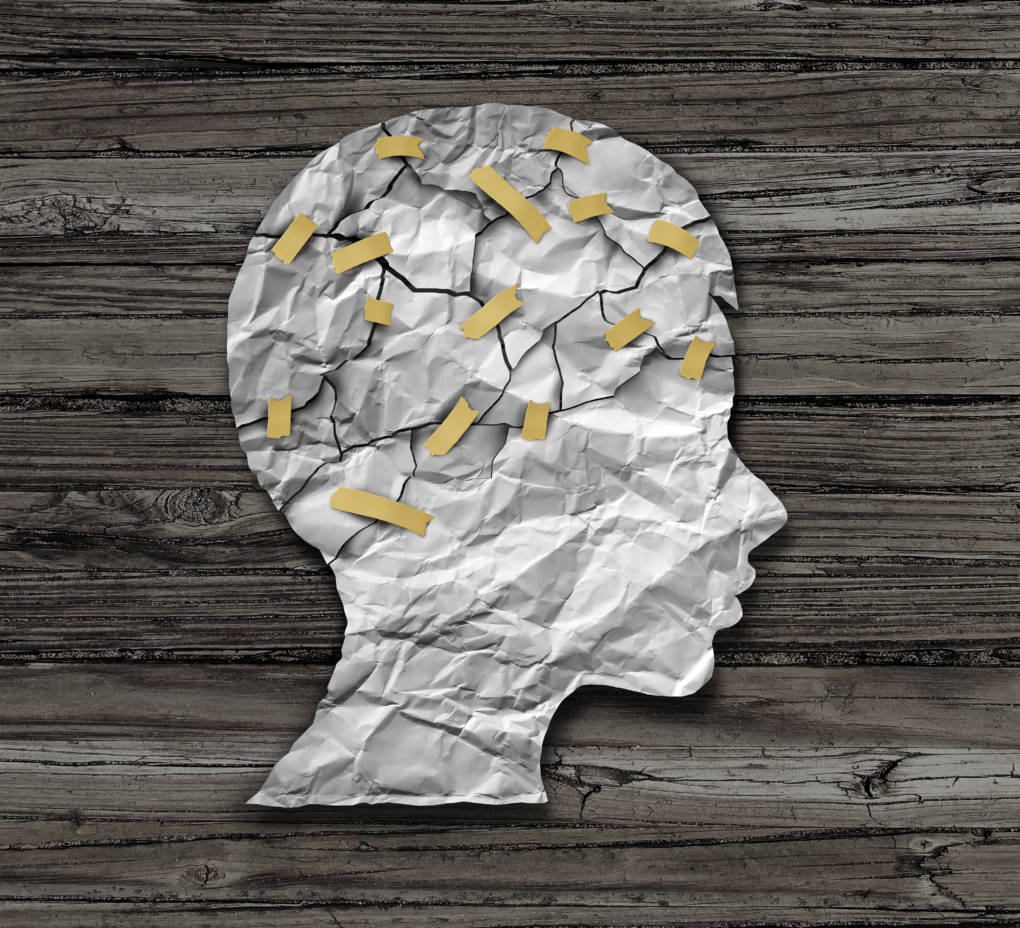
"description": "https://ww2.kqed.org/futureofyou/wp-admin/post.php?post=437552&action=edit",
"title": "Child Psychology",
"credit": "iStockphoto",
"status": "inherit",
"isLoading": false,
"fetchFailed": false
},
"news_11636392": {
"type": "attachments",
"id": "news_11636392",
"meta": {
"index": "attachments_1716263798",
"site": "news",
"id": "11636392",
"found": true
},
"parent": 11636390,
"imgSizes": {
"small": {
"file": "https://ww2.kqed.org/app/uploads/sites/10/2017/12/GettyImages-890816050-520x337.jpg",
"width": 520,
"mimeType": "image/jpeg",
"height": 337
},
"twentyfourteen-full-width": {
"file": "https://ww2.kqed.org/app/uploads/sites/10/2017/12/GettyImages-890816050-1038x576.jpg",
"width": 1038,
"mimeType": "image/jpeg",
"height": 576
},
"thumbnail": {
"file": "https://ww2.kqed.org/app/uploads/sites/10/2017/12/GettyImages-890816050-160x104.jpg",
"width": 160,
"mimeType": "image/jpeg",
"height": 104
},
"fd-sm": {
"file": "https://ww2.kqed.org/app/uploads/sites/10/2017/12/GettyImages-890816050-960x622.jpg",
"width": 960,
"mimeType": "image/jpeg",
"height": 622
},
"post-thumbnail": {
"file": "https://ww2.kqed.org/app/uploads/sites/10/2017/12/GettyImages-890816050-672x372.jpg",
"width": 672,
"mimeType": "image/jpeg",
"height": 372
},
"xsmall": {
"file": "https://ww2.kqed.org/app/uploads/sites/10/2017/12/GettyImages-890816050-375x243.jpg",
"width": 375,
"mimeType": "image/jpeg",
"height": 243
},
"kqedFullSize": {
"file": "https://ww2.kqed.org/app/uploads/sites/10/2017/12/GettyImages-890816050-e1513098845803.jpg",
"width": 1920,
"height": 1244
},
"large": {
"file": "https://ww2.kqed.org/app/uploads/sites/10/2017/12/GettyImages-890816050-1020x661.jpg",
"width": 1020,
"mimeType": "image/jpeg",
"height": 661
},
"xlarge": {
"file": "https://ww2.kqed.org/app/uploads/sites/10/2017/12/GettyImages-890816050-1180x764.jpg",
"width": 1180,
"mimeType": "image/jpeg",
"height": 764
},
"guest-author-50": {
"file": "https://ww2.kqed.org/app/uploads/sites/10/2017/12/GettyImages-890816050-50x50.jpg",
"width": 50,
"mimeType": "image/jpeg",
"height": 50
},
"guest-author-96": {
"file": "https://ww2.kqed.org/app/uploads/sites/10/2017/12/GettyImages-890816050-96x96.jpg",
"width": 96,
"mimeType": "image/jpeg",
"height": 96
},
"medium": {
"file": "https://ww2.kqed.org/app/uploads/sites/10/2017/12/GettyImages-890816050-800x518.jpg",
"width": 800,
"mimeType": "image/jpeg",
"height": 518
},
"guest-author-64": {
"file": "https://ww2.kqed.org/app/uploads/sites/10/2017/12/GettyImages-890816050-64x64.jpg",
"width": 64,
"mimeType": "image/jpeg",
"height": 64
},
"guest-author-32": {
"file": "https://ww2.kqed.org/app/uploads/sites/10/2017/12/GettyImages-890816050-32x32.jpg",
"width": 32,
"mimeType": "image/jpeg",
"height": 32
},
"fd-lrg": {
"file": "https://ww2.kqed.org/app/uploads/sites/10/2017/12/GettyImages-890816050-1920x1244.jpg",
"width": 1920,
"mimeType": "image/jpeg",
"height": 1244
},
"fd-med": {
"file": "https://ww2.kqed.org/app/uploads/sites/10/2017/12/GettyImages-890816050-1180x764.jpg",
"width": 1180,
"mimeType": "image/jpeg",
"height": 764
},
"full-width": {
"file": "https://ww2.kqed.org/app/uploads/sites/10/2017/12/GettyImages-890816050-1920x1244.jpg",
"width": 1920,
"mimeType": "image/jpeg",
"height": 1244
},
"detail": {
"file": "https://ww2.kqed.org/app/uploads/sites/10/2017/12/GettyImages-890816050-150x150.jpg",
"width": 150,
"mimeType": "image/jpeg",
"height": 150
},
"guest-author-128": {
"file": "https://ww2.kqed.org/app/uploads/sites/10/2017/12/GettyImages-890816050-128x128.jpg",
"width": 128,
"mimeType": "image/jpeg",
"height": 128
},
"xxsmall": {
"file": "https://ww2.kqed.org/app/uploads/sites/10/2017/12/GettyImages-890816050-240x155.jpg",
"width": 240,
"mimeType": "image/jpeg",
"height": 155
}
},
"publishDate": 1513098763,
"modified": 1513120299,
"caption": "A man watches the Thomas Fire in the hills above Carpinteria on Dec. 11, 2017. The fire, burning in California's Ventura and Santa Barbara counties, has consumed more than 230,000 acres over the past week, making it the fifth-largest fire in state history.",
"description": "A man watches the Thomas Fire in the hills above Carpinteria on Dec. 11, 2017. The fire, burning in California's Ventura and Santa Barbara counties has consumed more than 230,000 acres over the past week, making it the fifth-largest fire in state history.",
"title": "US-FIRE",
"credit": "Robyn Beck/AFP/Getty Images",
"status": "inherit",
"isLoading": false,
"fetchFailed": false
},
"news_11287916": {
"type": "attachments",
"id": "news_11287916",
"meta": {
"index": "attachments_1716263798",
"site": "news",
"id": "11287916",
"found": true
},
"parent": 11287914,
"imgSizes": {
"small": {
"file": "https://ww2.kqed.org/app/uploads/sites/10/2017/01/RS23866_01-26-2016_02-qut-520x347.jpg",
"width": 520,
"mimeType": "image/jpeg",
"height": 347
},
"twentyfourteen-full-width": {
"file": "https://ww2.kqed.org/app/uploads/sites/10/2017/01/RS23866_01-26-2016_02-qut-1038x576.jpg",
"width": 1038,
"mimeType": "image/jpeg",
"height": 576
},
"thumbnail": {
"file": "https://ww2.kqed.org/app/uploads/sites/10/2017/01/RS23866_01-26-2016_02-qut-160x107.jpg",
"width": 160,
"mimeType": "image/jpeg",
"height": 107
},
"fd-sm": {
"file": "https://ww2.kqed.org/app/uploads/sites/10/2017/01/RS23866_01-26-2016_02-qut-960x640.jpg",
"width": 960,
"mimeType": "image/jpeg",
"height": 640
},
"post-thumbnail": {
"file": "https://ww2.kqed.org/app/uploads/sites/10/2017/01/RS23866_01-26-2016_02-qut-672x372.jpg",
"width": 672,
"mimeType": "image/jpeg",
"height": 372
},
"xsmall": {
"file": "https://ww2.kqed.org/app/uploads/sites/10/2017/01/RS23866_01-26-2016_02-qut-375x250.jpg",
"width": 375,
"mimeType": "image/jpeg",
"height": 250
},
"kqedFullSize": {
"file": "https://ww2.kqed.org/app/uploads/sites/10/2017/01/RS23866_01-26-2016_02-qut.jpg",
"width": 1920,
"height": 1280
},
"large": {
"file": "https://ww2.kqed.org/app/uploads/sites/10/2017/01/RS23866_01-26-2016_02-qut-1020x680.jpg",
"width": 1020,
"mimeType": "image/jpeg",
"height": 680
},
"xlarge": {
"file": "https://ww2.kqed.org/app/uploads/sites/10/2017/01/RS23866_01-26-2016_02-qut-1180x787.jpg",
"width": 1180,
"mimeType": "image/jpeg",
"height": 787
},
"guest-author-50": {
"file": "https://ww2.kqed.org/app/uploads/sites/10/2017/01/RS23866_01-26-2016_02-qut-50x50.jpg",
"width": 50,
"mimeType": "image/jpeg",
"height": 50
},
"guest-author-96": {
"file": "https://ww2.kqed.org/app/uploads/sites/10/2017/01/RS23866_01-26-2016_02-qut-96x96.jpg",
"width": 96,
"mimeType": "image/jpeg",
"height": 96
},
"medium": {
"file": "https://ww2.kqed.org/app/uploads/sites/10/2017/01/RS23866_01-26-2016_02-qut-800x533.jpg",
"width": 800,
"mimeType": "image/jpeg",
"height": 533
},
"guest-author-64": {
"file": "https://ww2.kqed.org/app/uploads/sites/10/2017/01/RS23866_01-26-2016_02-qut-64x64.jpg",
"width": 64,
"mimeType": "image/jpeg",
"height": 64
},
"guest-author-32": {
"file": "https://ww2.kqed.org/app/uploads/sites/10/2017/01/RS23866_01-26-2016_02-qut-32x32.jpg",
"width": 32,
"mimeType": "image/jpeg",
"height": 32
},
"jmtc-small-thumb": {
"file": "https://ww2.kqed.org/app/uploads/sites/10/2017/01/RS23866_01-26-2016_02-qut-280x150.jpg",
"width": 280,
"mimeType": "image/jpeg",
"height": 150
},
"fd-lrg": {
"file": "https://ww2.kqed.org/app/uploads/sites/10/2017/01/RS23866_01-26-2016_02-qut-1920x1280.jpg",
"width": 1920,
"mimeType": "image/jpeg",
"height": 1280
},
"fd-med": {
"file": "https://ww2.kqed.org/app/uploads/sites/10/2017/01/RS23866_01-26-2016_02-qut-1180x787.jpg",
"width": 1180,
"mimeType": "image/jpeg",
"height": 787
},
"full-width": {
"file": "https://ww2.kqed.org/app/uploads/sites/10/2017/01/RS23866_01-26-2016_02-qut-1920x1280.jpg",
"width": 1920,
"mimeType": "image/jpeg",
"height": 1280
},
"detail": {
"file": "https://ww2.kqed.org/app/uploads/sites/10/2017/01/RS23866_01-26-2016_02-qut-150x150.jpg",
"width": 150,
"mimeType": "image/jpeg",
"height": 150
},
"guest-author-128": {
"file": "https://ww2.kqed.org/app/uploads/sites/10/2017/01/RS23866_01-26-2016_02-qut-128x128.jpg",
"width": 128,
"mimeType": "image/jpeg",
"height": 128
},
"xxsmall": {
"file": "https://ww2.kqed.org/app/uploads/sites/10/2017/01/RS23866_01-26-2016_02-qut-240x160.jpg",
"width": 240,
"mimeType": "image/jpeg",
"height": 160
}
},
"publishDate": 1485474406,
"modified": 1513100879,
"caption": "San Francisco Mayor Ed Lee delivered his State of the City Address on Jan. 26, 2017. ",
"description": "San Francisco Mayor Ed Lee delivered his State of the City Address on January 26, 2017. Lee dedicated his speech to directly attacking President Trump's polices, homelessness and police reform.",
"title": "RS23866_01-26-2016_02-qut",
"credit": "Erasmo Martinez/KQED",
"status": "inherit",
"isLoading": false,
"fetchFailed": false
},
"news_11636325": {
"type": "attachments",
"id": "news_11636325",
"meta": {
"index": "attachments_1716263798",
"site": "news",
"id": "11636325",
"found": true
},
"parent": 11636262,
"imgSizes": {
"small": {
"file": "https://ww2.kqed.org/app/uploads/sites/10/2017/12/IMG_6146-520x390.jpg",
"width": 520,
"mimeType": "image/jpeg",
"height": 390
},
"thumbnail": {
"file": "https://ww2.kqed.org/app/uploads/sites/10/2017/12/IMG_6146-160x120.jpg",
"width": 160,
"mimeType": "image/jpeg",
"height": 120
},
"post-thumbnail": {
"file": "https://ww2.kqed.org/app/uploads/sites/10/2017/12/IMG_6146-600x372.jpg",
"width": 600,
"mimeType": "image/jpeg",
"height": 372
},
"xsmall": {
"file": "https://ww2.kqed.org/app/uploads/sites/10/2017/12/IMG_6146-375x281.jpg",
"width": 375,
"mimeType": "image/jpeg",
"height": 281
},
"kqedFullSize": {
"file": "https://ww2.kqed.org/app/uploads/sites/10/2017/12/IMG_6146.jpg",
"width": 600,
"height": 450
},
"guest-author-50": {
"file": "https://ww2.kqed.org/app/uploads/sites/10/2017/12/IMG_6146-50x50.jpg",
"width": 50,
"mimeType": "image/jpeg",
"height": 50
},
"guest-author-96": {
"file": "https://ww2.kqed.org/app/uploads/sites/10/2017/12/IMG_6146-96x96.jpg",
"width": 96,
"mimeType": "image/jpeg",
"height": 96
},
"guest-author-64": {
"file": "https://ww2.kqed.org/app/uploads/sites/10/2017/12/IMG_6146-64x64.jpg",
"width": 64,
"mimeType": "image/jpeg",
"height": 64
},
"detail": {
"file": "https://ww2.kqed.org/app/uploads/sites/10/2017/12/IMG_6146-150x150.jpg",
"width": 150,
"mimeType": "image/jpeg",
"height": 150
},
"guest-author-32": {
"file": "https://ww2.kqed.org/app/uploads/sites/10/2017/12/IMG_6146-32x32.jpg",
"width": 32,
"mimeType": "image/jpeg",
"height": 32
},
"guest-author-128": {
"file": "https://ww2.kqed.org/app/uploads/sites/10/2017/12/IMG_6146-128x128.jpg",
"width": 128,
"mimeType": "image/jpeg",
"height": 128
},
"xxsmall": {
"file": "https://ww2.kqed.org/app/uploads/sites/10/2017/12/IMG_6146-240x180.jpg",
"width": 240,
"mimeType": "image/jpeg",
"height": 180
}
},
"publishDate": 1513041031,
"modified": 1513041924,
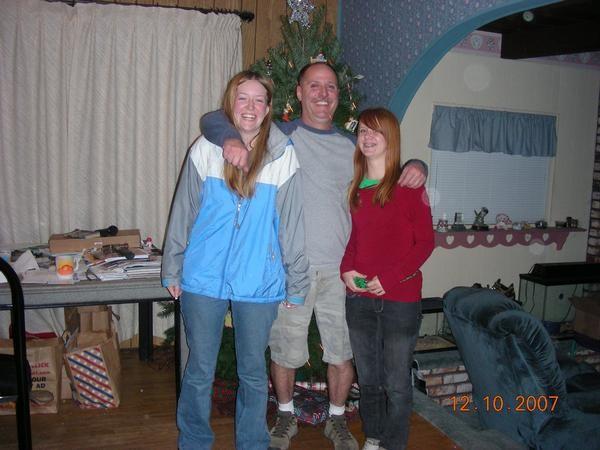
"caption": "Daniel Lee Humphreys with his daughters. Photo was taken on Dec. 10, 2007.",
"description": null,
"title": "IMG_6146",
"credit": "Courtesy of Barbara Steward",
"status": "inherit",
"isLoading": false,
"fetchFailed": false
},
"news_11635713": {
"type": "attachments",
"id": "news_11635713",
"meta": {
"index": "attachments_1716263798",
"site": "news",
"id": "11635713",
"found": true
},
"parent": 11635657,
"imgSizes": {
"small": {
"file": "https://ww2.kqed.org/app/uploads/sites/10/2017/12/RS28392_IMG_0086-qut-520x347.jpg",
"width": 520,
"mimeType": "image/jpeg",
"height": 347
},
"twentyfourteen-full-width": {
"file": "https://ww2.kqed.org/app/uploads/sites/10/2017/12/RS28392_IMG_0086-qut-1038x576.jpg",
"width": 1038,
"mimeType": "image/jpeg",
"height": 576
},
"thumbnail": {
"file": "https://ww2.kqed.org/app/uploads/sites/10/2017/12/RS28392_IMG_0086-qut-160x107.jpg",
"width": 160,
"mimeType": "image/jpeg",
"height": 107
},
"fd-sm": {
"file": "https://ww2.kqed.org/app/uploads/sites/10/2017/12/RS28392_IMG_0086-qut-960x640.jpg",
"width": 960,
"mimeType": "image/jpeg",
"height": 640
},
"post-thumbnail": {
"file": "https://ww2.kqed.org/app/uploads/sites/10/2017/12/RS28392_IMG_0086-qut-672x372.jpg",
"width": 672,
"mimeType": "image/jpeg",
"height": 372
},
"xsmall": {
"file": "https://ww2.kqed.org/app/uploads/sites/10/2017/12/RS28392_IMG_0086-qut-375x250.jpg",
"width": 375,
"mimeType": "image/jpeg",
"height": 250
},
"kqedFullSize": {
"file": "https://ww2.kqed.org/app/uploads/sites/10/2017/12/RS28392_IMG_0086-qut.jpg",
"width": 1920,
"height": 1280
},
"large": {
"file": "https://ww2.kqed.org/app/uploads/sites/10/2017/12/RS28392_IMG_0086-qut-1020x680.jpg",
"width": 1020,
"mimeType": "image/jpeg",
"height": 680
},
"xlarge": {
"file": "https://ww2.kqed.org/app/uploads/sites/10/2017/12/RS28392_IMG_0086-qut-1180x787.jpg",
"width": 1180,
"mimeType": "image/jpeg",
"height": 787
},
"guest-author-50": {
"file": "https://ww2.kqed.org/app/uploads/sites/10/2017/12/RS28392_IMG_0086-qut-50x50.jpg",
"width": 50,
"mimeType": "image/jpeg",
"height": 50
},
"guest-author-96": {
"file": "https://ww2.kqed.org/app/uploads/sites/10/2017/12/RS28392_IMG_0086-qut-96x96.jpg",
"width": 96,
"mimeType": "image/jpeg",
"height": 96
},
"medium": {
"file": "https://ww2.kqed.org/app/uploads/sites/10/2017/12/RS28392_IMG_0086-qut-800x533.jpg",
"width": 800,
"mimeType": "image/jpeg",
"height": 533
},
"guest-author-64": {
"file": "https://ww2.kqed.org/app/uploads/sites/10/2017/12/RS28392_IMG_0086-qut-64x64.jpg",
"width": 64,
"mimeType": "image/jpeg",
"height": 64
},
"guest-author-32": {
"file": "https://ww2.kqed.org/app/uploads/sites/10/2017/12/RS28392_IMG_0086-qut-32x32.jpg",
"width": 32,
"mimeType": "image/jpeg",
"height": 32
},
"fd-lrg": {
"file": "https://ww2.kqed.org/app/uploads/sites/10/2017/12/RS28392_IMG_0086-qut-1920x1280.jpg",
"width": 1920,
"mimeType": "image/jpeg",
"height": 1280
},
"fd-med": {
"file": "https://ww2.kqed.org/app/uploads/sites/10/2017/12/RS28392_IMG_0086-qut-1180x787.jpg",
"width": 1180,
"mimeType": "image/jpeg",
"height": 787
},
"full-width": {
"file": "https://ww2.kqed.org/app/uploads/sites/10/2017/12/RS28392_IMG_0086-qut-1920x1280.jpg",
"width": 1920,
"mimeType": "image/jpeg",
"height": 1280
},
"detail": {
"file": "https://ww2.kqed.org/app/uploads/sites/10/2017/12/RS28392_IMG_0086-qut-150x150.jpg",
"width": 150,
"mimeType": "image/jpeg",
"height": 150
},
"guest-author-128": {
"file": "https://ww2.kqed.org/app/uploads/sites/10/2017/12/RS28392_IMG_0086-qut-128x128.jpg",
"width": 128,
"mimeType": "image/jpeg",
"height": 128
},
"xxsmall": {
"file": "https://ww2.kqed.org/app/uploads/sites/10/2017/12/RS28392_IMG_0086-qut-240x160.jpg",
"width": 240,
"mimeType": "image/jpeg",
"height": 160
}
},
"publishDate": 1512692494,
"modified": 1512774691,
"caption": "S.F. State student Alisar Mustafa taught a course titled, \"Syrian Refugees: Analysis of Global Issues\" for the 2017 fall semester. Mustafa celebrates the end of the semester at an art gallery featuring her students' final projects in San Francisco on Dec. 4, 2017.",
"description": null,
"title": "RS28392_IMG_0086-qut",
"credit": "Audrey Garces/KQED",
"status": "inherit",
"isLoading": false,
"fetchFailed": false
}
},
"audioPlayerReducer": {
"postId": "stream_live",
"isPaused": true,
"isPlaying": false,
"pfsActive": false,
"pledgeModalIsOpen": true,
"playerDrawerIsOpen": false,
"liveAudioPlayStartedAt": 0,
"liveAudioPlayContext": ""
},
"authorsReducer": {
"byline_news_11636436": {
"type": "authors",
"id": "byline_news_11636436",
"meta": {
"override": true
},
"slug": "byline_news_11636436",
"name": "\u003cstrong>\u003ca href=\"https://calmatters.org/articles/author/elizabeth-aguilera/\">Elizabeth Aguilera\u003c/a>\u003c/strong>",
"isLoading": false
},
"byline_news_11636504": {
"type": "authors",
"id": "byline_news_11636504",
"meta": {
"override": true
},
"slug": "byline_news_11636504",
"name": "\u003cstrong>\u003ca href=\"https://www.scpr.org/about/people/staff/jacob-margolis\">Jacob Margolis\u003c/a>\u003c/strong>",
"isLoading": false
},
"byline_futureofyou_437552": {
"type": "authors",
"id": "byline_futureofyou_437552",
"meta": {
"override": true
},
"slug": "byline_futureofyou_437552",
"name": "Julia Vassey\u003cbr />KQED Future of You",
"isLoading": false
},
"byline_news_11636390": {
"type": "authors",
"id": "byline_news_11636390",
"meta": {
"override": true
},
"slug": "byline_news_11636390",
"name": "Christopher Weber\u003cbr>Associated Press",
"isLoading": false
},
"danbrekke": {
"type": "authors",
"id": "222",
"meta": {
"index": "authors_1716337520",
"id": "222",
"found": true
},
"name": "Dan Brekke",
"firstName": "Dan",
"lastName": "Brekke",
"slug": "danbrekke",
"email": "dbrekke@kqed.org",
"display_author_email": true,
"staff_mastheads": [
"news",
"science"
],
"title": "KQED Editor and Reporter",
"bio": "Dan Brekke is a reporter and editor for KQED News, responsible for coverage of topics ranging from California water issues to the Bay Area's transportation challenges. In a newsroom career that began in Chicago in 1972, Dan has worked for \u003cem>The San Francisco Examiner,\u003c/em> Wired and TechTV and has been published in The New York Times, The New York Times Magazine, Business 2.0, Salon and elsewhere.\r\n\r\nSince joining KQED in 2007, Dan has reported, edited and produced both radio and online features and breaking news pieces. He has shared as both editor and reporter in four Society of Professional Journalists Norcal Excellence in Journalism awards and one Edward R. Murrow regional award. He was chosen for a spring 2017 residency at the Mesa Refuge to advance his research on California salmon.\r\n\r\nEmail Dan at: \u003ca href=\"mailto:dbrekke@kqed.org\">dbrekke@kqed.org\u003c/a>\r\n\r\n\u003cstrong>Twitter:\u003c/strong> \u003ca href=\"https://twitter.com/danbrekke\" rel=\"noopener noreferrer\">twitter.com/danbrekke\u003c/a>\r\n\u003cstrong>Facebook:\u003c/strong> \u003ca href=\"https://www.facebook.com/danbrekke\" rel=\"noopener noreferrer\">www.facebook.com/danbrekke\u003c/a>\r\n\u003cstrong>LinkedIn:\u003c/strong> \u003ca href=\"https://www.linkedin.com/in/danbrekke\" rel=\"noopener noreferrer\">www.linkedin.com/in/danbrekke\u003c/a>",
"avatar": "https://secure.gravatar.com/avatar/8f1f0d2a978fb3b23426c922c7e2af558fa36905b49c4ce76a97dc3c72d27226?s=600&d=mm&r=g",
"twitter": "danbrekke",
"bluesky": null,
"facebook": null,
"instagram": "https://www.instagram.com/dan.brekke/",
"linkedin": "https://www.linkedin.com/in/danbrekke/",
"sites": [
{
"site": "news",
"roles": [
"administrator",
"create_posts"
]
},
{
"site": "stateofhealth",
"roles": [
"editor"
]
},
{
"site": "science",
"roles": [
"editor"
]
},
{
"site": "quest",
"roles": [
"contributor"
]
},
{
"site": "food",
"roles": [
"contributor"
]
},
{
"site": "forum",
"roles": [
"contributor"
]
},
{
"site": "elections",
"roles": [
"editor"
]
},
{
"site": "liveblog",
"roles": [
"editor"
]
}
],
"headData": {
"title": "Dan Brekke | KQED",
"description": "KQED Editor and Reporter",
"ogImgSrc": "https://secure.gravatar.com/avatar/8f1f0d2a978fb3b23426c922c7e2af558fa36905b49c4ce76a97dc3c72d27226?s=600&d=mm&r=g",
"twImgSrc": "https://secure.gravatar.com/avatar/8f1f0d2a978fb3b23426c922c7e2af558fa36905b49c4ce76a97dc3c72d27226?s=600&d=mm&r=g"
},
"isLoading": false,
"link": "/author/danbrekke"
},
"scottshafer": {
"type": "authors",
"id": "255",
"meta": {
"index": "authors_1716337520",
"id": "255",
"found": true
},
"name": "Scott Shafer",
"firstName": "Scott",
"lastName": "Shafer",
"slug": "scottshafer",
"email": "sshafer@kqed.org",
"display_author_email": false,
"staff_mastheads": [
"news"
],
"title": "KQED Contributor",
"bio": "Scott Shafer is a senior editor with the KQED Politics and Government desk. He is co-host of Political Breakdown, the award-winning radio show and podcast with a personal take on the world of politics. Scott came to KQED in 1998 to host the statewide\u003cem> California Report\u003c/em>. Prior to that he had extended stints in politics and government\u003cem>.\u003c/em> He uses that inside experience at KQED in his, reporting, hosting and analysis for the politics desk. Scott collaborated \u003cem>Political Breakdown a\u003c/em>nd on \u003cem>The Political Mind of Jerry Brown, \u003c/em>an eight-part series about the life and extraordinary political career of the former governor. For fun, he plays water polo with the San Francisco Tsunami.",
"avatar": "https://secure.gravatar.com/avatar/a62ebae45b79d7aed1a39a0e3bf68104?s=600&d=blank&r=g",
"twitter": "scottshafer",
"bluesky": null,
"facebook": null,
"instagram": null,
"linkedin": null,
"sites": [
{
"site": "news",
"roles": [
"editor"
]
},
{
"site": "stateofhealth",
"roles": [
"author"
]
},
{
"site": "science",
"roles": [
"author"
]
},
{
"site": "forum",
"roles": [
"subscriber"
]
},
{
"site": "liveblog",
"roles": [
"author"
]
}
],
"headData": {
"title": "Scott Shafer | KQED",
"description": "KQED Contributor",
"ogImgSrc": "https://secure.gravatar.com/avatar/a62ebae45b79d7aed1a39a0e3bf68104?s=600&d=blank&r=g",
"twImgSrc": "https://secure.gravatar.com/avatar/a62ebae45b79d7aed1a39a0e3bf68104?s=600&d=blank&r=g"
},
"isLoading": false,
"link": "/author/scottshafer"
},
"tgoldberg": {
"type": "authors",
"id": "258",
"meta": {
"index": "authors_1716337520",
"id": "258",
"found": true
},
"name": "Ted Goldberg",
"firstName": "Ted",
"lastName": "Goldberg",
"slug": "tgoldberg",
"email": "tgoldberg@kqed.org",
"display_author_email": true,
"staff_mastheads": [
"news"
],
"title": "KQED Managing Editor, News and Newscasts",
"bio": "Ted Goldberg is Managing Editor of News and Newscasts at KQED. His main reporting beat is the Bay Area's oil refining industry.\r\n\r\nPrior to joining KQED in 2014, Ted worked at CBS News and WCBS AM in New York and Bay City News and KCBS Radio in San Francisco. He graduated from Oberlin College in Ohio in 1998.",
"avatar": "https://secure.gravatar.com/avatar/30ce2e4fe89135e104f89be2394d16225b9d36c121b5b3cb7651ce642978b96f?s=600&d=blank&r=g",
"twitter": "TedrickG",
"bluesky": null,
"facebook": null,
"instagram": null,
"linkedin": null,
"sites": [
{
"site": "news",
"roles": [
"editor"
]
},
{
"site": "science",
"roles": [
"editor"
]
}
],
"headData": {
"title": "Ted Goldberg | KQED",
"description": "KQED Managing Editor, News and Newscasts",
"ogImgSrc": "https://secure.gravatar.com/avatar/30ce2e4fe89135e104f89be2394d16225b9d36c121b5b3cb7651ce642978b96f?s=600&d=blank&r=g",
"twImgSrc": "https://secure.gravatar.com/avatar/30ce2e4fe89135e104f89be2394d16225b9d36c121b5b3cb7651ce642978b96f?s=600&d=blank&r=g"
},
"isLoading": false,
"link": "/author/tgoldberg"
},
"mlagos": {
"type": "authors",
"id": "3239",
"meta": {
"index": "authors_1716337520",
"id": "3239",
"found": true
},
"name": "Marisa Lagos",
"firstName": "Marisa",
"lastName": "Lagos",
"slug": "mlagos",
"email": "mlagos@kqed.org",
"display_author_email": false,
"staff_mastheads": [
"news"
],
"title": "KQED Contributor",
"bio": "Marisa Lagos is a correspondent for KQED’s California Politics and Government Desk and co-hosts the award-winning show and podcast, Political Breakdown. At KQED, Lagos also conducts reporting, analysis and investigations into state, local and national politics for radio, TV, online and onstage. In 2022, she and co-host, Scott Shafer, moderated the only gubernatorial debate in California. In 2020, the \u003ci>Washington Post\u003c/i> named her one of the top political journalists in California; she was nominated for a Peabody and won several other awards for her work investigating the 2017 California wildfires. She has worked at the \u003ci>San Francisco Chronicle\u003c/i>, \u003ci>San Francisco Examiner\u003c/i> and \u003ci>Los Angeles Times\u003c/i>. A UC Santa Barbara graduate, she lives in San Francisco with her two sons and husband.",
"avatar": "https://secure.gravatar.com/avatar/a261a0d3696fc066871ef96b85b5e7d2?s=600&d=blank&r=g",
"twitter": "@mlagos",
"facebook": null,
"instagram": null,
"linkedin": null,
"sites": [
{
"site": "arts",
"roles": [
"author"
]
},
{
"site": "news",
"roles": [
"editor"
]
},
{
"site": "science",
"roles": [
"editor"
]
},
{
"site": "forum",
"roles": [
"author"
]
},
{
"site": "liveblog",
"roles": [
"author"
]
}
],
"headData": {
"title": "Marisa Lagos | KQED",
"description": "KQED Contributor",
"ogImgSrc": "https://secure.gravatar.com/avatar/a261a0d3696fc066871ef96b85b5e7d2?s=600&d=blank&r=g",
"twImgSrc": "https://secure.gravatar.com/avatar/a261a0d3696fc066871ef96b85b5e7d2?s=600&d=blank&r=g"
},
"isLoading": false,
"link": "/author/mlagos"
},
"jsmall": {
"type": "authors",
"id": "6625",
"meta": {
"index": "authors_1716337520",
"id": "6625",
"found": true
},
"name": "Julie Small",
"firstName": "Julie",
"lastName": "Small",
"slug": "jsmall",
"email": "jsmall@kqed.org",
"display_author_email": true,
"staff_mastheads": [
"news"
],
"title": "KQED Contributor",
"bio": "Julie Small reports on criminal justice and immigration.\r\n\r\nShe was part of a team at KQED awarded a regional 2019 Edward R. Murrow award for continuing coverage of the Trump Administration's family separation policy.\r\n\r\nThe Society for Professional Journalists recognized Julie's 2018 \u003ca href=\"https://www.kqed.org/news/11636262/the-officer-tased-him-31-times-the-sheriff-called-his-death-an-accident\">reporting\u003c/a> on the San Joaquin County Sheriff's \u003ca href=\"https://www.kqed.org/news/11634689/autopsy-doctors-sheriff-overrode-death-findings-to-protect-law-enforcement\">interference\u003c/a> in death investigations with an Excellence in Journalism Award for Ongoing Coverage.\r\n\r\nJulie's\u003ca href=\"https://www.kqed.org/news/11039666/two-mentally-ill-inmates-died-one-month-in-santa-clara\"> reporting\u003c/a> with Lisa Pickoff-White on the treatment of mentally ill offenders in California jails earned a 2017 regional Edward R. Murrow Award for news reporting and an investigative reporting award from the SPJ of Northern California.\r\n\r\nBefore joining KQED, Julie covered government and politics in Sacramento for Southern California Public Radio (SCPR). Her 2010 \u003ca href=\"https://www.scpr.org/specials/prisonmedical/\">series\u003c/a> on lapses in California’s prison medical care also won a regional Edward R. Murrow Award for investigative reporting and a Golden Mic Award from the RTNDA of Southern California.\r\n\r\nJulie began her career in journalism in 2000 as the deputy foreign editor for public radio's \u003cem>Marketplace, \u003c/em>while earning her master's degree in journalism from USC’s Annenberg School of Communication.",
"avatar": "https://secure.gravatar.com/avatar/4baedf201468df97be97c2a9dd7585d0?s=600&d=blank&r=g",
"twitter": "@SmallRadio2",
"facebook": null,
"instagram": null,
"linkedin": null,
"sites": [
{
"site": "news",
"roles": [
"editor"
]
},
{
"site": "stateofhealth",
"roles": [
"author"
]
},
{
"site": "science",
"roles": [
"author"
]
}
],
"headData": {
"title": "Julie Small | KQED",
"description": "KQED Contributor",
"ogImgSrc": "https://secure.gravatar.com/avatar/4baedf201468df97be97c2a9dd7585d0?s=600&d=blank&r=g",
"twImgSrc": "https://secure.gravatar.com/avatar/4baedf201468df97be97c2a9dd7585d0?s=600&d=blank&r=g"
},
"isLoading": false,
"link": "/author/jsmall"
},
"dkatayama": {
"type": "authors",
"id": "7240",
"meta": {
"index": "authors_1716337520",
"id": "7240",
"found": true
},
"name": "Devin Katayama",
"firstName": "Devin",
"lastName": "Katayama",
"slug": "dkatayama",
"email": "dkatayama@kqed.org",
"display_author_email": true,
"staff_mastheads": [
"news"
],
"title": "Editor of Talent and Development",
"bio": "Devin Katayama is former Editor of Talent and Development for KQED. He supported our internship program and on-call staff by looking for equitable opportunities to improve the newsroom.\r\n\r\nHe previously hosted The Bay and American Suburb podcasts from KQED News. Prior to returning to the Bay Area in 2015, Devin was the education reporter for WFPL in Louisville and worked as a producer with radio stations in Chicago and Portland, OR. His work has appeared on NPR’s \u003cem>Morning Edition, All Things Considered, The Takeaway\u003c/em> and \u003cem>Here and Now.\u003c/em>\r\n\r\nDevin earned his MA in Journalism from Columbia College Chicago, where he was a Follett Fellow and the recipient of the 2011 Studs Terkel Community Media Workshop Scholarship for his story on Chicago's homeless youth. He won WBUR's 2014 Daniel Schorr award and a regional RTNDA Edward R. Murrow Award for his documentary \"At Risk\" that looked at issues facing some of Louisville's students. Devin has also received numerous local awards from the Associated Press and the Society of Professional Journalists.",
"avatar": "https://secure.gravatar.com/avatar/d0d2978a31002fb2de107921a8e18405?s=600&d=blank&r=g",
"twitter": "RadioDevin",
"facebook": null,
"instagram": null,
"linkedin": null,
"sites": [
{
"site": "arts",
"roles": []
},
{
"site": "news",
"roles": [
"author"
]
},
{
"site": "stateofhealth",
"roles": [
"author"
]
},
{
"site": "forum",
"roles": [
"editor"
]
},
{
"site": "perspectives",
"roles": [
"editor"
]
}
],
"headData": {
"title": "Devin Katayama | KQED",
"description": "Editor of Talent and Development",
"ogImgSrc": "https://secure.gravatar.com/avatar/d0d2978a31002fb2de107921a8e18405?s=600&d=blank&r=g",
"twImgSrc": "https://secure.gravatar.com/avatar/d0d2978a31002fb2de107921a8e18405?s=600&d=blank&r=g"
},
"isLoading": false,
"link": "/author/dkatayama"
},
"dventon": {
"type": "authors",
"id": "11088",
"meta": {
"index": "authors_1716337520",
"id": "11088",
"found": true
},
"name": "Danielle Venton",
"firstName": "Danielle",
"lastName": "Venton",
"slug": "dventon",
"email": "dventon@kqed.org",
"display_author_email": true,
"staff_mastheads": [
"science"
],
"title": "Science reporter",
"bio": "Danielle Venton is a reporter for KQED Science. She covers wildfires, space and oceans (though she is prone to sea sickness).\r\n\r\nBefore joining KQED in 2015, Danielle was a staff reporter at KRCB in Sonoma County and a freelancer. She studied science communication at UC Santa Cruz and formerly worked at CERN in Geneva, Switzerland where she wrote about computing. She lives in Sonoma County and enjoys backpacking.",
"avatar": "https://secure.gravatar.com/avatar/37b292b5c40c8d93959c4f48d73b5286f41b7abd8588277e941905a3ed4c801c?s=600&d=blank&r=g",
"twitter": "DanielleVenton",
"bluesky": null,
"facebook": null,
"instagram": null,
"linkedin": null,
"sites": [
{
"site": "arts",
"roles": [
"contributor"
]
},
{
"site": "news",
"roles": [
"editor"
]
},
{
"site": "futureofyou",
"roles": [
"editor"
]
},
{
"site": "science",
"roles": [
"editor"
]
},
{
"site": "liveblog",
"roles": [
"contributor"
]
}
],
"headData": {
"title": "Danielle Venton | KQED",
"description": "Science reporter",
"ogImgSrc": "https://secure.gravatar.com/avatar/37b292b5c40c8d93959c4f48d73b5286f41b7abd8588277e941905a3ed4c801c?s=600&d=blank&r=g",
"twImgSrc": "https://secure.gravatar.com/avatar/37b292b5c40c8d93959c4f48d73b5286f41b7abd8588277e941905a3ed4c801c?s=600&d=blank&r=g"
},
"isLoading": false,
"link": "/author/dventon"
},
"agarces": {
"type": "authors",
"id": "11367",
"meta": {
"index": "authors_1716337520",
"id": "11367",
"found": true
},
"name": "Audrey Garces",
"firstName": "Audrey",
"lastName": "Garces",
"slug": "agarces",
"email": "agarces@kqed.org",
"display_author_email": false,
"staff_mastheads": [
"news"
],
"title": "Digital Producer",
"bio": "Audrey is a former digital producer at KQED News. Previously, she was a KQED Raul Ramirez Diversity Fund intern where she developed stories that focused on highlighting diverse voices in journalism. Prior to her work at KQED, she worked as a news intern at the San Francisco Examiner. Audrey graduated from San Francisco State University with a B.A. in journalism and a minor in political science.",
"avatar": "https://secure.gravatar.com/avatar/5211bc2e6a809b9956da169e35ce63d5?s=600&d=blank&r=g",
"twitter": "audgar",
"facebook": null,
"instagram": null,
"linkedin": null,
"sites": [
{
"site": "arts",
"roles": []
},
{
"site": "news",
"roles": [
"subscriber"
]
},
{
"site": "science",
"roles": [
"editor"
]
},
{
"site": "forum",
"roles": [
"editor"
]
},
{
"site": "perspectives",
"roles": [
"administrator"
]
}
],
"headData": {
"title": "Audrey Garces | KQED",
"description": "Digital Producer",
"ogImgSrc": "https://secure.gravatar.com/avatar/5211bc2e6a809b9956da169e35ce63d5?s=600&d=blank&r=g",
"twImgSrc": "https://secure.gravatar.com/avatar/5211bc2e6a809b9956da169e35ce63d5?s=600&d=blank&r=g"
},
"isLoading": false,
"link": "/author/agarces"
}
},
"pagesReducer": {
"news_program_news-fix": {
"type": "terms",
"id": "news_6944",
"meta": {
"index": "terms_1716263798",
"site": "news",
"id": "6944",
"score": 16.377554
},
"featImg": "https://ww2.kqed.org/app/uploads/sites/10/2014/10/News-Fix-Logo-Web-Banners-04.png",
"name": "News Fix",
"description": null,
"taxonomy": "program",
"headData": {
"twImgId": null,
"twTitle": null,
"ogTitle": null,
"ogImgId": null,
"twDescription": null,
"description": "The News Fix is a daily news podcast from KQED that breaks down the latest headlines and provides in-depth analysis of the stories that matter to the Bay Area.",
"title": "News Fix - Daily Dose of Bay Area News | KQED",
"ogDescription": null
},
"ttid": 6968,
"slug": "news-fix",
"isLoading": false,
"title": "News Fix",
"pageMeta": {
"site": "news",
"WpPageTemplate": "page-topic-editorial",
"currentPage": 55
},
"blocks": [
{
"blockName": "kqed/post-list",
"attrs": {
"layout": "cardArticle2",
"query": "posts/news?program=news-fix",
"seeMore": false,
"paginated": true,
"page": 55
}
},
{
"blockName": "kqed/ad"
}
]
}
},
"pfsSessionReducer": {},
"postsReducer": {
"stream_live": {
"type": "live",
"id": "stream_live",
"audioUrl": "https://streams.kqed.org/kqedradio",
"title": "Live Stream",
"excerpt": "Live Stream information currently unavailable.",
"link": "/radio",
"featImg": "",
"label": {
"name": "KQED Live",
"link": "/"
}
},
"stream_kqedNewscast": {
"type": "posts",
"id": "stream_kqedNewscast",
"audioUrl": "https://www.kqed.org/.stream/anon/radio/RDnews/newscast.mp3?_=1",
"title": "KQED Newscast",
"featImg": "",
"label": {
"name": "88.5 FM",
"link": "/"
}
},
"news_11636499": {
"type": "posts",
"id": "news_11636499",
"meta": {
"index": "posts_1716263798",
"site": "news",
"id": "11636499",
"score": null,
"sort": [
1513128714000
]
},
"parent": 0,
"labelTerm": {
"site": "news",
"term": 72
},
"blocks": [],
"publishDate": 1513128714,
"format": "audio",
"disqusTitle": "As Mayor, Ed Lee Broke Barriers, But Leaves a Complicated Legacy",
"title": "As Mayor, Ed Lee Broke Barriers, But Leaves a Complicated Legacy",
"headTitle": "The California Report | KQED News",
"content": "\u003cp>Edwin M. Lee, who emerged from bureaucratic obscurity to become San Francisco's first Asian-American mayor more than seven years ago, died suddenly early Tuesday morning after suffering an apparent heart attack while grocery shopping. He was 65 years old.\u003c/p>\n\u003cp>London Breed, president of the San Francisco Board of Supervisors, \u003ca href=\"https://ww2.kqed.org/news/2017/12/12/london-breed-takes-reins-as-san-franciscos-acting-mayor/\" target=\"_blank\" rel=\"noopener\">became acting mayor\u003c/a> upon Lee's death at 1:11 am Tuesday.\u003c/p>\n\u003cp>\"Ed was not a politician,\" Breed said at a City Hall press conference Tuesday morning. \"He did not always deliver the best sound bite. He was humble and determined. No matter the job he held, he was fair and collaborative.\"\u003c/p>\n\u003cp>Pushing back against charges that Lee's policies hurt the poor and middle class, Breed said, \"Mayor Lee believed in the power of opportunity.\"\u003c/p>\n\u003cfigure id=\"attachment_11636597\" class=\"wp-caption aligncenter\" style=\"max-width: 800px\">\u003cimg class=\"size-medium wp-image-11636597\" src=\"https://ww2.kqed.org/news/wp-content/uploads/sites/10/2017/12/BreedSpeaks-800x530.jpg\" alt=\"London Breed, president of the Board of Supervisors and acting mayor, speaks at City Hall following the death of Mayor Ed Lee.\" width=\"800\" height=\"530\" srcset=\"https://ww2.kqed.org/app/uploads/sites/10/2017/12/BreedSpeaks-800x530.jpg 800w, https://ww2.kqed.org/app/uploads/sites/10/2017/12/BreedSpeaks-160x106.jpg 160w, https://ww2.kqed.org/app/uploads/sites/10/2017/12/BreedSpeaks-1020x676.jpg 1020w, https://ww2.kqed.org/app/uploads/sites/10/2017/12/BreedSpeaks.jpg 1920w, https://ww2.kqed.org/app/uploads/sites/10/2017/12/BreedSpeaks-1180x782.jpg 1180w, https://ww2.kqed.org/app/uploads/sites/10/2017/12/BreedSpeaks-960x637.jpg 960w, https://ww2.kqed.org/app/uploads/sites/10/2017/12/BreedSpeaks-240x159.jpg 240w, https://ww2.kqed.org/app/uploads/sites/10/2017/12/BreedSpeaks-375x249.jpg 375w, https://ww2.kqed.org/app/uploads/sites/10/2017/12/BreedSpeaks-520x345.jpg 520w\" sizes=\"(max-width: 800px) 100vw, 800px\">\u003cfigcaption class=\"wp-caption-text\">London Breed, president of the Board of Supervisors and acting mayor, speaks at City Hall following the death of Mayor Ed Lee. \u003ccite>(Adam Grossberg/KQED)\u003c/cite>\u003c/figcaption>\u003c/figure>\n\u003cp>Lee inherited a town still recovering from the Great Recession. And he leaves behind a city few imagined, with an economy overheated by the growth of high-tech companies Lee helped fuel with tax breaks to keep Twitter in San Francisco.\u003c/p>\n\u003cp>[ad fullwidth]\u003c/p>\n\u003cp>To Lee's supporters, the explosion of tech companies based in San Francisco launched the long-stalled revitalization of the city's mid-Market area, creating relatively high-paying jobs while practically eliminating unemployment.\u003c/p>\n\u003cp>[contextly_sidebar id=\"pzkJ2GfHzIZuuZfqD4JCSfgBMU80RBoc\"]\u003c/p>\n\u003cp>But to his detractors, the growth of companies like Salesforce, Uber, Airbnb and LinkedIn changed San Francisco's character and reputation as haven for bohemians, artists and immigrants. To them it was the final straw for middle-income people struggling to find housing they could afford in San Francisco.\u003c/p>\n\u003cp>In January 2011, Lee became the San Francisco Board of Supervisors' consensus candidate to replace Gavin Newsom after the San Francisco mayor was elected lieutenant governor. Lee won the board over with a promise to be a caretaker mayor until a new mayor was elected in 11 months. But he reversed that promise, claiming he was persuaded by a \"Run Ed, Run\" campaign manufactured by his backers.\u003c/p>\n\u003cfigure id=\"attachment_11636603\" class=\"wp-caption aligncenter\" style=\"max-width: 800px\">\u003cimg class=\"size-medium wp-image-11636603\" src=\"https://ww2.kqed.org/news/wp-content/uploads/sites/10/2017/12/3327_transform-1440x1080-800x600.jpg\" alt=\"San Francisco Mayor Ed Lee with Fire Chief Joanne Hayes-White and then-Police Chief Greg Suhr in 2013.\" width=\"800\" height=\"600\" srcset=\"https://ww2.kqed.org/app/uploads/sites/10/2017/12/3327_transform-1440x1080-800x600.jpg 800w, https://ww2.kqed.org/app/uploads/sites/10/2017/12/3327_transform-1440x1080-160x120.jpg 160w, https://ww2.kqed.org/app/uploads/sites/10/2017/12/3327_transform-1440x1080-1020x765.jpg 1020w, https://ww2.kqed.org/app/uploads/sites/10/2017/12/3327_transform-1440x1080-1180x885.jpg 1180w, https://ww2.kqed.org/app/uploads/sites/10/2017/12/3327_transform-1440x1080-960x720.jpg 960w, https://ww2.kqed.org/app/uploads/sites/10/2017/12/3327_transform-1440x1080-240x180.jpg 240w, https://ww2.kqed.org/app/uploads/sites/10/2017/12/3327_transform-1440x1080-375x281.jpg 375w, https://ww2.kqed.org/app/uploads/sites/10/2017/12/3327_transform-1440x1080-520x390.jpg 520w, https://ww2.kqed.org/app/uploads/sites/10/2017/12/3327_transform-1440x1080.jpg 1440w\" sizes=\"(max-width: 800px) 100vw, 800px\">\u003cfigcaption class=\"wp-caption-text\">San Francisco Mayor Ed Lee with Fire Chief Joanne Hayes-White and then-Police Chief Greg Suhr in 2013. \u003ccite>(Deborah Svoboda/KQED)\u003c/cite>\u003c/figcaption>\u003c/figure>\n\u003cp>To his supporters in the Asian-American community, Lee was a hometown hero.\u003c/p>\n\u003cp>Anni Chung, executive director of Self-Help for the Elderly in Chinatown, was among those paying tribute to Lee at City Hall. Chung, who noted the \u003ca href=\"https://ww2.kqed.org/news/2016/09/19/rose-pak-chinatown-dynamo-opened-doors-for-asians/\" target=\"_blank\" rel=\"noopener\">death of Chinatown dynamo Rose Pak\u003c/a> just over a year ago, said Lee's death was a second hard blow.\u003c/p>\n\u003cp>\"The impact of that loss -- I don't think any words could describe our feelings right now, \" Chung said. \"But there is sadness and tremendous gratitude for both of them, but particularly for Mayor Lee,\" who she said 'took care of the city's Asian-American community.\"\u003c/p>\n\u003cp>[contextly_sidebar id=\"Scbaefx8QK9RpODuHVgndThNO01VzGDF\"]\u003c/p>\n\u003cp>Lee's ascension to Room 200 gave both Oakland and San Francisco Asian-American mayors at the same time. Shortly after Lee became mayor, Oakland's Jean Quan took Ed Lee \"as my date\" to a White House dinner for Chinese President Hu Jintao.\u003c/p>\n\u003cp>“We were always allies on the national front,\" Quan told KQED. “I remember the last time I talked to him we were so upset about Trump. Many of these things that we fought for as pretty young people, right now we’re trying to defend and hold onto.”\u003c/p>\n\u003cfigure id=\"attachment_11636612\" class=\"wp-caption aligncenter\" style=\"max-width: 800px\">\u003cimg class=\"size-medium wp-image-11636612\" src=\"https://ww2.kqed.org/news/wp-content/uploads/sites/10/2017/12/EdLeeStateofCity-800x595.jpg\" alt=\"Ed Lee delivers his State of the City Address on January 26, 2017. In part, Lee dedicated the speech to directly attacking President Trump's polices.\" width=\"800\" height=\"595\" srcset=\"https://ww2.kqed.org/app/uploads/sites/10/2017/12/EdLeeStateofCity-800x595.jpg 800w, https://ww2.kqed.org/app/uploads/sites/10/2017/12/EdLeeStateofCity-160x119.jpg 160w, https://ww2.kqed.org/app/uploads/sites/10/2017/12/EdLeeStateofCity-1020x759.jpg 1020w, https://ww2.kqed.org/app/uploads/sites/10/2017/12/EdLeeStateofCity.jpg 1920w, https://ww2.kqed.org/app/uploads/sites/10/2017/12/EdLeeStateofCity-1180x878.jpg 1180w, https://ww2.kqed.org/app/uploads/sites/10/2017/12/EdLeeStateofCity-960x714.jpg 960w, https://ww2.kqed.org/app/uploads/sites/10/2017/12/EdLeeStateofCity-240x179.jpg 240w, https://ww2.kqed.org/app/uploads/sites/10/2017/12/EdLeeStateofCity-375x279.jpg 375w, https://ww2.kqed.org/app/uploads/sites/10/2017/12/EdLeeStateofCity-520x387.jpg 520w\" sizes=\"(max-width: 800px) 100vw, 800px\">\u003cfigcaption class=\"wp-caption-text\">Ed Lee delivers his State of the City Address on January 26, 2017. In part, Lee dedicated the speech to directly attacking President Trump's polices. \u003ccite>(Erasmo Martinez/KQED)\u003c/cite>\u003c/figcaption>\u003c/figure>\n\u003cp>Born in Seattle to Chinese immigrants, Lee grew up in public housing -- an experience that helped shape his outlook. His mother worked as a seamstress; his father, a cook, died when he was 15, and Lee was the first in his family to attend college. He graduated from Bowdoin College in 1974, and then attended UC Berkeley for law school, graduating in 1978.\u003c/p>\n\u003cp>Lee worked as a civil rights attorney at the Asian Law Caucus in San Francisco, where he was an advocate for affordable housing and the rights of tenants and immigrants.\u003c/p>\n\u003cp>He entered city government in 1989, when Mayor Art Agnos appointed him as an investigator, helping to enforce San Francisco’s first whistleblower law. He worked as the executive director of the Human Rights Commission, became director of City Purchasing, and then in 2000 was appointed director of the Department of Public Works. In 2005, Mayor Gavin Newsom named him city administrator, a post he held until his appointment as mayor in 2011.\u003c/p>\n\u003cp>Lee leaves behind his wife, Anita, and their two grown daughters, Brianna and Tania. In an interview with KQED in 2011, Brianna described her dad as anything but the stereotypical Chinese-American parent.\u003c/p>\n\u003cp>\u003c/p>\n\u003cp>\"My experience of him growing up was he wasn’t anything like the tiger mom,\" Brianna Lee said. \"He always had a sense of humor. I guess that's the big thing people know him by. He had a sort of a cheesy goofball humor. Bad puns here and there.\"\u003c/p>\n\n",
"disqusIdentifier": "11636499 https://ww2.kqed.org/news/?p=11636499",
"disqusUrl": "https://ww2.kqed.org/news/2017/12/12/as-mayor-ed-lee-broke-barriers-but-leaves-a-complicated-legacy/",
"stats": {
"hasVideo": false,
"hasChartOrMap": false,
"hasAudio": false,
"hasPolis": false,
"wordCount": 859,
"hasGoogleForm": false,
"hasGallery": false,
"hasHearkenModule": false,
"iframeSrcs": [],
"paragraphCount": 22
},
"modified": 1513135488,
"excerpt": "San Francisco's first Chinese-American mayor presided over a booming economy with many winners and losers.",
"headData": {
"twImgId": "",
"twTitle": "",
"ogTitle": "",
"ogImgId": "",
"twDescription": "",
"description": "San Francisco's first Chinese-American mayor presided over a booming economy with many winners and losers.",
"title": "As Mayor, Ed Lee Broke Barriers, But Leaves a Complicated Legacy | KQED",
"ogDescription": "",
"schema": {
"@context": "https://schema.org",
"@type": "NewsArticle",
"headline": "As Mayor, Ed Lee Broke Barriers, But Leaves a Complicated Legacy",
"datePublished": "2017-12-12T17:31:54-08:00",
"dateModified": "2017-12-12T19:24:48-08:00",
"image": "https://cdn.kqed.org/wp-content/uploads/2020/02/KQED-OG-Image@1x.png",
"isAccessibleForFree": "True",
"publisher": {
"@type": "NewsMediaOrganization",
"@id": "https://www.kqed.org/#organization",
"name": "KQED",
"logo": "https://cdn.kqed.org/wp-content/uploads/2020/02/KQED-OG-Image@1x.png",
"url": "https://www.kqed.org",
"sameAs": [
"https://www.facebook.com/KQED",
"https://twitter.com/KQED",
"https://www.instagram.com/kqed/",
"https://www.tiktok.com/@kqedofficial",
"https://www.linkedin.com/company/kqed",
"https://www.youtube.com/channel/UCeC0IOo7i1P_61zVUWbJ4nw"
]
}
}
},
"guestAuthors": [],
"slug": "as-mayor-ed-lee-broke-barriers-but-leaves-a-complicated-legacy",
"status": "publish",
"audioUrl": "https://www.kqed.org/.stream/anon/radio/RDnews/2017/12/EdLeeComplicatedLegacy.mp3",
"path": "/news/11636499/as-mayor-ed-lee-broke-barriers-but-leaves-a-complicated-legacy",
"audioDuration": 232000,
"audioTrackLength": null,
"parsedContent": [
{
"type": "contentString",
"content": "\u003cdiv class=\"post-body\">\u003cp>\u003cp>Edwin M. Lee, who emerged from bureaucratic obscurity to become San Francisco's first Asian-American mayor more than seven years ago, died suddenly early Tuesday morning after suffering an apparent heart attack while grocery shopping. He was 65 years old.\u003c/p>\n\u003cp>London Breed, president of the San Francisco Board of Supervisors, \u003ca href=\"https://ww2.kqed.org/news/2017/12/12/london-breed-takes-reins-as-san-franciscos-acting-mayor/\" target=\"_blank\" rel=\"noopener\">became acting mayor\u003c/a> upon Lee's death at 1:11 am Tuesday.\u003c/p>\n\u003cp>\"Ed was not a politician,\" Breed said at a City Hall press conference Tuesday morning. \"He did not always deliver the best sound bite. He was humble and determined. No matter the job he held, he was fair and collaborative.\"\u003c/p>\n\u003cp>Pushing back against charges that Lee's policies hurt the poor and middle class, Breed said, \"Mayor Lee believed in the power of opportunity.\"\u003c/p>\n\u003cfigure id=\"attachment_11636597\" class=\"wp-caption aligncenter\" style=\"max-width: 800px\">\u003cimg class=\"size-medium wp-image-11636597\" src=\"https://ww2.kqed.org/news/wp-content/uploads/sites/10/2017/12/BreedSpeaks-800x530.jpg\" alt=\"London Breed, president of the Board of Supervisors and acting mayor, speaks at City Hall following the death of Mayor Ed Lee.\" width=\"800\" height=\"530\" srcset=\"https://ww2.kqed.org/app/uploads/sites/10/2017/12/BreedSpeaks-800x530.jpg 800w, https://ww2.kqed.org/app/uploads/sites/10/2017/12/BreedSpeaks-160x106.jpg 160w, https://ww2.kqed.org/app/uploads/sites/10/2017/12/BreedSpeaks-1020x676.jpg 1020w, https://ww2.kqed.org/app/uploads/sites/10/2017/12/BreedSpeaks.jpg 1920w, https://ww2.kqed.org/app/uploads/sites/10/2017/12/BreedSpeaks-1180x782.jpg 1180w, https://ww2.kqed.org/app/uploads/sites/10/2017/12/BreedSpeaks-960x637.jpg 960w, https://ww2.kqed.org/app/uploads/sites/10/2017/12/BreedSpeaks-240x159.jpg 240w, https://ww2.kqed.org/app/uploads/sites/10/2017/12/BreedSpeaks-375x249.jpg 375w, https://ww2.kqed.org/app/uploads/sites/10/2017/12/BreedSpeaks-520x345.jpg 520w\" sizes=\"(max-width: 800px) 100vw, 800px\">\u003cfigcaption class=\"wp-caption-text\">London Breed, president of the Board of Supervisors and acting mayor, speaks at City Hall following the death of Mayor Ed Lee. \u003ccite>(Adam Grossberg/KQED)\u003c/cite>\u003c/figcaption>\u003c/figure>\n\u003cp>Lee inherited a town still recovering from the Great Recession. And he leaves behind a city few imagined, with an economy overheated by the growth of high-tech companies Lee helped fuel with tax breaks to keep Twitter in San Francisco.\u003c/p>\n\u003cp>\u003c/p>\u003c/div>",
"attributes": {
"named": {},
"numeric": []
}
},
{
"type": "component",
"content": "",
"name": "ad",
"attributes": {
"named": {
"label": "fullwidth"
},
"numeric": [
"fullwidth"
]
}
},
{
"type": "contentString",
"content": "\u003cdiv class=\"post-body\">\u003cp>\u003c/p>\n\u003cp>To Lee's supporters, the explosion of tech companies based in San Francisco launched the long-stalled revitalization of the city's mid-Market area, creating relatively high-paying jobs while practically eliminating unemployment.\u003c/p>\n\u003cp>\u003c/p>\u003cp>\u003c/p>\u003cp>\u003c/p>\n\u003cp>But to his detractors, the growth of companies like Salesforce, Uber, Airbnb and LinkedIn changed San Francisco's character and reputation as haven for bohemians, artists and immigrants. To them it was the final straw for middle-income people struggling to find housing they could afford in San Francisco.\u003c/p>\n\u003cp>In January 2011, Lee became the San Francisco Board of Supervisors' consensus candidate to replace Gavin Newsom after the San Francisco mayor was elected lieutenant governor. Lee won the board over with a promise to be a caretaker mayor until a new mayor was elected in 11 months. But he reversed that promise, claiming he was persuaded by a \"Run Ed, Run\" campaign manufactured by his backers.\u003c/p>\n\u003cfigure id=\"attachment_11636603\" class=\"wp-caption aligncenter\" style=\"max-width: 800px\">\u003cimg class=\"size-medium wp-image-11636603\" src=\"https://ww2.kqed.org/news/wp-content/uploads/sites/10/2017/12/3327_transform-1440x1080-800x600.jpg\" alt=\"San Francisco Mayor Ed Lee with Fire Chief Joanne Hayes-White and then-Police Chief Greg Suhr in 2013.\" width=\"800\" height=\"600\" srcset=\"https://ww2.kqed.org/app/uploads/sites/10/2017/12/3327_transform-1440x1080-800x600.jpg 800w, https://ww2.kqed.org/app/uploads/sites/10/2017/12/3327_transform-1440x1080-160x120.jpg 160w, https://ww2.kqed.org/app/uploads/sites/10/2017/12/3327_transform-1440x1080-1020x765.jpg 1020w, https://ww2.kqed.org/app/uploads/sites/10/2017/12/3327_transform-1440x1080-1180x885.jpg 1180w, https://ww2.kqed.org/app/uploads/sites/10/2017/12/3327_transform-1440x1080-960x720.jpg 960w, https://ww2.kqed.org/app/uploads/sites/10/2017/12/3327_transform-1440x1080-240x180.jpg 240w, https://ww2.kqed.org/app/uploads/sites/10/2017/12/3327_transform-1440x1080-375x281.jpg 375w, https://ww2.kqed.org/app/uploads/sites/10/2017/12/3327_transform-1440x1080-520x390.jpg 520w, https://ww2.kqed.org/app/uploads/sites/10/2017/12/3327_transform-1440x1080.jpg 1440w\" sizes=\"(max-width: 800px) 100vw, 800px\">\u003cfigcaption class=\"wp-caption-text\">San Francisco Mayor Ed Lee with Fire Chief Joanne Hayes-White and then-Police Chief Greg Suhr in 2013. \u003ccite>(Deborah Svoboda/KQED)\u003c/cite>\u003c/figcaption>\u003c/figure>\n\u003cp>To his supporters in the Asian-American community, Lee was a hometown hero.\u003c/p>\n\u003cp>Anni Chung, executive director of Self-Help for the Elderly in Chinatown, was among those paying tribute to Lee at City Hall. Chung, who noted the \u003ca href=\"https://ww2.kqed.org/news/2016/09/19/rose-pak-chinatown-dynamo-opened-doors-for-asians/\" target=\"_blank\" rel=\"noopener\">death of Chinatown dynamo Rose Pak\u003c/a> just over a year ago, said Lee's death was a second hard blow.\u003c/p>\n\u003cp>\"The impact of that loss -- I don't think any words could describe our feelings right now, \" Chung said. \"But there is sadness and tremendous gratitude for both of them, but particularly for Mayor Lee,\" who she said 'took care of the city's Asian-American community.\"\u003c/p>\n\u003cp>\u003c/p>\u003cp>\u003c/p>\u003cp>\u003c/p>\n\u003cp>Lee's ascension to Room 200 gave both Oakland and San Francisco Asian-American mayors at the same time. Shortly after Lee became mayor, Oakland's Jean Quan took Ed Lee \"as my date\" to a White House dinner for Chinese President Hu Jintao.\u003c/p>\n\u003cp>“We were always allies on the national front,\" Quan told KQED. “I remember the last time I talked to him we were so upset about Trump. Many of these things that we fought for as pretty young people, right now we’re trying to defend and hold onto.”\u003c/p>\n\u003cfigure id=\"attachment_11636612\" class=\"wp-caption aligncenter\" style=\"max-width: 800px\">\u003cimg class=\"size-medium wp-image-11636612\" src=\"https://ww2.kqed.org/news/wp-content/uploads/sites/10/2017/12/EdLeeStateofCity-800x595.jpg\" alt=\"Ed Lee delivers his State of the City Address on January 26, 2017. In part, Lee dedicated the speech to directly attacking President Trump's polices.\" width=\"800\" height=\"595\" srcset=\"https://ww2.kqed.org/app/uploads/sites/10/2017/12/EdLeeStateofCity-800x595.jpg 800w, https://ww2.kqed.org/app/uploads/sites/10/2017/12/EdLeeStateofCity-160x119.jpg 160w, https://ww2.kqed.org/app/uploads/sites/10/2017/12/EdLeeStateofCity-1020x759.jpg 1020w, https://ww2.kqed.org/app/uploads/sites/10/2017/12/EdLeeStateofCity.jpg 1920w, https://ww2.kqed.org/app/uploads/sites/10/2017/12/EdLeeStateofCity-1180x878.jpg 1180w, https://ww2.kqed.org/app/uploads/sites/10/2017/12/EdLeeStateofCity-960x714.jpg 960w, https://ww2.kqed.org/app/uploads/sites/10/2017/12/EdLeeStateofCity-240x179.jpg 240w, https://ww2.kqed.org/app/uploads/sites/10/2017/12/EdLeeStateofCity-375x279.jpg 375w, https://ww2.kqed.org/app/uploads/sites/10/2017/12/EdLeeStateofCity-520x387.jpg 520w\" sizes=\"(max-width: 800px) 100vw, 800px\">\u003cfigcaption class=\"wp-caption-text\">Ed Lee delivers his State of the City Address on January 26, 2017. In part, Lee dedicated the speech to directly attacking President Trump's polices. \u003ccite>(Erasmo Martinez/KQED)\u003c/cite>\u003c/figcaption>\u003c/figure>\n\u003cp>Born in Seattle to Chinese immigrants, Lee grew up in public housing -- an experience that helped shape his outlook. His mother worked as a seamstress; his father, a cook, died when he was 15, and Lee was the first in his family to attend college. He graduated from Bowdoin College in 1974, and then attended UC Berkeley for law school, graduating in 1978.\u003c/p>\n\u003cp>Lee worked as a civil rights attorney at the Asian Law Caucus in San Francisco, where he was an advocate for affordable housing and the rights of tenants and immigrants.\u003c/p>\n\u003cp>He entered city government in 1989, when Mayor Art Agnos appointed him as an investigator, helping to enforce San Francisco’s first whistleblower law. He worked as the executive director of the Human Rights Commission, became director of City Purchasing, and then in 2000 was appointed director of the Department of Public Works. In 2005, Mayor Gavin Newsom named him city administrator, a post he held until his appointment as mayor in 2011.\u003c/p>\n\u003cp>Lee leaves behind his wife, Anita, and their two grown daughters, Brianna and Tania. In an interview with KQED in 2011, Brianna described her dad as anything but the stereotypical Chinese-American parent.\u003c/p>\n\u003cp>\u003c/p>\n\u003cp>\"My experience of him growing up was he wasn’t anything like the tiger mom,\" Brianna Lee said. \"He always had a sense of humor. I guess that's the big thing people know him by. He had a sort of a cheesy goofball humor. Bad puns here and there.\"\u003c/p>\n\n\u003c/div>\u003c/p>",
"attributes": {
"named": {},
"numeric": []
}
}
],
"link": "/news/11636499/as-mayor-ed-lee-broke-barriers-but-leaves-a-complicated-legacy",
"authors": [
"255",
"3239"
],
"programs": [
"news_6944",
"news_72"
],
"categories": [
"news_8",
"news_13"
],
"tags": [
"news_543",
"news_19542",
"news_17041"
],
"featImg": "news_11636601",
"label": "news_72"
},
"news_11636406": {
"type": "posts",
"id": "news_11636406",
"meta": {
"index": "posts_1716263798",
"site": "news",
"id": "11636406",
"score": null,
"sort": [
1513128016000
]
},
"parent": 0,
"labelTerm": {
"site": "news",
"term": 72
},
"blocks": [],
"publishDate": 1513128016,
"format": "standard",
"disqusTitle": "Jean Quan Looks Back on Ed Lee as Leader Who Never Forgot His Roots",
"title": "Jean Quan Looks Back on Ed Lee as Leader Who Never Forgot His Roots",
"headTitle": "The California Report | KQED News",
"content": "\u003cp>Jean Quan and Ed Lee had a lot in common: Both had parents who worked in restaurants. Both grew up poor and lost their fathers at young ages. They were among the first Asian-Americans to become mayors of major U.S. cities.\u003c/p>\n\u003cp>Their friendship began long before they rose to leadership -- Quan was elected mayor of Oakland, and Lee was appointed to San Francisco's top job. They took office within days of each other in January 2011.\u003c/p>\n\u003cp>The two met in their early 20s. They were united in fighting for affordable housing and immigrant rights, Lee as a member of the Asian Law Caucus.\u003c/p>\n\u003cp>“A lot of us activists worked in San Francisco then because San Francisco Chinatown was being squeezed by the Financial District,\" Quan said. \"So that’s how I got to know Ed.”\u003c/p>\n\u003cp>Among Lee's notable battles was his role in the ultimately unsuccessful 1977 fight to stop evictions \u003ca href=\"http://www.foundsf.org/index.php?title=The_Battle_for_the_International_Hotel\" target=\"_blank\" rel=\"noopener\">from the International Hotel\u003c/a>, the center of San Francisco's old Manilatown.\u003c/p>\n\u003cp>[ad fullwidth]\u003c/p>\n\u003cp>“I think that he really had a passion for tenants rights and working with people around housing because he himself grew up in the projects,” Quan said.\u003c/p>\n\u003cp>She said there were lesser-known efforts by Lee to help keep immigrants in their homes and preserve their communities intact. One of those episodes, Quan recalled, involved a single-room-occupancy complex known as Orangeland, located above a Chinatown produce market. Some 176 people, many of them seniors, faced eviction as the property was due to be demolished for a new development.\u003c/p>\n\u003cp>\"There were so many Chinese-American men who were separated from their families because of the Chinese Exclusion Act, never got reunited,\" Quan says. \"So there are a lot of single elderly Chinese men living in these single-room hotels, and if these went there would be no place for them to go.\"\u003c/p>\n\u003cp>With \u003ca href=\"http://www.beyondchron.org/the-day-rose-pak-saved-176-tenants-from-eviction/\" target=\"_blank\" rel=\"noopener\">help from Chinatown activist Rose Pak\u003c/a> -- a key future ally of Lee's -- the complex was saved.\u003c/p>\n\u003cp>When Lee became San Francisco's mayor, it forced him to govern more toward the center, Quan said. He's remembered as being a calm and hardworking leader -- but Quan says she knows some dismissed him as a bureaucrat after his long career as an administrator.\u003c/p>\n\u003cp>“I think that sort of hurt his feelings,” Quan said. “He always felt like he should have been given a little credit for his roots.”\u003c/p>\n\u003cp>As leaders of two major Bay Area cities, Quan and Lee were sometimes rivals. Quan remembers trying to convince tech companies to relocate to Oakland. Of course, both cities have competed for the Golden State Warriors. But she said they also coordinated and shared ideas about how to lead cities that are often out front on progressive issues, discussing tactics like how to message the public to defend sanctuary city policies.\u003c/p>\n\u003cfigure id=\"attachment_109560\" class=\"wp-caption alignright\" style=\"max-width: 640px\">\u003cimg class=\"size-full wp-image-109560\" src=\"https://ww2.kqed.org/news/wp-content/uploads/sites/10/2013/09/chaincutting20130902-640a.jpg\" alt=\"\" width=\"640\" height=\"427\">\u003cfigcaption class=\"wp-caption-text\">Lt. Gov. Gavin Newsom cuts a chain with a blowtorch to ceremonially open the Bay Bridge on Sept. 2. He is flanked by Oakland Mayor Jean Quan and San Francisco Mayor Ed Lee. \u003ccite>(Deborah Svoboda/KQED)\u003c/cite>\u003c/figcaption>\u003c/figure>\n\u003cp>The two also had the added responsibility of representing Asian-Americans in leadership positions.\u003c/p>\n\u003cp>“We spent a lot of time trying to represent and raise the profile of Asian-Americans,” Quan said. “Today, there are a lot of Asian-Americans running for a lot of things.”\u003c/p>\n\u003cp>One of Quan’s fondest memories of Lee happened during the ceremonial reopening of the new eastern span of the San Francisco-Oakland Bay Bridge.\u003c/p>\n\u003cp>The photo op, she said, reminded her of a famous picture taken in 1869 at the opening of the Transcontinental Railroad at Promontory, Utah. The photo features white men and excludes the Chinese laborers who built much of the railroad. The picture of Lee and Quan on the Bay Bridge more than a century later somewhat reversed that image, she said.\u003c/p>\n\u003cp>\u003c/p>\n\u003cp>“It was sort of a joke between us. This time the Chinese were in the middle,” Quan said.\u003c/p>\n\n",
"disqusIdentifier": "11636406 https://ww2.kqed.org/news/?p=11636406",
"disqusUrl": "https://ww2.kqed.org/news/2017/12/12/jean-quan-looks-back-on-ed-lee-as-leader-who-never-forgot-his-roots/",
"stats": {
"hasVideo": false,
"hasChartOrMap": false,
"hasAudio": false,
"hasPolis": false,
"wordCount": 674,
"hasGoogleForm": false,
"hasGallery": false,
"hasHearkenModule": false,
"iframeSrcs": [],
"paragraphCount": 19
},
"modified": 1513131536,
"excerpt": "Former Oakland mayor reflects on the many bonds she shared with San Francisco's late chief. ",
"headData": {
"twImgId": "",
"twTitle": "",
"ogTitle": "",
"ogImgId": "",
"twDescription": "",
"description": "Former Oakland mayor reflects on the many bonds she shared with San Francisco's late chief. ",
"title": "Jean Quan Looks Back on Ed Lee as Leader Who Never Forgot His Roots | KQED",
"ogDescription": "",
"schema": {
"@context": "https://schema.org",
"@type": "NewsArticle",
"headline": "Jean Quan Looks Back on Ed Lee as Leader Who Never Forgot His Roots",
"datePublished": "2017-12-12T17:20:16-08:00",
"dateModified": "2017-12-12T18:18:56-08:00",
"image": "https://cdn.kqed.org/wp-content/uploads/2020/02/KQED-OG-Image@1x.png",
"isAccessibleForFree": "True",
"publisher": {
"@type": "NewsMediaOrganization",
"@id": "https://www.kqed.org/#organization",
"name": "KQED",
"logo": "https://cdn.kqed.org/wp-content/uploads/2020/02/KQED-OG-Image@1x.png",
"url": "https://www.kqed.org",
"sameAs": [
"https://www.facebook.com/KQED",
"https://twitter.com/KQED",
"https://www.instagram.com/kqed/",
"https://www.tiktok.com/@kqedofficial",
"https://www.linkedin.com/company/kqed",
"https://www.youtube.com/channel/UCeC0IOo7i1P_61zVUWbJ4nw"
]
}
}
},
"guestAuthors": [],
"slug": "jean-quan-looks-back-on-ed-lee-as-leader-who-never-forgot-his-roots",
"status": "publish",
"path": "/news/11636406/jean-quan-looks-back-on-ed-lee-as-leader-who-never-forgot-his-roots",
"audioTrackLength": null,
"parsedContent": [
{
"type": "contentString",
"content": "\u003cdiv class=\"post-body\">\u003cp>\u003cp>Jean Quan and Ed Lee had a lot in common: Both had parents who worked in restaurants. Both grew up poor and lost their fathers at young ages. They were among the first Asian-Americans to become mayors of major U.S. cities.\u003c/p>\n\u003cp>Their friendship began long before they rose to leadership -- Quan was elected mayor of Oakland, and Lee was appointed to San Francisco's top job. They took office within days of each other in January 2011.\u003c/p>\n\u003cp>The two met in their early 20s. They were united in fighting for affordable housing and immigrant rights, Lee as a member of the Asian Law Caucus.\u003c/p>\n\u003cp>“A lot of us activists worked in San Francisco then because San Francisco Chinatown was being squeezed by the Financial District,\" Quan said. \"So that’s how I got to know Ed.”\u003c/p>\n\u003cp>Among Lee's notable battles was his role in the ultimately unsuccessful 1977 fight to stop evictions \u003ca href=\"http://www.foundsf.org/index.php?title=The_Battle_for_the_International_Hotel\" target=\"_blank\" rel=\"noopener\">from the International Hotel\u003c/a>, the center of San Francisco's old Manilatown.\u003c/p>\n\u003cp>\u003c/p>\u003c/div>",
"attributes": {
"named": {},
"numeric": []
}
},
{
"type": "component",
"content": "",
"name": "ad",
"attributes": {
"named": {
"label": "fullwidth"
},
"numeric": [
"fullwidth"
]
}
},
{
"type": "contentString",
"content": "\u003cdiv class=\"post-body\">\u003cp>\u003c/p>\n\u003cp>“I think that he really had a passion for tenants rights and working with people around housing because he himself grew up in the projects,” Quan said.\u003c/p>\n\u003cp>She said there were lesser-known efforts by Lee to help keep immigrants in their homes and preserve their communities intact. One of those episodes, Quan recalled, involved a single-room-occupancy complex known as Orangeland, located above a Chinatown produce market. Some 176 people, many of them seniors, faced eviction as the property was due to be demolished for a new development.\u003c/p>\n\u003cp>\"There were so many Chinese-American men who were separated from their families because of the Chinese Exclusion Act, never got reunited,\" Quan says. \"So there are a lot of single elderly Chinese men living in these single-room hotels, and if these went there would be no place for them to go.\"\u003c/p>\n\u003cp>With \u003ca href=\"http://www.beyondchron.org/the-day-rose-pak-saved-176-tenants-from-eviction/\" target=\"_blank\" rel=\"noopener\">help from Chinatown activist Rose Pak\u003c/a> -- a key future ally of Lee's -- the complex was saved.\u003c/p>\n\u003cp>When Lee became San Francisco's mayor, it forced him to govern more toward the center, Quan said. He's remembered as being a calm and hardworking leader -- but Quan says she knows some dismissed him as a bureaucrat after his long career as an administrator.\u003c/p>\n\u003cp>“I think that sort of hurt his feelings,” Quan said. “He always felt like he should have been given a little credit for his roots.”\u003c/p>\n\u003cp>As leaders of two major Bay Area cities, Quan and Lee were sometimes rivals. Quan remembers trying to convince tech companies to relocate to Oakland. Of course, both cities have competed for the Golden State Warriors. But she said they also coordinated and shared ideas about how to lead cities that are often out front on progressive issues, discussing tactics like how to message the public to defend sanctuary city policies.\u003c/p>\n\u003cfigure id=\"attachment_109560\" class=\"wp-caption alignright\" style=\"max-width: 640px\">\u003cimg class=\"size-full wp-image-109560\" src=\"https://ww2.kqed.org/news/wp-content/uploads/sites/10/2013/09/chaincutting20130902-640a.jpg\" alt=\"\" width=\"640\" height=\"427\">\u003cfigcaption class=\"wp-caption-text\">Lt. Gov. Gavin Newsom cuts a chain with a blowtorch to ceremonially open the Bay Bridge on Sept. 2. He is flanked by Oakland Mayor Jean Quan and San Francisco Mayor Ed Lee. \u003ccite>(Deborah Svoboda/KQED)\u003c/cite>\u003c/figcaption>\u003c/figure>\n\u003cp>The two also had the added responsibility of representing Asian-Americans in leadership positions.\u003c/p>\n\u003cp>“We spent a lot of time trying to represent and raise the profile of Asian-Americans,” Quan said. “Today, there are a lot of Asian-Americans running for a lot of things.”\u003c/p>\n\u003cp>One of Quan’s fondest memories of Lee happened during the ceremonial reopening of the new eastern span of the San Francisco-Oakland Bay Bridge.\u003c/p>\n\u003cp>The photo op, she said, reminded her of a famous picture taken in 1869 at the opening of the Transcontinental Railroad at Promontory, Utah. The photo features white men and excludes the Chinese laborers who built much of the railroad. The picture of Lee and Quan on the Bay Bridge more than a century later somewhat reversed that image, she said.\u003c/p>\n\u003cp>\u003c/p>\n\u003cp>“It was sort of a joke between us. This time the Chinese were in the middle,” Quan said.\u003c/p>\n\n\u003c/div>\u003c/p>",
"attributes": {
"named": {},
"numeric": []
}
}
],
"link": "/news/11636406/jean-quan-looks-back-on-ed-lee-as-leader-who-never-forgot-his-roots",
"authors": [
"7240"
],
"programs": [
"news_6944",
"news_72"
],
"categories": [
"news_8",
"news_13"
],
"tags": [
"news_543",
"news_204"
],
"featImg": "news_11636589",
"label": "news_72"
},
"news_11636436": {
"type": "posts",
"id": "news_11636436",
"meta": {
"index": "posts_1716263798",
"site": "news",
"id": "11636436",
"score": null,
"sort": [
1513125040000
]
},
"parent": 0,
"labelTerm": {},
"blocks": [],
"publishDate": 1513125040,
"format": "image",
"disqusTitle": "California's New 'Sanctuary' Law Will Aid Some Immigrants, But Not All",
"title": "California's New 'Sanctuary' Law Will Aid Some Immigrants, But Not All",
"headTitle": "The California Report | KQED News",
"content": "\u003cp>One of the most controversial issues in Sacramento this year has been widely referred to as the \u003ca href=\"https://ww2.kqed.org/news/2017/10/05/governor-jerry-brown-signs-sanctuary-state-bill-setting-up-standoff-with-trump-adminstration/\" target=\"_blank\" rel=\"noopener\">“sanctuary state” law\u003c/a>, which will take effect Jan. 1.\u003c/p>\n\u003cp>It is intended to protect law-abiding immigrants from being set on a path to deportation after interactions with local police. But in immigrant communities and elsewhere, there is confusion about how the law will work and exactly what protection it provides.\u003c/p>\n\u003cp>Gov. Jerry Brown signed the measure, named the \u003ca href=\"https://leginfo.legislature.ca.gov/faces/billTextClient.xhtml?bill_id=201720180SB54\">California Values Act\u003c/a>, into law after negotiations made it more palatable to law enforcers, who had protested it initially.\u003c/p>\n\u003ch2>Why call it the 'sanctuary state' law when the senator who wrote it says that phrase is a misnomer?\u003c/h2>\n\u003cp>The author, state Senate leader Kevin de Léon, a Los Angeles Democrat, and others say the label is confusing because the term “sanctuary” has become \u003ca href=\"http://www.latimes.com/politics/la-pol-sac-skelton-sanctuary-state-compromise-20170316-story.html\">political\u003c/a>—a flashpoint in the immigration debate. The phrase originated with people who took sanctuary in \u003ca href=\"http://www.cnn.com/2017/02/17/us/immigrants-sanctuary-churches-legality-trnd/index.html\">churches\u003c/a>. Undocumented immigrants continue to do this, and so far immigration officials have not gone to places of worship to arrest them. However, just being in California does not mean blanket protection from federal authorities.\u003c/p>\n\u003cp>The state law sets up guidelines for California law enforcement agencies’ interaction with federal immigration authorities. Undocumented immigrants may still face deportation if they have committed crimes or are swept up in raids by federal agents at workplaces, in neighborhoods or other venues or are arrested individually.\u003c/p>\n\u003cp>[ad fullwidth]\u003c/p>\n\u003cp>The Values Act has been called a tool for public safety, put in place to ensure that immigrants continue to feel safe cooperating with local police as reporters of crimes and witnesses in court. Some police officials, including the chief of police in Los Angeles, endorsed the law for this reason.\u003c/p>\n\u003cfigure id=\"attachment_11636459\" class=\"wp-caption aligncenter\" style=\"max-width: 800px\">\u003cimg class=\"size-medium wp-image-11636459\" src=\"https://ww2.kqed.org/news/wp-content/uploads/sites/10/2017/12/RS15578_BUDGET_34-qut-800x533.jpg\" alt=\"Senate leader Kevin de Léon, author of the California Values Act.\" width=\"800\" height=\"533\" srcset=\"https://ww2.kqed.org/app/uploads/sites/10/2017/12/RS15578_BUDGET_34-qut-800x533.jpg 800w, https://ww2.kqed.org/app/uploads/sites/10/2017/12/RS15578_BUDGET_34-qut-160x107.jpg 160w, https://ww2.kqed.org/app/uploads/sites/10/2017/12/RS15578_BUDGET_34-qut-1020x680.jpg 1020w, https://ww2.kqed.org/app/uploads/sites/10/2017/12/RS15578_BUDGET_34-qut.jpg 1920w, https://ww2.kqed.org/app/uploads/sites/10/2017/12/RS15578_BUDGET_34-qut-1180x787.jpg 1180w, https://ww2.kqed.org/app/uploads/sites/10/2017/12/RS15578_BUDGET_34-qut-960x640.jpg 960w, https://ww2.kqed.org/app/uploads/sites/10/2017/12/RS15578_BUDGET_34-qut-240x160.jpg 240w, https://ww2.kqed.org/app/uploads/sites/10/2017/12/RS15578_BUDGET_34-qut-375x250.jpg 375w, https://ww2.kqed.org/app/uploads/sites/10/2017/12/RS15578_BUDGET_34-qut-520x347.jpg 520w\" sizes=\"(max-width: 800px) 100vw, 800px\">\u003cfigcaption class=\"wp-caption-text\">Senate leader Kevin de Léon, author of the California Values Act. \u003ccite>(Max Whittaker/KQED)\u003c/cite>\u003c/figcaption>\u003c/figure>\n\u003ch2>What does the new law actually do?\u003c/h2>\n\u003cp>The measure erects a barrier between state and local law enforcement and federal immigration agencies. It doesn’t completely prohibit cooperation or the transfer of certain felons to federal custody. It creates a framework for when state agencies may cooperate with federal agencies, and that is only when required by federal law. Previously, state and local authorities could use their discretion in many circumstances.\u003c/p>\n\u003cp>For people convicted of certain crimes—as many as 800, identified in a 2013 law called the \u003ca href=\"https://leginfo.legislature.ca.gov/faces/billNavClient.xhtml?bill_id=201320140AB4\">Trust Act\u003c/a>—there is little protection. Those infractions range from violent crimes and other serious offenses to felony drunk driving. State and local police agencies will still be allowed to let federal immigration authorities know when individuals are to be released and to hand them over to those agents. However, individuals cannot be held beyond their release dates even if they have committed serious crimes.\u003c/p>\n\u003cp>The law does allow state corrections officials to continue to work with federal immigration agencies for those who are incarcerated and who face deportation after serving their sentences. They will continue to communicate with federal authorities about who is in prison and their expected release dates and to hand those individuals over to federal agents upon release.\u003c/p>\n\u003cp>[contextly_sidebar id=\"bzuYmY6PaC9ZSYwpoAZYGhGUgZyaN588\"]\u003c/p>\n\u003cp>But it prohibits new or expanded contracts between the federal government and local facilities to be used as \u003ca href=\"https://calmatters.org/articles/feds-seek-beds-lock-deportable-immigrants-california-may-try-thwart/\">detention centers\u003c/a>. Existing contracts are allowed to continue. The law also designates all courts, schools, libraries and hospitals as safe zones, immune to immigration enforcement as long as federal law does not require arrests there.\u003c/p>\n\u003cp>Police and sheriffs will not be allowed to act as immigration authorities, inquire about a person’s immigration status, detain someone based only on a federal hold request, participate in arrests based on immigration status, assist immigration authorities in arrests or transfer people to federal custody without a warrant or certain other criteria.\u003c/p>\n\u003ch2>Does the Values Act mean immigration agents can't deport people in California?\u003c/h2>\n\u003cp>No. No one can claim that living in California makes them exempt from deportation.\u003c/p>\n\u003cp>Federal authorities can conduct raids, arrest suspected undocumented immigrants and do other work separately from state and local law enforcement. In addition, they can continue to communicate with local agencies about arrestees who have committed certain crimes and will be able to take custody of those individuals from local lockups when they are released. Agencies will not honor “hold requests” from federal immigration agencies that previously could last up to 48 hours.\u003c/p>\n\u003ch2>Does it mean undocumented immigrants won't be deported if they commit violent crimes?\u003c/h2>\n\u003cp>No. Immigrants—those here both legally and illegally—are not safe from deportation under the new law.\u003c/p>\n\u003cp>Undocumented immigrants who are convicted of certain crimes will continue to be reported to federal immigration officials for deportation. The list of relevant crimes was not included when the Values Act was originally proposed.\u003c/p>\n\u003cp>[contextly_sidebar id=\"uop5ZLOuwChhV2AWGmhRyusJH41N7m7Y\"]\u003c/p>\n\u003cp>However, Gov. Jerry Brown negotiated with de León to ensure that those who commit serious crimes, including homicide, sexual assault and theft, will not be allowed to stay, but those arrested for a minor offense will not be held for deportation.\u003c/p>\n\u003ch2>What will happen if a county or city does not follow the new law and allows its jail authorities to cooperate with immigration agents?\u003c/h2>\n\u003cp>Local agencies that do not follow the new law could face lawsuits by advocacy groups or others for failing to uphold it or for constitutional claims such as wrongful detention.\u003c/p>\n\u003cp>They could also face action from the state attorney general. Some law enforcement groups that had \u003ca href=\"http://www.dailynews.com/2017/09/12/despite-compromise-california-law-enforcement-mixed-on-sanctuary-state-bill/\">criticized\u003c/a> the measure dropped their opposition when the list of excluded crimes was increased from 60 to 800.\u003c/p>\n\u003cp>\u003c/p>\n\u003cp>\u003cem>CALmatters.org is a nonprofit, nonpartisan media venture explaining California policies and politics.\u003c/em>\u003c/p>\n\n",
"disqusIdentifier": "11636436 https://ww2.kqed.org/news/?p=11636436",
"disqusUrl": "https://ww2.kqed.org/news/2017/12/12/californias-new-sanctuary-law-will-aid-some-immigrants-but-not-all/",
"stats": {
"hasVideo": false,
"hasChartOrMap": false,
"hasAudio": false,
"hasPolis": false,
"wordCount": 952,
"hasGoogleForm": false,
"hasGallery": false,
"hasHearkenModule": false,
"iframeSrcs": [],
"paragraphCount": 23
},
"modified": 1513129726,
"excerpt": "It is intended to protect law-abiding immigrants from being set on a path to deportation after interactions with local police. ",
"headData": {
"twImgId": "",
"twTitle": "",
"ogTitle": "",
"ogImgId": "",
"twDescription": "",
"description": "It is intended to protect law-abiding immigrants from being set on a path to deportation after interactions with local police. ",
"title": "California's New 'Sanctuary' Law Will Aid Some Immigrants, But Not All | KQED",
"ogDescription": "",
"schema": {
"@context": "https://schema.org",
"@type": "NewsArticle",
"headline": "California's New 'Sanctuary' Law Will Aid Some Immigrants, But Not All",
"datePublished": "2017-12-12T16:30:40-08:00",
"dateModified": "2017-12-12T17:48:46-08:00",
"image": "https://cdn.kqed.org/wp-content/uploads/2020/02/KQED-OG-Image@1x.png",
"isAccessibleForFree": "True",
"publisher": {
"@type": "NewsMediaOrganization",
"@id": "https://www.kqed.org/#organization",
"name": "KQED",
"logo": "https://cdn.kqed.org/wp-content/uploads/2020/02/KQED-OG-Image@1x.png",
"url": "https://www.kqed.org",
"sameAs": [
"https://www.facebook.com/KQED",
"https://twitter.com/KQED",
"https://www.instagram.com/kqed/",
"https://www.tiktok.com/@kqedofficial",
"https://www.linkedin.com/company/kqed",
"https://www.youtube.com/channel/UCeC0IOo7i1P_61zVUWbJ4nw"
]
}
}
},
"guestAuthors": [],
"slug": "californias-new-sanctuary-law-will-aid-some-immigrants-but-not-all",
"status": "publish",
"sourceUrl": "https://calmatters.org/",
"nprByline": "\u003cstrong>\u003ca href=\"https://calmatters.org/articles/author/elizabeth-aguilera/\">Elizabeth Aguilera\u003c/a>\u003c/strong>",
"source": "CALmatters",
"path": "/news/11636436/californias-new-sanctuary-law-will-aid-some-immigrants-but-not-all",
"audioTrackLength": null,
"parsedContent": [
{
"type": "contentString",
"content": "\u003cdiv class=\"post-body\">\u003cp>\u003cp>One of the most controversial issues in Sacramento this year has been widely referred to as the \u003ca href=\"https://ww2.kqed.org/news/2017/10/05/governor-jerry-brown-signs-sanctuary-state-bill-setting-up-standoff-with-trump-adminstration/\" target=\"_blank\" rel=\"noopener\">“sanctuary state” law\u003c/a>, which will take effect Jan. 1.\u003c/p>\n\u003cp>It is intended to protect law-abiding immigrants from being set on a path to deportation after interactions with local police. But in immigrant communities and elsewhere, there is confusion about how the law will work and exactly what protection it provides.\u003c/p>\n\u003cp>Gov. Jerry Brown signed the measure, named the \u003ca href=\"https://leginfo.legislature.ca.gov/faces/billTextClient.xhtml?bill_id=201720180SB54\">California Values Act\u003c/a>, into law after negotiations made it more palatable to law enforcers, who had protested it initially.\u003c/p>\n\u003ch2>Why call it the 'sanctuary state' law when the senator who wrote it says that phrase is a misnomer?\u003c/h2>\n\u003cp>The author, state Senate leader Kevin de Léon, a Los Angeles Democrat, and others say the label is confusing because the term “sanctuary” has become \u003ca href=\"http://www.latimes.com/politics/la-pol-sac-skelton-sanctuary-state-compromise-20170316-story.html\">political\u003c/a>—a flashpoint in the immigration debate. The phrase originated with people who took sanctuary in \u003ca href=\"http://www.cnn.com/2017/02/17/us/immigrants-sanctuary-churches-legality-trnd/index.html\">churches\u003c/a>. Undocumented immigrants continue to do this, and so far immigration officials have not gone to places of worship to arrest them. However, just being in California does not mean blanket protection from federal authorities.\u003c/p>\n\u003cp>The state law sets up guidelines for California law enforcement agencies’ interaction with federal immigration authorities. Undocumented immigrants may still face deportation if they have committed crimes or are swept up in raids by federal agents at workplaces, in neighborhoods or other venues or are arrested individually.\u003c/p>\n\u003cp>\u003c/p>\u003c/div>",
"attributes": {
"named": {},
"numeric": []
}
},
{
"type": "component",
"content": "",
"name": "ad",
"attributes": {
"named": {
"label": "fullwidth"
},
"numeric": [
"fullwidth"
]
}
},
{
"type": "contentString",
"content": "\u003cdiv class=\"post-body\">\u003cp>\u003c/p>\n\u003cp>The Values Act has been called a tool for public safety, put in place to ensure that immigrants continue to feel safe cooperating with local police as reporters of crimes and witnesses in court. Some police officials, including the chief of police in Los Angeles, endorsed the law for this reason.\u003c/p>\n\u003cfigure id=\"attachment_11636459\" class=\"wp-caption aligncenter\" style=\"max-width: 800px\">\u003cimg class=\"size-medium wp-image-11636459\" src=\"https://ww2.kqed.org/news/wp-content/uploads/sites/10/2017/12/RS15578_BUDGET_34-qut-800x533.jpg\" alt=\"Senate leader Kevin de Léon, author of the California Values Act.\" width=\"800\" height=\"533\" srcset=\"https://ww2.kqed.org/app/uploads/sites/10/2017/12/RS15578_BUDGET_34-qut-800x533.jpg 800w, https://ww2.kqed.org/app/uploads/sites/10/2017/12/RS15578_BUDGET_34-qut-160x107.jpg 160w, https://ww2.kqed.org/app/uploads/sites/10/2017/12/RS15578_BUDGET_34-qut-1020x680.jpg 1020w, https://ww2.kqed.org/app/uploads/sites/10/2017/12/RS15578_BUDGET_34-qut.jpg 1920w, https://ww2.kqed.org/app/uploads/sites/10/2017/12/RS15578_BUDGET_34-qut-1180x787.jpg 1180w, https://ww2.kqed.org/app/uploads/sites/10/2017/12/RS15578_BUDGET_34-qut-960x640.jpg 960w, https://ww2.kqed.org/app/uploads/sites/10/2017/12/RS15578_BUDGET_34-qut-240x160.jpg 240w, https://ww2.kqed.org/app/uploads/sites/10/2017/12/RS15578_BUDGET_34-qut-375x250.jpg 375w, https://ww2.kqed.org/app/uploads/sites/10/2017/12/RS15578_BUDGET_34-qut-520x347.jpg 520w\" sizes=\"(max-width: 800px) 100vw, 800px\">\u003cfigcaption class=\"wp-caption-text\">Senate leader Kevin de Léon, author of the California Values Act. \u003ccite>(Max Whittaker/KQED)\u003c/cite>\u003c/figcaption>\u003c/figure>\n\u003ch2>What does the new law actually do?\u003c/h2>\n\u003cp>The measure erects a barrier between state and local law enforcement and federal immigration agencies. It doesn’t completely prohibit cooperation or the transfer of certain felons to federal custody. It creates a framework for when state agencies may cooperate with federal agencies, and that is only when required by federal law. Previously, state and local authorities could use their discretion in many circumstances.\u003c/p>\n\u003cp>For people convicted of certain crimes—as many as 800, identified in a 2013 law called the \u003ca href=\"https://leginfo.legislature.ca.gov/faces/billNavClient.xhtml?bill_id=201320140AB4\">Trust Act\u003c/a>—there is little protection. Those infractions range from violent crimes and other serious offenses to felony drunk driving. State and local police agencies will still be allowed to let federal immigration authorities know when individuals are to be released and to hand them over to those agents. However, individuals cannot be held beyond their release dates even if they have committed serious crimes.\u003c/p>\n\u003cp>The law does allow state corrections officials to continue to work with federal immigration agencies for those who are incarcerated and who face deportation after serving their sentences. They will continue to communicate with federal authorities about who is in prison and their expected release dates and to hand those individuals over to federal agents upon release.\u003c/p>\n\u003cp>\u003c/p>\u003cp>\u003c/p>\u003cp>\u003c/p>\n\u003cp>But it prohibits new or expanded contracts between the federal government and local facilities to be used as \u003ca href=\"https://calmatters.org/articles/feds-seek-beds-lock-deportable-immigrants-california-may-try-thwart/\">detention centers\u003c/a>. Existing contracts are allowed to continue. The law also designates all courts, schools, libraries and hospitals as safe zones, immune to immigration enforcement as long as federal law does not require arrests there.\u003c/p>\n\u003cp>Police and sheriffs will not be allowed to act as immigration authorities, inquire about a person’s immigration status, detain someone based only on a federal hold request, participate in arrests based on immigration status, assist immigration authorities in arrests or transfer people to federal custody without a warrant or certain other criteria.\u003c/p>\n\u003ch2>Does the Values Act mean immigration agents can't deport people in California?\u003c/h2>\n\u003cp>No. No one can claim that living in California makes them exempt from deportation.\u003c/p>\n\u003cp>Federal authorities can conduct raids, arrest suspected undocumented immigrants and do other work separately from state and local law enforcement. In addition, they can continue to communicate with local agencies about arrestees who have committed certain crimes and will be able to take custody of those individuals from local lockups when they are released. Agencies will not honor “hold requests” from federal immigration agencies that previously could last up to 48 hours.\u003c/p>\n\u003ch2>Does it mean undocumented immigrants won't be deported if they commit violent crimes?\u003c/h2>\n\u003cp>No. Immigrants—those here both legally and illegally—are not safe from deportation under the new law.\u003c/p>\n\u003cp>Undocumented immigrants who are convicted of certain crimes will continue to be reported to federal immigration officials for deportation. The list of relevant crimes was not included when the Values Act was originally proposed.\u003c/p>\n\u003cp>\u003c/p>\u003cp>\u003c/p>\u003cp>\u003c/p>\n\u003cp>However, Gov. Jerry Brown negotiated with de León to ensure that those who commit serious crimes, including homicide, sexual assault and theft, will not be allowed to stay, but those arrested for a minor offense will not be held for deportation.\u003c/p>\n\u003ch2>What will happen if a county or city does not follow the new law and allows its jail authorities to cooperate with immigration agents?\u003c/h2>\n\u003cp>Local agencies that do not follow the new law could face lawsuits by advocacy groups or others for failing to uphold it or for constitutional claims such as wrongful detention.\u003c/p>\n\u003cp>They could also face action from the state attorney general. Some law enforcement groups that had \u003ca href=\"http://www.dailynews.com/2017/09/12/despite-compromise-california-law-enforcement-mixed-on-sanctuary-state-bill/\">criticized\u003c/a> the measure dropped their opposition when the list of excluded crimes was increased from 60 to 800.\u003c/p>\n\u003cp>\u003c/p>\n\u003cp>\u003cem>CALmatters.org is a nonprofit, nonpartisan media venture explaining California policies and politics.\u003c/em>\u003c/p>\n\n\u003c/div>\u003c/p>",
"attributes": {
"named": {},
"numeric": []
}
}
],
"link": "/news/11636436/californias-new-sanctuary-law-will-aid-some-immigrants-but-not-all",
"authors": [
"byline_news_11636436"
],
"programs": [
"news_6944",
"news_72"
],
"categories": [
"news_1169",
"news_6188",
"news_8",
"news_13"
],
"tags": [
"news_18391",
"news_20445",
"news_17286",
"news_244"
],
"affiliates": [
"news_18481"
],
"featImg": "news_11636441",
"label": "source_news_11636436"
},
"news_11636493": {
"type": "posts",
"id": "news_11636493",
"meta": {
"index": "posts_1716263798",
"site": "news",
"id": "11636493",
"score": null,
"sort": [
1513124267000
]
},
"guestAuthors": [],
"slug": "san-francisco-board-of-supervisors-to-consider-successor-to-mayor-ed-lee",
"title": "As Board Weighs Options, Breed Has Inside Track on Remaining Mayor",
"publishDate": 1513124267,
"format": "standard",
"headTitle": "As Board Weighs Options, Breed Has Inside Track on Remaining Mayor | KQED",
"labelTerm": {
"term": 72,
"site": "news"
},
"content": "\u003cp>Six years ago, Ed Lee was appointed interim mayor of San Francisco by an overwhelming majority of the Board of Supervisors — after promising, repeatedly, that he would not seek the job permanently.\u003c/p>\n\u003cp>He went back on that promise after some of the city’s biggest political power players, including former Mayor Willie Brown, urged him to run. Now, after Lee’s \u003ca href=\"https://ww2.kqed.org/news/2017/12/12/san-francisco-mayor-ed-lee-dead-at-the-age-of-65/\" target=\"_blank\" rel=\"noopener\">sudden and shocking death\u003c/a> early Tuesday, the 11-member Board of Supervisors again faces the question of who should lead San Francisco until voters have a chance to weigh in.\u003c/p>\n\u003cp>And the board’s experience with Lee could color that decision.\u003c/p>\n\u003cp>“What happened with Ed Lee — the idea he was seen as compromise candidate, that he would not hurt anybody else’s electoral chances going forward — and then him running and winning, that makes it much less likely that the board will find a consensus candidate, a non-politician,” said San Francisco State political science professor Jason McDaniel. “They are much less likely to approve an Ed Lee-type candidate now.”\u003c/p>\n\u003cp>That could be good news for one board member.\u003c/p>\n\u003cp>[ad fullwidth]\u003c/p>\n\u003cp>https://www.kqed.org/.stream/anon/radio/RDnews/2017/12/BreedActingMayor2way.mp3\u003c/p>\n\u003cp>For now, Board of Supervisors President London Breed is acting mayor. Under city law, she assumed the position the moment Lee died. And if the board does nothing, she will stay in that role, and remain board president, until next June’s election.\u003c/p>\n\u003cp>A majority of the board could also vote to make Breed interim mayor. If they did that, she would have to step down as board president. The board could also vote to make someone else interim mayor.\u003c/p>\n\u003cp>But given that at least two of Breed’s board colleagues are eyeing a mayoral run themselves — and that Breed was thought to be a likely mayoral contender even before Lee’s death — it could be hard for her to win the support of six other supervisors to become interim mayor. (Breed would need six because she cannot vote for herself.)\u003c/p>\n\u003cp>Of course, it could also be difficult for the board to push Breed — \u003ca href=\"https://ww2.kqed.org/news/2017/12/12/london-breed-takes-reins-as-san-franciscos-acting-mayor/\" target=\"_blank\" rel=\"noopener\">the city’s first black female mayor\u003c/a> — out of Room 200.\u003c/p>\n\u003cp>At City Hall on Tuesday, most people brushed off questions about the political chess game to come, saying they were focused on mourning Lee and presenting a united front to the city’s residents.\u003c/p>\n\u003cp>Supervisor Aaron Peskin, the unofficial leader of the board’s progressive wing, seemed open to the idea of keeping Breed as mayor. That’s important because Breed is seen as more allied with the board’s moderate faction, which is often at odds with the progressives.\u003c/p>\n\u003cp>“Who knows who’s gonna run, but for the next six months we have to have a very stable, predictable, mature government, and I think we are all united in that,” Peskin said. “Whether we act or allow President Breed to serve as (acting) mayor, doesn’t, I think, ultimately matter — what matters is we give London Breed the support that she needs over the months ahead, and in June there will be an election.”\u003c/p>\n\u003cp>Not everyone thinks what the supervisors do — or don’t do — is inconsequential. Whether the board weighs in and throws its support to Breed, or gives her its tacit support by doing nothing, will send a message to the public, McDaniel said.\u003c/p>\n\u003cp>“I would say that there is probably going to be pressure on the board to make a decision,” he said.\u003c/p>\n\u003cp>And some people believe Breed is the obvious choice.\u003c/p>\n\u003cp>Christine Pelosi, chair of the California Democratic Party’s women’s caucus and the daughter of Rep. Nancy Pelosi, said it would be politically difficult for the board to strip Breed of the mayoral position — especially given that when the supervisors chose her as board president, they knew Breed would be legally first in line to succeed the mayor.\u003c/p>\n\u003cp>Christine Pelosi, who has played a key role in bringing the issue of sexual harassment in California politics forward, said it would be particularly bad timing given the national conversation around women, discrimination and power.\u003c/p>\n\u003cp>“Given that the resistance is being fueled by black women, it would be very, very difficult for the Board of Supervisors to come explain to the women of San Francisco, and particularly the black women, why they want to take away the leadership from a very strong and capable black woman, London Breed,” she said.\u003c/p>\n\u003cp>\u003c/p>\n\u003cp>Whatever happens next, it likely won’t be decided until January; Tuesday was the board’s final scheduled meeting of 2017. In the meantime, Breed will remain as the face of city government — and if she continues to lead with the steady hand she has shown in the hours after Lee’s death, it could catapult her to the top of what’s expected to be a crowded mayoral field come June.\u003c/p>\n\n",
"blocks": [],
"excerpt": "What happens at City Hall following the sudden death of Mayor Ed Lee could shape politics in the city for years to come. ",
"status": "publish",
"parent": 0,
"modified": 1723499654,
"stats": {
"hasAudio": true,
"hasVideo": false,
"hasChartOrMap": false,
"iframeSrcs": [],
"hasGoogleForm": false,
"hasGallery": false,
"hasHearkenModule": false,
"hasPolis": false,
"paragraphCount": 21,
"wordCount": 856
},
"headData": {
"title": "As Board Weighs Options, Breed Has Inside Track on Remaining Mayor | KQED",
"description": "What happens at City Hall following the sudden death of Mayor Ed Lee could shape politics in the city for years to come. ",
"ogTitle": "",
"ogDescription": "",
"ogImgId": "",
"twTitle": "",
"twDescription": "",
"twImgId": "",
"schema": {
"@context": "https://schema.org",
"@type": "NewsArticle",
"headline": "As Board Weighs Options, Breed Has Inside Track on Remaining Mayor",
"datePublished": "2017-12-12T16:17:47-08:00",
"dateModified": "2024-08-12T14:54:14-07:00",
"image": "https://cdn.kqed.org/wp-content/uploads/2020/02/KQED-OG-Image@1x.png",
"isAccessibleForFree": "True",
"publisher": {
"@type": "NewsMediaOrganization",
"@id": "https://www.kqed.org/#organization",
"name": "KQED",
"logo": "https://cdn.kqed.org/wp-content/uploads/2020/02/KQED-OG-Image@1x.png",
"url": "https://www.kqed.org",
"sameAs": [
"https://www.facebook.com/KQED",
"https://twitter.com/KQED",
"https://www.instagram.com/kqed/",
"https://www.tiktok.com/@kqedofficial",
"https://www.linkedin.com/company/kqed",
"https://www.youtube.com/channel/UCeC0IOo7i1P_61zVUWbJ4nw"
]
}
}
},
"sticky": false,
"path": "/news/11636493/san-francisco-board-of-supervisors-to-consider-successor-to-mayor-ed-lee",
"audioTrackLength": null,
"parsedContent": [
{
"type": "contentString",
"content": "\u003cdiv class=\"post-body\">\u003cp>\u003cp>Six years ago, Ed Lee was appointed interim mayor of San Francisco by an overwhelming majority of the Board of Supervisors — after promising, repeatedly, that he would not seek the job permanently.\u003c/p>\n\u003cp>He went back on that promise after some of the city’s biggest political power players, including former Mayor Willie Brown, urged him to run. Now, after Lee’s \u003ca href=\"https://ww2.kqed.org/news/2017/12/12/san-francisco-mayor-ed-lee-dead-at-the-age-of-65/\" target=\"_blank\" rel=\"noopener\">sudden and shocking death\u003c/a> early Tuesday, the 11-member Board of Supervisors again faces the question of who should lead San Francisco until voters have a chance to weigh in.\u003c/p>\n\u003cp>And the board’s experience with Lee could color that decision.\u003c/p>\n\u003cp>“What happened with Ed Lee — the idea he was seen as compromise candidate, that he would not hurt anybody else’s electoral chances going forward — and then him running and winning, that makes it much less likely that the board will find a consensus candidate, a non-politician,” said San Francisco State political science professor Jason McDaniel. “They are much less likely to approve an Ed Lee-type candidate now.”\u003c/p>\n\u003cp>That could be good news for one board member.\u003c/p>\n\u003cp>\u003c/p>\u003c/div>",
"attributes": {
"named": {},
"numeric": []
}
},
{
"type": "component",
"content": "",
"name": "ad",
"attributes": {
"named": {
"label": "fullwidth"
},
"numeric": [
"fullwidth"
]
}
},
{
"type": "contentString",
"content": "\u003cdiv class=\"post-body\">\u003cp>\u003c/p>\u003c/p>\u003c/div>",
"attributes": {
"named": {},
"numeric": []
}
},
{
"type": "component",
"content": "",
"name": "audioLink",
"attributes": {
"named": {
"src": "https://www.kqed.org/.stream/anon/radio/RDnews/2017/12/BreedActingMayor2way.mp3"
},
"numeric": []
}
},
{
"type": "contentString",
"content": "\u003cdiv class=\"post-body\">\u003cp>\u003cp>For now, Board of Supervisors President London Breed is acting mayor. Under city law, she assumed the position the moment Lee died. And if the board does nothing, she will stay in that role, and remain board president, until next June’s election.\u003c/p>\n\u003cp>A majority of the board could also vote to make Breed interim mayor. If they did that, she would have to step down as board president. The board could also vote to make someone else interim mayor.\u003c/p>\n\u003cp>But given that at least two of Breed’s board colleagues are eyeing a mayoral run themselves — and that Breed was thought to be a likely mayoral contender even before Lee’s death — it could be hard for her to win the support of six other supervisors to become interim mayor. (Breed would need six because she cannot vote for herself.)\u003c/p>\n\u003cp>Of course, it could also be difficult for the board to push Breed — \u003ca href=\"https://ww2.kqed.org/news/2017/12/12/london-breed-takes-reins-as-san-franciscos-acting-mayor/\" target=\"_blank\" rel=\"noopener\">the city’s first black female mayor\u003c/a> — out of Room 200.\u003c/p>\n\u003cp>At City Hall on Tuesday, most people brushed off questions about the political chess game to come, saying they were focused on mourning Lee and presenting a united front to the city’s residents.\u003c/p>\n\u003cp>Supervisor Aaron Peskin, the unofficial leader of the board’s progressive wing, seemed open to the idea of keeping Breed as mayor. That’s important because Breed is seen as more allied with the board’s moderate faction, which is often at odds with the progressives.\u003c/p>\n\u003cp>“Who knows who’s gonna run, but for the next six months we have to have a very stable, predictable, mature government, and I think we are all united in that,” Peskin said. “Whether we act or allow President Breed to serve as (acting) mayor, doesn’t, I think, ultimately matter — what matters is we give London Breed the support that she needs over the months ahead, and in June there will be an election.”\u003c/p>\n\u003cp>Not everyone thinks what the supervisors do — or don’t do — is inconsequential. Whether the board weighs in and throws its support to Breed, or gives her its tacit support by doing nothing, will send a message to the public, McDaniel said.\u003c/p>\n\u003cp>“I would say that there is probably going to be pressure on the board to make a decision,” he said.\u003c/p>\n\u003cp>And some people believe Breed is the obvious choice.\u003c/p>\n\u003cp>Christine Pelosi, chair of the California Democratic Party’s women’s caucus and the daughter of Rep. Nancy Pelosi, said it would be politically difficult for the board to strip Breed of the mayoral position — especially given that when the supervisors chose her as board president, they knew Breed would be legally first in line to succeed the mayor.\u003c/p>\n\u003cp>Christine Pelosi, who has played a key role in bringing the issue of sexual harassment in California politics forward, said it would be particularly bad timing given the national conversation around women, discrimination and power.\u003c/p>\n\u003cp>“Given that the resistance is being fueled by black women, it would be very, very difficult for the Board of Supervisors to come explain to the women of San Francisco, and particularly the black women, why they want to take away the leadership from a very strong and capable black woman, London Breed,” she said.\u003c/p>\n\u003cp>\u003c/p>\n\u003cp>Whatever happens next, it likely won’t be decided until January; Tuesday was the board’s final scheduled meeting of 2017. In the meantime, Breed will remain as the face of city government — and if she continues to lead with the steady hand she has shown in the hours after Lee’s death, it could catapult her to the top of what’s expected to be a crowded mayoral field come June.\u003c/p>\n\n\u003c/div>\u003c/p>",
"attributes": {
"named": {},
"numeric": []
}
}
],
"link": "/news/11636493/san-francisco-board-of-supervisors-to-consider-successor-to-mayor-ed-lee",
"authors": [
"3239"
],
"programs": [
"news_6944",
"news_72"
],
"categories": [
"news_8",
"news_13"
],
"tags": [
"news_543",
"news_20191",
"news_6931",
"news_38",
"news_34371"
],
"featImg": "news_11636528",
"label": "news_72"
},
"news_11636504": {
"type": "posts",
"id": "news_11636504",
"meta": {
"index": "posts_1716263798",
"site": "news",
"id": "11636504",
"score": null,
"sort": [
1513121950000
]
},
"guestAuthors": [],
"slug": "southern-california-is-burning-is-climate-change-to-blame",
"title": "Southern California Is Burning -- Is Climate Change to Blame?",
"publishDate": 1513121950,
"format": "image",
"headTitle": "Southern California Is Burning — Is Climate Change to Blame? | KQED",
"labelTerm": {},
"content": "\u003cp>It’s official: 2017 is the \u003ca href=\"http://www.scpr.org/news/2017/12/06/78582/2017-california-s-worst-year-for-wildfires-on-reco/\">deadliest and most destructive\u003c/a> year on record for wildfires in California. Dry conditions, high temperatures, roaring winds and bone-dry trees and brush are all factors responsible for the devastation. But one underlying question is how much of a role has climate change played?\u003c/p>\n\u003cp>“There is no singular cause for any real significant event,” said Daniel Swain, a climate scientist at UCLA. \u003c/p>\n\u003cp>“It’s usually a confluence of factors that are important. And in a lot of cases, global warming definitely plays a role and is one of those factors.”\u003c/p>\n\u003cp>Gov. Jerry Brown certainly seems to think climate change is a major contributor.\u003c/p>\n\u003cp>“This is the new normal,” Brown warned Saturday. “We’re about ready to have firefighting at Christmas. This is very odd and unusual.”\u003c/p>\n\u003cp>[ad fullwidth]\u003c/p>\n\u003cp>Let’s break down each of the factors that have contributed to this year’s destructive wildfire season to assess whether climate change looms in the background.\u003c/p>\n\u003cp>[audio src=\"https://www.kqed.org/.stream/anon/radio/tcr/2017/12/FireClimateChangeMargolis171211.mp3\" Image=\"https://ww2.kqed.org/news/wp-content/uploads/sites/10/2017/12/ThomasFirePlumeISS-1920x1235.jpg\" Title=\"Southern California Is Burning -- Is Climate Change to Blame?\" program=\"The California Report\"]\u003c/p>\n\u003ch2>Winds\u003c/h2>\n\u003cp>“In terms of these really fast-moving and destructive wildfires that tend to be a threat to life and property, there’s almost always some sort of strong winds involved,” Swain said. “Those winds can cause fires to move quickly, to jump over barriers over freeways and jump from house to house and move out of the forest, and out of the dry brush into regions where people actually live.”\u003c/p>\n\u003cp>Neither the destructive \u003ca href=\"https://ww2.kqed.org/news/tag/north-bay-fires/\" target=\"_blank\" rel=\"noopener\">Northern California fires\u003c/a> earlier this fall nor the massive Thomas Fire currently rampaging through Ventura County would’ve spread as quickly without the help of strong, dry winds. Southern California has Santa Ana Winds to blame — and the current wind event is both stronger and longer than normal.\u003c/p>\n\u003cp>According to the National Weather Service, Santa Ana winds gusted up to 60 to 70 miles per hour on Thursday. Usually, the winds gust between 40 to 50 miles per hour. Santa Ana events generally last two to three days — the current event has lasted for more than five. And this time, they’re also especially dry, with humidity levels around 1 to 2 percent in some places of the region.\u003c/p>\n\u003cp>https://twitter.com/Weather_West/status/938604129059876865\u003c/p>\n\u003cp>The stronger and longer-lasting winds are a result of a particularly strong, particularly cold high pressure ridge sitting east of the rockies. As the wind travels from that area of high pressure across the Great Basin towards areas of low pressure along California’s coast, the wind speeds up, compresses and slams into Southern California.\u003c/p>\n\u003cp>The question of whether the intensity and duration of the current Santa Ana winds have been impacted by climate change is still up for debate, according to Alex Hall, director of the Center for Climate Science at UCLA.\u003c/p>\n\u003cp>Hall said there’s research supporting both the idea that the Santa Anas will increase in strength and frequency, as well as decrease, as the climate warms. Part of the difficulty of anticipating what’ll happen to the Santa Anas is that the modeling scientists use to anticipate changes around the world struggles to simulate regional circulation patterns, Hall said. That includes the Santa Anas and ridges of high pressure off the coast of California that are associated with a lack of rain.\u003c/p>\n\u003cp>But Hall’s confident that the relative humidity of the Santa Anas will fall as things get warmer due to climate change, which doesn’t bode well for fire risk as the dryness of the winds is a major contributing factor to the spreading of wildfires.\u003c/p>\n\u003ch2>Precipitation\u003c/h2>\n\u003cp>A lack of rain is another reason these major wildfires have spread so quickly.\u003c/p>\n\u003cp>“In a warmer climate, you have a greater contrast between wet and dry,” said Hall. “In the future, we anticipate increased variability in precipitation. So, more precipitation in wet years and less in dry years.”\u003c/p>\n\u003cp>Between 2012 – 2016 California was riddled with extreme drought. Droughts in and of themselves aren’t uncommon, but the our most recent one was likely made worse by human caused climate change, according to a \u003ca href=\"http://onlinelibrary.wiley.com/doi/10.1002/2015GL064924/full\">paper\u003c/a> written by A. Park Williams, a climate scientist at Columbia University.\u003c/p>\n\u003cp>Although this past winter felt particularly wet, that was likely because it followed years of drought. In reality, we experienced an average to slightly above-average amount of rain, mostly in January and February. For most of California, drought conditions were alleviated. However for Ventura County, the location of the Thomas Fire, a moderate drought remains.\u003c/p>\n\u003cp>\u003cimg loading=\"lazy\" decoding=\"async\" class=\"aligncenter size-medium wp-image-11636514\" src=\"https://ww2.kqed.org/news/wp-content/uploads/sites/10/2017/12/181996-full-800x618.jpg\" alt=\"\" width=\"800\" height=\"618\" srcset=\"https://cdn.kqed.org/wp-content/uploads/sites/10/2017/12/181996-full-800x618.jpg 800w, https://cdn.kqed.org/wp-content/uploads/sites/10/2017/12/181996-full-160x124.jpg 160w, https://cdn.kqed.org/wp-content/uploads/sites/10/2017/12/181996-full-1020x788.jpg 1020w, https://cdn.kqed.org/wp-content/uploads/sites/10/2017/12/181996-full-960x742.jpg 960w, https://cdn.kqed.org/wp-content/uploads/sites/10/2017/12/181996-full-240x185.jpg 240w, https://cdn.kqed.org/wp-content/uploads/sites/10/2017/12/181996-full-375x290.jpg 375w, https://cdn.kqed.org/wp-content/uploads/sites/10/2017/12/181996-full-520x402.jpg 520w, https://cdn.kqed.org/wp-content/uploads/sites/10/2017/12/181996-full.jpg 1024w\" sizes=\"(max-width: 800px) 100vw, 800px\">\u003c/p>\n\u003cp>It’s widely accepted that along with climate change we’ll experience extreme dry periods, punctuated by short, extreme periods of precipitation.\u003c/p>\n\u003cp>Following our deluge of rain and snow earlier this year, things have since been hot and dry.\u003c/p>\n\u003cp>“For the last six months say, we’re running both above average temperature-wise and below average precipitation-wise here in Southern California,” said Swain. “In the short term there has been a trend towards a lot more dry years in Southern California. The question is how sustained is that going to be.”\u003c/p>\n\u003cp>There’s been no rain in Los Angeles so far this season.\u003c/p>\n\u003cp>https://twitter.com/RyanMaue/status/938928108652187649\u003c/p>\n\u003cp>The current lack of rain can be blamed on a ridge of high pressure sitting off the west coast of North America, blocking storms from passing over our state.\u003c/p>\n\u003cp>“Hopefully this’ll be a temporary feature, maybe it’ll stick around for just a couple of weeks,” said Brad Rippey, agriculture meteorologist with the USDA. “But man, I sure hope it’s not going to stick around for the entire winter.”\u003c/p>\n\u003cp>The ridge is similar to the one responsible for the recent drought, which was coined the \u003ca href=\"https://ww2.kqed.org/science/tag/ridiculously-resilient-ridge/\" rel=\"noopener\" target=\"_blank\">Ridiculously Resilient Ridge\u003c/a> by Swain. That weather pattern was an anomaly, in part, because of the length of time it stuck around.\u003c/p>\n\u003cp>There’s ample research to support the theory that warming in the western tropical Pacific is associated with the arrival of rain-blocking ridges, an area seems to be warming faster than the other parts of the ocean. However, why that’s occurring is up for debate.\u003c/p>\n\u003cp>https://twitter.com/NWSLosAngeles/status/939255557915119617\u003c/p>\n\u003cp>“The ocean isn’t warming at the same rate everywhere,” said Swain. “And whether that differential rate of warming from one place to another is itself an expression of global warming, or if that’s just sort of a little bit of random noise superimposed on top of the long term warming trend I think remains to be seen.”\u003c/p>\n\u003cp>A recent \u003ca href=\"https://www.nature.com/articles/s41467-017-01907-4\">study\u003c/a> out of the Lawrence Livermore National Laboratory theorizes that the melting of Arctic sea-ice could also contribute to the formation of ridges off the West Coast. Exacerbated by global warming, it’s thought that the Arctic could be ice-free during the summer months.\u003c/p>\n\u003cp>According to the study, “low Arctic sea-ice increases the likelihood of drier California, but does not result in drier conditions over California every single year. On average, when considering the 20-year mean, there is a 10 to 15 [percent] decrease in California’s rainfall.”\u003c/p>\n\u003cp>“I think we should trust that sea ice is inducing the ridge,” said Ivana Cvijanovic, author of the study. “The question is, what are other factors too? Do they increase impact of sea ice or offset it?”\u003c/p>\n\u003cp>“That part is really compelling, but it’s still going to be debated for a bit,” said Williams when asked about the study.\u003c/p>\n\u003ch2>Fuel Load\u003c/h2>\n\u003cp>None of these fires would’ve happened if there wasn’t anything to burn — and this year Southern California is flush with fuel.\u003c/p>\n\u003cp>“There was enough rain to promote some grass and brush growth last winter,” Rippey said.\u003c/p>\n\u003cp>https://twitter.com/peedublya/status/939261659616563201\u003c/p>\n\u003cp>That grass has dried out since then, not only from a lack of rain, but also because of the heat during our record setting summer and fall.\u003c/p>\n\u003cp>As temperatures rise, so does the speed at which moisture evaporates from the soil.\u003c/p>\n\u003cp>Combine the higher temperatures and a lack of rain with hillsides covered in brush and you’ve got the perfect recipe for rapidly spreading fires.\u003c/p>\n\u003cp>“So, this confluence of factors, of the really strong wind event this week, of these really hot, record hot conditions in the autumn and parts of the summer months as well, and then this lack of rain this fall,” said Swain. \u003c/p>\n\u003cp>[ad floatright]\u003c/p>\n\u003cp>“Those three things right now would’ve contributed to the fires in Southern California being as bad as they are.”\u003c/p>\n\n",
"blocks": [],
"excerpt": "The answer isn’t simple. From winds and precipitation to wildfire fuel load, we break down each of the factors that have contributed to this year's destructive fire season.",
"status": "publish",
"parent": 0,
"modified": 1721113353,
"stats": {
"hasAudio": true,
"hasVideo": false,
"hasChartOrMap": false,
"iframeSrcs": [],
"hasGoogleForm": false,
"hasGallery": false,
"hasHearkenModule": false,
"hasPolis": false,
"paragraphCount": 40,
"wordCount": 1524
},
"headData": {
"title": "Southern California Is Burning -- Is Climate Change to Blame? | KQED",
"description": "The answer isn’t simple. From winds and precipitation to wildfire fuel load, we break down each of the factors that have contributed to this year's destructive fire season.",
"ogTitle": "",
"ogDescription": "",
"ogImgId": "",
"twTitle": "",
"twDescription": "",
"twImgId": "",
"schema": {
"@context": "https://schema.org",
"@type": "NewsArticle",
"headline": "Southern California Is Burning -- Is Climate Change to Blame?",
"datePublished": "2017-12-12T15:39:10-08:00",
"dateModified": "2024-07-16T00:02:33-07:00",
"image": "https://cdn.kqed.org/wp-content/uploads/2020/02/KQED-OG-Image@1x.png",
"isAccessibleForFree": "True",
"publisher": {
"@type": "NewsMediaOrganization",
"@id": "https://www.kqed.org/#organization",
"name": "KQED",
"logo": "https://cdn.kqed.org/wp-content/uploads/2020/02/KQED-OG-Image@1x.png",
"url": "https://www.kqed.org",
"sameAs": [
"https://www.facebook.com/KQED",
"https://twitter.com/KQED",
"https://www.instagram.com/kqed/",
"https://www.tiktok.com/@kqedofficial",
"https://www.linkedin.com/company/kqed",
"https://www.youtube.com/channel/UCeC0IOo7i1P_61zVUWbJ4nw"
]
}
}
},
"source": "KPCC",
"sourceUrl": "https://www.scpr.org/",
"sticky": false,
"nprByline": "\u003cstrong>\u003ca href=\"https://www.scpr.org/about/people/staff/jacob-margolis\">Jacob Margolis\u003c/a>\u003c/strong>",
"path": "/news/11636504/southern-california-is-burning-is-climate-change-to-blame",
"audioUrl": "https://www.kqed.org/.stream/anon/radio/tcr/2017/12/FireClimateChangeMargolis171211.mp3",
"audioDuration": 173000,
"audioTrackLength": null,
"parsedContent": [
{
"type": "contentString",
"content": "\u003cdiv class=\"post-body\">\u003cp>\u003cp>It’s official: 2017 is the \u003ca href=\"http://www.scpr.org/news/2017/12/06/78582/2017-california-s-worst-year-for-wildfires-on-reco/\">deadliest and most destructive\u003c/a> year on record for wildfires in California. Dry conditions, high temperatures, roaring winds and bone-dry trees and brush are all factors responsible for the devastation. But one underlying question is how much of a role has climate change played?\u003c/p>\n\u003cp>“There is no singular cause for any real significant event,” said Daniel Swain, a climate scientist at UCLA. \u003c/p>\n\u003cp>“It’s usually a confluence of factors that are important. And in a lot of cases, global warming definitely plays a role and is one of those factors.”\u003c/p>\n\u003cp>Gov. Jerry Brown certainly seems to think climate change is a major contributor.\u003c/p>\n\u003cp>“This is the new normal,” Brown warned Saturday. “We’re about ready to have firefighting at Christmas. This is very odd and unusual.”\u003c/p>\n\u003cp>\u003c/p>\u003c/div>",
"attributes": {
"named": {},
"numeric": []
}
},
{
"type": "component",
"content": "",
"name": "ad",
"attributes": {
"named": {
"label": "fullwidth"
},
"numeric": [
"fullwidth"
]
}
},
{
"type": "contentString",
"content": "\u003cdiv class=\"post-body\">\u003cp>\u003c/p>\n\u003cp>Let’s break down each of the factors that have contributed to this year’s destructive wildfire season to assess whether climate change looms in the background.\u003c/p>\n\u003cp>\u003c/p>\u003c/div>",
"attributes": {
"named": {},
"numeric": []
}
},
{
"type": "component",
"content": "",
"name": "audio",
"attributes": {
"named": {
"src": "https://www.kqed.org/.stream/anon/radio/tcr/2017/12/FireClimateChangeMargolis171211.mp3",
"image": "https://ww2.kqed.org/news/wp-content/uploads/sites/10/2017/12/ThomasFirePlumeISS-1920x1235.jpg",
"title": "Southern California Is Burning -- Is Climate Change to Blame?",
"program": "The California Report",
"label": ""
},
"numeric": []
}
},
{
"type": "contentString",
"content": "\u003cdiv class=\"post-body\">\u003cp>\u003c/p>\n\u003ch2>Winds\u003c/h2>\n\u003cp>“In terms of these really fast-moving and destructive wildfires that tend to be a threat to life and property, there’s almost always some sort of strong winds involved,” Swain said. “Those winds can cause fires to move quickly, to jump over barriers over freeways and jump from house to house and move out of the forest, and out of the dry brush into regions where people actually live.”\u003c/p>\n\u003cp>Neither the destructive \u003ca href=\"https://ww2.kqed.org/news/tag/north-bay-fires/\" target=\"_blank\" rel=\"noopener\">Northern California fires\u003c/a> earlier this fall nor the massive Thomas Fire currently rampaging through Ventura County would’ve spread as quickly without the help of strong, dry winds. Southern California has Santa Ana Winds to blame — and the current wind event is both stronger and longer than normal.\u003c/p>\n\u003cp>According to the National Weather Service, Santa Ana winds gusted up to 60 to 70 miles per hour on Thursday. Usually, the winds gust between 40 to 50 miles per hour. Santa Ana events generally last two to three days — the current event has lasted for more than five. And this time, they’re also especially dry, with humidity levels around 1 to 2 percent in some places of the region.\u003c/p>\u003c/p>\u003c/div>",
"attributes": {
"named": {},
"numeric": []
}
},
{
"type": "component",
"content": "",
"name": "singleTwitterStatus",
"attributes": {
"named": {
"id": "938604129059876865"
},
"numeric": []
}
},
{
"type": "contentString",
"content": "\u003cdiv class=\"post-body\">\u003cp>\n\u003cp>The stronger and longer-lasting winds are a result of a particularly strong, particularly cold high pressure ridge sitting east of the rockies. As the wind travels from that area of high pressure across the Great Basin towards areas of low pressure along California’s coast, the wind speeds up, compresses and slams into Southern California.\u003c/p>\n\u003cp>The question of whether the intensity and duration of the current Santa Ana winds have been impacted by climate change is still up for debate, according to Alex Hall, director of the Center for Climate Science at UCLA.\u003c/p>\n\u003cp>Hall said there’s research supporting both the idea that the Santa Anas will increase in strength and frequency, as well as decrease, as the climate warms. Part of the difficulty of anticipating what’ll happen to the Santa Anas is that the modeling scientists use to anticipate changes around the world struggles to simulate regional circulation patterns, Hall said. That includes the Santa Anas and ridges of high pressure off the coast of California that are associated with a lack of rain.\u003c/p>\n\u003cp>But Hall’s confident that the relative humidity of the Santa Anas will fall as things get warmer due to climate change, which doesn’t bode well for fire risk as the dryness of the winds is a major contributing factor to the spreading of wildfires.\u003c/p>\n\u003ch2>Precipitation\u003c/h2>\n\u003cp>A lack of rain is another reason these major wildfires have spread so quickly.\u003c/p>\n\u003cp>“In a warmer climate, you have a greater contrast between wet and dry,” said Hall. “In the future, we anticipate increased variability in precipitation. So, more precipitation in wet years and less in dry years.”\u003c/p>\n\u003cp>Between 2012 – 2016 California was riddled with extreme drought. Droughts in and of themselves aren’t uncommon, but the our most recent one was likely made worse by human caused climate change, according to a \u003ca href=\"http://onlinelibrary.wiley.com/doi/10.1002/2015GL064924/full\">paper\u003c/a> written by A. Park Williams, a climate scientist at Columbia University.\u003c/p>\n\u003cp>Although this past winter felt particularly wet, that was likely because it followed years of drought. In reality, we experienced an average to slightly above-average amount of rain, mostly in January and February. For most of California, drought conditions were alleviated. However for Ventura County, the location of the Thomas Fire, a moderate drought remains.\u003c/p>\n\u003cp>\u003cimg loading=\"lazy\" decoding=\"async\" class=\"aligncenter size-medium wp-image-11636514\" src=\"https://ww2.kqed.org/news/wp-content/uploads/sites/10/2017/12/181996-full-800x618.jpg\" alt=\"\" width=\"800\" height=\"618\" srcset=\"https://cdn.kqed.org/wp-content/uploads/sites/10/2017/12/181996-full-800x618.jpg 800w, https://cdn.kqed.org/wp-content/uploads/sites/10/2017/12/181996-full-160x124.jpg 160w, https://cdn.kqed.org/wp-content/uploads/sites/10/2017/12/181996-full-1020x788.jpg 1020w, https://cdn.kqed.org/wp-content/uploads/sites/10/2017/12/181996-full-960x742.jpg 960w, https://cdn.kqed.org/wp-content/uploads/sites/10/2017/12/181996-full-240x185.jpg 240w, https://cdn.kqed.org/wp-content/uploads/sites/10/2017/12/181996-full-375x290.jpg 375w, https://cdn.kqed.org/wp-content/uploads/sites/10/2017/12/181996-full-520x402.jpg 520w, https://cdn.kqed.org/wp-content/uploads/sites/10/2017/12/181996-full.jpg 1024w\" sizes=\"(max-width: 800px) 100vw, 800px\">\u003c/p>\n\u003cp>It’s widely accepted that along with climate change we’ll experience extreme dry periods, punctuated by short, extreme periods of precipitation.\u003c/p>\n\u003cp>Following our deluge of rain and snow earlier this year, things have since been hot and dry.\u003c/p>\n\u003cp>“For the last six months say, we’re running both above average temperature-wise and below average precipitation-wise here in Southern California,” said Swain. “In the short term there has been a trend towards a lot more dry years in Southern California. The question is how sustained is that going to be.”\u003c/p>\n\u003cp>There’s been no rain in Los Angeles so far this season.\u003c/p>\u003c/p>\u003c/div>",
"attributes": {
"named": {},
"numeric": []
}
},
{
"type": "component",
"content": "",
"name": "singleTwitterStatus",
"attributes": {
"named": {
"id": "938928108652187649"
},
"numeric": []
}
},
{
"type": "contentString",
"content": "\u003cdiv class=\"post-body\">\u003cp>\n\u003cp>The current lack of rain can be blamed on a ridge of high pressure sitting off the west coast of North America, blocking storms from passing over our state.\u003c/p>\n\u003cp>“Hopefully this’ll be a temporary feature, maybe it’ll stick around for just a couple of weeks,” said Brad Rippey, agriculture meteorologist with the USDA. “But man, I sure hope it’s not going to stick around for the entire winter.”\u003c/p>\n\u003cp>The ridge is similar to the one responsible for the recent drought, which was coined the \u003ca href=\"https://ww2.kqed.org/science/tag/ridiculously-resilient-ridge/\" rel=\"noopener\" target=\"_blank\">Ridiculously Resilient Ridge\u003c/a> by Swain. That weather pattern was an anomaly, in part, because of the length of time it stuck around.\u003c/p>\n\u003cp>There’s ample research to support the theory that warming in the western tropical Pacific is associated with the arrival of rain-blocking ridges, an area seems to be warming faster than the other parts of the ocean. However, why that’s occurring is up for debate.\u003c/p>\u003c/p>\u003c/div>",
"attributes": {
"named": {},
"numeric": []
}
},
{
"type": "component",
"content": "",
"name": "singleTwitterStatus",
"attributes": {
"named": {
"id": "939255557915119617"
},
"numeric": []
}
},
{
"type": "contentString",
"content": "\u003cdiv class=\"post-body\">\u003cp>\n\u003cp>“The ocean isn’t warming at the same rate everywhere,” said Swain. “And whether that differential rate of warming from one place to another is itself an expression of global warming, or if that’s just sort of a little bit of random noise superimposed on top of the long term warming trend I think remains to be seen.”\u003c/p>\n\u003cp>A recent \u003ca href=\"https://www.nature.com/articles/s41467-017-01907-4\">study\u003c/a> out of the Lawrence Livermore National Laboratory theorizes that the melting of Arctic sea-ice could also contribute to the formation of ridges off the West Coast. Exacerbated by global warming, it’s thought that the Arctic could be ice-free during the summer months.\u003c/p>\n\u003cp>According to the study, “low Arctic sea-ice increases the likelihood of drier California, but does not result in drier conditions over California every single year. On average, when considering the 20-year mean, there is a 10 to 15 [percent] decrease in California’s rainfall.”\u003c/p>\n\u003cp>“I think we should trust that sea ice is inducing the ridge,” said Ivana Cvijanovic, author of the study. “The question is, what are other factors too? Do they increase impact of sea ice or offset it?”\u003c/p>\n\u003cp>“That part is really compelling, but it’s still going to be debated for a bit,” said Williams when asked about the study.\u003c/p>\n\u003ch2>Fuel Load\u003c/h2>\n\u003cp>None of these fires would’ve happened if there wasn’t anything to burn — and this year Southern California is flush with fuel.\u003c/p>\n\u003cp>“There was enough rain to promote some grass and brush growth last winter,” Rippey said.\u003c/p>\u003c/p>\u003c/div>",
"attributes": {
"named": {},
"numeric": []
}
},
{
"type": "component",
"content": "",
"name": "singleTwitterStatus",
"attributes": {
"named": {
"id": "939261659616563201"
},
"numeric": []
}
},
{
"type": "contentString",
"content": "\u003cdiv class=\"post-body\">\u003cp>\n\u003cp>That grass has dried out since then, not only from a lack of rain, but also because of the heat during our record setting summer and fall.\u003c/p>\n\u003cp>As temperatures rise, so does the speed at which moisture evaporates from the soil.\u003c/p>\n\u003cp>Combine the higher temperatures and a lack of rain with hillsides covered in brush and you’ve got the perfect recipe for rapidly spreading fires.\u003c/p>\n\u003cp>“So, this confluence of factors, of the really strong wind event this week, of these really hot, record hot conditions in the autumn and parts of the summer months as well, and then this lack of rain this fall,” said Swain. \u003c/p>\n\u003cp>\u003c/p>\u003c/div>",
"attributes": {
"named": {},
"numeric": []
}
},
{
"type": "component",
"content": "",
"name": "ad",
"attributes": {
"named": {
"label": "floatright"
},
"numeric": [
"floatright"
]
}
},
{
"type": "contentString",
"content": "\u003cdiv class=\"post-body\">\u003cp>\u003c/p>\n\u003cp>“Those three things right now would’ve contributed to the fires in Southern California being as bad as they are.”\u003c/p>\n\n\u003c/div>\u003c/p>",
"attributes": {
"named": {},
"numeric": []
}
}
],
"link": "/news/11636504/southern-california-is-burning-is-climate-change-to-blame",
"authors": [
"byline_news_11636504"
],
"programs": [
"news_6944",
"news_72"
],
"categories": [
"news_19906",
"news_8",
"news_356"
],
"tags": [
"news_22134",
"news_17286",
"news_22132",
"news_4463"
],
"affiliates": [
"news_7055"
],
"featImg": "news_11636506",
"label": "source_news_11636504"
},
"futureofyou_437621": {
"type": "posts",
"id": "futureofyou_437621",
"meta": {
"index": "posts_1716263798",
"site": "futureofyou",
"id": "437621",
"score": null,
"sort": [
1513105776000
]
},
"parent": 0,
"labelTerm": {},
"blocks": [],
"publishDate": 1513105776,
"format": "aside",
"disqusTitle": "Former Facebook Executive Says Social Media is Dangerous to Civil Society",
"title": "Former Facebook Executive Says Social Media is Dangerous to Civil Society",
"headTitle": "KQED Future of You | KQED Science",
"content": "\u003cp>https://youtu.be/PMotykw0SIk\u003c/p>\n\u003cp>You might want to post this on Facebook.\u003c/p>\n\u003cp>Actually, you might not want to post this on Facebook.\u003c/p>\n\u003cp class=\"p1\">Video of a former executive of the social media company that ate the world is making the rounds on the internet today.\u003c/p>\n\u003cp>Chamath Palihapitiya, whose \u003ca href=\"https://www.linkedin.com/in/chamath\" target=\"_blank\" rel=\"noopener\">LinkedIn page\u003c/a> says he was Facebook's vice president of user growth for mobile and international, said in an interview at the Stanford Graduate School of Business that social media is eroding civil society around the world.\u003c/p>\n\u003cp>[ad fullwidth]\u003c/p>\n\u003cp class=\"p1\">[contextly_sidebar id=\"So6uXBYvpPvYGdV1Uz7IHJ486LHGxQ6C\"]\"I feel tremendous guilt,\" said Palihapitiya. \"I think we have created tools that are ripping apart the social fabric of how society works. ... No civil discourse, no cooperation; misinformation, mistruth.\"\u003c/p>\n\u003cp class=\"p1\">The problem goes beyond the Russians buying pro-Trump ads, he said. \"This is a global problem.\"\u003c/p>\n\u003cp class=\"p1\">Palihapitiya, who post-Facebook became the founder and CEO of the venture capital firm Social Capital, also discusses a \u003ca href=\"http://www.bgr.in/news/fake-whatsapp-messages-lead-to-killing-of-7-alleged-kidnappers-in-jharkhand/\" target=\"_blank\" rel=\"noopener\">recent incident in India\u003c/a> where fake WhatsApp messages warning of hoax kidnappings lead to the death of seven innocent people by lynching.\u003c/p>\n\u003cp class=\"p1\">[contextly_sidebar id=\"Lw5Mvc0G9zydFy9AasACIr6hIbvOYYlz\"]\"It is eroding the core foundations of how people behave by and between each other.\"\u003c/p>\n\u003cp>He recommended people take a \"hard break\" from social media.\u003c/p>\n\u003cp class=\"p1\">Start watching from roughly 21:21. It may cause you to question your relationship to a world of \"likes,\" \"hearts\" and \"thumbs ups.\"\u003c/p>\n\u003cp> \u003c/p>\n\u003cp>\u003c/p>\n\u003cp class=\"p1\">\n\u003c/p>\n",
"disqusIdentifier": "437621 https://ww2.kqed.org/futureofyou/?p=437621",
"disqusUrl": "https://ww2.kqed.org/futureofyou/2017/12/12/former-facebook-executive-says-social-media-is-danger-to-civil-society/",
"stats": {
"hasVideo": false,
"hasChartOrMap": false,
"hasAudio": false,
"hasPolis": false,
"wordCount": 229,
"hasGoogleForm": false,
"hasGallery": false,
"hasHearkenModule": false,
"iframeSrcs": [],
"paragraphCount": 6
},
"modified": 1513114343,
"excerpt": "During a talk at the Stanford Graduate School of Business former Facebook executive Chamath Palihapitiya recommends people take a “hard break” from social media.",
"headData": {
"twImgId": "",
"twTitle": "",
"ogTitle": "",
"ogImgId": "",
"twDescription": "",
"description": "During a talk at the Stanford Graduate School of Business former Facebook executive Chamath Palihapitiya recommends people take a “hard break” from social media.",
"title": "Former Facebook Executive Says Social Media is Dangerous to Civil Society | KQED",
"ogDescription": "",
"schema": {
"@context": "https://schema.org",
"@type": "Article",
"headline": "Former Facebook Executive Says Social Media is Dangerous to Civil Society",
"datePublished": "2017-12-12T11:09:36-08:00",
"dateModified": "2017-12-12T13:32:23-08:00",
"image": "https://cdn.kqed.org/wp-content/uploads/2020/02/KQED-OG-Image@1x.png"
}
},
"guestAuthors": [],
"slug": "former-facebook-executive-says-social-media-is-danger-to-civil-society",
"status": "publish",
"source": "KQED Future of You",
"path": "/futureofyou/437621/former-facebook-executive-says-social-media-is-danger-to-civil-society",
"audioTrackLength": null,
"parsedContent": [
{
"type": "contentString",
"content": "\u003cdiv class=\"post-body\">\u003cp>\u003c/p>\u003cp>\u003cspan class='utils-parseShortcode-shortcodes-__youtubeShortcode__embedYoutube'>\n \u003cspan class='utils-parseShortcode-shortcodes-__youtubeShortcode__embedYoutubeInside'>\n \u003ciframe\n loading='lazy'\n class='utils-parseShortcode-shortcodes-__youtubeShortcode__youtubePlayer'\n type='text/html'\n src='//www.youtube.com/embed/PMotykw0SIk'\n title='//www.youtube.com/embed/PMotykw0SIk'\n allowfullscreen='true'\n style='border:0;'>\u003c/iframe>\n \u003c/span>\n \u003c/span>\u003c/p>\u003cp>\u003cp>You might want to post this on Facebook.\u003c/p>\n\u003cp>Actually, you might not want to post this on Facebook.\u003c/p>\n\u003cp class=\"p1\">Video of a former executive of the social media company that ate the world is making the rounds on the internet today.\u003c/p>\n\u003cp>Chamath Palihapitiya, whose \u003ca href=\"https://www.linkedin.com/in/chamath\" target=\"_blank\" rel=\"noopener\">LinkedIn page\u003c/a> says he was Facebook's vice president of user growth for mobile and international, said in an interview at the Stanford Graduate School of Business that social media is eroding civil society around the world.\u003c/p>\n\u003cp>\u003c/p>\u003c/div>",
"attributes": {
"named": {},
"numeric": []
}
},
{
"type": "component",
"content": "",
"name": "ad",
"attributes": {
"named": {
"label": "fullwidth"
},
"numeric": [
"fullwidth"
]
}
},
{
"type": "contentString",
"content": "\u003cdiv class=\"post-body\">\u003cp>\u003c/p>\n\u003cp class=\"p1\">\u003c/p>\u003cp>\u003c/p>\u003cp>\"I feel tremendous guilt,\" said Palihapitiya. \"I think we have created tools that are ripping apart the social fabric of how society works. ... No civil discourse, no cooperation; misinformation, mistruth.\"\u003c/p>\n\u003cp class=\"p1\">The problem goes beyond the Russians buying pro-Trump ads, he said. \"This is a global problem.\"\u003c/p>\n\u003cp class=\"p1\">Palihapitiya, who post-Facebook became the founder and CEO of the venture capital firm Social Capital, also discusses a \u003ca href=\"http://www.bgr.in/news/fake-whatsapp-messages-lead-to-killing-of-7-alleged-kidnappers-in-jharkhand/\" target=\"_blank\" rel=\"noopener\">recent incident in India\u003c/a> where fake WhatsApp messages warning of hoax kidnappings lead to the death of seven innocent people by lynching.\u003c/p>\n\u003cp class=\"p1\">\u003c/p>\u003cp>\u003c/p>\u003cp>\"It is eroding the core foundations of how people behave by and between each other.\"\u003c/p>\n\u003cp>He recommended people take a \"hard break\" from social media.\u003c/p>\n\u003cp class=\"p1\">Start watching from roughly 21:21. It may cause you to question your relationship to a world of \"likes,\" \"hearts\" and \"thumbs ups.\"\u003c/p>\n\u003cp> \u003c/p>\n\u003cp>\u003c/p>\n\u003cp class=\"p1\">\n\u003c/p>\n\u003c/div>\u003c/p>",
"attributes": {
"named": {},
"numeric": []
}
}
],
"link": "/futureofyou/437621/former-facebook-executive-says-social-media-is-danger-to-civil-society",
"authors": [
"11088"
],
"categories": [
"futureofyou_1",
"futureofyou_73",
"futureofyou_1061"
],
"tags": [
"futureofyou_178",
"futureofyou_174"
],
"collections": [
"futureofyou_1096"
],
"featImg": "futureofyou_437623",
"label": "source_futureofyou_437621"
},
"news_11636409": {
"type": "posts",
"id": "news_11636409",
"meta": {
"index": "posts_1716263798",
"site": "news",
"id": "11636409",
"score": null,
"sort": [
1513112573000
]
},
"parent": 0,
"labelTerm": {
"site": "news",
"term": 72
},
"blocks": [],
"publishDate": 1513112573,
"format": "standard",
"disqusTitle": "London Breed Takes Reins as San Francisco's Acting Mayor",
"title": "London Breed Takes Reins as San Francisco's Acting Mayor",
"headTitle": "The California Report | KQED News",
"content": "\u003cp>\"I ask for your patience, I ask for your support and I ask for your prayers.\"\u003c/p>\n\u003cp>With those words spoken in San Francisco's City Hall rotunda on Tuesday morning, Board of Supervisors President London Breed embarked on her tenure as the city's acting mayor in the wake of \u003ca href=\"https://ww2.kqed.org/news/2017/12/12/san-francisco-mayor-ed-lee-dead-at-the-age-of-65/\">the sudden death overnight\u003c/a> of Mayor Ed Lee. She's the first African-American woman to serve as mayor of San Francisco.\u003c/p>\n\u003cp>Breed, 43, is \u003ca href=\"http://sfbos.org/supervisor-breed-overview\" target=\"_blank\" rel=\"noopener\">a San Francisco native\u003c/a> who was raised by one of her grandmothers in a public housing development in the Western Addition. She was \u003ca href=\"http://www.sfgate.com/bayarea/nevius/article/London-Breed-is-S-F-s-election-shocker-4025223.php\" target=\"_blank\" rel=\"noopener\">first elected\u003c/a> to represent District 5 on the Board of Supervisors in 2012, defeating Christina Olague, a Lee ally whom the late mayor had appointed to the seat.\u003c/p>\n\u003cp>Like Lee, who never ran for public office until after he was appointed mayor in 2011, Breed was a relative latecomer to electoral politics.\u003c/p>\n\u003cp>She graduated from Galileo High School in the city and went on to earn a bachelor's degree in political science and public service at UC Davis and a master's in public administration from the University of San Francisco. She began her career in government when former Mayor Willie Brown's administration hired her as an intern in the city's Office of Housing and Neighborhood Services.\u003c/p>\n\u003cp>[ad fullwidth]\u003c/p>\n\u003cp>Brown appointed Breed in 2002 to head the Western Addition's \u003ca href=\"http://aaacc.org/\" target=\"_blank\" rel=\"noopener\">African American Art & Culture Complex\u003c/a>. Brown's successor, Gavin Newsom, appointed Breed in 2005 to serve on the city's Redevelopment Agency Commission. She moved from that position in 2010, when Newsom named her to the Fire Commission, which oversees the San Francisco Fire Department.\u003c/p>\n\u003cp>Breed, who was elected Board of Supervisors president in 2015, has been regarded as a member of the board's \"moderate\" majority -- meaning she generally supported pro-development, pro-business policies put forward by Mayor Lee.\u003c/p>\n\u003cp>Unlike the usually mild Lee, Breed is known for occasionally expressing her opinions in forceful and memorable terms.\u003c/p>\n\u003cp>In a Martin Luther King Jr. Day speech in 2015, responding to a wave of fatal shootings in the city, Breed called on families who had members they knew were involved in violent acts to turn them in.\u003c/p>\n\u003cp>\"We don't want to see another young life lost to senseless violence,\" Breed said in a \u003ca href=\"https://youtu.be/Ph2ggdRSQGM?t=1m52s\" target=\"_blank\" rel=\"noopener\">\u003cem>KQED Newsroom\u003c/em> interview\u003c/a>.\u003c/p>\n\u003cp>She acknowledged that her call was \"tough.\" But she added, \"When you have a kid who feels they need to walk around in the streets with a gun on them in order to protect themselves, then something is wrong. And rather than have them die on the streets because someone is after them or because they feel need to defend themselves -- I don't want to see another young man die. I think about the friends I have lost and what I wouldn't give to see their face one day walk down the street.\"\u003c/p>\n\u003cp>Breed said her views on crime were strongly influenced by her grandmother, whom she called \"really strict.\" She said that a combination of better policing and more meaningful engagement with young people is necessary to stem crime in the long run.\u003c/p>\n\u003cp>\"We need the social service agencies directly in the developments where we have the most challenges,\" Breed said. \"We need the people who are being paid to work with young people to roll up their sleeves and go to their homes and be in the community and work with young individuals. But we also have to hold our own kids accountable. We just do. We can't continue to be in denial when our children are involved in activities that we personally feel are the wrong things for them to be involved (in), that could result in them losing their life.\"\u003c/p>\n\u003cp>Breed came to the Board of Supervisors with a reputation for what some might call plain-spokenness -- a reputation based largely on \u003ca href=\"http://www.fogcityjournal.com/wordpress/4988/overheard-in-fog-city-breed-tells-it-like-it-is-avalos-to-campaign-for-davis/\" target=\"_blank\" rel=\"noopener\">a single interview\u003c/a> she gave in the 2012 District 5 campaign.\u003c/p>\n\u003cp>Although the Fog City Journal interview prompted a less than family-friendly rant about insider politics in the city, Breed also offered a ringing declaration about why and for whom she was running:\u003c/p>\n\u003cblockquote>\u003cp>I’m packaging myself as someone who is honest and can stand by any decision I’ve made. I don’t need to be a progressive, a moderate, a this or a that – I’m a black woman in San Francisco who has lost a tremendous amount of people in District 5 and everyone else who is moving into District 5 claims to be the savior of the black folks there, the families who are there, or the folks who are disenfranchised – where were they when someone got shot and killed at Ella Hill Hutch (community center) in front of a bunch of kids? Where were they when public housing was getting torn down and we were getting pushed out left and right…where were they in protecting my family and my friends from getting booted out of public housing in District 5?\u003c/p>\n\u003cp>My point is, you want to believe me, well come see me in my district, where I’m the only one who is working on the ground every single day with the people who need it the most,” Breed added.\u003c/p>\u003c/blockquote>\n\u003cp>As a member of the Fire Commission and Board of Supervisors, Breed has been \u003ca href=\"https://ww2.kqed.org/news/2015/07/15/s-f-fire-investigation-delays-spark-new-call-for-chiefs-dismissal/\" target=\"_blank\" rel=\"noopener\">a frequent critic\u003c/a> of Chief Joanne-Hayes White. Among her complaints with the chief: the Fire Department's slow ambulance response times, due partly to its slow pace in procuring new vehicles, and a major backlog in arson investigations. She has said that she would appoint a new leader for the department if she were mayor.\u003c/p>\n\u003cp>[ad floatright]\u003c/p>\n\u003cp>On some of the major challenges facing the city, Breed has:\u003c/p>\n\u003cul>\n\u003cli>Supported \u003ca href=\"http://hsh.sfgov.org/wp-content/uploads/2017/10/Strategic-Framework_Exec-Summary_1017v3.pdf\" target=\"_blank\" rel=\"noopener\">an ambitious city plan\u003c/a> to reduce chronic homelessness by 50 percent by 2022.\u003c/li>\n\u003cli>Backed \u003ca href=\"http://www.sfexaminer.com/powdered-milk-moving-vans-fight-affordable-housing/\" target=\"_blank\" rel=\"noopener\">some affordable housing measures\u003c/a>, including finding funding to rehabilitate vacant San Francisco Housing Authority units and supporting zoning that would aid development of affordable housing units in the city's Fillmore and Divisadero corridors. Progressives and tenant advocates have \u003ca href=\"https://48hills.org/2016/09/12/the-real-housing-record-of-london-breed/\" target=\"_blank\" rel=\"noopener\">criticized her\u003c/a> for opposing measures that would limit condominium conversions, Ellis Act evictions and Airbnb rentals.\u003c/li>\n\u003cli>Supported efforts to revamp the Muni transit system, including replacement of the system's entire light-rail fleet and hundreds of buses. She has been \u003ca href=\"http://www.sfexaminer.com/unspent-muni-bond-draws-ire-sf-supervisors/\" target=\"_blank\" rel=\"noopener\">vocal\u003c/a> in trying to get the San Francisco Municipal Transportation Agency to accelerate work on system improvement.\u003c/li>\n\u003c/ul>\n\n",
"disqusIdentifier": "11636409 https://ww2.kqed.org/news/?p=11636409",
"disqusUrl": "https://ww2.kqed.org/news/2017/12/12/london-breed-takes-reins-as-san-franciscos-acting-mayor/",
"stats": {
"hasVideo": false,
"hasChartOrMap": false,
"hasAudio": false,
"hasPolis": false,
"wordCount": 1079,
"hasGoogleForm": false,
"hasGallery": false,
"hasHearkenModule": false,
"iframeSrcs": [],
"paragraphCount": 21
},
"modified": 1513455665,
"excerpt": "Native San Franciscan was raised by grandmother in public housing development and has a reputation for plain-spokenness. ",
"headData": {
"twImgId": "",
"twTitle": "",
"ogTitle": "",
"ogImgId": "",
"twDescription": "",
"description": "Native San Franciscan was raised by grandmother in public housing development and has a reputation for plain-spokenness. ",
"title": "London Breed Takes Reins as San Francisco's Acting Mayor | KQED",
"ogDescription": "",
"schema": {
"@context": "https://schema.org",
"@type": "NewsArticle",
"headline": "London Breed Takes Reins as San Francisco's Acting Mayor",
"datePublished": "2017-12-12T13:02:53-08:00",
"dateModified": "2017-12-16T12:21:05-08:00",
"image": "https://cdn.kqed.org/wp-content/uploads/2020/02/KQED-OG-Image@1x.png",
"isAccessibleForFree": "True",
"publisher": {
"@type": "NewsMediaOrganization",
"@id": "https://www.kqed.org/#organization",
"name": "KQED",
"logo": "https://cdn.kqed.org/wp-content/uploads/2020/02/KQED-OG-Image@1x.png",
"url": "https://www.kqed.org",
"sameAs": [
"https://www.facebook.com/KQED",
"https://twitter.com/KQED",
"https://www.instagram.com/kqed/",
"https://www.tiktok.com/@kqedofficial",
"https://www.linkedin.com/company/kqed",
"https://www.youtube.com/channel/UCeC0IOo7i1P_61zVUWbJ4nw"
]
}
}
},
"guestAuthors": [],
"slug": "london-breed-takes-reins-as-san-franciscos-acting-mayor",
"status": "publish",
"path": "/news/11636409/london-breed-takes-reins-as-san-franciscos-acting-mayor",
"audioTrackLength": null,
"parsedContent": [
{
"type": "contentString",
"content": "\u003cdiv class=\"post-body\">\u003cp>\u003cp>\"I ask for your patience, I ask for your support and I ask for your prayers.\"\u003c/p>\n\u003cp>With those words spoken in San Francisco's City Hall rotunda on Tuesday morning, Board of Supervisors President London Breed embarked on her tenure as the city's acting mayor in the wake of \u003ca href=\"https://ww2.kqed.org/news/2017/12/12/san-francisco-mayor-ed-lee-dead-at-the-age-of-65/\">the sudden death overnight\u003c/a> of Mayor Ed Lee. She's the first African-American woman to serve as mayor of San Francisco.\u003c/p>\n\u003cp>Breed, 43, is \u003ca href=\"http://sfbos.org/supervisor-breed-overview\" target=\"_blank\" rel=\"noopener\">a San Francisco native\u003c/a> who was raised by one of her grandmothers in a public housing development in the Western Addition. She was \u003ca href=\"http://www.sfgate.com/bayarea/nevius/article/London-Breed-is-S-F-s-election-shocker-4025223.php\" target=\"_blank\" rel=\"noopener\">first elected\u003c/a> to represent District 5 on the Board of Supervisors in 2012, defeating Christina Olague, a Lee ally whom the late mayor had appointed to the seat.\u003c/p>\n\u003cp>Like Lee, who never ran for public office until after he was appointed mayor in 2011, Breed was a relative latecomer to electoral politics.\u003c/p>\n\u003cp>She graduated from Galileo High School in the city and went on to earn a bachelor's degree in political science and public service at UC Davis and a master's in public administration from the University of San Francisco. She began her career in government when former Mayor Willie Brown's administration hired her as an intern in the city's Office of Housing and Neighborhood Services.\u003c/p>\n\u003cp>\u003c/p>\u003c/div>",
"attributes": {
"named": {},
"numeric": []
}
},
{
"type": "component",
"content": "",
"name": "ad",
"attributes": {
"named": {
"label": "fullwidth"
},
"numeric": [
"fullwidth"
]
}
},
{
"type": "contentString",
"content": "\u003cdiv class=\"post-body\">\u003cp>\u003c/p>\n\u003cp>Brown appointed Breed in 2002 to head the Western Addition's \u003ca href=\"http://aaacc.org/\" target=\"_blank\" rel=\"noopener\">African American Art & Culture Complex\u003c/a>. Brown's successor, Gavin Newsom, appointed Breed in 2005 to serve on the city's Redevelopment Agency Commission. She moved from that position in 2010, when Newsom named her to the Fire Commission, which oversees the San Francisco Fire Department.\u003c/p>\n\u003cp>Breed, who was elected Board of Supervisors president in 2015, has been regarded as a member of the board's \"moderate\" majority -- meaning she generally supported pro-development, pro-business policies put forward by Mayor Lee.\u003c/p>\n\u003cp>Unlike the usually mild Lee, Breed is known for occasionally expressing her opinions in forceful and memorable terms.\u003c/p>\n\u003cp>In a Martin Luther King Jr. Day speech in 2015, responding to a wave of fatal shootings in the city, Breed called on families who had members they knew were involved in violent acts to turn them in.\u003c/p>\n\u003cp>\"We don't want to see another young life lost to senseless violence,\" Breed said in a \u003ca href=\"https://youtu.be/Ph2ggdRSQGM?t=1m52s\" target=\"_blank\" rel=\"noopener\">\u003cem>KQED Newsroom\u003c/em> interview\u003c/a>.\u003c/p>\n\u003cp>She acknowledged that her call was \"tough.\" But she added, \"When you have a kid who feels they need to walk around in the streets with a gun on them in order to protect themselves, then something is wrong. And rather than have them die on the streets because someone is after them or because they feel need to defend themselves -- I don't want to see another young man die. I think about the friends I have lost and what I wouldn't give to see their face one day walk down the street.\"\u003c/p>\n\u003cp>Breed said her views on crime were strongly influenced by her grandmother, whom she called \"really strict.\" She said that a combination of better policing and more meaningful engagement with young people is necessary to stem crime in the long run.\u003c/p>\n\u003cp>\"We need the social service agencies directly in the developments where we have the most challenges,\" Breed said. \"We need the people who are being paid to work with young people to roll up their sleeves and go to their homes and be in the community and work with young individuals. But we also have to hold our own kids accountable. We just do. We can't continue to be in denial when our children are involved in activities that we personally feel are the wrong things for them to be involved (in), that could result in them losing their life.\"\u003c/p>\n\u003cp>Breed came to the Board of Supervisors with a reputation for what some might call plain-spokenness -- a reputation based largely on \u003ca href=\"http://www.fogcityjournal.com/wordpress/4988/overheard-in-fog-city-breed-tells-it-like-it-is-avalos-to-campaign-for-davis/\" target=\"_blank\" rel=\"noopener\">a single interview\u003c/a> she gave in the 2012 District 5 campaign.\u003c/p>\n\u003cp>Although the Fog City Journal interview prompted a less than family-friendly rant about insider politics in the city, Breed also offered a ringing declaration about why and for whom she was running:\u003c/p>\n\u003cblockquote>\u003cp>I’m packaging myself as someone who is honest and can stand by any decision I’ve made. I don’t need to be a progressive, a moderate, a this or a that – I’m a black woman in San Francisco who has lost a tremendous amount of people in District 5 and everyone else who is moving into District 5 claims to be the savior of the black folks there, the families who are there, or the folks who are disenfranchised – where were they when someone got shot and killed at Ella Hill Hutch (community center) in front of a bunch of kids? Where were they when public housing was getting torn down and we were getting pushed out left and right…where were they in protecting my family and my friends from getting booted out of public housing in District 5?\u003c/p>\n\u003cp>My point is, you want to believe me, well come see me in my district, where I’m the only one who is working on the ground every single day with the people who need it the most,” Breed added.\u003c/p>\u003c/blockquote>\n\u003cp>As a member of the Fire Commission and Board of Supervisors, Breed has been \u003ca href=\"https://ww2.kqed.org/news/2015/07/15/s-f-fire-investigation-delays-spark-new-call-for-chiefs-dismissal/\" target=\"_blank\" rel=\"noopener\">a frequent critic\u003c/a> of Chief Joanne-Hayes White. Among her complaints with the chief: the Fire Department's slow ambulance response times, due partly to its slow pace in procuring new vehicles, and a major backlog in arson investigations. She has said that she would appoint a new leader for the department if she were mayor.\u003c/p>\n\u003cp>\u003c/p>\u003c/div>",
"attributes": {
"named": {},
"numeric": []
}
},
{
"type": "component",
"content": "",
"name": "ad",
"attributes": {
"named": {
"label": "floatright"
},
"numeric": [
"floatright"
]
}
},
{
"type": "contentString",
"content": "\u003cdiv class=\"post-body\">\u003cp>\u003c/p>\n\u003cp>On some of the major challenges facing the city, Breed has:\u003c/p>\n\u003cul>\n\u003cli>Supported \u003ca href=\"http://hsh.sfgov.org/wp-content/uploads/2017/10/Strategic-Framework_Exec-Summary_1017v3.pdf\" target=\"_blank\" rel=\"noopener\">an ambitious city plan\u003c/a> to reduce chronic homelessness by 50 percent by 2022.\u003c/li>\n\u003cli>Backed \u003ca href=\"http://www.sfexaminer.com/powdered-milk-moving-vans-fight-affordable-housing/\" target=\"_blank\" rel=\"noopener\">some affordable housing measures\u003c/a>, including finding funding to rehabilitate vacant San Francisco Housing Authority units and supporting zoning that would aid development of affordable housing units in the city's Fillmore and Divisadero corridors. Progressives and tenant advocates have \u003ca href=\"https://48hills.org/2016/09/12/the-real-housing-record-of-london-breed/\" target=\"_blank\" rel=\"noopener\">criticized her\u003c/a> for opposing measures that would limit condominium conversions, Ellis Act evictions and Airbnb rentals.\u003c/li>\n\u003cli>Supported efforts to revamp the Muni transit system, including replacement of the system's entire light-rail fleet and hundreds of buses. She has been \u003ca href=\"http://www.sfexaminer.com/unspent-muni-bond-draws-ire-sf-supervisors/\" target=\"_blank\" rel=\"noopener\">vocal\u003c/a> in trying to get the San Francisco Municipal Transportation Agency to accelerate work on system improvement.\u003c/li>\n\u003c/ul>\n\n\u003c/div>\u003c/p>",
"attributes": {
"named": {},
"numeric": []
}
}
],
"link": "/news/11636409/london-breed-takes-reins-as-san-franciscos-acting-mayor",
"authors": [
"222"
],
"programs": [
"news_6944",
"news_72"
],
"categories": [
"news_8",
"news_13"
],
"tags": [
"news_6931",
"news_38"
],
"featImg": "news_11636430",
"label": "news_72"
},
"futureofyou_437552": {
"type": "posts",
"id": "futureofyou_437552",
"meta": {
"index": "posts_1716263798",
"site": "futureofyou",
"id": "437552",
"score": null,
"sort": [
1513090813000
]
},
"parent": 0,
"labelTerm": {},
"blocks": [],
"publishDate": 1513090813,
"format": "standard",
"disqusTitle": "Just Because You Have a 'Mild' Concussion Doesn't Mean You're OK",
"title": "Just Because You Have a 'Mild' Concussion Doesn't Mean You're OK",
"headTitle": "KQED Future of You | KQED Science",
"content": "\u003cp>Last February Baxter Bailey injured himself trying to break into his own home when he couldn’t find his key. Crawling through a window leading to the utility room, he slipped and fell, hitting his head on the concrete floor.\u003c/p>\n\u003cp>He was unconscious for about an hour.\u003c/p>\n\u003cp>“My skull, my forehead was bloody, bruised and banged,” says the 77-year-old architect from Richmond, Virginia. “And I had blood all over my shirt, my pants and underwear.”\u003c/p>\n\u003cp>At the hospital, “Doctors told me that my brain moved inside the skull,” Baxter says. But a small hemorrhage in the brain visible through scans wasn’t bad enough to keep him as an inpatient for more than a day. Baxter was diagnosed with a concussion, or what medical professionals call a mild traumatic brain injury, and released.\u003c/p>\n\u003caside class=\"pullquote alignright\">'Unlike other neurological diseases, one cannot pinpoint the area of injury in concussion.'\u003ccite>Teena Shetty, neurologist\u003c/cite>\u003c/aside>\n\u003cp>“Within two weeks, the abrasion on my head got healed, and you couldn’t tell that anything ever happened to me if you looked at me,” says Baxter.\u003c/p>\n\u003cp>[ad fullwidth]\u003c/p>\n\u003cp>But his troubles were just starting. Two months later, Baxter was in the emergency room again. He had started losing control of his left side. He found lifting his leg to get into a car difficult. Walking caused him trouble. This time the scans showed a chronic hematoma — swelling and bruising — on the right side of his skull.\u003c/p>\n\u003cp>“It was like 3 inches long and an inch thick and I could see that my brain literally was off center and my cerebellum was misaligned,” says Baxter. Doctors told him he needed immediate surgery. The plan was to drill a little hole in his head the size of a dime.\u003c/p>\n\u003cp>“I thought, ‘My lord, is this the end of me?’ ”\u003c/p>\n\u003cp>\u003cstrong>A Lot of Brain Injuries\u003c/strong>\u003c/p>\n\u003cp>Each year, about \u003ca href=\"https://www.cdc.gov/mmwr/volumes/66/ss/ss6609a1.htm\" target=\"_blank\" rel=\"noopener\">2.5 million people in the United States\u003c/a> are admitted to emergency rooms with traumatic brain injuries, according to the Centers for Disease Control and Prevention.\u003c/p>\n\u003cp>The difficulties of studying concussions, with their vague symptoms and hidden physical damage, have turned brain injury into a “silent epidemic,” in the words of \u003ca href=\"http://profiles.ucsf.edu/pratik.mukherjee\" target=\"_blank\" rel=\"noopener\">Pratik Mukherjee\u003c/a>, a neuroradiologist at UCSF.\u003c/p>\n\u003cp>\u003ca href=\"https://www.hss.edu/physicians_shetty-teena.asp\" target=\"_blank\" rel=\"noopener\">Teena Shetty\u003c/a>, a neurologist at New York City's Hospital for Special Surgery, agrees. “Unlike other neurological diseases, one cannot pinpoint the area of injury in concussion,” she says.\u003c/p>\n\u003cp>Doctors are not even in agreement about how to treat concussions. Some advise resuming daily activities as soon as possible, others suggest avoiding demanding work and staying away from bright lights and loud sounds.\u003c/p>\n\u003cp>Existing guidelines are not backed by evidence, according to \u003ca href=\"https://www.urmc.rochester.edu/people/20187378-jeffrey-j-bazarian\" target=\"_blank\" rel=\"noopener\">Jeff Bazarian\u003c/a>, professor of emergency medicine at the University of Rochester Medical Center, in New York.\u003c/p>\n\u003cfigure id=\"attachment_437557\" class=\"wp-caption aligncenter\" style=\"max-width: 640px\">\u003cimg class=\"size-large wp-image-437557\" src=\"https://ww2.kqed.org/futureofyou/wp-content/uploads/sites/13/2017/12/16463775_10154204797011497_6888461288485270646_o-1020x765.jpg\" alt=\"\" width=\"640\" height=\"480\" srcset=\"https://ww2.kqed.org/app/uploads/sites/13/2017/12/16463775_10154204797011497_6888461288485270646_o-1020x765.jpg 1020w, https://ww2.kqed.org/app/uploads/sites/13/2017/12/16463775_10154204797011497_6888461288485270646_o-160x120.jpg 160w, https://ww2.kqed.org/app/uploads/sites/13/2017/12/16463775_10154204797011497_6888461288485270646_o-800x600.jpg 800w, https://ww2.kqed.org/app/uploads/sites/13/2017/12/16463775_10154204797011497_6888461288485270646_o-768x576.jpg 768w, https://ww2.kqed.org/app/uploads/sites/13/2017/12/16463775_10154204797011497_6888461288485270646_o-960x720.jpg 960w, https://ww2.kqed.org/app/uploads/sites/13/2017/12/16463775_10154204797011497_6888461288485270646_o-240x180.jpg 240w, https://ww2.kqed.org/app/uploads/sites/13/2017/12/16463775_10154204797011497_6888461288485270646_o-375x281.jpg 375w, https://ww2.kqed.org/app/uploads/sites/13/2017/12/16463775_10154204797011497_6888461288485270646_o-520x390.jpg 520w, https://ww2.kqed.org/app/uploads/sites/13/2017/12/16463775_10154204797011497_6888461288485270646_o.jpg 1024w\" sizes=\"(max-width: 640px) 100vw, 640px\">\u003cfigcaption class=\"wp-caption-text\">Tom Gal, 37-year old entrepreneur from San Francisco, recovering from a car accident at Zuckerberg San Francisco General Hospital and Trauma Center. \u003ccite>(Courtesy Tom Gal)\u003c/cite>\u003c/figcaption>\u003c/figure>\n\u003cp>\u003cstrong>A New Approach Tracks Patients in Detail\u003c/strong>\u003c/p>\n\u003cp>Predicting which concussion patients will fully recover and which will be permanently debilitated is more or less a guessing game.\u003c/p>\n\u003cp>Tom Gal, a 37-year old entrepreneur from San Francisco, spent almost two days in a coma after being hit by a car last August. He woke up with no memory of what happened and had to learn the details from his medical report. But eight months after the injury, he says he is doing just fine. In contrast, 29-year-old bread baker Ana Diaz, from Richmond, Virginia, complains about short-term memory lapses and increased anxiety six months after a biking accident that left her with no signs of head trauma on a CT scan.\u003c/p>\n\u003cp>In light of such counter-intuitive outcomes, many researchers feel it is now time to make the diagnosis and prognosis of concussions more precise and evidence-based.\u003c/p>\n\u003cp>According to Mukherjee, \u003ca href=\"https://link.springer.com/article/10.1186/s12245-014-0031-6\" target=\"_blank\" rel=\"noopener\">15 to 30 percent of concussion patients\u003c/a> will experience \u003ca href=\"http://www.neurosymptoms.org/post-concussion-syndrome/4582101276\" target=\"_blank\" rel=\"noopener\">worsening brain function\u003c/a> later on, including problems with thinking, memory, attention and decision-making. Patients can also experience sleep disorders and headaches that persist for weeks, months or years. In the severest cases, people can develop epilepsy and seizures, with increased risk of Alzheimer’s disease.\u003c/p>\n\u003cp>As a result, about 3 to 5 million people live with the long-term physical, cognitive and psychological health disabilities of traumatic brain injury. Estimated annual direct and indirect costs are over $75 billion, \u003ca href=\"https://www.cdc.gov/traumaticbraininjury/severe.html\" target=\"_blank\" rel=\"noopener\">according to\u003c/a> the Centers for Disease Control and Prevention.\u003c/p>\n\u003cp>What’s needed, some researchers believe, is a large study focused on improving how doctors measure concussions and predict the long-term effects on patients.\u003c/p>\n\u003cp>Baxter, Gal and Diaz may have found one. While recovering from their injuries, they signed up for a study called \u003ca href=\"https://tracktbi.ucsf.edu/\" target=\"_blank\" rel=\"noopener\">TRACK TBI, \u003c/a>for Transforming Research in Clinical Knowledge in Traumatic Brain Injury.\u003c/p>\n\u003cp>TRACK TBI, spearheaded at UCSF, started in 2014 with just 75 enrolled patients. The cohort has now expanded to include over 2,000, with the goal of enrolling 1,000 more. The study spans 19 research centers across the country, and major funding comes from the National Institutes of Health and the Department of Defense. TRACK TBI is also partnering with CENTER TBI, a European sister-trial, monitoring 10,000 concussion patients.\u003c/p>\n\u003cp>Study researchers want to analyze the results of blood analysis, MRI scans and cognitive tests to find which patients are at higher risk of developing long-term cognitive problems after suffering concussions.\u003c/p>\n\u003cfigure id=\"attachment_437556\" class=\"wp-caption alignnone\" style=\"max-width: 640px\">\u003cimg class=\"wp-image-437556 size-large\" src=\"https://ww2.kqed.org/futureofyou/wp-content/uploads/sites/13/2017/12/Pratik-with-brain-image-1020x574.jpg\" alt=\"\" width=\"640\" height=\"360\" srcset=\"https://ww2.kqed.org/app/uploads/sites/13/2017/12/Pratik-with-brain-image-1020x574.jpg 1020w, https://ww2.kqed.org/app/uploads/sites/13/2017/12/Pratik-with-brain-image-160x90.jpg 160w, https://ww2.kqed.org/app/uploads/sites/13/2017/12/Pratik-with-brain-image-800x450.jpg 800w, https://ww2.kqed.org/app/uploads/sites/13/2017/12/Pratik-with-brain-image-768x432.jpg 768w, https://ww2.kqed.org/app/uploads/sites/13/2017/12/Pratik-with-brain-image.jpg 1920w, https://ww2.kqed.org/app/uploads/sites/13/2017/12/Pratik-with-brain-image-1180x664.jpg 1180w, https://ww2.kqed.org/app/uploads/sites/13/2017/12/Pratik-with-brain-image-960x540.jpg 960w, https://ww2.kqed.org/app/uploads/sites/13/2017/12/Pratik-with-brain-image-240x135.jpg 240w, https://ww2.kqed.org/app/uploads/sites/13/2017/12/Pratik-with-brain-image-375x211.jpg 375w, https://ww2.kqed.org/app/uploads/sites/13/2017/12/Pratik-with-brain-image-520x293.jpg 520w\" sizes=\"(max-width: 640px) 100vw, 640px\">\u003cfigcaption class=\"wp-caption-text\">Pratik Mukherjee, neuroradiologist at UCSF, looking at a brain image. \u003ccite>(Julia Vassey/KQED)\u003c/cite>\u003c/figcaption>\u003c/figure>\n\u003cp>\u003cstrong>Getting a Closer Look\u003c/strong>\u003c/p>\n\u003cp>The problem with diagnosing concussions starts in the emergency room. The majority of patients with mild, non-life-threatening traumatic brain injuries get released from ER without any follow-up evaluation.\u003c/p>\n\u003cp>“And that is a mistake,” says Mukherjee, who is also one of TRACK TBI’s principal investigators.\u003c/p>\n\u003cp>CT scans in the ERs across the country can miss subtle brain damage, as occurred in Baxter’s first CT scan. These diagnostics can only detect structural changes or internal bleeding in the brain, like the hemorrhage Baxter eventually developed.\u003c/p>\n\u003cp>Even following severe traumatic brain injuries, as Gal suffered, neither CT nor standard MRI can detect microstructural changes and alterations in brain functioning.\u003c/p>\n\u003cp>But it is these subtle changes that may predict the likelihood of lasting problems, including impaired focus, attention, memory and decision-making.\u003c/p>\n\u003cp>TRACK TBI researchers are looking for biochemical signals that could ensure reliable, speedy diagnoses and good predictions of whether patients will suffer long-term effects.\u003c/p>\n\u003cp>Mapping is another focus of TRACK TBI. Powerful MRI scanners with software that allows precise reconstruction of high resolution MRI images could help scientists create brain maps.\u003c/p>\n\u003cp>The study is using the latest MRI scanners, at least twice as powerful as the ones installed in many of the country’s hospitals and imaging centers, to peer deeper into the brain and search for abnormalities in the fine-grain structure of the brain’s “white matter.” If this is damaged, it can disrupt brain functions like imprinting memories, maintaining focus and making decisions.\u003c/p>\n\u003cp>Patients enrolled in the TRACK TBI study get scanned two weeks after their head injury and then again six months later to reveal the presence of any chronic effects.\u003c/p>\n\u003cp>Researchers are also scanning for the presence of specific types of proteins in the blood that can be detected in brain-injury patients. TRACK TBI is particularly focusing on GFAP (glial fibrillary acidic protein) and Tau protein.\u003c/p>\n\u003cdiv>\u003c/div>\n\u003cp>“This is similar to how they diagnose heart attacks,” says Mukherjee. “If you are having a heart attack, the heart will spill particular proteins that can be detected, and provide a good objective test.”\u003c/p>\n\u003cp>In the 1950s and 1960s an electrocardiogram was the only way to measure a patient’s heart for signs of heart disease. But a patient could show a normal-looking EKG even while suffering a heart attack. With time, blood tests measuring proteins have proven to be more reliable. Using a similar approach could transform concussion diagnoses as well.\u003c/p>\n\u003cp>Shetty, who is not involved in the study, believes it has “a tremendous potential to understand relationships between biomarkers, neuroimaging and cognitive data.”\u003c/p>\n\u003cp>\u003ca href=\"https://www2.eecs.berkeley.edu/Faculty/Homepages/chunleiliu.html\" target=\"_blank\" rel=\"noopener\">Chunlei Liu\u003c/a>, an associate professor of the Helen Wills Neuroscience Institute at UC Berkeley, who also has no relationship to the study, is glad to see TRACK TBI’s multipronged approach.\u003c/p>\n\u003cp>Because brain trauma involves systemic changes in different parts of the brain, Liu says, “A single biomarker won't make a definitive answer.”\u003c/p>\n\u003cp>[contextly_sidebar id=\"fpfN1gUvcMM6xziiLMO3LOmy1Q3hTGxh\"]This approach is part of a trend. The \u003ca href=\"http://www.careconsortium.net/\" target=\"_blank\" rel=\"noopener\">CARE Consortium\u003c/a>, funded by the NCAA and the U.S. Department of Defense, is similar in many ways to TRACK TBI, but focuses on student-athletes and military service members. At the University of Pittsburgh. the \u003ca href=\"http://www.adapttrial.org/\" target=\"_blank\" rel=\"noopener\">ADAPT Trial\u003c/a> is focusing on children with severe traumatic brain injury, hoping to determine the best care procedures.\u003c/p>\n\u003cp>If prognostic biomarkers can be identified by TRACK and other studies, it could help scientists resurrect once-promising treatments that were abandoned after failed clinical trials. One of the most disappointing failures was the PROTECT trial, which in 2015 experimented with treating acute traumatic brain injury with progesterone, a steroid found to sometimes have powerful neuroprotective properties.The study showed promising results on lab animals, but it collapsed after moving to phase III human trials.\u003c/p>\n\u003cp>“Currently with the clinical trials, it has been one-size-fits-all for every patient,” says Mukherjee. He says researchers often enroll participants without knowing if they are prone to developing complications. “But this is a mistake, because patients are affected in many different ways, and types of pathologies are different.”\u003c/p>\n\u003cp>If biomarkers can be discovered, researchers can determine exactly which patients will or will not benefit from treatment.\u003c/p>\n\u003cp>[ad floatright]\u003c/p>\n\u003cp>And patients recovering from brain injuries may be able to face their future with a clearer idea of the path ahead.\u003c/p>\n\n",
"disqusIdentifier": "437552 https://ww2.kqed.org/futureofyou/?p=437552",
"disqusUrl": "https://ww2.kqed.org/futureofyou/2017/12/12/just-because-you-have-a-mild-concussion-doesnt-mean-youre-ok/",
"stats": {
"hasVideo": false,
"hasChartOrMap": false,
"hasAudio": false,
"hasPolis": false,
"wordCount": 1679,
"hasGoogleForm": false,
"hasGallery": false,
"hasHearkenModule": false,
"iframeSrcs": [],
"paragraphCount": 47
},
"modified": 1513354898,
"excerpt": "The difficulties of studying concussions, with their vague symptoms and hidden physical damage, have turned diagnosing brain injuries into a guessing game. Researchers are now looking into making it more precise.",
"headData": {
"twImgId": "",
"twTitle": "",
"ogTitle": "",
"ogImgId": "",
"twDescription": "",
"description": "The difficulties of studying concussions, with their vague symptoms and hidden physical damage, have turned diagnosing brain injuries into a guessing game. Researchers are now looking into making it more precise.",
"title": "Just Because You Have a 'Mild' Concussion Doesn't Mean You're OK | KQED",
"ogDescription": "",
"schema": {
"@context": "https://schema.org",
"@type": "Article",
"headline": "Just Because You Have a 'Mild' Concussion Doesn't Mean You're OK",
"datePublished": "2017-12-12T07:00:13-08:00",
"dateModified": "2017-12-15T08:21:38-08:00",
"image": "https://cdn.kqed.org/wp-content/uploads/2020/02/KQED-OG-Image@1x.png"
}
},
"guestAuthors": [],
"slug": "just-because-you-have-a-mild-concussion-doesnt-mean-youre-ok",
"status": "publish",
"nprByline": "Julia Vassey\u003cbr />KQED Future of You",
"source": "KQED Future of You",
"path": "/futureofyou/437552/just-because-you-have-a-mild-concussion-doesnt-mean-youre-ok",
"audioTrackLength": null,
"parsedContent": [
{
"type": "contentString",
"content": "\u003cdiv class=\"post-body\">\u003cp>\u003cp>Last February Baxter Bailey injured himself trying to break into his own home when he couldn’t find his key. Crawling through a window leading to the utility room, he slipped and fell, hitting his head on the concrete floor.\u003c/p>\n\u003cp>He was unconscious for about an hour.\u003c/p>\n\u003cp>“My skull, my forehead was bloody, bruised and banged,” says the 77-year-old architect from Richmond, Virginia. “And I had blood all over my shirt, my pants and underwear.”\u003c/p>\n\u003cp>At the hospital, “Doctors told me that my brain moved inside the skull,” Baxter says. But a small hemorrhage in the brain visible through scans wasn’t bad enough to keep him as an inpatient for more than a day. Baxter was diagnosed with a concussion, or what medical professionals call a mild traumatic brain injury, and released.\u003c/p>\n\u003caside class=\"pullquote alignright\">'Unlike other neurological diseases, one cannot pinpoint the area of injury in concussion.'\u003ccite>Teena Shetty, neurologist\u003c/cite>\u003c/aside>\n\u003cp>“Within two weeks, the abrasion on my head got healed, and you couldn’t tell that anything ever happened to me if you looked at me,” says Baxter.\u003c/p>\n\u003cp>\u003c/p>\u003c/div>",
"attributes": {
"named": {},
"numeric": []
}
},
{
"type": "component",
"content": "",
"name": "ad",
"attributes": {
"named": {
"label": "fullwidth"
},
"numeric": [
"fullwidth"
]
}
},
{
"type": "contentString",
"content": "\u003cdiv class=\"post-body\">\u003cp>\u003c/p>\n\u003cp>But his troubles were just starting. Two months later, Baxter was in the emergency room again. He had started losing control of his left side. He found lifting his leg to get into a car difficult. Walking caused him trouble. This time the scans showed a chronic hematoma — swelling and bruising — on the right side of his skull.\u003c/p>\n\u003cp>“It was like 3 inches long and an inch thick and I could see that my brain literally was off center and my cerebellum was misaligned,” says Baxter. Doctors told him he needed immediate surgery. The plan was to drill a little hole in his head the size of a dime.\u003c/p>\n\u003cp>“I thought, ‘My lord, is this the end of me?’ ”\u003c/p>\n\u003cp>\u003cstrong>A Lot of Brain Injuries\u003c/strong>\u003c/p>\n\u003cp>Each year, about \u003ca href=\"https://www.cdc.gov/mmwr/volumes/66/ss/ss6609a1.htm\" target=\"_blank\" rel=\"noopener\">2.5 million people in the United States\u003c/a> are admitted to emergency rooms with traumatic brain injuries, according to the Centers for Disease Control and Prevention.\u003c/p>\n\u003cp>The difficulties of studying concussions, with their vague symptoms and hidden physical damage, have turned brain injury into a “silent epidemic,” in the words of \u003ca href=\"http://profiles.ucsf.edu/pratik.mukherjee\" target=\"_blank\" rel=\"noopener\">Pratik Mukherjee\u003c/a>, a neuroradiologist at UCSF.\u003c/p>\n\u003cp>\u003ca href=\"https://www.hss.edu/physicians_shetty-teena.asp\" target=\"_blank\" rel=\"noopener\">Teena Shetty\u003c/a>, a neurologist at New York City's Hospital for Special Surgery, agrees. “Unlike other neurological diseases, one cannot pinpoint the area of injury in concussion,” she says.\u003c/p>\n\u003cp>Doctors are not even in agreement about how to treat concussions. Some advise resuming daily activities as soon as possible, others suggest avoiding demanding work and staying away from bright lights and loud sounds.\u003c/p>\n\u003cp>Existing guidelines are not backed by evidence, according to \u003ca href=\"https://www.urmc.rochester.edu/people/20187378-jeffrey-j-bazarian\" target=\"_blank\" rel=\"noopener\">Jeff Bazarian\u003c/a>, professor of emergency medicine at the University of Rochester Medical Center, in New York.\u003c/p>\n\u003cfigure id=\"attachment_437557\" class=\"wp-caption aligncenter\" style=\"max-width: 640px\">\u003cimg class=\"size-large wp-image-437557\" src=\"https://ww2.kqed.org/futureofyou/wp-content/uploads/sites/13/2017/12/16463775_10154204797011497_6888461288485270646_o-1020x765.jpg\" alt=\"\" width=\"640\" height=\"480\" srcset=\"https://ww2.kqed.org/app/uploads/sites/13/2017/12/16463775_10154204797011497_6888461288485270646_o-1020x765.jpg 1020w, https://ww2.kqed.org/app/uploads/sites/13/2017/12/16463775_10154204797011497_6888461288485270646_o-160x120.jpg 160w, https://ww2.kqed.org/app/uploads/sites/13/2017/12/16463775_10154204797011497_6888461288485270646_o-800x600.jpg 800w, https://ww2.kqed.org/app/uploads/sites/13/2017/12/16463775_10154204797011497_6888461288485270646_o-768x576.jpg 768w, https://ww2.kqed.org/app/uploads/sites/13/2017/12/16463775_10154204797011497_6888461288485270646_o-960x720.jpg 960w, https://ww2.kqed.org/app/uploads/sites/13/2017/12/16463775_10154204797011497_6888461288485270646_o-240x180.jpg 240w, https://ww2.kqed.org/app/uploads/sites/13/2017/12/16463775_10154204797011497_6888461288485270646_o-375x281.jpg 375w, https://ww2.kqed.org/app/uploads/sites/13/2017/12/16463775_10154204797011497_6888461288485270646_o-520x390.jpg 520w, https://ww2.kqed.org/app/uploads/sites/13/2017/12/16463775_10154204797011497_6888461288485270646_o.jpg 1024w\" sizes=\"(max-width: 640px) 100vw, 640px\">\u003cfigcaption class=\"wp-caption-text\">Tom Gal, 37-year old entrepreneur from San Francisco, recovering from a car accident at Zuckerberg San Francisco General Hospital and Trauma Center. \u003ccite>(Courtesy Tom Gal)\u003c/cite>\u003c/figcaption>\u003c/figure>\n\u003cp>\u003cstrong>A New Approach Tracks Patients in Detail\u003c/strong>\u003c/p>\n\u003cp>Predicting which concussion patients will fully recover and which will be permanently debilitated is more or less a guessing game.\u003c/p>\n\u003cp>Tom Gal, a 37-year old entrepreneur from San Francisco, spent almost two days in a coma after being hit by a car last August. He woke up with no memory of what happened and had to learn the details from his medical report. But eight months after the injury, he says he is doing just fine. In contrast, 29-year-old bread baker Ana Diaz, from Richmond, Virginia, complains about short-term memory lapses and increased anxiety six months after a biking accident that left her with no signs of head trauma on a CT scan.\u003c/p>\n\u003cp>In light of such counter-intuitive outcomes, many researchers feel it is now time to make the diagnosis and prognosis of concussions more precise and evidence-based.\u003c/p>\n\u003cp>According to Mukherjee, \u003ca href=\"https://link.springer.com/article/10.1186/s12245-014-0031-6\" target=\"_blank\" rel=\"noopener\">15 to 30 percent of concussion patients\u003c/a> will experience \u003ca href=\"http://www.neurosymptoms.org/post-concussion-syndrome/4582101276\" target=\"_blank\" rel=\"noopener\">worsening brain function\u003c/a> later on, including problems with thinking, memory, attention and decision-making. Patients can also experience sleep disorders and headaches that persist for weeks, months or years. In the severest cases, people can develop epilepsy and seizures, with increased risk of Alzheimer’s disease.\u003c/p>\n\u003cp>As a result, about 3 to 5 million people live with the long-term physical, cognitive and psychological health disabilities of traumatic brain injury. Estimated annual direct and indirect costs are over $75 billion, \u003ca href=\"https://www.cdc.gov/traumaticbraininjury/severe.html\" target=\"_blank\" rel=\"noopener\">according to\u003c/a> the Centers for Disease Control and Prevention.\u003c/p>\n\u003cp>What’s needed, some researchers believe, is a large study focused on improving how doctors measure concussions and predict the long-term effects on patients.\u003c/p>\n\u003cp>Baxter, Gal and Diaz may have found one. While recovering from their injuries, they signed up for a study called \u003ca href=\"https://tracktbi.ucsf.edu/\" target=\"_blank\" rel=\"noopener\">TRACK TBI, \u003c/a>for Transforming Research in Clinical Knowledge in Traumatic Brain Injury.\u003c/p>\n\u003cp>TRACK TBI, spearheaded at UCSF, started in 2014 with just 75 enrolled patients. The cohort has now expanded to include over 2,000, with the goal of enrolling 1,000 more. The study spans 19 research centers across the country, and major funding comes from the National Institutes of Health and the Department of Defense. TRACK TBI is also partnering with CENTER TBI, a European sister-trial, monitoring 10,000 concussion patients.\u003c/p>\n\u003cp>Study researchers want to analyze the results of blood analysis, MRI scans and cognitive tests to find which patients are at higher risk of developing long-term cognitive problems after suffering concussions.\u003c/p>\n\u003cfigure id=\"attachment_437556\" class=\"wp-caption alignnone\" style=\"max-width: 640px\">\u003cimg class=\"wp-image-437556 size-large\" src=\"https://ww2.kqed.org/futureofyou/wp-content/uploads/sites/13/2017/12/Pratik-with-brain-image-1020x574.jpg\" alt=\"\" width=\"640\" height=\"360\" srcset=\"https://ww2.kqed.org/app/uploads/sites/13/2017/12/Pratik-with-brain-image-1020x574.jpg 1020w, https://ww2.kqed.org/app/uploads/sites/13/2017/12/Pratik-with-brain-image-160x90.jpg 160w, https://ww2.kqed.org/app/uploads/sites/13/2017/12/Pratik-with-brain-image-800x450.jpg 800w, https://ww2.kqed.org/app/uploads/sites/13/2017/12/Pratik-with-brain-image-768x432.jpg 768w, https://ww2.kqed.org/app/uploads/sites/13/2017/12/Pratik-with-brain-image.jpg 1920w, https://ww2.kqed.org/app/uploads/sites/13/2017/12/Pratik-with-brain-image-1180x664.jpg 1180w, https://ww2.kqed.org/app/uploads/sites/13/2017/12/Pratik-with-brain-image-960x540.jpg 960w, https://ww2.kqed.org/app/uploads/sites/13/2017/12/Pratik-with-brain-image-240x135.jpg 240w, https://ww2.kqed.org/app/uploads/sites/13/2017/12/Pratik-with-brain-image-375x211.jpg 375w, https://ww2.kqed.org/app/uploads/sites/13/2017/12/Pratik-with-brain-image-520x293.jpg 520w\" sizes=\"(max-width: 640px) 100vw, 640px\">\u003cfigcaption class=\"wp-caption-text\">Pratik Mukherjee, neuroradiologist at UCSF, looking at a brain image. \u003ccite>(Julia Vassey/KQED)\u003c/cite>\u003c/figcaption>\u003c/figure>\n\u003cp>\u003cstrong>Getting a Closer Look\u003c/strong>\u003c/p>\n\u003cp>The problem with diagnosing concussions starts in the emergency room. The majority of patients with mild, non-life-threatening traumatic brain injuries get released from ER without any follow-up evaluation.\u003c/p>\n\u003cp>“And that is a mistake,” says Mukherjee, who is also one of TRACK TBI’s principal investigators.\u003c/p>\n\u003cp>CT scans in the ERs across the country can miss subtle brain damage, as occurred in Baxter’s first CT scan. These diagnostics can only detect structural changes or internal bleeding in the brain, like the hemorrhage Baxter eventually developed.\u003c/p>\n\u003cp>Even following severe traumatic brain injuries, as Gal suffered, neither CT nor standard MRI can detect microstructural changes and alterations in brain functioning.\u003c/p>\n\u003cp>But it is these subtle changes that may predict the likelihood of lasting problems, including impaired focus, attention, memory and decision-making.\u003c/p>\n\u003cp>TRACK TBI researchers are looking for biochemical signals that could ensure reliable, speedy diagnoses and good predictions of whether patients will suffer long-term effects.\u003c/p>\n\u003cp>Mapping is another focus of TRACK TBI. Powerful MRI scanners with software that allows precise reconstruction of high resolution MRI images could help scientists create brain maps.\u003c/p>\n\u003cp>The study is using the latest MRI scanners, at least twice as powerful as the ones installed in many of the country’s hospitals and imaging centers, to peer deeper into the brain and search for abnormalities in the fine-grain structure of the brain’s “white matter.” If this is damaged, it can disrupt brain functions like imprinting memories, maintaining focus and making decisions.\u003c/p>\n\u003cp>Patients enrolled in the TRACK TBI study get scanned two weeks after their head injury and then again six months later to reveal the presence of any chronic effects.\u003c/p>\n\u003cp>Researchers are also scanning for the presence of specific types of proteins in the blood that can be detected in brain-injury patients. TRACK TBI is particularly focusing on GFAP (glial fibrillary acidic protein) and Tau protein.\u003c/p>\n\u003cdiv>\u003c/div>\n\u003cp>“This is similar to how they diagnose heart attacks,” says Mukherjee. “If you are having a heart attack, the heart will spill particular proteins that can be detected, and provide a good objective test.”\u003c/p>\n\u003cp>In the 1950s and 1960s an electrocardiogram was the only way to measure a patient’s heart for signs of heart disease. But a patient could show a normal-looking EKG even while suffering a heart attack. With time, blood tests measuring proteins have proven to be more reliable. Using a similar approach could transform concussion diagnoses as well.\u003c/p>\n\u003cp>Shetty, who is not involved in the study, believes it has “a tremendous potential to understand relationships between biomarkers, neuroimaging and cognitive data.”\u003c/p>\n\u003cp>\u003ca href=\"https://www2.eecs.berkeley.edu/Faculty/Homepages/chunleiliu.html\" target=\"_blank\" rel=\"noopener\">Chunlei Liu\u003c/a>, an associate professor of the Helen Wills Neuroscience Institute at UC Berkeley, who also has no relationship to the study, is glad to see TRACK TBI’s multipronged approach.\u003c/p>\n\u003cp>Because brain trauma involves systemic changes in different parts of the brain, Liu says, “A single biomarker won't make a definitive answer.”\u003c/p>\n\u003cp>\u003c/p>\u003cp>\u003c/p>\u003cp>This approach is part of a trend. The \u003ca href=\"http://www.careconsortium.net/\" target=\"_blank\" rel=\"noopener\">CARE Consortium\u003c/a>, funded by the NCAA and the U.S. Department of Defense, is similar in many ways to TRACK TBI, but focuses on student-athletes and military service members. At the University of Pittsburgh. the \u003ca href=\"http://www.adapttrial.org/\" target=\"_blank\" rel=\"noopener\">ADAPT Trial\u003c/a> is focusing on children with severe traumatic brain injury, hoping to determine the best care procedures.\u003c/p>\n\u003cp>If prognostic biomarkers can be identified by TRACK and other studies, it could help scientists resurrect once-promising treatments that were abandoned after failed clinical trials. One of the most disappointing failures was the PROTECT trial, which in 2015 experimented with treating acute traumatic brain injury with progesterone, a steroid found to sometimes have powerful neuroprotective properties.The study showed promising results on lab animals, but it collapsed after moving to phase III human trials.\u003c/p>\n\u003cp>“Currently with the clinical trials, it has been one-size-fits-all for every patient,” says Mukherjee. He says researchers often enroll participants without knowing if they are prone to developing complications. “But this is a mistake, because patients are affected in many different ways, and types of pathologies are different.”\u003c/p>\n\u003cp>If biomarkers can be discovered, researchers can determine exactly which patients will or will not benefit from treatment.\u003c/p>\n\u003cp>\u003c/p>\u003c/div>",
"attributes": {
"named": {},
"numeric": []
}
},
{
"type": "component",
"content": "",
"name": "ad",
"attributes": {
"named": {
"label": "floatright"
},
"numeric": [
"floatright"
]
}
},
{
"type": "contentString",
"content": "\u003cdiv class=\"post-body\">\u003cp>\u003c/p>\n\u003cp>And patients recovering from brain injuries may be able to face their future with a clearer idea of the path ahead.\u003c/p>\n\n\u003c/div>\u003c/p>",
"attributes": {
"named": {},
"numeric": []
}
}
],
"link": "/futureofyou/437552/just-because-you-have-a-mild-concussion-doesnt-mean-youre-ok",
"authors": [
"byline_futureofyou_437552"
],
"categories": [
"futureofyou_452",
"futureofyou_1062",
"futureofyou_1",
"futureofyou_73"
],
"tags": [
"futureofyou_1413",
"futureofyou_717",
"futureofyou_1414",
"futureofyou_1275",
"futureofyou_80"
],
"featImg": "futureofyou_437555",
"label": "source_futureofyou_437552"
},
"news_11636390": {
"type": "posts",
"id": "news_11636390",
"meta": {
"index": "posts_1716263798",
"site": "news",
"id": "11636390",
"score": null,
"sort": [
1513099741000
]
},
"parent": 0,
"labelTerm": {
"site": "news",
"term": 72
},
"blocks": [],
"publishDate": 1513099741,
"format": "image",
"disqusTitle": "Crews Protect Hillside Homes as Thomas Fire Keeps Growing",
"title": "Crews Protect Hillside Homes as Thomas Fire Keeps Growing",
"headTitle": "The California Report | KQED News",
"content": "\u003cp>LOS ANGELES -- The \u003ca href=\"https://ww2.kqed.org/news/2017/12/11/thomas-fire-becomes-5th-largest-in-state-history/\" target=\"_blank\" rel=\"noopener\">fifth-largest wildfire\u003c/a> in California history expanded overnight, ripping through dry brush atop a coastal ridge while crews struggled to keep flames from roaring down into neighborhoods amid fears of renewed winds.\u003c/p>\n\u003cp>Firefighters protected foothill homes northwest of Los Angeles from the Thomas Fire, making progress in residential areas while much of the fire's growth occurred to the north in unoccupied forest land, Santa Barbara County Fire Department spokesman Mike Eliason said Tuesday.\u003c/p>\n\u003cp>\"There were a couple of flare-ups in the hills that put on a light show last night, but they were expected. For now the teams are fighting the fire on their own terms,\" he said, adding that shifting winds are always a danger.\u003c/p>\n\u003cp>Red flag warnings for fire danger due to Santa Ana winds and a critical lack of moisture were extended into the week instead of expiring Monday afternoon as was initially forecast.\u003c/p>\n\u003cp>\u003c!-- iframe plugin v.4.3 wordpress.org/plugins/iframe/ -->\u003cbr>\n\u003ciframe src=\"https://www.google.com/maps/d/embed?mid=1QT3h5ioycmbF0xoB6XPilRGeM5iSdkn7\" width=\"800\" height=\"480\" scrolling=\"yes\" class=\"iframe-class\" frameborder=\"0\">\u003c/iframe>\u003c/p>\n\u003cp>[ad fullwidth]\u003c/p>\n\u003cp>\"It doesn't get much drier than this folks,\" the National Weather Service tweeted, adding that more than 80 observation sites in the region reported Monday relative humidity levels between just 1 and 9 percent.\u003c/p>\n\u003cp>Tens of thousands of people remain evacuated, including many from the seaside enclaves of Montecito, Summerland and Carpinteria and the inland agricultural town of Fillmore.\u003c/p>\n\u003cp>Residents near a Carpinteria avocado orchard said the trees could end up saving their homes.\u003c/p>\n\u003cp>\"You have a thick layer of leaves underneath the bottom and they are watered regularly, so it's like a sponge,\" Jeff Dreyer, who lives nearby, told KEYT-TV. \"So the fire gets to the sponge full of water and it slows it down. It takes a long time for it to burn.\"\u003c/p>\n\u003cp>https://twitter.com/CAL_FIRE/status/940594334142840832\u003c/p>\n\u003cp>Poor air quality kept dozens of schools closed. As ash rained down and smoke blew through streets, regulators urged people to remain inside if possible and avoid strenuous activity.\u003c/p>\n\u003cp>Officials handed out masks to those who stayed behind in Montecito, an exclusive community about 75 miles from Los Angeles that's home to stars such as Oprah Winfrey, Jeff Bridges and Drew Barrymore. Actor Rob Lowe was among residents who evacuated over the weekend.\u003c/p>\n\u003cp>The blaze has destroyed more than 680 homes, officials said. The fire is 20 percent contained after burning more than 234,200 acres (360 square miles) of dry brush and timber. The fire has been burning for more than a week, and currently threatens 18,000 structures, according to Cal Fire.\u003c/p>\n\u003cp>To the north, San Francisco Bay Area firefighters quickly contained blazes Tuesday that destroyed at least two homes in hills east of Oakland -- the site of a 1991 firestorm that killed 25 people.\u003c/p>\n\u003cp>https://twitter.com/VCFD_PIO/status/940625924264943616\u003c/p>\n\u003cp>Santa Ana winds have long contributed to some of the region's most disastrous wildfires. They blow from inland toward the Pacific Ocean, speeding up as they squeeze through mountain passes and canyons.\u003c/p>\n\u003cp>The weather service said that if the long-term forecast holds, there will have been 13 consecutive days of dry offshore flow before it ends Friday afternoon. There have been only 17 longer streaks since 1948, including the record of 24 days set between December 1953 and January 1954.\u003c/p>\n\u003cp>High fire risk is expected to last into January.\u003c/p>\n\u003cp>\u003c/p>\n\u003cp>\u003cem>This post has been updated.\u003c/em>\u003c/p>\n\n",
"disqusIdentifier": "11636390 https://ww2.kqed.org/news/?p=11636390",
"disqusUrl": "https://ww2.kqed.org/news/2017/12/12/crews-protect-hillside-homes-as-southern-california-fire-grows/",
"stats": {
"hasVideo": false,
"hasChartOrMap": false,
"hasAudio": false,
"hasPolis": false,
"wordCount": 548,
"hasGoogleForm": false,
"hasGallery": false,
"hasHearkenModule": false,
"iframeSrcs": [],
"paragraphCount": 19
},
"modified": 1513120428,
"excerpt": "Firefighters made progress in residential areas while much of the fire's growth occurred to the north in unoccupied forest land, a Santa Barbara County Fire Department spokesman said.",
"headData": {
"twImgId": "",
"twTitle": "",
"ogTitle": "",
"ogImgId": "",
"twDescription": "",
"description": "Firefighters made progress in residential areas while much of the fire's growth occurred to the north in unoccupied forest land, a Santa Barbara County Fire Department spokesman said.",
"title": "Crews Protect Hillside Homes as Thomas Fire Keeps Growing | KQED",
"ogDescription": "",
"schema": {
"@context": "https://schema.org",
"@type": "NewsArticle",
"headline": "Crews Protect Hillside Homes as Thomas Fire Keeps Growing",
"datePublished": "2017-12-12T09:29:01-08:00",
"dateModified": "2017-12-12T15:13:48-08:00",
"image": "https://cdn.kqed.org/wp-content/uploads/2020/02/KQED-OG-Image@1x.png",
"isAccessibleForFree": "True",
"publisher": {
"@type": "NewsMediaOrganization",
"@id": "https://www.kqed.org/#organization",
"name": "KQED",
"logo": "https://cdn.kqed.org/wp-content/uploads/2020/02/KQED-OG-Image@1x.png",
"url": "https://www.kqed.org",
"sameAs": [
"https://www.facebook.com/KQED",
"https://twitter.com/KQED",
"https://www.instagram.com/kqed/",
"https://www.tiktok.com/@kqedofficial",
"https://www.linkedin.com/company/kqed",
"https://www.youtube.com/channel/UCeC0IOo7i1P_61zVUWbJ4nw"
]
}
}
},
"guestAuthors": [],
"slug": "crews-protect-hillside-homes-as-southern-california-fire-grows",
"status": "publish",
"nprByline": "Christopher Weber\u003cbr>Associated Press",
"path": "/news/11636390/crews-protect-hillside-homes-as-southern-california-fire-grows",
"audioTrackLength": null,
"parsedContent": [
{
"type": "contentString",
"content": "\u003cdiv class=\"post-body\">\u003cp>\u003cp>LOS ANGELES -- The \u003ca href=\"https://ww2.kqed.org/news/2017/12/11/thomas-fire-becomes-5th-largest-in-state-history/\" target=\"_blank\" rel=\"noopener\">fifth-largest wildfire\u003c/a> in California history expanded overnight, ripping through dry brush atop a coastal ridge while crews struggled to keep flames from roaring down into neighborhoods amid fears of renewed winds.\u003c/p>\n\u003cp>Firefighters protected foothill homes northwest of Los Angeles from the Thomas Fire, making progress in residential areas while much of the fire's growth occurred to the north in unoccupied forest land, Santa Barbara County Fire Department spokesman Mike Eliason said Tuesday.\u003c/p>\n\u003cp>\"There were a couple of flare-ups in the hills that put on a light show last night, but they were expected. For now the teams are fighting the fire on their own terms,\" he said, adding that shifting winds are always a danger.\u003c/p>\n\u003cp>Red flag warnings for fire danger due to Santa Ana winds and a critical lack of moisture were extended into the week instead of expiring Monday afternoon as was initially forecast.\u003c/p>\n\u003cp>\u003c!-- iframe plugin v.4.3 wordpress.org/plugins/iframe/ -->\u003cbr>\n\u003ciframe src=\"https://www.google.com/maps/d/embed?mid=1QT3h5ioycmbF0xoB6XPilRGeM5iSdkn7\" width=\"800\" height=\"480\" scrolling=\"yes\" class=\"iframe-class\" frameborder=\"0\">\u003c/iframe>\u003c/p>\n\u003cp>\u003c/p>\u003c/div>",
"attributes": {
"named": {},
"numeric": []
}
},
{
"type": "component",
"content": "",
"name": "ad",
"attributes": {
"named": {
"label": "fullwidth"
},
"numeric": [
"fullwidth"
]
}
},
{
"type": "contentString",
"content": "\u003cdiv class=\"post-body\">\u003cp>\u003c/p>\n\u003cp>\"It doesn't get much drier than this folks,\" the National Weather Service tweeted, adding that more than 80 observation sites in the region reported Monday relative humidity levels between just 1 and 9 percent.\u003c/p>\n\u003cp>Tens of thousands of people remain evacuated, including many from the seaside enclaves of Montecito, Summerland and Carpinteria and the inland agricultural town of Fillmore.\u003c/p>\n\u003cp>Residents near a Carpinteria avocado orchard said the trees could end up saving their homes.\u003c/p>\n\u003cp>\"You have a thick layer of leaves underneath the bottom and they are watered regularly, so it's like a sponge,\" Jeff Dreyer, who lives nearby, told KEYT-TV. \"So the fire gets to the sponge full of water and it slows it down. It takes a long time for it to burn.\"\u003c/p>\u003c/p>\u003c/div>",
"attributes": {
"named": {},
"numeric": []
}
},
{
"type": "component",
"content": "",
"name": "singleTwitterStatus",
"attributes": {
"named": {
"id": "940594334142840832"
},
"numeric": []
}
},
{
"type": "contentString",
"content": "\u003cdiv class=\"post-body\">\u003cp>\n\u003cp>Poor air quality kept dozens of schools closed. As ash rained down and smoke blew through streets, regulators urged people to remain inside if possible and avoid strenuous activity.\u003c/p>\n\u003cp>Officials handed out masks to those who stayed behind in Montecito, an exclusive community about 75 miles from Los Angeles that's home to stars such as Oprah Winfrey, Jeff Bridges and Drew Barrymore. Actor Rob Lowe was among residents who evacuated over the weekend.\u003c/p>\n\u003cp>The blaze has destroyed more than 680 homes, officials said. The fire is 20 percent contained after burning more than 234,200 acres (360 square miles) of dry brush and timber. The fire has been burning for more than a week, and currently threatens 18,000 structures, according to Cal Fire.\u003c/p>\n\u003cp>To the north, San Francisco Bay Area firefighters quickly contained blazes Tuesday that destroyed at least two homes in hills east of Oakland -- the site of a 1991 firestorm that killed 25 people.\u003c/p>\u003c/p>\u003c/div>",
"attributes": {
"named": {},
"numeric": []
}
},
{
"type": "component",
"content": "",
"name": "singleTwitterStatus",
"attributes": {
"named": {
"id": "940625924264943616"
},
"numeric": []
}
},
{
"type": "contentString",
"content": "\u003cdiv class=\"post-body\">\u003cp>\n\u003cp>Santa Ana winds have long contributed to some of the region's most disastrous wildfires. They blow from inland toward the Pacific Ocean, speeding up as they squeeze through mountain passes and canyons.\u003c/p>\n\u003cp>The weather service said that if the long-term forecast holds, there will have been 13 consecutive days of dry offshore flow before it ends Friday afternoon. There have been only 17 longer streaks since 1948, including the record of 24 days set between December 1953 and January 1954.\u003c/p>\n\u003cp>High fire risk is expected to last into January.\u003c/p>\n\u003cp>\u003c/p>\n\u003cp>\u003cem>This post has been updated.\u003c/em>\u003c/p>\n\n\u003c/div>\u003c/p>",
"attributes": {
"named": {},
"numeric": []
}
}
],
"link": "/news/11636390/crews-protect-hillside-homes-as-southern-california-fire-grows",
"authors": [
"byline_news_11636390"
],
"programs": [
"news_6944",
"news_72"
],
"categories": [
"news_19906",
"news_8"
],
"tags": [
"news_4",
"news_21169",
"news_17286",
"news_22132",
"news_22153",
"news_4463"
],
"featImg": "news_11636392",
"label": "news_72"
},
"news_11636353": {
"type": "posts",
"id": "news_11636353",
"meta": {
"index": "posts_1716263798",
"site": "news",
"id": "11636353",
"score": null,
"sort": [
1513078310000
]
},
"parent": 0,
"labelTerm": {
"site": "news",
"term": 72
},
"blocks": [],
"publishDate": 1513078310,
"format": "standard",
"disqusTitle": "San Francisco Mayor Ed Lee Dead at the Age of 65",
"title": "San Francisco Mayor Ed Lee Dead at the Age of 65",
"headTitle": "The California Report | KQED News",
"content": "\u003cp>\u003cstrong>\u003cem>Updated 3:30 p.m.\u003c/em>\u003c/strong>\u003c/p>\n\u003cp>San Francisco Mayor Ed Lee died early Tuesday morning at Zuckerberg San Francisco General Hospital, ending an unexpected political career that saw him lead the city out of the recession and into an economic boom marked by a deep housing crisis.\u003c/p>\n\u003cp>Lee, the city's 43rd mayor, passed away at 1:11 a.m. with relatives, friends and colleagues at his side, according to a statement from the mayor's office. Board of Supervisors President \u003ca href=\"https://ww2.kqed.org/news/2017/12/12/london-breed-takes-reins-as-san-franciscos-acting-mayor/\" target=\"_blank\" rel=\"noopener\">London Breed will serve as acting mayor\u003c/a>.\u003c/p>\n\u003cp>[contextly_sidebar id=\"YMiZj8TssIFdrdTjNe6G0EE7uKOdYoiZ\"]\u003c/p>\n\u003cp>An official cause of death was not immediately announced, but a high-ranking city official told KQED that Lee suffered a heart attack at a grocery store late Monday night. An employee at the Safeway on Monterey Avenue said the mayor collapsed there as he was shopping with his wife.\u003c/p>\n\u003cp>[ad fullwidth]\u003c/p>\n\u003cp>https://www.kqed.org/.stream/anon/radio/RDnews/2017/12/1212EdLeeSpecial.mp3\u003c/p>\n\u003cp>Dr. Susan Ehrlich, CEO of SFGH, said Lee arrived at the hospital in critical condition shortly after 10 p.m. Monday, and staff attempted life-saving measures for several hours until he died.\u003c/p>\n\u003cp>\"Our thoughts and prayers are with his wife, Anita, his two daughters, Brianna and Tania, and his family,\" the city's statement said.\u003c/p>\n\u003cp>Breed described Lee, at a press conference at City Hall on Tuesday, as \"someone who fought for those in need before himself\" and a \"dedicated and committed public servant\" .\u003c/p>\n\u003cp>\"Our city's values have never been more important,\" Breed said. \"In the months ahead, let's carry on in his honor.\"\u003c/p>\n\u003cfigure id=\"attachment_11636431\" class=\"wp-caption alignright\" style=\"max-width: 800px\">\u003cimg class=\"wp-image-11636431 size-medium\" src=\"https://ww2.kqed.org/news/wp-content/uploads/sites/10/2017/12/20170927_London-Breed-1-3-800x533.jpg\" alt=\"\" width=\"800\" height=\"533\">\u003cfigcaption class=\"wp-caption-text\">London Breed, president of the San Francisco Board of Supervisors and acting mayor, speaks on Dec. 12, 2017, at City Hall on the day that Mayor Ed Lee died. \u003ccite>(Adam Grossberg/KQED)\u003c/cite>\u003c/figcaption>\u003c/figure>\n\u003cp>\"Flash never mattered to him. Disagreements never deterred him,\" Breed said. \"He was humble and determined, no matter the job he held. He was fair and collaborative, no matter the heat of the moment.\"\u003c/p>\n\u003cp>Accolades poured in from elected officials. San Francisco congresswoman Nancy Pelosi called the news \"heartbreaking.\"\u003c/p>\n\u003cp>“Mayor Lee’s first priority was always the people,\" Pelosi said. \"As a community organizer, civil rights lawyer and hard-working son of an immigrant family of modest means, Ed Lee understood that the strength of a community is measured by its success in meeting the needs of all of its people.\"\u003c/p>\n\u003cp>Lee, a Seattle native born to Chinese immigrants, spent the early part of his career as a civil rights attorney. A quiet and measured man, he rose through the ranks of city government after his 1989 appointment as an investigator, helping to enforce San Francisco's first whistleblower law.\u003c/p>\n\u003cp>Mayor Art Agnos, who first brought Lee into city government, eventually named him director of the city's Human Rights Commission; Lee ultimately served under four mayors until his own appointment to the top job in 2011.\u003c/p>\n\u003cp>Before that, Lee had become an integral part of city operations: In 2000, he became director of public works; then in 2005, he was named city administrator, a position similar to city manager. After Mayor Gavin Newsom was elected lieutenant governor in 2010, Lee was appointed to lead the city by the Board of Supervisors.\u003c/p>\n\u003cfigure id=\"attachment_11636435\" class=\"wp-caption alignright\" style=\"max-width: 800px\">\u003cimg class=\"size-medium wp-image-11636435\" src=\"https://ww2.kqed.org/news/wp-content/uploads/sites/10/2017/12/20170927_London-Breed-1-4-800x533.jpg\" alt=\"\" width=\"800\" height=\"533\">\u003cfigcaption class=\"wp-caption-text\">Dr. Susan Ehrlich, CEO of S.F. General Hospital, shown at the City Hall press conference the day Mayor Ed Lee passed away. She said Lee was admitted shortly after 10 p.m. on Dec. 11, 2017, and life-saving measures were administered for several hours until he died at 1:11 a.m. \u003ccite>(Adam Grossberg/KQED)\u003c/cite>\u003c/figcaption>\u003c/figure>\n\u003cp>Newsom, who is currently acting governor while Jerry Brown is in Paris, ordered flags at the Capitol and on all state buildings throughout California to be flown at half-staff.\u003c/p>\n\u003cp>\"His intellect, unshakable integrity, boundless optimism and contagious love for San Francisco elevated the City to greater heights,\" Newsom said in a statement. \"He steered San Francisco with an unshakable hand, an indomitable spirit, and a great sense of humor.\"\u003c/p>\n\u003cp>Sen. Dianne Feinstein, who served as San Francisco mayor for 10 years starting in 1978, said in a written statement that she is deeply saddened by Lee's death. Feinstein -- who lost her first husband, Bertram Feinstein -- said she is thinking about Lee's family, especially his wife and daughters.\u003c/p>\n\u003cp>\"I know what this is like and wish I could give Anita a hug and express my sorrow,\" she said. “Ed was an excellent mayor of a great but sometimes challenging city. His equanimity and quiet management style was effective and allowed him to solve problems as they occurred.\"\u003c/p>\n\u003cp>California's junior senator, Kamala Harris -- who served as district attorney while Lee was city administrator -- tweeted that she is \"deeply saddened by the passing of my friend.\"\u003c/p>\n\u003cp>\"He was a fierce advocate for civil rights and worked tirelessly for workers’ rights and his leadership will be missed,\" she wrote.\u003c/p>\n\u003cp>State Sen. Scott Wiener, a former supervisor who on Monday held a joint appearance with the mayor to tout a new community recycling program, said in a statement that Lee had been \"his normal jovial and friendly self\" at the event.\u003c/p>\n\u003cp>\"Ed Lee was a kind and decent human being who cared deeply about our city and our community,\" Wiener added. \"... Ed never got the credit he deserved as arguably the most pro-housing mayor in the history of San Francisco, with a huge amount of affordable housing created or approved under his administration.\"\u003c/p>\n\u003cp>Supervisor Hillary Ronen, who sits on the board's more liberal wing and often sparred with Lee, said she found common ground working with the mayor on homeless issues over the past year. Ronen said at a recent visit to a navigation center in her district -- a resource for homeless San Franciscans that she and Lee helped set up together -- she was struck by how genuine he was.\u003c/p>\n\u003cp>\"Watching him interact with the residents of the center was a beautiful thing -- he did come from working with low-income people and fighting for the housing rights for members of the Chinese community,\" Ronen said. \"And I saw that whole side of him come out, just the respect and dignity. He had a very, very natural way -- none of it felt put on or fake -- he really cared and you can see that through and through.\"\u003c/p>\n\u003cp>Lee, she said, \"gave 40 years of his life to this city in various, various positions, and I think we owe him and his family a tremendous gratitude for that.\"\u003c/p>\n\u003cp>San Jose Mayor Sam Liccardo told KCBS that Lee was \"a good and gracious man at a time when goodness and graciousness aren't common qualities. Nobody loved San Francisco more than Ed, and nobody cared about his community more than Ed did.\"\u003c/p>\n\u003cp>Bay Area Rep. Barbara Lee (D-Oakland) issued a statement following Lee's death.\u003c/p>\n\u003cp>\"Even before he was Mayor, Ed was a champion for the people of San Francisco,\" Barbara Lee said. \"As a community organizer and a civil rights attorney, Ed showed his tireless commitment to families and the most vulnerable. And as the first Asian-American mayor of San Francisco, he broke new ground for the city.\"\u003c/p>\n\u003cp>https://twitter.com/RepBarbaraLee/status/940698548022235136\u003c/p>\n\u003cp>Breed, the president of the Board of Supervisors, is now acting mayor, according to the City Charter. The board must now decide whether to back Breed until a special election, which will be held June 5, City Attorney Dennis Herrera said at a press conference at City Hall Tuesday. The elected official will serve until January 2020.\u003c/p>\n\u003cp>[ad floatright]\u003c/p>\n\u003cp>Several members of the board, including Breed, are thought to be considering a run for mayor in 2019. That could complicate the supervisors' choice of an interim mayor. They might prefer to name an interim mayor who would not run for the position next year to avoid pre-empting the voters' choice while also complicating their own political futures.\u003c/p>\n\n",
"disqusIdentifier": "11636353 https://ww2.kqed.org/news/?p=11636353",
"disqusUrl": "https://ww2.kqed.org/news/2017/12/12/san-francisco-mayor-ed-lee-dead-at-the-age-of-65/",
"stats": {
"hasVideo": false,
"hasChartOrMap": false,
"hasAudio": true,
"hasPolis": false,
"wordCount": 1325,
"hasGoogleForm": false,
"hasGallery": false,
"hasHearkenModule": false,
"iframeSrcs": [],
"paragraphCount": 33
},
"modified": 1513195923,
"excerpt": "Mayor is said to have suffered fatal heart attack while grocery shopping with his wife late Monday night. ",
"headData": {
"twImgId": "",
"twTitle": "",
"ogTitle": "",
"ogImgId": "",
"twDescription": "",
"description": "Mayor is said to have suffered fatal heart attack while grocery shopping with his wife late Monday night. ",
"title": "San Francisco Mayor Ed Lee Dead at the Age of 65 | KQED",
"ogDescription": "",
"schema": {
"@context": "https://schema.org",
"@type": "NewsArticle",
"headline": "San Francisco Mayor Ed Lee Dead at the Age of 65",
"datePublished": "2017-12-12T03:31:50-08:00",
"dateModified": "2017-12-13T12:12:03-08:00",
"image": "https://cdn.kqed.org/wp-content/uploads/2020/02/KQED-OG-Image@1x.png",
"isAccessibleForFree": "True",
"publisher": {
"@type": "NewsMediaOrganization",
"@id": "https://www.kqed.org/#organization",
"name": "KQED",
"logo": "https://cdn.kqed.org/wp-content/uploads/2020/02/KQED-OG-Image@1x.png",
"url": "https://www.kqed.org",
"sameAs": [
"https://www.facebook.com/KQED",
"https://twitter.com/KQED",
"https://www.instagram.com/kqed/",
"https://www.tiktok.com/@kqedofficial",
"https://www.linkedin.com/company/kqed",
"https://www.youtube.com/channel/UCeC0IOo7i1P_61zVUWbJ4nw"
]
}
}
},
"guestAuthors": [],
"slug": "san-francisco-mayor-ed-lee-dead-at-the-age-of-65",
"status": "publish",
"path": "/news/11636353/san-francisco-mayor-ed-lee-dead-at-the-age-of-65",
"audioTrackLength": null,
"parsedContent": [
{
"type": "contentString",
"content": "\u003cdiv class=\"post-body\">\u003cp>\u003cp>\u003cstrong>\u003cem>Updated 3:30 p.m.\u003c/em>\u003c/strong>\u003c/p>\n\u003cp>San Francisco Mayor Ed Lee died early Tuesday morning at Zuckerberg San Francisco General Hospital, ending an unexpected political career that saw him lead the city out of the recession and into an economic boom marked by a deep housing crisis.\u003c/p>\n\u003cp>Lee, the city's 43rd mayor, passed away at 1:11 a.m. with relatives, friends and colleagues at his side, according to a statement from the mayor's office. Board of Supervisors President \u003ca href=\"https://ww2.kqed.org/news/2017/12/12/london-breed-takes-reins-as-san-franciscos-acting-mayor/\" target=\"_blank\" rel=\"noopener\">London Breed will serve as acting mayor\u003c/a>.\u003c/p>\n\u003cp>\u003c/p>\u003cp>\u003c/p>\u003cp>\u003c/p>\n\u003cp>An official cause of death was not immediately announced, but a high-ranking city official told KQED that Lee suffered a heart attack at a grocery store late Monday night. An employee at the Safeway on Monterey Avenue said the mayor collapsed there as he was shopping with his wife.\u003c/p>\n\u003cp>\u003c/p>\u003c/div>",
"attributes": {
"named": {},
"numeric": []
}
},
{
"type": "component",
"content": "",
"name": "ad",
"attributes": {
"named": {
"label": "fullwidth"
},
"numeric": [
"fullwidth"
]
}
},
{
"type": "contentString",
"content": "\u003cdiv class=\"post-body\">\u003cp>\u003c/p>\u003c/p>\u003c/div>",
"attributes": {
"named": {},
"numeric": []
}
},
{
"type": "component",
"content": "",
"name": "audioLink",
"attributes": {
"named": {
"src": "https://www.kqed.org/.stream/anon/radio/RDnews/2017/12/1212EdLeeSpecial.mp3"
},
"numeric": []
}
},
{
"type": "contentString",
"content": "\u003cdiv class=\"post-body\">\u003cp>\u003cp>Dr. Susan Ehrlich, CEO of SFGH, said Lee arrived at the hospital in critical condition shortly after 10 p.m. Monday, and staff attempted life-saving measures for several hours until he died.\u003c/p>\n\u003cp>\"Our thoughts and prayers are with his wife, Anita, his two daughters, Brianna and Tania, and his family,\" the city's statement said.\u003c/p>\n\u003cp>Breed described Lee, at a press conference at City Hall on Tuesday, as \"someone who fought for those in need before himself\" and a \"dedicated and committed public servant\" .\u003c/p>\n\u003cp>\"Our city's values have never been more important,\" Breed said. \"In the months ahead, let's carry on in his honor.\"\u003c/p>\n\u003cfigure id=\"attachment_11636431\" class=\"wp-caption alignright\" style=\"max-width: 800px\">\u003cimg class=\"wp-image-11636431 size-medium\" src=\"https://ww2.kqed.org/news/wp-content/uploads/sites/10/2017/12/20170927_London-Breed-1-3-800x533.jpg\" alt=\"\" width=\"800\" height=\"533\">\u003cfigcaption class=\"wp-caption-text\">London Breed, president of the San Francisco Board of Supervisors and acting mayor, speaks on Dec. 12, 2017, at City Hall on the day that Mayor Ed Lee died. \u003ccite>(Adam Grossberg/KQED)\u003c/cite>\u003c/figcaption>\u003c/figure>\n\u003cp>\"Flash never mattered to him. Disagreements never deterred him,\" Breed said. \"He was humble and determined, no matter the job he held. He was fair and collaborative, no matter the heat of the moment.\"\u003c/p>\n\u003cp>Accolades poured in from elected officials. San Francisco congresswoman Nancy Pelosi called the news \"heartbreaking.\"\u003c/p>\n\u003cp>“Mayor Lee’s first priority was always the people,\" Pelosi said. \"As a community organizer, civil rights lawyer and hard-working son of an immigrant family of modest means, Ed Lee understood that the strength of a community is measured by its success in meeting the needs of all of its people.\"\u003c/p>\n\u003cp>Lee, a Seattle native born to Chinese immigrants, spent the early part of his career as a civil rights attorney. A quiet and measured man, he rose through the ranks of city government after his 1989 appointment as an investigator, helping to enforce San Francisco's first whistleblower law.\u003c/p>\n\u003cp>Mayor Art Agnos, who first brought Lee into city government, eventually named him director of the city's Human Rights Commission; Lee ultimately served under four mayors until his own appointment to the top job in 2011.\u003c/p>\n\u003cp>Before that, Lee had become an integral part of city operations: In 2000, he became director of public works; then in 2005, he was named city administrator, a position similar to city manager. After Mayor Gavin Newsom was elected lieutenant governor in 2010, Lee was appointed to lead the city by the Board of Supervisors.\u003c/p>\n\u003cfigure id=\"attachment_11636435\" class=\"wp-caption alignright\" style=\"max-width: 800px\">\u003cimg class=\"size-medium wp-image-11636435\" src=\"https://ww2.kqed.org/news/wp-content/uploads/sites/10/2017/12/20170927_London-Breed-1-4-800x533.jpg\" alt=\"\" width=\"800\" height=\"533\">\u003cfigcaption class=\"wp-caption-text\">Dr. Susan Ehrlich, CEO of S.F. General Hospital, shown at the City Hall press conference the day Mayor Ed Lee passed away. She said Lee was admitted shortly after 10 p.m. on Dec. 11, 2017, and life-saving measures were administered for several hours until he died at 1:11 a.m. \u003ccite>(Adam Grossberg/KQED)\u003c/cite>\u003c/figcaption>\u003c/figure>\n\u003cp>Newsom, who is currently acting governor while Jerry Brown is in Paris, ordered flags at the Capitol and on all state buildings throughout California to be flown at half-staff.\u003c/p>\n\u003cp>\"His intellect, unshakable integrity, boundless optimism and contagious love for San Francisco elevated the City to greater heights,\" Newsom said in a statement. \"He steered San Francisco with an unshakable hand, an indomitable spirit, and a great sense of humor.\"\u003c/p>\n\u003cp>Sen. Dianne Feinstein, who served as San Francisco mayor for 10 years starting in 1978, said in a written statement that she is deeply saddened by Lee's death. Feinstein -- who lost her first husband, Bertram Feinstein -- said she is thinking about Lee's family, especially his wife and daughters.\u003c/p>\n\u003cp>\"I know what this is like and wish I could give Anita a hug and express my sorrow,\" she said. “Ed was an excellent mayor of a great but sometimes challenging city. His equanimity and quiet management style was effective and allowed him to solve problems as they occurred.\"\u003c/p>\n\u003cp>California's junior senator, Kamala Harris -- who served as district attorney while Lee was city administrator -- tweeted that she is \"deeply saddened by the passing of my friend.\"\u003c/p>\n\u003cp>\"He was a fierce advocate for civil rights and worked tirelessly for workers’ rights and his leadership will be missed,\" she wrote.\u003c/p>\n\u003cp>State Sen. Scott Wiener, a former supervisor who on Monday held a joint appearance with the mayor to tout a new community recycling program, said in a statement that Lee had been \"his normal jovial and friendly self\" at the event.\u003c/p>\n\u003cp>\"Ed Lee was a kind and decent human being who cared deeply about our city and our community,\" Wiener added. \"... Ed never got the credit he deserved as arguably the most pro-housing mayor in the history of San Francisco, with a huge amount of affordable housing created or approved under his administration.\"\u003c/p>\n\u003cp>Supervisor Hillary Ronen, who sits on the board's more liberal wing and often sparred with Lee, said she found common ground working with the mayor on homeless issues over the past year. Ronen said at a recent visit to a navigation center in her district -- a resource for homeless San Franciscans that she and Lee helped set up together -- she was struck by how genuine he was.\u003c/p>\n\u003cp>\"Watching him interact with the residents of the center was a beautiful thing -- he did come from working with low-income people and fighting for the housing rights for members of the Chinese community,\" Ronen said. \"And I saw that whole side of him come out, just the respect and dignity. He had a very, very natural way -- none of it felt put on or fake -- he really cared and you can see that through and through.\"\u003c/p>\n\u003cp>Lee, she said, \"gave 40 years of his life to this city in various, various positions, and I think we owe him and his family a tremendous gratitude for that.\"\u003c/p>\n\u003cp>San Jose Mayor Sam Liccardo told KCBS that Lee was \"a good and gracious man at a time when goodness and graciousness aren't common qualities. Nobody loved San Francisco more than Ed, and nobody cared about his community more than Ed did.\"\u003c/p>\n\u003cp>Bay Area Rep. Barbara Lee (D-Oakland) issued a statement following Lee's death.\u003c/p>\n\u003cp>\"Even before he was Mayor, Ed was a champion for the people of San Francisco,\" Barbara Lee said. \"As a community organizer and a civil rights attorney, Ed showed his tireless commitment to families and the most vulnerable. And as the first Asian-American mayor of San Francisco, he broke new ground for the city.\"\u003c/p>\u003c/p>\u003c/div>",
"attributes": {
"named": {},
"numeric": []
}
},
{
"type": "component",
"content": "",
"name": "singleTwitterStatus",
"attributes": {
"named": {
"id": "940698548022235136"
},
"numeric": []
}
},
{
"type": "contentString",
"content": "\u003cdiv class=\"post-body\">\u003cp>\n\u003cp>Breed, the president of the Board of Supervisors, is now acting mayor, according to the City Charter. The board must now decide whether to back Breed until a special election, which will be held June 5, City Attorney Dennis Herrera said at a press conference at City Hall Tuesday. The elected official will serve until January 2020.\u003c/p>\n\u003cp>\u003c/p>\u003c/div>",
"attributes": {
"named": {},
"numeric": []
}
},
{
"type": "component",
"content": "",
"name": "ad",
"attributes": {
"named": {
"label": "floatright"
},
"numeric": [
"floatright"
]
}
},
{
"type": "contentString",
"content": "\u003cdiv class=\"post-body\">\u003cp>\u003c/p>\n\u003cp>Several members of the board, including Breed, are thought to be considering a run for mayor in 2019. That could complicate the supervisors' choice of an interim mayor. They might prefer to name an interim mayor who would not run for the position next year to avoid pre-empting the voters' choice while also complicating their own political futures.\u003c/p>\n\n\u003c/div>\u003c/p>",
"attributes": {
"named": {},
"numeric": []
}
}
],
"link": "/news/11636353/san-francisco-mayor-ed-lee-dead-at-the-age-of-65",
"authors": [
"3239",
"258",
"255"
],
"programs": [
"news_6944",
"news_72"
],
"categories": [
"news_8",
"news_13"
],
"tags": [
"news_543",
"news_19542",
"news_38",
"news_17041"
],
"featImg": "news_11287916",
"label": "news_72"
},
"news_11636262": {
"type": "posts",
"id": "news_11636262",
"meta": {
"index": "posts_1716263798",
"site": "news",
"id": "11636262",
"score": null,
"sort": [
1513042445000
]
},
"parent": 0,
"labelTerm": {
"site": "news",
"term": 72
},
"blocks": [],
"publishDate": 1513042445,
"format": "standard",
"disqusTitle": "The Officer Tased Him 31 Times; the Sheriff Called His Death an Accident",
"title": "The Officer Tased Him 31 Times; the Sheriff Called His Death an Accident",
"headTitle": "The California Report | KQED News",
"content": "\u003cp>Daniel Lee Humphreys was speeding on his motorcycle down a freeway in Stockton, fleeing from a California Highway Patrol officer, when he crashed. Humphreys, 47, staggered to the median and tried to climb over a metal divider. The officer shocked him repeatedly with a Taser gun and killed him.\u003c/p>\n\u003cp>It has been more than nine years since that July night in 2008, but Humphreys’ ex-wife, Barbara Steward, said his death is in her thoughts every day.\u003c/p>\n\u003cp>“It's something I probably will think about the rest of my life, because of the way it all turned out,” Steward said one evening in November, as she sat on her den sofa in a wash of candlelight. Steward talked about her 13-year marriage to Humphreys and the two daughters they raised together.\u003c/p>\n\u003cp>She said it would have been easier for the girls, who were 13 and 18 at the time, to accept their father’s death if had happened naturally, or even by accident.\u003c/p>\n\u003cp>[audio src=\"https://www.kqed.org/.stream/anon/radio/tcr/2017/12/CoronerObstructSmall.mp3\" title=\"Father of Two Died After an Officer Tased Him 31 Times; Sheriff Called It an Accident\" program=\"The California Report\" image=\"https://ww2.kqed.org/news/wp-content/uploads/sites/10/2017/12/IMG_6147.jpg\"]\u003c/p>\n\u003cp>“But to know it was preventable, and it was so excessive, and then for nothing to be done,” she said. “I think that's what I struggle with every day for my kids.”\u003c/p>\n\u003cp>[ad fullwidth]\u003c/p>\n\u003cp>Steward said it still stings that San Joaquin County Sheriff-Coroner Steve Moore ruled Humphreys' death an accident -- especially knowing that his office had evidence about the Taser that was withheld from the forensic pathologist who conducted the autopsy.\u003c/p>\n\u003cp>“It was only reported that he was tased twice and in reality he was tased 31 times,” she said. “I'm not sure how that can be overlooked or swept under a carpet like it was.”\u003c/p>\n\u003cp>Questions about Humphreys’ death surfaced last week when the county’s chief forensic pathologist resigned, accusing Sheriff Moore -- who oversees the coroner’s office -- of meddling in the investigations of deaths in which law enforcement officers were involved.\u003c/p>\n\u003cfigure id=\"attachment_11634854\" class=\"wp-caption alignright\" style=\"max-width: 491px\">\u003cimg class=\"size-full wp-image-11634854\" src=\"https://ww2.kqed.org/news/wp-content/uploads/sites/10/2017/12/RS28180_Omalu.png\" alt=\"Dr. Bennet Omalu\" width=\"491\" height=\"733\" srcset=\"https://ww2.kqed.org/app/uploads/sites/10/2017/12/RS28180_Omalu.png 491w, https://ww2.kqed.org/app/uploads/sites/10/2017/12/RS28180_Omalu-160x239.png 160w, https://ww2.kqed.org/app/uploads/sites/10/2017/12/RS28180_Omalu-240x358.png 240w, https://ww2.kqed.org/app/uploads/sites/10/2017/12/RS28180_Omalu-375x560.png 375w\" sizes=\"(max-width: 491px) 100vw, 491px\">\u003cfigcaption class=\"wp-caption-text\">Forensic pathologist Bennet Omalu \u003ccite>(Courtesy of Bennet Omalu)\u003c/cite>\u003c/figcaption>\u003c/figure>\n\u003cp>Dr. Bennet Omalu -- best known for his discovery of a traumatic brain injury in football players and played by Will Smith in the movie \"Concussion\" -- raised the Humphreys case, along with several more recent officer-involved deaths, in memos released last week accusing the sheriff of repeatedly withholding investigative reports and certifying deaths as accidents in order to protect officers.\u003c/p>\n\u003cp>In an Aug. 22, 2017, memo -- one of several he wrote this year to document what he sees as wrongdoing by the sheriff -- Omalu said that in the Humphreys case, “information was intentionally withheld from me by the sheriff, in order to mislead me from determining the case to be a homicide.”\u003c/p>\n\u003cp>At the time of Humphreys’ death Omalu had been with the county less than a year. He wrote that he had initially thought the suppression of evidence was “an anomaly” but has since come to regard it as “routine.”\u003c/p>\n\u003ch3>Physicians Associations Call for Creating an Independent Medical Examiner\u003c/h3>\n\u003cp>The accusations raise questions more broadly about the independence of death investigations in a sheriff-coroner system, in which forensic pathologists work under a law enforcement officer, according to the California Medical Association and the San Joaquin Medical Society.\u003c/p>\n\u003cp>“The issue of diminished public trust in the autopsy process is not new,” Dr. Grant Mellor, president of the county medical society, wrote in a letter to the San Joaquin County Board of Supervisors last week.\u003c/p>\n\u003cp>Citing related allegations in Santa Clara County, Mellor and the president of the statewide medical association, Dr. Theodore Mazer, called on San Joaquin County officials to immediately create an independent medical examiner’s office and remove control of coroner functions from the sheriff.\u003c/p>\n\u003cp>San Joaquin is one of 50 California counties that have an elected sheriff-coroner, while the remaining eight, including San Francisco, Los Angeles and San Diego, have independent medical examiners.\u003c/p>\n\u003ch3>Sheriff Calls Accusations of Interference False\u003c/h3>\n\u003cp>Sheriff Moore has denied Omalu’s allegations. In a statement on Dec. 6, the day after Omalu’s resignation, Moore wrote that he had never interfered with forensic examinations.\u003c/p>\n\u003cp>“I would never try to control, influence, or change the opinions of Dr. Omalu or any pathologist working on a case,” he said.\u003c/p>\n\u003cp>The San Joaquin County district attorney is investigating the allegations.\u003c/p>\n\u003cfigure id=\"attachment_11633434\" class=\"wp-caption aligncenter\" style=\"max-width: 800px\">\u003cimg class=\"size-medium wp-image-11633434\" src=\"https://ww2.kqed.org/news/wp-content/uploads/sites/10/2017/11/RS28170_IMG_6103-qut-800x600.jpg\" alt=\"\" width=\"800\" height=\"600\" srcset=\"https://ww2.kqed.org/app/uploads/sites/10/2017/11/RS28170_IMG_6103-qut-800x600.jpg 800w, https://ww2.kqed.org/app/uploads/sites/10/2017/11/RS28170_IMG_6103-qut-160x120.jpg 160w, https://ww2.kqed.org/app/uploads/sites/10/2017/11/RS28170_IMG_6103-qut-1020x765.jpg 1020w, https://ww2.kqed.org/app/uploads/sites/10/2017/11/RS28170_IMG_6103-qut.jpg 1920w, https://ww2.kqed.org/app/uploads/sites/10/2017/11/RS28170_IMG_6103-qut-1180x885.jpg 1180w, https://ww2.kqed.org/app/uploads/sites/10/2017/11/RS28170_IMG_6103-qut-960x720.jpg 960w, https://ww2.kqed.org/app/uploads/sites/10/2017/11/RS28170_IMG_6103-qut-240x180.jpg 240w, https://ww2.kqed.org/app/uploads/sites/10/2017/11/RS28170_IMG_6103-qut-375x281.jpg 375w, https://ww2.kqed.org/app/uploads/sites/10/2017/11/RS28170_IMG_6103-qut-520x390.jpg 520w\" sizes=\"(max-width: 800px) 100vw, 800px\">\u003cfigcaption class=\"wp-caption-text\">San Joaquin County Sheriff-Coroner's Office \u003ccite>(Julie Small/KQED)\u003c/cite>\u003c/figcaption>\u003c/figure>\n\u003ch3>Evidence Withheld Distorted, Delayed Autopsy Results\u003c/h3>\n\u003cp>Barbara Steward and her daughters filed a wrongful death lawsuit in 2009 against the state of California, the CHP and the officer who fired the Taser. In a deposition to an attorney for the family, Omalu described what happened when he conducted the autopsy.\u003c/p>\n\u003cp>Omalu said the sheriff’s deputy investigating the death initially told him that the CHP officer who chased Humphreys to that freeway median fired his Taser “twice.”\u003c/p>\n\u003cp>Omalu said he asked sheriff’s investigators for the Taser printout that shows the number of times the trigger was pulled and the length of each electrical shock. He said he kept Humphreys’ autopsy file open for six months, waiting for the report.\u003c/p>\n\u003cp>When he couldn’t get a copy, he based his findings on the evidence available to him. He wrote that the death was likely caused by a head injury from the crash, and -- in the cover sheet accompanying the autopsy report -- he advised the sheriff that the death was an accident.\u003c/p>\n\u003cp>Omalu testified that two years later he got a phone call from the deputy district attorney assigned to the case. Tori Verber Salazar asked him if he had seen the Taser report. Omalu told her he hadn’t and, according to his deposition, Verber Salazar replied, “I thought as much.” She faxed him the report.\u003c/p>\n\u003cp>When Omalu finally saw the 31 Taser discharges -- subjecting Humphreys to 2½ minutes of electrical current -- he no longer considered the death an accident. He amended his autopsy report to state that Humphreys had died from repeated electrical shock when police intervened. And he advised the sheriff that the death was a homicide. In forensic pathology, the definition of homicide is a “death at the hands of another.” The term does not ascribe motive or guilt.\u003c/p>\n\u003cp>According to California government code, determining the \u003ci>cause\u003c/i> of death -- what killed a person -- is the purview of the forensic pathologist, in this case Omalu, but certifying the \u003ci>manner\u003c/i> of death -- whether a person’s death is an accident, a homicide, a suicide, a result of natural causes or undetermined -- is the job of the sheriff-coroner.\u003c/p>\n\u003cp>On Humphreys’ death certificate Sheriff Moore listed the manner of death as an accident -- both initially and after Omalu advised him the death should be considered a homicide.\u003c/p>\n\u003cp>When asked about the Humphreys’ case last week, Moore told KQED he needed time to review his files on it before he could answer questions about it.\u003c/p>\n\u003cp>Omalu’s deposition became evidence in the civil lawsuit that Barbara Steward and her daughters filed against the state of California, the CHP and the officer who fired the Taser.\u003c/p>\n\u003cp>The family’s attorney, Los Angeles-based Peter Williamson, said he is convinced the CHP and the San Joaquin County sheriff engaged in a cover-up. He said the CHP printed out the \u003ca href=\"#taserreport\">Taser report\u003c/a> the day after Humphreys’ death -- the same day Omalu performed the autopsy. According to a source close to the sheriff’s office who asked not to be named for fear of retaliation, deputies there also knew about the Taser.\u003c/p>\n\u003cp>“I cannot for the life of me fathom what the possible explanation could be for the withholding of that evidence,” Williamson told KQED, “other than that it was a not-so-subtle attempt to clear the officer from any wrongdoing.”\u003c/p>\n\u003cp>Williamson, who has litigated other Taser lawsuits, explained the weapon shoots two fishhook-shaped prongs that catch on clothing or skin and are connected to the device by electrical wires. Pulling the trigger sends an electrical current through the person’s body, spasming muscles and causing the person to collapse.\u003c/p>\n\u003cp>That’s what happened to Daniel Humphreys.\u003c/p>\n\u003cp>“He went down and he never moved from the position that he landed in on the ground,” Williamson said. According to reports that Williamson reviewed, the officer “kept yelling for him to move one of his arms, which was pinned underneath him.” When Humphreys didn’t respond, “(the officer) just kept firing over and over and over again.”\u003c/p>\n\u003cp>At the time of Humphreys’ death, Barbara Steward worked as a civilian employee in the San Joaquin County Sheriff’s Office. She has since retired.\u003c/p>\n\u003cp>Sitting stiffly on her sofa, she said bitterly that she believes the sheriff buried evidence that Humphreys was killed with a Taser out of fear that it would make it harder for law enforcement to use the weapon.\u003c/p>\n\u003cp>“If the sheriff had ruled this as a homicide, as it should have been...” Steward said, “it would have had such impact on law enforcement that he would have taken a lot of heat.”\u003c/p>\n\u003cp>The Highway Patrol’s internal investigation cleared the officer of wrongdoing, but it was not released publicly.\u003c/p>\n\u003cp>In 2015 the state settled the lawsuit with Steward and her daughters for $1 million. In a filing summarizing the case, attorney Williamson said the withholding of evidence from Dr. Omalu prevented him from discovering “the true facts” of the case and “obstructed justice.”\u003c/p>\n\u003cp>Steward said settling the lawsuit, rather than going to trial, spared her daughters from having to revisit their father’s death over and over in court. But she also regrets it.\u003c/p>\n\u003cp>“Money doesn't replace a person, it doesn't fix the wrong,” she said. “Had it been me, myself, I would have pushed it to the end, just to look that officer in the eye in a courtroom.”\u003c/p>\n\u003ch3>DA Poised to Issue Report on Humphreys’ Death, Nearly a Decade On\u003c/h3>\n\u003cp>The San Joaquin County District Attorney’s Office also opened an investigation into Humphreys’ death, as it does with all officer-involved deaths. The DA did not file charges against the CHP officer -- and, almost a decade later, has not published a report explaining why.\u003c/p>\n\u003cfigure id=\"attachment_11633436\" class=\"wp-caption aligncenter\" style=\"max-width: 800px\">\u003cimg class=\"wp-image-11633436 size-medium\" src=\"https://ww2.kqed.org/news/wp-content/uploads/sites/10/2017/11/RS28086_IMG_6088-qut-1-800x600.jpg\" alt=\"\" width=\"800\" height=\"600\" srcset=\"https://ww2.kqed.org/app/uploads/sites/10/2017/11/RS28086_IMG_6088-qut-1-800x600.jpg 800w, https://ww2.kqed.org/app/uploads/sites/10/2017/11/RS28086_IMG_6088-qut-1-160x120.jpg 160w, https://ww2.kqed.org/app/uploads/sites/10/2017/11/RS28086_IMG_6088-qut-1-1020x765.jpg 1020w, https://ww2.kqed.org/app/uploads/sites/10/2017/11/RS28086_IMG_6088-qut-1.jpg 1920w, https://ww2.kqed.org/app/uploads/sites/10/2017/11/RS28086_IMG_6088-qut-1-1180x885.jpg 1180w, https://ww2.kqed.org/app/uploads/sites/10/2017/11/RS28086_IMG_6088-qut-1-960x720.jpg 960w, https://ww2.kqed.org/app/uploads/sites/10/2017/11/RS28086_IMG_6088-qut-1-240x180.jpg 240w, https://ww2.kqed.org/app/uploads/sites/10/2017/11/RS28086_IMG_6088-qut-1-375x281.jpg 375w, https://ww2.kqed.org/app/uploads/sites/10/2017/11/RS28086_IMG_6088-qut-1-520x390.jpg 520w\" sizes=\"(max-width: 800px) 100vw, 800px\">\u003cfigcaption class=\"wp-caption-text\">San Joaquin County District Attorney Tori Verber Salazar with investigation files for the 2008 death of Daniel Lee Humphreys, who was stunned by a taser 31 times by a CHP officer. \u003ccite>(Julie Small/KQED)\u003c/cite>\u003c/figcaption>\u003c/figure>\n\u003cp>Tori Verber Salazar, who was elected district attorney in 2015, said the Humphreys investigation was completed only recently. Lugging a 2-foot stack of binders into a conference room in her Stockton office, she said all the reports are there, just not public yet.\u003c/p>\n\u003cp>\"We should have done a better job here and we didn't, and I apologize for that,\" Verber Salazar said.\u003c/p>\n\u003cp>She said she plans to go over the results with Steward and Humphreys’ daughters before the end of the year.\u003c/p>\n\u003cp>In a Dec 4, 2017, statement posted on Facebook the San Joaquin District Attorney's Office said she decides whether to prosecute a case based on an independent assessment, not on how the sheriff-coroner certifies a death.\u003c/p>\n\u003cp>Verber Salazar said there was insufficient evidence to charge the CHP officer with Humphreys death. She said that, given the high-speed chase and the officer’s suspicion that Humphreys had a gun, the officer was justified in his use of force.\u003c/p>\n\u003ch3>Urgent Calls for Reform\u003c/h3>\n\u003cp>Dr. Omalu and his colleague, Dr. Susan Parson, who resigned from the San Joaquin Sheriff's Office last month, both documented other cases in which they say the sheriff interfered in their autopsies -- preventing them from going to crime scenes or withholding investigatory reports.\u003c/p>\n\u003cp>For Omalu and the physicians associations, such interference compromises the integrity of the county’s death investigations.\u003c/p>\n\u003cp>“Physicians have a professional and ethical obligation to place the patient’s interest foremost, even in death,” wrote the CMA president Theodore Mazer in a press release last week. “Allowing non-physicians to influence the practice of medicine in any way, shape or form, puts all patients at risk. ...\"\u003c/p>\n\u003cp>At least two county supervisors have acknowledged the seriousness of the accusations against the sheriff.\u003c/p>\n\u003cp>“These are pretty intense allegations,” said Supervisor Miguel Villapudua. “It doesn’t sound good.”\u003c/p>\n\u003cp>But he added, “I want to give the sheriff an opportunity to defend himself.”\u003c/p>\n\u003cp>Supervisor Tom Patti told KQED that county leaders are beginning to look into the sheriff’s conduct and, more broadly, the way death investigations are handled.\u003c/p>\n\u003cp>“County counsel is reviewing our protocol and our standard practices,” he said.\u003c/p>\n\u003cp>Patti said the county was already exploring the idea of adopting a medical examiner system -- in which a physician, board certified in forensic pathology, decides both the cause and manner of death, independent of law enforcement.\u003c/p>\n\u003cp>Patti said he asked the County Administrator’s Office a couple of months ago to analyze what the change would mean for San Joaquin County.\u003c/p>\n\u003cp>“We’re looking at what other counties do,” Patti said. “We will certainly test the waters before we jump in.”\u003c/p>\n\u003cp>Weeks before Omalu and Parson resigned, Barbara Steward was already convinced that the county should change how it handles death investigations.\u003c/p>\n\u003cp>Clutching a tissue to dab away tears, she said she believes forensic pathologists should be the ones to determine both the cause and manner of death.\u003c/p>\n\u003cp>“They're the ones that know what kills a person,” she said. Then she added, the sheriff “just has too much power to misuse that final say.”\u003cbr>\n\u003ca id=\"taserreport\">\u003c/a>\u003c/p>\n\u003cp>[ad floatright]\u003c/p>\n\u003cp>[documentcloud url=\"https://www.documentcloud.org/documents/4310338-Humphreys-Death-TASER-Report-2008-07-27\"]\u003c/p>\n\n",
"disqusIdentifier": "11636262 https://ww2.kqed.org/news/?p=11636262",
"disqusUrl": "https://ww2.kqed.org/news/2017/12/11/the-officer-tased-him-31-times-the-sheriff-called-his-death-an-accident/",
"stats": {
"hasVideo": false,
"hasChartOrMap": false,
"hasAudio": true,
"hasPolis": false,
"wordCount": 2389,
"hasGoogleForm": false,
"hasGallery": false,
"hasHearkenModule": false,
"iframeSrcs": [],
"paragraphCount": 63
},
"modified": 1617903788,
"excerpt": "Stockton woman says San Joaquin County sheriff swept evidence of excessive force 'under a carpet' in her ex-husband's death.",
"headData": {
"twImgId": "",
"twTitle": "",
"ogTitle": "",
"ogImgId": "",
"twDescription": "",
"description": "Stockton woman says San Joaquin County sheriff swept evidence of excessive force 'under a carpet' in her ex-husband's death.",
"title": "The Officer Tased Him 31 Times; the Sheriff Called His Death an Accident | KQED",
"ogDescription": "",
"schema": {
"@context": "https://schema.org",
"@type": "NewsArticle",
"headline": "The Officer Tased Him 31 Times; the Sheriff Called His Death an Accident",
"datePublished": "2017-12-11T17:34:05-08:00",
"dateModified": "2021-04-08T10:43:08-07:00",
"image": "https://cdn.kqed.org/wp-content/uploads/2020/02/KQED-OG-Image@1x.png",
"isAccessibleForFree": "True",
"publisher": {
"@type": "NewsMediaOrganization",
"@id": "https://www.kqed.org/#organization",
"name": "KQED",
"logo": "https://cdn.kqed.org/wp-content/uploads/2020/02/KQED-OG-Image@1x.png",
"url": "https://www.kqed.org",
"sameAs": [
"https://www.facebook.com/KQED",
"https://twitter.com/KQED",
"https://www.instagram.com/kqed/",
"https://www.tiktok.com/@kqedofficial",
"https://www.linkedin.com/company/kqed",
"https://www.youtube.com/channel/UCeC0IOo7i1P_61zVUWbJ4nw"
]
}
}
},
"guestAuthors": [],
"slug": "the-officer-tased-him-31-times-the-sheriff-called-his-death-an-accident",
"status": "publish",
"templateType": "standard",
"featuredImageType": "standard",
"path": "/news/11636262/the-officer-tased-him-31-times-the-sheriff-called-his-death-an-accident",
"audioTrackLength": null,
"parsedContent": [
{
"type": "contentString",
"content": "\u003cdiv class=\"post-body\">\u003cp>\u003cp>Daniel Lee Humphreys was speeding on his motorcycle down a freeway in Stockton, fleeing from a California Highway Patrol officer, when he crashed. Humphreys, 47, staggered to the median and tried to climb over a metal divider. The officer shocked him repeatedly with a Taser gun and killed him.\u003c/p>\n\u003cp>It has been more than nine years since that July night in 2008, but Humphreys’ ex-wife, Barbara Steward, said his death is in her thoughts every day.\u003c/p>\n\u003cp>“It's something I probably will think about the rest of my life, because of the way it all turned out,” Steward said one evening in November, as she sat on her den sofa in a wash of candlelight. Steward talked about her 13-year marriage to Humphreys and the two daughters they raised together.\u003c/p>\n\u003cp>She said it would have been easier for the girls, who were 13 and 18 at the time, to accept their father’s death if had happened naturally, or even by accident.\u003c/p>\n\u003cp>\u003c/p>\u003c/div>",
"attributes": {
"named": {},
"numeric": []
}
},
{
"type": "component",
"content": "",
"name": "audio",
"attributes": {
"named": {
"src": "https://www.kqed.org/.stream/anon/radio/tcr/2017/12/CoronerObstructSmall.mp3",
"title": "Father of Two Died After an Officer Tased Him 31 Times; Sheriff Called It an Accident",
"program": "The California Report",
"image": "https://ww2.kqed.org/news/wp-content/uploads/sites/10/2017/12/IMG_6147.jpg",
"label": ""
},
"numeric": []
}
},
{
"type": "contentString",
"content": "\u003cdiv class=\"post-body\">\u003cp>\u003c/p>\n\u003cp>“But to know it was preventable, and it was so excessive, and then for nothing to be done,” she said. “I think that's what I struggle with every day for my kids.”\u003c/p>\n\u003cp>\u003c/p>\u003c/div>",
"attributes": {
"named": {},
"numeric": []
}
},
{
"type": "component",
"content": "",
"name": "ad",
"attributes": {
"named": {
"label": "fullwidth"
},
"numeric": [
"fullwidth"
]
}
},
{
"type": "contentString",
"content": "\u003cdiv class=\"post-body\">\u003cp>\u003c/p>\n\u003cp>Steward said it still stings that San Joaquin County Sheriff-Coroner Steve Moore ruled Humphreys' death an accident -- especially knowing that his office had evidence about the Taser that was withheld from the forensic pathologist who conducted the autopsy.\u003c/p>\n\u003cp>“It was only reported that he was tased twice and in reality he was tased 31 times,” she said. “I'm not sure how that can be overlooked or swept under a carpet like it was.”\u003c/p>\n\u003cp>Questions about Humphreys’ death surfaced last week when the county’s chief forensic pathologist resigned, accusing Sheriff Moore -- who oversees the coroner’s office -- of meddling in the investigations of deaths in which law enforcement officers were involved.\u003c/p>\n\u003cfigure id=\"attachment_11634854\" class=\"wp-caption alignright\" style=\"max-width: 491px\">\u003cimg class=\"size-full wp-image-11634854\" src=\"https://ww2.kqed.org/news/wp-content/uploads/sites/10/2017/12/RS28180_Omalu.png\" alt=\"Dr. Bennet Omalu\" width=\"491\" height=\"733\" srcset=\"https://ww2.kqed.org/app/uploads/sites/10/2017/12/RS28180_Omalu.png 491w, https://ww2.kqed.org/app/uploads/sites/10/2017/12/RS28180_Omalu-160x239.png 160w, https://ww2.kqed.org/app/uploads/sites/10/2017/12/RS28180_Omalu-240x358.png 240w, https://ww2.kqed.org/app/uploads/sites/10/2017/12/RS28180_Omalu-375x560.png 375w\" sizes=\"(max-width: 491px) 100vw, 491px\">\u003cfigcaption class=\"wp-caption-text\">Forensic pathologist Bennet Omalu \u003ccite>(Courtesy of Bennet Omalu)\u003c/cite>\u003c/figcaption>\u003c/figure>\n\u003cp>Dr. Bennet Omalu -- best known for his discovery of a traumatic brain injury in football players and played by Will Smith in the movie \"Concussion\" -- raised the Humphreys case, along with several more recent officer-involved deaths, in memos released last week accusing the sheriff of repeatedly withholding investigative reports and certifying deaths as accidents in order to protect officers.\u003c/p>\n\u003cp>In an Aug. 22, 2017, memo -- one of several he wrote this year to document what he sees as wrongdoing by the sheriff -- Omalu said that in the Humphreys case, “information was intentionally withheld from me by the sheriff, in order to mislead me from determining the case to be a homicide.”\u003c/p>\n\u003cp>At the time of Humphreys’ death Omalu had been with the county less than a year. He wrote that he had initially thought the suppression of evidence was “an anomaly” but has since come to regard it as “routine.”\u003c/p>\n\u003ch3>Physicians Associations Call for Creating an Independent Medical Examiner\u003c/h3>\n\u003cp>The accusations raise questions more broadly about the independence of death investigations in a sheriff-coroner system, in which forensic pathologists work under a law enforcement officer, according to the California Medical Association and the San Joaquin Medical Society.\u003c/p>\n\u003cp>“The issue of diminished public trust in the autopsy process is not new,” Dr. Grant Mellor, president of the county medical society, wrote in a letter to the San Joaquin County Board of Supervisors last week.\u003c/p>\n\u003cp>Citing related allegations in Santa Clara County, Mellor and the president of the statewide medical association, Dr. Theodore Mazer, called on San Joaquin County officials to immediately create an independent medical examiner’s office and remove control of coroner functions from the sheriff.\u003c/p>\n\u003cp>San Joaquin is one of 50 California counties that have an elected sheriff-coroner, while the remaining eight, including San Francisco, Los Angeles and San Diego, have independent medical examiners.\u003c/p>\n\u003ch3>Sheriff Calls Accusations of Interference False\u003c/h3>\n\u003cp>Sheriff Moore has denied Omalu’s allegations. In a statement on Dec. 6, the day after Omalu’s resignation, Moore wrote that he had never interfered with forensic examinations.\u003c/p>\n\u003cp>“I would never try to control, influence, or change the opinions of Dr. Omalu or any pathologist working on a case,” he said.\u003c/p>\n\u003cp>The San Joaquin County district attorney is investigating the allegations.\u003c/p>\n\u003cfigure id=\"attachment_11633434\" class=\"wp-caption aligncenter\" style=\"max-width: 800px\">\u003cimg class=\"size-medium wp-image-11633434\" src=\"https://ww2.kqed.org/news/wp-content/uploads/sites/10/2017/11/RS28170_IMG_6103-qut-800x600.jpg\" alt=\"\" width=\"800\" height=\"600\" srcset=\"https://ww2.kqed.org/app/uploads/sites/10/2017/11/RS28170_IMG_6103-qut-800x600.jpg 800w, https://ww2.kqed.org/app/uploads/sites/10/2017/11/RS28170_IMG_6103-qut-160x120.jpg 160w, https://ww2.kqed.org/app/uploads/sites/10/2017/11/RS28170_IMG_6103-qut-1020x765.jpg 1020w, https://ww2.kqed.org/app/uploads/sites/10/2017/11/RS28170_IMG_6103-qut.jpg 1920w, https://ww2.kqed.org/app/uploads/sites/10/2017/11/RS28170_IMG_6103-qut-1180x885.jpg 1180w, https://ww2.kqed.org/app/uploads/sites/10/2017/11/RS28170_IMG_6103-qut-960x720.jpg 960w, https://ww2.kqed.org/app/uploads/sites/10/2017/11/RS28170_IMG_6103-qut-240x180.jpg 240w, https://ww2.kqed.org/app/uploads/sites/10/2017/11/RS28170_IMG_6103-qut-375x281.jpg 375w, https://ww2.kqed.org/app/uploads/sites/10/2017/11/RS28170_IMG_6103-qut-520x390.jpg 520w\" sizes=\"(max-width: 800px) 100vw, 800px\">\u003cfigcaption class=\"wp-caption-text\">San Joaquin County Sheriff-Coroner's Office \u003ccite>(Julie Small/KQED)\u003c/cite>\u003c/figcaption>\u003c/figure>\n\u003ch3>Evidence Withheld Distorted, Delayed Autopsy Results\u003c/h3>\n\u003cp>Barbara Steward and her daughters filed a wrongful death lawsuit in 2009 against the state of California, the CHP and the officer who fired the Taser. In a deposition to an attorney for the family, Omalu described what happened when he conducted the autopsy.\u003c/p>\n\u003cp>Omalu said the sheriff’s deputy investigating the death initially told him that the CHP officer who chased Humphreys to that freeway median fired his Taser “twice.”\u003c/p>\n\u003cp>Omalu said he asked sheriff’s investigators for the Taser printout that shows the number of times the trigger was pulled and the length of each electrical shock. He said he kept Humphreys’ autopsy file open for six months, waiting for the report.\u003c/p>\n\u003cp>When he couldn’t get a copy, he based his findings on the evidence available to him. He wrote that the death was likely caused by a head injury from the crash, and -- in the cover sheet accompanying the autopsy report -- he advised the sheriff that the death was an accident.\u003c/p>\n\u003cp>Omalu testified that two years later he got a phone call from the deputy district attorney assigned to the case. Tori Verber Salazar asked him if he had seen the Taser report. Omalu told her he hadn’t and, according to his deposition, Verber Salazar replied, “I thought as much.” She faxed him the report.\u003c/p>\n\u003cp>When Omalu finally saw the 31 Taser discharges -- subjecting Humphreys to 2½ minutes of electrical current -- he no longer considered the death an accident. He amended his autopsy report to state that Humphreys had died from repeated electrical shock when police intervened. And he advised the sheriff that the death was a homicide. In forensic pathology, the definition of homicide is a “death at the hands of another.” The term does not ascribe motive or guilt.\u003c/p>\n\u003cp>According to California government code, determining the \u003ci>cause\u003c/i> of death -- what killed a person -- is the purview of the forensic pathologist, in this case Omalu, but certifying the \u003ci>manner\u003c/i> of death -- whether a person’s death is an accident, a homicide, a suicide, a result of natural causes or undetermined -- is the job of the sheriff-coroner.\u003c/p>\n\u003cp>On Humphreys’ death certificate Sheriff Moore listed the manner of death as an accident -- both initially and after Omalu advised him the death should be considered a homicide.\u003c/p>\n\u003cp>When asked about the Humphreys’ case last week, Moore told KQED he needed time to review his files on it before he could answer questions about it.\u003c/p>\n\u003cp>Omalu’s deposition became evidence in the civil lawsuit that Barbara Steward and her daughters filed against the state of California, the CHP and the officer who fired the Taser.\u003c/p>\n\u003cp>The family’s attorney, Los Angeles-based Peter Williamson, said he is convinced the CHP and the San Joaquin County sheriff engaged in a cover-up. He said the CHP printed out the \u003ca href=\"#taserreport\">Taser report\u003c/a> the day after Humphreys’ death -- the same day Omalu performed the autopsy. According to a source close to the sheriff’s office who asked not to be named for fear of retaliation, deputies there also knew about the Taser.\u003c/p>\n\u003cp>“I cannot for the life of me fathom what the possible explanation could be for the withholding of that evidence,” Williamson told KQED, “other than that it was a not-so-subtle attempt to clear the officer from any wrongdoing.”\u003c/p>\n\u003cp>Williamson, who has litigated other Taser lawsuits, explained the weapon shoots two fishhook-shaped prongs that catch on clothing or skin and are connected to the device by electrical wires. Pulling the trigger sends an electrical current through the person’s body, spasming muscles and causing the person to collapse.\u003c/p>\n\u003cp>That’s what happened to Daniel Humphreys.\u003c/p>\n\u003cp>“He went down and he never moved from the position that he landed in on the ground,” Williamson said. According to reports that Williamson reviewed, the officer “kept yelling for him to move one of his arms, which was pinned underneath him.” When Humphreys didn’t respond, “(the officer) just kept firing over and over and over again.”\u003c/p>\n\u003cp>At the time of Humphreys’ death, Barbara Steward worked as a civilian employee in the San Joaquin County Sheriff’s Office. She has since retired.\u003c/p>\n\u003cp>Sitting stiffly on her sofa, she said bitterly that she believes the sheriff buried evidence that Humphreys was killed with a Taser out of fear that it would make it harder for law enforcement to use the weapon.\u003c/p>\n\u003cp>“If the sheriff had ruled this as a homicide, as it should have been...” Steward said, “it would have had such impact on law enforcement that he would have taken a lot of heat.”\u003c/p>\n\u003cp>The Highway Patrol’s internal investigation cleared the officer of wrongdoing, but it was not released publicly.\u003c/p>\n\u003cp>In 2015 the state settled the lawsuit with Steward and her daughters for $1 million. In a filing summarizing the case, attorney Williamson said the withholding of evidence from Dr. Omalu prevented him from discovering “the true facts” of the case and “obstructed justice.”\u003c/p>\n\u003cp>Steward said settling the lawsuit, rather than going to trial, spared her daughters from having to revisit their father’s death over and over in court. But she also regrets it.\u003c/p>\n\u003cp>“Money doesn't replace a person, it doesn't fix the wrong,” she said. “Had it been me, myself, I would have pushed it to the end, just to look that officer in the eye in a courtroom.”\u003c/p>\n\u003ch3>DA Poised to Issue Report on Humphreys’ Death, Nearly a Decade On\u003c/h3>\n\u003cp>The San Joaquin County District Attorney’s Office also opened an investigation into Humphreys’ death, as it does with all officer-involved deaths. The DA did not file charges against the CHP officer -- and, almost a decade later, has not published a report explaining why.\u003c/p>\n\u003cfigure id=\"attachment_11633436\" class=\"wp-caption aligncenter\" style=\"max-width: 800px\">\u003cimg class=\"wp-image-11633436 size-medium\" src=\"https://ww2.kqed.org/news/wp-content/uploads/sites/10/2017/11/RS28086_IMG_6088-qut-1-800x600.jpg\" alt=\"\" width=\"800\" height=\"600\" srcset=\"https://ww2.kqed.org/app/uploads/sites/10/2017/11/RS28086_IMG_6088-qut-1-800x600.jpg 800w, https://ww2.kqed.org/app/uploads/sites/10/2017/11/RS28086_IMG_6088-qut-1-160x120.jpg 160w, https://ww2.kqed.org/app/uploads/sites/10/2017/11/RS28086_IMG_6088-qut-1-1020x765.jpg 1020w, https://ww2.kqed.org/app/uploads/sites/10/2017/11/RS28086_IMG_6088-qut-1.jpg 1920w, https://ww2.kqed.org/app/uploads/sites/10/2017/11/RS28086_IMG_6088-qut-1-1180x885.jpg 1180w, https://ww2.kqed.org/app/uploads/sites/10/2017/11/RS28086_IMG_6088-qut-1-960x720.jpg 960w, https://ww2.kqed.org/app/uploads/sites/10/2017/11/RS28086_IMG_6088-qut-1-240x180.jpg 240w, https://ww2.kqed.org/app/uploads/sites/10/2017/11/RS28086_IMG_6088-qut-1-375x281.jpg 375w, https://ww2.kqed.org/app/uploads/sites/10/2017/11/RS28086_IMG_6088-qut-1-520x390.jpg 520w\" sizes=\"(max-width: 800px) 100vw, 800px\">\u003cfigcaption class=\"wp-caption-text\">San Joaquin County District Attorney Tori Verber Salazar with investigation files for the 2008 death of Daniel Lee Humphreys, who was stunned by a taser 31 times by a CHP officer. \u003ccite>(Julie Small/KQED)\u003c/cite>\u003c/figcaption>\u003c/figure>\n\u003cp>Tori Verber Salazar, who was elected district attorney in 2015, said the Humphreys investigation was completed only recently. Lugging a 2-foot stack of binders into a conference room in her Stockton office, she said all the reports are there, just not public yet.\u003c/p>\n\u003cp>\"We should have done a better job here and we didn't, and I apologize for that,\" Verber Salazar said.\u003c/p>\n\u003cp>She said she plans to go over the results with Steward and Humphreys’ daughters before the end of the year.\u003c/p>\n\u003cp>In a Dec 4, 2017, statement posted on Facebook the San Joaquin District Attorney's Office said she decides whether to prosecute a case based on an independent assessment, not on how the sheriff-coroner certifies a death.\u003c/p>\n\u003cp>Verber Salazar said there was insufficient evidence to charge the CHP officer with Humphreys death. She said that, given the high-speed chase and the officer’s suspicion that Humphreys had a gun, the officer was justified in his use of force.\u003c/p>\n\u003ch3>Urgent Calls for Reform\u003c/h3>\n\u003cp>Dr. Omalu and his colleague, Dr. Susan Parson, who resigned from the San Joaquin Sheriff's Office last month, both documented other cases in which they say the sheriff interfered in their autopsies -- preventing them from going to crime scenes or withholding investigatory reports.\u003c/p>\n\u003cp>For Omalu and the physicians associations, such interference compromises the integrity of the county’s death investigations.\u003c/p>\n\u003cp>“Physicians have a professional and ethical obligation to place the patient’s interest foremost, even in death,” wrote the CMA president Theodore Mazer in a press release last week. “Allowing non-physicians to influence the practice of medicine in any way, shape or form, puts all patients at risk. ...\"\u003c/p>\n\u003cp>At least two county supervisors have acknowledged the seriousness of the accusations against the sheriff.\u003c/p>\n\u003cp>“These are pretty intense allegations,” said Supervisor Miguel Villapudua. “It doesn’t sound good.”\u003c/p>\n\u003cp>But he added, “I want to give the sheriff an opportunity to defend himself.”\u003c/p>\n\u003cp>Supervisor Tom Patti told KQED that county leaders are beginning to look into the sheriff’s conduct and, more broadly, the way death investigations are handled.\u003c/p>\n\u003cp>“County counsel is reviewing our protocol and our standard practices,” he said.\u003c/p>\n\u003cp>Patti said the county was already exploring the idea of adopting a medical examiner system -- in which a physician, board certified in forensic pathology, decides both the cause and manner of death, independent of law enforcement.\u003c/p>\n\u003cp>Patti said he asked the County Administrator’s Office a couple of months ago to analyze what the change would mean for San Joaquin County.\u003c/p>\n\u003cp>“We’re looking at what other counties do,” Patti said. “We will certainly test the waters before we jump in.”\u003c/p>\n\u003cp>Weeks before Omalu and Parson resigned, Barbara Steward was already convinced that the county should change how it handles death investigations.\u003c/p>\n\u003cp>Clutching a tissue to dab away tears, she said she believes forensic pathologists should be the ones to determine both the cause and manner of death.\u003c/p>\n\u003cp>“They're the ones that know what kills a person,” she said. Then she added, the sheriff “just has too much power to misuse that final say.”\u003cbr>\n\u003ca id=\"taserreport\">\u003c/a>\u003c/p>\n\u003cp>\u003c/p>\u003c/div>",
"attributes": {
"named": {},
"numeric": []
}
},
{
"type": "component",
"content": "",
"name": "ad",
"attributes": {
"named": {
"label": "floatright"
},
"numeric": [
"floatright"
]
}
},
{
"type": "contentString",
"content": "\u003cdiv class=\"post-body\">\u003cp>\u003c/p>\n\u003cp>\u003c/p>\u003c/div>",
"attributes": {
"named": {},
"numeric": []
}
},
{
"type": "component",
"content": "",
"name": "documentcloud",
"attributes": {
"named": {
"url": "https://www.documentcloud.org/documents/4310338-Humphreys-Death-TASER-Report-2008-07-27",
"label": ""
},
"numeric": []
}
},
{
"type": "contentString",
"content": "\u003cdiv class=\"post-body\">\u003cp>\u003c/p>\n\n\u003c/div>\u003c/p>",
"attributes": {
"named": {},
"numeric": []
}
}
],
"link": "/news/11636262/the-officer-tased-him-31-times-the-sheriff-called-his-death-an-accident",
"authors": [
"6625"
],
"programs": [
"news_6944",
"news_72"
],
"categories": [
"news_6188",
"news_8"
],
"tags": [
"news_22173",
"news_19542",
"news_21047",
"news_22171",
"news_22172",
"news_17286",
"news_17041"
],
"featImg": "news_11636325",
"label": "news_72"
},
"news_11635657": {
"type": "posts",
"id": "news_11635657",
"meta": {
"index": "posts_1716263798",
"site": "news",
"id": "11635657",
"score": null,
"sort": [
1513031266000
]
},
"parent": 0,
"labelTerm": {
"site": "news",
"term": 6944
},
"blocks": [],
"publishDate": 1513031266,
"format": "standard",
"disqusTitle": "Pilot Program Revives 1960s Experimental College at S.F. State",
"title": "Pilot Program Revives 1960s Experimental College at S.F. State",
"headTitle": "News Fix | KQED News",
"content": "\u003cp>The year is 1966. Students are dancing to rock music on the lawn at San Francisco State. They're at the “Whatever It Is” festival, a gathering sponsored by the Experimental College.\u003c/p>\n\u003cp>A group of students had begun the \u003ca href=\"http://sfstateexco.org\">Experimental College\u003c/a> one year earlier. A college within a college, it operated from 1965 to 1969, and spread throughout the California State University system. “We feel quite strongly that education has got to look at what’s happening in the culture today,” said Jim Nixon, co-founder of the Experimental College, in an \u003ca href=\"https://diva.sfsu.edu/collections/sfbatv/bundles/209388\">interview\u003c/a> at the festival.\u003c/p>\n\u003cp>This semester, students and faculty at San Francisco State University have revived the Experimental College, or Ex Co, through a pilot program. The program allows students to experiment with progressive pedagogy by designing classes of their own.\u003c/p>\n\u003cfigure id=\"attachment_11635718\" class=\"wp-caption alignnone\" style=\"max-width: 800px\">\u003ca href=\"https://ww2.kqed.org/news/wp-content/uploads/sites/10/2017/12/RS28391_IMG_0065-qut.jpg\">\u003cimg class=\"size-medium wp-image-11635718\" src=\"https://ww2.kqed.org/news/wp-content/uploads/sites/10/2017/12/RS28391_IMG_0065-qut-800x533.jpg\" alt=\"\" width=\"800\" height=\"533\" srcset=\"https://ww2.kqed.org/app/uploads/sites/10/2017/12/RS28391_IMG_0065-qut-800x533.jpg 800w, https://ww2.kqed.org/app/uploads/sites/10/2017/12/RS28391_IMG_0065-qut-160x107.jpg 160w, https://ww2.kqed.org/app/uploads/sites/10/2017/12/RS28391_IMG_0065-qut-1020x680.jpg 1020w, https://ww2.kqed.org/app/uploads/sites/10/2017/12/RS28391_IMG_0065-qut.jpg 1920w, https://ww2.kqed.org/app/uploads/sites/10/2017/12/RS28391_IMG_0065-qut-1180x787.jpg 1180w, https://ww2.kqed.org/app/uploads/sites/10/2017/12/RS28391_IMG_0065-qut-960x640.jpg 960w, https://ww2.kqed.org/app/uploads/sites/10/2017/12/RS28391_IMG_0065-qut-240x160.jpg 240w, https://ww2.kqed.org/app/uploads/sites/10/2017/12/RS28391_IMG_0065-qut-375x250.jpg 375w, https://ww2.kqed.org/app/uploads/sites/10/2017/12/RS28391_IMG_0065-qut-520x347.jpg 520w\" sizes=\"(max-width: 800px) 100vw, 800px\">\u003c/a>\u003cfigcaption class=\"wp-caption-text\">Alisar Mustafa's students created interactive art pieces for their final projects in San Francisco on Dec. 4, 2017. \u003ccite>(Audrey Garces/KQED)\u003c/cite>\u003c/figcaption>\u003c/figure>\n\u003cp>“Each person learns differently. We have only been exposed to one or two ways of learning,” said Alisar Mustafa, a senior at S.F. State. “The way we learn in the university system, and all of the schooling we get in our life, is really top-down. It’s really patriarchal.”\u003c/p>\n\u003cp>Mustafa, who grew up in Syria, is one of four students who taught a class to peers this semester. Her parents fostered an educational environment in their home after her father went to jail for 14 years because he participated in a study group on Marxism.\u003c/p>\n\u003cp>[ad fullwidth]\u003c/p>\n\u003cp>Mustafa’s family relocated several times to escape the government’s watch, and eventually sought asylum in Vienna and, two years later, in the United States.\u003c/p>\n\u003cp>Today, Mustafa educates her peers about the Syrian refugee crisis by facilitating peer-to-peer learning, student-led activities, and having her students keep reflective journals to inspire pieces for an art gallery at the end of the semester.\u003c/p>\n\u003cp>“They were all really connected and passionate,” Mustafa said about her students. “They were coming to class because they were interested, and making the connections to their own majors.”\u003c/p>\n\u003cfigure id=\"attachment_11635720\" class=\"wp-caption alignnone\" style=\"max-width: 800px\">\u003ca href=\"https://ww2.kqed.org/news/wp-content/uploads/sites/10/2017/12/RS28390_IMG_0058-qut.jpg\">\u003cimg class=\"size-medium wp-image-11635720\" src=\"https://ww2.kqed.org/news/wp-content/uploads/sites/10/2017/12/RS28390_IMG_0058-qut-800x533.jpg\" alt=\"\" width=\"800\" height=\"533\" srcset=\"https://ww2.kqed.org/app/uploads/sites/10/2017/12/RS28390_IMG_0058-qut-800x533.jpg 800w, https://ww2.kqed.org/app/uploads/sites/10/2017/12/RS28390_IMG_0058-qut-160x107.jpg 160w, https://ww2.kqed.org/app/uploads/sites/10/2017/12/RS28390_IMG_0058-qut-1020x680.jpg 1020w, https://ww2.kqed.org/app/uploads/sites/10/2017/12/RS28390_IMG_0058-qut.jpg 1920w, https://ww2.kqed.org/app/uploads/sites/10/2017/12/RS28390_IMG_0058-qut-1180x787.jpg 1180w, https://ww2.kqed.org/app/uploads/sites/10/2017/12/RS28390_IMG_0058-qut-960x640.jpg 960w, https://ww2.kqed.org/app/uploads/sites/10/2017/12/RS28390_IMG_0058-qut-240x160.jpg 240w, https://ww2.kqed.org/app/uploads/sites/10/2017/12/RS28390_IMG_0058-qut-375x250.jpg 375w, https://ww2.kqed.org/app/uploads/sites/10/2017/12/RS28390_IMG_0058-qut-520x347.jpg 520w\" sizes=\"(max-width: 800px) 100vw, 800px\">\u003c/a>\u003cfigcaption class=\"wp-caption-text\">Experimental College students share a cultural experience with others on campus through art pieces, food and videos about Syria for their final projects in San Francisco on Dec. 4, 2017. \u003ccite>(Audrey Garces/KQED)\u003c/cite>\u003c/figcaption>\u003c/figure>\n\u003cp>The pilot program is expanding rapidly, as there are currently 24 students slated to teach Ex Co classes in the spring.\u003c/p>\n\u003cp>“It’s really directly empowering the students to study, or to gain knowledge or expertise, in areas that simply are not offered at S.F. State,” said Ray Larios, a student teacher this semester of “Cybersecurity, World Affairs and Social Implications in the Digital World.” His course will be used as a framework to develop a class in the International Relations department.\u003c/p>\n\u003cfigure id=\"attachment_11635705\" class=\"wp-caption alignnone\" style=\"max-width: 566px\">\u003ca href=\"https://ww2.kqed.org/news/wp-content/uploads/sites/10/2017/12/Screen-Shot-2017-12-07-at-3.54.27-PM.png\">\u003cimg class=\"size-full wp-image-11635705\" src=\"https://ww2.kqed.org/news/wp-content/uploads/sites/10/2017/12/Screen-Shot-2017-12-07-at-3.54.27-PM.png\" alt=\"\" width=\"566\" height=\"792\" srcset=\"https://ww2.kqed.org/app/uploads/sites/10/2017/12/Screen-Shot-2017-12-07-at-3.54.27-PM.png 566w, https://ww2.kqed.org/app/uploads/sites/10/2017/12/Screen-Shot-2017-12-07-at-3.54.27-PM-160x224.png 160w, https://ww2.kqed.org/app/uploads/sites/10/2017/12/Screen-Shot-2017-12-07-at-3.54.27-PM-240x336.png 240w, https://ww2.kqed.org/app/uploads/sites/10/2017/12/Screen-Shot-2017-12-07-at-3.54.27-PM-375x525.png 375w, https://ww2.kqed.org/app/uploads/sites/10/2017/12/Screen-Shot-2017-12-07-at-3.54.27-PM-520x728.png 520w\" sizes=\"(max-width: 566px) 100vw, 566px\">\u003c/a>\u003cfigcaption class=\"wp-caption-text\">The Experimental College's 1969 course catalog. \u003ccite>(Courtesy of San Francisco State University library archives)\u003c/cite>\u003c/figcaption>\u003c/figure>\n\u003cp>When Ex Co began 52 years ago, it was in the midst of the civil rights movement, the Vietnam War and a few years shy of \u003ca href=\"http://www.foundsf.org/index.php?title=STRIKE!..._Concerning_the_1968-69_Strike_at_San_Francisco_State_College\">the campus strike of 1968\u003c/a>.\u003c/p>\n\u003cp>“The students were the only ones on campus who really had thought deeply about pedagogy because professors had never thought about how they teach, and not just what you teach, but how you teach,” said Kathy Emery, a faculty coordinator for the program and lecturer in the political science department.\u003c/p>\n\u003cp>Students gained funding for the program by running for student government positions on a platform of expanding Ex Co.\u003c/p>\n\u003cp>According to an S.F. State \u003ca href=\"http://www.sfsu.edu/~100years/history/long.htm\">history timeline\u003c/a>, the Experimental College attracted more than 2,000 students by 1967. The \u003ca href=\"https://sfsu-dspace.calstate.edu/handle/10211.3/184863\">1967 summer course catalog\u003c/a> contained descriptions for a wide range of class selections, including “Workshop on the Kennedy Assassination,” “Grass, Acid and Zen” and “Planes of Social Consciousness.”\u003c/p>\n\u003cp>The 1968 campus strike led to the establishment of the \u003ca href=\"https://ethnicstudies.sfsu.edu/home2\">College of Ethnic Studies\u003c/a>, which adopted an area of study that Ex Co courses pushed for. Many students no longer felt as much of a need for the program and it eventually lost its funding. \"\u003cspan style=\"font-weight: 400\">A lot of these things are sometimes victims of their own success,\" Emery said.\u003c/span>\u003c/p>\n\u003cfigure id=\"attachment_11635716\" class=\"wp-caption alignnone\" style=\"max-width: 800px\">\u003ca href=\"https://ww2.kqed.org/news/wp-content/uploads/sites/10/2017/12/RS28393_IMG_0097-qut.jpg\">\u003cimg class=\"size-medium wp-image-11635716\" src=\"https://ww2.kqed.org/news/wp-content/uploads/sites/10/2017/12/RS28393_IMG_0097-qut-800x533.jpg\" alt=\"\" width=\"800\" height=\"533\" srcset=\"https://ww2.kqed.org/app/uploads/sites/10/2017/12/RS28393_IMG_0097-qut-800x533.jpg 800w, https://ww2.kqed.org/app/uploads/sites/10/2017/12/RS28393_IMG_0097-qut-160x107.jpg 160w, https://ww2.kqed.org/app/uploads/sites/10/2017/12/RS28393_IMG_0097-qut-1020x680.jpg 1020w, https://ww2.kqed.org/app/uploads/sites/10/2017/12/RS28393_IMG_0097-qut.jpg 1920w, https://ww2.kqed.org/app/uploads/sites/10/2017/12/RS28393_IMG_0097-qut-1180x787.jpg 1180w, https://ww2.kqed.org/app/uploads/sites/10/2017/12/RS28393_IMG_0097-qut-960x640.jpg 960w, https://ww2.kqed.org/app/uploads/sites/10/2017/12/RS28393_IMG_0097-qut-240x160.jpg 240w, https://ww2.kqed.org/app/uploads/sites/10/2017/12/RS28393_IMG_0097-qut-375x250.jpg 375w, https://ww2.kqed.org/app/uploads/sites/10/2017/12/RS28393_IMG_0097-qut-520x347.jpg 520w\" sizes=\"(max-width: 800px) 100vw, 800px\">\u003c/a>\u003cfigcaption class=\"wp-caption-text\">Kathy Emery and future Experimental College teachers fold brochures that contain course information for the upcoming semester in San Francisco on Dec. 6, 2017. \u003ccite>(Audrey Garces/KQED)\u003c/cite>\u003c/figcaption>\u003c/figure>\n\u003cp>It wasn't until this semester that the \"perfect storm\" of students, faculty and timing have aligned to make the pilot program come back to life, according to Emery.\u003c/p>\n\u003cp>“The election of Trump is definitely the right historical moment,” she said. “I’ve been teaching a course based on the Experimental College archives for three semesters, which has allowed relationships to develop that have been key to getting this off the ground.”\u003c/p>\n\u003cp>The program will be evaluated after this semester concludes, but it has already received the green light for next semester. But because the pilot is in its infancy, it faces challenges that traditional courses don’t encounter.\u003c/p>\n\u003cp>The courses are not listed in the official catalog, which makes recruitment crucial to informing students that the classes exist. Each course is worth only one unit for students, while typical classes at the university are worth three units.\u003c/p>\n\u003cp>“Potentially, yes, Ex Co courses could be worth more than one unit, but that may not be desirable, as it is a much bigger commitment both for the student leaders of the courses as well as the students taking the course,” wrote Interim Associate Dean of Academic Planning Jane DeWitt in an email. “Feedback from students about the structure of the courses will be very important.”\u003c/p>\n\u003cp>Students must also navigate the challenges that traditional teachers face in the classroom, but without the same level of experience.\u003c/p>\n\u003cp>“A lot of the times I won’t have the answer, especially with sectarian conflicts and all kinds of things that are hard to navigate because they’re still happening right now,” Mustafa said. She chose to invite several guest speakers who are experts in their field to her class throughout the semester.\u003c/p>\n\u003cp>“It’s like, 'I’m a student, I don’t know how to teach a class,' \" Cesar Plascencia, teacher of \"Social Movements and Digital Technology,\" recalled thinking at the start of the semester. \"But that’s the point. We’re trying to empower students to take control of their education.\"\u003c/p>\n\u003cp>Yet even in a peer-oriented setting, some students say it can still be difficult to break out of the traditional mode of education inside the classroom.\u003c/p>\n\u003cp>“At this phase, I think there were still problems in getting people to really be comfortable speaking out,” said Sophia Wenzel, a student in an Ex Co class about Noam Chomsky. “I think that was one of the biggest barriers, is just bringing people out of something when we’re so used to stepping in that role of just listening, or zoning off, or being on our phones.”\u003c/p>\n\u003cfigure id=\"attachment_11635717\" class=\"wp-caption alignnone\" style=\"max-width: 800px\">\u003ca href=\"https://ww2.kqed.org/news/wp-content/uploads/sites/10/2017/12/RS28389_IMG_0054-qut.jpg\">\u003cimg class=\"size-medium wp-image-11635717\" src=\"https://ww2.kqed.org/news/wp-content/uploads/sites/10/2017/12/RS28389_IMG_0054-qut-800x533.jpg\" alt=\"\" width=\"800\" height=\"533\" srcset=\"https://ww2.kqed.org/app/uploads/sites/10/2017/12/RS28389_IMG_0054-qut-800x533.jpg 800w, https://ww2.kqed.org/app/uploads/sites/10/2017/12/RS28389_IMG_0054-qut-160x107.jpg 160w, https://ww2.kqed.org/app/uploads/sites/10/2017/12/RS28389_IMG_0054-qut-1020x680.jpg 1020w, https://ww2.kqed.org/app/uploads/sites/10/2017/12/RS28389_IMG_0054-qut.jpg 1920w, https://ww2.kqed.org/app/uploads/sites/10/2017/12/RS28389_IMG_0054-qut-1180x787.jpg 1180w, https://ww2.kqed.org/app/uploads/sites/10/2017/12/RS28389_IMG_0054-qut-960x640.jpg 960w, https://ww2.kqed.org/app/uploads/sites/10/2017/12/RS28389_IMG_0054-qut-240x160.jpg 240w, https://ww2.kqed.org/app/uploads/sites/10/2017/12/RS28389_IMG_0054-qut-375x250.jpg 375w, https://ww2.kqed.org/app/uploads/sites/10/2017/12/RS28389_IMG_0054-qut-520x347.jpg 520w\" sizes=\"(max-width: 800px) 100vw, 800px\">\u003c/a>\u003cfigcaption class=\"wp-caption-text\">Ben Feldman speaks to the students in his Experimental College course titled \"Limiting Democracy, a Study of Noam Chomsky\" in San Francisco on Dec. 4, 2017. \u003ccite>(Audrey Garces/KQED)\u003c/cite>\u003c/figcaption>\u003c/figure>\n\u003cp>The idea for the Noam Chomsky course dates back to this past spring, when Ben Feldman, a political science student, felt frustration that the university did not offer a course to learn about Chomsky.\u003c/p>\n\u003cp>Emery asked him, “Why don’t you teach the course?”\u003c/p>\n\u003cp>Feldman then prepared all summer by poring over Chomsky books. By the time fall semester rolled around, Emery recalled Feldman telling her, “If I never get any students to sign up, it’s already worth my while because I’ve already learned so much about Noam Chomsky preparing for this course.”\u003c/p>\n\u003cp>Wenzel became one of approximately 45 students that piled into the classroom on Feldman’s first day. Students took up every seat, while an overflow squeezed against the back walls and sat on the floor.\u003c/p>\n\u003cp>Now, as the semester wraps up, Wenzel is setting out to teach a course of her own called “Graphic Journaling: Writing and Drawing as Self-Expression.\"\u003c/p>\n\u003cp>“I really just want it to be a space where we create artwork and undo our memories and our histories,” Wenzel said. “We have a lot of intricacies as students, we have our family, our personality, everything that we bring to the classroom that never gets explored.”\u003c/p>\n\u003cp>[ad floatright]\u003c/p>\n\u003cp>Through the classes crafted by Wenzel and 23 other students, the next phase of the experiment continues.\u003c/p>\n\n",
"disqusIdentifier": "11635657 https://ww2.kqed.org/news/?p=11635657",
"disqusUrl": "https://ww2.kqed.org/news/2017/12/11/pilot-program-revives-1960s-experimental-college-at-s-f-state/",
"stats": {
"hasVideo": false,
"hasChartOrMap": false,
"hasAudio": false,
"hasPolis": false,
"wordCount": 1469,
"hasGoogleForm": false,
"hasGallery": false,
"hasHearkenModule": false,
"iframeSrcs": [],
"paragraphCount": 34
},
"modified": 1513035025,
"excerpt": "Students can experiment with progressive pedagogy by designing classes of their own.",
"headData": {
"twImgId": "",
"twTitle": "",
"ogTitle": "",
"ogImgId": "",
"twDescription": "",
"description": "Students can experiment with progressive pedagogy by designing classes of their own.",
"title": "Pilot Program Revives 1960s Experimental College at S.F. State | KQED",
"ogDescription": "",
"schema": {
"@context": "https://schema.org",
"@type": "NewsArticle",
"headline": "Pilot Program Revives 1960s Experimental College at S.F. State",
"datePublished": "2017-12-11T14:27:46-08:00",
"dateModified": "2017-12-11T15:30:25-08:00",
"image": "https://cdn.kqed.org/wp-content/uploads/2020/02/KQED-OG-Image@1x.png",
"isAccessibleForFree": "True",
"publisher": {
"@type": "NewsMediaOrganization",
"@id": "https://www.kqed.org/#organization",
"name": "KQED",
"logo": "https://cdn.kqed.org/wp-content/uploads/2020/02/KQED-OG-Image@1x.png",
"url": "https://www.kqed.org",
"sameAs": [
"https://www.facebook.com/KQED",
"https://twitter.com/KQED",
"https://www.instagram.com/kqed/",
"https://www.tiktok.com/@kqedofficial",
"https://www.linkedin.com/company/kqed",
"https://www.youtube.com/channel/UCeC0IOo7i1P_61zVUWbJ4nw"
]
}
}
},
"guestAuthors": [],
"slug": "pilot-program-revives-1960s-experimental-college-at-s-f-state",
"status": "publish",
"path": "/news/11635657/pilot-program-revives-1960s-experimental-college-at-s-f-state",
"audioTrackLength": null,
"parsedContent": [
{
"type": "contentString",
"content": "\u003cdiv class=\"post-body\">\u003cp>\u003cp>The year is 1966. Students are dancing to rock music on the lawn at San Francisco State. They're at the “Whatever It Is” festival, a gathering sponsored by the Experimental College.\u003c/p>\n\u003cp>A group of students had begun the \u003ca href=\"http://sfstateexco.org\">Experimental College\u003c/a> one year earlier. A college within a college, it operated from 1965 to 1969, and spread throughout the California State University system. “We feel quite strongly that education has got to look at what’s happening in the culture today,” said Jim Nixon, co-founder of the Experimental College, in an \u003ca href=\"https://diva.sfsu.edu/collections/sfbatv/bundles/209388\">interview\u003c/a> at the festival.\u003c/p>\n\u003cp>This semester, students and faculty at San Francisco State University have revived the Experimental College, or Ex Co, through a pilot program. The program allows students to experiment with progressive pedagogy by designing classes of their own.\u003c/p>\n\u003cfigure id=\"attachment_11635718\" class=\"wp-caption alignnone\" style=\"max-width: 800px\">\u003ca href=\"https://ww2.kqed.org/news/wp-content/uploads/sites/10/2017/12/RS28391_IMG_0065-qut.jpg\">\u003cimg class=\"size-medium wp-image-11635718\" src=\"https://ww2.kqed.org/news/wp-content/uploads/sites/10/2017/12/RS28391_IMG_0065-qut-800x533.jpg\" alt=\"\" width=\"800\" height=\"533\" srcset=\"https://ww2.kqed.org/app/uploads/sites/10/2017/12/RS28391_IMG_0065-qut-800x533.jpg 800w, https://ww2.kqed.org/app/uploads/sites/10/2017/12/RS28391_IMG_0065-qut-160x107.jpg 160w, https://ww2.kqed.org/app/uploads/sites/10/2017/12/RS28391_IMG_0065-qut-1020x680.jpg 1020w, https://ww2.kqed.org/app/uploads/sites/10/2017/12/RS28391_IMG_0065-qut.jpg 1920w, https://ww2.kqed.org/app/uploads/sites/10/2017/12/RS28391_IMG_0065-qut-1180x787.jpg 1180w, https://ww2.kqed.org/app/uploads/sites/10/2017/12/RS28391_IMG_0065-qut-960x640.jpg 960w, https://ww2.kqed.org/app/uploads/sites/10/2017/12/RS28391_IMG_0065-qut-240x160.jpg 240w, https://ww2.kqed.org/app/uploads/sites/10/2017/12/RS28391_IMG_0065-qut-375x250.jpg 375w, https://ww2.kqed.org/app/uploads/sites/10/2017/12/RS28391_IMG_0065-qut-520x347.jpg 520w\" sizes=\"(max-width: 800px) 100vw, 800px\">\u003c/a>\u003cfigcaption class=\"wp-caption-text\">Alisar Mustafa's students created interactive art pieces for their final projects in San Francisco on Dec. 4, 2017. \u003ccite>(Audrey Garces/KQED)\u003c/cite>\u003c/figcaption>\u003c/figure>\n\u003cp>“Each person learns differently. We have only been exposed to one or two ways of learning,” said Alisar Mustafa, a senior at S.F. State. “The way we learn in the university system, and all of the schooling we get in our life, is really top-down. It’s really patriarchal.”\u003c/p>\n\u003cp>Mustafa, who grew up in Syria, is one of four students who taught a class to peers this semester. Her parents fostered an educational environment in their home after her father went to jail for 14 years because he participated in a study group on Marxism.\u003c/p>\n\u003cp>\u003c/p>\u003c/div>",
"attributes": {
"named": {},
"numeric": []
}
},
{
"type": "component",
"content": "",
"name": "ad",
"attributes": {
"named": {
"label": "fullwidth"
},
"numeric": [
"fullwidth"
]
}
},
{
"type": "contentString",
"content": "\u003cdiv class=\"post-body\">\u003cp>\u003c/p>\n\u003cp>Mustafa’s family relocated several times to escape the government’s watch, and eventually sought asylum in Vienna and, two years later, in the United States.\u003c/p>\n\u003cp>Today, Mustafa educates her peers about the Syrian refugee crisis by facilitating peer-to-peer learning, student-led activities, and having her students keep reflective journals to inspire pieces for an art gallery at the end of the semester.\u003c/p>\n\u003cp>“They were all really connected and passionate,” Mustafa said about her students. “They were coming to class because they were interested, and making the connections to their own majors.”\u003c/p>\n\u003cfigure id=\"attachment_11635720\" class=\"wp-caption alignnone\" style=\"max-width: 800px\">\u003ca href=\"https://ww2.kqed.org/news/wp-content/uploads/sites/10/2017/12/RS28390_IMG_0058-qut.jpg\">\u003cimg class=\"size-medium wp-image-11635720\" src=\"https://ww2.kqed.org/news/wp-content/uploads/sites/10/2017/12/RS28390_IMG_0058-qut-800x533.jpg\" alt=\"\" width=\"800\" height=\"533\" srcset=\"https://ww2.kqed.org/app/uploads/sites/10/2017/12/RS28390_IMG_0058-qut-800x533.jpg 800w, https://ww2.kqed.org/app/uploads/sites/10/2017/12/RS28390_IMG_0058-qut-160x107.jpg 160w, https://ww2.kqed.org/app/uploads/sites/10/2017/12/RS28390_IMG_0058-qut-1020x680.jpg 1020w, https://ww2.kqed.org/app/uploads/sites/10/2017/12/RS28390_IMG_0058-qut.jpg 1920w, https://ww2.kqed.org/app/uploads/sites/10/2017/12/RS28390_IMG_0058-qut-1180x787.jpg 1180w, https://ww2.kqed.org/app/uploads/sites/10/2017/12/RS28390_IMG_0058-qut-960x640.jpg 960w, https://ww2.kqed.org/app/uploads/sites/10/2017/12/RS28390_IMG_0058-qut-240x160.jpg 240w, https://ww2.kqed.org/app/uploads/sites/10/2017/12/RS28390_IMG_0058-qut-375x250.jpg 375w, https://ww2.kqed.org/app/uploads/sites/10/2017/12/RS28390_IMG_0058-qut-520x347.jpg 520w\" sizes=\"(max-width: 800px) 100vw, 800px\">\u003c/a>\u003cfigcaption class=\"wp-caption-text\">Experimental College students share a cultural experience with others on campus through art pieces, food and videos about Syria for their final projects in San Francisco on Dec. 4, 2017. \u003ccite>(Audrey Garces/KQED)\u003c/cite>\u003c/figcaption>\u003c/figure>\n\u003cp>The pilot program is expanding rapidly, as there are currently 24 students slated to teach Ex Co classes in the spring.\u003c/p>\n\u003cp>“It’s really directly empowering the students to study, or to gain knowledge or expertise, in areas that simply are not offered at S.F. State,” said Ray Larios, a student teacher this semester of “Cybersecurity, World Affairs and Social Implications in the Digital World.” His course will be used as a framework to develop a class in the International Relations department.\u003c/p>\n\u003cfigure id=\"attachment_11635705\" class=\"wp-caption alignnone\" style=\"max-width: 566px\">\u003ca href=\"https://ww2.kqed.org/news/wp-content/uploads/sites/10/2017/12/Screen-Shot-2017-12-07-at-3.54.27-PM.png\">\u003cimg class=\"size-full wp-image-11635705\" src=\"https://ww2.kqed.org/news/wp-content/uploads/sites/10/2017/12/Screen-Shot-2017-12-07-at-3.54.27-PM.png\" alt=\"\" width=\"566\" height=\"792\" srcset=\"https://ww2.kqed.org/app/uploads/sites/10/2017/12/Screen-Shot-2017-12-07-at-3.54.27-PM.png 566w, https://ww2.kqed.org/app/uploads/sites/10/2017/12/Screen-Shot-2017-12-07-at-3.54.27-PM-160x224.png 160w, https://ww2.kqed.org/app/uploads/sites/10/2017/12/Screen-Shot-2017-12-07-at-3.54.27-PM-240x336.png 240w, https://ww2.kqed.org/app/uploads/sites/10/2017/12/Screen-Shot-2017-12-07-at-3.54.27-PM-375x525.png 375w, https://ww2.kqed.org/app/uploads/sites/10/2017/12/Screen-Shot-2017-12-07-at-3.54.27-PM-520x728.png 520w\" sizes=\"(max-width: 566px) 100vw, 566px\">\u003c/a>\u003cfigcaption class=\"wp-caption-text\">The Experimental College's 1969 course catalog. \u003ccite>(Courtesy of San Francisco State University library archives)\u003c/cite>\u003c/figcaption>\u003c/figure>\n\u003cp>When Ex Co began 52 years ago, it was in the midst of the civil rights movement, the Vietnam War and a few years shy of \u003ca href=\"http://www.foundsf.org/index.php?title=STRIKE!..._Concerning_the_1968-69_Strike_at_San_Francisco_State_College\">the campus strike of 1968\u003c/a>.\u003c/p>\n\u003cp>“The students were the only ones on campus who really had thought deeply about pedagogy because professors had never thought about how they teach, and not just what you teach, but how you teach,” said Kathy Emery, a faculty coordinator for the program and lecturer in the political science department.\u003c/p>\n\u003cp>Students gained funding for the program by running for student government positions on a platform of expanding Ex Co.\u003c/p>\n\u003cp>According to an S.F. State \u003ca href=\"http://www.sfsu.edu/~100years/history/long.htm\">history timeline\u003c/a>, the Experimental College attracted more than 2,000 students by 1967. The \u003ca href=\"https://sfsu-dspace.calstate.edu/handle/10211.3/184863\">1967 summer course catalog\u003c/a> contained descriptions for a wide range of class selections, including “Workshop on the Kennedy Assassination,” “Grass, Acid and Zen” and “Planes of Social Consciousness.”\u003c/p>\n\u003cp>The 1968 campus strike led to the establishment of the \u003ca href=\"https://ethnicstudies.sfsu.edu/home2\">College of Ethnic Studies\u003c/a>, which adopted an area of study that Ex Co courses pushed for. Many students no longer felt as much of a need for the program and it eventually lost its funding. \"\u003cspan style=\"font-weight: 400\">A lot of these things are sometimes victims of their own success,\" Emery said.\u003c/span>\u003c/p>\n\u003cfigure id=\"attachment_11635716\" class=\"wp-caption alignnone\" style=\"max-width: 800px\">\u003ca href=\"https://ww2.kqed.org/news/wp-content/uploads/sites/10/2017/12/RS28393_IMG_0097-qut.jpg\">\u003cimg class=\"size-medium wp-image-11635716\" src=\"https://ww2.kqed.org/news/wp-content/uploads/sites/10/2017/12/RS28393_IMG_0097-qut-800x533.jpg\" alt=\"\" width=\"800\" height=\"533\" srcset=\"https://ww2.kqed.org/app/uploads/sites/10/2017/12/RS28393_IMG_0097-qut-800x533.jpg 800w, https://ww2.kqed.org/app/uploads/sites/10/2017/12/RS28393_IMG_0097-qut-160x107.jpg 160w, https://ww2.kqed.org/app/uploads/sites/10/2017/12/RS28393_IMG_0097-qut-1020x680.jpg 1020w, https://ww2.kqed.org/app/uploads/sites/10/2017/12/RS28393_IMG_0097-qut.jpg 1920w, https://ww2.kqed.org/app/uploads/sites/10/2017/12/RS28393_IMG_0097-qut-1180x787.jpg 1180w, https://ww2.kqed.org/app/uploads/sites/10/2017/12/RS28393_IMG_0097-qut-960x640.jpg 960w, https://ww2.kqed.org/app/uploads/sites/10/2017/12/RS28393_IMG_0097-qut-240x160.jpg 240w, https://ww2.kqed.org/app/uploads/sites/10/2017/12/RS28393_IMG_0097-qut-375x250.jpg 375w, https://ww2.kqed.org/app/uploads/sites/10/2017/12/RS28393_IMG_0097-qut-520x347.jpg 520w\" sizes=\"(max-width: 800px) 100vw, 800px\">\u003c/a>\u003cfigcaption class=\"wp-caption-text\">Kathy Emery and future Experimental College teachers fold brochures that contain course information for the upcoming semester in San Francisco on Dec. 6, 2017. \u003ccite>(Audrey Garces/KQED)\u003c/cite>\u003c/figcaption>\u003c/figure>\n\u003cp>It wasn't until this semester that the \"perfect storm\" of students, faculty and timing have aligned to make the pilot program come back to life, according to Emery.\u003c/p>\n\u003cp>“The election of Trump is definitely the right historical moment,” she said. “I’ve been teaching a course based on the Experimental College archives for three semesters, which has allowed relationships to develop that have been key to getting this off the ground.”\u003c/p>\n\u003cp>The program will be evaluated after this semester concludes, but it has already received the green light for next semester. But because the pilot is in its infancy, it faces challenges that traditional courses don’t encounter.\u003c/p>\n\u003cp>The courses are not listed in the official catalog, which makes recruitment crucial to informing students that the classes exist. Each course is worth only one unit for students, while typical classes at the university are worth three units.\u003c/p>\n\u003cp>“Potentially, yes, Ex Co courses could be worth more than one unit, but that may not be desirable, as it is a much bigger commitment both for the student leaders of the courses as well as the students taking the course,” wrote Interim Associate Dean of Academic Planning Jane DeWitt in an email. “Feedback from students about the structure of the courses will be very important.”\u003c/p>\n\u003cp>Students must also navigate the challenges that traditional teachers face in the classroom, but without the same level of experience.\u003c/p>\n\u003cp>“A lot of the times I won’t have the answer, especially with sectarian conflicts and all kinds of things that are hard to navigate because they’re still happening right now,” Mustafa said. She chose to invite several guest speakers who are experts in their field to her class throughout the semester.\u003c/p>\n\u003cp>“It’s like, 'I’m a student, I don’t know how to teach a class,' \" Cesar Plascencia, teacher of \"Social Movements and Digital Technology,\" recalled thinking at the start of the semester. \"But that’s the point. We’re trying to empower students to take control of their education.\"\u003c/p>\n\u003cp>Yet even in a peer-oriented setting, some students say it can still be difficult to break out of the traditional mode of education inside the classroom.\u003c/p>\n\u003cp>“At this phase, I think there were still problems in getting people to really be comfortable speaking out,” said Sophia Wenzel, a student in an Ex Co class about Noam Chomsky. “I think that was one of the biggest barriers, is just bringing people out of something when we’re so used to stepping in that role of just listening, or zoning off, or being on our phones.”\u003c/p>\n\u003cfigure id=\"attachment_11635717\" class=\"wp-caption alignnone\" style=\"max-width: 800px\">\u003ca href=\"https://ww2.kqed.org/news/wp-content/uploads/sites/10/2017/12/RS28389_IMG_0054-qut.jpg\">\u003cimg class=\"size-medium wp-image-11635717\" src=\"https://ww2.kqed.org/news/wp-content/uploads/sites/10/2017/12/RS28389_IMG_0054-qut-800x533.jpg\" alt=\"\" width=\"800\" height=\"533\" srcset=\"https://ww2.kqed.org/app/uploads/sites/10/2017/12/RS28389_IMG_0054-qut-800x533.jpg 800w, https://ww2.kqed.org/app/uploads/sites/10/2017/12/RS28389_IMG_0054-qut-160x107.jpg 160w, https://ww2.kqed.org/app/uploads/sites/10/2017/12/RS28389_IMG_0054-qut-1020x680.jpg 1020w, https://ww2.kqed.org/app/uploads/sites/10/2017/12/RS28389_IMG_0054-qut.jpg 1920w, https://ww2.kqed.org/app/uploads/sites/10/2017/12/RS28389_IMG_0054-qut-1180x787.jpg 1180w, https://ww2.kqed.org/app/uploads/sites/10/2017/12/RS28389_IMG_0054-qut-960x640.jpg 960w, https://ww2.kqed.org/app/uploads/sites/10/2017/12/RS28389_IMG_0054-qut-240x160.jpg 240w, https://ww2.kqed.org/app/uploads/sites/10/2017/12/RS28389_IMG_0054-qut-375x250.jpg 375w, https://ww2.kqed.org/app/uploads/sites/10/2017/12/RS28389_IMG_0054-qut-520x347.jpg 520w\" sizes=\"(max-width: 800px) 100vw, 800px\">\u003c/a>\u003cfigcaption class=\"wp-caption-text\">Ben Feldman speaks to the students in his Experimental College course titled \"Limiting Democracy, a Study of Noam Chomsky\" in San Francisco on Dec. 4, 2017. \u003ccite>(Audrey Garces/KQED)\u003c/cite>\u003c/figcaption>\u003c/figure>\n\u003cp>The idea for the Noam Chomsky course dates back to this past spring, when Ben Feldman, a political science student, felt frustration that the university did not offer a course to learn about Chomsky.\u003c/p>\n\u003cp>Emery asked him, “Why don’t you teach the course?”\u003c/p>\n\u003cp>Feldman then prepared all summer by poring over Chomsky books. By the time fall semester rolled around, Emery recalled Feldman telling her, “If I never get any students to sign up, it’s already worth my while because I’ve already learned so much about Noam Chomsky preparing for this course.”\u003c/p>\n\u003cp>Wenzel became one of approximately 45 students that piled into the classroom on Feldman’s first day. Students took up every seat, while an overflow squeezed against the back walls and sat on the floor.\u003c/p>\n\u003cp>Now, as the semester wraps up, Wenzel is setting out to teach a course of her own called “Graphic Journaling: Writing and Drawing as Self-Expression.\"\u003c/p>\n\u003cp>“I really just want it to be a space where we create artwork and undo our memories and our histories,” Wenzel said. “We have a lot of intricacies as students, we have our family, our personality, everything that we bring to the classroom that never gets explored.”\u003c/p>\n\u003cp>\u003c/p>\u003c/div>",
"attributes": {
"named": {},
"numeric": []
}
},
{
"type": "component",
"content": "",
"name": "ad",
"attributes": {
"named": {
"label": "floatright"
},
"numeric": [
"floatright"
]
}
},
{
"type": "contentString",
"content": "\u003cdiv class=\"post-body\">\u003cp>\u003c/p>\n\u003cp>Through the classes crafted by Wenzel and 23 other students, the next phase of the experiment continues.\u003c/p>\n\n\u003c/div>\u003c/p>",
"attributes": {
"named": {},
"numeric": []
}
}
],
"link": "/news/11635657/pilot-program-revives-1960s-experimental-college-at-s-f-state",
"authors": [
"11367"
],
"programs": [
"news_6944"
],
"categories": [
"news_8"
],
"tags": [
"news_20013"
],
"featImg": "news_11635713",
"label": "news_6944"
}
},
"podcastsReducer": {
"isFetching": false,
"fetchFailed": false,
"hasFetched": false,
"podcasts": {}
},
"radioProgramsReducer": {
"isFetching": false,
"fetchFailed": false,
"hasFetched": false,
"radioPrograms": {}
},
"radioSearchSegmentsReducer": {},
"programsReducer": {
"all-things-considered": {
"id": "all-things-considered",
"title": "All Things Considered",
"info": "Every weekday, \u003cem>All Things Considered\u003c/em> hosts Robert Siegel, Audie Cornish, Ari Shapiro, and Kelly McEvers present the program's trademark mix of news, interviews, commentaries, reviews, and offbeat features. Michel Martin hosts on the weekends.",
"airtime": "MON-FRI 1pm-2pm, 4:30pm-6:30pm\u003cbr />SAT-SUN 5pm-6pm",
"imageSrc": "https://cdn.kqed.org/wp-content/uploads/2024/04/All-Things-Considered-Podcast-Tile-360x360-1.jpg",
"officialWebsiteLink": "https://www.npr.org/programs/all-things-considered/",
"meta": {
"site": "news",
"source": "npr"
},
"link": "/radio/program/all-things-considered"
},
"american-suburb-podcast": {
"id": "american-suburb-podcast",
"title": "American Suburb: The Podcast",
"tagline": "The flip side of gentrification, told through one town",
"info": "Gentrification is changing cities across America, forcing people from neighborhoods they have long called home. Call them the displaced. Now those priced out of the Bay Area are looking for a better life in an unlikely place. American Suburb follows this migration to one California town along the Delta, 45 miles from San Francisco. But is this once sleepy suburb ready for them?",
"imageSrc": "https://cdn.kqed.org/wp-content/uploads/2024/04/American-Suburb-Podcast-Tile-703x703-1.jpg",
"officialWebsiteLink": "/news/series/american-suburb-podcast",
"meta": {
"site": "news",
"source": "kqed",
"order": 19
},
"link": "/news/series/american-suburb-podcast/",
"subscribe": {
"npr": "https://rpb3r.app.goo.gl/RBrW",
"apple": "https://itunes.apple.com/WebObjects/MZStore.woa/wa/viewPodcast?mt=2&id=1287748328",
"tuneIn": "https://tunein.com/radio/American-Suburb-p1086805/",
"rss": "https://ww2.kqed.org/news/series/american-suburb-podcast/feed/podcast",
"google": "https://podcasts.google.com/feed/aHR0cHM6Ly9mZWVkcy5tZWdhcGhvbmUuZm0vS1FJTkMzMDExODgxNjA5"
}
},
"baycurious": {
"id": "baycurious",
"title": "Bay Curious",
"tagline": "Exploring the Bay Area, one question at a time",
"info": "KQED’s new podcast, Bay Curious, gets to the bottom of the mysteries — both profound and peculiar — that give the Bay Area its unique identity. And we’ll do it with your help! You ask the questions. You decide what Bay Curious investigates. And you join us on the journey to find the answers.",
"imageSrc": "https://cdn.kqed.org/wp-content/uploads/2024/04/Bay-Curious-Podcast-Tile-703x703-1.jpg",
"imageAlt": "KQED Bay Curious",
"officialWebsiteLink": "/news/series/baycurious",
"meta": {
"site": "news",
"source": "kqed",
"order": 3
},
"link": "/podcasts/baycurious",
"subscribe": {
"apple": "https://podcasts.apple.com/us/podcast/bay-curious/id1172473406",
"npr": "https://www.npr.org/podcasts/500557090/bay-curious",
"rss": "https://ww2.kqed.org/news/category/bay-curious-podcast/feed/podcast",
"amazon": "https://music.amazon.com/podcasts/9a90d476-aa04-455d-9a4c-0871ed6216d4/bay-curious",
"stitcher": "https://www.stitcher.com/podcast/kqed/bay-curious",
"spotify": "https://open.spotify.com/show/6O76IdmhixfijmhTZLIJ8k"
}
},
"bbc-world-service": {
"id": "bbc-world-service",
"title": "BBC World Service",
"info": "The day's top stories from BBC News compiled twice daily in the week, once at weekends.",
"airtime": "MON-FRI 9pm-10pm, TUE-FRI 1am-2am",
"imageSrc": "https://cdn.kqed.org/wp-content/uploads/2024/04/BBC-World-Service-Podcast-Tile-360x360-1.jpg",
"officialWebsiteLink": "https://www.bbc.co.uk/sounds/play/live:bbc_world_service",
"meta": {
"site": "news",
"source": "BBC World Service"
},
"link": "/radio/program/bbc-world-service",
"subscribe": {
"apple": "https://itunes.apple.com/us/podcast/global-news-podcast/id135067274?mt=2",
"tuneIn": "https://tunein.com/radio/BBC-World-Service-p455581/",
"rss": "https://podcasts.files.bbci.co.uk/p02nq0gn.rss"
}
},
"californiareport": {
"id": "californiareport",
"title": "The California Report",
"tagline": "California, day by day",
"info": "KQED’s statewide radio news program providing daily coverage of issues, trends and public policy decisions.",
"imageSrc": "https://cdn.kqed.org/wp-content/uploads/2024/04/The-California-Report-Podcast-Tile-703x703-1.jpg",
"imageAlt": "KQED The California Report",
"officialWebsiteLink": "/californiareport",
"meta": {
"site": "news",
"source": "kqed",
"order": 8
},
"link": "/californiareport",
"subscribe": {
"apple": "https://podcasts.apple.com/us/podcast/kqeds-the-california-report/id79681292",
"amazon": "https://music.amazon.com/podcasts/26099305-72af-4542-9dde-ac1807fe36d5/kqed-s-the-california-report",
"npr": "https://www.npr.org/podcasts/432285393/the-california-report",
"stitcher": "https://www.stitcher.com/podcast/kqedfm-kqeds-the-california-report-podcast-8838",
"rss": "https://ww2.kqed.org/news/tag/tcram/feed/podcast"
}
},
"californiareportmagazine": {
"id": "californiareportmagazine",
"title": "The California Report Magazine",
"tagline": "Your state, your stories",
"info": "Every week, The California Report Magazine takes you on a road trip for the ears: to visit the places and meet the people who make California unique. The in-depth storytelling podcast from the California Report.",
"airtime": "FRI 4:30pm-5pm, 6:30pm-7pm, 11pm-11:30pm",
"imageSrc": "https://cdn.kqed.org/wp-content/uploads/2024/04/The-California-Report-Magazine-Podcast-Tile-703x703-1.jpg",
"imageAlt": "KQED The California Report Magazine",
"officialWebsiteLink": "/californiareportmagazine",
"meta": {
"site": "news",
"source": "kqed",
"order": 10
},
"link": "/californiareportmagazine",
"subscribe": {
"apple": "https://podcasts.apple.com/us/podcast/the-california-report-magazine/id1314750545",
"google": "https://podcasts.google.com/feed/aHR0cHM6Ly9mZWVkcy5tZWdhcGhvbmUuZm0vS1FJTkM3NjkwNjk1OTAz",
"npr": "https://www.npr.org/podcasts/564733126/the-california-report-magazine",
"stitcher": "https://www.stitcher.com/podcast/kqed/the-california-report-magazine",
"rss": "https://ww2.kqed.org/news/tag/tcrmag/feed/podcast"
}
},
"city-arts": {
"id": "city-arts",
"title": "City Arts & Lectures",
"info": "A one-hour radio program to hear celebrated writers, artists and thinkers address contemporary ideas and values, often discussing the creative process. Please note: tapes or transcripts are not available",
"imageSrc": "https://ww2.kqed.org/radio/wp-content/uploads/sites/50/2018/05/cityartsandlecture-300x300.jpg",
"officialWebsiteLink": "https://www.cityarts.net/",
"airtime": "SUN 1pm-2pm, TUE 10pm, WED 1am",
"meta": {
"site": "news",
"source": "City Arts & Lectures"
},
"link": "https://www.cityarts.net",
"subscribe": {
"tuneIn": "https://tunein.com/radio/City-Arts-and-Lectures-p692/",
"rss": "https://www.cityarts.net/feed/"
}
},
"closealltabs": {
"id": "closealltabs",
"title": "Close All Tabs",
"tagline": "Your irreverent guide to the trends redefining our world",
"info": "Close All Tabs breaks down how digital culture shapes our world through thoughtful insights and irreverent humor.",
"imageSrc": "https://cdn.kqed.org/wp-content/uploads/2025/02/CAT_2_Tile-scaled.jpg",
"imageAlt": "KQED Close All Tabs",
"officialWebsiteLink": "/podcasts/closealltabs",
"meta": {
"site": "news",
"source": "kqed",
"order": 1
},
"link": "/podcasts/closealltabs",
"subscribe": {
"apple": "https://podcasts.apple.com/us/podcast/close-all-tabs/id214663465",
"rss": "https://feeds.megaphone.fm/KQINC6993880386",
"amazon": "https://music.amazon.com/podcasts/92d9d4ac-67a3-4eed-b10a-fb45d45b1ef2/close-all-tabs",
"spotify": "https://open.spotify.com/show/6LAJFHnGK1pYXYzv6SIol6?si=deb0cae19813417c"
}
},
"code-switch-life-kit": {
"id": "code-switch-life-kit",
"title": "Code Switch / Life Kit",
"info": "\u003cem>Code Switch\u003c/em>, which listeners will hear in the first part of the hour, has fearless and much-needed conversations about race. Hosted by journalists of color, the show tackles the subject of race head-on, exploring how it impacts every part of society — from politics and pop culture to history, sports and more.\u003cbr />\u003cbr />\u003cem>Life Kit\u003c/em>, which will be in the second part of the hour, guides you through spaces and feelings no one prepares you for — from finances to mental health, from workplace microaggressions to imposter syndrome, from relationships to parenting. The show features experts with real world experience and shares their knowledge. Because everyone needs a little help being human.\u003cbr />\u003cbr />\u003ca href=\"https://www.npr.org/podcasts/510312/codeswitch\">\u003cem>Code Switch\u003c/em> offical site and podcast\u003c/a>\u003cbr />\u003ca href=\"https://www.npr.org/lifekit\">\u003cem>Life Kit\u003c/em> offical site and podcast\u003c/a>\u003cbr />",
"airtime": "SUN 9pm-10pm",
"imageSrc": "https://cdn.kqed.org/wp-content/uploads/2024/04/Code-Switch-Life-Kit-Podcast-Tile-360x360-1.jpg",
"meta": {
"site": "radio",
"source": "npr"
},
"link": "/radio/program/code-switch-life-kit",
"subscribe": {
"apple": "https://podcasts.apple.com/podcast/1112190608?mt=2&at=11l79Y&ct=nprdirectory",
"google": "https://podcasts.google.com/feed/aHR0cHM6Ly93d3cubnByLm9yZy9yc3MvcG9kY2FzdC5waHA_aWQ9NTEwMzEy",
"spotify": "https://open.spotify.com/show/3bExJ9JQpkwNhoHvaIIuyV",
"rss": "https://feeds.npr.org/510312/podcast.xml"
}
},
"commonwealth-club": {
"id": "commonwealth-club",
"title": "Commonwealth Club of California Podcast",
"info": "The Commonwealth Club of California is the nation's oldest and largest public affairs forum. As a non-partisan forum, The Club brings to the public airwaves diverse viewpoints on important topics. The Club's weekly radio broadcast - the oldest in the U.S., dating back to 1924 - is carried across the nation on public radio stations and is now podcasting. Our website archive features audio of our recent programs, as well as selected speeches from our long and distinguished history. This podcast feed is usually updated twice a week and is always un-edited.",
"airtime": "THU 10pm, FRI 1am",
"imageSrc": "https://cdn.kqed.org/wp-content/uploads/2024/04/Commonwealth-Club-Podcast-Tile-360x360-1.jpg",
"officialWebsiteLink": "https://www.commonwealthclub.org/podcasts",
"meta": {
"site": "news",
"source": "Commonwealth Club of California"
},
"link": "/radio/program/commonwealth-club",
"subscribe": {
"apple": "https://itunes.apple.com/us/podcast/commonwealth-club-of-california-podcast/id976334034?mt=2",
"google": "https://podcasts.google.com/feed/aHR0cDovL3d3dy5jb21tb253ZWFsdGhjbHViLm9yZy9hdWRpby9wb2RjYXN0L3dlZWtseS54bWw",
"tuneIn": "https://tunein.com/radio/Commonwealth-Club-of-California-p1060/"
}
},
"forum": {
"id": "forum",
"title": "Forum",
"tagline": "The conversation starts here",
"info": "KQED’s live call-in program discussing local, state, national and international issues, as well as in-depth interviews.",
"airtime": "MON-FRI 9am-11am, 10pm-11pm",
"imageSrc": "https://cdn.kqed.org/wp-content/uploads/2024/04/Forum-Podcast-Tile-703x703-1.jpg",
"imageAlt": "KQED Forum with Mina Kim and Alexis Madrigal",
"officialWebsiteLink": "/forum",
"meta": {
"site": "news",
"source": "kqed",
"order": 9
},
"link": "/forum",
"subscribe": {
"apple": "https://podcasts.apple.com/us/podcast/kqeds-forum/id73329719",
"google": "https://podcasts.google.com/feed/aHR0cHM6Ly9mZWVkcy5tZWdhcGhvbmUuZm0vS1FJTkM5NTU3MzgxNjMz",
"npr": "https://www.npr.org/podcasts/432307980/forum",
"stitcher": "https://www.stitcher.com/podcast/kqedfm-kqeds-forum-podcast",
"rss": "https://feeds.megaphone.fm/KQINC9557381633"
}
},
"freakonomics-radio": {
"id": "freakonomics-radio",
"title": "Freakonomics Radio",
"info": "Freakonomics Radio is a one-hour award-winning podcast and public-radio project hosted by Stephen Dubner, with co-author Steve Levitt as a regular guest. It is produced in partnership with WNYC.",
"imageSrc": "https://ww2.kqed.org/news/wp-content/uploads/sites/10/2018/05/freakonomicsRadio.png",
"officialWebsiteLink": "http://freakonomics.com/",
"airtime": "SUN 1am-2am, SAT 3pm-4pm",
"meta": {
"site": "radio",
"source": "WNYC"
},
"link": "/radio/program/freakonomics-radio",
"subscribe": {
"npr": "https://rpb3r.app.goo.gl/4s8b",
"apple": "https://itunes.apple.com/us/podcast/freakonomics-radio/id354668519",
"tuneIn": "https://tunein.com/podcasts/WNYC-Podcasts/Freakonomics-Radio-p272293/",
"rss": "https://feeds.feedburner.com/freakonomicsradio"
}
},
"fresh-air": {
"id": "fresh-air",
"title": "Fresh Air",
"info": "Hosted by Terry Gross, \u003cem>Fresh Air from WHYY\u003c/em> is the Peabody Award-winning weekday magazine of contemporary arts and issues. One of public radio's most popular programs, Fresh Air features intimate conversations with today's biggest luminaries.",
"airtime": "MON-FRI 7pm-8pm",
"imageSrc": "https://cdn.kqed.org/wp-content/uploads/2024/04/Fresh-Air-Podcast-Tile-360x360-1.jpg",
"officialWebsiteLink": "https://www.npr.org/programs/fresh-air/",
"meta": {
"site": "radio",
"source": "npr"
},
"link": "/radio/program/fresh-air",
"subscribe": {
"npr": "https://rpb3r.app.goo.gl/4s8b",
"apple": "https://itunes.apple.com/WebObjects/MZStore.woa/wa/viewPodcast?s=143441&mt=2&id=214089682&at=11l79Y&ct=nprdirectory",
"tuneIn": "https://tunein.com/radio/Fresh-Air-p17/",
"rss": "https://feeds.npr.org/381444908/podcast.xml"
}
},
"here-and-now": {
"id": "here-and-now",
"title": "Here & Now",
"info": "A live production of NPR and WBUR Boston, in collaboration with stations across the country, Here & Now reflects the fluid world of news as it's happening in the middle of the day, with timely, in-depth news, interviews and conversation. Hosted by Robin Young, Jeremy Hobson and Tonya Mosley.",
"airtime": "MON-THU 11am-12pm",
"imageSrc": "https://cdn.kqed.org/wp-content/uploads/2024/04/Here-And-Now-Podcast-Tile-360x360-1.jpg",
"officialWebsiteLink": "http://www.wbur.org/hereandnow",
"meta": {
"site": "news",
"source": "npr"
},
"link": "/radio/program/here-and-now",
"subsdcribe": {
"apple": "https://itunes.apple.com/WebObjects/MZStore.woa/wa/viewPodcast?mt=2&id=426698661",
"tuneIn": "https://tunein.com/radio/Here--Now-p211/",
"rss": "https://feeds.npr.org/510051/podcast.xml"
}
},
"hidden-brain": {
"id": "hidden-brain",
"title": "Hidden Brain",
"info": "Shankar Vedantam uses science and storytelling to reveal the unconscious patterns that drive human behavior, shape our choices and direct our relationships.",
"imageSrc": "https://ww2.kqed.org/radio/wp-content/uploads/sites/50/2018/05/hiddenbrain.jpg",
"officialWebsiteLink": "https://www.npr.org/series/423302056/hidden-brain",
"airtime": "SUN 7pm-8pm",
"meta": {
"site": "news",
"source": "NPR"
},
"link": "/radio/program/hidden-brain",
"subscribe": {
"apple": "https://itunes.apple.com/us/podcast/hidden-brain/id1028908750?mt=2",
"tuneIn": "https://tunein.com/podcasts/Science-Podcasts/Hidden-Brain-p787503/",
"rss": "https://feeds.npr.org/510308/podcast.xml"
}
},
"how-i-built-this": {
"id": "how-i-built-this",
"title": "How I Built This with Guy Raz",
"info": "Guy Raz dives into the stories behind some of the world's best known companies. How I Built This weaves a narrative journey about innovators, entrepreneurs and idealists—and the movements they built.",
"imageSrc": "https://ww2.kqed.org/news/wp-content/uploads/sites/10/2018/05/howIBuiltThis.png",
"officialWebsiteLink": "https://www.npr.org/podcasts/510313/how-i-built-this",
"airtime": "SUN 7:30pm-8pm",
"meta": {
"site": "news",
"source": "npr"
},
"link": "/radio/program/how-i-built-this",
"subscribe": {
"npr": "https://rpb3r.app.goo.gl/3zxy",
"apple": "https://itunes.apple.com/us/podcast/how-i-built-this-with-guy-raz/id1150510297?mt=2",
"tuneIn": "https://tunein.com/podcasts/Arts--Culture-Podcasts/How-I-Built-This-p910896/",
"rss": "https://feeds.npr.org/510313/podcast.xml"
}
},
"hyphenacion": {
"id": "hyphenacion",
"title": "Hyphenación",
"tagline": "Where conversation and cultura meet",
"info": "What kind of no sabo word is Hyphenación? For us, it’s about living within a hyphenation. Like being a third-gen Mexican-American from the Texas border now living that Bay Area Chicano life. Like Xorje! Each week we bring together a couple of hyphenated Latinos to talk all about personal life choices: family, careers, relationships, belonging … everything is on the table. ",
"imageSrc": "https://cdn.kqed.org/wp-content/uploads/2025/03/Hyphenacion_FinalAssets_PodcastTile.png",
"imageAlt": "KQED Hyphenación",
"officialWebsiteLink": "/podcasts/hyphenacion",
"meta": {
"site": "news",
"source": "kqed",
"order": 15
},
"link": "/podcasts/hyphenacion",
"subscribe": {
"apple": "https://podcasts.apple.com/us/podcast/hyphenaci%C3%B3n/id1191591838",
"spotify": "https://open.spotify.com/show/2p3Fifq96nw9BPcmFdIq0o?si=39209f7b25774f38",
"youtube": "https://www.youtube.com/c/kqedarts",
"amazon": "https://music.amazon.com/podcasts/6c3dd23c-93fb-4aab-97ba-1725fa6315f1/hyphenaci%C3%B3n",
"rss": "https://feeds.megaphone.fm/KQINC2275451163"
}
},
"jerrybrown": {
"id": "jerrybrown",
"title": "The Political Mind of Jerry Brown",
"tagline": "Lessons from a lifetime in politics",
"info": "The Political Mind of Jerry Brown brings listeners the wisdom of the former Governor, Mayor, and presidential candidate. Scott Shafer interviewed Brown for more than 40 hours, covering the former governor's life and half-century in the political game – and Brown has some lessons he'd like to share. ",
"imageSrc": "https://cdn.kqed.org/wp-content/uploads/2024/04/The-Political-Mind-of-Jerry-Brown-Podcast-Tile-703x703-1.jpg",
"imageAlt": "KQED The Political Mind of Jerry Brown",
"officialWebsiteLink": "/podcasts/jerrybrown",
"meta": {
"site": "news",
"source": "kqed",
"order": 18
},
"link": "/podcasts/jerrybrown",
"subscribe": {
"npr": "https://www.npr.org/podcasts/790253322/the-political-mind-of-jerry-brown",
"apple": "https://itunes.apple.com/us/podcast/id1492194549",
"rss": "https://ww2.kqed.org/news/series/jerrybrown/feed/podcast/",
"tuneIn": "http://tun.in/pjGcK",
"stitcher": "https://www.stitcher.com/podcast/kqed/the-political-mind-of-jerry-brown",
"spotify": "https://open.spotify.com/show/54C1dmuyFyKMFttY6X2j6r?si=K8SgRCoISNK6ZbjpXrX5-w",
"amazon": "https://music.amazon.com/podcasts/44420f75-3b0e-4301-ab3b-16da6b09e543/the-political-mind-of-jerry-brown"
}
},
"latino-usa": {
"id": "latino-usa",
"title": "Latino USA",
"airtime": "MON 1am-2am, SUN 6pm-7pm",
"info": "Latino USA, the radio journal of news and culture, is the only national, English-language radio program produced from a Latino perspective.",
"imageSrc": "https://ww2.kqed.org/radio/wp-content/uploads/sites/50/2018/04/latinoUsa.jpg",
"officialWebsiteLink": "http://latinousa.org/",
"meta": {
"site": "news",
"source": "npr"
},
"link": "/radio/program/latino-usa",
"subscribe": {
"npr": "https://rpb3r.app.goo.gl/xtTd",
"apple": "https://itunes.apple.com/WebObjects/MZStore.woa/wa/viewPodcast?s=143441&mt=2&id=79681317&at=11l79Y&ct=nprdirectory",
"tuneIn": "https://tunein.com/radio/Latino-USA-p621/",
"rss": "https://feeds.npr.org/510016/podcast.xml"
}
},
"marketplace": {
"id": "marketplace",
"title": "Marketplace",
"info": "Our flagship program, helmed by Kai Ryssdal, examines what the day in money delivered, through stories, conversations, newsworthy numbers and more. Updated Monday through Friday at about 3:30 p.m. PT.",
"airtime": "MON-FRI 4pm-4:30pm, MON-WED 6:30pm-7pm",
"imageSrc": "https://cdn.kqed.org/wp-content/uploads/2024/04/Marketplace-Podcast-Tile-360x360-1.jpg",
"officialWebsiteLink": "https://www.marketplace.org/",
"meta": {
"site": "news",
"source": "American Public Media"
},
"link": "/radio/program/marketplace",
"subscribe": {
"apple": "https://itunes.apple.com/WebObjects/MZStore.woa/wa/viewPodcast?s=143441&mt=2&id=201853034&at=11l79Y&ct=nprdirectory",
"tuneIn": "https://tunein.com/radio/APM-Marketplace-p88/",
"rss": "https://feeds.publicradio.org/public_feeds/marketplace-pm/rss/rss"
}
},
"masters-of-scale": {
"id": "masters-of-scale",
"title": "Masters of Scale",
"info": "Masters of Scale is an original podcast in which LinkedIn co-founder and Greylock Partner Reid Hoffman sets out to describe and prove theories that explain how great entrepreneurs take their companies from zero to a gazillion in ingenious fashion.",
"airtime": "Every other Wednesday June 12 through October 16 at 8pm (repeats Thursdays at 2am)",
"imageSrc": "https://cdn.kqed.org/wp-content/uploads/2024/04/Masters-of-Scale-Podcast-Tile-360x360-1.jpg",
"officialWebsiteLink": "https://mastersofscale.com/",
"meta": {
"site": "radio",
"source": "WaitWhat"
},
"link": "/radio/program/masters-of-scale",
"subscribe": {
"apple": "http://mastersofscale.app.link/",
"rss": "https://rss.art19.com/masters-of-scale"
}
},
"mindshift": {
"id": "mindshift",
"title": "MindShift",
"tagline": "A podcast about the future of learning and how we raise our kids",
"info": "The MindShift podcast explores the innovations in education that are shaping how kids learn. Hosts Ki Sung and Katrina Schwartz introduce listeners to educators, researchers, parents and students who are developing effective ways to improve how kids learn. We cover topics like how fed-up administrators are developing surprising tactics to deal with classroom disruptions; how listening to podcasts are helping kids develop reading skills; the consequences of overparenting; and why interdisciplinary learning can engage students on all ends of the traditional achievement spectrum. This podcast is part of the MindShift education site, a division of KQED News. KQED is an NPR/PBS member station based in San Francisco. You can also visit the MindShift website for episodes and supplemental blog posts or tweet us \u003ca href=\"https://twitter.com/MindShiftKQED\">@MindShiftKQED\u003c/a> or visit us at \u003ca href=\"/mindshift\">MindShift.KQED.org\u003c/a>",
"imageSrc": "https://cdn.kqed.org/wp-content/uploads/2024/04/Mindshift-Podcast-Tile-703x703-1.jpg",
"imageAlt": "KQED MindShift: How We Will Learn",
"officialWebsiteLink": "/mindshift/",
"meta": {
"site": "news",
"source": "kqed",
"order": 12
},
"link": "/podcasts/mindshift",
"subscribe": {
"apple": "https://podcasts.apple.com/us/podcast/mindshift-podcast/id1078765985",
"google": "https://podcasts.google.com/feed/aHR0cHM6Ly9mZWVkcy5tZWdhcGhvbmUuZm0vS1FJTkM1NzY0NjAwNDI5",
"npr": "https://www.npr.org/podcasts/464615685/mind-shift-podcast",
"stitcher": "https://www.stitcher.com/podcast/kqed/stories-teachers-share",
"spotify": "https://open.spotify.com/show/0MxSpNYZKNprFLCl7eEtyx"
}
},
"morning-edition": {
"id": "morning-edition",
"title": "Morning Edition",
"info": "\u003cem>Morning Edition\u003c/em> takes listeners around the country and the world with multi-faceted stories and commentaries every weekday. Hosts Steve Inskeep, David Greene and Rachel Martin bring you the latest breaking news and features to prepare you for the day.",
"airtime": "MON-FRI 3am-9am",
"imageSrc": "https://cdn.kqed.org/wp-content/uploads/2024/04/Morning-Edition-Podcast-Tile-360x360-1.jpg",
"officialWebsiteLink": "https://www.npr.org/programs/morning-edition/",
"meta": {
"site": "news",
"source": "npr"
},
"link": "/radio/program/morning-edition"
},
"onourwatch": {
"id": "onourwatch",
"title": "On Our Watch",
"tagline": "Deeply-reported investigative journalism",
"info": "For decades, the process for how police police themselves has been inconsistent – if not opaque. In some states, like California, these proceedings were completely hidden. After a new police transparency law unsealed scores of internal affairs files, our reporters set out to examine these cases and the shadow world of police discipline. On Our Watch brings listeners into the rooms where officers are questioned and witnesses are interrogated to find out who this system is really protecting. Is it the officers, or the public they've sworn to serve?",
"imageSrc": "https://cdn.kqed.org/wp-content/uploads/2024/04/On-Our-Watch-Podcast-Tile-703x703-1.jpg",
"imageAlt": "On Our Watch from NPR and KQED",
"officialWebsiteLink": "/podcasts/onourwatch",
"meta": {
"site": "news",
"source": "kqed",
"order": 11
},
"link": "/podcasts/onourwatch",
"subscribe": {
"apple": "https://podcasts.apple.com/podcast/id1567098962",
"google": "https://podcasts.google.com/feed/aHR0cHM6Ly9mZWVkcy5ucHIub3JnLzUxMDM2MC9wb2RjYXN0LnhtbD9zYz1nb29nbGVwb2RjYXN0cw",
"npr": "https://rpb3r.app.goo.gl/onourwatch",
"spotify": "https://open.spotify.com/show/0OLWoyizopu6tY1XiuX70x",
"tuneIn": "https://tunein.com/radio/On-Our-Watch-p1436229/",
"stitcher": "https://www.stitcher.com/show/on-our-watch",
"rss": "https://feeds.npr.org/510360/podcast.xml"
}
},
"on-the-media": {
"id": "on-the-media",
"title": "On The Media",
"info": "Our weekly podcast explores how the media 'sausage' is made, casts an incisive eye on fluctuations in the marketplace of ideas, and examines threats to the freedom of information and expression in America and abroad. For one hour a week, the show tries to lift the veil from the process of \"making media,\" especially news media, because it's through that lens that we see the world and the world sees us",
"airtime": "SUN 2pm-3pm, MON 12am-1am",
"imageSrc": "https://ww2.kqed.org/radio/wp-content/uploads/sites/50/2018/04/onTheMedia.png",
"officialWebsiteLink": "https://www.wnycstudios.org/shows/otm",
"meta": {
"site": "news",
"source": "wnyc"
},
"link": "/radio/program/on-the-media",
"subscribe": {
"apple": "https://itunes.apple.com/us/podcast/on-the-media/id73330715?mt=2",
"tuneIn": "https://tunein.com/radio/On-the-Media-p69/",
"rss": "http://feeds.wnyc.org/onthemedia"
}
},
"pbs-newshour": {
"id": "pbs-newshour",
"title": "PBS NewsHour",
"info": "Analysis, background reports and updates from the PBS NewsHour putting today's news in context.",
"airtime": "MON-FRI 3pm-4pm",
"imageSrc": "https://cdn.kqed.org/wp-content/uploads/2024/04/PBS-News-Hour-Podcast-Tile-360x360-1.jpg",
"officialWebsiteLink": "https://www.pbs.org/newshour/",
"meta": {
"site": "news",
"source": "pbs"
},
"link": "/radio/program/pbs-newshour",
"subscribe": {
"apple": "https://itunes.apple.com/us/podcast/pbs-newshour-full-show/id394432287?mt=2",
"tuneIn": "https://tunein.com/radio/PBS-NewsHour---Full-Show-p425698/",
"rss": "https://www.pbs.org/newshour/feeds/rss/podcasts/show"
}
},
"perspectives": {
"id": "perspectives",
"title": "Perspectives",
"tagline": "KQED's series of daily listener commentaries since 1991",
"info": "KQED's series of daily listener commentaries since 1991.",
"imageSrc": "https://cdn.kqed.org/wp-content/uploads/2025/01/Perspectives_Tile_Final.jpg",
"imageAlt": "KQED Perspectives",
"officialWebsiteLink": "/perspectives/",
"meta": {
"site": "radio",
"source": "kqed",
"order": 14
},
"link": "/perspectives",
"subscribe": {
"apple": "https://podcasts.apple.com/us/podcast/id73801135",
"npr": "https://www.npr.org/podcasts/432309616/perspectives",
"rss": "https://ww2.kqed.org/perspectives/category/perspectives/feed/",
"google": "https://podcasts.google.com/feed/aHR0cHM6Ly93dzIua3FlZC5vcmcvcGVyc3BlY3RpdmVzL2NhdGVnb3J5L3BlcnNwZWN0aXZlcy9mZWVkLw"
}
},
"planet-money": {
"id": "planet-money",
"title": "Planet Money",
"info": "The economy explained. Imagine you could call up a friend and say, Meet me at the bar and tell me what's going on with the economy. Now imagine that's actually a fun evening.",
"airtime": "SUN 3pm-4pm",
"imageSrc": "https://ww2.kqed.org/radio/wp-content/uploads/sites/50/2018/04/planetmoney.jpg",
"officialWebsiteLink": "https://www.npr.org/sections/money/",
"meta": {
"site": "news",
"source": "npr"
},
"link": "/radio/program/planet-money",
"subscribe": {
"npr": "https://rpb3r.app.goo.gl/M4f5",
"apple": "https://itunes.apple.com/us/podcast/planet-money/id290783428?mt=2",
"tuneIn": "https://tunein.com/podcasts/Business--Economics-Podcasts/Planet-Money-p164680/",
"rss": "https://feeds.npr.org/510289/podcast.xml"
}
},
"politicalbreakdown": {
"id": "politicalbreakdown",
"title": "Political Breakdown",
"tagline": "Politics from a personal perspective",
"info": "Political Breakdown is a new series that explores the political intersection of California and the nation. Each week hosts Scott Shafer and Marisa Lagos are joined with a new special guest to unpack politics -- with personality — and offer an insider’s glimpse at how politics happens.",
"airtime": "THU 6:30pm-7pm",
"imageSrc": "https://cdn.kqed.org/wp-content/uploads/2024/04/Political-Breakdown-2024-Podcast-Tile-703x703-1.jpg",
"imageAlt": "KQED Political Breakdown",
"officialWebsiteLink": "/podcasts/politicalbreakdown",
"meta": {
"site": "radio",
"source": "kqed",
"order": 5
},
"link": "/podcasts/politicalbreakdown",
"subscribe": {
"apple": "https://podcasts.apple.com/us/podcast/political-breakdown/id1327641087",
"amazon": "https://music.amazon.com/podcasts/e0c2d153-ad36-4c8d-901d-f1da6a724824/political-breakdown",
"npr": "https://www.npr.org/podcasts/572155894/political-breakdown",
"stitcher": "https://www.stitcher.com/podcast/kqed/political-breakdown",
"spotify": "https://open.spotify.com/show/07RVyIjIdk2WDuVehvBMoN",
"rss": "https://ww2.kqed.org/news/tag/political-breakdown/feed/podcast"
}
},
"possible": {
"id": "possible",
"title": "Possible",
"info": "Possible is hosted by entrepreneur Reid Hoffman and writer Aria Finger. Together in Possible, Hoffman and Finger lead enlightening discussions about building a brighter collective future. The show features interviews with visionary guests like Trevor Noah, Sam Altman and Janette Sadik-Khan. Possible paints an optimistic portrait of the world we can create through science, policy, business, art and our shared humanity. It asks: What if everything goes right for once? How can we get there? Each episode also includes a short fiction story generated by advanced AI GPT-4, serving as a thought-provoking springboard to speculate how humanity could leverage technology for good.",
"airtime": "SUN 2pm",
"imageSrc": "https://cdn.kqed.org/wp-content/uploads/2024/04/Possible-Podcast-Tile-360x360-1.jpg",
"officialWebsiteLink": "https://www.possible.fm/",
"meta": {
"site": "news",
"source": "Possible"
},
"link": "/radio/program/possible",
"subscribe": {
"apple": "https://podcasts.apple.com/us/podcast/possible/id1677184070",
"spotify": "https://open.spotify.com/show/730YpdUSNlMyPQwNnyjp4k"
}
},
"pri-the-world": {
"id": "pri-the-world",
"title": "PRI's The World: Latest Edition",
"info": "Each weekday, host Marco Werman and his team of producers bring you the world's most interesting stories in an hour of radio that reminds us just how small our planet really is.",
"airtime": "MON-FRI 2pm-3pm",
"imageSrc": "https://cdn.kqed.org/wp-content/uploads/2024/04/The-World-Podcast-Tile-360x360-1.jpg",
"officialWebsiteLink": "https://www.pri.org/programs/the-world",
"meta": {
"site": "news",
"source": "PRI"
},
"link": "/radio/program/pri-the-world",
"subscribe": {
"apple": "https://itunes.apple.com/us/podcast/pris-the-world-latest-edition/id278196007?mt=2",
"tuneIn": "https://tunein.com/podcasts/News--Politics-Podcasts/PRIs-The-World-p24/",
"rss": "http://feeds.feedburner.com/pri/theworld"
}
},
"radiolab": {
"id": "radiolab",
"title": "Radiolab",
"info": "A two-time Peabody Award-winner, Radiolab is an investigation told through sounds and stories, and centered around one big idea. In the Radiolab world, information sounds like music and science and culture collide. Hosted by Jad Abumrad and Robert Krulwich, the show is designed for listeners who demand skepticism, but appreciate wonder. WNYC Studios is the producer of other leading podcasts including Freakonomics Radio, Death, Sex & Money, On the Media and many more.",
"airtime": "SUN 12am-1am, SAT 2pm-3pm",
"imageSrc": "https://ww2.kqed.org/radio/wp-content/uploads/sites/50/2018/04/radiolab1400.png",
"officialWebsiteLink": "https://www.wnycstudios.org/shows/radiolab/",
"meta": {
"site": "science",
"source": "WNYC"
},
"link": "/radio/program/radiolab",
"subscribe": {
"apple": "https://itunes.apple.com/us/podcast/radiolab/id152249110?mt=2",
"tuneIn": "https://tunein.com/radio/RadioLab-p68032/",
"rss": "https://feeds.wnyc.org/radiolab"
}
},
"reveal": {
"id": "reveal",
"title": "Reveal",
"info": "Created by The Center for Investigative Reporting and PRX, Reveal is public radios first one-hour weekly radio show and podcast dedicated to investigative reporting. Credible, fact based and without a partisan agenda, Reveal combines the power and artistry of driveway moment storytelling with data-rich reporting on critically important issues. The result is stories that inform and inspire, arming our listeners with information to right injustices, hold the powerful accountable and improve lives.Reveal is hosted by Al Letson and showcases the award-winning work of CIR and newsrooms large and small across the nation. In a radio and podcast market crowded with choices, Reveal focuses on important and often surprising stories that illuminate the world for our listeners.",
"airtime": "SAT 4pm-5pm",
"imageSrc": "https://ww2.kqed.org/radio/wp-content/uploads/sites/50/2018/04/reveal300px.png",
"officialWebsiteLink": "https://www.revealnews.org/episodes/",
"meta": {
"site": "news",
"source": "npr"
},
"link": "/radio/program/reveal",
"subscribe": {
"apple": "https://itunes.apple.com/us/podcast/reveal/id886009669",
"tuneIn": "https://tunein.com/radio/Reveal-p679597/",
"rss": "http://feeds.revealradio.org/revealpodcast"
}
},
"rightnowish": {
"id": "rightnowish",
"title": "Rightnowish",
"tagline": "Art is where you find it",
"info": "Rightnowish digs into life in the Bay Area right now… ish. Journalist Pendarvis Harshaw takes us to galleries painted on the sides of liquor stores in West Oakland. We'll dance in warehouses in the Bayview, make smoothies with kids in South Berkeley, and listen to classical music in a 1984 Cutlass Supreme in Richmond. Every week, Pen talks to movers and shakers about how the Bay Area shapes what they create, and how they shape the place we call home.",
"imageSrc": "https://cdn.kqed.org/wp-content/uploads/2024/04/Rightnowish-Podcast-Tile-500x500-1.jpg",
"imageAlt": "KQED Rightnowish with Pendarvis Harshaw",
"officialWebsiteLink": "/podcasts/rightnowish",
"meta": {
"site": "arts",
"source": "kqed",
"order": 16
},
"link": "/podcasts/rightnowish",
"subscribe": {
"npr": "https://www.npr.org/podcasts/721590300/rightnowish",
"rss": "https://ww2.kqed.org/arts/programs/rightnowish/feed/podcast",
"apple": "https://podcasts.apple.com/us/podcast/rightnowish/id1482187648",
"stitcher": "https://www.stitcher.com/podcast/kqed/rightnowish",
"google": "https://podcasts.google.com/feed/aHR0cHM6Ly9mZWVkcy5tZWdhcGhvbmUuZm0vS1FJTkMxMjU5MTY3NDc4",
"spotify": "https://open.spotify.com/show/7kEJuafTzTVan7B78ttz1I"
}
},
"science-friday": {
"id": "science-friday",
"title": "Science Friday",
"info": "Science Friday is a weekly science talk show, broadcast live over public radio stations nationwide. Each week, the show focuses on science topics that are in the news and tries to bring an educated, balanced discussion to bear on the scientific issues at hand. Panels of expert guests join host Ira Flatow, a veteran science journalist, to discuss science and to take questions from listeners during the call-in portion of the program.",
"airtime": "FRI 11am-1pm",
"imageSrc": "https://cdn.kqed.org/wp-content/uploads/2024/04/Science-Friday-Podcast-Tile-360x360-1.jpg",
"officialWebsiteLink": "https://www.wnycstudios.org/shows/science-friday",
"meta": {
"site": "news",
"source": "npr"
},
"link": "/radio/program/science-friday",
"subscribe": {
"apple": "https://itunes.apple.com/WebObjects/MZStore.woa/wa/viewPodcast?s=143441&mt=2&id=73329284&at=11l79Y&ct=nprdirectory",
"tuneIn": "https://tunein.com/radio/Science-Friday-p394/",
"rss": "http://feeds.wnyc.org/science-friday"
}
},
"snap-judgment": {
"id": "snap-judgment",
"title": "Snap Judgment",
"tagline": "Real stories with killer beats",
"info": "The Snap Judgment radio show and podcast mixes real stories with killer beats to produce cinematic, dramatic radio. Snap's musical brand of storytelling dares listeners to see the world through the eyes of another. This is storytelling... with a BEAT!! Snap first aired on public radio stations nationwide in July 2010. Today, Snap Judgment airs on over 450 public radio stations and is brought to the airwaves by KQED & PRX.",
"airtime": "SAT 1pm-2pm, 9pm-10pm",
"imageSrc": "https://cdn.kqed.org/wp-content/uploads/2024/05/Snap-Judgment-Podcast-Tile-703x703-1.jpg",
"imageAlt": "KQED Snap Judgment",
"officialWebsiteLink": "https://snapjudgment.org",
"meta": {
"site": "arts",
"source": "kqed",
"order": 4
},
"link": "https://snapjudgment.org",
"subscribe": {
"apple": "https://podcasts.apple.com/us/podcast/snap-judgment/id283657561",
"npr": "https://www.npr.org/podcasts/449018144/snap-judgment",
"stitcher": "https://www.pandora.com/podcast/snap-judgment/PC:241?source=stitcher-sunset",
"spotify": "https://open.spotify.com/show/3Cct7ZWmxHNAtLgBTqjC5v",
"rss": "https://snap.feed.snapjudgment.org/"
}
},
"soldout": {
"id": "soldout",
"title": "SOLD OUT: Rethinking Housing in America",
"tagline": "A new future for housing",
"info": "Sold Out: Rethinking Housing in America",
"imageSrc": "https://cdn.kqed.org/wp-content/uploads/2024/04/Sold-Out-Podcast-Tile-703x703-1.jpg",
"imageAlt": "KQED Sold Out: Rethinking Housing in America",
"officialWebsiteLink": "/podcasts/soldout",
"meta": {
"site": "news",
"source": "kqed",
"order": 13
},
"link": "/podcasts/soldout",
"subscribe": {
"npr": "https://www.npr.org/podcasts/911586047/s-o-l-d-o-u-t-a-new-future-for-housing",
"apple": "https://podcasts.apple.com/us/podcast/introducing-sold-out-rethinking-housing-in-america/id1531354937",
"rss": "https://feeds.megaphone.fm/soldout",
"spotify": "https://open.spotify.com/show/38dTBSk2ISFoPiyYNoKn1X",
"stitcher": "https://www.stitcher.com/podcast/kqed/sold-out-rethinking-housing-in-america",
"tunein": "https://tunein.com/radio/SOLD-OUT-Rethinking-Housing-in-America-p1365871/"
}
},
"spooked": {
"id": "spooked",
"title": "Spooked",
"tagline": "True-life supernatural stories",
"info": "",
"imageSrc": "https://cdn.kqed.org/wp-content/uploads/2024/10/Spooked-Podcast-Tile-703x703-1.jpg",
"imageAlt": "KQED Spooked",
"officialWebsiteLink": "https://spookedpodcast.org/",
"meta": {
"site": "news",
"source": "kqed",
"order": 7
},
"link": "https://spookedpodcast.org/",
"subscribe": {
"apple": "https://podcasts.apple.com/us/podcast/spooked/id1279361017",
"npr": "https://www.npr.org/podcasts/549547848/snap-judgment-presents-spooked",
"spotify": "https://open.spotify.com/show/76571Rfl3m7PLJQZKQIGCT",
"rss": "https://feeds.simplecast.com/TBotaapn"
}
},
"tech-nation": {
"id": "tech-nation",
"title": "Tech Nation Radio Podcast",
"info": "Tech Nation is a weekly public radio program, hosted by Dr. Moira Gunn. Founded in 1993, it has grown from a simple interview show to a multi-faceted production, featuring conversations with noted technology and science leaders, and a weekly science and technology-related commentary.",
"airtime": "FRI 10pm",
"imageSrc": "https://cdn.kqed.org/wp-content/uploads/2024/04/Tech-Nation-Radio-Podcast-Tile-360x360-1.jpg",
"officialWebsiteLink": "http://technation.podomatic.com/",
"meta": {
"site": "science",
"source": "Tech Nation Media"
},
"link": "/radio/program/tech-nation",
"subscribe": {
"rss": "https://technation.podomatic.com/rss2.xml"
}
},
"ted-radio-hour": {
"id": "ted-radio-hour",
"title": "TED Radio Hour",
"info": "The TED Radio Hour is a journey through fascinating ideas, astonishing inventions, fresh approaches to old problems, and new ways to think and create.",
"airtime": "SUN 3pm-4pm, SAT 10pm-11pm",
"imageSrc": "https://ww2.kqed.org/radio/wp-content/uploads/sites/50/2018/04/tedRadioHour.jpg",
"officialWebsiteLink": "https://www.npr.org/programs/ted-radio-hour/?showDate=2018-06-22",
"meta": {
"site": "news",
"source": "npr"
},
"link": "/radio/program/ted-radio-hour",
"subscribe": {
"npr": "https://rpb3r.app.goo.gl/8vsS",
"apple": "https://itunes.apple.com/WebObjects/MZStore.woa/wa/viewPodcast?s=143441&mt=2&id=523121474&at=11l79Y&ct=nprdirectory",
"tuneIn": "https://tunein.com/radio/TED-Radio-Hour-p418021/",
"rss": "https://feeds.npr.org/510298/podcast.xml"
}
},
"thebay": {
"id": "thebay",
"title": "The Bay",
"tagline": "Local news to keep you rooted",
"info": "Host Devin Katayama walks you through the biggest story of the day with reporters and newsmakers.",
"imageSrc": "https://cdn.kqed.org/wp-content/uploads/2024/04/The-Bay-Podcast-Tile-703x703-1.jpg",
"imageAlt": "KQED The Bay",
"officialWebsiteLink": "/podcasts/thebay",
"meta": {
"site": "radio",
"source": "kqed",
"order": 2
},
"link": "/podcasts/thebay",
"subscribe": {
"apple": "https://podcasts.apple.com/us/podcast/the-bay/id1350043452",
"amazon": "https://music.amazon.com/podcasts/d800ea4c-7a2c-42f2-b861-edaf78a5db0b/the-bay",
"npr": "https://www.npr.org/podcasts/586725995/the-bay",
"stitcher": "https://www.stitcher.com/podcast/kqed/the-bay",
"spotify": "https://open.spotify.com/show/4BIKBKIujizLHlIlBNaAqQ",
"rss": "https://feeds.megaphone.fm/KQINC8259786327"
}
},
"thelatest": {
"id": "thelatest",
"title": "The Latest",
"tagline": "Trusted local news in real time",
"info": "",
"imageSrc": "https://cdn.kqed.org/wp-content/uploads/2025/05/The-Latest-2025-Podcast-Tile-703x703-1.jpg",
"imageAlt": "KQED The Latest",
"officialWebsiteLink": "/thelatest",
"meta": {
"site": "news",
"source": "kqed",
"order": 6
},
"link": "/thelatest",
"subscribe": {
"apple": "https://podcasts.apple.com/us/podcast/the-latest-from-kqed/id1197721799",
"npr": "https://www.npr.org/podcasts/1257949365/the-latest-from-k-q-e-d",
"spotify": "https://open.spotify.com/show/5KIIXMgM9GTi5AepwOYvIZ?si=bd3053fec7244dba",
"rss": "https://feeds.megaphone.fm/KQINC9137121918"
}
},
"theleap": {
"id": "theleap",
"title": "The Leap",
"tagline": "What if you closed your eyes, and jumped?",
"info": "Stories about people making dramatic, risky changes, told by award-winning public radio reporter Judy Campbell.",
"imageSrc": "https://cdn.kqed.org/wp-content/uploads/2024/04/The-Leap-Podcast-Tile-703x703-1.jpg",
"imageAlt": "KQED The Leap",
"officialWebsiteLink": "/podcasts/theleap",
"meta": {
"site": "news",
"source": "kqed",
"order": 17
},
"link": "/podcasts/theleap",
"subscribe": {
"apple": "https://podcasts.apple.com/us/podcast/the-leap/id1046668171",
"npr": "https://www.npr.org/podcasts/447248267/the-leap",
"stitcher": "https://www.stitcher.com/podcast/kqed/the-leap",
"spotify": "https://open.spotify.com/show/3sSlVHHzU0ytLwuGs1SD1U",
"rss": "https://ww2.kqed.org/news/programs/the-leap/feed/podcast"
}
},
"the-moth-radio-hour": {
"id": "the-moth-radio-hour",
"title": "The Moth Radio Hour",
"info": "Since its launch in 1997, The Moth has presented thousands of true stories, told live and without notes, to standing-room-only crowds worldwide. Moth storytellers stand alone, under a spotlight, with only a microphone and a roomful of strangers. The storyteller and the audience embark on a high-wire act of shared experience which is both terrifying and exhilarating. Since 2008, The Moth podcast has featured many of our favorite stories told live on Moth stages around the country. For information on all of our programs and live events, visit themoth.org.",
"airtime": "SAT 8pm-9pm and SUN 11am-12pm",
"imageSrc": "https://ww2.kqed.org/radio/wp-content/uploads/sites/50/2018/04/theMoth.jpg",
"officialWebsiteLink": "https://themoth.org/",
"meta": {
"site": "arts",
"source": "prx"
},
"link": "/radio/program/the-moth-radio-hour",
"subscribe": {
"apple": "https://itunes.apple.com/us/podcast/the-moth-podcast/id275699983?mt=2",
"tuneIn": "https://tunein.com/radio/The-Moth-p273888/",
"rss": "http://feeds.themoth.org/themothpodcast"
}
},
"the-new-yorker-radio-hour": {
"id": "the-new-yorker-radio-hour",
"title": "The New Yorker Radio Hour",
"info": "The New Yorker Radio Hour is a weekly program presented by the magazine's editor, David Remnick, and produced by WNYC Studios and The New Yorker. Each episode features a diverse mix of interviews, profiles, storytelling, and an occasional burst of humor inspired by the magazine, and shaped by its writers, artists, and editors. This isn't a radio version of a magazine, but something all its own, reflecting the rich possibilities of audio storytelling and conversation. Theme music for the show was composed and performed by Merrill Garbus of tUnE-YArDs.",
"airtime": "SAT 10am-11am",
"imageSrc": "https://cdn.kqed.org/wp-content/uploads/2024/04/The-New-Yorker-Podcast-Tile-360x360-1.jpg",
"officialWebsiteLink": "https://www.wnycstudios.org/shows/tnyradiohour",
"meta": {
"site": "arts",
"source": "WNYC"
},
"link": "/radio/program/the-new-yorker-radio-hour",
"subscribe": {
"apple": "https://itunes.apple.com/us/podcast/id1050430296",
"tuneIn": "https://tunein.com/podcasts/WNYC-Podcasts/New-Yorker-Radio-Hour-p803804/",
"rss": "https://feeds.feedburner.com/newyorkerradiohour"
}
},
"the-sam-sanders-show": {
"id": "the-sam-sanders-show",
"title": "The Sam Sanders Show",
"info": "One of public radio's most dynamic voices, Sam Sanders helped launch The NPR Politics Podcast and hosted NPR's hit show It's Been A Minute. Now, the award-winning host returns with something brand new, The Sam Sanders Show. Every week, Sam Sanders and friends dig into the culture that shapes our lives: what's driving the biggest trends, how artists really think, and even the memes you can't stop scrolling past. Sam is beloved for his way of unpacking the world and bringing you up close to fresh currents and engaging conversations. The Sam Sanders Show is smart, funny and always a good time.",
"airtime": "FRI 12-1pm AND SAT 11am-12pm",
"imageSrc": "https://cdn.kqed.org/wp-content/uploads/2025/11/The-Sam-Sanders-Show-Podcast-Tile-400x400-1.jpg",
"officialWebsiteLink": "https://www.kcrw.com/shows/the-sam-sanders-show/latest",
"meta": {
"site": "arts",
"source": "KCRW"
},
"link": "https://www.kcrw.com/shows/the-sam-sanders-show/latest",
"subscribe": {
"rss": "https://feed.cdnstream1.com/zjb/feed/download/ac/28/59/ac28594c-e1d0-4231-8728-61865cdc80e8.xml"
}
},
"the-splendid-table": {
"id": "the-splendid-table",
"title": "The Splendid Table",
"info": "\u003cem>The Splendid Table\u003c/em> hosts our nation's conversations about cooking, sustainability and food culture.",
"imageSrc": "https://cdn.kqed.org/wp-content/uploads/2024/04/The-Splendid-Table-Podcast-Tile-360x360-1.jpg",
"officialWebsiteLink": "https://www.splendidtable.org/",
"airtime": "SUN 10-11 pm",
"meta": {
"site": "radio",
"source": "npr"
},
"link": "/radio/program/the-splendid-table"
},
"this-american-life": {
"id": "this-american-life",
"title": "This American Life",
"info": "This American Life is a weekly public radio show, heard by 2.2 million people on more than 500 stations. Another 2.5 million people download the weekly podcast. It is hosted by Ira Glass, produced in collaboration with Chicago Public Media, delivered to stations by PRX The Public Radio Exchange, and has won all of the major broadcasting awards.",
"airtime": "SAT 12pm-1pm, 7pm-8pm",
"imageSrc": "https://ww2.kqed.org/radio/wp-content/uploads/sites/50/2018/04/thisAmericanLife.png",
"officialWebsiteLink": "https://www.thisamericanlife.org/",
"meta": {
"site": "news",
"source": "wbez"
},
"link": "/radio/program/this-american-life",
"subscribe": {
"apple": "https://itunes.apple.com/WebObjects/MZStore.woa/wa/viewPodcast?s=143441&mt=2&id=201671138&at=11l79Y&ct=nprdirectory",
"rss": "https://www.thisamericanlife.org/podcast/rss.xml"
}
},
"tinydeskradio": {
"id": "tinydeskradio",
"title": "Tiny Desk Radio",
"info": "We're bringing the best of Tiny Desk to the airwaves, only on public radio.",
"airtime": "SUN 8pm and SAT 9pm",
"imageSrc": "https://cdn.kqed.org/wp-content/uploads/2025/04/300x300-For-Member-Station-Logo-Tiny-Desk-Radio-@2x.png",
"officialWebsiteLink": "https://www.npr.org/series/g-s1-52030/tiny-desk-radio",
"meta": {
"site": "news",
"source": "npr"
},
"link": "/radio/program/tinydeskradio",
"subscribe": {
"rss": "https://feeds.npr.org/g-s1-52030/rss.xml"
}
},
"wait-wait-dont-tell-me": {
"id": "wait-wait-dont-tell-me",
"title": "Wait Wait... Don't Tell Me!",
"info": "Peter Sagal and Bill Kurtis host the weekly NPR News quiz show alongside some of the best and brightest news and entertainment personalities.",
"airtime": "SUN 10am-11am, SAT 11am-12pm, SAT 6pm-7pm",
"imageSrc": "https://cdn.kqed.org/wp-content/uploads/2024/04/Wait-Wait-Podcast-Tile-300x300-1.jpg",
"officialWebsiteLink": "https://www.npr.org/programs/wait-wait-dont-tell-me/",
"meta": {
"site": "news",
"source": "npr"
},
"link": "/radio/program/wait-wait-dont-tell-me",
"subscribe": {
"npr": "https://rpb3r.app.goo.gl/Xogv",
"apple": "https://itunes.apple.com/WebObjects/MZStore.woa/wa/viewPodcast?s=143441&mt=2&id=121493804&at=11l79Y&ct=nprdirectory",
"tuneIn": "https://tunein.com/radio/Wait-Wait-Dont-Tell-Me-p46/",
"rss": "https://feeds.npr.org/344098539/podcast.xml"
}
},
"weekend-edition-saturday": {
"id": "weekend-edition-saturday",
"title": "Weekend Edition Saturday",
"info": "Weekend Edition Saturday wraps up the week's news and offers a mix of analysis and features on a wide range of topics, including arts, sports, entertainment, and human interest stories. The two-hour program is hosted by NPR's Peabody Award-winning Scott Simon.",
"airtime": "SAT 5am-10am",
"imageSrc": "https://cdn.kqed.org/wp-content/uploads/2024/04/Weekend-Edition-Podcast-Tile-360x360-1.jpg",
"officialWebsiteLink": "https://www.npr.org/programs/weekend-edition-saturday/",
"meta": {
"site": "news",
"source": "npr"
},
"link": "/radio/program/weekend-edition-saturday"
},
"weekend-edition-sunday": {
"id": "weekend-edition-sunday",
"title": "Weekend Edition Sunday",
"info": "Weekend Edition Sunday features interviews with newsmakers, artists, scientists, politicians, musicians, writers, theologians and historians. The program has covered news events from Nelson Mandela's 1990 release from a South African prison to the capture of Saddam Hussein.",
"airtime": "SUN 5am-10am",
"imageSrc": "https://cdn.kqed.org/wp-content/uploads/2024/04/Weekend-Edition-Podcast-Tile-360x360-1.jpg",
"officialWebsiteLink": "https://www.npr.org/programs/weekend-edition-sunday/",
"meta": {
"site": "news",
"source": "npr"
},
"link": "/radio/program/weekend-edition-sunday"
}
},
"racesReducer": {},
"racesGenElectionReducer": {},
"racesGenElection2026Reducer": {},
"racesGenElection2026PresidentialReducer": {},
"radioSchedulesReducer": {},
"listsReducer": {
"posts/news?program=news-fix": {
"isFetching": false,
"latestQuery": {
"from": 648,
"size": 12
},
"vitalsOnly": false,
"totalRequested": 12,
"isLoading": false,
"isLoadingMore": true,
"total": {
"value": 10000,
"relation": "gte"
},
"items": [
"news_11636499",
"news_11636406",
"news_11636436",
"news_11636493",
"news_11636504",
"futureofyou_437621",
"news_11636409",
"futureofyou_437552",
"news_11636390",
"news_11636353",
"news_11636262",
"news_11635657"
],
"complete": true
}
},
"recallGuideReducer": {
"intros": {},
"policy": {},
"candidates": {}
},
"savedArticleReducer": {
"articles": [],
"status": {}
},
"newslettersReducer": {
"isFetching": false,
"fetchFailed": false,
"hasFetched": false,
"newsletters": {},
"isSubscribing": false,
"isUnsubscribing": false,
"subscribedNewsletters": {}
},
"termsReducer": {
"about": {
"name": "About",
"type": "terms",
"id": "about",
"slug": "about",
"link": "/about",
"taxonomy": "site"
},
"arts": {
"name": "Arts & Culture",
"grouping": [
"arts",
"pop",
"trulyca"
],
"description": "KQED Arts provides daily in-depth coverage of the Bay Area's music, art, film, performing arts, literature and arts news, as well as cultural commentary and criticism.",
"type": "terms",
"id": "arts",
"slug": "arts",
"link": "/arts",
"taxonomy": "site"
},
"artschool": {
"name": "Art School",
"parent": "arts",
"type": "terms",
"id": "artschool",
"slug": "artschool",
"link": "/artschool",
"taxonomy": "site"
},
"bayareabites": {
"name": "KQED food",
"grouping": [
"food",
"bayareabites",
"checkplease"
],
"parent": "food",
"type": "terms",
"id": "bayareabites",
"slug": "bayareabites",
"link": "/food",
"taxonomy": "site"
},
"bayareahiphop": {
"name": "Bay Area Hiphop",
"type": "terms",
"id": "bayareahiphop",
"slug": "bayareahiphop",
"link": "/bayareahiphop",
"taxonomy": "site"
},
"campaign21": {
"name": "Campaign 21",
"type": "terms",
"id": "campaign21",
"slug": "campaign21",
"link": "/campaign21",
"taxonomy": "site"
},
"careers": {
"name": "Careers",
"type": "terms",
"id": "careers",
"slug": "careers",
"link": "/careers",
"taxonomy": "site"
},
"checkplease": {
"name": "KQED food",
"grouping": [
"food",
"bayareabites",
"checkplease"
],
"parent": "food",
"type": "terms",
"id": "checkplease",
"slug": "checkplease",
"link": "/food",
"taxonomy": "site"
},
"education": {
"name": "Education",
"grouping": [
"education"
],
"type": "terms",
"id": "education",
"slug": "education",
"link": "/education",
"taxonomy": "site"
},
"elections": {
"name": "Elections",
"type": "terms",
"id": "elections",
"slug": "elections",
"link": "/elections",
"taxonomy": "site"
},
"events": {
"name": "Events",
"type": "terms",
"id": "events",
"slug": "events",
"link": "/events",
"taxonomy": "site"
},
"event": {
"name": "Event",
"alias": "events",
"type": "terms",
"id": "event",
"slug": "event",
"link": "/event",
"taxonomy": "site"
},
"filmschoolshorts": {
"name": "Film School Shorts",
"type": "terms",
"id": "filmschoolshorts",
"slug": "filmschoolshorts",
"link": "/filmschoolshorts",
"taxonomy": "site"
},
"food": {
"name": "KQED food",
"grouping": [
"food",
"bayareabites",
"checkplease"
],
"type": "terms",
"id": "food",
"slug": "food",
"link": "/food",
"taxonomy": "site"
},
"forum": {
"name": "Forum",
"relatedContentQuery": "posts/forum?",
"parent": "news",
"type": "terms",
"id": "forum",
"slug": "forum",
"link": "/forum",
"taxonomy": "site"
},
"futureofyou": {
"name": "Future of You",
"grouping": [
"science",
"futureofyou"
],
"parent": "science",
"type": "terms",
"id": "futureofyou",
"slug": "futureofyou",
"link": "/futureofyou",
"taxonomy": "site"
},
"jpepinheart": {
"name": "KQED food",
"relatedContentQuery": "posts/food,bayareabites,checkplease",
"parent": "food",
"type": "terms",
"id": "jpepinheart",
"slug": "jpepinheart",
"link": "/food",
"taxonomy": "site"
},
"liveblog": {
"name": "Live Blog",
"type": "terms",
"id": "liveblog",
"slug": "liveblog",
"link": "/liveblog",
"taxonomy": "site"
},
"livetv": {
"name": "Live TV",
"parent": "tv",
"type": "terms",
"id": "livetv",
"slug": "livetv",
"link": "/livetv",
"taxonomy": "site"
},
"lowdown": {
"name": "The Lowdown",
"relatedContentQuery": "posts/lowdown?",
"parent": "news",
"type": "terms",
"id": "lowdown",
"slug": "lowdown",
"link": "/lowdown",
"taxonomy": "site"
},
"mindshift": {
"name": "Mindshift",
"parent": "news",
"description": "MindShift explores the future of education by highlighting the innovative – and sometimes counterintuitive – ways educators and parents are helping all children succeed.",
"type": "terms",
"id": "mindshift",
"slug": "mindshift",
"link": "/mindshift",
"taxonomy": "site"
},
"news": {
"name": "News",
"grouping": [
"news",
"forum"
],
"type": "terms",
"id": "news",
"slug": "news",
"link": "/news",
"taxonomy": "site"
},
"newsletters": {
"name": "newsletters",
"type": "terms",
"id": "newsletters",
"slug": "newsletters",
"link": "/newsletters",
"taxonomy": "site"
},
"perspectives": {
"name": "Perspectives",
"parent": "radio",
"type": "terms",
"id": "perspectives",
"slug": "perspectives",
"link": "/perspectives",
"taxonomy": "site"
},
"podcasts": {
"name": "Podcasts",
"type": "terms",
"id": "podcasts",
"slug": "podcasts",
"link": "/podcasts",
"taxonomy": "site"
},
"pop": {
"name": "Pop",
"parent": "arts",
"type": "terms",
"id": "pop",
"slug": "pop",
"link": "/pop",
"taxonomy": "site"
},
"pressroom": {
"name": "Pressroom",
"type": "terms",
"id": "pressroom",
"slug": "pressroom",
"link": "/pressroom",
"taxonomy": "site"
},
"quest": {
"name": "Quest",
"parent": "science",
"type": "terms",
"id": "quest",
"slug": "quest",
"link": "/quest",
"taxonomy": "site"
},
"radio": {
"name": "Radio",
"grouping": [
"forum",
"perspectives"
],
"description": "Listen to KQED Public Radio – home of Forum and The California Report – on 88.5 FM in San Francisco, 89.3 FM in Sacramento, 88.3 FM in Santa Rosa and 88.1 FM in Martinez.",
"type": "terms",
"id": "radio",
"slug": "radio",
"link": "/radio",
"taxonomy": "site"
},
"root": {
"name": "KQED",
"image": "https://ww2.kqed.org/app/uploads/2020/02/KQED-OG-Image@1x.png",
"imageWidth": 1200,
"imageHeight": 630,
"headData": {
"title": "KQED | News, Radio, Podcasts, TV | Public Media for Northern California",
"description": "KQED provides public radio, television, and independent reporting on issues that matter to the Bay Area. We’re the NPR and PBS member station for Northern California."
},
"type": "terms",
"id": "root",
"slug": "root",
"link": "/root",
"taxonomy": "site"
},
"science": {
"name": "Science",
"grouping": [
"science",
"futureofyou"
],
"description": "KQED Science brings you award-winning science and environment coverage from the Bay Area and beyond.",
"type": "terms",
"id": "science",
"slug": "science",
"link": "/science",
"taxonomy": "site"
},
"stateofhealth": {
"name": "State of Health",
"parent": "science",
"type": "terms",
"id": "stateofhealth",
"slug": "stateofhealth",
"link": "/stateofhealth",
"taxonomy": "site"
},
"support": {
"name": "Support",
"type": "terms",
"id": "support",
"slug": "support",
"link": "/support",
"taxonomy": "site"
},
"thedolist": {
"name": "The Do List",
"parent": "arts",
"type": "terms",
"id": "thedolist",
"slug": "thedolist",
"link": "/thedolist",
"taxonomy": "site"
},
"trulyca": {
"name": "Truly CA",
"grouping": [
"arts",
"pop",
"trulyca"
],
"parent": "arts",
"type": "terms",
"id": "trulyca",
"slug": "trulyca",
"link": "/trulyca",
"taxonomy": "site"
},
"tv": {
"name": "TV",
"type": "terms",
"id": "tv",
"slug": "tv",
"link": "/tv",
"taxonomy": "site"
},
"voterguide": {
"name": "Voter Guide",
"parent": "elections",
"alias": "elections",
"type": "terms",
"id": "voterguide",
"slug": "voterguide",
"link": "/voterguide",
"taxonomy": "site"
},
"guiaelectoral": {
"name": "Guia Electoral",
"parent": "elections",
"alias": "elections",
"type": "terms",
"id": "guiaelectoral",
"slug": "guiaelectoral",
"link": "/guiaelectoral",
"taxonomy": "site"
},
"news_program_news-fix": {
"isLoading": true
},
"news_6944": {
"type": "terms",
"id": "news_6944",
"meta": {
"index": "terms_1716263798",
"site": "news",
"id": "6944",
"found": true
},
"relationships": {},
"featImg": "https://ww2.kqed.org/app/uploads/sites/10/2014/10/News-Fix-Logo-Web-Banners-04.png",
"name": "News Fix",
"description": null,
"taxonomy": "program",
"headData": {
"twImgId": null,
"twTitle": null,
"ogTitle": null,
"ogImgId": null,
"twDescription": null,
"description": "The News Fix is a daily news podcast from KQED that breaks down the latest headlines and provides in-depth analysis of the stories that matter to the Bay Area.",
"title": "News Fix - Daily Dose of Bay Area News | KQED",
"ogDescription": null
},
"ttid": 6968,
"slug": "news-fix",
"isLoading": false,
"link": "/news/program/news-fix"
},
"source_news_11636436": {
"type": "terms",
"id": "source_news_11636436",
"meta": {
"override": true
},
"name": "CALmatters",
"link": "https://calmatters.org/",
"isLoading": false
},
"source_news_11636504": {
"type": "terms",
"id": "source_news_11636504",
"meta": {
"override": true
},
"name": "KPCC",
"link": "https://www.scpr.org/",
"isLoading": false
},
"source_futureofyou_437621": {
"type": "terms",
"id": "source_futureofyou_437621",
"meta": {
"override": true
},
"name": "KQED Future of You",
"isLoading": false
},
"source_futureofyou_437552": {
"type": "terms",
"id": "source_futureofyou_437552",
"meta": {
"override": true
},
"name": "KQED Future of You",
"isLoading": false
},
"news_72": {
"type": "terms",
"id": "news_72",
"meta": {
"index": "terms_1716263798",
"site": "news",
"id": "72",
"found": true
},
"relationships": {},
"featImg": "https://ww2.kqed.org/app/uploads/sites/10/2014/10/TCR-2-Logo-Web-Banners-03.png",
"name": "The California Report",
"description": null,
"taxonomy": "program",
"headData": {
"twImgId": null,
"twTitle": null,
"ogTitle": null,
"ogImgId": null,
"twDescription": null,
"description": null,
"title": "The California Report Archives | KQED News",
"ogDescription": null
},
"ttid": 6969,
"slug": "the-california-report",
"isLoading": false,
"link": "/news/program/the-california-report"
},
"news_8": {
"type": "terms",
"id": "news_8",
"meta": {
"index": "terms_1716263798",
"site": "news",
"id": "8",
"found": true
},
"relationships": {},
"featImg": null,
"name": "News",
"description": null,
"taxonomy": "category",
"headData": {
"twImgId": null,
"twTitle": null,
"ogTitle": null,
"ogImgId": null,
"twDescription": null,
"description": null,
"title": "News Archives | KQED News",
"ogDescription": null
},
"ttid": 8,
"slug": "news",
"isLoading": false,
"link": "/news/category/news"
},
"news_13": {
"type": "terms",
"id": "news_13",
"meta": {
"index": "terms_1716263798",
"site": "news",
"id": "13",
"found": true
},
"relationships": {},
"name": "Politics",
"slug": "politics",
"taxonomy": "category",
"description": null,
"featImg": null,
"headData": {
"title": "Politics | KQED News",
"description": null,
"ogTitle": null,
"ogDescription": null,
"ogImgId": null,
"twTitle": null,
"twDescription": null,
"twImgId": null
},
"ttid": 13,
"isLoading": false,
"link": "/news/category/politics"
},
"news_543": {
"type": "terms",
"id": "news_543",
"meta": {
"index": "terms_1716263798",
"site": "news",
"id": "543",
"found": true
},
"relationships": {},
"featImg": null,
"name": "Ed Lee",
"description": null,
"taxonomy": "tag",
"headData": {
"twImgId": null,
"twTitle": null,
"ogTitle": null,
"ogImgId": null,
"twDescription": null,
"description": null,
"title": "Ed Lee Archives | KQED News",
"ogDescription": null
},
"ttid": 552,
"slug": "ed-lee",
"isLoading": false,
"link": "/news/tag/ed-lee"
},
"news_19542": {
"type": "terms",
"id": "news_19542",
"meta": {
"index": "terms_1716263798",
"site": "news",
"id": "19542",
"found": true
},
"relationships": {},
"featImg": null,
"name": "featured",
"description": null,
"taxonomy": "tag",
"headData": {
"twImgId": null,
"twTitle": null,
"ogTitle": null,
"ogImgId": null,
"twDescription": null,
"description": null,
"title": "featured Archives | KQED News",
"ogDescription": null
},
"ttid": 19559,
"slug": "featured",
"isLoading": false,
"link": "/news/tag/featured"
},
"news_17041": {
"type": "terms",
"id": "news_17041",
"meta": {
"index": "terms_1716263798",
"site": "news",
"id": "17041",
"found": true
},
"relationships": {},
"featImg": null,
"name": "the-california-report-featured",
"description": null,
"taxonomy": "tag",
"headData": {
"twImgId": null,
"twTitle": null,
"ogTitle": null,
"ogImgId": null,
"twDescription": null,
"description": null,
"title": "the-california-report-featured Archives | KQED News",
"ogDescription": null
},
"ttid": 17067,
"slug": "the-california-report-featured",
"isLoading": false,
"link": "/news/tag/the-california-report-featured"
},
"news_204": {
"type": "terms",
"id": "news_204",
"meta": {
"index": "terms_1716263798",
"site": "news",
"id": "204",
"found": true
},
"relationships": {},
"featImg": null,
"name": "Jean Quan",
"description": null,
"taxonomy": "tag",
"headData": {
"twImgId": null,
"twTitle": null,
"ogTitle": null,
"ogImgId": null,
"twDescription": null,
"description": null,
"title": "Jean Quan Archives | KQED News",
"ogDescription": null
},
"ttid": 212,
"slug": "jean-quan",
"isLoading": false,
"link": "/news/tag/jean-quan"
},
"news_1169": {
"type": "terms",
"id": "news_1169",
"meta": {
"index": "terms_1716263798",
"site": "news",
"id": "1169",
"found": true
},
"relationships": {},
"featImg": null,
"name": "Immigration",
"description": null,
"taxonomy": "category",
"headData": {
"twImgId": null,
"twTitle": null,
"ogTitle": null,
"ogImgId": null,
"twDescription": null,
"description": null,
"title": "Immigration Archives | KQED News",
"ogDescription": null
},
"ttid": 1180,
"slug": "immigration",
"isLoading": false,
"link": "/news/category/immigration"
},
"news_6188": {
"type": "terms",
"id": "news_6188",
"meta": {
"index": "terms_1716263798",
"site": "news",
"id": "6188",
"found": true
},
"relationships": {},
"featImg": null,
"name": "Law and Justice",
"description": null,
"taxonomy": "category",
"headData": {
"twImgId": null,
"twTitle": null,
"ogTitle": null,
"ogImgId": null,
"twDescription": null,
"description": null,
"title": "Law and Justice Archives | KQED News",
"ogDescription": null
},
"ttid": 6212,
"slug": "law-and-justice",
"isLoading": false,
"link": "/news/category/law-and-justice"
},
"news_18391": {
"type": "terms",
"id": "news_18391",
"meta": {
"index": "terms_1716263798",
"site": "news",
"id": "18391",
"found": true
},
"relationships": {},
"featImg": null,
"name": "Kevin de Leon",
"description": null,
"taxonomy": "tag",
"headData": {
"twImgId": null,
"twTitle": null,
"ogTitle": null,
"ogImgId": null,
"twDescription": null,
"description": null,
"title": "Kevin de Leon Archives | KQED News",
"ogDescription": null
},
"ttid": 18425,
"slug": "kevin-de-leon",
"isLoading": false,
"link": "/news/tag/kevin-de-leon"
},
"news_20445": {
"type": "terms",
"id": "news_20445",
"meta": {
"index": "terms_1716263798",
"site": "news",
"id": "20445",
"found": true
},
"relationships": {},
"featImg": null,
"name": "Sanctuary Cities",
"description": null,
"taxonomy": "tag",
"headData": {
"twImgId": null,
"twTitle": null,
"ogTitle": null,
"ogImgId": null,
"twDescription": null,
"description": null,
"title": "Sanctuary Cities Archives | KQED News",
"ogDescription": null
},
"ttid": 20462,
"slug": "sanctuary-cities",
"isLoading": false,
"link": "/news/tag/sanctuary-cities"
},
"news_17286": {
"type": "terms",
"id": "news_17286",
"meta": {
"index": "terms_1716263798",
"site": "news",
"id": "17286",
"found": true
},
"relationships": {},
"featImg": null,
"name": "tcr",
"description": null,
"taxonomy": "tag",
"headData": {
"twImgId": null,
"twTitle": null,
"ogTitle": null,
"ogImgId": null,
"twDescription": null,
"description": null,
"title": "tcr Archives | KQED News",
"ogDescription": null
},
"ttid": 17318,
"slug": "tcr",
"isLoading": false,
"link": "/news/tag/tcr"
},
"news_244": {
"type": "terms",
"id": "news_244",
"meta": {
"index": "terms_1716263798",
"site": "news",
"id": "244",
"found": true
},
"relationships": {},
"featImg": null,
"name": "undocumented immigrants",
"description": null,
"taxonomy": "tag",
"headData": {
"twImgId": null,
"twTitle": null,
"ogTitle": null,
"ogImgId": null,
"twDescription": null,
"description": null,
"title": "undocumented immigrants Archives | KQED News",
"ogDescription": null
},
"ttid": 252,
"slug": "undocumented-immigrants",
"isLoading": false,
"link": "/news/tag/undocumented-immigrants"
},
"news_18481": {
"type": "terms",
"id": "news_18481",
"meta": {
"index": "terms_1716263798",
"site": "news",
"id": "18481",
"found": true
},
"relationships": {},
"featImg": null,
"name": "CALmatters",
"description": null,
"taxonomy": "affiliate",
"headData": {
"twImgId": null,
"twTitle": null,
"ogTitle": null,
"ogImgId": null,
"twDescription": null,
"description": null,
"title": "CALmatters Archives | KQED Arts",
"ogDescription": null
},
"ttid": 18515,
"slug": "calmatters",
"isLoading": false,
"link": "/news/affiliate/calmatters"
},
"news_20191": {
"type": "terms",
"id": "news_20191",
"meta": {
"index": "terms_1716263798",
"site": "news",
"id": "20191",
"found": true
},
"relationships": {},
"featImg": null,
"name": "election 2018",
"description": null,
"taxonomy": "tag",
"headData": {
"twImgId": null,
"twTitle": null,
"ogTitle": null,
"ogImgId": null,
"twDescription": null,
"description": null,
"title": "election 2018 Archives | KQED News",
"ogDescription": null
},
"ttid": 20208,
"slug": "election-2018",
"isLoading": false,
"link": "/news/tag/election-2018"
},
"news_6931": {
"type": "terms",
"id": "news_6931",
"meta": {
"index": "terms_1716263798",
"site": "news",
"id": "6931",
"found": true
},
"relationships": {},
"featImg": null,
"name": "London Breed",
"description": null,
"taxonomy": "tag",
"headData": {
"twImgId": null,
"twTitle": null,
"ogTitle": null,
"ogImgId": null,
"twDescription": null,
"description": null,
"title": "London Breed Archives | KQED News",
"ogDescription": null
},
"ttid": 6955,
"slug": "london-breed",
"isLoading": false,
"link": "/news/tag/london-breed"
},
"news_38": {
"type": "terms",
"id": "news_38",
"meta": {
"index": "terms_1716263798",
"site": "news",
"id": "38",
"found": true
},
"relationships": {},
"featImg": null,
"name": "San Francisco",
"description": null,
"taxonomy": "tag",
"headData": {
"twImgId": null,
"twTitle": null,
"ogTitle": null,
"ogImgId": null,
"twDescription": null,
"description": null,
"title": "San Francisco Archives | KQED News",
"ogDescription": null
},
"ttid": 58,
"slug": "san-francisco",
"isLoading": false,
"link": "/news/tag/san-francisco"
},
"news_34371": {
"type": "terms",
"id": "news_34371",
"meta": {
"index": "terms_1716263798",
"site": "news",
"id": "34371",
"found": true
},
"relationships": {},
"name": "San Francisco Mayor Election",
"slug": "san-francisco-mayor-election",
"taxonomy": "tag",
"description": null,
"featImg": null,
"headData": {
"title": "San Francisco Mayor Election Archives | KQED News",
"description": null,
"ogTitle": null,
"ogDescription": null,
"ogImgId": null,
"twTitle": null,
"twDescription": null,
"twImgId": null
},
"ttid": 34388,
"isLoading": false,
"link": "/news/tag/san-francisco-mayor-election"
},
"news_19906": {
"type": "terms",
"id": "news_19906",
"meta": {
"index": "terms_1716263798",
"site": "news",
"id": "19906",
"found": true
},
"relationships": {},
"featImg": null,
"name": "Environment",
"description": null,
"taxonomy": "category",
"headData": {
"twImgId": null,
"twTitle": null,
"ogTitle": null,
"ogImgId": null,
"twDescription": null,
"description": null,
"title": "Environment Archives | KQED News",
"ogDescription": null
},
"ttid": 19923,
"slug": "environment",
"isLoading": false,
"link": "/news/category/environment"
},
"news_356": {
"type": "terms",
"id": "news_356",
"meta": {
"index": "terms_1716263798",
"site": "news",
"id": "356",
"found": true
},
"relationships": {},
"featImg": null,
"name": "Science",
"description": null,
"taxonomy": "category",
"headData": {
"twImgId": null,
"twTitle": null,
"ogTitle": null,
"ogImgId": null,
"twDescription": null,
"description": null,
"title": "Science Archives | KQED News",
"ogDescription": null
},
"ttid": 364,
"slug": "science",
"isLoading": false,
"link": "/news/category/science"
},
"news_22134": {
"type": "terms",
"id": "news_22134",
"meta": {
"index": "terms_1716263798",
"site": "news",
"id": "22134",
"found": true
},
"relationships": {},
"name": "Rye Fire",
"slug": "rye-fire",
"taxonomy": "tag",
"description": null,
"featImg": null,
"headData": {
"title": "Rye Fire | KQED News",
"description": null,
"ogTitle": null,
"ogDescription": null,
"ogImgId": null,
"twTitle": null,
"twDescription": null,
"twImgId": null,
"metaRobotsNoIndex": "noindex"
},
"ttid": 22151,
"isLoading": false,
"link": "/news/tag/rye-fire"
},
"news_22132": {
"type": "terms",
"id": "news_22132",
"meta": {
"index": "terms_1716263798",
"site": "news",
"id": "22132",
"found": true
},
"relationships": {},
"featImg": null,
"name": "Thomas Fire",
"description": null,
"taxonomy": "tag",
"headData": {
"twImgId": null,
"twTitle": null,
"ogTitle": null,
"ogImgId": null,
"twDescription": null,
"description": null,
"title": "Thomas Fire Archives | KQED News",
"ogDescription": null
},
"ttid": 22149,
"slug": "thomas-fire",
"isLoading": false,
"link": "/news/tag/thomas-fire"
},
"news_4463": {
"type": "terms",
"id": "news_4463",
"meta": {
"index": "terms_1716263798",
"site": "news",
"id": "4463",
"found": true
},
"relationships": {},
"featImg": null,
"name": "wildfires",
"description": null,
"taxonomy": "tag",
"headData": {
"twImgId": null,
"twTitle": null,
"ogTitle": null,
"ogImgId": null,
"twDescription": null,
"description": null,
"title": "wildfires Archives | KQED News",
"ogDescription": null
},
"ttid": 4482,
"slug": "wildfires",
"isLoading": false,
"link": "/news/tag/wildfires"
},
"news_7055": {
"type": "terms",
"id": "news_7055",
"meta": {
"index": "terms_1716263798",
"site": "news",
"id": "7055",
"found": true
},
"relationships": {},
"featImg": null,
"name": "KPCC",
"description": null,
"taxonomy": "affiliate",
"headData": {
"twImgId": null,
"twTitle": null,
"ogTitle": null,
"ogImgId": null,
"twDescription": null,
"description": null,
"title": "KPCC Archives | KQED Arts",
"ogDescription": null
},
"ttid": 7082,
"slug": "kpcc",
"isLoading": false,
"link": "/news/affiliate/kpcc"
},
"futureofyou_1": {
"type": "terms",
"id": "futureofyou_1",
"meta": {
"index": "terms_1716263798",
"site": "futureofyou",
"id": "1",
"found": true
},
"relationships": {},
"featImg": null,
"name": "KQED Future Of You",
"description": null,
"taxonomy": "category",
"headData": {
"twImgId": null,
"twTitle": null,
"ogTitle": null,
"ogImgId": null,
"twDescription": null,
"description": null,
"title": "KQED Future Of You Archives | KQED Arts",
"ogDescription": null
},
"ttid": 1,
"slug": "future-of-you",
"isLoading": false,
"link": "/futureofyou/category/future-of-you"
},
"futureofyou_73": {
"type": "terms",
"id": "futureofyou_73",
"meta": {
"index": "terms_1716263798",
"site": "futureofyou",
"id": "73",
"found": true
},
"relationships": {},
"featImg": null,
"name": "KQED News",
"description": null,
"taxonomy": "category",
"headData": {
"twImgId": null,
"twTitle": null,
"ogTitle": null,
"ogImgId": null,
"twDescription": null,
"description": null,
"title": "KQED News Archives | KQED Arts",
"ogDescription": null
},
"ttid": 73,
"slug": "kqed-news",
"isLoading": false,
"link": "/futureofyou/category/kqed-news"
},
"futureofyou_1061": {
"type": "terms",
"id": "futureofyou_1061",
"meta": {
"index": "terms_1716263798",
"site": "futureofyou",
"id": "1061",
"found": true
},
"relationships": {},
"featImg": null,
"name": "Your Brain on Tech",
"description": null,
"taxonomy": "category",
"headData": {
"twImgId": null,
"twTitle": null,
"ogTitle": null,
"ogImgId": null,
"twDescription": null,
"description": null,
"title": "Your Brain on Tech Archives | KQED Arts",
"ogDescription": null
},
"ttid": 1061,
"slug": "your-brain-on-tech",
"isLoading": false,
"link": "/futureofyou/category/your-brain-on-tech"
},
"futureofyou_178": {
"type": "terms",
"id": "futureofyou_178",
"meta": {
"index": "terms_1716263798",
"site": "futureofyou",
"id": "178",
"found": true
},
"relationships": {},
"featImg": null,
"name": "facebook",
"description": null,
"taxonomy": "tag",
"headData": {
"twImgId": null,
"twTitle": null,
"ogTitle": null,
"ogImgId": null,
"twDescription": null,
"description": null,
"title": "facebook Archives | KQED Arts",
"ogDescription": null
},
"ttid": 178,
"slug": "facebook",
"isLoading": false,
"link": "/futureofyou/tag/facebook"
},
"futureofyou_174": {
"type": "terms",
"id": "futureofyou_174",
"meta": {
"index": "terms_1716263798",
"site": "futureofyou",
"id": "174",
"found": true
},
"relationships": {},
"featImg": null,
"name": "social media",
"description": null,
"taxonomy": "tag",
"headData": {
"twImgId": null,
"twTitle": null,
"ogTitle": null,
"ogImgId": null,
"twDescription": null,
"description": null,
"title": "social media Archives | KQED Arts",
"ogDescription": null
},
"ttid": 174,
"slug": "social-media",
"isLoading": false,
"link": "/futureofyou/tag/social-media"
},
"futureofyou_1096": {
"type": "terms",
"id": "futureofyou_1096",
"meta": {
"index": "terms_1716263798",
"site": "futureofyou",
"id": "1096",
"found": true
},
"relationships": {},
"featImg": null,
"name": "Your Brain on Tech",
"description": null,
"taxonomy": "collection",
"headData": {
"twImgId": null,
"twTitle": null,
"ogTitle": null,
"ogImgId": null,
"twDescription": null,
"description": null,
"title": "Your Brain on Tech Archives | KQED Arts",
"ogDescription": null
},
"ttid": 1096,
"slug": "your-brain-on-tech",
"isLoading": false,
"link": "/futureofyou/collection/your-brain-on-tech"
},
"futureofyou_452": {
"type": "terms",
"id": "futureofyou_452",
"meta": {
"index": "terms_1716263798",
"site": "futureofyou",
"id": "452",
"found": true
},
"relationships": {},
"featImg": null,
"name": "Health Policy",
"description": null,
"taxonomy": "category",
"headData": {
"twImgId": null,
"twTitle": null,
"ogTitle": null,
"ogImgId": null,
"twDescription": null,
"description": null,
"title": "Health Policy Archives | KQED Arts",
"ogDescription": null
},
"ttid": 452,
"slug": "health-policy",
"isLoading": false,
"link": "/futureofyou/category/health-policy"
},
"futureofyou_1062": {
"type": "terms",
"id": "futureofyou_1062",
"meta": {
"index": "terms_1716263798",
"site": "futureofyou",
"id": "1062",
"found": true
},
"relationships": {},
"featImg": null,
"name": "Hope/Hype",
"description": null,
"taxonomy": "category",
"headData": {
"twImgId": null,
"twTitle": null,
"ogTitle": null,
"ogImgId": null,
"twDescription": null,
"description": null,
"title": "Hope/Hype Archives | KQED Arts",
"ogDescription": null
},
"ttid": 1062,
"slug": "hopehype",
"isLoading": false,
"link": "/futureofyou/category/hopehype"
},
"futureofyou_1413": {
"type": "terms",
"id": "futureofyou_1413",
"meta": {
"index": "terms_1716263798",
"site": "futureofyou",
"id": "1413",
"found": true
},
"relationships": {},
"featImg": null,
"name": "brain injury",
"description": null,
"taxonomy": "tag",
"headData": {
"twImgId": null,
"twTitle": null,
"ogTitle": null,
"ogImgId": null,
"twDescription": null,
"description": null,
"title": "brain injury Archives | KQED Arts",
"ogDescription": null
},
"ttid": 1413,
"slug": "brain-injury",
"isLoading": false,
"link": "/futureofyou/tag/brain-injury"
},
"futureofyou_717": {
"type": "terms",
"id": "futureofyou_717",
"meta": {
"index": "terms_1716263798",
"site": "futureofyou",
"id": "717",
"found": true
},
"relationships": {},
"featImg": null,
"name": "clinical trials",
"description": null,
"taxonomy": "tag",
"headData": {
"twImgId": null,
"twTitle": null,
"ogTitle": null,
"ogImgId": null,
"twDescription": null,
"description": null,
"title": "clinical trials Archives | KQED Arts",
"ogDescription": null
},
"ttid": 717,
"slug": "clinical-trials",
"isLoading": false,
"link": "/futureofyou/tag/clinical-trials"
},
"futureofyou_1414": {
"type": "terms",
"id": "futureofyou_1414",
"meta": {
"index": "terms_1716263798",
"site": "futureofyou",
"id": "1414",
"found": true
},
"relationships": {},
"featImg": null,
"name": "concussions",
"description": null,
"taxonomy": "tag",
"headData": {
"twImgId": null,
"twTitle": null,
"ogTitle": null,
"ogImgId": null,
"twDescription": null,
"description": null,
"title": "concussions Archives | KQED Arts",
"ogDescription": null
},
"ttid": 1414,
"slug": "concussions",
"isLoading": false,
"link": "/futureofyou/tag/concussions"
},
"futureofyou_1275": {
"type": "terms",
"id": "futureofyou_1275",
"meta": {
"index": "terms_1716263798",
"site": "futureofyou",
"id": "1275",
"found": true
},
"relationships": {},
"featImg": null,
"name": "featured",
"description": null,
"taxonomy": "tag",
"headData": {
"twImgId": null,
"twTitle": null,
"ogTitle": null,
"ogImgId": null,
"twDescription": null,
"description": null,
"title": "featured Archives | KQED Arts",
"ogDescription": null
},
"ttid": 1275,
"slug": "featured",
"isLoading": false,
"link": "/futureofyou/tag/featured"
},
"futureofyou_80": {
"type": "terms",
"id": "futureofyou_80",
"meta": {
"index": "terms_1716263798",
"site": "futureofyou",
"id": "80",
"found": true
},
"relationships": {},
"featImg": null,
"name": "kqedscience",
"description": null,
"taxonomy": "tag",
"headData": {
"twImgId": null,
"twTitle": null,
"ogTitle": null,
"ogImgId": null,
"twDescription": null,
"description": null,
"title": "kqedscience Archives | KQED Arts",
"ogDescription": null
},
"ttid": 80,
"slug": "kqedscience",
"isLoading": false,
"link": "/futureofyou/tag/kqedscience"
},
"news_4": {
"type": "terms",
"id": "news_4",
"meta": {
"index": "terms_1716263798",
"site": "news",
"id": "4",
"found": true
},
"relationships": {},
"featImg": null,
"name": "los angeles",
"description": null,
"taxonomy": "tag",
"headData": {
"twImgId": null,
"twTitle": null,
"ogTitle": null,
"ogImgId": null,
"twDescription": null,
"description": null,
"title": "los angeles Archives | KQED News",
"ogDescription": null
},
"ttid": 4,
"slug": "los-angeles",
"isLoading": false,
"link": "/news/tag/los-angeles"
},
"news_21169": {
"type": "terms",
"id": "news_21169",
"meta": {
"index": "terms_1716263798",
"site": "news",
"id": "21169",
"found": true
},
"relationships": {},
"featImg": null,
"name": "Santa Barbara County",
"description": null,
"taxonomy": "tag",
"headData": {
"twImgId": null,
"twTitle": null,
"ogTitle": null,
"ogImgId": null,
"twDescription": null,
"description": null,
"title": "Santa Barbara County Archives | KQED News",
"ogDescription": null
},
"ttid": 21186,
"slug": "santa-barbara-county",
"isLoading": false,
"link": "/news/tag/santa-barbara-county"
},
"news_22153": {
"type": "terms",
"id": "news_22153",
"meta": {
"index": "terms_1716263798",
"site": "news",
"id": "22153",
"found": true
},
"relationships": {},
"featImg": null,
"name": "Ventura County",
"description": null,
"taxonomy": "tag",
"headData": {
"twImgId": null,
"twTitle": null,
"ogTitle": null,
"ogImgId": null,
"twDescription": null,
"description": null,
"title": "Ventura County Archives | KQED News",
"ogDescription": null
},
"ttid": 22170,
"slug": "ventura-county",
"isLoading": false,
"link": "/news/tag/ventura-county"
},
"news_22173": {
"type": "terms",
"id": "news_22173",
"meta": {
"index": "terms_1716263798",
"site": "news",
"id": "22173",
"found": true
},
"relationships": {},
"featImg": null,
"name": "Bennet Omalu",
"description": null,
"taxonomy": "tag",
"headData": {
"twImgId": null,
"twTitle": null,
"ogTitle": null,
"ogImgId": null,
"twDescription": null,
"description": null,
"title": "Bennet Omalu Archives | KQED News",
"ogDescription": null
},
"ttid": 22190,
"slug": "bennet-omalu",
"isLoading": false,
"link": "/news/tag/bennet-omalu"
},
"news_21047": {
"type": "terms",
"id": "news_21047",
"meta": {
"index": "terms_1716263798",
"site": "news",
"id": "21047",
"found": true
},
"relationships": {},
"featImg": null,
"name": "San Joaquin County",
"description": null,
"taxonomy": "tag",
"headData": {
"twImgId": null,
"twTitle": null,
"ogTitle": null,
"ogImgId": null,
"twDescription": null,
"description": null,
"title": "San Joaquin County Archives | KQED News",
"ogDescription": null
},
"ttid": 21064,
"slug": "san-joaquin-county",
"isLoading": false,
"link": "/news/tag/san-joaquin-county"
},
"news_22171": {
"type": "terms",
"id": "news_22171",
"meta": {
"index": "terms_1716263798",
"site": "news",
"id": "22171",
"found": true
},
"relationships": {},
"featImg": null,
"name": "San Joaquin County Sheriff",
"description": null,
"taxonomy": "tag",
"headData": {
"twImgId": null,
"twTitle": null,
"ogTitle": null,
"ogImgId": null,
"twDescription": null,
"description": null,
"title": "San Joaquin County Sheriff Archives | KQED News",
"ogDescription": null
},
"ttid": 22188,
"slug": "san-joaquin-county-sheriff",
"isLoading": false,
"link": "/news/tag/san-joaquin-county-sheriff"
},
"news_22172": {
"type": "terms",
"id": "news_22172",
"meta": {
"index": "terms_1716263798",
"site": "news",
"id": "22172",
"found": true
},
"relationships": {},
"featImg": null,
"name": "Steve Moore",
"description": null,
"taxonomy": "tag",
"headData": {
"twImgId": null,
"twTitle": null,
"ogTitle": null,
"ogImgId": null,
"twDescription": null,
"description": null,
"title": "Steve Moore Archives | KQED News",
"ogDescription": null
},
"ttid": 22189,
"slug": "steve-moore",
"isLoading": false,
"link": "/news/tag/steve-moore"
},
"news_20013": {
"type": "terms",
"id": "news_20013",
"meta": {
"index": "terms_1716263798",
"site": "news",
"id": "20013",
"found": true
},
"relationships": {},
"featImg": null,
"name": "education",
"description": null,
"taxonomy": "tag",
"headData": {
"twImgId": null,
"twTitle": null,
"ogTitle": null,
"ogImgId": null,
"twDescription": null,
"description": null,
"title": "education Archives | KQED News",
"ogDescription": null
},
"ttid": 20030,
"slug": "education",
"isLoading": false,
"link": "/news/tag/education"
}
},
"userPermissionsReducer": {
"wpLoggedIn": false
},
"eventsReducer": {},
"fssReducer": {},
"tvDailyScheduleReducer": {},
"tvWeeklyScheduleReducer": {},
"tvPrimetimeScheduleReducer": {},
"tvMonthlyScheduleReducer": {},
"userAccountReducer": {
"user": {
"email": null,
"emailStatus": "EMAIL_UNVALIDATED",
"loggedStatus": "LOGGED_OUT",
"loggingChecked": false,
"articles": [],
"firstName": null,
"lastName": null,
"phoneNumber": null,
"fetchingMembership": false,
"membershipError": false,
"memberships": [
{
"id": null,
"startDate": null,
"firstName": null,
"lastName": null,
"familyNumber": null,
"memberNumber": null,
"memberSince": null,
"expirationDate": null,
"pfsEligible": false,
"isSustaining": false,
"membershipLevel": "Prospect",
"membershipStatus": "Non Member",
"lastGiftDate": null,
"renewalDate": null,
"lastDonationAmount": null
}
]
},
"authModal": {
"isOpen": false,
"view": "LANDING_VIEW"
},
"error": null
},
"youthMediaReducer": {},
"checkPleaseReducer": {
"filterData": {
"region": {
"key": "Restaurant Region",
"filters": [
"Any Region"
]
},
"cuisine": {
"key": "Restaurant Cuisine",
"filters": [
"Any Cuisine"
]
}
},
"restaurantDataById": {},
"restaurantIdsSorted": [],
"error": null
},
"userAgentReducer": {
"userAgent": "Mozilla/5.0 AppleWebKit/537.36 (KHTML, like Gecko; compatible; ClaudeBot/1.0; +claudebot@anthropic.com)",
"isBot": true
},
"requestOutcomesReducer": {
"notFound": []
}
}