window.__IS_SSR__=true
window.__INITIAL_STATE__={
"attachmentsReducer": {
"audio_0": {
"type": "attachments",
"id": "audio_0",
"imgSizes": {
"kqedFullSize": {
"file": "https://ww2.kqed.org/news/wp-content/themes/KQED-unified/img/audio_bgs/background0.jpg"
}
}
},
"audio_1": {
"type": "attachments",
"id": "audio_1",
"imgSizes": {
"kqedFullSize": {
"file": "https://ww2.kqed.org/news/wp-content/themes/KQED-unified/img/audio_bgs/background1.jpg"
}
}
},
"audio_2": {
"type": "attachments",
"id": "audio_2",
"imgSizes": {
"kqedFullSize": {
"file": "https://ww2.kqed.org/news/wp-content/themes/KQED-unified/img/audio_bgs/background2.jpg"
}
}
},
"audio_3": {
"type": "attachments",
"id": "audio_3",
"imgSizes": {
"kqedFullSize": {
"file": "https://ww2.kqed.org/news/wp-content/themes/KQED-unified/img/audio_bgs/background3.jpg"
}
}
},
"audio_4": {
"type": "attachments",
"id": "audio_4",
"imgSizes": {
"kqedFullSize": {
"file": "https://ww2.kqed.org/news/wp-content/themes/KQED-unified/img/audio_bgs/background4.jpg"
}
}
},
"placeholder": {
"type": "attachments",
"id": "placeholder",
"imgSizes": {
"thumbnail": {
"file": "https://cdn.kqed.org/wp-content/uploads/2024/12/KQED-Default-Image-816638274-2000x1333-1-160x107.jpg",
"width": 160,
"height": 107,
"mimeType": "image/jpeg"
},
"medium": {
"file": "https://cdn.kqed.org/wp-content/uploads/2024/12/KQED-Default-Image-816638274-2000x1333-1-800x533.jpg",
"width": 800,
"height": 533,
"mimeType": "image/jpeg"
},
"medium_large": {
"file": "https://cdn.kqed.org/wp-content/uploads/2024/12/KQED-Default-Image-816638274-2000x1333-1-768x512.jpg",
"width": 768,
"height": 512,
"mimeType": "image/jpeg"
},
"large": {
"file": "https://cdn.kqed.org/wp-content/uploads/2024/12/KQED-Default-Image-816638274-2000x1333-1-1020x680.jpg",
"width": 1020,
"height": 680,
"mimeType": "image/jpeg"
},
"1536x1536": {
"file": "https://cdn.kqed.org/wp-content/uploads/2024/12/KQED-Default-Image-816638274-2000x1333-1-1536x1024.jpg",
"width": 1536,
"height": 1024,
"mimeType": "image/jpeg"
},
"fd-lrg": {
"file": "https://cdn.kqed.org/wp-content/uploads/2024/12/KQED-Default-Image-816638274-2000x1333-1-1536x1024.jpg",
"width": 1536,
"height": 1024,
"mimeType": "image/jpeg"
},
"fd-med": {
"file": "https://cdn.kqed.org/wp-content/uploads/2024/12/KQED-Default-Image-816638274-2000x1333-1-1020x680.jpg",
"width": 1020,
"height": 680,
"mimeType": "image/jpeg"
},
"fd-sm": {
"file": "https://cdn.kqed.org/wp-content/uploads/2024/12/KQED-Default-Image-816638274-2000x1333-1-800x533.jpg",
"width": 800,
"height": 533,
"mimeType": "image/jpeg"
},
"post-thumbnail": {
"file": "https://cdn.kqed.org/wp-content/uploads/2024/12/KQED-Default-Image-816638274-2000x1333-1-672x372.jpg",
"width": 672,
"height": 372,
"mimeType": "image/jpeg"
},
"twentyfourteen-full-width": {
"file": "https://cdn.kqed.org/wp-content/uploads/2024/12/KQED-Default-Image-816638274-2000x1333-1-1038x576.jpg",
"width": 1038,
"height": 576,
"mimeType": "image/jpeg"
},
"xxsmall": {
"file": "https://cdn.kqed.org/wp-content/uploads/2024/12/KQED-Default-Image-816638274-2000x1333-1-160x107.jpg",
"width": 160,
"height": 107,
"mimeType": "image/jpeg"
},
"xsmall": {
"file": "https://cdn.kqed.org/wp-content/uploads/2024/12/KQED-Default-Image-816638274-2000x1333-1-672x372.jpg",
"width": 672,
"height": 372,
"mimeType": "image/jpeg"
},
"small": {
"file": "https://cdn.kqed.org/wp-content/uploads/2024/12/KQED-Default-Image-816638274-2000x1333-1-672x372.jpg",
"width": 672,
"height": 372,
"mimeType": "image/jpeg"
},
"xlarge": {
"file": "https://cdn.kqed.org/wp-content/uploads/2024/12/KQED-Default-Image-816638274-2000x1333-1-1020x680.jpg",
"width": 1020,
"height": 680,
"mimeType": "image/jpeg"
},
"full-width": {
"file": "https://cdn.kqed.org/wp-content/uploads/2024/12/KQED-Default-Image-816638274-2000x1333-1-1920x1280.jpg",
"width": 1920,
"height": 1280,
"mimeType": "image/jpeg"
},
"guest-author-32": {
"file": "https://cdn.kqed.org/wp-content/uploads/2025/01/KQED-Default-Image-816638274-1333x1333-1-160x160.jpg",
"width": 32,
"height": 32,
"mimeType": "image/jpeg"
},
"guest-author-50": {
"file": "https://cdn.kqed.org/wp-content/uploads/2025/01/KQED-Default-Image-816638274-1333x1333-1-160x160.jpg",
"width": 50,
"height": 50,
"mimeType": "image/jpeg"
},
"guest-author-64": {
"file": "https://cdn.kqed.org/wp-content/uploads/2025/01/KQED-Default-Image-816638274-1333x1333-1-160x160.jpg",
"width": 64,
"height": 64,
"mimeType": "image/jpeg"
},
"guest-author-96": {
"file": "https://cdn.kqed.org/wp-content/uploads/2025/01/KQED-Default-Image-816638274-1333x1333-1-160x160.jpg",
"width": 96,
"height": 96,
"mimeType": "image/jpeg"
},
"guest-author-128": {
"file": "https://cdn.kqed.org/wp-content/uploads/2025/01/KQED-Default-Image-816638274-1333x1333-1-160x160.jpg",
"width": 128,
"height": 128,
"mimeType": "image/jpeg"
},
"detail": {
"file": "https://cdn.kqed.org/wp-content/uploads/2025/01/KQED-Default-Image-816638274-1333x1333-1-160x160.jpg",
"width": 160,
"height": 160,
"mimeType": "image/jpeg"
},
"kqedFullSize": {
"file": "https://cdn.kqed.org/wp-content/uploads/2024/12/KQED-Default-Image-816638274-2000x1333-1.jpg",
"width": 2000,
"height": 1333
}
}
},
"news_11611408": {
"type": "attachments",
"id": "news_11611408",
"meta": {
"index": "attachments_1716263798",
"site": "news",
"id": "11611408",
"found": true
},
"parent": 11611386,
"imgSizes": {
"small": {
"file": "https://ww2.kqed.org/app/uploads/sites/10/2017/08/Pichai-520x422.jpg",
"width": 520,
"mimeType": "image/jpeg",
"height": 422
},
"twentyfourteen-full-width": {
"file": "https://ww2.kqed.org/app/uploads/sites/10/2017/08/Pichai-1038x576.jpg",
"width": 1038,
"mimeType": "image/jpeg",
"height": 576
},
"thumbnail": {
"file": "https://ww2.kqed.org/app/uploads/sites/10/2017/08/Pichai-160x130.jpg",
"width": 160,
"mimeType": "image/jpeg",
"height": 130
},
"fd-sm": {
"file": "https://ww2.kqed.org/app/uploads/sites/10/2017/08/Pichai-960x780.jpg",
"width": 960,
"mimeType": "image/jpeg",
"height": 780
},
"post-thumbnail": {
"file": "https://ww2.kqed.org/app/uploads/sites/10/2017/08/Pichai-672x372.jpg",
"width": 672,
"mimeType": "image/jpeg",
"height": 372
},
"xsmall": {
"file": "https://ww2.kqed.org/app/uploads/sites/10/2017/08/Pichai-375x304.jpg",
"width": 375,
"mimeType": "image/jpeg",
"height": 304
},
"kqedFullSize": {
"file": "https://ww2.kqed.org/app/uploads/sites/10/2017/08/Pichai.jpg",
"width": 3154,
"height": 2561
},
"large": {
"file": "https://ww2.kqed.org/app/uploads/sites/10/2017/08/Pichai-1020x828.jpg",
"width": 1020,
"mimeType": "image/jpeg",
"height": 828
},
"xlarge": {
"file": "https://ww2.kqed.org/app/uploads/sites/10/2017/08/Pichai-1180x958.jpg",
"width": 1180,
"mimeType": "image/jpeg",
"height": 958
},
"guest-author-50": {
"file": "https://ww2.kqed.org/app/uploads/sites/10/2017/08/Pichai-50x50.jpg",
"width": 50,
"mimeType": "image/jpeg",
"height": 50
},
"guest-author-96": {
"file": "https://ww2.kqed.org/app/uploads/sites/10/2017/08/Pichai-96x96.jpg",
"width": 96,
"mimeType": "image/jpeg",
"height": 96
},
"medium": {
"file": "https://ww2.kqed.org/app/uploads/sites/10/2017/08/Pichai-800x650.jpg",
"width": 800,
"mimeType": "image/jpeg",
"height": 650
},
"guest-author-64": {
"file": "https://ww2.kqed.org/app/uploads/sites/10/2017/08/Pichai-64x64.jpg",
"width": 64,
"mimeType": "image/jpeg",
"height": 64
},
"guest-author-32": {
"file": "https://ww2.kqed.org/app/uploads/sites/10/2017/08/Pichai-32x32.jpg",
"width": 32,
"mimeType": "image/jpeg",
"height": 32
},
"fd-lrg": {
"file": "https://ww2.kqed.org/app/uploads/sites/10/2017/08/Pichai-1920x1559.jpg",
"width": 1920,
"mimeType": "image/jpeg",
"height": 1559
},
"fd-med": {
"file": "https://ww2.kqed.org/app/uploads/sites/10/2017/08/Pichai-1180x958.jpg",
"width": 1180,
"mimeType": "image/jpeg",
"height": 958
},
"full-width": {
"file": "https://ww2.kqed.org/app/uploads/sites/10/2017/08/Pichai-1920x1559.jpg",
"width": 1920,
"mimeType": "image/jpeg",
"height": 1559
},
"detail": {
"file": "https://ww2.kqed.org/app/uploads/sites/10/2017/08/Pichai-150x150.jpg",
"width": 150,
"mimeType": "image/jpeg",
"height": 150
},
"guest-author-128": {
"file": "https://ww2.kqed.org/app/uploads/sites/10/2017/08/Pichai-128x128.jpg",
"width": 128,
"mimeType": "image/jpeg",
"height": 128
},
"xxsmall": {
"file": "https://ww2.kqed.org/app/uploads/sites/10/2017/08/Pichai-240x195.jpg",
"width": 240,
"mimeType": "image/jpeg",
"height": 195
}
},
"publishDate": 1502486897,
"modified": 1502491209,
"caption": "Sundar Pichai takes a selfie with girls at the Technovation Challenge at the Google campus in Mountain View. The competition drew aspiring girl coders and entrepreneurs from around the world. ",
"description": null,
"title": "Sundar Pichai",
"credit": "Queena Sook Kim/KQED",
"status": "inherit",
"isLoading": false,
"fetchFailed": false
},
"news_11611452": {
"type": "attachments",
"id": "news_11611452",
"meta": {
"index": "attachments_1716263798",
"site": "news",
"id": "11611452",
"found": true
},
"parent": 11611303,
"imgSizes": {
"small": {
"file": "https://ww2.kqed.org/app/uploads/sites/10/2017/08/FreeClinicMain2-520x545.jpg",
"width": 520,
"mimeType": "image/jpeg",
"height": 545
},
"twentyfourteen-full-width": {
"file": "https://ww2.kqed.org/app/uploads/sites/10/2017/08/FreeClinicMain2-1038x576.jpg",
"width": 1038,
"mimeType": "image/jpeg",
"height": 576
},
"thumbnail": {
"file": "https://ww2.kqed.org/app/uploads/sites/10/2017/08/FreeClinicMain2-160x168.jpg",
"width": 160,
"mimeType": "image/jpeg",
"height": 168
},
"fd-sm": {
"file": "https://ww2.kqed.org/app/uploads/sites/10/2017/08/FreeClinicMain2-960x1007.jpg",
"width": 960,
"mimeType": "image/jpeg",
"height": 1007
},
"post-thumbnail": {
"file": "https://ww2.kqed.org/app/uploads/sites/10/2017/08/FreeClinicMain2-672x372.jpg",
"width": 672,
"mimeType": "image/jpeg",
"height": 372
},
"xsmall": {
"file": "https://ww2.kqed.org/app/uploads/sites/10/2017/08/FreeClinicMain2-375x393.jpg",
"width": 375,
"mimeType": "image/jpeg",
"height": 393
},
"kqedFullSize": {
"file": "https://ww2.kqed.org/app/uploads/sites/10/2017/08/FreeClinicMain2.jpg",
"width": 1920,
"height": 2013
},
"large": {
"file": "https://ww2.kqed.org/app/uploads/sites/10/2017/08/FreeClinicMain2-1020x1069.jpg",
"width": 1020,
"mimeType": "image/jpeg",
"height": 1069
},
"xlarge": {
"file": "https://ww2.kqed.org/app/uploads/sites/10/2017/08/FreeClinicMain2-1180x1237.jpg",
"width": 1180,
"mimeType": "image/jpeg",
"height": 1237
},
"guest-author-50": {
"file": "https://ww2.kqed.org/app/uploads/sites/10/2017/08/FreeClinicMain2-50x50.jpg",
"width": 50,
"mimeType": "image/jpeg",
"height": 50
},
"guest-author-96": {
"file": "https://ww2.kqed.org/app/uploads/sites/10/2017/08/FreeClinicMain2-96x96.jpg",
"width": 96,
"mimeType": "image/jpeg",
"height": 96
},
"medium": {
"file": "https://ww2.kqed.org/app/uploads/sites/10/2017/08/FreeClinicMain2-800x839.jpg",
"width": 800,
"mimeType": "image/jpeg",
"height": 839
},
"guest-author-64": {
"file": "https://ww2.kqed.org/app/uploads/sites/10/2017/08/FreeClinicMain2-64x64.jpg",
"width": 64,
"mimeType": "image/jpeg",
"height": 64
},
"guest-author-32": {
"file": "https://ww2.kqed.org/app/uploads/sites/10/2017/08/FreeClinicMain2-32x32.jpg",
"width": 32,
"mimeType": "image/jpeg",
"height": 32
},
"fd-lrg": {
"file": "https://ww2.kqed.org/app/uploads/sites/10/2017/08/FreeClinicMain2-1920x2013.jpg",
"width": 1920,
"mimeType": "image/jpeg",
"height": 2013
},
"fd-med": {
"file": "https://ww2.kqed.org/app/uploads/sites/10/2017/08/FreeClinicMain2-1180x1237.jpg",
"width": 1180,
"mimeType": "image/jpeg",
"height": 1237
},
"full-width": {
"file": "https://ww2.kqed.org/app/uploads/sites/10/2017/08/FreeClinicMain2-1920x2013.jpg",
"width": 1920,
"mimeType": "image/jpeg",
"height": 2013
},
"detail": {
"file": "https://ww2.kqed.org/app/uploads/sites/10/2017/08/FreeClinicMain2-150x150.jpg",
"width": 150,
"mimeType": "image/jpeg",
"height": 150
},
"guest-author-128": {
"file": "https://ww2.kqed.org/app/uploads/sites/10/2017/08/FreeClinicMain2-128x128.jpg",
"width": 128,
"mimeType": "image/jpeg",
"height": 128
},
"xxsmall": {
"file": "https://ww2.kqed.org/app/uploads/sites/10/2017/08/FreeClinicMain2-240x252.jpg",
"width": 240,
"mimeType": "image/jpeg",
"height": 252
}
},
"publishDate": 1502492692,
"modified": 1502492993,
"caption": "Inside the Haight Ashbury Free Medical Clinic in its earliest days. The clinic opened on June 7, 1967, and remained open past midnight. This photo was taken by Gene Anthony, who chronicled much of the Summer of Love.",
"description": "Inside the Haight Ashbury Free Medical Clinic in its earliest days. The clinic opened on June 7, 1967, and remained open past midnight. This photo was taken by Gene Anthony, who chronicled much of the Summer of Love.",
"title": "FreeClinicMain2",
"credit": "Gene Anthony/David Smith Archives",
"status": "inherit",
"isLoading": false,
"fetchFailed": false
},
"news_11611336": {
"type": "attachments",
"id": "news_11611336",
"meta": {
"index": "attachments_1716263798",
"site": "news",
"id": "11611336",
"found": true
},
"parent": 11611329,
"imgSizes": {
"small": {
"file": "https://ww2.kqed.org/app/uploads/sites/10/2017/08/RS26190_Electric-Feed-Truck_Courtesy-of-Straus-Family-Creamery-1-qut-520x390.jpg",
"width": 520,
"mimeType": "image/jpeg",
"height": 390
},
"twentyfourteen-full-width": {
"file": "https://ww2.kqed.org/app/uploads/sites/10/2017/08/RS26190_Electric-Feed-Truck_Courtesy-of-Straus-Family-Creamery-1-qut-1038x576.jpg",
"width": 1038,
"mimeType": "image/jpeg",
"height": 576
},
"thumbnail": {
"file": "https://ww2.kqed.org/app/uploads/sites/10/2017/08/RS26190_Electric-Feed-Truck_Courtesy-of-Straus-Family-Creamery-1-qut-160x120.jpg",
"width": 160,
"mimeType": "image/jpeg",
"height": 120
},
"fd-sm": {
"file": "https://ww2.kqed.org/app/uploads/sites/10/2017/08/RS26190_Electric-Feed-Truck_Courtesy-of-Straus-Family-Creamery-1-qut-960x720.jpg",
"width": 960,
"mimeType": "image/jpeg",
"height": 720
},
"post-thumbnail": {
"file": "https://ww2.kqed.org/app/uploads/sites/10/2017/08/RS26190_Electric-Feed-Truck_Courtesy-of-Straus-Family-Creamery-1-qut-672x372.jpg",
"width": 672,
"mimeType": "image/jpeg",
"height": 372
},
"xsmall": {
"file": "https://ww2.kqed.org/app/uploads/sites/10/2017/08/RS26190_Electric-Feed-Truck_Courtesy-of-Straus-Family-Creamery-1-qut-375x281.jpg",
"width": 375,
"mimeType": "image/jpeg",
"height": 281
},
"kqedFullSize": {
"file": "https://ww2.kqed.org/app/uploads/sites/10/2017/08/RS26190_Electric-Feed-Truck_Courtesy-of-Straus-Family-Creamery-1-qut.jpg",
"width": 1920,
"height": 1440
},
"large": {
"file": "https://ww2.kqed.org/app/uploads/sites/10/2017/08/RS26190_Electric-Feed-Truck_Courtesy-of-Straus-Family-Creamery-1-qut-1020x765.jpg",
"width": 1020,
"mimeType": "image/jpeg",
"height": 765
},
"xlarge": {
"file": "https://ww2.kqed.org/app/uploads/sites/10/2017/08/RS26190_Electric-Feed-Truck_Courtesy-of-Straus-Family-Creamery-1-qut-1180x885.jpg",
"width": 1180,
"mimeType": "image/jpeg",
"height": 885
},
"guest-author-50": {
"file": "https://ww2.kqed.org/app/uploads/sites/10/2017/08/RS26190_Electric-Feed-Truck_Courtesy-of-Straus-Family-Creamery-1-qut-50x50.jpg",
"width": 50,
"mimeType": "image/jpeg",
"height": 50
},
"guest-author-96": {
"file": "https://ww2.kqed.org/app/uploads/sites/10/2017/08/RS26190_Electric-Feed-Truck_Courtesy-of-Straus-Family-Creamery-1-qut-96x96.jpg",
"width": 96,
"mimeType": "image/jpeg",
"height": 96
},
"medium": {
"file": "https://ww2.kqed.org/app/uploads/sites/10/2017/08/RS26190_Electric-Feed-Truck_Courtesy-of-Straus-Family-Creamery-1-qut-800x600.jpg",
"width": 800,
"mimeType": "image/jpeg",
"height": 600
},
"guest-author-64": {
"file": "https://ww2.kqed.org/app/uploads/sites/10/2017/08/RS26190_Electric-Feed-Truck_Courtesy-of-Straus-Family-Creamery-1-qut-64x64.jpg",
"width": 64,
"mimeType": "image/jpeg",
"height": 64
},
"guest-author-32": {
"file": "https://ww2.kqed.org/app/uploads/sites/10/2017/08/RS26190_Electric-Feed-Truck_Courtesy-of-Straus-Family-Creamery-1-qut-32x32.jpg",
"width": 32,
"mimeType": "image/jpeg",
"height": 32
},
"fd-lrg": {
"file": "https://ww2.kqed.org/app/uploads/sites/10/2017/08/RS26190_Electric-Feed-Truck_Courtesy-of-Straus-Family-Creamery-1-qut-1920x1440.jpg",
"width": 1920,
"mimeType": "image/jpeg",
"height": 1440
},
"fd-med": {
"file": "https://ww2.kqed.org/app/uploads/sites/10/2017/08/RS26190_Electric-Feed-Truck_Courtesy-of-Straus-Family-Creamery-1-qut-1180x885.jpg",
"width": 1180,
"mimeType": "image/jpeg",
"height": 885
},
"full-width": {
"file": "https://ww2.kqed.org/app/uploads/sites/10/2017/08/RS26190_Electric-Feed-Truck_Courtesy-of-Straus-Family-Creamery-1-qut-1920x1440.jpg",
"width": 1920,
"mimeType": "image/jpeg",
"height": 1440
},
"detail": {
"file": "https://ww2.kqed.org/app/uploads/sites/10/2017/08/RS26190_Electric-Feed-Truck_Courtesy-of-Straus-Family-Creamery-1-qut-150x150.jpg",
"width": 150,
"mimeType": "image/jpeg",
"height": 150
},
"guest-author-128": {
"file": "https://ww2.kqed.org/app/uploads/sites/10/2017/08/RS26190_Electric-Feed-Truck_Courtesy-of-Straus-Family-Creamery-1-qut-128x128.jpg",
"width": 128,
"mimeType": "image/jpeg",
"height": 128
},
"xxsmall": {
"file": "https://ww2.kqed.org/app/uploads/sites/10/2017/08/RS26190_Electric-Feed-Truck_Courtesy-of-Straus-Family-Creamery-1-qut-240x180.jpg",
"width": 240,
"mimeType": "image/jpeg",
"height": 180
}
},
"publishDate": 1502475879,
"modified": 1502475936,
"caption": "Albert Straus developed the electric feed truck with a local mechanic for eight years.",
"description": null,
"title": "RS26190_Electric Feed Truck_Courtesy of Straus Family Creamery (1)-qut",
"credit": "Straus Family Creamery",
"status": "inherit",
"isLoading": false,
"fetchFailed": false
},
"news_11611327": {
"type": "attachments",
"id": "news_11611327",
"meta": {
"index": "attachments_1716263798",
"site": "news",
"id": "11611327",
"found": true
},
"parent": 11610964,
"imgSizes": {
"small": {
"file": "https://ww2.kqed.org/app/uploads/sites/10/2017/08/TheltonHenderson-520x340.jpg",
"width": 520,
"mimeType": "image/jpeg",
"height": 340
},
"twentyfourteen-full-width": {
"file": "https://ww2.kqed.org/app/uploads/sites/10/2017/08/TheltonHenderson-1038x576.jpg",
"width": 1038,
"mimeType": "image/jpeg",
"height": 576
},
"thumbnail": {
"file": "https://ww2.kqed.org/app/uploads/sites/10/2017/08/TheltonHenderson-160x105.jpg",
"width": 160,
"mimeType": "image/jpeg",
"height": 105
},
"fd-sm": {
"file": "https://ww2.kqed.org/app/uploads/sites/10/2017/08/TheltonHenderson-960x628.jpg",
"width": 960,
"mimeType": "image/jpeg",
"height": 628
},
"post-thumbnail": {
"file": "https://ww2.kqed.org/app/uploads/sites/10/2017/08/TheltonHenderson-672x372.jpg",
"width": 672,
"mimeType": "image/jpeg",
"height": 372
},
"xsmall": {
"file": "https://ww2.kqed.org/app/uploads/sites/10/2017/08/TheltonHenderson-375x245.jpg",
"width": 375,
"mimeType": "image/jpeg",
"height": 245
},
"kqedFullSize": {
"file": "https://ww2.kqed.org/app/uploads/sites/10/2017/08/TheltonHenderson.jpg",
"width": 1920,
"height": 1256
},
"large": {
"file": "https://ww2.kqed.org/app/uploads/sites/10/2017/08/TheltonHenderson-1020x667.jpg",
"width": 1020,
"mimeType": "image/jpeg",
"height": 667
},
"xlarge": {
"file": "https://ww2.kqed.org/app/uploads/sites/10/2017/08/TheltonHenderson-1180x772.jpg",
"width": 1180,
"mimeType": "image/jpeg",
"height": 772
},
"guest-author-50": {
"file": "https://ww2.kqed.org/app/uploads/sites/10/2017/08/TheltonHenderson-50x50.jpg",
"width": 50,
"mimeType": "image/jpeg",
"height": 50
},
"guest-author-96": {
"file": "https://ww2.kqed.org/app/uploads/sites/10/2017/08/TheltonHenderson-96x96.jpg",
"width": 96,
"mimeType": "image/jpeg",
"height": 96
},
"medium": {
"file": "https://ww2.kqed.org/app/uploads/sites/10/2017/08/TheltonHenderson-800x523.jpg",
"width": 800,
"mimeType": "image/jpeg",
"height": 523
},
"guest-author-64": {
"file": "https://ww2.kqed.org/app/uploads/sites/10/2017/08/TheltonHenderson-64x64.jpg",
"width": 64,
"mimeType": "image/jpeg",
"height": 64
},
"guest-author-32": {
"file": "https://ww2.kqed.org/app/uploads/sites/10/2017/08/TheltonHenderson-32x32.jpg",
"width": 32,
"mimeType": "image/jpeg",
"height": 32
},
"fd-lrg": {
"file": "https://ww2.kqed.org/app/uploads/sites/10/2017/08/TheltonHenderson-1920x1256.jpg",
"width": 1920,
"mimeType": "image/jpeg",
"height": 1256
},
"fd-med": {
"file": "https://ww2.kqed.org/app/uploads/sites/10/2017/08/TheltonHenderson-1180x772.jpg",
"width": 1180,
"mimeType": "image/jpeg",
"height": 772
},
"full-width": {
"file": "https://ww2.kqed.org/app/uploads/sites/10/2017/08/TheltonHenderson-1920x1256.jpg",
"width": 1920,
"mimeType": "image/jpeg",
"height": 1256
},
"detail": {
"file": "https://ww2.kqed.org/app/uploads/sites/10/2017/08/TheltonHenderson-150x150.jpg",
"width": 150,
"mimeType": "image/jpeg",
"height": 150
},
"guest-author-128": {
"file": "https://ww2.kqed.org/app/uploads/sites/10/2017/08/TheltonHenderson-128x128.jpg",
"width": 128,
"mimeType": "image/jpeg",
"height": 128
},
"xxsmall": {
"file": "https://ww2.kqed.org/app/uploads/sites/10/2017/08/TheltonHenderson-240x157.jpg",
"width": 240,
"mimeType": "image/jpeg",
"height": 157
}
},
"publishDate": 1502474504,
"modified": 1502487590,
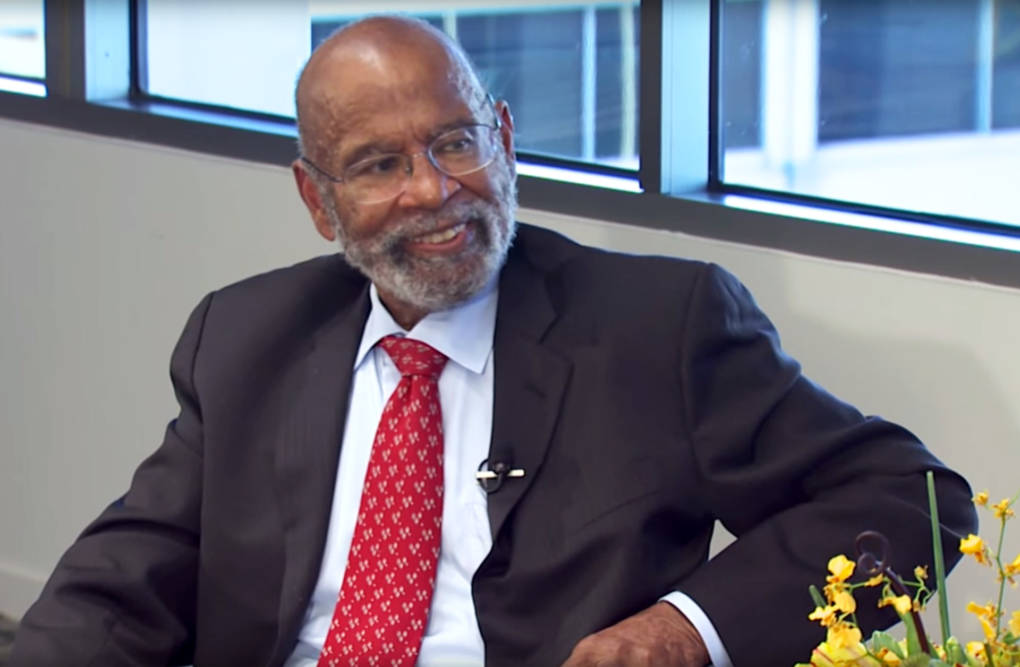
"caption": "U.S. District Court Judge Thelton Henderson, who retires Aug. 11, 2017. ",
"description": "U.S. District Court Judge Thelton Henderson, who retires August 11, 2017. ",
"title": "TheltonHenderson",
"credit": "\u003ca href=\"https://youtu.be/R1Ef7R_yTBY\" target=\"_blank\">Stanford Law School via YouTube\u003c/a>",
"status": "inherit",
"isLoading": false,
"fetchFailed": false
},
"news_11611284": {
"type": "attachments",
"id": "news_11611284",
"meta": {
"index": "attachments_1716263798",
"site": "news",
"id": "11611284",
"found": true
},
"parent": 11611241,
"imgSizes": {
"small": {
"file": "https://ww2.kqed.org/app/uploads/sites/10/2017/08/RS26189_Operation-Cold-Day-qut-520x390.jpg",
"width": 520,
"mimeType": "image/jpeg",
"height": 390
},
"twentyfourteen-full-width": {
"file": "https://ww2.kqed.org/app/uploads/sites/10/2017/08/RS26189_Operation-Cold-Day-qut-1038x576.jpg",
"width": 1038,
"mimeType": "image/jpeg",
"height": 576
},
"thumbnail": {
"file": "https://ww2.kqed.org/app/uploads/sites/10/2017/08/RS26189_Operation-Cold-Day-qut-160x120.jpg",
"width": 160,
"mimeType": "image/jpeg",
"height": 120
},
"fd-sm": {
"file": "https://ww2.kqed.org/app/uploads/sites/10/2017/08/RS26189_Operation-Cold-Day-qut-960x720.jpg",
"width": 960,
"mimeType": "image/jpeg",
"height": 720
},
"post-thumbnail": {
"file": "https://ww2.kqed.org/app/uploads/sites/10/2017/08/RS26189_Operation-Cold-Day-qut-672x372.jpg",
"width": 672,
"mimeType": "image/jpeg",
"height": 372
},
"xsmall": {
"file": "https://ww2.kqed.org/app/uploads/sites/10/2017/08/RS26189_Operation-Cold-Day-qut-375x281.jpg",
"width": 375,
"mimeType": "image/jpeg",
"height": 281
},
"kqedFullSize": {
"file": "https://ww2.kqed.org/app/uploads/sites/10/2017/08/RS26189_Operation-Cold-Day-qut.jpg",
"width": 1920,
"height": 1440
},
"large": {
"file": "https://ww2.kqed.org/app/uploads/sites/10/2017/08/RS26189_Operation-Cold-Day-qut-1020x765.jpg",
"width": 1020,
"mimeType": "image/jpeg",
"height": 765
},
"xlarge": {
"file": "https://ww2.kqed.org/app/uploads/sites/10/2017/08/RS26189_Operation-Cold-Day-qut-1180x885.jpg",
"width": 1180,
"mimeType": "image/jpeg",
"height": 885
},
"guest-author-50": {
"file": "https://ww2.kqed.org/app/uploads/sites/10/2017/08/RS26189_Operation-Cold-Day-qut-50x50.jpg",
"width": 50,
"mimeType": "image/jpeg",
"height": 50
},
"guest-author-96": {
"file": "https://ww2.kqed.org/app/uploads/sites/10/2017/08/RS26189_Operation-Cold-Day-qut-96x96.jpg",
"width": 96,
"mimeType": "image/jpeg",
"height": 96
},
"medium": {
"file": "https://ww2.kqed.org/app/uploads/sites/10/2017/08/RS26189_Operation-Cold-Day-qut-800x600.jpg",
"width": 800,
"mimeType": "image/jpeg",
"height": 600
},
"guest-author-64": {
"file": "https://ww2.kqed.org/app/uploads/sites/10/2017/08/RS26189_Operation-Cold-Day-qut-64x64.jpg",
"width": 64,
"mimeType": "image/jpeg",
"height": 64
},
"guest-author-32": {
"file": "https://ww2.kqed.org/app/uploads/sites/10/2017/08/RS26189_Operation-Cold-Day-qut-32x32.jpg",
"width": 32,
"mimeType": "image/jpeg",
"height": 32
},
"fd-lrg": {
"file": "https://ww2.kqed.org/app/uploads/sites/10/2017/08/RS26189_Operation-Cold-Day-qut-1920x1440.jpg",
"width": 1920,
"mimeType": "image/jpeg",
"height": 1440
},
"fd-med": {
"file": "https://ww2.kqed.org/app/uploads/sites/10/2017/08/RS26189_Operation-Cold-Day-qut-1180x885.jpg",
"width": 1180,
"mimeType": "image/jpeg",
"height": 885
},
"full-width": {
"file": "https://ww2.kqed.org/app/uploads/sites/10/2017/08/RS26189_Operation-Cold-Day-qut-1920x1440.jpg",
"width": 1920,
"mimeType": "image/jpeg",
"height": 1440
},
"detail": {
"file": "https://ww2.kqed.org/app/uploads/sites/10/2017/08/RS26189_Operation-Cold-Day-qut-150x150.jpg",
"width": 150,
"mimeType": "image/jpeg",
"height": 150
},
"guest-author-128": {
"file": "https://ww2.kqed.org/app/uploads/sites/10/2017/08/RS26189_Operation-Cold-Day-qut-128x128.jpg",
"width": 128,
"mimeType": "image/jpeg",
"height": 128
},
"xxsmall": {
"file": "https://ww2.kqed.org/app/uploads/sites/10/2017/08/RS26189_Operation-Cold-Day-qut-240x180.jpg",
"width": 240,
"mimeType": "image/jpeg",
"height": 180
}
},
"publishDate": 1502419620,
"modified": 1502490294,
"caption": "San Francisco Chief of Police William Scott discusses Operation Cold Day at San Francisco police headquarters on Thursday, Aug. 10, 2017. The two-year operation involved numerous local, state and federal agencies and resulted in more than 100 individuals being charged with drug and gun-related crimes.",
"description": null,
"title": "RS26189_Operation Cold Day-qut",
"credit": "Ryan Levi/KQED",
"status": "inherit",
"isLoading": false,
"fetchFailed": false
},
"news_11611056": {
"type": "attachments",
"id": "news_11611056",
"meta": {
"index": "attachments_1716263798",
"site": "news",
"id": "11611056",
"found": true
},
"parent": 11611055,
"imgSizes": {
"small": {
"file": "https://ww2.kqed.org/app/uploads/sites/10/2017/08/RS21338_alt_605-520x305.jpg",
"width": 520,
"mimeType": "image/jpeg",
"height": 305
},
"twentyfourteen-full-width": {
"file": "https://ww2.kqed.org/app/uploads/sites/10/2017/08/RS21338_alt_605-1038x576.jpg",
"width": 1038,
"mimeType": "image/jpeg",
"height": 576
},
"thumbnail": {
"file": "https://ww2.kqed.org/app/uploads/sites/10/2017/08/RS21338_alt_605-160x94.jpg",
"width": 160,
"mimeType": "image/jpeg",
"height": 94
},
"fd-sm": {
"file": "https://ww2.kqed.org/app/uploads/sites/10/2017/08/RS21338_alt_605-960x563.jpg",
"width": 960,
"mimeType": "image/jpeg",
"height": 563
},
"post-thumbnail": {
"file": "https://ww2.kqed.org/app/uploads/sites/10/2017/08/RS21338_alt_605-672x372.jpg",
"width": 672,
"mimeType": "image/jpeg",
"height": 372
},
"xsmall": {
"file": "https://ww2.kqed.org/app/uploads/sites/10/2017/08/RS21338_alt_605-375x220.jpg",
"width": 375,
"mimeType": "image/jpeg",
"height": 220
},
"kqedFullSize": {
"file": "https://ww2.kqed.org/app/uploads/sites/10/2017/08/RS21338_alt_605.jpg",
"width": 1920,
"height": 1126
},
"large": {
"file": "https://ww2.kqed.org/app/uploads/sites/10/2017/08/RS21338_alt_605-1020x598.jpg",
"width": 1020,
"mimeType": "image/jpeg",
"height": 598
},
"xlarge": {
"file": "https://ww2.kqed.org/app/uploads/sites/10/2017/08/RS21338_alt_605-1180x692.jpg",
"width": 1180,
"mimeType": "image/jpeg",
"height": 692
},
"guest-author-50": {
"file": "https://ww2.kqed.org/app/uploads/sites/10/2017/08/RS21338_alt_605-50x50.jpg",
"width": 50,
"mimeType": "image/jpeg",
"height": 50
},
"guest-author-96": {
"file": "https://ww2.kqed.org/app/uploads/sites/10/2017/08/RS21338_alt_605-96x96.jpg",
"width": 96,
"mimeType": "image/jpeg",
"height": 96
},
"medium": {
"file": "https://ww2.kqed.org/app/uploads/sites/10/2017/08/RS21338_alt_605-800x469.jpg",
"width": 800,
"mimeType": "image/jpeg",
"height": 469
},
"guest-author-64": {
"file": "https://ww2.kqed.org/app/uploads/sites/10/2017/08/RS21338_alt_605-64x64.jpg",
"width": 64,
"mimeType": "image/jpeg",
"height": 64
},
"guest-author-32": {
"file": "https://ww2.kqed.org/app/uploads/sites/10/2017/08/RS21338_alt_605-32x32.jpg",
"width": 32,
"mimeType": "image/jpeg",
"height": 32
},
"fd-lrg": {
"file": "https://ww2.kqed.org/app/uploads/sites/10/2017/08/RS21338_alt_605-1920x1126.jpg",
"width": 1920,
"mimeType": "image/jpeg",
"height": 1126
},
"fd-med": {
"file": "https://ww2.kqed.org/app/uploads/sites/10/2017/08/RS21338_alt_605-1180x692.jpg",
"width": 1180,
"mimeType": "image/jpeg",
"height": 692
},
"full-width": {
"file": "https://ww2.kqed.org/app/uploads/sites/10/2017/08/RS21338_alt_605-1920x1126.jpg",
"width": 1920,
"mimeType": "image/jpeg",
"height": 1126
},
"detail": {
"file": "https://ww2.kqed.org/app/uploads/sites/10/2017/08/RS21338_alt_605-150x150.jpg",
"width": 150,
"mimeType": "image/jpeg",
"height": 150
},
"guest-author-128": {
"file": "https://ww2.kqed.org/app/uploads/sites/10/2017/08/RS21338_alt_605-128x128.jpg",
"width": 128,
"mimeType": "image/jpeg",
"height": 128
},
"xxsmall": {
"file": "https://ww2.kqed.org/app/uploads/sites/10/2017/08/RS21338_alt_605-240x141.jpg",
"width": 240,
"mimeType": "image/jpeg",
"height": 141
}
},
"publishDate": 1502403734,
"modified": 1502412886,
"caption": "Ricardo Perez, a former Contra Costa County sheriff's deputy, was arraigned at the Hayward Hall of Justice on Sept. 30, 2016, for one charge of felony oral copulation with a minor and two misdemeanor counts for engaging in lewd conduct in a public place. After a July 27, 2017, preliminary hearing in the case, Perez was charged with unlawful sex with a minor, a felony.",
"description": "Ricardo Perez, a former Contra Costa County sheriff's deputy, was arraigned at the Hayward Hall of Justice on Sept. 30, 2016 for one charge of felony oral copulation with a minor and two misdemeanor counts for engaging in lewd conduct in a public place. After a July 27, 2017 preliminary hearing in the case, Perez was charged with unlawful sex with a minor, a felony.",
"title": "RS21338_alt_605",
"credit": "Alex Emslie/KQED",
"status": "inherit",
"isLoading": false,
"fetchFailed": false
},
"news_148562": {
"type": "attachments",
"id": "news_148562",
"meta": {
"index": "attachments_1716263798",
"site": "news",
"id": "148562",
"found": true
},
"parent": 148547,
"imgSizes": {
"wide-featured-image": {
"file": "https://ww2.kqed.org/app/uploads/sites/10/2014/09/pelicanrock_scale-e1389396164850-600x300.jpg",
"width": 600,
"mimeType": "image/jpeg",
"height": 300
},
"featured-page": {
"file": "https://ww2.kqed.org/app/uploads/sites/10/2014/09/pelicanrock_scale-e1389396164850-315x145.jpg",
"width": 315,
"mimeType": "image/jpeg",
"height": 145
},
"thumbnail": {
"file": "https://ww2.kqed.org/app/uploads/sites/10/2014/09/pelicanrock_scale-e1389396164850-300x300.jpg",
"width": 300,
"mimeType": "image/jpeg",
"height": 300
},
"kqedFullSize": {
"file": "https://ww2.kqed.org/app/uploads/sites/10/2014/09/pelicanrock_scale-e1389396164850.jpg",
"width": 1280,
"height": 720
},
"large": {
"file": "https://ww2.kqed.org/app/uploads/sites/10/2014/09/pelicanrock_scale-e1389396164850-1028x578.jpg",
"width": 1028,
"mimeType": "image/jpeg",
"height": 578
},
"wide-featured-image-full": {
"file": "https://ww2.kqed.org/app/uploads/sites/10/2014/09/pelicanrock_scale-e1389396164850-960x300.jpg",
"width": 960,
"mimeType": "image/jpeg",
"height": 300
},
"guest-author-96": {
"file": "https://ww2.kqed.org/app/uploads/sites/10/2014/09/pelicanrock_scale-e1389396164850-96x96.jpg",
"width": 96,
"mimeType": "image/jpeg",
"height": 96
},
"medium": {
"file": "https://ww2.kqed.org/app/uploads/sites/10/2014/09/pelicanrock_scale-e1389396164850-640x360.jpg",
"width": 640,
"mimeType": "image/jpeg",
"height": 360
},
"guest-author-64": {
"file": "https://ww2.kqed.org/app/uploads/sites/10/2014/09/pelicanrock_scale-e1389396164850-64x64.jpg",
"width": 64,
"mimeType": "image/jpeg",
"height": 64
},
"guest-author-32": {
"file": "https://ww2.kqed.org/app/uploads/sites/10/2014/09/pelicanrock_scale-e1389396164850-32x32.jpg",
"width": 32,
"mimeType": "image/jpeg",
"height": 32
},
"narrow-featured-image": {
"file": "https://ww2.kqed.org/app/uploads/sites/10/2014/09/pelicanrock_scale-e1389396164850-400x300.jpg",
"width": 400,
"mimeType": "image/jpeg",
"height": 300
},
"narrow-featured-image-full": {
"file": "https://ww2.kqed.org/app/uploads/sites/10/2014/09/pelicanrock_scale-e1389396164850-640x360.jpg",
"width": 640,
"mimeType": "image/jpeg",
"height": 360
},
"detail": {
"file": "https://ww2.kqed.org/app/uploads/sites/10/2014/09/pelicanrock_scale-e1389396164850-75x75.jpg",
"width": 75,
"mimeType": "image/jpeg",
"height": 75
},
"guest-author-128": {
"file": "https://ww2.kqed.org/app/uploads/sites/10/2014/09/pelicanrock_scale-e1389396164850-128x128.jpg",
"width": 128,
"mimeType": "image/jpeg",
"height": 128
}
},
"publishDate": 1411602984,
"modified": 1502407712,
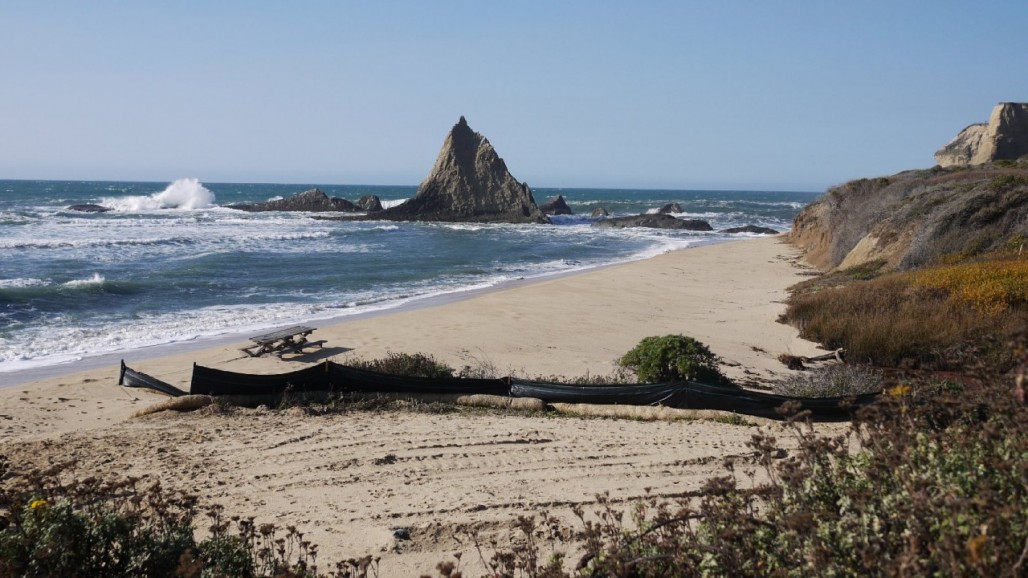
"caption": "Pelican Rock marks the north end of Martins Beach on the San Mateo County coast.",
"description": null,
"title": "pelicanrock_scale-e1389396164850",
"credit": "Amy Standen/KQED",
"status": "inherit",
"isLoading": false,
"fetchFailed": false
},
"stateofhealth_360760": {
"type": "attachments",
"id": "stateofhealth_360760",
"meta": {
"index": "attachments_1716263798",
"site": "stateofhealth",
"id": "360760",
"found": true
},
"parent": 360759,
"imgSizes": {
"small": {
"file": "https://ww2.kqed.org/app/uploads/sites/27/2017/08/food-as-medicine11-520x347.jpg",
"width": 520,
"mimeType": "image/jpeg",
"height": 347
},
"twentyfourteen-full-width": {
"file": "https://ww2.kqed.org/app/uploads/sites/27/2017/08/food-as-medicine11-1038x576.jpg",
"width": 1038,
"mimeType": "image/jpeg",
"height": 576
},
"thumbnail": {
"file": "https://ww2.kqed.org/app/uploads/sites/27/2017/08/food-as-medicine11-160x107.jpg",
"width": 160,
"mimeType": "image/jpeg",
"height": 107
},
"fd-sm": {
"file": "https://ww2.kqed.org/app/uploads/sites/27/2017/08/food-as-medicine11-960x640.jpg",
"width": 960,
"mimeType": "image/jpeg",
"height": 640
},
"post-thumbnail": {
"file": "https://ww2.kqed.org/app/uploads/sites/27/2017/08/food-as-medicine11-672x372.jpg",
"width": 672,
"mimeType": "image/jpeg",
"height": 372
},
"xsmall": {
"file": "https://ww2.kqed.org/app/uploads/sites/27/2017/08/food-as-medicine11-375x250.jpg",
"width": 375,
"mimeType": "image/jpeg",
"height": 250
},
"kqedFullSize": {
"file": "https://ww2.kqed.org/app/uploads/sites/27/2017/08/food-as-medicine11.jpg",
"width": 1446,
"height": 964
},
"large": {
"file": "https://ww2.kqed.org/app/uploads/sites/27/2017/08/food-as-medicine11-1020x680.jpg",
"width": 1020,
"mimeType": "image/jpeg",
"height": 680
},
"xlarge": {
"file": "https://ww2.kqed.org/app/uploads/sites/27/2017/08/food-as-medicine11-1180x787.jpg",
"width": 1180,
"mimeType": "image/jpeg",
"height": 787
},
"guest-author-50": {
"file": "https://ww2.kqed.org/app/uploads/sites/27/2017/08/food-as-medicine11-50x50.jpg",
"width": 50,
"mimeType": "image/jpeg",
"height": 50
},
"guest-author-96": {
"file": "https://ww2.kqed.org/app/uploads/sites/27/2017/08/food-as-medicine11-96x96.jpg",
"width": 96,
"mimeType": "image/jpeg",
"height": 96
},
"medium": {
"file": "https://ww2.kqed.org/app/uploads/sites/27/2017/08/food-as-medicine11-800x533.jpg",
"width": 800,
"mimeType": "image/jpeg",
"height": 533
},
"guest-author-64": {
"file": "https://ww2.kqed.org/app/uploads/sites/27/2017/08/food-as-medicine11-64x64.jpg",
"width": 64,
"mimeType": "image/jpeg",
"height": 64
},
"guest-author-32": {
"file": "https://ww2.kqed.org/app/uploads/sites/27/2017/08/food-as-medicine11-32x32.jpg",
"width": 32,
"mimeType": "image/jpeg",
"height": 32
},
"fd-med": {
"file": "https://ww2.kqed.org/app/uploads/sites/27/2017/08/food-as-medicine11-1180x787.jpg",
"width": 1180,
"mimeType": "image/jpeg",
"height": 787
},
"detail": {
"file": "https://ww2.kqed.org/app/uploads/sites/27/2017/08/food-as-medicine11-150x150.jpg",
"width": 150,
"mimeType": "image/jpeg",
"height": 150
},
"medium_large": {
"file": "https://ww2.kqed.org/app/uploads/sites/27/2017/08/food-as-medicine11-768x512.jpg",
"width": 768,
"mimeType": "image/jpeg",
"height": 512
},
"guest-author-128": {
"file": "https://ww2.kqed.org/app/uploads/sites/27/2017/08/food-as-medicine11-128x128.jpg",
"width": 128,
"mimeType": "image/jpeg",
"height": 128
},
"xxsmall": {
"file": "https://ww2.kqed.org/app/uploads/sites/27/2017/08/food-as-medicine11-240x160.jpg",
"width": 240,
"mimeType": "image/jpeg",
"height": 160
}
},
"publishDate": 1502385821,
"modified": 1502385877,
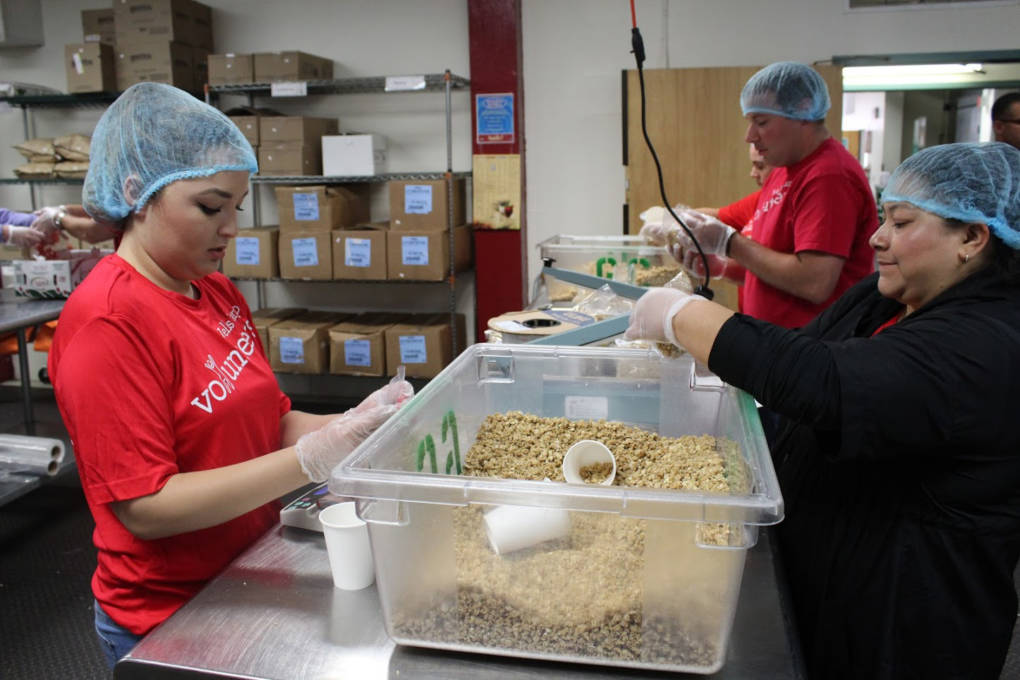
"caption": "A team of volunteers from Wells Fargo pack healthy ingredients at Project Open Hand in San Francisco on July 6. ",
"description": "A team of volunteers from Wells Fargo pack healthy ingredients at Project Open Hand in San Francisco on July 6.",
"title": "food-as-medicine11",
"credit": "Kellen Browning/California Healthline",
"status": "inherit",
"isLoading": false,
"fetchFailed": false
},
"news_11611031": {
"type": "attachments",
"id": "news_11611031",
"meta": {
"index": "attachments_1716263798",
"site": "news",
"id": "11611031",
"found": true
},
"parent": 11611028,
"imgSizes": {
"small": {
"file": "https://ww2.kqed.org/app/uploads/sites/10/2017/08/SleepyStudents-520x347.jpg",
"width": 520,
"mimeType": "image/jpeg",
"height": 347
},
"twentyfourteen-full-width": {
"file": "https://ww2.kqed.org/app/uploads/sites/10/2017/08/SleepyStudents-1038x576.jpg",
"width": 1038,
"mimeType": "image/jpeg",
"height": 576
},
"thumbnail": {
"file": "https://ww2.kqed.org/app/uploads/sites/10/2017/08/SleepyStudents-160x107.jpg",
"width": 160,
"mimeType": "image/jpeg",
"height": 107
},
"fd-sm": {
"file": "https://ww2.kqed.org/app/uploads/sites/10/2017/08/SleepyStudents-960x640.jpg",
"width": 960,
"mimeType": "image/jpeg",
"height": 640
},
"post-thumbnail": {
"file": "https://ww2.kqed.org/app/uploads/sites/10/2017/08/SleepyStudents-672x372.jpg",
"width": 672,
"mimeType": "image/jpeg",
"height": 372
},
"xsmall": {
"file": "https://ww2.kqed.org/app/uploads/sites/10/2017/08/SleepyStudents-375x250.jpg",
"width": 375,
"mimeType": "image/jpeg",
"height": 250
},
"kqedFullSize": {
"file": "https://ww2.kqed.org/app/uploads/sites/10/2017/08/SleepyStudents.jpg",
"width": 1920,
"height": 1280
},
"large": {
"file": "https://ww2.kqed.org/app/uploads/sites/10/2017/08/SleepyStudents-1020x680.jpg",
"width": 1020,
"mimeType": "image/jpeg",
"height": 680
},
"xlarge": {
"file": "https://ww2.kqed.org/app/uploads/sites/10/2017/08/SleepyStudents-1180x787.jpg",
"width": 1180,
"mimeType": "image/jpeg",
"height": 787
},
"guest-author-50": {
"file": "https://ww2.kqed.org/app/uploads/sites/10/2017/08/SleepyStudents-50x50.jpg",
"width": 50,
"mimeType": "image/jpeg",
"height": 50
},
"guest-author-96": {
"file": "https://ww2.kqed.org/app/uploads/sites/10/2017/08/SleepyStudents-96x96.jpg",
"width": 96,
"mimeType": "image/jpeg",
"height": 96
},
"medium": {
"file": "https://ww2.kqed.org/app/uploads/sites/10/2017/08/SleepyStudents-800x533.jpg",
"width": 800,
"mimeType": "image/jpeg",
"height": 533
},
"guest-author-64": {
"file": "https://ww2.kqed.org/app/uploads/sites/10/2017/08/SleepyStudents-64x64.jpg",
"width": 64,
"mimeType": "image/jpeg",
"height": 64
},
"guest-author-32": {
"file": "https://ww2.kqed.org/app/uploads/sites/10/2017/08/SleepyStudents-32x32.jpg",
"width": 32,
"mimeType": "image/jpeg",
"height": 32
},
"fd-lrg": {
"file": "https://ww2.kqed.org/app/uploads/sites/10/2017/08/SleepyStudents-1920x1280.jpg",
"width": 1920,
"mimeType": "image/jpeg",
"height": 1280
},
"fd-med": {
"file": "https://ww2.kqed.org/app/uploads/sites/10/2017/08/SleepyStudents-1180x787.jpg",
"width": 1180,
"mimeType": "image/jpeg",
"height": 787
},
"full-width": {
"file": "https://ww2.kqed.org/app/uploads/sites/10/2017/08/SleepyStudents-1920x1280.jpg",
"width": 1920,
"mimeType": "image/jpeg",
"height": 1280
},
"detail": {
"file": "https://ww2.kqed.org/app/uploads/sites/10/2017/08/SleepyStudents-150x150.jpg",
"width": 150,
"mimeType": "image/jpeg",
"height": 150
},
"guest-author-128": {
"file": "https://ww2.kqed.org/app/uploads/sites/10/2017/08/SleepyStudents-128x128.jpg",
"width": 128,
"mimeType": "image/jpeg",
"height": 128
},
"xxsmall": {
"file": "https://ww2.kqed.org/app/uploads/sites/10/2017/08/SleepyStudents-240x160.jpg",
"width": 240,
"mimeType": "image/jpeg",
"height": 160
}
},
"publishDate": 1502401713,
"modified": 1502401754,
"caption": "Research shows two-thirds of adolescents aren’t getting enough sleep, and that the consequences are far-reaching. ",
"description": "Research shows two-thirds of adolescents aren’t getting enough sleep, and that the consequences are far-reaching. ",
"title": "SleepyStudents",
"credit": "Thinkstock",
"status": "inherit",
"isLoading": false,
"fetchFailed": false
},
"news_11610948": {
"type": "attachments",
"id": "news_11610948",
"meta": {
"index": "attachments_1716263798",
"site": "news",
"id": "11610948",
"found": true
},
"parent": 11610947,
"imgSizes": {
"small": {
"file": "https://ww2.kqed.org/app/uploads/sites/10/2017/08/gettyimages-627189410_wide-06c1a9ceefb5900bc4ed365bb9348056da4bdb2b-520x292.jpg",
"width": 520,
"mimeType": "image/jpeg",
"height": 292
},
"twentyfourteen-full-width": {
"file": "https://ww2.kqed.org/app/uploads/sites/10/2017/08/gettyimages-627189410_wide-06c1a9ceefb5900bc4ed365bb9348056da4bdb2b-1038x576.jpg",
"width": 1038,
"mimeType": "image/jpeg",
"height": 576
},
"thumbnail": {
"file": "https://ww2.kqed.org/app/uploads/sites/10/2017/08/gettyimages-627189410_wide-06c1a9ceefb5900bc4ed365bb9348056da4bdb2b-160x90.jpg",
"width": 160,
"mimeType": "image/jpeg",
"height": 90
},
"fd-sm": {
"file": "https://ww2.kqed.org/app/uploads/sites/10/2017/08/gettyimages-627189410_wide-06c1a9ceefb5900bc4ed365bb9348056da4bdb2b-960x540.jpg",
"width": 960,
"mimeType": "image/jpeg",
"height": 540
},
"post-thumbnail": {
"file": "https://ww2.kqed.org/app/uploads/sites/10/2017/08/gettyimages-627189410_wide-06c1a9ceefb5900bc4ed365bb9348056da4bdb2b-672x372.jpg",
"width": 672,
"mimeType": "image/jpeg",
"height": 372
},
"xsmall": {
"file": "https://ww2.kqed.org/app/uploads/sites/10/2017/08/gettyimages-627189410_wide-06c1a9ceefb5900bc4ed365bb9348056da4bdb2b-375x211.jpg",
"width": 375,
"mimeType": "image/jpeg",
"height": 211
},
"kqedFullSize": {
"file": "https://ww2.kqed.org/app/uploads/sites/10/2017/08/gettyimages-627189410_wide-06c1a9ceefb5900bc4ed365bb9348056da4bdb2b.jpg",
"width": 3021,
"height": 1699
},
"large": {
"file": "https://ww2.kqed.org/app/uploads/sites/10/2017/08/gettyimages-627189410_wide-06c1a9ceefb5900bc4ed365bb9348056da4bdb2b-1020x574.jpg",
"width": 1020,
"mimeType": "image/jpeg",
"height": 574
},
"xlarge": {
"file": "https://ww2.kqed.org/app/uploads/sites/10/2017/08/gettyimages-627189410_wide-06c1a9ceefb5900bc4ed365bb9348056da4bdb2b-1180x664.jpg",
"width": 1180,
"mimeType": "image/jpeg",
"height": 664
},
"guest-author-50": {
"file": "https://ww2.kqed.org/app/uploads/sites/10/2017/08/gettyimages-627189410_wide-06c1a9ceefb5900bc4ed365bb9348056da4bdb2b-50x50.jpg",
"width": 50,
"mimeType": "image/jpeg",
"height": 50
},
"guest-author-96": {
"file": "https://ww2.kqed.org/app/uploads/sites/10/2017/08/gettyimages-627189410_wide-06c1a9ceefb5900bc4ed365bb9348056da4bdb2b-96x96.jpg",
"width": 96,
"mimeType": "image/jpeg",
"height": 96
},
"medium": {
"file": "https://ww2.kqed.org/app/uploads/sites/10/2017/08/gettyimages-627189410_wide-06c1a9ceefb5900bc4ed365bb9348056da4bdb2b-800x450.jpg",
"width": 800,
"mimeType": "image/jpeg",
"height": 450
},
"guest-author-64": {
"file": "https://ww2.kqed.org/app/uploads/sites/10/2017/08/gettyimages-627189410_wide-06c1a9ceefb5900bc4ed365bb9348056da4bdb2b-64x64.jpg",
"width": 64,
"mimeType": "image/jpeg",
"height": 64
},
"guest-author-32": {
"file": "https://ww2.kqed.org/app/uploads/sites/10/2017/08/gettyimages-627189410_wide-06c1a9ceefb5900bc4ed365bb9348056da4bdb2b-32x32.jpg",
"width": 32,
"mimeType": "image/jpeg",
"height": 32
},
"fd-lrg": {
"file": "https://ww2.kqed.org/app/uploads/sites/10/2017/08/gettyimages-627189410_wide-06c1a9ceefb5900bc4ed365bb9348056da4bdb2b-1920x1080.jpg",
"width": 1920,
"mimeType": "image/jpeg",
"height": 1080
},
"fd-med": {
"file": "https://ww2.kqed.org/app/uploads/sites/10/2017/08/gettyimages-627189410_wide-06c1a9ceefb5900bc4ed365bb9348056da4bdb2b-1180x664.jpg",
"width": 1180,
"mimeType": "image/jpeg",
"height": 664
},
"full-width": {
"file": "https://ww2.kqed.org/app/uploads/sites/10/2017/08/gettyimages-627189410_wide-06c1a9ceefb5900bc4ed365bb9348056da4bdb2b-1920x1080.jpg",
"width": 1920,
"mimeType": "image/jpeg",
"height": 1080
},
"detail": {
"file": "https://ww2.kqed.org/app/uploads/sites/10/2017/08/gettyimages-627189410_wide-06c1a9ceefb5900bc4ed365bb9348056da4bdb2b-150x150.jpg",
"width": 150,
"mimeType": "image/jpeg",
"height": 150
},
"guest-author-128": {
"file": "https://ww2.kqed.org/app/uploads/sites/10/2017/08/gettyimages-627189410_wide-06c1a9ceefb5900bc4ed365bb9348056da4bdb2b-128x128.jpg",
"width": 128,
"mimeType": "image/jpeg",
"height": 128
},
"xxsmall": {
"file": "https://ww2.kqed.org/app/uploads/sites/10/2017/08/gettyimages-627189410_wide-06c1a9ceefb5900bc4ed365bb9348056da4bdb2b-240x135.jpg",
"width": 240,
"mimeType": "image/jpeg",
"height": 135
}
},
"publishDate": 1502386578,
"modified": 1502401270,
"caption": "Colin Kaepernick kneels for the national anthem before a game last October in Santa Clara, California.",
"description": "Colin Kaepernick kneels for the national anthem before a game last October in Santa Clara, California.",
"title": "Colin Kaepernick kneels for the national anthem before a game last October in Santa Clara, Calif.",
"credit": "Ezra Shaw/Getty Images",
"status": "inherit",
"isLoading": false,
"fetchFailed": false
},
"news_11608066": {
"type": "attachments",
"id": "news_11608066",
"meta": {
"index": "attachments_1716263798",
"site": "news",
"id": "11608066",
"found": true
},
"parent": 11606579,
"imgSizes": {
"small": {
"file": "https://ww2.kqed.org/app/uploads/sites/10/2017/08/5221969751_b7ac781b2e_b-520x325.jpg",
"width": 520,
"mimeType": "image/jpeg",
"height": 325
},
"twentyfourteen-full-width": {
"file": "https://ww2.kqed.org/app/uploads/sites/10/2017/08/5221969751_b7ac781b2e_b-1024x576.jpg",
"width": 1024,
"mimeType": "image/jpeg",
"height": 576
},
"thumbnail": {
"file": "https://ww2.kqed.org/app/uploads/sites/10/2017/08/5221969751_b7ac781b2e_b-160x100.jpg",
"width": 160,
"mimeType": "image/jpeg",
"height": 100
},
"fd-sm": {
"file": "https://ww2.kqed.org/app/uploads/sites/10/2017/08/5221969751_b7ac781b2e_b-960x600.jpg",
"width": 960,
"mimeType": "image/jpeg",
"height": 600
},
"post-thumbnail": {
"file": "https://ww2.kqed.org/app/uploads/sites/10/2017/08/5221969751_b7ac781b2e_b-672x372.jpg",
"width": 672,
"mimeType": "image/jpeg",
"height": 372
},
"xsmall": {
"file": "https://ww2.kqed.org/app/uploads/sites/10/2017/08/5221969751_b7ac781b2e_b-375x234.jpg",
"width": 375,
"mimeType": "image/jpeg",
"height": 234
},
"kqedFullSize": {
"file": "https://ww2.kqed.org/app/uploads/sites/10/2017/08/5221969751_b7ac781b2e_b.jpg",
"width": 1024,
"height": 640
},
"large": {
"file": "https://ww2.kqed.org/app/uploads/sites/10/2017/08/5221969751_b7ac781b2e_b-1020x638.jpg",
"width": 1020,
"mimeType": "image/jpeg",
"height": 638
},
"guest-author-50": {
"file": "https://ww2.kqed.org/app/uploads/sites/10/2017/08/5221969751_b7ac781b2e_b-50x50.jpg",
"width": 50,
"mimeType": "image/jpeg",
"height": 50
},
"guest-author-96": {
"file": "https://ww2.kqed.org/app/uploads/sites/10/2017/08/5221969751_b7ac781b2e_b-96x96.jpg",
"width": 96,
"mimeType": "image/jpeg",
"height": 96
},
"medium": {
"file": "https://ww2.kqed.org/app/uploads/sites/10/2017/08/5221969751_b7ac781b2e_b-800x500.jpg",
"width": 800,
"mimeType": "image/jpeg",
"height": 500
},
"guest-author-64": {
"file": "https://ww2.kqed.org/app/uploads/sites/10/2017/08/5221969751_b7ac781b2e_b-64x64.jpg",
"width": 64,
"mimeType": "image/jpeg",
"height": 64
},
"guest-author-32": {
"file": "https://ww2.kqed.org/app/uploads/sites/10/2017/08/5221969751_b7ac781b2e_b-32x32.jpg",
"width": 32,
"mimeType": "image/jpeg",
"height": 32
},
"detail": {
"file": "https://ww2.kqed.org/app/uploads/sites/10/2017/08/5221969751_b7ac781b2e_b-150x150.jpg",
"width": 150,
"mimeType": "image/jpeg",
"height": 150
},
"guest-author-128": {
"file": "https://ww2.kqed.org/app/uploads/sites/10/2017/08/5221969751_b7ac781b2e_b-128x128.jpg",
"width": 128,
"mimeType": "image/jpeg",
"height": 128
},
"xxsmall": {
"file": "https://ww2.kqed.org/app/uploads/sites/10/2017/08/5221969751_b7ac781b2e_b-240x150.jpg",
"width": 240,
"mimeType": "image/jpeg",
"height": 150
}
},
"publishDate": 1501700569,
"modified": 1501700610,
"caption": "The Port of Oakland",
"description": null,
"title": "The Port of Oakland",
"credit": "Daniel Parks/flickr",
"status": "inherit",
"isLoading": false,
"fetchFailed": false
},
"news_11610882": {
"type": "attachments",
"id": "news_11610882",
"meta": {
"index": "attachments_1716263798",
"site": "news",
"id": "11610882",
"found": true
},
"parent": 11610881,
"imgSizes": {
"small": {
"file": "https://ww2.kqed.org/app/uploads/sites/10/2017/08/gettyimages-529707282-ad80b2ac3e1d1bd1d0f318759bc29ed1e40d41b7-520x390.jpg",
"width": 520,
"mimeType": "image/jpeg",
"height": 390
},
"twentyfourteen-full-width": {
"file": "https://ww2.kqed.org/app/uploads/sites/10/2017/08/gettyimages-529707282-ad80b2ac3e1d1bd1d0f318759bc29ed1e40d41b7-1038x576.jpg",
"width": 1038,
"mimeType": "image/jpeg",
"height": 576
},
"thumbnail": {
"file": "https://ww2.kqed.org/app/uploads/sites/10/2017/08/gettyimages-529707282-ad80b2ac3e1d1bd1d0f318759bc29ed1e40d41b7-160x120.jpg",
"width": 160,
"mimeType": "image/jpeg",
"height": 120
},
"fd-sm": {
"file": "https://ww2.kqed.org/app/uploads/sites/10/2017/08/gettyimages-529707282-ad80b2ac3e1d1bd1d0f318759bc29ed1e40d41b7-960x720.jpg",
"width": 960,
"mimeType": "image/jpeg",
"height": 720
},
"post-thumbnail": {
"file": "https://ww2.kqed.org/app/uploads/sites/10/2017/08/gettyimages-529707282-ad80b2ac3e1d1bd1d0f318759bc29ed1e40d41b7-672x372.jpg",
"width": 672,
"mimeType": "image/jpeg",
"height": 372
},
"xsmall": {
"file": "https://ww2.kqed.org/app/uploads/sites/10/2017/08/gettyimages-529707282-ad80b2ac3e1d1bd1d0f318759bc29ed1e40d41b7-375x281.jpg",
"width": 375,
"mimeType": "image/jpeg",
"height": 281
},
"kqedFullSize": {
"file": "https://ww2.kqed.org/app/uploads/sites/10/2017/08/gettyimages-529707282-ad80b2ac3e1d1bd1d0f318759bc29ed1e40d41b7-e1502319847139.jpg",
"width": 1920,
"height": 1440
},
"large": {
"file": "https://ww2.kqed.org/app/uploads/sites/10/2017/08/gettyimages-529707282-ad80b2ac3e1d1bd1d0f318759bc29ed1e40d41b7-1020x765.jpg",
"width": 1020,
"mimeType": "image/jpeg",
"height": 765
},
"xlarge": {
"file": "https://ww2.kqed.org/app/uploads/sites/10/2017/08/gettyimages-529707282-ad80b2ac3e1d1bd1d0f318759bc29ed1e40d41b7-1180x885.jpg",
"width": 1180,
"mimeType": "image/jpeg",
"height": 885
},
"guest-author-50": {
"file": "https://ww2.kqed.org/app/uploads/sites/10/2017/08/gettyimages-529707282-ad80b2ac3e1d1bd1d0f318759bc29ed1e40d41b7-50x50.jpg",
"width": 50,
"mimeType": "image/jpeg",
"height": 50
},
"guest-author-96": {
"file": "https://ww2.kqed.org/app/uploads/sites/10/2017/08/gettyimages-529707282-ad80b2ac3e1d1bd1d0f318759bc29ed1e40d41b7-96x96.jpg",
"width": 96,
"mimeType": "image/jpeg",
"height": 96
},
"medium": {
"file": "https://ww2.kqed.org/app/uploads/sites/10/2017/08/gettyimages-529707282-ad80b2ac3e1d1bd1d0f318759bc29ed1e40d41b7-800x600.jpg",
"width": 800,
"mimeType": "image/jpeg",
"height": 600
},
"guest-author-64": {
"file": "https://ww2.kqed.org/app/uploads/sites/10/2017/08/gettyimages-529707282-ad80b2ac3e1d1bd1d0f318759bc29ed1e40d41b7-64x64.jpg",
"width": 64,
"mimeType": "image/jpeg",
"height": 64
},
"guest-author-32": {
"file": "https://ww2.kqed.org/app/uploads/sites/10/2017/08/gettyimages-529707282-ad80b2ac3e1d1bd1d0f318759bc29ed1e40d41b7-32x32.jpg",
"width": 32,
"mimeType": "image/jpeg",
"height": 32
},
"fd-lrg": {
"file": "https://ww2.kqed.org/app/uploads/sites/10/2017/08/gettyimages-529707282-ad80b2ac3e1d1bd1d0f318759bc29ed1e40d41b7-1920x1440.jpg",
"width": 1920,
"mimeType": "image/jpeg",
"height": 1440
},
"fd-med": {
"file": "https://ww2.kqed.org/app/uploads/sites/10/2017/08/gettyimages-529707282-ad80b2ac3e1d1bd1d0f318759bc29ed1e40d41b7-1180x885.jpg",
"width": 1180,
"mimeType": "image/jpeg",
"height": 885
},
"full-width": {
"file": "https://ww2.kqed.org/app/uploads/sites/10/2017/08/gettyimages-529707282-ad80b2ac3e1d1bd1d0f318759bc29ed1e40d41b7-1920x1440.jpg",
"width": 1920,
"mimeType": "image/jpeg",
"height": 1440
},
"detail": {
"file": "https://ww2.kqed.org/app/uploads/sites/10/2017/08/gettyimages-529707282-ad80b2ac3e1d1bd1d0f318759bc29ed1e40d41b7-150x150.jpg",
"width": 150,
"mimeType": "image/jpeg",
"height": 150
},
"guest-author-128": {
"file": "https://ww2.kqed.org/app/uploads/sites/10/2017/08/gettyimages-529707282-ad80b2ac3e1d1bd1d0f318759bc29ed1e40d41b7-128x128.jpg",
"width": 128,
"mimeType": "image/jpeg",
"height": 128
},
"xxsmall": {
"file": "https://ww2.kqed.org/app/uploads/sites/10/2017/08/gettyimages-529707282-ad80b2ac3e1d1bd1d0f318759bc29ed1e40d41b7-240x180.jpg",
"width": 240,
"mimeType": "image/jpeg",
"height": 180
}
},
"publishDate": 1502319666,
"modified": 1502319800,
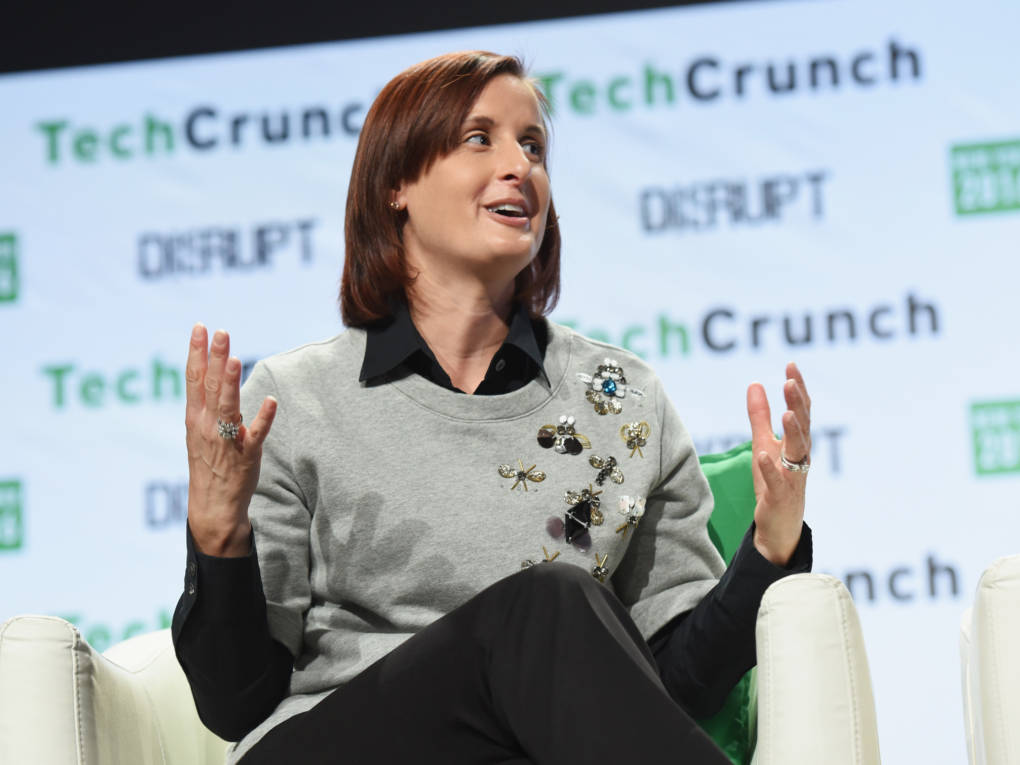
"caption": "Danielle Brown speaks during TechCrunch Disrupt NY 2016. She is Google's new chief diversity officer, a position she previously held at Intel.",
"description": "Danielle Brown speaks during TechCrunch Disrupt NY 2016. She is Google's new chief diversity officer, a position she previously held at Intel.",
"title": "Danielle Brown speaks during TechCrunch Disrupt NY 2016. She is Google's new chief diversity officer, a position she previously held at Intel.",
"credit": "Noam Galai/Getty Images for TechCrunch",
"status": "inherit",
"isLoading": false,
"fetchFailed": false
}
},
"audioPlayerReducer": {
"postId": "stream_live",
"isPaused": true,
"isPlaying": false,
"pfsActive": false,
"pledgeModalIsOpen": true,
"playerDrawerIsOpen": false,
"liveAudioPlayStartedAt": 0,
"liveAudioPlayContext": ""
},
"authorsReducer": {
"byline_news_11611087": {
"type": "authors",
"id": "byline_news_11611087",
"meta": {
"override": true
},
"slug": "byline_news_11611087",
"name": "\u003cstrong>Bay City News\u003c/strong>",
"isLoading": false
},
"byline_stateofhealth_360759": {
"type": "authors",
"id": "byline_stateofhealth_360759",
"meta": {
"override": true
},
"slug": "byline_stateofhealth_360759",
"name": "\u003ca href=\"http://californiahealthline.org/news/author/kellen-browning/\" target=\"_blank\" rel=\"noopener noreferrer\">\u003cstrong>Kellen Browning\u003c/strong>\u003c/a> \u003c/span>",
"isLoading": false
},
"byline_news_11611028": {
"type": "authors",
"id": "byline_news_11611028",
"meta": {
"override": true
},
"slug": "byline_news_11611028",
"name": "\u003cstrong>\u003ca href=\"https://calmatters.org/articles/author/jessica-calefati/\">Jessica Calefati\u003c/a>\u003c/strong>",
"isLoading": false
},
"byline_news_11610947": {
"type": "authors",
"id": "byline_news_11610947",
"meta": {
"override": true
},
"slug": "byline_news_11610947",
"name": "\u003cstrong>Tom Goldman\u003c/strong>",
"isLoading": false
},
"byline_news_11610881": {
"type": "authors",
"id": "byline_news_11610881",
"meta": {
"override": true
},
"slug": "byline_news_11610881",
"name": "Aarti Shahani",
"isLoading": false
},
"scottshafer": {
"type": "authors",
"id": "255",
"meta": {
"index": "authors_1716337520",
"id": "255",
"found": true
},
"name": "Scott Shafer",
"firstName": "Scott",
"lastName": "Shafer",
"slug": "scottshafer",
"email": "sshafer@kqed.org",
"display_author_email": false,
"staff_mastheads": [
"news"
],
"title": "KQED Contributor",
"bio": "Scott Shafer is a senior editor with the KQED Politics and Government desk. He is co-host of Political Breakdown, the award-winning radio show and podcast with a personal take on the world of politics. Scott came to KQED in 1998 to host the statewide\u003cem> California Report\u003c/em>. Prior to that he had extended stints in politics and government\u003cem>.\u003c/em> He uses that inside experience at KQED in his, reporting, hosting and analysis for the politics desk. Scott collaborated \u003cem>Political Breakdown a\u003c/em>nd on \u003cem>The Political Mind of Jerry Brown, \u003c/em>an eight-part series about the life and extraordinary political career of the former governor. For fun, he plays water polo with the San Francisco Tsunami.",
"avatar": "https://secure.gravatar.com/avatar/a62ebae45b79d7aed1a39a0e3bf68104?s=600&d=blank&r=g",
"twitter": "scottshafer",
"bluesky": null,
"facebook": null,
"instagram": null,
"linkedin": null,
"sites": [
{
"site": "news",
"roles": [
"editor"
]
},
{
"site": "stateofhealth",
"roles": [
"author"
]
},
{
"site": "science",
"roles": [
"author"
]
},
{
"site": "forum",
"roles": [
"subscriber"
]
},
{
"site": "liveblog",
"roles": [
"author"
]
}
],
"headData": {
"title": "Scott Shafer | KQED",
"description": "KQED Contributor",
"ogImgSrc": "https://secure.gravatar.com/avatar/a62ebae45b79d7aed1a39a0e3bf68104?s=600&d=blank&r=g",
"twImgSrc": "https://secure.gravatar.com/avatar/a62ebae45b79d7aed1a39a0e3bf68104?s=600&d=blank&r=g"
},
"isLoading": false,
"link": "/author/scottshafer"
},
"tcamhi": {
"type": "authors",
"id": "3251",
"meta": {
"index": "authors_1716337520",
"id": "3251",
"found": true
},
"name": "Tiffany Camhi",
"firstName": "Tiffany",
"lastName": "Camhi",
"slug": "tcamhi",
"email": "tiffanycamhi@gmail.com",
"display_author_email": false,
"staff_mastheads": [],
"title": "KQED Contributor",
"bio": null,
"avatar": "https://secure.gravatar.com/avatar/f8204ce351139205d3b3dc1581016a5e30d7d8b38cb2c139348c151ec14b792e?s=600&d=blank&r=g",
"twitter": null,
"bluesky": null,
"facebook": null,
"instagram": null,
"linkedin": null,
"sites": [
{
"site": "arts",
"roles": [
"subscriber"
]
},
{
"site": "news",
"roles": [
"subscriber"
]
}
],
"headData": {
"title": "Tiffany Camhi | KQED",
"description": "KQED Contributor",
"ogImgSrc": "https://secure.gravatar.com/avatar/f8204ce351139205d3b3dc1581016a5e30d7d8b38cb2c139348c151ec14b792e?s=600&d=blank&r=g",
"twImgSrc": "https://secure.gravatar.com/avatar/f8204ce351139205d3b3dc1581016a5e30d7d8b38cb2c139348c151ec14b792e?s=600&d=blank&r=g"
},
"isLoading": false,
"link": "/author/tcamhi"
},
"jsmall": {
"type": "authors",
"id": "6625",
"meta": {
"index": "authors_1716337520",
"id": "6625",
"found": true
},
"name": "Julie Small",
"firstName": "Julie",
"lastName": "Small",
"slug": "jsmall",
"email": "jsmall@kqed.org",
"display_author_email": true,
"staff_mastheads": [
"news"
],
"title": "KQED Contributor",
"bio": "Julie Small reports on criminal justice and immigration.\r\n\r\nShe was part of a team at KQED awarded a regional 2019 Edward R. Murrow award for continuing coverage of the Trump Administration's family separation policy.\r\n\r\nThe Society for Professional Journalists recognized Julie's 2018 \u003ca href=\"https://www.kqed.org/news/11636262/the-officer-tased-him-31-times-the-sheriff-called-his-death-an-accident\">reporting\u003c/a> on the San Joaquin County Sheriff's \u003ca href=\"https://www.kqed.org/news/11634689/autopsy-doctors-sheriff-overrode-death-findings-to-protect-law-enforcement\">interference\u003c/a> in death investigations with an Excellence in Journalism Award for Ongoing Coverage.\r\n\r\nJulie's\u003ca href=\"https://www.kqed.org/news/11039666/two-mentally-ill-inmates-died-one-month-in-santa-clara\"> reporting\u003c/a> with Lisa Pickoff-White on the treatment of mentally ill offenders in California jails earned a 2017 regional Edward R. Murrow Award for news reporting and an investigative reporting award from the SPJ of Northern California.\r\n\r\nBefore joining KQED, Julie covered government and politics in Sacramento for Southern California Public Radio (SCPR). Her 2010 \u003ca href=\"https://www.scpr.org/specials/prisonmedical/\">series\u003c/a> on lapses in California’s prison medical care also won a regional Edward R. Murrow Award for investigative reporting and a Golden Mic Award from the RTNDA of Southern California.\r\n\r\nJulie began her career in journalism in 2000 as the deputy foreign editor for public radio's \u003cem>Marketplace, \u003c/em>while earning her master's degree in journalism from USC’s Annenberg School of Communication.",
"avatar": "https://secure.gravatar.com/avatar/4baedf201468df97be97c2a9dd7585d0?s=600&d=blank&r=g",
"twitter": "@SmallRadio2",
"facebook": null,
"instagram": null,
"linkedin": null,
"sites": [
{
"site": "news",
"roles": [
"editor"
]
},
{
"site": "stateofhealth",
"roles": [
"author"
]
},
{
"site": "science",
"roles": [
"author"
]
}
],
"headData": {
"title": "Julie Small | KQED",
"description": "KQED Contributor",
"ogImgSrc": "https://secure.gravatar.com/avatar/4baedf201468df97be97c2a9dd7585d0?s=600&d=blank&r=g",
"twImgSrc": "https://secure.gravatar.com/avatar/4baedf201468df97be97c2a9dd7585d0?s=600&d=blank&r=g"
},
"isLoading": false,
"link": "/author/jsmall"
},
"jplaczek": {
"type": "authors",
"id": "8606",
"meta": {
"index": "authors_1716337520",
"id": "8606",
"found": true
},
"name": "Jessica Placzek",
"firstName": "Jessica",
"lastName": "Placzek",
"slug": "jplaczek",
"email": "jessicalplaczek@gmail.com",
"display_author_email": false,
"staff_mastheads": [
"news"
],
"title": "KQED Contributor",
"bio": "Jessica Placzek is a former senior editor of podcasts at KQED where she served as the editorial lead of the podcast department. She worked with shows like MindShift, Rightnowish, Consider This, SOLD OUT, Bay Curious and The Bay. She’s also been a reporter and audio producer at KQED, KPFA, and KALW. She taught audio production to men incarcerated at California State Prison Solano and edited pieces they produced for the Uncuffed podcast through KALW. In 2018 she co-hosted and produced the third season of Raw Material for SFMOMA. In New Orleans she wrote for the Nola Defender. Her work has also appeared on Marketplace, All Things Considered, The California Report, and Vice. You can find more at jessicaplaczek.com",
"avatar": "https://secure.gravatar.com/avatar/5ead103b5880f672eceb84ce75eecd1b4b6f74a47edc457684a73ad5b8b158e9?s=600&d=blank&r=g",
"twitter": null,
"bluesky": null,
"facebook": null,
"instagram": null,
"linkedin": null,
"sites": [
{
"site": "arts",
"roles": [
"subscriber"
]
},
{
"site": "news",
"roles": [
"subscriber"
]
},
{
"site": "stateofhealth",
"roles": [
"editor"
]
},
{
"site": "forum",
"roles": [
"editor"
]
}
],
"headData": {
"title": "Jessica Placzek | KQED",
"description": "KQED Contributor",
"ogImgSrc": "https://secure.gravatar.com/avatar/5ead103b5880f672eceb84ce75eecd1b4b6f74a47edc457684a73ad5b8b158e9?s=600&d=blank&r=g",
"twImgSrc": "https://secure.gravatar.com/avatar/5ead103b5880f672eceb84ce75eecd1b4b6f74a47edc457684a73ad5b8b158e9?s=600&d=blank&r=g"
},
"isLoading": false,
"link": "/author/jplaczek"
},
"qkim": {
"type": "authors",
"id": "11099",
"meta": {
"index": "authors_1716337520",
"id": "11099",
"found": true
},
"name": "Queena Sook Kim",
"firstName": "Queena",
"lastName": "Kim",
"slug": "qkim",
"email": "qkim@kqed.org",
"display_author_email": false,
"staff_mastheads": [
"news"
],
"title": "Senior Editor",
"bio": "\u003cspan style=\"font-weight: 400;\">Queena Sook Kim is a former senior editor of the weekend desk at KQED. Before taking on that post, she was the Senior Editor of the Silicon Valley Desk and was the \u003c/span>\u003cspan style=\"font-weight: 400;\">host of The California Report. The daily morning show airs on KQED in San Francisco, one of the nation’s largest NPR affiliates, and on 30 stations across the state. In that role, she produces and reports on news, politics and life in the Golden State. Queena likes to take sideways look at the larger trends changing the state. One of her favorite stories asked\u003c/span>\u003ca href=\"https://ww2.kqed.org/news/2015/02/15/why-the-heck-do-mexican-reporters-on-public-radio-say-their-names-that-way\"> \u003cspan style=\"font-weight: 400;\">why Latino journalists “over’pronounce” their Spanish surnames\u003c/span>\u003c/a>\u003cspan style=\"font-weight: 400;\"> as a way of looking at how immigration is creating a culture shift in California.\u003c/span>\r\n\r\n\u003cspan style=\"font-weight: 400;\">Before joining The California Report, Queena was a \u003ca href=\"http://www.marketplace.org/people/queena-kim\">Senior Reporter covering technology for Marketplace\u003c/a>, the daily business show that airs on public radio. Queena covered daily tech business stories and reported on larger technology trends. She did a series of stories looking at role of social engineering in hacking and on a start-up in Silicon Valley that’s trying to use technology, instead of animals, to make meat that bleeds.\u003c/span>\r\n\r\n\u003cspan style=\"font-weight: 400;\">Queena started her career as a business journalist at the Wall Street Journal, where she spent four years covering the paper, home building and toy industries. She wrote A1 stories about the unusually aggressive tactics KB Home took against its home buyers. and the resurgence of “Cracker” architecture in Florida. She also wrote section front stories on marketing trends and\u003c/span>\r\n\r\n\u003cspan style=\"font-weight: 400;\">As a journalist, Queena has spent much of her career helping start-up editorial products. She was on the founding editorial team of The Bay Citizen, an experimental, online news site in San Francisco that was funded by the late hillbilly billionaire Warren Hellman. In 2009, Queena received a grant from the Corporation of Public Broadcasting to start-up a podcast called \u003ca href=\"https://soundcloud.com/cyberfrequencies\">CyberFrequencies\u003c/a>, which reported on the culture of technology. She also helped start-up two radio shows - Off-Ramp and Pacific Drift - for KPCC, the NPR-affiliate in Los Angeles. Off-Ramp was awarded 1st Place for news and Public Affairs programming by the PRINDI and the L.A. Press club. \u003ca href=\"https://soundcloud.com/queena-sook-kim\">Queena’s stories have appeared \u003c/a>on NPR’s Day to Day, Hearing Voices, WNYC’s Studio 360, WBUR’s Here and Now, BBC’s Global Perspectives and New York Times’ multimedia page.\u003c/span>\r\n\r\n\u003cspan style=\"font-weight: 400;\">In 1994, Queena won a Fulbright Grant to teach and study in Seoul, South Korea. She was also selected to be a Teach For America Corps Member in 1991 and taught elementary school in the Inglewood Unified School District in Southern California.\u003c/span>\r\n\r\n\u003cspan style=\"font-weight: 400;\">Queena is a frequent public speaker and has given talks at UC Berkeley, Stanford University, San Francisco State University, PRINDI conference and the Craigslist Foundation Boot Camp. Queena went to UC Berkeley’s Graduate School of Journalism and graduated cum laude from New York University with a B.A. in Politics. She grew up in Southern California and lives in Berkeley, Ca in a big fixer on which she spends most weekends, well, fixing.\u003c/span>",
"avatar": "https://secure.gravatar.com/avatar/b72382fd0db351b99f8a31939f4853fc?s=600&d=blank&r=g",
"twitter": "queenasookkim",
"facebook": null,
"instagram": null,
"linkedin": null,
"sites": [
{
"site": "news",
"roles": [
"subscriber"
]
},
{
"site": "forum",
"roles": [
"author"
]
},
{
"site": "breakingnews",
"roles": [
"editor"
]
}
],
"headData": {
"title": "Queena Sook Kim | KQED",
"description": "Senior Editor",
"ogImgSrc": "https://secure.gravatar.com/avatar/b72382fd0db351b99f8a31939f4853fc?s=600&d=blank&r=g",
"twImgSrc": "https://secure.gravatar.com/avatar/b72382fd0db351b99f8a31939f4853fc?s=600&d=blank&r=g"
},
"isLoading": false,
"link": "/author/qkim"
},
"rlevi": {
"type": "authors",
"id": "11260",
"meta": {
"index": "authors_1716337520",
"id": "11260",
"found": true
},
"name": "Ryan Levi",
"firstName": "Ryan",
"lastName": "Levi",
"slug": "rlevi",
"email": "rlevi@KQED.org",
"display_author_email": false,
"staff_mastheads": [],
"title": "KQED Contributor",
"bio": "Ryan Levi was a reporter and podcast producer at KQED News from 2016-2019. He worked on \u003ca href=\"https://www.kqed.org/news/series/baycurious\">Bay Curious\u003c/a>, \u003ca href=\"https://www.kqed.org/news/tag/the-bay/\">The Bay, \u003c/a>and \u003ca href=\"https://podcasts.apple.com/us/podcast/the-california-report-magazine/id1314750545\">The California Report Magazine\u003c/a>, as well as hosting and producing the weekly \u003ca href=\"https://www.kqed.org/news/program/qedup/\">Q'ed Up podcast. \u003c/a>He also helped inaugurate KQED's weekend news coverage in 2017 as one of two original digital producers. Ryan holds degrees in multimedia journalism and Spanish from the University of Missouri.",
"avatar": "https://secure.gravatar.com/avatar/4cb2ddd028ac8807d1adf09609c5555d?s=600&d=blank&r=g",
"twitter": "ryan_levi",
"facebook": null,
"instagram": null,
"linkedin": null,
"sites": [
{
"site": "arts",
"roles": [
"editor"
]
},
{
"site": "news",
"roles": [
"subscriber"
]
},
{
"site": "stateofhealth",
"roles": [
"editor"
]
},
{
"site": "science",
"roles": [
"editor"
]
},
{
"site": "forum",
"roles": [
"administrator"
]
},
{
"site": "perspectives",
"roles": [
"administrator"
]
}
],
"headData": {
"title": "Ryan Levi | KQED",
"description": "KQED Contributor",
"ogImgSrc": "https://secure.gravatar.com/avatar/4cb2ddd028ac8807d1adf09609c5555d?s=600&d=blank&r=g",
"twImgSrc": "https://secure.gravatar.com/avatar/4cb2ddd028ac8807d1adf09609c5555d?s=600&d=blank&r=g"
},
"isLoading": false,
"link": "/author/rlevi"
},
"cfeibel": {
"type": "authors",
"id": "11314",
"meta": {
"index": "authors_1716337520",
"id": "11314",
"found": true
},
"name": "Carrie Feibel",
"firstName": "Carrie",
"lastName": "Feibel",
"slug": "cfeibel",
"email": "cfeibel@KQED.org",
"display_author_email": false,
"staff_mastheads": [],
"title": "KQED Contributor",
"bio": "Carrie Feibel is a former health editor at KQED, where she has also reported for radio and online. Her stories have appeared on the national NPR shows \u003cem>Morning Edition\u003c/em>, \u003cem>All Things Considered\u003c/em>, and \u003cem>Here & Now\u003c/em>, and on the national website, Kaiser Health News. Her print career included stints at the \u003cem>Houston Chronicle\u003c/em>, \u003cem>The (Bergen) Record,\u003c/em> and the Associated Press in New York City. A native of St. Louis, Feibel attended Cornell University, and earned a master's in journalism from Columbia University.",
"avatar": "https://secure.gravatar.com/avatar/c64a7e3c9a910e1bffd4ad32a5264aa9?s=600&d=blank&r=g",
"twitter": "KQEDHealth",
"facebook": null,
"instagram": null,
"linkedin": null,
"sites": [
{
"site": "news",
"roles": [
"subscriber"
]
},
{
"site": "stateofhealth",
"roles": [
"administrator"
]
}
],
"headData": {
"title": "Carrie Feibel | KQED",
"description": "KQED Contributor",
"ogImgSrc": "https://secure.gravatar.com/avatar/c64a7e3c9a910e1bffd4ad32a5264aa9?s=600&d=blank&r=g",
"twImgSrc": "https://secure.gravatar.com/avatar/c64a7e3c9a910e1bffd4ad32a5264aa9?s=600&d=blank&r=g"
},
"isLoading": false,
"link": "/author/cfeibel"
}
},
"pagesReducer": {
"news_program_news-fix": {
"type": "terms",
"id": "news_6944",
"meta": {
"index": "terms_1716263798",
"site": "news",
"id": "6944",
"score": 16.37802
},
"featImg": "https://ww2.kqed.org/app/uploads/sites/10/2014/10/News-Fix-Logo-Web-Banners-04.png",
"name": "News Fix",
"description": null,
"taxonomy": "program",
"headData": {
"twImgId": null,
"twTitle": null,
"ogTitle": null,
"ogImgId": null,
"twDescription": null,
"description": "The News Fix is a daily news podcast from KQED that breaks down the latest headlines and provides in-depth analysis of the stories that matter to the Bay Area.",
"title": "News Fix - Daily Dose of Bay Area News | KQED",
"ogDescription": null
},
"ttid": 6968,
"slug": "news-fix",
"isLoading": false,
"title": "News Fix",
"pageMeta": {
"site": "news",
"WpPageTemplate": "page-topic-editorial",
"currentPage": 116
},
"blocks": [
{
"blockName": "kqed/post-list",
"attrs": {
"layout": "cardArticle2",
"query": "posts/news?program=news-fix",
"seeMore": false,
"paginated": true,
"page": 116
}
},
{
"blockName": "kqed/ad"
}
]
}
},
"pfsSessionReducer": {},
"postsReducer": {
"stream_live": {
"type": "live",
"id": "stream_live",
"audioUrl": "https://streams.kqed.org/kqedradio",
"title": "Live Stream",
"excerpt": "Live Stream information currently unavailable.",
"link": "/radio",
"featImg": "",
"label": {
"name": "KQED Live",
"link": "/"
}
},
"stream_kqedNewscast": {
"type": "posts",
"id": "stream_kqedNewscast",
"audioUrl": "https://www.kqed.org/.stream/anon/radio/RDnews/newscast.mp3?_=1",
"title": "KQED Newscast",
"featImg": "",
"label": {
"name": "88.5 FM",
"link": "/"
}
},
"news_11611386": {
"type": "posts",
"id": "news_11611386",
"meta": {
"index": "posts_1716263798",
"site": "news",
"id": "11611386",
"score": null,
"sort": [
1502493042000
]
},
"parent": 0,
"labelTerm": {
"site": "news",
"term": 6944
},
"blocks": [],
"publishDate": 1502493042,
"format": "audio",
"disqusTitle": "Google CEO Makes First Public Appearance Since Controversial Memo",
"title": "Google CEO Makes First Public Appearance Since Controversial Memo",
"headTitle": "News Fix | KQED News",
"content": "\u003cp>Google CEO \u003ca href=\"https://twitter.com/sundarpichai\">Sundar Pichai\u003c/a> made his first public appearance Thursday since Google engineer James Damore was fired after writing \u003ca href=\"https://medium.com/@Cernovich/full-james-damore-memo-uncensored-memo-with-charts-and-cites-339f3d2d05f\">a memo\u003c/a> arguing that biological differences disadvantaged women in the field of engineering.\u003c/p>\n\u003cp>Pichai made his remarks at an event celebrating \u003ca href=\"https://edsource.org/2017/from-kabul-to-mountain-view-worlds-top-girl-coders-headed-to-california-this-summer/583482\">girl coders from around the world\u003c/a>. He didn't mention Damore's memo by name, but his unscheduled speech was clearly a response to it.\u003c/p>\n\u003cp>“To the girls who dream of being an engineer or an entrepreneur and who dream of creating amazing things, I want you to know there’s a place for you in this industry,” Pichai said on a stage at Google’s Mountain View campus. “There’s a place for you at Google. Don’t let anybody tell you otherwise. You belong here, and we need you.”\u003c/p>\n\u003cp>The comments came \u003ca href=\"http://www.npr.org/sections/thetwo-way/2017/08/10/542724804/google-cancels-town-hall-after-employees-controversial-diversity-memo?utm_source=facebook.com&utm_medium=social&utm_campaign=npr&utm_term=nprnews&utm_content=20170810\">after Pichai canceled an all-staff meeting\u003c/a> that was to take place on Thursday afternoon. He canceled the meeting after screen shots of suggested questions from employees were leaked to the conservative website Breitbart, making employees who were named feel unsafe, a Google spokesman said.\u003c/p>\n\u003cp>The outcry surrounding Damore's memo is considered Pichai's biggest test since he was named CEO in 2015. While Damore’s firing has come under attack by conservatives for stifling free speech, \u003ca href=\"https://www.theguardian.com/technology/2017/apr/07/google-pay-disparities-women-labor-department-lawsuit\">the Department of Labor has accused\u003c/a> Google of paying women less than men. There could also be a \u003ca href=\"https://www.theguardian.com/technology/2017/aug/08/google-women-discrimination-class-action-lawsuit\">class-action lawsuit\u003c/a> alleging sexism and pay inequity.\u003c/p>\n\u003cp>[ad fullwidth]\u003c/p>\n\u003cp>\u003c/p>\n\u003cp>Google disputes the Department of Labor's findings. In a blog post, the tech giant said it conducts a \u003ca href=\"https://www.blog.google/topics/diversity/our-focus-pay-equity/\" target=\"_blank\" rel=\"noopener noreferrer\">rigorous analysis\u003c/a> of its pay practices every year. It has declined to comment on the possible class action.\u003c/p>\n\n",
"disqusIdentifier": "11611386 https://ww2.kqed.org/news/?p=11611386",
"disqusUrl": "https://ww2.kqed.org/news/2017/08/11/google-ceo-makes-first-public-appearance-since-anti-diversity-memo/",
"stats": {
"hasVideo": false,
"hasChartOrMap": false,
"hasAudio": false,
"hasPolis": false,
"wordCount": 288,
"hasGoogleForm": false,
"hasGallery": false,
"hasHearkenModule": false,
"iframeSrcs": [],
"paragraphCount": 8
},
"modified": 1515457718,
"excerpt": "Sundar Pachai told a group of girl coders from around the world that 'there's a place for you at Google.'",
"headData": {
"twImgId": "",
"twTitle": "",
"ogTitle": "",
"ogImgId": "",
"twDescription": "",
"description": "Sundar Pachai told a group of girl coders from around the world that 'there's a place for you at Google.'",
"title": "Google CEO Makes First Public Appearance Since Controversial Memo | KQED",
"ogDescription": "",
"schema": {
"@context": "https://schema.org",
"@type": "NewsArticle",
"headline": "Google CEO Makes First Public Appearance Since Controversial Memo",
"datePublished": "2017-08-11T16:10:42-07:00",
"dateModified": "2018-01-08T16:28:38-08:00",
"image": "https://cdn.kqed.org/wp-content/uploads/2020/02/KQED-OG-Image@1x.png",
"isAccessibleForFree": "True",
"publisher": {
"@type": "NewsMediaOrganization",
"@id": "https://www.kqed.org/#organization",
"name": "KQED",
"logo": "https://cdn.kqed.org/wp-content/uploads/2020/02/KQED-OG-Image@1x.png",
"url": "https://www.kqed.org",
"sameAs": [
"https://www.facebook.com/KQED",
"https://twitter.com/KQED",
"https://www.instagram.com/kqed/",
"https://www.tiktok.com/@kqedofficial",
"https://www.linkedin.com/company/kqed",
"https://www.youtube.com/channel/UCeC0IOo7i1P_61zVUWbJ4nw"
]
}
}
},
"guestAuthors": [],
"slug": "google-ceo-makes-first-public-appearance-since-anti-diversity-memo",
"status": "publish",
"audioUrl": "http://www.kqed.org/.stream/anon/radio/RDnews/2017/08/20170811GoogleCEO.mp3",
"path": "/news/11611386/google-ceo-makes-first-public-appearance-since-anti-diversity-memo",
"audioTrackLength": null,
"parsedContent": [
{
"type": "contentString",
"content": "\u003cdiv class=\"post-body\">\u003cp>\u003cp>Google CEO \u003ca href=\"https://twitter.com/sundarpichai\">Sundar Pichai\u003c/a> made his first public appearance Thursday since Google engineer James Damore was fired after writing \u003ca href=\"https://medium.com/@Cernovich/full-james-damore-memo-uncensored-memo-with-charts-and-cites-339f3d2d05f\">a memo\u003c/a> arguing that biological differences disadvantaged women in the field of engineering.\u003c/p>\n\u003cp>Pichai made his remarks at an event celebrating \u003ca href=\"https://edsource.org/2017/from-kabul-to-mountain-view-worlds-top-girl-coders-headed-to-california-this-summer/583482\">girl coders from around the world\u003c/a>. He didn't mention Damore's memo by name, but his unscheduled speech was clearly a response to it.\u003c/p>\n\u003cp>“To the girls who dream of being an engineer or an entrepreneur and who dream of creating amazing things, I want you to know there’s a place for you in this industry,” Pichai said on a stage at Google’s Mountain View campus. “There’s a place for you at Google. Don’t let anybody tell you otherwise. You belong here, and we need you.”\u003c/p>\n\u003cp>The comments came \u003ca href=\"http://www.npr.org/sections/thetwo-way/2017/08/10/542724804/google-cancels-town-hall-after-employees-controversial-diversity-memo?utm_source=facebook.com&utm_medium=social&utm_campaign=npr&utm_term=nprnews&utm_content=20170810\">after Pichai canceled an all-staff meeting\u003c/a> that was to take place on Thursday afternoon. He canceled the meeting after screen shots of suggested questions from employees were leaked to the conservative website Breitbart, making employees who were named feel unsafe, a Google spokesman said.\u003c/p>\n\u003cp>The outcry surrounding Damore's memo is considered Pichai's biggest test since he was named CEO in 2015. While Damore’s firing has come under attack by conservatives for stifling free speech, \u003ca href=\"https://www.theguardian.com/technology/2017/apr/07/google-pay-disparities-women-labor-department-lawsuit\">the Department of Labor has accused\u003c/a> Google of paying women less than men. There could also be a \u003ca href=\"https://www.theguardian.com/technology/2017/aug/08/google-women-discrimination-class-action-lawsuit\">class-action lawsuit\u003c/a> alleging sexism and pay inequity.\u003c/p>\n\u003cp>\u003c/p>\u003c/div>",
"attributes": {
"named": {},
"numeric": []
}
},
{
"type": "component",
"content": "",
"name": "ad",
"attributes": {
"named": {
"label": "fullwidth"
},
"numeric": [
"fullwidth"
]
}
},
{
"type": "contentString",
"content": "\u003cdiv class=\"post-body\">\u003cp>\u003c/p>\n\u003cp>\u003c/p>\n\u003cp>Google disputes the Department of Labor's findings. In a blog post, the tech giant said it conducts a \u003ca href=\"https://www.blog.google/topics/diversity/our-focus-pay-equity/\" target=\"_blank\" rel=\"noopener noreferrer\">rigorous analysis\u003c/a> of its pay practices every year. It has declined to comment on the possible class action.\u003c/p>\n\n\u003c/div>\u003c/p>",
"attributes": {
"named": {},
"numeric": []
}
}
],
"link": "/news/11611386/google-ceo-makes-first-public-appearance-since-anti-diversity-memo",
"authors": [
"11099"
],
"programs": [
"news_6944"
],
"categories": [
"news_8",
"news_248"
],
"tags": [
"news_17687",
"news_93",
"news_21443"
],
"featImg": "news_11611408",
"label": "news_6944"
},
"news_11611303": {
"type": "posts",
"id": "news_11611303",
"meta": {
"index": "posts_1716263798",
"site": "news",
"id": "11611303",
"score": null,
"sort": [
1502490453000
]
},
"guestAuthors": [],
"slug": "how-a-hippie-clinic-in-the-haight-ashbury-started-a-medical-revolution",
"title": "How a 'Hippie Clinic' in the Haight-Ashbury Started a Medical Revolution",
"publishDate": 1502490453,
"format": "standard",
"headTitle": "How a ‘Hippie Clinic’ in the Haight-Ashbury Started a Medical Revolution | KQED",
"labelTerm": {
"term": 72,
"site": "news"
},
"content": "\u003cp>Unlike many things from the Summer of Love, the Haight Ashbury Free Clinic survived. The clinic still operates out of a second-floor office overlooking Haight Street. You enter by way of a steep wooden staircase, which leads to a warren of small rooms. One exam room still has a wall covered by a faded psychedelic mural, featuring a collage of famous rock stars, naked bodies and peace signs.\u003c/p>\n\u003cp>The decor used to be even more colorful, according to lab manager Pam Olton. She has worked at the Free Clinic for more than 40 years.\u003c/p>\n\u003cp>“Pink, aqua, Day-Glo orange … all of these exam rooms were painted in those Day-Glo colors,” she said.\u003c/p>\n\u003cp>Olton explained the colors helped the hippies feel welcome, easing their drug-induced paranoia or reassuring them that the clinic was a safe space. In the summer of ’67, and for years after, the Free Clinic treated the countercultural denizens of the Haight-Ashbury neighborhood. They were often the patients that nobody else wanted.\u003c/p>\n\u003cp>[audio src=\"http://www.kqed.org/.stream/anon/radio/tcrmag/2017/08/TCRMag20170811a.mp3\" Image=\"https://ww2.kqed.org/news/wp-content/uploads/sites/10/2017/08/RS26136_HAFMC-2-qut-800x494.jpg\" Title=\"How a 'Hippie Clinic' in the Haight-Ashbury Started a Medical Revolution\" program=\"The California Report\"]\u003c/p>\n\u003cp>“You had a big flash mob of kids coming to this neighborhood, from all over, from everywhere in America,” Olton said.\u003c/p>\n\u003cp>[ad fullwidth]\u003c/p>\n\u003cp>Most were uninsured, and some were living in parks, on the street, or sharing crowded apartments.\u003c/p>\n\u003cp>“They’re kids, they’re dirty, they’re a mess and they’re addicted, but we have to take care of their medical needs first,” Olton said. “And we have to be nonjudgmental. They’re human beings, they’re somebody’s kid and we need to take care of them.”\u003c/p>\n\u003cfigure id=\"attachment_11615332\" class=\"wp-caption alignnone\" style=\"max-width: 800px\">\u003cimg loading=\"lazy\" decoding=\"async\" src=\"https://ww2.kqed.org/news/wp-content/uploads/sites/10/2017/08/Free-Clinic-Pam-and-Mural-e1504305340780-800x600.jpg\" alt=\"\" width=\"800\" height=\"600\" class=\"size-medium wp-image-11615332\" srcset=\"https://cdn.kqed.org/wp-content/uploads/sites/10/2017/08/Free-Clinic-Pam-and-Mural-e1504305340780-800x600.jpg 800w, https://cdn.kqed.org/wp-content/uploads/sites/10/2017/08/Free-Clinic-Pam-and-Mural-e1504305340780-160x120.jpg 160w, https://cdn.kqed.org/wp-content/uploads/sites/10/2017/08/Free-Clinic-Pam-and-Mural-e1504305340780-1020x765.jpg 1020w, https://cdn.kqed.org/wp-content/uploads/sites/10/2017/08/Free-Clinic-Pam-and-Mural-e1504305340780-1920x1440.jpg 1920w, https://cdn.kqed.org/wp-content/uploads/sites/10/2017/08/Free-Clinic-Pam-and-Mural-e1504305340780-1180x885.jpg 1180w, https://cdn.kqed.org/wp-content/uploads/sites/10/2017/08/Free-Clinic-Pam-and-Mural-e1504305340780-960x720.jpg 960w, https://cdn.kqed.org/wp-content/uploads/sites/10/2017/08/Free-Clinic-Pam-and-Mural-e1504305340780-240x180.jpg 240w, https://cdn.kqed.org/wp-content/uploads/sites/10/2017/08/Free-Clinic-Pam-and-Mural-e1504305340780-375x281.jpg 375w, https://cdn.kqed.org/wp-content/uploads/sites/10/2017/08/Free-Clinic-Pam-and-Mural-e1504305340780-520x390.jpg 520w\" sizes=\"auto, (max-width: 800px) 100vw, 800px\">\u003cfigcaption class=\"wp-caption-text\">Pam Olton, a lab manager and accupuncturist, has worked at the Haight Ashbury Free Clinics for more than 40 years. An exam room at the original location in the Haight still has a mural created by a grateful patient. \u003ccite>(Carrie Feibel/KQED)\u003c/cite>\u003c/figcaption>\u003c/figure>\n\u003cp>Dr. David Smith was a young faculty member at UCSF when he started the free clinic 50 years ago. He’s now 78, but still works in addiction medicine.\u003c/p>\n\u003cfigure id=\"attachment_11611306\" class=\"wp-caption aligncenter\" style=\"max-width: 600px\">\u003cimg loading=\"lazy\" decoding=\"async\" class=\"wp-image-11611306 size-full\" src=\"https://ww2.kqed.org/news/wp-content/uploads/sites/10/2017/08/RS26134_HAFMC-4-qut.jpg\" alt=\"\" width=\"600\" height=\"900\" srcset=\"https://cdn.kqed.org/wp-content/uploads/sites/10/2017/08/RS26134_HAFMC-4-qut.jpg 600w, https://cdn.kqed.org/wp-content/uploads/sites/10/2017/08/RS26134_HAFMC-4-qut-160x240.jpg 160w, https://cdn.kqed.org/wp-content/uploads/sites/10/2017/08/RS26134_HAFMC-4-qut-240x360.jpg 240w, https://cdn.kqed.org/wp-content/uploads/sites/10/2017/08/RS26134_HAFMC-4-qut-375x563.jpg 375w, https://cdn.kqed.org/wp-content/uploads/sites/10/2017/08/RS26134_HAFMC-4-qut-520x780.jpg 520w\" sizes=\"auto, (max-width: 600px) 100vw, 600px\">\u003cfigcaption class=\"wp-caption-text\">Dr. David Smith stands outside the Haight Ashbury Free Medical Clinic circa 1975. The clinic still provides treatment today, and the iconic sign remains. \u003ccite>(Courtesy of David Smith Archives)\u003c/cite>\u003c/figcaption>\u003c/figure>\n\u003cp>“We were kind of the caregivers to the love generation,” he said. At the beginning of 1967, Smith had one foot in the world of academic medicine and one foot in the burgeoning counterculture. He lived in the Haight and had experimented with drugs.\u003c/p>\n\u003cp>“I had an LSD spiritual experience, and a vision that denial of health care to one segment of the population is a denial to all,” Smith recalled.\u003c/p>\n\u003cp>“So there was a transformation of me in that period, in ’67, like what happened to so many young people. I just happened to have a medical skill when that transformation occurred.”\u003c/p>\n\u003ch3>‘Health Care Is a Right, Not a Privilege’\u003c/h3>\n\u003cp>Smith knew that thousands of young adults would flood into San Francisco that summer, and he was worried not only about who would treat them, but how these young people would be treated by people in mainstream medicine.\u003c/p>\n\u003cp>“Some of us went to the city and said there’s going to be a huge problem this summer, and we need what we called then ‘a hippie clinic,’ ” Smith said. “And it was soundly rejected by the health department. They had no interest in this. They said, ‘We don’t want to take care of them. We want them to go away.’ ”\u003c/p>\n\u003cp>Smith and his colleagues, along with residents of the Haight, started getting ready anyway.\u003c/p>\n\u003cp>It was during one of their planning meetings when Smith stood up and declared: “Health care is a right, not a privilege.”\u003c/p>\n\u003cp>As far as he knows, Smith coined the phrase right then and there. “It became the founding slogan of our Haight Ashbury Free Clinic,” he said.\u003c/p>\n\u003cfigure id=\"attachment_11611312\" class=\"wp-caption aligncenter\" style=\"max-width: 800px\">\u003cimg loading=\"lazy\" decoding=\"async\" class=\"wp-image-11611312 size-medium\" src=\"https://ww2.kqed.org/news/wp-content/uploads/sites/10/2017/08/RS26140_HA2-qut-800x533.jpg\" alt=\"\" width=\"800\" height=\"533\" srcset=\"https://cdn.kqed.org/wp-content/uploads/sites/10/2017/08/RS26140_HA2-qut-800x533.jpg 800w, https://cdn.kqed.org/wp-content/uploads/sites/10/2017/08/RS26140_HA2-qut-160x107.jpg 160w, https://cdn.kqed.org/wp-content/uploads/sites/10/2017/08/RS26140_HA2-qut-240x160.jpg 240w, https://cdn.kqed.org/wp-content/uploads/sites/10/2017/08/RS26140_HA2-qut-375x250.jpg 375w, https://cdn.kqed.org/wp-content/uploads/sites/10/2017/08/RS26140_HA2-qut-520x347.jpg 520w, https://cdn.kqed.org/wp-content/uploads/sites/10/2017/08/RS26140_HA2-qut.jpg 900w\" sizes=\"auto, (max-width: 800px) 100vw, 800px\">\u003cfigcaption class=\"wp-caption-text\">Dr. David Smith (C), Dr. George ‘Skip’ Gay (R) and an unidentified man look over papers in an office at the Haight Ashbury Free Clinic. \u003ccite>(Courtesy of David Smith Archives)\u003c/cite>\u003c/figcaption>\u003c/figure>\n\u003cp>The clinic opened on June 7, 1967, to a line of people stretching down the block. As Smith recalls, the team treated 250 people and worked through the night. The next day, the staff treated 350 people.\u003c/p>\n\u003cp>At that time, the staff was entirely volunteer — a mix of sympathetic doctors, progressive nurses and politically driven students from the medical and pharmacy schools.\u003c/p>\n\u003cp>Keeping the clinic going was a struggle. Public health officials opposed it. Money, for rent and supplies, was in short supply. Police officers would frequently show up and search the rooms, looking for illicit drugs and underage runaways.\u003c/p>\n\u003cp>But Smith was determined to keep the clinic open. The established medical institutions had made their disdain for the counterculture quite clear.\u003c/p>\n\u003ch3>Free of Charge, Free From Judgment\u003c/h3>\n\u003cp>If hippies hurt themselves, for example, lots of doctors thought they got what they deserved. Sometimes hospitals turned them away. And when they got sick from taking illegal drugs, or overdosed, or became psychotic, they were often shamed, restrained or thrown in jail.\u003c/p>\n\u003cp>But the Free Clinic offered a safe space.\u003c/p>\n\u003cp>“If you were taken to the Haight Ashbury Free Clinic, you would be put into a room with a tie-dye, and a talk-down guide, and a lava lamp,” he said. “You’d be examined by a physician to see if you needed medication to help you come down.”\u003c/p>\n\u003cp>And it was free. Not only free of charge, but also free from hierarchy, moral judgment and condescension.\u003c/p>\n\u003cfigure id=\"attachment_11611309\" class=\"wp-caption aligncenter\" style=\"max-width: 800px\">\u003cimg loading=\"lazy\" decoding=\"async\" class=\"wp-image-11611309 size-medium\" src=\"https://ww2.kqed.org/news/wp-content/uploads/sites/10/2017/08/RS26137_HAFMC-1-qut-e1502472021980-800x533.jpg\" alt=\"\" width=\"800\" height=\"533\" srcset=\"https://cdn.kqed.org/wp-content/uploads/sites/10/2017/08/RS26137_HAFMC-1-qut-e1502472021980-800x533.jpg 800w, https://cdn.kqed.org/wp-content/uploads/sites/10/2017/08/RS26137_HAFMC-1-qut-e1502472021980-160x107.jpg 160w, https://cdn.kqed.org/wp-content/uploads/sites/10/2017/08/RS26137_HAFMC-1-qut-e1502472021980-1020x680.jpg 1020w, https://cdn.kqed.org/wp-content/uploads/sites/10/2017/08/RS26137_HAFMC-1-qut-e1502472021980-1180x787.jpg 1180w, https://cdn.kqed.org/wp-content/uploads/sites/10/2017/08/RS26137_HAFMC-1-qut-e1502472021980-960x640.jpg 960w, https://cdn.kqed.org/wp-content/uploads/sites/10/2017/08/RS26137_HAFMC-1-qut-e1502472021980-240x160.jpg 240w, https://cdn.kqed.org/wp-content/uploads/sites/10/2017/08/RS26137_HAFMC-1-qut-e1502472021980-375x250.jpg 375w, https://cdn.kqed.org/wp-content/uploads/sites/10/2017/08/RS26137_HAFMC-1-qut-e1502472021980-520x347.jpg 520w, https://cdn.kqed.org/wp-content/uploads/sites/10/2017/08/RS26137_HAFMC-1-qut-e1502472021980.jpg 1756w\" sizes=\"auto, (max-width: 800px) 100vw, 800px\">\u003cfigcaption class=\"wp-caption-text\">Dr. David Smith (second from left) helps a young woman by bandaging her feet as part of the clinic’s street medicine in 1968. \u003ccite>(Courtesy of David Smith Archives)\u003c/cite>\u003c/figcaption>\u003c/figure>\n\u003cp>After the Summer of Love, the clinic continued to function as a medical refuge, offering help to alienated and traumatized Vietnam veterans, hard-core addicts, AIDS patients and the homeless.\u003c/p>\n\u003cp>Eric Smith remembers visiting the Free Clinic about 15 years ago. He was living on the streets of San Francisco and using heroin. He can’t remember why he went there for care, but he does remember what it felt like to be there.\u003c/p>\n\u003cp>“I went in there, there was a whole bunch of people hanging out. It was cool,” he said. They asked him, “How can we help you out?”\u003c/p>\n\u003cp>“People were eating,” he said. “Some girl asked if I was hungry. She brought me a vegetarian burrito.\u003c/p>\n\u003cp>“It was very welcoming and I didn’t feel nervous or ashamed being in there. You know? I felt like these are my people, they’ll help me out. I can be honest with them. I think that carries on right now.”\u003c/p>\n\u003ch3>Meeting Modern Challenges\u003c/h3>\n\u003cp>Eric Smith eventually got sober, and for the last two years has worked for the clinic as a patient coordinator. He is usually based at the clinic’s second location, a larger building in the Mission District of San Francisco.\u003c/p>\n\u003cp>When patients come to the clinic, Eric makes sure they are connected to the services they need — whether that’s medical or dental care, therapy, detox or a drug recovery program.\u003c/p>\n\u003cp>But he also walks the neighborhood, doing outreach.\u003c/p>\n\u003caside class=\"pullquote alignright\">‘You want the best for everybody, but you can’t really push yourself too hard on them. You’ve got to meet them where they’re at.’\u003ccite>Eric Smith, Haight Ashbury Free Clinic\u003c/cite>\u003c/aside>\n\u003cp>He brings Narcan for opioid overdoses and a CPR mask. He has a big backpack full of snacks to hand out, along with gloves, socks, condoms and toothbrushes.\u003c/p>\n\u003cfigure id=\"attachment_11615319\" class=\"wp-caption alignnone\" style=\"max-width: 800px\">\u003cimg loading=\"lazy\" decoding=\"async\" class=\"size-medium wp-image-11615319\" src=\"https://ww2.kqed.org/news/wp-content/uploads/sites/10/2017/08/Free-Clinic-Eric-Smith-at-work-e1504304263652-800x600.jpg\" alt=\"\" width=\"800\" height=\"600\" srcset=\"https://cdn.kqed.org/wp-content/uploads/sites/10/2017/08/Free-Clinic-Eric-Smith-at-work-e1504304263652-800x600.jpg 800w, https://cdn.kqed.org/wp-content/uploads/sites/10/2017/08/Free-Clinic-Eric-Smith-at-work-e1504304263652-160x120.jpg 160w, https://cdn.kqed.org/wp-content/uploads/sites/10/2017/08/Free-Clinic-Eric-Smith-at-work-e1504304263652-1020x765.jpg 1020w, https://cdn.kqed.org/wp-content/uploads/sites/10/2017/08/Free-Clinic-Eric-Smith-at-work-e1504304263652-1920x1440.jpg 1920w, https://cdn.kqed.org/wp-content/uploads/sites/10/2017/08/Free-Clinic-Eric-Smith-at-work-e1504304263652-1180x885.jpg 1180w, https://cdn.kqed.org/wp-content/uploads/sites/10/2017/08/Free-Clinic-Eric-Smith-at-work-e1504304263652-960x720.jpg 960w, https://cdn.kqed.org/wp-content/uploads/sites/10/2017/08/Free-Clinic-Eric-Smith-at-work-e1504304263652-240x180.jpg 240w, https://cdn.kqed.org/wp-content/uploads/sites/10/2017/08/Free-Clinic-Eric-Smith-at-work-e1504304263652-375x281.jpg 375w, https://cdn.kqed.org/wp-content/uploads/sites/10/2017/08/Free-Clinic-Eric-Smith-at-work-e1504304263652-520x390.jpg 520w\" sizes=\"auto, (max-width: 800px) 100vw, 800px\">\u003cfigcaption class=\"wp-caption-text\">Eric Smith shares socks, snacks and advice with Kat and Sean, who recently moved to San Francisco from Ukiah, in Mendocino County. “There’s businesses that will absolutely refuse to serve you if you’re homeless,” Sean said, explaining why they left Ukiah. “It’s actually nicer down here than it is up there. The homeless community is actually somewhat being taken care of.” \u003ccite>(Carrie Feibel/KQED )\u003c/cite>\u003c/figcaption>\u003c/figure>\n\u003cp>On the day I joined him for his rounds, Eric stopped by a row of tents on Folsom Street. Men gathered around as he passed out supplies.\u003c/p>\n\u003cp>“You guys know who I work with, right?” he asked as he handed out socks and granola bars. “So you guys need any services at all? Is there anything you need?”\u003c/p>\n\u003cp>None of the men were interested in visiting the clinic that day.\u003c/p>\n\u003cp>Eric just smiled and moved on. He told me no encounter is ever wasted.\u003c/p>\n\u003cp>“I have to build a trust and rapport with the individual, so they know no matter what they tell me, that it’s safe,” he said.\u003c/p>\n\u003cp>“You want the best for everybody, but you can’t really push yourself too hard on them,” he added. “You’ve got to meet them where they’re at, and in their time they’ll come around eventually, you hope.”\u003c/p>\n\u003cfigure id=\"attachment_11611310\" class=\"wp-caption alignright\" style=\"max-width: 355px\">\u003cimg loading=\"lazy\" decoding=\"async\" class=\"size-full wp-image-11611310\" src=\"https://ww2.kqed.org/news/wp-content/uploads/sites/10/2017/08/RS26138_Detox-Door-Trimed-2-DSC_0018-qut.jpg\" alt=\"\" width=\"355\" height=\"800\" srcset=\"https://cdn.kqed.org/wp-content/uploads/sites/10/2017/08/RS26138_Detox-Door-Trimed-2-DSC_0018-qut.jpg 355w, https://cdn.kqed.org/wp-content/uploads/sites/10/2017/08/RS26138_Detox-Door-Trimed-2-DSC_0018-qut-160x361.jpg 160w, https://cdn.kqed.org/wp-content/uploads/sites/10/2017/08/RS26138_Detox-Door-Trimed-2-DSC_0018-qut-240x541.jpg 240w\" sizes=\"auto, (max-width: 355px) 100vw, 355px\">\u003cfigcaption class=\"wp-caption-text\">This painted door marked the entrance to the detox clinic across the street from the Haight Ashbury Free Medical Clinic. \u003ccite>(Courtesy of David Smith archives)\u003c/cite>\u003c/figcaption>\u003c/figure>\n\u003cp>Erie Street is just one block from the Haight Ashbury Free Clinic’s location in the Mission. District. It’s a long alleyway of sharp shadows and slants of sunlight. There was a tent at the far end, and a guy on a stepladder, spray-painting a mural on a large blank wall.\u003c/p>\n\u003cp>“It’s heartbreaking,” Eric said. “I used to get high in this alley, too.”\u003c/p>\n\u003cp>He nodded to a spot on the curb. “Right here.” He pointed to another: “Right here. So for someone who’s come from the pit, I actually really care. I feel for these individuals.”\u003c/p>\n\u003cp>But there was no time to dwell on that past, because Eric had spotted some new faces.\u003c/p>\n\u003cp>“Hey, guys,” he boomed, smiling and striding over. “You need any socks?”\u003c/p>\n\u003cp>A man and a woman were cuddling together sleepily with just thin sleeping bags against the hard sidewalk.\u003c/p>\n\u003cp>Nearby was a shopping cart stuffed with belongings and a cooler. A pit bull puppy flopped across their legs. They sat up and happily accepted everything Eric offered.\u003c/p>\n\u003cp>“Hey, so you guys, you guys need any medical attention at all?” Eric asked. “Do you got Medi-Cal?”\u003c/p>\n\u003cp>Sean and Kat are from Ukiah, in Mendocino County, and had been in San Francisco for only a month. They needed advice, and Eric had plenty: They talked about places to get day-old pastries, charities that offered free breakfast or lunch, or even showers. Eric pointed out the clinic. They discussed getting the puppy fixed at the SPCA.\u003c/p>\n\u003cp>“You guys use?” Eric asked. “I mean I’m an old junkie, all right?”\u003c/p>\n\u003cp>“We’re working on quitting,” Kat said.\u003c/p>\n\u003cp>“Oh what, heroin?”\u003c/p>\n\u003cp>“No,” said Sean.\u003c/p>\n\u003cp>“Meth?”\u003c/p>\n\u003cp>“Yeah.”\u003c/p>\n\u003cp>“Slamming it?”\u003c/p>\n\u003cp>“No.”\u003c/p>\n\u003cp>“Smoking?”\u003c/p>\n\u003cp>“Yeah, we smoke.”\u003c/p>\n\u003cp>Kat told Eric she used to slam, meaning she used to inject it. But after meeting Sean, she was able to stop that. He helped her “get off the needle.”\u003c/p>\n\u003cp>Eric jumped on this: “Really? So you guys are together. And you’re supporting one another, all right?”\u003c/p>\n\u003cp>Giving up the needle is a small step, but a positive one. It’s a little less harmful. Eric wanted them to know he gets it: They’re \u003ci>trying\u003c/i>.\u003c/p>\n\u003cp>“So you guys, come and talk to me, OK?” he told them. “Seriously, if you want help at all. I don’t care if you don’t want recovery or not, but just to know that there’s someone out there. I used to get high right here in this alley, dude, back in the day.”\u003c/p>\n\u003cp>The kind of care Eric is offering — nonjudgmental, patient, compassionate — goes straight back to the earliest days of the Haight Ashbury Free Clinic.\u003c/p>\n\u003cp>It’s an unremarkable approach these days, common in social services. But 50 years ago, before the Summer of Love, it was radical and new.\u003c/p>\n\u003ch3>Survival in Consolidation\u003c/h3>\n\u003cp>Today, the Haight Ashbury Free Clinics are part of an umbrella organization called \u003ca href=\"https://www.healthright360.org/\">HealthRIGHT 360\u003c/a>. It’s a large network of social service agencies, tackling a variety of problems besides health care: domestic abuse, rehabilitation for ex-inmates, gay, lesbian and transgender health, and addiction.\u003c/p>\n\u003cp>Consolidating with other agencies helped the Haight Ashbury Free Clinic survive.\u003c/p>\n\u003cp>Seven years ago, in 2010, it was struggling financially. Some staffers had been caught embezzling, and the clinic couldn’t afford the transition to electronic medical records, a new requirement of the Affordable Care Act.\u003c/p>\n\u003cp>In 2011, the Free Clinic joined forces with \u003ca href=\"https://www.healthright360.org/agency/walden-house\">\u003cspan style=\"font-weight: 400\">Walden House\u003c/span>\u003c/a>\u003cspan style=\"font-weight: 400\">, a nearby addiction recovery center. Other nonprofits soon joined as well, and HealthRIGHT 360 became the umbrella brand, allowing the smaller agencies to pool resources for administration, electronic records and fundraising.\u003c/span>\u003c/p>\n\u003cp>[contextly_sidebar id=”NckxdwUTJRX5RxeRAHpp4vO0ZfgWRb0b”]\u003c/p>\n\u003cp>Dr. David Smith, who started it all, applauds the decision to consolidate with other nonprofits. But he does miss the intimacy of those early days, when volunteers from the neighborhood worked at the clinic.\u003c/p>\n\u003cp>When money got tight, there were benefit concerts featuring local bands like Big Brother and the Holding Company, during the time Janis Joplin was the lead singer.\u003c/p>\n\u003cp>Dr. Smith lived in the Haight, and so did Janis Joplin. He remembered the night he saved her life.\u003c/p>\n\u003cp>“There was somebody at our clinic that was close with her — her name was Sunshine,” he recalled. “It was near the Grateful Dead house, and we got a call that she’d overdosed. So we zipped up there with the Narcan and reversed her overdose.”\u003c/p>\n\u003cp>“She was a wonderful woman, a great singer, very involved in the community,” Smith said. “But she had a very serious addiction problem, bounced back and forth between heroin and alcohol.”\u003c/p>\n\u003cp>After the Summer of Love, free clinics opened in Seattle, L.A. and Berkeley. By the end of the ’60s, the U.S. had dozens of free clinics, a third of them in California.\u003c/p>\n\u003cp>All were founded on that simple principle Dr. Smith first articulated 50 years ago: Health care is a right, not a privilege. No matter how you look, dress or act.\u003c/p>\n\u003cp>[ad floatright]\u003c/p>\n\u003cp>“In other words, when you get treated in a humane way in the medical system, the spirit of the Summer of Love lives on,” Smith said.\u003c/p>\n\n",
"blocks": [],
"excerpt": "In the Summer of Love and for years after, the Free Clinic treated countercultural denizens. They were often patients that nobody else wanted.",
"status": "publish",
"parent": 0,
"modified": 1738187027,
"stats": {
"hasAudio": true,
"hasVideo": false,
"hasChartOrMap": false,
"iframeSrcs": [],
"hasGoogleForm": false,
"hasGallery": false,
"hasHearkenModule": false,
"hasPolis": false,
"paragraphCount": 79,
"wordCount": 2566
},
"headData": {
"title": "How a 'Hippie Clinic' in the Haight-Ashbury Started a Medical Revolution | KQED",
"description": "In the Summer of Love and for years after, the Free Clinic treated countercultural denizens. They were often patients that nobody else wanted.",
"ogTitle": "",
"ogDescription": "",
"ogImgId": "",
"twTitle": "",
"twDescription": "",
"twImgId": "",
"schema": {
"@context": "https://schema.org",
"@type": "NewsArticle",
"headline": "How a 'Hippie Clinic' in the Haight-Ashbury Started a Medical Revolution",
"datePublished": "2017-08-11T15:27:33-07:00",
"dateModified": "2025-01-29T13:43:47-08:00",
"image": "https://cdn.kqed.org/wp-content/uploads/2020/02/KQED-OG-Image@1x.png",
"isAccessibleForFree": "True",
"publisher": {
"@type": "NewsMediaOrganization",
"@id": "https://www.kqed.org/#organization",
"name": "KQED",
"logo": "https://cdn.kqed.org/wp-content/uploads/2020/02/KQED-OG-Image@1x.png",
"url": "https://www.kqed.org",
"sameAs": [
"https://www.facebook.com/KQED",
"https://twitter.com/KQED",
"https://www.instagram.com/kqed/",
"https://www.tiktok.com/@kqedofficial",
"https://www.linkedin.com/company/kqed",
"https://www.youtube.com/channel/UCeC0IOo7i1P_61zVUWbJ4nw"
]
}
}
},
"sticky": false,
"path": "/news/11611303/how-a-hippie-clinic-in-the-haight-ashbury-started-a-medical-revolution",
"audioUrl": "http://www.kqed.org/.stream/anon/radio/tcrmag/2017/08/TCRMag20170811a.mp3",
"audioDuration": null,
"audioTrackLength": null,
"parsedContent": [
{
"type": "contentString",
"content": "\u003cdiv class=\"post-body\">\u003cp>\u003cp>Unlike many things from the Summer of Love, the Haight Ashbury Free Clinic survived. The clinic still operates out of a second-floor office overlooking Haight Street. You enter by way of a steep wooden staircase, which leads to a warren of small rooms. One exam room still has a wall covered by a faded psychedelic mural, featuring a collage of famous rock stars, naked bodies and peace signs.\u003c/p>\n\u003cp>The decor used to be even more colorful, according to lab manager Pam Olton. She has worked at the Free Clinic for more than 40 years.\u003c/p>\n\u003cp>“Pink, aqua, Day-Glo orange … all of these exam rooms were painted in those Day-Glo colors,” she said.\u003c/p>\n\u003cp>Olton explained the colors helped the hippies feel welcome, easing their drug-induced paranoia or reassuring them that the clinic was a safe space. In the summer of ’67, and for years after, the Free Clinic treated the countercultural denizens of the Haight-Ashbury neighborhood. They were often the patients that nobody else wanted.\u003c/p>\n\u003cp>\u003c/p>\u003c/div>",
"attributes": {
"named": {},
"numeric": []
}
},
{
"type": "component",
"content": "",
"name": "audio",
"attributes": {
"named": {
"src": "http://www.kqed.org/.stream/anon/radio/tcrmag/2017/08/TCRMag20170811a.mp3",
"image": "https://ww2.kqed.org/news/wp-content/uploads/sites/10/2017/08/RS26136_HAFMC-2-qut-800x494.jpg",
"title": "How a 'Hippie Clinic' in the Haight-Ashbury Started a Medical Revolution",
"program": "The California Report",
"label": ""
},
"numeric": []
}
},
{
"type": "contentString",
"content": "\u003cdiv class=\"post-body\">\u003cp>\u003c/p>\n\u003cp>“You had a big flash mob of kids coming to this neighborhood, from all over, from everywhere in America,” Olton said.\u003c/p>\n\u003cp>\u003c/p>\u003c/div>",
"attributes": {
"named": {},
"numeric": []
}
},
{
"type": "component",
"content": "",
"name": "ad",
"attributes": {
"named": {
"label": "fullwidth"
},
"numeric": [
"fullwidth"
]
}
},
{
"type": "contentString",
"content": "\u003cdiv class=\"post-body\">\u003cp>\u003c/p>\n\u003cp>Most were uninsured, and some were living in parks, on the street, or sharing crowded apartments.\u003c/p>\n\u003cp>“They’re kids, they’re dirty, they’re a mess and they’re addicted, but we have to take care of their medical needs first,” Olton said. “And we have to be nonjudgmental. They’re human beings, they’re somebody’s kid and we need to take care of them.”\u003c/p>\n\u003cfigure id=\"attachment_11615332\" class=\"wp-caption alignnone\" style=\"max-width: 800px\">\u003cimg loading=\"lazy\" decoding=\"async\" src=\"https://ww2.kqed.org/news/wp-content/uploads/sites/10/2017/08/Free-Clinic-Pam-and-Mural-e1504305340780-800x600.jpg\" alt=\"\" width=\"800\" height=\"600\" class=\"size-medium wp-image-11615332\" srcset=\"https://cdn.kqed.org/wp-content/uploads/sites/10/2017/08/Free-Clinic-Pam-and-Mural-e1504305340780-800x600.jpg 800w, https://cdn.kqed.org/wp-content/uploads/sites/10/2017/08/Free-Clinic-Pam-and-Mural-e1504305340780-160x120.jpg 160w, https://cdn.kqed.org/wp-content/uploads/sites/10/2017/08/Free-Clinic-Pam-and-Mural-e1504305340780-1020x765.jpg 1020w, https://cdn.kqed.org/wp-content/uploads/sites/10/2017/08/Free-Clinic-Pam-and-Mural-e1504305340780-1920x1440.jpg 1920w, https://cdn.kqed.org/wp-content/uploads/sites/10/2017/08/Free-Clinic-Pam-and-Mural-e1504305340780-1180x885.jpg 1180w, https://cdn.kqed.org/wp-content/uploads/sites/10/2017/08/Free-Clinic-Pam-and-Mural-e1504305340780-960x720.jpg 960w, https://cdn.kqed.org/wp-content/uploads/sites/10/2017/08/Free-Clinic-Pam-and-Mural-e1504305340780-240x180.jpg 240w, https://cdn.kqed.org/wp-content/uploads/sites/10/2017/08/Free-Clinic-Pam-and-Mural-e1504305340780-375x281.jpg 375w, https://cdn.kqed.org/wp-content/uploads/sites/10/2017/08/Free-Clinic-Pam-and-Mural-e1504305340780-520x390.jpg 520w\" sizes=\"auto, (max-width: 800px) 100vw, 800px\">\u003cfigcaption class=\"wp-caption-text\">Pam Olton, a lab manager and accupuncturist, has worked at the Haight Ashbury Free Clinics for more than 40 years. An exam room at the original location in the Haight still has a mural created by a grateful patient. \u003ccite>(Carrie Feibel/KQED)\u003c/cite>\u003c/figcaption>\u003c/figure>\n\u003cp>Dr. David Smith was a young faculty member at UCSF when he started the free clinic 50 years ago. He’s now 78, but still works in addiction medicine.\u003c/p>\n\u003cfigure id=\"attachment_11611306\" class=\"wp-caption aligncenter\" style=\"max-width: 600px\">\u003cimg loading=\"lazy\" decoding=\"async\" class=\"wp-image-11611306 size-full\" src=\"https://ww2.kqed.org/news/wp-content/uploads/sites/10/2017/08/RS26134_HAFMC-4-qut.jpg\" alt=\"\" width=\"600\" height=\"900\" srcset=\"https://cdn.kqed.org/wp-content/uploads/sites/10/2017/08/RS26134_HAFMC-4-qut.jpg 600w, https://cdn.kqed.org/wp-content/uploads/sites/10/2017/08/RS26134_HAFMC-4-qut-160x240.jpg 160w, https://cdn.kqed.org/wp-content/uploads/sites/10/2017/08/RS26134_HAFMC-4-qut-240x360.jpg 240w, https://cdn.kqed.org/wp-content/uploads/sites/10/2017/08/RS26134_HAFMC-4-qut-375x563.jpg 375w, https://cdn.kqed.org/wp-content/uploads/sites/10/2017/08/RS26134_HAFMC-4-qut-520x780.jpg 520w\" sizes=\"auto, (max-width: 600px) 100vw, 600px\">\u003cfigcaption class=\"wp-caption-text\">Dr. David Smith stands outside the Haight Ashbury Free Medical Clinic circa 1975. The clinic still provides treatment today, and the iconic sign remains. \u003ccite>(Courtesy of David Smith Archives)\u003c/cite>\u003c/figcaption>\u003c/figure>\n\u003cp>“We were kind of the caregivers to the love generation,” he said. At the beginning of 1967, Smith had one foot in the world of academic medicine and one foot in the burgeoning counterculture. He lived in the Haight and had experimented with drugs.\u003c/p>\n\u003cp>“I had an LSD spiritual experience, and a vision that denial of health care to one segment of the population is a denial to all,” Smith recalled.\u003c/p>\n\u003cp>“So there was a transformation of me in that period, in ’67, like what happened to so many young people. I just happened to have a medical skill when that transformation occurred.”\u003c/p>\n\u003ch3>‘Health Care Is a Right, Not a Privilege’\u003c/h3>\n\u003cp>Smith knew that thousands of young adults would flood into San Francisco that summer, and he was worried not only about who would treat them, but how these young people would be treated by people in mainstream medicine.\u003c/p>\n\u003cp>“Some of us went to the city and said there’s going to be a huge problem this summer, and we need what we called then ‘a hippie clinic,’ ” Smith said. “And it was soundly rejected by the health department. They had no interest in this. They said, ‘We don’t want to take care of them. We want them to go away.’ ”\u003c/p>\n\u003cp>Smith and his colleagues, along with residents of the Haight, started getting ready anyway.\u003c/p>\n\u003cp>It was during one of their planning meetings when Smith stood up and declared: “Health care is a right, not a privilege.”\u003c/p>\n\u003cp>As far as he knows, Smith coined the phrase right then and there. “It became the founding slogan of our Haight Ashbury Free Clinic,” he said.\u003c/p>\n\u003cfigure id=\"attachment_11611312\" class=\"wp-caption aligncenter\" style=\"max-width: 800px\">\u003cimg loading=\"lazy\" decoding=\"async\" class=\"wp-image-11611312 size-medium\" src=\"https://ww2.kqed.org/news/wp-content/uploads/sites/10/2017/08/RS26140_HA2-qut-800x533.jpg\" alt=\"\" width=\"800\" height=\"533\" srcset=\"https://cdn.kqed.org/wp-content/uploads/sites/10/2017/08/RS26140_HA2-qut-800x533.jpg 800w, https://cdn.kqed.org/wp-content/uploads/sites/10/2017/08/RS26140_HA2-qut-160x107.jpg 160w, https://cdn.kqed.org/wp-content/uploads/sites/10/2017/08/RS26140_HA2-qut-240x160.jpg 240w, https://cdn.kqed.org/wp-content/uploads/sites/10/2017/08/RS26140_HA2-qut-375x250.jpg 375w, https://cdn.kqed.org/wp-content/uploads/sites/10/2017/08/RS26140_HA2-qut-520x347.jpg 520w, https://cdn.kqed.org/wp-content/uploads/sites/10/2017/08/RS26140_HA2-qut.jpg 900w\" sizes=\"auto, (max-width: 800px) 100vw, 800px\">\u003cfigcaption class=\"wp-caption-text\">Dr. David Smith (C), Dr. George ‘Skip’ Gay (R) and an unidentified man look over papers in an office at the Haight Ashbury Free Clinic. \u003ccite>(Courtesy of David Smith Archives)\u003c/cite>\u003c/figcaption>\u003c/figure>\n\u003cp>The clinic opened on June 7, 1967, to a line of people stretching down the block. As Smith recalls, the team treated 250 people and worked through the night. The next day, the staff treated 350 people.\u003c/p>\n\u003cp>At that time, the staff was entirely volunteer — a mix of sympathetic doctors, progressive nurses and politically driven students from the medical and pharmacy schools.\u003c/p>\n\u003cp>Keeping the clinic going was a struggle. Public health officials opposed it. Money, for rent and supplies, was in short supply. Police officers would frequently show up and search the rooms, looking for illicit drugs and underage runaways.\u003c/p>\n\u003cp>But Smith was determined to keep the clinic open. The established medical institutions had made their disdain for the counterculture quite clear.\u003c/p>\n\u003ch3>Free of Charge, Free From Judgment\u003c/h3>\n\u003cp>If hippies hurt themselves, for example, lots of doctors thought they got what they deserved. Sometimes hospitals turned them away. And when they got sick from taking illegal drugs, or overdosed, or became psychotic, they were often shamed, restrained or thrown in jail.\u003c/p>\n\u003cp>But the Free Clinic offered a safe space.\u003c/p>\n\u003cp>“If you were taken to the Haight Ashbury Free Clinic, you would be put into a room with a tie-dye, and a talk-down guide, and a lava lamp,” he said. “You’d be examined by a physician to see if you needed medication to help you come down.”\u003c/p>\n\u003cp>And it was free. Not only free of charge, but also free from hierarchy, moral judgment and condescension.\u003c/p>\n\u003cfigure id=\"attachment_11611309\" class=\"wp-caption aligncenter\" style=\"max-width: 800px\">\u003cimg loading=\"lazy\" decoding=\"async\" class=\"wp-image-11611309 size-medium\" src=\"https://ww2.kqed.org/news/wp-content/uploads/sites/10/2017/08/RS26137_HAFMC-1-qut-e1502472021980-800x533.jpg\" alt=\"\" width=\"800\" height=\"533\" srcset=\"https://cdn.kqed.org/wp-content/uploads/sites/10/2017/08/RS26137_HAFMC-1-qut-e1502472021980-800x533.jpg 800w, https://cdn.kqed.org/wp-content/uploads/sites/10/2017/08/RS26137_HAFMC-1-qut-e1502472021980-160x107.jpg 160w, https://cdn.kqed.org/wp-content/uploads/sites/10/2017/08/RS26137_HAFMC-1-qut-e1502472021980-1020x680.jpg 1020w, https://cdn.kqed.org/wp-content/uploads/sites/10/2017/08/RS26137_HAFMC-1-qut-e1502472021980-1180x787.jpg 1180w, https://cdn.kqed.org/wp-content/uploads/sites/10/2017/08/RS26137_HAFMC-1-qut-e1502472021980-960x640.jpg 960w, https://cdn.kqed.org/wp-content/uploads/sites/10/2017/08/RS26137_HAFMC-1-qut-e1502472021980-240x160.jpg 240w, https://cdn.kqed.org/wp-content/uploads/sites/10/2017/08/RS26137_HAFMC-1-qut-e1502472021980-375x250.jpg 375w, https://cdn.kqed.org/wp-content/uploads/sites/10/2017/08/RS26137_HAFMC-1-qut-e1502472021980-520x347.jpg 520w, https://cdn.kqed.org/wp-content/uploads/sites/10/2017/08/RS26137_HAFMC-1-qut-e1502472021980.jpg 1756w\" sizes=\"auto, (max-width: 800px) 100vw, 800px\">\u003cfigcaption class=\"wp-caption-text\">Dr. David Smith (second from left) helps a young woman by bandaging her feet as part of the clinic’s street medicine in 1968. \u003ccite>(Courtesy of David Smith Archives)\u003c/cite>\u003c/figcaption>\u003c/figure>\n\u003cp>After the Summer of Love, the clinic continued to function as a medical refuge, offering help to alienated and traumatized Vietnam veterans, hard-core addicts, AIDS patients and the homeless.\u003c/p>\n\u003cp>Eric Smith remembers visiting the Free Clinic about 15 years ago. He was living on the streets of San Francisco and using heroin. He can’t remember why he went there for care, but he does remember what it felt like to be there.\u003c/p>\n\u003cp>“I went in there, there was a whole bunch of people hanging out. It was cool,” he said. They asked him, “How can we help you out?”\u003c/p>\n\u003cp>“People were eating,” he said. “Some girl asked if I was hungry. She brought me a vegetarian burrito.\u003c/p>\n\u003cp>“It was very welcoming and I didn’t feel nervous or ashamed being in there. You know? I felt like these are my people, they’ll help me out. I can be honest with them. I think that carries on right now.”\u003c/p>\n\u003ch3>Meeting Modern Challenges\u003c/h3>\n\u003cp>Eric Smith eventually got sober, and for the last two years has worked for the clinic as a patient coordinator. He is usually based at the clinic’s second location, a larger building in the Mission District of San Francisco.\u003c/p>\n\u003cp>When patients come to the clinic, Eric makes sure they are connected to the services they need — whether that’s medical or dental care, therapy, detox or a drug recovery program.\u003c/p>\n\u003cp>But he also walks the neighborhood, doing outreach.\u003c/p>\n\u003caside class=\"pullquote alignright\">‘You want the best for everybody, but you can’t really push yourself too hard on them. You’ve got to meet them where they’re at.’\u003ccite>Eric Smith, Haight Ashbury Free Clinic\u003c/cite>\u003c/aside>\n\u003cp>He brings Narcan for opioid overdoses and a CPR mask. He has a big backpack full of snacks to hand out, along with gloves, socks, condoms and toothbrushes.\u003c/p>\n\u003cfigure id=\"attachment_11615319\" class=\"wp-caption alignnone\" style=\"max-width: 800px\">\u003cimg loading=\"lazy\" decoding=\"async\" class=\"size-medium wp-image-11615319\" src=\"https://ww2.kqed.org/news/wp-content/uploads/sites/10/2017/08/Free-Clinic-Eric-Smith-at-work-e1504304263652-800x600.jpg\" alt=\"\" width=\"800\" height=\"600\" srcset=\"https://cdn.kqed.org/wp-content/uploads/sites/10/2017/08/Free-Clinic-Eric-Smith-at-work-e1504304263652-800x600.jpg 800w, https://cdn.kqed.org/wp-content/uploads/sites/10/2017/08/Free-Clinic-Eric-Smith-at-work-e1504304263652-160x120.jpg 160w, https://cdn.kqed.org/wp-content/uploads/sites/10/2017/08/Free-Clinic-Eric-Smith-at-work-e1504304263652-1020x765.jpg 1020w, https://cdn.kqed.org/wp-content/uploads/sites/10/2017/08/Free-Clinic-Eric-Smith-at-work-e1504304263652-1920x1440.jpg 1920w, https://cdn.kqed.org/wp-content/uploads/sites/10/2017/08/Free-Clinic-Eric-Smith-at-work-e1504304263652-1180x885.jpg 1180w, https://cdn.kqed.org/wp-content/uploads/sites/10/2017/08/Free-Clinic-Eric-Smith-at-work-e1504304263652-960x720.jpg 960w, https://cdn.kqed.org/wp-content/uploads/sites/10/2017/08/Free-Clinic-Eric-Smith-at-work-e1504304263652-240x180.jpg 240w, https://cdn.kqed.org/wp-content/uploads/sites/10/2017/08/Free-Clinic-Eric-Smith-at-work-e1504304263652-375x281.jpg 375w, https://cdn.kqed.org/wp-content/uploads/sites/10/2017/08/Free-Clinic-Eric-Smith-at-work-e1504304263652-520x390.jpg 520w\" sizes=\"auto, (max-width: 800px) 100vw, 800px\">\u003cfigcaption class=\"wp-caption-text\">Eric Smith shares socks, snacks and advice with Kat and Sean, who recently moved to San Francisco from Ukiah, in Mendocino County. “There’s businesses that will absolutely refuse to serve you if you’re homeless,” Sean said, explaining why they left Ukiah. “It’s actually nicer down here than it is up there. The homeless community is actually somewhat being taken care of.” \u003ccite>(Carrie Feibel/KQED )\u003c/cite>\u003c/figcaption>\u003c/figure>\n\u003cp>On the day I joined him for his rounds, Eric stopped by a row of tents on Folsom Street. Men gathered around as he passed out supplies.\u003c/p>\n\u003cp>“You guys know who I work with, right?” he asked as he handed out socks and granola bars. “So you guys need any services at all? Is there anything you need?”\u003c/p>\n\u003cp>None of the men were interested in visiting the clinic that day.\u003c/p>\n\u003cp>Eric just smiled and moved on. He told me no encounter is ever wasted.\u003c/p>\n\u003cp>“I have to build a trust and rapport with the individual, so they know no matter what they tell me, that it’s safe,” he said.\u003c/p>\n\u003cp>“You want the best for everybody, but you can’t really push yourself too hard on them,” he added. “You’ve got to meet them where they’re at, and in their time they’ll come around eventually, you hope.”\u003c/p>\n\u003cfigure id=\"attachment_11611310\" class=\"wp-caption alignright\" style=\"max-width: 355px\">\u003cimg loading=\"lazy\" decoding=\"async\" class=\"size-full wp-image-11611310\" src=\"https://ww2.kqed.org/news/wp-content/uploads/sites/10/2017/08/RS26138_Detox-Door-Trimed-2-DSC_0018-qut.jpg\" alt=\"\" width=\"355\" height=\"800\" srcset=\"https://cdn.kqed.org/wp-content/uploads/sites/10/2017/08/RS26138_Detox-Door-Trimed-2-DSC_0018-qut.jpg 355w, https://cdn.kqed.org/wp-content/uploads/sites/10/2017/08/RS26138_Detox-Door-Trimed-2-DSC_0018-qut-160x361.jpg 160w, https://cdn.kqed.org/wp-content/uploads/sites/10/2017/08/RS26138_Detox-Door-Trimed-2-DSC_0018-qut-240x541.jpg 240w\" sizes=\"auto, (max-width: 355px) 100vw, 355px\">\u003cfigcaption class=\"wp-caption-text\">This painted door marked the entrance to the detox clinic across the street from the Haight Ashbury Free Medical Clinic. \u003ccite>(Courtesy of David Smith archives)\u003c/cite>\u003c/figcaption>\u003c/figure>\n\u003cp>Erie Street is just one block from the Haight Ashbury Free Clinic’s location in the Mission. District. It’s a long alleyway of sharp shadows and slants of sunlight. There was a tent at the far end, and a guy on a stepladder, spray-painting a mural on a large blank wall.\u003c/p>\n\u003cp>“It’s heartbreaking,” Eric said. “I used to get high in this alley, too.”\u003c/p>\n\u003cp>He nodded to a spot on the curb. “Right here.” He pointed to another: “Right here. So for someone who’s come from the pit, I actually really care. I feel for these individuals.”\u003c/p>\n\u003cp>But there was no time to dwell on that past, because Eric had spotted some new faces.\u003c/p>\n\u003cp>“Hey, guys,” he boomed, smiling and striding over. “You need any socks?”\u003c/p>\n\u003cp>A man and a woman were cuddling together sleepily with just thin sleeping bags against the hard sidewalk.\u003c/p>\n\u003cp>Nearby was a shopping cart stuffed with belongings and a cooler. A pit bull puppy flopped across their legs. They sat up and happily accepted everything Eric offered.\u003c/p>\n\u003cp>“Hey, so you guys, you guys need any medical attention at all?” Eric asked. “Do you got Medi-Cal?”\u003c/p>\n\u003cp>Sean and Kat are from Ukiah, in Mendocino County, and had been in San Francisco for only a month. They needed advice, and Eric had plenty: They talked about places to get day-old pastries, charities that offered free breakfast or lunch, or even showers. Eric pointed out the clinic. They discussed getting the puppy fixed at the SPCA.\u003c/p>\n\u003cp>“You guys use?” Eric asked. “I mean I’m an old junkie, all right?”\u003c/p>\n\u003cp>“We’re working on quitting,” Kat said.\u003c/p>\n\u003cp>“Oh what, heroin?”\u003c/p>\n\u003cp>“No,” said Sean.\u003c/p>\n\u003cp>“Meth?”\u003c/p>\n\u003cp>“Yeah.”\u003c/p>\n\u003cp>“Slamming it?”\u003c/p>\n\u003cp>“No.”\u003c/p>\n\u003cp>“Smoking?”\u003c/p>\n\u003cp>“Yeah, we smoke.”\u003c/p>\n\u003cp>Kat told Eric she used to slam, meaning she used to inject it. But after meeting Sean, she was able to stop that. He helped her “get off the needle.”\u003c/p>\n\u003cp>Eric jumped on this: “Really? So you guys are together. And you’re supporting one another, all right?”\u003c/p>\n\u003cp>Giving up the needle is a small step, but a positive one. It’s a little less harmful. Eric wanted them to know he gets it: They’re \u003ci>trying\u003c/i>.\u003c/p>\n\u003cp>“So you guys, come and talk to me, OK?” he told them. “Seriously, if you want help at all. I don’t care if you don’t want recovery or not, but just to know that there’s someone out there. I used to get high right here in this alley, dude, back in the day.”\u003c/p>\n\u003cp>The kind of care Eric is offering — nonjudgmental, patient, compassionate — goes straight back to the earliest days of the Haight Ashbury Free Clinic.\u003c/p>\n\u003cp>It’s an unremarkable approach these days, common in social services. But 50 years ago, before the Summer of Love, it was radical and new.\u003c/p>\n\u003ch3>Survival in Consolidation\u003c/h3>\n\u003cp>Today, the Haight Ashbury Free Clinics are part of an umbrella organization called \u003ca href=\"https://www.healthright360.org/\">HealthRIGHT 360\u003c/a>. It’s a large network of social service agencies, tackling a variety of problems besides health care: domestic abuse, rehabilitation for ex-inmates, gay, lesbian and transgender health, and addiction.\u003c/p>\n\u003cp>Consolidating with other agencies helped the Haight Ashbury Free Clinic survive.\u003c/p>\n\u003cp>Seven years ago, in 2010, it was struggling financially. Some staffers had been caught embezzling, and the clinic couldn’t afford the transition to electronic medical records, a new requirement of the Affordable Care Act.\u003c/p>\n\u003cp>In 2011, the Free Clinic joined forces with \u003ca href=\"https://www.healthright360.org/agency/walden-house\">\u003cspan style=\"font-weight: 400\">Walden House\u003c/span>\u003c/a>\u003cspan style=\"font-weight: 400\">, a nearby addiction recovery center. Other nonprofits soon joined as well, and HealthRIGHT 360 became the umbrella brand, allowing the smaller agencies to pool resources for administration, electronic records and fundraising.\u003c/span>\u003c/p>\n\u003cp>\u003c/p>\u003cp>\u003c/p>\u003cp>\u003c/p>\n\u003cp>Dr. David Smith, who started it all, applauds the decision to consolidate with other nonprofits. But he does miss the intimacy of those early days, when volunteers from the neighborhood worked at the clinic.\u003c/p>\n\u003cp>When money got tight, there were benefit concerts featuring local bands like Big Brother and the Holding Company, during the time Janis Joplin was the lead singer.\u003c/p>\n\u003cp>Dr. Smith lived in the Haight, and so did Janis Joplin. He remembered the night he saved her life.\u003c/p>\n\u003cp>“There was somebody at our clinic that was close with her — her name was Sunshine,” he recalled. “It was near the Grateful Dead house, and we got a call that she’d overdosed. So we zipped up there with the Narcan and reversed her overdose.”\u003c/p>\n\u003cp>“She was a wonderful woman, a great singer, very involved in the community,” Smith said. “But she had a very serious addiction problem, bounced back and forth between heroin and alcohol.”\u003c/p>\n\u003cp>After the Summer of Love, free clinics opened in Seattle, L.A. and Berkeley. By the end of the ’60s, the U.S. had dozens of free clinics, a third of them in California.\u003c/p>\n\u003cp>All were founded on that simple principle Dr. Smith first articulated 50 years ago: Health care is a right, not a privilege. No matter how you look, dress or act.\u003c/p>\n\u003cp>\u003c/p>\u003c/div>",
"attributes": {
"named": {},
"numeric": []
}
},
{
"type": "component",
"content": "",
"name": "ad",
"attributes": {
"named": {
"label": "floatright"
},
"numeric": [
"floatright"
]
}
},
{
"type": "contentString",
"content": "\u003cdiv class=\"post-body\">\u003cp>\u003c/p>\n\u003cp>“In other words, when you get treated in a humane way in the medical system, the spirit of the Summer of Love lives on,” Smith said.\u003c/p>\n\n\u003c/div>\u003c/p>",
"attributes": {
"named": {},
"numeric": []
}
}
],
"link": "/news/11611303/how-a-hippie-clinic-in-the-haight-ashbury-started-a-medical-revolution",
"authors": [
"11314"
],
"programs": [
"news_6944",
"news_72"
],
"categories": [
"news_223",
"news_457",
"news_6266",
"news_8",
"news_33520"
],
"tags": [
"news_3631",
"news_2587",
"news_357",
"news_18543",
"news_4020",
"news_38",
"news_21150",
"news_17286",
"news_17041"
],
"featImg": "news_11611452",
"label": "news_72"
},
"news_11611329": {
"type": "posts",
"id": "news_11611329",
"meta": {
"index": "posts_1716263798",
"site": "news",
"id": "11611329",
"score": null,
"sort": [
1502488492000
]
},
"parent": 0,
"labelTerm": {
"site": "news",
"term": 72
},
"blocks": [],
"publishDate": 1502488492,
"format": "standard",
"disqusTitle": "Poop-Powered Electric Feed Truck Debuts at Northern California Creamery",
"title": "Poop-Powered Electric Feed Truck Debuts at Northern California Creamery",
"headTitle": "The California Report | KQED News",
"content": "\u003cp>One of the first things that you pass on the dirt road to Straus Family Creamery in Northern California is a pond. It has a white tarp over it, and you don’t want to get too close because the tarp is collecting methane gas -- gas produced by the poop from the ranch’s nearly 300 cows.\u003c/p>\n\u003cp>“The cows’ waste is collected. It goes through our methane digester that produces methane gas,” says Albert Straus, founder and CEO of the creamery, located in the Marin County town of Marshall.\u003c/p>\n\u003cp>[audio src=\"http://www.kqed.org/.stream/anon/radio/RDnews/2017/08/20170810camhi.mp3\" title=\"Poop-Powered Electric Feed Truck Debuts at Northern California Creamery\" program=\"KQED News\" image=\"https://ww2.kqed.org/news/wp-content/uploads/sites/10/2017/08/RS26190_Electric-Feed-Truck_Courtesy-of-Straus-Family-Creamery-1-qut.jpg\"]\u003c/p>\n\u003cp>Then the methane is used as the fuel for a generator that produces electricity for the entire farm.\u003c/p>\n\u003cp>“So we offset all of the electricity on the farm,” Straus says. “And now it powers the truck that feeds the cows that produce the manure.”\u003c/p>\n\u003cp>[ad fullwidth]\u003c/p>\n\u003cp>The farm has been creating its own power from methane for over a decade, but the poop-powered electric feed truck just made its debut.\u003c/p>\n\u003cp>The hulking, 33,000-pound red-and-white truck used to be fueled by diesel, but Straus worked with a local mechanic for eight years to convert it. Now the engine that would once rumble and growl purrs like an electric kitten.\u003c/p>\n\u003cfigure id=\"attachment_11611358\" class=\"wp-caption alignright\" style=\"max-width: 800px\">\u003cimg class=\"size-medium wp-image-11611358\" src=\"https://ww2.kqed.org/news/wp-content/uploads/sites/10/2017/08/RS26197_Albertwithcows_2015_Credit-Janae-Lloyd-Farmers-Guild-qut-800x533.jpg\" alt=\"\" width=\"800\" height=\"533\" srcset=\"https://ww2.kqed.org/app/uploads/sites/10/2017/08/RS26197_Albertwithcows_2015_Credit-Janae-Lloyd-Farmers-Guild-qut-800x533.jpg 800w, https://ww2.kqed.org/app/uploads/sites/10/2017/08/RS26197_Albertwithcows_2015_Credit-Janae-Lloyd-Farmers-Guild-qut-160x107.jpg 160w, https://ww2.kqed.org/app/uploads/sites/10/2017/08/RS26197_Albertwithcows_2015_Credit-Janae-Lloyd-Farmers-Guild-qut-1020x680.jpg 1020w, https://ww2.kqed.org/app/uploads/sites/10/2017/08/RS26197_Albertwithcows_2015_Credit-Janae-Lloyd-Farmers-Guild-qut.jpg 1920w, https://ww2.kqed.org/app/uploads/sites/10/2017/08/RS26197_Albertwithcows_2015_Credit-Janae-Lloyd-Farmers-Guild-qut-1180x787.jpg 1180w, https://ww2.kqed.org/app/uploads/sites/10/2017/08/RS26197_Albertwithcows_2015_Credit-Janae-Lloyd-Farmers-Guild-qut-960x640.jpg 960w, https://ww2.kqed.org/app/uploads/sites/10/2017/08/RS26197_Albertwithcows_2015_Credit-Janae-Lloyd-Farmers-Guild-qut-240x160.jpg 240w, https://ww2.kqed.org/app/uploads/sites/10/2017/08/RS26197_Albertwithcows_2015_Credit-Janae-Lloyd-Farmers-Guild-qut-375x250.jpg 375w, https://ww2.kqed.org/app/uploads/sites/10/2017/08/RS26197_Albertwithcows_2015_Credit-Janae-Lloyd-Farmers-Guild-qut-520x347.jpg 520w\" sizes=\"(max-width: 800px) 100vw, 800px\">\u003cfigcaption class=\"wp-caption-text\">Founder and CEO of Straus Family Creamery, Albert Straus, says farming can be part of the solution to climate change. \u003ccite>(Courtesy of Janae Llyod)\u003c/cite>\u003c/figcaption>\u003c/figure>\n\u003cp>Straus says the truck is part of a long-term plan to cut down on greenhouse gases and slow climate change.\u003c/p>\n\u003cp>“What we’re trying to do here is create a model of a farm that is sustainable for the environment, for the soil, for the animals, for the people working on the farms,” Straus says.\u003c/p>\n\u003cp>And it’s also the law in California. Last year, Gov. Jerry Brown signed legislation that aims to reduce methane emissions from dairy operations to 40 percent below 2013 levels by the year 2030.\u003c/p>\n\u003cp>\u003c/p>\n\u003cp>Straus says he hopes other dairy farmers can use his creamery as an example by putting byproducts like poop to work.\u003c/p>\n\n",
"disqusIdentifier": "11611329 https://ww2.kqed.org/news/?p=11611329",
"disqusUrl": "https://ww2.kqed.org/news/2017/08/11/poop-powered-electric-feed-truck-debuts-at-northern-california-creamery/",
"stats": {
"hasVideo": false,
"hasChartOrMap": false,
"hasAudio": true,
"hasPolis": false,
"wordCount": 401,
"hasGoogleForm": false,
"hasGallery": false,
"hasHearkenModule": false,
"iframeSrcs": [],
"paragraphCount": 12
},
"modified": 1502488492,
"excerpt": "Methane made from cow poop is used as fuel for a generator that produces electricity for the entire farm.",
"headData": {
"twImgId": "",
"twTitle": "",
"ogTitle": "",
"ogImgId": "",
"twDescription": "",
"description": "Methane made from cow poop is used as fuel for a generator that produces electricity for the entire farm.",
"title": "Poop-Powered Electric Feed Truck Debuts at Northern California Creamery | KQED",
"ogDescription": "",
"schema": {
"@context": "https://schema.org",
"@type": "NewsArticle",
"headline": "Poop-Powered Electric Feed Truck Debuts at Northern California Creamery",
"datePublished": "2017-08-11T14:54:52-07:00",
"dateModified": "2017-08-11T14:54:52-07:00",
"image": "https://cdn.kqed.org/wp-content/uploads/2020/02/KQED-OG-Image@1x.png",
"isAccessibleForFree": "True",
"publisher": {
"@type": "NewsMediaOrganization",
"@id": "https://www.kqed.org/#organization",
"name": "KQED",
"logo": "https://cdn.kqed.org/wp-content/uploads/2020/02/KQED-OG-Image@1x.png",
"url": "https://www.kqed.org",
"sameAs": [
"https://www.facebook.com/KQED",
"https://twitter.com/KQED",
"https://www.instagram.com/kqed/",
"https://www.tiktok.com/@kqedofficial",
"https://www.linkedin.com/company/kqed",
"https://www.youtube.com/channel/UCeC0IOo7i1P_61zVUWbJ4nw"
]
}
}
},
"guestAuthors": [],
"slug": "poop-powered-electric-feed-truck-debuts-at-northern-california-creamery",
"status": "publish",
"audioUrl": "http://www.kqed.org/.stream/anon/radio/RDnews/2017/08/20170810camhi.mp3",
"guestFields": "0",
"path": "/news/11611329/poop-powered-electric-feed-truck-debuts-at-northern-california-creamery",
"audioTrackLength": null,
"parsedContent": [
{
"type": "contentString",
"content": "\u003cdiv class=\"post-body\">\u003cp>\u003cp>One of the first things that you pass on the dirt road to Straus Family Creamery in Northern California is a pond. It has a white tarp over it, and you don’t want to get too close because the tarp is collecting methane gas -- gas produced by the poop from the ranch’s nearly 300 cows.\u003c/p>\n\u003cp>“The cows’ waste is collected. It goes through our methane digester that produces methane gas,” says Albert Straus, founder and CEO of the creamery, located in the Marin County town of Marshall.\u003c/p>\n\u003cp>\u003c/p>\u003c/div>",
"attributes": {
"named": {},
"numeric": []
}
},
{
"type": "component",
"content": "",
"name": "audio",
"attributes": {
"named": {
"src": "http://www.kqed.org/.stream/anon/radio/RDnews/2017/08/20170810camhi.mp3",
"title": "Poop-Powered Electric Feed Truck Debuts at Northern California Creamery",
"program": "KQED News",
"image": "https://ww2.kqed.org/news/wp-content/uploads/sites/10/2017/08/RS26190_Electric-Feed-Truck_Courtesy-of-Straus-Family-Creamery-1-qut.jpg",
"label": ""
},
"numeric": []
}
},
{
"type": "contentString",
"content": "\u003cdiv class=\"post-body\">\u003cp>\u003c/p>\n\u003cp>Then the methane is used as the fuel for a generator that produces electricity for the entire farm.\u003c/p>\n\u003cp>“So we offset all of the electricity on the farm,” Straus says. “And now it powers the truck that feeds the cows that produce the manure.”\u003c/p>\n\u003cp>\u003c/p>\u003c/div>",
"attributes": {
"named": {},
"numeric": []
}
},
{
"type": "component",
"content": "",
"name": "ad",
"attributes": {
"named": {
"label": "fullwidth"
},
"numeric": [
"fullwidth"
]
}
},
{
"type": "contentString",
"content": "\u003cdiv class=\"post-body\">\u003cp>\u003c/p>\n\u003cp>The farm has been creating its own power from methane for over a decade, but the poop-powered electric feed truck just made its debut.\u003c/p>\n\u003cp>The hulking, 33,000-pound red-and-white truck used to be fueled by diesel, but Straus worked with a local mechanic for eight years to convert it. Now the engine that would once rumble and growl purrs like an electric kitten.\u003c/p>\n\u003cfigure id=\"attachment_11611358\" class=\"wp-caption alignright\" style=\"max-width: 800px\">\u003cimg class=\"size-medium wp-image-11611358\" src=\"https://ww2.kqed.org/news/wp-content/uploads/sites/10/2017/08/RS26197_Albertwithcows_2015_Credit-Janae-Lloyd-Farmers-Guild-qut-800x533.jpg\" alt=\"\" width=\"800\" height=\"533\" srcset=\"https://ww2.kqed.org/app/uploads/sites/10/2017/08/RS26197_Albertwithcows_2015_Credit-Janae-Lloyd-Farmers-Guild-qut-800x533.jpg 800w, https://ww2.kqed.org/app/uploads/sites/10/2017/08/RS26197_Albertwithcows_2015_Credit-Janae-Lloyd-Farmers-Guild-qut-160x107.jpg 160w, https://ww2.kqed.org/app/uploads/sites/10/2017/08/RS26197_Albertwithcows_2015_Credit-Janae-Lloyd-Farmers-Guild-qut-1020x680.jpg 1020w, https://ww2.kqed.org/app/uploads/sites/10/2017/08/RS26197_Albertwithcows_2015_Credit-Janae-Lloyd-Farmers-Guild-qut.jpg 1920w, https://ww2.kqed.org/app/uploads/sites/10/2017/08/RS26197_Albertwithcows_2015_Credit-Janae-Lloyd-Farmers-Guild-qut-1180x787.jpg 1180w, https://ww2.kqed.org/app/uploads/sites/10/2017/08/RS26197_Albertwithcows_2015_Credit-Janae-Lloyd-Farmers-Guild-qut-960x640.jpg 960w, https://ww2.kqed.org/app/uploads/sites/10/2017/08/RS26197_Albertwithcows_2015_Credit-Janae-Lloyd-Farmers-Guild-qut-240x160.jpg 240w, https://ww2.kqed.org/app/uploads/sites/10/2017/08/RS26197_Albertwithcows_2015_Credit-Janae-Lloyd-Farmers-Guild-qut-375x250.jpg 375w, https://ww2.kqed.org/app/uploads/sites/10/2017/08/RS26197_Albertwithcows_2015_Credit-Janae-Lloyd-Farmers-Guild-qut-520x347.jpg 520w\" sizes=\"(max-width: 800px) 100vw, 800px\">\u003cfigcaption class=\"wp-caption-text\">Founder and CEO of Straus Family Creamery, Albert Straus, says farming can be part of the solution to climate change. \u003ccite>(Courtesy of Janae Llyod)\u003c/cite>\u003c/figcaption>\u003c/figure>\n\u003cp>Straus says the truck is part of a long-term plan to cut down on greenhouse gases and slow climate change.\u003c/p>\n\u003cp>“What we’re trying to do here is create a model of a farm that is sustainable for the environment, for the soil, for the animals, for the people working on the farms,” Straus says.\u003c/p>\n\u003cp>And it’s also the law in California. Last year, Gov. Jerry Brown signed legislation that aims to reduce methane emissions from dairy operations to 40 percent below 2013 levels by the year 2030.\u003c/p>\n\u003cp>\u003c/p>\n\u003cp>Straus says he hopes other dairy farmers can use his creamery as an example by putting byproducts like poop to work.\u003c/p>\n\n\u003c/div>\u003c/p>",
"attributes": {
"named": {},
"numeric": []
}
}
],
"link": "/news/11611329/poop-powered-electric-feed-truck-debuts-at-northern-california-creamery",
"authors": [
"3251"
],
"programs": [
"news_6944",
"news_72"
],
"categories": [
"news_19906",
"news_8",
"news_356",
"news_248"
],
"tags": [
"news_4092",
"news_1631"
],
"featImg": "news_11611336",
"label": "news_72"
},
"news_11610964": {
"type": "posts",
"id": "news_11610964",
"meta": {
"index": "posts_1716263798",
"site": "news",
"id": "11610964",
"score": null,
"sort": [
1502476531000
]
},
"parent": 0,
"labelTerm": {
"site": "news",
"term": 72
},
"blocks": [],
"publishDate": 1502476531,
"format": "standard",
"disqusTitle": "Legendary Judge Thelton Henderson Retires From the Federal Bench in S.F.",
"title": "Legendary Judge Thelton Henderson Retires From the Federal Bench in S.F.",
"headTitle": "The California Report | KQED News",
"content": "\u003cp>After serving 37 years on the federal district court bench in San Francisco, where some of his decisions involved hot-button issues, \u003ca href=\"http://www.cand.uscourts.gov/teh\" target=\"_blank\" rel=\"noopener noreferrer\">Judge Thelton Henderson\u003c/a> is retiring today.\u003c/p>\n\u003cp>His rulings often enraged opponents and thrilled those who agreed -- often attorneys for \"the little guy.\"\u003c/p>\n\u003cp>Henderson was born in Louisiana in 1933. But he grew up in South Central Los Angeles, where he first witnessed the impact of segregation and discrimination.\u003c/p>\n\u003caside class=\"pullquote alignright\">'Everybody gets their day in court, but my passion is for the underdog. That's where I put in my extra time.'\u003ccite>Judge Thelton Henderson\u003c/cite>\u003c/aside>\n\u003cp>After graduating from UC Berkeley's law school, Henderson’s legal career got off to a bumpy start.\u003c/p>\n\u003cp>In 1962, he became the first African-American to work in the U.S. Justice Department’s Civil Rights Division. He was sent to the South, where racial tensions were boiling over. One night he loaned his government car to the Rev. Martin Luther King, whose own car had broken down. Attorney General Robert Kennedy -- worried about how it would look to Southern Democrats -- gave Henderson little option but to quit.\u003c/p>\n\u003cp>[ad fullwidth]\u003c/p>\n\u003cp>\"(I was told) I couldn’t be sent out in the field any longer, that I’d have a desk job and that it would be best if I resigned. So I resigned,\" Henderson told KQED. \"But I was effectively fired. I can say that now after all these years.\"\u003c/p>\n\u003cp>[audio src=\"http://www.kqed.org/.stream/anon/radio//2017/08/hendersonshafer.mp3\" Image=\"https://ww2.kqed.org/news/wp-content/uploads/sites/10/2017/08/TheltonHenderson-800x523.jpg\" Title=\"Legendary Judge Retires From the Federal Bench in S.F.\" program=\"The California Report\"]\u003c/p>\n\u003cp>Henderson landed on his feet -- working in academia and helping to diversify law schools. In 1980, President Jimmy Carter nominated him to the federal bench.\u003c/p>\n\u003cp>Of the hundreds, if not thousands, of cases he’s handled, Henderson says none was more important than his finding that overcrowding in California prisons contributed to terrible health care for inmates.\u003c/p>\n\u003cp>\"One prisoner was dying every six days for lack of adequate medical care,\" Henderson recalls. \"That’s a lot of lives. That’s no longer happening.\"\u003c/p>\n\u003cp>In 2006, he took control of prison health care away from the state and turned it over to an \u003ca href=\"http://www.cphcs.ca.gov/\" target=\"_blank\" rel=\"noopener noreferrer\">independent health care czar\u003c/a>, forcing California to spend hundreds of millions of dollars to improve care. Gov. Arnold Schwarzenegger fought the decision but it was eventually upheld by the U.S. Supreme Court. It led to the forced reduction of the state prison population.\u003c/p>\n\u003cp>\"Most of the prisons now are pretty close to the level of care that we get out here outside of prison, so it's a profound change,\" Henderson says. He still visits San Quentin Prison to check on conditions there, and he says inmates still come up to him and thank him for what he did.\u003c/p>\n\u003cfigure id=\"attachment_11611330\" class=\"wp-caption aligncenter\" style=\"max-width: 800px\">\u003cimg class=\"size-medium wp-image-11611330\" src=\"https://ww2.kqed.org/news/wp-content/uploads/sites/10/2017/08/PelicanBaySHU-800x507.jpg\" alt=\"Guards outside the solitary confinement facilities, known as the Security Housing Unit, at Pelican Bay State Prison.\" width=\"800\" height=\"507\" srcset=\"https://ww2.kqed.org/app/uploads/sites/10/2017/08/PelicanBaySHU-800x507.jpg 800w, https://ww2.kqed.org/app/uploads/sites/10/2017/08/PelicanBaySHU-160x101.jpg 160w, https://ww2.kqed.org/app/uploads/sites/10/2017/08/PelicanBaySHU-1020x647.jpg 1020w, https://ww2.kqed.org/app/uploads/sites/10/2017/08/PelicanBaySHU.jpg 1920w, https://ww2.kqed.org/app/uploads/sites/10/2017/08/PelicanBaySHU-1180x748.jpg 1180w, https://ww2.kqed.org/app/uploads/sites/10/2017/08/PelicanBaySHU-960x609.jpg 960w, https://ww2.kqed.org/app/uploads/sites/10/2017/08/PelicanBaySHU-240x152.jpg 240w, https://ww2.kqed.org/app/uploads/sites/10/2017/08/PelicanBaySHU-375x238.jpg 375w, https://ww2.kqed.org/app/uploads/sites/10/2017/08/PelicanBaySHU-520x330.jpg 520w\" sizes=\"(max-width: 800px) 100vw, 800px\">\u003cfigcaption class=\"wp-caption-text\">Guards outside the solitary confinement facilities, known as the Security Housing Unit, at Pelican Bay State Prison. \u003ccite>(Monica Lam/KQED)\u003c/cite>\u003c/figcaption>\u003c/figure>\n\u003cp>Donald Specter, executive director of the Prison Law Office in Berkeley, was one of the attorneys representing inmates. A decade earlier, he also went with Henderson to see firsthand the solitary confinement facilities at the notorious Pelican Bay State Prison in Del Norte County.\u003c/p>\n\u003cp>After a three-month trial in 1995, Henderson issued a 300-page \u003ca href=\"https://scholar.google.com/scholar_case?case=15272924062550586562&hl=en&as_sdt=2&as_vis=1&oi=scholarr\" target=\"_blank\" rel=\"noopener noreferrer\">ruling\u003c/a> that completely changed conditions in the prisons.\u003c/p>\n\u003cp>[contextly_sidebar id=\"AxzyCBjJis7piXoDw5UQoR7l2hNoJkOf\"]\u003c/p>\n\u003cp>\"The beatings stopped,\" says Specter. \"Prisoners who were especially vulnerable to isolation were kept out of it. His ruling was responsible in large part for reforming the use-of-force policy for the entire corrections department. So it was dramatic.\"\u003c/p>\n\u003cp>Over the years Henderson has had his share of reversals by higher courts, none more infamous than a case involving affirmative action.\u003c/p>\n\u003cp>Surprisingly, when I asked Henderson to name the cases he's most proud of, he mentioned his ruling that tuna fishermen could no longer use nets that were killing huge numbers of dolphins. Henderson says he still gets letters from schoolkids about that one.\u003c/p>\n\u003cp>But he got very different kinds of letters after California voters passed \u003ca href=\"https://ballotpedia.org/California_Affirmative_Action,_Proposition_209_(1996)\" target=\"_blank\" rel=\"noopener noreferrer\">Proposition 209\u003c/a>, banning racial preferences in public institutions like the University of California. In November 1996, Henderson blocked its implementation -- enraging supporters of the measure.\u003c/p>\n\u003cp>Proposition 209 backer Ward Connerly called Henderson's ruling \"the most garbage decision I have ever seen,\" adding that it \"will be recorded in the history of American jurisprudence as one of the most perverse.\"\u003c/p>\n\u003cp>Some Republicans called for Henderson's impeachment.\u003c/p>\n\u003cp>Republican Gov. Pete Wilson called Henderson's decision \"an affront to the overwhelming majority of California voters.\"\u003c/p>\n\u003cp>\"I got death threats for that case,\" Henderson recalls. \"I’ve had a few since then, but that one was the most emotional case.\"\u003c/p>\n\u003cp>Henderson’s Proposition 209 decision was overturned by a three-judge panel of the 9th U.S. Circuit Court of Appeals a few months later, and the law remains in effect today.\u003c/p>\n\u003cp>Even today, 20 years after his decision, Henderson is convinced he did the right thing by blocking Proposition 209 from taking effect.\u003c/p>\n\u003cp>\"I felt I was following Supreme Court precedent,\" Henderson says. \"Of course the panel that got it on the 9th Circuit disagreed. I was never convinced I was wrong.\"\u003c/p>\n\u003cp>Cases like Proposition 209 led critics of Henderson to label him an \"activist judge.\" He rejects that but acknowledges that he's always tried to level the playing field.\u003c/p>\n\u003cp>\"Everybody gets their day in court, but my passion is for the underdog,\" Henderson admits. \"That’s where I put in my extra time.\"\u003c/p>\n\u003cp>\u003c/p>\n\u003cp>Now 83, he’ll have extra time for his two passions -- fishing and poker.\u003c/p>\n\n",
"disqusIdentifier": "11610964 https://ww2.kqed.org/news/?p=11610964",
"disqusUrl": "https://ww2.kqed.org/news/2017/08/11/legendary-judge-thelton-henderson-retires-from-the-federal-bench-in-s-f/",
"stats": {
"hasVideo": false,
"hasChartOrMap": false,
"hasAudio": true,
"hasPolis": false,
"wordCount": 966,
"hasGoogleForm": false,
"hasGallery": false,
"hasHearkenModule": false,
"iframeSrcs": [],
"paragraphCount": 30
},
"modified": 1502561345,
"excerpt": "A federal judge for almost four decades, he thrilled liberals and outraged conservatives with his decisions on hot-button issues like affirmative action.",
"headData": {
"twImgId": "",
"twTitle": "",
"ogTitle": "",
"ogImgId": "",
"twDescription": "",
"description": "A federal judge for almost four decades, he thrilled liberals and outraged conservatives with his decisions on hot-button issues like affirmative action.",
"title": "Legendary Judge Thelton Henderson Retires From the Federal Bench in S.F. | KQED",
"ogDescription": "",
"schema": {
"@context": "https://schema.org",
"@type": "NewsArticle",
"headline": "Legendary Judge Thelton Henderson Retires From the Federal Bench in S.F.",
"datePublished": "2017-08-11T11:35:31-07:00",
"dateModified": "2017-08-12T11:09:05-07:00",
"image": "https://cdn.kqed.org/wp-content/uploads/2020/02/KQED-OG-Image@1x.png",
"isAccessibleForFree": "True",
"publisher": {
"@type": "NewsMediaOrganization",
"@id": "https://www.kqed.org/#organization",
"name": "KQED",
"logo": "https://cdn.kqed.org/wp-content/uploads/2020/02/KQED-OG-Image@1x.png",
"url": "https://www.kqed.org",
"sameAs": [
"https://www.facebook.com/KQED",
"https://twitter.com/KQED",
"https://www.instagram.com/kqed/",
"https://www.tiktok.com/@kqedofficial",
"https://www.linkedin.com/company/kqed",
"https://www.youtube.com/channel/UCeC0IOo7i1P_61zVUWbJ4nw"
]
}
}
},
"guestAuthors": [],
"slug": "legendary-judge-thelton-henderson-retires-from-the-federal-bench-in-s-f",
"status": "publish",
"path": "/news/11610964/legendary-judge-thelton-henderson-retires-from-the-federal-bench-in-s-f",
"audioTrackLength": null,
"parsedContent": [
{
"type": "contentString",
"content": "\u003cdiv class=\"post-body\">\u003cp>\u003cp>After serving 37 years on the federal district court bench in San Francisco, where some of his decisions involved hot-button issues, \u003ca href=\"http://www.cand.uscourts.gov/teh\" target=\"_blank\" rel=\"noopener noreferrer\">Judge Thelton Henderson\u003c/a> is retiring today.\u003c/p>\n\u003cp>His rulings often enraged opponents and thrilled those who agreed -- often attorneys for \"the little guy.\"\u003c/p>\n\u003cp>Henderson was born in Louisiana in 1933. But he grew up in South Central Los Angeles, where he first witnessed the impact of segregation and discrimination.\u003c/p>\n\u003caside class=\"pullquote alignright\">'Everybody gets their day in court, but my passion is for the underdog. That's where I put in my extra time.'\u003ccite>Judge Thelton Henderson\u003c/cite>\u003c/aside>\n\u003cp>After graduating from UC Berkeley's law school, Henderson’s legal career got off to a bumpy start.\u003c/p>\n\u003cp>In 1962, he became the first African-American to work in the U.S. Justice Department’s Civil Rights Division. He was sent to the South, where racial tensions were boiling over. One night he loaned his government car to the Rev. Martin Luther King, whose own car had broken down. Attorney General Robert Kennedy -- worried about how it would look to Southern Democrats -- gave Henderson little option but to quit.\u003c/p>\n\u003cp>\u003c/p>\u003c/div>",
"attributes": {
"named": {},
"numeric": []
}
},
{
"type": "component",
"content": "",
"name": "ad",
"attributes": {
"named": {
"label": "fullwidth"
},
"numeric": [
"fullwidth"
]
}
},
{
"type": "contentString",
"content": "\u003cdiv class=\"post-body\">\u003cp>\u003c/p>\n\u003cp>\"(I was told) I couldn’t be sent out in the field any longer, that I’d have a desk job and that it would be best if I resigned. So I resigned,\" Henderson told KQED. \"But I was effectively fired. I can say that now after all these years.\"\u003c/p>\n\u003cp>\u003c/p>\u003c/div>",
"attributes": {
"named": {},
"numeric": []
}
},
{
"type": "component",
"content": "",
"name": "audio",
"attributes": {
"named": {
"src": "http://www.kqed.org/.stream/anon/radio//2017/08/hendersonshafer.mp3",
"image": "https://ww2.kqed.org/news/wp-content/uploads/sites/10/2017/08/TheltonHenderson-800x523.jpg",
"title": "Legendary Judge Retires From the Federal Bench in S.F.",
"program": "The California Report",
"label": ""
},
"numeric": []
}
},
{
"type": "contentString",
"content": "\u003cdiv class=\"post-body\">\u003cp>\u003c/p>\n\u003cp>Henderson landed on his feet -- working in academia and helping to diversify law schools. In 1980, President Jimmy Carter nominated him to the federal bench.\u003c/p>\n\u003cp>Of the hundreds, if not thousands, of cases he’s handled, Henderson says none was more important than his finding that overcrowding in California prisons contributed to terrible health care for inmates.\u003c/p>\n\u003cp>\"One prisoner was dying every six days for lack of adequate medical care,\" Henderson recalls. \"That’s a lot of lives. That’s no longer happening.\"\u003c/p>\n\u003cp>In 2006, he took control of prison health care away from the state and turned it over to an \u003ca href=\"http://www.cphcs.ca.gov/\" target=\"_blank\" rel=\"noopener noreferrer\">independent health care czar\u003c/a>, forcing California to spend hundreds of millions of dollars to improve care. Gov. Arnold Schwarzenegger fought the decision but it was eventually upheld by the U.S. Supreme Court. It led to the forced reduction of the state prison population.\u003c/p>\n\u003cp>\"Most of the prisons now are pretty close to the level of care that we get out here outside of prison, so it's a profound change,\" Henderson says. He still visits San Quentin Prison to check on conditions there, and he says inmates still come up to him and thank him for what he did.\u003c/p>\n\u003cfigure id=\"attachment_11611330\" class=\"wp-caption aligncenter\" style=\"max-width: 800px\">\u003cimg class=\"size-medium wp-image-11611330\" src=\"https://ww2.kqed.org/news/wp-content/uploads/sites/10/2017/08/PelicanBaySHU-800x507.jpg\" alt=\"Guards outside the solitary confinement facilities, known as the Security Housing Unit, at Pelican Bay State Prison.\" width=\"800\" height=\"507\" srcset=\"https://ww2.kqed.org/app/uploads/sites/10/2017/08/PelicanBaySHU-800x507.jpg 800w, https://ww2.kqed.org/app/uploads/sites/10/2017/08/PelicanBaySHU-160x101.jpg 160w, https://ww2.kqed.org/app/uploads/sites/10/2017/08/PelicanBaySHU-1020x647.jpg 1020w, https://ww2.kqed.org/app/uploads/sites/10/2017/08/PelicanBaySHU.jpg 1920w, https://ww2.kqed.org/app/uploads/sites/10/2017/08/PelicanBaySHU-1180x748.jpg 1180w, https://ww2.kqed.org/app/uploads/sites/10/2017/08/PelicanBaySHU-960x609.jpg 960w, https://ww2.kqed.org/app/uploads/sites/10/2017/08/PelicanBaySHU-240x152.jpg 240w, https://ww2.kqed.org/app/uploads/sites/10/2017/08/PelicanBaySHU-375x238.jpg 375w, https://ww2.kqed.org/app/uploads/sites/10/2017/08/PelicanBaySHU-520x330.jpg 520w\" sizes=\"(max-width: 800px) 100vw, 800px\">\u003cfigcaption class=\"wp-caption-text\">Guards outside the solitary confinement facilities, known as the Security Housing Unit, at Pelican Bay State Prison. \u003ccite>(Monica Lam/KQED)\u003c/cite>\u003c/figcaption>\u003c/figure>\n\u003cp>Donald Specter, executive director of the Prison Law Office in Berkeley, was one of the attorneys representing inmates. A decade earlier, he also went with Henderson to see firsthand the solitary confinement facilities at the notorious Pelican Bay State Prison in Del Norte County.\u003c/p>\n\u003cp>After a three-month trial in 1995, Henderson issued a 300-page \u003ca href=\"https://scholar.google.com/scholar_case?case=15272924062550586562&hl=en&as_sdt=2&as_vis=1&oi=scholarr\" target=\"_blank\" rel=\"noopener noreferrer\">ruling\u003c/a> that completely changed conditions in the prisons.\u003c/p>\n\u003cp>\u003c/p>\u003cp>\u003c/p>\u003cp>\u003c/p>\n\u003cp>\"The beatings stopped,\" says Specter. \"Prisoners who were especially vulnerable to isolation were kept out of it. His ruling was responsible in large part for reforming the use-of-force policy for the entire corrections department. So it was dramatic.\"\u003c/p>\n\u003cp>Over the years Henderson has had his share of reversals by higher courts, none more infamous than a case involving affirmative action.\u003c/p>\n\u003cp>Surprisingly, when I asked Henderson to name the cases he's most proud of, he mentioned his ruling that tuna fishermen could no longer use nets that were killing huge numbers of dolphins. Henderson says he still gets letters from schoolkids about that one.\u003c/p>\n\u003cp>But he got very different kinds of letters after California voters passed \u003ca href=\"https://ballotpedia.org/California_Affirmative_Action,_Proposition_209_(1996)\" target=\"_blank\" rel=\"noopener noreferrer\">Proposition 209\u003c/a>, banning racial preferences in public institutions like the University of California. In November 1996, Henderson blocked its implementation -- enraging supporters of the measure.\u003c/p>\n\u003cp>Proposition 209 backer Ward Connerly called Henderson's ruling \"the most garbage decision I have ever seen,\" adding that it \"will be recorded in the history of American jurisprudence as one of the most perverse.\"\u003c/p>\n\u003cp>Some Republicans called for Henderson's impeachment.\u003c/p>\n\u003cp>Republican Gov. Pete Wilson called Henderson's decision \"an affront to the overwhelming majority of California voters.\"\u003c/p>\n\u003cp>\"I got death threats for that case,\" Henderson recalls. \"I’ve had a few since then, but that one was the most emotional case.\"\u003c/p>\n\u003cp>Henderson’s Proposition 209 decision was overturned by a three-judge panel of the 9th U.S. Circuit Court of Appeals a few months later, and the law remains in effect today.\u003c/p>\n\u003cp>Even today, 20 years after his decision, Henderson is convinced he did the right thing by blocking Proposition 209 from taking effect.\u003c/p>\n\u003cp>\"I felt I was following Supreme Court precedent,\" Henderson says. \"Of course the panel that got it on the 9th Circuit disagreed. I was never convinced I was wrong.\"\u003c/p>\n\u003cp>Cases like Proposition 209 led critics of Henderson to label him an \"activist judge.\" He rejects that but acknowledges that he's always tried to level the playing field.\u003c/p>\n\u003cp>\"Everybody gets their day in court, but my passion is for the underdog,\" Henderson admits. \"That’s where I put in my extra time.\"\u003c/p>\n\u003cp>\u003c/p>\n\u003cp>Now 83, he’ll have extra time for his two passions -- fishing and poker.\u003c/p>\n\n\u003c/div>\u003c/p>",
"attributes": {
"named": {},
"numeric": []
}
}
],
"link": "/news/11610964/legendary-judge-thelton-henderson-retires-from-the-federal-bench-in-s-f",
"authors": [
"255"
],
"programs": [
"news_6944",
"news_72"
],
"categories": [
"news_6188",
"news_8",
"news_13"
],
"tags": [
"news_17286",
"news_17041",
"news_3470"
],
"featImg": "news_11611327",
"label": "news_72"
},
"news_11611241": {
"type": "posts",
"id": "news_11611241",
"meta": {
"index": "posts_1716263798",
"site": "news",
"id": "11611241",
"score": null,
"sort": [
1502463972000
]
},
"guestAuthors": [],
"slug": "joint-bay-area-federal-operation-nets-75-arrests-on-gun-drug-charges",
"title": "Joint Bay Area-Federal Operation Nets 75 Arrests on Gun, Drug Charges",
"publishDate": 1502463972,
"format": "standard",
"headTitle": "Joint Bay Area-Federal Operation Nets 75 Arrests on Gun, Drug Charges | KQED",
"labelTerm": {
"term": 6944,
"site": "news"
},
"content": "\u003cp>Over 75 people were arrested and more will be criminally charged as part of a joint operation targeting gun, drug and property crimes in San Francisco and San Mateo counties, Bay Area, state and federal law enforcement officials announced Thursday.\u003c/p>\n\u003cp>The two-year effort, titled “Operation Cold Day,” led to the largest number of arrest warrants issued in the history of the U.S. Bureau of Alcohol, Tobacco, Firearms and Explosives, according to Jill Snyder, ATF special agent in charge of the bureau’s San Francisco division.\u003c/p>\n\u003cp>The operation began in the summer of 2015 after a spate of Zipcar thefts in San Francisco, officials said. The California Highway Patrol and San Francisco District Attorney’s Office reached out to other jurisdictions and eventually assembled a team led by the ATF that included the California Highway Patrol, San Francisco, Redwood City, San Bruno and Daly City police departments, and the San Mateo County Sheriff’s Office.\u003c/p>\n\u003cp>“This is really law enforcement at its best,” San Francisco District Attorney George Gascón said. “This is everyone coming together, putting your egos at the door, not being concerned who’s going to get credit for what.”\u003c/p>\n\u003cp>Snyder said the operation began by targeting people known to have “street gang affiliations, violent criminal histories and those who were conducting firearms and narcotics trafficking,” and it involved undercover officers.\u003c/p>\n\u003cp>[ad fullwidth]\u003c/p>\n\u003cp>This week, more than 1,000 law enforcement officials from around the country served arrest and search warrants in the Bay Area. Snyder said the operation resulted in the recovery of 48 stolen vehicles, the purchase or seizure of more than 100 guns and the confiscation of drugs, including marijuana, cocaine, methamphetamine, heroin and prescription narcotics.\u003c/p>\n\u003cp>“Through communication and coordination among the federal, state and local partners, we were able to interrupt supply chains of narcotics and illegal firearms at multiple levels simultaneously,” said U.S. Attorney Brian Stretch.\u003c/p>\n\u003cp>Of the 115 arrest warrants issued, 42 are for defendants facing federal gun and drug charges. The largest share of state defendants are being prosecuted in San Mateo County, where District Attorney Steve Wagstaffe said 48 people face felony charges. The number of San Francisco defendants was not immediately available.\u003c/p>\n\u003cp>None of the San Mateo defendants face charges for violent crimes, but law enforcement officials involved said the arrests will prevent and deter violence.\u003c/p>\n\u003cp>“It has to do with the impact on the community that might be thinking of engaging in this kind of conduct,” Wagstaffe said. “We already know that word on the street is that this is not a game.”\u003c/p>\n\u003cp>“Any time you have people running around with stolen guns, that by definition is a gateway to violence,” Gascón said. “People do not use stolen guns to go to the movies. They use it to commit armed robberies, to assault people, to kill people.”\u003c/p>\n\u003cp>\u003c/p>\n\u003cp>A San Francisco DA’s investigator suggested the name “Operation Cold Day” as a joke about the feasibility of such a large investigation involving so many agencies, by saying it would be “a cold day in you-know-where before an operation like this would come together,” Gascón said.\u003c/p>\n\n",
"blocks": [],
"excerpt": "The two-year operation targeting gun and drug crimes began after a spate of Zipcar thefts in San Francisco.",
"status": "publish",
"parent": 0,
"modified": 1721151540,
"stats": {
"hasAudio": false,
"hasVideo": false,
"hasChartOrMap": false,
"iframeSrcs": [],
"hasGoogleForm": false,
"hasGallery": false,
"hasHearkenModule": false,
"hasPolis": false,
"paragraphCount": 14,
"wordCount": 553
},
"headData": {
"title": "Joint Bay Area-Federal Operation Nets 75 Arrests on Gun, Drug Charges | KQED",
"description": "The two-year operation targeting gun and drug crimes began after a spate of Zipcar thefts in San Francisco.",
"ogTitle": "",
"ogDescription": "",
"ogImgId": "",
"twTitle": "",
"twDescription": "",
"twImgId": "",
"schema": {
"@context": "https://schema.org",
"@type": "NewsArticle",
"headline": "Joint Bay Area-Federal Operation Nets 75 Arrests on Gun, Drug Charges",
"datePublished": "2017-08-11T08:06:12-07:00",
"dateModified": "2024-07-16T10:39:00-07:00",
"image": "https://cdn.kqed.org/wp-content/uploads/2020/02/KQED-OG-Image@1x.png",
"isAccessibleForFree": "True",
"publisher": {
"@type": "NewsMediaOrganization",
"@id": "https://www.kqed.org/#organization",
"name": "KQED",
"logo": "https://cdn.kqed.org/wp-content/uploads/2020/02/KQED-OG-Image@1x.png",
"url": "https://www.kqed.org",
"sameAs": [
"https://www.facebook.com/KQED",
"https://twitter.com/KQED",
"https://www.instagram.com/kqed/",
"https://www.tiktok.com/@kqedofficial",
"https://www.linkedin.com/company/kqed",
"https://www.youtube.com/channel/UCeC0IOo7i1P_61zVUWbJ4nw"
]
}
}
},
"sticky": false,
"path": "/news/11611241/joint-bay-area-federal-operation-nets-75-arrests-on-gun-drug-charges",
"audioTrackLength": null,
"parsedContent": [
{
"type": "contentString",
"content": "\u003cdiv class=\"post-body\">\u003cp>\u003cp>Over 75 people were arrested and more will be criminally charged as part of a joint operation targeting gun, drug and property crimes in San Francisco and San Mateo counties, Bay Area, state and federal law enforcement officials announced Thursday.\u003c/p>\n\u003cp>The two-year effort, titled “Operation Cold Day,” led to the largest number of arrest warrants issued in the history of the U.S. Bureau of Alcohol, Tobacco, Firearms and Explosives, according to Jill Snyder, ATF special agent in charge of the bureau’s San Francisco division.\u003c/p>\n\u003cp>The operation began in the summer of 2015 after a spate of Zipcar thefts in San Francisco, officials said. The California Highway Patrol and San Francisco District Attorney’s Office reached out to other jurisdictions and eventually assembled a team led by the ATF that included the California Highway Patrol, San Francisco, Redwood City, San Bruno and Daly City police departments, and the San Mateo County Sheriff’s Office.\u003c/p>\n\u003cp>“This is really law enforcement at its best,” San Francisco District Attorney George Gascón said. “This is everyone coming together, putting your egos at the door, not being concerned who’s going to get credit for what.”\u003c/p>\n\u003cp>Snyder said the operation began by targeting people known to have “street gang affiliations, violent criminal histories and those who were conducting firearms and narcotics trafficking,” and it involved undercover officers.\u003c/p>\n\u003cp>\u003c/p>\u003c/div>",
"attributes": {
"named": {},
"numeric": []
}
},
{
"type": "component",
"content": "",
"name": "ad",
"attributes": {
"named": {
"label": "fullwidth"
},
"numeric": [
"fullwidth"
]
}
},
{
"type": "contentString",
"content": "\u003cdiv class=\"post-body\">\u003cp>\u003c/p>\n\u003cp>This week, more than 1,000 law enforcement officials from around the country served arrest and search warrants in the Bay Area. Snyder said the operation resulted in the recovery of 48 stolen vehicles, the purchase or seizure of more than 100 guns and the confiscation of drugs, including marijuana, cocaine, methamphetamine, heroin and prescription narcotics.\u003c/p>\n\u003cp>“Through communication and coordination among the federal, state and local partners, we were able to interrupt supply chains of narcotics and illegal firearms at multiple levels simultaneously,” said U.S. Attorney Brian Stretch.\u003c/p>\n\u003cp>Of the 115 arrest warrants issued, 42 are for defendants facing federal gun and drug charges. The largest share of state defendants are being prosecuted in San Mateo County, where District Attorney Steve Wagstaffe said 48 people face felony charges. The number of San Francisco defendants was not immediately available.\u003c/p>\n\u003cp>None of the San Mateo defendants face charges for violent crimes, but law enforcement officials involved said the arrests will prevent and deter violence.\u003c/p>\n\u003cp>“It has to do with the impact on the community that might be thinking of engaging in this kind of conduct,” Wagstaffe said. “We already know that word on the street is that this is not a game.”\u003c/p>\n\u003cp>“Any time you have people running around with stolen guns, that by definition is a gateway to violence,” Gascón said. “People do not use stolen guns to go to the movies. They use it to commit armed robberies, to assault people, to kill people.”\u003c/p>\n\u003cp>\u003c/p>\n\u003cp>A San Francisco DA’s investigator suggested the name “Operation Cold Day” as a joke about the feasibility of such a large investigation involving so many agencies, by saying it would be “a cold day in you-know-where before an operation like this would come together,” Gascón said.\u003c/p>\n\n\u003c/div>\u003c/p>",
"attributes": {
"named": {},
"numeric": []
}
}
],
"link": "/news/11611241/joint-bay-area-federal-operation-nets-75-arrests-on-gun-drug-charges",
"authors": [
"11260"
],
"programs": [
"news_6944"
],
"categories": [
"news_6188",
"news_8"
],
"featImg": "news_11611284",
"label": "news_6944"
},
"news_11611055": {
"type": "posts",
"id": "news_11611055",
"meta": {
"index": "posts_1716263798",
"site": "news",
"id": "11611055",
"score": null,
"sort": [
1502413358000
]
},
"parent": 0,
"labelTerm": {
"site": "news",
"term": 6944
},
"blocks": [],
"publishDate": 1502413358,
"format": "standard",
"disqusTitle": "Ex-Contra Costa Sheriff's Deputy to Fight New Felony Charge in Sexual Exploitation Case",
"title": "Ex-Contra Costa Sheriff's Deputy to Fight New Felony Charge in Sexual Exploitation Case",
"headTitle": "News Fix | KQED News",
"content": "\u003cp>A former Contra Costa sheriff's deputy was arraigned Thursday under suspicion of unlawful sex with a minor, which carries a maximum three-year prison sentence.\u003c/p>\n\u003cp>It's the most serious charge yet against several law enforcement officers accused of \u003ca href=\"https://ww2.kqed.org/news/tag/police-sexual-exploitation/\" target=\"_blank\" rel=\"noopener noreferrer\">exploiting\u003c/a> Jasmine Abuslin, a Richmond teenager who may have been the victim of child sex trafficking.\u003c/p>\n\u003cp>The defendant, Ricardo Perez -- dressed in a crisp gray suit -- waited in a Dublin courtroom for over an hour before pleading \"not guilty\" to the latest charge.\u003c/p>\n\u003cp>The former deputy \u003ca href=\"https://ww2.kqed.org/news/2016/06/30/contra-costa-deputy-resigns-amid-growing-sexual-misconduct-scandal/\" target=\"_blank\" rel=\"noopener noreferrer\">resigned last year\u003c/a> shortly after allegations surfaced that he had sex with the teen.\u003c/p>\n\u003cp>In June 2016, the Alameda County district attorney filed criminal charges against six law enforcement officers, including Perez.\u003c/p>\n\u003cp>[ad fullwidth]\u003c/p>\n\u003cp>Initially the most serious charge he faced was felony oral copulation with a minor and two misdemeanors for lewd conduct.\u003c/p>\n\u003cp>But at a recent \u003ca href=\"https://ww2.kqed.org/news/2017/07/29/former-contra-costa-sheriffs-deputy-to-stand-trial-in-sexual-exploitation-case/\" target=\"_blank\" rel=\"noopener noreferrer\">hearing\u003c/a>, Abuslin -- also known as Celeste Guap -- testified that Perez had intercourse with her numerous times before she turned 18.\u003c/p>\n\u003cp>Prosecutors filed the new felony charge last week, citing new evidence in the case.\u003c/p>\n\u003cp>Attorney Joseph Motta asked an Alameda County judge Thursday to schedule a hearing to consider dismissing the case against Perez. Motta said there’s “insufficient evidence” to prosecute his client -- something he hopes to prove when Perez returns to court in October. Motta argued at Perez's preliminary hearing that there was no way he could have or should have known Abuslin was underage.\u003c/p>\n\u003cp>On the elevator ride down from the courtroom, Perez stared straight ahead and did not respond to questions.\u003c/p>\n\u003cp>Brian \u003ca href=\"https://ww2.kqed.org/news/2016/09/23/first-officer-arraigned-in-police-sex-exploitation-case-pleads-not-guilty/\" target=\"_blank\" rel=\"noopener noreferrer\">Bunton\u003c/a>, a former Oakland police officer accused of felony conspiracy to obstruct justice and engaging in an act of prostitution, heads to court Aug. 16, where his defense plans to argue for dismissal of the charges.\u003c/p>\n\u003cp>\u003cem>Read the updated charges against Perez below.\u003c/em>\u003c/p>\n\u003cp>\u003c/p>\n\u003cp>[documentcloud url=\"https://www.documentcloud.org/documents/3923174-Information-16-CR-007396-Ricardo-Perez-Filed-8-7\" notes=\"true\" text=\"true\" search=\"true\" sidebar=\"true\" pdf=\"true\" responsive=\"true\" page=\"1\"]\u003c/p>\n\n",
"disqusIdentifier": "11611055 https://ww2.kqed.org/news/?p=11611055",
"disqusUrl": "https://ww2.kqed.org/news/2017/08/10/ex-contra-costa-sheriffs-deputy-to-fight-new-felony-charge-in-sexual-exploitation-case/",
"stats": {
"hasVideo": false,
"hasChartOrMap": false,
"hasAudio": false,
"hasPolis": false,
"wordCount": 343,
"hasGoogleForm": false,
"hasGallery": false,
"hasHearkenModule": false,
"iframeSrcs": [],
"paragraphCount": 15
},
"modified": 1618878353,
"excerpt": "New count alleging unlawful sex with a minor is the most serious charge in a far-reaching case spanning multiple Bay Area cities and counties.",
"headData": {
"twImgId": "",
"twTitle": "",
"ogTitle": "",
"ogImgId": "",
"twDescription": "",
"description": "New count alleging unlawful sex with a minor is the most serious charge in a far-reaching case spanning multiple Bay Area cities and counties.",
"title": "Ex-Contra Costa Sheriff's Deputy to Fight New Felony Charge in Sexual Exploitation Case | KQED",
"ogDescription": "",
"schema": {
"@context": "https://schema.org",
"@type": "NewsArticle",
"headline": "Ex-Contra Costa Sheriff's Deputy to Fight New Felony Charge in Sexual Exploitation Case",
"datePublished": "2017-08-10T18:02:38-07:00",
"dateModified": "2021-04-19T17:25:53-07:00",
"image": "https://cdn.kqed.org/wp-content/uploads/2020/02/KQED-OG-Image@1x.png",
"isAccessibleForFree": "True",
"publisher": {
"@type": "NewsMediaOrganization",
"@id": "https://www.kqed.org/#organization",
"name": "KQED",
"logo": "https://cdn.kqed.org/wp-content/uploads/2020/02/KQED-OG-Image@1x.png",
"url": "https://www.kqed.org",
"sameAs": [
"https://www.facebook.com/KQED",
"https://twitter.com/KQED",
"https://www.instagram.com/kqed/",
"https://www.tiktok.com/@kqedofficial",
"https://www.linkedin.com/company/kqed",
"https://www.youtube.com/channel/UCeC0IOo7i1P_61zVUWbJ4nw"
]
}
}
},
"guestAuthors": [],
"slug": "ex-contra-costa-sheriffs-deputy-to-fight-new-felony-charge-in-sexual-exploitation-case",
"status": "publish",
"templateType": "standard",
"featuredImageType": "standard",
"path": "/news/11611055/ex-contra-costa-sheriffs-deputy-to-fight-new-felony-charge-in-sexual-exploitation-case",
"audioTrackLength": null,
"parsedContent": [
{
"type": "contentString",
"content": "\u003cdiv class=\"post-body\">\u003cp>\u003cp>A former Contra Costa sheriff's deputy was arraigned Thursday under suspicion of unlawful sex with a minor, which carries a maximum three-year prison sentence.\u003c/p>\n\u003cp>It's the most serious charge yet against several law enforcement officers accused of \u003ca href=\"https://ww2.kqed.org/news/tag/police-sexual-exploitation/\" target=\"_blank\" rel=\"noopener noreferrer\">exploiting\u003c/a> Jasmine Abuslin, a Richmond teenager who may have been the victim of child sex trafficking.\u003c/p>\n\u003cp>The defendant, Ricardo Perez -- dressed in a crisp gray suit -- waited in a Dublin courtroom for over an hour before pleading \"not guilty\" to the latest charge.\u003c/p>\n\u003cp>The former deputy \u003ca href=\"https://ww2.kqed.org/news/2016/06/30/contra-costa-deputy-resigns-amid-growing-sexual-misconduct-scandal/\" target=\"_blank\" rel=\"noopener noreferrer\">resigned last year\u003c/a> shortly after allegations surfaced that he had sex with the teen.\u003c/p>\n\u003cp>In June 2016, the Alameda County district attorney filed criminal charges against six law enforcement officers, including Perez.\u003c/p>\n\u003cp>\u003c/p>\u003c/div>",
"attributes": {
"named": {},
"numeric": []
}
},
{
"type": "component",
"content": "",
"name": "ad",
"attributes": {
"named": {
"label": "fullwidth"
},
"numeric": [
"fullwidth"
]
}
},
{
"type": "contentString",
"content": "\u003cdiv class=\"post-body\">\u003cp>\u003c/p>\n\u003cp>Initially the most serious charge he faced was felony oral copulation with a minor and two misdemeanors for lewd conduct.\u003c/p>\n\u003cp>But at a recent \u003ca href=\"https://ww2.kqed.org/news/2017/07/29/former-contra-costa-sheriffs-deputy-to-stand-trial-in-sexual-exploitation-case/\" target=\"_blank\" rel=\"noopener noreferrer\">hearing\u003c/a>, Abuslin -- also known as Celeste Guap -- testified that Perez had intercourse with her numerous times before she turned 18.\u003c/p>\n\u003cp>Prosecutors filed the new felony charge last week, citing new evidence in the case.\u003c/p>\n\u003cp>Attorney Joseph Motta asked an Alameda County judge Thursday to schedule a hearing to consider dismissing the case against Perez. Motta said there’s “insufficient evidence” to prosecute his client -- something he hopes to prove when Perez returns to court in October. Motta argued at Perez's preliminary hearing that there was no way he could have or should have known Abuslin was underage.\u003c/p>\n\u003cp>On the elevator ride down from the courtroom, Perez stared straight ahead and did not respond to questions.\u003c/p>\n\u003cp>Brian \u003ca href=\"https://ww2.kqed.org/news/2016/09/23/first-officer-arraigned-in-police-sex-exploitation-case-pleads-not-guilty/\" target=\"_blank\" rel=\"noopener noreferrer\">Bunton\u003c/a>, a former Oakland police officer accused of felony conspiracy to obstruct justice and engaging in an act of prostitution, heads to court Aug. 16, where his defense plans to argue for dismissal of the charges.\u003c/p>\n\u003cp>\u003cem>Read the updated charges against Perez below.\u003c/em>\u003c/p>\n\u003cp>\u003c/p>\n\u003cp>\u003c/p>\u003c/div>",
"attributes": {
"named": {},
"numeric": []
}
},
{
"type": "component",
"content": "",
"name": "documentcloud",
"attributes": {
"named": {
"url": "https://www.documentcloud.org/documents/3923174-Information-16-CR-007396-Ricardo-Perez-Filed-8-7",
"notes": "true",
"text": "true",
"search": "true",
"sidebar": "true",
"pdf": "true",
"responsive": "true",
"page": "1",
"label": ""
},
"numeric": []
}
},
{
"type": "contentString",
"content": "\u003cdiv class=\"post-body\">\u003cp>\u003c/p>\n\n\u003c/div>\u003c/p>",
"attributes": {
"named": {},
"numeric": []
}
}
],
"link": "/news/11611055/ex-contra-costa-sheriffs-deputy-to-fight-new-felony-charge-in-sexual-exploitation-case",
"authors": [
"6625"
],
"programs": [
"news_6944"
],
"categories": [
"news_6188",
"news_8"
],
"tags": [
"news_19969"
],
"featImg": "news_11611056",
"label": "news_6944"
},
"news_11611087": {
"type": "posts",
"id": "news_11611087",
"meta": {
"index": "posts_1716263798",
"site": "news",
"id": "11611087",
"score": null,
"sort": [
1502410884000
]
},
"parent": 0,
"labelTerm": {
"site": "news",
"term": 72
},
"blocks": [],
"publishDate": 1502410884,
"format": "image",
"disqusTitle": "Court Orders Silicon Valley Billionaire to Reopen Martins Beach",
"title": "Court Orders Silicon Valley Billionaire to Reopen Martins Beach",
"headTitle": "The California Report | KQED News",
"content": "\u003cp>\u003cem>UPDATE: In late October, the California Supreme Court declined to review the appeals court ruling, effectively upholding public access to the beach. Khosla's only remaining recourse to pursue his case for keeping it private would be the U.S. Supreme Court.\u003c/em>\u003c/p>\n\u003cp>A ruling requiring a Silicon Valley entrepreneur to reopen Martins Beach near Half Moon Bay to the public was upheld by a state appeals court in San Francisco Thursday.\u003c/p>\n\u003cp>A three-judge panel of the 1st District Court of Appeal unanimously said closing the beach owned by venture capitalist Vinod Khosla would require a development permit from the California Coastal Commission because ending public access is a form of development as defined in state law.\u003c/p>\n\u003cp>The state's Coastal Act of 1976 states that a coastal development includes \"any change in the intensity of use of water or of access thereto.\"\u003c/p>\n\u003cp>The appeals court said that definition and later court rulings show that the requirement for a development permit \"should be broadly construed to encompass all impediments to access, whether direct or indirect.\"\u003c/p>\n\u003cp>[ad fullwidth]\u003c/p>\n\u003cp>The court ruled in a lawsuit filed by the San Clemente-based Surfrider Foundation against two beach management companies created by Khosla, Martins Beach 1 and Martins Beach 2.\u003c/p>\n\u003cp>Khosla bought the 53-acre property for $37.5 million in 2008. Beginning in September 2009, he closed it to the public by locking the gate to the only road to the shore and posting a \"no trespassing\" sign.\u003c/p>\n\u003cfigure id=\"attachment_11611373\" class=\"wp-caption aligncenter\" style=\"max-width: 800px\">\u003cimg class=\"size-medium wp-image-11611373\" src=\"https://ww2.kqed.org/news/wp-content/uploads/sites/10/2017/08/PrivatePropertyMartins-800x573.jpg\" alt=\"A 'Private Property: No Trespassing' sign on a closed gate leading to Martins Beach.\" width=\"800\" height=\"573\" srcset=\"https://ww2.kqed.org/app/uploads/sites/10/2017/08/PrivatePropertyMartins-800x573.jpg 800w, https://ww2.kqed.org/app/uploads/sites/10/2017/08/PrivatePropertyMartins-160x115.jpg 160w, https://ww2.kqed.org/app/uploads/sites/10/2017/08/PrivatePropertyMartins-1020x730.jpg 1020w, https://ww2.kqed.org/app/uploads/sites/10/2017/08/PrivatePropertyMartins.jpg 1920w, https://ww2.kqed.org/app/uploads/sites/10/2017/08/PrivatePropertyMartins-1180x845.jpg 1180w, https://ww2.kqed.org/app/uploads/sites/10/2017/08/PrivatePropertyMartins-960x688.jpg 960w, https://ww2.kqed.org/app/uploads/sites/10/2017/08/PrivatePropertyMartins-240x172.jpg 240w, https://ww2.kqed.org/app/uploads/sites/10/2017/08/PrivatePropertyMartins-375x269.jpg 375w, https://ww2.kqed.org/app/uploads/sites/10/2017/08/PrivatePropertyMartins-520x372.jpg 520w\" sizes=\"(max-width: 800px) 100vw, 800px\">\u003cfigcaption class=\"wp-caption-text\">A 'Private Property: No Trespassing' sign on a closed gate leading to Martins Beach. \u003ccite>(Jeremy Raff/KQED)\u003c/cite>\u003c/figcaption>\u003c/figure>\n\u003cp>The previous owners kept the gate open most of the time during the day, had a welcome billboard, built a parking lot and sometimes charged a parking fee. The beach was popular with surfers, families and fishers.\u003c/p>\n\u003cp>The appeals court upheld a similar ruling and a preliminary injunction issued by San Mateo County Superior Court Judge Barbara Mallach in 2014.\u003c/p>\n\u003cp>The injunction requires that the gate \"must be unlocked and open to the same extent that it was unlocked and open at the time defendants purchased the property.\"\u003c/p>\n\u003cp>However, Khosla has contended that his companies did not need to follow the injunction while they were appealing it, according to Eric Buescher, an attorney for the Surfrider Foundation.\u003c/p>\n\u003cp>[contextly_sidebar id=\"qt8kIdy30TMPlaKYhc2nVft7uKo1OTVJ\"]\u003c/p>\n\u003cp>Buescher said the gate has remained locked but some beach users have walked around it or reached the beach in other ways during the three-year appeal of Mallach's decision.\u003c/p>\n\u003cp>Khosla's companies could make a similar argument about a right to continued closure for the time being if they decide to appeal further to the California Supreme Court or U.S. Supreme Court.\u003c/p>\n\u003cp>Khosla's attorneys could not immediately be reached for comment.\u003c/p>\n\u003cp>\"We think the decision is a vindication that the 1,100 miles of California coast are a public resource,\" Buescher said.\u003c/p>\n\u003cfigure id=\"attachment_11611375\" class=\"wp-caption aligncenter\" style=\"max-width: 800px\">\u003cimg class=\"size-medium wp-image-11611375\" src=\"https://ww2.kqed.org/news/wp-content/uploads/sites/10/2017/08/Surfrider-800x533.jpg\" alt=\"'I've been surfing at this beach since the Eisenhower administration,' said Rob 'Birdlegs' Caughlan, the first president of the Surfrider Foundation, the plaintiff in the protracted legal fight over access to Martins Beach.\" width=\"800\" height=\"533\" srcset=\"https://ww2.kqed.org/app/uploads/sites/10/2017/08/Surfrider-800x533.jpg 800w, https://ww2.kqed.org/app/uploads/sites/10/2017/08/Surfrider-160x107.jpg 160w, https://ww2.kqed.org/app/uploads/sites/10/2017/08/Surfrider-1020x680.jpg 1020w, https://ww2.kqed.org/app/uploads/sites/10/2017/08/Surfrider.jpg 1920w, https://ww2.kqed.org/app/uploads/sites/10/2017/08/Surfrider-1180x787.jpg 1180w, https://ww2.kqed.org/app/uploads/sites/10/2017/08/Surfrider-960x640.jpg 960w, https://ww2.kqed.org/app/uploads/sites/10/2017/08/Surfrider-240x160.jpg 240w, https://ww2.kqed.org/app/uploads/sites/10/2017/08/Surfrider-375x250.jpg 375w, https://ww2.kqed.org/app/uploads/sites/10/2017/08/Surfrider-520x347.jpg 520w\" sizes=\"(max-width: 800px) 100vw, 800px\">\u003cfigcaption class=\"wp-caption-text\">'I've been surfing at this beach since the Eisenhower administration,' said Rob 'Birdlegs' Caughlan, the first president of the Surfrider Foundation, the plaintiff in the protracted legal fight over access to Martins Beach. \u003ccite>(Jeremy Raff/KQED)\u003c/cite>\u003c/figcaption>\u003c/figure>\n\u003cp>The appeals court also said it was too soon to rule on a second argument in which Khosla claims that opening the beach would be an unconstitutional taking of property without compensation.\u003c/p>\n\u003cp>The panel said Khosla could not make that claim until after the Coastal Commission acts on a development permit application.\u003c/p>\n\u003cp>The case is one of several lawsuits concerning the beach.\u003c/p>\n\u003cp>In another lawsuit filed by a group called Friends of Martins Beach, a San Mateo County Superior Court trial is pending on the question of whether the previous owners created a right of public access.\u003c/p>\n\u003cp>A third lawsuit alleging several constitutional violations was filed by Khosla's companies in federal court in San Francisco last year against the Coastal Commission, State Lands Commission and San Mateo County.\u003c/p>\n\u003cp>\u003c/p>\n\u003cp>U.S. District Judge Jeffrey White is currently considering motions by the three agencies for dismissal and has said he wanted to see today's Court of Appeal decision before ruling, Buescher said.\u003c/p>\n\n",
"disqusIdentifier": "11611087 https://ww2.kqed.org/news/?p=11611087",
"disqusUrl": "https://ww2.kqed.org/news/2017/08/10/court-orders-silicon-valley-billionaire-to-reopen-martins-beach/",
"stats": {
"hasVideo": false,
"hasChartOrMap": false,
"hasAudio": false,
"hasPolis": false,
"wordCount": 677,
"hasGoogleForm": false,
"hasGallery": false,
"hasHearkenModule": false,
"iframeSrcs": [],
"paragraphCount": 24
},
"modified": 1509047553,
"excerpt": "An appellate court panel said closing beach owned by venture capitalist Vinod Khosla would require development permit from the California Coastal Commission because ending public access is a form of development as defined in state law.",
"headData": {
"twImgId": "",
"twTitle": "",
"ogTitle": "",
"ogImgId": "",
"twDescription": "",
"description": "An appellate court panel said closing beach owned by venture capitalist Vinod Khosla would require development permit from the California Coastal Commission because ending public access is a form of development as defined in state law.",
"title": "Court Orders Silicon Valley Billionaire to Reopen Martins Beach | KQED",
"ogDescription": "",
"schema": {
"@context": "https://schema.org",
"@type": "NewsArticle",
"headline": "Court Orders Silicon Valley Billionaire to Reopen Martins Beach",
"datePublished": "2017-08-10T17:21:24-07:00",
"dateModified": "2017-10-26T12:52:33-07:00",
"image": "https://cdn.kqed.org/wp-content/uploads/2020/02/KQED-OG-Image@1x.png",
"isAccessibleForFree": "True",
"publisher": {
"@type": "NewsMediaOrganization",
"@id": "https://www.kqed.org/#organization",
"name": "KQED",
"logo": "https://cdn.kqed.org/wp-content/uploads/2020/02/KQED-OG-Image@1x.png",
"url": "https://www.kqed.org",
"sameAs": [
"https://www.facebook.com/KQED",
"https://twitter.com/KQED",
"https://www.instagram.com/kqed/",
"https://www.tiktok.com/@kqedofficial",
"https://www.linkedin.com/company/kqed",
"https://www.youtube.com/channel/UCeC0IOo7i1P_61zVUWbJ4nw"
]
}
}
},
"guestAuthors": [],
"slug": "court-orders-silicon-valley-billionaire-to-reopen-martins-beach",
"status": "publish",
"nprByline": "\u003cstrong>Bay City News\u003c/strong>",
"path": "/news/11611087/court-orders-silicon-valley-billionaire-to-reopen-martins-beach",
"audioTrackLength": null,
"parsedContent": [
{
"type": "contentString",
"content": "\u003cdiv class=\"post-body\">\u003cp>\u003cp>\u003cem>UPDATE: In late October, the California Supreme Court declined to review the appeals court ruling, effectively upholding public access to the beach. Khosla's only remaining recourse to pursue his case for keeping it private would be the U.S. Supreme Court.\u003c/em>\u003c/p>\n\u003cp>A ruling requiring a Silicon Valley entrepreneur to reopen Martins Beach near Half Moon Bay to the public was upheld by a state appeals court in San Francisco Thursday.\u003c/p>\n\u003cp>A three-judge panel of the 1st District Court of Appeal unanimously said closing the beach owned by venture capitalist Vinod Khosla would require a development permit from the California Coastal Commission because ending public access is a form of development as defined in state law.\u003c/p>\n\u003cp>The state's Coastal Act of 1976 states that a coastal development includes \"any change in the intensity of use of water or of access thereto.\"\u003c/p>\n\u003cp>The appeals court said that definition and later court rulings show that the requirement for a development permit \"should be broadly construed to encompass all impediments to access, whether direct or indirect.\"\u003c/p>\n\u003cp>\u003c/p>\u003c/div>",
"attributes": {
"named": {},
"numeric": []
}
},
{
"type": "component",
"content": "",
"name": "ad",
"attributes": {
"named": {
"label": "fullwidth"
},
"numeric": [
"fullwidth"
]
}
},
{
"type": "contentString",
"content": "\u003cdiv class=\"post-body\">\u003cp>\u003c/p>\n\u003cp>The court ruled in a lawsuit filed by the San Clemente-based Surfrider Foundation against two beach management companies created by Khosla, Martins Beach 1 and Martins Beach 2.\u003c/p>\n\u003cp>Khosla bought the 53-acre property for $37.5 million in 2008. Beginning in September 2009, he closed it to the public by locking the gate to the only road to the shore and posting a \"no trespassing\" sign.\u003c/p>\n\u003cfigure id=\"attachment_11611373\" class=\"wp-caption aligncenter\" style=\"max-width: 800px\">\u003cimg class=\"size-medium wp-image-11611373\" src=\"https://ww2.kqed.org/news/wp-content/uploads/sites/10/2017/08/PrivatePropertyMartins-800x573.jpg\" alt=\"A 'Private Property: No Trespassing' sign on a closed gate leading to Martins Beach.\" width=\"800\" height=\"573\" srcset=\"https://ww2.kqed.org/app/uploads/sites/10/2017/08/PrivatePropertyMartins-800x573.jpg 800w, https://ww2.kqed.org/app/uploads/sites/10/2017/08/PrivatePropertyMartins-160x115.jpg 160w, https://ww2.kqed.org/app/uploads/sites/10/2017/08/PrivatePropertyMartins-1020x730.jpg 1020w, https://ww2.kqed.org/app/uploads/sites/10/2017/08/PrivatePropertyMartins.jpg 1920w, https://ww2.kqed.org/app/uploads/sites/10/2017/08/PrivatePropertyMartins-1180x845.jpg 1180w, https://ww2.kqed.org/app/uploads/sites/10/2017/08/PrivatePropertyMartins-960x688.jpg 960w, https://ww2.kqed.org/app/uploads/sites/10/2017/08/PrivatePropertyMartins-240x172.jpg 240w, https://ww2.kqed.org/app/uploads/sites/10/2017/08/PrivatePropertyMartins-375x269.jpg 375w, https://ww2.kqed.org/app/uploads/sites/10/2017/08/PrivatePropertyMartins-520x372.jpg 520w\" sizes=\"(max-width: 800px) 100vw, 800px\">\u003cfigcaption class=\"wp-caption-text\">A 'Private Property: No Trespassing' sign on a closed gate leading to Martins Beach. \u003ccite>(Jeremy Raff/KQED)\u003c/cite>\u003c/figcaption>\u003c/figure>\n\u003cp>The previous owners kept the gate open most of the time during the day, had a welcome billboard, built a parking lot and sometimes charged a parking fee. The beach was popular with surfers, families and fishers.\u003c/p>\n\u003cp>The appeals court upheld a similar ruling and a preliminary injunction issued by San Mateo County Superior Court Judge Barbara Mallach in 2014.\u003c/p>\n\u003cp>The injunction requires that the gate \"must be unlocked and open to the same extent that it was unlocked and open at the time defendants purchased the property.\"\u003c/p>\n\u003cp>However, Khosla has contended that his companies did not need to follow the injunction while they were appealing it, according to Eric Buescher, an attorney for the Surfrider Foundation.\u003c/p>\n\u003cp>\u003c/p>\u003cp>\u003c/p>\u003cp>\u003c/p>\n\u003cp>Buescher said the gate has remained locked but some beach users have walked around it or reached the beach in other ways during the three-year appeal of Mallach's decision.\u003c/p>\n\u003cp>Khosla's companies could make a similar argument about a right to continued closure for the time being if they decide to appeal further to the California Supreme Court or U.S. Supreme Court.\u003c/p>\n\u003cp>Khosla's attorneys could not immediately be reached for comment.\u003c/p>\n\u003cp>\"We think the decision is a vindication that the 1,100 miles of California coast are a public resource,\" Buescher said.\u003c/p>\n\u003cfigure id=\"attachment_11611375\" class=\"wp-caption aligncenter\" style=\"max-width: 800px\">\u003cimg class=\"size-medium wp-image-11611375\" src=\"https://ww2.kqed.org/news/wp-content/uploads/sites/10/2017/08/Surfrider-800x533.jpg\" alt=\"'I've been surfing at this beach since the Eisenhower administration,' said Rob 'Birdlegs' Caughlan, the first president of the Surfrider Foundation, the plaintiff in the protracted legal fight over access to Martins Beach.\" width=\"800\" height=\"533\" srcset=\"https://ww2.kqed.org/app/uploads/sites/10/2017/08/Surfrider-800x533.jpg 800w, https://ww2.kqed.org/app/uploads/sites/10/2017/08/Surfrider-160x107.jpg 160w, https://ww2.kqed.org/app/uploads/sites/10/2017/08/Surfrider-1020x680.jpg 1020w, https://ww2.kqed.org/app/uploads/sites/10/2017/08/Surfrider.jpg 1920w, https://ww2.kqed.org/app/uploads/sites/10/2017/08/Surfrider-1180x787.jpg 1180w, https://ww2.kqed.org/app/uploads/sites/10/2017/08/Surfrider-960x640.jpg 960w, https://ww2.kqed.org/app/uploads/sites/10/2017/08/Surfrider-240x160.jpg 240w, https://ww2.kqed.org/app/uploads/sites/10/2017/08/Surfrider-375x250.jpg 375w, https://ww2.kqed.org/app/uploads/sites/10/2017/08/Surfrider-520x347.jpg 520w\" sizes=\"(max-width: 800px) 100vw, 800px\">\u003cfigcaption class=\"wp-caption-text\">'I've been surfing at this beach since the Eisenhower administration,' said Rob 'Birdlegs' Caughlan, the first president of the Surfrider Foundation, the plaintiff in the protracted legal fight over access to Martins Beach. \u003ccite>(Jeremy Raff/KQED)\u003c/cite>\u003c/figcaption>\u003c/figure>\n\u003cp>The appeals court also said it was too soon to rule on a second argument in which Khosla claims that opening the beach would be an unconstitutional taking of property without compensation.\u003c/p>\n\u003cp>The panel said Khosla could not make that claim until after the Coastal Commission acts on a development permit application.\u003c/p>\n\u003cp>The case is one of several lawsuits concerning the beach.\u003c/p>\n\u003cp>In another lawsuit filed by a group called Friends of Martins Beach, a San Mateo County Superior Court trial is pending on the question of whether the previous owners created a right of public access.\u003c/p>\n\u003cp>A third lawsuit alleging several constitutional violations was filed by Khosla's companies in federal court in San Francisco last year against the Coastal Commission, State Lands Commission and San Mateo County.\u003c/p>\n\u003cp>\u003c/p>\n\u003cp>U.S. District Judge Jeffrey White is currently considering motions by the three agencies for dismissal and has said he wanted to see today's Court of Appeal decision before ruling, Buescher said.\u003c/p>\n\n\u003c/div>\u003c/p>",
"attributes": {
"named": {},
"numeric": []
}
}
],
"link": "/news/11611087/court-orders-silicon-valley-billionaire-to-reopen-martins-beach",
"authors": [
"byline_news_11611087"
],
"programs": [
"news_6944",
"news_72"
],
"categories": [
"news_19906",
"news_8",
"news_356"
],
"tags": [
"news_19542",
"news_5003",
"news_17041",
"news_21424"
],
"featImg": "news_148562",
"label": "news_72"
},
"stateofhealth_360759": {
"type": "posts",
"id": "stateofhealth_360759",
"meta": {
"index": "posts_1716263798",
"site": "stateofhealth",
"id": "360759",
"score": null,
"sort": [
1502391400000
]
},
"parent": 0,
"labelTerm": {
"site": "stateofhealth",
"term": 3036
},
"blocks": [],
"publishDate": 1502391400,
"format": "standard",
"disqusTitle": "California Funds Nonprofits to Serve Food as Medicine",
"title": "California Funds Nonprofits to Serve Food as Medicine",
"headTitle": "California Healthline | State of Health | KQED News",
"content": "\u003cp>Federico Guzmán moved from Mexico to San Francisco in 1992, fleeing anti-gay sentiment and searching for AIDS treatment.\u003c/p>\n\u003cp>He couldn’t find a job and sometimes went hungry until friends introduced him to \u003ca href=\"https://www.openhand.org/about-us\" target=\"_blank\" rel=\"noopener noreferrer\">Project Open Hand\u003c/a>, a nonprofit organization that began serving free, nutritious meals to HIV patients in 1985.\u003c/p>\n\u003cp>The people there “were like angels from the sky,” said Guzmán, 50, who went home from his first visit with vegetables, eggs, bread and beans. He continues to receive medically tailored meals from the group.\u003c/p>\n\u003cp>Project Open Hand cooks 2,500 meals and provides 200 bags of groceries to sick patients every day, part of its mission to help them get healthier and stay motivated to battle their diseases. The organization has expanded beyond HIV to feed people with other chronic illnesses, including diabetes and kidney failure, and it also delivers food to adults with disabilities.\u003c/p>\n\u003cfigure id=\"attachment_360761\" class=\"wp-caption aligncenter\" style=\"max-width: 800px\">\u003cimg class=\"size-medium wp-image-360761\" src=\"https://ww2.kqed.org/stateofhealth/wp-content/uploads/sites/27/2017/08/food-as-medicine9-800x533.jpg\" alt=\"Federico Guzmán, who has AIDS, has been receiving meals and groceries from Project Open Hand for 26 years. \" width=\"800\" height=\"533\" srcset=\"https://ww2.kqed.org/app/uploads/sites/27/2017/08/food-as-medicine9-800x533.jpg 800w, https://ww2.kqed.org/app/uploads/sites/27/2017/08/food-as-medicine9-160x107.jpg 160w, https://ww2.kqed.org/app/uploads/sites/27/2017/08/food-as-medicine9-768x512.jpg 768w, https://ww2.kqed.org/app/uploads/sites/27/2017/08/food-as-medicine9-1020x680.jpg 1020w, https://ww2.kqed.org/app/uploads/sites/27/2017/08/food-as-medicine9-1180x787.jpg 1180w, https://ww2.kqed.org/app/uploads/sites/27/2017/08/food-as-medicine9-960x640.jpg 960w, https://ww2.kqed.org/app/uploads/sites/27/2017/08/food-as-medicine9-240x160.jpg 240w, https://ww2.kqed.org/app/uploads/sites/27/2017/08/food-as-medicine9-375x250.jpg 375w, https://ww2.kqed.org/app/uploads/sites/27/2017/08/food-as-medicine9-520x347.jpg 520w, https://ww2.kqed.org/app/uploads/sites/27/2017/08/food-as-medicine9.jpg 1446w\" sizes=\"(max-width: 800px) 100vw, 800px\">\u003cfigcaption class=\"wp-caption-text\">Federico Guzmán, who has AIDS, has been receiving meals and groceries from Project Open Hand for 26 years. \u003ccite>(Kellen Browning/California Healthline)\u003c/cite>\u003c/figcaption>\u003c/figure>\n\u003cp>The state government recently \u003ca href=\"http://healthtrust.org/2017/06/27/food-is-medicine-gov-jerry-brown-approves-6m-pilot-program-for-chronically-ill/\" target=\"_blank\" rel=\"noopener noreferrer\">awarded\u003c/a> $6 million to Project Open Hand and similar nonprofits to provide these services to sick Californians covered by Medi-Cal, the state’s version of the federal Medicaid program for low-income people.\u003c/p>\n\u003cp>[ad fullwidth]\u003c/p>\n\u003cp>The three-year pilot program, which begins in January, was included in the recently adopted 2017-18 state budget. Project Open Hand will lead the effort, which involves five other food nonprofits across California.\u003c/p>\n\u003cp>Through the initiative, nonprofits will be able to identify heavy Medi-Cal users — in particular, chronically ill patients who are readmitted to the hospital for preventable reasons within 30 days of being discharged, said Project Open Hand CEO Mark Ryle.\u003c/p>\n\u003cp>The pilot program will debut at hospitals, doctors’ offices and clinics in San Diego, Los Angeles, San Jose, San Francisco, Oakland and parts of Sonoma and Marin counties. It will target locations with a large number of patients who are hospitalized frequently, said Project Open Hand’s director of communications, Delfin Vigil.\u003c/p>\n\u003cp>The nonprofits will enable doctors to give their patients prepared meals before they return home. One of the nonprofits will follow up later to schedule regular food deliveries, Ryle said.\u003c/p>\n\u003cfigure id=\"attachment_360765\" class=\"wp-caption aligncenter\" style=\"max-width: 770px\">\u003cimg class=\"size-full wp-image-360765\" src=\"https://ww2.kqed.org/stateofhealth/wp-content/uploads/sites/27/2017/08/food-as-medicine3.jpg\" alt=\"Production manager Will Matthews bags Project Open Hand’s meals and groceries for delivery.\" width=\"770\" height=\"513\" srcset=\"https://ww2.kqed.org/app/uploads/sites/27/2017/08/food-as-medicine3.jpg 770w, https://ww2.kqed.org/app/uploads/sites/27/2017/08/food-as-medicine3-160x107.jpg 160w, https://ww2.kqed.org/app/uploads/sites/27/2017/08/food-as-medicine3-768x512.jpg 768w, https://ww2.kqed.org/app/uploads/sites/27/2017/08/food-as-medicine3-240x160.jpg 240w, https://ww2.kqed.org/app/uploads/sites/27/2017/08/food-as-medicine3-375x250.jpg 375w, https://ww2.kqed.org/app/uploads/sites/27/2017/08/food-as-medicine3-520x346.jpg 520w\" sizes=\"(max-width: 770px) 100vw, 770px\">\u003cfigcaption class=\"wp-caption-text\">Production manager Will Matthews bags Project Open Hand’s meals and groceries for delivery. \u003ccite>(Kellen Browning/California Healthline)\u003c/cite>\u003c/figcaption>\u003c/figure>\n\u003cp>The meals will be custom-made for each patient’s medical condition.\u003c/p>\n\u003cp>For example, a patient with diabetes, who requires a diet low in carbohydrates and saturated fats, might receive chicken stew with chickpeas, whole wheat couscous and roasted broccoli.\u003c/p>\n\u003cp>“If you provide the food when [patients] leave the hospital, they have a bridge to health,” Ryle said. “If they get home and there’s no food, they don’t take their meds. If they don’t take their meds, they fall into this crater of bad health and they get readmitted faster than they need to be.”\u003c/p>\n\u003cp>Details of the project, including the specific hospitals and clinics where food will be available, are “still in the planning stages,” said Anthony Cava, a spokesman for the Department of Health Care Services, which administers Medi-Cal.\u003c/p>\n\u003cp>“Over the next three years, we hope that this program will help improve the health and quality of life of Medi-Cal recipients who are chronically ill by providing them with nutritionally rich meals tailored to their condition,” added Carol Sloan, a DHCS spokeswoman.\u003c/p>\n\u003cp>The department will measure the program’s success by analyzing its participants’ hospital readmission rates, stays at long-term care facilities and emergency room use, Cava said.\u003c/p>\n\u003cp>The experiment aims to replicate the findings of a \u003ca href=\"https://link.springer.com/article/10.1007/s11524-016-0129-7\" target=\"_blank\" rel=\"noopener noreferrer\">University of California-San Francisco study\u003c/a> published in the Journal of Urban Health in January.\u003c/p>\n\u003cp>The study, which tracked 52 Project Open Hand clients with HIV and diabetes for six months in 2014 and 2015, found a 63 percent drop in hospitalization, a 58 percent decline in emergency room visits and a 50 percent increase in medication adherence among participants.\u003c/p>\n\u003cp>Because of the small sample size, the results are not statistically significant, but the success of the treatment is promising, said Kartika Palar, one of the UCSF researchers.\u003c/p>\n\u003cp>The cost to feed each participant in the study was $1,184 over six months. By comparison, San Francisco hospitals charged patients an average of $5,761 per day in 2015 for overnight stays, according to the Office of Statewide Health Planning and Development.\u003c/p>\n\u003cp>DHCS doesn’t know how much money this program might save, but Ryle thinks it could be a significant amount, based on \u003ca href=\"http://www.mannapa.org/wp-content/uploads/2014/07/MANNA-Study.pdf\" target=\"_blank\" rel=\"noopener noreferrer\">a study\u003c/a> of a similar effort in Philadelphia. The study showed that the average monthly health care costs for 65 chronically ill participants dropped by 28 percent during the first six months they received healthy food, compared with the prior six months.\u003c/p>\n\u003cp>Organizations like Project Open Hand have known for some time that their work “was making a difference in patients’ lives,” said Dr. Rita Nguyen, a former UCSF professor now with the San Francisco Department of Public Health.\u003c/p>\n\u003cp>“There was a lot of anecdotal evidence that folks were getting stronger, able to take their medication and doing better overall,” she said.\u003c/p>\n\u003cp>On a recent day at Project Open Hand, located in San Francisco’s Tenderloin district, longtime patient and volunteer Mario Galande took a break in the staff lunchroom after stocking the shelves of the group’s free grocery store.\u003c/p>\n\u003cfigure id=\"attachment_360767\" class=\"wp-caption aligncenter\" style=\"max-width: 800px\">\u003cimg class=\"size-medium wp-image-360767\" src=\"https://ww2.kqed.org/stateofhealth/wp-content/uploads/sites/27/2017/08/food-as-medicine13-800x533.jpg\" alt=\"Galande, who has AIDS and diabetes, has been receiving meals and groceries from the nonprofit for 20 years. \" width=\"800\" height=\"533\" srcset=\"https://ww2.kqed.org/app/uploads/sites/27/2017/08/food-as-medicine13-800x533.jpg 800w, https://ww2.kqed.org/app/uploads/sites/27/2017/08/food-as-medicine13-160x107.jpg 160w, https://ww2.kqed.org/app/uploads/sites/27/2017/08/food-as-medicine13-768x512.jpg 768w, https://ww2.kqed.org/app/uploads/sites/27/2017/08/food-as-medicine13-1020x680.jpg 1020w, https://ww2.kqed.org/app/uploads/sites/27/2017/08/food-as-medicine13-1180x787.jpg 1180w, https://ww2.kqed.org/app/uploads/sites/27/2017/08/food-as-medicine13-960x640.jpg 960w, https://ww2.kqed.org/app/uploads/sites/27/2017/08/food-as-medicine13-240x160.jpg 240w, https://ww2.kqed.org/app/uploads/sites/27/2017/08/food-as-medicine13-375x250.jpg 375w, https://ww2.kqed.org/app/uploads/sites/27/2017/08/food-as-medicine13-520x347.jpg 520w, https://ww2.kqed.org/app/uploads/sites/27/2017/08/food-as-medicine13.jpg 1446w\" sizes=\"(max-width: 800px) 100vw, 800px\">\u003cfigcaption class=\"wp-caption-text\">Galande, who has AIDS and diabetes, has been receiving meals and groceries from the nonprofit for 20 years. \u003ccite>(Kellen Browning/California Healthline)\u003c/cite>\u003c/figcaption>\u003c/figure>\n\u003cp>Galande, 66, has been working at the nonprofit since he regained the weight he lost from wasting syndrome, a symptom of AIDS, 20 years ago.\u003c/p>\n\u003cp>The San Francisco resident lost 45 pounds before his friend “dragged me to Project Open Hand.” Once he started getting hot meals delivered daily, Galande recovered quickly.\u003c/p>\n\u003cp>“It was the food that got me going,” said Galande, who began volunteering there soon after. “I needed to help others.”\u003c/p>\n\u003cp>Nguyen, who teams with Project Open Hand on a separate program that provides healthful meals to heart failure patients after they are discharged from the San Francisco General Hospital, thinks the Medi-Cal partnership is an encouraging step.\u003c/p>\n\u003cp>“I see it as a huge opportunity for health care to stand up, to say that they have a role in food security and in healthy eating … rather than relying on purely medications or expensive procedures to actually keep communities well,” she said.\u003c/p>\n\u003cp>Guzmán, the San Francisco resident who discovered Project Open Hand more than two decades ago, is now managing his AIDS as a chronic disease. He has eaten the group’s nutritious meals for 26 years.\u003c/p>\n\u003cp>[ad floatright]\u003c/p>\n\u003cp>“Thanks to them, I keep my health better,” Guzmán said. “And I can go on with my life.”\u003c/p>\n\n",
"disqusIdentifier": "360759 https://ww2.kqed.org/stateofhealth/?p=360759",
"disqusUrl": "https://ww2.kqed.org/stateofhealth/2017/08/10/california-funds-nonprofits-to-serve-food-as-medicine/",
"stats": {
"hasVideo": false,
"hasChartOrMap": false,
"hasAudio": false,
"hasPolis": false,
"wordCount": 1178,
"hasGoogleForm": false,
"hasGallery": false,
"hasHearkenModule": false,
"iframeSrcs": [],
"paragraphCount": 32
},
"modified": 1502403826,
"excerpt": "The state is investing $6 million to deliver healthy meals and groceries to chronically ill Medi-Cal patients.",
"headData": {
"twImgId": "",
"twTitle": "",
"ogTitle": "",
"ogImgId": "",
"twDescription": "",
"description": "The state is investing $6 million to deliver healthy meals and groceries to chronically ill Medi-Cal patients.",
"title": "California Funds Nonprofits to Serve Food as Medicine | KQED",
"ogDescription": "",
"schema": {
"@context": "https://schema.org",
"@type": "Article",
"headline": "California Funds Nonprofits to Serve Food as Medicine",
"datePublished": "2017-08-10T11:56:40-07:00",
"dateModified": "2017-08-10T15:23:46-07:00",
"image": "https://cdn.kqed.org/wp-content/uploads/2020/02/KQED-OG-Image@1x.png"
}
},
"guestAuthors": [],
"slug": "california-funds-nonprofits-to-serve-food-as-medicine",
"status": "publish",
"nprByline": "\u003ca href=\"http://californiahealthline.org/news/author/kellen-browning/\" target=\"_blank\" rel=\"noopener noreferrer\">\u003cstrong>Kellen Browning\u003c/strong>\u003c/a> \u003c/span>",
"path": "/stateofhealth/360759/california-funds-nonprofits-to-serve-food-as-medicine",
"audioTrackLength": null,
"parsedContent": [
{
"type": "contentString",
"content": "\u003cdiv class=\"post-body\">\u003cp>\u003cp>Federico Guzmán moved from Mexico to San Francisco in 1992, fleeing anti-gay sentiment and searching for AIDS treatment.\u003c/p>\n\u003cp>He couldn’t find a job and sometimes went hungry until friends introduced him to \u003ca href=\"https://www.openhand.org/about-us\" target=\"_blank\" rel=\"noopener noreferrer\">Project Open Hand\u003c/a>, a nonprofit organization that began serving free, nutritious meals to HIV patients in 1985.\u003c/p>\n\u003cp>The people there “were like angels from the sky,” said Guzmán, 50, who went home from his first visit with vegetables, eggs, bread and beans. He continues to receive medically tailored meals from the group.\u003c/p>\n\u003cp>Project Open Hand cooks 2,500 meals and provides 200 bags of groceries to sick patients every day, part of its mission to help them get healthier and stay motivated to battle their diseases. The organization has expanded beyond HIV to feed people with other chronic illnesses, including diabetes and kidney failure, and it also delivers food to adults with disabilities.\u003c/p>\n\u003cfigure id=\"attachment_360761\" class=\"wp-caption aligncenter\" style=\"max-width: 800px\">\u003cimg class=\"size-medium wp-image-360761\" src=\"https://ww2.kqed.org/stateofhealth/wp-content/uploads/sites/27/2017/08/food-as-medicine9-800x533.jpg\" alt=\"Federico Guzmán, who has AIDS, has been receiving meals and groceries from Project Open Hand for 26 years. \" width=\"800\" height=\"533\" srcset=\"https://ww2.kqed.org/app/uploads/sites/27/2017/08/food-as-medicine9-800x533.jpg 800w, https://ww2.kqed.org/app/uploads/sites/27/2017/08/food-as-medicine9-160x107.jpg 160w, https://ww2.kqed.org/app/uploads/sites/27/2017/08/food-as-medicine9-768x512.jpg 768w, https://ww2.kqed.org/app/uploads/sites/27/2017/08/food-as-medicine9-1020x680.jpg 1020w, https://ww2.kqed.org/app/uploads/sites/27/2017/08/food-as-medicine9-1180x787.jpg 1180w, https://ww2.kqed.org/app/uploads/sites/27/2017/08/food-as-medicine9-960x640.jpg 960w, https://ww2.kqed.org/app/uploads/sites/27/2017/08/food-as-medicine9-240x160.jpg 240w, https://ww2.kqed.org/app/uploads/sites/27/2017/08/food-as-medicine9-375x250.jpg 375w, https://ww2.kqed.org/app/uploads/sites/27/2017/08/food-as-medicine9-520x347.jpg 520w, https://ww2.kqed.org/app/uploads/sites/27/2017/08/food-as-medicine9.jpg 1446w\" sizes=\"(max-width: 800px) 100vw, 800px\">\u003cfigcaption class=\"wp-caption-text\">Federico Guzmán, who has AIDS, has been receiving meals and groceries from Project Open Hand for 26 years. \u003ccite>(Kellen Browning/California Healthline)\u003c/cite>\u003c/figcaption>\u003c/figure>\n\u003cp>The state government recently \u003ca href=\"http://healthtrust.org/2017/06/27/food-is-medicine-gov-jerry-brown-approves-6m-pilot-program-for-chronically-ill/\" target=\"_blank\" rel=\"noopener noreferrer\">awarded\u003c/a> $6 million to Project Open Hand and similar nonprofits to provide these services to sick Californians covered by Medi-Cal, the state’s version of the federal Medicaid program for low-income people.\u003c/p>\n\u003cp>\u003c/p>\u003c/div>",
"attributes": {
"named": {},
"numeric": []
}
},
{
"type": "component",
"content": "",
"name": "ad",
"attributes": {
"named": {
"label": "fullwidth"
},
"numeric": [
"fullwidth"
]
}
},
{
"type": "contentString",
"content": "\u003cdiv class=\"post-body\">\u003cp>\u003c/p>\n\u003cp>The three-year pilot program, which begins in January, was included in the recently adopted 2017-18 state budget. Project Open Hand will lead the effort, which involves five other food nonprofits across California.\u003c/p>\n\u003cp>Through the initiative, nonprofits will be able to identify heavy Medi-Cal users — in particular, chronically ill patients who are readmitted to the hospital for preventable reasons within 30 days of being discharged, said Project Open Hand CEO Mark Ryle.\u003c/p>\n\u003cp>The pilot program will debut at hospitals, doctors’ offices and clinics in San Diego, Los Angeles, San Jose, San Francisco, Oakland and parts of Sonoma and Marin counties. It will target locations with a large number of patients who are hospitalized frequently, said Project Open Hand’s director of communications, Delfin Vigil.\u003c/p>\n\u003cp>The nonprofits will enable doctors to give their patients prepared meals before they return home. One of the nonprofits will follow up later to schedule regular food deliveries, Ryle said.\u003c/p>\n\u003cfigure id=\"attachment_360765\" class=\"wp-caption aligncenter\" style=\"max-width: 770px\">\u003cimg class=\"size-full wp-image-360765\" src=\"https://ww2.kqed.org/stateofhealth/wp-content/uploads/sites/27/2017/08/food-as-medicine3.jpg\" alt=\"Production manager Will Matthews bags Project Open Hand’s meals and groceries for delivery.\" width=\"770\" height=\"513\" srcset=\"https://ww2.kqed.org/app/uploads/sites/27/2017/08/food-as-medicine3.jpg 770w, https://ww2.kqed.org/app/uploads/sites/27/2017/08/food-as-medicine3-160x107.jpg 160w, https://ww2.kqed.org/app/uploads/sites/27/2017/08/food-as-medicine3-768x512.jpg 768w, https://ww2.kqed.org/app/uploads/sites/27/2017/08/food-as-medicine3-240x160.jpg 240w, https://ww2.kqed.org/app/uploads/sites/27/2017/08/food-as-medicine3-375x250.jpg 375w, https://ww2.kqed.org/app/uploads/sites/27/2017/08/food-as-medicine3-520x346.jpg 520w\" sizes=\"(max-width: 770px) 100vw, 770px\">\u003cfigcaption class=\"wp-caption-text\">Production manager Will Matthews bags Project Open Hand’s meals and groceries for delivery. \u003ccite>(Kellen Browning/California Healthline)\u003c/cite>\u003c/figcaption>\u003c/figure>\n\u003cp>The meals will be custom-made for each patient’s medical condition.\u003c/p>\n\u003cp>For example, a patient with diabetes, who requires a diet low in carbohydrates and saturated fats, might receive chicken stew with chickpeas, whole wheat couscous and roasted broccoli.\u003c/p>\n\u003cp>“If you provide the food when [patients] leave the hospital, they have a bridge to health,” Ryle said. “If they get home and there’s no food, they don’t take their meds. If they don’t take their meds, they fall into this crater of bad health and they get readmitted faster than they need to be.”\u003c/p>\n\u003cp>Details of the project, including the specific hospitals and clinics where food will be available, are “still in the planning stages,” said Anthony Cava, a spokesman for the Department of Health Care Services, which administers Medi-Cal.\u003c/p>\n\u003cp>“Over the next three years, we hope that this program will help improve the health and quality of life of Medi-Cal recipients who are chronically ill by providing them with nutritionally rich meals tailored to their condition,” added Carol Sloan, a DHCS spokeswoman.\u003c/p>\n\u003cp>The department will measure the program’s success by analyzing its participants’ hospital readmission rates, stays at long-term care facilities and emergency room use, Cava said.\u003c/p>\n\u003cp>The experiment aims to replicate the findings of a \u003ca href=\"https://link.springer.com/article/10.1007/s11524-016-0129-7\" target=\"_blank\" rel=\"noopener noreferrer\">University of California-San Francisco study\u003c/a> published in the Journal of Urban Health in January.\u003c/p>\n\u003cp>The study, which tracked 52 Project Open Hand clients with HIV and diabetes for six months in 2014 and 2015, found a 63 percent drop in hospitalization, a 58 percent decline in emergency room visits and a 50 percent increase in medication adherence among participants.\u003c/p>\n\u003cp>Because of the small sample size, the results are not statistically significant, but the success of the treatment is promising, said Kartika Palar, one of the UCSF researchers.\u003c/p>\n\u003cp>The cost to feed each participant in the study was $1,184 over six months. By comparison, San Francisco hospitals charged patients an average of $5,761 per day in 2015 for overnight stays, according to the Office of Statewide Health Planning and Development.\u003c/p>\n\u003cp>DHCS doesn’t know how much money this program might save, but Ryle thinks it could be a significant amount, based on \u003ca href=\"http://www.mannapa.org/wp-content/uploads/2014/07/MANNA-Study.pdf\" target=\"_blank\" rel=\"noopener noreferrer\">a study\u003c/a> of a similar effort in Philadelphia. The study showed that the average monthly health care costs for 65 chronically ill participants dropped by 28 percent during the first six months they received healthy food, compared with the prior six months.\u003c/p>\n\u003cp>Organizations like Project Open Hand have known for some time that their work “was making a difference in patients’ lives,” said Dr. Rita Nguyen, a former UCSF professor now with the San Francisco Department of Public Health.\u003c/p>\n\u003cp>“There was a lot of anecdotal evidence that folks were getting stronger, able to take their medication and doing better overall,” she said.\u003c/p>\n\u003cp>On a recent day at Project Open Hand, located in San Francisco’s Tenderloin district, longtime patient and volunteer Mario Galande took a break in the staff lunchroom after stocking the shelves of the group’s free grocery store.\u003c/p>\n\u003cfigure id=\"attachment_360767\" class=\"wp-caption aligncenter\" style=\"max-width: 800px\">\u003cimg class=\"size-medium wp-image-360767\" src=\"https://ww2.kqed.org/stateofhealth/wp-content/uploads/sites/27/2017/08/food-as-medicine13-800x533.jpg\" alt=\"Galande, who has AIDS and diabetes, has been receiving meals and groceries from the nonprofit for 20 years. \" width=\"800\" height=\"533\" srcset=\"https://ww2.kqed.org/app/uploads/sites/27/2017/08/food-as-medicine13-800x533.jpg 800w, https://ww2.kqed.org/app/uploads/sites/27/2017/08/food-as-medicine13-160x107.jpg 160w, https://ww2.kqed.org/app/uploads/sites/27/2017/08/food-as-medicine13-768x512.jpg 768w, https://ww2.kqed.org/app/uploads/sites/27/2017/08/food-as-medicine13-1020x680.jpg 1020w, https://ww2.kqed.org/app/uploads/sites/27/2017/08/food-as-medicine13-1180x787.jpg 1180w, https://ww2.kqed.org/app/uploads/sites/27/2017/08/food-as-medicine13-960x640.jpg 960w, https://ww2.kqed.org/app/uploads/sites/27/2017/08/food-as-medicine13-240x160.jpg 240w, https://ww2.kqed.org/app/uploads/sites/27/2017/08/food-as-medicine13-375x250.jpg 375w, https://ww2.kqed.org/app/uploads/sites/27/2017/08/food-as-medicine13-520x347.jpg 520w, https://ww2.kqed.org/app/uploads/sites/27/2017/08/food-as-medicine13.jpg 1446w\" sizes=\"(max-width: 800px) 100vw, 800px\">\u003cfigcaption class=\"wp-caption-text\">Galande, who has AIDS and diabetes, has been receiving meals and groceries from the nonprofit for 20 years. \u003ccite>(Kellen Browning/California Healthline)\u003c/cite>\u003c/figcaption>\u003c/figure>\n\u003cp>Galande, 66, has been working at the nonprofit since he regained the weight he lost from wasting syndrome, a symptom of AIDS, 20 years ago.\u003c/p>\n\u003cp>The San Francisco resident lost 45 pounds before his friend “dragged me to Project Open Hand.” Once he started getting hot meals delivered daily, Galande recovered quickly.\u003c/p>\n\u003cp>“It was the food that got me going,” said Galande, who began volunteering there soon after. “I needed to help others.”\u003c/p>\n\u003cp>Nguyen, who teams with Project Open Hand on a separate program that provides healthful meals to heart failure patients after they are discharged from the San Francisco General Hospital, thinks the Medi-Cal partnership is an encouraging step.\u003c/p>\n\u003cp>“I see it as a huge opportunity for health care to stand up, to say that they have a role in food security and in healthy eating … rather than relying on purely medications or expensive procedures to actually keep communities well,” she said.\u003c/p>\n\u003cp>Guzmán, the San Francisco resident who discovered Project Open Hand more than two decades ago, is now managing his AIDS as a chronic disease. He has eaten the group’s nutritious meals for 26 years.\u003c/p>\n\u003cp>\u003c/p>\u003c/div>",
"attributes": {
"named": {},
"numeric": []
}
},
{
"type": "component",
"content": "",
"name": "ad",
"attributes": {
"named": {
"label": "floatright"
},
"numeric": [
"floatright"
]
}
},
{
"type": "contentString",
"content": "\u003cdiv class=\"post-body\">\u003cp>\u003c/p>\n\u003cp>“Thanks to them, I keep my health better,” Guzmán said. “And I can go on with my life.”\u003c/p>\n\n\u003c/div>\u003c/p>",
"attributes": {
"named": {},
"numeric": []
}
}
],
"link": "/stateofhealth/360759/california-funds-nonprofits-to-serve-food-as-medicine",
"authors": [
"byline_stateofhealth_360759"
],
"categories": [
"stateofhealth_11",
"stateofhealth_12",
"stateofhealth_2746"
],
"tags": [
"stateofhealth_3150",
"stateofhealth_2808",
"stateofhealth_2519",
"stateofhealth_3151"
],
"affiliates": [
"stateofhealth_3036"
],
"featImg": "stateofhealth_360760",
"label": "stateofhealth_3036"
},
"news_11611028": {
"type": "posts",
"id": "news_11611028",
"meta": {
"index": "posts_1716263798",
"site": "news",
"id": "11611028",
"score": null,
"sort": [
1502403449000
]
},
"parent": 0,
"labelTerm": {},
"blocks": [],
"publishDate": 1502403449,
"format": "image",
"disqusTitle": "A Later Start to the Schoolday? Why California Could Delay the Bell",
"title": "A Later Start to the Schoolday? Why California Could Delay the Bell",
"headTitle": "The California Report | KQED News",
"content": "\u003cp>Coaxing groggy teenagers out of bed and onto an early morning school bus is a challenge for many parents.\u003c/p>\n\u003cp>Democratic state Sen. Anthony Portantino of La Cañada Flintridge says you can count him among them.\u003c/p>\n\u003cp>He’s struggled to get his own sleepy teenage daughter up and out the door on schooldays, and now he’s carrying \u003ca href=\"http://leginfo.legislature.ca.gov/faces/billTextClient.xhtml?bill_id=201720180SB328\">Senate Bill 328\u003c/a>, which would make California the first state in the nation to prohibit public middle and high schools from starting first period any earlier than 8:30 a.m.\u003c/p>\n\u003cp>“If we want healthy kids and healthy schools, we should have a healthy start time based on science, biology and results,” Portantino said.\u003c/p>\n\u003cp>\u003ca href=\"http://nahic.ucsf.edu/wp-content/uploads/2014/08/Sleep-Brief-FINAL.pdf\">Research\u003c/a> shows two-thirds of adolescents aren’t getting enough sleep and that the consequences are far-reaching. The onset of puberty triggers changes in the body’s circadian rhythms, and the result, notes the National Sleep Foundation, is that the typical high schooler’s natural time to fall asleep shifts to 11 p.m. or later. Sleepy teens are more likely to slip into depression or use drugs and less likely to graduate from high school.\u003c/p>\n\u003cp>[ad fullwidth]\u003c/p>\n\u003cp>But there’s disagreement on the best way to address the problem.\u003c/p>\n\u003cp>Some observers say parents need to buckle down and impose stricter bedtimes, while others, like the \u003ca href=\"https://www.aap.org/en-us/about-the-aap/aap-press-room/pages/let-them-sleep-aap-recommends-delaying-start-times-of-middle-and-high-schools-to-combat-teen-sleep-deprivation.aspx\">American Academy of Pediatrics\u003c/a>, point to a “substantial body of research” showing that later school start times alone can reverse the negative effects of sleep deprivation among teens.\u003c/p>\n\u003cp>Currently, California schools are free to begin the schoolday whenever they’d like, and only one in five middle and high schools start as late as Portantino’s bill would require. Many also host sports practices and offer “zero period” classes before the schoolday technically begins, although the bill would not prohibit these early options.\u003c/p>\n\u003cp>Opponents such as the California School Boards Association say SB 328 would wreak havoc on working parents’ schedules and cause districts’ transportation costs to skyrocket.\u003c/p>\n\u003cp>Still, Portantino says he’s siding with science and calls the proposal a response to a “public health crisis” that California shouldn’t ignore.\u003c/p>\n\u003cp>“Schools can’t use ceiling tiles with asbestos because we know it causes cancer. They can’t put lead paint on the walls because we know it causes brain damage. And we shouldn’t let them start school so early when we know it leaves our children sleep-deprived,” Portantino said.\u003c/p>\n\u003cp>[contextly_sidebar id=\"wvOJgWaMZ4fXUuRAox6qI0FF98VuBJvW\"]\u003c/p>\n\u003cp>The value of a good night’s sleep isn’t in dispute, said Nancy Chaires Espinoza, a lobbyist for the California School Boards Association, the measure’s biggest critic.\u003c/p>\n\u003cp>“We recognize the importance of sleep. Of course we do. And we don’t oppose later school start times,” Chaires Espinoza said. “We oppose this bill because we don’t think a one-size-fits-all approach will result in kids getting any more rest.”\u003c/p>\n\u003cp>Chaires Espinoza predicts that most parents won’t be able to modify their work schedules to accommodate the policy change and that they’ll wind up dropping off their children around the same time they do now, regardless of whether school is in session.\u003c/p>\n\u003cp>The California State PTA, however, supports the bill.\u003c/p>\n\u003cp>Flipping the busing schedule so that young children who naturally shoot up out of bed early get driven to school first isn’t cost prohibitive, but it wouldn’t work either, she said. That would require sending kids to elementary school in the dark for part of the year—something parents oppose.\u003c/p>\n\u003cp>She also rejected the applicability of \u003ca href=\"https://www.spps.org/cms/lib/MN01910242/Centricity/Domain/6207/final_version_3-11-14_start_time_report.pdf\">research\u003c/a> frequently cited by Portantino as proof of his proposal’s value, noting that the 2014 study, authored by University of Minnesota researcher Kyla Wahlstrom, wasn’t conducted in California.\u003c/p>\n\u003cp>The study tracked 9,000 students attending eight public high schools in three states and found that when schools start later than 8:30 am, more than 60 percent of students are able to get at least eight hours of sleep. Those students report fewer signs of depression, less caffeine use, better grades, higher standardized test scores and fewer absences.\u003c/p>\n\u003cp>And when schools shifted their start times from 7:35 a.m. to 8:55 a.m., the number of car crashes involving teen drivers ages 16 to 18 dropped by 70 percent, the study found.\u003c/p>\n\u003cp>“The health benefits and the reduction in risky behavior are clear,” Wahlstrom said. “Whether the public health arguments outweigh the local control arguments is for the Legislature to decide.”\u003c/p>\n\u003cp>The short-term benefits of later school start times may be well documented, but the long-term benefits are more murky, say Ian Campbell and Irwin Feinberg, University of California at Davis researchers who study adolescent sleep and warn that Portantino’s promises about what the bill can do may not pan out.\u003c/p>\n\u003cp>They pointed to a 2016 \u003ca href=\"https://www.ncbi.nlm.nih.gov/pmc/articles/PMC4712391/\">study\u003c/a> that examined the impact of a New York high school’s delayed start over several years and found that the increases in sleep that students experienced at first dissipated over time as they gradually pushed back their bedtimes. Sleepiness among adolescents may also be a function of biology, they said.\u003c/p>\n\u003cp>“It would be reckless to make such a sweeping change without the evidence to back it up, and we find the evidence in this case to be pretty weak,” said Feinberg, who called the American Academy of Pediatrics’ recommendation “premature.”\u003c/p>\n\u003cp>SB 328 has already cleared the state Senate and will be taken up by the Assembly Appropriations Committee when lawmakers return from summer recess later this month.\u003c/p>\n\u003cp>Gov. Jerry Brown hasn’t commented on the legislation, but given his penchant for local control, some observers say he’s unlikely to support the measure should it reach his desk.\u003c/p>\n\u003cp>\u003c/p>\n\u003cp>\u003ca href=\"http://calmatters.org\">\u003cem>CALmatters.org\u003c/em>\u003c/a>\u003cem> is a nonprofit, nonpartisan media venture explaining California policies and politics.\u003c/em>\u003c/p>\n\n",
"disqusIdentifier": "11611028 https://ww2.kqed.org/news/?p=11611028",
"disqusUrl": "https://ww2.kqed.org/news/2017/08/10/a-later-start-to-the-school-day-why-california-could-delay-the-bell/",
"stats": {
"hasVideo": false,
"hasChartOrMap": false,
"hasAudio": false,
"hasPolis": false,
"wordCount": 1019,
"hasGoogleForm": false,
"hasGallery": false,
"hasHearkenModule": false,
"iframeSrcs": [],
"paragraphCount": 29
},
"modified": 1502409632,
"excerpt": "Senate Bill 328 would make California the first state to prohibit public middle and high schools from starting earlier than 8:30 a.m.",
"headData": {
"twImgId": "",
"twTitle": "",
"ogTitle": "",
"ogImgId": "",
"twDescription": "",
"description": "Senate Bill 328 would make California the first state to prohibit public middle and high schools from starting earlier than 8:30 a.m.",
"title": "A Later Start to the Schoolday? Why California Could Delay the Bell | KQED",
"ogDescription": "",
"schema": {
"@context": "https://schema.org",
"@type": "NewsArticle",
"headline": "A Later Start to the Schoolday? Why California Could Delay the Bell",
"datePublished": "2017-08-10T15:17:29-07:00",
"dateModified": "2017-08-10T17:00:32-07:00",
"image": "https://cdn.kqed.org/wp-content/uploads/2020/02/KQED-OG-Image@1x.png",
"isAccessibleForFree": "True",
"publisher": {
"@type": "NewsMediaOrganization",
"@id": "https://www.kqed.org/#organization",
"name": "KQED",
"logo": "https://cdn.kqed.org/wp-content/uploads/2020/02/KQED-OG-Image@1x.png",
"url": "https://www.kqed.org",
"sameAs": [
"https://www.facebook.com/KQED",
"https://twitter.com/KQED",
"https://www.instagram.com/kqed/",
"https://www.tiktok.com/@kqedofficial",
"https://www.linkedin.com/company/kqed",
"https://www.youtube.com/channel/UCeC0IOo7i1P_61zVUWbJ4nw"
]
}
}
},
"guestAuthors": [],
"slug": "a-later-start-to-the-school-day-why-california-could-delay-the-bell",
"status": "publish",
"sourceUrl": "https://calmatters.org/",
"nprByline": "\u003cstrong>\u003ca href=\"https://calmatters.org/articles/author/jessica-calefati/\">Jessica Calefati\u003c/a>\u003c/strong>",
"source": "CALmatters",
"path": "/news/11611028/a-later-start-to-the-school-day-why-california-could-delay-the-bell",
"audioTrackLength": null,
"parsedContent": [
{
"type": "contentString",
"content": "\u003cdiv class=\"post-body\">\u003cp>\u003cp>Coaxing groggy teenagers out of bed and onto an early morning school bus is a challenge for many parents.\u003c/p>\n\u003cp>Democratic state Sen. Anthony Portantino of La Cañada Flintridge says you can count him among them.\u003c/p>\n\u003cp>He’s struggled to get his own sleepy teenage daughter up and out the door on schooldays, and now he’s carrying \u003ca href=\"http://leginfo.legislature.ca.gov/faces/billTextClient.xhtml?bill_id=201720180SB328\">Senate Bill 328\u003c/a>, which would make California the first state in the nation to prohibit public middle and high schools from starting first period any earlier than 8:30 a.m.\u003c/p>\n\u003cp>“If we want healthy kids and healthy schools, we should have a healthy start time based on science, biology and results,” Portantino said.\u003c/p>\n\u003cp>\u003ca href=\"http://nahic.ucsf.edu/wp-content/uploads/2014/08/Sleep-Brief-FINAL.pdf\">Research\u003c/a> shows two-thirds of adolescents aren’t getting enough sleep and that the consequences are far-reaching. The onset of puberty triggers changes in the body’s circadian rhythms, and the result, notes the National Sleep Foundation, is that the typical high schooler’s natural time to fall asleep shifts to 11 p.m. or later. Sleepy teens are more likely to slip into depression or use drugs and less likely to graduate from high school.\u003c/p>\n\u003cp>\u003c/p>\u003c/div>",
"attributes": {
"named": {},
"numeric": []
}
},
{
"type": "component",
"content": "",
"name": "ad",
"attributes": {
"named": {
"label": "fullwidth"
},
"numeric": [
"fullwidth"
]
}
},
{
"type": "contentString",
"content": "\u003cdiv class=\"post-body\">\u003cp>\u003c/p>\n\u003cp>But there’s disagreement on the best way to address the problem.\u003c/p>\n\u003cp>Some observers say parents need to buckle down and impose stricter bedtimes, while others, like the \u003ca href=\"https://www.aap.org/en-us/about-the-aap/aap-press-room/pages/let-them-sleep-aap-recommends-delaying-start-times-of-middle-and-high-schools-to-combat-teen-sleep-deprivation.aspx\">American Academy of Pediatrics\u003c/a>, point to a “substantial body of research” showing that later school start times alone can reverse the negative effects of sleep deprivation among teens.\u003c/p>\n\u003cp>Currently, California schools are free to begin the schoolday whenever they’d like, and only one in five middle and high schools start as late as Portantino’s bill would require. Many also host sports practices and offer “zero period” classes before the schoolday technically begins, although the bill would not prohibit these early options.\u003c/p>\n\u003cp>Opponents such as the California School Boards Association say SB 328 would wreak havoc on working parents’ schedules and cause districts’ transportation costs to skyrocket.\u003c/p>\n\u003cp>Still, Portantino says he’s siding with science and calls the proposal a response to a “public health crisis” that California shouldn’t ignore.\u003c/p>\n\u003cp>“Schools can’t use ceiling tiles with asbestos because we know it causes cancer. They can’t put lead paint on the walls because we know it causes brain damage. And we shouldn’t let them start school so early when we know it leaves our children sleep-deprived,” Portantino said.\u003c/p>\n\u003cp>\u003c/p>\u003cp>\u003c/p>\u003cp>\u003c/p>\n\u003cp>The value of a good night’s sleep isn’t in dispute, said Nancy Chaires Espinoza, a lobbyist for the California School Boards Association, the measure’s biggest critic.\u003c/p>\n\u003cp>“We recognize the importance of sleep. Of course we do. And we don’t oppose later school start times,” Chaires Espinoza said. “We oppose this bill because we don’t think a one-size-fits-all approach will result in kids getting any more rest.”\u003c/p>\n\u003cp>Chaires Espinoza predicts that most parents won’t be able to modify their work schedules to accommodate the policy change and that they’ll wind up dropping off their children around the same time they do now, regardless of whether school is in session.\u003c/p>\n\u003cp>The California State PTA, however, supports the bill.\u003c/p>\n\u003cp>Flipping the busing schedule so that young children who naturally shoot up out of bed early get driven to school first isn’t cost prohibitive, but it wouldn’t work either, she said. That would require sending kids to elementary school in the dark for part of the year—something parents oppose.\u003c/p>\n\u003cp>She also rejected the applicability of \u003ca href=\"https://www.spps.org/cms/lib/MN01910242/Centricity/Domain/6207/final_version_3-11-14_start_time_report.pdf\">research\u003c/a> frequently cited by Portantino as proof of his proposal’s value, noting that the 2014 study, authored by University of Minnesota researcher Kyla Wahlstrom, wasn’t conducted in California.\u003c/p>\n\u003cp>The study tracked 9,000 students attending eight public high schools in three states and found that when schools start later than 8:30 am, more than 60 percent of students are able to get at least eight hours of sleep. Those students report fewer signs of depression, less caffeine use, better grades, higher standardized test scores and fewer absences.\u003c/p>\n\u003cp>And when schools shifted their start times from 7:35 a.m. to 8:55 a.m., the number of car crashes involving teen drivers ages 16 to 18 dropped by 70 percent, the study found.\u003c/p>\n\u003cp>“The health benefits and the reduction in risky behavior are clear,” Wahlstrom said. “Whether the public health arguments outweigh the local control arguments is for the Legislature to decide.”\u003c/p>\n\u003cp>The short-term benefits of later school start times may be well documented, but the long-term benefits are more murky, say Ian Campbell and Irwin Feinberg, University of California at Davis researchers who study adolescent sleep and warn that Portantino’s promises about what the bill can do may not pan out.\u003c/p>\n\u003cp>They pointed to a 2016 \u003ca href=\"https://www.ncbi.nlm.nih.gov/pmc/articles/PMC4712391/\">study\u003c/a> that examined the impact of a New York high school’s delayed start over several years and found that the increases in sleep that students experienced at first dissipated over time as they gradually pushed back their bedtimes. Sleepiness among adolescents may also be a function of biology, they said.\u003c/p>\n\u003cp>“It would be reckless to make such a sweeping change without the evidence to back it up, and we find the evidence in this case to be pretty weak,” said Feinberg, who called the American Academy of Pediatrics’ recommendation “premature.”\u003c/p>\n\u003cp>SB 328 has already cleared the state Senate and will be taken up by the Assembly Appropriations Committee when lawmakers return from summer recess later this month.\u003c/p>\n\u003cp>Gov. Jerry Brown hasn’t commented on the legislation, but given his penchant for local control, some observers say he’s unlikely to support the measure should it reach his desk.\u003c/p>\n\u003cp>\u003c/p>\n\u003cp>\u003ca href=\"http://calmatters.org\">\u003cem>CALmatters.org\u003c/em>\u003c/a>\u003cem> is a nonprofit, nonpartisan media venture explaining California policies and politics.\u003c/em>\u003c/p>\n\n\u003c/div>\u003c/p>",
"attributes": {
"named": {},
"numeric": []
}
}
],
"link": "/news/11611028/a-later-start-to-the-school-day-why-california-could-delay-the-bell",
"authors": [
"byline_news_11611028"
],
"programs": [
"news_6944",
"news_72"
],
"categories": [
"news_18540",
"news_457",
"news_8"
],
"tags": [
"news_3457",
"news_17286",
"news_20385"
],
"affiliates": [
"news_18481"
],
"featImg": "news_11611031",
"label": "source_news_11611028"
},
"news_11610947": {
"type": "posts",
"id": "news_11610947",
"meta": {
"index": "posts_1716263798",
"site": "news",
"id": "11610947",
"score": null,
"sort": [
1502387285000
]
},
"parent": 0,
"labelTerm": {},
"blocks": [],
"publishDate": 1502387285,
"format": "standard",
"disqusTitle": "He Took a Knee on the Field in Protest, and He Still Has No Team",
"title": "He Took a Knee on the Field in Protest, and He Still Has No Team",
"headTitle": "The California Report | KQED News",
"content": "\u003cp>Less than a month from the start of the regular season, NFL quarterback Colin Kaepernick remains a player without a team.\u003c/p>\n\u003cp>Kaepernick took a knee during the playing of the national anthem before games last season. He said he was protesting treatment of people in black communities during a time of great tension sparked by police shootings of African-Americans.\u003c/p>\n\u003cp>But his actions sparked outrage. Critics called his pregame protests anti-American, even accusing him of being against the military, a charge Kaepernick has repeatedly denied. Bringing awareness and sparking social change were his only motivations, he says.\u003c/p>\n\u003cp>His supporters now allege league owners are freezing out Kaepernick -- not signing him because of his political beliefs.\u003c/p>\n\u003cp>\u003cstrong>Collusion?\u003c/strong>\u003c/p>\n\u003cp>[ad fullwidth]\u003c/p>\n\u003cp>Collusion among NFL owners is hard to prove. There's no evidence of any backroom deals being made. Recently, NFL Commissioner Roger Goodell was \u003ca href=\"http://stats.csnphilly.com/fb/story.asp?i=20170803184921936059208&ref=hea&tm=&src=\">asked about the suspicions\u003c/a>.\u003c/p>\n\u003cp>\"Teams make decisions based on what's in the best interest of their team,\" Goodell said. \"And they make those decisions individually.\"\u003c/p>\n\u003cp>Still, it's hard not to wonder as one quarterback after the next gets signed, and \u003ca href=\"https://www.cbssports.com/nfl/news/ranking-24-qbs-signed-before-kaepernick-including-new-ram-dan-orlovsky/\">it's \u003cem>not\u003c/em> Colin Kaepernick\u003c/a>.\u003c/p>\n\u003cp>This week, the Miami Dolphins signed veteran Jay Cutler, who was retired and said his \u003ca href=\"http://www.chicagotribune.com/sports/football/ct-jay-cutler-kristin-cavallari-dolphins-20170807-story.html\">wife talked him into playing again\u003c/a>. In late July, the Baltimore Ravens signed David Olson, who'd never played in the NFL but did see action in the Arena Football League. Seattle, the only team Kaepernick visited, \u003ca href=\"http://www.syracuse.com/sports/index.ssf/2017/06/seattle_seahawks_skip_colin_kaepernick_sign_austin_davis_as_backup_qb.html\">eventually didn't sign him either\u003c/a>.\u003c/p>\n\u003cp>According to Seahawks head coach Pete Carroll, \"He [Kaepernick] is a starter in this league. We have a starter, but he's a starter in this league and I can't imagine that somebody won't give him a chance to play.\"\u003c/p>\n\u003cp>Whether a starting player or backup, Kaepernick appears NFL-ready. He led the San Francisco 49ers to two NFC conference championship games. Following the 2012 season, he led the Niners to the Super Bowl, where they lost by 3 points to the Ravens.\u003c/p>\n\u003cp>That's ancient history to teams that want to win \u003cem>now\u003c/em>. But Kaepernick also measures up based on more recent statistics. Last season he started 11 games for the 49ers, one of the worst teams in the NFL. They won only one of the games Kaepernick started. Still, he threw 16 touchdown passes and had only four interceptions. His touchdown-to-interception ratio ranked \u003ca href=\"https://www.sportingcharts.com/nfl/stats/touchdown-to-interception-ratio/2016/\">7th in the NFL\u003c/a>.\u003c/p>\n\u003cp>A \u003cem>Washington Post \u003c/em>article in May proclaimed Kaepernick \"\u003ca href=\"https://www.washingtonpost.com/news/fancy-stats/wp/2017/05/16/colin-kaepernick-is-statistically-superior-to-half-of-the-nfls-backups-and-deserves-a-job/?utm_term=.77326aa56ca5\">statistically superior to half of the NFL's backup quarterbacks\u003c/a>.\"\u003c/p>\n\u003cp>When he declared himself a free agent in March, Kaepernick probably thought he had a good chance to sign with another team. Although he'd slipped from his form during those winning years with the 49ers, he's a proven quarterback -- and proven quarterbacks are a must for NFL success. No one knows that better than Kaepernick's fellow players, who are starting to wonder why he still doesn't have a job.\u003c/p>\n\u003cp>\"My original position was I thought that the situation last year with him taking a knee didn't have anything to do with it [Kaepernick not being signed],\" Seattle Seahawks wide receiver Doug Baldwin said last week. \"After viewing what's going on, I've got to take that back. I definitely think that the league, the owners are trying to send a message of, 'stay in between the lines.' It's frustrating because you want to have guys who are willing to speak out about things that they believe in, whether you agree with it or not. But I think that's definitely playing a role now, more so than I thought it was going to.\"\u003c/p>\n\u003cp>Also last week, Philadelphia Eagles defensive back Malcolm Jenkins \u003ca href=\"https://www.cbssports.com/nfl/news/eagles-malcolm-jenkins-calls-teams-cowards-for-not-signing-colin-kaepernick/\">blasted teams for not signing Kaepernick\u003c/a>.\u003c/p>\n\u003cp>\"This is just some other teams being, quite honestly, cowards,\" Jenkins said. \"To say that they're afraid of backlash to sign someone to make their team better, when fans' input has never been in the equation when it comes to signing people in the past. It's certain owners' way of making an example out of [Kaepernick] to discourage anybody else from doing what he did.\"\u003c/p>\n\u003cp>\u003cstrong>Idea of collusion is \"crazy\"\u003c/strong>\u003c/p>\n\u003cp>In May, New York Giants co-owner John Mara, who's been with the team for nearly 25 years, waded into the \u003ca href=\"https://www.si.com/mmqb/2017/05/25/nfl-colin-kaepernick-new-york-city-support-rally-nfl-headquarters\">Kaepernick controversy\u003c/a> with comments about fan reaction to the quarterback's protests.\u003c/p>\n\u003cp>\"All my years being in the league,\" Mara said, \"I have never received more emotional mail from people than I did about that issue. [People wrote] 'If any of your players ever do that, we are never coming to another Giants game.' It wasn't one or two letters. It was a lot. It's an emotional, emotional issue for a lot of people, more so than any other issue I've run into.\"\u003c/p>\n\u003cp>Still, Mara this week \u003ca href=\"http://www.nj.com/giants/index.ssf/2017/08/giants_owner_john_mara_says_idea_of_colin_kaeperni.html\">denied any collusion\u003c/a> by him or other owners.\u003c/p>\n\u003cp>\"Anybody that thinks that there's been any conversations going on among teams about Colin Kaepernick is crazy,\" Mara said. \"That just is not the case. I think there are certain issues obviously that go along with Colin Kaepernick, and that may have scared some teams away, but there is absolutely no blackball going on here. I just don't see that at all.\"\u003c/p>\n\u003cp>\u003cstrong>History repeating\u003c/strong>\u003c/p>\n\u003cp>But Kaepernick's supporters say it's hypocritical for owners to be scared away by Kaepernick's politics, considering the examples of bad behavior by players and others tied to the league in recent years.\u003c/p>\n\u003cp>\"It doesn't really matter if it's collusion or culture,\" said sociologist Harry Edwards. \"But you cannot have people [in the NFL] associated with double murders, dog fighting, rape, drug use, vehicular manslaughter and violence against women, from owners all the way down to rookie players ... [and] a man who takes a knee, and says we can be better [as a society], cannot even be given a chance to compete for a roster spot.\"\u003c/p>\n\u003cp>Edwards is a professor emeritus in sociology at UC Berkeley. He's been a staff consultant with the 49ers since 1985, has advised Kaepernick since the player's rookie season in 2011, and has been a leading figure at the nexus of sports, politics and activism for the past 50 years.\u003c/p>\n\u003cp>And Edwards sees history potentially repeating itself.\u003c/p>\n\u003cp>\"I think the league's handling of [the Kaepernick situation] has been atrocious,\" Edwards said. \"I think the sports establishment has learned nothing in the last 50 years, going back to Muhammad Ali.\"\u003c/p>\n\u003cp>By vilifying Ali and his controversial political stands, \"the sports establishment made Ali a martyr,\" said Edwards, \"so he became widely celebrated.\"\u003c/p>\n\u003cp>Edwards said he sent an email to Roger Goodell \"urging him not to make Colin Kaepernick a martyr.\"\u003c/p>\n\u003cp>\"Let him play football,\" he said he told Goodell. \"Let him do what he's going to do and manage it. We have to manage these things we can neither eliminate nor avoid.\"\u003c/p>\n\u003cp>Nearly \u003ca href=\"http://nebula.wsimg.com/1abf21ec51fd8dafbecfc2e0319a6091?AccessKeyId=DAC3A56D8FB782449D2A&disposition=0&alloworigin=1\">70 percent of the NFL's players are African-American\u003c/a>. Edwards said if support grows among those players for Kaepernick and Kaepernick's message, \"it could get too complicated for them [the league] to manage at any level.\"\u003c/p>\n\u003cp>At this point, Kaepernick appears to \u003ca href=\"http://www.espn.com/nfl/story/_/id/18805744/colin-kaepernick-stand-national-anthem-next-season\">have moved beyond protest\u003c/a> to programs, Edwards said.\u003c/p>\n\u003cp>\"He [Kaepernick] has \u003ca href=\"https://www.usatoday.com/story/sports/nfl/2017/04/20/colin-kaepernick-donations/100699392/\">spent almost $2 million\u003c/a> in money, time, material support. All kinds of things in order to wake people up that we can all do better.\"\u003c/p>\n\u003cp>\"That seems to be something the NFL would want modeled,\" Edwards said. \"Not only should they be embracing him [Kaepernick], they should be looking for his input. How do we [the NFL] get better in terms of how we manage these situations?\"\u003c/p>\n\u003cp>The NFL did not respond to an NPR request for comment on the current situation with Kaepernick.\u003c/p>\n\u003cp>\u003cstrong>Protest still to come\u003c/strong>\u003c/p>\n\u003cp>Kaepernick has not spoken publicly during this period of time; he hasn't weighed in on the discussion about why he doesn't have a job and possible collusion. Edwards hasn't spoken recently with Kaepernick but said he has talked to members of \"his inner circle and management team.\" Through them, Edwards says Kaepernick is focused on getting a job in football.\u003c/p>\n\u003cp>Supporters, however, are speaking up. This week, several groups announced they'll hold a public rally in support of Kaepernick on Aug. 23 in front of the NFL's New York City headquarters. Among those announcing support for Kaepernick was filmmaker Spike Lee, although Lee denied he's \u003ca href=\"http://www.dailynews.com/social-affairs/20170808/spike-lee-denies-organizing-colin-kaepernick-support-rally\">organizing the rally\u003c/a>.\u003c/p>\n\u003cp>And a new petition is targeting the NFL and its sponsors. Petition organizers are trying to get a million signatures by the start of the NFL regular season on Sept. 7.\u003c/p>\n\u003cp>[ad floatright]\u003c/p>\n\u003cp>And they're urging people to boycott NFL games if Colin Kaepernick doesn't play this season.\u003c/p>\n\n",
"disqusIdentifier": "11610947 https://ww2.kqed.org/news/?p=11610947",
"disqusUrl": "https://ww2.kqed.org/news/2017/08/10/he-took-a-knee-on-the-field-in-protest-and-he-still-has-no-team/",
"stats": {
"hasVideo": false,
"hasChartOrMap": false,
"hasAudio": false,
"hasPolis": false,
"wordCount": 1466,
"hasGoogleForm": false,
"hasGallery": false,
"hasHearkenModule": false,
"iframeSrcs": [],
"paragraphCount": 43
},
"modified": 1502401305,
"excerpt": "Last season, Colin Kaepernick said he was protesting treatment of African-Americans. His supporters now say league owners are freezing him out. ",
"headData": {
"twImgId": "",
"twTitle": "",
"ogTitle": "",
"ogImgId": "",
"twDescription": "",
"description": "Last season, Colin Kaepernick said he was protesting treatment of African-Americans. His supporters now say league owners are freezing him out. ",
"title": "He Took a Knee on the Field in Protest, and He Still Has No Team | KQED",
"ogDescription": "",
"schema": {
"@context": "https://schema.org",
"@type": "NewsArticle",
"headline": "He Took a Knee on the Field in Protest, and He Still Has No Team",
"datePublished": "2017-08-10T10:48:05-07:00",
"dateModified": "2017-08-10T14:41:45-07:00",
"image": "https://cdn.kqed.org/wp-content/uploads/2020/02/KQED-OG-Image@1x.png",
"isAccessibleForFree": "True",
"publisher": {
"@type": "NewsMediaOrganization",
"@id": "https://www.kqed.org/#organization",
"name": "KQED",
"logo": "https://cdn.kqed.org/wp-content/uploads/2020/02/KQED-OG-Image@1x.png",
"url": "https://www.kqed.org",
"sameAs": [
"https://www.facebook.com/KQED",
"https://twitter.com/KQED",
"https://www.instagram.com/kqed/",
"https://www.tiktok.com/@kqedofficial",
"https://www.linkedin.com/company/kqed",
"https://www.youtube.com/channel/UCeC0IOo7i1P_61zVUWbJ4nw"
]
}
}
},
"guestAuthors": [],
"slug": "he-took-a-knee-on-the-field-in-protest-and-he-still-has-no-team",
"status": "publish",
"nprApiLink": "http://api.npr.org/query?id=542562923&apiKey=MDAxOTAwOTE4MDEyMTkxMDAzNjczZDljZA004",
"nprStoryDate": "Thu, 10 Aug 2017 08:14:36 -0400",
"nprLastModifiedDate": "Thu, 10 Aug 2017 11:25:32 -0400",
"nprHtmlLink": "http://www.npr.org/2017/08/10/542562923/he-took-a-knee-on-the-field-in-protest-now-he-has-no-team?ft=nprml&f=542562923",
"nprAudio": "https://ondemand.npr.org/anon.npr-mp3/npr/atc/2017/08/20170809_atc_as_nfl_preseason_gets_underway_quarterback_colin_kaepernick_remains_unsigned.mp3?orgId=1&topicId=1055&d=245&story=542562923&ft=nprml&f=542562923",
"nprImageAgency": "Getty Images",
"source": "NPR",
"nprAudioM3u": "http://api.npr.org/m3u/1542566920-39cd53.m3u?orgId=1&topicId=1055&d=245&story=542562923&ft=nprml&f=542562923",
"nprStoryId": "542562923",
"sourceUrl": "www.npr.org",
"nprByline": "\u003cstrong>Tom Goldman\u003c/strong>",
"nprImageCredit": "Ezra Shaw",
"nprRetrievedStory": "1",
"nprPubDate": "Thu, 10 Aug 2017 11:25:00 -0400",
"path": "/news/11610947/he-took-a-knee-on-the-field-in-protest-and-he-still-has-no-team",
"audioUrl": "https://ondemand.npr.org/anon.npr-mp3/npr/atc/2017/08/20170809_atc_as_nfl_preseason_gets_underway_quarterback_colin_kaepernick_remains_unsigned.mp3?orgId=1&topicId=1055&d=245&story=542562923&ft=nprml&f=542562923",
"audioTrackLength": null,
"parsedContent": [
{
"type": "contentString",
"content": "\u003cdiv class=\"post-body\">\u003cp>\u003cp>Less than a month from the start of the regular season, NFL quarterback Colin Kaepernick remains a player without a team.\u003c/p>\n\u003cp>Kaepernick took a knee during the playing of the national anthem before games last season. He said he was protesting treatment of people in black communities during a time of great tension sparked by police shootings of African-Americans.\u003c/p>\n\u003cp>But his actions sparked outrage. Critics called his pregame protests anti-American, even accusing him of being against the military, a charge Kaepernick has repeatedly denied. Bringing awareness and sparking social change were his only motivations, he says.\u003c/p>\n\u003cp>His supporters now allege league owners are freezing out Kaepernick -- not signing him because of his political beliefs.\u003c/p>\n\u003cp>\u003cstrong>Collusion?\u003c/strong>\u003c/p>\n\u003cp>\u003c/p>\u003c/div>",
"attributes": {
"named": {},
"numeric": []
}
},
{
"type": "component",
"content": "",
"name": "ad",
"attributes": {
"named": {
"label": "fullwidth"
},
"numeric": [
"fullwidth"
]
}
},
{
"type": "contentString",
"content": "\u003cdiv class=\"post-body\">\u003cp>\u003c/p>\n\u003cp>Collusion among NFL owners is hard to prove. There's no evidence of any backroom deals being made. Recently, NFL Commissioner Roger Goodell was \u003ca href=\"http://stats.csnphilly.com/fb/story.asp?i=20170803184921936059208&ref=hea&tm=&src=\">asked about the suspicions\u003c/a>.\u003c/p>\n\u003cp>\"Teams make decisions based on what's in the best interest of their team,\" Goodell said. \"And they make those decisions individually.\"\u003c/p>\n\u003cp>Still, it's hard not to wonder as one quarterback after the next gets signed, and \u003ca href=\"https://www.cbssports.com/nfl/news/ranking-24-qbs-signed-before-kaepernick-including-new-ram-dan-orlovsky/\">it's \u003cem>not\u003c/em> Colin Kaepernick\u003c/a>.\u003c/p>\n\u003cp>This week, the Miami Dolphins signed veteran Jay Cutler, who was retired and said his \u003ca href=\"http://www.chicagotribune.com/sports/football/ct-jay-cutler-kristin-cavallari-dolphins-20170807-story.html\">wife talked him into playing again\u003c/a>. In late July, the Baltimore Ravens signed David Olson, who'd never played in the NFL but did see action in the Arena Football League. Seattle, the only team Kaepernick visited, \u003ca href=\"http://www.syracuse.com/sports/index.ssf/2017/06/seattle_seahawks_skip_colin_kaepernick_sign_austin_davis_as_backup_qb.html\">eventually didn't sign him either\u003c/a>.\u003c/p>\n\u003cp>According to Seahawks head coach Pete Carroll, \"He [Kaepernick] is a starter in this league. We have a starter, but he's a starter in this league and I can't imagine that somebody won't give him a chance to play.\"\u003c/p>\n\u003cp>Whether a starting player or backup, Kaepernick appears NFL-ready. He led the San Francisco 49ers to two NFC conference championship games. Following the 2012 season, he led the Niners to the Super Bowl, where they lost by 3 points to the Ravens.\u003c/p>\n\u003cp>That's ancient history to teams that want to win \u003cem>now\u003c/em>. But Kaepernick also measures up based on more recent statistics. Last season he started 11 games for the 49ers, one of the worst teams in the NFL. They won only one of the games Kaepernick started. Still, he threw 16 touchdown passes and had only four interceptions. His touchdown-to-interception ratio ranked \u003ca href=\"https://www.sportingcharts.com/nfl/stats/touchdown-to-interception-ratio/2016/\">7th in the NFL\u003c/a>.\u003c/p>\n\u003cp>A \u003cem>Washington Post \u003c/em>article in May proclaimed Kaepernick \"\u003ca href=\"https://www.washingtonpost.com/news/fancy-stats/wp/2017/05/16/colin-kaepernick-is-statistically-superior-to-half-of-the-nfls-backups-and-deserves-a-job/?utm_term=.77326aa56ca5\">statistically superior to half of the NFL's backup quarterbacks\u003c/a>.\"\u003c/p>\n\u003cp>When he declared himself a free agent in March, Kaepernick probably thought he had a good chance to sign with another team. Although he'd slipped from his form during those winning years with the 49ers, he's a proven quarterback -- and proven quarterbacks are a must for NFL success. No one knows that better than Kaepernick's fellow players, who are starting to wonder why he still doesn't have a job.\u003c/p>\n\u003cp>\"My original position was I thought that the situation last year with him taking a knee didn't have anything to do with it [Kaepernick not being signed],\" Seattle Seahawks wide receiver Doug Baldwin said last week. \"After viewing what's going on, I've got to take that back. I definitely think that the league, the owners are trying to send a message of, 'stay in between the lines.' It's frustrating because you want to have guys who are willing to speak out about things that they believe in, whether you agree with it or not. But I think that's definitely playing a role now, more so than I thought it was going to.\"\u003c/p>\n\u003cp>Also last week, Philadelphia Eagles defensive back Malcolm Jenkins \u003ca href=\"https://www.cbssports.com/nfl/news/eagles-malcolm-jenkins-calls-teams-cowards-for-not-signing-colin-kaepernick/\">blasted teams for not signing Kaepernick\u003c/a>.\u003c/p>\n\u003cp>\"This is just some other teams being, quite honestly, cowards,\" Jenkins said. \"To say that they're afraid of backlash to sign someone to make their team better, when fans' input has never been in the equation when it comes to signing people in the past. It's certain owners' way of making an example out of [Kaepernick] to discourage anybody else from doing what he did.\"\u003c/p>\n\u003cp>\u003cstrong>Idea of collusion is \"crazy\"\u003c/strong>\u003c/p>\n\u003cp>In May, New York Giants co-owner John Mara, who's been with the team for nearly 25 years, waded into the \u003ca href=\"https://www.si.com/mmqb/2017/05/25/nfl-colin-kaepernick-new-york-city-support-rally-nfl-headquarters\">Kaepernick controversy\u003c/a> with comments about fan reaction to the quarterback's protests.\u003c/p>\n\u003cp>\"All my years being in the league,\" Mara said, \"I have never received more emotional mail from people than I did about that issue. [People wrote] 'If any of your players ever do that, we are never coming to another Giants game.' It wasn't one or two letters. It was a lot. It's an emotional, emotional issue for a lot of people, more so than any other issue I've run into.\"\u003c/p>\n\u003cp>Still, Mara this week \u003ca href=\"http://www.nj.com/giants/index.ssf/2017/08/giants_owner_john_mara_says_idea_of_colin_kaeperni.html\">denied any collusion\u003c/a> by him or other owners.\u003c/p>\n\u003cp>\"Anybody that thinks that there's been any conversations going on among teams about Colin Kaepernick is crazy,\" Mara said. \"That just is not the case. I think there are certain issues obviously that go along with Colin Kaepernick, and that may have scared some teams away, but there is absolutely no blackball going on here. I just don't see that at all.\"\u003c/p>\n\u003cp>\u003cstrong>History repeating\u003c/strong>\u003c/p>\n\u003cp>But Kaepernick's supporters say it's hypocritical for owners to be scared away by Kaepernick's politics, considering the examples of bad behavior by players and others tied to the league in recent years.\u003c/p>\n\u003cp>\"It doesn't really matter if it's collusion or culture,\" said sociologist Harry Edwards. \"But you cannot have people [in the NFL] associated with double murders, dog fighting, rape, drug use, vehicular manslaughter and violence against women, from owners all the way down to rookie players ... [and] a man who takes a knee, and says we can be better [as a society], cannot even be given a chance to compete for a roster spot.\"\u003c/p>\n\u003cp>Edwards is a professor emeritus in sociology at UC Berkeley. He's been a staff consultant with the 49ers since 1985, has advised Kaepernick since the player's rookie season in 2011, and has been a leading figure at the nexus of sports, politics and activism for the past 50 years.\u003c/p>\n\u003cp>And Edwards sees history potentially repeating itself.\u003c/p>\n\u003cp>\"I think the league's handling of [the Kaepernick situation] has been atrocious,\" Edwards said. \"I think the sports establishment has learned nothing in the last 50 years, going back to Muhammad Ali.\"\u003c/p>\n\u003cp>By vilifying Ali and his controversial political stands, \"the sports establishment made Ali a martyr,\" said Edwards, \"so he became widely celebrated.\"\u003c/p>\n\u003cp>Edwards said he sent an email to Roger Goodell \"urging him not to make Colin Kaepernick a martyr.\"\u003c/p>\n\u003cp>\"Let him play football,\" he said he told Goodell. \"Let him do what he's going to do and manage it. We have to manage these things we can neither eliminate nor avoid.\"\u003c/p>\n\u003cp>Nearly \u003ca href=\"http://nebula.wsimg.com/1abf21ec51fd8dafbecfc2e0319a6091?AccessKeyId=DAC3A56D8FB782449D2A&disposition=0&alloworigin=1\">70 percent of the NFL's players are African-American\u003c/a>. Edwards said if support grows among those players for Kaepernick and Kaepernick's message, \"it could get too complicated for them [the league] to manage at any level.\"\u003c/p>\n\u003cp>At this point, Kaepernick appears to \u003ca href=\"http://www.espn.com/nfl/story/_/id/18805744/colin-kaepernick-stand-national-anthem-next-season\">have moved beyond protest\u003c/a> to programs, Edwards said.\u003c/p>\n\u003cp>\"He [Kaepernick] has \u003ca href=\"https://www.usatoday.com/story/sports/nfl/2017/04/20/colin-kaepernick-donations/100699392/\">spent almost $2 million\u003c/a> in money, time, material support. All kinds of things in order to wake people up that we can all do better.\"\u003c/p>\n\u003cp>\"That seems to be something the NFL would want modeled,\" Edwards said. \"Not only should they be embracing him [Kaepernick], they should be looking for his input. How do we [the NFL] get better in terms of how we manage these situations?\"\u003c/p>\n\u003cp>The NFL did not respond to an NPR request for comment on the current situation with Kaepernick.\u003c/p>\n\u003cp>\u003cstrong>Protest still to come\u003c/strong>\u003c/p>\n\u003cp>Kaepernick has not spoken publicly during this period of time; he hasn't weighed in on the discussion about why he doesn't have a job and possible collusion. Edwards hasn't spoken recently with Kaepernick but said he has talked to members of \"his inner circle and management team.\" Through them, Edwards says Kaepernick is focused on getting a job in football.\u003c/p>\n\u003cp>Supporters, however, are speaking up. This week, several groups announced they'll hold a public rally in support of Kaepernick on Aug. 23 in front of the NFL's New York City headquarters. Among those announcing support for Kaepernick was filmmaker Spike Lee, although Lee denied he's \u003ca href=\"http://www.dailynews.com/social-affairs/20170808/spike-lee-denies-organizing-colin-kaepernick-support-rally\">organizing the rally\u003c/a>.\u003c/p>\n\u003cp>And a new petition is targeting the NFL and its sponsors. Petition organizers are trying to get a million signatures by the start of the NFL regular season on Sept. 7.\u003c/p>\n\u003cp>\u003c/p>\u003c/div>",
"attributes": {
"named": {},
"numeric": []
}
},
{
"type": "component",
"content": "",
"name": "ad",
"attributes": {
"named": {
"label": "floatright"
},
"numeric": [
"floatright"
]
}
},
{
"type": "contentString",
"content": "\u003cdiv class=\"post-body\">\u003cp>\u003c/p>\n\u003cp>And they're urging people to boycott NFL games if Colin Kaepernick doesn't play this season.\u003c/p>\n\n\u003c/div>\u003c/p>",
"attributes": {
"named": {},
"numeric": []
}
}
],
"link": "/news/11610947/he-took-a-knee-on-the-field-in-protest-and-he-still-has-no-team",
"authors": [
"byline_news_11610947"
],
"programs": [
"news_6944",
"news_72"
],
"categories": [
"news_8",
"news_13",
"news_10"
],
"tags": [
"news_17681",
"news_3715",
"news_499",
"news_505"
],
"featImg": "news_11610948",
"label": "source_news_11610947"
},
"news_11606579": {
"type": "posts",
"id": "news_11606579",
"meta": {
"index": "posts_1716263798",
"site": "news",
"id": "11606579",
"score": null,
"sort": [
1502359231000
]
},
"guestAuthors": [],
"slug": "what-gets-shipped-through-the-port-of-oakland",
"title": "What Gets Shipped Through the Port of Oakland?",
"publishDate": 1502359231,
"format": "audio",
"headTitle": "What Gets Shipped Through the Port of Oakland? | KQED",
"labelTerm": {
"term": 33523,
"site": "news"
},
"content": "\u003cp>Oakland is home to the fifth-busiest container port in the country, and all around it containers are stacked sky-high like colorful, life-size Lego bricks.\u003c/p>\n\u003cp>Listener Ajith Kumar asked Bay Curious:\u003c/p>\n\u003cp>\u003cstrong>“Why are there millions of containers in West Oakland? How much trade is happening via those containers every month?”\u003c/strong>\u003c/p>\n\u003cp>I met port spokesman Mike Zampa at the edge of the seaport, where we could see ships coming in and thousands of 20-foot-long containers piled up.\u003c/p>\n\u003cfigure id=\"attachment_11608045\" class=\"wp-caption alignright\" style=\"max-width: 640px\">\u003cimg loading=\"lazy\" decoding=\"async\" class=\"size-large wp-image-11608045\" src=\"https://ww2.kqed.org/news/wp-content/uploads/sites/10/2017/08/IMG_0317.JPG-1020x765.jpeg\" alt=\"Mike Zampa at the Oakland Port.\" width=\"640\" height=\"480\" srcset=\"https://cdn.kqed.org/wp-content/uploads/sites/10/2017/08/IMG_0317.JPG-1020x765.jpeg 1020w, https://cdn.kqed.org/wp-content/uploads/sites/10/2017/08/IMG_0317.JPG-160x120.jpeg 160w, https://cdn.kqed.org/wp-content/uploads/sites/10/2017/08/IMG_0317.JPG-800x600.jpeg 800w, https://cdn.kqed.org/wp-content/uploads/sites/10/2017/08/IMG_0317.JPG-1920x1440.jpeg 1920w, https://cdn.kqed.org/wp-content/uploads/sites/10/2017/08/IMG_0317.JPG-1180x885.jpeg 1180w, https://cdn.kqed.org/wp-content/uploads/sites/10/2017/08/IMG_0317.JPG-960x720.jpeg 960w, https://cdn.kqed.org/wp-content/uploads/sites/10/2017/08/IMG_0317.JPG-240x180.jpeg 240w, https://cdn.kqed.org/wp-content/uploads/sites/10/2017/08/IMG_0317.JPG-375x281.jpeg 375w, https://cdn.kqed.org/wp-content/uploads/sites/10/2017/08/IMG_0317.JPG-520x390.jpeg 520w\" sizes=\"(max-width: 640px) 100vw, 640px\">\u003cfigcaption class=\"wp-caption-text\">Mike Zampa at the Oakland Port. \u003ccite>(Jessica Placzek/KQED)\u003c/cite>\u003c/figcaption>\u003c/figure>\n\u003cp>The port handles about 2.5 million containers every year. Some of those are empty, either to be filled here or filled elsewhere. As for loaded containers, the port hit a record last year when it handled 1.9 million of them.\u003c/p>\n\u003cp>[ad fullwidth]\u003c/p>\n\u003cp>Almost everything can be, and is, sent by container ship, Zampa says. From palm trees to racehorses.\u003c/p>\n\u003cp>“You name it, you’ll find it in a container,” he says.\u003c/p>\n\u003ch3>Ship Size Matters\u003c/h3>\n\u003cp>As for the ships, they keep getting bigger to handle more volume. The biggest ships are longer than the Empire State Building is tall.\u003c/p>\n\u003cp>“If you tip the Empire State Building on its side, the biggest ships coming to Oakland are bigger,” Zampa says.\u003c/p>\n\u003cp>Your average ship can hold about 14,000 containers. Last year, the biggest ship that came to Oakland could hold more than 18,000 containers. According to \u003ca href=\"http://www.bbc.com/news/magazine-21432226\">the BBC\u003c/a>, a ship that big could fit 36,000 cars or 863 million tins of baked beans.\u003c/p>\n\u003cp>This is one of the reasons shipping by sea is more efficient than shipping by air, Zampa says.\u003c/p>\n\u003cp>“If you put all that cargo on airplanes, how many airplanes would it take? I couldn’t tell you,” he says. “But that’s a lot more exhaust being emitted.”\u003c/p>\n\u003cp>Comparing the cargo space of an average freighter ship to the cargo space of a 747 airplane, it would take roughly 630 planes to move as much as a single ship. The difference is time. On average it takes a couple of weeks for a container ship to cross the Pacific from Asia.\u003c/p>\n\u003ch3>A ‘Star Wars’ Connection?\u003c/h3>\n\u003cp>We’ve been asked if the cranes at the port inspired \u003ca href=\"http://www.sfgate.com/bayarea/article/Nah-dude-they-weren-t-cranes-they-were-garbage-3279459.php\">George Lucas\u003c/a> to create the AT-AT snow walkers in “The Empire Strikes Back.” It turns out that they did not.\u003c/p>\n\u003cp>Zampa says the port is still special, just not in a Hollywood way. One way it stands out is that this American port exports more than it imports. And that’s not the case with most other U.S. ports.\u003c/p>\n\u003cp>“Most other U.S. ports are heavily skewed toward imports,” Zampa says. “That reflects the trade imbalance that the U.S. has with the rest of the world.”\u003c/p>\n\u003cp>Imports mostly come from Asia via Southern California.\u003c/p>\n\u003cfigure id=\"attachment_11608071\" class=\"wp-caption alignright\" style=\"max-width: 640px\">\u003cimg loading=\"lazy\" decoding=\"async\" class=\"size-full wp-image-11608071\" src=\"https://ww2.kqed.org/news/wp-content/uploads/sites/10/2017/08/24403336465_49f9e0b920_z.jpg\" alt='The \"Benjamin Franklin\", a cargo ship capable of carrying 18,000 containers.' width=\"640\" height=\"427\" srcset=\"https://cdn.kqed.org/wp-content/uploads/sites/10/2017/08/24403336465_49f9e0b920_z.jpg 640w, https://cdn.kqed.org/wp-content/uploads/sites/10/2017/08/24403336465_49f9e0b920_z-160x107.jpg 160w, https://cdn.kqed.org/wp-content/uploads/sites/10/2017/08/24403336465_49f9e0b920_z-240x160.jpg 240w, https://cdn.kqed.org/wp-content/uploads/sites/10/2017/08/24403336465_49f9e0b920_z-375x250.jpg 375w, https://cdn.kqed.org/wp-content/uploads/sites/10/2017/08/24403336465_49f9e0b920_z-520x347.jpg 520w\" sizes=\"(max-width: 640px) 100vw, 640px\">\u003cfigcaption class=\"wp-caption-text\">The Benjamin Franklin, a cargo ship capable of carrying 18,000 containers. \u003ccite>(Eric Garcetti/Flickr)\u003c/cite>\u003c/figcaption>\u003c/figure>\n\u003ch3>What’s in the Containers?\u003c/h3>\n\u003cp>Imports include apparel, consumer electronics, consumer goods, glass and a variety of household items.\u003c/p>\n\u003cp>The Oakland port exports lots of dried fruits and nuts, wine and other beverages.\u003c/p>\n\u003cp>Zampa says demand from Asia is growing for American farm products.\u003c/p>\n\u003cp>“Their middle-class populations have exploded, and as the middle class develops, it develops middle-class tastes,” he says.\u003c/p>\n\u003cp>Another major export out of Oakland? Paper.\u003c/p>\n\u003cp>That’s because of all the cardboard boxes we use to package our goods.\u003c/p>\n\u003cp>“If you think about it, everything you buy is going to come in a cardboard box,” Zampa says. “The West Coast sends a lot of scrap paper to Asia to make cardboard boxes that then get filled with goods and shipped back here.”\u003c/p>\n\u003cp>The port’s busiest season comes in late summer and early fall as American retailers stock up for the holidays. Last year, the port’s busiest month was August, when more than 220,000 containers came or went.\u003c/p>\n\u003ch3>Why Not San Francisco?\u003c/h3>\n\u003cp>San Francisco was once the major port in Northern California, but when container shipping emerged, Zampa says San Francisco no longer had the land to handle containers. Oakland did. Today there are hundreds of acres of land devoted to container shipping.\u003c/p>\n\u003cp>The Oakland port has the advantage of being close to lots of cities and easily connecting to railway lines. About 10 percent to 20 percent of the containers head on to rail, destined for places like Salt Lake City or Denver.\u003c/p>\n\u003cp>\u003c/p>\n\u003cp>But the majority of the container cargo is loaded onto trucks and taken to destinations in Northern California and western Nevada.\u003c/p>\n\n",
"blocks": [],
"excerpt": "Bay Curious finds out what stuff and how much of it comes through the Port of Oakland. ",
"status": "publish",
"parent": 0,
"modified": 1721111476,
"stats": {
"hasAudio": false,
"hasVideo": false,
"hasChartOrMap": false,
"iframeSrcs": [],
"hasGoogleForm": false,
"hasGallery": false,
"hasHearkenModule": false,
"hasPolis": false,
"paragraphCount": 30,
"wordCount": 797
},
"headData": {
"title": "What Gets Shipped Through the Port of Oakland? | KQED",
"description": "Bay Curious finds out what stuff and how much of it comes through the Port of Oakland. ",
"ogTitle": "",
"ogDescription": "",
"ogImgId": "",
"twTitle": "",
"twDescription": "",
"twImgId": "",
"schema": {
"@context": "https://schema.org",
"@type": "NewsArticle",
"headline": "What Gets Shipped Through the Port of Oakland?",
"datePublished": "2017-08-10T03:00:31-07:00",
"dateModified": "2024-07-15T23:31:16-07:00",
"image": "https://cdn.kqed.org/wp-content/uploads/2020/02/KQED-OG-Image@1x.png",
"isAccessibleForFree": "True",
"publisher": {
"@type": "NewsMediaOrganization",
"@id": "https://www.kqed.org/#organization",
"name": "KQED",
"logo": "https://cdn.kqed.org/wp-content/uploads/2020/02/KQED-OG-Image@1x.png",
"url": "https://www.kqed.org",
"sameAs": [
"https://www.facebook.com/KQED",
"https://twitter.com/KQED",
"https://www.instagram.com/kqed/",
"https://www.tiktok.com/@kqedofficial",
"https://www.linkedin.com/company/kqed",
"https://www.youtube.com/channel/UCeC0IOo7i1P_61zVUWbJ4nw"
]
}
}
},
"audioUrl": "https://www.kqed.org/.stream/mp3splice/radio/bay-curious/2017/08/oaklandportsfinal.mp3",
"sticky": false,
"path": "/news/11606579/what-gets-shipped-through-the-port-of-oakland",
"audioDuration": 319000,
"audioTrackLength": null,
"parsedContent": [
{
"type": "contentString",
"content": "\u003cdiv class=\"post-body\">\u003cp>\u003cp>Oakland is home to the fifth-busiest container port in the country, and all around it containers are stacked sky-high like colorful, life-size Lego bricks.\u003c/p>\n\u003cp>Listener Ajith Kumar asked Bay Curious:\u003c/p>\n\u003cp>\u003cstrong>“Why are there millions of containers in West Oakland? How much trade is happening via those containers every month?”\u003c/strong>\u003c/p>\n\u003cp>I met port spokesman Mike Zampa at the edge of the seaport, where we could see ships coming in and thousands of 20-foot-long containers piled up.\u003c/p>\n\u003cfigure id=\"attachment_11608045\" class=\"wp-caption alignright\" style=\"max-width: 640px\">\u003cimg loading=\"lazy\" decoding=\"async\" class=\"size-large wp-image-11608045\" src=\"https://ww2.kqed.org/news/wp-content/uploads/sites/10/2017/08/IMG_0317.JPG-1020x765.jpeg\" alt=\"Mike Zampa at the Oakland Port.\" width=\"640\" height=\"480\" srcset=\"https://cdn.kqed.org/wp-content/uploads/sites/10/2017/08/IMG_0317.JPG-1020x765.jpeg 1020w, https://cdn.kqed.org/wp-content/uploads/sites/10/2017/08/IMG_0317.JPG-160x120.jpeg 160w, https://cdn.kqed.org/wp-content/uploads/sites/10/2017/08/IMG_0317.JPG-800x600.jpeg 800w, https://cdn.kqed.org/wp-content/uploads/sites/10/2017/08/IMG_0317.JPG-1920x1440.jpeg 1920w, https://cdn.kqed.org/wp-content/uploads/sites/10/2017/08/IMG_0317.JPG-1180x885.jpeg 1180w, https://cdn.kqed.org/wp-content/uploads/sites/10/2017/08/IMG_0317.JPG-960x720.jpeg 960w, https://cdn.kqed.org/wp-content/uploads/sites/10/2017/08/IMG_0317.JPG-240x180.jpeg 240w, https://cdn.kqed.org/wp-content/uploads/sites/10/2017/08/IMG_0317.JPG-375x281.jpeg 375w, https://cdn.kqed.org/wp-content/uploads/sites/10/2017/08/IMG_0317.JPG-520x390.jpeg 520w\" sizes=\"(max-width: 640px) 100vw, 640px\">\u003cfigcaption class=\"wp-caption-text\">Mike Zampa at the Oakland Port. \u003ccite>(Jessica Placzek/KQED)\u003c/cite>\u003c/figcaption>\u003c/figure>\n\u003cp>The port handles about 2.5 million containers every year. Some of those are empty, either to be filled here or filled elsewhere. As for loaded containers, the port hit a record last year when it handled 1.9 million of them.\u003c/p>\n\u003cp>\u003c/p>\u003c/div>",
"attributes": {
"named": {},
"numeric": []
}
},
{
"type": "component",
"content": "",
"name": "ad",
"attributes": {
"named": {
"label": "fullwidth"
},
"numeric": [
"fullwidth"
]
}
},
{
"type": "contentString",
"content": "\u003cdiv class=\"post-body\">\u003cp>\u003c/p>\n\u003cp>Almost everything can be, and is, sent by container ship, Zampa says. From palm trees to racehorses.\u003c/p>\n\u003cp>“You name it, you’ll find it in a container,” he says.\u003c/p>\n\u003ch3>Ship Size Matters\u003c/h3>\n\u003cp>As for the ships, they keep getting bigger to handle more volume. The biggest ships are longer than the Empire State Building is tall.\u003c/p>\n\u003cp>“If you tip the Empire State Building on its side, the biggest ships coming to Oakland are bigger,” Zampa says.\u003c/p>\n\u003cp>Your average ship can hold about 14,000 containers. Last year, the biggest ship that came to Oakland could hold more than 18,000 containers. According to \u003ca href=\"http://www.bbc.com/news/magazine-21432226\">the BBC\u003c/a>, a ship that big could fit 36,000 cars or 863 million tins of baked beans.\u003c/p>\n\u003cp>This is one of the reasons shipping by sea is more efficient than shipping by air, Zampa says.\u003c/p>\n\u003cp>“If you put all that cargo on airplanes, how many airplanes would it take? I couldn’t tell you,” he says. “But that’s a lot more exhaust being emitted.”\u003c/p>\n\u003cp>Comparing the cargo space of an average freighter ship to the cargo space of a 747 airplane, it would take roughly 630 planes to move as much as a single ship. The difference is time. On average it takes a couple of weeks for a container ship to cross the Pacific from Asia.\u003c/p>\n\u003ch3>A ‘Star Wars’ Connection?\u003c/h3>\n\u003cp>We’ve been asked if the cranes at the port inspired \u003ca href=\"http://www.sfgate.com/bayarea/article/Nah-dude-they-weren-t-cranes-they-were-garbage-3279459.php\">George Lucas\u003c/a> to create the AT-AT snow walkers in “The Empire Strikes Back.” It turns out that they did not.\u003c/p>\n\u003cp>Zampa says the port is still special, just not in a Hollywood way. One way it stands out is that this American port exports more than it imports. And that’s not the case with most other U.S. ports.\u003c/p>\n\u003cp>“Most other U.S. ports are heavily skewed toward imports,” Zampa says. “That reflects the trade imbalance that the U.S. has with the rest of the world.”\u003c/p>\n\u003cp>Imports mostly come from Asia via Southern California.\u003c/p>\n\u003cfigure id=\"attachment_11608071\" class=\"wp-caption alignright\" style=\"max-width: 640px\">\u003cimg loading=\"lazy\" decoding=\"async\" class=\"size-full wp-image-11608071\" src=\"https://ww2.kqed.org/news/wp-content/uploads/sites/10/2017/08/24403336465_49f9e0b920_z.jpg\" alt='The \"Benjamin Franklin\", a cargo ship capable of carrying 18,000 containers.' width=\"640\" height=\"427\" srcset=\"https://cdn.kqed.org/wp-content/uploads/sites/10/2017/08/24403336465_49f9e0b920_z.jpg 640w, https://cdn.kqed.org/wp-content/uploads/sites/10/2017/08/24403336465_49f9e0b920_z-160x107.jpg 160w, https://cdn.kqed.org/wp-content/uploads/sites/10/2017/08/24403336465_49f9e0b920_z-240x160.jpg 240w, https://cdn.kqed.org/wp-content/uploads/sites/10/2017/08/24403336465_49f9e0b920_z-375x250.jpg 375w, https://cdn.kqed.org/wp-content/uploads/sites/10/2017/08/24403336465_49f9e0b920_z-520x347.jpg 520w\" sizes=\"(max-width: 640px) 100vw, 640px\">\u003cfigcaption class=\"wp-caption-text\">The Benjamin Franklin, a cargo ship capable of carrying 18,000 containers. \u003ccite>(Eric Garcetti/Flickr)\u003c/cite>\u003c/figcaption>\u003c/figure>\n\u003ch3>What’s in the Containers?\u003c/h3>\n\u003cp>Imports include apparel, consumer electronics, consumer goods, glass and a variety of household items.\u003c/p>\n\u003cp>The Oakland port exports lots of dried fruits and nuts, wine and other beverages.\u003c/p>\n\u003cp>Zampa says demand from Asia is growing for American farm products.\u003c/p>\n\u003cp>“Their middle-class populations have exploded, and as the middle class develops, it develops middle-class tastes,” he says.\u003c/p>\n\u003cp>Another major export out of Oakland? Paper.\u003c/p>\n\u003cp>That’s because of all the cardboard boxes we use to package our goods.\u003c/p>\n\u003cp>“If you think about it, everything you buy is going to come in a cardboard box,” Zampa says. “The West Coast sends a lot of scrap paper to Asia to make cardboard boxes that then get filled with goods and shipped back here.”\u003c/p>\n\u003cp>The port’s busiest season comes in late summer and early fall as American retailers stock up for the holidays. Last year, the port’s busiest month was August, when more than 220,000 containers came or went.\u003c/p>\n\u003ch3>Why Not San Francisco?\u003c/h3>\n\u003cp>San Francisco was once the major port in Northern California, but when container shipping emerged, Zampa says San Francisco no longer had the land to handle containers. Oakland did. Today there are hundreds of acres of land devoted to container shipping.\u003c/p>\n\u003cp>The Oakland port has the advantage of being close to lots of cities and easily connecting to railway lines. About 10 percent to 20 percent of the containers head on to rail, destined for places like Salt Lake City or Denver.\u003c/p>\n\u003cp>\u003c/p>\n\u003cp>But the majority of the container cargo is loaded onto trucks and taken to destinations in Northern California and western Nevada.\u003c/p>\n\n\u003c/div>\u003c/p>",
"attributes": {
"named": {},
"numeric": []
}
}
],
"link": "/news/11606579/what-gets-shipped-through-the-port-of-oakland",
"authors": [
"8606"
],
"programs": [
"news_6944",
"news_72",
"news_33523"
],
"series": [
"news_17986"
],
"categories": [
"news_1758",
"news_33520",
"news_1397"
],
"tags": [
"news_18426",
"news_19542",
"news_5746",
"news_20517"
],
"featImg": "news_11608066",
"label": "news_33523"
},
"news_11610881": {
"type": "posts",
"id": "news_11610881",
"meta": {
"index": "posts_1716263798",
"site": "news",
"id": "11610881",
"score": null,
"sort": [
1502350206000
]
},
"guestAuthors": [
{
"ID": "98603",
"displayName": "Aarti Shahani",
"firstName": "Aarti",
"lastName": "Shahani",
"userLogin": "aarti-shahani",
"userEmail": "ashahani@kqed.org",
"linkedAccount": "aartishahani",
"website": "",
"description": "",
"userNicename": "aarti-shahani",
"type": "guest-author",
"nickname": "",
"wpUser": {
"data": {
"ID": "1340",
"user_login": "aartishahani",
"user_pass": "$P$B.vIl8eKxqrnNTv0RASejEt40gkvV/.",
"user_nicename": "aartishahani",
"user_email": "ashahani@kqed.org",
"user_url": "",
"user_registered": "2012-03-02 20:10:44",
"user_activation_key": "",
"user_status": "0",
"display_name": "Aarti Shahani",
"spam": "0",
"deleted": "0"
},
"ID": 1340,
"caps": {
"subscriber": true
},
"cap_key": "wp_10_capabilities",
"roles": [
"subscriber"
],
"allcaps": {
"read": true,
"level_0": true,
"read_tribe_event": true,
"read_tribe_organizer": true,
"read_tribe_venue": true,
"subscriber": true
},
"filter": null
}
}
],
"slug": "is-the-memo-controversy-a-pivot-point-on-diversity-for-google",
"title": "Is the Memo Controversy a Pivot Point on Diversity for Google?",
"publishDate": 1502350206,
"format": "standard",
"headTitle": "Is the Memo Controversy a Pivot Point on Diversity for Google? | KQED",
"labelTerm": {},
"content": "\u003cp>Google fired a male employee after he wrote an incendiary memo \u003ca href=\"http://www.npr.org/sections/alltechconsidered/2017/08/08/542210855/google-ceo-cuts-vacation-short-to-deal-with-crisis-over-diversity-memo\">about women at work\u003c/a>. But now what?\u003c/p>\n\u003cp>The tech giant has a \u003ca href=\"http://www.npr.org/sections/alltechconsidered/2016/07/19/486511816/why-some-diversity-thinkers-arent-buying-the-tech-industrys-excuses\">poor track record\u003c/a> when it comes to diversity. A new leader at Google could have the solution — if her bosses want to listen.\u003c/p>\n\u003cp>At the center of this storm is the company’s new chief diversity officer, Danielle Brown. Just a few weeks into the job, she’s been out front. In her own memo, she rebuked the controversial post by the fired male employee, saying simply: “It advanced incorrect assumptions about gender.”\u003c/p>\n\u003cp>She also said diversity is a “fundamental part” of Google’s values. “We are unequivocal in our belief that diversity and inclusion are critical to our success as a company, and we’ll continue to stand for that and be committed to it for the long haul,” she wrote.\u003c/p>\n\u003cp>But what Google does next — what commitment it makes, if any, to look more like the rest of America — remains to be seen. What Brown did just before coming to Google may provide a clue.\u003c/p>\n\u003cp>[ad fullwidth]\u003c/p>\n\u003cp>\u003c!-- iframe plugin v.4.3 wordpress.org/plugins/iframe/ -->\u003cbr>\n\u003ciframe loading=\"lazy\" src=\"https://www.npr.org/player/embed/542412661/542468331\" width=\"100%\" height=\"290\" frameborder=\"0\" scrolling=\"no\" title=\"NPR embedded audio player\" class=\"iframe-class\">\u003c/iframe>\u003c/p>\n\u003cp>Brown talked with NPR last year, while at the chipmaker Intel. “I think maybe two or three specific things that explain our success,” she said. “The first thing is accountability. Setting these goals, communicating the goals, tying pay to the goals. I think that’s been key.”\u003c/p>\n\u003cp>She was at an important place at an important time. Intel had decided to do something \u003ca href=\"http://www.npr.org/sections/alltechconsidered/2016/02/03/465270938/intel-discloses-diversity-data-challenges-tech-industry-to-follow-suit\">no other tech giant had done before\u003c/a>: publicly state how many women and underrepresented minorities it wanted to recruit, and how many it managed to retain. Of all new hires, Intel told the world, at least 40 percent would have to be women or underrepresented minorities.\u003c/p>\n\u003cp>“I think publishing the data, showing our employees the data, and regularly looking at and talking about our data — transparency really helps us see where we’re hurting, where we need to fix, and jibe in with quick solutions,” she explained.\u003c/p>\n\u003cp>[contextly_sidebar id=”ppkvdsvV39cD1q8bfeQ9VXD2tl59FCoS”]\u003c/p>\n\u003cp>Google has thrown money at the diversity problem — more than a quarter-billion dollars, \u003ca href=\"https://www.axios.com/googles-diversity-efforts-are-making-little-progress-2470784457.html\">according to Axios\u003c/a>. But this company, which values metrics so much, has not publicly stated any measurable goals when it comes to diversity hiring or employee retention.\u003c/p>\n\u003cp>In its latest \u003ca href=\"https://www.google.com/diversity/\">diversity report\u003c/a>, Google said 31 percent of its employees are women and that women represent 20 percent of the company’s tech workers, up from 17 percent three years ago.\u003c/p>\n\u003cp>But Google hasn’t disclosed the numbers of new hires or of exits by gender and race. And the company has \u003ca href=\"https://www.axios.com/googles-diversity-efforts-are-making-little-progress-2470784457.html\">little to show\u003c/a> for its efforts thus far.\u003c/p>\n\u003cp>This heated moment could be a teachable one. The lesson from Intel, Brown explained when she was that company’s diversity czar, was: Public pressure and scrutiny make goals more real.\u003c/p>\n\u003cp>“We did make tremendous progress on women this year,” she said at the time. “And specifically what we were able to do this year is help really narrow the gap in female representation.”\u003c/p>\n\u003cp>\u003c/p>\n\u003cp>NPR requested an interview with Brown, to talk about her plans at her new company. A Google spokesperson declined NPR’s request and said: “I can’t tell you what the strategy is going to be. I can’t say one way or the other if Danielle is going to try to mimic her work at Intel. But the spirit of her success record — that’s something we’d like to have here.”\u003c/p>\n\u003cdiv class=\"fullattribution\">Copyright 2017 NPR. To see more, visit http://www.npr.org/.\u003cimg decoding=\"async\" src=\"https://www.google-analytics.com/__utm.gif?utmac=UA-5828686-4&utmdt=Is+The+Memo+Controversy+A+Pivot+Point+On+Diversity+For+Google%3F&utme=8(APIKey)9(MDAxOTAwOTE4MDEyMTkxMDAzNjczZDljZA004)\">\u003c/div>\n\n",
"blocks": [],
"excerpt": "Once Google is done putting out fires in the wake of a male employee's incendiary memo about gender, the company will have to think about how to tackle its long-standing diversity problem.",
"status": "publish",
"parent": 0,
"modified": 1740181028,
"stats": {
"hasAudio": false,
"hasVideo": false,
"hasChartOrMap": false,
"iframeSrcs": [],
"hasGoogleForm": false,
"hasGallery": false,
"hasHearkenModule": false,
"hasPolis": false,
"paragraphCount": 18,
"wordCount": 626
},
"headData": {
"title": "Is the Memo Controversy a Pivot Point on Diversity for Google? | KQED",
"description": "Once Google is done putting out fires in the wake of a male employee's incendiary memo about gender, the company will have to think about how to tackle its long-standing diversity problem.",
"ogTitle": "",
"ogDescription": "",
"ogImgId": "",
"twTitle": "",
"twDescription": "",
"twImgId": "",
"schema": {
"@context": "https://schema.org",
"@type": "NewsArticle",
"headline": "Is the Memo Controversy a Pivot Point on Diversity for Google?",
"datePublished": "2017-08-10T00:30:06-07:00",
"dateModified": "2025-02-21T15:37:08-08:00",
"image": "https://cdn.kqed.org/wp-content/uploads/2020/02/KQED-OG-Image@1x.png",
"isAccessibleForFree": "True",
"publisher": {
"@type": "NewsMediaOrganization",
"@id": "https://www.kqed.org/#organization",
"name": "KQED",
"logo": "https://cdn.kqed.org/wp-content/uploads/2020/02/KQED-OG-Image@1x.png",
"url": "https://www.kqed.org",
"sameAs": [
"https://www.facebook.com/KQED",
"https://twitter.com/KQED",
"https://www.instagram.com/kqed/",
"https://www.tiktok.com/@kqedofficial",
"https://www.linkedin.com/company/kqed",
"https://www.youtube.com/channel/UCeC0IOo7i1P_61zVUWbJ4nw"
]
}
}
},
"source": "NPR",
"sourceUrl": "http://www.npr.org/",
"sticky": false,
"nprImageCredit": "Noam Galai",
"nprByline": "Aarti Shahani",
"nprImageAgency": "Getty Images for TechCrunch",
"nprStoryId": "542412661",
"nprApiLink": "http://api.npr.org/query?id=542412661&apiKey=MDAxOTAwOTE4MDEyMTkxMDAzNjczZDljZA004",
"nprHtmlLink": "http://www.npr.org/sections/alltechconsidered/2017/08/09/542412661/is-the-memo-controversy-a-pivot-point-on-diversity-for-google?ft=nprml&f=542412661",
"nprRetrievedStory": "1",
"nprPubDate": "Wed, 09 Aug 2017 17:47:00 -0400",
"nprStoryDate": "Wed, 09 Aug 2017 14:13:00 -0400",
"nprLastModifiedDate": "Wed, 09 Aug 2017 16:57:55 -0400",
"nprAudio": "https://ondemand.npr.org/anon.npr-mp3/npr/atc/2017/08/20170809_atc_is_the_memo_controversy_a_pivot_point_on_diversity_for_google.mp3?orgId=1&topicId=1006&d=177&p=2&story=542412661&t=progseg&e=542351245&seg=18&ft=nprml&f=542412661",
"nprAudioM3u": "http://api.npr.org/m3u/1542468331-dfe83f.m3u?orgId=1&topicId=1006&d=177&p=2&story=542412661&t=progseg&e=542351245&seg=18&ft=nprml&f=542412661",
"path": "/news/11610881/is-the-memo-controversy-a-pivot-point-on-diversity-for-google",
"audioUrl": "https://ondemand.npr.org/anon.npr-mp3/npr/atc/2017/08/20170809_atc_is_the_memo_controversy_a_pivot_point_on_diversity_for_google.mp3?orgId=1&topicId=1006&d=177&p=2&story=542412661&t=progseg&e=542351245&seg=18&ft=nprml&f=542412661",
"audioTrackLength": null,
"parsedContent": [
{
"type": "contentString",
"content": "\u003cdiv class=\"post-body\">\u003cp>\u003cp>Google fired a male employee after he wrote an incendiary memo \u003ca href=\"http://www.npr.org/sections/alltechconsidered/2017/08/08/542210855/google-ceo-cuts-vacation-short-to-deal-with-crisis-over-diversity-memo\">about women at work\u003c/a>. But now what?\u003c/p>\n\u003cp>The tech giant has a \u003ca href=\"http://www.npr.org/sections/alltechconsidered/2016/07/19/486511816/why-some-diversity-thinkers-arent-buying-the-tech-industrys-excuses\">poor track record\u003c/a> when it comes to diversity. A new leader at Google could have the solution — if her bosses want to listen.\u003c/p>\n\u003cp>At the center of this storm is the company’s new chief diversity officer, Danielle Brown. Just a few weeks into the job, she’s been out front. In her own memo, she rebuked the controversial post by the fired male employee, saying simply: “It advanced incorrect assumptions about gender.”\u003c/p>\n\u003cp>She also said diversity is a “fundamental part” of Google’s values. “We are unequivocal in our belief that diversity and inclusion are critical to our success as a company, and we’ll continue to stand for that and be committed to it for the long haul,” she wrote.\u003c/p>\n\u003cp>But what Google does next — what commitment it makes, if any, to look more like the rest of America — remains to be seen. What Brown did just before coming to Google may provide a clue.\u003c/p>\n\u003cp>\u003c/p>\u003c/div>",
"attributes": {
"named": {},
"numeric": []
}
},
{
"type": "component",
"content": "",
"name": "ad",
"attributes": {
"named": {
"label": "fullwidth"
},
"numeric": [
"fullwidth"
]
}
},
{
"type": "contentString",
"content": "\u003cdiv class=\"post-body\">\u003cp>\u003c/p>\n\u003cp>\u003c!-- iframe plugin v.4.3 wordpress.org/plugins/iframe/ -->\u003cbr>\n\u003ciframe loading=\"lazy\" src=\"https://www.npr.org/player/embed/542412661/542468331\" width=\"100%\" height=\"290\" frameborder=\"0\" scrolling=\"no\" title=\"NPR embedded audio player\" class=\"iframe-class\">\u003c/iframe>\u003c/p>\n\u003cp>Brown talked with NPR last year, while at the chipmaker Intel. “I think maybe two or three specific things that explain our success,” she said. “The first thing is accountability. Setting these goals, communicating the goals, tying pay to the goals. I think that’s been key.”\u003c/p>\n\u003cp>She was at an important place at an important time. Intel had decided to do something \u003ca href=\"http://www.npr.org/sections/alltechconsidered/2016/02/03/465270938/intel-discloses-diversity-data-challenges-tech-industry-to-follow-suit\">no other tech giant had done before\u003c/a>: publicly state how many women and underrepresented minorities it wanted to recruit, and how many it managed to retain. Of all new hires, Intel told the world, at least 40 percent would have to be women or underrepresented minorities.\u003c/p>\n\u003cp>“I think publishing the data, showing our employees the data, and regularly looking at and talking about our data — transparency really helps us see where we’re hurting, where we need to fix, and jibe in with quick solutions,” she explained.\u003c/p>\n\u003cp>\u003c/p>\u003cp>\u003c/p>\u003cp>\u003c/p>\n\u003cp>Google has thrown money at the diversity problem — more than a quarter-billion dollars, \u003ca href=\"https://www.axios.com/googles-diversity-efforts-are-making-little-progress-2470784457.html\">according to Axios\u003c/a>. But this company, which values metrics so much, has not publicly stated any measurable goals when it comes to diversity hiring or employee retention.\u003c/p>\n\u003cp>In its latest \u003ca href=\"https://www.google.com/diversity/\">diversity report\u003c/a>, Google said 31 percent of its employees are women and that women represent 20 percent of the company’s tech workers, up from 17 percent three years ago.\u003c/p>\n\u003cp>But Google hasn’t disclosed the numbers of new hires or of exits by gender and race. And the company has \u003ca href=\"https://www.axios.com/googles-diversity-efforts-are-making-little-progress-2470784457.html\">little to show\u003c/a> for its efforts thus far.\u003c/p>\n\u003cp>This heated moment could be a teachable one. The lesson from Intel, Brown explained when she was that company’s diversity czar, was: Public pressure and scrutiny make goals more real.\u003c/p>\n\u003cp>“We did make tremendous progress on women this year,” she said at the time. “And specifically what we were able to do this year is help really narrow the gap in female representation.”\u003c/p>\n\u003cp>\u003c/p>\n\u003cp>NPR requested an interview with Brown, to talk about her plans at her new company. A Google spokesperson declined NPR’s request and said: “I can’t tell you what the strategy is going to be. I can’t say one way or the other if Danielle is going to try to mimic her work at Intel. But the spirit of her success record — that’s something we’d like to have here.”\u003c/p>\n\u003cdiv class=\"fullattribution\">Copyright 2017 NPR. To see more, visit http://www.npr.org/.\u003cimg decoding=\"async\" src=\"https://www.google-analytics.com/__utm.gif?utmac=UA-5828686-4&utmdt=Is+The+Memo+Controversy+A+Pivot+Point+On+Diversity+For+Google%3F&utme=8(APIKey)9(MDAxOTAwOTE4MDEyMTkxMDAzNjczZDljZA004)\">\u003c/div>\n\n\u003c/div>\u003c/p>",
"attributes": {
"named": {},
"numeric": []
}
}
],
"link": "/news/11610881/is-the-memo-controversy-a-pivot-point-on-diversity-for-google",
"authors": [
"byline_news_11610881"
],
"programs": [
"news_6944",
"news_72"
],
"categories": [
"news_6188",
"news_8",
"news_33520",
"news_248"
],
"tags": [
"news_93",
"news_17286",
"news_1631",
"news_17041"
],
"featImg": "news_11610882",
"label": "source_news_11610881"
}
},
"podcastsReducer": {
"isFetching": false,
"fetchFailed": false,
"hasFetched": false,
"podcasts": {}
},
"radioProgramsReducer": {
"isFetching": false,
"fetchFailed": false,
"hasFetched": false,
"radioPrograms": {}
},
"radioSearchSegmentsReducer": {},
"programsReducer": {
"all-things-considered": {
"id": "all-things-considered",
"title": "All Things Considered",
"info": "Every weekday, \u003cem>All Things Considered\u003c/em> hosts Robert Siegel, Audie Cornish, Ari Shapiro, and Kelly McEvers present the program's trademark mix of news, interviews, commentaries, reviews, and offbeat features. Michel Martin hosts on the weekends.",
"airtime": "MON-FRI 1pm-2pm, 4:30pm-6:30pm\u003cbr />SAT-SUN 5pm-6pm",
"imageSrc": "https://cdn.kqed.org/wp-content/uploads/2024/04/All-Things-Considered-Podcast-Tile-360x360-1.jpg",
"officialWebsiteLink": "https://www.npr.org/programs/all-things-considered/",
"meta": {
"site": "news",
"source": "npr"
},
"link": "/radio/program/all-things-considered"
},
"american-suburb-podcast": {
"id": "american-suburb-podcast",
"title": "American Suburb: The Podcast",
"tagline": "The flip side of gentrification, told through one town",
"info": "Gentrification is changing cities across America, forcing people from neighborhoods they have long called home. Call them the displaced. Now those priced out of the Bay Area are looking for a better life in an unlikely place. American Suburb follows this migration to one California town along the Delta, 45 miles from San Francisco. But is this once sleepy suburb ready for them?",
"imageSrc": "https://cdn.kqed.org/wp-content/uploads/2024/04/American-Suburb-Podcast-Tile-703x703-1.jpg",
"officialWebsiteLink": "/news/series/american-suburb-podcast",
"meta": {
"site": "news",
"source": "kqed",
"order": 19
},
"link": "/news/series/american-suburb-podcast/",
"subscribe": {
"npr": "https://rpb3r.app.goo.gl/RBrW",
"apple": "https://itunes.apple.com/WebObjects/MZStore.woa/wa/viewPodcast?mt=2&id=1287748328",
"tuneIn": "https://tunein.com/radio/American-Suburb-p1086805/",
"rss": "https://ww2.kqed.org/news/series/american-suburb-podcast/feed/podcast",
"google": "https://podcasts.google.com/feed/aHR0cHM6Ly9mZWVkcy5tZWdhcGhvbmUuZm0vS1FJTkMzMDExODgxNjA5"
}
},
"baycurious": {
"id": "baycurious",
"title": "Bay Curious",
"tagline": "Exploring the Bay Area, one question at a time",
"info": "KQED’s new podcast, Bay Curious, gets to the bottom of the mysteries — both profound and peculiar — that give the Bay Area its unique identity. And we’ll do it with your help! You ask the questions. You decide what Bay Curious investigates. And you join us on the journey to find the answers.",
"imageSrc": "https://cdn.kqed.org/wp-content/uploads/2024/04/Bay-Curious-Podcast-Tile-703x703-1.jpg",
"imageAlt": "KQED Bay Curious",
"officialWebsiteLink": "/news/series/baycurious",
"meta": {
"site": "news",
"source": "kqed",
"order": 3
},
"link": "/podcasts/baycurious",
"subscribe": {
"apple": "https://podcasts.apple.com/us/podcast/bay-curious/id1172473406",
"npr": "https://www.npr.org/podcasts/500557090/bay-curious",
"rss": "https://ww2.kqed.org/news/category/bay-curious-podcast/feed/podcast",
"amazon": "https://music.amazon.com/podcasts/9a90d476-aa04-455d-9a4c-0871ed6216d4/bay-curious",
"stitcher": "https://www.stitcher.com/podcast/kqed/bay-curious",
"spotify": "https://open.spotify.com/show/6O76IdmhixfijmhTZLIJ8k"
}
},
"bbc-world-service": {
"id": "bbc-world-service",
"title": "BBC World Service",
"info": "The day's top stories from BBC News compiled twice daily in the week, once at weekends.",
"airtime": "MON-FRI 9pm-10pm, TUE-FRI 1am-2am",
"imageSrc": "https://cdn.kqed.org/wp-content/uploads/2024/04/BBC-World-Service-Podcast-Tile-360x360-1.jpg",
"officialWebsiteLink": "https://www.bbc.co.uk/sounds/play/live:bbc_world_service",
"meta": {
"site": "news",
"source": "BBC World Service"
},
"link": "/radio/program/bbc-world-service",
"subscribe": {
"apple": "https://itunes.apple.com/us/podcast/global-news-podcast/id135067274?mt=2",
"tuneIn": "https://tunein.com/radio/BBC-World-Service-p455581/",
"rss": "https://podcasts.files.bbci.co.uk/p02nq0gn.rss"
}
},
"californiareport": {
"id": "californiareport",
"title": "The California Report",
"tagline": "California, day by day",
"info": "KQED’s statewide radio news program providing daily coverage of issues, trends and public policy decisions.",
"imageSrc": "https://cdn.kqed.org/wp-content/uploads/2024/04/The-California-Report-Podcast-Tile-703x703-1.jpg",
"imageAlt": "KQED The California Report",
"officialWebsiteLink": "/californiareport",
"meta": {
"site": "news",
"source": "kqed",
"order": 8
},
"link": "/californiareport",
"subscribe": {
"apple": "https://podcasts.apple.com/us/podcast/kqeds-the-california-report/id79681292",
"amazon": "https://music.amazon.com/podcasts/26099305-72af-4542-9dde-ac1807fe36d5/kqed-s-the-california-report",
"npr": "https://www.npr.org/podcasts/432285393/the-california-report",
"stitcher": "https://www.stitcher.com/podcast/kqedfm-kqeds-the-california-report-podcast-8838",
"rss": "https://ww2.kqed.org/news/tag/tcram/feed/podcast"
}
},
"californiareportmagazine": {
"id": "californiareportmagazine",
"title": "The California Report Magazine",
"tagline": "Your state, your stories",
"info": "Every week, The California Report Magazine takes you on a road trip for the ears: to visit the places and meet the people who make California unique. The in-depth storytelling podcast from the California Report.",
"airtime": "FRI 4:30pm-5pm, 6:30pm-7pm, 11pm-11:30pm",
"imageSrc": "https://cdn.kqed.org/wp-content/uploads/2024/04/The-California-Report-Magazine-Podcast-Tile-703x703-1.jpg",
"imageAlt": "KQED The California Report Magazine",
"officialWebsiteLink": "/californiareportmagazine",
"meta": {
"site": "news",
"source": "kqed",
"order": 10
},
"link": "/californiareportmagazine",
"subscribe": {
"apple": "https://podcasts.apple.com/us/podcast/the-california-report-magazine/id1314750545",
"google": "https://podcasts.google.com/feed/aHR0cHM6Ly9mZWVkcy5tZWdhcGhvbmUuZm0vS1FJTkM3NjkwNjk1OTAz",
"npr": "https://www.npr.org/podcasts/564733126/the-california-report-magazine",
"stitcher": "https://www.stitcher.com/podcast/kqed/the-california-report-magazine",
"rss": "https://ww2.kqed.org/news/tag/tcrmag/feed/podcast"
}
},
"city-arts": {
"id": "city-arts",
"title": "City Arts & Lectures",
"info": "A one-hour radio program to hear celebrated writers, artists and thinkers address contemporary ideas and values, often discussing the creative process. Please note: tapes or transcripts are not available",
"imageSrc": "https://ww2.kqed.org/radio/wp-content/uploads/sites/50/2018/05/cityartsandlecture-300x300.jpg",
"officialWebsiteLink": "https://www.cityarts.net/",
"airtime": "SUN 1pm-2pm, TUE 10pm, WED 1am",
"meta": {
"site": "news",
"source": "City Arts & Lectures"
},
"link": "https://www.cityarts.net",
"subscribe": {
"tuneIn": "https://tunein.com/radio/City-Arts-and-Lectures-p692/",
"rss": "https://www.cityarts.net/feed/"
}
},
"closealltabs": {
"id": "closealltabs",
"title": "Close All Tabs",
"tagline": "Your irreverent guide to the trends redefining our world",
"info": "Close All Tabs breaks down how digital culture shapes our world through thoughtful insights and irreverent humor.",
"imageSrc": "https://cdn.kqed.org/wp-content/uploads/2025/02/CAT_2_Tile-scaled.jpg",
"imageAlt": "KQED Close All Tabs",
"officialWebsiteLink": "/podcasts/closealltabs",
"meta": {
"site": "news",
"source": "kqed",
"order": 1
},
"link": "/podcasts/closealltabs",
"subscribe": {
"apple": "https://podcasts.apple.com/us/podcast/close-all-tabs/id214663465",
"rss": "https://feeds.megaphone.fm/KQINC6993880386",
"amazon": "https://music.amazon.com/podcasts/92d9d4ac-67a3-4eed-b10a-fb45d45b1ef2/close-all-tabs",
"spotify": "https://open.spotify.com/show/6LAJFHnGK1pYXYzv6SIol6?si=deb0cae19813417c"
}
},
"code-switch-life-kit": {
"id": "code-switch-life-kit",
"title": "Code Switch / Life Kit",
"info": "\u003cem>Code Switch\u003c/em>, which listeners will hear in the first part of the hour, has fearless and much-needed conversations about race. Hosted by journalists of color, the show tackles the subject of race head-on, exploring how it impacts every part of society — from politics and pop culture to history, sports and more.\u003cbr />\u003cbr />\u003cem>Life Kit\u003c/em>, which will be in the second part of the hour, guides you through spaces and feelings no one prepares you for — from finances to mental health, from workplace microaggressions to imposter syndrome, from relationships to parenting. The show features experts with real world experience and shares their knowledge. Because everyone needs a little help being human.\u003cbr />\u003cbr />\u003ca href=\"https://www.npr.org/podcasts/510312/codeswitch\">\u003cem>Code Switch\u003c/em> offical site and podcast\u003c/a>\u003cbr />\u003ca href=\"https://www.npr.org/lifekit\">\u003cem>Life Kit\u003c/em> offical site and podcast\u003c/a>\u003cbr />",
"airtime": "SUN 9pm-10pm",
"imageSrc": "https://cdn.kqed.org/wp-content/uploads/2024/04/Code-Switch-Life-Kit-Podcast-Tile-360x360-1.jpg",
"meta": {
"site": "radio",
"source": "npr"
},
"link": "/radio/program/code-switch-life-kit",
"subscribe": {
"apple": "https://podcasts.apple.com/podcast/1112190608?mt=2&at=11l79Y&ct=nprdirectory",
"google": "https://podcasts.google.com/feed/aHR0cHM6Ly93d3cubnByLm9yZy9yc3MvcG9kY2FzdC5waHA_aWQ9NTEwMzEy",
"spotify": "https://open.spotify.com/show/3bExJ9JQpkwNhoHvaIIuyV",
"rss": "https://feeds.npr.org/510312/podcast.xml"
}
},
"commonwealth-club": {
"id": "commonwealth-club",
"title": "Commonwealth Club of California Podcast",
"info": "The Commonwealth Club of California is the nation's oldest and largest public affairs forum. As a non-partisan forum, The Club brings to the public airwaves diverse viewpoints on important topics. The Club's weekly radio broadcast - the oldest in the U.S., dating back to 1924 - is carried across the nation on public radio stations and is now podcasting. Our website archive features audio of our recent programs, as well as selected speeches from our long and distinguished history. This podcast feed is usually updated twice a week and is always un-edited.",
"airtime": "THU 10pm, FRI 1am",
"imageSrc": "https://cdn.kqed.org/wp-content/uploads/2024/04/Commonwealth-Club-Podcast-Tile-360x360-1.jpg",
"officialWebsiteLink": "https://www.commonwealthclub.org/podcasts",
"meta": {
"site": "news",
"source": "Commonwealth Club of California"
},
"link": "/radio/program/commonwealth-club",
"subscribe": {
"apple": "https://itunes.apple.com/us/podcast/commonwealth-club-of-california-podcast/id976334034?mt=2",
"google": "https://podcasts.google.com/feed/aHR0cDovL3d3dy5jb21tb253ZWFsdGhjbHViLm9yZy9hdWRpby9wb2RjYXN0L3dlZWtseS54bWw",
"tuneIn": "https://tunein.com/radio/Commonwealth-Club-of-California-p1060/"
}
},
"forum": {
"id": "forum",
"title": "Forum",
"tagline": "The conversation starts here",
"info": "KQED’s live call-in program discussing local, state, national and international issues, as well as in-depth interviews.",
"airtime": "MON-FRI 9am-11am, 10pm-11pm",
"imageSrc": "https://cdn.kqed.org/wp-content/uploads/2024/04/Forum-Podcast-Tile-703x703-1.jpg",
"imageAlt": "KQED Forum with Mina Kim and Alexis Madrigal",
"officialWebsiteLink": "/forum",
"meta": {
"site": "news",
"source": "kqed",
"order": 9
},
"link": "/forum",
"subscribe": {
"apple": "https://podcasts.apple.com/us/podcast/kqeds-forum/id73329719",
"google": "https://podcasts.google.com/feed/aHR0cHM6Ly9mZWVkcy5tZWdhcGhvbmUuZm0vS1FJTkM5NTU3MzgxNjMz",
"npr": "https://www.npr.org/podcasts/432307980/forum",
"stitcher": "https://www.stitcher.com/podcast/kqedfm-kqeds-forum-podcast",
"rss": "https://feeds.megaphone.fm/KQINC9557381633"
}
},
"freakonomics-radio": {
"id": "freakonomics-radio",
"title": "Freakonomics Radio",
"info": "Freakonomics Radio is a one-hour award-winning podcast and public-radio project hosted by Stephen Dubner, with co-author Steve Levitt as a regular guest. It is produced in partnership with WNYC.",
"imageSrc": "https://ww2.kqed.org/news/wp-content/uploads/sites/10/2018/05/freakonomicsRadio.png",
"officialWebsiteLink": "http://freakonomics.com/",
"airtime": "SUN 1am-2am, SAT 3pm-4pm",
"meta": {
"site": "radio",
"source": "WNYC"
},
"link": "/radio/program/freakonomics-radio",
"subscribe": {
"npr": "https://rpb3r.app.goo.gl/4s8b",
"apple": "https://itunes.apple.com/us/podcast/freakonomics-radio/id354668519",
"tuneIn": "https://tunein.com/podcasts/WNYC-Podcasts/Freakonomics-Radio-p272293/",
"rss": "https://feeds.feedburner.com/freakonomicsradio"
}
},
"fresh-air": {
"id": "fresh-air",
"title": "Fresh Air",
"info": "Hosted by Terry Gross, \u003cem>Fresh Air from WHYY\u003c/em> is the Peabody Award-winning weekday magazine of contemporary arts and issues. One of public radio's most popular programs, Fresh Air features intimate conversations with today's biggest luminaries.",
"airtime": "MON-FRI 7pm-8pm",
"imageSrc": "https://cdn.kqed.org/wp-content/uploads/2024/04/Fresh-Air-Podcast-Tile-360x360-1.jpg",
"officialWebsiteLink": "https://www.npr.org/programs/fresh-air/",
"meta": {
"site": "radio",
"source": "npr"
},
"link": "/radio/program/fresh-air",
"subscribe": {
"npr": "https://rpb3r.app.goo.gl/4s8b",
"apple": "https://itunes.apple.com/WebObjects/MZStore.woa/wa/viewPodcast?s=143441&mt=2&id=214089682&at=11l79Y&ct=nprdirectory",
"tuneIn": "https://tunein.com/radio/Fresh-Air-p17/",
"rss": "https://feeds.npr.org/381444908/podcast.xml"
}
},
"here-and-now": {
"id": "here-and-now",
"title": "Here & Now",
"info": "A live production of NPR and WBUR Boston, in collaboration with stations across the country, Here & Now reflects the fluid world of news as it's happening in the middle of the day, with timely, in-depth news, interviews and conversation. Hosted by Robin Young, Jeremy Hobson and Tonya Mosley.",
"airtime": "MON-THU 11am-12pm",
"imageSrc": "https://cdn.kqed.org/wp-content/uploads/2024/04/Here-And-Now-Podcast-Tile-360x360-1.jpg",
"officialWebsiteLink": "http://www.wbur.org/hereandnow",
"meta": {
"site": "news",
"source": "npr"
},
"link": "/radio/program/here-and-now",
"subsdcribe": {
"apple": "https://itunes.apple.com/WebObjects/MZStore.woa/wa/viewPodcast?mt=2&id=426698661",
"tuneIn": "https://tunein.com/radio/Here--Now-p211/",
"rss": "https://feeds.npr.org/510051/podcast.xml"
}
},
"hidden-brain": {
"id": "hidden-brain",
"title": "Hidden Brain",
"info": "Shankar Vedantam uses science and storytelling to reveal the unconscious patterns that drive human behavior, shape our choices and direct our relationships.",
"imageSrc": "https://ww2.kqed.org/radio/wp-content/uploads/sites/50/2018/05/hiddenbrain.jpg",
"officialWebsiteLink": "https://www.npr.org/series/423302056/hidden-brain",
"airtime": "SUN 7pm-8pm",
"meta": {
"site": "news",
"source": "NPR"
},
"link": "/radio/program/hidden-brain",
"subscribe": {
"apple": "https://itunes.apple.com/us/podcast/hidden-brain/id1028908750?mt=2",
"tuneIn": "https://tunein.com/podcasts/Science-Podcasts/Hidden-Brain-p787503/",
"rss": "https://feeds.npr.org/510308/podcast.xml"
}
},
"how-i-built-this": {
"id": "how-i-built-this",
"title": "How I Built This with Guy Raz",
"info": "Guy Raz dives into the stories behind some of the world's best known companies. How I Built This weaves a narrative journey about innovators, entrepreneurs and idealists—and the movements they built.",
"imageSrc": "https://ww2.kqed.org/news/wp-content/uploads/sites/10/2018/05/howIBuiltThis.png",
"officialWebsiteLink": "https://www.npr.org/podcasts/510313/how-i-built-this",
"airtime": "SUN 7:30pm-8pm",
"meta": {
"site": "news",
"source": "npr"
},
"link": "/radio/program/how-i-built-this",
"subscribe": {
"npr": "https://rpb3r.app.goo.gl/3zxy",
"apple": "https://itunes.apple.com/us/podcast/how-i-built-this-with-guy-raz/id1150510297?mt=2",
"tuneIn": "https://tunein.com/podcasts/Arts--Culture-Podcasts/How-I-Built-This-p910896/",
"rss": "https://feeds.npr.org/510313/podcast.xml"
}
},
"hyphenacion": {
"id": "hyphenacion",
"title": "Hyphenación",
"tagline": "Where conversation and cultura meet",
"info": "What kind of no sabo word is Hyphenación? For us, it’s about living within a hyphenation. Like being a third-gen Mexican-American from the Texas border now living that Bay Area Chicano life. Like Xorje! Each week we bring together a couple of hyphenated Latinos to talk all about personal life choices: family, careers, relationships, belonging … everything is on the table. ",
"imageSrc": "https://cdn.kqed.org/wp-content/uploads/2025/03/Hyphenacion_FinalAssets_PodcastTile.png",
"imageAlt": "KQED Hyphenación",
"officialWebsiteLink": "/podcasts/hyphenacion",
"meta": {
"site": "news",
"source": "kqed",
"order": 15
},
"link": "/podcasts/hyphenacion",
"subscribe": {
"apple": "https://podcasts.apple.com/us/podcast/hyphenaci%C3%B3n/id1191591838",
"spotify": "https://open.spotify.com/show/2p3Fifq96nw9BPcmFdIq0o?si=39209f7b25774f38",
"youtube": "https://www.youtube.com/c/kqedarts",
"amazon": "https://music.amazon.com/podcasts/6c3dd23c-93fb-4aab-97ba-1725fa6315f1/hyphenaci%C3%B3n",
"rss": "https://feeds.megaphone.fm/KQINC2275451163"
}
},
"jerrybrown": {
"id": "jerrybrown",
"title": "The Political Mind of Jerry Brown",
"tagline": "Lessons from a lifetime in politics",
"info": "The Political Mind of Jerry Brown brings listeners the wisdom of the former Governor, Mayor, and presidential candidate. Scott Shafer interviewed Brown for more than 40 hours, covering the former governor's life and half-century in the political game – and Brown has some lessons he'd like to share. ",
"imageSrc": "https://cdn.kqed.org/wp-content/uploads/2024/04/The-Political-Mind-of-Jerry-Brown-Podcast-Tile-703x703-1.jpg",
"imageAlt": "KQED The Political Mind of Jerry Brown",
"officialWebsiteLink": "/podcasts/jerrybrown",
"meta": {
"site": "news",
"source": "kqed",
"order": 18
},
"link": "/podcasts/jerrybrown",
"subscribe": {
"npr": "https://www.npr.org/podcasts/790253322/the-political-mind-of-jerry-brown",
"apple": "https://itunes.apple.com/us/podcast/id1492194549",
"rss": "https://ww2.kqed.org/news/series/jerrybrown/feed/podcast/",
"tuneIn": "http://tun.in/pjGcK",
"stitcher": "https://www.stitcher.com/podcast/kqed/the-political-mind-of-jerry-brown",
"spotify": "https://open.spotify.com/show/54C1dmuyFyKMFttY6X2j6r?si=K8SgRCoISNK6ZbjpXrX5-w",
"amazon": "https://music.amazon.com/podcasts/44420f75-3b0e-4301-ab3b-16da6b09e543/the-political-mind-of-jerry-brown"
}
},
"latino-usa": {
"id": "latino-usa",
"title": "Latino USA",
"airtime": "MON 1am-2am, SUN 6pm-7pm",
"info": "Latino USA, the radio journal of news and culture, is the only national, English-language radio program produced from a Latino perspective.",
"imageSrc": "https://ww2.kqed.org/radio/wp-content/uploads/sites/50/2018/04/latinoUsa.jpg",
"officialWebsiteLink": "http://latinousa.org/",
"meta": {
"site": "news",
"source": "npr"
},
"link": "/radio/program/latino-usa",
"subscribe": {
"npr": "https://rpb3r.app.goo.gl/xtTd",
"apple": "https://itunes.apple.com/WebObjects/MZStore.woa/wa/viewPodcast?s=143441&mt=2&id=79681317&at=11l79Y&ct=nprdirectory",
"tuneIn": "https://tunein.com/radio/Latino-USA-p621/",
"rss": "https://feeds.npr.org/510016/podcast.xml"
}
},
"marketplace": {
"id": "marketplace",
"title": "Marketplace",
"info": "Our flagship program, helmed by Kai Ryssdal, examines what the day in money delivered, through stories, conversations, newsworthy numbers and more. Updated Monday through Friday at about 3:30 p.m. PT.",
"airtime": "MON-FRI 4pm-4:30pm, MON-WED 6:30pm-7pm",
"imageSrc": "https://cdn.kqed.org/wp-content/uploads/2024/04/Marketplace-Podcast-Tile-360x360-1.jpg",
"officialWebsiteLink": "https://www.marketplace.org/",
"meta": {
"site": "news",
"source": "American Public Media"
},
"link": "/radio/program/marketplace",
"subscribe": {
"apple": "https://itunes.apple.com/WebObjects/MZStore.woa/wa/viewPodcast?s=143441&mt=2&id=201853034&at=11l79Y&ct=nprdirectory",
"tuneIn": "https://tunein.com/radio/APM-Marketplace-p88/",
"rss": "https://feeds.publicradio.org/public_feeds/marketplace-pm/rss/rss"
}
},
"masters-of-scale": {
"id": "masters-of-scale",
"title": "Masters of Scale",
"info": "Masters of Scale is an original podcast in which LinkedIn co-founder and Greylock Partner Reid Hoffman sets out to describe and prove theories that explain how great entrepreneurs take their companies from zero to a gazillion in ingenious fashion.",
"airtime": "Every other Wednesday June 12 through October 16 at 8pm (repeats Thursdays at 2am)",
"imageSrc": "https://cdn.kqed.org/wp-content/uploads/2024/04/Masters-of-Scale-Podcast-Tile-360x360-1.jpg",
"officialWebsiteLink": "https://mastersofscale.com/",
"meta": {
"site": "radio",
"source": "WaitWhat"
},
"link": "/radio/program/masters-of-scale",
"subscribe": {
"apple": "http://mastersofscale.app.link/",
"rss": "https://rss.art19.com/masters-of-scale"
}
},
"mindshift": {
"id": "mindshift",
"title": "MindShift",
"tagline": "A podcast about the future of learning and how we raise our kids",
"info": "The MindShift podcast explores the innovations in education that are shaping how kids learn. Hosts Ki Sung and Katrina Schwartz introduce listeners to educators, researchers, parents and students who are developing effective ways to improve how kids learn. We cover topics like how fed-up administrators are developing surprising tactics to deal with classroom disruptions; how listening to podcasts are helping kids develop reading skills; the consequences of overparenting; and why interdisciplinary learning can engage students on all ends of the traditional achievement spectrum. This podcast is part of the MindShift education site, a division of KQED News. KQED is an NPR/PBS member station based in San Francisco. You can also visit the MindShift website for episodes and supplemental blog posts or tweet us \u003ca href=\"https://twitter.com/MindShiftKQED\">@MindShiftKQED\u003c/a> or visit us at \u003ca href=\"/mindshift\">MindShift.KQED.org\u003c/a>",
"imageSrc": "https://cdn.kqed.org/wp-content/uploads/2024/04/Mindshift-Podcast-Tile-703x703-1.jpg",
"imageAlt": "KQED MindShift: How We Will Learn",
"officialWebsiteLink": "/mindshift/",
"meta": {
"site": "news",
"source": "kqed",
"order": 12
},
"link": "/podcasts/mindshift",
"subscribe": {
"apple": "https://podcasts.apple.com/us/podcast/mindshift-podcast/id1078765985",
"google": "https://podcasts.google.com/feed/aHR0cHM6Ly9mZWVkcy5tZWdhcGhvbmUuZm0vS1FJTkM1NzY0NjAwNDI5",
"npr": "https://www.npr.org/podcasts/464615685/mind-shift-podcast",
"stitcher": "https://www.stitcher.com/podcast/kqed/stories-teachers-share",
"spotify": "https://open.spotify.com/show/0MxSpNYZKNprFLCl7eEtyx"
}
},
"morning-edition": {
"id": "morning-edition",
"title": "Morning Edition",
"info": "\u003cem>Morning Edition\u003c/em> takes listeners around the country and the world with multi-faceted stories and commentaries every weekday. Hosts Steve Inskeep, David Greene and Rachel Martin bring you the latest breaking news and features to prepare you for the day.",
"airtime": "MON-FRI 3am-9am",
"imageSrc": "https://cdn.kqed.org/wp-content/uploads/2024/04/Morning-Edition-Podcast-Tile-360x360-1.jpg",
"officialWebsiteLink": "https://www.npr.org/programs/morning-edition/",
"meta": {
"site": "news",
"source": "npr"
},
"link": "/radio/program/morning-edition"
},
"onourwatch": {
"id": "onourwatch",
"title": "On Our Watch",
"tagline": "Deeply-reported investigative journalism",
"info": "For decades, the process for how police police themselves has been inconsistent – if not opaque. In some states, like California, these proceedings were completely hidden. After a new police transparency law unsealed scores of internal affairs files, our reporters set out to examine these cases and the shadow world of police discipline. On Our Watch brings listeners into the rooms where officers are questioned and witnesses are interrogated to find out who this system is really protecting. Is it the officers, or the public they've sworn to serve?",
"imageSrc": "https://cdn.kqed.org/wp-content/uploads/2024/04/On-Our-Watch-Podcast-Tile-703x703-1.jpg",
"imageAlt": "On Our Watch from NPR and KQED",
"officialWebsiteLink": "/podcasts/onourwatch",
"meta": {
"site": "news",
"source": "kqed",
"order": 11
},
"link": "/podcasts/onourwatch",
"subscribe": {
"apple": "https://podcasts.apple.com/podcast/id1567098962",
"google": "https://podcasts.google.com/feed/aHR0cHM6Ly9mZWVkcy5ucHIub3JnLzUxMDM2MC9wb2RjYXN0LnhtbD9zYz1nb29nbGVwb2RjYXN0cw",
"npr": "https://rpb3r.app.goo.gl/onourwatch",
"spotify": "https://open.spotify.com/show/0OLWoyizopu6tY1XiuX70x",
"tuneIn": "https://tunein.com/radio/On-Our-Watch-p1436229/",
"stitcher": "https://www.stitcher.com/show/on-our-watch",
"rss": "https://feeds.npr.org/510360/podcast.xml"
}
},
"on-the-media": {
"id": "on-the-media",
"title": "On The Media",
"info": "Our weekly podcast explores how the media 'sausage' is made, casts an incisive eye on fluctuations in the marketplace of ideas, and examines threats to the freedom of information and expression in America and abroad. For one hour a week, the show tries to lift the veil from the process of \"making media,\" especially news media, because it's through that lens that we see the world and the world sees us",
"airtime": "SUN 2pm-3pm, MON 12am-1am",
"imageSrc": "https://ww2.kqed.org/radio/wp-content/uploads/sites/50/2018/04/onTheMedia.png",
"officialWebsiteLink": "https://www.wnycstudios.org/shows/otm",
"meta": {
"site": "news",
"source": "wnyc"
},
"link": "/radio/program/on-the-media",
"subscribe": {
"apple": "https://itunes.apple.com/us/podcast/on-the-media/id73330715?mt=2",
"tuneIn": "https://tunein.com/radio/On-the-Media-p69/",
"rss": "http://feeds.wnyc.org/onthemedia"
}
},
"pbs-newshour": {
"id": "pbs-newshour",
"title": "PBS NewsHour",
"info": "Analysis, background reports and updates from the PBS NewsHour putting today's news in context.",
"airtime": "MON-FRI 3pm-4pm",
"imageSrc": "https://cdn.kqed.org/wp-content/uploads/2024/04/PBS-News-Hour-Podcast-Tile-360x360-1.jpg",
"officialWebsiteLink": "https://www.pbs.org/newshour/",
"meta": {
"site": "news",
"source": "pbs"
},
"link": "/radio/program/pbs-newshour",
"subscribe": {
"apple": "https://itunes.apple.com/us/podcast/pbs-newshour-full-show/id394432287?mt=2",
"tuneIn": "https://tunein.com/radio/PBS-NewsHour---Full-Show-p425698/",
"rss": "https://www.pbs.org/newshour/feeds/rss/podcasts/show"
}
},
"perspectives": {
"id": "perspectives",
"title": "Perspectives",
"tagline": "KQED's series of daily listener commentaries since 1991",
"info": "KQED's series of daily listener commentaries since 1991.",
"imageSrc": "https://cdn.kqed.org/wp-content/uploads/2025/01/Perspectives_Tile_Final.jpg",
"imageAlt": "KQED Perspectives",
"officialWebsiteLink": "/perspectives/",
"meta": {
"site": "radio",
"source": "kqed",
"order": 14
},
"link": "/perspectives",
"subscribe": {
"apple": "https://podcasts.apple.com/us/podcast/id73801135",
"npr": "https://www.npr.org/podcasts/432309616/perspectives",
"rss": "https://ww2.kqed.org/perspectives/category/perspectives/feed/",
"google": "https://podcasts.google.com/feed/aHR0cHM6Ly93dzIua3FlZC5vcmcvcGVyc3BlY3RpdmVzL2NhdGVnb3J5L3BlcnNwZWN0aXZlcy9mZWVkLw"
}
},
"planet-money": {
"id": "planet-money",
"title": "Planet Money",
"info": "The economy explained. Imagine you could call up a friend and say, Meet me at the bar and tell me what's going on with the economy. Now imagine that's actually a fun evening.",
"airtime": "SUN 3pm-4pm",
"imageSrc": "https://ww2.kqed.org/radio/wp-content/uploads/sites/50/2018/04/planetmoney.jpg",
"officialWebsiteLink": "https://www.npr.org/sections/money/",
"meta": {
"site": "news",
"source": "npr"
},
"link": "/radio/program/planet-money",
"subscribe": {
"npr": "https://rpb3r.app.goo.gl/M4f5",
"apple": "https://itunes.apple.com/us/podcast/planet-money/id290783428?mt=2",
"tuneIn": "https://tunein.com/podcasts/Business--Economics-Podcasts/Planet-Money-p164680/",
"rss": "https://feeds.npr.org/510289/podcast.xml"
}
},
"politicalbreakdown": {
"id": "politicalbreakdown",
"title": "Political Breakdown",
"tagline": "Politics from a personal perspective",
"info": "Political Breakdown is a new series that explores the political intersection of California and the nation. Each week hosts Scott Shafer and Marisa Lagos are joined with a new special guest to unpack politics -- with personality — and offer an insider’s glimpse at how politics happens.",
"airtime": "THU 6:30pm-7pm",
"imageSrc": "https://cdn.kqed.org/wp-content/uploads/2024/04/Political-Breakdown-2024-Podcast-Tile-703x703-1.jpg",
"imageAlt": "KQED Political Breakdown",
"officialWebsiteLink": "/podcasts/politicalbreakdown",
"meta": {
"site": "radio",
"source": "kqed",
"order": 5
},
"link": "/podcasts/politicalbreakdown",
"subscribe": {
"apple": "https://podcasts.apple.com/us/podcast/political-breakdown/id1327641087",
"amazon": "https://music.amazon.com/podcasts/e0c2d153-ad36-4c8d-901d-f1da6a724824/political-breakdown",
"npr": "https://www.npr.org/podcasts/572155894/political-breakdown",
"stitcher": "https://www.stitcher.com/podcast/kqed/political-breakdown",
"spotify": "https://open.spotify.com/show/07RVyIjIdk2WDuVehvBMoN",
"rss": "https://ww2.kqed.org/news/tag/political-breakdown/feed/podcast"
}
},
"possible": {
"id": "possible",
"title": "Possible",
"info": "Possible is hosted by entrepreneur Reid Hoffman and writer Aria Finger. Together in Possible, Hoffman and Finger lead enlightening discussions about building a brighter collective future. The show features interviews with visionary guests like Trevor Noah, Sam Altman and Janette Sadik-Khan. Possible paints an optimistic portrait of the world we can create through science, policy, business, art and our shared humanity. It asks: What if everything goes right for once? How can we get there? Each episode also includes a short fiction story generated by advanced AI GPT-4, serving as a thought-provoking springboard to speculate how humanity could leverage technology for good.",
"airtime": "SUN 2pm",
"imageSrc": "https://cdn.kqed.org/wp-content/uploads/2024/04/Possible-Podcast-Tile-360x360-1.jpg",
"officialWebsiteLink": "https://www.possible.fm/",
"meta": {
"site": "news",
"source": "Possible"
},
"link": "/radio/program/possible",
"subscribe": {
"apple": "https://podcasts.apple.com/us/podcast/possible/id1677184070",
"spotify": "https://open.spotify.com/show/730YpdUSNlMyPQwNnyjp4k"
}
},
"pri-the-world": {
"id": "pri-the-world",
"title": "PRI's The World: Latest Edition",
"info": "Each weekday, host Marco Werman and his team of producers bring you the world's most interesting stories in an hour of radio that reminds us just how small our planet really is.",
"airtime": "MON-FRI 2pm-3pm",
"imageSrc": "https://cdn.kqed.org/wp-content/uploads/2024/04/The-World-Podcast-Tile-360x360-1.jpg",
"officialWebsiteLink": "https://www.pri.org/programs/the-world",
"meta": {
"site": "news",
"source": "PRI"
},
"link": "/radio/program/pri-the-world",
"subscribe": {
"apple": "https://itunes.apple.com/us/podcast/pris-the-world-latest-edition/id278196007?mt=2",
"tuneIn": "https://tunein.com/podcasts/News--Politics-Podcasts/PRIs-The-World-p24/",
"rss": "http://feeds.feedburner.com/pri/theworld"
}
},
"radiolab": {
"id": "radiolab",
"title": "Radiolab",
"info": "A two-time Peabody Award-winner, Radiolab is an investigation told through sounds and stories, and centered around one big idea. In the Radiolab world, information sounds like music and science and culture collide. Hosted by Jad Abumrad and Robert Krulwich, the show is designed for listeners who demand skepticism, but appreciate wonder. WNYC Studios is the producer of other leading podcasts including Freakonomics Radio, Death, Sex & Money, On the Media and many more.",
"airtime": "SUN 12am-1am, SAT 2pm-3pm",
"imageSrc": "https://ww2.kqed.org/radio/wp-content/uploads/sites/50/2018/04/radiolab1400.png",
"officialWebsiteLink": "https://www.wnycstudios.org/shows/radiolab/",
"meta": {
"site": "science",
"source": "WNYC"
},
"link": "/radio/program/radiolab",
"subscribe": {
"apple": "https://itunes.apple.com/us/podcast/radiolab/id152249110?mt=2",
"tuneIn": "https://tunein.com/radio/RadioLab-p68032/",
"rss": "https://feeds.wnyc.org/radiolab"
}
},
"reveal": {
"id": "reveal",
"title": "Reveal",
"info": "Created by The Center for Investigative Reporting and PRX, Reveal is public radios first one-hour weekly radio show and podcast dedicated to investigative reporting. Credible, fact based and without a partisan agenda, Reveal combines the power and artistry of driveway moment storytelling with data-rich reporting on critically important issues. The result is stories that inform and inspire, arming our listeners with information to right injustices, hold the powerful accountable and improve lives.Reveal is hosted by Al Letson and showcases the award-winning work of CIR and newsrooms large and small across the nation. In a radio and podcast market crowded with choices, Reveal focuses on important and often surprising stories that illuminate the world for our listeners.",
"airtime": "SAT 4pm-5pm",
"imageSrc": "https://ww2.kqed.org/radio/wp-content/uploads/sites/50/2018/04/reveal300px.png",
"officialWebsiteLink": "https://www.revealnews.org/episodes/",
"meta": {
"site": "news",
"source": "npr"
},
"link": "/radio/program/reveal",
"subscribe": {
"apple": "https://itunes.apple.com/us/podcast/reveal/id886009669",
"tuneIn": "https://tunein.com/radio/Reveal-p679597/",
"rss": "http://feeds.revealradio.org/revealpodcast"
}
},
"rightnowish": {
"id": "rightnowish",
"title": "Rightnowish",
"tagline": "Art is where you find it",
"info": "Rightnowish digs into life in the Bay Area right now… ish. Journalist Pendarvis Harshaw takes us to galleries painted on the sides of liquor stores in West Oakland. We'll dance in warehouses in the Bayview, make smoothies with kids in South Berkeley, and listen to classical music in a 1984 Cutlass Supreme in Richmond. Every week, Pen talks to movers and shakers about how the Bay Area shapes what they create, and how they shape the place we call home.",
"imageSrc": "https://cdn.kqed.org/wp-content/uploads/2024/04/Rightnowish-Podcast-Tile-500x500-1.jpg",
"imageAlt": "KQED Rightnowish with Pendarvis Harshaw",
"officialWebsiteLink": "/podcasts/rightnowish",
"meta": {
"site": "arts",
"source": "kqed",
"order": 16
},
"link": "/podcasts/rightnowish",
"subscribe": {
"npr": "https://www.npr.org/podcasts/721590300/rightnowish",
"rss": "https://ww2.kqed.org/arts/programs/rightnowish/feed/podcast",
"apple": "https://podcasts.apple.com/us/podcast/rightnowish/id1482187648",
"stitcher": "https://www.stitcher.com/podcast/kqed/rightnowish",
"google": "https://podcasts.google.com/feed/aHR0cHM6Ly9mZWVkcy5tZWdhcGhvbmUuZm0vS1FJTkMxMjU5MTY3NDc4",
"spotify": "https://open.spotify.com/show/7kEJuafTzTVan7B78ttz1I"
}
},
"science-friday": {
"id": "science-friday",
"title": "Science Friday",
"info": "Science Friday is a weekly science talk show, broadcast live over public radio stations nationwide. Each week, the show focuses on science topics that are in the news and tries to bring an educated, balanced discussion to bear on the scientific issues at hand. Panels of expert guests join host Ira Flatow, a veteran science journalist, to discuss science and to take questions from listeners during the call-in portion of the program.",
"airtime": "FRI 11am-1pm",
"imageSrc": "https://cdn.kqed.org/wp-content/uploads/2024/04/Science-Friday-Podcast-Tile-360x360-1.jpg",
"officialWebsiteLink": "https://www.wnycstudios.org/shows/science-friday",
"meta": {
"site": "news",
"source": "npr"
},
"link": "/radio/program/science-friday",
"subscribe": {
"apple": "https://itunes.apple.com/WebObjects/MZStore.woa/wa/viewPodcast?s=143441&mt=2&id=73329284&at=11l79Y&ct=nprdirectory",
"tuneIn": "https://tunein.com/radio/Science-Friday-p394/",
"rss": "http://feeds.wnyc.org/science-friday"
}
},
"snap-judgment": {
"id": "snap-judgment",
"title": "Snap Judgment",
"tagline": "Real stories with killer beats",
"info": "The Snap Judgment radio show and podcast mixes real stories with killer beats to produce cinematic, dramatic radio. Snap's musical brand of storytelling dares listeners to see the world through the eyes of another. This is storytelling... with a BEAT!! Snap first aired on public radio stations nationwide in July 2010. Today, Snap Judgment airs on over 450 public radio stations and is brought to the airwaves by KQED & PRX.",
"airtime": "SAT 1pm-2pm, 9pm-10pm",
"imageSrc": "https://cdn.kqed.org/wp-content/uploads/2024/05/Snap-Judgment-Podcast-Tile-703x703-1.jpg",
"imageAlt": "KQED Snap Judgment",
"officialWebsiteLink": "https://snapjudgment.org",
"meta": {
"site": "arts",
"source": "kqed",
"order": 4
},
"link": "https://snapjudgment.org",
"subscribe": {
"apple": "https://podcasts.apple.com/us/podcast/snap-judgment/id283657561",
"npr": "https://www.npr.org/podcasts/449018144/snap-judgment",
"stitcher": "https://www.pandora.com/podcast/snap-judgment/PC:241?source=stitcher-sunset",
"spotify": "https://open.spotify.com/show/3Cct7ZWmxHNAtLgBTqjC5v",
"rss": "https://snap.feed.snapjudgment.org/"
}
},
"soldout": {
"id": "soldout",
"title": "SOLD OUT: Rethinking Housing in America",
"tagline": "A new future for housing",
"info": "Sold Out: Rethinking Housing in America",
"imageSrc": "https://cdn.kqed.org/wp-content/uploads/2024/04/Sold-Out-Podcast-Tile-703x703-1.jpg",
"imageAlt": "KQED Sold Out: Rethinking Housing in America",
"officialWebsiteLink": "/podcasts/soldout",
"meta": {
"site": "news",
"source": "kqed",
"order": 13
},
"link": "/podcasts/soldout",
"subscribe": {
"npr": "https://www.npr.org/podcasts/911586047/s-o-l-d-o-u-t-a-new-future-for-housing",
"apple": "https://podcasts.apple.com/us/podcast/introducing-sold-out-rethinking-housing-in-america/id1531354937",
"rss": "https://feeds.megaphone.fm/soldout",
"spotify": "https://open.spotify.com/show/38dTBSk2ISFoPiyYNoKn1X",
"stitcher": "https://www.stitcher.com/podcast/kqed/sold-out-rethinking-housing-in-america",
"tunein": "https://tunein.com/radio/SOLD-OUT-Rethinking-Housing-in-America-p1365871/"
}
},
"spooked": {
"id": "spooked",
"title": "Spooked",
"tagline": "True-life supernatural stories",
"info": "",
"imageSrc": "https://cdn.kqed.org/wp-content/uploads/2024/10/Spooked-Podcast-Tile-703x703-1.jpg",
"imageAlt": "KQED Spooked",
"officialWebsiteLink": "https://spookedpodcast.org/",
"meta": {
"site": "news",
"source": "kqed",
"order": 7
},
"link": "https://spookedpodcast.org/",
"subscribe": {
"apple": "https://podcasts.apple.com/us/podcast/spooked/id1279361017",
"npr": "https://www.npr.org/podcasts/549547848/snap-judgment-presents-spooked",
"spotify": "https://open.spotify.com/show/76571Rfl3m7PLJQZKQIGCT",
"rss": "https://feeds.simplecast.com/TBotaapn"
}
},
"tech-nation": {
"id": "tech-nation",
"title": "Tech Nation Radio Podcast",
"info": "Tech Nation is a weekly public radio program, hosted by Dr. Moira Gunn. Founded in 1993, it has grown from a simple interview show to a multi-faceted production, featuring conversations with noted technology and science leaders, and a weekly science and technology-related commentary.",
"airtime": "FRI 10pm",
"imageSrc": "https://cdn.kqed.org/wp-content/uploads/2024/04/Tech-Nation-Radio-Podcast-Tile-360x360-1.jpg",
"officialWebsiteLink": "http://technation.podomatic.com/",
"meta": {
"site": "science",
"source": "Tech Nation Media"
},
"link": "/radio/program/tech-nation",
"subscribe": {
"rss": "https://technation.podomatic.com/rss2.xml"
}
},
"ted-radio-hour": {
"id": "ted-radio-hour",
"title": "TED Radio Hour",
"info": "The TED Radio Hour is a journey through fascinating ideas, astonishing inventions, fresh approaches to old problems, and new ways to think and create.",
"airtime": "SUN 3pm-4pm, SAT 10pm-11pm",
"imageSrc": "https://ww2.kqed.org/radio/wp-content/uploads/sites/50/2018/04/tedRadioHour.jpg",
"officialWebsiteLink": "https://www.npr.org/programs/ted-radio-hour/?showDate=2018-06-22",
"meta": {
"site": "news",
"source": "npr"
},
"link": "/radio/program/ted-radio-hour",
"subscribe": {
"npr": "https://rpb3r.app.goo.gl/8vsS",
"apple": "https://itunes.apple.com/WebObjects/MZStore.woa/wa/viewPodcast?s=143441&mt=2&id=523121474&at=11l79Y&ct=nprdirectory",
"tuneIn": "https://tunein.com/radio/TED-Radio-Hour-p418021/",
"rss": "https://feeds.npr.org/510298/podcast.xml"
}
},
"thebay": {
"id": "thebay",
"title": "The Bay",
"tagline": "Local news to keep you rooted",
"info": "Host Devin Katayama walks you through the biggest story of the day with reporters and newsmakers.",
"imageSrc": "https://cdn.kqed.org/wp-content/uploads/2024/04/The-Bay-Podcast-Tile-703x703-1.jpg",
"imageAlt": "KQED The Bay",
"officialWebsiteLink": "/podcasts/thebay",
"meta": {
"site": "radio",
"source": "kqed",
"order": 2
},
"link": "/podcasts/thebay",
"subscribe": {
"apple": "https://podcasts.apple.com/us/podcast/the-bay/id1350043452",
"amazon": "https://music.amazon.com/podcasts/d800ea4c-7a2c-42f2-b861-edaf78a5db0b/the-bay",
"npr": "https://www.npr.org/podcasts/586725995/the-bay",
"stitcher": "https://www.stitcher.com/podcast/kqed/the-bay",
"spotify": "https://open.spotify.com/show/4BIKBKIujizLHlIlBNaAqQ",
"rss": "https://feeds.megaphone.fm/KQINC8259786327"
}
},
"thelatest": {
"id": "thelatest",
"title": "The Latest",
"tagline": "Trusted local news in real time",
"info": "",
"imageSrc": "https://cdn.kqed.org/wp-content/uploads/2025/05/The-Latest-2025-Podcast-Tile-703x703-1.jpg",
"imageAlt": "KQED The Latest",
"officialWebsiteLink": "/thelatest",
"meta": {
"site": "news",
"source": "kqed",
"order": 6
},
"link": "/thelatest",
"subscribe": {
"apple": "https://podcasts.apple.com/us/podcast/the-latest-from-kqed/id1197721799",
"npr": "https://www.npr.org/podcasts/1257949365/the-latest-from-k-q-e-d",
"spotify": "https://open.spotify.com/show/5KIIXMgM9GTi5AepwOYvIZ?si=bd3053fec7244dba",
"rss": "https://feeds.megaphone.fm/KQINC9137121918"
}
},
"theleap": {
"id": "theleap",
"title": "The Leap",
"tagline": "What if you closed your eyes, and jumped?",
"info": "Stories about people making dramatic, risky changes, told by award-winning public radio reporter Judy Campbell.",
"imageSrc": "https://cdn.kqed.org/wp-content/uploads/2024/04/The-Leap-Podcast-Tile-703x703-1.jpg",
"imageAlt": "KQED The Leap",
"officialWebsiteLink": "/podcasts/theleap",
"meta": {
"site": "news",
"source": "kqed",
"order": 17
},
"link": "/podcasts/theleap",
"subscribe": {
"apple": "https://podcasts.apple.com/us/podcast/the-leap/id1046668171",
"npr": "https://www.npr.org/podcasts/447248267/the-leap",
"stitcher": "https://www.stitcher.com/podcast/kqed/the-leap",
"spotify": "https://open.spotify.com/show/3sSlVHHzU0ytLwuGs1SD1U",
"rss": "https://ww2.kqed.org/news/programs/the-leap/feed/podcast"
}
},
"the-moth-radio-hour": {
"id": "the-moth-radio-hour",
"title": "The Moth Radio Hour",
"info": "Since its launch in 1997, The Moth has presented thousands of true stories, told live and without notes, to standing-room-only crowds worldwide. Moth storytellers stand alone, under a spotlight, with only a microphone and a roomful of strangers. The storyteller and the audience embark on a high-wire act of shared experience which is both terrifying and exhilarating. Since 2008, The Moth podcast has featured many of our favorite stories told live on Moth stages around the country. For information on all of our programs and live events, visit themoth.org.",
"airtime": "SAT 8pm-9pm and SUN 11am-12pm",
"imageSrc": "https://ww2.kqed.org/radio/wp-content/uploads/sites/50/2018/04/theMoth.jpg",
"officialWebsiteLink": "https://themoth.org/",
"meta": {
"site": "arts",
"source": "prx"
},
"link": "/radio/program/the-moth-radio-hour",
"subscribe": {
"apple": "https://itunes.apple.com/us/podcast/the-moth-podcast/id275699983?mt=2",
"tuneIn": "https://tunein.com/radio/The-Moth-p273888/",
"rss": "http://feeds.themoth.org/themothpodcast"
}
},
"the-new-yorker-radio-hour": {
"id": "the-new-yorker-radio-hour",
"title": "The New Yorker Radio Hour",
"info": "The New Yorker Radio Hour is a weekly program presented by the magazine's editor, David Remnick, and produced by WNYC Studios and The New Yorker. Each episode features a diverse mix of interviews, profiles, storytelling, and an occasional burst of humor inspired by the magazine, and shaped by its writers, artists, and editors. This isn't a radio version of a magazine, but something all its own, reflecting the rich possibilities of audio storytelling and conversation. Theme music for the show was composed and performed by Merrill Garbus of tUnE-YArDs.",
"airtime": "SAT 10am-11am",
"imageSrc": "https://cdn.kqed.org/wp-content/uploads/2024/04/The-New-Yorker-Podcast-Tile-360x360-1.jpg",
"officialWebsiteLink": "https://www.wnycstudios.org/shows/tnyradiohour",
"meta": {
"site": "arts",
"source": "WNYC"
},
"link": "/radio/program/the-new-yorker-radio-hour",
"subscribe": {
"apple": "https://itunes.apple.com/us/podcast/id1050430296",
"tuneIn": "https://tunein.com/podcasts/WNYC-Podcasts/New-Yorker-Radio-Hour-p803804/",
"rss": "https://feeds.feedburner.com/newyorkerradiohour"
}
},
"the-sam-sanders-show": {
"id": "the-sam-sanders-show",
"title": "The Sam Sanders Show",
"info": "One of public radio's most dynamic voices, Sam Sanders helped launch The NPR Politics Podcast and hosted NPR's hit show It's Been A Minute. Now, the award-winning host returns with something brand new, The Sam Sanders Show. Every week, Sam Sanders and friends dig into the culture that shapes our lives: what's driving the biggest trends, how artists really think, and even the memes you can't stop scrolling past. Sam is beloved for his way of unpacking the world and bringing you up close to fresh currents and engaging conversations. The Sam Sanders Show is smart, funny and always a good time.",
"airtime": "FRI 12-1pm AND SAT 11am-12pm",
"imageSrc": "https://cdn.kqed.org/wp-content/uploads/2025/11/The-Sam-Sanders-Show-Podcast-Tile-400x400-1.jpg",
"officialWebsiteLink": "https://www.kcrw.com/shows/the-sam-sanders-show/latest",
"meta": {
"site": "arts",
"source": "KCRW"
},
"link": "https://www.kcrw.com/shows/the-sam-sanders-show/latest",
"subscribe": {
"rss": "https://feed.cdnstream1.com/zjb/feed/download/ac/28/59/ac28594c-e1d0-4231-8728-61865cdc80e8.xml"
}
},
"the-splendid-table": {
"id": "the-splendid-table",
"title": "The Splendid Table",
"info": "\u003cem>The Splendid Table\u003c/em> hosts our nation's conversations about cooking, sustainability and food culture.",
"imageSrc": "https://cdn.kqed.org/wp-content/uploads/2024/04/The-Splendid-Table-Podcast-Tile-360x360-1.jpg",
"officialWebsiteLink": "https://www.splendidtable.org/",
"airtime": "SUN 10-11 pm",
"meta": {
"site": "radio",
"source": "npr"
},
"link": "/radio/program/the-splendid-table"
},
"this-american-life": {
"id": "this-american-life",
"title": "This American Life",
"info": "This American Life is a weekly public radio show, heard by 2.2 million people on more than 500 stations. Another 2.5 million people download the weekly podcast. It is hosted by Ira Glass, produced in collaboration with Chicago Public Media, delivered to stations by PRX The Public Radio Exchange, and has won all of the major broadcasting awards.",
"airtime": "SAT 12pm-1pm, 7pm-8pm",
"imageSrc": "https://ww2.kqed.org/radio/wp-content/uploads/sites/50/2018/04/thisAmericanLife.png",
"officialWebsiteLink": "https://www.thisamericanlife.org/",
"meta": {
"site": "news",
"source": "wbez"
},
"link": "/radio/program/this-american-life",
"subscribe": {
"apple": "https://itunes.apple.com/WebObjects/MZStore.woa/wa/viewPodcast?s=143441&mt=2&id=201671138&at=11l79Y&ct=nprdirectory",
"rss": "https://www.thisamericanlife.org/podcast/rss.xml"
}
},
"tinydeskradio": {
"id": "tinydeskradio",
"title": "Tiny Desk Radio",
"info": "We're bringing the best of Tiny Desk to the airwaves, only on public radio.",
"airtime": "SUN 8pm and SAT 9pm",
"imageSrc": "https://cdn.kqed.org/wp-content/uploads/2025/04/300x300-For-Member-Station-Logo-Tiny-Desk-Radio-@2x.png",
"officialWebsiteLink": "https://www.npr.org/series/g-s1-52030/tiny-desk-radio",
"meta": {
"site": "news",
"source": "npr"
},
"link": "/radio/program/tinydeskradio",
"subscribe": {
"rss": "https://feeds.npr.org/g-s1-52030/rss.xml"
}
},
"wait-wait-dont-tell-me": {
"id": "wait-wait-dont-tell-me",
"title": "Wait Wait... Don't Tell Me!",
"info": "Peter Sagal and Bill Kurtis host the weekly NPR News quiz show alongside some of the best and brightest news and entertainment personalities.",
"airtime": "SUN 10am-11am, SAT 11am-12pm, SAT 6pm-7pm",
"imageSrc": "https://cdn.kqed.org/wp-content/uploads/2024/04/Wait-Wait-Podcast-Tile-300x300-1.jpg",
"officialWebsiteLink": "https://www.npr.org/programs/wait-wait-dont-tell-me/",
"meta": {
"site": "news",
"source": "npr"
},
"link": "/radio/program/wait-wait-dont-tell-me",
"subscribe": {
"npr": "https://rpb3r.app.goo.gl/Xogv",
"apple": "https://itunes.apple.com/WebObjects/MZStore.woa/wa/viewPodcast?s=143441&mt=2&id=121493804&at=11l79Y&ct=nprdirectory",
"tuneIn": "https://tunein.com/radio/Wait-Wait-Dont-Tell-Me-p46/",
"rss": "https://feeds.npr.org/344098539/podcast.xml"
}
},
"weekend-edition-saturday": {
"id": "weekend-edition-saturday",
"title": "Weekend Edition Saturday",
"info": "Weekend Edition Saturday wraps up the week's news and offers a mix of analysis and features on a wide range of topics, including arts, sports, entertainment, and human interest stories. The two-hour program is hosted by NPR's Peabody Award-winning Scott Simon.",
"airtime": "SAT 5am-10am",
"imageSrc": "https://cdn.kqed.org/wp-content/uploads/2024/04/Weekend-Edition-Podcast-Tile-360x360-1.jpg",
"officialWebsiteLink": "https://www.npr.org/programs/weekend-edition-saturday/",
"meta": {
"site": "news",
"source": "npr"
},
"link": "/radio/program/weekend-edition-saturday"
},
"weekend-edition-sunday": {
"id": "weekend-edition-sunday",
"title": "Weekend Edition Sunday",
"info": "Weekend Edition Sunday features interviews with newsmakers, artists, scientists, politicians, musicians, writers, theologians and historians. The program has covered news events from Nelson Mandela's 1990 release from a South African prison to the capture of Saddam Hussein.",
"airtime": "SUN 5am-10am",
"imageSrc": "https://cdn.kqed.org/wp-content/uploads/2024/04/Weekend-Edition-Podcast-Tile-360x360-1.jpg",
"officialWebsiteLink": "https://www.npr.org/programs/weekend-edition-sunday/",
"meta": {
"site": "news",
"source": "npr"
},
"link": "/radio/program/weekend-edition-sunday"
}
},
"racesReducer": {},
"racesGenElectionReducer": {},
"racesGenElection2026Reducer": {},
"racesGenElection2026PresidentialReducer": {},
"radioSchedulesReducer": {},
"listsReducer": {
"posts/news?program=news-fix": {
"isFetching": false,
"latestQuery": {
"from": 1380,
"size": 12
},
"vitalsOnly": false,
"totalRequested": 12,
"isLoading": false,
"isLoadingMore": true,
"total": {
"value": 10000,
"relation": "gte"
},
"items": [
"news_11611386",
"news_11611303",
"news_11611329",
"news_11610964",
"news_11611241",
"news_11611055",
"news_11611087",
"stateofhealth_360759",
"news_11611028",
"news_11610947",
"news_11606579",
"news_11610881"
],
"complete": true
}
},
"recallGuideReducer": {
"intros": {},
"policy": {},
"candidates": {}
},
"savedArticleReducer": {
"articles": [],
"status": {}
},
"newslettersReducer": {
"isFetching": false,
"fetchFailed": false,
"hasFetched": false,
"newsletters": {},
"isSubscribing": false,
"isUnsubscribing": false,
"subscribedNewsletters": {}
},
"termsReducer": {
"about": {
"name": "About",
"type": "terms",
"id": "about",
"slug": "about",
"link": "/about",
"taxonomy": "site"
},
"arts": {
"name": "Arts & Culture",
"grouping": [
"arts",
"pop",
"trulyca"
],
"description": "KQED Arts provides daily in-depth coverage of the Bay Area's music, art, film, performing arts, literature and arts news, as well as cultural commentary and criticism.",
"type": "terms",
"id": "arts",
"slug": "arts",
"link": "/arts",
"taxonomy": "site"
},
"artschool": {
"name": "Art School",
"parent": "arts",
"type": "terms",
"id": "artschool",
"slug": "artschool",
"link": "/artschool",
"taxonomy": "site"
},
"bayareabites": {
"name": "KQED food",
"grouping": [
"food",
"bayareabites",
"checkplease"
],
"parent": "food",
"type": "terms",
"id": "bayareabites",
"slug": "bayareabites",
"link": "/food",
"taxonomy": "site"
},
"bayareahiphop": {
"name": "Bay Area Hiphop",
"type": "terms",
"id": "bayareahiphop",
"slug": "bayareahiphop",
"link": "/bayareahiphop",
"taxonomy": "site"
},
"campaign21": {
"name": "Campaign 21",
"type": "terms",
"id": "campaign21",
"slug": "campaign21",
"link": "/campaign21",
"taxonomy": "site"
},
"careers": {
"name": "Careers",
"type": "terms",
"id": "careers",
"slug": "careers",
"link": "/careers",
"taxonomy": "site"
},
"checkplease": {
"name": "KQED food",
"grouping": [
"food",
"bayareabites",
"checkplease"
],
"parent": "food",
"type": "terms",
"id": "checkplease",
"slug": "checkplease",
"link": "/food",
"taxonomy": "site"
},
"education": {
"name": "Education",
"grouping": [
"education"
],
"type": "terms",
"id": "education",
"slug": "education",
"link": "/education",
"taxonomy": "site"
},
"elections": {
"name": "Elections",
"type": "terms",
"id": "elections",
"slug": "elections",
"link": "/elections",
"taxonomy": "site"
},
"events": {
"name": "Events",
"type": "terms",
"id": "events",
"slug": "events",
"link": "/events",
"taxonomy": "site"
},
"event": {
"name": "Event",
"alias": "events",
"type": "terms",
"id": "event",
"slug": "event",
"link": "/event",
"taxonomy": "site"
},
"filmschoolshorts": {
"name": "Film School Shorts",
"type": "terms",
"id": "filmschoolshorts",
"slug": "filmschoolshorts",
"link": "/filmschoolshorts",
"taxonomy": "site"
},
"food": {
"name": "KQED food",
"grouping": [
"food",
"bayareabites",
"checkplease"
],
"type": "terms",
"id": "food",
"slug": "food",
"link": "/food",
"taxonomy": "site"
},
"forum": {
"name": "Forum",
"relatedContentQuery": "posts/forum?",
"parent": "news",
"type": "terms",
"id": "forum",
"slug": "forum",
"link": "/forum",
"taxonomy": "site"
},
"futureofyou": {
"name": "Future of You",
"grouping": [
"science",
"futureofyou"
],
"parent": "science",
"type": "terms",
"id": "futureofyou",
"slug": "futureofyou",
"link": "/futureofyou",
"taxonomy": "site"
},
"jpepinheart": {
"name": "KQED food",
"relatedContentQuery": "posts/food,bayareabites,checkplease",
"parent": "food",
"type": "terms",
"id": "jpepinheart",
"slug": "jpepinheart",
"link": "/food",
"taxonomy": "site"
},
"liveblog": {
"name": "Live Blog",
"type": "terms",
"id": "liveblog",
"slug": "liveblog",
"link": "/liveblog",
"taxonomy": "site"
},
"livetv": {
"name": "Live TV",
"parent": "tv",
"type": "terms",
"id": "livetv",
"slug": "livetv",
"link": "/livetv",
"taxonomy": "site"
},
"lowdown": {
"name": "The Lowdown",
"relatedContentQuery": "posts/lowdown?",
"parent": "news",
"type": "terms",
"id": "lowdown",
"slug": "lowdown",
"link": "/lowdown",
"taxonomy": "site"
},
"mindshift": {
"name": "Mindshift",
"parent": "news",
"description": "MindShift explores the future of education by highlighting the innovative – and sometimes counterintuitive – ways educators and parents are helping all children succeed.",
"type": "terms",
"id": "mindshift",
"slug": "mindshift",
"link": "/mindshift",
"taxonomy": "site"
},
"news": {
"name": "News",
"grouping": [
"news",
"forum"
],
"type": "terms",
"id": "news",
"slug": "news",
"link": "/news",
"taxonomy": "site"
},
"newsletters": {
"name": "newsletters",
"type": "terms",
"id": "newsletters",
"slug": "newsletters",
"link": "/newsletters",
"taxonomy": "site"
},
"perspectives": {
"name": "Perspectives",
"parent": "radio",
"type": "terms",
"id": "perspectives",
"slug": "perspectives",
"link": "/perspectives",
"taxonomy": "site"
},
"podcasts": {
"name": "Podcasts",
"type": "terms",
"id": "podcasts",
"slug": "podcasts",
"link": "/podcasts",
"taxonomy": "site"
},
"pop": {
"name": "Pop",
"parent": "arts",
"type": "terms",
"id": "pop",
"slug": "pop",
"link": "/pop",
"taxonomy": "site"
},
"pressroom": {
"name": "Pressroom",
"type": "terms",
"id": "pressroom",
"slug": "pressroom",
"link": "/pressroom",
"taxonomy": "site"
},
"quest": {
"name": "Quest",
"parent": "science",
"type": "terms",
"id": "quest",
"slug": "quest",
"link": "/quest",
"taxonomy": "site"
},
"radio": {
"name": "Radio",
"grouping": [
"forum",
"perspectives"
],
"description": "Listen to KQED Public Radio – home of Forum and The California Report – on 88.5 FM in San Francisco, 89.3 FM in Sacramento, 88.3 FM in Santa Rosa and 88.1 FM in Martinez.",
"type": "terms",
"id": "radio",
"slug": "radio",
"link": "/radio",
"taxonomy": "site"
},
"root": {
"name": "KQED",
"image": "https://ww2.kqed.org/app/uploads/2020/02/KQED-OG-Image@1x.png",
"imageWidth": 1200,
"imageHeight": 630,
"headData": {
"title": "KQED | News, Radio, Podcasts, TV | Public Media for Northern California",
"description": "KQED provides public radio, television, and independent reporting on issues that matter to the Bay Area. We’re the NPR and PBS member station for Northern California."
},
"type": "terms",
"id": "root",
"slug": "root",
"link": "/root",
"taxonomy": "site"
},
"science": {
"name": "Science",
"grouping": [
"science",
"futureofyou"
],
"description": "KQED Science brings you award-winning science and environment coverage from the Bay Area and beyond.",
"type": "terms",
"id": "science",
"slug": "science",
"link": "/science",
"taxonomy": "site"
},
"stateofhealth": {
"name": "State of Health",
"parent": "science",
"type": "terms",
"id": "stateofhealth",
"slug": "stateofhealth",
"link": "/stateofhealth",
"taxonomy": "site"
},
"support": {
"name": "Support",
"type": "terms",
"id": "support",
"slug": "support",
"link": "/support",
"taxonomy": "site"
},
"thedolist": {
"name": "The Do List",
"parent": "arts",
"type": "terms",
"id": "thedolist",
"slug": "thedolist",
"link": "/thedolist",
"taxonomy": "site"
},
"trulyca": {
"name": "Truly CA",
"grouping": [
"arts",
"pop",
"trulyca"
],
"parent": "arts",
"type": "terms",
"id": "trulyca",
"slug": "trulyca",
"link": "/trulyca",
"taxonomy": "site"
},
"tv": {
"name": "TV",
"type": "terms",
"id": "tv",
"slug": "tv",
"link": "/tv",
"taxonomy": "site"
},
"voterguide": {
"name": "Voter Guide",
"parent": "elections",
"alias": "elections",
"type": "terms",
"id": "voterguide",
"slug": "voterguide",
"link": "/voterguide",
"taxonomy": "site"
},
"guiaelectoral": {
"name": "Guia Electoral",
"parent": "elections",
"alias": "elections",
"type": "terms",
"id": "guiaelectoral",
"slug": "guiaelectoral",
"link": "/guiaelectoral",
"taxonomy": "site"
},
"news_program_news-fix": {
"isLoading": true
},
"news_6944": {
"type": "terms",
"id": "news_6944",
"meta": {
"index": "terms_1716263798",
"site": "news",
"id": "6944",
"found": true
},
"relationships": {},
"featImg": "https://ww2.kqed.org/app/uploads/sites/10/2014/10/News-Fix-Logo-Web-Banners-04.png",
"name": "News Fix",
"description": null,
"taxonomy": "program",
"headData": {
"twImgId": null,
"twTitle": null,
"ogTitle": null,
"ogImgId": null,
"twDescription": null,
"description": "The News Fix is a daily news podcast from KQED that breaks down the latest headlines and provides in-depth analysis of the stories that matter to the Bay Area.",
"title": "News Fix - Daily Dose of Bay Area News | KQED",
"ogDescription": null
},
"ttid": 6968,
"slug": "news-fix",
"isLoading": false,
"link": "/news/program/news-fix"
},
"source_news_11611028": {
"type": "terms",
"id": "source_news_11611028",
"meta": {
"override": true
},
"name": "CALmatters",
"link": "https://calmatters.org/",
"isLoading": false
},
"source_news_11610947": {
"type": "terms",
"id": "source_news_11610947",
"meta": {
"override": true
},
"name": "NPR",
"link": "www.npr.org",
"isLoading": false
},
"source_news_11610881": {
"type": "terms",
"id": "source_news_11610881",
"meta": {
"override": true
},
"name": "NPR",
"link": "http://www.npr.org/",
"isLoading": false
},
"news_8": {
"type": "terms",
"id": "news_8",
"meta": {
"index": "terms_1716263798",
"site": "news",
"id": "8",
"found": true
},
"relationships": {},
"featImg": null,
"name": "News",
"description": null,
"taxonomy": "category",
"headData": {
"twImgId": null,
"twTitle": null,
"ogTitle": null,
"ogImgId": null,
"twDescription": null,
"description": null,
"title": "News Archives | KQED News",
"ogDescription": null
},
"ttid": 8,
"slug": "news",
"isLoading": false,
"link": "/news/category/news"
},
"news_248": {
"type": "terms",
"id": "news_248",
"meta": {
"index": "terms_1716263798",
"site": "news",
"id": "248",
"found": true
},
"relationships": {},
"featImg": null,
"name": "Technology",
"description": null,
"taxonomy": "category",
"headData": {
"twImgId": null,
"twTitle": null,
"ogTitle": null,
"ogImgId": null,
"twDescription": null,
"description": null,
"title": "Technology Archives | KQED News",
"ogDescription": null
},
"ttid": 256,
"slug": "technology",
"isLoading": false,
"link": "/news/category/technology"
},
"news_17687": {
"type": "terms",
"id": "news_17687",
"meta": {
"index": "terms_1716263798",
"site": "news",
"id": "17687",
"found": true
},
"relationships": {},
"featImg": null,
"name": "diversity",
"description": null,
"taxonomy": "tag",
"headData": {
"twImgId": null,
"twTitle": null,
"ogTitle": null,
"ogImgId": null,
"twDescription": null,
"description": null,
"title": "diversity Archives | KQED News",
"ogDescription": null
},
"ttid": 17721,
"slug": "diversity",
"isLoading": false,
"link": "/news/tag/diversity"
},
"news_93": {
"type": "terms",
"id": "news_93",
"meta": {
"index": "terms_1716263798",
"site": "news",
"id": "93",
"found": true
},
"relationships": {},
"featImg": null,
"name": "Google",
"description": null,
"taxonomy": "tag",
"headData": {
"twImgId": null,
"twTitle": null,
"ogTitle": null,
"ogImgId": null,
"twDescription": null,
"description": null,
"title": "Google Archives | KQED News",
"ogDescription": null
},
"ttid": 96,
"slug": "google",
"isLoading": false,
"link": "/news/tag/google"
},
"news_21443": {
"type": "terms",
"id": "news_21443",
"meta": {
"index": "terms_1716263798",
"site": "news",
"id": "21443",
"found": true
},
"relationships": {},
"featImg": null,
"name": "james damore",
"description": null,
"taxonomy": "tag",
"headData": {
"twImgId": null,
"twTitle": null,
"ogTitle": null,
"ogImgId": null,
"twDescription": null,
"description": null,
"title": "james damore Archives | KQED News",
"ogDescription": null
},
"ttid": 21460,
"slug": "james-damore",
"isLoading": false,
"link": "/news/tag/james-damore"
},
"news_72": {
"type": "terms",
"id": "news_72",
"meta": {
"index": "terms_1716263798",
"site": "news",
"id": "72",
"found": true
},
"relationships": {},
"featImg": "https://ww2.kqed.org/app/uploads/sites/10/2014/10/TCR-2-Logo-Web-Banners-03.png",
"name": "The California Report",
"description": null,
"taxonomy": "program",
"headData": {
"twImgId": null,
"twTitle": null,
"ogTitle": null,
"ogImgId": null,
"twDescription": null,
"description": null,
"title": "The California Report Archives | KQED News",
"ogDescription": null
},
"ttid": 6969,
"slug": "the-california-report",
"isLoading": false,
"link": "/news/program/the-california-report"
},
"news_223": {
"type": "terms",
"id": "news_223",
"meta": {
"index": "terms_1716263798",
"site": "news",
"id": "223",
"found": true
},
"relationships": {},
"featImg": null,
"name": "Arts and Culture",
"description": null,
"taxonomy": "category",
"headData": {
"twImgId": null,
"twTitle": null,
"ogTitle": null,
"ogImgId": null,
"twDescription": null,
"description": null,
"title": "Arts and Culture Archives | KQED News",
"ogDescription": null
},
"ttid": 231,
"slug": "arts-and-culture",
"isLoading": false,
"link": "/news/category/arts-and-culture"
},
"news_457": {
"type": "terms",
"id": "news_457",
"meta": {
"index": "terms_1716263798",
"site": "news",
"id": "457",
"found": true
},
"relationships": {},
"featImg": null,
"name": "Health",
"description": null,
"taxonomy": "category",
"headData": {
"twImgId": null,
"twTitle": null,
"ogTitle": null,
"ogImgId": null,
"twDescription": null,
"description": null,
"title": "Health Archives | KQED News",
"ogDescription": null
},
"ttid": 16998,
"slug": "health",
"isLoading": false,
"link": "/news/category/health"
},
"news_6266": {
"type": "terms",
"id": "news_6266",
"meta": {
"index": "terms_1716263798",
"site": "news",
"id": "6266",
"found": true
},
"relationships": {},
"featImg": null,
"name": "Housing",
"description": null,
"taxonomy": "category",
"headData": {
"twImgId": null,
"twTitle": null,
"ogTitle": null,
"ogImgId": null,
"twDescription": null,
"description": null,
"title": "Housing Archives | KQED News",
"ogDescription": null
},
"ttid": 6290,
"slug": "housing",
"isLoading": false,
"link": "/news/category/housing"
},
"news_33520": {
"type": "terms",
"id": "news_33520",
"meta": {
"index": "terms_1716263798",
"site": "news",
"id": "33520",
"found": true
},
"relationships": {},
"featImg": null,
"name": "Podcast",
"description": null,
"taxonomy": "category",
"headData": {
"twImgId": null,
"twTitle": null,
"ogTitle": null,
"ogImgId": null,
"twDescription": null,
"description": null,
"title": "Podcast Archives | KQED News",
"ogDescription": null
},
"ttid": 33537,
"slug": "podcast",
"isLoading": false,
"link": "/news/category/podcast"
},
"news_3631": {
"type": "terms",
"id": "news_3631",
"meta": {
"index": "terms_1716263798",
"site": "news",
"id": "3631",
"found": true
},
"relationships": {},
"featImg": null,
"name": "Bay Area History",
"description": null,
"taxonomy": "tag",
"headData": {
"twImgId": null,
"twTitle": null,
"ogTitle": null,
"ogImgId": null,
"twDescription": null,
"description": null,
"title": "Bay Area History Archives | KQED News",
"ogDescription": null
},
"ttid": 3649,
"slug": "bay-area-history",
"isLoading": false,
"link": "/news/tag/bay-area-history"
},
"news_2587": {
"type": "terms",
"id": "news_2587",
"meta": {
"index": "terms_1716263798",
"site": "news",
"id": "2587",
"found": true
},
"relationships": {},
"featImg": null,
"name": "drugs",
"description": null,
"taxonomy": "tag",
"headData": {
"twImgId": null,
"twTitle": null,
"ogTitle": null,
"ogImgId": null,
"twDescription": null,
"description": null,
"title": "drugs Archives | KQED News",
"ogDescription": null
},
"ttid": 2603,
"slug": "drugs",
"isLoading": false,
"link": "/news/tag/drugs"
},
"news_357": {
"type": "terms",
"id": "news_357",
"meta": {
"index": "terms_1716263798",
"site": "news",
"id": "357",
"found": true
},
"relationships": {},
"featImg": null,
"name": "Haight",
"description": null,
"taxonomy": "tag",
"headData": {
"twImgId": null,
"twTitle": null,
"ogTitle": null,
"ogImgId": null,
"twDescription": null,
"description": null,
"title": "Haight Archives | KQED News",
"ogDescription": null
},
"ttid": 365,
"slug": "haight",
"isLoading": false,
"link": "/news/tag/haight"
},
"news_18543": {
"type": "terms",
"id": "news_18543",
"meta": {
"index": "terms_1716263798",
"site": "news",
"id": "18543",
"found": true
},
"relationships": {},
"featImg": null,
"name": "Health",
"description": null,
"taxonomy": "tag",
"headData": {
"twImgId": null,
"twTitle": null,
"ogTitle": null,
"ogImgId": null,
"twDescription": null,
"description": null,
"title": "Health Archives | KQED News",
"ogDescription": null
},
"ttid": 466,
"slug": "health",
"isLoading": false,
"link": "/news/tag/health"
},
"news_4020": {
"type": "terms",
"id": "news_4020",
"meta": {
"index": "terms_1716263798",
"site": "news",
"id": "4020",
"found": true
},
"relationships": {},
"name": "Homelessness",
"slug": "homelessness",
"taxonomy": "tag",
"description": null,
"featImg": null,
"headData": {
"title": "Homelessness | KQED News",
"description": null,
"ogTitle": null,
"ogDescription": null,
"ogImgId": null,
"twTitle": null,
"twDescription": null,
"twImgId": null,
"metaRobotsNoIndex": "index"
},
"ttid": 4039,
"isLoading": false,
"link": "/news/tag/homelessness"
},
"news_38": {
"type": "terms",
"id": "news_38",
"meta": {
"index": "terms_1716263798",
"site": "news",
"id": "38",
"found": true
},
"relationships": {},
"featImg": null,
"name": "San Francisco",
"description": null,
"taxonomy": "tag",
"headData": {
"twImgId": null,
"twTitle": null,
"ogTitle": null,
"ogImgId": null,
"twDescription": null,
"description": null,
"title": "San Francisco Archives | KQED News",
"ogDescription": null
},
"ttid": 58,
"slug": "san-francisco",
"isLoading": false,
"link": "/news/tag/san-francisco"
},
"news_21150": {
"type": "terms",
"id": "news_21150",
"meta": {
"index": "terms_1716263798",
"site": "news",
"id": "21150",
"found": true
},
"relationships": {},
"name": "Summer of Love",
"slug": "summer-of-love",
"taxonomy": "tag",
"description": null,
"featImg": null,
"headData": {
"title": "Summer of Love | KQED News",
"description": null,
"ogTitle": null,
"ogDescription": null,
"ogImgId": null,
"twTitle": null,
"twDescription": null,
"twImgId": null,
"metaRobotsNoIndex": "noindex"
},
"ttid": 21167,
"isLoading": false,
"link": "/news/tag/summer-of-love"
},
"news_17286": {
"type": "terms",
"id": "news_17286",
"meta": {
"index": "terms_1716263798",
"site": "news",
"id": "17286",
"found": true
},
"relationships": {},
"featImg": null,
"name": "tcr",
"description": null,
"taxonomy": "tag",
"headData": {
"twImgId": null,
"twTitle": null,
"ogTitle": null,
"ogImgId": null,
"twDescription": null,
"description": null,
"title": "tcr Archives | KQED News",
"ogDescription": null
},
"ttid": 17318,
"slug": "tcr",
"isLoading": false,
"link": "/news/tag/tcr"
},
"news_17041": {
"type": "terms",
"id": "news_17041",
"meta": {
"index": "terms_1716263798",
"site": "news",
"id": "17041",
"found": true
},
"relationships": {},
"featImg": null,
"name": "the-california-report-featured",
"description": null,
"taxonomy": "tag",
"headData": {
"twImgId": null,
"twTitle": null,
"ogTitle": null,
"ogImgId": null,
"twDescription": null,
"description": null,
"title": "the-california-report-featured Archives | KQED News",
"ogDescription": null
},
"ttid": 17067,
"slug": "the-california-report-featured",
"isLoading": false,
"link": "/news/tag/the-california-report-featured"
},
"news_19906": {
"type": "terms",
"id": "news_19906",
"meta": {
"index": "terms_1716263798",
"site": "news",
"id": "19906",
"found": true
},
"relationships": {},
"featImg": null,
"name": "Environment",
"description": null,
"taxonomy": "category",
"headData": {
"twImgId": null,
"twTitle": null,
"ogTitle": null,
"ogImgId": null,
"twDescription": null,
"description": null,
"title": "Environment Archives | KQED News",
"ogDescription": null
},
"ttid": 19923,
"slug": "environment",
"isLoading": false,
"link": "/news/category/environment"
},
"news_356": {
"type": "terms",
"id": "news_356",
"meta": {
"index": "terms_1716263798",
"site": "news",
"id": "356",
"found": true
},
"relationships": {},
"featImg": null,
"name": "Science",
"description": null,
"taxonomy": "category",
"headData": {
"twImgId": null,
"twTitle": null,
"ogTitle": null,
"ogImgId": null,
"twDescription": null,
"description": null,
"title": "Science Archives | KQED News",
"ogDescription": null
},
"ttid": 364,
"slug": "science",
"isLoading": false,
"link": "/news/category/science"
},
"news_4092": {
"type": "terms",
"id": "news_4092",
"meta": {
"index": "terms_1716263798",
"site": "news",
"id": "4092",
"found": true
},
"relationships": {},
"featImg": null,
"name": "agriculture",
"description": null,
"taxonomy": "tag",
"headData": {
"twImgId": null,
"twTitle": null,
"ogTitle": null,
"ogImgId": null,
"twDescription": null,
"description": null,
"title": "agriculture Archives | KQED News",
"ogDescription": null
},
"ttid": 4111,
"slug": "agriculture-2",
"isLoading": false,
"link": "/news/tag/agriculture-2"
},
"news_1631": {
"type": "terms",
"id": "news_1631",
"meta": {
"index": "terms_1716263798",
"site": "news",
"id": "1631",
"found": true
},
"relationships": {},
"name": "Technology",
"slug": "technology",
"taxonomy": "tag",
"description": null,
"featImg": null,
"headData": {
"title": "Technology | KQED News",
"description": null,
"ogTitle": null,
"ogDescription": null,
"ogImgId": null,
"twTitle": null,
"twDescription": null,
"twImgId": null
},
"ttid": 1643,
"isLoading": false,
"link": "/news/tag/technology"
},
"news_6188": {
"type": "terms",
"id": "news_6188",
"meta": {
"index": "terms_1716263798",
"site": "news",
"id": "6188",
"found": true
},
"relationships": {},
"featImg": null,
"name": "Law and Justice",
"description": null,
"taxonomy": "category",
"headData": {
"twImgId": null,
"twTitle": null,
"ogTitle": null,
"ogImgId": null,
"twDescription": null,
"description": null,
"title": "Law and Justice Archives | KQED News",
"ogDescription": null
},
"ttid": 6212,
"slug": "law-and-justice",
"isLoading": false,
"link": "/news/category/law-and-justice"
},
"news_13": {
"type": "terms",
"id": "news_13",
"meta": {
"index": "terms_1716263798",
"site": "news",
"id": "13",
"found": true
},
"relationships": {},
"name": "Politics",
"slug": "politics",
"taxonomy": "category",
"description": null,
"featImg": null,
"headData": {
"title": "Politics | KQED News",
"description": null,
"ogTitle": null,
"ogDescription": null,
"ogImgId": null,
"twTitle": null,
"twDescription": null,
"twImgId": null
},
"ttid": 13,
"isLoading": false,
"link": "/news/category/politics"
},
"news_3470": {
"type": "terms",
"id": "news_3470",
"meta": {
"index": "terms_1716263798",
"site": "news",
"id": "3470",
"found": true
},
"relationships": {},
"featImg": null,
"name": "Thelton Henderson",
"description": null,
"taxonomy": "tag",
"headData": {
"twImgId": null,
"twTitle": null,
"ogTitle": null,
"ogImgId": null,
"twDescription": null,
"description": null,
"title": "Thelton Henderson Archives | KQED News",
"ogDescription": null
},
"ttid": 3488,
"slug": "thelton-henderson",
"isLoading": false,
"link": "/news/tag/thelton-henderson"
},
"news_19969": {
"type": "terms",
"id": "news_19969",
"meta": {
"index": "terms_1716263798",
"site": "news",
"id": "19969",
"found": true
},
"relationships": {},
"featImg": null,
"name": "police sexual exploitation",
"description": null,
"taxonomy": "tag",
"headData": {
"twImgId": null,
"twTitle": null,
"ogTitle": null,
"ogImgId": null,
"twDescription": null,
"description": null,
"title": "police sexual exploitation Archives | KQED News",
"ogDescription": null
},
"ttid": 19986,
"slug": "police-sexual-exploitation",
"isLoading": false,
"link": "/news/tag/police-sexual-exploitation"
},
"news_19542": {
"type": "terms",
"id": "news_19542",
"meta": {
"index": "terms_1716263798",
"site": "news",
"id": "19542",
"found": true
},
"relationships": {},
"featImg": null,
"name": "featured",
"description": null,
"taxonomy": "tag",
"headData": {
"twImgId": null,
"twTitle": null,
"ogTitle": null,
"ogImgId": null,
"twDescription": null,
"description": null,
"title": "featured Archives | KQED News",
"ogDescription": null
},
"ttid": 19559,
"slug": "featured",
"isLoading": false,
"link": "/news/tag/featured"
},
"news_5003": {
"type": "terms",
"id": "news_5003",
"meta": {
"index": "terms_1716263798",
"site": "news",
"id": "5003",
"found": true
},
"relationships": {},
"featImg": null,
"name": "Martins Beach",
"description": null,
"taxonomy": "tag",
"headData": {
"twImgId": null,
"twTitle": null,
"ogTitle": null,
"ogImgId": null,
"twDescription": null,
"description": null,
"title": "Martins Beach Archives | KQED News",
"ogDescription": null
},
"ttid": 5022,
"slug": "martins-beach",
"isLoading": false,
"link": "/news/tag/martins-beach"
},
"news_21424": {
"type": "terms",
"id": "news_21424",
"meta": {
"index": "terms_1716263798",
"site": "news",
"id": "21424",
"found": true
},
"relationships": {},
"featImg": null,
"name": "Vinod Khosla",
"description": null,
"taxonomy": "tag",
"headData": {
"twImgId": null,
"twTitle": null,
"ogTitle": null,
"ogImgId": null,
"twDescription": null,
"description": null,
"title": "Vinod Khosla Archives | KQED News",
"ogDescription": null
},
"ttid": 21441,
"slug": "vinod-khosla",
"isLoading": false,
"link": "/news/tag/vinod-khosla"
},
"stateofhealth_11": {
"type": "terms",
"id": "stateofhealth_11",
"meta": {
"index": "terms_1716263798",
"site": "stateofhealth",
"id": "11",
"found": true
},
"relationships": {},
"featImg": null,
"name": "Community Health",
"description": "\r\n\r\nFrom rural California to urban neighborhoods, where you live affects your health",
"taxonomy": "category",
"headData": {
"twImgId": null,
"twTitle": null,
"ogTitle": null,
"ogImgId": null,
"twDescription": null,
"description": "From rural California to urban neighborhoods, where you live affects your health",
"title": "Community Health Archives | KQED Arts",
"ogDescription": null
},
"ttid": 11,
"slug": "place-matters",
"isLoading": false,
"link": "/stateofhealth/category/place-matters"
},
"stateofhealth_12": {
"type": "terms",
"id": "stateofhealth_12",
"meta": {
"index": "terms_1716263798",
"site": "stateofhealth",
"id": "12",
"found": true
},
"relationships": {},
"featImg": null,
"name": "Living Healthy",
"description": "Health is about much more than medicine. We show you what's new to help you attain and maintain a healthy life",
"taxonomy": "category",
"headData": {
"twImgId": null,
"twTitle": null,
"ogTitle": null,
"ogImgId": null,
"twDescription": null,
"description": "Health is about much more than medicine. We show you what's new to help you attain and maintain a healthy life",
"title": "Living Healthy Archives | KQED Arts",
"ogDescription": null
},
"ttid": 12,
"slug": "living-healthy",
"isLoading": false,
"link": "/stateofhealth/category/living-healthy"
},
"stateofhealth_2746": {
"type": "terms",
"id": "stateofhealth_2746",
"meta": {
"index": "terms_1716263798",
"site": "stateofhealth",
"id": "2746",
"found": true
},
"relationships": {},
"featImg": null,
"name": "Public Health",
"description": null,
"taxonomy": "category",
"headData": {
"twImgId": null,
"twTitle": null,
"ogTitle": null,
"ogImgId": null,
"twDescription": null,
"description": null,
"title": "Public Health Archives | KQED Arts",
"ogDescription": null
},
"ttid": 2755,
"slug": "public-health",
"isLoading": false,
"link": "/stateofhealth/category/public-health"
},
"stateofhealth_3150": {
"type": "terms",
"id": "stateofhealth_3150",
"meta": {
"index": "terms_1716263798",
"site": "stateofhealth",
"id": "3150",
"found": true
},
"relationships": {},
"featImg": null,
"name": "california healthline",
"description": null,
"taxonomy": "tag",
"headData": {
"twImgId": null,
"twTitle": null,
"ogTitle": null,
"ogImgId": null,
"twDescription": null,
"description": null,
"title": "california healthline Archives | KQED Arts",
"ogDescription": null
},
"ttid": 3159,
"slug": "california-healthline",
"isLoading": false,
"link": "/stateofhealth/tag/california-healthline"
},
"stateofhealth_2808": {
"type": "terms",
"id": "stateofhealth_2808",
"meta": {
"index": "terms_1716263798",
"site": "stateofhealth",
"id": "2808",
"found": true
},
"relationships": {},
"featImg": null,
"name": "featured",
"description": null,
"taxonomy": "tag",
"headData": {
"twImgId": null,
"twTitle": null,
"ogTitle": null,
"ogImgId": null,
"twDescription": null,
"description": null,
"title": "featured Archives | KQED Arts",
"ogDescription": null
},
"ttid": 2817,
"slug": "featured",
"isLoading": false,
"link": "/stateofhealth/tag/featured"
},
"stateofhealth_2519": {
"type": "terms",
"id": "stateofhealth_2519",
"meta": {
"index": "terms_1716263798",
"site": "stateofhealth",
"id": "2519",
"found": true
},
"relationships": {},
"featImg": null,
"name": "News",
"description": null,
"taxonomy": "tag",
"headData": {
"twImgId": null,
"twTitle": null,
"ogTitle": null,
"ogImgId": null,
"twDescription": null,
"description": null,
"title": "News Archives | KQED Arts",
"ogDescription": null
},
"ttid": 2528,
"slug": "news",
"isLoading": false,
"link": "/stateofhealth/tag/news"
},
"stateofhealth_3151": {
"type": "terms",
"id": "stateofhealth_3151",
"meta": {
"index": "terms_1716263798",
"site": "stateofhealth",
"id": "3151",
"found": true
},
"relationships": {},
"featImg": null,
"name": "Project Open Hand",
"description": null,
"taxonomy": "tag",
"headData": {
"twImgId": null,
"twTitle": null,
"ogTitle": null,
"ogImgId": null,
"twDescription": null,
"description": null,
"title": "Project Open Hand Archives | KQED Arts",
"ogDescription": null
},
"ttid": 3160,
"slug": "project-open-hand",
"isLoading": false,
"link": "/stateofhealth/tag/project-open-hand"
},
"stateofhealth_3036": {
"type": "terms",
"id": "stateofhealth_3036",
"meta": {
"index": "terms_1716263798",
"site": "stateofhealth",
"id": "3036",
"found": true
},
"relationships": {},
"featImg": null,
"name": "California Healthline",
"description": null,
"taxonomy": "affiliate",
"headData": {
"twImgId": null,
"twTitle": null,
"ogTitle": null,
"ogImgId": null,
"twDescription": null,
"description": null,
"title": "California Healthline Archives | KQED Arts",
"ogDescription": null
},
"ttid": 3045,
"slug": "california-healthline",
"isLoading": false,
"link": "/stateofhealth/affiliate/california-healthline"
},
"news_18540": {
"type": "terms",
"id": "news_18540",
"meta": {
"index": "terms_1716263798",
"site": "news",
"id": "18540",
"found": true
},
"relationships": {},
"featImg": null,
"name": "Education",
"description": null,
"taxonomy": "category",
"headData": {
"twImgId": null,
"twTitle": null,
"ogTitle": null,
"ogImgId": null,
"twDescription": null,
"description": null,
"title": "Education Archives | KQED News",
"ogDescription": null
},
"ttid": 2595,
"slug": "education",
"isLoading": false,
"link": "/news/category/education"
},
"news_3457": {
"type": "terms",
"id": "news_3457",
"meta": {
"index": "terms_1716263798",
"site": "news",
"id": "3457",
"found": true
},
"relationships": {},
"name": "Students",
"slug": "students",
"taxonomy": "tag",
"description": null,
"featImg": null,
"headData": {
"title": "Students | KQED News",
"description": null,
"ogTitle": null,
"ogDescription": null,
"ogImgId": null,
"twTitle": null,
"twDescription": null,
"twImgId": null
},
"ttid": 3475,
"isLoading": false,
"link": "/news/tag/students"
},
"news_20385": {
"type": "terms",
"id": "news_20385",
"meta": {
"index": "terms_1716263798",
"site": "news",
"id": "20385",
"found": true
},
"relationships": {},
"featImg": null,
"name": "teens",
"description": null,
"taxonomy": "tag",
"headData": {
"twImgId": null,
"twTitle": null,
"ogTitle": null,
"ogImgId": null,
"twDescription": null,
"description": null,
"title": "teens Archives | KQED News",
"ogDescription": null
},
"ttid": 20402,
"slug": "teens",
"isLoading": false,
"link": "/news/tag/teens"
},
"news_18481": {
"type": "terms",
"id": "news_18481",
"meta": {
"index": "terms_1716263798",
"site": "news",
"id": "18481",
"found": true
},
"relationships": {},
"featImg": null,
"name": "CALmatters",
"description": null,
"taxonomy": "affiliate",
"headData": {
"twImgId": null,
"twTitle": null,
"ogTitle": null,
"ogImgId": null,
"twDescription": null,
"description": null,
"title": "CALmatters Archives | KQED Arts",
"ogDescription": null
},
"ttid": 18515,
"slug": "calmatters",
"isLoading": false,
"link": "/news/affiliate/calmatters"
},
"news_10": {
"type": "terms",
"id": "news_10",
"meta": {
"index": "terms_1716263798",
"site": "news",
"id": "10",
"found": true
},
"relationships": {},
"featImg": null,
"name": "Sports",
"description": null,
"taxonomy": "category",
"headData": {
"twImgId": null,
"twTitle": null,
"ogTitle": null,
"ogImgId": null,
"twDescription": null,
"description": null,
"title": "Sports Archives | KQED News",
"ogDescription": null
},
"ttid": 10,
"slug": "sports",
"isLoading": false,
"link": "/news/category/sports"
},
"news_17681": {
"type": "terms",
"id": "news_17681",
"meta": {
"index": "terms_1716263798",
"site": "news",
"id": "17681",
"found": true
},
"relationships": {},
"name": "49ers",
"slug": "49ers",
"taxonomy": "tag",
"description": null,
"featImg": null,
"headData": {
"title": "49ers | KQED News",
"description": null,
"ogTitle": null,
"ogDescription": null,
"ogImgId": null,
"twTitle": null,
"twDescription": null,
"twImgId": null
},
"ttid": 17715,
"isLoading": false,
"link": "/news/tag/49ers"
},
"news_3715": {
"type": "terms",
"id": "news_3715",
"meta": {
"index": "terms_1716263798",
"site": "news",
"id": "3715",
"found": true
},
"relationships": {},
"featImg": null,
"name": "Colin Kaepernick",
"description": null,
"taxonomy": "tag",
"headData": {
"twImgId": null,
"twTitle": null,
"ogTitle": null,
"ogImgId": null,
"twDescription": null,
"description": null,
"title": "Colin Kaepernick Archives | KQED News",
"ogDescription": null
},
"ttid": 3733,
"slug": "colin-kaepernick",
"isLoading": false,
"link": "/news/tag/colin-kaepernick"
},
"news_499": {
"type": "terms",
"id": "news_499",
"meta": {
"index": "terms_1716263798",
"site": "news",
"id": "499",
"found": true
},
"relationships": {},
"featImg": null,
"name": "NFL",
"description": null,
"taxonomy": "tag",
"headData": {
"twImgId": null,
"twTitle": null,
"ogTitle": null,
"ogImgId": null,
"twDescription": null,
"description": null,
"title": "NFL Archives | KQED News",
"ogDescription": null
},
"ttid": 508,
"slug": "nfl",
"isLoading": false,
"link": "/news/tag/nfl"
},
"news_505": {
"type": "terms",
"id": "news_505",
"meta": {
"index": "terms_1716263798",
"site": "news",
"id": "505",
"found": true
},
"relationships": {},
"featImg": null,
"name": "San Francisco 49ers",
"description": null,
"taxonomy": "tag",
"headData": {
"twImgId": null,
"twTitle": null,
"ogTitle": null,
"ogImgId": null,
"twDescription": null,
"description": null,
"title": "San Francisco 49ers Archives | KQED News",
"ogDescription": null
},
"ttid": 514,
"slug": "san-francisco-49ers",
"isLoading": false,
"link": "/news/tag/san-francisco-49ers"
},
"news_33523": {
"type": "terms",
"id": "news_33523",
"meta": {
"index": "terms_1716263798",
"site": "news",
"id": "33523",
"found": true
},
"relationships": {},
"featImg": null,
"name": "Bay Curious",
"description": null,
"taxonomy": "program",
"headData": {
"twImgId": null,
"twTitle": null,
"ogTitle": null,
"ogImgId": null,
"twDescription": null,
"description": null,
"title": "Bay Curious Archives | KQED News",
"ogDescription": null
},
"ttid": 33540,
"slug": "bay-curious",
"isLoading": false,
"link": "/news/program/bay-curious"
},
"news_17986": {
"type": "terms",
"id": "news_17986",
"meta": {
"index": "terms_1716263798",
"site": "news",
"id": "17986",
"found": true
},
"relationships": {},
"featImg": "https://ww2.kqed.org/app/uploads/sites/10/2016/11/BayCuriousLogoFinal01-e1493662037229.png",
"name": "Bay Curious",
"description": "\u003ch2>A podcast exploring the Bay Area one question at a time\u003c/h2>\r\n\r\n\u003caside>\r\n\u003cdiv style=\"width: 100%; padding-right: 20px;\">\r\n\r\nKQED’s \u003cstrong>Bay Curious\u003c/strong> gets to the bottom of the mysteries — both profound and peculiar — that give the Bay Area its unique identity. And we’ll do it with your help! You ask the questions. You decide what Bay Curious investigates. And you join us on the journey to find the answers.\r\n\u003cbr />\r\n\u003cspan class=\"alignleft\">\u003ca href=\"https://itunes.apple.com/us/podcast/id1172473406\">\u003cimg width=\"75px\" src=\"https://ww2.kqed.org/news/wp-content/uploads/sites/10/2016/11/DownloadOniTunes_100x100.png\">\u003c/a> \u003ca href=\"https://goo.gl/app/playmusic?ibi=com.google.PlayMusic&isi=691797987&ius=googleplaymusic&link=https://play.google.com/music/m/Ipi2mc5aqfen4nr2daayiziiyuy?t%3DBay_Curious\">\u003cimg width=\"75px\" src=\"https://ww2.kqed.org/news/wp-content/uploads/sites/10/2016/11/Google_Play_100x100.png\">\u003c/a>\u003c/span>\u003c/div>\r\n\u003c/aside> \r\n\u003ch2>What's your question?\u003c/h2>\r\n\u003cdiv id=\"huxq6\" class=\"curiosity-module\" data-pym-src=\"//modules.wearehearken.com/kqed/curiosity_modules/133\">\u003c/div>\r\n\u003cscript src=\"//assets.wearehearken.com/production/thirdparty/p.m.js\">\u003c/script>\r\n\u003ch2>Bay Curious monthly newsletter\u003c/h2>\r\nWe're launching it soon! \u003ca href=\"https://docs.google.com/forms/d/e/1FAIpQLSdEtzbyNbSQkRHCCAkKhoGiAl3Bd0zWxhk0ZseJ1KH_o_ZDjQ/viewform\" target=\"_blank\">Sign up\u003c/a> so you don't miss it when it drops.\r\n",
"taxonomy": "series",
"headData": {
"twImgId": null,
"twTitle": null,
"ogTitle": null,
"ogImgId": null,
"twDescription": null,
"description": "A podcast exploring the Bay Area one question at a time KQED’s Bay Curious gets to the bottom of the mysteries — both profound and peculiar — that give the Bay Area its unique identity. And we’ll do it with your help! You ask the questions. You decide what Bay Curious investigates. And you join us on the journey to find the answers. What's your question? Bay Curious monthly newsletter We're launching it soon! Sign up so you don't miss it when it drops.",
"title": "Bay Curious Archives | KQED News",
"ogDescription": null
},
"ttid": 18020,
"slug": "baycurious",
"isLoading": false,
"link": "/news/series/baycurious"
},
"news_1758": {
"type": "terms",
"id": "news_1758",
"meta": {
"index": "terms_1716263798",
"site": "news",
"id": "1758",
"found": true
},
"relationships": {},
"featImg": null,
"name": "Economy",
"description": null,
"taxonomy": "category",
"headData": {
"twImgId": null,
"twTitle": null,
"ogTitle": null,
"ogImgId": null,
"twDescription": null,
"description": "Full coverage of the economy",
"title": "Economy Archives | KQED News",
"ogDescription": null
},
"ttid": 2648,
"slug": "economy",
"isLoading": false,
"link": "/news/category/economy"
},
"news_1397": {
"type": "terms",
"id": "news_1397",
"meta": {
"index": "terms_1716263798",
"site": "news",
"id": "1397",
"found": true
},
"relationships": {},
"featImg": null,
"name": "Transportation",
"description": null,
"taxonomy": "category",
"headData": {
"twImgId": null,
"twTitle": null,
"ogTitle": null,
"ogImgId": null,
"twDescription": null,
"description": null,
"title": "Transportation Archives | KQED News",
"ogDescription": null
},
"ttid": 1409,
"slug": "transportation",
"isLoading": false,
"link": "/news/category/transportation"
},
"news_18426": {
"type": "terms",
"id": "news_18426",
"meta": {
"index": "terms_1716263798",
"site": "news",
"id": "18426",
"found": true
},
"relationships": {},
"featImg": null,
"name": "Bay Curious",
"description": null,
"taxonomy": "tag",
"headData": {
"twImgId": null,
"twTitle": null,
"ogTitle": null,
"ogImgId": null,
"twDescription": null,
"description": null,
"title": "Bay Curious Archives | KQED News",
"ogDescription": null
},
"ttid": 18460,
"slug": "bay-curious",
"isLoading": false,
"link": "/news/tag/bay-curious"
},
"news_5746": {
"type": "terms",
"id": "news_5746",
"meta": {
"index": "terms_1716263798",
"site": "news",
"id": "5746",
"found": true
},
"relationships": {},
"featImg": null,
"name": "Import",
"description": "Stories imported from other sites",
"taxonomy": "tag",
"headData": {
"twImgId": null,
"twTitle": null,
"ogTitle": null,
"ogImgId": null,
"twDescription": null,
"description": "Stories imported from other sites",
"title": "Import Archives | KQED News",
"ogDescription": null
},
"ttid": 5770,
"slug": "import",
"isLoading": false,
"link": "/news/tag/import"
},
"news_20517": {
"type": "terms",
"id": "news_20517",
"meta": {
"index": "terms_1716263798",
"site": "news",
"id": "20517",
"found": true
},
"relationships": {},
"featImg": null,
"name": "transportation",
"description": null,
"taxonomy": "tag",
"headData": {
"twImgId": null,
"twTitle": null,
"ogTitle": null,
"ogImgId": null,
"twDescription": null,
"description": null,
"title": "transportation Archives | KQED News",
"ogDescription": null
},
"ttid": 20534,
"slug": "transportation",
"isLoading": false,
"link": "/news/tag/transportation"
}
},
"userPermissionsReducer": {
"wpLoggedIn": false
},
"eventsReducer": {},
"fssReducer": {},
"tvDailyScheduleReducer": {},
"tvWeeklyScheduleReducer": {},
"tvPrimetimeScheduleReducer": {},
"tvMonthlyScheduleReducer": {},
"userAccountReducer": {
"user": {
"email": null,
"emailStatus": "EMAIL_UNVALIDATED",
"loggedStatus": "LOGGED_OUT",
"loggingChecked": false,
"articles": [],
"firstName": null,
"lastName": null,
"phoneNumber": null,
"fetchingMembership": false,
"membershipError": false,
"memberships": [
{
"id": null,
"startDate": null,
"firstName": null,
"lastName": null,
"familyNumber": null,
"memberNumber": null,
"memberSince": null,
"expirationDate": null,
"pfsEligible": false,
"isSustaining": false,
"membershipLevel": "Prospect",
"membershipStatus": "Non Member",
"lastGiftDate": null,
"renewalDate": null,
"lastDonationAmount": null
}
]
},
"authModal": {
"isOpen": false,
"view": "LANDING_VIEW"
},
"error": null
},
"youthMediaReducer": {},
"checkPleaseReducer": {
"filterData": {
"region": {
"key": "Restaurant Region",
"filters": [
"Any Region"
]
},
"cuisine": {
"key": "Restaurant Cuisine",
"filters": [
"Any Cuisine"
]
}
},
"restaurantDataById": {},
"restaurantIdsSorted": [],
"error": null
},
"userAgentReducer": {
"userAgent": "Mozilla/5.0 AppleWebKit/537.36 (KHTML, like Gecko; compatible; ClaudeBot/1.0; +claudebot@anthropic.com)",
"isBot": true
},
"requestOutcomesReducer": {
"notFound": []
}
}