window.__IS_SSR__=true
window.__INITIAL_STATE__={
"attachmentsReducer": {
"audio_0": {
"type": "attachments",
"id": "audio_0",
"imgSizes": {
"kqedFullSize": {
"file": "https://ww2.kqed.org/news/wp-content/themes/KQED-unified/img/audio_bgs/background0.jpg"
}
}
},
"audio_1": {
"type": "attachments",
"id": "audio_1",
"imgSizes": {
"kqedFullSize": {
"file": "https://ww2.kqed.org/news/wp-content/themes/KQED-unified/img/audio_bgs/background1.jpg"
}
}
},
"audio_2": {
"type": "attachments",
"id": "audio_2",
"imgSizes": {
"kqedFullSize": {
"file": "https://ww2.kqed.org/news/wp-content/themes/KQED-unified/img/audio_bgs/background2.jpg"
}
}
},
"audio_3": {
"type": "attachments",
"id": "audio_3",
"imgSizes": {
"kqedFullSize": {
"file": "https://ww2.kqed.org/news/wp-content/themes/KQED-unified/img/audio_bgs/background3.jpg"
}
}
},
"audio_4": {
"type": "attachments",
"id": "audio_4",
"imgSizes": {
"kqedFullSize": {
"file": "https://ww2.kqed.org/news/wp-content/themes/KQED-unified/img/audio_bgs/background4.jpg"
}
}
},
"placeholder": {
"type": "attachments",
"id": "placeholder",
"imgSizes": {
"thumbnail": {
"file": "https://cdn.kqed.org/wp-content/uploads/2024/12/KQED-Default-Image-816638274-2000x1333-1-160x107.jpg",
"width": 160,
"height": 107,
"mimeType": "image/jpeg"
},
"medium": {
"file": "https://cdn.kqed.org/wp-content/uploads/2024/12/KQED-Default-Image-816638274-2000x1333-1-800x533.jpg",
"width": 800,
"height": 533,
"mimeType": "image/jpeg"
},
"medium_large": {
"file": "https://cdn.kqed.org/wp-content/uploads/2024/12/KQED-Default-Image-816638274-2000x1333-1-768x512.jpg",
"width": 768,
"height": 512,
"mimeType": "image/jpeg"
},
"large": {
"file": "https://cdn.kqed.org/wp-content/uploads/2024/12/KQED-Default-Image-816638274-2000x1333-1-1020x680.jpg",
"width": 1020,
"height": 680,
"mimeType": "image/jpeg"
},
"1536x1536": {
"file": "https://cdn.kqed.org/wp-content/uploads/2024/12/KQED-Default-Image-816638274-2000x1333-1-1536x1024.jpg",
"width": 1536,
"height": 1024,
"mimeType": "image/jpeg"
},
"fd-lrg": {
"file": "https://cdn.kqed.org/wp-content/uploads/2024/12/KQED-Default-Image-816638274-2000x1333-1-1536x1024.jpg",
"width": 1536,
"height": 1024,
"mimeType": "image/jpeg"
},
"fd-med": {
"file": "https://cdn.kqed.org/wp-content/uploads/2024/12/KQED-Default-Image-816638274-2000x1333-1-1020x680.jpg",
"width": 1020,
"height": 680,
"mimeType": "image/jpeg"
},
"fd-sm": {
"file": "https://cdn.kqed.org/wp-content/uploads/2024/12/KQED-Default-Image-816638274-2000x1333-1-800x533.jpg",
"width": 800,
"height": 533,
"mimeType": "image/jpeg"
},
"post-thumbnail": {
"file": "https://cdn.kqed.org/wp-content/uploads/2024/12/KQED-Default-Image-816638274-2000x1333-1-672x372.jpg",
"width": 672,
"height": 372,
"mimeType": "image/jpeg"
},
"twentyfourteen-full-width": {
"file": "https://cdn.kqed.org/wp-content/uploads/2024/12/KQED-Default-Image-816638274-2000x1333-1-1038x576.jpg",
"width": 1038,
"height": 576,
"mimeType": "image/jpeg"
},
"xxsmall": {
"file": "https://cdn.kqed.org/wp-content/uploads/2024/12/KQED-Default-Image-816638274-2000x1333-1-160x107.jpg",
"width": 160,
"height": 107,
"mimeType": "image/jpeg"
},
"xsmall": {
"file": "https://cdn.kqed.org/wp-content/uploads/2024/12/KQED-Default-Image-816638274-2000x1333-1-672x372.jpg",
"width": 672,
"height": 372,
"mimeType": "image/jpeg"
},
"small": {
"file": "https://cdn.kqed.org/wp-content/uploads/2024/12/KQED-Default-Image-816638274-2000x1333-1-672x372.jpg",
"width": 672,
"height": 372,
"mimeType": "image/jpeg"
},
"xlarge": {
"file": "https://cdn.kqed.org/wp-content/uploads/2024/12/KQED-Default-Image-816638274-2000x1333-1-1020x680.jpg",
"width": 1020,
"height": 680,
"mimeType": "image/jpeg"
},
"full-width": {
"file": "https://cdn.kqed.org/wp-content/uploads/2024/12/KQED-Default-Image-816638274-2000x1333-1-1920x1280.jpg",
"width": 1920,
"height": 1280,
"mimeType": "image/jpeg"
},
"guest-author-32": {
"file": "https://cdn.kqed.org/wp-content/uploads/2025/01/KQED-Default-Image-816638274-1333x1333-1-160x160.jpg",
"width": 32,
"height": 32,
"mimeType": "image/jpeg"
},
"guest-author-50": {
"file": "https://cdn.kqed.org/wp-content/uploads/2025/01/KQED-Default-Image-816638274-1333x1333-1-160x160.jpg",
"width": 50,
"height": 50,
"mimeType": "image/jpeg"
},
"guest-author-64": {
"file": "https://cdn.kqed.org/wp-content/uploads/2025/01/KQED-Default-Image-816638274-1333x1333-1-160x160.jpg",
"width": 64,
"height": 64,
"mimeType": "image/jpeg"
},
"guest-author-96": {
"file": "https://cdn.kqed.org/wp-content/uploads/2025/01/KQED-Default-Image-816638274-1333x1333-1-160x160.jpg",
"width": 96,
"height": 96,
"mimeType": "image/jpeg"
},
"guest-author-128": {
"file": "https://cdn.kqed.org/wp-content/uploads/2025/01/KQED-Default-Image-816638274-1333x1333-1-160x160.jpg",
"width": 128,
"height": 128,
"mimeType": "image/jpeg"
},
"detail": {
"file": "https://cdn.kqed.org/wp-content/uploads/2025/01/KQED-Default-Image-816638274-1333x1333-1-160x160.jpg",
"width": 160,
"height": 160,
"mimeType": "image/jpeg"
},
"kqedFullSize": {
"file": "https://cdn.kqed.org/wp-content/uploads/2024/12/KQED-Default-Image-816638274-2000x1333-1.jpg",
"width": 2000,
"height": 1333
}
}
},
"news_11613047": {
"type": "attachments",
"id": "news_11613047",
"meta": {
"index": "attachments_1716263798",
"site": "news",
"id": "11613047",
"found": true
},
"parent": 11612922,
"imgSizes": {
"small": {
"file": "https://ww2.kqed.org/app/uploads/sites/10/2017/08/RS21121_20160901_111220-qut-520x390.jpg",
"width": 520,
"mimeType": "image/jpeg",
"height": 390
},
"twentyfourteen-full-width": {
"file": "https://ww2.kqed.org/app/uploads/sites/10/2017/08/RS21121_20160901_111220-qut-1038x576.jpg",
"width": 1038,
"mimeType": "image/jpeg",
"height": 576
},
"thumbnail": {
"file": "https://ww2.kqed.org/app/uploads/sites/10/2017/08/RS21121_20160901_111220-qut-160x120.jpg",
"width": 160,
"mimeType": "image/jpeg",
"height": 120
},
"fd-sm": {
"file": "https://ww2.kqed.org/app/uploads/sites/10/2017/08/RS21121_20160901_111220-qut-960x720.jpg",
"width": 960,
"mimeType": "image/jpeg",
"height": 720
},
"post-thumbnail": {
"file": "https://ww2.kqed.org/app/uploads/sites/10/2017/08/RS21121_20160901_111220-qut-672x372.jpg",
"width": 672,
"mimeType": "image/jpeg",
"height": 372
},
"xsmall": {
"file": "https://ww2.kqed.org/app/uploads/sites/10/2017/08/RS21121_20160901_111220-qut-375x281.jpg",
"width": 375,
"mimeType": "image/jpeg",
"height": 281
},
"kqedFullSize": {
"file": "https://ww2.kqed.org/app/uploads/sites/10/2017/08/RS21121_20160901_111220-qut.jpg",
"width": 1920,
"height": 1440
},
"large": {
"file": "https://ww2.kqed.org/app/uploads/sites/10/2017/08/RS21121_20160901_111220-qut-1020x765.jpg",
"width": 1020,
"mimeType": "image/jpeg",
"height": 765
},
"xlarge": {
"file": "https://ww2.kqed.org/app/uploads/sites/10/2017/08/RS21121_20160901_111220-qut-1180x885.jpg",
"width": 1180,
"mimeType": "image/jpeg",
"height": 885
},
"guest-author-50": {
"file": "https://ww2.kqed.org/app/uploads/sites/10/2017/08/RS21121_20160901_111220-qut-50x50.jpg",
"width": 50,
"mimeType": "image/jpeg",
"height": 50
},
"guest-author-96": {
"file": "https://ww2.kqed.org/app/uploads/sites/10/2017/08/RS21121_20160901_111220-qut-96x96.jpg",
"width": 96,
"mimeType": "image/jpeg",
"height": 96
},
"medium": {
"file": "https://ww2.kqed.org/app/uploads/sites/10/2017/08/RS21121_20160901_111220-qut-800x600.jpg",
"width": 800,
"mimeType": "image/jpeg",
"height": 600
},
"guest-author-64": {
"file": "https://ww2.kqed.org/app/uploads/sites/10/2017/08/RS21121_20160901_111220-qut-64x64.jpg",
"width": 64,
"mimeType": "image/jpeg",
"height": 64
},
"guest-author-32": {
"file": "https://ww2.kqed.org/app/uploads/sites/10/2017/08/RS21121_20160901_111220-qut-32x32.jpg",
"width": 32,
"mimeType": "image/jpeg",
"height": 32
},
"fd-lrg": {
"file": "https://ww2.kqed.org/app/uploads/sites/10/2017/08/RS21121_20160901_111220-qut-1920x1440.jpg",
"width": 1920,
"mimeType": "image/jpeg",
"height": 1440
},
"fd-med": {
"file": "https://ww2.kqed.org/app/uploads/sites/10/2017/08/RS21121_20160901_111220-qut-1180x885.jpg",
"width": 1180,
"mimeType": "image/jpeg",
"height": 885
},
"full-width": {
"file": "https://ww2.kqed.org/app/uploads/sites/10/2017/08/RS21121_20160901_111220-qut-1920x1440.jpg",
"width": 1920,
"mimeType": "image/jpeg",
"height": 1440
},
"detail": {
"file": "https://ww2.kqed.org/app/uploads/sites/10/2017/08/RS21121_20160901_111220-qut-150x150.jpg",
"width": 150,
"mimeType": "image/jpeg",
"height": 150
},
"guest-author-128": {
"file": "https://ww2.kqed.org/app/uploads/sites/10/2017/08/RS21121_20160901_111220-qut-128x128.jpg",
"width": 128,
"mimeType": "image/jpeg",
"height": 128
},
"xxsmall": {
"file": "https://ww2.kqed.org/app/uploads/sites/10/2017/08/RS21121_20160901_111220-qut-240x180.jpg",
"width": 240,
"mimeType": "image/jpeg",
"height": 180
}
},
"publishDate": 1503101326,
"modified": 1503102992,
"caption": "A sign outside the Richmond Police Department.",
"description": "A sign outside the Richmond Police Department.",
"title": "RS21121_20160901_111220-qut",
"credit": "Alex Emslie/KQED",
"status": "inherit",
"isLoading": false,
"fetchFailed": false
},
"news_11612419": {
"type": "attachments",
"id": "news_11612419",
"meta": {
"index": "attachments_1716263798",
"site": "news",
"id": "11612419",
"found": true
},
"parent": 11612321,
"imgSizes": {
"small": {
"file": "https://ww2.kqed.org/app/uploads/sites/10/2017/08/RS26234_IMG_2775-qut-520x347.jpg",
"width": 520,
"mimeType": "image/jpeg",
"height": 347
},
"twentyfourteen-full-width": {
"file": "https://ww2.kqed.org/app/uploads/sites/10/2017/08/RS26234_IMG_2775-qut-1038x576.jpg",
"width": 1038,
"mimeType": "image/jpeg",
"height": 576
},
"thumbnail": {
"file": "https://ww2.kqed.org/app/uploads/sites/10/2017/08/RS26234_IMG_2775-qut-160x107.jpg",
"width": 160,
"mimeType": "image/jpeg",
"height": 107
},
"fd-sm": {
"file": "https://ww2.kqed.org/app/uploads/sites/10/2017/08/RS26234_IMG_2775-qut-960x640.jpg",
"width": 960,
"mimeType": "image/jpeg",
"height": 640
},
"post-thumbnail": {
"file": "https://ww2.kqed.org/app/uploads/sites/10/2017/08/RS26234_IMG_2775-qut-672x372.jpg",
"width": 672,
"mimeType": "image/jpeg",
"height": 372
},
"xsmall": {
"file": "https://ww2.kqed.org/app/uploads/sites/10/2017/08/RS26234_IMG_2775-qut-375x250.jpg",
"width": 375,
"mimeType": "image/jpeg",
"height": 250
},
"kqedFullSize": {
"file": "https://ww2.kqed.org/app/uploads/sites/10/2017/08/RS26234_IMG_2775-qut.jpg",
"width": 1363,
"height": 909
},
"large": {
"file": "https://ww2.kqed.org/app/uploads/sites/10/2017/08/RS26234_IMG_2775-qut-1020x680.jpg",
"width": 1020,
"mimeType": "image/jpeg",
"height": 680
},
"xlarge": {
"file": "https://ww2.kqed.org/app/uploads/sites/10/2017/08/RS26234_IMG_2775-qut-1180x787.jpg",
"width": 1180,
"mimeType": "image/jpeg",
"height": 787
},
"guest-author-50": {
"file": "https://ww2.kqed.org/app/uploads/sites/10/2017/08/RS26234_IMG_2775-qut-50x50.jpg",
"width": 50,
"mimeType": "image/jpeg",
"height": 50
},
"guest-author-96": {
"file": "https://ww2.kqed.org/app/uploads/sites/10/2017/08/RS26234_IMG_2775-qut-96x96.jpg",
"width": 96,
"mimeType": "image/jpeg",
"height": 96
},
"medium": {
"file": "https://ww2.kqed.org/app/uploads/sites/10/2017/08/RS26234_IMG_2775-qut-800x534.jpg",
"width": 800,
"mimeType": "image/jpeg",
"height": 534
},
"guest-author-64": {
"file": "https://ww2.kqed.org/app/uploads/sites/10/2017/08/RS26234_IMG_2775-qut-64x64.jpg",
"width": 64,
"mimeType": "image/jpeg",
"height": 64
},
"guest-author-32": {
"file": "https://ww2.kqed.org/app/uploads/sites/10/2017/08/RS26234_IMG_2775-qut-32x32.jpg",
"width": 32,
"mimeType": "image/jpeg",
"height": 32
},
"fd-med": {
"file": "https://ww2.kqed.org/app/uploads/sites/10/2017/08/RS26234_IMG_2775-qut-1180x787.jpg",
"width": 1180,
"mimeType": "image/jpeg",
"height": 787
},
"detail": {
"file": "https://ww2.kqed.org/app/uploads/sites/10/2017/08/RS26234_IMG_2775-qut-150x150.jpg",
"width": 150,
"mimeType": "image/jpeg",
"height": 150
},
"guest-author-128": {
"file": "https://ww2.kqed.org/app/uploads/sites/10/2017/08/RS26234_IMG_2775-qut-128x128.jpg",
"width": 128,
"mimeType": "image/jpeg",
"height": 128
},
"xxsmall": {
"file": "https://ww2.kqed.org/app/uploads/sites/10/2017/08/RS26234_IMG_2775-qut-240x160.jpg",
"width": 240,
"mimeType": "image/jpeg",
"height": 160
}
},
"publishDate": 1502923786,
"modified": 1503011955,
"caption": "Lily Gutierrez plays an instrument at the Sound Museum.",
"description": "Lily Gutierrez plays an instrument at the Sound Museum.",
"title": "RS26234_IMG_2775-qut",
"credit": "Tom McFadden",
"status": "inherit",
"isLoading": false,
"fetchFailed": false
},
"news_11393253": {
"type": "attachments",
"id": "news_11393253",
"meta": {
"index": "attachments_1716263798",
"site": "news",
"id": "11393253",
"found": true
},
"parent": 11393252,
"imgSizes": {
"small": {
"file": "https://ww2.kqed.org/app/uploads/sites/10/2017/04/gettyimages-644918524_wide-400e73beeaa4fbaef6587f8203190537bab20527-520x293.jpg",
"width": 520,
"mimeType": "image/jpeg",
"height": 293
},
"twentyfourteen-full-width": {
"file": "https://ww2.kqed.org/app/uploads/sites/10/2017/04/gettyimages-644918524_wide-400e73beeaa4fbaef6587f8203190537bab20527-1024x576.jpg",
"width": 1024,
"mimeType": "image/jpeg",
"height": 576
},
"thumbnail": {
"file": "https://ww2.kqed.org/app/uploads/sites/10/2017/04/gettyimages-644918524_wide-400e73beeaa4fbaef6587f8203190537bab20527-160x90.jpg",
"width": 160,
"mimeType": "image/jpeg",
"height": 90
},
"fd-sm": {
"file": "https://ww2.kqed.org/app/uploads/sites/10/2017/04/gettyimages-644918524_wide-400e73beeaa4fbaef6587f8203190537bab20527-960x540.jpg",
"width": 960,
"mimeType": "image/jpeg",
"height": 540
},
"post-thumbnail": {
"file": "https://ww2.kqed.org/app/uploads/sites/10/2017/04/gettyimages-644918524_wide-400e73beeaa4fbaef6587f8203190537bab20527-672x372.jpg",
"width": 672,
"mimeType": "image/jpeg",
"height": 372
},
"xsmall": {
"file": "https://ww2.kqed.org/app/uploads/sites/10/2017/04/gettyimages-644918524_wide-400e73beeaa4fbaef6587f8203190537bab20527-375x211.jpg",
"width": 375,
"mimeType": "image/jpeg",
"height": 211
},
"kqedFullSize": {
"file": "https://ww2.kqed.org/app/uploads/sites/10/2017/04/gettyimages-644918524_wide-400e73beeaa4fbaef6587f8203190537bab20527.jpg",
"width": 1024,
"height": 576
},
"large": {
"file": "https://ww2.kqed.org/app/uploads/sites/10/2017/04/gettyimages-644918524_wide-400e73beeaa4fbaef6587f8203190537bab20527-1020x574.jpg",
"width": 1020,
"mimeType": "image/jpeg",
"height": 574
},
"guest-author-50": {
"file": "https://ww2.kqed.org/app/uploads/sites/10/2017/04/gettyimages-644918524_wide-400e73beeaa4fbaef6587f8203190537bab20527-50x50.jpg",
"width": 50,
"mimeType": "image/jpeg",
"height": 50
},
"guest-author-96": {
"file": "https://ww2.kqed.org/app/uploads/sites/10/2017/04/gettyimages-644918524_wide-400e73beeaa4fbaef6587f8203190537bab20527-96x96.jpg",
"width": 96,
"mimeType": "image/jpeg",
"height": 96
},
"medium": {
"file": "https://ww2.kqed.org/app/uploads/sites/10/2017/04/gettyimages-644918524_wide-400e73beeaa4fbaef6587f8203190537bab20527-800x450.jpg",
"width": 800,
"mimeType": "image/jpeg",
"height": 450
},
"guest-author-64": {
"file": "https://ww2.kqed.org/app/uploads/sites/10/2017/04/gettyimages-644918524_wide-400e73beeaa4fbaef6587f8203190537bab20527-64x64.jpg",
"width": 64,
"mimeType": "image/jpeg",
"height": 64
},
"guest-author-32": {
"file": "https://ww2.kqed.org/app/uploads/sites/10/2017/04/gettyimages-644918524_wide-400e73beeaa4fbaef6587f8203190537bab20527-32x32.jpg",
"width": 32,
"mimeType": "image/jpeg",
"height": 32
},
"detail": {
"file": "https://ww2.kqed.org/app/uploads/sites/10/2017/04/gettyimages-644918524_wide-400e73beeaa4fbaef6587f8203190537bab20527-150x150.jpg",
"width": 150,
"mimeType": "image/jpeg",
"height": 150
},
"guest-author-128": {
"file": "https://ww2.kqed.org/app/uploads/sites/10/2017/04/gettyimages-644918524_wide-400e73beeaa4fbaef6587f8203190537bab20527-128x128.jpg",
"width": 128,
"mimeType": "image/jpeg",
"height": 128
},
"xxsmall": {
"file": "https://ww2.kqed.org/app/uploads/sites/10/2017/04/gettyimages-644918524_wide-400e73beeaa4fbaef6587f8203190537bab20527-240x135.jpg",
"width": 240,
"mimeType": "image/jpeg",
"height": 135
}
},
"publishDate": 1491417541,
"modified": 1491417597,
"caption": "White House chief strategist Steve Bannon walks toward Marine One before departing from the White House in February.",
"description": "White House chief strategist Steve Bannon walks toward Marine One before departing from the White House in February.",
"title": "White House chief strategist Steve Bannon walks toward Marine One before departing from the White House in February.",
"credit": "Mark Wilson/Getty Images",
"status": "inherit",
"isLoading": false,
"fetchFailed": false
},
"news_11612897": {
"type": "attachments",
"id": "news_11612897",
"meta": {
"index": "attachments_1716263798",
"site": "news",
"id": "11612897",
"found": true
},
"parent": 11612892,
"imgSizes": {
"small": {
"file": "https://ww2.kqed.org/app/uploads/sites/10/2017/08/RS26273_GettyImages-834971230-qut-520x347.jpg",
"width": 520,
"mimeType": "image/jpeg",
"height": 347
},
"twentyfourteen-full-width": {
"file": "https://ww2.kqed.org/app/uploads/sites/10/2017/08/RS26273_GettyImages-834971230-qut-1038x576.jpg",
"width": 1038,
"mimeType": "image/jpeg",
"height": 576
},
"thumbnail": {
"file": "https://ww2.kqed.org/app/uploads/sites/10/2017/08/RS26273_GettyImages-834971230-qut-160x107.jpg",
"width": 160,
"mimeType": "image/jpeg",
"height": 107
},
"fd-sm": {
"file": "https://ww2.kqed.org/app/uploads/sites/10/2017/08/RS26273_GettyImages-834971230-qut-960x640.jpg",
"width": 960,
"mimeType": "image/jpeg",
"height": 640
},
"post-thumbnail": {
"file": "https://ww2.kqed.org/app/uploads/sites/10/2017/08/RS26273_GettyImages-834971230-qut-672x372.jpg",
"width": 672,
"mimeType": "image/jpeg",
"height": 372
},
"xsmall": {
"file": "https://ww2.kqed.org/app/uploads/sites/10/2017/08/RS26273_GettyImages-834971230-qut-375x250.jpg",
"width": 375,
"mimeType": "image/jpeg",
"height": 250
},
"kqedFullSize": {
"file": "https://ww2.kqed.org/app/uploads/sites/10/2017/08/RS26273_GettyImages-834971230-qut.jpg",
"width": 1920,
"height": 1280
},
"large": {
"file": "https://ww2.kqed.org/app/uploads/sites/10/2017/08/RS26273_GettyImages-834971230-qut-1020x680.jpg",
"width": 1020,
"mimeType": "image/jpeg",
"height": 680
},
"xlarge": {
"file": "https://ww2.kqed.org/app/uploads/sites/10/2017/08/RS26273_GettyImages-834971230-qut-1180x787.jpg",
"width": 1180,
"mimeType": "image/jpeg",
"height": 787
},
"guest-author-50": {
"file": "https://ww2.kqed.org/app/uploads/sites/10/2017/08/RS26273_GettyImages-834971230-qut-50x50.jpg",
"width": 50,
"mimeType": "image/jpeg",
"height": 50
},
"guest-author-96": {
"file": "https://ww2.kqed.org/app/uploads/sites/10/2017/08/RS26273_GettyImages-834971230-qut-96x96.jpg",
"width": 96,
"mimeType": "image/jpeg",
"height": 96
},
"medium": {
"file": "https://ww2.kqed.org/app/uploads/sites/10/2017/08/RS26273_GettyImages-834971230-qut-800x533.jpg",
"width": 800,
"mimeType": "image/jpeg",
"height": 533
},
"guest-author-64": {
"file": "https://ww2.kqed.org/app/uploads/sites/10/2017/08/RS26273_GettyImages-834971230-qut-64x64.jpg",
"width": 64,
"mimeType": "image/jpeg",
"height": 64
},
"guest-author-32": {
"file": "https://ww2.kqed.org/app/uploads/sites/10/2017/08/RS26273_GettyImages-834971230-qut-32x32.jpg",
"width": 32,
"mimeType": "image/jpeg",
"height": 32
},
"fd-lrg": {
"file": "https://ww2.kqed.org/app/uploads/sites/10/2017/08/RS26273_GettyImages-834971230-qut-1920x1280.jpg",
"width": 1920,
"mimeType": "image/jpeg",
"height": 1280
},
"fd-med": {
"file": "https://ww2.kqed.org/app/uploads/sites/10/2017/08/RS26273_GettyImages-834971230-qut-1180x787.jpg",
"width": 1180,
"mimeType": "image/jpeg",
"height": 787
},
"full-width": {
"file": "https://ww2.kqed.org/app/uploads/sites/10/2017/08/RS26273_GettyImages-834971230-qut-1920x1280.jpg",
"width": 1920,
"mimeType": "image/jpeg",
"height": 1280
},
"detail": {
"file": "https://ww2.kqed.org/app/uploads/sites/10/2017/08/RS26273_GettyImages-834971230-qut-150x150.jpg",
"width": 150,
"mimeType": "image/jpeg",
"height": 150
},
"guest-author-128": {
"file": "https://ww2.kqed.org/app/uploads/sites/10/2017/08/RS26273_GettyImages-834971230-qut-128x128.jpg",
"width": 128,
"mimeType": "image/jpeg",
"height": 128
},
"xxsmall": {
"file": "https://ww2.kqed.org/app/uploads/sites/10/2017/08/RS26273_GettyImages-834971230-qut-240x160.jpg",
"width": 240,
"mimeType": "image/jpeg",
"height": 160
}
},
"publishDate": 1503080640,
"modified": 1503095221,
"caption": "People gather on Aug. 18, 2017, around tributes laid on Las Ramblas near the scene of the previous day's terrorist attack in Barcelona, Spain. ",
"description": "People gather around tributes laid on Las Ramblas near the scene of yesterday's terrorist attack, on August 18, 2017 in Barcelona, Spain. Fourteen people were killed and dozens injured when a van hit crowds in the Las Ramblas area of Barcelona on Thursday. Spanish police have also killed five suspected terrorists in the town of Cambrils to stop a second terrorist attack. ",
"title": "A Minute's Silence Is Held In Barcelona To Pay Tribute To The Terror Attack Victims",
"credit": "Carl Court/Getty Images",
"status": "inherit",
"isLoading": false,
"fetchFailed": false
},
"news_11612882": {
"type": "attachments",
"id": "news_11612882",
"meta": {
"index": "attachments_1716263798",
"site": "news",
"id": "11612882",
"found": true
},
"title": "Gavel and judgement on desk.",
"publishDate": 1503077699,
"status": "inherit",
"parent": 11612653,
"modified": 1785260013,
"caption": "Gavel and judgement on desk.",
"credit": "iStock/Getty Images",
"altTag": "A gavel, pen and a piece of paper on a desk.",
"description": null,
"imgSizes": {
"thumbnail": {
"file": "https://cdn.kqed.org/wp-content/uploads/sites/10/2017/08/RS26272_iStock-508624160-qut-1-160x102.jpg",
"width": 160,
"height": 102,
"mimeType": "image/jpeg"
},
"medium": {
"file": "https://cdn.kqed.org/wp-content/uploads/sites/10/2017/08/RS26272_iStock-508624160-qut-1-800x510.jpg",
"width": 800,
"height": 510,
"mimeType": "image/jpeg"
},
"large": {
"file": "https://cdn.kqed.org/wp-content/uploads/sites/10/2017/08/RS26272_iStock-508624160-qut-1-1020x650.jpg",
"width": 1020,
"height": 650,
"mimeType": "image/jpeg"
},
"fd-lrg": {
"file": "https://cdn.kqed.org/wp-content/uploads/sites/10/2017/08/RS26272_iStock-508624160-qut-1-1920x1223.jpg",
"width": 1920,
"height": 1223,
"mimeType": "image/jpeg"
},
"fd-med": {
"file": "https://cdn.kqed.org/wp-content/uploads/sites/10/2017/08/RS26272_iStock-508624160-qut-1-1180x752.jpg",
"width": 1180,
"height": 752,
"mimeType": "image/jpeg"
},
"fd-sm": {
"file": "https://cdn.kqed.org/wp-content/uploads/sites/10/2017/08/RS26272_iStock-508624160-qut-1-960x612.jpg",
"width": 960,
"height": 612,
"mimeType": "image/jpeg"
},
"post-thumbnail": {
"file": "https://cdn.kqed.org/wp-content/uploads/sites/10/2017/08/RS26272_iStock-508624160-qut-1-672x372.jpg",
"width": 672,
"height": 372,
"mimeType": "image/jpeg"
},
"twentyfourteen-full-width": {
"file": "https://cdn.kqed.org/wp-content/uploads/sites/10/2017/08/RS26272_iStock-508624160-qut-1-1038x576.jpg",
"width": 1038,
"height": 576,
"mimeType": "image/jpeg"
},
"xxsmall": {
"file": "https://cdn.kqed.org/wp-content/uploads/sites/10/2017/08/RS26272_iStock-508624160-qut-1-240x153.jpg",
"width": 240,
"height": 153,
"mimeType": "image/jpeg"
},
"xsmall": {
"file": "https://cdn.kqed.org/wp-content/uploads/sites/10/2017/08/RS26272_iStock-508624160-qut-1-375x239.jpg",
"width": 375,
"height": 239,
"mimeType": "image/jpeg"
},
"small": {
"file": "https://cdn.kqed.org/wp-content/uploads/sites/10/2017/08/RS26272_iStock-508624160-qut-1-520x331.jpg",
"width": 520,
"height": 331,
"mimeType": "image/jpeg"
},
"xlarge": {
"file": "https://cdn.kqed.org/wp-content/uploads/sites/10/2017/08/RS26272_iStock-508624160-qut-1-1180x752.jpg",
"width": 1180,
"height": 752,
"mimeType": "image/jpeg"
},
"full-width": {
"file": "https://cdn.kqed.org/wp-content/uploads/sites/10/2017/08/RS26272_iStock-508624160-qut-1-1920x1223.jpg",
"width": 1920,
"height": 1223,
"mimeType": "image/jpeg"
},
"guest-author-32": {
"file": "https://cdn.kqed.org/wp-content/uploads/sites/10/2017/08/RS26272_iStock-508624160-qut-1-32x32.jpg",
"width": 32,
"height": 32,
"mimeType": "image/jpeg"
},
"guest-author-50": {
"file": "https://cdn.kqed.org/wp-content/uploads/sites/10/2017/08/RS26272_iStock-508624160-qut-1-50x50.jpg",
"width": 50,
"height": 50,
"mimeType": "image/jpeg"
},
"guest-author-64": {
"file": "https://cdn.kqed.org/wp-content/uploads/sites/10/2017/08/RS26272_iStock-508624160-qut-1-64x64.jpg",
"width": 64,
"height": 64,
"mimeType": "image/jpeg"
},
"guest-author-96": {
"file": "https://cdn.kqed.org/wp-content/uploads/sites/10/2017/08/RS26272_iStock-508624160-qut-1-96x96.jpg",
"width": 96,
"height": 96,
"mimeType": "image/jpeg"
},
"guest-author-128": {
"file": "https://cdn.kqed.org/wp-content/uploads/sites/10/2017/08/RS26272_iStock-508624160-qut-1-128x128.jpg",
"width": 128,
"height": 128,
"mimeType": "image/jpeg"
},
"detail": {
"file": "https://cdn.kqed.org/wp-content/uploads/sites/10/2017/08/RS26272_iStock-508624160-qut-1-150x150.jpg",
"width": 150,
"height": 150,
"mimeType": "image/jpeg"
},
"kqedFullSize": {
"file": "https://cdn.kqed.org/wp-content/uploads/sites/10/2017/08/RS26272_iStock-508624160-qut-1.jpg",
"width": 1920,
"height": 1223
}
},
"isLoading": false,
"fetchFailed": false
},
"news_11540140": {
"type": "attachments",
"id": "news_11540140",
"meta": {
"index": "attachments_1716263798",
"site": "news",
"id": "11540140",
"found": true
},
"parent": 11539532,
"imgSizes": {
"small": {
"file": "https://ww2.kqed.org/app/uploads/sites/10/2017/06/SMART.RohnertPark-520x390.jpg",
"width": 520,
"mimeType": "image/jpeg",
"height": 390
},
"twentyfourteen-full-width": {
"file": "https://ww2.kqed.org/app/uploads/sites/10/2017/06/SMART.RohnertPark-1038x576.jpg",
"width": 1038,
"mimeType": "image/jpeg",
"height": 576
},
"thumbnail": {
"file": "https://ww2.kqed.org/app/uploads/sites/10/2017/06/SMART.RohnertPark-160x120.jpg",
"width": 160,
"mimeType": "image/jpeg",
"height": 120
},
"fd-sm": {
"file": "https://ww2.kqed.org/app/uploads/sites/10/2017/06/SMART.RohnertPark-960x720.jpg",
"width": 960,
"mimeType": "image/jpeg",
"height": 720
},
"post-thumbnail": {
"file": "https://ww2.kqed.org/app/uploads/sites/10/2017/06/SMART.RohnertPark-672x372.jpg",
"width": 672,
"mimeType": "image/jpeg",
"height": 372
},
"xsmall": {
"file": "https://ww2.kqed.org/app/uploads/sites/10/2017/06/SMART.RohnertPark-375x281.jpg",
"width": 375,
"mimeType": "image/jpeg",
"height": 281
},
"kqedFullSize": {
"file": "https://ww2.kqed.org/app/uploads/sites/10/2017/06/SMART.RohnertPark.jpg",
"width": 1100,
"height": 825
},
"large": {
"file": "https://ww2.kqed.org/app/uploads/sites/10/2017/06/SMART.RohnertPark-1020x765.jpg",
"width": 1020,
"mimeType": "image/jpeg",
"height": 765
},
"guest-author-50": {
"file": "https://ww2.kqed.org/app/uploads/sites/10/2017/06/SMART.RohnertPark-50x50.jpg",
"width": 50,
"mimeType": "image/jpeg",
"height": 50
},
"guest-author-96": {
"file": "https://ww2.kqed.org/app/uploads/sites/10/2017/06/SMART.RohnertPark-96x96.jpg",
"width": 96,
"mimeType": "image/jpeg",
"height": 96
},
"medium": {
"file": "https://ww2.kqed.org/app/uploads/sites/10/2017/06/SMART.RohnertPark-800x600.jpg",
"width": 800,
"mimeType": "image/jpeg",
"height": 600
},
"guest-author-64": {
"file": "https://ww2.kqed.org/app/uploads/sites/10/2017/06/SMART.RohnertPark-64x64.jpg",
"width": 64,
"mimeType": "image/jpeg",
"height": 64
},
"guest-author-32": {
"file": "https://ww2.kqed.org/app/uploads/sites/10/2017/06/SMART.RohnertPark-32x32.jpg",
"width": 32,
"mimeType": "image/jpeg",
"height": 32
},
"detail": {
"file": "https://ww2.kqed.org/app/uploads/sites/10/2017/06/SMART.RohnertPark-150x150.jpg",
"width": 150,
"mimeType": "image/jpeg",
"height": 150
},
"guest-author-128": {
"file": "https://ww2.kqed.org/app/uploads/sites/10/2017/06/SMART.RohnertPark-128x128.jpg",
"width": 128,
"mimeType": "image/jpeg",
"height": 128
},
"xxsmall": {
"file": "https://ww2.kqed.org/app/uploads/sites/10/2017/06/SMART.RohnertPark-240x180.jpg",
"width": 240,
"mimeType": "image/jpeg",
"height": 180
}
},
"publishDate": 1498810037,
"modified": 1498810513,
"caption": "Passengers depart at the Rohnert Park station during a preview ride for the SMART Train, June 29, 2017.",
"description": "Passengers depart at the Rohnert Park station during a preview ride for the SMART Train, June 29, 2017.",
"title": "SMART.RohnertPark",
"credit": "Gabe Meline/KQED",
"status": "inherit",
"isLoading": false,
"fetchFailed": false
},
"stateofhealth_16356": {
"type": "attachments",
"id": "stateofhealth_16356",
"meta": {
"index": "attachments_1716263798",
"site": "stateofhealth",
"id": "16356",
"found": true
},
"parent": 16349,
"imgSizes": {
"small": {
"file": "https://ww2.kqed.org/app/uploads/sites/27/2013/11/187909355-e1516843269703-520x243.jpg",
"width": 520,
"mimeType": "image/jpeg",
"height": 243
},
"thumbnail": {
"file": "https://ww2.kqed.org/app/uploads/sites/27/2013/11/187909355-e1516843269703-160x75.jpg",
"width": 160,
"mimeType": "image/jpeg",
"height": 75
},
"fd-sm": {
"file": "https://ww2.kqed.org/app/uploads/sites/27/2013/11/187909355-e1385142271347-320x213.jpg",
"width": 320,
"mimeType": "image/jpeg",
"height": 213
},
"post-thumbnail": {
"file": "https://ww2.kqed.org/app/uploads/sites/27/2013/11/187909355-e1516843174520-641x372.jpg",
"width": 641,
"mimeType": "image/jpeg",
"height": 372
},
"xsmall": {
"file": "https://ww2.kqed.org/app/uploads/sites/27/2013/11/187909355-e1516843269703-375x175.jpg",
"width": 375,
"mimeType": "image/jpeg",
"height": 175
},
"kqedFullSize": {
"file": "https://ww2.kqed.org/app/uploads/sites/27/2013/11/187909355-e1516843269703.jpg",
"width": 639,
"height": 298
},
"guest-author-50": {
"file": "https://ww2.kqed.org/app/uploads/sites/27/2013/11/187909355-e1516843269703-50x50.jpg",
"width": 50,
"mimeType": "image/jpeg",
"height": 50
},
"guest-author-96": {
"file": "https://ww2.kqed.org/app/uploads/sites/27/2013/11/187909355-e1516843269703-96x96.jpg",
"width": 96,
"mimeType": "image/jpeg",
"height": 96
},
"guest-author-64": {
"file": "https://ww2.kqed.org/app/uploads/sites/27/2013/11/187909355-e1516843269703-64x64.jpg",
"width": 64,
"mimeType": "image/jpeg",
"height": 64
},
"guest-author-32": {
"file": "https://ww2.kqed.org/app/uploads/sites/27/2013/11/187909355-e1516843269703-32x32.jpg",
"width": 32,
"mimeType": "image/jpeg",
"height": 32
},
"detail": {
"file": "https://ww2.kqed.org/app/uploads/sites/27/2013/11/187909355-e1516843269703-150x150.jpg",
"width": 150,
"mimeType": "image/jpeg",
"height": 150
},
"guest-author-128": {
"file": "https://ww2.kqed.org/app/uploads/sites/27/2013/11/187909355-e1516843269703-128x128.jpg",
"width": 128,
"mimeType": "image/jpeg",
"height": 128
},
"xxsmall": {
"file": "https://ww2.kqed.org/app/uploads/sites/27/2013/11/187909355-e1516843269703-240x112.jpg",
"width": 240,
"mimeType": "image/jpeg",
"height": 112
}
},
"publishDate": 1385142260,
"modified": 1503015017,
"caption": "Peter Lee, executive director of Covered California.",
"description": "Peter Lee, executive director of Covered California.",
"title": "187909355",
"credit": "Max Whitaker/Getty Images",
"status": "inherit",
"isLoading": false,
"fetchFailed": false
},
"news_11612872": {
"type": "attachments",
"id": "news_11612872",
"meta": {
"index": "attachments_1716263798",
"site": "news",
"id": "11612872",
"found": true
},
"parent": 11612870,
"imgSizes": {
"small": {
"file": "https://ww2.kqed.org/app/uploads/sites/10/2017/08/gettyimages-632419522_custom-647625a49051f3397115e5da0226d6716a80376a-1-520x316.jpg",
"width": 520,
"mimeType": "image/jpeg",
"height": 316
},
"twentyfourteen-full-width": {
"file": "https://ww2.kqed.org/app/uploads/sites/10/2017/08/gettyimages-632419522_custom-647625a49051f3397115e5da0226d6716a80376a-1-1038x576.jpg",
"width": 1038,
"mimeType": "image/jpeg",
"height": 576
},
"thumbnail": {
"file": "https://ww2.kqed.org/app/uploads/sites/10/2017/08/gettyimages-632419522_custom-647625a49051f3397115e5da0226d6716a80376a-1-160x97.jpg",
"width": 160,
"mimeType": "image/jpeg",
"height": 97
},
"fd-sm": {
"file": "https://ww2.kqed.org/app/uploads/sites/10/2017/08/gettyimages-632419522_custom-647625a49051f3397115e5da0226d6716a80376a-1-960x582.jpg",
"width": 960,
"mimeType": "image/jpeg",
"height": 582
},
"post-thumbnail": {
"file": "https://ww2.kqed.org/app/uploads/sites/10/2017/08/gettyimages-632419522_custom-647625a49051f3397115e5da0226d6716a80376a-1-672x372.jpg",
"width": 672,
"mimeType": "image/jpeg",
"height": 372
},
"xsmall": {
"file": "https://ww2.kqed.org/app/uploads/sites/10/2017/08/gettyimages-632419522_custom-647625a49051f3397115e5da0226d6716a80376a-1-375x228.jpg",
"width": 375,
"mimeType": "image/jpeg",
"height": 228
},
"kqedFullSize": {
"file": "https://ww2.kqed.org/app/uploads/sites/10/2017/08/gettyimages-632419522_custom-647625a49051f3397115e5da0226d6716a80376a-1.jpg",
"width": 4000,
"height": 2427
},
"large": {
"file": "https://ww2.kqed.org/app/uploads/sites/10/2017/08/gettyimages-632419522_custom-647625a49051f3397115e5da0226d6716a80376a-1-1020x619.jpg",
"width": 1020,
"mimeType": "image/jpeg",
"height": 619
},
"xlarge": {
"file": "https://ww2.kqed.org/app/uploads/sites/10/2017/08/gettyimages-632419522_custom-647625a49051f3397115e5da0226d6716a80376a-1-1180x716.jpg",
"width": 1180,
"mimeType": "image/jpeg",
"height": 716
},
"guest-author-50": {
"file": "https://ww2.kqed.org/app/uploads/sites/10/2017/08/gettyimages-632419522_custom-647625a49051f3397115e5da0226d6716a80376a-1-50x50.jpg",
"width": 50,
"mimeType": "image/jpeg",
"height": 50
},
"guest-author-96": {
"file": "https://ww2.kqed.org/app/uploads/sites/10/2017/08/gettyimages-632419522_custom-647625a49051f3397115e5da0226d6716a80376a-1-96x96.jpg",
"width": 96,
"mimeType": "image/jpeg",
"height": 96
},
"medium": {
"file": "https://ww2.kqed.org/app/uploads/sites/10/2017/08/gettyimages-632419522_custom-647625a49051f3397115e5da0226d6716a80376a-1-800x485.jpg",
"width": 800,
"mimeType": "image/jpeg",
"height": 485
},
"guest-author-64": {
"file": "https://ww2.kqed.org/app/uploads/sites/10/2017/08/gettyimages-632419522_custom-647625a49051f3397115e5da0226d6716a80376a-1-64x64.jpg",
"width": 64,
"mimeType": "image/jpeg",
"height": 64
},
"guest-author-32": {
"file": "https://ww2.kqed.org/app/uploads/sites/10/2017/08/gettyimages-632419522_custom-647625a49051f3397115e5da0226d6716a80376a-1-32x32.jpg",
"width": 32,
"mimeType": "image/jpeg",
"height": 32
},
"fd-lrg": {
"file": "https://ww2.kqed.org/app/uploads/sites/10/2017/08/gettyimages-632419522_custom-647625a49051f3397115e5da0226d6716a80376a-1-1920x1165.jpg",
"width": 1920,
"mimeType": "image/jpeg",
"height": 1165
},
"fd-med": {
"file": "https://ww2.kqed.org/app/uploads/sites/10/2017/08/gettyimages-632419522_custom-647625a49051f3397115e5da0226d6716a80376a-1-1180x716.jpg",
"width": 1180,
"mimeType": "image/jpeg",
"height": 716
},
"full-width": {
"file": "https://ww2.kqed.org/app/uploads/sites/10/2017/08/gettyimages-632419522_custom-647625a49051f3397115e5da0226d6716a80376a-1-1920x1165.jpg",
"width": 1920,
"mimeType": "image/jpeg",
"height": 1165
},
"detail": {
"file": "https://ww2.kqed.org/app/uploads/sites/10/2017/08/gettyimages-632419522_custom-647625a49051f3397115e5da0226d6716a80376a-1-150x150.jpg",
"width": 150,
"mimeType": "image/jpeg",
"height": 150
},
"guest-author-128": {
"file": "https://ww2.kqed.org/app/uploads/sites/10/2017/08/gettyimages-632419522_custom-647625a49051f3397115e5da0226d6716a80376a-1-128x128.jpg",
"width": 128,
"mimeType": "image/jpeg",
"height": 128
},
"xxsmall": {
"file": "https://ww2.kqed.org/app/uploads/sites/10/2017/08/gettyimages-632419522_custom-647625a49051f3397115e5da0226d6716a80376a-1-240x146.jpg",
"width": 240,
"mimeType": "image/jpeg",
"height": 146
}
},
"publishDate": 1503076655,
"modified": 1503101938,
"caption": "Steve Bannon arrives to a swearing-in ceremony of White House senior staff in the East Room of the White House on Jan. 22, 2017\n",
"description": "Steve Bannon arrives to a swearing-in ceremony of White House senior staff in the East Room of the White House on Jan. 22.",
"title": "Steve Bannon arrives to a swearing-in ceremony of White House senior staff in the East Room of the White House on Jan. 22.",
"credit": "Andrew Harrer/Pool/Getty Images",
"status": "inherit",
"isLoading": false,
"fetchFailed": false
},
"news_11612699": {
"type": "attachments",
"id": "news_11612699",
"meta": {
"index": "attachments_1716263798",
"site": "news",
"id": "11612699",
"found": true
},
"parent": 11612695,
"imgSizes": {
"small": {
"file": "https://ww2.kqed.org/app/uploads/sites/10/2017/08/CommonMain-520x326.jpg",
"width": 520,
"mimeType": "image/jpeg",
"height": 326
},
"twentyfourteen-full-width": {
"file": "https://ww2.kqed.org/app/uploads/sites/10/2017/08/CommonMain-1038x576.jpg",
"width": 1038,
"mimeType": "image/jpeg",
"height": 576
},
"thumbnail": {
"file": "https://ww2.kqed.org/app/uploads/sites/10/2017/08/CommonMain-160x100.jpg",
"width": 160,
"mimeType": "image/jpeg",
"height": 100
},
"fd-sm": {
"file": "https://ww2.kqed.org/app/uploads/sites/10/2017/08/CommonMain-960x603.jpg",
"width": 960,
"mimeType": "image/jpeg",
"height": 603
},
"post-thumbnail": {
"file": "https://ww2.kqed.org/app/uploads/sites/10/2017/08/CommonMain-672x372.jpg",
"width": 672,
"mimeType": "image/jpeg",
"height": 372
},
"xsmall": {
"file": "https://ww2.kqed.org/app/uploads/sites/10/2017/08/CommonMain-375x235.jpg",
"width": 375,
"mimeType": "image/jpeg",
"height": 235
},
"kqedFullSize": {
"file": "https://ww2.kqed.org/app/uploads/sites/10/2017/08/CommonMain.jpg",
"width": 1920,
"height": 1205
},
"large": {
"file": "https://ww2.kqed.org/app/uploads/sites/10/2017/08/CommonMain-1020x640.jpg",
"width": 1020,
"mimeType": "image/jpeg",
"height": 640
},
"xlarge": {
"file": "https://ww2.kqed.org/app/uploads/sites/10/2017/08/CommonMain-1180x741.jpg",
"width": 1180,
"mimeType": "image/jpeg",
"height": 741
},
"guest-author-50": {
"file": "https://ww2.kqed.org/app/uploads/sites/10/2017/08/CommonMain-50x50.jpg",
"width": 50,
"mimeType": "image/jpeg",
"height": 50
},
"guest-author-96": {
"file": "https://ww2.kqed.org/app/uploads/sites/10/2017/08/CommonMain-96x96.jpg",
"width": 96,
"mimeType": "image/jpeg",
"height": 96
},
"medium": {
"file": "https://ww2.kqed.org/app/uploads/sites/10/2017/08/CommonMain-800x502.jpg",
"width": 800,
"mimeType": "image/jpeg",
"height": 502
},
"guest-author-64": {
"file": "https://ww2.kqed.org/app/uploads/sites/10/2017/08/CommonMain-64x64.jpg",
"width": 64,
"mimeType": "image/jpeg",
"height": 64
},
"guest-author-32": {
"file": "https://ww2.kqed.org/app/uploads/sites/10/2017/08/CommonMain-32x32.jpg",
"width": 32,
"mimeType": "image/jpeg",
"height": 32
},
"fd-lrg": {
"file": "https://ww2.kqed.org/app/uploads/sites/10/2017/08/CommonMain-1920x1205.jpg",
"width": 1920,
"mimeType": "image/jpeg",
"height": 1205
},
"fd-med": {
"file": "https://ww2.kqed.org/app/uploads/sites/10/2017/08/CommonMain-1180x741.jpg",
"width": 1180,
"mimeType": "image/jpeg",
"height": 741
},
"full-width": {
"file": "https://ww2.kqed.org/app/uploads/sites/10/2017/08/CommonMain-1920x1205.jpg",
"width": 1920,
"mimeType": "image/jpeg",
"height": 1205
},
"detail": {
"file": "https://ww2.kqed.org/app/uploads/sites/10/2017/08/CommonMain-150x150.jpg",
"width": 150,
"mimeType": "image/jpeg",
"height": 150
},
"guest-author-128": {
"file": "https://ww2.kqed.org/app/uploads/sites/10/2017/08/CommonMain-128x128.jpg",
"width": 128,
"mimeType": "image/jpeg",
"height": 128
},
"xxsmall": {
"file": "https://ww2.kqed.org/app/uploads/sites/10/2017/08/CommonMain-240x151.jpg",
"width": 240,
"mimeType": "image/jpeg",
"height": 151
}
},
"publishDate": 1503004654,
"modified": 1504056018,
"caption": "Hip-hop artist Common meets with inmates at a California prison. ",
"description": "Hip-hop artist Common meets with inmates at a California prison. ",
"title": "CommonMain",
"credit": "Sade C. Joseph",
"status": "inherit",
"isLoading": false,
"fetchFailed": false
},
"news_11612668": {
"type": "attachments",
"id": "news_11612668",
"meta": {
"index": "attachments_1716263798",
"site": "news",
"id": "11612668",
"found": true
},
"parent": 11612635,
"imgSizes": {
"small": {
"file": "https://ww2.kqed.org/app/uploads/sites/10/2017/08/GettyImages-831999388-520x347.jpg",
"width": 520,
"mimeType": "image/jpeg",
"height": 347
},
"twentyfourteen-full-width": {
"file": "https://ww2.kqed.org/app/uploads/sites/10/2017/08/GettyImages-831999388-1038x576.jpg",
"width": 1038,
"mimeType": "image/jpeg",
"height": 576
},
"thumbnail": {
"file": "https://ww2.kqed.org/app/uploads/sites/10/2017/08/GettyImages-831999388-160x107.jpg",
"width": 160,
"mimeType": "image/jpeg",
"height": 107
},
"fd-sm": {
"file": "https://ww2.kqed.org/app/uploads/sites/10/2017/08/GettyImages-831999388-960x640.jpg",
"width": 960,
"mimeType": "image/jpeg",
"height": 640
},
"post-thumbnail": {
"file": "https://ww2.kqed.org/app/uploads/sites/10/2017/08/GettyImages-831999388-672x372.jpg",
"width": 672,
"mimeType": "image/jpeg",
"height": 372
},
"xsmall": {
"file": "https://ww2.kqed.org/app/uploads/sites/10/2017/08/GettyImages-831999388-375x250.jpg",
"width": 375,
"mimeType": "image/jpeg",
"height": 250
},
"kqedFullSize": {
"file": "https://ww2.kqed.org/app/uploads/sites/10/2017/08/GettyImages-831999388.jpg",
"width": 4222,
"height": 2815
},
"large": {
"file": "https://ww2.kqed.org/app/uploads/sites/10/2017/08/GettyImages-831999388-1020x680.jpg",
"width": 1020,
"mimeType": "image/jpeg",
"height": 680
},
"xlarge": {
"file": "https://ww2.kqed.org/app/uploads/sites/10/2017/08/GettyImages-831999388-1180x787.jpg",
"width": 1180,
"mimeType": "image/jpeg",
"height": 787
},
"guest-author-50": {
"file": "https://ww2.kqed.org/app/uploads/sites/10/2017/08/GettyImages-831999388-50x50.jpg",
"width": 50,
"mimeType": "image/jpeg",
"height": 50
},
"guest-author-96": {
"file": "https://ww2.kqed.org/app/uploads/sites/10/2017/08/GettyImages-831999388-96x96.jpg",
"width": 96,
"mimeType": "image/jpeg",
"height": 96
},
"medium": {
"file": "https://ww2.kqed.org/app/uploads/sites/10/2017/08/GettyImages-831999388-800x533.jpg",
"width": 800,
"mimeType": "image/jpeg",
"height": 533
},
"guest-author-64": {
"file": "https://ww2.kqed.org/app/uploads/sites/10/2017/08/GettyImages-831999388-64x64.jpg",
"width": 64,
"mimeType": "image/jpeg",
"height": 64
},
"guest-author-32": {
"file": "https://ww2.kqed.org/app/uploads/sites/10/2017/08/GettyImages-831999388-32x32.jpg",
"width": 32,
"mimeType": "image/jpeg",
"height": 32
},
"fd-lrg": {
"file": "https://ww2.kqed.org/app/uploads/sites/10/2017/08/GettyImages-831999388-1920x1280.jpg",
"width": 1920,
"mimeType": "image/jpeg",
"height": 1280
},
"fd-med": {
"file": "https://ww2.kqed.org/app/uploads/sites/10/2017/08/GettyImages-831999388-1180x787.jpg",
"width": 1180,
"mimeType": "image/jpeg",
"height": 787
},
"full-width": {
"file": "https://ww2.kqed.org/app/uploads/sites/10/2017/08/GettyImages-831999388-1920x1280.jpg",
"width": 1920,
"mimeType": "image/jpeg",
"height": 1280
},
"detail": {
"file": "https://ww2.kqed.org/app/uploads/sites/10/2017/08/GettyImages-831999388-150x150.jpg",
"width": 150,
"mimeType": "image/jpeg",
"height": 150
},
"guest-author-128": {
"file": "https://ww2.kqed.org/app/uploads/sites/10/2017/08/GettyImages-831999388-128x128.jpg",
"width": 128,
"mimeType": "image/jpeg",
"height": 128
},
"xxsmall": {
"file": "https://ww2.kqed.org/app/uploads/sites/10/2017/08/GettyImages-831999388-240x160.jpg",
"width": 240,
"mimeType": "image/jpeg",
"height": 160
}
},
"publishDate": 1503000943,
"modified": 1503012105,
"caption": "President Trump speaks following a meeting on infrastructure at Trump Tower on Aug. 15, 2017, in New York City. He fielded questions from reporters about his comments on the events in Charlottesville, Virginia, and white supremacists.",
"description": null,
"title": "President Trump Speaks On Infrastructure Meeting Held At Trump Tower",
"credit": "Drew Angerer/Getty Images",
"status": "inherit",
"isLoading": false,
"fetchFailed": false
},
"news_11612570": {
"type": "attachments",
"id": "news_11612570",
"meta": {
"index": "attachments_1716263798",
"site": "news",
"id": "11612570",
"found": true
},
"parent": 11612563,
"imgSizes": {
"small": {
"file": "https://ww2.kqed.org/app/uploads/sites/10/2017/08/Mom__MG_3186-qut-520x347.jpg",
"width": 520,
"mimeType": "image/jpeg",
"height": 347
},
"twentyfourteen-full-width": {
"file": "https://ww2.kqed.org/app/uploads/sites/10/2017/08/Mom__MG_3186-qut-1038x576.jpg",
"width": 1038,
"mimeType": "image/jpeg",
"height": 576
},
"thumbnail": {
"file": "https://ww2.kqed.org/app/uploads/sites/10/2017/08/Mom__MG_3186-qut-160x107.jpg",
"width": 160,
"mimeType": "image/jpeg",
"height": 107
},
"fd-sm": {
"file": "https://ww2.kqed.org/app/uploads/sites/10/2017/08/Mom__MG_3186-qut-960x640.jpg",
"width": 960,
"mimeType": "image/jpeg",
"height": 640
},
"post-thumbnail": {
"file": "https://ww2.kqed.org/app/uploads/sites/10/2017/08/Mom__MG_3186-qut-672x372.jpg",
"width": 672,
"mimeType": "image/jpeg",
"height": 372
},
"xsmall": {
"file": "https://ww2.kqed.org/app/uploads/sites/10/2017/08/Mom__MG_3186-qut-375x250.jpg",
"width": 375,
"mimeType": "image/jpeg",
"height": 250
},
"kqedFullSize": {
"file": "https://ww2.kqed.org/app/uploads/sites/10/2017/08/Mom__MG_3186-qut.jpg",
"width": 1920,
"height": 1280
},
"large": {
"file": "https://ww2.kqed.org/app/uploads/sites/10/2017/08/Mom__MG_3186-qut-1020x680.jpg",
"width": 1020,
"mimeType": "image/jpeg",
"height": 680
},
"xlarge": {
"file": "https://ww2.kqed.org/app/uploads/sites/10/2017/08/Mom__MG_3186-qut-1180x787.jpg",
"width": 1180,
"mimeType": "image/jpeg",
"height": 787
},
"guest-author-50": {
"file": "https://ww2.kqed.org/app/uploads/sites/10/2017/08/Mom__MG_3186-qut-50x50.jpg",
"width": 50,
"mimeType": "image/jpeg",
"height": 50
},
"guest-author-96": {
"file": "https://ww2.kqed.org/app/uploads/sites/10/2017/08/Mom__MG_3186-qut-96x96.jpg",
"width": 96,
"mimeType": "image/jpeg",
"height": 96
},
"medium": {
"file": "https://ww2.kqed.org/app/uploads/sites/10/2017/08/Mom__MG_3186-qut-800x533.jpg",
"width": 800,
"mimeType": "image/jpeg",
"height": 533
},
"guest-author-64": {
"file": "https://ww2.kqed.org/app/uploads/sites/10/2017/08/Mom__MG_3186-qut-64x64.jpg",
"width": 64,
"mimeType": "image/jpeg",
"height": 64
},
"guest-author-32": {
"file": "https://ww2.kqed.org/app/uploads/sites/10/2017/08/Mom__MG_3186-qut-32x32.jpg",
"width": 32,
"mimeType": "image/jpeg",
"height": 32
},
"fd-lrg": {
"file": "https://ww2.kqed.org/app/uploads/sites/10/2017/08/Mom__MG_3186-qut-1920x1280.jpg",
"width": 1920,
"mimeType": "image/jpeg",
"height": 1280
},
"fd-med": {
"file": "https://ww2.kqed.org/app/uploads/sites/10/2017/08/Mom__MG_3186-qut-1180x787.jpg",
"width": 1180,
"mimeType": "image/jpeg",
"height": 787
},
"full-width": {
"file": "https://ww2.kqed.org/app/uploads/sites/10/2017/08/Mom__MG_3186-qut-1920x1280.jpg",
"width": 1920,
"mimeType": "image/jpeg",
"height": 1280
},
"detail": {
"file": "https://ww2.kqed.org/app/uploads/sites/10/2017/08/Mom__MG_3186-qut-150x150.jpg",
"width": 150,
"mimeType": "image/jpeg",
"height": 150
},
"guest-author-128": {
"file": "https://ww2.kqed.org/app/uploads/sites/10/2017/08/Mom__MG_3186-qut-128x128.jpg",
"width": 128,
"mimeType": "image/jpeg",
"height": 128
},
"xxsmall": {
"file": "https://ww2.kqed.org/app/uploads/sites/10/2017/08/Mom__MG_3186-qut-240x160.jpg",
"width": 240,
"mimeType": "image/jpeg",
"height": 160
}
},
"publishDate": 1502986704,
"modified": 1503004366,
"caption": "Maria Mendoza-Sanchez clutches a pillow in her Oakland home on Wednesday, Aug. 16, 2017, hours before she, her husband and their son left the U.S. for Mexico after federal immigration authorities denied their request for a reprieve. ",
"description": null,
"title": "Mom__MG_3186-qut",
"credit": "Deborah Svoboda/KQED",
"status": "inherit",
"isLoading": false,
"fetchFailed": false
},
"news_11612663": {
"type": "attachments",
"id": "news_11612663",
"meta": {
"index": "attachments_1716263798",
"site": "news",
"id": "11612663",
"found": true
},
"parent": 11612654,
"imgSizes": {
"small": {
"file": "https://ww2.kqed.org/app/uploads/sites/10/2017/08/newsimage--520x347.jpg",
"width": 520,
"mimeType": "image/jpeg",
"height": 347
},
"twentyfourteen-full-width": {
"file": "https://ww2.kqed.org/app/uploads/sites/10/2017/08/newsimage--1038x576.jpg",
"width": 1038,
"mimeType": "image/jpeg",
"height": 576
},
"thumbnail": {
"file": "https://ww2.kqed.org/app/uploads/sites/10/2017/08/newsimage--160x107.jpg",
"width": 160,
"mimeType": "image/jpeg",
"height": 107
},
"fd-sm": {
"file": "https://ww2.kqed.org/app/uploads/sites/10/2017/08/newsimage--960x640.jpg",
"width": 960,
"mimeType": "image/jpeg",
"height": 640
},
"post-thumbnail": {
"file": "https://ww2.kqed.org/app/uploads/sites/10/2017/08/newsimage--672x372.jpg",
"width": 672,
"mimeType": "image/jpeg",
"height": 372
},
"xsmall": {
"file": "https://ww2.kqed.org/app/uploads/sites/10/2017/08/newsimage--375x250.jpg",
"width": 375,
"mimeType": "image/jpeg",
"height": 250
},
"kqedFullSize": {
"file": "https://ww2.kqed.org/app/uploads/sites/10/2017/08/newsimage--e1503009629269.jpg",
"width": 1920,
"height": 1280
},
"large": {
"file": "https://ww2.kqed.org/app/uploads/sites/10/2017/08/newsimage--1020x680.jpg",
"width": 1020,
"mimeType": "image/jpeg",
"height": 680
},
"xlarge": {
"file": "https://ww2.kqed.org/app/uploads/sites/10/2017/08/newsimage--1180x787.jpg",
"width": 1180,
"mimeType": "image/jpeg",
"height": 787
},
"guest-author-50": {
"file": "https://ww2.kqed.org/app/uploads/sites/10/2017/08/newsimage--50x50.jpg",
"width": 50,
"mimeType": "image/jpeg",
"height": 50
},
"guest-author-96": {
"file": "https://ww2.kqed.org/app/uploads/sites/10/2017/08/newsimage--96x96.jpg",
"width": 96,
"mimeType": "image/jpeg",
"height": 96
},
"medium": {
"file": "https://ww2.kqed.org/app/uploads/sites/10/2017/08/newsimage--800x533.jpg",
"width": 800,
"mimeType": "image/jpeg",
"height": 533
},
"guest-author-64": {
"file": "https://ww2.kqed.org/app/uploads/sites/10/2017/08/newsimage--64x64.jpg",
"width": 64,
"mimeType": "image/jpeg",
"height": 64
},
"guest-author-32": {
"file": "https://ww2.kqed.org/app/uploads/sites/10/2017/08/newsimage--32x32.jpg",
"width": 32,
"mimeType": "image/jpeg",
"height": 32
},
"fd-lrg": {
"file": "https://ww2.kqed.org/app/uploads/sites/10/2017/08/newsimage--1920x1280.jpg",
"width": 1920,
"mimeType": "image/jpeg",
"height": 1280
},
"fd-med": {
"file": "https://ww2.kqed.org/app/uploads/sites/10/2017/08/newsimage--1180x787.jpg",
"width": 1180,
"mimeType": "image/jpeg",
"height": 787
},
"full-width": {
"file": "https://ww2.kqed.org/app/uploads/sites/10/2017/08/newsimage--1920x1280.jpg",
"width": 1920,
"mimeType": "image/jpeg",
"height": 1280
},
"detail": {
"file": "https://ww2.kqed.org/app/uploads/sites/10/2017/08/newsimage--150x150.jpg",
"width": 150,
"mimeType": "image/jpeg",
"height": 150
},
"guest-author-128": {
"file": "https://ww2.kqed.org/app/uploads/sites/10/2017/08/newsimage--128x128.jpg",
"width": 128,
"mimeType": "image/jpeg",
"height": 128
},
"xxsmall": {
"file": "https://ww2.kqed.org/app/uploads/sites/10/2017/08/newsimage--240x160.jpg",
"width": 240,
"mimeType": "image/jpeg",
"height": 160
}
},
"publishDate": 1503000448,
"modified": 1503009678,
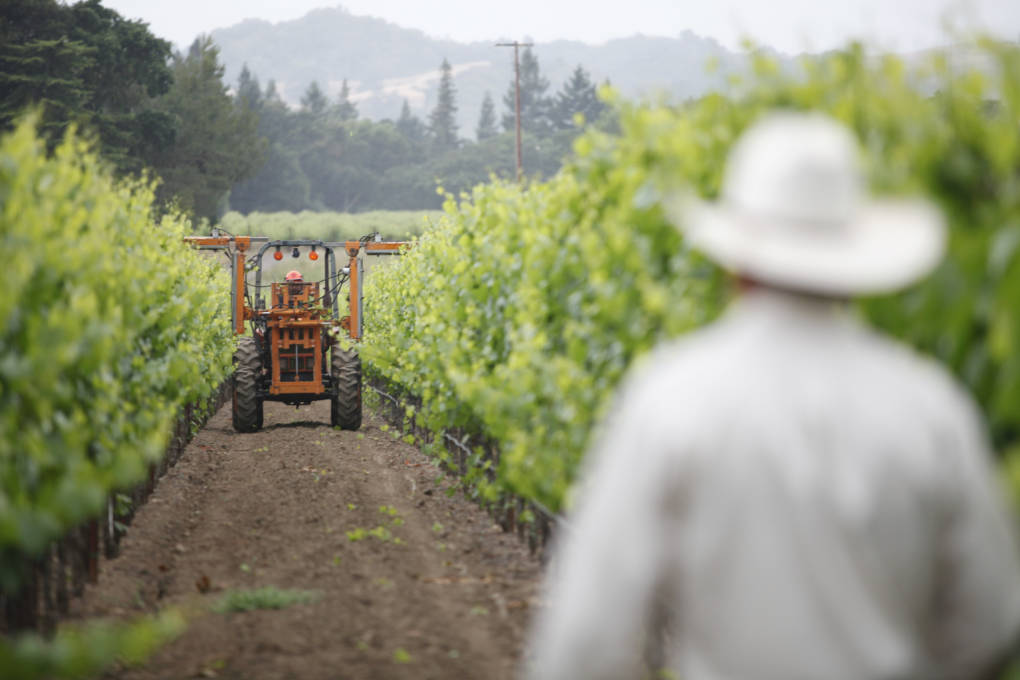
"caption": "A vineyard worker for a Napa Valley winemaker looks on as a tractor trims grapevine branches.",
"description": "A vineyard worker for a Napa Valley winemaker looks on as a tractor trims grapevine branches.",
"title": null,
"credit": "KIMIHIRO HOSHINO/AFP/GettyImages",
"status": "inherit",
"isLoading": false,
"fetchFailed": false
}
},
"audioPlayerReducer": {
"postId": "stream_live",
"isPaused": true,
"isPlaying": false,
"pfsActive": false,
"pledgeModalIsOpen": true,
"playerDrawerIsOpen": false,
"liveAudioPlayStartedAt": 0,
"liveAudioPlayContext": ""
},
"authorsReducer": {
"byline_news_11612892": {
"type": "authors",
"id": "byline_news_11612892",
"meta": {
"override": true
},
"slug": "byline_news_11612892",
"name": "\u003cstrong>Erika Aguilar\u003c/strong>",
"isLoading": false
},
"byline_news_11612870": {
"type": "authors",
"id": "byline_news_11612870",
"meta": {
"override": true
},
"slug": "byline_news_11612870",
"name": "Scott Horsley",
"isLoading": false
},
"byline_news_11612695": {
"type": "authors",
"id": "byline_news_11612695",
"meta": {
"override": true
},
"slug": "byline_news_11612695",
"name": "\u003cstrong>\u003ca href=\"https://calmatters.org/articles/author/laurel-rosenhall/\">Laurel Rosenhall\u003c/a>\u003c/strong>",
"isLoading": false
},
"byline_news_11612563": {
"type": "authors",
"id": "byline_news_11612563",
"meta": {
"override": true
},
"slug": "byline_news_11612563",
"name": "\u003cstrong>Alyssa J. Perry\u003c/strong> and \u003cstrong>Deborah Svoboda\u003c/strong>",
"isLoading": false
},
"scottshafer": {
"type": "authors",
"id": "255",
"meta": {
"index": "authors_1716337520",
"id": "255",
"found": true
},
"name": "Scott Shafer",
"firstName": "Scott",
"lastName": "Shafer",
"slug": "scottshafer",
"email": "sshafer@kqed.org",
"display_author_email": false,
"staff_mastheads": [
"news"
],
"title": "KQED Contributor",
"bio": "Scott Shafer is a senior editor with the KQED Politics and Government desk. He is co-host of Political Breakdown, the award-winning radio show and podcast with a personal take on the world of politics. Scott came to KQED in 1998 to host the statewide\u003cem> California Report\u003c/em>. Prior to that he had extended stints in politics and government\u003cem>.\u003c/em> He uses that inside experience at KQED in his, reporting, hosting and analysis for the politics desk. Scott collaborated \u003cem>Political Breakdown a\u003c/em>nd on \u003cem>The Political Mind of Jerry Brown, \u003c/em>an eight-part series about the life and extraordinary political career of the former governor. For fun, he plays water polo with the San Francisco Tsunami.",
"avatar": "https://secure.gravatar.com/avatar/a62ebae45b79d7aed1a39a0e3bf68104?s=600&d=blank&r=g",
"twitter": "scottshafer",
"bluesky": null,
"facebook": null,
"instagram": null,
"linkedin": null,
"sites": [
{
"site": "news",
"roles": [
"editor"
]
},
{
"site": "stateofhealth",
"roles": [
"author"
]
},
{
"site": "science",
"roles": [
"author"
]
},
{
"site": "forum",
"roles": [
"subscriber"
]
},
{
"site": "liveblog",
"roles": [
"author"
]
}
],
"headData": {
"title": "Scott Shafer | KQED",
"description": "KQED Contributor",
"ogImgSrc": "https://secure.gravatar.com/avatar/a62ebae45b79d7aed1a39a0e3bf68104?s=600&d=blank&r=g",
"twImgSrc": "https://secure.gravatar.com/avatar/a62ebae45b79d7aed1a39a0e3bf68104?s=600&d=blank&r=g"
},
"isLoading": false,
"link": "/author/scottshafer"
},
"aemslie": {
"type": "authors",
"id": "3206",
"meta": {
"index": "authors_1716337520",
"id": "3206",
"found": true
},
"name": "Alex Emslie",
"firstName": "Alex",
"lastName": "Emslie",
"slug": "aemslie",
"email": "aemslie@kqed.org",
"display_author_email": true,
"staff_mastheads": [
"news"
],
"title": "KQED Senior Editor",
"bio": "Alex Emslie is senior editor of talent and development at KQED, where he manages dozens of early career journalists and oversees news department internships.\r\n\r\nHe is a former carpenter and proud graduate of City College of San Francisco and San Francisco State University, where he studied journalism and criminal justice before joining KQED in 2013.\r\n\r\nAlex produced investigative journalism focused on \u003ca href=\"https://www.kqed.org/news/11667594/the-trials-of-marvin-mutch-video\">criminal justice\u003c/a> and policing for most of a decade. He has broken major stories about \u003ca href=\"https://www.kqed.org/news/135682/amid-a-series-of-vallejo-police-shootings-one-officers-name-stands-out\">police use of deadly force\u003c/a>, \u003ca href=\"https://www.kqed.org/news/10454955/racist-texts-prompt-sfpd-internal-investigation\">officer misconduct\u003c/a> and \u003ca href=\"https://www.kqed.org/news/11712239/terrorist-or-troll-judge-to-weigh-whether-oakland-man-really-intended-to-attack-bay-area\">other\u003c/a> \u003ca href=\"https://www.kqed.org/news/11221414/hayward-paid-159000-to-husband-of-retired-police-chief-documents-show\">high\u003c/a>-\u003ca href=\"https://www.kqed.org/news/10622762/the-forgotten-tracking-two-homicides-in-san-francisco-public-housing\">profile\u003c/a> \u003ca href=\"https://www.kqed.org/news/11624516/federal-agency-promoted-ranger-just-months-after-his-gun-was-stolen-and-used-in-steinle-killing\">cases\u003c/a>. He co-founded the \u003ca href=\"https://projects.scpr.org/california-reporting-project/\">California Reporting Project\u003c/a> in 2019 to obtain and report on previously confidential police internal investigations. The effort produced well over 100 original stories and changed the course of multiple criminal cases.\r\n\r\nHis work has been recognized with numerous journalism awards, including a national Edward R. Murrow award for several years of \u003ca href=\"https://www.kqed.org/news/11688481/sfpd-officers-in-mario-woods-case-recount-shooting-in-newly-filed-depositions\">reporting\u003c/a> on the San Francisco Police shooting of Mario Woods. His \u003ca href=\"https://www.kqed.org/news/147854/half-of-those-killed-by-san-francisco-police-are-mentally-ill\">reporting\u003c/a> on police killings of people in psychiatric crisis was cited in amicus briefs before the U.S. Supreme Court.\r\n\r\nAlex now enjoys mentoring the next generation of journalists at KQED.",
"avatar": "https://secure.gravatar.com/avatar/e691e65209f20e9da202bd730ead5663?s=600&d=blank&r=g",
"twitter": "SFNewsReporter",
"facebook": null,
"instagram": null,
"linkedin": null,
"sites": [
{
"site": "arts",
"roles": [
"editor"
]
},
{
"site": "news",
"roles": [
"editor"
]
},
{
"site": "mindshift",
"roles": [
"editor"
]
},
{
"site": "stateofhealth",
"roles": [
"editor"
]
},
{
"site": "science",
"roles": [
"administrator"
]
}
],
"headData": {
"title": "Alex Emslie | KQED",
"description": "KQED Senior Editor",
"ogImgSrc": "https://secure.gravatar.com/avatar/e691e65209f20e9da202bd730ead5663?s=600&d=blank&r=g",
"twImgSrc": "https://secure.gravatar.com/avatar/e691e65209f20e9da202bd730ead5663?s=600&d=blank&r=g"
},
"isLoading": false,
"link": "/author/aemslie"
},
"lklivans": {
"type": "authors",
"id": "8648",
"meta": {
"index": "authors_1716337520",
"id": "8648",
"found": true
},
"name": "Laura Klivans",
"firstName": "Laura",
"lastName": "Klivans",
"slug": "lklivans",
"email": "lklivans@kqed.org",
"display_author_email": true,
"staff_mastheads": [
"news",
"science"
],
"title": "Reporter",
"bio": "Laura Klivans is an award-winning science reporter for KQED News, where she covers climate change with an eye on both groundbreaking progress and gaps in action. She is the former host of KQED's blockbuster video series about tiny, amazing animals, \u003cem>Deep Look\u003c/em>. Her work reaches national audiences through NPR, \u003cem>Here & Now, \u003c/em>PRI, and other major outlets. \r\n\r\nLaura’s won five Northern California Area Emmy Awards for Deep Look and First Place in the Greater Bay Area Journalism Awards for a podcast exploring how one Oakland neighborhood teamed up to reduce planet-heating pollution.\r\n\r\nBeyond her reporting, she hosts and moderates events. In the past, she taught audio storytelling at the UC Berkeley Graduate School of Journalism, led international education programs, worked with immigrants and refugees along the Thai-Burmese border, taught high schoolers sex ed, and was an actress. \r\n\r\nShe's a former UC Berkeley Human Rights Fellow, USC Center for Health Journalism's California Fellow and Coro Fellow in Public Affairs. Laura has a master’s in journalism from UC Berkeley, a master’s in education from Harvard, and an undergraduate degree from Northwestern University.\r\n\r\nShe loves trying to riddle the meaning out of vanity license plates.",
"avatar": "https://secure.gravatar.com/avatar/2d2ecd1550a494cc10ad4a503406965585902124739e775a9b3817eebf1d88be?s=600&d=blank&r=g",
"twitter": "lauraklivans",
"bluesky": null,
"facebook": null,
"instagram": null,
"linkedin": null,
"sites": [
{
"site": "news",
"roles": [
"editor"
]
},
{
"site": "stateofhealth",
"roles": [
"contributor",
"editor"
]
},
{
"site": "science",
"roles": [
"editor"
]
},
{
"site": "forum",
"roles": [
"editor"
]
}
],
"headData": {
"title": "Laura Klivans | KQED",
"description": "Reporter",
"ogImgSrc": "https://secure.gravatar.com/avatar/2d2ecd1550a494cc10ad4a503406965585902124739e775a9b3817eebf1d88be?s=600&d=blank&r=g",
"twImgSrc": "https://secure.gravatar.com/avatar/2d2ecd1550a494cc10ad4a503406965585902124739e775a9b3817eebf1d88be?s=600&d=blank&r=g"
},
"isLoading": false,
"link": "/author/lklivans"
},
"slewis": {
"type": "authors",
"id": "8676",
"meta": {
"index": "authors_1716337520",
"id": "8676",
"found": true
},
"name": "Sukey Lewis",
"firstName": "Sukey",
"lastName": "Lewis",
"slug": "slewis",
"email": "slewis@kqed.org",
"display_author_email": true,
"staff_mastheads": [
"news"
],
"title": "KQED Contributor",
"bio": "Sukey Lewis is a criminal justice reporter and host of \u003cem>On Our Watch\u003c/em>, a new podcast from NPR and KQED about the shadow world of police discipline. In 2018, she co-founded the California Reporting Project, a coalition of newsrooms across the state focused on obtaining previously sealed internal affairs records from law enforcement. In addition to her reporting on police accountability, Sukey has investigated the bail bonds industry, California's wildfires and the high cost of prison phone calls. Sukey earned a master's degree in journalism from the University of California at Berkeley. Send news tips to slewis@kqed.org.",
"avatar": "https://secure.gravatar.com/avatar/03fd6b21024f99d8b0a1966654586de7?s=600&d=blank&r=g",
"twitter": "SukeyLewis",
"facebook": null,
"instagram": null,
"linkedin": null,
"sites": [
{
"site": "news",
"roles": [
"author",
"edit_others_posts"
]
}
],
"headData": {
"title": "Sukey Lewis | KQED",
"description": "KQED Contributor",
"ogImgSrc": "https://secure.gravatar.com/avatar/03fd6b21024f99d8b0a1966654586de7?s=600&d=blank&r=g",
"twImgSrc": "https://secure.gravatar.com/avatar/03fd6b21024f99d8b0a1966654586de7?s=600&d=blank&r=g"
},
"isLoading": false,
"link": "/author/slewis"
},
"rlevi": {
"type": "authors",
"id": "11260",
"meta": {
"index": "authors_1716337520",
"id": "11260",
"found": true
},
"name": "Ryan Levi",
"firstName": "Ryan",
"lastName": "Levi",
"slug": "rlevi",
"email": "rlevi@KQED.org",
"display_author_email": false,
"staff_mastheads": [],
"title": "KQED Contributor",
"bio": "Ryan Levi was a reporter and podcast producer at KQED News from 2016-2019. He worked on \u003ca href=\"https://www.kqed.org/news/series/baycurious\">Bay Curious\u003c/a>, \u003ca href=\"https://www.kqed.org/news/tag/the-bay/\">The Bay, \u003c/a>and \u003ca href=\"https://podcasts.apple.com/us/podcast/the-california-report-magazine/id1314750545\">The California Report Magazine\u003c/a>, as well as hosting and producing the weekly \u003ca href=\"https://www.kqed.org/news/program/qedup/\">Q'ed Up podcast. \u003c/a>He also helped inaugurate KQED's weekend news coverage in 2017 as one of two original digital producers. Ryan holds degrees in multimedia journalism and Spanish from the University of Missouri.",
"avatar": "https://secure.gravatar.com/avatar/4cb2ddd028ac8807d1adf09609c5555d?s=600&d=blank&r=g",
"twitter": "ryan_levi",
"facebook": null,
"instagram": null,
"linkedin": null,
"sites": [
{
"site": "arts",
"roles": [
"editor"
]
},
{
"site": "news",
"roles": [
"subscriber"
]
},
{
"site": "stateofhealth",
"roles": [
"editor"
]
},
{
"site": "science",
"roles": [
"editor"
]
},
{
"site": "forum",
"roles": [
"administrator"
]
},
{
"site": "perspectives",
"roles": [
"administrator"
]
}
],
"headData": {
"title": "Ryan Levi | KQED",
"description": "KQED Contributor",
"ogImgSrc": "https://secure.gravatar.com/avatar/4cb2ddd028ac8807d1adf09609c5555d?s=600&d=blank&r=g",
"twImgSrc": "https://secure.gravatar.com/avatar/4cb2ddd028ac8807d1adf09609c5555d?s=600&d=blank&r=g"
},
"isLoading": false,
"link": "/author/rlevi"
},
"vrancano": {
"type": "authors",
"id": "11276",
"meta": {
"index": "authors_1716337520",
"id": "11276",
"found": true
},
"name": "Vanessa Rancaño",
"firstName": "Vanessa",
"lastName": "Rancaño",
"slug": "vrancano",
"email": "vrancano@kqed.org",
"display_author_email": false,
"staff_mastheads": [
"news"
],
"title": "Reporter",
"bio": "Vanessa Rancaño is a features reporter for KQED. She’s also covered homelessness and education for the station and reported from the Central Valley. Her work has aired across public radio, from flagship national news shows to longform narrative podcasts. Before taking up a mic, she worked as a freelance print journalist. She’s been recognized with a number of national and regional awards. Vanessa grew up in California's Central Valley. She's a former NPR Kroc Fellow, and a graduate of the UC Berkeley Graduate School of Journalism.",
"avatar": "https://secure.gravatar.com/avatar/b3a383dfb0e7ee1c17568f2cf067904ab654d6e3de9743fc661f3c788ade1bed?s=600&d=blank&r=g",
"twitter": "vanessarancano",
"bluesky": null,
"facebook": null,
"instagram": null,
"linkedin": null,
"sites": [
{
"site": "arts",
"roles": [
"editor"
]
},
{
"site": "news",
"roles": [
"editor"
]
},
{
"site": "liveblog",
"roles": [
"contributor"
]
}
],
"headData": {
"title": "Vanessa Rancaño | KQED",
"description": "Reporter",
"ogImgSrc": "https://secure.gravatar.com/avatar/b3a383dfb0e7ee1c17568f2cf067904ab654d6e3de9743fc661f3c788ade1bed?s=600&d=blank&r=g",
"twImgSrc": "https://secure.gravatar.com/avatar/b3a383dfb0e7ee1c17568f2cf067904ab654d6e3de9743fc661f3c788ade1bed?s=600&d=blank&r=g"
},
"isLoading": false,
"link": "/author/vrancano"
},
"jsepulvado": {
"type": "authors",
"id": "11298",
"meta": {
"index": "authors_1716337520",
"id": "11298",
"found": true
},
"name": "John Sepulvado",
"firstName": "John",
"lastName": "Sepulvado",
"slug": "jsepulvado",
"email": "jsepulvado@KQED.org",
"display_author_email": false,
"staff_mastheads": [],
"title": null,
"bio": "John Sepulvado is a former morning host of \u003cem>The California Report\u003c/em>. Prior to joining KQED in September 2016, John was the local host of NPR’s \u003cem>Weekend Edition\u003c/em> at Oregon Public Broadcasting (OPB). He has also served as a producer for America Public Media’s \u003cem>Marketplace Weekend\u003c/em> and worked as a national correspondent for CNN and as news director at WUSF in Tampa, Florida. John has earned prestigious RTDNA Murrow and PRNDI awards for investigative reporting, and helped CNN take home a Peabody Award for coverage of the 2010 Gulf oil spill. John attended Florida A&M in Tallahassee and is also a member of Phi Theta Kappa. He left KQED in 2019.",
"avatar": "https://secure.gravatar.com/avatar/b976d3c4cf11750a793b670e5acb7a1c?s=600&d=blank&r=g",
"twitter": null,
"facebook": null,
"instagram": null,
"linkedin": null,
"sites": [
{
"site": "news",
"roles": [
"author",
"edit_others_posts"
]
}
],
"headData": {
"title": "John Sepulvado | KQED",
"description": null,
"ogImgSrc": "https://secure.gravatar.com/avatar/b976d3c4cf11750a793b670e5acb7a1c?s=600&d=blank&r=g",
"twImgSrc": "https://secure.gravatar.com/avatar/b976d3c4cf11750a793b670e5acb7a1c?s=600&d=blank&r=g"
},
"isLoading": false,
"link": "/author/jsepulvado"
},
"bjohnson": {
"type": "authors",
"id": "11328",
"meta": {
"index": "authors_1716337520",
"id": "11328",
"found": true
},
"name": "Bert Johnson",
"firstName": "Bert",
"lastName": "Johnson",
"slug": "bjohnson",
"email": "bjohnson@KQED.org",
"display_author_email": false,
"staff_mastheads": [],
"title": "KQED Contributor",
"bio": "Bert Johnson is a multimedia journalist and KQED contributor. His work has also been published in the \u003cem>Sacramento News & Review\u003c/em> and he was previously the Multimedia Editor at the \u003cem>East Bay Express. \u003c/em>He covers social movements, the justice system and extremism. Email: bjohnson@kqed.org Twitter: @bertjohnsonfoto Instagram: @bertjohnsonfoto",
"avatar": "https://secure.gravatar.com/avatar/68b1d4bfae2eff83ac1d5c2ca0d0a936?s=600&d=blank&r=g",
"twitter": null,
"facebook": null,
"instagram": null,
"linkedin": null,
"sites": [
{
"site": "news",
"roles": [
"edit_others_posts",
"subscriber"
]
}
],
"headData": {
"title": "Bert Johnson | KQED",
"description": "KQED Contributor",
"ogImgSrc": "https://secure.gravatar.com/avatar/68b1d4bfae2eff83ac1d5c2ca0d0a936?s=600&d=blank&r=g",
"twImgSrc": "https://secure.gravatar.com/avatar/68b1d4bfae2eff83ac1d5c2ca0d0a936?s=600&d=blank&r=g"
},
"isLoading": false,
"link": "/author/bjohnson"
},
"btaylor": {
"type": "authors",
"id": "11365",
"meta": {
"index": "authors_1716337520",
"id": "11365",
"found": true
},
"name": "Bianca Taylor",
"firstName": "Bianca",
"lastName": "Taylor",
"slug": "btaylor",
"email": "btaylor@KQED.org",
"display_author_email": false,
"staff_mastheads": [
"news"
],
"title": "Host and Producer ",
"bio": "Bianca Taylor is a news producer and host of KQED's The Latest podcast.\r\n\r\nHer work with KQED has been honored by the Society of Professional Journalists NorCal, the Webby's, the Regional Murrow Awards, and ONA. She has also worked with NPR, the BBC World Service, and the Washington Post Creative Group.\r\n\r\nBianca is represented by SAG-AFTRA.",
"avatar": "https://secure.gravatar.com/avatar/6b9d3f6552dd10470c5d1c2e58cfe717?s=600&d=blank&r=g",
"twitter": "SoundsLkeBianca",
"facebook": null,
"instagram": null,
"linkedin": null,
"sites": [
{
"site": "arts",
"roles": [
"editor"
]
},
{
"site": "news",
"roles": [
"edit_others_posts",
"editor"
]
},
{
"site": "pop",
"roles": [
"editor"
]
},
{
"site": "bayareabites",
"roles": [
"author"
]
},
{
"site": "science",
"roles": [
"editor"
]
},
{
"site": "forum",
"roles": [
"editor"
]
},
{
"site": "radio",
"roles": [
"editor"
]
},
{
"site": "podcasts",
"roles": [
"editor"
]
}
],
"headData": {
"title": "Bianca Taylor | KQED",
"description": "Host and Producer ",
"ogImgSrc": "https://secure.gravatar.com/avatar/6b9d3f6552dd10470c5d1c2e58cfe717?s=600&d=blank&r=g",
"twImgSrc": "https://secure.gravatar.com/avatar/6b9d3f6552dd10470c5d1c2e58cfe717?s=600&d=blank&r=g"
},
"isLoading": false,
"link": "/author/btaylor"
}
},
"pagesReducer": {
"news_program_news-fix": {
"type": "terms",
"id": "news_6944",
"meta": {
"index": "terms_1716263798",
"site": "news",
"id": "6944",
"score": 16.37802
},
"featImg": "https://ww2.kqed.org/app/uploads/sites/10/2014/10/News-Fix-Logo-Web-Banners-04.png",
"name": "News Fix",
"description": null,
"taxonomy": "program",
"headData": {
"twImgId": null,
"twTitle": null,
"ogTitle": null,
"ogImgId": null,
"twDescription": null,
"description": "The News Fix is a daily news podcast from KQED that breaks down the latest headlines and provides in-depth analysis of the stories that matter to the Bay Area.",
"title": "News Fix - Daily Dose of Bay Area News | KQED",
"ogDescription": null
},
"ttid": 6968,
"slug": "news-fix",
"isLoading": false,
"title": "News Fix",
"pageMeta": {
"site": "news",
"WpPageTemplate": "page-topic-editorial",
"currentPage": 112
},
"blocks": [
{
"blockName": "kqed/post-list",
"attrs": {
"layout": "cardArticle2",
"query": "posts/news?program=news-fix",
"seeMore": false,
"paginated": true,
"page": 112
}
},
{
"blockName": "kqed/ad"
}
]
}
},
"pfsSessionReducer": {},
"postsReducer": {
"stream_live": {
"type": "live",
"id": "stream_live",
"audioUrl": "https://streams.kqed.org/kqedradio",
"title": "Live Stream",
"excerpt": "Live Stream information currently unavailable.",
"link": "/radio",
"featImg": "",
"label": {
"name": "KQED Live",
"link": "/"
}
},
"stream_kqedNewscast": {
"type": "posts",
"id": "stream_kqedNewscast",
"audioUrl": "https://www.kqed.org/.stream/anon/radio/RDnews/newscast.mp3?_=1",
"title": "KQED Newscast",
"featImg": "",
"label": {
"name": "88.5 FM",
"link": "/"
}
},
"news_11612922": {
"type": "posts",
"id": "news_11612922",
"meta": {
"index": "posts_1716263798",
"site": "news",
"id": "11612922",
"score": null,
"sort": [
1503104900000
]
},
"parent": 0,
"labelTerm": {
"site": "news",
"term": 72
},
"blocks": [],
"publishDate": 1503104900,
"format": "standard",
"disqusTitle": "Teen in Police Sexual Exploitation Case Files Federal Suit Against Richmond",
"title": "Teen in Police Sexual Exploitation Case Files Federal Suit Against Richmond",
"headTitle": "The California Report | KQED News",
"content": "\u003cp>The 19-year-old at the center of a \u003ca href=\"https://ww2.kqed.org/news/tag/police-sexual-exploitation/\" target=\"_blank\" rel=\"noopener noreferrer\">law enforcement sexual exploitation\u003c/a> case is suing in federal court the city of Richmond, police officials and officers.\u003c/p>\n\u003cp>It’s the first litigation of its kind in the far-reaching case involving Richmond teen Jasmine Abuslin, who is also known by the name Celeste Guap. She has testified in a separate \u003ca href=\"https://ww2.kqed.org/news/2017/07/29/former-contra-costa-sheriffs-deputy-to-stand-trial-in-sexual-exploitation-case/\" target=\"_blank\" rel=\"noopener noreferrer\">criminal case\u003c/a> that she began work in the sex trade at age 12, and she appears to be a victim of child sex trafficking.\u003c/p>\n\u003cp>Her attorney, John Burris, named current Richmond Police Chief Allwyn Brown, former Chief Chris Magnus and Lt. Brian Dickerson as defendants for what he says was a failure to supervise and stop sexual misconduct on the part of at least five other Richmond police officers.\u003c/p>\n\u003cp>\"Our claim is really not just against the officers themselves, but what the officers were allowed to do on the part of people who were in a position to stop this conduct but did not do so at an earlier point,\" Burris said at a Friday news conference announcing the lawsuit, which was filed on Thursday.\u003c/p>\n\u003cp>Richmond City Manager Bill Lindsay declined to comment on the active litigation, and Chief Brown did not return a call seeking comment.\u003cbr>\n[contextly_sidebar id=\"Y02dSDRcLcX0SkqcCAqFBUwe7VWk7tH4\"]\u003cbr>\nAbuslin's attorneys filed \u003ca href=\"https://ww2.kqed.org/news/2016/09/16/criminal-charges-legal-claim-filed-in-cop-sexual-exploitation-case/\" target=\"_blank\" rel=\"noopener noreferrer\">legal claims\u003c/a> -- generally a precursor to lawsuits -- against Oakland, Richmond, Livermore and San Francisco, as well as Alameda and Contra Costa counties. Oakland \u003ca href=\"https://ww2.kqed.org/news/2017/06/01/teen-tied-to-sexual-misconduct-case-relieved-by-oakland-settlement/\" target=\"_blank\" rel=\"noopener noreferrer\">settled\u003c/a> the claim against it in May for $989,000.\u003c/p>\n\u003cp>[ad fullwidth]\u003c/p>\n\u003cp>Several current and former Oakland officers face criminal charges in Alameda County related to the case, in addition to a former Contra Costa sheriff's deputy. But no Richmond officers were criminally charged in Alameda or Contra Costa County.\u003c/p>\n\u003cp>“Each case is unique. We found no conspiracies,” Police Chief Brown wrote in a \u003ca href=\"https://ww2.kqed.org/news/2016/09/12/police-chief-no-crimes-by-richmond-officers-in-sexual-exploitation-scandal/\" target=\"_blank\" rel=\"noopener noreferrer\">report on his department's investigation\u003c/a> last September. “The facts show individual, unconnected, non-criminal engagements and other activities that violate multiple Department policies and the professional Code of Ethics on the part of several RPD officers.”\u003c/p>\n\u003cp>The lawsuit filed Thursday alleges that Officer Terrance Jackson met Abuslin when she was in high school and he was assigned as a school resource officer. They allegedly discussed Abuslin's work in the sex trade, but Jackson did not attempt to help the sex-trafficked minor. After she left high school, Jackson allegedly fondled her, according to the lawsuit.\u003cbr>\n[contextly_sidebar id=\"W1GpDKOTDw2Wo9OrTCmiccNVcvOl24bx\"]\u003cbr>\nLt. Andre Hill, a former Richmond police spokesman, also allegedly met Abuslin when she was in high school.\u003c/p>\n\u003cp>\"Shortly thereafter, he started grooming her, preparing her for his sexual advances,\" the lawsuit says. \"He would routinely call her and tell her to stand in the front picture window of her home that faces the street. He would instruct her to disrobe and flash her breasts at him while he drove by.\"\u003c/p>\n\u003cp>The lawsuit goes on to allege that Abuslin had sex with Hill \"in exchange for receiving protection and confidential information from Officer Hill.\"\u003c/p>\n\u003cp>Richmond Sgt. Armando Moreno allegedly met Abuslin while patrolling an area known for sex trafficking.\u003c/p>\n\u003cp>\"[T]he two exchanged phone numbers, with Officer Moreno promising to connect [Abuslin] with resources that could help her out of the sex exploitation industry,\" the lawsuit says. \"As events unfolded, this promise was merely a ploy to gain [Abuslin's] confidence in order to obtain sexual favors.\"\u003c/p>\n\u003cp>Moreno allegedly gave Abuslin some pamphlets \"that could assist her with getting out of the 'life,' \" according to the lawsuit. But later, in spring 2016, their relationship became sexual. Moreno also allegedly shared a police report with Abuslin about a sexual assault against one of her friends.\u003cbr>\n[contextly_sidebar id=\"0GpVXWhQTBv6JSJuNZMxmoeURCiy6xaQ\"]\u003cbr>\nThe lawsuit accuses Moreno of texting Abuslin to alert her of a prostitution sting operation, but she was detained before she could leave.\u003c/p>\n\u003cp>\"Consistent with the protection [Abuslin] received in exchange for sexual favors, the Officer immediately released her without issuing a citation or arresting her,\" the lawsuit says.\u003c/p>\n\u003cp>Sgt. Mike Rood allegedly met Abuslin for sex several times in early 2016, according to the lawsuit.\u003c/p>\n\u003cp>\"He confided in her his foot fetish and would often text and/or call to ask questions about her feet,\" the complaint says. \"Defendant Rood knew [Abuslin] was a sex worker and took advantage of his status as a police officer by coercing her into having sexual encounters in exchange for providing her protection from arrest and prosecution.\"\u003c/p>\n\u003cp>Officer Jerrod Tong met Abuslin through \u003ca href=\"https://ww2.kqed.org/news/2016/07/14/__trashed-20/\" target=\"_blank\" rel=\"noopener noreferrer\">social media\u003c/a>, according to the lawsuit, which is a way Abuslin met many law enforcement officers, according to her testimony at a recent preliminary hearing in a criminal case. Tong allegedly visited Abuslin while he was on duty, and then continued to meet her near her home for sex.\u003c/p>\n\u003cp>\"Officer Tong supported and promoted [Abuslin's] prostitution activities,\" the lawsuit says. \"For example, he would ask her to send him pictures and suggest outfits and poses for her prostitution ads.\"\u003c/p>\n\u003cp>Burris said Friday that the scale of the case goes well beyond Richmond.\u003c/p>\n\u003cp>\"There were a number of officers in Oakland, a number of officers in Richmond, some officers in Contra Costa Sheriff’s Department, some officers in Alameda County Sheriff’s Department, Livermore, as well as at least two in San Francisco,\" Burris said. \"And it was as if this young woman was being passed around as if she was a sex slave that was available at these men’s beck and calls.\"\u003c/p>\n\u003cp>Burris said the lawsuit against Richmond won't likely be the last in the wide-ranging case. Legal claims against Contra Costa and Alameda counties as well as San Francisco and Livermore have yet to be settled.\u003c/p>\n\u003cp>\"Certainly some of them are going to be sued, but I don’t know how many of them,\" Burris said.\u003c/p>\n\u003cp>\u003cem>Read the complaint below.\u003c/em>\u003c/p>\n\u003cp>\u003c/p>\n\u003cp>[documentcloud url=\"https://www.documentcloud.org/documents/3935225-Jane-Doe-v-City-of-Richmond-et-al\" notes=\"true\" text=\"true\" search=\"true\" sidebar=\"true\" pdf=\"true\" responsive=\"true\" page=\"1\"]\u003c/p>\n\n",
"disqusIdentifier": "11612922 https://ww2.kqed.org/news/?p=11612922",
"disqusUrl": "https://ww2.kqed.org/news/2017/08/18/teen-in-police-sexual-exploitation-case-files-federal-suit-against-richmond/",
"stats": {
"hasVideo": false,
"hasChartOrMap": false,
"hasAudio": false,
"hasPolis": false,
"wordCount": 1004,
"hasGoogleForm": false,
"hasGallery": false,
"hasHearkenModule": false,
"iframeSrcs": [],
"paragraphCount": 26
},
"modified": 1618878162,
"excerpt": "It’s the first litigation of its kind in the far-reaching case involving a Richmond teen known by the name Celeste Guap.",
"headData": {
"twImgId": "",
"twTitle": "",
"ogTitle": "",
"ogImgId": "",
"twDescription": "",
"description": "It’s the first litigation of its kind in the far-reaching case involving a Richmond teen known by the name Celeste Guap.",
"title": "Teen in Police Sexual Exploitation Case Files Federal Suit Against Richmond | KQED",
"ogDescription": "",
"schema": {
"@context": "https://schema.org",
"@type": "NewsArticle",
"headline": "Teen in Police Sexual Exploitation Case Files Federal Suit Against Richmond",
"datePublished": "2017-08-18T18:08:20-07:00",
"dateModified": "2021-04-19T17:22:42-07:00",
"image": "https://cdn.kqed.org/wp-content/uploads/2020/02/KQED-OG-Image@1x.png",
"isAccessibleForFree": "True",
"publisher": {
"@type": "NewsMediaOrganization",
"@id": "https://www.kqed.org/#organization",
"name": "KQED",
"logo": "https://cdn.kqed.org/wp-content/uploads/2020/02/KQED-OG-Image@1x.png",
"url": "https://www.kqed.org",
"sameAs": [
"https://www.facebook.com/KQED",
"https://twitter.com/KQED",
"https://www.instagram.com/kqed/",
"https://www.tiktok.com/@kqedofficial",
"https://www.linkedin.com/company/kqed",
"https://www.youtube.com/channel/UCeC0IOo7i1P_61zVUWbJ4nw"
]
}
}
},
"guestAuthors": [],
"slug": "teen-in-police-sexual-exploitation-case-files-federal-suit-against-richmond",
"status": "publish",
"templateType": "standard",
"featuredImageType": "standard",
"path": "/news/11612922/teen-in-police-sexual-exploitation-case-files-federal-suit-against-richmond",
"audioTrackLength": null,
"parsedContent": [
{
"type": "contentString",
"content": "\u003cdiv class=\"post-body\">\u003cp>\u003cp>The 19-year-old at the center of a \u003ca href=\"https://ww2.kqed.org/news/tag/police-sexual-exploitation/\" target=\"_blank\" rel=\"noopener noreferrer\">law enforcement sexual exploitation\u003c/a> case is suing in federal court the city of Richmond, police officials and officers.\u003c/p>\n\u003cp>It’s the first litigation of its kind in the far-reaching case involving Richmond teen Jasmine Abuslin, who is also known by the name Celeste Guap. She has testified in a separate \u003ca href=\"https://ww2.kqed.org/news/2017/07/29/former-contra-costa-sheriffs-deputy-to-stand-trial-in-sexual-exploitation-case/\" target=\"_blank\" rel=\"noopener noreferrer\">criminal case\u003c/a> that she began work in the sex trade at age 12, and she appears to be a victim of child sex trafficking.\u003c/p>\n\u003cp>Her attorney, John Burris, named current Richmond Police Chief Allwyn Brown, former Chief Chris Magnus and Lt. Brian Dickerson as defendants for what he says was a failure to supervise and stop sexual misconduct on the part of at least five other Richmond police officers.\u003c/p>\n\u003cp>\"Our claim is really not just against the officers themselves, but what the officers were allowed to do on the part of people who were in a position to stop this conduct but did not do so at an earlier point,\" Burris said at a Friday news conference announcing the lawsuit, which was filed on Thursday.\u003c/p>\n\u003cp>Richmond City Manager Bill Lindsay declined to comment on the active litigation, and Chief Brown did not return a call seeking comment.\u003cbr>\n\u003c/p>\u003cp>\u003c/p>\u003cp>\u003cbr>\nAbuslin's attorneys filed \u003ca href=\"https://ww2.kqed.org/news/2016/09/16/criminal-charges-legal-claim-filed-in-cop-sexual-exploitation-case/\" target=\"_blank\" rel=\"noopener noreferrer\">legal claims\u003c/a> -- generally a precursor to lawsuits -- against Oakland, Richmond, Livermore and San Francisco, as well as Alameda and Contra Costa counties. Oakland \u003ca href=\"https://ww2.kqed.org/news/2017/06/01/teen-tied-to-sexual-misconduct-case-relieved-by-oakland-settlement/\" target=\"_blank\" rel=\"noopener noreferrer\">settled\u003c/a> the claim against it in May for $989,000.\u003c/p>\n\u003cp>\u003c/p>\u003c/div>",
"attributes": {
"named": {},
"numeric": []
}
},
{
"type": "component",
"content": "",
"name": "ad",
"attributes": {
"named": {
"label": "fullwidth"
},
"numeric": [
"fullwidth"
]
}
},
{
"type": "contentString",
"content": "\u003cdiv class=\"post-body\">\u003cp>\u003c/p>\n\u003cp>Several current and former Oakland officers face criminal charges in Alameda County related to the case, in addition to a former Contra Costa sheriff's deputy. But no Richmond officers were criminally charged in Alameda or Contra Costa County.\u003c/p>\n\u003cp>“Each case is unique. We found no conspiracies,” Police Chief Brown wrote in a \u003ca href=\"https://ww2.kqed.org/news/2016/09/12/police-chief-no-crimes-by-richmond-officers-in-sexual-exploitation-scandal/\" target=\"_blank\" rel=\"noopener noreferrer\">report on his department's investigation\u003c/a> last September. “The facts show individual, unconnected, non-criminal engagements and other activities that violate multiple Department policies and the professional Code of Ethics on the part of several RPD officers.”\u003c/p>\n\u003cp>The lawsuit filed Thursday alleges that Officer Terrance Jackson met Abuslin when she was in high school and he was assigned as a school resource officer. They allegedly discussed Abuslin's work in the sex trade, but Jackson did not attempt to help the sex-trafficked minor. After she left high school, Jackson allegedly fondled her, according to the lawsuit.\u003cbr>\n\u003c/p>\u003cp>\u003c/p>\u003cp>\u003cbr>\nLt. Andre Hill, a former Richmond police spokesman, also allegedly met Abuslin when she was in high school.\u003c/p>\n\u003cp>\"Shortly thereafter, he started grooming her, preparing her for his sexual advances,\" the lawsuit says. \"He would routinely call her and tell her to stand in the front picture window of her home that faces the street. He would instruct her to disrobe and flash her breasts at him while he drove by.\"\u003c/p>\n\u003cp>The lawsuit goes on to allege that Abuslin had sex with Hill \"in exchange for receiving protection and confidential information from Officer Hill.\"\u003c/p>\n\u003cp>Richmond Sgt. Armando Moreno allegedly met Abuslin while patrolling an area known for sex trafficking.\u003c/p>\n\u003cp>\"[T]he two exchanged phone numbers, with Officer Moreno promising to connect [Abuslin] with resources that could help her out of the sex exploitation industry,\" the lawsuit says. \"As events unfolded, this promise was merely a ploy to gain [Abuslin's] confidence in order to obtain sexual favors.\"\u003c/p>\n\u003cp>Moreno allegedly gave Abuslin some pamphlets \"that could assist her with getting out of the 'life,' \" according to the lawsuit. But later, in spring 2016, their relationship became sexual. Moreno also allegedly shared a police report with Abuslin about a sexual assault against one of her friends.\u003cbr>\n\u003c/p>\u003cp>\u003c/p>\u003cp>\u003cbr>\nThe lawsuit accuses Moreno of texting Abuslin to alert her of a prostitution sting operation, but she was detained before she could leave.\u003c/p>\n\u003cp>\"Consistent with the protection [Abuslin] received in exchange for sexual favors, the Officer immediately released her without issuing a citation or arresting her,\" the lawsuit says.\u003c/p>\n\u003cp>Sgt. Mike Rood allegedly met Abuslin for sex several times in early 2016, according to the lawsuit.\u003c/p>\n\u003cp>\"He confided in her his foot fetish and would often text and/or call to ask questions about her feet,\" the complaint says. \"Defendant Rood knew [Abuslin] was a sex worker and took advantage of his status as a police officer by coercing her into having sexual encounters in exchange for providing her protection from arrest and prosecution.\"\u003c/p>\n\u003cp>Officer Jerrod Tong met Abuslin through \u003ca href=\"https://ww2.kqed.org/news/2016/07/14/__trashed-20/\" target=\"_blank\" rel=\"noopener noreferrer\">social media\u003c/a>, according to the lawsuit, which is a way Abuslin met many law enforcement officers, according to her testimony at a recent preliminary hearing in a criminal case. Tong allegedly visited Abuslin while he was on duty, and then continued to meet her near her home for sex.\u003c/p>\n\u003cp>\"Officer Tong supported and promoted [Abuslin's] prostitution activities,\" the lawsuit says. \"For example, he would ask her to send him pictures and suggest outfits and poses for her prostitution ads.\"\u003c/p>\n\u003cp>Burris said Friday that the scale of the case goes well beyond Richmond.\u003c/p>\n\u003cp>\"There were a number of officers in Oakland, a number of officers in Richmond, some officers in Contra Costa Sheriff’s Department, some officers in Alameda County Sheriff’s Department, Livermore, as well as at least two in San Francisco,\" Burris said. \"And it was as if this young woman was being passed around as if she was a sex slave that was available at these men’s beck and calls.\"\u003c/p>\n\u003cp>Burris said the lawsuit against Richmond won't likely be the last in the wide-ranging case. Legal claims against Contra Costa and Alameda counties as well as San Francisco and Livermore have yet to be settled.\u003c/p>\n\u003cp>\"Certainly some of them are going to be sued, but I don’t know how many of them,\" Burris said.\u003c/p>\n\u003cp>\u003cem>Read the complaint below.\u003c/em>\u003c/p>\n\u003cp>\u003c/p>\n\u003cp>\u003c/p>\u003c/div>",
"attributes": {
"named": {},
"numeric": []
}
},
{
"type": "component",
"content": "",
"name": "documentcloud",
"attributes": {
"named": {
"url": "https://www.documentcloud.org/documents/3935225-Jane-Doe-v-City-of-Richmond-et-al",
"notes": "true",
"text": "true",
"search": "true",
"sidebar": "true",
"pdf": "true",
"responsive": "true",
"page": "1",
"label": ""
},
"numeric": []
}
},
{
"type": "contentString",
"content": "\u003cdiv class=\"post-body\">\u003cp>\u003c/p>\n\n\u003c/div>\u003c/p>",
"attributes": {
"named": {},
"numeric": []
}
}
],
"link": "/news/11612922/teen-in-police-sexual-exploitation-case-files-federal-suit-against-richmond",
"authors": [
"3206",
"8676"
],
"programs": [
"news_6944",
"news_72"
],
"categories": [
"news_6188",
"news_8"
],
"tags": [
"news_19969",
"news_19662"
],
"featImg": "news_11613047",
"label": "news_72"
},
"news_11612321": {
"type": "posts",
"id": "news_11612321",
"meta": {
"index": "posts_1716263798",
"site": "news",
"id": "11612321",
"score": null,
"sort": [
1503097298000
]
},
"parent": 0,
"labelTerm": {
"site": "news",
"term": 72
},
"blocks": [],
"publishDate": 1503097298,
"format": "audio",
"disqusTitle": "At ‘Sound Maze’ Exhibit in Napa, Everyone Is a Musician",
"title": "At ‘Sound Maze’ Exhibit in Napa, Everyone Is a Musician",
"headTitle": "The California Report | KQED News",
"content": "\u003cp>When stuffy classical music doesn't work for you, make your own instrument. Artist Paul Dresher did exactly that.\u003c/p>\n\u003cp>Dresher is a composer and musician who has been inventing his own musical instruments since high school. His love of all things musical is loud and clear at his latest exhibit at the Napa Valley Museum, called \"\u003ca href=\"http://napavalleymuseum.org/exhibition/sound-maze-by-paul-dresher/\">Sound Maze\u003c/a>.\"\u003c/p>\n\u003cfigure id=\"attachment_11612441\" class=\"wp-caption aligncenter\" style=\"max-width: 800px\">\u003cimg class=\"wp-image-11612441 size-medium\" src=\"https://ww2.kqed.org/news/wp-content/uploads/sites/10/2017/08/RS26235_IMG_2630-qut-800x534.jpg\" alt=\"\" width=\"800\" height=\"534\" srcset=\"https://ww2.kqed.org/app/uploads/sites/10/2017/08/RS26235_IMG_2630-qut-800x534.jpg 800w, https://ww2.kqed.org/app/uploads/sites/10/2017/08/RS26235_IMG_2630-qut-160x107.jpg 160w, https://ww2.kqed.org/app/uploads/sites/10/2017/08/RS26235_IMG_2630-qut-1020x680.jpg 1020w, https://ww2.kqed.org/app/uploads/sites/10/2017/08/RS26235_IMG_2630-qut-1180x787.jpg 1180w, https://ww2.kqed.org/app/uploads/sites/10/2017/08/RS26235_IMG_2630-qut-960x640.jpg 960w, https://ww2.kqed.org/app/uploads/sites/10/2017/08/RS26235_IMG_2630-qut-240x160.jpg 240w, https://ww2.kqed.org/app/uploads/sites/10/2017/08/RS26235_IMG_2630-qut-375x250.jpg 375w, https://ww2.kqed.org/app/uploads/sites/10/2017/08/RS26235_IMG_2630-qut-520x347.jpg 520w, https://ww2.kqed.org/app/uploads/sites/10/2017/08/RS26235_IMG_2630-qut.jpg 1363w\" sizes=\"(max-width: 800px) 100vw, 800px\">\u003cfigcaption class=\"wp-caption-text\">Artist and musician Paul Dresher plays \"A-Frame\", a 17-foot pendulum with instruments attached. \u003ccite>(Tom McFadden)\u003c/cite>\u003c/figcaption>\u003c/figure>\n\u003cp>\"Sound Maze\" doesn't look or sound like anything you're used to seeing at a museum. In the center of the exhibit, a massive 17-foot metal pendulum swings, hitting vintage school bells on one side and snare drums on the other. Nearby, a metal hula hoop spins and clatters to the floor. In the back of the room, a silver pipe organ, its pipes tied together with string, blares.\u003c/p>\n\u003cp>Everything in the Sound Maze is meant to be pressed, spun, strummed, knocked and played by everybody, no matter their musical talent, said Dresher.\u003c/p>\n\u003cp>\"When you put some energy into them, the instruments play themselves,\" he said. \"That's part of the idea of this installation. You don’t have to a skilled musician or practice for years to get interesting sonic results.\"\u003c/p>\n\u003cfigure id=\"attachment_11612469\" class=\"wp-caption aligncenter\" style=\"max-width: 800px\">\u003cimg class=\"size-medium wp-image-11612469\" src=\"https://ww2.kqed.org/news/wp-content/uploads/sites/10/2017/08/RS26238_IMG_2750-qut-800x534.jpg\" alt=\"\" width=\"800\" height=\"534\" srcset=\"https://ww2.kqed.org/app/uploads/sites/10/2017/08/RS26238_IMG_2750-qut-800x534.jpg 800w, https://ww2.kqed.org/app/uploads/sites/10/2017/08/RS26238_IMG_2750-qut-160x107.jpg 160w, https://ww2.kqed.org/app/uploads/sites/10/2017/08/RS26238_IMG_2750-qut-1020x680.jpg 1020w, https://ww2.kqed.org/app/uploads/sites/10/2017/08/RS26238_IMG_2750-qut-1180x787.jpg 1180w, https://ww2.kqed.org/app/uploads/sites/10/2017/08/RS26238_IMG_2750-qut-960x640.jpg 960w, https://ww2.kqed.org/app/uploads/sites/10/2017/08/RS26238_IMG_2750-qut-240x160.jpg 240w, https://ww2.kqed.org/app/uploads/sites/10/2017/08/RS26238_IMG_2750-qut-375x250.jpg 375w, https://ww2.kqed.org/app/uploads/sites/10/2017/08/RS26238_IMG_2750-qut-520x347.jpg 520w, https://ww2.kqed.org/app/uploads/sites/10/2017/08/RS26238_IMG_2750-qut.jpg 1363w\" sizes=\"(max-width: 800px) 100vw, 800px\">\u003cfigcaption class=\"wp-caption-text\">Lily Gutierrez plays the Sound Maze's pipe organ. \u003ccite>(Tom McFadden)\u003c/cite>\u003c/figcaption>\u003c/figure>\n\u003cp>It's 7-year-old Lily Gutierrez's first time at \"Sound Maze\" -- and her first time at any museum, ever -- and she's ready for her turn at the \"Big Wheel.\"\u003c/p>\n\u003cp>[ad fullwidth]\u003c/p>\n\u003cp>The \"Big Wheel\" is a 4-foot-tall wooden wheel filled with golf balls, pingpong balls and wooden balls. When you spin it, the balls bounce around noisily until they get spit out a hole in the back, where they roll down a xylophone that chimes delightfully.\u003c/p>\n\u003cp>She pushes the wheel with both hands and squeals with delight as the balls go flying.\u003c/p>\n\u003cp>\"Oh look it! It's cool, they fall down! They're really jumping!\" she said.\u003c/p>\n\u003cp>After her turn at the \"Big Wheel,\" she moves on to a row of skinny steel rods swaying back and forth with wood blocks on the end. This instrument is called \"Field of Flowers.\" It does look like flowers, too, but out of a \u003ca href=\"https://www.pinterest.com/pin/452119250066052299/\">Dr. Seuss Book\u003c/a> rather than a garden.\u003c/p>\n\u003cfigure id=\"attachment_11612457\" class=\"wp-caption aligncenter\" style=\"max-width: 800px\">\u003cimg class=\"size-medium wp-image-11612457\" src=\"https://ww2.kqed.org/news/wp-content/uploads/sites/10/2017/08/RS26236_alt_611-800x553.jpg\" alt=\"\" width=\"800\" height=\"553\" srcset=\"https://ww2.kqed.org/app/uploads/sites/10/2017/08/RS26236_alt_611-800x553.jpg 800w, https://ww2.kqed.org/app/uploads/sites/10/2017/08/RS26236_alt_611-160x111.jpg 160w, https://ww2.kqed.org/app/uploads/sites/10/2017/08/RS26236_alt_611-1020x705.jpg 1020w, https://ww2.kqed.org/app/uploads/sites/10/2017/08/RS26236_alt_611-1180x815.jpg 1180w, https://ww2.kqed.org/app/uploads/sites/10/2017/08/RS26236_alt_611-960x663.jpg 960w, https://ww2.kqed.org/app/uploads/sites/10/2017/08/RS26236_alt_611-240x166.jpg 240w, https://ww2.kqed.org/app/uploads/sites/10/2017/08/RS26236_alt_611-375x259.jpg 375w, https://ww2.kqed.org/app/uploads/sites/10/2017/08/RS26236_alt_611-520x359.jpg 520w, https://ww2.kqed.org/app/uploads/sites/10/2017/08/RS26236_alt_611.jpg 1290w\" sizes=\"(max-width: 800px) 100vw, 800px\">\u003cfigcaption class=\"wp-caption-text\">Lily plays \"Field of Flowers\", a row of wooden blocks atop steel rods. \u003ccite>(Tom McFadden)\u003c/cite>\u003c/figcaption>\u003c/figure>\n\u003cp>Lily pulls the wooden blocks back and lets them go, listening as they knock together in a rhythmic wave.\u003c/p>\n\u003cp>\"Whoa ... cool...,\" she said.\u003c/p>\n\u003cp>The sound of wooden blocks mixes with the sound of the nearly dozen other instruments being played by people at the exhibit, and the sound swells to a loud din.\u003c/p>\n\u003cp>Dresher uses the word \"cacophony\" to describe all the noise. To him it sounds like kids and adults finding their inner musician. And that, he said, is music to his ears.\u003c/p>\n\u003cp>\u003c/p>\n\u003cp>\u003cem>You can see \"Sound Maze\" for yourself at the \u003ca href=\"http://napavalleymuseum.org/\" target=\"_blank\" rel=\"noopener noreferrer\">Napa Valley Museum\u003c/a> through Sunday, August 20.\u003c/em>\u003c/p>\n\n",
"disqusIdentifier": "11612321 https://ww2.kqed.org/news/?p=11612321",
"disqusUrl": "https://ww2.kqed.org/news/2017/08/18/at-sound-maze-exhibit-in-napa-everyone-is-a-musician/",
"stats": {
"hasVideo": false,
"hasChartOrMap": false,
"hasAudio": false,
"hasPolis": false,
"wordCount": 513,
"hasGoogleForm": false,
"hasGallery": false,
"hasHearkenModule": false,
"iframeSrcs": [],
"paragraphCount": 17
},
"modified": 1503356395,
"excerpt": "Everything in composer Paul Dresher’s experiential exhibit is meant to be pressed, spun, strummed, knocked and played by anyone, no matter their musical talent.",
"headData": {
"twImgId": "",
"twTitle": "",
"ogTitle": "",
"ogImgId": "",
"twDescription": "",
"description": "Everything in composer Paul Dresher’s experiential exhibit is meant to be pressed, spun, strummed, knocked and played by anyone, no matter their musical talent.",
"title": "At ‘Sound Maze’ Exhibit in Napa, Everyone Is a Musician | KQED",
"ogDescription": "",
"schema": {
"@context": "https://schema.org",
"@type": "NewsArticle",
"headline": "At ‘Sound Maze’ Exhibit in Napa, Everyone Is a Musician",
"datePublished": "2017-08-18T16:01:38-07:00",
"dateModified": "2017-08-21T15:59:55-07:00",
"image": "https://cdn.kqed.org/wp-content/uploads/2020/02/KQED-OG-Image@1x.png",
"isAccessibleForFree": "True",
"publisher": {
"@type": "NewsMediaOrganization",
"@id": "https://www.kqed.org/#organization",
"name": "KQED",
"logo": "https://cdn.kqed.org/wp-content/uploads/2020/02/KQED-OG-Image@1x.png",
"url": "https://www.kqed.org",
"sameAs": [
"https://www.facebook.com/KQED",
"https://twitter.com/KQED",
"https://www.instagram.com/kqed/",
"https://www.tiktok.com/@kqedofficial",
"https://www.linkedin.com/company/kqed",
"https://www.youtube.com/channel/UCeC0IOo7i1P_61zVUWbJ4nw"
]
}
}
},
"guestAuthors": [],
"slug": "at-sound-maze-exhibit-in-napa-everyone-is-a-musician",
"status": "publish",
"audioUrl": "http://www.kqed.org/.stream/anon/radio/tcrmag/2017/08/SoundMaze.mp3",
"guestFields": "0",
"path": "/news/11612321/at-sound-maze-exhibit-in-napa-everyone-is-a-musician",
"audioTrackLength": null,
"parsedContent": [
{
"type": "contentString",
"content": "\u003cdiv class=\"post-body\">\u003cp>\u003cp>When stuffy classical music doesn't work for you, make your own instrument. Artist Paul Dresher did exactly that.\u003c/p>\n\u003cp>Dresher is a composer and musician who has been inventing his own musical instruments since high school. His love of all things musical is loud and clear at his latest exhibit at the Napa Valley Museum, called \"\u003ca href=\"http://napavalleymuseum.org/exhibition/sound-maze-by-paul-dresher/\">Sound Maze\u003c/a>.\"\u003c/p>\n\u003cfigure id=\"attachment_11612441\" class=\"wp-caption aligncenter\" style=\"max-width: 800px\">\u003cimg class=\"wp-image-11612441 size-medium\" src=\"https://ww2.kqed.org/news/wp-content/uploads/sites/10/2017/08/RS26235_IMG_2630-qut-800x534.jpg\" alt=\"\" width=\"800\" height=\"534\" srcset=\"https://ww2.kqed.org/app/uploads/sites/10/2017/08/RS26235_IMG_2630-qut-800x534.jpg 800w, https://ww2.kqed.org/app/uploads/sites/10/2017/08/RS26235_IMG_2630-qut-160x107.jpg 160w, https://ww2.kqed.org/app/uploads/sites/10/2017/08/RS26235_IMG_2630-qut-1020x680.jpg 1020w, https://ww2.kqed.org/app/uploads/sites/10/2017/08/RS26235_IMG_2630-qut-1180x787.jpg 1180w, https://ww2.kqed.org/app/uploads/sites/10/2017/08/RS26235_IMG_2630-qut-960x640.jpg 960w, https://ww2.kqed.org/app/uploads/sites/10/2017/08/RS26235_IMG_2630-qut-240x160.jpg 240w, https://ww2.kqed.org/app/uploads/sites/10/2017/08/RS26235_IMG_2630-qut-375x250.jpg 375w, https://ww2.kqed.org/app/uploads/sites/10/2017/08/RS26235_IMG_2630-qut-520x347.jpg 520w, https://ww2.kqed.org/app/uploads/sites/10/2017/08/RS26235_IMG_2630-qut.jpg 1363w\" sizes=\"(max-width: 800px) 100vw, 800px\">\u003cfigcaption class=\"wp-caption-text\">Artist and musician Paul Dresher plays \"A-Frame\", a 17-foot pendulum with instruments attached. \u003ccite>(Tom McFadden)\u003c/cite>\u003c/figcaption>\u003c/figure>\n\u003cp>\"Sound Maze\" doesn't look or sound like anything you're used to seeing at a museum. In the center of the exhibit, a massive 17-foot metal pendulum swings, hitting vintage school bells on one side and snare drums on the other. Nearby, a metal hula hoop spins and clatters to the floor. In the back of the room, a silver pipe organ, its pipes tied together with string, blares.\u003c/p>\n\u003cp>Everything in the Sound Maze is meant to be pressed, spun, strummed, knocked and played by everybody, no matter their musical talent, said Dresher.\u003c/p>\n\u003cp>\"When you put some energy into them, the instruments play themselves,\" he said. \"That's part of the idea of this installation. You don’t have to a skilled musician or practice for years to get interesting sonic results.\"\u003c/p>\n\u003cfigure id=\"attachment_11612469\" class=\"wp-caption aligncenter\" style=\"max-width: 800px\">\u003cimg class=\"size-medium wp-image-11612469\" src=\"https://ww2.kqed.org/news/wp-content/uploads/sites/10/2017/08/RS26238_IMG_2750-qut-800x534.jpg\" alt=\"\" width=\"800\" height=\"534\" srcset=\"https://ww2.kqed.org/app/uploads/sites/10/2017/08/RS26238_IMG_2750-qut-800x534.jpg 800w, https://ww2.kqed.org/app/uploads/sites/10/2017/08/RS26238_IMG_2750-qut-160x107.jpg 160w, https://ww2.kqed.org/app/uploads/sites/10/2017/08/RS26238_IMG_2750-qut-1020x680.jpg 1020w, https://ww2.kqed.org/app/uploads/sites/10/2017/08/RS26238_IMG_2750-qut-1180x787.jpg 1180w, https://ww2.kqed.org/app/uploads/sites/10/2017/08/RS26238_IMG_2750-qut-960x640.jpg 960w, https://ww2.kqed.org/app/uploads/sites/10/2017/08/RS26238_IMG_2750-qut-240x160.jpg 240w, https://ww2.kqed.org/app/uploads/sites/10/2017/08/RS26238_IMG_2750-qut-375x250.jpg 375w, https://ww2.kqed.org/app/uploads/sites/10/2017/08/RS26238_IMG_2750-qut-520x347.jpg 520w, https://ww2.kqed.org/app/uploads/sites/10/2017/08/RS26238_IMG_2750-qut.jpg 1363w\" sizes=\"(max-width: 800px) 100vw, 800px\">\u003cfigcaption class=\"wp-caption-text\">Lily Gutierrez plays the Sound Maze's pipe organ. \u003ccite>(Tom McFadden)\u003c/cite>\u003c/figcaption>\u003c/figure>\n\u003cp>It's 7-year-old Lily Gutierrez's first time at \"Sound Maze\" -- and her first time at any museum, ever -- and she's ready for her turn at the \"Big Wheel.\"\u003c/p>\n\u003cp>\u003c/p>\u003c/div>",
"attributes": {
"named": {},
"numeric": []
}
},
{
"type": "component",
"content": "",
"name": "ad",
"attributes": {
"named": {
"label": "fullwidth"
},
"numeric": [
"fullwidth"
]
}
},
{
"type": "contentString",
"content": "\u003cdiv class=\"post-body\">\u003cp>\u003c/p>\n\u003cp>The \"Big Wheel\" is a 4-foot-tall wooden wheel filled with golf balls, pingpong balls and wooden balls. When you spin it, the balls bounce around noisily until they get spit out a hole in the back, where they roll down a xylophone that chimes delightfully.\u003c/p>\n\u003cp>She pushes the wheel with both hands and squeals with delight as the balls go flying.\u003c/p>\n\u003cp>\"Oh look it! It's cool, they fall down! They're really jumping!\" she said.\u003c/p>\n\u003cp>After her turn at the \"Big Wheel,\" she moves on to a row of skinny steel rods swaying back and forth with wood blocks on the end. This instrument is called \"Field of Flowers.\" It does look like flowers, too, but out of a \u003ca href=\"https://www.pinterest.com/pin/452119250066052299/\">Dr. Seuss Book\u003c/a> rather than a garden.\u003c/p>\n\u003cfigure id=\"attachment_11612457\" class=\"wp-caption aligncenter\" style=\"max-width: 800px\">\u003cimg class=\"size-medium wp-image-11612457\" src=\"https://ww2.kqed.org/news/wp-content/uploads/sites/10/2017/08/RS26236_alt_611-800x553.jpg\" alt=\"\" width=\"800\" height=\"553\" srcset=\"https://ww2.kqed.org/app/uploads/sites/10/2017/08/RS26236_alt_611-800x553.jpg 800w, https://ww2.kqed.org/app/uploads/sites/10/2017/08/RS26236_alt_611-160x111.jpg 160w, https://ww2.kqed.org/app/uploads/sites/10/2017/08/RS26236_alt_611-1020x705.jpg 1020w, https://ww2.kqed.org/app/uploads/sites/10/2017/08/RS26236_alt_611-1180x815.jpg 1180w, https://ww2.kqed.org/app/uploads/sites/10/2017/08/RS26236_alt_611-960x663.jpg 960w, https://ww2.kqed.org/app/uploads/sites/10/2017/08/RS26236_alt_611-240x166.jpg 240w, https://ww2.kqed.org/app/uploads/sites/10/2017/08/RS26236_alt_611-375x259.jpg 375w, https://ww2.kqed.org/app/uploads/sites/10/2017/08/RS26236_alt_611-520x359.jpg 520w, https://ww2.kqed.org/app/uploads/sites/10/2017/08/RS26236_alt_611.jpg 1290w\" sizes=\"(max-width: 800px) 100vw, 800px\">\u003cfigcaption class=\"wp-caption-text\">Lily plays \"Field of Flowers\", a row of wooden blocks atop steel rods. \u003ccite>(Tom McFadden)\u003c/cite>\u003c/figcaption>\u003c/figure>\n\u003cp>Lily pulls the wooden blocks back and lets them go, listening as they knock together in a rhythmic wave.\u003c/p>\n\u003cp>\"Whoa ... cool...,\" she said.\u003c/p>\n\u003cp>The sound of wooden blocks mixes with the sound of the nearly dozen other instruments being played by people at the exhibit, and the sound swells to a loud din.\u003c/p>\n\u003cp>Dresher uses the word \"cacophony\" to describe all the noise. To him it sounds like kids and adults finding their inner musician. And that, he said, is music to his ears.\u003c/p>\n\u003cp>\u003c/p>\n\u003cp>\u003cem>You can see \"Sound Maze\" for yourself at the \u003ca href=\"http://napavalleymuseum.org/\" target=\"_blank\" rel=\"noopener noreferrer\">Napa Valley Museum\u003c/a> through Sunday, August 20.\u003c/em>\u003c/p>\n\n\u003c/div>\u003c/p>",
"attributes": {
"named": {},
"numeric": []
}
}
],
"link": "/news/11612321/at-sound-maze-exhibit-in-napa-everyone-is-a-musician",
"authors": [
"11365"
],
"programs": [
"news_6944",
"news_72"
],
"categories": [
"news_223"
],
"tags": [
"news_1425",
"news_17286"
],
"featImg": "news_11612419",
"label": "news_72"
},
"news_11612921": {
"type": "posts",
"id": "news_11612921",
"meta": {
"index": "posts_1716263798",
"site": "news",
"id": "11612921",
"score": null,
"sort": [
1503093231000
]
},
"parent": 0,
"labelTerm": {
"site": "news",
"term": 72
},
"blocks": [],
"publishDate": 1503093231,
"format": "standard",
"disqusTitle": "Adam Schiff on Bannon Firing: It Won't Solve Trump's Problems",
"title": "Adam Schiff on Bannon Firing: It Won't Solve Trump's Problems",
"headTitle": "The California Report | KQED News",
"content": "\u003cp>Rep. \u003ca href=\"https://schiff.house.gov/\" target=\"_blank\" rel=\"noopener noreferrer\">Adam Schiff\u003c/a>, who's made a name for himself as the ranking Democratic member of the House Intelligence Committee that's investigating Russia's interference in the 2016 election, says today's departure of White House strategist Steve Bannon won't fix what ails the Trump administration.\u003c/p>\n\u003cp>\"I think it’s very positive,\" the Los Angeles Democrat told KQED. \"This is somebody who never belonged in the White House, should have never been invited in. But I think we need to bear in mind that the problem goes above Steve Bannon.\"\u003c/p>\n\u003cp>And straight to the Oval Office. Referring to President Trump's recent comments on neo-Nazis and white supremacists, Schiff said \"whatever attribute or flaw of character that’s responsible for the way he conducts himself is not going to get better over time. With the stresses of the job, it's likely to get worse.\"\u003c/p>\n\u003cp>As one of the Democrats' leading voices on investigating the president, Schiff doesn't see a path to removing Trump from office. At least not yet.\u003c/p>\n\u003cp>\"I don’t know if those comments rise to the level of incapacity in office. ... I think a lot of his actions are inimicable to the national interest, but whether it rises to the level of \u003ca href=\"https://www.usconstitution.net/xconst_Am25.html\" target=\"_blank\" rel=\"noopener noreferrer\">Article 25\u003c/a> (of the Constitution) and incapacitation, I don‘t know that we’re there yet,\" Schiff said.\u003c/p>\n\u003cp>[ad fullwidth]\u003c/p>\n\u003cp>He noted that the only way Trump will be removed is when Republicans see that impeaching a president of their own -- or declaring him incapable of performing his duties -- is in their own political interest.\u003c/p>\n\u003cp>There are signs that the GOP wall of support for Trump is cracking. On Thursday, Sen. Bob Corker (R-Tenn.) told reporters that “the president has not yet been able to demonstrate the stability nor some of the competence that he needs to demonstrate in order to be successful,\" adding, \"and we need for him to be successful.”\u003c/p>\n\u003cp>\"Corker's comment opens up a new avenue of problems from a Republican perspective,\" said veteran GOP consultant Sean Walsh. Walsh, who advised Gov. Pete Wilson and others, says it differs from criticism of Trump leveled by Sens. Lisa Murkowski (R-Alaska) and Susan Collins (R-Maine)\u003c/p>\n\u003cp>\"This is a whole new avenue with Corker, who is fundamentally a more conservative person than the others,\" Walsh said. \"He was a strong backer of Mr. Trump.\"\u003c/p>\n\u003cp>\u003c/p>\n\u003cp>Walsh said it's a message to Trump that \"you’ve got a real, real problem with your base. This shows a real crack.\"\u003c/p>\n\n",
"disqusIdentifier": "11612921 https://ww2.kqed.org/news/?p=11612921",
"disqusUrl": "https://ww2.kqed.org/news/2017/08/18/adam-schiff-on-bannon-firing-it-wont-solve-trumps-problems/",
"stats": {
"hasVideo": false,
"hasChartOrMap": false,
"hasAudio": false,
"hasPolis": false,
"wordCount": 437,
"hasGoogleForm": false,
"hasGallery": false,
"hasHearkenModule": false,
"iframeSrcs": [],
"paragraphCount": 12
},
"modified": 1503093231,
"excerpt": "A leading Democrat is tamping down calls from colleagues to remove Trump because he's unable to perform the duties of the office.",
"headData": {
"twImgId": "",
"twTitle": "",
"ogTitle": "",
"ogImgId": "",
"twDescription": "",
"description": "A leading Democrat is tamping down calls from colleagues to remove Trump because he's unable to perform the duties of the office.",
"title": "Adam Schiff on Bannon Firing: It Won't Solve Trump's Problems | KQED",
"ogDescription": "",
"schema": {
"@context": "https://schema.org",
"@type": "NewsArticle",
"headline": "Adam Schiff on Bannon Firing: It Won't Solve Trump's Problems",
"datePublished": "2017-08-18T14:53:51-07:00",
"dateModified": "2017-08-18T14:53:51-07:00",
"image": "https://cdn.kqed.org/wp-content/uploads/2020/02/KQED-OG-Image@1x.png",
"isAccessibleForFree": "True",
"publisher": {
"@type": "NewsMediaOrganization",
"@id": "https://www.kqed.org/#organization",
"name": "KQED",
"logo": "https://cdn.kqed.org/wp-content/uploads/2020/02/KQED-OG-Image@1x.png",
"url": "https://www.kqed.org",
"sameAs": [
"https://www.facebook.com/KQED",
"https://twitter.com/KQED",
"https://www.instagram.com/kqed/",
"https://www.tiktok.com/@kqedofficial",
"https://www.linkedin.com/company/kqed",
"https://www.youtube.com/channel/UCeC0IOo7i1P_61zVUWbJ4nw"
]
}
}
},
"guestAuthors": [],
"slug": "adam-schiff-on-bannon-firing-it-wont-solve-trumps-problems",
"status": "publish",
"path": "/news/11612921/adam-schiff-on-bannon-firing-it-wont-solve-trumps-problems",
"audioTrackLength": null,
"parsedContent": [
{
"type": "contentString",
"content": "\u003cdiv class=\"post-body\">\u003cp>\u003cp>Rep. \u003ca href=\"https://schiff.house.gov/\" target=\"_blank\" rel=\"noopener noreferrer\">Adam Schiff\u003c/a>, who's made a name for himself as the ranking Democratic member of the House Intelligence Committee that's investigating Russia's interference in the 2016 election, says today's departure of White House strategist Steve Bannon won't fix what ails the Trump administration.\u003c/p>\n\u003cp>\"I think it’s very positive,\" the Los Angeles Democrat told KQED. \"This is somebody who never belonged in the White House, should have never been invited in. But I think we need to bear in mind that the problem goes above Steve Bannon.\"\u003c/p>\n\u003cp>And straight to the Oval Office. Referring to President Trump's recent comments on neo-Nazis and white supremacists, Schiff said \"whatever attribute or flaw of character that’s responsible for the way he conducts himself is not going to get better over time. With the stresses of the job, it's likely to get worse.\"\u003c/p>\n\u003cp>As one of the Democrats' leading voices on investigating the president, Schiff doesn't see a path to removing Trump from office. At least not yet.\u003c/p>\n\u003cp>\"I don’t know if those comments rise to the level of incapacity in office. ... I think a lot of his actions are inimicable to the national interest, but whether it rises to the level of \u003ca href=\"https://www.usconstitution.net/xconst_Am25.html\" target=\"_blank\" rel=\"noopener noreferrer\">Article 25\u003c/a> (of the Constitution) and incapacitation, I don‘t know that we’re there yet,\" Schiff said.\u003c/p>\n\u003cp>\u003c/p>\u003c/div>",
"attributes": {
"named": {},
"numeric": []
}
},
{
"type": "component",
"content": "",
"name": "ad",
"attributes": {
"named": {
"label": "fullwidth"
},
"numeric": [
"fullwidth"
]
}
},
{
"type": "contentString",
"content": "\u003cdiv class=\"post-body\">\u003cp>\u003c/p>\n\u003cp>He noted that the only way Trump will be removed is when Republicans see that impeaching a president of their own -- or declaring him incapable of performing his duties -- is in their own political interest.\u003c/p>\n\u003cp>There are signs that the GOP wall of support for Trump is cracking. On Thursday, Sen. Bob Corker (R-Tenn.) told reporters that “the president has not yet been able to demonstrate the stability nor some of the competence that he needs to demonstrate in order to be successful,\" adding, \"and we need for him to be successful.”\u003c/p>\n\u003cp>\"Corker's comment opens up a new avenue of problems from a Republican perspective,\" said veteran GOP consultant Sean Walsh. Walsh, who advised Gov. Pete Wilson and others, says it differs from criticism of Trump leveled by Sens. Lisa Murkowski (R-Alaska) and Susan Collins (R-Maine)\u003c/p>\n\u003cp>\"This is a whole new avenue with Corker, who is fundamentally a more conservative person than the others,\" Walsh said. \"He was a strong backer of Mr. Trump.\"\u003c/p>\n\u003cp>\u003c/p>\n\u003cp>Walsh said it's a message to Trump that \"you’ve got a real, real problem with your base. This shows a real crack.\"\u003c/p>\n\n\u003c/div>\u003c/p>",
"attributes": {
"named": {},
"numeric": []
}
}
],
"link": "/news/11612921/adam-schiff-on-bannon-firing-it-wont-solve-trumps-problems",
"authors": [
"255"
],
"programs": [
"news_6944",
"news_72"
],
"categories": [
"news_8",
"news_13"
],
"tags": [
"news_20716",
"news_1323",
"news_20198"
],
"featImg": "news_11393253",
"label": "news_72"
},
"news_11612892": {
"type": "posts",
"id": "news_11612892",
"meta": {
"index": "posts_1716263798",
"site": "news",
"id": "11612892",
"score": null,
"sort": [
1503085034000
]
},
"guestAuthors": [],
"slug": "lafayette-man-missing-following-barcelona-terror-attack",
"title": "Lafayette Man Killed in Barcelona Terror Attack",
"publishDate": 1503085034,
"format": "standard",
"headTitle": "Lafayette Man Killed in Barcelona Terror Attack | KQED",
"labelTerm": {
"term": 72,
"site": "news"
},
"content": "\u003cp>\u003cstrong>Updated at 2:30 p.m. PDT\u003c/strong>\u003c/p>\n\u003cp>Friends of Jared Tucker, the Lafayette man reported missing after Thursday’s terror attack in Spain, have confirmed that he was killed in the incident.\u003c/p>\n\u003cp>Noe-Marie Claraty, who said she was acting as a spokeswoman for the family, told KQED that Tucker, 42, had been killed during the attack in which a suspected terrorist drove a van through a crowd on Las Ramblas, a popular tourist street in Barcelona.\u003c/p>\n\u003cp>Jared’s father, Dan Tucker, told NBC Bay Area on Friday that his daughter-in-law, Heidi Nunes-Tucker, had identified her husband’s remains at a morgue in Spain.\u003c/p>\n\u003cp>Heidi Nunes-Tucker said they were having drinks just before the attack, when her husband said he was going to the bathroom.\u003c/p>\n\u003cp>[ad fullwidth]\u003c/p>\n\u003cp>“Next thing, I know there’s screaming, yelling,” Nunes-Tucker told NBC. “I got pushed inside the souvenir kiosk and stayed there hiding while everybody kept running by screaming.”\u003c/p>\n\u003cp>Early Friday, Claraty shared a statement with KQED from Heidi Nunes-Tucker in which she asked for privacy and to “hold the family up in prayer.” Claraty said the family would likely issue a formal statement on Saturday.\u003c/p>\n\u003cp>Billy Claraty, Noe-Marie’s husband and a close friend of Jared Tucker since high school, told KQED that he learned of his death early Friday from Heidi Nunes-Tucker’s family.\u003c/p>\n\u003cp>Jared and Heidi married in August 2016, Claraty said, and had been visiting one of his friends who lives in Spain. Tucker had been a devoted husband and “was so happy that he had her in his life,” he said.\u003c/p>\n\u003cp>“He loved his wife more than anything in this world,” he added.\u003c/p>\n\u003cp>Tucker grew up in Walnut Creek and worked in the family business of pool resurfacing, Claraty said.\u003c/p>\n\u003cp>“He is one of the most hard-working people I know. He really took pride in his work, being the best that he can be with family and friends and in his job,” he added. “He gave his all to everything he did.”\u003c/p>\n\u003cp>Claraty also described Heidi Nunes-Tucker as “incredibly strong.” “She’s dealing and doing well, given the terrible circumstance,” he said.\u003c/p>\n\u003cp>\u003c/p>\n\u003cp>Tucker and his wife were celebrating their honeymoon in Barcelona, Tucker’s sister, Tina Luke, told The Associated Press. The couple had saved up for the trip to Europe, she added.\u003c/p>\n\n",
"blocks": [],
"excerpt": "\"He is one of the most hard-working people I know. He really took pride in his work, being the best that he can be in family and friends and in his job,\" said friend Billy Claraty.",
"status": "publish",
"parent": 0,
"modified": 1721153144,
"stats": {
"hasAudio": false,
"hasVideo": false,
"hasChartOrMap": false,
"iframeSrcs": [],
"hasGoogleForm": false,
"hasGallery": false,
"hasHearkenModule": false,
"hasPolis": false,
"paragraphCount": 16,
"wordCount": 432
},
"headData": {
"title": "Lafayette Man Killed in Barcelona Terror Attack | KQED",
"description": ""He is one of the most hard-working people I know. He really took pride in his work, being the best that he can be in family and friends and in his job," said friend Billy Claraty.",
"ogTitle": "",
"ogDescription": "",
"ogImgId": "",
"twTitle": "",
"twDescription": "",
"twImgId": "",
"schema": {
"@context": "https://schema.org",
"@type": "NewsArticle",
"headline": "Lafayette Man Killed in Barcelona Terror Attack",
"datePublished": "2017-08-18T12:37:14-07:00",
"dateModified": "2024-07-16T11:05:44-07:00",
"image": "https://cdn.kqed.org/wp-content/uploads/2020/02/KQED-OG-Image@1x.png",
"isAccessibleForFree": "True",
"publisher": {
"@type": "NewsMediaOrganization",
"@id": "https://www.kqed.org/#organization",
"name": "KQED",
"logo": "https://cdn.kqed.org/wp-content/uploads/2020/02/KQED-OG-Image@1x.png",
"url": "https://www.kqed.org",
"sameAs": [
"https://www.facebook.com/KQED",
"https://twitter.com/KQED",
"https://www.instagram.com/kqed/",
"https://www.tiktok.com/@kqedofficial",
"https://www.linkedin.com/company/kqed",
"https://www.youtube.com/channel/UCeC0IOo7i1P_61zVUWbJ4nw"
]
}
}
},
"sticky": false,
"nprByline": "\u003cstrong>Erika Aguilar\u003c/strong>",
"path": "/news/11612892/lafayette-man-missing-following-barcelona-terror-attack",
"audioTrackLength": null,
"parsedContent": [
{
"type": "contentString",
"content": "\u003cdiv class=\"post-body\">\u003cp>\u003cp>\u003cstrong>Updated at 2:30 p.m. PDT\u003c/strong>\u003c/p>\n\u003cp>Friends of Jared Tucker, the Lafayette man reported missing after Thursday’s terror attack in Spain, have confirmed that he was killed in the incident.\u003c/p>\n\u003cp>Noe-Marie Claraty, who said she was acting as a spokeswoman for the family, told KQED that Tucker, 42, had been killed during the attack in which a suspected terrorist drove a van through a crowd on Las Ramblas, a popular tourist street in Barcelona.\u003c/p>\n\u003cp>Jared’s father, Dan Tucker, told NBC Bay Area on Friday that his daughter-in-law, Heidi Nunes-Tucker, had identified her husband’s remains at a morgue in Spain.\u003c/p>\n\u003cp>Heidi Nunes-Tucker said they were having drinks just before the attack, when her husband said he was going to the bathroom.\u003c/p>\n\u003cp>\u003c/p>\u003c/div>",
"attributes": {
"named": {},
"numeric": []
}
},
{
"type": "component",
"content": "",
"name": "ad",
"attributes": {
"named": {
"label": "fullwidth"
},
"numeric": [
"fullwidth"
]
}
},
{
"type": "contentString",
"content": "\u003cdiv class=\"post-body\">\u003cp>\u003c/p>\n\u003cp>“Next thing, I know there’s screaming, yelling,” Nunes-Tucker told NBC. “I got pushed inside the souvenir kiosk and stayed there hiding while everybody kept running by screaming.”\u003c/p>\n\u003cp>Early Friday, Claraty shared a statement with KQED from Heidi Nunes-Tucker in which she asked for privacy and to “hold the family up in prayer.” Claraty said the family would likely issue a formal statement on Saturday.\u003c/p>\n\u003cp>Billy Claraty, Noe-Marie’s husband and a close friend of Jared Tucker since high school, told KQED that he learned of his death early Friday from Heidi Nunes-Tucker’s family.\u003c/p>\n\u003cp>Jared and Heidi married in August 2016, Claraty said, and had been visiting one of his friends who lives in Spain. Tucker had been a devoted husband and “was so happy that he had her in his life,” he said.\u003c/p>\n\u003cp>“He loved his wife more than anything in this world,” he added.\u003c/p>\n\u003cp>Tucker grew up in Walnut Creek and worked in the family business of pool resurfacing, Claraty said.\u003c/p>\n\u003cp>“He is one of the most hard-working people I know. He really took pride in his work, being the best that he can be with family and friends and in his job,” he added. “He gave his all to everything he did.”\u003c/p>\n\u003cp>Claraty also described Heidi Nunes-Tucker as “incredibly strong.” “She’s dealing and doing well, given the terrible circumstance,” he said.\u003c/p>\n\u003cp>\u003c/p>\n\u003cp>Tucker and his wife were celebrating their honeymoon in Barcelona, Tucker’s sister, Tina Luke, told The Associated Press. The couple had saved up for the trip to Europe, she added.\u003c/p>\n\n\u003c/div>\u003c/p>",
"attributes": {
"named": {},
"numeric": []
}
}
],
"link": "/news/11612892/lafayette-man-missing-following-barcelona-terror-attack",
"authors": [
"byline_news_11612892"
],
"programs": [
"news_6944",
"news_72"
],
"categories": [
"news_8"
],
"tags": [
"news_19542",
"news_21487",
"news_17996",
"news_18878"
],
"featImg": "news_11612897",
"label": "news_72"
},
"news_11612653": {
"type": "posts",
"id": "news_11612653",
"meta": {
"index": "posts_1716263798",
"site": "news",
"id": "11612653",
"score": null,
"sort": [
1503081735000
]
},
"parent": 0,
"labelTerm": {
"site": "news",
"term": 72
},
"blocks": [],
"publishDate": 1503081735,
"format": "standard",
"disqusTitle": "Unattributed Responses From Contra Costa County District Attorney Candidates Spark Concern",
"title": "Unattributed Responses From Contra Costa County District Attorney Candidates Spark Concern",
"headTitle": "The California Report | KQED News",
"content": "\u003cp>Two out of five front-runner applicants for the job of top prosecutor in Contra Costa County pulled quotes from other sources without attribution in their applications for district attorney, KQED has learned.\u003c/p>\n\u003cp>Judge Diana Becton pulled large sections of responses on her application from a \u003ca href=\"https://www.nytimes.com/2017/07/20/opinion/kamala-harris-and-rand-paul-lets-reform-bail.html\" target=\"_blank\" rel=\"noopener noreferrer\">New York Times op-ed\u003c/a> on bail reform written by Kamala Harris and Rand Paul, Martin Luther King's \"\u003ca href=\"http://www.americanrhetoric.com/speeches/mlkihaveadream.htm\" target=\"_blank\" rel=\"noopener noreferrer\">I Have a Dream\u003c/a>\" speech, research papers and the websites of neighboring district attorneys.\u003c/p>\n\u003cp>Assistant District Attorney Tom Kensok pulled paragraphs from a \u003ca href=\"https://hbr.org/1994/03/managing-for-organizational-integrity\">Harvard Business Review\u003c/a> article and implementation guides for mental health programs and violence reduction.\u003c/p>\n\u003cp>There are five finalists vying to fill the seat vacated by Mark Peterson in June. Peterson \u003ca href=\"http://www.eastbaytimes.com/2017/06/14/contra-costa-da-due-in-court-wednesday-afternoon/\">resigned\u003c/a> as part of a felony plea deal with state prosecutors, who charged him with perjury and grand theft in connection with misuse of campaign contributions.\u003cbr>\n[contextly_sidebar id=\"LKxugg5bbnLL0a5iXk3UOZ6KVIu19FvP\"]\u003cbr>\nContra Costa County supervisors are tasked with selecting an interim district attorney to fill the seat until voters elect a new top prosecutor in June 2018. The five finalists for the position participated in a candidates' forum on Tuesday.\u003c/p>\n\u003cp>On Wednesday, Supervisor Diane Burgis of Oakley received an anonymous package at her office listing seven sources that Becton quotes in her application without attribution. Several other county leaders also received similar anonymous packages. Burgis said she and her staff double-checked the copied passages in Becton's application.\u003c/p>\n\u003cp>[ad fullwidth]\u003c/p>\n\u003cp>“It appears that it's true,\" Burgis said.\u003c/p>\n\u003cp>The anonymous sender solely targeted Becton and made no mention of passages copied without attribution from Kensok.\u003c/p>\n\u003cp>\"I have no idea who they are or their motivation,\" Becton wrote to KQED.\u003c/p>\n\u003cp>Burgis said she is \"very disappointed.\" She considers this an important opportunity to recruit someone who can help restore confidence and integrity to an office that \"has been having a lot of challenges.\"\u003c/p>\n\u003cp>“So I would hope that all of the applicants would approach this whole process in that spirit,” she said. “And to, you know, plagiarize right off the bat is not a good tell.”\u003cbr>\n[contextly_sidebar id=\"jUiJEQp9XQ80qA7gXu1OiZeTDhqMg1dw\"]\u003cbr>\nBecton is president of the National Association of Women Judges and has been a judge in Contra Costa County for two decades. In an email, the judge said she had no intention of passing the words off as her own.\u003c/p>\n\u003cp>\"I borrowed liberally from criminologist and scholars as well as elected leaders and compiled them into summaries,\" Becton wrote. \"Although there are quotes contained in my questionnaire responses, I did not always have nor record source information.\"\u003c/p>\n\u003cp>It's unclear from Becton's application that she is quoting the material, however. It is neither attributed nor surrounded by quotation marks.\u003c/p>\n\u003cp>Becton wrote that her intent was to include the best thinkers and ideas on criminal justice issues.\u003c/p>\n\u003cp>Burgis said using other people’s words without attribution isn’t the norm professionally.\u003c/p>\n\u003cp>\"She's very intelligent,\" Burgis said. \"She's articulate. So, you know, it's concerning that she couldn't put what she wanted into her application without having to borrow it from other people.\"\u003c/p>\n\u003cp>Burgis said she is still keeping an open mind about Becton. When Burgis spoke to KQED she had not yet had a chance to speak to the judge. The supervisor said her staff is checking the other applications for unattributed quotes as well.\u003c/p>\n\u003cp>Contra Costa County Supervisor Candace Andersen of Danville said she has great respect for Becton and her tremendous work, but that she was \"disquieted\" by the unattributed passages in the judge's application. Andersen didn't want to comment further until she speaks with the judge.\u003c/p>\n\u003cp>Becton wrote in an email that no supervisors had contacted her as of midday Thursday.\u003c/p>\n\u003cp>After learning of the unattributed passages in Becton's application, KQED analyzed the four other finalists' writings and found passages in Kensok's application that were also unattributed.\u003c/p>\n\u003cp>\"I failed to attribute sources for some sections of my application,\" Kensok wrote in an email to KQED. \"This was not done with any intent to deceive. With the Harvard Business Review Article, it was an oversight. I did not realize I had not gone back and rephrased those sentences. Thus, I neglected to place them in quotation marks. Regardless of reworking the sentences, I should have mentioned the author of the article. I believe it would have lent more authority to the plan.\"\u003c/p>\n\u003cp>Senior Contra Costa County Deputy District Attorney Paul Graves, who is also applying for the job, wrote in an email: \"If it's true, it's disappointing.\"\u003c/p>\n\u003cp>\"As a former prosecutor, I know that in order to keep our communities safe, citizens must trust that those in law enforcement are acting with honesty and integrity,\" applicant Judge Danielle Douglas wrote to KQED.\u003c/p>\n\u003cp>The other finalist for the position, Santa Clara County Deputy District Attorney Patrick Vanier, did not immediately respond to request for comment.\u003c/p>\n\u003cp>Supervisor John Gioia said he will not comment on either Kensok's or Becton's use of unattributed sources. He said he is focused on preparing tough questions to ask each of the applicants when they are scheduled appear before the Board of Supervisors next month.\u003c/p>\n\u003cp>Here is Kensok's response to KQED:\u003c/p>\n\u003cblockquote>\u003cp>I failed to attribute sources for some sections of my application. This was not done with any intent to deceive. With the Harvard Business Review Article, it was an oversight. I did not realize I had not gone back and rephrased those sentences. Thus, I neglected to place them in quotation marks. Regardless of reworking the sentences, I should have mentioned the author of the article. I believe it would have lent more authority to the plan.\u003c/p>\n\u003cp>The other cut and paste sections came from implementation guides for mental health programs and violence reduction. These are evidence based models being implemented in other jurisdictions and it would be my plan to follow them here.\u003c/p>\n\u003cp>We are using the Group Violence Intervention manual in Ceasefire, while the Stepping Up Initiative and County Roles and Opportunities in Reducing Mental Illness Documents are already in use in the county. These documents outline things already at work in the county.\u003c/p>\n\u003cp>County Roles and Opportunities in Reducing Mental Illness in Jails was produced by the National Association of Counties, while the Stepping Up Initiative is linked on the California State Association of Counties (CSAC) website. I did not mean to portray any of these things as original ideas and do not believe the Board of Supervisors was misled into believing I was supplying original content. Nonetheless, I should have supplied the citations. I am happy to discuss the sources for all the ideas expressed in my application.\u003c/p>\u003c/blockquote>\n\u003cp>Here is Becton's response to KQED:\u003c/p>\n\u003cblockquote>\u003cp>In preparation for the forum I did a significant amount of research on issues related to the problems in our criminal justice system, with an emphasis related to the problems in our criminal justice system, and reform. In the crunch, information was gathered from countless sources. I borrowed liberally from criminologist and scholars as well as elected leaders and compiled them into summaries. Although there are quotes contained in my questionnaire responses, I did not always have nor record source information. Even though the questionnaire responses were not written in the same manner, or with the same rigor that I would use when submitting an academic paper, I tried to bring the brightest thinkers and the best ideas to the discussion. The ideas are not new or based upon my original thought, and I do not attempt to pass them off as my own. Although I am in agreement with the thinking, my only intent was to highlight issues we face, such as bail reform, and other inequities that exist in our criminal justice system. I certainly do not take credit for the ideas, but I am a proponent of information that is advanced by the ideas.\u003c/p>\u003c/blockquote>\n\u003cp>Here are a number of passages KQED identified from Kensok's application that are pulled from other sources.\u003c/p>\n\u003cp>From the \u003ca href=\"https://hbr.org/1994/03/managing-for-organizational-integrity\">Harvard Business Review\u003c/a>:\u003c/p>\n\u003cblockquote>\u003cp>The once familiar picture of ethics as individualistic, unchanging, and impervious to organizational influences has not stood up to scrutiny. An integrity-based approach to ethics management combines concern for the law with an emphasis on managerial responsibility for ethical behavior. This strategy can help prevent damaging ethical lapses, while tapping into powerful human impulses for moral thought and action.\u003c/p>\u003c/blockquote>\n\u003cp>From a Department of Justice \u003ca href=\"https://ric-zai-inc.com/Publications/cops-p280-pub.pdf\">group violence intervention guide\u003c/a>:\u003c/p>\n\u003cblockquote>\u003cp>Protecting the most vulnerable people starts with understanding who they are and how they’re connected. Evidence and experience show that a small number of people in street groups—gangs, drug crews, and the like—drive the majority of violence in troubled neighborhoods. Group members typically constitute less than 0.5 percent of a city’s population, but they are consistently linked to 60 to 70 percent of the shootings and homicides. The internal dynamics of the groups and the honor code of the street drive violence between those groups and individuals.\u003c/p>\u003c/blockquote>\n\u003cp>From a National Association of Counties' \u003ca href=\"http://www.naco.org/sites/default/files/documents/SJC-Mental%20Illness-Final.pdf\">guide for dealing with mental illness\u003c/a>:\u003c/p>\n\u003cblockquote>\u003cp>We need to develop pre-arrest and pre-booking diversion alternatives to help reduce the number of mentally ill people entering jails in the first place, and connecting them to treatment and other resources when they do encounter the justice system. This means partnering with community-based organizations and advocacy groups to provide Crisis Intervention Team (CIT) training to law enforcement officers.\u003c/p>\n\u003cp>Behavioral health departments and providers are partnering with law enforcement agencies to staff mental health coresponders or jail mental health coordinators to help divert people from jails and connect them to treatment.\u003c/p>\n\u003cp>Funding is always difficult, but it can come from diverse and often blended sources. Enrolling individuals into health coverage and connecting them with care is crucial. Many counties are enrolling individuals with mental illnesses into Medicaid or other health care coverage whenever possible. Particularly in states that have expanded Medicaid, many justice-involved individuals with mental illnesses will qualify for coverage. Medicaid coverage can connect individuals to the care they need once they are in the community and can help lower health care costs by decreasing hospitalizations and emergency room visits. It can also decrease recidivism.\u003c/p>\n\u003cp>In Monterey County, for example, a study found that individuals who received treatment for behavioral health disorders after release from the county jail spent an average of 51.74 fewer days in jail per year than those who did not receive treatment. Data collection is important for analyzing both point-in-time data as well as to track progress on any reform efforts.\u003c/p>\n\u003cp>For example, using a validated mental health screening tool at booking, and including the results in a format that allows them to be analyzed later in an electronic case management system, will help identify and count the number of people with mental illnesses coming into jail. Without knowing this basic baseline information about the population, it can be difficult to help pinpoint the source of the problem. Collecting and analyzing this data over time will help to show progress – or lack thereof – with initiative activities.\u003c/p>\u003c/blockquote>\n\u003cp>Here are a number of passages KQED identified from Becton's application that are pulled from other sources.\u003c/p>\n\u003cp>From Martin Luther King's \"\u003ca href=\"http://www.americanrhetoric.com/speeches/mlkihaveadream.htm\">I Have a Dream\u003c/a>\" speech:\u003c/p>\n\u003cblockquote>\u003cp>When the architects of our republic wrote the magnificent words of the constitution and the Declaration of Independence, they were signing a promissory note, to which every one of us falls heir.\u003c/p>\u003c/blockquote>\n\u003cp>From the \u003ca href=\"https://www.nytimes.com/2017/07/20/opinion/kamala-harris-and-rand-paul-lets-reform-bail.html\">New York Times op-ed:\u003c/a>\u003c/p>\n\u003cblockquote>\u003cp>Our justice system was designed with a promise: to treat all people equally.\u003cbr>\n...\u003cbr>\nYet that doesn’t happen for many of the 450,000 Americans who sit in jail today awaiting trial because they cannot afford to pay bail. Whether someone stays in jail or not is far too often determined by wealth or social connections, even though just a few days behind bars can cost people their job, home, or custody of their children.\u003c/p>\n\u003cp>People awaiting trial account for 95 percent of the growth in the jail population from 2000 to 2014, and it costs roughly $38 million every day to imprison these largely nonviolent defendants. That’s about $14 million dollars per year.\u003c/p>\u003c/blockquote>\n\u003cp>From Toptenz.net \u003ca href=\"http://www.toptenz.net/top-10-worst-aspects-of-the-american-justice-system.php\">The Top 10 Worst Aspects of the Criminal justice System\u003c/a>:\u003c/p>\n\u003cblockquote>\u003cp>In 2006, the bipartisan Commission on Safety and Abuse in America’s Prisons, found that 52% of former prisoners were re-convicted. ... While prison can be used to punish criminals and isolate them from society, it is also important to purse strategies that are proven to reduce recidivism because these strategies improve public safety. In recent years, programs focused on rehabilitation have proven a success in several states.\u003c/p>\u003c/blockquote>\n\u003cp>From The Juvenile Justice Exchange, \u003ca href=\"http://jjie.org/2015/04/24/rethinking-juvenile-detention-pew-report-points-to-better-outcomes-with-fewer-lockups/\">\"Re-thinking Juvenile Detention: Better Outcomes with Fewer Lockups\"\u003c/a>:\u003c/p>\n\u003cblockquote>\u003cp>With the annual cost of keeping a teen in juvenile detention topping $100,000 in many states, there is an increased focus on community-based programs for youths who commit less serious crimes. The states that have pursued alternatives to lockup are seeing fewer repeat offenders and are saving money, according to a new analysis by the Pew Charitable Trusts.\u003c/p>\u003c/blockquote>\n\u003cp>From the San Francisco District Attorney's Advisory Group \u003ca href=\"http://sfdistrictattorney.org/district-attorney-advisory-groups\">webpage\u003c/a>:\u003c/p>\n\u003cblockquote>\u003cp>Preventing crime involves working with the community to create meaningful partnerships to improve public safety. We are safer together when community members and law enforcement work together to identify public safety issues and solutions.\u003c/p>\u003c/blockquote>\n\u003cp>From a Harvard \u003ca href=\"https://sites.hks.harvard.edu/criminaljustice-backup/publications/da_cp_ag.pdf\">working paper\u003c/a> on community prosecution:\u003c/p>\n\u003cblockquote>\u003cp>Around the country, prosecutors and their offices are adopting a community-oriented strategies to bring about confidence in the District Attorney’s Office – one that focuses the attention and efforts of prosecutors not only on processing cases presented to them by police, but on quality of life, crime prevention, problem solving, building partnerships with citizens in the community, and incorporating the priorities of citizens into their mission and operations.\u003c/p>\u003c/blockquote>\n\u003cp>From the Santa Clara County District Attorney's Office \u003ca href=\"https://www.sccgov.org/sites/da/prosecution/DistrictAttorneyDepartments/Pages/The-Unit.aspx\">webpage \u003c/a>on Neighborhood Crime Prevention.\u003c/p>\n\u003cblockquote>\u003cp>Neighborhood Crime Prevention is another model to consider, where Community Prosecutors are assigned to a particular community to build a technical team of law enforcement and government partners, to work together with the community to improve public safety and coordinate with local government and community based organizations in the effort. A Community Prosecutor can also be assigned to work on Truancy Abatement in their area of the county.\u003c/p>\u003c/blockquote>\n\u003cp>\u003cem>Read Becton's application below.\u003c/em>\u003c/p>\n\u003cp>[documentcloud url=\"https://www.documentcloud.org/documents/3934678-Application-and-Questionaire-for-Contra-Costa\" notes=\"true\" text=\"true\" search=\"true\" sidebar=\"true\" pdf=\"true\" responsive=\"true\" page=\"1\"]\u003c/p>\n\u003cp>\u003cem>Read Kensok's application below.\u003c/em>\u003c/p>\n\u003cp>[documentcloud url=\"https://www.documentcloud.org/documents/3935055-Application-and-Questionaire-for-Contra-Costa\" notes=\"true\" text=\"true\" search=\"true\" sidebar=\"true\" pdf=\"true\" responsive=\"true\" page=\"1\"]\u003c/p>\n\u003cp>[ad floatright]\u003c/p>\n\u003cp>\u003cem>Applications for all candidates for Contra Costa County district attorney are available \u003ca href=\"http://www.contracosta.ca.gov/DocumentCenter/View/46646\" target=\"_blank\" rel=\"noopener noreferrer\">here\u003c/a>.\u003c/em>\u003c/p>\n\n",
"disqusIdentifier": "11612653 https://ww2.kqed.org/news/?p=11612653",
"disqusUrl": "https://ww2.kqed.org/news/2017/08/18/unattributed-responses-from-contra-costa-county-district-attorney-candidates-spark-concern/",
"stats": {
"hasVideo": false,
"hasChartOrMap": false,
"hasAudio": false,
"hasPolis": false,
"wordCount": 2509,
"hasGoogleForm": false,
"hasGallery": false,
"hasHearkenModule": false,
"iframeSrcs": [],
"paragraphCount": 65
},
"modified": 1618878185,
"excerpt": "Some Contra Costa County supervisors are concerned over parts of application responses lifted from published sources without citation.",
"headData": {
"twImgId": "",
"twTitle": "",
"ogTitle": "",
"ogImgId": "",
"twDescription": "",
"description": "Some Contra Costa County supervisors are concerned over parts of application responses lifted from published sources without citation.",
"title": "Unattributed Responses From Contra Costa County District Attorney Candidates Spark Concern | KQED",
"ogDescription": "",
"schema": {
"@context": "https://schema.org",
"@type": "NewsArticle",
"headline": "Unattributed Responses From Contra Costa County District Attorney Candidates Spark Concern",
"datePublished": "2017-08-18T11:42:15-07:00",
"dateModified": "2021-04-19T17:23:05-07:00",
"image": "https://cdn.kqed.org/wp-content/uploads/2020/02/KQED-OG-Image@1x.png",
"isAccessibleForFree": "True",
"publisher": {
"@type": "NewsMediaOrganization",
"@id": "https://www.kqed.org/#organization",
"name": "KQED",
"logo": "https://cdn.kqed.org/wp-content/uploads/2020/02/KQED-OG-Image@1x.png",
"url": "https://www.kqed.org",
"sameAs": [
"https://www.facebook.com/KQED",
"https://twitter.com/KQED",
"https://www.instagram.com/kqed/",
"https://www.tiktok.com/@kqedofficial",
"https://www.linkedin.com/company/kqed",
"https://www.youtube.com/channel/UCeC0IOo7i1P_61zVUWbJ4nw"
]
}
}
},
"guestAuthors": [],
"slug": "unattributed-responses-from-contra-costa-county-district-attorney-candidates-spark-concern",
"status": "publish",
"templateType": "standard",
"featuredImageType": "standard",
"path": "/news/11612653/unattributed-responses-from-contra-costa-county-district-attorney-candidates-spark-concern",
"audioTrackLength": null,
"parsedContent": [
{
"type": "contentString",
"content": "\u003cdiv class=\"post-body\">\u003cp>\u003cp>Two out of five front-runner applicants for the job of top prosecutor in Contra Costa County pulled quotes from other sources without attribution in their applications for district attorney, KQED has learned.\u003c/p>\n\u003cp>Judge Diana Becton pulled large sections of responses on her application from a \u003ca href=\"https://www.nytimes.com/2017/07/20/opinion/kamala-harris-and-rand-paul-lets-reform-bail.html\" target=\"_blank\" rel=\"noopener noreferrer\">New York Times op-ed\u003c/a> on bail reform written by Kamala Harris and Rand Paul, Martin Luther King's \"\u003ca href=\"http://www.americanrhetoric.com/speeches/mlkihaveadream.htm\" target=\"_blank\" rel=\"noopener noreferrer\">I Have a Dream\u003c/a>\" speech, research papers and the websites of neighboring district attorneys.\u003c/p>\n\u003cp>Assistant District Attorney Tom Kensok pulled paragraphs from a \u003ca href=\"https://hbr.org/1994/03/managing-for-organizational-integrity\">Harvard Business Review\u003c/a> article and implementation guides for mental health programs and violence reduction.\u003c/p>\n\u003cp>There are five finalists vying to fill the seat vacated by Mark Peterson in June. Peterson \u003ca href=\"http://www.eastbaytimes.com/2017/06/14/contra-costa-da-due-in-court-wednesday-afternoon/\">resigned\u003c/a> as part of a felony plea deal with state prosecutors, who charged him with perjury and grand theft in connection with misuse of campaign contributions.\u003cbr>\n\u003c/p>\u003cp>\u003c/p>\u003cp>\u003cbr>\nContra Costa County supervisors are tasked with selecting an interim district attorney to fill the seat until voters elect a new top prosecutor in June 2018. The five finalists for the position participated in a candidates' forum on Tuesday.\u003c/p>\n\u003cp>On Wednesday, Supervisor Diane Burgis of Oakley received an anonymous package at her office listing seven sources that Becton quotes in her application without attribution. Several other county leaders also received similar anonymous packages. Burgis said she and her staff double-checked the copied passages in Becton's application.\u003c/p>\n\u003cp>\u003c/p>\u003c/div>",
"attributes": {
"named": {},
"numeric": []
}
},
{
"type": "component",
"content": "",
"name": "ad",
"attributes": {
"named": {
"label": "fullwidth"
},
"numeric": [
"fullwidth"
]
}
},
{
"type": "contentString",
"content": "\u003cdiv class=\"post-body\">\u003cp>\u003c/p>\n\u003cp>“It appears that it's true,\" Burgis said.\u003c/p>\n\u003cp>The anonymous sender solely targeted Becton and made no mention of passages copied without attribution from Kensok.\u003c/p>\n\u003cp>\"I have no idea who they are or their motivation,\" Becton wrote to KQED.\u003c/p>\n\u003cp>Burgis said she is \"very disappointed.\" She considers this an important opportunity to recruit someone who can help restore confidence and integrity to an office that \"has been having a lot of challenges.\"\u003c/p>\n\u003cp>“So I would hope that all of the applicants would approach this whole process in that spirit,” she said. “And to, you know, plagiarize right off the bat is not a good tell.”\u003cbr>\n\u003c/p>\u003cp>\u003c/p>\u003cp>\u003cbr>\nBecton is president of the National Association of Women Judges and has been a judge in Contra Costa County for two decades. In an email, the judge said she had no intention of passing the words off as her own.\u003c/p>\n\u003cp>\"I borrowed liberally from criminologist and scholars as well as elected leaders and compiled them into summaries,\" Becton wrote. \"Although there are quotes contained in my questionnaire responses, I did not always have nor record source information.\"\u003c/p>\n\u003cp>It's unclear from Becton's application that she is quoting the material, however. It is neither attributed nor surrounded by quotation marks.\u003c/p>\n\u003cp>Becton wrote that her intent was to include the best thinkers and ideas on criminal justice issues.\u003c/p>\n\u003cp>Burgis said using other people’s words without attribution isn’t the norm professionally.\u003c/p>\n\u003cp>\"She's very intelligent,\" Burgis said. \"She's articulate. So, you know, it's concerning that she couldn't put what she wanted into her application without having to borrow it from other people.\"\u003c/p>\n\u003cp>Burgis said she is still keeping an open mind about Becton. When Burgis spoke to KQED she had not yet had a chance to speak to the judge. The supervisor said her staff is checking the other applications for unattributed quotes as well.\u003c/p>\n\u003cp>Contra Costa County Supervisor Candace Andersen of Danville said she has great respect for Becton and her tremendous work, but that she was \"disquieted\" by the unattributed passages in the judge's application. Andersen didn't want to comment further until she speaks with the judge.\u003c/p>\n\u003cp>Becton wrote in an email that no supervisors had contacted her as of midday Thursday.\u003c/p>\n\u003cp>After learning of the unattributed passages in Becton's application, KQED analyzed the four other finalists' writings and found passages in Kensok's application that were also unattributed.\u003c/p>\n\u003cp>\"I failed to attribute sources for some sections of my application,\" Kensok wrote in an email to KQED. \"This was not done with any intent to deceive. With the Harvard Business Review Article, it was an oversight. I did not realize I had not gone back and rephrased those sentences. Thus, I neglected to place them in quotation marks. Regardless of reworking the sentences, I should have mentioned the author of the article. I believe it would have lent more authority to the plan.\"\u003c/p>\n\u003cp>Senior Contra Costa County Deputy District Attorney Paul Graves, who is also applying for the job, wrote in an email: \"If it's true, it's disappointing.\"\u003c/p>\n\u003cp>\"As a former prosecutor, I know that in order to keep our communities safe, citizens must trust that those in law enforcement are acting with honesty and integrity,\" applicant Judge Danielle Douglas wrote to KQED.\u003c/p>\n\u003cp>The other finalist for the position, Santa Clara County Deputy District Attorney Patrick Vanier, did not immediately respond to request for comment.\u003c/p>\n\u003cp>Supervisor John Gioia said he will not comment on either Kensok's or Becton's use of unattributed sources. He said he is focused on preparing tough questions to ask each of the applicants when they are scheduled appear before the Board of Supervisors next month.\u003c/p>\n\u003cp>Here is Kensok's response to KQED:\u003c/p>\n\u003cblockquote>\u003cp>I failed to attribute sources for some sections of my application. This was not done with any intent to deceive. With the Harvard Business Review Article, it was an oversight. I did not realize I had not gone back and rephrased those sentences. Thus, I neglected to place them in quotation marks. Regardless of reworking the sentences, I should have mentioned the author of the article. I believe it would have lent more authority to the plan.\u003c/p>\n\u003cp>The other cut and paste sections came from implementation guides for mental health programs and violence reduction. These are evidence based models being implemented in other jurisdictions and it would be my plan to follow them here.\u003c/p>\n\u003cp>We are using the Group Violence Intervention manual in Ceasefire, while the Stepping Up Initiative and County Roles and Opportunities in Reducing Mental Illness Documents are already in use in the county. These documents outline things already at work in the county.\u003c/p>\n\u003cp>County Roles and Opportunities in Reducing Mental Illness in Jails was produced by the National Association of Counties, while the Stepping Up Initiative is linked on the California State Association of Counties (CSAC) website. I did not mean to portray any of these things as original ideas and do not believe the Board of Supervisors was misled into believing I was supplying original content. Nonetheless, I should have supplied the citations. I am happy to discuss the sources for all the ideas expressed in my application.\u003c/p>\u003c/blockquote>\n\u003cp>Here is Becton's response to KQED:\u003c/p>\n\u003cblockquote>\u003cp>In preparation for the forum I did a significant amount of research on issues related to the problems in our criminal justice system, with an emphasis related to the problems in our criminal justice system, and reform. In the crunch, information was gathered from countless sources. I borrowed liberally from criminologist and scholars as well as elected leaders and compiled them into summaries. Although there are quotes contained in my questionnaire responses, I did not always have nor record source information. Even though the questionnaire responses were not written in the same manner, or with the same rigor that I would use when submitting an academic paper, I tried to bring the brightest thinkers and the best ideas to the discussion. The ideas are not new or based upon my original thought, and I do not attempt to pass them off as my own. Although I am in agreement with the thinking, my only intent was to highlight issues we face, such as bail reform, and other inequities that exist in our criminal justice system. I certainly do not take credit for the ideas, but I am a proponent of information that is advanced by the ideas.\u003c/p>\u003c/blockquote>\n\u003cp>Here are a number of passages KQED identified from Kensok's application that are pulled from other sources.\u003c/p>\n\u003cp>From the \u003ca href=\"https://hbr.org/1994/03/managing-for-organizational-integrity\">Harvard Business Review\u003c/a>:\u003c/p>\n\u003cblockquote>\u003cp>The once familiar picture of ethics as individualistic, unchanging, and impervious to organizational influences has not stood up to scrutiny. An integrity-based approach to ethics management combines concern for the law with an emphasis on managerial responsibility for ethical behavior. This strategy can help prevent damaging ethical lapses, while tapping into powerful human impulses for moral thought and action.\u003c/p>\u003c/blockquote>\n\u003cp>From a Department of Justice \u003ca href=\"https://ric-zai-inc.com/Publications/cops-p280-pub.pdf\">group violence intervention guide\u003c/a>:\u003c/p>\n\u003cblockquote>\u003cp>Protecting the most vulnerable people starts with understanding who they are and how they’re connected. Evidence and experience show that a small number of people in street groups—gangs, drug crews, and the like—drive the majority of violence in troubled neighborhoods. Group members typically constitute less than 0.5 percent of a city’s population, but they are consistently linked to 60 to 70 percent of the shootings and homicides. The internal dynamics of the groups and the honor code of the street drive violence between those groups and individuals.\u003c/p>\u003c/blockquote>\n\u003cp>From a National Association of Counties' \u003ca href=\"http://www.naco.org/sites/default/files/documents/SJC-Mental%20Illness-Final.pdf\">guide for dealing with mental illness\u003c/a>:\u003c/p>\n\u003cblockquote>\u003cp>We need to develop pre-arrest and pre-booking diversion alternatives to help reduce the number of mentally ill people entering jails in the first place, and connecting them to treatment and other resources when they do encounter the justice system. This means partnering with community-based organizations and advocacy groups to provide Crisis Intervention Team (CIT) training to law enforcement officers.\u003c/p>\n\u003cp>Behavioral health departments and providers are partnering with law enforcement agencies to staff mental health coresponders or jail mental health coordinators to help divert people from jails and connect them to treatment.\u003c/p>\n\u003cp>Funding is always difficult, but it can come from diverse and often blended sources. Enrolling individuals into health coverage and connecting them with care is crucial. Many counties are enrolling individuals with mental illnesses into Medicaid or other health care coverage whenever possible. Particularly in states that have expanded Medicaid, many justice-involved individuals with mental illnesses will qualify for coverage. Medicaid coverage can connect individuals to the care they need once they are in the community and can help lower health care costs by decreasing hospitalizations and emergency room visits. It can also decrease recidivism.\u003c/p>\n\u003cp>In Monterey County, for example, a study found that individuals who received treatment for behavioral health disorders after release from the county jail spent an average of 51.74 fewer days in jail per year than those who did not receive treatment. Data collection is important for analyzing both point-in-time data as well as to track progress on any reform efforts.\u003c/p>\n\u003cp>For example, using a validated mental health screening tool at booking, and including the results in a format that allows them to be analyzed later in an electronic case management system, will help identify and count the number of people with mental illnesses coming into jail. Without knowing this basic baseline information about the population, it can be difficult to help pinpoint the source of the problem. Collecting and analyzing this data over time will help to show progress – or lack thereof – with initiative activities.\u003c/p>\u003c/blockquote>\n\u003cp>Here are a number of passages KQED identified from Becton's application that are pulled from other sources.\u003c/p>\n\u003cp>From Martin Luther King's \"\u003ca href=\"http://www.americanrhetoric.com/speeches/mlkihaveadream.htm\">I Have a Dream\u003c/a>\" speech:\u003c/p>\n\u003cblockquote>\u003cp>When the architects of our republic wrote the magnificent words of the constitution and the Declaration of Independence, they were signing a promissory note, to which every one of us falls heir.\u003c/p>\u003c/blockquote>\n\u003cp>From the \u003ca href=\"https://www.nytimes.com/2017/07/20/opinion/kamala-harris-and-rand-paul-lets-reform-bail.html\">New York Times op-ed:\u003c/a>\u003c/p>\n\u003cblockquote>\u003cp>Our justice system was designed with a promise: to treat all people equally.\u003cbr>\n...\u003cbr>\nYet that doesn’t happen for many of the 450,000 Americans who sit in jail today awaiting trial because they cannot afford to pay bail. Whether someone stays in jail or not is far too often determined by wealth or social connections, even though just a few days behind bars can cost people their job, home, or custody of their children.\u003c/p>\n\u003cp>People awaiting trial account for 95 percent of the growth in the jail population from 2000 to 2014, and it costs roughly $38 million every day to imprison these largely nonviolent defendants. That’s about $14 million dollars per year.\u003c/p>\u003c/blockquote>\n\u003cp>From Toptenz.net \u003ca href=\"http://www.toptenz.net/top-10-worst-aspects-of-the-american-justice-system.php\">The Top 10 Worst Aspects of the Criminal justice System\u003c/a>:\u003c/p>\n\u003cblockquote>\u003cp>In 2006, the bipartisan Commission on Safety and Abuse in America’s Prisons, found that 52% of former prisoners were re-convicted. ... While prison can be used to punish criminals and isolate them from society, it is also important to purse strategies that are proven to reduce recidivism because these strategies improve public safety. In recent years, programs focused on rehabilitation have proven a success in several states.\u003c/p>\u003c/blockquote>\n\u003cp>From The Juvenile Justice Exchange, \u003ca href=\"http://jjie.org/2015/04/24/rethinking-juvenile-detention-pew-report-points-to-better-outcomes-with-fewer-lockups/\">\"Re-thinking Juvenile Detention: Better Outcomes with Fewer Lockups\"\u003c/a>:\u003c/p>\n\u003cblockquote>\u003cp>With the annual cost of keeping a teen in juvenile detention topping $100,000 in many states, there is an increased focus on community-based programs for youths who commit less serious crimes. The states that have pursued alternatives to lockup are seeing fewer repeat offenders and are saving money, according to a new analysis by the Pew Charitable Trusts.\u003c/p>\u003c/blockquote>\n\u003cp>From the San Francisco District Attorney's Advisory Group \u003ca href=\"http://sfdistrictattorney.org/district-attorney-advisory-groups\">webpage\u003c/a>:\u003c/p>\n\u003cblockquote>\u003cp>Preventing crime involves working with the community to create meaningful partnerships to improve public safety. We are safer together when community members and law enforcement work together to identify public safety issues and solutions.\u003c/p>\u003c/blockquote>\n\u003cp>From a Harvard \u003ca href=\"https://sites.hks.harvard.edu/criminaljustice-backup/publications/da_cp_ag.pdf\">working paper\u003c/a> on community prosecution:\u003c/p>\n\u003cblockquote>\u003cp>Around the country, prosecutors and their offices are adopting a community-oriented strategies to bring about confidence in the District Attorney’s Office – one that focuses the attention and efforts of prosecutors not only on processing cases presented to them by police, but on quality of life, crime prevention, problem solving, building partnerships with citizens in the community, and incorporating the priorities of citizens into their mission and operations.\u003c/p>\u003c/blockquote>\n\u003cp>From the Santa Clara County District Attorney's Office \u003ca href=\"https://www.sccgov.org/sites/da/prosecution/DistrictAttorneyDepartments/Pages/The-Unit.aspx\">webpage \u003c/a>on Neighborhood Crime Prevention.\u003c/p>\n\u003cblockquote>\u003cp>Neighborhood Crime Prevention is another model to consider, where Community Prosecutors are assigned to a particular community to build a technical team of law enforcement and government partners, to work together with the community to improve public safety and coordinate with local government and community based organizations in the effort. A Community Prosecutor can also be assigned to work on Truancy Abatement in their area of the county.\u003c/p>\u003c/blockquote>\n\u003cp>\u003cem>Read Becton's application below.\u003c/em>\u003c/p>\n\u003cp>\u003c/p>\u003c/div>",
"attributes": {
"named": {},
"numeric": []
}
},
{
"type": "component",
"content": "",
"name": "documentcloud",
"attributes": {
"named": {
"url": "https://www.documentcloud.org/documents/3934678-Application-and-Questionaire-for-Contra-Costa",
"notes": "true",
"text": "true",
"search": "true",
"sidebar": "true",
"pdf": "true",
"responsive": "true",
"page": "1",
"label": ""
},
"numeric": []
}
},
{
"type": "contentString",
"content": "\u003cdiv class=\"post-body\">\u003cp>\u003c/p>\n\u003cp>\u003cem>Read Kensok's application below.\u003c/em>\u003c/p>\n\u003cp>\u003c/p>\u003c/div>",
"attributes": {
"named": {},
"numeric": []
}
},
{
"type": "component",
"content": "",
"name": "documentcloud",
"attributes": {
"named": {
"url": "https://www.documentcloud.org/documents/3935055-Application-and-Questionaire-for-Contra-Costa",
"notes": "true",
"text": "true",
"search": "true",
"sidebar": "true",
"pdf": "true",
"responsive": "true",
"page": "1",
"label": ""
},
"numeric": []
}
},
{
"type": "contentString",
"content": "\u003cdiv class=\"post-body\">\u003cp>\u003c/p>\n\u003cp>\u003c/p>\u003c/div>",
"attributes": {
"named": {},
"numeric": []
}
},
{
"type": "component",
"content": "",
"name": "ad",
"attributes": {
"named": {
"label": "floatright"
},
"numeric": [
"floatright"
]
}
},
{
"type": "contentString",
"content": "\u003cdiv class=\"post-body\">\u003cp>\u003c/p>\n\u003cp>\u003cem>Applications for all candidates for Contra Costa County district attorney are available \u003ca href=\"http://www.contracosta.ca.gov/DocumentCenter/View/46646\" target=\"_blank\" rel=\"noopener noreferrer\">here\u003c/a>.\u003c/em>\u003c/p>\n\n\u003c/div>\u003c/p>",
"attributes": {
"named": {},
"numeric": []
}
}
],
"link": "/news/11612653/unattributed-responses-from-contra-costa-county-district-attorney-candidates-spark-concern",
"authors": [
"8676"
],
"programs": [
"news_6944",
"news_72"
],
"categories": [
"news_6188",
"news_8",
"news_13"
],
"tags": [
"news_1467",
"news_21479"
],
"featImg": "news_11612882",
"label": "news_72"
},
"news_11612632": {
"type": "posts",
"id": "news_11612632",
"meta": {
"index": "posts_1716263798",
"site": "news",
"id": "11612632",
"score": null,
"sort": [
1503079574000
]
},
"guestAuthors": [],
"slug": "smart-train-is-really-happening-for-real",
"title": "SMART Train Is Really Happening ... For Real",
"publishDate": 1503079574,
"format": "standard",
"headTitle": "SMART Train Is Really Happening … For Real | KQED",
"labelTerm": {
"term": 6944,
"site": "news"
},
"content": "\u003cp>Mark your calendars, North Bay commuters.\u003c/p>\n\u003cp>The long-awaited Sonoma-Marin Area Rail Transit, or SMART train, will finally launch full passenger service on Friday, Aug. 25, after receiving approval from the Federal Railroad Administration (FRA), the agency announced on Thursday.\u003c/p>\n\u003cp>The 43-mile system will stretch from the Sonoma County Airport to downtown San Rafael. An extension to Larkspur is expected to be completed by 2019.\u003c/p>\n\u003cp>It’s been a long road for North Bay commuters to get to this point. Voters approved a sales tax to pay for the train in 2008, but the financial crisis delayed the project. A design flaw and the need for more testing pushed a scheduled 2016 launch date into this year.\u003c/p>\n\u003cp>“People have been working seven days a week for years for this day,” said Debora Fudge, the mayor of Windsor and chair of the SMART Board of Directors.\u003c/p>\n\u003cp>[ad fullwidth]\u003c/p>\n\u003cp>[audio src=\"http://www.kqed.org/.stream/anon/radio/RDnews/2017/08/00127269.mp3\" title=\"SMART Train Is Really Happening ... For Real\" program=\"KQED News\" image=\"https://ww2.kqed.org/news/wp-content/uploads/sites/10/2017/06/SMART.RohnertPark.jpg\"]\u003c/p>\n\u003cp>The final holdup was an FRA review of the SMART train’s positive train control safety system, which is designed to automatically stop trains and avoid collisions. An FRA spokeswoman said while SMART is not yet PTC-certified, it has “revenue service demonstration (RSD) approval, which means it can test and run trains with PTC and report to FRA all anomalies, at real time, so that we can determine whether they can continue with their PTC system in service.”\u003c/p>\n\u003cp>PTC uses GPS technology to track where trains are and how fast they’re going. If something goes wrong, PTC alerts the train operator and can automatically slow a train if the operator doesn’t respond.\u003c/p>\n\u003cp>“It doesn’t completely automate the operation of the train,” said James Moore, director of the transportation engineering program at the University of Southern California. “The goal is to automate the decisions that have to be made to avoid a collision.\u003c/p>\n\u003cp>All passenger and freight trains in the U.S. are required to have PTC installed by the end of 2018. Congress passed a law requiring its implementation after a head-on collision between a commuter train and a freight train in Chatsworth, California, killed 25 people and injured more than 100 in 2008. Moore said PTC could have prevented that crash and other recent deadly train collisions.\u003c/p>\n\u003cp>SMART could have started service without PTC and installed it before the deadline of Dec. 31, 2018, but SMART General Manager Farhad Mansourian said they wanted to have the latest safety system installed from the beginning, making SMART one of the first rail systems in the country to have PTC fully operational from its inception.\u003c/p>\n\u003cp>“Positive train control will prevent all speed-related and speed-related human error accidents, which are a common cause of train accidents,” Mansourian said. “It will save a lot of lives.”\u003c/p>\n\u003cp>The hope is that SMART will also save North Bay commuters a lot of time, freeing them from the constant congestion on Highway 101.\u003c/p>\n\u003cp>“This is really going to increase the quality of life for people who live up here,” Fudge said. She pointed to the certainty that the SMART train schedule will provide, as well as the community that she’s seen grow on \u003ca href=\"https://ww2.kqed.org/news/2017/06/30/a-ride-on-the-smart-train-finally/\" target=\"_blank\" rel=\"noopener noreferrer\">preview rides\u003c/a>.\u003c/p>\n\u003cp>“People are visiting with each other on the train,” Fudge said. “They’re having coffee or a beer or a snack, and they’re really communicating with each other.”\u003c/p>\n\u003cp>Mansourian said SMART expects to have around 3,000 riders a day at the beginning.\u003c/p>\n\u003cp>“Now that they have an option, people are going to start asking themselves, ‘Do I want to take this and cut my commute in half, or do I want to be stuck on 101?’ ” he said.\u003c/p>\n\u003cp>\u003c/p>\n\u003cp>The SMART train will be free on opening day, and fares will be half price through Labor Day.\u003c/p>\n\n",
"blocks": [],
"excerpt": "The North Bay commuter train system will begin full service on Friday Aug. 25.",
"status": "publish",
"parent": 0,
"modified": 1721110525,
"stats": {
"hasAudio": true,
"hasVideo": false,
"hasChartOrMap": false,
"iframeSrcs": [],
"hasGoogleForm": false,
"hasGallery": false,
"hasHearkenModule": false,
"hasPolis": false,
"paragraphCount": 19,
"wordCount": 693
},
"headData": {
"title": "SMART Train Is Really Happening ... For Real | KQED",
"description": "The North Bay commuter train system will begin full service on Friday Aug. 25.",
"ogTitle": "",
"ogDescription": "",
"ogImgId": "",
"twTitle": "",
"twDescription": "",
"twImgId": "",
"schema": {
"@context": "https://schema.org",
"@type": "NewsArticle",
"headline": "SMART Train Is Really Happening ... For Real",
"datePublished": "2017-08-18T11:06:14-07:00",
"dateModified": "2024-07-15T23:15:25-07:00",
"image": "https://cdn.kqed.org/wp-content/uploads/2020/02/KQED-OG-Image@1x.png",
"isAccessibleForFree": "True",
"publisher": {
"@type": "NewsMediaOrganization",
"@id": "https://www.kqed.org/#organization",
"name": "KQED",
"logo": "https://cdn.kqed.org/wp-content/uploads/2020/02/KQED-OG-Image@1x.png",
"url": "https://www.kqed.org",
"sameAs": [
"https://www.facebook.com/KQED",
"https://twitter.com/KQED",
"https://www.instagram.com/kqed/",
"https://www.tiktok.com/@kqedofficial",
"https://www.linkedin.com/company/kqed",
"https://www.youtube.com/channel/UCeC0IOo7i1P_61zVUWbJ4nw"
]
}
}
},
"sticky": false,
"path": "/news/11612632/smart-train-is-really-happening-for-real",
"audioTrackLength": null,
"parsedContent": [
{
"type": "contentString",
"content": "\u003cdiv class=\"post-body\">\u003cp>\u003cp>Mark your calendars, North Bay commuters.\u003c/p>\n\u003cp>The long-awaited Sonoma-Marin Area Rail Transit, or SMART train, will finally launch full passenger service on Friday, Aug. 25, after receiving approval from the Federal Railroad Administration (FRA), the agency announced on Thursday.\u003c/p>\n\u003cp>The 43-mile system will stretch from the Sonoma County Airport to downtown San Rafael. An extension to Larkspur is expected to be completed by 2019.\u003c/p>\n\u003cp>It’s been a long road for North Bay commuters to get to this point. Voters approved a sales tax to pay for the train in 2008, but the financial crisis delayed the project. A design flaw and the need for more testing pushed a scheduled 2016 launch date into this year.\u003c/p>\n\u003cp>“People have been working seven days a week for years for this day,” said Debora Fudge, the mayor of Windsor and chair of the SMART Board of Directors.\u003c/p>\n\u003cp>\u003c/p>\u003c/div>",
"attributes": {
"named": {},
"numeric": []
}
},
{
"type": "component",
"content": "",
"name": "ad",
"attributes": {
"named": {
"label": "fullwidth"
},
"numeric": [
"fullwidth"
]
}
},
{
"type": "contentString",
"content": "\u003cdiv class=\"post-body\">\u003cp>\u003c/p>\n\u003cp>\u003c/p>\u003c/div>",
"attributes": {
"named": {},
"numeric": []
}
},
{
"type": "component",
"content": "",
"name": "audio",
"attributes": {
"named": {
"src": "http://www.kqed.org/.stream/anon/radio/RDnews/2017/08/00127269.mp3",
"title": "SMART Train Is Really Happening ... For Real",
"program": "KQED News",
"image": "https://ww2.kqed.org/news/wp-content/uploads/sites/10/2017/06/SMART.RohnertPark.jpg",
"label": ""
},
"numeric": []
}
},
{
"type": "contentString",
"content": "\u003cdiv class=\"post-body\">\u003cp>\u003c/p>\n\u003cp>The final holdup was an FRA review of the SMART train’s positive train control safety system, which is designed to automatically stop trains and avoid collisions. An FRA spokeswoman said while SMART is not yet PTC-certified, it has “revenue service demonstration (RSD) approval, which means it can test and run trains with PTC and report to FRA all anomalies, at real time, so that we can determine whether they can continue with their PTC system in service.”\u003c/p>\n\u003cp>PTC uses GPS technology to track where trains are and how fast they’re going. If something goes wrong, PTC alerts the train operator and can automatically slow a train if the operator doesn’t respond.\u003c/p>\n\u003cp>“It doesn’t completely automate the operation of the train,” said James Moore, director of the transportation engineering program at the University of Southern California. “The goal is to automate the decisions that have to be made to avoid a collision.\u003c/p>\n\u003cp>All passenger and freight trains in the U.S. are required to have PTC installed by the end of 2018. Congress passed a law requiring its implementation after a head-on collision between a commuter train and a freight train in Chatsworth, California, killed 25 people and injured more than 100 in 2008. Moore said PTC could have prevented that crash and other recent deadly train collisions.\u003c/p>\n\u003cp>SMART could have started service without PTC and installed it before the deadline of Dec. 31, 2018, but SMART General Manager Farhad Mansourian said they wanted to have the latest safety system installed from the beginning, making SMART one of the first rail systems in the country to have PTC fully operational from its inception.\u003c/p>\n\u003cp>“Positive train control will prevent all speed-related and speed-related human error accidents, which are a common cause of train accidents,” Mansourian said. “It will save a lot of lives.”\u003c/p>\n\u003cp>The hope is that SMART will also save North Bay commuters a lot of time, freeing them from the constant congestion on Highway 101.\u003c/p>\n\u003cp>“This is really going to increase the quality of life for people who live up here,” Fudge said. She pointed to the certainty that the SMART train schedule will provide, as well as the community that she’s seen grow on \u003ca href=\"https://ww2.kqed.org/news/2017/06/30/a-ride-on-the-smart-train-finally/\" target=\"_blank\" rel=\"noopener noreferrer\">preview rides\u003c/a>.\u003c/p>\n\u003cp>“People are visiting with each other on the train,” Fudge said. “They’re having coffee or a beer or a snack, and they’re really communicating with each other.”\u003c/p>\n\u003cp>Mansourian said SMART expects to have around 3,000 riders a day at the beginning.\u003c/p>\n\u003cp>“Now that they have an option, people are going to start asking themselves, ‘Do I want to take this and cut my commute in half, or do I want to be stuck on 101?’ ” he said.\u003c/p>\n\u003cp>\u003c/p>\n\u003cp>The SMART train will be free on opening day, and fares will be half price through Labor Day.\u003c/p>\n\n\u003c/div>\u003c/p>",
"attributes": {
"named": {},
"numeric": []
}
}
],
"link": "/news/11612632/smart-train-is-really-happening-for-real",
"authors": [
"11260"
],
"programs": [
"news_6944"
],
"categories": [
"news_8",
"news_1397"
],
"tags": [
"news_6615",
"news_20517"
],
"featImg": "news_11540140",
"label": "news_6944"
},
"stateofhealth_360850": {
"type": "posts",
"id": "stateofhealth_360850",
"meta": {
"index": "posts_1716263798",
"site": "stateofhealth",
"id": "360850",
"score": null,
"sort": [
1503078231000
]
},
"parent": 0,
"labelTerm": {
"site": "stateofhealth"
},
"blocks": [],
"publishDate": 1503078231,
"format": "standard",
"disqusTitle": "Amid Uncertainty Over Health Care, Covered California Appeals to Insurers' Bottom Lines",
"title": "Amid Uncertainty Over Health Care, Covered California Appeals to Insurers' Bottom Lines",
"headTitle": "State of Health | KQED News",
"content": "\u003cp>With ongoing uncertainty around the Affordable Care Act (ACA), the board that oversees California's health care marketplace took action to stabilize the exchange on Thursday. Their goal was to convince insurance companies to continue offering health plans through \u003ca href=\"http://www.coveredca.com/\" target=\"_blank\" rel=\"noopener noreferrer\">Covered California\u003c/a>.\u003c/p>\n\u003cp>Covered California Executive Director Peter V. Lee praised California's overall success as a health care marketplace, but cautioned that the exchange faces significant challenges.\u003c/p>\n\u003cp>\"We think this open enrollment’s going to be the most challenging since year one,\" Lee said. \"We’re dealing with the most federal uncertainty we’ve ever had.\"\u003c/p>\n\u003cp>Lee is referring to Congress's attempts to repeal the ACA, and the Trump administration's threats not to pay subsidies to insurance companies, as required under the health care law.\u003c/p>\n\u003cp>In the meeting, the board unanimously adopted two new resolutions they believe will maintain market stability. \u003ca href=\"http://board.coveredca.com/meetings/2017/08-17/2017-2019%20QHP%20Issuer%20Contract%20Amendment%20Resolution%20(2017-36).pdf\" target=\"_blank\" rel=\"noopener noreferrer\">The first\u003c/a> updates contracts between Covered California and insurance companies, allowing insurers who lose money in 2018 to increase profit margins in the following three years in order to recoup losses. Alternatively, if companies make unforeseen profits because of national uncertainty, those profits would go to reducing premiums in the future.\u003c/p>\n\u003cp>[ad fullwidth]\u003c/p>\n\u003cp>In an email, a spokesperson for Blue Shield of California, one of the exchange's providers, said the company \"supports Covered California’s program to address the pricing uncertainty and will participate to add stability in the market.\"\u003c/p>\n\u003cp>\u003ca href=\"http://board.coveredca.com/meetings/2017/08-17/Fiscal%20Year%202017-18%20Budget%20Revision%20(Resolution%202017-37).pdf\" target=\"_blank\" rel=\"noopener noreferrer\">The second resolution\u003c/a> increases Covered California's marketing and outreach budget by over $5 million. Marketing helps convince consumers, especially healthy ones, to sign up for plans. A mix of healthy and sick participants allows health care marketplaces to maintain lower premiums.\u003c/p>\n\u003cp>Finally, the board announced it would delay a decision about whether to further increase 2018 premiums until Sept. 30.\u003c/p>\n\u003cp>[contextly_sidebar id=\"QtimBtKZJz3HyH4ttMNqWM3dVsZyKIDx\"]\u003c/p>\n\u003cp>Those increases could be necessary to make up for the insurance companies' financial losses, if the federal government withholds subsidies designed to decrease costs for low-income consumers.\u003c/p>\n\u003cp>\u003c/p>\n\u003cp>The board hopes that by the end of September it will better understand what will happen to the Affordable Care Act and how that will impact California.\u003c/p>\n\n",
"disqusIdentifier": "360850 https://ww2.kqed.org/stateofhealth/?p=360850",
"disqusUrl": "https://ww2.kqed.org/stateofhealth/2017/08/18/amid-uncertainty-over-health-care-covered-california-appeals-to-insurers-bottom-lines/",
"stats": {
"hasVideo": false,
"hasChartOrMap": false,
"hasAudio": false,
"hasPolis": false,
"wordCount": 364,
"hasGoogleForm": false,
"hasGallery": false,
"hasHearkenModule": false,
"iframeSrcs": [],
"paragraphCount": 13
},
"modified": 1503091746,
"excerpt": "Covered California's board introduces two resolutions and delays a decision about rate increases.",
"headData": {
"twImgId": "",
"twTitle": "",
"ogTitle": "",
"ogImgId": "",
"twDescription": "",
"description": "Covered California's board introduces two resolutions and delays a decision about rate increases.",
"title": "Amid Uncertainty Over Health Care, Covered California Appeals to Insurers' Bottom Lines | KQED",
"ogDescription": "",
"schema": {
"@context": "https://schema.org",
"@type": "Article",
"headline": "Amid Uncertainty Over Health Care, Covered California Appeals to Insurers' Bottom Lines",
"datePublished": "2017-08-18T10:43:51-07:00",
"dateModified": "2017-08-18T14:29:06-07:00",
"image": "https://cdn.kqed.org/wp-content/uploads/2020/02/KQED-OG-Image@1x.png"
}
},
"guestAuthors": [],
"slug": "amid-uncertainty-over-health-care-covered-california-appeals-to-insurers-bottom-lines",
"status": "publish",
"path": "/stateofhealth/360850/amid-uncertainty-over-health-care-covered-california-appeals-to-insurers-bottom-lines",
"audioTrackLength": null,
"parsedContent": [
{
"type": "contentString",
"content": "\u003cdiv class=\"post-body\">\u003cp>\u003cp>With ongoing uncertainty around the Affordable Care Act (ACA), the board that oversees California's health care marketplace took action to stabilize the exchange on Thursday. Their goal was to convince insurance companies to continue offering health plans through \u003ca href=\"http://www.coveredca.com/\" target=\"_blank\" rel=\"noopener noreferrer\">Covered California\u003c/a>.\u003c/p>\n\u003cp>Covered California Executive Director Peter V. Lee praised California's overall success as a health care marketplace, but cautioned that the exchange faces significant challenges.\u003c/p>\n\u003cp>\"We think this open enrollment’s going to be the most challenging since year one,\" Lee said. \"We’re dealing with the most federal uncertainty we’ve ever had.\"\u003c/p>\n\u003cp>Lee is referring to Congress's attempts to repeal the ACA, and the Trump administration's threats not to pay subsidies to insurance companies, as required under the health care law.\u003c/p>\n\u003cp>In the meeting, the board unanimously adopted two new resolutions they believe will maintain market stability. \u003ca href=\"http://board.coveredca.com/meetings/2017/08-17/2017-2019%20QHP%20Issuer%20Contract%20Amendment%20Resolution%20(2017-36).pdf\" target=\"_blank\" rel=\"noopener noreferrer\">The first\u003c/a> updates contracts between Covered California and insurance companies, allowing insurers who lose money in 2018 to increase profit margins in the following three years in order to recoup losses. Alternatively, if companies make unforeseen profits because of national uncertainty, those profits would go to reducing premiums in the future.\u003c/p>\n\u003cp>\u003c/p>\u003c/div>",
"attributes": {
"named": {},
"numeric": []
}
},
{
"type": "component",
"content": "",
"name": "ad",
"attributes": {
"named": {
"label": "fullwidth"
},
"numeric": [
"fullwidth"
]
}
},
{
"type": "contentString",
"content": "\u003cdiv class=\"post-body\">\u003cp>\u003c/p>\n\u003cp>In an email, a spokesperson for Blue Shield of California, one of the exchange's providers, said the company \"supports Covered California’s program to address the pricing uncertainty and will participate to add stability in the market.\"\u003c/p>\n\u003cp>\u003ca href=\"http://board.coveredca.com/meetings/2017/08-17/Fiscal%20Year%202017-18%20Budget%20Revision%20(Resolution%202017-37).pdf\" target=\"_blank\" rel=\"noopener noreferrer\">The second resolution\u003c/a> increases Covered California's marketing and outreach budget by over $5 million. Marketing helps convince consumers, especially healthy ones, to sign up for plans. A mix of healthy and sick participants allows health care marketplaces to maintain lower premiums.\u003c/p>\n\u003cp>Finally, the board announced it would delay a decision about whether to further increase 2018 premiums until Sept. 30.\u003c/p>\n\u003cp>\u003c/p>\u003cp>\u003c/p>\u003cp>\u003c/p>\n\u003cp>Those increases could be necessary to make up for the insurance companies' financial losses, if the federal government withholds subsidies designed to decrease costs for low-income consumers.\u003c/p>\n\u003cp>\u003c/p>\n\u003cp>The board hopes that by the end of September it will better understand what will happen to the Affordable Care Act and how that will impact California.\u003c/p>\n\n\u003c/div>\u003c/p>",
"attributes": {
"named": {},
"numeric": []
}
}
],
"link": "/stateofhealth/360850/amid-uncertainty-over-health-care-covered-california-appeals-to-insurers-bottom-lines",
"authors": [
"8648"
],
"categories": [
"stateofhealth_2442",
"stateofhealth_14",
"stateofhealth_1"
],
"tags": [
"stateofhealth_294",
"stateofhealth_38",
"stateofhealth_368",
"stateofhealth_2808",
"stateofhealth_2519"
],
"featImg": "stateofhealth_16356",
"label": "stateofhealth"
},
"news_11612870": {
"type": "posts",
"id": "news_11612870",
"meta": {
"index": "posts_1716263798",
"site": "news",
"id": "11612870",
"score": null,
"sort": [
1503076811000
]
},
"guestAuthors": [],
"slug": "steve-bannon-out-as-chief-white-house-strategist",
"title": "Steve Bannon Out As Chief White House Strategist",
"publishDate": 1503076811,
"format": "standard",
"headTitle": "Steve Bannon Out As Chief White House Strategist | KQED",
"labelTerm": {
"term": 72,
"site": "news"
},
"content": "\u003cp>\u003cstrong>Updated at 10:15 am PT\u003c/strong>\u003c/p>\n\u003cp>Steve Bannon has lost his job as chief White House strategist.\u003c/p>\n\u003cp>The White House described the departure as a mutual agreement between Bannon and Chief of Staff John Kelly.\u003c/p>\n\u003cp>“We are grateful for his service and wish him the best,” said Press Secretary Sarah Sanders.\u003c/p>\n\u003cp>Bannon has been a larger-than-life character in Trumpworld: a right-wing provocateur whose rumpled wardrobe and radical politics belied his background at Goldman Sachs and Harvard Business School. (Bannon made a small fortune running his own investment banking firm. His compensation for one deal included a stake in residuals from the TV series \u003cem>Seinfeld\u003c/em>.)\u003c/p>\n\u003cp>[ad fullwidth]\u003c/p>\n\u003cp>Bannon took over as Trump’s campaign chairman a year and a day ago, and he was credited with bringing much-needed focus and discipline to what had been a seat-of-the-pants operation. \u003cem>Bloomberg Businessweek\u003c/em> writer \u003ca href=\"http://www.npr.org/2017/07/18/537885042/inside-the-shakespearean-irony-of-trump-and-bannons-relationship\">Joshua Green argues\u003c/a> that without Bannon’s skill at mobilizing disaffected white male voters, “I don’t think Donald Trump would have been elected president.”\u003c/p>\n\u003cp>The president, who doesn’t like sharing the spotlight, often bristled at news stories that painted Bannon as the mastermind of his unlikely 2016 victory.\u003c/p>\n\u003cp>“Mr. Bannon came on very late, you know that,” Trump told reporters at his New Jersey golf resort on Tuesday. “I went through 17 senators, governors, and I won all the primaries. Mr. Bannon came on very much later than that.”\u003c/p>\n\u003cp>Trump offered only a half-hearted defense of his chief strategist, who has had a target on his back ever since joining the administration.\u003c/p>\n\u003cp>“I like him. He’s a good man. He is not a racist, I can tell you that,” Trump said. “But we’ll see what happens with Mr. Bannon.”\u003c/p>\n\u003cp>Long before he had a formal role in the campaign or the administration, Bannon had been a cheerleader for Trump as head of Breitbart News. Bannon took control of the website in 2012 and turned it into a platform for the \u003ca href=\"http://www.npr.org/2017/06/04/531314097/alt-right-white-nationalist-free-speech-the-far-rights-language-explained\">“alt-right.”\u003c/a> His nationalistic, anti-immigrant and anti-Muslim views proved a good match for Trump’s.\u003c/p>\n\u003cp>“I’m an economic nationalist,” Bannon told the \u003ca href=\"http://www.hollywoodreporter.com/news/steve-bannon-trump-tower-interview-trumps-strategist-plots-new-political-movement-948747\">Hollywood Reporter\u003c/a> shortly after the November election. “The globalists gutted the American working class and created a middle class in Asia. The issue now is about Americans looking to not get f—ed over.”\u003c/p>\n\u003cp>The take-no-prisoners style that was so successful during the campaign proved a liability, however, after Trump and Bannon reached the White House. The original shock-and-awe travel ban spearheaded by Bannon was quickly rejected by federal courts. His efforts to strong-arm lawmakers into passing a repeal of the Affordable Care Act backfired. And Bannon feuded openly with other White House staffers, including Jared Kushner, the president’s son-in-law, National Security Adviser H.R. McMaster and National Economic Council Director Gary Cohn.\u003c/p>\n\u003cp>“Bannon really believes this stuff to a degree that’s almost scary,” Joshua Green told \u003ca href=\"http://www.npr.org/templates/transcript/transcript.php?storyId=537885042\">Fresh Air’s\u003c/a> Terry Gross. “I think that Trump is driven mainly by opportunism, by a desire to pursue whatever is going to get Donald Trump positive coverage on cable news now. And during the campaign, when nationalism — when Bannon’s nationalism seemed to work for him, that was what he would espouse. But when that stopped working for him in February, after he became president, he was happy to bring in people [like McMaster and Cohn] who nationalists abhor.”\u003c/p>\n\u003cp>Bannon raised eyebrows earlier this week when he granted an unsolicited interview to \u003ca href=\"http://prospect.org/article/steve-bannon-unrepentant\">The American Prospect\u003c/a>, a liberal magazine.\u003c/p>\n\u003cp>Although he was one of the few White House staffers who embraced the president’s remarks on Charlottesville, Bannon dismissed the white nationalists at the center of the violent protests as a “fringe element,” “losers” and a “collection of clowns,” in the interview, published Wednesday.\u003c/p>\n\u003cp>It was a surprising comment from a man who successfully harnessed white nationalism, first at Breitbart and later in the Trump campaign.\u003c/p>\n\u003cp>Bannon argued that it’s self-defeating for Democrats to overplay the race card.\u003c/p>\n\u003cp>“If the left is focused on race and identity, and we go with economic nationalism, we can crush the Democrats,” Bannon told The American Prospect.\u003c/p>\n\u003cp>Green suspects Bannon “will keep fighting for this idea of an anti-immigrant nationalism, come hell or high water.”\u003c/p>\n\u003cp>\u003c/p>\n\u003cp>But now he’ll be pursuing that agenda from outside the White House. And possibly taking aim at his former rivals on the inside.\u003c/p>\n\n",
"blocks": [],
"excerpt": "He salvaged Donald Trump's presidential campaign and harnessed white nationalism, but struggled after he reached the West Wing.",
"status": "publish",
"parent": 0,
"modified": 1738180323,
"stats": {
"hasAudio": false,
"hasVideo": false,
"hasChartOrMap": false,
"iframeSrcs": [],
"hasGoogleForm": false,
"hasGallery": false,
"hasHearkenModule": false,
"hasPolis": false,
"paragraphCount": 23,
"wordCount": 790
},
"headData": {
"title": "Steve Bannon Out As Chief White House Strategist | KQED",
"description": "He salvaged Donald Trump's presidential campaign and harnessed white nationalism, but struggled after he reached the West Wing.",
"ogTitle": "",
"ogDescription": "",
"ogImgId": "",
"twTitle": "",
"twDescription": "",
"twImgId": "",
"schema": {
"@context": "https://schema.org",
"@type": "NewsArticle",
"headline": "Steve Bannon Out As Chief White House Strategist",
"datePublished": "2017-08-18T10:20:11-07:00",
"dateModified": "2025-01-29T11:52:03-08:00",
"image": "https://cdn.kqed.org/wp-content/uploads/2020/02/KQED-OG-Image@1x.png",
"isAccessibleForFree": "True",
"publisher": {
"@type": "NewsMediaOrganization",
"@id": "https://www.kqed.org/#organization",
"name": "KQED",
"logo": "https://cdn.kqed.org/wp-content/uploads/2020/02/KQED-OG-Image@1x.png",
"url": "https://www.kqed.org",
"sameAs": [
"https://www.facebook.com/KQED",
"https://twitter.com/KQED",
"https://www.instagram.com/kqed/",
"https://www.tiktok.com/@kqedofficial",
"https://www.linkedin.com/company/kqed",
"https://www.youtube.com/channel/UCeC0IOo7i1P_61zVUWbJ4nw"
]
}
}
},
"sticky": false,
"nprImageCredit": "Andrew Harrer/Pool",
"nprByline": "Scott Horsley",
"nprImageAgency": "Getty Images",
"nprStoryId": "523778912",
"nprApiLink": "http://api.npr.org/query?id=523778912&apiKey=MDAxOTAwOTE4MDEyMTkxMDAzNjczZDljZA004",
"nprHtmlLink": "http://www.npr.org/2017/08/18/523778912/reports-steve-bannon-out-as-chief-white-house-strategist?ft=nprml&f=523778912",
"nprRetrievedStory": "1",
"nprPubDate": "Fri, 18 Aug 2017 13:17:00 -0400",
"nprStoryDate": "Fri, 18 Aug 2017 13:07:00 -0400",
"nprLastModifiedDate": "Fri, 18 Aug 2017 13:17:27 -0400",
"path": "/news/11612870/steve-bannon-out-as-chief-white-house-strategist",
"audioTrackLength": null,
"parsedContent": [
{
"type": "contentString",
"content": "\u003cdiv class=\"post-body\">\u003cp>\u003cp>\u003cstrong>Updated at 10:15 am PT\u003c/strong>\u003c/p>\n\u003cp>Steve Bannon has lost his job as chief White House strategist.\u003c/p>\n\u003cp>The White House described the departure as a mutual agreement between Bannon and Chief of Staff John Kelly.\u003c/p>\n\u003cp>“We are grateful for his service and wish him the best,” said Press Secretary Sarah Sanders.\u003c/p>\n\u003cp>Bannon has been a larger-than-life character in Trumpworld: a right-wing provocateur whose rumpled wardrobe and radical politics belied his background at Goldman Sachs and Harvard Business School. (Bannon made a small fortune running his own investment banking firm. His compensation for one deal included a stake in residuals from the TV series \u003cem>Seinfeld\u003c/em>.)\u003c/p>\n\u003cp>\u003c/p>\u003c/div>",
"attributes": {
"named": {},
"numeric": []
}
},
{
"type": "component",
"content": "",
"name": "ad",
"attributes": {
"named": {
"label": "fullwidth"
},
"numeric": [
"fullwidth"
]
}
},
{
"type": "contentString",
"content": "\u003cdiv class=\"post-body\">\u003cp>\u003c/p>\n\u003cp>Bannon took over as Trump’s campaign chairman a year and a day ago, and he was credited with bringing much-needed focus and discipline to what had been a seat-of-the-pants operation. \u003cem>Bloomberg Businessweek\u003c/em> writer \u003ca href=\"http://www.npr.org/2017/07/18/537885042/inside-the-shakespearean-irony-of-trump-and-bannons-relationship\">Joshua Green argues\u003c/a> that without Bannon’s skill at mobilizing disaffected white male voters, “I don’t think Donald Trump would have been elected president.”\u003c/p>\n\u003cp>The president, who doesn’t like sharing the spotlight, often bristled at news stories that painted Bannon as the mastermind of his unlikely 2016 victory.\u003c/p>\n\u003cp>“Mr. Bannon came on very late, you know that,” Trump told reporters at his New Jersey golf resort on Tuesday. “I went through 17 senators, governors, and I won all the primaries. Mr. Bannon came on very much later than that.”\u003c/p>\n\u003cp>Trump offered only a half-hearted defense of his chief strategist, who has had a target on his back ever since joining the administration.\u003c/p>\n\u003cp>“I like him. He’s a good man. He is not a racist, I can tell you that,” Trump said. “But we’ll see what happens with Mr. Bannon.”\u003c/p>\n\u003cp>Long before he had a formal role in the campaign or the administration, Bannon had been a cheerleader for Trump as head of Breitbart News. Bannon took control of the website in 2012 and turned it into a platform for the \u003ca href=\"http://www.npr.org/2017/06/04/531314097/alt-right-white-nationalist-free-speech-the-far-rights-language-explained\">“alt-right.”\u003c/a> His nationalistic, anti-immigrant and anti-Muslim views proved a good match for Trump’s.\u003c/p>\n\u003cp>“I’m an economic nationalist,” Bannon told the \u003ca href=\"http://www.hollywoodreporter.com/news/steve-bannon-trump-tower-interview-trumps-strategist-plots-new-political-movement-948747\">Hollywood Reporter\u003c/a> shortly after the November election. “The globalists gutted the American working class and created a middle class in Asia. The issue now is about Americans looking to not get f—ed over.”\u003c/p>\n\u003cp>The take-no-prisoners style that was so successful during the campaign proved a liability, however, after Trump and Bannon reached the White House. The original shock-and-awe travel ban spearheaded by Bannon was quickly rejected by federal courts. His efforts to strong-arm lawmakers into passing a repeal of the Affordable Care Act backfired. And Bannon feuded openly with other White House staffers, including Jared Kushner, the president’s son-in-law, National Security Adviser H.R. McMaster and National Economic Council Director Gary Cohn.\u003c/p>\n\u003cp>“Bannon really believes this stuff to a degree that’s almost scary,” Joshua Green told \u003ca href=\"http://www.npr.org/templates/transcript/transcript.php?storyId=537885042\">Fresh Air’s\u003c/a> Terry Gross. “I think that Trump is driven mainly by opportunism, by a desire to pursue whatever is going to get Donald Trump positive coverage on cable news now. And during the campaign, when nationalism — when Bannon’s nationalism seemed to work for him, that was what he would espouse. But when that stopped working for him in February, after he became president, he was happy to bring in people [like McMaster and Cohn] who nationalists abhor.”\u003c/p>\n\u003cp>Bannon raised eyebrows earlier this week when he granted an unsolicited interview to \u003ca href=\"http://prospect.org/article/steve-bannon-unrepentant\">The American Prospect\u003c/a>, a liberal magazine.\u003c/p>\n\u003cp>Although he was one of the few White House staffers who embraced the president’s remarks on Charlottesville, Bannon dismissed the white nationalists at the center of the violent protests as a “fringe element,” “losers” and a “collection of clowns,” in the interview, published Wednesday.\u003c/p>\n\u003cp>It was a surprising comment from a man who successfully harnessed white nationalism, first at Breitbart and later in the Trump campaign.\u003c/p>\n\u003cp>Bannon argued that it’s self-defeating for Democrats to overplay the race card.\u003c/p>\n\u003cp>“If the left is focused on race and identity, and we go with economic nationalism, we can crush the Democrats,” Bannon told The American Prospect.\u003c/p>\n\u003cp>Green suspects Bannon “will keep fighting for this idea of an anti-immigrant nationalism, come hell or high water.”\u003c/p>\n\u003cp>\u003c/p>\n\u003cp>But now he’ll be pursuing that agenda from outside the White House. And possibly taking aim at his former rivals on the inside.\u003c/p>\n\n\u003c/div>\u003c/p>",
"attributes": {
"named": {},
"numeric": []
}
}
],
"link": "/news/11612870/steve-bannon-out-as-chief-white-house-strategist",
"authors": [
"byline_news_11612870"
],
"programs": [
"news_6944",
"news_72"
],
"categories": [
"news_8",
"news_33520",
"news_13"
],
"tags": [
"news_1323",
"news_17996",
"news_20198"
],
"featImg": "news_11612872",
"label": "news_72"
},
"news_11612695": {
"type": "posts",
"id": "news_11612695",
"meta": {
"index": "posts_1716263798",
"site": "news",
"id": "11612695",
"score": null,
"sort": [
1503041431000
]
},
"parent": 0,
"labelTerm": {},
"blocks": [],
"publishDate": 1503041431,
"format": "image",
"disqusTitle": "From Lyrics to Legislation: Common Comes Rapping on California's Capitol",
"title": "From Lyrics to Legislation: Common Comes Rapping on California's Capitol",
"headTitle": "The California Report | KQED News",
"content": "\u003cp>Inmates at the state prison in Lancaster got an unusual perk this spring: a private meeting with Gov. Jerry Brown’s top aide and a Grammy-award winning rapper.\u003c/p>\n\u003cp>It was one stop in a larger effort that has recently brought Common -- a musician who blends hip-hop with an activist message -- close to key California decision-makers. \u003c/p>\n\u003cp>After an artistic career that propelled him from the south side of Chicago to poetry nights in the Obama White House, the 45-year-old rapper is now working to influence state policy. A resident of Los Angeles, Common is trying to change the criminal justice system in California.\u003c/p>\n\u003cp>In addition to the meeting with Brown \u003ca href=\"https://twitter.com/NancyEMcFadden/status/853332511136464896\">aide Nancy McFadden\u003c/a> at the Southern California prison in March, Common \u003ca href=\"https://twitter.com/LorenaSGonzalez/status/866166798621605888\">met with Democratic lawmakers\u003c/a> at the Capitol in May to talk about bills that would change California’s \u003ca href=\"https://calmatters.org/articles/fix-unfair-bail-system-will-california-copy-kentucky/\">bail system\u003c/a> and juvenile justice procedures. He’ll be back in Sacramento on Monday, when legislators return from summer recess, holding a \u003ca href=\"https://www.eventbrite.com/e/imagine-justice-concert-tickets-36230203514\">free concert\u003c/a> outside the Capitol and lobbying politicians inside.\u003c/p>\n\u003cp>“I have a lot of respect for him because he goes a level deeper than some might think,” said McFadden, who described their meeting in the prison as a round-table with well-behaved inmates serving life sentences for serious violent crimes.\u003c/p>\n\u003cp>[ad fullwidth]\u003c/p>\n\u003cp>“He really is trying to understand the issue. He was just such a good listener, listening to people's stories and then understanding and connecting dots. I was just really impressed with him.”\u003c/p>\n\u003cfigure id=\"attachment_11612707\" class=\"wp-caption aligncenter\" style=\"max-width: 800px\">\u003cimg src=\"https://ww2.kqed.org/news/wp-content/uploads/sites/10/2017/08/CommonWInmates2-800x464.jpg\" alt=\"Common meets with inmates at a California prison.\" width=\"800\" height=\"464\" class=\"size-medium wp-image-11612707\" srcset=\"https://ww2.kqed.org/app/uploads/sites/10/2017/08/CommonWInmates2-800x464.jpg 800w, https://ww2.kqed.org/app/uploads/sites/10/2017/08/CommonWInmates2-160x93.jpg 160w, https://ww2.kqed.org/app/uploads/sites/10/2017/08/CommonWInmates2-1020x592.jpg 1020w, https://ww2.kqed.org/app/uploads/sites/10/2017/08/CommonWInmates2.jpg 1920w, https://ww2.kqed.org/app/uploads/sites/10/2017/08/CommonWInmates2-1180x685.jpg 1180w, https://ww2.kqed.org/app/uploads/sites/10/2017/08/CommonWInmates2-960x557.jpg 960w, https://ww2.kqed.org/app/uploads/sites/10/2017/08/CommonWInmates2-240x139.jpg 240w, https://ww2.kqed.org/app/uploads/sites/10/2017/08/CommonWInmates2-375x218.jpg 375w, https://ww2.kqed.org/app/uploads/sites/10/2017/08/CommonWInmates2-520x302.jpg 520w\" sizes=\"(max-width: 800px) 100vw, 800px\">\u003cfigcaption class=\"wp-caption-text\">Common meets with inmates at a California prison. \u003ccite>(Sade C. Joseph)\u003c/cite>\u003c/figcaption>\u003c/figure>\n\u003cp>Though Common’s music has long carried political messages, his spokesman Michael Latt said policy advocacy is new. Common’s visits to state prisons this year -- where he performed for inmates and held conversations to learn more about their experiences -- are one piece of his effort to try to curb cycles of violence and incarceration, especially in the black community.\u003c/p>\n\u003cp>The advocacy grew out of Common’s work on the soundtrack to the 2014 film “Selma,” which tells the story of civil rights icon Martin Luther King Jr. and the march he led to secure African-Americans the right to vote.\u003c/p>\n\u003cp>“It really pushed me to a new level in wanting to do more,” Common said last year in a televised \u003ca href=\"http://www.cc.com/video-clips/kz9yjm/the-daily-show-with-trevor-noah-exclusive---common-extended-interview\">interview\u003c/a> with Trevor Noah of Comedy Central’s The Daily Show, in which he described King as one of his heroes.\u003c/p>\n\u003cp>“I want to do that work.”\u003c/p>\n\u003cp>Common has long been known for songs that largely eschew the violence and misogyny of gangster rap in favor of messages with positive social messages. But his lyrics have not been controversy-free: Two years ago, a New Jersey college \u003ca href=\"https://www.washingtonpost.com/news/arts-and-entertainment/wp/2015/04/01/common-gets-disinvited-from-new-jersey-universitys-commencement/?utm_term=.645862ede81e\">rescinded an invitation\u003c/a> for Common to speak at graduation after the state troopers’ association complained about an early song in which he praised a member of the revolutionary Black Panthers group who was convicted of killing a New Jersey state trooper. In 2011, President Barack Obama faced criticism for the same reason when he invited Common to perform at the White House.\u003c/p>\n\u003cp>In Sacramento, Common will be lobbying for two juvenile justice bills. \u003ca href=\"http://leginfo.legislature.ca.gov/faces/billNavClient.xhtml?bill_id=201720180SB394\">Senate Bill 394\u003c/a> would give juvenile offenders a shot at parole after 25 years in prison, even if they were sentenced to life without the possibility of parole. \u003ca href=\"http://leginfo.legislature.ca.gov/faces/billNavClient.xhtml?bill_id=201720180SB395\">Senate Bill 395\u003c/a> would require that juveniles consult with an attorney before waiving their Miranda rights and answering questions from authorities.\u003c/p>\n\u003cp>Assemblyman Jim Cooper, who spent 30 years in law enforcement before politics, said he’s not convinced the bill makes sense. Investigators want to interview suspects as soon as possible, he said, while the details of a crime are still fresh.\u003c/p>\n\u003cp>“To actually have an attorney there takes time,” said Cooper, a Democrat from Elk Grove.\u003c/p>\n\u003cp>He emphasized that he doesn’t yet have a formal position on the bill, and said he’s planning to meet with Common next week to hear him out.\u003c/p>\n\u003cp>https://twitter.com/LorenaSGonzalez/status/866166798621605888\u003c/p>\n\u003cp>Common joins a long list of celebrities that pop into the Capitol to pose for photos and try to sway decisions. Earlier this year, actress \u003ca href=\"http://www.sacbee.com/news/politics-government/capitol-alert/article126540799.html\">Lena Dunham advocated\u003c/a> for Planned Parenthood and reality TV star Dog the Bounty Hunter \u003ca href=\"http://www.sacbee.com/news/politics-government/capitol-alert/article145294029.html\">testified against\u003c/a> a bill to change the bail system. In 2013, Jennifer Garner and Halle Berry \u003ca href=\"http://articles.latimes.com/2013/aug/14/local/la-me-ln-halle-berry-jennifer-garner-paparazzi-bill-20130814\">lobbied for a bill\u003c/a> intended to protect children from paparazzi.\u003c/p>\n\u003cp>“Obviously he’s not the first celebrity that’s been to Sacramento lobbying on an issue,” said Assemblywoman Lorena Gonzalez Fletcher, who was among the group of progressive Democrats who met with Common in May. “They can play an important role highlighting an issue.”\u003c/p>\n\u003cp>\u003c/p>\n\u003cp>\u003ca href=\"http://calmatters.org\">\u003cem>CALmatters.org\u003c/em>\u003c/a>\u003cem> is a nonprofit, nonpartisan media venture explaining California policies and politics.\u003c/em>\u003c/p>\n\n",
"disqusIdentifier": "11612695 https://ww2.kqed.org/news/?p=11612695",
"disqusUrl": "https://ww2.kqed.org/news/2017/08/18/from-lyrics-to-legislation-common-comes-rapping-on-californias-capitol/",
"stats": {
"hasVideo": false,
"hasChartOrMap": false,
"hasAudio": false,
"hasPolis": false,
"wordCount": 814,
"hasGoogleForm": false,
"hasGallery": false,
"hasHearkenModule": false,
"iframeSrcs": [],
"paragraphCount": 20
},
"modified": 1504056026,
"excerpt": "The 45-year-old hip-hop artist and L.A. resident is working to change the state's criminal justice system.",
"headData": {
"twImgId": "",
"twTitle": "",
"ogTitle": "",
"ogImgId": "",
"twDescription": "",
"description": "The 45-year-old hip-hop artist and L.A. resident is working to change the state's criminal justice system.",
"title": "From Lyrics to Legislation: Common Comes Rapping on California's Capitol | KQED",
"ogDescription": "",
"schema": {
"@context": "https://schema.org",
"@type": "NewsArticle",
"headline": "From Lyrics to Legislation: Common Comes Rapping on California's Capitol",
"datePublished": "2017-08-18T00:30:31-07:00",
"dateModified": "2017-08-29T18:20:26-07:00",
"image": "https://cdn.kqed.org/wp-content/uploads/2020/02/KQED-OG-Image@1x.png",
"isAccessibleForFree": "True",
"publisher": {
"@type": "NewsMediaOrganization",
"@id": "https://www.kqed.org/#organization",
"name": "KQED",
"logo": "https://cdn.kqed.org/wp-content/uploads/2020/02/KQED-OG-Image@1x.png",
"url": "https://www.kqed.org",
"sameAs": [
"https://www.facebook.com/KQED",
"https://twitter.com/KQED",
"https://www.instagram.com/kqed/",
"https://www.tiktok.com/@kqedofficial",
"https://www.linkedin.com/company/kqed",
"https://www.youtube.com/channel/UCeC0IOo7i1P_61zVUWbJ4nw"
]
}
}
},
"guestAuthors": [],
"slug": "from-lyrics-to-legislation-common-comes-rapping-on-californias-capitol",
"status": "publish",
"sourceUrl": "https://calmatters.org/",
"nprByline": "\u003cstrong>\u003ca href=\"https://calmatters.org/articles/author/laurel-rosenhall/\">Laurel Rosenhall\u003c/a>\u003c/strong>",
"source": "CALmatters",
"path": "/news/11612695/from-lyrics-to-legislation-common-comes-rapping-on-californias-capitol",
"audioTrackLength": null,
"parsedContent": [
{
"type": "contentString",
"content": "\u003cdiv class=\"post-body\">\u003cp>\u003cp>Inmates at the state prison in Lancaster got an unusual perk this spring: a private meeting with Gov. Jerry Brown’s top aide and a Grammy-award winning rapper.\u003c/p>\n\u003cp>It was one stop in a larger effort that has recently brought Common -- a musician who blends hip-hop with an activist message -- close to key California decision-makers. \u003c/p>\n\u003cp>After an artistic career that propelled him from the south side of Chicago to poetry nights in the Obama White House, the 45-year-old rapper is now working to influence state policy. A resident of Los Angeles, Common is trying to change the criminal justice system in California.\u003c/p>\n\u003cp>In addition to the meeting with Brown \u003ca href=\"https://twitter.com/NancyEMcFadden/status/853332511136464896\">aide Nancy McFadden\u003c/a> at the Southern California prison in March, Common \u003ca href=\"https://twitter.com/LorenaSGonzalez/status/866166798621605888\">met with Democratic lawmakers\u003c/a> at the Capitol in May to talk about bills that would change California’s \u003ca href=\"https://calmatters.org/articles/fix-unfair-bail-system-will-california-copy-kentucky/\">bail system\u003c/a> and juvenile justice procedures. He’ll be back in Sacramento on Monday, when legislators return from summer recess, holding a \u003ca href=\"https://www.eventbrite.com/e/imagine-justice-concert-tickets-36230203514\">free concert\u003c/a> outside the Capitol and lobbying politicians inside.\u003c/p>\n\u003cp>“I have a lot of respect for him because he goes a level deeper than some might think,” said McFadden, who described their meeting in the prison as a round-table with well-behaved inmates serving life sentences for serious violent crimes.\u003c/p>\n\u003cp>\u003c/p>\u003c/div>",
"attributes": {
"named": {},
"numeric": []
}
},
{
"type": "component",
"content": "",
"name": "ad",
"attributes": {
"named": {
"label": "fullwidth"
},
"numeric": [
"fullwidth"
]
}
},
{
"type": "contentString",
"content": "\u003cdiv class=\"post-body\">\u003cp>\u003c/p>\n\u003cp>“He really is trying to understand the issue. He was just such a good listener, listening to people's stories and then understanding and connecting dots. I was just really impressed with him.”\u003c/p>\n\u003cfigure id=\"attachment_11612707\" class=\"wp-caption aligncenter\" style=\"max-width: 800px\">\u003cimg src=\"https://ww2.kqed.org/news/wp-content/uploads/sites/10/2017/08/CommonWInmates2-800x464.jpg\" alt=\"Common meets with inmates at a California prison.\" width=\"800\" height=\"464\" class=\"size-medium wp-image-11612707\" srcset=\"https://ww2.kqed.org/app/uploads/sites/10/2017/08/CommonWInmates2-800x464.jpg 800w, https://ww2.kqed.org/app/uploads/sites/10/2017/08/CommonWInmates2-160x93.jpg 160w, https://ww2.kqed.org/app/uploads/sites/10/2017/08/CommonWInmates2-1020x592.jpg 1020w, https://ww2.kqed.org/app/uploads/sites/10/2017/08/CommonWInmates2.jpg 1920w, https://ww2.kqed.org/app/uploads/sites/10/2017/08/CommonWInmates2-1180x685.jpg 1180w, https://ww2.kqed.org/app/uploads/sites/10/2017/08/CommonWInmates2-960x557.jpg 960w, https://ww2.kqed.org/app/uploads/sites/10/2017/08/CommonWInmates2-240x139.jpg 240w, https://ww2.kqed.org/app/uploads/sites/10/2017/08/CommonWInmates2-375x218.jpg 375w, https://ww2.kqed.org/app/uploads/sites/10/2017/08/CommonWInmates2-520x302.jpg 520w\" sizes=\"(max-width: 800px) 100vw, 800px\">\u003cfigcaption class=\"wp-caption-text\">Common meets with inmates at a California prison. \u003ccite>(Sade C. Joseph)\u003c/cite>\u003c/figcaption>\u003c/figure>\n\u003cp>Though Common’s music has long carried political messages, his spokesman Michael Latt said policy advocacy is new. Common’s visits to state prisons this year -- where he performed for inmates and held conversations to learn more about their experiences -- are one piece of his effort to try to curb cycles of violence and incarceration, especially in the black community.\u003c/p>\n\u003cp>The advocacy grew out of Common’s work on the soundtrack to the 2014 film “Selma,” which tells the story of civil rights icon Martin Luther King Jr. and the march he led to secure African-Americans the right to vote.\u003c/p>\n\u003cp>“It really pushed me to a new level in wanting to do more,” Common said last year in a televised \u003ca href=\"http://www.cc.com/video-clips/kz9yjm/the-daily-show-with-trevor-noah-exclusive---common-extended-interview\">interview\u003c/a> with Trevor Noah of Comedy Central’s The Daily Show, in which he described King as one of his heroes.\u003c/p>\n\u003cp>“I want to do that work.”\u003c/p>\n\u003cp>Common has long been known for songs that largely eschew the violence and misogyny of gangster rap in favor of messages with positive social messages. But his lyrics have not been controversy-free: Two years ago, a New Jersey college \u003ca href=\"https://www.washingtonpost.com/news/arts-and-entertainment/wp/2015/04/01/common-gets-disinvited-from-new-jersey-universitys-commencement/?utm_term=.645862ede81e\">rescinded an invitation\u003c/a> for Common to speak at graduation after the state troopers’ association complained about an early song in which he praised a member of the revolutionary Black Panthers group who was convicted of killing a New Jersey state trooper. In 2011, President Barack Obama faced criticism for the same reason when he invited Common to perform at the White House.\u003c/p>\n\u003cp>In Sacramento, Common will be lobbying for two juvenile justice bills. \u003ca href=\"http://leginfo.legislature.ca.gov/faces/billNavClient.xhtml?bill_id=201720180SB394\">Senate Bill 394\u003c/a> would give juvenile offenders a shot at parole after 25 years in prison, even if they were sentenced to life without the possibility of parole. \u003ca href=\"http://leginfo.legislature.ca.gov/faces/billNavClient.xhtml?bill_id=201720180SB395\">Senate Bill 395\u003c/a> would require that juveniles consult with an attorney before waiving their Miranda rights and answering questions from authorities.\u003c/p>\n\u003cp>Assemblyman Jim Cooper, who spent 30 years in law enforcement before politics, said he’s not convinced the bill makes sense. Investigators want to interview suspects as soon as possible, he said, while the details of a crime are still fresh.\u003c/p>\n\u003cp>“To actually have an attorney there takes time,” said Cooper, a Democrat from Elk Grove.\u003c/p>\n\u003cp>He emphasized that he doesn’t yet have a formal position on the bill, and said he’s planning to meet with Common next week to hear him out.\u003c/p>\u003c/p>\u003c/div>",
"attributes": {
"named": {},
"numeric": []
}
},
{
"type": "component",
"content": "",
"name": "singleTwitterStatus",
"attributes": {
"named": {
"id": "866166798621605888"
},
"numeric": []
}
},
{
"type": "contentString",
"content": "\u003cdiv class=\"post-body\">\u003cp>\n\u003cp>Common joins a long list of celebrities that pop into the Capitol to pose for photos and try to sway decisions. Earlier this year, actress \u003ca href=\"http://www.sacbee.com/news/politics-government/capitol-alert/article126540799.html\">Lena Dunham advocated\u003c/a> for Planned Parenthood and reality TV star Dog the Bounty Hunter \u003ca href=\"http://www.sacbee.com/news/politics-government/capitol-alert/article145294029.html\">testified against\u003c/a> a bill to change the bail system. In 2013, Jennifer Garner and Halle Berry \u003ca href=\"http://articles.latimes.com/2013/aug/14/local/la-me-ln-halle-berry-jennifer-garner-paparazzi-bill-20130814\">lobbied for a bill\u003c/a> intended to protect children from paparazzi.\u003c/p>\n\u003cp>“Obviously he’s not the first celebrity that’s been to Sacramento lobbying on an issue,” said Assemblywoman Lorena Gonzalez Fletcher, who was among the group of progressive Democrats who met with Common in May. “They can play an important role highlighting an issue.”\u003c/p>\n\u003cp>\u003c/p>\n\u003cp>\u003ca href=\"http://calmatters.org\">\u003cem>CALmatters.org\u003c/em>\u003c/a>\u003cem> is a nonprofit, nonpartisan media venture explaining California policies and politics.\u003c/em>\u003c/p>\n\n\u003c/div>\u003c/p>",
"attributes": {
"named": {},
"numeric": []
}
}
],
"link": "/news/11612695/from-lyrics-to-legislation-common-comes-rapping-on-californias-capitol",
"authors": [
"byline_news_11612695"
],
"programs": [
"news_6944",
"news_72"
],
"categories": [
"news_223",
"news_6188",
"news_8"
],
"tags": [
"news_1107",
"news_1425",
"news_1471",
"news_17286"
],
"affiliates": [
"news_18481"
],
"featImg": "news_11612699",
"label": "source_news_11612695"
},
"news_11612635": {
"type": "posts",
"id": "news_11612635",
"meta": {
"index": "posts_1716263798",
"site": "news",
"id": "11612635",
"score": null,
"sort": [
1503013524000
]
},
"parent": 0,
"labelTerm": {
"site": "news",
"term": 72
},
"blocks": [],
"publishDate": 1503013524,
"format": "standard",
"disqusTitle": "Why Trump’s Words, Spoken and Unspoken, Matter to White Supremacists",
"title": "Why Trump’s Words, Spoken and Unspoken, Matter to White Supremacists",
"headTitle": "The California Report | KQED News",
"content": "\u003cp>When President Trump told the national press that the white nationalists who marched in Charlottesville included “some very fine people,” white supremacist leader Richard Spencer was feeling proud.\u003c/p>\n\u003cp>“I’m proud of [Trump] for speaking the truth,” \u003ca href=\"https://twitter.com/RichardBSpencer/status/897576779724066819\" target=\"_blank\" rel=\"noopener noreferrer\">Spencer tweeted\u003c/a>.\u003c/p>\n\u003cp>https://twitter.com/RichardBSpencer/status/897576779724066819\u003c/p>\n\u003cp>Part of Trump’s importance is for what he has said, but also for what he has not said. Trump has not publicly condemned “alt-right” and “identitarian” groups like California-based Identity Evropa. In addition, Trump publicly disparaged the “alt-left,” a common term among right-wing news outlets, but a term that was not in popular nomenclature until the president used it to describe counterprotesters.\u003c/p>\n\u003cp>That term helped reinforce a false narrative that counterprotesters were being violent toward white supremacists.\u003c/p>\n\u003cp>[ad fullwidth]\u003c/p>\n\u003cp>It also mirrored what Identity Evropa leader Nathan Damigo told KQED, when he falsely stated that in Charlottesville “the overwhelming majority of violence that occurred was being done towards rallygoers.”\u003c/p>\n\u003cp>[contextly_sidebar id=\"eZEpU8RZHyAVHu2LwxWjJUGgLfNDFY8m\"]\u003c/p>\n\u003cp>“What about the alt-left that came charging at the, as you say, the alt-right?” Trump asked. “Do they have any semblance of guilt?”\u003c/p>\n\u003cp>Militant leftists -- most noticeably those who adopt \"black bloc\" tactics of dressing alike and wearing masks -- have engaged in violence at rallies, too, giving their opponents on the extreme right ammunition in the raging war of words that parallels their physical confrontations.\u003c/p>\n\u003cp>But the term \"alt-left\" is inaccurate, since the alt-right name was adopted by white supremacists to disguise their movement's connections to older hate groups and ideologies, a strategy that has no analogue on the left.\u003c/p>\n\u003cp>Trump’s apparently off-the-cuff remarks are just the latest to give energy to a movement of fringe racists who want to create a white separatist homeland, according to experts who spoke to KQED.\u003c/p>\n\u003cp>Brian Levin, a criminal justice professor at Cal State University San Bernardino, has tracked political extremism for more than two decades. His research showed that what was once a “ragtag group” of small extremists has turned into a vocal, organized political force.\u003c/p>\n\u003cp>“They have coalesced into a real movement, in part because there is a charismatic leader in President Trump,” Levin said.\u003c/p>\n\u003cp>Los Angeles-based former white supremacist Tim Zaal agreed that Trump’s presidency has “opened the door for hate.”\u003c/p>\n\u003cp>“There’s no doubt,” Zaal said. “It’s just sad.”\u003c/p>\n\u003cp>Just as concerning to Zaal is the Trump administration’s decision to stop paying for grants to \u003ca href=\"http://www.nbc29.com/story/36151301/warner-kaine-call-on-jeff-sessions-to-to-start-task-force-against-hate-violence\" target=\"_blank\" rel=\"noopener noreferrer\">monitor white supremacist groups\u003c/a>, \u003ca href=\"http://thehill.com/policy/national-security/346552-trump-cut-funds-to-fight-anti-right-wing-violence\" target=\"_blank\" rel=\"noopener noreferrer\">investigate hate crimes\u003c/a> and offer help to people trying to leave racist groups.\u003c/p>\n\u003cp>“All of a sudden, he said, ‘Oh, we’re not going to fund you anymore,’ ” said Zaal, who now works as a counselor for people looking to leave hate groups. “It’s just ridiculous.”\u003c/p>\n\u003cp>But it’s one in a long line of actions and decisions made by Trump that have been celebrated by white supremacists.\u003c/p>\n\u003ch2>Donald Trump, Darling of White Nationalists\u003c/h2>\n\u003cp>White supremacists \u003ca href=\"http://thehill.com/policy/national-security/346552-trump-cut-funds-to-fight-anti-right-wing-violence\" target=\"_blank\" rel=\"noopener noreferrer\">were drawn to Trump\u003c/a> even before he was a candidate for office.\u003c/p>\n\u003cp>As early as 2012, Trump repeatedly falsely claimed that President Barack Obama was born in Kenya. Before Trump started saying it publicly, that false claim was often repeated\u003ca href=\"http://thehill.com/policy/national-security/346552-trump-cut-funds-to-fight-anti-right-wing-violence\" target=\"_blank\" rel=\"noopener noreferrer\"> in writings and literature\u003c/a> by Spencer’s organization, the National Policy Institute.\u003c/p>\n\u003cp>White nationalists heralded Trump’s first speech as he campaigned for president, after he said a “great, great wall on the southern border” was needed to keep out Mexicans who were “rapists” and “criminals.” The border wall -- and the sentiment behind it -- has long been a talking point for white supremacists \u003ca href=\"http://thehill.com/policy/national-security/346552-trump-cut-funds-to-fight-anti-right-wing-violence\" target=\"_blank\" rel=\"noopener noreferrer\">and others on the far right\u003c/a>.\u003c/p>\n\u003caside class=\"pullquote alignright\">'We are seeing the mainstreaming of extremism.'\u003ccite>Brian Levin, CSU San Bernardino\u003c/cite>\u003c/aside>\n\u003cp>Then there was the time on national television when Trump was asked about the endorsement of longtime white nationalist leader David Duke, former Imperial Wizard of the Ku Klux Klan.\u003c/p>\n\u003cp>“Well, just so you understand, I don’t know anything about David Duke,” \u003ca href=\"https://www.washingtonpost.com/news/fact-checker/wp/2016/03/01/donald-trump-and-david-duke-for-the-record/?utm_term=.6bcc056d360a\" target=\"_blank\" rel=\"noopener noreferrer\">Trump said at the time\u003c/a>, in a manner that would be criticized by mainstream pundits but celebrated by white nationalists.\u003c/p>\n\u003cp>As a candidate, Trump would be endorsed by the Ku Klux Klan and the American Nazi Party. Both groups would go on to \u003ca href=\"http://thehill.com/blogs/blog-briefing-room/305912-kkk-american-nazi-party-praise-trumps-hiring-of-bannon\" target=\"_blank\" rel=\"noopener noreferrer\">praise the hiring of Steve Bannon\u003c/a>, the onetime Breitbart News publisher, as White House adviser. Then came the “\u003ca href=\"https://ww2.kqed.org/news/2017/06/29/attorneys-poised-at-bay-area-airports-for-new-trump-travel-ban/\" target=\"_blank\" rel=\"noopener noreferrer\">Muslim ban\u003c/a>\" and the appointment of one of its chief architects, Stephen Miller, as an adviser. And there was the \u003ca href=\"http://time.com/4652863/white-house-statement-holocaust-remembrance-day/\" target=\"_blank\" rel=\"noopener noreferrer\">purposeful failure to recognize Jews\u003c/a> killed during the Holocaust and \u003ca href=\"http://www.politico.com/story/2017/07/06/trump-poland-visit-nationalists-240266\" target=\"_blank\" rel=\"noopener noreferrer\">a trip to Poland widely praised\u003c/a> by white nationalists.\u003c/p>\n\u003cp>In total, Levin said the message to white nationalists is: “You have a friend in the White House.”\u003c/p>\n\u003cp>“Even if he’s not a ‘white nationalist’ himself, white nationalists see their message retransmitted in people like Bannon, [Deputy Assistant to the President Sebastian] Gorka, and Stephen Miller,” Levin said. “Even if they personally can’t get access, their harmful messages are both making their way to the president and coming from the president.”\u003c/p>\n\u003cp>“We are seeing the mainstreaming of extremism,” Levin added.\u003c/p>\n\u003ch2>Trump's Comments, and Conspiracies in Defense of Suspect in Charlottesville Killing\u003c/h2>\n\u003cp>Trump’s comments about needing time to understand “the facts” in the Charlottesville killing have abetted white nationalist propaganda, as it suggests there could be other motives or explanations for the death of 32-year-old Heather Heyer.\u003c/p>\n\u003cp>Even though there is video that shows a car driving straight into a crowd of people in Charlottesville, white nationalists like Damigo have circulated smaller video clips to construct false counternarratives -- in this instance, that the driver \u003ca href=\"https://twitter.com/LucidHurricaneX/status/896834155169947648\" target=\"_blank\" rel=\"noopener noreferrer\">was trying to escape an angry mob\u003c/a>.\u003c/p>\n\u003cp>“As of [Monday, Aug. 14], more pictures and video came out that really make what happened kind of too ambiguous to really make a judgment call,” Damigo told KQED when asked about the driver’s culpability in running over the protesters.\u003c/p>\n\u003cp>[contextly_sidebar id=\"KX8S2Z2nARvZMAt1CXPa0BXWL1iRtqMR\"]\u003c/p>\n\u003cp>That idea that it was too soon to rush to judgment was a common narrative of extreme right-wing websites immediately after video of the car surfaced. Other hard-right conspiracy theorists, like Mike Cernovich of Orange County, have also suggested that other people -- all of whom are Trump’s political enemies -- are to blame for the killing of Heather Heyer.\u003c/p>\n\u003cp>“Clear now that Virginia Gov. Terry McAuliffe ordered police to stand down, to harm alt-right, and it led to a murder,” he tweeted.\u003cbr>\nTrump initially also suggested people shouldn’t rush to judgment when he blamed “both sides” in these confrontations.\u003c/p>\n\u003cp>“There are two sides to every story,” Trump said. “It takes a little while to get the facts.”\u003c/p>\n\u003cp>While the idea that “both sides” are somehow culpable might outrage even members of Trump’s own party, it is a boon to the recruiting efforts of Damigo and other white nationalists -- who are looking to capture the minds of a few, not the majority.\u003c/p>\n\u003cp>“Simply because every time there is a major incident like this, people will look to the media,” Damigo told KQED. “And then a handful of them will go online and see what they weren’t being told by the media. And they’ll say, ‘Wait a minute? Why is the media trying to manipulate my perception on this?’ And they realize they’re being lied to.”\u003c/p>\n\u003cp>Media coverage of white supremacist rallies, experts say, attracts new members while reinforcing an important narrative -- that they somehow are the victim as a result of events counter to their interests.\u003c/p>\n\u003cp>“Narrative control is critically incredibly important to any group,” said Charles Davis, chief strategy officer at the USC Race and Equity Center. “I think white victimhood has long been a strategy to maintain membership and recruit new people.”\u003c/p>\n\u003cp>But while Trump’s words may aid white nationalists, and satisfy his base, Davis said it is damaging to the public at large.\u003c/p>\n\u003cp>“Like \u003ca href=\"https://www.youtube.com/watch?v=6S7zGgL6Suw\" target=\"_blank\" rel=\"noopener noreferrer\">Toni Morrison said\u003c/a>, the very point of white supremacy is to be distracted,” Davis said.\u003c/p>\n\u003cp>[ad floatright]\u003c/p>\n\u003cp>“And Trump’s a master of manipulating the media,\" Davis continued. \"He’s been distracting them his entire career. I also think he believes what he’s saying. So it all works out for him.”\u003c/p>\n\n",
"disqusIdentifier": "11612635 https://ww2.kqed.org/news/?p=11612635",
"disqusUrl": "https://ww2.kqed.org/news/2017/08/17/why-trumps-words-spoken-and-unspoken-matter-to-white-supremacists/",
"stats": {
"hasVideo": false,
"hasChartOrMap": false,
"hasAudio": false,
"hasPolis": false,
"wordCount": 1458,
"hasGoogleForm": false,
"hasGallery": false,
"hasHearkenModule": false,
"iframeSrcs": [],
"paragraphCount": 42
},
"modified": 1503017690,
"excerpt": "'They have coalesced into a real movement, in part, because there is a charismatic leader in President Trump.'",
"headData": {
"twImgId": "",
"twTitle": "",
"ogTitle": "",
"ogImgId": "",
"twDescription": "",
"description": "'They have coalesced into a real movement, in part, because there is a charismatic leader in President Trump.'",
"title": "Why Trump’s Words, Spoken and Unspoken, Matter to White Supremacists | KQED",
"ogDescription": "",
"schema": {
"@context": "https://schema.org",
"@type": "NewsArticle",
"headline": "Why Trump’s Words, Spoken and Unspoken, Matter to White Supremacists",
"datePublished": "2017-08-17T16:45:24-07:00",
"dateModified": "2017-08-17T17:54:50-07:00",
"image": "https://cdn.kqed.org/wp-content/uploads/2020/02/KQED-OG-Image@1x.png",
"isAccessibleForFree": "True",
"publisher": {
"@type": "NewsMediaOrganization",
"@id": "https://www.kqed.org/#organization",
"name": "KQED",
"logo": "https://cdn.kqed.org/wp-content/uploads/2020/02/KQED-OG-Image@1x.png",
"url": "https://www.kqed.org",
"sameAs": [
"https://www.facebook.com/KQED",
"https://twitter.com/KQED",
"https://www.instagram.com/kqed/",
"https://www.tiktok.com/@kqedofficial",
"https://www.linkedin.com/company/kqed",
"https://www.youtube.com/channel/UCeC0IOo7i1P_61zVUWbJ4nw"
]
}
}
},
"guestAuthors": [],
"slug": "why-trumps-words-spoken-and-unspoken-matter-to-white-supremacists",
"status": "publish",
"path": "/news/11612635/why-trumps-words-spoken-and-unspoken-matter-to-white-supremacists",
"audioTrackLength": null,
"parsedContent": [
{
"type": "contentString",
"content": "\u003cdiv class=\"post-body\">\u003cp>\u003cp>When President Trump told the national press that the white nationalists who marched in Charlottesville included “some very fine people,” white supremacist leader Richard Spencer was feeling proud.\u003c/p>\n\u003cp>“I’m proud of [Trump] for speaking the truth,” \u003ca href=\"https://twitter.com/RichardBSpencer/status/897576779724066819\" target=\"_blank\" rel=\"noopener noreferrer\">Spencer tweeted\u003c/a>.\u003c/p>\u003c/p>\u003c/div>",
"attributes": {
"named": {},
"numeric": []
}
},
{
"type": "component",
"content": "",
"name": "singleTwitterStatus",
"attributes": {
"named": {
"id": "897576779724066819"
},
"numeric": []
}
},
{
"type": "contentString",
"content": "\u003cdiv class=\"post-body\">\u003cp>\n\u003cp>Part of Trump’s importance is for what he has said, but also for what he has not said. Trump has not publicly condemned “alt-right” and “identitarian” groups like California-based Identity Evropa. In addition, Trump publicly disparaged the “alt-left,” a common term among right-wing news outlets, but a term that was not in popular nomenclature until the president used it to describe counterprotesters.\u003c/p>\n\u003cp>That term helped reinforce a false narrative that counterprotesters were being violent toward white supremacists.\u003c/p>\n\u003cp>\u003c/p>\u003c/div>",
"attributes": {
"named": {},
"numeric": []
}
},
{
"type": "component",
"content": "",
"name": "ad",
"attributes": {
"named": {
"label": "fullwidth"
},
"numeric": [
"fullwidth"
]
}
},
{
"type": "contentString",
"content": "\u003cdiv class=\"post-body\">\u003cp>\u003c/p>\n\u003cp>It also mirrored what Identity Evropa leader Nathan Damigo told KQED, when he falsely stated that in Charlottesville “the overwhelming majority of violence that occurred was being done towards rallygoers.”\u003c/p>\n\u003cp>\u003c/p>\u003cp>\u003c/p>\u003cp>\u003c/p>\n\u003cp>“What about the alt-left that came charging at the, as you say, the alt-right?” Trump asked. “Do they have any semblance of guilt?”\u003c/p>\n\u003cp>Militant leftists -- most noticeably those who adopt \"black bloc\" tactics of dressing alike and wearing masks -- have engaged in violence at rallies, too, giving their opponents on the extreme right ammunition in the raging war of words that parallels their physical confrontations.\u003c/p>\n\u003cp>But the term \"alt-left\" is inaccurate, since the alt-right name was adopted by white supremacists to disguise their movement's connections to older hate groups and ideologies, a strategy that has no analogue on the left.\u003c/p>\n\u003cp>Trump’s apparently off-the-cuff remarks are just the latest to give energy to a movement of fringe racists who want to create a white separatist homeland, according to experts who spoke to KQED.\u003c/p>\n\u003cp>Brian Levin, a criminal justice professor at Cal State University San Bernardino, has tracked political extremism for more than two decades. His research showed that what was once a “ragtag group” of small extremists has turned into a vocal, organized political force.\u003c/p>\n\u003cp>“They have coalesced into a real movement, in part because there is a charismatic leader in President Trump,” Levin said.\u003c/p>\n\u003cp>Los Angeles-based former white supremacist Tim Zaal agreed that Trump’s presidency has “opened the door for hate.”\u003c/p>\n\u003cp>“There’s no doubt,” Zaal said. “It’s just sad.”\u003c/p>\n\u003cp>Just as concerning to Zaal is the Trump administration’s decision to stop paying for grants to \u003ca href=\"http://www.nbc29.com/story/36151301/warner-kaine-call-on-jeff-sessions-to-to-start-task-force-against-hate-violence\" target=\"_blank\" rel=\"noopener noreferrer\">monitor white supremacist groups\u003c/a>, \u003ca href=\"http://thehill.com/policy/national-security/346552-trump-cut-funds-to-fight-anti-right-wing-violence\" target=\"_blank\" rel=\"noopener noreferrer\">investigate hate crimes\u003c/a> and offer help to people trying to leave racist groups.\u003c/p>\n\u003cp>“All of a sudden, he said, ‘Oh, we’re not going to fund you anymore,’ ” said Zaal, who now works as a counselor for people looking to leave hate groups. “It’s just ridiculous.”\u003c/p>\n\u003cp>But it’s one in a long line of actions and decisions made by Trump that have been celebrated by white supremacists.\u003c/p>\n\u003ch2>Donald Trump, Darling of White Nationalists\u003c/h2>\n\u003cp>White supremacists \u003ca href=\"http://thehill.com/policy/national-security/346552-trump-cut-funds-to-fight-anti-right-wing-violence\" target=\"_blank\" rel=\"noopener noreferrer\">were drawn to Trump\u003c/a> even before he was a candidate for office.\u003c/p>\n\u003cp>As early as 2012, Trump repeatedly falsely claimed that President Barack Obama was born in Kenya. Before Trump started saying it publicly, that false claim was often repeated\u003ca href=\"http://thehill.com/policy/national-security/346552-trump-cut-funds-to-fight-anti-right-wing-violence\" target=\"_blank\" rel=\"noopener noreferrer\"> in writings and literature\u003c/a> by Spencer’s organization, the National Policy Institute.\u003c/p>\n\u003cp>White nationalists heralded Trump’s first speech as he campaigned for president, after he said a “great, great wall on the southern border” was needed to keep out Mexicans who were “rapists” and “criminals.” The border wall -- and the sentiment behind it -- has long been a talking point for white supremacists \u003ca href=\"http://thehill.com/policy/national-security/346552-trump-cut-funds-to-fight-anti-right-wing-violence\" target=\"_blank\" rel=\"noopener noreferrer\">and others on the far right\u003c/a>.\u003c/p>\n\u003caside class=\"pullquote alignright\">'We are seeing the mainstreaming of extremism.'\u003ccite>Brian Levin, CSU San Bernardino\u003c/cite>\u003c/aside>\n\u003cp>Then there was the time on national television when Trump was asked about the endorsement of longtime white nationalist leader David Duke, former Imperial Wizard of the Ku Klux Klan.\u003c/p>\n\u003cp>“Well, just so you understand, I don’t know anything about David Duke,” \u003ca href=\"https://www.washingtonpost.com/news/fact-checker/wp/2016/03/01/donald-trump-and-david-duke-for-the-record/?utm_term=.6bcc056d360a\" target=\"_blank\" rel=\"noopener noreferrer\">Trump said at the time\u003c/a>, in a manner that would be criticized by mainstream pundits but celebrated by white nationalists.\u003c/p>\n\u003cp>As a candidate, Trump would be endorsed by the Ku Klux Klan and the American Nazi Party. Both groups would go on to \u003ca href=\"http://thehill.com/blogs/blog-briefing-room/305912-kkk-american-nazi-party-praise-trumps-hiring-of-bannon\" target=\"_blank\" rel=\"noopener noreferrer\">praise the hiring of Steve Bannon\u003c/a>, the onetime Breitbart News publisher, as White House adviser. Then came the “\u003ca href=\"https://ww2.kqed.org/news/2017/06/29/attorneys-poised-at-bay-area-airports-for-new-trump-travel-ban/\" target=\"_blank\" rel=\"noopener noreferrer\">Muslim ban\u003c/a>\" and the appointment of one of its chief architects, Stephen Miller, as an adviser. And there was the \u003ca href=\"http://time.com/4652863/white-house-statement-holocaust-remembrance-day/\" target=\"_blank\" rel=\"noopener noreferrer\">purposeful failure to recognize Jews\u003c/a> killed during the Holocaust and \u003ca href=\"http://www.politico.com/story/2017/07/06/trump-poland-visit-nationalists-240266\" target=\"_blank\" rel=\"noopener noreferrer\">a trip to Poland widely praised\u003c/a> by white nationalists.\u003c/p>\n\u003cp>In total, Levin said the message to white nationalists is: “You have a friend in the White House.”\u003c/p>\n\u003cp>“Even if he’s not a ‘white nationalist’ himself, white nationalists see their message retransmitted in people like Bannon, [Deputy Assistant to the President Sebastian] Gorka, and Stephen Miller,” Levin said. “Even if they personally can’t get access, their harmful messages are both making their way to the president and coming from the president.”\u003c/p>\n\u003cp>“We are seeing the mainstreaming of extremism,” Levin added.\u003c/p>\n\u003ch2>Trump's Comments, and Conspiracies in Defense of Suspect in Charlottesville Killing\u003c/h2>\n\u003cp>Trump’s comments about needing time to understand “the facts” in the Charlottesville killing have abetted white nationalist propaganda, as it suggests there could be other motives or explanations for the death of 32-year-old Heather Heyer.\u003c/p>\n\u003cp>Even though there is video that shows a car driving straight into a crowd of people in Charlottesville, white nationalists like Damigo have circulated smaller video clips to construct false counternarratives -- in this instance, that the driver \u003ca href=\"https://twitter.com/LucidHurricaneX/status/896834155169947648\" target=\"_blank\" rel=\"noopener noreferrer\">was trying to escape an angry mob\u003c/a>.\u003c/p>\n\u003cp>“As of [Monday, Aug. 14], more pictures and video came out that really make what happened kind of too ambiguous to really make a judgment call,” Damigo told KQED when asked about the driver’s culpability in running over the protesters.\u003c/p>\n\u003cp>\u003c/p>\u003cp>\u003c/p>\u003cp>\u003c/p>\n\u003cp>That idea that it was too soon to rush to judgment was a common narrative of extreme right-wing websites immediately after video of the car surfaced. Other hard-right conspiracy theorists, like Mike Cernovich of Orange County, have also suggested that other people -- all of whom are Trump’s political enemies -- are to blame for the killing of Heather Heyer.\u003c/p>\n\u003cp>“Clear now that Virginia Gov. Terry McAuliffe ordered police to stand down, to harm alt-right, and it led to a murder,” he tweeted.\u003cbr>\nTrump initially also suggested people shouldn’t rush to judgment when he blamed “both sides” in these confrontations.\u003c/p>\n\u003cp>“There are two sides to every story,” Trump said. “It takes a little while to get the facts.”\u003c/p>\n\u003cp>While the idea that “both sides” are somehow culpable might outrage even members of Trump’s own party, it is a boon to the recruiting efforts of Damigo and other white nationalists -- who are looking to capture the minds of a few, not the majority.\u003c/p>\n\u003cp>“Simply because every time there is a major incident like this, people will look to the media,” Damigo told KQED. “And then a handful of them will go online and see what they weren’t being told by the media. And they’ll say, ‘Wait a minute? Why is the media trying to manipulate my perception on this?’ And they realize they’re being lied to.”\u003c/p>\n\u003cp>Media coverage of white supremacist rallies, experts say, attracts new members while reinforcing an important narrative -- that they somehow are the victim as a result of events counter to their interests.\u003c/p>\n\u003cp>“Narrative control is critically incredibly important to any group,” said Charles Davis, chief strategy officer at the USC Race and Equity Center. “I think white victimhood has long been a strategy to maintain membership and recruit new people.”\u003c/p>\n\u003cp>But while Trump’s words may aid white nationalists, and satisfy his base, Davis said it is damaging to the public at large.\u003c/p>\n\u003cp>“Like \u003ca href=\"https://www.youtube.com/watch?v=6S7zGgL6Suw\" target=\"_blank\" rel=\"noopener noreferrer\">Toni Morrison said\u003c/a>, the very point of white supremacy is to be distracted,” Davis said.\u003c/p>\n\u003cp>\u003c/p>\u003c/div>",
"attributes": {
"named": {},
"numeric": []
}
},
{
"type": "component",
"content": "",
"name": "ad",
"attributes": {
"named": {
"label": "floatright"
},
"numeric": [
"floatright"
]
}
},
{
"type": "contentString",
"content": "\u003cdiv class=\"post-body\">\u003cp>\u003c/p>\n\u003cp>“And Trump’s a master of manipulating the media,\" Davis continued. \"He’s been distracting them his entire career. I also think he believes what he’s saying. So it all works out for him.”\u003c/p>\n\n\u003c/div>\u003c/p>",
"attributes": {
"named": {},
"numeric": []
}
}
],
"link": "/news/11612635/why-trumps-words-spoken-and-unspoken-matter-to-white-supremacists",
"authors": [
"11298",
"11328"
],
"programs": [
"news_6944",
"news_72"
],
"categories": [
"news_8",
"news_13"
],
"tags": [
"news_1323",
"news_17286",
"news_21025"
],
"featImg": "news_11612668",
"label": "news_72"
},
"news_11612563": {
"type": "posts",
"id": "news_11612563",
"meta": {
"index": "posts_1716263798",
"site": "news",
"id": "11612563",
"score": null,
"sort": [
1503011887000
]
},
"parent": 0,
"labelTerm": {
"site": "news",
"term": 72
},
"blocks": [],
"publishDate": 1503011887,
"format": "image",
"disqusTitle": "Forced Out: When Leaving the Country Means Leaving Your Kids",
"title": "Forced Out: When Leaving the Country Means Leaving Your Kids",
"headTitle": "The California Report | KQED News",
"content": "\u003cp>Maria Mendoza-Sanchez, a Highland Hospital nurse in Oakland, and her husband this week ended their fight to remain in the U.S. after federal immigration authorities denied a last-ditch plea to stay.\u003c/p>\n\u003cp>Maria, her husband Eusebio Sanchez, and their 12-year-old son, Jesus, boarded a flight at San Francisco International Airport for Mexico City less than an hour before a\u003cstrong> \u003c/strong>federal deportation order expired late Wednesday for the couple -- leaving behind their three daughters, two of them adults and one a teenager.\u003c/p>\n\u003cfigure id=\"attachment_11612669\" class=\"wp-caption aligncenter\" style=\"max-width: 800px\">\u003cimg class=\"size-medium wp-image-11612669\" src=\"https://ww2.kqed.org/news/wp-content/uploads/sites/10/2017/08/Mom_Daughter2__MG_3197-qut-800x533.jpg\" alt=\"\" width=\"800\" height=\"533\" srcset=\"https://ww2.kqed.org/app/uploads/sites/10/2017/08/Mom_Daughter2__MG_3197-qut-800x533.jpg 800w, https://ww2.kqed.org/app/uploads/sites/10/2017/08/Mom_Daughter2__MG_3197-qut-160x107.jpg 160w, https://ww2.kqed.org/app/uploads/sites/10/2017/08/Mom_Daughter2__MG_3197-qut-1020x680.jpg 1020w, https://ww2.kqed.org/app/uploads/sites/10/2017/08/Mom_Daughter2__MG_3197-qut.jpg 1920w, https://ww2.kqed.org/app/uploads/sites/10/2017/08/Mom_Daughter2__MG_3197-qut-1180x787.jpg 1180w, https://ww2.kqed.org/app/uploads/sites/10/2017/08/Mom_Daughter2__MG_3197-qut-960x640.jpg 960w, https://ww2.kqed.org/app/uploads/sites/10/2017/08/Mom_Daughter2__MG_3197-qut-240x160.jpg 240w, https://ww2.kqed.org/app/uploads/sites/10/2017/08/Mom_Daughter2__MG_3197-qut-375x250.jpg 375w, https://ww2.kqed.org/app/uploads/sites/10/2017/08/Mom_Daughter2__MG_3197-qut-520x347.jpg 520w\" sizes=\"(max-width: 800px) 100vw, 800px\">\u003cfigcaption class=\"wp-caption-text\">Maria Mendoza-Sanchez sits on a couch in her Oakland home on Aug. 16, 2017, hours before she, her husband and son leave Oakland for Mexico City. Her daughter, Melin Sanchez, 21, cries as she watches her mother with concern. \u003ccite>(Deborah Svoboda/KQED)\u003c/cite>\u003c/figcaption>\u003c/figure>\n\u003cp>Sanchez spent her last day in the U.S. doing somewhat routine things: She took her daughter, Elizabeth, 16, to her first day of school as a sophomore and she went to the bank.\u003c/p>\n\u003cp>But she did some out-of-the-ordinary things, too: She granted power of attorney to her eldest daughter, Vianney, 23. She packed her belongings. And she put her nursing uniforms into a storage box.\u003c/p>\n\u003cp>[audio src=\"http://www.kqed.org/.stream/anon/radio/RDnews/2017/08/aperrydeportationfamily.mp3\" title=\"Forced Out: When Leaving the Country Means Leaving Your Kids\" program=\"KQED News\" image=\"https://ww2.kqed.org/news/wp-content/uploads/sites/10/2017/08/Mom__MG_3186-qut.jpg\"]\u003c/p>\n\u003cp>“I’m sorry I won’t be there to serve them anymore,” she said of her patients in the oncology and cardiology unit of Highland Hospital, Alameda County’s trauma center. “But one day I will be back, that’s for sure.”\u003c/p>\n\u003cfigure id=\"attachment_11612568\" class=\"wp-caption aligncenter\" style=\"max-width: 800px\">\u003cimg class=\"wp-image-11612568 size-medium\" src=\"https://ww2.kqed.org/news/wp-content/uploads/sites/10/2017/08/Husband_Wife__MG_3176-qut-800x533.jpg\" alt=\"\" width=\"800\" height=\"533\" srcset=\"https://ww2.kqed.org/app/uploads/sites/10/2017/08/Husband_Wife__MG_3176-qut-800x533.jpg 800w, https://ww2.kqed.org/app/uploads/sites/10/2017/08/Husband_Wife__MG_3176-qut-160x107.jpg 160w, https://ww2.kqed.org/app/uploads/sites/10/2017/08/Husband_Wife__MG_3176-qut-1020x680.jpg 1020w, https://ww2.kqed.org/app/uploads/sites/10/2017/08/Husband_Wife__MG_3176-qut.jpg 1920w, https://ww2.kqed.org/app/uploads/sites/10/2017/08/Husband_Wife__MG_3176-qut-1180x787.jpg 1180w, https://ww2.kqed.org/app/uploads/sites/10/2017/08/Husband_Wife__MG_3176-qut-960x640.jpg 960w, https://ww2.kqed.org/app/uploads/sites/10/2017/08/Husband_Wife__MG_3176-qut-240x160.jpg 240w, https://ww2.kqed.org/app/uploads/sites/10/2017/08/Husband_Wife__MG_3176-qut-375x250.jpg 375w, https://ww2.kqed.org/app/uploads/sites/10/2017/08/Husband_Wife__MG_3176-qut-520x347.jpg 520w\" sizes=\"(max-width: 800px) 100vw, 800px\">\u003cfigcaption class=\"wp-caption-text\">Eusebio Sanchez supports his wife, Maria Mendoza-Sanchez, in their Oakland home on Aug. 16, 2017, hours before they leave for Mexico City after federal immigration authorities denied their request for a reprieve. (Deborah Svoboda/KQED)\u003c/figcaption>\u003c/figure>\n\u003cp>The couple came to the U.S. more than 20 years ago, settling in Oakland in 1994. Maria graduated from Holy Names University with a nursing degree while raising their children. Eusebio worked in construction and eventually became a truck driver.\u003c/p>\n\u003cp>[ad fullwidth]\u003c/p>\n\u003cp>The couple have no criminal records, and have been undocumented during their time in the U.S. Vianney is protected under Deferred Action for Childhood Arrivals, while their three younger kids are U.S. citizens.\u003c/p>\n\u003cp>“Fighting an immigration case when you are a Mexican is really three times as difficult as it is other communities,” Maria said as she tried to hold back tears. “It doesn’t matter how hard you work. It doesn’t matter what you do.”\u003c/p>\n\u003cfigure id=\"attachment_11612567\" class=\"wp-caption aligncenter\" style=\"max-width: 800px\">\u003cimg class=\"wp-image-11612567 size-medium\" src=\"https://ww2.kqed.org/news/wp-content/uploads/sites/10/2017/08/Daughters__MG_3177-qut-800x533.jpg\" alt=\"\" width=\"800\" height=\"533\" srcset=\"https://ww2.kqed.org/app/uploads/sites/10/2017/08/Daughters__MG_3177-qut-800x533.jpg 800w, https://ww2.kqed.org/app/uploads/sites/10/2017/08/Daughters__MG_3177-qut-160x107.jpg 160w, https://ww2.kqed.org/app/uploads/sites/10/2017/08/Daughters__MG_3177-qut-1020x680.jpg 1020w, https://ww2.kqed.org/app/uploads/sites/10/2017/08/Daughters__MG_3177-qut.jpg 1920w, https://ww2.kqed.org/app/uploads/sites/10/2017/08/Daughters__MG_3177-qut-1180x787.jpg 1180w, https://ww2.kqed.org/app/uploads/sites/10/2017/08/Daughters__MG_3177-qut-960x640.jpg 960w, https://ww2.kqed.org/app/uploads/sites/10/2017/08/Daughters__MG_3177-qut-240x160.jpg 240w, https://ww2.kqed.org/app/uploads/sites/10/2017/08/Daughters__MG_3177-qut-375x250.jpg 375w, https://ww2.kqed.org/app/uploads/sites/10/2017/08/Daughters__MG_3177-qut-520x347.jpg 520w\" sizes=\"(max-width: 800px) 100vw, 800px\">\u003cfigcaption class=\"wp-caption-text\">Melin Sanchez, 21, cries as she hugs a neighbor who lives across the street. People drop by the Oakland home on Aug. 16, 2017, hours before Melin's mother and father leave for Mexico City after federal immigration authorities rejected their last-ditch appeal to stay. (Deborah Svoboda/KQED)\u003c/figcaption>\u003c/figure>\n\u003cp>Under the Obama administration, the couple received two stays, along with legal work visas, to remain in the U.S. But when they applied for another stay in May 2017, federal immigration officials limited it to 90 days -- after which they would be deported.\u003c/p>\n\u003cp>The family was hoping for a reprieve with the help of Sen. Dianne Feinstein. But on Tuesday afternoon, Feinstein called to tell them that federal immigration agents had denied their request for another stay, the senator's office said.\u003c/p>\n\u003cp>\"All possible avenues to delay their departure have been denied by the Trump administration in what I believe is an act utterly devoid of humanity,\" Feinstein said in a statement. “This is a travesty, plain and simple, and evidence that Donald Trump’s immigration policy is nothing more than a hateful deportation program targeting law-abiding families. It’s shameful and stands against the very ideals upon which this country was founded.\"\u003c/p>\n\u003cfigure id=\"attachment_11612566\" class=\"wp-caption aligncenter\" style=\"max-width: 800px\">\u003cimg class=\"wp-image-11612566 size-medium\" src=\"https://ww2.kqed.org/news/wp-content/uploads/sites/10/2017/08/Daughter_Friend_Arms__MG_3222-qut-800x533.jpg\" alt=\"\" width=\"800\" height=\"533\" srcset=\"https://ww2.kqed.org/app/uploads/sites/10/2017/08/Daughter_Friend_Arms__MG_3222-qut-800x533.jpg 800w, https://ww2.kqed.org/app/uploads/sites/10/2017/08/Daughter_Friend_Arms__MG_3222-qut-160x107.jpg 160w, https://ww2.kqed.org/app/uploads/sites/10/2017/08/Daughter_Friend_Arms__MG_3222-qut-1020x680.jpg 1020w, https://ww2.kqed.org/app/uploads/sites/10/2017/08/Daughter_Friend_Arms__MG_3222-qut.jpg 1920w, https://ww2.kqed.org/app/uploads/sites/10/2017/08/Daughter_Friend_Arms__MG_3222-qut-1180x787.jpg 1180w, https://ww2.kqed.org/app/uploads/sites/10/2017/08/Daughter_Friend_Arms__MG_3222-qut-960x640.jpg 960w, https://ww2.kqed.org/app/uploads/sites/10/2017/08/Daughter_Friend_Arms__MG_3222-qut-240x160.jpg 240w, https://ww2.kqed.org/app/uploads/sites/10/2017/08/Daughter_Friend_Arms__MG_3222-qut-375x250.jpg 375w, https://ww2.kqed.org/app/uploads/sites/10/2017/08/Daughter_Friend_Arms__MG_3222-qut-520x347.jpg 520w\" sizes=\"(max-width: 800px) 100vw, 800px\">\u003cfigcaption class=\"wp-caption-text\">Melin Sanchez, right, is comforted by a friend as they listen to Sanchez's mother, Maria Mendoza-Sanchez, talk to the press hours before she, her husband and their son leave for Mexico City on Aug. 16, 2017. (Deborah Svoboda/KQED)\u003c/figcaption>\u003c/figure>\n\u003cp>In a statement to KQED from Immigration and Customs Enforcement, Western Region, the agency confirmed the denial\u003cstrong>.\u003c/strong> But ICE added that it gave the couple enough time “to get their personal affairs in order and make preparations for their departure.”\u003c/p>\n\u003cp>Sanchez said she and her husband prepared their three daughters for life without them in the U.S.: Vianney, a graduate of UC Santa Cruz, will be the legal guardian of Elizabeth as she finishes high school. Their middle daughter, Melin, 21, will stay to finish her last year at UC Santa Cruz.\u003c/p>\n\u003cp>In Maria's last hours before flying to Mexico City, Elizabeth came home from her first day of school. She sat on the couch next to her mom and rested her head on her mom’s shoulder.\u003c/p>\n\u003cp>[contextly_sidebar id=\"hjNSPKgwGaF8KdFHg0JknbpueMkyLJDZ\"]\u003c/p>\n\u003cp>The two discussed her first day of school — knowing moments like these were coming to an end.\u003c/p>\n\u003cp>Maria said she also had a conversation with her kids that a parent doesn't ever think they'll have.\u003c/p>\n\u003cp>“Yes, indeed, you separate from your parents but you don’t have to worry about rent, you don’t have to worry about food, and then you’ll be able to finish school,” she recalled telling her daughters\u003cem>\u003cstrong>.\u003c/strong>\u003c/em>\u003c/p>\n\u003cfigure id=\"attachment_11612569\" class=\"wp-caption aligncenter\" style=\"max-width: 800px\">\u003cimg class=\"wp-image-11612569 size-medium\" src=\"https://ww2.kqed.org/news/wp-content/uploads/sites/10/2017/08/Luggage__MG_3208-qut-800x533.jpg\" alt=\"\" width=\"800\" height=\"533\" srcset=\"https://ww2.kqed.org/app/uploads/sites/10/2017/08/Luggage__MG_3208-qut-800x533.jpg 800w, https://ww2.kqed.org/app/uploads/sites/10/2017/08/Luggage__MG_3208-qut-160x107.jpg 160w, https://ww2.kqed.org/app/uploads/sites/10/2017/08/Luggage__MG_3208-qut-1020x680.jpg 1020w, https://ww2.kqed.org/app/uploads/sites/10/2017/08/Luggage__MG_3208-qut.jpg 1920w, https://ww2.kqed.org/app/uploads/sites/10/2017/08/Luggage__MG_3208-qut-1180x787.jpg 1180w, https://ww2.kqed.org/app/uploads/sites/10/2017/08/Luggage__MG_3208-qut-960x640.jpg 960w, https://ww2.kqed.org/app/uploads/sites/10/2017/08/Luggage__MG_3208-qut-240x160.jpg 240w, https://ww2.kqed.org/app/uploads/sites/10/2017/08/Luggage__MG_3208-qut-375x250.jpg 375w, https://ww2.kqed.org/app/uploads/sites/10/2017/08/Luggage__MG_3208-qut-520x347.jpg 520w\" sizes=\"(max-width: 800px) 100vw, 800px\">\u003cfigcaption class=\"wp-caption-text\">Luggage for Maria Mendoza-Sanchez, her husband Eusebio, and their 12-year-old son, Jesus, stacked near the door of their Oakland home on Aug. 16, 2017. They left for Mexico City late Wednesday after living in the U.S. for more than 20 years. (Deborah Svoboda/KQED)\u003c/figcaption>\u003c/figure>\n\u003cp>Though she is having to leave, Sanchez said what she's taking with her to Mexico -- her memories -- no one can take away.\u003c/p>\n\u003cp>\u003c/p>\n\u003cp>\"Because it’s in my heart and it’s in my mind,\" she said.\u003c/p>\n\u003cfigure id=\"attachment_11612564\" class=\"wp-caption aligncenter\" style=\"max-width: 800px\">\u003cimg class=\"wp-image-11612564 size-medium\" src=\"https://ww2.kqed.org/news/wp-content/uploads/sites/10/2017/08/Dad__MG_3211-qut-800x533.jpg\" alt=\"\" width=\"800\" height=\"533\" srcset=\"https://ww2.kqed.org/app/uploads/sites/10/2017/08/Dad__MG_3211-qut-800x533.jpg 800w, https://ww2.kqed.org/app/uploads/sites/10/2017/08/Dad__MG_3211-qut-160x107.jpg 160w, https://ww2.kqed.org/app/uploads/sites/10/2017/08/Dad__MG_3211-qut-1020x680.jpg 1020w, https://ww2.kqed.org/app/uploads/sites/10/2017/08/Dad__MG_3211-qut.jpg 1920w, https://ww2.kqed.org/app/uploads/sites/10/2017/08/Dad__MG_3211-qut-1180x787.jpg 1180w, https://ww2.kqed.org/app/uploads/sites/10/2017/08/Dad__MG_3211-qut-960x640.jpg 960w, https://ww2.kqed.org/app/uploads/sites/10/2017/08/Dad__MG_3211-qut-240x160.jpg 240w, https://ww2.kqed.org/app/uploads/sites/10/2017/08/Dad__MG_3211-qut-375x250.jpg 375w, https://ww2.kqed.org/app/uploads/sites/10/2017/08/Dad__MG_3211-qut-520x347.jpg 520w\" sizes=\"(max-width: 800px) 100vw, 800px\">\u003cfigcaption class=\"wp-caption-text\">Photos of the Sanchez family and a sign about nursing decorate a shelf in their home in Oakland on Aug. 16, 2017. (Deborah Svoboda/KQED)\u003c/figcaption>\u003c/figure>\n\n",
"disqusIdentifier": "11612563 https://ww2.kqed.org/news/?p=11612563",
"disqusUrl": "https://ww2.kqed.org/news/2017/08/17/forced-out-when-leaving-the-country-means-leaving-your-kids/",
"stats": {
"hasVideo": false,
"hasChartOrMap": false,
"hasAudio": true,
"hasPolis": false,
"wordCount": 1064,
"hasGoogleForm": false,
"hasGallery": false,
"hasHearkenModule": false,
"iframeSrcs": [],
"paragraphCount": 22
},
"modified": 1503098788,
"excerpt": "Sen. Dianne Feinstein: 'All possible avenues to delay their departure have been denied by the Trump administration in what I believe is an act utterly devoid of humanity.'",
"headData": {
"twImgId": "",
"twTitle": "",
"ogTitle": "",
"ogImgId": "",
"twDescription": "",
"description": "Sen. Dianne Feinstein: 'All possible avenues to delay their departure have been denied by the Trump administration in what I believe is an act utterly devoid of humanity.'",
"title": "Forced Out: When Leaving the Country Means Leaving Your Kids | KQED",
"ogDescription": "",
"schema": {
"@context": "https://schema.org",
"@type": "NewsArticle",
"headline": "Forced Out: When Leaving the Country Means Leaving Your Kids",
"datePublished": "2017-08-17T16:18:07-07:00",
"dateModified": "2017-08-18T16:26:28-07:00",
"image": "https://cdn.kqed.org/wp-content/uploads/2020/02/KQED-OG-Image@1x.png",
"isAccessibleForFree": "True",
"publisher": {
"@type": "NewsMediaOrganization",
"@id": "https://www.kqed.org/#organization",
"name": "KQED",
"logo": "https://cdn.kqed.org/wp-content/uploads/2020/02/KQED-OG-Image@1x.png",
"url": "https://www.kqed.org",
"sameAs": [
"https://www.facebook.com/KQED",
"https://twitter.com/KQED",
"https://www.instagram.com/kqed/",
"https://www.tiktok.com/@kqedofficial",
"https://www.linkedin.com/company/kqed",
"https://www.youtube.com/channel/UCeC0IOo7i1P_61zVUWbJ4nw"
]
}
}
},
"guestAuthors": [],
"slug": "forced-out-when-leaving-the-country-means-leaving-your-kids",
"status": "publish",
"nprByline": "\u003cstrong>Alyssa J. Perry\u003c/strong> and \u003cstrong>Deborah Svoboda\u003c/strong>",
"path": "/news/11612563/forced-out-when-leaving-the-country-means-leaving-your-kids",
"audioTrackLength": null,
"parsedContent": [
{
"type": "contentString",
"content": "\u003cdiv class=\"post-body\">\u003cp>\u003cp>Maria Mendoza-Sanchez, a Highland Hospital nurse in Oakland, and her husband this week ended their fight to remain in the U.S. after federal immigration authorities denied a last-ditch plea to stay.\u003c/p>\n\u003cp>Maria, her husband Eusebio Sanchez, and their 12-year-old son, Jesus, boarded a flight at San Francisco International Airport for Mexico City less than an hour before a\u003cstrong> \u003c/strong>federal deportation order expired late Wednesday for the couple -- leaving behind their three daughters, two of them adults and one a teenager.\u003c/p>\n\u003cfigure id=\"attachment_11612669\" class=\"wp-caption aligncenter\" style=\"max-width: 800px\">\u003cimg class=\"size-medium wp-image-11612669\" src=\"https://ww2.kqed.org/news/wp-content/uploads/sites/10/2017/08/Mom_Daughter2__MG_3197-qut-800x533.jpg\" alt=\"\" width=\"800\" height=\"533\" srcset=\"https://ww2.kqed.org/app/uploads/sites/10/2017/08/Mom_Daughter2__MG_3197-qut-800x533.jpg 800w, https://ww2.kqed.org/app/uploads/sites/10/2017/08/Mom_Daughter2__MG_3197-qut-160x107.jpg 160w, https://ww2.kqed.org/app/uploads/sites/10/2017/08/Mom_Daughter2__MG_3197-qut-1020x680.jpg 1020w, https://ww2.kqed.org/app/uploads/sites/10/2017/08/Mom_Daughter2__MG_3197-qut.jpg 1920w, https://ww2.kqed.org/app/uploads/sites/10/2017/08/Mom_Daughter2__MG_3197-qut-1180x787.jpg 1180w, https://ww2.kqed.org/app/uploads/sites/10/2017/08/Mom_Daughter2__MG_3197-qut-960x640.jpg 960w, https://ww2.kqed.org/app/uploads/sites/10/2017/08/Mom_Daughter2__MG_3197-qut-240x160.jpg 240w, https://ww2.kqed.org/app/uploads/sites/10/2017/08/Mom_Daughter2__MG_3197-qut-375x250.jpg 375w, https://ww2.kqed.org/app/uploads/sites/10/2017/08/Mom_Daughter2__MG_3197-qut-520x347.jpg 520w\" sizes=\"(max-width: 800px) 100vw, 800px\">\u003cfigcaption class=\"wp-caption-text\">Maria Mendoza-Sanchez sits on a couch in her Oakland home on Aug. 16, 2017, hours before she, her husband and son leave Oakland for Mexico City. Her daughter, Melin Sanchez, 21, cries as she watches her mother with concern. \u003ccite>(Deborah Svoboda/KQED)\u003c/cite>\u003c/figcaption>\u003c/figure>\n\u003cp>Sanchez spent her last day in the U.S. doing somewhat routine things: She took her daughter, Elizabeth, 16, to her first day of school as a sophomore and she went to the bank.\u003c/p>\n\u003cp>But she did some out-of-the-ordinary things, too: She granted power of attorney to her eldest daughter, Vianney, 23. She packed her belongings. And she put her nursing uniforms into a storage box.\u003c/p>\n\u003cp>\u003c/p>\u003c/div>",
"attributes": {
"named": {},
"numeric": []
}
},
{
"type": "component",
"content": "",
"name": "audio",
"attributes": {
"named": {
"src": "http://www.kqed.org/.stream/anon/radio/RDnews/2017/08/aperrydeportationfamily.mp3",
"title": "Forced Out: When Leaving the Country Means Leaving Your Kids",
"program": "KQED News",
"image": "https://ww2.kqed.org/news/wp-content/uploads/sites/10/2017/08/Mom__MG_3186-qut.jpg",
"label": ""
},
"numeric": []
}
},
{
"type": "contentString",
"content": "\u003cdiv class=\"post-body\">\u003cp>\u003c/p>\n\u003cp>“I’m sorry I won’t be there to serve them anymore,” she said of her patients in the oncology and cardiology unit of Highland Hospital, Alameda County’s trauma center. “But one day I will be back, that’s for sure.”\u003c/p>\n\u003cfigure id=\"attachment_11612568\" class=\"wp-caption aligncenter\" style=\"max-width: 800px\">\u003cimg class=\"wp-image-11612568 size-medium\" src=\"https://ww2.kqed.org/news/wp-content/uploads/sites/10/2017/08/Husband_Wife__MG_3176-qut-800x533.jpg\" alt=\"\" width=\"800\" height=\"533\" srcset=\"https://ww2.kqed.org/app/uploads/sites/10/2017/08/Husband_Wife__MG_3176-qut-800x533.jpg 800w, https://ww2.kqed.org/app/uploads/sites/10/2017/08/Husband_Wife__MG_3176-qut-160x107.jpg 160w, https://ww2.kqed.org/app/uploads/sites/10/2017/08/Husband_Wife__MG_3176-qut-1020x680.jpg 1020w, https://ww2.kqed.org/app/uploads/sites/10/2017/08/Husband_Wife__MG_3176-qut.jpg 1920w, https://ww2.kqed.org/app/uploads/sites/10/2017/08/Husband_Wife__MG_3176-qut-1180x787.jpg 1180w, https://ww2.kqed.org/app/uploads/sites/10/2017/08/Husband_Wife__MG_3176-qut-960x640.jpg 960w, https://ww2.kqed.org/app/uploads/sites/10/2017/08/Husband_Wife__MG_3176-qut-240x160.jpg 240w, https://ww2.kqed.org/app/uploads/sites/10/2017/08/Husband_Wife__MG_3176-qut-375x250.jpg 375w, https://ww2.kqed.org/app/uploads/sites/10/2017/08/Husband_Wife__MG_3176-qut-520x347.jpg 520w\" sizes=\"(max-width: 800px) 100vw, 800px\">\u003cfigcaption class=\"wp-caption-text\">Eusebio Sanchez supports his wife, Maria Mendoza-Sanchez, in their Oakland home on Aug. 16, 2017, hours before they leave for Mexico City after federal immigration authorities denied their request for a reprieve. (Deborah Svoboda/KQED)\u003c/figcaption>\u003c/figure>\n\u003cp>The couple came to the U.S. more than 20 years ago, settling in Oakland in 1994. Maria graduated from Holy Names University with a nursing degree while raising their children. Eusebio worked in construction and eventually became a truck driver.\u003c/p>\n\u003cp>\u003c/p>\u003c/div>",
"attributes": {
"named": {},
"numeric": []
}
},
{
"type": "component",
"content": "",
"name": "ad",
"attributes": {
"named": {
"label": "fullwidth"
},
"numeric": [
"fullwidth"
]
}
},
{
"type": "contentString",
"content": "\u003cdiv class=\"post-body\">\u003cp>\u003c/p>\n\u003cp>The couple have no criminal records, and have been undocumented during their time in the U.S. Vianney is protected under Deferred Action for Childhood Arrivals, while their three younger kids are U.S. citizens.\u003c/p>\n\u003cp>“Fighting an immigration case when you are a Mexican is really three times as difficult as it is other communities,” Maria said as she tried to hold back tears. “It doesn’t matter how hard you work. It doesn’t matter what you do.”\u003c/p>\n\u003cfigure id=\"attachment_11612567\" class=\"wp-caption aligncenter\" style=\"max-width: 800px\">\u003cimg class=\"wp-image-11612567 size-medium\" src=\"https://ww2.kqed.org/news/wp-content/uploads/sites/10/2017/08/Daughters__MG_3177-qut-800x533.jpg\" alt=\"\" width=\"800\" height=\"533\" srcset=\"https://ww2.kqed.org/app/uploads/sites/10/2017/08/Daughters__MG_3177-qut-800x533.jpg 800w, https://ww2.kqed.org/app/uploads/sites/10/2017/08/Daughters__MG_3177-qut-160x107.jpg 160w, https://ww2.kqed.org/app/uploads/sites/10/2017/08/Daughters__MG_3177-qut-1020x680.jpg 1020w, https://ww2.kqed.org/app/uploads/sites/10/2017/08/Daughters__MG_3177-qut.jpg 1920w, https://ww2.kqed.org/app/uploads/sites/10/2017/08/Daughters__MG_3177-qut-1180x787.jpg 1180w, https://ww2.kqed.org/app/uploads/sites/10/2017/08/Daughters__MG_3177-qut-960x640.jpg 960w, https://ww2.kqed.org/app/uploads/sites/10/2017/08/Daughters__MG_3177-qut-240x160.jpg 240w, https://ww2.kqed.org/app/uploads/sites/10/2017/08/Daughters__MG_3177-qut-375x250.jpg 375w, https://ww2.kqed.org/app/uploads/sites/10/2017/08/Daughters__MG_3177-qut-520x347.jpg 520w\" sizes=\"(max-width: 800px) 100vw, 800px\">\u003cfigcaption class=\"wp-caption-text\">Melin Sanchez, 21, cries as she hugs a neighbor who lives across the street. People drop by the Oakland home on Aug. 16, 2017, hours before Melin's mother and father leave for Mexico City after federal immigration authorities rejected their last-ditch appeal to stay. (Deborah Svoboda/KQED)\u003c/figcaption>\u003c/figure>\n\u003cp>Under the Obama administration, the couple received two stays, along with legal work visas, to remain in the U.S. But when they applied for another stay in May 2017, federal immigration officials limited it to 90 days -- after which they would be deported.\u003c/p>\n\u003cp>The family was hoping for a reprieve with the help of Sen. Dianne Feinstein. But on Tuesday afternoon, Feinstein called to tell them that federal immigration agents had denied their request for another stay, the senator's office said.\u003c/p>\n\u003cp>\"All possible avenues to delay their departure have been denied by the Trump administration in what I believe is an act utterly devoid of humanity,\" Feinstein said in a statement. “This is a travesty, plain and simple, and evidence that Donald Trump’s immigration policy is nothing more than a hateful deportation program targeting law-abiding families. It’s shameful and stands against the very ideals upon which this country was founded.\"\u003c/p>\n\u003cfigure id=\"attachment_11612566\" class=\"wp-caption aligncenter\" style=\"max-width: 800px\">\u003cimg class=\"wp-image-11612566 size-medium\" src=\"https://ww2.kqed.org/news/wp-content/uploads/sites/10/2017/08/Daughter_Friend_Arms__MG_3222-qut-800x533.jpg\" alt=\"\" width=\"800\" height=\"533\" srcset=\"https://ww2.kqed.org/app/uploads/sites/10/2017/08/Daughter_Friend_Arms__MG_3222-qut-800x533.jpg 800w, https://ww2.kqed.org/app/uploads/sites/10/2017/08/Daughter_Friend_Arms__MG_3222-qut-160x107.jpg 160w, https://ww2.kqed.org/app/uploads/sites/10/2017/08/Daughter_Friend_Arms__MG_3222-qut-1020x680.jpg 1020w, https://ww2.kqed.org/app/uploads/sites/10/2017/08/Daughter_Friend_Arms__MG_3222-qut.jpg 1920w, https://ww2.kqed.org/app/uploads/sites/10/2017/08/Daughter_Friend_Arms__MG_3222-qut-1180x787.jpg 1180w, https://ww2.kqed.org/app/uploads/sites/10/2017/08/Daughter_Friend_Arms__MG_3222-qut-960x640.jpg 960w, https://ww2.kqed.org/app/uploads/sites/10/2017/08/Daughter_Friend_Arms__MG_3222-qut-240x160.jpg 240w, https://ww2.kqed.org/app/uploads/sites/10/2017/08/Daughter_Friend_Arms__MG_3222-qut-375x250.jpg 375w, https://ww2.kqed.org/app/uploads/sites/10/2017/08/Daughter_Friend_Arms__MG_3222-qut-520x347.jpg 520w\" sizes=\"(max-width: 800px) 100vw, 800px\">\u003cfigcaption class=\"wp-caption-text\">Melin Sanchez, right, is comforted by a friend as they listen to Sanchez's mother, Maria Mendoza-Sanchez, talk to the press hours before she, her husband and their son leave for Mexico City on Aug. 16, 2017. (Deborah Svoboda/KQED)\u003c/figcaption>\u003c/figure>\n\u003cp>In a statement to KQED from Immigration and Customs Enforcement, Western Region, the agency confirmed the denial\u003cstrong>.\u003c/strong> But ICE added that it gave the couple enough time “to get their personal affairs in order and make preparations for their departure.”\u003c/p>\n\u003cp>Sanchez said she and her husband prepared their three daughters for life without them in the U.S.: Vianney, a graduate of UC Santa Cruz, will be the legal guardian of Elizabeth as she finishes high school. Their middle daughter, Melin, 21, will stay to finish her last year at UC Santa Cruz.\u003c/p>\n\u003cp>In Maria's last hours before flying to Mexico City, Elizabeth came home from her first day of school. She sat on the couch next to her mom and rested her head on her mom’s shoulder.\u003c/p>\n\u003cp>\u003c/p>\u003cp>\u003c/p>\u003cp>\u003c/p>\n\u003cp>The two discussed her first day of school — knowing moments like these were coming to an end.\u003c/p>\n\u003cp>Maria said she also had a conversation with her kids that a parent doesn't ever think they'll have.\u003c/p>\n\u003cp>“Yes, indeed, you separate from your parents but you don’t have to worry about rent, you don’t have to worry about food, and then you’ll be able to finish school,” she recalled telling her daughters\u003cem>\u003cstrong>.\u003c/strong>\u003c/em>\u003c/p>\n\u003cfigure id=\"attachment_11612569\" class=\"wp-caption aligncenter\" style=\"max-width: 800px\">\u003cimg class=\"wp-image-11612569 size-medium\" src=\"https://ww2.kqed.org/news/wp-content/uploads/sites/10/2017/08/Luggage__MG_3208-qut-800x533.jpg\" alt=\"\" width=\"800\" height=\"533\" srcset=\"https://ww2.kqed.org/app/uploads/sites/10/2017/08/Luggage__MG_3208-qut-800x533.jpg 800w, https://ww2.kqed.org/app/uploads/sites/10/2017/08/Luggage__MG_3208-qut-160x107.jpg 160w, https://ww2.kqed.org/app/uploads/sites/10/2017/08/Luggage__MG_3208-qut-1020x680.jpg 1020w, https://ww2.kqed.org/app/uploads/sites/10/2017/08/Luggage__MG_3208-qut.jpg 1920w, https://ww2.kqed.org/app/uploads/sites/10/2017/08/Luggage__MG_3208-qut-1180x787.jpg 1180w, https://ww2.kqed.org/app/uploads/sites/10/2017/08/Luggage__MG_3208-qut-960x640.jpg 960w, https://ww2.kqed.org/app/uploads/sites/10/2017/08/Luggage__MG_3208-qut-240x160.jpg 240w, https://ww2.kqed.org/app/uploads/sites/10/2017/08/Luggage__MG_3208-qut-375x250.jpg 375w, https://ww2.kqed.org/app/uploads/sites/10/2017/08/Luggage__MG_3208-qut-520x347.jpg 520w\" sizes=\"(max-width: 800px) 100vw, 800px\">\u003cfigcaption class=\"wp-caption-text\">Luggage for Maria Mendoza-Sanchez, her husband Eusebio, and their 12-year-old son, Jesus, stacked near the door of their Oakland home on Aug. 16, 2017. They left for Mexico City late Wednesday after living in the U.S. for more than 20 years. (Deborah Svoboda/KQED)\u003c/figcaption>\u003c/figure>\n\u003cp>Though she is having to leave, Sanchez said what she's taking with her to Mexico -- her memories -- no one can take away.\u003c/p>\n\u003cp>\u003c/p>\n\u003cp>\"Because it’s in my heart and it’s in my mind,\" she said.\u003c/p>\n\u003cfigure id=\"attachment_11612564\" class=\"wp-caption aligncenter\" style=\"max-width: 800px\">\u003cimg class=\"wp-image-11612564 size-medium\" src=\"https://ww2.kqed.org/news/wp-content/uploads/sites/10/2017/08/Dad__MG_3211-qut-800x533.jpg\" alt=\"\" width=\"800\" height=\"533\" srcset=\"https://ww2.kqed.org/app/uploads/sites/10/2017/08/Dad__MG_3211-qut-800x533.jpg 800w, https://ww2.kqed.org/app/uploads/sites/10/2017/08/Dad__MG_3211-qut-160x107.jpg 160w, https://ww2.kqed.org/app/uploads/sites/10/2017/08/Dad__MG_3211-qut-1020x680.jpg 1020w, https://ww2.kqed.org/app/uploads/sites/10/2017/08/Dad__MG_3211-qut.jpg 1920w, https://ww2.kqed.org/app/uploads/sites/10/2017/08/Dad__MG_3211-qut-1180x787.jpg 1180w, https://ww2.kqed.org/app/uploads/sites/10/2017/08/Dad__MG_3211-qut-960x640.jpg 960w, https://ww2.kqed.org/app/uploads/sites/10/2017/08/Dad__MG_3211-qut-240x160.jpg 240w, https://ww2.kqed.org/app/uploads/sites/10/2017/08/Dad__MG_3211-qut-375x250.jpg 375w, https://ww2.kqed.org/app/uploads/sites/10/2017/08/Dad__MG_3211-qut-520x347.jpg 520w\" sizes=\"(max-width: 800px) 100vw, 800px\">\u003cfigcaption class=\"wp-caption-text\">Photos of the Sanchez family and a sign about nursing decorate a shelf in their home in Oakland on Aug. 16, 2017. (Deborah Svoboda/KQED)\u003c/figcaption>\u003c/figure>\n\n\u003c/div>\u003c/p>",
"attributes": {
"named": {},
"numeric": []
}
}
],
"link": "/news/11612563/forced-out-when-leaving-the-country-means-leaving-your-kids",
"authors": [
"byline_news_11612563"
],
"programs": [
"news_6944",
"news_72"
],
"categories": [
"news_1169",
"news_6188",
"news_8",
"news_13"
],
"tags": [
"news_18123",
"news_2403",
"news_18",
"news_17041"
],
"featImg": "news_11612570",
"label": "news_72"
},
"news_11612654": {
"type": "posts",
"id": "news_11612654",
"meta": {
"index": "posts_1716263798",
"site": "news",
"id": "11612654",
"score": null,
"sort": [
1503011217000
]
},
"guestAuthors": [],
"slug": "in-nafta-talks-much-at-stake-for-california-ranchers-and-farmers",
"title": "In NAFTA Talks, Much at Stake for California Ranchers and Farmers",
"publishDate": 1503011217,
"format": "audio",
"headTitle": "In NAFTA Talks, Much at Stake for California Ranchers and Farmers | KQED",
"labelTerm": {
"term": 72,
"site": "news"
},
"content": "\u003cp>With \u003ca href=\"http://www.npr.org/2017/08/16/543855317/negotiations-begin-on-trumps-campaign-promise-to-rework-nafta\" target=\"_blank\" rel=\"noopener noreferrer\">NAFTA renegotiation talks underway this week\u003c/a>, there’s a lot at stake for farmers and ranchers in California. \u003c/p>\n\u003cp>Canada is the \u003ca href=\"https://www.cdfa.ca.gov/Statistics/PDFs/AgExports2015-2016.pdf\" target=\"_blank\" rel=\"noopener noreferrer\">second-biggest export market\u003c/a> for California agricultural products, and Mexico is the fifth. In 2015, California farmers and ranchers exported about $4.5 billion worth of goods to the two countries.\u003c/p>\n\u003cp>Kevin Kester, a fifth-generation California rancher, says \u003ca href=\"https://ustr.gov/trade-agreements/free-trade-agreements/north-american-free-trade-agreement-nafta\" target=\"_blank\" rel=\"noopener noreferrer\">NAFTA\u003c/a> has been good for business. \u003c/p>\n\u003cp>“I get more per pound because of the overall demand generated by trade agreements overseas like NAFTA,” he says.\u003c/p>\n\u003cp>Kester doesn’t want U.S. trade representatives messing that up as they push for better deals — and he’s in a position to help ensure they don’t. Kester represents the beef industry on \u003ca href=\"https://www.fas.usda.gov/sites/default/files/2015-06/apac_2015-19_charter.pdf\" target=\"_blank\" rel=\"noopener noreferrer\">the committee that advises the U.S. government\u003c/a> on agricultural trade policy.\u003c/p>\n\u003cp>[ad fullwidth]\u003c/p>\n\u003cp>“Under NAFTA we have zero tariffs and no trade barriers whatsoever,” he says, “so it’s kind of hard to improve upon that.”\u003c/p>\n\u003cp>[contextly_sidebar id=”jEzSTtuLbEIT2DehnTPRkhBGALTtIRnu”]\u003c/p>\n\u003cp>California asparagus farmers, on the other hand, see a lot of room for improvement.\u003c/p>\n\u003cp>“At the turn of the century, asparagus acreage in California was hovering around 36,000 acres,” says \u003ca href=\"http://www.calasparagus.com\">California Asparagus Commission\u003c/a> director Cherie Watte. “Today we are under about 8,000 acres.”\u003c/p>\n\u003cp>She says NAFTA increased competition from Mexico because of cheaper labor, and that’s one major reason asparagus growers in California are struggling. Watte’s submitted her recommendations for changes to the agreement to U.S. trade representatives.\u003c/p>\n\u003cp>But, it’s not always as simple as U.S. interests versus Mexican or Canadian interests. Some agriculture is binational today.\u003c/p>\n\u003cp>“We’re seeing a lot of our producers going down into Mexico,” says \u003ca href=\"http://www.cfbf.com/\" target=\"_blank\" rel=\"noopener noreferrer\">California Farm Bureau Federation\u003c/a> president Paul Wenger. “So when you start talking about doing anything that could hinder trade out of Mexico, those are really American growers, and often California growers.”\u003c/p>\n\u003cp>\u003c/p>\n\u003cp>NAFTA re-negotiation talks are expected to go on for months.\u003c/p>\n\n",
"blocks": [],
"excerpt": "For some ranchers, NAFTA has been great for business. But some farmers see a lot of room for improvement.",
"status": "publish",
"parent": 0,
"modified": 1721111599,
"stats": {
"hasAudio": false,
"hasVideo": false,
"hasChartOrMap": false,
"iframeSrcs": [],
"hasGoogleForm": false,
"hasGallery": false,
"hasHearkenModule": false,
"hasPolis": false,
"paragraphCount": 15,
"wordCount": 347
},
"headData": {
"title": "In NAFTA Talks, Much at Stake for California Ranchers and Farmers | KQED",
"description": "For some ranchers, NAFTA has been great for business. But some farmers see a lot of room for improvement.",
"ogTitle": "",
"ogDescription": "",
"ogImgId": "",
"twTitle": "",
"twDescription": "",
"twImgId": "",
"schema": {
"@context": "https://schema.org",
"@type": "NewsArticle",
"headline": "In NAFTA Talks, Much at Stake for California Ranchers and Farmers",
"datePublished": "2017-08-17T16:06:57-07:00",
"dateModified": "2024-07-15T23:33:19-07:00",
"image": "https://cdn.kqed.org/wp-content/uploads/2020/02/KQED-OG-Image@1x.png",
"isAccessibleForFree": "True",
"publisher": {
"@type": "NewsMediaOrganization",
"@id": "https://www.kqed.org/#organization",
"name": "KQED",
"logo": "https://cdn.kqed.org/wp-content/uploads/2020/02/KQED-OG-Image@1x.png",
"url": "https://www.kqed.org",
"sameAs": [
"https://www.facebook.com/KQED",
"https://twitter.com/KQED",
"https://www.instagram.com/kqed/",
"https://www.tiktok.com/@kqedofficial",
"https://www.linkedin.com/company/kqed",
"https://www.youtube.com/channel/UCeC0IOo7i1P_61zVUWbJ4nw"
]
}
}
},
"audioUrl": "http://www.kqed.org/.stream/anon/radio/tcr/2017/08/00128c05.mp3",
"guestFields": "0",
"sticky": false,
"path": "/news/11612654/in-nafta-talks-much-at-stake-for-california-ranchers-and-farmers",
"audioTrackLength": null,
"parsedContent": [
{
"type": "contentString",
"content": "\u003cdiv class=\"post-body\">\u003cp>\u003cp>With \u003ca href=\"http://www.npr.org/2017/08/16/543855317/negotiations-begin-on-trumps-campaign-promise-to-rework-nafta\" target=\"_blank\" rel=\"noopener noreferrer\">NAFTA renegotiation talks underway this week\u003c/a>, there’s a lot at stake for farmers and ranchers in California. \u003c/p>\n\u003cp>Canada is the \u003ca href=\"https://www.cdfa.ca.gov/Statistics/PDFs/AgExports2015-2016.pdf\" target=\"_blank\" rel=\"noopener noreferrer\">second-biggest export market\u003c/a> for California agricultural products, and Mexico is the fifth. In 2015, California farmers and ranchers exported about $4.5 billion worth of goods to the two countries.\u003c/p>\n\u003cp>Kevin Kester, a fifth-generation California rancher, says \u003ca href=\"https://ustr.gov/trade-agreements/free-trade-agreements/north-american-free-trade-agreement-nafta\" target=\"_blank\" rel=\"noopener noreferrer\">NAFTA\u003c/a> has been good for business. \u003c/p>\n\u003cp>“I get more per pound because of the overall demand generated by trade agreements overseas like NAFTA,” he says.\u003c/p>\n\u003cp>Kester doesn’t want U.S. trade representatives messing that up as they push for better deals — and he’s in a position to help ensure they don’t. Kester represents the beef industry on \u003ca href=\"https://www.fas.usda.gov/sites/default/files/2015-06/apac_2015-19_charter.pdf\" target=\"_blank\" rel=\"noopener noreferrer\">the committee that advises the U.S. government\u003c/a> on agricultural trade policy.\u003c/p>\n\u003cp>\u003c/p>\u003c/div>",
"attributes": {
"named": {},
"numeric": []
}
},
{
"type": "component",
"content": "",
"name": "ad",
"attributes": {
"named": {
"label": "fullwidth"
},
"numeric": [
"fullwidth"
]
}
},
{
"type": "contentString",
"content": "\u003cdiv class=\"post-body\">\u003cp>\u003c/p>\n\u003cp>“Under NAFTA we have zero tariffs and no trade barriers whatsoever,” he says, “so it’s kind of hard to improve upon that.”\u003c/p>\n\u003cp>\u003c/p>\u003cp>\u003c/p>\u003cp>\u003c/p>\n\u003cp>California asparagus farmers, on the other hand, see a lot of room for improvement.\u003c/p>\n\u003cp>“At the turn of the century, asparagus acreage in California was hovering around 36,000 acres,” says \u003ca href=\"http://www.calasparagus.com\">California Asparagus Commission\u003c/a> director Cherie Watte. “Today we are under about 8,000 acres.”\u003c/p>\n\u003cp>She says NAFTA increased competition from Mexico because of cheaper labor, and that’s one major reason asparagus growers in California are struggling. Watte’s submitted her recommendations for changes to the agreement to U.S. trade representatives.\u003c/p>\n\u003cp>But, it’s not always as simple as U.S. interests versus Mexican or Canadian interests. Some agriculture is binational today.\u003c/p>\n\u003cp>“We’re seeing a lot of our producers going down into Mexico,” says \u003ca href=\"http://www.cfbf.com/\" target=\"_blank\" rel=\"noopener noreferrer\">California Farm Bureau Federation\u003c/a> president Paul Wenger. “So when you start talking about doing anything that could hinder trade out of Mexico, those are really American growers, and often California growers.”\u003c/p>\n\u003cp>\u003c/p>\n\u003cp>NAFTA re-negotiation talks are expected to go on for months.\u003c/p>\n\n\u003c/div>\u003c/p>",
"attributes": {
"named": {},
"numeric": []
}
}
],
"link": "/news/11612654/in-nafta-talks-much-at-stake-for-california-ranchers-and-farmers",
"authors": [
"11276"
],
"programs": [
"news_6944",
"news_72"
],
"categories": [
"news_1758",
"news_8",
"news_13"
],
"tags": [
"news_4092",
"news_18334",
"news_18163",
"news_17968",
"news_17286"
],
"featImg": "news_11612663",
"label": "news_72"
}
},
"podcastsReducer": {
"isFetching": false,
"fetchFailed": false,
"hasFetched": false,
"podcasts": {}
},
"radioProgramsReducer": {
"isFetching": false,
"fetchFailed": false,
"hasFetched": false,
"radioPrograms": {}
},
"radioSearchSegmentsReducer": {},
"programsReducer": {
"all-things-considered": {
"id": "all-things-considered",
"title": "All Things Considered",
"info": "Every weekday, \u003cem>All Things Considered\u003c/em> hosts Robert Siegel, Audie Cornish, Ari Shapiro, and Kelly McEvers present the program's trademark mix of news, interviews, commentaries, reviews, and offbeat features. Michel Martin hosts on the weekends.",
"airtime": "MON-FRI 1pm-2pm, 4:30pm-6:30pm\u003cbr />SAT-SUN 5pm-6pm",
"imageSrc": "https://cdn.kqed.org/wp-content/uploads/2024/04/All-Things-Considered-Podcast-Tile-360x360-1.jpg",
"officialWebsiteLink": "https://www.npr.org/programs/all-things-considered/",
"meta": {
"site": "news",
"source": "npr"
},
"link": "/radio/program/all-things-considered"
},
"american-suburb-podcast": {
"id": "american-suburb-podcast",
"title": "American Suburb: The Podcast",
"tagline": "The flip side of gentrification, told through one town",
"info": "Gentrification is changing cities across America, forcing people from neighborhoods they have long called home. Call them the displaced. Now those priced out of the Bay Area are looking for a better life in an unlikely place. American Suburb follows this migration to one California town along the Delta, 45 miles from San Francisco. But is this once sleepy suburb ready for them?",
"imageSrc": "https://cdn.kqed.org/wp-content/uploads/2024/04/American-Suburb-Podcast-Tile-703x703-1.jpg",
"officialWebsiteLink": "/news/series/american-suburb-podcast",
"meta": {
"site": "news",
"source": "kqed",
"order": 19
},
"link": "/news/series/american-suburb-podcast/",
"subscribe": {
"npr": "https://rpb3r.app.goo.gl/RBrW",
"apple": "https://itunes.apple.com/WebObjects/MZStore.woa/wa/viewPodcast?mt=2&id=1287748328",
"tuneIn": "https://tunein.com/radio/American-Suburb-p1086805/",
"rss": "https://ww2.kqed.org/news/series/american-suburb-podcast/feed/podcast",
"google": "https://podcasts.google.com/feed/aHR0cHM6Ly9mZWVkcy5tZWdhcGhvbmUuZm0vS1FJTkMzMDExODgxNjA5"
}
},
"baycurious": {
"id": "baycurious",
"title": "Bay Curious",
"tagline": "Exploring the Bay Area, one question at a time",
"info": "KQED’s new podcast, Bay Curious, gets to the bottom of the mysteries — both profound and peculiar — that give the Bay Area its unique identity. And we’ll do it with your help! You ask the questions. You decide what Bay Curious investigates. And you join us on the journey to find the answers.",
"imageSrc": "https://cdn.kqed.org/wp-content/uploads/2024/04/Bay-Curious-Podcast-Tile-703x703-1.jpg",
"imageAlt": "KQED Bay Curious",
"officialWebsiteLink": "/news/series/baycurious",
"meta": {
"site": "news",
"source": "kqed",
"order": 3
},
"link": "/podcasts/baycurious",
"subscribe": {
"apple": "https://podcasts.apple.com/us/podcast/bay-curious/id1172473406",
"npr": "https://www.npr.org/podcasts/500557090/bay-curious",
"rss": "https://ww2.kqed.org/news/category/bay-curious-podcast/feed/podcast",
"amazon": "https://music.amazon.com/podcasts/9a90d476-aa04-455d-9a4c-0871ed6216d4/bay-curious",
"stitcher": "https://www.stitcher.com/podcast/kqed/bay-curious",
"spotify": "https://open.spotify.com/show/6O76IdmhixfijmhTZLIJ8k"
}
},
"bbc-world-service": {
"id": "bbc-world-service",
"title": "BBC World Service",
"info": "The day's top stories from BBC News compiled twice daily in the week, once at weekends.",
"airtime": "MON-FRI 9pm-10pm, TUE-FRI 1am-2am",
"imageSrc": "https://cdn.kqed.org/wp-content/uploads/2024/04/BBC-World-Service-Podcast-Tile-360x360-1.jpg",
"officialWebsiteLink": "https://www.bbc.co.uk/sounds/play/live:bbc_world_service",
"meta": {
"site": "news",
"source": "BBC World Service"
},
"link": "/radio/program/bbc-world-service",
"subscribe": {
"apple": "https://itunes.apple.com/us/podcast/global-news-podcast/id135067274?mt=2",
"tuneIn": "https://tunein.com/radio/BBC-World-Service-p455581/",
"rss": "https://podcasts.files.bbci.co.uk/p02nq0gn.rss"
}
},
"californiareport": {
"id": "californiareport",
"title": "The California Report",
"tagline": "California, day by day",
"info": "KQED’s statewide radio news program providing daily coverage of issues, trends and public policy decisions.",
"imageSrc": "https://cdn.kqed.org/wp-content/uploads/2024/04/The-California-Report-Podcast-Tile-703x703-1.jpg",
"imageAlt": "KQED The California Report",
"officialWebsiteLink": "/californiareport",
"meta": {
"site": "news",
"source": "kqed",
"order": 8
},
"link": "/californiareport",
"subscribe": {
"apple": "https://podcasts.apple.com/us/podcast/kqeds-the-california-report/id79681292",
"amazon": "https://music.amazon.com/podcasts/26099305-72af-4542-9dde-ac1807fe36d5/kqed-s-the-california-report",
"npr": "https://www.npr.org/podcasts/432285393/the-california-report",
"stitcher": "https://www.stitcher.com/podcast/kqedfm-kqeds-the-california-report-podcast-8838",
"rss": "https://ww2.kqed.org/news/tag/tcram/feed/podcast"
}
},
"californiareportmagazine": {
"id": "californiareportmagazine",
"title": "The California Report Magazine",
"tagline": "Your state, your stories",
"info": "Every week, The California Report Magazine takes you on a road trip for the ears: to visit the places and meet the people who make California unique. The in-depth storytelling podcast from the California Report.",
"airtime": "FRI 4:30pm-5pm, 6:30pm-7pm, 11pm-11:30pm",
"imageSrc": "https://cdn.kqed.org/wp-content/uploads/2024/04/The-California-Report-Magazine-Podcast-Tile-703x703-1.jpg",
"imageAlt": "KQED The California Report Magazine",
"officialWebsiteLink": "/californiareportmagazine",
"meta": {
"site": "news",
"source": "kqed",
"order": 10
},
"link": "/californiareportmagazine",
"subscribe": {
"apple": "https://podcasts.apple.com/us/podcast/the-california-report-magazine/id1314750545",
"google": "https://podcasts.google.com/feed/aHR0cHM6Ly9mZWVkcy5tZWdhcGhvbmUuZm0vS1FJTkM3NjkwNjk1OTAz",
"npr": "https://www.npr.org/podcasts/564733126/the-california-report-magazine",
"stitcher": "https://www.stitcher.com/podcast/kqed/the-california-report-magazine",
"rss": "https://ww2.kqed.org/news/tag/tcrmag/feed/podcast"
}
},
"city-arts": {
"id": "city-arts",
"title": "City Arts & Lectures",
"info": "A one-hour radio program to hear celebrated writers, artists and thinkers address contemporary ideas and values, often discussing the creative process. Please note: tapes or transcripts are not available",
"imageSrc": "https://ww2.kqed.org/radio/wp-content/uploads/sites/50/2018/05/cityartsandlecture-300x300.jpg",
"officialWebsiteLink": "https://www.cityarts.net/",
"airtime": "SUN 1pm-2pm, TUE 10pm, WED 1am",
"meta": {
"site": "news",
"source": "City Arts & Lectures"
},
"link": "https://www.cityarts.net",
"subscribe": {
"tuneIn": "https://tunein.com/radio/City-Arts-and-Lectures-p692/",
"rss": "https://www.cityarts.net/feed/"
}
},
"closealltabs": {
"id": "closealltabs",
"title": "Close All Tabs",
"tagline": "Your irreverent guide to the trends redefining our world",
"info": "Close All Tabs breaks down how digital culture shapes our world through thoughtful insights and irreverent humor.",
"imageSrc": "https://cdn.kqed.org/wp-content/uploads/2025/02/CAT_2_Tile-scaled.jpg",
"imageAlt": "KQED Close All Tabs",
"officialWebsiteLink": "/podcasts/closealltabs",
"meta": {
"site": "news",
"source": "kqed",
"order": 1
},
"link": "/podcasts/closealltabs",
"subscribe": {
"apple": "https://podcasts.apple.com/us/podcast/close-all-tabs/id214663465",
"rss": "https://feeds.megaphone.fm/KQINC6993880386",
"amazon": "https://music.amazon.com/podcasts/92d9d4ac-67a3-4eed-b10a-fb45d45b1ef2/close-all-tabs",
"spotify": "https://open.spotify.com/show/6LAJFHnGK1pYXYzv6SIol6?si=deb0cae19813417c"
}
},
"code-switch-life-kit": {
"id": "code-switch-life-kit",
"title": "Code Switch / Life Kit",
"info": "\u003cem>Code Switch\u003c/em>, which listeners will hear in the first part of the hour, has fearless and much-needed conversations about race. Hosted by journalists of color, the show tackles the subject of race head-on, exploring how it impacts every part of society — from politics and pop culture to history, sports and more.\u003cbr />\u003cbr />\u003cem>Life Kit\u003c/em>, which will be in the second part of the hour, guides you through spaces and feelings no one prepares you for — from finances to mental health, from workplace microaggressions to imposter syndrome, from relationships to parenting. The show features experts with real world experience and shares their knowledge. Because everyone needs a little help being human.\u003cbr />\u003cbr />\u003ca href=\"https://www.npr.org/podcasts/510312/codeswitch\">\u003cem>Code Switch\u003c/em> offical site and podcast\u003c/a>\u003cbr />\u003ca href=\"https://www.npr.org/lifekit\">\u003cem>Life Kit\u003c/em> offical site and podcast\u003c/a>\u003cbr />",
"airtime": "SUN 9pm-10pm",
"imageSrc": "https://cdn.kqed.org/wp-content/uploads/2024/04/Code-Switch-Life-Kit-Podcast-Tile-360x360-1.jpg",
"meta": {
"site": "radio",
"source": "npr"
},
"link": "/radio/program/code-switch-life-kit",
"subscribe": {
"apple": "https://podcasts.apple.com/podcast/1112190608?mt=2&at=11l79Y&ct=nprdirectory",
"google": "https://podcasts.google.com/feed/aHR0cHM6Ly93d3cubnByLm9yZy9yc3MvcG9kY2FzdC5waHA_aWQ9NTEwMzEy",
"spotify": "https://open.spotify.com/show/3bExJ9JQpkwNhoHvaIIuyV",
"rss": "https://feeds.npr.org/510312/podcast.xml"
}
},
"commonwealth-club": {
"id": "commonwealth-club",
"title": "Commonwealth Club of California Podcast",
"info": "The Commonwealth Club of California is the nation's oldest and largest public affairs forum. As a non-partisan forum, The Club brings to the public airwaves diverse viewpoints on important topics. The Club's weekly radio broadcast - the oldest in the U.S., dating back to 1924 - is carried across the nation on public radio stations and is now podcasting. Our website archive features audio of our recent programs, as well as selected speeches from our long and distinguished history. This podcast feed is usually updated twice a week and is always un-edited.",
"airtime": "THU 10pm, FRI 1am",
"imageSrc": "https://cdn.kqed.org/wp-content/uploads/2024/04/Commonwealth-Club-Podcast-Tile-360x360-1.jpg",
"officialWebsiteLink": "https://www.commonwealthclub.org/podcasts",
"meta": {
"site": "news",
"source": "Commonwealth Club of California"
},
"link": "/radio/program/commonwealth-club",
"subscribe": {
"apple": "https://itunes.apple.com/us/podcast/commonwealth-club-of-california-podcast/id976334034?mt=2",
"google": "https://podcasts.google.com/feed/aHR0cDovL3d3dy5jb21tb253ZWFsdGhjbHViLm9yZy9hdWRpby9wb2RjYXN0L3dlZWtseS54bWw",
"tuneIn": "https://tunein.com/radio/Commonwealth-Club-of-California-p1060/"
}
},
"forum": {
"id": "forum",
"title": "Forum",
"tagline": "The conversation starts here",
"info": "KQED’s live call-in program discussing local, state, national and international issues, as well as in-depth interviews.",
"airtime": "MON-FRI 9am-11am, 10pm-11pm",
"imageSrc": "https://cdn.kqed.org/wp-content/uploads/2024/04/Forum-Podcast-Tile-703x703-1.jpg",
"imageAlt": "KQED Forum with Mina Kim and Alexis Madrigal",
"officialWebsiteLink": "/forum",
"meta": {
"site": "news",
"source": "kqed",
"order": 9
},
"link": "/forum",
"subscribe": {
"apple": "https://podcasts.apple.com/us/podcast/kqeds-forum/id73329719",
"google": "https://podcasts.google.com/feed/aHR0cHM6Ly9mZWVkcy5tZWdhcGhvbmUuZm0vS1FJTkM5NTU3MzgxNjMz",
"npr": "https://www.npr.org/podcasts/432307980/forum",
"stitcher": "https://www.stitcher.com/podcast/kqedfm-kqeds-forum-podcast",
"rss": "https://feeds.megaphone.fm/KQINC9557381633"
}
},
"freakonomics-radio": {
"id": "freakonomics-radio",
"title": "Freakonomics Radio",
"info": "Freakonomics Radio is a one-hour award-winning podcast and public-radio project hosted by Stephen Dubner, with co-author Steve Levitt as a regular guest. It is produced in partnership with WNYC.",
"imageSrc": "https://ww2.kqed.org/news/wp-content/uploads/sites/10/2018/05/freakonomicsRadio.png",
"officialWebsiteLink": "http://freakonomics.com/",
"airtime": "SUN 1am-2am, SAT 3pm-4pm",
"meta": {
"site": "radio",
"source": "WNYC"
},
"link": "/radio/program/freakonomics-radio",
"subscribe": {
"npr": "https://rpb3r.app.goo.gl/4s8b",
"apple": "https://itunes.apple.com/us/podcast/freakonomics-radio/id354668519",
"tuneIn": "https://tunein.com/podcasts/WNYC-Podcasts/Freakonomics-Radio-p272293/",
"rss": "https://feeds.feedburner.com/freakonomicsradio"
}
},
"fresh-air": {
"id": "fresh-air",
"title": "Fresh Air",
"info": "Hosted by Terry Gross, \u003cem>Fresh Air from WHYY\u003c/em> is the Peabody Award-winning weekday magazine of contemporary arts and issues. One of public radio's most popular programs, Fresh Air features intimate conversations with today's biggest luminaries.",
"airtime": "MON-FRI 7pm-8pm",
"imageSrc": "https://cdn.kqed.org/wp-content/uploads/2024/04/Fresh-Air-Podcast-Tile-360x360-1.jpg",
"officialWebsiteLink": "https://www.npr.org/programs/fresh-air/",
"meta": {
"site": "radio",
"source": "npr"
},
"link": "/radio/program/fresh-air",
"subscribe": {
"npr": "https://rpb3r.app.goo.gl/4s8b",
"apple": "https://itunes.apple.com/WebObjects/MZStore.woa/wa/viewPodcast?s=143441&mt=2&id=214089682&at=11l79Y&ct=nprdirectory",
"tuneIn": "https://tunein.com/radio/Fresh-Air-p17/",
"rss": "https://feeds.npr.org/381444908/podcast.xml"
}
},
"here-and-now": {
"id": "here-and-now",
"title": "Here & Now",
"info": "A live production of NPR and WBUR Boston, in collaboration with stations across the country, Here & Now reflects the fluid world of news as it's happening in the middle of the day, with timely, in-depth news, interviews and conversation. Hosted by Robin Young, Jeremy Hobson and Tonya Mosley.",
"airtime": "MON-THU 11am-12pm",
"imageSrc": "https://cdn.kqed.org/wp-content/uploads/2024/04/Here-And-Now-Podcast-Tile-360x360-1.jpg",
"officialWebsiteLink": "http://www.wbur.org/hereandnow",
"meta": {
"site": "news",
"source": "npr"
},
"link": "/radio/program/here-and-now",
"subsdcribe": {
"apple": "https://itunes.apple.com/WebObjects/MZStore.woa/wa/viewPodcast?mt=2&id=426698661",
"tuneIn": "https://tunein.com/radio/Here--Now-p211/",
"rss": "https://feeds.npr.org/510051/podcast.xml"
}
},
"hidden-brain": {
"id": "hidden-brain",
"title": "Hidden Brain",
"info": "Shankar Vedantam uses science and storytelling to reveal the unconscious patterns that drive human behavior, shape our choices and direct our relationships.",
"imageSrc": "https://ww2.kqed.org/radio/wp-content/uploads/sites/50/2018/05/hiddenbrain.jpg",
"officialWebsiteLink": "https://www.npr.org/series/423302056/hidden-brain",
"airtime": "SUN 7pm-8pm",
"meta": {
"site": "news",
"source": "NPR"
},
"link": "/radio/program/hidden-brain",
"subscribe": {
"apple": "https://itunes.apple.com/us/podcast/hidden-brain/id1028908750?mt=2",
"tuneIn": "https://tunein.com/podcasts/Science-Podcasts/Hidden-Brain-p787503/",
"rss": "https://feeds.npr.org/510308/podcast.xml"
}
},
"how-i-built-this": {
"id": "how-i-built-this",
"title": "How I Built This with Guy Raz",
"info": "Guy Raz dives into the stories behind some of the world's best known companies. How I Built This weaves a narrative journey about innovators, entrepreneurs and idealists—and the movements they built.",
"imageSrc": "https://ww2.kqed.org/news/wp-content/uploads/sites/10/2018/05/howIBuiltThis.png",
"officialWebsiteLink": "https://www.npr.org/podcasts/510313/how-i-built-this",
"airtime": "SUN 7:30pm-8pm",
"meta": {
"site": "news",
"source": "npr"
},
"link": "/radio/program/how-i-built-this",
"subscribe": {
"npr": "https://rpb3r.app.goo.gl/3zxy",
"apple": "https://itunes.apple.com/us/podcast/how-i-built-this-with-guy-raz/id1150510297?mt=2",
"tuneIn": "https://tunein.com/podcasts/Arts--Culture-Podcasts/How-I-Built-This-p910896/",
"rss": "https://feeds.npr.org/510313/podcast.xml"
}
},
"hyphenacion": {
"id": "hyphenacion",
"title": "Hyphenación",
"tagline": "Where conversation and cultura meet",
"info": "What kind of no sabo word is Hyphenación? For us, it’s about living within a hyphenation. Like being a third-gen Mexican-American from the Texas border now living that Bay Area Chicano life. Like Xorje! Each week we bring together a couple of hyphenated Latinos to talk all about personal life choices: family, careers, relationships, belonging … everything is on the table. ",
"imageSrc": "https://cdn.kqed.org/wp-content/uploads/2025/03/Hyphenacion_FinalAssets_PodcastTile.png",
"imageAlt": "KQED Hyphenación",
"officialWebsiteLink": "/podcasts/hyphenacion",
"meta": {
"site": "news",
"source": "kqed",
"order": 15
},
"link": "/podcasts/hyphenacion",
"subscribe": {
"apple": "https://podcasts.apple.com/us/podcast/hyphenaci%C3%B3n/id1191591838",
"spotify": "https://open.spotify.com/show/2p3Fifq96nw9BPcmFdIq0o?si=39209f7b25774f38",
"youtube": "https://www.youtube.com/c/kqedarts",
"amazon": "https://music.amazon.com/podcasts/6c3dd23c-93fb-4aab-97ba-1725fa6315f1/hyphenaci%C3%B3n",
"rss": "https://feeds.megaphone.fm/KQINC2275451163"
}
},
"jerrybrown": {
"id": "jerrybrown",
"title": "The Political Mind of Jerry Brown",
"tagline": "Lessons from a lifetime in politics",
"info": "The Political Mind of Jerry Brown brings listeners the wisdom of the former Governor, Mayor, and presidential candidate. Scott Shafer interviewed Brown for more than 40 hours, covering the former governor's life and half-century in the political game – and Brown has some lessons he'd like to share. ",
"imageSrc": "https://cdn.kqed.org/wp-content/uploads/2024/04/The-Political-Mind-of-Jerry-Brown-Podcast-Tile-703x703-1.jpg",
"imageAlt": "KQED The Political Mind of Jerry Brown",
"officialWebsiteLink": "/podcasts/jerrybrown",
"meta": {
"site": "news",
"source": "kqed",
"order": 18
},
"link": "/podcasts/jerrybrown",
"subscribe": {
"npr": "https://www.npr.org/podcasts/790253322/the-political-mind-of-jerry-brown",
"apple": "https://itunes.apple.com/us/podcast/id1492194549",
"rss": "https://ww2.kqed.org/news/series/jerrybrown/feed/podcast/",
"tuneIn": "http://tun.in/pjGcK",
"stitcher": "https://www.stitcher.com/podcast/kqed/the-political-mind-of-jerry-brown",
"spotify": "https://open.spotify.com/show/54C1dmuyFyKMFttY6X2j6r?si=K8SgRCoISNK6ZbjpXrX5-w",
"amazon": "https://music.amazon.com/podcasts/44420f75-3b0e-4301-ab3b-16da6b09e543/the-political-mind-of-jerry-brown"
}
},
"latino-usa": {
"id": "latino-usa",
"title": "Latino USA",
"airtime": "MON 1am-2am, SUN 6pm-7pm",
"info": "Latino USA, the radio journal of news and culture, is the only national, English-language radio program produced from a Latino perspective.",
"imageSrc": "https://ww2.kqed.org/radio/wp-content/uploads/sites/50/2018/04/latinoUsa.jpg",
"officialWebsiteLink": "http://latinousa.org/",
"meta": {
"site": "news",
"source": "npr"
},
"link": "/radio/program/latino-usa",
"subscribe": {
"npr": "https://rpb3r.app.goo.gl/xtTd",
"apple": "https://itunes.apple.com/WebObjects/MZStore.woa/wa/viewPodcast?s=143441&mt=2&id=79681317&at=11l79Y&ct=nprdirectory",
"tuneIn": "https://tunein.com/radio/Latino-USA-p621/",
"rss": "https://feeds.npr.org/510016/podcast.xml"
}
},
"marketplace": {
"id": "marketplace",
"title": "Marketplace",
"info": "Our flagship program, helmed by Kai Ryssdal, examines what the day in money delivered, through stories, conversations, newsworthy numbers and more. Updated Monday through Friday at about 3:30 p.m. PT.",
"airtime": "MON-FRI 4pm-4:30pm, MON-WED 6:30pm-7pm",
"imageSrc": "https://cdn.kqed.org/wp-content/uploads/2024/04/Marketplace-Podcast-Tile-360x360-1.jpg",
"officialWebsiteLink": "https://www.marketplace.org/",
"meta": {
"site": "news",
"source": "American Public Media"
},
"link": "/radio/program/marketplace",
"subscribe": {
"apple": "https://itunes.apple.com/WebObjects/MZStore.woa/wa/viewPodcast?s=143441&mt=2&id=201853034&at=11l79Y&ct=nprdirectory",
"tuneIn": "https://tunein.com/radio/APM-Marketplace-p88/",
"rss": "https://feeds.publicradio.org/public_feeds/marketplace-pm/rss/rss"
}
},
"masters-of-scale": {
"id": "masters-of-scale",
"title": "Masters of Scale",
"info": "Masters of Scale is an original podcast in which LinkedIn co-founder and Greylock Partner Reid Hoffman sets out to describe and prove theories that explain how great entrepreneurs take their companies from zero to a gazillion in ingenious fashion.",
"airtime": "Every other Wednesday June 12 through October 16 at 8pm (repeats Thursdays at 2am)",
"imageSrc": "https://cdn.kqed.org/wp-content/uploads/2024/04/Masters-of-Scale-Podcast-Tile-360x360-1.jpg",
"officialWebsiteLink": "https://mastersofscale.com/",
"meta": {
"site": "radio",
"source": "WaitWhat"
},
"link": "/radio/program/masters-of-scale",
"subscribe": {
"apple": "http://mastersofscale.app.link/",
"rss": "https://rss.art19.com/masters-of-scale"
}
},
"mindshift": {
"id": "mindshift",
"title": "MindShift",
"tagline": "A podcast about the future of learning and how we raise our kids",
"info": "The MindShift podcast explores the innovations in education that are shaping how kids learn. Hosts Ki Sung and Katrina Schwartz introduce listeners to educators, researchers, parents and students who are developing effective ways to improve how kids learn. We cover topics like how fed-up administrators are developing surprising tactics to deal with classroom disruptions; how listening to podcasts are helping kids develop reading skills; the consequences of overparenting; and why interdisciplinary learning can engage students on all ends of the traditional achievement spectrum. This podcast is part of the MindShift education site, a division of KQED News. KQED is an NPR/PBS member station based in San Francisco. You can also visit the MindShift website for episodes and supplemental blog posts or tweet us \u003ca href=\"https://twitter.com/MindShiftKQED\">@MindShiftKQED\u003c/a> or visit us at \u003ca href=\"/mindshift\">MindShift.KQED.org\u003c/a>",
"imageSrc": "https://cdn.kqed.org/wp-content/uploads/2024/04/Mindshift-Podcast-Tile-703x703-1.jpg",
"imageAlt": "KQED MindShift: How We Will Learn",
"officialWebsiteLink": "/mindshift/",
"meta": {
"site": "news",
"source": "kqed",
"order": 12
},
"link": "/podcasts/mindshift",
"subscribe": {
"apple": "https://podcasts.apple.com/us/podcast/mindshift-podcast/id1078765985",
"google": "https://podcasts.google.com/feed/aHR0cHM6Ly9mZWVkcy5tZWdhcGhvbmUuZm0vS1FJTkM1NzY0NjAwNDI5",
"npr": "https://www.npr.org/podcasts/464615685/mind-shift-podcast",
"stitcher": "https://www.stitcher.com/podcast/kqed/stories-teachers-share",
"spotify": "https://open.spotify.com/show/0MxSpNYZKNprFLCl7eEtyx"
}
},
"morning-edition": {
"id": "morning-edition",
"title": "Morning Edition",
"info": "\u003cem>Morning Edition\u003c/em> takes listeners around the country and the world with multi-faceted stories and commentaries every weekday. Hosts Steve Inskeep, David Greene and Rachel Martin bring you the latest breaking news and features to prepare you for the day.",
"airtime": "MON-FRI 3am-9am",
"imageSrc": "https://cdn.kqed.org/wp-content/uploads/2024/04/Morning-Edition-Podcast-Tile-360x360-1.jpg",
"officialWebsiteLink": "https://www.npr.org/programs/morning-edition/",
"meta": {
"site": "news",
"source": "npr"
},
"link": "/radio/program/morning-edition"
},
"onourwatch": {
"id": "onourwatch",
"title": "On Our Watch",
"tagline": "Deeply-reported investigative journalism",
"info": "For decades, the process for how police police themselves has been inconsistent – if not opaque. In some states, like California, these proceedings were completely hidden. After a new police transparency law unsealed scores of internal affairs files, our reporters set out to examine these cases and the shadow world of police discipline. On Our Watch brings listeners into the rooms where officers are questioned and witnesses are interrogated to find out who this system is really protecting. Is it the officers, or the public they've sworn to serve?",
"imageSrc": "https://cdn.kqed.org/wp-content/uploads/2024/04/On-Our-Watch-Podcast-Tile-703x703-1.jpg",
"imageAlt": "On Our Watch from NPR and KQED",
"officialWebsiteLink": "/podcasts/onourwatch",
"meta": {
"site": "news",
"source": "kqed",
"order": 11
},
"link": "/podcasts/onourwatch",
"subscribe": {
"apple": "https://podcasts.apple.com/podcast/id1567098962",
"google": "https://podcasts.google.com/feed/aHR0cHM6Ly9mZWVkcy5ucHIub3JnLzUxMDM2MC9wb2RjYXN0LnhtbD9zYz1nb29nbGVwb2RjYXN0cw",
"npr": "https://rpb3r.app.goo.gl/onourwatch",
"spotify": "https://open.spotify.com/show/0OLWoyizopu6tY1XiuX70x",
"tuneIn": "https://tunein.com/radio/On-Our-Watch-p1436229/",
"stitcher": "https://www.stitcher.com/show/on-our-watch",
"rss": "https://feeds.npr.org/510360/podcast.xml"
}
},
"on-the-media": {
"id": "on-the-media",
"title": "On The Media",
"info": "Our weekly podcast explores how the media 'sausage' is made, casts an incisive eye on fluctuations in the marketplace of ideas, and examines threats to the freedom of information and expression in America and abroad. For one hour a week, the show tries to lift the veil from the process of \"making media,\" especially news media, because it's through that lens that we see the world and the world sees us",
"airtime": "SUN 2pm-3pm, MON 12am-1am",
"imageSrc": "https://ww2.kqed.org/radio/wp-content/uploads/sites/50/2018/04/onTheMedia.png",
"officialWebsiteLink": "https://www.wnycstudios.org/shows/otm",
"meta": {
"site": "news",
"source": "wnyc"
},
"link": "/radio/program/on-the-media",
"subscribe": {
"apple": "https://itunes.apple.com/us/podcast/on-the-media/id73330715?mt=2",
"tuneIn": "https://tunein.com/radio/On-the-Media-p69/",
"rss": "http://feeds.wnyc.org/onthemedia"
}
},
"pbs-newshour": {
"id": "pbs-newshour",
"title": "PBS NewsHour",
"info": "Analysis, background reports and updates from the PBS NewsHour putting today's news in context.",
"airtime": "MON-FRI 3pm-4pm",
"imageSrc": "https://cdn.kqed.org/wp-content/uploads/2024/04/PBS-News-Hour-Podcast-Tile-360x360-1.jpg",
"officialWebsiteLink": "https://www.pbs.org/newshour/",
"meta": {
"site": "news",
"source": "pbs"
},
"link": "/radio/program/pbs-newshour",
"subscribe": {
"apple": "https://itunes.apple.com/us/podcast/pbs-newshour-full-show/id394432287?mt=2",
"tuneIn": "https://tunein.com/radio/PBS-NewsHour---Full-Show-p425698/",
"rss": "https://www.pbs.org/newshour/feeds/rss/podcasts/show"
}
},
"perspectives": {
"id": "perspectives",
"title": "Perspectives",
"tagline": "KQED's series of daily listener commentaries since 1991",
"info": "KQED's series of daily listener commentaries since 1991.",
"imageSrc": "https://cdn.kqed.org/wp-content/uploads/2025/01/Perspectives_Tile_Final.jpg",
"imageAlt": "KQED Perspectives",
"officialWebsiteLink": "/perspectives/",
"meta": {
"site": "radio",
"source": "kqed",
"order": 14
},
"link": "/perspectives",
"subscribe": {
"apple": "https://podcasts.apple.com/us/podcast/id73801135",
"npr": "https://www.npr.org/podcasts/432309616/perspectives",
"rss": "https://ww2.kqed.org/perspectives/category/perspectives/feed/",
"google": "https://podcasts.google.com/feed/aHR0cHM6Ly93dzIua3FlZC5vcmcvcGVyc3BlY3RpdmVzL2NhdGVnb3J5L3BlcnNwZWN0aXZlcy9mZWVkLw"
}
},
"planet-money": {
"id": "planet-money",
"title": "Planet Money",
"info": "The economy explained. Imagine you could call up a friend and say, Meet me at the bar and tell me what's going on with the economy. Now imagine that's actually a fun evening.",
"airtime": "SUN 3pm-4pm",
"imageSrc": "https://ww2.kqed.org/radio/wp-content/uploads/sites/50/2018/04/planetmoney.jpg",
"officialWebsiteLink": "https://www.npr.org/sections/money/",
"meta": {
"site": "news",
"source": "npr"
},
"link": "/radio/program/planet-money",
"subscribe": {
"npr": "https://rpb3r.app.goo.gl/M4f5",
"apple": "https://itunes.apple.com/us/podcast/planet-money/id290783428?mt=2",
"tuneIn": "https://tunein.com/podcasts/Business--Economics-Podcasts/Planet-Money-p164680/",
"rss": "https://feeds.npr.org/510289/podcast.xml"
}
},
"politicalbreakdown": {
"id": "politicalbreakdown",
"title": "Political Breakdown",
"tagline": "Politics from a personal perspective",
"info": "Political Breakdown is a new series that explores the political intersection of California and the nation. Each week hosts Scott Shafer and Marisa Lagos are joined with a new special guest to unpack politics -- with personality — and offer an insider’s glimpse at how politics happens.",
"airtime": "THU 6:30pm-7pm",
"imageSrc": "https://cdn.kqed.org/wp-content/uploads/2024/04/Political-Breakdown-2024-Podcast-Tile-703x703-1.jpg",
"imageAlt": "KQED Political Breakdown",
"officialWebsiteLink": "/podcasts/politicalbreakdown",
"meta": {
"site": "radio",
"source": "kqed",
"order": 5
},
"link": "/podcasts/politicalbreakdown",
"subscribe": {
"apple": "https://podcasts.apple.com/us/podcast/political-breakdown/id1327641087",
"amazon": "https://music.amazon.com/podcasts/e0c2d153-ad36-4c8d-901d-f1da6a724824/political-breakdown",
"npr": "https://www.npr.org/podcasts/572155894/political-breakdown",
"stitcher": "https://www.stitcher.com/podcast/kqed/political-breakdown",
"spotify": "https://open.spotify.com/show/07RVyIjIdk2WDuVehvBMoN",
"rss": "https://ww2.kqed.org/news/tag/political-breakdown/feed/podcast"
}
},
"possible": {
"id": "possible",
"title": "Possible",
"info": "Possible is hosted by entrepreneur Reid Hoffman and writer Aria Finger. Together in Possible, Hoffman and Finger lead enlightening discussions about building a brighter collective future. The show features interviews with visionary guests like Trevor Noah, Sam Altman and Janette Sadik-Khan. Possible paints an optimistic portrait of the world we can create through science, policy, business, art and our shared humanity. It asks: What if everything goes right for once? How can we get there? Each episode also includes a short fiction story generated by advanced AI GPT-4, serving as a thought-provoking springboard to speculate how humanity could leverage technology for good.",
"airtime": "SUN 2pm",
"imageSrc": "https://cdn.kqed.org/wp-content/uploads/2024/04/Possible-Podcast-Tile-360x360-1.jpg",
"officialWebsiteLink": "https://www.possible.fm/",
"meta": {
"site": "news",
"source": "Possible"
},
"link": "/radio/program/possible",
"subscribe": {
"apple": "https://podcasts.apple.com/us/podcast/possible/id1677184070",
"spotify": "https://open.spotify.com/show/730YpdUSNlMyPQwNnyjp4k"
}
},
"pri-the-world": {
"id": "pri-the-world",
"title": "PRI's The World: Latest Edition",
"info": "Each weekday, host Marco Werman and his team of producers bring you the world's most interesting stories in an hour of radio that reminds us just how small our planet really is.",
"airtime": "MON-FRI 2pm-3pm",
"imageSrc": "https://cdn.kqed.org/wp-content/uploads/2024/04/The-World-Podcast-Tile-360x360-1.jpg",
"officialWebsiteLink": "https://www.pri.org/programs/the-world",
"meta": {
"site": "news",
"source": "PRI"
},
"link": "/radio/program/pri-the-world",
"subscribe": {
"apple": "https://itunes.apple.com/us/podcast/pris-the-world-latest-edition/id278196007?mt=2",
"tuneIn": "https://tunein.com/podcasts/News--Politics-Podcasts/PRIs-The-World-p24/",
"rss": "http://feeds.feedburner.com/pri/theworld"
}
},
"radiolab": {
"id": "radiolab",
"title": "Radiolab",
"info": "A two-time Peabody Award-winner, Radiolab is an investigation told through sounds and stories, and centered around one big idea. In the Radiolab world, information sounds like music and science and culture collide. Hosted by Jad Abumrad and Robert Krulwich, the show is designed for listeners who demand skepticism, but appreciate wonder. WNYC Studios is the producer of other leading podcasts including Freakonomics Radio, Death, Sex & Money, On the Media and many more.",
"airtime": "SUN 12am-1am, SAT 2pm-3pm",
"imageSrc": "https://ww2.kqed.org/radio/wp-content/uploads/sites/50/2018/04/radiolab1400.png",
"officialWebsiteLink": "https://www.wnycstudios.org/shows/radiolab/",
"meta": {
"site": "science",
"source": "WNYC"
},
"link": "/radio/program/radiolab",
"subscribe": {
"apple": "https://itunes.apple.com/us/podcast/radiolab/id152249110?mt=2",
"tuneIn": "https://tunein.com/radio/RadioLab-p68032/",
"rss": "https://feeds.wnyc.org/radiolab"
}
},
"reveal": {
"id": "reveal",
"title": "Reveal",
"info": "Created by The Center for Investigative Reporting and PRX, Reveal is public radios first one-hour weekly radio show and podcast dedicated to investigative reporting. Credible, fact based and without a partisan agenda, Reveal combines the power and artistry of driveway moment storytelling with data-rich reporting on critically important issues. The result is stories that inform and inspire, arming our listeners with information to right injustices, hold the powerful accountable and improve lives.Reveal is hosted by Al Letson and showcases the award-winning work of CIR and newsrooms large and small across the nation. In a radio and podcast market crowded with choices, Reveal focuses on important and often surprising stories that illuminate the world for our listeners.",
"airtime": "SAT 4pm-5pm",
"imageSrc": "https://ww2.kqed.org/radio/wp-content/uploads/sites/50/2018/04/reveal300px.png",
"officialWebsiteLink": "https://www.revealnews.org/episodes/",
"meta": {
"site": "news",
"source": "npr"
},
"link": "/radio/program/reveal",
"subscribe": {
"apple": "https://itunes.apple.com/us/podcast/reveal/id886009669",
"tuneIn": "https://tunein.com/radio/Reveal-p679597/",
"rss": "http://feeds.revealradio.org/revealpodcast"
}
},
"rightnowish": {
"id": "rightnowish",
"title": "Rightnowish",
"tagline": "Art is where you find it",
"info": "Rightnowish digs into life in the Bay Area right now… ish. Journalist Pendarvis Harshaw takes us to galleries painted on the sides of liquor stores in West Oakland. We'll dance in warehouses in the Bayview, make smoothies with kids in South Berkeley, and listen to classical music in a 1984 Cutlass Supreme in Richmond. Every week, Pen talks to movers and shakers about how the Bay Area shapes what they create, and how they shape the place we call home.",
"imageSrc": "https://cdn.kqed.org/wp-content/uploads/2024/04/Rightnowish-Podcast-Tile-500x500-1.jpg",
"imageAlt": "KQED Rightnowish with Pendarvis Harshaw",
"officialWebsiteLink": "/podcasts/rightnowish",
"meta": {
"site": "arts",
"source": "kqed",
"order": 16
},
"link": "/podcasts/rightnowish",
"subscribe": {
"npr": "https://www.npr.org/podcasts/721590300/rightnowish",
"rss": "https://ww2.kqed.org/arts/programs/rightnowish/feed/podcast",
"apple": "https://podcasts.apple.com/us/podcast/rightnowish/id1482187648",
"stitcher": "https://www.stitcher.com/podcast/kqed/rightnowish",
"google": "https://podcasts.google.com/feed/aHR0cHM6Ly9mZWVkcy5tZWdhcGhvbmUuZm0vS1FJTkMxMjU5MTY3NDc4",
"spotify": "https://open.spotify.com/show/7kEJuafTzTVan7B78ttz1I"
}
},
"science-friday": {
"id": "science-friday",
"title": "Science Friday",
"info": "Science Friday is a weekly science talk show, broadcast live over public radio stations nationwide. Each week, the show focuses on science topics that are in the news and tries to bring an educated, balanced discussion to bear on the scientific issues at hand. Panels of expert guests join host Ira Flatow, a veteran science journalist, to discuss science and to take questions from listeners during the call-in portion of the program.",
"airtime": "FRI 11am-1pm",
"imageSrc": "https://cdn.kqed.org/wp-content/uploads/2024/04/Science-Friday-Podcast-Tile-360x360-1.jpg",
"officialWebsiteLink": "https://www.wnycstudios.org/shows/science-friday",
"meta": {
"site": "news",
"source": "npr"
},
"link": "/radio/program/science-friday",
"subscribe": {
"apple": "https://itunes.apple.com/WebObjects/MZStore.woa/wa/viewPodcast?s=143441&mt=2&id=73329284&at=11l79Y&ct=nprdirectory",
"tuneIn": "https://tunein.com/radio/Science-Friday-p394/",
"rss": "http://feeds.wnyc.org/science-friday"
}
},
"snap-judgment": {
"id": "snap-judgment",
"title": "Snap Judgment",
"tagline": "Real stories with killer beats",
"info": "The Snap Judgment radio show and podcast mixes real stories with killer beats to produce cinematic, dramatic radio. Snap's musical brand of storytelling dares listeners to see the world through the eyes of another. This is storytelling... with a BEAT!! Snap first aired on public radio stations nationwide in July 2010. Today, Snap Judgment airs on over 450 public radio stations and is brought to the airwaves by KQED & PRX.",
"airtime": "SAT 1pm-2pm, 9pm-10pm",
"imageSrc": "https://cdn.kqed.org/wp-content/uploads/2024/05/Snap-Judgment-Podcast-Tile-703x703-1.jpg",
"imageAlt": "KQED Snap Judgment",
"officialWebsiteLink": "https://snapjudgment.org",
"meta": {
"site": "arts",
"source": "kqed",
"order": 4
},
"link": "https://snapjudgment.org",
"subscribe": {
"apple": "https://podcasts.apple.com/us/podcast/snap-judgment/id283657561",
"npr": "https://www.npr.org/podcasts/449018144/snap-judgment",
"stitcher": "https://www.pandora.com/podcast/snap-judgment/PC:241?source=stitcher-sunset",
"spotify": "https://open.spotify.com/show/3Cct7ZWmxHNAtLgBTqjC5v",
"rss": "https://snap.feed.snapjudgment.org/"
}
},
"soldout": {
"id": "soldout",
"title": "SOLD OUT: Rethinking Housing in America",
"tagline": "A new future for housing",
"info": "Sold Out: Rethinking Housing in America",
"imageSrc": "https://cdn.kqed.org/wp-content/uploads/2024/04/Sold-Out-Podcast-Tile-703x703-1.jpg",
"imageAlt": "KQED Sold Out: Rethinking Housing in America",
"officialWebsiteLink": "/podcasts/soldout",
"meta": {
"site": "news",
"source": "kqed",
"order": 13
},
"link": "/podcasts/soldout",
"subscribe": {
"npr": "https://www.npr.org/podcasts/911586047/s-o-l-d-o-u-t-a-new-future-for-housing",
"apple": "https://podcasts.apple.com/us/podcast/introducing-sold-out-rethinking-housing-in-america/id1531354937",
"rss": "https://feeds.megaphone.fm/soldout",
"spotify": "https://open.spotify.com/show/38dTBSk2ISFoPiyYNoKn1X",
"stitcher": "https://www.stitcher.com/podcast/kqed/sold-out-rethinking-housing-in-america",
"tunein": "https://tunein.com/radio/SOLD-OUT-Rethinking-Housing-in-America-p1365871/"
}
},
"spooked": {
"id": "spooked",
"title": "Spooked",
"tagline": "True-life supernatural stories",
"info": "",
"imageSrc": "https://cdn.kqed.org/wp-content/uploads/2024/10/Spooked-Podcast-Tile-703x703-1.jpg",
"imageAlt": "KQED Spooked",
"officialWebsiteLink": "https://spookedpodcast.org/",
"meta": {
"site": "news",
"source": "kqed",
"order": 7
},
"link": "https://spookedpodcast.org/",
"subscribe": {
"apple": "https://podcasts.apple.com/us/podcast/spooked/id1279361017",
"npr": "https://www.npr.org/podcasts/549547848/snap-judgment-presents-spooked",
"spotify": "https://open.spotify.com/show/76571Rfl3m7PLJQZKQIGCT",
"rss": "https://feeds.simplecast.com/TBotaapn"
}
},
"tech-nation": {
"id": "tech-nation",
"title": "Tech Nation Radio Podcast",
"info": "Tech Nation is a weekly public radio program, hosted by Dr. Moira Gunn. Founded in 1993, it has grown from a simple interview show to a multi-faceted production, featuring conversations with noted technology and science leaders, and a weekly science and technology-related commentary.",
"airtime": "FRI 10pm",
"imageSrc": "https://cdn.kqed.org/wp-content/uploads/2024/04/Tech-Nation-Radio-Podcast-Tile-360x360-1.jpg",
"officialWebsiteLink": "http://technation.podomatic.com/",
"meta": {
"site": "science",
"source": "Tech Nation Media"
},
"link": "/radio/program/tech-nation",
"subscribe": {
"rss": "https://technation.podomatic.com/rss2.xml"
}
},
"ted-radio-hour": {
"id": "ted-radio-hour",
"title": "TED Radio Hour",
"info": "The TED Radio Hour is a journey through fascinating ideas, astonishing inventions, fresh approaches to old problems, and new ways to think and create.",
"airtime": "SUN 3pm-4pm, SAT 10pm-11pm",
"imageSrc": "https://ww2.kqed.org/radio/wp-content/uploads/sites/50/2018/04/tedRadioHour.jpg",
"officialWebsiteLink": "https://www.npr.org/programs/ted-radio-hour/?showDate=2018-06-22",
"meta": {
"site": "news",
"source": "npr"
},
"link": "/radio/program/ted-radio-hour",
"subscribe": {
"npr": "https://rpb3r.app.goo.gl/8vsS",
"apple": "https://itunes.apple.com/WebObjects/MZStore.woa/wa/viewPodcast?s=143441&mt=2&id=523121474&at=11l79Y&ct=nprdirectory",
"tuneIn": "https://tunein.com/radio/TED-Radio-Hour-p418021/",
"rss": "https://feeds.npr.org/510298/podcast.xml"
}
},
"thebay": {
"id": "thebay",
"title": "The Bay",
"tagline": "Local news to keep you rooted",
"info": "Host Devin Katayama walks you through the biggest story of the day with reporters and newsmakers.",
"imageSrc": "https://cdn.kqed.org/wp-content/uploads/2024/04/The-Bay-Podcast-Tile-703x703-1.jpg",
"imageAlt": "KQED The Bay",
"officialWebsiteLink": "/podcasts/thebay",
"meta": {
"site": "radio",
"source": "kqed",
"order": 2
},
"link": "/podcasts/thebay",
"subscribe": {
"apple": "https://podcasts.apple.com/us/podcast/the-bay/id1350043452",
"amazon": "https://music.amazon.com/podcasts/d800ea4c-7a2c-42f2-b861-edaf78a5db0b/the-bay",
"npr": "https://www.npr.org/podcasts/586725995/the-bay",
"stitcher": "https://www.stitcher.com/podcast/kqed/the-bay",
"spotify": "https://open.spotify.com/show/4BIKBKIujizLHlIlBNaAqQ",
"rss": "https://feeds.megaphone.fm/KQINC8259786327"
}
},
"thelatest": {
"id": "thelatest",
"title": "The Latest",
"tagline": "Trusted local news in real time",
"info": "",
"imageSrc": "https://cdn.kqed.org/wp-content/uploads/2025/05/The-Latest-2025-Podcast-Tile-703x703-1.jpg",
"imageAlt": "KQED The Latest",
"officialWebsiteLink": "/thelatest",
"meta": {
"site": "news",
"source": "kqed",
"order": 6
},
"link": "/thelatest",
"subscribe": {
"apple": "https://podcasts.apple.com/us/podcast/the-latest-from-kqed/id1197721799",
"npr": "https://www.npr.org/podcasts/1257949365/the-latest-from-k-q-e-d",
"spotify": "https://open.spotify.com/show/5KIIXMgM9GTi5AepwOYvIZ?si=bd3053fec7244dba",
"rss": "https://feeds.megaphone.fm/KQINC9137121918"
}
},
"theleap": {
"id": "theleap",
"title": "The Leap",
"tagline": "What if you closed your eyes, and jumped?",
"info": "Stories about people making dramatic, risky changes, told by award-winning public radio reporter Judy Campbell.",
"imageSrc": "https://cdn.kqed.org/wp-content/uploads/2024/04/The-Leap-Podcast-Tile-703x703-1.jpg",
"imageAlt": "KQED The Leap",
"officialWebsiteLink": "/podcasts/theleap",
"meta": {
"site": "news",
"source": "kqed",
"order": 17
},
"link": "/podcasts/theleap",
"subscribe": {
"apple": "https://podcasts.apple.com/us/podcast/the-leap/id1046668171",
"npr": "https://www.npr.org/podcasts/447248267/the-leap",
"stitcher": "https://www.stitcher.com/podcast/kqed/the-leap",
"spotify": "https://open.spotify.com/show/3sSlVHHzU0ytLwuGs1SD1U",
"rss": "https://ww2.kqed.org/news/programs/the-leap/feed/podcast"
}
},
"the-moth-radio-hour": {
"id": "the-moth-radio-hour",
"title": "The Moth Radio Hour",
"info": "Since its launch in 1997, The Moth has presented thousands of true stories, told live and without notes, to standing-room-only crowds worldwide. Moth storytellers stand alone, under a spotlight, with only a microphone and a roomful of strangers. The storyteller and the audience embark on a high-wire act of shared experience which is both terrifying and exhilarating. Since 2008, The Moth podcast has featured many of our favorite stories told live on Moth stages around the country. For information on all of our programs and live events, visit themoth.org.",
"airtime": "SAT 8pm-9pm and SUN 11am-12pm",
"imageSrc": "https://ww2.kqed.org/radio/wp-content/uploads/sites/50/2018/04/theMoth.jpg",
"officialWebsiteLink": "https://themoth.org/",
"meta": {
"site": "arts",
"source": "prx"
},
"link": "/radio/program/the-moth-radio-hour",
"subscribe": {
"apple": "https://itunes.apple.com/us/podcast/the-moth-podcast/id275699983?mt=2",
"tuneIn": "https://tunein.com/radio/The-Moth-p273888/",
"rss": "http://feeds.themoth.org/themothpodcast"
}
},
"the-new-yorker-radio-hour": {
"id": "the-new-yorker-radio-hour",
"title": "The New Yorker Radio Hour",
"info": "The New Yorker Radio Hour is a weekly program presented by the magazine's editor, David Remnick, and produced by WNYC Studios and The New Yorker. Each episode features a diverse mix of interviews, profiles, storytelling, and an occasional burst of humor inspired by the magazine, and shaped by its writers, artists, and editors. This isn't a radio version of a magazine, but something all its own, reflecting the rich possibilities of audio storytelling and conversation. Theme music for the show was composed and performed by Merrill Garbus of tUnE-YArDs.",
"airtime": "SAT 10am-11am",
"imageSrc": "https://cdn.kqed.org/wp-content/uploads/2024/04/The-New-Yorker-Podcast-Tile-360x360-1.jpg",
"officialWebsiteLink": "https://www.wnycstudios.org/shows/tnyradiohour",
"meta": {
"site": "arts",
"source": "WNYC"
},
"link": "/radio/program/the-new-yorker-radio-hour",
"subscribe": {
"apple": "https://itunes.apple.com/us/podcast/id1050430296",
"tuneIn": "https://tunein.com/podcasts/WNYC-Podcasts/New-Yorker-Radio-Hour-p803804/",
"rss": "https://feeds.feedburner.com/newyorkerradiohour"
}
},
"the-sam-sanders-show": {
"id": "the-sam-sanders-show",
"title": "The Sam Sanders Show",
"info": "One of public radio's most dynamic voices, Sam Sanders helped launch The NPR Politics Podcast and hosted NPR's hit show It's Been A Minute. Now, the award-winning host returns with something brand new, The Sam Sanders Show. Every week, Sam Sanders and friends dig into the culture that shapes our lives: what's driving the biggest trends, how artists really think, and even the memes you can't stop scrolling past. Sam is beloved for his way of unpacking the world and bringing you up close to fresh currents and engaging conversations. The Sam Sanders Show is smart, funny and always a good time.",
"airtime": "FRI 12-1pm AND SAT 11am-12pm",
"imageSrc": "https://cdn.kqed.org/wp-content/uploads/2025/11/The-Sam-Sanders-Show-Podcast-Tile-400x400-1.jpg",
"officialWebsiteLink": "https://www.kcrw.com/shows/the-sam-sanders-show/latest",
"meta": {
"site": "arts",
"source": "KCRW"
},
"link": "https://www.kcrw.com/shows/the-sam-sanders-show/latest",
"subscribe": {
"rss": "https://feed.cdnstream1.com/zjb/feed/download/ac/28/59/ac28594c-e1d0-4231-8728-61865cdc80e8.xml"
}
},
"the-splendid-table": {
"id": "the-splendid-table",
"title": "The Splendid Table",
"info": "\u003cem>The Splendid Table\u003c/em> hosts our nation's conversations about cooking, sustainability and food culture.",
"imageSrc": "https://cdn.kqed.org/wp-content/uploads/2024/04/The-Splendid-Table-Podcast-Tile-360x360-1.jpg",
"officialWebsiteLink": "https://www.splendidtable.org/",
"airtime": "SUN 10-11 pm",
"meta": {
"site": "radio",
"source": "npr"
},
"link": "/radio/program/the-splendid-table"
},
"this-american-life": {
"id": "this-american-life",
"title": "This American Life",
"info": "This American Life is a weekly public radio show, heard by 2.2 million people on more than 500 stations. Another 2.5 million people download the weekly podcast. It is hosted by Ira Glass, produced in collaboration with Chicago Public Media, delivered to stations by PRX The Public Radio Exchange, and has won all of the major broadcasting awards.",
"airtime": "SAT 12pm-1pm, 7pm-8pm",
"imageSrc": "https://ww2.kqed.org/radio/wp-content/uploads/sites/50/2018/04/thisAmericanLife.png",
"officialWebsiteLink": "https://www.thisamericanlife.org/",
"meta": {
"site": "news",
"source": "wbez"
},
"link": "/radio/program/this-american-life",
"subscribe": {
"apple": "https://itunes.apple.com/WebObjects/MZStore.woa/wa/viewPodcast?s=143441&mt=2&id=201671138&at=11l79Y&ct=nprdirectory",
"rss": "https://www.thisamericanlife.org/podcast/rss.xml"
}
},
"tinydeskradio": {
"id": "tinydeskradio",
"title": "Tiny Desk Radio",
"info": "We're bringing the best of Tiny Desk to the airwaves, only on public radio.",
"airtime": "SUN 8pm and SAT 9pm",
"imageSrc": "https://cdn.kqed.org/wp-content/uploads/2025/04/300x300-For-Member-Station-Logo-Tiny-Desk-Radio-@2x.png",
"officialWebsiteLink": "https://www.npr.org/series/g-s1-52030/tiny-desk-radio",
"meta": {
"site": "news",
"source": "npr"
},
"link": "/radio/program/tinydeskradio",
"subscribe": {
"rss": "https://feeds.npr.org/g-s1-52030/rss.xml"
}
},
"wait-wait-dont-tell-me": {
"id": "wait-wait-dont-tell-me",
"title": "Wait Wait... Don't Tell Me!",
"info": "Peter Sagal and Bill Kurtis host the weekly NPR News quiz show alongside some of the best and brightest news and entertainment personalities.",
"airtime": "SUN 10am-11am, SAT 11am-12pm, SAT 6pm-7pm",
"imageSrc": "https://cdn.kqed.org/wp-content/uploads/2024/04/Wait-Wait-Podcast-Tile-300x300-1.jpg",
"officialWebsiteLink": "https://www.npr.org/programs/wait-wait-dont-tell-me/",
"meta": {
"site": "news",
"source": "npr"
},
"link": "/radio/program/wait-wait-dont-tell-me",
"subscribe": {
"npr": "https://rpb3r.app.goo.gl/Xogv",
"apple": "https://itunes.apple.com/WebObjects/MZStore.woa/wa/viewPodcast?s=143441&mt=2&id=121493804&at=11l79Y&ct=nprdirectory",
"tuneIn": "https://tunein.com/radio/Wait-Wait-Dont-Tell-Me-p46/",
"rss": "https://feeds.npr.org/344098539/podcast.xml"
}
},
"weekend-edition-saturday": {
"id": "weekend-edition-saturday",
"title": "Weekend Edition Saturday",
"info": "Weekend Edition Saturday wraps up the week's news and offers a mix of analysis and features on a wide range of topics, including arts, sports, entertainment, and human interest stories. The two-hour program is hosted by NPR's Peabody Award-winning Scott Simon.",
"airtime": "SAT 5am-10am",
"imageSrc": "https://cdn.kqed.org/wp-content/uploads/2024/04/Weekend-Edition-Podcast-Tile-360x360-1.jpg",
"officialWebsiteLink": "https://www.npr.org/programs/weekend-edition-saturday/",
"meta": {
"site": "news",
"source": "npr"
},
"link": "/radio/program/weekend-edition-saturday"
},
"weekend-edition-sunday": {
"id": "weekend-edition-sunday",
"title": "Weekend Edition Sunday",
"info": "Weekend Edition Sunday features interviews with newsmakers, artists, scientists, politicians, musicians, writers, theologians and historians. The program has covered news events from Nelson Mandela's 1990 release from a South African prison to the capture of Saddam Hussein.",
"airtime": "SUN 5am-10am",
"imageSrc": "https://cdn.kqed.org/wp-content/uploads/2024/04/Weekend-Edition-Podcast-Tile-360x360-1.jpg",
"officialWebsiteLink": "https://www.npr.org/programs/weekend-edition-sunday/",
"meta": {
"site": "news",
"source": "npr"
},
"link": "/radio/program/weekend-edition-sunday"
}
},
"racesReducer": {},
"racesGenElectionReducer": {},
"racesGenElection2026Reducer": {},
"racesGenElection2026PresidentialReducer": {},
"radioSchedulesReducer": {},
"listsReducer": {
"posts/news?program=news-fix": {
"isFetching": false,
"latestQuery": {
"from": 1332,
"size": 12
},
"vitalsOnly": false,
"totalRequested": 12,
"isLoading": false,
"isLoadingMore": true,
"total": {
"value": 10000,
"relation": "gte"
},
"items": [
"news_11612922",
"news_11612321",
"news_11612921",
"news_11612892",
"news_11612653",
"news_11612632",
"stateofhealth_360850",
"news_11612870",
"news_11612695",
"news_11612635",
"news_11612563",
"news_11612654"
],
"complete": true
}
},
"recallGuideReducer": {
"intros": {},
"policy": {},
"candidates": {}
},
"savedArticleReducer": {
"articles": [],
"status": {}
},
"newslettersReducer": {
"isFetching": false,
"fetchFailed": false,
"hasFetched": false,
"newsletters": {},
"isSubscribing": false,
"isUnsubscribing": false,
"subscribedNewsletters": {}
},
"termsReducer": {
"about": {
"name": "About",
"type": "terms",
"id": "about",
"slug": "about",
"link": "/about",
"taxonomy": "site"
},
"arts": {
"name": "Arts & Culture",
"grouping": [
"arts",
"pop",
"trulyca"
],
"description": "KQED Arts provides daily in-depth coverage of the Bay Area's music, art, film, performing arts, literature and arts news, as well as cultural commentary and criticism.",
"type": "terms",
"id": "arts",
"slug": "arts",
"link": "/arts",
"taxonomy": "site"
},
"artschool": {
"name": "Art School",
"parent": "arts",
"type": "terms",
"id": "artschool",
"slug": "artschool",
"link": "/artschool",
"taxonomy": "site"
},
"bayareabites": {
"name": "KQED food",
"grouping": [
"food",
"bayareabites",
"checkplease"
],
"parent": "food",
"type": "terms",
"id": "bayareabites",
"slug": "bayareabites",
"link": "/food",
"taxonomy": "site"
},
"bayareahiphop": {
"name": "Bay Area Hiphop",
"type": "terms",
"id": "bayareahiphop",
"slug": "bayareahiphop",
"link": "/bayareahiphop",
"taxonomy": "site"
},
"campaign21": {
"name": "Campaign 21",
"type": "terms",
"id": "campaign21",
"slug": "campaign21",
"link": "/campaign21",
"taxonomy": "site"
},
"careers": {
"name": "Careers",
"type": "terms",
"id": "careers",
"slug": "careers",
"link": "/careers",
"taxonomy": "site"
},
"checkplease": {
"name": "KQED food",
"grouping": [
"food",
"bayareabites",
"checkplease"
],
"parent": "food",
"type": "terms",
"id": "checkplease",
"slug": "checkplease",
"link": "/food",
"taxonomy": "site"
},
"education": {
"name": "Education",
"grouping": [
"education"
],
"type": "terms",
"id": "education",
"slug": "education",
"link": "/education",
"taxonomy": "site"
},
"elections": {
"name": "Elections",
"type": "terms",
"id": "elections",
"slug": "elections",
"link": "/elections",
"taxonomy": "site"
},
"events": {
"name": "Events",
"type": "terms",
"id": "events",
"slug": "events",
"link": "/events",
"taxonomy": "site"
},
"event": {
"name": "Event",
"alias": "events",
"type": "terms",
"id": "event",
"slug": "event",
"link": "/event",
"taxonomy": "site"
},
"filmschoolshorts": {
"name": "Film School Shorts",
"type": "terms",
"id": "filmschoolshorts",
"slug": "filmschoolshorts",
"link": "/filmschoolshorts",
"taxonomy": "site"
},
"food": {
"name": "KQED food",
"grouping": [
"food",
"bayareabites",
"checkplease"
],
"type": "terms",
"id": "food",
"slug": "food",
"link": "/food",
"taxonomy": "site"
},
"forum": {
"name": "Forum",
"relatedContentQuery": "posts/forum?",
"parent": "news",
"type": "terms",
"id": "forum",
"slug": "forum",
"link": "/forum",
"taxonomy": "site"
},
"futureofyou": {
"name": "Future of You",
"grouping": [
"science",
"futureofyou"
],
"parent": "science",
"type": "terms",
"id": "futureofyou",
"slug": "futureofyou",
"link": "/futureofyou",
"taxonomy": "site"
},
"jpepinheart": {
"name": "KQED food",
"relatedContentQuery": "posts/food,bayareabites,checkplease",
"parent": "food",
"type": "terms",
"id": "jpepinheart",
"slug": "jpepinheart",
"link": "/food",
"taxonomy": "site"
},
"liveblog": {
"name": "Live Blog",
"type": "terms",
"id": "liveblog",
"slug": "liveblog",
"link": "/liveblog",
"taxonomy": "site"
},
"livetv": {
"name": "Live TV",
"parent": "tv",
"type": "terms",
"id": "livetv",
"slug": "livetv",
"link": "/livetv",
"taxonomy": "site"
},
"lowdown": {
"name": "The Lowdown",
"relatedContentQuery": "posts/lowdown?",
"parent": "news",
"type": "terms",
"id": "lowdown",
"slug": "lowdown",
"link": "/lowdown",
"taxonomy": "site"
},
"mindshift": {
"name": "Mindshift",
"parent": "news",
"description": "MindShift explores the future of education by highlighting the innovative – and sometimes counterintuitive – ways educators and parents are helping all children succeed.",
"type": "terms",
"id": "mindshift",
"slug": "mindshift",
"link": "/mindshift",
"taxonomy": "site"
},
"news": {
"name": "News",
"grouping": [
"news",
"forum"
],
"type": "terms",
"id": "news",
"slug": "news",
"link": "/news",
"taxonomy": "site"
},
"newsletters": {
"name": "newsletters",
"type": "terms",
"id": "newsletters",
"slug": "newsletters",
"link": "/newsletters",
"taxonomy": "site"
},
"perspectives": {
"name": "Perspectives",
"parent": "radio",
"type": "terms",
"id": "perspectives",
"slug": "perspectives",
"link": "/perspectives",
"taxonomy": "site"
},
"podcasts": {
"name": "Podcasts",
"type": "terms",
"id": "podcasts",
"slug": "podcasts",
"link": "/podcasts",
"taxonomy": "site"
},
"pop": {
"name": "Pop",
"parent": "arts",
"type": "terms",
"id": "pop",
"slug": "pop",
"link": "/pop",
"taxonomy": "site"
},
"pressroom": {
"name": "Pressroom",
"type": "terms",
"id": "pressroom",
"slug": "pressroom",
"link": "/pressroom",
"taxonomy": "site"
},
"quest": {
"name": "Quest",
"parent": "science",
"type": "terms",
"id": "quest",
"slug": "quest",
"link": "/quest",
"taxonomy": "site"
},
"radio": {
"name": "Radio",
"grouping": [
"forum",
"perspectives"
],
"description": "Listen to KQED Public Radio – home of Forum and The California Report – on 88.5 FM in San Francisco, 89.3 FM in Sacramento, 88.3 FM in Santa Rosa and 88.1 FM in Martinez.",
"type": "terms",
"id": "radio",
"slug": "radio",
"link": "/radio",
"taxonomy": "site"
},
"root": {
"name": "KQED",
"image": "https://ww2.kqed.org/app/uploads/2020/02/KQED-OG-Image@1x.png",
"imageWidth": 1200,
"imageHeight": 630,
"headData": {
"title": "KQED | News, Radio, Podcasts, TV | Public Media for Northern California",
"description": "KQED provides public radio, television, and independent reporting on issues that matter to the Bay Area. We’re the NPR and PBS member station for Northern California."
},
"type": "terms",
"id": "root",
"slug": "root",
"link": "/root",
"taxonomy": "site"
},
"science": {
"name": "Science",
"grouping": [
"science",
"futureofyou"
],
"description": "KQED Science brings you award-winning science and environment coverage from the Bay Area and beyond.",
"type": "terms",
"id": "science",
"slug": "science",
"link": "/science",
"taxonomy": "site"
},
"stateofhealth": {
"name": "State of Health",
"parent": "science",
"type": "terms",
"id": "stateofhealth",
"slug": "stateofhealth",
"link": "/stateofhealth",
"taxonomy": "site"
},
"support": {
"name": "Support",
"type": "terms",
"id": "support",
"slug": "support",
"link": "/support",
"taxonomy": "site"
},
"thedolist": {
"name": "The Do List",
"parent": "arts",
"type": "terms",
"id": "thedolist",
"slug": "thedolist",
"link": "/thedolist",
"taxonomy": "site"
},
"trulyca": {
"name": "Truly CA",
"grouping": [
"arts",
"pop",
"trulyca"
],
"parent": "arts",
"type": "terms",
"id": "trulyca",
"slug": "trulyca",
"link": "/trulyca",
"taxonomy": "site"
},
"tv": {
"name": "TV",
"type": "terms",
"id": "tv",
"slug": "tv",
"link": "/tv",
"taxonomy": "site"
},
"voterguide": {
"name": "Voter Guide",
"parent": "elections",
"alias": "elections",
"type": "terms",
"id": "voterguide",
"slug": "voterguide",
"link": "/voterguide",
"taxonomy": "site"
},
"guiaelectoral": {
"name": "Guia Electoral",
"parent": "elections",
"alias": "elections",
"type": "terms",
"id": "guiaelectoral",
"slug": "guiaelectoral",
"link": "/guiaelectoral",
"taxonomy": "site"
},
"news_program_news-fix": {
"isLoading": true
},
"news_6944": {
"type": "terms",
"id": "news_6944",
"meta": {
"index": "terms_1716263798",
"site": "news",
"id": "6944",
"found": true
},
"relationships": {},
"featImg": "https://ww2.kqed.org/app/uploads/sites/10/2014/10/News-Fix-Logo-Web-Banners-04.png",
"name": "News Fix",
"description": null,
"taxonomy": "program",
"headData": {
"twImgId": null,
"twTitle": null,
"ogTitle": null,
"ogImgId": null,
"twDescription": null,
"description": "The News Fix is a daily news podcast from KQED that breaks down the latest headlines and provides in-depth analysis of the stories that matter to the Bay Area.",
"title": "News Fix - Daily Dose of Bay Area News | KQED",
"ogDescription": null
},
"ttid": 6968,
"slug": "news-fix",
"isLoading": false,
"link": "/news/program/news-fix"
},
"source_news_11612695": {
"type": "terms",
"id": "source_news_11612695",
"meta": {
"override": true
},
"name": "CALmatters",
"link": "https://calmatters.org/",
"isLoading": false
},
"news_72": {
"type": "terms",
"id": "news_72",
"meta": {
"index": "terms_1716263798",
"site": "news",
"id": "72",
"found": true
},
"relationships": {},
"featImg": "https://ww2.kqed.org/app/uploads/sites/10/2014/10/TCR-2-Logo-Web-Banners-03.png",
"name": "The California Report",
"description": null,
"taxonomy": "program",
"headData": {
"twImgId": null,
"twTitle": null,
"ogTitle": null,
"ogImgId": null,
"twDescription": null,
"description": null,
"title": "The California Report Archives | KQED News",
"ogDescription": null
},
"ttid": 6969,
"slug": "the-california-report",
"isLoading": false,
"link": "/news/program/the-california-report"
},
"news_6188": {
"type": "terms",
"id": "news_6188",
"meta": {
"index": "terms_1716263798",
"site": "news",
"id": "6188",
"found": true
},
"relationships": {},
"featImg": null,
"name": "Law and Justice",
"description": null,
"taxonomy": "category",
"headData": {
"twImgId": null,
"twTitle": null,
"ogTitle": null,
"ogImgId": null,
"twDescription": null,
"description": null,
"title": "Law and Justice Archives | KQED News",
"ogDescription": null
},
"ttid": 6212,
"slug": "law-and-justice",
"isLoading": false,
"link": "/news/category/law-and-justice"
},
"news_8": {
"type": "terms",
"id": "news_8",
"meta": {
"index": "terms_1716263798",
"site": "news",
"id": "8",
"found": true
},
"relationships": {},
"featImg": null,
"name": "News",
"description": null,
"taxonomy": "category",
"headData": {
"twImgId": null,
"twTitle": null,
"ogTitle": null,
"ogImgId": null,
"twDescription": null,
"description": null,
"title": "News Archives | KQED News",
"ogDescription": null
},
"ttid": 8,
"slug": "news",
"isLoading": false,
"link": "/news/category/news"
},
"news_19969": {
"type": "terms",
"id": "news_19969",
"meta": {
"index": "terms_1716263798",
"site": "news",
"id": "19969",
"found": true
},
"relationships": {},
"featImg": null,
"name": "police sexual exploitation",
"description": null,
"taxonomy": "tag",
"headData": {
"twImgId": null,
"twTitle": null,
"ogTitle": null,
"ogImgId": null,
"twDescription": null,
"description": null,
"title": "police sexual exploitation Archives | KQED News",
"ogDescription": null
},
"ttid": 19986,
"slug": "police-sexual-exploitation",
"isLoading": false,
"link": "/news/tag/police-sexual-exploitation"
},
"news_19662": {
"type": "terms",
"id": "news_19662",
"meta": {
"index": "terms_1716263798",
"site": "news",
"id": "19662",
"found": true
},
"relationships": {},
"featImg": null,
"name": "Richmond Police Department",
"description": null,
"taxonomy": "tag",
"headData": {
"twImgId": null,
"twTitle": null,
"ogTitle": null,
"ogImgId": null,
"twDescription": null,
"description": null,
"title": "Richmond Police Department Archives | KQED News",
"ogDescription": null
},
"ttid": 19679,
"slug": "richmond-police-department",
"isLoading": false,
"link": "/news/tag/richmond-police-department"
},
"news_223": {
"type": "terms",
"id": "news_223",
"meta": {
"index": "terms_1716263798",
"site": "news",
"id": "223",
"found": true
},
"relationships": {},
"featImg": null,
"name": "Arts and Culture",
"description": null,
"taxonomy": "category",
"headData": {
"twImgId": null,
"twTitle": null,
"ogTitle": null,
"ogImgId": null,
"twDescription": null,
"description": null,
"title": "Arts and Culture Archives | KQED News",
"ogDescription": null
},
"ttid": 231,
"slug": "arts-and-culture",
"isLoading": false,
"link": "/news/category/arts-and-culture"
},
"news_1425": {
"type": "terms",
"id": "news_1425",
"meta": {
"index": "terms_1716263798",
"site": "news",
"id": "1425",
"found": true
},
"relationships": {},
"featImg": null,
"name": "music",
"description": null,
"taxonomy": "tag",
"headData": {
"twImgId": null,
"twTitle": null,
"ogTitle": null,
"ogImgId": null,
"twDescription": null,
"description": null,
"title": "music Archives | KQED News",
"ogDescription": null
},
"ttid": 1437,
"slug": "music",
"isLoading": false,
"link": "/news/tag/music"
},
"news_17286": {
"type": "terms",
"id": "news_17286",
"meta": {
"index": "terms_1716263798",
"site": "news",
"id": "17286",
"found": true
},
"relationships": {},
"featImg": null,
"name": "tcr",
"description": null,
"taxonomy": "tag",
"headData": {
"twImgId": null,
"twTitle": null,
"ogTitle": null,
"ogImgId": null,
"twDescription": null,
"description": null,
"title": "tcr Archives | KQED News",
"ogDescription": null
},
"ttid": 17318,
"slug": "tcr",
"isLoading": false,
"link": "/news/tag/tcr"
},
"news_13": {
"type": "terms",
"id": "news_13",
"meta": {
"index": "terms_1716263798",
"site": "news",
"id": "13",
"found": true
},
"relationships": {},
"name": "Politics",
"slug": "politics",
"taxonomy": "category",
"description": null,
"featImg": null,
"headData": {
"title": "Politics | KQED News",
"description": null,
"ogTitle": null,
"ogDescription": null,
"ogImgId": null,
"twTitle": null,
"twDescription": null,
"twImgId": null
},
"ttid": 13,
"isLoading": false,
"link": "/news/category/politics"
},
"news_20716": {
"type": "terms",
"id": "news_20716",
"meta": {
"index": "terms_1716263798",
"site": "news",
"id": "20716",
"found": true
},
"relationships": {},
"featImg": null,
"name": "Adam Schiff",
"description": null,
"taxonomy": "tag",
"headData": {
"twImgId": null,
"twTitle": null,
"ogTitle": null,
"ogImgId": null,
"twDescription": null,
"description": null,
"title": "Adam Schiff Archives | KQED News",
"ogDescription": null
},
"ttid": 20733,
"slug": "adam-schiff",
"isLoading": false,
"link": "/news/tag/adam-schiff"
},
"news_1323": {
"type": "terms",
"id": "news_1323",
"meta": {
"index": "terms_1716263798",
"site": "news",
"id": "1323",
"found": true
},
"relationships": {},
"featImg": null,
"name": "Donald Trump",
"description": null,
"taxonomy": "tag",
"headData": {
"twImgId": null,
"twTitle": null,
"ogTitle": null,
"ogImgId": null,
"twDescription": null,
"description": null,
"title": "Donald Trump Archives | KQED News",
"ogDescription": null
},
"ttid": 1335,
"slug": "donald-trump",
"isLoading": false,
"link": "/news/tag/donald-trump"
},
"news_20198": {
"type": "terms",
"id": "news_20198",
"meta": {
"index": "terms_1716263798",
"site": "news",
"id": "20198",
"found": true
},
"relationships": {},
"featImg": null,
"name": "Steve Bannon",
"description": null,
"taxonomy": "tag",
"headData": {
"twImgId": null,
"twTitle": null,
"ogTitle": null,
"ogImgId": null,
"twDescription": null,
"description": null,
"title": "Steve Bannon Archives | KQED News",
"ogDescription": null
},
"ttid": 20215,
"slug": "steve-bannon",
"isLoading": false,
"link": "/news/tag/steve-bannon"
},
"news_19542": {
"type": "terms",
"id": "news_19542",
"meta": {
"index": "terms_1716263798",
"site": "news",
"id": "19542",
"found": true
},
"relationships": {},
"featImg": null,
"name": "featured",
"description": null,
"taxonomy": "tag",
"headData": {
"twImgId": null,
"twTitle": null,
"ogTitle": null,
"ogImgId": null,
"twDescription": null,
"description": null,
"title": "featured Archives | KQED News",
"ogDescription": null
},
"ttid": 19559,
"slug": "featured",
"isLoading": false,
"link": "/news/tag/featured"
},
"news_21487": {
"type": "terms",
"id": "news_21487",
"meta": {
"index": "terms_1716263798",
"site": "news",
"id": "21487",
"found": true
},
"relationships": {},
"name": "Lafayette",
"slug": "lafayette",
"taxonomy": "tag",
"description": null,
"featImg": null,
"headData": {
"title": "Lafayette | KQED News",
"description": null,
"ogTitle": null,
"ogDescription": null,
"ogImgId": null,
"twTitle": null,
"twDescription": null,
"twImgId": null,
"metaRobotsNoIndex": "noindex"
},
"ttid": 21504,
"isLoading": false,
"link": "/news/tag/lafayette"
},
"news_17996": {
"type": "terms",
"id": "news_17996",
"meta": {
"index": "terms_1716263798",
"site": "news",
"id": "17996",
"found": true
},
"relationships": {},
"featImg": null,
"name": "News",
"description": null,
"taxonomy": "tag",
"headData": {
"twImgId": null,
"twTitle": null,
"ogTitle": null,
"ogImgId": null,
"twDescription": null,
"description": null,
"title": "News Archives | KQED News",
"ogDescription": null
},
"ttid": 18030,
"slug": "news",
"isLoading": false,
"link": "/news/tag/news"
},
"news_18878": {
"type": "terms",
"id": "news_18878",
"meta": {
"index": "terms_1716263798",
"site": "news",
"id": "18878",
"found": true
},
"relationships": {},
"featImg": null,
"name": "terrorism",
"description": null,
"taxonomy": "tag",
"headData": {
"twImgId": null,
"twTitle": null,
"ogTitle": null,
"ogImgId": null,
"twDescription": null,
"description": null,
"title": "terrorism Archives | KQED News",
"ogDescription": null
},
"ttid": 18895,
"slug": "terrorism",
"isLoading": false,
"link": "/news/tag/terrorism"
},
"news_1467": {
"type": "terms",
"id": "news_1467",
"meta": {
"index": "terms_1716263798",
"site": "news",
"id": "1467",
"found": true
},
"relationships": {},
"featImg": null,
"name": "Contra Costa County",
"description": null,
"taxonomy": "tag",
"headData": {
"twImgId": null,
"twTitle": null,
"ogTitle": null,
"ogImgId": null,
"twDescription": null,
"description": null,
"title": "Contra Costa County Archives | KQED News",
"ogDescription": null
},
"ttid": 1479,
"slug": "contra-costa-county",
"isLoading": false,
"link": "/news/tag/contra-costa-county"
},
"news_21479": {
"type": "terms",
"id": "news_21479",
"meta": {
"index": "terms_1716263798",
"site": "news",
"id": "21479",
"found": true
},
"relationships": {},
"featImg": null,
"name": "District Attorney",
"description": null,
"taxonomy": "tag",
"headData": {
"twImgId": null,
"twTitle": null,
"ogTitle": null,
"ogImgId": null,
"twDescription": null,
"description": null,
"title": "District Attorney Archives | KQED News",
"ogDescription": null
},
"ttid": 21496,
"slug": "district-attorney",
"isLoading": false,
"link": "/news/tag/district-attorney"
},
"news_1397": {
"type": "terms",
"id": "news_1397",
"meta": {
"index": "terms_1716263798",
"site": "news",
"id": "1397",
"found": true
},
"relationships": {},
"featImg": null,
"name": "Transportation",
"description": null,
"taxonomy": "category",
"headData": {
"twImgId": null,
"twTitle": null,
"ogTitle": null,
"ogImgId": null,
"twDescription": null,
"description": null,
"title": "Transportation Archives | KQED News",
"ogDescription": null
},
"ttid": 1409,
"slug": "transportation",
"isLoading": false,
"link": "/news/category/transportation"
},
"news_6615": {
"type": "terms",
"id": "news_6615",
"meta": {
"index": "terms_1716263798",
"site": "news",
"id": "6615",
"found": true
},
"relationships": {},
"featImg": null,
"name": "North Bay",
"description": null,
"taxonomy": "tag",
"headData": {
"twImgId": null,
"twTitle": null,
"ogTitle": null,
"ogImgId": null,
"twDescription": null,
"description": null,
"title": "North Bay Archives | KQED News",
"ogDescription": null
},
"ttid": 6639,
"slug": "north-bay",
"isLoading": false,
"link": "/news/tag/north-bay"
},
"news_20517": {
"type": "terms",
"id": "news_20517",
"meta": {
"index": "terms_1716263798",
"site": "news",
"id": "20517",
"found": true
},
"relationships": {},
"featImg": null,
"name": "transportation",
"description": null,
"taxonomy": "tag",
"headData": {
"twImgId": null,
"twTitle": null,
"ogTitle": null,
"ogImgId": null,
"twDescription": null,
"description": null,
"title": "transportation Archives | KQED News",
"ogDescription": null
},
"ttid": 20534,
"slug": "transportation",
"isLoading": false,
"link": "/news/tag/transportation"
},
"stateofhealth_2442": {
"type": "terms",
"id": "stateofhealth_2442",
"meta": {
"index": "terms_1716263798",
"site": "stateofhealth",
"id": "2442",
"found": true
},
"relationships": {},
"featImg": null,
"name": "Health Insurance",
"description": null,
"taxonomy": "category",
"headData": {
"twImgId": null,
"twTitle": null,
"ogTitle": null,
"ogImgId": null,
"twDescription": null,
"description": null,
"title": "Health Insurance Archives | KQED Arts",
"ogDescription": null
},
"ttid": 2453,
"slug": "health-insurance",
"isLoading": false,
"link": "/stateofhealth/category/health-insurance"
},
"stateofhealth_14": {
"type": "terms",
"id": "stateofhealth_14",
"meta": {
"index": "terms_1716263798",
"site": "stateofhealth",
"id": "14",
"found": true
},
"relationships": {},
"featImg": null,
"name": "Policy",
"description": "Actions by people in power – lawmakers, regulators and the like – can make a difference to your health, for better or for worse. We keep you informed",
"taxonomy": "category",
"headData": {
"twImgId": null,
"twTitle": null,
"ogTitle": null,
"ogImgId": null,
"twDescription": null,
"description": "Actions by people in power – lawmakers, regulators and the like – can make a difference to your health, for better or for worse. We keep you informed",
"title": "Policy Archives | KQED Arts",
"ogDescription": null
},
"ttid": 14,
"slug": "policy",
"isLoading": false,
"link": "/stateofhealth/category/policy"
},
"stateofhealth_1": {
"type": "terms",
"id": "stateofhealth_1",
"meta": {
"index": "terms_1716263798",
"site": "stateofhealth",
"id": "1",
"found": true
},
"relationships": {},
"featImg": null,
"name": "Uncategorized",
"description": null,
"taxonomy": "category",
"headData": {
"twImgId": null,
"twTitle": null,
"ogTitle": null,
"ogImgId": null,
"twDescription": null,
"description": null,
"title": "Uncategorized Archives | KQED Arts",
"ogDescription": null
},
"ttid": 1,
"slug": "uncategorized",
"isLoading": false,
"link": "/stateofhealth/category/uncategorized"
},
"stateofhealth_294": {
"type": "terms",
"id": "stateofhealth_294",
"meta": {
"index": "terms_1716263798",
"site": "stateofhealth",
"id": "294",
"found": true
},
"relationships": {},
"featImg": null,
"name": "ACA",
"description": null,
"taxonomy": "tag",
"headData": {
"twImgId": null,
"twTitle": null,
"ogTitle": null,
"ogImgId": null,
"twDescription": null,
"description": null,
"title": "ACA Archives | KQED Arts",
"ogDescription": null
},
"ttid": 295,
"slug": "aca",
"isLoading": false,
"link": "/stateofhealth/tag/aca"
},
"stateofhealth_38": {
"type": "terms",
"id": "stateofhealth_38",
"meta": {
"index": "terms_1716263798",
"site": "stateofhealth",
"id": "38",
"found": true
},
"relationships": {},
"featImg": null,
"name": "Affordable Care Act",
"description": null,
"taxonomy": "tag",
"headData": {
"twImgId": null,
"twTitle": null,
"ogTitle": null,
"ogImgId": null,
"twDescription": null,
"description": null,
"title": "Affordable Care Act Archives | KQED Arts",
"ogDescription": null
},
"ttid": 38,
"slug": "affordable-care-act",
"isLoading": false,
"link": "/stateofhealth/tag/affordable-care-act"
},
"stateofhealth_368": {
"type": "terms",
"id": "stateofhealth_368",
"meta": {
"index": "terms_1716263798",
"site": "stateofhealth",
"id": "368",
"found": true
},
"relationships": {},
"featImg": null,
"name": "Covered California",
"description": null,
"taxonomy": "tag",
"headData": {
"twImgId": null,
"twTitle": null,
"ogTitle": null,
"ogImgId": null,
"twDescription": null,
"description": null,
"title": "Covered California Archives | KQED Arts",
"ogDescription": null
},
"ttid": 369,
"slug": "covered-california",
"isLoading": false,
"link": "/stateofhealth/tag/covered-california"
},
"stateofhealth_2808": {
"type": "terms",
"id": "stateofhealth_2808",
"meta": {
"index": "terms_1716263798",
"site": "stateofhealth",
"id": "2808",
"found": true
},
"relationships": {},
"featImg": null,
"name": "featured",
"description": null,
"taxonomy": "tag",
"headData": {
"twImgId": null,
"twTitle": null,
"ogTitle": null,
"ogImgId": null,
"twDescription": null,
"description": null,
"title": "featured Archives | KQED Arts",
"ogDescription": null
},
"ttid": 2817,
"slug": "featured",
"isLoading": false,
"link": "/stateofhealth/tag/featured"
},
"stateofhealth_2519": {
"type": "terms",
"id": "stateofhealth_2519",
"meta": {
"index": "terms_1716263798",
"site": "stateofhealth",
"id": "2519",
"found": true
},
"relationships": {},
"featImg": null,
"name": "News",
"description": null,
"taxonomy": "tag",
"headData": {
"twImgId": null,
"twTitle": null,
"ogTitle": null,
"ogImgId": null,
"twDescription": null,
"description": null,
"title": "News Archives | KQED Arts",
"ogDescription": null
},
"ttid": 2528,
"slug": "news",
"isLoading": false,
"link": "/stateofhealth/tag/news"
},
"news_33520": {
"type": "terms",
"id": "news_33520",
"meta": {
"index": "terms_1716263798",
"site": "news",
"id": "33520",
"found": true
},
"relationships": {},
"featImg": null,
"name": "Podcast",
"description": null,
"taxonomy": "category",
"headData": {
"twImgId": null,
"twTitle": null,
"ogTitle": null,
"ogImgId": null,
"twDescription": null,
"description": null,
"title": "Podcast Archives | KQED News",
"ogDescription": null
},
"ttid": 33537,
"slug": "podcast",
"isLoading": false,
"link": "/news/category/podcast"
},
"news_1107": {
"type": "terms",
"id": "news_1107",
"meta": {
"index": "terms_1716263798",
"site": "news",
"id": "1107",
"found": true
},
"relationships": {},
"featImg": null,
"name": "juvenile justice",
"description": null,
"taxonomy": "tag",
"headData": {
"twImgId": null,
"twTitle": null,
"ogTitle": null,
"ogImgId": null,
"twDescription": null,
"description": null,
"title": "juvenile justice Archives | KQED News",
"ogDescription": null
},
"ttid": 1118,
"slug": "juvenile-justice",
"isLoading": false,
"link": "/news/tag/juvenile-justice"
},
"news_1471": {
"type": "terms",
"id": "news_1471",
"meta": {
"index": "terms_1716263798",
"site": "news",
"id": "1471",
"found": true
},
"relationships": {},
"featImg": null,
"name": "prisons",
"description": null,
"taxonomy": "tag",
"headData": {
"twImgId": null,
"twTitle": null,
"ogTitle": null,
"ogImgId": null,
"twDescription": null,
"description": null,
"title": "prisons Archives | KQED News",
"ogDescription": null
},
"ttid": 1483,
"slug": "prisons",
"isLoading": false,
"link": "/news/tag/prisons"
},
"news_18481": {
"type": "terms",
"id": "news_18481",
"meta": {
"index": "terms_1716263798",
"site": "news",
"id": "18481",
"found": true
},
"relationships": {},
"featImg": null,
"name": "CALmatters",
"description": null,
"taxonomy": "affiliate",
"headData": {
"twImgId": null,
"twTitle": null,
"ogTitle": null,
"ogImgId": null,
"twDescription": null,
"description": null,
"title": "CALmatters Archives | KQED Arts",
"ogDescription": null
},
"ttid": 18515,
"slug": "calmatters",
"isLoading": false,
"link": "/news/affiliate/calmatters"
},
"news_21025": {
"type": "terms",
"id": "news_21025",
"meta": {
"index": "terms_1716263798",
"site": "news",
"id": "21025",
"found": true
},
"relationships": {},
"featImg": null,
"name": "white supremacy",
"description": null,
"taxonomy": "tag",
"headData": {
"twImgId": null,
"twTitle": null,
"ogTitle": null,
"ogImgId": null,
"twDescription": null,
"description": null,
"title": "white supremacy Archives | KQED News",
"ogDescription": null
},
"ttid": 21042,
"slug": "white-supremacy",
"isLoading": false,
"link": "/news/tag/white-supremacy"
},
"news_1169": {
"type": "terms",
"id": "news_1169",
"meta": {
"index": "terms_1716263798",
"site": "news",
"id": "1169",
"found": true
},
"relationships": {},
"featImg": null,
"name": "Immigration",
"description": null,
"taxonomy": "category",
"headData": {
"twImgId": null,
"twTitle": null,
"ogTitle": null,
"ogImgId": null,
"twDescription": null,
"description": null,
"title": "Immigration Archives | KQED News",
"ogDescription": null
},
"ttid": 1180,
"slug": "immigration",
"isLoading": false,
"link": "/news/category/immigration"
},
"news_18123": {
"type": "terms",
"id": "news_18123",
"meta": {
"index": "terms_1716263798",
"site": "news",
"id": "18123",
"found": true
},
"relationships": {},
"featImg": null,
"name": "deportation",
"description": null,
"taxonomy": "tag",
"headData": {
"twImgId": null,
"twTitle": null,
"ogTitle": null,
"ogImgId": null,
"twDescription": null,
"description": null,
"title": "deportation Archives | KQED News",
"ogDescription": null
},
"ttid": 18157,
"slug": "deportation",
"isLoading": false,
"link": "/news/tag/deportation"
},
"news_2403": {
"type": "terms",
"id": "news_2403",
"meta": {
"index": "terms_1716263798",
"site": "news",
"id": "2403",
"found": true
},
"relationships": {},
"featImg": null,
"name": "Mexico",
"description": null,
"taxonomy": "tag",
"headData": {
"twImgId": null,
"twTitle": null,
"ogTitle": null,
"ogImgId": null,
"twDescription": null,
"description": null,
"title": "Mexico Archives | KQED News",
"ogDescription": null
},
"ttid": 2418,
"slug": "mexico",
"isLoading": false,
"link": "/news/tag/mexico"
},
"news_17041": {
"type": "terms",
"id": "news_17041",
"meta": {
"index": "terms_1716263798",
"site": "news",
"id": "17041",
"found": true
},
"relationships": {},
"featImg": null,
"name": "the-california-report-featured",
"description": null,
"taxonomy": "tag",
"headData": {
"twImgId": null,
"twTitle": null,
"ogTitle": null,
"ogImgId": null,
"twDescription": null,
"description": null,
"title": "the-california-report-featured Archives | KQED News",
"ogDescription": null
},
"ttid": 17067,
"slug": "the-california-report-featured",
"isLoading": false,
"link": "/news/tag/the-california-report-featured"
},
"news_1758": {
"type": "terms",
"id": "news_1758",
"meta": {
"index": "terms_1716263798",
"site": "news",
"id": "1758",
"found": true
},
"relationships": {},
"featImg": null,
"name": "Economy",
"description": null,
"taxonomy": "category",
"headData": {
"twImgId": null,
"twTitle": null,
"ogTitle": null,
"ogImgId": null,
"twDescription": null,
"description": "Full coverage of the economy",
"title": "Economy Archives | KQED News",
"ogDescription": null
},
"ttid": 2648,
"slug": "economy",
"isLoading": false,
"link": "/news/category/economy"
},
"news_4092": {
"type": "terms",
"id": "news_4092",
"meta": {
"index": "terms_1716263798",
"site": "news",
"id": "4092",
"found": true
},
"relationships": {},
"featImg": null,
"name": "agriculture",
"description": null,
"taxonomy": "tag",
"headData": {
"twImgId": null,
"twTitle": null,
"ogTitle": null,
"ogImgId": null,
"twDescription": null,
"description": null,
"title": "agriculture Archives | KQED News",
"ogDescription": null
},
"ttid": 4111,
"slug": "agriculture-2",
"isLoading": false,
"link": "/news/tag/agriculture-2"
},
"news_18334": {
"type": "terms",
"id": "news_18334",
"meta": {
"index": "terms_1716263798",
"site": "news",
"id": "18334",
"found": true
},
"relationships": {},
"featImg": null,
"name": "cattle ranchers",
"description": null,
"taxonomy": "tag",
"headData": {
"twImgId": null,
"twTitle": null,
"ogTitle": null,
"ogImgId": null,
"twDescription": null,
"description": null,
"title": "cattle ranchers Archives | KQED News",
"ogDescription": null
},
"ttid": 18368,
"slug": "cattle-ranchers",
"isLoading": false,
"link": "/news/tag/cattle-ranchers"
},
"news_18163": {
"type": "terms",
"id": "news_18163",
"meta": {
"index": "terms_1716263798",
"site": "news",
"id": "18163",
"found": true
},
"relationships": {},
"featImg": null,
"name": "Farmers",
"description": null,
"taxonomy": "tag",
"headData": {
"twImgId": null,
"twTitle": null,
"ogTitle": null,
"ogImgId": null,
"twDescription": null,
"description": null,
"title": "Farmers Archives | KQED News",
"ogDescription": null
},
"ttid": 18197,
"slug": "farmers",
"isLoading": false,
"link": "/news/tag/farmers"
},
"news_17968": {
"type": "terms",
"id": "news_17968",
"meta": {
"index": "terms_1716263798",
"site": "news",
"id": "17968",
"found": true
},
"relationships": {},
"name": "Politics",
"slug": "politics",
"taxonomy": "tag",
"description": null,
"featImg": null,
"headData": {
"title": "Politics | KQED News",
"description": null,
"ogTitle": null,
"ogDescription": null,
"ogImgId": null,
"twTitle": null,
"twDescription": null,
"twImgId": null
},
"ttid": 18002,
"isLoading": false,
"link": "/news/tag/politics"
}
},
"userPermissionsReducer": {
"wpLoggedIn": false
},
"eventsReducer": {},
"fssReducer": {},
"tvDailyScheduleReducer": {},
"tvWeeklyScheduleReducer": {},
"tvPrimetimeScheduleReducer": {},
"tvMonthlyScheduleReducer": {},
"userAccountReducer": {
"user": {
"email": null,
"emailStatus": "EMAIL_UNVALIDATED",
"loggedStatus": "LOGGED_OUT",
"loggingChecked": false,
"articles": [],
"firstName": null,
"lastName": null,
"phoneNumber": null,
"fetchingMembership": false,
"membershipError": false,
"memberships": [
{
"id": null,
"startDate": null,
"firstName": null,
"lastName": null,
"familyNumber": null,
"memberNumber": null,
"memberSince": null,
"expirationDate": null,
"pfsEligible": false,
"isSustaining": false,
"membershipLevel": "Prospect",
"membershipStatus": "Non Member",
"lastGiftDate": null,
"renewalDate": null,
"lastDonationAmount": null
}
]
},
"authModal": {
"isOpen": false,
"view": "LANDING_VIEW"
},
"error": null
},
"youthMediaReducer": {},
"checkPleaseReducer": {
"filterData": {
"region": {
"key": "Restaurant Region",
"filters": [
"Any Region"
]
},
"cuisine": {
"key": "Restaurant Cuisine",
"filters": [
"Any Cuisine"
]
}
},
"restaurantDataById": {},
"restaurantIdsSorted": [],
"error": null
},
"userAgentReducer": {
"userAgent": "Mozilla/5.0 AppleWebKit/537.36 (KHTML, like Gecko; compatible; ClaudeBot/1.0; +claudebot@anthropic.com)",
"isBot": true
},
"requestOutcomesReducer": {
"notFound": []
}
}