window.__IS_SSR__=true
window.__INITIAL_STATE__={
"attachmentsReducer": {
"audio_0": {
"type": "attachments",
"id": "audio_0",
"imgSizes": {
"kqedFullSize": {
"file": "https://ww2.kqed.org/news/wp-content/themes/KQED-unified/img/audio_bgs/background0.jpg"
}
}
},
"audio_1": {
"type": "attachments",
"id": "audio_1",
"imgSizes": {
"kqedFullSize": {
"file": "https://ww2.kqed.org/news/wp-content/themes/KQED-unified/img/audio_bgs/background1.jpg"
}
}
},
"audio_2": {
"type": "attachments",
"id": "audio_2",
"imgSizes": {
"kqedFullSize": {
"file": "https://ww2.kqed.org/news/wp-content/themes/KQED-unified/img/audio_bgs/background2.jpg"
}
}
},
"audio_3": {
"type": "attachments",
"id": "audio_3",
"imgSizes": {
"kqedFullSize": {
"file": "https://ww2.kqed.org/news/wp-content/themes/KQED-unified/img/audio_bgs/background3.jpg"
}
}
},
"audio_4": {
"type": "attachments",
"id": "audio_4",
"imgSizes": {
"kqedFullSize": {
"file": "https://ww2.kqed.org/news/wp-content/themes/KQED-unified/img/audio_bgs/background4.jpg"
}
}
},
"placeholder": {
"type": "attachments",
"id": "placeholder",
"imgSizes": {
"thumbnail": {
"file": "https://cdn.kqed.org/wp-content/uploads/2024/12/KQED-Default-Image-816638274-2000x1333-1-160x107.jpg",
"width": 160,
"height": 107,
"mimeType": "image/jpeg"
},
"medium": {
"file": "https://cdn.kqed.org/wp-content/uploads/2024/12/KQED-Default-Image-816638274-2000x1333-1-800x533.jpg",
"width": 800,
"height": 533,
"mimeType": "image/jpeg"
},
"medium_large": {
"file": "https://cdn.kqed.org/wp-content/uploads/2024/12/KQED-Default-Image-816638274-2000x1333-1-768x512.jpg",
"width": 768,
"height": 512,
"mimeType": "image/jpeg"
},
"large": {
"file": "https://cdn.kqed.org/wp-content/uploads/2024/12/KQED-Default-Image-816638274-2000x1333-1-1020x680.jpg",
"width": 1020,
"height": 680,
"mimeType": "image/jpeg"
},
"1536x1536": {
"file": "https://cdn.kqed.org/wp-content/uploads/2024/12/KQED-Default-Image-816638274-2000x1333-1-1536x1024.jpg",
"width": 1536,
"height": 1024,
"mimeType": "image/jpeg"
},
"fd-lrg": {
"file": "https://cdn.kqed.org/wp-content/uploads/2024/12/KQED-Default-Image-816638274-2000x1333-1-1536x1024.jpg",
"width": 1536,
"height": 1024,
"mimeType": "image/jpeg"
},
"fd-med": {
"file": "https://cdn.kqed.org/wp-content/uploads/2024/12/KQED-Default-Image-816638274-2000x1333-1-1020x680.jpg",
"width": 1020,
"height": 680,
"mimeType": "image/jpeg"
},
"fd-sm": {
"file": "https://cdn.kqed.org/wp-content/uploads/2024/12/KQED-Default-Image-816638274-2000x1333-1-800x533.jpg",
"width": 800,
"height": 533,
"mimeType": "image/jpeg"
},
"post-thumbnail": {
"file": "https://cdn.kqed.org/wp-content/uploads/2024/12/KQED-Default-Image-816638274-2000x1333-1-672x372.jpg",
"width": 672,
"height": 372,
"mimeType": "image/jpeg"
},
"twentyfourteen-full-width": {
"file": "https://cdn.kqed.org/wp-content/uploads/2024/12/KQED-Default-Image-816638274-2000x1333-1-1038x576.jpg",
"width": 1038,
"height": 576,
"mimeType": "image/jpeg"
},
"xxsmall": {
"file": "https://cdn.kqed.org/wp-content/uploads/2024/12/KQED-Default-Image-816638274-2000x1333-1-160x107.jpg",
"width": 160,
"height": 107,
"mimeType": "image/jpeg"
},
"xsmall": {
"file": "https://cdn.kqed.org/wp-content/uploads/2024/12/KQED-Default-Image-816638274-2000x1333-1-672x372.jpg",
"width": 672,
"height": 372,
"mimeType": "image/jpeg"
},
"small": {
"file": "https://cdn.kqed.org/wp-content/uploads/2024/12/KQED-Default-Image-816638274-2000x1333-1-672x372.jpg",
"width": 672,
"height": 372,
"mimeType": "image/jpeg"
},
"xlarge": {
"file": "https://cdn.kqed.org/wp-content/uploads/2024/12/KQED-Default-Image-816638274-2000x1333-1-1020x680.jpg",
"width": 1020,
"height": 680,
"mimeType": "image/jpeg"
},
"full-width": {
"file": "https://cdn.kqed.org/wp-content/uploads/2024/12/KQED-Default-Image-816638274-2000x1333-1-1920x1280.jpg",
"width": 1920,
"height": 1280,
"mimeType": "image/jpeg"
},
"guest-author-32": {
"file": "https://cdn.kqed.org/wp-content/uploads/2025/01/KQED-Default-Image-816638274-1333x1333-1-160x160.jpg",
"width": 32,
"height": 32,
"mimeType": "image/jpeg"
},
"guest-author-50": {
"file": "https://cdn.kqed.org/wp-content/uploads/2025/01/KQED-Default-Image-816638274-1333x1333-1-160x160.jpg",
"width": 50,
"height": 50,
"mimeType": "image/jpeg"
},
"guest-author-64": {
"file": "https://cdn.kqed.org/wp-content/uploads/2025/01/KQED-Default-Image-816638274-1333x1333-1-160x160.jpg",
"width": 64,
"height": 64,
"mimeType": "image/jpeg"
},
"guest-author-96": {
"file": "https://cdn.kqed.org/wp-content/uploads/2025/01/KQED-Default-Image-816638274-1333x1333-1-160x160.jpg",
"width": 96,
"height": 96,
"mimeType": "image/jpeg"
},
"guest-author-128": {
"file": "https://cdn.kqed.org/wp-content/uploads/2025/01/KQED-Default-Image-816638274-1333x1333-1-160x160.jpg",
"width": 128,
"height": 128,
"mimeType": "image/jpeg"
},
"detail": {
"file": "https://cdn.kqed.org/wp-content/uploads/2025/01/KQED-Default-Image-816638274-1333x1333-1-160x160.jpg",
"width": 160,
"height": 160,
"mimeType": "image/jpeg"
},
"kqedFullSize": {
"file": "https://cdn.kqed.org/wp-content/uploads/2024/12/KQED-Default-Image-816638274-2000x1333-1.jpg",
"width": 2000,
"height": 1333
}
}
},
"news_12011901": {
"type": "attachments",
"id": "news_12011901",
"meta": {
"index": "attachments_1716263798",
"site": "news",
"id": "12011901",
"found": true
},
"title": "Early voting process ahead of presidential election in San Francisco",
"publishDate": 1730399191,
"status": "inherit",
"parent": 12011898,
"modified": 1730490547,
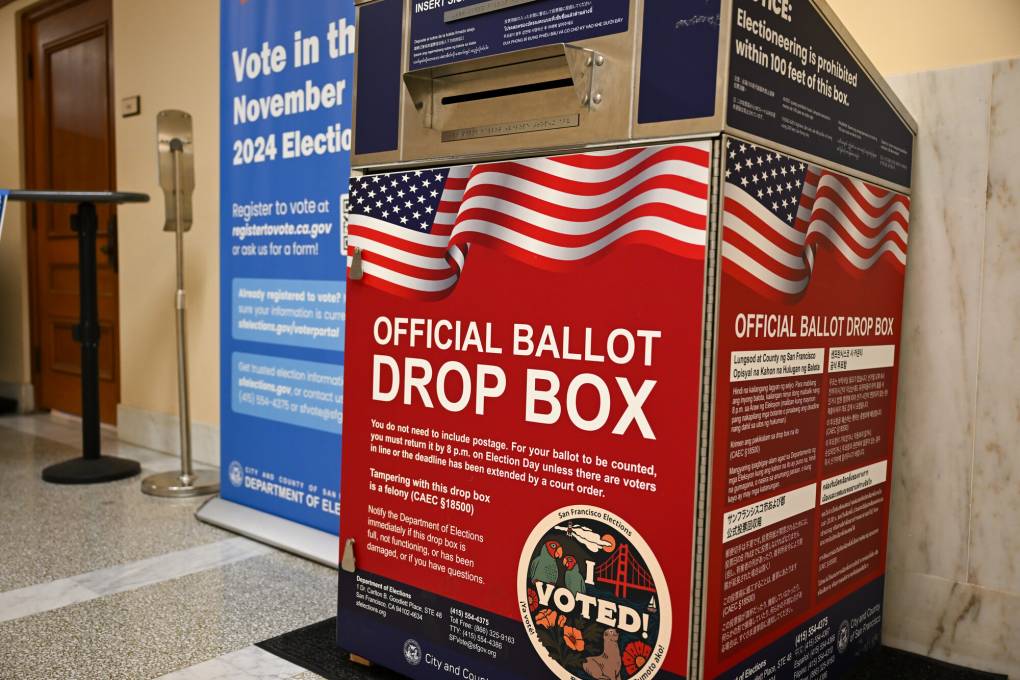
"caption": "A view of an official ballot drop box next to the Department of Elections at City Hall in San Francisco on Oct. 24, 2024. ",
"credit": "Tayfun Coskun/Anadolu via Getty Images",
"altTag": null,
"description": null,
"imgSizes": {
"medium": {
"file": "https://cdn.kqed.org/wp-content/uploads/sites/10/2025/10/GettyImages-2180061713_qed-800x533.jpg",
"width": 800,
"height": 533,
"mimeType": "image/jpeg"
},
"large": {
"file": "https://cdn.kqed.org/wp-content/uploads/sites/10/2025/10/GettyImages-2180061713_qed-1020x680.jpg",
"width": 1020,
"height": 680,
"mimeType": "image/jpeg"
},
"thumbnail": {
"file": "https://cdn.kqed.org/wp-content/uploads/sites/10/2025/10/GettyImages-2180061713_qed-160x107.jpg",
"width": 160,
"height": 107,
"mimeType": "image/jpeg"
},
"1536x1536": {
"file": "https://cdn.kqed.org/wp-content/uploads/sites/10/2025/10/GettyImages-2180061713_qed-1536x1024.jpg",
"width": 1536,
"height": 1024,
"mimeType": "image/jpeg"
},
"post-thumbnail": {
"file": "https://cdn.kqed.org/wp-content/uploads/sites/10/2025/10/GettyImages-2180061713_qed-672x372.jpg",
"width": 672,
"height": 372,
"mimeType": "image/jpeg"
},
"twentyfourteen-full-width": {
"file": "https://cdn.kqed.org/wp-content/uploads/sites/10/2025/10/GettyImages-2180061713_qed-1038x576.jpg",
"width": 1038,
"height": 576,
"mimeType": "image/jpeg"
},
"full-width": {
"file": "https://cdn.kqed.org/wp-content/uploads/sites/10/2025/10/GettyImages-2180061713_qed-1920x1280.jpg",
"width": 1920,
"height": 1280,
"mimeType": "image/jpeg"
},
"kqedFullSize": {
"file": "https://cdn.kqed.org/wp-content/uploads/sites/10/2025/10/GettyImages-2180061713_qed.jpg",
"width": 2000,
"height": 1333
}
},
"isLoading": false,
"fetchFailed": false
},
"news_11648514": {
"type": "attachments",
"id": "news_11648514",
"meta": {
"index": "attachments_1716263798",
"site": "news",
"id": "11648514",
"found": true
},
"parent": 11648510,
"imgSizes": {
"small": {
"file": "https://ww2.kqed.org/app/uploads/sites/10/2018/02/GettyImages-915125724-520x347.jpg",
"width": 520,
"mimeType": "image/jpeg",
"height": 347
},
"twentyfourteen-full-width": {
"file": "https://ww2.kqed.org/app/uploads/sites/10/2018/02/GettyImages-915125724-1038x576.jpg",
"width": 1038,
"mimeType": "image/jpeg",
"height": 576
},
"thumbnail": {
"file": "https://ww2.kqed.org/app/uploads/sites/10/2018/02/GettyImages-915125724-160x107.jpg",
"width": 160,
"mimeType": "image/jpeg",
"height": 107
},
"fd-sm": {
"file": "https://ww2.kqed.org/app/uploads/sites/10/2018/02/GettyImages-915125724-960x640.jpg",
"width": 960,
"mimeType": "image/jpeg",
"height": 640
},
"post-thumbnail": {
"file": "https://ww2.kqed.org/app/uploads/sites/10/2018/02/GettyImages-915125724-672x372.jpg",
"width": 672,
"mimeType": "image/jpeg",
"height": 372
},
"xsmall": {
"file": "https://ww2.kqed.org/app/uploads/sites/10/2018/02/GettyImages-915125724-375x250.jpg",
"width": 375,
"mimeType": "image/jpeg",
"height": 250
},
"kqedFullSize": {
"file": "https://ww2.kqed.org/app/uploads/sites/10/2018/02/GettyImages-915125724-e1518019609631.jpg",
"width": 1920,
"height": 1280
},
"large": {
"file": "https://ww2.kqed.org/app/uploads/sites/10/2018/02/GettyImages-915125724-1020x680.jpg",
"width": 1020,
"mimeType": "image/jpeg",
"height": 680
},
"xlarge": {
"file": "https://ww2.kqed.org/app/uploads/sites/10/2018/02/GettyImages-915125724-1180x787.jpg",
"width": 1180,
"mimeType": "image/jpeg",
"height": 787
},
"guest-author-50": {
"file": "https://ww2.kqed.org/app/uploads/sites/10/2018/02/GettyImages-915125724-50x50.jpg",
"width": 50,
"mimeType": "image/jpeg",
"height": 50
},
"guest-author-96": {
"file": "https://ww2.kqed.org/app/uploads/sites/10/2018/02/GettyImages-915125724-96x96.jpg",
"width": 96,
"mimeType": "image/jpeg",
"height": 96
},
"medium": {
"file": "https://ww2.kqed.org/app/uploads/sites/10/2018/02/GettyImages-915125724-800x533.jpg",
"width": 800,
"mimeType": "image/jpeg",
"height": 533
},
"guest-author-64": {
"file": "https://ww2.kqed.org/app/uploads/sites/10/2018/02/GettyImages-915125724-64x64.jpg",
"width": 64,
"mimeType": "image/jpeg",
"height": 64
},
"guest-author-32": {
"file": "https://ww2.kqed.org/app/uploads/sites/10/2018/02/GettyImages-915125724-32x32.jpg",
"width": 32,
"mimeType": "image/jpeg",
"height": 32
},
"fd-lrg": {
"file": "https://ww2.kqed.org/app/uploads/sites/10/2018/02/GettyImages-915125724-1920x1280.jpg",
"width": 1920,
"mimeType": "image/jpeg",
"height": 1280
},
"fd-med": {
"file": "https://ww2.kqed.org/app/uploads/sites/10/2018/02/GettyImages-915125724-1180x787.jpg",
"width": 1180,
"mimeType": "image/jpeg",
"height": 787
},
"full-width": {
"file": "https://ww2.kqed.org/app/uploads/sites/10/2018/02/GettyImages-915125724-1920x1280.jpg",
"width": 1920,
"mimeType": "image/jpeg",
"height": 1280
},
"detail": {
"file": "https://ww2.kqed.org/app/uploads/sites/10/2018/02/GettyImages-915125724-150x150.jpg",
"width": 150,
"mimeType": "image/jpeg",
"height": 150
},
"guest-author-128": {
"file": "https://ww2.kqed.org/app/uploads/sites/10/2018/02/GettyImages-915125724-128x128.jpg",
"width": 128,
"mimeType": "image/jpeg",
"height": 128
},
"xxsmall": {
"file": "https://ww2.kqed.org/app/uploads/sites/10/2018/02/GettyImages-915125724-240x160.jpg",
"width": 240,
"mimeType": "image/jpeg",
"height": 160
}
},
"publishDate": 1518019534,
"modified": 1518047198,
"caption": "The Los Angeles Times building is seen on Feb. 6, 2018, in Los Angeles. ",
"description": null,
"title": "Tronc To Sell Los Angeles Times",
"credit": "David McNew/Getty Images",
"status": "inherit",
"isLoading": false,
"fetchFailed": false
},
"news_12010593": {
"type": "attachments",
"id": "news_12010593",
"meta": {
"index": "attachments_1716263798",
"site": "news",
"id": "12010593",
"found": true
},
"title": "Thanh Leads discussion with Anthony, Will, Ryan",
"publishDate": 1729636648,
"status": "inherit",
"parent": 12010544,
"modified": 1729701227,
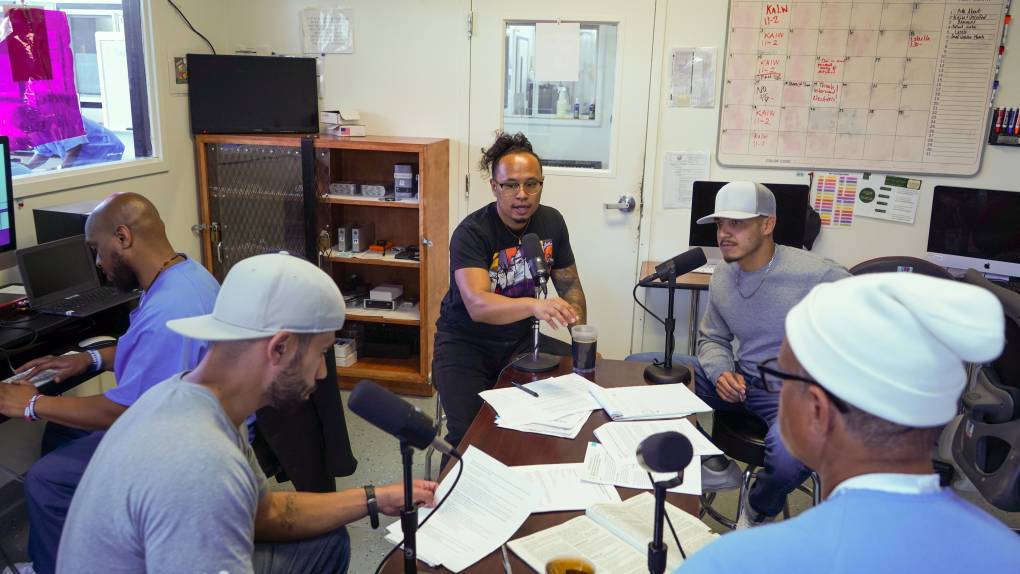
"caption": "Thanh Tran, formerly an incarcerated member of the Uncuffed team, leads a discussion about California ballot propositions at San Quentin Rehabilitation Center with the show's incarcerated producers Ryan Pagan, Anthony Gomez and Will Harris. ",
"credit": "Photo Courtesy: San Quentin News",
"altTag": null,
"description": null,
"imgSizes": {
"medium": {
"file": "https://cdn.kqed.org/wp-content/uploads/sites/10/2024/10/Thanh-Leads-discussion-with-Anthony-Will-Ryan-800x450.jpg",
"width": 800,
"height": 450,
"mimeType": "image/jpeg"
},
"large": {
"file": "https://cdn.kqed.org/wp-content/uploads/sites/10/2024/10/Thanh-Leads-discussion-with-Anthony-Will-Ryan-1020x574.jpg",
"width": 1020,
"height": 574,
"mimeType": "image/jpeg"
},
"thumbnail": {
"file": "https://cdn.kqed.org/wp-content/uploads/sites/10/2024/10/Thanh-Leads-discussion-with-Anthony-Will-Ryan-160x90.jpg",
"width": 160,
"height": 90,
"mimeType": "image/jpeg"
},
"1536x1536": {
"file": "https://cdn.kqed.org/wp-content/uploads/sites/10/2024/10/Thanh-Leads-discussion-with-Anthony-Will-Ryan-1536x864.jpg",
"width": 1536,
"height": 864,
"mimeType": "image/jpeg"
},
"2048x2048": {
"file": "https://cdn.kqed.org/wp-content/uploads/sites/10/2024/10/Thanh-Leads-discussion-with-Anthony-Will-Ryan-2048x1152.jpg",
"width": 2048,
"height": 1152,
"mimeType": "image/jpeg"
},
"post-thumbnail": {
"file": "https://cdn.kqed.org/wp-content/uploads/sites/10/2024/10/Thanh-Leads-discussion-with-Anthony-Will-Ryan-672x372.jpg",
"width": 672,
"height": 372,
"mimeType": "image/jpeg"
},
"twentyfourteen-full-width": {
"file": "https://cdn.kqed.org/wp-content/uploads/sites/10/2024/10/Thanh-Leads-discussion-with-Anthony-Will-Ryan-1038x576.jpg",
"width": 1038,
"height": 576,
"mimeType": "image/jpeg"
},
"full-width": {
"file": "https://cdn.kqed.org/wp-content/uploads/sites/10/2024/10/Thanh-Leads-discussion-with-Anthony-Will-Ryan-1920x1080.jpg",
"width": 1920,
"height": 1080,
"mimeType": "image/jpeg"
},
"kqedFullSize": {
"file": "https://cdn.kqed.org/wp-content/uploads/sites/10/2024/10/Thanh-Leads-discussion-with-Anthony-Will-Ryan-scaled.jpg",
"width": 2560,
"height": 1440
}
},
"isLoading": false,
"fetchFailed": false
},
"news_12009650": {
"type": "attachments",
"id": "news_12009650",
"meta": {
"index": "attachments_1716263798",
"site": "news",
"id": "12009650",
"found": true
},
"title": "241004-ShastaCountyElections-41-BL",
"publishDate": 1729107214,
"status": "inherit",
"parent": 0,
"modified": 1730324901,
"caption": "Election employees sort test ballots, known as a ‘test deck,’ at the Shasta County Clerk and Registrar of Voters offices. The test ballots go through the ballot counting system to test the accuracy of the vote count. The tests are repeated until any issues are resolved and the results are accurate. ",
"credit": "Beth LaBerge/KQED",
"altTag": null,
"description": null,
"imgSizes": {
"medium": {
"file": "https://cdn.kqed.org/wp-content/uploads/sites/10/2024/10/241004-ShastaCountyElections-41-BL-800x533.jpg",
"width": 800,
"height": 533,
"mimeType": "image/jpeg"
},
"large": {
"file": "https://cdn.kqed.org/wp-content/uploads/sites/10/2024/10/241004-ShastaCountyElections-41-BL-1020x680.jpg",
"width": 1020,
"height": 680,
"mimeType": "image/jpeg"
},
"thumbnail": {
"file": "https://cdn.kqed.org/wp-content/uploads/sites/10/2024/10/241004-ShastaCountyElections-41-BL-160x107.jpg",
"width": 160,
"height": 107,
"mimeType": "image/jpeg"
},
"1536x1536": {
"file": "https://cdn.kqed.org/wp-content/uploads/sites/10/2024/10/241004-ShastaCountyElections-41-BL-1536x1024.jpg",
"width": 1536,
"height": 1024,
"mimeType": "image/jpeg"
},
"post-thumbnail": {
"file": "https://cdn.kqed.org/wp-content/uploads/sites/10/2024/10/241004-ShastaCountyElections-41-BL-672x372.jpg",
"width": 672,
"height": 372,
"mimeType": "image/jpeg"
},
"twentyfourteen-full-width": {
"file": "https://cdn.kqed.org/wp-content/uploads/sites/10/2024/10/241004-ShastaCountyElections-41-BL-1038x576.jpg",
"width": 1038,
"height": 576,
"mimeType": "image/jpeg"
},
"full-width": {
"file": "https://cdn.kqed.org/wp-content/uploads/sites/10/2024/10/241004-ShastaCountyElections-41-BL-1920x1280.jpg",
"width": 1920,
"height": 1280,
"mimeType": "image/jpeg"
},
"kqedFullSize": {
"file": "https://cdn.kqed.org/wp-content/uploads/sites/10/2024/10/241004-ShastaCountyElections-41-BL.jpg",
"width": 2000,
"height": 1333
}
},
"isLoading": false,
"fetchFailed": false
},
"news_11836946": {
"type": "attachments",
"id": "news_11836946",
"meta": {
"index": "attachments_1716263798",
"site": "news",
"id": "11836946",
"found": true
},
"parent": 11836930,
"imgSizes": {
"apple_news_ca_landscape_5_5": {
"file": "https://ww2.kqed.org/app/uploads/sites/10/2020/09/RS40032_11012019_pge-shutoffs_oakland-qut-1044x783.jpg",
"width": 1044,
"mimeType": "image/jpeg",
"height": 783
},
"apple_news_ca_square_4_0": {
"file": "https://ww2.kqed.org/app/uploads/sites/10/2020/09/RS40032_11012019_pge-shutoffs_oakland-qut-470x470.jpg",
"width": 470,
"mimeType": "image/jpeg",
"height": 470
},
"twentyfourteen-full-width": {
"file": "https://ww2.kqed.org/app/uploads/sites/10/2020/09/RS40032_11012019_pge-shutoffs_oakland-qut-1038x576.jpg",
"width": 1038,
"mimeType": "image/jpeg",
"height": 576
},
"thumbnail": {
"file": "https://ww2.kqed.org/app/uploads/sites/10/2020/09/RS40032_11012019_pge-shutoffs_oakland-qut-160x107.jpg",
"width": 160,
"mimeType": "image/jpeg",
"height": 107
},
"post-thumbnail": {
"file": "https://ww2.kqed.org/app/uploads/sites/10/2020/09/RS40032_11012019_pge-shutoffs_oakland-qut-672x372.jpg",
"width": 672,
"mimeType": "image/jpeg",
"height": 372
},
"kqedFullSize": {
"file": "https://ww2.kqed.org/app/uploads/sites/10/2020/09/RS40032_11012019_pge-shutoffs_oakland-qut.jpg",
"width": 1920,
"height": 1281
},
"apple_news_ca_landscape_4_7": {
"file": "https://ww2.kqed.org/app/uploads/sites/10/2020/09/RS40032_11012019_pge-shutoffs_oakland-qut-632x474.jpg",
"width": 632,
"mimeType": "image/jpeg",
"height": 474
},
"large": {
"file": "https://ww2.kqed.org/app/uploads/sites/10/2020/09/RS40032_11012019_pge-shutoffs_oakland-qut-1020x681.jpg",
"width": 1020,
"mimeType": "image/jpeg",
"height": 681
},
"apple_news_ca_landscape_4_0": {
"file": "https://ww2.kqed.org/app/uploads/sites/10/2020/09/RS40032_11012019_pge-shutoffs_oakland-qut-536x402.jpg",
"width": 536,
"mimeType": "image/jpeg",
"height": 402
},
"apple_news_ca_portrait_12_9": {
"file": "https://ww2.kqed.org/app/uploads/sites/10/2020/09/RS40032_11012019_pge-shutoffs_oakland-qut-1122x1281.jpg",
"width": 1122,
"mimeType": "image/jpeg",
"height": 1281
},
"medium": {
"file": "https://ww2.kqed.org/app/uploads/sites/10/2020/09/RS40032_11012019_pge-shutoffs_oakland-qut-800x534.jpg",
"width": 800,
"mimeType": "image/jpeg",
"height": 534
},
"apple_news_ca_portrait_4_0": {
"file": "https://ww2.kqed.org/app/uploads/sites/10/2020/09/RS40032_11012019_pge-shutoffs_oakland-qut-354x472.jpg",
"width": 354,
"mimeType": "image/jpeg",
"height": 472
},
"apple_news_ca_portrait_9_7": {
"file": "https://ww2.kqed.org/app/uploads/sites/10/2020/09/RS40032_11012019_pge-shutoffs_oakland-qut-840x1120.jpg",
"width": 840,
"mimeType": "image/jpeg",
"height": 1120
},
"apple_news_ca_landscape_12_9": {
"file": "https://ww2.kqed.org/app/uploads/sites/10/2020/09/RS40032_11012019_pge-shutoffs_oakland-qut-1832x1281.jpg",
"width": 1832,
"mimeType": "image/jpeg",
"height": 1281
},
"apple_news_ca_square_9_7": {
"file": "https://ww2.kqed.org/app/uploads/sites/10/2020/09/RS40032_11012019_pge-shutoffs_oakland-qut-1104x1104.jpg",
"width": 1104,
"mimeType": "image/jpeg",
"height": 1104
},
"1536x1536": {
"file": "https://ww2.kqed.org/app/uploads/sites/10/2020/09/RS40032_11012019_pge-shutoffs_oakland-qut-1536x1025.jpg",
"width": 1536,
"mimeType": "image/jpeg",
"height": 1025
},
"apple_news_ca_portrait_4_7": {
"file": "https://ww2.kqed.org/app/uploads/sites/10/2020/09/RS40032_11012019_pge-shutoffs_oakland-qut-414x552.jpg",
"width": 414,
"mimeType": "image/jpeg",
"height": 552
},
"apple_news_ca_square_12_9": {
"file": "https://ww2.kqed.org/app/uploads/sites/10/2020/09/RS40032_11012019_pge-shutoffs_oakland-qut-1472x1281.jpg",
"width": 1472,
"mimeType": "image/jpeg",
"height": 1281
},
"apple_news_ca_portrait_5_5": {
"file": "https://ww2.kqed.org/app/uploads/sites/10/2020/09/RS40032_11012019_pge-shutoffs_oakland-qut-687x916.jpg",
"width": 687,
"mimeType": "image/jpeg",
"height": 916
},
"apple_news_ca_square_4_7": {
"file": "https://ww2.kqed.org/app/uploads/sites/10/2020/09/RS40032_11012019_pge-shutoffs_oakland-qut-550x550.jpg",
"width": 550,
"mimeType": "image/jpeg",
"height": 550
},
"apple_news_ca_landscape_9_7": {
"file": "https://ww2.kqed.org/app/uploads/sites/10/2020/09/RS40032_11012019_pge-shutoffs_oakland-qut-1376x1032.jpg",
"width": 1376,
"mimeType": "image/jpeg",
"height": 1032
},
"apple_news_ca_square_5_5": {
"file": "https://ww2.kqed.org/app/uploads/sites/10/2020/09/RS40032_11012019_pge-shutoffs_oakland-qut-912x912.jpg",
"width": 912,
"mimeType": "image/jpeg",
"height": 912
}
},
"publishDate": 1599505971,
"modified": 1599506110,
"caption": "Oakland's Montclair neighborhood during a PG&E power shutoff on Oct. 10, 2019.",
"description": null,
"title": "RS40032_11012019_pge shutoffs_oakland-qut",
"credit": "Stephanie Lister/KQED",
"status": "inherit",
"isLoading": false,
"fetchFailed": false
},
"news_12004835": {
"type": "attachments",
"id": "news_12004835",
"meta": {
"index": "attachments_1716263798",
"site": "news",
"id": "12004835",
"found": true
},
"title": "20240903_MUSICALCHEESEMAKER-13-KQED",
"publishDate": 1726506352,
"status": "inherit",
"parent": 0,
"modified": 1726690308,
"caption": "Marcela Mejia (left) and Soyoung Scanlon pour goat milk into a cheese vat at Andante Dairy in Petaluma on Sept. 3, 2024.",
"credit": "Gina Castro/KQED",
"altTag": "Two women pour milk from a pale into a large metal vat.",
"description": null,
"imgSizes": {
"medium": {
"file": "https://cdn.kqed.org/wp-content/uploads/sites/10/2024/09/20240903_MUSICALCHEESEMAKER-13-KQED-800x533.jpg",
"width": 800,
"height": 533,
"mimeType": "image/jpeg"
},
"large": {
"file": "https://cdn.kqed.org/wp-content/uploads/sites/10/2024/09/20240903_MUSICALCHEESEMAKER-13-KQED-1020x680.jpg",
"width": 1020,
"height": 680,
"mimeType": "image/jpeg"
},
"thumbnail": {
"file": "https://cdn.kqed.org/wp-content/uploads/sites/10/2024/09/20240903_MUSICALCHEESEMAKER-13-KQED-160x107.jpg",
"width": 160,
"height": 107,
"mimeType": "image/jpeg"
},
"1536x1536": {
"file": "https://cdn.kqed.org/wp-content/uploads/sites/10/2024/09/20240903_MUSICALCHEESEMAKER-13-KQED-1536x1024.jpg",
"width": 1536,
"height": 1024,
"mimeType": "image/jpeg"
},
"post-thumbnail": {
"file": "https://cdn.kqed.org/wp-content/uploads/sites/10/2024/09/20240903_MUSICALCHEESEMAKER-13-KQED-672x372.jpg",
"width": 672,
"height": 372,
"mimeType": "image/jpeg"
},
"twentyfourteen-full-width": {
"file": "https://cdn.kqed.org/wp-content/uploads/sites/10/2024/09/20240903_MUSICALCHEESEMAKER-13-KQED-1038x576.jpg",
"width": 1038,
"height": 576,
"mimeType": "image/jpeg"
},
"full-width": {
"file": "https://cdn.kqed.org/wp-content/uploads/sites/10/2024/09/20240903_MUSICALCHEESEMAKER-13-KQED-1920x1280.jpg",
"width": 1920,
"height": 1280,
"mimeType": "image/jpeg"
},
"kqedFullSize": {
"file": "https://cdn.kqed.org/wp-content/uploads/sites/10/2024/09/20240903_MUSICALCHEESEMAKER-13-KQED.jpg",
"width": 2000,
"height": 1333
}
},
"isLoading": false,
"fetchFailed": false
},
"news_11990400": {
"type": "attachments",
"id": "news_11990400",
"meta": {
"index": "attachments_1716263798",
"site": "news",
"id": "11990400",
"found": true
},
"title": "240610-HomelessFamilies-01-BL_qut",
"publishDate": 1718382617,
"status": "inherit",
"parent": 0,
"modified": 1718383483,
"caption": "Shelter resident Maria Figeroa helps make pozole in a teacher's lounge at Buena Vista Horace Mann Community School on June 10. The pozole will feed her family and others in one of San Francisco's largest shelters for families experiencing homelessness. The nonprofit Dolores Street Community Services operates the shelter after hours and during the summer when school is not in session for San Francisco Unified School District students and their families.",
"credit": "Beth LaBerge/KQED",
"altTag": null,
"description": null,
"imgSizes": {
"medium": {
"file": "https://cdn.kqed.org/wp-content/uploads/sites/10/2024/06/240610-HomelessFamilies-01-BL_qut-800x533.jpg",
"width": 800,
"height": 533,
"mimeType": "image/jpeg"
},
"large": {
"file": "https://cdn.kqed.org/wp-content/uploads/sites/10/2024/06/240610-HomelessFamilies-01-BL_qut-1020x680.jpg",
"width": 1020,
"height": 680,
"mimeType": "image/jpeg"
},
"thumbnail": {
"file": "https://cdn.kqed.org/wp-content/uploads/sites/10/2024/06/240610-HomelessFamilies-01-BL_qut-160x107.jpg",
"width": 160,
"height": 107,
"mimeType": "image/jpeg"
},
"1536x1536": {
"file": "https://cdn.kqed.org/wp-content/uploads/sites/10/2024/06/240610-HomelessFamilies-01-BL_qut-1536x1024.jpg",
"width": 1536,
"height": 1024,
"mimeType": "image/jpeg"
},
"post-thumbnail": {
"file": "https://cdn.kqed.org/wp-content/uploads/sites/10/2024/06/240610-HomelessFamilies-01-BL_qut-672x372.jpg",
"width": 672,
"height": 372,
"mimeType": "image/jpeg"
},
"twentyfourteen-full-width": {
"file": "https://cdn.kqed.org/wp-content/uploads/sites/10/2024/06/240610-HomelessFamilies-01-BL_qut-1038x576.jpg",
"width": 1038,
"height": 576,
"mimeType": "image/jpeg"
},
"kqedFullSize": {
"file": "https://cdn.kqed.org/wp-content/uploads/sites/10/2024/06/240610-HomelessFamilies-01-BL_qut.jpg",
"width": 1920,
"height": 1280
}
},
"isLoading": false,
"fetchFailed": false
},
"news_12003810": {
"type": "attachments",
"id": "news_12003810",
"meta": {
"index": "attachments_1716263798",
"site": "news",
"id": "12003810",
"found": true
},
"title": "240909-UNACCOMPANIED YOUTH-LDM-02-KQED",
"publishDate": 1725992151,
"status": "inherit",
"parent": 0,
"modified": 1726089671,
"caption": "A. on his high school's football and soccer field on July 25, 2024; his passion for soccer eventually led him to getting the social services he needed.",
"credit": "Lauren DeLaunay Miller for KQED",
"altTag": "A young man wearing a white shirt and black pants stands on a football field.",
"description": null,
"imgSizes": {
"medium": {
"file": "https://cdn.kqed.org/wp-content/uploads/sites/10/2024/09/240909-UNACCOMPANIED-YOUTH-LDM-02-KQED-800x533.jpg",
"width": 800,
"height": 533,
"mimeType": "image/jpeg"
},
"large": {
"file": "https://cdn.kqed.org/wp-content/uploads/sites/10/2024/09/240909-UNACCOMPANIED-YOUTH-LDM-02-KQED-1020x680.jpg",
"width": 1020,
"height": 680,
"mimeType": "image/jpeg"
},
"thumbnail": {
"file": "https://cdn.kqed.org/wp-content/uploads/sites/10/2024/09/240909-UNACCOMPANIED-YOUTH-LDM-02-KQED-160x107.jpg",
"width": 160,
"height": 107,
"mimeType": "image/jpeg"
},
"1536x1536": {
"file": "https://cdn.kqed.org/wp-content/uploads/sites/10/2024/09/240909-UNACCOMPANIED-YOUTH-LDM-02-KQED-1536x1024.jpg",
"width": 1536,
"height": 1024,
"mimeType": "image/jpeg"
},
"post-thumbnail": {
"file": "https://cdn.kqed.org/wp-content/uploads/sites/10/2024/09/240909-UNACCOMPANIED-YOUTH-LDM-02-KQED-672x372.jpg",
"width": 672,
"height": 372,
"mimeType": "image/jpeg"
},
"twentyfourteen-full-width": {
"file": "https://cdn.kqed.org/wp-content/uploads/sites/10/2024/09/240909-UNACCOMPANIED-YOUTH-LDM-02-KQED-1038x576.jpg",
"width": 1038,
"height": 576,
"mimeType": "image/jpeg"
},
"full-width": {
"file": "https://cdn.kqed.org/wp-content/uploads/sites/10/2024/09/240909-UNACCOMPANIED-YOUTH-LDM-02-KQED-1920x1280.jpg",
"width": 1920,
"height": 1280,
"mimeType": "image/jpeg"
},
"kqedFullSize": {
"file": "https://cdn.kqed.org/wp-content/uploads/sites/10/2024/09/240909-UNACCOMPANIED-YOUTH-LDM-02-KQED.jpg",
"width": 2000,
"height": 1333
}
},
"isLoading": false,
"fetchFailed": false
},
"news_11993661": {
"type": "attachments",
"id": "news_11993661",
"meta": {
"index": "attachments_1716263798",
"site": "news",
"id": "11993661",
"found": true
},
"title": "FireMapCap",
"publishDate": 1720724401,
"status": "inherit",
"parent": 11834132,
"modified": 1720724401,
"caption": null,
"credit": null,
"altTag": null,
"description": null,
"imgSizes": {
"medium": {
"file": "https://cdn.kqed.org/wp-content/uploads/sites/10/2024/06/FireMapCap-800x515.jpg",
"width": 800,
"height": 515,
"mimeType": "image/jpeg"
},
"large": {
"file": "https://cdn.kqed.org/wp-content/uploads/sites/10/2024/06/FireMapCap-1020x657.jpg",
"width": 1020,
"height": 657,
"mimeType": "image/jpeg"
},
"thumbnail": {
"file": "https://cdn.kqed.org/wp-content/uploads/sites/10/2024/06/FireMapCap-160x103.jpg",
"width": 160,
"height": 103,
"mimeType": "image/jpeg"
},
"1536x1536": {
"file": "https://cdn.kqed.org/wp-content/uploads/sites/10/2024/06/FireMapCap-1536x990.jpg",
"width": 1536,
"height": 990,
"mimeType": "image/jpeg"
},
"post-thumbnail": {
"file": "https://cdn.kqed.org/wp-content/uploads/sites/10/2024/06/FireMapCap-672x372.jpg",
"width": 672,
"height": 372,
"mimeType": "image/jpeg"
},
"twentyfourteen-full-width": {
"file": "https://cdn.kqed.org/wp-content/uploads/sites/10/2024/06/FireMapCap-1038x576.jpg",
"width": 1038,
"height": 576,
"mimeType": "image/jpeg"
},
"kqedFullSize": {
"file": "https://cdn.kqed.org/wp-content/uploads/sites/10/2024/06/FireMapCap.jpg",
"width": 1920,
"height": 1237
}
},
"isLoading": false,
"fetchFailed": false
},
"news_12003496": {
"type": "attachments",
"id": "news_12003496",
"meta": {
"index": "attachments_1716263798",
"site": "news",
"id": "12003496",
"found": true
},
"title": "Trump v Harris debate",
"publishDate": 1725666531,
"status": "inherit",
"parent": 12003480,
"modified": 1725666689,
"caption": "Vice President Kamala Harris and former President Donald J. Trump will participate in a televised debate on ABC News on Tuesday, Sept. 10. ",
"credit": null,
"altTag": null,
"description": "Vice President Kamala Harris and former President Donald J. Trump will participate in a televised debate on ABC News on Tuesday, Sept. 10. ",
"imgSizes": {
"medium": {
"file": "https://cdn.kqed.org/wp-content/uploads/sites/10/2024/09/Trump-v-Harris-debate-800x534.jpg",
"width": 800,
"height": 534,
"mimeType": "image/jpeg"
},
"large": {
"file": "https://cdn.kqed.org/wp-content/uploads/sites/10/2024/09/Trump-v-Harris-debate-1020x681.jpg",
"width": 1020,
"height": 681,
"mimeType": "image/jpeg"
},
"thumbnail": {
"file": "https://cdn.kqed.org/wp-content/uploads/sites/10/2024/09/Trump-v-Harris-debate-160x107.jpg",
"width": 160,
"height": 107,
"mimeType": "image/jpeg"
},
"post-thumbnail": {
"file": "https://cdn.kqed.org/wp-content/uploads/sites/10/2024/09/Trump-v-Harris-debate-672x372.jpg",
"width": 672,
"height": 372,
"mimeType": "image/jpeg"
},
"twentyfourteen-full-width": {
"file": "https://cdn.kqed.org/wp-content/uploads/sites/10/2024/09/Trump-v-Harris-debate-1038x576.jpg",
"width": 1038,
"height": 576,
"mimeType": "image/jpeg"
},
"kqedFullSize": {
"file": "https://cdn.kqed.org/wp-content/uploads/sites/10/2024/09/Trump-v-Harris-debate.jpg",
"width": 1079,
"height": 720
}
},
"isLoading": false,
"fetchFailed": false
},
"news_12002745": {
"type": "attachments",
"id": "news_12002745",
"meta": {
"index": "attachments_1716263798",
"site": "news",
"id": "12002745",
"found": true
},
"title": "Cooks in Kitchen",
"publishDate": 1725333157,
"status": "inherit",
"parent": 12002744,
"modified": 1725333177,
"caption": "Unos trabajadores preparan comida en la cocina de un restaurante de San Francisco el 28 de junio. La ley californiana obliga ahora a proteger contra el calor a todos los trabajadores de interior, independientemente de su situación migratoria o de su régimen laboral.",
"credit": "Martin do Nascimento/KQED",
"altTag": null,
"description": null,
"imgSizes": {
"medium": {
"file": "https://cdn.kqed.org/wp-content/uploads/sites/10/2024/09/Cooks-in-Kitchen-800x533.jpg",
"width": 800,
"height": 533,
"mimeType": "image/jpeg"
},
"thumbnail": {
"file": "https://cdn.kqed.org/wp-content/uploads/sites/10/2024/09/Cooks-in-Kitchen-160x107.jpg",
"width": 160,
"height": 107,
"mimeType": "image/jpeg"
},
"post-thumbnail": {
"file": "https://cdn.kqed.org/wp-content/uploads/sites/10/2024/09/Cooks-in-Kitchen-672x372.jpg",
"width": 672,
"height": 372,
"mimeType": "image/jpeg"
},
"twentyfourteen-full-width": {
"file": "https://cdn.kqed.org/wp-content/uploads/sites/10/2024/09/Cooks-in-Kitchen-1020x576.jpg",
"width": 1020,
"height": 576,
"mimeType": "image/jpeg"
},
"kqedFullSize": {
"file": "https://cdn.kqed.org/wp-content/uploads/sites/10/2024/09/Cooks-in-Kitchen.jpg",
"width": 1020,
"height": 680
}
},
"isLoading": false,
"fetchFailed": false
},
"news_12001899": {
"type": "attachments",
"id": "news_12001899",
"meta": {
"index": "attachments_1716263798",
"site": "news",
"id": "12001899",
"found": true
},
"title": "Daniel/Taiko players at Ballico Elementary School do a pre-concert practice.",
"publishDate": 1724702158,
"status": "inherit",
"parent": 0,
"modified": 1724783820,
"caption": "Taiko players at Ballico Elementary School do a pre-concert practice.",
"credit": "Alice Daniel/KQED",
"altTag": "Several children and two adults hold and play large drums in a gym.",
"description": null,
"imgSizes": {
"medium": {
"file": "https://cdn.kqed.org/wp-content/uploads/sites/10/2024/08/240826-Ballico-Taiko-AD-02-800x533.jpg",
"width": 800,
"height": 533,
"mimeType": "image/jpeg"
},
"large": {
"file": "https://cdn.kqed.org/wp-content/uploads/sites/10/2024/08/240826-Ballico-Taiko-AD-02-1020x680.jpg",
"width": 1020,
"height": 680,
"mimeType": "image/jpeg"
},
"thumbnail": {
"file": "https://cdn.kqed.org/wp-content/uploads/sites/10/2024/08/240826-Ballico-Taiko-AD-02-160x107.jpg",
"width": 160,
"height": 107,
"mimeType": "image/jpeg"
},
"1536x1536": {
"file": "https://cdn.kqed.org/wp-content/uploads/sites/10/2024/08/240826-Ballico-Taiko-AD-02-1536x1024.jpg",
"width": 1536,
"height": 1024,
"mimeType": "image/jpeg"
},
"post-thumbnail": {
"file": "https://cdn.kqed.org/wp-content/uploads/sites/10/2024/08/240826-Ballico-Taiko-AD-02-672x372.jpg",
"width": 672,
"height": 372,
"mimeType": "image/jpeg"
},
"twentyfourteen-full-width": {
"file": "https://cdn.kqed.org/wp-content/uploads/sites/10/2024/08/240826-Ballico-Taiko-AD-02-1038x576.jpg",
"width": 1038,
"height": 576,
"mimeType": "image/jpeg"
},
"full-width": {
"file": "https://cdn.kqed.org/wp-content/uploads/sites/10/2024/08/240826-Ballico-Taiko-AD-02-1920x1280.jpg",
"width": 1920,
"height": 1280,
"mimeType": "image/jpeg"
},
"kqedFullSize": {
"file": "https://cdn.kqed.org/wp-content/uploads/sites/10/2024/08/240826-Ballico-Taiko-AD-02.jpg",
"width": 2000,
"height": 1333
}
},
"isLoading": false,
"fetchFailed": false
}
},
"audioPlayerReducer": {
"postId": "stream_live",
"isPaused": true,
"isPlaying": false,
"pfsActive": false,
"pledgeModalIsOpen": true,
"playerDrawerIsOpen": false,
"liveAudioPlayStartedAt": 0,
"liveAudioPlayContext": ""
},
"authorsReducer": {
"gmarzorati": {
"type": "authors",
"id": "227",
"meta": {
"index": "authors_1716337520",
"id": "227",
"found": true
},
"name": "Guy Marzorati",
"firstName": "Guy",
"lastName": "Marzorati",
"slug": "gmarzorati",
"email": "gmarzorati@KQED.org",
"display_author_email": true,
"staff_mastheads": [
"news"
],
"title": "Correspondent",
"bio": "Guy Marzorati is a correspondent on KQED's California Politics and Government Desk, based in San Jose. A graduate of Santa Clara University, Guy joined KQED in 2013. He reports on state and local politics and produces KQED's digital voter guide.",
"avatar": "https://secure.gravatar.com/avatar/771cddf45ce3a8ed533d82dcc214e9ef925d76d2af5794a33da1ce439eb54a32?s=600&d=blank&r=g",
"twitter": "guymarzorati",
"bluesky": null,
"facebook": null,
"instagram": null,
"linkedin": null,
"sites": [
{
"site": "",
"roles": [
"editor"
]
},
{
"site": "news",
"roles": [
"editor"
]
},
{
"site": "science",
"roles": [
"editor"
]
},
{
"site": "forum",
"roles": [
"editor"
]
},
{
"site": "elections",
"roles": [
"editor"
]
},
{
"site": "liveblog",
"roles": [
"editor"
]
}
],
"headData": {
"title": "Guy Marzorati | KQED",
"description": "Correspondent",
"ogImgSrc": "https://secure.gravatar.com/avatar/771cddf45ce3a8ed533d82dcc214e9ef925d76d2af5794a33da1ce439eb54a32?s=600&d=blank&r=g",
"twImgSrc": "https://secure.gravatar.com/avatar/771cddf45ce3a8ed533d82dcc214e9ef925d76d2af5794a33da1ce439eb54a32?s=600&d=blank&r=g"
},
"isLoading": false,
"link": "/author/gmarzorati"
},
"kqed": {
"type": "authors",
"id": "236",
"meta": {
"index": "authors_1716337520",
"id": "236",
"found": true
},
"name": "KQED News Staff",
"firstName": "KQED News Staff",
"lastName": null,
"slug": "kqed",
"email": "faq@kqed.org",
"display_author_email": false,
"staff_mastheads": [],
"title": null,
"bio": null,
"avatar": "https://secure.gravatar.com/avatar/ef0e801a68c4c54afa9180db14084167?s=600&d=blank&r=g",
"twitter": null,
"facebook": null,
"instagram": null,
"linkedin": null,
"sites": [
{
"site": "arts",
"roles": [
"contributor"
]
},
{
"site": "news",
"roles": [
"editor"
]
},
{
"site": "futureofyou",
"roles": [
"author"
]
}
],
"headData": {
"title": "KQED News Staff | KQED",
"description": null,
"ogImgSrc": "https://secure.gravatar.com/avatar/ef0e801a68c4c54afa9180db14084167?s=600&d=blank&r=g",
"twImgSrc": "https://secure.gravatar.com/avatar/ef0e801a68c4c54afa9180db14084167?s=600&d=blank&r=g"
},
"isLoading": false,
"link": "/author/kqed"
},
"scottshafer": {
"type": "authors",
"id": "255",
"meta": {
"index": "authors_1716337520",
"id": "255",
"found": true
},
"name": "Scott Shafer",
"firstName": "Scott",
"lastName": "Shafer",
"slug": "scottshafer",
"email": "sshafer@kqed.org",
"display_author_email": false,
"staff_mastheads": [
"news"
],
"title": "KQED Contributor",
"bio": "Scott Shafer is the senior politics correspondent with the KQED Politics and Government desk. He is co-host of \u003cem>Political Breakdown\u003c/em>, the award-winning radio show and podcast with a personal take on the world of politics. Scott came to KQED in 1998 to host the statewide \u003cem>California Report\u003c/em>. Prior to that he had extended stints in politics and government. He uses that inside experience at KQED in his, reporting, hosting and analysis for the politics desk. Scott recently completed a 5-part podcast titled \u003cem>The Speaker\u003c/em>, examining Rep. Nancy Pelosi's life and legacy. Previously he collaborated on \u003cem>Political Breakdown\u003c/em> and on \u003cem>The Political Mind of Jerry Brown\u003c/em>, an eight-part series about the life and extraordinary political career of the former governor. For fun, he plays water polo and swims with the San Francisco Tsunami.",
"avatar": "https://secure.gravatar.com/avatar/a269f2db8e99b39bacd3dfb517e1aea56c8d9706cde1d375abfd9fba57eede2c?s=600&d=blank&r=g",
"twitter": "scottshafer",
"bluesky": null,
"facebook": null,
"instagram": null,
"linkedin": null,
"sites": [
{
"site": "news",
"roles": [
"editor"
]
},
{
"site": "stateofhealth",
"roles": [
"author"
]
},
{
"site": "science",
"roles": [
"author"
]
},
{
"site": "forum",
"roles": [
"subscriber"
]
},
{
"site": "liveblog",
"roles": [
"author"
]
}
],
"headData": {
"title": "Scott Shafer | KQED",
"description": "KQED Contributor",
"ogImgSrc": "https://secure.gravatar.com/avatar/a269f2db8e99b39bacd3dfb517e1aea56c8d9706cde1d375abfd9fba57eede2c?s=600&d=blank&r=g",
"twImgSrc": "https://secure.gravatar.com/avatar/a269f2db8e99b39bacd3dfb517e1aea56c8d9706cde1d375abfd9fba57eede2c?s=600&d=blank&r=g"
},
"isLoading": false,
"link": "/author/scottshafer"
},
"matthewgreen": {
"type": "authors",
"id": "1263",
"meta": {
"index": "authors_1716337520",
"id": "1263",
"found": true
},
"name": "Matthew Green",
"firstName": "Matthew",
"lastName": "Green",
"slug": "matthewgreen",
"email": "mgreen@kqed.org",
"display_author_email": false,
"staff_mastheads": [],
"title": "KQED Editor/Reporter",
"bio": "Matthew Green is a digital media producer for KQED News. He previously produced \u003ca href=\"http://www.kqed.org/lowdown\">The Lowdown\u003c/a>, KQED’s multimedia news education blog. Matthew's written for numerous Bay Area publications, including the Oakland Tribune and San Francisco Chronicle. He also taught journalism classes at Fremont High School in East Oakland.\r\n\r\nEmail: mgreen@kqed.org; Twitter: @MGreenKQED",
"avatar": "https://secure.gravatar.com/avatar/3bf498d1267ca02c8494f33d8cfc575e?s=600&d=blank&r=g",
"twitter": "MGreenKQED",
"facebook": null,
"instagram": null,
"linkedin": null,
"sites": [
{
"site": "news",
"roles": []
},
{
"site": "lowdown",
"roles": []
},
{
"site": "science",
"roles": []
},
{
"site": "education",
"roles": []
},
{
"site": "quest",
"roles": []
},
{
"site": "liveblog",
"roles": []
}
],
"headData": {
"title": "Matthew Green | KQED",
"description": "KQED Editor/Reporter",
"ogImgSrc": "https://secure.gravatar.com/avatar/3bf498d1267ca02c8494f33d8cfc575e?s=600&d=blank&r=g",
"twImgSrc": "https://secure.gravatar.com/avatar/3bf498d1267ca02c8494f33d8cfc575e?s=600&d=blank&r=g"
},
"isLoading": false,
"link": "/author/matthewgreen"
},
"mlagos": {
"type": "authors",
"id": "3239",
"meta": {
"index": "authors_1716337520",
"id": "3239",
"found": true
},
"name": "Marisa Lagos",
"firstName": "Marisa",
"lastName": "Lagos",
"slug": "mlagos",
"email": "mlagos@kqed.org",
"display_author_email": false,
"staff_mastheads": [
"news"
],
"title": "KQED Contributor",
"bio": "Marisa Lagos is a correspondent for KQED’s California Politics and Government Desk and co-hosts the award-winning show and podcast, Political Breakdown. At KQED, Lagos also conducts reporting, analysis and investigations into state, local and national politics for radio, TV, online and onstage. In 2022, she and co-host, Scott Shafer, moderated the only gubernatorial debate in California. In 2020, the \u003ci>Washington Post\u003c/i> named her one of the top political journalists in California; she was nominated for a Peabody and won several other awards for her work investigating the 2017 California wildfires. She has worked at the \u003ci>San Francisco Chronicle\u003c/i>, \u003ci>San Francisco Examiner\u003c/i> and \u003ci>Los Angeles Times\u003c/i>. A UC Santa Barbara graduate, she lives in San Francisco with her two sons and husband.",
"avatar": "https://secure.gravatar.com/avatar/a261a0d3696fc066871ef96b85b5e7d2?s=600&d=blank&r=g",
"twitter": "@mlagos",
"facebook": null,
"instagram": null,
"linkedin": null,
"sites": [
{
"site": "arts",
"roles": [
"author"
]
},
{
"site": "news",
"roles": [
"editor"
]
},
{
"site": "science",
"roles": [
"editor"
]
},
{
"site": "forum",
"roles": [
"author"
]
},
{
"site": "liveblog",
"roles": [
"author"
]
}
],
"headData": {
"title": "Marisa Lagos | KQED",
"description": "KQED Contributor",
"ogImgSrc": "https://secure.gravatar.com/avatar/a261a0d3696fc066871ef96b85b5e7d2?s=600&d=blank&r=g",
"twImgSrc": "https://secure.gravatar.com/avatar/a261a0d3696fc066871ef96b85b5e7d2?s=600&d=blank&r=g"
},
"isLoading": false,
"link": "/author/mlagos"
},
"ahall": {
"type": "authors",
"id": "11490",
"meta": {
"index": "authors_1716337520",
"id": "11490",
"found": true
},
"name": "Alex Hall",
"firstName": "Alex",
"lastName": "Hall",
"slug": "ahall",
"email": "ahall@kqed.org",
"display_author_email": false,
"staff_mastheads": [
"news"
],
"title": "KQED Enterprise & Accountability Reporter",
"bio": "Alex Hall is KQED's Enterprise and Accountability Reporter. She previously covered the Central Valley for five years from KQED's bureau in Fresno. Before joining KQED, Alex was an investigative reporting fellow at Wisconsin Public Radio and the Wisconsin Center for Investigative Journalism. She has also worked as a bilingual producer for NPR's investigative unit and freelance video producer for Reuters TV on the Latin America desk. She got her start in journalism in South America, where she worked as a radio producer and Spanish-English translator for CNN Chile. Her documentary and investigation into the series of deadly COVID-19 outbreaks at Foster Farms won a national Edward R. Murrow award and was named an Investigative Reporters & Editors award finalist. Alex's reporting for Reveal on the Wisconsin dairy industry's reliance on undocumented immigrant labor was made into a film, Los Lecheros, which won a regional Edward R. Murrow award for best news documentary.",
"avatar": "https://secure.gravatar.com/avatar/04c28ad4a7caa7ac2ef39c655c4030c993a3f331481d1da4799bb76ea85b9afa?s=600&d=blank&r=g",
"twitter": "@chalexhall",
"bluesky": null,
"facebook": null,
"instagram": null,
"linkedin": null,
"sites": [
{
"site": "news",
"roles": [
"editor"
]
},
{
"site": "liveblog",
"roles": [
"author"
]
}
],
"headData": {
"title": "Alex Hall | KQED",
"description": "KQED Enterprise & Accountability Reporter",
"ogImgSrc": "https://secure.gravatar.com/avatar/04c28ad4a7caa7ac2ef39c655c4030c993a3f331481d1da4799bb76ea85b9afa?s=600&d=blank&r=g",
"twImgSrc": "https://secure.gravatar.com/avatar/04c28ad4a7caa7ac2ef39c655c4030c993a3f331481d1da4799bb76ea85b9afa?s=600&d=blank&r=g"
},
"isLoading": false,
"link": "/author/ahall"
},
"ccabreralomeli": {
"type": "authors",
"id": "11708",
"meta": {
"index": "authors_1716337520",
"id": "11708",
"found": true
},
"name": "Carlos Cabrera-Lomelí",
"firstName": "Carlos",
"lastName": "Cabrera-Lomelí",
"slug": "ccabreralomeli",
"email": "ccabreralomeli@KQED.org",
"display_author_email": true,
"staff_mastheads": [
"news"
],
"title": "Community Reporter",
"bio": "Carlos Cabrera-Lomelí is a community reporter with KQED's digital engagement team. He also reports and co-produces for KQED's bilingual news hub KQED en Español. He grew up in San Francisco's Mission District and has previously worked with Univision, 48 Hills and REFORMA in Mexico City.",
"avatar": "https://secure.gravatar.com/avatar/c309be9665e484f887b818c89e273ecc673004f426f36b24d00a4d813a2e0518?s=600&d=blank&r=g",
"twitter": "@LomeliCabrera",
"bluesky": null,
"facebook": null,
"instagram": null,
"linkedin": null,
"sites": [
{
"site": "arts",
"roles": [
"editor"
]
},
{
"site": "news",
"roles": [
"editor"
]
},
{
"site": "about",
"roles": [
"editor"
]
},
{
"site": "science",
"roles": [
"editor"
]
},
{
"site": "perspectives",
"roles": [
"editor"
]
},
{
"site": "elections",
"roles": [
"editor"
]
},
{
"site": "liveblog",
"roles": [
"contributor"
]
}
],
"headData": {
"title": "Carlos Cabrera-Lomelí | KQED",
"description": "Community Reporter",
"ogImgSrc": "https://secure.gravatar.com/avatar/c309be9665e484f887b818c89e273ecc673004f426f36b24d00a4d813a2e0518?s=600&d=blank&r=g",
"twImgSrc": "https://secure.gravatar.com/avatar/c309be9665e484f887b818c89e273ecc673004f426f36b24d00a4d813a2e0518?s=600&d=blank&r=g"
},
"isLoading": false,
"link": "/author/ccabreralomeli"
},
"bsiavoshy": {
"type": "authors",
"id": "11890",
"meta": {
"index": "authors_1716337520",
"id": "11890",
"found": true
},
"name": "Bejan Siavoshy",
"firstName": "Bejan",
"lastName": "Siavoshy",
"slug": "bsiavoshy",
"email": "bsiavoshy@kqed.org",
"display_author_email": false,
"staff_mastheads": [],
"title": "KQED Contributor",
"bio": null,
"avatar": "https://secure.gravatar.com/avatar/ead3e7c509634b37a73b1f57677e49f9?s=600&d=blank&r=g",
"twitter": null,
"facebook": null,
"instagram": null,
"linkedin": null,
"sites": [
{
"site": "news",
"roles": [
"editor"
]
}
],
"headData": {
"title": "Bejan Siavoshy | KQED",
"description": "KQED Contributor",
"ogImgSrc": "https://secure.gravatar.com/avatar/ead3e7c509634b37a73b1f57677e49f9?s=600&d=blank&r=g",
"twImgSrc": "https://secure.gravatar.com/avatar/ead3e7c509634b37a73b1f57677e49f9?s=600&d=blank&r=g"
},
"isLoading": false,
"link": "/author/bsiavoshy"
}
},
"pagesReducer": {
"news_category_uncategorized": {
"type": "terms",
"id": "news_21291",
"meta": {
"index": "terms_1716263798",
"site": "news",
"id": "21291",
"score": 11.461685
},
"featImg": null,
"name": "Uncategorized",
"description": null,
"taxonomy": "category",
"headData": {
"twImgId": null,
"twTitle": null,
"ogTitle": null,
"ogImgId": null,
"twDescription": null,
"description": null,
"title": "Uncategorized Archives | KQED News",
"ogDescription": null
},
"ttid": 21308,
"slug": "uncategorized",
"isLoading": false,
"title": "Uncategorized",
"pageMeta": {
"site": "news",
"WpPageTemplate": "page-topic-editorial",
"currentPage": 4
},
"blocks": [
{
"blockName": "kqed/post-list",
"attrs": {
"layout": "cardArticle2",
"query": "posts/news?category=uncategorized",
"seeMore": false,
"paginated": true,
"page": 4
}
},
{
"blockName": "kqed/ad"
}
]
}
},
"pfsSessionReducer": {},
"postsReducer": {
"stream_live": {
"type": "live",
"id": "stream_live",
"audioUrl": "https://hls.kqed.org/hls/kqed_app/playlist.m3u8",
"title": "Live Stream",
"excerpt": "Live Stream information currently unavailable.",
"link": "/radio",
"featImg": "",
"label": {
"name": "KQED Live",
"link": "/"
}
},
"stream_kqedNewscast": {
"type": "posts",
"id": "stream_kqedNewscast",
"audioUrl": "https://www.kqed.org/.stream/anon/radio/RDnews/newscast.mp3?_=1",
"title": "KQED Newscast",
"featImg": "",
"label": {
"name": "88.5 FM",
"link": "/"
}
},
"news_12012218": {
"type": "posts",
"id": "news_12012218",
"meta": {
"index": "posts_1716263798",
"site": "news",
"id": "12012218",
"score": null,
"sort": [
1730503444000
]
},
"guestAuthors": [],
"slug": "last-minute-election-questions-and-key-below-the-radar-races",
"title": "Last Minute Election Questions and Key Below the Radar Races",
"publishDate": 1730503444,
"format": "audio",
"headTitle": "Last Minute Election Questions and Key Below the Radar Races | KQED",
"labelTerm": {},
"content": "\u003cp>On their final Friday roundtable before election day, Marisa, Scott and Guy share their top under-the-radar races they’re following and discuss the biggest burning questions they have ahead of Tuesday’s vote.\u003c/p>\n\u003cp>[ad fullwidth]\u003c/p>\u003cp>\u003c/p>\n",
"blocks": [],
"excerpt": null,
"status": "publish",
"parent": 0,
"modified": 1730504413,
"stats": {
"hasAudio": false,
"hasVideo": false,
"hasChartOrMap": false,
"iframeSrcs": [],
"hasGoogleForm": false,
"hasGallery": false,
"hasHearkenModule": false,
"hasPolis": false,
"paragraphCount": 3,
"wordCount": 39
},
"headData": {
"title": "Last Minute Election Questions and Key Below the Radar Races | KQED",
"description": "On their final Friday roundtable before election day, Marisa, Scott and Guy share their top under-the-radar races they're following and discuss the biggest burning questions they have ahead of Tuesday's vote.",
"ogTitle": "",
"ogDescription": "",
"ogImgId": "",
"twTitle": "",
"twDescription": "",
"twImgId": "",
"schema": {
"@context": "https://schema.org",
"@type": "NewsArticle",
"headline": "Last Minute Election Questions and Key Below the Radar Races",
"datePublished": "2024-11-01T16:24:04-07:00",
"dateModified": "2024-11-01T16:40:13-07:00",
"image": "https://cdn.kqed.org/wp-content/uploads/2020/02/KQED-OG-Image@1x.png",
"isAccessibleForFree": "True",
"publisher": {
"@type": "NewsMediaOrganization",
"@id": "https://www.kqed.org/#organization",
"name": "KQED",
"logo": "https://cdn.kqed.org/wp-content/uploads/2020/02/KQED-OG-Image@1x.png",
"url": "https://www.kqed.org",
"sameAs": [
"https://www.facebook.com/KQED",
"https://twitter.com/KQED",
"https://www.instagram.com/kqed/",
"https://www.tiktok.com/@kqedofficial",
"https://www.linkedin.com/company/kqed",
"https://www.youtube.com/channel/UCeC0IOo7i1P_61zVUWbJ4nw"
]
}
}
},
"source": "Political Breakdown",
"audioUrl": "https://www.podtrac.com/pts/redirect.mp3/chrt.fm/track/G6C7C3/traffic.megaphone.fm/KQINC3909364581.mp3?updated=1730503726",
"sticky": false,
"nprStoryId": "kqed-12012218",
"excludeFromSiteSearch": "Include",
"articleAge": "0",
"path": "/news/12012218/last-minute-election-questions-and-key-below-the-radar-races",
"audioTrackLength": null,
"parsedContent": [
{
"type": "contentString",
"content": "\u003cdiv class=\"post-body\">\u003cp>\u003cp>On their final Friday roundtable before election day, Marisa, Scott and Guy share their top under-the-radar races they’re following and discuss the biggest burning questions they have ahead of Tuesday’s vote.\u003c/p>\n\u003cp>\u003c/p>\u003c/div>",
"attributes": {
"named": {},
"numeric": []
}
},
{
"type": "component",
"content": "",
"name": "ad",
"attributes": {
"named": {
"label": "fullwidth"
},
"numeric": [
"fullwidth"
]
}
},
{
"type": "contentString",
"content": "\u003cdiv class=\"post-body\">\u003cp>\u003c/p>\u003cp>\u003c/p>\n\u003c/div>\u003c/p>",
"attributes": {
"named": {},
"numeric": []
}
}
],
"link": "/news/12012218/last-minute-election-questions-and-key-below-the-radar-races",
"authors": [
"3239",
"255",
"227"
],
"programs": [
"news_33544"
],
"categories": [
"news_21291"
],
"tags": [
"news_32839",
"news_22235",
"news_17968",
"news_34624"
],
"featImg": "news_12011901",
"label": "source_news_12012218"
},
"news_12011974": {
"type": "posts",
"id": "news_12011974",
"meta": {
"index": "posts_1716263798",
"site": "news",
"id": "12011974",
"score": null,
"sort": [
1730421223000
]
},
"guestAuthors": [],
"slug": "what-do-la-times-washington-post-non-endorsements-mean-for-journalism",
"title": "What Do LA Times, Washington Post Non-Endorsements Mean for Journalism?",
"publishDate": 1730421223,
"format": "audio",
"headTitle": "What Do LA Times, Washington Post Non-Endorsements Mean for Journalism? | KQED",
"labelTerm": {},
"content": "\u003cp>Two of the nation’s largest newspapers have seen upheaval following their billionaire owners’ decisions to block endorsements of Vice President Kamala Harris and keep the editorial boards silent. NPR media correspondent David Folkenflik joins Marisa and Scott to fill us in on the drama at the Los Angeles Times and Washington Post and examine what these non-endorsements could tell us about the media under a potential second Trump presidency.\u003c/p>\n\u003cp>[ad fullwidth]\u003c/p>\u003cp>\u003c/p>\n",
"blocks": [],
"excerpt": null,
"status": "publish",
"parent": 0,
"modified": 1730421223,
"stats": {
"hasAudio": false,
"hasVideo": false,
"hasChartOrMap": false,
"iframeSrcs": [],
"hasGoogleForm": false,
"hasGallery": false,
"hasHearkenModule": false,
"hasPolis": false,
"paragraphCount": 3,
"wordCount": 75
},
"headData": {
"title": "What Do LA Times, Washington Post Non-Endorsements Mean for Journalism? | KQED",
"description": "Two of the nation’s largest newspapers have seen upheaval following their billionaire owners' decisions to block endorsements of Vice President Kamala Harris and keep the editorial boards silent. NPR media correspondent David Folkenflik joins Marisa and Scott to fill us in on the drama at the Los Angeles Times and Washington Post and examine what these non-endorsements could tell us about the media under a potential second Trump presidency.",
"ogTitle": "",
"ogDescription": "",
"ogImgId": "",
"twTitle": "",
"twDescription": "",
"twImgId": "",
"schema": {
"@context": "https://schema.org",
"@type": "NewsArticle",
"headline": "What Do LA Times, Washington Post Non-Endorsements Mean for Journalism?",
"datePublished": "2024-10-31T17:33:43-07:00",
"dateModified": "2024-10-31T17:33:43-07:00",
"image": "https://cdn.kqed.org/wp-content/uploads/2020/02/KQED-OG-Image@1x.png",
"isAccessibleForFree": "True",
"publisher": {
"@type": "NewsMediaOrganization",
"@id": "https://www.kqed.org/#organization",
"name": "KQED",
"logo": "https://cdn.kqed.org/wp-content/uploads/2020/02/KQED-OG-Image@1x.png",
"url": "https://www.kqed.org",
"sameAs": [
"https://www.facebook.com/KQED",
"https://twitter.com/KQED",
"https://www.instagram.com/kqed/",
"https://www.tiktok.com/@kqedofficial",
"https://www.linkedin.com/company/kqed",
"https://www.youtube.com/channel/UCeC0IOo7i1P_61zVUWbJ4nw"
]
}
}
},
"source": "Political Breakdown",
"audioUrl": "https://www.podtrac.com/pts/redirect.mp3/chrt.fm/track/G6C7C3/traffic.megaphone.fm/KQINC5997021049.mp3?updated=1730406919",
"sticky": false,
"nprStoryId": "kqed-12011974",
"excludeFromSiteSearch": "Include",
"articleAge": "0",
"path": "/news/12011974/what-do-la-times-washington-post-non-endorsements-mean-for-journalism",
"audioTrackLength": null,
"parsedContent": [
{
"type": "contentString",
"content": "\u003cdiv class=\"post-body\">\u003cp>\u003cp>Two of the nation’s largest newspapers have seen upheaval following their billionaire owners’ decisions to block endorsements of Vice President Kamala Harris and keep the editorial boards silent. NPR media correspondent David Folkenflik joins Marisa and Scott to fill us in on the drama at the Los Angeles Times and Washington Post and examine what these non-endorsements could tell us about the media under a potential second Trump presidency.\u003c/p>\n\u003cp>\u003c/p>\u003c/div>",
"attributes": {
"named": {},
"numeric": []
}
},
{
"type": "component",
"content": "",
"name": "ad",
"attributes": {
"named": {
"label": "fullwidth"
},
"numeric": [
"fullwidth"
]
}
},
{
"type": "contentString",
"content": "\u003cdiv class=\"post-body\">\u003cp>\u003c/p>\u003cp>\u003c/p>\n\u003c/div>\u003c/p>",
"attributes": {
"named": {},
"numeric": []
}
}
],
"link": "/news/12011974/what-do-la-times-washington-post-non-endorsements-mean-for-journalism",
"authors": [
"3239",
"255"
],
"programs": [
"news_33544"
],
"categories": [
"news_21291"
],
"tags": [
"news_32839",
"news_4052",
"news_22235",
"news_17968",
"news_34624",
"news_4233"
],
"featImg": "news_11648514",
"label": "source_news_12011974"
},
"news_12010544": {
"type": "posts",
"id": "news_12010544",
"meta": {
"index": "posts_1716263798",
"site": "news",
"id": "12010544",
"score": null,
"sort": [
1729882823000
]
},
"guestAuthors": [],
"slug": "tcr-stub-10-25",
"title": "Even Californians Who Can't Vote Are Focused on the Election",
"publishDate": 1729882823,
"format": "standard",
"headTitle": "Even Californians Who Can’t Vote Are Focused on the Election | KQED",
"labelTerm": {},
"content": "\u003cp>\u003cem>\u003ca href=\"http://itunes.apple.com/us/podcast/the-california-report-magazine/id1314750545?mt=2\" target=\"_blank\" rel=\"noopener noreferrer\">Listen to this and more in-depth storytelling by subscribing to The California Report Magazine podcast.\u003c/a>\u003c/em>\u003cb data-stringify-type=\"bold\">\u003c/b>\u003c/p>\n\u003ch2 class=\"routes-Site-routes-Post-Title-__Title__title\">\u003ca href=\"https://www.kqed.org/news/12010482/a-10-year-olds-advice-for-kamala-harris-on-embracing-her-mixed-heritage\">A 10-Year-Old’s Advice for Kamala Harris on Embracing Her Mixed Heritage\u003c/a>\u003c/h2>\n\u003cp>\u003cspan style=\"font-weight: 400;\">Six-year-old Sumaya Kaur Sidibe beamed with pride when she watched Kamala Harris become Vice President in 2021. She identified with Harris in a big way: she is also mixed race – Indian and Black – and she’s from Oakland. We produced a \u003c/span>\u003ca href=\"https://www.kqed.org/news/11996868/what-kamala-harris-means-to-mixed-race-california-family\">\u003cspan style=\"font-weight: 400;\">story\u003c/span>\u003c/a>\u003cspan style=\"font-weight: 400;\"> about the family watching the inauguration back in 2021. But four years later, Sumaya has complicated feelings about the vice president’s politics and the way she talks about her own mixed-race identity. Host Sasha Khokha checks back in with the Sidibe-Singh family about how they are feeling about this upcoming presidential election, and the questions they have for Kamala Harris.\u003c/span>\u003c/p>\n\u003ch2>\u003ca href=\"https://www.kalw.org/podcast/uncuffed/2024-10-22/people-in-california-prisons-cant-vote-your-vote-will-change-their-lives\">\u003cb>People in California Prisons Can’t Vote. This Election May Change Their Lives\u003c/b>\u003c/a>\u003c/h2>\n\u003cp>\u003cspan style=\"font-weight: 400;\">Incarcerated people can’t vote in this upcoming election, but their lives may be directly impacted by the results. On this week’s show, our friends at KALW’s Uncuffed podcast bring you a conversation between currently and formerly incarcerated journalists at San Quentin: Ryan Pagan, Will Harris, Anthony Gomez and Thanh Tran. They discuss statewide ballot measures propositions 6 and 36. If passed, Proposition 6 would end involuntary servitude in prison, and Proposition 36 would increase penalties for certain theft and drug crimes.\u003c/span>\u003c/p>\n\u003cp> \u003c/p>\n\u003cp>[ad fullwidth]\u003c/p>\u003cp>\u003c/p>\n",
"blocks": [],
"excerpt": null,
"status": "publish",
"parent": 0,
"modified": 1729884247,
"stats": {
"hasAudio": false,
"hasVideo": false,
"hasChartOrMap": false,
"iframeSrcs": [],
"hasGoogleForm": false,
"hasGallery": false,
"hasHearkenModule": false,
"hasPolis": false,
"paragraphCount": 5,
"wordCount": 246
},
"headData": {
"title": "Even Californians Who Can't Vote Are Focused on the Election | KQED",
"description": "Listen to this and more in-depth storytelling by subscribing to The California Report Magazine podcast. A 10-Year-Old’s Advice for Kamala Harris on Embracing Her Mixed Heritage Six-year-old Sumaya Kaur Sidibe beamed with pride when she watched Kamala Harris become Vice President in 2021. She identified with Harris in a big way: she is also mixed race – Indian and Black – and she’s from Oakland. We produced a story about the family watching the inauguration back in 2021. But four years later, Sumaya has complicated feelings about the vice president’s politics and the way she talks about her own mixed-race",
"ogTitle": "",
"ogDescription": "",
"ogImgId": "",
"twTitle": "",
"twDescription": "",
"twImgId": "",
"schema": {
"@context": "https://schema.org",
"@type": "NewsArticle",
"headline": "Even Californians Who Can't Vote Are Focused on the Election",
"datePublished": "2024-10-25T12:00:23-07:00",
"dateModified": "2024-10-25T12:24:07-07:00",
"image": "https://cdn.kqed.org/wp-content/uploads/2020/02/KQED-OG-Image@1x.png",
"isAccessibleForFree": "True",
"publisher": {
"@type": "NewsMediaOrganization",
"@id": "https://www.kqed.org/#organization",
"name": "KQED",
"logo": "https://cdn.kqed.org/wp-content/uploads/2020/02/KQED-OG-Image@1x.png",
"url": "https://www.kqed.org",
"sameAs": [
"https://www.facebook.com/KQED",
"https://twitter.com/KQED",
"https://www.instagram.com/kqed/",
"https://www.tiktok.com/@kqedofficial",
"https://www.linkedin.com/company/kqed",
"https://www.youtube.com/channel/UCeC0IOo7i1P_61zVUWbJ4nw"
]
}
}
},
"source": "The California Report Magazine",
"sourceUrl": "https://www.kqed.org/news/tag/tcrmag/ ",
"audioUrl": "https://www.podtrac.com/pts/redirect.mp3/chrt.fm/track/G6C7C3/traffic.megaphone.fm/KQINC3854666630.mp3?updated=1729629920",
"sticky": false,
"nprStoryId": "kqed-11984739",
"excludeFromSiteSearch": "Include",
"articleAge": "0",
"path": "/news/12010544/tcr-stub-10-25",
"audioTrackLength": null,
"parsedContent": [
{
"type": "contentString",
"content": "\u003cdiv class=\"post-body\">\u003cp>\u003cp>\u003cem>\u003ca href=\"http://itunes.apple.com/us/podcast/the-california-report-magazine/id1314750545?mt=2\" target=\"_blank\" rel=\"noopener noreferrer\">Listen to this and more in-depth storytelling by subscribing to The California Report Magazine podcast.\u003c/a>\u003c/em>\u003cb data-stringify-type=\"bold\">\u003c/b>\u003c/p>\n\u003ch2 class=\"routes-Site-routes-Post-Title-__Title__title\">\u003ca href=\"https://www.kqed.org/news/12010482/a-10-year-olds-advice-for-kamala-harris-on-embracing-her-mixed-heritage\">A 10-Year-Old’s Advice for Kamala Harris on Embracing Her Mixed Heritage\u003c/a>\u003c/h2>\n\u003cp>\u003cspan style=\"font-weight: 400;\">Six-year-old Sumaya Kaur Sidibe beamed with pride when she watched Kamala Harris become Vice President in 2021. She identified with Harris in a big way: she is also mixed race – Indian and Black – and she’s from Oakland. We produced a \u003c/span>\u003ca href=\"https://www.kqed.org/news/11996868/what-kamala-harris-means-to-mixed-race-california-family\">\u003cspan style=\"font-weight: 400;\">story\u003c/span>\u003c/a>\u003cspan style=\"font-weight: 400;\"> about the family watching the inauguration back in 2021. But four years later, Sumaya has complicated feelings about the vice president’s politics and the way she talks about her own mixed-race identity. Host Sasha Khokha checks back in with the Sidibe-Singh family about how they are feeling about this upcoming presidential election, and the questions they have for Kamala Harris.\u003c/span>\u003c/p>\n\u003ch2>\u003ca href=\"https://www.kalw.org/podcast/uncuffed/2024-10-22/people-in-california-prisons-cant-vote-your-vote-will-change-their-lives\">\u003cb>People in California Prisons Can’t Vote. This Election May Change Their Lives\u003c/b>\u003c/a>\u003c/h2>\n\u003cp>\u003cspan style=\"font-weight: 400;\">Incarcerated people can’t vote in this upcoming election, but their lives may be directly impacted by the results. On this week’s show, our friends at KALW’s Uncuffed podcast bring you a conversation between currently and formerly incarcerated journalists at San Quentin: Ryan Pagan, Will Harris, Anthony Gomez and Thanh Tran. They discuss statewide ballot measures propositions 6 and 36. If passed, Proposition 6 would end involuntary servitude in prison, and Proposition 36 would increase penalties for certain theft and drug crimes.\u003c/span>\u003c/p>\n\u003cp> \u003c/p>\n\u003cp>\u003c/p>\u003c/div>",
"attributes": {
"named": {},
"numeric": []
}
},
{
"type": "component",
"content": "",
"name": "ad",
"attributes": {
"named": {
"label": "fullwidth"
},
"numeric": [
"fullwidth"
]
}
},
{
"type": "contentString",
"content": "\u003cdiv class=\"post-body\">\u003cp>\u003c/p>\u003cp>\u003c/p>\n\u003c/div>\u003c/p>",
"attributes": {
"named": {},
"numeric": []
}
}
],
"link": "/news/12010544/tcr-stub-10-25",
"authors": [
"236"
],
"programs": [
"news_72",
"news_26731"
],
"categories": [
"news_21291"
],
"featImg": "news_12010593",
"label": "source_news_12010544"
},
"news_12010499": {
"type": "posts",
"id": "news_12010499",
"meta": {
"index": "posts_1716263798",
"site": "news",
"id": "12010499",
"score": null,
"sort": [
1729641447000
]
},
"guestAuthors": [],
"slug": "how-california-election-officials-are-bracing-for-misinformation-and-mistrust",
"title": "How California Election Officials are Bracing for Misinformation and Mistrust",
"publishDate": 1729641447,
"format": "audio",
"headTitle": "How California Election Officials are Bracing for Misinformation and Mistrust | KQED",
"labelTerm": {},
"content": "\u003cp>Election day is just two weeks away and local officials are bracing for what happens before and after the voting ends. In conservative Shasta County, a new election chief is trying to carry out an election that is secure and accurate in the face of widespread rumors, misinformation and false conspiracy theories from local residents. KQED’s enterprise and accountability reporter Alex Hall has been reporting on the political climate in Shasta — a county Trump won with 65% of the vote in 2020 — and other counties to see how partisanship and general distrust of government are playing out this election season.\u003c/p>\n\u003cp>[ad fullwidth]\u003c/p>\u003cp>\u003c/p>\n",
"blocks": [],
"excerpt": null,
"status": "publish",
"parent": 0,
"modified": 1729808554,
"stats": {
"hasAudio": false,
"hasVideo": false,
"hasChartOrMap": false,
"iframeSrcs": [],
"hasGoogleForm": false,
"hasGallery": false,
"hasHearkenModule": false,
"hasPolis": false,
"paragraphCount": 3,
"wordCount": 106
},
"headData": {
"title": "How California Election Officials are Bracing for Misinformation and Mistrust | KQED",
"description": "Election day is just two weeks away and local officials are bracing for what happens before and after the voting ends. In conservative Shasta County, a new election chief is trying to carry out an election that is secure and accurate in the face of widespread rumors, misinformation and false conspiracy theories from local residents. KQED's enterprise and accountability reporter Alex Hall has been reporting on the political climate in Shasta — a county Trump won with 65% of the vote in 2020 — and other counties to see how partisanship and general distrust of government are playing out this",
"ogTitle": "",
"ogDescription": "",
"ogImgId": "",
"twTitle": "",
"twDescription": "",
"twImgId": "",
"schema": {
"@context": "https://schema.org",
"@type": "NewsArticle",
"headline": "How California Election Officials are Bracing for Misinformation and Mistrust",
"datePublished": "2024-10-22T16:57:27-07:00",
"dateModified": "2024-10-24T15:22:34-07:00",
"image": "https://cdn.kqed.org/wp-content/uploads/2020/02/KQED-OG-Image@1x.png",
"isAccessibleForFree": "True",
"publisher": {
"@type": "NewsMediaOrganization",
"@id": "https://www.kqed.org/#organization",
"name": "KQED",
"logo": "https://cdn.kqed.org/wp-content/uploads/2020/02/KQED-OG-Image@1x.png",
"url": "https://www.kqed.org",
"sameAs": [
"https://www.facebook.com/KQED",
"https://twitter.com/KQED",
"https://www.instagram.com/kqed/",
"https://www.tiktok.com/@kqedofficial",
"https://www.linkedin.com/company/kqed",
"https://www.youtube.com/channel/UCeC0IOo7i1P_61zVUWbJ4nw"
]
}
}
},
"source": "Political Breakdown",
"audioUrl": "https://www.podtrac.com/pts/redirect.mp3/chrt.fm/track/G6C7C3/traffic.megaphone.fm/KQINC3105284913.mp3?updated=1729641737",
"sticky": false,
"nprStoryId": "kqed-12010499",
"excludeFromSiteSearch": "Include",
"articleAge": "0",
"path": "/news/12010499/how-california-election-officials-are-bracing-for-misinformation-and-mistrust",
"audioTrackLength": null,
"parsedContent": [
{
"type": "contentString",
"content": "\u003cdiv class=\"post-body\">\u003cp>\u003cp>Election day is just two weeks away and local officials are bracing for what happens before and after the voting ends. In conservative Shasta County, a new election chief is trying to carry out an election that is secure and accurate in the face of widespread rumors, misinformation and false conspiracy theories from local residents. KQED’s enterprise and accountability reporter Alex Hall has been reporting on the political climate in Shasta — a county Trump won with 65% of the vote in 2020 — and other counties to see how partisanship and general distrust of government are playing out this election season.\u003c/p>\n\u003cp>\u003c/p>\u003c/div>",
"attributes": {
"named": {},
"numeric": []
}
},
{
"type": "component",
"content": "",
"name": "ad",
"attributes": {
"named": {
"label": "fullwidth"
},
"numeric": [
"fullwidth"
]
}
},
{
"type": "contentString",
"content": "\u003cdiv class=\"post-body\">\u003cp>\u003c/p>\u003cp>\u003c/p>\n\u003c/div>\u003c/p>",
"attributes": {
"named": {},
"numeric": []
}
}
],
"link": "/news/12010499/how-california-election-officials-are-bracing-for-misinformation-and-mistrust",
"authors": [
"255",
"11490"
],
"programs": [
"news_33544"
],
"categories": [
"news_21291"
],
"tags": [
"news_34033",
"news_32839",
"news_22235",
"news_17968",
"news_34624",
"news_22895"
],
"featImg": "news_12009650",
"label": "source_news_12010499"
},
"news_12002735": {
"type": "posts",
"id": "news_12002735",
"meta": {
"index": "posts_1716263798",
"site": "news",
"id": "12002735",
"score": null,
"sort": [
1729206053000
]
},
"guestAuthors": [],
"slug": "mapa-apagones-actuales-de-pge-en-el-norte-de-california",
"title": "Mapa: Apagones actuales de PG&E en el norte de California",
"publishDate": 1729206053,
"format": "aside",
"headTitle": "Mapa: Apagones actuales de PG&E en el norte de California | KQED",
"labelTerm": {},
"content": "\u003cp>\u003cem>\u003ca href=\"https://www.kqed.org/science/1950931/map-pge-power-outages\">Read in English\u003c/a>\u003c/em>\u003c/p>\n\u003cp>Con el ratón de su computadora pase por encima o haga clic en los puntos del mapa siguiente para ver todos los cortes de electricidad actuales de PG&E, planificados o no, junto con el número de clientes afectados, la causa (si aparece) y el tiempo estimado de restablecimiento. Acerque el zoom a cada ubicación para ver una aproximación de las áreas de corte de energía.\u003c/p>\n\u003cp>El segundo mapa muestra el número total de cortes por condado.\u003c/p>\n\u003cp>Todos los datos \u003ca href=\"https://pgealerts.alerts.pge.com/es/\">proceden de PG&E\u003c/a>, a través de la \u003ca href=\"https://gis.data.ca.gov/datasets/CalEMA::power-outage-incidents/about\">Oficina de Servicios de Emergencia del Gobernador de California\u003c/a> (o Cal OES por sus siglas en inglés) (enlace sólo en inglés), y se actualizan cada 15 minutos. Cualquier apagón de seguridad planificado, conocido como Apagón de Seguridad Pública (o PSPS por sus siglas en inglés), se etiquetará específicamente en el mapa cuando se produzca.\u003c/p>\n\u003cp>El mapa también incluye los incidentes actuales de cortes de electricidad notificados por otras grandes empresas de servicios públicos del estado, como Southern California Edison, San Diego Gas and Electric, Sacramento Municipal Utility District (o SMUD por sus siglas en inglés) y Los Angeles Department of Water & Power. El mapa no incluye las \u003ca href=\"https://www.kqed.org/news/11747148/map-public-power-providers-in-california\">empresas de servicios públicos locales más pequeñas\u003c/a> (enlace sólo en inglés), como las de Palo Alto y Alameda.\u003c/p>\n\u003cdiv style=\"width: 100%; height: 100%;\" align=\"center\">\n\u003c!-- iframe plugin v.4.3 wordpress.org/plugins/iframe/ -->\u003cbr>\n\u003ciframe loading=\"lazy\" src=\"https://kqednews.maps.arcgis.com/apps/instant/basic/index.html?appid=a04a97b02e764b5e94905acaaecf2edc\" width=\"1200\" height=\"900\" frameborder=\"0\" style=\"border:0\" scrolling=\"yes\" class=\"iframe-class\">\u003c/iframe>\n\u003c/div>\n\u003cp>[ad fullwidth]\u003c/p>\n\u003chr>\n\u003cp>\u003cem>Este artículo fue traducido por la periodista, \u003ca href=\"https://twitter.com/soytapatia\">María Peña\u003c/a>.\u003c/em>\u003c/p>\n\u003cp>\u003c/p>\n",
"blocks": [],
"excerpt": "Un mapa de los últimos cortes de energía en el norte de California, mostrado por incidente y área de corte, y por condado.",
"status": "publish",
"parent": 0,
"modified": 1729206336,
"stats": {
"hasAudio": false,
"hasVideo": false,
"hasChartOrMap": true,
"iframeSrcs": [
"https://kqednews.maps.arcgis.com/apps/instant/basic/index.html"
],
"hasGoogleForm": false,
"hasGallery": false,
"hasHearkenModule": false,
"hasPolis": false,
"paragraphCount": 8,
"wordCount": 284
},
"headData": {
"title": "Mapa: Apagones actuales de PG&E en el norte de California | KQED",
"description": "Un mapa de los últimos cortes de energía en el norte de California, mostrado por incidente y área de corte, y por condado.",
"ogTitle": "",
"ogDescription": "",
"ogImgId": "",
"twTitle": "",
"twDescription": "",
"twImgId": "",
"schema": {
"@context": "https://schema.org",
"@type": "NewsArticle",
"headline": "Mapa: Apagones actuales de PG&E en el norte de California",
"datePublished": "2024-10-17T16:00:53-07:00",
"dateModified": "2024-10-17T16:05:36-07:00",
"image": "https://cdn.kqed.org/wp-content/uploads/2020/02/KQED-OG-Image@1x.png",
"isAccessibleForFree": "True",
"publisher": {
"@type": "NewsMediaOrganization",
"@id": "https://www.kqed.org/#organization",
"name": "KQED",
"logo": "https://cdn.kqed.org/wp-content/uploads/2020/02/KQED-OG-Image@1x.png",
"url": "https://www.kqed.org",
"sameAs": [
"https://www.facebook.com/KQED",
"https://twitter.com/KQED",
"https://www.instagram.com/kqed/",
"https://www.tiktok.com/@kqedofficial",
"https://www.linkedin.com/company/kqed",
"https://www.youtube.com/channel/UCeC0IOo7i1P_61zVUWbJ4nw"
]
}
}
},
"source": "KQED En Español",
"sourceUrl": "https://www.kqed.org/kqedenespanol/",
"sticky": false,
"nprStoryId": "kqed-12002735",
"excludeFromSiteSearch": "Include",
"articleAge": "0",
"path": "/news/12002735/mapa-apagones-actuales-de-pge-en-el-norte-de-california",
"audioTrackLength": null,
"parsedContent": [
{
"type": "contentString",
"content": "\u003cdiv class=\"post-body\">\u003cp>\u003cp>\u003cem>\u003ca href=\"https://www.kqed.org/science/1950931/map-pge-power-outages\">Read in English\u003c/a>\u003c/em>\u003c/p>\n\u003cp>Con el ratón de su computadora pase por encima o haga clic en los puntos del mapa siguiente para ver todos los cortes de electricidad actuales de PG&E, planificados o no, junto con el número de clientes afectados, la causa (si aparece) y el tiempo estimado de restablecimiento. Acerque el zoom a cada ubicación para ver una aproximación de las áreas de corte de energía.\u003c/p>\n\u003cp>El segundo mapa muestra el número total de cortes por condado.\u003c/p>\n\u003cp>Todos los datos \u003ca href=\"https://pgealerts.alerts.pge.com/es/\">proceden de PG&E\u003c/a>, a través de la \u003ca href=\"https://gis.data.ca.gov/datasets/CalEMA::power-outage-incidents/about\">Oficina de Servicios de Emergencia del Gobernador de California\u003c/a> (o Cal OES por sus siglas en inglés) (enlace sólo en inglés), y se actualizan cada 15 minutos. Cualquier apagón de seguridad planificado, conocido como Apagón de Seguridad Pública (o PSPS por sus siglas en inglés), se etiquetará específicamente en el mapa cuando se produzca.\u003c/p>\n\u003cp>El mapa también incluye los incidentes actuales de cortes de electricidad notificados por otras grandes empresas de servicios públicos del estado, como Southern California Edison, San Diego Gas and Electric, Sacramento Municipal Utility District (o SMUD por sus siglas en inglés) y Los Angeles Department of Water & Power. El mapa no incluye las \u003ca href=\"https://www.kqed.org/news/11747148/map-public-power-providers-in-california\">empresas de servicios públicos locales más pequeñas\u003c/a> (enlace sólo en inglés), como las de Palo Alto y Alameda.\u003c/p>\n\u003cdiv style=\"width: 100%; height: 100%;\" align=\"center\">\n\u003c!-- iframe plugin v.4.3 wordpress.org/plugins/iframe/ -->\u003cbr>\n\u003ciframe loading=\"lazy\" src=\"https://kqednews.maps.arcgis.com/apps/instant/basic/index.html?appid=a04a97b02e764b5e94905acaaecf2edc\" width=\"1200\" height=\"900\" frameborder=\"0\" style=\"border:0\" scrolling=\"yes\" class=\"iframe-class\">\u003c/iframe>\n\u003c/div>\n\u003cp>\u003c/p>\u003c/div>",
"attributes": {
"named": {},
"numeric": []
}
},
{
"type": "component",
"content": "",
"name": "ad",
"attributes": {
"named": {
"label": "fullwidth"
},
"numeric": [
"fullwidth"
]
}
},
{
"type": "contentString",
"content": "\u003cdiv class=\"post-body\">\u003cp>\u003c/p>\n\u003chr>\n\u003cp>\u003cem>Este artículo fue traducido por la periodista, \u003ca href=\"https://twitter.com/soytapatia\">María Peña\u003c/a>.\u003c/em>\u003c/p>\n\u003cp>\u003c/p>\n\u003c/div>\u003c/p>",
"attributes": {
"named": {},
"numeric": []
}
}
],
"link": "/news/12002735/mapa-apagones-actuales-de-pge-en-el-norte-de-california",
"authors": [
"1263"
],
"categories": [
"news_31795",
"news_21291"
],
"tags": [
"news_28444"
],
"featImg": "news_11836946",
"label": "source_news_12002735"
},
"news_12005008": {
"type": "posts",
"id": "news_12005008",
"meta": {
"index": "posts_1716263798",
"site": "news",
"id": "12005008",
"score": null,
"sort": [
1726859735000
]
},
"guestAuthors": [],
"slug": "how-these-wine-and-cheese-makers-make-music-part-of-the-recipe",
"title": "How These Wine and Cheesemakers Fold Music Into Their Recipes",
"publishDate": 1726859735,
"format": "standard",
"headTitle": "How These Wine and Cheesemakers Fold Music Into Their Recipes | KQED",
"labelTerm": {},
"content": "\u003cp>\u003cem>\u003ca href=\"http://itunes.apple.com/us/podcast/the-california-report-magazine/id1314750545?mt=2\" target=\"_blank\" rel=\"noopener noreferrer\">Listen to this and more in-depth storytelling by subscribing to The California Report Magazine podcast.\u003c/a>\u003c/em>\u003c/p>\n\u003ch2>\u003ca href=\"https://www.kqed.org/news/12005040/birds-rain-barbed-wire-sounds-of-a-vineyard-become-a-musical-score-in-harvest-in-twelve-parts\">\u003cb>Birds. Rain. Barbed Wire. Sounds of a Vineyard Become A Musical Score in ‘Harvest in Twelve Parts’ \u003c/b>\u003c/a>\u003c/h2>\n\u003cp>In California, music and winemaking seem to go together. Visit any of the state’s countless wineries and you can hear all kinds of music, from jazz and folk, to classical and Americana. But one artist on the Central Coast takes that connection especially seriously: he spent years making an album full of sounds from a vineyard. Reporter Benjamin Purper takes us to San Luis Obispo to learn more about a sonic journey through a Central Coast wine harvest.\u003c/p>\n\u003ch2 class=\"routes-Site-routes-Post-Title-__Title__title\">\u003ca href=\"https://www.kqed.org/news/12005160/how-this-petaluma-cheesemaker-finds-inspiration-in-music\">\u003cb data-stringify-type=\"bold\">How Music Inspires the Cheeses at this Petaluma Dairy\u003c/b>\u003c/a>\u003c/h2>\n\u003cp>Soyoung Scanlan is one of California’s most celebrated cheese-makers. But years ago, before she’d ever really eaten cheese, she had another love. Growing up in South Korea, she trained in classical piano. So every cheese she’s made over the last 25 years has a musical name and connection. For her series California Foodways, Lisa Morehouse visited the cheesemaker in the hills outside Petaluma.\u003c/p>\n\u003ch2>\u003ca href=\"https://www.kpbs.org/news/living/2024/08/15/five-years-ago-he-lost-his-vision-at-the-estuary-he-found-other-ways-to-see\">\u003cstrong>After Losing His Vision, a Tour Guide Finds Other Ways To See\u003c/strong>\u003c/a>\u003c/h2>\n\u003cp>KPBS in San Diego recently launched a new series, sharing stories of volunteers. We’ll be bringing you some of those profiles, starting with Ron Peterson, a guide at the Tijuana River Estuary. After losing his sight, Ron now leads a very unique kind of tour.\u003c/p>\n\u003cp>[ad fullwidth]\u003c/p>\n\u003cp>\u003c/p>\n",
"blocks": [],
"excerpt": null,
"status": "publish",
"parent": 0,
"modified": 1726860736,
"stats": {
"hasAudio": false,
"hasVideo": false,
"hasChartOrMap": false,
"iframeSrcs": [],
"hasGoogleForm": false,
"hasGallery": false,
"hasHearkenModule": false,
"hasPolis": false,
"paragraphCount": 6,
"wordCount": 256
},
"headData": {
"title": "How These Wine and Cheesemakers Fold Music Into Their Recipes | KQED",
"description": "Listen to this and more in-depth storytelling by subscribing to The California Report Magazine podcast. Birds. Rain. Barbed Wire. Sounds of a Vineyard Become A Musical Score in ‘Harvest in Twelve Parts’ In California, music and winemaking seem to go together. Visit any of the state’s countless wineries and you can hear all kinds of music, from jazz and folk, to classical and Americana. But one artist on the Central Coast takes that connection especially seriously: he spent years making an album full of sounds from a vineyard. Reporter Benjamin Purper takes us to San Luis Obispo to learn more",
"ogTitle": "",
"ogDescription": "",
"ogImgId": "",
"twTitle": "",
"twDescription": "",
"twImgId": "",
"schema": {
"@context": "https://schema.org",
"@type": "NewsArticle",
"headline": "How These Wine and Cheesemakers Fold Music Into Their Recipes",
"datePublished": "2024-09-20T12:15:35-07:00",
"dateModified": "2024-09-20T12:32:16-07:00",
"image": "https://cdn.kqed.org/wp-content/uploads/2020/02/KQED-OG-Image@1x.png",
"isAccessibleForFree": "True",
"publisher": {
"@type": "NewsMediaOrganization",
"@id": "https://www.kqed.org/#organization",
"name": "KQED",
"logo": "https://cdn.kqed.org/wp-content/uploads/2020/02/KQED-OG-Image@1x.png",
"url": "https://www.kqed.org",
"sameAs": [
"https://www.facebook.com/KQED",
"https://twitter.com/KQED",
"https://www.instagram.com/kqed/",
"https://www.tiktok.com/@kqedofficial",
"https://www.linkedin.com/company/kqed",
"https://www.youtube.com/channel/UCeC0IOo7i1P_61zVUWbJ4nw"
]
}
}
},
"source": "The California Report Magazine",
"sourceUrl": "https://www.kqed.org/news/tag/tcrmag/ ",
"audioUrl": "https://www.podtrac.com/pts/redirect.mp3/chrt.fm/track/G6C7C3/traffic.megaphone.fm/KQINC6619698235.mp3?updated=1726703359",
"sticky": false,
"nprStoryId": "kqed-11984739",
"excludeFromSiteSearch": "Include",
"articleAge": "0",
"path": "/news/12005008/how-these-wine-and-cheese-makers-make-music-part-of-the-recipe",
"audioTrackLength": null,
"parsedContent": [
{
"type": "contentString",
"content": "\u003cdiv class=\"post-body\">\u003cp>\u003cp>\u003cem>\u003ca href=\"http://itunes.apple.com/us/podcast/the-california-report-magazine/id1314750545?mt=2\" target=\"_blank\" rel=\"noopener noreferrer\">Listen to this and more in-depth storytelling by subscribing to The California Report Magazine podcast.\u003c/a>\u003c/em>\u003c/p>\n\u003ch2>\u003ca href=\"https://www.kqed.org/news/12005040/birds-rain-barbed-wire-sounds-of-a-vineyard-become-a-musical-score-in-harvest-in-twelve-parts\">\u003cb>Birds. Rain. Barbed Wire. Sounds of a Vineyard Become A Musical Score in ‘Harvest in Twelve Parts’ \u003c/b>\u003c/a>\u003c/h2>\n\u003cp>In California, music and winemaking seem to go together. Visit any of the state’s countless wineries and you can hear all kinds of music, from jazz and folk, to classical and Americana. But one artist on the Central Coast takes that connection especially seriously: he spent years making an album full of sounds from a vineyard. Reporter Benjamin Purper takes us to San Luis Obispo to learn more about a sonic journey through a Central Coast wine harvest.\u003c/p>\n\u003ch2 class=\"routes-Site-routes-Post-Title-__Title__title\">\u003ca href=\"https://www.kqed.org/news/12005160/how-this-petaluma-cheesemaker-finds-inspiration-in-music\">\u003cb data-stringify-type=\"bold\">How Music Inspires the Cheeses at this Petaluma Dairy\u003c/b>\u003c/a>\u003c/h2>\n\u003cp>Soyoung Scanlan is one of California’s most celebrated cheese-makers. But years ago, before she’d ever really eaten cheese, she had another love. Growing up in South Korea, she trained in classical piano. So every cheese she’s made over the last 25 years has a musical name and connection. For her series California Foodways, Lisa Morehouse visited the cheesemaker in the hills outside Petaluma.\u003c/p>\n\u003ch2>\u003ca href=\"https://www.kpbs.org/news/living/2024/08/15/five-years-ago-he-lost-his-vision-at-the-estuary-he-found-other-ways-to-see\">\u003cstrong>After Losing His Vision, a Tour Guide Finds Other Ways To See\u003c/strong>\u003c/a>\u003c/h2>\n\u003cp>KPBS in San Diego recently launched a new series, sharing stories of volunteers. We’ll be bringing you some of those profiles, starting with Ron Peterson, a guide at the Tijuana River Estuary. After losing his sight, Ron now leads a very unique kind of tour.\u003c/p>\n\u003cp>\u003c/p>\u003c/div>",
"attributes": {
"named": {},
"numeric": []
}
},
{
"type": "component",
"content": "",
"name": "ad",
"attributes": {
"named": {
"label": "fullwidth"
},
"numeric": [
"fullwidth"
]
}
},
{
"type": "contentString",
"content": "\u003cdiv class=\"post-body\">\u003cp>\u003c/p>\n\u003cp>\u003c/p>\n\u003c/div>\u003c/p>",
"attributes": {
"named": {},
"numeric": []
}
}
],
"link": "/news/12005008/how-these-wine-and-cheese-makers-make-music-part-of-the-recipe",
"authors": [
"236"
],
"programs": [
"news_72",
"news_26731"
],
"categories": [
"news_21291"
],
"featImg": "news_12004835",
"label": "source_news_12005008"
},
"news_12004378": {
"type": "posts",
"id": "news_12004378",
"meta": {
"index": "posts_1716263798",
"site": "news",
"id": "12004378",
"score": null,
"sort": [
1726254040000
]
},
"guestAuthors": [],
"slug": "pilot-program-to-help-unaccompanied-minors-sparks-hope-san-francisco-school-shelters-unhoused-families-at-night",
"title": "Pilot Program to Help Unaccompanied Minors Sparks Hope; San Francisco School Shelters Unhoused Families at Night",
"publishDate": 1726254040,
"format": "standard",
"headTitle": "Pilot Program to Help Unaccompanied Minors Sparks Hope; San Francisco School Shelters Unhoused Families at Night | KQED",
"labelTerm": {},
"content": "\u003cp>\u003cem>\u003ca href=\"http://itunes.apple.com/us/podcast/the-california-report-magazine/id1314750545?mt=2\" target=\"_blank\" rel=\"noopener noreferrer\">Listen to this and more in-depth storytelling by subscribing to The California Report Magazine podcast.\u003c/a>\u003c/em>\u003c/p>\n\u003ch2>\u003ca href=\"https://www.kqed.org/news/12004373/one-unaccompanied-minors-quest-for-citizenship-illuminates-californias-pilot-program\">\u003cb data-stringify-type=\"bold\">One Unaccompanied Minor’s Journey to the US Sparks Hope in California’s Pilot Program\u003c/b>\u003c/a>\u003c/h2>\n\u003cp>In this election year, the issue of immigration has become especially contentious. As one of the four states that share a border with Mexico, California has often tried to lead compassionately, especially when it comes to supporting immigrant children who come here alone. So far this year, nearly 10,000 immigrant youth have made new homes in California. Hundreds of them have benefitted from a unique program that provides legal help and guides them as they adjust to life in a new country. Reporter Lauren DeLaunay Miller brings us the story of one high school student whose life was transformed by the program, and tells us why he believes this program needs to stick around for good.\u003c/p>\n\u003ch2 class=\"routes-Site-routes-Post-Title-__Title__title\">\u003ca href=\"https://www.kqed.org/news/12003994/at-a-san-francisco-shelter-for-unhoused-families-cooking-helps-heal-trauma\">\u003cb data-stringify-type=\"bold\">At a San Francisco Shelter for Unhoused Families, Cooking Helps Heal Trauma\u003c/b>\u003c/a>\u003c/h2>\n\u003cp>By day, San Francisco’s Buena Vista Horace Mann is a Spanish immersion school for students from kindergarten to 8th grade. But by night, it transforms into something completely unique in the city: a homeless shelter for families with children enrolled in the school district. The shelter provides a hot meal, shower and a place to sleep in the gym or auditorium. To boost their morale, parents at the shelter are able to cook a meal together twice a month. KQED’s Daisy Nguyen takes us into the kitchen.\u003c/p>\n\u003cp>[ad fullwidth]\u003c/p>\n\u003cp>\u003c/p>\n",
"blocks": [],
"excerpt": null,
"status": "publish",
"parent": 0,
"modified": 1726257951,
"stats": {
"hasAudio": false,
"hasVideo": false,
"hasChartOrMap": false,
"iframeSrcs": [],
"hasGoogleForm": false,
"hasGallery": false,
"hasHearkenModule": false,
"hasPolis": false,
"paragraphCount": 5,
"wordCount": 255
},
"headData": {
"title": "Pilot Program to Help Unaccompanied Minors Sparks Hope; San Francisco School Shelters Unhoused Families at Night | KQED",
"description": "Listen to this and more in-depth storytelling by subscribing to The California Report Magazine podcast. One Unaccompanied Minor's Journey to the US Sparks Hope in California's Pilot Program In this election year, the issue of immigration has become especially contentious. As one of the four states that share a border with Mexico, California has often tried to lead compassionately, especially when it comes to supporting immigrant children who come here alone. So far this year, nearly 10,000 immigrant youth have made new homes in California. Hundreds of them have benefitted from a unique program that provides legal help and guides",
"ogTitle": "",
"ogDescription": "",
"ogImgId": "",
"twTitle": "",
"twDescription": "",
"twImgId": "",
"schema": {
"@context": "https://schema.org",
"@type": "NewsArticle",
"headline": "Pilot Program to Help Unaccompanied Minors Sparks Hope; San Francisco School Shelters Unhoused Families at Night",
"datePublished": "2024-09-13T12:00:40-07:00",
"dateModified": "2024-09-13T13:05:51-07:00",
"image": "https://cdn.kqed.org/wp-content/uploads/2020/02/KQED-OG-Image@1x.png",
"isAccessibleForFree": "True",
"publisher": {
"@type": "NewsMediaOrganization",
"@id": "https://www.kqed.org/#organization",
"name": "KQED",
"logo": "https://cdn.kqed.org/wp-content/uploads/2020/02/KQED-OG-Image@1x.png",
"url": "https://www.kqed.org",
"sameAs": [
"https://www.facebook.com/KQED",
"https://twitter.com/KQED",
"https://www.instagram.com/kqed/",
"https://www.tiktok.com/@kqedofficial",
"https://www.linkedin.com/company/kqed",
"https://www.youtube.com/channel/UCeC0IOo7i1P_61zVUWbJ4nw"
]
}
}
},
"source": "The California Report Magazine",
"sourceUrl": "https://www.kqed.org/news/tag/tcrmag/ ",
"audioUrl": "https://www.podtrac.com/pts/redirect.mp3/chrt.fm/track/G6C7C3/traffic.megaphone.fm/KQINC9102675351.mp3?updated=1726093799",
"sticky": false,
"nprStoryId": "kqed-11984739",
"excludeFromSiteSearch": "Include",
"articleAge": "0",
"path": "/news/12004378/pilot-program-to-help-unaccompanied-minors-sparks-hope-san-francisco-school-shelters-unhoused-families-at-night",
"audioTrackLength": null,
"parsedContent": [
{
"type": "contentString",
"content": "\u003cdiv class=\"post-body\">\u003cp>\u003cp>\u003cem>\u003ca href=\"http://itunes.apple.com/us/podcast/the-california-report-magazine/id1314750545?mt=2\" target=\"_blank\" rel=\"noopener noreferrer\">Listen to this and more in-depth storytelling by subscribing to The California Report Magazine podcast.\u003c/a>\u003c/em>\u003c/p>\n\u003ch2>\u003ca href=\"https://www.kqed.org/news/12004373/one-unaccompanied-minors-quest-for-citizenship-illuminates-californias-pilot-program\">\u003cb data-stringify-type=\"bold\">One Unaccompanied Minor’s Journey to the US Sparks Hope in California’s Pilot Program\u003c/b>\u003c/a>\u003c/h2>\n\u003cp>In this election year, the issue of immigration has become especially contentious. As one of the four states that share a border with Mexico, California has often tried to lead compassionately, especially when it comes to supporting immigrant children who come here alone. So far this year, nearly 10,000 immigrant youth have made new homes in California. Hundreds of them have benefitted from a unique program that provides legal help and guides them as they adjust to life in a new country. Reporter Lauren DeLaunay Miller brings us the story of one high school student whose life was transformed by the program, and tells us why he believes this program needs to stick around for good.\u003c/p>\n\u003ch2 class=\"routes-Site-routes-Post-Title-__Title__title\">\u003ca href=\"https://www.kqed.org/news/12003994/at-a-san-francisco-shelter-for-unhoused-families-cooking-helps-heal-trauma\">\u003cb data-stringify-type=\"bold\">At a San Francisco Shelter for Unhoused Families, Cooking Helps Heal Trauma\u003c/b>\u003c/a>\u003c/h2>\n\u003cp>By day, San Francisco’s Buena Vista Horace Mann is a Spanish immersion school for students from kindergarten to 8th grade. But by night, it transforms into something completely unique in the city: a homeless shelter for families with children enrolled in the school district. The shelter provides a hot meal, shower and a place to sleep in the gym or auditorium. To boost their morale, parents at the shelter are able to cook a meal together twice a month. KQED’s Daisy Nguyen takes us into the kitchen.\u003c/p>\n\u003cp>\u003c/p>\u003c/div>",
"attributes": {
"named": {},
"numeric": []
}
},
{
"type": "component",
"content": "",
"name": "ad",
"attributes": {
"named": {
"label": "fullwidth"
},
"numeric": [
"fullwidth"
]
}
},
{
"type": "contentString",
"content": "\u003cdiv class=\"post-body\">\u003cp>\u003c/p>\n\u003cp>\u003c/p>\n\u003c/div>\u003c/p>",
"attributes": {
"named": {},
"numeric": []
}
}
],
"link": "/news/12004378/pilot-program-to-help-unaccompanied-minors-sparks-hope-san-francisco-school-shelters-unhoused-families-at-night",
"authors": [
"236"
],
"programs": [
"news_72",
"news_26731"
],
"categories": [
"news_34018",
"news_21291"
],
"featImg": "news_11990400",
"label": "source_news_12004378"
},
"news_12004640": {
"type": "posts",
"id": "news_12004640",
"meta": {
"index": "posts_1716263798",
"site": "news",
"id": "12004640",
"score": null,
"sort": [
1726246605000
]
},
"guestAuthors": [],
"slug": "as-immigration-grabs-national-spotlight-california-forges-own-path-on-the-issue",
"title": "As Immigration Grabs National Spotlight, California Forges Own Path on the Issue",
"publishDate": 1726246605,
"format": "audio",
"headTitle": "As Immigration Grabs National Spotlight, California Forges Own Path on the Issue | KQED",
"labelTerm": {},
"content": "\u003cul>\n\u003cli>Democrats and Republicans are using immigration as a \u003ca href=\"https://www.pbs.org/newshour/show/as-immigration-emerges-as-key-election-issue-experts-provide-insights-on-border-situation\">political flashpoint\u003c/a>, as we approach election day in November. Meanwhile, California has been on the front lines of the issue for decades, and it has taken some unique approaches to help those that have made the journey to make the Golden State their new home.\u003c/li>\n\u003cli>We’ll take a look at a program in California that helps people who immigrated here as undocumented minors find a pathway to citizenship, and why the future of that program remains uncertain.\u003c/li>\n\u003cli>Closer to home, we’ll take you to a San Francisco school that \u003ca href=\"https://www.kqed.org/news/12003994/at-a-san-francisco-shelter-for-unhoused-families-cooking-helps-heal-trauma\">doubles as a shelter and safe haven\u003c/a> for families whose children are enrolled in the local school system, but are struggling to find a home.\u003c/li>\n\u003c/ul>\n\u003cp>\u003cstrong>Arson Suspect in Line Fire Arrested\u003c/strong>\u003c/p>\n\u003cul>\n\u003cli>Police have arrested a man they suspect started the Line Fire that’s currently burning in the mountains of San Bernardino.\u003c/li>\n\u003cli>\u003ca href=\"https://www.foxla.com/news/line-fire-arson-suspect-arraignment\">Officials say that 34-year-old Justin Wayne Halstenberg\u003c/a> of Norco ignited the fire on September 5th in Highland near Baseline Road. Prosecutors say he tried to set to other fires that same day.\u003c/li>\n\u003cli>Halstenberg is facing nine felony charges, including aggravated arson. He’s being held without bail and is scheduled to be arraigned today.\u003c/li>\n\u003cli>The \u003ca href=\"https://www.fire.ca.gov/incidents/2024/9/5/line-fire\">Line Fire\u003c/a> has scorched nearly 38,000 acres and is 21% contained as of this morning.\u003c/li>\n\u003c/ul>\n\u003cp>\u003cstrong>Airport Fire Continues to Rage, Spreads to Two Counties\u003c/strong>\u003c/p>\n\u003cul>\n\u003cli>Crews in Southern California are continuing to battle the \u003ca href=\"https://www.fire.ca.gov/incidents/2024/9/9/airport-fire\">Airport Fire\u003c/a>, which is now burning in both Orange and Riverside Counties.\u003c/li>\n\u003cli>Since igniting on Monday, the wildfire has scorched more than 23,000 acres. It’s only 8% contained as of this morning.\u003c/li>\n\u003cli>Firefighters on the front lines have deployed bulldozers, among other firefighting efforts, to keep the flames at bay. \u003ca href=\"https://laist.com/news/climate-environment/wildfires-southern-california-bridge-fire-airport-fire-line-fire-los-angeles-orange-county\">They say, right now, their main priority is protecting any structures\u003c/a> that are threatened by the blaze.\u003c/li>\n\u003c/ul>\n\u003cp> \u003c/p>\n\u003cp>[ad fullwidth]\u003c/p>\u003cp>\u003c/p>\n",
"blocks": [],
"excerpt": null,
"status": "publish",
"parent": 0,
"modified": 1726251261,
"stats": {
"hasAudio": false,
"hasVideo": false,
"hasChartOrMap": false,
"iframeSrcs": [],
"hasGoogleForm": false,
"hasGallery": false,
"hasHearkenModule": false,
"hasPolis": false,
"paragraphCount": 4,
"wordCount": 319
},
"headData": {
"title": "As Immigration Grabs National Spotlight, California Forges Own Path on the Issue | KQED",
"description": "Democrats and Republicans are using immigration as a political flashpoint, as we approach election day in November. Meanwhile, California has been on the front lines of the issue for decades, and it has taken some unique approaches to help those that have made the journey to make the Golden State their new home. We'll take a look at a program in California that helps people who immigrated here as undocumented minors find a pathway to citizenship, and why the future of that program remains uncertain. Closer to home, we'll take you to a San Francisco school that doubles as a",
"ogTitle": "",
"ogDescription": "",
"ogImgId": "",
"twTitle": "",
"twDescription": "",
"twImgId": "",
"schema": {
"@context": "https://schema.org",
"@type": "NewsArticle",
"headline": "As Immigration Grabs National Spotlight, California Forges Own Path on the Issue",
"datePublished": "2024-09-13T09:56:45-07:00",
"dateModified": "2024-09-13T11:14:21-07:00",
"image": "https://cdn.kqed.org/wp-content/uploads/2020/02/KQED-OG-Image@1x.png",
"isAccessibleForFree": "True",
"publisher": {
"@type": "NewsMediaOrganization",
"@id": "https://www.kqed.org/#organization",
"name": "KQED",
"logo": "https://cdn.kqed.org/wp-content/uploads/2020/02/KQED-OG-Image@1x.png",
"url": "https://www.kqed.org",
"sameAs": [
"https://www.facebook.com/KQED",
"https://twitter.com/KQED",
"https://www.instagram.com/kqed/",
"https://www.tiktok.com/@kqedofficial",
"https://www.linkedin.com/company/kqed",
"https://www.youtube.com/channel/UCeC0IOo7i1P_61zVUWbJ4nw"
]
}
}
},
"source": "The California Report",
"sourceUrl": "https://www.kqed.org/news/tag/tcrarchive/",
"audioUrl": "https://www.podtrac.com/pts/redirect.mp3/chrt.fm/track/G6C7C3/traffic.megaphone.fm/KQINC2065533527.mp3?updated=1726246402",
"sticky": false,
"nprStoryId": "kqed-12004640",
"excludeFromSiteSearch": "Include",
"articleAge": "0",
"path": "/news/12004640/as-immigration-grabs-national-spotlight-california-forges-own-path-on-the-issue",
"audioTrackLength": null,
"parsedContent": [
{
"type": "contentString",
"content": "\u003cdiv class=\"post-body\">\u003cp>\u003cul>\n\u003cli>Democrats and Republicans are using immigration as a \u003ca href=\"https://www.pbs.org/newshour/show/as-immigration-emerges-as-key-election-issue-experts-provide-insights-on-border-situation\">political flashpoint\u003c/a>, as we approach election day in November. Meanwhile, California has been on the front lines of the issue for decades, and it has taken some unique approaches to help those that have made the journey to make the Golden State their new home.\u003c/li>\n\u003cli>We’ll take a look at a program in California that helps people who immigrated here as undocumented minors find a pathway to citizenship, and why the future of that program remains uncertain.\u003c/li>\n\u003cli>Closer to home, we’ll take you to a San Francisco school that \u003ca href=\"https://www.kqed.org/news/12003994/at-a-san-francisco-shelter-for-unhoused-families-cooking-helps-heal-trauma\">doubles as a shelter and safe haven\u003c/a> for families whose children are enrolled in the local school system, but are struggling to find a home.\u003c/li>\n\u003c/ul>\n\u003cp>\u003cstrong>Arson Suspect in Line Fire Arrested\u003c/strong>\u003c/p>\n\u003cul>\n\u003cli>Police have arrested a man they suspect started the Line Fire that’s currently burning in the mountains of San Bernardino.\u003c/li>\n\u003cli>\u003ca href=\"https://www.foxla.com/news/line-fire-arson-suspect-arraignment\">Officials say that 34-year-old Justin Wayne Halstenberg\u003c/a> of Norco ignited the fire on September 5th in Highland near Baseline Road. Prosecutors say he tried to set to other fires that same day.\u003c/li>\n\u003cli>Halstenberg is facing nine felony charges, including aggravated arson. He’s being held without bail and is scheduled to be arraigned today.\u003c/li>\n\u003cli>The \u003ca href=\"https://www.fire.ca.gov/incidents/2024/9/5/line-fire\">Line Fire\u003c/a> has scorched nearly 38,000 acres and is 21% contained as of this morning.\u003c/li>\n\u003c/ul>\n\u003cp>\u003cstrong>Airport Fire Continues to Rage, Spreads to Two Counties\u003c/strong>\u003c/p>\n\u003cul>\n\u003cli>Crews in Southern California are continuing to battle the \u003ca href=\"https://www.fire.ca.gov/incidents/2024/9/9/airport-fire\">Airport Fire\u003c/a>, which is now burning in both Orange and Riverside Counties.\u003c/li>\n\u003cli>Since igniting on Monday, the wildfire has scorched more than 23,000 acres. It’s only 8% contained as of this morning.\u003c/li>\n\u003cli>Firefighters on the front lines have deployed bulldozers, among other firefighting efforts, to keep the flames at bay. \u003ca href=\"https://laist.com/news/climate-environment/wildfires-southern-california-bridge-fire-airport-fire-line-fire-los-angeles-orange-county\">They say, right now, their main priority is protecting any structures\u003c/a> that are threatened by the blaze.\u003c/li>\n\u003c/ul>\n\u003cp> \u003c/p>\n\u003cp>\u003c/p>\u003c/div>",
"attributes": {
"named": {},
"numeric": []
}
},
{
"type": "component",
"content": "",
"name": "ad",
"attributes": {
"named": {
"label": "fullwidth"
},
"numeric": [
"fullwidth"
]
}
},
{
"type": "contentString",
"content": "\u003cdiv class=\"post-body\">\u003cp>\u003c/p>\u003cp>\u003c/p>\n\u003c/div>\u003c/p>",
"attributes": {
"named": {},
"numeric": []
}
}
],
"link": "/news/12004640/as-immigration-grabs-national-spotlight-california-forges-own-path-on-the-issue",
"authors": [
"11890"
],
"programs": [
"news_72"
],
"categories": [
"news_34018",
"news_21291"
],
"tags": [
"news_21998",
"news_21268",
"news_4463"
],
"featImg": "news_12003810",
"label": "source_news_12004640"
},
"news_11834530": {
"type": "posts",
"id": "news_11834530",
"meta": {
"index": "posts_1716263798",
"site": "news",
"id": "11834530",
"score": null,
"sort": [
1725908437000
]
},
"guestAuthors": [],
"slug": "vea-donde-estan-sucediendo-los-incendios-en-california",
"title": "Vea dónde están sucediendo los incendios en California",
"publishDate": 1725908437,
"format": "aside",
"headTitle": "Vea dónde están sucediendo los incendios en California | KQED",
"labelTerm": {},
"content": "\u003cp>\u003ca href=\"https://www.kqed.org/news/11834132/see-where-wildfires-are-burning-in-california\" target=\"_blank\" rel=\"noopener noreferrer\">\u003cem>Read in English. \u003c/em>\u003c/a>\u003c/p>\n\u003cp>\u003cem>El siguiente mapa muestra los incendios forestales cuyos tamaños superan los 100 acres. Haga clic en cada incidente para encontrar información actualizada, incluso el porcentaje de contención. Acerque la vista de la pantalla para ver los perímetros de incidentes de mayor tamaño. Tenga en cuenta que los datos de ubicación y perímetro provienen de diferentes fuentes gubernamentales, por lo que las estimaciones de superficie quemada para esas dos capas pueden diferir según los distintos métodos de recaudación de información.\u003c/em>\u003c/p>\n\u003cp>\u003cem>Haga clic en la pestaña en la esquina superior izquierda para ver los puntos de calor y las advertencias meteorológicas de incendios del Servicio Meteorológico Nacional, incluidas las advertencias de bandera roja.\u003c/em>\u003c/p>\n\u003cp>\u003cem>Si el mapa no aparece abajo, \u003ca href=\"https://kqedsf.maps.arcgis.com/apps/instant/basic/index.html?appid=4d8ff3a854854531a22958572b4259a8\">véalo aquí\u003c/a>. \u003c/em>\u003c/p>\n\u003cdiv style=\"width: 100%;\" align=\"center\">\n\u003c!-- iframe plugin v.4.3 wordpress.org/plugins/iframe/ -->\u003cbr>\n\u003ciframe loading=\"lazy\" src=\"https://kqedsf.maps.arcgis.com/apps/instant/basic/index.html?appid=4d8ff3a854854531a22958572b4259a8\" width=\"1200\" height=\"800\" frameborder=\"0\" style=\"border:0\" scrolling=\"yes\" class=\"iframe-class\">\u003c/iframe>\n\u003c/div>\n\u003cdiv style=\"width: 94%;\" align=\"left\">\n\u003cp>\u003ci>Mapa por Matthew Green/KQED\u003c/i>\u003c/p>\n\u003cp>\u003cstrong>Fuentes\u003c/strong>\u003cbr>\n\u003cem>Las ubicaciones de los incendios forestales provienen de \u003ca href=\"https://www.fire.ca.gov/\">Cal Fire\u003c/a> y los perímetros de \u003ca href=\"https://data-nifc.opendata.arcgis.com/\">National Interagency Fire Center (NIFC)\u003c/a>.\u003c/em>\u003c/p>\n\u003cp>[ad fullwidth]\u003c/p>\n\u003c/div>\n\u003cp>\u003c/p>\n",
"blocks": [],
"excerpt": "El mapa muestra la ubicación y algunos perímetros de donde están sucediendo incendios en California. ",
"status": "publish",
"parent": 0,
"modified": 1726879610,
"stats": {
"hasAudio": false,
"hasVideo": false,
"hasChartOrMap": true,
"iframeSrcs": [
"https://kqedsf.maps.arcgis.com/apps/instant/basic/index.html"
],
"hasGoogleForm": false,
"hasGallery": false,
"hasHearkenModule": false,
"hasPolis": false,
"paragraphCount": 8,
"wordCount": 185
},
"headData": {
"title": "Vea dónde están sucediendo los incendios en California | KQED",
"description": "El mapa muestra la ubicación y algunos perímetros de donde están sucediendo incendios en California. ",
"ogTitle": "",
"ogDescription": "",
"ogImgId": "",
"twTitle": "",
"twDescription": "",
"twImgId": "",
"schema": {
"@context": "https://schema.org",
"@type": "NewsArticle",
"headline": "Vea dónde están sucediendo los incendios en California",
"datePublished": "2024-09-09T12:00:37-07:00",
"dateModified": "2024-09-20T17:46:50-07:00",
"image": "https://cdn.kqed.org/wp-content/uploads/2020/02/KQED-OG-Image@1x.png",
"isAccessibleForFree": "True",
"publisher": {
"@type": "NewsMediaOrganization",
"@id": "https://www.kqed.org/#organization",
"name": "KQED",
"logo": "https://cdn.kqed.org/wp-content/uploads/2020/02/KQED-OG-Image@1x.png",
"url": "https://www.kqed.org",
"sameAs": [
"https://www.facebook.com/KQED",
"https://twitter.com/KQED",
"https://www.instagram.com/kqed/",
"https://www.tiktok.com/@kqedofficial",
"https://www.linkedin.com/company/kqed",
"https://www.youtube.com/channel/UCeC0IOo7i1P_61zVUWbJ4nw"
]
}
}
},
"source": "KQED En Español",
"sourceUrl": "https://www.kqed.org/kqedenespanol/",
"sticky": false,
"excludeFromSiteSearch": "Include",
"showOnAuthorArchivePages": "No",
"articleAge": "0",
"path": "/news/11834530/vea-donde-estan-sucediendo-los-incendios-en-california",
"audioTrackLength": null,
"parsedContent": [
{
"type": "contentString",
"content": "\u003cdiv class=\"post-body\">\u003cp>\u003cp>\u003ca href=\"https://www.kqed.org/news/11834132/see-where-wildfires-are-burning-in-california\" target=\"_blank\" rel=\"noopener noreferrer\">\u003cem>Read in English. \u003c/em>\u003c/a>\u003c/p>\n\u003cp>\u003cem>El siguiente mapa muestra los incendios forestales cuyos tamaños superan los 100 acres. Haga clic en cada incidente para encontrar información actualizada, incluso el porcentaje de contención. Acerque la vista de la pantalla para ver los perímetros de incidentes de mayor tamaño. Tenga en cuenta que los datos de ubicación y perímetro provienen de diferentes fuentes gubernamentales, por lo que las estimaciones de superficie quemada para esas dos capas pueden diferir según los distintos métodos de recaudación de información.\u003c/em>\u003c/p>\n\u003cp>\u003cem>Haga clic en la pestaña en la esquina superior izquierda para ver los puntos de calor y las advertencias meteorológicas de incendios del Servicio Meteorológico Nacional, incluidas las advertencias de bandera roja.\u003c/em>\u003c/p>\n\u003cp>\u003cem>Si el mapa no aparece abajo, \u003ca href=\"https://kqedsf.maps.arcgis.com/apps/instant/basic/index.html?appid=4d8ff3a854854531a22958572b4259a8\">véalo aquí\u003c/a>. \u003c/em>\u003c/p>\n\u003cdiv style=\"width: 100%;\" align=\"center\">\n\u003c!-- iframe plugin v.4.3 wordpress.org/plugins/iframe/ -->\u003cbr>\n\u003ciframe loading=\"lazy\" src=\"https://kqedsf.maps.arcgis.com/apps/instant/basic/index.html?appid=4d8ff3a854854531a22958572b4259a8\" width=\"1200\" height=\"800\" frameborder=\"0\" style=\"border:0\" scrolling=\"yes\" class=\"iframe-class\">\u003c/iframe>\n\u003c/div>\n\u003cdiv style=\"width: 94%;\" align=\"left\">\n\u003cp>\u003ci>Mapa por Matthew Green/KQED\u003c/i>\u003c/p>\n\u003cp>\u003cstrong>Fuentes\u003c/strong>\u003cbr>\n\u003cem>Las ubicaciones de los incendios forestales provienen de \u003ca href=\"https://www.fire.ca.gov/\">Cal Fire\u003c/a> y los perímetros de \u003ca href=\"https://data-nifc.opendata.arcgis.com/\">National Interagency Fire Center (NIFC)\u003c/a>.\u003c/em>\u003c/p>\n\u003cp>\u003c/p>\u003c/div>",
"attributes": {
"named": {},
"numeric": []
}
},
{
"type": "component",
"content": "",
"name": "ad",
"attributes": {
"named": {
"label": "fullwidth"
},
"numeric": [
"fullwidth"
]
}
},
{
"type": "contentString",
"content": "\u003cdiv class=\"post-body\">\u003cp>\u003c/p>\n\u003c/div>\n\u003cp>\u003c/p>\n\u003c/div>\u003c/p>",
"attributes": {
"named": {},
"numeric": []
}
}
],
"link": "/news/11834530/vea-donde-estan-sucediendo-los-incendios-en-california",
"authors": [
"236"
],
"categories": [
"news_19906",
"news_21291"
],
"tags": [
"news_28423",
"news_27775",
"news_28444",
"news_27160",
"news_4463"
],
"featImg": "news_11993661",
"label": "source_news_11834530"
},
"news_12003480": {
"type": "posts",
"id": "news_12003480",
"meta": {
"index": "posts_1716263798",
"site": "news",
"id": "12003480",
"score": null,
"sort": [
1725666765000
]
},
"guestAuthors": [],
"slug": "what-do-harris-and-trump-need-to-accomplish-in-tuesdays-debate",
"title": "What Do Harris and Trump Need to Accomplish in Tuesday’s Debate?",
"publishDate": 1725666765,
"format": "audio",
"headTitle": "What Do Harris and Trump Need to Accomplish in Tuesday’s Debate? | KQED",
"labelTerm": {},
"content": "\u003cp>Next week could be the most consequential week in politics before the November election, with former President Donald Trump and Vice President Kamala set to square off in their one and only scheduled debate. Scott, Marisa and Guy talk about the stakes for both Harris and Trump, what they need to accomplish and how they might try to define themselves. Plus, San Jose Mayor Matt Mahan seems to be itching for a debate with Governor Gavin Newsom over a high profile ballot measure aimed at toughening up penalties for retail theft.\u003c/p>\n\u003cp>[ad fullwidth]\u003c/p>\u003cp>\u003c/p>\n",
"blocks": [],
"excerpt": null,
"status": "publish",
"parent": 0,
"modified": 1728427151,
"stats": {
"hasAudio": false,
"hasVideo": false,
"hasChartOrMap": false,
"iframeSrcs": [],
"hasGoogleForm": false,
"hasGallery": false,
"hasHearkenModule": false,
"hasPolis": false,
"paragraphCount": 3,
"wordCount": 93
},
"headData": {
"title": "What Do Harris and Trump Need to Accomplish in Tuesday’s Debate? | KQED",
"description": "Next week could be the most consequential week in politics before the November election, with former President Donald Trump and Vice President Kamala set to square off in their one and only scheduled debate. Scott, Marisa and Guy talk about the stakes for both Harris and Trump, what they need to accomplish and how they might try to define themselves. Plus, San Jose Mayor Matt Mahan seems to be itching for a debate with Governor Gavin Newsom over a high profile ballot measure aimed at toughening up penalties for retail theft.",
"ogTitle": "",
"ogDescription": "",
"ogImgId": "",
"twTitle": "",
"twDescription": "",
"twImgId": "",
"schema": {
"@context": "https://schema.org",
"@type": "NewsArticle",
"headline": "What Do Harris and Trump Need to Accomplish in Tuesday’s Debate?",
"datePublished": "2024-09-06T16:52:45-07:00",
"dateModified": "2024-10-08T15:39:11-07:00",
"image": "https://cdn.kqed.org/wp-content/uploads/2020/02/KQED-OG-Image@1x.png",
"isAccessibleForFree": "True",
"publisher": {
"@type": "NewsMediaOrganization",
"@id": "https://www.kqed.org/#organization",
"name": "KQED",
"logo": "https://cdn.kqed.org/wp-content/uploads/2020/02/KQED-OG-Image@1x.png",
"url": "https://www.kqed.org",
"sameAs": [
"https://www.facebook.com/KQED",
"https://twitter.com/KQED",
"https://www.instagram.com/kqed/",
"https://www.tiktok.com/@kqedofficial",
"https://www.linkedin.com/company/kqed",
"https://www.youtube.com/channel/UCeC0IOo7i1P_61zVUWbJ4nw"
]
}
}
},
"source": "Political Breakdown",
"audioUrl": "https://www.podtrac.com/pts/redirect.mp3/chrt.fm/track/G6C7C3/traffic.megaphone.fm/KQINC4628947022.mp3?updated=1725667013",
"sticky": false,
"nprStoryId": "kqed-12003480",
"excludeFromSiteSearch": "Include",
"articleAge": "0",
"path": "/news/12003480/what-do-harris-and-trump-need-to-accomplish-in-tuesdays-debate",
"audioTrackLength": null,
"parsedContent": [
{
"type": "contentString",
"content": "\u003cdiv class=\"post-body\">\u003cp>\u003cp>Next week could be the most consequential week in politics before the November election, with former President Donald Trump and Vice President Kamala set to square off in their one and only scheduled debate. Scott, Marisa and Guy talk about the stakes for both Harris and Trump, what they need to accomplish and how they might try to define themselves. Plus, San Jose Mayor Matt Mahan seems to be itching for a debate with Governor Gavin Newsom over a high profile ballot measure aimed at toughening up penalties for retail theft.\u003c/p>\n\u003cp>\u003c/p>\u003c/div>",
"attributes": {
"named": {},
"numeric": []
}
},
{
"type": "component",
"content": "",
"name": "ad",
"attributes": {
"named": {
"label": "fullwidth"
},
"numeric": [
"fullwidth"
]
}
},
{
"type": "contentString",
"content": "\u003cdiv class=\"post-body\">\u003cp>\u003c/p>\u003cp>\u003c/p>\n\u003c/div>\u003c/p>",
"attributes": {
"named": {},
"numeric": []
}
}
],
"link": "/news/12003480/what-do-harris-and-trump-need-to-accomplish-in-tuesdays-debate",
"authors": [
"255",
"3239",
"227"
],
"programs": [
"news_33544"
],
"categories": [
"news_33520",
"news_21291"
],
"tags": [
"news_1323",
"news_32839",
"news_34377",
"news_16",
"news_61",
"news_31197",
"news_22235",
"news_17968",
"news_29111",
"news_3611",
"news_34195"
],
"featImg": "news_12003496",
"label": "source_news_12003480"
},
"news_12002744": {
"type": "posts",
"id": "news_12002744",
"meta": {
"index": "posts_1716263798",
"site": "news",
"id": "12002744",
"score": null,
"sort": [
1725477239000
]
},
"guestAuthors": [],
"slug": "trabaja-en-interiores-durante-una-ola-de-calor-descubra-como-le-protegen-las-leyes-de-california",
"title": "¿Trabaja en interiores durante una ola de calor? Sepa cómo le protegen las leyes de California",
"publishDate": 1725477239,
"format": "standard",
"headTitle": "¿Trabaja en interiores durante una ola de calor? Sepa cómo le protegen las leyes de California | KQED",
"labelTerm": {},
"content": "\u003cp>\u003ca href=\"https://www.kqed.org/news/11999014/working-inside-during-a-heat-wave-what-to-know-about-californias-new-protections\">\u003ci>Read in English\u003c/i>\u003c/a>\u003c/p>\n\u003cp>[dropcap]E[/dropcap]n julio, \u003ca href=\"https://www.kqed.org/news/11992779/extreme-california-heat-wave-poses-danger-even-in-normally-cool-san-francisco\">San José superó los 100 grados\u003c/a> durante varios días. Gilberta Acevedo lleva 10 años trabajando en un Taco Bell de la zona oeste de la ciudad, en ese tiempo ha soportado muchas olas de calor. Pero esta vez, el calor era intolerable para ella.\u003c/p>\n\u003cp>“En cuanto entrabas en la cocina, empezabas a sudar”, dijo ella. “Era peor que entrar en un horno”.\u003c/p>\n\u003cp>“Hacía semanas que el aire acondicionado había dejado de funcionar”, dijo Acevedo. “La cabeza me empezó a dar vueltas y, aunque bebía agua, me daban ganas de vomitar”, explica Acevedo. “Pero llegué a un punto en el que supe que tenía que hacer algo. Peligraba mi salud. Tengo hijos y no puedo seguir trabajando así”.\u003c/p>\n\u003cp>Tras pedirle a su supervisor que mejoraran las condiciones en la cocina varias veces y el no ver ningún resultado, Acevedo, junto con sus compañeros de trabajo y con la ayuda del Sindicato de Trabajadores de Comida Rápida de California, organizó una huelga de un día en julio para exigir que la dirección de la empresa hiciera reparaciones e instruyera a los empleados sobre cómo evitar las enfermedades causadas por las altas temperaturas. Poco después de la huelga, la gerencia reparó el aire acondicionado y organizó cursos de capacitación.\u003c/p>\n\u003cp>[ad fullwidth]\u003c/p>\n\u003cp>“Necesitamos un lugar seguro para trabajar. Aunque estemos bajo techo, el calor realmente también nos puede afectar”, afirma. Y Acevedo no es la única, ya que trabajadores de todo el estado \u003ca href=\"https://www.kqed.org/news/11989975/taco-bell-kfc-workers-in-san-jose-walk-out-over-hot-dangerous-conditions\">han tenido que tomar medidas para exigir protecciones contra el calor excesivo\u003c/a> a lo largo de este verano, \u003ca href=\"https://www.reuters.com/business/environment/2024-could-be-worlds-hottest-year-june-breaks-records-2024-07-08/\">el más caluroso del mundo jamás registrado\u003c/a>.\u003c/p>\n\u003cp>Pero ahora hay buenas noticias: California acaba de promulgar \u003ca href=\"https://www.kqed.org/news/11991314/california-board-approves-long-awaited-heat-protections-for-most-indoor-workers\">protecciones contra el calor para los empleados que trabajan en interiores\u003c/a>. A partir del 24 de julio, la Junta Estatal de Normas de Seguridad y Salud en el Trabajo (o Cal/OSHA por sus siglas en inglés) hará cumplir toda \u003ca href=\"https://www.dir.ca.gov/oshsb/documents/Indoor-Heat-updated-txtbrdconsider.pdf\">una serie de normas que protegen a los trabajadores de interior\u003c/a>, independientemente de su situación migratoria o laboral.\u003c/p>\n\u003cp>Durante casi dos décadas, Cal/OSHA ha tenido protecciones para las \u003ca href=\"https://www.kqed.org/news/11955907/derechos-laborales-ola-de-calor\">personas que trabajan al aire libre, como los trabajadores agrícolas y los conductores de reparto\u003c/a>, por ejemplo, pero éstas nunca incluyeron a los empleados en interiores. Ahora, los millones de californianos que trabajan en almacenes, oficinas, restaurantes, supermercados y casi todos los demás lugares de trabajo en interiores están legalmente protegidos por el estado cuando trabajan en condiciones de calor excesivo o peligroso.\u003c/p>\n\u003cp>KQED habló tanto con Cal/OSHA como con defensores de los derechos laborales para comprender mejor estas nuevas protecciones en el lugar de trabajo y cómo los trabajadores pueden defenderse si su empleador no cumple las normas y permite un entorno de trabajo peligrosamente caluroso. E incluso si usted no se siente cómodo hablando de estas cosas con su supervisor, usted todavía tiene opciones.\u003c/p>\n\u003ch3>\u003cstrong>¿Cuándo se aplican las nuevas protecciones contra el calor en interiores en California?\u003c/strong>\u003c/h3>\n\u003cp>Las nuevas normas tienen \u003ca href=\"http://(PDF,%20enlace%20en%20ingl%C3%A9s)\">una decena de páginas\u003c/a> (enlace sólo en inglés) y se dividen en dos secciones:\u003c/p>\n\u003cul>\n\u003cli>Sus derechos como empleado y las responsabilidades de su empleador cuando las temperaturas en el lugar de trabajo \u003cstrong>alcanzan o superan los 82 grados\u003c/strong>.\u003c/li>\n\u003cli>Qué debe hacer su empleador cuando las temperaturas \u003cstrong>alcanzan o superan los 87 grados\u003c/strong>.\u003c/li>\n\u003c/ul>\n\u003cp>Recuerde que estas normas se refieren a la temperatura de la zona donde trabaja, no a la temperatura que hace afuera, en la calle.\u003c/p>\n\u003cp>California tardó mucho tiempo en hacer oficiales estas normas laborales. La Legislatura \u003ca href=\"https://leginfo.legislature.ca.gov/faces/billNavClient.xhtml?bill_id=201520160SB1167\">aprobó por primera vez un proyecto de ley que pedía estas regulaciones en 2016\u003c/a> (enlace sólo en inglés), pero no sería hasta siete años más tarde cuando Cal/OSHA presentó un borrador de las posibles normas. El borrador tardaría varios meses más en \u003ca href=\"https://www.kqed.org/news/11980459/california-workers-heat-illness-protections\">pasar por diferentes organismos estatales\u003c/a> (enlace sólo en inglés) y, finalmente, el 23 de julio, la Oficina de Derecho Administrativo dio el visto bueno definitivo.\u003c/p>\n\u003cfigure id=\"attachment_12002746\" class=\"wp-caption aligncenter\" style=\"max-width: 1536px\">\u003cimg loading=\"lazy\" decoding=\"async\" class=\"size-full wp-image-12002746\" src=\"https://cdn.kqed.org/wp-content/uploads/sites/10/2024/09/Cook-with-large-pupusa.jpg\" alt=\"\" width=\"1536\" height=\"1024\" srcset=\"https://cdn.kqed.org/wp-content/uploads/sites/10/2024/09/Cook-with-large-pupusa.jpg 1536w, https://cdn.kqed.org/wp-content/uploads/sites/10/2024/09/Cook-with-large-pupusa-800x533.jpg 800w, https://cdn.kqed.org/wp-content/uploads/sites/10/2024/09/Cook-with-large-pupusa-1020x680.jpg 1020w, https://cdn.kqed.org/wp-content/uploads/sites/10/2024/09/Cook-with-large-pupusa-160x107.jpg 160w\" sizes=\"(max-width: 1536px) 100vw, 1536px\">\u003cfigcaption class=\"wp-caption-text\">Una trabajadora coloca una pupusa terminada en un plato en un restaurante de Hayward. \u003ccite>(Juliana Yamada/KQED)\u003c/cite>\u003c/figcaption>\u003c/figure>\n\u003ch3>\u003cstrong>Sus derechos cuando las temperaturas en el interior del lugar de trabajo alcanzan los 82 grados\u003c/strong>\u003c/h3>\n\u003cp>Cuando las temperaturas alcanzan los 82 grados en el interior de su lugar de trabajo, su empleador debe proporcionarle cuatro cosas:\u003c/p>\n\u003ch4>\u003cstrong>Agua para los trabajadores\u003c/strong>\u003c/h4>\n\u003cp>Los empleadores deben proporcionar a cada trabajador al menos dos galones de agua al día, lo que equivale a unas dos botellas de agua de 16.9 onzas por hora.\u003c/p>\n\u003cp>Esta agua debe ser “fresca, pura y adecuadamente enfríada”, dijo Eric Berg, jefe de salud de Cal/OSHA. “El agua debe ser gratuita. Los empleadores nunca pueden cobrar a los empleados por ello”, dijo. “Tiene que estar lo más cerca posible del lugar donde los empleados están trabajando”.\u003c/p>\n\u003cp>Si un trabajador necesita más agua durante su turno, debe poder beber toda la que necesite sin temor a represalias. Si la gente se queda sin agua, es responsabilidad del jefe tener un plan para conseguir más agua antes de que se acabe, no de los empleados.\u003c/p>\n\u003ch4>\u003cstrong>Zonas de descanso para los empleados\u003c/strong>\u003c/h4>\n\u003cp>“Puede tratarse de una zona con sombra al aire libre o de un área de descanso interior que sea fresca”, explica Berg. Este espacio debe mantenerse a una temperatura inferior a 82 grados y estar disponible siempre que un trabajador sienta que lo necesita. Estas zonas de descanso también deben ser lo suficientemente amplias como para que los empleados quepan cómodamente y disponer de agua fresca de forma accesible.\u003c/p>\n\u003cp>Sin embargo, añade Berg, estas zonas deben ser espacios que los trabajadores no se sientan desanimados a utilizar, como el despacho del director. “No va a sentirse cómodo descansando en el despacho del gerente”, afirma.\u003c/p>\n\u003ch4>\u003cstrong>Descanso para los trabajadores\u003c/strong>\u003c/h4>\n\u003cp>Según las nuevas normas, los trabajadores de California tienen derecho a tomarse descansos preventivos para refrescarse siempre que sientan que están a punto de sobrecalentarse. Este descanso puede realizarse en la zona de enfriamiento designada en cualquier momento durante el turno de un trabajador. Mientras se toman ese descanso, su supervisor tiene que preguntarles si están experimentando algún síntoma de enfermedad por calor. El trabajador puede seguir descansando hasta que se sienta preparado para volver al lugar de trabajo.\u003c/p>\n\u003cp>Si un trabajador siente o muestra \u003ca href=\"https://www.cdc.gov/extreme-heat/signs-symptoms/index.html\">síntomas de enfermedad por calor\u003c/a> (enlace sólo en inglés) (como vómitos, desorientación, inestabilidad al caminar o comportamiento irracional), su supervisor debe prestarle de inmediato primeros auxilios o procurarle atención médica. Y si se descubre que alguien está sufriendo una enfermedad por calor, no se le puede ordenar que se reincorpore al trabajo hasta que todos sus síntomas hayan desaparecido y se haya recuperado por completo.\u003c/p>\n\u003ch4>\u003cstrong>Capacitación para empleados y supervisores\u003c/strong>\u003c/h4>\n\u003cp>Tanto los empleados como los supervisores deben recibir cursos de formación sobre estas nuevas protecciones de Cal/OSHA, que son obligatorias por ley. Los trabajadores deben conocer los síntomas de las enfermedades causadas por el calor, mientras que los empleadores deben asegurarse de que los supervisores estén entrenados sobre cómo vigilar la salud de su mismo equipo y qué hacer durante una emergencia.\u003c/p>\n\u003ch3>\u003cstrong>Sus derechos cuando las temperaturas en el interior del lugar de trabajo alcanzan los 87 grados\u003c/strong>\u003c/h3>\n\u003cp>Una vez que su lugar de trabajo alcanza los 87 grados, su jefe todavía tiene que proporcionarle las cuatro protecciones básicas (agua, zonas de enfriamiento, descanso y capacitación) mencionadas anteriormente. Pero además de eso, también tienen que empezar a adoptar lo que Cal/OSHA llama “medidas de evaluación y control”.”\u003c/p>\n\u003cp>¿Qué significa esto? En pocas palabras, su empleador tiene que comenzar a llevar un registro detallado de la temperatura en su lugar de trabajo durante todo el turno de trabajo. Los registros tienen que incluir la fecha, la hora y la ubicación específica de todas las temperaturas medidas.\u003c/p>\n\u003cp>Y algo importante que hay que aclarar: su empleador no puede limitarse a consultar la aplicación meteorológica de su teléfono y registrar esa temperatura. Tiene que medir manualmente la temperatura del propio lugar de trabajo con un termómetro real.\u003c/p>\n\u003cp>Disponer de este registro también puede ayudar a los trabajadores en el futuro si necesitan denunciar un lugar de trabajo inseguro, dijo AnaStacia Nicol Wright, responsable de políticas de Worksafe, una organización sin ánimo de lucro de derechos laborales con sede en Oakland que lleva años abogando por la protección contra el calor en interiores.\u003c/p>\n\u003cp>“Si el empleado opta por emprender algún tipo de acción legal, podrá solicitar el acceso a los registros que se supone deberían conservarse”, explicó.\u003c/p>\n\u003cp>Algo más a tener en cuenta: si su trabajo requiere que usted use ropa de cuerpo completo a lo largo de su turno, su empleador está obligado a comenzar a llevar un registro de la temperatura antes, cuando es de 82 grados.\u003c/p>\n\u003cp>“La ropa de todo el cuerpo sería el equipo de protección o overoles destinados a proteger el producto o proteger al empleado de la contaminación”, dijo Berg de Cal/OSHA. “No incluye ropa que permita la transpiración, como un uniforme”.\u003c/p>\n\u003cfigure id=\"attachment_12002747\" class=\"wp-caption alignnone\" style=\"max-width: 1536px\">\u003cimg loading=\"lazy\" decoding=\"async\" class=\"size-full wp-image-12002747\" src=\"https://cdn.kqed.org/wp-content/uploads/sites/10/2024/09/food-line-workers.jpg\" alt=\"\" width=\"1536\" height=\"1024\" srcset=\"https://cdn.kqed.org/wp-content/uploads/sites/10/2024/09/food-line-workers.jpg 1536w, https://cdn.kqed.org/wp-content/uploads/sites/10/2024/09/food-line-workers-800x533.jpg 800w, https://cdn.kqed.org/wp-content/uploads/sites/10/2024/09/food-line-workers-1020x680.jpg 1020w, https://cdn.kqed.org/wp-content/uploads/sites/10/2024/09/food-line-workers-160x107.jpg 160w\" sizes=\"(max-width: 1536px) 100vw, 1536px\">\u003cfigcaption class=\"wp-caption-text\">Trabajadores preparando comidas congeladas en Amy’s Kitchen en Santa Rosa en 2022. Las protecciones contra el calor en California para los trabajadores de interior incluyen directrices para los que deben llevar ropa de cuerpo entero. \u003ccite>(Farida Jhabvala Romero/KQED)\u003c/cite>\u003c/figcaption>\u003c/figure>\n\u003ch3>\u003cstrong>¿Está obligado mi empleador a instalar aire acondicionado durante una ola de calor?\u003c/strong>\u003c/h3>\n\u003cp>No, la nueva normativa sobre el calor no obliga a los empleadores a instalar aire acondicionado en el lugar de trabajo si no disponen ya de él.\u003c/p>\n\u003cp>\u003ca href=\"https://www.dir.ca.gov/oshsb/documents/Indoor-Heat-updated-txtbrdconsider.pdf\">En su reglamento\u003c/a> (PDF, sólo en inglés), Cal/OSHA considera el aire acondicionado como un tipo de “medida de protección” y los empresarios “deberán utilizar medidas de protección … para minimizar el riesgo de enfermedades causadas por el calor”.\u003c/p>\n\u003cp>Si se dispone de aire acondicionado en el lugar de trabajo, debe encenderse para bajar la temperatura por debajo de los 87 grados. Lo mismo cabe decir de los ventiladores y enfriadores de agua disponibles. Y si esto no es suficiente para bajar la temperatura por debajo de los 87 grados, los empleadores tienen que aplicar otras estrategias:\u003c/p>\n\u003cul>\n\u003cli>Requerir pausas para refrescarse con mayor frecuencia\u003c/li>\n\u003cli>Rotar a los distintos trabajadores en las zonas de altas temperaturas\u003c/li>\n\u003cli>Distribuir entre los trabajadores equipos personales de protección contra el calor.\u003c/li>\n\u003c/ul>\n\u003cp>Pero si no hay aire acondicionado en el lugar, como ocurre en muchos hogares y lugares de trabajo del Área de la Bahía, el empleador no está obligado a instalarlo. Esto se debe a que Cal/OSHA tiene que tener en cuenta todos los diferentes tipos de lugares de trabajo de California antes de establecer una nueva norma, dijo Berg. Esta parte del reglamento “no impone una medida específica”, explicó. “Sólo dice que hay que examinar todos los controles posibles y aplicar lo que sea eficaz y factible para ese lugar de trabajo”.\u003c/p>\n\u003cp>Sin embargo, eso no impide que los trabajadores se unan para solicitar aire acondicionado si creen que lo necesitan, como fue el caso de Acevedo y sus compañeros de trabajo en el Taco Bell de San José.\u003c/p>\n\u003ch3>\u003cstrong>¿Se aplican estas protecciones a todas las personas que trabajan en interiores?\u003c/strong>\u003c/h3>\n\u003cp>Las nuevas normas de Cal/OSHA protegen a todas las personas que trabajan en interiores en California, con una excepción: las personas que trabajan en prisiones, centros de detención locales y centros de menores. Las prisiones de California \u003ca href=\"https://www.kqed.org/news/11993408/incarcerated-women-plead-for-help-after-central-valley-prison-death-amid-extreme-heat\">emplean a decenas de miles de guardias, enfermeras, conserjes y otros puestos\u003c/a> (enlace sólo en inglés), junto con casi 39 mil personas encarceladas que también tienen empleos en prisiones estatales, \u003ca href=\"https://www.kqed.org/news/11983846/state-prisons-offset-new-inmate-wage-hikes-by-cutting-hours-for-some-workers\">la mayoría de las cuales ganan menos de $1 dólar por hora\u003c/a> (enlace sólo en inglés).\u003c/p>\n\u003cp>A pesar de que las prisiones también están expuestas al calor extremo, los funcionarios están investigando actualmente la muerte de una mujer encarcelada en el Centro de Mujeres de California Central en el condado de Madera que, según los defensores, \u003ca href=\"https://www.kqed.org/news/11993408/incarcerated-women-plead-for-help-after-central-valley-prison-death-amid-extreme-heat\">fue un caso de agotamiento por calor\u003c/a> (enlace sólo en inglés), Cal/OSHA no incluye a esta población en las nuevas protecciones. Esto se debe a que los reguladores acordaron eximir a las prisiones estatales como parte de un compromiso con la administración del gobernador Gavin Newsom, que alegó que \u003ca href=\"https://www.kqed.org/news/11983396/prison-workers-excluded-from-indoor-heat-protections-by-california-regulators\">incluir a las prisiones costaría a estas instalaciones miles de millones de dólares para cumplir\u003c/a> (enlace sólo en inglés).\u003c/p>\n\u003cp>[aside label ='Historias Relacionadas' tag='kqed-en-espanol']\u003c/p>\n\u003cp>Fuera de las prisiones, esta normativa se aplica en todos los lugares de trabajo interiores del estado, incluidos restaurantes, escuelas, oficinas, tiendas, almacenes, fábricas y cualquier otro tipo de instalación donde los empleados trabajen en interiores.\u003c/p>\n\u003cp>También se aplican cuando los trabajadores carecen de una situación legal permanente en Estados Unidos. “Todas nuestras normas que protegen a los trabajadores se aplican independientemente de los papeles que una persona pueda tener o no tener”, dijo Berg de Cal/OSHA. “El estatus migratorio no tiene ninguna importancia”.\u003c/p>\n\u003cp>Las protecciones contra el calor también se aplican en los lugares de trabajo donde los empleados trabajan sin que exista un contrato de trabajo formal. Si hay un intercambio de dinero por el trabajo que está haciendo, eso establece una relación de empleador-empleado, incluso sin un contrato firmado.\u003c/p>\n\u003ch3>\u003cstrong>Donde trabajo la temperatura supera los 82 grados, pero mi empleador no respeta las nuevas normas. ¿Qué puedo hacer?\u003c/strong>\u003c/h3>\n\u003cp>Ahora que estas normas están en vigor, los trabajadores tienen un papel que desempeñar para asegurarse de que sus empleadores las cumplen realmente, dijo Wright, de Worksafe.\u003c/p>\n\u003cp>“No podemos confiar sólo en la bondad de la gente”, afirma.\u003c/p>\n\u003ch4>\u003cstrong>Primero, comparta la información\u003c/strong>\u003c/h4>\n\u003cp>Si su empleador no les proporciona a usted y a sus compañeros de trabajo suficiente agua, descanso o capacitación durante una ola de calor, usted está protegido por la ley para informar de esto a su supervisor.\u003c/p>\n\u003cp>Es posible que desconozcan la nueva normativa y, si es así, puede compartir con ellos las normas completas de Cal/OSHA y hacerles saber que la agencia puede incluso ayudarles a crear un plan para cumplir todos los requisitos (enlace sólo en inglés).\u003c/p>\n\u003ch4>\u003cstrong>Llevar un registro de lo que ocurre\u003c/strong>\u003c/h4>\n\u003cp>Por desgracia, no todos los trabajadores tienen una relación positiva con su supervisor. Si cree que su empleador simplemente se niega a ofrecerle protección contra el calor, Wright le recomienda que empiece a documentar lo que ocurre en el trabajo.\u003c/p>\n\u003cp>“Documente, registre y anote cada vez que su empleador no le proporcione estas protecciones”, dice. Estas anotaciones no tienen qué ser demasiado complejas, añade, pueden ser tan sencillas como hacer una nota rápida en su teléfono o en un pedazo de papel que guarde para usted, en la que describa cosas como pedir agua a su supervisor o un descanso para refrescarse y que se lo nieguen.\u003c/p>\n\u003cp>“Basta con anotar la fecha y la hora”, dice Wright. A continuación, ofrece un ejemplo de lo que podría ser una anotacióna eficaz:\u003c/p>\n\u003cp>\u003cem>\u003cstrong>1 de julio: no había zona de descanso. A la 1:30 p.m. le pregunté a mi jefe si podía sentarme y tomar un descanso en su despacho porque tiene aire acondicionado y me dijo que no. Volví a preguntarle a las 3:30 p.m. porque le dije que no me sentía bien. Me volvió a decir que no.\u003c/strong>\u003c/em>\u003c/p>\n\u003cp>Llevar un registro de todo lo que sucede en su lugar de trabajo le ayudará más adelante si decide presentar una queja contra su empleador ante Cal/OSHA. Con eso en mente, Wright recomienda hablar con su empleador sobre problemas de calor a través de correo electrónico o texto para que tenga un registro escrito de su respuesta también.\u003c/p>\n\u003cp>“Ahora se puede complicar”, dijo, “porque una vez que empiece a documentar las cosas de esa manera, especialmente si usted trabaja en un lugar donde normalmente no se habla a través de correspondencia electrónica (su empleador) probablemente tendrá la idea de que está tratando de establecer las bases para un caso legal.”\u003c/p>\n\u003cp>Si se pone nervioso por cómo pueda reaccionar su jefe si empieza a hablar de lo que está pasando en su trabajo, otra opción es hablar primero con sus compañeros de trabajo y comprobar si ellos también están sufriendo con el calor. “Si actúa en pares, si fuese a quejarse con otro empleado, estaría participando en lo que se considera ‘acción concertada’ y eso le da algunas protecciones adicionales”, dijo Wright.\u003c/p>\n\u003cp>Mantenga la calma y documente cualquier cosa que esté sucediendo y que vaya en contra de los derechos que el estado le otorga legalmente.\u003c/p>\n\u003cp>Puede presentar una queja sobre seguridad contra su empleador ante Cal/OSHA poniéndose en contacto con la oficina de zona de la agencia más cercana a su lugar de trabajo. \u003ca href=\"https://www.dir.ca.gov/dosh/DistrictOffices.htm\">Una lista con la información de contacto de cada oficina de la zona está disponible en el sitio web de Cal/OSHA\u003c/a> (enlace sólo en inglés). Incluso puede presentar una queja de forma anónima si teme posibles represalias por parte de su empleador.\u003c/p>\n\u003cp>Si le da nervios ponerse en contacto con Cal/OSHA, también puede acudir a una de las muchas organizaciones de California que ofrecen asistencia jurídica gratuita a los trabajadores para hablar de lo que está ocurriendo en su puesto de trabajo:\u003c/p>\n\u003cul>\n\u003cli>\u003ca href=\"https://legalaidatwork.org/clinics/workers-rights-clinic/\">Legal Aid at Work\u003c/a>: 415-404-9093\u003c/li>\n\u003cli>\u003ca href=\"https://www.asianlawcaucus.org/get-help#workers-rights\">Asian Law Caucus\u003c/a>: 415-896-1701\u003c/li>\n\u003cli>\u003ca href=\"https://www.centrolegal.org/workers-rights/\">Centro Legal de la Raza\u003c/a> (Oakland): 510-437-1554\u003c/li>\n\u003cli>\u003ca href=\"https://www.lrcl.org/workers-rights\">La Raza Centro Legal\u003c/a> (San Francisco): 415-575-3500\u003c/li>\n\u003cli>\u003ca href=\"https://www.tuwu.org/\">Trabajadores Unidos Workers United\u003c/a>: 415-621-4155\u003c/li>\n\u003cli>\u003ca href=\"https://www.rightscenter.org/es/get-help/\">Center for Workers’ Rights\u003c/a> (Sacramento): 916-905-5857\u003c/li>\n\u003cli>\u003ca href=\"https://crla.org/es\">California Rural Legal Assistance\u003c/a> (Central Valley): 800-337-0690\u003c/li>\n\u003c/ul>\n\u003ch3>\u003cstrong>¿Y si la empresa toma represalias contra usted?\u003c/strong>\u003c/h3>\n\u003cp>Documentar cuando su empleador no le está manteniendo seguro y hablar de ello está protegido por la ley en California. De hecho, es ilegal que un empleador despida o reduzca las horas de trabajo de alguien que hable sobre sus derechos laborales.\u003c/p>\n\u003cp>Pero aunque eso es lo que dice la ley, la realidad puede ser mucho más complicada.\u003c/p>\n\u003cp>“No pueden tomar represalias contra usted, pero la realidad es que sí pueden”, afirma Wright.\u003c/p>\n\u003cp>Algunos empleadores empezarán a cumplir las normas de seguridad cuando se den cuenta de que los trabajadores empiezan a tomar sus propias medidas. “A veces se les pone sobre aviso al ver que usted conoce sus derechos laborales”.\u003c/p>\n\u003cp>Pero aunque eso es lo que dice la ley, la realidad puede ser mucho más complicada.\u003c/p>\n\u003cp>“No pueden tomar represalias contra usted, pero la realidad es que sí pueden”, afirma Wright.\u003c/p>\n\u003cp>Algunos empleadores empezarán a cumplir las normas de seguridad cuando se den cuenta de que los trabajadores empiezan a tomar sus propias medidas. “A veces se les pone sobre aviso al ver que usted conoce sus derechos”.\u003c/p>\n\u003cp>“Pero lamentablemente hay que tener en cuenta que esto podría ponerle en el ojo del huracán de su empleador y arriesgar perder su trabajo por ello”, dijo Wright. “No es justo. No está bien. Cada vez que tenemos un cliente, tenemos que decirles de lo que puede suceder una vez que usted presenta una denuncia contra su empleador.”\u003c/p>\n\u003cp>Si usted pierde su trabajo o sus horas laborales después de hablar con su empleador acerca de las protecciones contra el calor, usted tiene una razón para presentar una denuncia de represalia con la Oficina del Comisionado Laboral del estado. Puede presentar una \u003ca href=\"https://www.dir.ca.gov/dlse/rci_osha_complaint.htm\">queja por represalias\u003c/a> (enlace sólo en inglés) en línea llamando al 714-558-4913 o por correo electrónico.\u003c/p>\n\u003cp>Aunque la Oficina del Comisionado Laboral tarda varios meses en tramitar una denuncia, este organismo tiene potestad para investigar a los empleadores, imponer sanciones y devolver a los trabajadores afectados el salario perdido o incluso su trabajo.\u003c/p>\n\u003cp>\u003cem>Esta guía incluye información de Farida Jhabvala Romero y Brian Krans, de KQED.\u003c/em>\u003c/p>\n\u003chr>\n\u003cp>[ad floatright]\u003c/p>\n\u003cp>\u003cem>Este artículo fue traducido por la periodista, \u003ca href=\"https://twitter.com/soytapatia\">María Peña\u003c/a>.\u003c/em>\u003c/p>\n\n",
"blocks": [],
"excerpt": "Explore una guía para pedirle a su empleador protección contra el calor. La ley de California ahora exige protecciones para todos los trabajadores de interiores, independientemente de su estatus migratorio o situación laboral.\r\n",
"status": "publish",
"parent": 0,
"modified": 1728348555,
"stats": {
"hasAudio": false,
"hasVideo": false,
"hasChartOrMap": false,
"iframeSrcs": [],
"hasGoogleForm": false,
"hasGallery": false,
"hasHearkenModule": false,
"hasPolis": false,
"paragraphCount": 67,
"wordCount": 3747
},
"headData": {
"title": "¿Trabaja en interiores durante una ola de calor? Sepa cómo le protegen las leyes de California | KQED",
"description": "Explore una guía para pedirle a su empleador protección contra el calor. La ley de California ahora exige protecciones para todos los trabajadores de interiores, independientemente de su estatus migratorio o situación laboral.\r\n",
"ogTitle": "",
"ogDescription": "",
"ogImgId": "",
"twTitle": "",
"twDescription": "",
"twImgId": "",
"schema": {
"@context": "https://schema.org",
"@type": "NewsArticle",
"headline": "¿Trabaja en interiores durante una ola de calor? Sepa cómo le protegen las leyes de California",
"datePublished": "2024-09-04T12:13:59-07:00",
"dateModified": "2024-10-07T17:49:15-07:00",
"image": "https://cdn.kqed.org/wp-content/uploads/2020/02/KQED-OG-Image@1x.png",
"isAccessibleForFree": "True",
"publisher": {
"@type": "NewsMediaOrganization",
"@id": "https://www.kqed.org/#organization",
"name": "KQED",
"logo": "https://cdn.kqed.org/wp-content/uploads/2020/02/KQED-OG-Image@1x.png",
"url": "https://www.kqed.org",
"sameAs": [
"https://www.facebook.com/KQED",
"https://twitter.com/KQED",
"https://www.instagram.com/kqed/",
"https://www.tiktok.com/@kqedofficial",
"https://www.linkedin.com/company/kqed",
"https://www.youtube.com/channel/UCeC0IOo7i1P_61zVUWbJ4nw"
]
}
}
},
"source": "KQED En Español",
"sourceUrl": "https://www.kqed.org/kqedenespanol/",
"sticky": false,
"nprStoryId": "kqed-12002744",
"excludeFromSiteSearch": "Include",
"articleAge": "0",
"path": "/news/12002744/trabaja-en-interiores-durante-una-ola-de-calor-descubra-como-le-protegen-las-leyes-de-california",
"audioTrackLength": null,
"parsedContent": [
{
"type": "contentString",
"content": "\u003cdiv class=\"post-body\">\u003cp>\u003cp>\u003ca href=\"https://www.kqed.org/news/11999014/working-inside-during-a-heat-wave-what-to-know-about-californias-new-protections\">\u003ci>Read in English\u003c/i>\u003c/a>\u003c/p>\n\u003cp>\u003c/p>\u003cp>\u003cspan class=\"utils-parseShortcode-shortcodes-__dropcapShortcode__dropcap\">E\u003c/span>\u003c/p>\u003cp>n julio, \u003ca href=\"https://www.kqed.org/news/11992779/extreme-california-heat-wave-poses-danger-even-in-normally-cool-san-francisco\">San José superó los 100 grados\u003c/a> durante varios días. Gilberta Acevedo lleva 10 años trabajando en un Taco Bell de la zona oeste de la ciudad, en ese tiempo ha soportado muchas olas de calor. Pero esta vez, el calor era intolerable para ella.\u003c/p>\n\u003cp>“En cuanto entrabas en la cocina, empezabas a sudar”, dijo ella. “Era peor que entrar en un horno”.\u003c/p>\n\u003cp>“Hacía semanas que el aire acondicionado había dejado de funcionar”, dijo Acevedo. “La cabeza me empezó a dar vueltas y, aunque bebía agua, me daban ganas de vomitar”, explica Acevedo. “Pero llegué a un punto en el que supe que tenía que hacer algo. Peligraba mi salud. Tengo hijos y no puedo seguir trabajando así”.\u003c/p>\n\u003cp>Tras pedirle a su supervisor que mejoraran las condiciones en la cocina varias veces y el no ver ningún resultado, Acevedo, junto con sus compañeros de trabajo y con la ayuda del Sindicato de Trabajadores de Comida Rápida de California, organizó una huelga de un día en julio para exigir que la dirección de la empresa hiciera reparaciones e instruyera a los empleados sobre cómo evitar las enfermedades causadas por las altas temperaturas. Poco después de la huelga, la gerencia reparó el aire acondicionado y organizó cursos de capacitación.\u003c/p>\n\u003cp>\u003c/p>\u003c/div>",
"attributes": {
"named": {},
"numeric": []
}
},
{
"type": "component",
"content": "",
"name": "ad",
"attributes": {
"named": {
"label": "fullwidth"
},
"numeric": [
"fullwidth"
]
}
},
{
"type": "contentString",
"content": "\u003cdiv class=\"post-body\">\u003cp>\u003c/p>\n\u003cp>“Necesitamos un lugar seguro para trabajar. Aunque estemos bajo techo, el calor realmente también nos puede afectar”, afirma. Y Acevedo no es la única, ya que trabajadores de todo el estado \u003ca href=\"https://www.kqed.org/news/11989975/taco-bell-kfc-workers-in-san-jose-walk-out-over-hot-dangerous-conditions\">han tenido que tomar medidas para exigir protecciones contra el calor excesivo\u003c/a> a lo largo de este verano, \u003ca href=\"https://www.reuters.com/business/environment/2024-could-be-worlds-hottest-year-june-breaks-records-2024-07-08/\">el más caluroso del mundo jamás registrado\u003c/a>.\u003c/p>\n\u003cp>Pero ahora hay buenas noticias: California acaba de promulgar \u003ca href=\"https://www.kqed.org/news/11991314/california-board-approves-long-awaited-heat-protections-for-most-indoor-workers\">protecciones contra el calor para los empleados que trabajan en interiores\u003c/a>. A partir del 24 de julio, la Junta Estatal de Normas de Seguridad y Salud en el Trabajo (o Cal/OSHA por sus siglas en inglés) hará cumplir toda \u003ca href=\"https://www.dir.ca.gov/oshsb/documents/Indoor-Heat-updated-txtbrdconsider.pdf\">una serie de normas que protegen a los trabajadores de interior\u003c/a>, independientemente de su situación migratoria o laboral.\u003c/p>\n\u003cp>Durante casi dos décadas, Cal/OSHA ha tenido protecciones para las \u003ca href=\"https://www.kqed.org/news/11955907/derechos-laborales-ola-de-calor\">personas que trabajan al aire libre, como los trabajadores agrícolas y los conductores de reparto\u003c/a>, por ejemplo, pero éstas nunca incluyeron a los empleados en interiores. Ahora, los millones de californianos que trabajan en almacenes, oficinas, restaurantes, supermercados y casi todos los demás lugares de trabajo en interiores están legalmente protegidos por el estado cuando trabajan en condiciones de calor excesivo o peligroso.\u003c/p>\n\u003cp>KQED habló tanto con Cal/OSHA como con defensores de los derechos laborales para comprender mejor estas nuevas protecciones en el lugar de trabajo y cómo los trabajadores pueden defenderse si su empleador no cumple las normas y permite un entorno de trabajo peligrosamente caluroso. E incluso si usted no se siente cómodo hablando de estas cosas con su supervisor, usted todavía tiene opciones.\u003c/p>\n\u003ch3>\u003cstrong>¿Cuándo se aplican las nuevas protecciones contra el calor en interiores en California?\u003c/strong>\u003c/h3>\n\u003cp>Las nuevas normas tienen \u003ca href=\"http://(PDF,%20enlace%20en%20ingl%C3%A9s)\">una decena de páginas\u003c/a> (enlace sólo en inglés) y se dividen en dos secciones:\u003c/p>\n\u003cul>\n\u003cli>Sus derechos como empleado y las responsabilidades de su empleador cuando las temperaturas en el lugar de trabajo \u003cstrong>alcanzan o superan los 82 grados\u003c/strong>.\u003c/li>\n\u003cli>Qué debe hacer su empleador cuando las temperaturas \u003cstrong>alcanzan o superan los 87 grados\u003c/strong>.\u003c/li>\n\u003c/ul>\n\u003cp>Recuerde que estas normas se refieren a la temperatura de la zona donde trabaja, no a la temperatura que hace afuera, en la calle.\u003c/p>\n\u003cp>California tardó mucho tiempo en hacer oficiales estas normas laborales. La Legislatura \u003ca href=\"https://leginfo.legislature.ca.gov/faces/billNavClient.xhtml?bill_id=201520160SB1167\">aprobó por primera vez un proyecto de ley que pedía estas regulaciones en 2016\u003c/a> (enlace sólo en inglés), pero no sería hasta siete años más tarde cuando Cal/OSHA presentó un borrador de las posibles normas. El borrador tardaría varios meses más en \u003ca href=\"https://www.kqed.org/news/11980459/california-workers-heat-illness-protections\">pasar por diferentes organismos estatales\u003c/a> (enlace sólo en inglés) y, finalmente, el 23 de julio, la Oficina de Derecho Administrativo dio el visto bueno definitivo.\u003c/p>\n\u003cfigure id=\"attachment_12002746\" class=\"wp-caption aligncenter\" style=\"max-width: 1536px\">\u003cimg loading=\"lazy\" decoding=\"async\" class=\"size-full wp-image-12002746\" src=\"https://cdn.kqed.org/wp-content/uploads/sites/10/2024/09/Cook-with-large-pupusa.jpg\" alt=\"\" width=\"1536\" height=\"1024\" srcset=\"https://cdn.kqed.org/wp-content/uploads/sites/10/2024/09/Cook-with-large-pupusa.jpg 1536w, https://cdn.kqed.org/wp-content/uploads/sites/10/2024/09/Cook-with-large-pupusa-800x533.jpg 800w, https://cdn.kqed.org/wp-content/uploads/sites/10/2024/09/Cook-with-large-pupusa-1020x680.jpg 1020w, https://cdn.kqed.org/wp-content/uploads/sites/10/2024/09/Cook-with-large-pupusa-160x107.jpg 160w\" sizes=\"(max-width: 1536px) 100vw, 1536px\">\u003cfigcaption class=\"wp-caption-text\">Una trabajadora coloca una pupusa terminada en un plato en un restaurante de Hayward. \u003ccite>(Juliana Yamada/KQED)\u003c/cite>\u003c/figcaption>\u003c/figure>\n\u003ch3>\u003cstrong>Sus derechos cuando las temperaturas en el interior del lugar de trabajo alcanzan los 82 grados\u003c/strong>\u003c/h3>\n\u003cp>Cuando las temperaturas alcanzan los 82 grados en el interior de su lugar de trabajo, su empleador debe proporcionarle cuatro cosas:\u003c/p>\n\u003ch4>\u003cstrong>Agua para los trabajadores\u003c/strong>\u003c/h4>\n\u003cp>Los empleadores deben proporcionar a cada trabajador al menos dos galones de agua al día, lo que equivale a unas dos botellas de agua de 16.9 onzas por hora.\u003c/p>\n\u003cp>Esta agua debe ser “fresca, pura y adecuadamente enfríada”, dijo Eric Berg, jefe de salud de Cal/OSHA. “El agua debe ser gratuita. Los empleadores nunca pueden cobrar a los empleados por ello”, dijo. “Tiene que estar lo más cerca posible del lugar donde los empleados están trabajando”.\u003c/p>\n\u003cp>Si un trabajador necesita más agua durante su turno, debe poder beber toda la que necesite sin temor a represalias. Si la gente se queda sin agua, es responsabilidad del jefe tener un plan para conseguir más agua antes de que se acabe, no de los empleados.\u003c/p>\n\u003ch4>\u003cstrong>Zonas de descanso para los empleados\u003c/strong>\u003c/h4>\n\u003cp>“Puede tratarse de una zona con sombra al aire libre o de un área de descanso interior que sea fresca”, explica Berg. Este espacio debe mantenerse a una temperatura inferior a 82 grados y estar disponible siempre que un trabajador sienta que lo necesita. Estas zonas de descanso también deben ser lo suficientemente amplias como para que los empleados quepan cómodamente y disponer de agua fresca de forma accesible.\u003c/p>\n\u003cp>Sin embargo, añade Berg, estas zonas deben ser espacios que los trabajadores no se sientan desanimados a utilizar, como el despacho del director. “No va a sentirse cómodo descansando en el despacho del gerente”, afirma.\u003c/p>\n\u003ch4>\u003cstrong>Descanso para los trabajadores\u003c/strong>\u003c/h4>\n\u003cp>Según las nuevas normas, los trabajadores de California tienen derecho a tomarse descansos preventivos para refrescarse siempre que sientan que están a punto de sobrecalentarse. Este descanso puede realizarse en la zona de enfriamiento designada en cualquier momento durante el turno de un trabajador. Mientras se toman ese descanso, su supervisor tiene que preguntarles si están experimentando algún síntoma de enfermedad por calor. El trabajador puede seguir descansando hasta que se sienta preparado para volver al lugar de trabajo.\u003c/p>\n\u003cp>Si un trabajador siente o muestra \u003ca href=\"https://www.cdc.gov/extreme-heat/signs-symptoms/index.html\">síntomas de enfermedad por calor\u003c/a> (enlace sólo en inglés) (como vómitos, desorientación, inestabilidad al caminar o comportamiento irracional), su supervisor debe prestarle de inmediato primeros auxilios o procurarle atención médica. Y si se descubre que alguien está sufriendo una enfermedad por calor, no se le puede ordenar que se reincorpore al trabajo hasta que todos sus síntomas hayan desaparecido y se haya recuperado por completo.\u003c/p>\n\u003ch4>\u003cstrong>Capacitación para empleados y supervisores\u003c/strong>\u003c/h4>\n\u003cp>Tanto los empleados como los supervisores deben recibir cursos de formación sobre estas nuevas protecciones de Cal/OSHA, que son obligatorias por ley. Los trabajadores deben conocer los síntomas de las enfermedades causadas por el calor, mientras que los empleadores deben asegurarse de que los supervisores estén entrenados sobre cómo vigilar la salud de su mismo equipo y qué hacer durante una emergencia.\u003c/p>\n\u003ch3>\u003cstrong>Sus derechos cuando las temperaturas en el interior del lugar de trabajo alcanzan los 87 grados\u003c/strong>\u003c/h3>\n\u003cp>Una vez que su lugar de trabajo alcanza los 87 grados, su jefe todavía tiene que proporcionarle las cuatro protecciones básicas (agua, zonas de enfriamiento, descanso y capacitación) mencionadas anteriormente. Pero además de eso, también tienen que empezar a adoptar lo que Cal/OSHA llama “medidas de evaluación y control”.”\u003c/p>\n\u003cp>¿Qué significa esto? En pocas palabras, su empleador tiene que comenzar a llevar un registro detallado de la temperatura en su lugar de trabajo durante todo el turno de trabajo. Los registros tienen que incluir la fecha, la hora y la ubicación específica de todas las temperaturas medidas.\u003c/p>\n\u003cp>Y algo importante que hay que aclarar: su empleador no puede limitarse a consultar la aplicación meteorológica de su teléfono y registrar esa temperatura. Tiene que medir manualmente la temperatura del propio lugar de trabajo con un termómetro real.\u003c/p>\n\u003cp>Disponer de este registro también puede ayudar a los trabajadores en el futuro si necesitan denunciar un lugar de trabajo inseguro, dijo AnaStacia Nicol Wright, responsable de políticas de Worksafe, una organización sin ánimo de lucro de derechos laborales con sede en Oakland que lleva años abogando por la protección contra el calor en interiores.\u003c/p>\n\u003cp>“Si el empleado opta por emprender algún tipo de acción legal, podrá solicitar el acceso a los registros que se supone deberían conservarse”, explicó.\u003c/p>\n\u003cp>Algo más a tener en cuenta: si su trabajo requiere que usted use ropa de cuerpo completo a lo largo de su turno, su empleador está obligado a comenzar a llevar un registro de la temperatura antes, cuando es de 82 grados.\u003c/p>\n\u003cp>“La ropa de todo el cuerpo sería el equipo de protección o overoles destinados a proteger el producto o proteger al empleado de la contaminación”, dijo Berg de Cal/OSHA. “No incluye ropa que permita la transpiración, como un uniforme”.\u003c/p>\n\u003cfigure id=\"attachment_12002747\" class=\"wp-caption alignnone\" style=\"max-width: 1536px\">\u003cimg loading=\"lazy\" decoding=\"async\" class=\"size-full wp-image-12002747\" src=\"https://cdn.kqed.org/wp-content/uploads/sites/10/2024/09/food-line-workers.jpg\" alt=\"\" width=\"1536\" height=\"1024\" srcset=\"https://cdn.kqed.org/wp-content/uploads/sites/10/2024/09/food-line-workers.jpg 1536w, https://cdn.kqed.org/wp-content/uploads/sites/10/2024/09/food-line-workers-800x533.jpg 800w, https://cdn.kqed.org/wp-content/uploads/sites/10/2024/09/food-line-workers-1020x680.jpg 1020w, https://cdn.kqed.org/wp-content/uploads/sites/10/2024/09/food-line-workers-160x107.jpg 160w\" sizes=\"(max-width: 1536px) 100vw, 1536px\">\u003cfigcaption class=\"wp-caption-text\">Trabajadores preparando comidas congeladas en Amy’s Kitchen en Santa Rosa en 2022. Las protecciones contra el calor en California para los trabajadores de interior incluyen directrices para los que deben llevar ropa de cuerpo entero. \u003ccite>(Farida Jhabvala Romero/KQED)\u003c/cite>\u003c/figcaption>\u003c/figure>\n\u003ch3>\u003cstrong>¿Está obligado mi empleador a instalar aire acondicionado durante una ola de calor?\u003c/strong>\u003c/h3>\n\u003cp>No, la nueva normativa sobre el calor no obliga a los empleadores a instalar aire acondicionado en el lugar de trabajo si no disponen ya de él.\u003c/p>\n\u003cp>\u003ca href=\"https://www.dir.ca.gov/oshsb/documents/Indoor-Heat-updated-txtbrdconsider.pdf\">En su reglamento\u003c/a> (PDF, sólo en inglés), Cal/OSHA considera el aire acondicionado como un tipo de “medida de protección” y los empresarios “deberán utilizar medidas de protección … para minimizar el riesgo de enfermedades causadas por el calor”.\u003c/p>\n\u003cp>Si se dispone de aire acondicionado en el lugar de trabajo, debe encenderse para bajar la temperatura por debajo de los 87 grados. Lo mismo cabe decir de los ventiladores y enfriadores de agua disponibles. Y si esto no es suficiente para bajar la temperatura por debajo de los 87 grados, los empleadores tienen que aplicar otras estrategias:\u003c/p>\n\u003cul>\n\u003cli>Requerir pausas para refrescarse con mayor frecuencia\u003c/li>\n\u003cli>Rotar a los distintos trabajadores en las zonas de altas temperaturas\u003c/li>\n\u003cli>Distribuir entre los trabajadores equipos personales de protección contra el calor.\u003c/li>\n\u003c/ul>\n\u003cp>Pero si no hay aire acondicionado en el lugar, como ocurre en muchos hogares y lugares de trabajo del Área de la Bahía, el empleador no está obligado a instalarlo. Esto se debe a que Cal/OSHA tiene que tener en cuenta todos los diferentes tipos de lugares de trabajo de California antes de establecer una nueva norma, dijo Berg. Esta parte del reglamento “no impone una medida específica”, explicó. “Sólo dice que hay que examinar todos los controles posibles y aplicar lo que sea eficaz y factible para ese lugar de trabajo”.\u003c/p>\n\u003cp>Sin embargo, eso no impide que los trabajadores se unan para solicitar aire acondicionado si creen que lo necesitan, como fue el caso de Acevedo y sus compañeros de trabajo en el Taco Bell de San José.\u003c/p>\n\u003ch3>\u003cstrong>¿Se aplican estas protecciones a todas las personas que trabajan en interiores?\u003c/strong>\u003c/h3>\n\u003cp>Las nuevas normas de Cal/OSHA protegen a todas las personas que trabajan en interiores en California, con una excepción: las personas que trabajan en prisiones, centros de detención locales y centros de menores. Las prisiones de California \u003ca href=\"https://www.kqed.org/news/11993408/incarcerated-women-plead-for-help-after-central-valley-prison-death-amid-extreme-heat\">emplean a decenas de miles de guardias, enfermeras, conserjes y otros puestos\u003c/a> (enlace sólo en inglés), junto con casi 39 mil personas encarceladas que también tienen empleos en prisiones estatales, \u003ca href=\"https://www.kqed.org/news/11983846/state-prisons-offset-new-inmate-wage-hikes-by-cutting-hours-for-some-workers\">la mayoría de las cuales ganan menos de $1 dólar por hora\u003c/a> (enlace sólo en inglés).\u003c/p>\n\u003cp>A pesar de que las prisiones también están expuestas al calor extremo, los funcionarios están investigando actualmente la muerte de una mujer encarcelada en el Centro de Mujeres de California Central en el condado de Madera que, según los defensores, \u003ca href=\"https://www.kqed.org/news/11993408/incarcerated-women-plead-for-help-after-central-valley-prison-death-amid-extreme-heat\">fue un caso de agotamiento por calor\u003c/a> (enlace sólo en inglés), Cal/OSHA no incluye a esta población en las nuevas protecciones. Esto se debe a que los reguladores acordaron eximir a las prisiones estatales como parte de un compromiso con la administración del gobernador Gavin Newsom, que alegó que \u003ca href=\"https://www.kqed.org/news/11983396/prison-workers-excluded-from-indoor-heat-protections-by-california-regulators\">incluir a las prisiones costaría a estas instalaciones miles de millones de dólares para cumplir\u003c/a> (enlace sólo en inglés).\u003c/p>\n\u003cp>\u003c/p>\u003c/div>",
"attributes": {
"named": {},
"numeric": []
}
},
{
"type": "component",
"content": "",
"name": "aside",
"attributes": {
"named": {
"label": "Historias Relacionadas ",
"tag": "kqed-en-espanol"
},
"numeric": []
}
},
{
"type": "contentString",
"content": "\u003cdiv class=\"post-body\">\u003cp>\u003c/p>\n\u003cp>Fuera de las prisiones, esta normativa se aplica en todos los lugares de trabajo interiores del estado, incluidos restaurantes, escuelas, oficinas, tiendas, almacenes, fábricas y cualquier otro tipo de instalación donde los empleados trabajen en interiores.\u003c/p>\n\u003cp>También se aplican cuando los trabajadores carecen de una situación legal permanente en Estados Unidos. “Todas nuestras normas que protegen a los trabajadores se aplican independientemente de los papeles que una persona pueda tener o no tener”, dijo Berg de Cal/OSHA. “El estatus migratorio no tiene ninguna importancia”.\u003c/p>\n\u003cp>Las protecciones contra el calor también se aplican en los lugares de trabajo donde los empleados trabajan sin que exista un contrato de trabajo formal. Si hay un intercambio de dinero por el trabajo que está haciendo, eso establece una relación de empleador-empleado, incluso sin un contrato firmado.\u003c/p>\n\u003ch3>\u003cstrong>Donde trabajo la temperatura supera los 82 grados, pero mi empleador no respeta las nuevas normas. ¿Qué puedo hacer?\u003c/strong>\u003c/h3>\n\u003cp>Ahora que estas normas están en vigor, los trabajadores tienen un papel que desempeñar para asegurarse de que sus empleadores las cumplen realmente, dijo Wright, de Worksafe.\u003c/p>\n\u003cp>“No podemos confiar sólo en la bondad de la gente”, afirma.\u003c/p>\n\u003ch4>\u003cstrong>Primero, comparta la información\u003c/strong>\u003c/h4>\n\u003cp>Si su empleador no les proporciona a usted y a sus compañeros de trabajo suficiente agua, descanso o capacitación durante una ola de calor, usted está protegido por la ley para informar de esto a su supervisor.\u003c/p>\n\u003cp>Es posible que desconozcan la nueva normativa y, si es así, puede compartir con ellos las normas completas de Cal/OSHA y hacerles saber que la agencia puede incluso ayudarles a crear un plan para cumplir todos los requisitos (enlace sólo en inglés).\u003c/p>\n\u003ch4>\u003cstrong>Llevar un registro de lo que ocurre\u003c/strong>\u003c/h4>\n\u003cp>Por desgracia, no todos los trabajadores tienen una relación positiva con su supervisor. Si cree que su empleador simplemente se niega a ofrecerle protección contra el calor, Wright le recomienda que empiece a documentar lo que ocurre en el trabajo.\u003c/p>\n\u003cp>“Documente, registre y anote cada vez que su empleador no le proporcione estas protecciones”, dice. Estas anotaciones no tienen qué ser demasiado complejas, añade, pueden ser tan sencillas como hacer una nota rápida en su teléfono o en un pedazo de papel que guarde para usted, en la que describa cosas como pedir agua a su supervisor o un descanso para refrescarse y que se lo nieguen.\u003c/p>\n\u003cp>“Basta con anotar la fecha y la hora”, dice Wright. A continuación, ofrece un ejemplo de lo que podría ser una anotacióna eficaz:\u003c/p>\n\u003cp>\u003cem>\u003cstrong>1 de julio: no había zona de descanso. A la 1:30 p.m. le pregunté a mi jefe si podía sentarme y tomar un descanso en su despacho porque tiene aire acondicionado y me dijo que no. Volví a preguntarle a las 3:30 p.m. porque le dije que no me sentía bien. Me volvió a decir que no.\u003c/strong>\u003c/em>\u003c/p>\n\u003cp>Llevar un registro de todo lo que sucede en su lugar de trabajo le ayudará más adelante si decide presentar una queja contra su empleador ante Cal/OSHA. Con eso en mente, Wright recomienda hablar con su empleador sobre problemas de calor a través de correo electrónico o texto para que tenga un registro escrito de su respuesta también.\u003c/p>\n\u003cp>“Ahora se puede complicar”, dijo, “porque una vez que empiece a documentar las cosas de esa manera, especialmente si usted trabaja en un lugar donde normalmente no se habla a través de correspondencia electrónica (su empleador) probablemente tendrá la idea de que está tratando de establecer las bases para un caso legal.”\u003c/p>\n\u003cp>Si se pone nervioso por cómo pueda reaccionar su jefe si empieza a hablar de lo que está pasando en su trabajo, otra opción es hablar primero con sus compañeros de trabajo y comprobar si ellos también están sufriendo con el calor. “Si actúa en pares, si fuese a quejarse con otro empleado, estaría participando en lo que se considera ‘acción concertada’ y eso le da algunas protecciones adicionales”, dijo Wright.\u003c/p>\n\u003cp>Mantenga la calma y documente cualquier cosa que esté sucediendo y que vaya en contra de los derechos que el estado le otorga legalmente.\u003c/p>\n\u003cp>Puede presentar una queja sobre seguridad contra su empleador ante Cal/OSHA poniéndose en contacto con la oficina de zona de la agencia más cercana a su lugar de trabajo. \u003ca href=\"https://www.dir.ca.gov/dosh/DistrictOffices.htm\">Una lista con la información de contacto de cada oficina de la zona está disponible en el sitio web de Cal/OSHA\u003c/a> (enlace sólo en inglés). Incluso puede presentar una queja de forma anónima si teme posibles represalias por parte de su empleador.\u003c/p>\n\u003cp>Si le da nervios ponerse en contacto con Cal/OSHA, también puede acudir a una de las muchas organizaciones de California que ofrecen asistencia jurídica gratuita a los trabajadores para hablar de lo que está ocurriendo en su puesto de trabajo:\u003c/p>\n\u003cul>\n\u003cli>\u003ca href=\"https://legalaidatwork.org/clinics/workers-rights-clinic/\">Legal Aid at Work\u003c/a>: 415-404-9093\u003c/li>\n\u003cli>\u003ca href=\"https://www.asianlawcaucus.org/get-help#workers-rights\">Asian Law Caucus\u003c/a>: 415-896-1701\u003c/li>\n\u003cli>\u003ca href=\"https://www.centrolegal.org/workers-rights/\">Centro Legal de la Raza\u003c/a> (Oakland): 510-437-1554\u003c/li>\n\u003cli>\u003ca href=\"https://www.lrcl.org/workers-rights\">La Raza Centro Legal\u003c/a> (San Francisco): 415-575-3500\u003c/li>\n\u003cli>\u003ca href=\"https://www.tuwu.org/\">Trabajadores Unidos Workers United\u003c/a>: 415-621-4155\u003c/li>\n\u003cli>\u003ca href=\"https://www.rightscenter.org/es/get-help/\">Center for Workers’ Rights\u003c/a> (Sacramento): 916-905-5857\u003c/li>\n\u003cli>\u003ca href=\"https://crla.org/es\">California Rural Legal Assistance\u003c/a> (Central Valley): 800-337-0690\u003c/li>\n\u003c/ul>\n\u003ch3>\u003cstrong>¿Y si la empresa toma represalias contra usted?\u003c/strong>\u003c/h3>\n\u003cp>Documentar cuando su empleador no le está manteniendo seguro y hablar de ello está protegido por la ley en California. De hecho, es ilegal que un empleador despida o reduzca las horas de trabajo de alguien que hable sobre sus derechos laborales.\u003c/p>\n\u003cp>Pero aunque eso es lo que dice la ley, la realidad puede ser mucho más complicada.\u003c/p>\n\u003cp>“No pueden tomar represalias contra usted, pero la realidad es que sí pueden”, afirma Wright.\u003c/p>\n\u003cp>Algunos empleadores empezarán a cumplir las normas de seguridad cuando se den cuenta de que los trabajadores empiezan a tomar sus propias medidas. “A veces se les pone sobre aviso al ver que usted conoce sus derechos laborales”.\u003c/p>\n\u003cp>Pero aunque eso es lo que dice la ley, la realidad puede ser mucho más complicada.\u003c/p>\n\u003cp>“No pueden tomar represalias contra usted, pero la realidad es que sí pueden”, afirma Wright.\u003c/p>\n\u003cp>Algunos empleadores empezarán a cumplir las normas de seguridad cuando se den cuenta de que los trabajadores empiezan a tomar sus propias medidas. “A veces se les pone sobre aviso al ver que usted conoce sus derechos”.\u003c/p>\n\u003cp>“Pero lamentablemente hay que tener en cuenta que esto podría ponerle en el ojo del huracán de su empleador y arriesgar perder su trabajo por ello”, dijo Wright. “No es justo. No está bien. Cada vez que tenemos un cliente, tenemos que decirles de lo que puede suceder una vez que usted presenta una denuncia contra su empleador.”\u003c/p>\n\u003cp>Si usted pierde su trabajo o sus horas laborales después de hablar con su empleador acerca de las protecciones contra el calor, usted tiene una razón para presentar una denuncia de represalia con la Oficina del Comisionado Laboral del estado. Puede presentar una \u003ca href=\"https://www.dir.ca.gov/dlse/rci_osha_complaint.htm\">queja por represalias\u003c/a> (enlace sólo en inglés) en línea llamando al 714-558-4913 o por correo electrónico.\u003c/p>\n\u003cp>Aunque la Oficina del Comisionado Laboral tarda varios meses en tramitar una denuncia, este organismo tiene potestad para investigar a los empleadores, imponer sanciones y devolver a los trabajadores afectados el salario perdido o incluso su trabajo.\u003c/p>\n\u003cp>\u003cem>Esta guía incluye información de Farida Jhabvala Romero y Brian Krans, de KQED.\u003c/em>\u003c/p>\n\u003chr>\n\u003cp>\u003c/p>\u003c/div>",
"attributes": {
"named": {},
"numeric": []
}
},
{
"type": "component",
"content": "",
"name": "ad",
"attributes": {
"named": {
"label": "floatright"
},
"numeric": [
"floatright"
]
}
},
{
"type": "contentString",
"content": "\u003cdiv class=\"post-body\">\u003cp>\u003c/p>\n\u003cp>\u003cem>Este artículo fue traducido por la periodista, \u003ca href=\"https://twitter.com/soytapatia\">María Peña\u003c/a>.\u003c/em>\u003c/p>\n\n\u003c/div>\u003c/p>",
"attributes": {
"named": {},
"numeric": []
}
}
],
"link": "/news/12002744/trabaja-en-interiores-durante-una-ola-de-calor-descubra-como-le-protegen-las-leyes-de-california",
"authors": [
"11708"
],
"categories": [
"news_28523",
"news_21291"
],
"tags": [
"news_32707",
"news_30152",
"news_18578",
"news_27775",
"news_28444"
],
"featImg": "news_12002745",
"label": "source_news_12002744"
},
"news_12001919": {
"type": "posts",
"id": "news_12001919",
"meta": {
"index": "posts_1716263798",
"site": "news",
"id": "12001919",
"score": null,
"sort": [
1725044444000
]
},
"guestAuthors": [],
"slug": "how-the-black-panthers-changed-schools-keeping-japanese-american-culture-alive-in-the-central-valley",
"title": "How The Black Panthers Changed Schools; Keeping Japanese American Culture Alive in the Central Valley",
"publishDate": 1725044444,
"format": "standard",
"headTitle": "How The Black Panthers Changed Schools; Keeping Japanese American Culture Alive in the Central Valley | KQED",
"labelTerm": {},
"content": "\u003cp>\u003cem>\u003ca href=\"http://itunes.apple.com/us/podcast/the-california-report-magazine/id1314750545?mt=2\" target=\"_blank\" rel=\"noopener noreferrer\">Listen to this and more in-depth storytelling by subscribing to The California Report Magazine podcast.\u003c/a>\u003c/em>\u003c/p>\n\u003ch2>\u003ca href=\"https://www.kqed.org/mindshift/64470/5-ways-the-black-panthers-shaped-u-s-schools\">How the Black Panthers Helped Shape U.S. Schools\u003c/a>\u003c/h2>\n\u003cp>Back in the 1960s, people were challenging the status quo in a lot of ways, including how schools should be run. At the same time, the Black power movement was gaining traction. It was during this era, in 1966, that the Black Panther Party for Self-Defense started in Oakland. The FBI called them dangerous because of their belief in Black nationalism, socialism, and armed self-defense against police brutality. But the Black Panthers also took an innovative approach to education and community support. We bring you an episode from our friends at KQED’s MindShift podcast about how one high school in Oakland is still continuing that legacy.\u003c/p>\n\u003ch2 class=\"routes-Site-routes-Post-Title-__Title__title\">\u003ca href=\"https://www.kqed.org/news/12002041/central-valley-students-find-connection-and-belonging-through-japanese-drumming\">Central Valley Students Find Connection and Belonging Through Japanese Drumming\u003c/a>\u003c/h2>\n\u003cp>The Central Valley town of Ballico sits in the middle of acres of almond orchards. It’s the kind of place you might miss as you’re driving past. But it’s got a rich history: some of the first farmers who settled here came from Japan. And these days, while the people who live here come from many backgrounds, if you visit the local school, you can still hear the influence of Japanese American culture. As reporter Alice Daniel tells us, kids here practice and perform Taiko — a traditional style of Japanese drumming — year-round.\u003c/p>\n\u003cp>\u003cspan style=\"font-weight: 400\"> [ad fullwidth]\u003cbr>\n\u003c/span>\u003c/p>\n\u003cp>\u003c/p>\n",
"blocks": [],
"excerpt": null,
"status": "publish",
"parent": 0,
"modified": 1725047078,
"stats": {
"hasAudio": false,
"hasVideo": false,
"hasChartOrMap": false,
"iframeSrcs": [],
"hasGoogleForm": false,
"hasGallery": false,
"hasHearkenModule": false,
"hasPolis": false,
"paragraphCount": 4,
"wordCount": 249
},
"headData": {
"title": "How The Black Panthers Changed Schools; Keeping Japanese American Culture Alive in the Central Valley | KQED",
"description": "Listen to this and more in-depth storytelling by subscribing to The California Report Magazine podcast. How the Black Panthers Helped Shape U.S. Schools Back in the 1960s, people were challenging the status quo in a lot of ways, including how schools should be run. At the same time, the Black power movement was gaining traction. It was during this era, in 1966, that the Black Panther Party for Self-Defense started in Oakland. The FBI called them dangerous because of their belief in Black nationalism, socialism, and armed self-defense against police brutality. But the Black Panthers also took an innovative approach",
"ogTitle": "",
"ogDescription": "",
"ogImgId": "",
"twTitle": "",
"twDescription": "",
"twImgId": "",
"schema": {
"@context": "https://schema.org",
"@type": "NewsArticle",
"headline": "How The Black Panthers Changed Schools; Keeping Japanese American Culture Alive in the Central Valley",
"datePublished": "2024-08-30T12:00:44-07:00",
"dateModified": "2024-08-30T12:44:38-07:00",
"image": "https://cdn.kqed.org/wp-content/uploads/2020/02/KQED-OG-Image@1x.png",
"isAccessibleForFree": "True",
"publisher": {
"@type": "NewsMediaOrganization",
"@id": "https://www.kqed.org/#organization",
"name": "KQED",
"logo": "https://cdn.kqed.org/wp-content/uploads/2020/02/KQED-OG-Image@1x.png",
"url": "https://www.kqed.org",
"sameAs": [
"https://www.facebook.com/KQED",
"https://twitter.com/KQED",
"https://www.instagram.com/kqed/",
"https://www.tiktok.com/@kqedofficial",
"https://www.linkedin.com/company/kqed",
"https://www.youtube.com/channel/UCeC0IOo7i1P_61zVUWbJ4nw"
]
}
}
},
"source": "The California Report Magazine",
"sourceUrl": "https://www.kqed.org/news/tag/tcrmag/ ",
"audioUrl": "https://www.podtrac.com/pts/redirect.mp3/chrt.fm/track/G6C7C3/traffic.megaphone.fm/KQINC9621774671.mp3?updated=1724716099",
"sticky": false,
"nprStoryId": "kqed-11984739",
"excludeFromSiteSearch": "Include",
"articleAge": "0",
"path": "/news/12001919/how-the-black-panthers-changed-schools-keeping-japanese-american-culture-alive-in-the-central-valley",
"audioTrackLength": null,
"parsedContent": [
{
"type": "contentString",
"content": "\u003cdiv class=\"post-body\">\u003cp>\u003cp>\u003cem>\u003ca href=\"http://itunes.apple.com/us/podcast/the-california-report-magazine/id1314750545?mt=2\" target=\"_blank\" rel=\"noopener noreferrer\">Listen to this and more in-depth storytelling by subscribing to The California Report Magazine podcast.\u003c/a>\u003c/em>\u003c/p>\n\u003ch2>\u003ca href=\"https://www.kqed.org/mindshift/64470/5-ways-the-black-panthers-shaped-u-s-schools\">How the Black Panthers Helped Shape U.S. Schools\u003c/a>\u003c/h2>\n\u003cp>Back in the 1960s, people were challenging the status quo in a lot of ways, including how schools should be run. At the same time, the Black power movement was gaining traction. It was during this era, in 1966, that the Black Panther Party for Self-Defense started in Oakland. The FBI called them dangerous because of their belief in Black nationalism, socialism, and armed self-defense against police brutality. But the Black Panthers also took an innovative approach to education and community support. We bring you an episode from our friends at KQED’s MindShift podcast about how one high school in Oakland is still continuing that legacy.\u003c/p>\n\u003ch2 class=\"routes-Site-routes-Post-Title-__Title__title\">\u003ca href=\"https://www.kqed.org/news/12002041/central-valley-students-find-connection-and-belonging-through-japanese-drumming\">Central Valley Students Find Connection and Belonging Through Japanese Drumming\u003c/a>\u003c/h2>\n\u003cp>The Central Valley town of Ballico sits in the middle of acres of almond orchards. It’s the kind of place you might miss as you’re driving past. But it’s got a rich history: some of the first farmers who settled here came from Japan. And these days, while the people who live here come from many backgrounds, if you visit the local school, you can still hear the influence of Japanese American culture. As reporter Alice Daniel tells us, kids here practice and perform Taiko — a traditional style of Japanese drumming — year-round.\u003c/p>\n\u003cp>\u003cspan style=\"font-weight: 400\"> \u003c/p>\u003c/div>",
"attributes": {
"named": {},
"numeric": []
}
},
{
"type": "component",
"content": "",
"name": "ad",
"attributes": {
"named": {
"label": "fullwidth"
},
"numeric": [
"fullwidth"
]
}
},
{
"type": "contentString",
"content": "\u003cdiv class=\"post-body\">\u003cp>\u003cbr>\n\u003c/span>\u003c/p>\n\u003cp>\u003c/p>\n\u003c/div>\u003c/p>",
"attributes": {
"named": {},
"numeric": []
}
}
],
"link": "/news/12001919/how-the-black-panthers-changed-schools-keeping-japanese-american-culture-alive-in-the-central-valley",
"authors": [
"236"
],
"programs": [
"news_72",
"news_26731"
],
"categories": [
"news_34018",
"news_21291"
],
"featImg": "news_12001899",
"label": "source_news_12001919"
}
},
"podcastsReducer": {
"isFetching": false,
"fetchFailed": false,
"hasFetched": false,
"podcasts": {}
},
"radioProgramsReducer": {
"isFetching": false,
"fetchFailed": false,
"hasFetched": false,
"radioPrograms": {}
},
"radioSearchSegmentsReducer": {},
"programsReducer": {
"all-things-considered": {
"id": "all-things-considered",
"title": "All Things Considered",
"info": "Every weekday, \u003cem>All Things Considered\u003c/em> hosts Robert Siegel, Audie Cornish, Ari Shapiro, and Kelly McEvers present the program's trademark mix of news, interviews, commentaries, reviews, and offbeat features. Michel Martin hosts on the weekends.",
"airtime": "MON-FRI 1pm-2pm, 4:30pm-6:30pm\u003cbr />SAT-SUN 5pm-6pm",
"imageSrc": "https://cdn.kqed.org/wp-content/uploads/2024/04/All-Things-Considered-Podcast-Tile-360x360-1.jpg",
"officialWebsiteLink": "https://www.npr.org/programs/all-things-considered/",
"meta": {
"site": "news",
"source": "npr"
},
"link": "/radio/program/all-things-considered"
},
"american-suburb-podcast": {
"id": "american-suburb-podcast",
"title": "American Suburb: The Podcast",
"tagline": "The flip side of gentrification, told through one town",
"info": "Gentrification is changing cities across America, forcing people from neighborhoods they have long called home. Call them the displaced. Now those priced out of the Bay Area are looking for a better life in an unlikely place. American Suburb follows this migration to one California town along the Delta, 45 miles from San Francisco. But is this once sleepy suburb ready for them?",
"imageSrc": "https://cdn.kqed.org/wp-content/uploads/2024/04/American-Suburb-Podcast-Tile-703x703-1.jpg",
"officialWebsiteLink": "/news/series/american-suburb-podcast",
"meta": {
"site": "news",
"source": "kqed",
"order": 19
},
"link": "/news/series/american-suburb-podcast/",
"subscribe": {
"npr": "https://rpb3r.app.goo.gl/RBrW",
"apple": "https://itunes.apple.com/WebObjects/MZStore.woa/wa/viewPodcast?mt=2&id=1287748328",
"tuneIn": "https://tunein.com/radio/American-Suburb-p1086805/",
"rss": "https://ww2.kqed.org/news/series/american-suburb-podcast/feed/podcast",
"google": "https://podcasts.google.com/feed/aHR0cHM6Ly9mZWVkcy5tZWdhcGhvbmUuZm0vS1FJTkMzMDExODgxNjA5"
}
},
"baycurious": {
"id": "baycurious",
"title": "Bay Curious",
"tagline": "Exploring the Bay Area, one question at a time",
"info": "KQED’s new podcast, Bay Curious, gets to the bottom of the mysteries — both profound and peculiar — that give the Bay Area its unique identity. And we’ll do it with your help! You ask the questions. You decide what Bay Curious investigates. And you join us on the journey to find the answers.",
"imageSrc": "https://cdn.kqed.org/wp-content/uploads/2024/04/Bay-Curious-Podcast-Tile-703x703-1.jpg",
"imageAlt": "KQED Bay Curious",
"officialWebsiteLink": "/news/series/baycurious",
"meta": {
"site": "news",
"source": "kqed",
"order": 3
},
"link": "/podcasts/baycurious",
"subscribe": {
"apple": "https://podcasts.apple.com/us/podcast/bay-curious/id1172473406",
"npr": "https://www.npr.org/podcasts/500557090/bay-curious",
"rss": "https://ww2.kqed.org/news/category/bay-curious-podcast/feed/podcast",
"amazon": "https://music.amazon.com/podcasts/9a90d476-aa04-455d-9a4c-0871ed6216d4/bay-curious",
"stitcher": "https://www.stitcher.com/podcast/kqed/bay-curious",
"spotify": "https://open.spotify.com/show/6O76IdmhixfijmhTZLIJ8k"
}
},
"bbc-world-service": {
"id": "bbc-world-service",
"title": "BBC World Service",
"info": "The day's top stories from BBC News compiled twice daily in the week, once at weekends.",
"airtime": "MON-FRI 9pm-10pm, TUE-FRI 1am-2am",
"imageSrc": "https://cdn.kqed.org/wp-content/uploads/2024/04/BBC-World-Service-Podcast-Tile-360x360-1.jpg",
"officialWebsiteLink": "https://www.bbc.co.uk/sounds/play/live:bbc_world_service",
"meta": {
"site": "news",
"source": "BBC World Service"
},
"link": "/radio/program/bbc-world-service",
"subscribe": {
"apple": "https://itunes.apple.com/us/podcast/global-news-podcast/id135067274?mt=2",
"tuneIn": "https://tunein.com/radio/BBC-World-Service-p455581/",
"rss": "https://podcasts.files.bbci.co.uk/p02nq0gn.rss"
}
},
"californiareport": {
"id": "californiareport",
"title": "The California Report",
"tagline": "California, day by day",
"info": "KQED’s statewide radio news program providing daily coverage of issues, trends and public policy decisions.",
"imageSrc": "https://cdn.kqed.org/wp-content/uploads/2024/04/The-California-Report-Podcast-Tile-703x703-1.jpg",
"imageAlt": "KQED The California Report",
"officialWebsiteLink": "/californiareport",
"meta": {
"site": "news",
"source": "kqed",
"order": 8
},
"link": "/californiareport",
"subscribe": {
"apple": "https://podcasts.apple.com/us/podcast/kqeds-the-california-report/id79681292",
"amazon": "https://music.amazon.com/podcasts/26099305-72af-4542-9dde-ac1807fe36d5/kqed-s-the-california-report",
"npr": "https://www.npr.org/podcasts/432285393/the-california-report",
"stitcher": "https://www.stitcher.com/podcast/kqedfm-kqeds-the-california-report-podcast-8838",
"rss": "https://ww2.kqed.org/news/tag/tcram/feed/podcast"
}
},
"californiareportmagazine": {
"id": "californiareportmagazine",
"title": "The California Report Magazine",
"tagline": "Your state, your stories",
"info": "Every week, The California Report Magazine takes you on a road trip for the ears: to visit the places and meet the people who make California unique. The in-depth storytelling podcast from the California Report.",
"airtime": "FRI 4:30pm-5pm, 6:30pm-7pm, 11pm-11:30pm",
"imageSrc": "https://cdn.kqed.org/wp-content/uploads/2024/04/The-California-Report-Magazine-Podcast-Tile-703x703-1.jpg",
"imageAlt": "KQED The California Report Magazine",
"officialWebsiteLink": "/californiareportmagazine",
"meta": {
"site": "news",
"source": "kqed",
"order": 10
},
"link": "/californiareportmagazine",
"subscribe": {
"apple": "https://podcasts.apple.com/us/podcast/the-california-report-magazine/id1314750545",
"google": "https://podcasts.google.com/feed/aHR0cHM6Ly9mZWVkcy5tZWdhcGhvbmUuZm0vS1FJTkM3NjkwNjk1OTAz",
"npr": "https://www.npr.org/podcasts/564733126/the-california-report-magazine",
"stitcher": "https://www.stitcher.com/podcast/kqed/the-california-report-magazine",
"rss": "https://ww2.kqed.org/news/tag/tcrmag/feed/podcast"
}
},
"city-arts": {
"id": "city-arts",
"title": "City Arts & Lectures",
"info": "A one-hour radio program to hear celebrated writers, artists and thinkers address contemporary ideas and values, often discussing the creative process. Please note: tapes or transcripts are not available",
"imageSrc": "https://ww2.kqed.org/radio/wp-content/uploads/sites/50/2018/05/cityartsandlecture-300x300.jpg",
"officialWebsiteLink": "https://www.cityarts.net/",
"airtime": "SUN 1pm-2pm, TUE 10pm, WED 1am",
"meta": {
"site": "news",
"source": "City Arts & Lectures"
},
"link": "https://www.cityarts.net",
"subscribe": {
"tuneIn": "https://tunein.com/radio/City-Arts-and-Lectures-p692/",
"rss": "https://www.cityarts.net/feed/"
}
},
"closealltabs": {
"id": "closealltabs",
"title": "Close All Tabs",
"tagline": "Your irreverent guide to the trends redefining our world",
"info": "Close All Tabs breaks down how digital culture shapes our world through thoughtful insights and irreverent humor.",
"imageSrc": "https://cdn.kqed.org/wp-content/uploads/2025/02/CAT_2_Tile-scaled.jpg",
"imageAlt": "KQED Close All Tabs",
"officialWebsiteLink": "/podcasts/closealltabs",
"meta": {
"site": "news",
"source": "kqed",
"order": 1
},
"link": "/podcasts/closealltabs",
"subscribe": {
"apple": "https://podcasts.apple.com/us/podcast/close-all-tabs/id214663465",
"rss": "https://feeds.megaphone.fm/KQINC6993880386",
"amazon": "https://music.amazon.com/podcasts/92d9d4ac-67a3-4eed-b10a-fb45d45b1ef2/close-all-tabs",
"spotify": "https://open.spotify.com/show/6LAJFHnGK1pYXYzv6SIol6?si=deb0cae19813417c"
}
},
"code-switch-life-kit": {
"id": "code-switch-life-kit",
"title": "Code Switch / Life Kit",
"info": "\u003cem>Code Switch\u003c/em>, which listeners will hear in the first part of the hour, has fearless and much-needed conversations about race. Hosted by journalists of color, the show tackles the subject of race head-on, exploring how it impacts every part of society — from politics and pop culture to history, sports and more.\u003cbr />\u003cbr />\u003cem>Life Kit\u003c/em>, which will be in the second part of the hour, guides you through spaces and feelings no one prepares you for — from finances to mental health, from workplace microaggressions to imposter syndrome, from relationships to parenting. The show features experts with real world experience and shares their knowledge. Because everyone needs a little help being human.\u003cbr />\u003cbr />\u003ca href=\"https://www.npr.org/podcasts/510312/codeswitch\">\u003cem>Code Switch\u003c/em> offical site and podcast\u003c/a>\u003cbr />\u003ca href=\"https://www.npr.org/lifekit\">\u003cem>Life Kit\u003c/em> offical site and podcast\u003c/a>\u003cbr />",
"airtime": "SUN 9pm-10pm",
"imageSrc": "https://cdn.kqed.org/wp-content/uploads/2024/04/Code-Switch-Life-Kit-Podcast-Tile-360x360-1.jpg",
"meta": {
"site": "radio",
"source": "npr"
},
"link": "/radio/program/code-switch-life-kit",
"subscribe": {
"apple": "https://podcasts.apple.com/podcast/1112190608?mt=2&at=11l79Y&ct=nprdirectory",
"google": "https://podcasts.google.com/feed/aHR0cHM6Ly93d3cubnByLm9yZy9yc3MvcG9kY2FzdC5waHA_aWQ9NTEwMzEy",
"spotify": "https://open.spotify.com/show/3bExJ9JQpkwNhoHvaIIuyV",
"rss": "https://feeds.npr.org/510312/podcast.xml"
}
},
"commonwealth-club": {
"id": "commonwealth-club",
"title": "Commonwealth Club of California Podcast",
"info": "The Commonwealth Club of California is the nation's oldest and largest public affairs forum. As a non-partisan forum, The Club brings to the public airwaves diverse viewpoints on important topics. The Club's weekly radio broadcast - the oldest in the U.S., dating back to 1924 - is carried across the nation on public radio stations and is now podcasting. Our website archive features audio of our recent programs, as well as selected speeches from our long and distinguished history. This podcast feed is usually updated twice a week and is always un-edited.",
"airtime": "THU 10pm, FRI 1am",
"imageSrc": "https://cdn.kqed.org/wp-content/uploads/2024/04/Commonwealth-Club-Podcast-Tile-360x360-1.jpg",
"officialWebsiteLink": "https://www.commonwealthclub.org/podcasts",
"meta": {
"site": "news",
"source": "Commonwealth Club of California"
},
"link": "/radio/program/commonwealth-club",
"subscribe": {
"apple": "https://itunes.apple.com/us/podcast/commonwealth-club-of-california-podcast/id976334034?mt=2",
"google": "https://podcasts.google.com/feed/aHR0cDovL3d3dy5jb21tb253ZWFsdGhjbHViLm9yZy9hdWRpby9wb2RjYXN0L3dlZWtseS54bWw",
"tuneIn": "https://tunein.com/radio/Commonwealth-Club-of-California-p1060/"
}
},
"forum": {
"id": "forum",
"title": "Forum",
"tagline": "The conversation starts here",
"info": "KQED’s live call-in program discussing local, state, national and international issues, as well as in-depth interviews.",
"airtime": "MON-FRI 9am-11am, 10pm-11pm",
"imageSrc": "https://cdn.kqed.org/wp-content/uploads/2024/04/Forum-Podcast-Tile-703x703-1.jpg",
"imageAlt": "KQED Forum with Mina Kim and Alexis Madrigal",
"officialWebsiteLink": "/forum",
"meta": {
"site": "news",
"source": "kqed",
"order": 9
},
"link": "/forum",
"subscribe": {
"apple": "https://podcasts.apple.com/us/podcast/kqeds-forum/id73329719",
"google": "https://podcasts.google.com/feed/aHR0cHM6Ly9mZWVkcy5tZWdhcGhvbmUuZm0vS1FJTkM5NTU3MzgxNjMz",
"npr": "https://www.npr.org/podcasts/432307980/forum",
"stitcher": "https://www.stitcher.com/podcast/kqedfm-kqeds-forum-podcast",
"rss": "https://feeds.megaphone.fm/KQINC9557381633"
}
},
"freakonomics-radio": {
"id": "freakonomics-radio",
"title": "Freakonomics Radio",
"info": "Freakonomics Radio is a one-hour award-winning podcast and public-radio project hosted by Stephen Dubner, with co-author Steve Levitt as a regular guest. It is produced in partnership with WNYC.",
"imageSrc": "https://ww2.kqed.org/news/wp-content/uploads/sites/10/2018/05/freakonomicsRadio.png",
"officialWebsiteLink": "http://freakonomics.com/",
"airtime": "SUN 1am-2am, SAT 3pm-4pm",
"meta": {
"site": "radio",
"source": "WNYC"
},
"link": "/radio/program/freakonomics-radio",
"subscribe": {
"npr": "https://rpb3r.app.goo.gl/4s8b",
"apple": "https://itunes.apple.com/us/podcast/freakonomics-radio/id354668519",
"tuneIn": "https://tunein.com/podcasts/WNYC-Podcasts/Freakonomics-Radio-p272293/",
"rss": "https://feeds.feedburner.com/freakonomicsradio"
}
},
"fresh-air": {
"id": "fresh-air",
"title": "Fresh Air",
"info": "Hosted by Terry Gross, \u003cem>Fresh Air from WHYY\u003c/em> is the Peabody Award-winning weekday magazine of contemporary arts and issues. One of public radio's most popular programs, Fresh Air features intimate conversations with today's biggest luminaries.",
"airtime": "MON-FRI 7pm-8pm",
"imageSrc": "https://cdn.kqed.org/wp-content/uploads/2024/04/Fresh-Air-Podcast-Tile-360x360-1.jpg",
"officialWebsiteLink": "https://www.npr.org/programs/fresh-air/",
"meta": {
"site": "radio",
"source": "npr"
},
"link": "/radio/program/fresh-air",
"subscribe": {
"npr": "https://rpb3r.app.goo.gl/4s8b",
"apple": "https://itunes.apple.com/WebObjects/MZStore.woa/wa/viewPodcast?s=143441&mt=2&id=214089682&at=11l79Y&ct=nprdirectory",
"tuneIn": "https://tunein.com/radio/Fresh-Air-p17/",
"rss": "https://feeds.npr.org/381444908/podcast.xml"
}
},
"here-and-now": {
"id": "here-and-now",
"title": "Here & Now",
"info": "A live production of NPR and WBUR Boston, in collaboration with stations across the country, Here & Now reflects the fluid world of news as it's happening in the middle of the day, with timely, in-depth news, interviews and conversation. Hosted by Robin Young, Jeremy Hobson and Tonya Mosley.",
"airtime": "MON-THU 11am-12pm",
"imageSrc": "https://cdn.kqed.org/wp-content/uploads/2024/04/Here-And-Now-Podcast-Tile-360x360-1.jpg",
"officialWebsiteLink": "http://www.wbur.org/hereandnow",
"meta": {
"site": "news",
"source": "npr"
},
"link": "/radio/program/here-and-now",
"subsdcribe": {
"apple": "https://itunes.apple.com/WebObjects/MZStore.woa/wa/viewPodcast?mt=2&id=426698661",
"tuneIn": "https://tunein.com/radio/Here--Now-p211/",
"rss": "https://feeds.npr.org/510051/podcast.xml"
}
},
"hidden-brain": {
"id": "hidden-brain",
"title": "Hidden Brain",
"info": "Shankar Vedantam uses science and storytelling to reveal the unconscious patterns that drive human behavior, shape our choices and direct our relationships.",
"imageSrc": "https://ww2.kqed.org/radio/wp-content/uploads/sites/50/2018/05/hiddenbrain.jpg",
"officialWebsiteLink": "https://www.npr.org/series/423302056/hidden-brain",
"airtime": "SUN 7pm-8pm",
"meta": {
"site": "news",
"source": "NPR"
},
"link": "/radio/program/hidden-brain",
"subscribe": {
"apple": "https://itunes.apple.com/us/podcast/hidden-brain/id1028908750?mt=2",
"tuneIn": "https://tunein.com/podcasts/Science-Podcasts/Hidden-Brain-p787503/",
"rss": "https://feeds.npr.org/510308/podcast.xml"
}
},
"how-i-built-this": {
"id": "how-i-built-this",
"title": "How I Built This with Guy Raz",
"info": "Guy Raz dives into the stories behind some of the world's best known companies. How I Built This weaves a narrative journey about innovators, entrepreneurs and idealists—and the movements they built.",
"imageSrc": "https://ww2.kqed.org/news/wp-content/uploads/sites/10/2018/05/howIBuiltThis.png",
"officialWebsiteLink": "https://www.npr.org/podcasts/510313/how-i-built-this",
"airtime": "SUN 7:30pm-8pm",
"meta": {
"site": "news",
"source": "npr"
},
"link": "/radio/program/how-i-built-this",
"subscribe": {
"npr": "https://rpb3r.app.goo.gl/3zxy",
"apple": "https://itunes.apple.com/us/podcast/how-i-built-this-with-guy-raz/id1150510297?mt=2",
"tuneIn": "https://tunein.com/podcasts/Arts--Culture-Podcasts/How-I-Built-This-p910896/",
"rss": "https://feeds.npr.org/510313/podcast.xml"
}
},
"hyphenacion": {
"id": "hyphenacion",
"title": "Hyphenación",
"tagline": "Where conversation and cultura meet",
"info": "What kind of no sabo word is Hyphenación? For us, it’s about living within a hyphenation. Like being a third-gen Mexican-American from the Texas border now living that Bay Area Chicano life. Like Xorje! Each week we bring together a couple of hyphenated Latinos to talk all about personal life choices: family, careers, relationships, belonging … everything is on the table. ",
"imageSrc": "https://cdn.kqed.org/wp-content/uploads/2025/03/Hyphenacion_FinalAssets_PodcastTile.png",
"imageAlt": "KQED Hyphenación",
"officialWebsiteLink": "/podcasts/hyphenacion",
"meta": {
"site": "news",
"source": "kqed",
"order": 15
},
"link": "/podcasts/hyphenacion",
"subscribe": {
"apple": "https://podcasts.apple.com/us/podcast/hyphenaci%C3%B3n/id1191591838",
"spotify": "https://open.spotify.com/show/2p3Fifq96nw9BPcmFdIq0o?si=39209f7b25774f38",
"youtube": "https://www.youtube.com/c/kqedarts",
"amazon": "https://music.amazon.com/podcasts/6c3dd23c-93fb-4aab-97ba-1725fa6315f1/hyphenaci%C3%B3n",
"rss": "https://feeds.megaphone.fm/KQINC2275451163"
}
},
"jerrybrown": {
"id": "jerrybrown",
"title": "The Political Mind of Jerry Brown",
"tagline": "Lessons from a lifetime in politics",
"info": "The Political Mind of Jerry Brown brings listeners the wisdom of the former Governor, Mayor, and presidential candidate. Scott Shafer interviewed Brown for more than 40 hours, covering the former governor's life and half-century in the political game – and Brown has some lessons he'd like to share. ",
"imageSrc": "https://cdn.kqed.org/wp-content/uploads/2024/04/The-Political-Mind-of-Jerry-Brown-Podcast-Tile-703x703-1.jpg",
"imageAlt": "KQED The Political Mind of Jerry Brown",
"officialWebsiteLink": "/podcasts/jerrybrown",
"meta": {
"site": "news",
"source": "kqed",
"order": 18
},
"link": "/podcasts/jerrybrown",
"subscribe": {
"npr": "https://www.npr.org/podcasts/790253322/the-political-mind-of-jerry-brown",
"apple": "https://itunes.apple.com/us/podcast/id1492194549",
"rss": "https://ww2.kqed.org/news/series/jerrybrown/feed/podcast/",
"tuneIn": "http://tun.in/pjGcK",
"stitcher": "https://www.stitcher.com/podcast/kqed/the-political-mind-of-jerry-brown",
"spotify": "https://open.spotify.com/show/54C1dmuyFyKMFttY6X2j6r?si=K8SgRCoISNK6ZbjpXrX5-w",
"amazon": "https://music.amazon.com/podcasts/44420f75-3b0e-4301-ab3b-16da6b09e543/the-political-mind-of-jerry-brown"
}
},
"latino-usa": {
"id": "latino-usa",
"title": "Latino USA",
"airtime": "MON 1am-2am, SUN 6pm-7pm",
"info": "Latino USA, the radio journal of news and culture, is the only national, English-language radio program produced from a Latino perspective.",
"imageSrc": "https://ww2.kqed.org/radio/wp-content/uploads/sites/50/2018/04/latinoUsa.jpg",
"officialWebsiteLink": "http://latinousa.org/",
"meta": {
"site": "news",
"source": "npr"
},
"link": "/radio/program/latino-usa",
"subscribe": {
"npr": "https://rpb3r.app.goo.gl/xtTd",
"apple": "https://itunes.apple.com/WebObjects/MZStore.woa/wa/viewPodcast?s=143441&mt=2&id=79681317&at=11l79Y&ct=nprdirectory",
"tuneIn": "https://tunein.com/radio/Latino-USA-p621/",
"rss": "https://feeds.npr.org/510016/podcast.xml"
}
},
"marketplace": {
"id": "marketplace",
"title": "Marketplace",
"info": "Our flagship program, helmed by Kai Ryssdal, examines what the day in money delivered, through stories, conversations, newsworthy numbers and more. Updated Monday through Friday at about 3:30 p.m. PT.",
"airtime": "MON-FRI 4pm-4:30pm, MON-WED 6:30pm-7pm",
"imageSrc": "https://cdn.kqed.org/wp-content/uploads/2024/04/Marketplace-Podcast-Tile-360x360-1.jpg",
"officialWebsiteLink": "https://www.marketplace.org/",
"meta": {
"site": "news",
"source": "American Public Media"
},
"link": "/radio/program/marketplace",
"subscribe": {
"apple": "https://itunes.apple.com/WebObjects/MZStore.woa/wa/viewPodcast?s=143441&mt=2&id=201853034&at=11l79Y&ct=nprdirectory",
"tuneIn": "https://tunein.com/radio/APM-Marketplace-p88/",
"rss": "https://feeds.publicradio.org/public_feeds/marketplace-pm/rss/rss"
}
},
"masters-of-scale": {
"id": "masters-of-scale",
"title": "Masters of Scale",
"info": "Masters of Scale is an original podcast in which LinkedIn co-founder and Greylock Partner Reid Hoffman sets out to describe and prove theories that explain how great entrepreneurs take their companies from zero to a gazillion in ingenious fashion.",
"airtime": "Every other Wednesday June 12 through October 16 at 8pm (repeats Thursdays at 2am)",
"imageSrc": "https://cdn.kqed.org/wp-content/uploads/2024/04/Masters-of-Scale-Podcast-Tile-360x360-1.jpg",
"officialWebsiteLink": "https://mastersofscale.com/",
"meta": {
"site": "radio",
"source": "WaitWhat"
},
"link": "/radio/program/masters-of-scale",
"subscribe": {
"apple": "http://mastersofscale.app.link/",
"rss": "https://rss.art19.com/masters-of-scale"
}
},
"mindshift": {
"id": "mindshift",
"title": "MindShift",
"tagline": "A podcast about the future of learning and how we raise our kids",
"info": "The MindShift podcast explores the innovations in education that are shaping how kids learn. Hosts Ki Sung and Katrina Schwartz introduce listeners to educators, researchers, parents and students who are developing effective ways to improve how kids learn. We cover topics like how fed-up administrators are developing surprising tactics to deal with classroom disruptions; how listening to podcasts are helping kids develop reading skills; the consequences of overparenting; and why interdisciplinary learning can engage students on all ends of the traditional achievement spectrum. This podcast is part of the MindShift education site, a division of KQED News. KQED is an NPR/PBS member station based in San Francisco. You can also visit the MindShift website for episodes and supplemental blog posts or tweet us \u003ca href=\"https://twitter.com/MindShiftKQED\">@MindShiftKQED\u003c/a> or visit us at \u003ca href=\"/mindshift\">MindShift.KQED.org\u003c/a>",
"imageSrc": "https://cdn.kqed.org/wp-content/uploads/2024/04/Mindshift-Podcast-Tile-703x703-1.jpg",
"imageAlt": "KQED MindShift: How We Will Learn",
"officialWebsiteLink": "/mindshift/",
"meta": {
"site": "news",
"source": "kqed",
"order": 12
},
"link": "/podcasts/mindshift",
"subscribe": {
"apple": "https://podcasts.apple.com/us/podcast/mindshift-podcast/id1078765985",
"google": "https://podcasts.google.com/feed/aHR0cHM6Ly9mZWVkcy5tZWdhcGhvbmUuZm0vS1FJTkM1NzY0NjAwNDI5",
"npr": "https://www.npr.org/podcasts/464615685/mind-shift-podcast",
"stitcher": "https://www.stitcher.com/podcast/kqed/stories-teachers-share",
"spotify": "https://open.spotify.com/show/0MxSpNYZKNprFLCl7eEtyx"
}
},
"morning-edition": {
"id": "morning-edition",
"title": "Morning Edition",
"info": "\u003cem>Morning Edition\u003c/em> takes listeners around the country and the world with multi-faceted stories and commentaries every weekday. Hosts Steve Inskeep, David Greene and Rachel Martin bring you the latest breaking news and features to prepare you for the day.",
"airtime": "MON-FRI 3am-9am",
"imageSrc": "https://cdn.kqed.org/wp-content/uploads/2024/04/Morning-Edition-Podcast-Tile-360x360-1.jpg",
"officialWebsiteLink": "https://www.npr.org/programs/morning-edition/",
"meta": {
"site": "news",
"source": "npr"
},
"link": "/radio/program/morning-edition"
},
"onourwatch": {
"id": "onourwatch",
"title": "On Our Watch",
"tagline": "Deeply-reported investigative journalism",
"info": "For decades, the process for how police police themselves has been inconsistent – if not opaque. In some states, like California, these proceedings were completely hidden. After a new police transparency law unsealed scores of internal affairs files, our reporters set out to examine these cases and the shadow world of police discipline. On Our Watch brings listeners into the rooms where officers are questioned and witnesses are interrogated to find out who this system is really protecting. Is it the officers, or the public they've sworn to serve?",
"imageSrc": "https://cdn.kqed.org/wp-content/uploads/2024/04/On-Our-Watch-Podcast-Tile-703x703-1.jpg",
"imageAlt": "On Our Watch from NPR and KQED",
"officialWebsiteLink": "/podcasts/onourwatch",
"meta": {
"site": "news",
"source": "kqed",
"order": 11
},
"link": "/podcasts/onourwatch",
"subscribe": {
"apple": "https://podcasts.apple.com/podcast/id1567098962",
"google": "https://podcasts.google.com/feed/aHR0cHM6Ly9mZWVkcy5ucHIub3JnLzUxMDM2MC9wb2RjYXN0LnhtbD9zYz1nb29nbGVwb2RjYXN0cw",
"npr": "https://rpb3r.app.goo.gl/onourwatch",
"spotify": "https://open.spotify.com/show/0OLWoyizopu6tY1XiuX70x",
"tuneIn": "https://tunein.com/radio/On-Our-Watch-p1436229/",
"stitcher": "https://www.stitcher.com/show/on-our-watch",
"rss": "https://feeds.npr.org/510360/podcast.xml"
}
},
"on-the-media": {
"id": "on-the-media",
"title": "On The Media",
"info": "Our weekly podcast explores how the media 'sausage' is made, casts an incisive eye on fluctuations in the marketplace of ideas, and examines threats to the freedom of information and expression in America and abroad. For one hour a week, the show tries to lift the veil from the process of \"making media,\" especially news media, because it's through that lens that we see the world and the world sees us",
"airtime": "SUN 2pm-3pm, MON 12am-1am",
"imageSrc": "https://ww2.kqed.org/radio/wp-content/uploads/sites/50/2018/04/onTheMedia.png",
"officialWebsiteLink": "https://www.wnycstudios.org/shows/otm",
"meta": {
"site": "news",
"source": "wnyc"
},
"link": "/radio/program/on-the-media",
"subscribe": {
"apple": "https://itunes.apple.com/us/podcast/on-the-media/id73330715?mt=2",
"tuneIn": "https://tunein.com/radio/On-the-Media-p69/",
"rss": "http://feeds.wnyc.org/onthemedia"
}
},
"pbs-newshour": {
"id": "pbs-newshour",
"title": "PBS NewsHour",
"info": "Analysis, background reports and updates from the PBS NewsHour putting today's news in context.",
"airtime": "MON-FRI 3pm-4pm",
"imageSrc": "https://cdn.kqed.org/wp-content/uploads/2024/04/PBS-News-Hour-Podcast-Tile-360x360-1.jpg",
"officialWebsiteLink": "https://www.pbs.org/newshour/",
"meta": {
"site": "news",
"source": "pbs"
},
"link": "/radio/program/pbs-newshour",
"subscribe": {
"apple": "https://itunes.apple.com/us/podcast/pbs-newshour-full-show/id394432287?mt=2",
"tuneIn": "https://tunein.com/radio/PBS-NewsHour---Full-Show-p425698/",
"rss": "https://www.pbs.org/newshour/feeds/rss/podcasts/show"
}
},
"perspectives": {
"id": "perspectives",
"title": "Perspectives",
"tagline": "KQED's series of daily listener commentaries since 1991",
"info": "KQED's series of daily listener commentaries since 1991.",
"imageSrc": "https://cdn.kqed.org/wp-content/uploads/2025/01/Perspectives_Tile_Final.jpg",
"imageAlt": "KQED Perspectives",
"officialWebsiteLink": "/perspectives/",
"meta": {
"site": "radio",
"source": "kqed",
"order": 14
},
"link": "/perspectives",
"subscribe": {
"apple": "https://podcasts.apple.com/us/podcast/id73801135",
"npr": "https://www.npr.org/podcasts/432309616/perspectives",
"rss": "https://ww2.kqed.org/perspectives/category/perspectives/feed/",
"google": "https://podcasts.google.com/feed/aHR0cHM6Ly93dzIua3FlZC5vcmcvcGVyc3BlY3RpdmVzL2NhdGVnb3J5L3BlcnNwZWN0aXZlcy9mZWVkLw"
}
},
"planet-money": {
"id": "planet-money",
"title": "Planet Money",
"info": "The economy explained. Imagine you could call up a friend and say, Meet me at the bar and tell me what's going on with the economy. Now imagine that's actually a fun evening.",
"airtime": "SUN 3pm-4pm",
"imageSrc": "https://ww2.kqed.org/radio/wp-content/uploads/sites/50/2018/04/planetmoney.jpg",
"officialWebsiteLink": "https://www.npr.org/sections/money/",
"meta": {
"site": "news",
"source": "npr"
},
"link": "/radio/program/planet-money",
"subscribe": {
"npr": "https://rpb3r.app.goo.gl/M4f5",
"apple": "https://itunes.apple.com/us/podcast/planet-money/id290783428?mt=2",
"tuneIn": "https://tunein.com/podcasts/Business--Economics-Podcasts/Planet-Money-p164680/",
"rss": "https://feeds.npr.org/510289/podcast.xml"
}
},
"politicalbreakdown": {
"id": "politicalbreakdown",
"title": "Political Breakdown",
"tagline": "Politics from a personal perspective",
"info": "Political Breakdown is a new series that explores the political intersection of California and the nation. Each week hosts Scott Shafer and Marisa Lagos are joined with a new special guest to unpack politics -- with personality — and offer an insider’s glimpse at how politics happens.",
"airtime": "THU 6:30pm-7pm",
"imageSrc": "https://cdn.kqed.org/wp-content/uploads/2024/04/Political-Breakdown-2024-Podcast-Tile-703x703-1.jpg",
"imageAlt": "KQED Political Breakdown",
"officialWebsiteLink": "/podcasts/politicalbreakdown",
"meta": {
"site": "radio",
"source": "kqed",
"order": 5
},
"link": "/podcasts/politicalbreakdown",
"subscribe": {
"apple": "https://podcasts.apple.com/us/podcast/political-breakdown/id1327641087",
"amazon": "https://music.amazon.com/podcasts/e0c2d153-ad36-4c8d-901d-f1da6a724824/political-breakdown",
"npr": "https://www.npr.org/podcasts/572155894/political-breakdown",
"stitcher": "https://www.stitcher.com/podcast/kqed/political-breakdown",
"spotify": "https://open.spotify.com/show/07RVyIjIdk2WDuVehvBMoN",
"rss": "https://ww2.kqed.org/news/tag/political-breakdown/feed/podcast"
}
},
"possible": {
"id": "possible",
"title": "Possible",
"info": "Possible is hosted by entrepreneur Reid Hoffman and writer Aria Finger. Together in Possible, Hoffman and Finger lead enlightening discussions about building a brighter collective future. The show features interviews with visionary guests like Trevor Noah, Sam Altman and Janette Sadik-Khan. Possible paints an optimistic portrait of the world we can create through science, policy, business, art and our shared humanity. It asks: What if everything goes right for once? How can we get there? Each episode also includes a short fiction story generated by advanced AI GPT-4, serving as a thought-provoking springboard to speculate how humanity could leverage technology for good.",
"airtime": "SUN 2pm",
"imageSrc": "https://cdn.kqed.org/wp-content/uploads/2024/04/Possible-Podcast-Tile-360x360-1.jpg",
"officialWebsiteLink": "https://www.possible.fm/",
"meta": {
"site": "news",
"source": "Possible"
},
"link": "/radio/program/possible",
"subscribe": {
"apple": "https://podcasts.apple.com/us/podcast/possible/id1677184070",
"spotify": "https://open.spotify.com/show/730YpdUSNlMyPQwNnyjp4k"
}
},
"pri-the-world": {
"id": "pri-the-world",
"title": "PRI's The World: Latest Edition",
"info": "Each weekday, host Marco Werman and his team of producers bring you the world's most interesting stories in an hour of radio that reminds us just how small our planet really is.",
"airtime": "MON-FRI 2pm-3pm",
"imageSrc": "https://cdn.kqed.org/wp-content/uploads/2024/04/The-World-Podcast-Tile-360x360-1.jpg",
"officialWebsiteLink": "https://www.pri.org/programs/the-world",
"meta": {
"site": "news",
"source": "PRI"
},
"link": "/radio/program/pri-the-world",
"subscribe": {
"apple": "https://itunes.apple.com/us/podcast/pris-the-world-latest-edition/id278196007?mt=2",
"tuneIn": "https://tunein.com/podcasts/News--Politics-Podcasts/PRIs-The-World-p24/",
"rss": "http://feeds.feedburner.com/pri/theworld"
}
},
"radiolab": {
"id": "radiolab",
"title": "Radiolab",
"info": "A two-time Peabody Award-winner, Radiolab is an investigation told through sounds and stories, and centered around one big idea. In the Radiolab world, information sounds like music and science and culture collide. Hosted by Jad Abumrad and Robert Krulwich, the show is designed for listeners who demand skepticism, but appreciate wonder. WNYC Studios is the producer of other leading podcasts including Freakonomics Radio, Death, Sex & Money, On the Media and many more.",
"airtime": "SUN 12am-1am, SAT 2pm-3pm",
"imageSrc": "https://ww2.kqed.org/radio/wp-content/uploads/sites/50/2018/04/radiolab1400.png",
"officialWebsiteLink": "https://www.wnycstudios.org/shows/radiolab/",
"meta": {
"site": "science",
"source": "WNYC"
},
"link": "/radio/program/radiolab",
"subscribe": {
"apple": "https://itunes.apple.com/us/podcast/radiolab/id152249110?mt=2",
"tuneIn": "https://tunein.com/radio/RadioLab-p68032/",
"rss": "https://feeds.wnyc.org/radiolab"
}
},
"reveal": {
"id": "reveal",
"title": "Reveal",
"info": "Created by The Center for Investigative Reporting and PRX, Reveal is public radios first one-hour weekly radio show and podcast dedicated to investigative reporting. Credible, fact based and without a partisan agenda, Reveal combines the power and artistry of driveway moment storytelling with data-rich reporting on critically important issues. The result is stories that inform and inspire, arming our listeners with information to right injustices, hold the powerful accountable and improve lives.Reveal is hosted by Al Letson and showcases the award-winning work of CIR and newsrooms large and small across the nation. In a radio and podcast market crowded with choices, Reveal focuses on important and often surprising stories that illuminate the world for our listeners.",
"airtime": "SAT 4pm-5pm",
"imageSrc": "https://ww2.kqed.org/radio/wp-content/uploads/sites/50/2018/04/reveal300px.png",
"officialWebsiteLink": "https://www.revealnews.org/episodes/",
"meta": {
"site": "news",
"source": "npr"
},
"link": "/radio/program/reveal",
"subscribe": {
"apple": "https://itunes.apple.com/us/podcast/reveal/id886009669",
"tuneIn": "https://tunein.com/radio/Reveal-p679597/",
"rss": "http://feeds.revealradio.org/revealpodcast"
}
},
"rightnowish": {
"id": "rightnowish",
"title": "Rightnowish",
"tagline": "Art is where you find it",
"info": "Rightnowish digs into life in the Bay Area right now… ish. Journalist Pendarvis Harshaw takes us to galleries painted on the sides of liquor stores in West Oakland. We'll dance in warehouses in the Bayview, make smoothies with kids in South Berkeley, and listen to classical music in a 1984 Cutlass Supreme in Richmond. Every week, Pen talks to movers and shakers about how the Bay Area shapes what they create, and how they shape the place we call home.",
"imageSrc": "https://cdn.kqed.org/wp-content/uploads/2024/04/Rightnowish-Podcast-Tile-500x500-1.jpg",
"imageAlt": "KQED Rightnowish with Pendarvis Harshaw",
"officialWebsiteLink": "/podcasts/rightnowish",
"meta": {
"site": "arts",
"source": "kqed",
"order": 16
},
"link": "/podcasts/rightnowish",
"subscribe": {
"npr": "https://www.npr.org/podcasts/721590300/rightnowish",
"rss": "https://ww2.kqed.org/arts/programs/rightnowish/feed/podcast",
"apple": "https://podcasts.apple.com/us/podcast/rightnowish/id1482187648",
"stitcher": "https://www.stitcher.com/podcast/kqed/rightnowish",
"google": "https://podcasts.google.com/feed/aHR0cHM6Ly9mZWVkcy5tZWdhcGhvbmUuZm0vS1FJTkMxMjU5MTY3NDc4",
"spotify": "https://open.spotify.com/show/7kEJuafTzTVan7B78ttz1I"
}
},
"science-friday": {
"id": "science-friday",
"title": "Science Friday",
"info": "Science Friday is a weekly science talk show, broadcast live over public radio stations nationwide. Each week, the show focuses on science topics that are in the news and tries to bring an educated, balanced discussion to bear on the scientific issues at hand. Panels of expert guests join host Ira Flatow, a veteran science journalist, to discuss science and to take questions from listeners during the call-in portion of the program.",
"airtime": "FRI 11am-1pm",
"imageSrc": "https://cdn.kqed.org/wp-content/uploads/2024/04/Science-Friday-Podcast-Tile-360x360-1.jpg",
"officialWebsiteLink": "https://www.wnycstudios.org/shows/science-friday",
"meta": {
"site": "news",
"source": "npr"
},
"link": "/radio/program/science-friday",
"subscribe": {
"apple": "https://itunes.apple.com/WebObjects/MZStore.woa/wa/viewPodcast?s=143441&mt=2&id=73329284&at=11l79Y&ct=nprdirectory",
"tuneIn": "https://tunein.com/radio/Science-Friday-p394/",
"rss": "http://feeds.wnyc.org/science-friday"
}
},
"snap-judgment": {
"id": "snap-judgment",
"title": "Snap Judgment",
"tagline": "Real stories with killer beats",
"info": "The Snap Judgment radio show and podcast mixes real stories with killer beats to produce cinematic, dramatic radio. Snap's musical brand of storytelling dares listeners to see the world through the eyes of another. This is storytelling... with a BEAT!! Snap first aired on public radio stations nationwide in July 2010. Today, Snap Judgment airs on over 450 public radio stations and is brought to the airwaves by KQED & PRX.",
"airtime": "SAT 1pm-2pm, 9pm-10pm",
"imageSrc": "https://cdn.kqed.org/wp-content/uploads/2024/05/Snap-Judgment-Podcast-Tile-703x703-1.jpg",
"imageAlt": "KQED Snap Judgment",
"officialWebsiteLink": "https://snapjudgment.org",
"meta": {
"site": "arts",
"source": "kqed",
"order": 4
},
"link": "https://snapjudgment.org",
"subscribe": {
"apple": "https://podcasts.apple.com/us/podcast/snap-judgment/id283657561",
"npr": "https://www.npr.org/podcasts/449018144/snap-judgment",
"stitcher": "https://www.pandora.com/podcast/snap-judgment/PC:241?source=stitcher-sunset",
"spotify": "https://open.spotify.com/show/3Cct7ZWmxHNAtLgBTqjC5v",
"rss": "https://snap.feed.snapjudgment.org/"
}
},
"soldout": {
"id": "soldout",
"title": "SOLD OUT: Rethinking Housing in America",
"tagline": "A new future for housing",
"info": "Sold Out: Rethinking Housing in America",
"imageSrc": "https://cdn.kqed.org/wp-content/uploads/2024/04/Sold-Out-Podcast-Tile-703x703-1.jpg",
"imageAlt": "KQED Sold Out: Rethinking Housing in America",
"officialWebsiteLink": "/podcasts/soldout",
"meta": {
"site": "news",
"source": "kqed",
"order": 13
},
"link": "/podcasts/soldout",
"subscribe": {
"npr": "https://www.npr.org/podcasts/911586047/s-o-l-d-o-u-t-a-new-future-for-housing",
"apple": "https://podcasts.apple.com/us/podcast/introducing-sold-out-rethinking-housing-in-america/id1531354937",
"rss": "https://feeds.megaphone.fm/soldout",
"spotify": "https://open.spotify.com/show/38dTBSk2ISFoPiyYNoKn1X",
"stitcher": "https://www.stitcher.com/podcast/kqed/sold-out-rethinking-housing-in-america",
"tunein": "https://tunein.com/radio/SOLD-OUT-Rethinking-Housing-in-America-p1365871/"
}
},
"spooked": {
"id": "spooked",
"title": "Spooked",
"tagline": "True-life supernatural stories",
"info": "",
"imageSrc": "https://cdn.kqed.org/wp-content/uploads/2024/10/Spooked-Podcast-Tile-703x703-1.jpg",
"imageAlt": "KQED Spooked",
"officialWebsiteLink": "https://spookedpodcast.org/",
"meta": {
"site": "news",
"source": "kqed",
"order": 7
},
"link": "https://spookedpodcast.org/",
"subscribe": {
"apple": "https://podcasts.apple.com/us/podcast/spooked/id1279361017",
"npr": "https://www.npr.org/podcasts/549547848/snap-judgment-presents-spooked",
"spotify": "https://open.spotify.com/show/76571Rfl3m7PLJQZKQIGCT",
"rss": "https://feeds.simplecast.com/TBotaapn"
}
},
"tech-nation": {
"id": "tech-nation",
"title": "Tech Nation Radio Podcast",
"info": "Tech Nation is a weekly public radio program, hosted by Dr. Moira Gunn. Founded in 1993, it has grown from a simple interview show to a multi-faceted production, featuring conversations with noted technology and science leaders, and a weekly science and technology-related commentary.",
"airtime": "FRI 10pm",
"imageSrc": "https://cdn.kqed.org/wp-content/uploads/2024/04/Tech-Nation-Radio-Podcast-Tile-360x360-1.jpg",
"officialWebsiteLink": "http://technation.podomatic.com/",
"meta": {
"site": "science",
"source": "Tech Nation Media"
},
"link": "/radio/program/tech-nation",
"subscribe": {
"rss": "https://technation.podomatic.com/rss2.xml"
}
},
"ted-radio-hour": {
"id": "ted-radio-hour",
"title": "TED Radio Hour",
"info": "The TED Radio Hour is a journey through fascinating ideas, astonishing inventions, fresh approaches to old problems, and new ways to think and create.",
"airtime": "SUN 3pm-4pm, SAT 10pm-11pm",
"imageSrc": "https://ww2.kqed.org/radio/wp-content/uploads/sites/50/2018/04/tedRadioHour.jpg",
"officialWebsiteLink": "https://www.npr.org/programs/ted-radio-hour/?showDate=2018-06-22",
"meta": {
"site": "news",
"source": "npr"
},
"link": "/radio/program/ted-radio-hour",
"subscribe": {
"npr": "https://rpb3r.app.goo.gl/8vsS",
"apple": "https://itunes.apple.com/WebObjects/MZStore.woa/wa/viewPodcast?s=143441&mt=2&id=523121474&at=11l79Y&ct=nprdirectory",
"tuneIn": "https://tunein.com/radio/TED-Radio-Hour-p418021/",
"rss": "https://feeds.npr.org/510298/podcast.xml"
}
},
"thebay": {
"id": "thebay",
"title": "The Bay",
"tagline": "Local news to keep you rooted",
"info": "Host Devin Katayama walks you through the biggest story of the day with reporters and newsmakers.",
"imageSrc": "https://cdn.kqed.org/wp-content/uploads/2024/04/The-Bay-Podcast-Tile-703x703-1.jpg",
"imageAlt": "KQED The Bay",
"officialWebsiteLink": "/podcasts/thebay",
"meta": {
"site": "radio",
"source": "kqed",
"order": 2
},
"link": "/podcasts/thebay",
"subscribe": {
"apple": "https://podcasts.apple.com/us/podcast/the-bay/id1350043452",
"amazon": "https://music.amazon.com/podcasts/d800ea4c-7a2c-42f2-b861-edaf78a5db0b/the-bay",
"npr": "https://www.npr.org/podcasts/586725995/the-bay",
"stitcher": "https://www.stitcher.com/podcast/kqed/the-bay",
"spotify": "https://open.spotify.com/show/4BIKBKIujizLHlIlBNaAqQ",
"rss": "https://feeds.megaphone.fm/KQINC8259786327"
}
},
"thelatest": {
"id": "thelatest",
"title": "The Latest",
"tagline": "Trusted local news in real time",
"info": "",
"imageSrc": "https://cdn.kqed.org/wp-content/uploads/2025/05/The-Latest-2025-Podcast-Tile-703x703-1.jpg",
"imageAlt": "KQED The Latest",
"officialWebsiteLink": "/thelatest",
"meta": {
"site": "news",
"source": "kqed",
"order": 6
},
"link": "/thelatest",
"subscribe": {
"apple": "https://podcasts.apple.com/us/podcast/the-latest-from-kqed/id1197721799",
"npr": "https://www.npr.org/podcasts/1257949365/the-latest-from-k-q-e-d",
"spotify": "https://open.spotify.com/show/5KIIXMgM9GTi5AepwOYvIZ?si=bd3053fec7244dba",
"rss": "https://feeds.megaphone.fm/KQINC9137121918"
}
},
"theleap": {
"id": "theleap",
"title": "The Leap",
"tagline": "What if you closed your eyes, and jumped?",
"info": "Stories about people making dramatic, risky changes, told by award-winning public radio reporter Judy Campbell.",
"imageSrc": "https://cdn.kqed.org/wp-content/uploads/2024/04/The-Leap-Podcast-Tile-703x703-1.jpg",
"imageAlt": "KQED The Leap",
"officialWebsiteLink": "/podcasts/theleap",
"meta": {
"site": "news",
"source": "kqed",
"order": 17
},
"link": "/podcasts/theleap",
"subscribe": {
"apple": "https://podcasts.apple.com/us/podcast/the-leap/id1046668171",
"npr": "https://www.npr.org/podcasts/447248267/the-leap",
"stitcher": "https://www.stitcher.com/podcast/kqed/the-leap",
"spotify": "https://open.spotify.com/show/3sSlVHHzU0ytLwuGs1SD1U",
"rss": "https://ww2.kqed.org/news/programs/the-leap/feed/podcast"
}
},
"the-moth-radio-hour": {
"id": "the-moth-radio-hour",
"title": "The Moth Radio Hour",
"info": "Since its launch in 1997, The Moth has presented thousands of true stories, told live and without notes, to standing-room-only crowds worldwide. Moth storytellers stand alone, under a spotlight, with only a microphone and a roomful of strangers. The storyteller and the audience embark on a high-wire act of shared experience which is both terrifying and exhilarating. Since 2008, The Moth podcast has featured many of our favorite stories told live on Moth stages around the country. For information on all of our programs and live events, visit themoth.org.",
"airtime": "SAT 8pm-9pm and SUN 11am-12pm",
"imageSrc": "https://ww2.kqed.org/radio/wp-content/uploads/sites/50/2018/04/theMoth.jpg",
"officialWebsiteLink": "https://themoth.org/",
"meta": {
"site": "arts",
"source": "prx"
},
"link": "/radio/program/the-moth-radio-hour",
"subscribe": {
"apple": "https://itunes.apple.com/us/podcast/the-moth-podcast/id275699983?mt=2",
"tuneIn": "https://tunein.com/radio/The-Moth-p273888/",
"rss": "http://feeds.themoth.org/themothpodcast"
}
},
"the-new-yorker-radio-hour": {
"id": "the-new-yorker-radio-hour",
"title": "The New Yorker Radio Hour",
"info": "The New Yorker Radio Hour is a weekly program presented by the magazine's editor, David Remnick, and produced by WNYC Studios and The New Yorker. Each episode features a diverse mix of interviews, profiles, storytelling, and an occasional burst of humor inspired by the magazine, and shaped by its writers, artists, and editors. This isn't a radio version of a magazine, but something all its own, reflecting the rich possibilities of audio storytelling and conversation. Theme music for the show was composed and performed by Merrill Garbus of tUnE-YArDs.",
"airtime": "SAT 10am-11am",
"imageSrc": "https://cdn.kqed.org/wp-content/uploads/2024/04/The-New-Yorker-Podcast-Tile-360x360-1.jpg",
"officialWebsiteLink": "https://www.wnycstudios.org/shows/tnyradiohour",
"meta": {
"site": "arts",
"source": "WNYC"
},
"link": "/radio/program/the-new-yorker-radio-hour",
"subscribe": {
"apple": "https://itunes.apple.com/us/podcast/id1050430296",
"tuneIn": "https://tunein.com/podcasts/WNYC-Podcasts/New-Yorker-Radio-Hour-p803804/",
"rss": "https://feeds.feedburner.com/newyorkerradiohour"
}
},
"the-sam-sanders-show": {
"id": "the-sam-sanders-show",
"title": "The Sam Sanders Show",
"info": "One of public radio's most dynamic voices, Sam Sanders helped launch The NPR Politics Podcast and hosted NPR's hit show It's Been A Minute. Now, the award-winning host returns with something brand new, The Sam Sanders Show. Every week, Sam Sanders and friends dig into the culture that shapes our lives: what's driving the biggest trends, how artists really think, and even the memes you can't stop scrolling past. Sam is beloved for his way of unpacking the world and bringing you up close to fresh currents and engaging conversations. The Sam Sanders Show is smart, funny and always a good time.",
"airtime": "FRI 12-1pm AND SAT 11am-12pm",
"imageSrc": "https://cdn.kqed.org/wp-content/uploads/2025/11/The-Sam-Sanders-Show-Podcast-Tile-400x400-1.jpg",
"officialWebsiteLink": "https://www.kcrw.com/shows/the-sam-sanders-show/latest",
"meta": {
"site": "arts",
"source": "KCRW"
},
"link": "https://www.kcrw.com/shows/the-sam-sanders-show/latest",
"subscribe": {
"rss": "https://feed.cdnstream1.com/zjb/feed/download/ac/28/59/ac28594c-e1d0-4231-8728-61865cdc80e8.xml"
}
},
"the-splendid-table": {
"id": "the-splendid-table",
"title": "The Splendid Table",
"info": "\u003cem>The Splendid Table\u003c/em> hosts our nation's conversations about cooking, sustainability and food culture.",
"imageSrc": "https://cdn.kqed.org/wp-content/uploads/2024/04/The-Splendid-Table-Podcast-Tile-360x360-1.jpg",
"officialWebsiteLink": "https://www.splendidtable.org/",
"airtime": "SUN 10-11 pm",
"meta": {
"site": "radio",
"source": "npr"
},
"link": "/radio/program/the-splendid-table"
},
"this-american-life": {
"id": "this-american-life",
"title": "This American Life",
"info": "This American Life is a weekly public radio show, heard by 2.2 million people on more than 500 stations. Another 2.5 million people download the weekly podcast. It is hosted by Ira Glass, produced in collaboration with Chicago Public Media, delivered to stations by PRX The Public Radio Exchange, and has won all of the major broadcasting awards.",
"airtime": "SAT 12pm-1pm, 7pm-8pm",
"imageSrc": "https://ww2.kqed.org/radio/wp-content/uploads/sites/50/2018/04/thisAmericanLife.png",
"officialWebsiteLink": "https://www.thisamericanlife.org/",
"meta": {
"site": "news",
"source": "wbez"
},
"link": "/radio/program/this-american-life",
"subscribe": {
"apple": "https://itunes.apple.com/WebObjects/MZStore.woa/wa/viewPodcast?s=143441&mt=2&id=201671138&at=11l79Y&ct=nprdirectory",
"rss": "https://www.thisamericanlife.org/podcast/rss.xml"
}
},
"tinydeskradio": {
"id": "tinydeskradio",
"title": "Tiny Desk Radio",
"info": "We're bringing the best of Tiny Desk to the airwaves, only on public radio.",
"airtime": "SUN 8pm and SAT 9pm",
"imageSrc": "https://cdn.kqed.org/wp-content/uploads/2025/04/300x300-For-Member-Station-Logo-Tiny-Desk-Radio-@2x.png",
"officialWebsiteLink": "https://www.npr.org/series/g-s1-52030/tiny-desk-radio",
"meta": {
"site": "news",
"source": "npr"
},
"link": "/radio/program/tinydeskradio",
"subscribe": {
"rss": "https://feeds.npr.org/g-s1-52030/rss.xml"
}
},
"wait-wait-dont-tell-me": {
"id": "wait-wait-dont-tell-me",
"title": "Wait Wait... Don't Tell Me!",
"info": "Peter Sagal and Bill Kurtis host the weekly NPR News quiz show alongside some of the best and brightest news and entertainment personalities.",
"airtime": "SUN 10am-11am, SAT 11am-12pm, SAT 6pm-7pm",
"imageSrc": "https://cdn.kqed.org/wp-content/uploads/2024/04/Wait-Wait-Podcast-Tile-300x300-1.jpg",
"officialWebsiteLink": "https://www.npr.org/programs/wait-wait-dont-tell-me/",
"meta": {
"site": "news",
"source": "npr"
},
"link": "/radio/program/wait-wait-dont-tell-me",
"subscribe": {
"npr": "https://rpb3r.app.goo.gl/Xogv",
"apple": "https://itunes.apple.com/WebObjects/MZStore.woa/wa/viewPodcast?s=143441&mt=2&id=121493804&at=11l79Y&ct=nprdirectory",
"tuneIn": "https://tunein.com/radio/Wait-Wait-Dont-Tell-Me-p46/",
"rss": "https://feeds.npr.org/344098539/podcast.xml"
}
},
"weekend-edition-saturday": {
"id": "weekend-edition-saturday",
"title": "Weekend Edition Saturday",
"info": "Weekend Edition Saturday wraps up the week's news and offers a mix of analysis and features on a wide range of topics, including arts, sports, entertainment, and human interest stories. The two-hour program is hosted by NPR's Peabody Award-winning Scott Simon.",
"airtime": "SAT 5am-10am",
"imageSrc": "https://cdn.kqed.org/wp-content/uploads/2024/04/Weekend-Edition-Podcast-Tile-360x360-1.jpg",
"officialWebsiteLink": "https://www.npr.org/programs/weekend-edition-saturday/",
"meta": {
"site": "news",
"source": "npr"
},
"link": "/radio/program/weekend-edition-saturday"
},
"weekend-edition-sunday": {
"id": "weekend-edition-sunday",
"title": "Weekend Edition Sunday",
"info": "Weekend Edition Sunday features interviews with newsmakers, artists, scientists, politicians, musicians, writers, theologians and historians. The program has covered news events from Nelson Mandela's 1990 release from a South African prison to the capture of Saddam Hussein.",
"airtime": "SUN 5am-10am",
"imageSrc": "https://cdn.kqed.org/wp-content/uploads/2024/04/Weekend-Edition-Podcast-Tile-360x360-1.jpg",
"officialWebsiteLink": "https://www.npr.org/programs/weekend-edition-sunday/",
"meta": {
"site": "news",
"source": "npr"
},
"link": "/radio/program/weekend-edition-sunday"
}
},
"racesReducer": {},
"racesGenElectionReducer": {},
"racesGenElection2026Reducer": {},
"racesGenElection2026PresidentialReducer": {},
"radioSchedulesReducer": {},
"listsReducer": {
"posts/news?category=uncategorized": {
"isFetching": false,
"latestQuery": {
"from": 36,
"size": 12
},
"vitalsOnly": false,
"totalRequested": 12,
"isLoading": false,
"isLoadingMore": true,
"total": {
"value": 1545,
"relation": "eq"
},
"items": [
"news_12012218",
"news_12011974",
"news_12010544",
"news_12010499",
"news_12002735",
"news_12005008",
"news_12004378",
"news_12004640",
"news_11834530",
"news_12003480",
"news_12002744",
"news_12001919"
],
"complete": true
}
},
"recallGuideReducer": {
"intros": {},
"policy": {},
"candidates": {}
},
"savedArticleReducer": {
"articles": [],
"status": {}
},
"newslettersReducer": {
"isFetching": false,
"fetchFailed": false,
"hasFetched": false,
"newsletters": {},
"isSubscribing": false,
"isUnsubscribing": false,
"subscribedNewsletters": {}
},
"termsReducer": {
"about": {
"name": "About",
"type": "terms",
"id": "about",
"slug": "about",
"link": "/about",
"taxonomy": "site"
},
"arts": {
"name": "Arts & Culture",
"grouping": [
"arts",
"pop",
"trulyca"
],
"description": "KQED Arts provides daily in-depth coverage of the Bay Area's music, art, film, performing arts, literature and arts news, as well as cultural commentary and criticism.",
"type": "terms",
"id": "arts",
"slug": "arts",
"link": "/arts",
"taxonomy": "site"
},
"artschool": {
"name": "Art School",
"parent": "arts",
"type": "terms",
"id": "artschool",
"slug": "artschool",
"link": "/artschool",
"taxonomy": "site"
},
"bayareabites": {
"name": "KQED food",
"grouping": [
"food",
"bayareabites",
"checkplease"
],
"parent": "food",
"type": "terms",
"id": "bayareabites",
"slug": "bayareabites",
"link": "/food",
"taxonomy": "site"
},
"bayareahiphop": {
"name": "Bay Area Hiphop",
"type": "terms",
"id": "bayareahiphop",
"slug": "bayareahiphop",
"link": "/bayareahiphop",
"taxonomy": "site"
},
"campaign21": {
"name": "Campaign 21",
"type": "terms",
"id": "campaign21",
"slug": "campaign21",
"link": "/campaign21",
"taxonomy": "site"
},
"careers": {
"name": "Careers",
"type": "terms",
"id": "careers",
"slug": "careers",
"link": "/careers",
"taxonomy": "site"
},
"checkplease": {
"name": "KQED food",
"grouping": [
"food",
"bayareabites",
"checkplease"
],
"parent": "food",
"type": "terms",
"id": "checkplease",
"slug": "checkplease",
"link": "/food",
"taxonomy": "site"
},
"education": {
"name": "Education",
"grouping": [
"education"
],
"type": "terms",
"id": "education",
"slug": "education",
"link": "/education",
"taxonomy": "site"
},
"elections": {
"name": "Elections",
"type": "terms",
"id": "elections",
"slug": "elections",
"link": "/elections",
"taxonomy": "site"
},
"events": {
"name": "Events",
"type": "terms",
"id": "events",
"slug": "events",
"link": "/events",
"taxonomy": "site"
},
"event": {
"name": "Event",
"alias": "events",
"type": "terms",
"id": "event",
"slug": "event",
"link": "/event",
"taxonomy": "site"
},
"filmschoolshorts": {
"name": "Film School Shorts",
"type": "terms",
"id": "filmschoolshorts",
"slug": "filmschoolshorts",
"link": "/filmschoolshorts",
"taxonomy": "site"
},
"food": {
"name": "KQED food",
"grouping": [
"food",
"bayareabites",
"checkplease"
],
"type": "terms",
"id": "food",
"slug": "food",
"link": "/food",
"taxonomy": "site"
},
"forum": {
"name": "Forum",
"relatedContentQuery": "posts/forum?",
"parent": "news",
"type": "terms",
"id": "forum",
"slug": "forum",
"link": "/forum",
"taxonomy": "site"
},
"futureofyou": {
"name": "Future of You",
"grouping": [
"science",
"futureofyou"
],
"parent": "science",
"type": "terms",
"id": "futureofyou",
"slug": "futureofyou",
"link": "/futureofyou",
"taxonomy": "site"
},
"jpepinheart": {
"name": "KQED food",
"relatedContentQuery": "posts/food,bayareabites,checkplease",
"parent": "food",
"type": "terms",
"id": "jpepinheart",
"slug": "jpepinheart",
"link": "/food",
"taxonomy": "site"
},
"liveblog": {
"name": "Live Blog",
"type": "terms",
"id": "liveblog",
"slug": "liveblog",
"link": "/liveblog",
"taxonomy": "site"
},
"livetv": {
"name": "Live TV",
"parent": "tv",
"type": "terms",
"id": "livetv",
"slug": "livetv",
"link": "/livetv",
"taxonomy": "site"
},
"lowdown": {
"name": "The Lowdown",
"relatedContentQuery": "posts/lowdown?",
"parent": "news",
"type": "terms",
"id": "lowdown",
"slug": "lowdown",
"link": "/lowdown",
"taxonomy": "site"
},
"mindshift": {
"name": "Mindshift",
"parent": "news",
"description": "MindShift explores the future of education by highlighting the innovative – and sometimes counterintuitive – ways educators and parents are helping all children succeed.",
"type": "terms",
"id": "mindshift",
"slug": "mindshift",
"link": "/mindshift",
"taxonomy": "site"
},
"news": {
"name": "News",
"grouping": [
"news",
"forum"
],
"type": "terms",
"id": "news",
"slug": "news",
"link": "/news",
"taxonomy": "site"
},
"newsletters": {
"name": "newsletters",
"type": "terms",
"id": "newsletters",
"slug": "newsletters",
"link": "/newsletters",
"taxonomy": "site"
},
"perspectives": {
"name": "Perspectives",
"parent": "radio",
"type": "terms",
"id": "perspectives",
"slug": "perspectives",
"link": "/perspectives",
"taxonomy": "site"
},
"podcasts": {
"name": "Podcasts",
"type": "terms",
"id": "podcasts",
"slug": "podcasts",
"link": "/podcasts",
"taxonomy": "site"
},
"pop": {
"name": "Pop",
"parent": "arts",
"type": "terms",
"id": "pop",
"slug": "pop",
"link": "/pop",
"taxonomy": "site"
},
"pressroom": {
"name": "Pressroom",
"type": "terms",
"id": "pressroom",
"slug": "pressroom",
"link": "/pressroom",
"taxonomy": "site"
},
"quest": {
"name": "Quest",
"parent": "science",
"type": "terms",
"id": "quest",
"slug": "quest",
"link": "/quest",
"taxonomy": "site"
},
"radio": {
"name": "Radio",
"grouping": [
"forum",
"perspectives"
],
"description": "Listen to KQED Public Radio – home of Forum and The California Report – on 88.5 FM in San Francisco, 89.3 FM in Sacramento, 88.3 FM in Santa Rosa and 88.1 FM in Martinez.",
"type": "terms",
"id": "radio",
"slug": "radio",
"link": "/radio",
"taxonomy": "site"
},
"root": {
"name": "KQED",
"image": "https://ww2.kqed.org/app/uploads/2020/02/KQED-OG-Image@1x.png",
"imageWidth": 1200,
"imageHeight": 630,
"headData": {
"title": "KQED | News, Radio, Podcasts, TV | Public Media for Northern California",
"description": "KQED provides public radio, television, and independent reporting on issues that matter to the Bay Area. We’re the NPR and PBS member station for Northern California."
},
"type": "terms",
"id": "root",
"slug": "root",
"link": "/root",
"taxonomy": "site"
},
"science": {
"name": "Science",
"grouping": [
"science",
"futureofyou"
],
"description": "KQED Science brings you award-winning science and environment coverage from the Bay Area and beyond.",
"type": "terms",
"id": "science",
"slug": "science",
"link": "/science",
"taxonomy": "site"
},
"stateofhealth": {
"name": "State of Health",
"parent": "science",
"type": "terms",
"id": "stateofhealth",
"slug": "stateofhealth",
"link": "/stateofhealth",
"taxonomy": "site"
},
"support": {
"name": "Support",
"type": "terms",
"id": "support",
"slug": "support",
"link": "/support",
"taxonomy": "site"
},
"thedolist": {
"name": "The Do List",
"parent": "arts",
"type": "terms",
"id": "thedolist",
"slug": "thedolist",
"link": "/thedolist",
"taxonomy": "site"
},
"trulyca": {
"name": "Truly CA",
"grouping": [
"arts",
"pop",
"trulyca"
],
"parent": "arts",
"type": "terms",
"id": "trulyca",
"slug": "trulyca",
"link": "/trulyca",
"taxonomy": "site"
},
"tv": {
"name": "TV",
"type": "terms",
"id": "tv",
"slug": "tv",
"link": "/tv",
"taxonomy": "site"
},
"voterguide": {
"name": "Voter Guide",
"parent": "elections",
"alias": "elections",
"type": "terms",
"id": "voterguide",
"slug": "voterguide",
"link": "/voterguide",
"taxonomy": "site"
},
"guiaelectoral": {
"name": "Guia Electoral",
"parent": "elections",
"alias": "elections",
"type": "terms",
"id": "guiaelectoral",
"slug": "guiaelectoral",
"link": "/guiaelectoral",
"taxonomy": "site"
},
"news_category_uncategorized": {
"isLoading": true
},
"news_21291": {
"type": "terms",
"id": "news_21291",
"meta": {
"index": "terms_1716263798",
"site": "news",
"id": "21291",
"found": true
},
"relationships": {},
"featImg": null,
"name": "Uncategorized",
"description": null,
"taxonomy": "category",
"headData": {
"twImgId": null,
"twTitle": null,
"ogTitle": null,
"ogImgId": null,
"twDescription": null,
"description": null,
"title": "Uncategorized Archives | KQED News",
"ogDescription": null
},
"ttid": 21308,
"slug": "uncategorized",
"isLoading": false,
"link": "/news/category/uncategorized"
},
"source_news_12012218": {
"type": "terms",
"id": "source_news_12012218",
"meta": {
"override": true
},
"name": "Political Breakdown",
"isLoading": false
},
"source_news_12011974": {
"type": "terms",
"id": "source_news_12011974",
"meta": {
"override": true
},
"name": "Political Breakdown",
"isLoading": false
},
"source_news_12010544": {
"type": "terms",
"id": "source_news_12010544",
"meta": {
"override": true
},
"name": "The California Report Magazine",
"link": "https://www.kqed.org/news/tag/tcrmag/ ",
"isLoading": false
},
"source_news_12010499": {
"type": "terms",
"id": "source_news_12010499",
"meta": {
"override": true
},
"name": "Political Breakdown",
"isLoading": false
},
"source_news_12002735": {
"type": "terms",
"id": "source_news_12002735",
"meta": {
"override": true
},
"name": "KQED En Español",
"link": "https://www.kqed.org/kqedenespanol/",
"isLoading": false
},
"source_news_12005008": {
"type": "terms",
"id": "source_news_12005008",
"meta": {
"override": true
},
"name": "The California Report Magazine",
"link": "https://www.kqed.org/news/tag/tcrmag/ ",
"isLoading": false
},
"source_news_12004378": {
"type": "terms",
"id": "source_news_12004378",
"meta": {
"override": true
},
"name": "The California Report Magazine",
"link": "https://www.kqed.org/news/tag/tcrmag/ ",
"isLoading": false
},
"source_news_12004640": {
"type": "terms",
"id": "source_news_12004640",
"meta": {
"override": true
},
"name": "The California Report",
"link": "https://www.kqed.org/news/tag/tcrarchive/",
"isLoading": false
},
"source_news_11834530": {
"type": "terms",
"id": "source_news_11834530",
"meta": {
"override": true
},
"name": "KQED En Español",
"link": "https://www.kqed.org/kqedenespanol/",
"isLoading": false
},
"source_news_12003480": {
"type": "terms",
"id": "source_news_12003480",
"meta": {
"override": true
},
"name": "Political Breakdown",
"isLoading": false
},
"source_news_12002744": {
"type": "terms",
"id": "source_news_12002744",
"meta": {
"override": true
},
"name": "KQED En Español",
"link": "https://www.kqed.org/kqedenespanol/",
"isLoading": false
},
"source_news_12001919": {
"type": "terms",
"id": "source_news_12001919",
"meta": {
"override": true
},
"name": "The California Report Magazine",
"link": "https://www.kqed.org/news/tag/tcrmag/ ",
"isLoading": false
},
"news_33544": {
"type": "terms",
"id": "news_33544",
"meta": {
"index": "terms_1716263798",
"site": "news",
"id": "33544",
"found": true
},
"relationships": {},
"featImg": null,
"name": "Political Breakdown",
"description": null,
"taxonomy": "program",
"headData": {
"twImgId": null,
"twTitle": null,
"ogTitle": null,
"ogImgId": null,
"twDescription": null,
"description": null,
"title": "Political Breakdown Archives | KQED News",
"ogDescription": null
},
"ttid": 33561,
"slug": "political-breakdown",
"isLoading": false,
"link": "/news/program/political-breakdown"
},
"news_32839": {
"type": "terms",
"id": "news_32839",
"meta": {
"index": "terms_1716263798",
"site": "news",
"id": "32839",
"found": true
},
"relationships": {},
"featImg": null,
"name": "Election 2024",
"description": null,
"taxonomy": "tag",
"headData": {
"twImgId": null,
"twTitle": null,
"ogTitle": null,
"ogImgId": null,
"twDescription": null,
"description": null,
"title": "Election 2024 Archives | KQED News",
"ogDescription": null
},
"ttid": 32856,
"slug": "election-2024",
"isLoading": false,
"link": "/news/tag/election-2024"
},
"news_22235": {
"type": "terms",
"id": "news_22235",
"meta": {
"index": "terms_1716263798",
"site": "news",
"id": "22235",
"found": true
},
"relationships": {},
"featImg": null,
"name": "Political Breakdown",
"description": "\u003cimg class=\"alignnone size-medium wp-image-11638190\" src=\"https://ww2.kqed.org/news/wp-content/uploads/sites/10/2018/01/PB-for-FB-links.png\" alt=\"\" />\r\n\r\nJoin hosts\u003cstrong> Scott Shafer\u003c/strong> and \u003cstrong>Marisa Lagos\u003c/strong> as they unpack the week in politics with a California perspective. Featuring interviews with reporters and other insiders involved in the craft of politics—including elected officials, candidates, pollsters, campaign managers, fundraisers, and other political players—\u003ci>Political Breakdown \u003c/i>pulls back the curtain to offer an insider’s glimpse at how politics works today.\r\n\r\n\u003ca href=\"https://itunes.apple.com/us/podcast/political-breakdown/id1327641087?mt=2\">\u003cimg src=\"https://ww2.kqed.org/news/wp-content/uploads/sites/10/2018/01/Listen_on_Apple_Podcasts_sRGB_US-e1515635079510.png\" />\u003c/a>",
"taxonomy": "tag",
"headData": {
"twImgId": null,
"twTitle": null,
"ogTitle": null,
"ogImgId": null,
"twDescription": null,
"description": "Join hosts Scott Shafer and Marisa Lagos as they unpack the week in politics with a California perspective. Featuring interviews with reporters and other insiders involved in the craft of politics—including elected officials, candidates, pollsters, campaign managers, fundraisers, and other political players—Political Breakdown pulls back the curtain to offer an insider’s glimpse at how politics works today.",
"title": "Political Breakdown Archives | KQED News",
"ogDescription": null
},
"ttid": 22252,
"slug": "political-breakdown",
"isLoading": false,
"link": "/news/tag/political-breakdown"
},
"news_17968": {
"type": "terms",
"id": "news_17968",
"meta": {
"index": "terms_1716263798",
"site": "news",
"id": "17968",
"found": true
},
"relationships": {},
"name": "Politics",
"slug": "politics",
"taxonomy": "tag",
"description": null,
"featImg": null,
"headData": {
"title": "Politics | KQED News",
"description": null,
"ogTitle": null,
"ogDescription": null,
"ogImgId": null,
"twTitle": null,
"twDescription": null,
"twImgId": null
},
"ttid": 18002,
"isLoading": false,
"link": "/news/tag/politics"
},
"news_34624": {
"type": "terms",
"id": "news_34624",
"meta": {
"index": "terms_1716263798",
"site": "news",
"id": "34624",
"found": true
},
"relationships": {},
"name": "politics featured",
"slug": "politics-featured",
"taxonomy": "tag",
"description": null,
"featImg": null,
"headData": {
"title": "politics featured | KQED News",
"description": null,
"ogTitle": null,
"ogDescription": null,
"ogImgId": null,
"twTitle": null,
"twDescription": null,
"twImgId": null
},
"ttid": 34641,
"isLoading": false,
"link": "/news/tag/politics-featured"
},
"news_4052": {
"type": "terms",
"id": "news_4052",
"meta": {
"index": "terms_1716263798",
"site": "news",
"id": "4052",
"found": true
},
"relationships": {},
"featImg": null,
"name": "Los Angeles Times",
"description": null,
"taxonomy": "tag",
"headData": {
"twImgId": null,
"twTitle": null,
"ogTitle": null,
"ogImgId": null,
"twDescription": null,
"description": null,
"title": "Los Angeles Times Archives | KQED News",
"ogDescription": null
},
"ttid": 4071,
"slug": "los-angeles-times",
"isLoading": false,
"link": "/news/tag/los-angeles-times"
},
"news_4233": {
"type": "terms",
"id": "news_4233",
"meta": {
"index": "terms_1716263798",
"site": "news",
"id": "4233",
"found": true
},
"relationships": {},
"name": "Washington Post",
"slug": "washington-post",
"taxonomy": "tag",
"description": null,
"featImg": null,
"headData": {
"title": "Washington Post | KQED News",
"description": null,
"ogTitle": null,
"ogDescription": null,
"ogImgId": null,
"twTitle": null,
"twDescription": null,
"twImgId": null,
"metaRobotsNoIndex": "noindex"
},
"ttid": 4252,
"isLoading": false,
"link": "/news/tag/washington-post"
},
"news_72": {
"type": "terms",
"id": "news_72",
"meta": {
"index": "terms_1716263798",
"site": "news",
"id": "72",
"found": true
},
"relationships": {},
"featImg": "https://ww2.kqed.org/app/uploads/sites/10/2014/10/TCR-2-Logo-Web-Banners-03.png",
"name": "The California Report",
"description": null,
"taxonomy": "program",
"headData": {
"twImgId": null,
"twTitle": null,
"ogTitle": null,
"ogImgId": null,
"twDescription": null,
"description": null,
"title": "The California Report Archives | KQED News",
"ogDescription": null
},
"ttid": 6969,
"slug": "the-california-report",
"isLoading": false,
"link": "/news/program/the-california-report"
},
"news_26731": {
"type": "terms",
"id": "news_26731",
"meta": {
"index": "terms_1716263798",
"site": "news",
"id": "26731",
"found": true
},
"relationships": {},
"featImg": null,
"name": "The California Report Magazine",
"description": null,
"taxonomy": "program",
"headData": {
"twImgId": null,
"twTitle": null,
"ogTitle": null,
"ogImgId": null,
"twDescription": null,
"description": null,
"title": "The California Report Magazine Archives | KQED News",
"ogDescription": null
},
"ttid": 26748,
"slug": "the-california-report-magazine",
"isLoading": false,
"link": "/news/program/the-california-report-magazine"
},
"news_34033": {
"type": "terms",
"id": "news_34033",
"meta": {
"index": "terms_1716263798",
"site": "news",
"id": "34033",
"found": true
},
"relationships": {},
"name": "dominion voting",
"slug": "dominion-voting",
"taxonomy": "tag",
"description": null,
"featImg": null,
"headData": {
"title": "dominion voting | KQED News",
"description": null,
"ogTitle": null,
"ogDescription": null,
"ogImgId": null,
"twTitle": null,
"twDescription": null,
"twImgId": null,
"metaRobotsNoIndex": "noindex"
},
"ttid": 34050,
"isLoading": false,
"link": "/news/tag/dominion-voting"
},
"news_22895": {
"type": "terms",
"id": "news_22895",
"meta": {
"index": "terms_1716263798",
"site": "news",
"id": "22895",
"found": true
},
"relationships": {},
"featImg": null,
"name": "Shasta County",
"description": null,
"taxonomy": "tag",
"headData": {
"twImgId": null,
"twTitle": null,
"ogTitle": null,
"ogImgId": null,
"twDescription": null,
"description": null,
"title": "Shasta County Archives | KQED News",
"ogDescription": null
},
"ttid": 22912,
"slug": "shasta-county",
"isLoading": false,
"link": "/news/tag/shasta-county"
},
"news_31795": {
"type": "terms",
"id": "news_31795",
"meta": {
"index": "terms_1716263798",
"site": "news",
"id": "31795",
"found": true
},
"relationships": {},
"featImg": null,
"name": "California",
"description": null,
"taxonomy": "category",
"headData": {
"twImgId": null,
"twTitle": null,
"ogTitle": null,
"ogImgId": null,
"twDescription": null,
"description": null,
"title": "California Archives | KQED News",
"ogDescription": null
},
"ttid": 31812,
"slug": "california",
"isLoading": false,
"link": "/news/category/california"
},
"news_28444": {
"type": "terms",
"id": "news_28444",
"meta": {
"index": "terms_1716263798",
"site": "news",
"id": "28444",
"found": true
},
"relationships": {},
"featImg": null,
"name": "kqedenespanol",
"description": null,
"taxonomy": "tag",
"headData": {
"twImgId": null,
"twTitle": null,
"ogTitle": null,
"ogImgId": null,
"twDescription": null,
"description": null,
"title": "kqedenespanol Archives | KQED News",
"ogDescription": null
},
"ttid": 28461,
"slug": "kqedenespanol",
"isLoading": false,
"link": "/news/tag/kqedenespanol"
},
"news_34018": {
"type": "terms",
"id": "news_34018",
"meta": {
"index": "terms_1716263798",
"site": "news",
"id": "34018",
"found": true
},
"relationships": {},
"featImg": null,
"name": "tcr",
"description": null,
"taxonomy": "category",
"headData": {
"twImgId": null,
"twTitle": null,
"ogTitle": null,
"ogImgId": null,
"twDescription": null,
"description": null,
"title": "tcr Archives | KQED News",
"ogDescription": null
},
"ttid": 34035,
"slug": "tcr",
"isLoading": false,
"link": "/news/category/tcr"
},
"news_21998": {
"type": "terms",
"id": "news_21998",
"meta": {
"index": "terms_1716263798",
"site": "news",
"id": "21998",
"found": true
},
"relationships": {},
"featImg": null,
"name": "TCRAM",
"description": null,
"taxonomy": "tag",
"headData": {
"twImgId": null,
"twTitle": null,
"ogTitle": null,
"ogImgId": null,
"twDescription": null,
"description": null,
"title": "TCRAM Archives | KQED News",
"ogDescription": null
},
"ttid": 22015,
"slug": "tcram",
"isLoading": false,
"link": "/news/tag/tcram"
},
"news_21268": {
"type": "terms",
"id": "news_21268",
"meta": {
"index": "terms_1716263798",
"site": "news",
"id": "21268",
"found": true
},
"relationships": {},
"featImg": null,
"name": "tcrarchive",
"description": null,
"taxonomy": "tag",
"headData": {
"twImgId": null,
"twTitle": null,
"ogTitle": null,
"ogImgId": null,
"twDescription": null,
"description": null,
"title": "tcrarchive Archives | KQED News",
"ogDescription": null
},
"ttid": 21285,
"slug": "tcrarchive",
"isLoading": false,
"link": "/news/tag/tcrarchive"
},
"news_4463": {
"type": "terms",
"id": "news_4463",
"meta": {
"index": "terms_1716263798",
"site": "news",
"id": "4463",
"found": true
},
"relationships": {},
"featImg": null,
"name": "wildfires",
"description": null,
"taxonomy": "tag",
"headData": {
"twImgId": null,
"twTitle": null,
"ogTitle": null,
"ogImgId": null,
"twDescription": null,
"description": null,
"title": "wildfires Archives | KQED News",
"ogDescription": null
},
"ttid": 4482,
"slug": "wildfires",
"isLoading": false,
"link": "/news/tag/wildfires"
},
"news_19906": {
"type": "terms",
"id": "news_19906",
"meta": {
"index": "terms_1716263798",
"site": "news",
"id": "19906",
"found": true
},
"relationships": {},
"featImg": null,
"name": "Environment",
"description": null,
"taxonomy": "category",
"headData": {
"twImgId": null,
"twTitle": null,
"ogTitle": null,
"ogImgId": null,
"twDescription": null,
"description": null,
"title": "Environment Archives | KQED News",
"ogDescription": null
},
"ttid": 19923,
"slug": "environment",
"isLoading": false,
"link": "/news/category/environment"
},
"news_28423": {
"type": "terms",
"id": "news_28423",
"meta": {
"index": "terms_1716263798",
"site": "news",
"id": "28423",
"found": true
},
"relationships": {},
"featImg": null,
"name": "incendios",
"description": null,
"taxonomy": "tag",
"headData": {
"twImgId": null,
"twTitle": null,
"ogTitle": null,
"ogImgId": null,
"twDescription": null,
"description": null,
"title": "incendios Archives | KQED News",
"ogDescription": null
},
"ttid": 28440,
"slug": "incendios",
"isLoading": false,
"link": "/news/tag/incendios"
},
"news_27775": {
"type": "terms",
"id": "news_27775",
"meta": {
"index": "terms_1716263798",
"site": "news",
"id": "27775",
"found": true
},
"relationships": {},
"featImg": null,
"name": "kqed en español",
"description": null,
"taxonomy": "tag",
"headData": {
"twImgId": null,
"twTitle": null,
"ogTitle": null,
"ogImgId": null,
"twDescription": null,
"description": null,
"title": "kqed en español Archives | KQED News",
"ogDescription": null
},
"ttid": 27792,
"slug": "kqed-en-espanol",
"isLoading": false,
"link": "/news/tag/kqed-en-espanol"
},
"news_27160": {
"type": "terms",
"id": "news_27160",
"meta": {
"index": "terms_1716263798",
"site": "news",
"id": "27160",
"found": true
},
"relationships": {},
"featImg": null,
"name": "Spanish",
"description": null,
"taxonomy": "tag",
"headData": {
"twImgId": null,
"twTitle": null,
"ogTitle": null,
"ogImgId": null,
"twDescription": null,
"description": null,
"title": "Spanish Archives | KQED News",
"ogDescription": null
},
"ttid": 27177,
"slug": "spanish",
"isLoading": false,
"link": "/news/tag/spanish"
},
"news_33520": {
"type": "terms",
"id": "news_33520",
"meta": {
"index": "terms_1716263798",
"site": "news",
"id": "33520",
"found": true
},
"relationships": {},
"featImg": null,
"name": "Podcast",
"description": null,
"taxonomy": "category",
"headData": {
"twImgId": null,
"twTitle": null,
"ogTitle": null,
"ogImgId": null,
"twDescription": null,
"description": null,
"title": "Podcast Archives | KQED News",
"ogDescription": null
},
"ttid": 33537,
"slug": "podcast",
"isLoading": false,
"link": "/news/category/podcast"
},
"news_1323": {
"type": "terms",
"id": "news_1323",
"meta": {
"index": "terms_1716263798",
"site": "news",
"id": "1323",
"found": true
},
"relationships": {},
"featImg": null,
"name": "Donald Trump",
"description": null,
"taxonomy": "tag",
"headData": {
"twImgId": null,
"twTitle": null,
"ogTitle": null,
"ogImgId": null,
"twDescription": null,
"description": null,
"title": "Donald Trump Archives | KQED News",
"ogDescription": null
},
"ttid": 1335,
"slug": "donald-trump",
"isLoading": false,
"link": "/news/tag/donald-trump"
},
"news_34377": {
"type": "terms",
"id": "news_34377",
"meta": {
"index": "terms_1716263798",
"site": "news",
"id": "34377",
"found": true
},
"relationships": {},
"name": "featured-politics",
"slug": "featured-politics",
"taxonomy": "tag",
"description": null,
"featImg": null,
"headData": {
"title": "featured-politics Archives | KQED News",
"description": null,
"ogTitle": null,
"ogDescription": null,
"ogImgId": null,
"twTitle": null,
"twDescription": null,
"twImgId": null
},
"ttid": 34394,
"isLoading": false,
"link": "/news/tag/featured-politics"
},
"news_16": {
"type": "terms",
"id": "news_16",
"meta": {
"index": "terms_1716263798",
"site": "news",
"id": "16",
"found": true
},
"relationships": {},
"featImg": null,
"name": "Gavin Newsom",
"description": null,
"taxonomy": "tag",
"headData": {
"twImgId": null,
"twTitle": null,
"ogTitle": null,
"ogImgId": null,
"twDescription": null,
"description": null,
"title": "Gavin Newsom Archives | KQED News",
"ogDescription": null
},
"ttid": 16,
"slug": "gavin-newsom",
"isLoading": false,
"link": "/news/tag/gavin-newsom"
},
"news_61": {
"type": "terms",
"id": "news_61",
"meta": {
"index": "terms_1716263798",
"site": "news",
"id": "61",
"found": true
},
"relationships": {},
"name": "Kamala Harris",
"slug": "kamala-harris",
"taxonomy": "tag",
"description": "Browse all our stories on Vice President Kamala Harris, including archive coverage of her accomplishments — and controversies — during her time in Bay Area and California politics before 2020.\r\n\r\nThe Oakland-born, Berkeley-raised Harris was San Francisco district attorney from 2004–10, California attorney general from 2011–17 and United States senator for California from 2017–21. In 2020, she became the first woman, the first Black woman and the first South Asian woman to be elected to vice president.",
"featImg": null,
"headData": {
"title": "Kamala Harris Archives | KQED News",
"description": "Browse all our stories on Vice President Kamala Harris, including archive coverage of her accomplishments — and controversies — during her time in Bay Area and California politics before 2020. The Oakland-born, Berkeley-raised Harris was San Francisco district attorney from 2004–10, California attorney general from 2011–17 and United States senator for California from 2017–21. In 2020, she became the first woman, the first Black woman and the first South Asian woman to be elected to vice president.",
"ogTitle": null,
"ogDescription": null,
"ogImgId": null,
"twTitle": null,
"twDescription": null,
"twImgId": null
},
"ttid": 62,
"isLoading": false,
"link": "/news/tag/kamala-harris"
},
"news_31197": {
"type": "terms",
"id": "news_31197",
"meta": {
"index": "terms_1716263798",
"site": "news",
"id": "31197",
"found": true
},
"relationships": {},
"name": "Matt Mahan",
"slug": "matt-mahan",
"taxonomy": "tag",
"description": null,
"featImg": null,
"headData": {
"title": "Matt Mahan | KQED News",
"description": null,
"ogTitle": null,
"ogDescription": null,
"ogImgId": null,
"twTitle": null,
"twDescription": null,
"twImgId": null
},
"ttid": 31214,
"isLoading": false,
"link": "/news/tag/matt-mahan"
},
"news_29111": {
"type": "terms",
"id": "news_29111",
"meta": {
"index": "terms_1716263798",
"site": "news",
"id": "29111",
"found": true
},
"relationships": {},
"name": "Presidential Election",
"slug": "presidential-election",
"taxonomy": "tag",
"description": null,
"featImg": null,
"headData": {
"title": "Presidential Election Archives | KQED News",
"description": null,
"ogTitle": null,
"ogDescription": null,
"ogImgId": null,
"twTitle": null,
"twDescription": null,
"twImgId": null
},
"ttid": 29128,
"isLoading": false,
"link": "/news/tag/presidential-election"
},
"news_3611": {
"type": "terms",
"id": "news_3611",
"meta": {
"index": "terms_1716263798",
"site": "news",
"id": "3611",
"found": true
},
"relationships": {},
"featImg": null,
"name": "Proposition 36",
"description": null,
"taxonomy": "tag",
"headData": {
"twImgId": null,
"twTitle": null,
"ogTitle": null,
"ogImgId": null,
"twDescription": null,
"description": null,
"title": "Proposition 36 Archives | KQED News",
"ogDescription": null
},
"ttid": 3629,
"slug": "proposition-36",
"isLoading": false,
"link": "/news/tag/proposition-36"
},
"news_34195": {
"type": "terms",
"id": "news_34195",
"meta": {
"index": "terms_1716263798",
"site": "news",
"id": "34195",
"found": true
},
"relationships": {},
"name": "retail theft",
"slug": "retail-theft",
"taxonomy": "tag",
"description": null,
"featImg": null,
"headData": {
"title": "retail theft Archives | KQED News",
"description": null,
"ogTitle": null,
"ogDescription": null,
"ogImgId": null,
"twTitle": null,
"twDescription": null,
"twImgId": null
},
"ttid": 34212,
"isLoading": false,
"link": "/news/tag/retail-theft"
},
"news_28523": {
"type": "terms",
"id": "news_28523",
"meta": {
"index": "terms_1716263798",
"site": "news",
"id": "28523",
"found": true
},
"relationships": {},
"featImg": null,
"name": "KQED en Español",
"description": null,
"taxonomy": "category",
"headData": {
"twImgId": null,
"twTitle": null,
"ogTitle": null,
"ogImgId": null,
"twDescription": null,
"description": null,
"title": "KQED en Español Archives | KQED News",
"ogDescription": null
},
"ttid": 28540,
"slug": "kqed-en-espanol",
"isLoading": false,
"link": "/news/category/kqed-en-espanol"
},
"news_32707": {
"type": "terms",
"id": "news_32707",
"meta": {
"index": "terms_1716263798",
"site": "news",
"id": "32707",
"found": true
},
"relationships": {},
"featImg": null,
"name": "audience-news",
"description": null,
"taxonomy": "tag",
"headData": {
"twImgId": null,
"twTitle": null,
"ogTitle": null,
"ogImgId": null,
"twDescription": null,
"description": null,
"title": "audience-news Archives | KQED News",
"ogDescription": null
},
"ttid": 32724,
"slug": "audience-news",
"isLoading": false,
"link": "/news/tag/audience-news"
},
"news_30152": {
"type": "terms",
"id": "news_30152",
"meta": {
"index": "terms_1716263798",
"site": "news",
"id": "30152",
"found": true
},
"relationships": {},
"featImg": null,
"name": "guías de KQED",
"description": null,
"taxonomy": "tag",
"headData": {
"twImgId": null,
"twTitle": null,
"ogTitle": null,
"ogImgId": null,
"twDescription": null,
"description": null,
"title": "guías de KQED Archives | KQED News",
"ogDescription": null
},
"ttid": 30169,
"slug": "guias-de-kqed",
"isLoading": false,
"link": "/news/tag/guias-de-kqed"
},
"news_18578": {
"type": "terms",
"id": "news_18578",
"meta": {
"index": "terms_1716263798",
"site": "news",
"id": "18578",
"found": true
},
"relationships": {},
"featImg": null,
"name": "heat wave",
"description": null,
"taxonomy": "tag",
"headData": {
"twImgId": null,
"twTitle": null,
"ogTitle": null,
"ogImgId": null,
"twDescription": null,
"description": null,
"title": "heat wave Archives | KQED News",
"ogDescription": null
},
"ttid": 18595,
"slug": "heat-wave",
"isLoading": false,
"link": "/news/tag/heat-wave"
},
"news_33736": {
"type": "terms",
"id": "news_33736",
"meta": {
"index": "terms_1716263798",
"site": "news",
"id": "33736",
"found": true
},
"relationships": {},
"featImg": null,
"name": "Arts and Culture",
"description": null,
"taxonomy": "interest",
"headData": {
"twImgId": null,
"twTitle": null,
"ogTitle": null,
"ogImgId": null,
"twDescription": null,
"description": null,
"title": "Arts and Culture Archives | KQED News",
"ogDescription": null
},
"ttid": 33753,
"slug": "arts-and-culture",
"isLoading": false,
"link": "/news/interest/arts-and-culture"
}
},
"userPermissionsReducer": {
"wpLoggedIn": false
},
"eventsReducer": {},
"fssReducer": {},
"tvDailyScheduleReducer": {},
"tvWeeklyScheduleReducer": {},
"tvPrimetimeScheduleReducer": {},
"tvMonthlyScheduleReducer": {},
"userAccountReducer": {
"user": {
"email": null,
"emailStatus": "EMAIL_UNVALIDATED",
"loggedStatus": "LOGGED_OUT",
"loggingChecked": false,
"articles": [],
"firstName": null,
"lastName": null,
"phoneNumber": null,
"fetchingMembership": false,
"membershipError": false,
"memberships": [
{
"id": null,
"startDate": null,
"firstName": null,
"lastName": null,
"familyNumber": null,
"memberNumber": null,
"memberSince": null,
"expirationDate": null,
"pfsEligible": false,
"isSustaining": false,
"membershipLevel": "Prospect",
"membershipStatus": "Non Member",
"lastGiftDate": null,
"renewalDate": null,
"lastDonationAmount": null
}
]
},
"authModal": {
"isOpen": false,
"view": "LANDING_VIEW"
},
"error": null
},
"youthMediaReducer": {},
"checkPleaseReducer": {
"filterData": {
"region": {
"key": "Restaurant Region",
"filters": [
"Any Region"
]
},
"cuisine": {
"key": "Restaurant Cuisine",
"filters": [
"Any Cuisine"
]
}
},
"restaurantDataById": {},
"restaurantIdsSorted": [],
"error": null
},
"userAgentReducer": {
"userAgent": "Mozilla/5.0 AppleWebKit/537.36 (KHTML, like Gecko; compatible; ClaudeBot/1.0; +claudebot@anthropic.com)",
"isBot": true
},
"requestOutcomesReducer": {
"notFound": []
},
"navPromosReducer": {
"isFetching": false,
"fetchFailed": false,
"hasFetched": true,
"promos": {
"news": {
"name": "2026 Voter Guide",
"link": "/voterguide",
"imageURL": "https://cdn.kqed.org/wp-content/uploads/2026/10/Nav-News-Nov2026ElectionCoverage@2x-7bd4aad4.png",
"description": "Get informed in minutes with our Voter Guide for California’s November 3 election."
},
"podcasts-radio": {},
"video-tv": {},
"events": {},
"support": {}
}
}
}