window.__IS_SSR__=true
window.__INITIAL_STATE__={
"attachmentsReducer": {
"audio_0": {
"type": "attachments",
"id": "audio_0",
"imgSizes": {
"kqedFullSize": {
"file": "https://ww2.kqed.org/news/wp-content/themes/KQED-unified/img/audio_bgs/background0.jpg"
}
}
},
"audio_1": {
"type": "attachments",
"id": "audio_1",
"imgSizes": {
"kqedFullSize": {
"file": "https://ww2.kqed.org/news/wp-content/themes/KQED-unified/img/audio_bgs/background1.jpg"
}
}
},
"audio_2": {
"type": "attachments",
"id": "audio_2",
"imgSizes": {
"kqedFullSize": {
"file": "https://ww2.kqed.org/news/wp-content/themes/KQED-unified/img/audio_bgs/background2.jpg"
}
}
},
"audio_3": {
"type": "attachments",
"id": "audio_3",
"imgSizes": {
"kqedFullSize": {
"file": "https://ww2.kqed.org/news/wp-content/themes/KQED-unified/img/audio_bgs/background3.jpg"
}
}
},
"audio_4": {
"type": "attachments",
"id": "audio_4",
"imgSizes": {
"kqedFullSize": {
"file": "https://ww2.kqed.org/news/wp-content/themes/KQED-unified/img/audio_bgs/background4.jpg"
}
}
},
"placeholder": {
"type": "attachments",
"id": "placeholder",
"imgSizes": {
"thumbnail": {
"file": "https://cdn.kqed.org/wp-content/uploads/2024/12/KQED-Default-Image-816638274-2000x1333-1-160x107.jpg",
"width": 160,
"height": 107,
"mimeType": "image/jpeg"
},
"medium": {
"file": "https://cdn.kqed.org/wp-content/uploads/2024/12/KQED-Default-Image-816638274-2000x1333-1-800x533.jpg",
"width": 800,
"height": 533,
"mimeType": "image/jpeg"
},
"medium_large": {
"file": "https://cdn.kqed.org/wp-content/uploads/2024/12/KQED-Default-Image-816638274-2000x1333-1-768x512.jpg",
"width": 768,
"height": 512,
"mimeType": "image/jpeg"
},
"large": {
"file": "https://cdn.kqed.org/wp-content/uploads/2024/12/KQED-Default-Image-816638274-2000x1333-1-1020x680.jpg",
"width": 1020,
"height": 680,
"mimeType": "image/jpeg"
},
"1536x1536": {
"file": "https://cdn.kqed.org/wp-content/uploads/2024/12/KQED-Default-Image-816638274-2000x1333-1-1536x1024.jpg",
"width": 1536,
"height": 1024,
"mimeType": "image/jpeg"
},
"fd-lrg": {
"file": "https://cdn.kqed.org/wp-content/uploads/2024/12/KQED-Default-Image-816638274-2000x1333-1-1536x1024.jpg",
"width": 1536,
"height": 1024,
"mimeType": "image/jpeg"
},
"fd-med": {
"file": "https://cdn.kqed.org/wp-content/uploads/2024/12/KQED-Default-Image-816638274-2000x1333-1-1020x680.jpg",
"width": 1020,
"height": 680,
"mimeType": "image/jpeg"
},
"fd-sm": {
"file": "https://cdn.kqed.org/wp-content/uploads/2024/12/KQED-Default-Image-816638274-2000x1333-1-800x533.jpg",
"width": 800,
"height": 533,
"mimeType": "image/jpeg"
},
"post-thumbnail": {
"file": "https://cdn.kqed.org/wp-content/uploads/2024/12/KQED-Default-Image-816638274-2000x1333-1-672x372.jpg",
"width": 672,
"height": 372,
"mimeType": "image/jpeg"
},
"twentyfourteen-full-width": {
"file": "https://cdn.kqed.org/wp-content/uploads/2024/12/KQED-Default-Image-816638274-2000x1333-1-1038x576.jpg",
"width": 1038,
"height": 576,
"mimeType": "image/jpeg"
},
"xxsmall": {
"file": "https://cdn.kqed.org/wp-content/uploads/2024/12/KQED-Default-Image-816638274-2000x1333-1-160x107.jpg",
"width": 160,
"height": 107,
"mimeType": "image/jpeg"
},
"xsmall": {
"file": "https://cdn.kqed.org/wp-content/uploads/2024/12/KQED-Default-Image-816638274-2000x1333-1-672x372.jpg",
"width": 672,
"height": 372,
"mimeType": "image/jpeg"
},
"small": {
"file": "https://cdn.kqed.org/wp-content/uploads/2024/12/KQED-Default-Image-816638274-2000x1333-1-672x372.jpg",
"width": 672,
"height": 372,
"mimeType": "image/jpeg"
},
"xlarge": {
"file": "https://cdn.kqed.org/wp-content/uploads/2024/12/KQED-Default-Image-816638274-2000x1333-1-1020x680.jpg",
"width": 1020,
"height": 680,
"mimeType": "image/jpeg"
},
"full-width": {
"file": "https://cdn.kqed.org/wp-content/uploads/2024/12/KQED-Default-Image-816638274-2000x1333-1-1920x1280.jpg",
"width": 1920,
"height": 1280,
"mimeType": "image/jpeg"
},
"guest-author-32": {
"file": "https://cdn.kqed.org/wp-content/uploads/2025/01/KQED-Default-Image-816638274-1333x1333-1-160x160.jpg",
"width": 32,
"height": 32,
"mimeType": "image/jpeg"
},
"guest-author-50": {
"file": "https://cdn.kqed.org/wp-content/uploads/2025/01/KQED-Default-Image-816638274-1333x1333-1-160x160.jpg",
"width": 50,
"height": 50,
"mimeType": "image/jpeg"
},
"guest-author-64": {
"file": "https://cdn.kqed.org/wp-content/uploads/2025/01/KQED-Default-Image-816638274-1333x1333-1-160x160.jpg",
"width": 64,
"height": 64,
"mimeType": "image/jpeg"
},
"guest-author-96": {
"file": "https://cdn.kqed.org/wp-content/uploads/2025/01/KQED-Default-Image-816638274-1333x1333-1-160x160.jpg",
"width": 96,
"height": 96,
"mimeType": "image/jpeg"
},
"guest-author-128": {
"file": "https://cdn.kqed.org/wp-content/uploads/2025/01/KQED-Default-Image-816638274-1333x1333-1-160x160.jpg",
"width": 128,
"height": 128,
"mimeType": "image/jpeg"
},
"detail": {
"file": "https://cdn.kqed.org/wp-content/uploads/2025/01/KQED-Default-Image-816638274-1333x1333-1-160x160.jpg",
"width": 160,
"height": 160,
"mimeType": "image/jpeg"
},
"kqedFullSize": {
"file": "https://cdn.kqed.org/wp-content/uploads/2024/12/KQED-Default-Image-816638274-2000x1333-1.jpg",
"width": 2000,
"height": 1333
}
}
},
"news_10846589": {
"type": "attachments",
"id": "news_10846589",
"meta": {
"index": "attachments_1716263798",
"site": "news",
"id": "10846589",
"found": true
},
"parent": 10845833,
"imgSizes": {
"twentyfourteen-full-width": {
"file": "https://ww2.kqed.org/app/uploads/sites/10/2016/01/IMG_0613-1038x576.jpg",
"width": 1038,
"mimeType": "image/jpeg",
"height": 576
},
"thumbnail": {
"file": "https://ww2.kqed.org/app/uploads/sites/10/2016/01/IMG_0613-400x300.jpg",
"width": 400,
"mimeType": "image/jpeg",
"height": 300
},
"fd-sm": {
"file": "https://ww2.kqed.org/app/uploads/sites/10/2016/01/IMG_0613-960x720.jpg",
"width": 960,
"mimeType": "image/jpeg",
"height": 720
},
"post-thumbnail": {
"file": "https://ww2.kqed.org/app/uploads/sites/10/2016/01/IMG_0613-672x372.jpg",
"width": 672,
"mimeType": "image/jpeg",
"height": 372
},
"kqedFullSize": {
"file": "https://ww2.kqed.org/app/uploads/sites/10/2016/01/IMG_0613.jpg",
"width": 1280,
"height": 960
},
"guest-author-96": {
"file": "https://ww2.kqed.org/app/uploads/sites/10/2016/01/IMG_0613-96x96.jpg",
"width": 96,
"mimeType": "image/jpeg",
"height": 96
},
"medium": {
"file": "https://ww2.kqed.org/app/uploads/sites/10/2016/01/IMG_0613-800x600.jpg",
"width": 800,
"mimeType": "image/jpeg",
"height": 600
},
"guest-author-64": {
"file": "https://ww2.kqed.org/app/uploads/sites/10/2016/01/IMG_0613-64x64.jpg",
"width": 64,
"mimeType": "image/jpeg",
"height": 64
},
"guest-author-32": {
"file": "https://ww2.kqed.org/app/uploads/sites/10/2016/01/IMG_0613-32x32.jpg",
"width": 32,
"mimeType": "image/jpeg",
"height": 32
},
"jmtc-small-thumb": {
"file": "https://ww2.kqed.org/app/uploads/sites/10/2016/01/IMG_0613-280x150.jpg",
"width": 280,
"mimeType": "image/jpeg",
"height": 150
},
"fd-med": {
"file": "https://ww2.kqed.org/app/uploads/sites/10/2016/01/IMG_0613-1180x885.jpg",
"width": 1180,
"mimeType": "image/jpeg",
"height": 885
},
"detail": {
"file": "https://ww2.kqed.org/app/uploads/sites/10/2016/01/IMG_0613-75x75.jpg",
"width": 75,
"mimeType": "image/jpeg",
"height": 75
},
"medium_large": {
"file": "https://ww2.kqed.org/app/uploads/sites/10/2016/01/IMG_0613-768x576.jpg",
"width": 768,
"mimeType": "image/jpeg",
"height": 576
},
"guest-author-128": {
"file": "https://ww2.kqed.org/app/uploads/sites/10/2016/01/IMG_0613-128x128.jpg",
"width": 128,
"mimeType": "image/jpeg",
"height": 128
}
},
"publishDate": 1453910498,
"modified": 1453916022,
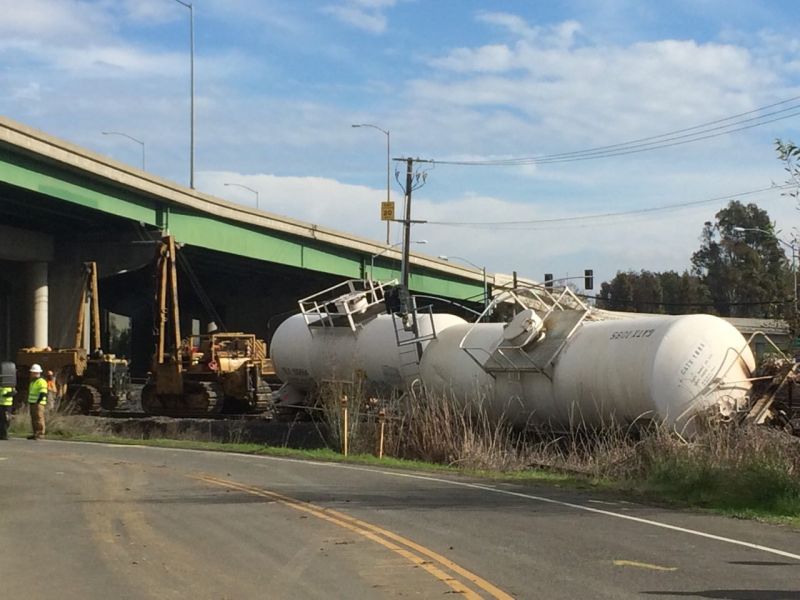
"caption": "Workers at the scene of a Jan. 20 tanker car derailment adjacent to Interstate 680 in Martinez.",
"description": null,
"title": "Contra Costa County Train Derailment",
"credit": "Contra Costa County Health Agency",
"status": "inherit",
"isLoading": false,
"fetchFailed": false
},
"news_10912057": {
"type": "attachments",
"id": "news_10912057",
"meta": {
"index": "attachments_1716263798",
"site": "news",
"id": "10912057",
"found": true
},
"title": "HSR",
"publishDate": 1459188102,
"status": "inherit",
"parent": 10847023,
"modified": 1740183066,
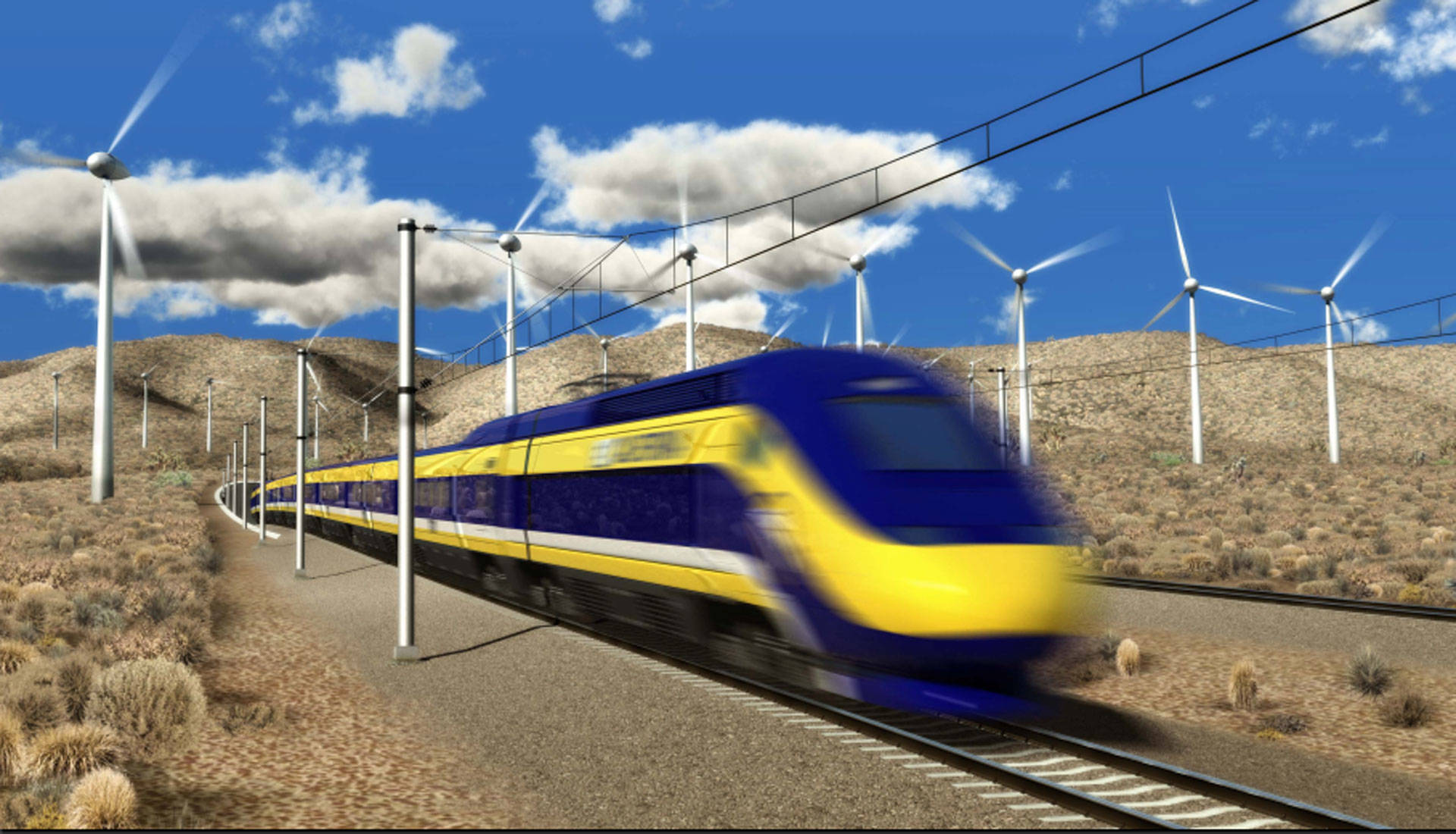
"caption": "A rendering of high-speed rail train published in 2016. But, 17 years after voters approved a $10 billion bond measure to help pay for the project and a decade since construction began in the Central Valley, California high-speed rail faces a pivotal year that could make or break the project.",
"credit": "Courtesy of the California High-Speed Rail Authority",
"altTag": "Rendering of high-speed rail train.",
"description": "Rendering of high-speed rail train. ",
"imgSizes": {
"thumbnail": {
"file": "https://cdn.kqed.org/wp-content/uploads/sites/10/2016/01/HSR-400x229.jpg",
"width": 400,
"height": 229,
"mimeType": "image/jpeg"
},
"medium": {
"file": "https://cdn.kqed.org/wp-content/uploads/sites/10/2016/01/HSR-800x458.jpg",
"width": 800,
"height": 458,
"mimeType": "image/jpeg"
},
"large": {
"file": "https://cdn.kqed.org/wp-content/uploads/sites/10/2016/01/HSR-1920x1100.jpg",
"width": 1920,
"height": 1100,
"mimeType": "image/jpeg"
},
"fd-lrg": {
"file": "https://cdn.kqed.org/wp-content/uploads/sites/10/2016/01/HSR-1920x1100.jpg",
"width": 1920,
"height": 1100,
"mimeType": "image/jpeg"
},
"fd-med": {
"file": "https://cdn.kqed.org/wp-content/uploads/sites/10/2016/01/HSR-1180x676.jpg",
"width": 1180,
"height": 676,
"mimeType": "image/jpeg"
},
"fd-sm": {
"file": "https://cdn.kqed.org/wp-content/uploads/sites/10/2016/01/HSR-960x550.jpg",
"width": 960,
"height": 550,
"mimeType": "image/jpeg"
},
"post-thumbnail": {
"file": "https://cdn.kqed.org/wp-content/uploads/sites/10/2016/01/HSR-672x372.jpg",
"width": 672,
"height": 372,
"mimeType": "image/jpeg"
},
"twentyfourteen-full-width": {
"file": "https://cdn.kqed.org/wp-content/uploads/sites/10/2016/01/HSR-1038x576.jpg",
"width": 1038,
"height": 576,
"mimeType": "image/jpeg"
},
"guest-author-32": {
"file": "https://cdn.kqed.org/wp-content/uploads/sites/10/2016/01/HSR-32x32.jpg",
"width": 32,
"height": 32,
"mimeType": "image/jpeg"
},
"guest-author-64": {
"file": "https://cdn.kqed.org/wp-content/uploads/sites/10/2016/01/HSR-64x64.jpg",
"width": 64,
"height": 64,
"mimeType": "image/jpeg"
},
"guest-author-96": {
"file": "https://cdn.kqed.org/wp-content/uploads/sites/10/2016/01/HSR-96x96.jpg",
"width": 96,
"height": 96,
"mimeType": "image/jpeg"
},
"guest-author-128": {
"file": "https://cdn.kqed.org/wp-content/uploads/sites/10/2016/01/HSR-128x128.jpg",
"width": 128,
"height": 128,
"mimeType": "image/jpeg"
},
"detail": {
"file": "https://cdn.kqed.org/wp-content/uploads/sites/10/2016/01/HSR-75x75.jpg",
"width": 75,
"height": 75,
"mimeType": "image/jpeg"
},
"jmtc-small-thumb": {
"file": "https://cdn.kqed.org/wp-content/uploads/sites/10/2016/01/HSR-280x150.jpg",
"width": 280,
"height": 150,
"mimeType": "image/jpeg"
},
"kqedFullSize": {
"file": "https://cdn.kqed.org/wp-content/uploads/sites/10/2016/01/HSR.jpg",
"width": 1920,
"height": 1100
}
},
"isLoading": false,
"fetchFailed": false
},
"news_10845986": {
"type": "attachments",
"id": "news_10845986",
"meta": {
"index": "attachments_1716263798",
"site": "news",
"id": "10845986",
"found": true
},
"parent": 10845976,
"imgSizes": {
"twentyfourteen-full-width": {
"file": "https://ww2.kqed.org/app/uploads/sites/10/2016/01/DMVLine-1038x576.jpg",
"width": 1038,
"mimeType": "image/jpeg",
"height": 576
},
"thumbnail": {
"file": "https://ww2.kqed.org/app/uploads/sites/10/2016/01/DMVLine-400x259.jpg",
"width": 400,
"mimeType": "image/jpeg",
"height": 259
},
"fd-sm": {
"file": "https://ww2.kqed.org/app/uploads/sites/10/2016/01/DMVLine-960x621.jpg",
"width": 960,
"mimeType": "image/jpeg",
"height": 621
},
"post-thumbnail": {
"file": "https://ww2.kqed.org/app/uploads/sites/10/2016/01/DMVLine-672x372.jpg",
"width": 672,
"mimeType": "image/jpeg",
"height": 372
},
"kqedFullSize": {
"file": "https://ww2.kqed.org/app/uploads/sites/10/2016/01/DMVLine.jpg",
"width": 1920,
"height": 1241
},
"large": {
"file": "https://ww2.kqed.org/app/uploads/sites/10/2016/01/DMVLine-1440x931.jpg",
"width": 1440,
"mimeType": "image/jpeg",
"height": 931
},
"guest-author-96": {
"file": "https://ww2.kqed.org/app/uploads/sites/10/2016/01/DMVLine-96x96.jpg",
"width": 96,
"mimeType": "image/jpeg",
"height": 96
},
"medium": {
"file": "https://ww2.kqed.org/app/uploads/sites/10/2016/01/DMVLine-800x517.jpg",
"width": 800,
"mimeType": "image/jpeg",
"height": 517
},
"guest-author-64": {
"file": "https://ww2.kqed.org/app/uploads/sites/10/2016/01/DMVLine-64x64.jpg",
"width": 64,
"mimeType": "image/jpeg",
"height": 64
},
"guest-author-32": {
"file": "https://ww2.kqed.org/app/uploads/sites/10/2016/01/DMVLine-32x32.jpg",
"width": 32,
"mimeType": "image/jpeg",
"height": 32
},
"jmtc-small-thumb": {
"file": "https://ww2.kqed.org/app/uploads/sites/10/2016/01/DMVLine-280x150.jpg",
"width": 280,
"mimeType": "image/jpeg",
"height": 150
},
"fd-lrg": {
"file": "https://ww2.kqed.org/app/uploads/sites/10/2016/01/DMVLine-1920x1241.jpg",
"width": 1920,
"mimeType": "image/jpeg",
"height": 1241
},
"fd-med": {
"file": "https://ww2.kqed.org/app/uploads/sites/10/2016/01/DMVLine-1180x763.jpg",
"width": 1180,
"mimeType": "image/jpeg",
"height": 763
},
"detail": {
"file": "https://ww2.kqed.org/app/uploads/sites/10/2016/01/DMVLine-75x75.jpg",
"width": 75,
"mimeType": "image/jpeg",
"height": 75
},
"medium_large": {
"file": "https://ww2.kqed.org/app/uploads/sites/10/2016/01/DMVLine-768x496.jpg",
"width": 768,
"mimeType": "image/jpeg",
"height": 496
},
"guest-author-128": {
"file": "https://ww2.kqed.org/app/uploads/sites/10/2016/01/DMVLine-128x128.jpg",
"width": 128,
"mimeType": "image/jpeg",
"height": 128
}
},
"publishDate": 1453856263,
"modified": 1473367677,
"caption": "People wait in line outside a DMV branch in Los Angeles. License suspensions disproportionately impact low-income black and Latino drivers, say civil rights legal organizations.",
"description": null,
"title": "DMVLine",
"credit": "Robyn Beck/AFP/Getty Images",
"status": "inherit",
"isLoading": false,
"fetchFailed": false
},
"news_10846097": {
"type": "attachments",
"id": "news_10846097",
"meta": {
"index": "attachments_1716263798",
"site": "news",
"id": "10846097",
"found": true
},
"parent": 10845787,
"imgSizes": {
"twentyfourteen-full-width": {
"file": "https://ww2.kqed.org/app/uploads/sites/10/2016/01/Driver-1038x576.jpg",
"width": 1038,
"mimeType": "image/jpeg",
"height": 576
},
"thumbnail": {
"file": "https://ww2.kqed.org/app/uploads/sites/10/2016/01/Driver-400x267.jpg",
"width": 400,
"mimeType": "image/jpeg",
"height": 267
},
"fd-sm": {
"file": "https://ww2.kqed.org/app/uploads/sites/10/2016/01/Driver-960x640.jpg",
"width": 960,
"mimeType": "image/jpeg",
"height": 640
},
"post-thumbnail": {
"file": "https://ww2.kqed.org/app/uploads/sites/10/2016/01/Driver-672x372.jpg",
"width": 672,
"mimeType": "image/jpeg",
"height": 372
},
"kqedFullSize": {
"file": "https://ww2.kqed.org/app/uploads/sites/10/2016/01/Driver.jpg",
"width": 1920,
"height": 1280
},
"large": {
"file": "https://ww2.kqed.org/app/uploads/sites/10/2016/01/Driver-1440x960.jpg",
"width": 1440,
"mimeType": "image/jpeg",
"height": 960
},
"guest-author-96": {
"file": "https://ww2.kqed.org/app/uploads/sites/10/2016/01/Driver-96x96.jpg",
"width": 96,
"mimeType": "image/jpeg",
"height": 96
},
"medium": {
"file": "https://ww2.kqed.org/app/uploads/sites/10/2016/01/Driver-800x533.jpg",
"width": 800,
"mimeType": "image/jpeg",
"height": 533
},
"guest-author-64": {
"file": "https://ww2.kqed.org/app/uploads/sites/10/2016/01/Driver-64x64.jpg",
"width": 64,
"mimeType": "image/jpeg",
"height": 64
},
"guest-author-32": {
"file": "https://ww2.kqed.org/app/uploads/sites/10/2016/01/Driver-32x32.jpg",
"width": 32,
"mimeType": "image/jpeg",
"height": 32
},
"jmtc-small-thumb": {
"file": "https://ww2.kqed.org/app/uploads/sites/10/2016/01/Driver-280x150.jpg",
"width": 280,
"mimeType": "image/jpeg",
"height": 150
},
"fd-lrg": {
"file": "https://ww2.kqed.org/app/uploads/sites/10/2016/01/Driver-1920x1280.jpg",
"width": 1920,
"mimeType": "image/jpeg",
"height": 1280
},
"fd-med": {
"file": "https://ww2.kqed.org/app/uploads/sites/10/2016/01/Driver-1180x787.jpg",
"width": 1180,
"mimeType": "image/jpeg",
"height": 787
},
"detail": {
"file": "https://ww2.kqed.org/app/uploads/sites/10/2016/01/Driver-75x75.jpg",
"width": 75,
"mimeType": "image/jpeg",
"height": 75
},
"medium_large": {
"file": "https://ww2.kqed.org/app/uploads/sites/10/2016/01/Driver-768x512.jpg",
"width": 768,
"mimeType": "image/jpeg",
"height": 512
},
"guest-author-128": {
"file": "https://ww2.kqed.org/app/uploads/sites/10/2016/01/Driver-128x128.jpg",
"width": 128,
"mimeType": "image/jpeg",
"height": 128
}
},
"publishDate": 1453861316,
"modified": 1453861333,
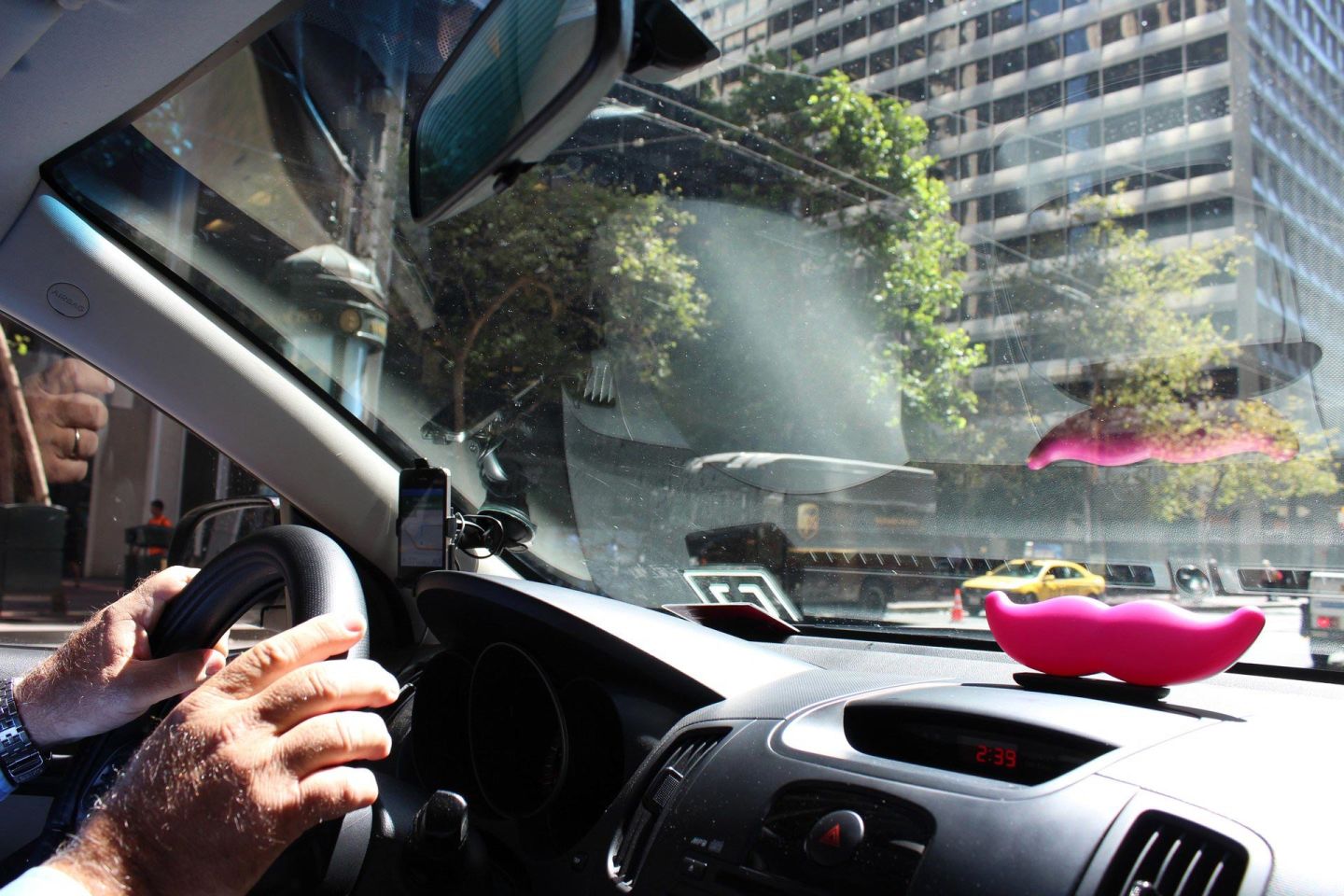
"caption": "A new regulation would require ride services like Lyft to post an 'identifying symbol' not just in the front of vehicles, but in the back as well. ",
"description": "A new regulation would require ride services like Lyft to post an 'identifying symbol' not just in the front of vehicles, but in the back as well. ",
"title": "Driver",
"credit": "Ericka Cruz Guevarra/KQED",
"status": "inherit",
"isLoading": false,
"fetchFailed": false
},
"news_10845734": {
"type": "attachments",
"id": "news_10845734",
"meta": {
"index": "attachments_1716263798",
"site": "news",
"id": "10845734",
"found": true
},
"parent": 10845639,
"imgSizes": {
"twentyfourteen-full-width": {
"file": "https://ww2.kqed.org/app/uploads/sites/10/2016/01/PumpingGas-1038x576.jpg",
"width": 1038,
"mimeType": "image/jpeg",
"height": 576
},
"thumbnail": {
"file": "https://ww2.kqed.org/app/uploads/sites/10/2016/01/PumpingGas-400x259.jpg",
"width": 400,
"mimeType": "image/jpeg",
"height": 259
},
"fd-sm": {
"file": "https://ww2.kqed.org/app/uploads/sites/10/2016/01/PumpingGas-960x621.jpg",
"width": 960,
"mimeType": "image/jpeg",
"height": 621
},
"post-thumbnail": {
"file": "https://ww2.kqed.org/app/uploads/sites/10/2016/01/PumpingGas-672x372.jpg",
"width": 672,
"mimeType": "image/jpeg",
"height": 372
},
"kqedFullSize": {
"file": "https://ww2.kqed.org/app/uploads/sites/10/2016/01/PumpingGas.jpg",
"width": 1920,
"height": 1242
},
"large": {
"file": "https://ww2.kqed.org/app/uploads/sites/10/2016/01/PumpingGas-1440x932.jpg",
"width": 1440,
"mimeType": "image/jpeg",
"height": 932
},
"guest-author-96": {
"file": "https://ww2.kqed.org/app/uploads/sites/10/2016/01/PumpingGas-96x96.jpg",
"width": 96,
"mimeType": "image/jpeg",
"height": 96
},
"medium": {
"file": "https://ww2.kqed.org/app/uploads/sites/10/2016/01/PumpingGas-800x518.jpg",
"width": 800,
"mimeType": "image/jpeg",
"height": 518
},
"guest-author-64": {
"file": "https://ww2.kqed.org/app/uploads/sites/10/2016/01/PumpingGas-64x64.jpg",
"width": 64,
"mimeType": "image/jpeg",
"height": 64
},
"guest-author-32": {
"file": "https://ww2.kqed.org/app/uploads/sites/10/2016/01/PumpingGas-32x32.jpg",
"width": 32,
"mimeType": "image/jpeg",
"height": 32
},
"jmtc-small-thumb": {
"file": "https://ww2.kqed.org/app/uploads/sites/10/2016/01/PumpingGas-280x150.jpg",
"width": 280,
"mimeType": "image/jpeg",
"height": 150
},
"fd-lrg": {
"file": "https://ww2.kqed.org/app/uploads/sites/10/2016/01/PumpingGas-1920x1242.jpg",
"width": 1920,
"mimeType": "image/jpeg",
"height": 1242
},
"fd-med": {
"file": "https://ww2.kqed.org/app/uploads/sites/10/2016/01/PumpingGas-1180x763.jpg",
"width": 1180,
"mimeType": "image/jpeg",
"height": 763
},
"detail": {
"file": "https://ww2.kqed.org/app/uploads/sites/10/2016/01/PumpingGas-75x75.jpg",
"width": 75,
"mimeType": "image/jpeg",
"height": 75
},
"medium_large": {
"file": "https://ww2.kqed.org/app/uploads/sites/10/2016/01/PumpingGas-768x497.jpg",
"width": 768,
"mimeType": "image/jpeg",
"height": 497
},
"guest-author-128": {
"file": "https://ww2.kqed.org/app/uploads/sites/10/2016/01/PumpingGas-128x128.jpg",
"width": 128,
"mimeType": "image/jpeg",
"height": 128
}
},
"publishDate": 1453839649,
"modified": 1453839683,
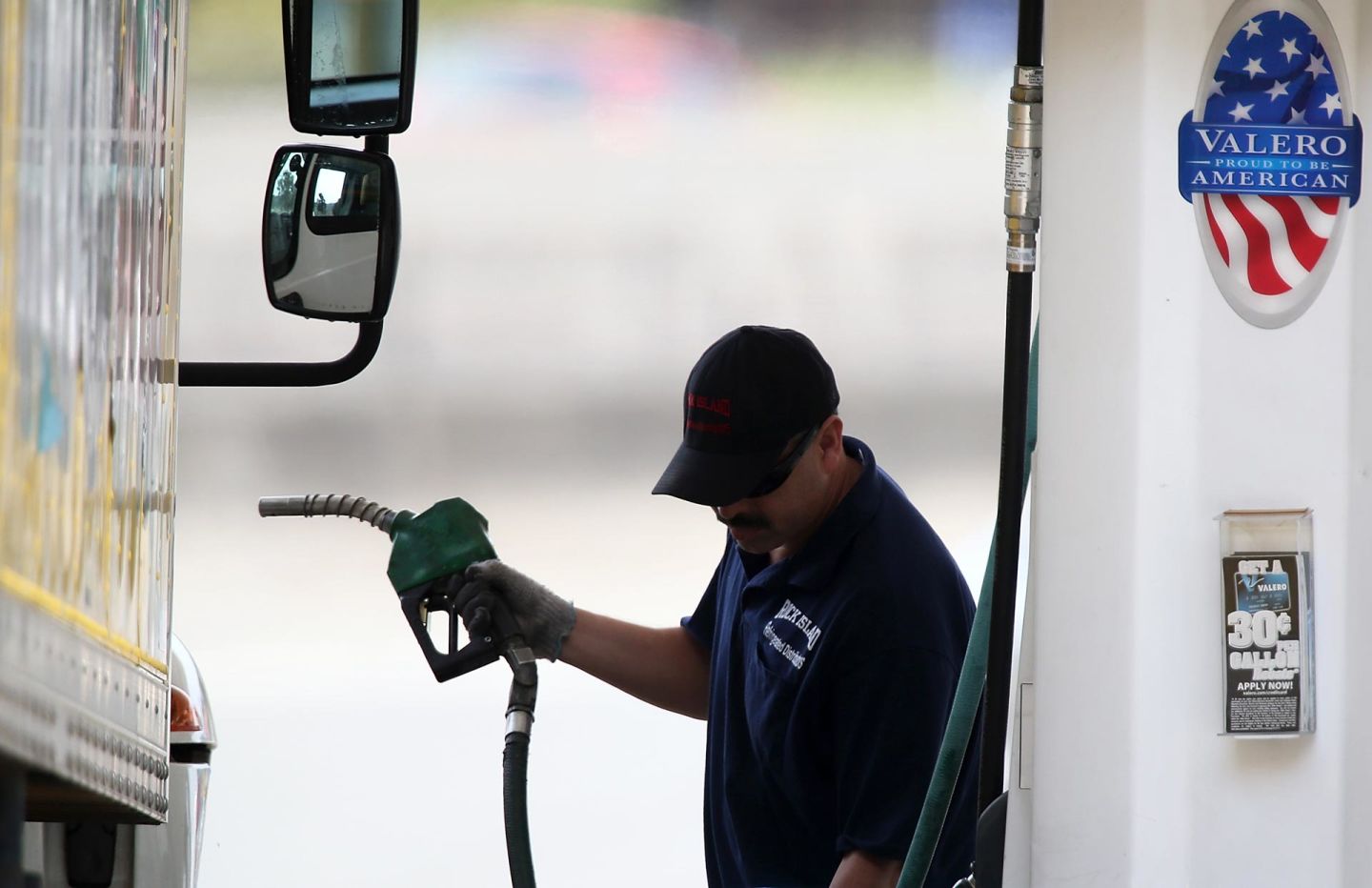
"caption": "A customer prepares to pump gas into his truck at a Valero gas station in Mill Valley.",
"description": "A customer prepares to pump gas into his truck at a Valero gas station in Mill Valley.",
"title": "PumpingGas",
"credit": "Justin Sullivan/Getty Images",
"status": "inherit",
"isLoading": false,
"fetchFailed": false
},
"news_10844781": {
"type": "attachments",
"id": "news_10844781",
"meta": {
"index": "attachments_1716263798",
"site": "news",
"id": "10844781",
"found": true
},
"parent": 10844722,
"imgSizes": {
"twentyfourteen-full-width": {
"file": "https://ww2.kqed.org/app/uploads/sites/10/2016/01/bartyard-1038x576.jpg",
"width": 1038,
"mimeType": "image/jpeg",
"height": 576
},
"thumbnail": {
"file": "https://ww2.kqed.org/app/uploads/sites/10/2016/01/bartyard-400x215.jpg",
"width": 400,
"mimeType": "image/jpeg",
"height": 215
},
"fd-sm": {
"file": "https://ww2.kqed.org/app/uploads/sites/10/2016/01/bartyard-960x517.jpg",
"width": 960,
"mimeType": "image/jpeg",
"height": 517
},
"post-thumbnail": {
"file": "https://ww2.kqed.org/app/uploads/sites/10/2016/01/bartyard-672x372.jpg",
"width": 672,
"mimeType": "image/jpeg",
"height": 372
},
"kqedFullSize": {
"file": "https://ww2.kqed.org/app/uploads/sites/10/2016/01/bartyard.jpg",
"width": 1920,
"height": 1034
},
"large": {
"file": "https://ww2.kqed.org/app/uploads/sites/10/2016/01/bartyard-1440x776.jpg",
"width": 1440,
"mimeType": "image/jpeg",
"height": 776
},
"guest-author-96": {
"file": "https://ww2.kqed.org/app/uploads/sites/10/2016/01/bartyard-96x96.jpg",
"width": 96,
"mimeType": "image/jpeg",
"height": 96
},
"medium": {
"file": "https://ww2.kqed.org/app/uploads/sites/10/2016/01/bartyard-800x431.jpg",
"width": 800,
"mimeType": "image/jpeg",
"height": 431
},
"guest-author-64": {
"file": "https://ww2.kqed.org/app/uploads/sites/10/2016/01/bartyard-64x64.jpg",
"width": 64,
"mimeType": "image/jpeg",
"height": 64
},
"guest-author-32": {
"file": "https://ww2.kqed.org/app/uploads/sites/10/2016/01/bartyard-32x32.jpg",
"width": 32,
"mimeType": "image/jpeg",
"height": 32
},
"jmtc-small-thumb": {
"file": "https://ww2.kqed.org/app/uploads/sites/10/2016/01/bartyard-280x150.jpg",
"width": 280,
"mimeType": "image/jpeg",
"height": 150
},
"fd-lrg": {
"file": "https://ww2.kqed.org/app/uploads/sites/10/2016/01/bartyard-1920x1034.jpg",
"width": 1920,
"mimeType": "image/jpeg",
"height": 1034
},
"fd-med": {
"file": "https://ww2.kqed.org/app/uploads/sites/10/2016/01/bartyard-1180x635.jpg",
"width": 1180,
"mimeType": "image/jpeg",
"height": 635
},
"detail": {
"file": "https://ww2.kqed.org/app/uploads/sites/10/2016/01/bartyard-75x75.jpg",
"width": 75,
"mimeType": "image/jpeg",
"height": 75
},
"medium_large": {
"file": "https://ww2.kqed.org/app/uploads/sites/10/2016/01/bartyard-768x414.jpg",
"width": 768,
"mimeType": "image/jpeg",
"height": 414
},
"guest-author-128": {
"file": "https://ww2.kqed.org/app/uploads/sites/10/2016/01/bartyard-128x128.jpg",
"width": 128,
"mimeType": "image/jpeg",
"height": 128
}
},
"publishDate": 1453758234,
"modified": 1453758315,
"caption": "A look inside BART's Richmond Maintenance Yard. (Alan Toth/KQED)",
"description": null,
"title": "bartyard",
"credit": null,
"status": "inherit",
"isLoading": false,
"fetchFailed": false
},
"news_10834145": {
"type": "attachments",
"id": "news_10834145",
"meta": {
"index": "attachments_1716263798",
"site": "news",
"id": "10834145",
"found": true
},
"parent": 10830141,
"imgSizes": {
"twentyfourteen-full-width": {
"file": "https://ww2.kqed.org/app/uploads/sites/10/2016/01/image-1-1038x576.png",
"width": 1038,
"mimeType": "image/png",
"height": 576
},
"thumbnail": {
"file": "https://ww2.kqed.org/app/uploads/sites/10/2016/01/image-1-400x192.png",
"width": 400,
"mimeType": "image/png",
"height": 192
},
"fd-sm": {
"file": "https://ww2.kqed.org/app/uploads/sites/10/2016/01/image-1-960x460.png",
"width": 960,
"mimeType": "image/png",
"height": 460
},
"post-thumbnail": {
"file": "https://ww2.kqed.org/app/uploads/sites/10/2016/01/image-1-672x372.png",
"width": 672,
"mimeType": "image/png",
"height": 372
},
"kqedFullSize": {
"file": "https://ww2.kqed.org/app/uploads/sites/10/2016/01/image-1.png",
"width": 4662,
"height": 2235
},
"large": {
"file": "https://ww2.kqed.org/app/uploads/sites/10/2016/01/image-1-1440x690.png",
"width": 1440,
"mimeType": "image/png",
"height": 690
},
"guest-author-96": {
"file": "https://ww2.kqed.org/app/uploads/sites/10/2016/01/image-1-96x96.png",
"width": 96,
"mimeType": "image/png",
"height": 96
},
"medium": {
"file": "https://ww2.kqed.org/app/uploads/sites/10/2016/01/image-1-800x384.png",
"width": 800,
"mimeType": "image/png",
"height": 384
},
"guest-author-64": {
"file": "https://ww2.kqed.org/app/uploads/sites/10/2016/01/image-1-64x64.png",
"width": 64,
"mimeType": "image/png",
"height": 64
},
"guest-author-32": {
"file": "https://ww2.kqed.org/app/uploads/sites/10/2016/01/image-1-32x32.png",
"width": 32,
"mimeType": "image/png",
"height": 32
},
"jmtc-small-thumb": {
"file": "https://ww2.kqed.org/app/uploads/sites/10/2016/01/image-1-280x150.png",
"width": 280,
"mimeType": "image/png",
"height": 150
},
"fd-lrg": {
"file": "https://ww2.kqed.org/app/uploads/sites/10/2016/01/image-1-1920x920.png",
"width": 1920,
"mimeType": "image/png",
"height": 920
},
"fd-med": {
"file": "https://ww2.kqed.org/app/uploads/sites/10/2016/01/image-1-1180x566.png",
"width": 1180,
"mimeType": "image/png",
"height": 566
},
"detail": {
"file": "https://ww2.kqed.org/app/uploads/sites/10/2016/01/image-1-75x75.png",
"width": 75,
"mimeType": "image/png",
"height": 75
},
"medium_large": {
"file": "https://ww2.kqed.org/app/uploads/sites/10/2016/01/image-1-768x368.png",
"width": 768,
"mimeType": "image/png",
"height": 368
},
"guest-author-128": {
"file": "https://ww2.kqed.org/app/uploads/sites/10/2016/01/image-1-128x128.png",
"width": 128,
"mimeType": "image/png",
"height": 128
}
},
"publishDate": 1452915862,
"modified": 1452916051,
"caption": "Bus rapid transit on Van Ness Avenue is scheduled to begin construction in March. ",
"description": null,
"title": "image",
"credit": "Rendering courtesy of SF Public Works, Building Design & Construction",
"status": "inherit",
"isLoading": false,
"fetchFailed": false
},
"news_10839448": {
"type": "attachments",
"id": "news_10839448",
"meta": {
"index": "attachments_1716263798",
"site": "news",
"id": "10839448",
"found": true
},
"parent": 10839069,
"imgSizes": {
"twentyfourteen-full-width": {
"file": "https://ww2.kqed.org/app/uploads/sites/10/2016/01/Superbowl50-1023x576.jpg",
"width": 1023,
"mimeType": "image/jpeg",
"height": 576
},
"thumbnail": {
"file": "https://ww2.kqed.org/app/uploads/sites/10/2016/01/Superbowl50-400x267.jpg",
"width": 400,
"mimeType": "image/jpeg",
"height": 267
},
"fd-sm": {
"file": "https://ww2.kqed.org/app/uploads/sites/10/2016/01/Superbowl50-960x640.jpg",
"width": 960,
"mimeType": "image/jpeg",
"height": 640
},
"post-thumbnail": {
"file": "https://ww2.kqed.org/app/uploads/sites/10/2016/01/Superbowl50-672x372.jpg",
"width": 672,
"mimeType": "image/jpeg",
"height": 372
},
"kqedFullSize": {
"file": "https://ww2.kqed.org/app/uploads/sites/10/2016/01/Superbowl50.jpg",
"width": 1023,
"height": 682
},
"guest-author-96": {
"file": "https://ww2.kqed.org/app/uploads/sites/10/2016/01/Superbowl50-96x96.jpg",
"width": 96,
"mimeType": "image/jpeg",
"height": 96
},
"medium": {
"file": "https://ww2.kqed.org/app/uploads/sites/10/2016/01/Superbowl50-800x533.jpg",
"width": 800,
"mimeType": "image/jpeg",
"height": 533
},
"guest-author-64": {
"file": "https://ww2.kqed.org/app/uploads/sites/10/2016/01/Superbowl50-64x64.jpg",
"width": 64,
"mimeType": "image/jpeg",
"height": 64
},
"guest-author-32": {
"file": "https://ww2.kqed.org/app/uploads/sites/10/2016/01/Superbowl50-32x32.jpg",
"width": 32,
"mimeType": "image/jpeg",
"height": 32
},
"jmtc-small-thumb": {
"file": "https://ww2.kqed.org/app/uploads/sites/10/2016/01/Superbowl50-280x150.jpg",
"width": 280,
"mimeType": "image/jpeg",
"height": 150
},
"detail": {
"file": "https://ww2.kqed.org/app/uploads/sites/10/2016/01/Superbowl50-75x75.jpg",
"width": 75,
"mimeType": "image/jpeg",
"height": 75
},
"medium_large": {
"file": "https://ww2.kqed.org/app/uploads/sites/10/2016/01/Superbowl50-768x512.jpg",
"width": 768,
"mimeType": "image/jpeg",
"height": 512
},
"guest-author-128": {
"file": "https://ww2.kqed.org/app/uploads/sites/10/2016/01/Superbowl50-128x128.jpg",
"width": 128,
"mimeType": "image/jpeg",
"height": 128
}
},
"publishDate": 1453337375,
"modified": 1453337404,
"caption": null,
"description": null,
"title": "Superbowl50",
"credit": "Courtesy of Super Bowl 50 Host Committee",
"status": "inherit",
"isLoading": false,
"fetchFailed": false
},
"news_10840510": {
"type": "attachments",
"id": "news_10840510",
"meta": {
"index": "attachments_1716263798",
"site": "news",
"id": "10840510",
"found": true
},
"parent": 10839378,
"imgSizes": {
"twentyfourteen-full-width": {
"file": "https://ww2.kqed.org/app/uploads/sites/10/2016/01/DMVEntrance-1038x576.jpg",
"width": 1038,
"mimeType": "image/jpeg",
"height": 576
},
"thumbnail": {
"file": "https://ww2.kqed.org/app/uploads/sites/10/2016/01/DMVEntrance-400x254.jpg",
"width": 400,
"mimeType": "image/jpeg",
"height": 254
},
"fd-sm": {
"file": "https://ww2.kqed.org/app/uploads/sites/10/2016/01/DMVEntrance-960x609.jpg",
"width": 960,
"mimeType": "image/jpeg",
"height": 609
},
"post-thumbnail": {
"file": "https://ww2.kqed.org/app/uploads/sites/10/2016/01/DMVEntrance-672x372.jpg",
"width": 672,
"mimeType": "image/jpeg",
"height": 372
},
"kqedFullSize": {
"file": "https://ww2.kqed.org/app/uploads/sites/10/2016/01/DMVEntrance.jpg",
"width": 1920,
"height": 1217
},
"large": {
"file": "https://ww2.kqed.org/app/uploads/sites/10/2016/01/DMVEntrance-1440x913.jpg",
"width": 1440,
"mimeType": "image/jpeg",
"height": 913
},
"guest-author-96": {
"file": "https://ww2.kqed.org/app/uploads/sites/10/2016/01/DMVEntrance-96x96.jpg",
"width": 96,
"mimeType": "image/jpeg",
"height": 96
},
"medium": {
"file": "https://ww2.kqed.org/app/uploads/sites/10/2016/01/DMVEntrance-800x507.jpg",
"width": 800,
"mimeType": "image/jpeg",
"height": 507
},
"guest-author-64": {
"file": "https://ww2.kqed.org/app/uploads/sites/10/2016/01/DMVEntrance-64x64.jpg",
"width": 64,
"mimeType": "image/jpeg",
"height": 64
},
"guest-author-32": {
"file": "https://ww2.kqed.org/app/uploads/sites/10/2016/01/DMVEntrance-32x32.jpg",
"width": 32,
"mimeType": "image/jpeg",
"height": 32
},
"jmtc-small-thumb": {
"file": "https://ww2.kqed.org/app/uploads/sites/10/2016/01/DMVEntrance-280x150.jpg",
"width": 280,
"mimeType": "image/jpeg",
"height": 150
},
"fd-lrg": {
"file": "https://ww2.kqed.org/app/uploads/sites/10/2016/01/DMVEntrance-1920x1217.jpg",
"width": 1920,
"mimeType": "image/jpeg",
"height": 1217
},
"fd-med": {
"file": "https://ww2.kqed.org/app/uploads/sites/10/2016/01/DMVEntrance-1180x748.jpg",
"width": 1180,
"mimeType": "image/jpeg",
"height": 748
},
"detail": {
"file": "https://ww2.kqed.org/app/uploads/sites/10/2016/01/DMVEntrance-75x75.jpg",
"width": 75,
"mimeType": "image/jpeg",
"height": 75
},
"medium_large": {
"file": "https://ww2.kqed.org/app/uploads/sites/10/2016/01/DMVEntrance-768x487.jpg",
"width": 768,
"mimeType": "image/jpeg",
"height": 487
},
"guest-author-128": {
"file": "https://ww2.kqed.org/app/uploads/sites/10/2016/01/DMVEntrance-128x128.jpg",
"width": 128,
"mimeType": "image/jpeg",
"height": 128
}
},
"publishDate": 1453415232,
"modified": 1453415281,
"caption": "A California Department of Motor Vehicles (DMV) facility in Pasadena.",
"description": "A California Department of Motor Vehicles (DMV) facility in Pasadena.",
"title": "DMVEntrance",
"credit": "David McNew/Getty Images",
"status": "inherit",
"isLoading": false,
"fetchFailed": false
},
"news_10840326": {
"type": "attachments",
"id": "news_10840326",
"meta": {
"index": "attachments_1716263798",
"site": "news",
"id": "10840326",
"found": true
},
"parent": 10840163,
"imgSizes": {
"twentyfourteen-full-width": {
"file": "https://ww2.kqed.org/app/uploads/sites/10/2016/01/JBSOS-1038x576.jpg",
"width": 1038,
"mimeType": "image/jpeg",
"height": 576
},
"thumbnail": {
"file": "https://ww2.kqed.org/app/uploads/sites/10/2016/01/JBSOS-400x288.jpg",
"width": 400,
"mimeType": "image/jpeg",
"height": 288
},
"fd-sm": {
"file": "https://ww2.kqed.org/app/uploads/sites/10/2016/01/JBSOS-960x690.jpg",
"width": 960,
"mimeType": "image/jpeg",
"height": 690
},
"post-thumbnail": {
"file": "https://ww2.kqed.org/app/uploads/sites/10/2016/01/JBSOS-672x372.jpg",
"width": 672,
"mimeType": "image/jpeg",
"height": 372
},
"kqedFullSize": {
"file": "https://ww2.kqed.org/app/uploads/sites/10/2016/01/JBSOS.jpg",
"width": 1920,
"height": 1380
},
"large": {
"file": "https://ww2.kqed.org/app/uploads/sites/10/2016/01/JBSOS-1440x1035.jpg",
"width": 1440,
"mimeType": "image/jpeg",
"height": 1035
},
"guest-author-96": {
"file": "https://ww2.kqed.org/app/uploads/sites/10/2016/01/JBSOS-96x96.jpg",
"width": 96,
"mimeType": "image/jpeg",
"height": 96
},
"medium": {
"file": "https://ww2.kqed.org/app/uploads/sites/10/2016/01/JBSOS-800x575.jpg",
"width": 800,
"mimeType": "image/jpeg",
"height": 575
},
"guest-author-64": {
"file": "https://ww2.kqed.org/app/uploads/sites/10/2016/01/JBSOS-64x64.jpg",
"width": 64,
"mimeType": "image/jpeg",
"height": 64
},
"guest-author-32": {
"file": "https://ww2.kqed.org/app/uploads/sites/10/2016/01/JBSOS-32x32.jpg",
"width": 32,
"mimeType": "image/jpeg",
"height": 32
},
"jmtc-small-thumb": {
"file": "https://ww2.kqed.org/app/uploads/sites/10/2016/01/JBSOS-280x150.jpg",
"width": 280,
"mimeType": "image/jpeg",
"height": 150
},
"fd-lrg": {
"file": "https://ww2.kqed.org/app/uploads/sites/10/2016/01/JBSOS-1920x1380.jpg",
"width": 1920,
"mimeType": "image/jpeg",
"height": 1380
},
"fd-med": {
"file": "https://ww2.kqed.org/app/uploads/sites/10/2016/01/JBSOS-1180x848.jpg",
"width": 1180,
"mimeType": "image/jpeg",
"height": 848
},
"detail": {
"file": "https://ww2.kqed.org/app/uploads/sites/10/2016/01/JBSOS-75x75.jpg",
"width": 75,
"mimeType": "image/jpeg",
"height": 75
},
"medium_large": {
"file": "https://ww2.kqed.org/app/uploads/sites/10/2016/01/JBSOS-768x552.jpg",
"width": 768,
"mimeType": "image/jpeg",
"height": 552
},
"guest-author-128": {
"file": "https://ww2.kqed.org/app/uploads/sites/10/2016/01/JBSOS-128x128.jpg",
"width": 128,
"mimeType": "image/jpeg",
"height": 128
}
},
"publishDate": 1453407377,
"modified": 1453407468,
"caption": "Gov. Jerry Brown delivers his 2016 State of the State Address on Thursday.",
"description": "Gov. Jerry Brown delivers his 2016 State of the State Address on Thursday.",
"title": "JBSOS",
"credit": "Andrew Nixon/Capital Public Radio",
"status": "inherit",
"isLoading": false,
"fetchFailed": false
},
"news_10556878": {
"type": "attachments",
"id": "news_10556878",
"meta": {
"index": "attachments_1716263798",
"site": "news",
"id": "10556878",
"found": true
},
"parent": 10556807,
"imgSizes": {
"twentyfourteen-full-width": {
"file": "https://ww2.kqed.org/app/uploads/sites/10/2015/06/RS7013_175333538.jpg-alt_246-1038x576.jpg",
"width": 1038,
"mimeType": "image/jpeg",
"height": 576
},
"thumbnail": {
"file": "https://ww2.kqed.org/app/uploads/sites/10/2015/06/RS7013_175333538.jpg-alt_246-400x300.jpg",
"width": 400,
"mimeType": "image/jpeg",
"height": 300
},
"fd-sm": {
"file": "https://ww2.kqed.org/app/uploads/sites/10/2015/06/RS7013_175333538.jpg-alt_246-960x720.jpg",
"width": 960,
"mimeType": "image/jpeg",
"height": 720
},
"post-thumbnail": {
"file": "https://ww2.kqed.org/app/uploads/sites/10/2015/06/RS7013_175333538.jpg-alt_246-672x372.jpg",
"width": 672,
"mimeType": "image/jpeg",
"height": 372
},
"kqedFullSize": {
"file": "https://ww2.kqed.org/app/uploads/sites/10/2015/06/RS7013_175333538.jpg-alt_246.jpg",
"width": 1920,
"height": 1440
},
"large": {
"file": "https://ww2.kqed.org/app/uploads/sites/10/2015/06/RS7013_175333538.jpg-alt_246-1440x1080.jpg",
"width": 1440,
"mimeType": "image/jpeg",
"height": 1080
},
"guest-author-96": {
"file": "https://ww2.kqed.org/app/uploads/sites/10/2015/06/RS7013_175333538.jpg-alt_246-96x96.jpg",
"width": 96,
"mimeType": "image/jpeg",
"height": 96
},
"medium": {
"file": "https://ww2.kqed.org/app/uploads/sites/10/2015/06/RS7013_175333538.jpg-alt_246-800x600.jpg",
"width": 800,
"mimeType": "image/jpeg",
"height": 600
},
"guest-author-64": {
"file": "https://ww2.kqed.org/app/uploads/sites/10/2015/06/RS7013_175333538.jpg-alt_246-64x64.jpg",
"width": 64,
"mimeType": "image/jpeg",
"height": 64
},
"guest-author-32": {
"file": "https://ww2.kqed.org/app/uploads/sites/10/2015/06/RS7013_175333538.jpg-alt_246-32x32.jpg",
"width": 32,
"mimeType": "image/jpeg",
"height": 32
},
"fd-med": {
"file": "https://ww2.kqed.org/app/uploads/sites/10/2015/06/RS7013_175333538.jpg-alt_246-1180x885.jpg",
"width": 1180,
"mimeType": "image/jpeg",
"height": 885
},
"detail": {
"file": "https://ww2.kqed.org/app/uploads/sites/10/2015/06/RS7013_175333538.jpg-alt_246-75x75.jpg",
"width": 75,
"mimeType": "image/jpeg",
"height": 75
},
"guest-author-128": {
"file": "https://ww2.kqed.org/app/uploads/sites/10/2015/06/RS7013_175333538.jpg-alt_246-128x128.jpg",
"width": 128,
"mimeType": "image/jpeg",
"height": 128
}
},
"publishDate": 1433888629,
"modified": 1463606344,
"caption": "A BART train on the Pittsburg-Bay Point line departing Oakland's Rockridge Station.",
"description": "BART train service will not run Saturday and Sunday between West Oakland and Embarcadero stations. ",
"title": "BART",
"credit": "Justin Sullivan/Getty Images",
"status": "inherit",
"isLoading": false,
"fetchFailed": false
},
"news_10839063": {
"type": "attachments",
"id": "news_10839063",
"meta": {
"index": "attachments_1716263798",
"site": "news",
"id": "10839063",
"found": true
},
"parent": 10839061,
"imgSizes": {
"twentyfourteen-full-width": {
"file": "https://ww2.kqed.org/app/uploads/sites/10/2016/01/Valencia-cyclist--1038x576.jpg",
"width": 1038,
"mimeType": "image/jpeg",
"height": 576
},
"thumbnail": {
"file": "https://ww2.kqed.org/app/uploads/sites/10/2016/01/Valencia-cyclist--400x267.jpg",
"width": 400,
"mimeType": "image/jpeg",
"height": 267
},
"fd-sm": {
"file": "https://ww2.kqed.org/app/uploads/sites/10/2016/01/Valencia-cyclist--960x640.jpg",
"width": 960,
"mimeType": "image/jpeg",
"height": 640
},
"post-thumbnail": {
"file": "https://ww2.kqed.org/app/uploads/sites/10/2016/01/Valencia-cyclist--672x372.jpg",
"width": 672,
"mimeType": "image/jpeg",
"height": 372
},
"kqedFullSize": {
"file": "https://ww2.kqed.org/app/uploads/sites/10/2016/01/Valencia-cyclist-.jpg",
"width": 3000,
"height": 2000
},
"large": {
"file": "https://ww2.kqed.org/app/uploads/sites/10/2016/01/Valencia-cyclist--1440x960.jpg",
"width": 1440,
"mimeType": "image/jpeg",
"height": 960
},
"guest-author-96": {
"file": "https://ww2.kqed.org/app/uploads/sites/10/2016/01/Valencia-cyclist--96x96.jpg",
"width": 96,
"mimeType": "image/jpeg",
"height": 96
},
"medium": {
"file": "https://ww2.kqed.org/app/uploads/sites/10/2016/01/Valencia-cyclist--800x533.jpg",
"width": 800,
"mimeType": "image/jpeg",
"height": 533
},
"guest-author-64": {
"file": "https://ww2.kqed.org/app/uploads/sites/10/2016/01/Valencia-cyclist--64x64.jpg",
"width": 64,
"mimeType": "image/jpeg",
"height": 64
},
"guest-author-32": {
"file": "https://ww2.kqed.org/app/uploads/sites/10/2016/01/Valencia-cyclist--32x32.jpg",
"width": 32,
"mimeType": "image/jpeg",
"height": 32
},
"jmtc-small-thumb": {
"file": "https://ww2.kqed.org/app/uploads/sites/10/2016/01/Valencia-cyclist--280x150.jpg",
"width": 280,
"mimeType": "image/jpeg",
"height": 150
},
"fd-lrg": {
"file": "https://ww2.kqed.org/app/uploads/sites/10/2016/01/Valencia-cyclist--1920x1280.jpg",
"width": 1920,
"mimeType": "image/jpeg",
"height": 1280
},
"fd-med": {
"file": "https://ww2.kqed.org/app/uploads/sites/10/2016/01/Valencia-cyclist--1180x787.jpg",
"width": 1180,
"mimeType": "image/jpeg",
"height": 787
},
"detail": {
"file": "https://ww2.kqed.org/app/uploads/sites/10/2016/01/Valencia-cyclist--75x75.jpg",
"width": 75,
"mimeType": "image/jpeg",
"height": 75
},
"medium_large": {
"file": "https://ww2.kqed.org/app/uploads/sites/10/2016/01/Valencia-cyclist--768x512.jpg",
"width": 768,
"mimeType": "image/jpeg",
"height": 512
},
"guest-author-128": {
"file": "https://ww2.kqed.org/app/uploads/sites/10/2016/01/Valencia-cyclist--128x128.jpg",
"width": 128,
"mimeType": "image/jpeg",
"height": 128
}
},
"publishDate": 1453315616,
"modified": 1453315687,
"caption": "A bicyclist rides in a bike lane on Valencia Street. ",
"description": null,
"title": "Valencia cyclist",
"credit": "Deborah Svoboda/KQED",
"status": "inherit",
"isLoading": false,
"fetchFailed": false
}
},
"audioPlayerReducer": {
"postId": "stream_live",
"isPaused": true,
"isPlaying": false,
"pfsActive": false,
"pledgeModalIsOpen": true,
"playerDrawerIsOpen": false,
"liveAudioPlayStartedAt": 0,
"liveAudioPlayContext": ""
},
"authorsReducer": {
"byline_news_10845976": {
"type": "authors",
"id": "byline_news_10845976",
"meta": {
"override": true
},
"slug": "byline_news_10845976",
"name": "\u003cstrong>\u003ca href=\"http://www.scpr.org/about/people/staff/mary-plummer\">Mary Plummer\u003c/a>\u003cbr>KPCC\u003c/strong>",
"isLoading": false
},
"agrossberg": {
"type": "authors",
"id": "188",
"meta": {
"index": "authors_1716337520",
"id": "188",
"found": true
},
"name": "Adam Grossberg",
"firstName": "Adam",
"lastName": "Grossberg",
"slug": "agrossberg",
"email": "agrossberg@KQED.org",
"display_author_email": false,
"staff_mastheads": [],
"title": "KQED Contributor",
"bio": "Adam Grossberg is a former video producer at KQED News. Prior to coming to KQED, he produced videos for PBS, The New York Times, Current TV and The Center for Investigative Reporting. His work has received an Excellence in Journalism award from the Society of Professional Journalists, a regional Murrow award and two Northern California Emmy awards. He is a graduate of the UC Berkeley Graduate School of Journalism.",
"avatar": "https://secure.gravatar.com/avatar/8e96dbdaaf98f5959a2c778289e0f9b5?s=600&d=blank&r=g",
"twitter": null,
"facebook": null,
"instagram": null,
"linkedin": null,
"sites": [
{
"site": "arts",
"roles": [
"contributor"
]
},
{
"site": "news",
"roles": [
"subscriber"
]
},
{
"site": "stateofhealth",
"roles": [
"editor"
]
},
{
"site": "science",
"roles": [
"editor"
]
}
],
"headData": {
"title": "Adam Grossberg | KQED",
"description": "KQED Contributor",
"ogImgSrc": "https://secure.gravatar.com/avatar/8e96dbdaaf98f5959a2c778289e0f9b5?s=600&d=blank&r=g",
"twImgSrc": "https://secure.gravatar.com/avatar/8e96dbdaaf98f5959a2c778289e0f9b5?s=600&d=blank&r=g"
},
"isLoading": false,
"link": "/author/agrossberg"
},
"bgoebel": {
"type": "authors",
"id": "214",
"meta": {
"index": "authors_1716337520",
"id": "214",
"found": true
},
"name": "Bryan Goebel",
"firstName": "Bryan",
"lastName": "Goebel",
"slug": "bgoebel",
"email": "bgoebel@kqed.org",
"display_author_email": false,
"staff_mastheads": [],
"title": null,
"bio": "Bryan Goebel is a reporter focused on transportation and housing issues. He was previously the editor of Streetsblog San Francisco, and an anchor/editor at KCBS Radio. He's a lifelong Californian and has also worked at radio stations in Barstow, Redding and Sacramento.",
"avatar": "https://secure.gravatar.com/avatar/7fdd6b065bfe9a23a71bcfa80848df88?s=600&d=blank&r=g",
"twitter": "velobry",
"facebook": null,
"instagram": null,
"linkedin": null,
"sites": [
{
"site": "news",
"roles": [
"subscriber"
]
},
{
"site": "stateofhealth",
"roles": [
"subscriber"
]
}
],
"headData": {
"title": "Bryan Goebel | KQED",
"description": null,
"ogImgSrc": "https://secure.gravatar.com/avatar/7fdd6b065bfe9a23a71bcfa80848df88?s=600&d=blank&r=g",
"twImgSrc": "https://secure.gravatar.com/avatar/7fdd6b065bfe9a23a71bcfa80848df88?s=600&d=blank&r=g"
},
"isLoading": false,
"link": "/author/bgoebel"
},
"danbrekke": {
"type": "authors",
"id": "222",
"meta": {
"index": "authors_1716337520",
"id": "222",
"found": true
},
"name": "Dan Brekke",
"firstName": "Dan",
"lastName": "Brekke",
"slug": "danbrekke",
"email": "dbrekke@kqed.org",
"display_author_email": true,
"staff_mastheads": [
"news",
"science"
],
"title": "KQED Editor and Reporter",
"bio": "Dan Brekke is a reporter and editor for KQED News, responsible for coverage of topics ranging from California water issues to the Bay Area's transportation challenges. In a newsroom career that began in Chicago in 1972, Dan has worked for \u003cem>The San Francisco Examiner,\u003c/em> Wired and TechTV and has been published in The New York Times, The New York Times Magazine, Business 2.0, Salon and elsewhere.\r\n\r\nSince joining KQED in 2007, Dan has reported, edited and produced both radio and online features and breaking news pieces. He has shared as both editor and reporter in four Society of Professional Journalists Norcal Excellence in Journalism awards and one Edward R. Murrow regional award. He was chosen for a spring 2017 residency at the Mesa Refuge to advance his research on California salmon.\r\n\r\nEmail Dan at: \u003ca href=\"mailto:dbrekke@kqed.org\">dbrekke@kqed.org\u003c/a>\r\n\r\n\u003cstrong>Twitter:\u003c/strong> \u003ca href=\"https://twitter.com/danbrekke\" rel=\"noopener noreferrer\">twitter.com/danbrekke\u003c/a>\r\n\u003cstrong>Facebook:\u003c/strong> \u003ca href=\"https://www.facebook.com/danbrekke\" rel=\"noopener noreferrer\">www.facebook.com/danbrekke\u003c/a>\r\n\u003cstrong>LinkedIn:\u003c/strong> \u003ca href=\"https://www.linkedin.com/in/danbrekke\" rel=\"noopener noreferrer\">www.linkedin.com/in/danbrekke\u003c/a>",
"avatar": "https://secure.gravatar.com/avatar/8f1f0d2a978fb3b23426c922c7e2af558fa36905b49c4ce76a97dc3c72d27226?s=600&d=mm&r=g",
"twitter": "danbrekke",
"bluesky": null,
"facebook": null,
"instagram": "https://www.instagram.com/dan.brekke/",
"linkedin": "https://www.linkedin.com/in/danbrekke/",
"sites": [
{
"site": "news",
"roles": [
"administrator",
"create_posts"
]
},
{
"site": "stateofhealth",
"roles": [
"editor"
]
},
{
"site": "science",
"roles": [
"editor"
]
},
{
"site": "quest",
"roles": [
"contributor"
]
},
{
"site": "food",
"roles": [
"contributor"
]
},
{
"site": "forum",
"roles": [
"contributor"
]
},
{
"site": "elections",
"roles": [
"editor"
]
},
{
"site": "liveblog",
"roles": [
"editor"
]
}
],
"headData": {
"title": "Dan Brekke | KQED",
"description": "KQED Editor and Reporter",
"ogImgSrc": "https://secure.gravatar.com/avatar/8f1f0d2a978fb3b23426c922c7e2af558fa36905b49c4ce76a97dc3c72d27226?s=600&d=mm&r=g",
"twImgSrc": "https://secure.gravatar.com/avatar/8f1f0d2a978fb3b23426c922c7e2af558fa36905b49c4ce76a97dc3c72d27226?s=600&d=mm&r=g"
},
"isLoading": false,
"link": "/author/danbrekke"
},
"tgoldberg": {
"type": "authors",
"id": "258",
"meta": {
"index": "authors_1716337520",
"id": "258",
"found": true
},
"name": "Ted Goldberg",
"firstName": "Ted",
"lastName": "Goldberg",
"slug": "tgoldberg",
"email": "tgoldberg@kqed.org",
"display_author_email": true,
"staff_mastheads": [
"news"
],
"title": "KQED Managing Editor, News and Newscasts",
"bio": "Ted Goldberg is Managing Editor of News and Newscasts at KQED. His main reporting beat is the Bay Area's oil refining industry.\r\n\r\nPrior to joining KQED in 2014, Ted worked at CBS News and WCBS AM in New York and Bay City News and KCBS Radio in San Francisco. He graduated from Oberlin College in Ohio in 1998.",
"avatar": "https://secure.gravatar.com/avatar/30ce2e4fe89135e104f89be2394d16225b9d36c121b5b3cb7651ce642978b96f?s=600&d=blank&r=g",
"twitter": "TedrickG",
"bluesky": null,
"facebook": null,
"instagram": null,
"linkedin": null,
"sites": [
{
"site": "news",
"roles": [
"editor"
]
},
{
"site": "science",
"roles": [
"editor"
]
}
],
"headData": {
"title": "Ted Goldberg | KQED",
"description": "KQED Managing Editor, News and Newscasts",
"ogImgSrc": "https://secure.gravatar.com/avatar/30ce2e4fe89135e104f89be2394d16225b9d36c121b5b3cb7651ce642978b96f?s=600&d=blank&r=g",
"twImgSrc": "https://secure.gravatar.com/avatar/30ce2e4fe89135e104f89be2394d16225b9d36c121b5b3cb7651ce642978b96f?s=600&d=blank&r=g"
},
"isLoading": false,
"link": "/author/tgoldberg"
},
"bwillon": {
"type": "authors",
"id": "3207",
"meta": {
"index": "authors_1716337520",
"id": "3207",
"found": true
},
"name": "Beth Willon",
"firstName": "Beth",
"lastName": "Willon",
"slug": "bwillon",
"email": "bwillon@kqed.org",
"display_author_email": false,
"staff_mastheads": [],
"title": "KQED Contributor",
"bio": "Beth Willon is a former senior reporter for KQED's Silicon Valley News Desk in San Jose. (@KQEDNews )\r\n\r\n@BethWillon",
"avatar": "https://secure.gravatar.com/avatar/3533b741c785d6a97e8b283e7f65606d?s=600&d=blank&r=g",
"twitter": null,
"facebook": null,
"instagram": null,
"linkedin": null,
"sites": [
{
"site": "news",
"roles": [
"subscriber"
]
}
],
"headData": {
"title": "Beth Willon | KQED",
"description": "KQED Contributor",
"ogImgSrc": "https://secure.gravatar.com/avatar/3533b741c785d6a97e8b283e7f65606d?s=600&d=blank&r=g",
"twImgSrc": "https://secure.gravatar.com/avatar/3533b741c785d6a97e8b283e7f65606d?s=600&d=blank&r=g"
},
"isLoading": false,
"link": "/author/bwillon"
},
"mlagos": {
"type": "authors",
"id": "3239",
"meta": {
"index": "authors_1716337520",
"id": "3239",
"found": true
},
"name": "Marisa Lagos",
"firstName": "Marisa",
"lastName": "Lagos",
"slug": "mlagos",
"email": "mlagos@kqed.org",
"display_author_email": false,
"staff_mastheads": [
"news"
],
"title": "KQED Contributor",
"bio": "Marisa Lagos is a correspondent for KQED’s California Politics and Government Desk and co-hosts the award-winning show and podcast, Political Breakdown. At KQED, Lagos also conducts reporting, analysis and investigations into state, local and national politics for radio, TV, online and onstage. In 2022, she and co-host, Scott Shafer, moderated the only gubernatorial debate in California. In 2020, the \u003ci>Washington Post\u003c/i> named her one of the top political journalists in California; she was nominated for a Peabody and won several other awards for her work investigating the 2017 California wildfires. She has worked at the \u003ci>San Francisco Chronicle\u003c/i>, \u003ci>San Francisco Examiner\u003c/i> and \u003ci>Los Angeles Times\u003c/i>. A UC Santa Barbara graduate, she lives in San Francisco with her two sons and husband.",
"avatar": "https://secure.gravatar.com/avatar/a261a0d3696fc066871ef96b85b5e7d2?s=600&d=blank&r=g",
"twitter": "@mlagos",
"facebook": null,
"instagram": null,
"linkedin": null,
"sites": [
{
"site": "arts",
"roles": [
"author"
]
},
{
"site": "news",
"roles": [
"editor"
]
},
{
"site": "science",
"roles": [
"editor"
]
},
{
"site": "forum",
"roles": [
"author"
]
},
{
"site": "liveblog",
"roles": [
"author"
]
}
],
"headData": {
"title": "Marisa Lagos | KQED",
"description": "KQED Contributor",
"ogImgSrc": "https://secure.gravatar.com/avatar/a261a0d3696fc066871ef96b85b5e7d2?s=600&d=blank&r=g",
"twImgSrc": "https://secure.gravatar.com/avatar/a261a0d3696fc066871ef96b85b5e7d2?s=600&d=blank&r=g"
},
"isLoading": false,
"link": "/author/mlagos"
},
"atoth": {
"type": "authors",
"id": "8650",
"meta": {
"index": "authors_1716337520",
"id": "8650",
"found": true
},
"name": "Alan Toth",
"firstName": "Alan",
"lastName": "Toth",
"slug": "atoth",
"email": "atoth@kqed.org",
"display_author_email": false,
"staff_mastheads": [],
"title": "KQED Contributor",
"bio": "Alan Toth is a filmmaker and video production professional. He is educated in multimedia production, and fine art. He worked for many years in cable television and publishing. He served as a Peace Corps volunteer in South Africa from 2010 – 2012. His Peace Corps service inspired him to pursue a career directing documentary feature films. He directed and produced the feature documentary \u003cem>Posh Corps\u003c/em> in 2013.\r\n\r\n@Alan_Toth",
"avatar": "https://secure.gravatar.com/avatar/a4fe68a29d3005d6bcfded12e2865e6a?s=600&d=blank&r=g",
"twitter": "@Alan_Toth",
"facebook": null,
"instagram": null,
"linkedin": null,
"sites": [
{
"site": "news",
"roles": [
"subscriber"
]
}
],
"headData": {
"title": "Alan Toth | KQED",
"description": "KQED Contributor",
"ogImgSrc": "https://secure.gravatar.com/avatar/a4fe68a29d3005d6bcfded12e2865e6a?s=600&d=blank&r=g",
"twImgSrc": "https://secure.gravatar.com/avatar/a4fe68a29d3005d6bcfded12e2865e6a?s=600&d=blank&r=g"
},
"isLoading": false,
"link": "/author/atoth"
},
"ecruzguevarra": {
"type": "authors",
"id": "8654",
"meta": {
"index": "authors_1716337520",
"id": "8654",
"found": true
},
"name": "Ericka Cruz Guevarra",
"firstName": "Ericka",
"lastName": "Cruz Guevarra",
"slug": "ecruzguevarra",
"email": "ecruzguevarra@kqed.org",
"display_author_email": true,
"staff_mastheads": [
"news"
],
"title": "Producer, The Bay Podcast",
"bio": "Ericka Cruz Guevarra is host of \u003ca href=\"https://www.kqed.org/podcasts/thebay\">\u003cem>The Bay\u003c/em>\u003c/a> podcast at KQED. Before host, she was the show’s producer. Her work in that capacity includes a three-part reported series on policing in Vallejo, which won a 2020 excellence in journalism award from the Society of Professional Journalists. Ericka has worked as a breaking news reporter at Oregon Public Broadcasting, helped produce the Code Switch podcast, and was KQED’s inaugural Raul Ramirez Diversity Fund intern. She’s also an alumna of NPR’s Next Generation Radio program. Send her an email if you have strong feelings about whether Fairfield and Suisun City are the Bay. Ericka is represented by SAG-AFTRA.",
"avatar": "https://secure.gravatar.com/avatar/accefc1de4bafc7e234b69bcb9b6f6536c130fd84709bc3069ef11a78787e1bb?s=600&d=blank&r=g",
"twitter": "NotoriousECG",
"bluesky": null,
"facebook": null,
"instagram": null,
"linkedin": null,
"sites": [
{
"site": "arts",
"roles": [
"subscriber"
]
},
{
"site": "news",
"roles": [
"editor",
"manage_categories"
]
},
{
"site": "futureofyou",
"roles": [
"subscriber"
]
},
{
"site": "stateofhealth",
"roles": [
"subscriber"
]
},
{
"site": "science",
"roles": [
"editor"
]
},
{
"site": "forum",
"roles": [
"subscriber"
]
}
],
"headData": {
"title": "Ericka Cruz Guevarra | KQED",
"description": "Producer, The Bay Podcast",
"ogImgSrc": "https://secure.gravatar.com/avatar/accefc1de4bafc7e234b69bcb9b6f6536c130fd84709bc3069ef11a78787e1bb?s=600&d=blank&r=g",
"twImgSrc": "https://secure.gravatar.com/avatar/accefc1de4bafc7e234b69bcb9b6f6536c130fd84709bc3069ef11a78787e1bb?s=600&d=blank&r=g"
},
"isLoading": false,
"link": "/author/ecruzguevarra"
},
"fjhabvala": {
"type": "authors",
"id": "8659",
"meta": {
"index": "authors_1716337520",
"id": "8659",
"found": true
},
"name": "Farida Jhabvala Romero",
"firstName": "Farida",
"lastName": "Jhabvala Romero",
"slug": "fjhabvala",
"email": "fjhabvala@kqed.org",
"display_author_email": true,
"staff_mastheads": [
"news"
],
"title": "KQED Contributor",
"bio": "Farida Jhabvala Romero is a Labor Correspondent for KQED. She previously covered immigration. Farida was \u003ca href=\"https://www.ccnma.org/2022-most-influential-latina-journalists\">named\u003c/a> one of the 10 Most Influential Latina Journalists in California in 2022 by the California Chicano News Media Association. Her work has won awards from the Society of Professional Journalists (Northern California), as well as a national and regional Edward M. Murrow Award for the collaborative reporting projects “Dangerous Air” and “Graying California.” Before joining KQED, Farida worked as a producer at Radio Bilingüe, a national public radio network. Farida earned her master’s degree in journalism from Stanford University.",
"avatar": "https://secure.gravatar.com/avatar/f9f022d4e2609741874222a1e9d41f48fea74011aa7c615eef91d9a50c944ebe?s=600&d=blank&r=g",
"twitter": "FaridaJhabvala",
"bluesky": null,
"facebook": null,
"instagram": null,
"linkedin": "https://www.linkedin.com/in/faridajhabvala/",
"sites": [
{
"site": "news",
"roles": [
"editor"
]
},
{
"site": "stateofhealth",
"roles": [
"author"
]
},
{
"site": "liveblog",
"roles": [
"author"
]
}
],
"headData": {
"title": "Farida Jhabvala Romero | KQED",
"description": "KQED Contributor",
"ogImgSrc": "https://secure.gravatar.com/avatar/f9f022d4e2609741874222a1e9d41f48fea74011aa7c615eef91d9a50c944ebe?s=600&d=blank&r=g",
"twImgSrc": "https://secure.gravatar.com/avatar/f9f022d4e2609741874222a1e9d41f48fea74011aa7c615eef91d9a50c944ebe?s=600&d=blank&r=g"
},
"isLoading": false,
"link": "/author/fjhabvala"
},
"korr": {
"type": "authors",
"id": "11200",
"meta": {
"index": "authors_1716337520",
"id": "11200",
"found": true
},
"name": "Katie Orr",
"firstName": "Katie",
"lastName": "Orr",
"slug": "korr",
"email": "korr@kqed.org",
"display_author_email": false,
"staff_mastheads": [],
"title": "KQED Contributor",
"bio": "Katie Orr was a Sacramento-based reporter for KQED's Politics and Government Desk, covering the state Capitol and a variety of issues including women in politics, voting and elections and legislation. Prior to joining KQED in 2016, Katie was state government reporter for Capital Public Radio in Sacramento. She's also worked for KPBS in San Diego, where she covered City Hall.\r\n\r\nKatie received her masters degree in political science from San Diego State University and holds a Bachelors degree in broadcast journalism from Arizona State University.\r\n\r\nIn 2015 Katie won a national Clarion Award for a series of stories she did on women in California politics. She's been honored by the Society for Professional Journalists and, in 2013, was named by \u003cem>The Washington Post\u003c/em> as one of the country's top state Capitol reporters. She's also reported for the award-winning documentary series \u003cem>The View from Here \u003c/em>and was part of the team that won national PRNDI and Gabriel Awards in 2015. She lives in Sacramento with her husband. Twitter: @1KatieOrr",
"avatar": "https://secure.gravatar.com/avatar/41a40b25845adc78f50808670860449e?s=600&d=blank&r=g",
"twitter": "1katieorr",
"facebook": null,
"instagram": null,
"linkedin": null,
"sites": [
{
"site": "news",
"roles": [
"subscriber"
]
},
{
"site": "stateofhealth",
"roles": [
"author"
]
},
{
"site": "forum",
"roles": [
"author"
]
}
],
"headData": {
"title": "Katie Orr | KQED",
"description": "KQED Contributor",
"ogImgSrc": "https://secure.gravatar.com/avatar/41a40b25845adc78f50808670860449e?s=600&d=blank&r=g",
"twImgSrc": "https://secure.gravatar.com/avatar/41a40b25845adc78f50808670860449e?s=600&d=blank&r=g"
},
"isLoading": false,
"link": "/author/korr"
}
},
"pagesReducer": {
"news_category_transportation": {
"type": "terms",
"id": "news_1397",
"meta": {
"index": "terms_1716263798",
"site": "news",
"id": "1397",
"score": 12.940618
},
"featImg": null,
"name": "Transportation",
"description": null,
"taxonomy": "category",
"headData": {
"twImgId": null,
"twTitle": null,
"ogTitle": null,
"ogImgId": null,
"twDescription": null,
"description": null,
"title": "Transportation Archives | KQED News",
"ogDescription": null
},
"ttid": 1409,
"slug": "transportation",
"isLoading": false,
"title": "Transportation",
"pageMeta": {
"site": "news",
"WpPageTemplate": "page-topic-editorial",
"currentPage": 97
},
"blocks": [
{
"blockName": "kqed/post-list",
"attrs": {
"layout": "cardArticle2",
"query": "posts/news?category=transportation",
"seeMore": false,
"paginated": true,
"page": 97
}
},
{
"blockName": "kqed/ad"
}
]
}
},
"pfsSessionReducer": {},
"postsReducer": {
"stream_live": {
"type": "live",
"id": "stream_live",
"audioUrl": "https://streams.kqed.org/kqedradio",
"title": "Live Stream",
"excerpt": "Live Stream information currently unavailable.",
"link": "/radio",
"featImg": "",
"label": {
"name": "KQED Live",
"link": "/"
}
},
"stream_kqedNewscast": {
"type": "posts",
"id": "stream_kqedNewscast",
"audioUrl": "https://www.kqed.org/.stream/anon/radio/RDnews/newscast.mp3?_=1",
"title": "KQED Newscast",
"featImg": "",
"label": {
"name": "88.5 FM",
"link": "/"
}
},
"news_10845833": {
"type": "posts",
"id": "news_10845833",
"meta": {
"index": "posts_1716263798",
"site": "news",
"id": "10845833",
"score": null,
"sort": [
1454022003000
]
},
"parent": 0,
"labelTerm": {
"site": "news",
"term": 6944
},
"blocks": [],
"publishDate": 1454022003,
"format": "standard",
"disqusTitle": "Union Pacific Blames Local Company for Martinez Train Derailment",
"title": "Union Pacific Blames Local Company for Martinez Train Derailment",
"headTitle": "News Fix | KQED News",
"content": "\u003cp>\u003cstrong>Update, 3 p.m. Thursday:\u003c/strong> The company handling three tanker cars that derailed in Martinez last week failed to apply enough brakes, according to a \u003ca href=\"http://cchealth.org/hazmat/pdf/ecoservices-2016-0120-FRA-Form-F-6180-54.pdf\" target=\"_blank\">report \u003c/a>that Union Pacific filed with the Federal Railroad Administration.\u003c/p>\n\u003cp>When the firm, Eco Services, pulled eight cars into its plant near the Benicia Bridge last Wednesday, a dozen other cars they were separated from began rolling away and under Interstate 680.\u003c/p>\n\u003cp>\"There's handbrakes on the cars to keep the cars stationary, and if they didn't set those handbrakes before they decoupled those eight, they could start rolling. And that looks like what happened,\" said Randy Sawyer, Contra Costa county's chief environmental health and hazardous materials officer. \"It is a cause for concern.\"\u003c/p>\n\u003cp>The Union Pacific report also found that the incident caused more than $13,000 in damage.\u003c/p>\n\u003cp>Eco Services, Union Pacific and the Federal Railroad Administration have yet to comment.\u003c/p>\n\u003cp>[ad fullwidth]\u003c/p>\n\u003cp>\u003cstrong>Original post:\u003c/strong> The California Public Utilities Commission has opened an investigation into the derailment of three tanker cars carrying oil-refining chemicals in Martinez last week.\u003c/p>\n\u003cp>The CPUC's probe of the incident just south of the Benicia Bridge comes amid new disclosures that the company in charge of the train at the time lost control of a dozen cars carrying spent sulfuric acid just before the derailment.\u003c/p>\n\u003cp>And county officials say the local agency in charge of responding to hazardous material incidents was not notified about the derailment until two hours after the cars left the tracks.\u003c/p>\n\u003cp>The company that was handling the material was Eco Services. Union Pacific delivered 20 tanker cars to the firm's plant in Martinez on Jan. 19.\u003c/p>\n\u003cp>Early the next morning Eco Services workers began moving eight of the cars into its processing facility, according to a \u003ca href=\"http://cchealth.org/hazmat/pdf/ecoservices-2016-0120-72-hour-report.pdf\" target=\"_blank\">company incident report\u003c/a> filed with county officials this week.\u003c/p>\n\u003cp>\"As soon as the separation took place, the remaining 12 cars started rolling southward and down gradient toward Marina Vista Ave[nue],\" wrote Anthony Koo, a senior environmental engineer at Eco Services.\u003c/p>\n\u003cp>The fact that a dozen rail cars carrying chemicals were briefly out of control near a busy freeway, Interstate 680, and one of the region's major bridges prompted concern from the county's chief environmental health and hazardous materials officer, Randy Sawyer.\u003c/p>\n\u003cp>The tanker cars \"were moving when they weren't supposed to be moving,\" Sawyer said in an interview. \"I would think they would have some kind of braking system that would keep them from doing that.\"\u003c/p>\n\u003cp>According to the report, the three cars that left the tracks first passed under the I-680 overpass before hitting a derail device just west of the structure.\u003c/p>\n\u003cp>Sawyer said that device is a safety feature designed to prevent rail cars from entering a main track and colliding with a moving train. That safety system worked. No chemicals leaked from the three derailed cars, and no one was injured.\u003c/p>\n\u003cp>Sawyer also expressed concern about the delay in notifying his agency -- a process that took nearly two hours.\u003c/p>\n\u003cp>\"We would expect notification sooner,\" he said.\u003c/p>\n\u003cp>According to the Eco Services report, the derailment occurred at 6:45 a.m. on Jan. 20. The company says it notified Union Pacific 17 minutes later.\u003c/p>\n\u003cp>Sawyer said the rail company then contacted the Governor's Office of Emergency Services, which then sent the county an email about the incident at 8:33 a.m.\u003c/p>\n\u003cp>Eco Services said it made a \"courtesy call\" to the hazardous materials program just over an hour after that.\u003c/p>\n\u003cp>The delayed notification was most likely because no hazardous materials spilled, but \"they did not notify us as quickly as we would have wished,\" Sawyer said.\u003c/p>\n\u003cp>The CPUC, meanwhile, is looking into whether Eco Services or Union Pacific were following state regulations at the time of the derailment, that agency's spokeswoman, Constance Gordon, said in an email.\u003c/p>\n\u003cp>Eco Services has not returned calls for comment.\u003c/p>\n\u003cp>\u003c/p>\n\u003cp>A Union Pacific spokesman says the company will cooperate with the CPUC in its investigation.\u003c/p>\n\n",
"disqusIdentifier": "10845833 http://ww2.kqed.org/news/?p=10845833",
"disqusUrl": "https://ww2.kqed.org/news/2016/01/28/state-regulators-investigating-derailment-of-chemical-tankers-in-martinez/",
"stats": {
"hasVideo": false,
"hasChartOrMap": false,
"hasAudio": false,
"hasPolis": false,
"wordCount": 667,
"hasGoogleForm": false,
"hasGallery": false,
"hasHearkenModule": false,
"iframeSrcs": [],
"paragraphCount": 26
},
"modified": 1454023519,
"excerpt": "In Jan. 20 incident, tanker cars carrying spent sulfuric acid rolled out of control under a freeway overpass before leaving tracks.",
"headData": {
"twImgId": "",
"twTitle": "",
"ogTitle": "",
"ogImgId": "",
"twDescription": "",
"description": "In Jan. 20 incident, tanker cars carrying spent sulfuric acid rolled out of control under a freeway overpass before leaving tracks.",
"title": "Union Pacific Blames Local Company for Martinez Train Derailment | KQED",
"ogDescription": "",
"schema": {
"@context": "https://schema.org",
"@type": "NewsArticle",
"headline": "Union Pacific Blames Local Company for Martinez Train Derailment",
"datePublished": "2016-01-28T15:00:03-08:00",
"dateModified": "2016-01-28T15:25:19-08:00",
"image": "https://cdn.kqed.org/wp-content/uploads/2020/02/KQED-OG-Image@1x.png",
"isAccessibleForFree": "True",
"publisher": {
"@type": "NewsMediaOrganization",
"@id": "https://www.kqed.org/#organization",
"name": "KQED",
"logo": "https://cdn.kqed.org/wp-content/uploads/2020/02/KQED-OG-Image@1x.png",
"url": "https://www.kqed.org",
"sameAs": [
"https://www.facebook.com/KQED",
"https://twitter.com/KQED",
"https://www.instagram.com/kqed/",
"https://www.tiktok.com/@kqedofficial",
"https://www.linkedin.com/company/kqed",
"https://www.youtube.com/channel/UCeC0IOo7i1P_61zVUWbJ4nw"
]
}
}
},
"guestAuthors": [],
"slug": "state-regulators-investigating-derailment-of-chemical-tankers-in-martinez",
"status": "publish",
"customPermalink": "2016/01/27/martinez-train-derailment-eco-services-sulfuric-acid-tankers/",
"nprStoryId": "464570049",
"path": "/news/10845833/state-regulators-investigating-derailment-of-chemical-tankers-in-martinez",
"audioTrackLength": null,
"parsedContent": [
{
"type": "contentString",
"content": "\u003cdiv class=\"post-body\">\u003cp>\u003cp>\u003cstrong>Update, 3 p.m. Thursday:\u003c/strong> The company handling three tanker cars that derailed in Martinez last week failed to apply enough brakes, according to a \u003ca href=\"http://cchealth.org/hazmat/pdf/ecoservices-2016-0120-FRA-Form-F-6180-54.pdf\" target=\"_blank\">report \u003c/a>that Union Pacific filed with the Federal Railroad Administration.\u003c/p>\n\u003cp>When the firm, Eco Services, pulled eight cars into its plant near the Benicia Bridge last Wednesday, a dozen other cars they were separated from began rolling away and under Interstate 680.\u003c/p>\n\u003cp>\"There's handbrakes on the cars to keep the cars stationary, and if they didn't set those handbrakes before they decoupled those eight, they could start rolling. And that looks like what happened,\" said Randy Sawyer, Contra Costa county's chief environmental health and hazardous materials officer. \"It is a cause for concern.\"\u003c/p>\n\u003cp>The Union Pacific report also found that the incident caused more than $13,000 in damage.\u003c/p>\n\u003cp>Eco Services, Union Pacific and the Federal Railroad Administration have yet to comment.\u003c/p>\n\u003cp>\u003c/p>\u003c/div>",
"attributes": {
"named": {},
"numeric": []
}
},
{
"type": "component",
"content": "",
"name": "ad",
"attributes": {
"named": {
"label": "fullwidth"
},
"numeric": [
"fullwidth"
]
}
},
{
"type": "contentString",
"content": "\u003cdiv class=\"post-body\">\u003cp>\u003c/p>\n\u003cp>\u003cstrong>Original post:\u003c/strong> The California Public Utilities Commission has opened an investigation into the derailment of three tanker cars carrying oil-refining chemicals in Martinez last week.\u003c/p>\n\u003cp>The CPUC's probe of the incident just south of the Benicia Bridge comes amid new disclosures that the company in charge of the train at the time lost control of a dozen cars carrying spent sulfuric acid just before the derailment.\u003c/p>\n\u003cp>And county officials say the local agency in charge of responding to hazardous material incidents was not notified about the derailment until two hours after the cars left the tracks.\u003c/p>\n\u003cp>The company that was handling the material was Eco Services. Union Pacific delivered 20 tanker cars to the firm's plant in Martinez on Jan. 19.\u003c/p>\n\u003cp>Early the next morning Eco Services workers began moving eight of the cars into its processing facility, according to a \u003ca href=\"http://cchealth.org/hazmat/pdf/ecoservices-2016-0120-72-hour-report.pdf\" target=\"_blank\">company incident report\u003c/a> filed with county officials this week.\u003c/p>\n\u003cp>\"As soon as the separation took place, the remaining 12 cars started rolling southward and down gradient toward Marina Vista Ave[nue],\" wrote Anthony Koo, a senior environmental engineer at Eco Services.\u003c/p>\n\u003cp>The fact that a dozen rail cars carrying chemicals were briefly out of control near a busy freeway, Interstate 680, and one of the region's major bridges prompted concern from the county's chief environmental health and hazardous materials officer, Randy Sawyer.\u003c/p>\n\u003cp>The tanker cars \"were moving when they weren't supposed to be moving,\" Sawyer said in an interview. \"I would think they would have some kind of braking system that would keep them from doing that.\"\u003c/p>\n\u003cp>According to the report, the three cars that left the tracks first passed under the I-680 overpass before hitting a derail device just west of the structure.\u003c/p>\n\u003cp>Sawyer said that device is a safety feature designed to prevent rail cars from entering a main track and colliding with a moving train. That safety system worked. No chemicals leaked from the three derailed cars, and no one was injured.\u003c/p>\n\u003cp>Sawyer also expressed concern about the delay in notifying his agency -- a process that took nearly two hours.\u003c/p>\n\u003cp>\"We would expect notification sooner,\" he said.\u003c/p>\n\u003cp>According to the Eco Services report, the derailment occurred at 6:45 a.m. on Jan. 20. The company says it notified Union Pacific 17 minutes later.\u003c/p>\n\u003cp>Sawyer said the rail company then contacted the Governor's Office of Emergency Services, which then sent the county an email about the incident at 8:33 a.m.\u003c/p>\n\u003cp>Eco Services said it made a \"courtesy call\" to the hazardous materials program just over an hour after that.\u003c/p>\n\u003cp>The delayed notification was most likely because no hazardous materials spilled, but \"they did not notify us as quickly as we would have wished,\" Sawyer said.\u003c/p>\n\u003cp>The CPUC, meanwhile, is looking into whether Eco Services or Union Pacific were following state regulations at the time of the derailment, that agency's spokeswoman, Constance Gordon, said in an email.\u003c/p>\n\u003cp>Eco Services has not returned calls for comment.\u003c/p>\n\u003cp>\u003c/p>\n\u003cp>A Union Pacific spokesman says the company will cooperate with the CPUC in its investigation.\u003c/p>\n\n\u003c/div>\u003c/p>",
"attributes": {
"named": {},
"numeric": []
}
}
],
"link": "/news/10845833/state-regulators-investigating-derailment-of-chemical-tankers-in-martinez",
"authors": [
"258"
],
"programs": [
"news_6944"
],
"categories": [
"news_19906",
"news_1397"
],
"tags": [
"news_227"
],
"featImg": "news_10846589",
"label": "news_6944"
},
"news_10847023": {
"type": "posts",
"id": "news_10847023",
"meta": {
"index": "posts_1716263798",
"site": "news",
"id": "10847023",
"score": null,
"sort": [
1453940978000
]
},
"parent": 0,
"labelTerm": {
"site": "news",
"term": 72
},
"blocks": [],
"publishDate": 1453940978,
"format": "standard",
"disqusTitle": "High-Speed Rail Officials Seek to Reassure Lawmakers",
"title": "High-Speed Rail Officials Seek to Reassure Lawmakers",
"headTitle": "The California Report | KQED News",
"content": "\u003cp>The cost of California’s high-speed rail project is not increasing. That was the message from rail officials during an Assembly oversight hearing today.\u003c/p>\n\u003cp>The California High-Speed Rail Authority spent much of the hearing pushing back on a recent \u003ca href=\"http://www.latimes.com/local/california/la-me-bullet-train-cost-final-20151025-story.html\" target=\"_blank\">L.A. Times article\u003c/a> reporting cost estimates for the first phase of the $68 billion project had increased 31 percent.\u003c/p>\n\u003cp>Rail Authority CEO Jeff Morales said that’s not accurate.\u003c/p>\n\u003cp>“There was no 31 percent increase in the cost of the program,” he said. “We did not withhold information about a cost increase in the program because there was no increase in the program.”\u003c/p>\n\u003cp>Rail officials will soon release an updated business plan. They insist it will show project costs are actually dropping.\u003c/p>\n\u003cp>[ad fullwidth]\u003c/p>\n\u003cp>Still, political skepticism persists. Democrat Richard Gordon of Los Altos says he hopes the business plan will address the true cost of constructing tunnels for the project.\u003c/p>\n\u003cp>\"There is no more challenging effort than a tunneling project and the cost related to that and potential cost overruns,\" he said.\u003c/p>\n\u003cp>Fresno Republican Jim Patterson pressed for definite cost and timeline projections.\u003c/p>\n\u003cp>\"You are representing to the people of the state of California that you have high levels of confidence both in the $68 billion ultimate price tag and in getting this project in on time?\" he asked.\u003c/p>\n\u003cp>\u003c/p>\n\u003cp>Rail Authority Board Chair Dan Richard said that, based on what he knows today, he believes the project will come in under budget. But he says it may take longer than anticipated.\u003c/p>\n\n",
"disqusIdentifier": "10847023 http://ww2.kqed.org/news/?p=10847023",
"disqusUrl": "https://ww2.kqed.org/news/2016/01/27/high-speed-rail-officials-seek-to-reassure-lawmakers/",
"stats": {
"hasVideo": false,
"hasChartOrMap": false,
"hasAudio": false,
"hasPolis": false,
"wordCount": 264,
"hasGoogleForm": false,
"hasGallery": false,
"hasHearkenModule": false,
"iframeSrcs": [],
"paragraphCount": 12
},
"modified": 1459188146,
"excerpt": "They are pushing back on claim that the project is over budget, but political skepticism persists.",
"headData": {
"twImgId": "",
"twTitle": "",
"ogTitle": "",
"ogImgId": "",
"twDescription": "",
"description": "They are pushing back on claim that the project is over budget, but political skepticism persists.",
"title": "High-Speed Rail Officials Seek to Reassure Lawmakers | KQED",
"ogDescription": "",
"schema": {
"@context": "https://schema.org",
"@type": "NewsArticle",
"headline": "High-Speed Rail Officials Seek to Reassure Lawmakers",
"datePublished": "2016-01-27T16:29:38-08:00",
"dateModified": "2016-03-28T11:02:26-07:00",
"image": "https://cdn.kqed.org/wp-content/uploads/2020/02/KQED-OG-Image@1x.png",
"isAccessibleForFree": "True",
"publisher": {
"@type": "NewsMediaOrganization",
"@id": "https://www.kqed.org/#organization",
"name": "KQED",
"logo": "https://cdn.kqed.org/wp-content/uploads/2020/02/KQED-OG-Image@1x.png",
"url": "https://www.kqed.org",
"sameAs": [
"https://www.facebook.com/KQED",
"https://twitter.com/KQED",
"https://www.instagram.com/kqed/",
"https://www.tiktok.com/@kqedofficial",
"https://www.linkedin.com/company/kqed",
"https://www.youtube.com/channel/UCeC0IOo7i1P_61zVUWbJ4nw"
]
}
}
},
"guestAuthors": [],
"slug": "high-speed-rail-officials-seek-to-reassure-lawmakers",
"status": "publish",
"nprStoryId": "464631684",
"path": "/news/10847023/high-speed-rail-officials-seek-to-reassure-lawmakers",
"audioTrackLength": null,
"parsedContent": [
{
"type": "contentString",
"content": "\u003cdiv class=\"post-body\">\u003cp>\u003cp>The cost of California’s high-speed rail project is not increasing. That was the message from rail officials during an Assembly oversight hearing today.\u003c/p>\n\u003cp>The California High-Speed Rail Authority spent much of the hearing pushing back on a recent \u003ca href=\"http://www.latimes.com/local/california/la-me-bullet-train-cost-final-20151025-story.html\" target=\"_blank\">L.A. Times article\u003c/a> reporting cost estimates for the first phase of the $68 billion project had increased 31 percent.\u003c/p>\n\u003cp>Rail Authority CEO Jeff Morales said that’s not accurate.\u003c/p>\n\u003cp>“There was no 31 percent increase in the cost of the program,” he said. “We did not withhold information about a cost increase in the program because there was no increase in the program.”\u003c/p>\n\u003cp>Rail officials will soon release an updated business plan. They insist it will show project costs are actually dropping.\u003c/p>\n\u003cp>\u003c/p>\u003c/div>",
"attributes": {
"named": {},
"numeric": []
}
},
{
"type": "component",
"content": "",
"name": "ad",
"attributes": {
"named": {
"label": "fullwidth"
},
"numeric": [
"fullwidth"
]
}
},
{
"type": "contentString",
"content": "\u003cdiv class=\"post-body\">\u003cp>\u003c/p>\n\u003cp>Still, political skepticism persists. Democrat Richard Gordon of Los Altos says he hopes the business plan will address the true cost of constructing tunnels for the project.\u003c/p>\n\u003cp>\"There is no more challenging effort than a tunneling project and the cost related to that and potential cost overruns,\" he said.\u003c/p>\n\u003cp>Fresno Republican Jim Patterson pressed for definite cost and timeline projections.\u003c/p>\n\u003cp>\"You are representing to the people of the state of California that you have high levels of confidence both in the $68 billion ultimate price tag and in getting this project in on time?\" he asked.\u003c/p>\n\u003cp>\u003c/p>\n\u003cp>Rail Authority Board Chair Dan Richard said that, based on what he knows today, he believes the project will come in under budget. But he says it may take longer than anticipated.\u003c/p>\n\n\u003c/div>\u003c/p>",
"attributes": {
"named": {},
"numeric": []
}
}
],
"link": "/news/10847023/high-speed-rail-officials-seek-to-reassure-lawmakers",
"authors": [
"11200"
],
"programs": [
"news_6944",
"news_72"
],
"categories": [
"news_8",
"news_13",
"news_1397"
],
"tags": [
"news_309",
"news_17286"
],
"featImg": "news_10912057",
"label": "news_72"
},
"news_10845976": {
"type": "posts",
"id": "news_10845976",
"meta": {
"index": "posts_1716263798",
"site": "news",
"id": "10845976",
"score": null,
"sort": [
1453881927000
]
},
"parent": 0,
"labelTerm": {},
"blocks": [],
"publishDate": 1453881927,
"format": "standard",
"disqusTitle": "Automatic DMV Voter Registration Won’t Raise California's Turnout Yet",
"title": "Automatic DMV Voter Registration Won’t Raise California's Turnout Yet",
"headTitle": "Election 2016 | The California Report | KQED News",
"content": "\u003cp>The \u003ca href=\"http://leginfo.legislature.ca.gov/faces/billNavClient.xhtml?bill_id=201520160AB1461\" target=\"_blank\">Motor Voter Act\u003c/a> took effect Jan. 1, and made headlines as California became one of the first states to automate voter registration when people visit the Department of Motor Vehicles.\u003c/p>\n\u003cp>It was sold as one way to help boost the state's dismally low voter turnout rates -- but improvement in the numbers may not materialize, at least not immediately. As more people join the state’s voter rolls, they won’t necessarily show up to vote, and that could drive the rates down even lower.\u003c/p>\n\u003cp>[soundcloud url=\"https://api.soundcloud.com/tracks/244053620\" params=\"color=ff5500&auto_play=false&hide_related=false&show_comments=true&show_user=true&show_reposts=false\" width=\"100%\" height=\"166\" iframe=\"true\" /]\u003c/p>\n\u003cp>California Secretary of State Alex Padilla says that possible outcome was used as an argument against the new law. But in his view, it’s an argument that doesn’t hold up.\u003c/p>\n\u003cp>\"The real way to look at it is: Will the raw number of people casting ballots in future elections go up? I believe they will, and that’s where we’re keeping our focus and our energy,\" he said.\u003c/p>\n\u003cp>[ad fullwidth]\u003c/p>\n\u003cp>[contextly_sidebar id=\"pUnz32rEEguYO83Baw06mDip5DqVFX9X\"]\u003c/p>\n\u003cp>Answering questions after taping a \u003ca href=\"http://www.scpr.org/programs/take-two/2016/01/26/12537/\" target=\"_blank\">Take Two segment\u003c/a> on Monday, Padilla said automated voter registration at the DMV should be fully up and running no later than mid-2017.\u003c/p>\n\u003cp>The first step is completing the work on VoteCal, the state's \u003ca href=\"http://www.scpr.org/news/2015/12/17/56298/after-more-than-a-decade-consolidating-california/\" target=\"_blank\">long-delayed voter database\u003c/a> that is expected to be finished by June. After that, revising forms and training DMV employees will begin, among the steps needed to get the system running.\u003c/p>\n\u003cp>\u003c/p>\n\u003cp>\u003cem>\u003cstrong>\u003ca href=\"http://www.scpr.org/news/2016/01/26/57044/new-dmv-voter-law-won-t-guarantee-better-turnout-r/\" target=\"_blank\">Read the full story via KPCC\u003c/a>\u003c/strong>\u003c/em>\u003c/p>\n\n",
"disqusIdentifier": "10845976 http://ww2.kqed.org/news/?p=10845976",
"disqusUrl": "https://ww2.kqed.org/news/2016/01/27/why-californias-new-dmv-voter-registration-law-wont-raise-turnout-rates-anytime-soon/",
"stats": {
"hasVideo": false,
"hasChartOrMap": false,
"hasAudio": false,
"hasPolis": false,
"wordCount": 278,
"hasGoogleForm": false,
"hasGallery": false,
"hasHearkenModule": false,
"iframeSrcs": [],
"paragraphCount": 11
},
"modified": 1453936709,
"excerpt": "Secretary of State Alex Padilla says automated voter registration should be up and running no later than mid-2017.",
"headData": {
"twImgId": "",
"twTitle": "",
"ogTitle": "",
"ogImgId": "",
"twDescription": "",
"description": "Secretary of State Alex Padilla says automated voter registration should be up and running no later than mid-2017.",
"title": "Automatic DMV Voter Registration Won’t Raise California's Turnout Yet | KQED",
"ogDescription": "",
"schema": {
"@context": "https://schema.org",
"@type": "NewsArticle",
"headline": "Automatic DMV Voter Registration Won’t Raise California's Turnout Yet",
"datePublished": "2016-01-27T00:05:27-08:00",
"dateModified": "2016-01-27T15:18:29-08:00",
"image": "https://cdn.kqed.org/wp-content/uploads/2020/02/KQED-OG-Image@1x.png",
"isAccessibleForFree": "True",
"publisher": {
"@type": "NewsMediaOrganization",
"@id": "https://www.kqed.org/#organization",
"name": "KQED",
"logo": "https://cdn.kqed.org/wp-content/uploads/2020/02/KQED-OG-Image@1x.png",
"url": "https://www.kqed.org",
"sameAs": [
"https://www.facebook.com/KQED",
"https://twitter.com/KQED",
"https://www.instagram.com/kqed/",
"https://www.tiktok.com/@kqedofficial",
"https://www.linkedin.com/company/kqed",
"https://www.youtube.com/channel/UCeC0IOo7i1P_61zVUWbJ4nw"
]
}
}
},
"guestAuthors": [],
"slug": "why-californias-new-dmv-voter-registration-law-wont-raise-turnout-rates-anytime-soon",
"status": "publish",
"sourceUrl": "http://www.scpr.org/news/2016/01/26/57044/new-dmv-voter-law-won-t-guarantee-better-turnout-r/",
"nprByline": "\u003cstrong>\u003ca href=\"http://www.scpr.org/about/people/staff/mary-plummer\">Mary Plummer\u003c/a>\u003cbr>KPCC\u003c/strong>",
"source": "KPCC",
"nprStoryId": "464527041",
"path": "/news/10845976/why-californias-new-dmv-voter-registration-law-wont-raise-turnout-rates-anytime-soon",
"audioTrackLength": null,
"parsedContent": [
{
"type": "contentString",
"content": "\u003cdiv class=\"post-body\">\u003cp>\u003cp>The \u003ca href=\"http://leginfo.legislature.ca.gov/faces/billNavClient.xhtml?bill_id=201520160AB1461\" target=\"_blank\">Motor Voter Act\u003c/a> took effect Jan. 1, and made headlines as California became one of the first states to automate voter registration when people visit the Department of Motor Vehicles.\u003c/p>\n\u003cp>It was sold as one way to help boost the state's dismally low voter turnout rates -- but improvement in the numbers may not materialize, at least not immediately. As more people join the state’s voter rolls, they won’t necessarily show up to vote, and that could drive the rates down even lower.\u003c/p>\n\u003cp>\u003c/p>\u003cp>\u003cdiv class='utils-parseShortcode-shortcodes-__shortcodes__shortcodeWrapper'>\n \u003ciframe width='100%' height='166'\n scrolling='no' frameborder='no'\n src='https://w.soundcloud.com/player/?url=https://api.soundcloud.com/tracks/244053620&visual=true&color=ff5500&auto_play=false&hide_related=false&show_comments=true&show_user=true&show_reposts=false'\n title='https://api.soundcloud.com/tracks/244053620'>\n \u003c/iframe>\n \u003c/div>\u003c/p>\u003cp>\u003c/p>\n\u003cp>California Secretary of State Alex Padilla says that possible outcome was used as an argument against the new law. But in his view, it’s an argument that doesn’t hold up.\u003c/p>\n\u003cp>\"The real way to look at it is: Will the raw number of people casting ballots in future elections go up? I believe they will, and that’s where we’re keeping our focus and our energy,\" he said.\u003c/p>\n\u003cp>\u003c/p>\u003c/div>",
"attributes": {
"named": {},
"numeric": []
}
},
{
"type": "component",
"content": "",
"name": "ad",
"attributes": {
"named": {
"label": "fullwidth"
},
"numeric": [
"fullwidth"
]
}
},
{
"type": "contentString",
"content": "\u003cdiv class=\"post-body\">\u003cp>\u003c/p>\n\u003cp>\u003c/p>\u003cp>\u003c/p>\u003cp>\u003c/p>\n\u003cp>Answering questions after taping a \u003ca href=\"http://www.scpr.org/programs/take-two/2016/01/26/12537/\" target=\"_blank\">Take Two segment\u003c/a> on Monday, Padilla said automated voter registration at the DMV should be fully up and running no later than mid-2017.\u003c/p>\n\u003cp>The first step is completing the work on VoteCal, the state's \u003ca href=\"http://www.scpr.org/news/2015/12/17/56298/after-more-than-a-decade-consolidating-california/\" target=\"_blank\">long-delayed voter database\u003c/a> that is expected to be finished by June. After that, revising forms and training DMV employees will begin, among the steps needed to get the system running.\u003c/p>\n\u003cp>\u003c/p>\n\u003cp>\u003cem>\u003cstrong>\u003ca href=\"http://www.scpr.org/news/2016/01/26/57044/new-dmv-voter-law-won-t-guarantee-better-turnout-r/\" target=\"_blank\">Read the full story via KPCC\u003c/a>\u003c/strong>\u003c/em>\u003c/p>\n\n\u003c/div>\u003c/p>",
"attributes": {
"named": {},
"numeric": []
}
}
],
"link": "/news/10845976/why-californias-new-dmv-voter-registration-law-wont-raise-turnout-rates-anytime-soon",
"authors": [
"byline_news_10845976"
],
"programs": [
"news_72"
],
"series": [
"news_19101"
],
"categories": [
"news_8",
"news_13",
"news_1397"
],
"tags": [
"news_17636",
"news_17286",
"news_17041",
"news_17648",
"news_2027"
],
"affiliates": [
"news_7055"
],
"featImg": "news_10845986",
"label": "source_news_10845976"
},
"news_10845787": {
"type": "posts",
"id": "news_10845787",
"meta": {
"index": "posts_1716263798",
"site": "news",
"id": "10845787",
"score": null,
"sort": [
1453857727000
]
},
"guestAuthors": [],
"slug": "california-regulators-propose-new-round-of-rules-for-uber-lyft",
"title": "California Regulators Propose New Round of Rules for Uber, Lyft",
"publishDate": 1453857727,
"format": "standard",
"headTitle": "California Regulators Propose New Round of Rules for Uber, Lyft | KQED",
"labelTerm": {
"term": 72,
"site": "news"
},
"content": "\u003cp>Nearly two weeks after California regulators \u003ca href=\"http://ww2.kqed.org/news/2016/01/14/california-regulators-fine-uber-7-6-million\" target=\"_blank\" rel=\"noopener\">struck Uber with a $7.6 million fine\u003c/a>, the California Public Utilities Commission has proposed an updated set of guidelines for ride services that stop short of requiring more rigorous background and fingerprint checks for drivers.\u003c/p>\n\u003cp>But other proposed rules would tighten restrictions on vehicle inspections and require proof of commercial liability insurance. The regulations also propose giving the commission’s blessings to ride-service carpools, but transportation network companies, as they’re called, would have to show how they calculate split fares.\u003c/p>\n\u003cp>The regulations would require that ride-service vehicles be inspected annually, or every 50,000 miles, at a facility licensed by the California Department of Automotive Repair. Companies would need to maintain inspection records on each vehicle for up to three years.\u003c/p>\n\u003cp>Commissioner Liane Randolph wrote that since Uber claims its UberPool service reduces drunken driving deaths and injuries, companies would be required to submit reports that prove “their fare-splitting operations have had an impact on reducing traffic-related injuries,” along with evidence of how the service impacts the environment.\u003c/p>\n\u003cp>[contextly_sidebar id=”CNfh1oI9HgbRdjFU0d1GjVVH9s88mdAZ”]\u003c/p>\n\u003cp>Since the companies have mostly \u003ca href=\"http://ww2.kqed.org/news/2015/11/16/california-regulators-offer-a-tiny-glimpse-of-data-from-uber-and-lyft\" target=\"_blank\" rel=\"noopener\">refused to publicly release trip data\u003c/a>, little proof has been available in cities like San Francisco to show how ride services are contributing to congestion and affecting the environment.\u003c/p>\n\u003cp>[ad fullwidth]\u003c/p>\n\u003cp>But that could change soon, as researchers at UC Berkeley and the Natural Resources Defense Council \u003ca href=\"http://ww2.kqed.org/news/2015/12/07/are-uber-and-lyft-really-disrupting-transportation\" target=\"_blank\" rel=\"noopener\">embark on the first widespread study\u003c/a> of ride services in big cities, including New York, San Francisco and Los Angeles.\u003c/p>\n\u003cp>Randolph wrote that services such as Shuddle, which transports unaccompanied children, should require fingerprint-based background checks using Trustline. But she did not propose fingerprint checks for all ride-service drivers, something taxi drivers are required to do.\u003c/p>\n\u003cp>Shuddle, in its response to regulators, questioned the accuracy and timeliness of federal and state databases used by Trustline. Randolph said regulators would decide whether to require mandatory fingerprint checks for services that transport minors in the next round of regulations, but said Shuddle is free to use another service.\u003c/p>\n\u003cp>Hansu Kim, the president of San Francisco’s Flywheel Taxi, said he’s concerned the new regulations don’t put a cap on the number of ride-service vehicles, and called a proposal to allow rented vehicles to enter the market “frightening” for the taxi industry.\u003c/p>\n\u003cp>“This opens the door for other people to get into the taxi-leasing business,” said Kim. “It is really staggering right now that we have less than 2,000 taxicabs and more than 20,000 Ubers working in San Francisco.”\u003c/p>\n\u003cp>Uber has not officially released numbers on how many drivers work in San Francisco, but has said it has 20,000 drivers in the Bay Area.\u003c/p>\n\u003cp>General Motors recently announced it was investing $500 million in Lyft and launching a new rental car service for Lyft drivers.\u003c/p>\n\u003cp>The rules would also require that ride-service vehicles have clear identifying displays on both the front and rear of the vehicles, so other road users know the vehicles might stop unexpectedly.\u003c/p>\n\u003cp>“Drivers, motorcyclists and bicyclists alike will be able to set more accurate expectations of driver behavior and act accordingly if they know they are behind an active TNC vehicle,” Randolph wrote.\u003c/p>\n\u003cp>Company officials at both Uber and Lyft said they are reviewing the new regulations, but did not immediately offer any detailed responses to the proposals.\u003c/p>\n\u003cp>“The CPUC’s proposed decision allows for continued innovation in transportation like Lyft Line, which expands carpooling by allowing consumers to share rides and cut costs,” said Chelsea Wilson, a Lyft spokeswoman. “We’ll continue working with the commission to encourage the development of smart and effective rules for ride-sharing.”\u003c/p>\n\u003cp>The California Public Utilities Commission is scheduled to take up the proposed regulations as early as February 25. You can read the full set of guidelines \u003ca href=\"http://docs.cpuc.ca.gov/PublishedDocs/Efile/G000/M157/K902/157902666.PDF\" target=\"_blank\" rel=\"noopener\">here\u003c/a>.\u003c/p>\n\u003cp>\u003c/p>\n\u003cp>\u003cem>Correction: This story has been updated to reflect that the proposed regulations were issued by Commissioner Liane Randolph, not Judge Karen Clopton.\u003c/em> \u003c/p>\n\n",
"blocks": [],
"excerpt": "Guidelines stop short of requiring more rigorous background checks for ride-service drivers. ",
"status": "publish",
"parent": 0,
"modified": 1721106787,
"stats": {
"hasAudio": false,
"hasVideo": false,
"hasChartOrMap": false,
"iframeSrcs": [],
"hasGoogleForm": false,
"hasGallery": false,
"hasHearkenModule": false,
"hasPolis": false,
"paragraphCount": 21,
"wordCount": 688
},
"headData": {
"title": "California Regulators Propose New Round of Rules for Uber, Lyft | KQED",
"description": "Guidelines stop short of requiring more rigorous background checks for ride-service drivers. ",
"ogTitle": "",
"ogDescription": "",
"ogImgId": "",
"twTitle": "",
"twDescription": "",
"twImgId": "",
"schema": {
"@context": "https://schema.org",
"@type": "NewsArticle",
"headline": "California Regulators Propose New Round of Rules for Uber, Lyft",
"datePublished": "2016-01-26T17:22:07-08:00",
"dateModified": "2024-07-15T22:13:07-07:00",
"image": "https://cdn.kqed.org/wp-content/uploads/2020/02/KQED-OG-Image@1x.png",
"isAccessibleForFree": "True",
"publisher": {
"@type": "NewsMediaOrganization",
"@id": "https://www.kqed.org/#organization",
"name": "KQED",
"logo": "https://cdn.kqed.org/wp-content/uploads/2020/02/KQED-OG-Image@1x.png",
"url": "https://www.kqed.org",
"sameAs": [
"https://www.facebook.com/KQED",
"https://twitter.com/KQED",
"https://www.instagram.com/kqed/",
"https://www.tiktok.com/@kqedofficial",
"https://www.linkedin.com/company/kqed",
"https://www.youtube.com/channel/UCeC0IOo7i1P_61zVUWbJ4nw"
]
}
}
},
"sticky": false,
"nprStoryId": "464502428",
"path": "/news/10845787/california-regulators-propose-new-round-of-rules-for-uber-lyft",
"audioTrackLength": null,
"parsedContent": [
{
"type": "contentString",
"content": "\u003cdiv class=\"post-body\">\u003cp>\u003cp>Nearly two weeks after California regulators \u003ca href=\"http://ww2.kqed.org/news/2016/01/14/california-regulators-fine-uber-7-6-million\" target=\"_blank\" rel=\"noopener\">struck Uber with a $7.6 million fine\u003c/a>, the California Public Utilities Commission has proposed an updated set of guidelines for ride services that stop short of requiring more rigorous background and fingerprint checks for drivers.\u003c/p>\n\u003cp>But other proposed rules would tighten restrictions on vehicle inspections and require proof of commercial liability insurance. The regulations also propose giving the commission’s blessings to ride-service carpools, but transportation network companies, as they’re called, would have to show how they calculate split fares.\u003c/p>\n\u003cp>The regulations would require that ride-service vehicles be inspected annually, or every 50,000 miles, at a facility licensed by the California Department of Automotive Repair. Companies would need to maintain inspection records on each vehicle for up to three years.\u003c/p>\n\u003cp>Commissioner Liane Randolph wrote that since Uber claims its UberPool service reduces drunken driving deaths and injuries, companies would be required to submit reports that prove “their fare-splitting operations have had an impact on reducing traffic-related injuries,” along with evidence of how the service impacts the environment.\u003c/p>\n\u003cp>\u003c/p>\u003cp>\u003c/p>\u003cp>\u003c/p>\n\u003cp>Since the companies have mostly \u003ca href=\"http://ww2.kqed.org/news/2015/11/16/california-regulators-offer-a-tiny-glimpse-of-data-from-uber-and-lyft\" target=\"_blank\" rel=\"noopener\">refused to publicly release trip data\u003c/a>, little proof has been available in cities like San Francisco to show how ride services are contributing to congestion and affecting the environment.\u003c/p>\n\u003cp>\u003c/p>\u003c/div>",
"attributes": {
"named": {},
"numeric": []
}
},
{
"type": "component",
"content": "",
"name": "ad",
"attributes": {
"named": {
"label": "fullwidth"
},
"numeric": [
"fullwidth"
]
}
},
{
"type": "contentString",
"content": "\u003cdiv class=\"post-body\">\u003cp>\u003c/p>\n\u003cp>But that could change soon, as researchers at UC Berkeley and the Natural Resources Defense Council \u003ca href=\"http://ww2.kqed.org/news/2015/12/07/are-uber-and-lyft-really-disrupting-transportation\" target=\"_blank\" rel=\"noopener\">embark on the first widespread study\u003c/a> of ride services in big cities, including New York, San Francisco and Los Angeles.\u003c/p>\n\u003cp>Randolph wrote that services such as Shuddle, which transports unaccompanied children, should require fingerprint-based background checks using Trustline. But she did not propose fingerprint checks for all ride-service drivers, something taxi drivers are required to do.\u003c/p>\n\u003cp>Shuddle, in its response to regulators, questioned the accuracy and timeliness of federal and state databases used by Trustline. Randolph said regulators would decide whether to require mandatory fingerprint checks for services that transport minors in the next round of regulations, but said Shuddle is free to use another service.\u003c/p>\n\u003cp>Hansu Kim, the president of San Francisco’s Flywheel Taxi, said he’s concerned the new regulations don’t put a cap on the number of ride-service vehicles, and called a proposal to allow rented vehicles to enter the market “frightening” for the taxi industry.\u003c/p>\n\u003cp>“This opens the door for other people to get into the taxi-leasing business,” said Kim. “It is really staggering right now that we have less than 2,000 taxicabs and more than 20,000 Ubers working in San Francisco.”\u003c/p>\n\u003cp>Uber has not officially released numbers on how many drivers work in San Francisco, but has said it has 20,000 drivers in the Bay Area.\u003c/p>\n\u003cp>General Motors recently announced it was investing $500 million in Lyft and launching a new rental car service for Lyft drivers.\u003c/p>\n\u003cp>The rules would also require that ride-service vehicles have clear identifying displays on both the front and rear of the vehicles, so other road users know the vehicles might stop unexpectedly.\u003c/p>\n\u003cp>“Drivers, motorcyclists and bicyclists alike will be able to set more accurate expectations of driver behavior and act accordingly if they know they are behind an active TNC vehicle,” Randolph wrote.\u003c/p>\n\u003cp>Company officials at both Uber and Lyft said they are reviewing the new regulations, but did not immediately offer any detailed responses to the proposals.\u003c/p>\n\u003cp>“The CPUC’s proposed decision allows for continued innovation in transportation like Lyft Line, which expands carpooling by allowing consumers to share rides and cut costs,” said Chelsea Wilson, a Lyft spokeswoman. “We’ll continue working with the commission to encourage the development of smart and effective rules for ride-sharing.”\u003c/p>\n\u003cp>The California Public Utilities Commission is scheduled to take up the proposed regulations as early as February 25. You can read the full set of guidelines \u003ca href=\"http://docs.cpuc.ca.gov/PublishedDocs/Efile/G000/M157/K902/157902666.PDF\" target=\"_blank\" rel=\"noopener\">here\u003c/a>.\u003c/p>\n\u003cp>\u003c/p>\n\u003cp>\u003cem>Correction: This story has been updated to reflect that the proposed regulations were issued by Commissioner Liane Randolph, not Judge Karen Clopton.\u003c/em> \u003c/p>\n\n\u003c/div>\u003c/p>",
"attributes": {
"named": {},
"numeric": []
}
}
],
"link": "/news/10845787/california-regulators-propose-new-round-of-rules-for-uber-lyft",
"authors": [
"214"
],
"programs": [
"news_6944",
"news_72"
],
"categories": [
"news_8",
"news_1397"
],
"tags": [
"news_1066",
"news_4524",
"news_17286",
"news_17041",
"news_20517",
"news_4523"
],
"featImg": "news_10846097",
"label": "news_72"
},
"news_10845639": {
"type": "posts",
"id": "news_10845639",
"meta": {
"index": "posts_1716263798",
"site": "news",
"id": "10845639",
"score": null,
"sort": [
1453840477000
]
},
"parent": 0,
"labelTerm": {
"site": "news",
"term": 72
},
"blocks": [],
"publishDate": 1453840477,
"format": "standard",
"disqusTitle": "Why Lower Oil Prices Are Hurting California's Transportation Projects",
"title": "Why Lower Oil Prices Are Hurting California's Transportation Projects",
"headTitle": "The California Report | KQED News",
"content": "\u003cp>Falling gas prices are helping drivers -- but they’re hurting transportation projects across the state.\u003c/p>\n\u003cp>The average price of a gallon of gas in California is now $2.66. That’s cutting into gas tax revenues, the main source of funds for the state's highways, bridges and public transit projects.\u003c/p>\n\u003cp>Declining gas tax revenues mean the State Transportation Commission will \u003ca href=\"http://www.dot.ca.gov/hq/paffairs/news/pressrel/2016/16pr004.htm\" target=\"_blank\">have to cut\u003c/a> more than $750 million in funding over the next five years. Projects across California could be delayed or abandoned.\u003c/p>\n\u003cp>[soundcloud url=\"https://api.soundcloud.com/tracks/243925740\" params=\"color=ff5500&auto_play=false&hide_related=false&show_comments=true&show_user=true&show_reposts=false\" width=\"100%\" height=\"166\" iframe=\"true\" /]\u003c/p>\n\u003cp>State Sen. Jim Beall from San Jose chairs the Senate Transportation Committee. He says projects across the state that have already been approved could see their money disappear.\u003c/p>\n\u003cp>[ad fullwidth]\u003c/p>\n\u003cp>\"I’m concerned about the BART to San Jose project,\" he says. \"I’m concerned about other financing of a multitude of transit projects, highway projects that have been on that list.”\u003c/p>\n\u003cp>Beall, a Democrat, says delays on transportation projects could end up costing California billions of dollars.\u003c/p>\n\u003cp>[contextly_sidebar id=\"v9Ifu2SpZFim1r5UtaxhGHb2gEnafgyb\"]\u003c/p>\n\u003cp>Still, there may be a political silver lining: Beall hopes the cuts put pressure on lawmakers to come up with a better way to maintain the state’s roads.\u003c/p>\n\u003cp>“I think when you talk about real-life situations where projects are frozen, not funded and people not being able to go to work and build these projects that were formerly funded, that’s reality,\" he says.\u003c/p>\n\u003cp>\u003c/p>\n\u003cp>During his recent \u003ca href=\"http://ww2.kqed.org/news/2016/01/21/Jerry-Brown-Delivers-State-of-State\" target=\"_blank\">State of the State address\u003c/a>, Gov. Jerry Brown called for new taxes or fees to fund transportation infrastructure, but that will take a two-thirds vote of the Legislature.\u003c/p>\n\n",
"disqusIdentifier": "10845639 http://ww2.kqed.org/news/?p=10845639",
"disqusUrl": "https://ww2.kqed.org/news/2016/01/26/why-lower-oil-prices-are-hurting-californias-transportation-projects/",
"stats": {
"hasVideo": false,
"hasChartOrMap": false,
"hasAudio": false,
"hasPolis": false,
"wordCount": 303,
"hasGoogleForm": false,
"hasGallery": false,
"hasHearkenModule": false,
"iframeSrcs": [],
"paragraphCount": 13
},
"modified": 1453847710,
"excerpt": "Declining gas tax revenues have led the state to cut $750 million slated for transportation projects.",
"headData": {
"twImgId": "",
"twTitle": "",
"ogTitle": "",
"ogImgId": "",
"twDescription": "",
"description": "Declining gas tax revenues have led the state to cut $750 million slated for transportation projects.",
"title": "Why Lower Oil Prices Are Hurting California's Transportation Projects | KQED",
"ogDescription": "",
"schema": {
"@context": "https://schema.org",
"@type": "NewsArticle",
"headline": "Why Lower Oil Prices Are Hurting California's Transportation Projects",
"datePublished": "2016-01-26T12:34:37-08:00",
"dateModified": "2016-01-26T14:35:10-08:00",
"image": "https://cdn.kqed.org/wp-content/uploads/2020/02/KQED-OG-Image@1x.png",
"isAccessibleForFree": "True",
"publisher": {
"@type": "NewsMediaOrganization",
"@id": "https://www.kqed.org/#organization",
"name": "KQED",
"logo": "https://cdn.kqed.org/wp-content/uploads/2020/02/KQED-OG-Image@1x.png",
"url": "https://www.kqed.org",
"sameAs": [
"https://www.facebook.com/KQED",
"https://twitter.com/KQED",
"https://www.instagram.com/kqed/",
"https://www.tiktok.com/@kqedofficial",
"https://www.linkedin.com/company/kqed",
"https://www.youtube.com/channel/UCeC0IOo7i1P_61zVUWbJ4nw"
]
}
}
},
"guestAuthors": [],
"slug": "why-lower-oil-prices-are-hurting-californias-transportation-projects",
"status": "publish",
"nprStoryId": "464466822",
"path": "/news/10845639/why-lower-oil-prices-are-hurting-californias-transportation-projects",
"audioTrackLength": null,
"parsedContent": [
{
"type": "contentString",
"content": "\u003cdiv class=\"post-body\">\u003cp>\u003cp>Falling gas prices are helping drivers -- but they’re hurting transportation projects across the state.\u003c/p>\n\u003cp>The average price of a gallon of gas in California is now $2.66. That’s cutting into gas tax revenues, the main source of funds for the state's highways, bridges and public transit projects.\u003c/p>\n\u003cp>Declining gas tax revenues mean the State Transportation Commission will \u003ca href=\"http://www.dot.ca.gov/hq/paffairs/news/pressrel/2016/16pr004.htm\" target=\"_blank\">have to cut\u003c/a> more than $750 million in funding over the next five years. Projects across California could be delayed or abandoned.\u003c/p>\n\u003cp>\u003c/p>\u003cp>\u003cdiv class='utils-parseShortcode-shortcodes-__shortcodes__shortcodeWrapper'>\n \u003ciframe width='100%' height='166'\n scrolling='no' frameborder='no'\n src='https://w.soundcloud.com/player/?url=https://api.soundcloud.com/tracks/243925740&visual=true&color=ff5500&auto_play=false&hide_related=false&show_comments=true&show_user=true&show_reposts=false'\n title='https://api.soundcloud.com/tracks/243925740'>\n \u003c/iframe>\n \u003c/div>\u003c/p>\u003cp>\u003c/p>\n\u003cp>State Sen. Jim Beall from San Jose chairs the Senate Transportation Committee. He says projects across the state that have already been approved could see their money disappear.\u003c/p>\n\u003cp>\u003c/p>\u003c/div>",
"attributes": {
"named": {},
"numeric": []
}
},
{
"type": "component",
"content": "",
"name": "ad",
"attributes": {
"named": {
"label": "fullwidth"
},
"numeric": [
"fullwidth"
]
}
},
{
"type": "contentString",
"content": "\u003cdiv class=\"post-body\">\u003cp>\u003c/p>\n\u003cp>\"I’m concerned about the BART to San Jose project,\" he says. \"I’m concerned about other financing of a multitude of transit projects, highway projects that have been on that list.”\u003c/p>\n\u003cp>Beall, a Democrat, says delays on transportation projects could end up costing California billions of dollars.\u003c/p>\n\u003cp>\u003c/p>\u003cp>\u003c/p>\u003cp>\u003c/p>\n\u003cp>Still, there may be a political silver lining: Beall hopes the cuts put pressure on lawmakers to come up with a better way to maintain the state’s roads.\u003c/p>\n\u003cp>“I think when you talk about real-life situations where projects are frozen, not funded and people not being able to go to work and build these projects that were formerly funded, that’s reality,\" he says.\u003c/p>\n\u003cp>\u003c/p>\n\u003cp>During his recent \u003ca href=\"http://ww2.kqed.org/news/2016/01/21/Jerry-Brown-Delivers-State-of-State\" target=\"_blank\">State of the State address\u003c/a>, Gov. Jerry Brown called for new taxes or fees to fund transportation infrastructure, but that will take a two-thirds vote of the Legislature.\u003c/p>\n\n\u003c/div>\u003c/p>",
"attributes": {
"named": {},
"numeric": []
}
}
],
"link": "/news/10845639/why-lower-oil-prices-are-hurting-californias-transportation-projects",
"authors": [
"11200"
],
"programs": [
"news_72"
],
"categories": [
"news_8",
"news_13",
"news_1397"
],
"tags": [
"news_269",
"news_3854",
"news_19105",
"news_423",
"news_17286"
],
"featImg": "news_10845734",
"label": "news_72"
},
"news_10844722": {
"type": "posts",
"id": "news_10844722",
"meta": {
"index": "posts_1716263798",
"site": "news",
"id": "10844722",
"score": null,
"sort": [
1453825850000
]
},
"parent": 0,
"labelTerm": {
"site": "news",
"term": 6944
},
"blocks": [],
"publishDate": 1453825850,
"format": "video",
"disqusTitle": "After a Million Miles, BART Cars Are Hella Old",
"title": "After a Million Miles, BART Cars Are Hella Old",
"headTitle": "News Fix | KQED News",
"content": "\u003cp>Think back to September 1972.\u003c/p>\n\u003cp>\"The Godfather\" was the top movie in theaters. Gilbert O'Sullivan's \u003ca href=\"https://youtu.be/D_P-v1BVQn8\" target=\"_blank\">\"Alone Again (Naturally)\"\u003c/a> topped the charts. M*A*S*H kicked off its 11-year run on TV. And President Richard Nixon, just months after five people were arrested for breaking into Democratic campaign offices in Washington, D.C.'s Watergate office complex, sought re-election against Sen. George McGovern.\u003c/p>\n\u003cp>And on Sept. 11, the \u003ca href=\"http://www.bart.gov/\" target=\"_blank\">Bay Area Rapid Transit\u003c/a> system opened for business.\u003c/p>\n\u003cp>Now fast-forward more than 43 years, and many of those original BART cars are still in use. Many of them have logged over 1 million miles.\u003c/p>\n\u003cp>To put it simply, BART's rolling stock is old. Hella old.\u003c/p>\n\u003cp>[ad fullwidth]\u003c/p>\n\u003cp>According to the American Public Transportation Association, BART is home to the \u003ca href=\"http://www.bart.gov/about/projects/cars\" target=\"_blank\">oldest big-city commuter rail fleet in the nation\u003c/a>. The typical useful life span of these cars is about 25 years. The average age of BART’s fleet (as of 2010, when the study was done) is 30 years.\u003c/p>\n\u003cfigure class=\"wp-caption alignright\" style=\"max-width: 1066px\">\u003cimg class=\"\" src=\"http://www.bart.gov/sites/default/files/images/basic_page/AVG_Fleet_Age3.jpg\" alt=\"\" width=\"1066\" height=\"644\">\u003cfigcaption class=\"wp-caption-text\">A comparison of different fleet ages. (Courtesy bart.gov)\u003c/figcaption>\u003c/figure>\n\u003cp>The system introduced some new cars in 1988 and 1994, but the majority of BART cars still in use today have been in operation since service opened in 1972. According to \u003ca href=\"http://www.bart.gov/about/projects/cars/why-new-cars\" target=\"_blank\">BART's website\u003c/a>, 439 of its 669 train cars have been in use since service began. A large rehabilitation project in the late '90s extended the life of these cars, but ongoing repairs and maintenance are required to keep BART running.\u003c/p>\n\u003cp>These repairs and regular servicing are done at four train yards around the Bay Area. The busiest is the Richmond maintenance yard, just north of Richmond station. Trains from the Richmond fleet arrive in the yard, where they are cleaned and prepared for service -- which often includes refurbishing old parts and repairing antiquated systems.\u003c/p>\n\u003cp>Eric Reinig is a transportation foreworker at the Richmond yard, where he is responsible for assembling BART trains for service every morning. He is often forced to send out shorter trains than scheduled because he doesn’t have enough working cars available.\u003c/p>\n\u003cfigure id=\"attachment_10844782\" class=\"wp-caption alignright\" style=\"max-width: 640px\">\u003cimg class=\"size-large wp-image-10844782\" src=\"http://ww2.kqed.org/news/wp-content/uploads/sites/10/2016/01/reinig-1440x810.png\" alt=\"Eric Reinig works in the traffic control tower at BART's Richmond Maintenance Yard. (Alan Toth/KQED)\" width=\"640\" height=\"360\" srcset=\"https://ww2.kqed.org/app/uploads/sites/10/2016/01/reinig-1440x810.png 1440w, https://ww2.kqed.org/app/uploads/sites/10/2016/01/reinig-400x225.png 400w, https://ww2.kqed.org/app/uploads/sites/10/2016/01/reinig-800x450.png 800w, https://ww2.kqed.org/app/uploads/sites/10/2016/01/reinig-768x432.png 768w, https://ww2.kqed.org/app/uploads/sites/10/2016/01/reinig-1920x1080.png 1920w, https://ww2.kqed.org/app/uploads/sites/10/2016/01/reinig-1180x664.png 1180w, https://ww2.kqed.org/app/uploads/sites/10/2016/01/reinig-960x540.png 960w\" sizes=\"(max-width: 640px) 100vw, 640px\">\u003cfigcaption class=\"wp-caption-text\">Eric Reinig works in the traffic control tower at BART's Richmond Maintenance Yard. (Alan Toth/KQED)\u003c/figcaption>\u003c/figure>\n\u003cp>“Right now I have 20 cars that are sidetracked that are waiting to be repaired,” Reinig said. “Sometimes a patron will be standing on a platform and instead of a six-car train coming in that they normally board, it’s only five cars. It’s downsized due to the fact that we don’t have a train to put in that spot.”\u003c/p>\n\u003cp>As cars get older they break down more frequently, and must spend more time out of service undergoing repairs. This, in turn, decreases the number of cars available, which increases the congestion on in-service cars.\u003c/p>\n\u003cp>The shop, or the maintenance facility, is the part of the yard where BART cars are serviced. A corps of BART technicians perform regular preventive maintenance and repairs. If a BART car is scheduled for maintenance, technicians will inspect it for wear or damage. Any component that seems likely to cause a problem will be fixed before it fails. If a car has been sent to the shop for a specific repair, a technician will be assigned to diagnose the problem.\u003c/p>\n\u003cp>On one October night, Charles Chew was working in the Richmond maintenance Facility as a transit vehicle electronics technician. He was assigned to work on the malfunctioning HVAC (heating, ventilation and air-conditioning system) on car 1728. Even on hot summer days, the HVAC was blowing heat into the car.\u003c/p>\n\u003cfigure id=\"attachment_10844783\" class=\"wp-caption alignright\" style=\"max-width: 640px\">\u003cimg class=\"size-large wp-image-10844783\" src=\"http://ww2.kqed.org/news/wp-content/uploads/sites/10/2016/01/chew-1440x810.png\" alt=\"BART mechanic, Charles Chew, inspects a malfunctioning HVAC system on a BART car. (Alan Toth/KQED)\" width=\"640\" height=\"360\" srcset=\"https://ww2.kqed.org/app/uploads/sites/10/2016/01/chew-1440x810.png 1440w, https://ww2.kqed.org/app/uploads/sites/10/2016/01/chew-400x225.png 400w, https://ww2.kqed.org/app/uploads/sites/10/2016/01/chew-800x450.png 800w, https://ww2.kqed.org/app/uploads/sites/10/2016/01/chew-768x432.png 768w, https://ww2.kqed.org/app/uploads/sites/10/2016/01/chew-1920x1080.png 1920w, https://ww2.kqed.org/app/uploads/sites/10/2016/01/chew-1180x664.png 1180w, https://ww2.kqed.org/app/uploads/sites/10/2016/01/chew-960x540.png 960w\" sizes=\"(max-width: 640px) 100vw, 640px\">\u003cfigcaption class=\"wp-caption-text\">BART mechanic Charles Chew inspects a malfunctioning HVAC system on a BART car. (Alan Toth/KQED)\u003c/figcaption>\u003c/figure>\n\u003cp>Chew found that a component in the HVAC logic, the computer running the heating and air conditioning, was behaving erratically. To fix the problem, an electrical switch needed to be replaced. Though the part was small, replacing it was a complex job requiring four to six hours to complete.\u003c/p>\n\u003cp>“These cars are so old, it’s based on technology that was cutting-edge 20 years ago, but has kind of been phased out everywhere else,” Chew said.\u003c/p>\n\u003cp>“Imagine a computer produced in 1972,” said David Hardt, the assistant chief mechanical officer at BART. “No one is supporting that old equipment any longer, but those same microprocessors are what we have controlling our logic systems.”\u003c/p>\n\u003cp>For reference, \u003ca href=\"https://youtu.be/e4VRgY3tkh0\" target=\"_blank\">Atari released its seminal arcade game Pong\u003c/a> just two months after BART service opened -- that's the kind of technological antique Hardt and Chew are dealing with.\u003c/p>\n\u003cp>Hardt oversees the maintenance of the BART fleet, and he says that one of the most challenging aspects of his job is finding the antiquated parts for the fleet — many of which are no longer manufactured. When these old parts are no longer available from suppliers, Hardt often looks to \u003ca href=\"http://www.ebay.com\" target=\"_blank\">eBay\u003c/a>. But most of the time BART technicians are forced to buy newer parts and adapt them to be compatible with the old systems.\u003c/p>\n\u003cfigure id=\"attachment_10844785\" class=\"wp-caption aligncenter\" style=\"max-width: 800px\">\u003cimg class=\"size-medium wp-image-10844785\" src=\"http://ww2.kqed.org/news/wp-content/uploads/sites/10/2016/01/ext-800x450.png\" alt=\"Cars sit outside BART's Richmond maintenance yard awaiting repair. (Alan Toth/KQED)\" width=\"800\" height=\"450\" srcset=\"https://ww2.kqed.org/app/uploads/sites/10/2016/01/ext-800x450.png 800w, https://ww2.kqed.org/app/uploads/sites/10/2016/01/ext-400x225.png 400w, https://ww2.kqed.org/app/uploads/sites/10/2016/01/ext-768x432.png 768w, https://ww2.kqed.org/app/uploads/sites/10/2016/01/ext-1440x810.png 1440w, https://ww2.kqed.org/app/uploads/sites/10/2016/01/ext-1920x1080.png 1920w, https://ww2.kqed.org/app/uploads/sites/10/2016/01/ext-1180x664.png 1180w, https://ww2.kqed.org/app/uploads/sites/10/2016/01/ext-960x540.png 960w\" sizes=\"(max-width: 800px) 100vw, 800px\">\u003cfigcaption class=\"wp-caption-text\">Cars sit outside BART's Richmond maintenance yard awaiting repair. (Alan Toth/KQED)\u003c/figcaption>\u003c/figure>\n\u003cp>Change is on the way. BART and Montreal-based manufacturer Bombardier are producing a \u003ca href=\"http://www.bart.gov/about/projects/cars\" target=\"_blank\">new generation of cars\u003c/a>, with the first \"pilot\" models expected later this year. After an initial testing phase, full-scale production is expected in 2017, with more than 1,000 new cars being phased into the existing BART fleet over a 10-year period. (775 of those new cars have been confirmed, while funding for an additional 200 has not yet been secured.)\u003c/p>\n\u003cp>But the old BART cars cannot simply be retired. Once the line extensions to Warm Springs and Livermore are completed, the system will require a bigger fleet, so the old cars will continue to be used for the foreseeable future, creating a new challenge for BART technicians. Once the new cars enter service, technicians will need to know how to work with both the old and the new systems. Train yards, like the one in Richmond, will have to work with parts and tools for both old and new cars.\u003c/p>\n\u003cp>Over the next decade, the BART fleet will certainly be larger and more modern. But much of the system’s infrastructure, like the rails and traffic control systems, remains outdated.\u003c/p>\n\u003cp>[ad floatright]\u003c/p>\n\u003cp>According to Hardt, these outdated systems impose serious limits on efficiency. BART is currently researching how to resolve these issues.\u003c/p>\n\n",
"disqusIdentifier": "10844722 http://ww2.kqed.org/news/?p=10844722",
"disqusUrl": "https://ww2.kqed.org/news/2016/01/26/after-a-million-miles-bart-is-hella-old/",
"stats": {
"hasVideo": false,
"hasChartOrMap": false,
"hasAudio": false,
"hasPolis": false,
"wordCount": 1085,
"hasGoogleForm": false,
"hasGallery": false,
"hasHearkenModule": false,
"iframeSrcs": [],
"paragraphCount": 24
},
"modified": 1453849700,
"excerpt": "The oldest commuter fleet in the country, most BART cars have been in use since service opened in 1972.",
"headData": {
"twImgId": "",
"twTitle": "",
"ogTitle": "",
"ogImgId": "",
"twDescription": "",
"description": "The oldest commuter fleet in the country, most BART cars have been in use since service opened in 1972.",
"title": "After a Million Miles, BART Cars Are Hella Old | KQED",
"ogDescription": "",
"schema": {
"@context": "https://schema.org",
"@type": "NewsArticle",
"headline": "After a Million Miles, BART Cars Are Hella Old",
"datePublished": "2016-01-26T08:30:50-08:00",
"dateModified": "2016-01-26T15:08:20-08:00",
"image": "https://cdn.kqed.org/wp-content/uploads/2020/02/KQED-OG-Image@1x.png",
"isAccessibleForFree": "True",
"publisher": {
"@type": "NewsMediaOrganization",
"@id": "https://www.kqed.org/#organization",
"name": "KQED",
"logo": "https://cdn.kqed.org/wp-content/uploads/2020/02/KQED-OG-Image@1x.png",
"url": "https://www.kqed.org",
"sameAs": [
"https://www.facebook.com/KQED",
"https://twitter.com/KQED",
"https://www.instagram.com/kqed/",
"https://www.tiktok.com/@kqedofficial",
"https://www.linkedin.com/company/kqed",
"https://www.youtube.com/channel/UCeC0IOo7i1P_61zVUWbJ4nw"
]
}
}
},
"guestAuthors": [],
"slug": "after-a-million-miles-bart-is-hella-old",
"status": "publish",
"videoEmbed": "https://vimeo.com/153028955",
"nprStoryId": "464433091",
"path": "/news/10844722/after-a-million-miles-bart-is-hella-old",
"audioTrackLength": null,
"parsedContent": [
{
"type": "contentString",
"content": "\u003cdiv class=\"post-body\">\u003cp>\u003cp>Think back to September 1972.\u003c/p>\n\u003cp>\"The Godfather\" was the top movie in theaters. Gilbert O'Sullivan's \u003ca href=\"https://youtu.be/D_P-v1BVQn8\" target=\"_blank\">\"Alone Again (Naturally)\"\u003c/a> topped the charts. M*A*S*H kicked off its 11-year run on TV. And President Richard Nixon, just months after five people were arrested for breaking into Democratic campaign offices in Washington, D.C.'s Watergate office complex, sought re-election against Sen. George McGovern.\u003c/p>\n\u003cp>And on Sept. 11, the \u003ca href=\"http://www.bart.gov/\" target=\"_blank\">Bay Area Rapid Transit\u003c/a> system opened for business.\u003c/p>\n\u003cp>Now fast-forward more than 43 years, and many of those original BART cars are still in use. Many of them have logged over 1 million miles.\u003c/p>\n\u003cp>To put it simply, BART's rolling stock is old. Hella old.\u003c/p>\n\u003cp>\u003c/p>\u003c/div>",
"attributes": {
"named": {},
"numeric": []
}
},
{
"type": "component",
"content": "",
"name": "ad",
"attributes": {
"named": {
"label": "fullwidth"
},
"numeric": [
"fullwidth"
]
}
},
{
"type": "contentString",
"content": "\u003cdiv class=\"post-body\">\u003cp>\u003c/p>\n\u003cp>According to the American Public Transportation Association, BART is home to the \u003ca href=\"http://www.bart.gov/about/projects/cars\" target=\"_blank\">oldest big-city commuter rail fleet in the nation\u003c/a>. The typical useful life span of these cars is about 25 years. The average age of BART’s fleet (as of 2010, when the study was done) is 30 years.\u003c/p>\n\u003cfigure class=\"wp-caption alignright\" style=\"max-width: 1066px\">\u003cimg class=\"\" src=\"http://www.bart.gov/sites/default/files/images/basic_page/AVG_Fleet_Age3.jpg\" alt=\"\" width=\"1066\" height=\"644\">\u003cfigcaption class=\"wp-caption-text\">A comparison of different fleet ages. (Courtesy bart.gov)\u003c/figcaption>\u003c/figure>\n\u003cp>The system introduced some new cars in 1988 and 1994, but the majority of BART cars still in use today have been in operation since service opened in 1972. According to \u003ca href=\"http://www.bart.gov/about/projects/cars/why-new-cars\" target=\"_blank\">BART's website\u003c/a>, 439 of its 669 train cars have been in use since service began. A large rehabilitation project in the late '90s extended the life of these cars, but ongoing repairs and maintenance are required to keep BART running.\u003c/p>\n\u003cp>These repairs and regular servicing are done at four train yards around the Bay Area. The busiest is the Richmond maintenance yard, just north of Richmond station. Trains from the Richmond fleet arrive in the yard, where they are cleaned and prepared for service -- which often includes refurbishing old parts and repairing antiquated systems.\u003c/p>\n\u003cp>Eric Reinig is a transportation foreworker at the Richmond yard, where he is responsible for assembling BART trains for service every morning. He is often forced to send out shorter trains than scheduled because he doesn’t have enough working cars available.\u003c/p>\n\u003cfigure id=\"attachment_10844782\" class=\"wp-caption alignright\" style=\"max-width: 640px\">\u003cimg class=\"size-large wp-image-10844782\" src=\"http://ww2.kqed.org/news/wp-content/uploads/sites/10/2016/01/reinig-1440x810.png\" alt=\"Eric Reinig works in the traffic control tower at BART's Richmond Maintenance Yard. (Alan Toth/KQED)\" width=\"640\" height=\"360\" srcset=\"https://ww2.kqed.org/app/uploads/sites/10/2016/01/reinig-1440x810.png 1440w, https://ww2.kqed.org/app/uploads/sites/10/2016/01/reinig-400x225.png 400w, https://ww2.kqed.org/app/uploads/sites/10/2016/01/reinig-800x450.png 800w, https://ww2.kqed.org/app/uploads/sites/10/2016/01/reinig-768x432.png 768w, https://ww2.kqed.org/app/uploads/sites/10/2016/01/reinig-1920x1080.png 1920w, https://ww2.kqed.org/app/uploads/sites/10/2016/01/reinig-1180x664.png 1180w, https://ww2.kqed.org/app/uploads/sites/10/2016/01/reinig-960x540.png 960w\" sizes=\"(max-width: 640px) 100vw, 640px\">\u003cfigcaption class=\"wp-caption-text\">Eric Reinig works in the traffic control tower at BART's Richmond Maintenance Yard. (Alan Toth/KQED)\u003c/figcaption>\u003c/figure>\n\u003cp>“Right now I have 20 cars that are sidetracked that are waiting to be repaired,” Reinig said. “Sometimes a patron will be standing on a platform and instead of a six-car train coming in that they normally board, it’s only five cars. It’s downsized due to the fact that we don’t have a train to put in that spot.”\u003c/p>\n\u003cp>As cars get older they break down more frequently, and must spend more time out of service undergoing repairs. This, in turn, decreases the number of cars available, which increases the congestion on in-service cars.\u003c/p>\n\u003cp>The shop, or the maintenance facility, is the part of the yard where BART cars are serviced. A corps of BART technicians perform regular preventive maintenance and repairs. If a BART car is scheduled for maintenance, technicians will inspect it for wear or damage. Any component that seems likely to cause a problem will be fixed before it fails. If a car has been sent to the shop for a specific repair, a technician will be assigned to diagnose the problem.\u003c/p>\n\u003cp>On one October night, Charles Chew was working in the Richmond maintenance Facility as a transit vehicle electronics technician. He was assigned to work on the malfunctioning HVAC (heating, ventilation and air-conditioning system) on car 1728. Even on hot summer days, the HVAC was blowing heat into the car.\u003c/p>\n\u003cfigure id=\"attachment_10844783\" class=\"wp-caption alignright\" style=\"max-width: 640px\">\u003cimg class=\"size-large wp-image-10844783\" src=\"http://ww2.kqed.org/news/wp-content/uploads/sites/10/2016/01/chew-1440x810.png\" alt=\"BART mechanic, Charles Chew, inspects a malfunctioning HVAC system on a BART car. (Alan Toth/KQED)\" width=\"640\" height=\"360\" srcset=\"https://ww2.kqed.org/app/uploads/sites/10/2016/01/chew-1440x810.png 1440w, https://ww2.kqed.org/app/uploads/sites/10/2016/01/chew-400x225.png 400w, https://ww2.kqed.org/app/uploads/sites/10/2016/01/chew-800x450.png 800w, https://ww2.kqed.org/app/uploads/sites/10/2016/01/chew-768x432.png 768w, https://ww2.kqed.org/app/uploads/sites/10/2016/01/chew-1920x1080.png 1920w, https://ww2.kqed.org/app/uploads/sites/10/2016/01/chew-1180x664.png 1180w, https://ww2.kqed.org/app/uploads/sites/10/2016/01/chew-960x540.png 960w\" sizes=\"(max-width: 640px) 100vw, 640px\">\u003cfigcaption class=\"wp-caption-text\">BART mechanic Charles Chew inspects a malfunctioning HVAC system on a BART car. (Alan Toth/KQED)\u003c/figcaption>\u003c/figure>\n\u003cp>Chew found that a component in the HVAC logic, the computer running the heating and air conditioning, was behaving erratically. To fix the problem, an electrical switch needed to be replaced. Though the part was small, replacing it was a complex job requiring four to six hours to complete.\u003c/p>\n\u003cp>“These cars are so old, it’s based on technology that was cutting-edge 20 years ago, but has kind of been phased out everywhere else,” Chew said.\u003c/p>\n\u003cp>“Imagine a computer produced in 1972,” said David Hardt, the assistant chief mechanical officer at BART. “No one is supporting that old equipment any longer, but those same microprocessors are what we have controlling our logic systems.”\u003c/p>\n\u003cp>For reference, \u003ca href=\"https://youtu.be/e4VRgY3tkh0\" target=\"_blank\">Atari released its seminal arcade game Pong\u003c/a> just two months after BART service opened -- that's the kind of technological antique Hardt and Chew are dealing with.\u003c/p>\n\u003cp>Hardt oversees the maintenance of the BART fleet, and he says that one of the most challenging aspects of his job is finding the antiquated parts for the fleet — many of which are no longer manufactured. When these old parts are no longer available from suppliers, Hardt often looks to \u003ca href=\"http://www.ebay.com\" target=\"_blank\">eBay\u003c/a>. But most of the time BART technicians are forced to buy newer parts and adapt them to be compatible with the old systems.\u003c/p>\n\u003cfigure id=\"attachment_10844785\" class=\"wp-caption aligncenter\" style=\"max-width: 800px\">\u003cimg class=\"size-medium wp-image-10844785\" src=\"http://ww2.kqed.org/news/wp-content/uploads/sites/10/2016/01/ext-800x450.png\" alt=\"Cars sit outside BART's Richmond maintenance yard awaiting repair. (Alan Toth/KQED)\" width=\"800\" height=\"450\" srcset=\"https://ww2.kqed.org/app/uploads/sites/10/2016/01/ext-800x450.png 800w, https://ww2.kqed.org/app/uploads/sites/10/2016/01/ext-400x225.png 400w, https://ww2.kqed.org/app/uploads/sites/10/2016/01/ext-768x432.png 768w, https://ww2.kqed.org/app/uploads/sites/10/2016/01/ext-1440x810.png 1440w, https://ww2.kqed.org/app/uploads/sites/10/2016/01/ext-1920x1080.png 1920w, https://ww2.kqed.org/app/uploads/sites/10/2016/01/ext-1180x664.png 1180w, https://ww2.kqed.org/app/uploads/sites/10/2016/01/ext-960x540.png 960w\" sizes=\"(max-width: 800px) 100vw, 800px\">\u003cfigcaption class=\"wp-caption-text\">Cars sit outside BART's Richmond maintenance yard awaiting repair. (Alan Toth/KQED)\u003c/figcaption>\u003c/figure>\n\u003cp>Change is on the way. BART and Montreal-based manufacturer Bombardier are producing a \u003ca href=\"http://www.bart.gov/about/projects/cars\" target=\"_blank\">new generation of cars\u003c/a>, with the first \"pilot\" models expected later this year. After an initial testing phase, full-scale production is expected in 2017, with more than 1,000 new cars being phased into the existing BART fleet over a 10-year period. (775 of those new cars have been confirmed, while funding for an additional 200 has not yet been secured.)\u003c/p>\n\u003cp>But the old BART cars cannot simply be retired. Once the line extensions to Warm Springs and Livermore are completed, the system will require a bigger fleet, so the old cars will continue to be used for the foreseeable future, creating a new challenge for BART technicians. Once the new cars enter service, technicians will need to know how to work with both the old and the new systems. Train yards, like the one in Richmond, will have to work with parts and tools for both old and new cars.\u003c/p>\n\u003cp>Over the next decade, the BART fleet will certainly be larger and more modern. But much of the system’s infrastructure, like the rails and traffic control systems, remains outdated.\u003c/p>\n\u003cp>\u003c/p>\u003c/div>",
"attributes": {
"named": {},
"numeric": []
}
},
{
"type": "component",
"content": "",
"name": "ad",
"attributes": {
"named": {
"label": "floatright"
},
"numeric": [
"floatright"
]
}
},
{
"type": "contentString",
"content": "\u003cdiv class=\"post-body\">\u003cp>\u003c/p>\n\u003cp>According to Hardt, these outdated systems impose serious limits on efficiency. BART is currently researching how to resolve these issues.\u003c/p>\n\n\u003c/div>\u003c/p>",
"attributes": {
"named": {},
"numeric": []
}
}
],
"link": "/news/10844722/after-a-million-miles-bart-is-hella-old",
"authors": [
"188",
"8650"
],
"programs": [
"news_6944"
],
"categories": [
"news_8",
"news_248",
"news_1397"
],
"tags": [
"news_269",
"news_150"
],
"featImg": "news_10844781",
"label": "news_6944"
},
"news_10830141": {
"type": "posts",
"id": "news_10830141",
"meta": {
"index": "posts_1716263798",
"site": "news",
"id": "10830141",
"score": null,
"sort": [
1453737654000
]
},
"parent": 0,
"labelTerm": {
"site": "news",
"term": 6944
},
"blocks": [],
"publishDate": 1453737654,
"format": "standard",
"disqusTitle": "San Francisco Looks to Ease Disruptions During Major Street Renovations",
"title": "San Francisco Looks to Ease Disruptions During Major Street Renovations",
"headTitle": "News Fix | KQED News",
"content": "\u003cp>San Francisco plans to keep up its \u003ca href=\"http://sfdpw.org/index.aspx?page=1105\" target=\"_blank\">pace of street renovations \u003c/a>in 2016 as long-awaited transit and safety projects begin construction on some of the city's busiest and most dangerous corridors for traffic deaths and injuries.\u003c/p>\n\u003cp>This spring and summer, work is scheduled to get underway on \u003ca href=\"https://www.sfmta.com/projects-planning/projects/van-ness-corridor-transit-improvement-project\" target=\"_blank\">Van Ness\u003c/a> and \u003ca href=\"http://sfdpw.org/index.aspx?page=1765\" target=\"_blank\">Masonic\u003c/a> avenues, and \u003ca href=\"https://www.sfmta.com/projects-planning/projects/polk-streetscape-project\" target=\"_blank\">Polk\u003c/a>, \u003ca href=\"http://www.sfdpw.org/index.aspx?page=1489\" target=\"_blank\">Second\u003c/a>, \u003ca href=\"http://sfdpw.org/index.aspx?page=1753\" target=\"_blank\">Broadway\u003c/a> and \u003ca href=\"http://sfdpw.org/index.aspx?page=1696\" target=\"_blank\">Irving\u003c/a> streets. Construction is already underway on \u003ca href=\"http://sfdpw.org/index.aspx?page=1789\" target=\"_blank\">Mansell\u003c/a> and \u003ca href=\"http://sfdpw.org/index.aspx?page=1673\" target=\"_blank\">Potrero\u003c/a>.\u003c/p>\n\u003cp>Many San Franciscans have become begrudgingly accustomed to the disruptions and detours caused by the city's ongoing construction boom. The message from public works officials to residents and businesses on upcoming street work is that the short-term pain will be worth the long-term gain.\u003c/p>\n\u003cp>Rachel Gordon, a spokeswoman for San Francisco Public Works, said city officials are about to begin door-to-door outreach to merchants in business districts where construction later this year is likely to cause some pain.\u003c/p>\n\u003cp>\"They’re not going to be happy with us, but we want to make it so they’re not angry with us,\" said Gordon.\u003c/p>\n\u003cp>[ad fullwidth]\u003c/p>\n\u003cp>On some streets, such as Van Ness Avenue, the renovations will take up to two years, but public works and transportation officials hope to minimize the impact by tearing up small segments at a time. Crews will also be replacing century-old water and sewage pipes.\u003c/p>\n\u003cp>The projects will likely cause disruptions for Muni riders and drivers, along with ongoing construction. The San Francisco Municipal Transportation Agency is working on traffic and transit management plans in an effort to lessen delays.\u003c/p>\n\u003cp>Gordon said city officials plan to work with residents and merchants to address concerns before, during and after construction, similar to the process used during the renovation of Castro Street.\u003c/p>\n\u003cfigure id=\"attachment_10831637\" class=\"wp-caption aligncenter\" style=\"max-width: 1024px\">\u003cimg class=\"size-full wp-image-10831637\" src=\"http://ww2.kqed.org/news/wp-content/uploads/sites/10/2016/01/14897327066_af468ac1a4_b.jpg\" alt=\"Crews work on the Castro streetscape project in 2014. City officials say lessons learned during this project will inform future efforts to help merchants deal with disruptions during street construction.\" width=\"1024\" height=\"768\" srcset=\"https://ww2.kqed.org/app/uploads/sites/10/2016/01/14897327066_af468ac1a4_b.jpg 1024w, https://ww2.kqed.org/app/uploads/sites/10/2016/01/14897327066_af468ac1a4_b-400x300.jpg 400w, https://ww2.kqed.org/app/uploads/sites/10/2016/01/14897327066_af468ac1a4_b-800x600.jpg 800w, https://ww2.kqed.org/app/uploads/sites/10/2016/01/14897327066_af468ac1a4_b-768x576.jpg 768w, https://ww2.kqed.org/app/uploads/sites/10/2016/01/14897327066_af468ac1a4_b-960x720.jpg 960w\" sizes=\"(max-width: 1024px) 100vw, 1024px\">\u003cfigcaption class=\"wp-caption-text\">Crews work on the Castro streetscape project in 2014. City officials say lessons learned during this project will inform future efforts to help merchants deal with disruptions during street construction. \u003ccite>( \u003ca href=\"%E2%80%9Chttps://www.flickr.com/photos/gazeronly/%E2%80%9D\">torbakhopper/Flickr\u003c/a>.)\u003c/cite>\u003c/figcaption>\u003c/figure>\n\u003cp>Daniel Bergerac, president of Castro Merchants, said public works officials were \"very responsive and went the extra mile to make concessions and work around the merchants' schedule.\"\u003c/p>\n\u003cp>\"Most of my business and merchant members feel that the construction was long and arduous, but the payoff is that we have beautiful sidewalks,\" said Bergerac. \"I like that we've reclaimed part of the streets from cars for the pedestrians.\"\u003c/p>\n\u003cp>City officials have already heard from many concerned merchants along the corridors, said Joaquin Torres, deputy director of the Office of Economic and Workforce Development.\u003c/p>\n\u003cp>Torres said the city has a program to offer some assistance, such as loans and grants to merchant or neighborhood organizations for a marketing blitz that lets customers know businesses are open during construction. He said city officials are trying to improve the process with each new street project.\u003c/p>\n\u003cp>\"If we're coordinating in the right way, if we're supporting in the right way and we're responsive in the right way, we can make it go a little faster and make the experience a little bit better,\" said Torres.\u003c/p>\n\u003cp>The main issue for many merchants is parking, said Henry Karnilowicz, the president of the San Francisco Council of District Merchants Associations. At least, that's what he said he's hearing from some merchant groups on corridors scheduled for work.\u003c/p>\n\u003cp>\"If people can't shop and can't park, then most of the time they'll give up and they'll go somewhere else,\" said Karnilowicz, although he acknowledged that many people don't drive to shop.\u003c/p>\n\u003cp>On Polk Street, a \u003ca href=\"http://sf.streetsblog.org/2013/03/29/85-percent-of-people-on-polk-street-arrive-without-a-car/\">2013 survey found\u003c/a> that a majority of people walk, take Muni or bike to get there.\u003c/p>\n\u003cp>Madeleine Savit, a safe streets advocate who fought for the Polk Street improvements and heads up the group Folks for Polk, said the city should help merchants develop business plans and potentially provide low-cost loans and other financial support.\u003c/p>\n\u003cp>\"There's no single aspect of this project or other projects that will make or break the vitality of the corridor. It's an accumulation of changes, and the more median and long-term planning we can do, the stronger that will be,\" Savit said.\u003c/p>\n\u003cp>One of the most anticipated projects will be along a 2-mile stretch of Van Ness Avenue, where construction is scheduled to start in March on bus rapid transit, which has been in the works for nearly a decade.\u003c/p>\n\u003cp>When it's complete, new low-floor Muni buses will glide along red transit lanes in the center of the street, next to a landscaped median, free of car traffic. Transportation officials say it will reduce travel times by 32 percent, and boost the number of riders from 16,000 to 22,000 a day.\u003c/p>\n\u003cp>The makeover is also expected to transform the dangerous corridor into a much friendlier street for pedestrians. Over the years the busy, wide avenue has been the scene of a number of fatal and serious injury collisions involving pedestrians, bicyclists and drivers.\u003c/p>\n\u003cfigure id=\"attachment_10834875\" class=\"wp-caption aligncenter\" style=\"max-width: 725px\">\u003cimg class=\"wp-image-10834875 size-full\" src=\"http://ww2.kqed.org/news/wp-content/uploads/sites/10/2016/01/Screen-Shot-2016-01-16-at-1.48.04-PM.png\" alt=\"2nd Street rendering \" width=\"725\" height=\"548\" srcset=\"https://ww2.kqed.org/app/uploads/sites/10/2016/01/Screen-Shot-2016-01-16-at-1.48.04-PM.png 725w, https://ww2.kqed.org/app/uploads/sites/10/2016/01/Screen-Shot-2016-01-16-at-1.48.04-PM-400x302.png 400w\" sizes=\"(max-width: 725px) 100vw, 725px\">\u003cfigcaption class=\"wp-caption-text\">Second Street is scheduled to get raised, protected bike lanes and wider sidewalks. \u003ccite>(San Francisco Public Works )\u003c/cite>\u003c/figcaption>\u003c/figure>\n\u003cp>Many of the projects are on streets that have been identified as high-injury corridors under the city's Vision Zero program, which has a goal of ending all traffic deaths by 2024. Along with wider sidewalks, enhanced crosswalks and new lights and landscaping on some streets, busy corridors like Masonic, Polk and Second will get some \u003ca href=\"http://www.peopleforbikes.org/green-lane-project/pages/protected-bike-lanes-101\" target=\"_blank\">protected bike lanes.\u003c/a>\u003c/p>\n\u003cp>Safe streets advocates say they are excited projects are finally nearing construction after being mired in red tape for years. When crews break ground on\u003ca href=\"http://sf.streetsblog.org/2011/05/06/how-many-deaths-will-it-take-to-fix-masonic-avenue/\" target=\"_blank\"> Masonic Avenue\u003c/a> in July, it will have taken more than a decade to see the hard-won project become a reality.\u003c/p>\n\u003cp>\"Making Masonic safe means fixing a deadly street, and it's long overdue,\" said Chris Cassidy of the San Francisco Bicycle Coalition. \"We're hopeful that safety improvements slated for Second and Polk Streets don't also fall victim to our city's tradition of bureaucratic delays.\"\u003c/p>\n\u003cp>Some of the most recent delays have involved appeals by groups opposed to the \u003ca href=\"http://www.sfexaminer.com/trees-historic-trolley-polls-to-be-removed-for-bus-project/\" target=\"_blank\">removal of trees along Van Ness\u003c/a> and \u003ca href=\"http://sf.streetsblog.org/2015/09/03/human-life-wins-masonic-ave-redesign-survives-tree-removal-appeal/\" target=\"_blank\">Masonic\u003c/a> avenues.\u003c/p>\n\u003cp>Nicole Ferrara, executive director of Walk San Francisco, said the organization will be excited to see these projects come to life.\u003c/p>\n\u003cp>[ad floatright]\u003c/p>\n\u003cp>\"They're really fantastic examples of how we can re-envision our streets as shared public spaces for everyone to enjoy,\" said Ferrara. \"These projects will demonstrate that multiple benefits -- from safety, to walkability, to transit reliability -- don't have to be at odds.\"\u003c/p>\n\n",
"disqusIdentifier": "10830141 http://ww2.kqed.org/news/?p=10830141",
"disqusUrl": "https://ww2.kqed.org/news/2016/01/25/san-francisco-looks-to-ease-disruptions-during-major-street-renovations/",
"stats": {
"hasVideo": false,
"hasChartOrMap": false,
"hasAudio": false,
"hasPolis": false,
"wordCount": 1094,
"hasGoogleForm": false,
"hasGallery": false,
"hasHearkenModule": false,
"iframeSrcs": [],
"paragraphCount": 29
},
"modified": 1453735803,
"excerpt": "Major street redesigns that will bring long-awaited improvements will impact a number of neighborhoods. ",
"headData": {
"twImgId": "",
"twTitle": "",
"ogTitle": "",
"ogImgId": "",
"twDescription": "",
"description": "Major street redesigns that will bring long-awaited improvements will impact a number of neighborhoods. ",
"title": "San Francisco Looks to Ease Disruptions During Major Street Renovations | KQED",
"ogDescription": "",
"schema": {
"@context": "https://schema.org",
"@type": "NewsArticle",
"headline": "San Francisco Looks to Ease Disruptions During Major Street Renovations",
"datePublished": "2016-01-25T08:00:54-08:00",
"dateModified": "2016-01-25T07:30:03-08:00",
"image": "https://cdn.kqed.org/wp-content/uploads/2020/02/KQED-OG-Image@1x.png",
"isAccessibleForFree": "True",
"publisher": {
"@type": "NewsMediaOrganization",
"@id": "https://www.kqed.org/#organization",
"name": "KQED",
"logo": "https://cdn.kqed.org/wp-content/uploads/2020/02/KQED-OG-Image@1x.png",
"url": "https://www.kqed.org",
"sameAs": [
"https://www.facebook.com/KQED",
"https://twitter.com/KQED",
"https://www.instagram.com/kqed/",
"https://www.tiktok.com/@kqedofficial",
"https://www.linkedin.com/company/kqed",
"https://www.youtube.com/channel/UCeC0IOo7i1P_61zVUWbJ4nw"
]
}
}
},
"guestAuthors": [],
"slug": "san-francisco-looks-to-ease-disruptions-during-major-street-renovations",
"status": "publish",
"nprStoryId": "464300325",
"path": "/news/10830141/san-francisco-looks-to-ease-disruptions-during-major-street-renovations",
"audioTrackLength": null,
"parsedContent": [
{
"type": "contentString",
"content": "\u003cdiv class=\"post-body\">\u003cp>\u003cp>San Francisco plans to keep up its \u003ca href=\"http://sfdpw.org/index.aspx?page=1105\" target=\"_blank\">pace of street renovations \u003c/a>in 2016 as long-awaited transit and safety projects begin construction on some of the city's busiest and most dangerous corridors for traffic deaths and injuries.\u003c/p>\n\u003cp>This spring and summer, work is scheduled to get underway on \u003ca href=\"https://www.sfmta.com/projects-planning/projects/van-ness-corridor-transit-improvement-project\" target=\"_blank\">Van Ness\u003c/a> and \u003ca href=\"http://sfdpw.org/index.aspx?page=1765\" target=\"_blank\">Masonic\u003c/a> avenues, and \u003ca href=\"https://www.sfmta.com/projects-planning/projects/polk-streetscape-project\" target=\"_blank\">Polk\u003c/a>, \u003ca href=\"http://www.sfdpw.org/index.aspx?page=1489\" target=\"_blank\">Second\u003c/a>, \u003ca href=\"http://sfdpw.org/index.aspx?page=1753\" target=\"_blank\">Broadway\u003c/a> and \u003ca href=\"http://sfdpw.org/index.aspx?page=1696\" target=\"_blank\">Irving\u003c/a> streets. Construction is already underway on \u003ca href=\"http://sfdpw.org/index.aspx?page=1789\" target=\"_blank\">Mansell\u003c/a> and \u003ca href=\"http://sfdpw.org/index.aspx?page=1673\" target=\"_blank\">Potrero\u003c/a>.\u003c/p>\n\u003cp>Many San Franciscans have become begrudgingly accustomed to the disruptions and detours caused by the city's ongoing construction boom. The message from public works officials to residents and businesses on upcoming street work is that the short-term pain will be worth the long-term gain.\u003c/p>\n\u003cp>Rachel Gordon, a spokeswoman for San Francisco Public Works, said city officials are about to begin door-to-door outreach to merchants in business districts where construction later this year is likely to cause some pain.\u003c/p>\n\u003cp>\"They’re not going to be happy with us, but we want to make it so they’re not angry with us,\" said Gordon.\u003c/p>\n\u003cp>\u003c/p>\u003c/div>",
"attributes": {
"named": {},
"numeric": []
}
},
{
"type": "component",
"content": "",
"name": "ad",
"attributes": {
"named": {
"label": "fullwidth"
},
"numeric": [
"fullwidth"
]
}
},
{
"type": "contentString",
"content": "\u003cdiv class=\"post-body\">\u003cp>\u003c/p>\n\u003cp>On some streets, such as Van Ness Avenue, the renovations will take up to two years, but public works and transportation officials hope to minimize the impact by tearing up small segments at a time. Crews will also be replacing century-old water and sewage pipes.\u003c/p>\n\u003cp>The projects will likely cause disruptions for Muni riders and drivers, along with ongoing construction. The San Francisco Municipal Transportation Agency is working on traffic and transit management plans in an effort to lessen delays.\u003c/p>\n\u003cp>Gordon said city officials plan to work with residents and merchants to address concerns before, during and after construction, similar to the process used during the renovation of Castro Street.\u003c/p>\n\u003cfigure id=\"attachment_10831637\" class=\"wp-caption aligncenter\" style=\"max-width: 1024px\">\u003cimg class=\"size-full wp-image-10831637\" src=\"http://ww2.kqed.org/news/wp-content/uploads/sites/10/2016/01/14897327066_af468ac1a4_b.jpg\" alt=\"Crews work on the Castro streetscape project in 2014. City officials say lessons learned during this project will inform future efforts to help merchants deal with disruptions during street construction.\" width=\"1024\" height=\"768\" srcset=\"https://ww2.kqed.org/app/uploads/sites/10/2016/01/14897327066_af468ac1a4_b.jpg 1024w, https://ww2.kqed.org/app/uploads/sites/10/2016/01/14897327066_af468ac1a4_b-400x300.jpg 400w, https://ww2.kqed.org/app/uploads/sites/10/2016/01/14897327066_af468ac1a4_b-800x600.jpg 800w, https://ww2.kqed.org/app/uploads/sites/10/2016/01/14897327066_af468ac1a4_b-768x576.jpg 768w, https://ww2.kqed.org/app/uploads/sites/10/2016/01/14897327066_af468ac1a4_b-960x720.jpg 960w\" sizes=\"(max-width: 1024px) 100vw, 1024px\">\u003cfigcaption class=\"wp-caption-text\">Crews work on the Castro streetscape project in 2014. City officials say lessons learned during this project will inform future efforts to help merchants deal with disruptions during street construction. \u003ccite>( \u003ca href=\"%E2%80%9Chttps://www.flickr.com/photos/gazeronly/%E2%80%9D\">torbakhopper/Flickr\u003c/a>.)\u003c/cite>\u003c/figcaption>\u003c/figure>\n\u003cp>Daniel Bergerac, president of Castro Merchants, said public works officials were \"very responsive and went the extra mile to make concessions and work around the merchants' schedule.\"\u003c/p>\n\u003cp>\"Most of my business and merchant members feel that the construction was long and arduous, but the payoff is that we have beautiful sidewalks,\" said Bergerac. \"I like that we've reclaimed part of the streets from cars for the pedestrians.\"\u003c/p>\n\u003cp>City officials have already heard from many concerned merchants along the corridors, said Joaquin Torres, deputy director of the Office of Economic and Workforce Development.\u003c/p>\n\u003cp>Torres said the city has a program to offer some assistance, such as loans and grants to merchant or neighborhood organizations for a marketing blitz that lets customers know businesses are open during construction. He said city officials are trying to improve the process with each new street project.\u003c/p>\n\u003cp>\"If we're coordinating in the right way, if we're supporting in the right way and we're responsive in the right way, we can make it go a little faster and make the experience a little bit better,\" said Torres.\u003c/p>\n\u003cp>The main issue for many merchants is parking, said Henry Karnilowicz, the president of the San Francisco Council of District Merchants Associations. At least, that's what he said he's hearing from some merchant groups on corridors scheduled for work.\u003c/p>\n\u003cp>\"If people can't shop and can't park, then most of the time they'll give up and they'll go somewhere else,\" said Karnilowicz, although he acknowledged that many people don't drive to shop.\u003c/p>\n\u003cp>On Polk Street, a \u003ca href=\"http://sf.streetsblog.org/2013/03/29/85-percent-of-people-on-polk-street-arrive-without-a-car/\">2013 survey found\u003c/a> that a majority of people walk, take Muni or bike to get there.\u003c/p>\n\u003cp>Madeleine Savit, a safe streets advocate who fought for the Polk Street improvements and heads up the group Folks for Polk, said the city should help merchants develop business plans and potentially provide low-cost loans and other financial support.\u003c/p>\n\u003cp>\"There's no single aspect of this project or other projects that will make or break the vitality of the corridor. It's an accumulation of changes, and the more median and long-term planning we can do, the stronger that will be,\" Savit said.\u003c/p>\n\u003cp>One of the most anticipated projects will be along a 2-mile stretch of Van Ness Avenue, where construction is scheduled to start in March on bus rapid transit, which has been in the works for nearly a decade.\u003c/p>\n\u003cp>When it's complete, new low-floor Muni buses will glide along red transit lanes in the center of the street, next to a landscaped median, free of car traffic. Transportation officials say it will reduce travel times by 32 percent, and boost the number of riders from 16,000 to 22,000 a day.\u003c/p>\n\u003cp>The makeover is also expected to transform the dangerous corridor into a much friendlier street for pedestrians. Over the years the busy, wide avenue has been the scene of a number of fatal and serious injury collisions involving pedestrians, bicyclists and drivers.\u003c/p>\n\u003cfigure id=\"attachment_10834875\" class=\"wp-caption aligncenter\" style=\"max-width: 725px\">\u003cimg class=\"wp-image-10834875 size-full\" src=\"http://ww2.kqed.org/news/wp-content/uploads/sites/10/2016/01/Screen-Shot-2016-01-16-at-1.48.04-PM.png\" alt=\"2nd Street rendering \" width=\"725\" height=\"548\" srcset=\"https://ww2.kqed.org/app/uploads/sites/10/2016/01/Screen-Shot-2016-01-16-at-1.48.04-PM.png 725w, https://ww2.kqed.org/app/uploads/sites/10/2016/01/Screen-Shot-2016-01-16-at-1.48.04-PM-400x302.png 400w\" sizes=\"(max-width: 725px) 100vw, 725px\">\u003cfigcaption class=\"wp-caption-text\">Second Street is scheduled to get raised, protected bike lanes and wider sidewalks. \u003ccite>(San Francisco Public Works )\u003c/cite>\u003c/figcaption>\u003c/figure>\n\u003cp>Many of the projects are on streets that have been identified as high-injury corridors under the city's Vision Zero program, which has a goal of ending all traffic deaths by 2024. Along with wider sidewalks, enhanced crosswalks and new lights and landscaping on some streets, busy corridors like Masonic, Polk and Second will get some \u003ca href=\"http://www.peopleforbikes.org/green-lane-project/pages/protected-bike-lanes-101\" target=\"_blank\">protected bike lanes.\u003c/a>\u003c/p>\n\u003cp>Safe streets advocates say they are excited projects are finally nearing construction after being mired in red tape for years. When crews break ground on\u003ca href=\"http://sf.streetsblog.org/2011/05/06/how-many-deaths-will-it-take-to-fix-masonic-avenue/\" target=\"_blank\"> Masonic Avenue\u003c/a> in July, it will have taken more than a decade to see the hard-won project become a reality.\u003c/p>\n\u003cp>\"Making Masonic safe means fixing a deadly street, and it's long overdue,\" said Chris Cassidy of the San Francisco Bicycle Coalition. \"We're hopeful that safety improvements slated for Second and Polk Streets don't also fall victim to our city's tradition of bureaucratic delays.\"\u003c/p>\n\u003cp>Some of the most recent delays have involved appeals by groups opposed to the \u003ca href=\"http://www.sfexaminer.com/trees-historic-trolley-polls-to-be-removed-for-bus-project/\" target=\"_blank\">removal of trees along Van Ness\u003c/a> and \u003ca href=\"http://sf.streetsblog.org/2015/09/03/human-life-wins-masonic-ave-redesign-survives-tree-removal-appeal/\" target=\"_blank\">Masonic\u003c/a> avenues.\u003c/p>\n\u003cp>Nicole Ferrara, executive director of Walk San Francisco, said the organization will be excited to see these projects come to life.\u003c/p>\n\u003cp>\u003c/p>\u003c/div>",
"attributes": {
"named": {},
"numeric": []
}
},
{
"type": "component",
"content": "",
"name": "ad",
"attributes": {
"named": {
"label": "floatright"
},
"numeric": [
"floatright"
]
}
},
{
"type": "contentString",
"content": "\u003cdiv class=\"post-body\">\u003cp>\u003c/p>\n\u003cp>\"They're really fantastic examples of how we can re-envision our streets as shared public spaces for everyone to enjoy,\" said Ferrara. \"These projects will demonstrate that multiple benefits -- from safety, to walkability, to transit reliability -- don't have to be at odds.\"\u003c/p>\n\n\u003c/div>\u003c/p>",
"attributes": {
"named": {},
"numeric": []
}
}
],
"link": "/news/10830141/san-francisco-looks-to-ease-disruptions-during-major-street-renovations",
"authors": [
"214"
],
"programs": [
"news_6944"
],
"categories": [
"news_8",
"news_1397"
],
"tags": [
"news_38"
],
"featImg": "news_10834145",
"label": "news_6944"
},
"news_10839069": {
"type": "posts",
"id": "news_10839069",
"meta": {
"index": "posts_1716263798",
"site": "news",
"id": "10839069",
"score": null,
"sort": [
1453505527000
]
},
"parent": 0,
"labelTerm": {
"site": "news",
"term": 6944
},
"blocks": [],
"publishDate": 1453505527,
"format": "image",
"disqusTitle": "How to Get Around the Bay Area During Super Bowl 50",
"title": "How to Get Around the Bay Area During Super Bowl 50",
"headTitle": "News Fix | KQED News",
"content": "\u003cp>If you live in the Bay Area, Super Bowl 50 and events leading up to it are going to change the way you get to and from work, school and appointments.\u003c/p>\n\u003cp>Although the Super Bowl will be held in Santa Clara on Feb. 7, more than 1 million people are expected to flood into the Bay Area over a nine-day period for \u003ca href=\"http://www.sfbaysuperbowl.com/calendar/events#LOEkItLzUMOm1Sos.97\" target=\"_blank\">events\u003c/a> taking place in \u003ca href=\"#sf\">San Francisco\u003c/a>, \u003ca href=\"#sc\">Santa Clara\u003c/a>, \u003ca href=\"#dc\">Daly City\u003c/a> and \u003ca href=\"#oak\">Oakland\u003c/a>.\u003c/p>\n\u003cp>Between Jan. 23 and Feb. 12, residents and visitors alike can expect street closures and backed-up roads.\u003c/p>\n\u003cp>We created a survival guide with tips and information about when and where some of the largest events will take place to help you plan around them.\u003c/p>\n\u003cp>[soundcloud url=\"https://api.soundcloud.com/tracks/244283202\" params=\"color=ff5500&auto_play=false&hide_related=false&show_comments=true&show_user=true&show_reposts=false\" width=\"100%\" height=\"166\" iframe=\"true\" /]\u003c/p>\n\u003cp> \u003c/p>\n\u003ch2>Tips for All Bay Area Commuters:\u003c/h2>\n\u003cul>\n\u003cli>\u003cstrong>Work early, leave early:\u003c/strong> Transportation agencies are anticipating the most crowding on mass transit in the afternoon and early evening hours. So whether you're going to Super Bowl-related events or not, plan to work earlier and leave earlier.\u003c/li>\n\u003cli>\u003cstrong>More riders, more trains:\u003c/strong> \u003ca href=\"https://www.bart.gov/news/articles/2016/news20160111\" target=\"_blank\">\u003cstrong>BART\u003c/strong>\u003c/a> ridership is expected to peak on Jan. 30, and then Feb. 3 through Feb. 6. BART plans to dispatch more trains to increase carrying capacity during non-commute periods when additional cars are available. In addition, BART will work to adjust train lengths on lines that serve SFO and OAK on the busy travel days, which are expected to be Feb. 2 through Feb. 5, and Feb. 8. \u003ca href=\"http://www.caltrain.com/riderinfo/specialevents/SuperBowl50.html\" target=\"_blank\">\u003cstrong>Caltrain\u003c/strong>\u003c/a> is also adding additional trains, and special stops, for Super Bowl events. \u003cstrong>\u003ca href=\"http://www.vta.org/notice?id=a0W1200000GmMZPEA3\" target=\"_blank\">Santa Clara VTA\u003c/a>\u003c/strong> is running additional trains for the Super Bowl. But regular commuters will be prohibited from traveling between Mountain View and Lick Mill stations. Alternative bus service will be available. In San Francisco, street closures in downtown S.F. and SoMa will impact drivers, \u003ca href=\"https://www.sfmta.com/about-sfmta/blog/5-tips-getting-around-sf-during-super-bowl-50\" target=\"_blank\">\u003cstrong>Muni\u003c/strong>\u003c/a> and bike lanes. Check with SFTMA before leaving home to see if your normal commute is affected.\u003cbr>\n\u003ch2>\u003cstrong>Events and Street Closures\u003c/strong>\u003c/h2>\n\u003caside class=\"aligncenter noborder\">[googlemaps https://www.google.com/maps/d/embed?mid=zddXFVlErmSw.k0iXzsTI4V48&w=640&h=480]\u003c/aside>\n\u003cp>\u003ca name=\"sf\">\u003c/a>\u003c/p>\n\u003ch2>San Francisco\u003c/h2>\n\u003ch3>\u003ca href=\"http://www.sfbaysuperbowl.com/super-bowl-city#mPTo1yrLVSqidlS1.97\" target=\"_blank\">Super Bowl City\u003c/a>\u003c/h3>\n\u003cp>\u003cstrong>Where:\u003c/strong> Justin Herman Plaza, across from the Ferry Building, at the foot of Market Street.\u003c/p>\n\u003cp>\u003ca href=\"http://ww2.kqed.org/news/wp-content/uploads/sites/10/2016/01/SB50-Ped-Bike-Map-1.15.16.png\" rel=\"attachment wp-att-10841495\">\u003cimg class=\"aligncenter size-full wp-image-10841495\" src=\"http://ww2.kqed.org/news/wp-content/uploads/sites/10/2016/01/SB50-Ped-Bike-Map-1.15.16.png\" alt=\"SB50 Ped-Bike Map 1.15.16\" width=\"770\" height=\"944\" srcset=\"https://ww2.kqed.org/app/uploads/sites/10/2016/01/SB50-Ped-Bike-Map-1.15.16.png 770w, https://ww2.kqed.org/app/uploads/sites/10/2016/01/SB50-Ped-Bike-Map-1.15.16-400x490.png 400w, https://ww2.kqed.org/app/uploads/sites/10/2016/01/SB50-Ped-Bike-Map-1.15.16-768x942.png 768w\" sizes=\"(max-width: 770px) 100vw, 770px\">\u003c/a>\u003c/p>\n\u003cp>\u003cstrong>When:\u003c/strong> Jan. 30-Feb. 7\u003c/p>\n\u003cul>\n\u003cli>\u003cstrong>Jan. 31 - Feb. 4:\u003c/strong> 11 a.m. to 9 p.m. 1/31, 2/1, 2/2, 2/3, 2/4\u003c/li>\n\u003cli>\u003cstrong>Jan. 30 and Feb. 5 - 6:\u003c/strong> 11 a.m. to 10 p.m. 1/30, 2/5 and 2/6\u003c/li>\n\u003cli>\u003cstrong>Feb. 7:\u003c/strong> 11 a.m. to 3 p.m.\u003c/li>\n\u003c/ul>\n\u003cp>\u003cstrong>Streets Affected:\u003c/strong> Super Bowl City will lead to reroutes and detours for cars and bikes on the following streets:\u003c/p>\n\u003cul>\n\u003cul>\n\u003cli>Market Street, between Beale and Steuart streets\u003c/li>\n\u003cli>Southbound Embarcadero, from Washington to Don Chee Way\u003c/li>\n\u003cli>Beale, Main, Spear, Steuart streets from Market to Howard streets\u003c/li>\n\u003c/ul>\n\u003c/ul>\n\u003ch3>\u003ca href=\"http://www.sfbaysuperbowl.com/nfl-experience#ZMt5iUHj8qeZEejV.97\">NFL Experience\u003c/a>\u003c/h3>\n\u003cp>\u003cstrong>Where:\u003c/strong> Moscone Center, 747 Howard St., San Francisco\u003c/p>\n\u003cp>\u003cstrong>When:\u003c/strong> Jan. 30-Feb. 7\u003c/p>\n\u003cp>\u003cimg class=\"alignright wp-image-10840601 size-thumbnail\" src=\"http://ww2.kqed.org/news/wp-content/uploads/sites/10/2016/01/nflx-img-400x267.png\" alt=\"nflx-img\" width=\"400\" height=\"267\" srcset=\"https://ww2.kqed.org/app/uploads/sites/10/2016/01/nflx-img-400x267.png 400w, https://ww2.kqed.org/app/uploads/sites/10/2016/01/nflx-img-800x534.png 800w, https://ww2.kqed.org/app/uploads/sites/10/2016/01/nflx-img-768x512.png 768w, https://ww2.kqed.org/app/uploads/sites/10/2016/01/nflx-img-1440x960.png 1440w, https://ww2.kqed.org/app/uploads/sites/10/2016/01/nflx-img-1180x787.png 1180w, https://ww2.kqed.org/app/uploads/sites/10/2016/01/nflx-img-960x640.png 960w, https://ww2.kqed.org/app/uploads/sites/10/2016/01/nflx-img.png 1600w\" sizes=\"(max-width: 400px) 100vw, 400px\">\u003c/p>\n\u003cul>\n\u003cli>10 a.m. to 10 p.m. 1/30, 2/6\u003c/li>\n\u003cli>10 a.m. to 8 p.m. 1/31\u003c/li>\n\u003cli>3 p.m. to 10 p.m. 2/1, 2/2, 2/3, 2/4, 2/5\u003c/li>\n\u003cli>10 a.m. to 2 p.m. 2/7\u003c/li>\n\u003c/ul>\n\u003cp>\u003cstrong>Streets Affected:\u003c/strong> NFL Experience will lead to reroutes and detours for cars and bikes on the following streets:\u003c/p>\n\u003cul>\n\u003cli>Howard Street between Third and Fourth streets\u003c/li>\n\u003cli>Partial closure on Howard between Fourth and Fifth streets\u003c/li>\n\u003c/ul>\n\u003cp>\u003cstrong>What:\u003c/strong> Pro football’s interactive theme park offering participatory games, youth football clinics, merchandise from NFL Shop and free autograph sessions from NFL players. NFL Experience also will debut new attractions in San Francisco, including personalized digital photos, upgraded 40-yard dash and vertical jump against NFL players on LED screens, a virtual reality experience, an enhanced Super Bowl rings display and a new NFL Draft set.\u003c/p>\n\u003ch3>\u003ca href=\"http://www.sfsymphony.org/Buy-Tickets/2015-2016/NFL-A-Concert-of-Champions\">NFL Films and San Francisco Symphony: Concert of Champions\u003c/a>\u003c/h3>\n\u003cp>\u003cstrong>Where:\u003c/strong> Davies Symphony Hall, 201 Van Ness Ave, San Francisco\u003c/p>\n\u003cp>\u003cstrong>When:\u003c/strong> Feb. 3-Feb. 4 at 8 p.m.\u003c/p>\n\u003cp>\u003cstrong>What:\u003c/strong> Hosted by NFL Hall of Fame running back Marcus Allen, the concerts feature the iconic music and filmmaking of Emmy Award-winning NFL Films, with conductor Joshua Gersen leading the orchestra in live accompaniment. The S.F. Symphony will provide live orchestral accompaniment to a selection of short documentaries produced by NFL Films.\u003c/p>\n\u003cp>\u003ca name=\"sc\">\u003c/a>\u003c/p>\n\u003ch2>Santa Clara\u003c/h2>\n\u003ch3>\u003ca href=\"http://www.nfl.com/superbowl/story/0ap3000000576973/article/super-bowl-opening-night-fueled-by-gatorade\">Super Bowl Opening Night\u003c/a>\u003c/h3>\n\u003cp>\u003cstrong>Where:\u003c/strong> SAP Center, 525 W. Santa Clara St., San Jose\u003c/p>\n\u003cp>\u003cimg class=\"alignright wp-image-10840512 size-thumbnail\" src=\"http://ww2.kqed.org/news/wp-content/uploads/sites/10/2016/01/AP_604740804193-e1444707389951-400x212.jpg\" alt=\"AP_604740804193-e1444707389951\" width=\"400\" height=\"212\" srcset=\"https://ww2.kqed.org/app/uploads/sites/10/2016/01/AP_604740804193-e1444707389951-400x212.jpg 400w, https://ww2.kqed.org/app/uploads/sites/10/2016/01/AP_604740804193-e1444707389951-800x423.jpg 800w, https://ww2.kqed.org/app/uploads/sites/10/2016/01/AP_604740804193-e1444707389951-768x406.jpg 768w, https://ww2.kqed.org/app/uploads/sites/10/2016/01/AP_604740804193-e1444707389951-1440x762.jpg 1440w, https://ww2.kqed.org/app/uploads/sites/10/2016/01/AP_604740804193-e1444707389951-1920x1016.jpg 1920w, https://ww2.kqed.org/app/uploads/sites/10/2016/01/AP_604740804193-e1444707389951-1180x624.jpg 1180w, https://ww2.kqed.org/app/uploads/sites/10/2016/01/AP_604740804193-e1444707389951-960x508.jpg 960w\" sizes=\"(max-width: 400px) 100vw, 400px\">\u003c/p>\n\u003cp>\u003cstrong>When:\u003c/strong> Feb. 1 from 5 p.m. to 8 p.m.\u003c/p>\n\u003cp>\u003cstrong>What:\u003c/strong> Fans will have the opportunity to see the Super Bowl teams in public for the first time at Super Bowl Opening Night, which is a shift from the traditional Media Day held on Tuesday morning. Visitors will be able to see players and coaches of the Super Bowl teams address fans and thousands of media members for the first time after the teams arrive in the Bay Area.\u003c/p>\n\u003ch3>\u003ca href=\"http://www.sfbaysuperbowl.com/calendar/events/george-seifert-at-the-santa-clara-university-super-bowl-event#mjxE17i5MTebhi7I.97\">Discussion with George Seifert and Ronnie Lott\u003c/a>\u003c/h3>\n\u003cp>\u003cstrong>Where:\u003c/strong> Santa Clara University, the Leavey Center, 500 El Camino Real, Santa Clara\u003c/p>\n\u003cp>\u003cstrong>When:\u003c/strong> Jan. 26 at 9 a.m.\u003c/p>\n\u003cp>\u003cstrong>What:\u003c/strong> A program, featuring distinguished speakers like previous successful Super Bowl participants Ronnie Lott and George Seifert, about the positive contributions sports makes to leadership, life skills, ethics and values. The program is presented by the Institute of Sports Law and Ethics (ISLE) at Santa Clara University.\u003c/p>\n\u003cp>\u003ca name=\"dc\">\u003c/a>\u003c/p>\n\u003ch2>Daly City\u003c/h2>\n\u003ch3>\u003ca href=\"http://www.tasteofthenfl.com/superbowlevent\">Party With a Purpose\u003c/a>\u003c/h3>\n\u003cp>\u003cstrong>Where:\u003c/strong> Cow Palace, 2600 Geneva Ave, Daly City\u003c/p>\n\u003cp>\u003cstrong>When:\u003c/strong> Feb. 6 at 7 p.m. and 5:30 p.m. for VIP\u003c/p>\n\u003cp>\u003cstrong>What:\u003c/strong> Party with a Purpose pairs chefs from the 32 NFL cities with current, Hall of Fame and alumni players from each of the NFL franchises as they serve over 45,000 tastings for 2,500 guests. Event-goers will also enjoy live musical entertainment from celebrity artists and have the opportunity to bid on over 250 unique sports memorabilia, vacation packages and other coveted items at the event’s silent auction. The event's culinary host will be award-winning TV personality Andrew Zimmern. Guests include Silver Alumni Council quarterbacks Archie Manning, Roger Staubach and Bart Starr, celebrity chefs Mario Batali, Bobby Flay and Emeril Lagasse, and former Hall of Fame NFL coach Don Shula, among others.\u003c/p>\n\u003cp>\u003ca name=\"oak\">\u003c/a>\u003c/p>\n\u003ch2>Oakland\u003c/h2>\n\u003ch3>\u003ca href=\"http://www.superbowlgospel.com/\">Super Bowl Gospel Celebration\u003c/a>\u003c/h3>\n\u003cp>\u003cstrong>Where:\u003c/strong> Paramount Theatre, 2025 Broadway, Oakland\u003c/p>\n\u003cp>\u003cstrong>When:\u003c/strong> Feb. 5 at 7:30 p.m.\u003c/p>\n\u003cp>\u003cstrong>What:\u003c/strong> Super Bowl Gospel Celebration (SBGC) is the first and only gospel event sanctioned by the NFL for Super Bowl Weekend. The concert series features Grammy Award-winning, multi-platinum-selling gospel and contemporary Christian and mainstream artists, marquee NFL players and the NFL Players Choir together on one stage. It will be by far the largest multicultural event to take place during Super Bowl weekend. SBGC has featured artists, including Aretha Franklin, Kirk Franklin, Israel Houghton & New Breed, and Patti LaBelle.\u003c/p>\u003c/li>\n\u003c/ul>\n\u003cp>[ad fullwidth]\u003c/p>\u003cp>[ad floatright]\u003c/p>\n",
"disqusIdentifier": "10839069 http://ww2.kqed.org/news/?p=10839069",
"disqusUrl": "https://ww2.kqed.org/news/2016/01/22/how-to-get-around-the-bay-area-during-super-bowl-50/",
"stats": {
"hasVideo": false,
"hasChartOrMap": true,
"hasAudio": false,
"hasPolis": false,
"wordCount": 1163,
"hasGoogleForm": false,
"hasGallery": false,
"hasHearkenModule": false,
"iframeSrcs": [
"https://www.google.com/maps/d/embed"
],
"paragraphCount": 36
},
"modified": 1454012906,
"excerpt": "More than 1 million people are expected to flood into the Bay Area over a nine-day period for the Super Bowl.",
"headData": {
"twImgId": "",
"twTitle": "",
"ogTitle": "",
"ogImgId": "",
"twDescription": "",
"description": "More than 1 million people are expected to flood into the Bay Area over a nine-day period for the Super Bowl.",
"title": "How to Get Around the Bay Area During Super Bowl 50 | KQED",
"ogDescription": "",
"schema": {
"@context": "https://schema.org",
"@type": "NewsArticle",
"headline": "How to Get Around the Bay Area During Super Bowl 50",
"datePublished": "2016-01-22T15:32:07-08:00",
"dateModified": "2016-01-28T12:28:26-08:00",
"image": "https://cdn.kqed.org/wp-content/uploads/2020/02/KQED-OG-Image@1x.png",
"isAccessibleForFree": "True",
"publisher": {
"@type": "NewsMediaOrganization",
"@id": "https://www.kqed.org/#organization",
"name": "KQED",
"logo": "https://cdn.kqed.org/wp-content/uploads/2020/02/KQED-OG-Image@1x.png",
"url": "https://www.kqed.org",
"sameAs": [
"https://www.facebook.com/KQED",
"https://twitter.com/KQED",
"https://www.instagram.com/kqed/",
"https://www.tiktok.com/@kqedofficial",
"https://www.linkedin.com/company/kqed",
"https://www.youtube.com/channel/UCeC0IOo7i1P_61zVUWbJ4nw"
]
}
}
},
"guestAuthors": [],
"slug": "how-to-get-around-the-bay-area-during-super-bowl-50",
"status": "publish",
"nprStoryId": "464039686",
"path": "/news/10839069/how-to-get-around-the-bay-area-during-super-bowl-50",
"audioTrackLength": null,
"parsedContent": [
{
"type": "contentString",
"content": "\u003cdiv class=\"post-body\">\u003cp>\u003cp>If you live in the Bay Area, Super Bowl 50 and events leading up to it are going to change the way you get to and from work, school and appointments.\u003c/p>\n\u003cp>Although the Super Bowl will be held in Santa Clara on Feb. 7, more than 1 million people are expected to flood into the Bay Area over a nine-day period for \u003ca href=\"http://www.sfbaysuperbowl.com/calendar/events#LOEkItLzUMOm1Sos.97\" target=\"_blank\">events\u003c/a> taking place in \u003ca href=\"#sf\">San Francisco\u003c/a>, \u003ca href=\"#sc\">Santa Clara\u003c/a>, \u003ca href=\"#dc\">Daly City\u003c/a> and \u003ca href=\"#oak\">Oakland\u003c/a>.\u003c/p>\n\u003cp>Between Jan. 23 and Feb. 12, residents and visitors alike can expect street closures and backed-up roads.\u003c/p>\n\u003cp>We created a survival guide with tips and information about when and where some of the largest events will take place to help you plan around them.\u003c/p>\n\u003cp>\u003c/p>\u003cp>\u003cdiv class='utils-parseShortcode-shortcodes-__shortcodes__shortcodeWrapper'>\n \u003ciframe width='100%' height='166'\n scrolling='no' frameborder='no'\n src='https://w.soundcloud.com/player/?url=https://api.soundcloud.com/tracks/244283202&visual=true&color=ff5500&auto_play=false&hide_related=false&show_comments=true&show_user=true&show_reposts=false'\n title='https://api.soundcloud.com/tracks/244283202'>\n \u003c/iframe>\n \u003c/div>\u003c/p>\u003cp>\u003c/p>\n\u003cp> \u003c/p>\n\u003ch2>Tips for All Bay Area Commuters:\u003c/h2>\n\u003cul>\n\u003cli>\u003cstrong>Work early, leave early:\u003c/strong> Transportation agencies are anticipating the most crowding on mass transit in the afternoon and early evening hours. So whether you're going to Super Bowl-related events or not, plan to work earlier and leave earlier.\u003c/li>\n\u003cli>\u003cstrong>More riders, more trains:\u003c/strong> \u003ca href=\"https://www.bart.gov/news/articles/2016/news20160111\" target=\"_blank\">\u003cstrong>BART\u003c/strong>\u003c/a> ridership is expected to peak on Jan. 30, and then Feb. 3 through Feb. 6. BART plans to dispatch more trains to increase carrying capacity during non-commute periods when additional cars are available. In addition, BART will work to adjust train lengths on lines that serve SFO and OAK on the busy travel days, which are expected to be Feb. 2 through Feb. 5, and Feb. 8. \u003ca href=\"http://www.caltrain.com/riderinfo/specialevents/SuperBowl50.html\" target=\"_blank\">\u003cstrong>Caltrain\u003c/strong>\u003c/a> is also adding additional trains, and special stops, for Super Bowl events. \u003cstrong>\u003ca href=\"http://www.vta.org/notice?id=a0W1200000GmMZPEA3\" target=\"_blank\">Santa Clara VTA\u003c/a>\u003c/strong> is running additional trains for the Super Bowl. But regular commuters will be prohibited from traveling between Mountain View and Lick Mill stations. Alternative bus service will be available. In San Francisco, street closures in downtown S.F. and SoMa will impact drivers, \u003ca href=\"https://www.sfmta.com/about-sfmta/blog/5-tips-getting-around-sf-during-super-bowl-50\" target=\"_blank\">\u003cstrong>Muni\u003c/strong>\u003c/a> and bike lanes. Check with SFTMA before leaving home to see if your normal commute is affected.\u003cbr>\n\u003ch2>\u003cstrong>Events and Street Closures\u003c/strong>\u003c/h2>\n\u003caside class=\"aligncenter noborder\">\u003c/p>\u003cp>\u003ciframe\n src='https://www.google.com/maps/d/embed?mid=zddXFVlErmSw.k0iXzsTI4V48&w=640&h=480'\n title='https://www.google.com/maps/d/embed?mid=zddXFVlErmSw.k0iXzsTI4V48&w=640&h=480'\n width='640'\n height='480'\n scrolling='no'\n frameborder='no'>\u003c/iframe>\u003c/p>\u003cp>\u003c/aside>\n\u003cp>\u003ca name=\"sf\">\u003c/a>\u003c/p>\n\u003ch2>San Francisco\u003c/h2>\n\u003ch3>\u003ca href=\"http://www.sfbaysuperbowl.com/super-bowl-city#mPTo1yrLVSqidlS1.97\" target=\"_blank\">Super Bowl City\u003c/a>\u003c/h3>\n\u003cp>\u003cstrong>Where:\u003c/strong> Justin Herman Plaza, across from the Ferry Building, at the foot of Market Street.\u003c/p>\n\u003cp>\u003ca href=\"http://ww2.kqed.org/news/wp-content/uploads/sites/10/2016/01/SB50-Ped-Bike-Map-1.15.16.png\" rel=\"attachment wp-att-10841495\">\u003cimg class=\"aligncenter size-full wp-image-10841495\" src=\"http://ww2.kqed.org/news/wp-content/uploads/sites/10/2016/01/SB50-Ped-Bike-Map-1.15.16.png\" alt=\"SB50 Ped-Bike Map 1.15.16\" width=\"770\" height=\"944\" srcset=\"https://ww2.kqed.org/app/uploads/sites/10/2016/01/SB50-Ped-Bike-Map-1.15.16.png 770w, https://ww2.kqed.org/app/uploads/sites/10/2016/01/SB50-Ped-Bike-Map-1.15.16-400x490.png 400w, https://ww2.kqed.org/app/uploads/sites/10/2016/01/SB50-Ped-Bike-Map-1.15.16-768x942.png 768w\" sizes=\"(max-width: 770px) 100vw, 770px\">\u003c/a>\u003c/p>\n\u003cp>\u003cstrong>When:\u003c/strong> Jan. 30-Feb. 7\u003c/p>\n\u003cul>\n\u003cli>\u003cstrong>Jan. 31 - Feb. 4:\u003c/strong> 11 a.m. to 9 p.m. 1/31, 2/1, 2/2, 2/3, 2/4\u003c/li>\n\u003cli>\u003cstrong>Jan. 30 and Feb. 5 - 6:\u003c/strong> 11 a.m. to 10 p.m. 1/30, 2/5 and 2/6\u003c/li>\n\u003cli>\u003cstrong>Feb. 7:\u003c/strong> 11 a.m. to 3 p.m.\u003c/li>\n\u003c/ul>\n\u003cp>\u003cstrong>Streets Affected:\u003c/strong> Super Bowl City will lead to reroutes and detours for cars and bikes on the following streets:\u003c/p>\n\u003cul>\n\u003cul>\n\u003cli>Market Street, between Beale and Steuart streets\u003c/li>\n\u003cli>Southbound Embarcadero, from Washington to Don Chee Way\u003c/li>\n\u003cli>Beale, Main, Spear, Steuart streets from Market to Howard streets\u003c/li>\n\u003c/ul>\n\u003c/ul>\n\u003ch3>\u003ca href=\"http://www.sfbaysuperbowl.com/nfl-experience#ZMt5iUHj8qeZEejV.97\">NFL Experience\u003c/a>\u003c/h3>\n\u003cp>\u003cstrong>Where:\u003c/strong> Moscone Center, 747 Howard St., San Francisco\u003c/p>\n\u003cp>\u003cstrong>When:\u003c/strong> Jan. 30-Feb. 7\u003c/p>\n\u003cp>\u003cimg class=\"alignright wp-image-10840601 size-thumbnail\" src=\"http://ww2.kqed.org/news/wp-content/uploads/sites/10/2016/01/nflx-img-400x267.png\" alt=\"nflx-img\" width=\"400\" height=\"267\" srcset=\"https://ww2.kqed.org/app/uploads/sites/10/2016/01/nflx-img-400x267.png 400w, https://ww2.kqed.org/app/uploads/sites/10/2016/01/nflx-img-800x534.png 800w, https://ww2.kqed.org/app/uploads/sites/10/2016/01/nflx-img-768x512.png 768w, https://ww2.kqed.org/app/uploads/sites/10/2016/01/nflx-img-1440x960.png 1440w, https://ww2.kqed.org/app/uploads/sites/10/2016/01/nflx-img-1180x787.png 1180w, https://ww2.kqed.org/app/uploads/sites/10/2016/01/nflx-img-960x640.png 960w, https://ww2.kqed.org/app/uploads/sites/10/2016/01/nflx-img.png 1600w\" sizes=\"(max-width: 400px) 100vw, 400px\">\u003c/p>\n\u003cul>\n\u003cli>10 a.m. to 10 p.m. 1/30, 2/6\u003c/li>\n\u003cli>10 a.m. to 8 p.m. 1/31\u003c/li>\n\u003cli>3 p.m. to 10 p.m. 2/1, 2/2, 2/3, 2/4, 2/5\u003c/li>\n\u003cli>10 a.m. to 2 p.m. 2/7\u003c/li>\n\u003c/ul>\n\u003cp>\u003cstrong>Streets Affected:\u003c/strong> NFL Experience will lead to reroutes and detours for cars and bikes on the following streets:\u003c/p>\n\u003cul>\n\u003cli>Howard Street between Third and Fourth streets\u003c/li>\n\u003cli>Partial closure on Howard between Fourth and Fifth streets\u003c/li>\n\u003c/ul>\n\u003cp>\u003cstrong>What:\u003c/strong> Pro football’s interactive theme park offering participatory games, youth football clinics, merchandise from NFL Shop and free autograph sessions from NFL players. NFL Experience also will debut new attractions in San Francisco, including personalized digital photos, upgraded 40-yard dash and vertical jump against NFL players on LED screens, a virtual reality experience, an enhanced Super Bowl rings display and a new NFL Draft set.\u003c/p>\n\u003ch3>\u003ca href=\"http://www.sfsymphony.org/Buy-Tickets/2015-2016/NFL-A-Concert-of-Champions\">NFL Films and San Francisco Symphony: Concert of Champions\u003c/a>\u003c/h3>\n\u003cp>\u003cstrong>Where:\u003c/strong> Davies Symphony Hall, 201 Van Ness Ave, San Francisco\u003c/p>\n\u003cp>\u003cstrong>When:\u003c/strong> Feb. 3-Feb. 4 at 8 p.m.\u003c/p>\n\u003cp>\u003cstrong>What:\u003c/strong> Hosted by NFL Hall of Fame running back Marcus Allen, the concerts feature the iconic music and filmmaking of Emmy Award-winning NFL Films, with conductor Joshua Gersen leading the orchestra in live accompaniment. The S.F. Symphony will provide live orchestral accompaniment to a selection of short documentaries produced by NFL Films.\u003c/p>\n\u003cp>\u003ca name=\"sc\">\u003c/a>\u003c/p>\n\u003ch2>Santa Clara\u003c/h2>\n\u003ch3>\u003ca href=\"http://www.nfl.com/superbowl/story/0ap3000000576973/article/super-bowl-opening-night-fueled-by-gatorade\">Super Bowl Opening Night\u003c/a>\u003c/h3>\n\u003cp>\u003cstrong>Where:\u003c/strong> SAP Center, 525 W. Santa Clara St., San Jose\u003c/p>\n\u003cp>\u003cimg class=\"alignright wp-image-10840512 size-thumbnail\" src=\"http://ww2.kqed.org/news/wp-content/uploads/sites/10/2016/01/AP_604740804193-e1444707389951-400x212.jpg\" alt=\"AP_604740804193-e1444707389951\" width=\"400\" height=\"212\" srcset=\"https://ww2.kqed.org/app/uploads/sites/10/2016/01/AP_604740804193-e1444707389951-400x212.jpg 400w, https://ww2.kqed.org/app/uploads/sites/10/2016/01/AP_604740804193-e1444707389951-800x423.jpg 800w, https://ww2.kqed.org/app/uploads/sites/10/2016/01/AP_604740804193-e1444707389951-768x406.jpg 768w, https://ww2.kqed.org/app/uploads/sites/10/2016/01/AP_604740804193-e1444707389951-1440x762.jpg 1440w, https://ww2.kqed.org/app/uploads/sites/10/2016/01/AP_604740804193-e1444707389951-1920x1016.jpg 1920w, https://ww2.kqed.org/app/uploads/sites/10/2016/01/AP_604740804193-e1444707389951-1180x624.jpg 1180w, https://ww2.kqed.org/app/uploads/sites/10/2016/01/AP_604740804193-e1444707389951-960x508.jpg 960w\" sizes=\"(max-width: 400px) 100vw, 400px\">\u003c/p>\n\u003cp>\u003cstrong>When:\u003c/strong> Feb. 1 from 5 p.m. to 8 p.m.\u003c/p>\n\u003cp>\u003cstrong>What:\u003c/strong> Fans will have the opportunity to see the Super Bowl teams in public for the first time at Super Bowl Opening Night, which is a shift from the traditional Media Day held on Tuesday morning. Visitors will be able to see players and coaches of the Super Bowl teams address fans and thousands of media members for the first time after the teams arrive in the Bay Area.\u003c/p>\n\u003ch3>\u003ca href=\"http://www.sfbaysuperbowl.com/calendar/events/george-seifert-at-the-santa-clara-university-super-bowl-event#mjxE17i5MTebhi7I.97\">Discussion with George Seifert and Ronnie Lott\u003c/a>\u003c/h3>\n\u003cp>\u003cstrong>Where:\u003c/strong> Santa Clara University, the Leavey Center, 500 El Camino Real, Santa Clara\u003c/p>\n\u003cp>\u003cstrong>When:\u003c/strong> Jan. 26 at 9 a.m.\u003c/p>\n\u003cp>\u003cstrong>What:\u003c/strong> A program, featuring distinguished speakers like previous successful Super Bowl participants Ronnie Lott and George Seifert, about the positive contributions sports makes to leadership, life skills, ethics and values. The program is presented by the Institute of Sports Law and Ethics (ISLE) at Santa Clara University.\u003c/p>\n\u003cp>\u003ca name=\"dc\">\u003c/a>\u003c/p>\n\u003ch2>Daly City\u003c/h2>\n\u003ch3>\u003ca href=\"http://www.tasteofthenfl.com/superbowlevent\">Party With a Purpose\u003c/a>\u003c/h3>\n\u003cp>\u003cstrong>Where:\u003c/strong> Cow Palace, 2600 Geneva Ave, Daly City\u003c/p>\n\u003cp>\u003cstrong>When:\u003c/strong> Feb. 6 at 7 p.m. and 5:30 p.m. for VIP\u003c/p>\n\u003cp>\u003cstrong>What:\u003c/strong> Party with a Purpose pairs chefs from the 32 NFL cities with current, Hall of Fame and alumni players from each of the NFL franchises as they serve over 45,000 tastings for 2,500 guests. Event-goers will also enjoy live musical entertainment from celebrity artists and have the opportunity to bid on over 250 unique sports memorabilia, vacation packages and other coveted items at the event’s silent auction. The event's culinary host will be award-winning TV personality Andrew Zimmern. Guests include Silver Alumni Council quarterbacks Archie Manning, Roger Staubach and Bart Starr, celebrity chefs Mario Batali, Bobby Flay and Emeril Lagasse, and former Hall of Fame NFL coach Don Shula, among others.\u003c/p>\n\u003cp>\u003ca name=\"oak\">\u003c/a>\u003c/p>\n\u003ch2>Oakland\u003c/h2>\n\u003ch3>\u003ca href=\"http://www.superbowlgospel.com/\">Super Bowl Gospel Celebration\u003c/a>\u003c/h3>\n\u003cp>\u003cstrong>Where:\u003c/strong> Paramount Theatre, 2025 Broadway, Oakland\u003c/p>\n\u003cp>\u003cstrong>When:\u003c/strong> Feb. 5 at 7:30 p.m.\u003c/p>\n\u003cp>\u003cstrong>What:\u003c/strong> Super Bowl Gospel Celebration (SBGC) is the first and only gospel event sanctioned by the NFL for Super Bowl Weekend. The concert series features Grammy Award-winning, multi-platinum-selling gospel and contemporary Christian and mainstream artists, marquee NFL players and the NFL Players Choir together on one stage. It will be by far the largest multicultural event to take place during Super Bowl weekend. SBGC has featured artists, including Aretha Franklin, Kirk Franklin, Israel Houghton & New Breed, and Patti LaBelle.\u003c/p>\u003c/li>\n\u003c/ul>\n\u003cp>\u003c/p>\u003c/div>",
"attributes": {
"named": {},
"numeric": []
}
},
{
"type": "component",
"content": "",
"name": "ad",
"attributes": {
"named": {
"label": "fullwidth"
},
"numeric": [
"fullwidth"
]
}
},
{
"type": "contentString",
"content": "\u003cdiv class=\"post-body\">\u003cp>\u003c/p>\u003cp>\u003c/p>\u003c/div>",
"attributes": {
"named": {},
"numeric": []
}
},
{
"type": "component",
"content": "",
"name": "ad",
"attributes": {
"named": {
"label": "floatright"
},
"numeric": [
"floatright"
]
}
},
{
"type": "contentString",
"content": "\u003cdiv class=\"post-body\">\u003cp>\u003c/p>\n\u003c/div>\u003c/p>",
"attributes": {
"named": {},
"numeric": []
}
}
],
"link": "/news/10839069/how-to-get-around-the-bay-area-during-super-bowl-50",
"authors": [
"8654",
"3207"
],
"programs": [
"news_6944"
],
"categories": [
"news_10",
"news_1397"
],
"tags": [
"news_17605"
],
"featImg": "news_10839448",
"label": "news_6944"
},
"news_10839378": {
"type": "posts",
"id": "news_10839378",
"meta": {
"index": "posts_1716263798",
"site": "news",
"id": "10839378",
"score": null,
"sort": [
1453449933000
]
},
"parent": 0,
"labelTerm": {
"site": "news",
"term": 72
},
"blocks": [],
"publishDate": 1453449933,
"format": "standard",
"disqusTitle": "Millions of Californians Could Regain Driver's Licenses Under New Bill",
"title": "Millions of Californians Could Regain Driver's Licenses Under New Bill",
"headTitle": "The California Report | KQED News",
"content": "\u003cp>\u003cstrong>Update, May 31, 4:08 p.m:\u003c/strong>\u003c/p>\n\u003cp>The state Senate voted today to stop the DMV from automatically suspending the license of drivers solely because they failed to pay or show up in court for minor traffic violations. SB881 also directs the DMV to restore driving privileges to Californians with traffic debt due to minor offenses by July 2017. Under a recent amendment, drivers would no longer have to request the DMV to get their licenses back. The legislation does not include violations related to driving under the influence or reckless driving. SB881 heads next to the state Assembly.\u003c/p>\n\u003cp>\u003cstrong>Original story:\u003c/strong>\u003c/p>\n\u003cp>The California Department of Motor Vehicles would not be allowed to suspend a driver's license solely because the driver did not pay for minor traffic tickets or missed a court deadline related to those infractions, under a new bill introduced to the Legislature last week by California Sen. Bob Hertzberg.\u003c/p>\n\u003cp>The bill, \u003ca href=\"http://www.leginfo.ca.gov/pub/15-16/bill/sen/sb_0851-0900/sb_881_bill_20160115_introduced.html\" target=\"_blank\">SB881\u003c/a>, would also allow the DMV to restore driving privileges to potentially millions of Californians with unpaid traffic tickets for minor violations. Eligible drivers would have to submit a request to the department to regain their license.\u003c/p>\n\u003cp>[ad fullwidth]\u003c/p>\n\u003cp>\"There's just certain kinds of minor offenses where you shouldn't lose your license, because the license is just too important to your livelihood,\" said Hertzberg (D-Van Nuys), adding that his bill aims to fix this part of the criminal justice system to \"align the nature of the harm with the nature of the punishment.\"\u003c/p>\n\u003cp>\"If someone gets a broken tail light or something like that, should they lose their license? Our answer is no. But if they are caught drunk driving, should they lose their license? Of course,\" said Hertzberg.\u003c/p>\n\u003cp>[contextly_sidebar id=\"0KkxfierWJMoOqtoZLS8roOli7Bnts24\"]\u003c/p>\n\u003cp>In California and \u003ca href=\"https://www.brennancenter.org/blog/drivers-license-suspensions-perpetuate-challenges-criminal-justice-debt\" target=\"_blank\">other states\u003c/a>, license suspensions are currently used by the courts as a way to pressure drivers into paying traffic tickets and other court-imposed fines, which can snowball quickly into hundreds of dollars if drivers miss payment deadlines.\u003c/p>\n\u003cp>When California courts notify the DMV of two or more failures to pay or appear in court for violations, the DMV suspends the driver’s license.\u003c/p>\n\u003cp>That practice has resulted in over 4.8 million Californians -- many of whom are low income or people of color -- having their driver's licenses revoked for minor violations, said Elisa Della-Piana, legal director for the Lawyers' Committee for Civil Rights of the San Francisco Bay Area, an SB881 sponsor.\u003c/p>\n\u003cp>Della-Piana \u003ca href=\"http://www.lccr.com/wp-content/uploads/Not-Just-a-Ferguson-Problem-How-Traffic-Courts-Drive-Inequality-in-California-4.8.15.pdf\" target=\"_blank\">co-authored the report\u003c/a> \"Not Just a Ferguson Problem, How Traffic Courts Drive Inequality in California,\" which found that the loss of a driver's license often plunges low-income Californians deeper into poverty because it hinders their ability to keep or find a job.\u003c/p>\n\u003cp>\"For the past eight years we've seen people flooding into our legal clinics who could have a job if they had a driver's license,\" said Della-Piana. \"And so for this (issue) to be at the forefront of the California state Legislature's agenda, for this to be on the governor's radar, gives me so much hope that those 4.8 million Californians will get the relief that they've needed for a long time.\"\u003c/p>\n\u003cp>\u003cstrong>A 'Hellhole of Desperation'\u003c/strong>\u003c/p>\n\u003cp>Gov. Jerry Brown has characterized the system that leads to drivers losing their licenses because they can’t pay fines or fail to appear in court as a “hellhole of desperation.”\u003c/p>\n\u003cp>That hellhole of desperation includes the permanent loss of a car for some drivers with suspended licenses. If law enforcement catches a driver at the wheel with a revoked license, they may impound the driver's vehicle for a statutory 30-day period, even if the initial violations that resulted in the license suspension were minor.\u003c/p>\n\u003cp>In California, over two-thirds of the 439,750 court-ordered suspensions in 2014 were related to non-DUI offenses, according to the DMV.\u003c/p>\n\u003cp>A KQED/Peninsula Press \u003ca href=\"http://ww2.kqed.org/news/2015/06/17/in-menlo-park-many-lose-cars-after-driving-with-suspended-license\" target=\"_blank\">investigation\u003c/a> found that in the Silicon Valley city of Menlo Park, DUI offenses are related to just 15 percent of the suspended license citations since 2008. More than half of the cars Menlo Park police impounded in those incidents were never recovered by owners, possibly due to the city's steep 30-day impound charges -- with a minimum price tag of $2,300 -- that owners must pay mostly to towing companies to get their cars back.\u003c/p>\n\u003cp>The problem is statewide, as towing companies are seeing a big drop in the number of owners retrieving their vehicles after a 30-day impound, the investigation found.\u003c/p>\n\u003cp>In California, uncollected court-ordered debt for traffic and criminal offenses adds up to an estimated $10.2 billion, according to the Legislative Analyst’s Office.\u003c/p>\n\u003cp>Sen. Hertzberg says allowing drivers with minor violations to keep their licenses could help the state recover some of that money, because drivers could drive legally to work and earn a living.\u003c/p>\n\u003cp>\"We would actually gain money for the system and at the same time create a sense of fairness for folks,\" he said.\u003c/p>\n\u003cp>\u003cstrong>State Could Still Use Debt Collectors, Amnesty Program\u003c/strong>\u003c/p>\n\u003cp>But if drivers are allowed to keep their driver's licenses, will they still pay their traffic tickets? Hertzberg says yes. Under SB881, courts could still contract with private debt collectors to accrue delinquent debt. Other collection measures include placing liens on a debtor's real estate property, and garnishing wages and bank accounts.\u003c/p>\n\u003cp>A statewide \u003ca href=\"http://www.courts.ca.gov/trafficamnesty.htm\" target=\"_blank\">traffic amnesty\u003c/a> program that will continue through March 31, 2017, also aims to recover some of that debt. Depending on income, drivers with traffic infractions before 2013 will get their debt reduced by 50 to 80 percent and get their licenses reinstated if they sign up to pay that reduced amount.\u003c/p>\n\u003cp>Janet Campos, a mother of two from Hayward, found out she does not qualify for amnesty because her traffic violations occurred after 2013.\u003c/p>\n\u003cp>[contextly_sidebar id=\"S9tY4nx9VriLhENAKr5iIfWQZDXlLu2Z\"]\u003c/p>\n\u003cp>Campos, an administrative assistant at a home insurance company, says that losing her driving privilege has become a huge burden: traveling 20 miles to her job takes a lot longer by public transportation than driving. Not being able to legally drive also makes it harder to get groceries on rainy days and pick up her two kids from school. Transportation became such a tough issue for her family that she had to pull her children from baseball practice.\u003c/p>\n\u003cp>\"Right now they are not in sports because I can't drive them anywhere,\" said Campos, 33.\u003c/p>\n\u003cp>To get her license back, Campos says she would have to pay more than $2,300 in fines that have been tacked on to the original cost of her traffic ticket. It's money she says she doesn't have. That's why she considers Sen. Hertzberg's bill welcome news.\u003c/p>\n\u003cp>\"Getting my license back would just take a lot of weight and stress off my shoulders,\" says Campos, who struggled with depression after her license was suspended in 2014. \"I'd be able to just focus at work and not have to leave earlier to catch a bus so I can pick up my children on time.\"\u003c/p>\n\u003cp>SB881 has no official opposition yet, but that could arise during the bill's first hearing at the Senate Public Safety Committee or the Senate Transportation and Housing Committee in the next few months, according to Hertzberg's office.\u003c/p>\n\u003cp>[ad floatright]\u003c/p>\n\u003cp>\u003cem>Editor’s note: This story initially reported that under SB881, the DMV could suspend a driver’s license only for serious traffic violations related to DUIs and reckless driving. While the bill aims to help drivers with minor traffic offenses, it does not take away the DMV's legal authority to suspend a driver's license for all instances of minor offenses, such as accumulating several speeding tickets in one year.\u003cbr>\n\u003c/em>\u003c/p>\n\n",
"disqusIdentifier": "10839378 http://ww2.kqed.org/news/?p=10839378",
"disqusUrl": "https://ww2.kqed.org/news/2016/01/22/millions-of-californians-could-regain-drivers-licenses-under-new-bill/",
"stats": {
"hasVideo": false,
"hasChartOrMap": false,
"hasAudio": false,
"hasPolis": false,
"wordCount": 1345,
"hasGoogleForm": false,
"hasGallery": false,
"hasHearkenModule": false,
"iframeSrcs": [],
"paragraphCount": 35
},
"modified": 1464737613,
"excerpt": "The legislation would allow restoration of driving privileges to potentially millions of Californians with unpaid tickets for minor violations.",
"headData": {
"twImgId": "",
"twTitle": "",
"ogTitle": "",
"ogImgId": "",
"twDescription": "",
"description": "The legislation would allow restoration of driving privileges to potentially millions of Californians with unpaid tickets for minor violations.",
"title": "Millions of Californians Could Regain Driver's Licenses Under New Bill | KQED",
"ogDescription": "",
"schema": {
"@context": "https://schema.org",
"@type": "NewsArticle",
"headline": "Millions of Californians Could Regain Driver's Licenses Under New Bill",
"datePublished": "2016-01-22T00:05:33-08:00",
"dateModified": "2016-05-31T16:33:33-07:00",
"image": "https://cdn.kqed.org/wp-content/uploads/2020/02/KQED-OG-Image@1x.png",
"isAccessibleForFree": "True",
"publisher": {
"@type": "NewsMediaOrganization",
"@id": "https://www.kqed.org/#organization",
"name": "KQED",
"logo": "https://cdn.kqed.org/wp-content/uploads/2020/02/KQED-OG-Image@1x.png",
"url": "https://www.kqed.org",
"sameAs": [
"https://www.facebook.com/KQED",
"https://twitter.com/KQED",
"https://www.instagram.com/kqed/",
"https://www.tiktok.com/@kqedofficial",
"https://www.linkedin.com/company/kqed",
"https://www.youtube.com/channel/UCeC0IOo7i1P_61zVUWbJ4nw"
]
}
}
},
"guestAuthors": [],
"slug": "millions-of-californians-could-regain-drivers-licenses-under-new-bill",
"status": "publish",
"nprStoryId": "463923281",
"path": "/news/10839378/millions-of-californians-could-regain-drivers-licenses-under-new-bill",
"audioTrackLength": null,
"parsedContent": [
{
"type": "contentString",
"content": "\u003cdiv class=\"post-body\">\u003cp>\u003cp>\u003cstrong>Update, May 31, 4:08 p.m:\u003c/strong>\u003c/p>\n\u003cp>The state Senate voted today to stop the DMV from automatically suspending the license of drivers solely because they failed to pay or show up in court for minor traffic violations. SB881 also directs the DMV to restore driving privileges to Californians with traffic debt due to minor offenses by July 2017. Under a recent amendment, drivers would no longer have to request the DMV to get their licenses back. The legislation does not include violations related to driving under the influence or reckless driving. SB881 heads next to the state Assembly.\u003c/p>\n\u003cp>\u003cstrong>Original story:\u003c/strong>\u003c/p>\n\u003cp>The California Department of Motor Vehicles would not be allowed to suspend a driver's license solely because the driver did not pay for minor traffic tickets or missed a court deadline related to those infractions, under a new bill introduced to the Legislature last week by California Sen. Bob Hertzberg.\u003c/p>\n\u003cp>The bill, \u003ca href=\"http://www.leginfo.ca.gov/pub/15-16/bill/sen/sb_0851-0900/sb_881_bill_20160115_introduced.html\" target=\"_blank\">SB881\u003c/a>, would also allow the DMV to restore driving privileges to potentially millions of Californians with unpaid traffic tickets for minor violations. Eligible drivers would have to submit a request to the department to regain their license.\u003c/p>\n\u003cp>\u003c/p>\u003c/div>",
"attributes": {
"named": {},
"numeric": []
}
},
{
"type": "component",
"content": "",
"name": "ad",
"attributes": {
"named": {
"label": "fullwidth"
},
"numeric": [
"fullwidth"
]
}
},
{
"type": "contentString",
"content": "\u003cdiv class=\"post-body\">\u003cp>\u003c/p>\n\u003cp>\"There's just certain kinds of minor offenses where you shouldn't lose your license, because the license is just too important to your livelihood,\" said Hertzberg (D-Van Nuys), adding that his bill aims to fix this part of the criminal justice system to \"align the nature of the harm with the nature of the punishment.\"\u003c/p>\n\u003cp>\"If someone gets a broken tail light or something like that, should they lose their license? Our answer is no. But if they are caught drunk driving, should they lose their license? Of course,\" said Hertzberg.\u003c/p>\n\u003cp>\u003c/p>\u003cp>\u003c/p>\u003cp>\u003c/p>\n\u003cp>In California and \u003ca href=\"https://www.brennancenter.org/blog/drivers-license-suspensions-perpetuate-challenges-criminal-justice-debt\" target=\"_blank\">other states\u003c/a>, license suspensions are currently used by the courts as a way to pressure drivers into paying traffic tickets and other court-imposed fines, which can snowball quickly into hundreds of dollars if drivers miss payment deadlines.\u003c/p>\n\u003cp>When California courts notify the DMV of two or more failures to pay or appear in court for violations, the DMV suspends the driver’s license.\u003c/p>\n\u003cp>That practice has resulted in over 4.8 million Californians -- many of whom are low income or people of color -- having their driver's licenses revoked for minor violations, said Elisa Della-Piana, legal director for the Lawyers' Committee for Civil Rights of the San Francisco Bay Area, an SB881 sponsor.\u003c/p>\n\u003cp>Della-Piana \u003ca href=\"http://www.lccr.com/wp-content/uploads/Not-Just-a-Ferguson-Problem-How-Traffic-Courts-Drive-Inequality-in-California-4.8.15.pdf\" target=\"_blank\">co-authored the report\u003c/a> \"Not Just a Ferguson Problem, How Traffic Courts Drive Inequality in California,\" which found that the loss of a driver's license often plunges low-income Californians deeper into poverty because it hinders their ability to keep or find a job.\u003c/p>\n\u003cp>\"For the past eight years we've seen people flooding into our legal clinics who could have a job if they had a driver's license,\" said Della-Piana. \"And so for this (issue) to be at the forefront of the California state Legislature's agenda, for this to be on the governor's radar, gives me so much hope that those 4.8 million Californians will get the relief that they've needed for a long time.\"\u003c/p>\n\u003cp>\u003cstrong>A 'Hellhole of Desperation'\u003c/strong>\u003c/p>\n\u003cp>Gov. Jerry Brown has characterized the system that leads to drivers losing their licenses because they can’t pay fines or fail to appear in court as a “hellhole of desperation.”\u003c/p>\n\u003cp>That hellhole of desperation includes the permanent loss of a car for some drivers with suspended licenses. If law enforcement catches a driver at the wheel with a revoked license, they may impound the driver's vehicle for a statutory 30-day period, even if the initial violations that resulted in the license suspension were minor.\u003c/p>\n\u003cp>In California, over two-thirds of the 439,750 court-ordered suspensions in 2014 were related to non-DUI offenses, according to the DMV.\u003c/p>\n\u003cp>A KQED/Peninsula Press \u003ca href=\"http://ww2.kqed.org/news/2015/06/17/in-menlo-park-many-lose-cars-after-driving-with-suspended-license\" target=\"_blank\">investigation\u003c/a> found that in the Silicon Valley city of Menlo Park, DUI offenses are related to just 15 percent of the suspended license citations since 2008. More than half of the cars Menlo Park police impounded in those incidents were never recovered by owners, possibly due to the city's steep 30-day impound charges -- with a minimum price tag of $2,300 -- that owners must pay mostly to towing companies to get their cars back.\u003c/p>\n\u003cp>The problem is statewide, as towing companies are seeing a big drop in the number of owners retrieving their vehicles after a 30-day impound, the investigation found.\u003c/p>\n\u003cp>In California, uncollected court-ordered debt for traffic and criminal offenses adds up to an estimated $10.2 billion, according to the Legislative Analyst’s Office.\u003c/p>\n\u003cp>Sen. Hertzberg says allowing drivers with minor violations to keep their licenses could help the state recover some of that money, because drivers could drive legally to work and earn a living.\u003c/p>\n\u003cp>\"We would actually gain money for the system and at the same time create a sense of fairness for folks,\" he said.\u003c/p>\n\u003cp>\u003cstrong>State Could Still Use Debt Collectors, Amnesty Program\u003c/strong>\u003c/p>\n\u003cp>But if drivers are allowed to keep their driver's licenses, will they still pay their traffic tickets? Hertzberg says yes. Under SB881, courts could still contract with private debt collectors to accrue delinquent debt. Other collection measures include placing liens on a debtor's real estate property, and garnishing wages and bank accounts.\u003c/p>\n\u003cp>A statewide \u003ca href=\"http://www.courts.ca.gov/trafficamnesty.htm\" target=\"_blank\">traffic amnesty\u003c/a> program that will continue through March 31, 2017, also aims to recover some of that debt. Depending on income, drivers with traffic infractions before 2013 will get their debt reduced by 50 to 80 percent and get their licenses reinstated if they sign up to pay that reduced amount.\u003c/p>\n\u003cp>Janet Campos, a mother of two from Hayward, found out she does not qualify for amnesty because her traffic violations occurred after 2013.\u003c/p>\n\u003cp>\u003c/p>\u003cp>\u003c/p>\u003cp>\u003c/p>\n\u003cp>Campos, an administrative assistant at a home insurance company, says that losing her driving privilege has become a huge burden: traveling 20 miles to her job takes a lot longer by public transportation than driving. Not being able to legally drive also makes it harder to get groceries on rainy days and pick up her two kids from school. Transportation became such a tough issue for her family that she had to pull her children from baseball practice.\u003c/p>\n\u003cp>\"Right now they are not in sports because I can't drive them anywhere,\" said Campos, 33.\u003c/p>\n\u003cp>To get her license back, Campos says she would have to pay more than $2,300 in fines that have been tacked on to the original cost of her traffic ticket. It's money she says she doesn't have. That's why she considers Sen. Hertzberg's bill welcome news.\u003c/p>\n\u003cp>\"Getting my license back would just take a lot of weight and stress off my shoulders,\" says Campos, who struggled with depression after her license was suspended in 2014. \"I'd be able to just focus at work and not have to leave earlier to catch a bus so I can pick up my children on time.\"\u003c/p>\n\u003cp>SB881 has no official opposition yet, but that could arise during the bill's first hearing at the Senate Public Safety Committee or the Senate Transportation and Housing Committee in the next few months, according to Hertzberg's office.\u003c/p>\n\u003cp>\u003c/p>\u003c/div>",
"attributes": {
"named": {},
"numeric": []
}
},
{
"type": "component",
"content": "",
"name": "ad",
"attributes": {
"named": {
"label": "floatright"
},
"numeric": [
"floatright"
]
}
},
{
"type": "contentString",
"content": "\u003cdiv class=\"post-body\">\u003cp>\u003c/p>\n\u003cp>\u003cem>Editor’s note: This story initially reported that under SB881, the DMV could suspend a driver’s license only for serious traffic violations related to DUIs and reckless driving. While the bill aims to help drivers with minor traffic offenses, it does not take away the DMV's legal authority to suspend a driver's license for all instances of minor offenses, such as accumulating several speeding tickets in one year.\u003cbr>\n\u003c/em>\u003c/p>\n\n\u003c/div>\u003c/p>",
"attributes": {
"named": {},
"numeric": []
}
}
],
"link": "/news/10839378/millions-of-californians-could-regain-drivers-licenses-under-new-bill",
"authors": [
"8659"
],
"programs": [
"news_6944",
"news_72"
],
"categories": [
"news_6188",
"news_8",
"news_1397"
],
"tags": [
"news_17636",
"news_17940",
"news_17286",
"news_17041"
],
"featImg": "news_10840510",
"label": "news_72"
},
"news_10840163": {
"type": "posts",
"id": "news_10840163",
"meta": {
"index": "posts_1716263798",
"site": "news",
"id": "10840163",
"score": null,
"sort": [
1453404569000
]
},
"parent": 0,
"labelTerm": {
"site": "news",
"term": 72
},
"blocks": [],
"publishDate": 1453404569,
"format": "standard",
"disqusTitle": "Jerry Brown Pushes Fiscal Responsibility in State of the State",
"title": "Jerry Brown Pushes Fiscal Responsibility in State of the State",
"headTitle": "The California Report | KQED News",
"content": "\u003cp>Gov. Jerry Brown repeated his now-familiar call for fiscal responsibility in his State of the State address Thursday, laying out a case for his circumspect approach to budgeting -- including avoiding the expansion of anything that would increase state spending.\u003c/p>\n\u003cp>After seven years of economic growth, Brown continued to lay out the message of caution that has been the hallmark of his tenure since he returned in 2011 to the governor's office, 36 years after he first took the oath of office to lead California.\u003c/p>\n\u003cp>[soundcloud url=\"https://api.soundcloud.com/tracks/243114554\" params=\"color=ff5500&auto_play=false&hide_related=false&show_comments=true&show_user=true&show_reposts=false\" width=\"100%\" height=\"166\" iframe=\"true\" /]\u003c/p>\n\u003cp>The governor, who is serving his fourth and final term, started on a light note, joking he could use the more than $20 million he currently has in a campaign account to change term limits.\u003c/p>\n\u003cp>\"It was 41 years ago that I first spoke in this chamber. At that time, my father was rather surprised to see me make it to the governorship at such a young age. Now I’m kind of surprised that I am still here -- and three more years to go,\" Brown said to laughter.\u003c/p>\n\u003cp>[ad fullwidth]\u003c/p>\n\u003cp>[contextly_sidebar id=\"28r48P19ReR9VQR9fVymSIJQNmOcGFiI\"]\u003c/p>\n\u003cp>But the governor, who took over five years ago at a time of huge budget shortfalls and deep cuts, told lawmakers that another recession is certain and that state officials must prepare for it by squirreling away money and not expanding state services too ambitiously. Brown echoed \u003ca href=\"http://ww2.kqed.org/news/2016/01/07/browns-budget-mantra-caution\" target=\"_blank\">the arguments he made two weeks ago\u003c/a> when he laid out his budget proposal for the 2016-17 fiscal year, setting the state for a spring of battles with legislative Democrats eager to restore the cuts made during the recession.\u003c/p>\n\u003cp>\"We live in a world today that is profoundly uncertain,\" Brown said. \"Here at the state Capitol we often think we have more control over things than we actually do. But the truth is that global events, markets and policies set the pace and shape the world we live in.\"\u003c/p>\n\u003cp>The governor said no economists have accurately predicted the 10 recessions since World War II and noted that the state's deficits between 2000 and 2016 were seven times as large as its surpluses.\u003c/p>\n\u003cp>\"Schools, child care, courts, social services and other vital state programs were deeply affected. So, too, were our universities, which had to reduce classes and double tuition,\" he said. \"I don't want to make those mistakes again.\"\u003c/p>\n\u003cp>But anticipating pushback from Democrats and advocates, Brown stressed that the state has responded to growing inequality, saying California \"has not been passive.\" He cited a new income tax credit for the working poor, a minimum wage that increased to $10 in January, the state's staggering increase in health coverage for low-income residents and its expansion of an in-home care program for the elderly and disabled.\u003c/p>\n\u003cp>\"While the benefits of these programs are enormous, so, too, are the costs -- both now and into the future,\" he said.\u003c/p>\n\u003cp>Brown used those increased costs to pitch another cornerstone of his budget proposal: A \u003ca href=\"http://ww2.kqed.org/stateofhealth/2016/01/07/browns-budget-plan-new-managed-care-tax-increase-ssi-benefits-more-medi-cal-enrollment/\" target=\"_blank\">new tax to fund Medi-Cal\u003c/a>, which is necessary because of a change in federal rules that will leave the state without $1 billion in health care revenue this summer. Brown, who needs Republican votes to enact the new tax formula, insisted, \"This is not a tax increase, no matter what anyone tells you. The arithmetic is simple: California comes out a clear winner.\"\u003c/p>\n\u003cp>The governor also stressed his other budget priorities: Investing in state infrastructure, continuing to rethink the state's water system and fighting climate change.\u003c/p>\n\u003cp>[contextly_sidebar id=\"BH4SmUT7y4h1plSFLVYa25e8N9cQ889f\"]\u003c/p>\n\u003cp>He ended on a high note, listing the litany of gains California has made since he took office.\u003c/p>\n\u003cp>\"This morning I have talked a lot about the difficulties that lie ahead, but let’s not forget how far we have come. In 2011, the state deficit was $27 billion, our credit rating was the worst in the nation and unemployment was 12 percent,\" he said.\u003c/p>\n\u003cp>\"Now, the budget is in surplus. Standard & Poor's has raised the state's credit rating three times. We have paid down accumulated debt -- $26 billion worth. We created a solid rainy day fund to offset the next economic downturn. We have increased funding for schools 51 percent. We are covering, under Medi-Cal, 13.5 million people, a 74 percent increase. We enacted -- for the first time -- an earned income tax credit. We raised our minimum wage, to $10 an hour, and that’s 38 percent higher than the federal minimum. And two million new jobs have been created and unemployment has dropped in half. Of course, the global recovery has a lot to do with that, so we should applaud, we can't take total credit.\"\u003c/p>\n\u003cp>He continued: \"Yes, it is clear that California is still The Great Exception. We dare to do what others only dream of. Difficulties remain, as they always will. That is the human condition. And finding the right path forward is formidable. But find it we will, as we have in the past and as we will again -- with courage and confidence.\"\u003c/p>\n\u003cp>Brown's speech was warmly met by the Legislature, and in particular Democratic lawmakers. They largely praised the governor and his approach, while acknowledging that they will be pushing for some new spending in the 2016-17 budget negotiations that will unfold in the coming months.\u003c/p>\n\u003cp>Assembly Budget Committee Chair Shirley Weber, D-San Diego, said Brown is often quick to reject social services proposals made by lawmakers -- but then comes around. She cited the earned income tax credit --- which is expected to put $380 million back in the pockets of working families -- saying Assembly Democrats pushed the credit for several years before Brown included it in his budget last year.\u003c/p>\n\u003cp>\"He’s had a cautious approach, but that's him, we know that. We know his heart is right, he loves California, he is going to focus on what's good for California, but he's cautious because he doesn't want us to once again be in another bust and boom cycle,\" she said.\u003c/p>\n\u003cp>Los Angeles Democratic Sen. Holly Mitchell, who has been a vocal critic of Brown's lack of investment in social services, said she was happy to hear him acknowledge the state's income inequality. Mitchell, who entered the Legislature in 2011 as the state was still facing huge deficits, said she's optimistic that lawmakers in both houses can band together and restore at least some of the cuts made during the recession.\u003c/p>\n\u003cp>\"We are so far from where we were my first year in the Assembly ... there was so little money, we were simply trying to levy cuts that did the least amount of harm,\" she said. \"Now, there's money on the table and that gives us an opportunity to build upon -- we have got to invest in people. He talked about infrastructure and the roads -- I agree with all of that -- but we also have got to invest in California’s most viable commodity and that's her people. And so that's what I will work with colleagues in the Legislature to advocate for.\"\u003c/p>\n\u003cp>Mitchell, Weber and others cited a need to increase funding for programs for the developmentally disabled, for housing and homeless services, and for families on welfare.\u003c/p>\n\u003cp>Sen Mark Leno, D-San Francisco, who chairs the Senate's budget committee, said he sees an opening for funding some of those priorities through the proposed Medi-Cal tax.\u003c/p>\n\u003cp>\"We are talking about $1.1 billion that he has left unallocated, which I believe is an open-door invitation for us, number one to pass it, and then to put our imprint on how we would like to see those dollars appropriated,\" he said.\u003c/p>\n\u003cp>Read the full text of the governor's speech:\u003c/p>\n\u003cp>[ad floatright]\u003c/p>\n\u003cp>\u003c!-- iframe plugin v.4.3 wordpress.org/plugins/iframe/ -->\u003cbr>\n\u003ciframe class=\"scribd_iframe_embed\" src=\"https://www.scribd.com/embeds/296189777/content?start_page=1&view_mode=scroll&show_recommendations=true\" data-auto-height=\"false\" data-aspect-ratio=\"undefined\" scrolling=\"no\" id=\"doc_64296\" width=\"100%\" height=\"600\" frameborder=\"0\">\u003c/iframe>\u003c/p>\n\n",
"disqusIdentifier": "10840163 http://ww2.kqed.org/news/?p=10840163",
"disqusUrl": "https://ww2.kqed.org/news/2016/01/21/jerry-brown-pushes-fiscal-responsibility-in-state-of-the-state/",
"stats": {
"hasVideo": false,
"hasChartOrMap": false,
"hasAudio": false,
"hasPolis": false,
"wordCount": 1332,
"hasGoogleForm": false,
"hasGallery": false,
"hasHearkenModule": false,
"iframeSrcs": [],
"paragraphCount": 31
},
"modified": 1453415103,
"excerpt": "In his address on Thursday, the governor persisted in laying out the message of caution that's been the hallmark of his tenure.\r\n",
"headData": {
"twImgId": "",
"twTitle": "",
"ogTitle": "",
"ogImgId": "",
"twDescription": "",
"description": "In his address on Thursday, the governor persisted in laying out the message of caution that's been the hallmark of his tenure.\r\n",
"title": "Jerry Brown Pushes Fiscal Responsibility in State of the State | KQED",
"ogDescription": "",
"schema": {
"@context": "https://schema.org",
"@type": "NewsArticle",
"headline": "Jerry Brown Pushes Fiscal Responsibility in State of the State",
"datePublished": "2016-01-21T11:29:29-08:00",
"dateModified": "2016-01-21T14:25:03-08:00",
"image": "https://cdn.kqed.org/wp-content/uploads/2020/02/KQED-OG-Image@1x.png",
"isAccessibleForFree": "True",
"publisher": {
"@type": "NewsMediaOrganization",
"@id": "https://www.kqed.org/#organization",
"name": "KQED",
"logo": "https://cdn.kqed.org/wp-content/uploads/2020/02/KQED-OG-Image@1x.png",
"url": "https://www.kqed.org",
"sameAs": [
"https://www.facebook.com/KQED",
"https://twitter.com/KQED",
"https://www.instagram.com/kqed/",
"https://www.tiktok.com/@kqedofficial",
"https://www.linkedin.com/company/kqed",
"https://www.youtube.com/channel/UCeC0IOo7i1P_61zVUWbJ4nw"
]
}
}
},
"guestAuthors": [],
"slug": "jerry-brown-pushes-fiscal-responsibility-in-state-of-the-state",
"status": "publish",
"customPermalink": "2016/01/21/Jerry-Brown-Delivers-State-of-State/",
"nprStoryId": "463854812",
"path": "/news/10840163/jerry-brown-pushes-fiscal-responsibility-in-state-of-the-state",
"audioTrackLength": null,
"parsedContent": [
{
"type": "contentString",
"content": "\u003cdiv class=\"post-body\">\u003cp>\u003cp>Gov. Jerry Brown repeated his now-familiar call for fiscal responsibility in his State of the State address Thursday, laying out a case for his circumspect approach to budgeting -- including avoiding the expansion of anything that would increase state spending.\u003c/p>\n\u003cp>After seven years of economic growth, Brown continued to lay out the message of caution that has been the hallmark of his tenure since he returned in 2011 to the governor's office, 36 years after he first took the oath of office to lead California.\u003c/p>\n\u003cp>\u003c/p>\u003cp>\u003cdiv class='utils-parseShortcode-shortcodes-__shortcodes__shortcodeWrapper'>\n \u003ciframe width='100%' height='166'\n scrolling='no' frameborder='no'\n src='https://w.soundcloud.com/player/?url=https://api.soundcloud.com/tracks/243114554&visual=true&color=ff5500&auto_play=false&hide_related=false&show_comments=true&show_user=true&show_reposts=false'\n title='https://api.soundcloud.com/tracks/243114554'>\n \u003c/iframe>\n \u003c/div>\u003c/p>\u003cp>\u003c/p>\n\u003cp>The governor, who is serving his fourth and final term, started on a light note, joking he could use the more than $20 million he currently has in a campaign account to change term limits.\u003c/p>\n\u003cp>\"It was 41 years ago that I first spoke in this chamber. At that time, my father was rather surprised to see me make it to the governorship at such a young age. Now I’m kind of surprised that I am still here -- and three more years to go,\" Brown said to laughter.\u003c/p>\n\u003cp>\u003c/p>\u003c/div>",
"attributes": {
"named": {},
"numeric": []
}
},
{
"type": "component",
"content": "",
"name": "ad",
"attributes": {
"named": {
"label": "fullwidth"
},
"numeric": [
"fullwidth"
]
}
},
{
"type": "contentString",
"content": "\u003cdiv class=\"post-body\">\u003cp>\u003c/p>\n\u003cp>\u003c/p>\u003cp>\u003c/p>\u003cp>\u003c/p>\n\u003cp>But the governor, who took over five years ago at a time of huge budget shortfalls and deep cuts, told lawmakers that another recession is certain and that state officials must prepare for it by squirreling away money and not expanding state services too ambitiously. Brown echoed \u003ca href=\"http://ww2.kqed.org/news/2016/01/07/browns-budget-mantra-caution\" target=\"_blank\">the arguments he made two weeks ago\u003c/a> when he laid out his budget proposal for the 2016-17 fiscal year, setting the state for a spring of battles with legislative Democrats eager to restore the cuts made during the recession.\u003c/p>\n\u003cp>\"We live in a world today that is profoundly uncertain,\" Brown said. \"Here at the state Capitol we often think we have more control over things than we actually do. But the truth is that global events, markets and policies set the pace and shape the world we live in.\"\u003c/p>\n\u003cp>The governor said no economists have accurately predicted the 10 recessions since World War II and noted that the state's deficits between 2000 and 2016 were seven times as large as its surpluses.\u003c/p>\n\u003cp>\"Schools, child care, courts, social services and other vital state programs were deeply affected. So, too, were our universities, which had to reduce classes and double tuition,\" he said. \"I don't want to make those mistakes again.\"\u003c/p>\n\u003cp>But anticipating pushback from Democrats and advocates, Brown stressed that the state has responded to growing inequality, saying California \"has not been passive.\" He cited a new income tax credit for the working poor, a minimum wage that increased to $10 in January, the state's staggering increase in health coverage for low-income residents and its expansion of an in-home care program for the elderly and disabled.\u003c/p>\n\u003cp>\"While the benefits of these programs are enormous, so, too, are the costs -- both now and into the future,\" he said.\u003c/p>\n\u003cp>Brown used those increased costs to pitch another cornerstone of his budget proposal: A \u003ca href=\"http://ww2.kqed.org/stateofhealth/2016/01/07/browns-budget-plan-new-managed-care-tax-increase-ssi-benefits-more-medi-cal-enrollment/\" target=\"_blank\">new tax to fund Medi-Cal\u003c/a>, which is necessary because of a change in federal rules that will leave the state without $1 billion in health care revenue this summer. Brown, who needs Republican votes to enact the new tax formula, insisted, \"This is not a tax increase, no matter what anyone tells you. The arithmetic is simple: California comes out a clear winner.\"\u003c/p>\n\u003cp>The governor also stressed his other budget priorities: Investing in state infrastructure, continuing to rethink the state's water system and fighting climate change.\u003c/p>\n\u003cp>\u003c/p>\u003cp>\u003c/p>\u003cp>\u003c/p>\n\u003cp>He ended on a high note, listing the litany of gains California has made since he took office.\u003c/p>\n\u003cp>\"This morning I have talked a lot about the difficulties that lie ahead, but let’s not forget how far we have come. In 2011, the state deficit was $27 billion, our credit rating was the worst in the nation and unemployment was 12 percent,\" he said.\u003c/p>\n\u003cp>\"Now, the budget is in surplus. Standard & Poor's has raised the state's credit rating three times. We have paid down accumulated debt -- $26 billion worth. We created a solid rainy day fund to offset the next economic downturn. We have increased funding for schools 51 percent. We are covering, under Medi-Cal, 13.5 million people, a 74 percent increase. We enacted -- for the first time -- an earned income tax credit. We raised our minimum wage, to $10 an hour, and that’s 38 percent higher than the federal minimum. And two million new jobs have been created and unemployment has dropped in half. Of course, the global recovery has a lot to do with that, so we should applaud, we can't take total credit.\"\u003c/p>\n\u003cp>He continued: \"Yes, it is clear that California is still The Great Exception. We dare to do what others only dream of. Difficulties remain, as they always will. That is the human condition. And finding the right path forward is formidable. But find it we will, as we have in the past and as we will again -- with courage and confidence.\"\u003c/p>\n\u003cp>Brown's speech was warmly met by the Legislature, and in particular Democratic lawmakers. They largely praised the governor and his approach, while acknowledging that they will be pushing for some new spending in the 2016-17 budget negotiations that will unfold in the coming months.\u003c/p>\n\u003cp>Assembly Budget Committee Chair Shirley Weber, D-San Diego, said Brown is often quick to reject social services proposals made by lawmakers -- but then comes around. She cited the earned income tax credit --- which is expected to put $380 million back in the pockets of working families -- saying Assembly Democrats pushed the credit for several years before Brown included it in his budget last year.\u003c/p>\n\u003cp>\"He’s had a cautious approach, but that's him, we know that. We know his heart is right, he loves California, he is going to focus on what's good for California, but he's cautious because he doesn't want us to once again be in another bust and boom cycle,\" she said.\u003c/p>\n\u003cp>Los Angeles Democratic Sen. Holly Mitchell, who has been a vocal critic of Brown's lack of investment in social services, said she was happy to hear him acknowledge the state's income inequality. Mitchell, who entered the Legislature in 2011 as the state was still facing huge deficits, said she's optimistic that lawmakers in both houses can band together and restore at least some of the cuts made during the recession.\u003c/p>\n\u003cp>\"We are so far from where we were my first year in the Assembly ... there was so little money, we were simply trying to levy cuts that did the least amount of harm,\" she said. \"Now, there's money on the table and that gives us an opportunity to build upon -- we have got to invest in people. He talked about infrastructure and the roads -- I agree with all of that -- but we also have got to invest in California’s most viable commodity and that's her people. And so that's what I will work with colleagues in the Legislature to advocate for.\"\u003c/p>\n\u003cp>Mitchell, Weber and others cited a need to increase funding for programs for the developmentally disabled, for housing and homeless services, and for families on welfare.\u003c/p>\n\u003cp>Sen Mark Leno, D-San Francisco, who chairs the Senate's budget committee, said he sees an opening for funding some of those priorities through the proposed Medi-Cal tax.\u003c/p>\n\u003cp>\"We are talking about $1.1 billion that he has left unallocated, which I believe is an open-door invitation for us, number one to pass it, and then to put our imprint on how we would like to see those dollars appropriated,\" he said.\u003c/p>\n\u003cp>Read the full text of the governor's speech:\u003c/p>\n\u003cp>\u003c/p>\u003c/div>",
"attributes": {
"named": {},
"numeric": []
}
},
{
"type": "component",
"content": "",
"name": "ad",
"attributes": {
"named": {
"label": "floatright"
},
"numeric": [
"floatright"
]
}
},
{
"type": "contentString",
"content": "\u003cdiv class=\"post-body\">\u003cp>\u003c/p>\n\u003cp>\u003c!-- iframe plugin v.4.3 wordpress.org/plugins/iframe/ -->\u003cbr>\n\u003ciframe class=\"scribd_iframe_embed\" src=\"https://www.scribd.com/embeds/296189777/content?start_page=1&view_mode=scroll&show_recommendations=true\" data-auto-height=\"false\" data-aspect-ratio=\"undefined\" scrolling=\"no\" id=\"doc_64296\" width=\"100%\" height=\"600\" frameborder=\"0\">\u003c/iframe>\u003c/p>\n\n\u003c/div>\u003c/p>",
"attributes": {
"named": {},
"numeric": []
}
}
],
"link": "/news/10840163/jerry-brown-pushes-fiscal-responsibility-in-state-of-the-state",
"authors": [
"3239"
],
"programs": [
"news_6944",
"news_72"
],
"categories": [
"news_457",
"news_6266",
"news_8",
"news_13",
"news_1397"
],
"tags": [
"news_756",
"news_30",
"news_70",
"news_17286",
"news_17041"
],
"featImg": "news_10840326",
"label": "news_72"
},
"news_10840162": {
"type": "posts",
"id": "news_10840162",
"meta": {
"index": "posts_1716263798",
"site": "news",
"id": "10840162",
"score": null,
"sort": [
1453396513000
]
},
"parent": 0,
"labelTerm": {
"site": "news",
"term": 6944
},
"blocks": [],
"publishDate": 1453396513,
"format": "standard",
"disqusTitle": "BART Says It Will Install Surveillance Cameras on Every Car",
"title": "BART Says It Will Install Surveillance Cameras on Every Car",
"headTitle": "News Fix | KQED News",
"content": "\u003cp>BART says it will install new surveillance cameras on its trains in the wake of a fatal shooting earlier this month that \u003ca href=\"http://www.sfgate.com/crime/article/BART-killing-exposes-security-gap-many-train-6757514.php\" target=\"_blank\">exposed the fact\u003c/a> that most of the devices on its cars are actually decoys.\u003c/p>\n\u003cp>\"We just want to make sure everyone knows that we are already working on it and the decision’s been made,\" BART spokeswoman Alicia Trost said Wednesday. \"We’re very committed to installing working cameras in every train car.\"\u003c/p>\n\u003cp>The use of fake cameras came to light following \u003ca href=\"http://ww2.kqed.org/news/2016/01/10/suspect-escaped-after-fatal-bart-shooting-on-saturday-night\" target=\"_blank\">a Jan. 9 attack\u003c/a> in which one passenger shot and killed another aboard a train at West Oakland Station. BART police later released pictures of a suspect exiting through the station's fare gates, but conceded that there was no video from the train car.\u003c/p>\n\u003cp>Each of BART's hundreds of cars is outfitted with units that appear to be cameras, complete with a red light that suggests the units are operational. But very few of the devices, placed at each end of the car, are real.\u003c/p>\n\u003cp>BART's police chief, Kenton Rainey, defended the use of the decoys after the West Oakland shooting and said the fact the agency captured images of the suspect showed the system's surveillance measures work. Agency officials also said that its \"fleet of the future,\" a new generation of train cars to replace the four-decade-old cars now in use, would be equipped with functioning security cameras.\u003c/p>\n\u003cp>[ad fullwidth]\u003c/p>\n\u003cp>Among those not buying that argument is Santa Clara County Supervisor Dave Cortese, who serves as chair of the Metropolitan Transportation Commission. On Tuesday he blasted BART for using the decoys.\u003c/p>\n\u003cp>\"I think they’ve got to figure out a way to put the equivalent of what we now call body-worn cameras in fixed locations on those cars immediately,\" Cortese said. \"Who has to die next before that can become a priority?\"\u003c/p>\n\u003cp>Cortese joined a long line of public officials to criticize the decoys, including elected members of the BART board, who said they had no idea before the Jan. 9 killing the cameras were not real.\u003c/p>\n\u003cp>Later Wednesday, BART announced an about-face, saying it's already started the process of buying cameras for the existing cars.\u003c/p>\n\u003cp>\"We’ve decided we’re not going to wait for the fleet of the future to put a working camera on every train car,\" said BART spokeswoman Trost. \"We are going to go ahead and move forward and get those cameras and install them onto the current fleet as soon as possible.\"\u003c/p>\n\u003cp>\u003c/p>\n\u003cp>Trost did not give a timeline for the installation.\u003cbr>\n\u003cem>\u003cbr>\nKQED's Peter Jon Shuler contributed to this post. \u003c/em>\u003c/p>\n\n",
"disqusIdentifier": "10840162 http://ww2.kqed.org/news/?p=10840162",
"disqusUrl": "https://ww2.kqed.org/news/2016/01/21/bart-says-it-will-install-surveillance-cameras-on-every-car/",
"stats": {
"hasVideo": false,
"hasChartOrMap": false,
"hasAudio": false,
"hasPolis": false,
"wordCount": 445,
"hasGoogleForm": false,
"hasGallery": false,
"hasHearkenModule": false,
"iframeSrcs": [],
"paragraphCount": 13
},
"modified": 1453419481,
"excerpt": "Decision comes in the wake of a Jan. 9 shooting that exposed the fact most of the 'cameras' aboard cars are nonfunctional decoys. ",
"headData": {
"twImgId": "",
"twTitle": "",
"ogTitle": "",
"ogImgId": "",
"twDescription": "",
"description": "Decision comes in the wake of a Jan. 9 shooting that exposed the fact most of the 'cameras' aboard cars are nonfunctional decoys. ",
"title": "BART Says It Will Install Surveillance Cameras on Every Car | KQED",
"ogDescription": "",
"schema": {
"@context": "https://schema.org",
"@type": "NewsArticle",
"headline": "BART Says It Will Install Surveillance Cameras on Every Car",
"datePublished": "2016-01-21T09:15:13-08:00",
"dateModified": "2016-01-21T15:38:01-08:00",
"image": "https://cdn.kqed.org/wp-content/uploads/2020/02/KQED-OG-Image@1x.png",
"isAccessibleForFree": "True",
"publisher": {
"@type": "NewsMediaOrganization",
"@id": "https://www.kqed.org/#organization",
"name": "KQED",
"logo": "https://cdn.kqed.org/wp-content/uploads/2020/02/KQED-OG-Image@1x.png",
"url": "https://www.kqed.org",
"sameAs": [
"https://www.facebook.com/KQED",
"https://twitter.com/KQED",
"https://www.instagram.com/kqed/",
"https://www.tiktok.com/@kqedofficial",
"https://www.linkedin.com/company/kqed",
"https://www.youtube.com/channel/UCeC0IOo7i1P_61zVUWbJ4nw"
]
}
}
},
"guestAuthors": [],
"slug": "bart-says-it-will-install-surveillance-cameras-on-every-car",
"status": "publish",
"nprStoryId": "463839382",
"path": "/news/10840162/bart-says-it-will-install-surveillance-cameras-on-every-car",
"audioTrackLength": null,
"parsedContent": [
{
"type": "contentString",
"content": "\u003cdiv class=\"post-body\">\u003cp>\u003cp>BART says it will install new surveillance cameras on its trains in the wake of a fatal shooting earlier this month that \u003ca href=\"http://www.sfgate.com/crime/article/BART-killing-exposes-security-gap-many-train-6757514.php\" target=\"_blank\">exposed the fact\u003c/a> that most of the devices on its cars are actually decoys.\u003c/p>\n\u003cp>\"We just want to make sure everyone knows that we are already working on it and the decision’s been made,\" BART spokeswoman Alicia Trost said Wednesday. \"We’re very committed to installing working cameras in every train car.\"\u003c/p>\n\u003cp>The use of fake cameras came to light following \u003ca href=\"http://ww2.kqed.org/news/2016/01/10/suspect-escaped-after-fatal-bart-shooting-on-saturday-night\" target=\"_blank\">a Jan. 9 attack\u003c/a> in which one passenger shot and killed another aboard a train at West Oakland Station. BART police later released pictures of a suspect exiting through the station's fare gates, but conceded that there was no video from the train car.\u003c/p>\n\u003cp>Each of BART's hundreds of cars is outfitted with units that appear to be cameras, complete with a red light that suggests the units are operational. But very few of the devices, placed at each end of the car, are real.\u003c/p>\n\u003cp>BART's police chief, Kenton Rainey, defended the use of the decoys after the West Oakland shooting and said the fact the agency captured images of the suspect showed the system's surveillance measures work. Agency officials also said that its \"fleet of the future,\" a new generation of train cars to replace the four-decade-old cars now in use, would be equipped with functioning security cameras.\u003c/p>\n\u003cp>\u003c/p>\u003c/div>",
"attributes": {
"named": {},
"numeric": []
}
},
{
"type": "component",
"content": "",
"name": "ad",
"attributes": {
"named": {
"label": "fullwidth"
},
"numeric": [
"fullwidth"
]
}
},
{
"type": "contentString",
"content": "\u003cdiv class=\"post-body\">\u003cp>\u003c/p>\n\u003cp>Among those not buying that argument is Santa Clara County Supervisor Dave Cortese, who serves as chair of the Metropolitan Transportation Commission. On Tuesday he blasted BART for using the decoys.\u003c/p>\n\u003cp>\"I think they’ve got to figure out a way to put the equivalent of what we now call body-worn cameras in fixed locations on those cars immediately,\" Cortese said. \"Who has to die next before that can become a priority?\"\u003c/p>\n\u003cp>Cortese joined a long line of public officials to criticize the decoys, including elected members of the BART board, who said they had no idea before the Jan. 9 killing the cameras were not real.\u003c/p>\n\u003cp>Later Wednesday, BART announced an about-face, saying it's already started the process of buying cameras for the existing cars.\u003c/p>\n\u003cp>\"We’ve decided we’re not going to wait for the fleet of the future to put a working camera on every train car,\" said BART spokeswoman Trost. \"We are going to go ahead and move forward and get those cameras and install them onto the current fleet as soon as possible.\"\u003c/p>\n\u003cp>\u003c/p>\n\u003cp>Trost did not give a timeline for the installation.\u003cbr>\n\u003cem>\u003cbr>\nKQED's Peter Jon Shuler contributed to this post. \u003c/em>\u003c/p>\n\n\u003c/div>\u003c/p>",
"attributes": {
"named": {},
"numeric": []
}
}
],
"link": "/news/10840162/bart-says-it-will-install-surveillance-cameras-on-every-car",
"authors": [
"222"
],
"programs": [
"news_6944"
],
"categories": [
"news_8",
"news_248",
"news_1397"
],
"tags": [
"news_269"
],
"featImg": "news_10556878",
"label": "news_6944"
},
"news_10839061": {
"type": "posts",
"id": "news_10839061",
"meta": {
"index": "posts_1716263798",
"site": "news",
"id": "10839061",
"score": null,
"sort": [
1453320104000
]
},
"parent": 0,
"labelTerm": {
"site": "news",
"term": 6944
},
"blocks": [],
"publishDate": 1453320104,
"format": "standard",
"disqusTitle": "San Francisco's Mayor Vetoes Rolling-Stop Policy for Bicyclists",
"title": "San Francisco's Mayor Vetoes Rolling-Stop Policy for Bicyclists",
"headTitle": "News Fix | KQED News",
"content": "\u003cp>San Francisco Mayor Ed Lee has made good on his threat to veto legislation that would have deprioritized ticketing cyclists who safely roll through stop signs.\u003c/p>\n\u003cp>\"This ordinance does not promote balanced public safety for all the diverse users of our streets, rather, it trades safety for convenience,\" the mayor wrote in a veto letter yesterday to the Board of Supervisors. The board \u003ca href=\"http://ww2.kqed.org/news/2015/12/16/s-f-supervisors-pass-idaho-stop-but-mayoral-veto-looms\" target=\"_blank\">passed the policy, which would have made cyclists yielding at stop signs a low traffic enforcement priority, in a 6-5 vote\u003c/a> last month. That wasn't enough to override Lee's expected veto.\u003c/p>\n\u003cp>Supervisor John Avalos, author of \"San Francisco's Right-of-Way Policy,\" and bike advocates had argued that the San Francisco Police Department should use its scarce traffic enforcement resources to target dangerous drivers, who are responsible for causing the majority of deaths and injuries on the streets.\u003c/p>\n\u003cp>The legislation was born out of a continuing crackdown on bicyclists who roll through stop signs along The Wiggle, one of the city's most popular bike routes, which is flat and zigzags from Market Street to Golden Gate Park.\u003c/p>\n\u003cp>A bike commuter's public records act request revealed \u003ca href=\"http://ww2.kqed.org/news/2015/12/07/proposed-bike-yield-law-passes-first-test-at-san-francisco-city-hall\" target=\"_blank\">police dedicated 114 enforcement hours\u003c/a> to a two-day August crackdown of bicyclists along The Wiggle, but didn't do any enforcement around the city's most dangerous intersection for bicyclists, Market and Octavia streets.\u003c/p>\n\u003cp>[ad fullwidth]\u003c/p>\n\u003cp>Advocates from the San Francisco Bicycle Coalition called the veto of \"smarter enforcement\" a \"major step away\" from Vision Zero, the city's program and goal to end all traffic deaths by 2024.\u003c/p>\n\u003cp>\"Faced with this opportunity to hold the SFPD to their promises and move San Francisco towards Vision Zero, Mayor Lee dishonored the lives lost in San Francisco crashes, calling data-driven enforcement a mere 'convenience,' \" said a statement from the SFBC.\u003c/p>\n\u003cp>Police have promised to focus on the five most dangerous intersections and violations in their respective districts. The Police Department, along with other city agencies, opposed the legislation.\u003c/p>\n\u003cp>\"It is unacceptable to encourage someone to break a law that could result in injury or death because it is 'inconvenient' for the driver/bicyclist to come to a complete stop. All vehicles shall stop at a stop sign -- period,\" Police Chief Greg Suhr wrote in a letter to the Board of Supervisors.\u003c/p>\n\u003cp>Advocates for people with disabilities had been some of the most outspoken opponents of the legislation, arguing that it could have been counterproductive to Vision Zero, potentially endangering pedestrians. The city's pedestrian advocacy organization, Walk San Francisco, took a neutral stand.\u003c/p>\n\u003cp>Jeremy Pollock, an aide to Avalos, said they plan on working to craft a pilot program, which seemed to draw support from Supervisor Malia Cohen, who opposed the ordinance, along with the head of the Mayor's Disability Council.\u003c/p>\n\u003cp>\u003c/p>\n\u003cp>Bike advocates say many cyclists already safely travel through intersections without coming to a complete stop. The law would not have prevented or discouraged police from ticketing cyclists, who would have still needed to yield the right of way to people walking or driving.\u003c/p>\n\n",
"disqusIdentifier": "10839061 http://ww2.kqed.org/news/?p=10839061",
"disqusUrl": "https://ww2.kqed.org/news/2016/01/20/san-franciscos-mayor-vetoes-rolling-stop-policy-for-bicyclists/",
"stats": {
"hasVideo": false,
"hasChartOrMap": false,
"hasAudio": false,
"hasPolis": false,
"wordCount": 511,
"hasGoogleForm": false,
"hasGallery": false,
"hasHearkenModule": false,
"iframeSrcs": [],
"paragraphCount": 14
},
"modified": 1453328698,
"excerpt": "Vetoed law would have required police to deprioritize ticketing bike riders who roll through stop signs. ",
"headData": {
"twImgId": "",
"twTitle": "",
"ogTitle": "",
"ogImgId": "",
"twDescription": "",
"description": "Vetoed law would have required police to deprioritize ticketing bike riders who roll through stop signs. ",
"title": "San Francisco's Mayor Vetoes Rolling-Stop Policy for Bicyclists | KQED",
"ogDescription": "",
"schema": {
"@context": "https://schema.org",
"@type": "NewsArticle",
"headline": "San Francisco's Mayor Vetoes Rolling-Stop Policy for Bicyclists",
"datePublished": "2016-01-20T12:01:44-08:00",
"dateModified": "2016-01-20T14:24:58-08:00",
"image": "https://cdn.kqed.org/wp-content/uploads/2020/02/KQED-OG-Image@1x.png",
"isAccessibleForFree": "True",
"publisher": {
"@type": "NewsMediaOrganization",
"@id": "https://www.kqed.org/#organization",
"name": "KQED",
"logo": "https://cdn.kqed.org/wp-content/uploads/2020/02/KQED-OG-Image@1x.png",
"url": "https://www.kqed.org",
"sameAs": [
"https://www.facebook.com/KQED",
"https://twitter.com/KQED",
"https://www.instagram.com/kqed/",
"https://www.tiktok.com/@kqedofficial",
"https://www.linkedin.com/company/kqed",
"https://www.youtube.com/channel/UCeC0IOo7i1P_61zVUWbJ4nw"
]
}
}
},
"guestAuthors": [],
"slug": "san-franciscos-mayor-vetoes-rolling-stop-policy-for-bicyclists",
"status": "publish",
"nprStoryId": "463735174",
"path": "/news/10839061/san-franciscos-mayor-vetoes-rolling-stop-policy-for-bicyclists",
"audioTrackLength": null,
"parsedContent": [
{
"type": "contentString",
"content": "\u003cdiv class=\"post-body\">\u003cp>\u003cp>San Francisco Mayor Ed Lee has made good on his threat to veto legislation that would have deprioritized ticketing cyclists who safely roll through stop signs.\u003c/p>\n\u003cp>\"This ordinance does not promote balanced public safety for all the diverse users of our streets, rather, it trades safety for convenience,\" the mayor wrote in a veto letter yesterday to the Board of Supervisors. The board \u003ca href=\"http://ww2.kqed.org/news/2015/12/16/s-f-supervisors-pass-idaho-stop-but-mayoral-veto-looms\" target=\"_blank\">passed the policy, which would have made cyclists yielding at stop signs a low traffic enforcement priority, in a 6-5 vote\u003c/a> last month. That wasn't enough to override Lee's expected veto.\u003c/p>\n\u003cp>Supervisor John Avalos, author of \"San Francisco's Right-of-Way Policy,\" and bike advocates had argued that the San Francisco Police Department should use its scarce traffic enforcement resources to target dangerous drivers, who are responsible for causing the majority of deaths and injuries on the streets.\u003c/p>\n\u003cp>The legislation was born out of a continuing crackdown on bicyclists who roll through stop signs along The Wiggle, one of the city's most popular bike routes, which is flat and zigzags from Market Street to Golden Gate Park.\u003c/p>\n\u003cp>A bike commuter's public records act request revealed \u003ca href=\"http://ww2.kqed.org/news/2015/12/07/proposed-bike-yield-law-passes-first-test-at-san-francisco-city-hall\" target=\"_blank\">police dedicated 114 enforcement hours\u003c/a> to a two-day August crackdown of bicyclists along The Wiggle, but didn't do any enforcement around the city's most dangerous intersection for bicyclists, Market and Octavia streets.\u003c/p>\n\u003cp>\u003c/p>\u003c/div>",
"attributes": {
"named": {},
"numeric": []
}
},
{
"type": "component",
"content": "",
"name": "ad",
"attributes": {
"named": {
"label": "fullwidth"
},
"numeric": [
"fullwidth"
]
}
},
{
"type": "contentString",
"content": "\u003cdiv class=\"post-body\">\u003cp>\u003c/p>\n\u003cp>Advocates from the San Francisco Bicycle Coalition called the veto of \"smarter enforcement\" a \"major step away\" from Vision Zero, the city's program and goal to end all traffic deaths by 2024.\u003c/p>\n\u003cp>\"Faced with this opportunity to hold the SFPD to their promises and move San Francisco towards Vision Zero, Mayor Lee dishonored the lives lost in San Francisco crashes, calling data-driven enforcement a mere 'convenience,' \" said a statement from the SFBC.\u003c/p>\n\u003cp>Police have promised to focus on the five most dangerous intersections and violations in their respective districts. The Police Department, along with other city agencies, opposed the legislation.\u003c/p>\n\u003cp>\"It is unacceptable to encourage someone to break a law that could result in injury or death because it is 'inconvenient' for the driver/bicyclist to come to a complete stop. All vehicles shall stop at a stop sign -- period,\" Police Chief Greg Suhr wrote in a letter to the Board of Supervisors.\u003c/p>\n\u003cp>Advocates for people with disabilities had been some of the most outspoken opponents of the legislation, arguing that it could have been counterproductive to Vision Zero, potentially endangering pedestrians. The city's pedestrian advocacy organization, Walk San Francisco, took a neutral stand.\u003c/p>\n\u003cp>Jeremy Pollock, an aide to Avalos, said they plan on working to craft a pilot program, which seemed to draw support from Supervisor Malia Cohen, who opposed the ordinance, along with the head of the Mayor's Disability Council.\u003c/p>\n\u003cp>\u003c/p>\n\u003cp>Bike advocates say many cyclists already safely travel through intersections without coming to a complete stop. The law would not have prevented or discouraged police from ticketing cyclists, who would have still needed to yield the right of way to people walking or driving.\u003c/p>\n\n\u003c/div>\u003c/p>",
"attributes": {
"named": {},
"numeric": []
}
}
],
"link": "/news/10839061/san-franciscos-mayor-vetoes-rolling-stop-policy-for-bicyclists",
"authors": [
"214"
],
"programs": [
"news_6944"
],
"categories": [
"news_8",
"news_1397"
],
"tags": [
"news_2851",
"news_18956"
],
"featImg": "news_10839063",
"label": "news_6944"
}
},
"podcastsReducer": {
"isFetching": false,
"fetchFailed": false,
"hasFetched": false,
"podcasts": {}
},
"radioProgramsReducer": {
"isFetching": false,
"fetchFailed": false,
"hasFetched": false,
"radioPrograms": {}
},
"radioSearchSegmentsReducer": {},
"programsReducer": {
"all-things-considered": {
"id": "all-things-considered",
"title": "All Things Considered",
"info": "Every weekday, \u003cem>All Things Considered\u003c/em> hosts Robert Siegel, Audie Cornish, Ari Shapiro, and Kelly McEvers present the program's trademark mix of news, interviews, commentaries, reviews, and offbeat features. Michel Martin hosts on the weekends.",
"airtime": "MON-FRI 1pm-2pm, 4:30pm-6:30pm\u003cbr />SAT-SUN 5pm-6pm",
"imageSrc": "https://cdn.kqed.org/wp-content/uploads/2024/04/All-Things-Considered-Podcast-Tile-360x360-1.jpg",
"officialWebsiteLink": "https://www.npr.org/programs/all-things-considered/",
"meta": {
"site": "news",
"source": "npr"
},
"link": "/radio/program/all-things-considered"
},
"american-suburb-podcast": {
"id": "american-suburb-podcast",
"title": "American Suburb: The Podcast",
"tagline": "The flip side of gentrification, told through one town",
"info": "Gentrification is changing cities across America, forcing people from neighborhoods they have long called home. Call them the displaced. Now those priced out of the Bay Area are looking for a better life in an unlikely place. American Suburb follows this migration to one California town along the Delta, 45 miles from San Francisco. But is this once sleepy suburb ready for them?",
"imageSrc": "https://cdn.kqed.org/wp-content/uploads/2024/04/American-Suburb-Podcast-Tile-703x703-1.jpg",
"officialWebsiteLink": "/news/series/american-suburb-podcast",
"meta": {
"site": "news",
"source": "kqed",
"order": 19
},
"link": "/news/series/american-suburb-podcast/",
"subscribe": {
"npr": "https://rpb3r.app.goo.gl/RBrW",
"apple": "https://itunes.apple.com/WebObjects/MZStore.woa/wa/viewPodcast?mt=2&id=1287748328",
"tuneIn": "https://tunein.com/radio/American-Suburb-p1086805/",
"rss": "https://ww2.kqed.org/news/series/american-suburb-podcast/feed/podcast",
"google": "https://podcasts.google.com/feed/aHR0cHM6Ly9mZWVkcy5tZWdhcGhvbmUuZm0vS1FJTkMzMDExODgxNjA5"
}
},
"baycurious": {
"id": "baycurious",
"title": "Bay Curious",
"tagline": "Exploring the Bay Area, one question at a time",
"info": "KQED’s new podcast, Bay Curious, gets to the bottom of the mysteries — both profound and peculiar — that give the Bay Area its unique identity. And we’ll do it with your help! You ask the questions. You decide what Bay Curious investigates. And you join us on the journey to find the answers.",
"imageSrc": "https://cdn.kqed.org/wp-content/uploads/2024/04/Bay-Curious-Podcast-Tile-703x703-1.jpg",
"imageAlt": "KQED Bay Curious",
"officialWebsiteLink": "/news/series/baycurious",
"meta": {
"site": "news",
"source": "kqed",
"order": 3
},
"link": "/podcasts/baycurious",
"subscribe": {
"apple": "https://podcasts.apple.com/us/podcast/bay-curious/id1172473406",
"npr": "https://www.npr.org/podcasts/500557090/bay-curious",
"rss": "https://ww2.kqed.org/news/category/bay-curious-podcast/feed/podcast",
"amazon": "https://music.amazon.com/podcasts/9a90d476-aa04-455d-9a4c-0871ed6216d4/bay-curious",
"stitcher": "https://www.stitcher.com/podcast/kqed/bay-curious",
"spotify": "https://open.spotify.com/show/6O76IdmhixfijmhTZLIJ8k"
}
},
"bbc-world-service": {
"id": "bbc-world-service",
"title": "BBC World Service",
"info": "The day's top stories from BBC News compiled twice daily in the week, once at weekends.",
"airtime": "MON-FRI 9pm-10pm, TUE-FRI 1am-2am",
"imageSrc": "https://cdn.kqed.org/wp-content/uploads/2024/04/BBC-World-Service-Podcast-Tile-360x360-1.jpg",
"officialWebsiteLink": "https://www.bbc.co.uk/sounds/play/live:bbc_world_service",
"meta": {
"site": "news",
"source": "BBC World Service"
},
"link": "/radio/program/bbc-world-service",
"subscribe": {
"apple": "https://itunes.apple.com/us/podcast/global-news-podcast/id135067274?mt=2",
"tuneIn": "https://tunein.com/radio/BBC-World-Service-p455581/",
"rss": "https://podcasts.files.bbci.co.uk/p02nq0gn.rss"
}
},
"californiareport": {
"id": "californiareport",
"title": "The California Report",
"tagline": "California, day by day",
"info": "KQED’s statewide radio news program providing daily coverage of issues, trends and public policy decisions.",
"imageSrc": "https://cdn.kqed.org/wp-content/uploads/2024/04/The-California-Report-Podcast-Tile-703x703-1.jpg",
"imageAlt": "KQED The California Report",
"officialWebsiteLink": "/californiareport",
"meta": {
"site": "news",
"source": "kqed",
"order": 8
},
"link": "/californiareport",
"subscribe": {
"apple": "https://podcasts.apple.com/us/podcast/kqeds-the-california-report/id79681292",
"amazon": "https://music.amazon.com/podcasts/26099305-72af-4542-9dde-ac1807fe36d5/kqed-s-the-california-report",
"npr": "https://www.npr.org/podcasts/432285393/the-california-report",
"stitcher": "https://www.stitcher.com/podcast/kqedfm-kqeds-the-california-report-podcast-8838",
"rss": "https://ww2.kqed.org/news/tag/tcram/feed/podcast"
}
},
"californiareportmagazine": {
"id": "californiareportmagazine",
"title": "The California Report Magazine",
"tagline": "Your state, your stories",
"info": "Every week, The California Report Magazine takes you on a road trip for the ears: to visit the places and meet the people who make California unique. The in-depth storytelling podcast from the California Report.",
"airtime": "FRI 4:30pm-5pm, 6:30pm-7pm, 11pm-11:30pm",
"imageSrc": "https://cdn.kqed.org/wp-content/uploads/2024/04/The-California-Report-Magazine-Podcast-Tile-703x703-1.jpg",
"imageAlt": "KQED The California Report Magazine",
"officialWebsiteLink": "/californiareportmagazine",
"meta": {
"site": "news",
"source": "kqed",
"order": 10
},
"link": "/californiareportmagazine",
"subscribe": {
"apple": "https://podcasts.apple.com/us/podcast/the-california-report-magazine/id1314750545",
"google": "https://podcasts.google.com/feed/aHR0cHM6Ly9mZWVkcy5tZWdhcGhvbmUuZm0vS1FJTkM3NjkwNjk1OTAz",
"npr": "https://www.npr.org/podcasts/564733126/the-california-report-magazine",
"stitcher": "https://www.stitcher.com/podcast/kqed/the-california-report-magazine",
"rss": "https://ww2.kqed.org/news/tag/tcrmag/feed/podcast"
}
},
"city-arts": {
"id": "city-arts",
"title": "City Arts & Lectures",
"info": "A one-hour radio program to hear celebrated writers, artists and thinkers address contemporary ideas and values, often discussing the creative process. Please note: tapes or transcripts are not available",
"imageSrc": "https://ww2.kqed.org/radio/wp-content/uploads/sites/50/2018/05/cityartsandlecture-300x300.jpg",
"officialWebsiteLink": "https://www.cityarts.net/",
"airtime": "SUN 1pm-2pm, TUE 10pm, WED 1am",
"meta": {
"site": "news",
"source": "City Arts & Lectures"
},
"link": "https://www.cityarts.net",
"subscribe": {
"tuneIn": "https://tunein.com/radio/City-Arts-and-Lectures-p692/",
"rss": "https://www.cityarts.net/feed/"
}
},
"closealltabs": {
"id": "closealltabs",
"title": "Close All Tabs",
"tagline": "Your irreverent guide to the trends redefining our world",
"info": "Close All Tabs breaks down how digital culture shapes our world through thoughtful insights and irreverent humor.",
"imageSrc": "https://cdn.kqed.org/wp-content/uploads/2025/02/CAT_2_Tile-scaled.jpg",
"imageAlt": "KQED Close All Tabs",
"officialWebsiteLink": "/podcasts/closealltabs",
"meta": {
"site": "news",
"source": "kqed",
"order": 1
},
"link": "/podcasts/closealltabs",
"subscribe": {
"apple": "https://podcasts.apple.com/us/podcast/close-all-tabs/id214663465",
"rss": "https://feeds.megaphone.fm/KQINC6993880386",
"amazon": "https://music.amazon.com/podcasts/92d9d4ac-67a3-4eed-b10a-fb45d45b1ef2/close-all-tabs",
"spotify": "https://open.spotify.com/show/6LAJFHnGK1pYXYzv6SIol6?si=deb0cae19813417c"
}
},
"code-switch-life-kit": {
"id": "code-switch-life-kit",
"title": "Code Switch / Life Kit",
"info": "\u003cem>Code Switch\u003c/em>, which listeners will hear in the first part of the hour, has fearless and much-needed conversations about race. Hosted by journalists of color, the show tackles the subject of race head-on, exploring how it impacts every part of society — from politics and pop culture to history, sports and more.\u003cbr />\u003cbr />\u003cem>Life Kit\u003c/em>, which will be in the second part of the hour, guides you through spaces and feelings no one prepares you for — from finances to mental health, from workplace microaggressions to imposter syndrome, from relationships to parenting. The show features experts with real world experience and shares their knowledge. Because everyone needs a little help being human.\u003cbr />\u003cbr />\u003ca href=\"https://www.npr.org/podcasts/510312/codeswitch\">\u003cem>Code Switch\u003c/em> offical site and podcast\u003c/a>\u003cbr />\u003ca href=\"https://www.npr.org/lifekit\">\u003cem>Life Kit\u003c/em> offical site and podcast\u003c/a>\u003cbr />",
"airtime": "SUN 9pm-10pm",
"imageSrc": "https://cdn.kqed.org/wp-content/uploads/2024/04/Code-Switch-Life-Kit-Podcast-Tile-360x360-1.jpg",
"meta": {
"site": "radio",
"source": "npr"
},
"link": "/radio/program/code-switch-life-kit",
"subscribe": {
"apple": "https://podcasts.apple.com/podcast/1112190608?mt=2&at=11l79Y&ct=nprdirectory",
"google": "https://podcasts.google.com/feed/aHR0cHM6Ly93d3cubnByLm9yZy9yc3MvcG9kY2FzdC5waHA_aWQ9NTEwMzEy",
"spotify": "https://open.spotify.com/show/3bExJ9JQpkwNhoHvaIIuyV",
"rss": "https://feeds.npr.org/510312/podcast.xml"
}
},
"commonwealth-club": {
"id": "commonwealth-club",
"title": "Commonwealth Club of California Podcast",
"info": "The Commonwealth Club of California is the nation's oldest and largest public affairs forum. As a non-partisan forum, The Club brings to the public airwaves diverse viewpoints on important topics. The Club's weekly radio broadcast - the oldest in the U.S., dating back to 1924 - is carried across the nation on public radio stations and is now podcasting. Our website archive features audio of our recent programs, as well as selected speeches from our long and distinguished history. This podcast feed is usually updated twice a week and is always un-edited.",
"airtime": "THU 10pm, FRI 1am",
"imageSrc": "https://cdn.kqed.org/wp-content/uploads/2024/04/Commonwealth-Club-Podcast-Tile-360x360-1.jpg",
"officialWebsiteLink": "https://www.commonwealthclub.org/podcasts",
"meta": {
"site": "news",
"source": "Commonwealth Club of California"
},
"link": "/radio/program/commonwealth-club",
"subscribe": {
"apple": "https://itunes.apple.com/us/podcast/commonwealth-club-of-california-podcast/id976334034?mt=2",
"google": "https://podcasts.google.com/feed/aHR0cDovL3d3dy5jb21tb253ZWFsdGhjbHViLm9yZy9hdWRpby9wb2RjYXN0L3dlZWtseS54bWw",
"tuneIn": "https://tunein.com/radio/Commonwealth-Club-of-California-p1060/"
}
},
"forum": {
"id": "forum",
"title": "Forum",
"tagline": "The conversation starts here",
"info": "KQED’s live call-in program discussing local, state, national and international issues, as well as in-depth interviews.",
"airtime": "MON-FRI 9am-11am, 10pm-11pm",
"imageSrc": "https://cdn.kqed.org/wp-content/uploads/2024/04/Forum-Podcast-Tile-703x703-1.jpg",
"imageAlt": "KQED Forum with Mina Kim and Alexis Madrigal",
"officialWebsiteLink": "/forum",
"meta": {
"site": "news",
"source": "kqed",
"order": 9
},
"link": "/forum",
"subscribe": {
"apple": "https://podcasts.apple.com/us/podcast/kqeds-forum/id73329719",
"google": "https://podcasts.google.com/feed/aHR0cHM6Ly9mZWVkcy5tZWdhcGhvbmUuZm0vS1FJTkM5NTU3MzgxNjMz",
"npr": "https://www.npr.org/podcasts/432307980/forum",
"stitcher": "https://www.stitcher.com/podcast/kqedfm-kqeds-forum-podcast",
"rss": "https://feeds.megaphone.fm/KQINC9557381633"
}
},
"freakonomics-radio": {
"id": "freakonomics-radio",
"title": "Freakonomics Radio",
"info": "Freakonomics Radio is a one-hour award-winning podcast and public-radio project hosted by Stephen Dubner, with co-author Steve Levitt as a regular guest. It is produced in partnership with WNYC.",
"imageSrc": "https://ww2.kqed.org/news/wp-content/uploads/sites/10/2018/05/freakonomicsRadio.png",
"officialWebsiteLink": "http://freakonomics.com/",
"airtime": "SUN 1am-2am, SAT 3pm-4pm",
"meta": {
"site": "radio",
"source": "WNYC"
},
"link": "/radio/program/freakonomics-radio",
"subscribe": {
"npr": "https://rpb3r.app.goo.gl/4s8b",
"apple": "https://itunes.apple.com/us/podcast/freakonomics-radio/id354668519",
"tuneIn": "https://tunein.com/podcasts/WNYC-Podcasts/Freakonomics-Radio-p272293/",
"rss": "https://feeds.feedburner.com/freakonomicsradio"
}
},
"fresh-air": {
"id": "fresh-air",
"title": "Fresh Air",
"info": "Hosted by Terry Gross, \u003cem>Fresh Air from WHYY\u003c/em> is the Peabody Award-winning weekday magazine of contemporary arts and issues. One of public radio's most popular programs, Fresh Air features intimate conversations with today's biggest luminaries.",
"airtime": "MON-FRI 7pm-8pm",
"imageSrc": "https://cdn.kqed.org/wp-content/uploads/2024/04/Fresh-Air-Podcast-Tile-360x360-1.jpg",
"officialWebsiteLink": "https://www.npr.org/programs/fresh-air/",
"meta": {
"site": "radio",
"source": "npr"
},
"link": "/radio/program/fresh-air",
"subscribe": {
"npr": "https://rpb3r.app.goo.gl/4s8b",
"apple": "https://itunes.apple.com/WebObjects/MZStore.woa/wa/viewPodcast?s=143441&mt=2&id=214089682&at=11l79Y&ct=nprdirectory",
"tuneIn": "https://tunein.com/radio/Fresh-Air-p17/",
"rss": "https://feeds.npr.org/381444908/podcast.xml"
}
},
"here-and-now": {
"id": "here-and-now",
"title": "Here & Now",
"info": "A live production of NPR and WBUR Boston, in collaboration with stations across the country, Here & Now reflects the fluid world of news as it's happening in the middle of the day, with timely, in-depth news, interviews and conversation. Hosted by Robin Young, Jeremy Hobson and Tonya Mosley.",
"airtime": "MON-THU 11am-12pm",
"imageSrc": "https://cdn.kqed.org/wp-content/uploads/2024/04/Here-And-Now-Podcast-Tile-360x360-1.jpg",
"officialWebsiteLink": "http://www.wbur.org/hereandnow",
"meta": {
"site": "news",
"source": "npr"
},
"link": "/radio/program/here-and-now",
"subsdcribe": {
"apple": "https://itunes.apple.com/WebObjects/MZStore.woa/wa/viewPodcast?mt=2&id=426698661",
"tuneIn": "https://tunein.com/radio/Here--Now-p211/",
"rss": "https://feeds.npr.org/510051/podcast.xml"
}
},
"hidden-brain": {
"id": "hidden-brain",
"title": "Hidden Brain",
"info": "Shankar Vedantam uses science and storytelling to reveal the unconscious patterns that drive human behavior, shape our choices and direct our relationships.",
"imageSrc": "https://ww2.kqed.org/radio/wp-content/uploads/sites/50/2018/05/hiddenbrain.jpg",
"officialWebsiteLink": "https://www.npr.org/series/423302056/hidden-brain",
"airtime": "SUN 7pm-8pm",
"meta": {
"site": "news",
"source": "NPR"
},
"link": "/radio/program/hidden-brain",
"subscribe": {
"apple": "https://itunes.apple.com/us/podcast/hidden-brain/id1028908750?mt=2",
"tuneIn": "https://tunein.com/podcasts/Science-Podcasts/Hidden-Brain-p787503/",
"rss": "https://feeds.npr.org/510308/podcast.xml"
}
},
"how-i-built-this": {
"id": "how-i-built-this",
"title": "How I Built This with Guy Raz",
"info": "Guy Raz dives into the stories behind some of the world's best known companies. How I Built This weaves a narrative journey about innovators, entrepreneurs and idealists—and the movements they built.",
"imageSrc": "https://ww2.kqed.org/news/wp-content/uploads/sites/10/2018/05/howIBuiltThis.png",
"officialWebsiteLink": "https://www.npr.org/podcasts/510313/how-i-built-this",
"airtime": "SUN 7:30pm-8pm",
"meta": {
"site": "news",
"source": "npr"
},
"link": "/radio/program/how-i-built-this",
"subscribe": {
"npr": "https://rpb3r.app.goo.gl/3zxy",
"apple": "https://itunes.apple.com/us/podcast/how-i-built-this-with-guy-raz/id1150510297?mt=2",
"tuneIn": "https://tunein.com/podcasts/Arts--Culture-Podcasts/How-I-Built-This-p910896/",
"rss": "https://feeds.npr.org/510313/podcast.xml"
}
},
"hyphenacion": {
"id": "hyphenacion",
"title": "Hyphenación",
"tagline": "Where conversation and cultura meet",
"info": "What kind of no sabo word is Hyphenación? For us, it’s about living within a hyphenation. Like being a third-gen Mexican-American from the Texas border now living that Bay Area Chicano life. Like Xorje! Each week we bring together a couple of hyphenated Latinos to talk all about personal life choices: family, careers, relationships, belonging … everything is on the table. ",
"imageSrc": "https://cdn.kqed.org/wp-content/uploads/2025/03/Hyphenacion_FinalAssets_PodcastTile.png",
"imageAlt": "KQED Hyphenación",
"officialWebsiteLink": "/podcasts/hyphenacion",
"meta": {
"site": "news",
"source": "kqed",
"order": 15
},
"link": "/podcasts/hyphenacion",
"subscribe": {
"apple": "https://podcasts.apple.com/us/podcast/hyphenaci%C3%B3n/id1191591838",
"spotify": "https://open.spotify.com/show/2p3Fifq96nw9BPcmFdIq0o?si=39209f7b25774f38",
"youtube": "https://www.youtube.com/c/kqedarts",
"amazon": "https://music.amazon.com/podcasts/6c3dd23c-93fb-4aab-97ba-1725fa6315f1/hyphenaci%C3%B3n",
"rss": "https://feeds.megaphone.fm/KQINC2275451163"
}
},
"jerrybrown": {
"id": "jerrybrown",
"title": "The Political Mind of Jerry Brown",
"tagline": "Lessons from a lifetime in politics",
"info": "The Political Mind of Jerry Brown brings listeners the wisdom of the former Governor, Mayor, and presidential candidate. Scott Shafer interviewed Brown for more than 40 hours, covering the former governor's life and half-century in the political game – and Brown has some lessons he'd like to share. ",
"imageSrc": "https://cdn.kqed.org/wp-content/uploads/2024/04/The-Political-Mind-of-Jerry-Brown-Podcast-Tile-703x703-1.jpg",
"imageAlt": "KQED The Political Mind of Jerry Brown",
"officialWebsiteLink": "/podcasts/jerrybrown",
"meta": {
"site": "news",
"source": "kqed",
"order": 18
},
"link": "/podcasts/jerrybrown",
"subscribe": {
"npr": "https://www.npr.org/podcasts/790253322/the-political-mind-of-jerry-brown",
"apple": "https://itunes.apple.com/us/podcast/id1492194549",
"rss": "https://ww2.kqed.org/news/series/jerrybrown/feed/podcast/",
"tuneIn": "http://tun.in/pjGcK",
"stitcher": "https://www.stitcher.com/podcast/kqed/the-political-mind-of-jerry-brown",
"spotify": "https://open.spotify.com/show/54C1dmuyFyKMFttY6X2j6r?si=K8SgRCoISNK6ZbjpXrX5-w",
"amazon": "https://music.amazon.com/podcasts/44420f75-3b0e-4301-ab3b-16da6b09e543/the-political-mind-of-jerry-brown"
}
},
"latino-usa": {
"id": "latino-usa",
"title": "Latino USA",
"airtime": "MON 1am-2am, SUN 6pm-7pm",
"info": "Latino USA, the radio journal of news and culture, is the only national, English-language radio program produced from a Latino perspective.",
"imageSrc": "https://ww2.kqed.org/radio/wp-content/uploads/sites/50/2018/04/latinoUsa.jpg",
"officialWebsiteLink": "http://latinousa.org/",
"meta": {
"site": "news",
"source": "npr"
},
"link": "/radio/program/latino-usa",
"subscribe": {
"npr": "https://rpb3r.app.goo.gl/xtTd",
"apple": "https://itunes.apple.com/WebObjects/MZStore.woa/wa/viewPodcast?s=143441&mt=2&id=79681317&at=11l79Y&ct=nprdirectory",
"tuneIn": "https://tunein.com/radio/Latino-USA-p621/",
"rss": "https://feeds.npr.org/510016/podcast.xml"
}
},
"marketplace": {
"id": "marketplace",
"title": "Marketplace",
"info": "Our flagship program, helmed by Kai Ryssdal, examines what the day in money delivered, through stories, conversations, newsworthy numbers and more. Updated Monday through Friday at about 3:30 p.m. PT.",
"airtime": "MON-FRI 4pm-4:30pm, MON-WED 6:30pm-7pm",
"imageSrc": "https://cdn.kqed.org/wp-content/uploads/2024/04/Marketplace-Podcast-Tile-360x360-1.jpg",
"officialWebsiteLink": "https://www.marketplace.org/",
"meta": {
"site": "news",
"source": "American Public Media"
},
"link": "/radio/program/marketplace",
"subscribe": {
"apple": "https://itunes.apple.com/WebObjects/MZStore.woa/wa/viewPodcast?s=143441&mt=2&id=201853034&at=11l79Y&ct=nprdirectory",
"tuneIn": "https://tunein.com/radio/APM-Marketplace-p88/",
"rss": "https://feeds.publicradio.org/public_feeds/marketplace-pm/rss/rss"
}
},
"masters-of-scale": {
"id": "masters-of-scale",
"title": "Masters of Scale",
"info": "Masters of Scale is an original podcast in which LinkedIn co-founder and Greylock Partner Reid Hoffman sets out to describe and prove theories that explain how great entrepreneurs take their companies from zero to a gazillion in ingenious fashion.",
"airtime": "Every other Wednesday June 12 through October 16 at 8pm (repeats Thursdays at 2am)",
"imageSrc": "https://cdn.kqed.org/wp-content/uploads/2024/04/Masters-of-Scale-Podcast-Tile-360x360-1.jpg",
"officialWebsiteLink": "https://mastersofscale.com/",
"meta": {
"site": "radio",
"source": "WaitWhat"
},
"link": "/radio/program/masters-of-scale",
"subscribe": {
"apple": "http://mastersofscale.app.link/",
"rss": "https://rss.art19.com/masters-of-scale"
}
},
"mindshift": {
"id": "mindshift",
"title": "MindShift",
"tagline": "A podcast about the future of learning and how we raise our kids",
"info": "The MindShift podcast explores the innovations in education that are shaping how kids learn. Hosts Ki Sung and Katrina Schwartz introduce listeners to educators, researchers, parents and students who are developing effective ways to improve how kids learn. We cover topics like how fed-up administrators are developing surprising tactics to deal with classroom disruptions; how listening to podcasts are helping kids develop reading skills; the consequences of overparenting; and why interdisciplinary learning can engage students on all ends of the traditional achievement spectrum. This podcast is part of the MindShift education site, a division of KQED News. KQED is an NPR/PBS member station based in San Francisco. You can also visit the MindShift website for episodes and supplemental blog posts or tweet us \u003ca href=\"https://twitter.com/MindShiftKQED\">@MindShiftKQED\u003c/a> or visit us at \u003ca href=\"/mindshift\">MindShift.KQED.org\u003c/a>",
"imageSrc": "https://cdn.kqed.org/wp-content/uploads/2024/04/Mindshift-Podcast-Tile-703x703-1.jpg",
"imageAlt": "KQED MindShift: How We Will Learn",
"officialWebsiteLink": "/mindshift/",
"meta": {
"site": "news",
"source": "kqed",
"order": 12
},
"link": "/podcasts/mindshift",
"subscribe": {
"apple": "https://podcasts.apple.com/us/podcast/mindshift-podcast/id1078765985",
"google": "https://podcasts.google.com/feed/aHR0cHM6Ly9mZWVkcy5tZWdhcGhvbmUuZm0vS1FJTkM1NzY0NjAwNDI5",
"npr": "https://www.npr.org/podcasts/464615685/mind-shift-podcast",
"stitcher": "https://www.stitcher.com/podcast/kqed/stories-teachers-share",
"spotify": "https://open.spotify.com/show/0MxSpNYZKNprFLCl7eEtyx"
}
},
"morning-edition": {
"id": "morning-edition",
"title": "Morning Edition",
"info": "\u003cem>Morning Edition\u003c/em> takes listeners around the country and the world with multi-faceted stories and commentaries every weekday. Hosts Steve Inskeep, David Greene and Rachel Martin bring you the latest breaking news and features to prepare you for the day.",
"airtime": "MON-FRI 3am-9am",
"imageSrc": "https://cdn.kqed.org/wp-content/uploads/2024/04/Morning-Edition-Podcast-Tile-360x360-1.jpg",
"officialWebsiteLink": "https://www.npr.org/programs/morning-edition/",
"meta": {
"site": "news",
"source": "npr"
},
"link": "/radio/program/morning-edition"
},
"onourwatch": {
"id": "onourwatch",
"title": "On Our Watch",
"tagline": "Deeply-reported investigative journalism",
"info": "For decades, the process for how police police themselves has been inconsistent – if not opaque. In some states, like California, these proceedings were completely hidden. After a new police transparency law unsealed scores of internal affairs files, our reporters set out to examine these cases and the shadow world of police discipline. On Our Watch brings listeners into the rooms where officers are questioned and witnesses are interrogated to find out who this system is really protecting. Is it the officers, or the public they've sworn to serve?",
"imageSrc": "https://cdn.kqed.org/wp-content/uploads/2024/04/On-Our-Watch-Podcast-Tile-703x703-1.jpg",
"imageAlt": "On Our Watch from NPR and KQED",
"officialWebsiteLink": "/podcasts/onourwatch",
"meta": {
"site": "news",
"source": "kqed",
"order": 11
},
"link": "/podcasts/onourwatch",
"subscribe": {
"apple": "https://podcasts.apple.com/podcast/id1567098962",
"google": "https://podcasts.google.com/feed/aHR0cHM6Ly9mZWVkcy5ucHIub3JnLzUxMDM2MC9wb2RjYXN0LnhtbD9zYz1nb29nbGVwb2RjYXN0cw",
"npr": "https://rpb3r.app.goo.gl/onourwatch",
"spotify": "https://open.spotify.com/show/0OLWoyizopu6tY1XiuX70x",
"tuneIn": "https://tunein.com/radio/On-Our-Watch-p1436229/",
"stitcher": "https://www.stitcher.com/show/on-our-watch",
"rss": "https://feeds.npr.org/510360/podcast.xml"
}
},
"on-the-media": {
"id": "on-the-media",
"title": "On The Media",
"info": "Our weekly podcast explores how the media 'sausage' is made, casts an incisive eye on fluctuations in the marketplace of ideas, and examines threats to the freedom of information and expression in America and abroad. For one hour a week, the show tries to lift the veil from the process of \"making media,\" especially news media, because it's through that lens that we see the world and the world sees us",
"airtime": "SUN 2pm-3pm, MON 12am-1am",
"imageSrc": "https://ww2.kqed.org/radio/wp-content/uploads/sites/50/2018/04/onTheMedia.png",
"officialWebsiteLink": "https://www.wnycstudios.org/shows/otm",
"meta": {
"site": "news",
"source": "wnyc"
},
"link": "/radio/program/on-the-media",
"subscribe": {
"apple": "https://itunes.apple.com/us/podcast/on-the-media/id73330715?mt=2",
"tuneIn": "https://tunein.com/radio/On-the-Media-p69/",
"rss": "http://feeds.wnyc.org/onthemedia"
}
},
"pbs-newshour": {
"id": "pbs-newshour",
"title": "PBS NewsHour",
"info": "Analysis, background reports and updates from the PBS NewsHour putting today's news in context.",
"airtime": "MON-FRI 3pm-4pm",
"imageSrc": "https://cdn.kqed.org/wp-content/uploads/2024/04/PBS-News-Hour-Podcast-Tile-360x360-1.jpg",
"officialWebsiteLink": "https://www.pbs.org/newshour/",
"meta": {
"site": "news",
"source": "pbs"
},
"link": "/radio/program/pbs-newshour",
"subscribe": {
"apple": "https://itunes.apple.com/us/podcast/pbs-newshour-full-show/id394432287?mt=2",
"tuneIn": "https://tunein.com/radio/PBS-NewsHour---Full-Show-p425698/",
"rss": "https://www.pbs.org/newshour/feeds/rss/podcasts/show"
}
},
"perspectives": {
"id": "perspectives",
"title": "Perspectives",
"tagline": "KQED's series of daily listener commentaries since 1991",
"info": "KQED's series of daily listener commentaries since 1991.",
"imageSrc": "https://cdn.kqed.org/wp-content/uploads/2025/01/Perspectives_Tile_Final.jpg",
"imageAlt": "KQED Perspectives",
"officialWebsiteLink": "/perspectives/",
"meta": {
"site": "radio",
"source": "kqed",
"order": 14
},
"link": "/perspectives",
"subscribe": {
"apple": "https://podcasts.apple.com/us/podcast/id73801135",
"npr": "https://www.npr.org/podcasts/432309616/perspectives",
"rss": "https://ww2.kqed.org/perspectives/category/perspectives/feed/",
"google": "https://podcasts.google.com/feed/aHR0cHM6Ly93dzIua3FlZC5vcmcvcGVyc3BlY3RpdmVzL2NhdGVnb3J5L3BlcnNwZWN0aXZlcy9mZWVkLw"
}
},
"planet-money": {
"id": "planet-money",
"title": "Planet Money",
"info": "The economy explained. Imagine you could call up a friend and say, Meet me at the bar and tell me what's going on with the economy. Now imagine that's actually a fun evening.",
"airtime": "SUN 3pm-4pm",
"imageSrc": "https://ww2.kqed.org/radio/wp-content/uploads/sites/50/2018/04/planetmoney.jpg",
"officialWebsiteLink": "https://www.npr.org/sections/money/",
"meta": {
"site": "news",
"source": "npr"
},
"link": "/radio/program/planet-money",
"subscribe": {
"npr": "https://rpb3r.app.goo.gl/M4f5",
"apple": "https://itunes.apple.com/us/podcast/planet-money/id290783428?mt=2",
"tuneIn": "https://tunein.com/podcasts/Business--Economics-Podcasts/Planet-Money-p164680/",
"rss": "https://feeds.npr.org/510289/podcast.xml"
}
},
"politicalbreakdown": {
"id": "politicalbreakdown",
"title": "Political Breakdown",
"tagline": "Politics from a personal perspective",
"info": "Political Breakdown is a new series that explores the political intersection of California and the nation. Each week hosts Scott Shafer and Marisa Lagos are joined with a new special guest to unpack politics -- with personality — and offer an insider’s glimpse at how politics happens.",
"airtime": "THU 6:30pm-7pm",
"imageSrc": "https://cdn.kqed.org/wp-content/uploads/2024/04/Political-Breakdown-2024-Podcast-Tile-703x703-1.jpg",
"imageAlt": "KQED Political Breakdown",
"officialWebsiteLink": "/podcasts/politicalbreakdown",
"meta": {
"site": "radio",
"source": "kqed",
"order": 5
},
"link": "/podcasts/politicalbreakdown",
"subscribe": {
"apple": "https://podcasts.apple.com/us/podcast/political-breakdown/id1327641087",
"amazon": "https://music.amazon.com/podcasts/e0c2d153-ad36-4c8d-901d-f1da6a724824/political-breakdown",
"npr": "https://www.npr.org/podcasts/572155894/political-breakdown",
"stitcher": "https://www.stitcher.com/podcast/kqed/political-breakdown",
"spotify": "https://open.spotify.com/show/07RVyIjIdk2WDuVehvBMoN",
"rss": "https://ww2.kqed.org/news/tag/political-breakdown/feed/podcast"
}
},
"possible": {
"id": "possible",
"title": "Possible",
"info": "Possible is hosted by entrepreneur Reid Hoffman and writer Aria Finger. Together in Possible, Hoffman and Finger lead enlightening discussions about building a brighter collective future. The show features interviews with visionary guests like Trevor Noah, Sam Altman and Janette Sadik-Khan. Possible paints an optimistic portrait of the world we can create through science, policy, business, art and our shared humanity. It asks: What if everything goes right for once? How can we get there? Each episode also includes a short fiction story generated by advanced AI GPT-4, serving as a thought-provoking springboard to speculate how humanity could leverage technology for good.",
"airtime": "SUN 2pm",
"imageSrc": "https://cdn.kqed.org/wp-content/uploads/2024/04/Possible-Podcast-Tile-360x360-1.jpg",
"officialWebsiteLink": "https://www.possible.fm/",
"meta": {
"site": "news",
"source": "Possible"
},
"link": "/radio/program/possible",
"subscribe": {
"apple": "https://podcasts.apple.com/us/podcast/possible/id1677184070",
"spotify": "https://open.spotify.com/show/730YpdUSNlMyPQwNnyjp4k"
}
},
"pri-the-world": {
"id": "pri-the-world",
"title": "PRI's The World: Latest Edition",
"info": "Each weekday, host Marco Werman and his team of producers bring you the world's most interesting stories in an hour of radio that reminds us just how small our planet really is.",
"airtime": "MON-FRI 2pm-3pm",
"imageSrc": "https://cdn.kqed.org/wp-content/uploads/2024/04/The-World-Podcast-Tile-360x360-1.jpg",
"officialWebsiteLink": "https://www.pri.org/programs/the-world",
"meta": {
"site": "news",
"source": "PRI"
},
"link": "/radio/program/pri-the-world",
"subscribe": {
"apple": "https://itunes.apple.com/us/podcast/pris-the-world-latest-edition/id278196007?mt=2",
"tuneIn": "https://tunein.com/podcasts/News--Politics-Podcasts/PRIs-The-World-p24/",
"rss": "http://feeds.feedburner.com/pri/theworld"
}
},
"radiolab": {
"id": "radiolab",
"title": "Radiolab",
"info": "A two-time Peabody Award-winner, Radiolab is an investigation told through sounds and stories, and centered around one big idea. In the Radiolab world, information sounds like music and science and culture collide. Hosted by Jad Abumrad and Robert Krulwich, the show is designed for listeners who demand skepticism, but appreciate wonder. WNYC Studios is the producer of other leading podcasts including Freakonomics Radio, Death, Sex & Money, On the Media and many more.",
"airtime": "SUN 12am-1am, SAT 2pm-3pm",
"imageSrc": "https://ww2.kqed.org/radio/wp-content/uploads/sites/50/2018/04/radiolab1400.png",
"officialWebsiteLink": "https://www.wnycstudios.org/shows/radiolab/",
"meta": {
"site": "science",
"source": "WNYC"
},
"link": "/radio/program/radiolab",
"subscribe": {
"apple": "https://itunes.apple.com/us/podcast/radiolab/id152249110?mt=2",
"tuneIn": "https://tunein.com/radio/RadioLab-p68032/",
"rss": "https://feeds.wnyc.org/radiolab"
}
},
"reveal": {
"id": "reveal",
"title": "Reveal",
"info": "Created by The Center for Investigative Reporting and PRX, Reveal is public radios first one-hour weekly radio show and podcast dedicated to investigative reporting. Credible, fact based and without a partisan agenda, Reveal combines the power and artistry of driveway moment storytelling with data-rich reporting on critically important issues. The result is stories that inform and inspire, arming our listeners with information to right injustices, hold the powerful accountable and improve lives.Reveal is hosted by Al Letson and showcases the award-winning work of CIR and newsrooms large and small across the nation. In a radio and podcast market crowded with choices, Reveal focuses on important and often surprising stories that illuminate the world for our listeners.",
"airtime": "SAT 4pm-5pm",
"imageSrc": "https://ww2.kqed.org/radio/wp-content/uploads/sites/50/2018/04/reveal300px.png",
"officialWebsiteLink": "https://www.revealnews.org/episodes/",
"meta": {
"site": "news",
"source": "npr"
},
"link": "/radio/program/reveal",
"subscribe": {
"apple": "https://itunes.apple.com/us/podcast/reveal/id886009669",
"tuneIn": "https://tunein.com/radio/Reveal-p679597/",
"rss": "http://feeds.revealradio.org/revealpodcast"
}
},
"rightnowish": {
"id": "rightnowish",
"title": "Rightnowish",
"tagline": "Art is where you find it",
"info": "Rightnowish digs into life in the Bay Area right now… ish. Journalist Pendarvis Harshaw takes us to galleries painted on the sides of liquor stores in West Oakland. We'll dance in warehouses in the Bayview, make smoothies with kids in South Berkeley, and listen to classical music in a 1984 Cutlass Supreme in Richmond. Every week, Pen talks to movers and shakers about how the Bay Area shapes what they create, and how they shape the place we call home.",
"imageSrc": "https://cdn.kqed.org/wp-content/uploads/2024/04/Rightnowish-Podcast-Tile-500x500-1.jpg",
"imageAlt": "KQED Rightnowish with Pendarvis Harshaw",
"officialWebsiteLink": "/podcasts/rightnowish",
"meta": {
"site": "arts",
"source": "kqed",
"order": 16
},
"link": "/podcasts/rightnowish",
"subscribe": {
"npr": "https://www.npr.org/podcasts/721590300/rightnowish",
"rss": "https://ww2.kqed.org/arts/programs/rightnowish/feed/podcast",
"apple": "https://podcasts.apple.com/us/podcast/rightnowish/id1482187648",
"stitcher": "https://www.stitcher.com/podcast/kqed/rightnowish",
"google": "https://podcasts.google.com/feed/aHR0cHM6Ly9mZWVkcy5tZWdhcGhvbmUuZm0vS1FJTkMxMjU5MTY3NDc4",
"spotify": "https://open.spotify.com/show/7kEJuafTzTVan7B78ttz1I"
}
},
"science-friday": {
"id": "science-friday",
"title": "Science Friday",
"info": "Science Friday is a weekly science talk show, broadcast live over public radio stations nationwide. Each week, the show focuses on science topics that are in the news and tries to bring an educated, balanced discussion to bear on the scientific issues at hand. Panels of expert guests join host Ira Flatow, a veteran science journalist, to discuss science and to take questions from listeners during the call-in portion of the program.",
"airtime": "FRI 11am-1pm",
"imageSrc": "https://cdn.kqed.org/wp-content/uploads/2024/04/Science-Friday-Podcast-Tile-360x360-1.jpg",
"officialWebsiteLink": "https://www.wnycstudios.org/shows/science-friday",
"meta": {
"site": "news",
"source": "npr"
},
"link": "/radio/program/science-friday",
"subscribe": {
"apple": "https://itunes.apple.com/WebObjects/MZStore.woa/wa/viewPodcast?s=143441&mt=2&id=73329284&at=11l79Y&ct=nprdirectory",
"tuneIn": "https://tunein.com/radio/Science-Friday-p394/",
"rss": "http://feeds.wnyc.org/science-friday"
}
},
"snap-judgment": {
"id": "snap-judgment",
"title": "Snap Judgment",
"tagline": "Real stories with killer beats",
"info": "The Snap Judgment radio show and podcast mixes real stories with killer beats to produce cinematic, dramatic radio. Snap's musical brand of storytelling dares listeners to see the world through the eyes of another. This is storytelling... with a BEAT!! Snap first aired on public radio stations nationwide in July 2010. Today, Snap Judgment airs on over 450 public radio stations and is brought to the airwaves by KQED & PRX.",
"airtime": "SAT 1pm-2pm, 9pm-10pm",
"imageSrc": "https://cdn.kqed.org/wp-content/uploads/2024/05/Snap-Judgment-Podcast-Tile-703x703-1.jpg",
"imageAlt": "KQED Snap Judgment",
"officialWebsiteLink": "https://snapjudgment.org",
"meta": {
"site": "arts",
"source": "kqed",
"order": 4
},
"link": "https://snapjudgment.org",
"subscribe": {
"apple": "https://podcasts.apple.com/us/podcast/snap-judgment/id283657561",
"npr": "https://www.npr.org/podcasts/449018144/snap-judgment",
"stitcher": "https://www.pandora.com/podcast/snap-judgment/PC:241?source=stitcher-sunset",
"spotify": "https://open.spotify.com/show/3Cct7ZWmxHNAtLgBTqjC5v",
"rss": "https://snap.feed.snapjudgment.org/"
}
},
"soldout": {
"id": "soldout",
"title": "SOLD OUT: Rethinking Housing in America",
"tagline": "A new future for housing",
"info": "Sold Out: Rethinking Housing in America",
"imageSrc": "https://cdn.kqed.org/wp-content/uploads/2024/04/Sold-Out-Podcast-Tile-703x703-1.jpg",
"imageAlt": "KQED Sold Out: Rethinking Housing in America",
"officialWebsiteLink": "/podcasts/soldout",
"meta": {
"site": "news",
"source": "kqed",
"order": 13
},
"link": "/podcasts/soldout",
"subscribe": {
"npr": "https://www.npr.org/podcasts/911586047/s-o-l-d-o-u-t-a-new-future-for-housing",
"apple": "https://podcasts.apple.com/us/podcast/introducing-sold-out-rethinking-housing-in-america/id1531354937",
"rss": "https://feeds.megaphone.fm/soldout",
"spotify": "https://open.spotify.com/show/38dTBSk2ISFoPiyYNoKn1X",
"stitcher": "https://www.stitcher.com/podcast/kqed/sold-out-rethinking-housing-in-america",
"tunein": "https://tunein.com/radio/SOLD-OUT-Rethinking-Housing-in-America-p1365871/"
}
},
"spooked": {
"id": "spooked",
"title": "Spooked",
"tagline": "True-life supernatural stories",
"info": "",
"imageSrc": "https://cdn.kqed.org/wp-content/uploads/2024/10/Spooked-Podcast-Tile-703x703-1.jpg",
"imageAlt": "KQED Spooked",
"officialWebsiteLink": "https://spookedpodcast.org/",
"meta": {
"site": "news",
"source": "kqed",
"order": 7
},
"link": "https://spookedpodcast.org/",
"subscribe": {
"apple": "https://podcasts.apple.com/us/podcast/spooked/id1279361017",
"npr": "https://www.npr.org/podcasts/549547848/snap-judgment-presents-spooked",
"spotify": "https://open.spotify.com/show/76571Rfl3m7PLJQZKQIGCT",
"rss": "https://feeds.simplecast.com/TBotaapn"
}
},
"tech-nation": {
"id": "tech-nation",
"title": "Tech Nation Radio Podcast",
"info": "Tech Nation is a weekly public radio program, hosted by Dr. Moira Gunn. Founded in 1993, it has grown from a simple interview show to a multi-faceted production, featuring conversations with noted technology and science leaders, and a weekly science and technology-related commentary.",
"airtime": "FRI 10pm",
"imageSrc": "https://cdn.kqed.org/wp-content/uploads/2024/04/Tech-Nation-Radio-Podcast-Tile-360x360-1.jpg",
"officialWebsiteLink": "http://technation.podomatic.com/",
"meta": {
"site": "science",
"source": "Tech Nation Media"
},
"link": "/radio/program/tech-nation",
"subscribe": {
"rss": "https://technation.podomatic.com/rss2.xml"
}
},
"ted-radio-hour": {
"id": "ted-radio-hour",
"title": "TED Radio Hour",
"info": "The TED Radio Hour is a journey through fascinating ideas, astonishing inventions, fresh approaches to old problems, and new ways to think and create.",
"airtime": "SUN 3pm-4pm, SAT 10pm-11pm",
"imageSrc": "https://ww2.kqed.org/radio/wp-content/uploads/sites/50/2018/04/tedRadioHour.jpg",
"officialWebsiteLink": "https://www.npr.org/programs/ted-radio-hour/?showDate=2018-06-22",
"meta": {
"site": "news",
"source": "npr"
},
"link": "/radio/program/ted-radio-hour",
"subscribe": {
"npr": "https://rpb3r.app.goo.gl/8vsS",
"apple": "https://itunes.apple.com/WebObjects/MZStore.woa/wa/viewPodcast?s=143441&mt=2&id=523121474&at=11l79Y&ct=nprdirectory",
"tuneIn": "https://tunein.com/radio/TED-Radio-Hour-p418021/",
"rss": "https://feeds.npr.org/510298/podcast.xml"
}
},
"thebay": {
"id": "thebay",
"title": "The Bay",
"tagline": "Local news to keep you rooted",
"info": "Host Devin Katayama walks you through the biggest story of the day with reporters and newsmakers.",
"imageSrc": "https://cdn.kqed.org/wp-content/uploads/2024/04/The-Bay-Podcast-Tile-703x703-1.jpg",
"imageAlt": "KQED The Bay",
"officialWebsiteLink": "/podcasts/thebay",
"meta": {
"site": "radio",
"source": "kqed",
"order": 2
},
"link": "/podcasts/thebay",
"subscribe": {
"apple": "https://podcasts.apple.com/us/podcast/the-bay/id1350043452",
"amazon": "https://music.amazon.com/podcasts/d800ea4c-7a2c-42f2-b861-edaf78a5db0b/the-bay",
"npr": "https://www.npr.org/podcasts/586725995/the-bay",
"stitcher": "https://www.stitcher.com/podcast/kqed/the-bay",
"spotify": "https://open.spotify.com/show/4BIKBKIujizLHlIlBNaAqQ",
"rss": "https://feeds.megaphone.fm/KQINC8259786327"
}
},
"thelatest": {
"id": "thelatest",
"title": "The Latest",
"tagline": "Trusted local news in real time",
"info": "",
"imageSrc": "https://cdn.kqed.org/wp-content/uploads/2025/05/The-Latest-2025-Podcast-Tile-703x703-1.jpg",
"imageAlt": "KQED The Latest",
"officialWebsiteLink": "/thelatest",
"meta": {
"site": "news",
"source": "kqed",
"order": 6
},
"link": "/thelatest",
"subscribe": {
"apple": "https://podcasts.apple.com/us/podcast/the-latest-from-kqed/id1197721799",
"npr": "https://www.npr.org/podcasts/1257949365/the-latest-from-k-q-e-d",
"spotify": "https://open.spotify.com/show/5KIIXMgM9GTi5AepwOYvIZ?si=bd3053fec7244dba",
"rss": "https://feeds.megaphone.fm/KQINC9137121918"
}
},
"theleap": {
"id": "theleap",
"title": "The Leap",
"tagline": "What if you closed your eyes, and jumped?",
"info": "Stories about people making dramatic, risky changes, told by award-winning public radio reporter Judy Campbell.",
"imageSrc": "https://cdn.kqed.org/wp-content/uploads/2024/04/The-Leap-Podcast-Tile-703x703-1.jpg",
"imageAlt": "KQED The Leap",
"officialWebsiteLink": "/podcasts/theleap",
"meta": {
"site": "news",
"source": "kqed",
"order": 17
},
"link": "/podcasts/theleap",
"subscribe": {
"apple": "https://podcasts.apple.com/us/podcast/the-leap/id1046668171",
"npr": "https://www.npr.org/podcasts/447248267/the-leap",
"stitcher": "https://www.stitcher.com/podcast/kqed/the-leap",
"spotify": "https://open.spotify.com/show/3sSlVHHzU0ytLwuGs1SD1U",
"rss": "https://ww2.kqed.org/news/programs/the-leap/feed/podcast"
}
},
"the-moth-radio-hour": {
"id": "the-moth-radio-hour",
"title": "The Moth Radio Hour",
"info": "Since its launch in 1997, The Moth has presented thousands of true stories, told live and without notes, to standing-room-only crowds worldwide. Moth storytellers stand alone, under a spotlight, with only a microphone and a roomful of strangers. The storyteller and the audience embark on a high-wire act of shared experience which is both terrifying and exhilarating. Since 2008, The Moth podcast has featured many of our favorite stories told live on Moth stages around the country. For information on all of our programs and live events, visit themoth.org.",
"airtime": "SAT 8pm-9pm and SUN 11am-12pm",
"imageSrc": "https://ww2.kqed.org/radio/wp-content/uploads/sites/50/2018/04/theMoth.jpg",
"officialWebsiteLink": "https://themoth.org/",
"meta": {
"site": "arts",
"source": "prx"
},
"link": "/radio/program/the-moth-radio-hour",
"subscribe": {
"apple": "https://itunes.apple.com/us/podcast/the-moth-podcast/id275699983?mt=2",
"tuneIn": "https://tunein.com/radio/The-Moth-p273888/",
"rss": "http://feeds.themoth.org/themothpodcast"
}
},
"the-new-yorker-radio-hour": {
"id": "the-new-yorker-radio-hour",
"title": "The New Yorker Radio Hour",
"info": "The New Yorker Radio Hour is a weekly program presented by the magazine's editor, David Remnick, and produced by WNYC Studios and The New Yorker. Each episode features a diverse mix of interviews, profiles, storytelling, and an occasional burst of humor inspired by the magazine, and shaped by its writers, artists, and editors. This isn't a radio version of a magazine, but something all its own, reflecting the rich possibilities of audio storytelling and conversation. Theme music for the show was composed and performed by Merrill Garbus of tUnE-YArDs.",
"airtime": "SAT 10am-11am",
"imageSrc": "https://cdn.kqed.org/wp-content/uploads/2024/04/The-New-Yorker-Podcast-Tile-360x360-1.jpg",
"officialWebsiteLink": "https://www.wnycstudios.org/shows/tnyradiohour",
"meta": {
"site": "arts",
"source": "WNYC"
},
"link": "/radio/program/the-new-yorker-radio-hour",
"subscribe": {
"apple": "https://itunes.apple.com/us/podcast/id1050430296",
"tuneIn": "https://tunein.com/podcasts/WNYC-Podcasts/New-Yorker-Radio-Hour-p803804/",
"rss": "https://feeds.feedburner.com/newyorkerradiohour"
}
},
"the-sam-sanders-show": {
"id": "the-sam-sanders-show",
"title": "The Sam Sanders Show",
"info": "One of public radio's most dynamic voices, Sam Sanders helped launch The NPR Politics Podcast and hosted NPR's hit show It's Been A Minute. Now, the award-winning host returns with something brand new, The Sam Sanders Show. Every week, Sam Sanders and friends dig into the culture that shapes our lives: what's driving the biggest trends, how artists really think, and even the memes you can't stop scrolling past. Sam is beloved for his way of unpacking the world and bringing you up close to fresh currents and engaging conversations. The Sam Sanders Show is smart, funny and always a good time.",
"airtime": "FRI 12-1pm AND SAT 11am-12pm",
"imageSrc": "https://cdn.kqed.org/wp-content/uploads/2025/11/The-Sam-Sanders-Show-Podcast-Tile-400x400-1.jpg",
"officialWebsiteLink": "https://www.kcrw.com/shows/the-sam-sanders-show/latest",
"meta": {
"site": "arts",
"source": "KCRW"
},
"link": "https://www.kcrw.com/shows/the-sam-sanders-show/latest",
"subscribe": {
"rss": "https://feed.cdnstream1.com/zjb/feed/download/ac/28/59/ac28594c-e1d0-4231-8728-61865cdc80e8.xml"
}
},
"the-splendid-table": {
"id": "the-splendid-table",
"title": "The Splendid Table",
"info": "\u003cem>The Splendid Table\u003c/em> hosts our nation's conversations about cooking, sustainability and food culture.",
"imageSrc": "https://cdn.kqed.org/wp-content/uploads/2024/04/The-Splendid-Table-Podcast-Tile-360x360-1.jpg",
"officialWebsiteLink": "https://www.splendidtable.org/",
"airtime": "SUN 10-11 pm",
"meta": {
"site": "radio",
"source": "npr"
},
"link": "/radio/program/the-splendid-table"
},
"this-american-life": {
"id": "this-american-life",
"title": "This American Life",
"info": "This American Life is a weekly public radio show, heard by 2.2 million people on more than 500 stations. Another 2.5 million people download the weekly podcast. It is hosted by Ira Glass, produced in collaboration with Chicago Public Media, delivered to stations by PRX The Public Radio Exchange, and has won all of the major broadcasting awards.",
"airtime": "SAT 12pm-1pm, 7pm-8pm",
"imageSrc": "https://ww2.kqed.org/radio/wp-content/uploads/sites/50/2018/04/thisAmericanLife.png",
"officialWebsiteLink": "https://www.thisamericanlife.org/",
"meta": {
"site": "news",
"source": "wbez"
},
"link": "/radio/program/this-american-life",
"subscribe": {
"apple": "https://itunes.apple.com/WebObjects/MZStore.woa/wa/viewPodcast?s=143441&mt=2&id=201671138&at=11l79Y&ct=nprdirectory",
"rss": "https://www.thisamericanlife.org/podcast/rss.xml"
}
},
"tinydeskradio": {
"id": "tinydeskradio",
"title": "Tiny Desk Radio",
"info": "We're bringing the best of Tiny Desk to the airwaves, only on public radio.",
"airtime": "SUN 8pm and SAT 9pm",
"imageSrc": "https://cdn.kqed.org/wp-content/uploads/2025/04/300x300-For-Member-Station-Logo-Tiny-Desk-Radio-@2x.png",
"officialWebsiteLink": "https://www.npr.org/series/g-s1-52030/tiny-desk-radio",
"meta": {
"site": "news",
"source": "npr"
},
"link": "/radio/program/tinydeskradio",
"subscribe": {
"rss": "https://feeds.npr.org/g-s1-52030/rss.xml"
}
},
"wait-wait-dont-tell-me": {
"id": "wait-wait-dont-tell-me",
"title": "Wait Wait... Don't Tell Me!",
"info": "Peter Sagal and Bill Kurtis host the weekly NPR News quiz show alongside some of the best and brightest news and entertainment personalities.",
"airtime": "SUN 10am-11am, SAT 11am-12pm, SAT 6pm-7pm",
"imageSrc": "https://cdn.kqed.org/wp-content/uploads/2024/04/Wait-Wait-Podcast-Tile-300x300-1.jpg",
"officialWebsiteLink": "https://www.npr.org/programs/wait-wait-dont-tell-me/",
"meta": {
"site": "news",
"source": "npr"
},
"link": "/radio/program/wait-wait-dont-tell-me",
"subscribe": {
"npr": "https://rpb3r.app.goo.gl/Xogv",
"apple": "https://itunes.apple.com/WebObjects/MZStore.woa/wa/viewPodcast?s=143441&mt=2&id=121493804&at=11l79Y&ct=nprdirectory",
"tuneIn": "https://tunein.com/radio/Wait-Wait-Dont-Tell-Me-p46/",
"rss": "https://feeds.npr.org/344098539/podcast.xml"
}
},
"weekend-edition-saturday": {
"id": "weekend-edition-saturday",
"title": "Weekend Edition Saturday",
"info": "Weekend Edition Saturday wraps up the week's news and offers a mix of analysis and features on a wide range of topics, including arts, sports, entertainment, and human interest stories. The two-hour program is hosted by NPR's Peabody Award-winning Scott Simon.",
"airtime": "SAT 5am-10am",
"imageSrc": "https://cdn.kqed.org/wp-content/uploads/2024/04/Weekend-Edition-Podcast-Tile-360x360-1.jpg",
"officialWebsiteLink": "https://www.npr.org/programs/weekend-edition-saturday/",
"meta": {
"site": "news",
"source": "npr"
},
"link": "/radio/program/weekend-edition-saturday"
},
"weekend-edition-sunday": {
"id": "weekend-edition-sunday",
"title": "Weekend Edition Sunday",
"info": "Weekend Edition Sunday features interviews with newsmakers, artists, scientists, politicians, musicians, writers, theologians and historians. The program has covered news events from Nelson Mandela's 1990 release from a South African prison to the capture of Saddam Hussein.",
"airtime": "SUN 5am-10am",
"imageSrc": "https://cdn.kqed.org/wp-content/uploads/2024/04/Weekend-Edition-Podcast-Tile-360x360-1.jpg",
"officialWebsiteLink": "https://www.npr.org/programs/weekend-edition-sunday/",
"meta": {
"site": "news",
"source": "npr"
},
"link": "/radio/program/weekend-edition-sunday"
}
},
"racesReducer": {},
"racesGenElectionReducer": {},
"racesGenElection2026Reducer": {},
"racesGenElection2026PresidentialReducer": {},
"radioSchedulesReducer": {},
"listsReducer": {
"posts/news?category=transportation": {
"isFetching": false,
"latestQuery": {
"from": 1152,
"size": 12
},
"vitalsOnly": false,
"totalRequested": 12,
"isLoading": false,
"isLoadingMore": true,
"total": {
"value": 1951,
"relation": "eq"
},
"items": [
"news_10845833",
"news_10847023",
"news_10845976",
"news_10845787",
"news_10845639",
"news_10844722",
"news_10830141",
"news_10839069",
"news_10839378",
"news_10840163",
"news_10840162",
"news_10839061"
],
"complete": true
}
},
"recallGuideReducer": {
"intros": {},
"policy": {},
"candidates": {}
},
"savedArticleReducer": {
"articles": [],
"status": {}
},
"newslettersReducer": {
"isFetching": false,
"fetchFailed": false,
"hasFetched": false,
"newsletters": {},
"isSubscribing": false,
"isUnsubscribing": false,
"subscribedNewsletters": {}
},
"termsReducer": {
"about": {
"name": "About",
"type": "terms",
"id": "about",
"slug": "about",
"link": "/about",
"taxonomy": "site"
},
"arts": {
"name": "Arts & Culture",
"grouping": [
"arts",
"pop",
"trulyca"
],
"description": "KQED Arts provides daily in-depth coverage of the Bay Area's music, art, film, performing arts, literature and arts news, as well as cultural commentary and criticism.",
"type": "terms",
"id": "arts",
"slug": "arts",
"link": "/arts",
"taxonomy": "site"
},
"artschool": {
"name": "Art School",
"parent": "arts",
"type": "terms",
"id": "artschool",
"slug": "artschool",
"link": "/artschool",
"taxonomy": "site"
},
"bayareabites": {
"name": "KQED food",
"grouping": [
"food",
"bayareabites",
"checkplease"
],
"parent": "food",
"type": "terms",
"id": "bayareabites",
"slug": "bayareabites",
"link": "/food",
"taxonomy": "site"
},
"bayareahiphop": {
"name": "Bay Area Hiphop",
"type": "terms",
"id": "bayareahiphop",
"slug": "bayareahiphop",
"link": "/bayareahiphop",
"taxonomy": "site"
},
"campaign21": {
"name": "Campaign 21",
"type": "terms",
"id": "campaign21",
"slug": "campaign21",
"link": "/campaign21",
"taxonomy": "site"
},
"careers": {
"name": "Careers",
"type": "terms",
"id": "careers",
"slug": "careers",
"link": "/careers",
"taxonomy": "site"
},
"checkplease": {
"name": "KQED food",
"grouping": [
"food",
"bayareabites",
"checkplease"
],
"parent": "food",
"type": "terms",
"id": "checkplease",
"slug": "checkplease",
"link": "/food",
"taxonomy": "site"
},
"education": {
"name": "Education",
"grouping": [
"education"
],
"type": "terms",
"id": "education",
"slug": "education",
"link": "/education",
"taxonomy": "site"
},
"elections": {
"name": "Elections",
"type": "terms",
"id": "elections",
"slug": "elections",
"link": "/elections",
"taxonomy": "site"
},
"events": {
"name": "Events",
"type": "terms",
"id": "events",
"slug": "events",
"link": "/events",
"taxonomy": "site"
},
"event": {
"name": "Event",
"alias": "events",
"type": "terms",
"id": "event",
"slug": "event",
"link": "/event",
"taxonomy": "site"
},
"filmschoolshorts": {
"name": "Film School Shorts",
"type": "terms",
"id": "filmschoolshorts",
"slug": "filmschoolshorts",
"link": "/filmschoolshorts",
"taxonomy": "site"
},
"food": {
"name": "KQED food",
"grouping": [
"food",
"bayareabites",
"checkplease"
],
"type": "terms",
"id": "food",
"slug": "food",
"link": "/food",
"taxonomy": "site"
},
"forum": {
"name": "Forum",
"relatedContentQuery": "posts/forum?",
"parent": "news",
"type": "terms",
"id": "forum",
"slug": "forum",
"link": "/forum",
"taxonomy": "site"
},
"futureofyou": {
"name": "Future of You",
"grouping": [
"science",
"futureofyou"
],
"parent": "science",
"type": "terms",
"id": "futureofyou",
"slug": "futureofyou",
"link": "/futureofyou",
"taxonomy": "site"
},
"jpepinheart": {
"name": "KQED food",
"relatedContentQuery": "posts/food,bayareabites,checkplease",
"parent": "food",
"type": "terms",
"id": "jpepinheart",
"slug": "jpepinheart",
"link": "/food",
"taxonomy": "site"
},
"liveblog": {
"name": "Live Blog",
"type": "terms",
"id": "liveblog",
"slug": "liveblog",
"link": "/liveblog",
"taxonomy": "site"
},
"livetv": {
"name": "Live TV",
"parent": "tv",
"type": "terms",
"id": "livetv",
"slug": "livetv",
"link": "/livetv",
"taxonomy": "site"
},
"lowdown": {
"name": "The Lowdown",
"relatedContentQuery": "posts/lowdown?",
"parent": "news",
"type": "terms",
"id": "lowdown",
"slug": "lowdown",
"link": "/lowdown",
"taxonomy": "site"
},
"mindshift": {
"name": "Mindshift",
"parent": "news",
"description": "MindShift explores the future of education by highlighting the innovative – and sometimes counterintuitive – ways educators and parents are helping all children succeed.",
"type": "terms",
"id": "mindshift",
"slug": "mindshift",
"link": "/mindshift",
"taxonomy": "site"
},
"news": {
"name": "News",
"grouping": [
"news",
"forum"
],
"type": "terms",
"id": "news",
"slug": "news",
"link": "/news",
"taxonomy": "site"
},
"newsletters": {
"name": "newsletters",
"type": "terms",
"id": "newsletters",
"slug": "newsletters",
"link": "/newsletters",
"taxonomy": "site"
},
"perspectives": {
"name": "Perspectives",
"parent": "radio",
"type": "terms",
"id": "perspectives",
"slug": "perspectives",
"link": "/perspectives",
"taxonomy": "site"
},
"podcasts": {
"name": "Podcasts",
"type": "terms",
"id": "podcasts",
"slug": "podcasts",
"link": "/podcasts",
"taxonomy": "site"
},
"pop": {
"name": "Pop",
"parent": "arts",
"type": "terms",
"id": "pop",
"slug": "pop",
"link": "/pop",
"taxonomy": "site"
},
"pressroom": {
"name": "Pressroom",
"type": "terms",
"id": "pressroom",
"slug": "pressroom",
"link": "/pressroom",
"taxonomy": "site"
},
"quest": {
"name": "Quest",
"parent": "science",
"type": "terms",
"id": "quest",
"slug": "quest",
"link": "/quest",
"taxonomy": "site"
},
"radio": {
"name": "Radio",
"grouping": [
"forum",
"perspectives"
],
"description": "Listen to KQED Public Radio – home of Forum and The California Report – on 88.5 FM in San Francisco, 89.3 FM in Sacramento, 88.3 FM in Santa Rosa and 88.1 FM in Martinez.",
"type": "terms",
"id": "radio",
"slug": "radio",
"link": "/radio",
"taxonomy": "site"
},
"root": {
"name": "KQED",
"image": "https://ww2.kqed.org/app/uploads/2020/02/KQED-OG-Image@1x.png",
"imageWidth": 1200,
"imageHeight": 630,
"headData": {
"title": "KQED | News, Radio, Podcasts, TV | Public Media for Northern California",
"description": "KQED provides public radio, television, and independent reporting on issues that matter to the Bay Area. We’re the NPR and PBS member station for Northern California."
},
"type": "terms",
"id": "root",
"slug": "root",
"link": "/root",
"taxonomy": "site"
},
"science": {
"name": "Science",
"grouping": [
"science",
"futureofyou"
],
"description": "KQED Science brings you award-winning science and environment coverage from the Bay Area and beyond.",
"type": "terms",
"id": "science",
"slug": "science",
"link": "/science",
"taxonomy": "site"
},
"stateofhealth": {
"name": "State of Health",
"parent": "science",
"type": "terms",
"id": "stateofhealth",
"slug": "stateofhealth",
"link": "/stateofhealth",
"taxonomy": "site"
},
"support": {
"name": "Support",
"type": "terms",
"id": "support",
"slug": "support",
"link": "/support",
"taxonomy": "site"
},
"thedolist": {
"name": "The Do List",
"parent": "arts",
"type": "terms",
"id": "thedolist",
"slug": "thedolist",
"link": "/thedolist",
"taxonomy": "site"
},
"trulyca": {
"name": "Truly CA",
"grouping": [
"arts",
"pop",
"trulyca"
],
"parent": "arts",
"type": "terms",
"id": "trulyca",
"slug": "trulyca",
"link": "/trulyca",
"taxonomy": "site"
},
"tv": {
"name": "TV",
"type": "terms",
"id": "tv",
"slug": "tv",
"link": "/tv",
"taxonomy": "site"
},
"voterguide": {
"name": "Voter Guide",
"parent": "elections",
"alias": "elections",
"type": "terms",
"id": "voterguide",
"slug": "voterguide",
"link": "/voterguide",
"taxonomy": "site"
},
"guiaelectoral": {
"name": "Guia Electoral",
"parent": "elections",
"alias": "elections",
"type": "terms",
"id": "guiaelectoral",
"slug": "guiaelectoral",
"link": "/guiaelectoral",
"taxonomy": "site"
},
"news_category_transportation": {
"isLoading": true
},
"news_1397": {
"type": "terms",
"id": "news_1397",
"meta": {
"index": "terms_1716263798",
"site": "news",
"id": "1397",
"found": true
},
"relationships": {},
"featImg": null,
"name": "Transportation",
"description": null,
"taxonomy": "category",
"headData": {
"twImgId": null,
"twTitle": null,
"ogTitle": null,
"ogImgId": null,
"twDescription": null,
"description": null,
"title": "Transportation Archives | KQED News",
"ogDescription": null
},
"ttid": 1409,
"slug": "transportation",
"isLoading": false,
"link": "/news/category/transportation"
},
"source_news_10845976": {
"type": "terms",
"id": "source_news_10845976",
"meta": {
"override": true
},
"name": "KPCC",
"link": "http://www.scpr.org/news/2016/01/26/57044/new-dmv-voter-law-won-t-guarantee-better-turnout-r/",
"isLoading": false
},
"news_6944": {
"type": "terms",
"id": "news_6944",
"meta": {
"index": "terms_1716263798",
"site": "news",
"id": "6944",
"found": true
},
"relationships": {},
"featImg": "https://ww2.kqed.org/app/uploads/sites/10/2014/10/News-Fix-Logo-Web-Banners-04.png",
"name": "News Fix",
"description": null,
"taxonomy": "program",
"headData": {
"twImgId": null,
"twTitle": null,
"ogTitle": null,
"ogImgId": null,
"twDescription": null,
"description": "The News Fix is a daily news podcast from KQED that breaks down the latest headlines and provides in-depth analysis of the stories that matter to the Bay Area.",
"title": "News Fix - Daily Dose of Bay Area News | KQED",
"ogDescription": null
},
"ttid": 6968,
"slug": "news-fix",
"isLoading": false,
"link": "/news/program/news-fix"
},
"news_19906": {
"type": "terms",
"id": "news_19906",
"meta": {
"index": "terms_1716263798",
"site": "news",
"id": "19906",
"found": true
},
"relationships": {},
"featImg": null,
"name": "Environment",
"description": null,
"taxonomy": "category",
"headData": {
"twImgId": null,
"twTitle": null,
"ogTitle": null,
"ogImgId": null,
"twDescription": null,
"description": null,
"title": "Environment Archives | KQED News",
"ogDescription": null
},
"ttid": 19923,
"slug": "environment",
"isLoading": false,
"link": "/news/category/environment"
},
"news_227": {
"type": "terms",
"id": "news_227",
"meta": {
"index": "terms_1716263798",
"site": "news",
"id": "227",
"found": true
},
"relationships": {},
"featImg": null,
"name": "Martinez",
"description": null,
"taxonomy": "tag",
"headData": {
"twImgId": null,
"twTitle": null,
"ogTitle": null,
"ogImgId": null,
"twDescription": null,
"description": null,
"title": "Martinez Archives | KQED News",
"ogDescription": null
},
"ttid": 235,
"slug": "martinez",
"isLoading": false,
"link": "/news/tag/martinez"
},
"news_72": {
"type": "terms",
"id": "news_72",
"meta": {
"index": "terms_1716263798",
"site": "news",
"id": "72",
"found": true
},
"relationships": {},
"featImg": "https://ww2.kqed.org/app/uploads/sites/10/2014/10/TCR-2-Logo-Web-Banners-03.png",
"name": "The California Report",
"description": null,
"taxonomy": "program",
"headData": {
"twImgId": null,
"twTitle": null,
"ogTitle": null,
"ogImgId": null,
"twDescription": null,
"description": null,
"title": "The California Report Archives | KQED News",
"ogDescription": null
},
"ttid": 6969,
"slug": "the-california-report",
"isLoading": false,
"link": "/news/program/the-california-report"
},
"news_8": {
"type": "terms",
"id": "news_8",
"meta": {
"index": "terms_1716263798",
"site": "news",
"id": "8",
"found": true
},
"relationships": {},
"featImg": null,
"name": "News",
"description": null,
"taxonomy": "category",
"headData": {
"twImgId": null,
"twTitle": null,
"ogTitle": null,
"ogImgId": null,
"twDescription": null,
"description": null,
"title": "News Archives | KQED News",
"ogDescription": null
},
"ttid": 8,
"slug": "news",
"isLoading": false,
"link": "/news/category/news"
},
"news_13": {
"type": "terms",
"id": "news_13",
"meta": {
"index": "terms_1716263798",
"site": "news",
"id": "13",
"found": true
},
"relationships": {},
"name": "Politics",
"slug": "politics",
"taxonomy": "category",
"description": null,
"featImg": null,
"headData": {
"title": "Politics | KQED News",
"description": null,
"ogTitle": null,
"ogDescription": null,
"ogImgId": null,
"twTitle": null,
"twDescription": null,
"twImgId": null
},
"ttid": 13,
"isLoading": false,
"link": "/news/category/politics"
},
"news_309": {
"type": "terms",
"id": "news_309",
"meta": {
"index": "terms_1716263798",
"site": "news",
"id": "309",
"found": true
},
"relationships": {},
"featImg": null,
"name": "high-speed rail",
"description": null,
"taxonomy": "tag",
"headData": {
"twImgId": null,
"twTitle": null,
"ogTitle": null,
"ogImgId": null,
"twDescription": null,
"description": null,
"title": "high-speed rail Archives | KQED News",
"ogDescription": null
},
"ttid": 317,
"slug": "high-speed-rail",
"isLoading": false,
"link": "/news/tag/high-speed-rail"
},
"news_17286": {
"type": "terms",
"id": "news_17286",
"meta": {
"index": "terms_1716263798",
"site": "news",
"id": "17286",
"found": true
},
"relationships": {},
"featImg": null,
"name": "tcr",
"description": null,
"taxonomy": "tag",
"headData": {
"twImgId": null,
"twTitle": null,
"ogTitle": null,
"ogImgId": null,
"twDescription": null,
"description": null,
"title": "tcr Archives | KQED News",
"ogDescription": null
},
"ttid": 17318,
"slug": "tcr",
"isLoading": false,
"link": "/news/tag/tcr"
},
"news_19101": {
"type": "terms",
"id": "news_19101",
"meta": {
"index": "terms_1716263798",
"site": "news",
"id": "19101",
"found": true
},
"relationships": {},
"featImg": "https://ww2.kqed.org/app/uploads/sites/10/2016/04/election2016_hor.png",
"name": "Election 2016",
"description": null,
"taxonomy": "series",
"headData": {
"twImgId": null,
"twTitle": null,
"ogTitle": null,
"ogImgId": null,
"twDescription": null,
"description": null,
"title": "Election 2016 Archives | KQED News",
"ogDescription": null
},
"ttid": 19118,
"slug": "election-2016",
"isLoading": false,
"link": "/news/series/election-2016"
},
"news_17636": {
"type": "terms",
"id": "news_17636",
"meta": {
"index": "terms_1716263798",
"site": "news",
"id": "17636",
"found": true
},
"relationships": {},
"featImg": null,
"name": "DMV",
"description": null,
"taxonomy": "tag",
"headData": {
"twImgId": null,
"twTitle": null,
"ogTitle": null,
"ogImgId": null,
"twDescription": null,
"description": null,
"title": "DMV Archives | KQED News",
"ogDescription": null
},
"ttid": 17670,
"slug": "dmv",
"isLoading": false,
"link": "/news/tag/dmv"
},
"news_17041": {
"type": "terms",
"id": "news_17041",
"meta": {
"index": "terms_1716263798",
"site": "news",
"id": "17041",
"found": true
},
"relationships": {},
"featImg": null,
"name": "the-california-report-featured",
"description": null,
"taxonomy": "tag",
"headData": {
"twImgId": null,
"twTitle": null,
"ogTitle": null,
"ogImgId": null,
"twDescription": null,
"description": null,
"title": "the-california-report-featured Archives | KQED News",
"ogDescription": null
},
"ttid": 17067,
"slug": "the-california-report-featured",
"isLoading": false,
"link": "/news/tag/the-california-report-featured"
},
"news_17648": {
"type": "terms",
"id": "news_17648",
"meta": {
"index": "terms_1716263798",
"site": "news",
"id": "17648",
"found": true
},
"relationships": {},
"featImg": null,
"name": "voter turnout",
"description": null,
"taxonomy": "tag",
"headData": {
"twImgId": null,
"twTitle": null,
"ogTitle": null,
"ogImgId": null,
"twDescription": null,
"description": null,
"title": "voter turnout Archives | KQED News",
"ogDescription": null
},
"ttid": 17682,
"slug": "voter-turnout",
"isLoading": false,
"link": "/news/tag/voter-turnout"
},
"news_2027": {
"type": "terms",
"id": "news_2027",
"meta": {
"index": "terms_1716263798",
"site": "news",
"id": "2027",
"found": true
},
"relationships": {},
"featImg": null,
"name": "voting",
"description": null,
"taxonomy": "tag",
"headData": {
"twImgId": null,
"twTitle": null,
"ogTitle": null,
"ogImgId": null,
"twDescription": null,
"description": null,
"title": "voting Archives | KQED News",
"ogDescription": null
},
"ttid": 2042,
"slug": "voting",
"isLoading": false,
"link": "/news/tag/voting"
},
"news_7055": {
"type": "terms",
"id": "news_7055",
"meta": {
"index": "terms_1716263798",
"site": "news",
"id": "7055",
"found": true
},
"relationships": {},
"featImg": null,
"name": "KPCC",
"description": null,
"taxonomy": "affiliate",
"headData": {
"twImgId": null,
"twTitle": null,
"ogTitle": null,
"ogImgId": null,
"twDescription": null,
"description": null,
"title": "KPCC Archives | KQED Arts",
"ogDescription": null
},
"ttid": 7082,
"slug": "kpcc",
"isLoading": false,
"link": "/news/affiliate/kpcc"
},
"news_1066": {
"type": "terms",
"id": "news_1066",
"meta": {
"index": "terms_1716263798",
"site": "news",
"id": "1066",
"found": true
},
"relationships": {},
"featImg": null,
"name": "California Public Utilities Commission",
"description": null,
"taxonomy": "tag",
"headData": {
"twImgId": null,
"twTitle": null,
"ogTitle": null,
"ogImgId": null,
"twDescription": null,
"description": null,
"title": "California Public Utilities Commission Archives | KQED News",
"ogDescription": null
},
"ttid": 1077,
"slug": "california-public-utilities-commission",
"isLoading": false,
"link": "/news/tag/california-public-utilities-commission"
},
"news_4524": {
"type": "terms",
"id": "news_4524",
"meta": {
"index": "terms_1716263798",
"site": "news",
"id": "4524",
"found": true
},
"relationships": {},
"featImg": null,
"name": "Lyft",
"description": null,
"taxonomy": "tag",
"headData": {
"twImgId": null,
"twTitle": null,
"ogTitle": null,
"ogImgId": null,
"twDescription": null,
"description": null,
"title": "Lyft Archives | KQED News",
"ogDescription": null
},
"ttid": 4543,
"slug": "lyft",
"isLoading": false,
"link": "/news/tag/lyft"
},
"news_20517": {
"type": "terms",
"id": "news_20517",
"meta": {
"index": "terms_1716263798",
"site": "news",
"id": "20517",
"found": true
},
"relationships": {},
"featImg": null,
"name": "transportation",
"description": null,
"taxonomy": "tag",
"headData": {
"twImgId": null,
"twTitle": null,
"ogTitle": null,
"ogImgId": null,
"twDescription": null,
"description": null,
"title": "transportation Archives | KQED News",
"ogDescription": null
},
"ttid": 20534,
"slug": "transportation",
"isLoading": false,
"link": "/news/tag/transportation"
},
"news_4523": {
"type": "terms",
"id": "news_4523",
"meta": {
"index": "terms_1716263798",
"site": "news",
"id": "4523",
"found": true
},
"relationships": {},
"featImg": null,
"name": "Uber",
"description": null,
"taxonomy": "tag",
"headData": {
"twImgId": null,
"twTitle": null,
"ogTitle": null,
"ogImgId": null,
"twDescription": null,
"description": null,
"title": "Uber Archives | KQED News",
"ogDescription": null
},
"ttid": 4542,
"slug": "uber",
"isLoading": false,
"link": "/news/tag/uber"
},
"news_269": {
"type": "terms",
"id": "news_269",
"meta": {
"index": "terms_1716263798",
"site": "news",
"id": "269",
"found": true
},
"relationships": {},
"featImg": null,
"name": "BART",
"description": null,
"taxonomy": "tag",
"headData": {
"twImgId": null,
"twTitle": null,
"ogTitle": null,
"ogImgId": null,
"twDescription": null,
"description": null,
"title": "BART Archives | KQED News",
"ogDescription": null
},
"ttid": 277,
"slug": "bart",
"isLoading": false,
"link": "/news/tag/bart"
},
"news_3854": {
"type": "terms",
"id": "news_3854",
"meta": {
"index": "terms_1716263798",
"site": "news",
"id": "3854",
"found": true
},
"relationships": {},
"featImg": null,
"name": "budget cuts",
"description": null,
"taxonomy": "tag",
"headData": {
"twImgId": null,
"twTitle": null,
"ogTitle": null,
"ogImgId": null,
"twDescription": null,
"description": null,
"title": "budget cuts Archives | KQED News",
"ogDescription": null
},
"ttid": 3873,
"slug": "budget-cuts",
"isLoading": false,
"link": "/news/tag/budget-cuts"
},
"news_19105": {
"type": "terms",
"id": "news_19105",
"meta": {
"index": "terms_1716263798",
"site": "news",
"id": "19105",
"found": true
},
"relationships": {},
"featImg": null,
"name": "gas tax",
"description": null,
"taxonomy": "tag",
"headData": {
"twImgId": null,
"twTitle": null,
"ogTitle": null,
"ogImgId": null,
"twDescription": null,
"description": null,
"title": "gas tax Archives | KQED News",
"ogDescription": null
},
"ttid": 19122,
"slug": "gas-tax",
"isLoading": false,
"link": "/news/tag/gas-tax"
},
"news_423": {
"type": "terms",
"id": "news_423",
"meta": {
"index": "terms_1716263798",
"site": "news",
"id": "423",
"found": true
},
"relationships": {},
"featImg": null,
"name": "taxes",
"description": null,
"taxonomy": "tag",
"headData": {
"twImgId": null,
"twTitle": null,
"ogTitle": null,
"ogImgId": null,
"twDescription": null,
"description": null,
"title": "taxes Archives | KQED News",
"ogDescription": null
},
"ttid": 432,
"slug": "taxes",
"isLoading": false,
"link": "/news/tag/taxes"
},
"news_248": {
"type": "terms",
"id": "news_248",
"meta": {
"index": "terms_1716263798",
"site": "news",
"id": "248",
"found": true
},
"relationships": {},
"featImg": null,
"name": "Technology",
"description": null,
"taxonomy": "category",
"headData": {
"twImgId": null,
"twTitle": null,
"ogTitle": null,
"ogImgId": null,
"twDescription": null,
"description": null,
"title": "Technology Archives | KQED News",
"ogDescription": null
},
"ttid": 256,
"slug": "technology",
"isLoading": false,
"link": "/news/category/technology"
},
"news_150": {
"type": "terms",
"id": "news_150",
"meta": {
"index": "terms_1716263798",
"site": "news",
"id": "150",
"found": true
},
"relationships": {},
"featImg": null,
"name": "video",
"description": null,
"taxonomy": "tag",
"headData": {
"twImgId": null,
"twTitle": null,
"ogTitle": null,
"ogImgId": null,
"twDescription": null,
"description": null,
"title": "video Archives | KQED News",
"ogDescription": null
},
"ttid": 157,
"slug": "video",
"isLoading": false,
"link": "/news/tag/video"
},
"news_38": {
"type": "terms",
"id": "news_38",
"meta": {
"index": "terms_1716263798",
"site": "news",
"id": "38",
"found": true
},
"relationships": {},
"featImg": null,
"name": "San Francisco",
"description": null,
"taxonomy": "tag",
"headData": {
"twImgId": null,
"twTitle": null,
"ogTitle": null,
"ogImgId": null,
"twDescription": null,
"description": null,
"title": "San Francisco Archives | KQED News",
"ogDescription": null
},
"ttid": 58,
"slug": "san-francisco",
"isLoading": false,
"link": "/news/tag/san-francisco"
},
"news_10": {
"type": "terms",
"id": "news_10",
"meta": {
"index": "terms_1716263798",
"site": "news",
"id": "10",
"found": true
},
"relationships": {},
"featImg": null,
"name": "Sports",
"description": null,
"taxonomy": "category",
"headData": {
"twImgId": null,
"twTitle": null,
"ogTitle": null,
"ogImgId": null,
"twDescription": null,
"description": null,
"title": "Sports Archives | KQED News",
"ogDescription": null
},
"ttid": 10,
"slug": "sports",
"isLoading": false,
"link": "/news/category/sports"
},
"news_17605": {
"type": "terms",
"id": "news_17605",
"meta": {
"index": "terms_1716263798",
"site": "news",
"id": "17605",
"found": true
},
"relationships": {},
"featImg": null,
"name": "Super Bowl 50",
"description": null,
"taxonomy": "tag",
"headData": {
"twImgId": null,
"twTitle": null,
"ogTitle": null,
"ogImgId": null,
"twDescription": null,
"description": null,
"title": "Super Bowl 50 Archives | KQED News",
"ogDescription": null
},
"ttid": 17639,
"slug": "super-bowl-50",
"isLoading": false,
"link": "/news/tag/super-bowl-50"
},
"news_6188": {
"type": "terms",
"id": "news_6188",
"meta": {
"index": "terms_1716263798",
"site": "news",
"id": "6188",
"found": true
},
"relationships": {},
"featImg": null,
"name": "Law and Justice",
"description": null,
"taxonomy": "category",
"headData": {
"twImgId": null,
"twTitle": null,
"ogTitle": null,
"ogImgId": null,
"twDescription": null,
"description": null,
"title": "Law and Justice Archives | KQED News",
"ogDescription": null
},
"ttid": 6212,
"slug": "law-and-justice",
"isLoading": false,
"link": "/news/category/law-and-justice"
},
"news_17940": {
"type": "terms",
"id": "news_17940",
"meta": {
"index": "terms_1716263798",
"site": "news",
"id": "17940",
"found": true
},
"relationships": {},
"featImg": null,
"name": "Drivers' Licenses",
"description": null,
"taxonomy": "tag",
"headData": {
"twImgId": null,
"twTitle": null,
"ogTitle": null,
"ogImgId": null,
"twDescription": null,
"description": null,
"title": "Drivers' Licenses Archives | KQED News",
"ogDescription": null
},
"ttid": 17974,
"slug": "drivers-licenses",
"isLoading": false,
"link": "/news/tag/drivers-licenses"
},
"news_457": {
"type": "terms",
"id": "news_457",
"meta": {
"index": "terms_1716263798",
"site": "news",
"id": "457",
"found": true
},
"relationships": {},
"featImg": null,
"name": "Health",
"description": null,
"taxonomy": "category",
"headData": {
"twImgId": null,
"twTitle": null,
"ogTitle": null,
"ogImgId": null,
"twDescription": null,
"description": null,
"title": "Health Archives | KQED News",
"ogDescription": null
},
"ttid": 16998,
"slug": "health",
"isLoading": false,
"link": "/news/category/health"
},
"news_6266": {
"type": "terms",
"id": "news_6266",
"meta": {
"index": "terms_1716263798",
"site": "news",
"id": "6266",
"found": true
},
"relationships": {},
"featImg": null,
"name": "Housing",
"description": null,
"taxonomy": "category",
"headData": {
"twImgId": null,
"twTitle": null,
"ogTitle": null,
"ogImgId": null,
"twDescription": null,
"description": null,
"title": "Housing Archives | KQED News",
"ogDescription": null
},
"ttid": 6290,
"slug": "housing",
"isLoading": false,
"link": "/news/category/housing"
},
"news_756": {
"type": "terms",
"id": "news_756",
"meta": {
"index": "terms_1716263798",
"site": "news",
"id": "756",
"found": true
},
"relationships": {},
"featImg": null,
"name": "California State of the State",
"description": null,
"taxonomy": "tag",
"headData": {
"twImgId": null,
"twTitle": null,
"ogTitle": null,
"ogImgId": null,
"twDescription": null,
"description": null,
"title": "California State of the State Archives | KQED News",
"ogDescription": null
},
"ttid": 765,
"slug": "california-state-of-the-state",
"isLoading": false,
"link": "/news/tag/california-state-of-the-state"
},
"news_30": {
"type": "terms",
"id": "news_30",
"meta": {
"index": "terms_1716263798",
"site": "news",
"id": "30",
"found": true
},
"relationships": {},
"featImg": null,
"name": "Jerry Brown",
"description": null,
"taxonomy": "tag",
"headData": {
"twImgId": null,
"twTitle": null,
"ogTitle": null,
"ogImgId": null,
"twDescription": null,
"description": null,
"title": "Jerry Brown Archives | KQED News",
"ogDescription": null
},
"ttid": 30,
"slug": "jerry-brown",
"isLoading": false,
"link": "/news/tag/jerry-brown"
},
"news_70": {
"type": "terms",
"id": "news_70",
"meta": {
"index": "terms_1716263798",
"site": "news",
"id": "70",
"found": true
},
"relationships": {},
"featImg": null,
"name": "state budget",
"description": null,
"taxonomy": "tag",
"headData": {
"twImgId": null,
"twTitle": null,
"ogTitle": null,
"ogImgId": null,
"twDescription": null,
"description": null,
"title": "state budget Archives | KQED News",
"ogDescription": null
},
"ttid": 71,
"slug": "state-budget",
"isLoading": false,
"link": "/news/tag/state-budget"
},
"news_2851": {
"type": "terms",
"id": "news_2851",
"meta": {
"index": "terms_1716263798",
"site": "news",
"id": "2851",
"found": true
},
"relationships": {},
"featImg": null,
"name": "bicycling",
"description": null,
"taxonomy": "tag",
"headData": {
"twImgId": null,
"twTitle": null,
"ogTitle": null,
"ogImgId": null,
"twDescription": null,
"description": null,
"title": "bicycling Archives | KQED News",
"ogDescription": null
},
"ttid": 2869,
"slug": "bicycling",
"isLoading": false,
"link": "/news/tag/bicycling"
},
"news_18956": {
"type": "terms",
"id": "news_18956",
"meta": {
"index": "terms_1716263798",
"site": "news",
"id": "18956",
"found": true
},
"relationships": {},
"featImg": null,
"name": "bike safety",
"description": null,
"taxonomy": "tag",
"headData": {
"twImgId": null,
"twTitle": null,
"ogTitle": null,
"ogImgId": null,
"twDescription": null,
"description": null,
"title": "bike safety Archives | KQED News",
"ogDescription": null
},
"ttid": 18973,
"slug": "bike-safety",
"isLoading": false,
"link": "/news/tag/bike-safety"
}
},
"userPermissionsReducer": {
"wpLoggedIn": false
},
"eventsReducer": {},
"fssReducer": {},
"tvDailyScheduleReducer": {},
"tvWeeklyScheduleReducer": {},
"tvPrimetimeScheduleReducer": {},
"tvMonthlyScheduleReducer": {},
"userAccountReducer": {
"user": {
"email": null,
"emailStatus": "EMAIL_UNVALIDATED",
"loggedStatus": "LOGGED_OUT",
"loggingChecked": false,
"articles": [],
"firstName": null,
"lastName": null,
"phoneNumber": null,
"fetchingMembership": false,
"membershipError": false,
"memberships": [
{
"id": null,
"startDate": null,
"firstName": null,
"lastName": null,
"familyNumber": null,
"memberNumber": null,
"memberSince": null,
"expirationDate": null,
"pfsEligible": false,
"isSustaining": false,
"membershipLevel": "Prospect",
"membershipStatus": "Non Member",
"lastGiftDate": null,
"renewalDate": null,
"lastDonationAmount": null
}
]
},
"authModal": {
"isOpen": false,
"view": "LANDING_VIEW"
},
"error": null
},
"youthMediaReducer": {},
"checkPleaseReducer": {
"filterData": {
"region": {
"key": "Restaurant Region",
"filters": [
"Any Region"
]
},
"cuisine": {
"key": "Restaurant Cuisine",
"filters": [
"Any Cuisine"
]
}
},
"restaurantDataById": {},
"restaurantIdsSorted": [],
"error": null
},
"userAgentReducer": {
"userAgent": "Mozilla/5.0 AppleWebKit/537.36 (KHTML, like Gecko; compatible; ClaudeBot/1.0; +claudebot@anthropic.com)",
"isBot": true
},
"requestOutcomesReducer": {
"notFound": []
}
}