window.__IS_SSR__=true
window.__INITIAL_STATE__={
"attachmentsReducer": {
"audio_0": {
"type": "attachments",
"id": "audio_0",
"imgSizes": {
"kqedFullSize": {
"file": "https://ww2.kqed.org/news/wp-content/themes/KQED-unified/img/audio_bgs/background0.jpg"
}
}
},
"audio_1": {
"type": "attachments",
"id": "audio_1",
"imgSizes": {
"kqedFullSize": {
"file": "https://ww2.kqed.org/news/wp-content/themes/KQED-unified/img/audio_bgs/background1.jpg"
}
}
},
"audio_2": {
"type": "attachments",
"id": "audio_2",
"imgSizes": {
"kqedFullSize": {
"file": "https://ww2.kqed.org/news/wp-content/themes/KQED-unified/img/audio_bgs/background2.jpg"
}
}
},
"audio_3": {
"type": "attachments",
"id": "audio_3",
"imgSizes": {
"kqedFullSize": {
"file": "https://ww2.kqed.org/news/wp-content/themes/KQED-unified/img/audio_bgs/background3.jpg"
}
}
},
"audio_4": {
"type": "attachments",
"id": "audio_4",
"imgSizes": {
"kqedFullSize": {
"file": "https://ww2.kqed.org/news/wp-content/themes/KQED-unified/img/audio_bgs/background4.jpg"
}
}
},
"placeholder": {
"type": "attachments",
"id": "placeholder",
"imgSizes": {
"thumbnail": {
"file": "https://cdn.kqed.org/wp-content/uploads/2024/12/KQED-Default-Image-816638274-2000x1333-1-160x107.jpg",
"width": 160,
"height": 107,
"mimeType": "image/jpeg"
},
"medium": {
"file": "https://cdn.kqed.org/wp-content/uploads/2024/12/KQED-Default-Image-816638274-2000x1333-1-800x533.jpg",
"width": 800,
"height": 533,
"mimeType": "image/jpeg"
},
"medium_large": {
"file": "https://cdn.kqed.org/wp-content/uploads/2024/12/KQED-Default-Image-816638274-2000x1333-1-768x512.jpg",
"width": 768,
"height": 512,
"mimeType": "image/jpeg"
},
"large": {
"file": "https://cdn.kqed.org/wp-content/uploads/2024/12/KQED-Default-Image-816638274-2000x1333-1-1020x680.jpg",
"width": 1020,
"height": 680,
"mimeType": "image/jpeg"
},
"1536x1536": {
"file": "https://cdn.kqed.org/wp-content/uploads/2024/12/KQED-Default-Image-816638274-2000x1333-1-1536x1024.jpg",
"width": 1536,
"height": 1024,
"mimeType": "image/jpeg"
},
"fd-lrg": {
"file": "https://cdn.kqed.org/wp-content/uploads/2024/12/KQED-Default-Image-816638274-2000x1333-1-1536x1024.jpg",
"width": 1536,
"height": 1024,
"mimeType": "image/jpeg"
},
"fd-med": {
"file": "https://cdn.kqed.org/wp-content/uploads/2024/12/KQED-Default-Image-816638274-2000x1333-1-1020x680.jpg",
"width": 1020,
"height": 680,
"mimeType": "image/jpeg"
},
"fd-sm": {
"file": "https://cdn.kqed.org/wp-content/uploads/2024/12/KQED-Default-Image-816638274-2000x1333-1-800x533.jpg",
"width": 800,
"height": 533,
"mimeType": "image/jpeg"
},
"post-thumbnail": {
"file": "https://cdn.kqed.org/wp-content/uploads/2024/12/KQED-Default-Image-816638274-2000x1333-1-672x372.jpg",
"width": 672,
"height": 372,
"mimeType": "image/jpeg"
},
"twentyfourteen-full-width": {
"file": "https://cdn.kqed.org/wp-content/uploads/2024/12/KQED-Default-Image-816638274-2000x1333-1-1038x576.jpg",
"width": 1038,
"height": 576,
"mimeType": "image/jpeg"
},
"xxsmall": {
"file": "https://cdn.kqed.org/wp-content/uploads/2024/12/KQED-Default-Image-816638274-2000x1333-1-160x107.jpg",
"width": 160,
"height": 107,
"mimeType": "image/jpeg"
},
"xsmall": {
"file": "https://cdn.kqed.org/wp-content/uploads/2024/12/KQED-Default-Image-816638274-2000x1333-1-672x372.jpg",
"width": 672,
"height": 372,
"mimeType": "image/jpeg"
},
"small": {
"file": "https://cdn.kqed.org/wp-content/uploads/2024/12/KQED-Default-Image-816638274-2000x1333-1-672x372.jpg",
"width": 672,
"height": 372,
"mimeType": "image/jpeg"
},
"xlarge": {
"file": "https://cdn.kqed.org/wp-content/uploads/2024/12/KQED-Default-Image-816638274-2000x1333-1-1020x680.jpg",
"width": 1020,
"height": 680,
"mimeType": "image/jpeg"
},
"full-width": {
"file": "https://cdn.kqed.org/wp-content/uploads/2024/12/KQED-Default-Image-816638274-2000x1333-1-1920x1280.jpg",
"width": 1920,
"height": 1280,
"mimeType": "image/jpeg"
},
"guest-author-32": {
"file": "https://cdn.kqed.org/wp-content/uploads/2025/01/KQED-Default-Image-816638274-1333x1333-1-160x160.jpg",
"width": 32,
"height": 32,
"mimeType": "image/jpeg"
},
"guest-author-50": {
"file": "https://cdn.kqed.org/wp-content/uploads/2025/01/KQED-Default-Image-816638274-1333x1333-1-160x160.jpg",
"width": 50,
"height": 50,
"mimeType": "image/jpeg"
},
"guest-author-64": {
"file": "https://cdn.kqed.org/wp-content/uploads/2025/01/KQED-Default-Image-816638274-1333x1333-1-160x160.jpg",
"width": 64,
"height": 64,
"mimeType": "image/jpeg"
},
"guest-author-96": {
"file": "https://cdn.kqed.org/wp-content/uploads/2025/01/KQED-Default-Image-816638274-1333x1333-1-160x160.jpg",
"width": 96,
"height": 96,
"mimeType": "image/jpeg"
},
"guest-author-128": {
"file": "https://cdn.kqed.org/wp-content/uploads/2025/01/KQED-Default-Image-816638274-1333x1333-1-160x160.jpg",
"width": 128,
"height": 128,
"mimeType": "image/jpeg"
},
"detail": {
"file": "https://cdn.kqed.org/wp-content/uploads/2025/01/KQED-Default-Image-816638274-1333x1333-1-160x160.jpg",
"width": 160,
"height": 160,
"mimeType": "image/jpeg"
},
"kqedFullSize": {
"file": "https://cdn.kqed.org/wp-content/uploads/2024/12/KQED-Default-Image-816638274-2000x1333-1.jpg",
"width": 2000,
"height": 1333
}
}
},
"news_11145275": {
"type": "attachments",
"id": "news_11145275",
"meta": {
"index": "attachments_1716263798",
"site": "news",
"id": "11145275",
"found": true
},
"parent": 11145274,
"imgSizes": {
"small": {
"file": "https://ww2.kqed.org/app/uploads/sites/10/2016/10/gettyimages-543428856_wide-c0181f52b588899c713c901656b56522ca6c6939-520x292.jpg",
"width": 520,
"mimeType": "image/jpeg",
"height": 292
},
"twentyfourteen-full-width": {
"file": "https://ww2.kqed.org/app/uploads/sites/10/2016/10/gettyimages-543428856_wide-c0181f52b588899c713c901656b56522ca6c6939-1038x576.jpg",
"width": 1038,
"mimeType": "image/jpeg",
"height": 576
},
"thumbnail": {
"file": "https://ww2.kqed.org/app/uploads/sites/10/2016/10/gettyimages-543428856_wide-c0181f52b588899c713c901656b56522ca6c6939-160x90.jpg",
"width": 160,
"mimeType": "image/jpeg",
"height": 90
},
"fd-sm": {
"file": "https://ww2.kqed.org/app/uploads/sites/10/2016/10/gettyimages-543428856_wide-c0181f52b588899c713c901656b56522ca6c6939-960x540.jpg",
"width": 960,
"mimeType": "image/jpeg",
"height": 540
},
"post-thumbnail": {
"file": "https://ww2.kqed.org/app/uploads/sites/10/2016/10/gettyimages-543428856_wide-c0181f52b588899c713c901656b56522ca6c6939-672x372.jpg",
"width": 672,
"mimeType": "image/jpeg",
"height": 372
},
"xsmall": {
"file": "https://ww2.kqed.org/app/uploads/sites/10/2016/10/gettyimages-543428856_wide-c0181f52b588899c713c901656b56522ca6c6939-375x211.jpg",
"width": 375,
"mimeType": "image/jpeg",
"height": 211
},
"kqedFullSize": {
"file": "https://ww2.kqed.org/app/uploads/sites/10/2016/10/gettyimages-543428856_wide-c0181f52b588899c713c901656b56522ca6c6939.jpg",
"width": 4628,
"height": 2603
},
"large": {
"file": "https://ww2.kqed.org/app/uploads/sites/10/2016/10/gettyimages-543428856_wide-c0181f52b588899c713c901656b56522ca6c6939-1020x574.jpg",
"width": 1020,
"mimeType": "image/jpeg",
"height": 574
},
"xlarge": {
"file": "https://ww2.kqed.org/app/uploads/sites/10/2016/10/gettyimages-543428856_wide-c0181f52b588899c713c901656b56522ca6c6939-1180x664.jpg",
"width": 1180,
"mimeType": "image/jpeg",
"height": 664
},
"guest-author-50": {
"file": "https://ww2.kqed.org/app/uploads/sites/10/2016/10/gettyimages-543428856_wide-c0181f52b588899c713c901656b56522ca6c6939-50x50.jpg",
"width": 50,
"mimeType": "image/jpeg",
"height": 50
},
"guest-author-96": {
"file": "https://ww2.kqed.org/app/uploads/sites/10/2016/10/gettyimages-543428856_wide-c0181f52b588899c713c901656b56522ca6c6939-96x96.jpg",
"width": 96,
"mimeType": "image/jpeg",
"height": 96
},
"medium": {
"file": "https://ww2.kqed.org/app/uploads/sites/10/2016/10/gettyimages-543428856_wide-c0181f52b588899c713c901656b56522ca6c6939-800x450.jpg",
"width": 800,
"mimeType": "image/jpeg",
"height": 450
},
"guest-author-64": {
"file": "https://ww2.kqed.org/app/uploads/sites/10/2016/10/gettyimages-543428856_wide-c0181f52b588899c713c901656b56522ca6c6939-64x64.jpg",
"width": 64,
"mimeType": "image/jpeg",
"height": 64
},
"guest-author-32": {
"file": "https://ww2.kqed.org/app/uploads/sites/10/2016/10/gettyimages-543428856_wide-c0181f52b588899c713c901656b56522ca6c6939-32x32.jpg",
"width": 32,
"mimeType": "image/jpeg",
"height": 32
},
"jmtc-small-thumb": {
"file": "https://ww2.kqed.org/app/uploads/sites/10/2016/10/gettyimages-543428856_wide-c0181f52b588899c713c901656b56522ca6c6939-280x150.jpg",
"width": 280,
"mimeType": "image/jpeg",
"height": 150
},
"fd-lrg": {
"file": "https://ww2.kqed.org/app/uploads/sites/10/2016/10/gettyimages-543428856_wide-c0181f52b588899c713c901656b56522ca6c6939-1920x1080.jpg",
"width": 1920,
"mimeType": "image/jpeg",
"height": 1080
},
"fd-med": {
"file": "https://ww2.kqed.org/app/uploads/sites/10/2016/10/gettyimages-543428856_wide-c0181f52b588899c713c901656b56522ca6c6939-1180x664.jpg",
"width": 1180,
"mimeType": "image/jpeg",
"height": 664
},
"full-width": {
"file": "https://ww2.kqed.org/app/uploads/sites/10/2016/10/gettyimages-543428856_wide-c0181f52b588899c713c901656b56522ca6c6939-1920x1080.jpg",
"width": 1920,
"mimeType": "image/jpeg",
"height": 1080
},
"detail": {
"file": "https://ww2.kqed.org/app/uploads/sites/10/2016/10/gettyimages-543428856_wide-c0181f52b588899c713c901656b56522ca6c6939-150x150.jpg",
"width": 150,
"mimeType": "image/jpeg",
"height": 150
},
"guest-author-128": {
"file": "https://ww2.kqed.org/app/uploads/sites/10/2016/10/gettyimages-543428856_wide-c0181f52b588899c713c901656b56522ca6c6939-128x128.jpg",
"width": 128,
"mimeType": "image/jpeg",
"height": 128
},
"xxsmall": {
"file": "https://ww2.kqed.org/app/uploads/sites/10/2016/10/gettyimages-543428856_wide-c0181f52b588899c713c901656b56522ca6c6939-240x135.jpg",
"width": 240,
"mimeType": "image/jpeg",
"height": 135
}
},
"publishDate": 1477419431,
"modified": 1477419599,
"caption": "Volkswagen logos are visible at a dealership in Los Angeles on June 28. Volkswagen has agreed to pay out $14.7 billion in a settlement with U.S. authorities and car owners over its emissions-test-cheating diesel-powered cars. The settlement was approved on Tuesday.",
"description": "Volkswagen logos are visible at a dealership in Los Angeles on June 28. Volkswagen has agreed to pay out $14.7 billion in a settlement with U.S. authorities and car owners over its emissions-test-cheating diesel-powered cars. The settlement was approved on Tuesday.",
"title": "Volkswagen logos are visible at a dealership in Los Angeles on June 28. Volkswagen has agreed to pay out $14.7 billion in a settlement with U.S. authorities and car owners over its emissions-test-cheating diesel-powered cars. The settlement was approved on Tuesday.",
"credit": "Mark Ralston/AFP/Getty Images",
"status": "inherit",
"isLoading": false,
"fetchFailed": false
},
"news_11136474": {
"type": "attachments",
"id": "news_11136474",
"meta": {
"index": "attachments_1716263798",
"site": "news",
"id": "11136474",
"found": true
},
"parent": 0,
"imgSizes": {
"twentyfourteen-full-width": {
"file": "https://ww2.kqed.org/app/uploads/sites/10/2017/10/30342318566_9b2ffced02_o-1038x576.jpg",
"width": 1038,
"mimeType": "image/jpeg",
"height": 576
},
"thumbnail": {
"file": "https://ww2.kqed.org/app/uploads/sites/10/2017/10/30342318566_9b2ffced02_o-400x267.jpg",
"width": 400,
"mimeType": "image/jpeg",
"height": 267
},
"fd-sm": {
"file": "https://ww2.kqed.org/app/uploads/sites/10/2017/10/30342318566_9b2ffced02_o-960x640.jpg",
"width": 960,
"mimeType": "image/jpeg",
"height": 640
},
"post-thumbnail": {
"file": "https://ww2.kqed.org/app/uploads/sites/10/2017/10/30342318566_9b2ffced02_o-672x372.jpg",
"width": 672,
"mimeType": "image/jpeg",
"height": 372
},
"kqedFullSize": {
"file": "https://ww2.kqed.org/app/uploads/sites/10/2017/10/30342318566_9b2ffced02_o-e1476889060763.jpg",
"width": 1920,
"height": 1280
},
"large": {
"file": "https://ww2.kqed.org/app/uploads/sites/10/2017/10/30342318566_9b2ffced02_o-1920x1280.jpg",
"width": 1920,
"mimeType": "image/jpeg",
"height": 1280
},
"guest-author-50": {
"file": "https://ww2.kqed.org/app/uploads/sites/10/2017/10/30342318566_9b2ffced02_o-50x50.jpg",
"width": 50,
"mimeType": "image/jpeg",
"height": 50
},
"guest-author-96": {
"file": "https://ww2.kqed.org/app/uploads/sites/10/2017/10/30342318566_9b2ffced02_o-96x96.jpg",
"width": 96,
"mimeType": "image/jpeg",
"height": 96
},
"medium": {
"file": "https://ww2.kqed.org/app/uploads/sites/10/2017/10/30342318566_9b2ffced02_o-800x533.jpg",
"width": 800,
"mimeType": "image/jpeg",
"height": 533
},
"guest-author-64": {
"file": "https://ww2.kqed.org/app/uploads/sites/10/2017/10/30342318566_9b2ffced02_o-64x64.jpg",
"width": 64,
"mimeType": "image/jpeg",
"height": 64
},
"guest-author-32": {
"file": "https://ww2.kqed.org/app/uploads/sites/10/2017/10/30342318566_9b2ffced02_o-32x32.jpg",
"width": 32,
"mimeType": "image/jpeg",
"height": 32
},
"jmtc-small-thumb": {
"file": "https://ww2.kqed.org/app/uploads/sites/10/2017/10/30342318566_9b2ffced02_o-280x150.jpg",
"width": 280,
"mimeType": "image/jpeg",
"height": 150
},
"fd-lrg": {
"file": "https://ww2.kqed.org/app/uploads/sites/10/2017/10/30342318566_9b2ffced02_o-1920x1280.jpg",
"width": 1920,
"mimeType": "image/jpeg",
"height": 1280
},
"fd-med": {
"file": "https://ww2.kqed.org/app/uploads/sites/10/2017/10/30342318566_9b2ffced02_o-1180x787.jpg",
"width": 1180,
"mimeType": "image/jpeg",
"height": 787
},
"detail": {
"file": "https://ww2.kqed.org/app/uploads/sites/10/2017/10/30342318566_9b2ffced02_o-150x150.jpg",
"width": 150,
"mimeType": "image/jpeg",
"height": 150
},
"guest-author-128": {
"file": "https://ww2.kqed.org/app/uploads/sites/10/2017/10/30342318566_9b2ffced02_o-128x128.jpg",
"width": 128,
"mimeType": "image/jpeg",
"height": 128
}
},
"publishDate": 1476888999,
"modified": 1477357031,
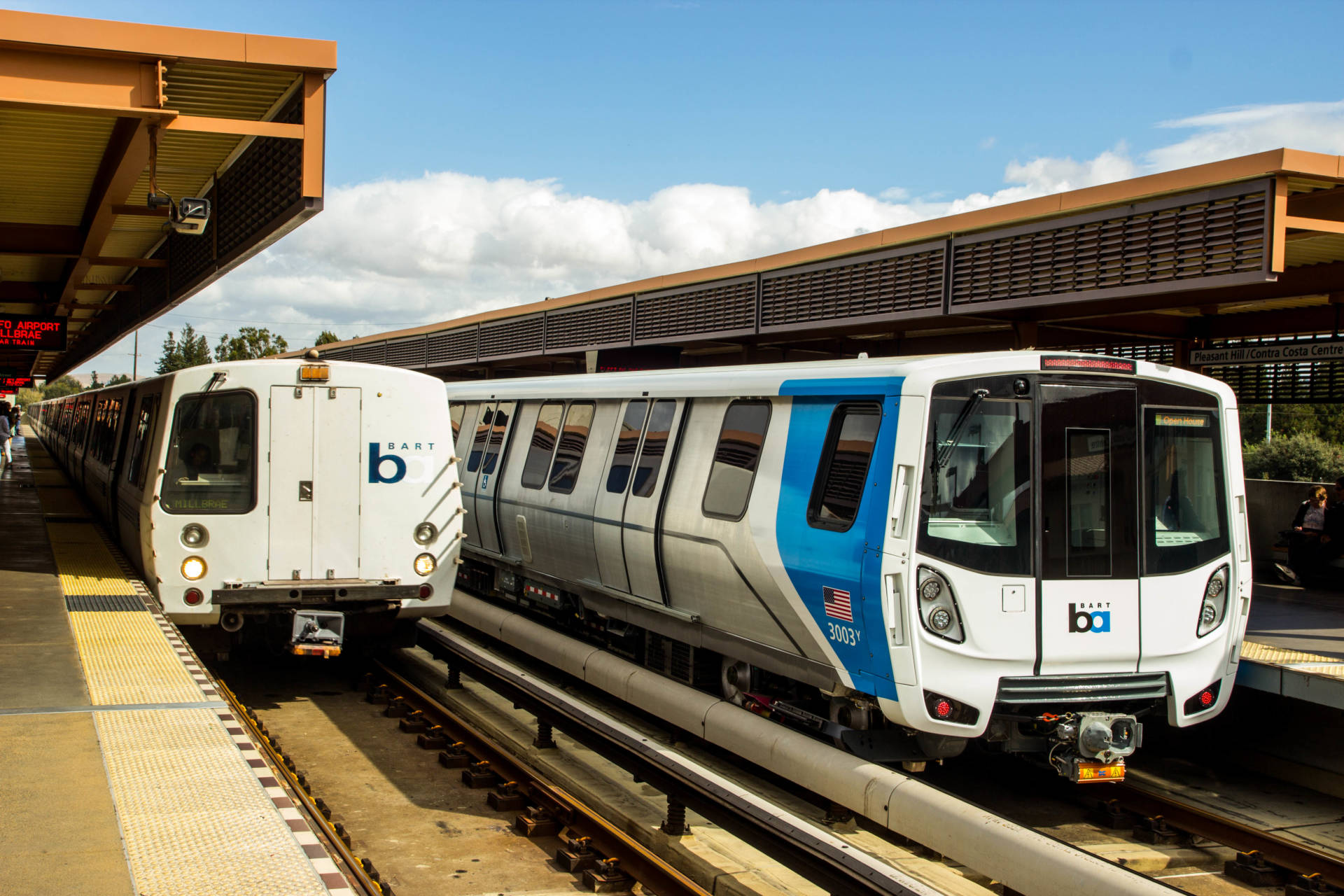
"caption": "A train made up of BART's old cars, left, arrives at Pleasant Hill Station during an open house to display cars from the agency's new fleet. ",
"description": null,
"title": "BART",
"credit": "Dan Brekke/KQED",
"status": "inherit",
"isLoading": false,
"fetchFailed": false
},
"news_11143598": {
"type": "attachments",
"id": "news_11143598",
"meta": {
"index": "attachments_1716263798",
"site": "news",
"id": "11143598",
"found": true
},
"parent": 11143596,
"imgSizes": {
"small": {
"file": "https://ww2.kqed.org/app/uploads/sites/10/2016/10/Screenshot-2016-10-24-07.42.15-520x291.png",
"width": 520,
"mimeType": "image/png",
"height": 291
},
"jmtc-small-thumb": {
"file": "https://ww2.kqed.org/app/uploads/sites/10/2016/10/Screenshot-2016-10-24-07.42.15-280x150.png",
"width": 280,
"mimeType": "image/png",
"height": 150
},
"thumbnail": {
"file": "https://ww2.kqed.org/app/uploads/sites/10/2016/10/Screenshot-2016-10-24-07.42.15-160x90.png",
"width": 160,
"mimeType": "image/png",
"height": 90
},
"xsmall": {
"file": "https://ww2.kqed.org/app/uploads/sites/10/2016/10/Screenshot-2016-10-24-07.42.15-375x210.png",
"width": 375,
"mimeType": "image/png",
"height": 210
},
"kqedFullSize": {
"file": "https://ww2.kqed.org/app/uploads/sites/10/2016/10/Screenshot-2016-10-24-07.42.15.png",
"width": 596,
"height": 334
},
"guest-author-50": {
"file": "https://ww2.kqed.org/app/uploads/sites/10/2016/10/Screenshot-2016-10-24-07.42.15-50x50.png",
"width": 50,
"mimeType": "image/png",
"height": 50
},
"guest-author-96": {
"file": "https://ww2.kqed.org/app/uploads/sites/10/2016/10/Screenshot-2016-10-24-07.42.15-96x96.png",
"width": 96,
"mimeType": "image/png",
"height": 96
},
"guest-author-64": {
"file": "https://ww2.kqed.org/app/uploads/sites/10/2016/10/Screenshot-2016-10-24-07.42.15-64x64.png",
"width": 64,
"mimeType": "image/png",
"height": 64
},
"detail": {
"file": "https://ww2.kqed.org/app/uploads/sites/10/2016/10/Screenshot-2016-10-24-07.42.15-150x150.png",
"width": 150,
"mimeType": "image/png",
"height": 150
},
"guest-author-32": {
"file": "https://ww2.kqed.org/app/uploads/sites/10/2016/10/Screenshot-2016-10-24-07.42.15-32x32.png",
"width": 32,
"mimeType": "image/png",
"height": 32
},
"guest-author-128": {
"file": "https://ww2.kqed.org/app/uploads/sites/10/2016/10/Screenshot-2016-10-24-07.42.15-128x128.png",
"width": 128,
"mimeType": "image/png",
"height": 128
},
"xxsmall": {
"file": "https://ww2.kqed.org/app/uploads/sites/10/2016/10/Screenshot-2016-10-24-07.42.15-240x134.png",
"width": 240,
"mimeType": "image/png",
"height": 134
}
},
"publishDate": 1477320208,
"modified": 1477320410,
"caption": "Crews attempt to separate tour bus from semi trailer after Sunday morning bus crash near Palm Springs. ",
"description": "Crews attempt to separate tour bus from semi trailer after Sunday morning (Oct. 23, 2016) bus crash near Palm Springs. ",
"title": "Palm Springs Bus Crash",
"credit": "\u003ca href=\"https://www.instagram.com/tarps_photos/\" target=\"_blank\">Chris Tarpening/Instagram\u003c/a>",
"status": "inherit",
"isLoading": false,
"fetchFailed": false
},
"news_11098607": {
"type": "attachments",
"id": "news_11098607",
"meta": {
"index": "attachments_1716263798",
"site": "news",
"id": "11098607",
"found": true
},
"parent": 11097157,
"imgSizes": {
"twentyfourteen-full-width": {
"file": "https://ww2.kqed.org/app/uploads/sites/10/2016/09/RS21192_IMG_0698-qut-1038x576.jpg",
"width": 1038,
"mimeType": "image/jpeg",
"height": 576
},
"thumbnail": {
"file": "https://ww2.kqed.org/app/uploads/sites/10/2016/09/RS21192_IMG_0698-qut-400x267.jpg",
"width": 400,
"mimeType": "image/jpeg",
"height": 267
},
"fd-sm": {
"file": "https://ww2.kqed.org/app/uploads/sites/10/2016/09/RS21192_IMG_0698-qut-960x640.jpg",
"width": 960,
"mimeType": "image/jpeg",
"height": 640
},
"post-thumbnail": {
"file": "https://ww2.kqed.org/app/uploads/sites/10/2016/09/RS21192_IMG_0698-qut-672x372.jpg",
"width": 672,
"mimeType": "image/jpeg",
"height": 372
},
"kqedFullSize": {
"file": "https://ww2.kqed.org/app/uploads/sites/10/2016/09/RS21192_IMG_0698-qut.jpg",
"width": 1920,
"height": 1280
},
"large": {
"file": "https://ww2.kqed.org/app/uploads/sites/10/2016/09/RS21192_IMG_0698-qut-1920x1280.jpg",
"width": 1920,
"mimeType": "image/jpeg",
"height": 1280
},
"guest-author-50": {
"file": "https://ww2.kqed.org/app/uploads/sites/10/2016/09/RS21192_IMG_0698-qut-50x50.jpg",
"width": 50,
"mimeType": "image/jpeg",
"height": 50
},
"guest-author-96": {
"file": "https://ww2.kqed.org/app/uploads/sites/10/2016/09/RS21192_IMG_0698-qut-96x96.jpg",
"width": 96,
"mimeType": "image/jpeg",
"height": 96
},
"medium": {
"file": "https://ww2.kqed.org/app/uploads/sites/10/2016/09/RS21192_IMG_0698-qut-800x533.jpg",
"width": 800,
"mimeType": "image/jpeg",
"height": 533
},
"guest-author-64": {
"file": "https://ww2.kqed.org/app/uploads/sites/10/2016/09/RS21192_IMG_0698-qut-64x64.jpg",
"width": 64,
"mimeType": "image/jpeg",
"height": 64
},
"guest-author-32": {
"file": "https://ww2.kqed.org/app/uploads/sites/10/2016/09/RS21192_IMG_0698-qut-32x32.jpg",
"width": 32,
"mimeType": "image/jpeg",
"height": 32
},
"jmtc-small-thumb": {
"file": "https://ww2.kqed.org/app/uploads/sites/10/2016/09/RS21192_IMG_0698-qut-280x150.jpg",
"width": 280,
"mimeType": "image/jpeg",
"height": 150
},
"fd-lrg": {
"file": "https://ww2.kqed.org/app/uploads/sites/10/2016/09/RS21192_IMG_0698-qut-1920x1280.jpg",
"width": 1920,
"mimeType": "image/jpeg",
"height": 1280
},
"fd-med": {
"file": "https://ww2.kqed.org/app/uploads/sites/10/2016/09/RS21192_IMG_0698-qut-1180x787.jpg",
"width": 1180,
"mimeType": "image/jpeg",
"height": 787
},
"detail": {
"file": "https://ww2.kqed.org/app/uploads/sites/10/2016/09/RS21192_IMG_0698-qut-150x150.jpg",
"width": 150,
"mimeType": "image/jpeg",
"height": 150
},
"guest-author-128": {
"file": "https://ww2.kqed.org/app/uploads/sites/10/2016/09/RS21192_IMG_0698-qut-128x128.jpg",
"width": 128,
"mimeType": "image/jpeg",
"height": 128
}
},
"publishDate": 1474560405,
"modified": 1477089296,
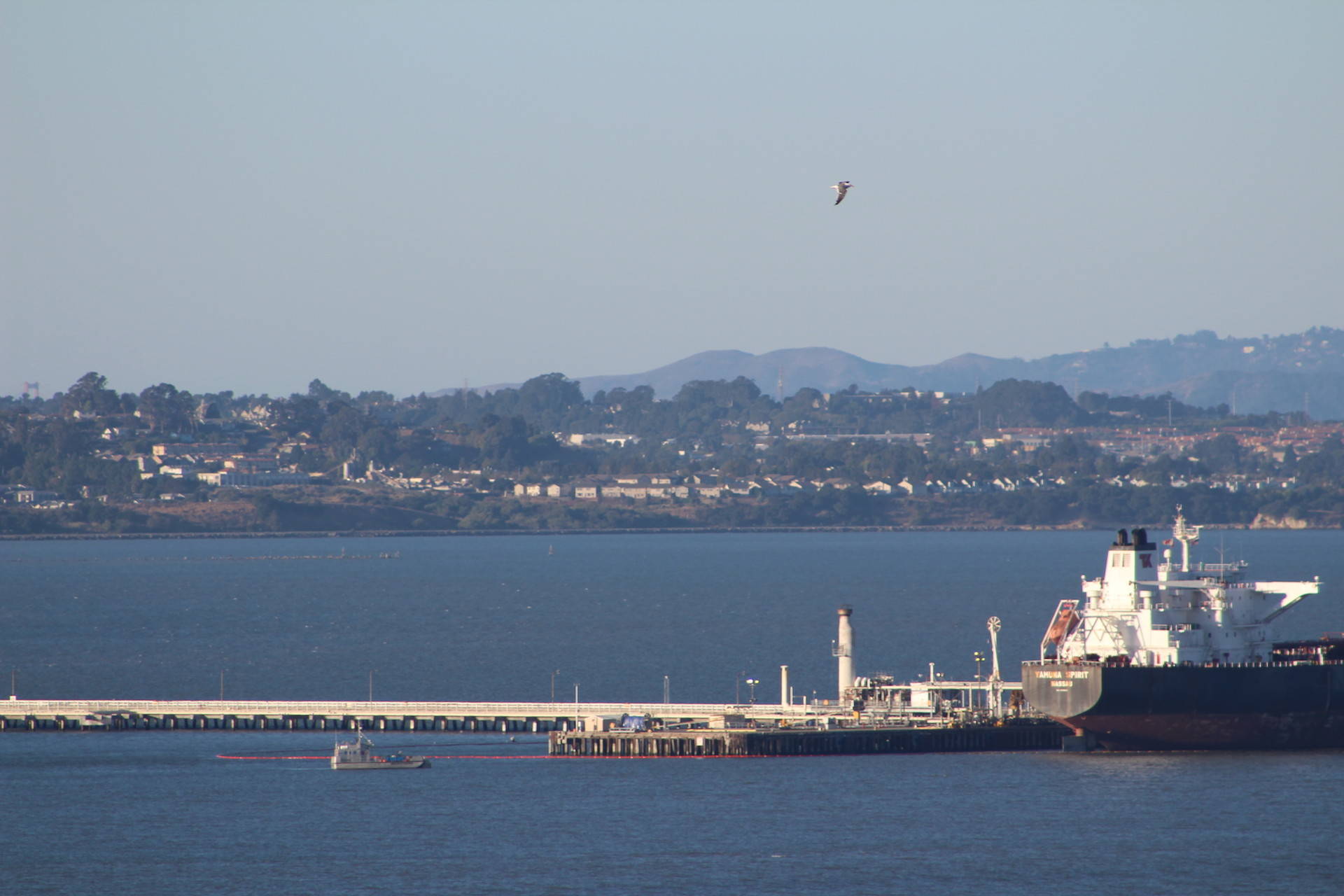
"caption": "A containment boom (seen as red line) is deployed around the tanker Yamuna Spirit at the Phillips 66 refinery in Rodeo.",
"description": null,
"title": "San Pablo Oil Spill",
"credit": "Heidemarie Carle",
"status": "inherit",
"isLoading": false,
"fetchFailed": false
},
"news_11138612": {
"type": "attachments",
"id": "news_11138612",
"meta": {
"index": "attachments_1716263798",
"site": "news",
"id": "11138612",
"found": true
},
"parent": 11138537,
"imgSizes": {
"small": {
"file": "https://ww2.kqed.org/app/uploads/sites/10/2016/10/30007026091_fa9fc0150a_o-520x390.jpg",
"width": 520,
"mimeType": "image/jpeg",
"height": 390
},
"twentyfourteen-full-width": {
"file": "https://ww2.kqed.org/app/uploads/sites/10/2016/10/30007026091_fa9fc0150a_o-1038x576.jpg",
"width": 1038,
"mimeType": "image/jpeg",
"height": 576
},
"thumbnail": {
"file": "https://ww2.kqed.org/app/uploads/sites/10/2016/10/30007026091_fa9fc0150a_o-160x120.jpg",
"width": 160,
"mimeType": "image/jpeg",
"height": 120
},
"fd-sm": {
"file": "https://ww2.kqed.org/app/uploads/sites/10/2016/10/30007026091_fa9fc0150a_o-960x720.jpg",
"width": 960,
"mimeType": "image/jpeg",
"height": 720
},
"post-thumbnail": {
"file": "https://ww2.kqed.org/app/uploads/sites/10/2016/10/30007026091_fa9fc0150a_o-672x372.jpg",
"width": 672,
"mimeType": "image/jpeg",
"height": 372
},
"xsmall": {
"file": "https://ww2.kqed.org/app/uploads/sites/10/2016/10/30007026091_fa9fc0150a_o-375x281.jpg",
"width": 375,
"mimeType": "image/jpeg",
"height": 281
},
"kqedFullSize": {
"file": "https://ww2.kqed.org/app/uploads/sites/10/2016/10/30007026091_fa9fc0150a_o-e1477005285492.jpg",
"width": 1920,
"height": 1440
},
"large": {
"file": "https://ww2.kqed.org/app/uploads/sites/10/2016/10/30007026091_fa9fc0150a_o-1020x765.jpg",
"width": 1020,
"mimeType": "image/jpeg",
"height": 765
},
"xlarge": {
"file": "https://ww2.kqed.org/app/uploads/sites/10/2016/10/30007026091_fa9fc0150a_o-1180x885.jpg",
"width": 1180,
"mimeType": "image/jpeg",
"height": 885
},
"guest-author-50": {
"file": "https://ww2.kqed.org/app/uploads/sites/10/2016/10/30007026091_fa9fc0150a_o-50x50.jpg",
"width": 50,
"mimeType": "image/jpeg",
"height": 50
},
"guest-author-96": {
"file": "https://ww2.kqed.org/app/uploads/sites/10/2016/10/30007026091_fa9fc0150a_o-96x96.jpg",
"width": 96,
"mimeType": "image/jpeg",
"height": 96
},
"medium": {
"file": "https://ww2.kqed.org/app/uploads/sites/10/2016/10/30007026091_fa9fc0150a_o-800x600.jpg",
"width": 800,
"mimeType": "image/jpeg",
"height": 600
},
"guest-author-64": {
"file": "https://ww2.kqed.org/app/uploads/sites/10/2016/10/30007026091_fa9fc0150a_o-64x64.jpg",
"width": 64,
"mimeType": "image/jpeg",
"height": 64
},
"guest-author-32": {
"file": "https://ww2.kqed.org/app/uploads/sites/10/2016/10/30007026091_fa9fc0150a_o-32x32.jpg",
"width": 32,
"mimeType": "image/jpeg",
"height": 32
},
"jmtc-small-thumb": {
"file": "https://ww2.kqed.org/app/uploads/sites/10/2016/10/30007026091_fa9fc0150a_o-280x150.jpg",
"width": 280,
"mimeType": "image/jpeg",
"height": 150
},
"fd-lrg": {
"file": "https://ww2.kqed.org/app/uploads/sites/10/2016/10/30007026091_fa9fc0150a_o-1920x1440.jpg",
"width": 1920,
"mimeType": "image/jpeg",
"height": 1440
},
"fd-med": {
"file": "https://ww2.kqed.org/app/uploads/sites/10/2016/10/30007026091_fa9fc0150a_o-1180x885.jpg",
"width": 1180,
"mimeType": "image/jpeg",
"height": 885
},
"full-width": {
"file": "https://ww2.kqed.org/app/uploads/sites/10/2016/10/30007026091_fa9fc0150a_o-1920x1440.jpg",
"width": 1920,
"mimeType": "image/jpeg",
"height": 1440
},
"detail": {
"file": "https://ww2.kqed.org/app/uploads/sites/10/2016/10/30007026091_fa9fc0150a_o-150x150.jpg",
"width": 150,
"mimeType": "image/jpeg",
"height": 150
},
"guest-author-128": {
"file": "https://ww2.kqed.org/app/uploads/sites/10/2016/10/30007026091_fa9fc0150a_o-128x128.jpg",
"width": 128,
"mimeType": "image/jpeg",
"height": 128
},
"xxsmall": {
"file": "https://ww2.kqed.org/app/uploads/sites/10/2016/10/30007026091_fa9fc0150a_o-240x180.jpg",
"width": 240,
"mimeType": "image/jpeg",
"height": 180
}
},
"publishDate": 1477005143,
"modified": 1477005275,
"caption": "The Bay Bridge bike and pedestrian path, pictured earlier this month at its current closure point east of Yerba Buena Island.",
"description": null,
"title": "Bay Bridge Bike Path",
"credit": "\u003ca href=\"https://flic.kr/p/MHBRqP\" target=\"_blank\">Jef Poskanzer/Flickr\u003c/a>",
"status": "inherit",
"isLoading": false,
"fetchFailed": false
},
"news_11133896": {
"type": "attachments",
"id": "news_11133896",
"meta": {
"index": "attachments_1716263798",
"site": "news",
"id": "11133896",
"found": true
},
"parent": 11133894,
"imgSizes": {
"twentyfourteen-full-width": {
"file": "https://ww2.kqed.org/app/uploads/sites/10/2016/10/IMG_4841-1038x576.jpg",
"width": 1038,
"mimeType": "image/jpeg",
"height": 576
},
"thumbnail": {
"file": "https://ww2.kqed.org/app/uploads/sites/10/2016/10/IMG_4841-400x300.jpg",
"width": 400,
"mimeType": "image/jpeg",
"height": 300
},
"fd-sm": {
"file": "https://ww2.kqed.org/app/uploads/sites/10/2016/10/IMG_4841-960x720.jpg",
"width": 960,
"mimeType": "image/jpeg",
"height": 720
},
"post-thumbnail": {
"file": "https://ww2.kqed.org/app/uploads/sites/10/2016/10/IMG_4841-672x372.jpg",
"width": 672,
"mimeType": "image/jpeg",
"height": 372
},
"kqedFullSize": {
"file": "https://ww2.kqed.org/app/uploads/sites/10/2016/10/IMG_4841-e1476733756398.jpg",
"width": 1920,
"height": 1440
},
"large": {
"file": "https://ww2.kqed.org/app/uploads/sites/10/2016/10/IMG_4841-1920x1440.jpg",
"width": 1920,
"mimeType": "image/jpeg",
"height": 1440
},
"guest-author-50": {
"file": "https://ww2.kqed.org/app/uploads/sites/10/2016/10/IMG_4841-50x50.jpg",
"width": 50,
"mimeType": "image/jpeg",
"height": 50
},
"guest-author-96": {
"file": "https://ww2.kqed.org/app/uploads/sites/10/2016/10/IMG_4841-96x96.jpg",
"width": 96,
"mimeType": "image/jpeg",
"height": 96
},
"medium": {
"file": "https://ww2.kqed.org/app/uploads/sites/10/2016/10/IMG_4841-800x600.jpg",
"width": 800,
"mimeType": "image/jpeg",
"height": 600
},
"guest-author-64": {
"file": "https://ww2.kqed.org/app/uploads/sites/10/2016/10/IMG_4841-64x64.jpg",
"width": 64,
"mimeType": "image/jpeg",
"height": 64
},
"guest-author-32": {
"file": "https://ww2.kqed.org/app/uploads/sites/10/2016/10/IMG_4841-32x32.jpg",
"width": 32,
"mimeType": "image/jpeg",
"height": 32
},
"jmtc-small-thumb": {
"file": "https://ww2.kqed.org/app/uploads/sites/10/2016/10/IMG_4841-280x150.jpg",
"width": 280,
"mimeType": "image/jpeg",
"height": 150
},
"fd-lrg": {
"file": "https://ww2.kqed.org/app/uploads/sites/10/2016/10/IMG_4841-1920x1440.jpg",
"width": 1920,
"mimeType": "image/jpeg",
"height": 1440
},
"fd-med": {
"file": "https://ww2.kqed.org/app/uploads/sites/10/2016/10/IMG_4841-1180x885.jpg",
"width": 1180,
"mimeType": "image/jpeg",
"height": 885
},
"detail": {
"file": "https://ww2.kqed.org/app/uploads/sites/10/2016/10/IMG_4841-150x150.jpg",
"width": 150,
"mimeType": "image/jpeg",
"height": 150
},
"guest-author-128": {
"file": "https://ww2.kqed.org/app/uploads/sites/10/2016/10/IMG_4841-128x128.jpg",
"width": 128,
"mimeType": "image/jpeg",
"height": 128
}
},
"publishDate": 1476733559,
"modified": 1476744242,
"caption": "The new tower sits between terminals 1 and 2 at SFO.",
"description": "The new tower sits between terminals 1 and 2 at SFO.",
"title": "The new tower sits between terminals 1 and 2 at SFO.",
"credit": "Brian Watt/KQED",
"status": "inherit",
"isLoading": false,
"fetchFailed": false
},
"news_11038735": {
"type": "attachments",
"id": "news_11038735",
"meta": {
"index": "attachments_1716263798",
"site": "news",
"id": "11038735",
"found": true
},
"parent": 11038731,
"imgSizes": {
"twentyfourteen-full-width": {
"file": "https://ww2.kqed.org/app/uploads/sites/10/2016/08/UberHailing-1038x576.jpg",
"width": 1038,
"mimeType": "image/jpeg",
"height": 576
},
"thumbnail": {
"file": "https://ww2.kqed.org/app/uploads/sites/10/2016/08/UberHailing-400x286.jpg",
"width": 400,
"mimeType": "image/jpeg",
"height": 286
},
"fd-sm": {
"file": "https://ww2.kqed.org/app/uploads/sites/10/2016/08/UberHailing-960x686.jpg",
"width": 960,
"mimeType": "image/jpeg",
"height": 686
},
"post-thumbnail": {
"file": "https://ww2.kqed.org/app/uploads/sites/10/2016/08/UberHailing-672x372.jpg",
"width": 672,
"mimeType": "image/jpeg",
"height": 372
},
"kqedFullSize": {
"file": "https://ww2.kqed.org/app/uploads/sites/10/2016/08/UberHailing.jpg",
"width": 1920,
"height": 1372
},
"large": {
"file": "https://ww2.kqed.org/app/uploads/sites/10/2016/08/UberHailing-1920x1372.jpg",
"width": 1920,
"mimeType": "image/jpeg",
"height": 1372
},
"guest-author-50": {
"file": "https://ww2.kqed.org/app/uploads/sites/10/2016/08/UberHailing-50x50.jpg",
"width": 50,
"mimeType": "image/jpeg",
"height": 50
},
"guest-author-96": {
"file": "https://ww2.kqed.org/app/uploads/sites/10/2016/08/UberHailing-96x96.jpg",
"width": 96,
"mimeType": "image/jpeg",
"height": 96
},
"medium": {
"file": "https://ww2.kqed.org/app/uploads/sites/10/2016/08/UberHailing-800x572.jpg",
"width": 800,
"mimeType": "image/jpeg",
"height": 572
},
"guest-author-64": {
"file": "https://ww2.kqed.org/app/uploads/sites/10/2016/08/UberHailing-64x64.jpg",
"width": 64,
"mimeType": "image/jpeg",
"height": 64
},
"guest-author-32": {
"file": "https://ww2.kqed.org/app/uploads/sites/10/2016/08/UberHailing-32x32.jpg",
"width": 32,
"mimeType": "image/jpeg",
"height": 32
},
"jmtc-small-thumb": {
"file": "https://ww2.kqed.org/app/uploads/sites/10/2016/08/UberHailing-280x150.jpg",
"width": 280,
"mimeType": "image/jpeg",
"height": 150
},
"fd-lrg": {
"file": "https://ww2.kqed.org/app/uploads/sites/10/2016/08/UberHailing-1920x1372.jpg",
"width": 1920,
"mimeType": "image/jpeg",
"height": 1372
},
"fd-med": {
"file": "https://ww2.kqed.org/app/uploads/sites/10/2016/08/UberHailing-1180x843.jpg",
"width": 1180,
"mimeType": "image/jpeg",
"height": 843
},
"detail": {
"file": "https://ww2.kqed.org/app/uploads/sites/10/2016/08/UberHailing-150x150.jpg",
"width": 150,
"mimeType": "image/jpeg",
"height": 150
},
"guest-author-128": {
"file": "https://ww2.kqed.org/app/uploads/sites/10/2016/08/UberHailing-128x128.jpg",
"width": 128,
"mimeType": "image/jpeg",
"height": 128
}
},
"publishDate": 1470097545,
"modified": 1476486361,
"caption": "The suit seeks an order requiring that Uber comply with the 1990 Americans With Disabilities Act.",
"description": "Uber's ride-hailing app",
"title": "UberHailing",
"credit": "Andrew Caballero-Reynolds/AFP/Getty Images",
"status": "inherit",
"isLoading": false,
"fetchFailed": false
},
"news_11129580": {
"type": "attachments",
"id": "news_11129580",
"meta": {
"index": "attachments_1716263798",
"site": "news",
"id": "11129580",
"found": true
},
"parent": 11128377,
"imgSizes": {
"twentyfourteen-full-width": {
"file": "https://ww2.kqed.org/app/uploads/sites/10/2016/10/Late-Night-Bus-1038x576.jpg",
"width": 1038,
"mimeType": "image/jpeg",
"height": 576
},
"thumbnail": {
"file": "https://ww2.kqed.org/app/uploads/sites/10/2016/10/Late-Night-Bus-400x267.jpg",
"width": 400,
"mimeType": "image/jpeg",
"height": 267
},
"fd-sm": {
"file": "https://ww2.kqed.org/app/uploads/sites/10/2016/10/Late-Night-Bus-960x640.jpg",
"width": 960,
"mimeType": "image/jpeg",
"height": 640
},
"post-thumbnail": {
"file": "https://ww2.kqed.org/app/uploads/sites/10/2016/10/Late-Night-Bus-672x372.jpg",
"width": 672,
"mimeType": "image/jpeg",
"height": 372
},
"kqedFullSize": {
"file": "https://ww2.kqed.org/app/uploads/sites/10/2016/10/Late-Night-Bus-e1476463694807.jpg",
"width": 1920,
"height": 1280
},
"large": {
"file": "https://ww2.kqed.org/app/uploads/sites/10/2016/10/Late-Night-Bus-1920x1280.jpg",
"width": 1920,
"mimeType": "image/jpeg",
"height": 1280
},
"guest-author-50": {
"file": "https://ww2.kqed.org/app/uploads/sites/10/2016/10/Late-Night-Bus-50x50.jpg",
"width": 50,
"mimeType": "image/jpeg",
"height": 50
},
"guest-author-96": {
"file": "https://ww2.kqed.org/app/uploads/sites/10/2016/10/Late-Night-Bus-96x96.jpg",
"width": 96,
"mimeType": "image/jpeg",
"height": 96
},
"medium": {
"file": "https://ww2.kqed.org/app/uploads/sites/10/2016/10/Late-Night-Bus-800x533.jpg",
"width": 800,
"mimeType": "image/jpeg",
"height": 533
},
"guest-author-64": {
"file": "https://ww2.kqed.org/app/uploads/sites/10/2016/10/Late-Night-Bus-64x64.jpg",
"width": 64,
"mimeType": "image/jpeg",
"height": 64
},
"guest-author-32": {
"file": "https://ww2.kqed.org/app/uploads/sites/10/2016/10/Late-Night-Bus-32x32.jpg",
"width": 32,
"mimeType": "image/jpeg",
"height": 32
},
"jmtc-small-thumb": {
"file": "https://ww2.kqed.org/app/uploads/sites/10/2016/10/Late-Night-Bus-280x150.jpg",
"width": 280,
"mimeType": "image/jpeg",
"height": 150
},
"fd-lrg": {
"file": "https://ww2.kqed.org/app/uploads/sites/10/2016/10/Late-Night-Bus-1920x1280.jpg",
"width": 1920,
"mimeType": "image/jpeg",
"height": 1280
},
"fd-med": {
"file": "https://ww2.kqed.org/app/uploads/sites/10/2016/10/Late-Night-Bus-1180x787.jpg",
"width": 1180,
"mimeType": "image/jpeg",
"height": 787
},
"detail": {
"file": "https://ww2.kqed.org/app/uploads/sites/10/2016/10/Late-Night-Bus-150x150.jpg",
"width": 150,
"mimeType": "image/jpeg",
"height": 150
},
"guest-author-128": {
"file": "https://ww2.kqed.org/app/uploads/sites/10/2016/10/Late-Night-Bus-128x128.jpg",
"width": 128,
"mimeType": "image/jpeg",
"height": 128
}
},
"publishDate": 1476463668,
"modified": 1476463779,
"caption": "An AC Transit Bus drives along Broadway late at night.",
"description": null,
"title": "Late Night Bus",
"credit": "George Kelly/Flickr",
"status": "inherit",
"isLoading": false,
"fetchFailed": false
},
"news_11125718": {
"type": "attachments",
"id": "news_11125718",
"meta": {
"index": "attachments_1716263798",
"site": "news",
"id": "11125718",
"found": true
},
"parent": 11125404,
"imgSizes": {
"twentyfourteen-full-width": {
"file": "https://ww2.kqed.org/app/uploads/sites/10/2016/10/28468116031_7cd262d0e4_o-1038x576.jpg",
"width": 1038,
"mimeType": "image/jpeg",
"height": 576
},
"thumbnail": {
"file": "https://ww2.kqed.org/app/uploads/sites/10/2016/10/28468116031_7cd262d0e4_o-400x286.jpg",
"width": 400,
"mimeType": "image/jpeg",
"height": 286
},
"fd-sm": {
"file": "https://ww2.kqed.org/app/uploads/sites/10/2016/10/28468116031_7cd262d0e4_o-960x686.jpg",
"width": 960,
"mimeType": "image/jpeg",
"height": 686
},
"post-thumbnail": {
"file": "https://ww2.kqed.org/app/uploads/sites/10/2016/10/28468116031_7cd262d0e4_o-672x372.jpg",
"width": 672,
"mimeType": "image/jpeg",
"height": 372
},
"kqedFullSize": {
"file": "https://ww2.kqed.org/app/uploads/sites/10/2016/10/28468116031_7cd262d0e4_o-e1476227016770.jpg",
"width": 1920,
"height": 1371
},
"large": {
"file": "https://ww2.kqed.org/app/uploads/sites/10/2016/10/28468116031_7cd262d0e4_o-1920x1371.jpg",
"width": 1920,
"mimeType": "image/jpeg",
"height": 1371
},
"guest-author-50": {
"file": "https://ww2.kqed.org/app/uploads/sites/10/2016/10/28468116031_7cd262d0e4_o-50x50.jpg",
"width": 50,
"mimeType": "image/jpeg",
"height": 50
},
"guest-author-96": {
"file": "https://ww2.kqed.org/app/uploads/sites/10/2016/10/28468116031_7cd262d0e4_o-96x96.jpg",
"width": 96,
"mimeType": "image/jpeg",
"height": 96
},
"medium": {
"file": "https://ww2.kqed.org/app/uploads/sites/10/2016/10/28468116031_7cd262d0e4_o-800x571.jpg",
"width": 800,
"mimeType": "image/jpeg",
"height": 571
},
"guest-author-64": {
"file": "https://ww2.kqed.org/app/uploads/sites/10/2016/10/28468116031_7cd262d0e4_o-64x64.jpg",
"width": 64,
"mimeType": "image/jpeg",
"height": 64
},
"guest-author-32": {
"file": "https://ww2.kqed.org/app/uploads/sites/10/2016/10/28468116031_7cd262d0e4_o-32x32.jpg",
"width": 32,
"mimeType": "image/jpeg",
"height": 32
},
"jmtc-small-thumb": {
"file": "https://ww2.kqed.org/app/uploads/sites/10/2016/10/28468116031_7cd262d0e4_o-280x150.jpg",
"width": 280,
"mimeType": "image/jpeg",
"height": 150
},
"fd-lrg": {
"file": "https://ww2.kqed.org/app/uploads/sites/10/2016/10/28468116031_7cd262d0e4_o-1920x1371.jpg",
"width": 1920,
"mimeType": "image/jpeg",
"height": 1371
},
"fd-med": {
"file": "https://ww2.kqed.org/app/uploads/sites/10/2016/10/28468116031_7cd262d0e4_o-1180x843.jpg",
"width": 1180,
"mimeType": "image/jpeg",
"height": 843
},
"detail": {
"file": "https://ww2.kqed.org/app/uploads/sites/10/2016/10/28468116031_7cd262d0e4_o-150x150.jpg",
"width": 150,
"mimeType": "image/jpeg",
"height": 150
},
"guest-author-128": {
"file": "https://ww2.kqed.org/app/uploads/sites/10/2016/10/28468116031_7cd262d0e4_o-128x128.jpg",
"width": 128,
"mimeType": "image/jpeg",
"height": 128
}
},
"publishDate": 1476226859,
"modified": 1476227009,
"caption": "The Bay Bridge Trail, the bike/pedestrian path on the bridge's eastern span, in July 2016.",
"description": null,
"title": "Bay Bridge Bike Path",
"credit": "\u003ca href=\"https://flic.kr/p/KnCx5K\" target=\"_blank\">Steve Wedgwood/Flickr\u003c/a>",
"status": "inherit",
"isLoading": false,
"fetchFailed": false
},
"news_11120167": {
"type": "attachments",
"id": "news_11120167",
"meta": {
"index": "attachments_1716263798",
"site": "news",
"id": "11120167",
"found": true
},
"parent": 11116275,
"imgSizes": {
"twentyfourteen-full-width": {
"file": "https://ww2.kqed.org/app/uploads/sites/10/2016/10/WaitingforBus-1038x576.jpg",
"width": 1038,
"mimeType": "image/jpeg",
"height": 576
},
"thumbnail": {
"file": "https://ww2.kqed.org/app/uploads/sites/10/2016/10/WaitingforBus-400x236.jpg",
"width": 400,
"mimeType": "image/jpeg",
"height": 236
},
"fd-sm": {
"file": "https://ww2.kqed.org/app/uploads/sites/10/2016/10/WaitingforBus-960x568.jpg",
"width": 960,
"mimeType": "image/jpeg",
"height": 568
},
"post-thumbnail": {
"file": "https://ww2.kqed.org/app/uploads/sites/10/2016/10/WaitingforBus-672x372.jpg",
"width": 672,
"mimeType": "image/jpeg",
"height": 372
},
"kqedFullSize": {
"file": "https://ww2.kqed.org/app/uploads/sites/10/2016/10/WaitingforBus.jpg",
"width": 1920,
"height": 1135
},
"large": {
"file": "https://ww2.kqed.org/app/uploads/sites/10/2016/10/WaitingforBus-1920x1135.jpg",
"width": 1920,
"mimeType": "image/jpeg",
"height": 1135
},
"guest-author-50": {
"file": "https://ww2.kqed.org/app/uploads/sites/10/2016/10/WaitingforBus-50x50.jpg",
"width": 50,
"mimeType": "image/jpeg",
"height": 50
},
"guest-author-96": {
"file": "https://ww2.kqed.org/app/uploads/sites/10/2016/10/WaitingforBus-96x96.jpg",
"width": 96,
"mimeType": "image/jpeg",
"height": 96
},
"medium": {
"file": "https://ww2.kqed.org/app/uploads/sites/10/2016/10/WaitingforBus-800x473.jpg",
"width": 800,
"mimeType": "image/jpeg",
"height": 473
},
"guest-author-64": {
"file": "https://ww2.kqed.org/app/uploads/sites/10/2016/10/WaitingforBus-64x64.jpg",
"width": 64,
"mimeType": "image/jpeg",
"height": 64
},
"guest-author-32": {
"file": "https://ww2.kqed.org/app/uploads/sites/10/2016/10/WaitingforBus-32x32.jpg",
"width": 32,
"mimeType": "image/jpeg",
"height": 32
},
"jmtc-small-thumb": {
"file": "https://ww2.kqed.org/app/uploads/sites/10/2016/10/WaitingforBus-280x150.jpg",
"width": 280,
"mimeType": "image/jpeg",
"height": 150
},
"fd-lrg": {
"file": "https://ww2.kqed.org/app/uploads/sites/10/2016/10/WaitingforBus-1920x1135.jpg",
"width": 1920,
"mimeType": "image/jpeg",
"height": 1135
},
"fd-med": {
"file": "https://ww2.kqed.org/app/uploads/sites/10/2016/10/WaitingforBus-1180x698.jpg",
"width": 1180,
"mimeType": "image/jpeg",
"height": 698
},
"detail": {
"file": "https://ww2.kqed.org/app/uploads/sites/10/2016/10/WaitingforBus-150x150.jpg",
"width": 150,
"mimeType": "image/jpeg",
"height": 150
},
"guest-author-128": {
"file": "https://ww2.kqed.org/app/uploads/sites/10/2016/10/WaitingforBus-128x128.jpg",
"width": 128,
"mimeType": "image/jpeg",
"height": 128
}
},
"publishDate": 1475874319,
"modified": 1475874369,
"caption": "Thirteen-year-old twins Ruby Barraza and Esmeralda Valdez Barraza catch the 95 bus to Coachella to see some friends.",
"description": "Thirteen-year-old twins Ruby Barraza and Esmeralda Valdez Barraza catch the 95 bus to Coachella to see some friends.",
"title": "WaitingforBus",
"credit": "Bryan Mendez/Coachella Unincorporated",
"status": "inherit",
"isLoading": false,
"fetchFailed": false
},
"news_10758724": {
"type": "attachments",
"id": "news_10758724",
"meta": {
"index": "attachments_1716263798",
"site": "news",
"id": "10758724",
"found": true
},
"parent": 10757657,
"imgSizes": {
"twentyfourteen-full-width": {
"file": "https://ww2.kqed.org/app/uploads/sites/10/2015/11/Screenshot-2015-11-14-09.08.07-1038x576.png",
"width": 1038,
"mimeType": "image/png",
"height": 576
},
"thumbnail": {
"file": "https://ww2.kqed.org/app/uploads/sites/10/2015/11/Screenshot-2015-11-14-09.08.07-400x250.png",
"width": 400,
"mimeType": "image/png",
"height": 250
},
"fd-sm": {
"file": "https://ww2.kqed.org/app/uploads/sites/10/2015/11/Screenshot-2015-11-14-09.08.07-960x600.png",
"width": 960,
"mimeType": "image/png",
"height": 600
},
"post-thumbnail": {
"file": "https://ww2.kqed.org/app/uploads/sites/10/2015/11/Screenshot-2015-11-14-09.08.07-672x372.png",
"width": 672,
"mimeType": "image/png",
"height": 372
},
"kqedFullSize": {
"file": "https://ww2.kqed.org/app/uploads/sites/10/2015/11/Screenshot-2015-11-14-09.08.07.png",
"width": 1280,
"height": 800
},
"guest-author-96": {
"file": "https://ww2.kqed.org/app/uploads/sites/10/2015/11/Screenshot-2015-11-14-09.08.07-96x96.png",
"width": 96,
"mimeType": "image/png",
"height": 96
},
"medium": {
"file": "https://ww2.kqed.org/app/uploads/sites/10/2015/11/Screenshot-2015-11-14-09.08.07-800x500.png",
"width": 800,
"mimeType": "image/png",
"height": 500
},
"guest-author-64": {
"file": "https://ww2.kqed.org/app/uploads/sites/10/2015/11/Screenshot-2015-11-14-09.08.07-64x64.png",
"width": 64,
"mimeType": "image/png",
"height": 64
},
"guest-author-32": {
"file": "https://ww2.kqed.org/app/uploads/sites/10/2015/11/Screenshot-2015-11-14-09.08.07-32x32.png",
"width": 32,
"mimeType": "image/png",
"height": 32
},
"jmtc-small-thumb": {
"file": "https://ww2.kqed.org/app/uploads/sites/10/2015/11/Screenshot-2015-11-14-09.08.07-280x150.png",
"width": 280,
"mimeType": "image/png",
"height": 150
},
"fd-med": {
"file": "https://ww2.kqed.org/app/uploads/sites/10/2015/11/Screenshot-2015-11-14-09.08.07-1180x738.png",
"width": 1180,
"mimeType": "image/png",
"height": 738
},
"detail": {
"file": "https://ww2.kqed.org/app/uploads/sites/10/2015/11/Screenshot-2015-11-14-09.08.07-75x75.png",
"width": 75,
"mimeType": "image/png",
"height": 75
},
"guest-author-128": {
"file": "https://ww2.kqed.org/app/uploads/sites/10/2015/11/Screenshot-2015-11-14-09.08.07-128x128.png",
"width": 128,
"mimeType": "image/png",
"height": 128
}
},
"publishDate": 1447520932,
"modified": 1447520993,
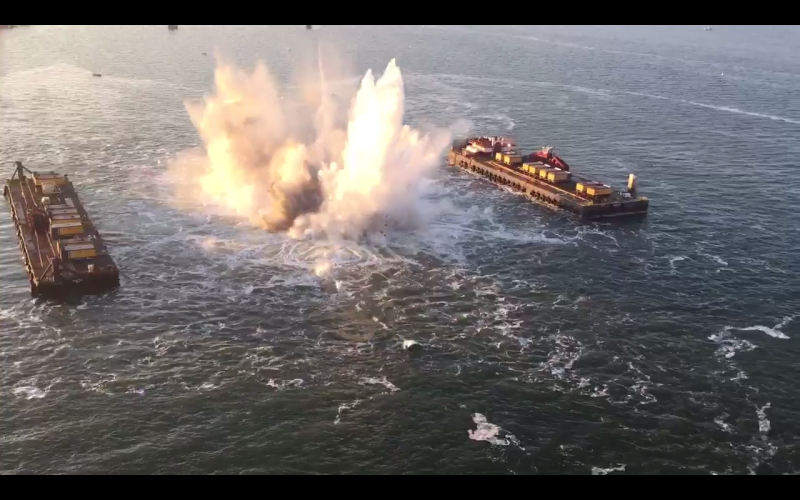
"caption": "Frame from Caltrans video showing Saturday morning implosion of Pier E3 from the old eastern span of the Bay Bridge.",
"description": null,
"title": "Bay Bridge Implosion",
"credit": "Caltrans via Twitter ",
"status": "inherit",
"isLoading": false,
"fetchFailed": false
},
"news_11117306": {
"type": "attachments",
"id": "news_11117306",
"meta": {
"index": "attachments_1716263798",
"site": "news",
"id": "11117306",
"found": true
},
"parent": 11115874,
"imgSizes": {
"twentyfourteen-full-width": {
"file": "https://ww2.kqed.org/app/uploads/sites/10/2016/10/BusRidersMain-1038x576.jpg",
"width": 1038,
"mimeType": "image/jpeg",
"height": 576
},
"thumbnail": {
"file": "https://ww2.kqed.org/app/uploads/sites/10/2016/10/BusRidersMain-400x240.jpg",
"width": 400,
"mimeType": "image/jpeg",
"height": 240
},
"fd-sm": {
"file": "https://ww2.kqed.org/app/uploads/sites/10/2016/10/BusRidersMain-960x577.jpg",
"width": 960,
"mimeType": "image/jpeg",
"height": 577
},
"post-thumbnail": {
"file": "https://ww2.kqed.org/app/uploads/sites/10/2016/10/BusRidersMain-672x372.jpg",
"width": 672,
"mimeType": "image/jpeg",
"height": 372
},
"kqedFullSize": {
"file": "https://ww2.kqed.org/app/uploads/sites/10/2016/10/BusRidersMain.jpg",
"width": 1920,
"height": 1154
},
"large": {
"file": "https://ww2.kqed.org/app/uploads/sites/10/2016/10/BusRidersMain-1920x1154.jpg",
"width": 1920,
"mimeType": "image/jpeg",
"height": 1154
},
"guest-author-50": {
"file": "https://ww2.kqed.org/app/uploads/sites/10/2016/10/BusRidersMain-50x50.jpg",
"width": 50,
"mimeType": "image/jpeg",
"height": 50
},
"guest-author-96": {
"file": "https://ww2.kqed.org/app/uploads/sites/10/2016/10/BusRidersMain-96x96.jpg",
"width": 96,
"mimeType": "image/jpeg",
"height": 96
},
"medium": {
"file": "https://ww2.kqed.org/app/uploads/sites/10/2016/10/BusRidersMain-800x481.jpg",
"width": 800,
"mimeType": "image/jpeg",
"height": 481
},
"guest-author-64": {
"file": "https://ww2.kqed.org/app/uploads/sites/10/2016/10/BusRidersMain-64x64.jpg",
"width": 64,
"mimeType": "image/jpeg",
"height": 64
},
"guest-author-32": {
"file": "https://ww2.kqed.org/app/uploads/sites/10/2016/10/BusRidersMain-32x32.jpg",
"width": 32,
"mimeType": "image/jpeg",
"height": 32
},
"jmtc-small-thumb": {
"file": "https://ww2.kqed.org/app/uploads/sites/10/2016/10/BusRidersMain-280x150.jpg",
"width": 280,
"mimeType": "image/jpeg",
"height": 150
},
"fd-lrg": {
"file": "https://ww2.kqed.org/app/uploads/sites/10/2016/10/BusRidersMain-1920x1154.jpg",
"width": 1920,
"mimeType": "image/jpeg",
"height": 1154
},
"fd-med": {
"file": "https://ww2.kqed.org/app/uploads/sites/10/2016/10/BusRidersMain-1180x709.jpg",
"width": 1180,
"mimeType": "image/jpeg",
"height": 709
},
"detail": {
"file": "https://ww2.kqed.org/app/uploads/sites/10/2016/10/BusRidersMain-150x150.jpg",
"width": 150,
"mimeType": "image/jpeg",
"height": 150
},
"guest-author-128": {
"file": "https://ww2.kqed.org/app/uploads/sites/10/2016/10/BusRidersMain-128x128.jpg",
"width": 128,
"mimeType": "image/jpeg",
"height": 128
}
},
"publishDate": 1475696515,
"modified": 1475710185,
"caption": "Jesus and Guillermina Mendez Casares take the bus every day for Jesus’ medical appointments, waking up at 4 a.m. so they have enough time to walk to the bus stop on the edge of town to catch the 5:20 a.m. bus. “When my husband first got sick in 2009, there was no bus service from North Shore at all to take us to the doctor,” says Guillermina. “Every three hours is not enough, but it’s better than nothing. We’re grateful for the service at all.”",
"description": "Jesus y Guillermina Mendez Casares take the bus every day for Jesus’s medical appointments, waking up at 4 a.m. so they have enough time to walk to the bus stop on the edge of town to catch the 5:20 a.m. bus. “When my husband first got sick in 2009, there was no bus service from North Shore at all to take us to the doctor,” says Guillermina. “Every three hours is not enough, but it’s better than nothing. We’re grateful for the service at all.”",
"title": "BusRidersMain",
"credit": "Bryan Mendez/Coachella Unincorporated",
"status": "inherit",
"isLoading": false,
"fetchFailed": false
}
},
"audioPlayerReducer": {
"postId": "stream_live",
"isPaused": true,
"isPlaying": false,
"pfsActive": false,
"pledgeModalIsOpen": true,
"playerDrawerIsOpen": false,
"liveAudioPlayStartedAt": 0,
"liveAudioPlayContext": ""
},
"authorsReducer": {
"byline_news_11145274": {
"type": "authors",
"id": "byline_news_11145274",
"meta": {
"override": true
},
"slug": "byline_news_11145274",
"name": "Camila Domonoske",
"isLoading": false
},
"byline_news_11143596": {
"type": "authors",
"id": "byline_news_11143596",
"meta": {
"override": true
},
"slug": "byline_news_11143596",
"name": "\u003cstrong>Elliot Spagat and Olga R. Rodriguez\u003cbr />Associated Press\u003c/strong>",
"isLoading": false
},
"byline_news_11133894": {
"type": "authors",
"id": "byline_news_11133894",
"meta": {
"override": true
},
"slug": "byline_news_11133894",
"name": "\u003cb>Brian Watt\u003c/b>",
"isLoading": false
},
"byline_news_11130046": {
"type": "authors",
"id": "byline_news_11130046",
"meta": {
"override": true
},
"slug": "byline_news_11130046",
"name": "\u003cstrong>Michael Tarm \u003cbr>Associated Press\u003c/strong>",
"isLoading": false
},
"danbrekke": {
"type": "authors",
"id": "222",
"meta": {
"index": "authors_1716337520",
"id": "222",
"found": true
},
"name": "Dan Brekke",
"firstName": "Dan",
"lastName": "Brekke",
"slug": "danbrekke",
"email": "dbrekke@kqed.org",
"display_author_email": true,
"staff_mastheads": [
"news",
"science"
],
"title": "KQED Editor and Reporter",
"bio": "Dan Brekke is a reporter and editor for KQED News, responsible for coverage of topics ranging from California water issues to the Bay Area's transportation challenges. In a newsroom career that began in Chicago in 1972, Dan has worked for \u003cem>The San Francisco Examiner,\u003c/em> Wired and TechTV and has been published in The New York Times, The New York Times Magazine, Business 2.0, Salon and elsewhere.\r\n\r\nSince joining KQED in 2007, Dan has reported, edited and produced both radio and online features and breaking news pieces. He has shared as both editor and reporter in four Society of Professional Journalists Norcal Excellence in Journalism awards and one Edward R. Murrow regional award. He was chosen for a spring 2017 residency at the Mesa Refuge to advance his research on California salmon.\r\n\r\nEmail Dan at: \u003ca href=\"mailto:dbrekke@kqed.org\">dbrekke@kqed.org\u003c/a>\r\n\r\n\u003cstrong>Twitter:\u003c/strong> \u003ca href=\"https://twitter.com/danbrekke\" rel=\"noopener noreferrer\">twitter.com/danbrekke\u003c/a>\r\n\u003cstrong>Facebook:\u003c/strong> \u003ca href=\"https://www.facebook.com/danbrekke\" rel=\"noopener noreferrer\">www.facebook.com/danbrekke\u003c/a>\r\n\u003cstrong>LinkedIn:\u003c/strong> \u003ca href=\"https://www.linkedin.com/in/danbrekke\" rel=\"noopener noreferrer\">www.linkedin.com/in/danbrekke\u003c/a>",
"avatar": "https://secure.gravatar.com/avatar/8f1f0d2a978fb3b23426c922c7e2af558fa36905b49c4ce76a97dc3c72d27226?s=600&d=mm&r=g",
"twitter": "danbrekke",
"bluesky": null,
"facebook": null,
"instagram": "https://www.instagram.com/dan.brekke/",
"linkedin": "https://www.linkedin.com/in/danbrekke/",
"sites": [
{
"site": "news",
"roles": [
"administrator",
"create_posts"
]
},
{
"site": "stateofhealth",
"roles": [
"editor"
]
},
{
"site": "science",
"roles": [
"editor"
]
},
{
"site": "quest",
"roles": [
"contributor"
]
},
{
"site": "food",
"roles": [
"contributor"
]
},
{
"site": "forum",
"roles": [
"contributor"
]
},
{
"site": "elections",
"roles": [
"editor"
]
},
{
"site": "liveblog",
"roles": [
"editor"
]
}
],
"headData": {
"title": "Dan Brekke | KQED",
"description": "KQED Editor and Reporter",
"ogImgSrc": "https://secure.gravatar.com/avatar/8f1f0d2a978fb3b23426c922c7e2af558fa36905b49c4ce76a97dc3c72d27226?s=600&d=mm&r=g",
"twImgSrc": "https://secure.gravatar.com/avatar/8f1f0d2a978fb3b23426c922c7e2af558fa36905b49c4ce76a97dc3c72d27226?s=600&d=mm&r=g"
},
"isLoading": false,
"link": "/author/danbrekke"
},
"sasha-khokha": {
"type": "authors",
"id": "254",
"meta": {
"index": "authors_1716337520",
"id": "254",
"found": true
},
"name": "Sasha Khokha",
"firstName": "Sasha",
"lastName": "Khokha",
"slug": "sasha-khokha",
"email": "skhokha@kqed.org",
"display_author_email": true,
"staff_mastheads": [
"news"
],
"title": "Host, The California Report Magazine",
"bio": "Sasha Khokha is the host of \u003cem>The California Report's \u003c/em> weekly magazine program, which takes listeners on sound-rich excursions to meet the people that make the Golden State unique -- through audio documentaries and long-form stories. As \u003cem>The California Report's\u003c/em> Central Valley Bureau Chief based in Fresno for nearly a dozen years, Sasha brought the lives and concerns of rural Californians to listeners around the state. Her reporting helped expose the hidden price immigrant women janitors and farmworkers may pay to keep their jobs: sexual assault at work. It inspired two new California laws to protect them from sexual harassment. She was a key member of the reporting team for the Frontline film \u003cem>Rape on the Night Shift, \u003c/em>which was nominated for two national Emmys. Sasha has also won a national Edward R. Murrow and a national PRNDI award for investigative reporting, as well as multiple prizes from the Society for Professional Journalists. Sasha is a proud alum of the UC Berkeley Graduate School of Journalism and Brown University and a member of the South Asian Journalists Association.",
"avatar": "https://secure.gravatar.com/avatar/e4b5e1541aaeea2aa356aa1fb2a68950?s=600&d=blank&r=g",
"twitter": "KQEDSashaKhokha",
"facebook": null,
"instagram": null,
"linkedin": null,
"sites": [
{
"site": "news",
"roles": [
"editor"
]
},
{
"site": "stateofhealth",
"roles": [
"author"
]
},
{
"site": "science",
"roles": [
"author"
]
},
{
"site": "quest",
"roles": [
"subscriber"
]
}
],
"headData": {
"title": "Sasha Khokha | KQED",
"description": "Host, The California Report Magazine",
"ogImgSrc": "https://secure.gravatar.com/avatar/e4b5e1541aaeea2aa356aa1fb2a68950?s=600&d=blank&r=g",
"twImgSrc": "https://secure.gravatar.com/avatar/e4b5e1541aaeea2aa356aa1fb2a68950?s=600&d=blank&r=g"
},
"isLoading": false,
"link": "/author/sasha-khokha"
},
"tgoldberg": {
"type": "authors",
"id": "258",
"meta": {
"index": "authors_1716337520",
"id": "258",
"found": true
},
"name": "Ted Goldberg",
"firstName": "Ted",
"lastName": "Goldberg",
"slug": "tgoldberg",
"email": "tgoldberg@kqed.org",
"display_author_email": true,
"staff_mastheads": [
"news"
],
"title": "KQED Managing Editor, News and Newscasts",
"bio": "Ted Goldberg is Managing Editor of News and Newscasts at KQED. His main reporting beat is the Bay Area's oil refining industry.\r\n\r\nPrior to joining KQED in 2014, Ted worked at CBS News and WCBS AM in New York and Bay City News and KCBS Radio in San Francisco. He graduated from Oberlin College in Ohio in 1998.",
"avatar": "https://secure.gravatar.com/avatar/30ce2e4fe89135e104f89be2394d16225b9d36c121b5b3cb7651ce642978b96f?s=600&d=blank&r=g",
"twitter": "TedrickG",
"bluesky": null,
"facebook": null,
"instagram": null,
"linkedin": null,
"sites": [
{
"site": "news",
"roles": [
"editor"
]
},
{
"site": "science",
"roles": [
"editor"
]
}
],
"headData": {
"title": "Ted Goldberg | KQED",
"description": "KQED Managing Editor, News and Newscasts",
"ogImgSrc": "https://secure.gravatar.com/avatar/30ce2e4fe89135e104f89be2394d16225b9d36c121b5b3cb7651ce642978b96f?s=600&d=blank&r=g",
"twImgSrc": "https://secure.gravatar.com/avatar/30ce2e4fe89135e104f89be2394d16225b9d36c121b5b3cb7651ce642978b96f?s=600&d=blank&r=g"
},
"isLoading": false,
"link": "/author/tgoldberg"
},
"rlevi": {
"type": "authors",
"id": "11260",
"meta": {
"index": "authors_1716337520",
"id": "11260",
"found": true
},
"name": "Ryan Levi",
"firstName": "Ryan",
"lastName": "Levi",
"slug": "rlevi",
"email": "rlevi@KQED.org",
"display_author_email": false,
"staff_mastheads": [],
"title": "KQED Contributor",
"bio": "Ryan Levi was a reporter and podcast producer at KQED News from 2016-2019. He worked on \u003ca href=\"https://www.kqed.org/news/series/baycurious\">Bay Curious\u003c/a>, \u003ca href=\"https://www.kqed.org/news/tag/the-bay/\">The Bay, \u003c/a>and \u003ca href=\"https://podcasts.apple.com/us/podcast/the-california-report-magazine/id1314750545\">The California Report Magazine\u003c/a>, as well as hosting and producing the weekly \u003ca href=\"https://www.kqed.org/news/program/qedup/\">Q'ed Up podcast. \u003c/a>He also helped inaugurate KQED's weekend news coverage in 2017 as one of two original digital producers. Ryan holds degrees in multimedia journalism and Spanish from the University of Missouri.",
"avatar": "https://secure.gravatar.com/avatar/4cb2ddd028ac8807d1adf09609c5555d?s=600&d=blank&r=g",
"twitter": "ryan_levi",
"facebook": null,
"instagram": null,
"linkedin": null,
"sites": [
{
"site": "arts",
"roles": [
"editor"
]
},
{
"site": "news",
"roles": [
"subscriber"
]
},
{
"site": "stateofhealth",
"roles": [
"editor"
]
},
{
"site": "science",
"roles": [
"editor"
]
},
{
"site": "forum",
"roles": [
"administrator"
]
},
{
"site": "perspectives",
"roles": [
"administrator"
]
}
],
"headData": {
"title": "Ryan Levi | KQED",
"description": "KQED Contributor",
"ogImgSrc": "https://secure.gravatar.com/avatar/4cb2ddd028ac8807d1adf09609c5555d?s=600&d=blank&r=g",
"twImgSrc": "https://secure.gravatar.com/avatar/4cb2ddd028ac8807d1adf09609c5555d?s=600&d=blank&r=g"
},
"isLoading": false,
"link": "/author/rlevi"
}
},
"pagesReducer": {
"news_category_transportation": {
"type": "terms",
"id": "news_1397",
"meta": {
"index": "terms_1716263798",
"site": "news",
"id": "1397",
"score": 12.940618
},
"featImg": null,
"name": "Transportation",
"description": null,
"taxonomy": "category",
"headData": {
"twImgId": null,
"twTitle": null,
"ogTitle": null,
"ogImgId": null,
"twDescription": null,
"description": null,
"title": "Transportation Archives | KQED News",
"ogDescription": null
},
"ttid": 1409,
"slug": "transportation",
"isLoading": false,
"title": "Transportation",
"pageMeta": {
"site": "news",
"WpPageTemplate": "page-topic-editorial",
"currentPage": 86
},
"blocks": [
{
"blockName": "kqed/post-list",
"attrs": {
"layout": "cardArticle2",
"query": "posts/news?category=transportation",
"seeMore": false,
"paginated": true,
"page": 86
}
},
{
"blockName": "kqed/ad"
}
]
}
},
"pfsSessionReducer": {},
"postsReducer": {
"stream_live": {
"type": "live",
"id": "stream_live",
"audioUrl": "https://streams.kqed.org/kqedradio",
"title": "Live Stream",
"excerpt": "Live Stream information currently unavailable.",
"link": "/radio",
"featImg": "",
"label": {
"name": "KQED Live",
"link": "/"
}
},
"stream_kqedNewscast": {
"type": "posts",
"id": "stream_kqedNewscast",
"audioUrl": "https://www.kqed.org/.stream/anon/radio/RDnews/newscast.mp3?_=1",
"title": "KQED Newscast",
"featImg": "",
"label": {
"name": "88.5 FM",
"link": "/"
}
},
"news_11145274": {
"type": "posts",
"id": "news_11145274",
"meta": {
"index": "posts_1716263798",
"site": "news",
"id": "11145274",
"score": null,
"sort": [
1477422010000
]
},
"parent": 0,
"labelTerm": {},
"blocks": [],
"publishDate": 1477422010,
"format": "standard",
"disqusTitle": "Judge Approves VW's $14.7 Billion Settlement Over Emissions Scandal",
"title": "Judge Approves VW's $14.7 Billion Settlement Over Emissions Scandal",
"headTitle": "The California Report | KQED News",
"content": "\u003cp>A federal judge in San Francisco has approved Volkswagen's $14.7 billion settlement over the carmaker's vehicle emissions scandal. The process of compensating affected U.S. car owners is beginning now, with the first buybacks expected to happen within the next few weeks.\u003c/p>\n\u003cp>Under the terms of the deal, Volkswagen agrees to either buy back or repair vehicles involved in the scandal. That means paying as much as $10.033 billion to owners. In addition, the carmaker has come to an agreement with the United States under which it will pay nearly $5 billion in environmental remediation.\u003c/p>\n\u003cp>The tentative deal was \u003ca href=\"http://www.npr.org/sections/thetwo-way/2016/06/28/483785166/volkswagen-will-pay-u-s-diesel-car-owners-up-to-10-billion\">announced in June\u003c/a>. On Tuesday, it was approved by U.S. District Judge Charles Breyer, who found it was \"fair, adequate, and reasonable.\"\u003c/p>\n\u003cp>It's the largest civil settlement in automaker history, and the largest false advertising case the Federal Trade Commission \u003ca href=\"https://www.ftc.gov/enforcement/cases-proceedings/refunds/volkswagen-settlement\">has ever seen\u003c/a>.\u003c/p>\n\u003cp>Under the terms of the agreement, the court notes, funds to compensate owners have to be made available within 10 days of this final approval, and the buyback program must begin immediately.\u003c/p>\n\u003cp>[ad fullwidth]\u003c/p>\n\u003cp>[contextly_sidebar id=\"lq9bzWHDrBolSOXj8QpJ011W73WEvBbX\"]\u003c/p>\n\u003cp>Volkswagen says the claims process for arranging buybacks or modifications has already started. Documents already submitted by owners are being reviewed, according to the \u003ca href=\"https://www.vwcourtsettlement.com/en/\">settlement website\u003c/a>, and once approved, buybacks or repairs will be scheduled within 90 days.\u003c/p>\n\u003cp>A spokeswoman for the carmaker says the company expects the first transactions to take place around mid-November.\u003c/p>\n\u003cp>Affected owners have until Sept. 1, 2018, to submit a claim.\u003c/p>\n\u003cp>The cars in question were sold as being \"green\" diesel vehicles with low emissions, but in fact had been set up to drive differently during emissions tests — so they appeared to have lower emissions than they really had.\u003c/p>\n\u003cp>As NPR \u003ca href=\"http://www.npr.org/sections/thetwo-way/2016/06/28/483785166/volkswagen-will-pay-u-s-diesel-car-owners-up-to-10-billion\">previously reported\u003c/a>, the emissions scandal involves some Volkswagen, Audi and Porsche vehicles, in both 2.0- and 3.0-liter diesel engine sizes, that were released from 2009 to 2016.\u003c/p>\n\u003cp>This settlement covers only 2.0-liter engines in VW and Audi cars owned in the U.S. Legal proceedings on behalf of owners of 3.0-liter engines are ongoing, according to the lead counsel in the case.\u003c/p>\n\u003cp>VW faces a number of other legal challenges related to the emissions-cheating debacle.\u003c/p>\n\u003cp>There are lawsuits against the German carmaker in other countries; in the U.S., there remains a possibility of criminal charges.\u003c/p>\n\u003cp>Meanwhile, several states have filed lawsuits accusing VW of violating \u003ca href=\"http://www.npr.org/sections/thetwo-way/2016/07/19/486621489/states-lawsuits-say-vw-execs-ran-a-cover-up-of-diesel-emissions-cheating\">state environmental laws\u003c/a> by cheating on emissions tests, and this summer the company announced a \u003ca href=\"http://www.npr.org/sections/thetwo-way/2016/08/25/491400452/volkswagen-has-tentative-deal-to-compensate-u-s-dealers-in-emissions-scandal\">proposed settlement with dealers\u003c/a> who claim losses caused by the scandal.\u003c/p>\n\u003cp>\u003c/p>\n\u003cp>Copyright 2016 NPR. To see more, visit http://www.npr.org/.\u003c/p>\n\n",
"disqusIdentifier": "11145274 http://ww2.kqed.org/news/?p=11145274",
"disqusUrl": "https://ww2.kqed.org/news/2016/10/25/judge-approves-vws-14-7-billion-settlement-over-emissions-scandal/",
"stats": {
"hasVideo": false,
"hasChartOrMap": false,
"hasAudio": false,
"hasPolis": false,
"wordCount": 440,
"hasGoogleForm": false,
"hasGallery": false,
"hasHearkenModule": false,
"iframeSrcs": [],
"paragraphCount": 18
},
"modified": 1477439694,
"excerpt": "Volkswagen agreed this summer to pay up to $10 billion to U.S. car owners and nearly $5 billion in environmental reparations for selling cars that cheated on emissions tests. The deal is now approved.",
"headData": {
"twImgId": "",
"twTitle": "",
"ogTitle": "",
"ogImgId": "",
"twDescription": "",
"description": "Volkswagen agreed this summer to pay up to $10 billion to U.S. car owners and nearly $5 billion in environmental reparations for selling cars that cheated on emissions tests. The deal is now approved.",
"title": "Judge Approves VW's $14.7 Billion Settlement Over Emissions Scandal | KQED",
"ogDescription": "",
"schema": {
"@context": "https://schema.org",
"@type": "NewsArticle",
"headline": "Judge Approves VW's $14.7 Billion Settlement Over Emissions Scandal",
"datePublished": "2016-10-25T12:00:10-07:00",
"dateModified": "2016-10-25T16:54:54-07:00",
"image": "https://cdn.kqed.org/wp-content/uploads/2020/02/KQED-OG-Image@1x.png",
"isAccessibleForFree": "True",
"publisher": {
"@type": "NewsMediaOrganization",
"@id": "https://www.kqed.org/#organization",
"name": "KQED",
"logo": "https://cdn.kqed.org/wp-content/uploads/2020/02/KQED-OG-Image@1x.png",
"url": "https://www.kqed.org",
"sameAs": [
"https://www.facebook.com/KQED",
"https://twitter.com/KQED",
"https://www.instagram.com/kqed/",
"https://www.tiktok.com/@kqedofficial",
"https://www.linkedin.com/company/kqed",
"https://www.youtube.com/channel/UCeC0IOo7i1P_61zVUWbJ4nw"
]
}
}
},
"guestAuthors": [],
"slug": "judge-approves-vws-14-7-billion-settlement-over-emissions-scandal",
"status": "publish",
"sourceUrl": "http://www.npr.org/",
"nprApiLink": "http://api.npr.org/query?id=499301280&apiKey=MDAxOTAwOTE4MDEyMTkxMDAzNjczZDljZA004",
"nprByline": "Camila Domonoske",
"nprStoryDate": "Tue, 25 Oct 2016 11:37:00 -0400",
"nprLastModifiedDate": "Tue, 25 Oct 2016 12:50:42 -0400",
"nprHtmlLink": "http://www.npr.org/sections/thetwo-way/2016/10/25/499301280/judge-approves-vws-14-7-billion-settlement-over-emissions-scandal?ft=nprml&f=499301280",
"nprImageAgency": "AFP/Getty Images",
"nprImageCredit": "Mark Ralston",
"source": "NPR",
"nprStoryId": "499301280",
"nprRetrievedStory": "1",
"nprPubDate": "Tue, 25 Oct 2016 12:50:00 -0400",
"path": "/news/11145274/judge-approves-vws-14-7-billion-settlement-over-emissions-scandal",
"audioTrackLength": null,
"parsedContent": [
{
"type": "contentString",
"content": "\u003cdiv class=\"post-body\">\u003cp>\u003cp>A federal judge in San Francisco has approved Volkswagen's $14.7 billion settlement over the carmaker's vehicle emissions scandal. The process of compensating affected U.S. car owners is beginning now, with the first buybacks expected to happen within the next few weeks.\u003c/p>\n\u003cp>Under the terms of the deal, Volkswagen agrees to either buy back or repair vehicles involved in the scandal. That means paying as much as $10.033 billion to owners. In addition, the carmaker has come to an agreement with the United States under which it will pay nearly $5 billion in environmental remediation.\u003c/p>\n\u003cp>The tentative deal was \u003ca href=\"http://www.npr.org/sections/thetwo-way/2016/06/28/483785166/volkswagen-will-pay-u-s-diesel-car-owners-up-to-10-billion\">announced in June\u003c/a>. On Tuesday, it was approved by U.S. District Judge Charles Breyer, who found it was \"fair, adequate, and reasonable.\"\u003c/p>\n\u003cp>It's the largest civil settlement in automaker history, and the largest false advertising case the Federal Trade Commission \u003ca href=\"https://www.ftc.gov/enforcement/cases-proceedings/refunds/volkswagen-settlement\">has ever seen\u003c/a>.\u003c/p>\n\u003cp>Under the terms of the agreement, the court notes, funds to compensate owners have to be made available within 10 days of this final approval, and the buyback program must begin immediately.\u003c/p>\n\u003cp>\u003c/p>\u003c/div>",
"attributes": {
"named": {},
"numeric": []
}
},
{
"type": "component",
"content": "",
"name": "ad",
"attributes": {
"named": {
"label": "fullwidth"
},
"numeric": [
"fullwidth"
]
}
},
{
"type": "contentString",
"content": "\u003cdiv class=\"post-body\">\u003cp>\u003c/p>\n\u003cp>\u003c/p>\u003cp>\u003c/p>\u003cp>\u003c/p>\n\u003cp>Volkswagen says the claims process for arranging buybacks or modifications has already started. Documents already submitted by owners are being reviewed, according to the \u003ca href=\"https://www.vwcourtsettlement.com/en/\">settlement website\u003c/a>, and once approved, buybacks or repairs will be scheduled within 90 days.\u003c/p>\n\u003cp>A spokeswoman for the carmaker says the company expects the first transactions to take place around mid-November.\u003c/p>\n\u003cp>Affected owners have until Sept. 1, 2018, to submit a claim.\u003c/p>\n\u003cp>The cars in question were sold as being \"green\" diesel vehicles with low emissions, but in fact had been set up to drive differently during emissions tests — so they appeared to have lower emissions than they really had.\u003c/p>\n\u003cp>As NPR \u003ca href=\"http://www.npr.org/sections/thetwo-way/2016/06/28/483785166/volkswagen-will-pay-u-s-diesel-car-owners-up-to-10-billion\">previously reported\u003c/a>, the emissions scandal involves some Volkswagen, Audi and Porsche vehicles, in both 2.0- and 3.0-liter diesel engine sizes, that were released from 2009 to 2016.\u003c/p>\n\u003cp>This settlement covers only 2.0-liter engines in VW and Audi cars owned in the U.S. Legal proceedings on behalf of owners of 3.0-liter engines are ongoing, according to the lead counsel in the case.\u003c/p>\n\u003cp>VW faces a number of other legal challenges related to the emissions-cheating debacle.\u003c/p>\n\u003cp>There are lawsuits against the German carmaker in other countries; in the U.S., there remains a possibility of criminal charges.\u003c/p>\n\u003cp>Meanwhile, several states have filed lawsuits accusing VW of violating \u003ca href=\"http://www.npr.org/sections/thetwo-way/2016/07/19/486621489/states-lawsuits-say-vw-execs-ran-a-cover-up-of-diesel-emissions-cheating\">state environmental laws\u003c/a> by cheating on emissions tests, and this summer the company announced a \u003ca href=\"http://www.npr.org/sections/thetwo-way/2016/08/25/491400452/volkswagen-has-tentative-deal-to-compensate-u-s-dealers-in-emissions-scandal\">proposed settlement with dealers\u003c/a> who claim losses caused by the scandal.\u003c/p>\n\u003cp>\u003c/p>\n\u003cp>Copyright 2016 NPR. To see more, visit http://www.npr.org/.\u003c/p>\n\n\u003c/div>\u003c/p>",
"attributes": {
"named": {},
"numeric": []
}
}
],
"link": "/news/11145274/judge-approves-vws-14-7-billion-settlement-over-emissions-scandal",
"authors": [
"byline_news_11145274"
],
"programs": [
"news_6944",
"news_72"
],
"categories": [
"news_19906",
"news_6188",
"news_8",
"news_1397"
],
"tags": [
"news_6402",
"news_17286",
"news_17041"
],
"affiliates": [
"news_253"
],
"featImg": "news_11145275",
"label": "source_news_11145274"
},
"news_11136478": {
"type": "posts",
"id": "news_11136478",
"meta": {
"index": "posts_1716263798",
"site": "news",
"id": "11136478",
"score": null,
"sort": [
1477378919000
]
},
"parent": 0,
"labelTerm": {
"site": "news",
"term": 6944
},
"blocks": [],
"publishDate": 1477378919,
"format": "standard",
"disqusTitle": "2016 BART Board Races: A Referendum on 2013 Strikes, Union Contracts",
"title": "2016 BART Board Races: A Referendum on 2013 Strikes, Union Contracts",
"headTitle": "Election 2016 | News Fix | KQED News",
"content": "\u003cp>\u003cem>Updated Tuesday 7:05 a.m.\u003c/em>\u003c/p>\n\u003cp>\u003cspan style=\"font-size: 4.6875em;float: left;line-height: 0.733em;padding: 0.05em 0.1em 0 0;font-family: times, serif, georgia\">T\u003c/span>he BART Board of Directors is probably the most influential elected body in the Bay Area that most people seem to know nearly nothing about.\u003c/p>\n\u003cp>The nine members of the BART board play a huge part in the lives of the hundreds of thousands of individual passengers who ride BART each weekday as well as the legions who drive to work on highways that would be near permanent gridlock, were it not for the regional rapid transit system.\u003c/p>\n\u003cp>The board makes decisions that affect riders in large and small ways. It signs off on the agency's budget -- $1.8 billion in the current fiscal year. It approves big-ticket items like BART's new fleet of rail cars and has the final word on the district's labor contracts.\u003c/p>\n\u003cp>Who makes the call on \u003ca href=\"https://ww2.kqed.org/news/2015/03/13/bart-passengers-riding-in-harmony-with-bart-bicyclists-mostly/\" target=\"_blank\" rel=\"noopener noreferrer\">bikes on BART\u003c/a>? \u003ca href=\"http://www.sfgate.com/bayarea/article/Relief-at-last-BART-may-reopen-bathrooms-closed-9137675.php\" target=\"_blank\" rel=\"noopener noreferrer\">Closed station restrooms\u003c/a>? Banning \u003ca href=\"https://ww2.kqed.org/news/2016/04/14/bart-board-oks-penalties-for-seat-hogs/\" target=\"_blank\" rel=\"noopener noreferrer\">seat hogs\u003c/a>? Contracts to \u003ca href=\"https://ww2.kqed.org/news/2016/05/27/at-barts-16th-mission-station-the-rapture-is-nigh/\" target=\"_blank\" rel=\"noopener noreferrer\">fix station escalators\u003c/a>? BART \u003ca href=\"https://www.aclunc.org/blog/five-years-later-barts-cell-service-shutdown-still-wakeup-call\" target=\"_blank\" rel=\"noopener noreferrer\">police policy and oversight\u003c/a>?\u003c/p>\n\u003cp>[ad fullwidth]\u003c/p>\n\u003cp>Answer: Board, board, board, board and board.\u003c/p>\n\u003cp>But let me ask: If you're one of the 2 million registered voters in the three BART counties -- Alameda, Contra Costa and San Francisco -- who's your representative on the BART board? My incredibly unscientific poll -- asking about a dozen people at a BART event whether they could identify the director for their district -- drew only shrugs.\u003c/p>\n\u003caside class=\"alignright\">2016 BART Races and Candidate Websites\n\u003cp>\u003cstrong>District 1 (Central Contra Costa County)\u003c/strong>\u003c/p>\n\u003cul>\n\u003cli>Gail Murray*\u003cbr>\n\u003ca href=\"http://www.gailmurrayforbart.com/\" target=\"_blank\" rel=\"noopener noreferrer\">gailmurrayforbart.com\u003c/a>\u003c/li>\n\u003cli>Debora Allen\u003cbr>\n\u003ca href=\"http://deboraallen.com/\" target=\"_blank\" rel=\"noopener noreferrer\">deboraallen.com\u003c/a>\u003c/li>\n\u003c/ul>\n\u003cp>\u003cstrong>District 3 (Alameda and Contra Costa)\u003c/strong>\u003c/p>\n\u003cul>\n\u003cli>Rebecca Saltzman*\u003cbr>\n\u003ca href=\"http://www.rebeccaforbart.com/\" target=\"_blank\" rel=\"noopener noreferrer\">rebeccaforbart.com\u003c/a>\u003c/li>\n\u003cli>Ken Chew\u003cbr>\n\u003ca href=\"http://www.electkenchew.com\" target=\"_blank\" rel=\"noopener noreferrer\">electkenchew.com\u003c/a>\u003c/li>\n\u003cli>Worth Freeman\u003cbr>\n\u003ca href=\"http://makebartworthit.org\" target=\"_blank\" rel=\"noopener noreferrer\">makebartworthit.org\u003c/a>\u003c/li>\n\u003cli>Varun Paul\u003cbr>\n\u003ca href=\"http://paul4bart.weebly.com/\" target=\"_blank\" rel=\"noopener noreferrer\">paul4bart.weebly.com\u003c/a>\u003c/li>\n\u003c/ul>\n\u003cp>\u003cstrong>District 5 (Southern Alameda)\u003c/strong>\u003c/p>\n\u003cul>\n\u003cli>John McPartland*\u003cbr>\n\u003ca href=\"http://mcpartlandforbart.com/\" target=\"_blank\" rel=\"noopener noreferrer\">mcpartlandforbart.com\u003c/a>\u003c/li>\n\u003cli>Jennifer Hosterman\u003cbr>\n\u003ca href=\"http://www.jenniferforbart.com/\" target=\"_blank\" rel=\"noopener noreferrer\">jenniferforbart.com/\u003c/a>\u003c/li>\n\u003c/ul>\n\u003cp>\u003cstrong>District 7 (W. Contra Costa and Alameda, E. San Francisco)\u003c/strong>\u003c/p>\n\u003cul>\n\u003cli>Zakhary Mallett*\u003cbr>\n\u003ca href=\"https://www.mallettforbart.com\" target=\"_blank\" rel=\"noopener noreferrer\">mallettforbart.com\u003c/a>\u003c/li>\n\u003cli>Roland Emerson\u003cbr>\n\u003ca href=\"https://www.facebook.com/RBEmerson3\" target=\"_blank\" rel=\"noopener noreferrer\">facebook.com/RBEmerson3\u003c/a>\u003c/li>\n\u003cli>Will Roscoe\u003cbr>\n\u003ca href=\"http://www.roscoeforbart.org/\" target=\"_blank\" rel=\"noopener noreferrer\">roscoeforbart.org\u003c/a>\u003c/li>\n\u003cli>Lateefah Simon\u003cbr>\n\u003ca href=\"http://www.lateefahforbart.com/\" target=\"_blank\" rel=\"noopener noreferrer\">lateefahforbart.com\u003c/a>\u003c/li>\n\u003c/ul>\n\u003cp>\u003cstrong>District 9 (Central San Francisco)\u003c/strong>\u003c/p>\n\u003cul>\n\u003cli>Gwyneth Borden\u003cbr>\n\u003ca href=\"http://www.bordenforbart.com/\" target=\"_blank\" rel=\"noopener noreferrer\">bordenforbart.com\u003c/a>\u003c/li>\n\u003cli>Bevan Dufty\u003cbr>\n\u003ca href=\"http://www.bevandufty.com/\" target=\"_blank\" rel=\"noopener noreferrer\">bevandufty.com\u003c/a>\u003c/li>\n\u003cli>Michael Petrelis\u003cbr>\n\u003ca href=\"https://www.facebook.com/PetrelisFiles/\" target=\"_blank\" rel=\"noopener noreferrer\">facebook.com/PetrelisFiles\u003c/a>\u003c/li>\n\u003c/ul>\n\u003cp>*\u003cem>Incumbent\u003c/em>\u003cbr>\n\u003c/p>\u003c/aside>\n\u003cp>If you don't know who your director is, by the way, that's not all on you. Your local news outlets, maybe even the one you're checking out right now, could probably pay more consistent attention to what's going on with all the stuff the board does. (Who's your board member? Take a look at \u003ca href=\"#bartmap\">the map\u003c/a> at the bottom of this post.)\u003c/p>\n\u003cp>The lack of familiarity appears to be reflected in how people vote, or simply don't vote at all, in BART board races. In 2012 and 2014, for instance, about one in four people who cast ballots refrained from voting for anyone in the BART contests.\u003c/p>\n\u003cp>\u003cspan style=\"font-size: 4.6875em;float: left;line-height: 0.733em;padding: 0.05em 0.1em 0 0;font-family: times, serif, georgia\">T\u003c/span>his year, voters will fill five of the nine BART board seats. Those five contests, along with \u003ca href=\"http://elections.kqed.org/article/2010101856855/measure-rr-asks-bay-area-voters-to-approve-3-5-billion-for-bart-improvements\" target=\"_blank\" rel=\"noopener noreferrer\">Measure RR\u003c/a>, the agency's $3.5 billion infrastructure bond, could have a profound impact on the transit system's future.\u003c/p>\n\u003cp>But the 2016 campaigns for both the board seats and the bond measure have become, to a large extent, a referendum on both the current frayed state of the system and the 2013 strikes that twice shut down service.\u003c/p>\n\u003cp>As to the state of the system: Any frequent rider can tell you that BART, which last fiscal year recorded an average of 433,000 weekday passenger trips compared to 345,000 five years ago, is overcrowded. Rush-hour trains are so packed that they often leave riders behind at its most heavily used Oakland and San Francisco stations. And those stations are more jammed than they've ever been. Average weekday exits at San Francisco's Embarcadero station, BART's busiest, have risen from 35,603 in fiscal 2010-11 to 47,643 in 2015-16, an increase of 34 percent. \u003c/p>\n\u003cp>Any rider can tell you that breakdowns are just one all-too-common feature of the BART experience. Among other frequent BART complaints:\u003c/p>\n\u003cul>\n\u003cli>Some stations and trains are dirty -- \"filthy\" is \u003ca href=\"https://www.google.com/webhp?sourceid=chrome-instant&ion=1&espv=2&ie=UTF-8#q=%22bart%22%20%22filthy%22\" target=\"_blank\" rel=\"noopener noreferrer\">a frequently used adjective\u003c/a>.\u003c/li>\n\u003cli>\u003ca href=\"https://www.bart.gov/tickets/calculator\" target=\"_blank\" rel=\"noopener noreferrer\">Fares\u003c/a> are high, ranging from $1.95 one way on short hops to $7.75 for the longest run on the system, Pittsburg/Bay Point to Millbrae. (We're excluding the premium passengers pay to ride to San Francisco International Airport. Also note: youth and senior fares are a fraction of that cost, ranging from 70 cents to $2.90 one way).\u003c/li>\n\u003cli>Crime on the system is an issue that gained attention after a fatal shooting last January on a train in West Oakland. That incident led to the disclosure that virtually all the \"security cameras\" on BART trains are decoys, not the real thing.\u003c/li>\n\u003c/ul>\n\u003cp>\u003cspan style=\"font-size: 4.6875em;float: left;line-height: 0.733em;padding: 0.05em 0.1em 0 0;font-family: times, serif, georgia\">A\u003c/span>s to the hangover from the 2013 strikes: BART critics, notably state Sen. Steve Glazer, D-Orinda, and East Bay Times columnist Daniel Borenstein, argue that the agency's board and management caved in when they settled the labor dispute with worker unions -- an agreement that included a 15.8 percent wage increase. They also criticize a four-year contract extension negotiated earlier this year as too costly and doing nothing to head off future work stoppages.\u003c/p>\n\u003cp>That critique has expanded, with Glazer blasting the board as irresponsible and \u003ca href=\"http://elections.kqed.org/article/11060910/lawmakers-opposition-sparks-debate-over-bart-bond-measure\" target=\"_blank\" rel=\"noopener noreferrer\">urging voters\u003c/a> to replace three of the four incumbents who are standing for re-election next month.\u003c/p>\n\u003cp>[http_redir]\u003c/p>\n\u003cp>\u003c!-- iframe plugin v.4.3 wordpress.org/plugins/iframe/ -->\u003cbr>\n\u003ciframe width=\"100%\" height=\"166\" scrolling=\"no\" frameborder=\"no\" src=\"https://w.soundcloud.com/player/?url=https%3A//api.soundcloud.com/tracks/289028132&color=ff5500&auto_play=false&hide_related=false&show_comments=true&show_user=true&show_reposts=false\" class=\"iframe-class\">\u003c/iframe>\u003c/p>\n\u003cp>Glazer is backing up the talk with cash, with campaign finance reports through Thursday showing his state Senate re-election committee has donated a total of $24,000 to three board candidates: District 7 Director Zakhary Mallett, who was the only board member to vote against the labor contracts, and challengers Debora Allen and Jennifer Hosterman.\u003c/p>\n\u003cp>\u003ca href=\"http://deboraallen.com/about_debora\" target=\"_blank\" rel=\"noopener noreferrer\">Allen\u003c/a> is a certified public accountant, entrepreneur and business consultant who ran as a Republican in an unsuccessful bid earlier this year for the state Assembly. She's running against \u003ca href=\"http://www.bart.gov/sites/default/files/docs/bart_1.pdf\" target=\"_blank\" rel=\"noopener noreferrer\">District 1 \u003c/a>incumbent \u003ca href=\"http://www.bart.gov/about/bod/bodMembersDetail_01\" target=\"_blank\" rel=\"noopener noreferrer\">Gail Murray\u003c/a>, a transportation industry consultant who is trying for her fourth term on the board.\u003c/p>\n\u003cp>\u003ca href=\"http://www.jenniferforbart.com/\" target=\"_blank\" rel=\"noopener noreferrer\">Hosterman\u003c/a> is a lawyer, real estate agent and former mayor of Pleasanton. She's running against \u003ca href=\"http://www.bart.gov/sites/default/files/docs/bart_5.pdf\" target=\"_blank\" rel=\"noopener noreferrer\">District 5\u003c/a> incumbent \u003ca href=\"http://www.bart.gov/about/bod/bodMembersDetail_05\" target=\"_blank\" rel=\"noopener noreferrer\">John McPartland\u003c/a>, a retired Army colonel, chief officer for the Oakland Fire Department and BART safety specialist, who is seeking his third term on the board.\u003c/p>\n\u003cp>(The two other board seats to be filled are in \u003ca href=\"http://www.bart.gov/sites/default/files/docs/bart_3.pdf\" target=\"_blank\" rel=\"noopener noreferrer\">District 3\u003c/a>, in which incumbent Rebecca Saltzman is running against former Moraga City Councilman Ken Chew and two other challengers, and \u003ca href=\"http://www.bart.gov/sites/default/files/docs/bart_9.pdf\" target=\"_blank\" rel=\"noopener noreferrer\">District 9\u003c/a>, a seat vacated by BART Board President Tom Radulovich. Bevan Dufty, a former member of the San Francisco Board of Supervisors and former chief of the city's homeless initiatives, is running against Gwyneth Borden, a member of the San Francisco Municipal Transportation Agency board, and longtime community activist Michael Petrelis.)\u003c/p>\n\u003cp>\u003cspan style=\"font-size: 4.6875em;float: left;line-height: 0.733em;padding: 0.05em 0.1em 0 0;font-family: times, serif, georgia\">A\u003c/span>ll the races may be competitive -- it's hard to tell without \u003ca href=\"http://fivethirtyeight.com/\" target=\"_blank\" rel=\"noopener noreferrer\">FiveThirtyEight\u003c/a> breaking down the numbers. But the race that could say the most about the future of BART and its board is the above-mentioned District 7, where contract critic Zakhary Mallett, now finishing his first term on the board, is facing off with three others.\u003c/p>\n\u003cp>All three challengers are Oakland residents: Roland Emerson, who \u003ca href=\"https://acgreens.files.wordpress.com/2014/08/roland_emerson.pdf\" target=\"_blank\" rel=\"noopener noreferrer\">describes himself\u003c/a> in a Green Party questionnaire as \"a working-class BART rider\" who wants to correct BART's decline; Will Roscoe, an engineer whose \u003ca href=\"http://www.roscoeforbart.org/updates/why-is-a-new-paradigm-needed-for-bart\" target=\"_blank\" rel=\"noopener noreferrer\">blueprint for BART\u003c/a> would essentially scrap train service in favor of developing a far-flung regional network of self-driving electric buses; and Lateefah Simon, a 2003 MacArthur \u003ca href=\"https://www.macfound.org/fellows/720/\" target=\"_blank\" rel=\"noopener noreferrer\">\"genius grant\" recipient\u003c/a> and politically well-connected social justice campaigner who currently serves on the California State University Board of Trustees.\u003c/p>\n\u003cp>But the main contest here -- as illustrated both by some high-profile endorsements and campaign fundraising -- is between Mallett (pronounced ma-LAY) and Simon.\u003c/p>\n\u003cp>The 29-year-old Mallett, who holds a master's degree in city planning from UC Berkeley and drives for Uber as he works to start up a business as a transportation consultant, has won the endorsements of the \u003ca href=\"http://www.sfchronicle.com/opinion/editorials/article/Chronicle-recommends-Re-elect-Mallett-for-BART-9972747.php\" target=\"_blank\" rel=\"noopener noreferrer\">San Francisco Chronicle\u003c/a> and \u003ca href=\"http://www.eastbaytimes.com/2016/09/21/editorial-bart-needs-allen-mallett-hosterman-chew-east-bay-times/\" target=\"_blank\" rel=\"noopener noreferrer\">East Bay Times\u003c/a>. Both praise him for standing against the district's labor contracts.\u003c/p>\n\u003cp>Simon, 39, is president of Oakland's \u003ca href=\"http://akonadi.org/akonadi/mission-values/\" target=\"_blank\" rel=\"noopener noreferrer\">Akonadi Foundation\u003c/a>, an organization founded by major Democratic Party donors \u003ca href=\"http://www.sfgate.com/politics/joegarofoli/article/Obama-s-Piedmont-backers-an-emerging-force-3726863.php\" target=\"_blank\" rel=\"noopener noreferrer\">Quinn Delaney and Wayne Jordan\u003c/a> that focuses its philanthropy on racial justice initiatives.\u003c/p>\n\u003cp>Simon's career working in social justice organizations has yielded a collection of big-name endorsements, including state Attorney General Kamala Harris and Lt. Gov. Gavin Newsom.\u003c/p>\n\u003cp>That backing is matched by fundraising that, while small potatoes in a state where donors have shoved \u003ca href=\"http://elections.kqed.org/article/politics-and-government/11138545/donors-pour-record-450-million-into-california-initiatives\" target=\"_blank\" rel=\"noopener noreferrer\">mountains of cash\u003c/a> into statewide initiative campaigns, is unusually robust for a typically low-key, and low-dollar, transit board race.\u003c/p>\n\u003cp>As of Monday, Simon's campaign had reported raising about $240,000. Most of the money has come in more than 1,000 individual donations, the campaign says, many of them in the $10 to $50 range. Campaign reports detail hundreds of larger donations from contributors including Olis Simmons, head of East Oakland's \u003ca href=\"http://www.youthuprising.org/\" target=\"_blank\" rel=\"noopener noreferrer\">Youth UpRising\u003c/a>, BART board member Nick Josefowitz and Silicon Valley philanthropist \u003ca href=\"http://www.insidephilanthropy.com/tech-philanthropy/2013/9/12/meet-cari-tuna-the-woman-giving-away-dustin-moskovitzs-faceb.html\" target=\"_blank\" rel=\"noopener noreferrer\">Cari Tuna\u003c/a>.\u003c/p>\n\u003cp>Simon has also gotten major donations in the last month from two groups sponsored by the Service Employees International Union Local 1021, one of BART's unions, and progressive community groups. The Richmond Working Families committee has donated $23,000 in cash and in-kind support like canvassing; a parallel committee, Oakland Working Families, has contributed $16,000 to Simon's campaign.\u003c/p>\n\u003cp>Campaign finance records show Mallett has raised just over $62,000 to date. His biggest donor: Steve Glazer's campaign committee, which has given him $9,000 so far -- $8,000 of that in two contributions last week. San Ramon's United Contractors Association PAC has kicked in $8,000. Republic Urban Properties, which is developing \u003ca href=\"http://www.republicfamilyofcompanies.com/developments/development-detail/republic-millbrae-bart/\" target=\"_blank\" rel=\"noopener noreferrer\">a residential and commercial project\u003c/a> at BART's Millbrae Station, has donated $5,000.\u003c/p>\n\u003cp>Mallett's other major donors are BART contractors, including Taber Construction, which has given $3,000 in this election cycle, and East Bay engineering contractor Kal Krishnan and his firm, which together have donated $3,000.\u003c/p>\n\u003cp>\u003cspan style=\"font-size: 4.6875em;float: left;line-height: 0.733em;padding: 0.05em 0.1em 0 0;font-family: times, serif, georgia\">M\u003c/span>allett says that high among his priorities if he's re-elected to the board will be pursuing a BART expansion from Richmond up along the Interstate 80 corridor to San Pablo, Pinole and Hercules.\u003c/p>\n\u003cfigure id=\"attachment_11144266\" class=\"wp-caption alignleft\" style=\"max-width: 640px\">\u003ca href=\"http://ww2.kqed.org/news/wp-content/uploads/sites/10/2016/10/mallett.jpg\">\u003cimg class=\"wp-image-11144266 size-large\" src=\"http://ww2.kqed.org/news/wp-content/uploads/sites/10/2016/10/mallett-1020x705.jpg\" alt=\"BART District 7 Director Zakhary Mallett at MacArthur station.\" width=\"640\" height=\"442\" srcset=\"https://ww2.kqed.org/app/uploads/sites/10/2016/10/mallett-1020x705.jpg 1020w, https://ww2.kqed.org/app/uploads/sites/10/2016/10/mallett-160x111.jpg 160w, https://ww2.kqed.org/app/uploads/sites/10/2016/10/mallett-800x553.jpg 800w, https://ww2.kqed.org/app/uploads/sites/10/2016/10/mallett-1920x1327.jpg 1920w, https://ww2.kqed.org/app/uploads/sites/10/2016/10/mallett-1180x815.jpg 1180w, https://ww2.kqed.org/app/uploads/sites/10/2016/10/mallett-960x663.jpg 960w, https://ww2.kqed.org/app/uploads/sites/10/2016/10/mallett-240x166.jpg 240w, https://ww2.kqed.org/app/uploads/sites/10/2016/10/mallett-375x259.jpg 375w, https://ww2.kqed.org/app/uploads/sites/10/2016/10/mallett-520x359.jpg 520w\" sizes=\"(max-width: 640px) 100vw, 640px\">\u003c/a>\u003cfigcaption class=\"wp-caption-text\">BART District 7 Director Zakhary Mallett at MacArthur Station. \u003ccite>(Dan Brekke/KQED)\u003c/cite>\u003c/figcaption>\u003c/figure>\n\u003cp>That idea \"has moved further in the last two years than in the 20 years prior,\" Mallett said in an interview at MacArthur BART. He also champions in-fill development projects at MacArthur and down the line at BART's West Oakland Station.\u003c/p>\n\u003cp>But his main concern, he says, is finance -- and that leads directly to discussion of the agency's labor contracts.\u003c/p>\n\u003cp>\"Labor costs are out of control and unreasonable,\" Mallett says. \"The sorts of benefits we give our workforce from the top to the bottom are not heard of in most environments, and the work rules are woefully deficient.\"\u003c/p>\n\u003cp>Mallett says workers are not paying enough into their pensions and criticizes contract provisions that guarantee what he calls \"nominal\" rates -- currently $137 a month -- for family medical coverage. Among the work rules he wants changed is one \u003ca href=\"https://www.mallettforbart.com/accomplishments-priorities/financially-responsible/costly-bart-contract-provisions/\" target=\"_blank\" rel=\"noopener noreferrer\">he says\u003c/a> allows BART train operators to work just 4½ hours in an eight-hour workday.\u003c/p>\n\u003cp>Mallett also wants to get rid of \u003ca href=\"http://www.mercurynews.com/2013/08/01/barts-free-ride-program-among-bay-areas-most-generous/\" target=\"_blank\" rel=\"noopener noreferrer\">a policy\u003c/a> that gives BART workers free rides for life -- and extends the benefit to their spouses and to children up to the age of 24.\u003c/p>\n\u003cp>\"I think workers having free rides while they're working at BART is one thing,\" Mallett said. \"But for it to be extended to as many family members as it is and to continue after retirement are the two big sores that I have\" with the policy.\u003c/p>\n\u003cp>Mallett implicitly endorses Glazer's call for a new group of BART directors who will address the contract issues.\u003c/p>\n\u003cp>\"People need to take interest in this election cycle and put into BART leadership those who they feel will be fiscally responsible,\" he says.\u003c/p>\n\u003cp>\u003cspan style=\"font-size: 4.6875em;float: left;line-height: 0.733em;padding: 0.05em 0.1em 0 0;font-family: times, serif, georgia\">S\u003c/span>imon's campaign focuses on her daily experience as a legally blind single mom who's completely reliant on BART.\u003c/p>\n\u003cfigure id=\"attachment_11144269\" class=\"wp-caption alignright\" style=\"max-width: 400px\">\u003ca href=\"http://ww2.kqed.org/news/wp-content/uploads/sites/10/2016/10/simon.jpg\">\u003cimg src=\"http://ww2.kqed.org/news/wp-content/uploads/sites/10/2016/10/simon-1020x1596.jpg\" alt=\"BART board candidate Lateefah Simon, outside Oakland's 12th Street station. \" width=\"400\" height=\"682\" class=\"size-large wp-image-11144269\">\u003c/a>\u003cfigcaption class=\"wp-caption-text\">BART board candidate Lateefah Simon, outside Oakland's 12th Street station. \u003ccite>(Dan Brekke/KQED)\u003c/cite>\u003c/figcaption>\u003c/figure>\n\u003cp>\"I'm running for my life,\" she says. \"If the BART system doesn't work, guess what? I can't bring my kid to school. And there are tens of thousands of other disabled folks in the Bay Area, elderly folks, children and families who are actually relying on this system.\"\u003c/p>\n\u003cp>Simon's \u003ca href=\"https://www.lateefahforbart.com/issues\" target=\"_blank\" rel=\"noopener noreferrer\">program for fixing BART\u003c/a> starts with making the agency's finances more transparent to the public and making the system more affordable and accessible. But she says she feels that the focus on BART's labor costs and union contracts is divisive and counterproductive, and that BART management and labor unions have made progress in building a more cooperative relationship.\u003c/p>\n\u003cp>\"I won't throw workers under the bus,\" Simon says. \"I'll have a sophisticated conversation about how we work with labor and develop really good relationships with labor instead of pushing the media to have a visceral reaction to the very difficult work labor and management are doing to create some peace.\"\u003c/p>\n\u003cp>Simon takes issue with a view voiced explicitly by the East Bay Times that she's labor's \"chosen candidate,\" on the ballot with a mission to unseat Mallett.\u003c/p>\n\u003cp>\"Anybody who knows my career knows I've never been bought or bossed by anybody,\" she says. \"The $500 million labor cost of a $1.8 billion budget -- of course we need to look at that line by line every single year in partnership with labor, in partnership with real workers, in partnership with fiscal experts.\"\u003c/p>\n\u003cp>Simon adds she won't accept contributions from BART contractors and would like to restrict contributions from those who bid on work for the agency.\u003c/p>\n\u003cp>\"What riders deserve and what they need is a pretty pure voice,\" she says. \"I want to partner with real stakeholders and not just folks who are interested in contracts.\"\u003c/p>\n\u003cp>\u003cspan style=\"font-size: 4.6875em;float: left;line-height: 0.733em;padding: 0.05em 0.1em 0 0;font-family: times, serif, georgia\">T\u003c/span>here's one thing that Simon and Mallett pretty much agree on: Measure RR, the $3.5 billion BART bond.\u003c/p>\n\u003cp>Mallett says that while he agrees with those who have expressed concerns about BART's \"historic financial mismanagement,\" the need for money to help revamp the system's infrastructure is a separate issue.\u003c/p>\n\u003cp>\"We need to reinvest in BART, period,\" he says.\u003c/p>\n\u003cp>Simon gives Measure RR an unqualified endorsement.\u003c/p>\n\u003cp>\"We need the public to invest again in the transit system, to make it safer, to make it reliable and to make it faster,\" she says. \"This is an opportunity, but when we pass this measure, what I want to happen is to regain the public's trust again. That means we have to spend it well -- they have to see new cars, they have to see a habitual fixing up of the system every single day. ... We have to think about continuous care for our system.\"\u003c/p>\n\u003cp> \u003c/p>\n\u003cp>[http_redir]\u003c/p>\n\u003cp>[ad floatright]\u003c/p>\n\u003cp>\u003c!-- iframe plugin v.4.3 wordpress.org/plugins/iframe/ -->\u003cbr>\n\u003ciframe src=\"https://www.google.com/maps/d/embed?mid=1Rr1dKRdePfUMMDPIr6PniD7USw0\" width=\"800\" height=\"600\" scrolling=\"yes\" class=\"iframe-class\" frameborder=\"0\">\u003c/iframe>\u003c/p>\n\n",
"disqusIdentifier": "11136478 http://ww2.kqed.org/news/?p=11136478",
"disqusUrl": "https://ww2.kqed.org/news/2016/10/25/bart-board-races-a-referendum-on-2013-strikes-union-contracts/",
"stats": {
"hasVideo": false,
"hasChartOrMap": true,
"hasAudio": true,
"hasPolis": false,
"wordCount": 2479,
"hasGoogleForm": false,
"hasGallery": false,
"hasHearkenModule": false,
"iframeSrcs": [
"https://www.google.com/maps/d/embed"
],
"paragraphCount": 64
},
"modified": 1647372014,
"excerpt": "The contests include a battle between incumbent Zakhary Mallett, who voted no on a strike settlement, and Oakland social justice campaigner Lateefah Simon. ",
"headData": {
"twImgId": "",
"twTitle": "",
"ogTitle": "",
"ogImgId": "",
"twDescription": "",
"description": "The contests include a battle between incumbent Zakhary Mallett, who voted no on a strike settlement, and Oakland social justice campaigner Lateefah Simon. ",
"title": "2016 BART Board Races: A Referendum on 2013 Strikes, Union Contracts | KQED",
"ogDescription": "",
"schema": {
"@context": "https://schema.org",
"@type": "NewsArticle",
"headline": "2016 BART Board Races: A Referendum on 2013 Strikes, Union Contracts",
"datePublished": "2016-10-25T00:01:59-07:00",
"dateModified": "2022-03-15T12:20:14-07:00",
"image": "https://cdn.kqed.org/wp-content/uploads/2020/02/KQED-OG-Image@1x.png",
"isAccessibleForFree": "True",
"publisher": {
"@type": "NewsMediaOrganization",
"@id": "https://www.kqed.org/#organization",
"name": "KQED",
"logo": "https://cdn.kqed.org/wp-content/uploads/2020/02/KQED-OG-Image@1x.png",
"url": "https://www.kqed.org",
"sameAs": [
"https://www.facebook.com/KQED",
"https://twitter.com/KQED",
"https://www.instagram.com/kqed/",
"https://www.tiktok.com/@kqedofficial",
"https://www.linkedin.com/company/kqed",
"https://www.youtube.com/channel/UCeC0IOo7i1P_61zVUWbJ4nw"
]
}
}
},
"guestAuthors": [],
"slug": "bart-board-races-a-referendum-on-2013-strikes-union-contracts",
"status": "publish",
"customPermalink": "2016/10/19/bart-board-2016-elections-mallett-simon/",
"excludeFromSiteSearch": "Include",
"path": "/news/11136478/bart-board-races-a-referendum-on-2013-strikes-union-contracts",
"audioTrackLength": null,
"parsedContent": [
{
"type": "contentString",
"content": "\u003cdiv class=\"post-body\">\u003cp>\u003cp>\u003cem>Updated Tuesday 7:05 a.m.\u003c/em>\u003c/p>\n\u003cp>\u003cspan style=\"font-size: 4.6875em;float: left;line-height: 0.733em;padding: 0.05em 0.1em 0 0;font-family: times, serif, georgia\">T\u003c/span>he BART Board of Directors is probably the most influential elected body in the Bay Area that most people seem to know nearly nothing about.\u003c/p>\n\u003cp>The nine members of the BART board play a huge part in the lives of the hundreds of thousands of individual passengers who ride BART each weekday as well as the legions who drive to work on highways that would be near permanent gridlock, were it not for the regional rapid transit system.\u003c/p>\n\u003cp>The board makes decisions that affect riders in large and small ways. It signs off on the agency's budget -- $1.8 billion in the current fiscal year. It approves big-ticket items like BART's new fleet of rail cars and has the final word on the district's labor contracts.\u003c/p>\n\u003cp>Who makes the call on \u003ca href=\"https://ww2.kqed.org/news/2015/03/13/bart-passengers-riding-in-harmony-with-bart-bicyclists-mostly/\" target=\"_blank\" rel=\"noopener noreferrer\">bikes on BART\u003c/a>? \u003ca href=\"http://www.sfgate.com/bayarea/article/Relief-at-last-BART-may-reopen-bathrooms-closed-9137675.php\" target=\"_blank\" rel=\"noopener noreferrer\">Closed station restrooms\u003c/a>? Banning \u003ca href=\"https://ww2.kqed.org/news/2016/04/14/bart-board-oks-penalties-for-seat-hogs/\" target=\"_blank\" rel=\"noopener noreferrer\">seat hogs\u003c/a>? Contracts to \u003ca href=\"https://ww2.kqed.org/news/2016/05/27/at-barts-16th-mission-station-the-rapture-is-nigh/\" target=\"_blank\" rel=\"noopener noreferrer\">fix station escalators\u003c/a>? BART \u003ca href=\"https://www.aclunc.org/blog/five-years-later-barts-cell-service-shutdown-still-wakeup-call\" target=\"_blank\" rel=\"noopener noreferrer\">police policy and oversight\u003c/a>?\u003c/p>\n\u003cp>\u003c/p>\u003c/div>",
"attributes": {
"named": {},
"numeric": []
}
},
{
"type": "component",
"content": "",
"name": "ad",
"attributes": {
"named": {
"label": "fullwidth"
},
"numeric": [
"fullwidth"
]
}
},
{
"type": "contentString",
"content": "\u003cdiv class=\"post-body\">\u003cp>\u003c/p>\n\u003cp>Answer: Board, board, board, board and board.\u003c/p>\n\u003cp>But let me ask: If you're one of the 2 million registered voters in the three BART counties -- Alameda, Contra Costa and San Francisco -- who's your representative on the BART board? My incredibly unscientific poll -- asking about a dozen people at a BART event whether they could identify the director for their district -- drew only shrugs.\u003c/p>\n\u003caside class=\"alignright\">2016 BART Races and Candidate Websites\n\u003cp>\u003cstrong>District 1 (Central Contra Costa County)\u003c/strong>\u003c/p>\n\u003cul>\n\u003cli>Gail Murray*\u003cbr>\n\u003ca href=\"http://www.gailmurrayforbart.com/\" target=\"_blank\" rel=\"noopener noreferrer\">gailmurrayforbart.com\u003c/a>\u003c/li>\n\u003cli>Debora Allen\u003cbr>\n\u003ca href=\"http://deboraallen.com/\" target=\"_blank\" rel=\"noopener noreferrer\">deboraallen.com\u003c/a>\u003c/li>\n\u003c/ul>\n\u003cp>\u003cstrong>District 3 (Alameda and Contra Costa)\u003c/strong>\u003c/p>\n\u003cul>\n\u003cli>Rebecca Saltzman*\u003cbr>\n\u003ca href=\"http://www.rebeccaforbart.com/\" target=\"_blank\" rel=\"noopener noreferrer\">rebeccaforbart.com\u003c/a>\u003c/li>\n\u003cli>Ken Chew\u003cbr>\n\u003ca href=\"http://www.electkenchew.com\" target=\"_blank\" rel=\"noopener noreferrer\">electkenchew.com\u003c/a>\u003c/li>\n\u003cli>Worth Freeman\u003cbr>\n\u003ca href=\"http://makebartworthit.org\" target=\"_blank\" rel=\"noopener noreferrer\">makebartworthit.org\u003c/a>\u003c/li>\n\u003cli>Varun Paul\u003cbr>\n\u003ca href=\"http://paul4bart.weebly.com/\" target=\"_blank\" rel=\"noopener noreferrer\">paul4bart.weebly.com\u003c/a>\u003c/li>\n\u003c/ul>\n\u003cp>\u003cstrong>District 5 (Southern Alameda)\u003c/strong>\u003c/p>\n\u003cul>\n\u003cli>John McPartland*\u003cbr>\n\u003ca href=\"http://mcpartlandforbart.com/\" target=\"_blank\" rel=\"noopener noreferrer\">mcpartlandforbart.com\u003c/a>\u003c/li>\n\u003cli>Jennifer Hosterman\u003cbr>\n\u003ca href=\"http://www.jenniferforbart.com/\" target=\"_blank\" rel=\"noopener noreferrer\">jenniferforbart.com/\u003c/a>\u003c/li>\n\u003c/ul>\n\u003cp>\u003cstrong>District 7 (W. Contra Costa and Alameda, E. San Francisco)\u003c/strong>\u003c/p>\n\u003cul>\n\u003cli>Zakhary Mallett*\u003cbr>\n\u003ca href=\"https://www.mallettforbart.com\" target=\"_blank\" rel=\"noopener noreferrer\">mallettforbart.com\u003c/a>\u003c/li>\n\u003cli>Roland Emerson\u003cbr>\n\u003ca href=\"https://www.facebook.com/RBEmerson3\" target=\"_blank\" rel=\"noopener noreferrer\">facebook.com/RBEmerson3\u003c/a>\u003c/li>\n\u003cli>Will Roscoe\u003cbr>\n\u003ca href=\"http://www.roscoeforbart.org/\" target=\"_blank\" rel=\"noopener noreferrer\">roscoeforbart.org\u003c/a>\u003c/li>\n\u003cli>Lateefah Simon\u003cbr>\n\u003ca href=\"http://www.lateefahforbart.com/\" target=\"_blank\" rel=\"noopener noreferrer\">lateefahforbart.com\u003c/a>\u003c/li>\n\u003c/ul>\n\u003cp>\u003cstrong>District 9 (Central San Francisco)\u003c/strong>\u003c/p>\n\u003cul>\n\u003cli>Gwyneth Borden\u003cbr>\n\u003ca href=\"http://www.bordenforbart.com/\" target=\"_blank\" rel=\"noopener noreferrer\">bordenforbart.com\u003c/a>\u003c/li>\n\u003cli>Bevan Dufty\u003cbr>\n\u003ca href=\"http://www.bevandufty.com/\" target=\"_blank\" rel=\"noopener noreferrer\">bevandufty.com\u003c/a>\u003c/li>\n\u003cli>Michael Petrelis\u003cbr>\n\u003ca href=\"https://www.facebook.com/PetrelisFiles/\" target=\"_blank\" rel=\"noopener noreferrer\">facebook.com/PetrelisFiles\u003c/a>\u003c/li>\n\u003c/ul>\n\u003cp>*\u003cem>Incumbent\u003c/em>\u003cbr>\n\u003c/p>\u003c/aside>\n\u003cp>If you don't know who your director is, by the way, that's not all on you. Your local news outlets, maybe even the one you're checking out right now, could probably pay more consistent attention to what's going on with all the stuff the board does. (Who's your board member? Take a look at \u003ca href=\"#bartmap\">the map\u003c/a> at the bottom of this post.)\u003c/p>\n\u003cp>The lack of familiarity appears to be reflected in how people vote, or simply don't vote at all, in BART board races. In 2012 and 2014, for instance, about one in four people who cast ballots refrained from voting for anyone in the BART contests.\u003c/p>\n\u003cp>\u003cspan style=\"font-size: 4.6875em;float: left;line-height: 0.733em;padding: 0.05em 0.1em 0 0;font-family: times, serif, georgia\">T\u003c/span>his year, voters will fill five of the nine BART board seats. Those five contests, along with \u003ca href=\"http://elections.kqed.org/article/2010101856855/measure-rr-asks-bay-area-voters-to-approve-3-5-billion-for-bart-improvements\" target=\"_blank\" rel=\"noopener noreferrer\">Measure RR\u003c/a>, the agency's $3.5 billion infrastructure bond, could have a profound impact on the transit system's future.\u003c/p>\n\u003cp>But the 2016 campaigns for both the board seats and the bond measure have become, to a large extent, a referendum on both the current frayed state of the system and the 2013 strikes that twice shut down service.\u003c/p>\n\u003cp>As to the state of the system: Any frequent rider can tell you that BART, which last fiscal year recorded an average of 433,000 weekday passenger trips compared to 345,000 five years ago, is overcrowded. Rush-hour trains are so packed that they often leave riders behind at its most heavily used Oakland and San Francisco stations. And those stations are more jammed than they've ever been. Average weekday exits at San Francisco's Embarcadero station, BART's busiest, have risen from 35,603 in fiscal 2010-11 to 47,643 in 2015-16, an increase of 34 percent. \u003c/p>\n\u003cp>Any rider can tell you that breakdowns are just one all-too-common feature of the BART experience. Among other frequent BART complaints:\u003c/p>\n\u003cul>\n\u003cli>Some stations and trains are dirty -- \"filthy\" is \u003ca href=\"https://www.google.com/webhp?sourceid=chrome-instant&ion=1&espv=2&ie=UTF-8#q=%22bart%22%20%22filthy%22\" target=\"_blank\" rel=\"noopener noreferrer\">a frequently used adjective\u003c/a>.\u003c/li>\n\u003cli>\u003ca href=\"https://www.bart.gov/tickets/calculator\" target=\"_blank\" rel=\"noopener noreferrer\">Fares\u003c/a> are high, ranging from $1.95 one way on short hops to $7.75 for the longest run on the system, Pittsburg/Bay Point to Millbrae. (We're excluding the premium passengers pay to ride to San Francisco International Airport. Also note: youth and senior fares are a fraction of that cost, ranging from 70 cents to $2.90 one way).\u003c/li>\n\u003cli>Crime on the system is an issue that gained attention after a fatal shooting last January on a train in West Oakland. That incident led to the disclosure that virtually all the \"security cameras\" on BART trains are decoys, not the real thing.\u003c/li>\n\u003c/ul>\n\u003cp>\u003cspan style=\"font-size: 4.6875em;float: left;line-height: 0.733em;padding: 0.05em 0.1em 0 0;font-family: times, serif, georgia\">A\u003c/span>s to the hangover from the 2013 strikes: BART critics, notably state Sen. Steve Glazer, D-Orinda, and East Bay Times columnist Daniel Borenstein, argue that the agency's board and management caved in when they settled the labor dispute with worker unions -- an agreement that included a 15.8 percent wage increase. They also criticize a four-year contract extension negotiated earlier this year as too costly and doing nothing to head off future work stoppages.\u003c/p>\n\u003cp>That critique has expanded, with Glazer blasting the board as irresponsible and \u003ca href=\"http://elections.kqed.org/article/11060910/lawmakers-opposition-sparks-debate-over-bart-bond-measure\" target=\"_blank\" rel=\"noopener noreferrer\">urging voters\u003c/a> to replace three of the four incumbents who are standing for re-election next month.\u003c/p>\n\u003cp>[http_redir]\u003c/p>\n\u003cp>\u003c!-- iframe plugin v.4.3 wordpress.org/plugins/iframe/ -->\u003cbr>\n\u003ciframe width=\"100%\" height=\"166\" scrolling=\"no\" frameborder=\"no\" src=\"https://w.soundcloud.com/player/?url=https%3A//api.soundcloud.com/tracks/289028132&color=ff5500&auto_play=false&hide_related=false&show_comments=true&show_user=true&show_reposts=false\" class=\"iframe-class\">\u003c/iframe>\u003c/p>\n\u003cp>Glazer is backing up the talk with cash, with campaign finance reports through Thursday showing his state Senate re-election committee has donated a total of $24,000 to three board candidates: District 7 Director Zakhary Mallett, who was the only board member to vote against the labor contracts, and challengers Debora Allen and Jennifer Hosterman.\u003c/p>\n\u003cp>\u003ca href=\"http://deboraallen.com/about_debora\" target=\"_blank\" rel=\"noopener noreferrer\">Allen\u003c/a> is a certified public accountant, entrepreneur and business consultant who ran as a Republican in an unsuccessful bid earlier this year for the state Assembly. She's running against \u003ca href=\"http://www.bart.gov/sites/default/files/docs/bart_1.pdf\" target=\"_blank\" rel=\"noopener noreferrer\">District 1 \u003c/a>incumbent \u003ca href=\"http://www.bart.gov/about/bod/bodMembersDetail_01\" target=\"_blank\" rel=\"noopener noreferrer\">Gail Murray\u003c/a>, a transportation industry consultant who is trying for her fourth term on the board.\u003c/p>\n\u003cp>\u003ca href=\"http://www.jenniferforbart.com/\" target=\"_blank\" rel=\"noopener noreferrer\">Hosterman\u003c/a> is a lawyer, real estate agent and former mayor of Pleasanton. She's running against \u003ca href=\"http://www.bart.gov/sites/default/files/docs/bart_5.pdf\" target=\"_blank\" rel=\"noopener noreferrer\">District 5\u003c/a> incumbent \u003ca href=\"http://www.bart.gov/about/bod/bodMembersDetail_05\" target=\"_blank\" rel=\"noopener noreferrer\">John McPartland\u003c/a>, a retired Army colonel, chief officer for the Oakland Fire Department and BART safety specialist, who is seeking his third term on the board.\u003c/p>\n\u003cp>(The two other board seats to be filled are in \u003ca href=\"http://www.bart.gov/sites/default/files/docs/bart_3.pdf\" target=\"_blank\" rel=\"noopener noreferrer\">District 3\u003c/a>, in which incumbent Rebecca Saltzman is running against former Moraga City Councilman Ken Chew and two other challengers, and \u003ca href=\"http://www.bart.gov/sites/default/files/docs/bart_9.pdf\" target=\"_blank\" rel=\"noopener noreferrer\">District 9\u003c/a>, a seat vacated by BART Board President Tom Radulovich. Bevan Dufty, a former member of the San Francisco Board of Supervisors and former chief of the city's homeless initiatives, is running against Gwyneth Borden, a member of the San Francisco Municipal Transportation Agency board, and longtime community activist Michael Petrelis.)\u003c/p>\n\u003cp>\u003cspan style=\"font-size: 4.6875em;float: left;line-height: 0.733em;padding: 0.05em 0.1em 0 0;font-family: times, serif, georgia\">A\u003c/span>ll the races may be competitive -- it's hard to tell without \u003ca href=\"http://fivethirtyeight.com/\" target=\"_blank\" rel=\"noopener noreferrer\">FiveThirtyEight\u003c/a> breaking down the numbers. But the race that could say the most about the future of BART and its board is the above-mentioned District 7, where contract critic Zakhary Mallett, now finishing his first term on the board, is facing off with three others.\u003c/p>\n\u003cp>All three challengers are Oakland residents: Roland Emerson, who \u003ca href=\"https://acgreens.files.wordpress.com/2014/08/roland_emerson.pdf\" target=\"_blank\" rel=\"noopener noreferrer\">describes himself\u003c/a> in a Green Party questionnaire as \"a working-class BART rider\" who wants to correct BART's decline; Will Roscoe, an engineer whose \u003ca href=\"http://www.roscoeforbart.org/updates/why-is-a-new-paradigm-needed-for-bart\" target=\"_blank\" rel=\"noopener noreferrer\">blueprint for BART\u003c/a> would essentially scrap train service in favor of developing a far-flung regional network of self-driving electric buses; and Lateefah Simon, a 2003 MacArthur \u003ca href=\"https://www.macfound.org/fellows/720/\" target=\"_blank\" rel=\"noopener noreferrer\">\"genius grant\" recipient\u003c/a> and politically well-connected social justice campaigner who currently serves on the California State University Board of Trustees.\u003c/p>\n\u003cp>But the main contest here -- as illustrated both by some high-profile endorsements and campaign fundraising -- is between Mallett (pronounced ma-LAY) and Simon.\u003c/p>\n\u003cp>The 29-year-old Mallett, who holds a master's degree in city planning from UC Berkeley and drives for Uber as he works to start up a business as a transportation consultant, has won the endorsements of the \u003ca href=\"http://www.sfchronicle.com/opinion/editorials/article/Chronicle-recommends-Re-elect-Mallett-for-BART-9972747.php\" target=\"_blank\" rel=\"noopener noreferrer\">San Francisco Chronicle\u003c/a> and \u003ca href=\"http://www.eastbaytimes.com/2016/09/21/editorial-bart-needs-allen-mallett-hosterman-chew-east-bay-times/\" target=\"_blank\" rel=\"noopener noreferrer\">East Bay Times\u003c/a>. Both praise him for standing against the district's labor contracts.\u003c/p>\n\u003cp>Simon, 39, is president of Oakland's \u003ca href=\"http://akonadi.org/akonadi/mission-values/\" target=\"_blank\" rel=\"noopener noreferrer\">Akonadi Foundation\u003c/a>, an organization founded by major Democratic Party donors \u003ca href=\"http://www.sfgate.com/politics/joegarofoli/article/Obama-s-Piedmont-backers-an-emerging-force-3726863.php\" target=\"_blank\" rel=\"noopener noreferrer\">Quinn Delaney and Wayne Jordan\u003c/a> that focuses its philanthropy on racial justice initiatives.\u003c/p>\n\u003cp>Simon's career working in social justice organizations has yielded a collection of big-name endorsements, including state Attorney General Kamala Harris and Lt. Gov. Gavin Newsom.\u003c/p>\n\u003cp>That backing is matched by fundraising that, while small potatoes in a state where donors have shoved \u003ca href=\"http://elections.kqed.org/article/politics-and-government/11138545/donors-pour-record-450-million-into-california-initiatives\" target=\"_blank\" rel=\"noopener noreferrer\">mountains of cash\u003c/a> into statewide initiative campaigns, is unusually robust for a typically low-key, and low-dollar, transit board race.\u003c/p>\n\u003cp>As of Monday, Simon's campaign had reported raising about $240,000. Most of the money has come in more than 1,000 individual donations, the campaign says, many of them in the $10 to $50 range. Campaign reports detail hundreds of larger donations from contributors including Olis Simmons, head of East Oakland's \u003ca href=\"http://www.youthuprising.org/\" target=\"_blank\" rel=\"noopener noreferrer\">Youth UpRising\u003c/a>, BART board member Nick Josefowitz and Silicon Valley philanthropist \u003ca href=\"http://www.insidephilanthropy.com/tech-philanthropy/2013/9/12/meet-cari-tuna-the-woman-giving-away-dustin-moskovitzs-faceb.html\" target=\"_blank\" rel=\"noopener noreferrer\">Cari Tuna\u003c/a>.\u003c/p>\n\u003cp>Simon has also gotten major donations in the last month from two groups sponsored by the Service Employees International Union Local 1021, one of BART's unions, and progressive community groups. The Richmond Working Families committee has donated $23,000 in cash and in-kind support like canvassing; a parallel committee, Oakland Working Families, has contributed $16,000 to Simon's campaign.\u003c/p>\n\u003cp>Campaign finance records show Mallett has raised just over $62,000 to date. His biggest donor: Steve Glazer's campaign committee, which has given him $9,000 so far -- $8,000 of that in two contributions last week. San Ramon's United Contractors Association PAC has kicked in $8,000. Republic Urban Properties, which is developing \u003ca href=\"http://www.republicfamilyofcompanies.com/developments/development-detail/republic-millbrae-bart/\" target=\"_blank\" rel=\"noopener noreferrer\">a residential and commercial project\u003c/a> at BART's Millbrae Station, has donated $5,000.\u003c/p>\n\u003cp>Mallett's other major donors are BART contractors, including Taber Construction, which has given $3,000 in this election cycle, and East Bay engineering contractor Kal Krishnan and his firm, which together have donated $3,000.\u003c/p>\n\u003cp>\u003cspan style=\"font-size: 4.6875em;float: left;line-height: 0.733em;padding: 0.05em 0.1em 0 0;font-family: times, serif, georgia\">M\u003c/span>allett says that high among his priorities if he's re-elected to the board will be pursuing a BART expansion from Richmond up along the Interstate 80 corridor to San Pablo, Pinole and Hercules.\u003c/p>\n\u003cfigure id=\"attachment_11144266\" class=\"wp-caption alignleft\" style=\"max-width: 640px\">\u003ca href=\"http://ww2.kqed.org/news/wp-content/uploads/sites/10/2016/10/mallett.jpg\">\u003cimg class=\"wp-image-11144266 size-large\" src=\"http://ww2.kqed.org/news/wp-content/uploads/sites/10/2016/10/mallett-1020x705.jpg\" alt=\"BART District 7 Director Zakhary Mallett at MacArthur station.\" width=\"640\" height=\"442\" srcset=\"https://ww2.kqed.org/app/uploads/sites/10/2016/10/mallett-1020x705.jpg 1020w, https://ww2.kqed.org/app/uploads/sites/10/2016/10/mallett-160x111.jpg 160w, https://ww2.kqed.org/app/uploads/sites/10/2016/10/mallett-800x553.jpg 800w, https://ww2.kqed.org/app/uploads/sites/10/2016/10/mallett-1920x1327.jpg 1920w, https://ww2.kqed.org/app/uploads/sites/10/2016/10/mallett-1180x815.jpg 1180w, https://ww2.kqed.org/app/uploads/sites/10/2016/10/mallett-960x663.jpg 960w, https://ww2.kqed.org/app/uploads/sites/10/2016/10/mallett-240x166.jpg 240w, https://ww2.kqed.org/app/uploads/sites/10/2016/10/mallett-375x259.jpg 375w, https://ww2.kqed.org/app/uploads/sites/10/2016/10/mallett-520x359.jpg 520w\" sizes=\"(max-width: 640px) 100vw, 640px\">\u003c/a>\u003cfigcaption class=\"wp-caption-text\">BART District 7 Director Zakhary Mallett at MacArthur Station. \u003ccite>(Dan Brekke/KQED)\u003c/cite>\u003c/figcaption>\u003c/figure>\n\u003cp>That idea \"has moved further in the last two years than in the 20 years prior,\" Mallett said in an interview at MacArthur BART. He also champions in-fill development projects at MacArthur and down the line at BART's West Oakland Station.\u003c/p>\n\u003cp>But his main concern, he says, is finance -- and that leads directly to discussion of the agency's labor contracts.\u003c/p>\n\u003cp>\"Labor costs are out of control and unreasonable,\" Mallett says. \"The sorts of benefits we give our workforce from the top to the bottom are not heard of in most environments, and the work rules are woefully deficient.\"\u003c/p>\n\u003cp>Mallett says workers are not paying enough into their pensions and criticizes contract provisions that guarantee what he calls \"nominal\" rates -- currently $137 a month -- for family medical coverage. Among the work rules he wants changed is one \u003ca href=\"https://www.mallettforbart.com/accomplishments-priorities/financially-responsible/costly-bart-contract-provisions/\" target=\"_blank\" rel=\"noopener noreferrer\">he says\u003c/a> allows BART train operators to work just 4½ hours in an eight-hour workday.\u003c/p>\n\u003cp>Mallett also wants to get rid of \u003ca href=\"http://www.mercurynews.com/2013/08/01/barts-free-ride-program-among-bay-areas-most-generous/\" target=\"_blank\" rel=\"noopener noreferrer\">a policy\u003c/a> that gives BART workers free rides for life -- and extends the benefit to their spouses and to children up to the age of 24.\u003c/p>\n\u003cp>\"I think workers having free rides while they're working at BART is one thing,\" Mallett said. \"But for it to be extended to as many family members as it is and to continue after retirement are the two big sores that I have\" with the policy.\u003c/p>\n\u003cp>Mallett implicitly endorses Glazer's call for a new group of BART directors who will address the contract issues.\u003c/p>\n\u003cp>\"People need to take interest in this election cycle and put into BART leadership those who they feel will be fiscally responsible,\" he says.\u003c/p>\n\u003cp>\u003cspan style=\"font-size: 4.6875em;float: left;line-height: 0.733em;padding: 0.05em 0.1em 0 0;font-family: times, serif, georgia\">S\u003c/span>imon's campaign focuses on her daily experience as a legally blind single mom who's completely reliant on BART.\u003c/p>\n\u003cfigure id=\"attachment_11144269\" class=\"wp-caption alignright\" style=\"max-width: 400px\">\u003ca href=\"http://ww2.kqed.org/news/wp-content/uploads/sites/10/2016/10/simon.jpg\">\u003cimg src=\"http://ww2.kqed.org/news/wp-content/uploads/sites/10/2016/10/simon-1020x1596.jpg\" alt=\"BART board candidate Lateefah Simon, outside Oakland's 12th Street station. \" width=\"400\" height=\"682\" class=\"size-large wp-image-11144269\">\u003c/a>\u003cfigcaption class=\"wp-caption-text\">BART board candidate Lateefah Simon, outside Oakland's 12th Street station. \u003ccite>(Dan Brekke/KQED)\u003c/cite>\u003c/figcaption>\u003c/figure>\n\u003cp>\"I'm running for my life,\" she says. \"If the BART system doesn't work, guess what? I can't bring my kid to school. And there are tens of thousands of other disabled folks in the Bay Area, elderly folks, children and families who are actually relying on this system.\"\u003c/p>\n\u003cp>Simon's \u003ca href=\"https://www.lateefahforbart.com/issues\" target=\"_blank\" rel=\"noopener noreferrer\">program for fixing BART\u003c/a> starts with making the agency's finances more transparent to the public and making the system more affordable and accessible. But she says she feels that the focus on BART's labor costs and union contracts is divisive and counterproductive, and that BART management and labor unions have made progress in building a more cooperative relationship.\u003c/p>\n\u003cp>\"I won't throw workers under the bus,\" Simon says. \"I'll have a sophisticated conversation about how we work with labor and develop really good relationships with labor instead of pushing the media to have a visceral reaction to the very difficult work labor and management are doing to create some peace.\"\u003c/p>\n\u003cp>Simon takes issue with a view voiced explicitly by the East Bay Times that she's labor's \"chosen candidate,\" on the ballot with a mission to unseat Mallett.\u003c/p>\n\u003cp>\"Anybody who knows my career knows I've never been bought or bossed by anybody,\" she says. \"The $500 million labor cost of a $1.8 billion budget -- of course we need to look at that line by line every single year in partnership with labor, in partnership with real workers, in partnership with fiscal experts.\"\u003c/p>\n\u003cp>Simon adds she won't accept contributions from BART contractors and would like to restrict contributions from those who bid on work for the agency.\u003c/p>\n\u003cp>\"What riders deserve and what they need is a pretty pure voice,\" she says. \"I want to partner with real stakeholders and not just folks who are interested in contracts.\"\u003c/p>\n\u003cp>\u003cspan style=\"font-size: 4.6875em;float: left;line-height: 0.733em;padding: 0.05em 0.1em 0 0;font-family: times, serif, georgia\">T\u003c/span>here's one thing that Simon and Mallett pretty much agree on: Measure RR, the $3.5 billion BART bond.\u003c/p>\n\u003cp>Mallett says that while he agrees with those who have expressed concerns about BART's \"historic financial mismanagement,\" the need for money to help revamp the system's infrastructure is a separate issue.\u003c/p>\n\u003cp>\"We need to reinvest in BART, period,\" he says.\u003c/p>\n\u003cp>Simon gives Measure RR an unqualified endorsement.\u003c/p>\n\u003cp>\"We need the public to invest again in the transit system, to make it safer, to make it reliable and to make it faster,\" she says. \"This is an opportunity, but when we pass this measure, what I want to happen is to regain the public's trust again. That means we have to spend it well -- they have to see new cars, they have to see a habitual fixing up of the system every single day. ... We have to think about continuous care for our system.\"\u003c/p>\n\u003cp> \u003c/p>\n\u003cp>[http_redir]\u003c/p>\n\u003cp>\u003c/p>\u003c/div>",
"attributes": {
"named": {},
"numeric": []
}
},
{
"type": "component",
"content": "",
"name": "ad",
"attributes": {
"named": {
"label": "floatright"
},
"numeric": [
"floatright"
]
}
},
{
"type": "contentString",
"content": "\u003cdiv class=\"post-body\">\u003cp>\u003c/p>\n\u003cp>\u003c!-- iframe plugin v.4.3 wordpress.org/plugins/iframe/ -->\u003cbr>\n\u003ciframe src=\"https://www.google.com/maps/d/embed?mid=1Rr1dKRdePfUMMDPIr6PniD7USw0\" width=\"800\" height=\"600\" scrolling=\"yes\" class=\"iframe-class\" frameborder=\"0\">\u003c/iframe>\u003c/p>\n\n\u003c/div>\u003c/p>",
"attributes": {
"named": {},
"numeric": []
}
}
],
"link": "/news/11136478/bart-board-races-a-referendum-on-2013-strikes-union-contracts",
"authors": [
"222"
],
"programs": [
"news_6944"
],
"series": [
"news_19101"
],
"categories": [
"news_13",
"news_1397"
],
"tags": [
"news_269",
"news_19542"
],
"featImg": "news_11136474",
"label": "news_6944"
},
"news_11143596": {
"type": "posts",
"id": "news_11143596",
"meta": {
"index": "posts_1716263798",
"site": "news",
"id": "11143596",
"score": null,
"sort": [
1477320458000
]
},
"parent": 0,
"labelTerm": {
"site": "news",
"term": 72
},
"blocks": [],
"publishDate": 1477320458,
"format": "standard",
"disqusTitle": "Desert Bus Crash Kills 13, Injures 31",
"title": "Desert Bus Crash Kills 13, Injures 31",
"headTitle": "The California Report | KQED News",
"content": "\u003cp>PALM SPRINGS — A maintenance crew had slowed down traffic on Interstate 10 through the night, and the work had gone on for hours without problems. Then a tour bus returning to Los Angeles from a casino trip slammed into the back of a semi. Passengers who were asleep on the bus woke up to loud screams and the sound of crushing metal.\u003c/p>\n\u003cp>The gambling jaunt ended in one of the deadliest wrecks in California history with 13 people killed and 31 others injured.\u003c/p>\n\u003cp>Authorities said the bus was going much faster than the truck, causing it to plow about 15 feet into the truck on I-10 just north of the desert resort town of Palm Springs.\u003c/p>\n\u003cp>\"You can see it was a substantial impact,\" California Highway Patrol Border Division Chief Jim Abele said.\u003c/p>\n\u003cp>It was not known if alcohol, drugs or fatigue played a role in the crash, but the bus was inspected in April and had no mechanical issues, Abele said. The bus driver was killed, and the truck driver received minor injuries.\u003c/p>\n\u003cp>[ad fullwidth]\u003c/p>\n\u003cp>The bus was coming from Red Earth Casino in the desert town of Thermal and was about 35 miles into its 135-mile trip back to Los Angeles.\u003c/p>\n\u003cp>CHP officers had been slowing traffic to allow utility workers to string wires across the freeway, Abele said.\u003c/p>\n\u003cp>\u003cstrong>'People Screaming for Help'\u003c/strong>\u003c/p>\n\u003cp>Passengers told officials that most people were asleep when the crash occurred shortly after 5 a.m. Abele said it appeared the 1996 bus didn't have seat belts and likely didn't have a data recorder that would reveal how fast the bus was traveling and whether the driver braked before impact.\u003c/p>\n\u003cp>\"I was awakened by the sounds of people screaming for help,\" passenger Ana Car, 61, told the Los Angeles Times. \"I noticed a heavy-set woman lying in the center aisle to my right yelling, 'My legs! My legs!' \"\u003c/p>\n\u003cp>Before April, the bus also was inspected in 2014 and 2015, the CHP said. Federal Motor Carrier Safety Administration records show it had no crashes in the past two years and had a satisfactory safety rating.\u003c/p>\n\u003cp>The front of the bus crumpled into the semi's trailer and debris was scattered across the key route through Southern California. Firefighters used ladders to climb into the windows of the bus to remove bodies, and tow trucks lifted the trailer to make it easier to reach the bus, whose front end was demolished.\u003c/p>\n\u003cp>Fourteen patients were sent to Desert Regional Medical Center in Palm Springs, the area's only trauma center. Four remained in critical condition Sunday evening, two were transferred to other hospitals for continuing treatment and the rest were treated and released, hospital officials said.\u003c/p>\n\u003cp>Many suffered facial injuries, a telltale sign they were not wearing seat belts, said Dr. Ricard Townsend, a trauma surgeon.\u003c/p>\n\u003cp>\"It seemed as though most of the victims were unrestrained and were therefore flown through the air and ended up sustaining facial trauma,\" he said.\u003c/p>\n\u003cp>Two other hospitals received patients with minor injuries.\u003c/p>\n\u003cp>The tour bus company, USA Holiday, has one vehicle and one driver, according to federal regulators. A call to the company was not immediately returned.\u003c/p>\n\u003cp>\u003cstrong>Family-Run Bus Firm\u003c/strong>\u003c/p>\n\u003cp>The company says on social media that it has more than 25 years of experience traveling to casinos in Southern California. It posts about quick turnaround trips leaving the Los Angeles area to casinos in the Southern California desert area and Las Vegas.\u003c/p>\n\u003cp>The bus owner's neighbor said she'd often see a tour bus with the sign \"USA Holiday\" parked on the street in front of his apartment in a working-class neighborhood in Alhambra, about 7 miles east of downtown Los Angeles.\u003c/p>\n\u003cp>Sonia Anderson said the family who lived there — a man, woman and their college student son — had lived in the apartment for about 17 years. She said the father generally drove the bus and his wife and son would sometimes travel on the bus with him.\u003c/p>\n\u003cp>Anderson described them as a kind, close-knit family. \"All three of them are hard-working people. Good people. Beautiful family,\" she said.\u003c/p>\n\u003cp>The father was \"always working, coming in and out, providing for his family,\" Anderson said.\u003c/p>\n\u003cp>The National Transportation Safety Board is sending a team to California to investigate.\u003c/p>\n\u003cp>The crash comes two years after a FedEx truck veered across an interstate median north of Sacramento and slammed into a bus full of high school students, killing 10 people.\u003c/p>\n\u003cp>In 1963, 32 Mexican farm workers who were in the Central Valley as part of a work visa program were killed when a freight train struck the flatbed truck they were riding on. In 1976, a bus carrying the Yuba City high school choir plunged off a freeway ramp in Martinez, killing 28 students and one teacher.\u003c/p>\n\u003cp>\u003c/p>\n\u003cp>\u003cem>Rodriguez reported from San Francisco. Associated Press writer Courtney Bonnell in Phoenix and Daisy Nguyen in Los Angeles contributed to this story.\u003c/em>\u003c/p>\n\n",
"disqusIdentifier": "11143596 http://ww2.kqed.org/news/?p=11143596",
"disqusUrl": "https://ww2.kqed.org/news/2016/10/24/desert-bus-crash-kills-13-injures-31/",
"stats": {
"hasVideo": false,
"hasChartOrMap": false,
"hasAudio": false,
"hasPolis": false,
"wordCount": 830,
"hasGoogleForm": false,
"hasGallery": false,
"hasHearkenModule": false,
"iframeSrcs": [],
"paragraphCount": 29
},
"modified": 1477353208,
"excerpt": "Federal transportation agency investigating one of California's deadliest bus crashes. ",
"headData": {
"twImgId": "",
"twTitle": "",
"ogTitle": "",
"ogImgId": "",
"twDescription": "",
"description": "Federal transportation agency investigating one of California's deadliest bus crashes. ",
"title": "Desert Bus Crash Kills 13, Injures 31 | KQED",
"ogDescription": "",
"schema": {
"@context": "https://schema.org",
"@type": "NewsArticle",
"headline": "Desert Bus Crash Kills 13, Injures 31",
"datePublished": "2016-10-24T07:47:38-07:00",
"dateModified": "2016-10-24T16:53:28-07:00",
"image": "https://cdn.kqed.org/wp-content/uploads/2020/02/KQED-OG-Image@1x.png",
"isAccessibleForFree": "True",
"publisher": {
"@type": "NewsMediaOrganization",
"@id": "https://www.kqed.org/#organization",
"name": "KQED",
"logo": "https://cdn.kqed.org/wp-content/uploads/2020/02/KQED-OG-Image@1x.png",
"url": "https://www.kqed.org",
"sameAs": [
"https://www.facebook.com/KQED",
"https://twitter.com/KQED",
"https://www.instagram.com/kqed/",
"https://www.tiktok.com/@kqedofficial",
"https://www.linkedin.com/company/kqed",
"https://www.youtube.com/channel/UCeC0IOo7i1P_61zVUWbJ4nw"
]
}
}
},
"guestAuthors": [],
"slug": "desert-bus-crash-kills-13-injures-31",
"status": "publish",
"nprByline": "\u003cstrong>Elliot Spagat and Olga R. Rodriguez\u003cbr />Associated Press\u003c/strong>",
"path": "/news/11143596/desert-bus-crash-kills-13-injures-31",
"audioTrackLength": null,
"parsedContent": [
{
"type": "contentString",
"content": "\u003cdiv class=\"post-body\">\u003cp>\u003cp>PALM SPRINGS — A maintenance crew had slowed down traffic on Interstate 10 through the night, and the work had gone on for hours without problems. Then a tour bus returning to Los Angeles from a casino trip slammed into the back of a semi. Passengers who were asleep on the bus woke up to loud screams and the sound of crushing metal.\u003c/p>\n\u003cp>The gambling jaunt ended in one of the deadliest wrecks in California history with 13 people killed and 31 others injured.\u003c/p>\n\u003cp>Authorities said the bus was going much faster than the truck, causing it to plow about 15 feet into the truck on I-10 just north of the desert resort town of Palm Springs.\u003c/p>\n\u003cp>\"You can see it was a substantial impact,\" California Highway Patrol Border Division Chief Jim Abele said.\u003c/p>\n\u003cp>It was not known if alcohol, drugs or fatigue played a role in the crash, but the bus was inspected in April and had no mechanical issues, Abele said. The bus driver was killed, and the truck driver received minor injuries.\u003c/p>\n\u003cp>\u003c/p>\u003c/div>",
"attributes": {
"named": {},
"numeric": []
}
},
{
"type": "component",
"content": "",
"name": "ad",
"attributes": {
"named": {
"label": "fullwidth"
},
"numeric": [
"fullwidth"
]
}
},
{
"type": "contentString",
"content": "\u003cdiv class=\"post-body\">\u003cp>\u003c/p>\n\u003cp>The bus was coming from Red Earth Casino in the desert town of Thermal and was about 35 miles into its 135-mile trip back to Los Angeles.\u003c/p>\n\u003cp>CHP officers had been slowing traffic to allow utility workers to string wires across the freeway, Abele said.\u003c/p>\n\u003cp>\u003cstrong>'People Screaming for Help'\u003c/strong>\u003c/p>\n\u003cp>Passengers told officials that most people were asleep when the crash occurred shortly after 5 a.m. Abele said it appeared the 1996 bus didn't have seat belts and likely didn't have a data recorder that would reveal how fast the bus was traveling and whether the driver braked before impact.\u003c/p>\n\u003cp>\"I was awakened by the sounds of people screaming for help,\" passenger Ana Car, 61, told the Los Angeles Times. \"I noticed a heavy-set woman lying in the center aisle to my right yelling, 'My legs! My legs!' \"\u003c/p>\n\u003cp>Before April, the bus also was inspected in 2014 and 2015, the CHP said. Federal Motor Carrier Safety Administration records show it had no crashes in the past two years and had a satisfactory safety rating.\u003c/p>\n\u003cp>The front of the bus crumpled into the semi's trailer and debris was scattered across the key route through Southern California. Firefighters used ladders to climb into the windows of the bus to remove bodies, and tow trucks lifted the trailer to make it easier to reach the bus, whose front end was demolished.\u003c/p>\n\u003cp>Fourteen patients were sent to Desert Regional Medical Center in Palm Springs, the area's only trauma center. Four remained in critical condition Sunday evening, two were transferred to other hospitals for continuing treatment and the rest were treated and released, hospital officials said.\u003c/p>\n\u003cp>Many suffered facial injuries, a telltale sign they were not wearing seat belts, said Dr. Ricard Townsend, a trauma surgeon.\u003c/p>\n\u003cp>\"It seemed as though most of the victims were unrestrained and were therefore flown through the air and ended up sustaining facial trauma,\" he said.\u003c/p>\n\u003cp>Two other hospitals received patients with minor injuries.\u003c/p>\n\u003cp>The tour bus company, USA Holiday, has one vehicle and one driver, according to federal regulators. A call to the company was not immediately returned.\u003c/p>\n\u003cp>\u003cstrong>Family-Run Bus Firm\u003c/strong>\u003c/p>\n\u003cp>The company says on social media that it has more than 25 years of experience traveling to casinos in Southern California. It posts about quick turnaround trips leaving the Los Angeles area to casinos in the Southern California desert area and Las Vegas.\u003c/p>\n\u003cp>The bus owner's neighbor said she'd often see a tour bus with the sign \"USA Holiday\" parked on the street in front of his apartment in a working-class neighborhood in Alhambra, about 7 miles east of downtown Los Angeles.\u003c/p>\n\u003cp>Sonia Anderson said the family who lived there — a man, woman and their college student son — had lived in the apartment for about 17 years. She said the father generally drove the bus and his wife and son would sometimes travel on the bus with him.\u003c/p>\n\u003cp>Anderson described them as a kind, close-knit family. \"All three of them are hard-working people. Good people. Beautiful family,\" she said.\u003c/p>\n\u003cp>The father was \"always working, coming in and out, providing for his family,\" Anderson said.\u003c/p>\n\u003cp>The National Transportation Safety Board is sending a team to California to investigate.\u003c/p>\n\u003cp>The crash comes two years after a FedEx truck veered across an interstate median north of Sacramento and slammed into a bus full of high school students, killing 10 people.\u003c/p>\n\u003cp>In 1963, 32 Mexican farm workers who were in the Central Valley as part of a work visa program were killed when a freight train struck the flatbed truck they were riding on. In 1976, a bus carrying the Yuba City high school choir plunged off a freeway ramp in Martinez, killing 28 students and one teacher.\u003c/p>\n\u003cp>\u003c/p>\n\u003cp>\u003cem>Rodriguez reported from San Francisco. Associated Press writer Courtney Bonnell in Phoenix and Daisy Nguyen in Los Angeles contributed to this story.\u003c/em>\u003c/p>\n\n\u003c/div>\u003c/p>",
"attributes": {
"named": {},
"numeric": []
}
}
],
"link": "/news/11143596/desert-bus-crash-kills-13-injures-31",
"authors": [
"byline_news_11143596"
],
"programs": [
"news_6944",
"news_72"
],
"categories": [
"news_8",
"news_1397"
],
"tags": [
"news_20086",
"news_17286",
"news_17041"
],
"featImg": "news_11143598",
"label": "news_72"
},
"news_11139862": {
"type": "posts",
"id": "news_11139862",
"meta": {
"index": "posts_1716263798",
"site": "news",
"id": "11139862",
"score": null,
"sort": [
1477089879000
]
},
"parent": 0,
"labelTerm": {
"site": "news",
"term": 72
},
"blocks": [],
"publishDate": 1477089879,
"format": "standard",
"disqusTitle": "Refinery, Shipping Firm Dispute Finding They're Responsible for Oil Spill",
"title": "Refinery, Shipping Firm Dispute Finding They're Responsible for Oil Spill",
"headTitle": "The California Report | KQED News",
"content": "\u003cp>Refinery operator Phillips 66 is rejecting a finding by the Coast Guard that a marine terminal at its Rodeo facility played a role in an oil spill in San Pablo Bay last month.\u003c/p>\n\u003cp>The Coast Guard announced late Thursday that it has completed its investigation into two oil sheens that appeared in waters near the refinery on Sept. 20. The agency's probe was unable to determine whether the oil came from the Phillips 66 refinery terminal or an oil tanker that was unloading crude there -- but said both would be responsible for the cost of responding to the incident.\u003c/p>\n\u003cp>\"We did an extremely thorough investigation,\" said Coast Guard spokeswoman Lt. Megan Mervar in an interview on Friday.\u003c/p>\n\u003cp>The agency says its analysis of the substance found in the water matched the light Arabian crude that was being transferred from the tanker, the Yamuna Spirit, to the refinery.\u003c/p>\n\u003cp>The announcement came two days after state officials said the chemical in the water was crude oil from the Middle East and a \u003ca href=\"https://ww2.kqed.org/news/2016/10/18/tests-show-substance-in-san-pablo-bay-oil-spill-was-crude-more-clues-point-to-refinery-tanker-as-source/\">local health official said the oil originated from the ship.\u003c/a>\u003c/p>\n\u003cp>[ad fullwidth]\u003c/p>\n\u003cp>Phillips 66 says tests of equipment at the refinery dock showed no problems.\u003c/p>\n\u003cp>After the oil sheen was discovered, the refinery told the operators of the Yamuna Spirit to stop transfer operations, according to company spokesman Paul Adler.\u003c/p>\n\u003cp>\"Phillips 66 subsequently tested the refinery's dock transfer piping,\" Adler said. \"The tests were observed by several federal, state and local government agencies and there was no evidence of leakage from Phillips 66 piping and connections.\"\u003c/p>\n\u003cp>Phillips 66 shut down its marine terminal at the beginning of the investigation. A week later, it \u003ca href=\"https://ww2.kqed.org/news/2016/09/28/phillips-66-refinery-in-rodeo-reopens-marine-terminal-as-oil-spill-investigation-continues/\">reopened the facility\u003c/a> and allowed the Yamuna Spirit to depart.\u003c/p>\n\u003cp>Teekay Shipping, the Yamuna Spirit's owner, also disputes the suggestion its ship was responsible for the spill.\u003c/p>\n\u003cp>\"After extensive investigation and a successful completion of discharge, there is no evidence that the oil sheen originated from the Yamuna Spirit,\" said company officials in an emailed statement.\u003c/p>\n\u003cp>\"As part of the investigation, we conducted a full underwater survey of the hull, which confirmed complete integrity of the hull and not a source of any leak,\" the company said. \"Additionally, we fully pressure-tested the cargo lines as well as other systems and found no leaks.\"\u003c/p>\n\u003cp>Local environmentalists say there should have been better oil transfer procedures in place at the refinery.\u003c/p>\n\u003cp>\"Whether or not the oil spill that took place during oil transfer operations at Phillips 66 was the fault of refinery staff or the shipping company hired to transport its oil is irrelevant,\" said Ian Wren, a staff scientist at Baykeeper, an organization that works to stop pollution in San Francisco Bay.\u003c/p>\n\u003cp>\"Phillips 66 should be expected to take full responsibility for this spill and any others that take place under its authority,\" Wren said.\u003c/p>\n\u003cp>The Coast Guard is in the process of tallying up the cost of responding to the spill, Lt. Mervar said. That information will be submitted to the agency's National Pollution Funds Center, which will then issue a \"notice of liability\" to Phillips 66 and Teekay Shipping with the amount of money each is expected to pay.\u003c/p>\n\u003cp>Federal and state officials have not determined how much oil spilled in the bay.\u003c/p>\n\u003cp>The Coast Guard investigation did not conclude whether the spill caused an odor that sickened dozens of Vallejo residents at around the same time the oil was discovered in the water.\u003c/p>\n\u003cp>A state probe is still ongoing, according to Aubrey Henry, spokesman for the Office of Spill Prevention and Response at the California Department of Fish and Wildlife.\u003c/p>\n\u003cp>Meantime, Randy Sawyer, the chief environmental health and hazardous materials officer for Contra Costa Health Services, said his office plans to discuss the incident with the refinery.\u003c/p>\n\u003cp>\u003c/p>\n\u003cp>\"We will follow up with Phillips 66 on what they are doing to prevent an incident such as this from occurring in the future,\" Sawyer said.\u003c/p>\n\n",
"disqusIdentifier": "11139862 http://ww2.kqed.org/news/?p=11139862",
"disqusUrl": "https://ww2.kqed.org/news/2016/10/21/refinery-shipping-firm-dispute-finding-theyre-responsible-for-oil-spill/",
"stats": {
"hasVideo": false,
"hasChartOrMap": false,
"hasAudio": false,
"hasPolis": false,
"wordCount": 658,
"hasGoogleForm": false,
"hasGallery": false,
"hasHearkenModule": false,
"iframeSrcs": [],
"paragraphCount": 23
},
"modified": 1477332364,
"excerpt": "Coast Guard says it can't determine exact source of spilled oil but says both refinery and tanker owner bear responsibility.",
"headData": {
"twImgId": "",
"twTitle": "",
"ogTitle": "",
"ogImgId": "",
"twDescription": "",
"description": "Coast Guard says it can't determine exact source of spilled oil but says both refinery and tanker owner bear responsibility.",
"title": "Refinery, Shipping Firm Dispute Finding They're Responsible for Oil Spill | KQED",
"ogDescription": "",
"schema": {
"@context": "https://schema.org",
"@type": "NewsArticle",
"headline": "Refinery, Shipping Firm Dispute Finding They're Responsible for Oil Spill",
"datePublished": "2016-10-21T15:44:39-07:00",
"dateModified": "2016-10-24T11:06:04-07:00",
"image": "https://cdn.kqed.org/wp-content/uploads/2020/02/KQED-OG-Image@1x.png",
"isAccessibleForFree": "True",
"publisher": {
"@type": "NewsMediaOrganization",
"@id": "https://www.kqed.org/#organization",
"name": "KQED",
"logo": "https://cdn.kqed.org/wp-content/uploads/2020/02/KQED-OG-Image@1x.png",
"url": "https://www.kqed.org",
"sameAs": [
"https://www.facebook.com/KQED",
"https://twitter.com/KQED",
"https://www.instagram.com/kqed/",
"https://www.tiktok.com/@kqedofficial",
"https://www.linkedin.com/company/kqed",
"https://www.youtube.com/channel/UCeC0IOo7i1P_61zVUWbJ4nw"
]
}
}
},
"guestAuthors": [],
"slug": "refinery-shipping-firm-dispute-finding-theyre-responsible-for-oil-spill",
"status": "publish",
"path": "/news/11139862/refinery-shipping-firm-dispute-finding-theyre-responsible-for-oil-spill",
"audioTrackLength": null,
"parsedContent": [
{
"type": "contentString",
"content": "\u003cdiv class=\"post-body\">\u003cp>\u003cp>Refinery operator Phillips 66 is rejecting a finding by the Coast Guard that a marine terminal at its Rodeo facility played a role in an oil spill in San Pablo Bay last month.\u003c/p>\n\u003cp>The Coast Guard announced late Thursday that it has completed its investigation into two oil sheens that appeared in waters near the refinery on Sept. 20. The agency's probe was unable to determine whether the oil came from the Phillips 66 refinery terminal or an oil tanker that was unloading crude there -- but said both would be responsible for the cost of responding to the incident.\u003c/p>\n\u003cp>\"We did an extremely thorough investigation,\" said Coast Guard spokeswoman Lt. Megan Mervar in an interview on Friday.\u003c/p>\n\u003cp>The agency says its analysis of the substance found in the water matched the light Arabian crude that was being transferred from the tanker, the Yamuna Spirit, to the refinery.\u003c/p>\n\u003cp>The announcement came two days after state officials said the chemical in the water was crude oil from the Middle East and a \u003ca href=\"https://ww2.kqed.org/news/2016/10/18/tests-show-substance-in-san-pablo-bay-oil-spill-was-crude-more-clues-point-to-refinery-tanker-as-source/\">local health official said the oil originated from the ship.\u003c/a>\u003c/p>\n\u003cp>\u003c/p>\u003c/div>",
"attributes": {
"named": {},
"numeric": []
}
},
{
"type": "component",
"content": "",
"name": "ad",
"attributes": {
"named": {
"label": "fullwidth"
},
"numeric": [
"fullwidth"
]
}
},
{
"type": "contentString",
"content": "\u003cdiv class=\"post-body\">\u003cp>\u003c/p>\n\u003cp>Phillips 66 says tests of equipment at the refinery dock showed no problems.\u003c/p>\n\u003cp>After the oil sheen was discovered, the refinery told the operators of the Yamuna Spirit to stop transfer operations, according to company spokesman Paul Adler.\u003c/p>\n\u003cp>\"Phillips 66 subsequently tested the refinery's dock transfer piping,\" Adler said. \"The tests were observed by several federal, state and local government agencies and there was no evidence of leakage from Phillips 66 piping and connections.\"\u003c/p>\n\u003cp>Phillips 66 shut down its marine terminal at the beginning of the investigation. A week later, it \u003ca href=\"https://ww2.kqed.org/news/2016/09/28/phillips-66-refinery-in-rodeo-reopens-marine-terminal-as-oil-spill-investigation-continues/\">reopened the facility\u003c/a> and allowed the Yamuna Spirit to depart.\u003c/p>\n\u003cp>Teekay Shipping, the Yamuna Spirit's owner, also disputes the suggestion its ship was responsible for the spill.\u003c/p>\n\u003cp>\"After extensive investigation and a successful completion of discharge, there is no evidence that the oil sheen originated from the Yamuna Spirit,\" said company officials in an emailed statement.\u003c/p>\n\u003cp>\"As part of the investigation, we conducted a full underwater survey of the hull, which confirmed complete integrity of the hull and not a source of any leak,\" the company said. \"Additionally, we fully pressure-tested the cargo lines as well as other systems and found no leaks.\"\u003c/p>\n\u003cp>Local environmentalists say there should have been better oil transfer procedures in place at the refinery.\u003c/p>\n\u003cp>\"Whether or not the oil spill that took place during oil transfer operations at Phillips 66 was the fault of refinery staff or the shipping company hired to transport its oil is irrelevant,\" said Ian Wren, a staff scientist at Baykeeper, an organization that works to stop pollution in San Francisco Bay.\u003c/p>\n\u003cp>\"Phillips 66 should be expected to take full responsibility for this spill and any others that take place under its authority,\" Wren said.\u003c/p>\n\u003cp>The Coast Guard is in the process of tallying up the cost of responding to the spill, Lt. Mervar said. That information will be submitted to the agency's National Pollution Funds Center, which will then issue a \"notice of liability\" to Phillips 66 and Teekay Shipping with the amount of money each is expected to pay.\u003c/p>\n\u003cp>Federal and state officials have not determined how much oil spilled in the bay.\u003c/p>\n\u003cp>The Coast Guard investigation did not conclude whether the spill caused an odor that sickened dozens of Vallejo residents at around the same time the oil was discovered in the water.\u003c/p>\n\u003cp>A state probe is still ongoing, according to Aubrey Henry, spokesman for the Office of Spill Prevention and Response at the California Department of Fish and Wildlife.\u003c/p>\n\u003cp>Meantime, Randy Sawyer, the chief environmental health and hazardous materials officer for Contra Costa Health Services, said his office plans to discuss the incident with the refinery.\u003c/p>\n\u003cp>\u003c/p>\n\u003cp>\"We will follow up with Phillips 66 on what they are doing to prevent an incident such as this from occurring in the future,\" Sawyer said.\u003c/p>\n\n\u003c/div>\u003c/p>",
"attributes": {
"named": {},
"numeric": []
}
}
],
"link": "/news/11139862/refinery-shipping-firm-dispute-finding-theyre-responsible-for-oil-spill",
"authors": [
"258"
],
"programs": [
"news_6944",
"news_72"
],
"categories": [
"news_19906",
"news_356",
"news_1397"
],
"tags": [
"news_19542",
"news_18125",
"news_20084"
],
"featImg": "news_11098607",
"label": "news_72"
},
"news_11138537": {
"type": "posts",
"id": "news_11138537",
"meta": {
"index": "posts_1716263798",
"site": "news",
"id": "11138537",
"score": null,
"sort": [
1477082701000
]
},
"parent": 0,
"labelTerm": {
"site": "news",
"term": 6944
},
"blocks": [],
"publishDate": 1477082701,
"format": "aside",
"disqusTitle": "It's Official: Caltrans Opens Full Bay Bridge Bike Path",
"title": "It's Official: Caltrans Opens Full Bay Bridge Bike Path",
"headTitle": "News Fix | KQED News",
"content": "\u003cp>[http_redir]\u003c/p>\n\u003cp>[youtube https://www.youtube.com/watch?v=oIihzODbaOc&w=800&h=450]\u003c/p>\n\u003cp>\u003cstrong>Update, 1:45 p.m. Friday:\u003c/strong> Caltrans just made it official: The agency will open the final segment of \u003ca href=\"http://baybridgeinfo.org/path\" target=\"_blank\">the Bay Bridge Trail\u003c/a>, the cycling and pedestrian path from Oakland to Yerba Buena Island, around noon on Sunday.\u003c/p>\n\u003cp>The path will be open to a landing area at the island end of the bridge. From there, shuttles will be available to take people back and forth to Treasure Island.\u003c/p>\n\u003cp>The shuttles, which are set to operate every half hour from 7 a.m. to 6 p.m. on days the path is open, are designed to keep people off Hillcrest Road, which leads to Treasure Island.\u003c/p>\n\u003cp>[ad fullwidth]\u003c/p>\n\u003cp>Chris Cassidy, communications director for the San Francisco Bicycle Coalition, said transportation officials and cycling and pedestrian advocates consider the route exceptionally hazardous: steep, poorly paved, lacking sidewalks and an artery for traffic heading to and from the bridge.\u003c/p>\n\u003cp>\"I've biked for a long time in and around San Francisco, and I'd take advocates' warnings very seriously about Hillcrest,\" Cassidy said Friday. \"We fought for these shuttles and strongly recommend you use them to access the remainder of the island.\"\u003c/p>\n\u003cp>The shuttles are expected to accommodate eight to 12 passengers and be equipped with racks that can carry eight bikes.\u003c/p>\n\u003cp>\u003cstrong>Original post, 4:27 p.m Thursday:\u003c/strong> It's a decision seemingly \u003ca href=\"http://www.churchill-society-london.org.uk/RusnEnig.html\" target=\"_blank\">wrapped in a mystery inside an enigma\u003c/a>, but officials at Caltrans may have made up their minds to open the final leg of the Bay Bridge bike and pedestrian path to Yerba Buena Island this Sunday, Oct. 23.\u003c/p>\n\u003cp>Officials at the agency on Thursday declined to discuss the opening date, though cycling advocates and others \u003ca href=\"https://ww2.kqed.org/news/2016/10/11/bay-bridge-east-span-bike-path-its-done-just-not-open-yet/\" target=\"_blank\">have been suggesting\u003c/a> the bike path would open by the end of the month.\u003c/p>\n\u003cp>But Caltrans may have let the cat out of the bag by way of \u003ca href=\"http://www.baybridgeinfo.org/sites/default/files/pdf/sfobb-bike-path-closure-calendarr4_1.pdf\" target=\"_blank\">a bike-path calendar\u003c/a> for October and November.\u003c/p>\n\u003cfigure id=\"attachment_11138620\" class=\"wp-caption aligncenter\" style=\"max-width: 780px\">\u003ca href=\"http://ww2.kqed.org/news/wp-content/uploads/sites/10/2016/10/Screenshot-2016-10-20-15.32.39.png\">\u003cimg class=\"size-full wp-image-11138620\" src=\"http://ww2.kqed.org/news/wp-content/uploads/sites/10/2016/10/Screenshot-2016-10-20-15.32.39.png\" alt=\"Bay Bridge bike path calendar for October and November. \" width=\"780\" height=\"597\" srcset=\"https://ww2.kqed.org/app/uploads/sites/10/2016/10/Screenshot-2016-10-20-15.32.39.png 780w, https://ww2.kqed.org/app/uploads/sites/10/2016/10/Screenshot-2016-10-20-15.32.39-160x122.png 160w, https://ww2.kqed.org/app/uploads/sites/10/2016/10/Screenshot-2016-10-20-15.32.39-240x184.png 240w, https://ww2.kqed.org/app/uploads/sites/10/2016/10/Screenshot-2016-10-20-15.32.39-375x287.png 375w, https://ww2.kqed.org/app/uploads/sites/10/2016/10/Screenshot-2016-10-20-15.32.39-520x398.png 520w\" sizes=\"(max-width: 780px) 100vw, 780px\">\u003c/a>\u003cfigcaption class=\"wp-caption-text\">Bay Bridge bike path calendar for October and November.\u003c/figcaption>\u003c/figure>\n\u003cp>The calendar says, in part, \"The Bay Bridge bike path will be open on the 2-mile long bridge this winter on weekends and holidays from Oakland to the YBI [Yerba Buena Island] landing from 7 a.m.-6 p.m.\"\u003c/p>\n\u003cp>Sunday, Oct. 23, is marked as a day the path will be open.\u003c/p>\n\u003cp>So, maybe that's a scoop -- OK, a mini-scoop -- maybe it's not. But there are a couple more things to note in the little bit of information divulged on the calendar:\u003c/p>\n\u003cp>First, the path will be open only to the \"landing\" area at its Yerba Buena Island end. Officials have described the area as a busy construction zone, and it's not clear whether cyclists would be allowed to proceed down an adjacent road and on to Treasure Island.\u003c/p>\n\u003cp>Second, the calendar pointedly says there are \"no parking or pedestrian facilities on YBI.\" The takeaway from that: Those who want to walk the path need to park at the Oakland end and make the 2-mile-plus hike out to the island and back. (Eventually, the agencies involved in the Bay Bridge Trail project plan to set up shuttles to carry pedestrians and less experienced cyclists from the path down to Treasure Island and back. Work continues on a nearby vista point for cyclists and walkers, but that feature is not expected to open for several weeks.)\u003c/p>\n\u003cp>Third, the calendar reinforces the current rather disappointing reality for eager cyclists and walkers: The path will be closed virtually every weekday between now and Thanksgiving because of demolition work on the old eastern span. On the other hand, the path is scheduled to be open every weekend in November, with a four-day opening on Thanksgiving weekend.\u003c/p>\n\u003cp>\u003c/p>\n\u003cp>And there's one other major piece of Bay Bridge work to note this weekend: On Saturday, Caltrans will open a new, improved ramp from the bridge's eastern span to Yerba Buena Island. The new ramp switches the exit from the left to the right side of the roadway.\u003c/p>\n\n",
"disqusIdentifier": "11138537 http://ww2.kqed.org/news/?p=11138537",
"disqusUrl": "https://ww2.kqed.org/news/2016/10/21/caltrans-may-open-full-bay-bridge-bike-path-this-sunday/",
"stats": {
"hasVideo": true,
"hasChartOrMap": false,
"hasAudio": false,
"hasPolis": false,
"wordCount": 678,
"hasGoogleForm": false,
"hasGallery": false,
"hasHearkenModule": false,
"iframeSrcs": [],
"paragraphCount": 20
},
"modified": 1477275968,
"excerpt": "With cyclists and walkers eagerly awaiting word, agency says the last segment of the trail will open on Sunday. ",
"headData": {
"twImgId": "",
"twTitle": "",
"ogTitle": "",
"ogImgId": "",
"twDescription": "",
"description": "With cyclists and walkers eagerly awaiting word, agency says the last segment of the trail will open on Sunday. ",
"title": "It's Official: Caltrans Opens Full Bay Bridge Bike Path | KQED",
"ogDescription": "",
"schema": {
"@context": "https://schema.org",
"@type": "NewsArticle",
"headline": "It's Official: Caltrans Opens Full Bay Bridge Bike Path",
"datePublished": "2016-10-21T13:45:01-07:00",
"dateModified": "2016-10-23T19:26:08-07:00",
"image": "https://cdn.kqed.org/wp-content/uploads/2020/02/KQED-OG-Image@1x.png",
"isAccessibleForFree": "True",
"publisher": {
"@type": "NewsMediaOrganization",
"@id": "https://www.kqed.org/#organization",
"name": "KQED",
"logo": "https://cdn.kqed.org/wp-content/uploads/2020/02/KQED-OG-Image@1x.png",
"url": "https://www.kqed.org",
"sameAs": [
"https://www.facebook.com/KQED",
"https://twitter.com/KQED",
"https://www.instagram.com/kqed/",
"https://www.tiktok.com/@kqedofficial",
"https://www.linkedin.com/company/kqed",
"https://www.youtube.com/channel/UCeC0IOo7i1P_61zVUWbJ4nw"
]
}
}
},
"guestAuthors": [],
"slug": "caltrans-may-open-full-bay-bridge-bike-path-this-sunday",
"status": "publish",
"customPermalink": "2016/10/20/caltrans-may-open-full-bay-bridge-bike-path-this-sunday/",
"path": "/news/11138537/caltrans-may-open-full-bay-bridge-bike-path-this-sunday",
"audioTrackLength": null,
"parsedContent": [
{
"type": "contentString",
"content": "\u003cdiv class=\"post-body\">\u003cp>\u003cp>[http_redir]\u003c/p>\n\u003cp>\u003c/p>\u003cp>\u003cspan class='utils-parseShortcode-shortcodes-__youtubeShortcode__embedYoutube'>\n \u003cspan class='utils-parseShortcode-shortcodes-__youtubeShortcode__embedYoutubeInside'>\n \u003ciframe\n loading='lazy'\n class='utils-parseShortcode-shortcodes-__youtubeShortcode__youtubePlayer'\n type='text/html'\n src='//www.youtube.com/embed/oIihzODbaOc'\n title='//www.youtube.com/embed/oIihzODbaOc'\n allowfullscreen='true'\n style='border:0;'>\u003c/iframe>\n \u003c/span>\n \u003c/span>\u003c/p>\u003cp>\u003c/p>\n\u003cp>\u003cstrong>Update, 1:45 p.m. Friday:\u003c/strong> Caltrans just made it official: The agency will open the final segment of \u003ca href=\"http://baybridgeinfo.org/path\" target=\"_blank\">the Bay Bridge Trail\u003c/a>, the cycling and pedestrian path from Oakland to Yerba Buena Island, around noon on Sunday.\u003c/p>\n\u003cp>The path will be open to a landing area at the island end of the bridge. From there, shuttles will be available to take people back and forth to Treasure Island.\u003c/p>\n\u003cp>The shuttles, which are set to operate every half hour from 7 a.m. to 6 p.m. on days the path is open, are designed to keep people off Hillcrest Road, which leads to Treasure Island.\u003c/p>\n\u003cp>\u003c/p>\u003c/div>",
"attributes": {
"named": {},
"numeric": []
}
},
{
"type": "component",
"content": "",
"name": "ad",
"attributes": {
"named": {
"label": "fullwidth"
},
"numeric": [
"fullwidth"
]
}
},
{
"type": "contentString",
"content": "\u003cdiv class=\"post-body\">\u003cp>\u003c/p>\n\u003cp>Chris Cassidy, communications director for the San Francisco Bicycle Coalition, said transportation officials and cycling and pedestrian advocates consider the route exceptionally hazardous: steep, poorly paved, lacking sidewalks and an artery for traffic heading to and from the bridge.\u003c/p>\n\u003cp>\"I've biked for a long time in and around San Francisco, and I'd take advocates' warnings very seriously about Hillcrest,\" Cassidy said Friday. \"We fought for these shuttles and strongly recommend you use them to access the remainder of the island.\"\u003c/p>\n\u003cp>The shuttles are expected to accommodate eight to 12 passengers and be equipped with racks that can carry eight bikes.\u003c/p>\n\u003cp>\u003cstrong>Original post, 4:27 p.m Thursday:\u003c/strong> It's a decision seemingly \u003ca href=\"http://www.churchill-society-london.org.uk/RusnEnig.html\" target=\"_blank\">wrapped in a mystery inside an enigma\u003c/a>, but officials at Caltrans may have made up their minds to open the final leg of the Bay Bridge bike and pedestrian path to Yerba Buena Island this Sunday, Oct. 23.\u003c/p>\n\u003cp>Officials at the agency on Thursday declined to discuss the opening date, though cycling advocates and others \u003ca href=\"https://ww2.kqed.org/news/2016/10/11/bay-bridge-east-span-bike-path-its-done-just-not-open-yet/\" target=\"_blank\">have been suggesting\u003c/a> the bike path would open by the end of the month.\u003c/p>\n\u003cp>But Caltrans may have let the cat out of the bag by way of \u003ca href=\"http://www.baybridgeinfo.org/sites/default/files/pdf/sfobb-bike-path-closure-calendarr4_1.pdf\" target=\"_blank\">a bike-path calendar\u003c/a> for October and November.\u003c/p>\n\u003cfigure id=\"attachment_11138620\" class=\"wp-caption aligncenter\" style=\"max-width: 780px\">\u003ca href=\"http://ww2.kqed.org/news/wp-content/uploads/sites/10/2016/10/Screenshot-2016-10-20-15.32.39.png\">\u003cimg class=\"size-full wp-image-11138620\" src=\"http://ww2.kqed.org/news/wp-content/uploads/sites/10/2016/10/Screenshot-2016-10-20-15.32.39.png\" alt=\"Bay Bridge bike path calendar for October and November. \" width=\"780\" height=\"597\" srcset=\"https://ww2.kqed.org/app/uploads/sites/10/2016/10/Screenshot-2016-10-20-15.32.39.png 780w, https://ww2.kqed.org/app/uploads/sites/10/2016/10/Screenshot-2016-10-20-15.32.39-160x122.png 160w, https://ww2.kqed.org/app/uploads/sites/10/2016/10/Screenshot-2016-10-20-15.32.39-240x184.png 240w, https://ww2.kqed.org/app/uploads/sites/10/2016/10/Screenshot-2016-10-20-15.32.39-375x287.png 375w, https://ww2.kqed.org/app/uploads/sites/10/2016/10/Screenshot-2016-10-20-15.32.39-520x398.png 520w\" sizes=\"(max-width: 780px) 100vw, 780px\">\u003c/a>\u003cfigcaption class=\"wp-caption-text\">Bay Bridge bike path calendar for October and November.\u003c/figcaption>\u003c/figure>\n\u003cp>The calendar says, in part, \"The Bay Bridge bike path will be open on the 2-mile long bridge this winter on weekends and holidays from Oakland to the YBI [Yerba Buena Island] landing from 7 a.m.-6 p.m.\"\u003c/p>\n\u003cp>Sunday, Oct. 23, is marked as a day the path will be open.\u003c/p>\n\u003cp>So, maybe that's a scoop -- OK, a mini-scoop -- maybe it's not. But there are a couple more things to note in the little bit of information divulged on the calendar:\u003c/p>\n\u003cp>First, the path will be open only to the \"landing\" area at its Yerba Buena Island end. Officials have described the area as a busy construction zone, and it's not clear whether cyclists would be allowed to proceed down an adjacent road and on to Treasure Island.\u003c/p>\n\u003cp>Second, the calendar pointedly says there are \"no parking or pedestrian facilities on YBI.\" The takeaway from that: Those who want to walk the path need to park at the Oakland end and make the 2-mile-plus hike out to the island and back. (Eventually, the agencies involved in the Bay Bridge Trail project plan to set up shuttles to carry pedestrians and less experienced cyclists from the path down to Treasure Island and back. Work continues on a nearby vista point for cyclists and walkers, but that feature is not expected to open for several weeks.)\u003c/p>\n\u003cp>Third, the calendar reinforces the current rather disappointing reality for eager cyclists and walkers: The path will be closed virtually every weekday between now and Thanksgiving because of demolition work on the old eastern span. On the other hand, the path is scheduled to be open every weekend in November, with a four-day opening on Thanksgiving weekend.\u003c/p>\n\u003cp>\u003c/p>\n\u003cp>And there's one other major piece of Bay Bridge work to note this weekend: On Saturday, Caltrans will open a new, improved ramp from the bridge's eastern span to Yerba Buena Island. The new ramp switches the exit from the left to the right side of the roadway.\u003c/p>\n\n\u003c/div>\u003c/p>",
"attributes": {
"named": {},
"numeric": []
}
}
],
"link": "/news/11138537/caltrans-may-open-full-bay-bridge-bike-path-this-sunday",
"authors": [
"222"
],
"programs": [
"news_6944"
],
"categories": [
"news_1397"
],
"tags": [
"news_231",
"news_943",
"news_18555"
],
"featImg": "news_11138612",
"label": "news_6944"
},
"news_11133894": {
"type": "posts",
"id": "news_11133894",
"meta": {
"index": "posts_1716263798",
"site": "news",
"id": "11133894",
"score": null,
"sort": [
1476745691000
]
},
"parent": 0,
"labelTerm": {
"site": "news",
"term": 6944
},
"blocks": [],
"publishDate": 1476745691,
"format": "standard",
"disqusTitle": "SFO Cuts Ribbon on New Air Traffic Control Tower",
"title": "SFO Cuts Ribbon on New Air Traffic Control Tower",
"headTitle": "News Fix | KQED News",
"content": "\u003cp>Early Sunday morning, San Francisco International Airport switched its air traffic control operations to a new tower.\u003c/p>\n\u003cp>Rising up between terminals 1 and 2, the new tower stands 221 feet tall -- and offers controllers a 650-square-foot work area with unobstructed 235-degree views of the airport’s runways and taxiways.\u003c/p>\n\u003cp>[soundcloud url=\"https://api.soundcloud.com/tracks/288698183\" params=\"color=ff5500&auto_play=false&hide_related=false&show_comments=true&show_user=true&show_reposts=false\" width=\"100%\" height=\"166\" iframe=\"true\" /]\u003c/p>\n\u003cp>In unveiling the new tower last week, federal aviation authorities, local airport officials and air traffic controllers hailed it as an iconic design and the result of unprecedented collaboration between federal and local interests.\u003c/p>\n\u003cp>The tower cost just over $150 million to design and build. The Federal Aviation Administration (FAA) contributed $80 million for construction, but SFO covered the rest and oversaw the design.\u003c/p>\n\u003cfigure id=\"attachment_11134054\" class=\"wp-caption alignnone\" style=\"max-width: 800px\">\u003cimg class=\"size-medium wp-image-11134054\" src=\"http://ww2.kqed.org/news/wp-content/uploads/sites/10/2016/10/IMG_4844-1-1-800x600.jpg\" alt=\"The new tower at San Francisco International Airport.\" width=\"800\" height=\"600\" srcset=\"https://ww2.kqed.org/app/uploads/sites/10/2016/10/IMG_4844-1-1-800x600.jpg 800w, https://ww2.kqed.org/app/uploads/sites/10/2016/10/IMG_4844-1-1-400x300.jpg 400w, https://ww2.kqed.org/app/uploads/sites/10/2016/10/IMG_4844-1-1-1920x1440.jpg 1920w, https://ww2.kqed.org/app/uploads/sites/10/2016/10/IMG_4844-1-1-1180x885.jpg 1180w, https://ww2.kqed.org/app/uploads/sites/10/2016/10/IMG_4844-1-1-960x720.jpg 960w\" sizes=\"(max-width: 800px) 100vw, 800px\">\u003cfigcaption class=\"wp-caption-text\">The new tower at San Francisco International Airport. \u003ccite>(Brian Watt/KQED)\u003c/cite>\u003c/figcaption>\u003c/figure>\n\u003cp>FAA chief Michael Huerta said that when a tower is built at an airport, his agency takes care of design, construction and the entire bill -- but SFO is different.\u003c/p>\n\u003cp>[ad fullwidth]\u003c/p>\n\u003cp>“The FAA was looking for a tower that would be functional and ensure safety and efficiency. San Francisco was looking for a tower that would reflect the city, its unique culture and everything that San Francisco has to offer,” Huerta told KQED. “I think we've accomplished both of those things.”\u003c/p>\n\u003cfigure id=\"attachment_11133897\" class=\"wp-caption alignnone\" style=\"max-width: 800px\">\u003cimg class=\"size-medium wp-image-11133897\" src=\"http://ww2.kqed.org/news/wp-content/uploads/sites/10/2016/10/IMG_4857-800x600.jpg\" alt=\"FAA chief Michael Huerta in the new tower.\" width=\"800\" height=\"600\" srcset=\"https://ww2.kqed.org/app/uploads/sites/10/2016/10/IMG_4857-800x600.jpg 800w, https://ww2.kqed.org/app/uploads/sites/10/2016/10/IMG_4857-400x300.jpg 400w, https://ww2.kqed.org/app/uploads/sites/10/2016/10/IMG_4857-1920x1440.jpg 1920w, https://ww2.kqed.org/app/uploads/sites/10/2016/10/IMG_4857-1180x885.jpg 1180w, https://ww2.kqed.org/app/uploads/sites/10/2016/10/IMG_4857-960x720.jpg 960w\" sizes=\"(max-width: 800px) 100vw, 800px\">\u003cfigcaption class=\"wp-caption-text\">FAA chief Michael Huerta in the new tower. \u003ccite>(Brian Watt/KQED)\u003c/cite>\u003c/figcaption>\u003c/figure>\n\u003cp>Airport and federal aviation officials said the new tower was necessary because the old one, which was 32 years old, did not meet current seismic standards and couldn’t be retrofitted practically.\u003c/p>\n\u003cp>Frederick Naujoks, local president of the National Air Traffic Controllers Association and a seven-year veteran at SFO, said the controllers had a lot of input into the new tower’s design and the placement of important equipment.\u003c/p>\n\u003cp>“There’s a lot of equipment that we started to get installed in the old tower but that this [new] tower is designed for,” Naujoks said, pointing to ground surveillance radar as an example. “It’s laid out much more ergonomically to where you can use the equipment and still look out the windows at the same time.”\u003c/p>\n\u003cfigure id=\"attachment_11134055\" class=\"wp-caption alignnone\" style=\"max-width: 800px\">\u003cimg class=\"size-medium wp-image-11134055\" src=\"http://ww2.kqed.org/news/wp-content/uploads/sites/10/2016/10/IMG_4865-800x600.jpg\" alt=\" Frederick Naujoks, local president of the National Air Traffic Controllers Association and a seven-year veteran at SFO\" width=\"800\" height=\"600\" srcset=\"https://ww2.kqed.org/app/uploads/sites/10/2016/10/IMG_4865-800x600.jpg 800w, https://ww2.kqed.org/app/uploads/sites/10/2016/10/IMG_4865-400x300.jpg 400w, https://ww2.kqed.org/app/uploads/sites/10/2016/10/IMG_4865-1920x1440.jpg 1920w, https://ww2.kqed.org/app/uploads/sites/10/2016/10/IMG_4865-1180x885.jpg 1180w, https://ww2.kqed.org/app/uploads/sites/10/2016/10/IMG_4865-960x720.jpg 960w\" sizes=\"(max-width: 800px) 100vw, 800px\">\u003cfigcaption class=\"wp-caption-text\">Frederick Naujoks, local president of the National Air Traffic Controllers Association and a seven-year veteran at SFO. \u003ccite>(Brian Watt/KQED)\u003c/cite>\u003c/figcaption>\u003c/figure>\n\u003cp>And the look out the window itself is a lot better, Naujoks added.\u003c/p>\n\u003cp>“We wanted to make this such that the tower controller -- the one talking to the planes as they are landing and departing -- had to move as little as possible, so they could see as much as possible from one position,” Naujoks told KQED.\u003c/p>\n\u003cp>Since it’s located between Terminals 1 and 2, travelers can pass by the base of the tower -- and maybe take a photo of it shooting straight up through ceiling windows -- without being able to access the tower itself. It includes a three-story base building that houses administrative offices, computer equipment and a backup generator.\u003c/p>\n\u003cp>\u003c/p>\n\u003cp>The tower also includes a 147-foot-tall glass ribbon running down its center. The ribbon reflects sunlight during the day but can be lit up from the inside at night with different colors.\u003c/p>\n\n",
"disqusIdentifier": "11133894 http://ww2.kqed.org/news/?p=11133894",
"disqusUrl": "https://ww2.kqed.org/news/2016/10/17/sfo-cuts-ribbon-on-new-air-traffic-control-tower/",
"stats": {
"hasVideo": false,
"hasChartOrMap": false,
"hasAudio": false,
"hasPolis": false,
"wordCount": 563,
"hasGoogleForm": false,
"hasGallery": false,
"hasHearkenModule": false,
"iframeSrcs": [],
"paragraphCount": 16
},
"modified": 1476745691,
"excerpt": "It's being hailed as an iconic design and the result of unprecedented collaboration between federal and local interests.",
"headData": {
"twImgId": "",
"twTitle": "",
"ogTitle": "",
"ogImgId": "",
"twDescription": "",
"description": "It's being hailed as an iconic design and the result of unprecedented collaboration between federal and local interests.",
"title": "SFO Cuts Ribbon on New Air Traffic Control Tower | KQED",
"ogDescription": "",
"schema": {
"@context": "https://schema.org",
"@type": "NewsArticle",
"headline": "SFO Cuts Ribbon on New Air Traffic Control Tower",
"datePublished": "2016-10-17T16:08:11-07:00",
"dateModified": "2016-10-17T16:08:11-07:00",
"image": "https://cdn.kqed.org/wp-content/uploads/2020/02/KQED-OG-Image@1x.png",
"isAccessibleForFree": "True",
"publisher": {
"@type": "NewsMediaOrganization",
"@id": "https://www.kqed.org/#organization",
"name": "KQED",
"logo": "https://cdn.kqed.org/wp-content/uploads/2020/02/KQED-OG-Image@1x.png",
"url": "https://www.kqed.org",
"sameAs": [
"https://www.facebook.com/KQED",
"https://twitter.com/KQED",
"https://www.instagram.com/kqed/",
"https://www.tiktok.com/@kqedofficial",
"https://www.linkedin.com/company/kqed",
"https://www.youtube.com/channel/UCeC0IOo7i1P_61zVUWbJ4nw"
]
}
}
},
"guestAuthors": [],
"slug": "sfo-cuts-ribbon-on-new-air-traffic-control-tower",
"status": "publish",
"nprByline": "\u003cb>Brian Watt\u003c/b>",
"path": "/news/11133894/sfo-cuts-ribbon-on-new-air-traffic-control-tower",
"audioTrackLength": null,
"parsedContent": [
{
"type": "contentString",
"content": "\u003cdiv class=\"post-body\">\u003cp>\u003cp>Early Sunday morning, San Francisco International Airport switched its air traffic control operations to a new tower.\u003c/p>\n\u003cp>Rising up between terminals 1 and 2, the new tower stands 221 feet tall -- and offers controllers a 650-square-foot work area with unobstructed 235-degree views of the airport’s runways and taxiways.\u003c/p>\n\u003cp>\u003c/p>\u003cp>\u003cdiv class='utils-parseShortcode-shortcodes-__shortcodes__shortcodeWrapper'>\n \u003ciframe width='100%' height='166'\n scrolling='no' frameborder='no'\n src='https://w.soundcloud.com/player/?url=https://api.soundcloud.com/tracks/288698183&visual=true&color=ff5500&auto_play=false&hide_related=false&show_comments=true&show_user=true&show_reposts=false'\n title='https://api.soundcloud.com/tracks/288698183'>\n \u003c/iframe>\n \u003c/div>\u003c/p>\u003cp>\u003c/p>\n\u003cp>In unveiling the new tower last week, federal aviation authorities, local airport officials and air traffic controllers hailed it as an iconic design and the result of unprecedented collaboration between federal and local interests.\u003c/p>\n\u003cp>The tower cost just over $150 million to design and build. The Federal Aviation Administration (FAA) contributed $80 million for construction, but SFO covered the rest and oversaw the design.\u003c/p>\n\u003cfigure id=\"attachment_11134054\" class=\"wp-caption alignnone\" style=\"max-width: 800px\">\u003cimg class=\"size-medium wp-image-11134054\" src=\"http://ww2.kqed.org/news/wp-content/uploads/sites/10/2016/10/IMG_4844-1-1-800x600.jpg\" alt=\"The new tower at San Francisco International Airport.\" width=\"800\" height=\"600\" srcset=\"https://ww2.kqed.org/app/uploads/sites/10/2016/10/IMG_4844-1-1-800x600.jpg 800w, https://ww2.kqed.org/app/uploads/sites/10/2016/10/IMG_4844-1-1-400x300.jpg 400w, https://ww2.kqed.org/app/uploads/sites/10/2016/10/IMG_4844-1-1-1920x1440.jpg 1920w, https://ww2.kqed.org/app/uploads/sites/10/2016/10/IMG_4844-1-1-1180x885.jpg 1180w, https://ww2.kqed.org/app/uploads/sites/10/2016/10/IMG_4844-1-1-960x720.jpg 960w\" sizes=\"(max-width: 800px) 100vw, 800px\">\u003cfigcaption class=\"wp-caption-text\">The new tower at San Francisco International Airport. \u003ccite>(Brian Watt/KQED)\u003c/cite>\u003c/figcaption>\u003c/figure>\n\u003cp>FAA chief Michael Huerta said that when a tower is built at an airport, his agency takes care of design, construction and the entire bill -- but SFO is different.\u003c/p>\n\u003cp>\u003c/p>\u003c/div>",
"attributes": {
"named": {},
"numeric": []
}
},
{
"type": "component",
"content": "",
"name": "ad",
"attributes": {
"named": {
"label": "fullwidth"
},
"numeric": [
"fullwidth"
]
}
},
{
"type": "contentString",
"content": "\u003cdiv class=\"post-body\">\u003cp>\u003c/p>\n\u003cp>“The FAA was looking for a tower that would be functional and ensure safety and efficiency. San Francisco was looking for a tower that would reflect the city, its unique culture and everything that San Francisco has to offer,” Huerta told KQED. “I think we've accomplished both of those things.”\u003c/p>\n\u003cfigure id=\"attachment_11133897\" class=\"wp-caption alignnone\" style=\"max-width: 800px\">\u003cimg class=\"size-medium wp-image-11133897\" src=\"http://ww2.kqed.org/news/wp-content/uploads/sites/10/2016/10/IMG_4857-800x600.jpg\" alt=\"FAA chief Michael Huerta in the new tower.\" width=\"800\" height=\"600\" srcset=\"https://ww2.kqed.org/app/uploads/sites/10/2016/10/IMG_4857-800x600.jpg 800w, https://ww2.kqed.org/app/uploads/sites/10/2016/10/IMG_4857-400x300.jpg 400w, https://ww2.kqed.org/app/uploads/sites/10/2016/10/IMG_4857-1920x1440.jpg 1920w, https://ww2.kqed.org/app/uploads/sites/10/2016/10/IMG_4857-1180x885.jpg 1180w, https://ww2.kqed.org/app/uploads/sites/10/2016/10/IMG_4857-960x720.jpg 960w\" sizes=\"(max-width: 800px) 100vw, 800px\">\u003cfigcaption class=\"wp-caption-text\">FAA chief Michael Huerta in the new tower. \u003ccite>(Brian Watt/KQED)\u003c/cite>\u003c/figcaption>\u003c/figure>\n\u003cp>Airport and federal aviation officials said the new tower was necessary because the old one, which was 32 years old, did not meet current seismic standards and couldn’t be retrofitted practically.\u003c/p>\n\u003cp>Frederick Naujoks, local president of the National Air Traffic Controllers Association and a seven-year veteran at SFO, said the controllers had a lot of input into the new tower’s design and the placement of important equipment.\u003c/p>\n\u003cp>“There’s a lot of equipment that we started to get installed in the old tower but that this [new] tower is designed for,” Naujoks said, pointing to ground surveillance radar as an example. “It’s laid out much more ergonomically to where you can use the equipment and still look out the windows at the same time.”\u003c/p>\n\u003cfigure id=\"attachment_11134055\" class=\"wp-caption alignnone\" style=\"max-width: 800px\">\u003cimg class=\"size-medium wp-image-11134055\" src=\"http://ww2.kqed.org/news/wp-content/uploads/sites/10/2016/10/IMG_4865-800x600.jpg\" alt=\" Frederick Naujoks, local president of the National Air Traffic Controllers Association and a seven-year veteran at SFO\" width=\"800\" height=\"600\" srcset=\"https://ww2.kqed.org/app/uploads/sites/10/2016/10/IMG_4865-800x600.jpg 800w, https://ww2.kqed.org/app/uploads/sites/10/2016/10/IMG_4865-400x300.jpg 400w, https://ww2.kqed.org/app/uploads/sites/10/2016/10/IMG_4865-1920x1440.jpg 1920w, https://ww2.kqed.org/app/uploads/sites/10/2016/10/IMG_4865-1180x885.jpg 1180w, https://ww2.kqed.org/app/uploads/sites/10/2016/10/IMG_4865-960x720.jpg 960w\" sizes=\"(max-width: 800px) 100vw, 800px\">\u003cfigcaption class=\"wp-caption-text\">Frederick Naujoks, local president of the National Air Traffic Controllers Association and a seven-year veteran at SFO. \u003ccite>(Brian Watt/KQED)\u003c/cite>\u003c/figcaption>\u003c/figure>\n\u003cp>And the look out the window itself is a lot better, Naujoks added.\u003c/p>\n\u003cp>“We wanted to make this such that the tower controller -- the one talking to the planes as they are landing and departing -- had to move as little as possible, so they could see as much as possible from one position,” Naujoks told KQED.\u003c/p>\n\u003cp>Since it’s located between Terminals 1 and 2, travelers can pass by the base of the tower -- and maybe take a photo of it shooting straight up through ceiling windows -- without being able to access the tower itself. It includes a three-story base building that houses administrative offices, computer equipment and a backup generator.\u003c/p>\n\u003cp>\u003c/p>\n\u003cp>The tower also includes a 147-foot-tall glass ribbon running down its center. The ribbon reflects sunlight during the day but can be lit up from the inside at night with different colors.\u003c/p>\n\n\u003c/div>\u003c/p>",
"attributes": {
"named": {},
"numeric": []
}
}
],
"link": "/news/11133894/sfo-cuts-ribbon-on-new-air-traffic-control-tower",
"authors": [
"byline_news_11133894"
],
"programs": [
"news_6944"
],
"categories": [
"news_8",
"news_248",
"news_1397"
],
"tags": [
"news_451"
],
"featImg": "news_11133896",
"label": "news_6944"
},
"news_11130046": {
"type": "posts",
"id": "news_11130046",
"meta": {
"index": "posts_1716263798",
"site": "news",
"id": "11130046",
"score": null,
"sort": [
1476543901000
]
},
"parent": 0,
"labelTerm": {
"site": "news",
"term": 6944
},
"blocks": [],
"publishDate": 1476543901,
"format": "standard",
"disqusTitle": "Disability Rights Groups Sue Uber Over Wheelchair Access",
"title": "Disability Rights Groups Sue Uber Over Wheelchair Access",
"headTitle": "News Fix | KQED News",
"content": "\u003cp>A Chicago disability rights group sued Uber Thursday over wheelchair accessibility, arguing the San Francisco-based mobile ride-hailing company's adherence to federal disability laws \"ranges from token to non-existent\" despite its expanding role in the nation's transportation system.\u003c/p>\n\u003cp>The 19-page lawsuit, filed in U.S. District Court in Chicago on behalf of Access Living of Metropolitan Chicago and several individuals, seeks an order requiring that Uber comply with the 1990 Americans With Disabilities Act, or ADA, by making far more wheelchair-accessible vehicles available.\u003c/p>\n\u003cp>\"That position threatens a return to the isolation and segregation that the disability rights movement has fought to overcome,\" the filing says.\u003c/p>\n\u003cp>A Chicago spokeswoman for Uber Technologies Inc. didn't have an immediate comment.\u003c/p>\n\u003cp>The ADA was considered a landmark in bids for equal rights for the disabled. But both Uber and rival Lyft, which allow customers to use a cellphone app to pay drivers who use their own cars, have argued previously that they are technology, rather than transportation, firms and so aren't subject to ADA mandates. The new suit also seeks a definitive ruling that the ADA does apply to Uber and similar companies.\u003c/p>\n\u003cp>[ad fullwidth]\u003c/p>\n\u003cp>Uber does offer a service called UberWAV, which allows would-be customers to locate vehicles with ramps or lifts. But Thursday's suit says Uber's mobile map frequently indicates that no such vehicles are available anywhere in or near Chicago.\u003c/p>\n\u003cp>The suit also alleges that Uber's success in the Chicago market is threatening to reduce the fleet sizes of traditional cab companies, which are subject to stricter accessibility requirements.\u003c/p>\n\u003cp>\u003ca href=\"http://r.search.yahoo.com/_ylt=AwrTcdI6YwFYQocAUe0nnIlQ;_ylu=X3oDMTEyNHZ2djU5BGNvbG8DZ3ExBHBvcwMxBHZ0aWQDQjI3OTVfMQRzZWMDc3I-/RV=2/RE=1476514746/RO=10/RU=https%3a%2f%2fwww.accessliving.org%2f/RK=0/RS=6z8zuqmXiU_7J1GGFgoSqbL3DuY-\">Access Living's\u003c/a> president, Marca Bristo, says the legal action is \"a fight to avoid losing ground, as Uber pushes out existing accessible transportation services, further limiting options for people with disabilities.\"\u003c/p>\n\u003cp>In an attempt to demonstrate how hard it is for disabled people to utilize Uber, the suit cites data that Uber provided nearly 2 million rides in Chicago in June of last year alone. But it says Uber gave just 14 rides to motorized wheelchair users over a four-year period starting in 2011.\u003c/p>\n\u003cp>Rahnee Patrick, a plaintiff in the case who uses a wheelchair, says the lack of suitable Uber vehicles shouldn't force a couple to travel separately.\u003c/p>\n\u003cp>\"Going to dinner with my husband should be the same for me as it is for everyone else,\" she said in a statement released by Access Living.\u003c/p>\n\u003cp>\u003c/p>\n\u003cp>Earlier this year, Uber and advocates for the blind reached a lawsuit settlement in San Francisco in which Uber agreed to require that drivers confirm they understand their legal obligations to transport riders with guide dogs or other service animals. Uber didn't admit any liability and it denied violating any laws.\u003c/p>\n\n",
"disqusIdentifier": "11130046 http://ww2.kqed.org/news/?p=11130046",
"disqusUrl": "https://ww2.kqed.org/news/2016/10/15/disability-rights-groups-sue-uber-over-wheelchair-access/",
"stats": {
"hasVideo": false,
"hasChartOrMap": false,
"hasAudio": false,
"hasPolis": false,
"wordCount": 461,
"hasGoogleForm": false,
"hasGallery": false,
"hasHearkenModule": false,
"iframeSrcs": [],
"paragraphCount": 14
},
"modified": 1476493277,
"excerpt": "The company has argued previously that it is a technology -- not a transportation -- firm and so isn't subject to ADA mandates.",
"headData": {
"twImgId": "",
"twTitle": "",
"ogTitle": "",
"ogImgId": "",
"twDescription": "",
"description": "The company has argued previously that it is a technology -- not a transportation -- firm and so isn't subject to ADA mandates.",
"title": "Disability Rights Groups Sue Uber Over Wheelchair Access | KQED",
"ogDescription": "",
"schema": {
"@context": "https://schema.org",
"@type": "NewsArticle",
"headline": "Disability Rights Groups Sue Uber Over Wheelchair Access",
"datePublished": "2016-10-15T08:05:01-07:00",
"dateModified": "2016-10-14T18:01:17-07:00",
"image": "https://cdn.kqed.org/wp-content/uploads/2020/02/KQED-OG-Image@1x.png",
"isAccessibleForFree": "True",
"publisher": {
"@type": "NewsMediaOrganization",
"@id": "https://www.kqed.org/#organization",
"name": "KQED",
"logo": "https://cdn.kqed.org/wp-content/uploads/2020/02/KQED-OG-Image@1x.png",
"url": "https://www.kqed.org",
"sameAs": [
"https://www.facebook.com/KQED",
"https://twitter.com/KQED",
"https://www.instagram.com/kqed/",
"https://www.tiktok.com/@kqedofficial",
"https://www.linkedin.com/company/kqed",
"https://www.youtube.com/channel/UCeC0IOo7i1P_61zVUWbJ4nw"
]
}
}
},
"guestAuthors": [],
"slug": "disability-rights-groups-sue-uber-over-wheelchair-access",
"status": "publish",
"nprByline": "\u003cstrong>Michael Tarm \u003cbr>Associated Press\u003c/strong>",
"path": "/news/11130046/disability-rights-groups-sue-uber-over-wheelchair-access",
"audioTrackLength": null,
"parsedContent": [
{
"type": "contentString",
"content": "\u003cdiv class=\"post-body\">\u003cp>\u003cp>A Chicago disability rights group sued Uber Thursday over wheelchair accessibility, arguing the San Francisco-based mobile ride-hailing company's adherence to federal disability laws \"ranges from token to non-existent\" despite its expanding role in the nation's transportation system.\u003c/p>\n\u003cp>The 19-page lawsuit, filed in U.S. District Court in Chicago on behalf of Access Living of Metropolitan Chicago and several individuals, seeks an order requiring that Uber comply with the 1990 Americans With Disabilities Act, or ADA, by making far more wheelchair-accessible vehicles available.\u003c/p>\n\u003cp>\"That position threatens a return to the isolation and segregation that the disability rights movement has fought to overcome,\" the filing says.\u003c/p>\n\u003cp>A Chicago spokeswoman for Uber Technologies Inc. didn't have an immediate comment.\u003c/p>\n\u003cp>The ADA was considered a landmark in bids for equal rights for the disabled. But both Uber and rival Lyft, which allow customers to use a cellphone app to pay drivers who use their own cars, have argued previously that they are technology, rather than transportation, firms and so aren't subject to ADA mandates. The new suit also seeks a definitive ruling that the ADA does apply to Uber and similar companies.\u003c/p>\n\u003cp>\u003c/p>\u003c/div>",
"attributes": {
"named": {},
"numeric": []
}
},
{
"type": "component",
"content": "",
"name": "ad",
"attributes": {
"named": {
"label": "fullwidth"
},
"numeric": [
"fullwidth"
]
}
},
{
"type": "contentString",
"content": "\u003cdiv class=\"post-body\">\u003cp>\u003c/p>\n\u003cp>Uber does offer a service called UberWAV, which allows would-be customers to locate vehicles with ramps or lifts. But Thursday's suit says Uber's mobile map frequently indicates that no such vehicles are available anywhere in or near Chicago.\u003c/p>\n\u003cp>The suit also alleges that Uber's success in the Chicago market is threatening to reduce the fleet sizes of traditional cab companies, which are subject to stricter accessibility requirements.\u003c/p>\n\u003cp>\u003ca href=\"http://r.search.yahoo.com/_ylt=AwrTcdI6YwFYQocAUe0nnIlQ;_ylu=X3oDMTEyNHZ2djU5BGNvbG8DZ3ExBHBvcwMxBHZ0aWQDQjI3OTVfMQRzZWMDc3I-/RV=2/RE=1476514746/RO=10/RU=https%3a%2f%2fwww.accessliving.org%2f/RK=0/RS=6z8zuqmXiU_7J1GGFgoSqbL3DuY-\">Access Living's\u003c/a> president, Marca Bristo, says the legal action is \"a fight to avoid losing ground, as Uber pushes out existing accessible transportation services, further limiting options for people with disabilities.\"\u003c/p>\n\u003cp>In an attempt to demonstrate how hard it is for disabled people to utilize Uber, the suit cites data that Uber provided nearly 2 million rides in Chicago in June of last year alone. But it says Uber gave just 14 rides to motorized wheelchair users over a four-year period starting in 2011.\u003c/p>\n\u003cp>Rahnee Patrick, a plaintiff in the case who uses a wheelchair, says the lack of suitable Uber vehicles shouldn't force a couple to travel separately.\u003c/p>\n\u003cp>\"Going to dinner with my husband should be the same for me as it is for everyone else,\" she said in a statement released by Access Living.\u003c/p>\n\u003cp>\u003c/p>\n\u003cp>Earlier this year, Uber and advocates for the blind reached a lawsuit settlement in San Francisco in which Uber agreed to require that drivers confirm they understand their legal obligations to transport riders with guide dogs or other service animals. Uber didn't admit any liability and it denied violating any laws.\u003c/p>\n\n\u003c/div>\u003c/p>",
"attributes": {
"named": {},
"numeric": []
}
}
],
"link": "/news/11130046/disability-rights-groups-sue-uber-over-wheelchair-access",
"authors": [
"byline_news_11130046"
],
"programs": [
"news_6944"
],
"categories": [
"news_6188",
"news_8",
"news_248",
"news_1397"
],
"tags": [
"news_4523"
],
"featImg": "news_11038735",
"label": "news_6944"
},
"news_11128377": {
"type": "posts",
"id": "news_11128377",
"meta": {
"index": "posts_1716263798",
"site": "news",
"id": "11128377",
"score": null,
"sort": [
1476472703000
]
},
"parent": 0,
"labelTerm": {
"site": "news",
"term": 6944
},
"blocks": [],
"publishDate": 1476472703,
"format": "standard",
"disqusTitle": "BART Votes to Extend Late-Night Bus Service",
"title": "BART Votes to Extend Late-Night Bus Service",
"headTitle": "News Fix | KQED News",
"content": "\u003cp>Late-night transit riders can rejoice.\u003c/p>\n\u003cp>The BART Board of Directors voted on Thursday to keep funding a pilot program that has increased the frequency of AC Transit's \"\u003ca href=\"http://www.actransit.org/allnighter/\" target=\"_blank\">All Nighter\u003c/a>\" buses on the weekends.\u003c/p>\n\u003cp>The routes operate between 1 a.m. and 5 a.m., when BART trains aren't running. In December 2014, BART and AC Transit launched a \u003ca href=\"https://ww2.kqed.org/news/2015/02/22/san-francisco-late-night-transit-plan/\" target=\"_blank\">pilot program\u003c/a> that allowed AC Transit to shorten the time between weekend All Nighter buses from 30 minutes to 20.\u003c/p>\n\u003cp>\"Getting to 20-minute headways overnight is absolutely essential for people who are standing on a curb outside a BART station after midnight,\" said BART Director Robert Raburn.\u003c/p>\n\u003cp>Transit officials say ridership on the routes -- primarily Line 800 between Richmond and San Francisco and Line 801 between Fremont and Oakland -- increased 15 percent between July and September, compared with the same three months in 2014.\u003c/p>\n\u003cp>[ad fullwidth]\u003c/p>\n\u003cp>While AC Transit runs the buses, it relies on others to help foot the bill.\u003c/p>\n\u003cp>\"We absolutely couldn't fund this on our own,\" said Michael Eshleman, AC Transit's manager of service planning.\u003c/p>\n\u003cp>The BART board approved an additional $72,800, to go along with a $177,000 grant from the Metropolitan Transportation Commission to fund a six-month extension of the program.\u003c/p>\n\u003cp>Eshleman said AC Transit is now focused on securing another deal with BART to keep the expanded service funded beyond June 2017.\u003c/p>\n\u003cp>\"It is a critical part of the ability for people to get to and from work if they don't work traditional hours,\" he said.\u003c/p>\n\u003cp>Eshleman said that the San Francisco County Transportation Authority is spearheading an effort to coordinate and improve late-night service coming into and out of San Francisco.\u003c/p>\n\u003cp>\u003c/p>\n\u003cp>\"As transit providers, as public agencies, it's one of our missions to make sure that people have mobility options, and that obligation in the Bay Area doesn't end after midnight,\" Eshleman said.\u003c/p>\n\n",
"disqusIdentifier": "11128377 http://ww2.kqed.org/news/?p=11128377",
"disqusUrl": "https://ww2.kqed.org/news/2016/10/14/bart-votes-to-extend-late-night-bus-service/",
"stats": {
"hasVideo": false,
"hasChartOrMap": false,
"hasAudio": false,
"hasPolis": false,
"wordCount": 327,
"hasGoogleForm": false,
"hasGallery": false,
"hasHearkenModule": false,
"iframeSrcs": [],
"paragraphCount": 14
},
"modified": 1476484806,
"excerpt": "Agency votes to continue expanded after-hours service into next year. ",
"headData": {
"twImgId": "",
"twTitle": "",
"ogTitle": "",
"ogImgId": "",
"twDescription": "",
"description": "Agency votes to continue expanded after-hours service into next year. ",
"title": "BART Votes to Extend Late-Night Bus Service | KQED",
"ogDescription": "",
"schema": {
"@context": "https://schema.org",
"@type": "NewsArticle",
"headline": "BART Votes to Extend Late-Night Bus Service",
"datePublished": "2016-10-14T12:18:23-07:00",
"dateModified": "2016-10-14T15:40:06-07:00",
"image": "https://cdn.kqed.org/wp-content/uploads/2020/02/KQED-OG-Image@1x.png",
"isAccessibleForFree": "True",
"publisher": {
"@type": "NewsMediaOrganization",
"@id": "https://www.kqed.org/#organization",
"name": "KQED",
"logo": "https://cdn.kqed.org/wp-content/uploads/2020/02/KQED-OG-Image@1x.png",
"url": "https://www.kqed.org",
"sameAs": [
"https://www.facebook.com/KQED",
"https://twitter.com/KQED",
"https://www.instagram.com/kqed/",
"https://www.tiktok.com/@kqedofficial",
"https://www.linkedin.com/company/kqed",
"https://www.youtube.com/channel/UCeC0IOo7i1P_61zVUWbJ4nw"
]
}
}
},
"guestAuthors": [],
"slug": "bart-votes-to-extend-late-night-bus-service",
"status": "publish",
"path": "/news/11128377/bart-votes-to-extend-late-night-bus-service",
"audioTrackLength": null,
"parsedContent": [
{
"type": "contentString",
"content": "\u003cdiv class=\"post-body\">\u003cp>\u003cp>Late-night transit riders can rejoice.\u003c/p>\n\u003cp>The BART Board of Directors voted on Thursday to keep funding a pilot program that has increased the frequency of AC Transit's \"\u003ca href=\"http://www.actransit.org/allnighter/\" target=\"_blank\">All Nighter\u003c/a>\" buses on the weekends.\u003c/p>\n\u003cp>The routes operate between 1 a.m. and 5 a.m., when BART trains aren't running. In December 2014, BART and AC Transit launched a \u003ca href=\"https://ww2.kqed.org/news/2015/02/22/san-francisco-late-night-transit-plan/\" target=\"_blank\">pilot program\u003c/a> that allowed AC Transit to shorten the time between weekend All Nighter buses from 30 minutes to 20.\u003c/p>\n\u003cp>\"Getting to 20-minute headways overnight is absolutely essential for people who are standing on a curb outside a BART station after midnight,\" said BART Director Robert Raburn.\u003c/p>\n\u003cp>Transit officials say ridership on the routes -- primarily Line 800 between Richmond and San Francisco and Line 801 between Fremont and Oakland -- increased 15 percent between July and September, compared with the same three months in 2014.\u003c/p>\n\u003cp>\u003c/p>\u003c/div>",
"attributes": {
"named": {},
"numeric": []
}
},
{
"type": "component",
"content": "",
"name": "ad",
"attributes": {
"named": {
"label": "fullwidth"
},
"numeric": [
"fullwidth"
]
}
},
{
"type": "contentString",
"content": "\u003cdiv class=\"post-body\">\u003cp>\u003c/p>\n\u003cp>While AC Transit runs the buses, it relies on others to help foot the bill.\u003c/p>\n\u003cp>\"We absolutely couldn't fund this on our own,\" said Michael Eshleman, AC Transit's manager of service planning.\u003c/p>\n\u003cp>The BART board approved an additional $72,800, to go along with a $177,000 grant from the Metropolitan Transportation Commission to fund a six-month extension of the program.\u003c/p>\n\u003cp>Eshleman said AC Transit is now focused on securing another deal with BART to keep the expanded service funded beyond June 2017.\u003c/p>\n\u003cp>\"It is a critical part of the ability for people to get to and from work if they don't work traditional hours,\" he said.\u003c/p>\n\u003cp>Eshleman said that the San Francisco County Transportation Authority is spearheading an effort to coordinate and improve late-night service coming into and out of San Francisco.\u003c/p>\n\u003cp>\u003c/p>\n\u003cp>\"As transit providers, as public agencies, it's one of our missions to make sure that people have mobility options, and that obligation in the Bay Area doesn't end after midnight,\" Eshleman said.\u003c/p>\n\n\u003c/div>\u003c/p>",
"attributes": {
"named": {},
"numeric": []
}
}
],
"link": "/news/11128377/bart-votes-to-extend-late-night-bus-service",
"authors": [
"11260"
],
"programs": [
"news_6944"
],
"categories": [
"news_8",
"news_1397"
],
"tags": [
"news_2505",
"news_269",
"news_1764"
],
"featImg": "news_11129580",
"label": "news_6944"
},
"news_11125404": {
"type": "posts",
"id": "news_11125404",
"meta": {
"index": "posts_1716263798",
"site": "news",
"id": "11125404",
"score": null,
"sort": [
1476227721000
]
},
"parent": 0,
"labelTerm": {
"site": "news",
"term": 6944
},
"blocks": [],
"publishDate": 1476227721,
"format": "standard",
"disqusTitle": "Bay Bridge East Span Bike Path: It's Done, but Not Open Just Yet",
"title": "Bay Bridge East Span Bike Path: It's Done, but Not Open Just Yet",
"headTitle": "News Fix | KQED News",
"content": "\u003cp>Cyclists and long-distance walkers, listen up: The bicycle and pedestrian path across the eastern span of the Bay Bridge is done.\u003c/p>\n\u003cp>But hold on: The path from Oakland to Yerba Buena Island isn't open yet -- repeat, it's \u003cem>not open\u003c/em> -- and won't be until crews complete a few finishing touches on the island side of the route. The path is expected to open in the next two to three weeks, officials and bike advocates say, and an exact date could be settled on this week.\u003c/p>\n\u003cp>The \u003ca href=\"http://www.baybridgeinfo.org/path\" target=\"_blank\">Bay Bridge Trail\u003c/a>, as the cycling/walking path is formally known, opened in September 2013, immediately after the eastern span opened to motor vehicles. The path has been open past the eastern span's suspension tower, about 2.5 miles west of the Bay Bridge Toll Plaza but a few hundred yards short of Yerba Buena Island. Construction delays and design tweaks have held up the path's opening, which Caltrans initially scheduled for 2014.\u003c/p>\n\u003cp>The main issue holding things up now? The trail's Yerba Buena Island landing point is in the middle of a busy construction zone, with crews working on new ramps for traffic onto and off of the bridge. To complicate matters, the surface streets at which the path ends are narrow and steep. Cyclists who venture down Hillcrest Road, which leads to Treasure Island, can count on encountering traffic bound to or from the bridge.\u003c/p>\n\u003cfigure id=\"attachment_11125639\" class=\"wp-caption alignright\" style=\"max-width: 400px\">\u003ca href=\"http://ww2.kqed.org/news/wp-content/uploads/sites/10/2016/10/sfobb-vistapoint.png\">\u003cimg class=\"size-thumbnail wp-image-11125639\" src=\"http://ww2.kqed.org/news/wp-content/uploads/sites/10/2016/10/sfobb-vistapoint-400x254.png\" alt=\"Map and diagram showing location of Bay Bridge Trail and a new vista point for cyclists and pedestrians on Yerba Buena Island. (Click for full-size image.)\" width=\"400\" height=\"254\" srcset=\"https://ww2.kqed.org/app/uploads/sites/10/2016/10/sfobb-vistapoint-400x254.png 400w, https://ww2.kqed.org/app/uploads/sites/10/2016/10/sfobb-vistapoint-800x508.png 800w, https://ww2.kqed.org/app/uploads/sites/10/2016/10/sfobb-vistapoint-1180x750.png 1180w, https://ww2.kqed.org/app/uploads/sites/10/2016/10/sfobb-vistapoint-960x610.png 960w, https://ww2.kqed.org/app/uploads/sites/10/2016/10/sfobb-vistapoint.png 1429w\" sizes=\"(max-width: 400px) 100vw, 400px\">\u003c/a>\u003cfigcaption class=\"wp-caption-text\">Map and diagram showing location of Bay Bridge Trail and a new vista point for cyclists and pedestrians on Yerba Buena Island. (Click for full-size image.) \u003ccite>(Bay Area Toll Authority)\u003c/cite>\u003c/figcaption>\u003c/figure>\n\u003cp>\"At the end of the path, it's a very dangerous situation for pedestrians and cyclists,\" Renee Rivera, executive director of Bike East Bay, said in an interview last week. \"... We want the bridge open more than anyone, but I am not OK with the way it is now.\"\u003c/p>\n\u003cp>[ad fullwidth]\u003c/p>\n\u003cp>Randy Rentschler, spokesman for the Metropolitan Transportation Commission, said Tuesday that the agencies involved in the project -- which include Caltrans, the Bay Area Toll Authority, the San Francisco County Transportation Authority and the city's Treasure Island Development Authority -- want to make sure the island end of the path is safe before it opens.\u003c/p>\n\u003cp>Rentschler said it will be important \"for people to understand the environment they're in\" when they reach Yerba Buena Island.\u003c/p>\n\u003cp>\"What's happening there is not only is there a lot of construction trucks all the time, but roads are closed, too,\" Rentschler said. \"So the idea is to provide access to people that's safe and provide people an experience that is memorable in a positive way.\"\u003c/p>\n\u003cp>To improve the odds that path users will have that positive experience, the S.F. County Transportation Authority has built a temporary vista point, complete with bike racks, restrooms and water fountains, adjacent to an old Navy residence just to the southwest of the trail's western end.\u003c/p>\n\u003cp>SFCTA spokesman Eric Young said Tuesday that work on preparing the short route from the path to the vista point, which includes a 12-foot-wide crosswalk across Southgate Road and new directional and advisory signage, is nearly complete. Young said the vista facility, which will look east and southeast over the Oakland waterfront, is expected to open by mid-November.\u003c/p>\n\u003cp>Rivera, Rentschler and Young all say they expect the bike path to be open to Yerba Buena Island by then -- sometime in the next two to three weeks. Among the issues still to be ironed out is what to do for cyclists who want to travel down from the heights of Yerba Buena Island to the adjacent sea-level expanse of Treasure Island.\u003c/p>\n\u003cp>Rentschler notes it will be possible for cyclists to ride to and from Treasure Island but emphasized it's not an undertaking for the faint of heart.\u003c/p>\n\u003cp>The route \"is tight, is congested with people seeking to get onto the freeway, in some cases it has trucks on it,\" Rentschler said. \"Experienced cyclists would have no problem with this. But I would urge people not to bring inexperienced bicyclists or families on this road -- it is simply not a safe place for them to be.\"\u003c/p>\n\u003cp>For the short term, transportation officials are planning to use shuttle vans or buses to get both those less experienced riders and pedestrians from the new vista point to Treasure Island.\u003c/p>\n\u003cp>After the current bridge-related ramp construction ends, Rentschler says, transportation agencies will build \"much safer\" alternate routes from the end of the eastern span trail to Treasure Island. That project, which he says is already mapped out, will involve repaving roads, fencing and guardrails along some parts of the route, and restriping intersections.\u003c/p>\n\u003cp>\"But look, that's going to take a while,\" Rentschler said. \"I guess I'm asking folks to be happy with what they can get -- all the way across -- knowing that when you get there, except for the most experienced riders, you've found the end of your trip as opposed to the beginning of it.\"\u003c/p>\n\u003cp>\u003c/p>\n\u003cp>Of course, that's when cyclists will really start asking when they'll be able to ride \u003ca href=\"https://ww2.kqed.org/news/2016/02/01/bay-bridge-western-span-bike-path-design/\" target=\"_blank\">all the way to San Francisco\u003c/a>. That's another project that's going to take a while.\u003c/p>\n\n",
"disqusIdentifier": "11125404 http://ww2.kqed.org/news/?p=11125404",
"disqusUrl": "https://ww2.kqed.org/news/2016/10/11/bay-bridge-east-span-bike-path-its-done-just-not-open-yet/",
"stats": {
"hasVideo": false,
"hasChartOrMap": false,
"hasAudio": false,
"hasPolis": false,
"wordCount": 876,
"hasGoogleForm": false,
"hasGallery": false,
"hasHearkenModule": false,
"iframeSrcs": [],
"paragraphCount": 19
},
"modified": 1476234726,
"excerpt": "Crews are working on finishing touches to ensure a safe route from the path to a Yerba Buena Island vista point. ",
"headData": {
"twImgId": "",
"twTitle": "",
"ogTitle": "",
"ogImgId": "",
"twDescription": "",
"description": "Crews are working on finishing touches to ensure a safe route from the path to a Yerba Buena Island vista point. ",
"title": "Bay Bridge East Span Bike Path: It's Done, but Not Open Just Yet | KQED",
"ogDescription": "",
"schema": {
"@context": "https://schema.org",
"@type": "NewsArticle",
"headline": "Bay Bridge East Span Bike Path: It's Done, but Not Open Just Yet",
"datePublished": "2016-10-11T16:15:21-07:00",
"dateModified": "2016-10-11T18:12:06-07:00",
"image": "https://cdn.kqed.org/wp-content/uploads/2020/02/KQED-OG-Image@1x.png",
"isAccessibleForFree": "True",
"publisher": {
"@type": "NewsMediaOrganization",
"@id": "https://www.kqed.org/#organization",
"name": "KQED",
"logo": "https://cdn.kqed.org/wp-content/uploads/2020/02/KQED-OG-Image@1x.png",
"url": "https://www.kqed.org",
"sameAs": [
"https://www.facebook.com/KQED",
"https://twitter.com/KQED",
"https://www.instagram.com/kqed/",
"https://www.tiktok.com/@kqedofficial",
"https://www.linkedin.com/company/kqed",
"https://www.youtube.com/channel/UCeC0IOo7i1P_61zVUWbJ4nw"
]
}
}
},
"guestAuthors": [],
"slug": "bay-bridge-east-span-bike-path-its-done-just-not-open-yet",
"status": "publish",
"path": "/news/11125404/bay-bridge-east-span-bike-path-its-done-just-not-open-yet",
"audioTrackLength": null,
"parsedContent": [
{
"type": "contentString",
"content": "\u003cdiv class=\"post-body\">\u003cp>\u003cp>Cyclists and long-distance walkers, listen up: The bicycle and pedestrian path across the eastern span of the Bay Bridge is done.\u003c/p>\n\u003cp>But hold on: The path from Oakland to Yerba Buena Island isn't open yet -- repeat, it's \u003cem>not open\u003c/em> -- and won't be until crews complete a few finishing touches on the island side of the route. The path is expected to open in the next two to three weeks, officials and bike advocates say, and an exact date could be settled on this week.\u003c/p>\n\u003cp>The \u003ca href=\"http://www.baybridgeinfo.org/path\" target=\"_blank\">Bay Bridge Trail\u003c/a>, as the cycling/walking path is formally known, opened in September 2013, immediately after the eastern span opened to motor vehicles. The path has been open past the eastern span's suspension tower, about 2.5 miles west of the Bay Bridge Toll Plaza but a few hundred yards short of Yerba Buena Island. Construction delays and design tweaks have held up the path's opening, which Caltrans initially scheduled for 2014.\u003c/p>\n\u003cp>The main issue holding things up now? The trail's Yerba Buena Island landing point is in the middle of a busy construction zone, with crews working on new ramps for traffic onto and off of the bridge. To complicate matters, the surface streets at which the path ends are narrow and steep. Cyclists who venture down Hillcrest Road, which leads to Treasure Island, can count on encountering traffic bound to or from the bridge.\u003c/p>\n\u003cfigure id=\"attachment_11125639\" class=\"wp-caption alignright\" style=\"max-width: 400px\">\u003ca href=\"http://ww2.kqed.org/news/wp-content/uploads/sites/10/2016/10/sfobb-vistapoint.png\">\u003cimg class=\"size-thumbnail wp-image-11125639\" src=\"http://ww2.kqed.org/news/wp-content/uploads/sites/10/2016/10/sfobb-vistapoint-400x254.png\" alt=\"Map and diagram showing location of Bay Bridge Trail and a new vista point for cyclists and pedestrians on Yerba Buena Island. (Click for full-size image.)\" width=\"400\" height=\"254\" srcset=\"https://ww2.kqed.org/app/uploads/sites/10/2016/10/sfobb-vistapoint-400x254.png 400w, https://ww2.kqed.org/app/uploads/sites/10/2016/10/sfobb-vistapoint-800x508.png 800w, https://ww2.kqed.org/app/uploads/sites/10/2016/10/sfobb-vistapoint-1180x750.png 1180w, https://ww2.kqed.org/app/uploads/sites/10/2016/10/sfobb-vistapoint-960x610.png 960w, https://ww2.kqed.org/app/uploads/sites/10/2016/10/sfobb-vistapoint.png 1429w\" sizes=\"(max-width: 400px) 100vw, 400px\">\u003c/a>\u003cfigcaption class=\"wp-caption-text\">Map and diagram showing location of Bay Bridge Trail and a new vista point for cyclists and pedestrians on Yerba Buena Island. (Click for full-size image.) \u003ccite>(Bay Area Toll Authority)\u003c/cite>\u003c/figcaption>\u003c/figure>\n\u003cp>\"At the end of the path, it's a very dangerous situation for pedestrians and cyclists,\" Renee Rivera, executive director of Bike East Bay, said in an interview last week. \"... We want the bridge open more than anyone, but I am not OK with the way it is now.\"\u003c/p>\n\u003cp>\u003c/p>\u003c/div>",
"attributes": {
"named": {},
"numeric": []
}
},
{
"type": "component",
"content": "",
"name": "ad",
"attributes": {
"named": {
"label": "fullwidth"
},
"numeric": [
"fullwidth"
]
}
},
{
"type": "contentString",
"content": "\u003cdiv class=\"post-body\">\u003cp>\u003c/p>\n\u003cp>Randy Rentschler, spokesman for the Metropolitan Transportation Commission, said Tuesday that the agencies involved in the project -- which include Caltrans, the Bay Area Toll Authority, the San Francisco County Transportation Authority and the city's Treasure Island Development Authority -- want to make sure the island end of the path is safe before it opens.\u003c/p>\n\u003cp>Rentschler said it will be important \"for people to understand the environment they're in\" when they reach Yerba Buena Island.\u003c/p>\n\u003cp>\"What's happening there is not only is there a lot of construction trucks all the time, but roads are closed, too,\" Rentschler said. \"So the idea is to provide access to people that's safe and provide people an experience that is memorable in a positive way.\"\u003c/p>\n\u003cp>To improve the odds that path users will have that positive experience, the S.F. County Transportation Authority has built a temporary vista point, complete with bike racks, restrooms and water fountains, adjacent to an old Navy residence just to the southwest of the trail's western end.\u003c/p>\n\u003cp>SFCTA spokesman Eric Young said Tuesday that work on preparing the short route from the path to the vista point, which includes a 12-foot-wide crosswalk across Southgate Road and new directional and advisory signage, is nearly complete. Young said the vista facility, which will look east and southeast over the Oakland waterfront, is expected to open by mid-November.\u003c/p>\n\u003cp>Rivera, Rentschler and Young all say they expect the bike path to be open to Yerba Buena Island by then -- sometime in the next two to three weeks. Among the issues still to be ironed out is what to do for cyclists who want to travel down from the heights of Yerba Buena Island to the adjacent sea-level expanse of Treasure Island.\u003c/p>\n\u003cp>Rentschler notes it will be possible for cyclists to ride to and from Treasure Island but emphasized it's not an undertaking for the faint of heart.\u003c/p>\n\u003cp>The route \"is tight, is congested with people seeking to get onto the freeway, in some cases it has trucks on it,\" Rentschler said. \"Experienced cyclists would have no problem with this. But I would urge people not to bring inexperienced bicyclists or families on this road -- it is simply not a safe place for them to be.\"\u003c/p>\n\u003cp>For the short term, transportation officials are planning to use shuttle vans or buses to get both those less experienced riders and pedestrians from the new vista point to Treasure Island.\u003c/p>\n\u003cp>After the current bridge-related ramp construction ends, Rentschler says, transportation agencies will build \"much safer\" alternate routes from the end of the eastern span trail to Treasure Island. That project, which he says is already mapped out, will involve repaving roads, fencing and guardrails along some parts of the route, and restriping intersections.\u003c/p>\n\u003cp>\"But look, that's going to take a while,\" Rentschler said. \"I guess I'm asking folks to be happy with what they can get -- all the way across -- knowing that when you get there, except for the most experienced riders, you've found the end of your trip as opposed to the beginning of it.\"\u003c/p>\n\u003cp>\u003c/p>\n\u003cp>Of course, that's when cyclists will really start asking when they'll be able to ride \u003ca href=\"https://ww2.kqed.org/news/2016/02/01/bay-bridge-western-span-bike-path-design/\" target=\"_blank\">all the way to San Francisco\u003c/a>. That's another project that's going to take a while.\u003c/p>\n\n\u003c/div>\u003c/p>",
"attributes": {
"named": {},
"numeric": []
}
}
],
"link": "/news/11125404/bay-bridge-east-span-bike-path-its-done-just-not-open-yet",
"authors": [
"222"
],
"programs": [
"news_6944"
],
"categories": [
"news_19906",
"news_1397"
],
"tags": [
"news_231",
"news_2851"
],
"featImg": "news_11125718",
"label": "news_6944"
},
"news_11116275": {
"type": "posts",
"id": "news_11116275",
"meta": {
"index": "posts_1716263798",
"site": "news",
"id": "11116275",
"score": null,
"sort": [
1475874839000
]
},
"parent": 0,
"labelTerm": {
"site": "news",
"term": 72
},
"blocks": [],
"publishDate": 1475874839,
"format": "audio",
"disqusTitle": "Young, Latino, and Hanging Onto the California Dream",
"title": "Young, Latino, and Hanging Onto the California Dream",
"headTitle": "The California Report | KQED News",
"content": "\u003cp>Latinos make up the majority of California's young people. So their future helps shape the future of the state. That’s why we dedicated a special edition of our broadcast last week to exploring challenges Latino youth face when it comes to education, jobs and financial security.\u003c/p>\n\u003cp>It’s part of a collaboration with NPR called \u003ca href=\"https://ww2.kqed.org/news/tag/a-nation-engaged/\" target=\"_blank\">A Nation Engaged\u003c/a>, about unlocking economic opportunities for more Americans.\u003c/p>\n\u003cp>We met UC students mired in debt, a teen who has to take a long bus ride to get on the internet and a young single mom who’s struggling to get her GED.\u003c/p>\n\u003ch2>\u003ca href=\"https://ww2.kqed.org/news/2016/10/02/when-a-jobs-not-enough-to-get-you-off-food-stamps/\" target=\"_blank\">When a Job’s Not Enough to Get You Off Food Stamps\u003c/a>\u003c/h2>\n\u003cfigure id=\"attachment_11120016\" class=\"wp-caption aligncenter\" style=\"max-width: 800px\">\u003cimg class=\"wp-image-11120016 size-medium\" src=\"http://ww2.kqed.org/news/wp-content/uploads/sites/10/2016/10/Lupe-800x523.jpg\" alt='“I need to get this diploma,” says Guadalupe Beltran. “I need to get this out of the way, it’s like a big ol’ stone that’s right there. I need to move it.\"' width=\"800\" height=\"523\" srcset=\"https://ww2.kqed.org/app/uploads/sites/10/2016/10/Lupe-800x523.jpg 800w, https://ww2.kqed.org/app/uploads/sites/10/2016/10/Lupe-400x261.jpg 400w, https://ww2.kqed.org/app/uploads/sites/10/2016/10/Lupe.jpg 1920w, https://ww2.kqed.org/app/uploads/sites/10/2016/10/Lupe-1180x771.jpg 1180w, https://ww2.kqed.org/app/uploads/sites/10/2016/10/Lupe-960x628.jpg 960w\" sizes=\"(max-width: 800px) 100vw, 800px\">\u003cfigcaption class=\"wp-caption-text\">Young mom Guadalupe Beltran got a job and got off welfare, but five years later she's still not making enough to get by without food stamps. \u003ccite>(Vanessa Rancano/KQED)\u003c/cite>\u003c/figcaption>\u003c/figure>\n\u003cp>\u003cstrong>Guadalupe Beltran\u003c/strong> is a young mom who's working full time, but who still relies on food stamps. She’s part of a program in Fresno that’s trying to get her into a higher-paying job. But first, she needs to get her GED.\u003c/p>\n\u003cp>\"I need to get this diploma,\" says Beltran. “I need to get this out of the way, it’s like a big ole’ stone that’s right there. I need to move it.\"\u003c/p>\n\u003ch2>\u003ca href=\"https://ww2.kqed.org/news/2016/10/03/the-evolution-of-californias-college-promise-as-told-through-4-students/\" target=\"_blank\">The Evolution of California’s ‘College Promise,’ as Told Through 4 Students\u003c/a>\u003c/h2>\n\u003cfigure id=\"attachment_11120073\" class=\"wp-caption aligncenter\" style=\"max-width: 800px\">\u003cimg class=\"wp-image-11120073 size-medium\" src=\"http://ww2.kqed.org/news/wp-content/uploads/sites/10/2016/10/Guillermo-800x525-1-800x525.jpg\" alt=\"A recent graduate of UC Santa Cruz, Guillermo Rogel qualified for the Blue and Gold Opportunity Plan — but he’s still $45,000 in debt. \" width=\"800\" height=\"525\" srcset=\"https://ww2.kqed.org/app/uploads/sites/10/2016/10/Guillermo-800x525-1.jpg 800w, https://ww2.kqed.org/app/uploads/sites/10/2016/10/Guillermo-800x525-1-400x263.jpg 400w\" sizes=\"(max-width: 800px) 100vw, 800px\">\u003cfigcaption class=\"wp-caption-text\">A recent graduate of UC Santa Cruz, Guillermo Rogel, qualified for the Blue and Gold Opportunity Plan — but he’s still $45,000 in debt. \u003ccite>(John O’Brein/KUOW)\u003c/cite>\u003c/figcaption>\u003c/figure>\n\u003cp>\u003cstrong>Guillermo Rogel\u003c/strong> is a 22-year-old from Riverside who reached his dream of graduating from a UC campus. But now he’s saddled with $45,000 in debt. Experts say if current trends in tuition increases persist, the University of California will become the most expensive public higher education system in the country. We hear from four UC alums and students -- from the 1950s to the present -- about the evolving promise of a free college education.\u003c/p>\n\u003cp>[ad fullwidth]\u003c/p>\n\u003cp>“It definitely is a scary thought to think about. There’s $45,000 in debt that I have to get over before I can really take on the rest of life,” says Rogel.\u003c/p>\n\u003ch2>\u003ca href=\"https://ww2.kqed.org/news/2016/10/01/how-far-would-you-ride-a-bus-to-get-your-homework-done/\" target=\"_blank\">How Far Would You Ride a Bus to Get Your Homework Done?\u003c/a>\u003c/h2>\n\u003cfigure id=\"attachment_11120082\" class=\"wp-caption aligncenter\" style=\"max-width: 800px\">\u003cimg class=\"size-medium wp-image-11120082\" src=\"http://ww2.kqed.org/news/wp-content/uploads/sites/10/2016/10/Rosy-1920x1324-800x552.jpg\" alt=\"Rosy Mendez (L) rides a slow-moving bus through the Eastern Coachella valley to get to the library to get her homework done.\" width=\"800\" height=\"552\" srcset=\"https://ww2.kqed.org/app/uploads/sites/10/2016/10/Rosy-1920x1324-800x552.jpg 800w, https://ww2.kqed.org/app/uploads/sites/10/2016/10/Rosy-1920x1324-400x276.jpg 400w, https://ww2.kqed.org/app/uploads/sites/10/2016/10/Rosy-1920x1324.jpg 1920w, https://ww2.kqed.org/app/uploads/sites/10/2016/10/Rosy-1920x1324-1180x814.jpg 1180w, https://ww2.kqed.org/app/uploads/sites/10/2016/10/Rosy-1920x1324-960x662.jpg 960w\" sizes=\"(max-width: 800px) 100vw, 800px\">\u003cfigcaption class=\"wp-caption-text\">Rosy Mendez (L) rides a slow-moving bus through the Eastern Coachella Valley to get to the library to get her homework done. \u003ccite>(Bryan Mendez/Coachella Unincorporated)\u003c/cite>\u003c/figcaption>\u003c/figure>\n\u003cp>\u003cstrong>Rosy Mendez\u003c/strong> has to take a windy, slow-moving bus through the desert to the public library each day to be able to do her homework. The daughter of farmworkers, she has no internet service at home. We teamed up with youth reporters from \u003ca href=\"http://coachellaunincorporated.org/\">Coachella Unincorporated\u003c/a> to explore how transportation challenges can affect opportunities for Latino youth in the Coachella Valley desert.\u003c/p>\n\u003cp>\"Transportation does have a lot to do with the opportunity you’re afforded,” says youth reporter Karla Martinez, who interviewed Rosy Mendez on the bus. “It kind of limits you. Like, can I get to the next stop, can I get to the next goal in my life?\"\u003c/p>\n\u003cp>Listen to the full show:\u003c/p>\n\u003cp>\u003c/p>\n\u003cp>[soundcloud url=\"https://api.soundcloud.com/tracks/286623632\" params=\"auto_play=false&hide_related=false&show_comments=true&show_user=true&show_reposts=false&visual=true\" width=\"100%\" height=\"450\" iframe=\"true\" /]\u003c/p>\n\n",
"disqusIdentifier": "11116275 http://ww2.kqed.org/news/?p=11116275",
"disqusUrl": "https://ww2.kqed.org/news/2016/10/07/young-latino-and-hanging-onto-the-california-dream/",
"stats": {
"hasVideo": false,
"hasChartOrMap": false,
"hasAudio": false,
"hasPolis": false,
"wordCount": 583,
"hasGoogleForm": false,
"hasGallery": false,
"hasHearkenModule": false,
"iframeSrcs": [],
"paragraphCount": 13
},
"modified": 1475889435,
"excerpt": "In a special broadcast we talk to UC students mired in debt, a teen who has to take a long bus ride to get on the internet and a young single mom who’s struggling to get her GED.",
"headData": {
"twImgId": "",
"twTitle": "",
"ogTitle": "",
"ogImgId": "",
"twDescription": "",
"description": "In a special broadcast we talk to UC students mired in debt, a teen who has to take a long bus ride to get on the internet and a young single mom who’s struggling to get her GED.",
"title": "Young, Latino, and Hanging Onto the California Dream | KQED",
"ogDescription": "",
"schema": {
"@context": "https://schema.org",
"@type": "NewsArticle",
"headline": "Young, Latino, and Hanging Onto the California Dream",
"datePublished": "2016-10-07T14:13:59-07:00",
"dateModified": "2016-10-07T18:17:15-07:00",
"image": "https://cdn.kqed.org/wp-content/uploads/2020/02/KQED-OG-Image@1x.png",
"isAccessibleForFree": "True",
"publisher": {
"@type": "NewsMediaOrganization",
"@id": "https://www.kqed.org/#organization",
"name": "KQED",
"logo": "https://cdn.kqed.org/wp-content/uploads/2020/02/KQED-OG-Image@1x.png",
"url": "https://www.kqed.org",
"sameAs": [
"https://www.facebook.com/KQED",
"https://twitter.com/KQED",
"https://www.instagram.com/kqed/",
"https://www.tiktok.com/@kqedofficial",
"https://www.linkedin.com/company/kqed",
"https://www.youtube.com/channel/UCeC0IOo7i1P_61zVUWbJ4nw"
]
}
}
},
"guestAuthors": [],
"slug": "young-latino-and-hanging-onto-the-california-dream",
"status": "publish",
"audioUrl": "http://www.kqed.org/.stream/anon/radio/tcrmag/2016/09/2016-09-30-tcrmag.mp3",
"guestFields": "0",
"nprStoryId": "497093373",
"path": "/news/11116275/young-latino-and-hanging-onto-the-california-dream",
"audioTrackLength": null,
"parsedContent": [
{
"type": "contentString",
"content": "\u003cdiv class=\"post-body\">\u003cp>\u003cp>Latinos make up the majority of California's young people. So their future helps shape the future of the state. That’s why we dedicated a special edition of our broadcast last week to exploring challenges Latino youth face when it comes to education, jobs and financial security.\u003c/p>\n\u003cp>It’s part of a collaboration with NPR called \u003ca href=\"https://ww2.kqed.org/news/tag/a-nation-engaged/\" target=\"_blank\">A Nation Engaged\u003c/a>, about unlocking economic opportunities for more Americans.\u003c/p>\n\u003cp>We met UC students mired in debt, a teen who has to take a long bus ride to get on the internet and a young single mom who’s struggling to get her GED.\u003c/p>\n\u003ch2>\u003ca href=\"https://ww2.kqed.org/news/2016/10/02/when-a-jobs-not-enough-to-get-you-off-food-stamps/\" target=\"_blank\">When a Job’s Not Enough to Get You Off Food Stamps\u003c/a>\u003c/h2>\n\u003cfigure id=\"attachment_11120016\" class=\"wp-caption aligncenter\" style=\"max-width: 800px\">\u003cimg class=\"wp-image-11120016 size-medium\" src=\"http://ww2.kqed.org/news/wp-content/uploads/sites/10/2016/10/Lupe-800x523.jpg\" alt='“I need to get this diploma,” says Guadalupe Beltran. “I need to get this out of the way, it’s like a big ol’ stone that’s right there. I need to move it.\"' width=\"800\" height=\"523\" srcset=\"https://ww2.kqed.org/app/uploads/sites/10/2016/10/Lupe-800x523.jpg 800w, https://ww2.kqed.org/app/uploads/sites/10/2016/10/Lupe-400x261.jpg 400w, https://ww2.kqed.org/app/uploads/sites/10/2016/10/Lupe.jpg 1920w, https://ww2.kqed.org/app/uploads/sites/10/2016/10/Lupe-1180x771.jpg 1180w, https://ww2.kqed.org/app/uploads/sites/10/2016/10/Lupe-960x628.jpg 960w\" sizes=\"(max-width: 800px) 100vw, 800px\">\u003cfigcaption class=\"wp-caption-text\">Young mom Guadalupe Beltran got a job and got off welfare, but five years later she's still not making enough to get by without food stamps. \u003ccite>(Vanessa Rancano/KQED)\u003c/cite>\u003c/figcaption>\u003c/figure>\n\u003cp>\u003cstrong>Guadalupe Beltran\u003c/strong> is a young mom who's working full time, but who still relies on food stamps. She’s part of a program in Fresno that’s trying to get her into a higher-paying job. But first, she needs to get her GED.\u003c/p>\n\u003cp>\"I need to get this diploma,\" says Beltran. “I need to get this out of the way, it’s like a big ole’ stone that’s right there. I need to move it.\"\u003c/p>\n\u003ch2>\u003ca href=\"https://ww2.kqed.org/news/2016/10/03/the-evolution-of-californias-college-promise-as-told-through-4-students/\" target=\"_blank\">The Evolution of California’s ‘College Promise,’ as Told Through 4 Students\u003c/a>\u003c/h2>\n\u003cfigure id=\"attachment_11120073\" class=\"wp-caption aligncenter\" style=\"max-width: 800px\">\u003cimg class=\"wp-image-11120073 size-medium\" src=\"http://ww2.kqed.org/news/wp-content/uploads/sites/10/2016/10/Guillermo-800x525-1-800x525.jpg\" alt=\"A recent graduate of UC Santa Cruz, Guillermo Rogel qualified for the Blue and Gold Opportunity Plan — but he’s still $45,000 in debt. \" width=\"800\" height=\"525\" srcset=\"https://ww2.kqed.org/app/uploads/sites/10/2016/10/Guillermo-800x525-1.jpg 800w, https://ww2.kqed.org/app/uploads/sites/10/2016/10/Guillermo-800x525-1-400x263.jpg 400w\" sizes=\"(max-width: 800px) 100vw, 800px\">\u003cfigcaption class=\"wp-caption-text\">A recent graduate of UC Santa Cruz, Guillermo Rogel, qualified for the Blue and Gold Opportunity Plan — but he’s still $45,000 in debt. \u003ccite>(John O’Brein/KUOW)\u003c/cite>\u003c/figcaption>\u003c/figure>\n\u003cp>\u003cstrong>Guillermo Rogel\u003c/strong> is a 22-year-old from Riverside who reached his dream of graduating from a UC campus. But now he’s saddled with $45,000 in debt. Experts say if current trends in tuition increases persist, the University of California will become the most expensive public higher education system in the country. We hear from four UC alums and students -- from the 1950s to the present -- about the evolving promise of a free college education.\u003c/p>\n\u003cp>\u003c/p>\u003c/div>",
"attributes": {
"named": {},
"numeric": []
}
},
{
"type": "component",
"content": "",
"name": "ad",
"attributes": {
"named": {
"label": "fullwidth"
},
"numeric": [
"fullwidth"
]
}
},
{
"type": "contentString",
"content": "\u003cdiv class=\"post-body\">\u003cp>\u003c/p>\n\u003cp>“It definitely is a scary thought to think about. There’s $45,000 in debt that I have to get over before I can really take on the rest of life,” says Rogel.\u003c/p>\n\u003ch2>\u003ca href=\"https://ww2.kqed.org/news/2016/10/01/how-far-would-you-ride-a-bus-to-get-your-homework-done/\" target=\"_blank\">How Far Would You Ride a Bus to Get Your Homework Done?\u003c/a>\u003c/h2>\n\u003cfigure id=\"attachment_11120082\" class=\"wp-caption aligncenter\" style=\"max-width: 800px\">\u003cimg class=\"size-medium wp-image-11120082\" src=\"http://ww2.kqed.org/news/wp-content/uploads/sites/10/2016/10/Rosy-1920x1324-800x552.jpg\" alt=\"Rosy Mendez (L) rides a slow-moving bus through the Eastern Coachella valley to get to the library to get her homework done.\" width=\"800\" height=\"552\" srcset=\"https://ww2.kqed.org/app/uploads/sites/10/2016/10/Rosy-1920x1324-800x552.jpg 800w, https://ww2.kqed.org/app/uploads/sites/10/2016/10/Rosy-1920x1324-400x276.jpg 400w, https://ww2.kqed.org/app/uploads/sites/10/2016/10/Rosy-1920x1324.jpg 1920w, https://ww2.kqed.org/app/uploads/sites/10/2016/10/Rosy-1920x1324-1180x814.jpg 1180w, https://ww2.kqed.org/app/uploads/sites/10/2016/10/Rosy-1920x1324-960x662.jpg 960w\" sizes=\"(max-width: 800px) 100vw, 800px\">\u003cfigcaption class=\"wp-caption-text\">Rosy Mendez (L) rides a slow-moving bus through the Eastern Coachella Valley to get to the library to get her homework done. \u003ccite>(Bryan Mendez/Coachella Unincorporated)\u003c/cite>\u003c/figcaption>\u003c/figure>\n\u003cp>\u003cstrong>Rosy Mendez\u003c/strong> has to take a windy, slow-moving bus through the desert to the public library each day to be able to do her homework. The daughter of farmworkers, she has no internet service at home. We teamed up with youth reporters from \u003ca href=\"http://coachellaunincorporated.org/\">Coachella Unincorporated\u003c/a> to explore how transportation challenges can affect opportunities for Latino youth in the Coachella Valley desert.\u003c/p>\n\u003cp>\"Transportation does have a lot to do with the opportunity you’re afforded,” says youth reporter Karla Martinez, who interviewed Rosy Mendez on the bus. “It kind of limits you. Like, can I get to the next stop, can I get to the next goal in my life?\"\u003c/p>\n\u003cp>Listen to the full show:\u003c/p>\n\u003cp>\u003c/p>\n\u003cp>\u003c/p>\u003cp>\u003cdiv class='utils-parseShortcode-shortcodes-__shortcodes__shortcodeWrapper'>\n \u003ciframe width='100%' height='450'\n scrolling='no' frameborder='no'\n src='https://w.soundcloud.com/player/?url=https://api.soundcloud.com/tracks/286623632&visual=true&auto_play=false&hide_related=false&show_comments=true&show_user=true&show_reposts=false&visual=true'\n title='https://api.soundcloud.com/tracks/286623632'>\n \u003c/iframe>\n \u003c/div>\u003c/p>\u003cp>\u003c/p>\n\n\u003c/div>\u003c/p>",
"attributes": {
"named": {},
"numeric": []
}
}
],
"link": "/news/11116275/young-latino-and-hanging-onto-the-california-dream",
"authors": [
"254"
],
"programs": [
"news_72"
],
"categories": [
"news_1758",
"news_18540",
"news_1169",
"news_8",
"news_1397"
],
"tags": [
"news_19958",
"news_18142",
"news_17286"
],
"affiliates": [
"news_20012"
],
"featImg": "news_11120167",
"label": "news_72"
},
"news_11119867": {
"type": "posts",
"id": "news_11119867",
"meta": {
"index": "posts_1716263798",
"site": "news",
"id": "11119867",
"score": null,
"sort": [
1475871422000
]
},
"parent": 0,
"labelTerm": {
"site": "news",
"term": 6944
},
"blocks": [],
"publishDate": 1475871422,
"format": "standard",
"disqusTitle": "Caltrans Gets Ready for 2 More Bay Bridge Pier Implosions",
"title": "Caltrans Gets Ready for 2 More Bay Bridge Pier Implosions",
"headTitle": "News Fix | KQED News",
"content": "\u003cp>Caltrans is getting ready for the next major step in removing the big concrete piers that used to anchor the old eastern span of the Bay Bridge.\u003c/p>\n\u003cp>The agency conducted a test blast at midday Friday -- a dress rehearsal for a pair of implosions planned later this month to demolish and remove piers near Yerba Buena Island.\u003c/p>\n\u003cp>Caltrans spokeswoman Leah Robinson-Leach said the exercise was designed to check out all the safety and monitoring systems that will be in place when demolition crews implode Piers E4 and E5, located adjacent to the point where the new span curves east of Yerba Buena Island.\u003c/p>\n\u003cp>\"We'll ensure that all our mechanisms are in place, our safety systems and all of our equipment and personnel are ready to go,\" Robinson-Leach said.\u003c/p>\n\u003cp>Those systems are virtually identical to those employed when the first of the old bridge piers was demolished \u003ca href=\"https://ww2.kqed.org/news/2015/11/13/where-to-watch-the-big-bay-bridge-implosion/\" target=\"_blank\">last November\u003c/a>. They include a bubble-curtain system designed to contain the effects of the underwater blast -- actually a series of hundreds of small explosions timed just milliseconds apart -- and limit the impact on marine mammal and fish species.\u003c/p>\n\u003cp>[ad fullwidth]\u003c/p>\n\u003cp>Other measures include sound cannons to scare off birds in the area, debris containment systems and on-the-water monitoring crews watching for nearby marine mammals.\u003c/p>\n\u003cp>Caltrans is planning to implode Pier E5 on Saturday, Oct. 15. In order to contain the spread of debris and sediment from the implosion, demolition charges would be set off about 11:30 a.m., a period of \u003ca href=\"https://tidesandcurrents.noaa.gov/faq4.html#15\" target=\"_blank\">slack water\u003c/a> immediately after high tide.\u003c/p>\n\u003cp>The California Highway Patrol will impose a brief \"rolling stop\" on the Bay Bridge -- motorists will be slowed down so that the area adjacent to the blast site is clear of traffic at the time of the blast.\u003c/p>\n\u003cp>\"It's not so much for safety on the bridge itself,\" Robinson-Leach said. \"It really is to ensure that if drivers are not paying attention and they happen to hear a sound, they won't be shocked by that sound.\"\u003c/p>\n\u003cp>Robinson-Leach said the U.S. Coast Guard will enforce a perimeter to keep boaters away from the blast site, and the eastern span's bike and pedestrian path will be closed at the time of the implosion.\u003c/p>\n\u003cp>As it did last fall, Caltrans plans to live-stream video of the implosion on its \u003ca href=\"http://www.baybridgeinfo.org/\" target=\"_blank\">Bay Bridge website\u003c/a>.\u003c/p>\n\u003cp>Caltrans plans to implode Pier E4 on Saturday, Oct. 29 -- an event also scheduled for midday. The implosions are designed to collapse the pier structures into their mostly hollow interiors below the bay floor. Caltrans says natural sedimentation will eventually restore the bay floor's original contours.\u003c/p>\n\u003cp>\u003c/p>\n\u003cp>After this month's blasts, the agency plans to implode another 13 pier structures. Half a dozen of those are scheduled for demolition next fall, with the rest to be removed in autumn 2018.\u003c/p>\n\n",
"disqusIdentifier": "11119867 http://ww2.kqed.org/news/?p=11119867",
"disqusUrl": "https://ww2.kqed.org/news/2016/10/07/caltrans-gets-ready-for-2-more-bay-bridge-pier-implosions/",
"stats": {
"hasVideo": false,
"hasChartOrMap": false,
"hasAudio": false,
"hasPolis": false,
"wordCount": 477,
"hasGoogleForm": false,
"hasGallery": false,
"hasHearkenModule": false,
"iframeSrcs": [],
"paragraphCount": 15
},
"modified": 1475880880,
"excerpt": "The long goodbye to the bridge's old eastern span continues as agency prepares to demolish piers. ",
"headData": {
"twImgId": "",
"twTitle": "",
"ogTitle": "",
"ogImgId": "",
"twDescription": "",
"description": "The long goodbye to the bridge's old eastern span continues as agency prepares to demolish piers. ",
"title": "Caltrans Gets Ready for 2 More Bay Bridge Pier Implosions | KQED",
"ogDescription": "",
"schema": {
"@context": "https://schema.org",
"@type": "NewsArticle",
"headline": "Caltrans Gets Ready for 2 More Bay Bridge Pier Implosions",
"datePublished": "2016-10-07T13:17:02-07:00",
"dateModified": "2016-10-07T15:54:40-07:00",
"image": "https://cdn.kqed.org/wp-content/uploads/2020/02/KQED-OG-Image@1x.png",
"isAccessibleForFree": "True",
"publisher": {
"@type": "NewsMediaOrganization",
"@id": "https://www.kqed.org/#organization",
"name": "KQED",
"logo": "https://cdn.kqed.org/wp-content/uploads/2020/02/KQED-OG-Image@1x.png",
"url": "https://www.kqed.org",
"sameAs": [
"https://www.facebook.com/KQED",
"https://twitter.com/KQED",
"https://www.instagram.com/kqed/",
"https://www.tiktok.com/@kqedofficial",
"https://www.linkedin.com/company/kqed",
"https://www.youtube.com/channel/UCeC0IOo7i1P_61zVUWbJ4nw"
]
}
}
},
"guestAuthors": [],
"slug": "caltrans-gets-ready-for-2-more-bay-bridge-pier-implosions",
"status": "publish",
"customPermalink": "2016/10/07/caltrans-bay-bridge-pier-implosions-scheduled/",
"nprStoryId": "497084624",
"path": "/news/11119867/caltrans-gets-ready-for-2-more-bay-bridge-pier-implosions",
"audioTrackLength": null,
"parsedContent": [
{
"type": "contentString",
"content": "\u003cdiv class=\"post-body\">\u003cp>\u003cp>Caltrans is getting ready for the next major step in removing the big concrete piers that used to anchor the old eastern span of the Bay Bridge.\u003c/p>\n\u003cp>The agency conducted a test blast at midday Friday -- a dress rehearsal for a pair of implosions planned later this month to demolish and remove piers near Yerba Buena Island.\u003c/p>\n\u003cp>Caltrans spokeswoman Leah Robinson-Leach said the exercise was designed to check out all the safety and monitoring systems that will be in place when demolition crews implode Piers E4 and E5, located adjacent to the point where the new span curves east of Yerba Buena Island.\u003c/p>\n\u003cp>\"We'll ensure that all our mechanisms are in place, our safety systems and all of our equipment and personnel are ready to go,\" Robinson-Leach said.\u003c/p>\n\u003cp>Those systems are virtually identical to those employed when the first of the old bridge piers was demolished \u003ca href=\"https://ww2.kqed.org/news/2015/11/13/where-to-watch-the-big-bay-bridge-implosion/\" target=\"_blank\">last November\u003c/a>. They include a bubble-curtain system designed to contain the effects of the underwater blast -- actually a series of hundreds of small explosions timed just milliseconds apart -- and limit the impact on marine mammal and fish species.\u003c/p>\n\u003cp>\u003c/p>\u003c/div>",
"attributes": {
"named": {},
"numeric": []
}
},
{
"type": "component",
"content": "",
"name": "ad",
"attributes": {
"named": {
"label": "fullwidth"
},
"numeric": [
"fullwidth"
]
}
},
{
"type": "contentString",
"content": "\u003cdiv class=\"post-body\">\u003cp>\u003c/p>\n\u003cp>Other measures include sound cannons to scare off birds in the area, debris containment systems and on-the-water monitoring crews watching for nearby marine mammals.\u003c/p>\n\u003cp>Caltrans is planning to implode Pier E5 on Saturday, Oct. 15. In order to contain the spread of debris and sediment from the implosion, demolition charges would be set off about 11:30 a.m., a period of \u003ca href=\"https://tidesandcurrents.noaa.gov/faq4.html#15\" target=\"_blank\">slack water\u003c/a> immediately after high tide.\u003c/p>\n\u003cp>The California Highway Patrol will impose a brief \"rolling stop\" on the Bay Bridge -- motorists will be slowed down so that the area adjacent to the blast site is clear of traffic at the time of the blast.\u003c/p>\n\u003cp>\"It's not so much for safety on the bridge itself,\" Robinson-Leach said. \"It really is to ensure that if drivers are not paying attention and they happen to hear a sound, they won't be shocked by that sound.\"\u003c/p>\n\u003cp>Robinson-Leach said the U.S. Coast Guard will enforce a perimeter to keep boaters away from the blast site, and the eastern span's bike and pedestrian path will be closed at the time of the implosion.\u003c/p>\n\u003cp>As it did last fall, Caltrans plans to live-stream video of the implosion on its \u003ca href=\"http://www.baybridgeinfo.org/\" target=\"_blank\">Bay Bridge website\u003c/a>.\u003c/p>\n\u003cp>Caltrans plans to implode Pier E4 on Saturday, Oct. 29 -- an event also scheduled for midday. The implosions are designed to collapse the pier structures into their mostly hollow interiors below the bay floor. Caltrans says natural sedimentation will eventually restore the bay floor's original contours.\u003c/p>\n\u003cp>\u003c/p>\n\u003cp>After this month's blasts, the agency plans to implode another 13 pier structures. Half a dozen of those are scheduled for demolition next fall, with the rest to be removed in autumn 2018.\u003c/p>\n\n\u003c/div>\u003c/p>",
"attributes": {
"named": {},
"numeric": []
}
}
],
"link": "/news/11119867/caltrans-gets-ready-for-2-more-bay-bridge-pier-implosions",
"authors": [
"222"
],
"programs": [
"news_6944"
],
"categories": [
"news_19906",
"news_1397"
],
"tags": [
"news_231",
"news_943"
],
"featImg": "news_10758724",
"label": "news_6944"
},
"news_11115874": {
"type": "posts",
"id": "news_11115874",
"meta": {
"index": "posts_1716263798",
"site": "news",
"id": "11115874",
"score": null,
"sort": [
1475709057000
]
},
"parent": 0,
"labelTerm": {
"site": "news",
"term": 72
},
"blocks": [],
"publishDate": 1475709057,
"format": "image",
"disqusTitle": "If You Miss This Bus, You Could Wait 3 Hours in 120-Degree Heat",
"title": "If You Miss This Bus, You Could Wait 3 Hours in 120-Degree Heat",
"headTitle": "The California Report | KQED News",
"content": "\u003cp>If you live in North Shore in the Eastern Coachella Valley -- and you don’t have a car -- you better have plenty of patience. There's only one bus line, Line 95, and it comes only once every three hours.\u003c/p>\n\u003cp>North Shore sits about 20 miles south of Coachella. It’s sandy, hot and dusty. There’s no grocery store and no medical clinic. Some parts of the remote hamlet have a spectacular view of the Salton Sea, once a playground for the Palm Springs set, now a polluted cesspool that you can smell when the wind picks up.\u003c/p>\n\u003cp>I teamed up with youth journalists from \u003ca href=\"http://coachellaunincorporated.org/\">Coachella Unincorporated\u003c/a> to spend a day riding Line 95. Residents are grateful for the line. Until a few years ago, there was no bus service here at all.\u003c/p>\n\u003cp>[gallery type=\"rectangular\" ids=\"11117441,11117306,11117498,11117448,11117447,11117503\"]\u003c/p>\n\u003cp>People ride the bus to buy groceries, go to the doctor, get to school. But many residents still have to walk a mile or two to the nearest bus stop, and wait in the heat. Bus stops here are just a stick in the sand -- no shade, no bench. In the summer, it can reach over 120 degrees.\u003c/p>\n\u003cp>[ad fullwidth]\u003c/p>\n\u003cp>Neighbors like Conchita Pozar are worried about their kids having to wait for the bus in that kind of heat.\u003c/p>\n\u003cp>[contextly_sidebar id=\"IT58QXIKTLoLQLcXLk1keU90iYaxEl4h\"]\u003c/p>\n\u003cp>\"It’s so hot, and if you have kids that are 2 or 3 years old, or newborns you have to take to the doctor, they’re waiting out there in the heat,\" says Pozar in Spanish. \"It just doesn’t seem fair. Some people here pay $30 to $40 to get a ride in a car instead of waiting for the bus. People here can’t afford that. There should be shade and benches to sit on.\"\u003c/p>\n\u003cp>A group of neighbors gathered at Pozar’s house recently to talk about solutions. They’re proposing homemade shade structures, made from scraps of wood and mesh screens -- a simple template to show bus company officials and others how easy it would be to provide some kind of shade.\u003c/p>\n\u003caside class=\"aligncenter\">[gallery type=\"rectangular\" ids=\"11117313,11117314\"]\u003c/aside>\n\u003cp>\"There’s a definitely a lack of infrastructure,\" says health educator Daisy Ramirez, who led the meeting. \"It seems like these communities are being built without, really, the simple structures that we see in other areas. There’s no sidewalks, there’s no light at night.\"\u003c/p>\n\u003cp>\u003c/p>\n\u003cp>\"In the Eastern Coachella Valley, it’s a working community,” adds Ramirez. \"Kids’ parents are often out working in the fields when they need transportation to school, to the library, to even just go to a park or play soccer. Having transportation really provides them this opportunity to have access to jobs and just be able to thrive in an area that doesn’t seem to have these opportunities for them here.\"\u003c/p>\n\n",
"disqusIdentifier": "11115874 http://ww2.kqed.org/news/?p=11115874",
"disqusUrl": "https://ww2.kqed.org/news/2016/10/05/if-you-miss-this-bus-you-could-wait-3-hours-in-120-degree-heat/",
"stats": {
"hasVideo": false,
"hasChartOrMap": false,
"hasAudio": false,
"hasPolis": false,
"wordCount": 498,
"hasGoogleForm": false,
"hasGallery": true,
"hasHearkenModule": false,
"iframeSrcs": [],
"paragraphCount": 13
},
"modified": 1476302472,
"excerpt": "Waiting without shade in scorching heat is just one obstacle for those who depend on the only bus that services North Shore in the Eastern Coachella Valley.",
"headData": {
"twImgId": "",
"twTitle": "",
"ogTitle": "",
"ogImgId": "",
"twDescription": "",
"description": "Waiting without shade in scorching heat is just one obstacle for those who depend on the only bus that services North Shore in the Eastern Coachella Valley.",
"title": "If You Miss This Bus, You Could Wait 3 Hours in 120-Degree Heat | KQED",
"ogDescription": "",
"schema": {
"@context": "https://schema.org",
"@type": "NewsArticle",
"headline": "If You Miss This Bus, You Could Wait 3 Hours in 120-Degree Heat",
"datePublished": "2016-10-05T16:10:57-07:00",
"dateModified": "2016-10-12T13:01:12-07:00",
"image": "https://cdn.kqed.org/wp-content/uploads/2020/02/KQED-OG-Image@1x.png",
"isAccessibleForFree": "True",
"publisher": {
"@type": "NewsMediaOrganization",
"@id": "https://www.kqed.org/#organization",
"name": "KQED",
"logo": "https://cdn.kqed.org/wp-content/uploads/2020/02/KQED-OG-Image@1x.png",
"url": "https://www.kqed.org",
"sameAs": [
"https://www.facebook.com/KQED",
"https://twitter.com/KQED",
"https://www.instagram.com/kqed/",
"https://www.tiktok.com/@kqedofficial",
"https://www.linkedin.com/company/kqed",
"https://www.youtube.com/channel/UCeC0IOo7i1P_61zVUWbJ4nw"
]
}
}
},
"guestAuthors": [],
"slug": "if-you-miss-this-bus-you-could-wait-3-hours-in-120-degree-heat",
"status": "publish",
"nprStoryId": "496788935",
"path": "/news/11115874/if-you-miss-this-bus-you-could-wait-3-hours-in-120-degree-heat",
"audioTrackLength": null,
"parsedContent": [
{
"type": "contentString",
"content": "\u003cdiv class=\"post-body\">\u003cp>\u003cp>If you live in North Shore in the Eastern Coachella Valley -- and you don’t have a car -- you better have plenty of patience. There's only one bus line, Line 95, and it comes only once every three hours.\u003c/p>\n\u003cp>North Shore sits about 20 miles south of Coachella. It’s sandy, hot and dusty. There’s no grocery store and no medical clinic. Some parts of the remote hamlet have a spectacular view of the Salton Sea, once a playground for the Palm Springs set, now a polluted cesspool that you can smell when the wind picks up.\u003c/p>\n\u003cp>I teamed up with youth journalists from \u003ca href=\"http://coachellaunincorporated.org/\">Coachella Unincorporated\u003c/a> to spend a day riding Line 95. Residents are grateful for the line. Until a few years ago, there was no bus service here at all.\u003c/p>\n\u003cp>\u003c/p>\u003c/div>",
"attributes": {
"named": {},
"numeric": []
}
},
{
"type": "component",
"content": "",
"name": "gallery",
"attributes": {
"named": {
"type": "rectangular",
"ids": "11117441,11117306,11117498,11117448,11117447,11117503",
"label": ""
},
"numeric": []
}
},
{
"type": "contentString",
"content": "\u003cdiv class=\"post-body\">\u003cp>\u003c/p>\n\u003cp>People ride the bus to buy groceries, go to the doctor, get to school. But many residents still have to walk a mile or two to the nearest bus stop, and wait in the heat. Bus stops here are just a stick in the sand -- no shade, no bench. In the summer, it can reach over 120 degrees.\u003c/p>\n\u003cp>\u003c/p>\u003c/div>",
"attributes": {
"named": {},
"numeric": []
}
},
{
"type": "component",
"content": "",
"name": "ad",
"attributes": {
"named": {
"label": "fullwidth"
},
"numeric": [
"fullwidth"
]
}
},
{
"type": "contentString",
"content": "\u003cdiv class=\"post-body\">\u003cp>\u003c/p>\n\u003cp>Neighbors like Conchita Pozar are worried about their kids having to wait for the bus in that kind of heat.\u003c/p>\n\u003cp>\u003c/p>\u003cp>\u003c/p>\u003cp>\u003c/p>\n\u003cp>\"It’s so hot, and if you have kids that are 2 or 3 years old, or newborns you have to take to the doctor, they’re waiting out there in the heat,\" says Pozar in Spanish. \"It just doesn’t seem fair. Some people here pay $30 to $40 to get a ride in a car instead of waiting for the bus. People here can’t afford that. There should be shade and benches to sit on.\"\u003c/p>\n\u003cp>A group of neighbors gathered at Pozar’s house recently to talk about solutions. They’re proposing homemade shade structures, made from scraps of wood and mesh screens -- a simple template to show bus company officials and others how easy it would be to provide some kind of shade.\u003c/p>\n\u003caside class=\"aligncenter\">\u003c/p>\u003c/div>",
"attributes": {
"named": {},
"numeric": []
}
},
{
"type": "component",
"content": "",
"name": "gallery",
"attributes": {
"named": {
"type": "rectangular",
"ids": "11117313,11117314",
"label": ""
},
"numeric": []
}
},
{
"type": "contentString",
"content": "\u003cdiv class=\"post-body\">\u003cp>\u003c/aside>\n\u003cp>\"There’s a definitely a lack of infrastructure,\" says health educator Daisy Ramirez, who led the meeting. \"It seems like these communities are being built without, really, the simple structures that we see in other areas. There’s no sidewalks, there’s no light at night.\"\u003c/p>\n\u003cp>\u003c/p>\n\u003cp>\"In the Eastern Coachella Valley, it’s a working community,” adds Ramirez. \"Kids’ parents are often out working in the fields when they need transportation to school, to the library, to even just go to a park or play soccer. Having transportation really provides them this opportunity to have access to jobs and just be able to thrive in an area that doesn’t seem to have these opportunities for them here.\"\u003c/p>\n\n\u003c/div>\u003c/p>",
"attributes": {
"named": {},
"numeric": []
}
}
],
"link": "/news/11115874/if-you-miss-this-bus-you-could-wait-3-hours-in-120-degree-heat",
"authors": [
"254"
],
"programs": [
"news_72"
],
"categories": [
"news_457",
"news_8",
"news_1397"
],
"tags": [
"news_19958",
"news_20000",
"news_17286"
],
"affiliates": [
"news_20012"
],
"featImg": "news_11117306",
"label": "news_72"
}
},
"podcastsReducer": {
"isFetching": false,
"fetchFailed": false,
"hasFetched": false,
"podcasts": {}
},
"radioProgramsReducer": {
"isFetching": false,
"fetchFailed": false,
"hasFetched": false,
"radioPrograms": {}
},
"radioSearchSegmentsReducer": {},
"programsReducer": {
"all-things-considered": {
"id": "all-things-considered",
"title": "All Things Considered",
"info": "Every weekday, \u003cem>All Things Considered\u003c/em> hosts Robert Siegel, Audie Cornish, Ari Shapiro, and Kelly McEvers present the program's trademark mix of news, interviews, commentaries, reviews, and offbeat features. Michel Martin hosts on the weekends.",
"airtime": "MON-FRI 1pm-2pm, 4:30pm-6:30pm\u003cbr />SAT-SUN 5pm-6pm",
"imageSrc": "https://cdn.kqed.org/wp-content/uploads/2024/04/All-Things-Considered-Podcast-Tile-360x360-1.jpg",
"officialWebsiteLink": "https://www.npr.org/programs/all-things-considered/",
"meta": {
"site": "news",
"source": "npr"
},
"link": "/radio/program/all-things-considered"
},
"american-suburb-podcast": {
"id": "american-suburb-podcast",
"title": "American Suburb: The Podcast",
"tagline": "The flip side of gentrification, told through one town",
"info": "Gentrification is changing cities across America, forcing people from neighborhoods they have long called home. Call them the displaced. Now those priced out of the Bay Area are looking for a better life in an unlikely place. American Suburb follows this migration to one California town along the Delta, 45 miles from San Francisco. But is this once sleepy suburb ready for them?",
"imageSrc": "https://cdn.kqed.org/wp-content/uploads/2024/04/American-Suburb-Podcast-Tile-703x703-1.jpg",
"officialWebsiteLink": "/news/series/american-suburb-podcast",
"meta": {
"site": "news",
"source": "kqed",
"order": 19
},
"link": "/news/series/american-suburb-podcast/",
"subscribe": {
"npr": "https://rpb3r.app.goo.gl/RBrW",
"apple": "https://itunes.apple.com/WebObjects/MZStore.woa/wa/viewPodcast?mt=2&id=1287748328",
"tuneIn": "https://tunein.com/radio/American-Suburb-p1086805/",
"rss": "https://ww2.kqed.org/news/series/american-suburb-podcast/feed/podcast",
"google": "https://podcasts.google.com/feed/aHR0cHM6Ly9mZWVkcy5tZWdhcGhvbmUuZm0vS1FJTkMzMDExODgxNjA5"
}
},
"baycurious": {
"id": "baycurious",
"title": "Bay Curious",
"tagline": "Exploring the Bay Area, one question at a time",
"info": "KQED’s new podcast, Bay Curious, gets to the bottom of the mysteries — both profound and peculiar — that give the Bay Area its unique identity. And we’ll do it with your help! You ask the questions. You decide what Bay Curious investigates. And you join us on the journey to find the answers.",
"imageSrc": "https://cdn.kqed.org/wp-content/uploads/2024/04/Bay-Curious-Podcast-Tile-703x703-1.jpg",
"imageAlt": "KQED Bay Curious",
"officialWebsiteLink": "/news/series/baycurious",
"meta": {
"site": "news",
"source": "kqed",
"order": 3
},
"link": "/podcasts/baycurious",
"subscribe": {
"apple": "https://podcasts.apple.com/us/podcast/bay-curious/id1172473406",
"npr": "https://www.npr.org/podcasts/500557090/bay-curious",
"rss": "https://ww2.kqed.org/news/category/bay-curious-podcast/feed/podcast",
"amazon": "https://music.amazon.com/podcasts/9a90d476-aa04-455d-9a4c-0871ed6216d4/bay-curious",
"stitcher": "https://www.stitcher.com/podcast/kqed/bay-curious",
"spotify": "https://open.spotify.com/show/6O76IdmhixfijmhTZLIJ8k"
}
},
"bbc-world-service": {
"id": "bbc-world-service",
"title": "BBC World Service",
"info": "The day's top stories from BBC News compiled twice daily in the week, once at weekends.",
"airtime": "MON-FRI 9pm-10pm, TUE-FRI 1am-2am",
"imageSrc": "https://cdn.kqed.org/wp-content/uploads/2024/04/BBC-World-Service-Podcast-Tile-360x360-1.jpg",
"officialWebsiteLink": "https://www.bbc.co.uk/sounds/play/live:bbc_world_service",
"meta": {
"site": "news",
"source": "BBC World Service"
},
"link": "/radio/program/bbc-world-service",
"subscribe": {
"apple": "https://itunes.apple.com/us/podcast/global-news-podcast/id135067274?mt=2",
"tuneIn": "https://tunein.com/radio/BBC-World-Service-p455581/",
"rss": "https://podcasts.files.bbci.co.uk/p02nq0gn.rss"
}
},
"californiareport": {
"id": "californiareport",
"title": "The California Report",
"tagline": "California, day by day",
"info": "KQED’s statewide radio news program providing daily coverage of issues, trends and public policy decisions.",
"imageSrc": "https://cdn.kqed.org/wp-content/uploads/2024/04/The-California-Report-Podcast-Tile-703x703-1.jpg",
"imageAlt": "KQED The California Report",
"officialWebsiteLink": "/californiareport",
"meta": {
"site": "news",
"source": "kqed",
"order": 8
},
"link": "/californiareport",
"subscribe": {
"apple": "https://podcasts.apple.com/us/podcast/kqeds-the-california-report/id79681292",
"amazon": "https://music.amazon.com/podcasts/26099305-72af-4542-9dde-ac1807fe36d5/kqed-s-the-california-report",
"npr": "https://www.npr.org/podcasts/432285393/the-california-report",
"stitcher": "https://www.stitcher.com/podcast/kqedfm-kqeds-the-california-report-podcast-8838",
"rss": "https://ww2.kqed.org/news/tag/tcram/feed/podcast"
}
},
"californiareportmagazine": {
"id": "californiareportmagazine",
"title": "The California Report Magazine",
"tagline": "Your state, your stories",
"info": "Every week, The California Report Magazine takes you on a road trip for the ears: to visit the places and meet the people who make California unique. The in-depth storytelling podcast from the California Report.",
"airtime": "FRI 4:30pm-5pm, 6:30pm-7pm, 11pm-11:30pm",
"imageSrc": "https://cdn.kqed.org/wp-content/uploads/2024/04/The-California-Report-Magazine-Podcast-Tile-703x703-1.jpg",
"imageAlt": "KQED The California Report Magazine",
"officialWebsiteLink": "/californiareportmagazine",
"meta": {
"site": "news",
"source": "kqed",
"order": 10
},
"link": "/californiareportmagazine",
"subscribe": {
"apple": "https://podcasts.apple.com/us/podcast/the-california-report-magazine/id1314750545",
"google": "https://podcasts.google.com/feed/aHR0cHM6Ly9mZWVkcy5tZWdhcGhvbmUuZm0vS1FJTkM3NjkwNjk1OTAz",
"npr": "https://www.npr.org/podcasts/564733126/the-california-report-magazine",
"stitcher": "https://www.stitcher.com/podcast/kqed/the-california-report-magazine",
"rss": "https://ww2.kqed.org/news/tag/tcrmag/feed/podcast"
}
},
"city-arts": {
"id": "city-arts",
"title": "City Arts & Lectures",
"info": "A one-hour radio program to hear celebrated writers, artists and thinkers address contemporary ideas and values, often discussing the creative process. Please note: tapes or transcripts are not available",
"imageSrc": "https://ww2.kqed.org/radio/wp-content/uploads/sites/50/2018/05/cityartsandlecture-300x300.jpg",
"officialWebsiteLink": "https://www.cityarts.net/",
"airtime": "SUN 1pm-2pm, TUE 10pm, WED 1am",
"meta": {
"site": "news",
"source": "City Arts & Lectures"
},
"link": "https://www.cityarts.net",
"subscribe": {
"tuneIn": "https://tunein.com/radio/City-Arts-and-Lectures-p692/",
"rss": "https://www.cityarts.net/feed/"
}
},
"closealltabs": {
"id": "closealltabs",
"title": "Close All Tabs",
"tagline": "Your irreverent guide to the trends redefining our world",
"info": "Close All Tabs breaks down how digital culture shapes our world through thoughtful insights and irreverent humor.",
"imageSrc": "https://cdn.kqed.org/wp-content/uploads/2025/02/CAT_2_Tile-scaled.jpg",
"imageAlt": "KQED Close All Tabs",
"officialWebsiteLink": "/podcasts/closealltabs",
"meta": {
"site": "news",
"source": "kqed",
"order": 1
},
"link": "/podcasts/closealltabs",
"subscribe": {
"apple": "https://podcasts.apple.com/us/podcast/close-all-tabs/id214663465",
"rss": "https://feeds.megaphone.fm/KQINC6993880386",
"amazon": "https://music.amazon.com/podcasts/92d9d4ac-67a3-4eed-b10a-fb45d45b1ef2/close-all-tabs",
"spotify": "https://open.spotify.com/show/6LAJFHnGK1pYXYzv6SIol6?si=deb0cae19813417c"
}
},
"code-switch-life-kit": {
"id": "code-switch-life-kit",
"title": "Code Switch / Life Kit",
"info": "\u003cem>Code Switch\u003c/em>, which listeners will hear in the first part of the hour, has fearless and much-needed conversations about race. Hosted by journalists of color, the show tackles the subject of race head-on, exploring how it impacts every part of society — from politics and pop culture to history, sports and more.\u003cbr />\u003cbr />\u003cem>Life Kit\u003c/em>, which will be in the second part of the hour, guides you through spaces and feelings no one prepares you for — from finances to mental health, from workplace microaggressions to imposter syndrome, from relationships to parenting. The show features experts with real world experience and shares their knowledge. Because everyone needs a little help being human.\u003cbr />\u003cbr />\u003ca href=\"https://www.npr.org/podcasts/510312/codeswitch\">\u003cem>Code Switch\u003c/em> offical site and podcast\u003c/a>\u003cbr />\u003ca href=\"https://www.npr.org/lifekit\">\u003cem>Life Kit\u003c/em> offical site and podcast\u003c/a>\u003cbr />",
"airtime": "SUN 9pm-10pm",
"imageSrc": "https://cdn.kqed.org/wp-content/uploads/2024/04/Code-Switch-Life-Kit-Podcast-Tile-360x360-1.jpg",
"meta": {
"site": "radio",
"source": "npr"
},
"link": "/radio/program/code-switch-life-kit",
"subscribe": {
"apple": "https://podcasts.apple.com/podcast/1112190608?mt=2&at=11l79Y&ct=nprdirectory",
"google": "https://podcasts.google.com/feed/aHR0cHM6Ly93d3cubnByLm9yZy9yc3MvcG9kY2FzdC5waHA_aWQ9NTEwMzEy",
"spotify": "https://open.spotify.com/show/3bExJ9JQpkwNhoHvaIIuyV",
"rss": "https://feeds.npr.org/510312/podcast.xml"
}
},
"commonwealth-club": {
"id": "commonwealth-club",
"title": "Commonwealth Club of California Podcast",
"info": "The Commonwealth Club of California is the nation's oldest and largest public affairs forum. As a non-partisan forum, The Club brings to the public airwaves diverse viewpoints on important topics. The Club's weekly radio broadcast - the oldest in the U.S., dating back to 1924 - is carried across the nation on public radio stations and is now podcasting. Our website archive features audio of our recent programs, as well as selected speeches from our long and distinguished history. This podcast feed is usually updated twice a week and is always un-edited.",
"airtime": "THU 10pm, FRI 1am",
"imageSrc": "https://cdn.kqed.org/wp-content/uploads/2024/04/Commonwealth-Club-Podcast-Tile-360x360-1.jpg",
"officialWebsiteLink": "https://www.commonwealthclub.org/podcasts",
"meta": {
"site": "news",
"source": "Commonwealth Club of California"
},
"link": "/radio/program/commonwealth-club",
"subscribe": {
"apple": "https://itunes.apple.com/us/podcast/commonwealth-club-of-california-podcast/id976334034?mt=2",
"google": "https://podcasts.google.com/feed/aHR0cDovL3d3dy5jb21tb253ZWFsdGhjbHViLm9yZy9hdWRpby9wb2RjYXN0L3dlZWtseS54bWw",
"tuneIn": "https://tunein.com/radio/Commonwealth-Club-of-California-p1060/"
}
},
"forum": {
"id": "forum",
"title": "Forum",
"tagline": "The conversation starts here",
"info": "KQED’s live call-in program discussing local, state, national and international issues, as well as in-depth interviews.",
"airtime": "MON-FRI 9am-11am, 10pm-11pm",
"imageSrc": "https://cdn.kqed.org/wp-content/uploads/2024/04/Forum-Podcast-Tile-703x703-1.jpg",
"imageAlt": "KQED Forum with Mina Kim and Alexis Madrigal",
"officialWebsiteLink": "/forum",
"meta": {
"site": "news",
"source": "kqed",
"order": 9
},
"link": "/forum",
"subscribe": {
"apple": "https://podcasts.apple.com/us/podcast/kqeds-forum/id73329719",
"google": "https://podcasts.google.com/feed/aHR0cHM6Ly9mZWVkcy5tZWdhcGhvbmUuZm0vS1FJTkM5NTU3MzgxNjMz",
"npr": "https://www.npr.org/podcasts/432307980/forum",
"stitcher": "https://www.stitcher.com/podcast/kqedfm-kqeds-forum-podcast",
"rss": "https://feeds.megaphone.fm/KQINC9557381633"
}
},
"freakonomics-radio": {
"id": "freakonomics-radio",
"title": "Freakonomics Radio",
"info": "Freakonomics Radio is a one-hour award-winning podcast and public-radio project hosted by Stephen Dubner, with co-author Steve Levitt as a regular guest. It is produced in partnership with WNYC.",
"imageSrc": "https://ww2.kqed.org/news/wp-content/uploads/sites/10/2018/05/freakonomicsRadio.png",
"officialWebsiteLink": "http://freakonomics.com/",
"airtime": "SUN 1am-2am, SAT 3pm-4pm",
"meta": {
"site": "radio",
"source": "WNYC"
},
"link": "/radio/program/freakonomics-radio",
"subscribe": {
"npr": "https://rpb3r.app.goo.gl/4s8b",
"apple": "https://itunes.apple.com/us/podcast/freakonomics-radio/id354668519",
"tuneIn": "https://tunein.com/podcasts/WNYC-Podcasts/Freakonomics-Radio-p272293/",
"rss": "https://feeds.feedburner.com/freakonomicsradio"
}
},
"fresh-air": {
"id": "fresh-air",
"title": "Fresh Air",
"info": "Hosted by Terry Gross, \u003cem>Fresh Air from WHYY\u003c/em> is the Peabody Award-winning weekday magazine of contemporary arts and issues. One of public radio's most popular programs, Fresh Air features intimate conversations with today's biggest luminaries.",
"airtime": "MON-FRI 7pm-8pm",
"imageSrc": "https://cdn.kqed.org/wp-content/uploads/2024/04/Fresh-Air-Podcast-Tile-360x360-1.jpg",
"officialWebsiteLink": "https://www.npr.org/programs/fresh-air/",
"meta": {
"site": "radio",
"source": "npr"
},
"link": "/radio/program/fresh-air",
"subscribe": {
"npr": "https://rpb3r.app.goo.gl/4s8b",
"apple": "https://itunes.apple.com/WebObjects/MZStore.woa/wa/viewPodcast?s=143441&mt=2&id=214089682&at=11l79Y&ct=nprdirectory",
"tuneIn": "https://tunein.com/radio/Fresh-Air-p17/",
"rss": "https://feeds.npr.org/381444908/podcast.xml"
}
},
"here-and-now": {
"id": "here-and-now",
"title": "Here & Now",
"info": "A live production of NPR and WBUR Boston, in collaboration with stations across the country, Here & Now reflects the fluid world of news as it's happening in the middle of the day, with timely, in-depth news, interviews and conversation. Hosted by Robin Young, Jeremy Hobson and Tonya Mosley.",
"airtime": "MON-THU 11am-12pm",
"imageSrc": "https://cdn.kqed.org/wp-content/uploads/2024/04/Here-And-Now-Podcast-Tile-360x360-1.jpg",
"officialWebsiteLink": "http://www.wbur.org/hereandnow",
"meta": {
"site": "news",
"source": "npr"
},
"link": "/radio/program/here-and-now",
"subsdcribe": {
"apple": "https://itunes.apple.com/WebObjects/MZStore.woa/wa/viewPodcast?mt=2&id=426698661",
"tuneIn": "https://tunein.com/radio/Here--Now-p211/",
"rss": "https://feeds.npr.org/510051/podcast.xml"
}
},
"hidden-brain": {
"id": "hidden-brain",
"title": "Hidden Brain",
"info": "Shankar Vedantam uses science and storytelling to reveal the unconscious patterns that drive human behavior, shape our choices and direct our relationships.",
"imageSrc": "https://ww2.kqed.org/radio/wp-content/uploads/sites/50/2018/05/hiddenbrain.jpg",
"officialWebsiteLink": "https://www.npr.org/series/423302056/hidden-brain",
"airtime": "SUN 7pm-8pm",
"meta": {
"site": "news",
"source": "NPR"
},
"link": "/radio/program/hidden-brain",
"subscribe": {
"apple": "https://itunes.apple.com/us/podcast/hidden-brain/id1028908750?mt=2",
"tuneIn": "https://tunein.com/podcasts/Science-Podcasts/Hidden-Brain-p787503/",
"rss": "https://feeds.npr.org/510308/podcast.xml"
}
},
"how-i-built-this": {
"id": "how-i-built-this",
"title": "How I Built This with Guy Raz",
"info": "Guy Raz dives into the stories behind some of the world's best known companies. How I Built This weaves a narrative journey about innovators, entrepreneurs and idealists—and the movements they built.",
"imageSrc": "https://ww2.kqed.org/news/wp-content/uploads/sites/10/2018/05/howIBuiltThis.png",
"officialWebsiteLink": "https://www.npr.org/podcasts/510313/how-i-built-this",
"airtime": "SUN 7:30pm-8pm",
"meta": {
"site": "news",
"source": "npr"
},
"link": "/radio/program/how-i-built-this",
"subscribe": {
"npr": "https://rpb3r.app.goo.gl/3zxy",
"apple": "https://itunes.apple.com/us/podcast/how-i-built-this-with-guy-raz/id1150510297?mt=2",
"tuneIn": "https://tunein.com/podcasts/Arts--Culture-Podcasts/How-I-Built-This-p910896/",
"rss": "https://feeds.npr.org/510313/podcast.xml"
}
},
"hyphenacion": {
"id": "hyphenacion",
"title": "Hyphenación",
"tagline": "Where conversation and cultura meet",
"info": "What kind of no sabo word is Hyphenación? For us, it’s about living within a hyphenation. Like being a third-gen Mexican-American from the Texas border now living that Bay Area Chicano life. Like Xorje! Each week we bring together a couple of hyphenated Latinos to talk all about personal life choices: family, careers, relationships, belonging … everything is on the table. ",
"imageSrc": "https://cdn.kqed.org/wp-content/uploads/2025/03/Hyphenacion_FinalAssets_PodcastTile.png",
"imageAlt": "KQED Hyphenación",
"officialWebsiteLink": "/podcasts/hyphenacion",
"meta": {
"site": "news",
"source": "kqed",
"order": 15
},
"link": "/podcasts/hyphenacion",
"subscribe": {
"apple": "https://podcasts.apple.com/us/podcast/hyphenaci%C3%B3n/id1191591838",
"spotify": "https://open.spotify.com/show/2p3Fifq96nw9BPcmFdIq0o?si=39209f7b25774f38",
"youtube": "https://www.youtube.com/c/kqedarts",
"amazon": "https://music.amazon.com/podcasts/6c3dd23c-93fb-4aab-97ba-1725fa6315f1/hyphenaci%C3%B3n",
"rss": "https://feeds.megaphone.fm/KQINC2275451163"
}
},
"jerrybrown": {
"id": "jerrybrown",
"title": "The Political Mind of Jerry Brown",
"tagline": "Lessons from a lifetime in politics",
"info": "The Political Mind of Jerry Brown brings listeners the wisdom of the former Governor, Mayor, and presidential candidate. Scott Shafer interviewed Brown for more than 40 hours, covering the former governor's life and half-century in the political game – and Brown has some lessons he'd like to share. ",
"imageSrc": "https://cdn.kqed.org/wp-content/uploads/2024/04/The-Political-Mind-of-Jerry-Brown-Podcast-Tile-703x703-1.jpg",
"imageAlt": "KQED The Political Mind of Jerry Brown",
"officialWebsiteLink": "/podcasts/jerrybrown",
"meta": {
"site": "news",
"source": "kqed",
"order": 18
},
"link": "/podcasts/jerrybrown",
"subscribe": {
"npr": "https://www.npr.org/podcasts/790253322/the-political-mind-of-jerry-brown",
"apple": "https://itunes.apple.com/us/podcast/id1492194549",
"rss": "https://ww2.kqed.org/news/series/jerrybrown/feed/podcast/",
"tuneIn": "http://tun.in/pjGcK",
"stitcher": "https://www.stitcher.com/podcast/kqed/the-political-mind-of-jerry-brown",
"spotify": "https://open.spotify.com/show/54C1dmuyFyKMFttY6X2j6r?si=K8SgRCoISNK6ZbjpXrX5-w",
"amazon": "https://music.amazon.com/podcasts/44420f75-3b0e-4301-ab3b-16da6b09e543/the-political-mind-of-jerry-brown"
}
},
"latino-usa": {
"id": "latino-usa",
"title": "Latino USA",
"airtime": "MON 1am-2am, SUN 6pm-7pm",
"info": "Latino USA, the radio journal of news and culture, is the only national, English-language radio program produced from a Latino perspective.",
"imageSrc": "https://ww2.kqed.org/radio/wp-content/uploads/sites/50/2018/04/latinoUsa.jpg",
"officialWebsiteLink": "http://latinousa.org/",
"meta": {
"site": "news",
"source": "npr"
},
"link": "/radio/program/latino-usa",
"subscribe": {
"npr": "https://rpb3r.app.goo.gl/xtTd",
"apple": "https://itunes.apple.com/WebObjects/MZStore.woa/wa/viewPodcast?s=143441&mt=2&id=79681317&at=11l79Y&ct=nprdirectory",
"tuneIn": "https://tunein.com/radio/Latino-USA-p621/",
"rss": "https://feeds.npr.org/510016/podcast.xml"
}
},
"marketplace": {
"id": "marketplace",
"title": "Marketplace",
"info": "Our flagship program, helmed by Kai Ryssdal, examines what the day in money delivered, through stories, conversations, newsworthy numbers and more. Updated Monday through Friday at about 3:30 p.m. PT.",
"airtime": "MON-FRI 4pm-4:30pm, MON-WED 6:30pm-7pm",
"imageSrc": "https://cdn.kqed.org/wp-content/uploads/2024/04/Marketplace-Podcast-Tile-360x360-1.jpg",
"officialWebsiteLink": "https://www.marketplace.org/",
"meta": {
"site": "news",
"source": "American Public Media"
},
"link": "/radio/program/marketplace",
"subscribe": {
"apple": "https://itunes.apple.com/WebObjects/MZStore.woa/wa/viewPodcast?s=143441&mt=2&id=201853034&at=11l79Y&ct=nprdirectory",
"tuneIn": "https://tunein.com/radio/APM-Marketplace-p88/",
"rss": "https://feeds.publicradio.org/public_feeds/marketplace-pm/rss/rss"
}
},
"masters-of-scale": {
"id": "masters-of-scale",
"title": "Masters of Scale",
"info": "Masters of Scale is an original podcast in which LinkedIn co-founder and Greylock Partner Reid Hoffman sets out to describe and prove theories that explain how great entrepreneurs take their companies from zero to a gazillion in ingenious fashion.",
"airtime": "Every other Wednesday June 12 through October 16 at 8pm (repeats Thursdays at 2am)",
"imageSrc": "https://cdn.kqed.org/wp-content/uploads/2024/04/Masters-of-Scale-Podcast-Tile-360x360-1.jpg",
"officialWebsiteLink": "https://mastersofscale.com/",
"meta": {
"site": "radio",
"source": "WaitWhat"
},
"link": "/radio/program/masters-of-scale",
"subscribe": {
"apple": "http://mastersofscale.app.link/",
"rss": "https://rss.art19.com/masters-of-scale"
}
},
"mindshift": {
"id": "mindshift",
"title": "MindShift",
"tagline": "A podcast about the future of learning and how we raise our kids",
"info": "The MindShift podcast explores the innovations in education that are shaping how kids learn. Hosts Ki Sung and Katrina Schwartz introduce listeners to educators, researchers, parents and students who are developing effective ways to improve how kids learn. We cover topics like how fed-up administrators are developing surprising tactics to deal with classroom disruptions; how listening to podcasts are helping kids develop reading skills; the consequences of overparenting; and why interdisciplinary learning can engage students on all ends of the traditional achievement spectrum. This podcast is part of the MindShift education site, a division of KQED News. KQED is an NPR/PBS member station based in San Francisco. You can also visit the MindShift website for episodes and supplemental blog posts or tweet us \u003ca href=\"https://twitter.com/MindShiftKQED\">@MindShiftKQED\u003c/a> or visit us at \u003ca href=\"/mindshift\">MindShift.KQED.org\u003c/a>",
"imageSrc": "https://cdn.kqed.org/wp-content/uploads/2024/04/Mindshift-Podcast-Tile-703x703-1.jpg",
"imageAlt": "KQED MindShift: How We Will Learn",
"officialWebsiteLink": "/mindshift/",
"meta": {
"site": "news",
"source": "kqed",
"order": 12
},
"link": "/podcasts/mindshift",
"subscribe": {
"apple": "https://podcasts.apple.com/us/podcast/mindshift-podcast/id1078765985",
"google": "https://podcasts.google.com/feed/aHR0cHM6Ly9mZWVkcy5tZWdhcGhvbmUuZm0vS1FJTkM1NzY0NjAwNDI5",
"npr": "https://www.npr.org/podcasts/464615685/mind-shift-podcast",
"stitcher": "https://www.stitcher.com/podcast/kqed/stories-teachers-share",
"spotify": "https://open.spotify.com/show/0MxSpNYZKNprFLCl7eEtyx"
}
},
"morning-edition": {
"id": "morning-edition",
"title": "Morning Edition",
"info": "\u003cem>Morning Edition\u003c/em> takes listeners around the country and the world with multi-faceted stories and commentaries every weekday. Hosts Steve Inskeep, David Greene and Rachel Martin bring you the latest breaking news and features to prepare you for the day.",
"airtime": "MON-FRI 3am-9am",
"imageSrc": "https://cdn.kqed.org/wp-content/uploads/2024/04/Morning-Edition-Podcast-Tile-360x360-1.jpg",
"officialWebsiteLink": "https://www.npr.org/programs/morning-edition/",
"meta": {
"site": "news",
"source": "npr"
},
"link": "/radio/program/morning-edition"
},
"onourwatch": {
"id": "onourwatch",
"title": "On Our Watch",
"tagline": "Deeply-reported investigative journalism",
"info": "For decades, the process for how police police themselves has been inconsistent – if not opaque. In some states, like California, these proceedings were completely hidden. After a new police transparency law unsealed scores of internal affairs files, our reporters set out to examine these cases and the shadow world of police discipline. On Our Watch brings listeners into the rooms where officers are questioned and witnesses are interrogated to find out who this system is really protecting. Is it the officers, or the public they've sworn to serve?",
"imageSrc": "https://cdn.kqed.org/wp-content/uploads/2024/04/On-Our-Watch-Podcast-Tile-703x703-1.jpg",
"imageAlt": "On Our Watch from NPR and KQED",
"officialWebsiteLink": "/podcasts/onourwatch",
"meta": {
"site": "news",
"source": "kqed",
"order": 11
},
"link": "/podcasts/onourwatch",
"subscribe": {
"apple": "https://podcasts.apple.com/podcast/id1567098962",
"google": "https://podcasts.google.com/feed/aHR0cHM6Ly9mZWVkcy5ucHIub3JnLzUxMDM2MC9wb2RjYXN0LnhtbD9zYz1nb29nbGVwb2RjYXN0cw",
"npr": "https://rpb3r.app.goo.gl/onourwatch",
"spotify": "https://open.spotify.com/show/0OLWoyizopu6tY1XiuX70x",
"tuneIn": "https://tunein.com/radio/On-Our-Watch-p1436229/",
"stitcher": "https://www.stitcher.com/show/on-our-watch",
"rss": "https://feeds.npr.org/510360/podcast.xml"
}
},
"on-the-media": {
"id": "on-the-media",
"title": "On The Media",
"info": "Our weekly podcast explores how the media 'sausage' is made, casts an incisive eye on fluctuations in the marketplace of ideas, and examines threats to the freedom of information and expression in America and abroad. For one hour a week, the show tries to lift the veil from the process of \"making media,\" especially news media, because it's through that lens that we see the world and the world sees us",
"airtime": "SUN 2pm-3pm, MON 12am-1am",
"imageSrc": "https://ww2.kqed.org/radio/wp-content/uploads/sites/50/2018/04/onTheMedia.png",
"officialWebsiteLink": "https://www.wnycstudios.org/shows/otm",
"meta": {
"site": "news",
"source": "wnyc"
},
"link": "/radio/program/on-the-media",
"subscribe": {
"apple": "https://itunes.apple.com/us/podcast/on-the-media/id73330715?mt=2",
"tuneIn": "https://tunein.com/radio/On-the-Media-p69/",
"rss": "http://feeds.wnyc.org/onthemedia"
}
},
"pbs-newshour": {
"id": "pbs-newshour",
"title": "PBS NewsHour",
"info": "Analysis, background reports and updates from the PBS NewsHour putting today's news in context.",
"airtime": "MON-FRI 3pm-4pm",
"imageSrc": "https://cdn.kqed.org/wp-content/uploads/2024/04/PBS-News-Hour-Podcast-Tile-360x360-1.jpg",
"officialWebsiteLink": "https://www.pbs.org/newshour/",
"meta": {
"site": "news",
"source": "pbs"
},
"link": "/radio/program/pbs-newshour",
"subscribe": {
"apple": "https://itunes.apple.com/us/podcast/pbs-newshour-full-show/id394432287?mt=2",
"tuneIn": "https://tunein.com/radio/PBS-NewsHour---Full-Show-p425698/",
"rss": "https://www.pbs.org/newshour/feeds/rss/podcasts/show"
}
},
"perspectives": {
"id": "perspectives",
"title": "Perspectives",
"tagline": "KQED's series of daily listener commentaries since 1991",
"info": "KQED's series of daily listener commentaries since 1991.",
"imageSrc": "https://cdn.kqed.org/wp-content/uploads/2025/01/Perspectives_Tile_Final.jpg",
"imageAlt": "KQED Perspectives",
"officialWebsiteLink": "/perspectives/",
"meta": {
"site": "radio",
"source": "kqed",
"order": 14
},
"link": "/perspectives",
"subscribe": {
"apple": "https://podcasts.apple.com/us/podcast/id73801135",
"npr": "https://www.npr.org/podcasts/432309616/perspectives",
"rss": "https://ww2.kqed.org/perspectives/category/perspectives/feed/",
"google": "https://podcasts.google.com/feed/aHR0cHM6Ly93dzIua3FlZC5vcmcvcGVyc3BlY3RpdmVzL2NhdGVnb3J5L3BlcnNwZWN0aXZlcy9mZWVkLw"
}
},
"planet-money": {
"id": "planet-money",
"title": "Planet Money",
"info": "The economy explained. Imagine you could call up a friend and say, Meet me at the bar and tell me what's going on with the economy. Now imagine that's actually a fun evening.",
"airtime": "SUN 3pm-4pm",
"imageSrc": "https://ww2.kqed.org/radio/wp-content/uploads/sites/50/2018/04/planetmoney.jpg",
"officialWebsiteLink": "https://www.npr.org/sections/money/",
"meta": {
"site": "news",
"source": "npr"
},
"link": "/radio/program/planet-money",
"subscribe": {
"npr": "https://rpb3r.app.goo.gl/M4f5",
"apple": "https://itunes.apple.com/us/podcast/planet-money/id290783428?mt=2",
"tuneIn": "https://tunein.com/podcasts/Business--Economics-Podcasts/Planet-Money-p164680/",
"rss": "https://feeds.npr.org/510289/podcast.xml"
}
},
"politicalbreakdown": {
"id": "politicalbreakdown",
"title": "Political Breakdown",
"tagline": "Politics from a personal perspective",
"info": "Political Breakdown is a new series that explores the political intersection of California and the nation. Each week hosts Scott Shafer and Marisa Lagos are joined with a new special guest to unpack politics -- with personality — and offer an insider’s glimpse at how politics happens.",
"airtime": "THU 6:30pm-7pm",
"imageSrc": "https://cdn.kqed.org/wp-content/uploads/2024/04/Political-Breakdown-2024-Podcast-Tile-703x703-1.jpg",
"imageAlt": "KQED Political Breakdown",
"officialWebsiteLink": "/podcasts/politicalbreakdown",
"meta": {
"site": "radio",
"source": "kqed",
"order": 5
},
"link": "/podcasts/politicalbreakdown",
"subscribe": {
"apple": "https://podcasts.apple.com/us/podcast/political-breakdown/id1327641087",
"amazon": "https://music.amazon.com/podcasts/e0c2d153-ad36-4c8d-901d-f1da6a724824/political-breakdown",
"npr": "https://www.npr.org/podcasts/572155894/political-breakdown",
"stitcher": "https://www.stitcher.com/podcast/kqed/political-breakdown",
"spotify": "https://open.spotify.com/show/07RVyIjIdk2WDuVehvBMoN",
"rss": "https://ww2.kqed.org/news/tag/political-breakdown/feed/podcast"
}
},
"possible": {
"id": "possible",
"title": "Possible",
"info": "Possible is hosted by entrepreneur Reid Hoffman and writer Aria Finger. Together in Possible, Hoffman and Finger lead enlightening discussions about building a brighter collective future. The show features interviews with visionary guests like Trevor Noah, Sam Altman and Janette Sadik-Khan. Possible paints an optimistic portrait of the world we can create through science, policy, business, art and our shared humanity. It asks: What if everything goes right for once? How can we get there? Each episode also includes a short fiction story generated by advanced AI GPT-4, serving as a thought-provoking springboard to speculate how humanity could leverage technology for good.",
"airtime": "SUN 2pm",
"imageSrc": "https://cdn.kqed.org/wp-content/uploads/2024/04/Possible-Podcast-Tile-360x360-1.jpg",
"officialWebsiteLink": "https://www.possible.fm/",
"meta": {
"site": "news",
"source": "Possible"
},
"link": "/radio/program/possible",
"subscribe": {
"apple": "https://podcasts.apple.com/us/podcast/possible/id1677184070",
"spotify": "https://open.spotify.com/show/730YpdUSNlMyPQwNnyjp4k"
}
},
"pri-the-world": {
"id": "pri-the-world",
"title": "PRI's The World: Latest Edition",
"info": "Each weekday, host Marco Werman and his team of producers bring you the world's most interesting stories in an hour of radio that reminds us just how small our planet really is.",
"airtime": "MON-FRI 2pm-3pm",
"imageSrc": "https://cdn.kqed.org/wp-content/uploads/2024/04/The-World-Podcast-Tile-360x360-1.jpg",
"officialWebsiteLink": "https://www.pri.org/programs/the-world",
"meta": {
"site": "news",
"source": "PRI"
},
"link": "/radio/program/pri-the-world",
"subscribe": {
"apple": "https://itunes.apple.com/us/podcast/pris-the-world-latest-edition/id278196007?mt=2",
"tuneIn": "https://tunein.com/podcasts/News--Politics-Podcasts/PRIs-The-World-p24/",
"rss": "http://feeds.feedburner.com/pri/theworld"
}
},
"radiolab": {
"id": "radiolab",
"title": "Radiolab",
"info": "A two-time Peabody Award-winner, Radiolab is an investigation told through sounds and stories, and centered around one big idea. In the Radiolab world, information sounds like music and science and culture collide. Hosted by Jad Abumrad and Robert Krulwich, the show is designed for listeners who demand skepticism, but appreciate wonder. WNYC Studios is the producer of other leading podcasts including Freakonomics Radio, Death, Sex & Money, On the Media and many more.",
"airtime": "SUN 12am-1am, SAT 2pm-3pm",
"imageSrc": "https://ww2.kqed.org/radio/wp-content/uploads/sites/50/2018/04/radiolab1400.png",
"officialWebsiteLink": "https://www.wnycstudios.org/shows/radiolab/",
"meta": {
"site": "science",
"source": "WNYC"
},
"link": "/radio/program/radiolab",
"subscribe": {
"apple": "https://itunes.apple.com/us/podcast/radiolab/id152249110?mt=2",
"tuneIn": "https://tunein.com/radio/RadioLab-p68032/",
"rss": "https://feeds.wnyc.org/radiolab"
}
},
"reveal": {
"id": "reveal",
"title": "Reveal",
"info": "Created by The Center for Investigative Reporting and PRX, Reveal is public radios first one-hour weekly radio show and podcast dedicated to investigative reporting. Credible, fact based and without a partisan agenda, Reveal combines the power and artistry of driveway moment storytelling with data-rich reporting on critically important issues. The result is stories that inform and inspire, arming our listeners with information to right injustices, hold the powerful accountable and improve lives.Reveal is hosted by Al Letson and showcases the award-winning work of CIR and newsrooms large and small across the nation. In a radio and podcast market crowded with choices, Reveal focuses on important and often surprising stories that illuminate the world for our listeners.",
"airtime": "SAT 4pm-5pm",
"imageSrc": "https://ww2.kqed.org/radio/wp-content/uploads/sites/50/2018/04/reveal300px.png",
"officialWebsiteLink": "https://www.revealnews.org/episodes/",
"meta": {
"site": "news",
"source": "npr"
},
"link": "/radio/program/reveal",
"subscribe": {
"apple": "https://itunes.apple.com/us/podcast/reveal/id886009669",
"tuneIn": "https://tunein.com/radio/Reveal-p679597/",
"rss": "http://feeds.revealradio.org/revealpodcast"
}
},
"rightnowish": {
"id": "rightnowish",
"title": "Rightnowish",
"tagline": "Art is where you find it",
"info": "Rightnowish digs into life in the Bay Area right now… ish. Journalist Pendarvis Harshaw takes us to galleries painted on the sides of liquor stores in West Oakland. We'll dance in warehouses in the Bayview, make smoothies with kids in South Berkeley, and listen to classical music in a 1984 Cutlass Supreme in Richmond. Every week, Pen talks to movers and shakers about how the Bay Area shapes what they create, and how they shape the place we call home.",
"imageSrc": "https://cdn.kqed.org/wp-content/uploads/2024/04/Rightnowish-Podcast-Tile-500x500-1.jpg",
"imageAlt": "KQED Rightnowish with Pendarvis Harshaw",
"officialWebsiteLink": "/podcasts/rightnowish",
"meta": {
"site": "arts",
"source": "kqed",
"order": 16
},
"link": "/podcasts/rightnowish",
"subscribe": {
"npr": "https://www.npr.org/podcasts/721590300/rightnowish",
"rss": "https://ww2.kqed.org/arts/programs/rightnowish/feed/podcast",
"apple": "https://podcasts.apple.com/us/podcast/rightnowish/id1482187648",
"stitcher": "https://www.stitcher.com/podcast/kqed/rightnowish",
"google": "https://podcasts.google.com/feed/aHR0cHM6Ly9mZWVkcy5tZWdhcGhvbmUuZm0vS1FJTkMxMjU5MTY3NDc4",
"spotify": "https://open.spotify.com/show/7kEJuafTzTVan7B78ttz1I"
}
},
"science-friday": {
"id": "science-friday",
"title": "Science Friday",
"info": "Science Friday is a weekly science talk show, broadcast live over public radio stations nationwide. Each week, the show focuses on science topics that are in the news and tries to bring an educated, balanced discussion to bear on the scientific issues at hand. Panels of expert guests join host Ira Flatow, a veteran science journalist, to discuss science and to take questions from listeners during the call-in portion of the program.",
"airtime": "FRI 11am-1pm",
"imageSrc": "https://cdn.kqed.org/wp-content/uploads/2024/04/Science-Friday-Podcast-Tile-360x360-1.jpg",
"officialWebsiteLink": "https://www.wnycstudios.org/shows/science-friday",
"meta": {
"site": "news",
"source": "npr"
},
"link": "/radio/program/science-friday",
"subscribe": {
"apple": "https://itunes.apple.com/WebObjects/MZStore.woa/wa/viewPodcast?s=143441&mt=2&id=73329284&at=11l79Y&ct=nprdirectory",
"tuneIn": "https://tunein.com/radio/Science-Friday-p394/",
"rss": "http://feeds.wnyc.org/science-friday"
}
},
"snap-judgment": {
"id": "snap-judgment",
"title": "Snap Judgment",
"tagline": "Real stories with killer beats",
"info": "The Snap Judgment radio show and podcast mixes real stories with killer beats to produce cinematic, dramatic radio. Snap's musical brand of storytelling dares listeners to see the world through the eyes of another. This is storytelling... with a BEAT!! Snap first aired on public radio stations nationwide in July 2010. Today, Snap Judgment airs on over 450 public radio stations and is brought to the airwaves by KQED & PRX.",
"airtime": "SAT 1pm-2pm, 9pm-10pm",
"imageSrc": "https://cdn.kqed.org/wp-content/uploads/2024/05/Snap-Judgment-Podcast-Tile-703x703-1.jpg",
"imageAlt": "KQED Snap Judgment",
"officialWebsiteLink": "https://snapjudgment.org",
"meta": {
"site": "arts",
"source": "kqed",
"order": 4
},
"link": "https://snapjudgment.org",
"subscribe": {
"apple": "https://podcasts.apple.com/us/podcast/snap-judgment/id283657561",
"npr": "https://www.npr.org/podcasts/449018144/snap-judgment",
"stitcher": "https://www.pandora.com/podcast/snap-judgment/PC:241?source=stitcher-sunset",
"spotify": "https://open.spotify.com/show/3Cct7ZWmxHNAtLgBTqjC5v",
"rss": "https://snap.feed.snapjudgment.org/"
}
},
"soldout": {
"id": "soldout",
"title": "SOLD OUT: Rethinking Housing in America",
"tagline": "A new future for housing",
"info": "Sold Out: Rethinking Housing in America",
"imageSrc": "https://cdn.kqed.org/wp-content/uploads/2024/04/Sold-Out-Podcast-Tile-703x703-1.jpg",
"imageAlt": "KQED Sold Out: Rethinking Housing in America",
"officialWebsiteLink": "/podcasts/soldout",
"meta": {
"site": "news",
"source": "kqed",
"order": 13
},
"link": "/podcasts/soldout",
"subscribe": {
"npr": "https://www.npr.org/podcasts/911586047/s-o-l-d-o-u-t-a-new-future-for-housing",
"apple": "https://podcasts.apple.com/us/podcast/introducing-sold-out-rethinking-housing-in-america/id1531354937",
"rss": "https://feeds.megaphone.fm/soldout",
"spotify": "https://open.spotify.com/show/38dTBSk2ISFoPiyYNoKn1X",
"stitcher": "https://www.stitcher.com/podcast/kqed/sold-out-rethinking-housing-in-america",
"tunein": "https://tunein.com/radio/SOLD-OUT-Rethinking-Housing-in-America-p1365871/"
}
},
"spooked": {
"id": "spooked",
"title": "Spooked",
"tagline": "True-life supernatural stories",
"info": "",
"imageSrc": "https://cdn.kqed.org/wp-content/uploads/2024/10/Spooked-Podcast-Tile-703x703-1.jpg",
"imageAlt": "KQED Spooked",
"officialWebsiteLink": "https://spookedpodcast.org/",
"meta": {
"site": "news",
"source": "kqed",
"order": 7
},
"link": "https://spookedpodcast.org/",
"subscribe": {
"apple": "https://podcasts.apple.com/us/podcast/spooked/id1279361017",
"npr": "https://www.npr.org/podcasts/549547848/snap-judgment-presents-spooked",
"spotify": "https://open.spotify.com/show/76571Rfl3m7PLJQZKQIGCT",
"rss": "https://feeds.simplecast.com/TBotaapn"
}
},
"tech-nation": {
"id": "tech-nation",
"title": "Tech Nation Radio Podcast",
"info": "Tech Nation is a weekly public radio program, hosted by Dr. Moira Gunn. Founded in 1993, it has grown from a simple interview show to a multi-faceted production, featuring conversations with noted technology and science leaders, and a weekly science and technology-related commentary.",
"airtime": "FRI 10pm",
"imageSrc": "https://cdn.kqed.org/wp-content/uploads/2024/04/Tech-Nation-Radio-Podcast-Tile-360x360-1.jpg",
"officialWebsiteLink": "http://technation.podomatic.com/",
"meta": {
"site": "science",
"source": "Tech Nation Media"
},
"link": "/radio/program/tech-nation",
"subscribe": {
"rss": "https://technation.podomatic.com/rss2.xml"
}
},
"ted-radio-hour": {
"id": "ted-radio-hour",
"title": "TED Radio Hour",
"info": "The TED Radio Hour is a journey through fascinating ideas, astonishing inventions, fresh approaches to old problems, and new ways to think and create.",
"airtime": "SUN 3pm-4pm, SAT 10pm-11pm",
"imageSrc": "https://ww2.kqed.org/radio/wp-content/uploads/sites/50/2018/04/tedRadioHour.jpg",
"officialWebsiteLink": "https://www.npr.org/programs/ted-radio-hour/?showDate=2018-06-22",
"meta": {
"site": "news",
"source": "npr"
},
"link": "/radio/program/ted-radio-hour",
"subscribe": {
"npr": "https://rpb3r.app.goo.gl/8vsS",
"apple": "https://itunes.apple.com/WebObjects/MZStore.woa/wa/viewPodcast?s=143441&mt=2&id=523121474&at=11l79Y&ct=nprdirectory",
"tuneIn": "https://tunein.com/radio/TED-Radio-Hour-p418021/",
"rss": "https://feeds.npr.org/510298/podcast.xml"
}
},
"thebay": {
"id": "thebay",
"title": "The Bay",
"tagline": "Local news to keep you rooted",
"info": "Host Devin Katayama walks you through the biggest story of the day with reporters and newsmakers.",
"imageSrc": "https://cdn.kqed.org/wp-content/uploads/2024/04/The-Bay-Podcast-Tile-703x703-1.jpg",
"imageAlt": "KQED The Bay",
"officialWebsiteLink": "/podcasts/thebay",
"meta": {
"site": "radio",
"source": "kqed",
"order": 2
},
"link": "/podcasts/thebay",
"subscribe": {
"apple": "https://podcasts.apple.com/us/podcast/the-bay/id1350043452",
"amazon": "https://music.amazon.com/podcasts/d800ea4c-7a2c-42f2-b861-edaf78a5db0b/the-bay",
"npr": "https://www.npr.org/podcasts/586725995/the-bay",
"stitcher": "https://www.stitcher.com/podcast/kqed/the-bay",
"spotify": "https://open.spotify.com/show/4BIKBKIujizLHlIlBNaAqQ",
"rss": "https://feeds.megaphone.fm/KQINC8259786327"
}
},
"thelatest": {
"id": "thelatest",
"title": "The Latest",
"tagline": "Trusted local news in real time",
"info": "",
"imageSrc": "https://cdn.kqed.org/wp-content/uploads/2025/05/The-Latest-2025-Podcast-Tile-703x703-1.jpg",
"imageAlt": "KQED The Latest",
"officialWebsiteLink": "/thelatest",
"meta": {
"site": "news",
"source": "kqed",
"order": 6
},
"link": "/thelatest",
"subscribe": {
"apple": "https://podcasts.apple.com/us/podcast/the-latest-from-kqed/id1197721799",
"npr": "https://www.npr.org/podcasts/1257949365/the-latest-from-k-q-e-d",
"spotify": "https://open.spotify.com/show/5KIIXMgM9GTi5AepwOYvIZ?si=bd3053fec7244dba",
"rss": "https://feeds.megaphone.fm/KQINC9137121918"
}
},
"theleap": {
"id": "theleap",
"title": "The Leap",
"tagline": "What if you closed your eyes, and jumped?",
"info": "Stories about people making dramatic, risky changes, told by award-winning public radio reporter Judy Campbell.",
"imageSrc": "https://cdn.kqed.org/wp-content/uploads/2024/04/The-Leap-Podcast-Tile-703x703-1.jpg",
"imageAlt": "KQED The Leap",
"officialWebsiteLink": "/podcasts/theleap",
"meta": {
"site": "news",
"source": "kqed",
"order": 17
},
"link": "/podcasts/theleap",
"subscribe": {
"apple": "https://podcasts.apple.com/us/podcast/the-leap/id1046668171",
"npr": "https://www.npr.org/podcasts/447248267/the-leap",
"stitcher": "https://www.stitcher.com/podcast/kqed/the-leap",
"spotify": "https://open.spotify.com/show/3sSlVHHzU0ytLwuGs1SD1U",
"rss": "https://ww2.kqed.org/news/programs/the-leap/feed/podcast"
}
},
"the-moth-radio-hour": {
"id": "the-moth-radio-hour",
"title": "The Moth Radio Hour",
"info": "Since its launch in 1997, The Moth has presented thousands of true stories, told live and without notes, to standing-room-only crowds worldwide. Moth storytellers stand alone, under a spotlight, with only a microphone and a roomful of strangers. The storyteller and the audience embark on a high-wire act of shared experience which is both terrifying and exhilarating. Since 2008, The Moth podcast has featured many of our favorite stories told live on Moth stages around the country. For information on all of our programs and live events, visit themoth.org.",
"airtime": "SAT 8pm-9pm and SUN 11am-12pm",
"imageSrc": "https://ww2.kqed.org/radio/wp-content/uploads/sites/50/2018/04/theMoth.jpg",
"officialWebsiteLink": "https://themoth.org/",
"meta": {
"site": "arts",
"source": "prx"
},
"link": "/radio/program/the-moth-radio-hour",
"subscribe": {
"apple": "https://itunes.apple.com/us/podcast/the-moth-podcast/id275699983?mt=2",
"tuneIn": "https://tunein.com/radio/The-Moth-p273888/",
"rss": "http://feeds.themoth.org/themothpodcast"
}
},
"the-new-yorker-radio-hour": {
"id": "the-new-yorker-radio-hour",
"title": "The New Yorker Radio Hour",
"info": "The New Yorker Radio Hour is a weekly program presented by the magazine's editor, David Remnick, and produced by WNYC Studios and The New Yorker. Each episode features a diverse mix of interviews, profiles, storytelling, and an occasional burst of humor inspired by the magazine, and shaped by its writers, artists, and editors. This isn't a radio version of a magazine, but something all its own, reflecting the rich possibilities of audio storytelling and conversation. Theme music for the show was composed and performed by Merrill Garbus of tUnE-YArDs.",
"airtime": "SAT 10am-11am",
"imageSrc": "https://cdn.kqed.org/wp-content/uploads/2024/04/The-New-Yorker-Podcast-Tile-360x360-1.jpg",
"officialWebsiteLink": "https://www.wnycstudios.org/shows/tnyradiohour",
"meta": {
"site": "arts",
"source": "WNYC"
},
"link": "/radio/program/the-new-yorker-radio-hour",
"subscribe": {
"apple": "https://itunes.apple.com/us/podcast/id1050430296",
"tuneIn": "https://tunein.com/podcasts/WNYC-Podcasts/New-Yorker-Radio-Hour-p803804/",
"rss": "https://feeds.feedburner.com/newyorkerradiohour"
}
},
"the-sam-sanders-show": {
"id": "the-sam-sanders-show",
"title": "The Sam Sanders Show",
"info": "One of public radio's most dynamic voices, Sam Sanders helped launch The NPR Politics Podcast and hosted NPR's hit show It's Been A Minute. Now, the award-winning host returns with something brand new, The Sam Sanders Show. Every week, Sam Sanders and friends dig into the culture that shapes our lives: what's driving the biggest trends, how artists really think, and even the memes you can't stop scrolling past. Sam is beloved for his way of unpacking the world and bringing you up close to fresh currents and engaging conversations. The Sam Sanders Show is smart, funny and always a good time.",
"airtime": "FRI 12-1pm AND SAT 11am-12pm",
"imageSrc": "https://cdn.kqed.org/wp-content/uploads/2025/11/The-Sam-Sanders-Show-Podcast-Tile-400x400-1.jpg",
"officialWebsiteLink": "https://www.kcrw.com/shows/the-sam-sanders-show/latest",
"meta": {
"site": "arts",
"source": "KCRW"
},
"link": "https://www.kcrw.com/shows/the-sam-sanders-show/latest",
"subscribe": {
"rss": "https://feed.cdnstream1.com/zjb/feed/download/ac/28/59/ac28594c-e1d0-4231-8728-61865cdc80e8.xml"
}
},
"the-splendid-table": {
"id": "the-splendid-table",
"title": "The Splendid Table",
"info": "\u003cem>The Splendid Table\u003c/em> hosts our nation's conversations about cooking, sustainability and food culture.",
"imageSrc": "https://cdn.kqed.org/wp-content/uploads/2024/04/The-Splendid-Table-Podcast-Tile-360x360-1.jpg",
"officialWebsiteLink": "https://www.splendidtable.org/",
"airtime": "SUN 10-11 pm",
"meta": {
"site": "radio",
"source": "npr"
},
"link": "/radio/program/the-splendid-table"
},
"this-american-life": {
"id": "this-american-life",
"title": "This American Life",
"info": "This American Life is a weekly public radio show, heard by 2.2 million people on more than 500 stations. Another 2.5 million people download the weekly podcast. It is hosted by Ira Glass, produced in collaboration with Chicago Public Media, delivered to stations by PRX The Public Radio Exchange, and has won all of the major broadcasting awards.",
"airtime": "SAT 12pm-1pm, 7pm-8pm",
"imageSrc": "https://ww2.kqed.org/radio/wp-content/uploads/sites/50/2018/04/thisAmericanLife.png",
"officialWebsiteLink": "https://www.thisamericanlife.org/",
"meta": {
"site": "news",
"source": "wbez"
},
"link": "/radio/program/this-american-life",
"subscribe": {
"apple": "https://itunes.apple.com/WebObjects/MZStore.woa/wa/viewPodcast?s=143441&mt=2&id=201671138&at=11l79Y&ct=nprdirectory",
"rss": "https://www.thisamericanlife.org/podcast/rss.xml"
}
},
"tinydeskradio": {
"id": "tinydeskradio",
"title": "Tiny Desk Radio",
"info": "We're bringing the best of Tiny Desk to the airwaves, only on public radio.",
"airtime": "SUN 8pm and SAT 9pm",
"imageSrc": "https://cdn.kqed.org/wp-content/uploads/2025/04/300x300-For-Member-Station-Logo-Tiny-Desk-Radio-@2x.png",
"officialWebsiteLink": "https://www.npr.org/series/g-s1-52030/tiny-desk-radio",
"meta": {
"site": "news",
"source": "npr"
},
"link": "/radio/program/tinydeskradio",
"subscribe": {
"rss": "https://feeds.npr.org/g-s1-52030/rss.xml"
}
},
"wait-wait-dont-tell-me": {
"id": "wait-wait-dont-tell-me",
"title": "Wait Wait... Don't Tell Me!",
"info": "Peter Sagal and Bill Kurtis host the weekly NPR News quiz show alongside some of the best and brightest news and entertainment personalities.",
"airtime": "SUN 10am-11am, SAT 11am-12pm, SAT 6pm-7pm",
"imageSrc": "https://cdn.kqed.org/wp-content/uploads/2024/04/Wait-Wait-Podcast-Tile-300x300-1.jpg",
"officialWebsiteLink": "https://www.npr.org/programs/wait-wait-dont-tell-me/",
"meta": {
"site": "news",
"source": "npr"
},
"link": "/radio/program/wait-wait-dont-tell-me",
"subscribe": {
"npr": "https://rpb3r.app.goo.gl/Xogv",
"apple": "https://itunes.apple.com/WebObjects/MZStore.woa/wa/viewPodcast?s=143441&mt=2&id=121493804&at=11l79Y&ct=nprdirectory",
"tuneIn": "https://tunein.com/radio/Wait-Wait-Dont-Tell-Me-p46/",
"rss": "https://feeds.npr.org/344098539/podcast.xml"
}
},
"weekend-edition-saturday": {
"id": "weekend-edition-saturday",
"title": "Weekend Edition Saturday",
"info": "Weekend Edition Saturday wraps up the week's news and offers a mix of analysis and features on a wide range of topics, including arts, sports, entertainment, and human interest stories. The two-hour program is hosted by NPR's Peabody Award-winning Scott Simon.",
"airtime": "SAT 5am-10am",
"imageSrc": "https://cdn.kqed.org/wp-content/uploads/2024/04/Weekend-Edition-Podcast-Tile-360x360-1.jpg",
"officialWebsiteLink": "https://www.npr.org/programs/weekend-edition-saturday/",
"meta": {
"site": "news",
"source": "npr"
},
"link": "/radio/program/weekend-edition-saturday"
},
"weekend-edition-sunday": {
"id": "weekend-edition-sunday",
"title": "Weekend Edition Sunday",
"info": "Weekend Edition Sunday features interviews with newsmakers, artists, scientists, politicians, musicians, writers, theologians and historians. The program has covered news events from Nelson Mandela's 1990 release from a South African prison to the capture of Saddam Hussein.",
"airtime": "SUN 5am-10am",
"imageSrc": "https://cdn.kqed.org/wp-content/uploads/2024/04/Weekend-Edition-Podcast-Tile-360x360-1.jpg",
"officialWebsiteLink": "https://www.npr.org/programs/weekend-edition-sunday/",
"meta": {
"site": "news",
"source": "npr"
},
"link": "/radio/program/weekend-edition-sunday"
}
},
"racesReducer": {},
"racesGenElectionReducer": {},
"racesGenElection2026Reducer": {},
"racesGenElection2026PresidentialReducer": {},
"radioSchedulesReducer": {},
"listsReducer": {
"posts/news?category=transportation": {
"isFetching": false,
"latestQuery": {
"from": 1020,
"size": 12
},
"vitalsOnly": false,
"totalRequested": 12,
"isLoading": false,
"isLoadingMore": true,
"total": {
"value": 1951,
"relation": "eq"
},
"items": [
"news_11145274",
"news_11136478",
"news_11143596",
"news_11139862",
"news_11138537",
"news_11133894",
"news_11130046",
"news_11128377",
"news_11125404",
"news_11116275",
"news_11119867",
"news_11115874"
],
"complete": true
}
},
"recallGuideReducer": {
"intros": {},
"policy": {},
"candidates": {}
},
"savedArticleReducer": {
"articles": [],
"status": {}
},
"newslettersReducer": {
"isFetching": false,
"fetchFailed": false,
"hasFetched": false,
"newsletters": {},
"isSubscribing": false,
"isUnsubscribing": false,
"subscribedNewsletters": {}
},
"termsReducer": {
"about": {
"name": "About",
"type": "terms",
"id": "about",
"slug": "about",
"link": "/about",
"taxonomy": "site"
},
"arts": {
"name": "Arts & Culture",
"grouping": [
"arts",
"pop",
"trulyca"
],
"description": "KQED Arts provides daily in-depth coverage of the Bay Area's music, art, film, performing arts, literature and arts news, as well as cultural commentary and criticism.",
"type": "terms",
"id": "arts",
"slug": "arts",
"link": "/arts",
"taxonomy": "site"
},
"artschool": {
"name": "Art School",
"parent": "arts",
"type": "terms",
"id": "artschool",
"slug": "artschool",
"link": "/artschool",
"taxonomy": "site"
},
"bayareabites": {
"name": "KQED food",
"grouping": [
"food",
"bayareabites",
"checkplease"
],
"parent": "food",
"type": "terms",
"id": "bayareabites",
"slug": "bayareabites",
"link": "/food",
"taxonomy": "site"
},
"bayareahiphop": {
"name": "Bay Area Hiphop",
"type": "terms",
"id": "bayareahiphop",
"slug": "bayareahiphop",
"link": "/bayareahiphop",
"taxonomy": "site"
},
"campaign21": {
"name": "Campaign 21",
"type": "terms",
"id": "campaign21",
"slug": "campaign21",
"link": "/campaign21",
"taxonomy": "site"
},
"careers": {
"name": "Careers",
"type": "terms",
"id": "careers",
"slug": "careers",
"link": "/careers",
"taxonomy": "site"
},
"checkplease": {
"name": "KQED food",
"grouping": [
"food",
"bayareabites",
"checkplease"
],
"parent": "food",
"type": "terms",
"id": "checkplease",
"slug": "checkplease",
"link": "/food",
"taxonomy": "site"
},
"education": {
"name": "Education",
"grouping": [
"education"
],
"type": "terms",
"id": "education",
"slug": "education",
"link": "/education",
"taxonomy": "site"
},
"elections": {
"name": "Elections",
"type": "terms",
"id": "elections",
"slug": "elections",
"link": "/elections",
"taxonomy": "site"
},
"events": {
"name": "Events",
"type": "terms",
"id": "events",
"slug": "events",
"link": "/events",
"taxonomy": "site"
},
"event": {
"name": "Event",
"alias": "events",
"type": "terms",
"id": "event",
"slug": "event",
"link": "/event",
"taxonomy": "site"
},
"filmschoolshorts": {
"name": "Film School Shorts",
"type": "terms",
"id": "filmschoolshorts",
"slug": "filmschoolshorts",
"link": "/filmschoolshorts",
"taxonomy": "site"
},
"food": {
"name": "KQED food",
"grouping": [
"food",
"bayareabites",
"checkplease"
],
"type": "terms",
"id": "food",
"slug": "food",
"link": "/food",
"taxonomy": "site"
},
"forum": {
"name": "Forum",
"relatedContentQuery": "posts/forum?",
"parent": "news",
"type": "terms",
"id": "forum",
"slug": "forum",
"link": "/forum",
"taxonomy": "site"
},
"futureofyou": {
"name": "Future of You",
"grouping": [
"science",
"futureofyou"
],
"parent": "science",
"type": "terms",
"id": "futureofyou",
"slug": "futureofyou",
"link": "/futureofyou",
"taxonomy": "site"
},
"jpepinheart": {
"name": "KQED food",
"relatedContentQuery": "posts/food,bayareabites,checkplease",
"parent": "food",
"type": "terms",
"id": "jpepinheart",
"slug": "jpepinheart",
"link": "/food",
"taxonomy": "site"
},
"liveblog": {
"name": "Live Blog",
"type": "terms",
"id": "liveblog",
"slug": "liveblog",
"link": "/liveblog",
"taxonomy": "site"
},
"livetv": {
"name": "Live TV",
"parent": "tv",
"type": "terms",
"id": "livetv",
"slug": "livetv",
"link": "/livetv",
"taxonomy": "site"
},
"lowdown": {
"name": "The Lowdown",
"relatedContentQuery": "posts/lowdown?",
"parent": "news",
"type": "terms",
"id": "lowdown",
"slug": "lowdown",
"link": "/lowdown",
"taxonomy": "site"
},
"mindshift": {
"name": "Mindshift",
"parent": "news",
"description": "MindShift explores the future of education by highlighting the innovative – and sometimes counterintuitive – ways educators and parents are helping all children succeed.",
"type": "terms",
"id": "mindshift",
"slug": "mindshift",
"link": "/mindshift",
"taxonomy": "site"
},
"news": {
"name": "News",
"grouping": [
"news",
"forum"
],
"type": "terms",
"id": "news",
"slug": "news",
"link": "/news",
"taxonomy": "site"
},
"newsletters": {
"name": "newsletters",
"type": "terms",
"id": "newsletters",
"slug": "newsletters",
"link": "/newsletters",
"taxonomy": "site"
},
"perspectives": {
"name": "Perspectives",
"parent": "radio",
"type": "terms",
"id": "perspectives",
"slug": "perspectives",
"link": "/perspectives",
"taxonomy": "site"
},
"podcasts": {
"name": "Podcasts",
"type": "terms",
"id": "podcasts",
"slug": "podcasts",
"link": "/podcasts",
"taxonomy": "site"
},
"pop": {
"name": "Pop",
"parent": "arts",
"type": "terms",
"id": "pop",
"slug": "pop",
"link": "/pop",
"taxonomy": "site"
},
"pressroom": {
"name": "Pressroom",
"type": "terms",
"id": "pressroom",
"slug": "pressroom",
"link": "/pressroom",
"taxonomy": "site"
},
"quest": {
"name": "Quest",
"parent": "science",
"type": "terms",
"id": "quest",
"slug": "quest",
"link": "/quest",
"taxonomy": "site"
},
"radio": {
"name": "Radio",
"grouping": [
"forum",
"perspectives"
],
"description": "Listen to KQED Public Radio – home of Forum and The California Report – on 88.5 FM in San Francisco, 89.3 FM in Sacramento, 88.3 FM in Santa Rosa and 88.1 FM in Martinez.",
"type": "terms",
"id": "radio",
"slug": "radio",
"link": "/radio",
"taxonomy": "site"
},
"root": {
"name": "KQED",
"image": "https://ww2.kqed.org/app/uploads/2020/02/KQED-OG-Image@1x.png",
"imageWidth": 1200,
"imageHeight": 630,
"headData": {
"title": "KQED | News, Radio, Podcasts, TV | Public Media for Northern California",
"description": "KQED provides public radio, television, and independent reporting on issues that matter to the Bay Area. We’re the NPR and PBS member station for Northern California."
},
"type": "terms",
"id": "root",
"slug": "root",
"link": "/root",
"taxonomy": "site"
},
"science": {
"name": "Science",
"grouping": [
"science",
"futureofyou"
],
"description": "KQED Science brings you award-winning science and environment coverage from the Bay Area and beyond.",
"type": "terms",
"id": "science",
"slug": "science",
"link": "/science",
"taxonomy": "site"
},
"stateofhealth": {
"name": "State of Health",
"parent": "science",
"type": "terms",
"id": "stateofhealth",
"slug": "stateofhealth",
"link": "/stateofhealth",
"taxonomy": "site"
},
"support": {
"name": "Support",
"type": "terms",
"id": "support",
"slug": "support",
"link": "/support",
"taxonomy": "site"
},
"thedolist": {
"name": "The Do List",
"parent": "arts",
"type": "terms",
"id": "thedolist",
"slug": "thedolist",
"link": "/thedolist",
"taxonomy": "site"
},
"trulyca": {
"name": "Truly CA",
"grouping": [
"arts",
"pop",
"trulyca"
],
"parent": "arts",
"type": "terms",
"id": "trulyca",
"slug": "trulyca",
"link": "/trulyca",
"taxonomy": "site"
},
"tv": {
"name": "TV",
"type": "terms",
"id": "tv",
"slug": "tv",
"link": "/tv",
"taxonomy": "site"
},
"voterguide": {
"name": "Voter Guide",
"parent": "elections",
"alias": "elections",
"type": "terms",
"id": "voterguide",
"slug": "voterguide",
"link": "/voterguide",
"taxonomy": "site"
},
"guiaelectoral": {
"name": "Guia Electoral",
"parent": "elections",
"alias": "elections",
"type": "terms",
"id": "guiaelectoral",
"slug": "guiaelectoral",
"link": "/guiaelectoral",
"taxonomy": "site"
},
"news_category_transportation": {
"isLoading": true
},
"news_1397": {
"type": "terms",
"id": "news_1397",
"meta": {
"index": "terms_1716263798",
"site": "news",
"id": "1397",
"found": true
},
"relationships": {},
"featImg": null,
"name": "Transportation",
"description": null,
"taxonomy": "category",
"headData": {
"twImgId": null,
"twTitle": null,
"ogTitle": null,
"ogImgId": null,
"twDescription": null,
"description": null,
"title": "Transportation Archives | KQED News",
"ogDescription": null
},
"ttid": 1409,
"slug": "transportation",
"isLoading": false,
"link": "/news/category/transportation"
},
"source_news_11145274": {
"type": "terms",
"id": "source_news_11145274",
"meta": {
"override": true
},
"name": "NPR",
"link": "http://www.npr.org/",
"isLoading": false
},
"news_6944": {
"type": "terms",
"id": "news_6944",
"meta": {
"index": "terms_1716263798",
"site": "news",
"id": "6944",
"found": true
},
"relationships": {},
"featImg": "https://ww2.kqed.org/app/uploads/sites/10/2014/10/News-Fix-Logo-Web-Banners-04.png",
"name": "News Fix",
"description": null,
"taxonomy": "program",
"headData": {
"twImgId": null,
"twTitle": null,
"ogTitle": null,
"ogImgId": null,
"twDescription": null,
"description": "The News Fix is a daily news podcast from KQED that breaks down the latest headlines and provides in-depth analysis of the stories that matter to the Bay Area.",
"title": "News Fix - Daily Dose of Bay Area News | KQED",
"ogDescription": null
},
"ttid": 6968,
"slug": "news-fix",
"isLoading": false,
"link": "/news/program/news-fix"
},
"news_72": {
"type": "terms",
"id": "news_72",
"meta": {
"index": "terms_1716263798",
"site": "news",
"id": "72",
"found": true
},
"relationships": {},
"featImg": "https://ww2.kqed.org/app/uploads/sites/10/2014/10/TCR-2-Logo-Web-Banners-03.png",
"name": "The California Report",
"description": null,
"taxonomy": "program",
"headData": {
"twImgId": null,
"twTitle": null,
"ogTitle": null,
"ogImgId": null,
"twDescription": null,
"description": null,
"title": "The California Report Archives | KQED News",
"ogDescription": null
},
"ttid": 6969,
"slug": "the-california-report",
"isLoading": false,
"link": "/news/program/the-california-report"
},
"news_19906": {
"type": "terms",
"id": "news_19906",
"meta": {
"index": "terms_1716263798",
"site": "news",
"id": "19906",
"found": true
},
"relationships": {},
"featImg": null,
"name": "Environment",
"description": null,
"taxonomy": "category",
"headData": {
"twImgId": null,
"twTitle": null,
"ogTitle": null,
"ogImgId": null,
"twDescription": null,
"description": null,
"title": "Environment Archives | KQED News",
"ogDescription": null
},
"ttid": 19923,
"slug": "environment",
"isLoading": false,
"link": "/news/category/environment"
},
"news_6188": {
"type": "terms",
"id": "news_6188",
"meta": {
"index": "terms_1716263798",
"site": "news",
"id": "6188",
"found": true
},
"relationships": {},
"featImg": null,
"name": "Law and Justice",
"description": null,
"taxonomy": "category",
"headData": {
"twImgId": null,
"twTitle": null,
"ogTitle": null,
"ogImgId": null,
"twDescription": null,
"description": null,
"title": "Law and Justice Archives | KQED News",
"ogDescription": null
},
"ttid": 6212,
"slug": "law-and-justice",
"isLoading": false,
"link": "/news/category/law-and-justice"
},
"news_8": {
"type": "terms",
"id": "news_8",
"meta": {
"index": "terms_1716263798",
"site": "news",
"id": "8",
"found": true
},
"relationships": {},
"featImg": null,
"name": "News",
"description": null,
"taxonomy": "category",
"headData": {
"twImgId": null,
"twTitle": null,
"ogTitle": null,
"ogImgId": null,
"twDescription": null,
"description": null,
"title": "News Archives | KQED News",
"ogDescription": null
},
"ttid": 8,
"slug": "news",
"isLoading": false,
"link": "/news/category/news"
},
"news_6402": {
"type": "terms",
"id": "news_6402",
"meta": {
"index": "terms_1716263798",
"site": "news",
"id": "6402",
"found": true
},
"relationships": {},
"featImg": null,
"name": "greenhouse emissions",
"description": null,
"taxonomy": "tag",
"headData": {
"twImgId": null,
"twTitle": null,
"ogTitle": null,
"ogImgId": null,
"twDescription": null,
"description": null,
"title": "greenhouse emissions Archives | KQED News",
"ogDescription": null
},
"ttid": 6426,
"slug": "greenhouse-emissions",
"isLoading": false,
"link": "/news/tag/greenhouse-emissions"
},
"news_17286": {
"type": "terms",
"id": "news_17286",
"meta": {
"index": "terms_1716263798",
"site": "news",
"id": "17286",
"found": true
},
"relationships": {},
"featImg": null,
"name": "tcr",
"description": null,
"taxonomy": "tag",
"headData": {
"twImgId": null,
"twTitle": null,
"ogTitle": null,
"ogImgId": null,
"twDescription": null,
"description": null,
"title": "tcr Archives | KQED News",
"ogDescription": null
},
"ttid": 17318,
"slug": "tcr",
"isLoading": false,
"link": "/news/tag/tcr"
},
"news_17041": {
"type": "terms",
"id": "news_17041",
"meta": {
"index": "terms_1716263798",
"site": "news",
"id": "17041",
"found": true
},
"relationships": {},
"featImg": null,
"name": "the-california-report-featured",
"description": null,
"taxonomy": "tag",
"headData": {
"twImgId": null,
"twTitle": null,
"ogTitle": null,
"ogImgId": null,
"twDescription": null,
"description": null,
"title": "the-california-report-featured Archives | KQED News",
"ogDescription": null
},
"ttid": 17067,
"slug": "the-california-report-featured",
"isLoading": false,
"link": "/news/tag/the-california-report-featured"
},
"news_253": {
"type": "terms",
"id": "news_253",
"meta": {
"index": "terms_1716263798",
"site": "news",
"id": "253",
"found": true
},
"relationships": {},
"featImg": null,
"name": "NPR",
"description": null,
"taxonomy": "affiliate",
"headData": {
"twImgId": null,
"twTitle": null,
"ogTitle": null,
"ogImgId": null,
"twDescription": null,
"description": "KQED is the NPR station for the Bay Area, providing award-winning news, programming, and community engagement.",
"title": "NPR Archives - Get the Latest News and Reports from California | KQED",
"ogDescription": null
},
"ttid": 7083,
"slug": "npr",
"isLoading": false,
"link": "/news/affiliate/npr"
},
"news_19101": {
"type": "terms",
"id": "news_19101",
"meta": {
"index": "terms_1716263798",
"site": "news",
"id": "19101",
"found": true
},
"relationships": {},
"featImg": "https://ww2.kqed.org/app/uploads/sites/10/2016/04/election2016_hor.png",
"name": "Election 2016",
"description": null,
"taxonomy": "series",
"headData": {
"twImgId": null,
"twTitle": null,
"ogTitle": null,
"ogImgId": null,
"twDescription": null,
"description": null,
"title": "Election 2016 Archives | KQED News",
"ogDescription": null
},
"ttid": 19118,
"slug": "election-2016",
"isLoading": false,
"link": "/news/series/election-2016"
},
"news_13": {
"type": "terms",
"id": "news_13",
"meta": {
"index": "terms_1716263798",
"site": "news",
"id": "13",
"found": true
},
"relationships": {},
"name": "Politics",
"slug": "politics",
"taxonomy": "category",
"description": null,
"featImg": null,
"headData": {
"title": "Politics | KQED News",
"description": null,
"ogTitle": null,
"ogDescription": null,
"ogImgId": null,
"twTitle": null,
"twDescription": null,
"twImgId": null
},
"ttid": 13,
"isLoading": false,
"link": "/news/category/politics"
},
"news_269": {
"type": "terms",
"id": "news_269",
"meta": {
"index": "terms_1716263798",
"site": "news",
"id": "269",
"found": true
},
"relationships": {},
"featImg": null,
"name": "BART",
"description": null,
"taxonomy": "tag",
"headData": {
"twImgId": null,
"twTitle": null,
"ogTitle": null,
"ogImgId": null,
"twDescription": null,
"description": null,
"title": "BART Archives | KQED News",
"ogDescription": null
},
"ttid": 277,
"slug": "bart",
"isLoading": false,
"link": "/news/tag/bart"
},
"news_19542": {
"type": "terms",
"id": "news_19542",
"meta": {
"index": "terms_1716263798",
"site": "news",
"id": "19542",
"found": true
},
"relationships": {},
"featImg": null,
"name": "featured",
"description": null,
"taxonomy": "tag",
"headData": {
"twImgId": null,
"twTitle": null,
"ogTitle": null,
"ogImgId": null,
"twDescription": null,
"description": null,
"title": "featured Archives | KQED News",
"ogDescription": null
},
"ttid": 19559,
"slug": "featured",
"isLoading": false,
"link": "/news/tag/featured"
},
"news_20086": {
"type": "terms",
"id": "news_20086",
"meta": {
"index": "terms_1716263798",
"site": "news",
"id": "20086",
"found": true
},
"relationships": {},
"featImg": null,
"name": "Palm Springs",
"description": null,
"taxonomy": "tag",
"headData": {
"twImgId": null,
"twTitle": null,
"ogTitle": null,
"ogImgId": null,
"twDescription": null,
"description": null,
"title": "Palm Springs Archives | KQED News",
"ogDescription": null
},
"ttid": 20103,
"slug": "palm-springs",
"isLoading": false,
"link": "/news/tag/palm-springs"
},
"news_356": {
"type": "terms",
"id": "news_356",
"meta": {
"index": "terms_1716263798",
"site": "news",
"id": "356",
"found": true
},
"relationships": {},
"featImg": null,
"name": "Science",
"description": null,
"taxonomy": "category",
"headData": {
"twImgId": null,
"twTitle": null,
"ogTitle": null,
"ogImgId": null,
"twDescription": null,
"description": null,
"title": "Science Archives | KQED News",
"ogDescription": null
},
"ttid": 364,
"slug": "science",
"isLoading": false,
"link": "/news/category/science"
},
"news_18125": {
"type": "terms",
"id": "news_18125",
"meta": {
"index": "terms_1716263798",
"site": "news",
"id": "18125",
"found": true
},
"relationships": {},
"featImg": null,
"name": "oil spills",
"description": null,
"taxonomy": "tag",
"headData": {
"twImgId": null,
"twTitle": null,
"ogTitle": null,
"ogImgId": null,
"twDescription": null,
"description": null,
"title": "oil spills Archives | KQED News",
"ogDescription": null
},
"ttid": 18159,
"slug": "oil-spills",
"isLoading": false,
"link": "/news/tag/oil-spills"
},
"news_20084": {
"type": "terms",
"id": "news_20084",
"meta": {
"index": "terms_1716263798",
"site": "news",
"id": "20084",
"found": true
},
"relationships": {},
"featImg": null,
"name": "Phillips 66",
"description": null,
"taxonomy": "tag",
"headData": {
"twImgId": null,
"twTitle": null,
"ogTitle": null,
"ogImgId": null,
"twDescription": null,
"description": null,
"title": "Phillips 66 Archives | KQED News",
"ogDescription": null
},
"ttid": 20101,
"slug": "phillips-66",
"isLoading": false,
"link": "/news/tag/phillips-66"
},
"news_231": {
"type": "terms",
"id": "news_231",
"meta": {
"index": "terms_1716263798",
"site": "news",
"id": "231",
"found": true
},
"relationships": {},
"featImg": null,
"name": "Bay Bridge",
"description": null,
"taxonomy": "tag",
"headData": {
"twImgId": null,
"twTitle": null,
"ogTitle": null,
"ogImgId": null,
"twDescription": null,
"description": null,
"title": "Bay Bridge Archives | KQED News",
"ogDescription": null
},
"ttid": 239,
"slug": "bay-bridge",
"isLoading": false,
"link": "/news/tag/bay-bridge"
},
"news_943": {
"type": "terms",
"id": "news_943",
"meta": {
"index": "terms_1716263798",
"site": "news",
"id": "943",
"found": true
},
"relationships": {},
"featImg": null,
"name": "Caltrans",
"description": null,
"taxonomy": "tag",
"headData": {
"twImgId": null,
"twTitle": null,
"ogTitle": null,
"ogImgId": null,
"twDescription": null,
"description": null,
"title": "Caltrans Archives | KQED News",
"ogDescription": null
},
"ttid": 953,
"slug": "caltrans",
"isLoading": false,
"link": "/news/tag/caltrans"
},
"news_18555": {
"type": "terms",
"id": "news_18555",
"meta": {
"index": "terms_1716263798",
"site": "news",
"id": "18555",
"found": true
},
"relationships": {},
"featImg": null,
"name": "cycling",
"description": null,
"taxonomy": "tag",
"headData": {
"twImgId": null,
"twTitle": null,
"ogTitle": null,
"ogImgId": null,
"twDescription": null,
"description": null,
"title": "cycling Archives | KQED News",
"ogDescription": null
},
"ttid": 18572,
"slug": "cycling",
"isLoading": false,
"link": "/news/tag/cycling"
},
"news_248": {
"type": "terms",
"id": "news_248",
"meta": {
"index": "terms_1716263798",
"site": "news",
"id": "248",
"found": true
},
"relationships": {},
"featImg": null,
"name": "Technology",
"description": null,
"taxonomy": "category",
"headData": {
"twImgId": null,
"twTitle": null,
"ogTitle": null,
"ogImgId": null,
"twDescription": null,
"description": null,
"title": "Technology Archives | KQED News",
"ogDescription": null
},
"ttid": 256,
"slug": "technology",
"isLoading": false,
"link": "/news/category/technology"
},
"news_451": {
"type": "terms",
"id": "news_451",
"meta": {
"index": "terms_1716263798",
"site": "news",
"id": "451",
"found": true
},
"relationships": {},
"featImg": null,
"name": "SFO",
"description": null,
"taxonomy": "tag",
"headData": {
"twImgId": null,
"twTitle": null,
"ogTitle": null,
"ogImgId": null,
"twDescription": null,
"description": null,
"title": "SFO Archives | KQED News",
"ogDescription": null
},
"ttid": 460,
"slug": "sfo",
"isLoading": false,
"link": "/news/tag/sfo"
},
"news_4523": {
"type": "terms",
"id": "news_4523",
"meta": {
"index": "terms_1716263798",
"site": "news",
"id": "4523",
"found": true
},
"relationships": {},
"featImg": null,
"name": "Uber",
"description": null,
"taxonomy": "tag",
"headData": {
"twImgId": null,
"twTitle": null,
"ogTitle": null,
"ogImgId": null,
"twDescription": null,
"description": null,
"title": "Uber Archives | KQED News",
"ogDescription": null
},
"ttid": 4542,
"slug": "uber",
"isLoading": false,
"link": "/news/tag/uber"
},
"news_2505": {
"type": "terms",
"id": "news_2505",
"meta": {
"index": "terms_1716263798",
"site": "news",
"id": "2505",
"found": true
},
"relationships": {},
"featImg": null,
"name": "AC Transit",
"description": null,
"taxonomy": "tag",
"headData": {
"twImgId": null,
"twTitle": null,
"ogTitle": null,
"ogImgId": null,
"twDescription": null,
"description": null,
"title": "AC Transit Archives | KQED News",
"ogDescription": null
},
"ttid": 2520,
"slug": "ac-transit",
"isLoading": false,
"link": "/news/tag/ac-transit"
},
"news_1764": {
"type": "terms",
"id": "news_1764",
"meta": {
"index": "terms_1716263798",
"site": "news",
"id": "1764",
"found": true
},
"relationships": {},
"featImg": null,
"name": "public transit",
"description": null,
"taxonomy": "tag",
"headData": {
"twImgId": null,
"twTitle": null,
"ogTitle": null,
"ogImgId": null,
"twDescription": null,
"description": null,
"title": "public transit Archives | KQED News",
"ogDescription": null
},
"ttid": 1777,
"slug": "public-transit",
"isLoading": false,
"link": "/news/tag/public-transit"
},
"news_2851": {
"type": "terms",
"id": "news_2851",
"meta": {
"index": "terms_1716263798",
"site": "news",
"id": "2851",
"found": true
},
"relationships": {},
"featImg": null,
"name": "bicycling",
"description": null,
"taxonomy": "tag",
"headData": {
"twImgId": null,
"twTitle": null,
"ogTitle": null,
"ogImgId": null,
"twDescription": null,
"description": null,
"title": "bicycling Archives | KQED News",
"ogDescription": null
},
"ttid": 2869,
"slug": "bicycling",
"isLoading": false,
"link": "/news/tag/bicycling"
},
"news_1758": {
"type": "terms",
"id": "news_1758",
"meta": {
"index": "terms_1716263798",
"site": "news",
"id": "1758",
"found": true
},
"relationships": {},
"featImg": null,
"name": "Economy",
"description": null,
"taxonomy": "category",
"headData": {
"twImgId": null,
"twTitle": null,
"ogTitle": null,
"ogImgId": null,
"twDescription": null,
"description": "Full coverage of the economy",
"title": "Economy Archives | KQED News",
"ogDescription": null
},
"ttid": 2648,
"slug": "economy",
"isLoading": false,
"link": "/news/category/economy"
},
"news_18540": {
"type": "terms",
"id": "news_18540",
"meta": {
"index": "terms_1716263798",
"site": "news",
"id": "18540",
"found": true
},
"relationships": {},
"featImg": null,
"name": "Education",
"description": null,
"taxonomy": "category",
"headData": {
"twImgId": null,
"twTitle": null,
"ogTitle": null,
"ogImgId": null,
"twDescription": null,
"description": null,
"title": "Education Archives | KQED News",
"ogDescription": null
},
"ttid": 2595,
"slug": "education",
"isLoading": false,
"link": "/news/category/education"
},
"news_1169": {
"type": "terms",
"id": "news_1169",
"meta": {
"index": "terms_1716263798",
"site": "news",
"id": "1169",
"found": true
},
"relationships": {},
"featImg": null,
"name": "Immigration",
"description": null,
"taxonomy": "category",
"headData": {
"twImgId": null,
"twTitle": null,
"ogTitle": null,
"ogImgId": null,
"twDescription": null,
"description": null,
"title": "Immigration Archives | KQED News",
"ogDescription": null
},
"ttid": 1180,
"slug": "immigration",
"isLoading": false,
"link": "/news/category/immigration"
},
"news_19958": {
"type": "terms",
"id": "news_19958",
"meta": {
"index": "terms_1716263798",
"site": "news",
"id": "19958",
"found": true
},
"relationships": {},
"name": "A Nation Engaged",
"slug": "a-nation-engaged",
"taxonomy": "tag",
"description": null,
"featImg": null,
"headData": {
"title": "A Nation Engaged | KQED News",
"description": null,
"ogTitle": null,
"ogDescription": null,
"ogImgId": null,
"twTitle": null,
"twDescription": null,
"twImgId": null,
"metaRobotsNoIndex": "noindex"
},
"ttid": 19975,
"isLoading": false,
"link": "/news/tag/a-nation-engaged"
},
"news_18142": {
"type": "terms",
"id": "news_18142",
"meta": {
"index": "terms_1716263798",
"site": "news",
"id": "18142",
"found": true
},
"relationships": {},
"featImg": null,
"name": "Latinos",
"description": null,
"taxonomy": "tag",
"headData": {
"twImgId": null,
"twTitle": null,
"ogTitle": null,
"ogImgId": null,
"twDescription": null,
"description": null,
"title": "Latinos Archives | KQED News",
"ogDescription": null
},
"ttid": 18176,
"slug": "latinos",
"isLoading": false,
"link": "/news/tag/latinos"
},
"news_20012": {
"type": "terms",
"id": "news_20012",
"meta": {
"index": "terms_1716263798",
"site": "news",
"id": "20012",
"found": true
},
"relationships": {},
"featImg": null,
"name": "Youth Wire",
"description": null,
"taxonomy": "affiliate",
"headData": {
"twImgId": null,
"twTitle": null,
"ogTitle": null,
"ogImgId": null,
"twDescription": null,
"description": null,
"title": "Youth Wire Archives | KQED Arts",
"ogDescription": null
},
"ttid": 20029,
"slug": "youth-wire",
"isLoading": false,
"link": "/news/affiliate/youth-wire"
},
"news_457": {
"type": "terms",
"id": "news_457",
"meta": {
"index": "terms_1716263798",
"site": "news",
"id": "457",
"found": true
},
"relationships": {},
"featImg": null,
"name": "Health",
"description": null,
"taxonomy": "category",
"headData": {
"twImgId": null,
"twTitle": null,
"ogTitle": null,
"ogImgId": null,
"twDescription": null,
"description": null,
"title": "Health Archives | KQED News",
"ogDescription": null
},
"ttid": 16998,
"slug": "health",
"isLoading": false,
"link": "/news/category/health"
},
"news_20000": {
"type": "terms",
"id": "news_20000",
"meta": {
"index": "terms_1716263798",
"site": "news",
"id": "20000",
"found": true
},
"relationships": {},
"featImg": null,
"name": "coachella valley",
"description": null,
"taxonomy": "tag",
"headData": {
"twImgId": null,
"twTitle": null,
"ogTitle": null,
"ogImgId": null,
"twDescription": null,
"description": null,
"title": "coachella valley Archives | KQED News",
"ogDescription": null
},
"ttid": 20017,
"slug": "coachella-valley",
"isLoading": false,
"link": "/news/tag/coachella-valley"
}
},
"userPermissionsReducer": {
"wpLoggedIn": false
},
"eventsReducer": {},
"fssReducer": {},
"tvDailyScheduleReducer": {},
"tvWeeklyScheduleReducer": {},
"tvPrimetimeScheduleReducer": {},
"tvMonthlyScheduleReducer": {},
"userAccountReducer": {
"user": {
"email": null,
"emailStatus": "EMAIL_UNVALIDATED",
"loggedStatus": "LOGGED_OUT",
"loggingChecked": false,
"articles": [],
"firstName": null,
"lastName": null,
"phoneNumber": null,
"fetchingMembership": false,
"membershipError": false,
"memberships": [
{
"id": null,
"startDate": null,
"firstName": null,
"lastName": null,
"familyNumber": null,
"memberNumber": null,
"memberSince": null,
"expirationDate": null,
"pfsEligible": false,
"isSustaining": false,
"membershipLevel": "Prospect",
"membershipStatus": "Non Member",
"lastGiftDate": null,
"renewalDate": null,
"lastDonationAmount": null
}
]
},
"authModal": {
"isOpen": false,
"view": "LANDING_VIEW"
},
"error": null
},
"youthMediaReducer": {},
"checkPleaseReducer": {
"filterData": {
"region": {
"key": "Restaurant Region",
"filters": [
"Any Region"
]
},
"cuisine": {
"key": "Restaurant Cuisine",
"filters": [
"Any Cuisine"
]
}
},
"restaurantDataById": {},
"restaurantIdsSorted": [],
"error": null
},
"userAgentReducer": {
"userAgent": "Mozilla/5.0 AppleWebKit/537.36 (KHTML, like Gecko; compatible; ClaudeBot/1.0; +claudebot@anthropic.com)",
"isBot": true
},
"requestOutcomesReducer": {
"notFound": []
}
}