window.__IS_SSR__=true
window.__INITIAL_STATE__={
"attachmentsReducer": {
"audio_0": {
"type": "attachments",
"id": "audio_0",
"imgSizes": {
"kqedFullSize": {
"file": "https://ww2.kqed.org/news/wp-content/themes/KQED-unified/img/audio_bgs/background0.jpg"
}
}
},
"audio_1": {
"type": "attachments",
"id": "audio_1",
"imgSizes": {
"kqedFullSize": {
"file": "https://ww2.kqed.org/news/wp-content/themes/KQED-unified/img/audio_bgs/background1.jpg"
}
}
},
"audio_2": {
"type": "attachments",
"id": "audio_2",
"imgSizes": {
"kqedFullSize": {
"file": "https://ww2.kqed.org/news/wp-content/themes/KQED-unified/img/audio_bgs/background2.jpg"
}
}
},
"audio_3": {
"type": "attachments",
"id": "audio_3",
"imgSizes": {
"kqedFullSize": {
"file": "https://ww2.kqed.org/news/wp-content/themes/KQED-unified/img/audio_bgs/background3.jpg"
}
}
},
"audio_4": {
"type": "attachments",
"id": "audio_4",
"imgSizes": {
"kqedFullSize": {
"file": "https://ww2.kqed.org/news/wp-content/themes/KQED-unified/img/audio_bgs/background4.jpg"
}
}
},
"placeholder": {
"type": "attachments",
"id": "placeholder",
"imgSizes": {
"thumbnail": {
"file": "https://cdn.kqed.org/wp-content/uploads/2024/12/KQED-Default-Image-816638274-2000x1333-1-160x107.jpg",
"width": 160,
"height": 107,
"mimeType": "image/jpeg"
},
"medium": {
"file": "https://cdn.kqed.org/wp-content/uploads/2024/12/KQED-Default-Image-816638274-2000x1333-1-800x533.jpg",
"width": 800,
"height": 533,
"mimeType": "image/jpeg"
},
"medium_large": {
"file": "https://cdn.kqed.org/wp-content/uploads/2024/12/KQED-Default-Image-816638274-2000x1333-1-768x512.jpg",
"width": 768,
"height": 512,
"mimeType": "image/jpeg"
},
"large": {
"file": "https://cdn.kqed.org/wp-content/uploads/2024/12/KQED-Default-Image-816638274-2000x1333-1-1020x680.jpg",
"width": 1020,
"height": 680,
"mimeType": "image/jpeg"
},
"1536x1536": {
"file": "https://cdn.kqed.org/wp-content/uploads/2024/12/KQED-Default-Image-816638274-2000x1333-1-1536x1024.jpg",
"width": 1536,
"height": 1024,
"mimeType": "image/jpeg"
},
"fd-lrg": {
"file": "https://cdn.kqed.org/wp-content/uploads/2024/12/KQED-Default-Image-816638274-2000x1333-1-1536x1024.jpg",
"width": 1536,
"height": 1024,
"mimeType": "image/jpeg"
},
"fd-med": {
"file": "https://cdn.kqed.org/wp-content/uploads/2024/12/KQED-Default-Image-816638274-2000x1333-1-1020x680.jpg",
"width": 1020,
"height": 680,
"mimeType": "image/jpeg"
},
"fd-sm": {
"file": "https://cdn.kqed.org/wp-content/uploads/2024/12/KQED-Default-Image-816638274-2000x1333-1-800x533.jpg",
"width": 800,
"height": 533,
"mimeType": "image/jpeg"
},
"post-thumbnail": {
"file": "https://cdn.kqed.org/wp-content/uploads/2024/12/KQED-Default-Image-816638274-2000x1333-1-672x372.jpg",
"width": 672,
"height": 372,
"mimeType": "image/jpeg"
},
"twentyfourteen-full-width": {
"file": "https://cdn.kqed.org/wp-content/uploads/2024/12/KQED-Default-Image-816638274-2000x1333-1-1038x576.jpg",
"width": 1038,
"height": 576,
"mimeType": "image/jpeg"
},
"xxsmall": {
"file": "https://cdn.kqed.org/wp-content/uploads/2024/12/KQED-Default-Image-816638274-2000x1333-1-160x107.jpg",
"width": 160,
"height": 107,
"mimeType": "image/jpeg"
},
"xsmall": {
"file": "https://cdn.kqed.org/wp-content/uploads/2024/12/KQED-Default-Image-816638274-2000x1333-1-672x372.jpg",
"width": 672,
"height": 372,
"mimeType": "image/jpeg"
},
"small": {
"file": "https://cdn.kqed.org/wp-content/uploads/2024/12/KQED-Default-Image-816638274-2000x1333-1-672x372.jpg",
"width": 672,
"height": 372,
"mimeType": "image/jpeg"
},
"xlarge": {
"file": "https://cdn.kqed.org/wp-content/uploads/2024/12/KQED-Default-Image-816638274-2000x1333-1-1020x680.jpg",
"width": 1020,
"height": 680,
"mimeType": "image/jpeg"
},
"full-width": {
"file": "https://cdn.kqed.org/wp-content/uploads/2024/12/KQED-Default-Image-816638274-2000x1333-1-1920x1280.jpg",
"width": 1920,
"height": 1280,
"mimeType": "image/jpeg"
},
"guest-author-32": {
"file": "https://cdn.kqed.org/wp-content/uploads/2025/01/KQED-Default-Image-816638274-1333x1333-1-160x160.jpg",
"width": 32,
"height": 32,
"mimeType": "image/jpeg"
},
"guest-author-50": {
"file": "https://cdn.kqed.org/wp-content/uploads/2025/01/KQED-Default-Image-816638274-1333x1333-1-160x160.jpg",
"width": 50,
"height": 50,
"mimeType": "image/jpeg"
},
"guest-author-64": {
"file": "https://cdn.kqed.org/wp-content/uploads/2025/01/KQED-Default-Image-816638274-1333x1333-1-160x160.jpg",
"width": 64,
"height": 64,
"mimeType": "image/jpeg"
},
"guest-author-96": {
"file": "https://cdn.kqed.org/wp-content/uploads/2025/01/KQED-Default-Image-816638274-1333x1333-1-160x160.jpg",
"width": 96,
"height": 96,
"mimeType": "image/jpeg"
},
"guest-author-128": {
"file": "https://cdn.kqed.org/wp-content/uploads/2025/01/KQED-Default-Image-816638274-1333x1333-1-160x160.jpg",
"width": 128,
"height": 128,
"mimeType": "image/jpeg"
},
"detail": {
"file": "https://cdn.kqed.org/wp-content/uploads/2025/01/KQED-Default-Image-816638274-1333x1333-1-160x160.jpg",
"width": 160,
"height": 160,
"mimeType": "image/jpeg"
},
"kqedFullSize": {
"file": "https://cdn.kqed.org/wp-content/uploads/2024/12/KQED-Default-Image-816638274-2000x1333-1.jpg",
"width": 2000,
"height": 1333
}
}
},
"news_137366": {
"type": "attachments",
"id": "news_137366",
"meta": {
"index": "attachments_1716263798",
"site": "news",
"id": "137366",
"found": true
},
"parent": 137357,
"imgSizes": {
"kqedFullSize": {
"file": "https://ww2.kqed.org/app/uploads/sites/10/2014/05/RS8537_IMG_9782-scr-e1405355033607.jpg",
"width": 640,
"height": 427
}
},
"publishDate": 1401314841,
"modified": 1487805998,
"caption": "Tech workers board a shuttle bus in San Francisco. ",
"description": "Tech workers board a shuttle bus in San Francisco. (Mark Andrew Boyer/KQED)",
"title": "Tech Workers-Google Buses",
"credit": "Mark Andrew Boyer/KQED",
"status": "inherit",
"isLoading": false,
"fetchFailed": false
},
"news_118106": {
"type": "attachments",
"id": "news_118106",
"meta": {
"index": "attachments_1716263798",
"site": "news",
"id": "118106",
"found": true
},
"parent": 124860,
"imgSizes": {
"kqedFullSize": {
"file": "https://ww2.kqed.org/app/uploads/sites/10/2014/11/uber.jpg",
"width": 640,
"height": 360
}
},
"publishDate": 1384390944,
"modified": 1384390944,
"caption": "Uber car. (Adam Fagen/Flickr)",
"description": "Local regulators have been unsuccessful in gaining access to TNCs excess liability insurance policies. (Adam Fagen/Flickr)",
"title": "uber",
"credit": null,
"status": "inherit",
"isLoading": false,
"fetchFailed": false
},
"news_126917": {
"type": "attachments",
"id": "news_126917",
"meta": {
"index": "attachments_1716263798",
"site": "news",
"id": "126917",
"found": true
},
"parent": 124860,
"imgSizes": {
"kqedFullSize": {
"file": "https://ww2.kqed.org/app/uploads/sites/10/2015/01/RS8866_UberX_3-lpr-e1394812282724.jpg",
"width": 640,
"height": 427
}
},
"publishDate": 1392852049,
"modified": 1438987745,
"caption": "A new independent study says Uber has helped reduce drunk driving deaths in California. ",
"description": "A new independent study says Uber has helped reduce drunk driving deaths in California. ",
"title": "RS8866_UberX_3-lpr",
"credit": "Jeremy Raff/KQED",
"status": "inherit",
"isLoading": false,
"fetchFailed": false
},
"news_139129": {
"type": "attachments",
"id": "news_139129",
"meta": {
"index": "attachments_1716263798",
"site": "news",
"id": "139129",
"found": true
},
"parent": 139119,
"imgSizes": {
"kqedFullSize": {
"file": "https://ww2.kqed.org/app/uploads/sites/10/2014/06/IMG_7000.jpg",
"width": 800,
"height": 533
}
},
"publishDate": 1402696640,
"modified": 1402696640,
"caption": "An aerial view of the Transbay Transit Center construction site, viewed from 201 Mission Street (Mark Andrew Boyer / KQED)",
"description": null,
"title": "Transbay Transit Center",
"credit": null,
"status": "inherit",
"isLoading": false,
"fetchFailed": false
},
"news_138310": {
"type": "attachments",
"id": "news_138310",
"meta": {
"index": "attachments_1716263798",
"site": "news",
"id": "138310",
"found": true
},
"parent": 138308,
"imgSizes": {
"kqedFullSize": {
"file": "https://ww2.kqed.org/app/uploads/sites/10/2014/06/muni-driver.jpg",
"width": 1280,
"height": 900
}
},
"publishDate": 1402085811,
"modified": 1402085811,
"caption": "(Mark Andrew Boyer/KQED)",
"description": null,
"title": "muni driver",
"credit": null,
"status": "inherit",
"isLoading": false,
"fetchFailed": false
},
"news_138273": {
"type": "attachments",
"id": "news_138273",
"meta": {
"index": "attachments_1716263798",
"site": "news",
"id": "138273",
"found": true
},
"parent": 138271,
"imgSizes": {
"kqedFullSize": {
"file": "https://ww2.kqed.org/app/uploads/sites/10/2014/06/Jitney-548x400.jpg",
"width": 548,
"height": 308
}
},
"publishDate": 1402070373,
"modified": 1402070373,
"caption": "Di Pilla's original Jitney, with a young Michele, in 1976. Photo courtesy of the Di Pilla family.",
"description": "Di Pilla's original Jitney, with a young Michele, in 1976.",
"title": "Jitney-548x400",
"credit": null,
"status": "inherit",
"isLoading": false,
"fetchFailed": false
},
"news_138265": {
"type": "attachments",
"id": "news_138265",
"meta": {
"index": "attachments_1716263798",
"site": "news",
"id": "138265",
"found": true
},
"parent": 138194,
"imgSizes": {
"kqedFullSize": {
"file": "https://ww2.kqed.org/app/uploads/sites/10/2014/06/sf-traffic.jpg",
"width": 3264,
"height": 2448
}
},
"publishDate": 1402029420,
"modified": 1402029420,
"caption": "Southbound traffic clogs Montgomery Street in downtown San Francisco on Thursday night, June 5, 2014. (Patricia Yollin/KQED)",
"description": null,
"title": "SF Traffic Congestion",
"credit": null,
"status": "inherit",
"isLoading": false,
"fetchFailed": false
},
"news_137748": {
"type": "attachments",
"id": "news_137748",
"meta": {
"index": "attachments_1716263798",
"site": "news",
"id": "137748",
"found": true
},
"parent": 137717,
"imgSizes": {
"kqedFullSize": {
"file": "https://ww2.kqed.org/app/uploads/sites/10/2014/06/muniyard060214a-1-of-1.jpg",
"width": 2325,
"height": 1562
}
},
"publishDate": 1401729695,
"modified": 1401729695,
"caption": "Buses idled at Muni's Potrero Division yard during last week's driver 'sick out.' (Olivia Allen-Price)",
"description": "Buses idled at Muni's Potrero Division yard during Monday's driver 'sick out.' (Olivia Allen-Price)",
"title": "Muni-Bus Yard",
"credit": null,
"status": "inherit",
"isLoading": false,
"fetchFailed": false
},
"news_136796": {
"type": "attachments",
"id": "news_136796",
"meta": {
"index": "attachments_1716263798",
"site": "news",
"id": "136796",
"found": true
},
"parent": 136681,
"imgSizes": {
"kqedFullSize": {
"file": "https://ww2.kqed.org/app/uploads/sites/10/2014/05/ride-of-silence.jpg",
"width": 640,
"height": 360
}
},
"publishDate": 1400793084,
"modified": 1400793084,
"caption": "Cyclists post a memorial poster of Amelie Le Moullac during the 2014 Ride of Silence. (Jeremy Raff/KQED)",
"description": null,
"title": "ride-of-silence",
"credit": null,
"status": "inherit",
"isLoading": false,
"fetchFailed": false
},
"news_135802": {
"type": "attachments",
"id": "news_135802",
"meta": {
"index": "attachments_1716263798",
"site": "news",
"id": "135802",
"found": true
},
"parent": 135694,
"imgSizes": {
"kqedFullSize": {
"file": "https://ww2.kqed.org/app/uploads/sites/10/2014/05/RS6327_Amelie-Le-Moullac-scr.jpg",
"width": 850,
"height": 492
}
},
"publishDate": 1399938300,
"modified": 1399938300,
"caption": null,
"description": null,
"title": "RS6327_Amelie Le Moullac-scr",
"credit": null,
"status": "inherit",
"isLoading": false,
"fetchFailed": false
}
},
"audioPlayerReducer": {
"postId": "stream_live",
"isPaused": true,
"isPlaying": false,
"pfsActive": false,
"pledgeModalIsOpen": true,
"playerDrawerIsOpen": false,
"liveAudioPlayStartedAt": 0,
"liveAudioPlayContext": ""
},
"authorsReducer": {
"jbrooks": {
"type": "authors",
"id": "80",
"meta": {
"index": "authors_1716337520",
"id": "80",
"found": true
},
"name": "Jon Brooks",
"firstName": "Jon",
"lastName": "Brooks",
"slug": "jbrooks",
"email": "jbrooks@kqed.org",
"display_author_email": true,
"staff_mastheads": [
"science"
],
"title": "Digital Editor",
"bio": "Jon Brooks is a former Digital Editor for KQED Science. He is the former editor of KQED’s daily news blog, News Fix. In 2014, he won a California Journalism Award for his coverage of ride services like Uber and Lyft and the taxi industry. A veteran blogger, he previously worked for Yahoo! in various news writing and editing roles. Jon is also a playwright whose work has been produced in San Francisco, New York, Italy, and around the U.S. He has written about film for his own blog and studied film at Boston University.",
"avatar": "https://secure.gravatar.com/avatar/98887f7ed1c876ed414d4c915e969584?s=600&d=blank&r=g",
"twitter": "jbrooksfoy",
"facebook": null,
"instagram": null,
"linkedin": null,
"sites": [
{
"site": "arts",
"roles": [
"Contributor",
"editor"
]
},
{
"site": "news",
"roles": [
"author"
]
},
{
"site": "futureofyou",
"roles": [
"administrator"
]
},
{
"site": "mindshift",
"roles": [
"editor"
]
},
{
"site": "stateofhealth",
"roles": [
"editor"
]
},
{
"site": "science",
"roles": [
"administrator"
]
},
{
"site": "quest",
"roles": [
"editor"
]
}
],
"headData": {
"title": "Jon Brooks | KQED",
"description": "Digital Editor",
"ogImgSrc": "https://secure.gravatar.com/avatar/98887f7ed1c876ed414d4c915e969584?s=600&d=blank&r=g",
"twImgSrc": "https://secure.gravatar.com/avatar/98887f7ed1c876ed414d4c915e969584?s=600&d=blank&r=g"
},
"isLoading": false,
"link": "/author/jbrooks"
},
"dclyde": {
"type": "authors",
"id": "104",
"meta": {
"index": "authors_1716337520",
"id": "104",
"found": true
},
"name": "Don Clyde",
"firstName": "Don",
"lastName": "Clyde",
"slug": "dclyde",
"email": "dclyde@kqed.org",
"display_author_email": false,
"staff_mastheads": [],
"title": "KQED Contributor",
"bio": "Don Clyde is an online producer, reporter and copy editor for KQED News. Before venturing into journalism, he worked as a medical device engineer and scientist for nearly a decade after earning a degree in physics from UC Berkeley. He loves travel, reading, living in Oakland, and most importantly, a good walk. Email him at dclyde@kqed.org or follow him @clydedon.",
"avatar": "https://secure.gravatar.com/avatar/decd3e640c3eedbd0a574275aebb2d19?s=600&d=blank&r=g",
"twitter": "clydedon",
"facebook": null,
"instagram": null,
"linkedin": null,
"sites": [
{
"site": "artschool",
"roles": [
"editor"
]
},
{
"site": "news",
"roles": [
"administrator"
]
},
{
"site": "futureofyou",
"roles": [
"editor"
]
},
{
"site": "about",
"roles": [
"editor"
]
},
{
"site": "mindshift",
"roles": [
"contributor"
]
},
{
"site": "bayareabites",
"roles": [
"contributor"
]
},
{
"site": "lowdown",
"roles": [
"editor"
]
},
{
"site": "stateofhealth",
"roles": [
"administrator"
]
},
{
"site": "spark",
"roles": [
"administrator"
]
},
{
"site": "trulyca",
"roles": [
"administrator"
]
},
{
"site": "imagemakers",
"roles": [
"administrator"
]
},
{
"site": "science",
"roles": []
},
{
"site": "education",
"roles": [
"editor"
]
},
{
"site": "quest",
"roles": [
"subscriber"
]
},
{
"site": "checkplease",
"roles": [
"subscriber"
]
},
{
"site": "forum",
"roles": [
"editor"
]
},
{
"site": "perspectives",
"roles": [
"editor"
]
}
],
"headData": {
"title": "Don Clyde | KQED",
"description": "KQED Contributor",
"ogImgSrc": "https://secure.gravatar.com/avatar/decd3e640c3eedbd0a574275aebb2d19?s=600&d=blank&r=g",
"twImgSrc": "https://secure.gravatar.com/avatar/decd3e640c3eedbd0a574275aebb2d19?s=600&d=blank&r=g"
},
"isLoading": false,
"link": "/author/dclyde"
},
"bgoebel": {
"type": "authors",
"id": "214",
"meta": {
"index": "authors_1716337520",
"id": "214",
"found": true
},
"name": "Bryan Goebel",
"firstName": "Bryan",
"lastName": "Goebel",
"slug": "bgoebel",
"email": "bgoebel@kqed.org",
"display_author_email": false,
"staff_mastheads": [],
"title": null,
"bio": "Bryan Goebel is a reporter focused on transportation and housing issues. He was previously the editor of Streetsblog San Francisco, and an anchor/editor at KCBS Radio. He's a lifelong Californian and has also worked at radio stations in Barstow, Redding and Sacramento.",
"avatar": "https://secure.gravatar.com/avatar/7fdd6b065bfe9a23a71bcfa80848df88?s=600&d=blank&r=g",
"twitter": "velobry",
"facebook": null,
"instagram": null,
"linkedin": null,
"sites": [
{
"site": "news",
"roles": [
"subscriber"
]
},
{
"site": "stateofhealth",
"roles": [
"subscriber"
]
}
],
"headData": {
"title": "Bryan Goebel | KQED",
"description": null,
"ogImgSrc": "https://secure.gravatar.com/avatar/7fdd6b065bfe9a23a71bcfa80848df88?s=600&d=blank&r=g",
"twImgSrc": "https://secure.gravatar.com/avatar/7fdd6b065bfe9a23a71bcfa80848df88?s=600&d=blank&r=g"
},
"isLoading": false,
"link": "/author/bgoebel"
},
"danbrekke": {
"type": "authors",
"id": "222",
"meta": {
"index": "authors_1716337520",
"id": "222",
"found": true
},
"name": "Dan Brekke",
"firstName": "Dan",
"lastName": "Brekke",
"slug": "danbrekke",
"email": "dbrekke@kqed.org",
"display_author_email": true,
"staff_mastheads": [
"news",
"science"
],
"title": "KQED Editor and Reporter",
"bio": "Dan Brekke is a reporter and editor for KQED News, responsible for coverage of topics ranging from California water issues to the Bay Area's transportation challenges. In a newsroom career that began in Chicago in 1972, Dan has worked for \u003cem>The San Francisco Examiner,\u003c/em> Wired and TechTV and has been published in The New York Times, The New York Times Magazine, Business 2.0, Salon and elsewhere.\r\n\r\nSince joining KQED in 2007, Dan has reported, edited and produced both radio and online features and breaking news pieces. He has shared as both editor and reporter in four Society of Professional Journalists Norcal Excellence in Journalism awards and one Edward R. Murrow regional award. He was chosen for a spring 2017 residency at the Mesa Refuge to advance his research on California salmon.\r\n\r\nEmail Dan at: \u003ca href=\"mailto:dbrekke@kqed.org\">dbrekke@kqed.org\u003c/a>\r\n\r\n\u003cstrong>Twitter:\u003c/strong> \u003ca href=\"https://twitter.com/danbrekke\" rel=\"noopener noreferrer\">twitter.com/danbrekke\u003c/a>\r\n\u003cstrong>Facebook:\u003c/strong> \u003ca href=\"https://www.facebook.com/danbrekke\" rel=\"noopener noreferrer\">www.facebook.com/danbrekke\u003c/a>\r\n\u003cstrong>LinkedIn:\u003c/strong> \u003ca href=\"https://www.linkedin.com/in/danbrekke\" rel=\"noopener noreferrer\">www.linkedin.com/in/danbrekke\u003c/a>",
"avatar": "https://secure.gravatar.com/avatar/8f1f0d2a978fb3b23426c922c7e2af558fa36905b49c4ce76a97dc3c72d27226?s=600&d=mm&r=g",
"twitter": "danbrekke",
"bluesky": null,
"facebook": null,
"instagram": "https://www.instagram.com/dan.brekke/",
"linkedin": "https://www.linkedin.com/in/danbrekke/",
"sites": [
{
"site": "news",
"roles": [
"administrator",
"create_posts"
]
},
{
"site": "stateofhealth",
"roles": [
"editor"
]
},
{
"site": "science",
"roles": [
"editor"
]
},
{
"site": "quest",
"roles": [
"contributor"
]
},
{
"site": "food",
"roles": [
"contributor"
]
},
{
"site": "forum",
"roles": [
"contributor"
]
},
{
"site": "elections",
"roles": [
"editor"
]
},
{
"site": "liveblog",
"roles": [
"editor"
]
}
],
"headData": {
"title": "Dan Brekke | KQED",
"description": "KQED Editor and Reporter",
"ogImgSrc": "https://secure.gravatar.com/avatar/8f1f0d2a978fb3b23426c922c7e2af558fa36905b49c4ce76a97dc3c72d27226?s=600&d=mm&r=g",
"twImgSrc": "https://secure.gravatar.com/avatar/8f1f0d2a978fb3b23426c922c7e2af558fa36905b49c4ce76a97dc3c72d27226?s=600&d=mm&r=g"
},
"isLoading": false,
"link": "/author/danbrekke"
},
"jeremyraff": {
"type": "authors",
"id": "230",
"meta": {
"index": "authors_1716337520",
"id": "230",
"found": true
},
"name": "Jeremy Raff",
"firstName": "Jeremy",
"lastName": "Raff",
"slug": "jeremyraff",
"email": "jeremyraff@gmail.com",
"display_author_email": false,
"staff_mastheads": [],
"title": null,
"bio": "Jeremy Raff is a multimedia producer interested in migration, rural change, and health disparities. He produces KQED's community health series\u003ca href=\"http://blogs.kqed.org/stateofhealth/series/vital-signs/\" target=\"_blank\" rel=\"noopener\"> Vital Signs\u003c/a>. Reach him at jraff@kqed.org",
"avatar": "https://secure.gravatar.com/avatar/1444299e18b67b815fbbdc87a85e7dff?s=600&d=blank&r=g",
"twitter": null,
"facebook": null,
"instagram": null,
"linkedin": null,
"sites": [
{
"site": "news",
"roles": [
"subscriber"
]
},
{
"site": "stateofhealth",
"roles": [
"subscriber"
]
}
],
"headData": {
"title": "Jeremy Raff | KQED",
"description": null,
"ogImgSrc": "https://secure.gravatar.com/avatar/1444299e18b67b815fbbdc87a85e7dff?s=600&d=blank&r=g",
"twImgSrc": "https://secure.gravatar.com/avatar/1444299e18b67b815fbbdc87a85e7dff?s=600&d=blank&r=g"
},
"isLoading": false,
"link": "/author/jeremyraff"
},
"kqed": {
"type": "authors",
"id": "236",
"meta": {
"index": "authors_1716337520",
"id": "236",
"found": true
},
"name": "KQED News Staff",
"firstName": "KQED News Staff",
"lastName": null,
"slug": "kqed",
"email": "faq@kqed.org",
"display_author_email": false,
"staff_mastheads": [],
"title": null,
"bio": null,
"avatar": "https://secure.gravatar.com/avatar/ef0e801a68c4c54afa9180db14084167?s=600&d=blank&r=g",
"twitter": null,
"facebook": null,
"instagram": null,
"linkedin": null,
"sites": [
{
"site": "arts",
"roles": [
"contributor"
]
},
{
"site": "news",
"roles": [
"editor"
]
},
{
"site": "futureofyou",
"roles": [
"author"
]
}
],
"headData": {
"title": "KQED News Staff | KQED",
"description": null,
"ogImgSrc": "https://secure.gravatar.com/avatar/ef0e801a68c4c54afa9180db14084167?s=600&d=blank&r=g",
"twImgSrc": "https://secure.gravatar.com/avatar/ef0e801a68c4c54afa9180db14084167?s=600&d=blank&r=g"
},
"isLoading": false,
"link": "/author/kqed"
},
"mboyer": {
"type": "authors",
"id": "242",
"meta": {
"index": "authors_1716337520",
"id": "242",
"found": true
},
"name": "Mark Andrew Boyer",
"firstName": "Mark Andrew",
"lastName": "Boyer",
"slug": "mboyer",
"email": "mboyer@kqed.org",
"display_author_email": false,
"staff_mastheads": [],
"title": null,
"bio": null,
"avatar": "https://secure.gravatar.com/avatar/97f25e563059e57d6a08f9c09b43851a?s=600&d=blank&r=g",
"twitter": null,
"facebook": null,
"instagram": null,
"linkedin": null,
"sites": [
{
"site": "news",
"roles": [
"contributor"
]
}
],
"headData": {
"title": "Mark Andrew Boyer | KQED",
"description": null,
"ogImgSrc": "https://secure.gravatar.com/avatar/97f25e563059e57d6a08f9c09b43851a?s=600&d=blank&r=g",
"twImgSrc": "https://secure.gravatar.com/avatar/97f25e563059e57d6a08f9c09b43851a?s=600&d=blank&r=g"
},
"isLoading": false,
"link": "/author/mboyer"
},
"minakim": {
"type": "authors",
"id": "243",
"meta": {
"index": "authors_1716337520",
"id": "243",
"found": true
},
"name": "Mina Kim",
"firstName": "Mina",
"lastName": "Kim",
"slug": "minakim",
"email": "mkim@kqed.org",
"display_author_email": false,
"staff_mastheads": [
"news"
],
"title": "Host, Forum",
"bio": "Mina Kim is host of the 10 a.m. statewide hour of Forum; a live daily talk show for curious Californians on issues that matter to the state and nation, with a particular emphasis on race and equity.\r\n\r\nBefore joining the Forum team, Mina was KQED’s evening news anchor, and health reporter for The California Report. Her award-winning work has included natural disasters in Napa and gun violence in Oakland. Mina grew up in St. John’s, Newfoundland.",
"avatar": "https://secure.gravatar.com/avatar/145ce657a2d08cb86d93686beb958982?s=600&d=blank&r=g",
"twitter": "mkimreporter",
"facebook": null,
"instagram": null,
"linkedin": null,
"sites": [
{
"site": "news",
"roles": [
"contributor"
]
},
{
"site": "stateofhealth",
"roles": [
"author"
]
},
{
"site": "forum",
"roles": [
"editor"
]
}
],
"headData": {
"title": "Mina Kim | KQED",
"description": "Host, Forum",
"ogImgSrc": "https://secure.gravatar.com/avatar/145ce657a2d08cb86d93686beb958982?s=600&d=blank&r=g",
"twImgSrc": "https://secure.gravatar.com/avatar/145ce657a2d08cb86d93686beb958982?s=600&d=blank&r=g"
},
"isLoading": false,
"link": "/author/minakim"
},
"patyollin": {
"type": "authors",
"id": "247",
"meta": {
"index": "authors_1716337520",
"id": "247",
"found": true
},
"name": "Patricia Yollin",
"firstName": "Patricia",
"lastName": "Yollin",
"slug": "patyollin",
"email": "pyollin@kqed.org",
"display_author_email": false,
"staff_mastheads": [],
"title": "KQED Contributor",
"bio": "Pat Yollin has written about lots of stuff, including organ transplants, wayward penguins at the San Francisco Zoo, the comeback of the cream puff, New York on the fifth anniversary of 9/11, a Slow Food gathering in Italy, and the microcredit movement in Northern California. Among her favorite stories: an interview with George Lucas at Skywalker Ranch that broke the story about his plan to build a cultural museum, and a pirate Trader Joe's operation in Vancouver that prompted the grocery chain to sue -- and lose. She joined KQED in 2013 and was previously a reporter and editor at the San Francisco Chronicle, the Hearst-owned San Francisco Examiner and the Hayward Daily Review.",
"avatar": "https://secure.gravatar.com/avatar/0a18ac41a263665c04b25b2c7d6b817c?s=600&d=blank&r=g",
"twitter": null,
"facebook": null,
"instagram": null,
"linkedin": null,
"sites": [
{
"site": "arts",
"roles": [
"subscriber"
]
},
{
"site": "news",
"roles": [
"subscriber"
]
},
{
"site": "futureofyou",
"roles": [
"editor"
]
},
{
"site": "lowdown",
"roles": [
"editor"
]
},
{
"site": "stateofhealth",
"roles": [
"editor"
]
}
],
"headData": {
"title": "Patricia Yollin | KQED",
"description": "KQED Contributor",
"ogImgSrc": "https://secure.gravatar.com/avatar/0a18ac41a263665c04b25b2c7d6b817c?s=600&d=blank&r=g",
"twImgSrc": "https://secure.gravatar.com/avatar/0a18ac41a263665c04b25b2c7d6b817c?s=600&d=blank&r=g"
},
"isLoading": false,
"link": "/author/patyollin"
}
},
"pagesReducer": {
"news_category_transportation": {
"type": "terms",
"id": "news_1397",
"meta": {
"index": "terms_1716263798",
"site": "news",
"id": "1397",
"score": 12.940407
},
"featImg": null,
"name": "Transportation",
"description": null,
"taxonomy": "category",
"headData": {
"twImgId": null,
"twTitle": null,
"ogTitle": null,
"ogImgId": null,
"twDescription": null,
"description": null,
"title": "Transportation Archives | KQED News",
"ogDescription": null
},
"ttid": 1409,
"slug": "transportation",
"isLoading": false,
"title": "Transportation",
"pageMeta": {
"site": "news",
"WpPageTemplate": "page-topic-editorial",
"currentPage": 116
},
"blocks": [
{
"blockName": "kqed/post-list",
"attrs": {
"layout": "cardArticle2",
"query": "posts/news?category=transportation",
"seeMore": false,
"paginated": true,
"page": 116
}
},
{
"blockName": "kqed/ad"
}
]
}
},
"pfsSessionReducer": {},
"postsReducer": {
"stream_live": {
"type": "live",
"id": "stream_live",
"audioUrl": "https://streams.kqed.org/kqedradio",
"title": "Live Stream",
"excerpt": "Live Stream information currently unavailable.",
"link": "/radio",
"featImg": "",
"label": {
"name": "KQED Live",
"link": "/"
}
},
"stream_kqedNewscast": {
"type": "posts",
"id": "stream_kqedNewscast",
"audioUrl": "https://www.kqed.org/.stream/anon/radio/RDnews/newscast.mp3?_=1",
"title": "KQED Newscast",
"featImg": "",
"label": {
"name": "88.5 FM",
"link": "/"
}
},
"news_139906": {
"type": "posts",
"id": "news_139906",
"meta": {
"index": "posts_1716263798",
"site": "news",
"id": "139906",
"score": null,
"sort": [
1403311154000
]
},
"guestAuthors": [],
"slug": "hearing-on-san-franciscos-tech-shuttle-program-draws-complaints",
"title": "Hearing on San Francisco's Tech Shuttle Program Draws Complaints",
"publishDate": 1403311154,
"format": "aside",
"headTitle": "Hearing on San Francisco’s Tech Shuttle Program Draws Complaints | KQED",
"labelTerm": {
"term": 6944,
"site": "news"
},
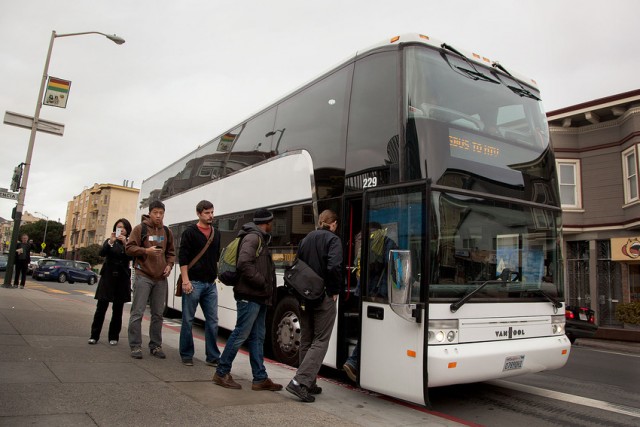
"content": "\u003cfigure id=\"attachment_137366\" class=\"wp-caption alignnone\" style=\"max-width: 640px\">\u003ca href=\"http://ww2.kqed.org/news/2014/05/28/the-good-news-about-working-in-the-bay-area-for-some-wages-are-very-high/rs8537_img_9782-scr-2/\" rel=\"attachment wp-att-137366\">\u003cimg loading=\"lazy\" decoding=\"async\" class=\"size-medium wp-image-137366\" src=\"http://ww2.kqed.org/news/wp-content/uploads/sites/10/2014/05/RS8537_IMG_9782-scr-640x426.jpg\" alt=\"(Mark Andrew Boyer/KQED)\" width=\"640\" height=\"426\">\u003c/a>\u003cfigcaption class=\"wp-caption-text\">(Mark Andrew Boyer/KQED) \u003ccite>(Mark Andrew Boyer/KQED)\u003c/cite>\u003c/figcaption>\u003c/figure>\n\u003cp>The San Francisco Municipal Transportation Agency has tentatively approved a list of stops for its tech shuttle bus pilot program following a packed public hearing at City Hall Friday that drew complaints from residents concerned about the loss of parking and the impacts on their neighborhoods.\u003c/p>\n\u003cp>“They’re just ramrodding this through and it’s wrong-minded and short-sighted,” said Lisa Awbrey, who lives near two Muni stops in the Panhandle where public buses would share curb space with private shuttles.\u003c/p>\n\u003cp>The SFMTA approved an 18-month pilot \u003ca href=\"http://sfmta.com/fr/projects-planning/projects/commuter-shuttles-policy-and-pilot-program\">commuter shuttle program\u003c/a> in January, and earlier this month said it identified 115 stops where the shuttles would share space with Muni buses. It originally called for 200 stops.\u003c/p>\n\u003cp>“We really wanted to select locations where, based on our best information, we could accommodate the shuttle activity and minimize impact on Muni and other users,” said Carli Paine of the SFMTA.\u003c/p>\n\u003cp>At nine locations, where Muni stops are too busy, some parking would be removed to \u003ca href=\"http://sf.streetsblog.org/2014/06/12/are-sfmtas-proposed-shuttle-stops-enough-to-end-muni-conflicts/\">provide white zones\u003c/a> exclusively for shuttles. Three parking spaces would be permanently eliminated and 30 spaces used during peak hours, or about .01 percent of all on-street spaces in the city, according to the SFMTA.\u003c/p>\n\u003cp>[ad fullwidth]\u003c/p>\n\u003cp>Gus Hernandez of the Alamo Square Neighborhood Association is worried about one of the white zone stops proposed on Hayes Street at Steiner.\u003c/p>\n\u003cp>“Our concern is that it’s going to cause more congestion and traffic in the neighborhood, as well as removal of parking on the north side,” he said.\u003c/p>\n\u003cp>Adrian Covert of the Bay Area Council was among the few speakers at the public hearing who testified in favor of the shuttle program, saying it’s a vital link in the transportation system, and that the loss of parking would be minimal.\u003c/p>\n\u003cp>“Three permanent parking spaces overall are going to be eliminated to provide for shuttle space for 17,000 San Francisco residents. I think that’s a pretty good deal,” he said.\u003c/p>\n\u003cp>Activists who contend the tech shuttles, often called “Google buses,” have helped fuel gentrification\u003ca href=\"http://ww2.kqed.org/news/san-francisco-activists-and-seiu-sue-city-over-google-bus-plan\"> have filed a lawsuit\u003c/a> against the city, demanding an environmental review. A settlement conference is scheduled for next week, said Sara Shortt, director of the Housing Rights Committee.\u003c/p>\n\u003cp>While she supports the white zones, Shortt said the city needs to get more creative about how it manages the shuttles.\u003c/p>\n\u003cp>“I think there are better solutions, like having a tech hub in one specific space. I think they can stretch themselves further. I do think not using the Muni stops is an absolute improvement,” she said.\u003c/p>\n\u003cp>Eighty eight stops were approved at the hearing by a traffic engineering panel. SFMTA officials said they were still reviewing a small number of additional stops that would be considered at a July 11th public hearing. The list of stops is then expected to go before the SFMTA Board for final approval.\u003c/p>\n\u003cp>\u003c/p>\n\u003cp>The shuttle pilot is scheduled to start August 1st, a month later than anticipated.\u003c/p>\n\n",
"blocks": [],
"excerpt": "'They're just ramrodding this through and it's wrong-minded and short-sighted,' said one city resident.",
"status": "publish",
"parent": 0,
"modified": 1740180735,
"stats": {
"hasAudio": false,
"hasVideo": false,
"hasChartOrMap": false,
"iframeSrcs": [],
"hasGoogleForm": false,
"hasGallery": false,
"hasHearkenModule": false,
"hasPolis": false,
"paragraphCount": 16,
"wordCount": 519
},
"headData": {
"title": "Hearing on San Francisco's Tech Shuttle Program Draws Complaints | KQED",
"description": "'They're just ramrodding this through and it's wrong-minded and short-sighted,' said one city resident.",
"ogTitle": "",
"ogDescription": "",
"ogImgId": "",
"twTitle": "",
"twDescription": "",
"twImgId": "",
"schema": {
"@context": "https://schema.org",
"@type": "NewsArticle",
"headline": "Hearing on San Francisco's Tech Shuttle Program Draws Complaints",
"datePublished": "2014-06-20T17:39:14-07:00",
"dateModified": "2025-02-21T15:32:15-08:00",
"image": "https://cdn.kqed.org/wp-content/uploads/2020/02/KQED-OG-Image@1x.png",
"isAccessibleForFree": "True",
"publisher": {
"@type": "NewsMediaOrganization",
"@id": "https://www.kqed.org/#organization",
"name": "KQED",
"logo": "https://cdn.kqed.org/wp-content/uploads/2020/02/KQED-OG-Image@1x.png",
"url": "https://www.kqed.org",
"sameAs": [
"https://www.facebook.com/KQED",
"https://twitter.com/KQED",
"https://www.instagram.com/kqed/",
"https://www.tiktok.com/@kqedofficial",
"https://www.linkedin.com/company/kqed",
"https://www.youtube.com/channel/UCeC0IOo7i1P_61zVUWbJ4nw"
]
}
}
},
"sticky": false,
"customPermalink": "2014/06/21-tech-bus-complaints-city-hearing/",
"path": "/news/139906/hearing-on-san-franciscos-tech-shuttle-program-draws-complaints",
"audioTrackLength": null,
"parsedContent": [
{
"type": "contentString",
"content": "\u003cdiv class=\"post-body\">\u003cp>\u003cfigure id=\"attachment_137366\" class=\"wp-caption alignnone\" style=\"max-width: 640px\">\u003ca href=\"http://ww2.kqed.org/news/2014/05/28/the-good-news-about-working-in-the-bay-area-for-some-wages-are-very-high/rs8537_img_9782-scr-2/\" rel=\"attachment wp-att-137366\">\u003cimg loading=\"lazy\" decoding=\"async\" class=\"size-medium wp-image-137366\" src=\"http://ww2.kqed.org/news/wp-content/uploads/sites/10/2014/05/RS8537_IMG_9782-scr-640x426.jpg\" alt=\"(Mark Andrew Boyer/KQED)\" width=\"640\" height=\"426\">\u003c/a>\u003cfigcaption class=\"wp-caption-text\">(Mark Andrew Boyer/KQED) \u003ccite>(Mark Andrew Boyer/KQED)\u003c/cite>\u003c/figcaption>\u003c/figure>\n\u003cp>The San Francisco Municipal Transportation Agency has tentatively approved a list of stops for its tech shuttle bus pilot program following a packed public hearing at City Hall Friday that drew complaints from residents concerned about the loss of parking and the impacts on their neighborhoods.\u003c/p>\n\u003cp>“They’re just ramrodding this through and it’s wrong-minded and short-sighted,” said Lisa Awbrey, who lives near two Muni stops in the Panhandle where public buses would share curb space with private shuttles.\u003c/p>\n\u003cp>The SFMTA approved an 18-month pilot \u003ca href=\"http://sfmta.com/fr/projects-planning/projects/commuter-shuttles-policy-and-pilot-program\">commuter shuttle program\u003c/a> in January, and earlier this month said it identified 115 stops where the shuttles would share space with Muni buses. It originally called for 200 stops.\u003c/p>\n\u003cp>“We really wanted to select locations where, based on our best information, we could accommodate the shuttle activity and minimize impact on Muni and other users,” said Carli Paine of the SFMTA.\u003c/p>\n\u003cp>At nine locations, where Muni stops are too busy, some parking would be removed to \u003ca href=\"http://sf.streetsblog.org/2014/06/12/are-sfmtas-proposed-shuttle-stops-enough-to-end-muni-conflicts/\">provide white zones\u003c/a> exclusively for shuttles. Three parking spaces would be permanently eliminated and 30 spaces used during peak hours, or about .01 percent of all on-street spaces in the city, according to the SFMTA.\u003c/p>\n\u003cp>\u003c/p>\u003c/div>",
"attributes": {
"named": {},
"numeric": []
}
},
{
"type": "component",
"content": "",
"name": "ad",
"attributes": {
"named": {
"label": "fullwidth"
},
"numeric": [
"fullwidth"
]
}
},
{
"type": "contentString",
"content": "\u003cdiv class=\"post-body\">\u003cp>\u003c/p>\n\u003cp>Gus Hernandez of the Alamo Square Neighborhood Association is worried about one of the white zone stops proposed on Hayes Street at Steiner.\u003c/p>\n\u003cp>“Our concern is that it’s going to cause more congestion and traffic in the neighborhood, as well as removal of parking on the north side,” he said.\u003c/p>\n\u003cp>Adrian Covert of the Bay Area Council was among the few speakers at the public hearing who testified in favor of the shuttle program, saying it’s a vital link in the transportation system, and that the loss of parking would be minimal.\u003c/p>\n\u003cp>“Three permanent parking spaces overall are going to be eliminated to provide for shuttle space for 17,000 San Francisco residents. I think that’s a pretty good deal,” he said.\u003c/p>\n\u003cp>Activists who contend the tech shuttles, often called “Google buses,” have helped fuel gentrification\u003ca href=\"http://ww2.kqed.org/news/san-francisco-activists-and-seiu-sue-city-over-google-bus-plan\"> have filed a lawsuit\u003c/a> against the city, demanding an environmental review. A settlement conference is scheduled for next week, said Sara Shortt, director of the Housing Rights Committee.\u003c/p>\n\u003cp>While she supports the white zones, Shortt said the city needs to get more creative about how it manages the shuttles.\u003c/p>\n\u003cp>“I think there are better solutions, like having a tech hub in one specific space. I think they can stretch themselves further. I do think not using the Muni stops is an absolute improvement,” she said.\u003c/p>\n\u003cp>Eighty eight stops were approved at the hearing by a traffic engineering panel. SFMTA officials said they were still reviewing a small number of additional stops that would be considered at a July 11th public hearing. The list of stops is then expected to go before the SFMTA Board for final approval.\u003c/p>\n\u003cp>\u003c/p>\n\u003cp>The shuttle pilot is scheduled to start August 1st, a month later than anticipated.\u003c/p>\n\n\u003c/div>\u003c/p>",
"attributes": {
"named": {},
"numeric": []
}
}
],
"link": "/news/139906/hearing-on-san-franciscos-tech-shuttle-program-draws-complaints",
"authors": [
"214"
],
"programs": [
"news_6944"
],
"categories": [
"news_8",
"news_248",
"news_1397"
],
"tags": [
"news_1631",
"news_20517"
],
"featImg": "news_137366",
"label": "news_6944"
},
"news_139512": {
"type": "posts",
"id": "news_139512",
"meta": {
"index": "posts_1716263798",
"site": "news",
"id": "139512",
"score": null,
"sort": [
1403209527000
]
},
"parent": 0,
"labelTerm": {
"site": "news",
"term": 6944
},
"blocks": [],
"publishDate": 1403209527,
"format": "aside",
"disqusTitle": "Around the U.S., Taxis, Regulators, Insurers Having Fits Over Uber and Lyft",
"title": "Around the U.S., Taxis, Regulators, Insurers Having Fits Over Uber and Lyft",
"headTitle": "News Fix | KQED News",
"content": "\u003cfigure id=\"attachment_118106\" class=\"wp-caption aligncenter\" style=\"max-width: 640px\">\u003cimg class=\"size-full wp-image-118106\" src=\"http://ww2.kqed.org/news/wp-content/uploads/sites/10/2014/11/uber.jpg\" alt=\"Local regulators have been unsuccessful in gaining access to TNCs excess liability insurance policies. (Adam Fagen/Flickr)\" width=\"640\" height=\"360\">\u003cfigcaption class=\"wp-caption-text\">Uber car. (Adam Fagen/Flickr)\u003c/figcaption>\u003c/figure>\n\u003cp>Uber has been so successful in supplanting taxis that fear and loathing of the San Francisco-based company united cab drivers across Europe last week — even amid the nationalistic fervor of the World Cup. Tens of thousands of drivers in London, Paris and Berlin, among other cities, \u003ca href=\"http://www.bloomberg.com/news/2014-06-10/uber-protests-spread-across-europe-as-taxi-app-backlash-grows.html\" target=\"_blank\">snarled traffic in some of the densest thoroughfares on the continent\u003c/a>, all in protest of the company that in varying degrees has eaten their dejeuner, almuerzo and lunch in the \u003ca href=\"https://www.uber.com/cities\" target=\"_blank\">128 cities\u003c/a> around the world in which it has set up shop.\u003c/p>\n\u003caside class=\"pullquote alignleft\">\u003ca href=\"http://ww2.kqed.org/news/06/19/2014/uber-lyft-regulations#updates\">Click here for city-by-city Uber and Lyft updates\u003c/a>\u003c/aside>\n\u003cp>And what a feast it’s been. On June 6, Uber announced it had raised an additional $1.2 billion in investment capital to \u003ca href=\"http://dealbook.nytimes.com/2014/06/06/uber-raises-new-funds-at-17-billion-valuation/?module=Search&mabReward=relbias%3Ar\" target=\"_blank\">up its valuation to $18.2 billion\u003c/a>.\u003c/p>\n\u003cp>\"You’re worth more than Whole Foods, you’re worth more than Tiffany and company,” a CNBC anchor breathlessly informed Uber CEO Travis Kalanick during an \u003ca href=\"http://nyti.ms/1xl7GNP\" target=\"_blank\">interview after the announcement\u003c/a>. Kalanick replied that Uber is actually undervalued. (\u003ca href=\"http://fivethirtyeight.com/features/uber-isnt-worth-17-billion/\" target=\"_blank\">Others\u003c/a>, meanwhile, think the $18.2 billion number is \u003ca href=\"http://www.cnbc.com/id/101762832\" target=\"_blank\">way too big\u003c/a>.)\u003c/p>\n\u003cp>Locally, Uber has become a major employer in San Francisco. The company says it has 500 people working at its headquarters in the city. That's in addition to all the drivers now earning a living by connecting with passengers through Uber's app. One group not seeing the benefits of this expansion: taxi companies and the drivers who have yet to switch over to Uber or Lyft, a smaller yet growing rival also based in San Francisco. The city's taxi business is off so much that the owner of DeSoto Cab Co., Hansu Kim, said this month that the industry's survival is threatened.\u003c/p>\n\u003cp>“When I say the taxi industry may not survive 18 months or so, I’m seeing a situation where those who drove a taxicab in the past are now taking their personal cars and acting like a cab on their own,” \u003ca href=\"http://sanfrancisco.cbslocal.com/2014/06/06/san-francisco-desoto-taxi-cab-company-ceo-industry-may-not-survive-the-next-18-months-uber-lyft-sidecar-rideshare/\" target=\"_blank\">he told KPIX\u003c/a>.[contextly_sidebar id=\"9d82bd6a2861e18413921054fbc2998c\"]\u003c/p>\n\u003cp>[ad fullwidth]\u003c/p>\n\u003cp>Yet for all the rapid success of Uber and Lyft, which the state of California calls transportation network companies, or TNCs, there is also a growing resistance to their operations by regulators and insurers across the country.\u003c/p>\n\u003cp>Both the California Department of Insurance and Public Utilities Commission, which regulates TNCs, have sided with the insurance industry's assessment that current cheaper excess coverage the companies offer to protect drivers and passengers is based on a fictional belief that a driver's personal insurer will tolerate paying claims for individuals who drive commercially.\u003c/p>\n\u003cp>“Every other business in California has to have insurance to cover their activities,\" said Mark Sektnan, president of the Association of California Insurance Companies. \"Why is this business any different?”\u003c/p>\n\u003cp>Both the utilities commission and the state Legislature are now \u003ca href=\"http://ww2.kqed.org/news/06/17/2014/Uber-Lyft-Insurance-crack-down\" target=\"_blank\">considering proposals to toughen TNC insurance requirements\u003c/a>.\u003c/p>\n\u003cp>As you'll see in our roundup below, California is far from the only state where Uber and Lyft are coming under regulatory, legislative or legal pressure. The novelty of a business model that has encouraged thousands of everyday drivers to hit the road in their own vehicles in quest of paying passengers has taken the system of transportation oversight, developed over decades, by almost complete surprise.\u003c/p>\n\u003cp>This has resulted in a fair amount of confusion and conflict, including lawsuits, protests, fines and threats. What is also notable is the willingness by Uber and Lyft to openly defy local authorities who have determined the companies are operating illegally.\u003c/p>\n\u003cp>How it all shakes out will determine just how large this innovative industry becomes.\u003c/p>\n\u003cp>“Regulatory overhang is obviously something investors and (Uber) need to be mindful of,\" said Anand Sanwal, CEO of CB Insights, which tracks high-growth private companies. \"It seems, at least to date, they’ve figured out ways to operate in markets they’ve wanted to in compliance with these issues, or they’re paying fines with the view that this legislation will be overturned or public outcry will make it go away. Obviously, investors feel that way too. But Uber does have regulatory risks.\"\u003ca name=\"updates\">\u003c/a>\u003c/p>\n\u003cp>Here are what various media are reporting about the road wars around the U.S.\u003c/p>\n\u003cp>\u003cstrong>Albuquerque\u003c/strong>\u003c/p>\n\u003cp>\u003ca href=\"http://www.bizjournals.com/albuquerque/blog/morning-edition/2014/06/prc-keeps-meter-running-on-ridesharing-hearing.html\" target=\"_blank\">PRC Keeps Meter Running on Ridesharing Hearing\u003c/a> (Albuquerque Business First): The New Mexico Public Regulation Commission on Wednesday decided not to immediately hear a case relating to letting the ridesharing service Uber operate in New Mexico. At the PRC hearing, the commission also heard testimony about the similar service, Lyft, said Commissioner Valerie Espinoza. Both services started operating in Albuquerque in late April. The two services contend that they’re not taxi cab services, and as such shouldn’t have to abide by the same laws as taxi cabs. But, the services are similar enough that the PRC has launched investigations into both. Some have questions about the services’ legality, said Commissioner Karen Montoya on Wednesday. The issues will be put on next Wednesday’s PRC agenda.\u003c/p>\n\u003cp>\u003cstrong>Ann Arbor\u003c/strong>\u003c/p>\n\u003cp>\u003ca href=\"http://annarborchronicle.com/2014/05/25/taxicab-board-considers-rates-drivers/\" target=\"_blank\">Taxicab Board Considers Rates, Drivers\u003c/a> (Ann Arbor Chronicle): Two topics addressed by the board at its April 23, 2014 meeting received additional conversation this month. First, the board discussed the possibility of deregulating taxicab fares, or setting them at a much higher maximum. The board also continued discussing whether to recommend that the city council enact an ordinance to regulate all drivers for hire – taxicab drivers, limo drivers, as well as those who drive for Uber and Lyft.\u003c/p>\n\u003cp>\u003cstrong>Austin\u003c/strong>\u003c/p>\n\u003cp>\u003ca href=\"http://www.austinchronicle.com/news/2014-06-13/uber-stakes-its-austin-claim/\" target=\"_blank\">Uber stakes Its Austin Claim\u003c/a> (Austin Chronicle): ... Both Lyft and Uber have indicated repeatedly that they're excited to be working with the city on bringing TNCs to Austin, but the two companies' arrivals run in direct contrast to requests from the City Council, which has essentially asked for a bit more time – perhaps even seven months – to figure the whole TNC system out, during which time TNCs are not allowed to take payment for rides. The city, meanwhile, has received informal accusations of entrapment from Lyft, which claims that city staffers have engaged in sting operations to nab violators. In one case, Lyft alleges, a staffer \"purposely left cash behind.\"\u003c/p>\n\u003cp>\u003cstrong>Baltimore\u003c/strong>\u003c/p>\n\u003cp>\u003ca href=\"http://technical.ly/baltimore/2014/06/09/uber-appeals-april-psc-ruling/\" target=\"_blank\">Uber appeals Public Service Commission Ruling\u003c/a> (Technical.ly): Uber has appealed an April Maryland Public Service Commission ruling that classified it as a common carrier, company officials announced Monday. In the \u003ca href=\"http://webapp.psc.state.md.us/Intranet/Maillog/submit_new.cfm?MaillogPath=155796&DirPath=C:%5CCasenum%5CAdmin%20Filings%5C110000-159999%5C155796&maillognum=155796\" target=\"_blank\">appeal\u003c/a>, filed Friday, Uber officials claim that Uber is not a public service company and the commission does not have the authority to regulate it. It contends that Uber owns no vehicles used to transport passengers and does not itself transport passengers for money. ... Uber, which \u003ca href=\"http://technical.ly/baltimore/2014/05/23/uber-annapolis-launch/\" target=\"_blank\">launched service in Annapolis\u003c/a> in May, entered the Baltimore market last year. A bill \u003ca href=\"http://technical.ly/baltimore/2014/03/11/uber-ridesharing-case-9325/\" target=\"_blank\">that would have exempted\u003c/a> Uber and competitor Lyft from common carrier regulations \u003ca href=\"http://technical.ly/baltimore/2014/04/09/bill-exempt-uber-lyft-common-carrier-status-fails-pass/\" target=\"_blank\">failed to pass\u003c/a> in the 2014 General Assembly session.\u003c/p>\n\u003cp>\u003cem>Uber launched a \u003ca href=\"http://technical.ly/baltimore/2014/06/19/uber-driver-video-psc-appeal/\" target=\"_blank\">PR push\u003c/a> following its appeal.\u003c/em>\u003c/p>\n\u003cp>\u003cstrong>Boston\u003c/strong>\u003c/p>\n\u003cp>\u003ca href=\"http://www.boston.com/business/technology/2014/05/22/boston-taxi-drivers-hold-rally-shut-down-uber/5fLnhOEWls556Cmg6zyaAL/story.html\" target=\"_blank\">Boston Taxi Drivers Hold Rally to Shut Down Uber \u003c/a>(Boston.com): The Boston Taxi Driver’s Association held a “rolling rally” at Uber’s Boston headquarters this afternoon in order to compel city officials to shut down the app until its drivers can be regulated. The demonstration took place at 186 South Street in Boston’s Leather District from 2 to 3 p.m. The organization represents more than 1,400 cab drivers and is arguing that an unregulated taxi service like Uber poses a serious public safety threat because drivers are not vetted by the city before they are allowed to pick up fares.\u003c/p>\n\u003cp>\u003cstrong>Cambridge\u003c/strong>\u003c/p>\n\u003cp>\u003ca href=\"http://www.boston.com/business/technology/2014/06/17/cambridge-licensing-board-signals-willingness-work-with-uber/iOtCaBhI96178xsQmbj8KL/story.html\" target=\"_blank\">Cambridge Licensing Board Signals Willingness to Work With Uber\u003c/a> (Boston.com): Uber users, as well as some opponents of the popular ride-calling service, showed up in droves in Cambridge Tuesday night to clash over proposed regulations that Uber said would cause it to cease operations in the city. But by the time the meeting started, some of the tension between the city and the company that had built early this week appeared to have simmered. The proposed regulations would have required companies offering services like Uber’s, and drivers for those companies, to become licensed with the city. It also would have not allowed technology not approved by the city — like Uber’s and its competitor Lyft’s — to be used in any livery service, would have set a minimum price for any ride at $50, and would have banned other elements of Uber’s business model. The commission did not vote on the proposed regulations. It had said there would not be a vote at the meeting earlier in the day. During the meeting, License Commission chair Andrea Spears Jackson said those proposed rules “would not be passed,” and predicted that multiple additional hearings would follow.\u003c/p>\n\u003cp>\u003cstrong>Chicago\u003c/strong>\u003c/p>\n\u003cp>\u003ca href=\"http://politics.suntimes.com/article/chicago/new-ridesharing-rules-okd-taxi-industry-upset-emanuels-plan/wed-05282014-1122am\" target=\"_blank\">New ridesharing rules OK'd; taxi industry upset by Emanuel's plan\u003c/a> (Chicago Sun-Times): A divided City Council on Wednesday approved Mayor Rahm Emanuel’s plan to fill the regulatory vacuum that has allowed ridesharing companies to siphon business from taxicabs amid warnings that it’s so weak as to render costly taxi medallions “worthless.” The ridesharing industry, whose investors include the mayor’s brother, was pleased with the ordinance approved by a 34-10 vote. The taxicab industry, its City Council allies and a union representing cabdrivers was not.\u003c/p>\n\u003cp>\u003cem>A local municipal workers union \u003ca href=\"http://politics.suntimes.com/article/chicago/emanuels-taxi-reforms-cost-average-cabdriver-7500-study/wed-06112014-1237pm\" target=\"_blank\">says Emanuel's plan costs the average cab driver $7,500\u003c/a>.\u003c/em>\u003c/p>\n\u003cp>\u003cstrong>Connecticut\u003c/strong>\u003c/p>\n\u003cp>\u003ca href=\"http://www.bloomberg.com/news/2014-05-22/uber-lyft-face-racketeering-lawsuit-by-connecticut-cab-groups.html\" target=\"_blank\">Uber, Lyft Accused of Racketeering in Connecticut Suit\u003c/a> (Bloomberg): Ride-sharing services Uber Technologies Inc. and Lyft Inc. were accused of racketeering in a lawsuit by Connecticut taxi and livery firms, which said the companies “prey parasitically” on established services. The services, operating without proper licenses, “cut corners illegally” and undermine “critical safety provisions of Connecticut taxi and livery laws,” the taxi companies said in a complaint filed yesterday in New Haven federal court.\u003c/p>\n\u003cp>\u003cstrong>Denver\u003c/strong>\u003c/p>\n\u003cp>\u003ca href=\"http://www.denverpost.com/business/ci_25907057/colorado-first-authorize-lyft-and-ubers-ridesharing-services\" target=\"_blank\">Colorado first to authorize Lyft and Uber's ridesharing services\u003c/a> (Denver Post): Gov. John Hickenlooper on Thursday signed into law \u003ca href=\"http://www.denverpost.com/business/ci_25661374/colorado-likely-first-legislatively-authorize-ride-share-services\" target=\"_blank\">a bill that officially authorizes ride-sharing services\u003c/a>, making Colorado the first state to legislatively embrace disruptive transportation offerings from upstarts such as Uber Technologies and Lyft. ... He called for Colorado regulators to review rules placed on taxis and limos, questioning whether they're still appropriate or necessary with the advent of so-called transportation network companies like Lyft and Uber. Throughout the legislative process, taxi officials had argued ride-sharing companies have unfair advantages because they don't face similar regulations as cabbies, such as rate, coverage area and insurance requirements.\u003c/p>\n\u003cp>\u003cstrong>Hampton Roads, Va.\u003c/strong>\u003c/p>\n\u003cp>\u003ca href=\"http://www.timesdispatch.com/news/state-regional/uber-says-it-will-operate-despite-dmv-s-cease-and/article_216140ee-eda3-11e3-8d40-0017a43b2370.html\" target=\"_blank\">Uber says it will operate despite DMV's 'cease and desist' order\u003c/a> (Hampton Roads Daily Press): The car ride services Uber Technologies Inc. and Lyft Inc. said Friday that they plan to operate as usual in the state, despite cease-and-desist letters from the Virginia Department of Motor Vehicles. The DMV on Thursday ordered Uber and Lyft, taxilike service companies, to stop operating in Virginia in violation of state law and said unauthorized drivers could face penalties.\u003c/p>\n\u003cp>\u003cstrong>Houston\u003c/strong>\u003c/p>\n\u003cp>\u003ca href=\"http://www.bizjournals.com/houston/blog/nuts-and-bolts/2014/06/uber-and-lyft-still-in-limbo-in-houston.html\" target=\"_blank\">Uber and Lyft still in limbo in Houston\u003c/a> (Houston Business Journal): The Houston City Council delayed a vote until July 30 on regulations for the vehicles-for-hire industry, keeping UberTechnologies Inc. and Lyft Inc.'s legal status in Houston in limbo. Council member Mike Laster proposed an initial delay of 60 days, saying, \"I believe this cake is not fully baked.\" The delay was then reduced to 45 days. ... The vote is now scheduled for July 30, or until a consensus is met by all the stakeholders involved in negotiations. Several council members, including C.O. “Brad” Bradford, didn’t feel the delay was necessary and asked for the vote to take place sooner rather than later.\u003c/p>\n\u003cp>\u003cstrong>Kansas City\u003c/strong>\u003c/p>\n\u003cp>\u003ca href=\"http://www.bizjournals.com/kansascity/news/2014/06/16/kansas-city-mayor-uber-legal.html\" target=\"_blank\">James: Uber is now legal in Kansas City\u003c/a> (Kansas City Business Journal): Uber Technologies Inc. is now operating inside the law in Kansas City. Late on Saturday night, Mayor \u003ca href=\"http://www.bizjournals.com/kansascity/search/results?q=Sly%20James\" target=\"_blank\">Sly James\u003c/a> \u003ca href=\"https://twitter.com/MayorSlyJames/status/478061431426793473\" target=\"_blank\">tweeted\u003c/a> that the San Francisco-based ride-sharing company is now operating \"legally and in compliance\" in the city. Joni Wickham, a spokeswoman for the mayor's office, said the Mayor's tweet was in reference to the fact that Uber is not charging for their services. Until they charge for their services, they are legally operating. She said that Uber is working with city staff to to go through the process to get a permit.\u003c/p>\n\u003cp>\u003cstrong>Las Vegas\u003c/strong>\u003c/p>\n\u003cp>\u003ca href=\"http://www.reviewjournal.com/news/traffic-transportation/nevada-officials-warn-about-insurance-ride-sharing-programs\" title=\"Nevada officials warn about insurance in ride sharing programs\" target=\"_blank\">Nevada officials warn about insurance in ride sharing programs\u003c/a> (Las Vegas Review Journal):\u003cbr>\nThe state’s Division of Insurance is warning the public that it could be at risk when accepting a ride with a ride-sharing company. The Nevada Division of Insurance issued a release suggesting that people confirm that a driver has commercial car insurance before accepting a ride with companies such as Uber, Lyft and Sidecar. San Francisco-based Uber is looking to enter the Las Vegas market and has advertised for drivers.\u003c/p>\n\u003cp>\u003cem>The announcement came less than two weeks after managers of Southern Nevada's largest taxi group \u003ca href=\"http://www.reviewjournal.com/business/tourism/las-vegas-cab-company-makes-uber-threat\" target=\"_blank\">posted a memorandum to employees\u003c/a>, warning them of the consequences of going to work for a mobile application rideshare company, according to the Review Journal.\u003c/em>\u003c/p>\n\u003cp>\u003cstrong>Los Angeles\u003c/strong>\u003c/p>\n\u003cp>\u003ca href=\"http://losangeles.cbslocal.com/2014/06/10/councilmembers-taxi-drivers-to-protest-ridesharing-apps-like-uber-at-city-hall/\" target=\"_blank\">Councilmembers, Taxi Drivers Protest Ridesharing Apps At City Hall\u003c/a> (CBS Los Angeles): Hundreds of taxicab drivers descended on the steps of City Hall Tuesday morning to protest popular ridesharing apps. The drivers were joined by councilmembers Paul Koretz and Gil Cedillo to protest unregulated and unrestricted taxi apps such as Uber, Lyft and Sidecar. Demonstrators said drivers of so-called “bandit cabs” do not have to pass background checks using fingerprints or have their vehicles inspected for safety.\u003c/p>\n\u003cp>\u003cstrong>Milwaukee\u003c/strong>\u003c/p>\n\u003cp>\u003ca href=\"http://www.jsonline.com/news/milwaukee/milwaukee-aldermen-to-consider-transforming-taxi-landscape-b99294012z1-263652731.html\" target=\"_blank\">Milwaukee Common Council panel backs taxi proposal\u003c/a> (Milwaukee Journal Sentinel): By a 3-0 vote, members of the city's Public Works Committee on Wednesday sent to the Common Council a proposed ordinance that revamps the way taxis operate in Milwaukee. In addition to doing away with a cap on the number of taxicab permits, the proposal also makes room for new technology-based smartphone apps such as Uber and Lyft in which riders are matched with drivers. Those new services have been operating for months in the city, though council members say they are currently operating in violation of current ordinances .... After (Uber and Lyft) began offering rides, some council members...pivoted and began to push for an unfettered free enterprise system for public passenger vehicles. They have since been joined by the Metropolitan Milwaukee Association of Commerce. Steve Baas, MMAC's vice president for governmental affairs, said the pro-business group favored wider transportation options.\u003c/p>\n\u003cp>\u003cstrong>Miami\u003c/strong>\u003c/p>\n\u003cp>\u003ca href=\"http://www.reuters.com/article/2014/06/10/usa-florida-taxis-idUSL2N0OQ25M20140610\" target=\"_blank\">Authorities clamp down on ride-sharing services in Miami\u003c/a> (Reuters): Miami-Dade County officials have refused to license drivers for Lyft and Uber, a similar service, arguing the driver-owned vehicles should comply with the same regulations as taxi companies. Lyft and Uber, however, argue they are different, describing themselves as technology companies that provide mobile applications connecting private drivers with passenger. ... Lyft and Uber launched in Miami last month despite the risk of heavy fines and after an unsuccessful two-year lobbying effort to persuade Miami lawmakers to change the regulations. Since then, the county has impounded three cars and fined eight drivers as much as $2,000, according to Raul Gonzalez, an official with Miami-Dade County's regulatory and economic resources department. Police in Miami have posed as riders and then issued fines to the drivers.\u003c/p>\n\u003cp>\u003cstrong>Minneapolis\u003c/strong>\u003c/p>\n\u003cp>\u003ca href=\"http://blogs.citypages.com/blotter/2014/05/despite_commerce_department_warning_jacob_frey_says_uberlyft_ordinance_still_on_its_way.php\" target=\"_blank\">Despite Commerce Department warning, Jacob Frey says Uber/Lyft ordinance still on its way\u003c/a> (Minneapolis City Pages): A few weeks ago, the Minnesota Commerce Department issued a warning to folks considering using so-called \"transportation network companies\" like Lyft or Uber. \"The Commerce Department wants Minnesotans to know that there may be gaps in auto insurance coverage for both the drivers and passengers using TNCs,\" the department said in a statement. \"There may not be coverage for an accident because most personal auto insurance policies contain exclusions when drivers use their personal cars for a commercial (business) purpose. For example, if you participate in a regular, non-business car pool, you would be covered. If you charge passengers a fee, you may not be covered if you get into an accident. ... But Jacob Frey, the Minneapolis City Council member who is taking the lead in drawing up an ordinance to regulate currently unregulated TNC companies doesn't think the Commerce Department's warning is a big deal.\u003c/p>\n\u003cp>\u003cstrong>Nashville\u003c/strong>\u003c/p>\n\u003cp>\u003ca href=\"http://nashvillepublicradio.org/blog/2014/06/13/ridesharing-services-like-lyft-uber-will-face-new-regulations-end-summer/\">Ridesharing Services Like Lyft and Uber Will Face New Regulations By End of Summer\u003c/a> (Nashville Public Radio): Popular ridesharing services like Lyft and Uber may soon be coming under new regulations. Billy Fields, who leads the city’s Transportation and Licensing Commission, said companies like Lyft and Uber are considered “drivers for hire,” not taxis. And under that title, they need to have a permit and be working for a licensed company. Under Nashville’s current law, Lyft and Uber are technically illegal. ... Metro Police could not say how many tickets have been issued to drivers. By the end of the summer, Fields said he will go in front of Metro Council to ask that a new law be written. It’ll require that rideshare companies have special licenses, inspections and the same insurance taxi drivers are required to have.\u003c/p>\n\u003cp>\u003cstrong>New Jersey\u003c/strong>\u003c/p>\n\u003cp>\u003ca href=\"http://www.cnbc.com/id/101732424\" target=\"_blank\">Uber a risky ride for passengers, states warn\u003c/a> (CNBC): Uber is under siege. It's not from a rival company, such as Lyft or Sidecar, because they may be in the same boat. It's from states that are warning passengers they may not be covered by insurance if the driver has an accident. New Jersey last week became the 14th state along with the District of Columbia to issue warnings about the risks of using ride-shares such as Uber, Lyft or Sidecar.\u003c/p>\n\u003cp>\u003cstrong>New Orleans \u003c/strong>\u003c/p>\n\u003cp>\u003ca href=\"http://www.fox8live.com/story/25779114/could-uber-be-headed-toward-new-orleans\" target=\"_blank\">Could Uber be headed toward New Orleans?\u003c/a>: (WVUE): Ryan Kelly, a writer for New Orleans CityBusiness, explains, \"UberBLACK is a luxury black car sedan service that has a little bit higher fares than a taxi and that's what they're trying to bring in right now.\" With the tap of a finger, users can order an Uber car to take them wherever they please. Just last week, the New Orleans City Council introduced an ordinance that would govern how the system worked, if brought here. Riders would pay a minimum of $25 for sedans and $35 for SUV's. But Uber cars don't have meters and don't really have any cap on how much they can charge riders. In many other places, the company also has UberX which is more comparable to a taxi service. \"Uber has a history of introducing the UberBLACK service in cities and then eventually following with UberX,\" said Kelly.\u003c/p>\n\u003cp>\u003cstrong>New York\u003c/strong>\u003c/p>\n\u003cp>\u003ca href=\"http://www.businessweek.com/articles/2014-06-02/while-uber-thrives-in-new-york-its-competitors-battle-regulators\" target=\"_blank\">While Uber Thrives in New York, Its Competitors Lobby Regulators\u003c/a> (BusinessWeek):\u003cspan style=\"color: #222222\"> Lyft would love to operate in New York City, but city regulations prohibit the startup’s version of a taxi service, in which nonprofessionals use private vehicles to shuttle passengers....While Lyft tries to figure out a way in, Uber is gaining significant traction with New Yorkers. Lyft has a tougher time because its service is considerably different from the activity the TLC is used to regulating. For all the hype, Uber in New York is basically a black-car service with a tech twist. Lyft, on the other hand, wants looser regulations for its drivers. \u003c/span>\u003c/p>\n\u003cp>\u003cstrong>Orlando\u003c/strong>\u003c/p>\n\u003cp>\u003ca href=\"http://articles.orlandosentinel.com/2014-06-18/news/os-uber-orlando-clash-20140618_1_uber-drivers-uberx-taxi-rules\" target=\"_blank\">Uber will talk taxi rules with Orlando City Hall\u003c/a> (Orlando Sentinel): Orlando Mayor Buddy Dyer is taking a diplomatic approach with Uber, the next-gen taxi service the city says is breaking its cars-for-hire laws. The San Francisco-based company has requested a meeting with the mayor, two weeks after it launched in Orlando with no advance notice to City Hall. The planned meeting heads off — at least for now — the city's plan to begin enforcing its taxi regulations against Uber drivers. \"Uber reached out to us, which I see as a positive thing,\" Dyer said Wednesday. \"We're an aggressively technology-centric city, and Uber is the new thing right now, with a new way of doing things.\"\u003c/p>\n\u003cp>\u003cstrong>Pittsburgh\u003c/strong>\u003c/p>\n\u003cp>\u003ca href=\"http://www.post-gazette.com/news/transportation/2014/06/17/Peduto-wants-PUC-to/stories/201406170163\" target=\"_blank\">Lyft, Uber have no plans to leave state despite enforcement\u003c/a> (Pittsburgh Post-Gazette): Pittsburgh Mayor Bill Peduto reiterated his support for Lyft and Uber on Tuesday, even as the state scheduled hearings to decide whether to issue cease-and-desist orders against the ride-sharing companies. Mr. Peduto sent a letter to the leadership of the Pennsylvania Public Utility Commission to express his “disappointment” with the agency's actions against the San Francisco ride-share companies. The PUC’s enforcement bureau is seeking to prevent both companies from operating in Pennsylvania. ... Although PUC chairman Robert Powelson has expressed his support for Lyft and Uber in the past, the PUC’s investigation and enforcement arm issued citations to 23 ride-share drivers in March and April, and has proposed additional daily fines of $1,000 per day against each company.\u003c/p>\n\u003cp>\u003cstrong>San Antonio\u003c/strong>\u003c/p>\n\u003cp>\u003ca href=\"http://www.foxsanantonio.com/news/features/top-stories/stories/ridesharing-company-offering-free-rides-amid-controversy-4589.shtml#.U6MOQo1dWSM\" target=\"_blank\">Ride-Sharing Company Offering Free Rides Amid Controversy\u003c/a> (FOX 29): The ride sharing company \"Uber\" is trying to win over fans, but the San Antonio Police Department is warning drivers to beware. Uber is teaming up with Crown Royal to offer free rides to people 21 or older Wednesday during the Spurs celebration who download the Uber app and enter the promo code: ReignOn. \"We know people are going to be out enjoying the festivities and parades, and we want people to have a safe and free ride and a designated driver,” said Will Zinsmeister with Uber San Antonio. ... However, that's not necessarily how the City of San Antonio sees it. Uber is operating in violation of the city's taxi cab ordinance, which states drivers must be licensed and regulated by the city in order for money to be exchanged for services. ... Yellow cab, along with other taxi companies, filed a lawsuit against Uber and ride-sharing company “Lyft” saying they are operating illegally in San Antonio.\u003c/p>\n\u003cp>\u003cstrong>Santa Barbara\u003c/strong>\u003c/p>\n\u003cp>\u003ca href=\"http://www.independent.com/news/2014/jun/02/cabbies-take-uber-drivers-task/\" target=\"_blank\">Cabbies Take Uber Drivers to Task\u003c/a> (Santa Barbara Independent): Disgruntled taxi drivers gathered outside City Hall last Friday afternoon to argue companies like Uber and Lyft are violating Santa Barbara law. Congregating on the sidewalk and holding signs above their heads, several cabbies contended the drivers hailed by taxi apps get an unfair advantage because they are not bound by the same regulations that the 68 taxi companies here must adhere to. Murmurs from frustrated taxi drivers have circulated since Uber landed in town last fall — Lyft launched a couple of months ago — but Friday marked the first coordinated protest, as cab drivers claimed their revenue has since dropped by 60 percent.\u003c/p>\n\u003cp>\u003cstrong>Seattle\u003c/strong>\u003c/p>\n\u003cp>\u003ca href=\"http://www.geekwire.com/2014/seattle-legalizes-uber-lyft-caps/\" target=\"_blank\">Seattle mayor reaches deal to legalize Uber, Lyft and Sidecar, without driver limits\u003c/a> (GeekWire): After more than one year of City Council meetings, protests and debate, Seattle Mayor Ed Murray today announced an agreement between the major industry players, the taxi industry and city officials that will let app-based transportation services such as Lyft, Sidecar and UberX keep operating without any limit on the number of drivers that can be on the street at any given time. That’s a big change from the original ordinance that was approved by the City Council in March, which set a maximum of 150 active drivers per company — a decision that left the ride-sharing companies unhappy. ... The agreement still needs to be approved by the Seattle City Council.\u003c/p>\n\u003cp>\u003cstrong>St. Louis\u003c/strong>\u003c/p>\n\u003cp>\u003ca href=\"http://www.bizjournals.com/stlouis/blog/biznext/2014/06/lyft-still-can-t-do-business-in-st-louis-judge.html\" target=\"_blank\">Lyft still can't do business in St. Louis, judge rules\u003c/a> (St. Louis Business Journal): The temporary restraining order against Lyft in St. Louis has been extended, meaning the peer-to-peer ride sharing app won’t be able to do business until a St. Louis circuit court judge makes an official ruling at a later date. ... Lyft opened for business in St. Louis in mid-April. Just a few days later, it was handed a temporary restraining order prohibiting it from doing business in the city or county. The Metropolitan Taxicab Commission maintains Lyft should fall under its regulations. Lyft says its business model excludes it from those regulations.\u003c/p>\n\u003cp>\u003cstrong>Tampa\u003c/strong>\u003c/p>\n\u003cp>[ad floatright]\u003c/p>\n\u003cp>\u003ca href=\"http://www.tampabay.com/news/transportation/regulatory-agency-seeks-help-in-crackdown-against-uber-lyft/2183977\" target=\"_blank\">Regulatory agency seeks help in crackdown against Uber, Lyft\u003c/a> (Tampa Bay Times): In its crackdown on the increasingly popular but unregulated Uber and Lyft ride-sharing programs, the Hillsborough County Public Transportation Commission agreed Wednesday to ask other law enforcement agencies for help. The two outfits have operated in Tampa for several months now, causing friction with the transportation commission and the taxi and limousine industries, which say the companies are in violation of state laws and local regulations. Uber and Lyft don't carry the proper insurance and aren't certified, they say. ... So far, PTC inspectors have fined 12 drivers and issued 44 tickets that come with fines ranging from $100 to $500.\u003c/p>\n\n",
"disqusIdentifier": "139512 http://ww2.kqed.org/news/?p=139512",
"disqusUrl": "https://ww2.kqed.org/news/2014/06/19/around-the-u-s-taxis-regulators-insurers-having-fits-over-uber-and-lyft/",
"stats": {
"hasVideo": false,
"hasChartOrMap": false,
"hasAudio": false,
"hasPolis": false,
"wordCount": 4280,
"hasGoogleForm": false,
"hasGallery": false,
"hasHearkenModule": false,
"iframeSrcs": [],
"paragraphCount": 75
},
"modified": 1420844137,
"excerpt": "Taxi drivers protest against Uber in Europe, while states launch new efforts to regulate TNCs here.",
"headData": {
"twImgId": "",
"twTitle": "",
"ogTitle": "",
"ogImgId": "",
"twDescription": "",
"description": "Taxi drivers protest against Uber in Europe, while states launch new efforts to regulate TNCs here.",
"title": "Around the U.S., Taxis, Regulators, Insurers Having Fits Over Uber and Lyft | KQED",
"ogDescription": "",
"schema": {
"@context": "https://schema.org",
"@type": "NewsArticle",
"headline": "Around the U.S., Taxis, Regulators, Insurers Having Fits Over Uber and Lyft",
"datePublished": "2014-06-19T13:25:27-07:00",
"dateModified": "2015-01-09T14:55:37-08:00",
"image": "https://cdn.kqed.org/wp-content/uploads/2020/02/KQED-OG-Image@1x.png",
"isAccessibleForFree": "True",
"publisher": {
"@type": "NewsMediaOrganization",
"@id": "https://www.kqed.org/#organization",
"name": "KQED",
"logo": "https://cdn.kqed.org/wp-content/uploads/2020/02/KQED-OG-Image@1x.png",
"url": "https://www.kqed.org",
"sameAs": [
"https://www.facebook.com/KQED",
"https://twitter.com/KQED",
"https://www.instagram.com/kqed/",
"https://www.tiktok.com/@kqedofficial",
"https://www.linkedin.com/company/kqed",
"https://www.youtube.com/channel/UCeC0IOo7i1P_61zVUWbJ4nw"
]
}
}
},
"guestAuthors": [],
"slug": "around-the-u-s-taxis-regulators-insurers-having-fits-over-uber-and-lyft",
"status": "publish",
"customPermalink": "06/19/2014/uber-lyft-regulations/",
"path": "/news/139512/around-the-u-s-taxis-regulators-insurers-having-fits-over-uber-and-lyft",
"audioTrackLength": null,
"parsedContent": [
{
"type": "contentString",
"content": "\u003cdiv class=\"post-body\">\u003cp>\u003cfigure id=\"attachment_118106\" class=\"wp-caption aligncenter\" style=\"max-width: 640px\">\u003cimg class=\"size-full wp-image-118106\" src=\"http://ww2.kqed.org/news/wp-content/uploads/sites/10/2014/11/uber.jpg\" alt=\"Local regulators have been unsuccessful in gaining access to TNCs excess liability insurance policies. (Adam Fagen/Flickr)\" width=\"640\" height=\"360\">\u003cfigcaption class=\"wp-caption-text\">Uber car. (Adam Fagen/Flickr)\u003c/figcaption>\u003c/figure>\n\u003cp>Uber has been so successful in supplanting taxis that fear and loathing of the San Francisco-based company united cab drivers across Europe last week — even amid the nationalistic fervor of the World Cup. Tens of thousands of drivers in London, Paris and Berlin, among other cities, \u003ca href=\"http://www.bloomberg.com/news/2014-06-10/uber-protests-spread-across-europe-as-taxi-app-backlash-grows.html\" target=\"_blank\">snarled traffic in some of the densest thoroughfares on the continent\u003c/a>, all in protest of the company that in varying degrees has eaten their dejeuner, almuerzo and lunch in the \u003ca href=\"https://www.uber.com/cities\" target=\"_blank\">128 cities\u003c/a> around the world in which it has set up shop.\u003c/p>\n\u003caside class=\"pullquote alignleft\">\u003ca href=\"http://ww2.kqed.org/news/06/19/2014/uber-lyft-regulations#updates\">Click here for city-by-city Uber and Lyft updates\u003c/a>\u003c/aside>\n\u003cp>And what a feast it’s been. On June 6, Uber announced it had raised an additional $1.2 billion in investment capital to \u003ca href=\"http://dealbook.nytimes.com/2014/06/06/uber-raises-new-funds-at-17-billion-valuation/?module=Search&mabReward=relbias%3Ar\" target=\"_blank\">up its valuation to $18.2 billion\u003c/a>.\u003c/p>\n\u003cp>\"You’re worth more than Whole Foods, you’re worth more than Tiffany and company,” a CNBC anchor breathlessly informed Uber CEO Travis Kalanick during an \u003ca href=\"http://nyti.ms/1xl7GNP\" target=\"_blank\">interview after the announcement\u003c/a>. Kalanick replied that Uber is actually undervalued. (\u003ca href=\"http://fivethirtyeight.com/features/uber-isnt-worth-17-billion/\" target=\"_blank\">Others\u003c/a>, meanwhile, think the $18.2 billion number is \u003ca href=\"http://www.cnbc.com/id/101762832\" target=\"_blank\">way too big\u003c/a>.)\u003c/p>\n\u003cp>Locally, Uber has become a major employer in San Francisco. The company says it has 500 people working at its headquarters in the city. That's in addition to all the drivers now earning a living by connecting with passengers through Uber's app. One group not seeing the benefits of this expansion: taxi companies and the drivers who have yet to switch over to Uber or Lyft, a smaller yet growing rival also based in San Francisco. The city's taxi business is off so much that the owner of DeSoto Cab Co., Hansu Kim, said this month that the industry's survival is threatened.\u003c/p>\n\u003cp>“When I say the taxi industry may not survive 18 months or so, I’m seeing a situation where those who drove a taxicab in the past are now taking their personal cars and acting like a cab on their own,” \u003ca href=\"http://sanfrancisco.cbslocal.com/2014/06/06/san-francisco-desoto-taxi-cab-company-ceo-industry-may-not-survive-the-next-18-months-uber-lyft-sidecar-rideshare/\" target=\"_blank\">he told KPIX\u003c/a>.\u003c/p>\u003cp>\u003c/p>\u003cp>\u003c/p>\n\u003cp>\u003c/p>\u003c/div>",
"attributes": {
"named": {},
"numeric": []
}
},
{
"type": "component",
"content": "",
"name": "ad",
"attributes": {
"named": {
"label": "fullwidth"
},
"numeric": [
"fullwidth"
]
}
},
{
"type": "contentString",
"content": "\u003cdiv class=\"post-body\">\u003cp>\u003c/p>\n\u003cp>Yet for all the rapid success of Uber and Lyft, which the state of California calls transportation network companies, or TNCs, there is also a growing resistance to their operations by regulators and insurers across the country.\u003c/p>\n\u003cp>Both the California Department of Insurance and Public Utilities Commission, which regulates TNCs, have sided with the insurance industry's assessment that current cheaper excess coverage the companies offer to protect drivers and passengers is based on a fictional belief that a driver's personal insurer will tolerate paying claims for individuals who drive commercially.\u003c/p>\n\u003cp>“Every other business in California has to have insurance to cover their activities,\" said Mark Sektnan, president of the Association of California Insurance Companies. \"Why is this business any different?”\u003c/p>\n\u003cp>Both the utilities commission and the state Legislature are now \u003ca href=\"http://ww2.kqed.org/news/06/17/2014/Uber-Lyft-Insurance-crack-down\" target=\"_blank\">considering proposals to toughen TNC insurance requirements\u003c/a>.\u003c/p>\n\u003cp>As you'll see in our roundup below, California is far from the only state where Uber and Lyft are coming under regulatory, legislative or legal pressure. The novelty of a business model that has encouraged thousands of everyday drivers to hit the road in their own vehicles in quest of paying passengers has taken the system of transportation oversight, developed over decades, by almost complete surprise.\u003c/p>\n\u003cp>This has resulted in a fair amount of confusion and conflict, including lawsuits, protests, fines and threats. What is also notable is the willingness by Uber and Lyft to openly defy local authorities who have determined the companies are operating illegally.\u003c/p>\n\u003cp>How it all shakes out will determine just how large this innovative industry becomes.\u003c/p>\n\u003cp>“Regulatory overhang is obviously something investors and (Uber) need to be mindful of,\" said Anand Sanwal, CEO of CB Insights, which tracks high-growth private companies. \"It seems, at least to date, they’ve figured out ways to operate in markets they’ve wanted to in compliance with these issues, or they’re paying fines with the view that this legislation will be overturned or public outcry will make it go away. Obviously, investors feel that way too. But Uber does have regulatory risks.\"\u003ca name=\"updates\">\u003c/a>\u003c/p>\n\u003cp>Here are what various media are reporting about the road wars around the U.S.\u003c/p>\n\u003cp>\u003cstrong>Albuquerque\u003c/strong>\u003c/p>\n\u003cp>\u003ca href=\"http://www.bizjournals.com/albuquerque/blog/morning-edition/2014/06/prc-keeps-meter-running-on-ridesharing-hearing.html\" target=\"_blank\">PRC Keeps Meter Running on Ridesharing Hearing\u003c/a> (Albuquerque Business First): The New Mexico Public Regulation Commission on Wednesday decided not to immediately hear a case relating to letting the ridesharing service Uber operate in New Mexico. At the PRC hearing, the commission also heard testimony about the similar service, Lyft, said Commissioner Valerie Espinoza. Both services started operating in Albuquerque in late April. The two services contend that they’re not taxi cab services, and as such shouldn’t have to abide by the same laws as taxi cabs. But, the services are similar enough that the PRC has launched investigations into both. Some have questions about the services’ legality, said Commissioner Karen Montoya on Wednesday. The issues will be put on next Wednesday’s PRC agenda.\u003c/p>\n\u003cp>\u003cstrong>Ann Arbor\u003c/strong>\u003c/p>\n\u003cp>\u003ca href=\"http://annarborchronicle.com/2014/05/25/taxicab-board-considers-rates-drivers/\" target=\"_blank\">Taxicab Board Considers Rates, Drivers\u003c/a> (Ann Arbor Chronicle): Two topics addressed by the board at its April 23, 2014 meeting received additional conversation this month. First, the board discussed the possibility of deregulating taxicab fares, or setting them at a much higher maximum. The board also continued discussing whether to recommend that the city council enact an ordinance to regulate all drivers for hire – taxicab drivers, limo drivers, as well as those who drive for Uber and Lyft.\u003c/p>\n\u003cp>\u003cstrong>Austin\u003c/strong>\u003c/p>\n\u003cp>\u003ca href=\"http://www.austinchronicle.com/news/2014-06-13/uber-stakes-its-austin-claim/\" target=\"_blank\">Uber stakes Its Austin Claim\u003c/a> (Austin Chronicle): ... Both Lyft and Uber have indicated repeatedly that they're excited to be working with the city on bringing TNCs to Austin, but the two companies' arrivals run in direct contrast to requests from the City Council, which has essentially asked for a bit more time – perhaps even seven months – to figure the whole TNC system out, during which time TNCs are not allowed to take payment for rides. The city, meanwhile, has received informal accusations of entrapment from Lyft, which claims that city staffers have engaged in sting operations to nab violators. In one case, Lyft alleges, a staffer \"purposely left cash behind.\"\u003c/p>\n\u003cp>\u003cstrong>Baltimore\u003c/strong>\u003c/p>\n\u003cp>\u003ca href=\"http://technical.ly/baltimore/2014/06/09/uber-appeals-april-psc-ruling/\" target=\"_blank\">Uber appeals Public Service Commission Ruling\u003c/a> (Technical.ly): Uber has appealed an April Maryland Public Service Commission ruling that classified it as a common carrier, company officials announced Monday. In the \u003ca href=\"http://webapp.psc.state.md.us/Intranet/Maillog/submit_new.cfm?MaillogPath=155796&DirPath=C:%5CCasenum%5CAdmin%20Filings%5C110000-159999%5C155796&maillognum=155796\" target=\"_blank\">appeal\u003c/a>, filed Friday, Uber officials claim that Uber is not a public service company and the commission does not have the authority to regulate it. It contends that Uber owns no vehicles used to transport passengers and does not itself transport passengers for money. ... Uber, which \u003ca href=\"http://technical.ly/baltimore/2014/05/23/uber-annapolis-launch/\" target=\"_blank\">launched service in Annapolis\u003c/a> in May, entered the Baltimore market last year. A bill \u003ca href=\"http://technical.ly/baltimore/2014/03/11/uber-ridesharing-case-9325/\" target=\"_blank\">that would have exempted\u003c/a> Uber and competitor Lyft from common carrier regulations \u003ca href=\"http://technical.ly/baltimore/2014/04/09/bill-exempt-uber-lyft-common-carrier-status-fails-pass/\" target=\"_blank\">failed to pass\u003c/a> in the 2014 General Assembly session.\u003c/p>\n\u003cp>\u003cem>Uber launched a \u003ca href=\"http://technical.ly/baltimore/2014/06/19/uber-driver-video-psc-appeal/\" target=\"_blank\">PR push\u003c/a> following its appeal.\u003c/em>\u003c/p>\n\u003cp>\u003cstrong>Boston\u003c/strong>\u003c/p>\n\u003cp>\u003ca href=\"http://www.boston.com/business/technology/2014/05/22/boston-taxi-drivers-hold-rally-shut-down-uber/5fLnhOEWls556Cmg6zyaAL/story.html\" target=\"_blank\">Boston Taxi Drivers Hold Rally to Shut Down Uber \u003c/a>(Boston.com): The Boston Taxi Driver’s Association held a “rolling rally” at Uber’s Boston headquarters this afternoon in order to compel city officials to shut down the app until its drivers can be regulated. The demonstration took place at 186 South Street in Boston’s Leather District from 2 to 3 p.m. The organization represents more than 1,400 cab drivers and is arguing that an unregulated taxi service like Uber poses a serious public safety threat because drivers are not vetted by the city before they are allowed to pick up fares.\u003c/p>\n\u003cp>\u003cstrong>Cambridge\u003c/strong>\u003c/p>\n\u003cp>\u003ca href=\"http://www.boston.com/business/technology/2014/06/17/cambridge-licensing-board-signals-willingness-work-with-uber/iOtCaBhI96178xsQmbj8KL/story.html\" target=\"_blank\">Cambridge Licensing Board Signals Willingness to Work With Uber\u003c/a> (Boston.com): Uber users, as well as some opponents of the popular ride-calling service, showed up in droves in Cambridge Tuesday night to clash over proposed regulations that Uber said would cause it to cease operations in the city. But by the time the meeting started, some of the tension between the city and the company that had built early this week appeared to have simmered. The proposed regulations would have required companies offering services like Uber’s, and drivers for those companies, to become licensed with the city. It also would have not allowed technology not approved by the city — like Uber’s and its competitor Lyft’s — to be used in any livery service, would have set a minimum price for any ride at $50, and would have banned other elements of Uber’s business model. The commission did not vote on the proposed regulations. It had said there would not be a vote at the meeting earlier in the day. During the meeting, License Commission chair Andrea Spears Jackson said those proposed rules “would not be passed,” and predicted that multiple additional hearings would follow.\u003c/p>\n\u003cp>\u003cstrong>Chicago\u003c/strong>\u003c/p>\n\u003cp>\u003ca href=\"http://politics.suntimes.com/article/chicago/new-ridesharing-rules-okd-taxi-industry-upset-emanuels-plan/wed-05282014-1122am\" target=\"_blank\">New ridesharing rules OK'd; taxi industry upset by Emanuel's plan\u003c/a> (Chicago Sun-Times): A divided City Council on Wednesday approved Mayor Rahm Emanuel’s plan to fill the regulatory vacuum that has allowed ridesharing companies to siphon business from taxicabs amid warnings that it’s so weak as to render costly taxi medallions “worthless.” The ridesharing industry, whose investors include the mayor’s brother, was pleased with the ordinance approved by a 34-10 vote. The taxicab industry, its City Council allies and a union representing cabdrivers was not.\u003c/p>\n\u003cp>\u003cem>A local municipal workers union \u003ca href=\"http://politics.suntimes.com/article/chicago/emanuels-taxi-reforms-cost-average-cabdriver-7500-study/wed-06112014-1237pm\" target=\"_blank\">says Emanuel's plan costs the average cab driver $7,500\u003c/a>.\u003c/em>\u003c/p>\n\u003cp>\u003cstrong>Connecticut\u003c/strong>\u003c/p>\n\u003cp>\u003ca href=\"http://www.bloomberg.com/news/2014-05-22/uber-lyft-face-racketeering-lawsuit-by-connecticut-cab-groups.html\" target=\"_blank\">Uber, Lyft Accused of Racketeering in Connecticut Suit\u003c/a> (Bloomberg): Ride-sharing services Uber Technologies Inc. and Lyft Inc. were accused of racketeering in a lawsuit by Connecticut taxi and livery firms, which said the companies “prey parasitically” on established services. The services, operating without proper licenses, “cut corners illegally” and undermine “critical safety provisions of Connecticut taxi and livery laws,” the taxi companies said in a complaint filed yesterday in New Haven federal court.\u003c/p>\n\u003cp>\u003cstrong>Denver\u003c/strong>\u003c/p>\n\u003cp>\u003ca href=\"http://www.denverpost.com/business/ci_25907057/colorado-first-authorize-lyft-and-ubers-ridesharing-services\" target=\"_blank\">Colorado first to authorize Lyft and Uber's ridesharing services\u003c/a> (Denver Post): Gov. John Hickenlooper on Thursday signed into law \u003ca href=\"http://www.denverpost.com/business/ci_25661374/colorado-likely-first-legislatively-authorize-ride-share-services\" target=\"_blank\">a bill that officially authorizes ride-sharing services\u003c/a>, making Colorado the first state to legislatively embrace disruptive transportation offerings from upstarts such as Uber Technologies and Lyft. ... He called for Colorado regulators to review rules placed on taxis and limos, questioning whether they're still appropriate or necessary with the advent of so-called transportation network companies like Lyft and Uber. Throughout the legislative process, taxi officials had argued ride-sharing companies have unfair advantages because they don't face similar regulations as cabbies, such as rate, coverage area and insurance requirements.\u003c/p>\n\u003cp>\u003cstrong>Hampton Roads, Va.\u003c/strong>\u003c/p>\n\u003cp>\u003ca href=\"http://www.timesdispatch.com/news/state-regional/uber-says-it-will-operate-despite-dmv-s-cease-and/article_216140ee-eda3-11e3-8d40-0017a43b2370.html\" target=\"_blank\">Uber says it will operate despite DMV's 'cease and desist' order\u003c/a> (Hampton Roads Daily Press): The car ride services Uber Technologies Inc. and Lyft Inc. said Friday that they plan to operate as usual in the state, despite cease-and-desist letters from the Virginia Department of Motor Vehicles. The DMV on Thursday ordered Uber and Lyft, taxilike service companies, to stop operating in Virginia in violation of state law and said unauthorized drivers could face penalties.\u003c/p>\n\u003cp>\u003cstrong>Houston\u003c/strong>\u003c/p>\n\u003cp>\u003ca href=\"http://www.bizjournals.com/houston/blog/nuts-and-bolts/2014/06/uber-and-lyft-still-in-limbo-in-houston.html\" target=\"_blank\">Uber and Lyft still in limbo in Houston\u003c/a> (Houston Business Journal): The Houston City Council delayed a vote until July 30 on regulations for the vehicles-for-hire industry, keeping UberTechnologies Inc. and Lyft Inc.'s legal status in Houston in limbo. Council member Mike Laster proposed an initial delay of 60 days, saying, \"I believe this cake is not fully baked.\" The delay was then reduced to 45 days. ... The vote is now scheduled for July 30, or until a consensus is met by all the stakeholders involved in negotiations. Several council members, including C.O. “Brad” Bradford, didn’t feel the delay was necessary and asked for the vote to take place sooner rather than later.\u003c/p>\n\u003cp>\u003cstrong>Kansas City\u003c/strong>\u003c/p>\n\u003cp>\u003ca href=\"http://www.bizjournals.com/kansascity/news/2014/06/16/kansas-city-mayor-uber-legal.html\" target=\"_blank\">James: Uber is now legal in Kansas City\u003c/a> (Kansas City Business Journal): Uber Technologies Inc. is now operating inside the law in Kansas City. Late on Saturday night, Mayor \u003ca href=\"http://www.bizjournals.com/kansascity/search/results?q=Sly%20James\" target=\"_blank\">Sly James\u003c/a> \u003ca href=\"https://twitter.com/MayorSlyJames/status/478061431426793473\" target=\"_blank\">tweeted\u003c/a> that the San Francisco-based ride-sharing company is now operating \"legally and in compliance\" in the city. Joni Wickham, a spokeswoman for the mayor's office, said the Mayor's tweet was in reference to the fact that Uber is not charging for their services. Until they charge for their services, they are legally operating. She said that Uber is working with city staff to to go through the process to get a permit.\u003c/p>\n\u003cp>\u003cstrong>Las Vegas\u003c/strong>\u003c/p>\n\u003cp>\u003ca href=\"http://www.reviewjournal.com/news/traffic-transportation/nevada-officials-warn-about-insurance-ride-sharing-programs\" title=\"Nevada officials warn about insurance in ride sharing programs\" target=\"_blank\">Nevada officials warn about insurance in ride sharing programs\u003c/a> (Las Vegas Review Journal):\u003cbr>\nThe state’s Division of Insurance is warning the public that it could be at risk when accepting a ride with a ride-sharing company. The Nevada Division of Insurance issued a release suggesting that people confirm that a driver has commercial car insurance before accepting a ride with companies such as Uber, Lyft and Sidecar. San Francisco-based Uber is looking to enter the Las Vegas market and has advertised for drivers.\u003c/p>\n\u003cp>\u003cem>The announcement came less than two weeks after managers of Southern Nevada's largest taxi group \u003ca href=\"http://www.reviewjournal.com/business/tourism/las-vegas-cab-company-makes-uber-threat\" target=\"_blank\">posted a memorandum to employees\u003c/a>, warning them of the consequences of going to work for a mobile application rideshare company, according to the Review Journal.\u003c/em>\u003c/p>\n\u003cp>\u003cstrong>Los Angeles\u003c/strong>\u003c/p>\n\u003cp>\u003ca href=\"http://losangeles.cbslocal.com/2014/06/10/councilmembers-taxi-drivers-to-protest-ridesharing-apps-like-uber-at-city-hall/\" target=\"_blank\">Councilmembers, Taxi Drivers Protest Ridesharing Apps At City Hall\u003c/a> (CBS Los Angeles): Hundreds of taxicab drivers descended on the steps of City Hall Tuesday morning to protest popular ridesharing apps. The drivers were joined by councilmembers Paul Koretz and Gil Cedillo to protest unregulated and unrestricted taxi apps such as Uber, Lyft and Sidecar. Demonstrators said drivers of so-called “bandit cabs” do not have to pass background checks using fingerprints or have their vehicles inspected for safety.\u003c/p>\n\u003cp>\u003cstrong>Milwaukee\u003c/strong>\u003c/p>\n\u003cp>\u003ca href=\"http://www.jsonline.com/news/milwaukee/milwaukee-aldermen-to-consider-transforming-taxi-landscape-b99294012z1-263652731.html\" target=\"_blank\">Milwaukee Common Council panel backs taxi proposal\u003c/a> (Milwaukee Journal Sentinel): By a 3-0 vote, members of the city's Public Works Committee on Wednesday sent to the Common Council a proposed ordinance that revamps the way taxis operate in Milwaukee. In addition to doing away with a cap on the number of taxicab permits, the proposal also makes room for new technology-based smartphone apps such as Uber and Lyft in which riders are matched with drivers. Those new services have been operating for months in the city, though council members say they are currently operating in violation of current ordinances .... After (Uber and Lyft) began offering rides, some council members...pivoted and began to push for an unfettered free enterprise system for public passenger vehicles. They have since been joined by the Metropolitan Milwaukee Association of Commerce. Steve Baas, MMAC's vice president for governmental affairs, said the pro-business group favored wider transportation options.\u003c/p>\n\u003cp>\u003cstrong>Miami\u003c/strong>\u003c/p>\n\u003cp>\u003ca href=\"http://www.reuters.com/article/2014/06/10/usa-florida-taxis-idUSL2N0OQ25M20140610\" target=\"_blank\">Authorities clamp down on ride-sharing services in Miami\u003c/a> (Reuters): Miami-Dade County officials have refused to license drivers for Lyft and Uber, a similar service, arguing the driver-owned vehicles should comply with the same regulations as taxi companies. Lyft and Uber, however, argue they are different, describing themselves as technology companies that provide mobile applications connecting private drivers with passenger. ... Lyft and Uber launched in Miami last month despite the risk of heavy fines and after an unsuccessful two-year lobbying effort to persuade Miami lawmakers to change the regulations. Since then, the county has impounded three cars and fined eight drivers as much as $2,000, according to Raul Gonzalez, an official with Miami-Dade County's regulatory and economic resources department. Police in Miami have posed as riders and then issued fines to the drivers.\u003c/p>\n\u003cp>\u003cstrong>Minneapolis\u003c/strong>\u003c/p>\n\u003cp>\u003ca href=\"http://blogs.citypages.com/blotter/2014/05/despite_commerce_department_warning_jacob_frey_says_uberlyft_ordinance_still_on_its_way.php\" target=\"_blank\">Despite Commerce Department warning, Jacob Frey says Uber/Lyft ordinance still on its way\u003c/a> (Minneapolis City Pages): A few weeks ago, the Minnesota Commerce Department issued a warning to folks considering using so-called \"transportation network companies\" like Lyft or Uber. \"The Commerce Department wants Minnesotans to know that there may be gaps in auto insurance coverage for both the drivers and passengers using TNCs,\" the department said in a statement. \"There may not be coverage for an accident because most personal auto insurance policies contain exclusions when drivers use their personal cars for a commercial (business) purpose. For example, if you participate in a regular, non-business car pool, you would be covered. If you charge passengers a fee, you may not be covered if you get into an accident. ... But Jacob Frey, the Minneapolis City Council member who is taking the lead in drawing up an ordinance to regulate currently unregulated TNC companies doesn't think the Commerce Department's warning is a big deal.\u003c/p>\n\u003cp>\u003cstrong>Nashville\u003c/strong>\u003c/p>\n\u003cp>\u003ca href=\"http://nashvillepublicradio.org/blog/2014/06/13/ridesharing-services-like-lyft-uber-will-face-new-regulations-end-summer/\">Ridesharing Services Like Lyft and Uber Will Face New Regulations By End of Summer\u003c/a> (Nashville Public Radio): Popular ridesharing services like Lyft and Uber may soon be coming under new regulations. Billy Fields, who leads the city’s Transportation and Licensing Commission, said companies like Lyft and Uber are considered “drivers for hire,” not taxis. And under that title, they need to have a permit and be working for a licensed company. Under Nashville’s current law, Lyft and Uber are technically illegal. ... Metro Police could not say how many tickets have been issued to drivers. By the end of the summer, Fields said he will go in front of Metro Council to ask that a new law be written. It’ll require that rideshare companies have special licenses, inspections and the same insurance taxi drivers are required to have.\u003c/p>\n\u003cp>\u003cstrong>New Jersey\u003c/strong>\u003c/p>\n\u003cp>\u003ca href=\"http://www.cnbc.com/id/101732424\" target=\"_blank\">Uber a risky ride for passengers, states warn\u003c/a> (CNBC): Uber is under siege. It's not from a rival company, such as Lyft or Sidecar, because they may be in the same boat. It's from states that are warning passengers they may not be covered by insurance if the driver has an accident. New Jersey last week became the 14th state along with the District of Columbia to issue warnings about the risks of using ride-shares such as Uber, Lyft or Sidecar.\u003c/p>\n\u003cp>\u003cstrong>New Orleans \u003c/strong>\u003c/p>\n\u003cp>\u003ca href=\"http://www.fox8live.com/story/25779114/could-uber-be-headed-toward-new-orleans\" target=\"_blank\">Could Uber be headed toward New Orleans?\u003c/a>: (WVUE): Ryan Kelly, a writer for New Orleans CityBusiness, explains, \"UberBLACK is a luxury black car sedan service that has a little bit higher fares than a taxi and that's what they're trying to bring in right now.\" With the tap of a finger, users can order an Uber car to take them wherever they please. Just last week, the New Orleans City Council introduced an ordinance that would govern how the system worked, if brought here. Riders would pay a minimum of $25 for sedans and $35 for SUV's. But Uber cars don't have meters and don't really have any cap on how much they can charge riders. In many other places, the company also has UberX which is more comparable to a taxi service. \"Uber has a history of introducing the UberBLACK service in cities and then eventually following with UberX,\" said Kelly.\u003c/p>\n\u003cp>\u003cstrong>New York\u003c/strong>\u003c/p>\n\u003cp>\u003ca href=\"http://www.businessweek.com/articles/2014-06-02/while-uber-thrives-in-new-york-its-competitors-battle-regulators\" target=\"_blank\">While Uber Thrives in New York, Its Competitors Lobby Regulators\u003c/a> (BusinessWeek):\u003cspan style=\"color: #222222\"> Lyft would love to operate in New York City, but city regulations prohibit the startup’s version of a taxi service, in which nonprofessionals use private vehicles to shuttle passengers....While Lyft tries to figure out a way in, Uber is gaining significant traction with New Yorkers. Lyft has a tougher time because its service is considerably different from the activity the TLC is used to regulating. For all the hype, Uber in New York is basically a black-car service with a tech twist. Lyft, on the other hand, wants looser regulations for its drivers. \u003c/span>\u003c/p>\n\u003cp>\u003cstrong>Orlando\u003c/strong>\u003c/p>\n\u003cp>\u003ca href=\"http://articles.orlandosentinel.com/2014-06-18/news/os-uber-orlando-clash-20140618_1_uber-drivers-uberx-taxi-rules\" target=\"_blank\">Uber will talk taxi rules with Orlando City Hall\u003c/a> (Orlando Sentinel): Orlando Mayor Buddy Dyer is taking a diplomatic approach with Uber, the next-gen taxi service the city says is breaking its cars-for-hire laws. The San Francisco-based company has requested a meeting with the mayor, two weeks after it launched in Orlando with no advance notice to City Hall. The planned meeting heads off — at least for now — the city's plan to begin enforcing its taxi regulations against Uber drivers. \"Uber reached out to us, which I see as a positive thing,\" Dyer said Wednesday. \"We're an aggressively technology-centric city, and Uber is the new thing right now, with a new way of doing things.\"\u003c/p>\n\u003cp>\u003cstrong>Pittsburgh\u003c/strong>\u003c/p>\n\u003cp>\u003ca href=\"http://www.post-gazette.com/news/transportation/2014/06/17/Peduto-wants-PUC-to/stories/201406170163\" target=\"_blank\">Lyft, Uber have no plans to leave state despite enforcement\u003c/a> (Pittsburgh Post-Gazette): Pittsburgh Mayor Bill Peduto reiterated his support for Lyft and Uber on Tuesday, even as the state scheduled hearings to decide whether to issue cease-and-desist orders against the ride-sharing companies. Mr. Peduto sent a letter to the leadership of the Pennsylvania Public Utility Commission to express his “disappointment” with the agency's actions against the San Francisco ride-share companies. The PUC’s enforcement bureau is seeking to prevent both companies from operating in Pennsylvania. ... Although PUC chairman Robert Powelson has expressed his support for Lyft and Uber in the past, the PUC’s investigation and enforcement arm issued citations to 23 ride-share drivers in March and April, and has proposed additional daily fines of $1,000 per day against each company.\u003c/p>\n\u003cp>\u003cstrong>San Antonio\u003c/strong>\u003c/p>\n\u003cp>\u003ca href=\"http://www.foxsanantonio.com/news/features/top-stories/stories/ridesharing-company-offering-free-rides-amid-controversy-4589.shtml#.U6MOQo1dWSM\" target=\"_blank\">Ride-Sharing Company Offering Free Rides Amid Controversy\u003c/a> (FOX 29): The ride sharing company \"Uber\" is trying to win over fans, but the San Antonio Police Department is warning drivers to beware. Uber is teaming up with Crown Royal to offer free rides to people 21 or older Wednesday during the Spurs celebration who download the Uber app and enter the promo code: ReignOn. \"We know people are going to be out enjoying the festivities and parades, and we want people to have a safe and free ride and a designated driver,” said Will Zinsmeister with Uber San Antonio. ... However, that's not necessarily how the City of San Antonio sees it. Uber is operating in violation of the city's taxi cab ordinance, which states drivers must be licensed and regulated by the city in order for money to be exchanged for services. ... Yellow cab, along with other taxi companies, filed a lawsuit against Uber and ride-sharing company “Lyft” saying they are operating illegally in San Antonio.\u003c/p>\n\u003cp>\u003cstrong>Santa Barbara\u003c/strong>\u003c/p>\n\u003cp>\u003ca href=\"http://www.independent.com/news/2014/jun/02/cabbies-take-uber-drivers-task/\" target=\"_blank\">Cabbies Take Uber Drivers to Task\u003c/a> (Santa Barbara Independent): Disgruntled taxi drivers gathered outside City Hall last Friday afternoon to argue companies like Uber and Lyft are violating Santa Barbara law. Congregating on the sidewalk and holding signs above their heads, several cabbies contended the drivers hailed by taxi apps get an unfair advantage because they are not bound by the same regulations that the 68 taxi companies here must adhere to. Murmurs from frustrated taxi drivers have circulated since Uber landed in town last fall — Lyft launched a couple of months ago — but Friday marked the first coordinated protest, as cab drivers claimed their revenue has since dropped by 60 percent.\u003c/p>\n\u003cp>\u003cstrong>Seattle\u003c/strong>\u003c/p>\n\u003cp>\u003ca href=\"http://www.geekwire.com/2014/seattle-legalizes-uber-lyft-caps/\" target=\"_blank\">Seattle mayor reaches deal to legalize Uber, Lyft and Sidecar, without driver limits\u003c/a> (GeekWire): After more than one year of City Council meetings, protests and debate, Seattle Mayor Ed Murray today announced an agreement between the major industry players, the taxi industry and city officials that will let app-based transportation services such as Lyft, Sidecar and UberX keep operating without any limit on the number of drivers that can be on the street at any given time. That’s a big change from the original ordinance that was approved by the City Council in March, which set a maximum of 150 active drivers per company — a decision that left the ride-sharing companies unhappy. ... The agreement still needs to be approved by the Seattle City Council.\u003c/p>\n\u003cp>\u003cstrong>St. Louis\u003c/strong>\u003c/p>\n\u003cp>\u003ca href=\"http://www.bizjournals.com/stlouis/blog/biznext/2014/06/lyft-still-can-t-do-business-in-st-louis-judge.html\" target=\"_blank\">Lyft still can't do business in St. Louis, judge rules\u003c/a> (St. Louis Business Journal): The temporary restraining order against Lyft in St. Louis has been extended, meaning the peer-to-peer ride sharing app won’t be able to do business until a St. Louis circuit court judge makes an official ruling at a later date. ... Lyft opened for business in St. Louis in mid-April. Just a few days later, it was handed a temporary restraining order prohibiting it from doing business in the city or county. The Metropolitan Taxicab Commission maintains Lyft should fall under its regulations. Lyft says its business model excludes it from those regulations.\u003c/p>\n\u003cp>\u003cstrong>Tampa\u003c/strong>\u003c/p>\n\u003cp>\u003c/p>\u003c/div>",
"attributes": {
"named": {},
"numeric": []
}
},
{
"type": "component",
"content": "",
"name": "ad",
"attributes": {
"named": {
"label": "floatright"
},
"numeric": [
"floatright"
]
}
},
{
"type": "contentString",
"content": "\u003cdiv class=\"post-body\">\u003cp>\u003c/p>\n\u003cp>\u003ca href=\"http://www.tampabay.com/news/transportation/regulatory-agency-seeks-help-in-crackdown-against-uber-lyft/2183977\" target=\"_blank\">Regulatory agency seeks help in crackdown against Uber, Lyft\u003c/a> (Tampa Bay Times): In its crackdown on the increasingly popular but unregulated Uber and Lyft ride-sharing programs, the Hillsborough County Public Transportation Commission agreed Wednesday to ask other law enforcement agencies for help. The two outfits have operated in Tampa for several months now, causing friction with the transportation commission and the taxi and limousine industries, which say the companies are in violation of state laws and local regulations. Uber and Lyft don't carry the proper insurance and aren't certified, they say. ... So far, PTC inspectors have fined 12 drivers and issued 44 tickets that come with fines ranging from $100 to $500.\u003c/p>\n\n\u003c/div>\u003c/p>",
"attributes": {
"named": {},
"numeric": []
}
}
],
"link": "/news/139512/around-the-u-s-taxis-regulators-insurers-having-fits-over-uber-and-lyft",
"authors": [
"80"
],
"programs": [
"news_6944"
],
"categories": [
"news_8",
"news_1397"
],
"tags": [
"news_4524",
"news_4756",
"news_4953"
],
"featImg": "news_118106",
"label": "news_6944"
},
"news_139262": {
"type": "posts",
"id": "news_139262",
"meta": {
"index": "posts_1716263798",
"site": "news",
"id": "139262",
"score": null,
"sort": [
1403030746000
]
},
"parent": 0,
"labelTerm": {
"site": "news",
"term": 6944
},
"blocks": [],
"publishDate": 1403030746,
"format": "aside",
"disqusTitle": "Once Friendly Territory, California Looks to Toughen Rules for Uber, Lyft",
"title": "Once Friendly Territory, California Looks to Toughen Rules for Uber, Lyft",
"headTitle": "News Fix | KQED News",
"content": "\u003cfigure id=\"attachment_126917\" class=\"wp-caption alignnone\" style=\"max-width: 640px\">\u003ca href=\"http://ww2.kqed.org/news/2014/01/30/lyft-uberx-driver-safety/rs8866_uberx_3-lpr/\" rel=\"attachment wp-att-126917\">\u003cimg class=\"size-medium wp-image-126917\" src=\"http://ww2.kqed.org/news/wp-content/uploads/sites/10/2015/01/RS8866_UberX_3-lpr-640x426.jpg\" alt=\"The California Public Utilities Commission requires Transportation Network Companies like UberX to display signage. (Jeremy Raff/KQED)\" width=\"640\" height=\"426\">\u003c/a>\u003cfigcaption class=\"wp-caption-text\">(Photo: Jeremy Raff/KQED) \u003ccite>(Jeremy Raff/KQED)\u003c/cite>\u003c/figcaption>\u003c/figure>\n\u003cp>\u003cspan style=\"font-size: 4.6875em;float: left;line-height: 0.733em;padding: 0.05em 0.1em 0 0;font-family: times, serif, georgia\">I\u003c/span>n February, when Lyft was battling to stave off regulations of ride-service companies in Seattle, company CEO John Zimmer \u003ca href=\"//www.geekwire.com/2014/seattle-tech-community-ride-sharing/%E2%80%9D\">pointed to California as a shining example of a fruitful partnership between a disruptive tech industry and regulators.\u003c/a>\u003c/p>\n\u003cp>“California had a yearlong rule-making process with several steps,” he said in an interview about the California Public Utilities Commission's decision last year to sanction what it calls Transportation Network Companies, or TNCs. “And they were able to come out with something that put, in many cases, more strict standards on new companies like Lyft, yet preserved innovation and consumer choice. I think that’s a fantastic model.\"\u003c/p>\n\u003caside class=\"pullquote alignleft\">Ride-service firms in a struggle with legislators and regulators over insurance and other issues.\u003c/aside>\n\u003cp>But critics of companies like Lyft and TNC behemoth Uber were not so happy with the CPUC ruling. Taxi companies and their regulators led the charge: Despite a host of requirements the commission created as the cost of TNCs doing business in California, these were nowhere near the regulatory burden that taxis had to contend with in San Francisco and other cities, they said. The biggest complaint: The state was not saddling the Lyfts and Ubers with the same stringent insurance requirements that taxi firms must meet under local regulations.\u003c/p>\n\u003cp>The TNC industry has portrayed these protests as the loud protectionist rumblings of an obsolete industry. But now, nine months after the commission’s decision paved the way for ride-service upstarts to purloin large chunks of cab business, the home state of the most prominent ride-service companies may be on the verge of levying significantly more rigorous insurance mandates, either through legislation, the regulatory process or both.\u003c/p>\n\u003cp>A stern \u003ca href=\"//www.cpuc.ca.gov/NR/rdonlyres/216C7343-8740-40C3-BF60-2B57BF37F8A5/0/LettertoLoganGreenofLyft061014.pdf%E2%80%9D\">letter that CPUC President Michael Peevey sent\u003c/a> last week to UberX, Lyft and three other TNCs serves as a sign of just how precarious things have gotten for the industry in California. The letter threatened to revoke the companies' licenses unless they prevented drivers from operating at five California airports. Not only did TNCs fail to obtain the necessary permits to serve the airports, Peevey wrote, but the vast majority of drivers flaunted CPUC regulations by not displaying required insignias on their vehicles. In addition, some drivers could not provide proof of insurance, and on two occasions at San Francisco International, operated without a valid driver’s license.\u003c/p>\n\u003cp>[ad fullwidth]\u003c/p>\n\u003cp>Peevey expressed his \"personal disappointment and concern about this behavior.\"\u003c/p>\n\u003cp>Uber was less than contrite: \"We have spent countless hours with airport managers and their staff to help develop requirements that are aligned with CPUC regulations and embrace the spirit of ride-sharing,\" company spokeswoman Eva Behrend said in a statement. \"The tone of the majority of these conversations has been mutually respectful and productive. It's unfortunate the CPUC is not allowing the airport process they designed to proceed by allowing ride-sharing companies to continue working with California airport authorities on their permitting process.\"\u003c/p>\n\u003cp>(\u003cstrong>Update June 17\u003c/strong>: A representative for Uber said at a state Senate committee hearing today that it needed to do a better job of informing drivers of the insignia requirements. But she also said drivers do not like to identify themselves as working for TNCs because of harassment from taxis. We have also heard this, especially from Lyft drivers, who frequently remove the trademark mustache from their cars for the same reason.)\u003c/p>\n\u003cp>But the airport kerfuffle could prove to be a mere skirmish compared to other regulatory battles brewing around an industry that has expanded globally with startling rapidity. On June 6, Uber announced it had raised an additional $1.2 billion in investment capital to \u003ca href=\"//dealbook.nytimes.com/2014/06/06/uber-raises-new-funds-at-17-billion-valuation/%E2%80%9D\">up its valuation to $18.2 billion\u003c/a>.\u003c/p>\n\u003cp>\u003cstrong>Sacramento Takes a Whack\u003c/strong>\u003c/p>\n\u003cp>On Tuesday, the Senate Energy, Utilities, and Communications Committee heard two bills intended to inject a stronger dose of regulation in the world of TNCs, especially around insurance.\u003c/p>\n\u003cp>\u003ca href=\"//legiscan.com/CA/bill/AB612/2013%E2%80%9D\">[contextly_sidebar id=\"[contextly_sidebar id=\"04961c76f5ecb41f81c0c29378870f0c\"]\u003c/a>\u003c/p>\n\u003cp>The TNCs offer drivers $1 million in commercial liability insurance, the same requirement as what San Francisco taxis must carry. But TNC coverage is \u003cem>excess insurance\u003c/em>, ostensibly triggered only at the point where the personal policies of TNC drivers, using their own vehicle, after all, stop paying. The TNCs contend that drivers' personal policies should be the insurer of first resort. But both the insurance industry and the state Department of Insurance have now taken the position that this set-up is based on a fiction, contingent on the erroneous view that drivers’ personal insurers will be happy to or at least tolerate paying claims for individuals who drive commercially for TNCs, an activity that has not been factored into the price of their policies. If it is a fiction, though, it's one that makes TNC insurance less expensive, because it assumes drivers’ own policies will pick up at least some of the liability cost for accidents.\u003c/p>\n\u003cp>Uber, Lyft and Sidecar, another TNC, all insist drivers’ personal insurers have paid claims for accidents occurring during a paid ride. The insurance industry says that’s because the drivers’ insurer didn’t know the accident happened on a TNC call.\u003c/p>\n\u003cp>The insurance industry is attempting to dismantle this two-tier TNC coverage by backing \u003ca href=\"//legiscan.com/CA/text/AB2293/id/1008847%E2%80%9D\">AB 2293\u003c/a>, sponsored by Assemblymember Susan Bonilla (D-Concord). The bill, which does not set specific coverage amounts, would require TNCs to advise drivers that their personal insurance may not provide coverage during TNC work. It would also force the companies to carry primary insurance, like taxis do, and defend drivers against lawsuits for loss or injury when providing TNC services. The bill would also extend the time that drivers are insured to when they have their apps open but have yet to accept a call, so called \"Period 1.\"\u003c/p>\n\u003cp>In a statement, Uber called the bill “a back-room deal by insurance companies and trial attorneys to prematurely force the ridesharing industry to fit their special interests. The bill allows insurance companies to escape their liability for services they’ve already charged ratepayers, and helps trial attorneys work the system to ensure they get the largest payouts possible.\"\u003c/p>\n\u003cp>\u003cstrong>(Update June 17, 1 p.m. \u003c/strong>The energy committee forwarded AB 2293 to the Committee on Insurance. The bill does not contain specific amounts of required coverage, but that is where the debate appears to now lie. At the hearing, representatives for Lyft and Uber said they support a number of the bill's requirements: that their insurance be primary, that there be a written disclosure to drivers of TNC insurance limitations and that the period of coverage now extend from app on to app off. However, as an official analysis of the bill states, the TNCs contend that requiring $1 million in coverage for the period before a driver accepts a call would “kill their business model and service.” So the TNCs have proposed an amendment that would set a requirement of just up to $100,000 in insurance, which is what Uber and Lyft offer now for this period. Committee Chair Alex Padilla seemed to push the bill's sponsor, Susan Bonilla, to forward the bill with those requirements. But she said, \"I can’t abandon the reality that catastrophic things do happen and that $100,000 isn’t going to be enough ... What happens after that is exhausted?\" Bonilla did, however, say that she is \"committed\" to treating Period 1 with more flexibility than in the subsequent times a driver will have to covered. Interestingly enough, Kara Cross, General Counsel for the Personal Insurance Federation of California, said Uber told her in negotiations that they can't acknowledge that Period 1 is commercial activity, because that could come into play in the lawsuit against them by the family of Sofia Liu, the 6-year-old killed in San Francisco on New Year's Eve, by an UberX driver.\u003c/p>\n\u003cp>\u003cstrong>Update 6:34 p.m.\u003c/strong> Uber's Eva Behrend, in a response to Kara Cross's comment, said, \"That's patently false.\")\u003c/p>\n\u003cp>A second bill, \u003ca href=\"//legiscan.com/CA/bill/AB612/2013%E2%80%9D\">AB 612\u003c/a>, sponsored by Assemblymember Adrin Nazarian (D-Los Angeles), is backed by the Taxicab Paratransit Association of California and would legislate requirements closer to what local taxi companies labor under: mandatory drug and alcohol testing of drivers; closer monitoring of DMV records; mandatory criminal background checks; driver fingerprinting; and the banning of anyone convicted of a number of crimes, from burglary to credit card fraud to obstructing a peace officer. The bill also stipulates TNCs must have a preventive maintenance program for driver's vehicles, and that all vehicles involved in TNC work must be registered with the CPUC, with an official decal affixed to every bumper.\u003c/p>\n\u003cp>A provision that would have required TNCs to cover vehicles around the clock was removed from the bill before the hearing.\u003c/p>\n\u003cp>Uber, naturally, is not a fan, calling the proposed legislation “a flagrant attempt to stymie innovation and competition by an antiquated industry. It is an obvious play by the taxicab industry to kill competition and limit consumer choice ... “ Backers of the bill, the company said, wanted to \"make it impossible for companies like Uber to operate.”\u003c/p>\n\u003cp>William Rouse, the president of TPAC and general manager of Yellow Cab in L.A., said the legislation is necessary to police companies that are plain out of control. He pointed to the violations at California airports as an example.\u003c/p>\n\u003cp>“There is not a single jurisdiction, whether inside or outside the U.S., where the TNCs actually follow the letter of the law,” he said. “This is the new world order, where these companies just routinely, habitually thumb their nose at the law in every single city where they operate.”\u003c/p>\n\u003cp>\u003cstrong>(Update June 17, 1 p.m. \u003c/strong>The committee voted to remove all but the drug and alcohol testing and background check provisions from AB 612. Representatives from San Francisco International Airport spoke in favor of the bill.)\u003c/p>\n\u003cp>\u003cstrong>CPUC Puts the Hammer Down\u003c/strong>\u003c/p>\n\u003cp>TNCs are also under the gun from the \u003ca href=\"http://docs.cpuc.ca.gov/PublishedDocs/Efile/G000/M094/K268/94268677.PDF\" target=\"_blank\">CPUC's proposed modification\u003c/a> of its original TNC decision. These new regulations, if approved, could significantly increase the companies' insurance costs. The modified decision is scheduled to be heard on July 10 or after.\u003c/p>\n\u003cp>The proposal, released last Tuesday, makes no bones about clarifying the issue of whether drivers’ personal insurance would cover claims related to TNC accidents.\u003c/p>\n\u003cp>“A driver’s personal automobile policy is no way required to provide coverage or the duty to defend for TNC services,” the commission wrote. Reinforcing that stipulation, the commission states TNC policies “shall provide exclusive coverage, and assume all liability and the sole duty to defend, at dollar one,” which would prohibit the TNCs' reliance on excess insurance. The proposal does say that a driver’s insurance can be used to cover TNC accidents, but only if it is “specifically written for the purpose of covering transportation network services.” And those policies do not currently exist.\u003c/p>\n\u003cp>Like AB 2293, the latest CPUC proposal also extends the time that drivers are insured to Period 1.\u003c/p>\n\u003cp>The UberX driver who struck and killed Sofia Liu in San Francisco was reportedly in this interval between calls, so was not covered by Uber's policy, a limitation not widely known at the time. Subsequently, both \u003ca href=\"http://ww2.kqed.org/news/2014/03/14/uber-lyft-insurance/\" target=\"_blank\">Uber and Lyft announced they had closed this gap\u003c/a> by offering up to $100,000 in coverage for drivers in the app on-and-waiting time. However, this won’t be good enough under the CPUC’s proposal, which appears to simply extend the $1 million insurance requirement to this period.\u003c/p>\n\u003cp>Uber and Lyft have also added $50,000 in collision insurance, and Uber offers $50,000 in comprehensive coverage (fire, theft and such). These are all contingent, however, on drivers having bought the same coverage on their personal auto policies. The CPUC’s proposal gives TNCs no such leeway, making collision and comprehensive mandatory regardless of a driver’s having purchased it on his own. Finally, the commission also wants to require $5,000 in coverage for medical payments related to injuries resulting from an accident. Insurance Commissioner Dave Jones is \u003ca href=\"//www.bizjournals.com/sacramento/news/2014/06/12/uber-lyft-setback-insurance-chief-backs-proposal.html?page=3%E2%80%9D\">supporting the proposed CPUC changes\u003c/a>.\u003c/p>\n\u003cp>\u003cstrong>TNC Arguments Against\u003c/strong>\u003c/p>\n\u003cp>When the CPUC first floated the expansion of the mandatory $1 million coverage to include Period 1, Uber argued it could spur drivers to “(keep) the app open at all times, regardless of the drivers’ intent to accept a request for transportation service … solely to obtain the benefit from the increased insurance.” Uber also speculated that drivers not engaged in TNC work might turn on the app “immediately following an accident in order to try to secure the potentially significant financial benefit of the higher limits.”\u003c/p>\n\u003cp>Lyft had similar objections: “(A) TNC driver could forget to close the app and be considered to be ‘providing TNC services’ in the middle of the night when the car is parked on the street and the driver is sleeping, or when the vehicle is being driven by another household member, or when it is being used to transport a driver’s child to soccer practice.”\u003c/p>\n\u003cp>Kara Cross of the Personal Insurance Federation of California says TNCs can guard against drivers gaming the system this way by monitoring their acceptance rates, tracking who has the app on while not accepting rides.\u003c/p>\n\u003cp>But Stuart Nelson, the president of Point West Insurance, a property and casualty insurance broker in Sacramento, says the CPUC’s mandatory collision coverage could invite fraud. “You could damage a car personally and then say it was damaged during a drive,” he says. “I could have this pre-existing damage and then claim it happened as an Uber driver, and Uber has to cover it.”\u003c/p>\n\u003cp>\u003cstrong>TNCs Would Pay More\u003c/strong>\u003c/p>\n\u003cp>Nelson, Kara Cross, and Jerry Sullivan, who runs an insurance brokerage business, all say TNCs will pay more for insurance if the CPUC changes go through.\u003c/p>\n\u003cp>\"People who write livery are prepared to write the kind of exposure these guys will have,” Sullivan said. “But it’s going to cost them 30 to 35 percent more than they are now.” He said that increase only takes into account the greater expense of extending the period of time drivers are covered — the TNCs might incur additional increases for the additional collision and comprehensive insurance. Nelson thinks requiring TNCs to offer one-size-fits-all collision coverage to every driver could be a significant extra cost, because “there’s no way to properly insure the risk. We won’t know if we’re insuring a 1974 Volkswagen Bug or a Ferrari.\"\u003c/p>\n\u003cp>The taxi industry, for its part, is still not happy with the CPUC, because the proposed changes would not go into effect immediately, but after the current TNC policies expire or one year from the effective date of the decision, whichever comes first.\u003c/p>\n\u003cp>[ad floatright]\u003c/p>\n\u003cp>Jerry Sullivan said he was in discussion with Lyft about 18 months ago to broker insurance coverage, but that the company balked when he quoted them a price for primary coverage from Lloyds of London. “They didn’t want to pay the price,” he says. “That’s not how they designed their business model.”\u003c/p>\n\n",
"disqusIdentifier": "139262 http://ww2.kqed.org/news/?p=139262",
"disqusUrl": "https://ww2.kqed.org/news/2014/06/17/once-friendly-territory-california-looks-to-toughen-rules-for-uber-lyft/",
"stats": {
"hasVideo": false,
"hasChartOrMap": false,
"hasAudio": false,
"hasPolis": false,
"wordCount": 2652,
"hasGoogleForm": false,
"hasGallery": false,
"hasHearkenModule": false,
"iframeSrcs": [],
"paragraphCount": 43
},
"modified": 1403113093,
"excerpt": "Proposed laws and regulations could rein in what has been close to a free ride for the startups so far.",
"headData": {
"twImgId": "",
"twTitle": "",
"ogTitle": "",
"ogImgId": "",
"twDescription": "",
"description": "Proposed laws and regulations could rein in what has been close to a free ride for the startups so far.",
"title": "Once Friendly Territory, California Looks to Toughen Rules for Uber, Lyft | KQED",
"ogDescription": "",
"schema": {
"@context": "https://schema.org",
"@type": "NewsArticle",
"headline": "Once Friendly Territory, California Looks to Toughen Rules for Uber, Lyft",
"datePublished": "2014-06-17T11:45:46-07:00",
"dateModified": "2014-06-18T10:38:13-07:00",
"image": "https://cdn.kqed.org/wp-content/uploads/2020/02/KQED-OG-Image@1x.png",
"isAccessibleForFree": "True",
"publisher": {
"@type": "NewsMediaOrganization",
"@id": "https://www.kqed.org/#organization",
"name": "KQED",
"logo": "https://cdn.kqed.org/wp-content/uploads/2020/02/KQED-OG-Image@1x.png",
"url": "https://www.kqed.org",
"sameAs": [
"https://www.facebook.com/KQED",
"https://twitter.com/KQED",
"https://www.instagram.com/kqed/",
"https://www.tiktok.com/@kqedofficial",
"https://www.linkedin.com/company/kqed",
"https://www.youtube.com/channel/UCeC0IOo7i1P_61zVUWbJ4nw"
]
}
}
},
"guestAuthors": [],
"slug": "once-friendly-territory-california-looks-to-toughen-rules-for-uber-lyft",
"status": "publish",
"customPermalink": "06/17/2014/Uber-Lyft-Insurance-crack-down/",
"path": "/news/139262/once-friendly-territory-california-looks-to-toughen-rules-for-uber-lyft",
"audioTrackLength": null,
"parsedContent": [
{
"type": "contentString",
"content": "\u003cdiv class=\"post-body\">\u003cp>\u003cfigure id=\"attachment_126917\" class=\"wp-caption alignnone\" style=\"max-width: 640px\">\u003ca href=\"http://ww2.kqed.org/news/2014/01/30/lyft-uberx-driver-safety/rs8866_uberx_3-lpr/\" rel=\"attachment wp-att-126917\">\u003cimg class=\"size-medium wp-image-126917\" src=\"http://ww2.kqed.org/news/wp-content/uploads/sites/10/2015/01/RS8866_UberX_3-lpr-640x426.jpg\" alt=\"The California Public Utilities Commission requires Transportation Network Companies like UberX to display signage. (Jeremy Raff/KQED)\" width=\"640\" height=\"426\">\u003c/a>\u003cfigcaption class=\"wp-caption-text\">(Photo: Jeremy Raff/KQED) \u003ccite>(Jeremy Raff/KQED)\u003c/cite>\u003c/figcaption>\u003c/figure>\n\u003cp>\u003cspan style=\"font-size: 4.6875em;float: left;line-height: 0.733em;padding: 0.05em 0.1em 0 0;font-family: times, serif, georgia\">I\u003c/span>n February, when Lyft was battling to stave off regulations of ride-service companies in Seattle, company CEO John Zimmer \u003ca href=\"//www.geekwire.com/2014/seattle-tech-community-ride-sharing/%E2%80%9D\">pointed to California as a shining example of a fruitful partnership between a disruptive tech industry and regulators.\u003c/a>\u003c/p>\n\u003cp>“California had a yearlong rule-making process with several steps,” he said in an interview about the California Public Utilities Commission's decision last year to sanction what it calls Transportation Network Companies, or TNCs. “And they were able to come out with something that put, in many cases, more strict standards on new companies like Lyft, yet preserved innovation and consumer choice. I think that’s a fantastic model.\"\u003c/p>\n\u003caside class=\"pullquote alignleft\">Ride-service firms in a struggle with legislators and regulators over insurance and other issues.\u003c/aside>\n\u003cp>But critics of companies like Lyft and TNC behemoth Uber were not so happy with the CPUC ruling. Taxi companies and their regulators led the charge: Despite a host of requirements the commission created as the cost of TNCs doing business in California, these were nowhere near the regulatory burden that taxis had to contend with in San Francisco and other cities, they said. The biggest complaint: The state was not saddling the Lyfts and Ubers with the same stringent insurance requirements that taxi firms must meet under local regulations.\u003c/p>\n\u003cp>The TNC industry has portrayed these protests as the loud protectionist rumblings of an obsolete industry. But now, nine months after the commission’s decision paved the way for ride-service upstarts to purloin large chunks of cab business, the home state of the most prominent ride-service companies may be on the verge of levying significantly more rigorous insurance mandates, either through legislation, the regulatory process or both.\u003c/p>\n\u003cp>A stern \u003ca href=\"//www.cpuc.ca.gov/NR/rdonlyres/216C7343-8740-40C3-BF60-2B57BF37F8A5/0/LettertoLoganGreenofLyft061014.pdf%E2%80%9D\">letter that CPUC President Michael Peevey sent\u003c/a> last week to UberX, Lyft and three other TNCs serves as a sign of just how precarious things have gotten for the industry in California. The letter threatened to revoke the companies' licenses unless they prevented drivers from operating at five California airports. Not only did TNCs fail to obtain the necessary permits to serve the airports, Peevey wrote, but the vast majority of drivers flaunted CPUC regulations by not displaying required insignias on their vehicles. In addition, some drivers could not provide proof of insurance, and on two occasions at San Francisco International, operated without a valid driver’s license.\u003c/p>\n\u003cp>\u003c/p>\u003c/div>",
"attributes": {
"named": {},
"numeric": []
}
},
{
"type": "component",
"content": "",
"name": "ad",
"attributes": {
"named": {
"label": "fullwidth"
},
"numeric": [
"fullwidth"
]
}
},
{
"type": "contentString",
"content": "\u003cdiv class=\"post-body\">\u003cp>\u003c/p>\n\u003cp>Peevey expressed his \"personal disappointment and concern about this behavior.\"\u003c/p>\n\u003cp>Uber was less than contrite: \"We have spent countless hours with airport managers and their staff to help develop requirements that are aligned with CPUC regulations and embrace the spirit of ride-sharing,\" company spokeswoman Eva Behrend said in a statement. \"The tone of the majority of these conversations has been mutually respectful and productive. It's unfortunate the CPUC is not allowing the airport process they designed to proceed by allowing ride-sharing companies to continue working with California airport authorities on their permitting process.\"\u003c/p>\n\u003cp>(\u003cstrong>Update June 17\u003c/strong>: A representative for Uber said at a state Senate committee hearing today that it needed to do a better job of informing drivers of the insignia requirements. But she also said drivers do not like to identify themselves as working for TNCs because of harassment from taxis. We have also heard this, especially from Lyft drivers, who frequently remove the trademark mustache from their cars for the same reason.)\u003c/p>\n\u003cp>But the airport kerfuffle could prove to be a mere skirmish compared to other regulatory battles brewing around an industry that has expanded globally with startling rapidity. On June 6, Uber announced it had raised an additional $1.2 billion in investment capital to \u003ca href=\"//dealbook.nytimes.com/2014/06/06/uber-raises-new-funds-at-17-billion-valuation/%E2%80%9D\">up its valuation to $18.2 billion\u003c/a>.\u003c/p>\n\u003cp>\u003cstrong>Sacramento Takes a Whack\u003c/strong>\u003c/p>\n\u003cp>On Tuesday, the Senate Energy, Utilities, and Communications Committee heard two bills intended to inject a stronger dose of regulation in the world of TNCs, especially around insurance.\u003c/p>\n\u003cp>\u003ca href=\"//legiscan.com/CA/bill/AB612/2013%E2%80%9D\">\u003c/p>\u003cp>\u003c/p>\u003cp>\u003c/a>\u003c/p>\n\u003cp>The TNCs offer drivers $1 million in commercial liability insurance, the same requirement as what San Francisco taxis must carry. But TNC coverage is \u003cem>excess insurance\u003c/em>, ostensibly triggered only at the point where the personal policies of TNC drivers, using their own vehicle, after all, stop paying. The TNCs contend that drivers' personal policies should be the insurer of first resort. But both the insurance industry and the state Department of Insurance have now taken the position that this set-up is based on a fiction, contingent on the erroneous view that drivers’ personal insurers will be happy to or at least tolerate paying claims for individuals who drive commercially for TNCs, an activity that has not been factored into the price of their policies. If it is a fiction, though, it's one that makes TNC insurance less expensive, because it assumes drivers’ own policies will pick up at least some of the liability cost for accidents.\u003c/p>\n\u003cp>Uber, Lyft and Sidecar, another TNC, all insist drivers’ personal insurers have paid claims for accidents occurring during a paid ride. The insurance industry says that’s because the drivers’ insurer didn’t know the accident happened on a TNC call.\u003c/p>\n\u003cp>The insurance industry is attempting to dismantle this two-tier TNC coverage by backing \u003ca href=\"//legiscan.com/CA/text/AB2293/id/1008847%E2%80%9D\">AB 2293\u003c/a>, sponsored by Assemblymember Susan Bonilla (D-Concord). The bill, which does not set specific coverage amounts, would require TNCs to advise drivers that their personal insurance may not provide coverage during TNC work. It would also force the companies to carry primary insurance, like taxis do, and defend drivers against lawsuits for loss or injury when providing TNC services. The bill would also extend the time that drivers are insured to when they have their apps open but have yet to accept a call, so called \"Period 1.\"\u003c/p>\n\u003cp>In a statement, Uber called the bill “a back-room deal by insurance companies and trial attorneys to prematurely force the ridesharing industry to fit their special interests. The bill allows insurance companies to escape their liability for services they’ve already charged ratepayers, and helps trial attorneys work the system to ensure they get the largest payouts possible.\"\u003c/p>\n\u003cp>\u003cstrong>(Update June 17, 1 p.m. \u003c/strong>The energy committee forwarded AB 2293 to the Committee on Insurance. The bill does not contain specific amounts of required coverage, but that is where the debate appears to now lie. At the hearing, representatives for Lyft and Uber said they support a number of the bill's requirements: that their insurance be primary, that there be a written disclosure to drivers of TNC insurance limitations and that the period of coverage now extend from app on to app off. However, as an official analysis of the bill states, the TNCs contend that requiring $1 million in coverage for the period before a driver accepts a call would “kill their business model and service.” So the TNCs have proposed an amendment that would set a requirement of just up to $100,000 in insurance, which is what Uber and Lyft offer now for this period. Committee Chair Alex Padilla seemed to push the bill's sponsor, Susan Bonilla, to forward the bill with those requirements. But she said, \"I can’t abandon the reality that catastrophic things do happen and that $100,000 isn’t going to be enough ... What happens after that is exhausted?\" Bonilla did, however, say that she is \"committed\" to treating Period 1 with more flexibility than in the subsequent times a driver will have to covered. Interestingly enough, Kara Cross, General Counsel for the Personal Insurance Federation of California, said Uber told her in negotiations that they can't acknowledge that Period 1 is commercial activity, because that could come into play in the lawsuit against them by the family of Sofia Liu, the 6-year-old killed in San Francisco on New Year's Eve, by an UberX driver.\u003c/p>\n\u003cp>\u003cstrong>Update 6:34 p.m.\u003c/strong> Uber's Eva Behrend, in a response to Kara Cross's comment, said, \"That's patently false.\")\u003c/p>\n\u003cp>A second bill, \u003ca href=\"//legiscan.com/CA/bill/AB612/2013%E2%80%9D\">AB 612\u003c/a>, sponsored by Assemblymember Adrin Nazarian (D-Los Angeles), is backed by the Taxicab Paratransit Association of California and would legislate requirements closer to what local taxi companies labor under: mandatory drug and alcohol testing of drivers; closer monitoring of DMV records; mandatory criminal background checks; driver fingerprinting; and the banning of anyone convicted of a number of crimes, from burglary to credit card fraud to obstructing a peace officer. The bill also stipulates TNCs must have a preventive maintenance program for driver's vehicles, and that all vehicles involved in TNC work must be registered with the CPUC, with an official decal affixed to every bumper.\u003c/p>\n\u003cp>A provision that would have required TNCs to cover vehicles around the clock was removed from the bill before the hearing.\u003c/p>\n\u003cp>Uber, naturally, is not a fan, calling the proposed legislation “a flagrant attempt to stymie innovation and competition by an antiquated industry. It is an obvious play by the taxicab industry to kill competition and limit consumer choice ... “ Backers of the bill, the company said, wanted to \"make it impossible for companies like Uber to operate.”\u003c/p>\n\u003cp>William Rouse, the president of TPAC and general manager of Yellow Cab in L.A., said the legislation is necessary to police companies that are plain out of control. He pointed to the violations at California airports as an example.\u003c/p>\n\u003cp>“There is not a single jurisdiction, whether inside or outside the U.S., where the TNCs actually follow the letter of the law,” he said. “This is the new world order, where these companies just routinely, habitually thumb their nose at the law in every single city where they operate.”\u003c/p>\n\u003cp>\u003cstrong>(Update June 17, 1 p.m. \u003c/strong>The committee voted to remove all but the drug and alcohol testing and background check provisions from AB 612. Representatives from San Francisco International Airport spoke in favor of the bill.)\u003c/p>\n\u003cp>\u003cstrong>CPUC Puts the Hammer Down\u003c/strong>\u003c/p>\n\u003cp>TNCs are also under the gun from the \u003ca href=\"http://docs.cpuc.ca.gov/PublishedDocs/Efile/G000/M094/K268/94268677.PDF\" target=\"_blank\">CPUC's proposed modification\u003c/a> of its original TNC decision. These new regulations, if approved, could significantly increase the companies' insurance costs. The modified decision is scheduled to be heard on July 10 or after.\u003c/p>\n\u003cp>The proposal, released last Tuesday, makes no bones about clarifying the issue of whether drivers’ personal insurance would cover claims related to TNC accidents.\u003c/p>\n\u003cp>“A driver’s personal automobile policy is no way required to provide coverage or the duty to defend for TNC services,” the commission wrote. Reinforcing that stipulation, the commission states TNC policies “shall provide exclusive coverage, and assume all liability and the sole duty to defend, at dollar one,” which would prohibit the TNCs' reliance on excess insurance. The proposal does say that a driver’s insurance can be used to cover TNC accidents, but only if it is “specifically written for the purpose of covering transportation network services.” And those policies do not currently exist.\u003c/p>\n\u003cp>Like AB 2293, the latest CPUC proposal also extends the time that drivers are insured to Period 1.\u003c/p>\n\u003cp>The UberX driver who struck and killed Sofia Liu in San Francisco was reportedly in this interval between calls, so was not covered by Uber's policy, a limitation not widely known at the time. Subsequently, both \u003ca href=\"http://ww2.kqed.org/news/2014/03/14/uber-lyft-insurance/\" target=\"_blank\">Uber and Lyft announced they had closed this gap\u003c/a> by offering up to $100,000 in coverage for drivers in the app on-and-waiting time. However, this won’t be good enough under the CPUC’s proposal, which appears to simply extend the $1 million insurance requirement to this period.\u003c/p>\n\u003cp>Uber and Lyft have also added $50,000 in collision insurance, and Uber offers $50,000 in comprehensive coverage (fire, theft and such). These are all contingent, however, on drivers having bought the same coverage on their personal auto policies. The CPUC’s proposal gives TNCs no such leeway, making collision and comprehensive mandatory regardless of a driver’s having purchased it on his own. Finally, the commission also wants to require $5,000 in coverage for medical payments related to injuries resulting from an accident. Insurance Commissioner Dave Jones is \u003ca href=\"//www.bizjournals.com/sacramento/news/2014/06/12/uber-lyft-setback-insurance-chief-backs-proposal.html?page=3%E2%80%9D\">supporting the proposed CPUC changes\u003c/a>.\u003c/p>\n\u003cp>\u003cstrong>TNC Arguments Against\u003c/strong>\u003c/p>\n\u003cp>When the CPUC first floated the expansion of the mandatory $1 million coverage to include Period 1, Uber argued it could spur drivers to “(keep) the app open at all times, regardless of the drivers’ intent to accept a request for transportation service … solely to obtain the benefit from the increased insurance.” Uber also speculated that drivers not engaged in TNC work might turn on the app “immediately following an accident in order to try to secure the potentially significant financial benefit of the higher limits.”\u003c/p>\n\u003cp>Lyft had similar objections: “(A) TNC driver could forget to close the app and be considered to be ‘providing TNC services’ in the middle of the night when the car is parked on the street and the driver is sleeping, or when the vehicle is being driven by another household member, or when it is being used to transport a driver’s child to soccer practice.”\u003c/p>\n\u003cp>Kara Cross of the Personal Insurance Federation of California says TNCs can guard against drivers gaming the system this way by monitoring their acceptance rates, tracking who has the app on while not accepting rides.\u003c/p>\n\u003cp>But Stuart Nelson, the president of Point West Insurance, a property and casualty insurance broker in Sacramento, says the CPUC’s mandatory collision coverage could invite fraud. “You could damage a car personally and then say it was damaged during a drive,” he says. “I could have this pre-existing damage and then claim it happened as an Uber driver, and Uber has to cover it.”\u003c/p>\n\u003cp>\u003cstrong>TNCs Would Pay More\u003c/strong>\u003c/p>\n\u003cp>Nelson, Kara Cross, and Jerry Sullivan, who runs an insurance brokerage business, all say TNCs will pay more for insurance if the CPUC changes go through.\u003c/p>\n\u003cp>\"People who write livery are prepared to write the kind of exposure these guys will have,” Sullivan said. “But it’s going to cost them 30 to 35 percent more than they are now.” He said that increase only takes into account the greater expense of extending the period of time drivers are covered — the TNCs might incur additional increases for the additional collision and comprehensive insurance. Nelson thinks requiring TNCs to offer one-size-fits-all collision coverage to every driver could be a significant extra cost, because “there’s no way to properly insure the risk. We won’t know if we’re insuring a 1974 Volkswagen Bug or a Ferrari.\"\u003c/p>\n\u003cp>The taxi industry, for its part, is still not happy with the CPUC, because the proposed changes would not go into effect immediately, but after the current TNC policies expire or one year from the effective date of the decision, whichever comes first.\u003c/p>\n\u003cp>\u003c/p>\u003c/div>",
"attributes": {
"named": {},
"numeric": []
}
},
{
"type": "component",
"content": "",
"name": "ad",
"attributes": {
"named": {
"label": "floatright"
},
"numeric": [
"floatright"
]
}
},
{
"type": "contentString",
"content": "\u003cdiv class=\"post-body\">\u003cp>\u003c/p>\n\u003cp>Jerry Sullivan said he was in discussion with Lyft about 18 months ago to broker insurance coverage, but that the company balked when he quoted them a price for primary coverage from Lloyds of London. “They didn’t want to pay the price,” he says. “That’s not how they designed their business model.”\u003c/p>\n\n\u003c/div>\u003c/p>",
"attributes": {
"named": {},
"numeric": []
}
}
],
"link": "/news/139262/once-friendly-territory-california-looks-to-toughen-rules-for-uber-lyft",
"authors": [
"80"
],
"programs": [
"news_6944"
],
"categories": [
"news_248",
"news_1397"
],
"tags": [
"news_1066",
"news_4524",
"news_4756",
"news_4953"
],
"featImg": "news_126917",
"label": "news_6944"
},
"news_139119": {
"type": "posts",
"id": "news_139119",
"meta": {
"index": "posts_1716263798",
"site": "news",
"id": "139119",
"score": null,
"sort": [
1402930841000
]
},
"parent": 0,
"labelTerm": {
"site": "news",
"term": 6944
},
"blocks": [],
"publishDate": 1402930841,
"format": "aside",
"disqusTitle": "Transbay Transit Center Construction Reaches Halfway Point",
"title": "Transbay Transit Center Construction Reaches Halfway Point",
"headTitle": "News Fix | KQED News",
"content": "\u003cfigure id=\"attachment_139129\" class=\"wp-caption alignnone\" style=\"max-width: 640px\">\u003ca href=\"http://ww2.kqed.org/news/wp-content/uploads/sites/10/2014/06/IMG_7000.jpg\">\u003cimg class=\"size-medium wp-image-139129\" src=\"http://ww2.kqed.org/news/wp-content/uploads/sites/10/2014/06/IMG_7000-640x426.jpg\" alt=\"Transbay Transit Center\" width=\"640\" height=\"426\">\u003c/a>\u003cfigcaption class=\"wp-caption-text\">An aerial view of the Transbay Transit Center construction site, viewed from 201 Mission St. (Mark Andrew Boyer/KQED)\u003c/figcaption>\u003c/figure>\n\u003cp>\u003cspan style=\"font-size: 4.6875em;float: left;line-height: 0.733em;padding: 0.05em 0.1em 0 0;font-family: times, serif, georgia\">\"N\u003c/span>o great thing is created suddenly.\"\u003c/p>\n\u003cp>The quote, attributed to the Greek philosopher Epictetus, is splashed across plywood panels at Fremont and Mission streets in downtown San Francisco. It's part of an ad campaign for the soon-to-be-built Salesforce Tower, but it could also apply to the neighboring Transbay Transit Center, the grand transportation terminal that has rendered a large chunk of SoMa a construction zone for the past several years.\u003c/p>\n\u003cp>Workers officially broke ground on the transit center in 2010, beginning with the demolition of the old Transbay Terminal. Nearly four years later, the site still looks like a 1,500-foot-long chasm, buttressed by dozens of huge steel tubes. But that will change soon. According to the Transbay Joint Powers Authority, construction is at about the halfway point. After two years of underground work, the above-ground portion of the building will begin to take shape this fall.\u003c/p>\n\u003cp>Last week, the TJPA conducted a tour of the construction site to show off its cavernous underground portion before vertical construction begins.\u003c/p>\n\u003cfigure id=\"attachment_139132\" class=\"wp-caption alignnone\" style=\"max-width: 640px\">\u003ca href=\"http://ww2.kqed.org/news/wp-content/uploads/sites/10/2014/06/IMG_7003.jpg\">\u003cimg class=\"size-medium wp-image-139132\" src=\"http://ww2.kqed.org/news/wp-content/uploads/sites/10/2014/06/IMG_7003-640x426.jpg\" alt=\"Transbay Transit Center\" width=\"640\" height=\"426\">\u003c/a>\u003cfigcaption class=\"wp-caption-text\">The walls are supported by a series of horizontal steel pipes, which are 3 feet in diameter. (Mark Andrew Boyer/KQED)\u003c/figcaption>\u003c/figure>\n\u003cp>It's difficult to get a sense for the scale of the project from street level, because all of the work up to this point has been underground. \"You get your exercise,\" said Chris Jones, who serves as the project's quality assurance coordinator. \"Basically, if I do my rounds, that's one lap around the project. It's half a mile.\"\u003c/p>\n\u003cp>[ad fullwidth]\u003c/p>\n\u003cp>To give you an idea of just how big it is, two Transamerica Pyramids, laid down end to end, would nearly fit in the hole. During excavation, workers removed enough material to fill 120 Olympic swimming pools. (Other excavation trivia \u003ca href=\"http://transbaycenter.org/uploads/2014/02/Transbay-Transit-Center-Excavation-Fact-Sheet-2.10.14.pdf\">can be found here\u003c/a>.)\u003c/p>\n\u003cp>The steel that will support the new building will come from seven fabrication shops that are spread out all over the country. \"Our job numbers just came in, and I think we're employing upwards of 6,000 people from around the country to create the steel,\" said Stephanie Reichin, a spokeswoman for the TJPA.\u003c/p>\n\u003cfigure id=\"attachment_139133\" class=\"wp-caption alignnone\" style=\"max-width: 640px\">\u003ca href=\"http://ww2.kqed.org/news/wp-content/uploads/sites/10/2014/06/IMG_7021.jpg\">\u003cimg class=\"size-medium wp-image-139133\" src=\"http://ww2.kqed.org/news/wp-content/uploads/sites/10/2014/06/IMG_7021-640x426.jpg\" alt=\"Transbay Transit Center\" width=\"640\" height=\"426\">\u003c/a>\u003cfigcaption class=\"wp-caption-text\">\"We're employing upwards of 6,000 people from around the country to create the steel,\" said TJPA spokeswoman Stephanie Reichin. (Mark Andrew Boyer/KQED)\u003c/figcaption>\u003c/figure>\n\u003cp>The center's $1.9 billion first phase will include a five-story bus terminal, which will stretch across four blocks. The building will be topped with a 5.4-acre rooftop park, which has been compared to \u003ca href=\"http://www.viator.com/tours/New-York-City/New-York-High-Line-Park-Walking-Tour/d687-5196HIGH?pref=204&aid=m5858\">New York's High Line\u003c/a>. Future phases, which have yet to receive funding, will link high-speed rail and Caltrain to the station.\u003c/p>\n\u003cp>One of the biggest challenges associated with the site is groundwater. In the 1840s, the bay's shoreline was roughly where First Street is today. So, when workers began to dig, they encountered a lot of water.\u003c/p>\n\u003cp>\"We created, essentially, a bathtub,\" said Reichin. That enabled workers to excavate the site without disrupting the surrounding water table. Crews pounded 100-foot-long I-beams into the ground, creating underground walls that are supported by a series of horizontal steel pipes, which are 3 feet in diameter. Those walls serve to prevent dirt and water from the surrounding neighborhood from pouring into the site.\u003c/p>\n\u003cfigure id=\"attachment_139146\" class=\"wp-caption alignnone\" style=\"max-width: 640px\">\u003ca href=\"http://ww2.kqed.org/news/wp-content/uploads/sites/10/2014/06/IMG_7040.jpg\">\u003cimg class=\"size-medium wp-image-139146\" src=\"http://ww2.kqed.org/news/wp-content/uploads/sites/10/2014/06/IMG_7040-640x426.jpg\" alt=\"Transbay Transit Center\" width=\"640\" height=\"426\">\u003c/a>\u003cfigcaption class=\"wp-caption-text\">Workers tour the lower levels of the Transbay Transit Center construction site. (Mark Andrew Boyer/KQED)\u003c/figcaption>\u003c/figure>\n\u003cp>Workers found more than just water when excavating the site. They famously discovered a 1,300-year-old woolly mammoth tooth, some gold chips and a treasure trove of \u003ca href=\"http://transbaycenter.org/project/archaeology\">Gold Rush-era artifacts\u003c/a>.\u003c/p>\n\u003cp>Recently, the transit center has been making headlines for its escalating price tag. Last month, \u003ca href=\"http://www.sfgate.com/bayarea/matier-ross/article/Transbay-Transit-Center-s-construction-costs-keep-5486433.php\">the Chronicle reported\u003c/a> that the project's costs had risen by $150 million, forcing officials to drop more than $50 million in \"cosmetic\" expenses.\u003c/p>\n\u003cp>The enormous size of the building is an obvious contributor to the hefty price. But there are other reasons.\u003c/p>\n\u003cp>\"We're building it correctly,\" said Reichin. \"We have to build it for seismic structural integrity.\"\u003c/p>\n\u003cp>The building must also conform to Federal Transit Administration and federal security requirements. The Bay Area's recent construction boom is also to blame, enabling construction companies to take their pick of projects, driving up prices in the bidding process.\u003c/p>\n\u003cp>\u003c/p>\n\u003cp>Standing at the base of the concrete chasm in a maze of scaffolding and rebar, it's still pretty difficult to picture the curvy, metal-clad structure that will rise over the next three years. But construction is moving steadily forward. The first four decks of the lower concourse have been poured, and beginning this fall, the building will begin to take shape above ground.\u003c/p>\n\u003cfigure id=\"attachment_139140\" class=\"wp-caption alignnone\" style=\"max-width: 640px\">\u003ca href=\"http://ww2.kqed.org/news/wp-content/uploads/sites/10/2014/06/IMG_7189.jpg\">\u003cimg class=\"size-medium wp-image-139140\" src=\"http://ww2.kqed.org/news/wp-content/uploads/sites/10/2014/06/IMG_7189-640x426.jpg\" alt=\"Transbay Transit Center\" width=\"640\" height=\"426\">\u003c/a>\u003cfigcaption class=\"wp-caption-text\">Construction is expected to be complete in late 2017. (Mark Andrew Boyer/KQED)\u003c/figcaption>\u003c/figure>\n\n",
"disqusIdentifier": "139119 http://ww2.kqed.org/news/?p=139119",
"disqusUrl": "https://ww2.kqed.org/news/2014/06/16/transbay-transit-center-construction-reaches-halfway-point/",
"stats": {
"hasVideo": false,
"hasChartOrMap": false,
"hasAudio": false,
"hasPolis": false,
"wordCount": 814,
"hasGoogleForm": false,
"hasGallery": false,
"hasHearkenModule": false,
"iframeSrcs": [],
"paragraphCount": 18
},
"modified": 1402956489,
"excerpt": "How big is the site? Two Transamerica Pyramids, laid down end to end, could nearly fit in the hole. ",
"headData": {
"twImgId": "",
"twTitle": "",
"ogTitle": "",
"ogImgId": "",
"twDescription": "",
"description": "How big is the site? Two Transamerica Pyramids, laid down end to end, could nearly fit in the hole. ",
"title": "Transbay Transit Center Construction Reaches Halfway Point | KQED",
"ogDescription": "",
"schema": {
"@context": "https://schema.org",
"@type": "NewsArticle",
"headline": "Transbay Transit Center Construction Reaches Halfway Point",
"datePublished": "2014-06-16T08:00:41-07:00",
"dateModified": "2014-06-16T15:08:09-07:00",
"image": "https://cdn.kqed.org/wp-content/uploads/2020/02/KQED-OG-Image@1x.png",
"isAccessibleForFree": "True",
"publisher": {
"@type": "NewsMediaOrganization",
"@id": "https://www.kqed.org/#organization",
"name": "KQED",
"logo": "https://cdn.kqed.org/wp-content/uploads/2020/02/KQED-OG-Image@1x.png",
"url": "https://www.kqed.org",
"sameAs": [
"https://www.facebook.com/KQED",
"https://twitter.com/KQED",
"https://www.instagram.com/kqed/",
"https://www.tiktok.com/@kqedofficial",
"https://www.linkedin.com/company/kqed",
"https://www.youtube.com/channel/UCeC0IOo7i1P_61zVUWbJ4nw"
]
}
}
},
"guestAuthors": [],
"slug": "transbay-transit-center-construction-reaches-halfway-point",
"status": "publish",
"path": "/news/139119/transbay-transit-center-construction-reaches-halfway-point",
"audioTrackLength": null,
"parsedContent": [
{
"type": "contentString",
"content": "\u003cdiv class=\"post-body\">\u003cp>\u003cfigure id=\"attachment_139129\" class=\"wp-caption alignnone\" style=\"max-width: 640px\">\u003ca href=\"http://ww2.kqed.org/news/wp-content/uploads/sites/10/2014/06/IMG_7000.jpg\">\u003cimg class=\"size-medium wp-image-139129\" src=\"http://ww2.kqed.org/news/wp-content/uploads/sites/10/2014/06/IMG_7000-640x426.jpg\" alt=\"Transbay Transit Center\" width=\"640\" height=\"426\">\u003c/a>\u003cfigcaption class=\"wp-caption-text\">An aerial view of the Transbay Transit Center construction site, viewed from 201 Mission St. (Mark Andrew Boyer/KQED)\u003c/figcaption>\u003c/figure>\n\u003cp>\u003cspan style=\"font-size: 4.6875em;float: left;line-height: 0.733em;padding: 0.05em 0.1em 0 0;font-family: times, serif, georgia\">\"N\u003c/span>o great thing is created suddenly.\"\u003c/p>\n\u003cp>The quote, attributed to the Greek philosopher Epictetus, is splashed across plywood panels at Fremont and Mission streets in downtown San Francisco. It's part of an ad campaign for the soon-to-be-built Salesforce Tower, but it could also apply to the neighboring Transbay Transit Center, the grand transportation terminal that has rendered a large chunk of SoMa a construction zone for the past several years.\u003c/p>\n\u003cp>Workers officially broke ground on the transit center in 2010, beginning with the demolition of the old Transbay Terminal. Nearly four years later, the site still looks like a 1,500-foot-long chasm, buttressed by dozens of huge steel tubes. But that will change soon. According to the Transbay Joint Powers Authority, construction is at about the halfway point. After two years of underground work, the above-ground portion of the building will begin to take shape this fall.\u003c/p>\n\u003cp>Last week, the TJPA conducted a tour of the construction site to show off its cavernous underground portion before vertical construction begins.\u003c/p>\n\u003cfigure id=\"attachment_139132\" class=\"wp-caption alignnone\" style=\"max-width: 640px\">\u003ca href=\"http://ww2.kqed.org/news/wp-content/uploads/sites/10/2014/06/IMG_7003.jpg\">\u003cimg class=\"size-medium wp-image-139132\" src=\"http://ww2.kqed.org/news/wp-content/uploads/sites/10/2014/06/IMG_7003-640x426.jpg\" alt=\"Transbay Transit Center\" width=\"640\" height=\"426\">\u003c/a>\u003cfigcaption class=\"wp-caption-text\">The walls are supported by a series of horizontal steel pipes, which are 3 feet in diameter. (Mark Andrew Boyer/KQED)\u003c/figcaption>\u003c/figure>\n\u003cp>It's difficult to get a sense for the scale of the project from street level, because all of the work up to this point has been underground. \"You get your exercise,\" said Chris Jones, who serves as the project's quality assurance coordinator. \"Basically, if I do my rounds, that's one lap around the project. It's half a mile.\"\u003c/p>\n\u003cp>\u003c/p>\u003c/div>",
"attributes": {
"named": {},
"numeric": []
}
},
{
"type": "component",
"content": "",
"name": "ad",
"attributes": {
"named": {
"label": "fullwidth"
},
"numeric": [
"fullwidth"
]
}
},
{
"type": "contentString",
"content": "\u003cdiv class=\"post-body\">\u003cp>\u003c/p>\n\u003cp>To give you an idea of just how big it is, two Transamerica Pyramids, laid down end to end, would nearly fit in the hole. During excavation, workers removed enough material to fill 120 Olympic swimming pools. (Other excavation trivia \u003ca href=\"http://transbaycenter.org/uploads/2014/02/Transbay-Transit-Center-Excavation-Fact-Sheet-2.10.14.pdf\">can be found here\u003c/a>.)\u003c/p>\n\u003cp>The steel that will support the new building will come from seven fabrication shops that are spread out all over the country. \"Our job numbers just came in, and I think we're employing upwards of 6,000 people from around the country to create the steel,\" said Stephanie Reichin, a spokeswoman for the TJPA.\u003c/p>\n\u003cfigure id=\"attachment_139133\" class=\"wp-caption alignnone\" style=\"max-width: 640px\">\u003ca href=\"http://ww2.kqed.org/news/wp-content/uploads/sites/10/2014/06/IMG_7021.jpg\">\u003cimg class=\"size-medium wp-image-139133\" src=\"http://ww2.kqed.org/news/wp-content/uploads/sites/10/2014/06/IMG_7021-640x426.jpg\" alt=\"Transbay Transit Center\" width=\"640\" height=\"426\">\u003c/a>\u003cfigcaption class=\"wp-caption-text\">\"We're employing upwards of 6,000 people from around the country to create the steel,\" said TJPA spokeswoman Stephanie Reichin. (Mark Andrew Boyer/KQED)\u003c/figcaption>\u003c/figure>\n\u003cp>The center's $1.9 billion first phase will include a five-story bus terminal, which will stretch across four blocks. The building will be topped with a 5.4-acre rooftop park, which has been compared to \u003ca href=\"http://www.viator.com/tours/New-York-City/New-York-High-Line-Park-Walking-Tour/d687-5196HIGH?pref=204&aid=m5858\">New York's High Line\u003c/a>. Future phases, which have yet to receive funding, will link high-speed rail and Caltrain to the station.\u003c/p>\n\u003cp>One of the biggest challenges associated with the site is groundwater. In the 1840s, the bay's shoreline was roughly where First Street is today. So, when workers began to dig, they encountered a lot of water.\u003c/p>\n\u003cp>\"We created, essentially, a bathtub,\" said Reichin. That enabled workers to excavate the site without disrupting the surrounding water table. Crews pounded 100-foot-long I-beams into the ground, creating underground walls that are supported by a series of horizontal steel pipes, which are 3 feet in diameter. Those walls serve to prevent dirt and water from the surrounding neighborhood from pouring into the site.\u003c/p>\n\u003cfigure id=\"attachment_139146\" class=\"wp-caption alignnone\" style=\"max-width: 640px\">\u003ca href=\"http://ww2.kqed.org/news/wp-content/uploads/sites/10/2014/06/IMG_7040.jpg\">\u003cimg class=\"size-medium wp-image-139146\" src=\"http://ww2.kqed.org/news/wp-content/uploads/sites/10/2014/06/IMG_7040-640x426.jpg\" alt=\"Transbay Transit Center\" width=\"640\" height=\"426\">\u003c/a>\u003cfigcaption class=\"wp-caption-text\">Workers tour the lower levels of the Transbay Transit Center construction site. (Mark Andrew Boyer/KQED)\u003c/figcaption>\u003c/figure>\n\u003cp>Workers found more than just water when excavating the site. They famously discovered a 1,300-year-old woolly mammoth tooth, some gold chips and a treasure trove of \u003ca href=\"http://transbaycenter.org/project/archaeology\">Gold Rush-era artifacts\u003c/a>.\u003c/p>\n\u003cp>Recently, the transit center has been making headlines for its escalating price tag. Last month, \u003ca href=\"http://www.sfgate.com/bayarea/matier-ross/article/Transbay-Transit-Center-s-construction-costs-keep-5486433.php\">the Chronicle reported\u003c/a> that the project's costs had risen by $150 million, forcing officials to drop more than $50 million in \"cosmetic\" expenses.\u003c/p>\n\u003cp>The enormous size of the building is an obvious contributor to the hefty price. But there are other reasons.\u003c/p>\n\u003cp>\"We're building it correctly,\" said Reichin. \"We have to build it for seismic structural integrity.\"\u003c/p>\n\u003cp>The building must also conform to Federal Transit Administration and federal security requirements. The Bay Area's recent construction boom is also to blame, enabling construction companies to take their pick of projects, driving up prices in the bidding process.\u003c/p>\n\u003cp>\u003c/p>\n\u003cp>Standing at the base of the concrete chasm in a maze of scaffolding and rebar, it's still pretty difficult to picture the curvy, metal-clad structure that will rise over the next three years. But construction is moving steadily forward. The first four decks of the lower concourse have been poured, and beginning this fall, the building will begin to take shape above ground.\u003c/p>\n\u003cfigure id=\"attachment_139140\" class=\"wp-caption alignnone\" style=\"max-width: 640px\">\u003ca href=\"http://ww2.kqed.org/news/wp-content/uploads/sites/10/2014/06/IMG_7189.jpg\">\u003cimg class=\"size-medium wp-image-139140\" src=\"http://ww2.kqed.org/news/wp-content/uploads/sites/10/2014/06/IMG_7189-640x426.jpg\" alt=\"Transbay Transit Center\" width=\"640\" height=\"426\">\u003c/a>\u003cfigcaption class=\"wp-caption-text\">Construction is expected to be complete in late 2017. (Mark Andrew Boyer/KQED)\u003c/figcaption>\u003c/figure>\n\n\u003c/div>\u003c/p>",
"attributes": {
"named": {},
"numeric": []
}
}
],
"link": "/news/139119/transbay-transit-center-construction-reaches-halfway-point",
"authors": [
"242"
],
"programs": [
"news_6944"
],
"categories": [
"news_8",
"news_1397"
],
"tags": [
"news_6467",
"news_38",
"news_361",
"news_362"
],
"featImg": "news_139129",
"label": "news_6944"
},
"news_138270": {
"type": "posts",
"id": "news_138270",
"meta": {
"index": "posts_1716263798",
"site": "news",
"id": "138270",
"score": null,
"sort": [
1402419088000
]
},
"parent": 0,
"labelTerm": {
"site": "news",
"term": 6944
},
"blocks": [],
"publishDate": 1402419088,
"format": "aside",
"disqusTitle": "Odds Stacked Against S.F. Transit Operators in Talks, Union Leaders Say",
"title": "Odds Stacked Against S.F. Transit Operators in Talks, Union Leaders Say",
"headTitle": "News Fix | KQED News",
"content": "\u003cfigure id=\"attachment_138283\" class=\"wp-caption aligncenter\" style=\"max-width: 640px\">\u003ca href=\"http://ww2.kqed.org/news/wp-content/uploads/sites/10/2014/06/RS10660_IMG_6286.jpg\">\u003cimg class=\"size-medium wp-image-138283\" src=\"http://ww2.kqed.org/news/wp-content/uploads/sites/10/2014/06/RS10660_IMG_6286-640x426.jpg\" alt=\"Trolley conductor Sam Eversley gazes up Powell Street. (Mark Andrew Boyer/KQED)\" width=\"640\" height=\"426\">\u003c/a>\u003cfigcaption class=\"wp-caption-text\">Cable car conductor Sam Eversley gazes up Powell Street. (Mark Andrew Boyer/KQED)\u003c/figcaption>\u003c/figure>\n\u003cp>San Francisco transit riders were caught by surprise last week when Muni operators staged \u003ca href=\"http://ww2.kqed.org/news/2014/06/01/san-francisco-muni-operators-may-stage-monday-sick-out\">a three-day sickout\u003c/a>. But the wildcat action was foreshadowed in the campaign four years ago against a voter-approved initiative that required collective bargaining but stripped some of the union's power to negotiate.\u003c/p>\n\u003cp>“At this point, the wall is so high in negotiations that we cannot get over it because it’s an unfair process,” said Eric Williams, president of Transport Workers Union Local 250-A, which represents 2,200 operators.\u003c/p>\n\u003cp>But late last week, in a hopeful sign for the union, the San Francisco Municipal Transportation Agency agreed to meet with a mediator instead of an arbitrator. Union leaders had accused the agency of forcing talks into arbitration, where the odds are stacked against them.\u003c/p>\n\u003cp>Under Prop. G, approved by nearly 65 percent of San Francisco voters in 2010, arbitration is triggered when negotiations reach an impasse. In arbitration, the measure puts the burden on operators to prove their labor proposals prioritize Muni service and serve the public interest. Otherwise, the rules favor the SFMTA’s proposals.\u003c/p>\n\u003cp>“That is not negotiating. That’s dictating the system,” Williams said. “What kind of bargaining is this?”\u003c/p>\n\u003cfigure id=\"attachment_138488\" class=\"wp-caption aligncenter\" style=\"max-width: 640px\">\u003ca href=\"http://ww2.kqed.org/news/wp-content/uploads/sites/10/2014/06/RS10658_IMG_6302.jpg\">\u003cimg class=\"size-medium wp-image-138488\" src=\"http://ww2.kqed.org/news/wp-content/uploads/sites/10/2014/06/RS10658_IMG_6302-640x426.jpg\" alt=\"Passengers board the #38 bus on Geary Street, near Union Square. (Mark Andrew Boyer/KQED)\" width=\"640\" height=\"426\">\u003c/a>\u003cfigcaption class=\"wp-caption-text\">Passengers board a 38-Geary bus near Union Square. (Mark Andrew Boyer/KQED)\u003c/figcaption>\u003c/figure>\n\u003cp>\u003cstrong>Proposition G\u003c/strong>\u003c/p>\n\u003cp>[ad fullwidth]\u003c/p>\n\u003cp>Prop. G, sold as a way to “\u003ca href=\"http://vimeo.com/65763670\">Fix Muni Now,”\u003c/a> was pushed primarily by former Supervisor Sean Elsbernd and Supervisor Scott Wiener and endorsed by a number of groups, including the San Francisco Planning and Urban Research Association (SPUR). They \u003ca href=\"http://sf.streetsblog.org/2010/10/14/proposition-g-and-the-fix-muni-syndrome/\">cautioned the measure alone wouldn’t fix Muni\u003c/a>, but get rid of inefficient work rules and rein in labor costs that the SFMTA said forced a service cut of 10 percent.\u003c/p>\n\u003cp>At the time, union leaders said operators were being blamed for everything wrong with the city’s beleaguered transit system — portrayed as lazy public employees with runaway overtime and high salaries. They had refused givebacks at a time when other city employees were making sacrifices.\u003c/p>\n\u003cp>But that was because the base pay of operators was set under a 47-year-old wage formula that required operators’ salaries to be the second-highest in the nation. Proposition G did away with that formula and handed more power to the SFMTA to bargain and run operations.\u003c/p>\n\u003cp>Whether Prop. G has done what it was intended to do is up for debate. Some elected officials who opposed the measure, but supported other reforms, say it’s not working.\u003c/p>\n\u003cp>“This anti-worker language made Prop. G a more divisive measure and created a lot of the distrust we’re now seeing from the Transport Workers Union,” said Supervisor John Avalos during a debate last Tuesday on \u003ca href=\"http://sfappeal.com/2014/06/sf-supe-plans-resolution-to-urge-end-to-muni-driver-sickout/\">a resolution calling on Muni operators to go back to work\u003c/a>. “Prop. G was sold to the voters as 'fix Muni now,' but we all know it didn’t fix Muni.”\u003c/p>\n\u003cp>Wiener, who ran his campaign for supervisor in the same office as Prop. G, has made Muni reform one of his top priorities.\u003c/p>\n\u003cp>“We’ve seen steady progress,” Wiener said, arguing Prop. G has done away with work rules that triggered what he described as “very excessive overtime.”\u003c/p>\n\u003cp>The SFMTA \u003ca href=\"http://sfbay.ca/2014/02/12/sfmta-trims-overtime-costs-by-13-percent/\">has trimmed overtime\u003c/a>, according to the city controller, but Williams said operators have no choice but to work long hours.\u003c/p>\n\u003cp>“Prop. G was based on getting bodies in here to get the buses out, to get the equipment out. They still have not achieved that,” Williams said.\u003c/p>\n\u003cfigure id=\"attachment_138491\" class=\"wp-caption aligncenter\" style=\"max-width: 640px\">\u003ca href=\"http://ww2.kqed.org/news/wp-content/uploads/sites/10/2014/06/RS10671_IMG_6497.jpg\">\u003cimg class=\"wp-image-138491 size-medium\" src=\"http://ww2.kqed.org/news/wp-content/uploads/sites/10/2014/06/RS10671_IMG_6497-640x426.jpg\" alt=\"Alex Duran has worked as a Muni driver for the past 15 years, and he's displeased with the proposed contract. "We haven't gotten a raise for five years, but they've been raising our premium," he said. (Mark Andrew Boyer/KQED)\" width=\"640\" height=\"426\">\u003c/a>\u003cfigcaption class=\"wp-caption-text\">Alex Duran has worked as a Muni driver for 15 years, and he's displeased with the proposed contract. \"We haven't gotten a raise for five years, but they've been raising our premium,\" he said. (Mark Andrew Boyer/KQED)\u003c/figcaption>\u003c/figure>\n\u003cp>\u003cstrong>Operator Shortage \u003c/strong>\u003c/p>\n\u003cp>Williams said an operator shortage has left the SFMTA without 200 full-time and 251 part-time operators. Many, he said, work 12-hour days. Overtime is paid as time-and-a-half.\u003c/p>\n\u003cp>SFMTA spokesman Paul Rose admits “previous budgetary decisions” meant the agency “didn’t have the appropriate resources for training” new operators. But this year 15 additional trainers were hired and “a training surge” has begun. The first group of trainees, about 25 full-time operators, graduated Thursday.\u003c/p>\n\u003cp>Still, Williams contends the training is antiquated, and it will take years to train all the operators needed.\u003c/p>\n\u003cp>“All these positions that are open equate to runs that are not going out,” Williams said. “The full-time operators that are on the platform right now are making up the difference.”\u003c/p>\n\u003cp>Prop. G, for the first time, allowed the SFMTA to hire part-time operators. But Williams said the agency has had trouble attracting new part-timers because of the pay and the high cost of living in the Bay Area.\u003c/p>\n\u003cp>“How do you bring in a part-timer, and you’re asking him to pay 10 percent into his pension? And making $78 a day, plus gas and everything else. You’re trying to bring in new hires and the job is not worth it,” Williams said.\u003c/p>\n\u003cfigure id=\"attachment_138533\" class=\"wp-caption aligncenter\" style=\"max-width: 640px\">\u003ca href=\"http://ww2.kqed.org/news/wp-content/uploads/sites/10/2014/06/RS10663_IMG_6184.jpg\">\u003cimg class=\"wp-image-138533 size-medium\" src=\"http://ww2.kqed.org/news/wp-content/uploads/sites/10/2014/06/RS10663_IMG_6184-640x426.jpg\" alt=\"Cable car conductor Francis Givens, 51, of Brentwood, works on the Powell Street line. (Mark Andrew Boyer/KQED)\" width=\"640\" height=\"426\">\u003c/a>\u003cfigcaption class=\"wp-caption-text\">Cable car conductor Francis Givens, 51, of Brentwood, works on the Powell Street line. (Mark Andrew Boyer/KQED)\u003c/figcaption>\u003c/figure>\n\u003cp>\u003cstrong>The Frontline Ambassadors \u003c/strong>\u003c/p>\n\u003cp>The \u003ca href=\"http://www.sfmta.com/es/node/71526\">call for applications\u003c/a> on the SFMTA’s website hails Muni operators as the frontline ambassadors to the city. It’s hard to argue that being a Muni operator isn’t a tough job.\u003c/p>\n\u003cp>Safety concerns, lack of restroom breaks, mechanical \u003ca href=\"http://sf.streetsblog.org/2014/06/05/munis-absymal-breakdown-rate-one-reason-sf-needs-a-vehicle-license-fee/\">breakdowns\u003c/a> and traffic congestion add up to a lot of stress for drivers, Williams said, not to mention the pressure of being on time.\u003c/p>\n\u003cp>“The worry that if I'm not on time I'm going to hear from the passengers, and I'm going to hear from my supervisor on where I'm at because I'm stuck in traffic because the agency and the city won't give us bus lanes,” said Williams, a former cable car operator who has worked a variety of jobs at the SFMTA.\u003c/p>\n\u003cp>\"We love our jobs,” he went on. “Most of us, even though we don't live in the city, we were raised in the city and we still have family in the city. We like what we do.”\u003c/p>\n\u003cp>But “it's unbelievable that we're here in San Francisco, the freest city in the nation, and we're being attacked like we are as workers, minority workers. That is unfair.\"\u003c/p>\n\u003cp>\u003cstrong>The Contract \u003c/strong>\u003c/p>\n\u003cp>A proposed two-year contract, initially agreed to by both sides through a mediator, was rejected by a vote of 1,148 to 47 three days before the sickout. It includes a salary hike and pension swap union leaders say would actually amount to a $1.10 an hour wage cut.\u003c/p>\n\u003cp>An SFMTA spokesman \u003ca href=\"http://www.sfmta.com/node/126546\">argued it’s an equal swap\u003c/a>: a 5.05 percent offset for a 7.5 pension contribution (which pretaxed would amount to 5.05 percent), combined with a 3 percent raise this year, and another raise based on the consumer price index in 2015 between 2.25 and 3.25 percent.\u003c/p>\n\u003cp>Muni drivers make anywhere from $18 to $29 an hour, \u003ca href=\"http://ww2.kqed.org/news/wp-content/uploads/sites/10/2014/06/9163-Pay-Rates-2014.pdf\">according to the SFMTA\u003c/a>. The agency says the new contract, which would take effect July 1, would bump some pay to $32 an hour, and that Muni operators would go from being the seventh-highest-paid transit operators in the country to the second highest.\u003c/p>\n\u003cp>But Williams said the union’s accountant crunched the numbers and the figures don't add up to an even swap.\u003c/p>\n\u003cp>A date for new talks has not been set, but the SFMTA Board must approve a new contract by this Sunday, June 15. It has scheduled a special meeting Friday. If a contract is not approved by the deadline, an SFMTA spokesman said the current contract would be extended by two years, an unpleasant prospect for the union.\u003c/p>\n\u003cp>The current contract, which froze wages, was imposed by an arbitrator in 2011 after it was overwhelmingly rejected by operators, who \u003ca href=\"http://www.sfgate.com/bayarea/article/Muni-operators-taking-strike-authorization-vote-2374591.php\">took a strike vote\u003c/a>, even though the city charter forbids a walkout.\u003c/p>\n\u003cp>Williams said operators are just asking to be treated like other city employees, who get an equal swap for their pensions. He said he understands rider anger over the sickout last week, but wants a fair deal.\u003c/p>\n\u003cp>[ad floatright]\u003c/p>\n\u003cp>\"We feel for our riders. We feel for the public, we do, and we're not asking for sympathy,\" Williams said. “We just want to be treated fairly as human beings and hard-working individuals.”\u003c/p>\n\n",
"disqusIdentifier": "138270 http://ww2.kqed.org/news/?p=138270",
"disqusUrl": "https://ww2.kqed.org/news/2014/06/10/odds-stacked-against-s-f-transit-operators-in-talks-union-leaders-say/",
"stats": {
"hasVideo": false,
"hasChartOrMap": false,
"hasAudio": false,
"hasPolis": false,
"wordCount": 1488,
"hasGoogleForm": false,
"hasGallery": false,
"hasHearkenModule": false,
"iframeSrcs": [],
"paragraphCount": 39
},
"modified": 1402456285,
"excerpt": "But sickout might have given workers leverage, as agency agrees to mediation rather than arbitration.",
"headData": {
"twImgId": "",
"twTitle": "",
"ogTitle": "",
"ogImgId": "",
"twDescription": "",
"description": "But sickout might have given workers leverage, as agency agrees to mediation rather than arbitration.",
"title": "Odds Stacked Against S.F. Transit Operators in Talks, Union Leaders Say | KQED",
"ogDescription": "",
"schema": {
"@context": "https://schema.org",
"@type": "NewsArticle",
"headline": "Odds Stacked Against S.F. Transit Operators in Talks, Union Leaders Say",
"datePublished": "2014-06-10T09:51:28-07:00",
"dateModified": "2014-06-10T20:11:25-07:00",
"image": "https://cdn.kqed.org/wp-content/uploads/2020/02/KQED-OG-Image@1x.png",
"isAccessibleForFree": "True",
"publisher": {
"@type": "NewsMediaOrganization",
"@id": "https://www.kqed.org/#organization",
"name": "KQED",
"logo": "https://cdn.kqed.org/wp-content/uploads/2020/02/KQED-OG-Image@1x.png",
"url": "https://www.kqed.org",
"sameAs": [
"https://www.facebook.com/KQED",
"https://twitter.com/KQED",
"https://www.instagram.com/kqed/",
"https://www.tiktok.com/@kqedofficial",
"https://www.linkedin.com/company/kqed",
"https://www.youtube.com/channel/UCeC0IOo7i1P_61zVUWbJ4nw"
]
}
}
},
"guestAuthors": [],
"slug": "odds-stacked-against-s-f-transit-operators-in-talks-union-leaders-say",
"status": "publish",
"customPermalink": "2014/06/10/odds-stacked-against-transit-operators-in-talks/",
"path": "/news/138270/odds-stacked-against-s-f-transit-operators-in-talks-union-leaders-say",
"audioTrackLength": null,
"parsedContent": [
{
"type": "contentString",
"content": "\u003cdiv class=\"post-body\">\u003cp>\u003cfigure id=\"attachment_138283\" class=\"wp-caption aligncenter\" style=\"max-width: 640px\">\u003ca href=\"http://ww2.kqed.org/news/wp-content/uploads/sites/10/2014/06/RS10660_IMG_6286.jpg\">\u003cimg class=\"size-medium wp-image-138283\" src=\"http://ww2.kqed.org/news/wp-content/uploads/sites/10/2014/06/RS10660_IMG_6286-640x426.jpg\" alt=\"Trolley conductor Sam Eversley gazes up Powell Street. (Mark Andrew Boyer/KQED)\" width=\"640\" height=\"426\">\u003c/a>\u003cfigcaption class=\"wp-caption-text\">Cable car conductor Sam Eversley gazes up Powell Street. (Mark Andrew Boyer/KQED)\u003c/figcaption>\u003c/figure>\n\u003cp>San Francisco transit riders were caught by surprise last week when Muni operators staged \u003ca href=\"http://ww2.kqed.org/news/2014/06/01/san-francisco-muni-operators-may-stage-monday-sick-out\">a three-day sickout\u003c/a>. But the wildcat action was foreshadowed in the campaign four years ago against a voter-approved initiative that required collective bargaining but stripped some of the union's power to negotiate.\u003c/p>\n\u003cp>“At this point, the wall is so high in negotiations that we cannot get over it because it’s an unfair process,” said Eric Williams, president of Transport Workers Union Local 250-A, which represents 2,200 operators.\u003c/p>\n\u003cp>But late last week, in a hopeful sign for the union, the San Francisco Municipal Transportation Agency agreed to meet with a mediator instead of an arbitrator. Union leaders had accused the agency of forcing talks into arbitration, where the odds are stacked against them.\u003c/p>\n\u003cp>Under Prop. G, approved by nearly 65 percent of San Francisco voters in 2010, arbitration is triggered when negotiations reach an impasse. In arbitration, the measure puts the burden on operators to prove their labor proposals prioritize Muni service and serve the public interest. Otherwise, the rules favor the SFMTA’s proposals.\u003c/p>\n\u003cp>“That is not negotiating. That’s dictating the system,” Williams said. “What kind of bargaining is this?”\u003c/p>\n\u003cfigure id=\"attachment_138488\" class=\"wp-caption aligncenter\" style=\"max-width: 640px\">\u003ca href=\"http://ww2.kqed.org/news/wp-content/uploads/sites/10/2014/06/RS10658_IMG_6302.jpg\">\u003cimg class=\"size-medium wp-image-138488\" src=\"http://ww2.kqed.org/news/wp-content/uploads/sites/10/2014/06/RS10658_IMG_6302-640x426.jpg\" alt=\"Passengers board the #38 bus on Geary Street, near Union Square. (Mark Andrew Boyer/KQED)\" width=\"640\" height=\"426\">\u003c/a>\u003cfigcaption class=\"wp-caption-text\">Passengers board a 38-Geary bus near Union Square. (Mark Andrew Boyer/KQED)\u003c/figcaption>\u003c/figure>\n\u003cp>\u003cstrong>Proposition G\u003c/strong>\u003c/p>\n\u003cp>\u003c/p>\u003c/div>",
"attributes": {
"named": {},
"numeric": []
}
},
{
"type": "component",
"content": "",
"name": "ad",
"attributes": {
"named": {
"label": "fullwidth"
},
"numeric": [
"fullwidth"
]
}
},
{
"type": "contentString",
"content": "\u003cdiv class=\"post-body\">\u003cp>\u003c/p>\n\u003cp>Prop. G, sold as a way to “\u003ca href=\"http://vimeo.com/65763670\">Fix Muni Now,”\u003c/a> was pushed primarily by former Supervisor Sean Elsbernd and Supervisor Scott Wiener and endorsed by a number of groups, including the San Francisco Planning and Urban Research Association (SPUR). They \u003ca href=\"http://sf.streetsblog.org/2010/10/14/proposition-g-and-the-fix-muni-syndrome/\">cautioned the measure alone wouldn’t fix Muni\u003c/a>, but get rid of inefficient work rules and rein in labor costs that the SFMTA said forced a service cut of 10 percent.\u003c/p>\n\u003cp>At the time, union leaders said operators were being blamed for everything wrong with the city’s beleaguered transit system — portrayed as lazy public employees with runaway overtime and high salaries. They had refused givebacks at a time when other city employees were making sacrifices.\u003c/p>\n\u003cp>But that was because the base pay of operators was set under a 47-year-old wage formula that required operators’ salaries to be the second-highest in the nation. Proposition G did away with that formula and handed more power to the SFMTA to bargain and run operations.\u003c/p>\n\u003cp>Whether Prop. G has done what it was intended to do is up for debate. Some elected officials who opposed the measure, but supported other reforms, say it’s not working.\u003c/p>\n\u003cp>“This anti-worker language made Prop. G a more divisive measure and created a lot of the distrust we’re now seeing from the Transport Workers Union,” said Supervisor John Avalos during a debate last Tuesday on \u003ca href=\"http://sfappeal.com/2014/06/sf-supe-plans-resolution-to-urge-end-to-muni-driver-sickout/\">a resolution calling on Muni operators to go back to work\u003c/a>. “Prop. G was sold to the voters as 'fix Muni now,' but we all know it didn’t fix Muni.”\u003c/p>\n\u003cp>Wiener, who ran his campaign for supervisor in the same office as Prop. G, has made Muni reform one of his top priorities.\u003c/p>\n\u003cp>“We’ve seen steady progress,” Wiener said, arguing Prop. G has done away with work rules that triggered what he described as “very excessive overtime.”\u003c/p>\n\u003cp>The SFMTA \u003ca href=\"http://sfbay.ca/2014/02/12/sfmta-trims-overtime-costs-by-13-percent/\">has trimmed overtime\u003c/a>, according to the city controller, but Williams said operators have no choice but to work long hours.\u003c/p>\n\u003cp>“Prop. G was based on getting bodies in here to get the buses out, to get the equipment out. They still have not achieved that,” Williams said.\u003c/p>\n\u003cfigure id=\"attachment_138491\" class=\"wp-caption aligncenter\" style=\"max-width: 640px\">\u003ca href=\"http://ww2.kqed.org/news/wp-content/uploads/sites/10/2014/06/RS10671_IMG_6497.jpg\">\u003cimg class=\"wp-image-138491 size-medium\" src=\"http://ww2.kqed.org/news/wp-content/uploads/sites/10/2014/06/RS10671_IMG_6497-640x426.jpg\" alt=\"Alex Duran has worked as a Muni driver for the past 15 years, and he's displeased with the proposed contract. "We haven't gotten a raise for five years, but they've been raising our premium," he said. (Mark Andrew Boyer/KQED)\" width=\"640\" height=\"426\">\u003c/a>\u003cfigcaption class=\"wp-caption-text\">Alex Duran has worked as a Muni driver for 15 years, and he's displeased with the proposed contract. \"We haven't gotten a raise for five years, but they've been raising our premium,\" he said. (Mark Andrew Boyer/KQED)\u003c/figcaption>\u003c/figure>\n\u003cp>\u003cstrong>Operator Shortage \u003c/strong>\u003c/p>\n\u003cp>Williams said an operator shortage has left the SFMTA without 200 full-time and 251 part-time operators. Many, he said, work 12-hour days. Overtime is paid as time-and-a-half.\u003c/p>\n\u003cp>SFMTA spokesman Paul Rose admits “previous budgetary decisions” meant the agency “didn’t have the appropriate resources for training” new operators. But this year 15 additional trainers were hired and “a training surge” has begun. The first group of trainees, about 25 full-time operators, graduated Thursday.\u003c/p>\n\u003cp>Still, Williams contends the training is antiquated, and it will take years to train all the operators needed.\u003c/p>\n\u003cp>“All these positions that are open equate to runs that are not going out,” Williams said. “The full-time operators that are on the platform right now are making up the difference.”\u003c/p>\n\u003cp>Prop. G, for the first time, allowed the SFMTA to hire part-time operators. But Williams said the agency has had trouble attracting new part-timers because of the pay and the high cost of living in the Bay Area.\u003c/p>\n\u003cp>“How do you bring in a part-timer, and you’re asking him to pay 10 percent into his pension? And making $78 a day, plus gas and everything else. You’re trying to bring in new hires and the job is not worth it,” Williams said.\u003c/p>\n\u003cfigure id=\"attachment_138533\" class=\"wp-caption aligncenter\" style=\"max-width: 640px\">\u003ca href=\"http://ww2.kqed.org/news/wp-content/uploads/sites/10/2014/06/RS10663_IMG_6184.jpg\">\u003cimg class=\"wp-image-138533 size-medium\" src=\"http://ww2.kqed.org/news/wp-content/uploads/sites/10/2014/06/RS10663_IMG_6184-640x426.jpg\" alt=\"Cable car conductor Francis Givens, 51, of Brentwood, works on the Powell Street line. (Mark Andrew Boyer/KQED)\" width=\"640\" height=\"426\">\u003c/a>\u003cfigcaption class=\"wp-caption-text\">Cable car conductor Francis Givens, 51, of Brentwood, works on the Powell Street line. (Mark Andrew Boyer/KQED)\u003c/figcaption>\u003c/figure>\n\u003cp>\u003cstrong>The Frontline Ambassadors \u003c/strong>\u003c/p>\n\u003cp>The \u003ca href=\"http://www.sfmta.com/es/node/71526\">call for applications\u003c/a> on the SFMTA’s website hails Muni operators as the frontline ambassadors to the city. It’s hard to argue that being a Muni operator isn’t a tough job.\u003c/p>\n\u003cp>Safety concerns, lack of restroom breaks, mechanical \u003ca href=\"http://sf.streetsblog.org/2014/06/05/munis-absymal-breakdown-rate-one-reason-sf-needs-a-vehicle-license-fee/\">breakdowns\u003c/a> and traffic congestion add up to a lot of stress for drivers, Williams said, not to mention the pressure of being on time.\u003c/p>\n\u003cp>“The worry that if I'm not on time I'm going to hear from the passengers, and I'm going to hear from my supervisor on where I'm at because I'm stuck in traffic because the agency and the city won't give us bus lanes,” said Williams, a former cable car operator who has worked a variety of jobs at the SFMTA.\u003c/p>\n\u003cp>\"We love our jobs,” he went on. “Most of us, even though we don't live in the city, we were raised in the city and we still have family in the city. We like what we do.”\u003c/p>\n\u003cp>But “it's unbelievable that we're here in San Francisco, the freest city in the nation, and we're being attacked like we are as workers, minority workers. That is unfair.\"\u003c/p>\n\u003cp>\u003cstrong>The Contract \u003c/strong>\u003c/p>\n\u003cp>A proposed two-year contract, initially agreed to by both sides through a mediator, was rejected by a vote of 1,148 to 47 three days before the sickout. It includes a salary hike and pension swap union leaders say would actually amount to a $1.10 an hour wage cut.\u003c/p>\n\u003cp>An SFMTA spokesman \u003ca href=\"http://www.sfmta.com/node/126546\">argued it’s an equal swap\u003c/a>: a 5.05 percent offset for a 7.5 pension contribution (which pretaxed would amount to 5.05 percent), combined with a 3 percent raise this year, and another raise based on the consumer price index in 2015 between 2.25 and 3.25 percent.\u003c/p>\n\u003cp>Muni drivers make anywhere from $18 to $29 an hour, \u003ca href=\"http://ww2.kqed.org/news/wp-content/uploads/sites/10/2014/06/9163-Pay-Rates-2014.pdf\">according to the SFMTA\u003c/a>. The agency says the new contract, which would take effect July 1, would bump some pay to $32 an hour, and that Muni operators would go from being the seventh-highest-paid transit operators in the country to the second highest.\u003c/p>\n\u003cp>But Williams said the union’s accountant crunched the numbers and the figures don't add up to an even swap.\u003c/p>\n\u003cp>A date for new talks has not been set, but the SFMTA Board must approve a new contract by this Sunday, June 15. It has scheduled a special meeting Friday. If a contract is not approved by the deadline, an SFMTA spokesman said the current contract would be extended by two years, an unpleasant prospect for the union.\u003c/p>\n\u003cp>The current contract, which froze wages, was imposed by an arbitrator in 2011 after it was overwhelmingly rejected by operators, who \u003ca href=\"http://www.sfgate.com/bayarea/article/Muni-operators-taking-strike-authorization-vote-2374591.php\">took a strike vote\u003c/a>, even though the city charter forbids a walkout.\u003c/p>\n\u003cp>Williams said operators are just asking to be treated like other city employees, who get an equal swap for their pensions. He said he understands rider anger over the sickout last week, but wants a fair deal.\u003c/p>\n\u003cp>\u003c/p>\u003c/div>",
"attributes": {
"named": {},
"numeric": []
}
},
{
"type": "component",
"content": "",
"name": "ad",
"attributes": {
"named": {
"label": "floatright"
},
"numeric": [
"floatright"
]
}
},
{
"type": "contentString",
"content": "\u003cdiv class=\"post-body\">\u003cp>\u003c/p>\n\u003cp>\"We feel for our riders. We feel for the public, we do, and we're not asking for sympathy,\" Williams said. “We just want to be treated fairly as human beings and hard-working individuals.”\u003c/p>\n\n\u003c/div>\u003c/p>",
"attributes": {
"named": {},
"numeric": []
}
}
],
"link": "/news/138270/odds-stacked-against-s-f-transit-operators-in-talks-union-leaders-say",
"authors": [
"214"
],
"programs": [
"news_6944"
],
"categories": [
"news_8",
"news_1397"
],
"tags": [
"news_6433",
"news_1334"
],
"featImg": "news_138310",
"label": "news_6944"
},
"news_138271": {
"type": "posts",
"id": "news_138271",
"meta": {
"index": "posts_1716263798",
"site": "news",
"id": "138271",
"score": null,
"sort": [
1402071871000
]
},
"guestAuthors": [],
"slug": "up-until-the-1970s-muni-had-competition",
"title": "Up Until the 1970s, Muni Had Competition",
"publishDate": 1402071871,
"format": "aside",
"headTitle": "Up Until the 1970s, Muni Had Competition | KQED",
"labelTerm": {
"term": 6944,
"site": "news"
},
"content": "\u003cfigure id=\"attachment_138273\" class=\"wp-caption aligncenter\" style=\"max-width: 548px\">\u003ca href=\"http://ww2.kqed.org/news/wp-content/uploads/sites/10/2014/06/Jitney-548x400.jpg\">\u003cimg loading=\"lazy\" decoding=\"async\" class=\"wp-image-138273 size-full\" src=\"http://ww2.kqed.org/news/wp-content/uploads/sites/10/2014/06/Jitney-548x400.jpg\" alt=\"Di Pilla's original Jitney, with a young Michele, in 1976. Photo courtesy of the Di Pilla family.\" width=\"548\" height=\"308\">\u003c/a>\u003cfigcaption class=\"wp-caption-text\">Di Pilla’s original Jitney, with a young Michele Di Pilla, in 1976. (Photo courtesy of the Di Pilla family)\u003c/figcaption>\u003c/figure>\n\u003cp>\u003cstrong>By Rigoberto Hernandez and Andrea Valencia\u003cbr>\nMission Local\u003c/strong>\u003c/p>\n\u003cp>Few would suspect that La Argentina Gift Shop, an odd sliver of a store at 3250 24th Street, is part of a small empire built on a piece of Mission District history: the private jitneys that filled San Francisco for a large part of the 20th century, ferrying riders all over town and competing against Muni.\u003c/p>\n\u003cp>The jitneys seem particularly relevant this week as commuters faced with the sickout by Muni drivers look for other transportation options. The city once had one—the jitneys—and some of their history is right on 24th Street.\u003c/p>\n\u003cp>Unlike the tech buses, they weren’t free, but they were private, for-profit services run by independent operators including the Di Pilla family, today the owners of the gift shop.\u003c/p>\n\u003cp>At their peak in 1950, some 7,000 passengers a day paid 10 cents a ride to take the private jitneys, according to Paratransit in the San Francisco Bay Area, \u003ca href=\"http://www.uctc.net/papers/252.pdf\">a study\u003c/a> by the University of California Transportation Center. The jitneys were seen as private vehicles competing well against Muni, and the city began to legislate against them.\u003c/p>\n\u003cp>[ad fullwidth]\u003c/p>\n\u003cp>\u003c/p>\n\u003cp>Read more at \u003ca href=\"http://missionlocal.org/2014/06/up-until-the-1970s-muni-had-competition/\">Mission Local.\u003c/a>\u003c/p>\n\n",
"blocks": [],
"excerpt": "Private family-run jitneys competed with Muni for a large part of the 20th century.",
"status": "publish",
"parent": 0,
"modified": 1721107251,
"stats": {
"hasAudio": false,
"hasVideo": false,
"hasChartOrMap": false,
"iframeSrcs": [],
"hasGoogleForm": false,
"hasGallery": false,
"hasHearkenModule": false,
"hasPolis": false,
"paragraphCount": 8,
"wordCount": 222
},
"headData": {
"title": "Up Until the 1970s, Muni Had Competition | KQED",
"description": "Private family-run jitneys competed with Muni for a large part of the 20th century.",
"ogTitle": "",
"ogDescription": "",
"ogImgId": "",
"twTitle": "",
"twDescription": "",
"twImgId": "",
"schema": {
"@context": "https://schema.org",
"@type": "NewsArticle",
"headline": "Up Until the 1970s, Muni Had Competition",
"datePublished": "2014-06-06T09:24:31-07:00",
"dateModified": "2024-07-15T22:20:51-07:00",
"image": "https://cdn.kqed.org/wp-content/uploads/2020/02/KQED-OG-Image@1x.png",
"isAccessibleForFree": "True",
"publisher": {
"@type": "NewsMediaOrganization",
"@id": "https://www.kqed.org/#organization",
"name": "KQED",
"logo": "https://cdn.kqed.org/wp-content/uploads/2020/02/KQED-OG-Image@1x.png",
"url": "https://www.kqed.org",
"sameAs": [
"https://www.facebook.com/KQED",
"https://twitter.com/KQED",
"https://www.instagram.com/kqed/",
"https://www.tiktok.com/@kqedofficial",
"https://www.linkedin.com/company/kqed",
"https://www.youtube.com/channel/UCeC0IOo7i1P_61zVUWbJ4nw"
]
}
}
},
"sticky": false,
"path": "/news/138271/up-until-the-1970s-muni-had-competition",
"audioTrackLength": null,
"parsedContent": [
{
"type": "contentString",
"content": "\u003cdiv class=\"post-body\">\u003cp>\u003cfigure id=\"attachment_138273\" class=\"wp-caption aligncenter\" style=\"max-width: 548px\">\u003ca href=\"http://ww2.kqed.org/news/wp-content/uploads/sites/10/2014/06/Jitney-548x400.jpg\">\u003cimg loading=\"lazy\" decoding=\"async\" class=\"wp-image-138273 size-full\" src=\"http://ww2.kqed.org/news/wp-content/uploads/sites/10/2014/06/Jitney-548x400.jpg\" alt=\"Di Pilla's original Jitney, with a young Michele, in 1976. Photo courtesy of the Di Pilla family.\" width=\"548\" height=\"308\">\u003c/a>\u003cfigcaption class=\"wp-caption-text\">Di Pilla’s original Jitney, with a young Michele Di Pilla, in 1976. (Photo courtesy of the Di Pilla family)\u003c/figcaption>\u003c/figure>\n\u003cp>\u003cstrong>By Rigoberto Hernandez and Andrea Valencia\u003cbr>\nMission Local\u003c/strong>\u003c/p>\n\u003cp>Few would suspect that La Argentina Gift Shop, an odd sliver of a store at 3250 24th Street, is part of a small empire built on a piece of Mission District history: the private jitneys that filled San Francisco for a large part of the 20th century, ferrying riders all over town and competing against Muni.\u003c/p>\n\u003cp>The jitneys seem particularly relevant this week as commuters faced with the sickout by Muni drivers look for other transportation options. The city once had one—the jitneys—and some of their history is right on 24th Street.\u003c/p>\n\u003cp>Unlike the tech buses, they weren’t free, but they were private, for-profit services run by independent operators including the Di Pilla family, today the owners of the gift shop.\u003c/p>\n\u003cp>At their peak in 1950, some 7,000 passengers a day paid 10 cents a ride to take the private jitneys, according to Paratransit in the San Francisco Bay Area, \u003ca href=\"http://www.uctc.net/papers/252.pdf\">a study\u003c/a> by the University of California Transportation Center. The jitneys were seen as private vehicles competing well against Muni, and the city began to legislate against them.\u003c/p>\n\u003cp>\u003c/p>\u003c/div>",
"attributes": {
"named": {},
"numeric": []
}
},
{
"type": "component",
"content": "",
"name": "ad",
"attributes": {
"named": {
"label": "fullwidth"
},
"numeric": [
"fullwidth"
]
}
},
{
"type": "contentString",
"content": "\u003cdiv class=\"post-body\">\u003cp>\u003c/p>\n\u003cp>\u003c/p>\n\u003cp>Read more at \u003ca href=\"http://missionlocal.org/2014/06/up-until-the-1970s-muni-had-competition/\">Mission Local.\u003c/a>\u003c/p>\n\n\u003c/div>\u003c/p>",
"attributes": {
"named": {},
"numeric": []
}
}
],
"link": "/news/138271/up-until-the-1970s-muni-had-competition",
"authors": [
"236"
],
"programs": [
"news_6944"
],
"categories": [
"news_8",
"news_1397"
],
"tags": [
"news_6425",
"news_6423"
],
"featImg": "news_138273",
"label": "news_6944"
},
"news_138194": {
"type": "posts",
"id": "news_138194",
"meta": {
"index": "posts_1716263798",
"site": "news",
"id": "138194",
"score": null,
"sort": [
1402066838000
]
},
"guestAuthors": [],
"slug": "bay-area-traffic-congestion-is-worse-than-anywhere-in-u-s-except-l-a",
"title": "Bay Area Traffic Congestion Is Worse Than Anywhere in U.S. Except L.A.",
"publishDate": 1402066838,
"format": "aside",
"headTitle": "Bay Area Traffic Congestion Is Worse Than Anywhere in U.S. Except L.A. | KQED",
"labelTerm": {
"term": 6944,
"site": "news"
},
"content": "\u003cfigure id=\"attachment_138265\" class=\"wp-caption aligncenter\" style=\"max-width: 640px\">\u003ca href=\"http://ww2.kqed.org/news/wp-content/uploads/sites/10/2014/06/sf-traffic.jpg\">\u003cimg loading=\"lazy\" decoding=\"async\" class=\"wp-image-138265 size-medium\" src=\"http://ww2.kqed.org/news/wp-content/uploads/sites/10/2014/06/sf-traffic-640x480.jpg\" alt=\"Southbound traffic clogs Montgomery Street in downtown San Francisco on Thursday night, June 5, 2014. (Patricia Yollin/KQED)\" width=\"640\" height=\"480\">\u003c/a>\u003cfigcaption class=\"wp-caption-text\">Traffic clogs Montgomery Street, one of the most congested thorougfares in S.F., on Thursday, June 5, 2014. (Patricia Yollin/KQED)\u003c/figcaption>\u003c/figure>\n\u003cp>San Francisco has the second-worst congestion in the United States, according to a new report. On average, a driver here with a 30-minute commute spent 83 hours stuck in traffic in 2013. Only Los Angeles is more arterially clogged.\u003c/p>\n\u003cp>Tom Tom, a firm based in Amsterdam that sells GPS-based navigation and mapping products, released its fourth annual traffic index on Wednesday. The survey looked at congestion levels on highways, freeways, local roads and city streets.\u003c/p>\n\u003cp>The index compared travel times during non-congested, or free flow, times with travel times in peak hours. For San Francisco, the congestion level of 32 percent means that, on average, a driver in San Francisco experienced 32 percent extra travel time on an average trip compared with non-congested situations at the quietest times of day. The delay per hour for a driver in a peak period was 34 minutes.\u003c/p>\n\u003cp>The numbers translate into lots of wasted time, motorist bile, air pollution and probably higher blood pressure.\u003c/p>\n\u003cp>“As the economy gets better, as more people are working, as more people have more discretionary spending, they drive a lot more,” said Michael Cabanatuan, who covers transportation for the San Francisco Chronicle, on \u003cem>KQED Forum\u003c/em> Wednesday.\u003c/p>\n\u003cp>[ad fullwidth]\u003c/p>\n\u003cp>L.A. slogged in at 36 percent — leading the pack in this country but well behind the world’s three most congested cities: Rio de Janeiro (55 percent), Mexico City (54 percent) and Sao Paulo (46 percent). The upcoming World Cup might push Brazil’s numbers into the stratosphere.\u003c/p>\n\u003cp>In the United States, Honolulu was third, followed by Seattle, San Jose, New York, Miami, Washington, D.C., Portland and New Orleans. Clearly, the West Coast — which occupies five of the top 10 spots — is not an easy place to get around. The least jammed city in the country was Kansas City, with only 9 percent congestion, followed closely by Indianapolis, Cleveland and Richmond, Virginia, which were all tied at 10 percent.\u003c/p>\n\u003cp>San Francisco, which moved up from third place in 2012, registered 48 percent congestion in the morning peak and 66 percent in evening rush hour. The single most congested day of the year was Nov. 22, 2013. Nobody knows why, although that day was the Friday before Thanksgiving week began, which is typically a chaotic period, with lots of comings and goings.\u003c/p>\n\u003cp>The spots with the worst congestion in the Bay Area, according to the report, include: 101/Bayshore Freeway between the I-280 interchange and downtown, Stockton and Montgomery streets downtown, Oak/Octavia/Central Freeway, 19th Avenue south of Sloat Boulevard, the Bay Bridge approaches in Oakland, and I-280/King Street/Embarcadero.\u003c/p>\n\u003cp>The best rush-hour commutes were Friday morning and Monday evening. The worst were Tuesday morning and Thursday night. In fact, the Thursday evening commute was the worst peak congestion in most U.S. cities, the study found.\u003c/p>\n\u003cp>The report is timely, especially in light of the three-day sickout by Muni operators earlier this week and a recent poll by the Bay Area Council, a business-sponsored public policy group, which found that more than 71 percent of respondents think traffic congestion in the region is a crisis.\u003c/p>\n\u003cp>KQED Forum guest Jim Wunderman, president and CEO of the Bay Area Council, said of the poll, “Of 1,000 Bay Area respondents, 77 percent normally drive alone, which is way, way too many.”\u003c/p>\n\u003cp>\u003ciframe loading=\"lazy\" src=\"https://w.soundcloud.com/player/?url=https%3A//api.soundcloud.com/tracks/153009471&color=ff5500&auto_play=false&hide_related=false&show_artwork=true&show_comments=true&show_user=true&show_reposts=false\" width=\"100%\" height=\"166\" frameborder=\"no\" scrolling=\"no\">\u003c/iframe>\u003c/p>\n\u003cp>Commuters around the world are spending an average of eight working days a year stuck in traffic. Ironically, shortcuts that drivers use to avoid congestion are adding 50 percent more travel time to trips, according to the Tom Tom Traffic Index.\u003c/p>\n\u003cp>“You need now to get to the Bay Bridge closer to 5:30 a.m. to get that trip you once got (just before 6 a.m.),” said another \u003cem>KQED Forum\u003c/em> guest, Randy Rentschler, director of legislation and public affairs for the Metropolitan Transportation Commission.\u003c/p>\n\u003cp>In the United States, the report looked at 53 metropolitan areas with a population of more than 800,000. Of 63 cities in the Americas, San Francisco was sixth in traffic congestion.\u003c/p>\n\u003cp>One of the segments on \u003cem>KQED Forum\u003c/em> Thursday explored the Tom Tom study and Bay Area traffic congestion. The show elicited more than 100 comments. And they were all over the map:\u003c/p>\n\u003cp>Transit bandwidth has not kept up with population growth, so stop building new roads. … People wouldn’t need to drive from so far away if real estate speculators had not been allowed to destroy affordable housing. … Eisenhower subsized the trucking industry to build interstate highways. … Bike riders who hog a lane and refuse to move over are the problem. … And countering that: Overweight and out-of-shape Americans are the problem.\u003c/p>\n\u003cp>\u003c/p>\n\u003cp>And this: “Ban rich people from living near and taking Google buses. If this does not solve the problem, prohibit rich people from working in SF.”\u003c/p>\n\n",
"blocks": [],
"excerpt": "S.F. drivers with half-hour commute spent, on average, 83 hours stuck in traffic last year, study finds.",
"status": "publish",
"parent": 0,
"modified": 1721107243,
"stats": {
"hasAudio": true,
"hasVideo": false,
"hasChartOrMap": false,
"iframeSrcs": [],
"hasGoogleForm": false,
"hasGallery": false,
"hasHearkenModule": false,
"hasPolis": false,
"paragraphCount": 21,
"wordCount": 855
},
"headData": {
"title": "Bay Area Traffic Congestion Is Worse Than Anywhere in U.S. Except L.A. | KQED",
"description": "S.F. drivers with half-hour commute spent, on average, 83 hours stuck in traffic last year, study finds.",
"ogTitle": "",
"ogDescription": "",
"ogImgId": "",
"twTitle": "",
"twDescription": "",
"twImgId": "",
"schema": {
"@context": "https://schema.org",
"@type": "NewsArticle",
"headline": "Bay Area Traffic Congestion Is Worse Than Anywhere in U.S. Except L.A.",
"datePublished": "2014-06-06T08:00:38-07:00",
"dateModified": "2024-07-15T22:20:43-07:00",
"image": "https://cdn.kqed.org/wp-content/uploads/2020/02/KQED-OG-Image@1x.png",
"isAccessibleForFree": "True",
"publisher": {
"@type": "NewsMediaOrganization",
"@id": "https://www.kqed.org/#organization",
"name": "KQED",
"logo": "https://cdn.kqed.org/wp-content/uploads/2020/02/KQED-OG-Image@1x.png",
"url": "https://www.kqed.org",
"sameAs": [
"https://www.facebook.com/KQED",
"https://twitter.com/KQED",
"https://www.instagram.com/kqed/",
"https://www.tiktok.com/@kqedofficial",
"https://www.linkedin.com/company/kqed",
"https://www.youtube.com/channel/UCeC0IOo7i1P_61zVUWbJ4nw"
]
}
}
},
"sticky": false,
"customPermalink": "2014/06/05/san-francisco-traffic-congestion-second-worst-united-states/",
"path": "/news/138194/bay-area-traffic-congestion-is-worse-than-anywhere-in-u-s-except-l-a",
"audioTrackLength": null,
"parsedContent": [
{
"type": "contentString",
"content": "\u003cdiv class=\"post-body\">\u003cp>\u003cfigure id=\"attachment_138265\" class=\"wp-caption aligncenter\" style=\"max-width: 640px\">\u003ca href=\"http://ww2.kqed.org/news/wp-content/uploads/sites/10/2014/06/sf-traffic.jpg\">\u003cimg loading=\"lazy\" decoding=\"async\" class=\"wp-image-138265 size-medium\" src=\"http://ww2.kqed.org/news/wp-content/uploads/sites/10/2014/06/sf-traffic-640x480.jpg\" alt=\"Southbound traffic clogs Montgomery Street in downtown San Francisco on Thursday night, June 5, 2014. (Patricia Yollin/KQED)\" width=\"640\" height=\"480\">\u003c/a>\u003cfigcaption class=\"wp-caption-text\">Traffic clogs Montgomery Street, one of the most congested thorougfares in S.F., on Thursday, June 5, 2014. (Patricia Yollin/KQED)\u003c/figcaption>\u003c/figure>\n\u003cp>San Francisco has the second-worst congestion in the United States, according to a new report. On average, a driver here with a 30-minute commute spent 83 hours stuck in traffic in 2013. Only Los Angeles is more arterially clogged.\u003c/p>\n\u003cp>Tom Tom, a firm based in Amsterdam that sells GPS-based navigation and mapping products, released its fourth annual traffic index on Wednesday. The survey looked at congestion levels on highways, freeways, local roads and city streets.\u003c/p>\n\u003cp>The index compared travel times during non-congested, or free flow, times with travel times in peak hours. For San Francisco, the congestion level of 32 percent means that, on average, a driver in San Francisco experienced 32 percent extra travel time on an average trip compared with non-congested situations at the quietest times of day. The delay per hour for a driver in a peak period was 34 minutes.\u003c/p>\n\u003cp>The numbers translate into lots of wasted time, motorist bile, air pollution and probably higher blood pressure.\u003c/p>\n\u003cp>“As the economy gets better, as more people are working, as more people have more discretionary spending, they drive a lot more,” said Michael Cabanatuan, who covers transportation for the San Francisco Chronicle, on \u003cem>KQED Forum\u003c/em> Wednesday.\u003c/p>\n\u003cp>\u003c/p>\u003c/div>",
"attributes": {
"named": {},
"numeric": []
}
},
{
"type": "component",
"content": "",
"name": "ad",
"attributes": {
"named": {
"label": "fullwidth"
},
"numeric": [
"fullwidth"
]
}
},
{
"type": "contentString",
"content": "\u003cdiv class=\"post-body\">\u003cp>\u003c/p>\n\u003cp>L.A. slogged in at 36 percent — leading the pack in this country but well behind the world’s three most congested cities: Rio de Janeiro (55 percent), Mexico City (54 percent) and Sao Paulo (46 percent). The upcoming World Cup might push Brazil’s numbers into the stratosphere.\u003c/p>\n\u003cp>In the United States, Honolulu was third, followed by Seattle, San Jose, New York, Miami, Washington, D.C., Portland and New Orleans. Clearly, the West Coast — which occupies five of the top 10 spots — is not an easy place to get around. The least jammed city in the country was Kansas City, with only 9 percent congestion, followed closely by Indianapolis, Cleveland and Richmond, Virginia, which were all tied at 10 percent.\u003c/p>\n\u003cp>San Francisco, which moved up from third place in 2012, registered 48 percent congestion in the morning peak and 66 percent in evening rush hour. The single most congested day of the year was Nov. 22, 2013. Nobody knows why, although that day was the Friday before Thanksgiving week began, which is typically a chaotic period, with lots of comings and goings.\u003c/p>\n\u003cp>The spots with the worst congestion in the Bay Area, according to the report, include: 101/Bayshore Freeway between the I-280 interchange and downtown, Stockton and Montgomery streets downtown, Oak/Octavia/Central Freeway, 19th Avenue south of Sloat Boulevard, the Bay Bridge approaches in Oakland, and I-280/King Street/Embarcadero.\u003c/p>\n\u003cp>The best rush-hour commutes were Friday morning and Monday evening. The worst were Tuesday morning and Thursday night. In fact, the Thursday evening commute was the worst peak congestion in most U.S. cities, the study found.\u003c/p>\n\u003cp>The report is timely, especially in light of the three-day sickout by Muni operators earlier this week and a recent poll by the Bay Area Council, a business-sponsored public policy group, which found that more than 71 percent of respondents think traffic congestion in the region is a crisis.\u003c/p>\n\u003cp>KQED Forum guest Jim Wunderman, president and CEO of the Bay Area Council, said of the poll, “Of 1,000 Bay Area respondents, 77 percent normally drive alone, which is way, way too many.”\u003c/p>\n\u003cp>\u003ciframe loading=\"lazy\" src=\"https://w.soundcloud.com/player/?url=https%3A//api.soundcloud.com/tracks/153009471&color=ff5500&auto_play=false&hide_related=false&show_artwork=true&show_comments=true&show_user=true&show_reposts=false\" width=\"100%\" height=\"166\" frameborder=\"no\" scrolling=\"no\">\u003c/iframe>\u003c/p>\n\u003cp>Commuters around the world are spending an average of eight working days a year stuck in traffic. Ironically, shortcuts that drivers use to avoid congestion are adding 50 percent more travel time to trips, according to the Tom Tom Traffic Index.\u003c/p>\n\u003cp>“You need now to get to the Bay Bridge closer to 5:30 a.m. to get that trip you once got (just before 6 a.m.),” said another \u003cem>KQED Forum\u003c/em> guest, Randy Rentschler, director of legislation and public affairs for the Metropolitan Transportation Commission.\u003c/p>\n\u003cp>In the United States, the report looked at 53 metropolitan areas with a population of more than 800,000. Of 63 cities in the Americas, San Francisco was sixth in traffic congestion.\u003c/p>\n\u003cp>One of the segments on \u003cem>KQED Forum\u003c/em> Thursday explored the Tom Tom study and Bay Area traffic congestion. The show elicited more than 100 comments. And they were all over the map:\u003c/p>\n\u003cp>Transit bandwidth has not kept up with population growth, so stop building new roads. … People wouldn’t need to drive from so far away if real estate speculators had not been allowed to destroy affordable housing. … Eisenhower subsized the trucking industry to build interstate highways. … Bike riders who hog a lane and refuse to move over are the problem. … And countering that: Overweight and out-of-shape Americans are the problem.\u003c/p>\n\u003cp>\u003c/p>\n\u003cp>And this: “Ban rich people from living near and taking Google buses. If this does not solve the problem, prohibit rich people from working in SF.”\u003c/p>\n\n\u003c/div>\u003c/p>",
"attributes": {
"named": {},
"numeric": []
}
}
],
"link": "/news/138194/bay-area-traffic-congestion-is-worse-than-anywhere-in-u-s-except-l-a",
"authors": [
"247"
],
"programs": [
"news_6944"
],
"categories": [
"news_8",
"news_1397"
],
"tags": [
"news_4520"
],
"featImg": "news_138265",
"label": "news_6944"
},
"news_137717": {
"type": "posts",
"id": "news_137717",
"meta": {
"index": "posts_1716263798",
"site": "news",
"id": "137717",
"score": null,
"sort": [
1401986250000
]
},
"parent": 0,
"labelTerm": {
"site": "news",
"term": 6944
},
"blocks": [],
"publishDate": 1401986250,
"format": "aside",
"disqusTitle": "Muni's Sickout Ends and Even the Cable Cars Are Returning",
"title": "Muni's Sickout Ends and Even the Cable Cars Are Returning",
"headTitle": "News Fix | KQED News",
"content": "\u003cfigure id=\"attachment_137748\" class=\"wp-caption aligncenter\" style=\"max-width: 640px\">\u003ca href=\"http://ww2.kqed.org/news/wp-content/uploads/sites/10/2014/06/muniyard060214a-1-of-1.jpg\">\u003cimg class=\"size-medium wp-image-137748\" src=\"http://ww2.kqed.org/news/wp-content/uploads/sites/10/2014/06/muniyard060214a-1-of-1-640x429.jpg\" alt=\"Idle buses at Muni’s Potrero Division yard during Monday’s driver sickout. (Olivia Allen-Price)\" width=\"640\" height=\"429\">\u003c/a>\u003cfigcaption class=\"wp-caption-text\">Idle buses at Muni’s Potrero Division yard during Monday’s driver sickout. (Olivia Allen-Price)\u003c/figcaption>\u003c/figure>\n\u003cp>\u003cstrong>Update, 9:30 a.m. Thursday:\u003c/strong> The Great Muni Sickout of 2014 has ended. The San Francisco Municipal Transportation Agency is telling riders that all vehicles, including cable cars, will be following their regular routes this morning. The return to transit normalcy comes after a three-day sickout by operators that appeared to be the result of an ongoing contract dispute.\u003c/p>\n\u003cp>According to the SFMTA site: \"Muni service availability has steadily improved over the past few days, and is expected to provide approximately 90 percent of this morning's service based on pre-service data. Muni operated at 54 percent, 61 percent, and 80 percent of total service on Monday, Tuesday and Wednesday, this week respectively.\"\u003c/p>\n\u003cp>The agency said that buses, trolley coaches, cable cars, the Muni Metro and the F-Market & Wharves historic streetcar line will all be back to business as usual.\u003c/p>\n\u003cp>Yesterday, San Francisco City Attorney Dennis Herrera \u003ca href=\"http://sfcityattorney.org/index.aspx?page=597\" target=\"_blank\">filed unfair labor practice charges\u003c/a> with the state's Public Employment Relations Board in an attempt to end the sickout. Although the union denies any involvement in the sickout, the charges allege that Transport Workers Union Local 250-A was flouting contract and City Charter provisions.\u003c/p>\n\u003cp>The complaint maintains that the sickout is illegal under state law as well as the existing contract with Muni workers. Given the union's rejection of the SFMTA's offer, the complaint says, a neutral three-member arbitration board should resolve the impasse.\u003c/p>\n\u003cp>[ad fullwidth]\u003c/p>\n\u003cp>The \u003ca href=\"http://www.sfgate.com/default/article/S-F-city-attorney-files-legal-charges-to-halt-5527895.php\" target=\"_blank\">San Francisco Chronicle reports\u003c/a> that an arbitrator is scheduled to meet with negotiators from labor and management on Saturday, but that a spokesman for the city attorney's office said the union's lawyer sent a letter saying the union wouldn't attend. The story also reported that transit workers voted 1,198-47 against the proposed contract, according to union officials.\u003c/p>\n\u003cp>\u003cstrong>Update, 9 a.m. Wednesday: \u003c/strong>Here's Muni's \u003ca href=\"http://www.sfmta.com/news/press-releases/sfmta-updates-muni-service-plan-wednesday-morning\" target=\"_blank\">updated service plan for Wednesday morning\u003c/a>. Again, the agency says about 440 of its normal fleet of 600 buses, light-rail vehicles, streetcars and cable cars are operating.\u003c/p>\n\u003cp>\u003cstrong>Update, 6 a.m. Wednesday:\u003c/strong> The San Francisco Municipal Transportation Agency is saying that things are looking better than the past couple of mornings. The agency is putting about 70 percent of its fleet on the street as some bus drivers and rail operators continue a job action fueled by anger over a city contract proposal.\u003c/p>\n\u003cp>Muni's count of vehicles on the road this morning is about 440 of the normal 600 buses, light-rail vehicles, streetcars and cable cars. Significant \"gaps and delays\" are expected again throughout the system, though Muni is restoring service where it can.\u003c/p>\n\u003cp>A few details:\u003c/p>\n\u003cul>\n\u003cli>Service will return on all bus lines, including Muni's express (X) and limited (L) lines.\u003c/li>\n\u003cli>Muni Metro light-rail service will operate two-car trains.\u003c/li>\n\u003cli>F-Line streetcars will run between Fisherman's Wharf and the Ferry Building but not on Market Street.\u003c/li>\n\u003cli>Cable cars continue to be shut down. Some limited shuttle bus service is available along the car routes.\u003c/li>\n\u003cli>BART will continue to honor Muni fares and transfers between the Daly City and Embarcadero stations.\u003c/li>\n\u003c/ul>\n\u003cp>\u003cstrong>Update, 5:30 p.m. Tuesday: \u003c/strong>SFMTA Director Ed Reiskin says things are looking up for tomorrow.\u003c/p>\n\u003cp class=\"p1\">“We are starting to see a little bit of turnaround in terms of attendance coming back,\" Reiskin said. \"I’m cautiously optimistic that tomorrow should be much better.\"\u003c/p>\n\u003cp>In the meantime, San Francisco supervisors voted unanimously for a resolution calling on workers to return to their jobs.\u003c/p>\n\u003cp>\"We need to be very strong and clear as elected representatives of the people of San Francisco that it is not OK to debilitate the Muni system,\" said Supervisor Scott Wiener, who introduced the resolution.\u003c/p>\n\u003cp>The SFMTA is also telling the Muni operators' union that it will seek damages for the sickout by operators. Transport Workers Union Local 250-A President Eric Williams said that the union had nothing to do with the sickout but that \"it's understandable, given the frustration over how the men and women are being treated by the city and the agency.\" In a letter, Williams also called on workers to return.\u003c/p>\n\u003cp>\u003cstrong>Update 2:30 p.m. Tuesday:\u003c/strong> Already worrying about the evening commute? The San Francisco Municipal Transportation Agency just released new bus and light-rail schedules.\u003c/p>\n\u003cp>Beginning at 3 p.m., the J, L, M and N will now operate on short routes with limited bus shuttles to the terminals. Also, note that we've heard from several riders who were able to ride buses listed as not in operation today. Cable cars are still not in operation, and their lines are covered by limited bus shuttles.\u003c/p>\n\u003cp>\u003cstrong>Muni Metro\u003c/strong>\u003c/p>\n\u003cul>\n\u003cli>J-Church — Will operate between Embarcadero Station and 30th Street. Limited bus shuttle service will be provided between 30th Street and Balboa Park Station. Customers traveling between Balboa Park Station and 30th are encouraged to use BART or Mission Street routes.\u003c/li>\n\u003cli>K-Ingleside — Will operate on its regular route\u003c/li>\n\u003cli>L-Taraval — Will operate between Embarcadero Station and 22nd Avenue. Limited bus shuttle service will be provided between 22nd Avenue and the Zoo.\u003c/li>\n\u003cli>M-Ocean View — Will operate between Embarcadero Station and S.F. State. Limited bus shuttle service will be provided between 19th Avenue and Holloway and Balboa Park Station.\u003c/li>\n\u003cli>N-Judah — Will operate between Embarcadero Station and 19th Avenue. Limited bus shuttle service will be provided between 19th Avenue and Ocean Beach. T-Third trains will provide service from Embarcadero to Caltrain at Fourth and King.\u003c/li>\n\u003cli>T-Third— Will operate on its regular route\u003c/li>\n\u003c/ul>\n\u003cp>\u003cstrong>Muni Bus Service\u003c/strong>\u003c/p>\n\u003cul>\n\u003cli>No limited-stop service on the 5L, 9L, 14L, 28L, 38L and 71L routes\u003c/li>\n\u003cli>The following routes will not operate:\u003c/li>\n\u003cli>1AX/BX, 31AX/BX, 38AX/BX\u003c/li>\n\u003cli>16X, 88\u003c/li>\n\u003cli>3-Jackson – The majority of stops on this route are covered by the 2-Clement\u003c/li>\n\u003cli>8AX-Bayshore Express and 8BX will operate without changes.\u003c/li>\n\u003c/ul>\n\u003cp>\u003cstrong>Update, 12:30 p.m. Tuesday:\u003c/strong> Muni officials announced that an arbitration hearing on the contract dispute is scheduled to take place Saturday. But Eric Williams, president of the local transport workers union, said he wants to resume contract talks before then.\u003c/p>\n\u003cfigure id=\"attachment_137875\" class=\"wp-caption alignright\" style=\"max-width: 300px\">\u003ca href=\"http://ww2.kqed.org/news/wp-content/uploads/sites/10/2014/06/10432108_10101294004865738_5079752475817251047_n.jpg\">\u003cimg class=\"wp-image-137875 size-thumbnail\" src=\"http://ww2.kqed.org/news/wp-content/uploads/sites/10/2014/06/10432108_10101294004865738_5079752475817251047_n-300x300.jpg\" alt='Ian Sherr caught a nearly empty 1AX bus Tuesday morning despite the Muni \"sickout.\" (Courtesy Ian Sherr)' width=\"300\" height=\"300\">\u003c/a>\u003cfigcaption class=\"wp-caption-text\">Ian Sherr caught a nearly empty 1AX bus Tuesday morning despite the Muni sickout. (Courtesy Ian Sherr)\u003c/figcaption>\u003c/figure>\n\u003cp>\"You know, we are ready and prepared to go back to the table with the agency,\" Williams said. \"We just want to assure the public that we're here to offer up the services that we're supposed to. We're here. We're just asking to be treated fairly.\"\u003c/p>\n\u003cp>The union has played no role in the sickout, and was surprised when it happened. Williams apologized to residents of San Francisco, but blamed the process.\u003c/p>\n\u003cp>\"I apologize,\" he said. \"But actually it's on the city. For 30 years there was a system in place that helped negotiate or navigate these issues through negotiations. That's been taken away.\"\u003c/p>\n\u003cp>Mayor Ed Lee criticized the 300 or so drivers who have called in sick over the last two days, and called on them to return to work.\u003c/p>\n\u003cp>\u003cstrong>Update, 9 a.m. Tuesday:\u003c/strong> It's Day Two of the Great Muni Sickout of 2014. The San Francisco Municipal Transportation Agency is reporting that bus and rail operators have again called in sick in large numbers, meaning that just a fraction of normal service is available for the Tuesday morning commute.\u003c/p>\n\u003cp>Muni reported Tuesday that about 300 of the usual fleet of 600 vehicles rolled out this morning. Transit delays are reported on most lines in the city, and the agency says commuters should expect big crowds and delays of up to an hour.\u003c/p>\n\u003cp>Transport Workers Union Local 250-A, which represents Muni operators staging a sickout, released a statement Tuesday morning on its contract negotiations with the city. The statement said in part:\u003c/p>\n\u003cblockquote>\u003cp>SFMTA managers had told workers throughout the bargaining process that any shift from the city’s pension contributions to a plan funded by individuals would be offset by wage increases and would be “cost neutral.” However, even with wage increases of more than 8.05 percent proposed by SFMTA, drivers would experience a cut in their take-home pay.\u003c/p>\n\u003cp>Over the past three years, drivers received no wage increases and are currently paid less than their counterparts in Seattle, Santa Clara, and other comparable public transit systems. Rather than improving wages and benefits, under the transit agency’s proposal, the vast majority of drivers would be paid less in real wages over the life of the agreement than they make now. MUNI workers are the only public employees in the City of San Francisco being targeted for a reduction in earnings.\u003c/p>\n\u003cp>“This is a great city, but a very difficult place to operate a bus, streetcar or cable car,” said TWU 250-A President Eric Williams. “This also is a very expensive city and while SFMTA’s ridership and revenues are on rising, the agency seeks to cut wages and benefits and convert full-time positions to part time.”\u003c/p>\n\u003cp>TWU 250-A has offered to return to the bargaining table -- but that offer has been rejected. Rather than bargain in good faith, management hopes that an arbitrator will shift pension costs, reduce wages and allow the replacement of full-time experienced drivers with part-time drivers paid at rates far below the full-timers. The transit agency also seeks to establish a 5-year wage progression schedule that would create two classes of workers.\u003c/p>\u003c/blockquote>\n\u003cp>The agency says its light-rail lines — the J-Church, K-Ingleside, L-Taraval, M-Ocean View, N-Judah and T-Third — are all running. To maximize capacity, each train is operating with just two cars. The F-Line streetcars are operating only between the Ferry Building and Fisherman's Wharf — no service is being offered up Market Street to the Castro. The city's cable car lines are shut down for a second straight day.\u003c/p>\n\u003cp>Tuesday bus service details, per Muni:\u003c/p>\n\u003cp>The 8AX Bayshore Express and 8BX will operate without changes. There will be no limited-stop service (affects the 5L, 9L, 14L, 28L, 38L). And the following routes will not operate: 1AX/BX, 31AX/BX, 38AX/BX, 16X, 88, 3-Jackson (the majority of stops on the 3 are covered by the 2-Clement).\u003c/p>\n\u003cp>\u003cstrong>Update, 3:30 p.m. Monday:\u003c/strong> The SFMTA \u003ca href=\"#memo\">sent a memo to workers\u003c/a> today stating that the agency will not pay workers without a doctor's note or other verification. Chief of Staff Alicia John-Baptiste also reminded workers that they are forbidden to strike under their contract.\u003c/p>\n\u003cp>\u003cstrong>Update, 2 p.m. Monday: \u003c/strong>The union that represents Muni operators has overwhelmingly rejected a contract proposal made by SFMTA. The proposal would have given Muni drivers an 11.25 percent raise over two years and required that they contribute 7.5 percent to their pensions.\u003c/p>\n\u003cp>[contextly_sidebar id=\"d134f0359725d385e10f4eedab35370b\"]\u003c/p>\n\u003cp>Hundreds of Muni bus, light rail and cable car operations remain offline, and there are widespread delays across the system.\u003c/p>\n\u003cp class=\"p1\">“I think I’ve been here 15 minutes,\" said Ernestine Jensen, a retired San Francisco resident waiting for an F-line historic streetcar at Market Street and Van Ness Avenue. After she learned that only two of 20 trains were running, she left. \"I’ll do my shopping another day,\" she said.\u003c/p>\n\u003cp>\u003cstrong>Update, 10:25 a.m. Monday:\u003c/strong> Muni is scrambling to patch together service as bus and rail operators follow through with a threatened sickout this morning.\u003c/p>\n\u003cp>Via Twitter (\u003ca href=\"https://twitter.com/sfmta_muni\" target=\"_blank\">@sfmta_muni\u003c/a>), the San Francisco Municipal Transportation Agency said it's seeing \"major delays\" throughout the city. Agency spokesman Paul Rose says that 400 of the 600 buses, light-rail vehicles, streetcars and cable cars that would normally be on the streets have been idled because of driver absences. The sickout is in response to widespread anger over a city contract proposal (see original post below for details).\u003c/p>\n\u003cp>Muni urged riders to take alternate service Monday if possible and announced that BART will honor Muni passes and transfers between Daly City and downtown San Francisco stops today.\u003c/p>\n\u003cp>Limited service is rolling, Muni says, but all express buses will operate as local runs. F-Line streetcar service has been hit by long delays and is being supplemented with shuttle bus service. No cable car service will operate until at least noon, the agency says.\u003c/p>\n\u003cp>\"We've called in as many operators as we could to help fill service,\" Rose told KQED's Ted Goldberg, \"and they account for the 200 vehicles we were able to put out this morning.\"\u003c/p>\n\u003cp>Rose said Muni is trying to make plans to deal with a second day of operator absences. He said the agency is contacting other transit providers in the region that might be able to supplement Muni's severely curtailed service.\u003c/p>\n\u003cp>\"We're hoping that today is the only day this will impact our riders,\" Rose said. \"We're certainly hoping for the best but planning for the worst.\"\u003c/p>\n\u003cfigure id=\"attachment_137767\" class=\"wp-caption alignright\" style=\"max-width: 320px\">\u003cimg class=\"wp-image-137767 size-medium\" src=\"http://ww2.kqed.org/news/wp-content/uploads/sites/10/2014/06/waiting-640x460.jpg\" alt=\"Riders faced long waits at Muni stops. (Isabel Angell/KQED)\" width=\"320\" height=\"230\">\u003cfigcaption class=\"wp-caption-text\">Riders faced long waits at Muni stops. (Isabel Angell/KQED)\u003c/figcaption>\u003c/figure>\n\u003cp>\u003cstrong>Original post (Sunday night): \u003c/strong>A Muni spokesman said Sunday night that a higher-than-normal number of bus and light-rail operators have called in ill for Monday morning, increasing the chance that union members unhappy with a city contract proposal will stage a sickout on Monday morning.\u003c/p>\n\u003cp>“While it appears the majority of our transit operators will be on the job tomorrow, early attendance reports indicate that service could be impacted,” said San Francisco Municipal Transportation Agency spokesman Paul Rose. “We will be working through the night and morning to balance service the best we can across the city.”\u003c/p>\n\u003cp>Rose said Muni is urging riders to leave early in the morning and follow updates on Twitter — \u003ca href=\"https://twitter.com/sfmta_muni\" target=\"_blank\">@sfmta_Muni\u003c/a> — and to sign up for email and text alerts on the \u003ca href=\"http://www.sfmta.com/\" target=\"_blank\">SFMTA’s website\u003c/a>.\u003c/p>\n\u003cp>The rumored sickout, \u003ca href=\"http://blogs.sfweekly.com/thesnitch/2014/05/muni_drivers_voting_on_union_c.php\" target=\"_blank\">first reported Friday by SF Weekly\u003c/a>, came on the same day that Muni's 2,200 operators and mechanics began voting on a contract that Eric Williams, president of Transit Workers Local 250-A, \u003ca href=\"http://www.twusf.org/PresidentsCorner.aspx\" target=\"_blank\">said was full of “unreasonable takeaways in wages and benefits\u003c/a>.”\u003c/p>\n\u003cp>The principal dispute between Muni and the operators — who, like other municipal workers, are \u003ca href=\"http://www.sfdhr.org/modules/showdocument.aspx?documentid=15396\" target=\"_blank\">barred from striking\u003c/a> by the City Charter — revolves around two monetary issues: pay raises in the new two-year contract and a requirement for new pension contributions by union members.\u003c/p>\n\u003cp>A \u003ca href=\"http://www.twusf.org/Portals/21/PDFs/9163_CBA_Summary.pdf\" target=\"_blank\">summary of the contract\u003c/a> posted by Local 250-A shows that operators hired before July 1, 2011, will get a 5.05 percent \"base wage increase\" starting next month, plus another 3 percent. In exchange, the contract requires operators to pay a 7.5 percent pension contribution that until now was paid by Muni. The second year of the contract includes a raise of between 2.25 and 3.25 percent, depending on inflation.\u003c/p>\n\u003cp>Local 250-A voted on the contract Friday, with \u003ca href=\"http://blogs.sfweekly.com/thesnitch/2014/05/muni_drivers_voting_on_union_c.php\" target=\"_blank\">members predicting it would be voted down\u003c/a>. No results had been announced by late Sunday. If operators reject the contract, the dispute will be submitted to arbitration.\u003c/p>\n\u003cp>\u003cstrong>\u003ca id=\"memo\">\u003c/a>SFMTA Memo to Workers\u003c/strong>\u003c/p>\n\u003cp style=\"margin: 12px auto 6px auto;font-family: Helvetica,Arial,Sans-serif;font-style: normal;font-variant: normal;font-weight: normal;font-size: 14px;line-height: normal\">\u003ca style=\"text-decoration: underline\" title=\"View SFMTA Memo to 'Sick-out' Transit Operators on Scribd\" href=\"http://www.scribd.com/doc/227718786/SFMTA-Memo-to-Sick-out-Transit-Operators?secret_password=Q3cnZHf3fhUj43FJXslf\">SFMTA Memo to 'Sick-out' Transit Operators\u003c/a> by \u003ca style=\"text-decoration: underline\" title=\"View KQED News's profile on Scribd\" href=\"http://www.scribd.com/KQED_News\">KQED News\u003c/a>\u003c/p>\n\u003cp>[ad floatright]\u003c/p>\n\u003cp>\u003ciframe id=\"doc_92153\" class=\"scribd_iframe_embed\" src=\"//www.scribd.com/embeds/227718786/content?start_page=1&view_mode=scroll&access_key=key-QefEWhJkjFLrvMkLVMhG&show_recommendations=true\" width=\"640\" height=\"853\" frameborder=\"0\" scrolling=\"no\">\u003c/iframe>\u003cbr>\n\u003cem>\u003cbr>\nKQED's Dan Brekke, Olivia Allen-Price, Lisa Pickoff-White, Bryan Goebel, Isabel Angell, Guy Marzorati and Ted Goldberg contributed to this post. \u003c/em>\u003c/p>\n\n",
"disqusIdentifier": "137717 http://ww2.kqed.org/news/?p=137717",
"disqusUrl": "https://ww2.kqed.org/news/2014/06/05/san-francisco-muni-operators-may-stage-monday-sick-out/",
"stats": {
"hasVideo": false,
"hasChartOrMap": false,
"hasAudio": false,
"hasPolis": false,
"wordCount": 2607,
"hasGoogleForm": false,
"hasGallery": false,
"hasHearkenModule": false,
"iframeSrcs": [],
"paragraphCount": 55
},
"modified": 1402010903,
"excerpt": "Transit agency expects system to provide 90 percent of service on Thursday morning.",
"headData": {
"twImgId": "",
"twTitle": "",
"ogTitle": "",
"ogImgId": "",
"twDescription": "",
"description": "Transit agency expects system to provide 90 percent of service on Thursday morning.",
"title": "Muni's Sickout Ends and Even the Cable Cars Are Returning | KQED",
"ogDescription": "",
"schema": {
"@context": "https://schema.org",
"@type": "NewsArticle",
"headline": "Muni's Sickout Ends and Even the Cable Cars Are Returning",
"datePublished": "2014-06-05T09:37:30-07:00",
"dateModified": "2014-06-05T16:28:23-07:00",
"image": "https://cdn.kqed.org/wp-content/uploads/2020/02/KQED-OG-Image@1x.png",
"isAccessibleForFree": "True",
"publisher": {
"@type": "NewsMediaOrganization",
"@id": "https://www.kqed.org/#organization",
"name": "KQED",
"logo": "https://cdn.kqed.org/wp-content/uploads/2020/02/KQED-OG-Image@1x.png",
"url": "https://www.kqed.org",
"sameAs": [
"https://www.facebook.com/KQED",
"https://twitter.com/KQED",
"https://www.instagram.com/kqed/",
"https://www.tiktok.com/@kqedofficial",
"https://www.linkedin.com/company/kqed",
"https://www.youtube.com/channel/UCeC0IOo7i1P_61zVUWbJ4nw"
]
}
}
},
"guestAuthors": [],
"slug": "san-francisco-muni-operators-may-stage-monday-sick-out",
"status": "publish",
"customPermalink": "2014/06/01/san-francisco-muni-operators-may-stage-monday-sick-out/",
"path": "/news/137717/san-francisco-muni-operators-may-stage-monday-sick-out",
"audioTrackLength": null,
"parsedContent": [
{
"type": "contentString",
"content": "\u003cdiv class=\"post-body\">\u003cp>\u003cfigure id=\"attachment_137748\" class=\"wp-caption aligncenter\" style=\"max-width: 640px\">\u003ca href=\"http://ww2.kqed.org/news/wp-content/uploads/sites/10/2014/06/muniyard060214a-1-of-1.jpg\">\u003cimg class=\"size-medium wp-image-137748\" src=\"http://ww2.kqed.org/news/wp-content/uploads/sites/10/2014/06/muniyard060214a-1-of-1-640x429.jpg\" alt=\"Idle buses at Muni’s Potrero Division yard during Monday’s driver sickout. (Olivia Allen-Price)\" width=\"640\" height=\"429\">\u003c/a>\u003cfigcaption class=\"wp-caption-text\">Idle buses at Muni’s Potrero Division yard during Monday’s driver sickout. (Olivia Allen-Price)\u003c/figcaption>\u003c/figure>\n\u003cp>\u003cstrong>Update, 9:30 a.m. Thursday:\u003c/strong> The Great Muni Sickout of 2014 has ended. The San Francisco Municipal Transportation Agency is telling riders that all vehicles, including cable cars, will be following their regular routes this morning. The return to transit normalcy comes after a three-day sickout by operators that appeared to be the result of an ongoing contract dispute.\u003c/p>\n\u003cp>According to the SFMTA site: \"Muni service availability has steadily improved over the past few days, and is expected to provide approximately 90 percent of this morning's service based on pre-service data. Muni operated at 54 percent, 61 percent, and 80 percent of total service on Monday, Tuesday and Wednesday, this week respectively.\"\u003c/p>\n\u003cp>The agency said that buses, trolley coaches, cable cars, the Muni Metro and the F-Market & Wharves historic streetcar line will all be back to business as usual.\u003c/p>\n\u003cp>Yesterday, San Francisco City Attorney Dennis Herrera \u003ca href=\"http://sfcityattorney.org/index.aspx?page=597\" target=\"_blank\">filed unfair labor practice charges\u003c/a> with the state's Public Employment Relations Board in an attempt to end the sickout. Although the union denies any involvement in the sickout, the charges allege that Transport Workers Union Local 250-A was flouting contract and City Charter provisions.\u003c/p>\n\u003cp>The complaint maintains that the sickout is illegal under state law as well as the existing contract with Muni workers. Given the union's rejection of the SFMTA's offer, the complaint says, a neutral three-member arbitration board should resolve the impasse.\u003c/p>\n\u003cp>\u003c/p>\u003c/div>",
"attributes": {
"named": {},
"numeric": []
}
},
{
"type": "component",
"content": "",
"name": "ad",
"attributes": {
"named": {
"label": "fullwidth"
},
"numeric": [
"fullwidth"
]
}
},
{
"type": "contentString",
"content": "\u003cdiv class=\"post-body\">\u003cp>\u003c/p>\n\u003cp>The \u003ca href=\"http://www.sfgate.com/default/article/S-F-city-attorney-files-legal-charges-to-halt-5527895.php\" target=\"_blank\">San Francisco Chronicle reports\u003c/a> that an arbitrator is scheduled to meet with negotiators from labor and management on Saturday, but that a spokesman for the city attorney's office said the union's lawyer sent a letter saying the union wouldn't attend. The story also reported that transit workers voted 1,198-47 against the proposed contract, according to union officials.\u003c/p>\n\u003cp>\u003cstrong>Update, 9 a.m. Wednesday: \u003c/strong>Here's Muni's \u003ca href=\"http://www.sfmta.com/news/press-releases/sfmta-updates-muni-service-plan-wednesday-morning\" target=\"_blank\">updated service plan for Wednesday morning\u003c/a>. Again, the agency says about 440 of its normal fleet of 600 buses, light-rail vehicles, streetcars and cable cars are operating.\u003c/p>\n\u003cp>\u003cstrong>Update, 6 a.m. Wednesday:\u003c/strong> The San Francisco Municipal Transportation Agency is saying that things are looking better than the past couple of mornings. The agency is putting about 70 percent of its fleet on the street as some bus drivers and rail operators continue a job action fueled by anger over a city contract proposal.\u003c/p>\n\u003cp>Muni's count of vehicles on the road this morning is about 440 of the normal 600 buses, light-rail vehicles, streetcars and cable cars. Significant \"gaps and delays\" are expected again throughout the system, though Muni is restoring service where it can.\u003c/p>\n\u003cp>A few details:\u003c/p>\n\u003cul>\n\u003cli>Service will return on all bus lines, including Muni's express (X) and limited (L) lines.\u003c/li>\n\u003cli>Muni Metro light-rail service will operate two-car trains.\u003c/li>\n\u003cli>F-Line streetcars will run between Fisherman's Wharf and the Ferry Building but not on Market Street.\u003c/li>\n\u003cli>Cable cars continue to be shut down. Some limited shuttle bus service is available along the car routes.\u003c/li>\n\u003cli>BART will continue to honor Muni fares and transfers between the Daly City and Embarcadero stations.\u003c/li>\n\u003c/ul>\n\u003cp>\u003cstrong>Update, 5:30 p.m. Tuesday: \u003c/strong>SFMTA Director Ed Reiskin says things are looking up for tomorrow.\u003c/p>\n\u003cp class=\"p1\">“We are starting to see a little bit of turnaround in terms of attendance coming back,\" Reiskin said. \"I’m cautiously optimistic that tomorrow should be much better.\"\u003c/p>\n\u003cp>In the meantime, San Francisco supervisors voted unanimously for a resolution calling on workers to return to their jobs.\u003c/p>\n\u003cp>\"We need to be very strong and clear as elected representatives of the people of San Francisco that it is not OK to debilitate the Muni system,\" said Supervisor Scott Wiener, who introduced the resolution.\u003c/p>\n\u003cp>The SFMTA is also telling the Muni operators' union that it will seek damages for the sickout by operators. Transport Workers Union Local 250-A President Eric Williams said that the union had nothing to do with the sickout but that \"it's understandable, given the frustration over how the men and women are being treated by the city and the agency.\" In a letter, Williams also called on workers to return.\u003c/p>\n\u003cp>\u003cstrong>Update 2:30 p.m. Tuesday:\u003c/strong> Already worrying about the evening commute? The San Francisco Municipal Transportation Agency just released new bus and light-rail schedules.\u003c/p>\n\u003cp>Beginning at 3 p.m., the J, L, M and N will now operate on short routes with limited bus shuttles to the terminals. Also, note that we've heard from several riders who were able to ride buses listed as not in operation today. Cable cars are still not in operation, and their lines are covered by limited bus shuttles.\u003c/p>\n\u003cp>\u003cstrong>Muni Metro\u003c/strong>\u003c/p>\n\u003cul>\n\u003cli>J-Church — Will operate between Embarcadero Station and 30th Street. Limited bus shuttle service will be provided between 30th Street and Balboa Park Station. Customers traveling between Balboa Park Station and 30th are encouraged to use BART or Mission Street routes.\u003c/li>\n\u003cli>K-Ingleside — Will operate on its regular route\u003c/li>\n\u003cli>L-Taraval — Will operate between Embarcadero Station and 22nd Avenue. Limited bus shuttle service will be provided between 22nd Avenue and the Zoo.\u003c/li>\n\u003cli>M-Ocean View — Will operate between Embarcadero Station and S.F. State. Limited bus shuttle service will be provided between 19th Avenue and Holloway and Balboa Park Station.\u003c/li>\n\u003cli>N-Judah — Will operate between Embarcadero Station and 19th Avenue. Limited bus shuttle service will be provided between 19th Avenue and Ocean Beach. T-Third trains will provide service from Embarcadero to Caltrain at Fourth and King.\u003c/li>\n\u003cli>T-Third— Will operate on its regular route\u003c/li>\n\u003c/ul>\n\u003cp>\u003cstrong>Muni Bus Service\u003c/strong>\u003c/p>\n\u003cul>\n\u003cli>No limited-stop service on the 5L, 9L, 14L, 28L, 38L and 71L routes\u003c/li>\n\u003cli>The following routes will not operate:\u003c/li>\n\u003cli>1AX/BX, 31AX/BX, 38AX/BX\u003c/li>\n\u003cli>16X, 88\u003c/li>\n\u003cli>3-Jackson – The majority of stops on this route are covered by the 2-Clement\u003c/li>\n\u003cli>8AX-Bayshore Express and 8BX will operate without changes.\u003c/li>\n\u003c/ul>\n\u003cp>\u003cstrong>Update, 12:30 p.m. Tuesday:\u003c/strong> Muni officials announced that an arbitration hearing on the contract dispute is scheduled to take place Saturday. But Eric Williams, president of the local transport workers union, said he wants to resume contract talks before then.\u003c/p>\n\u003cfigure id=\"attachment_137875\" class=\"wp-caption alignright\" style=\"max-width: 300px\">\u003ca href=\"http://ww2.kqed.org/news/wp-content/uploads/sites/10/2014/06/10432108_10101294004865738_5079752475817251047_n.jpg\">\u003cimg class=\"wp-image-137875 size-thumbnail\" src=\"http://ww2.kqed.org/news/wp-content/uploads/sites/10/2014/06/10432108_10101294004865738_5079752475817251047_n-300x300.jpg\" alt='Ian Sherr caught a nearly empty 1AX bus Tuesday morning despite the Muni \"sickout.\" (Courtesy Ian Sherr)' width=\"300\" height=\"300\">\u003c/a>\u003cfigcaption class=\"wp-caption-text\">Ian Sherr caught a nearly empty 1AX bus Tuesday morning despite the Muni sickout. (Courtesy Ian Sherr)\u003c/figcaption>\u003c/figure>\n\u003cp>\"You know, we are ready and prepared to go back to the table with the agency,\" Williams said. \"We just want to assure the public that we're here to offer up the services that we're supposed to. We're here. We're just asking to be treated fairly.\"\u003c/p>\n\u003cp>The union has played no role in the sickout, and was surprised when it happened. Williams apologized to residents of San Francisco, but blamed the process.\u003c/p>\n\u003cp>\"I apologize,\" he said. \"But actually it's on the city. For 30 years there was a system in place that helped negotiate or navigate these issues through negotiations. That's been taken away.\"\u003c/p>\n\u003cp>Mayor Ed Lee criticized the 300 or so drivers who have called in sick over the last two days, and called on them to return to work.\u003c/p>\n\u003cp>\u003cstrong>Update, 9 a.m. Tuesday:\u003c/strong> It's Day Two of the Great Muni Sickout of 2014. The San Francisco Municipal Transportation Agency is reporting that bus and rail operators have again called in sick in large numbers, meaning that just a fraction of normal service is available for the Tuesday morning commute.\u003c/p>\n\u003cp>Muni reported Tuesday that about 300 of the usual fleet of 600 vehicles rolled out this morning. Transit delays are reported on most lines in the city, and the agency says commuters should expect big crowds and delays of up to an hour.\u003c/p>\n\u003cp>Transport Workers Union Local 250-A, which represents Muni operators staging a sickout, released a statement Tuesday morning on its contract negotiations with the city. The statement said in part:\u003c/p>\n\u003cblockquote>\u003cp>SFMTA managers had told workers throughout the bargaining process that any shift from the city’s pension contributions to a plan funded by individuals would be offset by wage increases and would be “cost neutral.” However, even with wage increases of more than 8.05 percent proposed by SFMTA, drivers would experience a cut in their take-home pay.\u003c/p>\n\u003cp>Over the past three years, drivers received no wage increases and are currently paid less than their counterparts in Seattle, Santa Clara, and other comparable public transit systems. Rather than improving wages and benefits, under the transit agency’s proposal, the vast majority of drivers would be paid less in real wages over the life of the agreement than they make now. MUNI workers are the only public employees in the City of San Francisco being targeted for a reduction in earnings.\u003c/p>\n\u003cp>“This is a great city, but a very difficult place to operate a bus, streetcar or cable car,” said TWU 250-A President Eric Williams. “This also is a very expensive city and while SFMTA’s ridership and revenues are on rising, the agency seeks to cut wages and benefits and convert full-time positions to part time.”\u003c/p>\n\u003cp>TWU 250-A has offered to return to the bargaining table -- but that offer has been rejected. Rather than bargain in good faith, management hopes that an arbitrator will shift pension costs, reduce wages and allow the replacement of full-time experienced drivers with part-time drivers paid at rates far below the full-timers. The transit agency also seeks to establish a 5-year wage progression schedule that would create two classes of workers.\u003c/p>\u003c/blockquote>\n\u003cp>The agency says its light-rail lines — the J-Church, K-Ingleside, L-Taraval, M-Ocean View, N-Judah and T-Third — are all running. To maximize capacity, each train is operating with just two cars. The F-Line streetcars are operating only between the Ferry Building and Fisherman's Wharf — no service is being offered up Market Street to the Castro. The city's cable car lines are shut down for a second straight day.\u003c/p>\n\u003cp>Tuesday bus service details, per Muni:\u003c/p>\n\u003cp>The 8AX Bayshore Express and 8BX will operate without changes. There will be no limited-stop service (affects the 5L, 9L, 14L, 28L, 38L). And the following routes will not operate: 1AX/BX, 31AX/BX, 38AX/BX, 16X, 88, 3-Jackson (the majority of stops on the 3 are covered by the 2-Clement).\u003c/p>\n\u003cp>\u003cstrong>Update, 3:30 p.m. Monday:\u003c/strong> The SFMTA \u003ca href=\"#memo\">sent a memo to workers\u003c/a> today stating that the agency will not pay workers without a doctor's note or other verification. Chief of Staff Alicia John-Baptiste also reminded workers that they are forbidden to strike under their contract.\u003c/p>\n\u003cp>\u003cstrong>Update, 2 p.m. Monday: \u003c/strong>The union that represents Muni operators has overwhelmingly rejected a contract proposal made by SFMTA. The proposal would have given Muni drivers an 11.25 percent raise over two years and required that they contribute 7.5 percent to their pensions.\u003c/p>\n\u003cp>\u003c/p>\u003cp>\u003c/p>\u003cp>\u003c/p>\n\u003cp>Hundreds of Muni bus, light rail and cable car operations remain offline, and there are widespread delays across the system.\u003c/p>\n\u003cp class=\"p1\">“I think I’ve been here 15 minutes,\" said Ernestine Jensen, a retired San Francisco resident waiting for an F-line historic streetcar at Market Street and Van Ness Avenue. After she learned that only two of 20 trains were running, she left. \"I’ll do my shopping another day,\" she said.\u003c/p>\n\u003cp>\u003cstrong>Update, 10:25 a.m. Monday:\u003c/strong> Muni is scrambling to patch together service as bus and rail operators follow through with a threatened sickout this morning.\u003c/p>\n\u003cp>Via Twitter (\u003ca href=\"https://twitter.com/sfmta_muni\" target=\"_blank\">@sfmta_muni\u003c/a>), the San Francisco Municipal Transportation Agency said it's seeing \"major delays\" throughout the city. Agency spokesman Paul Rose says that 400 of the 600 buses, light-rail vehicles, streetcars and cable cars that would normally be on the streets have been idled because of driver absences. The sickout is in response to widespread anger over a city contract proposal (see original post below for details).\u003c/p>\n\u003cp>Muni urged riders to take alternate service Monday if possible and announced that BART will honor Muni passes and transfers between Daly City and downtown San Francisco stops today.\u003c/p>\n\u003cp>Limited service is rolling, Muni says, but all express buses will operate as local runs. F-Line streetcar service has been hit by long delays and is being supplemented with shuttle bus service. No cable car service will operate until at least noon, the agency says.\u003c/p>\n\u003cp>\"We've called in as many operators as we could to help fill service,\" Rose told KQED's Ted Goldberg, \"and they account for the 200 vehicles we were able to put out this morning.\"\u003c/p>\n\u003cp>Rose said Muni is trying to make plans to deal with a second day of operator absences. He said the agency is contacting other transit providers in the region that might be able to supplement Muni's severely curtailed service.\u003c/p>\n\u003cp>\"We're hoping that today is the only day this will impact our riders,\" Rose said. \"We're certainly hoping for the best but planning for the worst.\"\u003c/p>\n\u003cfigure id=\"attachment_137767\" class=\"wp-caption alignright\" style=\"max-width: 320px\">\u003cimg class=\"wp-image-137767 size-medium\" src=\"http://ww2.kqed.org/news/wp-content/uploads/sites/10/2014/06/waiting-640x460.jpg\" alt=\"Riders faced long waits at Muni stops. (Isabel Angell/KQED)\" width=\"320\" height=\"230\">\u003cfigcaption class=\"wp-caption-text\">Riders faced long waits at Muni stops. (Isabel Angell/KQED)\u003c/figcaption>\u003c/figure>\n\u003cp>\u003cstrong>Original post (Sunday night): \u003c/strong>A Muni spokesman said Sunday night that a higher-than-normal number of bus and light-rail operators have called in ill for Monday morning, increasing the chance that union members unhappy with a city contract proposal will stage a sickout on Monday morning.\u003c/p>\n\u003cp>“While it appears the majority of our transit operators will be on the job tomorrow, early attendance reports indicate that service could be impacted,” said San Francisco Municipal Transportation Agency spokesman Paul Rose. “We will be working through the night and morning to balance service the best we can across the city.”\u003c/p>\n\u003cp>Rose said Muni is urging riders to leave early in the morning and follow updates on Twitter — \u003ca href=\"https://twitter.com/sfmta_muni\" target=\"_blank\">@sfmta_Muni\u003c/a> — and to sign up for email and text alerts on the \u003ca href=\"http://www.sfmta.com/\" target=\"_blank\">SFMTA’s website\u003c/a>.\u003c/p>\n\u003cp>The rumored sickout, \u003ca href=\"http://blogs.sfweekly.com/thesnitch/2014/05/muni_drivers_voting_on_union_c.php\" target=\"_blank\">first reported Friday by SF Weekly\u003c/a>, came on the same day that Muni's 2,200 operators and mechanics began voting on a contract that Eric Williams, president of Transit Workers Local 250-A, \u003ca href=\"http://www.twusf.org/PresidentsCorner.aspx\" target=\"_blank\">said was full of “unreasonable takeaways in wages and benefits\u003c/a>.”\u003c/p>\n\u003cp>The principal dispute between Muni and the operators — who, like other municipal workers, are \u003ca href=\"http://www.sfdhr.org/modules/showdocument.aspx?documentid=15396\" target=\"_blank\">barred from striking\u003c/a> by the City Charter — revolves around two monetary issues: pay raises in the new two-year contract and a requirement for new pension contributions by union members.\u003c/p>\n\u003cp>A \u003ca href=\"http://www.twusf.org/Portals/21/PDFs/9163_CBA_Summary.pdf\" target=\"_blank\">summary of the contract\u003c/a> posted by Local 250-A shows that operators hired before July 1, 2011, will get a 5.05 percent \"base wage increase\" starting next month, plus another 3 percent. In exchange, the contract requires operators to pay a 7.5 percent pension contribution that until now was paid by Muni. The second year of the contract includes a raise of between 2.25 and 3.25 percent, depending on inflation.\u003c/p>\n\u003cp>Local 250-A voted on the contract Friday, with \u003ca href=\"http://blogs.sfweekly.com/thesnitch/2014/05/muni_drivers_voting_on_union_c.php\" target=\"_blank\">members predicting it would be voted down\u003c/a>. No results had been announced by late Sunday. If operators reject the contract, the dispute will be submitted to arbitration.\u003c/p>\n\u003cp>\u003cstrong>\u003ca id=\"memo\">\u003c/a>SFMTA Memo to Workers\u003c/strong>\u003c/p>\n\u003cp style=\"margin: 12px auto 6px auto;font-family: Helvetica,Arial,Sans-serif;font-style: normal;font-variant: normal;font-weight: normal;font-size: 14px;line-height: normal\">\u003ca style=\"text-decoration: underline\" title=\"View SFMTA Memo to 'Sick-out' Transit Operators on Scribd\" href=\"http://www.scribd.com/doc/227718786/SFMTA-Memo-to-Sick-out-Transit-Operators?secret_password=Q3cnZHf3fhUj43FJXslf\">SFMTA Memo to 'Sick-out' Transit Operators\u003c/a> by \u003ca style=\"text-decoration: underline\" title=\"View KQED News's profile on Scribd\" href=\"http://www.scribd.com/KQED_News\">KQED News\u003c/a>\u003c/p>\n\u003cp>\u003c/p>\u003c/div>",
"attributes": {
"named": {},
"numeric": []
}
},
{
"type": "component",
"content": "",
"name": "ad",
"attributes": {
"named": {
"label": "floatright"
},
"numeric": [
"floatright"
]
}
},
{
"type": "contentString",
"content": "\u003cdiv class=\"post-body\">\u003cp>\u003c/p>\n\u003cp>\u003ciframe id=\"doc_92153\" class=\"scribd_iframe_embed\" src=\"//www.scribd.com/embeds/227718786/content?start_page=1&view_mode=scroll&access_key=key-QefEWhJkjFLrvMkLVMhG&show_recommendations=true\" width=\"640\" height=\"853\" frameborder=\"0\" scrolling=\"no\">\u003c/iframe>\u003cbr>\n\u003cem>\u003cbr>\nKQED's Dan Brekke, Olivia Allen-Price, Lisa Pickoff-White, Bryan Goebel, Isabel Angell, Guy Marzorati and Ted Goldberg contributed to this post. \u003c/em>\u003c/p>\n\n\u003c/div>\u003c/p>",
"attributes": {
"named": {},
"numeric": []
}
}
],
"link": "/news/137717/san-francisco-muni-operators-may-stage-monday-sick-out",
"authors": [
"236"
],
"programs": [
"news_6944"
],
"categories": [
"news_8",
"news_1397"
],
"tags": [
"news_19904",
"news_320",
"news_38",
"news_1334",
"news_2684",
"news_794"
],
"featImg": "news_137748",
"label": "news_6944"
},
"news_137786": {
"type": "posts",
"id": "news_137786",
"meta": {
"index": "posts_1716263798",
"site": "news",
"id": "137786",
"score": null,
"sort": [
1401757011000
]
},
"parent": 0,
"labelTerm": {
"site": "news",
"term": 6944
},
"blocks": [],
"publishDate": 1401757011,
"format": "standard",
"disqusTitle": "What's Next for Muni After Sickout?",
"title": "What's Next for Muni After Sickout?",
"headTitle": "News Fix | KQED News",
"content": "\u003cp>Commuters in San Francisco are scrambling to find alternative transportation or enduring the sometimes hour-long wait for a bus as this morning's operator sickout \u003ca href=\"http://http://ww2.kqed.org/news/2014/06/01/san-francisco-muni-operators-may-stage-monday-sick-out\" target=\"_blank\">drags on into the evening\u003c/a>.\u003c/p>\n\u003cp>Two-thirds of San Francisco's Muni fleet, or about 400 vehicles, remain sidelined tonight, as bus and rail operators show their anger over the San Francisco Municipal Transportation Agency's proposed labor contract. Muni has some 700,000 boardings per day.\u003c/p>\n\u003cp>Muni is barred from striking, but Michael LeRoy, professor at the School of Labor and Employment Relations at the University of Illinois College of Law at Urbana-Champaign, says sickouts effectively have the same effect as strikes. He spoke with KQED’s Mina Kim on Monday.\u003c/p>\n\u003cp>“They function very much like a strike,” LeRoy said. “It is a withdrawal of labor by workers, and it’s meant to put pressure on the employers. In that sense it’s a de facto strike.”\u003c/p>\n\u003cp>The SFMTA will \u003ca href=\"http://ww2.kqed.org/news/2014/06/01/san-francisco-muni-operators-may-stage-monday-sick-out#memo\" target=\"_blank\">deny pay to operators\u003c/a> who called in sick on Monday if they cannot prove they were ill. But LeRoy says management can take additional action against them if they can’t prove they were ill.\u003c/p>\n\u003cp>[ad fullwidth]\u003c/p>\n\u003cp>“In the current agreement, which is expiring this month, there is a provision for management to count an absent-without-leave as a disciplinary event, and that would result in a two-day suspension,” LeRoy said. “A second violation within an eight-month period would have a 10-day suspension.”[contextly_sidebar id=\"aba6eaa1e096b29a0cd150c689a7c81c\"]\u003c/p>\n\u003cp>“So if management wants to fight fire with fire, they have the tools at their disposal within the contract to do it,” LeRoy said. “The question is: Would they want to take it that far, because given the number of people who are allegedly engaged in the sickout – you could be looking at essentially putting a majority of your workforce on a fast track toward termination.”\u003c/p>\n\u003cp>LeRoy said it appears this case will move to arbitration.\u003c/p>\n\u003cp>“If the parties don’t conclude an agreement in the near future, the contract will expire and then 'interest arbitration' is provided,” LeRoy said. “That term means that an arbitrator writes new terms of the contract. That arbitrator doesn’t write from whole cloth. The arbitrator is presented with an argument from the union, an argument from the employer and typically the arbitrator picks one offer over the other.”\u003c/p>\n\u003cp>Muni workers are not happy with a proposed contract that would give an 11.25 percent raise over two years, but requires them to contribute 7.5 percent into their pensions, which are paid by the SFMTA.\u003c/p>\n\u003cp>LeRoy said today’s walkout raises the same kind of issues that arose during the BART strikes and in other public sector labor disputes.\u003c/p>\n\u003cp>“States don’t have money. Municipal governments don’t have money to fund pension benefits,” LeRoy said. “So from the workers’ perspective, the pay raise is essentially going in one pocket and out the other to fund their pension, and in their view they’re not getting a raise, they’re just simply being asked to absorb the cost of their retirement.\u003c/p>\n\u003cp>“From the employer perspective, they can’t afford it. So these are going to being enduring kinds of issues, and there’s no real relief in sight.”\u003c/p>\n\u003cp>Listen to the full interview below:\u003c/p>\n\u003cp>\u003c/p>\n\u003cp>[soundcloud url=\"https://api.soundcloud.com/tracks/152531203\"]\u003c/p>\n\n",
"disqusIdentifier": "137786 http://ww2.kqed.org/news/?p=137786",
"disqusUrl": "https://ww2.kqed.org/news/2014/06/02/whats-next-for-muni-after-sickout/",
"stats": {
"hasVideo": false,
"hasChartOrMap": false,
"hasAudio": false,
"hasPolis": false,
"wordCount": 596,
"hasGoogleForm": false,
"hasGallery": false,
"hasHearkenModule": false,
"iframeSrcs": [],
"paragraphCount": 17
},
"modified": 1430681967,
"excerpt": "Labor expert says 'interest arbitration' will happen if management and labor can't strike a deal.",
"headData": {
"twImgId": "",
"twTitle": "",
"ogTitle": "",
"ogImgId": "",
"twDescription": "",
"description": "Labor expert says 'interest arbitration' will happen if management and labor can't strike a deal.",
"title": "What's Next for Muni After Sickout? | KQED",
"ogDescription": "",
"schema": {
"@context": "https://schema.org",
"@type": "NewsArticle",
"headline": "What's Next for Muni After Sickout?",
"datePublished": "2014-06-02T17:56:51-07:00",
"dateModified": "2015-05-03T12:39:27-07:00",
"image": "https://cdn.kqed.org/wp-content/uploads/2020/02/KQED-OG-Image@1x.png",
"isAccessibleForFree": "True",
"publisher": {
"@type": "NewsMediaOrganization",
"@id": "https://www.kqed.org/#organization",
"name": "KQED",
"logo": "https://cdn.kqed.org/wp-content/uploads/2020/02/KQED-OG-Image@1x.png",
"url": "https://www.kqed.org",
"sameAs": [
"https://www.facebook.com/KQED",
"https://twitter.com/KQED",
"https://www.instagram.com/kqed/",
"https://www.tiktok.com/@kqedofficial",
"https://www.linkedin.com/company/kqed",
"https://www.youtube.com/channel/UCeC0IOo7i1P_61zVUWbJ4nw"
]
}
}
},
"guestAuthors": [],
"slug": "whats-next-for-muni-after-sickout",
"status": "publish",
"path": "/news/137786/whats-next-for-muni-after-sickout",
"audioTrackLength": null,
"parsedContent": [
{
"type": "contentString",
"content": "\u003cdiv class=\"post-body\">\u003cp>\u003cp>Commuters in San Francisco are scrambling to find alternative transportation or enduring the sometimes hour-long wait for a bus as this morning's operator sickout \u003ca href=\"http://http://ww2.kqed.org/news/2014/06/01/san-francisco-muni-operators-may-stage-monday-sick-out\" target=\"_blank\">drags on into the evening\u003c/a>.\u003c/p>\n\u003cp>Two-thirds of San Francisco's Muni fleet, or about 400 vehicles, remain sidelined tonight, as bus and rail operators show their anger over the San Francisco Municipal Transportation Agency's proposed labor contract. Muni has some 700,000 boardings per day.\u003c/p>\n\u003cp>Muni is barred from striking, but Michael LeRoy, professor at the School of Labor and Employment Relations at the University of Illinois College of Law at Urbana-Champaign, says sickouts effectively have the same effect as strikes. He spoke with KQED’s Mina Kim on Monday.\u003c/p>\n\u003cp>“They function very much like a strike,” LeRoy said. “It is a withdrawal of labor by workers, and it’s meant to put pressure on the employers. In that sense it’s a de facto strike.”\u003c/p>\n\u003cp>The SFMTA will \u003ca href=\"http://ww2.kqed.org/news/2014/06/01/san-francisco-muni-operators-may-stage-monday-sick-out#memo\" target=\"_blank\">deny pay to operators\u003c/a> who called in sick on Monday if they cannot prove they were ill. But LeRoy says management can take additional action against them if they can’t prove they were ill.\u003c/p>\n\u003cp>\u003c/p>\u003c/div>",
"attributes": {
"named": {},
"numeric": []
}
},
{
"type": "component",
"content": "",
"name": "ad",
"attributes": {
"named": {
"label": "fullwidth"
},
"numeric": [
"fullwidth"
]
}
},
{
"type": "contentString",
"content": "\u003cdiv class=\"post-body\">\u003cp>\u003c/p>\n\u003cp>“In the current agreement, which is expiring this month, there is a provision for management to count an absent-without-leave as a disciplinary event, and that would result in a two-day suspension,” LeRoy said. “A second violation within an eight-month period would have a 10-day suspension.”\u003c/p>\u003cp>\u003c/p>\u003cp>\u003c/p>\n\u003cp>“So if management wants to fight fire with fire, they have the tools at their disposal within the contract to do it,” LeRoy said. “The question is: Would they want to take it that far, because given the number of people who are allegedly engaged in the sickout – you could be looking at essentially putting a majority of your workforce on a fast track toward termination.”\u003c/p>\n\u003cp>LeRoy said it appears this case will move to arbitration.\u003c/p>\n\u003cp>“If the parties don’t conclude an agreement in the near future, the contract will expire and then 'interest arbitration' is provided,” LeRoy said. “That term means that an arbitrator writes new terms of the contract. That arbitrator doesn’t write from whole cloth. The arbitrator is presented with an argument from the union, an argument from the employer and typically the arbitrator picks one offer over the other.”\u003c/p>\n\u003cp>Muni workers are not happy with a proposed contract that would give an 11.25 percent raise over two years, but requires them to contribute 7.5 percent into their pensions, which are paid by the SFMTA.\u003c/p>\n\u003cp>LeRoy said today’s walkout raises the same kind of issues that arose during the BART strikes and in other public sector labor disputes.\u003c/p>\n\u003cp>“States don’t have money. Municipal governments don’t have money to fund pension benefits,” LeRoy said. “So from the workers’ perspective, the pay raise is essentially going in one pocket and out the other to fund their pension, and in their view they’re not getting a raise, they’re just simply being asked to absorb the cost of their retirement.\u003c/p>\n\u003cp>“From the employer perspective, they can’t afford it. So these are going to being enduring kinds of issues, and there’s no real relief in sight.”\u003c/p>\n\u003cp>Listen to the full interview below:\u003c/p>\n\u003cp>\u003c/p>\n\u003cp>\u003c/p>\u003cp>\u003cdiv class='utils-parseShortcode-shortcodes-__shortcodes__shortcodeWrapper'>\n \u003ciframe width='undefined' height='undefined'\n scrolling='no' frameborder='no'\n src='https://w.soundcloud.com/player/?url=https://api.soundcloud.com/tracks/152531203&visual=true&undefined'\n title='https://api.soundcloud.com/tracks/152531203'>\n \u003c/iframe>\n \u003c/div>\u003c/p>\u003cp>\u003c/p>\n\n\u003c/div>\u003c/p>",
"attributes": {
"named": {},
"numeric": []
}
}
],
"link": "/news/137786/whats-next-for-muni-after-sickout",
"authors": [
"104",
"243"
],
"programs": [
"news_6944"
],
"categories": [
"news_8",
"news_1397"
],
"tags": [
"news_19904",
"news_320",
"news_1334",
"news_2759",
"news_2684"
],
"label": "news_6944"
},
"news_136681": {
"type": "posts",
"id": "news_136681",
"meta": {
"index": "posts_1716263798",
"site": "news",
"id": "136681",
"score": null,
"sort": [
1400796905000
]
},
"parent": 0,
"labelTerm": {
"site": "news",
"term": 6944
},
"blocks": [],
"publishDate": 1400796905,
"format": "aside",
"disqusTitle": "Video: Cyclists Remember, in Silence, Those Killed by Vehicles on S.F. Streets",
"title": "Video: Cyclists Remember, in Silence, Those Killed by Vehicles on S.F. Streets",
"headTitle": "News Fix | KQED News",
"content": "\u003cp>\u003cstrong>By Jeremy Raff and Adam Grossberg\u003c/strong>\u003c/p>\n\u003caside class=\"aligncenter\">[vimeo 96132950 w=640 h=360]\u003c/aside>\n\u003cp>It was a bike commuter’s dream: At rush hour, 14 motorcycle cops stopped traffic at major intersections in the Mission, SoMa and up Market Street. Uninterrupted, dozens of cyclists rode in silence.\u003c/p>\n\u003cp>The \u003ca href=\"http://www.rideofsilence.org/main.php\" target=\"_blank\">Ride of Silence\u003c/a>, San Francisco’s fifth, has spread across the world since it began in Texas in 2003. In San Francisco, a total of 25 pedestrians and bicyclists were hit and killed by drivers in 2013, \u003ca href=\"http://www.sfmta.com/sites/default/files/agendaitems/2-4-14%20Item%2010%20Vision%20Zero.pdf\" target=\"_blank\">according to the SFMTA\u003c/a>, the highest number since 2007.\u003c/p>\n\u003cp>On Wednesday, riders memorialized six cyclists and a wheelchair-bound pedestrian recently killed by cars and trucks. At the site of each fatality, they taped up a picture, a description of the collision and flowers:\u003c/p>\n\u003cp>Harold Swaggard, 55, Folsom and 13th\u003c/p>\n\u003cp>[ad fullwidth]\u003c/p>\n\u003cp>Amelie Le Moullac, 24, Folsom and Sixth\u003c/p>\n\u003cp>Diana Sullivan, 48, King and Third\u003c/p>\n\u003cp>Bryan Goodwin, 31, Market and Octavia\u003c/p>\n\u003cp>Renata Gonzales, 23, Market and Octavia\u003c/p>\n\u003cp>Dylan Mitchell, 21, 16\u003csup>th\u003c/sup> and South Van Ness\u003c/p>\n\u003cp>Cheng Jin Lai, 78, Bryant and 11th\u003c/p>\n\u003cp>[googlemaps https://mapsengine.google.com/map/u/0/embed?mid=zYd7aCGBCTeU.kUwPpHctpAr8&w=640&h=480]\u003c/p>\n\u003cp>The ride was more somber memorial than political protest, but it comes in the wake of District Attorney George \u003cspan style=\"color: #4d4d4d\">Gascón's\u003c/span> \u003ca href=\"http://ww2.kqed.org/news/2014/05/13/no-charges-for-driver-in-death-of-bicyclist-amelie-le-moullac/\" target=\"_blank\">refusal to prosecute the driver who killed Amelie Le Moullac,\u003c/a> even though investigators said the driver was to blame.\u003c/p>\n\u003cp>Devon Warner, an organizer of the ride, didn’t buy her first car until she was 49, fearing accidents. Soon after, she “scared the pants off some man and his child in the crosswalk,” on Clement Street. “They totally were in the right and I was in the wrong,” she said. She had been Christmas shopping and was distracted. Spooked, she canceled with the friend she was rushing to meet.\u003c/p>\n\u003cp style=\"text-align: left\">For Warner, the Ride of Silence says, “No matter what we’re doing, how busy we are, how much of a hurry we’re in, none of it is worth frightening and hurting other humans.”\u003c/p>\n\u003cp style=\"text-align: left\">Addressing the crowd before the ride, Karen Haley Allen stood before a slideshow of the victims, including Derek Allen, her only son, who was killed at Geary and Clement streets in 2010. “His first word was ‘outside,’ ” she said. The night of his death, he was picking up Chinese food. Allen shared a modified haiku:\u003c/p>\n\u003cp style=\"text-align: center\">Good Luck Dim Sum\u003c/p>\n\u003cp style=\"text-align: center\">Lead my son to crash with MUNI\u003c/p>\n\u003cp style=\"text-align: center\">Boom\u003c/p>\n\u003cp style=\"text-align: center\">Good night Derek\u003c/p>\n\u003cp>\u003c/p>\n\u003cp>\u003cem>Speakers featured in above video, in order: Devon Warner, Mark P. Sullivan, and Marc Aure.\u003c/em>\u003c/p>\n\n",
"disqusIdentifier": "136681 http://ww2.kqed.org/news/?p=136681",
"disqusUrl": "https://ww2.kqed.org/news/2014/05/22/cyclists-remember-in-silence-those-killed-by-vehicles-on-s-f-streets/",
"stats": {
"hasVideo": true,
"hasChartOrMap": true,
"hasAudio": false,
"hasPolis": false,
"wordCount": 440,
"hasGoogleForm": false,
"hasGallery": false,
"hasHearkenModule": false,
"iframeSrcs": [
"https://mapsengine.google.com/map/u/0/embed"
],
"paragraphCount": 17
},
"modified": 1418173854,
"excerpt": "Riders memorialize six cyclists and pedestrian in wheelchair, fatally hit by cars and trucks recently. ",
"headData": {
"twImgId": "",
"twTitle": "",
"ogTitle": "",
"ogImgId": "",
"twDescription": "",
"description": "Riders memorialize six cyclists and pedestrian in wheelchair, fatally hit by cars and trucks recently. ",
"title": "Video: Cyclists Remember, in Silence, Those Killed by Vehicles on S.F. Streets | KQED",
"ogDescription": "",
"schema": {
"@context": "https://schema.org",
"@type": "NewsArticle",
"headline": "Video: Cyclists Remember, in Silence, Those Killed by Vehicles on S.F. Streets",
"datePublished": "2014-05-22T15:15:05-07:00",
"dateModified": "2014-12-09T17:10:54-08:00",
"image": "https://cdn.kqed.org/wp-content/uploads/2020/02/KQED-OG-Image@1x.png",
"isAccessibleForFree": "True",
"publisher": {
"@type": "NewsMediaOrganization",
"@id": "https://www.kqed.org/#organization",
"name": "KQED",
"logo": "https://cdn.kqed.org/wp-content/uploads/2020/02/KQED-OG-Image@1x.png",
"url": "https://www.kqed.org",
"sameAs": [
"https://www.facebook.com/KQED",
"https://twitter.com/KQED",
"https://www.instagram.com/kqed/",
"https://www.tiktok.com/@kqedofficial",
"https://www.linkedin.com/company/kqed",
"https://www.youtube.com/channel/UCeC0IOo7i1P_61zVUWbJ4nw"
]
}
}
},
"guestAuthors": [],
"slug": "cyclists-remember-in-silence-those-killed-by-vehicles-on-s-f-streets",
"status": "publish",
"customPermalink": "cyclists-remember-in-silence-those-killed-by-vehicles/",
"path": "/news/136681/cyclists-remember-in-silence-those-killed-by-vehicles-on-s-f-streets",
"audioTrackLength": null,
"parsedContent": [
{
"type": "contentString",
"content": "\u003cdiv class=\"post-body\">\u003cp>\u003cp>\u003cstrong>By Jeremy Raff and Adam Grossberg\u003c/strong>\u003c/p>\n\u003caside class=\"aligncenter\">\u003c/p>\u003c/div>",
"attributes": {
"named": {},
"numeric": []
}
},
{
"type": "component",
"content": "",
"name": "vimeo",
"attributes": {
"named": {
"w": "640",
"h": "360",
"label": "96132950"
},
"numeric": [
"96132950"
]
}
},
{
"type": "contentString",
"content": "\u003cdiv class=\"post-body\">\u003cp>\u003c/aside>\n\u003cp>It was a bike commuter’s dream: At rush hour, 14 motorcycle cops stopped traffic at major intersections in the Mission, SoMa and up Market Street. Uninterrupted, dozens of cyclists rode in silence.\u003c/p>\n\u003cp>The \u003ca href=\"http://www.rideofsilence.org/main.php\" target=\"_blank\">Ride of Silence\u003c/a>, San Francisco’s fifth, has spread across the world since it began in Texas in 2003. In San Francisco, a total of 25 pedestrians and bicyclists were hit and killed by drivers in 2013, \u003ca href=\"http://www.sfmta.com/sites/default/files/agendaitems/2-4-14%20Item%2010%20Vision%20Zero.pdf\" target=\"_blank\">according to the SFMTA\u003c/a>, the highest number since 2007.\u003c/p>\n\u003cp>On Wednesday, riders memorialized six cyclists and a wheelchair-bound pedestrian recently killed by cars and trucks. At the site of each fatality, they taped up a picture, a description of the collision and flowers:\u003c/p>\n\u003cp>Harold Swaggard, 55, Folsom and 13th\u003c/p>\n\u003cp>\u003c/p>\u003c/div>",
"attributes": {
"named": {},
"numeric": []
}
},
{
"type": "component",
"content": "",
"name": "ad",
"attributes": {
"named": {
"label": "fullwidth"
},
"numeric": [
"fullwidth"
]
}
},
{
"type": "contentString",
"content": "\u003cdiv class=\"post-body\">\u003cp>\u003c/p>\n\u003cp>Amelie Le Moullac, 24, Folsom and Sixth\u003c/p>\n\u003cp>Diana Sullivan, 48, King and Third\u003c/p>\n\u003cp>Bryan Goodwin, 31, Market and Octavia\u003c/p>\n\u003cp>Renata Gonzales, 23, Market and Octavia\u003c/p>\n\u003cp>Dylan Mitchell, 21, 16\u003csup>th\u003c/sup> and South Van Ness\u003c/p>\n\u003cp>Cheng Jin Lai, 78, Bryant and 11th\u003c/p>\n\u003cp>\u003c/p>\u003cp>\u003ciframe\n src='https://mapsengine.google.com/map/u/0/embed?mid=zYd7aCGBCTeU.kUwPpHctpAr8&w=640&h=480'\n title='https://mapsengine.google.com/map/u/0/embed?mid=zYd7aCGBCTeU.kUwPpHctpAr8&w=640&h=480'\n width='640'\n height='480'\n scrolling='no'\n frameborder='no'>\u003c/iframe>\u003c/p>\u003cp>\u003c/p>\n\u003cp>The ride was more somber memorial than political protest, but it comes in the wake of District Attorney George \u003cspan style=\"color: #4d4d4d\">Gascón's\u003c/span> \u003ca href=\"http://ww2.kqed.org/news/2014/05/13/no-charges-for-driver-in-death-of-bicyclist-amelie-le-moullac/\" target=\"_blank\">refusal to prosecute the driver who killed Amelie Le Moullac,\u003c/a> even though investigators said the driver was to blame.\u003c/p>\n\u003cp>Devon Warner, an organizer of the ride, didn’t buy her first car until she was 49, fearing accidents. Soon after, she “scared the pants off some man and his child in the crosswalk,” on Clement Street. “They totally were in the right and I was in the wrong,” she said. She had been Christmas shopping and was distracted. Spooked, she canceled with the friend she was rushing to meet.\u003c/p>\n\u003cp style=\"text-align: left\">For Warner, the Ride of Silence says, “No matter what we’re doing, how busy we are, how much of a hurry we’re in, none of it is worth frightening and hurting other humans.”\u003c/p>\n\u003cp style=\"text-align: left\">Addressing the crowd before the ride, Karen Haley Allen stood before a slideshow of the victims, including Derek Allen, her only son, who was killed at Geary and Clement streets in 2010. “His first word was ‘outside,’ ” she said. The night of his death, he was picking up Chinese food. Allen shared a modified haiku:\u003c/p>\n\u003cp style=\"text-align: center\">Good Luck Dim Sum\u003c/p>\n\u003cp style=\"text-align: center\">Lead my son to crash with MUNI\u003c/p>\n\u003cp style=\"text-align: center\">Boom\u003c/p>\n\u003cp style=\"text-align: center\">Good night Derek\u003c/p>\n\u003cp>\u003c/p>\n\u003cp>\u003cem>Speakers featured in above video, in order: Devon Warner, Mark P. Sullivan, and Marc Aure.\u003c/em>\u003c/p>\n\n\u003c/div>\u003c/p>",
"attributes": {
"named": {},
"numeric": []
}
}
],
"link": "/news/136681/cyclists-remember-in-silence-those-killed-by-vehicles-on-s-f-streets",
"authors": [
"236",
"230"
],
"programs": [
"news_6944"
],
"categories": [
"news_8",
"news_1397"
],
"tags": [
"news_150"
],
"featImg": "news_136796",
"label": "news_6944"
},
"news_136000": {
"type": "posts",
"id": "news_136000",
"meta": {
"index": "posts_1716263798",
"site": "news",
"id": "136000",
"score": null,
"sort": [
1400082956000
]
},
"guestAuthors": [],
"slug": "san-francisco-drivers-pretty-darn-courteous-survey-finds",
"title": "San Francisco Drivers Pretty Damn Courteous, Survey Finds",
"publishDate": 1400082956,
"format": "aside",
"headTitle": "San Francisco Drivers Pretty Damn Courteous, Survey Finds | KQED",
"labelTerm": {
"term": 6944,
"site": "news"
},
"content": "\u003cfigure id=\"attachment_115408\" class=\"wp-caption aligncenter\" style=\"max-width: 640px\">\u003ca href=\"http://ww2.kqed.org/news/wp-content/uploads/sites/10/2013/10/PhotoWeek131018traffic.jpg\">\u003cimg loading=\"lazy\" decoding=\"async\" src=\"http://ww2.kqed.org/news/wp-content/uploads/sites/10/2013/10/PhotoWeek131018traffic.jpg\" alt=\"Traffic headed to the Bay Bridge in Oakland. (KQED)\" width=\"640\" height=\"450\" class=\"size-full wp-image-115408\">\u003c/a>\u003cfigcaption class=\"wp-caption-text\">Traffic headed to the Bay Bridge in Oakland. (KQED)\u003c/figcaption>\u003c/figure>\n\u003cp>I love it when data, or alleged data, attempts to shed light on \u003ca href=\"http://www.imdb.com/title/tt0133093/\" target=\"_blank\" rel=\"noopener\">what we take to be the real world\u003c/a>. So here’s a brand-new survey that shows that San Francisco is one of the most courteous cities in the country when it comes to driving. \u003c/p>\n\u003cp>The \u003ca href=\"http://www.autovantage.com/roadrage.html\" target=\"_blank\" rel=\"noopener\">AutoVantage Driver’s Seat Road Rage Survey\u003c/a>, which was conducted in late March and early April, found that drivers in Portland, Pittsburgh and St. Louis were more courteous than those in San Francisco; Charlotte motorists were No. 5 in driving courtesy. The rankings are based on a) what drivers report seeing other drivers do on the road (speeding, running red lights, texting, and such) and the kind of road-rage behavior they admit to (cursing other drivers, flipping them off and other acts of endearment). \u003c/p>\n\u003cp>Portland ranks first, the survey says, because drivers there are least likely to honk the horn at another driver, least likely to speed, and least likely to cut off other drivers with stupid lane changes. (My observation, from driving a little in the Beaver State, is that drivers there don’t change lanes at all and may not know about automotive devices like horns and accelerators. On the other hand, the first Road Rage survey, five years ago, also ranked Portland at the top of the courtesy list, so maybe drivers up north really are that polite.)\u003c/p>\n\u003cp>\u003ca href=\"http://www.autovantage.com/Road-Rage/San-Francisco.html\" target=\"_blank\" rel=\"noopener\">AutoVantage says San Francisco drivers\u003c/a> are least likely to have talked on their cellphone while driving, and second least likely to observe another driver doing the same; they’re the fourth least likely to have observed another driver tailgating. \u003c/p>\n\u003cp>The least courteous driving cities? \u003ca href=\"http://www.autovantage.com/Road-Rage/Houston.html\" target=\"_blank\" rel=\"noopener\">Houston is reported to be the worst\u003c/a>, the survey says, with drivers being the most likely to see another driver cutting them off and most likely to admit performing this behavior, most likely to see someone else slam on their brakes and most likely to admit talking on their phones while driving.\u003c/p>\n\u003cp>[ad fullwidth]\u003c/p>\n\u003cp>The rest of the Discourtesy Top 5: Atlanta, Baltimore, Washington, D.C., and Boston. \u003c/p>\n\u003cp>The casual statistician in me doesn’t put a lot of stock in these rankings. I would guess that the sample size — 2,500 drivers across the entire United States — might allow one to come to general conclusions about national trends but would be unlikely to provide much really meaningful information about each of the 25 cities the report says were surveyed. \u003c/p>\n\u003cp>And although, yes, I have a little swelling of pride when I read that my native \u003ca href=\"http://www.autovantage.com/Road-Rage/Chicago.html\" target=\"_blank\" rel=\"noopener\">Chicago is ninth least courteous\u003c/a>, with drivers there being the most likely to curse or shake their fists at other drivers, the findings for San Francisco — \u003cem>drivers least likely to have talked on the phone while at the wheel\u003c/em> — just don’t seem to jibe with what I see every day on the streets. Which is, in short, all sorts of \u003ca href=\"http://theoatmeal.com/pl/minor_differences/cutting_off\" target=\"_blank\" rel=\"noopener\">the kind of jerky behavior\u003c/a> that I assume goes along with driving a car anywhere. I plead occasionally guilty to the above-named offense.\u003c/p>\n\u003cp>It’s true that these are relative findings: Fewer San Francisco drivers say they talk on the phone while driving compared to Houston, for instance (a finding that may reveal Houston as a capital of honesty and self-knowledge). I’m not driving in all those other cities, so maybe San Francisco really is more courteous. \u003c/p>\n\u003cp>\u003c/p>\n\u003cp>But courtesy in this case doesn’t equate with safety. And we’ve got the numbers to back that up, with \u003ca href=\"http://ww2.kqed.org/news/2014/04/07/san-francisco-records-seventh-pedestrian-fatality-of-2014\" target=\"_blank\" rel=\"noopener\">at least seven pedestrians killed\u003c/a> by vehicles so far this year. \u003c/p>\n\n",
"blocks": [],
"excerpt": "Report: Motorists here among least likely to tailgate or use cellphones. Portland tops courtesy survey.",
"status": "publish",
"parent": 0,
"modified": 1727719307,
"stats": {
"hasAudio": false,
"hasVideo": false,
"hasChartOrMap": false,
"iframeSrcs": [],
"hasGoogleForm": false,
"hasGallery": false,
"hasHearkenModule": false,
"hasPolis": false,
"paragraphCount": 12,
"wordCount": 617
},
"headData": {
"title": "San Francisco Drivers Pretty Damn Courteous, Survey Finds | KQED",
"description": "Report: Motorists here among least likely to tailgate or use cellphones. Portland tops courtesy survey.",
"ogTitle": "",
"ogDescription": "",
"ogImgId": "",
"twTitle": "",
"twDescription": "",
"twImgId": "",
"schema": {
"@context": "https://schema.org",
"@type": "NewsArticle",
"headline": "San Francisco Drivers Pretty Damn Courteous, Survey Finds",
"datePublished": "2014-05-14T08:55:56-07:00",
"dateModified": "2024-09-30T11:01:47-07:00",
"image": "https://cdn.kqed.org/wp-content/uploads/2020/02/KQED-OG-Image@1x.png",
"isAccessibleForFree": "True",
"publisher": {
"@type": "NewsMediaOrganization",
"@id": "https://www.kqed.org/#organization",
"name": "KQED",
"logo": "https://cdn.kqed.org/wp-content/uploads/2020/02/KQED-OG-Image@1x.png",
"url": "https://www.kqed.org",
"sameAs": [
"https://www.facebook.com/KQED",
"https://twitter.com/KQED",
"https://www.instagram.com/kqed/",
"https://www.tiktok.com/@kqedofficial",
"https://www.linkedin.com/company/kqed",
"https://www.youtube.com/channel/UCeC0IOo7i1P_61zVUWbJ4nw"
]
}
}
},
"sticky": false,
"customPermalink": "san-francisco-drivers-pretty-darn-courteous-autovantage-survey/",
"path": "/news/136000/san-francisco-drivers-pretty-darn-courteous-survey-finds",
"audioTrackLength": null,
"parsedContent": [
{
"type": "contentString",
"content": "\u003cdiv class=\"post-body\">\u003cp>\u003cfigure id=\"attachment_115408\" class=\"wp-caption aligncenter\" style=\"max-width: 640px\">\u003ca href=\"http://ww2.kqed.org/news/wp-content/uploads/sites/10/2013/10/PhotoWeek131018traffic.jpg\">\u003cimg loading=\"lazy\" decoding=\"async\" src=\"http://ww2.kqed.org/news/wp-content/uploads/sites/10/2013/10/PhotoWeek131018traffic.jpg\" alt=\"Traffic headed to the Bay Bridge in Oakland. (KQED)\" width=\"640\" height=\"450\" class=\"size-full wp-image-115408\">\u003c/a>\u003cfigcaption class=\"wp-caption-text\">Traffic headed to the Bay Bridge in Oakland. (KQED)\u003c/figcaption>\u003c/figure>\n\u003cp>I love it when data, or alleged data, attempts to shed light on \u003ca href=\"http://www.imdb.com/title/tt0133093/\" target=\"_blank\" rel=\"noopener\">what we take to be the real world\u003c/a>. So here’s a brand-new survey that shows that San Francisco is one of the most courteous cities in the country when it comes to driving. \u003c/p>\n\u003cp>The \u003ca href=\"http://www.autovantage.com/roadrage.html\" target=\"_blank\" rel=\"noopener\">AutoVantage Driver’s Seat Road Rage Survey\u003c/a>, which was conducted in late March and early April, found that drivers in Portland, Pittsburgh and St. Louis were more courteous than those in San Francisco; Charlotte motorists were No. 5 in driving courtesy. The rankings are based on a) what drivers report seeing other drivers do on the road (speeding, running red lights, texting, and such) and the kind of road-rage behavior they admit to (cursing other drivers, flipping them off and other acts of endearment). \u003c/p>\n\u003cp>Portland ranks first, the survey says, because drivers there are least likely to honk the horn at another driver, least likely to speed, and least likely to cut off other drivers with stupid lane changes. (My observation, from driving a little in the Beaver State, is that drivers there don’t change lanes at all and may not know about automotive devices like horns and accelerators. On the other hand, the first Road Rage survey, five years ago, also ranked Portland at the top of the courtesy list, so maybe drivers up north really are that polite.)\u003c/p>\n\u003cp>\u003ca href=\"http://www.autovantage.com/Road-Rage/San-Francisco.html\" target=\"_blank\" rel=\"noopener\">AutoVantage says San Francisco drivers\u003c/a> are least likely to have talked on their cellphone while driving, and second least likely to observe another driver doing the same; they’re the fourth least likely to have observed another driver tailgating. \u003c/p>\n\u003cp>The least courteous driving cities? \u003ca href=\"http://www.autovantage.com/Road-Rage/Houston.html\" target=\"_blank\" rel=\"noopener\">Houston is reported to be the worst\u003c/a>, the survey says, with drivers being the most likely to see another driver cutting them off and most likely to admit performing this behavior, most likely to see someone else slam on their brakes and most likely to admit talking on their phones while driving.\u003c/p>\n\u003cp>\u003c/p>\u003c/div>",
"attributes": {
"named": {},
"numeric": []
}
},
{
"type": "component",
"content": "",
"name": "ad",
"attributes": {
"named": {
"label": "fullwidth"
},
"numeric": [
"fullwidth"
]
}
},
{
"type": "contentString",
"content": "\u003cdiv class=\"post-body\">\u003cp>\u003c/p>\n\u003cp>The rest of the Discourtesy Top 5: Atlanta, Baltimore, Washington, D.C., and Boston. \u003c/p>\n\u003cp>The casual statistician in me doesn’t put a lot of stock in these rankings. I would guess that the sample size — 2,500 drivers across the entire United States — might allow one to come to general conclusions about national trends but would be unlikely to provide much really meaningful information about each of the 25 cities the report says were surveyed. \u003c/p>\n\u003cp>And although, yes, I have a little swelling of pride when I read that my native \u003ca href=\"http://www.autovantage.com/Road-Rage/Chicago.html\" target=\"_blank\" rel=\"noopener\">Chicago is ninth least courteous\u003c/a>, with drivers there being the most likely to curse or shake their fists at other drivers, the findings for San Francisco — \u003cem>drivers least likely to have talked on the phone while at the wheel\u003c/em> — just don’t seem to jibe with what I see every day on the streets. Which is, in short, all sorts of \u003ca href=\"http://theoatmeal.com/pl/minor_differences/cutting_off\" target=\"_blank\" rel=\"noopener\">the kind of jerky behavior\u003c/a> that I assume goes along with driving a car anywhere. I plead occasionally guilty to the above-named offense.\u003c/p>\n\u003cp>It’s true that these are relative findings: Fewer San Francisco drivers say they talk on the phone while driving compared to Houston, for instance (a finding that may reveal Houston as a capital of honesty and self-knowledge). I’m not driving in all those other cities, so maybe San Francisco really is more courteous. \u003c/p>\n\u003cp>\u003c/p>\n\u003cp>But courtesy in this case doesn’t equate with safety. And we’ve got the numbers to back that up, with \u003ca href=\"http://ww2.kqed.org/news/2014/04/07/san-francisco-records-seventh-pedestrian-fatality-of-2014\" target=\"_blank\" rel=\"noopener\">at least seven pedestrians killed\u003c/a> by vehicles so far this year. \u003c/p>\n\n\u003c/div>\u003c/p>",
"attributes": {
"named": {},
"numeric": []
}
}
],
"link": "/news/136000/san-francisco-drivers-pretty-darn-courteous-survey-finds",
"authors": [
"222"
],
"programs": [
"news_6944"
],
"categories": [
"news_8",
"news_1397"
],
"tags": [
"news_5535",
"news_38"
],
"label": "news_6944"
},
"news_135694": {
"type": "posts",
"id": "news_135694",
"meta": {
"index": "posts_1716263798",
"site": "news",
"id": "135694",
"score": null,
"sort": [
1399986022000
]
},
"parent": 0,
"labelTerm": {
"site": "news",
"term": 6944
},
"blocks": [],
"publishDate": 1399986022,
"format": "aside",
"disqusTitle": "No Charges for Driver in Death of Bicyclist Amelie Le Moullac",
"title": "No Charges for Driver in Death of Bicyclist Amelie Le Moullac",
"headTitle": "News Fix | KQED News",
"content": "\u003cfigure id=\"attachment_108651\" class=\"wp-caption alignleft\" style=\"max-width: 300px\">\u003ca href=\"http://ww2.kqed.org/news/2013/08/27/108647/amelie-le-moullac/\" rel=\"attachment wp-att-108651\">\u003cimg class=\"size-thumbnail wp-image-108651\" src=\"http://ww2.kqed.org/news/wp-content/uploads/sites/10/2013/08/Amelie-Le-Moullac-300x300.jpg\" alt=\"Amelie Le Moullac was killed while riding her bicycle on Folsom Street. Photo from Voce Communications via Streetsblog SF\" width=\"300\" height=\"300\">\u003c/a>\u003cfigcaption class=\"wp-caption-text\">Amelie Le Moullac was killed while riding her bicycle on Folsom Street. Photo from Voce Communications via Streetsblog SF \u003ccite>(Courtesy of Voce Communications )\u003c/cite>\u003c/figcaption>\u003c/figure>\n\u003cp>San Francisco prosecutors have declined to file a vehicular manslaughter charge against a big-rig driver who allegedly \u003ca href=\"http://ww2.kqed.org/news/2013/08/27/108647/\" target=\"_blank\">hit and killed a 24-year-old woman riding her bicycle\u003c/a> to work in SoMa last summer — a case that led to an apology and promise of reform from Police Chief Greg Suhr after a sloppy investigation initially blamed the victim.\u003c/p>\n\u003cp>Amelie Le Moullac was pedaling eastbound on Folsom Street just before Sixth Street on the morning of Aug. 14, 2013 when the right-turning truck driven by Gilberto Alcantar struck her. Police faulted Le Moullac for her death until a San Francisco Bike Coalition staffer \u003ca href=\"http://sf.streetsblog.org/2013/08/23/sfbc-finds-what-sfpd-didnt-video-of-crash-that-killed-amelie-le-moullac/\" target=\"_blank\">discovered surveillance video of the crash\u003c/a> at a nearby auto shop.\u003c/p>\n\u003cp>After watching the video, investigators concluded Alcantar was to blame for making \u003ca href=\"https://www.dmv.ca.gov/pubs/vctop/d11/vc22107.htm\" target=\"_blank\">an unsafe turn\u003c/a> into the bike lane, killing the young public relations professional. Despite that key piece of evidence, prosecutors ultimately felt it wasn’t enough to convince a jury.\u003c/p>\n\u003cp>“Unfortunately, with the evidence presented, we are unable to prove this case beyond a reasonable doubt,” said Alex Bastian, a spokesman for San Francisco District Attorney George Gascón.\u003c/p>\n\u003cp>Micha Liberty, an attorney for the Le Moullac family, has filed a wrongful death lawsuit against Alcantar and Milipitas-based distributor Daylight Foods. She said the family was disappointed and heartbroken that charges aren’t being filed, and that Alcantar wasn’t issued a ticket.\u003c/p>\n\u003cp>[ad fullwidth]\u003c/p>\n\u003cp>“After reviewing the evidence that we have, looking at the video of the incident, it’s really hard for this grieving family to understand how a driver can do what he did without receiving even a slap on the wrist for a minor violation of the vehicle code,” Liberty said.\u003c/p>\n\u003cp>[contextly_sidebar id=\"ec70dcc5fec6e795fd2d1bf2ba05262b\"]\u003c/p>\n\u003cp>Brent Anderson, a Denver-based attorney representing Alcantar and Daylight Foods, said he could not comment on the case because of the lawsuit, but “our sincere sympathies go out to Ms. Le Moullac’s family.”\u003c/p>\n\u003cp>Bike and pedestrian advocates say the missteps in the Le Moullac case are typical of police investigations into collisions involving drivers who kill or injure bicyclists and pedestrians.\u003c/p>\n\u003cp>That troubling trend, advocates say, was also exposed when SFPD Sgt. Richard Ernst \u003ca href=\"http://sf.streetsblog.org/2013/08/21/at-safe-streets-rally-sfpd-blocks-bike-lane-to-make-point-of-victim-blaming/\" target=\"_blank\">showed up at the crash site during during a memorial\u003c/a> and safe streets rally for Le Moullac a week after her death. According to the bike coalition, Ernst blamed Le Moullac for the crash. He parked his unit in the bike lane and said he was there to prove a point — that bicyclists need to go to the left of right-turning vehicles.\u003c/p>\n\u003cp>At \u003ca href=\"http://sf.streetsblog.org/2014/01/17/sfpd-commits-to-vision-zero-with-policy-reforms-to-back-up-the-rhetoric/\" target=\"_blank\">a City Hall hearing early this year\u003c/a>, Suhr acknowledged mistakes were made and apologized for Ernst's remarks.\u003c/p>\n\u003cp>“Unfortunately, the Le Moullac case is par for the course when it comes to the combined lack of follow-up and serious attention bicycle cases are handled with by the S.F. Police Department and District Attorney’s Office,” said Leah Shahum, executive director of the San Francisco Bike Coalition.\u003c/p>\n\u003cp>“It is serious cause for concern that no charges were filed in any of the four cases of people being hit and killed while biking last year,” Shahum added.\u003c/p>\n\u003cp>In a recent interview, Gascón would not discuss the Le Moullac case but said decisions about whether to charge in these kinds of fatal collisions are predicated on the investigations. The police department decides whether to present a case to the DA’s office for prosecution based on probable cause.\u003c/p>\n\u003cp>Last year, a total of 25 pedestrians and bicyclists were hit and killed by drivers, the highest number since 2007. The police department presented nine vehicular manslaughter cases to the DA's office. Of those, six drivers were charged.\u003c/p>\n\u003cp>“If the driver was the one at fault and there is a death, then we have a prosecutable case and we look at the evidence and whether we can prove it beyond a reasonable doubt,” Gascón said.\u003c/p>\n\u003cp>But it can get complicated, he explained, because there are often many pieces of evidence that are sometimes contradictory. That’s one reason why \u003ca href=\"http://www.sfgate.com/bayarea/article/Pointing-fingers-in-the-mayhem-on-S-F-s-roadways-5468662.php\" target=\"_blank\">Gascón wants to create a new vehicular manslaughter unit\u003c/a> to take on these types of cases.\u003c/p>\n\u003cp>“These are incidents that increasingly require very specialized understanding of the law as well as a very specialized understanding of the evidence,” Gascón said. The unit would include a paralegal and investigator who can work with police “to round out the investigation.”\u003c/p>\n\u003cp>[soundcloud url=\"https://api.soundcloud.com/tracks/149383864\" params=\"color=ff5500&auto_play=false&hide_related=false&show_comments=true&show_user=true&show_reposts=false\" width=\"100%\" height=\"166\" iframe=\"true\" /]\u003c/p>\n\u003cp>Suhr, meanwhile, said he’s working with his officers to improve evidence-gathering, including video.\u003c/p>\n\u003cp>“Obviously, video is very important, and there’s a lot of it these days,\" Suhr said. \"So, we want to make sure we get it.”\u003c/p>\n\u003cp>Bike and pedestrian advocates say the police department needs to make a cultural shift, and there are some signs that’s happening. Both Suhr and Gascón back Vision Zero, the city's goal to achieve zero traffic deaths within 10 years.\u003c/p>\n\u003cp>Suhr has changed the department’s policy of not citing drivers in fatal cases. Now, if the district attorney doesn’t prosecute a case where a driver is found to be at fault, Suhr said his department will go back and issue a ticket.\u003c/p>\n\u003cp>“We just want to get it right,” Suhr said.\u003c/p>\n\u003cp>The language that police use is also changing. In the past, police often classified pedestrian and bicyclist fatalities as tragic accidents, which implied they could not have been prevented. Now it’s official SFPD policy to call them collisions.\u003c/p>\n\u003cp>\u003c/p>\n\u003cp>It’s all a start, according to advocates, that they hope will lead to better investigations and justice for victims like Amelie Le Moullac.\u003c/p>\n\n",
"disqusIdentifier": "135694 http://ww2.kqed.org/news/?p=135694",
"disqusUrl": "https://ww2.kqed.org/news/2014/05/13/no-charges-for-driver-in-death-of-bicyclist-amelie-le-moullac/",
"stats": {
"hasVideo": false,
"hasChartOrMap": false,
"hasAudio": false,
"hasPolis": false,
"wordCount": 1033,
"hasGoogleForm": false,
"hasGallery": false,
"hasHearkenModule": false,
"iframeSrcs": [],
"paragraphCount": 28
},
"modified": 1423255219,
"excerpt": "Decision not to prosecute comes despite video that led police to conclude big-rig trucker was at fault.",
"headData": {
"twImgId": "",
"twTitle": "",
"ogTitle": "",
"ogImgId": "",
"twDescription": "",
"description": "Decision not to prosecute comes despite video that led police to conclude big-rig trucker was at fault.",
"title": "No Charges for Driver in Death of Bicyclist Amelie Le Moullac | KQED",
"ogDescription": "",
"schema": {
"@context": "https://schema.org",
"@type": "NewsArticle",
"headline": "No Charges for Driver in Death of Bicyclist Amelie Le Moullac",
"datePublished": "2014-05-13T06:00:22-07:00",
"dateModified": "2015-02-06T12:40:19-08:00",
"image": "https://cdn.kqed.org/wp-content/uploads/2020/02/KQED-OG-Image@1x.png",
"isAccessibleForFree": "True",
"publisher": {
"@type": "NewsMediaOrganization",
"@id": "https://www.kqed.org/#organization",
"name": "KQED",
"logo": "https://cdn.kqed.org/wp-content/uploads/2020/02/KQED-OG-Image@1x.png",
"url": "https://www.kqed.org",
"sameAs": [
"https://www.facebook.com/KQED",
"https://twitter.com/KQED",
"https://www.instagram.com/kqed/",
"https://www.tiktok.com/@kqedofficial",
"https://www.linkedin.com/company/kqed",
"https://www.youtube.com/channel/UCeC0IOo7i1P_61zVUWbJ4nw"
]
}
}
},
"guestAuthors": [],
"slug": "no-charges-for-driver-in-death-of-bicyclist-amelie-le-moullac",
"status": "publish",
"path": "/news/135694/no-charges-for-driver-in-death-of-bicyclist-amelie-le-moullac",
"audioTrackLength": null,
"parsedContent": [
{
"type": "contentString",
"content": "\u003cdiv class=\"post-body\">\u003cp>\u003cfigure id=\"attachment_108651\" class=\"wp-caption alignleft\" style=\"max-width: 300px\">\u003ca href=\"http://ww2.kqed.org/news/2013/08/27/108647/amelie-le-moullac/\" rel=\"attachment wp-att-108651\">\u003cimg class=\"size-thumbnail wp-image-108651\" src=\"http://ww2.kqed.org/news/wp-content/uploads/sites/10/2013/08/Amelie-Le-Moullac-300x300.jpg\" alt=\"Amelie Le Moullac was killed while riding her bicycle on Folsom Street. Photo from Voce Communications via Streetsblog SF\" width=\"300\" height=\"300\">\u003c/a>\u003cfigcaption class=\"wp-caption-text\">Amelie Le Moullac was killed while riding her bicycle on Folsom Street. Photo from Voce Communications via Streetsblog SF \u003ccite>(Courtesy of Voce Communications )\u003c/cite>\u003c/figcaption>\u003c/figure>\n\u003cp>San Francisco prosecutors have declined to file a vehicular manslaughter charge against a big-rig driver who allegedly \u003ca href=\"http://ww2.kqed.org/news/2013/08/27/108647/\" target=\"_blank\">hit and killed a 24-year-old woman riding her bicycle\u003c/a> to work in SoMa last summer — a case that led to an apology and promise of reform from Police Chief Greg Suhr after a sloppy investigation initially blamed the victim.\u003c/p>\n\u003cp>Amelie Le Moullac was pedaling eastbound on Folsom Street just before Sixth Street on the morning of Aug. 14, 2013 when the right-turning truck driven by Gilberto Alcantar struck her. Police faulted Le Moullac for her death until a San Francisco Bike Coalition staffer \u003ca href=\"http://sf.streetsblog.org/2013/08/23/sfbc-finds-what-sfpd-didnt-video-of-crash-that-killed-amelie-le-moullac/\" target=\"_blank\">discovered surveillance video of the crash\u003c/a> at a nearby auto shop.\u003c/p>\n\u003cp>After watching the video, investigators concluded Alcantar was to blame for making \u003ca href=\"https://www.dmv.ca.gov/pubs/vctop/d11/vc22107.htm\" target=\"_blank\">an unsafe turn\u003c/a> into the bike lane, killing the young public relations professional. Despite that key piece of evidence, prosecutors ultimately felt it wasn’t enough to convince a jury.\u003c/p>\n\u003cp>“Unfortunately, with the evidence presented, we are unable to prove this case beyond a reasonable doubt,” said Alex Bastian, a spokesman for San Francisco District Attorney George Gascón.\u003c/p>\n\u003cp>Micha Liberty, an attorney for the Le Moullac family, has filed a wrongful death lawsuit against Alcantar and Milipitas-based distributor Daylight Foods. She said the family was disappointed and heartbroken that charges aren’t being filed, and that Alcantar wasn’t issued a ticket.\u003c/p>\n\u003cp>\u003c/p>\u003c/div>",
"attributes": {
"named": {},
"numeric": []
}
},
{
"type": "component",
"content": "",
"name": "ad",
"attributes": {
"named": {
"label": "fullwidth"
},
"numeric": [
"fullwidth"
]
}
},
{
"type": "contentString",
"content": "\u003cdiv class=\"post-body\">\u003cp>\u003c/p>\n\u003cp>“After reviewing the evidence that we have, looking at the video of the incident, it’s really hard for this grieving family to understand how a driver can do what he did without receiving even a slap on the wrist for a minor violation of the vehicle code,” Liberty said.\u003c/p>\n\u003cp>\u003c/p>\u003cp>\u003c/p>\u003cp>\u003c/p>\n\u003cp>Brent Anderson, a Denver-based attorney representing Alcantar and Daylight Foods, said he could not comment on the case because of the lawsuit, but “our sincere sympathies go out to Ms. Le Moullac’s family.”\u003c/p>\n\u003cp>Bike and pedestrian advocates say the missteps in the Le Moullac case are typical of police investigations into collisions involving drivers who kill or injure bicyclists and pedestrians.\u003c/p>\n\u003cp>That troubling trend, advocates say, was also exposed when SFPD Sgt. Richard Ernst \u003ca href=\"http://sf.streetsblog.org/2013/08/21/at-safe-streets-rally-sfpd-blocks-bike-lane-to-make-point-of-victim-blaming/\" target=\"_blank\">showed up at the crash site during during a memorial\u003c/a> and safe streets rally for Le Moullac a week after her death. According to the bike coalition, Ernst blamed Le Moullac for the crash. He parked his unit in the bike lane and said he was there to prove a point — that bicyclists need to go to the left of right-turning vehicles.\u003c/p>\n\u003cp>At \u003ca href=\"http://sf.streetsblog.org/2014/01/17/sfpd-commits-to-vision-zero-with-policy-reforms-to-back-up-the-rhetoric/\" target=\"_blank\">a City Hall hearing early this year\u003c/a>, Suhr acknowledged mistakes were made and apologized for Ernst's remarks.\u003c/p>\n\u003cp>“Unfortunately, the Le Moullac case is par for the course when it comes to the combined lack of follow-up and serious attention bicycle cases are handled with by the S.F. Police Department and District Attorney’s Office,” said Leah Shahum, executive director of the San Francisco Bike Coalition.\u003c/p>\n\u003cp>“It is serious cause for concern that no charges were filed in any of the four cases of people being hit and killed while biking last year,” Shahum added.\u003c/p>\n\u003cp>In a recent interview, Gascón would not discuss the Le Moullac case but said decisions about whether to charge in these kinds of fatal collisions are predicated on the investigations. The police department decides whether to present a case to the DA’s office for prosecution based on probable cause.\u003c/p>\n\u003cp>Last year, a total of 25 pedestrians and bicyclists were hit and killed by drivers, the highest number since 2007. The police department presented nine vehicular manslaughter cases to the DA's office. Of those, six drivers were charged.\u003c/p>\n\u003cp>“If the driver was the one at fault and there is a death, then we have a prosecutable case and we look at the evidence and whether we can prove it beyond a reasonable doubt,” Gascón said.\u003c/p>\n\u003cp>But it can get complicated, he explained, because there are often many pieces of evidence that are sometimes contradictory. That’s one reason why \u003ca href=\"http://www.sfgate.com/bayarea/article/Pointing-fingers-in-the-mayhem-on-S-F-s-roadways-5468662.php\" target=\"_blank\">Gascón wants to create a new vehicular manslaughter unit\u003c/a> to take on these types of cases.\u003c/p>\n\u003cp>“These are incidents that increasingly require very specialized understanding of the law as well as a very specialized understanding of the evidence,” Gascón said. The unit would include a paralegal and investigator who can work with police “to round out the investigation.”\u003c/p>\n\u003cp>\u003c/p>\u003cp>\u003cdiv class='utils-parseShortcode-shortcodes-__shortcodes__shortcodeWrapper'>\n \u003ciframe width='100%' height='166'\n scrolling='no' frameborder='no'\n src='https://w.soundcloud.com/player/?url=https://api.soundcloud.com/tracks/149383864&visual=true&color=ff5500&auto_play=false&hide_related=false&show_comments=true&show_user=true&show_reposts=false'\n title='https://api.soundcloud.com/tracks/149383864'>\n \u003c/iframe>\n \u003c/div>\u003c/p>\u003cp>\u003c/p>\n\u003cp>Suhr, meanwhile, said he’s working with his officers to improve evidence-gathering, including video.\u003c/p>\n\u003cp>“Obviously, video is very important, and there’s a lot of it these days,\" Suhr said. \"So, we want to make sure we get it.”\u003c/p>\n\u003cp>Bike and pedestrian advocates say the police department needs to make a cultural shift, and there are some signs that’s happening. Both Suhr and Gascón back Vision Zero, the city's goal to achieve zero traffic deaths within 10 years.\u003c/p>\n\u003cp>Suhr has changed the department’s policy of not citing drivers in fatal cases. Now, if the district attorney doesn’t prosecute a case where a driver is found to be at fault, Suhr said his department will go back and issue a ticket.\u003c/p>\n\u003cp>“We just want to get it right,” Suhr said.\u003c/p>\n\u003cp>The language that police use is also changing. In the past, police often classified pedestrian and bicyclist fatalities as tragic accidents, which implied they could not have been prevented. Now it’s official SFPD policy to call them collisions.\u003c/p>\n\u003cp>\u003c/p>\n\u003cp>It’s all a start, according to advocates, that they hope will lead to better investigations and justice for victims like Amelie Le Moullac.\u003c/p>\n\n\u003c/div>\u003c/p>",
"attributes": {
"named": {},
"numeric": []
}
}
],
"link": "/news/135694/no-charges-for-driver-in-death-of-bicyclist-amelie-le-moullac",
"authors": [
"214"
],
"programs": [
"news_6944"
],
"categories": [
"news_8",
"news_1397"
],
"tags": [
"news_3238"
],
"featImg": "news_135802",
"label": "news_6944"
}
},
"podcastsReducer": {
"isFetching": false,
"fetchFailed": false,
"hasFetched": false,
"podcasts": {}
},
"radioProgramsReducer": {
"isFetching": false,
"fetchFailed": false,
"hasFetched": false,
"radioPrograms": {}
},
"radioSearchSegmentsReducer": {},
"programsReducer": {
"all-things-considered": {
"id": "all-things-considered",
"title": "All Things Considered",
"info": "Every weekday, \u003cem>All Things Considered\u003c/em> hosts Robert Siegel, Audie Cornish, Ari Shapiro, and Kelly McEvers present the program's trademark mix of news, interviews, commentaries, reviews, and offbeat features. Michel Martin hosts on the weekends.",
"airtime": "MON-FRI 1pm-2pm, 4:30pm-6:30pm\u003cbr />SAT-SUN 5pm-6pm",
"imageSrc": "https://cdn.kqed.org/wp-content/uploads/2024/04/All-Things-Considered-Podcast-Tile-360x360-1.jpg",
"officialWebsiteLink": "https://www.npr.org/programs/all-things-considered/",
"meta": {
"site": "news",
"source": "npr"
},
"link": "/radio/program/all-things-considered"
},
"american-suburb-podcast": {
"id": "american-suburb-podcast",
"title": "American Suburb: The Podcast",
"tagline": "The flip side of gentrification, told through one town",
"info": "Gentrification is changing cities across America, forcing people from neighborhoods they have long called home. Call them the displaced. Now those priced out of the Bay Area are looking for a better life in an unlikely place. American Suburb follows this migration to one California town along the Delta, 45 miles from San Francisco. But is this once sleepy suburb ready for them?",
"imageSrc": "https://cdn.kqed.org/wp-content/uploads/2024/04/American-Suburb-Podcast-Tile-703x703-1.jpg",
"officialWebsiteLink": "/news/series/american-suburb-podcast",
"meta": {
"site": "news",
"source": "kqed",
"order": 19
},
"link": "/news/series/american-suburb-podcast/",
"subscribe": {
"npr": "https://rpb3r.app.goo.gl/RBrW",
"apple": "https://itunes.apple.com/WebObjects/MZStore.woa/wa/viewPodcast?mt=2&id=1287748328",
"tuneIn": "https://tunein.com/radio/American-Suburb-p1086805/",
"rss": "https://ww2.kqed.org/news/series/american-suburb-podcast/feed/podcast",
"google": "https://podcasts.google.com/feed/aHR0cHM6Ly9mZWVkcy5tZWdhcGhvbmUuZm0vS1FJTkMzMDExODgxNjA5"
}
},
"baycurious": {
"id": "baycurious",
"title": "Bay Curious",
"tagline": "Exploring the Bay Area, one question at a time",
"info": "KQED’s new podcast, Bay Curious, gets to the bottom of the mysteries — both profound and peculiar — that give the Bay Area its unique identity. And we’ll do it with your help! You ask the questions. You decide what Bay Curious investigates. And you join us on the journey to find the answers.",
"imageSrc": "https://cdn.kqed.org/wp-content/uploads/2024/04/Bay-Curious-Podcast-Tile-703x703-1.jpg",
"imageAlt": "KQED Bay Curious",
"officialWebsiteLink": "/news/series/baycurious",
"meta": {
"site": "news",
"source": "kqed",
"order": 3
},
"link": "/podcasts/baycurious",
"subscribe": {
"apple": "https://podcasts.apple.com/us/podcast/bay-curious/id1172473406",
"npr": "https://www.npr.org/podcasts/500557090/bay-curious",
"rss": "https://ww2.kqed.org/news/category/bay-curious-podcast/feed/podcast",
"amazon": "https://music.amazon.com/podcasts/9a90d476-aa04-455d-9a4c-0871ed6216d4/bay-curious",
"stitcher": "https://www.stitcher.com/podcast/kqed/bay-curious",
"spotify": "https://open.spotify.com/show/6O76IdmhixfijmhTZLIJ8k"
}
},
"bbc-world-service": {
"id": "bbc-world-service",
"title": "BBC World Service",
"info": "The day's top stories from BBC News compiled twice daily in the week, once at weekends.",
"airtime": "MON-FRI 9pm-10pm, TUE-FRI 1am-2am",
"imageSrc": "https://cdn.kqed.org/wp-content/uploads/2024/04/BBC-World-Service-Podcast-Tile-360x360-1.jpg",
"officialWebsiteLink": "https://www.bbc.co.uk/sounds/play/live:bbc_world_service",
"meta": {
"site": "news",
"source": "BBC World Service"
},
"link": "/radio/program/bbc-world-service",
"subscribe": {
"apple": "https://itunes.apple.com/us/podcast/global-news-podcast/id135067274?mt=2",
"tuneIn": "https://tunein.com/radio/BBC-World-Service-p455581/",
"rss": "https://podcasts.files.bbci.co.uk/p02nq0gn.rss"
}
},
"californiareport": {
"id": "californiareport",
"title": "The California Report",
"tagline": "California, day by day",
"info": "KQED’s statewide radio news program providing daily coverage of issues, trends and public policy decisions.",
"imageSrc": "https://cdn.kqed.org/wp-content/uploads/2024/04/The-California-Report-Podcast-Tile-703x703-1.jpg",
"imageAlt": "KQED The California Report",
"officialWebsiteLink": "/californiareport",
"meta": {
"site": "news",
"source": "kqed",
"order": 8
},
"link": "/californiareport",
"subscribe": {
"apple": "https://podcasts.apple.com/us/podcast/kqeds-the-california-report/id79681292",
"amazon": "https://music.amazon.com/podcasts/26099305-72af-4542-9dde-ac1807fe36d5/kqed-s-the-california-report",
"npr": "https://www.npr.org/podcasts/432285393/the-california-report",
"stitcher": "https://www.stitcher.com/podcast/kqedfm-kqeds-the-california-report-podcast-8838",
"rss": "https://ww2.kqed.org/news/tag/tcram/feed/podcast"
}
},
"californiareportmagazine": {
"id": "californiareportmagazine",
"title": "The California Report Magazine",
"tagline": "Your state, your stories",
"info": "Every week, The California Report Magazine takes you on a road trip for the ears: to visit the places and meet the people who make California unique. The in-depth storytelling podcast from the California Report.",
"airtime": "FRI 4:30pm-5pm, 6:30pm-7pm, 11pm-11:30pm",
"imageSrc": "https://cdn.kqed.org/wp-content/uploads/2024/04/The-California-Report-Magazine-Podcast-Tile-703x703-1.jpg",
"imageAlt": "KQED The California Report Magazine",
"officialWebsiteLink": "/californiareportmagazine",
"meta": {
"site": "news",
"source": "kqed",
"order": 10
},
"link": "/californiareportmagazine",
"subscribe": {
"apple": "https://podcasts.apple.com/us/podcast/the-california-report-magazine/id1314750545",
"google": "https://podcasts.google.com/feed/aHR0cHM6Ly9mZWVkcy5tZWdhcGhvbmUuZm0vS1FJTkM3NjkwNjk1OTAz",
"npr": "https://www.npr.org/podcasts/564733126/the-california-report-magazine",
"stitcher": "https://www.stitcher.com/podcast/kqed/the-california-report-magazine",
"rss": "https://ww2.kqed.org/news/tag/tcrmag/feed/podcast"
}
},
"city-arts": {
"id": "city-arts",
"title": "City Arts & Lectures",
"info": "A one-hour radio program to hear celebrated writers, artists and thinkers address contemporary ideas and values, often discussing the creative process. Please note: tapes or transcripts are not available",
"imageSrc": "https://ww2.kqed.org/radio/wp-content/uploads/sites/50/2018/05/cityartsandlecture-300x300.jpg",
"officialWebsiteLink": "https://www.cityarts.net/",
"airtime": "SUN 1pm-2pm, TUE 10pm, WED 1am",
"meta": {
"site": "news",
"source": "City Arts & Lectures"
},
"link": "https://www.cityarts.net",
"subscribe": {
"tuneIn": "https://tunein.com/radio/City-Arts-and-Lectures-p692/",
"rss": "https://www.cityarts.net/feed/"
}
},
"closealltabs": {
"id": "closealltabs",
"title": "Close All Tabs",
"tagline": "Your irreverent guide to the trends redefining our world",
"info": "Close All Tabs breaks down how digital culture shapes our world through thoughtful insights and irreverent humor.",
"imageSrc": "https://cdn.kqed.org/wp-content/uploads/2025/02/CAT_2_Tile-scaled.jpg",
"imageAlt": "KQED Close All Tabs",
"officialWebsiteLink": "/podcasts/closealltabs",
"meta": {
"site": "news",
"source": "kqed",
"order": 1
},
"link": "/podcasts/closealltabs",
"subscribe": {
"apple": "https://podcasts.apple.com/us/podcast/close-all-tabs/id214663465",
"rss": "https://feeds.megaphone.fm/KQINC6993880386",
"amazon": "https://music.amazon.com/podcasts/92d9d4ac-67a3-4eed-b10a-fb45d45b1ef2/close-all-tabs",
"spotify": "https://open.spotify.com/show/6LAJFHnGK1pYXYzv6SIol6?si=deb0cae19813417c"
}
},
"code-switch-life-kit": {
"id": "code-switch-life-kit",
"title": "Code Switch / Life Kit",
"info": "\u003cem>Code Switch\u003c/em>, which listeners will hear in the first part of the hour, has fearless and much-needed conversations about race. Hosted by journalists of color, the show tackles the subject of race head-on, exploring how it impacts every part of society — from politics and pop culture to history, sports and more.\u003cbr />\u003cbr />\u003cem>Life Kit\u003c/em>, which will be in the second part of the hour, guides you through spaces and feelings no one prepares you for — from finances to mental health, from workplace microaggressions to imposter syndrome, from relationships to parenting. The show features experts with real world experience and shares their knowledge. Because everyone needs a little help being human.\u003cbr />\u003cbr />\u003ca href=\"https://www.npr.org/podcasts/510312/codeswitch\">\u003cem>Code Switch\u003c/em> offical site and podcast\u003c/a>\u003cbr />\u003ca href=\"https://www.npr.org/lifekit\">\u003cem>Life Kit\u003c/em> offical site and podcast\u003c/a>\u003cbr />",
"airtime": "SUN 9pm-10pm",
"imageSrc": "https://cdn.kqed.org/wp-content/uploads/2024/04/Code-Switch-Life-Kit-Podcast-Tile-360x360-1.jpg",
"meta": {
"site": "radio",
"source": "npr"
},
"link": "/radio/program/code-switch-life-kit",
"subscribe": {
"apple": "https://podcasts.apple.com/podcast/1112190608?mt=2&at=11l79Y&ct=nprdirectory",
"google": "https://podcasts.google.com/feed/aHR0cHM6Ly93d3cubnByLm9yZy9yc3MvcG9kY2FzdC5waHA_aWQ9NTEwMzEy",
"spotify": "https://open.spotify.com/show/3bExJ9JQpkwNhoHvaIIuyV",
"rss": "https://feeds.npr.org/510312/podcast.xml"
}
},
"commonwealth-club": {
"id": "commonwealth-club",
"title": "Commonwealth Club of California Podcast",
"info": "The Commonwealth Club of California is the nation's oldest and largest public affairs forum. As a non-partisan forum, The Club brings to the public airwaves diverse viewpoints on important topics. The Club's weekly radio broadcast - the oldest in the U.S., dating back to 1924 - is carried across the nation on public radio stations and is now podcasting. Our website archive features audio of our recent programs, as well as selected speeches from our long and distinguished history. This podcast feed is usually updated twice a week and is always un-edited.",
"airtime": "THU 10pm, FRI 1am",
"imageSrc": "https://cdn.kqed.org/wp-content/uploads/2024/04/Commonwealth-Club-Podcast-Tile-360x360-1.jpg",
"officialWebsiteLink": "https://www.commonwealthclub.org/podcasts",
"meta": {
"site": "news",
"source": "Commonwealth Club of California"
},
"link": "/radio/program/commonwealth-club",
"subscribe": {
"apple": "https://itunes.apple.com/us/podcast/commonwealth-club-of-california-podcast/id976334034?mt=2",
"google": "https://podcasts.google.com/feed/aHR0cDovL3d3dy5jb21tb253ZWFsdGhjbHViLm9yZy9hdWRpby9wb2RjYXN0L3dlZWtseS54bWw",
"tuneIn": "https://tunein.com/radio/Commonwealth-Club-of-California-p1060/"
}
},
"forum": {
"id": "forum",
"title": "Forum",
"tagline": "The conversation starts here",
"info": "KQED’s live call-in program discussing local, state, national and international issues, as well as in-depth interviews.",
"airtime": "MON-FRI 9am-11am, 10pm-11pm",
"imageSrc": "https://cdn.kqed.org/wp-content/uploads/2024/04/Forum-Podcast-Tile-703x703-1.jpg",
"imageAlt": "KQED Forum with Mina Kim and Alexis Madrigal",
"officialWebsiteLink": "/forum",
"meta": {
"site": "news",
"source": "kqed",
"order": 9
},
"link": "/forum",
"subscribe": {
"apple": "https://podcasts.apple.com/us/podcast/kqeds-forum/id73329719",
"google": "https://podcasts.google.com/feed/aHR0cHM6Ly9mZWVkcy5tZWdhcGhvbmUuZm0vS1FJTkM5NTU3MzgxNjMz",
"npr": "https://www.npr.org/podcasts/432307980/forum",
"stitcher": "https://www.stitcher.com/podcast/kqedfm-kqeds-forum-podcast",
"rss": "https://feeds.megaphone.fm/KQINC9557381633"
}
},
"freakonomics-radio": {
"id": "freakonomics-radio",
"title": "Freakonomics Radio",
"info": "Freakonomics Radio is a one-hour award-winning podcast and public-radio project hosted by Stephen Dubner, with co-author Steve Levitt as a regular guest. It is produced in partnership with WNYC.",
"imageSrc": "https://ww2.kqed.org/news/wp-content/uploads/sites/10/2018/05/freakonomicsRadio.png",
"officialWebsiteLink": "http://freakonomics.com/",
"airtime": "SUN 1am-2am, SAT 3pm-4pm",
"meta": {
"site": "radio",
"source": "WNYC"
},
"link": "/radio/program/freakonomics-radio",
"subscribe": {
"npr": "https://rpb3r.app.goo.gl/4s8b",
"apple": "https://itunes.apple.com/us/podcast/freakonomics-radio/id354668519",
"tuneIn": "https://tunein.com/podcasts/WNYC-Podcasts/Freakonomics-Radio-p272293/",
"rss": "https://feeds.feedburner.com/freakonomicsradio"
}
},
"fresh-air": {
"id": "fresh-air",
"title": "Fresh Air",
"info": "Hosted by Terry Gross, \u003cem>Fresh Air from WHYY\u003c/em> is the Peabody Award-winning weekday magazine of contemporary arts and issues. One of public radio's most popular programs, Fresh Air features intimate conversations with today's biggest luminaries.",
"airtime": "MON-FRI 7pm-8pm",
"imageSrc": "https://cdn.kqed.org/wp-content/uploads/2024/04/Fresh-Air-Podcast-Tile-360x360-1.jpg",
"officialWebsiteLink": "https://www.npr.org/programs/fresh-air/",
"meta": {
"site": "radio",
"source": "npr"
},
"link": "/radio/program/fresh-air",
"subscribe": {
"npr": "https://rpb3r.app.goo.gl/4s8b",
"apple": "https://itunes.apple.com/WebObjects/MZStore.woa/wa/viewPodcast?s=143441&mt=2&id=214089682&at=11l79Y&ct=nprdirectory",
"tuneIn": "https://tunein.com/radio/Fresh-Air-p17/",
"rss": "https://feeds.npr.org/381444908/podcast.xml"
}
},
"here-and-now": {
"id": "here-and-now",
"title": "Here & Now",
"info": "A live production of NPR and WBUR Boston, in collaboration with stations across the country, Here & Now reflects the fluid world of news as it's happening in the middle of the day, with timely, in-depth news, interviews and conversation. Hosted by Robin Young, Jeremy Hobson and Tonya Mosley.",
"airtime": "MON-THU 11am-12pm",
"imageSrc": "https://cdn.kqed.org/wp-content/uploads/2024/04/Here-And-Now-Podcast-Tile-360x360-1.jpg",
"officialWebsiteLink": "http://www.wbur.org/hereandnow",
"meta": {
"site": "news",
"source": "npr"
},
"link": "/radio/program/here-and-now",
"subsdcribe": {
"apple": "https://itunes.apple.com/WebObjects/MZStore.woa/wa/viewPodcast?mt=2&id=426698661",
"tuneIn": "https://tunein.com/radio/Here--Now-p211/",
"rss": "https://feeds.npr.org/510051/podcast.xml"
}
},
"hidden-brain": {
"id": "hidden-brain",
"title": "Hidden Brain",
"info": "Shankar Vedantam uses science and storytelling to reveal the unconscious patterns that drive human behavior, shape our choices and direct our relationships.",
"imageSrc": "https://ww2.kqed.org/radio/wp-content/uploads/sites/50/2018/05/hiddenbrain.jpg",
"officialWebsiteLink": "https://www.npr.org/series/423302056/hidden-brain",
"airtime": "SUN 7pm-8pm",
"meta": {
"site": "news",
"source": "NPR"
},
"link": "/radio/program/hidden-brain",
"subscribe": {
"apple": "https://itunes.apple.com/us/podcast/hidden-brain/id1028908750?mt=2",
"tuneIn": "https://tunein.com/podcasts/Science-Podcasts/Hidden-Brain-p787503/",
"rss": "https://feeds.npr.org/510308/podcast.xml"
}
},
"how-i-built-this": {
"id": "how-i-built-this",
"title": "How I Built This with Guy Raz",
"info": "Guy Raz dives into the stories behind some of the world's best known companies. How I Built This weaves a narrative journey about innovators, entrepreneurs and idealists—and the movements they built.",
"imageSrc": "https://ww2.kqed.org/news/wp-content/uploads/sites/10/2018/05/howIBuiltThis.png",
"officialWebsiteLink": "https://www.npr.org/podcasts/510313/how-i-built-this",
"airtime": "SUN 7:30pm-8pm",
"meta": {
"site": "news",
"source": "npr"
},
"link": "/radio/program/how-i-built-this",
"subscribe": {
"npr": "https://rpb3r.app.goo.gl/3zxy",
"apple": "https://itunes.apple.com/us/podcast/how-i-built-this-with-guy-raz/id1150510297?mt=2",
"tuneIn": "https://tunein.com/podcasts/Arts--Culture-Podcasts/How-I-Built-This-p910896/",
"rss": "https://feeds.npr.org/510313/podcast.xml"
}
},
"hyphenacion": {
"id": "hyphenacion",
"title": "Hyphenación",
"tagline": "Where conversation and cultura meet",
"info": "What kind of no sabo word is Hyphenación? For us, it’s about living within a hyphenation. Like being a third-gen Mexican-American from the Texas border now living that Bay Area Chicano life. Like Xorje! Each week we bring together a couple of hyphenated Latinos to talk all about personal life choices: family, careers, relationships, belonging … everything is on the table. ",
"imageSrc": "https://cdn.kqed.org/wp-content/uploads/2025/03/Hyphenacion_FinalAssets_PodcastTile.png",
"imageAlt": "KQED Hyphenación",
"officialWebsiteLink": "/podcasts/hyphenacion",
"meta": {
"site": "news",
"source": "kqed",
"order": 15
},
"link": "/podcasts/hyphenacion",
"subscribe": {
"apple": "https://podcasts.apple.com/us/podcast/hyphenaci%C3%B3n/id1191591838",
"spotify": "https://open.spotify.com/show/2p3Fifq96nw9BPcmFdIq0o?si=39209f7b25774f38",
"youtube": "https://www.youtube.com/c/kqedarts",
"amazon": "https://music.amazon.com/podcasts/6c3dd23c-93fb-4aab-97ba-1725fa6315f1/hyphenaci%C3%B3n",
"rss": "https://feeds.megaphone.fm/KQINC2275451163"
}
},
"jerrybrown": {
"id": "jerrybrown",
"title": "The Political Mind of Jerry Brown",
"tagline": "Lessons from a lifetime in politics",
"info": "The Political Mind of Jerry Brown brings listeners the wisdom of the former Governor, Mayor, and presidential candidate. Scott Shafer interviewed Brown for more than 40 hours, covering the former governor's life and half-century in the political game – and Brown has some lessons he'd like to share. ",
"imageSrc": "https://cdn.kqed.org/wp-content/uploads/2024/04/The-Political-Mind-of-Jerry-Brown-Podcast-Tile-703x703-1.jpg",
"imageAlt": "KQED The Political Mind of Jerry Brown",
"officialWebsiteLink": "/podcasts/jerrybrown",
"meta": {
"site": "news",
"source": "kqed",
"order": 18
},
"link": "/podcasts/jerrybrown",
"subscribe": {
"npr": "https://www.npr.org/podcasts/790253322/the-political-mind-of-jerry-brown",
"apple": "https://itunes.apple.com/us/podcast/id1492194549",
"rss": "https://ww2.kqed.org/news/series/jerrybrown/feed/podcast/",
"tuneIn": "http://tun.in/pjGcK",
"stitcher": "https://www.stitcher.com/podcast/kqed/the-political-mind-of-jerry-brown",
"spotify": "https://open.spotify.com/show/54C1dmuyFyKMFttY6X2j6r?si=K8SgRCoISNK6ZbjpXrX5-w",
"amazon": "https://music.amazon.com/podcasts/44420f75-3b0e-4301-ab3b-16da6b09e543/the-political-mind-of-jerry-brown"
}
},
"latino-usa": {
"id": "latino-usa",
"title": "Latino USA",
"airtime": "MON 1am-2am, SUN 6pm-7pm",
"info": "Latino USA, the radio journal of news and culture, is the only national, English-language radio program produced from a Latino perspective.",
"imageSrc": "https://ww2.kqed.org/radio/wp-content/uploads/sites/50/2018/04/latinoUsa.jpg",
"officialWebsiteLink": "http://latinousa.org/",
"meta": {
"site": "news",
"source": "npr"
},
"link": "/radio/program/latino-usa",
"subscribe": {
"npr": "https://rpb3r.app.goo.gl/xtTd",
"apple": "https://itunes.apple.com/WebObjects/MZStore.woa/wa/viewPodcast?s=143441&mt=2&id=79681317&at=11l79Y&ct=nprdirectory",
"tuneIn": "https://tunein.com/radio/Latino-USA-p621/",
"rss": "https://feeds.npr.org/510016/podcast.xml"
}
},
"marketplace": {
"id": "marketplace",
"title": "Marketplace",
"info": "Our flagship program, helmed by Kai Ryssdal, examines what the day in money delivered, through stories, conversations, newsworthy numbers and more. Updated Monday through Friday at about 3:30 p.m. PT.",
"airtime": "MON-FRI 4pm-4:30pm, MON-WED 6:30pm-7pm",
"imageSrc": "https://cdn.kqed.org/wp-content/uploads/2024/04/Marketplace-Podcast-Tile-360x360-1.jpg",
"officialWebsiteLink": "https://www.marketplace.org/",
"meta": {
"site": "news",
"source": "American Public Media"
},
"link": "/radio/program/marketplace",
"subscribe": {
"apple": "https://itunes.apple.com/WebObjects/MZStore.woa/wa/viewPodcast?s=143441&mt=2&id=201853034&at=11l79Y&ct=nprdirectory",
"tuneIn": "https://tunein.com/radio/APM-Marketplace-p88/",
"rss": "https://feeds.publicradio.org/public_feeds/marketplace-pm/rss/rss"
}
},
"masters-of-scale": {
"id": "masters-of-scale",
"title": "Masters of Scale",
"info": "Masters of Scale is an original podcast in which LinkedIn co-founder and Greylock Partner Reid Hoffman sets out to describe and prove theories that explain how great entrepreneurs take their companies from zero to a gazillion in ingenious fashion.",
"airtime": "Every other Wednesday June 12 through October 16 at 8pm (repeats Thursdays at 2am)",
"imageSrc": "https://cdn.kqed.org/wp-content/uploads/2024/04/Masters-of-Scale-Podcast-Tile-360x360-1.jpg",
"officialWebsiteLink": "https://mastersofscale.com/",
"meta": {
"site": "radio",
"source": "WaitWhat"
},
"link": "/radio/program/masters-of-scale",
"subscribe": {
"apple": "http://mastersofscale.app.link/",
"rss": "https://rss.art19.com/masters-of-scale"
}
},
"mindshift": {
"id": "mindshift",
"title": "MindShift",
"tagline": "A podcast about the future of learning and how we raise our kids",
"info": "The MindShift podcast explores the innovations in education that are shaping how kids learn. Hosts Ki Sung and Katrina Schwartz introduce listeners to educators, researchers, parents and students who are developing effective ways to improve how kids learn. We cover topics like how fed-up administrators are developing surprising tactics to deal with classroom disruptions; how listening to podcasts are helping kids develop reading skills; the consequences of overparenting; and why interdisciplinary learning can engage students on all ends of the traditional achievement spectrum. This podcast is part of the MindShift education site, a division of KQED News. KQED is an NPR/PBS member station based in San Francisco. You can also visit the MindShift website for episodes and supplemental blog posts or tweet us \u003ca href=\"https://twitter.com/MindShiftKQED\">@MindShiftKQED\u003c/a> or visit us at \u003ca href=\"/mindshift\">MindShift.KQED.org\u003c/a>",
"imageSrc": "https://cdn.kqed.org/wp-content/uploads/2024/04/Mindshift-Podcast-Tile-703x703-1.jpg",
"imageAlt": "KQED MindShift: How We Will Learn",
"officialWebsiteLink": "/mindshift/",
"meta": {
"site": "news",
"source": "kqed",
"order": 12
},
"link": "/podcasts/mindshift",
"subscribe": {
"apple": "https://podcasts.apple.com/us/podcast/mindshift-podcast/id1078765985",
"google": "https://podcasts.google.com/feed/aHR0cHM6Ly9mZWVkcy5tZWdhcGhvbmUuZm0vS1FJTkM1NzY0NjAwNDI5",
"npr": "https://www.npr.org/podcasts/464615685/mind-shift-podcast",
"stitcher": "https://www.stitcher.com/podcast/kqed/stories-teachers-share",
"spotify": "https://open.spotify.com/show/0MxSpNYZKNprFLCl7eEtyx"
}
},
"morning-edition": {
"id": "morning-edition",
"title": "Morning Edition",
"info": "\u003cem>Morning Edition\u003c/em> takes listeners around the country and the world with multi-faceted stories and commentaries every weekday. Hosts Steve Inskeep, David Greene and Rachel Martin bring you the latest breaking news and features to prepare you for the day.",
"airtime": "MON-FRI 3am-9am",
"imageSrc": "https://cdn.kqed.org/wp-content/uploads/2024/04/Morning-Edition-Podcast-Tile-360x360-1.jpg",
"officialWebsiteLink": "https://www.npr.org/programs/morning-edition/",
"meta": {
"site": "news",
"source": "npr"
},
"link": "/radio/program/morning-edition"
},
"onourwatch": {
"id": "onourwatch",
"title": "On Our Watch",
"tagline": "Deeply-reported investigative journalism",
"info": "For decades, the process for how police police themselves has been inconsistent – if not opaque. In some states, like California, these proceedings were completely hidden. After a new police transparency law unsealed scores of internal affairs files, our reporters set out to examine these cases and the shadow world of police discipline. On Our Watch brings listeners into the rooms where officers are questioned and witnesses are interrogated to find out who this system is really protecting. Is it the officers, or the public they've sworn to serve?",
"imageSrc": "https://cdn.kqed.org/wp-content/uploads/2024/04/On-Our-Watch-Podcast-Tile-703x703-1.jpg",
"imageAlt": "On Our Watch from NPR and KQED",
"officialWebsiteLink": "/podcasts/onourwatch",
"meta": {
"site": "news",
"source": "kqed",
"order": 11
},
"link": "/podcasts/onourwatch",
"subscribe": {
"apple": "https://podcasts.apple.com/podcast/id1567098962",
"google": "https://podcasts.google.com/feed/aHR0cHM6Ly9mZWVkcy5ucHIub3JnLzUxMDM2MC9wb2RjYXN0LnhtbD9zYz1nb29nbGVwb2RjYXN0cw",
"npr": "https://rpb3r.app.goo.gl/onourwatch",
"spotify": "https://open.spotify.com/show/0OLWoyizopu6tY1XiuX70x",
"tuneIn": "https://tunein.com/radio/On-Our-Watch-p1436229/",
"stitcher": "https://www.stitcher.com/show/on-our-watch",
"rss": "https://feeds.npr.org/510360/podcast.xml"
}
},
"on-the-media": {
"id": "on-the-media",
"title": "On The Media",
"info": "Our weekly podcast explores how the media 'sausage' is made, casts an incisive eye on fluctuations in the marketplace of ideas, and examines threats to the freedom of information and expression in America and abroad. For one hour a week, the show tries to lift the veil from the process of \"making media,\" especially news media, because it's through that lens that we see the world and the world sees us",
"airtime": "SUN 2pm-3pm, MON 12am-1am",
"imageSrc": "https://ww2.kqed.org/radio/wp-content/uploads/sites/50/2018/04/onTheMedia.png",
"officialWebsiteLink": "https://www.wnycstudios.org/shows/otm",
"meta": {
"site": "news",
"source": "wnyc"
},
"link": "/radio/program/on-the-media",
"subscribe": {
"apple": "https://itunes.apple.com/us/podcast/on-the-media/id73330715?mt=2",
"tuneIn": "https://tunein.com/radio/On-the-Media-p69/",
"rss": "http://feeds.wnyc.org/onthemedia"
}
},
"pbs-newshour": {
"id": "pbs-newshour",
"title": "PBS NewsHour",
"info": "Analysis, background reports and updates from the PBS NewsHour putting today's news in context.",
"airtime": "MON-FRI 3pm-4pm",
"imageSrc": "https://cdn.kqed.org/wp-content/uploads/2024/04/PBS-News-Hour-Podcast-Tile-360x360-1.jpg",
"officialWebsiteLink": "https://www.pbs.org/newshour/",
"meta": {
"site": "news",
"source": "pbs"
},
"link": "/radio/program/pbs-newshour",
"subscribe": {
"apple": "https://itunes.apple.com/us/podcast/pbs-newshour-full-show/id394432287?mt=2",
"tuneIn": "https://tunein.com/radio/PBS-NewsHour---Full-Show-p425698/",
"rss": "https://www.pbs.org/newshour/feeds/rss/podcasts/show"
}
},
"perspectives": {
"id": "perspectives",
"title": "Perspectives",
"tagline": "KQED's series of daily listener commentaries since 1991",
"info": "KQED's series of daily listener commentaries since 1991.",
"imageSrc": "https://cdn.kqed.org/wp-content/uploads/2025/01/Perspectives_Tile_Final.jpg",
"imageAlt": "KQED Perspectives",
"officialWebsiteLink": "/perspectives/",
"meta": {
"site": "radio",
"source": "kqed",
"order": 14
},
"link": "/perspectives",
"subscribe": {
"apple": "https://podcasts.apple.com/us/podcast/id73801135",
"npr": "https://www.npr.org/podcasts/432309616/perspectives",
"rss": "https://ww2.kqed.org/perspectives/category/perspectives/feed/",
"google": "https://podcasts.google.com/feed/aHR0cHM6Ly93dzIua3FlZC5vcmcvcGVyc3BlY3RpdmVzL2NhdGVnb3J5L3BlcnNwZWN0aXZlcy9mZWVkLw"
}
},
"planet-money": {
"id": "planet-money",
"title": "Planet Money",
"info": "The economy explained. Imagine you could call up a friend and say, Meet me at the bar and tell me what's going on with the economy. Now imagine that's actually a fun evening.",
"airtime": "SUN 3pm-4pm",
"imageSrc": "https://ww2.kqed.org/radio/wp-content/uploads/sites/50/2018/04/planetmoney.jpg",
"officialWebsiteLink": "https://www.npr.org/sections/money/",
"meta": {
"site": "news",
"source": "npr"
},
"link": "/radio/program/planet-money",
"subscribe": {
"npr": "https://rpb3r.app.goo.gl/M4f5",
"apple": "https://itunes.apple.com/us/podcast/planet-money/id290783428?mt=2",
"tuneIn": "https://tunein.com/podcasts/Business--Economics-Podcasts/Planet-Money-p164680/",
"rss": "https://feeds.npr.org/510289/podcast.xml"
}
},
"politicalbreakdown": {
"id": "politicalbreakdown",
"title": "Political Breakdown",
"tagline": "Politics from a personal perspective",
"info": "Political Breakdown is a new series that explores the political intersection of California and the nation. Each week hosts Scott Shafer and Marisa Lagos are joined with a new special guest to unpack politics -- with personality — and offer an insider’s glimpse at how politics happens.",
"airtime": "THU 6:30pm-7pm",
"imageSrc": "https://cdn.kqed.org/wp-content/uploads/2024/04/Political-Breakdown-2024-Podcast-Tile-703x703-1.jpg",
"imageAlt": "KQED Political Breakdown",
"officialWebsiteLink": "/podcasts/politicalbreakdown",
"meta": {
"site": "radio",
"source": "kqed",
"order": 5
},
"link": "/podcasts/politicalbreakdown",
"subscribe": {
"apple": "https://podcasts.apple.com/us/podcast/political-breakdown/id1327641087",
"amazon": "https://music.amazon.com/podcasts/e0c2d153-ad36-4c8d-901d-f1da6a724824/political-breakdown",
"npr": "https://www.npr.org/podcasts/572155894/political-breakdown",
"stitcher": "https://www.stitcher.com/podcast/kqed/political-breakdown",
"spotify": "https://open.spotify.com/show/07RVyIjIdk2WDuVehvBMoN",
"rss": "https://ww2.kqed.org/news/tag/political-breakdown/feed/podcast"
}
},
"possible": {
"id": "possible",
"title": "Possible",
"info": "Possible is hosted by entrepreneur Reid Hoffman and writer Aria Finger. Together in Possible, Hoffman and Finger lead enlightening discussions about building a brighter collective future. The show features interviews with visionary guests like Trevor Noah, Sam Altman and Janette Sadik-Khan. Possible paints an optimistic portrait of the world we can create through science, policy, business, art and our shared humanity. It asks: What if everything goes right for once? How can we get there? Each episode also includes a short fiction story generated by advanced AI GPT-4, serving as a thought-provoking springboard to speculate how humanity could leverage technology for good.",
"airtime": "SUN 2pm",
"imageSrc": "https://cdn.kqed.org/wp-content/uploads/2024/04/Possible-Podcast-Tile-360x360-1.jpg",
"officialWebsiteLink": "https://www.possible.fm/",
"meta": {
"site": "news",
"source": "Possible"
},
"link": "/radio/program/possible",
"subscribe": {
"apple": "https://podcasts.apple.com/us/podcast/possible/id1677184070",
"spotify": "https://open.spotify.com/show/730YpdUSNlMyPQwNnyjp4k"
}
},
"pri-the-world": {
"id": "pri-the-world",
"title": "PRI's The World: Latest Edition",
"info": "Each weekday, host Marco Werman and his team of producers bring you the world's most interesting stories in an hour of radio that reminds us just how small our planet really is.",
"airtime": "MON-FRI 2pm-3pm",
"imageSrc": "https://cdn.kqed.org/wp-content/uploads/2024/04/The-World-Podcast-Tile-360x360-1.jpg",
"officialWebsiteLink": "https://www.pri.org/programs/the-world",
"meta": {
"site": "news",
"source": "PRI"
},
"link": "/radio/program/pri-the-world",
"subscribe": {
"apple": "https://itunes.apple.com/us/podcast/pris-the-world-latest-edition/id278196007?mt=2",
"tuneIn": "https://tunein.com/podcasts/News--Politics-Podcasts/PRIs-The-World-p24/",
"rss": "http://feeds.feedburner.com/pri/theworld"
}
},
"radiolab": {
"id": "radiolab",
"title": "Radiolab",
"info": "A two-time Peabody Award-winner, Radiolab is an investigation told through sounds and stories, and centered around one big idea. In the Radiolab world, information sounds like music and science and culture collide. Hosted by Jad Abumrad and Robert Krulwich, the show is designed for listeners who demand skepticism, but appreciate wonder. WNYC Studios is the producer of other leading podcasts including Freakonomics Radio, Death, Sex & Money, On the Media and many more.",
"airtime": "SUN 12am-1am, SAT 2pm-3pm",
"imageSrc": "https://ww2.kqed.org/radio/wp-content/uploads/sites/50/2018/04/radiolab1400.png",
"officialWebsiteLink": "https://www.wnycstudios.org/shows/radiolab/",
"meta": {
"site": "science",
"source": "WNYC"
},
"link": "/radio/program/radiolab",
"subscribe": {
"apple": "https://itunes.apple.com/us/podcast/radiolab/id152249110?mt=2",
"tuneIn": "https://tunein.com/radio/RadioLab-p68032/",
"rss": "https://feeds.wnyc.org/radiolab"
}
},
"reveal": {
"id": "reveal",
"title": "Reveal",
"info": "Created by The Center for Investigative Reporting and PRX, Reveal is public radios first one-hour weekly radio show and podcast dedicated to investigative reporting. Credible, fact based and without a partisan agenda, Reveal combines the power and artistry of driveway moment storytelling with data-rich reporting on critically important issues. The result is stories that inform and inspire, arming our listeners with information to right injustices, hold the powerful accountable and improve lives.Reveal is hosted by Al Letson and showcases the award-winning work of CIR and newsrooms large and small across the nation. In a radio and podcast market crowded with choices, Reveal focuses on important and often surprising stories that illuminate the world for our listeners.",
"airtime": "SAT 4pm-5pm",
"imageSrc": "https://ww2.kqed.org/radio/wp-content/uploads/sites/50/2018/04/reveal300px.png",
"officialWebsiteLink": "https://www.revealnews.org/episodes/",
"meta": {
"site": "news",
"source": "npr"
},
"link": "/radio/program/reveal",
"subscribe": {
"apple": "https://itunes.apple.com/us/podcast/reveal/id886009669",
"tuneIn": "https://tunein.com/radio/Reveal-p679597/",
"rss": "http://feeds.revealradio.org/revealpodcast"
}
},
"rightnowish": {
"id": "rightnowish",
"title": "Rightnowish",
"tagline": "Art is where you find it",
"info": "Rightnowish digs into life in the Bay Area right now… ish. Journalist Pendarvis Harshaw takes us to galleries painted on the sides of liquor stores in West Oakland. We'll dance in warehouses in the Bayview, make smoothies with kids in South Berkeley, and listen to classical music in a 1984 Cutlass Supreme in Richmond. Every week, Pen talks to movers and shakers about how the Bay Area shapes what they create, and how they shape the place we call home.",
"imageSrc": "https://cdn.kqed.org/wp-content/uploads/2024/04/Rightnowish-Podcast-Tile-500x500-1.jpg",
"imageAlt": "KQED Rightnowish with Pendarvis Harshaw",
"officialWebsiteLink": "/podcasts/rightnowish",
"meta": {
"site": "arts",
"source": "kqed",
"order": 16
},
"link": "/podcasts/rightnowish",
"subscribe": {
"npr": "https://www.npr.org/podcasts/721590300/rightnowish",
"rss": "https://ww2.kqed.org/arts/programs/rightnowish/feed/podcast",
"apple": "https://podcasts.apple.com/us/podcast/rightnowish/id1482187648",
"stitcher": "https://www.stitcher.com/podcast/kqed/rightnowish",
"google": "https://podcasts.google.com/feed/aHR0cHM6Ly9mZWVkcy5tZWdhcGhvbmUuZm0vS1FJTkMxMjU5MTY3NDc4",
"spotify": "https://open.spotify.com/show/7kEJuafTzTVan7B78ttz1I"
}
},
"science-friday": {
"id": "science-friday",
"title": "Science Friday",
"info": "Science Friday is a weekly science talk show, broadcast live over public radio stations nationwide. Each week, the show focuses on science topics that are in the news and tries to bring an educated, balanced discussion to bear on the scientific issues at hand. Panels of expert guests join host Ira Flatow, a veteran science journalist, to discuss science and to take questions from listeners during the call-in portion of the program.",
"airtime": "FRI 11am-1pm",
"imageSrc": "https://cdn.kqed.org/wp-content/uploads/2024/04/Science-Friday-Podcast-Tile-360x360-1.jpg",
"officialWebsiteLink": "https://www.wnycstudios.org/shows/science-friday",
"meta": {
"site": "news",
"source": "npr"
},
"link": "/radio/program/science-friday",
"subscribe": {
"apple": "https://itunes.apple.com/WebObjects/MZStore.woa/wa/viewPodcast?s=143441&mt=2&id=73329284&at=11l79Y&ct=nprdirectory",
"tuneIn": "https://tunein.com/radio/Science-Friday-p394/",
"rss": "http://feeds.wnyc.org/science-friday"
}
},
"snap-judgment": {
"id": "snap-judgment",
"title": "Snap Judgment",
"tagline": "Real stories with killer beats",
"info": "The Snap Judgment radio show and podcast mixes real stories with killer beats to produce cinematic, dramatic radio. Snap's musical brand of storytelling dares listeners to see the world through the eyes of another. This is storytelling... with a BEAT!! Snap first aired on public radio stations nationwide in July 2010. Today, Snap Judgment airs on over 450 public radio stations and is brought to the airwaves by KQED & PRX.",
"airtime": "SAT 1pm-2pm, 9pm-10pm",
"imageSrc": "https://cdn.kqed.org/wp-content/uploads/2024/05/Snap-Judgment-Podcast-Tile-703x703-1.jpg",
"imageAlt": "KQED Snap Judgment",
"officialWebsiteLink": "https://snapjudgment.org",
"meta": {
"site": "arts",
"source": "kqed",
"order": 4
},
"link": "https://snapjudgment.org",
"subscribe": {
"apple": "https://podcasts.apple.com/us/podcast/snap-judgment/id283657561",
"npr": "https://www.npr.org/podcasts/449018144/snap-judgment",
"stitcher": "https://www.pandora.com/podcast/snap-judgment/PC:241?source=stitcher-sunset",
"spotify": "https://open.spotify.com/show/3Cct7ZWmxHNAtLgBTqjC5v",
"rss": "https://snap.feed.snapjudgment.org/"
}
},
"soldout": {
"id": "soldout",
"title": "SOLD OUT: Rethinking Housing in America",
"tagline": "A new future for housing",
"info": "Sold Out: Rethinking Housing in America",
"imageSrc": "https://cdn.kqed.org/wp-content/uploads/2024/04/Sold-Out-Podcast-Tile-703x703-1.jpg",
"imageAlt": "KQED Sold Out: Rethinking Housing in America",
"officialWebsiteLink": "/podcasts/soldout",
"meta": {
"site": "news",
"source": "kqed",
"order": 13
},
"link": "/podcasts/soldout",
"subscribe": {
"npr": "https://www.npr.org/podcasts/911586047/s-o-l-d-o-u-t-a-new-future-for-housing",
"apple": "https://podcasts.apple.com/us/podcast/introducing-sold-out-rethinking-housing-in-america/id1531354937",
"rss": "https://feeds.megaphone.fm/soldout",
"spotify": "https://open.spotify.com/show/38dTBSk2ISFoPiyYNoKn1X",
"stitcher": "https://www.stitcher.com/podcast/kqed/sold-out-rethinking-housing-in-america",
"tunein": "https://tunein.com/radio/SOLD-OUT-Rethinking-Housing-in-America-p1365871/"
}
},
"spooked": {
"id": "spooked",
"title": "Spooked",
"tagline": "True-life supernatural stories",
"info": "",
"imageSrc": "https://cdn.kqed.org/wp-content/uploads/2024/10/Spooked-Podcast-Tile-703x703-1.jpg",
"imageAlt": "KQED Spooked",
"officialWebsiteLink": "https://spookedpodcast.org/",
"meta": {
"site": "news",
"source": "kqed",
"order": 7
},
"link": "https://spookedpodcast.org/",
"subscribe": {
"apple": "https://podcasts.apple.com/us/podcast/spooked/id1279361017",
"npr": "https://www.npr.org/podcasts/549547848/snap-judgment-presents-spooked",
"spotify": "https://open.spotify.com/show/76571Rfl3m7PLJQZKQIGCT",
"rss": "https://feeds.simplecast.com/TBotaapn"
}
},
"tech-nation": {
"id": "tech-nation",
"title": "Tech Nation Radio Podcast",
"info": "Tech Nation is a weekly public radio program, hosted by Dr. Moira Gunn. Founded in 1993, it has grown from a simple interview show to a multi-faceted production, featuring conversations with noted technology and science leaders, and a weekly science and technology-related commentary.",
"airtime": "FRI 10pm",
"imageSrc": "https://cdn.kqed.org/wp-content/uploads/2024/04/Tech-Nation-Radio-Podcast-Tile-360x360-1.jpg",
"officialWebsiteLink": "http://technation.podomatic.com/",
"meta": {
"site": "science",
"source": "Tech Nation Media"
},
"link": "/radio/program/tech-nation",
"subscribe": {
"rss": "https://technation.podomatic.com/rss2.xml"
}
},
"ted-radio-hour": {
"id": "ted-radio-hour",
"title": "TED Radio Hour",
"info": "The TED Radio Hour is a journey through fascinating ideas, astonishing inventions, fresh approaches to old problems, and new ways to think and create.",
"airtime": "SUN 3pm-4pm, SAT 10pm-11pm",
"imageSrc": "https://ww2.kqed.org/radio/wp-content/uploads/sites/50/2018/04/tedRadioHour.jpg",
"officialWebsiteLink": "https://www.npr.org/programs/ted-radio-hour/?showDate=2018-06-22",
"meta": {
"site": "news",
"source": "npr"
},
"link": "/radio/program/ted-radio-hour",
"subscribe": {
"npr": "https://rpb3r.app.goo.gl/8vsS",
"apple": "https://itunes.apple.com/WebObjects/MZStore.woa/wa/viewPodcast?s=143441&mt=2&id=523121474&at=11l79Y&ct=nprdirectory",
"tuneIn": "https://tunein.com/radio/TED-Radio-Hour-p418021/",
"rss": "https://feeds.npr.org/510298/podcast.xml"
}
},
"thebay": {
"id": "thebay",
"title": "The Bay",
"tagline": "Local news to keep you rooted",
"info": "Host Devin Katayama walks you through the biggest story of the day with reporters and newsmakers.",
"imageSrc": "https://cdn.kqed.org/wp-content/uploads/2024/04/The-Bay-Podcast-Tile-703x703-1.jpg",
"imageAlt": "KQED The Bay",
"officialWebsiteLink": "/podcasts/thebay",
"meta": {
"site": "radio",
"source": "kqed",
"order": 2
},
"link": "/podcasts/thebay",
"subscribe": {
"apple": "https://podcasts.apple.com/us/podcast/the-bay/id1350043452",
"amazon": "https://music.amazon.com/podcasts/d800ea4c-7a2c-42f2-b861-edaf78a5db0b/the-bay",
"npr": "https://www.npr.org/podcasts/586725995/the-bay",
"stitcher": "https://www.stitcher.com/podcast/kqed/the-bay",
"spotify": "https://open.spotify.com/show/4BIKBKIujizLHlIlBNaAqQ",
"rss": "https://feeds.megaphone.fm/KQINC8259786327"
}
},
"thelatest": {
"id": "thelatest",
"title": "The Latest",
"tagline": "Trusted local news in real time",
"info": "",
"imageSrc": "https://cdn.kqed.org/wp-content/uploads/2025/05/The-Latest-2025-Podcast-Tile-703x703-1.jpg",
"imageAlt": "KQED The Latest",
"officialWebsiteLink": "/thelatest",
"meta": {
"site": "news",
"source": "kqed",
"order": 6
},
"link": "/thelatest",
"subscribe": {
"apple": "https://podcasts.apple.com/us/podcast/the-latest-from-kqed/id1197721799",
"npr": "https://www.npr.org/podcasts/1257949365/the-latest-from-k-q-e-d",
"spotify": "https://open.spotify.com/show/5KIIXMgM9GTi5AepwOYvIZ?si=bd3053fec7244dba",
"rss": "https://feeds.megaphone.fm/KQINC9137121918"
}
},
"theleap": {
"id": "theleap",
"title": "The Leap",
"tagline": "What if you closed your eyes, and jumped?",
"info": "Stories about people making dramatic, risky changes, told by award-winning public radio reporter Judy Campbell.",
"imageSrc": "https://cdn.kqed.org/wp-content/uploads/2024/04/The-Leap-Podcast-Tile-703x703-1.jpg",
"imageAlt": "KQED The Leap",
"officialWebsiteLink": "/podcasts/theleap",
"meta": {
"site": "news",
"source": "kqed",
"order": 17
},
"link": "/podcasts/theleap",
"subscribe": {
"apple": "https://podcasts.apple.com/us/podcast/the-leap/id1046668171",
"npr": "https://www.npr.org/podcasts/447248267/the-leap",
"stitcher": "https://www.stitcher.com/podcast/kqed/the-leap",
"spotify": "https://open.spotify.com/show/3sSlVHHzU0ytLwuGs1SD1U",
"rss": "https://ww2.kqed.org/news/programs/the-leap/feed/podcast"
}
},
"the-moth-radio-hour": {
"id": "the-moth-radio-hour",
"title": "The Moth Radio Hour",
"info": "Since its launch in 1997, The Moth has presented thousands of true stories, told live and without notes, to standing-room-only crowds worldwide. Moth storytellers stand alone, under a spotlight, with only a microphone and a roomful of strangers. The storyteller and the audience embark on a high-wire act of shared experience which is both terrifying and exhilarating. Since 2008, The Moth podcast has featured many of our favorite stories told live on Moth stages around the country. For information on all of our programs and live events, visit themoth.org.",
"airtime": "SAT 8pm-9pm and SUN 11am-12pm",
"imageSrc": "https://ww2.kqed.org/radio/wp-content/uploads/sites/50/2018/04/theMoth.jpg",
"officialWebsiteLink": "https://themoth.org/",
"meta": {
"site": "arts",
"source": "prx"
},
"link": "/radio/program/the-moth-radio-hour",
"subscribe": {
"apple": "https://itunes.apple.com/us/podcast/the-moth-podcast/id275699983?mt=2",
"tuneIn": "https://tunein.com/radio/The-Moth-p273888/",
"rss": "http://feeds.themoth.org/themothpodcast"
}
},
"the-new-yorker-radio-hour": {
"id": "the-new-yorker-radio-hour",
"title": "The New Yorker Radio Hour",
"info": "The New Yorker Radio Hour is a weekly program presented by the magazine's editor, David Remnick, and produced by WNYC Studios and The New Yorker. Each episode features a diverse mix of interviews, profiles, storytelling, and an occasional burst of humor inspired by the magazine, and shaped by its writers, artists, and editors. This isn't a radio version of a magazine, but something all its own, reflecting the rich possibilities of audio storytelling and conversation. Theme music for the show was composed and performed by Merrill Garbus of tUnE-YArDs.",
"airtime": "SAT 10am-11am",
"imageSrc": "https://cdn.kqed.org/wp-content/uploads/2024/04/The-New-Yorker-Podcast-Tile-360x360-1.jpg",
"officialWebsiteLink": "https://www.wnycstudios.org/shows/tnyradiohour",
"meta": {
"site": "arts",
"source": "WNYC"
},
"link": "/radio/program/the-new-yorker-radio-hour",
"subscribe": {
"apple": "https://itunes.apple.com/us/podcast/id1050430296",
"tuneIn": "https://tunein.com/podcasts/WNYC-Podcasts/New-Yorker-Radio-Hour-p803804/",
"rss": "https://feeds.feedburner.com/newyorkerradiohour"
}
},
"the-sam-sanders-show": {
"id": "the-sam-sanders-show",
"title": "The Sam Sanders Show",
"info": "One of public radio's most dynamic voices, Sam Sanders helped launch The NPR Politics Podcast and hosted NPR's hit show It's Been A Minute. Now, the award-winning host returns with something brand new, The Sam Sanders Show. Every week, Sam Sanders and friends dig into the culture that shapes our lives: what's driving the biggest trends, how artists really think, and even the memes you can't stop scrolling past. Sam is beloved for his way of unpacking the world and bringing you up close to fresh currents and engaging conversations. The Sam Sanders Show is smart, funny and always a good time.",
"airtime": "FRI 12-1pm AND SAT 11am-12pm",
"imageSrc": "https://cdn.kqed.org/wp-content/uploads/2025/11/The-Sam-Sanders-Show-Podcast-Tile-400x400-1.jpg",
"officialWebsiteLink": "https://www.kcrw.com/shows/the-sam-sanders-show/latest",
"meta": {
"site": "arts",
"source": "KCRW"
},
"link": "https://www.kcrw.com/shows/the-sam-sanders-show/latest",
"subscribe": {
"rss": "https://feed.cdnstream1.com/zjb/feed/download/ac/28/59/ac28594c-e1d0-4231-8728-61865cdc80e8.xml"
}
},
"the-splendid-table": {
"id": "the-splendid-table",
"title": "The Splendid Table",
"info": "\u003cem>The Splendid Table\u003c/em> hosts our nation's conversations about cooking, sustainability and food culture.",
"imageSrc": "https://cdn.kqed.org/wp-content/uploads/2024/04/The-Splendid-Table-Podcast-Tile-360x360-1.jpg",
"officialWebsiteLink": "https://www.splendidtable.org/",
"airtime": "SUN 10-11 pm",
"meta": {
"site": "radio",
"source": "npr"
},
"link": "/radio/program/the-splendid-table"
},
"this-american-life": {
"id": "this-american-life",
"title": "This American Life",
"info": "This American Life is a weekly public radio show, heard by 2.2 million people on more than 500 stations. Another 2.5 million people download the weekly podcast. It is hosted by Ira Glass, produced in collaboration with Chicago Public Media, delivered to stations by PRX The Public Radio Exchange, and has won all of the major broadcasting awards.",
"airtime": "SAT 12pm-1pm, 7pm-8pm",
"imageSrc": "https://ww2.kqed.org/radio/wp-content/uploads/sites/50/2018/04/thisAmericanLife.png",
"officialWebsiteLink": "https://www.thisamericanlife.org/",
"meta": {
"site": "news",
"source": "wbez"
},
"link": "/radio/program/this-american-life",
"subscribe": {
"apple": "https://itunes.apple.com/WebObjects/MZStore.woa/wa/viewPodcast?s=143441&mt=2&id=201671138&at=11l79Y&ct=nprdirectory",
"rss": "https://www.thisamericanlife.org/podcast/rss.xml"
}
},
"tinydeskradio": {
"id": "tinydeskradio",
"title": "Tiny Desk Radio",
"info": "We're bringing the best of Tiny Desk to the airwaves, only on public radio.",
"airtime": "SUN 8pm and SAT 9pm",
"imageSrc": "https://cdn.kqed.org/wp-content/uploads/2025/04/300x300-For-Member-Station-Logo-Tiny-Desk-Radio-@2x.png",
"officialWebsiteLink": "https://www.npr.org/series/g-s1-52030/tiny-desk-radio",
"meta": {
"site": "news",
"source": "npr"
},
"link": "/radio/program/tinydeskradio",
"subscribe": {
"rss": "https://feeds.npr.org/g-s1-52030/rss.xml"
}
},
"wait-wait-dont-tell-me": {
"id": "wait-wait-dont-tell-me",
"title": "Wait Wait... Don't Tell Me!",
"info": "Peter Sagal and Bill Kurtis host the weekly NPR News quiz show alongside some of the best and brightest news and entertainment personalities.",
"airtime": "SUN 10am-11am, SAT 11am-12pm, SAT 6pm-7pm",
"imageSrc": "https://cdn.kqed.org/wp-content/uploads/2024/04/Wait-Wait-Podcast-Tile-300x300-1.jpg",
"officialWebsiteLink": "https://www.npr.org/programs/wait-wait-dont-tell-me/",
"meta": {
"site": "news",
"source": "npr"
},
"link": "/radio/program/wait-wait-dont-tell-me",
"subscribe": {
"npr": "https://rpb3r.app.goo.gl/Xogv",
"apple": "https://itunes.apple.com/WebObjects/MZStore.woa/wa/viewPodcast?s=143441&mt=2&id=121493804&at=11l79Y&ct=nprdirectory",
"tuneIn": "https://tunein.com/radio/Wait-Wait-Dont-Tell-Me-p46/",
"rss": "https://feeds.npr.org/344098539/podcast.xml"
}
},
"weekend-edition-saturday": {
"id": "weekend-edition-saturday",
"title": "Weekend Edition Saturday",
"info": "Weekend Edition Saturday wraps up the week's news and offers a mix of analysis and features on a wide range of topics, including arts, sports, entertainment, and human interest stories. The two-hour program is hosted by NPR's Peabody Award-winning Scott Simon.",
"airtime": "SAT 5am-10am",
"imageSrc": "https://cdn.kqed.org/wp-content/uploads/2024/04/Weekend-Edition-Podcast-Tile-360x360-1.jpg",
"officialWebsiteLink": "https://www.npr.org/programs/weekend-edition-saturday/",
"meta": {
"site": "news",
"source": "npr"
},
"link": "/radio/program/weekend-edition-saturday"
},
"weekend-edition-sunday": {
"id": "weekend-edition-sunday",
"title": "Weekend Edition Sunday",
"info": "Weekend Edition Sunday features interviews with newsmakers, artists, scientists, politicians, musicians, writers, theologians and historians. The program has covered news events from Nelson Mandela's 1990 release from a South African prison to the capture of Saddam Hussein.",
"airtime": "SUN 5am-10am",
"imageSrc": "https://cdn.kqed.org/wp-content/uploads/2024/04/Weekend-Edition-Podcast-Tile-360x360-1.jpg",
"officialWebsiteLink": "https://www.npr.org/programs/weekend-edition-sunday/",
"meta": {
"site": "news",
"source": "npr"
},
"link": "/radio/program/weekend-edition-sunday"
}
},
"racesReducer": {},
"racesGenElectionReducer": {},
"racesGenElection2026Reducer": {},
"racesGenElection2026PresidentialReducer": {},
"radioSchedulesReducer": {},
"listsReducer": {
"posts/news?category=transportation": {
"isFetching": false,
"latestQuery": {
"from": 1380,
"size": 12
},
"vitalsOnly": false,
"totalRequested": 12,
"isLoading": false,
"isLoadingMore": true,
"total": {
"value": 1951,
"relation": "eq"
},
"items": [
"news_139906",
"news_139512",
"news_139262",
"news_139119",
"news_138270",
"news_138271",
"news_138194",
"news_137717",
"news_137786",
"news_136681",
"news_136000",
"news_135694"
],
"complete": true
}
},
"recallGuideReducer": {
"intros": {},
"policy": {},
"candidates": {}
},
"savedArticleReducer": {
"articles": [],
"status": {}
},
"newslettersReducer": {
"isFetching": false,
"fetchFailed": false,
"hasFetched": false,
"newsletters": {},
"isSubscribing": false,
"isUnsubscribing": false,
"subscribedNewsletters": {}
},
"termsReducer": {
"about": {
"name": "About",
"type": "terms",
"id": "about",
"slug": "about",
"link": "/about",
"taxonomy": "site"
},
"arts": {
"name": "Arts & Culture",
"grouping": [
"arts",
"pop",
"trulyca"
],
"description": "KQED Arts provides daily in-depth coverage of the Bay Area's music, art, film, performing arts, literature and arts news, as well as cultural commentary and criticism.",
"type": "terms",
"id": "arts",
"slug": "arts",
"link": "/arts",
"taxonomy": "site"
},
"artschool": {
"name": "Art School",
"parent": "arts",
"type": "terms",
"id": "artschool",
"slug": "artschool",
"link": "/artschool",
"taxonomy": "site"
},
"bayareabites": {
"name": "KQED food",
"grouping": [
"food",
"bayareabites",
"checkplease"
],
"parent": "food",
"type": "terms",
"id": "bayareabites",
"slug": "bayareabites",
"link": "/food",
"taxonomy": "site"
},
"bayareahiphop": {
"name": "Bay Area Hiphop",
"type": "terms",
"id": "bayareahiphop",
"slug": "bayareahiphop",
"link": "/bayareahiphop",
"taxonomy": "site"
},
"campaign21": {
"name": "Campaign 21",
"type": "terms",
"id": "campaign21",
"slug": "campaign21",
"link": "/campaign21",
"taxonomy": "site"
},
"careers": {
"name": "Careers",
"type": "terms",
"id": "careers",
"slug": "careers",
"link": "/careers",
"taxonomy": "site"
},
"checkplease": {
"name": "KQED food",
"grouping": [
"food",
"bayareabites",
"checkplease"
],
"parent": "food",
"type": "terms",
"id": "checkplease",
"slug": "checkplease",
"link": "/food",
"taxonomy": "site"
},
"education": {
"name": "Education",
"grouping": [
"education"
],
"type": "terms",
"id": "education",
"slug": "education",
"link": "/education",
"taxonomy": "site"
},
"elections": {
"name": "Elections",
"type": "terms",
"id": "elections",
"slug": "elections",
"link": "/elections",
"taxonomy": "site"
},
"events": {
"name": "Events",
"type": "terms",
"id": "events",
"slug": "events",
"link": "/events",
"taxonomy": "site"
},
"event": {
"name": "Event",
"alias": "events",
"type": "terms",
"id": "event",
"slug": "event",
"link": "/event",
"taxonomy": "site"
},
"filmschoolshorts": {
"name": "Film School Shorts",
"type": "terms",
"id": "filmschoolshorts",
"slug": "filmschoolshorts",
"link": "/filmschoolshorts",
"taxonomy": "site"
},
"food": {
"name": "KQED food",
"grouping": [
"food",
"bayareabites",
"checkplease"
],
"type": "terms",
"id": "food",
"slug": "food",
"link": "/food",
"taxonomy": "site"
},
"forum": {
"name": "Forum",
"relatedContentQuery": "posts/forum?",
"parent": "news",
"type": "terms",
"id": "forum",
"slug": "forum",
"link": "/forum",
"taxonomy": "site"
},
"futureofyou": {
"name": "Future of You",
"grouping": [
"science",
"futureofyou"
],
"parent": "science",
"type": "terms",
"id": "futureofyou",
"slug": "futureofyou",
"link": "/futureofyou",
"taxonomy": "site"
},
"jpepinheart": {
"name": "KQED food",
"relatedContentQuery": "posts/food,bayareabites,checkplease",
"parent": "food",
"type": "terms",
"id": "jpepinheart",
"slug": "jpepinheart",
"link": "/food",
"taxonomy": "site"
},
"liveblog": {
"name": "Live Blog",
"type": "terms",
"id": "liveblog",
"slug": "liveblog",
"link": "/liveblog",
"taxonomy": "site"
},
"livetv": {
"name": "Live TV",
"parent": "tv",
"type": "terms",
"id": "livetv",
"slug": "livetv",
"link": "/livetv",
"taxonomy": "site"
},
"lowdown": {
"name": "The Lowdown",
"relatedContentQuery": "posts/lowdown?",
"parent": "news",
"type": "terms",
"id": "lowdown",
"slug": "lowdown",
"link": "/lowdown",
"taxonomy": "site"
},
"mindshift": {
"name": "Mindshift",
"parent": "news",
"description": "MindShift explores the future of education by highlighting the innovative – and sometimes counterintuitive – ways educators and parents are helping all children succeed.",
"type": "terms",
"id": "mindshift",
"slug": "mindshift",
"link": "/mindshift",
"taxonomy": "site"
},
"news": {
"name": "News",
"grouping": [
"news",
"forum"
],
"type": "terms",
"id": "news",
"slug": "news",
"link": "/news",
"taxonomy": "site"
},
"newsletters": {
"name": "newsletters",
"type": "terms",
"id": "newsletters",
"slug": "newsletters",
"link": "/newsletters",
"taxonomy": "site"
},
"perspectives": {
"name": "Perspectives",
"parent": "radio",
"type": "terms",
"id": "perspectives",
"slug": "perspectives",
"link": "/perspectives",
"taxonomy": "site"
},
"podcasts": {
"name": "Podcasts",
"type": "terms",
"id": "podcasts",
"slug": "podcasts",
"link": "/podcasts",
"taxonomy": "site"
},
"pop": {
"name": "Pop",
"parent": "arts",
"type": "terms",
"id": "pop",
"slug": "pop",
"link": "/pop",
"taxonomy": "site"
},
"pressroom": {
"name": "Pressroom",
"type": "terms",
"id": "pressroom",
"slug": "pressroom",
"link": "/pressroom",
"taxonomy": "site"
},
"quest": {
"name": "Quest",
"parent": "science",
"type": "terms",
"id": "quest",
"slug": "quest",
"link": "/quest",
"taxonomy": "site"
},
"radio": {
"name": "Radio",
"grouping": [
"forum",
"perspectives"
],
"description": "Listen to KQED Public Radio – home of Forum and The California Report – on 88.5 FM in San Francisco, 89.3 FM in Sacramento, 88.3 FM in Santa Rosa and 88.1 FM in Martinez.",
"type": "terms",
"id": "radio",
"slug": "radio",
"link": "/radio",
"taxonomy": "site"
},
"root": {
"name": "KQED",
"image": "https://ww2.kqed.org/app/uploads/2020/02/KQED-OG-Image@1x.png",
"imageWidth": 1200,
"imageHeight": 630,
"headData": {
"title": "KQED | News, Radio, Podcasts, TV | Public Media for Northern California",
"description": "KQED provides public radio, television, and independent reporting on issues that matter to the Bay Area. We’re the NPR and PBS member station for Northern California."
},
"type": "terms",
"id": "root",
"slug": "root",
"link": "/root",
"taxonomy": "site"
},
"science": {
"name": "Science",
"grouping": [
"science",
"futureofyou"
],
"description": "KQED Science brings you award-winning science and environment coverage from the Bay Area and beyond.",
"type": "terms",
"id": "science",
"slug": "science",
"link": "/science",
"taxonomy": "site"
},
"stateofhealth": {
"name": "State of Health",
"parent": "science",
"type": "terms",
"id": "stateofhealth",
"slug": "stateofhealth",
"link": "/stateofhealth",
"taxonomy": "site"
},
"support": {
"name": "Support",
"type": "terms",
"id": "support",
"slug": "support",
"link": "/support",
"taxonomy": "site"
},
"thedolist": {
"name": "The Do List",
"parent": "arts",
"type": "terms",
"id": "thedolist",
"slug": "thedolist",
"link": "/thedolist",
"taxonomy": "site"
},
"trulyca": {
"name": "Truly CA",
"grouping": [
"arts",
"pop",
"trulyca"
],
"parent": "arts",
"type": "terms",
"id": "trulyca",
"slug": "trulyca",
"link": "/trulyca",
"taxonomy": "site"
},
"tv": {
"name": "TV",
"type": "terms",
"id": "tv",
"slug": "tv",
"link": "/tv",
"taxonomy": "site"
},
"voterguide": {
"name": "Voter Guide",
"parent": "elections",
"alias": "elections",
"type": "terms",
"id": "voterguide",
"slug": "voterguide",
"link": "/voterguide",
"taxonomy": "site"
},
"guiaelectoral": {
"name": "Guia Electoral",
"parent": "elections",
"alias": "elections",
"type": "terms",
"id": "guiaelectoral",
"slug": "guiaelectoral",
"link": "/guiaelectoral",
"taxonomy": "site"
},
"news_category_transportation": {
"isLoading": true
},
"news_1397": {
"type": "terms",
"id": "news_1397",
"meta": {
"index": "terms_1716263798",
"site": "news",
"id": "1397",
"found": true
},
"relationships": {},
"featImg": null,
"name": "Transportation",
"description": null,
"taxonomy": "category",
"headData": {
"twImgId": null,
"twTitle": null,
"ogTitle": null,
"ogImgId": null,
"twDescription": null,
"description": null,
"title": "Transportation Archives | KQED News",
"ogDescription": null
},
"ttid": 1409,
"slug": "transportation",
"isLoading": false,
"link": "/news/category/transportation"
},
"news_6944": {
"type": "terms",
"id": "news_6944",
"meta": {
"index": "terms_1716263798",
"site": "news",
"id": "6944",
"found": true
},
"relationships": {},
"featImg": "https://ww2.kqed.org/app/uploads/sites/10/2014/10/News-Fix-Logo-Web-Banners-04.png",
"name": "News Fix",
"description": null,
"taxonomy": "program",
"headData": {
"twImgId": null,
"twTitle": null,
"ogTitle": null,
"ogImgId": null,
"twDescription": null,
"description": "The News Fix is a daily news podcast from KQED that breaks down the latest headlines and provides in-depth analysis of the stories that matter to the Bay Area.",
"title": "News Fix - Daily Dose of Bay Area News | KQED",
"ogDescription": null
},
"ttid": 6968,
"slug": "news-fix",
"isLoading": false,
"link": "/news/program/news-fix"
},
"news_8": {
"type": "terms",
"id": "news_8",
"meta": {
"index": "terms_1716263798",
"site": "news",
"id": "8",
"found": true
},
"relationships": {},
"featImg": null,
"name": "News",
"description": null,
"taxonomy": "category",
"headData": {
"twImgId": null,
"twTitle": null,
"ogTitle": null,
"ogImgId": null,
"twDescription": null,
"description": null,
"title": "News Archives | KQED News",
"ogDescription": null
},
"ttid": 8,
"slug": "news",
"isLoading": false,
"link": "/news/category/news"
},
"news_248": {
"type": "terms",
"id": "news_248",
"meta": {
"index": "terms_1716263798",
"site": "news",
"id": "248",
"found": true
},
"relationships": {},
"featImg": null,
"name": "Technology",
"description": null,
"taxonomy": "category",
"headData": {
"twImgId": null,
"twTitle": null,
"ogTitle": null,
"ogImgId": null,
"twDescription": null,
"description": null,
"title": "Technology Archives | KQED News",
"ogDescription": null
},
"ttid": 256,
"slug": "technology",
"isLoading": false,
"link": "/news/category/technology"
},
"news_1631": {
"type": "terms",
"id": "news_1631",
"meta": {
"index": "terms_1716263798",
"site": "news",
"id": "1631",
"found": true
},
"relationships": {},
"name": "Technology",
"slug": "technology",
"taxonomy": "tag",
"description": null,
"featImg": null,
"headData": {
"title": "Technology | KQED News",
"description": null,
"ogTitle": null,
"ogDescription": null,
"ogImgId": null,
"twTitle": null,
"twDescription": null,
"twImgId": null
},
"ttid": 1643,
"isLoading": false,
"link": "/news/tag/technology"
},
"news_20517": {
"type": "terms",
"id": "news_20517",
"meta": {
"index": "terms_1716263798",
"site": "news",
"id": "20517",
"found": true
},
"relationships": {},
"featImg": null,
"name": "transportation",
"description": null,
"taxonomy": "tag",
"headData": {
"twImgId": null,
"twTitle": null,
"ogTitle": null,
"ogImgId": null,
"twDescription": null,
"description": null,
"title": "transportation Archives | KQED News",
"ogDescription": null
},
"ttid": 20534,
"slug": "transportation",
"isLoading": false,
"link": "/news/tag/transportation"
},
"news_4524": {
"type": "terms",
"id": "news_4524",
"meta": {
"index": "terms_1716263798",
"site": "news",
"id": "4524",
"found": true
},
"relationships": {},
"featImg": null,
"name": "Lyft",
"description": null,
"taxonomy": "tag",
"headData": {
"twImgId": null,
"twTitle": null,
"ogTitle": null,
"ogImgId": null,
"twDescription": null,
"description": null,
"title": "Lyft Archives | KQED News",
"ogDescription": null
},
"ttid": 4543,
"slug": "lyft",
"isLoading": false,
"link": "/news/tag/lyft"
},
"news_4756": {
"type": "terms",
"id": "news_4756",
"meta": {
"index": "terms_1716263798",
"site": "news",
"id": "4756",
"found": true
},
"relationships": {},
"featImg": null,
"name": "ride-sharing",
"description": null,
"taxonomy": "tag",
"headData": {
"twImgId": null,
"twTitle": null,
"ogTitle": null,
"ogImgId": null,
"twDescription": null,
"description": null,
"title": "ride-sharing Archives | KQED News",
"ogDescription": null
},
"ttid": 4775,
"slug": "ride-sharing",
"isLoading": false,
"link": "/news/tag/ride-sharing"
},
"news_4953": {
"type": "terms",
"id": "news_4953",
"meta": {
"index": "terms_1716263798",
"site": "news",
"id": "4953",
"found": true
},
"relationships": {},
"featImg": null,
"name": "UberX",
"description": null,
"taxonomy": "tag",
"headData": {
"twImgId": null,
"twTitle": null,
"ogTitle": null,
"ogImgId": null,
"twDescription": null,
"description": null,
"title": "UberX Archives | KQED News",
"ogDescription": null
},
"ttid": 4972,
"slug": "uberx",
"isLoading": false,
"link": "/news/tag/uberx"
},
"news_1066": {
"type": "terms",
"id": "news_1066",
"meta": {
"index": "terms_1716263798",
"site": "news",
"id": "1066",
"found": true
},
"relationships": {},
"featImg": null,
"name": "California Public Utilities Commission",
"description": null,
"taxonomy": "tag",
"headData": {
"twImgId": null,
"twTitle": null,
"ogTitle": null,
"ogImgId": null,
"twDescription": null,
"description": null,
"title": "California Public Utilities Commission Archives | KQED News",
"ogDescription": null
},
"ttid": 1077,
"slug": "california-public-utilities-commission",
"isLoading": false,
"link": "/news/tag/california-public-utilities-commission"
},
"news_6467": {
"type": "terms",
"id": "news_6467",
"meta": {
"index": "terms_1716263798",
"site": "news",
"id": "6467",
"found": true
},
"relationships": {},
"name": "Salesforce Tower",
"slug": "salesforce-tower",
"taxonomy": "tag",
"description": null,
"featImg": null,
"headData": {
"title": "Salesforce Tower | KQED News",
"description": null,
"ogTitle": null,
"ogDescription": null,
"ogImgId": null,
"twTitle": null,
"twDescription": null,
"twImgId": null,
"metaRobotsNoIndex": "noindex"
},
"ttid": 6491,
"isLoading": false,
"link": "/news/tag/salesforce-tower"
},
"news_38": {
"type": "terms",
"id": "news_38",
"meta": {
"index": "terms_1716263798",
"site": "news",
"id": "38",
"found": true
},
"relationships": {},
"featImg": null,
"name": "San Francisco",
"description": null,
"taxonomy": "tag",
"headData": {
"twImgId": null,
"twTitle": null,
"ogTitle": null,
"ogImgId": null,
"twDescription": null,
"description": null,
"title": "San Francisco Archives | KQED News",
"ogDescription": null
},
"ttid": 58,
"slug": "san-francisco",
"isLoading": false,
"link": "/news/tag/san-francisco"
},
"news_361": {
"type": "terms",
"id": "news_361",
"meta": {
"index": "terms_1716263798",
"site": "news",
"id": "361",
"found": true
},
"relationships": {},
"featImg": null,
"name": "Transbay Terminal",
"description": null,
"taxonomy": "tag",
"headData": {
"twImgId": null,
"twTitle": null,
"ogTitle": null,
"ogImgId": null,
"twDescription": null,
"description": null,
"title": "Transbay Terminal Archives | KQED News",
"ogDescription": null
},
"ttid": 369,
"slug": "transbay-terminal",
"isLoading": false,
"link": "/news/tag/transbay-terminal"
},
"news_362": {
"type": "terms",
"id": "news_362",
"meta": {
"index": "terms_1716263798",
"site": "news",
"id": "362",
"found": true
},
"relationships": {},
"featImg": null,
"name": "Transbay Transit Center",
"description": null,
"taxonomy": "tag",
"headData": {
"twImgId": null,
"twTitle": null,
"ogTitle": null,
"ogImgId": null,
"twDescription": null,
"description": null,
"title": "Transbay Transit Center Archives | KQED News",
"ogDescription": null
},
"ttid": 370,
"slug": "transbay-transit-center",
"isLoading": false,
"link": "/news/tag/transbay-transit-center"
},
"news_6433": {
"type": "terms",
"id": "news_6433",
"meta": {
"index": "terms_1716263798",
"site": "news",
"id": "6433",
"found": true
},
"relationships": {},
"name": "Muni sickout",
"slug": "muni-sickout",
"taxonomy": "tag",
"description": null,
"featImg": null,
"headData": {
"title": "Muni sickout | KQED News",
"description": null,
"ogTitle": null,
"ogDescription": null,
"ogImgId": null,
"twTitle": null,
"twDescription": null,
"twImgId": null,
"metaRobotsNoIndex": "noindex"
},
"ttid": 6457,
"isLoading": false,
"link": "/news/tag/muni-sickout"
},
"news_1334": {
"type": "terms",
"id": "news_1334",
"meta": {
"index": "terms_1716263798",
"site": "news",
"id": "1334",
"found": true
},
"relationships": {},
"featImg": null,
"name": "SFMTA",
"description": null,
"taxonomy": "tag",
"headData": {
"twImgId": null,
"twTitle": null,
"ogTitle": null,
"ogImgId": null,
"twDescription": null,
"description": null,
"title": "SFMTA Archives | KQED News",
"ogDescription": null
},
"ttid": 1346,
"slug": "sfmta",
"isLoading": false,
"link": "/news/tag/sfmta"
},
"news_6425": {
"type": "terms",
"id": "news_6425",
"meta": {
"index": "terms_1716263798",
"site": "news",
"id": "6425",
"found": true
},
"relationships": {},
"name": "La Argentina Gift Shop",
"slug": "la-argentina-gift-shop",
"taxonomy": "tag",
"description": null,
"featImg": null,
"headData": {
"title": "La Argentina Gift Shop | KQED News",
"description": null,
"ogTitle": null,
"ogDescription": null,
"ogImgId": null,
"twTitle": null,
"twDescription": null,
"twImgId": null,
"metaRobotsNoIndex": "noindex"
},
"ttid": 6449,
"isLoading": false,
"link": "/news/tag/la-argentina-gift-shop"
},
"news_6423": {
"type": "terms",
"id": "news_6423",
"meta": {
"index": "terms_1716263798",
"site": "news",
"id": "6423",
"found": true
},
"relationships": {},
"name": "San Francisco jitneys",
"slug": "san-francisco-jitneys",
"taxonomy": "tag",
"description": null,
"featImg": null,
"headData": {
"title": "San Francisco jitneys | KQED News",
"description": null,
"ogTitle": null,
"ogDescription": null,
"ogImgId": null,
"twTitle": null,
"twDescription": null,
"twImgId": null,
"metaRobotsNoIndex": "noindex"
},
"ttid": 6447,
"isLoading": false,
"link": "/news/tag/san-francisco-jitneys"
},
"news_4520": {
"type": "terms",
"id": "news_4520",
"meta": {
"index": "terms_1716263798",
"site": "news",
"id": "4520",
"found": true
},
"relationships": {},
"featImg": null,
"name": "traffic congestion",
"description": null,
"taxonomy": "tag",
"headData": {
"twImgId": null,
"twTitle": null,
"ogTitle": null,
"ogImgId": null,
"twDescription": null,
"description": null,
"title": "traffic congestion Archives | KQED News",
"ogDescription": null
},
"ttid": 4539,
"slug": "traffic-congestion",
"isLoading": false,
"link": "/news/tag/traffic-congestion"
},
"news_19904": {
"type": "terms",
"id": "news_19904",
"meta": {
"index": "terms_1716263798",
"site": "news",
"id": "19904",
"found": true
},
"relationships": {},
"name": "Labor",
"slug": "labor",
"taxonomy": "tag",
"description": null,
"featImg": null,
"headData": {
"title": "Labor | KQED News",
"description": null,
"ogTitle": null,
"ogDescription": null,
"ogImgId": null,
"twTitle": null,
"twDescription": null,
"twImgId": null
},
"ttid": 19921,
"isLoading": false,
"link": "/news/tag/labor"
},
"news_320": {
"type": "terms",
"id": "news_320",
"meta": {
"index": "terms_1716263798",
"site": "news",
"id": "320",
"found": true
},
"relationships": {},
"featImg": null,
"name": "Muni",
"description": null,
"taxonomy": "tag",
"headData": {
"twImgId": null,
"twTitle": null,
"ogTitle": null,
"ogImgId": null,
"twDescription": null,
"description": null,
"title": "Muni Archives | KQED News",
"ogDescription": null
},
"ttid": 328,
"slug": "muni",
"isLoading": false,
"link": "/news/tag/muni"
},
"news_2684": {
"type": "terms",
"id": "news_2684",
"meta": {
"index": "terms_1716263798",
"site": "news",
"id": "2684",
"found": true
},
"relationships": {},
"featImg": null,
"name": "transit",
"description": null,
"taxonomy": "tag",
"headData": {
"twImgId": null,
"twTitle": null,
"ogTitle": null,
"ogImgId": null,
"twDescription": null,
"description": null,
"title": "transit Archives | KQED News",
"ogDescription": null
},
"ttid": 2701,
"slug": "transit",
"isLoading": false,
"link": "/news/tag/transit"
},
"news_794": {
"type": "terms",
"id": "news_794",
"meta": {
"index": "terms_1716263798",
"site": "news",
"id": "794",
"found": true
},
"relationships": {},
"name": "Unions",
"slug": "unions",
"taxonomy": "tag",
"description": null,
"featImg": null,
"headData": {
"title": "Unions | KQED News",
"description": null,
"ogTitle": null,
"ogDescription": null,
"ogImgId": null,
"twTitle": null,
"twDescription": null,
"twImgId": null
},
"ttid": 804,
"isLoading": false,
"link": "/news/tag/unions"
},
"news_2759": {
"type": "terms",
"id": "news_2759",
"meta": {
"index": "terms_1716263798",
"site": "news",
"id": "2759",
"found": true
},
"relationships": {},
"featImg": null,
"name": "Strike",
"description": null,
"taxonomy": "tag",
"headData": {
"twImgId": null,
"twTitle": null,
"ogTitle": null,
"ogImgId": null,
"twDescription": null,
"description": null,
"title": "Strike Archives | KQED News",
"ogDescription": null
},
"ttid": 2777,
"slug": "strike",
"isLoading": false,
"link": "/news/tag/strike"
},
"news_150": {
"type": "terms",
"id": "news_150",
"meta": {
"index": "terms_1716263798",
"site": "news",
"id": "150",
"found": true
},
"relationships": {},
"featImg": null,
"name": "video",
"description": null,
"taxonomy": "tag",
"headData": {
"twImgId": null,
"twTitle": null,
"ogTitle": null,
"ogImgId": null,
"twDescription": null,
"description": null,
"title": "video Archives | KQED News",
"ogDescription": null
},
"ttid": 157,
"slug": "video",
"isLoading": false,
"link": "/news/tag/video"
},
"news_5535": {
"type": "terms",
"id": "news_5535",
"meta": {
"index": "terms_1716263798",
"site": "news",
"id": "5535",
"found": true
},
"relationships": {},
"featImg": null,
"name": "pedestrian safety",
"description": null,
"taxonomy": "tag",
"headData": {
"twImgId": null,
"twTitle": null,
"ogTitle": null,
"ogImgId": null,
"twDescription": null,
"description": null,
"title": "pedestrian safety Archives | KQED News",
"ogDescription": null
},
"ttid": 5558,
"slug": "pedestrian-safety",
"isLoading": false,
"link": "/news/tag/pedestrian-safety"
},
"news_3238": {
"type": "terms",
"id": "news_3238",
"meta": {
"index": "terms_1716263798",
"site": "news",
"id": "3238",
"found": true
},
"relationships": {},
"featImg": null,
"name": "San Francisco Bicycle Coalition",
"description": null,
"taxonomy": "tag",
"headData": {
"twImgId": null,
"twTitle": null,
"ogTitle": null,
"ogImgId": null,
"twDescription": null,
"description": null,
"title": "San Francisco Bicycle Coalition Archives | KQED News",
"ogDescription": null
},
"ttid": 3256,
"slug": "san-francisco-bicycle-coalition",
"isLoading": false,
"link": "/news/tag/san-francisco-bicycle-coalition"
}
},
"userPermissionsReducer": {
"wpLoggedIn": false
},
"eventsReducer": {},
"fssReducer": {},
"tvDailyScheduleReducer": {},
"tvWeeklyScheduleReducer": {},
"tvPrimetimeScheduleReducer": {},
"tvMonthlyScheduleReducer": {},
"userAccountReducer": {
"user": {
"email": null,
"emailStatus": "EMAIL_UNVALIDATED",
"loggedStatus": "LOGGED_OUT",
"loggingChecked": false,
"articles": [],
"firstName": null,
"lastName": null,
"phoneNumber": null,
"fetchingMembership": false,
"membershipError": false,
"memberships": [
{
"id": null,
"startDate": null,
"firstName": null,
"lastName": null,
"familyNumber": null,
"memberNumber": null,
"memberSince": null,
"expirationDate": null,
"pfsEligible": false,
"isSustaining": false,
"membershipLevel": "Prospect",
"membershipStatus": "Non Member",
"lastGiftDate": null,
"renewalDate": null,
"lastDonationAmount": null
}
]
},
"authModal": {
"isOpen": false,
"view": "LANDING_VIEW"
},
"error": null
},
"youthMediaReducer": {},
"checkPleaseReducer": {
"filterData": {
"region": {
"key": "Restaurant Region",
"filters": [
"Any Region"
]
},
"cuisine": {
"key": "Restaurant Cuisine",
"filters": [
"Any Cuisine"
]
}
},
"restaurantDataById": {},
"restaurantIdsSorted": [],
"error": null
},
"userAgentReducer": {
"userAgent": "Mozilla/5.0 AppleWebKit/537.36 (KHTML, like Gecko; compatible; ClaudeBot/1.0; +claudebot@anthropic.com)",
"isBot": true
},
"requestOutcomesReducer": {
"notFound": []
}
}