window.__IS_SSR__=true
window.__INITIAL_STATE__={
"attachmentsReducer": {
"audio_0": {
"type": "attachments",
"id": "audio_0",
"imgSizes": {
"kqedFullSize": {
"file": "https://ww2.kqed.org/news/wp-content/themes/KQED-unified/img/audio_bgs/background0.jpg"
}
}
},
"audio_1": {
"type": "attachments",
"id": "audio_1",
"imgSizes": {
"kqedFullSize": {
"file": "https://ww2.kqed.org/news/wp-content/themes/KQED-unified/img/audio_bgs/background1.jpg"
}
}
},
"audio_2": {
"type": "attachments",
"id": "audio_2",
"imgSizes": {
"kqedFullSize": {
"file": "https://ww2.kqed.org/news/wp-content/themes/KQED-unified/img/audio_bgs/background2.jpg"
}
}
},
"audio_3": {
"type": "attachments",
"id": "audio_3",
"imgSizes": {
"kqedFullSize": {
"file": "https://ww2.kqed.org/news/wp-content/themes/KQED-unified/img/audio_bgs/background3.jpg"
}
}
},
"audio_4": {
"type": "attachments",
"id": "audio_4",
"imgSizes": {
"kqedFullSize": {
"file": "https://ww2.kqed.org/news/wp-content/themes/KQED-unified/img/audio_bgs/background4.jpg"
}
}
},
"placeholder": {
"type": "attachments",
"id": "placeholder",
"imgSizes": {
"thumbnail": {
"file": "https://cdn.kqed.org/wp-content/uploads/2024/12/KQED-Default-Image-816638274-2000x1333-1-160x107.jpg",
"width": 160,
"height": 107,
"mimeType": "image/jpeg"
},
"medium": {
"file": "https://cdn.kqed.org/wp-content/uploads/2024/12/KQED-Default-Image-816638274-2000x1333-1-800x533.jpg",
"width": 800,
"height": 533,
"mimeType": "image/jpeg"
},
"medium_large": {
"file": "https://cdn.kqed.org/wp-content/uploads/2024/12/KQED-Default-Image-816638274-2000x1333-1-768x512.jpg",
"width": 768,
"height": 512,
"mimeType": "image/jpeg"
},
"large": {
"file": "https://cdn.kqed.org/wp-content/uploads/2024/12/KQED-Default-Image-816638274-2000x1333-1-1020x680.jpg",
"width": 1020,
"height": 680,
"mimeType": "image/jpeg"
},
"1536x1536": {
"file": "https://cdn.kqed.org/wp-content/uploads/2024/12/KQED-Default-Image-816638274-2000x1333-1-1536x1024.jpg",
"width": 1536,
"height": 1024,
"mimeType": "image/jpeg"
},
"fd-lrg": {
"file": "https://cdn.kqed.org/wp-content/uploads/2024/12/KQED-Default-Image-816638274-2000x1333-1-1536x1024.jpg",
"width": 1536,
"height": 1024,
"mimeType": "image/jpeg"
},
"fd-med": {
"file": "https://cdn.kqed.org/wp-content/uploads/2024/12/KQED-Default-Image-816638274-2000x1333-1-1020x680.jpg",
"width": 1020,
"height": 680,
"mimeType": "image/jpeg"
},
"fd-sm": {
"file": "https://cdn.kqed.org/wp-content/uploads/2024/12/KQED-Default-Image-816638274-2000x1333-1-800x533.jpg",
"width": 800,
"height": 533,
"mimeType": "image/jpeg"
},
"post-thumbnail": {
"file": "https://cdn.kqed.org/wp-content/uploads/2024/12/KQED-Default-Image-816638274-2000x1333-1-672x372.jpg",
"width": 672,
"height": 372,
"mimeType": "image/jpeg"
},
"twentyfourteen-full-width": {
"file": "https://cdn.kqed.org/wp-content/uploads/2024/12/KQED-Default-Image-816638274-2000x1333-1-1038x576.jpg",
"width": 1038,
"height": 576,
"mimeType": "image/jpeg"
},
"xxsmall": {
"file": "https://cdn.kqed.org/wp-content/uploads/2024/12/KQED-Default-Image-816638274-2000x1333-1-160x107.jpg",
"width": 160,
"height": 107,
"mimeType": "image/jpeg"
},
"xsmall": {
"file": "https://cdn.kqed.org/wp-content/uploads/2024/12/KQED-Default-Image-816638274-2000x1333-1-672x372.jpg",
"width": 672,
"height": 372,
"mimeType": "image/jpeg"
},
"small": {
"file": "https://cdn.kqed.org/wp-content/uploads/2024/12/KQED-Default-Image-816638274-2000x1333-1-672x372.jpg",
"width": 672,
"height": 372,
"mimeType": "image/jpeg"
},
"xlarge": {
"file": "https://cdn.kqed.org/wp-content/uploads/2024/12/KQED-Default-Image-816638274-2000x1333-1-1020x680.jpg",
"width": 1020,
"height": 680,
"mimeType": "image/jpeg"
},
"full-width": {
"file": "https://cdn.kqed.org/wp-content/uploads/2024/12/KQED-Default-Image-816638274-2000x1333-1-1920x1280.jpg",
"width": 1920,
"height": 1280,
"mimeType": "image/jpeg"
},
"guest-author-32": {
"file": "https://cdn.kqed.org/wp-content/uploads/2025/01/KQED-Default-Image-816638274-1333x1333-1-160x160.jpg",
"width": 32,
"height": 32,
"mimeType": "image/jpeg"
},
"guest-author-50": {
"file": "https://cdn.kqed.org/wp-content/uploads/2025/01/KQED-Default-Image-816638274-1333x1333-1-160x160.jpg",
"width": 50,
"height": 50,
"mimeType": "image/jpeg"
},
"guest-author-64": {
"file": "https://cdn.kqed.org/wp-content/uploads/2025/01/KQED-Default-Image-816638274-1333x1333-1-160x160.jpg",
"width": 64,
"height": 64,
"mimeType": "image/jpeg"
},
"guest-author-96": {
"file": "https://cdn.kqed.org/wp-content/uploads/2025/01/KQED-Default-Image-816638274-1333x1333-1-160x160.jpg",
"width": 96,
"height": 96,
"mimeType": "image/jpeg"
},
"guest-author-128": {
"file": "https://cdn.kqed.org/wp-content/uploads/2025/01/KQED-Default-Image-816638274-1333x1333-1-160x160.jpg",
"width": 128,
"height": 128,
"mimeType": "image/jpeg"
},
"detail": {
"file": "https://cdn.kqed.org/wp-content/uploads/2025/01/KQED-Default-Image-816638274-1333x1333-1-160x160.jpg",
"width": 160,
"height": 160,
"mimeType": "image/jpeg"
},
"kqedFullSize": {
"file": "https://cdn.kqed.org/wp-content/uploads/2024/12/KQED-Default-Image-816638274-2000x1333-1.jpg",
"width": 2000,
"height": 1333
}
}
},
"news_10449505": {
"type": "attachments",
"id": "news_10449505",
"meta": {
"index": "attachments_1716263798",
"site": "news",
"id": "10449505",
"found": true
},
"parent": 10449480,
"imgSizes": {
"twentyfourteen-full-width": {
"file": "https://ww2.kqed.org/app/uploads/sites/10/2015/03/7075712475_45a180ed60_o-1-1038x576.jpg",
"width": 1038,
"mimeType": "image/jpeg",
"height": 576
},
"thumbnail": {
"file": "https://ww2.kqed.org/app/uploads/sites/10/2015/03/7075712475_45a180ed60_o-1-400x258.jpg",
"width": 400,
"mimeType": "image/jpeg",
"height": 258
},
"fd-sm": {
"file": "https://ww2.kqed.org/app/uploads/sites/10/2015/03/7075712475_45a180ed60_o-1-320x207.jpg",
"width": 320,
"mimeType": "image/jpeg",
"height": 207
},
"post-thumbnail": {
"file": "https://ww2.kqed.org/app/uploads/sites/10/2015/03/7075712475_45a180ed60_o-1-672x372.jpg",
"width": 672,
"mimeType": "image/jpeg",
"height": 372
},
"kqedFullSize": {
"file": "https://ww2.kqed.org/app/uploads/sites/10/2015/03/7075712475_45a180ed60_o-1-e1425619610618.jpg",
"width": 1920,
"height": 1239
},
"large": {
"file": "https://ww2.kqed.org/app/uploads/sites/10/2015/03/7075712475_45a180ed60_o-1-1440x929.jpg",
"width": 1440,
"mimeType": "image/jpeg",
"height": 929
},
"guest-author-96": {
"file": "https://ww2.kqed.org/app/uploads/sites/10/2015/03/7075712475_45a180ed60_o-1-96x96.jpg",
"width": 96,
"mimeType": "image/jpeg",
"height": 96
},
"medium": {
"file": "https://ww2.kqed.org/app/uploads/sites/10/2015/03/7075712475_45a180ed60_o-1-800x516.jpg",
"width": 800,
"mimeType": "image/jpeg",
"height": 516
},
"guest-author-64": {
"file": "https://ww2.kqed.org/app/uploads/sites/10/2015/03/7075712475_45a180ed60_o-1-64x64.jpg",
"width": 64,
"mimeType": "image/jpeg",
"height": 64
},
"guest-author-32": {
"file": "https://ww2.kqed.org/app/uploads/sites/10/2015/03/7075712475_45a180ed60_o-1-32x32.jpg",
"width": 32,
"mimeType": "image/jpeg",
"height": 32
},
"fd-lrg": {
"file": "https://ww2.kqed.org/app/uploads/sites/10/2015/03/7075712475_45a180ed60_o-1-1180x762.jpg",
"width": 1180,
"mimeType": "image/jpeg",
"height": 762
},
"fd-med": {
"file": "https://ww2.kqed.org/app/uploads/sites/10/2015/03/7075712475_45a180ed60_o-1-768x496.jpg",
"width": 768,
"mimeType": "image/jpeg",
"height": 496
},
"detail": {
"file": "https://ww2.kqed.org/app/uploads/sites/10/2015/03/7075712475_45a180ed60_o-1-75x75.jpg",
"width": 75,
"mimeType": "image/jpeg",
"height": 75
},
"guest-author-128": {
"file": "https://ww2.kqed.org/app/uploads/sites/10/2015/03/7075712475_45a180ed60_o-1-128x128.jpg",
"width": 128,
"mimeType": "image/jpeg",
"height": 128
}
},
"publishDate": 1425619477,
"modified": 1440450654,
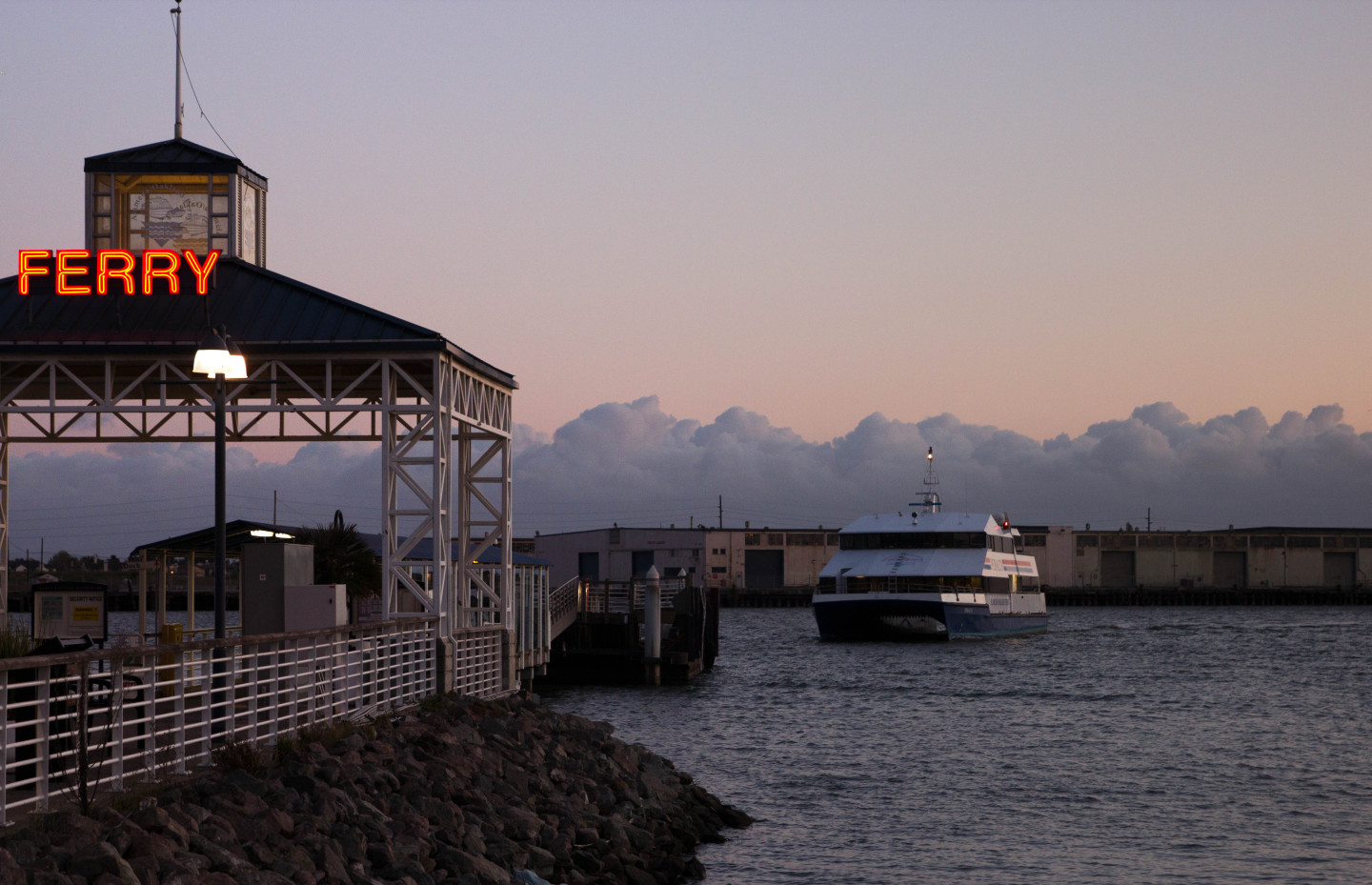
"caption": "The ferry Peralta eases into the Clay Street terminal at Oakland's Jack London Square. ",
"description": null,
"title": "Ferry-Oakland-Jack London Square",
"credit": "Dan Brekke/KQED",
"status": "inherit",
"isLoading": false,
"fetchFailed": false
},
"news_10652226": {
"type": "attachments",
"id": "news_10652226",
"meta": {
"index": "attachments_1716263798",
"site": "news",
"id": "10652226",
"found": true
},
"parent": 10651184,
"imgSizes": {
"twentyfourteen-full-width": {
"file": "https://ww2.kqed.org/app/uploads/sites/10/2015/08/8692844599_cb57c3c8ec_k-1038x576.jpg",
"width": 1038,
"mimeType": "image/jpeg",
"height": 576
},
"thumbnail": {
"file": "https://ww2.kqed.org/app/uploads/sites/10/2015/08/8692844599_cb57c3c8ec_k-400x300.jpg",
"width": 400,
"mimeType": "image/jpeg",
"height": 300
},
"fd-sm": {
"file": "https://ww2.kqed.org/app/uploads/sites/10/2015/08/8692844599_cb57c3c8ec_k-960x720.jpg",
"width": 960,
"mimeType": "image/jpeg",
"height": 720
},
"post-thumbnail": {
"file": "https://ww2.kqed.org/app/uploads/sites/10/2015/08/8692844599_cb57c3c8ec_k-672x372.jpg",
"width": 672,
"mimeType": "image/jpeg",
"height": 372
},
"kqedFullSize": {
"file": "https://ww2.kqed.org/app/uploads/sites/10/2015/08/8692844599_cb57c3c8ec_k.jpg",
"width": 2048,
"height": 1536
},
"large": {
"file": "https://ww2.kqed.org/app/uploads/sites/10/2015/08/8692844599_cb57c3c8ec_k-1440x1080.jpg",
"width": 1440,
"mimeType": "image/jpeg",
"height": 1080
},
"guest-author-96": {
"file": "https://ww2.kqed.org/app/uploads/sites/10/2015/08/8692844599_cb57c3c8ec_k-96x96.jpg",
"width": 96,
"mimeType": "image/jpeg",
"height": 96
},
"medium": {
"file": "https://ww2.kqed.org/app/uploads/sites/10/2015/08/8692844599_cb57c3c8ec_k-800x600.jpg",
"width": 800,
"mimeType": "image/jpeg",
"height": 600
},
"guest-author-64": {
"file": "https://ww2.kqed.org/app/uploads/sites/10/2015/08/8692844599_cb57c3c8ec_k-64x64.jpg",
"width": 64,
"mimeType": "image/jpeg",
"height": 64
},
"guest-author-32": {
"file": "https://ww2.kqed.org/app/uploads/sites/10/2015/08/8692844599_cb57c3c8ec_k-32x32.jpg",
"width": 32,
"mimeType": "image/jpeg",
"height": 32
},
"jmtc-small-thumb": {
"file": "https://ww2.kqed.org/app/uploads/sites/10/2015/08/8692844599_cb57c3c8ec_k-280x150.jpg",
"width": 280,
"mimeType": "image/jpeg",
"height": 150
},
"fd-lrg": {
"file": "https://ww2.kqed.org/app/uploads/sites/10/2015/08/8692844599_cb57c3c8ec_k-1920x1440.jpg",
"width": 1920,
"mimeType": "image/jpeg",
"height": 1440
},
"fd-med": {
"file": "https://ww2.kqed.org/app/uploads/sites/10/2015/08/8692844599_cb57c3c8ec_k-1180x885.jpg",
"width": 1180,
"mimeType": "image/jpeg",
"height": 885
},
"detail": {
"file": "https://ww2.kqed.org/app/uploads/sites/10/2015/08/8692844599_cb57c3c8ec_k-75x75.jpg",
"width": 75,
"mimeType": "image/jpeg",
"height": 75
},
"guest-author-128": {
"file": "https://ww2.kqed.org/app/uploads/sites/10/2015/08/8692844599_cb57c3c8ec_k-128x128.jpg",
"width": 128,
"mimeType": "image/jpeg",
"height": 128
}
},
"publishDate": 1440184594,
"modified": 1440184786,
"caption": "Garbage trucks in San Jose sweep the entire city every week. ",
"description": "Garbage trucks in San Jose sweep the entire city every week. ",
"title": "8692844599_cb57c3c8ec_k",
"credit": "Ray Krebs/\u003ca href=\"https://www.flickr.com/photos/raykrebs/8692844599/in/photolist-efa6R2-85HWhd-e9UF1N-aYNMAB-5GyeW-568iW4-59KBWD-7C96V3-kZYGA6-2SReTd-dq92Vm-JhEN3-dJKdM-4jxBvz-6F8ypD-wco7-8wjDRg-7vKjA2-fGZxZT-bNU5RF-6Ajo6w-9iwy7B-p75dFF-6ukagk-bLPCaH-8Sak5J-pLSbap-fUSoRd-6ovNrJ-qDYseK-2VZD9r-7Y2BYe-8sunQY-6qjTRp-dpeygs-8cgvVu-52N4Ze-jHeCF-8S7faR-rb4pfQ-5666jq-BDDh9-8CW5rv-8F9uUh-eYe6K-5S8cCQ-4jZmwV-aegCrm-s4joMG-9jJ6se\" target=\"_blank\">Flickr\u003c/a>",
"status": "inherit",
"isLoading": false,
"fetchFailed": false
},
"news_10641124": {
"type": "attachments",
"id": "news_10641124",
"meta": {
"index": "attachments_1716263798",
"site": "news",
"id": "10641124",
"found": true
},
"parent": 10641123,
"imgSizes": {
"twentyfourteen-full-width": {
"file": "https://ww2.kqed.org/app/uploads/sites/10/2015/08/RS15545_BUDGET_01-1038x576.jpg",
"width": 1038,
"mimeType": "image/jpeg",
"height": 576
},
"thumbnail": {
"file": "https://ww2.kqed.org/app/uploads/sites/10/2015/08/RS15545_BUDGET_01-400x267.jpg",
"width": 400,
"mimeType": "image/jpeg",
"height": 267
},
"fd-sm": {
"file": "https://ww2.kqed.org/app/uploads/sites/10/2015/08/RS15545_BUDGET_01-960x640.jpg",
"width": 960,
"mimeType": "image/jpeg",
"height": 640
},
"post-thumbnail": {
"file": "https://ww2.kqed.org/app/uploads/sites/10/2015/08/RS15545_BUDGET_01-672x372.jpg",
"width": 672,
"mimeType": "image/jpeg",
"height": 372
},
"kqedFullSize": {
"file": "https://ww2.kqed.org/app/uploads/sites/10/2015/08/RS15545_BUDGET_01-e1439441994281.jpg",
"width": 1920,
"height": 1280
},
"large": {
"file": "https://ww2.kqed.org/app/uploads/sites/10/2015/08/RS15545_BUDGET_01-1440x960.jpg",
"width": 1440,
"mimeType": "image/jpeg",
"height": 960
},
"guest-author-96": {
"file": "https://ww2.kqed.org/app/uploads/sites/10/2015/08/RS15545_BUDGET_01-96x96.jpg",
"width": 96,
"mimeType": "image/jpeg",
"height": 96
},
"medium": {
"file": "https://ww2.kqed.org/app/uploads/sites/10/2015/08/RS15545_BUDGET_01-800x533.jpg",
"width": 800,
"mimeType": "image/jpeg",
"height": 533
},
"guest-author-64": {
"file": "https://ww2.kqed.org/app/uploads/sites/10/2015/08/RS15545_BUDGET_01-64x64.jpg",
"width": 64,
"mimeType": "image/jpeg",
"height": 64
},
"guest-author-32": {
"file": "https://ww2.kqed.org/app/uploads/sites/10/2015/08/RS15545_BUDGET_01-32x32.jpg",
"width": 32,
"mimeType": "image/jpeg",
"height": 32
},
"jmtc-small-thumb": {
"file": "https://ww2.kqed.org/app/uploads/sites/10/2015/08/RS15545_BUDGET_01-280x150.jpg",
"width": 280,
"mimeType": "image/jpeg",
"height": 150
},
"fd-lrg": {
"file": "https://ww2.kqed.org/app/uploads/sites/10/2015/08/RS15545_BUDGET_01-1920x1280.jpg",
"width": 1920,
"mimeType": "image/jpeg",
"height": 1280
},
"fd-med": {
"file": "https://ww2.kqed.org/app/uploads/sites/10/2015/08/RS15545_BUDGET_01-1180x787.jpg",
"width": 1180,
"mimeType": "image/jpeg",
"height": 787
},
"detail": {
"file": "https://ww2.kqed.org/app/uploads/sites/10/2015/08/RS15545_BUDGET_01-75x75.jpg",
"width": 75,
"mimeType": "image/jpeg",
"height": 75
},
"guest-author-128": {
"file": "https://ww2.kqed.org/app/uploads/sites/10/2015/08/RS15545_BUDGET_01-128x128.jpg",
"width": 128,
"mimeType": "image/jpeg",
"height": 128
}
},
"publishDate": 1439441939,
"modified": 1439441992,
"caption": "The Assembly Daily File in the Assembly Chambers at the State Capitol in Sacramento.",
"description": null,
"title": "RS15545_BUDGET_01",
"credit": "Max Whittaker/KQED",
"status": "inherit",
"isLoading": false,
"fetchFailed": false
},
"news_10643234": {
"type": "attachments",
"id": "news_10643234",
"meta": {
"index": "attachments_1716263798",
"site": "news",
"id": "10643234",
"found": true
},
"parent": 10643085,
"imgSizes": {
"twentyfourteen-full-width": {
"file": "https://ww2.kqed.org/app/uploads/sites/10/2015/08/7172386872_1899af6c2a_o-e1439584216845-1038x576.jpg",
"width": 1038,
"mimeType": "image/jpeg",
"height": 576
},
"thumbnail": {
"file": "https://ww2.kqed.org/app/uploads/sites/10/2015/08/7172386872_1899af6c2a_o-e1439584216845-400x263.jpg",
"width": 400,
"mimeType": "image/jpeg",
"height": 263
},
"fd-sm": {
"file": "https://ww2.kqed.org/app/uploads/sites/10/2015/08/7172386872_1899af6c2a_o-e1439584216845-960x631.jpg",
"width": 960,
"mimeType": "image/jpeg",
"height": 631
},
"post-thumbnail": {
"file": "https://ww2.kqed.org/app/uploads/sites/10/2015/08/7172386872_1899af6c2a_o-e1439584216845-672x372.jpg",
"width": 672,
"mimeType": "image/jpeg",
"height": 372
},
"kqedFullSize": {
"file": "https://ww2.kqed.org/app/uploads/sites/10/2015/08/7172386872_1899af6c2a_o-e1439584216845.jpg",
"width": 2692,
"height": 1770
},
"large": {
"file": "https://ww2.kqed.org/app/uploads/sites/10/2015/08/7172386872_1899af6c2a_o-e1439584216845-1440x947.jpg",
"width": 1440,
"mimeType": "image/jpeg",
"height": 947
},
"guest-author-96": {
"file": "https://ww2.kqed.org/app/uploads/sites/10/2015/08/7172386872_1899af6c2a_o-e1439584216845-96x96.jpg",
"width": 96,
"mimeType": "image/jpeg",
"height": 96
},
"medium": {
"file": "https://ww2.kqed.org/app/uploads/sites/10/2015/08/7172386872_1899af6c2a_o-e1439584216845-800x526.jpg",
"width": 800,
"mimeType": "image/jpeg",
"height": 526
},
"guest-author-64": {
"file": "https://ww2.kqed.org/app/uploads/sites/10/2015/08/7172386872_1899af6c2a_o-e1439584216845-64x64.jpg",
"width": 64,
"mimeType": "image/jpeg",
"height": 64
},
"guest-author-32": {
"file": "https://ww2.kqed.org/app/uploads/sites/10/2015/08/7172386872_1899af6c2a_o-e1439584216845-32x32.jpg",
"width": 32,
"mimeType": "image/jpeg",
"height": 32
},
"jmtc-small-thumb": {
"file": "https://ww2.kqed.org/app/uploads/sites/10/2015/08/7172386872_1899af6c2a_o-e1439584216845-280x150.jpg",
"width": 280,
"mimeType": "image/jpeg",
"height": 150
},
"fd-lrg": {
"file": "https://ww2.kqed.org/app/uploads/sites/10/2015/08/7172386872_1899af6c2a_o-e1439584216845-1920x1262.jpg",
"width": 1920,
"mimeType": "image/jpeg",
"height": 1262
},
"fd-med": {
"file": "https://ww2.kqed.org/app/uploads/sites/10/2015/08/7172386872_1899af6c2a_o-e1439584216845-1180x776.jpg",
"width": 1180,
"mimeType": "image/jpeg",
"height": 776
},
"detail": {
"file": "https://ww2.kqed.org/app/uploads/sites/10/2015/08/7172386872_1899af6c2a_o-e1439584216845-75x75.jpg",
"width": 75,
"mimeType": "image/jpeg",
"height": 75
},
"guest-author-128": {
"file": "https://ww2.kqed.org/app/uploads/sites/10/2015/08/7172386872_1899af6c2a_o-e1439584216845-128x128.jpg",
"width": 128,
"mimeType": "image/jpeg",
"height": 128
}
},
"publishDate": 1439583958,
"modified": 1439584186,
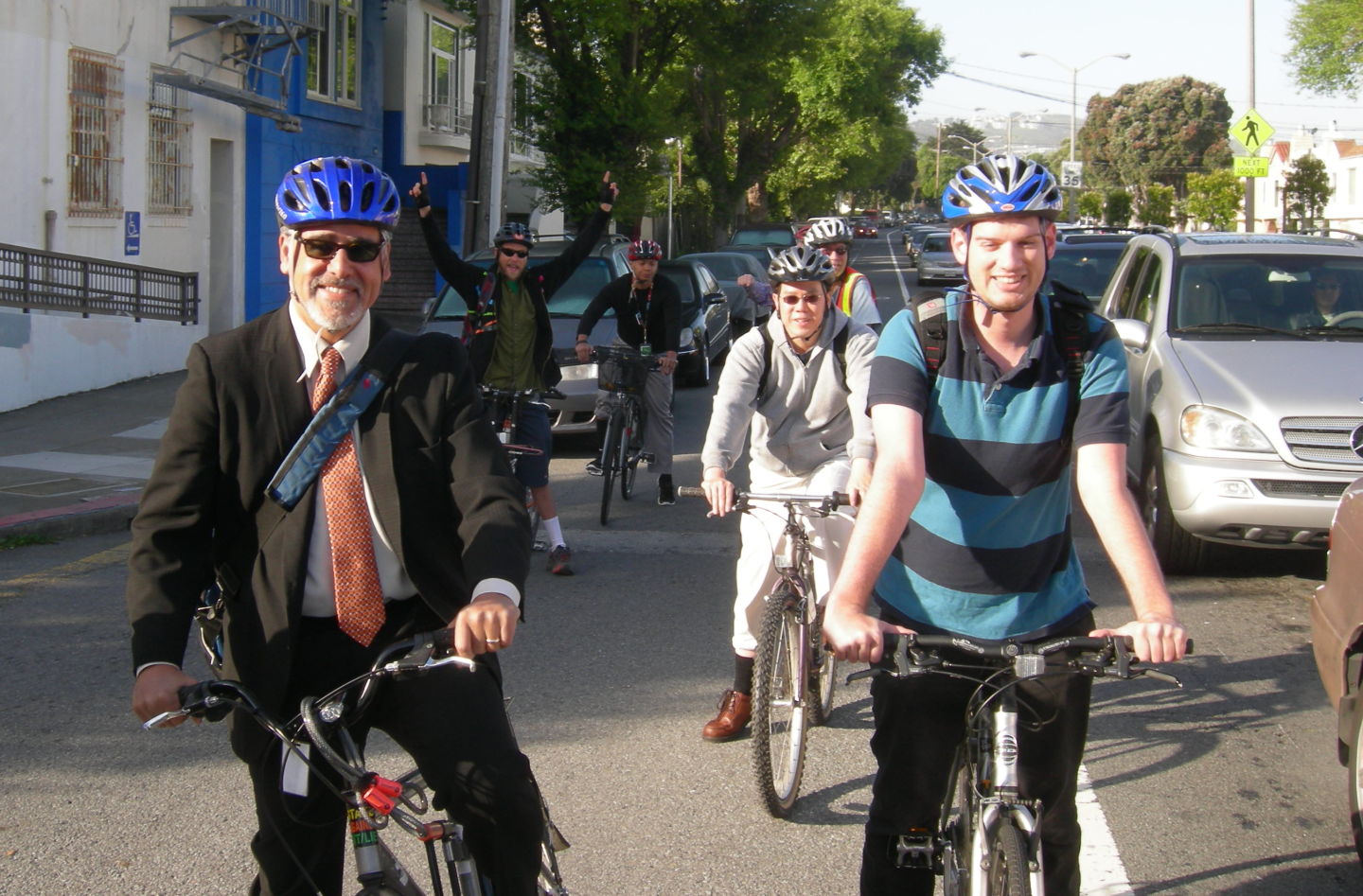
"caption": "Supervisor John Avalos, left, wants SFPD to make ticketing cyclists who safely roll through stop signs the lowest law enforcement priority.",
"description": null,
"title": "7172386872_1899af6c2a_o",
"credit": "San Francisco Bicycle Coalition ",
"status": "inherit",
"isLoading": false,
"fetchFailed": false
},
"news_10639355": {
"type": "attachments",
"id": "news_10639355",
"meta": {
"index": "attachments_1716263798",
"site": "news",
"id": "10639355",
"found": true
},
"parent": 10639294,
"imgSizes": {
"twentyfourteen-full-width": {
"file": "https://ww2.kqed.org/app/uploads/sites/10/2015/08/RS16322_IMG_2498-qut-1038x576.jpg",
"width": 1038,
"mimeType": "image/jpeg",
"height": 576
},
"thumbnail": {
"file": "https://ww2.kqed.org/app/uploads/sites/10/2015/08/RS16322_IMG_2498-qut-400x300.jpg",
"width": 400,
"mimeType": "image/jpeg",
"height": 300
},
"fd-sm": {
"file": "https://ww2.kqed.org/app/uploads/sites/10/2015/08/RS16322_IMG_2498-qut-960x720.jpg",
"width": 960,
"mimeType": "image/jpeg",
"height": 720
},
"post-thumbnail": {
"file": "https://ww2.kqed.org/app/uploads/sites/10/2015/08/RS16322_IMG_2498-qut-672x372.jpg",
"width": 672,
"mimeType": "image/jpeg",
"height": 372
},
"kqedFullSize": {
"file": "https://ww2.kqed.org/app/uploads/sites/10/2015/08/RS16322_IMG_2498-qut.jpg",
"width": 1920,
"height": 1440
},
"large": {
"file": "https://ww2.kqed.org/app/uploads/sites/10/2015/08/RS16322_IMG_2498-qut-1440x1080.jpg",
"width": 1440,
"mimeType": "image/jpeg",
"height": 1080
},
"guest-author-96": {
"file": "https://ww2.kqed.org/app/uploads/sites/10/2015/08/RS16322_IMG_2498-qut-96x96.jpg",
"width": 96,
"mimeType": "image/jpeg",
"height": 96
},
"medium": {
"file": "https://ww2.kqed.org/app/uploads/sites/10/2015/08/RS16322_IMG_2498-qut-800x600.jpg",
"width": 800,
"mimeType": "image/jpeg",
"height": 600
},
"guest-author-64": {
"file": "https://ww2.kqed.org/app/uploads/sites/10/2015/08/RS16322_IMG_2498-qut-64x64.jpg",
"width": 64,
"mimeType": "image/jpeg",
"height": 64
},
"guest-author-32": {
"file": "https://ww2.kqed.org/app/uploads/sites/10/2015/08/RS16322_IMG_2498-qut-32x32.jpg",
"width": 32,
"mimeType": "image/jpeg",
"height": 32
},
"jmtc-small-thumb": {
"file": "https://ww2.kqed.org/app/uploads/sites/10/2015/08/RS16322_IMG_2498-qut-280x150.jpg",
"width": 280,
"mimeType": "image/jpeg",
"height": 150
},
"fd-lrg": {
"file": "https://ww2.kqed.org/app/uploads/sites/10/2015/08/RS16322_IMG_2498-qut-1920x1440.jpg",
"width": 1920,
"mimeType": "image/jpeg",
"height": 1440
},
"fd-med": {
"file": "https://ww2.kqed.org/app/uploads/sites/10/2015/08/RS16322_IMG_2498-qut-1180x885.jpg",
"width": 1180,
"mimeType": "image/jpeg",
"height": 885
},
"detail": {
"file": "https://ww2.kqed.org/app/uploads/sites/10/2015/08/RS16322_IMG_2498-qut-75x75.jpg",
"width": 75,
"mimeType": "image/jpeg",
"height": 75
},
"guest-author-128": {
"file": "https://ww2.kqed.org/app/uploads/sites/10/2015/08/RS16322_IMG_2498-qut-128x128.jpg",
"width": 128,
"mimeType": "image/jpeg",
"height": 128
}
},
"publishDate": 1439327373,
"modified": 1439327438,
"caption": "San Francisco officials are launching an effort to protect cable car operators after two of them were severely injured this year.",
"description": "San Francisco officials are launching an effort to protect cable car operators after two of them were severely injured this year.",
"title": "RS16322_IMG_2498-qut",
"credit": "Alex Emslie/KQED",
"status": "inherit",
"isLoading": false,
"fetchFailed": false
},
"news_126917": {
"type": "attachments",
"id": "news_126917",
"meta": {
"index": "attachments_1716263798",
"site": "news",
"id": "126917",
"found": true
},
"parent": 124860,
"imgSizes": {
"kqedFullSize": {
"file": "https://ww2.kqed.org/app/uploads/sites/10/2015/01/RS8866_UberX_3-lpr-e1394812282724.jpg",
"width": 640,
"height": 427
}
},
"publishDate": 1392852049,
"modified": 1438987745,
"caption": "A new independent study says Uber has helped reduce drunk driving deaths in California. ",
"description": "A new independent study says Uber has helped reduce drunk driving deaths in California. ",
"title": "RS8866_UberX_3-lpr",
"credit": "Jeremy Raff/KQED",
"status": "inherit",
"isLoading": false,
"fetchFailed": false
},
"news_10549612": {
"type": "attachments",
"id": "news_10549612",
"meta": {
"index": "attachments_1716263798",
"site": "news",
"id": "10549612",
"found": true
},
"parent": 10549556,
"imgSizes": {
"twentyfourteen-full-width": {
"file": "https://ww2.kqed.org/app/uploads/sites/10/2015/06/UberVehicle-1038x576.jpg",
"width": 1038,
"mimeType": "image/jpeg",
"height": 576
},
"thumbnail": {
"file": "https://ww2.kqed.org/app/uploads/sites/10/2015/06/UberVehicle-400x223.jpg",
"width": 400,
"mimeType": "image/jpeg",
"height": 223
},
"fd-sm": {
"file": "https://ww2.kqed.org/app/uploads/sites/10/2015/06/UberVehicle-960x536.jpg",
"width": 960,
"mimeType": "image/jpeg",
"height": 536
},
"post-thumbnail": {
"file": "https://ww2.kqed.org/app/uploads/sites/10/2015/06/UberVehicle-672x372.jpg",
"width": 672,
"mimeType": "image/jpeg",
"height": 372
},
"kqedFullSize": {
"file": "https://ww2.kqed.org/app/uploads/sites/10/2015/06/UberVehicle.jpg",
"width": 1920,
"height": 1071
},
"large": {
"file": "https://ww2.kqed.org/app/uploads/sites/10/2015/06/UberVehicle-1440x803.jpg",
"width": 1440,
"mimeType": "image/jpeg",
"height": 803
},
"guest-author-96": {
"file": "https://ww2.kqed.org/app/uploads/sites/10/2015/06/UberVehicle-96x96.jpg",
"width": 96,
"mimeType": "image/jpeg",
"height": 96
},
"medium": {
"file": "https://ww2.kqed.org/app/uploads/sites/10/2015/06/UberVehicle-800x446.jpg",
"width": 800,
"mimeType": "image/jpeg",
"height": 446
},
"guest-author-64": {
"file": "https://ww2.kqed.org/app/uploads/sites/10/2015/06/UberVehicle-64x64.jpg",
"width": 64,
"mimeType": "image/jpeg",
"height": 64
},
"guest-author-32": {
"file": "https://ww2.kqed.org/app/uploads/sites/10/2015/06/UberVehicle-32x32.jpg",
"width": 32,
"mimeType": "image/jpeg",
"height": 32
},
"fd-med": {
"file": "https://ww2.kqed.org/app/uploads/sites/10/2015/06/UberVehicle-1180x658.jpg",
"width": 1180,
"mimeType": "image/jpeg",
"height": 658
},
"detail": {
"file": "https://ww2.kqed.org/app/uploads/sites/10/2015/06/UberVehicle-75x75.jpg",
"width": 75,
"mimeType": "image/jpeg",
"height": 75
},
"guest-author-128": {
"file": "https://ww2.kqed.org/app/uploads/sites/10/2015/06/UberVehicle-128x128.jpg",
"width": 128,
"mimeType": "image/jpeg",
"height": 128
}
},
"publishDate": 1433353936,
"modified": 1437003594,
"caption": "A car in San Francisco displays the Uber logo.",
"description": "A sticker with the Uber logo is displayed in the window of a car in San Francisco.",
"title": "Uber",
"credit": "Justin Sullivan/Getty Images",
"status": "inherit",
"isLoading": false,
"fetchFailed": false
},
"news_10566863": {
"type": "attachments",
"id": "news_10566863",
"meta": {
"index": "attachments_1716263798",
"site": "news",
"id": "10566863",
"found": true
},
"parent": 10566848,
"imgSizes": {
"twentyfourteen-full-width": {
"file": "https://ww2.kqed.org/app/uploads/sites/10/2015/06/menlopark-towing-1024x576.png",
"width": 1024,
"mimeType": "image/png",
"height": 576
},
"jmtc-small-thumb": {
"file": "https://ww2.kqed.org/app/uploads/sites/10/2015/06/menlopark-towing-280x150.png",
"width": 280,
"mimeType": "image/png",
"height": 150
},
"thumbnail": {
"file": "https://ww2.kqed.org/app/uploads/sites/10/2015/06/menlopark-towing-400x246.png",
"width": 400,
"mimeType": "image/png",
"height": 246
},
"fd-sm": {
"file": "https://ww2.kqed.org/app/uploads/sites/10/2015/06/menlopark-towing-960x591.png",
"width": 960,
"mimeType": "image/png",
"height": 591
},
"post-thumbnail": {
"file": "https://ww2.kqed.org/app/uploads/sites/10/2015/06/menlopark-towing-672x372.png",
"width": 672,
"mimeType": "image/png",
"height": 372
},
"kqedFullSize": {
"file": "https://ww2.kqed.org/app/uploads/sites/10/2015/06/menlopark-towing.png",
"width": 1024,
"height": 630
},
"guest-author-96": {
"file": "https://ww2.kqed.org/app/uploads/sites/10/2015/06/menlopark-towing-96x96.png",
"width": 96,
"mimeType": "image/png",
"height": 96
},
"medium": {
"file": "https://ww2.kqed.org/app/uploads/sites/10/2015/06/menlopark-towing-800x492.png",
"width": 800,
"mimeType": "image/png",
"height": 492
},
"guest-author-64": {
"file": "https://ww2.kqed.org/app/uploads/sites/10/2015/06/menlopark-towing-64x64.png",
"width": 64,
"mimeType": "image/png",
"height": 64
},
"detail": {
"file": "https://ww2.kqed.org/app/uploads/sites/10/2015/06/menlopark-towing-75x75.png",
"width": 75,
"mimeType": "image/png",
"height": 75
},
"guest-author-32": {
"file": "https://ww2.kqed.org/app/uploads/sites/10/2015/06/menlopark-towing-32x32.png",
"width": 32,
"mimeType": "image/png",
"height": 32
},
"guest-author-128": {
"file": "https://ww2.kqed.org/app/uploads/sites/10/2015/06/menlopark-towing-128x128.png",
"width": 128,
"mimeType": "image/png",
"height": 128
}
},
"publishDate": 1434570752,
"modified": 1434572585,
"caption": "Many low-income drivers cannot afford to recover their vehicles after they're towed.",
"description": "Towed vehicle",
"title": "menlopark towing",
"credit": "Farida Jhabvala Romero/Peninsula Press",
"status": "inherit",
"isLoading": false,
"fetchFailed": false
},
"news_10628250": {
"type": "attachments",
"id": "news_10628250",
"meta": {
"index": "attachments_1716263798",
"site": "news",
"id": "10628250",
"found": true
},
"parent": 10628249,
"imgSizes": {
"twentyfourteen-full-width": {
"file": "https://ww2.kqed.org/app/uploads/sites/10/2015/08/ap_522767280791_custom-64ebddf78d3306d9c32e5adc4b72f35e2fadee09-1038x576.jpg",
"width": 1038,
"mimeType": "image/jpeg",
"height": 576
},
"thumbnail": {
"file": "https://ww2.kqed.org/app/uploads/sites/10/2015/08/ap_522767280791_custom-64ebddf78d3306d9c32e5adc4b72f35e2fadee09-400x269.jpg",
"width": 400,
"mimeType": "image/jpeg",
"height": 269
},
"fd-sm": {
"file": "https://ww2.kqed.org/app/uploads/sites/10/2015/08/ap_522767280791_custom-64ebddf78d3306d9c32e5adc4b72f35e2fadee09-960x644.jpg",
"width": 960,
"mimeType": "image/jpeg",
"height": 644
},
"post-thumbnail": {
"file": "https://ww2.kqed.org/app/uploads/sites/10/2015/08/ap_522767280791_custom-64ebddf78d3306d9c32e5adc4b72f35e2fadee09-672x372.jpg",
"width": 672,
"mimeType": "image/jpeg",
"height": 372
},
"kqedFullSize": {
"file": "https://ww2.kqed.org/app/uploads/sites/10/2015/08/ap_522767280791_custom-64ebddf78d3306d9c32e5adc4b72f35e2fadee09-e1438618082807.jpg",
"width": 1920,
"height": 1289
},
"large": {
"file": "https://ww2.kqed.org/app/uploads/sites/10/2015/08/ap_522767280791_custom-64ebddf78d3306d9c32e5adc4b72f35e2fadee09-1440x967.jpg",
"width": 1440,
"mimeType": "image/jpeg",
"height": 967
},
"guest-author-96": {
"file": "https://ww2.kqed.org/app/uploads/sites/10/2015/08/ap_522767280791_custom-64ebddf78d3306d9c32e5adc4b72f35e2fadee09-96x96.jpg",
"width": 96,
"mimeType": "image/jpeg",
"height": 96
},
"medium": {
"file": "https://ww2.kqed.org/app/uploads/sites/10/2015/08/ap_522767280791_custom-64ebddf78d3306d9c32e5adc4b72f35e2fadee09-800x537.jpg",
"width": 800,
"mimeType": "image/jpeg",
"height": 537
},
"guest-author-64": {
"file": "https://ww2.kqed.org/app/uploads/sites/10/2015/08/ap_522767280791_custom-64ebddf78d3306d9c32e5adc4b72f35e2fadee09-64x64.jpg",
"width": 64,
"mimeType": "image/jpeg",
"height": 64
},
"guest-author-32": {
"file": "https://ww2.kqed.org/app/uploads/sites/10/2015/08/ap_522767280791_custom-64ebddf78d3306d9c32e5adc4b72f35e2fadee09-32x32.jpg",
"width": 32,
"mimeType": "image/jpeg",
"height": 32
},
"jmtc-small-thumb": {
"file": "https://ww2.kqed.org/app/uploads/sites/10/2015/08/ap_522767280791_custom-64ebddf78d3306d9c32e5adc4b72f35e2fadee09-280x150.jpg",
"width": 280,
"mimeType": "image/jpeg",
"height": 150
},
"fd-lrg": {
"file": "https://ww2.kqed.org/app/uploads/sites/10/2015/08/ap_522767280791_custom-64ebddf78d3306d9c32e5adc4b72f35e2fadee09-1920x1289.jpg",
"width": 1920,
"mimeType": "image/jpeg",
"height": 1289
},
"fd-med": {
"file": "https://ww2.kqed.org/app/uploads/sites/10/2015/08/ap_522767280791_custom-64ebddf78d3306d9c32e5adc4b72f35e2fadee09-1180x792.jpg",
"width": 1180,
"mimeType": "image/jpeg",
"height": 792
},
"detail": {
"file": "https://ww2.kqed.org/app/uploads/sites/10/2015/08/ap_522767280791_custom-64ebddf78d3306d9c32e5adc4b72f35e2fadee09-75x75.jpg",
"width": 75,
"mimeType": "image/jpeg",
"height": 75
},
"guest-author-128": {
"file": "https://ww2.kqed.org/app/uploads/sites/10/2015/08/ap_522767280791_custom-64ebddf78d3306d9c32e5adc4b72f35e2fadee09-128x128.jpg",
"width": 128,
"mimeType": "image/jpeg",
"height": 128
}
},
"publishDate": 1438617560,
"modified": 1438618137,
"caption": "HitchBOT, a hitchhiking robot, sits with German tourists Sarah Strempel and Eric Vogel in Massachusetts.",
"description": "HitchBOT, a hitchhiking robot, sits with German tourists Sarah Strempel and Eric Vogel in Massachusetts.",
"title": "HitchBot",
"credit": "Stephan Savoia/AP",
"status": "inherit",
"isLoading": false,
"fetchFailed": false
},
"news_10580995": {
"type": "attachments",
"id": "news_10580995",
"meta": {
"index": "attachments_1716263798",
"site": "news",
"id": "10580995",
"found": true
},
"parent": 10580994,
"imgSizes": {
"twentyfourteen-full-width": {
"file": "https://ww2.kqed.org/app/uploads/sites/10/2015/06/RS15897_IMG_9728-qut-1038x576.jpg",
"width": 1038,
"mimeType": "image/jpeg",
"height": 576
},
"thumbnail": {
"file": "https://ww2.kqed.org/app/uploads/sites/10/2015/06/RS15897_IMG_9728-qut-400x300.jpg",
"width": 400,
"mimeType": "image/jpeg",
"height": 300
},
"fd-sm": {
"file": "https://ww2.kqed.org/app/uploads/sites/10/2015/06/RS15897_IMG_9728-qut-960x720.jpg",
"width": 960,
"mimeType": "image/jpeg",
"height": 720
},
"post-thumbnail": {
"file": "https://ww2.kqed.org/app/uploads/sites/10/2015/06/RS15897_IMG_9728-qut-672x372.jpg",
"width": 672,
"mimeType": "image/jpeg",
"height": 372
},
"kqedFullSize": {
"file": "https://ww2.kqed.org/app/uploads/sites/10/2015/06/RS15897_IMG_9728-qut.jpg",
"width": 1920,
"height": 1440
},
"large": {
"file": "https://ww2.kqed.org/app/uploads/sites/10/2015/06/RS15897_IMG_9728-qut-1440x1080.jpg",
"width": 1440,
"mimeType": "image/jpeg",
"height": 1080
},
"guest-author-96": {
"file": "https://ww2.kqed.org/app/uploads/sites/10/2015/06/RS15897_IMG_9728-qut-96x96.jpg",
"width": 96,
"mimeType": "image/jpeg",
"height": 96
},
"medium": {
"file": "https://ww2.kqed.org/app/uploads/sites/10/2015/06/RS15897_IMG_9728-qut-800x600.jpg",
"width": 800,
"mimeType": "image/jpeg",
"height": 600
},
"guest-author-64": {
"file": "https://ww2.kqed.org/app/uploads/sites/10/2015/06/RS15897_IMG_9728-qut-64x64.jpg",
"width": 64,
"mimeType": "image/jpeg",
"height": 64
},
"guest-author-32": {
"file": "https://ww2.kqed.org/app/uploads/sites/10/2015/06/RS15897_IMG_9728-qut-32x32.jpg",
"width": 32,
"mimeType": "image/jpeg",
"height": 32
},
"jmtc-small-thumb": {
"file": "https://ww2.kqed.org/app/uploads/sites/10/2015/06/RS15897_IMG_9728-qut-280x150.jpg",
"width": 280,
"mimeType": "image/jpeg",
"height": 150
},
"fd-med": {
"file": "https://ww2.kqed.org/app/uploads/sites/10/2015/06/RS15897_IMG_9728-qut-1180x885.jpg",
"width": 1180,
"mimeType": "image/jpeg",
"height": 885
},
"detail": {
"file": "https://ww2.kqed.org/app/uploads/sites/10/2015/06/RS15897_IMG_9728-qut-75x75.jpg",
"width": 75,
"mimeType": "image/jpeg",
"height": 75
},
"guest-author-128": {
"file": "https://ww2.kqed.org/app/uploads/sites/10/2015/06/RS15897_IMG_9728-qut-128x128.jpg",
"width": 128,
"mimeType": "image/jpeg",
"height": 128
}
},
"publishDate": 1435538626,
"modified": 1438379925,
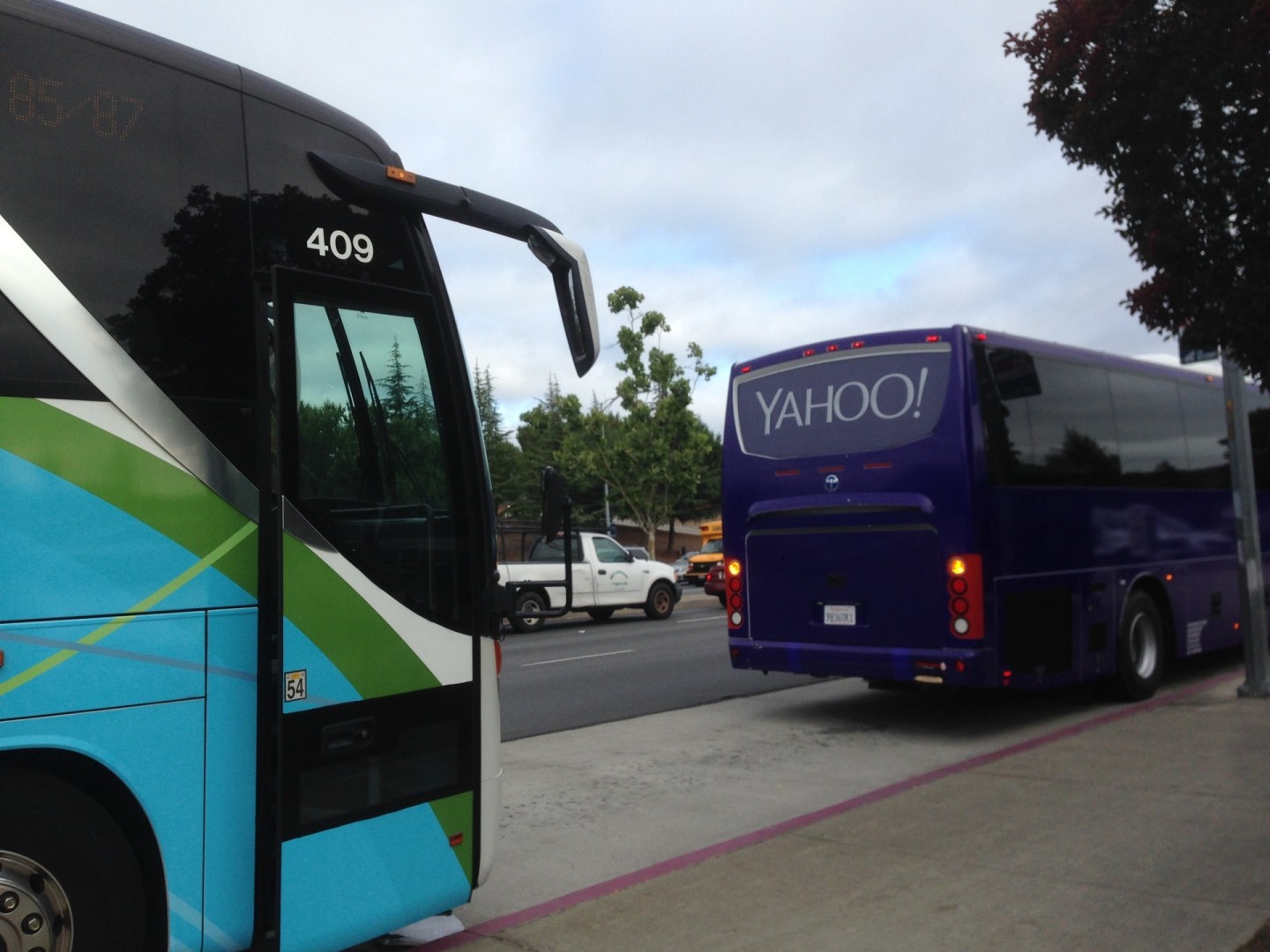
"caption": "The Camden VTA park and ride is a popular stop for tech shuttles like these two, headed to Yahoo! and Genentech. ",
"description": "The Camden VTA park and ride is a popular stop for tech shuttles like these two, headed to Yahoo! and Genentech.",
"title": "RS15897_IMG_9728-qut",
"credit": "Rachael Myrow/KQED",
"status": "inherit",
"isLoading": false,
"fetchFailed": false
},
"news_10508402": {
"type": "attachments",
"id": "news_10508402",
"meta": {
"index": "attachments_1716263798",
"site": "news",
"id": "10508402",
"found": true
},
"parent": 0,
"imgSizes": {
"twentyfourteen-full-width": {
"file": "https://ww2.kqed.org/app/uploads/sites/10/2015/04/bart150430-1038x576.jpg",
"width": 1038,
"mimeType": "image/jpeg",
"height": 576
},
"thumbnail": {
"file": "https://ww2.kqed.org/app/uploads/sites/10/2015/04/bart150430-400x298.jpg",
"width": 400,
"mimeType": "image/jpeg",
"height": 298
},
"fd-sm": {
"file": "https://ww2.kqed.org/app/uploads/sites/10/2015/04/bart150430-960x715.jpg",
"width": 960,
"mimeType": "image/jpeg",
"height": 715
},
"post-thumbnail": {
"file": "https://ww2.kqed.org/app/uploads/sites/10/2015/04/bart150430-672x372.jpg",
"width": 672,
"mimeType": "image/jpeg",
"height": 372
},
"kqedFullSize": {
"file": "https://ww2.kqed.org/app/uploads/sites/10/2015/04/bart150430.jpg",
"width": 1920,
"height": 1429
},
"large": {
"file": "https://ww2.kqed.org/app/uploads/sites/10/2015/04/bart150430-1440x1072.jpg",
"width": 1440,
"mimeType": "image/jpeg",
"height": 1072
},
"guest-author-96": {
"file": "https://ww2.kqed.org/app/uploads/sites/10/2015/04/bart150430-96x96.jpg",
"width": 96,
"mimeType": "image/jpeg",
"height": 96
},
"medium": {
"file": "https://ww2.kqed.org/app/uploads/sites/10/2015/04/bart150430-800x595.jpg",
"width": 800,
"mimeType": "image/jpeg",
"height": 595
},
"guest-author-64": {
"file": "https://ww2.kqed.org/app/uploads/sites/10/2015/04/bart150430-64x64.jpg",
"width": 64,
"mimeType": "image/jpeg",
"height": 64
},
"guest-author-32": {
"file": "https://ww2.kqed.org/app/uploads/sites/10/2015/04/bart150430-32x32.jpg",
"width": 32,
"mimeType": "image/jpeg",
"height": 32
},
"fd-med": {
"file": "https://ww2.kqed.org/app/uploads/sites/10/2015/04/bart150430-1180x878.jpg",
"width": 1180,
"mimeType": "image/jpeg",
"height": 878
},
"detail": {
"file": "https://ww2.kqed.org/app/uploads/sites/10/2015/04/bart150430-75x75.jpg",
"width": 75,
"mimeType": "image/jpeg",
"height": 75
},
"guest-author-128": {
"file": "https://ww2.kqed.org/app/uploads/sites/10/2015/04/bart150430-128x128.jpg",
"width": 128,
"mimeType": "image/jpeg",
"height": 128
}
},
"publishDate": 1430438735,
"modified": 1430939618,
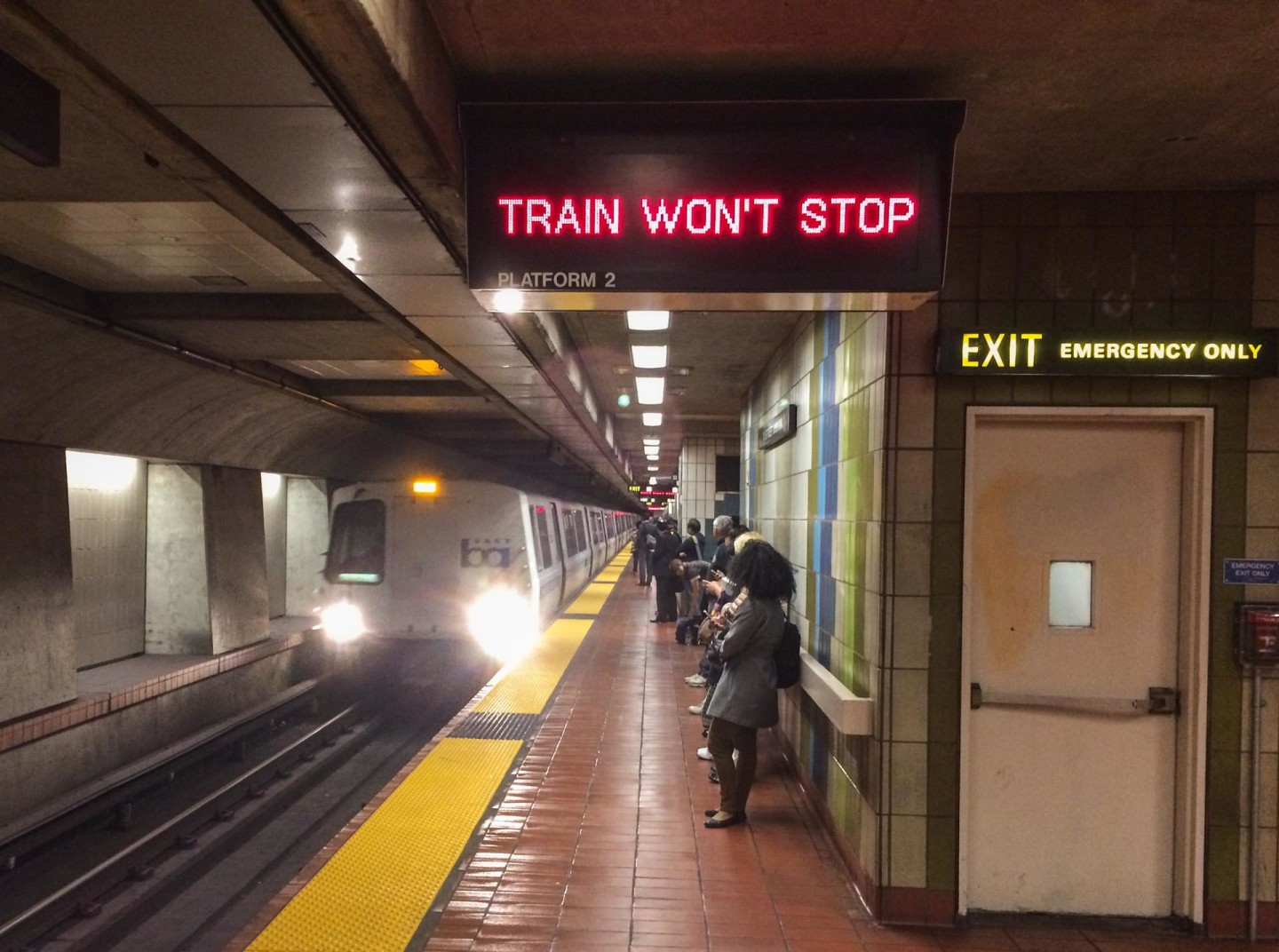
"caption": "BART's 16th Street/Mission Station in San Francisco, pictured in April 2015.",
"description": null,
"title": "BART-16th Street",
"credit": "Dan Brekke/KQED",
"status": "inherit",
"isLoading": false,
"fetchFailed": false
},
"news_10346482": {
"type": "attachments",
"id": "news_10346482",
"meta": {
"index": "attachments_1716263798",
"site": "news",
"id": "10346482",
"found": true
},
"parent": 10346480,
"imgSizes": {
"twentyfourteen-full-width": {
"file": "https://ww2.kqed.org/app/uploads/sites/10/2014/11/458290662-1038x576.jpg",
"width": 1038,
"mimeType": "image/jpeg",
"height": 576
},
"thumbnail": {
"file": "https://ww2.kqed.org/app/uploads/sites/10/2014/11/458290662-400x266.jpg",
"width": 400,
"mimeType": "image/jpeg",
"height": 266
},
"post-thumbnail": {
"file": "https://ww2.kqed.org/app/uploads/sites/10/2014/11/458290662-672x372.jpg",
"width": 672,
"mimeType": "image/jpeg",
"height": 372
},
"kqedFullSize": {
"file": "https://ww2.kqed.org/app/uploads/sites/10/2014/11/458290662-e1415032232114.jpg",
"width": 1440,
"height": 960
},
"large": {
"file": "https://ww2.kqed.org/app/uploads/sites/10/2014/11/458290662-1440x960.jpg",
"width": 1440,
"mimeType": "image/jpeg",
"height": 960
},
"guest-author-96": {
"file": "https://ww2.kqed.org/app/uploads/sites/10/2014/11/458290662-96x96.jpg",
"width": 96,
"mimeType": "image/jpeg",
"height": 96
},
"medium": {
"file": "https://ww2.kqed.org/app/uploads/sites/10/2014/11/458290662-800x533.jpg",
"width": 800,
"mimeType": "image/jpeg",
"height": 533
},
"guest-author-64": {
"file": "https://ww2.kqed.org/app/uploads/sites/10/2014/11/458290662-64x64.jpg",
"width": 64,
"mimeType": "image/jpeg",
"height": 64
},
"detail": {
"file": "https://ww2.kqed.org/app/uploads/sites/10/2014/11/458290662-75x75.jpg",
"width": 75,
"mimeType": "image/jpeg",
"height": 75
},
"guest-author-32": {
"file": "https://ww2.kqed.org/app/uploads/sites/10/2014/11/458290662-32x32.jpg",
"width": 32,
"mimeType": "image/jpeg",
"height": 32
},
"guest-author-128": {
"file": "https://ww2.kqed.org/app/uploads/sites/10/2014/11/458290662-128x128.jpg",
"width": 128,
"mimeType": "image/jpeg",
"height": 128
}
},
"publishDate": 1415032126,
"modified": 1438100611,
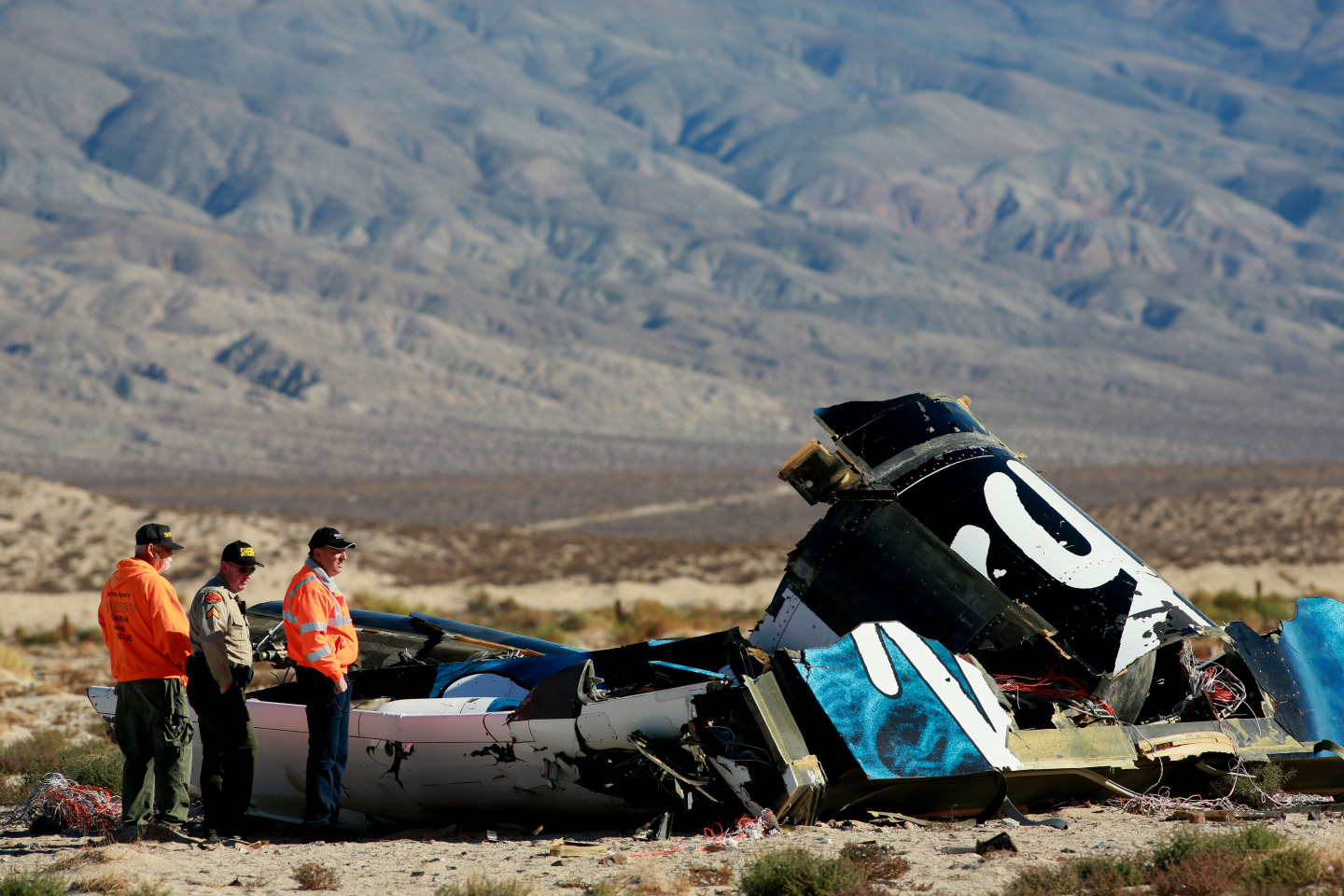
"caption": "Kern County sheriff's deputies inspect part of the wreckage of Virgin Galactic's SpaceShipTwo, which crashed on a test flight over the Mojave Desert. ",
"description": "MOJAVE, CA - NOVEMBER 2 : Sheriff's deputies inspect the wreckage of the Virgin Galactic SpaceShip 2 in a desert field November 2, 2014 north of Mojave, California on The Virgin Galactic SpaceShip 2 crashed on October 31, 2014 during a test flight, killing one pilot and seriously injuring another. (Photo by Sandy Huffaker/Getty Images)",
"title": "SpaceShipTwo Crash",
"credit": "Sandy Huffaker/Getty Images",
"status": "inherit",
"isLoading": false,
"fetchFailed": false
}
},
"audioPlayerReducer": {
"postId": "stream_live",
"isPaused": true,
"isPlaying": false,
"pfsActive": false,
"pledgeModalIsOpen": true,
"playerDrawerIsOpen": false,
"liveAudioPlayStartedAt": 0,
"liveAudioPlayContext": ""
},
"authorsReducer": {
"byline_news_10628249": {
"type": "authors",
"id": "byline_news_10628249",
"meta": {
"override": true
},
"slug": "byline_news_10628249",
"name": "\u003cstrong>\u003ca href=\"http://www.npr.org/people/348764934/eyder-peralta\" target=\"_blank\">Eyder Peralta\u003c/a>\u003cbr />NPR\u003c/strong>",
"isLoading": false
},
"byline_news_10619585": {
"type": "authors",
"id": "byline_news_10619585",
"meta": {
"override": true
},
"slug": "byline_news_10619585",
"name": "\u003cstrong>\u003ca href=\"https://twitter.com/APkfreking\" target=\"_blank\">Kevin Freking\u003c/a>\u003cbr />Associated Press\u003c/strong>",
"isLoading": false
},
"ohubertallen": {
"type": "authors",
"id": "102",
"meta": {
"index": "authors_1716337520",
"id": "102",
"found": true
},
"name": "Olivia Allen-Price",
"firstName": "Olivia",
"lastName": "Allen-Price",
"slug": "ohubertallen",
"email": "oallenprice@kqed.org",
"display_author_email": false,
"staff_mastheads": [
"news"
],
"title": "Senior Editor",
"bio": "Olivia Allen-Price is senior editor and host of the award-winning Bay Curious podcast. Prior to joining KQED in 2013, Olivia worked at The Baltimore Sun and The Virginian-Pilot in Norfolk, Va. She holds degrees in journalism and political science from Elon University. Her work has earned awards from the Society of Professional Journalists, the Hearst Foundation and Hearken. She loves to talk about running and curly hair.\r\n\r\nFollow: \u003ca href=\"https://twitter.com/oallenprice\">@oallenprice\u003c/a>\r\nEmail: \u003ca href=\"mailto:oallenprice@kqed.org\">oallenprice@kqed.org\u003c/a>",
"avatar": "https://secure.gravatar.com/avatar/07f7803c1f6be56f3be58ef276dfa64dce898502e0554408ef4858451a8294f7?s=600&d=blank&r=g",
"twitter": "oallenprice",
"bluesky": null,
"facebook": null,
"instagram": null,
"linkedin": null,
"sites": [
{
"site": "",
"roles": [
"editor"
]
},
{
"site": "arts",
"roles": [
"subscriber"
]
},
{
"site": "news",
"roles": [
"administrator"
]
},
{
"site": "pop",
"roles": [
"administrator"
]
},
{
"site": "bayareabites",
"roles": [
"contributor"
]
},
{
"site": "stateofhealth",
"roles": [
"administrator"
]
},
{
"site": "science",
"roles": [
"editor"
]
}
],
"headData": {
"title": "Olivia Allen-Price | KQED",
"description": "Senior Editor",
"ogImgSrc": "https://secure.gravatar.com/avatar/07f7803c1f6be56f3be58ef276dfa64dce898502e0554408ef4858451a8294f7?s=600&d=blank&r=g",
"twImgSrc": "https://secure.gravatar.com/avatar/07f7803c1f6be56f3be58ef276dfa64dce898502e0554408ef4858451a8294f7?s=600&d=blank&r=g"
},
"isLoading": false,
"link": "/author/ohubertallen"
},
"bgoebel": {
"type": "authors",
"id": "214",
"meta": {
"index": "authors_1716337520",
"id": "214",
"found": true
},
"name": "Bryan Goebel",
"firstName": "Bryan",
"lastName": "Goebel",
"slug": "bgoebel",
"email": "bgoebel@kqed.org",
"display_author_email": false,
"staff_mastheads": [],
"title": null,
"bio": "Bryan Goebel is a reporter focused on transportation and housing issues. He was previously the editor of Streetsblog San Francisco, and an anchor/editor at KCBS Radio. He's a lifelong Californian and has also worked at radio stations in Barstow, Redding and Sacramento.",
"avatar": "https://secure.gravatar.com/avatar/7fdd6b065bfe9a23a71bcfa80848df88?s=600&d=blank&r=g",
"twitter": "velobry",
"facebook": null,
"instagram": null,
"linkedin": null,
"sites": [
{
"site": "news",
"roles": [
"subscriber"
]
},
{
"site": "stateofhealth",
"roles": [
"subscriber"
]
}
],
"headData": {
"title": "Bryan Goebel | KQED",
"description": null,
"ogImgSrc": "https://secure.gravatar.com/avatar/7fdd6b065bfe9a23a71bcfa80848df88?s=600&d=blank&r=g",
"twImgSrc": "https://secure.gravatar.com/avatar/7fdd6b065bfe9a23a71bcfa80848df88?s=600&d=blank&r=g"
},
"isLoading": false,
"link": "/author/bgoebel"
},
"danbrekke": {
"type": "authors",
"id": "222",
"meta": {
"index": "authors_1716337520",
"id": "222",
"found": true
},
"name": "Dan Brekke",
"firstName": "Dan",
"lastName": "Brekke",
"slug": "danbrekke",
"email": "dbrekke@kqed.org",
"display_author_email": true,
"staff_mastheads": [
"news",
"science"
],
"title": "KQED Editor and Reporter",
"bio": "Dan Brekke is a reporter and editor for KQED News, responsible for coverage of topics ranging from California water issues to the Bay Area's transportation challenges. In a newsroom career that began in Chicago in 1972, Dan has worked for \u003cem>The San Francisco Examiner,\u003c/em> Wired and TechTV and has been published in The New York Times, The New York Times Magazine, Business 2.0, Salon and elsewhere.\r\n\r\nSince joining KQED in 2007, Dan has reported, edited and produced both radio and online features and breaking news pieces. He has shared as both editor and reporter in four Society of Professional Journalists Norcal Excellence in Journalism awards and one Edward R. Murrow regional award. He was chosen for a spring 2017 residency at the Mesa Refuge to advance his research on California salmon.\r\n\r\nEmail Dan at: \u003ca href=\"mailto:dbrekke@kqed.org\">dbrekke@kqed.org\u003c/a>\r\n\r\n\u003cstrong>Twitter:\u003c/strong> \u003ca href=\"https://twitter.com/danbrekke\" rel=\"noopener noreferrer\">twitter.com/danbrekke\u003c/a>\r\n\u003cstrong>Facebook:\u003c/strong> \u003ca href=\"https://www.facebook.com/danbrekke\" rel=\"noopener noreferrer\">www.facebook.com/danbrekke\u003c/a>\r\n\u003cstrong>LinkedIn:\u003c/strong> \u003ca href=\"https://www.linkedin.com/in/danbrekke\" rel=\"noopener noreferrer\">www.linkedin.com/in/danbrekke\u003c/a>",
"avatar": "https://secure.gravatar.com/avatar/8f1f0d2a978fb3b23426c922c7e2af558fa36905b49c4ce76a97dc3c72d27226?s=600&d=mm&r=g",
"twitter": "danbrekke",
"bluesky": null,
"facebook": null,
"instagram": "https://www.instagram.com/dan.brekke/",
"linkedin": "https://www.linkedin.com/in/danbrekke/",
"sites": [
{
"site": "news",
"roles": [
"administrator",
"create_posts"
]
},
{
"site": "stateofhealth",
"roles": [
"editor"
]
},
{
"site": "science",
"roles": [
"editor"
]
},
{
"site": "quest",
"roles": [
"contributor"
]
},
{
"site": "food",
"roles": [
"contributor"
]
},
{
"site": "forum",
"roles": [
"contributor"
]
},
{
"site": "elections",
"roles": [
"editor"
]
},
{
"site": "liveblog",
"roles": [
"editor"
]
}
],
"headData": {
"title": "Dan Brekke | KQED",
"description": "KQED Editor and Reporter",
"ogImgSrc": "https://secure.gravatar.com/avatar/8f1f0d2a978fb3b23426c922c7e2af558fa36905b49c4ce76a97dc3c72d27226?s=600&d=mm&r=g",
"twImgSrc": "https://secure.gravatar.com/avatar/8f1f0d2a978fb3b23426c922c7e2af558fa36905b49c4ce76a97dc3c72d27226?s=600&d=mm&r=g"
},
"isLoading": false,
"link": "/author/danbrekke"
},
"jmyers": {
"type": "authors",
"id": "232",
"meta": {
"index": "authors_1716337520",
"id": "232",
"found": true
},
"name": "John Myers",
"firstName": "John",
"lastName": "Myers",
"slug": "jmyers",
"email": "jmyers@kqed.org",
"display_author_email": false,
"staff_mastheads": [],
"title": null,
"bio": "John Myers is Senior Editor of KQED's new California Politics and Government Desk. A veteran of almost two decades of political coverage, he was KQED's longest serving statehouse bureau chief and recently was political editor for Sacramento's ABC affiliate, News10 (KXTV). John was moderator of the only 2014 gubernatorial debate, and was named by \u003cem>The Washington Post\u003c/em> to two \"Best Of\" lists: the 2015 list of top state politics reporters and 2014's list of America's most influential statehouse reporters.",
"avatar": "https://secure.gravatar.com/avatar/c0ac98482caf0b8229a792662b38722a?s=600&d=blank&r=g",
"twitter": "johnmyers",
"facebook": null,
"instagram": null,
"linkedin": null,
"sites": [
{
"site": "news",
"roles": [
"subscriber"
]
}
],
"headData": {
"title": "John Myers | KQED",
"description": null,
"ogImgSrc": "https://secure.gravatar.com/avatar/c0ac98482caf0b8229a792662b38722a?s=600&d=blank&r=g",
"twImgSrc": "https://secure.gravatar.com/avatar/c0ac98482caf0b8229a792662b38722a?s=600&d=blank&r=g"
},
"isLoading": false,
"link": "/author/jmyers"
},
"aemslie": {
"type": "authors",
"id": "3206",
"meta": {
"index": "authors_1716337520",
"id": "3206",
"found": true
},
"name": "Alex Emslie",
"firstName": "Alex",
"lastName": "Emslie",
"slug": "aemslie",
"email": "aemslie@kqed.org",
"display_author_email": true,
"staff_mastheads": [
"news"
],
"title": "KQED Senior Editor",
"bio": "Alex Emslie is senior editor of talent and development at KQED, where he manages dozens of early career journalists and oversees news department internships.\r\n\r\nHe is a former carpenter and proud graduate of City College of San Francisco and San Francisco State University, where he studied journalism and criminal justice before joining KQED in 2013.\r\n\r\nAlex produced investigative journalism focused on \u003ca href=\"https://www.kqed.org/news/11667594/the-trials-of-marvin-mutch-video\">criminal justice\u003c/a> and policing for most of a decade. He has broken major stories about \u003ca href=\"https://www.kqed.org/news/135682/amid-a-series-of-vallejo-police-shootings-one-officers-name-stands-out\">police use of deadly force\u003c/a>, \u003ca href=\"https://www.kqed.org/news/10454955/racist-texts-prompt-sfpd-internal-investigation\">officer misconduct\u003c/a> and \u003ca href=\"https://www.kqed.org/news/11712239/terrorist-or-troll-judge-to-weigh-whether-oakland-man-really-intended-to-attack-bay-area\">other\u003c/a> \u003ca href=\"https://www.kqed.org/news/11221414/hayward-paid-159000-to-husband-of-retired-police-chief-documents-show\">high\u003c/a>-\u003ca href=\"https://www.kqed.org/news/10622762/the-forgotten-tracking-two-homicides-in-san-francisco-public-housing\">profile\u003c/a> \u003ca href=\"https://www.kqed.org/news/11624516/federal-agency-promoted-ranger-just-months-after-his-gun-was-stolen-and-used-in-steinle-killing\">cases\u003c/a>. He co-founded the \u003ca href=\"https://projects.scpr.org/california-reporting-project/\">California Reporting Project\u003c/a> in 2019 to obtain and report on previously confidential police internal investigations. The effort produced well over 100 original stories and changed the course of multiple criminal cases.\r\n\r\nHis work has been recognized with numerous journalism awards, including a national Edward R. Murrow award for several years of \u003ca href=\"https://www.kqed.org/news/11688481/sfpd-officers-in-mario-woods-case-recount-shooting-in-newly-filed-depositions\">reporting\u003c/a> on the San Francisco Police shooting of Mario Woods. His \u003ca href=\"https://www.kqed.org/news/147854/half-of-those-killed-by-san-francisco-police-are-mentally-ill\">reporting\u003c/a> on police killings of people in psychiatric crisis was cited in amicus briefs before the U.S. Supreme Court.\r\n\r\nAlex now enjoys mentoring the next generation of journalists at KQED.",
"avatar": "https://secure.gravatar.com/avatar/e691e65209f20e9da202bd730ead5663?s=600&d=blank&r=g",
"twitter": "SFNewsReporter",
"facebook": null,
"instagram": null,
"linkedin": null,
"sites": [
{
"site": "arts",
"roles": [
"editor"
]
},
{
"site": "news",
"roles": [
"editor"
]
},
{
"site": "mindshift",
"roles": [
"editor"
]
},
{
"site": "stateofhealth",
"roles": [
"editor"
]
},
{
"site": "science",
"roles": [
"administrator"
]
}
],
"headData": {
"title": "Alex Emslie | KQED",
"description": "KQED Senior Editor",
"ogImgSrc": "https://secure.gravatar.com/avatar/e691e65209f20e9da202bd730ead5663?s=600&d=blank&r=g",
"twImgSrc": "https://secure.gravatar.com/avatar/e691e65209f20e9da202bd730ead5663?s=600&d=blank&r=g"
},
"isLoading": false,
"link": "/author/aemslie"
},
"bwillon": {
"type": "authors",
"id": "3207",
"meta": {
"index": "authors_1716337520",
"id": "3207",
"found": true
},
"name": "Beth Willon",
"firstName": "Beth",
"lastName": "Willon",
"slug": "bwillon",
"email": "bwillon@kqed.org",
"display_author_email": false,
"staff_mastheads": [],
"title": "KQED Contributor",
"bio": "Beth Willon is a former senior reporter for KQED's Silicon Valley News Desk in San Jose. (@KQEDNews )\r\n\r\n@BethWillon",
"avatar": "https://secure.gravatar.com/avatar/3533b741c785d6a97e8b283e7f65606d?s=600&d=blank&r=g",
"twitter": null,
"facebook": null,
"instagram": null,
"linkedin": null,
"sites": [
{
"site": "news",
"roles": [
"subscriber"
]
}
],
"headData": {
"title": "Beth Willon | KQED",
"description": "KQED Contributor",
"ogImgSrc": "https://secure.gravatar.com/avatar/3533b741c785d6a97e8b283e7f65606d?s=600&d=blank&r=g",
"twImgSrc": "https://secure.gravatar.com/avatar/3533b741c785d6a97e8b283e7f65606d?s=600&d=blank&r=g"
},
"isLoading": false,
"link": "/author/bwillon"
},
"mlagos": {
"type": "authors",
"id": "3239",
"meta": {
"index": "authors_1716337520",
"id": "3239",
"found": true
},
"name": "Marisa Lagos",
"firstName": "Marisa",
"lastName": "Lagos",
"slug": "mlagos",
"email": "mlagos@kqed.org",
"display_author_email": false,
"staff_mastheads": [
"news"
],
"title": "KQED Contributor",
"bio": "Marisa Lagos is a correspondent for KQED’s California Politics and Government Desk and co-hosts the award-winning show and podcast, Political Breakdown. At KQED, Lagos also conducts reporting, analysis and investigations into state, local and national politics for radio, TV, online and onstage. In 2022, she and co-host, Scott Shafer, moderated the only gubernatorial debate in California. In 2020, the \u003ci>Washington Post\u003c/i> named her one of the top political journalists in California; she was nominated for a Peabody and won several other awards for her work investigating the 2017 California wildfires. She has worked at the \u003ci>San Francisco Chronicle\u003c/i>, \u003ci>San Francisco Examiner\u003c/i> and \u003ci>Los Angeles Times\u003c/i>. A UC Santa Barbara graduate, she lives in San Francisco with her two sons and husband.",
"avatar": "https://secure.gravatar.com/avatar/a261a0d3696fc066871ef96b85b5e7d2?s=600&d=blank&r=g",
"twitter": "@mlagos",
"facebook": null,
"instagram": null,
"linkedin": null,
"sites": [
{
"site": "arts",
"roles": [
"author"
]
},
{
"site": "news",
"roles": [
"editor"
]
},
{
"site": "science",
"roles": [
"editor"
]
},
{
"site": "forum",
"roles": [
"author"
]
},
{
"site": "liveblog",
"roles": [
"author"
]
}
],
"headData": {
"title": "Marisa Lagos | KQED",
"description": "KQED Contributor",
"ogImgSrc": "https://secure.gravatar.com/avatar/a261a0d3696fc066871ef96b85b5e7d2?s=600&d=blank&r=g",
"twImgSrc": "https://secure.gravatar.com/avatar/a261a0d3696fc066871ef96b85b5e7d2?s=600&d=blank&r=g"
},
"isLoading": false,
"link": "/author/mlagos"
},
"fjhabvala": {
"type": "authors",
"id": "8659",
"meta": {
"index": "authors_1716337520",
"id": "8659",
"found": true
},
"name": "Farida Jhabvala Romero",
"firstName": "Farida",
"lastName": "Jhabvala Romero",
"slug": "fjhabvala",
"email": "fjhabvala@kqed.org",
"display_author_email": true,
"staff_mastheads": [
"news"
],
"title": "KQED Contributor",
"bio": "Farida Jhabvala Romero is a Labor Correspondent for KQED. She previously covered immigration. Farida was \u003ca href=\"https://www.ccnma.org/2022-most-influential-latina-journalists\">named\u003c/a> one of the 10 Most Influential Latina Journalists in California in 2022 by the California Chicano News Media Association. Her work has won awards from the Society of Professional Journalists (Northern California), as well as a national and regional Edward M. Murrow Award for the collaborative reporting projects “Dangerous Air” and “Graying California.” Before joining KQED, Farida worked as a producer at Radio Bilingüe, a national public radio network. Farida earned her master’s degree in journalism from Stanford University.",
"avatar": "https://secure.gravatar.com/avatar/f9f022d4e2609741874222a1e9d41f48fea74011aa7c615eef91d9a50c944ebe?s=600&d=blank&r=g",
"twitter": "FaridaJhabvala",
"bluesky": null,
"facebook": null,
"instagram": null,
"linkedin": "https://www.linkedin.com/in/faridajhabvala/",
"sites": [
{
"site": "news",
"roles": [
"editor"
]
},
{
"site": "stateofhealth",
"roles": [
"author"
]
},
{
"site": "liveblog",
"roles": [
"author"
]
}
],
"headData": {
"title": "Farida Jhabvala Romero | KQED",
"description": "KQED Contributor",
"ogImgSrc": "https://secure.gravatar.com/avatar/f9f022d4e2609741874222a1e9d41f48fea74011aa7c615eef91d9a50c944ebe?s=600&d=blank&r=g",
"twImgSrc": "https://secure.gravatar.com/avatar/f9f022d4e2609741874222a1e9d41f48fea74011aa7c615eef91d9a50c944ebe?s=600&d=blank&r=g"
},
"isLoading": false,
"link": "/author/fjhabvala"
}
},
"pagesReducer": {
"news_category_transportation": {
"type": "terms",
"id": "news_1397",
"meta": {
"index": "terms_1716263798",
"site": "news",
"id": "1397",
"score": 12.940365
},
"featImg": null,
"name": "Transportation",
"description": null,
"taxonomy": "category",
"headData": {
"twImgId": null,
"twTitle": null,
"ogTitle": null,
"ogImgId": null,
"twDescription": null,
"description": null,
"title": "Transportation Archives | KQED News",
"ogDescription": null
},
"ttid": 1409,
"slug": "transportation",
"isLoading": false,
"title": "Transportation",
"pageMeta": {
"site": "news",
"WpPageTemplate": "page-topic-editorial",
"currentPage": 103
},
"blocks": [
{
"blockName": "kqed/post-list",
"attrs": {
"layout": "cardArticle2",
"query": "posts/news?category=transportation",
"seeMore": false,
"paginated": true,
"page": 103
}
},
{
"blockName": "kqed/ad"
}
]
}
},
"pfsSessionReducer": {},
"postsReducer": {
"stream_live": {
"type": "live",
"id": "stream_live",
"audioUrl": "https://streams.kqed.org/kqedradio",
"title": "Live Stream",
"excerpt": "Live Stream information currently unavailable.",
"link": "/radio",
"featImg": "",
"label": {
"name": "KQED Live",
"link": "/"
}
},
"stream_kqedNewscast": {
"type": "posts",
"id": "stream_kqedNewscast",
"audioUrl": "https://www.kqed.org/.stream/anon/radio/RDnews/newscast.mp3?_=1",
"title": "KQED Newscast",
"featImg": "",
"label": {
"name": "88.5 FM",
"link": "/"
}
},
"news_10655130": {
"type": "posts",
"id": "news_10655130",
"meta": {
"index": "posts_1716263798",
"site": "news",
"id": "10655130",
"score": null,
"sort": [
1440442395000
]
},
"parent": 0,
"labelTerm": {
"site": "news",
"term": 6944
},
"blocks": [],
"publishDate": 1440442395,
"format": "standard",
"disqusTitle": "With Crowds Flocking to Ferries, Agency Adds New Runs",
"title": "With Crowds Flocking to Ferries, Agency Adds New Runs",
"headTitle": "News Fix | KQED News",
"content": "\u003cp>\u003cstrong>Update 5:50 p.m. Monday, Aug. 24:\u003c/strong>\u003c/p>\n\u003cp>The Water Emergency Transportation Authority voted Monday to enhance rush hour service from a couple of San Francisco docks to a few East Bay stops.\u003c/p>\n\u003cp>The agency overseeing San Francisco Bay Ferry operations extended through October a temporary 5:30 p.m. boat from the city's Ferry Building to Vallejo.\u003c/p>\n\u003cp>The additional trip has alleviated some of the demand that saw would-be passengers stranded on the docks and drove 276 regular riders to sign a petition calling for more back-up buses. (That's a pretty long bus ride to wish for -- from San Francisco's Embarcadero to Vallejo over the Bay Bridge during rush hour.)\u003c/p>\n\u003cp>\"The ferry service, like so many transit agencies in the region, is carrying more and more people,\" said Ernest Sanchez, marketing manager for San Francisco Bay Ferry. \"The demand on the system is substantial and is beyond what we expected to happen, so what we’re trying to do is take our 11 boats and get them assigned in the most affective manner.\"\u003c/p>\n\u003cp>[ad fullwidth]\u003c/p>\n\u003cp>Bay Ferry has also redirected routes to create a direct 4 p.m. trip from San Francisco's Pier 41 to Alameda, then Oakland.\u003c/p>\n\u003cp>But the changes will only make a small dent in demand that shows no sign of waning.\u003c/p>\n\u003cp>\"The numbers are going to be small,\" Sanchez said, adding the new runs amount to a temporary fix while the system awaits longer-term expansions, like two new 400-passenger boats expected to hit the Bay next winter.\u003c/p>\n\u003cp>\"We are working hard to increase the capacity of this ferry system, but these things take a long time,\" Sanchez said. \"What we need to do right now is get the incremental, carrying capability of the system as it is to our commuters at the time that they need it, and that's what we're working to do.\"\u003c/p>\n\u003cp>\u003cstrong>Original Post:\u003c/strong>\u003cbr>\nFor years, the Bay Area's best-kept commuting secret was ferry service from Vallejo, Oakland and Alameda to San Francisco. Riders could hunker down in the passenger cabin with their laptops if they liked. Or they could sit outside and enjoy the ever-changing waterscape. And I'll admit that I relished the fact I'd often be one of the relative few who seemed to take the boat.\u003c/p>\n\u003cp>That's all ancient history now. Monday, the Water Emergency Transportation Authority, the urgently named agency that now oversees most Bay Area ferry operations, is considering adding runs to its Oakland/Alameda and Vallejo routes. The reason: The services have become so popular that there's not enough room to carry all the passengers who want to ride during the morning and evening rush hours.\u003c/p>\n\u003cp>The problem has become persistent enough that hundreds of commuters on the Vallejo route have signed a petition for extra bus service to accommodate \"leave-behinds\" -- passengers left at the dock because there's not enough room on the boat.\u003c/p>\n\u003cp>The proposal under consideration today would add an extra afternoon run both to Vallejo and Alameda/Oakland for the rest of the summer season, through Oct. 30. The WETA board is also being asked to add one extra morning and afternoon run on both routes beginning next March.\u003c/p>\n\u003cp>Those requests come as ridership on Bay Area ferry services continues to boom.\u003c/p>\n\u003cp>Based on newly released statistics, weekday ridership on San Francisco Bay Ferries' Oakland/Alameda-San Francisco route is up about 140 percent in the past five years -- from 1,187 trips in May 2010 to 2,841 trips in May 2015. Weekday trips rose to 3,267 in June.\u003c/p>\n\u003cp>The Vallejo ferry route saw a 75 percent increase in ridership -- from 1,624 daily trip to 2,843 -- from May 2010 to May 2015. Weekday ridership on the Golden Gate ferries, which run from Larkspur and Tiburon to downtown San Francisco, rose by about 30 percent in the same period, from 6,057 to 7,812 daily trips.\u003c/p>\n\u003cp>Not only is ferry ridership spiking, the level of traffic far surpasses what WETA has expected.\u003c/p>\n\u003cp>\u003ca href=\"http://sanfranciscobayferry.com/sites/default/files/weta/publications/WETARidershipForecastingModel%20UpdateReport_FINAL.pdf\" target=\"_blank\">A 2012 ridership study\u003c/a> made what seemed like a daring forecast for the Alameda/Oakland route: a 20 percent increase by this year, to 1,463 trips a day -- less than half of actual ridership in June.\u003c/p>\n\u003cp>\u003c/p>\n\u003cp>The study's projections for 2035 were 2,454 daily riders on the conservative end and nearly 4,900 if ferry service is significantly expanded. June ridership was 33 percent ahead of the low-end projection for 20 years from now.\u003c/p>\n\n",
"disqusIdentifier": "10655130 http://ww2.kqed.org/news/?p=10655130",
"disqusUrl": "https://ww2.kqed.org/news/2015/08/24/with-crowds-flocking-to-ferries-agency-considers-adding-new-runs/",
"stats": {
"hasVideo": false,
"hasChartOrMap": false,
"hasAudio": false,
"hasPolis": false,
"wordCount": 760,
"hasGoogleForm": false,
"hasGallery": false,
"hasHearkenModule": false,
"iframeSrcs": [],
"paragraphCount": 21
},
"modified": 1440463798,
"excerpt": "Ridership on popular Alameda/Oakland route to San Francisco has risen 150 percent in just five years. ",
"headData": {
"twImgId": "",
"twTitle": "",
"ogTitle": "",
"ogImgId": "",
"twDescription": "",
"description": "Ridership on popular Alameda/Oakland route to San Francisco has risen 150 percent in just five years. ",
"title": "With Crowds Flocking to Ferries, Agency Adds New Runs | KQED",
"ogDescription": "",
"schema": {
"@context": "https://schema.org",
"@type": "NewsArticle",
"headline": "With Crowds Flocking to Ferries, Agency Adds New Runs",
"datePublished": "2015-08-24T11:53:15-07:00",
"dateModified": "2015-08-24T17:49:58-07:00",
"image": "https://cdn.kqed.org/wp-content/uploads/2020/02/KQED-OG-Image@1x.png",
"isAccessibleForFree": "True",
"publisher": {
"@type": "NewsMediaOrganization",
"@id": "https://www.kqed.org/#organization",
"name": "KQED",
"logo": "https://cdn.kqed.org/wp-content/uploads/2020/02/KQED-OG-Image@1x.png",
"url": "https://www.kqed.org",
"sameAs": [
"https://www.facebook.com/KQED",
"https://twitter.com/KQED",
"https://www.instagram.com/kqed/",
"https://www.tiktok.com/@kqedofficial",
"https://www.linkedin.com/company/kqed",
"https://www.youtube.com/channel/UCeC0IOo7i1P_61zVUWbJ4nw"
]
}
}
},
"guestAuthors": [],
"slug": "with-crowds-flocking-to-ferries-agency-considers-adding-new-runs",
"status": "publish",
"path": "/news/10655130/with-crowds-flocking-to-ferries-agency-considers-adding-new-runs",
"audioTrackLength": null,
"parsedContent": [
{
"type": "contentString",
"content": "\u003cdiv class=\"post-body\">\u003cp>\u003cp>\u003cstrong>Update 5:50 p.m. Monday, Aug. 24:\u003c/strong>\u003c/p>\n\u003cp>The Water Emergency Transportation Authority voted Monday to enhance rush hour service from a couple of San Francisco docks to a few East Bay stops.\u003c/p>\n\u003cp>The agency overseeing San Francisco Bay Ferry operations extended through October a temporary 5:30 p.m. boat from the city's Ferry Building to Vallejo.\u003c/p>\n\u003cp>The additional trip has alleviated some of the demand that saw would-be passengers stranded on the docks and drove 276 regular riders to sign a petition calling for more back-up buses. (That's a pretty long bus ride to wish for -- from San Francisco's Embarcadero to Vallejo over the Bay Bridge during rush hour.)\u003c/p>\n\u003cp>\"The ferry service, like so many transit agencies in the region, is carrying more and more people,\" said Ernest Sanchez, marketing manager for San Francisco Bay Ferry. \"The demand on the system is substantial and is beyond what we expected to happen, so what we’re trying to do is take our 11 boats and get them assigned in the most affective manner.\"\u003c/p>\n\u003cp>\u003c/p>\u003c/div>",
"attributes": {
"named": {},
"numeric": []
}
},
{
"type": "component",
"content": "",
"name": "ad",
"attributes": {
"named": {
"label": "fullwidth"
},
"numeric": [
"fullwidth"
]
}
},
{
"type": "contentString",
"content": "\u003cdiv class=\"post-body\">\u003cp>\u003c/p>\n\u003cp>Bay Ferry has also redirected routes to create a direct 4 p.m. trip from San Francisco's Pier 41 to Alameda, then Oakland.\u003c/p>\n\u003cp>But the changes will only make a small dent in demand that shows no sign of waning.\u003c/p>\n\u003cp>\"The numbers are going to be small,\" Sanchez said, adding the new runs amount to a temporary fix while the system awaits longer-term expansions, like two new 400-passenger boats expected to hit the Bay next winter.\u003c/p>\n\u003cp>\"We are working hard to increase the capacity of this ferry system, but these things take a long time,\" Sanchez said. \"What we need to do right now is get the incremental, carrying capability of the system as it is to our commuters at the time that they need it, and that's what we're working to do.\"\u003c/p>\n\u003cp>\u003cstrong>Original Post:\u003c/strong>\u003cbr>\nFor years, the Bay Area's best-kept commuting secret was ferry service from Vallejo, Oakland and Alameda to San Francisco. Riders could hunker down in the passenger cabin with their laptops if they liked. Or they could sit outside and enjoy the ever-changing waterscape. And I'll admit that I relished the fact I'd often be one of the relative few who seemed to take the boat.\u003c/p>\n\u003cp>That's all ancient history now. Monday, the Water Emergency Transportation Authority, the urgently named agency that now oversees most Bay Area ferry operations, is considering adding runs to its Oakland/Alameda and Vallejo routes. The reason: The services have become so popular that there's not enough room to carry all the passengers who want to ride during the morning and evening rush hours.\u003c/p>\n\u003cp>The problem has become persistent enough that hundreds of commuters on the Vallejo route have signed a petition for extra bus service to accommodate \"leave-behinds\" -- passengers left at the dock because there's not enough room on the boat.\u003c/p>\n\u003cp>The proposal under consideration today would add an extra afternoon run both to Vallejo and Alameda/Oakland for the rest of the summer season, through Oct. 30. The WETA board is also being asked to add one extra morning and afternoon run on both routes beginning next March.\u003c/p>\n\u003cp>Those requests come as ridership on Bay Area ferry services continues to boom.\u003c/p>\n\u003cp>Based on newly released statistics, weekday ridership on San Francisco Bay Ferries' Oakland/Alameda-San Francisco route is up about 140 percent in the past five years -- from 1,187 trips in May 2010 to 2,841 trips in May 2015. Weekday trips rose to 3,267 in June.\u003c/p>\n\u003cp>The Vallejo ferry route saw a 75 percent increase in ridership -- from 1,624 daily trip to 2,843 -- from May 2010 to May 2015. Weekday ridership on the Golden Gate ferries, which run from Larkspur and Tiburon to downtown San Francisco, rose by about 30 percent in the same period, from 6,057 to 7,812 daily trips.\u003c/p>\n\u003cp>Not only is ferry ridership spiking, the level of traffic far surpasses what WETA has expected.\u003c/p>\n\u003cp>\u003ca href=\"http://sanfranciscobayferry.com/sites/default/files/weta/publications/WETARidershipForecastingModel%20UpdateReport_FINAL.pdf\" target=\"_blank\">A 2012 ridership study\u003c/a> made what seemed like a daring forecast for the Alameda/Oakland route: a 20 percent increase by this year, to 1,463 trips a day -- less than half of actual ridership in June.\u003c/p>\n\u003cp>\u003c/p>\n\u003cp>The study's projections for 2035 were 2,454 daily riders on the conservative end and nearly 4,900 if ferry service is significantly expanded. June ridership was 33 percent ahead of the low-end projection for 20 years from now.\u003c/p>\n\n\u003c/div>\u003c/p>",
"attributes": {
"named": {},
"numeric": []
}
}
],
"link": "/news/10655130/with-crowds-flocking-to-ferries-agency-considers-adding-new-runs",
"authors": [
"222"
],
"programs": [
"news_6944"
],
"categories": [
"news_8",
"news_1397"
],
"tags": [
"news_17768",
"news_17795"
],
"featImg": "news_10449505",
"label": "news_6944"
},
"news_10651184": {
"type": "posts",
"id": "news_10651184",
"meta": {
"index": "posts_1716263798",
"site": "news",
"id": "10651184",
"score": null,
"sort": [
1440190810000
]
},
"parent": 0,
"labelTerm": {
"site": "news",
"term": 6944
},
"blocks": [],
"publishDate": 1440190810,
"format": "standard",
"disqusTitle": "San Jose Considers License Plate Readers For Garbage Trucks",
"title": "San Jose Considers License Plate Readers For Garbage Trucks",
"headTitle": "News Fix | KQED News",
"content": "\u003cp>License plate readers in police cars are already scanning vehicles throughout San Jose, but a new proposal would expand their use to the fleet of privately owned garbage trucks plying the city's streets.\u003c/p>\n\u003cp>Think about it: Trucks operated by contractor \u003ca href=\"http://site.republicservices.com/site/santa-clara-ca/en/pages/city-of-san-jose.aspx\" target=\"_blank\">Republic Services\u003c/a> cover the entire city once a week. That's something the San Jose Police Department can't necessarily say, as they \u003ca href=\"http://ww2.kqed.org/news/2013/09/04/san-jose-city-council-police/\" target=\"_blank\">struggle\u003c/a> to recruit and retain police officers.\u003c/p>\n\u003cp>City Councilman Johnny Khamis says there's been an \u003ca href=\"http://www.sjpd.org/CrimeStats/crimestats.html\" target=\"_blank\">uptick in auto thefts\u003c/a>, and mounting license plate readers on garbage trucks will allow the entire city to be swept for stolen cars every week.\u003c/p>\n\u003cp>[contextly_sidebar id=\"hXsSVjyv4mHAO7eyv4gCfyHXGv3Pt5gx\"]\u003c/p>\n\u003cp>\"The truck drivers have no access to the information. It all gets automatically uploaded into the cloud and will ping the Police Department once a stolen car license plate has been spotted,\" Khamis says.\u003c/p>\n\u003cp>[ad fullwidth]\u003c/p>\n\u003cp>This may be the first instance of a city using garbage trucks to fight crime.\u003c/p>\n\u003cp>In a June 2013 \u003ca href=\"http://cironline.org/reports/license-plate-readers-let-police-collect-millions-records-drivers-4883\" target=\"_blank\">investigation\u003c/a>, the Center for Investigative Reporting found 32 Bay Area law enforcement agencies were using license plate readers. Many are stationary, like those used along the city limits of Piedmont and Tiburon. San Francisco has mounted them on Muni buses, and they're used to notify authorities of traffic problems, like if a vehicle is blocking a bus lane.\u003c/p>\n\u003cp>Using technology to look only for specific vehicles would have minimal privacy impact on the public, says policy attorney Chris Conley with the ACLU of Northern California.\u003c/p>\n\u003cp>\"The concern arises if license plate readers are used to collect information on every car they see and then store that in a database somewhere,\" says Conley. \"Questions arise about who has access to the information, how long is it being kept, what purposes is it being used for.\"\u003c/p>\n\u003cp>He says the city needs a written policy to avoid expanding the scope of the license plate readers.\u003c/p>\n\u003cp>\"We’ve seen in the past that once this technology gets acquired, it's very easy for someone to have a great new idea about this other thing you can do with license plate readers,\" says Conley. \"That can very quickly spiral out of control, without checks and balances from community leaders and local government.\"\u003c/p>\n\u003cp>\u003c/p>\n\u003cp>The City Council’s Rules and Open Government Committee approved the plan Wednesday in a 4-1 vote, and its feasibility is now being studied by city staff. It was placed on the Sept. 1 City Council agenda.\u003c/p>\n\n",
"disqusIdentifier": "10651184 http://ww2.kqed.org/news/?p=10651184",
"disqusUrl": "https://ww2.kqed.org/news/2015/08/21/san-jose-considers-license-plate-readers-for-garbage-trucks/",
"stats": {
"hasVideo": false,
"hasChartOrMap": false,
"hasAudio": false,
"hasPolis": false,
"wordCount": 411,
"hasGoogleForm": false,
"hasGallery": false,
"hasHearkenModule": false,
"iframeSrcs": [],
"paragraphCount": 14
},
"modified": 1440198903,
"excerpt": "The program may be the first of its kind -- using garbage trucks to canvass neighborhoods for stolen vehicles.",
"headData": {
"twImgId": "",
"twTitle": "",
"ogTitle": "",
"ogImgId": "",
"twDescription": "",
"description": "The program may be the first of its kind -- using garbage trucks to canvass neighborhoods for stolen vehicles.",
"title": "San Jose Considers License Plate Readers For Garbage Trucks | KQED",
"ogDescription": "",
"schema": {
"@context": "https://schema.org",
"@type": "NewsArticle",
"headline": "San Jose Considers License Plate Readers For Garbage Trucks",
"datePublished": "2015-08-21T14:00:10-07:00",
"dateModified": "2015-08-21T16:15:03-07:00",
"image": "https://cdn.kqed.org/wp-content/uploads/2020/02/KQED-OG-Image@1x.png",
"isAccessibleForFree": "True",
"publisher": {
"@type": "NewsMediaOrganization",
"@id": "https://www.kqed.org/#organization",
"name": "KQED",
"logo": "https://cdn.kqed.org/wp-content/uploads/2020/02/KQED-OG-Image@1x.png",
"url": "https://www.kqed.org",
"sameAs": [
"https://www.facebook.com/KQED",
"https://twitter.com/KQED",
"https://www.instagram.com/kqed/",
"https://www.tiktok.com/@kqedofficial",
"https://www.linkedin.com/company/kqed",
"https://www.youtube.com/channel/UCeC0IOo7i1P_61zVUWbJ4nw"
]
}
}
},
"guestAuthors": [],
"slug": "san-jose-considers-license-plate-readers-for-garbage-trucks",
"status": "publish",
"path": "/news/10651184/san-jose-considers-license-plate-readers-for-garbage-trucks",
"audioTrackLength": null,
"parsedContent": [
{
"type": "contentString",
"content": "\u003cdiv class=\"post-body\">\u003cp>\u003cp>License plate readers in police cars are already scanning vehicles throughout San Jose, but a new proposal would expand their use to the fleet of privately owned garbage trucks plying the city's streets.\u003c/p>\n\u003cp>Think about it: Trucks operated by contractor \u003ca href=\"http://site.republicservices.com/site/santa-clara-ca/en/pages/city-of-san-jose.aspx\" target=\"_blank\">Republic Services\u003c/a> cover the entire city once a week. That's something the San Jose Police Department can't necessarily say, as they \u003ca href=\"http://ww2.kqed.org/news/2013/09/04/san-jose-city-council-police/\" target=\"_blank\">struggle\u003c/a> to recruit and retain police officers.\u003c/p>\n\u003cp>City Councilman Johnny Khamis says there's been an \u003ca href=\"http://www.sjpd.org/CrimeStats/crimestats.html\" target=\"_blank\">uptick in auto thefts\u003c/a>, and mounting license plate readers on garbage trucks will allow the entire city to be swept for stolen cars every week.\u003c/p>\n\u003cp>\u003c/p>\u003cp>\u003c/p>\u003cp>\u003c/p>\n\u003cp>\"The truck drivers have no access to the information. It all gets automatically uploaded into the cloud and will ping the Police Department once a stolen car license plate has been spotted,\" Khamis says.\u003c/p>\n\u003cp>\u003c/p>\u003c/div>",
"attributes": {
"named": {},
"numeric": []
}
},
{
"type": "component",
"content": "",
"name": "ad",
"attributes": {
"named": {
"label": "fullwidth"
},
"numeric": [
"fullwidth"
]
}
},
{
"type": "contentString",
"content": "\u003cdiv class=\"post-body\">\u003cp>\u003c/p>\n\u003cp>This may be the first instance of a city using garbage trucks to fight crime.\u003c/p>\n\u003cp>In a June 2013 \u003ca href=\"http://cironline.org/reports/license-plate-readers-let-police-collect-millions-records-drivers-4883\" target=\"_blank\">investigation\u003c/a>, the Center for Investigative Reporting found 32 Bay Area law enforcement agencies were using license plate readers. Many are stationary, like those used along the city limits of Piedmont and Tiburon. San Francisco has mounted them on Muni buses, and they're used to notify authorities of traffic problems, like if a vehicle is blocking a bus lane.\u003c/p>\n\u003cp>Using technology to look only for specific vehicles would have minimal privacy impact on the public, says policy attorney Chris Conley with the ACLU of Northern California.\u003c/p>\n\u003cp>\"The concern arises if license plate readers are used to collect information on every car they see and then store that in a database somewhere,\" says Conley. \"Questions arise about who has access to the information, how long is it being kept, what purposes is it being used for.\"\u003c/p>\n\u003cp>He says the city needs a written policy to avoid expanding the scope of the license plate readers.\u003c/p>\n\u003cp>\"We’ve seen in the past that once this technology gets acquired, it's very easy for someone to have a great new idea about this other thing you can do with license plate readers,\" says Conley. \"That can very quickly spiral out of control, without checks and balances from community leaders and local government.\"\u003c/p>\n\u003cp>\u003c/p>\n\u003cp>The City Council’s Rules and Open Government Committee approved the plan Wednesday in a 4-1 vote, and its feasibility is now being studied by city staff. It was placed on the Sept. 1 City Council agenda.\u003c/p>\n\n\u003c/div>\u003c/p>",
"attributes": {
"named": {},
"numeric": []
}
}
],
"link": "/news/10651184/san-jose-considers-license-plate-readers-for-garbage-trucks",
"authors": [
"102"
],
"programs": [
"news_6944"
],
"categories": [
"news_6188",
"news_1397"
],
"tags": [
"news_17626",
"news_1859",
"news_18541"
],
"featImg": "news_10652226",
"label": "news_6944"
},
"news_10641123": {
"type": "posts",
"id": "news_10641123",
"meta": {
"index": "posts_1716263798",
"site": "news",
"id": "10641123",
"score": null,
"sort": [
1439794890000
]
},
"guestAuthors": [],
"slug": "big-battles-to-watch-in-california-legislatures-final-month",
"title": "Big Battles to Watch In California Legislature's Final Month",
"publishDate": 1439794890,
"format": "standard",
"headTitle": "Big Battles to Watch In California Legislature’s Final Month | KQED",
"labelTerm": {
"term": 72,
"site": "news"
},
"content": "\u003cp>At most, there are only 20 days of official business left at the state Capitol. By the time it’s over, huge policy and political fights will have been waged, some of which may set the stage for debates left for the voters to settle in 2016.\u003c/p>\n\u003cp>Legislators return on Monday to Sacramento for the final sprint to the end of this year’s duties, the halfway mark of the two-year legislative session that began in January. Hundreds of bills are left to be debated, covering topics from environmental policy to privacy rights and long-term funding for roads and highways.\u003c/p>\n\u003cp>Here are our top picks for the battles worth watching:\u003c/p>\n\u003cp>\u003cstrong>The Biggie: Climate Clash\u003c/strong>\u003c/p>\n\u003cp>California’s reputation on the international stage as a leader on climate change regulations has been front and center in recent months, and legislators may be on the verge of doubling down on that effort. Most notable are two bills to further reduce greenhouse gas emissions, and separate legislation to cut the state’s reliance on fossil fuels.\u003c/p>\n\u003cp>[ad fullwidth]\u003c/p>\n\u003cp>The greenhouse gas bills (\u003ca href=\"http://www.leginfo.ca.gov/pub/15-16/bill/sen/sb_0001-0050/sb_32_cfa_20150710_120306_asm_comm.html\" target=\"_blank\" rel=\"noopener\">SB 32\u003c/a> and \u003ca href=\"http://www.leginfo.ca.gov/pub/15-16/bill/asm/ab_1251-1300/ab_1288_cfa_20150713_150625_sen_comm.html\" target=\"_blank\" rel=\"noopener\">AB 1288\u003c/a>) push beyond the state’s 2006 landmark law, which seeks to shrink emissions to 1990 levels by 2020. AB 1288, by Assembly Speaker Toni Atkins (D-San Diego), would extend the state’s use of cap-and-trade as a tool to limit greenhouse gas emissions. SB 32, by state Sen. Fran Pavley (D-Agoura Hills), would ratchet down emission levels by mid-century to 80 percent below 1990 levels.\u003c/p>\n\u003cfigure id=\"attachment_10643312\" class=\"wp-caption alignleft\" style=\"max-width: 400px\">\u003cimg loading=\"lazy\" decoding=\"async\" class=\"size-thumbnail wp-image-10643312\" src=\"http://ww2.kqed.org/news/wp-content/uploads/sites/10/2015/08/RS15578_BUDGET_34-400x267.jpg\" alt=\"State Senate President pro Tem Kevin de León is the author of SB 350.\" width=\"400\" height=\"267\" srcset=\"https://cdn.kqed.org/wp-content/uploads/sites/10/2015/08/RS15578_BUDGET_34-400x267.jpg 400w, https://cdn.kqed.org/wp-content/uploads/sites/10/2015/08/RS15578_BUDGET_34-800x533.jpg 800w, https://cdn.kqed.org/wp-content/uploads/sites/10/2015/08/RS15578_BUDGET_34-1440x960.jpg 1440w, https://cdn.kqed.org/wp-content/uploads/sites/10/2015/08/RS15578_BUDGET_34-1920x1280.jpg 1920w, https://cdn.kqed.org/wp-content/uploads/sites/10/2015/08/RS15578_BUDGET_34-1180x787.jpg 1180w, https://cdn.kqed.org/wp-content/uploads/sites/10/2015/08/RS15578_BUDGET_34-960x640.jpg 960w\" sizes=\"(max-width: 400px) 100vw, 400px\">\u003cfigcaption class=\"wp-caption-text\">State Senate President pro Tem Kevin de León is the author of SB 350. \u003ccite>(Max Whittaker/KQED)\u003c/cite>\u003c/figcaption>\u003c/figure>\n\u003cp>Hard to believe, but those bills may spark debate that seems tepid compared to \u003ca href=\"http://www.leginfo.ca.gov/cgi-bin/postquery?bill_number=sb_350&sess=CUR&house=B&author=de_le%F3n_%3Cde_leon%3E\" target=\"_blank\" rel=\"noopener\">SB 350\u003c/a> by Senate President pro Tem Kevin de León (D-Los Angeles). This bill is an attempt to pull off the equivalent of a climate change hat trick: More renewable energy, more energy efficient buildings, and a 50 percent reduction in the use of petroleum by cars and trucks.\u003c/p>\n\u003cp>That last element — a big downsizing of gasoline use — is the one the oil industry has vowed to kill, with \u003ca href=\"http://www.californiadriversalliance.org/\" target=\"_blank\" rel=\"noopener\">an aggressive PR campaign over the last few weeks\u003c/a> and a list of business-leaning Democrats in the Assembly who they hope will lead the charge to weaken the Senate leader’s bill.\u003c/p>\n\u003cp>Historically, a bill authored by a legislative leader can be hard to stop. And de León holds some powerful cards in his hand — namely, the bills of assemblymembers that have made it to the Senate, bills he could amend or kill to get his way with SB 350.\u003c/p>\n\u003cp>This is the biggest of the final legislative battles. And keep your eye on Gov. Jerry Brown, who may play a key role behind the scenes on an issue which he seems to increasingly view as a big part of his legacy.\u003c/p>\n\u003cp>\u003cstrong>Money Talks: Health Care and Tobacco\u003c/strong>\u003c/p>\n\u003cp>Lawmakers will be working both on regular-session issues and, concurrently, on two special legislative sessions — dealing with health care and transportation.\u003c/p>\n\u003cp>\u003ca href=\"http://gov.ca.gov/docs/6.16.15_Health_Care_Special_Session.pdf\" target=\"_blank\" rel=\"noopener\">While Brown’s call for a special health care session\u003c/a> is mostly aimed at finding a way to fund Medi-Cal, it seems a new round of tobacco wars will be taking front and center in the debate as well.\u003cimg loading=\"lazy\" decoding=\"async\" class=\"alignright size-thumbnail wp-image-10643161\" src=\"http://ww2.kqed.org/news/wp-content/uploads/sites/10/2015/08/RS3292_NoSmokingSign-400x286.jpg\" alt=\"RS3292_NoSmokingSign\" width=\"400\" height=\"286\" srcset=\"https://cdn.kqed.org/wp-content/uploads/sites/10/2015/08/RS3292_NoSmokingSign-400x286.jpg 400w, https://cdn.kqed.org/wp-content/uploads/sites/10/2015/08/RS3292_NoSmokingSign-800x572.jpg 800w, https://cdn.kqed.org/wp-content/uploads/sites/10/2015/08/RS3292_NoSmokingSign-960x686.jpg 960w, https://cdn.kqed.org/wp-content/uploads/sites/10/2015/08/RS3292_NoSmokingSign.jpg 1024w\" sizes=\"(max-width: 400px) 100vw, 400px\">\u003c/p>\n\u003cp>Several Democratic lawmakers have already introduced legislation as part of the special session that would define e-cigarettes as tobacco products and bring them under the state’s existing anti-smoking laws.\u003c/p>\n\u003cp>Both Senate Bill xx5 by Senator Mark Leno (D-San Francisco) and Assembly Bill xx6 by Assemblymember Jim Cooper (D-Elk Grove) are essentially do-overs of Leno’s SB 140, which was \u003ca href=\"http://www.sfgate.com/politics/article/Assembly-amendments-kill-bill-to-regulate-6374014.php\" target=\"_blank\" rel=\"noopener\">unceremoniously gutted in July by Assemblyman Adam Gray \u003c/a>(D-Merced), chair of the lower house’s powerful governmental organization committee. So it seems that legislation, combined with other bills, could set up an interesting battle in the Assembly, whose more moderate members have recently been loath to expand anti-tobacco laws.\u003c/p>\n\u003cp>(By the way, the “x” in the bill numbers refers to the fact that these were introduced in the \u003cem>special session\u003c/em>.)\u003c/p>\n\u003cp>Also on the tobacco docket: \u003ca href=\"http://www.leginfo.ca.gov/pub/15-16/bill/asm/ab_0001-0050/abx2_10_bill_20150716_introduced.htm\" target=\"_blank\" rel=\"noopener\">Assembly Bill xx10\u003c/a> by Assemblyman Richard Bloom (D-Santa Monica), which would allow counties to impose their own tobacco taxes; \u003ca href=\"http://www.leginfo.ca.gov/pub/15-16/bill/sen/sb_0001-0050/sbx2_7_bill_20150716_introduced.htm\" target=\"_blank\" rel=\"noopener\">Senate Bill xx7\u003c/a> by Sen. Ed Hernandez (D-San Gabriel Valley) and \u003ca href=\"http://www.leginfo.ca.gov/pub/15-16/bill/asm/ab_0001-0050/abx2_8_bill_20150716_introduced.htm\" target=\"_blank\" rel=\"noopener\">Assembly Bill xx8\u003c/a> by Assemblyman Jim Wood (D-Healdsburg), which would both raise the smoking age to 21; \u003ca href=\"http://www.leginfo.ca.gov/pub/15-16/bill/sen/sb_0001-0050/sbx2_6_bill_20150716_introduced.htm\" target=\"_blank\" rel=\"noopener\">Senate Bill xx6\u003c/a> by Sen. Bill Monning (D-Carmel), which would close some loopholes in the state’s workplace smoking laws; and \u003ca href=\"http://www.leginfo.ca.gov/pub/15-16/bill/sen/sb_0001-0050/sbx2_8_bill_20150716_introduced.htm\" target=\"_blank\" rel=\"noopener\">Senate Bill xx8\u003c/a> by Sen. Carol Liu (D-La Cañada Flintridge), which would expand tobacco-free programs to charter schools.\u003c/p>\n\u003cp>The health care session, of course, is actually aimed at finding a way to backfill \u003ca href=\"http://www.capradio.org/articles/2015/06/22/california-must-change-tax-or-face-losing-billions/\" target=\"_blank\" rel=\"noopener\">$1.1 billion in funding for Medi-Cal that will dry up next June\u003c/a>, when the federal government starts enforcing new rules around how the low-income health insurance is funded. Democrats and Republicans also want to increase reimbursement rates for doctors who serve Medi-Cal patients and to increase funding for developmental disability services; Democratic lawmakers are pushing, too for more funding for the state’s In-Home Supportive Services program.\u003c/p>\n\u003cp>Assemblyman Marc Levine (D-San Rafael) has proposed a flat tax on all managed care organizations in the state of $7.88 per patient, per month. He said the tax would raise the $1.1 billion for Medi-Cal, as well as money for the other programs. Republicans say that tax is unnecessary, and they would like to see the state instead dedicate any new general fund revenues above and beyond 2015 budget levels to developmental disability services and Medi-Cal rates.\u003c/p>\n\u003cp>\u003cstrong>Transportation’s Tax Troubles\u003c/strong>\u003c/p>\n\u003cp>The other big special session debate over the final month will be over new dollars for California’s aging roads, highways and bridges. Getting consensus on the seriousness of the issue was the easy part; finding a way to pay for it — given that most revenue remedies will require a supermajority, bipartisan vote of each house — is the hard part.\u003c/p>\n\u003cp>How much money? An \u003ca href=\"https://cafwd.app.box.com/s/cmibxng0bc6m345umly51adylv3zpu2s\" target=\"_blank\" rel=\"noopener\">all-star coalition of local governments, business, and transportation groups\u003c/a> says it needs to be at least $6 billion. Annually. That’s a heavy lift in the political world.\u003c/p>\n\u003cp>Key debates will include how much to earmark for things like roads and bridges, and how much some urban legislators may demand for public transit; how many different fees or taxes can or should be raised, from gas taxes to vehicle registration fees; how much of the ever-growing pot of cash from cap-and-trade’s auction of emission allowances should be tapped; and the idea of moving away from per gallon taxes and towards “\u003ca href=\"http://www.dot.ca.gov/road_charge/\" target=\"_blank\" rel=\"noopener\">road charging\u003c/a>,” where drivers pay based on how many miles they drive.\u003c/p>\n\u003cp>\u003cstrong>Crime … and Accountability\u003c/strong>\u003c/p>\n\u003cp>Two controversial criminal justice bills will also be up for debate this month, both of them \u003ca href=\"/Users/mlagos/Downloads/201520160AB953_Senate%20Public%20Safety-.pdf\" target=\"_blank\" rel=\"noopener\">opposed\u003c/a> by law enforcement.\u003c/p>\n\u003cp>\u003ca href=\"http://leginfo.legislature.ca.gov/faces/billTextClient.xhtml?bill_id=201520160AB953\" target=\"_blank\" rel=\"noopener\">Assembly Bill 953\u003c/a>, by Assemblywoman Shirley Weber (D-San Diego), is billed by supporters, including the ACLU, as the “\u003ca href=\"https://www.aclunc.org/sites/default/files/AB953_fact_sheet.pdf\" target=\"_blank\" rel=\"noopener\">Racial and Identity Profiling Act of 2015.”\u003c/a> It would mandate a system for law enforcement to collect information on each stop they make, data that would have to be reported to the attorney general each year. AB 953 would also expand the state’s definition of profiling beyond race to include things such as gender, national origin, religion and sexual orientation. It’s supported by a long list of civil rights groups and opposed by most of the state’s large police organizations.\u003c/p>\n\u003cfigure id=\"attachment_10643241\" class=\"wp-caption alignleft\" style=\"max-width: 800px\">\u003ca href=\"http://ww2.kqed.org/news/wp-content/uploads/sites/10/2015/08/RS11767_IMG_1723-copy.jpg-alt_318.jpg\">\u003cimg loading=\"lazy\" decoding=\"async\" class=\"size-medium wp-image-10643241\" src=\"http://ww2.kqed.org/news/wp-content/uploads/sites/10/2015/08/RS11767_IMG_1723-copy.jpg-alt_318-800x533.jpg\" alt=\"Police protests around the nation, including this one in San Francisco, helped spur AB953.\" width=\"800\" height=\"533\" srcset=\"https://cdn.kqed.org/wp-content/uploads/sites/10/2015/08/RS11767_IMG_1723-copy.jpg-alt_318-800x533.jpg 800w, https://cdn.kqed.org/wp-content/uploads/sites/10/2015/08/RS11767_IMG_1723-copy.jpg-alt_318-400x267.jpg 400w, https://cdn.kqed.org/wp-content/uploads/sites/10/2015/08/RS11767_IMG_1723-copy.jpg-alt_318-1440x960.jpg 1440w, https://cdn.kqed.org/wp-content/uploads/sites/10/2015/08/RS11767_IMG_1723-copy.jpg-alt_318.jpg 1920w, https://cdn.kqed.org/wp-content/uploads/sites/10/2015/08/RS11767_IMG_1723-copy.jpg-alt_318-1180x787.jpg 1180w, https://cdn.kqed.org/wp-content/uploads/sites/10/2015/08/RS11767_IMG_1723-copy.jpg-alt_318-960x640.jpg 960w\" sizes=\"(max-width: 800px) 100vw, 800px\">\u003c/a>\u003cfigcaption class=\"wp-caption-text\">Police protests around the nation, including this one in San Francisco, helped spur AB953. \u003ccite>(Mark Andrew Boyer / KQED)\u003c/cite>\u003c/figcaption>\u003c/figure>\n\u003cp>Leno is again attempting to curb warrantless searches of phones, computers and other electronic devices with \u003ca href=\"http://leginfo.legislature.ca.gov/faces/billNavClient.xhtml?bill_id=201520160SB178\" target=\"_blank\" rel=\"noopener\">Senate Bill 178\u003c/a>. It’s his fourth run at the issue, which has repeatedly been embraced by lawmakers but vetoed by Brown in the face of law enforcement opposition.\u003c/p>\n\u003cp>The bill would require law enforcement to secure a court order before they compel service providers to give them personal communications, or before they search an electronic device. It has some exceptions for emergency situations. It’s supported by tech companies, consumer organizations and civil liberties groups, but opposed by prosecutors, police and sheriffs.\u003c/p>\n\u003cp>\u003cstrong>Elections and Disclosure Laws\u003c/strong>\u003c/p>\n\u003cp>A handful of notable bills in the final month may make important changes in the conducting of elections and campaigns, starting as soon as next year’s contest. The most talked about of these is \u003ca href=\"http://www.leginfo.ca.gov/pub/15-16/bill/asm/ab_1451-1500/ab_1461_bill_20150623_amended_sen_v94.htm\" target=\"_blank\" rel=\"noopener\">AB 1461\u003c/a> by Assemblywoman Lorena Gonzalez (D-San Diego), requiring DMV and state elections officials to automatically register to vote those who are eligible.\u003c/p>\n\u003cp>Other bills that will be worth watching include a state-funded recount for razor-thin statewide candidate or ballot measure elections, and new donor disclosure rules on campaign mailers.\u003c/p>\n\u003cp>Speaking of disclosure: Keep an eye on \u003ca href=\"http://www.leginfo.ca.gov/pub/15-16/bill/asm/ab_1151-1200/ab_1200_cfa_20150706_131902_sen_comm.html\" target=\"_blank\" rel=\"noopener\">AB 1200\u003c/a>, the effort by Assemblyman Rich Gordon (D-Menlo Park) to apply lobbying reports for those who seek government contracts — an area, \u003ca href=\"http://ww2.kqed.org/news/2015/08/13/240-million-education-contract-illustrates-state-lobbying-loopholes\" target=\"_blank\" rel=\"noopener\">as we reported last week, that’s virtually opaque when it comes to seeing who’s influencing what\u003c/a>.\u003c/p>\n\u003cp>\u003cstrong>Affordability Issues\u003c/strong>\u003c/p>\n\u003cp>Democrats are also attempting to change a handful of state laws that they argue will make life easier for working families and individuals.\u003c/p>\n\u003cfigure id=\"attachment_10643242\" class=\"wp-caption alignright\" style=\"max-width: 800px\">\u003ca href=\"http://ww2.kqed.org/news/wp-content/uploads/sites/10/2015/08/1093_transform.jpg\">\u003cimg loading=\"lazy\" decoding=\"async\" class=\"size-medium wp-image-10643242\" src=\"http://ww2.kqed.org/news/wp-content/uploads/sites/10/2015/08/1093_transform-800x598.jpg\" alt=\"Efforts to raise the minimum wage are also happening at the local level. \" width=\"800\" height=\"598\" srcset=\"https://cdn.kqed.org/wp-content/uploads/sites/10/2015/08/1093_transform-800x598.jpg 800w, https://cdn.kqed.org/wp-content/uploads/sites/10/2015/08/1093_transform-400x299.jpg 400w, https://cdn.kqed.org/wp-content/uploads/sites/10/2015/08/1093_transform-1440x1076.jpg 1440w, https://cdn.kqed.org/wp-content/uploads/sites/10/2015/08/1093_transform.jpg 1920w, https://cdn.kqed.org/wp-content/uploads/sites/10/2015/08/1093_transform-1180x881.jpg 1180w, https://cdn.kqed.org/wp-content/uploads/sites/10/2015/08/1093_transform-960x717.jpg 960w\" sizes=\"(max-width: 800px) 100vw, 800px\">\u003c/a>\u003cfigcaption class=\"wp-caption-text\">Efforts to raise the minimum wage are also happening at the local level. \u003ccite>(Peter Jon Shuler/KQED)\u003c/cite>\u003c/figcaption>\u003c/figure>\n\u003cp>\u003ca href=\"http://leginfo.legislature.ca.gov/faces/billNavClient.xhtml?bill_id=201520160AB908\" target=\"_blank\" rel=\"noopener\">Assembly Bill 908\u003c/a>, by Assemblyman Jimmy Gomez (D-Los Angeles) would \u003ca href=\"http://www.bizjournals.com/sacramento/news/2015/06/26/bill-to-expand-paid-family-leave-gains-traction.html\" target=\"_blank\" rel=\"noopener\">expand paid family leave in California\u003c/a>; \u003ca href=\"http://leginfo.legislature.ca.gov/faces/billNavClient.xhtml?bill_id=201520160SB406\" target=\"_blank\" rel=\"noopener\">Senate Bill 406\u003c/a>, by Sen. Hannah Beth Jackson (D-Santa Barbara) would also \u003ca href=\"http://sd19.senate.ca.gov/news/2015-04-07-jackson-bill-would-provide-job-protection-paid-family-leave\" target=\"_blank\" rel=\"noopener\">expand job protections for Californians\u003c/a> that take paid family leave; Jackson’s Senate Bill 358 would\u003ca href=\"http://www.sfchronicle.com/opinion/article/Time-to-require-equal-pay-for-similar-work-6405957.php\" target=\"_blank\" rel=\"noopener\"> strengthen California’s gender pay protections\u003c/a>; and Leno’s \u003ca href=\"http://leginfo.legislature.ca.gov/faces/billNavClient.xhtml?bill_id=201520160SB3\" target=\"_blank\" rel=\"noopener\">Senate Bill 3\u003c/a> would raise the state’s minimum wage to $13 an hour by 2017, with automatic future increases based on the rate of inflation — the same kind of inflation “indexing” that’s been opposed in previous incarnations by Gov. Jerry Brown.\u003c/p>\n\u003cp>\u003cstrong>Ripped From The Headlines?\u003c/strong>\u003c/p>\n\u003cp>And finally, there will be legislative debates that, even more than some of the bills mentioned above, are largely driven by the state or national news cycle.\u003c/p>\n\u003cp>Republicans \u003ca href=\"https://ad67.assemblygop.com/featured-news/melendez-calls-full-state-audit-planned-parenthood\" target=\"_blank\" rel=\"noopener\">are vowing to fight for more information on Planned Parenthood’s use of state tax dollars\u003c/a>, after the summertime controversy over a hidden video and accusations of selling fetal tissue for medical research. While \u003ca href=\"http://www.wsj.com/articles/hhs-warns-states-of-possible-violation-in-ending-medicaid-funds-for-planned-parenthood-1439392786\" target=\"_blank\" rel=\"noopener\">GOP-dominant legislatures in other states are provoking a fight with the feds on the issue\u003c/a>, a debate in the heavily Democratic statehouse in Sacramento would be mostly symbolic.\u003c/p>\n\u003cp>The summer’s tragic headline of a San Francisco murder, allegedly carried out by an undocumented felon who was released from custody just days earlier, may also make its way to the Legislature. Republican state Sen. Jeff Stone (R-Murrieta) \u003ca href=\"http://www.latimes.com/local/political/la-me-pc-california-senator-proposes-immigration-holds-on-felons-in-the-country-illegally-20150813-story.html\" target=\"_blank\" rel=\"noopener\">plans to introduce a bill \u003c/a>to require that local law enforcement notify federal immigrations officials before releasing a convicted felon.\u003c/p>\n\u003cp>[ad floatright]\u003c/p>\n\u003cp>Less sensational, but also part of a national narrative, is \u003ca href=\"http://www.leginfo.ca.gov/pub/15-16/bill/sen/sb_0101-0150/sb_142_cfa_20150715_173328_asm_floor.html\" target=\"_blank\" rel=\"noopener\">SB 142\u003c/a> by Sen. Hannah-Beth Jackson (D-Santa Barbara) to ban drone aircraft within a 350-foot zone of privacy over private property. Jackson and other legislators also are calling for \u003ca href=\"http://ww2.kqed.org/news/2015/07/20/firefighters-could-destroy-drones-under-proposed-california-law/\" target=\"_blank\" rel=\"noopener\">new laws regarding drones interfering with firefighting efforts\u003c/a>.\u003c/p>\n\n",
"blocks": [],
"excerpt": "Legislators have four weeks left to wrap up their work. Here are the debates worth keeping tabs on.",
"status": "publish",
"parent": 0,
"modified": 1726001958,
"stats": {
"hasAudio": false,
"hasVideo": false,
"hasChartOrMap": false,
"iframeSrcs": [],
"hasGoogleForm": false,
"hasGallery": false,
"hasHearkenModule": false,
"hasPolis": false,
"paragraphCount": 42,
"wordCount": 1953
},
"headData": {
"title": "Big Battles to Watch In California Legislature's Final Month | KQED",
"description": "Legislators have four weeks left to wrap up their work. Here are the debates worth keeping tabs on.",
"ogTitle": "",
"ogDescription": "",
"ogImgId": "",
"twTitle": "",
"twDescription": "",
"twImgId": "",
"schema": {
"@context": "https://schema.org",
"@type": "NewsArticle",
"headline": "Big Battles to Watch In California Legislature's Final Month",
"datePublished": "2015-08-17T00:01:30-07:00",
"dateModified": "2024-09-10T13:59:18-07:00",
"image": "https://cdn.kqed.org/wp-content/uploads/2020/02/KQED-OG-Image@1x.png",
"isAccessibleForFree": "True",
"publisher": {
"@type": "NewsMediaOrganization",
"@id": "https://www.kqed.org/#organization",
"name": "KQED",
"logo": "https://cdn.kqed.org/wp-content/uploads/2020/02/KQED-OG-Image@1x.png",
"url": "https://www.kqed.org",
"sameAs": [
"https://www.facebook.com/KQED",
"https://twitter.com/KQED",
"https://www.instagram.com/kqed/",
"https://www.tiktok.com/@kqedofficial",
"https://www.linkedin.com/company/kqed",
"https://www.youtube.com/channel/UCeC0IOo7i1P_61zVUWbJ4nw"
]
}
}
},
"sticky": false,
"customPermalink": "2015/08/16/the-big-battles-to-watch-in-final-2015-debates-california-state-legislature/",
"path": "/news/10641123/big-battles-to-watch-in-california-legislatures-final-month",
"audioTrackLength": null,
"parsedContent": [
{
"type": "contentString",
"content": "\u003cdiv class=\"post-body\">\u003cp>\u003cp>At most, there are only 20 days of official business left at the state Capitol. By the time it’s over, huge policy and political fights will have been waged, some of which may set the stage for debates left for the voters to settle in 2016.\u003c/p>\n\u003cp>Legislators return on Monday to Sacramento for the final sprint to the end of this year’s duties, the halfway mark of the two-year legislative session that began in January. Hundreds of bills are left to be debated, covering topics from environmental policy to privacy rights and long-term funding for roads and highways.\u003c/p>\n\u003cp>Here are our top picks for the battles worth watching:\u003c/p>\n\u003cp>\u003cstrong>The Biggie: Climate Clash\u003c/strong>\u003c/p>\n\u003cp>California’s reputation on the international stage as a leader on climate change regulations has been front and center in recent months, and legislators may be on the verge of doubling down on that effort. Most notable are two bills to further reduce greenhouse gas emissions, and separate legislation to cut the state’s reliance on fossil fuels.\u003c/p>\n\u003cp>\u003c/p>\u003c/div>",
"attributes": {
"named": {},
"numeric": []
}
},
{
"type": "component",
"content": "",
"name": "ad",
"attributes": {
"named": {
"label": "fullwidth"
},
"numeric": [
"fullwidth"
]
}
},
{
"type": "contentString",
"content": "\u003cdiv class=\"post-body\">\u003cp>\u003c/p>\n\u003cp>The greenhouse gas bills (\u003ca href=\"http://www.leginfo.ca.gov/pub/15-16/bill/sen/sb_0001-0050/sb_32_cfa_20150710_120306_asm_comm.html\" target=\"_blank\" rel=\"noopener\">SB 32\u003c/a> and \u003ca href=\"http://www.leginfo.ca.gov/pub/15-16/bill/asm/ab_1251-1300/ab_1288_cfa_20150713_150625_sen_comm.html\" target=\"_blank\" rel=\"noopener\">AB 1288\u003c/a>) push beyond the state’s 2006 landmark law, which seeks to shrink emissions to 1990 levels by 2020. AB 1288, by Assembly Speaker Toni Atkins (D-San Diego), would extend the state’s use of cap-and-trade as a tool to limit greenhouse gas emissions. SB 32, by state Sen. Fran Pavley (D-Agoura Hills), would ratchet down emission levels by mid-century to 80 percent below 1990 levels.\u003c/p>\n\u003cfigure id=\"attachment_10643312\" class=\"wp-caption alignleft\" style=\"max-width: 400px\">\u003cimg loading=\"lazy\" decoding=\"async\" class=\"size-thumbnail wp-image-10643312\" src=\"http://ww2.kqed.org/news/wp-content/uploads/sites/10/2015/08/RS15578_BUDGET_34-400x267.jpg\" alt=\"State Senate President pro Tem Kevin de León is the author of SB 350.\" width=\"400\" height=\"267\" srcset=\"https://cdn.kqed.org/wp-content/uploads/sites/10/2015/08/RS15578_BUDGET_34-400x267.jpg 400w, https://cdn.kqed.org/wp-content/uploads/sites/10/2015/08/RS15578_BUDGET_34-800x533.jpg 800w, https://cdn.kqed.org/wp-content/uploads/sites/10/2015/08/RS15578_BUDGET_34-1440x960.jpg 1440w, https://cdn.kqed.org/wp-content/uploads/sites/10/2015/08/RS15578_BUDGET_34-1920x1280.jpg 1920w, https://cdn.kqed.org/wp-content/uploads/sites/10/2015/08/RS15578_BUDGET_34-1180x787.jpg 1180w, https://cdn.kqed.org/wp-content/uploads/sites/10/2015/08/RS15578_BUDGET_34-960x640.jpg 960w\" sizes=\"(max-width: 400px) 100vw, 400px\">\u003cfigcaption class=\"wp-caption-text\">State Senate President pro Tem Kevin de León is the author of SB 350. \u003ccite>(Max Whittaker/KQED)\u003c/cite>\u003c/figcaption>\u003c/figure>\n\u003cp>Hard to believe, but those bills may spark debate that seems tepid compared to \u003ca href=\"http://www.leginfo.ca.gov/cgi-bin/postquery?bill_number=sb_350&sess=CUR&house=B&author=de_le%F3n_%3Cde_leon%3E\" target=\"_blank\" rel=\"noopener\">SB 350\u003c/a> by Senate President pro Tem Kevin de León (D-Los Angeles). This bill is an attempt to pull off the equivalent of a climate change hat trick: More renewable energy, more energy efficient buildings, and a 50 percent reduction in the use of petroleum by cars and trucks.\u003c/p>\n\u003cp>That last element — a big downsizing of gasoline use — is the one the oil industry has vowed to kill, with \u003ca href=\"http://www.californiadriversalliance.org/\" target=\"_blank\" rel=\"noopener\">an aggressive PR campaign over the last few weeks\u003c/a> and a list of business-leaning Democrats in the Assembly who they hope will lead the charge to weaken the Senate leader’s bill.\u003c/p>\n\u003cp>Historically, a bill authored by a legislative leader can be hard to stop. And de León holds some powerful cards in his hand — namely, the bills of assemblymembers that have made it to the Senate, bills he could amend or kill to get his way with SB 350.\u003c/p>\n\u003cp>This is the biggest of the final legislative battles. And keep your eye on Gov. Jerry Brown, who may play a key role behind the scenes on an issue which he seems to increasingly view as a big part of his legacy.\u003c/p>\n\u003cp>\u003cstrong>Money Talks: Health Care and Tobacco\u003c/strong>\u003c/p>\n\u003cp>Lawmakers will be working both on regular-session issues and, concurrently, on two special legislative sessions — dealing with health care and transportation.\u003c/p>\n\u003cp>\u003ca href=\"http://gov.ca.gov/docs/6.16.15_Health_Care_Special_Session.pdf\" target=\"_blank\" rel=\"noopener\">While Brown’s call for a special health care session\u003c/a> is mostly aimed at finding a way to fund Medi-Cal, it seems a new round of tobacco wars will be taking front and center in the debate as well.\u003cimg loading=\"lazy\" decoding=\"async\" class=\"alignright size-thumbnail wp-image-10643161\" src=\"http://ww2.kqed.org/news/wp-content/uploads/sites/10/2015/08/RS3292_NoSmokingSign-400x286.jpg\" alt=\"RS3292_NoSmokingSign\" width=\"400\" height=\"286\" srcset=\"https://cdn.kqed.org/wp-content/uploads/sites/10/2015/08/RS3292_NoSmokingSign-400x286.jpg 400w, https://cdn.kqed.org/wp-content/uploads/sites/10/2015/08/RS3292_NoSmokingSign-800x572.jpg 800w, https://cdn.kqed.org/wp-content/uploads/sites/10/2015/08/RS3292_NoSmokingSign-960x686.jpg 960w, https://cdn.kqed.org/wp-content/uploads/sites/10/2015/08/RS3292_NoSmokingSign.jpg 1024w\" sizes=\"(max-width: 400px) 100vw, 400px\">\u003c/p>\n\u003cp>Several Democratic lawmakers have already introduced legislation as part of the special session that would define e-cigarettes as tobacco products and bring them under the state’s existing anti-smoking laws.\u003c/p>\n\u003cp>Both Senate Bill xx5 by Senator Mark Leno (D-San Francisco) and Assembly Bill xx6 by Assemblymember Jim Cooper (D-Elk Grove) are essentially do-overs of Leno’s SB 140, which was \u003ca href=\"http://www.sfgate.com/politics/article/Assembly-amendments-kill-bill-to-regulate-6374014.php\" target=\"_blank\" rel=\"noopener\">unceremoniously gutted in July by Assemblyman Adam Gray \u003c/a>(D-Merced), chair of the lower house’s powerful governmental organization committee. So it seems that legislation, combined with other bills, could set up an interesting battle in the Assembly, whose more moderate members have recently been loath to expand anti-tobacco laws.\u003c/p>\n\u003cp>(By the way, the “x” in the bill numbers refers to the fact that these were introduced in the \u003cem>special session\u003c/em>.)\u003c/p>\n\u003cp>Also on the tobacco docket: \u003ca href=\"http://www.leginfo.ca.gov/pub/15-16/bill/asm/ab_0001-0050/abx2_10_bill_20150716_introduced.htm\" target=\"_blank\" rel=\"noopener\">Assembly Bill xx10\u003c/a> by Assemblyman Richard Bloom (D-Santa Monica), which would allow counties to impose their own tobacco taxes; \u003ca href=\"http://www.leginfo.ca.gov/pub/15-16/bill/sen/sb_0001-0050/sbx2_7_bill_20150716_introduced.htm\" target=\"_blank\" rel=\"noopener\">Senate Bill xx7\u003c/a> by Sen. Ed Hernandez (D-San Gabriel Valley) and \u003ca href=\"http://www.leginfo.ca.gov/pub/15-16/bill/asm/ab_0001-0050/abx2_8_bill_20150716_introduced.htm\" target=\"_blank\" rel=\"noopener\">Assembly Bill xx8\u003c/a> by Assemblyman Jim Wood (D-Healdsburg), which would both raise the smoking age to 21; \u003ca href=\"http://www.leginfo.ca.gov/pub/15-16/bill/sen/sb_0001-0050/sbx2_6_bill_20150716_introduced.htm\" target=\"_blank\" rel=\"noopener\">Senate Bill xx6\u003c/a> by Sen. Bill Monning (D-Carmel), which would close some loopholes in the state’s workplace smoking laws; and \u003ca href=\"http://www.leginfo.ca.gov/pub/15-16/bill/sen/sb_0001-0050/sbx2_8_bill_20150716_introduced.htm\" target=\"_blank\" rel=\"noopener\">Senate Bill xx8\u003c/a> by Sen. Carol Liu (D-La Cañada Flintridge), which would expand tobacco-free programs to charter schools.\u003c/p>\n\u003cp>The health care session, of course, is actually aimed at finding a way to backfill \u003ca href=\"http://www.capradio.org/articles/2015/06/22/california-must-change-tax-or-face-losing-billions/\" target=\"_blank\" rel=\"noopener\">$1.1 billion in funding for Medi-Cal that will dry up next June\u003c/a>, when the federal government starts enforcing new rules around how the low-income health insurance is funded. Democrats and Republicans also want to increase reimbursement rates for doctors who serve Medi-Cal patients and to increase funding for developmental disability services; Democratic lawmakers are pushing, too for more funding for the state’s In-Home Supportive Services program.\u003c/p>\n\u003cp>Assemblyman Marc Levine (D-San Rafael) has proposed a flat tax on all managed care organizations in the state of $7.88 per patient, per month. He said the tax would raise the $1.1 billion for Medi-Cal, as well as money for the other programs. Republicans say that tax is unnecessary, and they would like to see the state instead dedicate any new general fund revenues above and beyond 2015 budget levels to developmental disability services and Medi-Cal rates.\u003c/p>\n\u003cp>\u003cstrong>Transportation’s Tax Troubles\u003c/strong>\u003c/p>\n\u003cp>The other big special session debate over the final month will be over new dollars for California’s aging roads, highways and bridges. Getting consensus on the seriousness of the issue was the easy part; finding a way to pay for it — given that most revenue remedies will require a supermajority, bipartisan vote of each house — is the hard part.\u003c/p>\n\u003cp>How much money? An \u003ca href=\"https://cafwd.app.box.com/s/cmibxng0bc6m345umly51adylv3zpu2s\" target=\"_blank\" rel=\"noopener\">all-star coalition of local governments, business, and transportation groups\u003c/a> says it needs to be at least $6 billion. Annually. That’s a heavy lift in the political world.\u003c/p>\n\u003cp>Key debates will include how much to earmark for things like roads and bridges, and how much some urban legislators may demand for public transit; how many different fees or taxes can or should be raised, from gas taxes to vehicle registration fees; how much of the ever-growing pot of cash from cap-and-trade’s auction of emission allowances should be tapped; and the idea of moving away from per gallon taxes and towards “\u003ca href=\"http://www.dot.ca.gov/road_charge/\" target=\"_blank\" rel=\"noopener\">road charging\u003c/a>,” where drivers pay based on how many miles they drive.\u003c/p>\n\u003cp>\u003cstrong>Crime … and Accountability\u003c/strong>\u003c/p>\n\u003cp>Two controversial criminal justice bills will also be up for debate this month, both of them \u003ca href=\"/Users/mlagos/Downloads/201520160AB953_Senate%20Public%20Safety-.pdf\" target=\"_blank\" rel=\"noopener\">opposed\u003c/a> by law enforcement.\u003c/p>\n\u003cp>\u003ca href=\"http://leginfo.legislature.ca.gov/faces/billTextClient.xhtml?bill_id=201520160AB953\" target=\"_blank\" rel=\"noopener\">Assembly Bill 953\u003c/a>, by Assemblywoman Shirley Weber (D-San Diego), is billed by supporters, including the ACLU, as the “\u003ca href=\"https://www.aclunc.org/sites/default/files/AB953_fact_sheet.pdf\" target=\"_blank\" rel=\"noopener\">Racial and Identity Profiling Act of 2015.”\u003c/a> It would mandate a system for law enforcement to collect information on each stop they make, data that would have to be reported to the attorney general each year. AB 953 would also expand the state’s definition of profiling beyond race to include things such as gender, national origin, religion and sexual orientation. It’s supported by a long list of civil rights groups and opposed by most of the state’s large police organizations.\u003c/p>\n\u003cfigure id=\"attachment_10643241\" class=\"wp-caption alignleft\" style=\"max-width: 800px\">\u003ca href=\"http://ww2.kqed.org/news/wp-content/uploads/sites/10/2015/08/RS11767_IMG_1723-copy.jpg-alt_318.jpg\">\u003cimg loading=\"lazy\" decoding=\"async\" class=\"size-medium wp-image-10643241\" src=\"http://ww2.kqed.org/news/wp-content/uploads/sites/10/2015/08/RS11767_IMG_1723-copy.jpg-alt_318-800x533.jpg\" alt=\"Police protests around the nation, including this one in San Francisco, helped spur AB953.\" width=\"800\" height=\"533\" srcset=\"https://cdn.kqed.org/wp-content/uploads/sites/10/2015/08/RS11767_IMG_1723-copy.jpg-alt_318-800x533.jpg 800w, https://cdn.kqed.org/wp-content/uploads/sites/10/2015/08/RS11767_IMG_1723-copy.jpg-alt_318-400x267.jpg 400w, https://cdn.kqed.org/wp-content/uploads/sites/10/2015/08/RS11767_IMG_1723-copy.jpg-alt_318-1440x960.jpg 1440w, https://cdn.kqed.org/wp-content/uploads/sites/10/2015/08/RS11767_IMG_1723-copy.jpg-alt_318.jpg 1920w, https://cdn.kqed.org/wp-content/uploads/sites/10/2015/08/RS11767_IMG_1723-copy.jpg-alt_318-1180x787.jpg 1180w, https://cdn.kqed.org/wp-content/uploads/sites/10/2015/08/RS11767_IMG_1723-copy.jpg-alt_318-960x640.jpg 960w\" sizes=\"(max-width: 800px) 100vw, 800px\">\u003c/a>\u003cfigcaption class=\"wp-caption-text\">Police protests around the nation, including this one in San Francisco, helped spur AB953. \u003ccite>(Mark Andrew Boyer / KQED)\u003c/cite>\u003c/figcaption>\u003c/figure>\n\u003cp>Leno is again attempting to curb warrantless searches of phones, computers and other electronic devices with \u003ca href=\"http://leginfo.legislature.ca.gov/faces/billNavClient.xhtml?bill_id=201520160SB178\" target=\"_blank\" rel=\"noopener\">Senate Bill 178\u003c/a>. It’s his fourth run at the issue, which has repeatedly been embraced by lawmakers but vetoed by Brown in the face of law enforcement opposition.\u003c/p>\n\u003cp>The bill would require law enforcement to secure a court order before they compel service providers to give them personal communications, or before they search an electronic device. It has some exceptions for emergency situations. It’s supported by tech companies, consumer organizations and civil liberties groups, but opposed by prosecutors, police and sheriffs.\u003c/p>\n\u003cp>\u003cstrong>Elections and Disclosure Laws\u003c/strong>\u003c/p>\n\u003cp>A handful of notable bills in the final month may make important changes in the conducting of elections and campaigns, starting as soon as next year’s contest. The most talked about of these is \u003ca href=\"http://www.leginfo.ca.gov/pub/15-16/bill/asm/ab_1451-1500/ab_1461_bill_20150623_amended_sen_v94.htm\" target=\"_blank\" rel=\"noopener\">AB 1461\u003c/a> by Assemblywoman Lorena Gonzalez (D-San Diego), requiring DMV and state elections officials to automatically register to vote those who are eligible.\u003c/p>\n\u003cp>Other bills that will be worth watching include a state-funded recount for razor-thin statewide candidate or ballot measure elections, and new donor disclosure rules on campaign mailers.\u003c/p>\n\u003cp>Speaking of disclosure: Keep an eye on \u003ca href=\"http://www.leginfo.ca.gov/pub/15-16/bill/asm/ab_1151-1200/ab_1200_cfa_20150706_131902_sen_comm.html\" target=\"_blank\" rel=\"noopener\">AB 1200\u003c/a>, the effort by Assemblyman Rich Gordon (D-Menlo Park) to apply lobbying reports for those who seek government contracts — an area, \u003ca href=\"http://ww2.kqed.org/news/2015/08/13/240-million-education-contract-illustrates-state-lobbying-loopholes\" target=\"_blank\" rel=\"noopener\">as we reported last week, that’s virtually opaque when it comes to seeing who’s influencing what\u003c/a>.\u003c/p>\n\u003cp>\u003cstrong>Affordability Issues\u003c/strong>\u003c/p>\n\u003cp>Democrats are also attempting to change a handful of state laws that they argue will make life easier for working families and individuals.\u003c/p>\n\u003cfigure id=\"attachment_10643242\" class=\"wp-caption alignright\" style=\"max-width: 800px\">\u003ca href=\"http://ww2.kqed.org/news/wp-content/uploads/sites/10/2015/08/1093_transform.jpg\">\u003cimg loading=\"lazy\" decoding=\"async\" class=\"size-medium wp-image-10643242\" src=\"http://ww2.kqed.org/news/wp-content/uploads/sites/10/2015/08/1093_transform-800x598.jpg\" alt=\"Efforts to raise the minimum wage are also happening at the local level. \" width=\"800\" height=\"598\" srcset=\"https://cdn.kqed.org/wp-content/uploads/sites/10/2015/08/1093_transform-800x598.jpg 800w, https://cdn.kqed.org/wp-content/uploads/sites/10/2015/08/1093_transform-400x299.jpg 400w, https://cdn.kqed.org/wp-content/uploads/sites/10/2015/08/1093_transform-1440x1076.jpg 1440w, https://cdn.kqed.org/wp-content/uploads/sites/10/2015/08/1093_transform.jpg 1920w, https://cdn.kqed.org/wp-content/uploads/sites/10/2015/08/1093_transform-1180x881.jpg 1180w, https://cdn.kqed.org/wp-content/uploads/sites/10/2015/08/1093_transform-960x717.jpg 960w\" sizes=\"(max-width: 800px) 100vw, 800px\">\u003c/a>\u003cfigcaption class=\"wp-caption-text\">Efforts to raise the minimum wage are also happening at the local level. \u003ccite>(Peter Jon Shuler/KQED)\u003c/cite>\u003c/figcaption>\u003c/figure>\n\u003cp>\u003ca href=\"http://leginfo.legislature.ca.gov/faces/billNavClient.xhtml?bill_id=201520160AB908\" target=\"_blank\" rel=\"noopener\">Assembly Bill 908\u003c/a>, by Assemblyman Jimmy Gomez (D-Los Angeles) would \u003ca href=\"http://www.bizjournals.com/sacramento/news/2015/06/26/bill-to-expand-paid-family-leave-gains-traction.html\" target=\"_blank\" rel=\"noopener\">expand paid family leave in California\u003c/a>; \u003ca href=\"http://leginfo.legislature.ca.gov/faces/billNavClient.xhtml?bill_id=201520160SB406\" target=\"_blank\" rel=\"noopener\">Senate Bill 406\u003c/a>, by Sen. Hannah Beth Jackson (D-Santa Barbara) would also \u003ca href=\"http://sd19.senate.ca.gov/news/2015-04-07-jackson-bill-would-provide-job-protection-paid-family-leave\" target=\"_blank\" rel=\"noopener\">expand job protections for Californians\u003c/a> that take paid family leave; Jackson’s Senate Bill 358 would\u003ca href=\"http://www.sfchronicle.com/opinion/article/Time-to-require-equal-pay-for-similar-work-6405957.php\" target=\"_blank\" rel=\"noopener\"> strengthen California’s gender pay protections\u003c/a>; and Leno’s \u003ca href=\"http://leginfo.legislature.ca.gov/faces/billNavClient.xhtml?bill_id=201520160SB3\" target=\"_blank\" rel=\"noopener\">Senate Bill 3\u003c/a> would raise the state’s minimum wage to $13 an hour by 2017, with automatic future increases based on the rate of inflation — the same kind of inflation “indexing” that’s been opposed in previous incarnations by Gov. Jerry Brown.\u003c/p>\n\u003cp>\u003cstrong>Ripped From The Headlines?\u003c/strong>\u003c/p>\n\u003cp>And finally, there will be legislative debates that, even more than some of the bills mentioned above, are largely driven by the state or national news cycle.\u003c/p>\n\u003cp>Republicans \u003ca href=\"https://ad67.assemblygop.com/featured-news/melendez-calls-full-state-audit-planned-parenthood\" target=\"_blank\" rel=\"noopener\">are vowing to fight for more information on Planned Parenthood’s use of state tax dollars\u003c/a>, after the summertime controversy over a hidden video and accusations of selling fetal tissue for medical research. While \u003ca href=\"http://www.wsj.com/articles/hhs-warns-states-of-possible-violation-in-ending-medicaid-funds-for-planned-parenthood-1439392786\" target=\"_blank\" rel=\"noopener\">GOP-dominant legislatures in other states are provoking a fight with the feds on the issue\u003c/a>, a debate in the heavily Democratic statehouse in Sacramento would be mostly symbolic.\u003c/p>\n\u003cp>The summer’s tragic headline of a San Francisco murder, allegedly carried out by an undocumented felon who was released from custody just days earlier, may also make its way to the Legislature. Republican state Sen. Jeff Stone (R-Murrieta) \u003ca href=\"http://www.latimes.com/local/political/la-me-pc-california-senator-proposes-immigration-holds-on-felons-in-the-country-illegally-20150813-story.html\" target=\"_blank\" rel=\"noopener\">plans to introduce a bill \u003c/a>to require that local law enforcement notify federal immigrations officials before releasing a convicted felon.\u003c/p>\n\u003cp>\u003c/p>\u003c/div>",
"attributes": {
"named": {},
"numeric": []
}
},
{
"type": "component",
"content": "",
"name": "ad",
"attributes": {
"named": {
"label": "floatright"
},
"numeric": [
"floatright"
]
}
},
{
"type": "contentString",
"content": "\u003cdiv class=\"post-body\">\u003cp>\u003c/p>\n\u003cp>Less sensational, but also part of a national narrative, is \u003ca href=\"http://www.leginfo.ca.gov/pub/15-16/bill/sen/sb_0101-0150/sb_142_cfa_20150715_173328_asm_floor.html\" target=\"_blank\" rel=\"noopener\">SB 142\u003c/a> by Sen. Hannah-Beth Jackson (D-Santa Barbara) to ban drone aircraft within a 350-foot zone of privacy over private property. Jackson and other legislators also are calling for \u003ca href=\"http://ww2.kqed.org/news/2015/07/20/firefighters-could-destroy-drones-under-proposed-california-law/\" target=\"_blank\" rel=\"noopener\">new laws regarding drones interfering with firefighting efforts\u003c/a>.\u003c/p>\n\n\u003c/div>\u003c/p>",
"attributes": {
"named": {},
"numeric": []
}
}
],
"link": "/news/10641123/big-battles-to-watch-in-california-legislatures-final-month",
"authors": [
"232",
"3239"
],
"programs": [
"news_7051",
"news_6944",
"news_72"
],
"categories": [
"news_34165",
"news_19906",
"news_457",
"news_6188",
"news_13",
"news_1397"
],
"tags": [
"news_2704",
"news_255",
"news_17599",
"news_30",
"news_18391",
"news_17286"
],
"featImg": "news_10641124",
"label": "news_72"
},
"news_10643085": {
"type": "posts",
"id": "news_10643085",
"meta": {
"index": "posts_1716263798",
"site": "news",
"id": "10643085",
"score": null,
"sort": [
1439591480000
]
},
"parent": 0,
"labelTerm": {
"site": "news",
"term": 6944
},
"blocks": [],
"publishDate": 1439591480,
"format": "standard",
"disqusTitle": "S.F. Proposal Would Make Citing Cyclists Who Roll Through Stop Signs a Low Priority",
"title": "S.F. Proposal Would Make Citing Cyclists Who Roll Through Stop Signs a Low Priority",
"headTitle": "News Fix | KQED News",
"content": "\u003cp>A San Francisco supervisor has proposed legislation, sparked by a recent \u003ca href=\"http://ww2.kqed.org/news/2015/07/17/san-francisco-police-plan-crackdown-on-bicyclists-on-popular-routes\" target=\"_blank\">police crackdown\u003c/a>, that would require officers to make ticketing bicyclists who safely roll through stop signs the city's lowest law enforcement priority.\u003c/p>\n\u003cp>Supervisor John Avalos, an occasional bike commuter, calls his proposal the right-of-way ordinance. It wouldn't discourage officers from ticketing cyclists who blow through stop signs and violate someone else's right-of-way.\u003c/p>\n\u003cp>“We can minimize these conflicts if we all take our turn at intersections and avoid being a ‘right-of-way thief,’\" Avalos said. \"Our streets work best when we all follow the golden rule and treat others like we want to be treated.\"\u003c/p>\n\u003cp>The proposal comes on the heels of a San Francisco police captain's campaign to ticket bicyclists for rolling through stop signs along \u003ca href=\"https://www.google.com/maps/d/viewer?mid=zD7pqWoJNDIc.kJwz-9gxS3sc&hl=en\" target=\"_blank\">The Wiggle\u003c/a>, one of the city's most popular bike routes.\u003c/p>\n\u003cp>Bike advocates were alarmed by the police's new tactics. The department had pledged to focus on the top five traffic violations by drivers that cause the most deaths and injuries.\u003c/p>\n\u003cp>[ad fullwidth]\u003c/p>\n\u003cp>Late last month, hundreds of bicyclists \u003ca href=\"http://sf.streetsblog.org/2015/07/30/full-compliance-with-the-stop-sign-law-on-bikes-an-effective-spectacle/\" target=\"_blank\">lined The Wiggle to demonstrate\u003c/a> against the stepped-up enforcement of traffic laws, requiring every bike rider to stop at every stop sign.\u003c/p>\n\u003cp>On Tuesday, Capt. John Sanford \u003ca href=\"http://www.sfexaminer.com/park-station-captain-ends-controversial-bicycle-crackdown/\" target=\"_blank\">announced the crackdown was over\u003c/a> at a Park police station meeting where more than a hundred cyclists turned out to voice their concerns.\u003c/p>\n\u003cp>Bike advocates point out that a majority of cyclists already safely maneuver through intersections without coming to a complete stop. Many have pushed for adopting the \"Idaho stop\" (this \u003ca href=\"https://vimeo.com/4140910\" target=\"_blank\">video\u003c/a> explains it well), but that would require a change in state law.\u003c/p>\n\u003cp>Avalos is proposing the next best thing: requiring law enforcement to make ticketing bicyclists for riding through stop signs a low priority.\u003c/p>\n\u003cp>\"It's become clear that we need to modernize our outdated traffic laws,\" said Noah Budnick, executive director of the San Francisco Bicycle Coalition. He noted Board President London Breed's \u003ca href=\"http://sf.streetsblog.org/2015/07/29/sup-breed-backs-idahos-common-sense-law-let-bikes-yield-at-stop-signs/\" target=\"_blank\">support\u003c/a> for an \"Idaho stop\" law in San Francisco.\u003c/p>\n\u003cp>\"Supervisors Breed and Avalos are offering SFPD the kind of clear direction that our police need and deserve in order to keep people who walk, bike and drive safe,\" Budnick said.\u003c/p>\n\u003cp>San Francisco police did not respond to multiple requests for a comment on the proposal.\u003c/p>\n\u003cp>The city attorney's office is still examining the draft ordinance, but the supervisor hopes to officially introduce it Sept. 8, according to his office.\u003c/p>\n\u003cp>\u003c/p>\n\u003cp>From Avalos' press release, here's what the ordinance would do:\u003c/p>\n\u003cblockquote>\u003cp>[The] ordinance would make it the lowest law enforcement priority in San Francisco to issue citations for bicyclists who safely yield at stop signs. However the ordinance would not discourage officers from citing bicyclists who fail to slow to a safe speed at stop signs or fail to yield to another vehicle or pedestrian.\u003c/p>\n\u003cp>The ordinance would also establish the “San Francisco Right-of-Way Policy:”\u003c/p>\n\u003col>\n\u003cli>To promote safety, tolerance, and harmony on our streets, all users of San Francisco streets shall respect others right-of-way and take their turn when navigating intersections.\u003c/li>\n\u003cli>All users of S.F. streets shall yield to emergency vehicles.\u003c/li>\n\u003cli>All users of S.F. streets shall yield to Muni vehicles.\u003c/li>\n\u003cli>Drivers and bicyclists shall always yield to pedestrians and be vigilantly aware of pedestrians.\u003c/li>\n\u003cli>Bicyclists shall always yield to others at intersections, but they may slowly proceed without fully stopping at stop signs if the intersection is empty.\u003c/li>\n\u003c/ol>\n\u003c/blockquote>\n\n",
"disqusIdentifier": "10643085 http://ww2.kqed.org/news/?p=10643085",
"disqusUrl": "https://ww2.kqed.org/news/2015/08/14/s-f-proposal-would-make-citing-cyclists-who-roll-through-stop-signs-a-low-priority/",
"stats": {
"hasVideo": false,
"hasChartOrMap": false,
"hasAudio": false,
"hasPolis": false,
"wordCount": 589,
"hasGoogleForm": false,
"hasGallery": false,
"hasHearkenModule": false,
"iframeSrcs": [],
"paragraphCount": 18
},
"modified": 1439849055,
"excerpt": "But ordinance would not discourage police from ticketing cyclists who violate someone else's right-of-way. ",
"headData": {
"twImgId": "",
"twTitle": "",
"ogTitle": "",
"ogImgId": "",
"twDescription": "",
"description": "But ordinance would not discourage police from ticketing cyclists who violate someone else's right-of-way. ",
"title": "S.F. Proposal Would Make Citing Cyclists Who Roll Through Stop Signs a Low Priority | KQED",
"ogDescription": "",
"schema": {
"@context": "https://schema.org",
"@type": "NewsArticle",
"headline": "S.F. Proposal Would Make Citing Cyclists Who Roll Through Stop Signs a Low Priority",
"datePublished": "2015-08-14T15:31:20-07:00",
"dateModified": "2015-08-17T15:04:15-07:00",
"image": "https://cdn.kqed.org/wp-content/uploads/2020/02/KQED-OG-Image@1x.png",
"isAccessibleForFree": "True",
"publisher": {
"@type": "NewsMediaOrganization",
"@id": "https://www.kqed.org/#organization",
"name": "KQED",
"logo": "https://cdn.kqed.org/wp-content/uploads/2020/02/KQED-OG-Image@1x.png",
"url": "https://www.kqed.org",
"sameAs": [
"https://www.facebook.com/KQED",
"https://twitter.com/KQED",
"https://www.instagram.com/kqed/",
"https://www.tiktok.com/@kqedofficial",
"https://www.linkedin.com/company/kqed",
"https://www.youtube.com/channel/UCeC0IOo7i1P_61zVUWbJ4nw"
]
}
}
},
"guestAuthors": [],
"slug": "s-f-proposal-would-make-citing-cyclists-who-roll-through-stop-signs-a-low-priority",
"status": "publish",
"path": "/news/10643085/s-f-proposal-would-make-citing-cyclists-who-roll-through-stop-signs-a-low-priority",
"audioTrackLength": null,
"parsedContent": [
{
"type": "contentString",
"content": "\u003cdiv class=\"post-body\">\u003cp>\u003cp>A San Francisco supervisor has proposed legislation, sparked by a recent \u003ca href=\"http://ww2.kqed.org/news/2015/07/17/san-francisco-police-plan-crackdown-on-bicyclists-on-popular-routes\" target=\"_blank\">police crackdown\u003c/a>, that would require officers to make ticketing bicyclists who safely roll through stop signs the city's lowest law enforcement priority.\u003c/p>\n\u003cp>Supervisor John Avalos, an occasional bike commuter, calls his proposal the right-of-way ordinance. It wouldn't discourage officers from ticketing cyclists who blow through stop signs and violate someone else's right-of-way.\u003c/p>\n\u003cp>“We can minimize these conflicts if we all take our turn at intersections and avoid being a ‘right-of-way thief,’\" Avalos said. \"Our streets work best when we all follow the golden rule and treat others like we want to be treated.\"\u003c/p>\n\u003cp>The proposal comes on the heels of a San Francisco police captain's campaign to ticket bicyclists for rolling through stop signs along \u003ca href=\"https://www.google.com/maps/d/viewer?mid=zD7pqWoJNDIc.kJwz-9gxS3sc&hl=en\" target=\"_blank\">The Wiggle\u003c/a>, one of the city's most popular bike routes.\u003c/p>\n\u003cp>Bike advocates were alarmed by the police's new tactics. The department had pledged to focus on the top five traffic violations by drivers that cause the most deaths and injuries.\u003c/p>\n\u003cp>\u003c/p>\u003c/div>",
"attributes": {
"named": {},
"numeric": []
}
},
{
"type": "component",
"content": "",
"name": "ad",
"attributes": {
"named": {
"label": "fullwidth"
},
"numeric": [
"fullwidth"
]
}
},
{
"type": "contentString",
"content": "\u003cdiv class=\"post-body\">\u003cp>\u003c/p>\n\u003cp>Late last month, hundreds of bicyclists \u003ca href=\"http://sf.streetsblog.org/2015/07/30/full-compliance-with-the-stop-sign-law-on-bikes-an-effective-spectacle/\" target=\"_blank\">lined The Wiggle to demonstrate\u003c/a> against the stepped-up enforcement of traffic laws, requiring every bike rider to stop at every stop sign.\u003c/p>\n\u003cp>On Tuesday, Capt. John Sanford \u003ca href=\"http://www.sfexaminer.com/park-station-captain-ends-controversial-bicycle-crackdown/\" target=\"_blank\">announced the crackdown was over\u003c/a> at a Park police station meeting where more than a hundred cyclists turned out to voice their concerns.\u003c/p>\n\u003cp>Bike advocates point out that a majority of cyclists already safely maneuver through intersections without coming to a complete stop. Many have pushed for adopting the \"Idaho stop\" (this \u003ca href=\"https://vimeo.com/4140910\" target=\"_blank\">video\u003c/a> explains it well), but that would require a change in state law.\u003c/p>\n\u003cp>Avalos is proposing the next best thing: requiring law enforcement to make ticketing bicyclists for riding through stop signs a low priority.\u003c/p>\n\u003cp>\"It's become clear that we need to modernize our outdated traffic laws,\" said Noah Budnick, executive director of the San Francisco Bicycle Coalition. He noted Board President London Breed's \u003ca href=\"http://sf.streetsblog.org/2015/07/29/sup-breed-backs-idahos-common-sense-law-let-bikes-yield-at-stop-signs/\" target=\"_blank\">support\u003c/a> for an \"Idaho stop\" law in San Francisco.\u003c/p>\n\u003cp>\"Supervisors Breed and Avalos are offering SFPD the kind of clear direction that our police need and deserve in order to keep people who walk, bike and drive safe,\" Budnick said.\u003c/p>\n\u003cp>San Francisco police did not respond to multiple requests for a comment on the proposal.\u003c/p>\n\u003cp>The city attorney's office is still examining the draft ordinance, but the supervisor hopes to officially introduce it Sept. 8, according to his office.\u003c/p>\n\u003cp>\u003c/p>\n\u003cp>From Avalos' press release, here's what the ordinance would do:\u003c/p>\n\u003cblockquote>\u003cp>[The] ordinance would make it the lowest law enforcement priority in San Francisco to issue citations for bicyclists who safely yield at stop signs. However the ordinance would not discourage officers from citing bicyclists who fail to slow to a safe speed at stop signs or fail to yield to another vehicle or pedestrian.\u003c/p>\n\u003cp>The ordinance would also establish the “San Francisco Right-of-Way Policy:”\u003c/p>\n\u003col>\n\u003cli>To promote safety, tolerance, and harmony on our streets, all users of San Francisco streets shall respect others right-of-way and take their turn when navigating intersections.\u003c/li>\n\u003cli>All users of S.F. streets shall yield to emergency vehicles.\u003c/li>\n\u003cli>All users of S.F. streets shall yield to Muni vehicles.\u003c/li>\n\u003cli>Drivers and bicyclists shall always yield to pedestrians and be vigilantly aware of pedestrians.\u003c/li>\n\u003cli>Bicyclists shall always yield to others at intersections, but they may slowly proceed without fully stopping at stop signs if the intersection is empty.\u003c/li>\n\u003c/ol>\n\u003c/blockquote>\n\n\u003c/div>\u003c/p>",
"attributes": {
"named": {},
"numeric": []
}
}
],
"link": "/news/10643085/s-f-proposal-would-make-citing-cyclists-who-roll-through-stop-signs-a-low-priority",
"authors": [
"214"
],
"programs": [
"news_6944"
],
"categories": [
"news_6188",
"news_8",
"news_1397"
],
"tags": [
"news_3234",
"news_545",
"news_2523"
],
"featImg": "news_10643234",
"label": "news_6944"
},
"news_10639294": {
"type": "posts",
"id": "news_10639294",
"meta": {
"index": "posts_1716263798",
"site": "news",
"id": "10639294",
"score": null,
"sort": [
1439332803000
]
},
"parent": 0,
"labelTerm": {
"site": "news",
"term": 6944
},
"blocks": [],
"publishDate": 1439332803,
"format": "standard",
"disqusTitle": "S.F. Transit Agency, Police Launch Effort to Protect Cable Car Operators",
"title": "S.F. Transit Agency, Police Launch Effort to Protect Cable Car Operators",
"headTitle": "News Fix | KQED News",
"content": "\u003cp>Being a conductor on San Francisco's cable cars is physically demanding, but it shouldn't be so dangerous, city authorities said Tuesday as they announced a plan to keep operators of the iconic vehicles safer as they contend with traffic.\u003c/p>\n\u003cp>The \u003ca href=\"http://www.sfexaminer.com/sf-cable-car-operators-call-for-safety-reforms-in-wake-of-devastating-injuries/\" target=\"_blank\">change comes two months\u003c/a> after cable car operator Reynaldo Morante was hit by a motorcycle rider who faces \u003ca href=\"http://kron4.com/2015/06/19/drunk-motorcyclist-pleads-not-guilty-to-critically-injuring-cable-car-operator/\" target=\"_blank\">drunken driving charges\u003c/a> and four months after operator Santiago Montoya was hit by a car. Both vehicles were passing the cable cars illegally when they hit the operators, police said.\u003c/p>\n\u003cp>The San Francisco Municipal Transportation Agency and police unveiled several safety improvements, including large \"Do Not Pass\" signs on the backs of cable cars, hand-held stop signs for operators who often try to slow or stop traffic for off-boarding passengers and stepped-up traffic enforcement courtesy.\u003c/p>\n\u003cp>\"Unfortunately, change only comes by the way of human sacrifice,\" said Eric Williams, a former cable car operator and president of Transport Workers Union Local 250-A. \"This is not a joke.\"\u003c/p>\n\u003cp>Williams said Montoya just finished his first stretch of physical rehabilitation and \"his life will never be the same.\" Morante, who was not expected to survive, is \"fighting for his life,\" Williams said, declining to go into further details about the operator's injuries per their families' wishes.\u003c/p>\n\u003cp>[ad fullwidth]\u003c/p>\n\u003cp>\"After an incident, after an accident, everything is reactive,\" Williams said. \"There was no proactive program in place, at all.\"\u003c/p>\n\u003cp>Police Chief Greg Suhr said officers had written more than a dozen $238 tickets for illegally passing cable cars in the last week. He said it is \"absolutely crazy-unsafe to pass a street car.\"\u003c/p>\n\u003cp>\"It is so dangerous,\" Suhr said. \"We don't take any pleasure in writing a ticket, but there will be no quarter given. Stop a reasonable distance behind street cars.\"\u003c/p>\n\u003cp>SFMTA Director of Transportation Ed Reiskin tied the issue of operator safety to the city's broader \u003ca href=\"http://visionzerosf.org/\" target=\"_blank\">Vision Zero\u003c/a> goal of eliminating traffic-related fatalities by 2024.\u003c/p>\n\u003cp>\"The city’s saying enough is enough,\" Reiskin said. \"People shouldn’t be dying in our streets. People shouldn’t be getting seriously injured in our streets just trying to get around town, and that extends to our own employees and the people who ride the cable cars.\"\u003c/p>\n\u003cp>\u003c/p>\n\u003cp>Pedestrian traffic fatalities in San Francisco decreased last year, from 21 to 17. But pedestrian safety group Walk SF \u003ca href=\"http://walksf.org/street-score-2015-report-card-highlights-citys-progress-on-40-safety-goals/\" target=\"_blank\">notes\u003c/a> the 96 traffic-related fatalities and serious injuries to pedestrians last year soared past the city's goal of 82.\u003c/p>\n\n",
"disqusIdentifier": "10639294 http://ww2.kqed.org/news/?p=10639294",
"disqusUrl": "https://ww2.kqed.org/news/2015/08/11/s-f-transit-agency-police-launch-effort-to-protect-cable-car-operators/",
"stats": {
"hasVideo": false,
"hasChartOrMap": false,
"hasAudio": false,
"hasPolis": false,
"wordCount": 423,
"hasGoogleForm": false,
"hasGallery": false,
"hasHearkenModule": false,
"iframeSrcs": [],
"paragraphCount": 13
},
"modified": 1439335044,
"excerpt": "Vehicles hit and severely injured two trolley operators this year, prompting city's response.",
"headData": {
"twImgId": "",
"twTitle": "",
"ogTitle": "",
"ogImgId": "",
"twDescription": "",
"description": "Vehicles hit and severely injured two trolley operators this year, prompting city's response.",
"title": "S.F. Transit Agency, Police Launch Effort to Protect Cable Car Operators | KQED",
"ogDescription": "",
"schema": {
"@context": "https://schema.org",
"@type": "NewsArticle",
"headline": "S.F. Transit Agency, Police Launch Effort to Protect Cable Car Operators",
"datePublished": "2015-08-11T15:40:03-07:00",
"dateModified": "2015-08-11T16:17:24-07:00",
"image": "https://cdn.kqed.org/wp-content/uploads/2020/02/KQED-OG-Image@1x.png",
"isAccessibleForFree": "True",
"publisher": {
"@type": "NewsMediaOrganization",
"@id": "https://www.kqed.org/#organization",
"name": "KQED",
"logo": "https://cdn.kqed.org/wp-content/uploads/2020/02/KQED-OG-Image@1x.png",
"url": "https://www.kqed.org",
"sameAs": [
"https://www.facebook.com/KQED",
"https://twitter.com/KQED",
"https://www.instagram.com/kqed/",
"https://www.tiktok.com/@kqedofficial",
"https://www.linkedin.com/company/kqed",
"https://www.youtube.com/channel/UCeC0IOo7i1P_61zVUWbJ4nw"
]
}
}
},
"guestAuthors": [],
"slug": "s-f-transit-agency-police-launch-effort-to-protect-cable-car-operators",
"status": "publish",
"path": "/news/10639294/s-f-transit-agency-police-launch-effort-to-protect-cable-car-operators",
"audioTrackLength": null,
"parsedContent": [
{
"type": "contentString",
"content": "\u003cdiv class=\"post-body\">\u003cp>\u003cp>Being a conductor on San Francisco's cable cars is physically demanding, but it shouldn't be so dangerous, city authorities said Tuesday as they announced a plan to keep operators of the iconic vehicles safer as they contend with traffic.\u003c/p>\n\u003cp>The \u003ca href=\"http://www.sfexaminer.com/sf-cable-car-operators-call-for-safety-reforms-in-wake-of-devastating-injuries/\" target=\"_blank\">change comes two months\u003c/a> after cable car operator Reynaldo Morante was hit by a motorcycle rider who faces \u003ca href=\"http://kron4.com/2015/06/19/drunk-motorcyclist-pleads-not-guilty-to-critically-injuring-cable-car-operator/\" target=\"_blank\">drunken driving charges\u003c/a> and four months after operator Santiago Montoya was hit by a car. Both vehicles were passing the cable cars illegally when they hit the operators, police said.\u003c/p>\n\u003cp>The San Francisco Municipal Transportation Agency and police unveiled several safety improvements, including large \"Do Not Pass\" signs on the backs of cable cars, hand-held stop signs for operators who often try to slow or stop traffic for off-boarding passengers and stepped-up traffic enforcement courtesy.\u003c/p>\n\u003cp>\"Unfortunately, change only comes by the way of human sacrifice,\" said Eric Williams, a former cable car operator and president of Transport Workers Union Local 250-A. \"This is not a joke.\"\u003c/p>\n\u003cp>Williams said Montoya just finished his first stretch of physical rehabilitation and \"his life will never be the same.\" Morante, who was not expected to survive, is \"fighting for his life,\" Williams said, declining to go into further details about the operator's injuries per their families' wishes.\u003c/p>\n\u003cp>\u003c/p>\u003c/div>",
"attributes": {
"named": {},
"numeric": []
}
},
{
"type": "component",
"content": "",
"name": "ad",
"attributes": {
"named": {
"label": "fullwidth"
},
"numeric": [
"fullwidth"
]
}
},
{
"type": "contentString",
"content": "\u003cdiv class=\"post-body\">\u003cp>\u003c/p>\n\u003cp>\"After an incident, after an accident, everything is reactive,\" Williams said. \"There was no proactive program in place, at all.\"\u003c/p>\n\u003cp>Police Chief Greg Suhr said officers had written more than a dozen $238 tickets for illegally passing cable cars in the last week. He said it is \"absolutely crazy-unsafe to pass a street car.\"\u003c/p>\n\u003cp>\"It is so dangerous,\" Suhr said. \"We don't take any pleasure in writing a ticket, but there will be no quarter given. Stop a reasonable distance behind street cars.\"\u003c/p>\n\u003cp>SFMTA Director of Transportation Ed Reiskin tied the issue of operator safety to the city's broader \u003ca href=\"http://visionzerosf.org/\" target=\"_blank\">Vision Zero\u003c/a> goal of eliminating traffic-related fatalities by 2024.\u003c/p>\n\u003cp>\"The city’s saying enough is enough,\" Reiskin said. \"People shouldn’t be dying in our streets. People shouldn’t be getting seriously injured in our streets just trying to get around town, and that extends to our own employees and the people who ride the cable cars.\"\u003c/p>\n\u003cp>\u003c/p>\n\u003cp>Pedestrian traffic fatalities in San Francisco decreased last year, from 21 to 17. But pedestrian safety group Walk SF \u003ca href=\"http://walksf.org/street-score-2015-report-card-highlights-citys-progress-on-40-safety-goals/\" target=\"_blank\">notes\u003c/a> the 96 traffic-related fatalities and serious injuries to pedestrians last year soared past the city's goal of 82.\u003c/p>\n\n\u003c/div>\u003c/p>",
"attributes": {
"named": {},
"numeric": []
}
}
],
"link": "/news/10639294/s-f-transit-agency-police-launch-effort-to-protect-cable-car-operators",
"authors": [
"3206"
],
"programs": [
"news_6944"
],
"categories": [
"news_8",
"news_1397"
],
"tags": [
"news_1334",
"news_18120"
],
"featImg": "news_10639355",
"label": "news_6944"
},
"news_10634230": {
"type": "posts",
"id": "news_10634230",
"meta": {
"index": "posts_1716263798",
"site": "news",
"id": "10634230",
"score": null,
"sort": [
1438988715000
]
},
"guestAuthors": [],
"slug": "study-suggests-uber-reduces-drunk-driving-deaths-in-california",
"title": "Study Credits Uber With Decline in California Drunk Driving Deaths",
"publishDate": 1438988715,
"format": "standard",
"headTitle": "Study Credits Uber With Decline in California Drunk Driving Deaths | KQED",
"labelTerm": {
"term": 6944,
"site": "news"
},
"content": "\u003cp>When Uber \u003ca href=\"http://newsroom.uber.com/wp-content/uploads/2015/01/UberMADD-Report.pdf\" target=\"_blank\" rel=\"noopener\">released a study\u003c/a> earlier this year produced with Mothers Against Drunk Driving, taking credit for a decline in drunken driving-related car crashes among drivers under 30, \u003ca href=\"https://www.propublica.org/article/uber-claims-credit-for-drop-in-drunk-driving-accidents-but-wheres-evidence\" target=\"_blank\" rel=\"noopener\">it was called out\u003c/a> for not producing enough evidence to make the connection.\u003c/p>\n\u003cp>But now comes \u003ca href=\"http://papers.ssrn.com/sol3/papers.cfm?abstract_id=2557612\" target=\"_blank\" rel=\"noopener\">a study\u003c/a> from researchers at Philadelphia’s Temple University that suggests the entry of Uber’s low-cost ride service, Uber X, into 14 California counties led to a 3.6 to 5.6 percent decline in drunken driving deaths.\u003c/p>\n\u003cp>Brad Greenwood, \u003ca href=\"http://www.fox.temple.edu/mcm_people/brad-greenwood-2/\" target=\"_blank\" rel=\"noopener\">an assistant professor\u003c/a> at Temple University’s Fox School of Business, got the idea for the study after he’d had a little too much to drink at a friend’s wedding and decided to take Uber home. His research was conducted independent of Uber, although Greenwood says he’s discussed the findings with company officials.\u003c/p>\n\u003cp>Greenwood and his colleague Sunil Wattal, \u003ca href=\"http://www.fox.temple.edu/mcm_people/sunilwattal/\" target=\"_blank\" rel=\"noopener\">also an associate professor\u003c/a> at Temple University, analyzed data from the California Highway Patrol’s \u003ca href=\"http://iswitrs.chp.ca.gov/Reports/jsp/userLogin.jsp\" target=\"_blank\" rel=\"noopener\">Statewide Integrated Traffic Records System\u003c/a> from 2009 to 2014.\u003c/p>\n\u003cp>That data told them the number of crashes that happened in each county along with “blood alcohol content of the driver (i.e. if alcohol was involved), the number of parties involved, weather, speed, and other environmental factors,” according to the study.\u003c/p>\n\u003cp>[ad fullwidth]\u003c/p>\n\u003cp>Rather than look at overall trends for drunken driving-related deaths, the researchers were able to observe statistics for the different times Uber entered different markets and compare them with each other.\u003c/p>\n\u003cp>“If there’s an overall drop off, we wouldn’t see an effect that’s just correlated with Uber,” Greenwood explains. “We’d just see the overall change in the trend, which would be completely uncorrelated with Uber’s entry.”\u003c/p>\n\u003cp>Greenwood says he was surprised to find that people seem less inclined to take Uber during a period of surge pricing, or generally if the cost is too high. From the study:\u003c/p>\n\u003cblockquote>\u003cp>While results suggest that introducing Uber X into a city has a significant dampening effect on the number of alcohol related driving deaths, the introduction of Uber Black does not. All else equal this suggests several key pieces of information. First, it suggests that previous within city investigations of the effect of Uber entry may have been overstated. Second, it suggests that a coupling of cost and availability is the key driving force behind the decrease in DUI related deaths, indicating that patrons are unwilling to pay a price premium for the Uber Black service, even in the short term. Economically, these results suggest an average decrease in DUIs related homicides of 3.6% in locations treated by Uber X in the state of California.\u003c/p>\u003c/blockquote>\n\u003cp>But Greenwood says this is also a bit of a gray area, because Uber has refused to release data on surge pricing, so researchers can’t tell when it was in effect.\u003c/p>\n\u003cp>“I think the company is cognizant of the fact that [surge pricing] may have this negative effect on the rate of drunk driving,” he says.\u003c/p>\n\u003cp>Natasha Thomas, the program director for the Bay Area chapter of Mothers Against Drunk Driving, says she expects to see more studies that produce similar results.\u003c/p>\n\u003cp>“We definitely do believe that Uber, or any other ride-sharing company, has helped us in our fight against drunk driving,” she says. “They offer reliable, right-to-the-minute services to help people get home safe instead of getting behind their wheels intoxicated.”\u003c/p>\n\u003cp>\u003c/p>\n\u003cp>Greenwood says a lot of the debate about ride services and the “sharing economy” is based on speculation. His hope is that policymakers take the findings of studies, like his, to try and quantify the potential benefits of companies like Uber.\u003c/p>\n\n",
"blocks": [],
"excerpt": "Independent analysis by researchers at Temple University shows decline in alcohol-related driving deaths. ",
"status": "publish",
"parent": 0,
"modified": 1721107361,
"stats": {
"hasAudio": false,
"hasVideo": false,
"hasChartOrMap": false,
"iframeSrcs": [],
"hasGoogleForm": false,
"hasGallery": false,
"hasHearkenModule": false,
"hasPolis": false,
"paragraphCount": 16,
"wordCount": 647
},
"headData": {
"title": "Study Credits Uber With Decline in California Drunk Driving Deaths | KQED",
"description": "Independent analysis by researchers at Temple University shows decline in alcohol-related driving deaths. ",
"ogTitle": "",
"ogDescription": "",
"ogImgId": "",
"twTitle": "",
"twDescription": "",
"twImgId": "",
"schema": {
"@context": "https://schema.org",
"@type": "NewsArticle",
"headline": "Study Credits Uber With Decline in California Drunk Driving Deaths",
"datePublished": "2015-08-07T16:05:15-07:00",
"dateModified": "2024-07-15T22:22:41-07:00",
"image": "https://cdn.kqed.org/wp-content/uploads/2020/02/KQED-OG-Image@1x.png",
"isAccessibleForFree": "True",
"publisher": {
"@type": "NewsMediaOrganization",
"@id": "https://www.kqed.org/#organization",
"name": "KQED",
"logo": "https://cdn.kqed.org/wp-content/uploads/2020/02/KQED-OG-Image@1x.png",
"url": "https://www.kqed.org",
"sameAs": [
"https://www.facebook.com/KQED",
"https://twitter.com/KQED",
"https://www.instagram.com/kqed/",
"https://www.tiktok.com/@kqedofficial",
"https://www.linkedin.com/company/kqed",
"https://www.youtube.com/channel/UCeC0IOo7i1P_61zVUWbJ4nw"
]
}
}
},
"sticky": false,
"customPermalink": "2015/08/07/study-credits-uber-with-decline-in-california-drunk-driving-deaths/",
"path": "/news/10634230/study-suggests-uber-reduces-drunk-driving-deaths-in-california",
"audioTrackLength": null,
"parsedContent": [
{
"type": "contentString",
"content": "\u003cdiv class=\"post-body\">\u003cp>\u003cp>When Uber \u003ca href=\"http://newsroom.uber.com/wp-content/uploads/2015/01/UberMADD-Report.pdf\" target=\"_blank\" rel=\"noopener\">released a study\u003c/a> earlier this year produced with Mothers Against Drunk Driving, taking credit for a decline in drunken driving-related car crashes among drivers under 30, \u003ca href=\"https://www.propublica.org/article/uber-claims-credit-for-drop-in-drunk-driving-accidents-but-wheres-evidence\" target=\"_blank\" rel=\"noopener\">it was called out\u003c/a> for not producing enough evidence to make the connection.\u003c/p>\n\u003cp>But now comes \u003ca href=\"http://papers.ssrn.com/sol3/papers.cfm?abstract_id=2557612\" target=\"_blank\" rel=\"noopener\">a study\u003c/a> from researchers at Philadelphia’s Temple University that suggests the entry of Uber’s low-cost ride service, Uber X, into 14 California counties led to a 3.6 to 5.6 percent decline in drunken driving deaths.\u003c/p>\n\u003cp>Brad Greenwood, \u003ca href=\"http://www.fox.temple.edu/mcm_people/brad-greenwood-2/\" target=\"_blank\" rel=\"noopener\">an assistant professor\u003c/a> at Temple University’s Fox School of Business, got the idea for the study after he’d had a little too much to drink at a friend’s wedding and decided to take Uber home. His research was conducted independent of Uber, although Greenwood says he’s discussed the findings with company officials.\u003c/p>\n\u003cp>Greenwood and his colleague Sunil Wattal, \u003ca href=\"http://www.fox.temple.edu/mcm_people/sunilwattal/\" target=\"_blank\" rel=\"noopener\">also an associate professor\u003c/a> at Temple University, analyzed data from the California Highway Patrol’s \u003ca href=\"http://iswitrs.chp.ca.gov/Reports/jsp/userLogin.jsp\" target=\"_blank\" rel=\"noopener\">Statewide Integrated Traffic Records System\u003c/a> from 2009 to 2014.\u003c/p>\n\u003cp>That data told them the number of crashes that happened in each county along with “blood alcohol content of the driver (i.e. if alcohol was involved), the number of parties involved, weather, speed, and other environmental factors,” according to the study.\u003c/p>\n\u003cp>\u003c/p>\u003c/div>",
"attributes": {
"named": {},
"numeric": []
}
},
{
"type": "component",
"content": "",
"name": "ad",
"attributes": {
"named": {
"label": "fullwidth"
},
"numeric": [
"fullwidth"
]
}
},
{
"type": "contentString",
"content": "\u003cdiv class=\"post-body\">\u003cp>\u003c/p>\n\u003cp>Rather than look at overall trends for drunken driving-related deaths, the researchers were able to observe statistics for the different times Uber entered different markets and compare them with each other.\u003c/p>\n\u003cp>“If there’s an overall drop off, we wouldn’t see an effect that’s just correlated with Uber,” Greenwood explains. “We’d just see the overall change in the trend, which would be completely uncorrelated with Uber’s entry.”\u003c/p>\n\u003cp>Greenwood says he was surprised to find that people seem less inclined to take Uber during a period of surge pricing, or generally if the cost is too high. From the study:\u003c/p>\n\u003cblockquote>\u003cp>While results suggest that introducing Uber X into a city has a significant dampening effect on the number of alcohol related driving deaths, the introduction of Uber Black does not. All else equal this suggests several key pieces of information. First, it suggests that previous within city investigations of the effect of Uber entry may have been overstated. Second, it suggests that a coupling of cost and availability is the key driving force behind the decrease in DUI related deaths, indicating that patrons are unwilling to pay a price premium for the Uber Black service, even in the short term. Economically, these results suggest an average decrease in DUIs related homicides of 3.6% in locations treated by Uber X in the state of California.\u003c/p>\u003c/blockquote>\n\u003cp>But Greenwood says this is also a bit of a gray area, because Uber has refused to release data on surge pricing, so researchers can’t tell when it was in effect.\u003c/p>\n\u003cp>“I think the company is cognizant of the fact that [surge pricing] may have this negative effect on the rate of drunk driving,” he says.\u003c/p>\n\u003cp>Natasha Thomas, the program director for the Bay Area chapter of Mothers Against Drunk Driving, says she expects to see more studies that produce similar results.\u003c/p>\n\u003cp>“We definitely do believe that Uber, or any other ride-sharing company, has helped us in our fight against drunk driving,” she says. “They offer reliable, right-to-the-minute services to help people get home safe instead of getting behind their wheels intoxicated.”\u003c/p>\n\u003cp>\u003c/p>\n\u003cp>Greenwood says a lot of the debate about ride services and the “sharing economy” is based on speculation. His hope is that policymakers take the findings of studies, like his, to try and quantify the potential benefits of companies like Uber.\u003c/p>\n\n\u003c/div>\u003c/p>",
"attributes": {
"named": {},
"numeric": []
}
}
],
"link": "/news/10634230/study-suggests-uber-reduces-drunk-driving-deaths-in-california",
"authors": [
"214"
],
"programs": [
"news_6944"
],
"categories": [
"news_8",
"news_1397"
],
"tags": [
"news_4523"
],
"featImg": "news_126917",
"label": "news_6944"
},
"news_10631336": {
"type": "posts",
"id": "news_10631336",
"meta": {
"index": "posts_1716263798",
"site": "news",
"id": "10631336",
"score": null,
"sort": [
1438875454000
]
},
"parent": 0,
"labelTerm": {
"site": "news",
"term": 6944
},
"blocks": [],
"publishDate": 1438875454,
"format": "standard",
"disqusTitle": "Judge to Consider Expanding Drivers' Lawsuit Against Uber",
"title": "Judge to Consider Expanding Drivers' Lawsuit Against Uber",
"headTitle": "News Fix | KQED News",
"content": "\u003cp>A federal judge in San Francisco is expected to hear arguments today on whether a lawsuit by three drivers against Uber should be certified as a class action and include all of the company's 160,000 drivers in California.\u003c/p>\n\u003cp>The suit, if successful, could have sweeping ramifications for Uber. It challenges the company's business model of outsourcing expenses and relying on drivers as independent contractors, and argues they should be treated as employees.\u003c/p>\n\u003cp>The three drivers allege they were misclassified as independent contractors and should be reimbursed for expenses, such as gas and car maintenance.\u003c/p>\n\u003cp>In March, U.S. District Judge Edward Chen \u003ca href=\"https://docs.justia.com/cases/federal/district-courts/california/candce/3:2013cv03826/269290/251\" target=\"_blank\">denied\u003c/a> Uber's motion to dismiss the suit, largely siding with drivers and rejecting the company's argument that it's a technology company, not a transportation company.\u003c/p>\n\u003cp>Chen said the drivers would not be employees if Uber could prove they don't provide a service for the company. But he said they do perform a service \"because Uber would not be a viable business model without its drivers.\"\u003c/p>\n\u003cp>[ad fullwidth]\u003c/p>\n\u003cp>From Chen's order:\u003c/p>\n\u003cblockquote>\u003cp>Uber does not simply sell software; it sells rides. Uber is no more a “technology company” than Yellow Cab is a “technology company” because it uses CB radios to dispatch taxi cabs, John Deere is a “technology company” because it uses computers and robots to manufacture lawn mowers, or Domino Sugar is a “technology company” because it uses modern irrigation techniques to grow its sugar cane.\u003c/p>\u003c/blockquote>\n\u003cp>If Chen agrees to certify the suit as class action, it would be a momentous win for the plaintiffs and liability would be determined en masse instead of on an individual basis, said Reuel Schiller, a labor and employment law professor at UC Hastings.\u003c/p>\n\u003cp>Under that scenario, Schiller doubts Uber would try to settle the case, moving instead to a jury trial, where the company would continue its aggressive defense.\u003c/p>\n\u003cp>He said a decision \"in favor of a class of hundreds or thousands of drivers is going to force Uber to either change its business model or, quite frankly, go to the Legislature to get the law changed that allows them to function the way they want to function.\"\u003c/p>\n\u003cp>In June, \u003ca href=\"http://www.npr.org/sections/thetwo-way/2015/06/17/415262801/california-labor-commission-rules-uber-driver-is-an-employee-not-a-contractor\" target=\"_blank\">the California Labor Commission ruled\u003c/a> that an Uber driver should be classified as an employee, but a company spokeswoman said the ruling applies to only one person.\u003c/p>\n\u003cp>If Uber drivers are classified as employees, it would mean the company would have to withhold taxes and pay for things like unemployment, workers' compensation, Social Security and expenses.\u003c/p>\n\u003cp>\"I think [Uber] can well afford to provide its drivers with the protections they should have under the laws,\" Shannon Liss-Riordan, the attorney for the three drivers, told KQED earlier this year.\u003c/p>\n\u003cp>A lot of drivers, she said, get lured to Uber thinking they're going to make a lot of money, but don't realize the costs for gas and car maintenance.\u003c/p>\n\u003cp>\"There are a number of Uber drivers who are doing this full time, and this is their livelihood, and this is how they put food on the table and pay their rent and, and feed their families,\" Liss-Riordan \u003ca href=\"http://www.pbs.org/newshour/bb/independent-contractor-schemes-face-federal-crackdown/\">told the PBS Newshour.\u003c/a>\u003c/p>\n\u003cp>She suggests Uber reconfigure its system and take a bigger cut of the fare so it could cover the overhead, making it \"more transparent to drivers what amount they're going to have in their pocket at the end of the day.\"\u003c/p>\n\u003cp>Uber maintains that many drivers want to remain independent contractors because it allows a flexible work schedule, said David Plouffe, the former Democratic Party strategist who is now a chief adviser and board member at Uber.\u003c/p>\n\u003cp>\"Most of them are not planning to do this as a career. They're doing it to make a little extra money,\" Plouffe said. \"For them to lose that flexibility would be devastating because so many people are using it to make ends meet, to add a little additional income on top of a full-time job, or a spouse's job.\"\u003c/p>\n\u003cp>Plouffe was asked why drivers aren't given a choice to become full-time employees or independent contractors.\u003c/p>\n\u003cp>\"Even the drivers who drive, let's say 35, 40 hours a week, they still tell us very strongly that one of the reasons they've chosen to do this is the flexibility, so they're not told to drive a certain shift,\" he said.\u003c/p>\n\u003cp>\u003c/p>\n\u003cp>Liss-Riordan said Chen would likely take Thursday's arguments under submission rather than rule from the bench.\u003c/p>\n\n",
"disqusIdentifier": "10631336 http://ww2.kqed.org/news/?p=10631336",
"disqusUrl": "https://ww2.kqed.org/news/2015/08/06/judge-to-consider-expanding-drivers-lawsuit-against-uber/",
"stats": {
"hasVideo": false,
"hasChartOrMap": false,
"hasAudio": false,
"hasPolis": false,
"wordCount": 761,
"hasGoogleForm": false,
"hasGallery": false,
"hasHearkenModule": false,
"iframeSrcs": [],
"paragraphCount": 23
},
"modified": 1438903882,
"excerpt": "Legal action centers on whether drivers should be classified as independent contractors or employees.",
"headData": {
"twImgId": "",
"twTitle": "",
"ogTitle": "",
"ogImgId": "",
"twDescription": "",
"description": "Legal action centers on whether drivers should be classified as independent contractors or employees.",
"title": "Judge to Consider Expanding Drivers' Lawsuit Against Uber | KQED",
"ogDescription": "",
"schema": {
"@context": "https://schema.org",
"@type": "NewsArticle",
"headline": "Judge to Consider Expanding Drivers' Lawsuit Against Uber",
"datePublished": "2015-08-06T08:37:34-07:00",
"dateModified": "2015-08-06T16:31:22-07:00",
"image": "https://cdn.kqed.org/wp-content/uploads/2020/02/KQED-OG-Image@1x.png",
"isAccessibleForFree": "True",
"publisher": {
"@type": "NewsMediaOrganization",
"@id": "https://www.kqed.org/#organization",
"name": "KQED",
"logo": "https://cdn.kqed.org/wp-content/uploads/2020/02/KQED-OG-Image@1x.png",
"url": "https://www.kqed.org",
"sameAs": [
"https://www.facebook.com/KQED",
"https://twitter.com/KQED",
"https://www.instagram.com/kqed/",
"https://www.tiktok.com/@kqedofficial",
"https://www.linkedin.com/company/kqed",
"https://www.youtube.com/channel/UCeC0IOo7i1P_61zVUWbJ4nw"
]
}
}
},
"guestAuthors": [],
"slug": "judge-to-consider-expanding-drivers-lawsuit-against-uber",
"status": "publish",
"path": "/news/10631336/judge-to-consider-expanding-drivers-lawsuit-against-uber",
"audioTrackLength": null,
"parsedContent": [
{
"type": "contentString",
"content": "\u003cdiv class=\"post-body\">\u003cp>\u003cp>A federal judge in San Francisco is expected to hear arguments today on whether a lawsuit by three drivers against Uber should be certified as a class action and include all of the company's 160,000 drivers in California.\u003c/p>\n\u003cp>The suit, if successful, could have sweeping ramifications for Uber. It challenges the company's business model of outsourcing expenses and relying on drivers as independent contractors, and argues they should be treated as employees.\u003c/p>\n\u003cp>The three drivers allege they were misclassified as independent contractors and should be reimbursed for expenses, such as gas and car maintenance.\u003c/p>\n\u003cp>In March, U.S. District Judge Edward Chen \u003ca href=\"https://docs.justia.com/cases/federal/district-courts/california/candce/3:2013cv03826/269290/251\" target=\"_blank\">denied\u003c/a> Uber's motion to dismiss the suit, largely siding with drivers and rejecting the company's argument that it's a technology company, not a transportation company.\u003c/p>\n\u003cp>Chen said the drivers would not be employees if Uber could prove they don't provide a service for the company. But he said they do perform a service \"because Uber would not be a viable business model without its drivers.\"\u003c/p>\n\u003cp>\u003c/p>\u003c/div>",
"attributes": {
"named": {},
"numeric": []
}
},
{
"type": "component",
"content": "",
"name": "ad",
"attributes": {
"named": {
"label": "fullwidth"
},
"numeric": [
"fullwidth"
]
}
},
{
"type": "contentString",
"content": "\u003cdiv class=\"post-body\">\u003cp>\u003c/p>\n\u003cp>From Chen's order:\u003c/p>\n\u003cblockquote>\u003cp>Uber does not simply sell software; it sells rides. Uber is no more a “technology company” than Yellow Cab is a “technology company” because it uses CB radios to dispatch taxi cabs, John Deere is a “technology company” because it uses computers and robots to manufacture lawn mowers, or Domino Sugar is a “technology company” because it uses modern irrigation techniques to grow its sugar cane.\u003c/p>\u003c/blockquote>\n\u003cp>If Chen agrees to certify the suit as class action, it would be a momentous win for the plaintiffs and liability would be determined en masse instead of on an individual basis, said Reuel Schiller, a labor and employment law professor at UC Hastings.\u003c/p>\n\u003cp>Under that scenario, Schiller doubts Uber would try to settle the case, moving instead to a jury trial, where the company would continue its aggressive defense.\u003c/p>\n\u003cp>He said a decision \"in favor of a class of hundreds or thousands of drivers is going to force Uber to either change its business model or, quite frankly, go to the Legislature to get the law changed that allows them to function the way they want to function.\"\u003c/p>\n\u003cp>In June, \u003ca href=\"http://www.npr.org/sections/thetwo-way/2015/06/17/415262801/california-labor-commission-rules-uber-driver-is-an-employee-not-a-contractor\" target=\"_blank\">the California Labor Commission ruled\u003c/a> that an Uber driver should be classified as an employee, but a company spokeswoman said the ruling applies to only one person.\u003c/p>\n\u003cp>If Uber drivers are classified as employees, it would mean the company would have to withhold taxes and pay for things like unemployment, workers' compensation, Social Security and expenses.\u003c/p>\n\u003cp>\"I think [Uber] can well afford to provide its drivers with the protections they should have under the laws,\" Shannon Liss-Riordan, the attorney for the three drivers, told KQED earlier this year.\u003c/p>\n\u003cp>A lot of drivers, she said, get lured to Uber thinking they're going to make a lot of money, but don't realize the costs for gas and car maintenance.\u003c/p>\n\u003cp>\"There are a number of Uber drivers who are doing this full time, and this is their livelihood, and this is how they put food on the table and pay their rent and, and feed their families,\" Liss-Riordan \u003ca href=\"http://www.pbs.org/newshour/bb/independent-contractor-schemes-face-federal-crackdown/\">told the PBS Newshour.\u003c/a>\u003c/p>\n\u003cp>She suggests Uber reconfigure its system and take a bigger cut of the fare so it could cover the overhead, making it \"more transparent to drivers what amount they're going to have in their pocket at the end of the day.\"\u003c/p>\n\u003cp>Uber maintains that many drivers want to remain independent contractors because it allows a flexible work schedule, said David Plouffe, the former Democratic Party strategist who is now a chief adviser and board member at Uber.\u003c/p>\n\u003cp>\"Most of them are not planning to do this as a career. They're doing it to make a little extra money,\" Plouffe said. \"For them to lose that flexibility would be devastating because so many people are using it to make ends meet, to add a little additional income on top of a full-time job, or a spouse's job.\"\u003c/p>\n\u003cp>Plouffe was asked why drivers aren't given a choice to become full-time employees or independent contractors.\u003c/p>\n\u003cp>\"Even the drivers who drive, let's say 35, 40 hours a week, they still tell us very strongly that one of the reasons they've chosen to do this is the flexibility, so they're not told to drive a certain shift,\" he said.\u003c/p>\n\u003cp>\u003c/p>\n\u003cp>Liss-Riordan said Chen would likely take Thursday's arguments under submission rather than rule from the bench.\u003c/p>\n\n\u003c/div>\u003c/p>",
"attributes": {
"named": {},
"numeric": []
}
}
],
"link": "/news/10631336/judge-to-consider-expanding-drivers-lawsuit-against-uber",
"authors": [
"214"
],
"programs": [
"news_6944"
],
"categories": [
"news_8",
"news_1397"
],
"tags": [
"news_18183",
"news_4523"
],
"featImg": "news_10549612",
"label": "news_6944"
},
"news_10566848": {
"type": "posts",
"id": "news_10566848",
"meta": {
"index": "posts_1716263798",
"site": "news",
"id": "10566848",
"score": null,
"sort": [
1438794022000
]
},
"parent": 0,
"labelTerm": {},
"blocks": [],
"publishDate": 1438794022,
"format": "standard",
"disqusTitle": "In Menlo Park, Many Lose Cars After Driving with Suspended License",
"title": "In Menlo Park, Many Lose Cars After Driving with Suspended License",
"headTitle": "News Fix | KQED News",
"content": "\u003cp>Rene Macedo Nolasco, a night shift worker, was driving home late at night on May 2 from his job at the Tesla Motors plant in Fremont when he noticed flashing lights in his rearview mirror. Twenty minutes later, a Menlo Park police officer had cited him for driving with a revoked license, a misdemeanor. His blue 2006 Audi, which he had purchased a few days before for $6,000, was towed to an impound lot.\u003c/p>\n\u003cp>Macedo Nolasco could have reclaimed his car in 30 days — if he'd had the money to cover the $60 to $80 daily tow yard storage charges, plus other fees.\u003c/p>\n\u003cp>“I’m not going to get it out from the impound lot because it’s too much money,” said Macedo Nolasco, 27, a father of two. The minimum amount he would have had to pay is $2,300, more than a third of the Audi’s value.\u003c/p>\n\u003cp>[soundcloud url=\"https://api.soundcloud.com/tracks/217925814\" params=\"color=ff5500&auto_play=false&hide_related=false&show_comments=true&show_user=true&show_reposts=false\" width=\"100%\" height=\"166\" iframe=\"true\" /]\u003c/p>\n\u003cp>Menlo Park police citations and vehicle impounds for driving with a suspended license nearly tripled from 2008 to 2014, making this misdemeanor the top crime in the city, according to a Peninsula Press analysis of data from the Police Department. Many impounded cars are never recovered by owners, according to interviews with drivers and supervisors at towing companies.\u003c/p>\n\u003cp>[ad fullwidth]\u003c/p>\n\u003cp>The majority of citations and impounds occurred on the east side of the city, where most of the regional commuter traffic zooms through. But police data also show that seven out of 10 drivers cited for a suspended license over a four-month time period were Latino or African-American.\u003c/p>\n\u003cp>Police say they are not targeting minorities. They attribute the steady rise in incidents to more policing aimed at responding to residents worried about safety, and point to a reduction in violent crime and traffic accidents last year as proof that the strategy is working. Drivers who have been cited say the rules and police attention make their lives harder and are unfairly resulting in stops and citations against Latinos and African-Americans.\u003c/p>\n\u003cp>Macedo Nolasco’s troubles began over seven years ago, when he gambled on driving with an expired registration and lost. Then he got other traffic citations that he couldn’t afford to pay, so his license was suspended. He could have taken the bus to work, but the trip takes over an hour, so he gambled again and kept driving — until that stop in May.\u003c/p>\n\u003cp>Now he usually takes the bus and relies on his mom to pick him up at 4 a.m. when his shift ends. She recently loaned him her van so that he could make the 17-mile trip to work, praying that he wouldn’t be stopped and get her car towed as well.\u003c/p>\n\u003cp>“It’s very stressful. It affects the whole family,” said his mother, Olga Nolasco, a house cleaner who just last year also saw her daughter Janet’s car get impounded because of a revoked license. “It’s not fair that they take their cars away. How are they going to get to work?”\u003c/p>\n\u003cp>Of the suspended license citations in Menlo Park, 71 percent resulted in police officers impounding the driver’s vehicle for the statutory 30-day period, according to police data from more than seven years, from 2008 to April 2015.\u003c/p>\n\u003cp>[youtube http://www.youtube.com/watch?v=OUFeUBHeZdA&w=560&h=315]\u003c/p>\n\u003cp>\u003cstrong>Many drivers lose their cars permanently\u003c/strong>\u003c/p>\n\u003cp>The impound costs in Menlo Park and in other Bay Area cities, such as San Francisco and San Jose, are significantly higher than in Los Angeles, Sacramento and San Diego, and sometimes add up to more than the car is worth, according to interviews and research into impound policies.\u003c/p>\n\u003cp>Fewer than half of the cars impounded for 30 days are picked up by owners and the numbers of owners retrieving their vehicles are significantly down from 2008, according to managers at three towing companies working with Menlo Park.\u003c/p>\n\u003cp>“Most of the cars that we tow for Menlo Park police get left and never get picked up,” said Jeff from Ed’s Cradle and Tow in Mountain View, who declined to give his last name.\u003c/p>\n\u003cp>Towers statewide are seeing a big drop in the number of owners retrieving their cars after a 30-day impound, said Quinn Piening, chairman of the California Tow Truck Association Greater Bay Area Chapter. Piening believes drivers with serial suspended license citations in particular opt out of paying for impound costs and surrender their cars.\u003c/p>\n\u003cp>“They go and buy another cheap vehicle and just drive it,” Piening said.\u003c/p>\n\u003cp>The vehicles left in the impound lots are sold by towing companies at auctions or to a junkyard. The lien sale proceeds go to cover the amount these companies charge for towing and daily storage. If the sale isn’t enough to cover that cost, the registered owners may lose their vehicle and still be on the hook for the rest of the tab.\u003c/p>\n\u003cp>Towing companies have a tough time recovering any remaining debt after a lien sale, said Piening, and as a result, his company — Central Towing & Transport — and others he knows of are not profiting as much as they used to from these tows six years ago. Contributing to lower profits is a drop in the total number of tows ordered by police for other violations in the five cities his company works with, he added.\u003c/p>\n\u003cp>“Tow companies are not getting rich in this business by any stretch of doing law enforcement work,” Piening said. “When we were towing 30-day impounds and the vehicles were valued at $5,000, that was one thing. But today we are towing vehicles that are valued under $1,000 and you can’t find people to buy them.”\u003c/p>\n\u003cp>Still, others believe that state law on impounds benefits tow yards at the expense of the public.\u003c/p>\n\u003cp>“Is it a good set of laws? Does it make sense from a public policy standpoint? Is it abused by people running tow yards?” asked Donald W. Cook, a Los Angeles-based attorney who is challenging the 30-day impound policy for unlicensed drivers in Los Angeles, Santa Rosa and other California cities. “The only answer is, of course, it’s abused.”\u003c/p>\n\u003cp>Cook said he is seeking a court order to make California release statewide records for vehicles impounded for 30 days, which are included in the Department of Justice Stolen Vehicle System database. Cook likens these types of impounds to “stealing people’s cars.”\u003c/p>\n\u003cp>“This 30-day impound statute is used to victimize the people who are most vulnerable to it. Basically the poor, a large segment of which are illegals,” added Cook, referring to undocumented drivers. “Many of them can’t afford it. They lose their vehicle and get nothing for it.”\u003c/p>\n\u003cp>The California Department of Motor Vehicles does not track relevant towing data, such as the reason cars end up at lien sale auctions, the local agency that ordered the impound in the first place or the ethnicity of drivers — making it difficult to estimate the ethnic makeup of license suspensions. The City of Menlo Park declined to disclose how many of those vehicles were retrieved by owners or more information about the drivers, citing privacy concerns.\u003c/p>\n\u003cp>But publicly available police logs from the last two months suggest these citations and impounds disproportionately impact minorities driving in Menlo Park: 68 percent were Latino, while 16 percent were African-American.\u003c/p>\n\u003cp>Menlo Park police Cmdr. Dave Bertini believes the issue has nothing to do with race, but has everything to do with income.\u003c/p>\n\u003cp>“If anybody were to suggest that this is going on for racial reasons, I think that’s asinine and bordering on slanderous,” said Bertini, who has been with the department since 2011.\u003c/p>\n\u003cp>Bertini said low-income drivers often come to the attention of officers because of mechanical failures of their cars, such as a broken tail light or excessive exhaust. They are also more likely than affluent drivers to have the DMV suspend their license, when they fail to appear in court or don’t pay traffic tickets.\u003c/p>\n\u003cp>In California, the original amounts of traffic tickets can double or triple because of various added-on fees, penalties and other mandatory payments.\u003c/p>\n\u003cp>A ticket with a $100 base fine, such as failure to carry proof of auto insurance, costs $490 after fees and assessments. The price jumps to $730, plus other court fees, if the driver misses the initial deadline to pay the ticket, according to the Uniform Bail and Penalty Schedules by the Judicial Council of California.\u003c/p>\n\u003cp>Many low-income drivers are unable to pay such fines. A recent survey by the Federal Reserve found that the majority of Americans with incomes of less than $40,000 a year would struggle to pay an emergency expense of $400.\u003c/p>\n\u003cp>In California, uncollected court-ordered debt for traffic and criminal offenses adds up to an estimated $10.2 billion, according to the Legislative Analyst’s Office.\u003c/p>\n\u003cp>When the California courts notify the DMV of two or more failures to pay or appear in court violations, the DMV suspends the driver’s license.\u003c/p>\n\u003cp>\u003cstrong>Low-income and minority drivers hit the hardest\u003c/strong>\u003c/p>\n\u003cp>Statewide, over 4 million people have their driver’s licenses suspended because they can’t afford to pay a traffic ticket or miss a court deadline, according to a recent report by the East Bay Community Law Center, the Lawyers' Committee for Civil Rights of the San Francisco Bay Area and other groups. This number excludes license suspensions because of driving under the influence.\u003c/p>\n\u003cp>The increasing cost of traffic tickets and the closing of court doors to drivers who miss a deadline are contributing to an explosion in the number of drivers whose licenses are revoked, according to the report. Some courts may have required full payment of a ticket before scheduling a court date, said Teresa Ruano, spokeswoman for the Judicial Council of California, which sets policy for the statewide court system.\u003c/p>\n\u003cp>To address rising concerns about access to justice, the council issued a new rule in June that allows drivers to fight a ticket in court without first having to deposit the full amount of the ticket. This policy change, which took effect immediately, does not apply to drivers who already missed a court deadline to appear or pay.\u003c/p>\n\u003cp>Gov. Jerry Brown has characterized the system that leads to drivers losing their licenses because they can’t pay fines or fail to appear in court as a “hellhole of desperation.” The Legislature approved in June a traffic amnesty program proposed by Brown that would help some drivers regain their licenses.\u003c/p>\n\u003cp>The issue is urgent as police citations and vehicle impounds for suspended licenses are hitting record numbers throughout the state, said Elisa Della-Piana, co-author of the report “Not Just a Ferguson Problem, How Traffic Courts Drive Inequality in California.” After the report was published in April, Della-Piana’s organization was contacted by people reporting more impounds in various cities.\u003c/p>\n\u003cp>“It happens disproportionately to people of color,” said Della-Piana, who is director of programs at the East Bay Community Law Center. She cited San Diego Police Department statistics showing that African-American and Latino drivers were stopped and searched at a higher rate than white drivers in 2014. “There’s clearly racial bias in traffic stops,” she said.\u003c/p>\n\u003cp>Getting a driver’s license suspended and the potential loss of a vehicle because of an impound hurts the livelihood of individuals, forcing some families into welfare, Della-Piana said.\u003c/p>\n\u003cp>“They can’t keep a job because the job requires them to drive,” Della-Piana said. “We see person after person who has an active job offer that they can’t take because they don’t have a driver’s license just because they couldn’t afford to pay a traffic ticket.”\u003c/p>\n\u003cp>\u003cstrong>Cycle of debt\u003c/strong>\u003c/p>\n\u003cp>Janet Campos, the sister of driver Rene Macedo Nolasco, missed her court date for an unpaid speeding ticket and had her license suspended. Last year, a Menlo Park police officer stopped her for failing to use a turn signal, and then cited her for driving while on a revoked license. He impounded her vehicle.\u003c/p>\n\u003cp>“Yeah, I was breaking the law. But it was just driving home,” said Campos, an unemployed mother of two boys. “I wasn’t drinking, I wasn’t on drugs. And to basically get my whole life turned around in one split second. … I mean, don’t make the law so hard.”\u003c/p>\n\u003cp>Campos and her husband, a construction worker, cobbled the thousands of dollars needed to retrieve their impounded car. But the couple can’t afford to pay additional fees to get her license reinstated, which she says ballooned to $2,100.\u003c/p>\n\u003cp>As she can’t legally drive, her options for finding employment are limited to minimum-wage jobs at a Walgreens and Safeway that are walking distance from her Hayward home. That in turn, dampens her prospects for earning enough money to pay for her driver’s license fines, she said.\u003c/p>\n\u003cp>“It’s just completely overwhelming,” said Campos, adding that she has struggled with depression after losing her license.\u003c/p>\n\u003cp>\u003cstrong>Alcohol-related accidents spur seizures and impound law\u003c/strong>\u003c/p>\n\u003cp>Prior to 1995, police officers lacked the authority to seize and impound the vehicles of motorists driving with a suspended license. Public furor over alcohol-related accidents and deaths prompted the California Legislature to approve a bill that would change that. The ensuing Vehicle Code section 14602.6 authorizes officers to seize and impound for 30 days the vehicles of drivers whose licenses were revoked because of DUIs and other violations, including failure to appear in court and pay traffic fines.\u003c/p>\n\u003cp>But statewide and local figures show that the majority of suspensions and citations are not due to DUIs.\u003c/p>\n\u003cp>In California, less than a third of the 439,750 court-ordered suspensions in 2014 were related to DUIs, according to the DMV. In Menlo Park, DUI offenses are related to just 15 percent of the suspended license citations since 2008.\u003c/p>\n\u003cp>Bertini, the Menlo Park police commander, recognizes that the rules for license suspensions and impounds have become “a vicious cycle” for drivers without the resources to pay fines.\u003c/p>\n\u003cp>Bertini, a former traffic officer, has seen firsthand the disproportionate impact citations can have on low-income drivers. His tickets came with a stern warning.\u003c/p>\n\u003cp>“Don’t ignore this. If you ignore this, bad things will happen because they’ll suspend your license, you’ll get a warrant, then you’ll be caught driving on a suspended license, then you’ll get arrested and then they’ll take your car,” Bertini recalled.\u003c/p>\n\u003cp>Bertini attributes the growing rise in incidents in Menlo Park to a renewed focus on public safety and traffic enforcement. After Facebook moved to the Belle Haven neighborhood on the east side of Menlo Park in 2011, the city held a series of meetings with Belle Haven residents concerned about gang shootings in the area and “people driving crazy,” Bertini said.\u003c/p>\n\u003cp>Between 2011 and 2013, all of Menlo Park’s 44 shootings — including three murders — were in Belle Haven or within a mile radius. But no violent gun incidents have occurred there or elsewhere in the city since January 2014.\u003c/p>\n\u003cp>These changes are developing as Belle Haven, where most Latino and African-American residents live, is undergoing swift gentrification. As elsewhere in the region, housing costs continue to rise and low-income residents move out.\u003c/p>\n\u003cp>\u003cstrong>City of drive-through traffic\u003c/strong>\u003c/p>\n\u003cp>Menlo Park realized they had a serious problem with traffic accidents a few years back. The city ranked among the top 10 in the state for fatal and injury collisions when compared with cities of similar size in 2012, the most recent figures by the California Office of Traffic Safety show.\u003c/p>\n\u003cp>That prompted the Menlo Park Police Department to reassign two officers to a previously defunct traffic unit in 2013, and to instruct patrol officers to do traffic enforcement with special focus on congested avenues on the east, as well as the less busy streets of Belle Haven, said Bertini.\u003c/p>\n\u003cp>As a result, most of the 1,819 citations during the last seven years took place in this part of the city. Few occurred in the affluent neighborhoods on the west side of Menlo Park.\u003c/p>\n\u003cp>In 2014, the number of traffic collisions dropped 20 percent from the year before, Bertini said.\u003c/p>\n\u003cp>“Because we saturated that area with police officers, they are going to make more stops,” Bertini said. “That is due to the fact that residents have been fed up and they want their community to be safe.”\u003c/p>\n\u003cp>Willert Waller, who grew up in Belle Haven, has noticed the heightened police presence.\u003c/p>\n\u003cp>“It’s like every other day coming home from work, I see somebody pulled over, no matter what time of the day,” said Waller, 48, adding that most of the people he sees police stop are Latino and African-American.\u003c/p>\n\u003cp>On April 20, Waller was stopped because his registration tags had just expired. His license had been revoked years back because of an unpaid ticket for driving without insurance and, as he recalls, unpaid child support.\u003c/p>\n\u003caside class=\"alignright\">\u003ca href=\"http://ww2.kqed.org/news/2015/08/05/one-mans-story-of-his-traffic-stop-in-menlo-park\" target=\"_blank\">\u003cimg src=\"http://ww2.kqed.org/news/wp-content/uploads/sites/10/2015/08/3090392251_b0c3016b94_o.jpg\" alt=\"\" width=\"350\">\u003c/a>\u003cbr>\n\u003ca href=\"http://ww2.kqed.org/news/2015/08/05/one-mans-story-of-his-traffic-stop-in-menlo-park\" target=\"_blank\">\u003cbr>\n\u003c/a>\n\u003ch2>Hear Waller's Account of the Police Stop\u003c/h2>\n\u003cp>'I felt like he was pushing me,” says Waller. “With all these officer involved shootings and killings, I know right from wrong.'\u003c/p>\n\u003c/aside>\n\u003cp>“I knew I shouldn’t have been driving with a suspended license, but I have to work,” said Waller, who said he became current on his child support payments before the incident. “This was just a real big inconvenience to have that vehicle towed like that.”\u003c/p>\n\u003cp>Waller borrowed money from his mother, who recently retired, to get his driver’s license reinstated after paying $2,612 in late fines to the court. Owners who pay the entirety of their fines may regain their licenses and, in turn, get their cars out of the impound lot before 30 days, avoiding potentially hundreds of dollars in storage fees.\u003c/p>\n\u003cp>Waller’s car, a 2007 Cadillac, was in the tow lot for just 16 days. Still, he paid $1,280 in towing and storage fees to retrieve it.\u003c/p>\n\u003cp>“Who is making the profit out of low-income people?” he asked.\u003c/p>\n\u003cp>\u003cstrong>Towing and storage prices are a statewide patchwork\u003c/strong>\u003c/p>\n\u003cp>Menlo Park fees are comparable to those of other Bay Area cities but not to other areas of California. If Waller had been cited in Los Angeles he would have paid in towing and storage fees $790 for the same period of time — about 40 percent less than what he paid after being towed in Menlo Park.\u003c/p>\n\u003cp>The DMV says that rates are “generally established by an agreement between the law enforcement agency requesting the tow and the towing company.” That results in a patchy map of towing and vehicle storage fees, as rates vary dramatically throughout the state.\u003c/p>\n\u003cp>“If they are benefiting the tow yards with the statute that requires a 30-day impound, why isn’t the state regulating the exorbitant rates? Why aren’t they uniform throughout the state?” asked Cynthia Anderson-Barker, a civil rights lawyer who started a legal clinic to halt police impounds of vehicles owned by immigrant drivers in the city of Maywood, near Los Angeles.\u003c/p>\n\u003cp>In Menlo Park, the initial tow fee ranges from $200 to $240, while daily storage costs go from $60 to $80 depending on the company that does the tow, said Sgt. Matthew Ortega.\u003c/p>\n\u003cp>In addition, drivers with a suspended license citation, considered a misdemeanor that generally results in a “cite and release” arrest, must pay an additional $300 vehicle release fee to Menlo Park. That city fee also varies greatly throughout California. San Diego’s fee is $54, while Sacramento’s is $180, for example.\u003c/p>\n\u003cp>Ortega said that Menlo Park’s towing and storage prices are similar to the local California Highway Patrol fees. These range from $200 to $235 for the towing service, and $70 to $75 for daily storage, according to records from the Redwood City CHP Area Office.\u003c/p>\n\u003cp>The CHP does not keep a readily available list of the fees charged by the towing companies it employs throughout the state, but local commanders in each of the 103 offices make sure the fees are “reasonable for the area,” said Officer Daniel Hill from the California Highway Patrol, Golden Gate Division.\u003c/p>\n\u003cp>“We pick the average of those rates, and the outliers are cast off,” Hill said. The CHP does not charge an administrative fee to release impounded vehicles.\u003c/p>\n\u003cp>Menlo Park contracts with 12 towing companies that pay the city $100 for each 30-day tow the police orders. To sell a vehicle, these companies must first pay for a lien sale process fee of $70 or more, and auction sale costs.\u003c/p>\n\u003cp>“We are breaking even, maybe losing a little with the 30-day holds,” said Jamie from Redwood Auto, who declined to give his last name. “More than 50 percent of those cars go to the junkyard. These cars are in such bad shape … that’s usually what gets them pulled over.”\u003c/p>\n\u003cp>The junkyard pays about $200 per car, said Jamie.\u003c/p>\n\u003cp>One of the vehicles that will be auctioned off or sold to a junkyard is a minivan owned by a mother of five who earns about $1,600 a month working at a dry cleaners. Maria, who asked that her last name not be used because of her immigration status, paid $2,000 for her 2013 Ford Windstar two years ago. Now, she can’t afford to get it back from the impound lot, she said.\u003c/p>\n\u003cp>On April 22, while Maria drove with her 11-year old son near their home in Belle Haven, Menlo Park police pulled her over for an expired vehicle registration and then cited her for driving with a suspended license, Maria said.\u003c/p>\n\u003cp>“I know that I made a mistake,” said Maria in Spanish. “But I don’t think it’s fair that they took my van away.”\u003c/p>\n\u003cp>She has never held a California driver’s license, but her privilege to drive was still revoked if she hadn’t paid for previous traffic tickets, said Bertini. She could retrieve her vehicle from the tow yard if someone else who does have a valid California driver’s license acts as her agent, said Hill, the spokesman for the CHP.\u003c/p>\n\u003cp>Before 2015, Maria wouldn’t have been eligible for a California driver’s license. But now the state will issue licenses to unauthorized immigrants. Maria has been paying installments on her traffic fines for months. She still owes $350 but had hoped to pay the final amount so that she can get a license.\u003c/p>\n\u003cp>But since her vehicle was towed and she owes more money, that may never happen, she said.\u003c/p>\n\u003cp>\u003cstrong>Governor and Legislature push for changes \u003c/strong>\u003c/p>\n\u003cp>Last June, the Legislature approved the governor's plan for traffic debt amnesty program. It will allow drivers to get their license reinstated if they sign up to pay half of the amount they owe in fines for minor traffic infractions they received before 2013. The program could take effect as soon as Oct. 1, said H.D. Palmer, spokesman for the Department of Finance.\u003c/p>\n\u003cp>[ad floatright]\u003c/p>\n\u003cp>“It makes sense from a fiscal standpoint and a public policy standpoint,” Palmer said. “It is an opportunity for individuals to get their licenses back and that may be the one thing that gets them to either a paying job or a better-paying job.”\u003c/p>\n\n",
"disqusIdentifier": "10566848 http://ww2.kqed.org/news/?p=10566848",
"disqusUrl": "https://ww2.kqed.org/news/2015/08/05/in-menlo-park-many-lose-cars-after-driving-with-suspended-license/",
"stats": {
"hasVideo": true,
"hasChartOrMap": false,
"hasAudio": false,
"hasPolis": false,
"wordCount": 4108,
"hasGoogleForm": false,
"hasGallery": false,
"hasHearkenModule": false,
"iframeSrcs": [],
"paragraphCount": 97
},
"modified": 1438813489,
"excerpt": "With citations and vehicle impounds tripling, driving with a suspended license is Menlo Park's top crime.",
"headData": {
"twImgId": "",
"twTitle": "",
"ogTitle": "",
"ogImgId": "",
"twDescription": "",
"description": "With citations and vehicle impounds tripling, driving with a suspended license is Menlo Park's top crime.",
"title": "In Menlo Park, Many Lose Cars After Driving with Suspended License | KQED",
"ogDescription": "",
"schema": {
"@context": "https://schema.org",
"@type": "NewsArticle",
"headline": "In Menlo Park, Many Lose Cars After Driving with Suspended License",
"datePublished": "2015-08-05T10:00:22-07:00",
"dateModified": "2015-08-05T15:24:49-07:00",
"image": "https://cdn.kqed.org/wp-content/uploads/2020/02/KQED-OG-Image@1x.png",
"isAccessibleForFree": "True",
"publisher": {
"@type": "NewsMediaOrganization",
"@id": "https://www.kqed.org/#organization",
"name": "KQED",
"logo": "https://cdn.kqed.org/wp-content/uploads/2020/02/KQED-OG-Image@1x.png",
"url": "https://www.kqed.org",
"sameAs": [
"https://www.facebook.com/KQED",
"https://twitter.com/KQED",
"https://www.instagram.com/kqed/",
"https://www.tiktok.com/@kqedofficial",
"https://www.linkedin.com/company/kqed",
"https://www.youtube.com/channel/UCeC0IOo7i1P_61zVUWbJ4nw"
]
}
}
},
"guestAuthors": [],
"slug": "in-menlo-park-many-lose-cars-after-driving-with-suspended-license",
"status": "publish",
"sourceUrl": "http://peninsulapress.com/2015/06/17/driving-suspended-license-top-crime-in-menlo-park-california/",
"customPermalink": "2015/06/17/in-menlo-park-many-lose-cars-after-driving-with-suspended-license/",
"source": "Peninsula Press",
"path": "/news/10566848/in-menlo-park-many-lose-cars-after-driving-with-suspended-license",
"audioTrackLength": null,
"parsedContent": [
{
"type": "contentString",
"content": "\u003cdiv class=\"post-body\">\u003cp>\u003cp>Rene Macedo Nolasco, a night shift worker, was driving home late at night on May 2 from his job at the Tesla Motors plant in Fremont when he noticed flashing lights in his rearview mirror. Twenty minutes later, a Menlo Park police officer had cited him for driving with a revoked license, a misdemeanor. His blue 2006 Audi, which he had purchased a few days before for $6,000, was towed to an impound lot.\u003c/p>\n\u003cp>Macedo Nolasco could have reclaimed his car in 30 days — if he'd had the money to cover the $60 to $80 daily tow yard storage charges, plus other fees.\u003c/p>\n\u003cp>“I’m not going to get it out from the impound lot because it’s too much money,” said Macedo Nolasco, 27, a father of two. The minimum amount he would have had to pay is $2,300, more than a third of the Audi’s value.\u003c/p>\n\u003cp>\u003c/p>\u003cp>\u003cdiv class='utils-parseShortcode-shortcodes-__shortcodes__shortcodeWrapper'>\n \u003ciframe width='100%' height='166'\n scrolling='no' frameborder='no'\n src='https://w.soundcloud.com/player/?url=https://api.soundcloud.com/tracks/217925814&visual=true&color=ff5500&auto_play=false&hide_related=false&show_comments=true&show_user=true&show_reposts=false'\n title='https://api.soundcloud.com/tracks/217925814'>\n \u003c/iframe>\n \u003c/div>\u003c/p>\u003cp>\u003c/p>\n\u003cp>Menlo Park police citations and vehicle impounds for driving with a suspended license nearly tripled from 2008 to 2014, making this misdemeanor the top crime in the city, according to a Peninsula Press analysis of data from the Police Department. Many impounded cars are never recovered by owners, according to interviews with drivers and supervisors at towing companies.\u003c/p>\n\u003cp>\u003c/p>\u003c/div>",
"attributes": {
"named": {},
"numeric": []
}
},
{
"type": "component",
"content": "",
"name": "ad",
"attributes": {
"named": {
"label": "fullwidth"
},
"numeric": [
"fullwidth"
]
}
},
{
"type": "contentString",
"content": "\u003cdiv class=\"post-body\">\u003cp>\u003c/p>\n\u003cp>The majority of citations and impounds occurred on the east side of the city, where most of the regional commuter traffic zooms through. But police data also show that seven out of 10 drivers cited for a suspended license over a four-month time period were Latino or African-American.\u003c/p>\n\u003cp>Police say they are not targeting minorities. They attribute the steady rise in incidents to more policing aimed at responding to residents worried about safety, and point to a reduction in violent crime and traffic accidents last year as proof that the strategy is working. Drivers who have been cited say the rules and police attention make their lives harder and are unfairly resulting in stops and citations against Latinos and African-Americans.\u003c/p>\n\u003cp>Macedo Nolasco’s troubles began over seven years ago, when he gambled on driving with an expired registration and lost. Then he got other traffic citations that he couldn’t afford to pay, so his license was suspended. He could have taken the bus to work, but the trip takes over an hour, so he gambled again and kept driving — until that stop in May.\u003c/p>\n\u003cp>Now he usually takes the bus and relies on his mom to pick him up at 4 a.m. when his shift ends. She recently loaned him her van so that he could make the 17-mile trip to work, praying that he wouldn’t be stopped and get her car towed as well.\u003c/p>\n\u003cp>“It’s very stressful. It affects the whole family,” said his mother, Olga Nolasco, a house cleaner who just last year also saw her daughter Janet’s car get impounded because of a revoked license. “It’s not fair that they take their cars away. How are they going to get to work?”\u003c/p>\n\u003cp>Of the suspended license citations in Menlo Park, 71 percent resulted in police officers impounding the driver’s vehicle for the statutory 30-day period, according to police data from more than seven years, from 2008 to April 2015.\u003c/p>\n\u003cp>\u003c/p>\u003cp>\u003cspan class='utils-parseShortcode-shortcodes-__youtubeShortcode__embedYoutube'>\n \u003cspan class='utils-parseShortcode-shortcodes-__youtubeShortcode__embedYoutubeInside'>\n \u003ciframe\n loading='lazy'\n class='utils-parseShortcode-shortcodes-__youtubeShortcode__youtubePlayer'\n type='text/html'\n src='//www.youtube.com/embed/OUFeUBHeZdA'\n title='//www.youtube.com/embed/OUFeUBHeZdA'\n allowfullscreen='true'\n style='border:0;'>\u003c/iframe>\n \u003c/span>\n \u003c/span>\u003c/p>\u003cp>\u003c/p>\n\u003cp>\u003cstrong>Many drivers lose their cars permanently\u003c/strong>\u003c/p>\n\u003cp>The impound costs in Menlo Park and in other Bay Area cities, such as San Francisco and San Jose, are significantly higher than in Los Angeles, Sacramento and San Diego, and sometimes add up to more than the car is worth, according to interviews and research into impound policies.\u003c/p>\n\u003cp>Fewer than half of the cars impounded for 30 days are picked up by owners and the numbers of owners retrieving their vehicles are significantly down from 2008, according to managers at three towing companies working with Menlo Park.\u003c/p>\n\u003cp>“Most of the cars that we tow for Menlo Park police get left and never get picked up,” said Jeff from Ed’s Cradle and Tow in Mountain View, who declined to give his last name.\u003c/p>\n\u003cp>Towers statewide are seeing a big drop in the number of owners retrieving their cars after a 30-day impound, said Quinn Piening, chairman of the California Tow Truck Association Greater Bay Area Chapter. Piening believes drivers with serial suspended license citations in particular opt out of paying for impound costs and surrender their cars.\u003c/p>\n\u003cp>“They go and buy another cheap vehicle and just drive it,” Piening said.\u003c/p>\n\u003cp>The vehicles left in the impound lots are sold by towing companies at auctions or to a junkyard. The lien sale proceeds go to cover the amount these companies charge for towing and daily storage. If the sale isn’t enough to cover that cost, the registered owners may lose their vehicle and still be on the hook for the rest of the tab.\u003c/p>\n\u003cp>Towing companies have a tough time recovering any remaining debt after a lien sale, said Piening, and as a result, his company — Central Towing & Transport — and others he knows of are not profiting as much as they used to from these tows six years ago. Contributing to lower profits is a drop in the total number of tows ordered by police for other violations in the five cities his company works with, he added.\u003c/p>\n\u003cp>“Tow companies are not getting rich in this business by any stretch of doing law enforcement work,” Piening said. “When we were towing 30-day impounds and the vehicles were valued at $5,000, that was one thing. But today we are towing vehicles that are valued under $1,000 and you can’t find people to buy them.”\u003c/p>\n\u003cp>Still, others believe that state law on impounds benefits tow yards at the expense of the public.\u003c/p>\n\u003cp>“Is it a good set of laws? Does it make sense from a public policy standpoint? Is it abused by people running tow yards?” asked Donald W. Cook, a Los Angeles-based attorney who is challenging the 30-day impound policy for unlicensed drivers in Los Angeles, Santa Rosa and other California cities. “The only answer is, of course, it’s abused.”\u003c/p>\n\u003cp>Cook said he is seeking a court order to make California release statewide records for vehicles impounded for 30 days, which are included in the Department of Justice Stolen Vehicle System database. Cook likens these types of impounds to “stealing people’s cars.”\u003c/p>\n\u003cp>“This 30-day impound statute is used to victimize the people who are most vulnerable to it. Basically the poor, a large segment of which are illegals,” added Cook, referring to undocumented drivers. “Many of them can’t afford it. They lose their vehicle and get nothing for it.”\u003c/p>\n\u003cp>The California Department of Motor Vehicles does not track relevant towing data, such as the reason cars end up at lien sale auctions, the local agency that ordered the impound in the first place or the ethnicity of drivers — making it difficult to estimate the ethnic makeup of license suspensions. The City of Menlo Park declined to disclose how many of those vehicles were retrieved by owners or more information about the drivers, citing privacy concerns.\u003c/p>\n\u003cp>But publicly available police logs from the last two months suggest these citations and impounds disproportionately impact minorities driving in Menlo Park: 68 percent were Latino, while 16 percent were African-American.\u003c/p>\n\u003cp>Menlo Park police Cmdr. Dave Bertini believes the issue has nothing to do with race, but has everything to do with income.\u003c/p>\n\u003cp>“If anybody were to suggest that this is going on for racial reasons, I think that’s asinine and bordering on slanderous,” said Bertini, who has been with the department since 2011.\u003c/p>\n\u003cp>Bertini said low-income drivers often come to the attention of officers because of mechanical failures of their cars, such as a broken tail light or excessive exhaust. They are also more likely than affluent drivers to have the DMV suspend their license, when they fail to appear in court or don’t pay traffic tickets.\u003c/p>\n\u003cp>In California, the original amounts of traffic tickets can double or triple because of various added-on fees, penalties and other mandatory payments.\u003c/p>\n\u003cp>A ticket with a $100 base fine, such as failure to carry proof of auto insurance, costs $490 after fees and assessments. The price jumps to $730, plus other court fees, if the driver misses the initial deadline to pay the ticket, according to the Uniform Bail and Penalty Schedules by the Judicial Council of California.\u003c/p>\n\u003cp>Many low-income drivers are unable to pay such fines. A recent survey by the Federal Reserve found that the majority of Americans with incomes of less than $40,000 a year would struggle to pay an emergency expense of $400.\u003c/p>\n\u003cp>In California, uncollected court-ordered debt for traffic and criminal offenses adds up to an estimated $10.2 billion, according to the Legislative Analyst’s Office.\u003c/p>\n\u003cp>When the California courts notify the DMV of two or more failures to pay or appear in court violations, the DMV suspends the driver’s license.\u003c/p>\n\u003cp>\u003cstrong>Low-income and minority drivers hit the hardest\u003c/strong>\u003c/p>\n\u003cp>Statewide, over 4 million people have their driver’s licenses suspended because they can’t afford to pay a traffic ticket or miss a court deadline, according to a recent report by the East Bay Community Law Center, the Lawyers' Committee for Civil Rights of the San Francisco Bay Area and other groups. This number excludes license suspensions because of driving under the influence.\u003c/p>\n\u003cp>The increasing cost of traffic tickets and the closing of court doors to drivers who miss a deadline are contributing to an explosion in the number of drivers whose licenses are revoked, according to the report. Some courts may have required full payment of a ticket before scheduling a court date, said Teresa Ruano, spokeswoman for the Judicial Council of California, which sets policy for the statewide court system.\u003c/p>\n\u003cp>To address rising concerns about access to justice, the council issued a new rule in June that allows drivers to fight a ticket in court without first having to deposit the full amount of the ticket. This policy change, which took effect immediately, does not apply to drivers who already missed a court deadline to appear or pay.\u003c/p>\n\u003cp>Gov. Jerry Brown has characterized the system that leads to drivers losing their licenses because they can’t pay fines or fail to appear in court as a “hellhole of desperation.” The Legislature approved in June a traffic amnesty program proposed by Brown that would help some drivers regain their licenses.\u003c/p>\n\u003cp>The issue is urgent as police citations and vehicle impounds for suspended licenses are hitting record numbers throughout the state, said Elisa Della-Piana, co-author of the report “Not Just a Ferguson Problem, How Traffic Courts Drive Inequality in California.” After the report was published in April, Della-Piana’s organization was contacted by people reporting more impounds in various cities.\u003c/p>\n\u003cp>“It happens disproportionately to people of color,” said Della-Piana, who is director of programs at the East Bay Community Law Center. She cited San Diego Police Department statistics showing that African-American and Latino drivers were stopped and searched at a higher rate than white drivers in 2014. “There’s clearly racial bias in traffic stops,” she said.\u003c/p>\n\u003cp>Getting a driver’s license suspended and the potential loss of a vehicle because of an impound hurts the livelihood of individuals, forcing some families into welfare, Della-Piana said.\u003c/p>\n\u003cp>“They can’t keep a job because the job requires them to drive,” Della-Piana said. “We see person after person who has an active job offer that they can’t take because they don’t have a driver’s license just because they couldn’t afford to pay a traffic ticket.”\u003c/p>\n\u003cp>\u003cstrong>Cycle of debt\u003c/strong>\u003c/p>\n\u003cp>Janet Campos, the sister of driver Rene Macedo Nolasco, missed her court date for an unpaid speeding ticket and had her license suspended. Last year, a Menlo Park police officer stopped her for failing to use a turn signal, and then cited her for driving while on a revoked license. He impounded her vehicle.\u003c/p>\n\u003cp>“Yeah, I was breaking the law. But it was just driving home,” said Campos, an unemployed mother of two boys. “I wasn’t drinking, I wasn’t on drugs. And to basically get my whole life turned around in one split second. … I mean, don’t make the law so hard.”\u003c/p>\n\u003cp>Campos and her husband, a construction worker, cobbled the thousands of dollars needed to retrieve their impounded car. But the couple can’t afford to pay additional fees to get her license reinstated, which she says ballooned to $2,100.\u003c/p>\n\u003cp>As she can’t legally drive, her options for finding employment are limited to minimum-wage jobs at a Walgreens and Safeway that are walking distance from her Hayward home. That in turn, dampens her prospects for earning enough money to pay for her driver’s license fines, she said.\u003c/p>\n\u003cp>“It’s just completely overwhelming,” said Campos, adding that she has struggled with depression after losing her license.\u003c/p>\n\u003cp>\u003cstrong>Alcohol-related accidents spur seizures and impound law\u003c/strong>\u003c/p>\n\u003cp>Prior to 1995, police officers lacked the authority to seize and impound the vehicles of motorists driving with a suspended license. Public furor over alcohol-related accidents and deaths prompted the California Legislature to approve a bill that would change that. The ensuing Vehicle Code section 14602.6 authorizes officers to seize and impound for 30 days the vehicles of drivers whose licenses were revoked because of DUIs and other violations, including failure to appear in court and pay traffic fines.\u003c/p>\n\u003cp>But statewide and local figures show that the majority of suspensions and citations are not due to DUIs.\u003c/p>\n\u003cp>In California, less than a third of the 439,750 court-ordered suspensions in 2014 were related to DUIs, according to the DMV. In Menlo Park, DUI offenses are related to just 15 percent of the suspended license citations since 2008.\u003c/p>\n\u003cp>Bertini, the Menlo Park police commander, recognizes that the rules for license suspensions and impounds have become “a vicious cycle” for drivers without the resources to pay fines.\u003c/p>\n\u003cp>Bertini, a former traffic officer, has seen firsthand the disproportionate impact citations can have on low-income drivers. His tickets came with a stern warning.\u003c/p>\n\u003cp>“Don’t ignore this. If you ignore this, bad things will happen because they’ll suspend your license, you’ll get a warrant, then you’ll be caught driving on a suspended license, then you’ll get arrested and then they’ll take your car,” Bertini recalled.\u003c/p>\n\u003cp>Bertini attributes the growing rise in incidents in Menlo Park to a renewed focus on public safety and traffic enforcement. After Facebook moved to the Belle Haven neighborhood on the east side of Menlo Park in 2011, the city held a series of meetings with Belle Haven residents concerned about gang shootings in the area and “people driving crazy,” Bertini said.\u003c/p>\n\u003cp>Between 2011 and 2013, all of Menlo Park’s 44 shootings — including three murders — were in Belle Haven or within a mile radius. But no violent gun incidents have occurred there or elsewhere in the city since January 2014.\u003c/p>\n\u003cp>These changes are developing as Belle Haven, where most Latino and African-American residents live, is undergoing swift gentrification. As elsewhere in the region, housing costs continue to rise and low-income residents move out.\u003c/p>\n\u003cp>\u003cstrong>City of drive-through traffic\u003c/strong>\u003c/p>\n\u003cp>Menlo Park realized they had a serious problem with traffic accidents a few years back. The city ranked among the top 10 in the state for fatal and injury collisions when compared with cities of similar size in 2012, the most recent figures by the California Office of Traffic Safety show.\u003c/p>\n\u003cp>That prompted the Menlo Park Police Department to reassign two officers to a previously defunct traffic unit in 2013, and to instruct patrol officers to do traffic enforcement with special focus on congested avenues on the east, as well as the less busy streets of Belle Haven, said Bertini.\u003c/p>\n\u003cp>As a result, most of the 1,819 citations during the last seven years took place in this part of the city. Few occurred in the affluent neighborhoods on the west side of Menlo Park.\u003c/p>\n\u003cp>In 2014, the number of traffic collisions dropped 20 percent from the year before, Bertini said.\u003c/p>\n\u003cp>“Because we saturated that area with police officers, they are going to make more stops,” Bertini said. “That is due to the fact that residents have been fed up and they want their community to be safe.”\u003c/p>\n\u003cp>Willert Waller, who grew up in Belle Haven, has noticed the heightened police presence.\u003c/p>\n\u003cp>“It’s like every other day coming home from work, I see somebody pulled over, no matter what time of the day,” said Waller, 48, adding that most of the people he sees police stop are Latino and African-American.\u003c/p>\n\u003cp>On April 20, Waller was stopped because his registration tags had just expired. His license had been revoked years back because of an unpaid ticket for driving without insurance and, as he recalls, unpaid child support.\u003c/p>\n\u003caside class=\"alignright\">\u003ca href=\"http://ww2.kqed.org/news/2015/08/05/one-mans-story-of-his-traffic-stop-in-menlo-park\" target=\"_blank\">\u003cimg src=\"http://ww2.kqed.org/news/wp-content/uploads/sites/10/2015/08/3090392251_b0c3016b94_o.jpg\" alt=\"\" width=\"350\">\u003c/a>\u003cbr>\n\u003ca href=\"http://ww2.kqed.org/news/2015/08/05/one-mans-story-of-his-traffic-stop-in-menlo-park\" target=\"_blank\">\u003cbr>\n\u003c/a>\n\u003ch2>Hear Waller's Account of the Police Stop\u003c/h2>\n\u003cp>'I felt like he was pushing me,” says Waller. “With all these officer involved shootings and killings, I know right from wrong.'\u003c/p>\n\u003c/aside>\n\u003cp>“I knew I shouldn’t have been driving with a suspended license, but I have to work,” said Waller, who said he became current on his child support payments before the incident. “This was just a real big inconvenience to have that vehicle towed like that.”\u003c/p>\n\u003cp>Waller borrowed money from his mother, who recently retired, to get his driver’s license reinstated after paying $2,612 in late fines to the court. Owners who pay the entirety of their fines may regain their licenses and, in turn, get their cars out of the impound lot before 30 days, avoiding potentially hundreds of dollars in storage fees.\u003c/p>\n\u003cp>Waller’s car, a 2007 Cadillac, was in the tow lot for just 16 days. Still, he paid $1,280 in towing and storage fees to retrieve it.\u003c/p>\n\u003cp>“Who is making the profit out of low-income people?” he asked.\u003c/p>\n\u003cp>\u003cstrong>Towing and storage prices are a statewide patchwork\u003c/strong>\u003c/p>\n\u003cp>Menlo Park fees are comparable to those of other Bay Area cities but not to other areas of California. If Waller had been cited in Los Angeles he would have paid in towing and storage fees $790 for the same period of time — about 40 percent less than what he paid after being towed in Menlo Park.\u003c/p>\n\u003cp>The DMV says that rates are “generally established by an agreement between the law enforcement agency requesting the tow and the towing company.” That results in a patchy map of towing and vehicle storage fees, as rates vary dramatically throughout the state.\u003c/p>\n\u003cp>“If they are benefiting the tow yards with the statute that requires a 30-day impound, why isn’t the state regulating the exorbitant rates? Why aren’t they uniform throughout the state?” asked Cynthia Anderson-Barker, a civil rights lawyer who started a legal clinic to halt police impounds of vehicles owned by immigrant drivers in the city of Maywood, near Los Angeles.\u003c/p>\n\u003cp>In Menlo Park, the initial tow fee ranges from $200 to $240, while daily storage costs go from $60 to $80 depending on the company that does the tow, said Sgt. Matthew Ortega.\u003c/p>\n\u003cp>In addition, drivers with a suspended license citation, considered a misdemeanor that generally results in a “cite and release” arrest, must pay an additional $300 vehicle release fee to Menlo Park. That city fee also varies greatly throughout California. San Diego’s fee is $54, while Sacramento’s is $180, for example.\u003c/p>\n\u003cp>Ortega said that Menlo Park’s towing and storage prices are similar to the local California Highway Patrol fees. These range from $200 to $235 for the towing service, and $70 to $75 for daily storage, according to records from the Redwood City CHP Area Office.\u003c/p>\n\u003cp>The CHP does not keep a readily available list of the fees charged by the towing companies it employs throughout the state, but local commanders in each of the 103 offices make sure the fees are “reasonable for the area,” said Officer Daniel Hill from the California Highway Patrol, Golden Gate Division.\u003c/p>\n\u003cp>“We pick the average of those rates, and the outliers are cast off,” Hill said. The CHP does not charge an administrative fee to release impounded vehicles.\u003c/p>\n\u003cp>Menlo Park contracts with 12 towing companies that pay the city $100 for each 30-day tow the police orders. To sell a vehicle, these companies must first pay for a lien sale process fee of $70 or more, and auction sale costs.\u003c/p>\n\u003cp>“We are breaking even, maybe losing a little with the 30-day holds,” said Jamie from Redwood Auto, who declined to give his last name. “More than 50 percent of those cars go to the junkyard. These cars are in such bad shape … that’s usually what gets them pulled over.”\u003c/p>\n\u003cp>The junkyard pays about $200 per car, said Jamie.\u003c/p>\n\u003cp>One of the vehicles that will be auctioned off or sold to a junkyard is a minivan owned by a mother of five who earns about $1,600 a month working at a dry cleaners. Maria, who asked that her last name not be used because of her immigration status, paid $2,000 for her 2013 Ford Windstar two years ago. Now, she can’t afford to get it back from the impound lot, she said.\u003c/p>\n\u003cp>On April 22, while Maria drove with her 11-year old son near their home in Belle Haven, Menlo Park police pulled her over for an expired vehicle registration and then cited her for driving with a suspended license, Maria said.\u003c/p>\n\u003cp>“I know that I made a mistake,” said Maria in Spanish. “But I don’t think it’s fair that they took my van away.”\u003c/p>\n\u003cp>She has never held a California driver’s license, but her privilege to drive was still revoked if she hadn’t paid for previous traffic tickets, said Bertini. She could retrieve her vehicle from the tow yard if someone else who does have a valid California driver’s license acts as her agent, said Hill, the spokesman for the CHP.\u003c/p>\n\u003cp>Before 2015, Maria wouldn’t have been eligible for a California driver’s license. But now the state will issue licenses to unauthorized immigrants. Maria has been paying installments on her traffic fines for months. She still owes $350 but had hoped to pay the final amount so that she can get a license.\u003c/p>\n\u003cp>But since her vehicle was towed and she owes more money, that may never happen, she said.\u003c/p>\n\u003cp>\u003cstrong>Governor and Legislature push for changes \u003c/strong>\u003c/p>\n\u003cp>Last June, the Legislature approved the governor's plan for traffic debt amnesty program. It will allow drivers to get their license reinstated if they sign up to pay half of the amount they owe in fines for minor traffic infractions they received before 2013. The program could take effect as soon as Oct. 1, said H.D. Palmer, spokesman for the Department of Finance.\u003c/p>\n\u003cp>\u003c/p>\u003c/div>",
"attributes": {
"named": {},
"numeric": []
}
},
{
"type": "component",
"content": "",
"name": "ad",
"attributes": {
"named": {
"label": "floatright"
},
"numeric": [
"floatright"
]
}
},
{
"type": "contentString",
"content": "\u003cdiv class=\"post-body\">\u003cp>\u003c/p>\n\u003cp>“It makes sense from a fiscal standpoint and a public policy standpoint,” Palmer said. “It is an opportunity for individuals to get their licenses back and that may be the one thing that gets them to either a paying job or a better-paying job.”\u003c/p>\n\n\u003c/div>\u003c/p>",
"attributes": {
"named": {},
"numeric": []
}
}
],
"link": "/news/10566848/in-menlo-park-many-lose-cars-after-driving-with-suspended-license",
"authors": [
"8659"
],
"programs": [
"news_6944"
],
"categories": [
"news_8",
"news_1397"
],
"tags": [
"news_17940",
"news_480",
"news_18173"
],
"affiliates": [
"news_5933"
],
"featImg": "news_10566863",
"label": "source_news_10566848"
},
"news_10628249": {
"type": "posts",
"id": "news_10628249",
"meta": {
"index": "posts_1716263798",
"site": "news",
"id": "10628249",
"score": null,
"sort": [
1438618163000
]
},
"guestAuthors": [],
"slug": "a-hitchhiking-robots-trip-to-san-francisco-ends-in-philadelphia",
"title": "Hitchhiking Robot's Trip to San Francisco Ends on Mean Streets of Philly",
"publishDate": 1438618163,
"format": "standard",
"headTitle": "Hitchhiking Robot’s Trip to San Francisco Ends on Mean Streets of Philly | KQED",
"labelTerm": {
"term": 6944,
"site": "news"
},
"content": "\u003cp>\u003cstrong>Update:\u003c/strong> WHYY’s \u003ca href=\"https://twitter.com/BrianPHickey\" target=\"_blank\" rel=\"noopener\">Brian Hickey\u003c/a>‘s response to HitchBOT’s misadventure in his city: \u003ca href=\"http://www.newsworks.org/index.php/homepage-feature/item/84788-dont-you-dare-blame-philadelphia-for-hitchbots-death\" target=\"_blank\" rel=\"noopener\">Don’t you dare blame Philadelphia for HitchBOT’s death\u003c/a>.\u003c/p>\n\u003cp>\u003cstrong>Original post:\u003c/strong> After a bunch of really nice humans helped a hitchhiking robot traverse the length of Canada and most of Germany, the robot was going to try to make it from Massachusetts all the way to California.\u003c/p>\n\u003cp>HitchBOT is the brainchild of two Canadian social scientists. As Frauke Zeller and David Harris Smith \u003ca href=\"https://hbr.org/2014/12/what-a-hitchhiking-robot-can-teach-us-about-automated-coworkers\">explained it\u003c/a> in a piece for the Harvard Business Review, it was an experiment meant to spark a discussion “about trust, notions of safety, and about our attitude towards technology.”\u003c/p>\n\u003cp>For his third trip, hitchBOT, a cute robot with kitsch appeal derived from a bucket, a display and noodle appendages, was dropped off at the Peabody Essex Museum in Salem, Massachusetts, on July 17.\u003c/p>\n\u003cp>The first few days, things went smoothly: With the help of friendly humans, who gave hitchBOT a ride and also charged him, he \u003ca href=\"https://twitter.com/hillholliday/status/624754518782291968\">hit up Fenway Park\u003c/a> and Providence and New Haven and even crossed off the first item on his \u003ca href=\"http://m.hitchbot.me/usa/bucket-list/\">bucket list\u003c/a>: “See the lights in Times Square.”\u003c/p>\n\u003cp>[ad fullwidth]\u003c/p>\n\u003cp>Eventually, he made it to Philadelphia, where Jesse Wellens, \u003ca href=\"https://www.youtube.com/user/BFvsGF\">of YouTube fame\u003c/a>, showed him around town in the early morning hours of Saturday. At 3:57 a.m. EDT on Saturday, Wellens tweeted that he was dropping hitchBOT off at Elfreth’s Alley, the oldest residential street in the U.S.\u003c/p>\n\u003cp>Unfortunately, that’s where hitchBOT’s journey ended.\u003c/p>\n\u003cp>\u003ca href=\"http://www.hitchbot.me/\">On his blog\u003c/a>, the robot wrote that his body was damaged but “my love for humans will never fade.”\u003c/p>\n\u003cp>Lauren O’Neil, a journalist for the CBC, capped the news with a terrible picture:\u003c/p>\n\u003cp>HitchBOT’s family — aka the researchers — issued this statement:\u003c/p>\n\u003cblockquote>\u003cp>“hitchBOT’s trip came to an end last night in Philadelphia after having spent a little over two weeks hitchhiking and visiting sites in Boston, Salem, Gloucester, Marblehead, and New York City. Unfortunately, hitchBOT was vandalized overnight in Philadelphia; sometimes bad things happen to good robots. We know that many of hitchBOT’s fans will be disappointed, but we want them to be assured that this great experiment is not over. For now we will focus on the question “what can be learned from this?” and explore future adventures for robots and humans.”\u003c/p>\u003c/blockquote>\n\u003cp>\u003ca href=\"http://www.cbc.ca/news/canada/hamilton/news/hitchbot-returns-from-german-adventure-with-souvenirs-stories-1.2992755\">In an interview with the CBC back in March\u003c/a>, Smith said he hoped hitchBOT’s journey would lead to some introspection on the way society works.\u003c/p>\n\u003cp>Maybe, he said, it could spark discussion on some big questions like: “What kind of people are we? Are we kind? Do we live in a safe world, you know for the most part?”\u003c/p>\n\u003cp>\u003c/p>\n\u003cp>Which leaves us with one question: What does this say about the U.S.?\u003c/p>\n\u003cdiv class=\"fullattribution\">Copyright 2015 NPR. To see more, visit http://www.npr.org/.\u003cimg decoding=\"async\" src=\"http://www.google-analytics.com/__utm.gif?utmac=UA-5828686-4&utmdt=A+Hitchhiking+Robot%27s+Journey+West+Ends+Early+...+In+Philadelphia&utme=8(APIKey)9(MDAxOTAwOTE4MDEyMTkxMDAzNjczZDljZA004)\" alt=\"\">\u003c/div>\n\n",
"blocks": [],
"excerpt": "HitchBOT had already traversed Canada and Germany. Then, on its way to the coast, it got dropped off in Philadelphia.",
"status": "publish",
"parent": 0,
"modified": 1721150725,
"stats": {
"hasAudio": false,
"hasVideo": false,
"hasChartOrMap": false,
"iframeSrcs": [],
"hasGoogleForm": false,
"hasGallery": false,
"hasHearkenModule": false,
"hasPolis": false,
"paragraphCount": 16,
"wordCount": 500
},
"headData": {
"title": "Hitchhiking Robot's Trip to San Francisco Ends on Mean Streets of Philly | KQED",
"description": "HitchBOT had already traversed Canada and Germany. Then, on its way to the coast, it got dropped off in Philadelphia.",
"ogTitle": "",
"ogDescription": "",
"ogImgId": "",
"twTitle": "",
"twDescription": "",
"twImgId": "",
"schema": {
"@context": "https://schema.org",
"@type": "NewsArticle",
"headline": "Hitchhiking Robot's Trip to San Francisco Ends on Mean Streets of Philly",
"datePublished": "2015-08-03T09:09:23-07:00",
"dateModified": "2024-07-16T10:25:25-07:00",
"image": "https://cdn.kqed.org/wp-content/uploads/2020/02/KQED-OG-Image@1x.png",
"isAccessibleForFree": "True",
"publisher": {
"@type": "NewsMediaOrganization",
"@id": "https://www.kqed.org/#organization",
"name": "KQED",
"logo": "https://cdn.kqed.org/wp-content/uploads/2020/02/KQED-OG-Image@1x.png",
"url": "https://www.kqed.org",
"sameAs": [
"https://www.facebook.com/KQED",
"https://twitter.com/KQED",
"https://www.instagram.com/kqed/",
"https://www.tiktok.com/@kqedofficial",
"https://www.linkedin.com/company/kqed",
"https://www.youtube.com/channel/UCeC0IOo7i1P_61zVUWbJ4nw"
]
}
}
},
"sticky": false,
"nprByline": "\u003cstrong>\u003ca href=\"http://www.npr.org/people/348764934/eyder-peralta\" target=\"_blank\">Eyder Peralta\u003c/a>\u003cbr />NPR\u003c/strong>",
"nprStoryId": "428669914",
"nprApiLink": "http://api.npr.org/query?id=428669914&apiKey=MDAxOTAwOTE4MDEyMTkxMDAzNjczZDljZA004",
"nprHtmlLink": "http://www.npr.org/sections/thetwo-way/2015/08/02/428669914/a-hitchhiking-robots-journey-west-ends-early-in-philadelphia?ft=nprml&f=428669914",
"nprRetrievedStory": "1",
"nprPubDate": "Mon, 03 Aug 2015 09:24:00 -0400",
"nprStoryDate": "Sun, 02 Aug 2015 14:12:00 -0400",
"nprLastModifiedDate": "Mon, 03 Aug 2015 09:24:43 -0400",
"path": "/news/10628249/a-hitchhiking-robots-trip-to-san-francisco-ends-in-philadelphia",
"audioTrackLength": null,
"parsedContent": [
{
"type": "contentString",
"content": "\u003cdiv class=\"post-body\">\u003cp>\u003cp>\u003cstrong>Update:\u003c/strong> WHYY’s \u003ca href=\"https://twitter.com/BrianPHickey\" target=\"_blank\" rel=\"noopener\">Brian Hickey\u003c/a>‘s response to HitchBOT’s misadventure in his city: \u003ca href=\"http://www.newsworks.org/index.php/homepage-feature/item/84788-dont-you-dare-blame-philadelphia-for-hitchbots-death\" target=\"_blank\" rel=\"noopener\">Don’t you dare blame Philadelphia for HitchBOT’s death\u003c/a>.\u003c/p>\n\u003cp>\u003cstrong>Original post:\u003c/strong> After a bunch of really nice humans helped a hitchhiking robot traverse the length of Canada and most of Germany, the robot was going to try to make it from Massachusetts all the way to California.\u003c/p>\n\u003cp>HitchBOT is the brainchild of two Canadian social scientists. As Frauke Zeller and David Harris Smith \u003ca href=\"https://hbr.org/2014/12/what-a-hitchhiking-robot-can-teach-us-about-automated-coworkers\">explained it\u003c/a> in a piece for the Harvard Business Review, it was an experiment meant to spark a discussion “about trust, notions of safety, and about our attitude towards technology.”\u003c/p>\n\u003cp>For his third trip, hitchBOT, a cute robot with kitsch appeal derived from a bucket, a display and noodle appendages, was dropped off at the Peabody Essex Museum in Salem, Massachusetts, on July 17.\u003c/p>\n\u003cp>The first few days, things went smoothly: With the help of friendly humans, who gave hitchBOT a ride and also charged him, he \u003ca href=\"https://twitter.com/hillholliday/status/624754518782291968\">hit up Fenway Park\u003c/a> and Providence and New Haven and even crossed off the first item on his \u003ca href=\"http://m.hitchbot.me/usa/bucket-list/\">bucket list\u003c/a>: “See the lights in Times Square.”\u003c/p>\n\u003cp>\u003c/p>\u003c/div>",
"attributes": {
"named": {},
"numeric": []
}
},
{
"type": "component",
"content": "",
"name": "ad",
"attributes": {
"named": {
"label": "fullwidth"
},
"numeric": [
"fullwidth"
]
}
},
{
"type": "contentString",
"content": "\u003cdiv class=\"post-body\">\u003cp>\u003c/p>\n\u003cp>Eventually, he made it to Philadelphia, where Jesse Wellens, \u003ca href=\"https://www.youtube.com/user/BFvsGF\">of YouTube fame\u003c/a>, showed him around town in the early morning hours of Saturday. At 3:57 a.m. EDT on Saturday, Wellens tweeted that he was dropping hitchBOT off at Elfreth’s Alley, the oldest residential street in the U.S.\u003c/p>\n\u003cp>Unfortunately, that’s where hitchBOT’s journey ended.\u003c/p>\n\u003cp>\u003ca href=\"http://www.hitchbot.me/\">On his blog\u003c/a>, the robot wrote that his body was damaged but “my love for humans will never fade.”\u003c/p>\n\u003cp>Lauren O’Neil, a journalist for the CBC, capped the news with a terrible picture:\u003c/p>\n\u003cp>HitchBOT’s family — aka the researchers — issued this statement:\u003c/p>\n\u003cblockquote>\u003cp>“hitchBOT’s trip came to an end last night in Philadelphia after having spent a little over two weeks hitchhiking and visiting sites in Boston, Salem, Gloucester, Marblehead, and New York City. Unfortunately, hitchBOT was vandalized overnight in Philadelphia; sometimes bad things happen to good robots. We know that many of hitchBOT’s fans will be disappointed, but we want them to be assured that this great experiment is not over. For now we will focus on the question “what can be learned from this?” and explore future adventures for robots and humans.”\u003c/p>\u003c/blockquote>\n\u003cp>\u003ca href=\"http://www.cbc.ca/news/canada/hamilton/news/hitchbot-returns-from-german-adventure-with-souvenirs-stories-1.2992755\">In an interview with the CBC back in March\u003c/a>, Smith said he hoped hitchBOT’s journey would lead to some introspection on the way society works.\u003c/p>\n\u003cp>Maybe, he said, it could spark discussion on some big questions like: “What kind of people are we? Are we kind? Do we live in a safe world, you know for the most part?”\u003c/p>\n\u003cp>\u003c/p>\n\u003cp>Which leaves us with one question: What does this say about the U.S.?\u003c/p>\n\u003cdiv class=\"fullattribution\">Copyright 2015 NPR. To see more, visit http://www.npr.org/.\u003cimg decoding=\"async\" src=\"http://www.google-analytics.com/__utm.gif?utmac=UA-5828686-4&utmdt=A+Hitchhiking+Robot%27s+Journey+West+Ends+Early+...+In+Philadelphia&utme=8(APIKey)9(MDAxOTAwOTE4MDEyMTkxMDAzNjczZDljZA004)\" alt=\"\">\u003c/div>\n\n\u003c/div>\u003c/p>",
"attributes": {
"named": {},
"numeric": []
}
}
],
"link": "/news/10628249/a-hitchhiking-robots-trip-to-san-francisco-ends-in-philadelphia",
"authors": [
"byline_news_10628249"
],
"programs": [
"news_6944"
],
"categories": [
"news_248",
"news_1397"
],
"featImg": "news_10628250",
"label": "news_6944"
},
"news_10622774": {
"type": "posts",
"id": "news_10622774",
"meta": {
"index": "posts_1716263798",
"site": "news",
"id": "10622774",
"score": null,
"sort": [
1438378486000
]
},
"guestAuthors": [],
"slug": "silicon-valley-tech-bus-drivers-to-vote-on-union-contract-saturday",
"title": "Silicon Valley Tech Bus Drivers to Vote on Union Contract Saturday",
"publishDate": 1438378486,
"format": "standard",
"headTitle": "Silicon Valley Tech Bus Drivers to Vote on Union Contract Saturday | KQED",
"labelTerm": {
"term": 6944,
"site": "news"
},
"content": "\u003cp>\u003cstrong>UPDATE: By a 75 to 0 vote on Saturday, the shuttle bus drivers for Apple, eBay, Yahoo and Zynga approved the contract proposal improving wages and benefits.\u003c/strong>\u003c/p>\n\u003cp>A new labor movement in Silicon Valley continues to roll.\u003c/p>\n\u003cp>On Saturday, close to 200 bus drivers who shuttle tech workers to and from work for Apple, Yahoo, eBay, Zynga and others will vote on their first union contract to improve wages and benefits.\u003c/p>\n\u003cp>The drivers joined the Teamsters in February and the union has been negotiating with their employer, \u003ca href=\"http://www.compasstransportation.net/\" target=\"_blank\" rel=\"noopener\">Compass Transportation\u003c/a>, which has bus yards in San Jose and South San Francisco.\u003c/p>\n\u003cp>Doug Bloch, political director of Teamsters Joint Council 7, wouldn’t disclose details of the wage and benefit package, but said terms were similar to a contract reached with Loop Transportation and 87 Facebook drivers in February.\u003c/p>\n\u003cp>[ad fullwidth]\u003c/p>\n\u003cp>Those terms included pay increases to $21-$25 an hour and rising to $22.50-$28.50 an hour in three years. On average, drivers now make $18 an hour. The terms also included shift differential pay and a six-hour minimum for drivers who don’t want to work split shifts.\u003c/p>\n\u003cp>“They want the playing field leveled. They want what Facebook Teamster shuttle bus drivers got earlier this year,” Bloch said.\u003c/p>\n\u003cp>If the drivers approve the proposed package, Compass will have to take it back to the tech companies for their approval. Bloch said that will be the biggest challenge.\u003c/p>\n\u003cp>“It’s going to increase the cost of doing business for Compass, so they’re going to want more from the tech companies,” he said. “And are the companies willing to shoulder the extra costs that come along with that?”\u003c/p>\n\u003cp>Bryan O’Connell, Compass senior vice president, said in an email: “Our negotiations with the Teamsters Local 853 are ongoing and we will continue to negotiate in good faith to find a solution that is workable for our clients, our employees and Compass.”\u003c/p>\n\u003cp>Saturday’s vote comes against the background of \u003ca href=\"http://ww2.kqed.org/news/2015/07/14/growing-labor-movement-shakes-up-silicon-valley\" target=\"_blank\" rel=\"noopener\">a growing labor movement\u003c/a> in Silicon Valley. A coalition of labor unions, faith leaders and community-based organizations has been orchestrating a campaign to improve wages and benefits for service workers.\u003c/p>\n\u003cp>Under the name of Silicon Valley Rising, they have been holding demonstrations in front of tech companies and their vendors, supporting worker legislation and promoting livable wages, affordable housing and corporate responsibility.\u003c/p>\n\u003cp>On Monday, more than 140 workers at Google Express in Palo Alto filed to \u003ca href=\"http://teamster.org/news/2015/07/google-express-workers-file-representation-teamsters-union\" target=\"_blank\" rel=\"noopener\">join the Teamsters\u003c/a>. These workers receive goods, break them down and package them to be delivered to customers who buy things through Google shopping.\u003c/p>\n\u003cp>The employees make between $13 and $17 an hour with no benefits, Bloch said. They are employed by Adecco, a staffing agency based in Jacksonville, Fla.\u003c/p>\n\u003cp>Bloch charged that there isn’t job stability. Google Express employees, he said, work for a year and then are notified in a mass email about whether they will be employed the next year. “After two years, they are let go,” he said.\u003c/p>\n\u003cp>A spokeswoman for Google said in an email that the company won’t comment on Google Express employees’ plans to unionize. Adecco didn’t return phone calls.\u003c/p>\n\u003cp>\u003c/p>\n\u003cp>Bloch said he expected a union vote in late August.\u003c/p>\n\n",
"blocks": [],
"excerpt": "Close to 200 new members of Teamsters will cast ballots for first time on pact to improve wages and benefits.",
"status": "publish",
"parent": 0,
"modified": 1729029701,
"stats": {
"hasAudio": false,
"hasVideo": false,
"hasChartOrMap": false,
"iframeSrcs": [],
"hasGoogleForm": false,
"hasGallery": false,
"hasHearkenModule": false,
"hasPolis": false,
"paragraphCount": 19,
"wordCount": 564
},
"headData": {
"title": "Silicon Valley Tech Bus Drivers to Vote on Union Contract Saturday | KQED",
"description": "Close to 200 new members of Teamsters will cast ballots for first time on pact to improve wages and benefits.",
"ogTitle": "",
"ogDescription": "",
"ogImgId": "",
"twTitle": "",
"twDescription": "",
"twImgId": "",
"schema": {
"@context": "https://schema.org",
"@type": "NewsArticle",
"headline": "Silicon Valley Tech Bus Drivers to Vote on Union Contract Saturday",
"datePublished": "2015-07-31T14:34:46-07:00",
"dateModified": "2024-10-15T15:01:41-07:00",
"image": "https://cdn.kqed.org/wp-content/uploads/2020/02/KQED-OG-Image@1x.png",
"isAccessibleForFree": "True",
"publisher": {
"@type": "NewsMediaOrganization",
"@id": "https://www.kqed.org/#organization",
"name": "KQED",
"logo": "https://cdn.kqed.org/wp-content/uploads/2020/02/KQED-OG-Image@1x.png",
"url": "https://www.kqed.org",
"sameAs": [
"https://www.facebook.com/KQED",
"https://twitter.com/KQED",
"https://www.instagram.com/kqed/",
"https://www.tiktok.com/@kqedofficial",
"https://www.linkedin.com/company/kqed",
"https://www.youtube.com/channel/UCeC0IOo7i1P_61zVUWbJ4nw"
]
}
}
},
"sticky": false,
"path": "/news/10622774/silicon-valley-tech-bus-drivers-to-vote-on-union-contract-saturday",
"audioTrackLength": null,
"parsedContent": [
{
"type": "contentString",
"content": "\u003cdiv class=\"post-body\">\u003cp>\u003cp>\u003cstrong>UPDATE: By a 75 to 0 vote on Saturday, the shuttle bus drivers for Apple, eBay, Yahoo and Zynga approved the contract proposal improving wages and benefits.\u003c/strong>\u003c/p>\n\u003cp>A new labor movement in Silicon Valley continues to roll.\u003c/p>\n\u003cp>On Saturday, close to 200 bus drivers who shuttle tech workers to and from work for Apple, Yahoo, eBay, Zynga and others will vote on their first union contract to improve wages and benefits.\u003c/p>\n\u003cp>The drivers joined the Teamsters in February and the union has been negotiating with their employer, \u003ca href=\"http://www.compasstransportation.net/\" target=\"_blank\" rel=\"noopener\">Compass Transportation\u003c/a>, which has bus yards in San Jose and South San Francisco.\u003c/p>\n\u003cp>Doug Bloch, political director of Teamsters Joint Council 7, wouldn’t disclose details of the wage and benefit package, but said terms were similar to a contract reached with Loop Transportation and 87 Facebook drivers in February.\u003c/p>\n\u003cp>\u003c/p>\u003c/div>",
"attributes": {
"named": {},
"numeric": []
}
},
{
"type": "component",
"content": "",
"name": "ad",
"attributes": {
"named": {
"label": "fullwidth"
},
"numeric": [
"fullwidth"
]
}
},
{
"type": "contentString",
"content": "\u003cdiv class=\"post-body\">\u003cp>\u003c/p>\n\u003cp>Those terms included pay increases to $21-$25 an hour and rising to $22.50-$28.50 an hour in three years. On average, drivers now make $18 an hour. The terms also included shift differential pay and a six-hour minimum for drivers who don’t want to work split shifts.\u003c/p>\n\u003cp>“They want the playing field leveled. They want what Facebook Teamster shuttle bus drivers got earlier this year,” Bloch said.\u003c/p>\n\u003cp>If the drivers approve the proposed package, Compass will have to take it back to the tech companies for their approval. Bloch said that will be the biggest challenge.\u003c/p>\n\u003cp>“It’s going to increase the cost of doing business for Compass, so they’re going to want more from the tech companies,” he said. “And are the companies willing to shoulder the extra costs that come along with that?”\u003c/p>\n\u003cp>Bryan O’Connell, Compass senior vice president, said in an email: “Our negotiations with the Teamsters Local 853 are ongoing and we will continue to negotiate in good faith to find a solution that is workable for our clients, our employees and Compass.”\u003c/p>\n\u003cp>Saturday’s vote comes against the background of \u003ca href=\"http://ww2.kqed.org/news/2015/07/14/growing-labor-movement-shakes-up-silicon-valley\" target=\"_blank\" rel=\"noopener\">a growing labor movement\u003c/a> in Silicon Valley. A coalition of labor unions, faith leaders and community-based organizations has been orchestrating a campaign to improve wages and benefits for service workers.\u003c/p>\n\u003cp>Under the name of Silicon Valley Rising, they have been holding demonstrations in front of tech companies and their vendors, supporting worker legislation and promoting livable wages, affordable housing and corporate responsibility.\u003c/p>\n\u003cp>On Monday, more than 140 workers at Google Express in Palo Alto filed to \u003ca href=\"http://teamster.org/news/2015/07/google-express-workers-file-representation-teamsters-union\" target=\"_blank\" rel=\"noopener\">join the Teamsters\u003c/a>. These workers receive goods, break them down and package them to be delivered to customers who buy things through Google shopping.\u003c/p>\n\u003cp>The employees make between $13 and $17 an hour with no benefits, Bloch said. They are employed by Adecco, a staffing agency based in Jacksonville, Fla.\u003c/p>\n\u003cp>Bloch charged that there isn’t job stability. Google Express employees, he said, work for a year and then are notified in a mass email about whether they will be employed the next year. “After two years, they are let go,” he said.\u003c/p>\n\u003cp>A spokeswoman for Google said in an email that the company won’t comment on Google Express employees’ plans to unionize. Adecco didn’t return phone calls.\u003c/p>\n\u003cp>\u003c/p>\n\u003cp>Bloch said he expected a union vote in late August.\u003c/p>\n\n\u003c/div>\u003c/p>",
"attributes": {
"named": {},
"numeric": []
}
}
],
"link": "/news/10622774/silicon-valley-tech-bus-drivers-to-vote-on-union-contract-saturday",
"authors": [
"3207"
],
"programs": [
"news_6944"
],
"series": [
"news_17411"
],
"categories": [
"news_1758",
"news_8",
"news_248",
"news_1397"
],
"tags": [
"news_249",
"news_1631",
"news_1610"
],
"featImg": "news_10580995",
"label": "news_6944"
},
"news_10623221": {
"type": "posts",
"id": "news_10623221",
"meta": {
"index": "posts_1716263798",
"site": "news",
"id": "10623221",
"score": null,
"sort": [
1438354908000
]
},
"parent": 0,
"labelTerm": {
"site": "news",
"term": 6944
},
"blocks": [],
"publishDate": 1438354908,
"format": "standard",
"disqusTitle": "BART Riders Brace for Weekend Without Transbay Trains",
"title": "BART Riders Brace for Weekend Without Transbay Trains",
"headTitle": "News Fix | KQED News",
"content": "\u003cp>BART riders are bracing for \u003ca href=\"http://www.bart.gov/news/articles/2015/news20150624-0\">a weekend without train service\u003c/a> between San Francisco and the East Bay as crews prepare to replace hundreds of rail ties in the Transbay Tube.\u003c/p>\n\u003cp>On Thursday, BART officials repeated what they've been telling passengers for weeks: Traffic's going to be a mess, so don't cross the bay unless travel is essential.\u003c/p>\n\u003cp>\"The Bay Bridge will be extremely crowded and we’re strongly recommending people stay on their side of the bay,\" says Taylor Huckaby, a BART spokesman. So far, he believes most riders are getting the message.\u003c/p>\n\u003cp>Trains will not be running between West Oakland and San Francisco Saturday and Sunday so workers can install more than 900 new rail ties and replace rails inside the tube. Service is scheduled to resume Monday morning at 4 a.m.\u003c/p>\n\u003cp>For those who do need to cross the bay, a fleet of more than 80 buses from various Bay Area transit agencies will be available to shuttle riders between 19th Street Station in Oakland and the temporary Transbay Terminal in San Francisco. However, riders are being warned to expect delays. Huckaby says buses will run once a minute.\u003c/p>\n\u003cp>[ad fullwidth]\u003c/p>\n\u003cp>Buses at 19th Street Station will have direct access to the Bay Bridge via West Grand Avenue. In San Francisco, bus riders will be able to walk two blocks to Embarcadero Station and catch a BART train headed to Millbrae.\u003c/p>\n\u003cp>BART officials stress that while trains won't be running through the tube, added train service will be available on each side of the bay. Huckaby says BART officials have been working to correct some miscommunication among passengers that the entire system was going to shut down.\u003c/p>\n\u003cp>\"That’s not the message we’re trying to get out. If you stay on your side of the bay, there will still be BART,\" says Huckaby.\u003c/p>\n\u003cp>An army of volunteers in yellow vests will be available to help guide passengers to buses and stations. Paratransit service will be available for riders with disabilities. Extra ferry service will also be provided.\u003c/p>\n\u003cp>\u003c/p>\n\u003cp>BART officials are also planning another Transbay Tube shutdown for Labor Day weekend next month, from Sept. 5-7.\u003c/p>\n\n",
"disqusIdentifier": "10623221 http://ww2.kqed.org/news/?p=10623221",
"disqusUrl": "https://ww2.kqed.org/news/2015/07/31/bart-riders-brace-for-weekend-without-transbay-train-service/",
"stats": {
"hasVideo": false,
"hasChartOrMap": false,
"hasAudio": false,
"hasPolis": false,
"wordCount": 368,
"hasGoogleForm": false,
"hasGallery": false,
"hasHearkenModule": false,
"iframeSrcs": [],
"paragraphCount": 12
},
"modified": 1438385336,
"excerpt": "Transbay Tube will be shut down for major maintenance project; backup bus service will cross Bay Bridge. ",
"headData": {
"twImgId": "",
"twTitle": "",
"ogTitle": "",
"ogImgId": "",
"twDescription": "",
"description": "Transbay Tube will be shut down for major maintenance project; backup bus service will cross Bay Bridge. ",
"title": "BART Riders Brace for Weekend Without Transbay Trains | KQED",
"ogDescription": "",
"schema": {
"@context": "https://schema.org",
"@type": "NewsArticle",
"headline": "BART Riders Brace for Weekend Without Transbay Trains",
"datePublished": "2015-07-31T08:01:48-07:00",
"dateModified": "2015-07-31T16:28:56-07:00",
"image": "https://cdn.kqed.org/wp-content/uploads/2020/02/KQED-OG-Image@1x.png",
"isAccessibleForFree": "True",
"publisher": {
"@type": "NewsMediaOrganization",
"@id": "https://www.kqed.org/#organization",
"name": "KQED",
"logo": "https://cdn.kqed.org/wp-content/uploads/2020/02/KQED-OG-Image@1x.png",
"url": "https://www.kqed.org",
"sameAs": [
"https://www.facebook.com/KQED",
"https://twitter.com/KQED",
"https://www.instagram.com/kqed/",
"https://www.tiktok.com/@kqedofficial",
"https://www.linkedin.com/company/kqed",
"https://www.youtube.com/channel/UCeC0IOo7i1P_61zVUWbJ4nw"
]
}
}
},
"guestAuthors": [],
"slug": "bart-riders-brace-for-weekend-without-transbay-train-service",
"status": "publish",
"path": "/news/10623221/bart-riders-brace-for-weekend-without-transbay-train-service",
"audioTrackLength": null,
"parsedContent": [
{
"type": "contentString",
"content": "\u003cdiv class=\"post-body\">\u003cp>\u003cp>BART riders are bracing for \u003ca href=\"http://www.bart.gov/news/articles/2015/news20150624-0\">a weekend without train service\u003c/a> between San Francisco and the East Bay as crews prepare to replace hundreds of rail ties in the Transbay Tube.\u003c/p>\n\u003cp>On Thursday, BART officials repeated what they've been telling passengers for weeks: Traffic's going to be a mess, so don't cross the bay unless travel is essential.\u003c/p>\n\u003cp>\"The Bay Bridge will be extremely crowded and we’re strongly recommending people stay on their side of the bay,\" says Taylor Huckaby, a BART spokesman. So far, he believes most riders are getting the message.\u003c/p>\n\u003cp>Trains will not be running between West Oakland and San Francisco Saturday and Sunday so workers can install more than 900 new rail ties and replace rails inside the tube. Service is scheduled to resume Monday morning at 4 a.m.\u003c/p>\n\u003cp>For those who do need to cross the bay, a fleet of more than 80 buses from various Bay Area transit agencies will be available to shuttle riders between 19th Street Station in Oakland and the temporary Transbay Terminal in San Francisco. However, riders are being warned to expect delays. Huckaby says buses will run once a minute.\u003c/p>\n\u003cp>\u003c/p>\u003c/div>",
"attributes": {
"named": {},
"numeric": []
}
},
{
"type": "component",
"content": "",
"name": "ad",
"attributes": {
"named": {
"label": "fullwidth"
},
"numeric": [
"fullwidth"
]
}
},
{
"type": "contentString",
"content": "\u003cdiv class=\"post-body\">\u003cp>\u003c/p>\n\u003cp>Buses at 19th Street Station will have direct access to the Bay Bridge via West Grand Avenue. In San Francisco, bus riders will be able to walk two blocks to Embarcadero Station and catch a BART train headed to Millbrae.\u003c/p>\n\u003cp>BART officials stress that while trains won't be running through the tube, added train service will be available on each side of the bay. Huckaby says BART officials have been working to correct some miscommunication among passengers that the entire system was going to shut down.\u003c/p>\n\u003cp>\"That’s not the message we’re trying to get out. If you stay on your side of the bay, there will still be BART,\" says Huckaby.\u003c/p>\n\u003cp>An army of volunteers in yellow vests will be available to help guide passengers to buses and stations. Paratransit service will be available for riders with disabilities. Extra ferry service will also be provided.\u003c/p>\n\u003cp>\u003c/p>\n\u003cp>BART officials are also planning another Transbay Tube shutdown for Labor Day weekend next month, from Sept. 5-7.\u003c/p>\n\n\u003c/div>\u003c/p>",
"attributes": {
"named": {},
"numeric": []
}
}
],
"link": "/news/10623221/bart-riders-brace-for-weekend-without-transbay-train-service",
"authors": [
"214"
],
"programs": [
"news_6944"
],
"categories": [
"news_8",
"news_1397"
],
"tags": [
"news_269",
"news_5642"
],
"featImg": "news_10508402",
"label": "news_6944"
},
"news_10619585": {
"type": "posts",
"id": "news_10619585",
"meta": {
"index": "posts_1716263798",
"site": "news",
"id": "10619585",
"score": null,
"sort": [
1438101280000
]
},
"guestAuthors": [],
"slug": "ntsb-lack-of-backup-safety-system-doomed-virgin-galactic-spaceship",
"title": "NTSB: Lack of Backup Safety System Doomed Virgin Galactic Spaceship",
"publishDate": 1438101280,
"format": "standard",
"headTitle": "NTSB: Lack of Backup Safety System Doomed Virgin Galactic Spaceship | KQED",
"labelTerm": {
"term": 72,
"site": "news"
},
"content": "\u003cp>WASHINGTON — Federal safety investigators said Tuesday the crash of a Virgin Galactic spaceship last October was caused by a catastrophic structural failure triggered when the co-pilot unlocked the craft’s braking system early.\u003c/p>\n\u003cp>National Transportation Safety Board investigators said the resulting aerodynamic forces caused the brakes to actually be applied without any further action by the crew. Investigators said no safeguards were built into the system to overcome the error of the co-pilot.\u003c/p>\n\u003cp>The spaceship \u003ca href=\"http://ww2.kqed.org/news/2014/10/31/virgin-galactics-spaceshiptwo-destroyed-in-test-flight\" target=\"_blank\" rel=\"noopener\">broke apart over the Mojave Desert\u003c/a> during a test flight on Oct. 31, 2014. The accident killed the co-pilot and seriously injured the pilot.\u003c/p>\n\u003cp>NTSB officials said early in the investigation that the co-pilot prematurely unlocked equipment designed to slow the descent of the spacecraft during initial re-entry. Simply unlocking the spacecraft’s brakes shouldn’t have applied them, but that happened anyway.\u003c/p>\n\u003cp>In determining the probable cause of the accident, board members were focused on prioritizing the lack of systems put in place to mitigate or overcome human error. Scaled Composites developed the craft for Virgin Galactic, and NTSB member Robert Sumwalt said the company “put all its eggs in the basket” of the crew doing everything correctly.\u003c/p>\n\u003cp>[ad fullwidth]\u003c/p>\n\u003cp>“My point is that a single-point human failure has to be anticipated,” Sumwalt said. “The system has to be designed to compensate for the error.”\u003c/p>\n\u003cp>NTSB chairman Christopher Hart said he hoped the investigation will prevent such an accident from happening again. He said the NTSB learned “with a high degree of certainty the events that resulted in the breakup.”\u003c/p>\n\u003cp>“Many of the safety issues that we will hear about today arose not from the novelty of a space launch test flight, but from human factors that were already known elsewhere in transportation,” Hart said.\u003c/p>\n\u003cp>\u003c/p>\n\u003cp>Virgin Galactic has been proceeding with its plans for space flight and is now building another craft. Company officials have said in recent months that their commitment to commercial spacecraft has not waivered despite the crash and they expect the company to resume test flights later this year. Eventually, the company envisions flights with six passengers climbing more than 62 miles above Earth.\u003c/p>\n\n",
"blocks": [],
"excerpt": "After co-pilot's error, descent brakes deployed automatically, destroying craft. ",
"status": "publish",
"parent": 0,
"modified": 1721108276,
"stats": {
"hasAudio": false,
"hasVideo": false,
"hasChartOrMap": false,
"iframeSrcs": [],
"hasGoogleForm": false,
"hasGallery": false,
"hasHearkenModule": false,
"hasPolis": false,
"paragraphCount": 11,
"wordCount": 374
},
"headData": {
"title": "NTSB: Lack of Backup Safety System Doomed Virgin Galactic Spaceship | KQED",
"description": "After co-pilot's error, descent brakes deployed automatically, destroying craft. ",
"ogTitle": "",
"ogDescription": "",
"ogImgId": "",
"twTitle": "",
"twDescription": "",
"twImgId": "",
"schema": {
"@context": "https://schema.org",
"@type": "NewsArticle",
"headline": "NTSB: Lack of Backup Safety System Doomed Virgin Galactic Spaceship",
"datePublished": "2015-07-28T09:34:40-07:00",
"dateModified": "2024-07-15T22:37:56-07:00",
"image": "https://cdn.kqed.org/wp-content/uploads/2020/02/KQED-OG-Image@1x.png",
"isAccessibleForFree": "True",
"publisher": {
"@type": "NewsMediaOrganization",
"@id": "https://www.kqed.org/#organization",
"name": "KQED",
"logo": "https://cdn.kqed.org/wp-content/uploads/2020/02/KQED-OG-Image@1x.png",
"url": "https://www.kqed.org",
"sameAs": [
"https://www.facebook.com/KQED",
"https://twitter.com/KQED",
"https://www.instagram.com/kqed/",
"https://www.tiktok.com/@kqedofficial",
"https://www.linkedin.com/company/kqed",
"https://www.youtube.com/channel/UCeC0IOo7i1P_61zVUWbJ4nw"
]
}
}
},
"sticky": false,
"nprByline": "\u003cstrong>\u003ca href=\"https://twitter.com/APkfreking\" target=\"_blank\">Kevin Freking\u003c/a>\u003cbr />Associated Press\u003c/strong>",
"path": "/news/10619585/ntsb-lack-of-backup-safety-system-doomed-virgin-galactic-spaceship",
"audioTrackLength": null,
"parsedContent": [
{
"type": "contentString",
"content": "\u003cdiv class=\"post-body\">\u003cp>\u003cp>WASHINGTON — Federal safety investigators said Tuesday the crash of a Virgin Galactic spaceship last October was caused by a catastrophic structural failure triggered when the co-pilot unlocked the craft’s braking system early.\u003c/p>\n\u003cp>National Transportation Safety Board investigators said the resulting aerodynamic forces caused the brakes to actually be applied without any further action by the crew. Investigators said no safeguards were built into the system to overcome the error of the co-pilot.\u003c/p>\n\u003cp>The spaceship \u003ca href=\"http://ww2.kqed.org/news/2014/10/31/virgin-galactics-spaceshiptwo-destroyed-in-test-flight\" target=\"_blank\" rel=\"noopener\">broke apart over the Mojave Desert\u003c/a> during a test flight on Oct. 31, 2014. The accident killed the co-pilot and seriously injured the pilot.\u003c/p>\n\u003cp>NTSB officials said early in the investigation that the co-pilot prematurely unlocked equipment designed to slow the descent of the spacecraft during initial re-entry. Simply unlocking the spacecraft’s brakes shouldn’t have applied them, but that happened anyway.\u003c/p>\n\u003cp>In determining the probable cause of the accident, board members were focused on prioritizing the lack of systems put in place to mitigate or overcome human error. Scaled Composites developed the craft for Virgin Galactic, and NTSB member Robert Sumwalt said the company “put all its eggs in the basket” of the crew doing everything correctly.\u003c/p>\n\u003cp>\u003c/p>\u003c/div>",
"attributes": {
"named": {},
"numeric": []
}
},
{
"type": "component",
"content": "",
"name": "ad",
"attributes": {
"named": {
"label": "fullwidth"
},
"numeric": [
"fullwidth"
]
}
},
{
"type": "contentString",
"content": "\u003cdiv class=\"post-body\">\u003cp>\u003c/p>\n\u003cp>“My point is that a single-point human failure has to be anticipated,” Sumwalt said. “The system has to be designed to compensate for the error.”\u003c/p>\n\u003cp>NTSB chairman Christopher Hart said he hoped the investigation will prevent such an accident from happening again. He said the NTSB learned “with a high degree of certainty the events that resulted in the breakup.”\u003c/p>\n\u003cp>“Many of the safety issues that we will hear about today arose not from the novelty of a space launch test flight, but from human factors that were already known elsewhere in transportation,” Hart said.\u003c/p>\n\u003cp>\u003c/p>\n\u003cp>Virgin Galactic has been proceeding with its plans for space flight and is now building another craft. Company officials have said in recent months that their commitment to commercial spacecraft has not waivered despite the crash and they expect the company to resume test flights later this year. Eventually, the company envisions flights with six passengers climbing more than 62 miles above Earth.\u003c/p>\n\n\u003c/div>\u003c/p>",
"attributes": {
"named": {},
"numeric": []
}
}
],
"link": "/news/10619585/ntsb-lack-of-backup-safety-system-doomed-virgin-galactic-spaceship",
"authors": [
"byline_news_10619585"
],
"programs": [
"news_6944",
"news_72"
],
"categories": [
"news_356",
"news_248",
"news_1397"
],
"tags": [
"news_18386",
"news_1770",
"news_17286"
],
"featImg": "news_10346482",
"label": "news_72"
}
},
"podcastsReducer": {
"isFetching": false,
"fetchFailed": false,
"hasFetched": false,
"podcasts": {}
},
"radioProgramsReducer": {
"isFetching": false,
"fetchFailed": false,
"hasFetched": false,
"radioPrograms": {}
},
"radioSearchSegmentsReducer": {},
"programsReducer": {
"all-things-considered": {
"id": "all-things-considered",
"title": "All Things Considered",
"info": "Every weekday, \u003cem>All Things Considered\u003c/em> hosts Robert Siegel, Audie Cornish, Ari Shapiro, and Kelly McEvers present the program's trademark mix of news, interviews, commentaries, reviews, and offbeat features. Michel Martin hosts on the weekends.",
"airtime": "MON-FRI 1pm-2pm, 4:30pm-6:30pm\u003cbr />SAT-SUN 5pm-6pm",
"imageSrc": "https://cdn.kqed.org/wp-content/uploads/2024/04/All-Things-Considered-Podcast-Tile-360x360-1.jpg",
"officialWebsiteLink": "https://www.npr.org/programs/all-things-considered/",
"meta": {
"site": "news",
"source": "npr"
},
"link": "/radio/program/all-things-considered"
},
"american-suburb-podcast": {
"id": "american-suburb-podcast",
"title": "American Suburb: The Podcast",
"tagline": "The flip side of gentrification, told through one town",
"info": "Gentrification is changing cities across America, forcing people from neighborhoods they have long called home. Call them the displaced. Now those priced out of the Bay Area are looking for a better life in an unlikely place. American Suburb follows this migration to one California town along the Delta, 45 miles from San Francisco. But is this once sleepy suburb ready for them?",
"imageSrc": "https://cdn.kqed.org/wp-content/uploads/2024/04/American-Suburb-Podcast-Tile-703x703-1.jpg",
"officialWebsiteLink": "/news/series/american-suburb-podcast",
"meta": {
"site": "news",
"source": "kqed",
"order": 19
},
"link": "/news/series/american-suburb-podcast/",
"subscribe": {
"npr": "https://rpb3r.app.goo.gl/RBrW",
"apple": "https://itunes.apple.com/WebObjects/MZStore.woa/wa/viewPodcast?mt=2&id=1287748328",
"tuneIn": "https://tunein.com/radio/American-Suburb-p1086805/",
"rss": "https://ww2.kqed.org/news/series/american-suburb-podcast/feed/podcast",
"google": "https://podcasts.google.com/feed/aHR0cHM6Ly9mZWVkcy5tZWdhcGhvbmUuZm0vS1FJTkMzMDExODgxNjA5"
}
},
"baycurious": {
"id": "baycurious",
"title": "Bay Curious",
"tagline": "Exploring the Bay Area, one question at a time",
"info": "KQED’s new podcast, Bay Curious, gets to the bottom of the mysteries — both profound and peculiar — that give the Bay Area its unique identity. And we’ll do it with your help! You ask the questions. You decide what Bay Curious investigates. And you join us on the journey to find the answers.",
"imageSrc": "https://cdn.kqed.org/wp-content/uploads/2024/04/Bay-Curious-Podcast-Tile-703x703-1.jpg",
"imageAlt": "KQED Bay Curious",
"officialWebsiteLink": "/news/series/baycurious",
"meta": {
"site": "news",
"source": "kqed",
"order": 3
},
"link": "/podcasts/baycurious",
"subscribe": {
"apple": "https://podcasts.apple.com/us/podcast/bay-curious/id1172473406",
"npr": "https://www.npr.org/podcasts/500557090/bay-curious",
"rss": "https://ww2.kqed.org/news/category/bay-curious-podcast/feed/podcast",
"amazon": "https://music.amazon.com/podcasts/9a90d476-aa04-455d-9a4c-0871ed6216d4/bay-curious",
"stitcher": "https://www.stitcher.com/podcast/kqed/bay-curious",
"spotify": "https://open.spotify.com/show/6O76IdmhixfijmhTZLIJ8k"
}
},
"bbc-world-service": {
"id": "bbc-world-service",
"title": "BBC World Service",
"info": "The day's top stories from BBC News compiled twice daily in the week, once at weekends.",
"airtime": "MON-FRI 9pm-10pm, TUE-FRI 1am-2am",
"imageSrc": "https://cdn.kqed.org/wp-content/uploads/2024/04/BBC-World-Service-Podcast-Tile-360x360-1.jpg",
"officialWebsiteLink": "https://www.bbc.co.uk/sounds/play/live:bbc_world_service",
"meta": {
"site": "news",
"source": "BBC World Service"
},
"link": "/radio/program/bbc-world-service",
"subscribe": {
"apple": "https://itunes.apple.com/us/podcast/global-news-podcast/id135067274?mt=2",
"tuneIn": "https://tunein.com/radio/BBC-World-Service-p455581/",
"rss": "https://podcasts.files.bbci.co.uk/p02nq0gn.rss"
}
},
"californiareport": {
"id": "californiareport",
"title": "The California Report",
"tagline": "California, day by day",
"info": "KQED’s statewide radio news program providing daily coverage of issues, trends and public policy decisions.",
"imageSrc": "https://cdn.kqed.org/wp-content/uploads/2024/04/The-California-Report-Podcast-Tile-703x703-1.jpg",
"imageAlt": "KQED The California Report",
"officialWebsiteLink": "/californiareport",
"meta": {
"site": "news",
"source": "kqed",
"order": 8
},
"link": "/californiareport",
"subscribe": {
"apple": "https://podcasts.apple.com/us/podcast/kqeds-the-california-report/id79681292",
"amazon": "https://music.amazon.com/podcasts/26099305-72af-4542-9dde-ac1807fe36d5/kqed-s-the-california-report",
"npr": "https://www.npr.org/podcasts/432285393/the-california-report",
"stitcher": "https://www.stitcher.com/podcast/kqedfm-kqeds-the-california-report-podcast-8838",
"rss": "https://ww2.kqed.org/news/tag/tcram/feed/podcast"
}
},
"californiareportmagazine": {
"id": "californiareportmagazine",
"title": "The California Report Magazine",
"tagline": "Your state, your stories",
"info": "Every week, The California Report Magazine takes you on a road trip for the ears: to visit the places and meet the people who make California unique. The in-depth storytelling podcast from the California Report.",
"airtime": "FRI 4:30pm-5pm, 6:30pm-7pm, 11pm-11:30pm",
"imageSrc": "https://cdn.kqed.org/wp-content/uploads/2024/04/The-California-Report-Magazine-Podcast-Tile-703x703-1.jpg",
"imageAlt": "KQED The California Report Magazine",
"officialWebsiteLink": "/californiareportmagazine",
"meta": {
"site": "news",
"source": "kqed",
"order": 10
},
"link": "/californiareportmagazine",
"subscribe": {
"apple": "https://podcasts.apple.com/us/podcast/the-california-report-magazine/id1314750545",
"google": "https://podcasts.google.com/feed/aHR0cHM6Ly9mZWVkcy5tZWdhcGhvbmUuZm0vS1FJTkM3NjkwNjk1OTAz",
"npr": "https://www.npr.org/podcasts/564733126/the-california-report-magazine",
"stitcher": "https://www.stitcher.com/podcast/kqed/the-california-report-magazine",
"rss": "https://ww2.kqed.org/news/tag/tcrmag/feed/podcast"
}
},
"city-arts": {
"id": "city-arts",
"title": "City Arts & Lectures",
"info": "A one-hour radio program to hear celebrated writers, artists and thinkers address contemporary ideas and values, often discussing the creative process. Please note: tapes or transcripts are not available",
"imageSrc": "https://ww2.kqed.org/radio/wp-content/uploads/sites/50/2018/05/cityartsandlecture-300x300.jpg",
"officialWebsiteLink": "https://www.cityarts.net/",
"airtime": "SUN 1pm-2pm, TUE 10pm, WED 1am",
"meta": {
"site": "news",
"source": "City Arts & Lectures"
},
"link": "https://www.cityarts.net",
"subscribe": {
"tuneIn": "https://tunein.com/radio/City-Arts-and-Lectures-p692/",
"rss": "https://www.cityarts.net/feed/"
}
},
"closealltabs": {
"id": "closealltabs",
"title": "Close All Tabs",
"tagline": "Your irreverent guide to the trends redefining our world",
"info": "Close All Tabs breaks down how digital culture shapes our world through thoughtful insights and irreverent humor.",
"imageSrc": "https://cdn.kqed.org/wp-content/uploads/2025/02/CAT_2_Tile-scaled.jpg",
"imageAlt": "KQED Close All Tabs",
"officialWebsiteLink": "/podcasts/closealltabs",
"meta": {
"site": "news",
"source": "kqed",
"order": 1
},
"link": "/podcasts/closealltabs",
"subscribe": {
"apple": "https://podcasts.apple.com/us/podcast/close-all-tabs/id214663465",
"rss": "https://feeds.megaphone.fm/KQINC6993880386",
"amazon": "https://music.amazon.com/podcasts/92d9d4ac-67a3-4eed-b10a-fb45d45b1ef2/close-all-tabs",
"spotify": "https://open.spotify.com/show/6LAJFHnGK1pYXYzv6SIol6?si=deb0cae19813417c"
}
},
"code-switch-life-kit": {
"id": "code-switch-life-kit",
"title": "Code Switch / Life Kit",
"info": "\u003cem>Code Switch\u003c/em>, which listeners will hear in the first part of the hour, has fearless and much-needed conversations about race. Hosted by journalists of color, the show tackles the subject of race head-on, exploring how it impacts every part of society — from politics and pop culture to history, sports and more.\u003cbr />\u003cbr />\u003cem>Life Kit\u003c/em>, which will be in the second part of the hour, guides you through spaces and feelings no one prepares you for — from finances to mental health, from workplace microaggressions to imposter syndrome, from relationships to parenting. The show features experts with real world experience and shares their knowledge. Because everyone needs a little help being human.\u003cbr />\u003cbr />\u003ca href=\"https://www.npr.org/podcasts/510312/codeswitch\">\u003cem>Code Switch\u003c/em> offical site and podcast\u003c/a>\u003cbr />\u003ca href=\"https://www.npr.org/lifekit\">\u003cem>Life Kit\u003c/em> offical site and podcast\u003c/a>\u003cbr />",
"airtime": "SUN 9pm-10pm",
"imageSrc": "https://cdn.kqed.org/wp-content/uploads/2024/04/Code-Switch-Life-Kit-Podcast-Tile-360x360-1.jpg",
"meta": {
"site": "radio",
"source": "npr"
},
"link": "/radio/program/code-switch-life-kit",
"subscribe": {
"apple": "https://podcasts.apple.com/podcast/1112190608?mt=2&at=11l79Y&ct=nprdirectory",
"google": "https://podcasts.google.com/feed/aHR0cHM6Ly93d3cubnByLm9yZy9yc3MvcG9kY2FzdC5waHA_aWQ9NTEwMzEy",
"spotify": "https://open.spotify.com/show/3bExJ9JQpkwNhoHvaIIuyV",
"rss": "https://feeds.npr.org/510312/podcast.xml"
}
},
"commonwealth-club": {
"id": "commonwealth-club",
"title": "Commonwealth Club of California Podcast",
"info": "The Commonwealth Club of California is the nation's oldest and largest public affairs forum. As a non-partisan forum, The Club brings to the public airwaves diverse viewpoints on important topics. The Club's weekly radio broadcast - the oldest in the U.S., dating back to 1924 - is carried across the nation on public radio stations and is now podcasting. Our website archive features audio of our recent programs, as well as selected speeches from our long and distinguished history. This podcast feed is usually updated twice a week and is always un-edited.",
"airtime": "THU 10pm, FRI 1am",
"imageSrc": "https://cdn.kqed.org/wp-content/uploads/2024/04/Commonwealth-Club-Podcast-Tile-360x360-1.jpg",
"officialWebsiteLink": "https://www.commonwealthclub.org/podcasts",
"meta": {
"site": "news",
"source": "Commonwealth Club of California"
},
"link": "/radio/program/commonwealth-club",
"subscribe": {
"apple": "https://itunes.apple.com/us/podcast/commonwealth-club-of-california-podcast/id976334034?mt=2",
"google": "https://podcasts.google.com/feed/aHR0cDovL3d3dy5jb21tb253ZWFsdGhjbHViLm9yZy9hdWRpby9wb2RjYXN0L3dlZWtseS54bWw",
"tuneIn": "https://tunein.com/radio/Commonwealth-Club-of-California-p1060/"
}
},
"forum": {
"id": "forum",
"title": "Forum",
"tagline": "The conversation starts here",
"info": "KQED’s live call-in program discussing local, state, national and international issues, as well as in-depth interviews.",
"airtime": "MON-FRI 9am-11am, 10pm-11pm",
"imageSrc": "https://cdn.kqed.org/wp-content/uploads/2024/04/Forum-Podcast-Tile-703x703-1.jpg",
"imageAlt": "KQED Forum with Mina Kim and Alexis Madrigal",
"officialWebsiteLink": "/forum",
"meta": {
"site": "news",
"source": "kqed",
"order": 9
},
"link": "/forum",
"subscribe": {
"apple": "https://podcasts.apple.com/us/podcast/kqeds-forum/id73329719",
"google": "https://podcasts.google.com/feed/aHR0cHM6Ly9mZWVkcy5tZWdhcGhvbmUuZm0vS1FJTkM5NTU3MzgxNjMz",
"npr": "https://www.npr.org/podcasts/432307980/forum",
"stitcher": "https://www.stitcher.com/podcast/kqedfm-kqeds-forum-podcast",
"rss": "https://feeds.megaphone.fm/KQINC9557381633"
}
},
"freakonomics-radio": {
"id": "freakonomics-radio",
"title": "Freakonomics Radio",
"info": "Freakonomics Radio is a one-hour award-winning podcast and public-radio project hosted by Stephen Dubner, with co-author Steve Levitt as a regular guest. It is produced in partnership with WNYC.",
"imageSrc": "https://ww2.kqed.org/news/wp-content/uploads/sites/10/2018/05/freakonomicsRadio.png",
"officialWebsiteLink": "http://freakonomics.com/",
"airtime": "SUN 1am-2am, SAT 3pm-4pm",
"meta": {
"site": "radio",
"source": "WNYC"
},
"link": "/radio/program/freakonomics-radio",
"subscribe": {
"npr": "https://rpb3r.app.goo.gl/4s8b",
"apple": "https://itunes.apple.com/us/podcast/freakonomics-radio/id354668519",
"tuneIn": "https://tunein.com/podcasts/WNYC-Podcasts/Freakonomics-Radio-p272293/",
"rss": "https://feeds.feedburner.com/freakonomicsradio"
}
},
"fresh-air": {
"id": "fresh-air",
"title": "Fresh Air",
"info": "Hosted by Terry Gross, \u003cem>Fresh Air from WHYY\u003c/em> is the Peabody Award-winning weekday magazine of contemporary arts and issues. One of public radio's most popular programs, Fresh Air features intimate conversations with today's biggest luminaries.",
"airtime": "MON-FRI 7pm-8pm",
"imageSrc": "https://cdn.kqed.org/wp-content/uploads/2024/04/Fresh-Air-Podcast-Tile-360x360-1.jpg",
"officialWebsiteLink": "https://www.npr.org/programs/fresh-air/",
"meta": {
"site": "radio",
"source": "npr"
},
"link": "/radio/program/fresh-air",
"subscribe": {
"npr": "https://rpb3r.app.goo.gl/4s8b",
"apple": "https://itunes.apple.com/WebObjects/MZStore.woa/wa/viewPodcast?s=143441&mt=2&id=214089682&at=11l79Y&ct=nprdirectory",
"tuneIn": "https://tunein.com/radio/Fresh-Air-p17/",
"rss": "https://feeds.npr.org/381444908/podcast.xml"
}
},
"here-and-now": {
"id": "here-and-now",
"title": "Here & Now",
"info": "A live production of NPR and WBUR Boston, in collaboration with stations across the country, Here & Now reflects the fluid world of news as it's happening in the middle of the day, with timely, in-depth news, interviews and conversation. Hosted by Robin Young, Jeremy Hobson and Tonya Mosley.",
"airtime": "MON-THU 11am-12pm",
"imageSrc": "https://cdn.kqed.org/wp-content/uploads/2024/04/Here-And-Now-Podcast-Tile-360x360-1.jpg",
"officialWebsiteLink": "http://www.wbur.org/hereandnow",
"meta": {
"site": "news",
"source": "npr"
},
"link": "/radio/program/here-and-now",
"subsdcribe": {
"apple": "https://itunes.apple.com/WebObjects/MZStore.woa/wa/viewPodcast?mt=2&id=426698661",
"tuneIn": "https://tunein.com/radio/Here--Now-p211/",
"rss": "https://feeds.npr.org/510051/podcast.xml"
}
},
"hidden-brain": {
"id": "hidden-brain",
"title": "Hidden Brain",
"info": "Shankar Vedantam uses science and storytelling to reveal the unconscious patterns that drive human behavior, shape our choices and direct our relationships.",
"imageSrc": "https://ww2.kqed.org/radio/wp-content/uploads/sites/50/2018/05/hiddenbrain.jpg",
"officialWebsiteLink": "https://www.npr.org/series/423302056/hidden-brain",
"airtime": "SUN 7pm-8pm",
"meta": {
"site": "news",
"source": "NPR"
},
"link": "/radio/program/hidden-brain",
"subscribe": {
"apple": "https://itunes.apple.com/us/podcast/hidden-brain/id1028908750?mt=2",
"tuneIn": "https://tunein.com/podcasts/Science-Podcasts/Hidden-Brain-p787503/",
"rss": "https://feeds.npr.org/510308/podcast.xml"
}
},
"how-i-built-this": {
"id": "how-i-built-this",
"title": "How I Built This with Guy Raz",
"info": "Guy Raz dives into the stories behind some of the world's best known companies. How I Built This weaves a narrative journey about innovators, entrepreneurs and idealists—and the movements they built.",
"imageSrc": "https://ww2.kqed.org/news/wp-content/uploads/sites/10/2018/05/howIBuiltThis.png",
"officialWebsiteLink": "https://www.npr.org/podcasts/510313/how-i-built-this",
"airtime": "SUN 7:30pm-8pm",
"meta": {
"site": "news",
"source": "npr"
},
"link": "/radio/program/how-i-built-this",
"subscribe": {
"npr": "https://rpb3r.app.goo.gl/3zxy",
"apple": "https://itunes.apple.com/us/podcast/how-i-built-this-with-guy-raz/id1150510297?mt=2",
"tuneIn": "https://tunein.com/podcasts/Arts--Culture-Podcasts/How-I-Built-This-p910896/",
"rss": "https://feeds.npr.org/510313/podcast.xml"
}
},
"hyphenacion": {
"id": "hyphenacion",
"title": "Hyphenación",
"tagline": "Where conversation and cultura meet",
"info": "What kind of no sabo word is Hyphenación? For us, it’s about living within a hyphenation. Like being a third-gen Mexican-American from the Texas border now living that Bay Area Chicano life. Like Xorje! Each week we bring together a couple of hyphenated Latinos to talk all about personal life choices: family, careers, relationships, belonging … everything is on the table. ",
"imageSrc": "https://cdn.kqed.org/wp-content/uploads/2025/03/Hyphenacion_FinalAssets_PodcastTile.png",
"imageAlt": "KQED Hyphenación",
"officialWebsiteLink": "/podcasts/hyphenacion",
"meta": {
"site": "news",
"source": "kqed",
"order": 15
},
"link": "/podcasts/hyphenacion",
"subscribe": {
"apple": "https://podcasts.apple.com/us/podcast/hyphenaci%C3%B3n/id1191591838",
"spotify": "https://open.spotify.com/show/2p3Fifq96nw9BPcmFdIq0o?si=39209f7b25774f38",
"youtube": "https://www.youtube.com/c/kqedarts",
"amazon": "https://music.amazon.com/podcasts/6c3dd23c-93fb-4aab-97ba-1725fa6315f1/hyphenaci%C3%B3n",
"rss": "https://feeds.megaphone.fm/KQINC2275451163"
}
},
"jerrybrown": {
"id": "jerrybrown",
"title": "The Political Mind of Jerry Brown",
"tagline": "Lessons from a lifetime in politics",
"info": "The Political Mind of Jerry Brown brings listeners the wisdom of the former Governor, Mayor, and presidential candidate. Scott Shafer interviewed Brown for more than 40 hours, covering the former governor's life and half-century in the political game – and Brown has some lessons he'd like to share. ",
"imageSrc": "https://cdn.kqed.org/wp-content/uploads/2024/04/The-Political-Mind-of-Jerry-Brown-Podcast-Tile-703x703-1.jpg",
"imageAlt": "KQED The Political Mind of Jerry Brown",
"officialWebsiteLink": "/podcasts/jerrybrown",
"meta": {
"site": "news",
"source": "kqed",
"order": 18
},
"link": "/podcasts/jerrybrown",
"subscribe": {
"npr": "https://www.npr.org/podcasts/790253322/the-political-mind-of-jerry-brown",
"apple": "https://itunes.apple.com/us/podcast/id1492194549",
"rss": "https://ww2.kqed.org/news/series/jerrybrown/feed/podcast/",
"tuneIn": "http://tun.in/pjGcK",
"stitcher": "https://www.stitcher.com/podcast/kqed/the-political-mind-of-jerry-brown",
"spotify": "https://open.spotify.com/show/54C1dmuyFyKMFttY6X2j6r?si=K8SgRCoISNK6ZbjpXrX5-w",
"amazon": "https://music.amazon.com/podcasts/44420f75-3b0e-4301-ab3b-16da6b09e543/the-political-mind-of-jerry-brown"
}
},
"latino-usa": {
"id": "latino-usa",
"title": "Latino USA",
"airtime": "MON 1am-2am, SUN 6pm-7pm",
"info": "Latino USA, the radio journal of news and culture, is the only national, English-language radio program produced from a Latino perspective.",
"imageSrc": "https://ww2.kqed.org/radio/wp-content/uploads/sites/50/2018/04/latinoUsa.jpg",
"officialWebsiteLink": "http://latinousa.org/",
"meta": {
"site": "news",
"source": "npr"
},
"link": "/radio/program/latino-usa",
"subscribe": {
"npr": "https://rpb3r.app.goo.gl/xtTd",
"apple": "https://itunes.apple.com/WebObjects/MZStore.woa/wa/viewPodcast?s=143441&mt=2&id=79681317&at=11l79Y&ct=nprdirectory",
"tuneIn": "https://tunein.com/radio/Latino-USA-p621/",
"rss": "https://feeds.npr.org/510016/podcast.xml"
}
},
"marketplace": {
"id": "marketplace",
"title": "Marketplace",
"info": "Our flagship program, helmed by Kai Ryssdal, examines what the day in money delivered, through stories, conversations, newsworthy numbers and more. Updated Monday through Friday at about 3:30 p.m. PT.",
"airtime": "MON-FRI 4pm-4:30pm, MON-WED 6:30pm-7pm",
"imageSrc": "https://cdn.kqed.org/wp-content/uploads/2024/04/Marketplace-Podcast-Tile-360x360-1.jpg",
"officialWebsiteLink": "https://www.marketplace.org/",
"meta": {
"site": "news",
"source": "American Public Media"
},
"link": "/radio/program/marketplace",
"subscribe": {
"apple": "https://itunes.apple.com/WebObjects/MZStore.woa/wa/viewPodcast?s=143441&mt=2&id=201853034&at=11l79Y&ct=nprdirectory",
"tuneIn": "https://tunein.com/radio/APM-Marketplace-p88/",
"rss": "https://feeds.publicradio.org/public_feeds/marketplace-pm/rss/rss"
}
},
"masters-of-scale": {
"id": "masters-of-scale",
"title": "Masters of Scale",
"info": "Masters of Scale is an original podcast in which LinkedIn co-founder and Greylock Partner Reid Hoffman sets out to describe and prove theories that explain how great entrepreneurs take their companies from zero to a gazillion in ingenious fashion.",
"airtime": "Every other Wednesday June 12 through October 16 at 8pm (repeats Thursdays at 2am)",
"imageSrc": "https://cdn.kqed.org/wp-content/uploads/2024/04/Masters-of-Scale-Podcast-Tile-360x360-1.jpg",
"officialWebsiteLink": "https://mastersofscale.com/",
"meta": {
"site": "radio",
"source": "WaitWhat"
},
"link": "/radio/program/masters-of-scale",
"subscribe": {
"apple": "http://mastersofscale.app.link/",
"rss": "https://rss.art19.com/masters-of-scale"
}
},
"mindshift": {
"id": "mindshift",
"title": "MindShift",
"tagline": "A podcast about the future of learning and how we raise our kids",
"info": "The MindShift podcast explores the innovations in education that are shaping how kids learn. Hosts Ki Sung and Katrina Schwartz introduce listeners to educators, researchers, parents and students who are developing effective ways to improve how kids learn. We cover topics like how fed-up administrators are developing surprising tactics to deal with classroom disruptions; how listening to podcasts are helping kids develop reading skills; the consequences of overparenting; and why interdisciplinary learning can engage students on all ends of the traditional achievement spectrum. This podcast is part of the MindShift education site, a division of KQED News. KQED is an NPR/PBS member station based in San Francisco. You can also visit the MindShift website for episodes and supplemental blog posts or tweet us \u003ca href=\"https://twitter.com/MindShiftKQED\">@MindShiftKQED\u003c/a> or visit us at \u003ca href=\"/mindshift\">MindShift.KQED.org\u003c/a>",
"imageSrc": "https://cdn.kqed.org/wp-content/uploads/2024/04/Mindshift-Podcast-Tile-703x703-1.jpg",
"imageAlt": "KQED MindShift: How We Will Learn",
"officialWebsiteLink": "/mindshift/",
"meta": {
"site": "news",
"source": "kqed",
"order": 12
},
"link": "/podcasts/mindshift",
"subscribe": {
"apple": "https://podcasts.apple.com/us/podcast/mindshift-podcast/id1078765985",
"google": "https://podcasts.google.com/feed/aHR0cHM6Ly9mZWVkcy5tZWdhcGhvbmUuZm0vS1FJTkM1NzY0NjAwNDI5",
"npr": "https://www.npr.org/podcasts/464615685/mind-shift-podcast",
"stitcher": "https://www.stitcher.com/podcast/kqed/stories-teachers-share",
"spotify": "https://open.spotify.com/show/0MxSpNYZKNprFLCl7eEtyx"
}
},
"morning-edition": {
"id": "morning-edition",
"title": "Morning Edition",
"info": "\u003cem>Morning Edition\u003c/em> takes listeners around the country and the world with multi-faceted stories and commentaries every weekday. Hosts Steve Inskeep, David Greene and Rachel Martin bring you the latest breaking news and features to prepare you for the day.",
"airtime": "MON-FRI 3am-9am",
"imageSrc": "https://cdn.kqed.org/wp-content/uploads/2024/04/Morning-Edition-Podcast-Tile-360x360-1.jpg",
"officialWebsiteLink": "https://www.npr.org/programs/morning-edition/",
"meta": {
"site": "news",
"source": "npr"
},
"link": "/radio/program/morning-edition"
},
"onourwatch": {
"id": "onourwatch",
"title": "On Our Watch",
"tagline": "Deeply-reported investigative journalism",
"info": "For decades, the process for how police police themselves has been inconsistent – if not opaque. In some states, like California, these proceedings were completely hidden. After a new police transparency law unsealed scores of internal affairs files, our reporters set out to examine these cases and the shadow world of police discipline. On Our Watch brings listeners into the rooms where officers are questioned and witnesses are interrogated to find out who this system is really protecting. Is it the officers, or the public they've sworn to serve?",
"imageSrc": "https://cdn.kqed.org/wp-content/uploads/2024/04/On-Our-Watch-Podcast-Tile-703x703-1.jpg",
"imageAlt": "On Our Watch from NPR and KQED",
"officialWebsiteLink": "/podcasts/onourwatch",
"meta": {
"site": "news",
"source": "kqed",
"order": 11
},
"link": "/podcasts/onourwatch",
"subscribe": {
"apple": "https://podcasts.apple.com/podcast/id1567098962",
"google": "https://podcasts.google.com/feed/aHR0cHM6Ly9mZWVkcy5ucHIub3JnLzUxMDM2MC9wb2RjYXN0LnhtbD9zYz1nb29nbGVwb2RjYXN0cw",
"npr": "https://rpb3r.app.goo.gl/onourwatch",
"spotify": "https://open.spotify.com/show/0OLWoyizopu6tY1XiuX70x",
"tuneIn": "https://tunein.com/radio/On-Our-Watch-p1436229/",
"stitcher": "https://www.stitcher.com/show/on-our-watch",
"rss": "https://feeds.npr.org/510360/podcast.xml"
}
},
"on-the-media": {
"id": "on-the-media",
"title": "On The Media",
"info": "Our weekly podcast explores how the media 'sausage' is made, casts an incisive eye on fluctuations in the marketplace of ideas, and examines threats to the freedom of information and expression in America and abroad. For one hour a week, the show tries to lift the veil from the process of \"making media,\" especially news media, because it's through that lens that we see the world and the world sees us",
"airtime": "SUN 2pm-3pm, MON 12am-1am",
"imageSrc": "https://ww2.kqed.org/radio/wp-content/uploads/sites/50/2018/04/onTheMedia.png",
"officialWebsiteLink": "https://www.wnycstudios.org/shows/otm",
"meta": {
"site": "news",
"source": "wnyc"
},
"link": "/radio/program/on-the-media",
"subscribe": {
"apple": "https://itunes.apple.com/us/podcast/on-the-media/id73330715?mt=2",
"tuneIn": "https://tunein.com/radio/On-the-Media-p69/",
"rss": "http://feeds.wnyc.org/onthemedia"
}
},
"pbs-newshour": {
"id": "pbs-newshour",
"title": "PBS NewsHour",
"info": "Analysis, background reports and updates from the PBS NewsHour putting today's news in context.",
"airtime": "MON-FRI 3pm-4pm",
"imageSrc": "https://cdn.kqed.org/wp-content/uploads/2024/04/PBS-News-Hour-Podcast-Tile-360x360-1.jpg",
"officialWebsiteLink": "https://www.pbs.org/newshour/",
"meta": {
"site": "news",
"source": "pbs"
},
"link": "/radio/program/pbs-newshour",
"subscribe": {
"apple": "https://itunes.apple.com/us/podcast/pbs-newshour-full-show/id394432287?mt=2",
"tuneIn": "https://tunein.com/radio/PBS-NewsHour---Full-Show-p425698/",
"rss": "https://www.pbs.org/newshour/feeds/rss/podcasts/show"
}
},
"perspectives": {
"id": "perspectives",
"title": "Perspectives",
"tagline": "KQED's series of daily listener commentaries since 1991",
"info": "KQED's series of daily listener commentaries since 1991.",
"imageSrc": "https://cdn.kqed.org/wp-content/uploads/2025/01/Perspectives_Tile_Final.jpg",
"imageAlt": "KQED Perspectives",
"officialWebsiteLink": "/perspectives/",
"meta": {
"site": "radio",
"source": "kqed",
"order": 14
},
"link": "/perspectives",
"subscribe": {
"apple": "https://podcasts.apple.com/us/podcast/id73801135",
"npr": "https://www.npr.org/podcasts/432309616/perspectives",
"rss": "https://ww2.kqed.org/perspectives/category/perspectives/feed/",
"google": "https://podcasts.google.com/feed/aHR0cHM6Ly93dzIua3FlZC5vcmcvcGVyc3BlY3RpdmVzL2NhdGVnb3J5L3BlcnNwZWN0aXZlcy9mZWVkLw"
}
},
"planet-money": {
"id": "planet-money",
"title": "Planet Money",
"info": "The economy explained. Imagine you could call up a friend and say, Meet me at the bar and tell me what's going on with the economy. Now imagine that's actually a fun evening.",
"airtime": "SUN 3pm-4pm",
"imageSrc": "https://ww2.kqed.org/radio/wp-content/uploads/sites/50/2018/04/planetmoney.jpg",
"officialWebsiteLink": "https://www.npr.org/sections/money/",
"meta": {
"site": "news",
"source": "npr"
},
"link": "/radio/program/planet-money",
"subscribe": {
"npr": "https://rpb3r.app.goo.gl/M4f5",
"apple": "https://itunes.apple.com/us/podcast/planet-money/id290783428?mt=2",
"tuneIn": "https://tunein.com/podcasts/Business--Economics-Podcasts/Planet-Money-p164680/",
"rss": "https://feeds.npr.org/510289/podcast.xml"
}
},
"politicalbreakdown": {
"id": "politicalbreakdown",
"title": "Political Breakdown",
"tagline": "Politics from a personal perspective",
"info": "Political Breakdown is a new series that explores the political intersection of California and the nation. Each week hosts Scott Shafer and Marisa Lagos are joined with a new special guest to unpack politics -- with personality — and offer an insider’s glimpse at how politics happens.",
"airtime": "THU 6:30pm-7pm",
"imageSrc": "https://cdn.kqed.org/wp-content/uploads/2024/04/Political-Breakdown-2024-Podcast-Tile-703x703-1.jpg",
"imageAlt": "KQED Political Breakdown",
"officialWebsiteLink": "/podcasts/politicalbreakdown",
"meta": {
"site": "radio",
"source": "kqed",
"order": 5
},
"link": "/podcasts/politicalbreakdown",
"subscribe": {
"apple": "https://podcasts.apple.com/us/podcast/political-breakdown/id1327641087",
"amazon": "https://music.amazon.com/podcasts/e0c2d153-ad36-4c8d-901d-f1da6a724824/political-breakdown",
"npr": "https://www.npr.org/podcasts/572155894/political-breakdown",
"stitcher": "https://www.stitcher.com/podcast/kqed/political-breakdown",
"spotify": "https://open.spotify.com/show/07RVyIjIdk2WDuVehvBMoN",
"rss": "https://ww2.kqed.org/news/tag/political-breakdown/feed/podcast"
}
},
"possible": {
"id": "possible",
"title": "Possible",
"info": "Possible is hosted by entrepreneur Reid Hoffman and writer Aria Finger. Together in Possible, Hoffman and Finger lead enlightening discussions about building a brighter collective future. The show features interviews with visionary guests like Trevor Noah, Sam Altman and Janette Sadik-Khan. Possible paints an optimistic portrait of the world we can create through science, policy, business, art and our shared humanity. It asks: What if everything goes right for once? How can we get there? Each episode also includes a short fiction story generated by advanced AI GPT-4, serving as a thought-provoking springboard to speculate how humanity could leverage technology for good.",
"airtime": "SUN 2pm",
"imageSrc": "https://cdn.kqed.org/wp-content/uploads/2024/04/Possible-Podcast-Tile-360x360-1.jpg",
"officialWebsiteLink": "https://www.possible.fm/",
"meta": {
"site": "news",
"source": "Possible"
},
"link": "/radio/program/possible",
"subscribe": {
"apple": "https://podcasts.apple.com/us/podcast/possible/id1677184070",
"spotify": "https://open.spotify.com/show/730YpdUSNlMyPQwNnyjp4k"
}
},
"pri-the-world": {
"id": "pri-the-world",
"title": "PRI's The World: Latest Edition",
"info": "Each weekday, host Marco Werman and his team of producers bring you the world's most interesting stories in an hour of radio that reminds us just how small our planet really is.",
"airtime": "MON-FRI 2pm-3pm",
"imageSrc": "https://cdn.kqed.org/wp-content/uploads/2024/04/The-World-Podcast-Tile-360x360-1.jpg",
"officialWebsiteLink": "https://www.pri.org/programs/the-world",
"meta": {
"site": "news",
"source": "PRI"
},
"link": "/radio/program/pri-the-world",
"subscribe": {
"apple": "https://itunes.apple.com/us/podcast/pris-the-world-latest-edition/id278196007?mt=2",
"tuneIn": "https://tunein.com/podcasts/News--Politics-Podcasts/PRIs-The-World-p24/",
"rss": "http://feeds.feedburner.com/pri/theworld"
}
},
"radiolab": {
"id": "radiolab",
"title": "Radiolab",
"info": "A two-time Peabody Award-winner, Radiolab is an investigation told through sounds and stories, and centered around one big idea. In the Radiolab world, information sounds like music and science and culture collide. Hosted by Jad Abumrad and Robert Krulwich, the show is designed for listeners who demand skepticism, but appreciate wonder. WNYC Studios is the producer of other leading podcasts including Freakonomics Radio, Death, Sex & Money, On the Media and many more.",
"airtime": "SUN 12am-1am, SAT 2pm-3pm",
"imageSrc": "https://ww2.kqed.org/radio/wp-content/uploads/sites/50/2018/04/radiolab1400.png",
"officialWebsiteLink": "https://www.wnycstudios.org/shows/radiolab/",
"meta": {
"site": "science",
"source": "WNYC"
},
"link": "/radio/program/radiolab",
"subscribe": {
"apple": "https://itunes.apple.com/us/podcast/radiolab/id152249110?mt=2",
"tuneIn": "https://tunein.com/radio/RadioLab-p68032/",
"rss": "https://feeds.wnyc.org/radiolab"
}
},
"reveal": {
"id": "reveal",
"title": "Reveal",
"info": "Created by The Center for Investigative Reporting and PRX, Reveal is public radios first one-hour weekly radio show and podcast dedicated to investigative reporting. Credible, fact based and without a partisan agenda, Reveal combines the power and artistry of driveway moment storytelling with data-rich reporting on critically important issues. The result is stories that inform and inspire, arming our listeners with information to right injustices, hold the powerful accountable and improve lives.Reveal is hosted by Al Letson and showcases the award-winning work of CIR and newsrooms large and small across the nation. In a radio and podcast market crowded with choices, Reveal focuses on important and often surprising stories that illuminate the world for our listeners.",
"airtime": "SAT 4pm-5pm",
"imageSrc": "https://ww2.kqed.org/radio/wp-content/uploads/sites/50/2018/04/reveal300px.png",
"officialWebsiteLink": "https://www.revealnews.org/episodes/",
"meta": {
"site": "news",
"source": "npr"
},
"link": "/radio/program/reveal",
"subscribe": {
"apple": "https://itunes.apple.com/us/podcast/reveal/id886009669",
"tuneIn": "https://tunein.com/radio/Reveal-p679597/",
"rss": "http://feeds.revealradio.org/revealpodcast"
}
},
"rightnowish": {
"id": "rightnowish",
"title": "Rightnowish",
"tagline": "Art is where you find it",
"info": "Rightnowish digs into life in the Bay Area right now… ish. Journalist Pendarvis Harshaw takes us to galleries painted on the sides of liquor stores in West Oakland. We'll dance in warehouses in the Bayview, make smoothies with kids in South Berkeley, and listen to classical music in a 1984 Cutlass Supreme in Richmond. Every week, Pen talks to movers and shakers about how the Bay Area shapes what they create, and how they shape the place we call home.",
"imageSrc": "https://cdn.kqed.org/wp-content/uploads/2024/04/Rightnowish-Podcast-Tile-500x500-1.jpg",
"imageAlt": "KQED Rightnowish with Pendarvis Harshaw",
"officialWebsiteLink": "/podcasts/rightnowish",
"meta": {
"site": "arts",
"source": "kqed",
"order": 16
},
"link": "/podcasts/rightnowish",
"subscribe": {
"npr": "https://www.npr.org/podcasts/721590300/rightnowish",
"rss": "https://ww2.kqed.org/arts/programs/rightnowish/feed/podcast",
"apple": "https://podcasts.apple.com/us/podcast/rightnowish/id1482187648",
"stitcher": "https://www.stitcher.com/podcast/kqed/rightnowish",
"google": "https://podcasts.google.com/feed/aHR0cHM6Ly9mZWVkcy5tZWdhcGhvbmUuZm0vS1FJTkMxMjU5MTY3NDc4",
"spotify": "https://open.spotify.com/show/7kEJuafTzTVan7B78ttz1I"
}
},
"science-friday": {
"id": "science-friday",
"title": "Science Friday",
"info": "Science Friday is a weekly science talk show, broadcast live over public radio stations nationwide. Each week, the show focuses on science topics that are in the news and tries to bring an educated, balanced discussion to bear on the scientific issues at hand. Panels of expert guests join host Ira Flatow, a veteran science journalist, to discuss science and to take questions from listeners during the call-in portion of the program.",
"airtime": "FRI 11am-1pm",
"imageSrc": "https://cdn.kqed.org/wp-content/uploads/2024/04/Science-Friday-Podcast-Tile-360x360-1.jpg",
"officialWebsiteLink": "https://www.wnycstudios.org/shows/science-friday",
"meta": {
"site": "news",
"source": "npr"
},
"link": "/radio/program/science-friday",
"subscribe": {
"apple": "https://itunes.apple.com/WebObjects/MZStore.woa/wa/viewPodcast?s=143441&mt=2&id=73329284&at=11l79Y&ct=nprdirectory",
"tuneIn": "https://tunein.com/radio/Science-Friday-p394/",
"rss": "http://feeds.wnyc.org/science-friday"
}
},
"snap-judgment": {
"id": "snap-judgment",
"title": "Snap Judgment",
"tagline": "Real stories with killer beats",
"info": "The Snap Judgment radio show and podcast mixes real stories with killer beats to produce cinematic, dramatic radio. Snap's musical brand of storytelling dares listeners to see the world through the eyes of another. This is storytelling... with a BEAT!! Snap first aired on public radio stations nationwide in July 2010. Today, Snap Judgment airs on over 450 public radio stations and is brought to the airwaves by KQED & PRX.",
"airtime": "SAT 1pm-2pm, 9pm-10pm",
"imageSrc": "https://cdn.kqed.org/wp-content/uploads/2024/05/Snap-Judgment-Podcast-Tile-703x703-1.jpg",
"imageAlt": "KQED Snap Judgment",
"officialWebsiteLink": "https://snapjudgment.org",
"meta": {
"site": "arts",
"source": "kqed",
"order": 4
},
"link": "https://snapjudgment.org",
"subscribe": {
"apple": "https://podcasts.apple.com/us/podcast/snap-judgment/id283657561",
"npr": "https://www.npr.org/podcasts/449018144/snap-judgment",
"stitcher": "https://www.pandora.com/podcast/snap-judgment/PC:241?source=stitcher-sunset",
"spotify": "https://open.spotify.com/show/3Cct7ZWmxHNAtLgBTqjC5v",
"rss": "https://snap.feed.snapjudgment.org/"
}
},
"soldout": {
"id": "soldout",
"title": "SOLD OUT: Rethinking Housing in America",
"tagline": "A new future for housing",
"info": "Sold Out: Rethinking Housing in America",
"imageSrc": "https://cdn.kqed.org/wp-content/uploads/2024/04/Sold-Out-Podcast-Tile-703x703-1.jpg",
"imageAlt": "KQED Sold Out: Rethinking Housing in America",
"officialWebsiteLink": "/podcasts/soldout",
"meta": {
"site": "news",
"source": "kqed",
"order": 13
},
"link": "/podcasts/soldout",
"subscribe": {
"npr": "https://www.npr.org/podcasts/911586047/s-o-l-d-o-u-t-a-new-future-for-housing",
"apple": "https://podcasts.apple.com/us/podcast/introducing-sold-out-rethinking-housing-in-america/id1531354937",
"rss": "https://feeds.megaphone.fm/soldout",
"spotify": "https://open.spotify.com/show/38dTBSk2ISFoPiyYNoKn1X",
"stitcher": "https://www.stitcher.com/podcast/kqed/sold-out-rethinking-housing-in-america",
"tunein": "https://tunein.com/radio/SOLD-OUT-Rethinking-Housing-in-America-p1365871/"
}
},
"spooked": {
"id": "spooked",
"title": "Spooked",
"tagline": "True-life supernatural stories",
"info": "",
"imageSrc": "https://cdn.kqed.org/wp-content/uploads/2024/10/Spooked-Podcast-Tile-703x703-1.jpg",
"imageAlt": "KQED Spooked",
"officialWebsiteLink": "https://spookedpodcast.org/",
"meta": {
"site": "news",
"source": "kqed",
"order": 7
},
"link": "https://spookedpodcast.org/",
"subscribe": {
"apple": "https://podcasts.apple.com/us/podcast/spooked/id1279361017",
"npr": "https://www.npr.org/podcasts/549547848/snap-judgment-presents-spooked",
"spotify": "https://open.spotify.com/show/76571Rfl3m7PLJQZKQIGCT",
"rss": "https://feeds.simplecast.com/TBotaapn"
}
},
"tech-nation": {
"id": "tech-nation",
"title": "Tech Nation Radio Podcast",
"info": "Tech Nation is a weekly public radio program, hosted by Dr. Moira Gunn. Founded in 1993, it has grown from a simple interview show to a multi-faceted production, featuring conversations with noted technology and science leaders, and a weekly science and technology-related commentary.",
"airtime": "FRI 10pm",
"imageSrc": "https://cdn.kqed.org/wp-content/uploads/2024/04/Tech-Nation-Radio-Podcast-Tile-360x360-1.jpg",
"officialWebsiteLink": "http://technation.podomatic.com/",
"meta": {
"site": "science",
"source": "Tech Nation Media"
},
"link": "/radio/program/tech-nation",
"subscribe": {
"rss": "https://technation.podomatic.com/rss2.xml"
}
},
"ted-radio-hour": {
"id": "ted-radio-hour",
"title": "TED Radio Hour",
"info": "The TED Radio Hour is a journey through fascinating ideas, astonishing inventions, fresh approaches to old problems, and new ways to think and create.",
"airtime": "SUN 3pm-4pm, SAT 10pm-11pm",
"imageSrc": "https://ww2.kqed.org/radio/wp-content/uploads/sites/50/2018/04/tedRadioHour.jpg",
"officialWebsiteLink": "https://www.npr.org/programs/ted-radio-hour/?showDate=2018-06-22",
"meta": {
"site": "news",
"source": "npr"
},
"link": "/radio/program/ted-radio-hour",
"subscribe": {
"npr": "https://rpb3r.app.goo.gl/8vsS",
"apple": "https://itunes.apple.com/WebObjects/MZStore.woa/wa/viewPodcast?s=143441&mt=2&id=523121474&at=11l79Y&ct=nprdirectory",
"tuneIn": "https://tunein.com/radio/TED-Radio-Hour-p418021/",
"rss": "https://feeds.npr.org/510298/podcast.xml"
}
},
"thebay": {
"id": "thebay",
"title": "The Bay",
"tagline": "Local news to keep you rooted",
"info": "Host Devin Katayama walks you through the biggest story of the day with reporters and newsmakers.",
"imageSrc": "https://cdn.kqed.org/wp-content/uploads/2024/04/The-Bay-Podcast-Tile-703x703-1.jpg",
"imageAlt": "KQED The Bay",
"officialWebsiteLink": "/podcasts/thebay",
"meta": {
"site": "radio",
"source": "kqed",
"order": 2
},
"link": "/podcasts/thebay",
"subscribe": {
"apple": "https://podcasts.apple.com/us/podcast/the-bay/id1350043452",
"amazon": "https://music.amazon.com/podcasts/d800ea4c-7a2c-42f2-b861-edaf78a5db0b/the-bay",
"npr": "https://www.npr.org/podcasts/586725995/the-bay",
"stitcher": "https://www.stitcher.com/podcast/kqed/the-bay",
"spotify": "https://open.spotify.com/show/4BIKBKIujizLHlIlBNaAqQ",
"rss": "https://feeds.megaphone.fm/KQINC8259786327"
}
},
"thelatest": {
"id": "thelatest",
"title": "The Latest",
"tagline": "Trusted local news in real time",
"info": "",
"imageSrc": "https://cdn.kqed.org/wp-content/uploads/2025/05/The-Latest-2025-Podcast-Tile-703x703-1.jpg",
"imageAlt": "KQED The Latest",
"officialWebsiteLink": "/thelatest",
"meta": {
"site": "news",
"source": "kqed",
"order": 6
},
"link": "/thelatest",
"subscribe": {
"apple": "https://podcasts.apple.com/us/podcast/the-latest-from-kqed/id1197721799",
"npr": "https://www.npr.org/podcasts/1257949365/the-latest-from-k-q-e-d",
"spotify": "https://open.spotify.com/show/5KIIXMgM9GTi5AepwOYvIZ?si=bd3053fec7244dba",
"rss": "https://feeds.megaphone.fm/KQINC9137121918"
}
},
"theleap": {
"id": "theleap",
"title": "The Leap",
"tagline": "What if you closed your eyes, and jumped?",
"info": "Stories about people making dramatic, risky changes, told by award-winning public radio reporter Judy Campbell.",
"imageSrc": "https://cdn.kqed.org/wp-content/uploads/2024/04/The-Leap-Podcast-Tile-703x703-1.jpg",
"imageAlt": "KQED The Leap",
"officialWebsiteLink": "/podcasts/theleap",
"meta": {
"site": "news",
"source": "kqed",
"order": 17
},
"link": "/podcasts/theleap",
"subscribe": {
"apple": "https://podcasts.apple.com/us/podcast/the-leap/id1046668171",
"npr": "https://www.npr.org/podcasts/447248267/the-leap",
"stitcher": "https://www.stitcher.com/podcast/kqed/the-leap",
"spotify": "https://open.spotify.com/show/3sSlVHHzU0ytLwuGs1SD1U",
"rss": "https://ww2.kqed.org/news/programs/the-leap/feed/podcast"
}
},
"the-moth-radio-hour": {
"id": "the-moth-radio-hour",
"title": "The Moth Radio Hour",
"info": "Since its launch in 1997, The Moth has presented thousands of true stories, told live and without notes, to standing-room-only crowds worldwide. Moth storytellers stand alone, under a spotlight, with only a microphone and a roomful of strangers. The storyteller and the audience embark on a high-wire act of shared experience which is both terrifying and exhilarating. Since 2008, The Moth podcast has featured many of our favorite stories told live on Moth stages around the country. For information on all of our programs and live events, visit themoth.org.",
"airtime": "SAT 8pm-9pm and SUN 11am-12pm",
"imageSrc": "https://ww2.kqed.org/radio/wp-content/uploads/sites/50/2018/04/theMoth.jpg",
"officialWebsiteLink": "https://themoth.org/",
"meta": {
"site": "arts",
"source": "prx"
},
"link": "/radio/program/the-moth-radio-hour",
"subscribe": {
"apple": "https://itunes.apple.com/us/podcast/the-moth-podcast/id275699983?mt=2",
"tuneIn": "https://tunein.com/radio/The-Moth-p273888/",
"rss": "http://feeds.themoth.org/themothpodcast"
}
},
"the-new-yorker-radio-hour": {
"id": "the-new-yorker-radio-hour",
"title": "The New Yorker Radio Hour",
"info": "The New Yorker Radio Hour is a weekly program presented by the magazine's editor, David Remnick, and produced by WNYC Studios and The New Yorker. Each episode features a diverse mix of interviews, profiles, storytelling, and an occasional burst of humor inspired by the magazine, and shaped by its writers, artists, and editors. This isn't a radio version of a magazine, but something all its own, reflecting the rich possibilities of audio storytelling and conversation. Theme music for the show was composed and performed by Merrill Garbus of tUnE-YArDs.",
"airtime": "SAT 10am-11am",
"imageSrc": "https://cdn.kqed.org/wp-content/uploads/2024/04/The-New-Yorker-Podcast-Tile-360x360-1.jpg",
"officialWebsiteLink": "https://www.wnycstudios.org/shows/tnyradiohour",
"meta": {
"site": "arts",
"source": "WNYC"
},
"link": "/radio/program/the-new-yorker-radio-hour",
"subscribe": {
"apple": "https://itunes.apple.com/us/podcast/id1050430296",
"tuneIn": "https://tunein.com/podcasts/WNYC-Podcasts/New-Yorker-Radio-Hour-p803804/",
"rss": "https://feeds.feedburner.com/newyorkerradiohour"
}
},
"the-sam-sanders-show": {
"id": "the-sam-sanders-show",
"title": "The Sam Sanders Show",
"info": "One of public radio's most dynamic voices, Sam Sanders helped launch The NPR Politics Podcast and hosted NPR's hit show It's Been A Minute. Now, the award-winning host returns with something brand new, The Sam Sanders Show. Every week, Sam Sanders and friends dig into the culture that shapes our lives: what's driving the biggest trends, how artists really think, and even the memes you can't stop scrolling past. Sam is beloved for his way of unpacking the world and bringing you up close to fresh currents and engaging conversations. The Sam Sanders Show is smart, funny and always a good time.",
"airtime": "FRI 12-1pm AND SAT 11am-12pm",
"imageSrc": "https://cdn.kqed.org/wp-content/uploads/2025/11/The-Sam-Sanders-Show-Podcast-Tile-400x400-1.jpg",
"officialWebsiteLink": "https://www.kcrw.com/shows/the-sam-sanders-show/latest",
"meta": {
"site": "arts",
"source": "KCRW"
},
"link": "https://www.kcrw.com/shows/the-sam-sanders-show/latest",
"subscribe": {
"rss": "https://feed.cdnstream1.com/zjb/feed/download/ac/28/59/ac28594c-e1d0-4231-8728-61865cdc80e8.xml"
}
},
"the-splendid-table": {
"id": "the-splendid-table",
"title": "The Splendid Table",
"info": "\u003cem>The Splendid Table\u003c/em> hosts our nation's conversations about cooking, sustainability and food culture.",
"imageSrc": "https://cdn.kqed.org/wp-content/uploads/2024/04/The-Splendid-Table-Podcast-Tile-360x360-1.jpg",
"officialWebsiteLink": "https://www.splendidtable.org/",
"airtime": "SUN 10-11 pm",
"meta": {
"site": "radio",
"source": "npr"
},
"link": "/radio/program/the-splendid-table"
},
"this-american-life": {
"id": "this-american-life",
"title": "This American Life",
"info": "This American Life is a weekly public radio show, heard by 2.2 million people on more than 500 stations. Another 2.5 million people download the weekly podcast. It is hosted by Ira Glass, produced in collaboration with Chicago Public Media, delivered to stations by PRX The Public Radio Exchange, and has won all of the major broadcasting awards.",
"airtime": "SAT 12pm-1pm, 7pm-8pm",
"imageSrc": "https://ww2.kqed.org/radio/wp-content/uploads/sites/50/2018/04/thisAmericanLife.png",
"officialWebsiteLink": "https://www.thisamericanlife.org/",
"meta": {
"site": "news",
"source": "wbez"
},
"link": "/radio/program/this-american-life",
"subscribe": {
"apple": "https://itunes.apple.com/WebObjects/MZStore.woa/wa/viewPodcast?s=143441&mt=2&id=201671138&at=11l79Y&ct=nprdirectory",
"rss": "https://www.thisamericanlife.org/podcast/rss.xml"
}
},
"tinydeskradio": {
"id": "tinydeskradio",
"title": "Tiny Desk Radio",
"info": "We're bringing the best of Tiny Desk to the airwaves, only on public radio.",
"airtime": "SUN 8pm and SAT 9pm",
"imageSrc": "https://cdn.kqed.org/wp-content/uploads/2025/04/300x300-For-Member-Station-Logo-Tiny-Desk-Radio-@2x.png",
"officialWebsiteLink": "https://www.npr.org/series/g-s1-52030/tiny-desk-radio",
"meta": {
"site": "news",
"source": "npr"
},
"link": "/radio/program/tinydeskradio",
"subscribe": {
"rss": "https://feeds.npr.org/g-s1-52030/rss.xml"
}
},
"wait-wait-dont-tell-me": {
"id": "wait-wait-dont-tell-me",
"title": "Wait Wait... Don't Tell Me!",
"info": "Peter Sagal and Bill Kurtis host the weekly NPR News quiz show alongside some of the best and brightest news and entertainment personalities.",
"airtime": "SUN 10am-11am, SAT 11am-12pm, SAT 6pm-7pm",
"imageSrc": "https://cdn.kqed.org/wp-content/uploads/2024/04/Wait-Wait-Podcast-Tile-300x300-1.jpg",
"officialWebsiteLink": "https://www.npr.org/programs/wait-wait-dont-tell-me/",
"meta": {
"site": "news",
"source": "npr"
},
"link": "/radio/program/wait-wait-dont-tell-me",
"subscribe": {
"npr": "https://rpb3r.app.goo.gl/Xogv",
"apple": "https://itunes.apple.com/WebObjects/MZStore.woa/wa/viewPodcast?s=143441&mt=2&id=121493804&at=11l79Y&ct=nprdirectory",
"tuneIn": "https://tunein.com/radio/Wait-Wait-Dont-Tell-Me-p46/",
"rss": "https://feeds.npr.org/344098539/podcast.xml"
}
},
"weekend-edition-saturday": {
"id": "weekend-edition-saturday",
"title": "Weekend Edition Saturday",
"info": "Weekend Edition Saturday wraps up the week's news and offers a mix of analysis and features on a wide range of topics, including arts, sports, entertainment, and human interest stories. The two-hour program is hosted by NPR's Peabody Award-winning Scott Simon.",
"airtime": "SAT 5am-10am",
"imageSrc": "https://cdn.kqed.org/wp-content/uploads/2024/04/Weekend-Edition-Podcast-Tile-360x360-1.jpg",
"officialWebsiteLink": "https://www.npr.org/programs/weekend-edition-saturday/",
"meta": {
"site": "news",
"source": "npr"
},
"link": "/radio/program/weekend-edition-saturday"
},
"weekend-edition-sunday": {
"id": "weekend-edition-sunday",
"title": "Weekend Edition Sunday",
"info": "Weekend Edition Sunday features interviews with newsmakers, artists, scientists, politicians, musicians, writers, theologians and historians. The program has covered news events from Nelson Mandela's 1990 release from a South African prison to the capture of Saddam Hussein.",
"airtime": "SUN 5am-10am",
"imageSrc": "https://cdn.kqed.org/wp-content/uploads/2024/04/Weekend-Edition-Podcast-Tile-360x360-1.jpg",
"officialWebsiteLink": "https://www.npr.org/programs/weekend-edition-sunday/",
"meta": {
"site": "news",
"source": "npr"
},
"link": "/radio/program/weekend-edition-sunday"
}
},
"racesReducer": {},
"racesGenElectionReducer": {},
"racesGenElection2026Reducer": {},
"racesGenElection2026PresidentialReducer": {},
"radioSchedulesReducer": {},
"listsReducer": {
"posts/news?category=transportation": {
"isFetching": false,
"latestQuery": {
"from": 1224,
"size": 12
},
"vitalsOnly": false,
"totalRequested": 12,
"isLoading": false,
"isLoadingMore": true,
"total": {
"value": 1951,
"relation": "eq"
},
"items": [
"news_10655130",
"news_10651184",
"news_10641123",
"news_10643085",
"news_10639294",
"news_10634230",
"news_10631336",
"news_10566848",
"news_10628249",
"news_10622774",
"news_10623221",
"news_10619585"
],
"complete": true
}
},
"recallGuideReducer": {
"intros": {},
"policy": {},
"candidates": {}
},
"savedArticleReducer": {
"articles": [],
"status": {}
},
"newslettersReducer": {
"isFetching": false,
"fetchFailed": false,
"hasFetched": false,
"newsletters": {},
"isSubscribing": false,
"isUnsubscribing": false,
"subscribedNewsletters": {}
},
"termsReducer": {
"about": {
"name": "About",
"type": "terms",
"id": "about",
"slug": "about",
"link": "/about",
"taxonomy": "site"
},
"arts": {
"name": "Arts & Culture",
"grouping": [
"arts",
"pop",
"trulyca"
],
"description": "KQED Arts provides daily in-depth coverage of the Bay Area's music, art, film, performing arts, literature and arts news, as well as cultural commentary and criticism.",
"type": "terms",
"id": "arts",
"slug": "arts",
"link": "/arts",
"taxonomy": "site"
},
"artschool": {
"name": "Art School",
"parent": "arts",
"type": "terms",
"id": "artschool",
"slug": "artschool",
"link": "/artschool",
"taxonomy": "site"
},
"bayareabites": {
"name": "KQED food",
"grouping": [
"food",
"bayareabites",
"checkplease"
],
"parent": "food",
"type": "terms",
"id": "bayareabites",
"slug": "bayareabites",
"link": "/food",
"taxonomy": "site"
},
"bayareahiphop": {
"name": "Bay Area Hiphop",
"type": "terms",
"id": "bayareahiphop",
"slug": "bayareahiphop",
"link": "/bayareahiphop",
"taxonomy": "site"
},
"campaign21": {
"name": "Campaign 21",
"type": "terms",
"id": "campaign21",
"slug": "campaign21",
"link": "/campaign21",
"taxonomy": "site"
},
"careers": {
"name": "Careers",
"type": "terms",
"id": "careers",
"slug": "careers",
"link": "/careers",
"taxonomy": "site"
},
"checkplease": {
"name": "KQED food",
"grouping": [
"food",
"bayareabites",
"checkplease"
],
"parent": "food",
"type": "terms",
"id": "checkplease",
"slug": "checkplease",
"link": "/food",
"taxonomy": "site"
},
"education": {
"name": "Education",
"grouping": [
"education"
],
"type": "terms",
"id": "education",
"slug": "education",
"link": "/education",
"taxonomy": "site"
},
"elections": {
"name": "Elections",
"type": "terms",
"id": "elections",
"slug": "elections",
"link": "/elections",
"taxonomy": "site"
},
"events": {
"name": "Events",
"type": "terms",
"id": "events",
"slug": "events",
"link": "/events",
"taxonomy": "site"
},
"event": {
"name": "Event",
"alias": "events",
"type": "terms",
"id": "event",
"slug": "event",
"link": "/event",
"taxonomy": "site"
},
"filmschoolshorts": {
"name": "Film School Shorts",
"type": "terms",
"id": "filmschoolshorts",
"slug": "filmschoolshorts",
"link": "/filmschoolshorts",
"taxonomy": "site"
},
"food": {
"name": "KQED food",
"grouping": [
"food",
"bayareabites",
"checkplease"
],
"type": "terms",
"id": "food",
"slug": "food",
"link": "/food",
"taxonomy": "site"
},
"forum": {
"name": "Forum",
"relatedContentQuery": "posts/forum?",
"parent": "news",
"type": "terms",
"id": "forum",
"slug": "forum",
"link": "/forum",
"taxonomy": "site"
},
"futureofyou": {
"name": "Future of You",
"grouping": [
"science",
"futureofyou"
],
"parent": "science",
"type": "terms",
"id": "futureofyou",
"slug": "futureofyou",
"link": "/futureofyou",
"taxonomy": "site"
},
"jpepinheart": {
"name": "KQED food",
"relatedContentQuery": "posts/food,bayareabites,checkplease",
"parent": "food",
"type": "terms",
"id": "jpepinheart",
"slug": "jpepinheart",
"link": "/food",
"taxonomy": "site"
},
"liveblog": {
"name": "Live Blog",
"type": "terms",
"id": "liveblog",
"slug": "liveblog",
"link": "/liveblog",
"taxonomy": "site"
},
"livetv": {
"name": "Live TV",
"parent": "tv",
"type": "terms",
"id": "livetv",
"slug": "livetv",
"link": "/livetv",
"taxonomy": "site"
},
"lowdown": {
"name": "The Lowdown",
"relatedContentQuery": "posts/lowdown?",
"parent": "news",
"type": "terms",
"id": "lowdown",
"slug": "lowdown",
"link": "/lowdown",
"taxonomy": "site"
},
"mindshift": {
"name": "Mindshift",
"parent": "news",
"description": "MindShift explores the future of education by highlighting the innovative – and sometimes counterintuitive – ways educators and parents are helping all children succeed.",
"type": "terms",
"id": "mindshift",
"slug": "mindshift",
"link": "/mindshift",
"taxonomy": "site"
},
"news": {
"name": "News",
"grouping": [
"news",
"forum"
],
"type": "terms",
"id": "news",
"slug": "news",
"link": "/news",
"taxonomy": "site"
},
"newsletters": {
"name": "newsletters",
"type": "terms",
"id": "newsletters",
"slug": "newsletters",
"link": "/newsletters",
"taxonomy": "site"
},
"perspectives": {
"name": "Perspectives",
"parent": "radio",
"type": "terms",
"id": "perspectives",
"slug": "perspectives",
"link": "/perspectives",
"taxonomy": "site"
},
"podcasts": {
"name": "Podcasts",
"type": "terms",
"id": "podcasts",
"slug": "podcasts",
"link": "/podcasts",
"taxonomy": "site"
},
"pop": {
"name": "Pop",
"parent": "arts",
"type": "terms",
"id": "pop",
"slug": "pop",
"link": "/pop",
"taxonomy": "site"
},
"pressroom": {
"name": "Pressroom",
"type": "terms",
"id": "pressroom",
"slug": "pressroom",
"link": "/pressroom",
"taxonomy": "site"
},
"quest": {
"name": "Quest",
"parent": "science",
"type": "terms",
"id": "quest",
"slug": "quest",
"link": "/quest",
"taxonomy": "site"
},
"radio": {
"name": "Radio",
"grouping": [
"forum",
"perspectives"
],
"description": "Listen to KQED Public Radio – home of Forum and The California Report – on 88.5 FM in San Francisco, 89.3 FM in Sacramento, 88.3 FM in Santa Rosa and 88.1 FM in Martinez.",
"type": "terms",
"id": "radio",
"slug": "radio",
"link": "/radio",
"taxonomy": "site"
},
"root": {
"name": "KQED",
"image": "https://ww2.kqed.org/app/uploads/2020/02/KQED-OG-Image@1x.png",
"imageWidth": 1200,
"imageHeight": 630,
"headData": {
"title": "KQED | News, Radio, Podcasts, TV | Public Media for Northern California",
"description": "KQED provides public radio, television, and independent reporting on issues that matter to the Bay Area. We’re the NPR and PBS member station for Northern California."
},
"type": "terms",
"id": "root",
"slug": "root",
"link": "/root",
"taxonomy": "site"
},
"science": {
"name": "Science",
"grouping": [
"science",
"futureofyou"
],
"description": "KQED Science brings you award-winning science and environment coverage from the Bay Area and beyond.",
"type": "terms",
"id": "science",
"slug": "science",
"link": "/science",
"taxonomy": "site"
},
"stateofhealth": {
"name": "State of Health",
"parent": "science",
"type": "terms",
"id": "stateofhealth",
"slug": "stateofhealth",
"link": "/stateofhealth",
"taxonomy": "site"
},
"support": {
"name": "Support",
"type": "terms",
"id": "support",
"slug": "support",
"link": "/support",
"taxonomy": "site"
},
"thedolist": {
"name": "The Do List",
"parent": "arts",
"type": "terms",
"id": "thedolist",
"slug": "thedolist",
"link": "/thedolist",
"taxonomy": "site"
},
"trulyca": {
"name": "Truly CA",
"grouping": [
"arts",
"pop",
"trulyca"
],
"parent": "arts",
"type": "terms",
"id": "trulyca",
"slug": "trulyca",
"link": "/trulyca",
"taxonomy": "site"
},
"tv": {
"name": "TV",
"type": "terms",
"id": "tv",
"slug": "tv",
"link": "/tv",
"taxonomy": "site"
},
"voterguide": {
"name": "Voter Guide",
"parent": "elections",
"alias": "elections",
"type": "terms",
"id": "voterguide",
"slug": "voterguide",
"link": "/voterguide",
"taxonomy": "site"
},
"guiaelectoral": {
"name": "Guia Electoral",
"parent": "elections",
"alias": "elections",
"type": "terms",
"id": "guiaelectoral",
"slug": "guiaelectoral",
"link": "/guiaelectoral",
"taxonomy": "site"
},
"news_category_transportation": {
"isLoading": true
},
"news_1397": {
"type": "terms",
"id": "news_1397",
"meta": {
"index": "terms_1716263798",
"site": "news",
"id": "1397",
"found": true
},
"relationships": {},
"featImg": null,
"name": "Transportation",
"description": null,
"taxonomy": "category",
"headData": {
"twImgId": null,
"twTitle": null,
"ogTitle": null,
"ogImgId": null,
"twDescription": null,
"description": null,
"title": "Transportation Archives | KQED News",
"ogDescription": null
},
"ttid": 1409,
"slug": "transportation",
"isLoading": false,
"link": "/news/category/transportation"
},
"source_news_10566848": {
"type": "terms",
"id": "source_news_10566848",
"meta": {
"override": true
},
"name": "Peninsula Press",
"link": "http://peninsulapress.com/2015/06/17/driving-suspended-license-top-crime-in-menlo-park-california/",
"isLoading": false
},
"news_6944": {
"type": "terms",
"id": "news_6944",
"meta": {
"index": "terms_1716263798",
"site": "news",
"id": "6944",
"found": true
},
"relationships": {},
"featImg": "https://ww2.kqed.org/app/uploads/sites/10/2014/10/News-Fix-Logo-Web-Banners-04.png",
"name": "News Fix",
"description": null,
"taxonomy": "program",
"headData": {
"twImgId": null,
"twTitle": null,
"ogTitle": null,
"ogImgId": null,
"twDescription": null,
"description": "The News Fix is a daily news podcast from KQED that breaks down the latest headlines and provides in-depth analysis of the stories that matter to the Bay Area.",
"title": "News Fix - Daily Dose of Bay Area News | KQED",
"ogDescription": null
},
"ttid": 6968,
"slug": "news-fix",
"isLoading": false,
"link": "/news/program/news-fix"
},
"news_8": {
"type": "terms",
"id": "news_8",
"meta": {
"index": "terms_1716263798",
"site": "news",
"id": "8",
"found": true
},
"relationships": {},
"featImg": null,
"name": "News",
"description": null,
"taxonomy": "category",
"headData": {
"twImgId": null,
"twTitle": null,
"ogTitle": null,
"ogImgId": null,
"twDescription": null,
"description": null,
"title": "News Archives | KQED News",
"ogDescription": null
},
"ttid": 8,
"slug": "news",
"isLoading": false,
"link": "/news/category/news"
},
"news_17768": {
"type": "terms",
"id": "news_17768",
"meta": {
"index": "terms_1716263798",
"site": "news",
"id": "17768",
"found": true
},
"relationships": {},
"featImg": null,
"name": "commuting",
"description": null,
"taxonomy": "tag",
"headData": {
"twImgId": null,
"twTitle": null,
"ogTitle": null,
"ogImgId": null,
"twDescription": null,
"description": null,
"title": "commuting Archives | KQED News",
"ogDescription": null
},
"ttid": 17802,
"slug": "commuting",
"isLoading": false,
"link": "/news/tag/commuting"
},
"news_17795": {
"type": "terms",
"id": "news_17795",
"meta": {
"index": "terms_1716263798",
"site": "news",
"id": "17795",
"found": true
},
"relationships": {},
"featImg": null,
"name": "ferries",
"description": null,
"taxonomy": "tag",
"headData": {
"twImgId": null,
"twTitle": null,
"ogTitle": null,
"ogImgId": null,
"twDescription": null,
"description": null,
"title": "ferries Archives | KQED News",
"ogDescription": null
},
"ttid": 17829,
"slug": "ferries",
"isLoading": false,
"link": "/news/tag/ferries"
},
"news_6188": {
"type": "terms",
"id": "news_6188",
"meta": {
"index": "terms_1716263798",
"site": "news",
"id": "6188",
"found": true
},
"relationships": {},
"featImg": null,
"name": "Law and Justice",
"description": null,
"taxonomy": "category",
"headData": {
"twImgId": null,
"twTitle": null,
"ogTitle": null,
"ogImgId": null,
"twDescription": null,
"description": null,
"title": "Law and Justice Archives | KQED News",
"ogDescription": null
},
"ttid": 6212,
"slug": "law-and-justice",
"isLoading": false,
"link": "/news/category/law-and-justice"
},
"news_17626": {
"type": "terms",
"id": "news_17626",
"meta": {
"index": "terms_1716263798",
"site": "news",
"id": "17626",
"found": true
},
"relationships": {},
"featImg": null,
"name": "crime",
"description": null,
"taxonomy": "tag",
"headData": {
"twImgId": null,
"twTitle": null,
"ogTitle": null,
"ogImgId": null,
"twDescription": null,
"description": null,
"title": "crime Archives | KQED News",
"ogDescription": null
},
"ttid": 17660,
"slug": "crime",
"isLoading": false,
"link": "/news/tag/crime"
},
"news_1859": {
"type": "terms",
"id": "news_1859",
"meta": {
"index": "terms_1716263798",
"site": "news",
"id": "1859",
"found": true
},
"relationships": {},
"featImg": null,
"name": "privacy",
"description": null,
"taxonomy": "tag",
"headData": {
"twImgId": null,
"twTitle": null,
"ogTitle": null,
"ogImgId": null,
"twDescription": null,
"description": null,
"title": "privacy Archives | KQED News",
"ogDescription": null
},
"ttid": 1874,
"slug": "privacy",
"isLoading": false,
"link": "/news/tag/privacy"
},
"news_18541": {
"type": "terms",
"id": "news_18541",
"meta": {
"index": "terms_1716263798",
"site": "news",
"id": "18541",
"found": true
},
"relationships": {},
"featImg": null,
"name": "San Jose",
"description": null,
"taxonomy": "tag",
"headData": {
"twImgId": null,
"twTitle": null,
"ogTitle": null,
"ogImgId": null,
"twDescription": null,
"description": null,
"title": "San Jose Archives | KQED News",
"ogDescription": null
},
"ttid": 91,
"slug": "san-jose",
"isLoading": false,
"link": "/news/tag/san-jose"
},
"news_7051": {
"type": "terms",
"id": "news_7051",
"meta": {
"index": "terms_1716263798",
"site": "news",
"id": "7051",
"found": true
},
"relationships": {},
"featImg": "https://ww2.kqed.org/app/uploads/sites/10/2014/10/Faultlines-2.png",
"name": "FaultLines",
"description": null,
"taxonomy": "program",
"headData": {
"twImgId": null,
"twTitle": null,
"ogTitle": null,
"ogImgId": null,
"twDescription": null,
"description": null,
"title": "FaultLines Archives | KQED News",
"ogDescription": null
},
"ttid": 7077,
"slug": "faultlines",
"isLoading": false,
"link": "/news/program/faultlines"
},
"news_72": {
"type": "terms",
"id": "news_72",
"meta": {
"index": "terms_1716263798",
"site": "news",
"id": "72",
"found": true
},
"relationships": {},
"featImg": "https://ww2.kqed.org/app/uploads/sites/10/2014/10/TCR-2-Logo-Web-Banners-03.png",
"name": "The California Report",
"description": null,
"taxonomy": "program",
"headData": {
"twImgId": null,
"twTitle": null,
"ogTitle": null,
"ogImgId": null,
"twDescription": null,
"description": null,
"title": "The California Report Archives | KQED News",
"ogDescription": null
},
"ttid": 6969,
"slug": "the-california-report",
"isLoading": false,
"link": "/news/program/the-california-report"
},
"news_34165": {
"type": "terms",
"id": "news_34165",
"meta": {
"index": "terms_1716263798",
"site": "news",
"id": "34165",
"found": true
},
"relationships": {},
"name": "Climate",
"slug": "climate",
"taxonomy": "category",
"description": null,
"featImg": null,
"headData": {
"title": "Climate Archives | KQED News",
"description": null,
"ogTitle": null,
"ogDescription": null,
"ogImgId": null,
"twTitle": null,
"twDescription": null,
"twImgId": null
},
"ttid": 34182,
"isLoading": false,
"link": "/news/category/climate"
},
"news_19906": {
"type": "terms",
"id": "news_19906",
"meta": {
"index": "terms_1716263798",
"site": "news",
"id": "19906",
"found": true
},
"relationships": {},
"featImg": null,
"name": "Environment",
"description": null,
"taxonomy": "category",
"headData": {
"twImgId": null,
"twTitle": null,
"ogTitle": null,
"ogImgId": null,
"twDescription": null,
"description": null,
"title": "Environment Archives | KQED News",
"ogDescription": null
},
"ttid": 19923,
"slug": "environment",
"isLoading": false,
"link": "/news/category/environment"
},
"news_457": {
"type": "terms",
"id": "news_457",
"meta": {
"index": "terms_1716263798",
"site": "news",
"id": "457",
"found": true
},
"relationships": {},
"featImg": null,
"name": "Health",
"description": null,
"taxonomy": "category",
"headData": {
"twImgId": null,
"twTitle": null,
"ogTitle": null,
"ogImgId": null,
"twDescription": null,
"description": null,
"title": "Health Archives | KQED News",
"ogDescription": null
},
"ttid": 16998,
"slug": "health",
"isLoading": false,
"link": "/news/category/health"
},
"news_13": {
"type": "terms",
"id": "news_13",
"meta": {
"index": "terms_1716263798",
"site": "news",
"id": "13",
"found": true
},
"relationships": {},
"name": "Politics",
"slug": "politics",
"taxonomy": "category",
"description": null,
"featImg": null,
"headData": {
"title": "Politics | KQED News",
"description": null,
"ogTitle": null,
"ogDescription": null,
"ogImgId": null,
"twTitle": null,
"twDescription": null,
"twImgId": null
},
"ttid": 13,
"isLoading": false,
"link": "/news/category/politics"
},
"news_2704": {
"type": "terms",
"id": "news_2704",
"meta": {
"index": "terms_1716263798",
"site": "news",
"id": "2704",
"found": true
},
"relationships": {},
"featImg": null,
"name": "California Legislature",
"description": null,
"taxonomy": "tag",
"headData": {
"twImgId": null,
"twTitle": null,
"ogTitle": null,
"ogImgId": null,
"twDescription": null,
"description": null,
"title": "California Legislature Archives | KQED News",
"ogDescription": null
},
"ttid": 2722,
"slug": "california-legislature",
"isLoading": false,
"link": "/news/tag/california-legislature"
},
"news_255": {
"type": "terms",
"id": "news_255",
"meta": {
"index": "terms_1716263798",
"site": "news",
"id": "255",
"found": true
},
"relationships": {},
"featImg": null,
"name": "climate change",
"description": null,
"taxonomy": "tag",
"headData": {
"twImgId": null,
"twTitle": null,
"ogTitle": null,
"ogImgId": null,
"twDescription": null,
"description": null,
"title": "climate change Archives | KQED News",
"ogDescription": null
},
"ttid": 263,
"slug": "climate-change",
"isLoading": false,
"link": "/news/tag/climate-change"
},
"news_17599": {
"type": "terms",
"id": "news_17599",
"meta": {
"index": "terms_1716263798",
"site": "news",
"id": "17599",
"found": true
},
"relationships": {},
"featImg": null,
"name": "faultlines-featured",
"description": null,
"taxonomy": "tag",
"headData": {
"twImgId": null,
"twTitle": null,
"ogTitle": null,
"ogImgId": null,
"twDescription": null,
"description": null,
"title": "faultlines-featured Archives | KQED News",
"ogDescription": null
},
"ttid": 17633,
"slug": "faultlines-featured",
"isLoading": false,
"link": "/news/tag/faultlines-featured"
},
"news_30": {
"type": "terms",
"id": "news_30",
"meta": {
"index": "terms_1716263798",
"site": "news",
"id": "30",
"found": true
},
"relationships": {},
"featImg": null,
"name": "Jerry Brown",
"description": null,
"taxonomy": "tag",
"headData": {
"twImgId": null,
"twTitle": null,
"ogTitle": null,
"ogImgId": null,
"twDescription": null,
"description": null,
"title": "Jerry Brown Archives | KQED News",
"ogDescription": null
},
"ttid": 30,
"slug": "jerry-brown",
"isLoading": false,
"link": "/news/tag/jerry-brown"
},
"news_18391": {
"type": "terms",
"id": "news_18391",
"meta": {
"index": "terms_1716263798",
"site": "news",
"id": "18391",
"found": true
},
"relationships": {},
"featImg": null,
"name": "Kevin de Leon",
"description": null,
"taxonomy": "tag",
"headData": {
"twImgId": null,
"twTitle": null,
"ogTitle": null,
"ogImgId": null,
"twDescription": null,
"description": null,
"title": "Kevin de Leon Archives | KQED News",
"ogDescription": null
},
"ttid": 18425,
"slug": "kevin-de-leon",
"isLoading": false,
"link": "/news/tag/kevin-de-leon"
},
"news_17286": {
"type": "terms",
"id": "news_17286",
"meta": {
"index": "terms_1716263798",
"site": "news",
"id": "17286",
"found": true
},
"relationships": {},
"featImg": null,
"name": "tcr",
"description": null,
"taxonomy": "tag",
"headData": {
"twImgId": null,
"twTitle": null,
"ogTitle": null,
"ogImgId": null,
"twDescription": null,
"description": null,
"title": "tcr Archives | KQED News",
"ogDescription": null
},
"ttid": 17318,
"slug": "tcr",
"isLoading": false,
"link": "/news/tag/tcr"
},
"news_3234": {
"type": "terms",
"id": "news_3234",
"meta": {
"index": "terms_1716263798",
"site": "news",
"id": "3234",
"found": true
},
"relationships": {},
"featImg": null,
"name": "bicyclists",
"description": null,
"taxonomy": "tag",
"headData": {
"twImgId": null,
"twTitle": null,
"ogTitle": null,
"ogImgId": null,
"twDescription": null,
"description": null,
"title": "bicyclists Archives | KQED News",
"ogDescription": null
},
"ttid": 3252,
"slug": "bicyclists",
"isLoading": false,
"link": "/news/tag/bicyclists"
},
"news_545": {
"type": "terms",
"id": "news_545",
"meta": {
"index": "terms_1716263798",
"site": "news",
"id": "545",
"found": true
},
"relationships": {},
"featImg": null,
"name": "San Francisco Police Department",
"description": null,
"taxonomy": "tag",
"headData": {
"twImgId": null,
"twTitle": null,
"ogTitle": null,
"ogImgId": null,
"twDescription": null,
"description": null,
"title": "San Francisco Police Department Archives | KQED News",
"ogDescription": null
},
"ttid": 554,
"slug": "san-francisco-police-department",
"isLoading": false,
"link": "/news/tag/san-francisco-police-department"
},
"news_2523": {
"type": "terms",
"id": "news_2523",
"meta": {
"index": "terms_1716263798",
"site": "news",
"id": "2523",
"found": true
},
"relationships": {},
"name": "The Wiggle",
"slug": "the-wiggle",
"taxonomy": "tag",
"description": null,
"featImg": null,
"headData": {
"title": "The Wiggle | KQED News",
"description": null,
"ogTitle": null,
"ogDescription": null,
"ogImgId": null,
"twTitle": null,
"twDescription": null,
"twImgId": null,
"metaRobotsNoIndex": "noindex"
},
"ttid": 2538,
"isLoading": false,
"link": "/news/tag/the-wiggle"
},
"news_1334": {
"type": "terms",
"id": "news_1334",
"meta": {
"index": "terms_1716263798",
"site": "news",
"id": "1334",
"found": true
},
"relationships": {},
"featImg": null,
"name": "SFMTA",
"description": null,
"taxonomy": "tag",
"headData": {
"twImgId": null,
"twTitle": null,
"ogTitle": null,
"ogImgId": null,
"twDescription": null,
"description": null,
"title": "SFMTA Archives | KQED News",
"ogDescription": null
},
"ttid": 1346,
"slug": "sfmta",
"isLoading": false,
"link": "/news/tag/sfmta"
},
"news_18120": {
"type": "terms",
"id": "news_18120",
"meta": {
"index": "terms_1716263798",
"site": "news",
"id": "18120",
"found": true
},
"relationships": {},
"featImg": null,
"name": "Vision Zero",
"description": null,
"taxonomy": "tag",
"headData": {
"twImgId": null,
"twTitle": null,
"ogTitle": null,
"ogImgId": null,
"twDescription": null,
"description": null,
"title": "Vision Zero Archives | KQED News",
"ogDescription": null
},
"ttid": 18154,
"slug": "vision-zero",
"isLoading": false,
"link": "/news/tag/vision-zero"
},
"news_4523": {
"type": "terms",
"id": "news_4523",
"meta": {
"index": "terms_1716263798",
"site": "news",
"id": "4523",
"found": true
},
"relationships": {},
"featImg": null,
"name": "Uber",
"description": null,
"taxonomy": "tag",
"headData": {
"twImgId": null,
"twTitle": null,
"ogTitle": null,
"ogImgId": null,
"twDescription": null,
"description": null,
"title": "Uber Archives | KQED News",
"ogDescription": null
},
"ttid": 4542,
"slug": "uber",
"isLoading": false,
"link": "/news/tag/uber"
},
"news_18183": {
"type": "terms",
"id": "news_18183",
"meta": {
"index": "terms_1716263798",
"site": "news",
"id": "18183",
"found": true
},
"relationships": {},
"featImg": null,
"name": "ride services",
"description": null,
"taxonomy": "tag",
"headData": {
"twImgId": null,
"twTitle": null,
"ogTitle": null,
"ogImgId": null,
"twDescription": null,
"description": null,
"title": "ride services Archives | KQED News",
"ogDescription": null
},
"ttid": 18217,
"slug": "ride-services",
"isLoading": false,
"link": "/news/tag/ride-services"
},
"news_17940": {
"type": "terms",
"id": "news_17940",
"meta": {
"index": "terms_1716263798",
"site": "news",
"id": "17940",
"found": true
},
"relationships": {},
"featImg": null,
"name": "Drivers' Licenses",
"description": null,
"taxonomy": "tag",
"headData": {
"twImgId": null,
"twTitle": null,
"ogTitle": null,
"ogImgId": null,
"twDescription": null,
"description": null,
"title": "Drivers' Licenses Archives | KQED News",
"ogDescription": null
},
"ttid": 17974,
"slug": "drivers-licenses",
"isLoading": false,
"link": "/news/tag/drivers-licenses"
},
"news_480": {
"type": "terms",
"id": "news_480",
"meta": {
"index": "terms_1716263798",
"site": "news",
"id": "480",
"found": true
},
"relationships": {},
"featImg": null,
"name": "Menlo Park",
"description": null,
"taxonomy": "tag",
"headData": {
"twImgId": null,
"twTitle": null,
"ogTitle": null,
"ogImgId": null,
"twDescription": null,
"description": null,
"title": "Menlo Park Archives | KQED News",
"ogDescription": null
},
"ttid": 489,
"slug": "menlo-park",
"isLoading": false,
"link": "/news/tag/menlo-park"
},
"news_18173": {
"type": "terms",
"id": "news_18173",
"meta": {
"index": "terms_1716263798",
"site": "news",
"id": "18173",
"found": true
},
"relationships": {},
"featImg": null,
"name": "towing",
"description": null,
"taxonomy": "tag",
"headData": {
"twImgId": null,
"twTitle": null,
"ogTitle": null,
"ogImgId": null,
"twDescription": null,
"description": null,
"title": "towing Archives | KQED News",
"ogDescription": null
},
"ttid": 18207,
"slug": "towing",
"isLoading": false,
"link": "/news/tag/towing"
},
"news_5933": {
"type": "terms",
"id": "news_5933",
"meta": {
"index": "terms_1716263798",
"site": "news",
"id": "5933",
"found": true
},
"relationships": {},
"featImg": null,
"name": "Peninsula Press",
"description": null,
"taxonomy": "affiliate",
"headData": {
"twImgId": null,
"twTitle": null,
"ogTitle": null,
"ogImgId": null,
"twDescription": null,
"description": null,
"title": "Peninsula Press Archives | KQED Arts",
"ogDescription": null
},
"ttid": 7088,
"slug": "peninsula-press",
"isLoading": false,
"link": "/news/affiliate/peninsula-press"
},
"news_248": {
"type": "terms",
"id": "news_248",
"meta": {
"index": "terms_1716263798",
"site": "news",
"id": "248",
"found": true
},
"relationships": {},
"featImg": null,
"name": "Technology",
"description": null,
"taxonomy": "category",
"headData": {
"twImgId": null,
"twTitle": null,
"ogTitle": null,
"ogImgId": null,
"twDescription": null,
"description": null,
"title": "Technology Archives | KQED News",
"ogDescription": null
},
"ttid": 256,
"slug": "technology",
"isLoading": false,
"link": "/news/category/technology"
},
"news_17411": {
"type": "terms",
"id": "news_17411",
"meta": {
"index": "terms_1716263798",
"site": "news",
"id": "17411",
"found": true
},
"relationships": {},
"featImg": "https://ww2.kqed.org/app/uploads/sites/10/2014/12/boomtown-logo-series.jpg",
"name": "Boomtown",
"description": "Boom-bust. Starting with the Gold Rush in 1849, the Bay Area has experienced dramatic up-and-down cycles that generate tremendous new wealth for some and trouble for others. Exhibit A is the current tech boom.\r\n\r\nKQED’s “Boomtown” series seeks to identify not only what is happening in real time in this boom but drawing out the causes and possible solutions to the conflicts and pressures between the old and the new.",
"taxonomy": "series",
"headData": {
"twImgId": null,
"twTitle": null,
"ogTitle": null,
"ogImgId": null,
"twDescription": null,
"description": "Boom-bust. Starting with the Gold Rush in 1849, the Bay Area has experienced dramatic up-and-down cycles that generate tremendous new wealth for some and trouble for others. Exhibit A is the current tech boom. KQED’s “Boomtown” series seeks to identify not only what is happening in real time in this boom but drawing out the causes and possible solutions to the conflicts and pressures between the old and the new.",
"title": "Boomtown Archives | KQED News",
"ogDescription": null
},
"ttid": 17444,
"slug": "boomtown",
"isLoading": false,
"link": "/news/series/boomtown"
},
"news_1758": {
"type": "terms",
"id": "news_1758",
"meta": {
"index": "terms_1716263798",
"site": "news",
"id": "1758",
"found": true
},
"relationships": {},
"featImg": null,
"name": "Economy",
"description": null,
"taxonomy": "category",
"headData": {
"twImgId": null,
"twTitle": null,
"ogTitle": null,
"ogImgId": null,
"twDescription": null,
"description": "Full coverage of the economy",
"title": "Economy Archives | KQED News",
"ogDescription": null
},
"ttid": 2648,
"slug": "economy",
"isLoading": false,
"link": "/news/category/economy"
},
"news_249": {
"type": "terms",
"id": "news_249",
"meta": {
"index": "terms_1716263798",
"site": "news",
"id": "249",
"found": true
},
"relationships": {},
"featImg": null,
"name": "Facebook",
"description": null,
"taxonomy": "tag",
"headData": {
"twImgId": null,
"twTitle": null,
"ogTitle": null,
"ogImgId": null,
"twDescription": null,
"description": null,
"title": "Facebook Archives | KQED News",
"ogDescription": null
},
"ttid": 257,
"slug": "facebook",
"isLoading": false,
"link": "/news/tag/facebook"
},
"news_1631": {
"type": "terms",
"id": "news_1631",
"meta": {
"index": "terms_1716263798",
"site": "news",
"id": "1631",
"found": true
},
"relationships": {},
"name": "Technology",
"slug": "technology",
"taxonomy": "tag",
"description": null,
"featImg": null,
"headData": {
"title": "Technology | KQED News",
"description": null,
"ogTitle": null,
"ogDescription": null,
"ogImgId": null,
"twTitle": null,
"twDescription": null,
"twImgId": null
},
"ttid": 1643,
"isLoading": false,
"link": "/news/tag/technology"
},
"news_1610": {
"type": "terms",
"id": "news_1610",
"meta": {
"index": "terms_1716263798",
"site": "news",
"id": "1610",
"found": true
},
"relationships": {},
"featImg": null,
"name": "Zynga",
"description": null,
"taxonomy": "tag",
"headData": {
"twImgId": null,
"twTitle": null,
"ogTitle": null,
"ogImgId": null,
"twDescription": null,
"description": null,
"title": "Zynga Archives | KQED News",
"ogDescription": null
},
"ttid": 1622,
"slug": "zynga",
"isLoading": false,
"link": "/news/tag/zynga"
},
"news_269": {
"type": "terms",
"id": "news_269",
"meta": {
"index": "terms_1716263798",
"site": "news",
"id": "269",
"found": true
},
"relationships": {},
"featImg": null,
"name": "BART",
"description": null,
"taxonomy": "tag",
"headData": {
"twImgId": null,
"twTitle": null,
"ogTitle": null,
"ogImgId": null,
"twDescription": null,
"description": null,
"title": "BART Archives | KQED News",
"ogDescription": null
},
"ttid": 277,
"slug": "bart",
"isLoading": false,
"link": "/news/tag/bart"
},
"news_5642": {
"type": "terms",
"id": "news_5642",
"meta": {
"index": "terms_1716263798",
"site": "news",
"id": "5642",
"found": true
},
"relationships": {},
"featImg": null,
"name": "Transbay tube",
"description": null,
"taxonomy": "tag",
"headData": {
"twImgId": null,
"twTitle": null,
"ogTitle": null,
"ogImgId": null,
"twDescription": null,
"description": null,
"title": "Transbay tube Archives | KQED News",
"ogDescription": null
},
"ttid": 5666,
"slug": "transbay-tube",
"isLoading": false,
"link": "/news/tag/transbay-tube"
},
"news_356": {
"type": "terms",
"id": "news_356",
"meta": {
"index": "terms_1716263798",
"site": "news",
"id": "356",
"found": true
},
"relationships": {},
"featImg": null,
"name": "Science",
"description": null,
"taxonomy": "category",
"headData": {
"twImgId": null,
"twTitle": null,
"ogTitle": null,
"ogImgId": null,
"twDescription": null,
"description": null,
"title": "Science Archives | KQED News",
"ogDescription": null
},
"ttid": 364,
"slug": "science",
"isLoading": false,
"link": "/news/category/science"
},
"news_18386": {
"type": "terms",
"id": "news_18386",
"meta": {
"index": "terms_1716263798",
"site": "news",
"id": "18386",
"found": true
},
"relationships": {},
"name": "Richard Branson",
"slug": "richard-branson",
"taxonomy": "tag",
"description": null,
"featImg": null,
"headData": {
"title": "Richard Branson | KQED News",
"description": null,
"ogTitle": null,
"ogDescription": null,
"ogImgId": null,
"twTitle": null,
"twDescription": null,
"twImgId": null,
"metaRobotsNoIndex": "noindex"
},
"ttid": 18420,
"isLoading": false,
"link": "/news/tag/richard-branson"
},
"news_1770": {
"type": "terms",
"id": "news_1770",
"meta": {
"index": "terms_1716263798",
"site": "news",
"id": "1770",
"found": true
},
"relationships": {},
"featImg": null,
"name": "space",
"description": null,
"taxonomy": "tag",
"headData": {
"twImgId": null,
"twTitle": null,
"ogTitle": null,
"ogImgId": null,
"twDescription": null,
"description": null,
"title": "space Archives | KQED News",
"ogDescription": null
},
"ttid": 1785,
"slug": "space",
"isLoading": false,
"link": "/news/tag/space"
}
},
"userPermissionsReducer": {
"wpLoggedIn": false
},
"eventsReducer": {},
"fssReducer": {},
"tvDailyScheduleReducer": {},
"tvWeeklyScheduleReducer": {},
"tvPrimetimeScheduleReducer": {},
"tvMonthlyScheduleReducer": {},
"userAccountReducer": {
"user": {
"email": null,
"emailStatus": "EMAIL_UNVALIDATED",
"loggedStatus": "LOGGED_OUT",
"loggingChecked": false,
"articles": [],
"firstName": null,
"lastName": null,
"phoneNumber": null,
"fetchingMembership": false,
"membershipError": false,
"memberships": [
{
"id": null,
"startDate": null,
"firstName": null,
"lastName": null,
"familyNumber": null,
"memberNumber": null,
"memberSince": null,
"expirationDate": null,
"pfsEligible": false,
"isSustaining": false,
"membershipLevel": "Prospect",
"membershipStatus": "Non Member",
"lastGiftDate": null,
"renewalDate": null,
"lastDonationAmount": null
}
]
},
"authModal": {
"isOpen": false,
"view": "LANDING_VIEW"
},
"error": null
},
"youthMediaReducer": {},
"checkPleaseReducer": {
"filterData": {
"region": {
"key": "Restaurant Region",
"filters": [
"Any Region"
]
},
"cuisine": {
"key": "Restaurant Cuisine",
"filters": [
"Any Cuisine"
]
}
},
"restaurantDataById": {},
"restaurantIdsSorted": [],
"error": null
},
"userAgentReducer": {
"userAgent": "Mozilla/5.0 AppleWebKit/537.36 (KHTML, like Gecko; compatible; ClaudeBot/1.0; +claudebot@anthropic.com)",
"isBot": true
},
"requestOutcomesReducer": {
"notFound": []
}
}