window.__IS_SSR__=true
window.__INITIAL_STATE__={
"attachmentsReducer": {
"audio_0": {
"type": "attachments",
"id": "audio_0",
"imgSizes": {
"kqedFullSize": {
"file": "https://ww2.kqed.org/news/wp-content/themes/KQED-unified/img/audio_bgs/background0.jpg"
}
}
},
"audio_1": {
"type": "attachments",
"id": "audio_1",
"imgSizes": {
"kqedFullSize": {
"file": "https://ww2.kqed.org/news/wp-content/themes/KQED-unified/img/audio_bgs/background1.jpg"
}
}
},
"audio_2": {
"type": "attachments",
"id": "audio_2",
"imgSizes": {
"kqedFullSize": {
"file": "https://ww2.kqed.org/news/wp-content/themes/KQED-unified/img/audio_bgs/background2.jpg"
}
}
},
"audio_3": {
"type": "attachments",
"id": "audio_3",
"imgSizes": {
"kqedFullSize": {
"file": "https://ww2.kqed.org/news/wp-content/themes/KQED-unified/img/audio_bgs/background3.jpg"
}
}
},
"audio_4": {
"type": "attachments",
"id": "audio_4",
"imgSizes": {
"kqedFullSize": {
"file": "https://ww2.kqed.org/news/wp-content/themes/KQED-unified/img/audio_bgs/background4.jpg"
}
}
},
"placeholder": {
"type": "attachments",
"id": "placeholder",
"imgSizes": {
"thumbnail": {
"file": "https://cdn.kqed.org/wp-content/uploads/2024/12/KQED-Default-Image-816638274-2000x1333-1-160x107.jpg",
"width": 160,
"height": 107,
"mimeType": "image/jpeg"
},
"medium": {
"file": "https://cdn.kqed.org/wp-content/uploads/2024/12/KQED-Default-Image-816638274-2000x1333-1-800x533.jpg",
"width": 800,
"height": 533,
"mimeType": "image/jpeg"
},
"medium_large": {
"file": "https://cdn.kqed.org/wp-content/uploads/2024/12/KQED-Default-Image-816638274-2000x1333-1-768x512.jpg",
"width": 768,
"height": 512,
"mimeType": "image/jpeg"
},
"large": {
"file": "https://cdn.kqed.org/wp-content/uploads/2024/12/KQED-Default-Image-816638274-2000x1333-1-1020x680.jpg",
"width": 1020,
"height": 680,
"mimeType": "image/jpeg"
},
"1536x1536": {
"file": "https://cdn.kqed.org/wp-content/uploads/2024/12/KQED-Default-Image-816638274-2000x1333-1-1536x1024.jpg",
"width": 1536,
"height": 1024,
"mimeType": "image/jpeg"
},
"fd-lrg": {
"file": "https://cdn.kqed.org/wp-content/uploads/2024/12/KQED-Default-Image-816638274-2000x1333-1-1536x1024.jpg",
"width": 1536,
"height": 1024,
"mimeType": "image/jpeg"
},
"fd-med": {
"file": "https://cdn.kqed.org/wp-content/uploads/2024/12/KQED-Default-Image-816638274-2000x1333-1-1020x680.jpg",
"width": 1020,
"height": 680,
"mimeType": "image/jpeg"
},
"fd-sm": {
"file": "https://cdn.kqed.org/wp-content/uploads/2024/12/KQED-Default-Image-816638274-2000x1333-1-800x533.jpg",
"width": 800,
"height": 533,
"mimeType": "image/jpeg"
},
"post-thumbnail": {
"file": "https://cdn.kqed.org/wp-content/uploads/2024/12/KQED-Default-Image-816638274-2000x1333-1-672x372.jpg",
"width": 672,
"height": 372,
"mimeType": "image/jpeg"
},
"twentyfourteen-full-width": {
"file": "https://cdn.kqed.org/wp-content/uploads/2024/12/KQED-Default-Image-816638274-2000x1333-1-1038x576.jpg",
"width": 1038,
"height": 576,
"mimeType": "image/jpeg"
},
"xxsmall": {
"file": "https://cdn.kqed.org/wp-content/uploads/2024/12/KQED-Default-Image-816638274-2000x1333-1-160x107.jpg",
"width": 160,
"height": 107,
"mimeType": "image/jpeg"
},
"xsmall": {
"file": "https://cdn.kqed.org/wp-content/uploads/2024/12/KQED-Default-Image-816638274-2000x1333-1-672x372.jpg",
"width": 672,
"height": 372,
"mimeType": "image/jpeg"
},
"small": {
"file": "https://cdn.kqed.org/wp-content/uploads/2024/12/KQED-Default-Image-816638274-2000x1333-1-672x372.jpg",
"width": 672,
"height": 372,
"mimeType": "image/jpeg"
},
"xlarge": {
"file": "https://cdn.kqed.org/wp-content/uploads/2024/12/KQED-Default-Image-816638274-2000x1333-1-1020x680.jpg",
"width": 1020,
"height": 680,
"mimeType": "image/jpeg"
},
"full-width": {
"file": "https://cdn.kqed.org/wp-content/uploads/2024/12/KQED-Default-Image-816638274-2000x1333-1-1920x1280.jpg",
"width": 1920,
"height": 1280,
"mimeType": "image/jpeg"
},
"guest-author-32": {
"file": "https://cdn.kqed.org/wp-content/uploads/2025/01/KQED-Default-Image-816638274-1333x1333-1-160x160.jpg",
"width": 32,
"height": 32,
"mimeType": "image/jpeg"
},
"guest-author-50": {
"file": "https://cdn.kqed.org/wp-content/uploads/2025/01/KQED-Default-Image-816638274-1333x1333-1-160x160.jpg",
"width": 50,
"height": 50,
"mimeType": "image/jpeg"
},
"guest-author-64": {
"file": "https://cdn.kqed.org/wp-content/uploads/2025/01/KQED-Default-Image-816638274-1333x1333-1-160x160.jpg",
"width": 64,
"height": 64,
"mimeType": "image/jpeg"
},
"guest-author-96": {
"file": "https://cdn.kqed.org/wp-content/uploads/2025/01/KQED-Default-Image-816638274-1333x1333-1-160x160.jpg",
"width": 96,
"height": 96,
"mimeType": "image/jpeg"
},
"guest-author-128": {
"file": "https://cdn.kqed.org/wp-content/uploads/2025/01/KQED-Default-Image-816638274-1333x1333-1-160x160.jpg",
"width": 128,
"height": 128,
"mimeType": "image/jpeg"
},
"detail": {
"file": "https://cdn.kqed.org/wp-content/uploads/2025/01/KQED-Default-Image-816638274-1333x1333-1-160x160.jpg",
"width": 160,
"height": 160,
"mimeType": "image/jpeg"
},
"kqedFullSize": {
"file": "https://cdn.kqed.org/wp-content/uploads/2024/12/KQED-Default-Image-816638274-2000x1333-1.jpg",
"width": 2000,
"height": 1333
}
}
},
"news_10744963": {
"type": "attachments",
"id": "news_10744963",
"meta": {
"index": "attachments_1716263798",
"site": "news",
"id": "10744963",
"found": true
},
"parent": 10744821,
"imgSizes": {
"twentyfourteen-full-width": {
"file": "https://ww2.kqed.org/app/uploads/sites/10/2015/11/piere3-1038x576.png",
"width": 1038,
"mimeType": "image/png",
"height": 576
},
"thumbnail": {
"file": "https://ww2.kqed.org/app/uploads/sites/10/2015/11/piere3-400x225.png",
"width": 400,
"mimeType": "image/png",
"height": 225
},
"fd-sm": {
"file": "https://ww2.kqed.org/app/uploads/sites/10/2015/11/piere3-960x539.png",
"width": 960,
"mimeType": "image/png",
"height": 539
},
"post-thumbnail": {
"file": "https://ww2.kqed.org/app/uploads/sites/10/2015/11/piere3-672x372.png",
"width": 672,
"mimeType": "image/png",
"height": 372
},
"kqedFullSize": {
"file": "https://ww2.kqed.org/app/uploads/sites/10/2015/11/piere3.png",
"width": 1218,
"height": 684
},
"guest-author-96": {
"file": "https://ww2.kqed.org/app/uploads/sites/10/2015/11/piere3-96x96.png",
"width": 96,
"mimeType": "image/png",
"height": 96
},
"medium": {
"file": "https://ww2.kqed.org/app/uploads/sites/10/2015/11/piere3-800x449.png",
"width": 800,
"mimeType": "image/png",
"height": 449
},
"guest-author-64": {
"file": "https://ww2.kqed.org/app/uploads/sites/10/2015/11/piere3-64x64.png",
"width": 64,
"mimeType": "image/png",
"height": 64
},
"guest-author-32": {
"file": "https://ww2.kqed.org/app/uploads/sites/10/2015/11/piere3-32x32.png",
"width": 32,
"mimeType": "image/png",
"height": 32
},
"jmtc-small-thumb": {
"file": "https://ww2.kqed.org/app/uploads/sites/10/2015/11/piere3-280x150.png",
"width": 280,
"mimeType": "image/png",
"height": 150
},
"fd-med": {
"file": "https://ww2.kqed.org/app/uploads/sites/10/2015/11/piere3-1180x663.png",
"width": 1180,
"mimeType": "image/png",
"height": 663
},
"detail": {
"file": "https://ww2.kqed.org/app/uploads/sites/10/2015/11/piere3-75x75.png",
"width": 75,
"mimeType": "image/png",
"height": 75
},
"guest-author-128": {
"file": "https://ww2.kqed.org/app/uploads/sites/10/2015/11/piere3-128x128.png",
"width": 128,
"mimeType": "image/png",
"height": 128
}
},
"publishDate": 1446599039,
"modified": 1447461610,
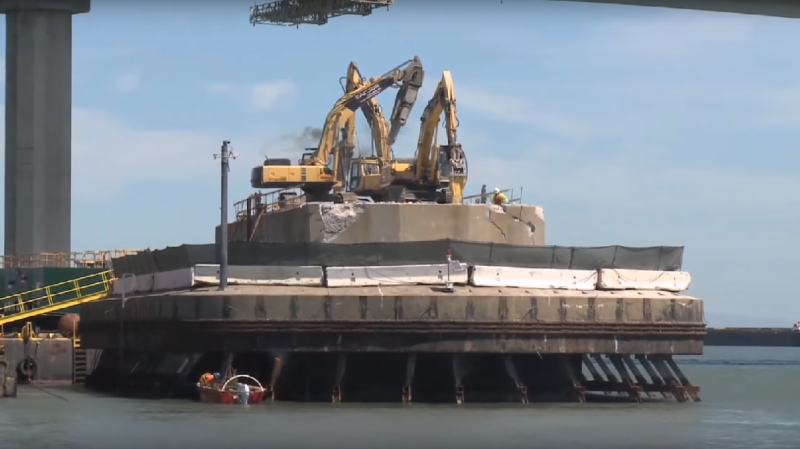
"caption": "The base of Pier E3 for the Bay Bridge's old eastern span. The structure, which extends to the bay floor and more than 200 feet beyond, is slated for demolition Saturday. ",
"description": null,
"title": "Bay Bridge-Implosion",
"credit": "Caltrans",
"status": "inherit",
"isLoading": false,
"fetchFailed": false
},
"news_10738395": {
"type": "attachments",
"id": "news_10738395",
"meta": {
"index": "attachments_1716263798",
"site": "news",
"id": "10738395",
"found": true
},
"parent": 10738394,
"imgSizes": {
"twentyfourteen-full-width": {
"file": "https://ww2.kqed.org/app/uploads/sites/10/2015/10/RS17231_IMG_9490.JPG-qut-1038x576.jpg",
"width": 1038,
"mimeType": "image/jpeg",
"height": 576
},
"thumbnail": {
"file": "https://ww2.kqed.org/app/uploads/sites/10/2015/10/RS17231_IMG_9490.JPG-qut-400x239.jpg",
"width": 400,
"mimeType": "image/jpeg",
"height": 239
},
"fd-sm": {
"file": "https://ww2.kqed.org/app/uploads/sites/10/2015/10/RS17231_IMG_9490.JPG-qut-960x574.jpg",
"width": 960,
"mimeType": "image/jpeg",
"height": 574
},
"post-thumbnail": {
"file": "https://ww2.kqed.org/app/uploads/sites/10/2015/10/RS17231_IMG_9490.JPG-qut-672x372.jpg",
"width": 672,
"mimeType": "image/jpeg",
"height": 372
},
"kqedFullSize": {
"file": "https://ww2.kqed.org/app/uploads/sites/10/2015/10/RS17231_IMG_9490.JPG-qut.jpg",
"width": 1920,
"height": 1147
},
"large": {
"file": "https://ww2.kqed.org/app/uploads/sites/10/2015/10/RS17231_IMG_9490.JPG-qut-1440x860.jpg",
"width": 1440,
"mimeType": "image/jpeg",
"height": 860
},
"guest-author-96": {
"file": "https://ww2.kqed.org/app/uploads/sites/10/2015/10/RS17231_IMG_9490.JPG-qut-96x96.jpg",
"width": 96,
"mimeType": "image/jpeg",
"height": 96
},
"medium": {
"file": "https://ww2.kqed.org/app/uploads/sites/10/2015/10/RS17231_IMG_9490.JPG-qut-800x478.jpg",
"width": 800,
"mimeType": "image/jpeg",
"height": 478
},
"guest-author-64": {
"file": "https://ww2.kqed.org/app/uploads/sites/10/2015/10/RS17231_IMG_9490.JPG-qut-64x64.jpg",
"width": 64,
"mimeType": "image/jpeg",
"height": 64
},
"guest-author-32": {
"file": "https://ww2.kqed.org/app/uploads/sites/10/2015/10/RS17231_IMG_9490.JPG-qut-32x32.jpg",
"width": 32,
"mimeType": "image/jpeg",
"height": 32
},
"jmtc-small-thumb": {
"file": "https://ww2.kqed.org/app/uploads/sites/10/2015/10/RS17231_IMG_9490.JPG-qut-280x150.jpg",
"width": 280,
"mimeType": "image/jpeg",
"height": 150
},
"fd-lrg": {
"file": "https://ww2.kqed.org/app/uploads/sites/10/2015/10/RS17231_IMG_9490.JPG-qut-1920x1147.jpg",
"width": 1920,
"mimeType": "image/jpeg",
"height": 1147
},
"fd-med": {
"file": "https://ww2.kqed.org/app/uploads/sites/10/2015/10/RS17231_IMG_9490.JPG-qut-1180x705.jpg",
"width": 1180,
"mimeType": "image/jpeg",
"height": 705
},
"detail": {
"file": "https://ww2.kqed.org/app/uploads/sites/10/2015/10/RS17231_IMG_9490.JPG-qut-75x75.jpg",
"width": 75,
"mimeType": "image/jpeg",
"height": 75
},
"guest-author-128": {
"file": "https://ww2.kqed.org/app/uploads/sites/10/2015/10/RS17231_IMG_9490.JPG-qut-128x128.jpg",
"width": 128,
"mimeType": "image/jpeg",
"height": 128
}
},
"publishDate": 1446145922,
"modified": 1446431847,
"caption": "Brenda Kett lost her son, Mark Heyer, in a bicycle collision with a Muni bus on Oct. 11, 2015. \"Mark’s accident could have been prevented,\" she said in statement at a Bicycle Advisory Committee meeting. \"All we had to do was create a safer system for people who ride bicycles.\"",
"description": null,
"title": "RS17231_IMG_9490.JPG-qut",
"credit": "Ericka Cruz Guevarra/KQED",
"status": "inherit",
"isLoading": false,
"fetchFailed": false
},
"news_10725869": {
"type": "attachments",
"id": "news_10725869",
"meta": {
"index": "attachments_1716263798",
"site": "news",
"id": "10725869",
"found": true
},
"parent": 10725867,
"imgSizes": {
"twentyfourteen-full-width": {
"file": "https://ww2.kqed.org/app/uploads/sites/10/2015/10/RS6005_006-1038x576.jpg",
"width": 1038,
"mimeType": "image/jpeg",
"height": 576
},
"thumbnail": {
"file": "https://ww2.kqed.org/app/uploads/sites/10/2015/10/RS6005_006-400x267.jpg",
"width": 400,
"mimeType": "image/jpeg",
"height": 267
},
"fd-sm": {
"file": "https://ww2.kqed.org/app/uploads/sites/10/2015/10/RS6005_006-960x640.jpg",
"width": 960,
"mimeType": "image/jpeg",
"height": 640
},
"post-thumbnail": {
"file": "https://ww2.kqed.org/app/uploads/sites/10/2015/10/RS6005_006-672x372.jpg",
"width": 672,
"mimeType": "image/jpeg",
"height": 372
},
"kqedFullSize": {
"file": "https://ww2.kqed.org/app/uploads/sites/10/2015/10/RS6005_006.jpg",
"width": 2000,
"height": 1333
},
"large": {
"file": "https://ww2.kqed.org/app/uploads/sites/10/2015/10/RS6005_006-1440x960.jpg",
"width": 1440,
"mimeType": "image/jpeg",
"height": 960
},
"guest-author-96": {
"file": "https://ww2.kqed.org/app/uploads/sites/10/2015/10/RS6005_006-96x96.jpg",
"width": 96,
"mimeType": "image/jpeg",
"height": 96
},
"medium": {
"file": "https://ww2.kqed.org/app/uploads/sites/10/2015/10/RS6005_006-800x533.jpg",
"width": 800,
"mimeType": "image/jpeg",
"height": 533
},
"guest-author-64": {
"file": "https://ww2.kqed.org/app/uploads/sites/10/2015/10/RS6005_006-64x64.jpg",
"width": 64,
"mimeType": "image/jpeg",
"height": 64
},
"guest-author-32": {
"file": "https://ww2.kqed.org/app/uploads/sites/10/2015/10/RS6005_006-32x32.jpg",
"width": 32,
"mimeType": "image/jpeg",
"height": 32
},
"jmtc-small-thumb": {
"file": "https://ww2.kqed.org/app/uploads/sites/10/2015/10/RS6005_006-280x150.jpg",
"width": 280,
"mimeType": "image/jpeg",
"height": 150
},
"fd-lrg": {
"file": "https://ww2.kqed.org/app/uploads/sites/10/2015/10/RS6005_006-1920x1280.jpg",
"width": 1920,
"mimeType": "image/jpeg",
"height": 1280
},
"fd-med": {
"file": "https://ww2.kqed.org/app/uploads/sites/10/2015/10/RS6005_006-1180x786.jpg",
"width": 1180,
"mimeType": "image/jpeg",
"height": 786
},
"detail": {
"file": "https://ww2.kqed.org/app/uploads/sites/10/2015/10/RS6005_006-75x75.jpg",
"width": 75,
"mimeType": "image/jpeg",
"height": 75
},
"guest-author-128": {
"file": "https://ww2.kqed.org/app/uploads/sites/10/2015/10/RS6005_006-128x128.jpg",
"width": 128,
"mimeType": "image/jpeg",
"height": 128
}
},
"publishDate": 1445370218,
"modified": 1445392041,
"caption": "The city's 5,500 active taxicab drivers will now be required to undergo drug and alcohol testing. ",
"description": null,
"title": "RS6005_006",
"credit": "Deborah Svoboda/KQED",
"status": "inherit",
"isLoading": false,
"fetchFailed": false
},
"news_10724510": {
"type": "attachments",
"id": "news_10724510",
"meta": {
"index": "attachments_1716263798",
"site": "news",
"id": "10724510",
"found": true
},
"parent": 10724422,
"imgSizes": {
"twentyfourteen-full-width": {
"file": "https://ww2.kqed.org/app/uploads/sites/10/2015/10/Market-Street-bikeway-construction-1038x576.jpg",
"width": 1038,
"mimeType": "image/jpeg",
"height": 576
},
"thumbnail": {
"file": "https://ww2.kqed.org/app/uploads/sites/10/2015/10/Market-Street-bikeway-construction-400x300.jpg",
"width": 400,
"mimeType": "image/jpeg",
"height": 300
},
"fd-sm": {
"file": "https://ww2.kqed.org/app/uploads/sites/10/2015/10/Market-Street-bikeway-construction-960x720.jpg",
"width": 960,
"mimeType": "image/jpeg",
"height": 720
},
"post-thumbnail": {
"file": "https://ww2.kqed.org/app/uploads/sites/10/2015/10/Market-Street-bikeway-construction-672x372.jpg",
"width": 672,
"mimeType": "image/jpeg",
"height": 372
},
"kqedFullSize": {
"file": "https://ww2.kqed.org/app/uploads/sites/10/2015/10/Market-Street-bikeway-construction.jpg",
"width": 1920,
"height": 1440
},
"large": {
"file": "https://ww2.kqed.org/app/uploads/sites/10/2015/10/Market-Street-bikeway-construction-1440x1080.jpg",
"width": 1440,
"mimeType": "image/jpeg",
"height": 1080
},
"guest-author-96": {
"file": "https://ww2.kqed.org/app/uploads/sites/10/2015/10/Market-Street-bikeway-construction-96x96.jpg",
"width": 96,
"mimeType": "image/jpeg",
"height": 96
},
"medium": {
"file": "https://ww2.kqed.org/app/uploads/sites/10/2015/10/Market-Street-bikeway-construction-800x600.jpg",
"width": 800,
"mimeType": "image/jpeg",
"height": 600
},
"guest-author-64": {
"file": "https://ww2.kqed.org/app/uploads/sites/10/2015/10/Market-Street-bikeway-construction-64x64.jpg",
"width": 64,
"mimeType": "image/jpeg",
"height": 64
},
"guest-author-32": {
"file": "https://ww2.kqed.org/app/uploads/sites/10/2015/10/Market-Street-bikeway-construction-32x32.jpg",
"width": 32,
"mimeType": "image/jpeg",
"height": 32
},
"jmtc-small-thumb": {
"file": "https://ww2.kqed.org/app/uploads/sites/10/2015/10/Market-Street-bikeway-construction-280x150.jpg",
"width": 280,
"mimeType": "image/jpeg",
"height": 150
},
"fd-lrg": {
"file": "https://ww2.kqed.org/app/uploads/sites/10/2015/10/Market-Street-bikeway-construction-1920x1440.jpg",
"width": 1920,
"mimeType": "image/jpeg",
"height": 1440
},
"fd-med": {
"file": "https://ww2.kqed.org/app/uploads/sites/10/2015/10/Market-Street-bikeway-construction-1180x885.jpg",
"width": 1180,
"mimeType": "image/jpeg",
"height": 885
},
"detail": {
"file": "https://ww2.kqed.org/app/uploads/sites/10/2015/10/Market-Street-bikeway-construction-75x75.jpg",
"width": 75,
"mimeType": "image/jpeg",
"height": 75
},
"guest-author-128": {
"file": "https://ww2.kqed.org/app/uploads/sites/10/2015/10/Market-Street-bikeway-construction-128x128.jpg",
"width": 128,
"mimeType": "image/jpeg",
"height": 128
}
},
"publishDate": 1445294683,
"modified": 1445294715,
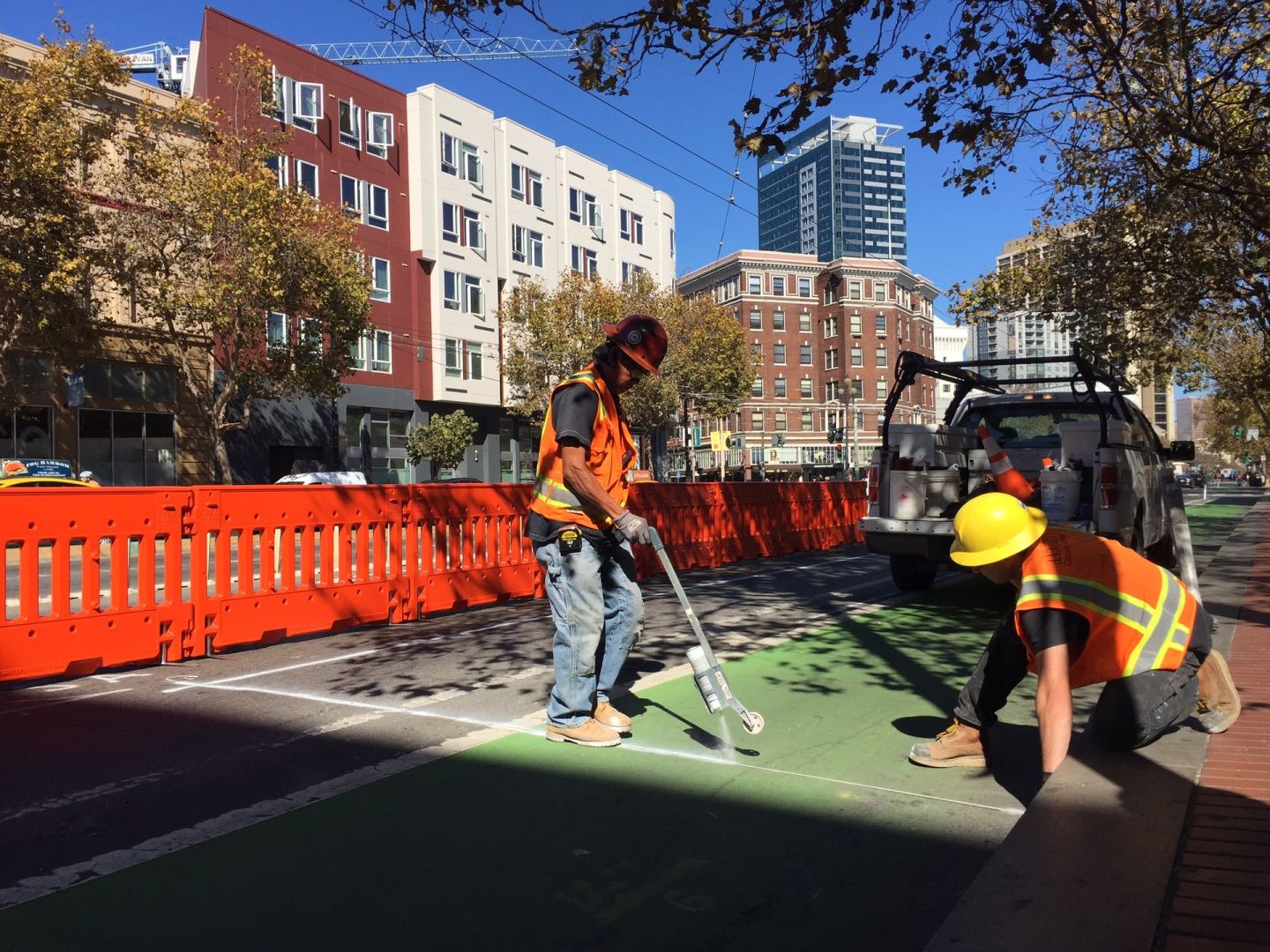
"caption": "SFMTA crews mark an area on Market Street where a raised bike lane will be installed over the next four weeks.",
"description": null,
"title": "Market Street bikeway construction",
"credit": "Bryan Goebel/KQED",
"status": "inherit",
"isLoading": false,
"fetchFailed": false
},
"news_10724410": {
"type": "attachments",
"id": "news_10724410",
"meta": {
"index": "attachments_1716263798",
"site": "news",
"id": "10724410",
"found": true
},
"parent": 10723997,
"imgSizes": {
"twentyfourteen-full-width": {
"file": "https://ww2.kqed.org/app/uploads/sites/10/2015/10/southwestflight-1038x565.png",
"width": 1038,
"mimeType": "image/png",
"height": 565
},
"thumbnail": {
"file": "https://ww2.kqed.org/app/uploads/sites/10/2015/10/southwestflight-400x174.png",
"width": 400,
"mimeType": "image/png",
"height": 174
},
"fd-sm": {
"file": "https://ww2.kqed.org/app/uploads/sites/10/2015/10/southwestflight-960x419.png",
"width": 960,
"mimeType": "image/png",
"height": 419
},
"post-thumbnail": {
"file": "https://ww2.kqed.org/app/uploads/sites/10/2015/10/southwestflight-672x372.png",
"width": 672,
"mimeType": "image/png",
"height": 372
},
"kqedFullSize": {
"file": "https://ww2.kqed.org/app/uploads/sites/10/2015/10/southwestflight.png",
"width": 1296,
"height": 565
},
"guest-author-96": {
"file": "https://ww2.kqed.org/app/uploads/sites/10/2015/10/southwestflight-96x96.png",
"width": 96,
"mimeType": "image/png",
"height": 96
},
"medium": {
"file": "https://ww2.kqed.org/app/uploads/sites/10/2015/10/southwestflight-800x349.png",
"width": 800,
"mimeType": "image/png",
"height": 349
},
"guest-author-64": {
"file": "https://ww2.kqed.org/app/uploads/sites/10/2015/10/southwestflight-64x64.png",
"width": 64,
"mimeType": "image/png",
"height": 64
},
"guest-author-32": {
"file": "https://ww2.kqed.org/app/uploads/sites/10/2015/10/southwestflight-32x32.png",
"width": 32,
"mimeType": "image/png",
"height": 32
},
"jmtc-small-thumb": {
"file": "https://ww2.kqed.org/app/uploads/sites/10/2015/10/southwestflight-280x150.png",
"width": 280,
"mimeType": "image/png",
"height": 150
},
"fd-med": {
"file": "https://ww2.kqed.org/app/uploads/sites/10/2015/10/southwestflight-1180x514.png",
"width": 1180,
"mimeType": "image/png",
"height": 514
},
"detail": {
"file": "https://ww2.kqed.org/app/uploads/sites/10/2015/10/southwestflight-75x75.png",
"width": 75,
"mimeType": "image/png",
"height": 75
},
"guest-author-128": {
"file": "https://ww2.kqed.org/app/uploads/sites/10/2015/10/southwestflight-128x128.png",
"width": 128,
"mimeType": "image/png",
"height": 128
}
},
"publishDate": 1445291292,
"modified": 1445291422,
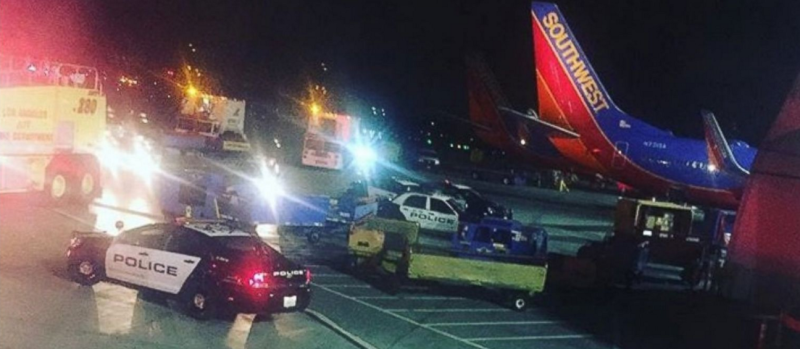
"caption": "An Instagram image of police responding to an altercation aboard a Los Angeles-San Francisco flight on Sunday night. ",
"description": null,
"title": "Southwest Airlines",
"credit": "@mel.anita/Instagram",
"status": "inherit",
"isLoading": false,
"fetchFailed": false
},
"news_10723925": {
"type": "attachments",
"id": "news_10723925",
"meta": {
"index": "attachments_1716263798",
"site": "news",
"id": "10723925",
"found": true
},
"parent": 0,
"imgSizes": {
"twentyfourteen-full-width": {
"file": "https://ww2.kqed.org/app/uploads/sites/10/2015/10/GettyImages-493002662-1038x576.jpg",
"width": 1038,
"mimeType": "image/jpeg",
"height": 576
},
"thumbnail": {
"file": "https://ww2.kqed.org/app/uploads/sites/10/2015/10/GettyImages-493002662-400x289.jpg",
"width": 400,
"mimeType": "image/jpeg",
"height": 289
},
"fd-sm": {
"file": "https://ww2.kqed.org/app/uploads/sites/10/2015/10/GettyImages-493002662-960x693.jpg",
"width": 960,
"mimeType": "image/jpeg",
"height": 693
},
"post-thumbnail": {
"file": "https://ww2.kqed.org/app/uploads/sites/10/2015/10/GettyImages-493002662-672x372.jpg",
"width": 672,
"mimeType": "image/jpeg",
"height": 372
},
"kqedFullSize": {
"file": "https://ww2.kqed.org/app/uploads/sites/10/2015/10/GettyImages-493002662-e1445272748676.jpg",
"width": 1920,
"height": 1385
},
"large": {
"file": "https://ww2.kqed.org/app/uploads/sites/10/2015/10/GettyImages-493002662-1440x1039.jpg",
"width": 1440,
"mimeType": "image/jpeg",
"height": 1039
},
"guest-author-96": {
"file": "https://ww2.kqed.org/app/uploads/sites/10/2015/10/GettyImages-493002662-96x96.jpg",
"width": 96,
"mimeType": "image/jpeg",
"height": 96
},
"medium": {
"file": "https://ww2.kqed.org/app/uploads/sites/10/2015/10/GettyImages-493002662-800x577.jpg",
"width": 800,
"mimeType": "image/jpeg",
"height": 577
},
"guest-author-64": {
"file": "https://ww2.kqed.org/app/uploads/sites/10/2015/10/GettyImages-493002662-64x64.jpg",
"width": 64,
"mimeType": "image/jpeg",
"height": 64
},
"guest-author-32": {
"file": "https://ww2.kqed.org/app/uploads/sites/10/2015/10/GettyImages-493002662-32x32.jpg",
"width": 32,
"mimeType": "image/jpeg",
"height": 32
},
"jmtc-small-thumb": {
"file": "https://ww2.kqed.org/app/uploads/sites/10/2015/10/GettyImages-493002662-280x150.jpg",
"width": 280,
"mimeType": "image/jpeg",
"height": 150
},
"fd-lrg": {
"file": "https://ww2.kqed.org/app/uploads/sites/10/2015/10/GettyImages-493002662-1920x1385.jpg",
"width": 1920,
"mimeType": "image/jpeg",
"height": 1385
},
"fd-med": {
"file": "https://ww2.kqed.org/app/uploads/sites/10/2015/10/GettyImages-493002662-1180x851.jpg",
"width": 1180,
"mimeType": "image/jpeg",
"height": 851
},
"detail": {
"file": "https://ww2.kqed.org/app/uploads/sites/10/2015/10/GettyImages-493002662-75x75.jpg",
"width": 75,
"mimeType": "image/jpeg",
"height": 75
},
"guest-author-128": {
"file": "https://ww2.kqed.org/app/uploads/sites/10/2015/10/GettyImages-493002662-128x128.jpg",
"width": 128,
"mimeType": "image/jpeg",
"height": 128
}
},
"publishDate": 1445270895,
"modified": 1445273502,
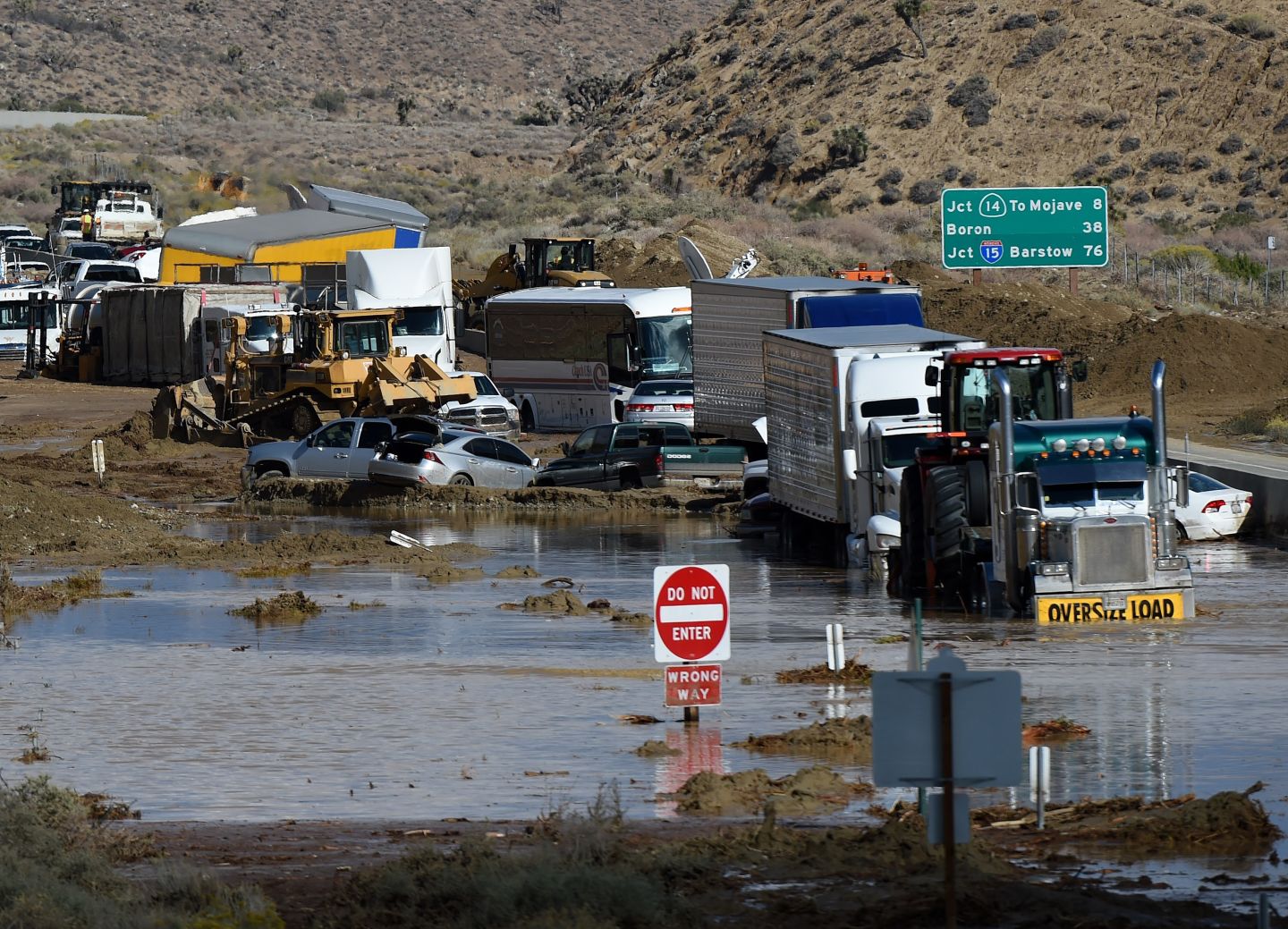
"caption": "Vehicles trapped on Highway 58 between the towns of Tehachapi and Mojave. Most vehicles were freed over the weekend, but the highway remains closed.",
"description": null,
"title": "Mudslide-Highway 58",
"credit": "Mark Ralston/AFP-Getty Images",
"status": "inherit",
"isLoading": false,
"fetchFailed": false
},
"news_10715409": {
"type": "attachments",
"id": "news_10715409",
"meta": {
"index": "attachments_1716263798",
"site": "news",
"id": "10715409",
"found": true
},
"parent": 10715350,
"imgSizes": {
"twentyfourteen-full-width": {
"file": "https://ww2.kqed.org/app/uploads/sites/10/2015/10/LyftCar-1038x576.jpg",
"width": 1038,
"mimeType": "image/jpeg",
"height": 576
},
"thumbnail": {
"file": "https://ww2.kqed.org/app/uploads/sites/10/2015/10/LyftCar-400x260.jpg",
"width": 400,
"mimeType": "image/jpeg",
"height": 260
},
"fd-sm": {
"file": "https://ww2.kqed.org/app/uploads/sites/10/2015/10/LyftCar-960x625.jpg",
"width": 960,
"mimeType": "image/jpeg",
"height": 625
},
"post-thumbnail": {
"file": "https://ww2.kqed.org/app/uploads/sites/10/2015/10/LyftCar-672x372.jpg",
"width": 672,
"mimeType": "image/jpeg",
"height": 372
},
"kqedFullSize": {
"file": "https://ww2.kqed.org/app/uploads/sites/10/2015/10/LyftCar.jpg",
"width": 1920,
"height": 1250
},
"large": {
"file": "https://ww2.kqed.org/app/uploads/sites/10/2015/10/LyftCar-1440x938.jpg",
"width": 1440,
"mimeType": "image/jpeg",
"height": 938
},
"guest-author-96": {
"file": "https://ww2.kqed.org/app/uploads/sites/10/2015/10/LyftCar-96x96.jpg",
"width": 96,
"mimeType": "image/jpeg",
"height": 96
},
"medium": {
"file": "https://ww2.kqed.org/app/uploads/sites/10/2015/10/LyftCar-800x521.jpg",
"width": 800,
"mimeType": "image/jpeg",
"height": 521
},
"guest-author-64": {
"file": "https://ww2.kqed.org/app/uploads/sites/10/2015/10/LyftCar-64x64.jpg",
"width": 64,
"mimeType": "image/jpeg",
"height": 64
},
"guest-author-32": {
"file": "https://ww2.kqed.org/app/uploads/sites/10/2015/10/LyftCar-32x32.jpg",
"width": 32,
"mimeType": "image/jpeg",
"height": 32
},
"jmtc-small-thumb": {
"file": "https://ww2.kqed.org/app/uploads/sites/10/2015/10/LyftCar-280x150.jpg",
"width": 280,
"mimeType": "image/jpeg",
"height": 150
},
"fd-lrg": {
"file": "https://ww2.kqed.org/app/uploads/sites/10/2015/10/LyftCar-1920x1250.jpg",
"width": 1920,
"mimeType": "image/jpeg",
"height": 1250
},
"fd-med": {
"file": "https://ww2.kqed.org/app/uploads/sites/10/2015/10/LyftCar-1180x768.jpg",
"width": 1180,
"mimeType": "image/jpeg",
"height": 768
},
"detail": {
"file": "https://ww2.kqed.org/app/uploads/sites/10/2015/10/LyftCar-75x75.jpg",
"width": 75,
"mimeType": "image/jpeg",
"height": 75
},
"guest-author-128": {
"file": "https://ww2.kqed.org/app/uploads/sites/10/2015/10/LyftCar-128x128.jpg",
"width": 128,
"mimeType": "image/jpeg",
"height": 128
}
},
"publishDate": 1444763874,
"modified": 1446239030,
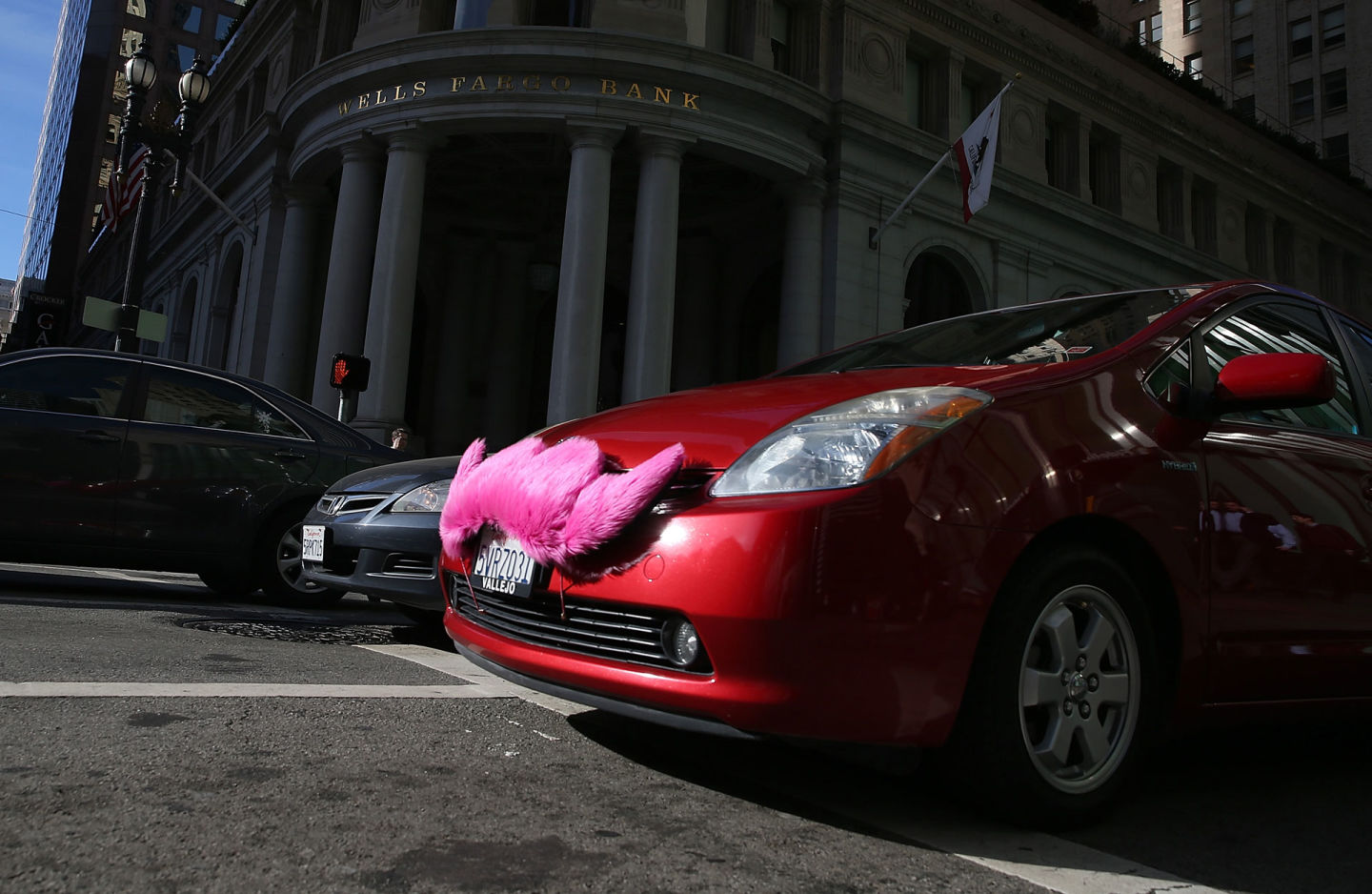
"caption": "A Lyft car drives along Montgomery Street in San Francisco.",
"description": "A Lyft car drives along Montgomery Street in San Francisco.",
"title": "Lyft Car",
"credit": "Justin Sullivan/Getty Images",
"status": "inherit",
"isLoading": false,
"fetchFailed": false
},
"news_10712056": {
"type": "attachments",
"id": "news_10712056",
"meta": {
"index": "attachments_1716263798",
"site": "news",
"id": "10712056",
"found": true
},
"parent": 10711947,
"imgSizes": {
"twentyfourteen-full-width": {
"file": "https://ww2.kqed.org/app/uploads/sites/10/2015/10/feature-shot-1038x576.jpg",
"width": 1038,
"mimeType": "image/jpeg",
"height": 576
},
"thumbnail": {
"file": "https://ww2.kqed.org/app/uploads/sites/10/2015/10/feature-shot-400x300.jpg",
"width": 400,
"mimeType": "image/jpeg",
"height": 300
},
"fd-sm": {
"file": "https://ww2.kqed.org/app/uploads/sites/10/2015/10/feature-shot-960x720.jpg",
"width": 960,
"mimeType": "image/jpeg",
"height": 720
},
"post-thumbnail": {
"file": "https://ww2.kqed.org/app/uploads/sites/10/2015/10/feature-shot-672x372.jpg",
"width": 672,
"mimeType": "image/jpeg",
"height": 372
},
"kqedFullSize": {
"file": "https://ww2.kqed.org/app/uploads/sites/10/2015/10/feature-shot-e1444419086204.jpg",
"width": 1920,
"height": 1440
},
"large": {
"file": "https://ww2.kqed.org/app/uploads/sites/10/2015/10/feature-shot-1440x1080.jpg",
"width": 1440,
"mimeType": "image/jpeg",
"height": 1080
},
"guest-author-96": {
"file": "https://ww2.kqed.org/app/uploads/sites/10/2015/10/feature-shot-96x96.jpg",
"width": 96,
"mimeType": "image/jpeg",
"height": 96
},
"medium": {
"file": "https://ww2.kqed.org/app/uploads/sites/10/2015/10/feature-shot-800x600.jpg",
"width": 800,
"mimeType": "image/jpeg",
"height": 600
},
"guest-author-64": {
"file": "https://ww2.kqed.org/app/uploads/sites/10/2015/10/feature-shot-64x64.jpg",
"width": 64,
"mimeType": "image/jpeg",
"height": 64
},
"guest-author-32": {
"file": "https://ww2.kqed.org/app/uploads/sites/10/2015/10/feature-shot-32x32.jpg",
"width": 32,
"mimeType": "image/jpeg",
"height": 32
},
"jmtc-small-thumb": {
"file": "https://ww2.kqed.org/app/uploads/sites/10/2015/10/feature-shot-280x150.jpg",
"width": 280,
"mimeType": "image/jpeg",
"height": 150
},
"fd-lrg": {
"file": "https://ww2.kqed.org/app/uploads/sites/10/2015/10/feature-shot-1920x1440.jpg",
"width": 1920,
"mimeType": "image/jpeg",
"height": 1440
},
"fd-med": {
"file": "https://ww2.kqed.org/app/uploads/sites/10/2015/10/feature-shot-1180x885.jpg",
"width": 1180,
"mimeType": "image/jpeg",
"height": 885
},
"detail": {
"file": "https://ww2.kqed.org/app/uploads/sites/10/2015/10/feature-shot-75x75.jpg",
"width": 75,
"mimeType": "image/jpeg",
"height": 75
},
"guest-author-128": {
"file": "https://ww2.kqed.org/app/uploads/sites/10/2015/10/feature-shot-128x128.jpg",
"width": 128,
"mimeType": "image/jpeg",
"height": 128
}
},
"publishDate": 1444332054,
"modified": 1444419079,
"caption": "Roberto Flores, outside his shop near downtown San Jose's Calle Willow, says Sunday's open streets event will open relationships for the next generation. ",
"description": null,
"title": "feature-shot",
"credit": "Beth Willon/KQED",
"status": "inherit",
"isLoading": false,
"fetchFailed": false
},
"news_10342640": {
"type": "attachments",
"id": "news_10342640",
"meta": {
"index": "attachments_1716263798",
"site": "news",
"id": "10342640",
"found": true
},
"parent": 10342602,
"imgSizes": {
"twentyfourteen-full-width": {
"file": "https://ww2.kqed.org/app/uploads/sites/10/2014/10/RS8537_IMG_9782-1038x576.jpg",
"width": 1038,
"mimeType": "image/jpeg",
"height": 576
},
"thumbnail": {
"file": "https://ww2.kqed.org/app/uploads/sites/10/2014/10/RS8537_IMG_9782-400x266.jpg",
"width": 400,
"mimeType": "image/jpeg",
"height": 266
},
"post-thumbnail": {
"file": "https://ww2.kqed.org/app/uploads/sites/10/2014/10/RS8537_IMG_9782-672x372.jpg",
"width": 672,
"mimeType": "image/jpeg",
"height": 372
},
"kqedFullSize": {
"file": "https://ww2.kqed.org/app/uploads/sites/10/2014/10/RS8537_IMG_9782-e1412626078795.jpg",
"width": 1440,
"height": 960
},
"large": {
"file": "https://ww2.kqed.org/app/uploads/sites/10/2014/10/RS8537_IMG_9782-1440x959.jpg",
"width": 1440,
"mimeType": "image/jpeg",
"height": 959
},
"guest-author-96": {
"file": "https://ww2.kqed.org/app/uploads/sites/10/2014/10/RS8537_IMG_9782-96x96.jpg",
"width": 96,
"mimeType": "image/jpeg",
"height": 96
},
"medium": {
"file": "https://ww2.kqed.org/app/uploads/sites/10/2014/10/RS8537_IMG_9782-800x533.jpg",
"width": 800,
"mimeType": "image/jpeg",
"height": 533
},
"guest-author-64": {
"file": "https://ww2.kqed.org/app/uploads/sites/10/2014/10/RS8537_IMG_9782-64x64.jpg",
"width": 64,
"mimeType": "image/jpeg",
"height": 64
},
"detail": {
"file": "https://ww2.kqed.org/app/uploads/sites/10/2014/10/RS8537_IMG_9782-75x75.jpg",
"width": 75,
"mimeType": "image/jpeg",
"height": 75
},
"guest-author-32": {
"file": "https://ww2.kqed.org/app/uploads/sites/10/2014/10/RS8537_IMG_9782-32x32.jpg",
"width": 32,
"mimeType": "image/jpeg",
"height": 32
},
"guest-author-128": {
"file": "https://ww2.kqed.org/app/uploads/sites/10/2014/10/RS8537_IMG_9782-128x128.jpg",
"width": 128,
"mimeType": "image/jpeg",
"height": 128
}
},
"publishDate": 1412625991,
"modified": 1455237848,
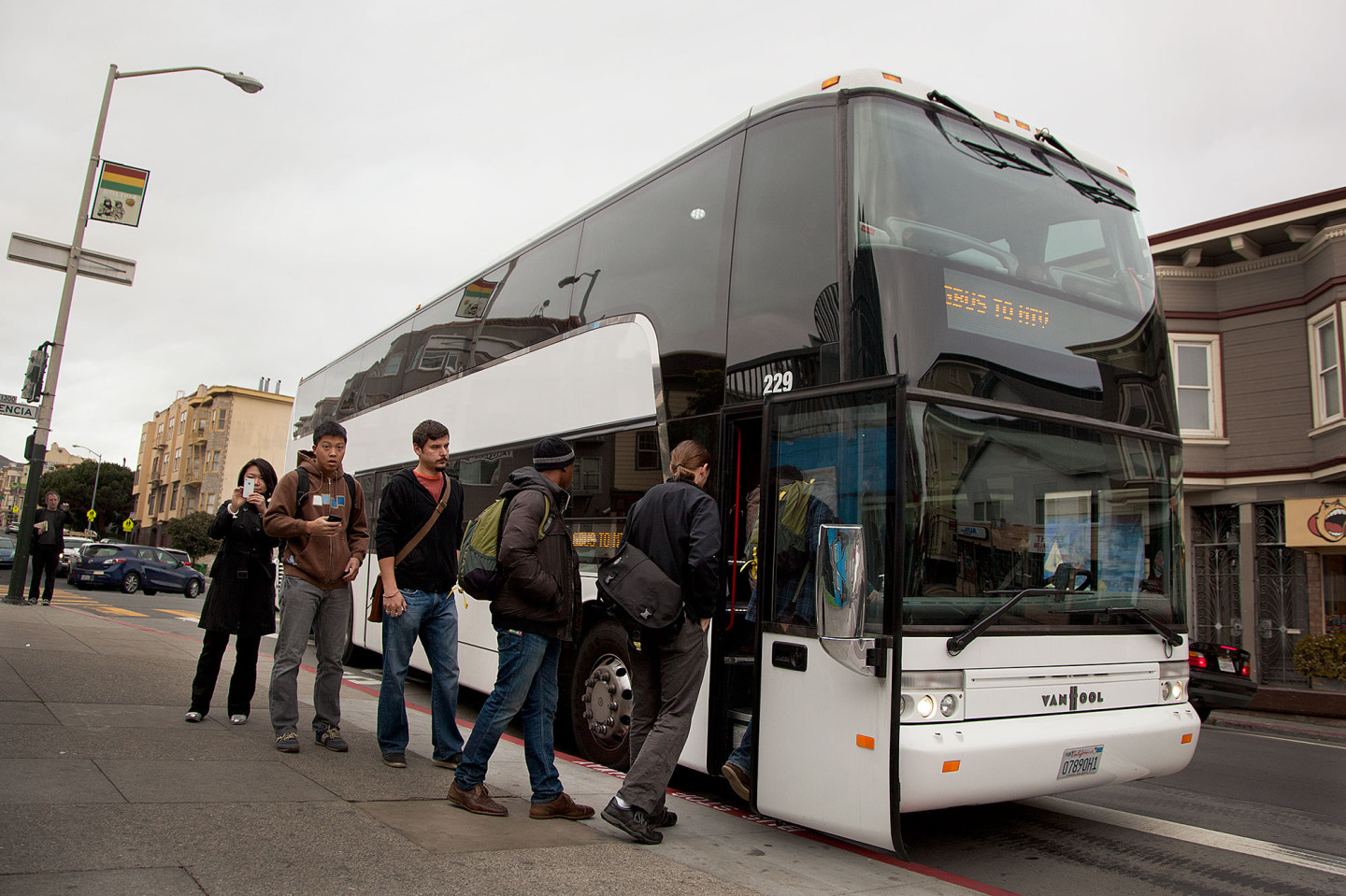
"caption": "A Google bus picks up workers at 24th and Valencia streets in the Mission District. ",
"description": "A Google bus picks up workers in San Francisco. (Mark Andrew Boyer)",
"title": "Google Bus-San Francisco",
"credit": "Mark Andrew Boyer/KQED",
"status": "inherit",
"isLoading": false,
"fetchFailed": false
},
"news_10705277": {
"type": "attachments",
"id": "news_10705277",
"meta": {
"index": "attachments_1716263798",
"site": "news",
"id": "10705277",
"found": true
},
"parent": 10700144,
"imgSizes": {
"twentyfourteen-full-width": {
"file": "https://ww2.kqed.org/app/uploads/sites/10/2015/10/HorselessCarriage-1038x576.jpg",
"width": 1038,
"mimeType": "image/jpeg",
"height": 576
},
"thumbnail": {
"file": "https://ww2.kqed.org/app/uploads/sites/10/2015/10/HorselessCarriage-400x271.jpg",
"width": 400,
"mimeType": "image/jpeg",
"height": 271
},
"fd-sm": {
"file": "https://ww2.kqed.org/app/uploads/sites/10/2015/10/HorselessCarriage-960x650.jpg",
"width": 960,
"mimeType": "image/jpeg",
"height": 650
},
"post-thumbnail": {
"file": "https://ww2.kqed.org/app/uploads/sites/10/2015/10/HorselessCarriage-672x372.jpg",
"width": 672,
"mimeType": "image/jpeg",
"height": 372
},
"kqedFullSize": {
"file": "https://ww2.kqed.org/app/uploads/sites/10/2015/10/HorselessCarriage.jpg",
"width": 1920,
"height": 1299
},
"large": {
"file": "https://ww2.kqed.org/app/uploads/sites/10/2015/10/HorselessCarriage-1440x974.jpg",
"width": 1440,
"mimeType": "image/jpeg",
"height": 974
},
"guest-author-96": {
"file": "https://ww2.kqed.org/app/uploads/sites/10/2015/10/HorselessCarriage-96x96.jpg",
"width": 96,
"mimeType": "image/jpeg",
"height": 96
},
"medium": {
"file": "https://ww2.kqed.org/app/uploads/sites/10/2015/10/HorselessCarriage-800x541.jpg",
"width": 800,
"mimeType": "image/jpeg",
"height": 541
},
"guest-author-64": {
"file": "https://ww2.kqed.org/app/uploads/sites/10/2015/10/HorselessCarriage-64x64.jpg",
"width": 64,
"mimeType": "image/jpeg",
"height": 64
},
"guest-author-32": {
"file": "https://ww2.kqed.org/app/uploads/sites/10/2015/10/HorselessCarriage-32x32.jpg",
"width": 32,
"mimeType": "image/jpeg",
"height": 32
},
"jmtc-small-thumb": {
"file": "https://ww2.kqed.org/app/uploads/sites/10/2015/10/HorselessCarriage-280x150.jpg",
"width": 280,
"mimeType": "image/jpeg",
"height": 150
},
"fd-lrg": {
"file": "https://ww2.kqed.org/app/uploads/sites/10/2015/10/HorselessCarriage-1920x1299.jpg",
"width": 1920,
"mimeType": "image/jpeg",
"height": 1299
},
"fd-med": {
"file": "https://ww2.kqed.org/app/uploads/sites/10/2015/10/HorselessCarriage-1180x798.jpg",
"width": 1180,
"mimeType": "image/jpeg",
"height": 798
},
"detail": {
"file": "https://ww2.kqed.org/app/uploads/sites/10/2015/10/HorselessCarriage-75x75.jpg",
"width": 75,
"mimeType": "image/jpeg",
"height": 75
},
"guest-author-128": {
"file": "https://ww2.kqed.org/app/uploads/sites/10/2015/10/HorselessCarriage-128x128.jpg",
"width": 128,
"mimeType": "image/jpeg",
"height": 128
}
},
"publishDate": 1443834445,
"modified": 1443834557,
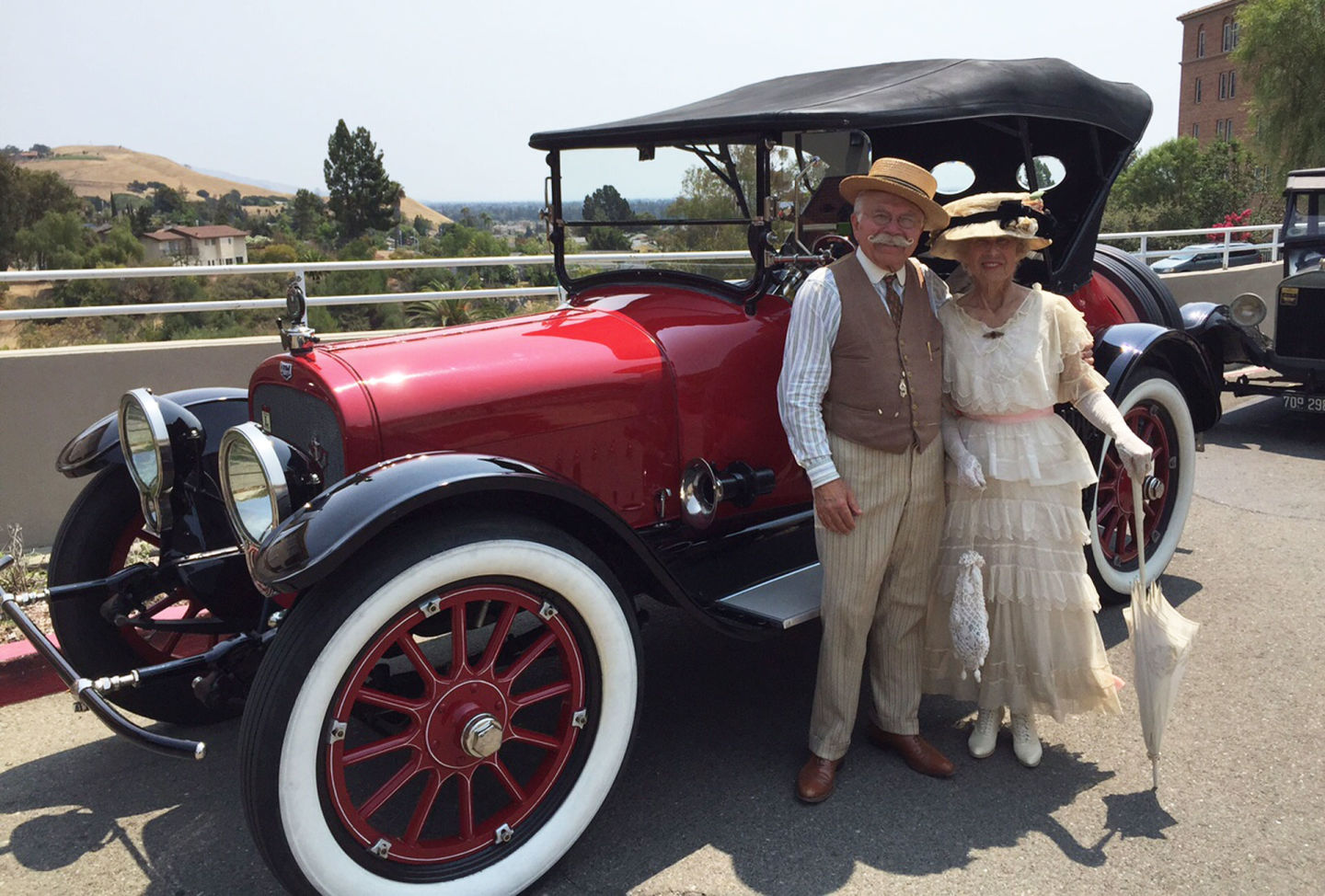
"caption": "Ed and Karen Archer show off their classic 1917 Auburn on a recent visit to a senior home in Union City. Karen Archer says she values the time these cars represent: \"Families were closer and neighbors were closer.\" ",
"description": "Ed and Karen Archer show off their classic 1917 Auburn on a recent visit to a senior home in Union City. Karen Archer says she values the time these cars represent: \"Families were closer and neighbors were closer.\" ",
"title": "HorselessCarriage",
"credit": "Laura Klivans/KQED",
"status": "inherit",
"isLoading": false,
"fetchFailed": false
},
"news_10526081": {
"type": "attachments",
"id": "news_10526081",
"meta": {
"index": "attachments_1716263798",
"site": "news",
"id": "10526081",
"found": true
},
"parent": 10525760,
"imgSizes": {
"twentyfourteen-full-width": {
"file": "https://ww2.kqed.org/app/uploads/sites/10/2015/05/BayBridgeTower-1038x576.jpg",
"width": 1038,
"mimeType": "image/jpeg",
"height": 576
},
"thumbnail": {
"file": "https://ww2.kqed.org/app/uploads/sites/10/2015/05/BayBridgeTower-400x225.jpg",
"width": 400,
"mimeType": "image/jpeg",
"height": 225
},
"fd-sm": {
"file": "https://ww2.kqed.org/app/uploads/sites/10/2015/05/BayBridgeTower-960x540.jpg",
"width": 960,
"mimeType": "image/jpeg",
"height": 540
},
"post-thumbnail": {
"file": "https://ww2.kqed.org/app/uploads/sites/10/2015/05/BayBridgeTower-672x372.jpg",
"width": 672,
"mimeType": "image/jpeg",
"height": 372
},
"kqedFullSize": {
"file": "https://ww2.kqed.org/app/uploads/sites/10/2015/05/BayBridgeTower.jpg",
"width": 1920,
"height": 1080
},
"large": {
"file": "https://ww2.kqed.org/app/uploads/sites/10/2015/05/BayBridgeTower-1440x810.jpg",
"width": 1440,
"mimeType": "image/jpeg",
"height": 810
},
"guest-author-96": {
"file": "https://ww2.kqed.org/app/uploads/sites/10/2015/05/BayBridgeTower-96x96.jpg",
"width": 96,
"mimeType": "image/jpeg",
"height": 96
},
"medium": {
"file": "https://ww2.kqed.org/app/uploads/sites/10/2015/05/BayBridgeTower-800x450.jpg",
"width": 800,
"mimeType": "image/jpeg",
"height": 450
},
"guest-author-64": {
"file": "https://ww2.kqed.org/app/uploads/sites/10/2015/05/BayBridgeTower-64x64.jpg",
"width": 64,
"mimeType": "image/jpeg",
"height": 64
},
"guest-author-32": {
"file": "https://ww2.kqed.org/app/uploads/sites/10/2015/05/BayBridgeTower-32x32.jpg",
"width": 32,
"mimeType": "image/jpeg",
"height": 32
},
"fd-med": {
"file": "https://ww2.kqed.org/app/uploads/sites/10/2015/05/BayBridgeTower-1180x664.jpg",
"width": 1180,
"mimeType": "image/jpeg",
"height": 664
},
"detail": {
"file": "https://ww2.kqed.org/app/uploads/sites/10/2015/05/BayBridgeTower-75x75.jpg",
"width": 75,
"mimeType": "image/jpeg",
"height": 75
},
"guest-author-128": {
"file": "https://ww2.kqed.org/app/uploads/sites/10/2015/05/BayBridgeTower-128x128.jpg",
"width": 128,
"mimeType": "image/jpeg",
"height": 128
}
},
"publishDate": 1431646965,
"modified": 1443145433,
"caption": "The suspension tower for the Bay Bridge's new eastern span. ",
"description": "Officials approved further spending to test the integrity of steel rods in the tower of the Bay Bridge.",
"title": "BayBridgeTower",
"credit": "Justin Sullivan/Getty Images",
"status": "inherit",
"isLoading": false,
"fetchFailed": false
}
},
"audioPlayerReducer": {
"postId": "stream_live",
"isPaused": true,
"isPlaying": false,
"pfsActive": false,
"pledgeModalIsOpen": true,
"playerDrawerIsOpen": false,
"liveAudioPlayStartedAt": 0,
"liveAudioPlayContext": ""
},
"authorsReducer": {
"byline_news_10723997": {
"type": "authors",
"id": "byline_news_10723997",
"meta": {
"override": true
},
"slug": "byline_news_10723997",
"name": "\u003cstrong>KQED Staff and Wire Reports\u003c/strong>",
"isLoading": false
},
"dclyde": {
"type": "authors",
"id": "104",
"meta": {
"index": "authors_1716337520",
"id": "104",
"found": true
},
"name": "Don Clyde",
"firstName": "Don",
"lastName": "Clyde",
"slug": "dclyde",
"email": "dclyde@kqed.org",
"display_author_email": false,
"staff_mastheads": [],
"title": "KQED Contributor",
"bio": "Don Clyde is an online producer, reporter and copy editor for KQED News. Before venturing into journalism, he worked as a medical device engineer and scientist for nearly a decade after earning a degree in physics from UC Berkeley. He loves travel, reading, living in Oakland, and most importantly, a good walk. Email him at dclyde@kqed.org or follow him @clydedon.",
"avatar": "https://secure.gravatar.com/avatar/decd3e640c3eedbd0a574275aebb2d19?s=600&d=blank&r=g",
"twitter": "clydedon",
"facebook": null,
"instagram": null,
"linkedin": null,
"sites": [
{
"site": "artschool",
"roles": [
"editor"
]
},
{
"site": "news",
"roles": [
"administrator"
]
},
{
"site": "futureofyou",
"roles": [
"editor"
]
},
{
"site": "about",
"roles": [
"editor"
]
},
{
"site": "mindshift",
"roles": [
"contributor"
]
},
{
"site": "bayareabites",
"roles": [
"contributor"
]
},
{
"site": "lowdown",
"roles": [
"editor"
]
},
{
"site": "stateofhealth",
"roles": [
"administrator"
]
},
{
"site": "spark",
"roles": [
"administrator"
]
},
{
"site": "trulyca",
"roles": [
"administrator"
]
},
{
"site": "imagemakers",
"roles": [
"administrator"
]
},
{
"site": "science",
"roles": []
},
{
"site": "education",
"roles": [
"editor"
]
},
{
"site": "quest",
"roles": [
"subscriber"
]
},
{
"site": "checkplease",
"roles": [
"subscriber"
]
},
{
"site": "forum",
"roles": [
"editor"
]
},
{
"site": "perspectives",
"roles": [
"editor"
]
}
],
"headData": {
"title": "Don Clyde | KQED",
"description": "KQED Contributor",
"ogImgSrc": "https://secure.gravatar.com/avatar/decd3e640c3eedbd0a574275aebb2d19?s=600&d=blank&r=g",
"twImgSrc": "https://secure.gravatar.com/avatar/decd3e640c3eedbd0a574275aebb2d19?s=600&d=blank&r=g"
},
"isLoading": false,
"link": "/author/dclyde"
},
"bgoebel": {
"type": "authors",
"id": "214",
"meta": {
"index": "authors_1716337520",
"id": "214",
"found": true
},
"name": "Bryan Goebel",
"firstName": "Bryan",
"lastName": "Goebel",
"slug": "bgoebel",
"email": "bgoebel@kqed.org",
"display_author_email": false,
"staff_mastheads": [],
"title": null,
"bio": "Bryan Goebel is a reporter focused on transportation and housing issues. He was previously the editor of Streetsblog San Francisco, and an anchor/editor at KCBS Radio. He's a lifelong Californian and has also worked at radio stations in Barstow, Redding and Sacramento.",
"avatar": "https://secure.gravatar.com/avatar/7fdd6b065bfe9a23a71bcfa80848df88?s=600&d=blank&r=g",
"twitter": "velobry",
"facebook": null,
"instagram": null,
"linkedin": null,
"sites": [
{
"site": "news",
"roles": [
"subscriber"
]
},
{
"site": "stateofhealth",
"roles": [
"subscriber"
]
}
],
"headData": {
"title": "Bryan Goebel | KQED",
"description": null,
"ogImgSrc": "https://secure.gravatar.com/avatar/7fdd6b065bfe9a23a71bcfa80848df88?s=600&d=blank&r=g",
"twImgSrc": "https://secure.gravatar.com/avatar/7fdd6b065bfe9a23a71bcfa80848df88?s=600&d=blank&r=g"
},
"isLoading": false,
"link": "/author/bgoebel"
},
"danbrekke": {
"type": "authors",
"id": "222",
"meta": {
"index": "authors_1716337520",
"id": "222",
"found": true
},
"name": "Dan Brekke",
"firstName": "Dan",
"lastName": "Brekke",
"slug": "danbrekke",
"email": "dbrekke@kqed.org",
"display_author_email": true,
"staff_mastheads": [
"news",
"science"
],
"title": "KQED Editor and Reporter",
"bio": "Dan Brekke is a reporter and editor for KQED News, responsible for coverage of topics ranging from California water issues to the Bay Area's transportation challenges. In a newsroom career that began in Chicago in 1972, Dan has worked for \u003cem>The San Francisco Examiner,\u003c/em> Wired and TechTV and has been published in The New York Times, The New York Times Magazine, Business 2.0, Salon and elsewhere.\r\n\r\nSince joining KQED in 2007, Dan has reported, edited and produced both radio and online features and breaking news pieces. He has shared as both editor and reporter in four Society of Professional Journalists Norcal Excellence in Journalism awards and one Edward R. Murrow regional award. He was chosen for a spring 2017 residency at the Mesa Refuge to advance his research on California salmon.\r\n\r\nEmail Dan at: \u003ca href=\"mailto:dbrekke@kqed.org\">dbrekke@kqed.org\u003c/a>\r\n\r\n\u003cstrong>Twitter:\u003c/strong> \u003ca href=\"https://twitter.com/danbrekke\" rel=\"noopener noreferrer\">twitter.com/danbrekke\u003c/a>\r\n\u003cstrong>Facebook:\u003c/strong> \u003ca href=\"https://www.facebook.com/danbrekke\" rel=\"noopener noreferrer\">www.facebook.com/danbrekke\u003c/a>\r\n\u003cstrong>LinkedIn:\u003c/strong> \u003ca href=\"https://www.linkedin.com/in/danbrekke\" rel=\"noopener noreferrer\">www.linkedin.com/in/danbrekke\u003c/a>",
"avatar": "https://secure.gravatar.com/avatar/8f1f0d2a978fb3b23426c922c7e2af558fa36905b49c4ce76a97dc3c72d27226?s=600&d=mm&r=g",
"twitter": "danbrekke",
"bluesky": null,
"facebook": null,
"instagram": "https://www.instagram.com/dan.brekke/",
"linkedin": "https://www.linkedin.com/in/danbrekke/",
"sites": [
{
"site": "news",
"roles": [
"administrator",
"create_posts"
]
},
{
"site": "stateofhealth",
"roles": [
"editor"
]
},
{
"site": "science",
"roles": [
"editor"
]
},
{
"site": "quest",
"roles": [
"contributor"
]
},
{
"site": "food",
"roles": [
"contributor"
]
},
{
"site": "forum",
"roles": [
"contributor"
]
},
{
"site": "elections",
"roles": [
"editor"
]
},
{
"site": "liveblog",
"roles": [
"editor"
]
}
],
"headData": {
"title": "Dan Brekke | KQED",
"description": "KQED Editor and Reporter",
"ogImgSrc": "https://secure.gravatar.com/avatar/8f1f0d2a978fb3b23426c922c7e2af558fa36905b49c4ce76a97dc3c72d27226?s=600&d=mm&r=g",
"twImgSrc": "https://secure.gravatar.com/avatar/8f1f0d2a978fb3b23426c922c7e2af558fa36905b49c4ce76a97dc3c72d27226?s=600&d=mm&r=g"
},
"isLoading": false,
"link": "/author/danbrekke"
},
"kqednewsstaffandwires": {
"type": "authors",
"id": "237",
"meta": {
"index": "authors_1716337520",
"id": "237",
"found": true
},
"name": "KQED News Staff and Wires",
"firstName": "KQED News Staff and Wires",
"lastName": null,
"slug": "kqednewsstaffandwires",
"email": "onlinenewsstaff@kqed.org",
"display_author_email": false,
"staff_mastheads": [],
"title": null,
"bio": null,
"avatar": "https://secure.gravatar.com/avatar/72295af8ebbfbd19a4948f5271285664?s=600&d=blank&r=g",
"twitter": null,
"facebook": null,
"instagram": null,
"linkedin": null,
"sites": [
{
"site": "arts",
"roles": [
"contributor"
]
},
{
"site": "news",
"roles": [
"contributor"
]
},
{
"site": "lowdown",
"roles": [
"author"
]
},
{
"site": "stateofhealth",
"roles": [
"contributor"
]
},
{
"site": "food",
"roles": [
"author"
]
}
],
"headData": {
"title": "KQED News Staff and Wires | KQED",
"description": null,
"ogImgSrc": "https://secure.gravatar.com/avatar/72295af8ebbfbd19a4948f5271285664?s=600&d=blank&r=g",
"twImgSrc": "https://secure.gravatar.com/avatar/72295af8ebbfbd19a4948f5271285664?s=600&d=blank&r=g"
},
"isLoading": false,
"link": "/author/kqednewsstaffandwires"
},
"aemslie": {
"type": "authors",
"id": "3206",
"meta": {
"index": "authors_1716337520",
"id": "3206",
"found": true
},
"name": "Alex Emslie",
"firstName": "Alex",
"lastName": "Emslie",
"slug": "aemslie",
"email": "aemslie@kqed.org",
"display_author_email": true,
"staff_mastheads": [
"news"
],
"title": "KQED Senior Editor",
"bio": "Alex Emslie is senior editor of talent and development at KQED, where he manages dozens of early career journalists and oversees news department internships.\r\n\r\nHe is a former carpenter and proud graduate of City College of San Francisco and San Francisco State University, where he studied journalism and criminal justice before joining KQED in 2013.\r\n\r\nAlex produced investigative journalism focused on \u003ca href=\"https://www.kqed.org/news/11667594/the-trials-of-marvin-mutch-video\">criminal justice\u003c/a> and policing for most of a decade. He has broken major stories about \u003ca href=\"https://www.kqed.org/news/135682/amid-a-series-of-vallejo-police-shootings-one-officers-name-stands-out\">police use of deadly force\u003c/a>, \u003ca href=\"https://www.kqed.org/news/10454955/racist-texts-prompt-sfpd-internal-investigation\">officer misconduct\u003c/a> and \u003ca href=\"https://www.kqed.org/news/11712239/terrorist-or-troll-judge-to-weigh-whether-oakland-man-really-intended-to-attack-bay-area\">other\u003c/a> \u003ca href=\"https://www.kqed.org/news/11221414/hayward-paid-159000-to-husband-of-retired-police-chief-documents-show\">high\u003c/a>-\u003ca href=\"https://www.kqed.org/news/10622762/the-forgotten-tracking-two-homicides-in-san-francisco-public-housing\">profile\u003c/a> \u003ca href=\"https://www.kqed.org/news/11624516/federal-agency-promoted-ranger-just-months-after-his-gun-was-stolen-and-used-in-steinle-killing\">cases\u003c/a>. He co-founded the \u003ca href=\"https://projects.scpr.org/california-reporting-project/\">California Reporting Project\u003c/a> in 2019 to obtain and report on previously confidential police internal investigations. The effort produced well over 100 original stories and changed the course of multiple criminal cases.\r\n\r\nHis work has been recognized with numerous journalism awards, including a national Edward R. Murrow award for several years of \u003ca href=\"https://www.kqed.org/news/11688481/sfpd-officers-in-mario-woods-case-recount-shooting-in-newly-filed-depositions\">reporting\u003c/a> on the San Francisco Police shooting of Mario Woods. His \u003ca href=\"https://www.kqed.org/news/147854/half-of-those-killed-by-san-francisco-police-are-mentally-ill\">reporting\u003c/a> on police killings of people in psychiatric crisis was cited in amicus briefs before the U.S. Supreme Court.\r\n\r\nAlex now enjoys mentoring the next generation of journalists at KQED.",
"avatar": "https://secure.gravatar.com/avatar/e691e65209f20e9da202bd730ead5663?s=600&d=blank&r=g",
"twitter": "SFNewsReporter",
"facebook": null,
"instagram": null,
"linkedin": null,
"sites": [
{
"site": "arts",
"roles": [
"editor"
]
},
{
"site": "news",
"roles": [
"editor"
]
},
{
"site": "mindshift",
"roles": [
"editor"
]
},
{
"site": "stateofhealth",
"roles": [
"editor"
]
},
{
"site": "science",
"roles": [
"administrator"
]
}
],
"headData": {
"title": "Alex Emslie | KQED",
"description": "KQED Senior Editor",
"ogImgSrc": "https://secure.gravatar.com/avatar/e691e65209f20e9da202bd730ead5663?s=600&d=blank&r=g",
"twImgSrc": "https://secure.gravatar.com/avatar/e691e65209f20e9da202bd730ead5663?s=600&d=blank&r=g"
},
"isLoading": false,
"link": "/author/aemslie"
},
"bwillon": {
"type": "authors",
"id": "3207",
"meta": {
"index": "authors_1716337520",
"id": "3207",
"found": true
},
"name": "Beth Willon",
"firstName": "Beth",
"lastName": "Willon",
"slug": "bwillon",
"email": "bwillon@kqed.org",
"display_author_email": false,
"staff_mastheads": [],
"title": "KQED Contributor",
"bio": "Beth Willon is a former senior reporter for KQED's Silicon Valley News Desk in San Jose. (@KQEDNews )\r\n\r\n@BethWillon",
"avatar": "https://secure.gravatar.com/avatar/3533b741c785d6a97e8b283e7f65606d?s=600&d=blank&r=g",
"twitter": null,
"facebook": null,
"instagram": null,
"linkedin": null,
"sites": [
{
"site": "news",
"roles": [
"subscriber"
]
}
],
"headData": {
"title": "Beth Willon | KQED",
"description": "KQED Contributor",
"ogImgSrc": "https://secure.gravatar.com/avatar/3533b741c785d6a97e8b283e7f65606d?s=600&d=blank&r=g",
"twImgSrc": "https://secure.gravatar.com/avatar/3533b741c785d6a97e8b283e7f65606d?s=600&d=blank&r=g"
},
"isLoading": false,
"link": "/author/bwillon"
},
"rbowe": {
"type": "authors",
"id": "3231",
"meta": {
"index": "authors_1716337520",
"id": "3231",
"found": true
},
"name": "Rebecca Bowe",
"firstName": "Rebecca",
"lastName": "Bowe",
"slug": "rbowe",
"email": "rbowe@kqed.org",
"display_author_email": false,
"staff_mastheads": [],
"title": null,
"bio": "Rebecca Bowe is a journalist based in San Francisco. She's covered Bay Area news since 2009, and previously served as News Editor of the San Francisco Bay Guardian. Follow her on Twitter @ByRebeccaBowe.",
"avatar": "https://secure.gravatar.com/avatar/50e1da0639521639108e89c123a76c9c?s=600&d=blank&r=g",
"twitter": null,
"facebook": null,
"instagram": null,
"linkedin": null,
"sites": [
{
"site": "news",
"roles": [
"subscriber"
]
},
{
"site": "science",
"roles": [
"editor"
]
}
],
"headData": {
"title": "Rebecca Bowe | KQED",
"description": null,
"ogImgSrc": "https://secure.gravatar.com/avatar/50e1da0639521639108e89c123a76c9c?s=600&d=blank&r=g",
"twImgSrc": "https://secure.gravatar.com/avatar/50e1da0639521639108e89c123a76c9c?s=600&d=blank&r=g"
},
"isLoading": false,
"link": "/author/rbowe"
},
"scohen": {
"type": "authors",
"id": "8644",
"meta": {
"index": "authors_1716337520",
"id": "8644",
"found": true
},
"name": "Susan Cohen",
"firstName": "Susan",
"lastName": "Cohen",
"slug": "scohen",
"email": "scohen@kqed.org",
"display_author_email": false,
"staff_mastheads": [],
"title": "KQED Contributor",
"bio": "Susan Cohen is an award-winning journalist who recently completed a master’s degree in documentary production at the UC Berkeley Graduate School of Journalism. Before making the switch to video, Susan spent four years at the \u003cem>Charleston City Pape\u003c/em>r, a South Carolina alt-weekly, where she wrote more than 20 cover stories on everything from doomsday preppers to quidditch to world-class chefs. Her writing has also been featured in the \u003cem>East Bay Express\u003c/em>, This Recording, and the Hairpin, and she just finished her first short documentary, \u003cem>Today I am a Man\u003c/em>.",
"avatar": "https://secure.gravatar.com/avatar/92af56fb2aef065ab75ba56aac1f4a42125d3e997a8ea381ca3c9f2139e80995?s=600&d=blank&r=g",
"twitter": null,
"bluesky": null,
"facebook": null,
"instagram": null,
"linkedin": null,
"sites": [
{
"site": "arts",
"roles": [
"subscriber"
]
},
{
"site": "news",
"roles": [
"subscriber"
]
}
],
"headData": {
"title": "Susan Cohen | KQED",
"description": "KQED Contributor",
"ogImgSrc": "https://secure.gravatar.com/avatar/92af56fb2aef065ab75ba56aac1f4a42125d3e997a8ea381ca3c9f2139e80995?s=600&d=blank&r=g",
"twImgSrc": "https://secure.gravatar.com/avatar/92af56fb2aef065ab75ba56aac1f4a42125d3e997a8ea381ca3c9f2139e80995?s=600&d=blank&r=g"
},
"isLoading": false,
"link": "/author/scohen"
},
"lklivans": {
"type": "authors",
"id": "8648",
"meta": {
"index": "authors_1716337520",
"id": "8648",
"found": true
},
"name": "Laura Klivans",
"firstName": "Laura",
"lastName": "Klivans",
"slug": "lklivans",
"email": "lklivans@kqed.org",
"display_author_email": true,
"staff_mastheads": [
"news",
"science"
],
"title": "Reporter",
"bio": "Laura Klivans is an award-winning science reporter for KQED News, where she covers climate change with an eye on both groundbreaking progress and gaps in action. She is the former host of KQED's blockbuster video series about tiny, amazing animals, \u003cem>Deep Look\u003c/em>. Her work reaches national audiences through NPR, \u003cem>Here & Now, \u003c/em>PRI, and other major outlets. \r\n\r\nLaura’s won five Northern California Area Emmy Awards for Deep Look and First Place in the Greater Bay Area Journalism Awards for a podcast exploring how one Oakland neighborhood teamed up to reduce planet-heating pollution.\r\n\r\nBeyond her reporting, she hosts and moderates events. In the past, she taught audio storytelling at the UC Berkeley Graduate School of Journalism, led international education programs, worked with immigrants and refugees along the Thai-Burmese border, taught high schoolers sex ed, and was an actress. \r\n\r\nShe's a former UC Berkeley Human Rights Fellow, USC Center for Health Journalism's California Fellow and Coro Fellow in Public Affairs. Laura has a master’s in journalism from UC Berkeley, a master’s in education from Harvard, and an undergraduate degree from Northwestern University.\r\n\r\nShe loves trying to riddle the meaning out of vanity license plates.",
"avatar": "https://secure.gravatar.com/avatar/2d2ecd1550a494cc10ad4a503406965585902124739e775a9b3817eebf1d88be?s=600&d=blank&r=g",
"twitter": "lauraklivans",
"bluesky": null,
"facebook": null,
"instagram": null,
"linkedin": null,
"sites": [
{
"site": "news",
"roles": [
"editor"
]
},
{
"site": "stateofhealth",
"roles": [
"contributor",
"editor"
]
},
{
"site": "science",
"roles": [
"editor"
]
},
{
"site": "forum",
"roles": [
"editor"
]
}
],
"headData": {
"title": "Laura Klivans | KQED",
"description": "Reporter",
"ogImgSrc": "https://secure.gravatar.com/avatar/2d2ecd1550a494cc10ad4a503406965585902124739e775a9b3817eebf1d88be?s=600&d=blank&r=g",
"twImgSrc": "https://secure.gravatar.com/avatar/2d2ecd1550a494cc10ad4a503406965585902124739e775a9b3817eebf1d88be?s=600&d=blank&r=g"
},
"isLoading": false,
"link": "/author/lklivans"
}
},
"pagesReducer": {
"news_category_transportation": {
"type": "terms",
"id": "news_1397",
"meta": {
"index": "terms_1716263798",
"site": "news",
"id": "1397",
"score": 12.940407
},
"featImg": null,
"name": "Transportation",
"description": null,
"taxonomy": "category",
"headData": {
"twImgId": null,
"twTitle": null,
"ogTitle": null,
"ogImgId": null,
"twDescription": null,
"description": null,
"title": "Transportation Archives | KQED News",
"ogDescription": null
},
"ttid": 1409,
"slug": "transportation",
"isLoading": false,
"title": "Transportation",
"pageMeta": {
"site": "news",
"WpPageTemplate": "page-topic-editorial",
"currentPage": 101
},
"blocks": [
{
"blockName": "kqed/post-list",
"attrs": {
"layout": "cardArticle2",
"query": "posts/news?category=transportation",
"seeMore": false,
"paginated": true,
"page": 101
}
},
{
"blockName": "kqed/ad"
}
]
}
},
"pfsSessionReducer": {},
"postsReducer": {
"stream_live": {
"type": "live",
"id": "stream_live",
"audioUrl": "https://streams.kqed.org/kqedradio",
"title": "Live Stream",
"excerpt": "Live Stream information currently unavailable.",
"link": "/radio",
"featImg": "",
"label": {
"name": "KQED Live",
"link": "/"
}
},
"stream_kqedNewscast": {
"type": "posts",
"id": "stream_kqedNewscast",
"audioUrl": "https://www.kqed.org/.stream/anon/radio/RDnews/newscast.mp3?_=1",
"title": "KQED Newscast",
"featImg": "",
"label": {
"name": "88.5 FM",
"link": "/"
}
},
"news_10744821": {
"type": "posts",
"id": "news_10744821",
"meta": {
"index": "posts_1716263798",
"site": "news",
"id": "10744821",
"score": null,
"sort": [
1446599561000
]
},
"parent": 0,
"labelTerm": {
"site": "news",
"term": 6944
},
"blocks": [],
"publishDate": 1446599561,
"format": "standard",
"disqusTitle": "Caltrans Delays Demolition of Massive Bay Bridge Pier",
"title": "Caltrans Delays Demolition of Massive Bay Bridge Pier",
"headTitle": "News Fix | KQED News",
"content": "\u003cp>There's nothing that says \"party\" quite like setting off high explosives and watching something big fall down.\u003c/p>\n\u003cp>If you dispute the truth of that observation, we enter as Exhibits A and B video of \u003ca href=\"https://youtu.be/_6QzIe2Abe4\" target=\"_blank\">the demolition\u003c/a> of Oakland's Oak Knoll Naval Hospital in April 2011 and the \u003ca href=\"https://youtu.be/7bWGL7vu5PQ\" target=\"_blank\">dynamite-aided leveling\u003c/a> of a 13-story building on the campus of Cal State East Bay in August 2013.\u003c/p>\n\u003cp>The explosive charges go off, the buildings fall, and the crowd goes wild.\u003c/p>\n\u003cp>Demolition enthusiasts are no doubt looking forward to the next big event on the Bay Area's infrastructure removal calendar: an implosion later this month designed to remove the largest pier of the old eastern span on the Bay Bridge.\u003c/p>\n\u003cp>The actual nature of the event -- originally planned for this weekend but now scheduled for the weekend of Nov. 14-15 -- may temper their enthusiasm a little, though.\u003c/p>\n\u003cp>[ad fullwidth]\u003c/p>\n\u003cp>Caltrans announced the change in plans Tuesday, saying that it had rejected the explosives that were to be used in the demolition.\u003c/p>\n\u003cp>The issue, Caltrans chief bridge engineer Brian Maroney told reporters, was how the explosive are packaged.\u003c/p>\n\u003cp>“We have to push it down holes, and we want that outside material to be tough,\" Maroney said. \"I don’t want to fiddle around with potentially the outside material ripping as we push it down a hole.”\u003c/p>\n\u003cp>While it sounds spectacular -- you might be imagining a section of the old span dropping into the water \"\u003ca href=\"https://www.youtube.com/watch?v=tRHVMi3LxZE\" target=\"_blank\">Bridge on the River Kwai\u003c/a>\" style -- the reality is supposed to be pretty low key. Most of the structure to be removed is below the bay's surface, so there will be no spectacular collapse. No, there won't be a geyser shooting skyward either.\u003c/p>\n\u003cp>\"If you want to see it, stay home and watch it on the Internet,\" Maroney said.\u003c/p>\n\u003cp>The structure to be removed is Pier E3, the largest of the old span's foundations. The structure, near Yerba Buena Island, extends 50 feet from the water's surface to the bay floor and then for more than 200 feet into the bay mud below.\u003c/p>\n\u003cp>The implosion is designed to destroy the pier above the bay floor as well as most of the structure embedded in the mud. Caltrans says it's worked with several outside agencies to make sure the implosion's impact on surrounding wildlife and infrastructure is limited.\u003c/p>\n\u003cp>Engineers have devised a large platform of floating planks -- an attenuation mat -- to limit the spread of debris. An underwater bubble curtain will be in place, a measure designed to reduce the energy of the shock wave from the explosives detonated during the implosion.\u003c/p>\n\u003cp>Maroney said the blast itself has been designed to minimize its destructive effects.\u003c/p>\n\u003cp>\"By having just under 600 different charges -- not released all at once, set off microseconds apart -- you don’t have one big shock wave, you have many small shock waves,\" Maroney said. \"So the amplitude or the threat of that shock wave is much, much less.”\u003c/p>\n\u003cp>The implosion is set to take place at the time of a slack tide, the point when a high tide has reached its maximum or a low tide its minimum.\u003c/p>\n\u003cp>Maroney said the most likely time for the operation is at the midday high tide on Saturday, Nov. 14 -- about 1 p.m. But it could take place at the morning low tide, about 6:45 a.m., or sometime the following day.\u003c/p>\n\u003cp>He said a major factor in determining the time is minimizing impacts on mammals such as seals, sea lions and porpoises, and monitors will be watching them closely to help pick the safest time.\u003c/p>\n\u003cp>The implosion will have a brief impact on boaters, bicyclists and motorists on the Bay Bridge, and BART passengers.\u003c/p>\n\u003cp>The California Highway Patrol will halt bridge traffic briefly at the time of the operation. Westbound traffic will be held at the Bay Bridge metering lights; eastbound traffic will be halted at the western portal to the Yerba Buena tunnel. The bike path on the new eastern span will also be closed beginning at 6 p.m. on Friday, Nov. 13, until the implosion is over.\u003c/p>\n\u003cp>BART says it will hold trains outside the Transbay Tube, which will result in slight delays. And boats will be barred from traveling within 1,500 feet of the blast site.\u003c/p>\n\u003cp>Larry Goldzband, executive director of the San Francisco Bay Conservation and Development Commission, said, \"The implosion is not perfect and species will be killed,\" but he said the implosion will cause less environmental damage than other methods of demolishing the pier.\u003c/p>\n\u003cp>Goldzband said the alternative of mechanically removing the pier would take up to four years and require building a dam around it, which he said would significantly disrupt area wildlife and be difficult to manage and mitigate.\u003c/p>\n\u003cp>\u003c/p>\n\u003cp>\u003cem>This post contains reporting by KQED's Andrew Stelzer and Bay City News. \u003c/em>\u003c/p>\n\n",
"disqusIdentifier": "10744821 http://ww2.kqed.org/news/?p=10744821",
"disqusUrl": "https://ww2.kqed.org/news/2015/11/03/caltrans-delays-demolition-of-massive-bay-bridge-pier/",
"stats": {
"hasVideo": false,
"hasChartOrMap": false,
"hasAudio": false,
"hasPolis": false,
"wordCount": 820,
"hasGoogleForm": false,
"hasGallery": false,
"hasHearkenModule": false,
"iframeSrcs": [],
"paragraphCount": 26
},
"modified": 1446602174,
"excerpt": "Operation postponed because of concerns about packaging of explosives to be used in destruction of huge foundation structure. ",
"headData": {
"twImgId": "",
"twTitle": "",
"ogTitle": "",
"ogImgId": "",
"twDescription": "",
"description": "Operation postponed because of concerns about packaging of explosives to be used in destruction of huge foundation structure. ",
"title": "Caltrans Delays Demolition of Massive Bay Bridge Pier | KQED",
"ogDescription": "",
"schema": {
"@context": "https://schema.org",
"@type": "NewsArticle",
"headline": "Caltrans Delays Demolition of Massive Bay Bridge Pier",
"datePublished": "2015-11-03T17:12:41-08:00",
"dateModified": "2015-11-03T17:56:14-08:00",
"image": "https://cdn.kqed.org/wp-content/uploads/2020/02/KQED-OG-Image@1x.png",
"isAccessibleForFree": "True",
"publisher": {
"@type": "NewsMediaOrganization",
"@id": "https://www.kqed.org/#organization",
"name": "KQED",
"logo": "https://cdn.kqed.org/wp-content/uploads/2020/02/KQED-OG-Image@1x.png",
"url": "https://www.kqed.org",
"sameAs": [
"https://www.facebook.com/KQED",
"https://twitter.com/KQED",
"https://www.instagram.com/kqed/",
"https://www.tiktok.com/@kqedofficial",
"https://www.linkedin.com/company/kqed",
"https://www.youtube.com/channel/UCeC0IOo7i1P_61zVUWbJ4nw"
]
}
}
},
"guestAuthors": [],
"slug": "caltrans-delays-demolition-of-massive-bay-bridge-pier",
"status": "publish",
"path": "/news/10744821/caltrans-delays-demolition-of-massive-bay-bridge-pier",
"audioTrackLength": null,
"parsedContent": [
{
"type": "contentString",
"content": "\u003cdiv class=\"post-body\">\u003cp>\u003cp>There's nothing that says \"party\" quite like setting off high explosives and watching something big fall down.\u003c/p>\n\u003cp>If you dispute the truth of that observation, we enter as Exhibits A and B video of \u003ca href=\"https://youtu.be/_6QzIe2Abe4\" target=\"_blank\">the demolition\u003c/a> of Oakland's Oak Knoll Naval Hospital in April 2011 and the \u003ca href=\"https://youtu.be/7bWGL7vu5PQ\" target=\"_blank\">dynamite-aided leveling\u003c/a> of a 13-story building on the campus of Cal State East Bay in August 2013.\u003c/p>\n\u003cp>The explosive charges go off, the buildings fall, and the crowd goes wild.\u003c/p>\n\u003cp>Demolition enthusiasts are no doubt looking forward to the next big event on the Bay Area's infrastructure removal calendar: an implosion later this month designed to remove the largest pier of the old eastern span on the Bay Bridge.\u003c/p>\n\u003cp>The actual nature of the event -- originally planned for this weekend but now scheduled for the weekend of Nov. 14-15 -- may temper their enthusiasm a little, though.\u003c/p>\n\u003cp>\u003c/p>\u003c/div>",
"attributes": {
"named": {},
"numeric": []
}
},
{
"type": "component",
"content": "",
"name": "ad",
"attributes": {
"named": {
"label": "fullwidth"
},
"numeric": [
"fullwidth"
]
}
},
{
"type": "contentString",
"content": "\u003cdiv class=\"post-body\">\u003cp>\u003c/p>\n\u003cp>Caltrans announced the change in plans Tuesday, saying that it had rejected the explosives that were to be used in the demolition.\u003c/p>\n\u003cp>The issue, Caltrans chief bridge engineer Brian Maroney told reporters, was how the explosive are packaged.\u003c/p>\n\u003cp>“We have to push it down holes, and we want that outside material to be tough,\" Maroney said. \"I don’t want to fiddle around with potentially the outside material ripping as we push it down a hole.”\u003c/p>\n\u003cp>While it sounds spectacular -- you might be imagining a section of the old span dropping into the water \"\u003ca href=\"https://www.youtube.com/watch?v=tRHVMi3LxZE\" target=\"_blank\">Bridge on the River Kwai\u003c/a>\" style -- the reality is supposed to be pretty low key. Most of the structure to be removed is below the bay's surface, so there will be no spectacular collapse. No, there won't be a geyser shooting skyward either.\u003c/p>\n\u003cp>\"If you want to see it, stay home and watch it on the Internet,\" Maroney said.\u003c/p>\n\u003cp>The structure to be removed is Pier E3, the largest of the old span's foundations. The structure, near Yerba Buena Island, extends 50 feet from the water's surface to the bay floor and then for more than 200 feet into the bay mud below.\u003c/p>\n\u003cp>The implosion is designed to destroy the pier above the bay floor as well as most of the structure embedded in the mud. Caltrans says it's worked with several outside agencies to make sure the implosion's impact on surrounding wildlife and infrastructure is limited.\u003c/p>\n\u003cp>Engineers have devised a large platform of floating planks -- an attenuation mat -- to limit the spread of debris. An underwater bubble curtain will be in place, a measure designed to reduce the energy of the shock wave from the explosives detonated during the implosion.\u003c/p>\n\u003cp>Maroney said the blast itself has been designed to minimize its destructive effects.\u003c/p>\n\u003cp>\"By having just under 600 different charges -- not released all at once, set off microseconds apart -- you don’t have one big shock wave, you have many small shock waves,\" Maroney said. \"So the amplitude or the threat of that shock wave is much, much less.”\u003c/p>\n\u003cp>The implosion is set to take place at the time of a slack tide, the point when a high tide has reached its maximum or a low tide its minimum.\u003c/p>\n\u003cp>Maroney said the most likely time for the operation is at the midday high tide on Saturday, Nov. 14 -- about 1 p.m. But it could take place at the morning low tide, about 6:45 a.m., or sometime the following day.\u003c/p>\n\u003cp>He said a major factor in determining the time is minimizing impacts on mammals such as seals, sea lions and porpoises, and monitors will be watching them closely to help pick the safest time.\u003c/p>\n\u003cp>The implosion will have a brief impact on boaters, bicyclists and motorists on the Bay Bridge, and BART passengers.\u003c/p>\n\u003cp>The California Highway Patrol will halt bridge traffic briefly at the time of the operation. Westbound traffic will be held at the Bay Bridge metering lights; eastbound traffic will be halted at the western portal to the Yerba Buena tunnel. The bike path on the new eastern span will also be closed beginning at 6 p.m. on Friday, Nov. 13, until the implosion is over.\u003c/p>\n\u003cp>BART says it will hold trains outside the Transbay Tube, which will result in slight delays. And boats will be barred from traveling within 1,500 feet of the blast site.\u003c/p>\n\u003cp>Larry Goldzband, executive director of the San Francisco Bay Conservation and Development Commission, said, \"The implosion is not perfect and species will be killed,\" but he said the implosion will cause less environmental damage than other methods of demolishing the pier.\u003c/p>\n\u003cp>Goldzband said the alternative of mechanically removing the pier would take up to four years and require building a dam around it, which he said would significantly disrupt area wildlife and be difficult to manage and mitigate.\u003c/p>\n\u003cp>\u003c/p>\n\u003cp>\u003cem>This post contains reporting by KQED's Andrew Stelzer and Bay City News. \u003c/em>\u003c/p>\n\n\u003c/div>\u003c/p>",
"attributes": {
"named": {},
"numeric": []
}
}
],
"link": "/news/10744821/caltrans-delays-demolition-of-massive-bay-bridge-pier",
"authors": [
"222"
],
"programs": [
"news_6944"
],
"categories": [
"news_19906",
"news_356",
"news_1397"
],
"tags": [
"news_231",
"news_943"
],
"featImg": "news_10744963",
"label": "news_6944"
},
"news_10738394": {
"type": "posts",
"id": "news_10738394",
"meta": {
"index": "posts_1716263798",
"site": "news",
"id": "10738394",
"score": null,
"sort": [
1446573275000
]
},
"parent": 0,
"labelTerm": {
"site": "news",
"term": 6944
},
"blocks": [],
"publishDate": 1446573275,
"format": "standard",
"disqusTitle": "Grieving Mom Calls for Safer Streets After Fatal Market Street Bike Collision",
"title": "Grieving Mom Calls for Safer Streets After Fatal Market Street Bike Collision",
"headTitle": "News Fix | KQED News",
"content": "\u003cp>Brenda Kett refuses to believe her son is to blame for his own death. Mark Heryer had ridden a bike for most of his life and was skilled at navigating mountain trails and chaotic city streets. But three weeks ago, the 47-year-old cyclist was struck and killed by a Muni bus on Market Street -- a collision police say he caused.\u003c/p>\n\u003cp>“I’ve heard so many conflicting things, and you know, it’s not making sense to me,” says Kett, a 75-year-old clothing designer with short silver-gray hair and sharp blue eyes.\u003c/p>\n\u003cp>Sitting in the dining room of the Mission District apartment where she has lived for 33 years, she gazes over at a table where Heryer had been standing the day of his death. He had his bike under an arm, with a helmet and cycling shoes on, ready to ride off to meet friends. It's an image she can't stop seeing.\u003c/p>\n\u003cp>[soundcloud url=\"https://api.soundcloud.com/tracks/232638800\" params=\"color=ff5500&auto_play=false&hide_related=false&show_comments=true&show_user=true&show_reposts=false\" width=\"100%\" height=\"166\" iframe=\"true\" /]\u003c/p>\n\u003cp>Heryer, who lived in Berkeley with his wife and 8-year-old daughter, was riding westbound up Market Street just after 3 p.m. on Sunday, Oct. 11, when police say he encountered a particularly dangerous piece of street infrastructure that both the city and cycling advocates warn about but which many cyclists say is all but impossible to avoid: Muni's streetcar tracks.\u003c/p>\n\u003cp>[ad fullwidth]\u003c/p>\n\u003cp>The San Francisco police officer who investigated the incident said in his report that Heryer’s bike got caught in the tracks and he was “thrown to the ground.” A long, articulated 38-Geary bus traveling in the lane to his right ran over him.\u003c/p>\n\u003cp>Although there are lots of unanswered questions about the tragedy, Kett says she's certain her son’s death could have been prevented had the city done more to ensure the safety of growing numbers of bicyclists on Market Street.\u003c/p>\n\u003cp>“I don’t think he would have taken unnecessary risks because he was well aware of how inadequate the structure of the city’s streets are, in terms of taking care of the needs of bicyclists,” Kett says.\u003c/p>\n\u003cp>She wants the city to act immediately to make the busy lower stretch of Market Street safer for bicyclists -- a sentiment shared by cycling advocates.\u003c/p>\n\u003cp>\u003cstrong>Police Investigation\u003c/strong>\u003c/p>\n\u003cblockquote class=\"twitter-tweet\" lang=\"en\">\n\u003cp dir=\"ltr\" lang=\"en\">Market St. from Sutter to Battery is shut down as police investigate a fatal collision between a bus and a bicyclist \u003ca href=\"http://t.co/qR336eT6kz\">pic.twitter.com/qR336eT6kz\u003c/a>\u003c/p>\n\u003cp>— Sergio Quintana (@svqjournalist) \u003ca href=\"https://twitter.com/svqjournalist/status/653341447257587712\">October 11, 2015\u003c/a>\u003c/p>\u003c/blockquote>\n\u003cp>What is most startling about the investigation to Heryer's family, friends and a lawyer representing the family is that police faulted him for causing the crash, citing a \u003ca href=\"https://www.dmv.ca.gov/portal/dmv/?1dmy&urile=wcm:path:/dmv_content_en/dmv/pubs/vctop/vc/d11/c1/a4/21208\" target=\"_blank\">section of the vehicle code\u003c/a> that says he should have been riding in a bike lane. However, there are no bike lanes on that stretch of Market Street.\u003c/p>\n\u003cp>There are three westbound lanes: two marked with sharrows, indicating bicycles and motor vehicles are to share the lane and, to the left, an unmarked transit lane with the streetcar tracks. Kett says a police inspector told Heryer’s wife it appeared he was trying to pass the bus because it had been moving slowly.\u003c/p>\n\u003cp>Muni buses pick up passengers on center boarding islands and curbside, so they use all lanes on Market Street. The SFMTA displays ads on the rear of buses advising cyclists to always pass a bus on the left.\u003c/p>\n\u003cp>Muni's streetcar tracks are another well-known hazard. Both the SFMTA and \u003ca href=\"http://sfbike.org/\" target=\"_blank\">San Francisco Bicycle Coalition\u003c/a> advise cyclists to pay special attention to the tracks and surrounding pavement and to cross at a 90-degree angle if possible. In a 2006 guide, the SFBC cautions, \"It is easy to lose control as your wheel slides into a parallel track groove, and you will fall quickly and hard.\"\u003c/p>\n\u003cp>After the collision, \u003ca href=\"http://ww2.kqed.org/news/2015/10/12/berkeley-cyclist-killed-in-market-street-collision-with-s-f-muni-bus\" target=\"_blank\">media reports\u003c/a> quoted police and transportation officials as saying Heryer “lost control and collided with the bus.” The police report says investigators came to their conclusions about the cause of the crash based on the account of one witness -- the bus driver -- and video evidence that has not been released.\u003c/p>\n\u003cp>The report includes several grim details, including the discovery of a handprint near the front of the Muni bus that may have been left by Heryer as he fell. One set of the vehicle's wheels on the driver's side came to rest on Heryer, who died of trauma to the head and body.\u003c/p>\n\u003cp>The report identifies the Muni driver as Douglas Bonilla, 46, of Tracy. It said he was “visibly upset” after the crash and was treated by a medic at the scene. However, the report does not disclose what the driver told police about the collision.\u003c/p>\n\u003cp>Bonilla started driving for Muni in March, according to SFMTA spokesman Paul Rose. He said drivers are required to complete nine weeks of training. The program includes a partnership with the San Francisco Bicycle Coalition that instructs drivers how to operate buses alongside cyclists.\u003c/p>\n\u003cp>The most telling evidence from that day could be video from the Muni bus and two other coaches that may have been in the vicinity when the collision happened. But so far the family’s lawyer has not been able to get the video from either the SFMTA or San Francisco police.\u003c/p>\n\u003cp>\u003cstrong>An Experienced Cyclist\u003c/strong>\u003c/p>\n\u003cfigure id=\"attachment_10738854\" class=\"wp-caption alignright\" style=\"max-width: 800px\">\u003ca href=\"http://ww2.kqed.org/news/wp-content/uploads/sites/10/2015/10/P1000474.jpg\">\u003cimg class=\"size-medium wp-image-10738854\" src=\"http://ww2.kqed.org/news/wp-content/uploads/sites/10/2015/10/P1000474-800x1067.jpg\" alt=\"Family and friends say Mark Heryer was a skilled cyclist who would have never put himself in harm's way. \" width=\"800\" height=\"1067\" srcset=\"https://ww2.kqed.org/app/uploads/sites/10/2015/10/P1000474-800x1067.jpg 800w, https://ww2.kqed.org/app/uploads/sites/10/2015/10/P1000474-400x533.jpg 400w, https://ww2.kqed.org/app/uploads/sites/10/2015/10/P1000474-1440x1920.jpg 1440w, https://ww2.kqed.org/app/uploads/sites/10/2015/10/P1000474-1920x2560.jpg 1920w, https://ww2.kqed.org/app/uploads/sites/10/2015/10/P1000474-1180x1573.jpg 1180w, https://ww2.kqed.org/app/uploads/sites/10/2015/10/P1000474-960x1280.jpg 960w\" sizes=\"(max-width: 800px) 100vw, 800px\">\u003c/a>\u003cfigcaption class=\"wp-caption-text\">Family and friends say Mark Heryer was a skilled cyclist who would have never put himself in harm's way. \u003ccite>(Courtesy of Mark Dawson)\u003c/cite>\u003c/figcaption>\u003c/figure>\n\u003cp>When Mark Heryer was 8 years old, and the family lived in Cambridge, Massachusetts, Brenda Kett had no hesitation about letting him ride his bicycle into the traffic chaos of Harvard Square.\u003c/p>\n\u003cp>“I can tell you that back in the '70s, that traffic was pure anarchy,” she remembers. “Most parents, particularly helicopter parents, wouldn’t go anywhere near that. He was capable of doing that as an 8-year-old. He was a competent bike rider.”\u003c/p>\n\u003cp>Heryer was born in San Francisco but didn’t live there until he was a teenager. Trained as a chef, he had a deep passion for food and was funny, opinionated and talkative, says Kett.\u003c/p>\n\u003cp>“He would have given you anything you wanted if you needed it,” says Kett. “He was a very generous, wonderful person.”\u003c/p>\n\u003cp>Paul Skilbeck, a friend of the family who used to rent a room from Kett, is a former cycling journalist who first met Heryer when he moved to San Francisco in 1997. When Heryer found out Skilbeck was a cyclist, he took him on a tour of the Marin Headlands.\u003c/p>\n\u003cp>“He was just a warm, interesting, enjoyable person, and everybody is really devastated that he’s gone, that’s he’s not going to be around anymore,” he said.\u003c/p>\n\u003cp>Skilbeck, who worked as a bike messenger in London, said Heryer had urban bicycling skills comparable to a messenger. \"That's the scary thing about it,\" he said. \"That somebody with his level of experience can fall victim.\"\u003c/p>\n\u003cfigure id=\"attachment_10742483\" class=\"wp-caption aligncenter\" style=\"max-width: 640px\">\u003ca href=\"http://ww2.kqed.org/news/wp-content/uploads/sites/10/2015/11/RS17224_IMG_9370.JPG-qut.jpg\">\u003cimg class=\"wp-image-10742483 size-large\" src=\"http://ww2.kqed.org/news/wp-content/uploads/sites/10/2015/11/RS17224_IMG_9370.JPG-qut-1440x1061.jpg\" alt='Brenda Kett looks at photos of her late son. \"I had no idea how many people he influenced until we lost him,\" she said. ' width=\"640\" height=\"472\" srcset=\"https://ww2.kqed.org/app/uploads/sites/10/2015/11/RS17224_IMG_9370.JPG-qut-1440x1061.jpg 1440w, https://ww2.kqed.org/app/uploads/sites/10/2015/11/RS17224_IMG_9370.JPG-qut-400x295.jpg 400w, https://ww2.kqed.org/app/uploads/sites/10/2015/11/RS17224_IMG_9370.JPG-qut-800x589.jpg 800w, https://ww2.kqed.org/app/uploads/sites/10/2015/11/RS17224_IMG_9370.JPG-qut.jpg 1920w, https://ww2.kqed.org/app/uploads/sites/10/2015/11/RS17224_IMG_9370.JPG-qut-1180x869.jpg 1180w, https://ww2.kqed.org/app/uploads/sites/10/2015/11/RS17224_IMG_9370.JPG-qut-960x707.jpg 960w\" sizes=\"(max-width: 640px) 100vw, 640px\">\u003c/a>\u003cfigcaption class=\"wp-caption-text\">Brenda Kett looks at photos of her late son. 'I had no idea how many people he influenced until we lost him,' she said. \u003ccite>((Ericka Cruz Guevarra/KQED))\u003c/cite>\u003c/figcaption>\u003c/figure>\n\u003cp>\u003cstrong>Police Mistakes in Earlier Investigation\u003c/strong>\u003c/p>\n\u003cp>San Francisco police have a troubling history investigating collisions that injure people who bike and walk, according to safe streets advocates. But after a series of blunders \u003ca href=\"http://ww2.kqed.org/news/2014/05/13/no-charges-for-driver-in-death-of-bicyclist-amelie-le-moullac\" target=\"_blank\">in the case of cyclist Amelie Le Moullac\u003c/a>, who was killed when she was hit by a truck at Sixth and Folsom streets in 2013, Police Chief Greg Suhr pledged to reform the department's investigations. He also made it policy to stop referring to collisions as “accidents.”\u003c/p>\n\u003cp>One of the attorneys who represented Le Moullac's family, Anthony Label, now represents the Heryer family. He helped win a $4 million \u003ca href=\"http://ww2.kqed.org/news/2015/01/15/verdict-in-wrongful-death-suit-against-driver-who-killed-bicyclist\" target=\"_blank\">judgment against the driver\u003c/a> who killed Le Moullac for negligence, along with the company he worked for.\u003c/p>\n\u003cp>The initial police report in the Le Moullac case concluded the cyclist was at fault, but police reversed that finding and blamed the driver after a bike advocate uncovered surveillance video of the crash.\u003c/p>\n\u003cp>The nine-page traffic collision report in Heryer’s case, Label says, doesn't contain much detail. The report says investigators canvassed the area for witnesses and video, and left a phone message for a potential witness but were \"unable to make contact.”\u003c/p>\n\u003cp>Label is particularly concerned about what he says appears to be a clear misinterpretation of the vehicle code that applies to marked bike lanes.\u003c/p>\n\u003cp>“If the Police Department is going to document and officially memorialize the cause of a cyclist’s death as being the fault of the cyclist for violating the law, at a minimum they should get it right,” he said.\u003c/p>\n\u003cp>Reached by phone, Inspector Lori Cadigan, who signed off on the report, would not comment, and referred calls to the department’s public affairs spokespeople. So far, they have not returned our phone calls and emails.\u003c/p>\n\u003cp>At a recent meeting of the Board of Supervisors' Bicycle Advisory Committee, Label suggested looking into having the California Highway Patrol investigate collisions where a Muni vehicle is involved.\u003c/p>\n\u003cp>\"That would essentially involve an independent agency that isn't a police department investigating a co-worker, essentially, a Muni driver, whose employer is also the city and county of San Francisco,\" he said.\u003c/p>\n\u003cp>\u003cstrong>A Safer Market Street \u003c/strong>\u003c/p>\n\u003cfigure id=\"attachment_10742484\" class=\"wp-caption aligncenter\" style=\"max-width: 640px\">\u003ca href=\"http://ww2.kqed.org/news/wp-content/uploads/sites/10/2015/11/RS17120_102015_bus_cyclist_6-qut.jpg\">\u003cimg class=\"wp-image-10742484 size-large\" src=\"http://ww2.kqed.org/news/wp-content/uploads/sites/10/2015/11/RS17120_102015_bus_cyclist_6-qut-1440x960.jpg\" alt=\"Cyclist wobbles over streetcar rails at the corner of Market and Sutter streets in the Financial District. Bike advocates say city officials need to immediately make this stretch of Market safer for bicyclists.\" width=\"640\" height=\"427\" srcset=\"https://ww2.kqed.org/app/uploads/sites/10/2015/11/RS17120_102015_bus_cyclist_6-qut-1440x960.jpg 1440w, https://ww2.kqed.org/app/uploads/sites/10/2015/11/RS17120_102015_bus_cyclist_6-qut-400x267.jpg 400w, https://ww2.kqed.org/app/uploads/sites/10/2015/11/RS17120_102015_bus_cyclist_6-qut-800x533.jpg 800w, https://ww2.kqed.org/app/uploads/sites/10/2015/11/RS17120_102015_bus_cyclist_6-qut.jpg 1920w, https://ww2.kqed.org/app/uploads/sites/10/2015/11/RS17120_102015_bus_cyclist_6-qut-1180x787.jpg 1180w, https://ww2.kqed.org/app/uploads/sites/10/2015/11/RS17120_102015_bus_cyclist_6-qut-960x640.jpg 960w\" sizes=\"(max-width: 640px) 100vw, 640px\">\u003c/a>\u003cfigcaption class=\"wp-caption-text\">Cyclist wobbles over streetcar rails at the corner of Market and Sutter streets in the Financial District. Bike advocates say city officials need to immediately make this stretch of Market safer for bicyclists. \u003ccite>((Alan Toth/KQED))\u003c/cite>\u003c/figcaption>\u003c/figure>\n\u003cp>San Francisco city officials have been working to improve safety on Market Street, most recently \u003ca href=\"http://www.sfchronicle.com/bayarea/article/S-F-s-motley-Market-Street-tamed-so-far-by-6585427.php\" target=\"_blank\">restricting private autos\u003c/a> from turning onto the city's main thoroughfare, identified as a high-injury corridor under \u003ca href=\"http://ww2.kqed.org/news/2014/03/06/sf-takes-step-toward-goal-of-zero-traffic-deaths-in-10-years/\">the Vision Zero program\u003c/a>. SFMTA officials are also planning to \u003ca href=\"http://ww2.kqed.org/news/2015/10/19/san-francisco-gets-ready-for-its-first-raised-bikeway\" target=\"_blank\">test a raised bike lane\u003c/a>, which is now being built on Market just west of Van Ness Avenue.\u003c/p>\n\u003cp>But a permanent safety fix is still years away. City agencies have been working on a long-term vision known as the Better Market Street plan, but construction is not expected to begin until sometime in 2018. A final design has not been determined.\u003c/p>\n\u003cp>Bike advocates have long been calling for a continuous protected bike lane from Octavia Boulevard to the Embarcadero, a distance of about 2.25 miles.\u003c/p>\n\u003cp>\"Continued inaction by city officials towards that goal on our city's most biked corridor looks increasingly irresponsible,\" said Chris Cassidy, the bike coalition's communications director.\u003c/p>\n\u003cp>Two other \u003ca href=\"http://bettermarketstreetsf.org/about-reports-docs.html#design-options\" target=\"_blank\">designs being considered \u003c/a>include a shared lane and building a bikeway on Mission Street, instead of Market, from South Van Ness Avenue to the Embarcadero.\u003c/p>\n\u003cp>Officials from the SFMTA and Department of Public Works, which is overseeing the long-term vision, say they are not planning any interim measures on Market in the wake of Heryer’s death.\u003c/p>\n\u003cp>But both Kett and the bike coalition say they plan to continue pressing for immediate action.\u003c/p>\n\u003cp>[ad floatright]\u003c/p>\n\u003cp>“Maybe it takes a serious or fatal accident close to home to change people’s minds,” Kett said in a statement to the Bicycle Advisory Committee. “I know if I could wind back the clock, I would have been advocating for safe streets long go, and I urge other families not to wait until one of their loved ones becomes a victim.”\u003c/p>\n\n",
"disqusIdentifier": "10738394 http://ww2.kqed.org/news/?p=10738394",
"disqusUrl": "https://ww2.kqed.org/news/2015/11/03/grieving-mom-calls-for-safer-streets-after-fatal-market-street-bike-collision/",
"stats": {
"hasVideo": false,
"hasChartOrMap": false,
"hasAudio": false,
"hasPolis": false,
"wordCount": 1962,
"hasGoogleForm": false,
"hasGallery": false,
"hasHearkenModule": false,
"iframeSrcs": [],
"paragraphCount": 49
},
"modified": 1447274857,
"excerpt": "Family says Mark Heryer was a seasoned cyclist who would not have risked his safety. ",
"headData": {
"twImgId": "",
"twTitle": "",
"ogTitle": "",
"ogImgId": "",
"twDescription": "",
"description": "Family says Mark Heryer was a seasoned cyclist who would not have risked his safety. ",
"title": "Grieving Mom Calls for Safer Streets After Fatal Market Street Bike Collision | KQED",
"ogDescription": "",
"schema": {
"@context": "https://schema.org",
"@type": "NewsArticle",
"headline": "Grieving Mom Calls for Safer Streets After Fatal Market Street Bike Collision",
"datePublished": "2015-11-03T09:54:35-08:00",
"dateModified": "2015-11-11T12:47:37-08:00",
"image": "https://cdn.kqed.org/wp-content/uploads/2020/02/KQED-OG-Image@1x.png",
"isAccessibleForFree": "True",
"publisher": {
"@type": "NewsMediaOrganization",
"@id": "https://www.kqed.org/#organization",
"name": "KQED",
"logo": "https://cdn.kqed.org/wp-content/uploads/2020/02/KQED-OG-Image@1x.png",
"url": "https://www.kqed.org",
"sameAs": [
"https://www.facebook.com/KQED",
"https://twitter.com/KQED",
"https://www.instagram.com/kqed/",
"https://www.tiktok.com/@kqedofficial",
"https://www.linkedin.com/company/kqed",
"https://www.youtube.com/channel/UCeC0IOo7i1P_61zVUWbJ4nw"
]
}
}
},
"guestAuthors": [],
"slug": "grieving-mom-calls-for-safer-streets-after-fatal-market-street-bike-collision",
"status": "publish",
"path": "/news/10738394/grieving-mom-calls-for-safer-streets-after-fatal-market-street-bike-collision",
"audioTrackLength": null,
"parsedContent": [
{
"type": "contentString",
"content": "\u003cdiv class=\"post-body\">\u003cp>\u003cp>Brenda Kett refuses to believe her son is to blame for his own death. Mark Heryer had ridden a bike for most of his life and was skilled at navigating mountain trails and chaotic city streets. But three weeks ago, the 47-year-old cyclist was struck and killed by a Muni bus on Market Street -- a collision police say he caused.\u003c/p>\n\u003cp>“I’ve heard so many conflicting things, and you know, it’s not making sense to me,” says Kett, a 75-year-old clothing designer with short silver-gray hair and sharp blue eyes.\u003c/p>\n\u003cp>Sitting in the dining room of the Mission District apartment where she has lived for 33 years, she gazes over at a table where Heryer had been standing the day of his death. He had his bike under an arm, with a helmet and cycling shoes on, ready to ride off to meet friends. It's an image she can't stop seeing.\u003c/p>\n\u003cp>\u003c/p>\u003cp>\u003cdiv class='utils-parseShortcode-shortcodes-__shortcodes__shortcodeWrapper'>\n \u003ciframe width='100%' height='166'\n scrolling='no' frameborder='no'\n src='https://w.soundcloud.com/player/?url=https://api.soundcloud.com/tracks/232638800&visual=true&color=ff5500&auto_play=false&hide_related=false&show_comments=true&show_user=true&show_reposts=false'\n title='https://api.soundcloud.com/tracks/232638800'>\n \u003c/iframe>\n \u003c/div>\u003c/p>\u003cp>\u003c/p>\n\u003cp>Heryer, who lived in Berkeley with his wife and 8-year-old daughter, was riding westbound up Market Street just after 3 p.m. on Sunday, Oct. 11, when police say he encountered a particularly dangerous piece of street infrastructure that both the city and cycling advocates warn about but which many cyclists say is all but impossible to avoid: Muni's streetcar tracks.\u003c/p>\n\u003cp>\u003c/p>\u003c/div>",
"attributes": {
"named": {},
"numeric": []
}
},
{
"type": "component",
"content": "",
"name": "ad",
"attributes": {
"named": {
"label": "fullwidth"
},
"numeric": [
"fullwidth"
]
}
},
{
"type": "contentString",
"content": "\u003cdiv class=\"post-body\">\u003cp>\u003c/p>\n\u003cp>The San Francisco police officer who investigated the incident said in his report that Heryer’s bike got caught in the tracks and he was “thrown to the ground.” A long, articulated 38-Geary bus traveling in the lane to his right ran over him.\u003c/p>\n\u003cp>Although there are lots of unanswered questions about the tragedy, Kett says she's certain her son’s death could have been prevented had the city done more to ensure the safety of growing numbers of bicyclists on Market Street.\u003c/p>\n\u003cp>“I don’t think he would have taken unnecessary risks because he was well aware of how inadequate the structure of the city’s streets are, in terms of taking care of the needs of bicyclists,” Kett says.\u003c/p>\n\u003cp>She wants the city to act immediately to make the busy lower stretch of Market Street safer for bicyclists -- a sentiment shared by cycling advocates.\u003c/p>\n\u003cp>\u003cstrong>Police Investigation\u003c/strong>\u003c/p>\n\u003cblockquote class=\"twitter-tweet\" lang=\"en\">\n\u003cp dir=\"ltr\" lang=\"en\">Market St. from Sutter to Battery is shut down as police investigate a fatal collision between a bus and a bicyclist \u003ca href=\"http://t.co/qR336eT6kz\">pic.twitter.com/qR336eT6kz\u003c/a>\u003c/p>\n\u003cp>— Sergio Quintana (@svqjournalist) \u003ca href=\"https://twitter.com/svqjournalist/status/653341447257587712\">October 11, 2015\u003c/a>\u003c/p>\u003c/blockquote>\n\u003cp>What is most startling about the investigation to Heryer's family, friends and a lawyer representing the family is that police faulted him for causing the crash, citing a \u003ca href=\"https://www.dmv.ca.gov/portal/dmv/?1dmy&urile=wcm:path:/dmv_content_en/dmv/pubs/vctop/vc/d11/c1/a4/21208\" target=\"_blank\">section of the vehicle code\u003c/a> that says he should have been riding in a bike lane. However, there are no bike lanes on that stretch of Market Street.\u003c/p>\n\u003cp>There are three westbound lanes: two marked with sharrows, indicating bicycles and motor vehicles are to share the lane and, to the left, an unmarked transit lane with the streetcar tracks. Kett says a police inspector told Heryer’s wife it appeared he was trying to pass the bus because it had been moving slowly.\u003c/p>\n\u003cp>Muni buses pick up passengers on center boarding islands and curbside, so they use all lanes on Market Street. The SFMTA displays ads on the rear of buses advising cyclists to always pass a bus on the left.\u003c/p>\n\u003cp>Muni's streetcar tracks are another well-known hazard. Both the SFMTA and \u003ca href=\"http://sfbike.org/\" target=\"_blank\">San Francisco Bicycle Coalition\u003c/a> advise cyclists to pay special attention to the tracks and surrounding pavement and to cross at a 90-degree angle if possible. In a 2006 guide, the SFBC cautions, \"It is easy to lose control as your wheel slides into a parallel track groove, and you will fall quickly and hard.\"\u003c/p>\n\u003cp>After the collision, \u003ca href=\"http://ww2.kqed.org/news/2015/10/12/berkeley-cyclist-killed-in-market-street-collision-with-s-f-muni-bus\" target=\"_blank\">media reports\u003c/a> quoted police and transportation officials as saying Heryer “lost control and collided with the bus.” The police report says investigators came to their conclusions about the cause of the crash based on the account of one witness -- the bus driver -- and video evidence that has not been released.\u003c/p>\n\u003cp>The report includes several grim details, including the discovery of a handprint near the front of the Muni bus that may have been left by Heryer as he fell. One set of the vehicle's wheels on the driver's side came to rest on Heryer, who died of trauma to the head and body.\u003c/p>\n\u003cp>The report identifies the Muni driver as Douglas Bonilla, 46, of Tracy. It said he was “visibly upset” after the crash and was treated by a medic at the scene. However, the report does not disclose what the driver told police about the collision.\u003c/p>\n\u003cp>Bonilla started driving for Muni in March, according to SFMTA spokesman Paul Rose. He said drivers are required to complete nine weeks of training. The program includes a partnership with the San Francisco Bicycle Coalition that instructs drivers how to operate buses alongside cyclists.\u003c/p>\n\u003cp>The most telling evidence from that day could be video from the Muni bus and two other coaches that may have been in the vicinity when the collision happened. But so far the family’s lawyer has not been able to get the video from either the SFMTA or San Francisco police.\u003c/p>\n\u003cp>\u003cstrong>An Experienced Cyclist\u003c/strong>\u003c/p>\n\u003cfigure id=\"attachment_10738854\" class=\"wp-caption alignright\" style=\"max-width: 800px\">\u003ca href=\"http://ww2.kqed.org/news/wp-content/uploads/sites/10/2015/10/P1000474.jpg\">\u003cimg class=\"size-medium wp-image-10738854\" src=\"http://ww2.kqed.org/news/wp-content/uploads/sites/10/2015/10/P1000474-800x1067.jpg\" alt=\"Family and friends say Mark Heryer was a skilled cyclist who would have never put himself in harm's way. \" width=\"800\" height=\"1067\" srcset=\"https://ww2.kqed.org/app/uploads/sites/10/2015/10/P1000474-800x1067.jpg 800w, https://ww2.kqed.org/app/uploads/sites/10/2015/10/P1000474-400x533.jpg 400w, https://ww2.kqed.org/app/uploads/sites/10/2015/10/P1000474-1440x1920.jpg 1440w, https://ww2.kqed.org/app/uploads/sites/10/2015/10/P1000474-1920x2560.jpg 1920w, https://ww2.kqed.org/app/uploads/sites/10/2015/10/P1000474-1180x1573.jpg 1180w, https://ww2.kqed.org/app/uploads/sites/10/2015/10/P1000474-960x1280.jpg 960w\" sizes=\"(max-width: 800px) 100vw, 800px\">\u003c/a>\u003cfigcaption class=\"wp-caption-text\">Family and friends say Mark Heryer was a skilled cyclist who would have never put himself in harm's way. \u003ccite>(Courtesy of Mark Dawson)\u003c/cite>\u003c/figcaption>\u003c/figure>\n\u003cp>When Mark Heryer was 8 years old, and the family lived in Cambridge, Massachusetts, Brenda Kett had no hesitation about letting him ride his bicycle into the traffic chaos of Harvard Square.\u003c/p>\n\u003cp>“I can tell you that back in the '70s, that traffic was pure anarchy,” she remembers. “Most parents, particularly helicopter parents, wouldn’t go anywhere near that. He was capable of doing that as an 8-year-old. He was a competent bike rider.”\u003c/p>\n\u003cp>Heryer was born in San Francisco but didn’t live there until he was a teenager. Trained as a chef, he had a deep passion for food and was funny, opinionated and talkative, says Kett.\u003c/p>\n\u003cp>“He would have given you anything you wanted if you needed it,” says Kett. “He was a very generous, wonderful person.”\u003c/p>\n\u003cp>Paul Skilbeck, a friend of the family who used to rent a room from Kett, is a former cycling journalist who first met Heryer when he moved to San Francisco in 1997. When Heryer found out Skilbeck was a cyclist, he took him on a tour of the Marin Headlands.\u003c/p>\n\u003cp>“He was just a warm, interesting, enjoyable person, and everybody is really devastated that he’s gone, that’s he’s not going to be around anymore,” he said.\u003c/p>\n\u003cp>Skilbeck, who worked as a bike messenger in London, said Heryer had urban bicycling skills comparable to a messenger. \"That's the scary thing about it,\" he said. \"That somebody with his level of experience can fall victim.\"\u003c/p>\n\u003cfigure id=\"attachment_10742483\" class=\"wp-caption aligncenter\" style=\"max-width: 640px\">\u003ca href=\"http://ww2.kqed.org/news/wp-content/uploads/sites/10/2015/11/RS17224_IMG_9370.JPG-qut.jpg\">\u003cimg class=\"wp-image-10742483 size-large\" src=\"http://ww2.kqed.org/news/wp-content/uploads/sites/10/2015/11/RS17224_IMG_9370.JPG-qut-1440x1061.jpg\" alt='Brenda Kett looks at photos of her late son. \"I had no idea how many people he influenced until we lost him,\" she said. ' width=\"640\" height=\"472\" srcset=\"https://ww2.kqed.org/app/uploads/sites/10/2015/11/RS17224_IMG_9370.JPG-qut-1440x1061.jpg 1440w, https://ww2.kqed.org/app/uploads/sites/10/2015/11/RS17224_IMG_9370.JPG-qut-400x295.jpg 400w, https://ww2.kqed.org/app/uploads/sites/10/2015/11/RS17224_IMG_9370.JPG-qut-800x589.jpg 800w, https://ww2.kqed.org/app/uploads/sites/10/2015/11/RS17224_IMG_9370.JPG-qut.jpg 1920w, https://ww2.kqed.org/app/uploads/sites/10/2015/11/RS17224_IMG_9370.JPG-qut-1180x869.jpg 1180w, https://ww2.kqed.org/app/uploads/sites/10/2015/11/RS17224_IMG_9370.JPG-qut-960x707.jpg 960w\" sizes=\"(max-width: 640px) 100vw, 640px\">\u003c/a>\u003cfigcaption class=\"wp-caption-text\">Brenda Kett looks at photos of her late son. 'I had no idea how many people he influenced until we lost him,' she said. \u003ccite>((Ericka Cruz Guevarra/KQED))\u003c/cite>\u003c/figcaption>\u003c/figure>\n\u003cp>\u003cstrong>Police Mistakes in Earlier Investigation\u003c/strong>\u003c/p>\n\u003cp>San Francisco police have a troubling history investigating collisions that injure people who bike and walk, according to safe streets advocates. But after a series of blunders \u003ca href=\"http://ww2.kqed.org/news/2014/05/13/no-charges-for-driver-in-death-of-bicyclist-amelie-le-moullac\" target=\"_blank\">in the case of cyclist Amelie Le Moullac\u003c/a>, who was killed when she was hit by a truck at Sixth and Folsom streets in 2013, Police Chief Greg Suhr pledged to reform the department's investigations. He also made it policy to stop referring to collisions as “accidents.”\u003c/p>\n\u003cp>One of the attorneys who represented Le Moullac's family, Anthony Label, now represents the Heryer family. He helped win a $4 million \u003ca href=\"http://ww2.kqed.org/news/2015/01/15/verdict-in-wrongful-death-suit-against-driver-who-killed-bicyclist\" target=\"_blank\">judgment against the driver\u003c/a> who killed Le Moullac for negligence, along with the company he worked for.\u003c/p>\n\u003cp>The initial police report in the Le Moullac case concluded the cyclist was at fault, but police reversed that finding and blamed the driver after a bike advocate uncovered surveillance video of the crash.\u003c/p>\n\u003cp>The nine-page traffic collision report in Heryer’s case, Label says, doesn't contain much detail. The report says investigators canvassed the area for witnesses and video, and left a phone message for a potential witness but were \"unable to make contact.”\u003c/p>\n\u003cp>Label is particularly concerned about what he says appears to be a clear misinterpretation of the vehicle code that applies to marked bike lanes.\u003c/p>\n\u003cp>“If the Police Department is going to document and officially memorialize the cause of a cyclist’s death as being the fault of the cyclist for violating the law, at a minimum they should get it right,” he said.\u003c/p>\n\u003cp>Reached by phone, Inspector Lori Cadigan, who signed off on the report, would not comment, and referred calls to the department’s public affairs spokespeople. So far, they have not returned our phone calls and emails.\u003c/p>\n\u003cp>At a recent meeting of the Board of Supervisors' Bicycle Advisory Committee, Label suggested looking into having the California Highway Patrol investigate collisions where a Muni vehicle is involved.\u003c/p>\n\u003cp>\"That would essentially involve an independent agency that isn't a police department investigating a co-worker, essentially, a Muni driver, whose employer is also the city and county of San Francisco,\" he said.\u003c/p>\n\u003cp>\u003cstrong>A Safer Market Street \u003c/strong>\u003c/p>\n\u003cfigure id=\"attachment_10742484\" class=\"wp-caption aligncenter\" style=\"max-width: 640px\">\u003ca href=\"http://ww2.kqed.org/news/wp-content/uploads/sites/10/2015/11/RS17120_102015_bus_cyclist_6-qut.jpg\">\u003cimg class=\"wp-image-10742484 size-large\" src=\"http://ww2.kqed.org/news/wp-content/uploads/sites/10/2015/11/RS17120_102015_bus_cyclist_6-qut-1440x960.jpg\" alt=\"Cyclist wobbles over streetcar rails at the corner of Market and Sutter streets in the Financial District. Bike advocates say city officials need to immediately make this stretch of Market safer for bicyclists.\" width=\"640\" height=\"427\" srcset=\"https://ww2.kqed.org/app/uploads/sites/10/2015/11/RS17120_102015_bus_cyclist_6-qut-1440x960.jpg 1440w, https://ww2.kqed.org/app/uploads/sites/10/2015/11/RS17120_102015_bus_cyclist_6-qut-400x267.jpg 400w, https://ww2.kqed.org/app/uploads/sites/10/2015/11/RS17120_102015_bus_cyclist_6-qut-800x533.jpg 800w, https://ww2.kqed.org/app/uploads/sites/10/2015/11/RS17120_102015_bus_cyclist_6-qut.jpg 1920w, https://ww2.kqed.org/app/uploads/sites/10/2015/11/RS17120_102015_bus_cyclist_6-qut-1180x787.jpg 1180w, https://ww2.kqed.org/app/uploads/sites/10/2015/11/RS17120_102015_bus_cyclist_6-qut-960x640.jpg 960w\" sizes=\"(max-width: 640px) 100vw, 640px\">\u003c/a>\u003cfigcaption class=\"wp-caption-text\">Cyclist wobbles over streetcar rails at the corner of Market and Sutter streets in the Financial District. Bike advocates say city officials need to immediately make this stretch of Market safer for bicyclists. \u003ccite>((Alan Toth/KQED))\u003c/cite>\u003c/figcaption>\u003c/figure>\n\u003cp>San Francisco city officials have been working to improve safety on Market Street, most recently \u003ca href=\"http://www.sfchronicle.com/bayarea/article/S-F-s-motley-Market-Street-tamed-so-far-by-6585427.php\" target=\"_blank\">restricting private autos\u003c/a> from turning onto the city's main thoroughfare, identified as a high-injury corridor under \u003ca href=\"http://ww2.kqed.org/news/2014/03/06/sf-takes-step-toward-goal-of-zero-traffic-deaths-in-10-years/\">the Vision Zero program\u003c/a>. SFMTA officials are also planning to \u003ca href=\"http://ww2.kqed.org/news/2015/10/19/san-francisco-gets-ready-for-its-first-raised-bikeway\" target=\"_blank\">test a raised bike lane\u003c/a>, which is now being built on Market just west of Van Ness Avenue.\u003c/p>\n\u003cp>But a permanent safety fix is still years away. City agencies have been working on a long-term vision known as the Better Market Street plan, but construction is not expected to begin until sometime in 2018. A final design has not been determined.\u003c/p>\n\u003cp>Bike advocates have long been calling for a continuous protected bike lane from Octavia Boulevard to the Embarcadero, a distance of about 2.25 miles.\u003c/p>\n\u003cp>\"Continued inaction by city officials towards that goal on our city's most biked corridor looks increasingly irresponsible,\" said Chris Cassidy, the bike coalition's communications director.\u003c/p>\n\u003cp>Two other \u003ca href=\"http://bettermarketstreetsf.org/about-reports-docs.html#design-options\" target=\"_blank\">designs being considered \u003c/a>include a shared lane and building a bikeway on Mission Street, instead of Market, from South Van Ness Avenue to the Embarcadero.\u003c/p>\n\u003cp>Officials from the SFMTA and Department of Public Works, which is overseeing the long-term vision, say they are not planning any interim measures on Market in the wake of Heryer’s death.\u003c/p>\n\u003cp>But both Kett and the bike coalition say they plan to continue pressing for immediate action.\u003c/p>\n\u003cp>\u003c/p>\u003c/div>",
"attributes": {
"named": {},
"numeric": []
}
},
{
"type": "component",
"content": "",
"name": "ad",
"attributes": {
"named": {
"label": "floatright"
},
"numeric": [
"floatright"
]
}
},
{
"type": "contentString",
"content": "\u003cdiv class=\"post-body\">\u003cp>\u003c/p>\n\u003cp>“Maybe it takes a serious or fatal accident close to home to change people’s minds,” Kett said in a statement to the Bicycle Advisory Committee. “I know if I could wind back the clock, I would have been advocating for safe streets long go, and I urge other families not to wait until one of their loved ones becomes a victim.”\u003c/p>\n\n\u003c/div>\u003c/p>",
"attributes": {
"named": {},
"numeric": []
}
}
],
"link": "/news/10738394/grieving-mom-calls-for-safer-streets-after-fatal-market-street-bike-collision",
"authors": [
"214"
],
"programs": [
"news_6944"
],
"categories": [
"news_8",
"news_1397"
],
"tags": [
"news_18555",
"news_38"
],
"featImg": "news_10738395",
"label": "news_6944"
},
"news_10725867": {
"type": "posts",
"id": "news_10725867",
"meta": {
"index": "posts_1716263798",
"site": "news",
"id": "10725867",
"score": null,
"sort": [
1445437463000
]
},
"parent": 0,
"labelTerm": {
"site": "news",
"term": 6944
},
"blocks": [],
"publishDate": 1445437463,
"format": "standard",
"disqusTitle": "San Francisco Adopts Alcohol and Drug Testing for Taxi Drivers",
"title": "San Francisco Adopts Alcohol and Drug Testing for Taxi Drivers",
"headTitle": "News Fix | KQED News",
"content": "\u003cp>San Francisco transportation officials adopted an alcohol and drug testing program for the city's 5,500 taxicab drivers Tuesday, but opted against complying with federal and state regulations that require drivers to be suspended if they test positive for marijuana.\u003c/p>\n\u003cp>The San Francisco Municipal Transportation Agency board of directors unanimously approved \u003ca href=\"https://www.sfmta.com/sites/default/files/agendaitems/2015/10-20-15%20Item%2012%20Taxi%20Driver%20Drug%20and%20Alcohol%20Testing%20Policy.pdf\">the new policy\u003c/a>, but amended it so that drivers who do test positive for marijuana would keep their taxi permits if they show a valid medical marijuana recommendation from a doctor.\u003c/p>\n\u003cp>Under the policy, taxi drivers must submit to drug and alcohol tests when they apply for taxi permits, renew the permits annually or get in a collision. They'll also be tested in cases where there's a \"reasonable suspicion\" that they're inebriated or intoxicated, said Kate Toran, the head of the SFMTA's taxi services division. A positive drug or alcohol test could lead to a suspension or a driver's permit could be revoked.\u003c/p>\n\u003cp>The city has been out of compliance with state regulations adopted in 1996 that require alcohol and drug testing of taxicab drivers. The new policy, which took six years to craft, would put the city \"mostly in compliance,\" said Toran.\u003c/p>\n\u003cp>Several taxi drivers testified that the policy, as originally proposed, was another example of how the cab industry is competing on an uneven playing field with ride services such as Uber and Lyft.\u003c/p>\n\u003cp>[ad fullwidth]\u003c/p>\n\u003cp>Drivers for transportation network companies, regulated by the California Public Utilities Commission, are not required to undergo the same kind of substance abuse testing and don't have to comply with more stringent local regulations. Limousine drivers, also regulated by the CPUC, are required to undergo drug testing similar to the SFMTA's new program.\u003c/p>\n\u003cp>In an interview, Hansu Kim, CEO of Flywheel Taxi, said the marijuana component would have put up another barrier of entry for taxi drivers and would have potentially caused more taxi drivers to defect to Uber or Lyft.\u003c/p>\n\u003cp>\"You have people driving for Uber and Lyft who don't have to go through that filter of accountability. That's what I worry about,\" said Kim, who added that he has never had a driver who's been arrested for marijuana impairment. \"We believe in drug testing, and we want to make sure our drivers are not taking hard drugs.\"\u003c/p>\n\u003cp>One taxi driver testified she uses medical marijuana for back pain and suspects many others use it to cope with similar ailments caused by driving for long periods of time.\u003c/p>\n\u003cp>Dale Gieringer, executive director of the California chapter of the National Organization for the Reform of Marijuana Laws, said the board should be skeptical about drug testing.\u003c/p>\n\u003cp>\"Drug testing does not check for actual impairment. It tests for past use of drugs,\" he testified. \"There's not one study that says drug urine testing improves driving or workplace safety. There are many studies that show people who test positive for marijuana are no more dangerous than regular drivers.\"\u003c/p>\n\u003cp>The vote to exempt medical marijuana users was 4-2, with directors Malcolm Heinicke and Joél Ramos casting no votes. While he agreed testing is \"imprecise,\" Heinicke added that exempting medical marijuana users sent the wrong message about the city's taxi industry.\u003c/p>\n\u003cp>\"If someone is using medical marijuana, whether that's legal or not, they shouldn't be driving a car, especially with other people in it, while under the influence of that marijuana,\" said Heinicke. \"I'm not sure that a recommendation or prescription solves the safety issue.\"\u003c/p>\n\u003cp>Board members agreed that they would like to see a change in state law so that Uber and Lyft drivers are also required to undergo similar testing. A \u003ca href=\"http://leginfo.legislature.ca.gov/faces/billNavClient.xhtml?bill_id=201520160AB24\" target=\"_blank\">bill\u003c/a> by Assemblyman Adrin Nazarian, D-Los Angeles, which seeks tighter regulations on Uber and Lyft and would require random drug testing, is expected to be considered in the next legislative session after \u003ca href=\"http://www.latimes.com/business/technology/la-fi-tn-ab-24-bill-tnc-uber-lyft-20150305-story.html\" target=\"_blank\">failing last year.\u003c/a>\u003c/p>\n\u003cp>\u003c/p>\n\u003cp>The new drug and alcohol testing program adopted by the SFMTA will be operated by a contractor, Energetix Corp., and cost the agency an estimated $900,000 a year. It's scheduled to take effect in a month.\u003c/p>\n\n",
"disqusIdentifier": "10725867 http://ww2.kqed.org/news/?p=10725867",
"disqusUrl": "https://ww2.kqed.org/news/2015/10/21/san-francisco-adopts-alcohol-and-drug-testing-for-taxi-drivers/",
"stats": {
"hasVideo": false,
"hasChartOrMap": false,
"hasAudio": false,
"hasPolis": false,
"wordCount": 691,
"hasGoogleForm": false,
"hasGallery": false,
"hasHearkenModule": false,
"iframeSrcs": [],
"paragraphCount": 17
},
"modified": 1445464697,
"excerpt": "Policy will exempt medical marijuana users who show a valid recommendation. ",
"headData": {
"twImgId": "",
"twTitle": "",
"ogTitle": "",
"ogImgId": "",
"twDescription": "",
"description": "Policy will exempt medical marijuana users who show a valid recommendation. ",
"title": "San Francisco Adopts Alcohol and Drug Testing for Taxi Drivers | KQED",
"ogDescription": "",
"schema": {
"@context": "https://schema.org",
"@type": "NewsArticle",
"headline": "San Francisco Adopts Alcohol and Drug Testing for Taxi Drivers",
"datePublished": "2015-10-21T07:24:23-07:00",
"dateModified": "2015-10-21T14:58:17-07:00",
"image": "https://cdn.kqed.org/wp-content/uploads/2020/02/KQED-OG-Image@1x.png",
"isAccessibleForFree": "True",
"publisher": {
"@type": "NewsMediaOrganization",
"@id": "https://www.kqed.org/#organization",
"name": "KQED",
"logo": "https://cdn.kqed.org/wp-content/uploads/2020/02/KQED-OG-Image@1x.png",
"url": "https://www.kqed.org",
"sameAs": [
"https://www.facebook.com/KQED",
"https://twitter.com/KQED",
"https://www.instagram.com/kqed/",
"https://www.tiktok.com/@kqedofficial",
"https://www.linkedin.com/company/kqed",
"https://www.youtube.com/channel/UCeC0IOo7i1P_61zVUWbJ4nw"
]
}
}
},
"guestAuthors": [],
"slug": "san-francisco-adopts-alcohol-and-drug-testing-for-taxi-drivers",
"status": "publish",
"path": "/news/10725867/san-francisco-adopts-alcohol-and-drug-testing-for-taxi-drivers",
"audioTrackLength": null,
"parsedContent": [
{
"type": "contentString",
"content": "\u003cdiv class=\"post-body\">\u003cp>\u003cp>San Francisco transportation officials adopted an alcohol and drug testing program for the city's 5,500 taxicab drivers Tuesday, but opted against complying with federal and state regulations that require drivers to be suspended if they test positive for marijuana.\u003c/p>\n\u003cp>The San Francisco Municipal Transportation Agency board of directors unanimously approved \u003ca href=\"https://www.sfmta.com/sites/default/files/agendaitems/2015/10-20-15%20Item%2012%20Taxi%20Driver%20Drug%20and%20Alcohol%20Testing%20Policy.pdf\">the new policy\u003c/a>, but amended it so that drivers who do test positive for marijuana would keep their taxi permits if they show a valid medical marijuana recommendation from a doctor.\u003c/p>\n\u003cp>Under the policy, taxi drivers must submit to drug and alcohol tests when they apply for taxi permits, renew the permits annually or get in a collision. They'll also be tested in cases where there's a \"reasonable suspicion\" that they're inebriated or intoxicated, said Kate Toran, the head of the SFMTA's taxi services division. A positive drug or alcohol test could lead to a suspension or a driver's permit could be revoked.\u003c/p>\n\u003cp>The city has been out of compliance with state regulations adopted in 1996 that require alcohol and drug testing of taxicab drivers. The new policy, which took six years to craft, would put the city \"mostly in compliance,\" said Toran.\u003c/p>\n\u003cp>Several taxi drivers testified that the policy, as originally proposed, was another example of how the cab industry is competing on an uneven playing field with ride services such as Uber and Lyft.\u003c/p>\n\u003cp>\u003c/p>\u003c/div>",
"attributes": {
"named": {},
"numeric": []
}
},
{
"type": "component",
"content": "",
"name": "ad",
"attributes": {
"named": {
"label": "fullwidth"
},
"numeric": [
"fullwidth"
]
}
},
{
"type": "contentString",
"content": "\u003cdiv class=\"post-body\">\u003cp>\u003c/p>\n\u003cp>Drivers for transportation network companies, regulated by the California Public Utilities Commission, are not required to undergo the same kind of substance abuse testing and don't have to comply with more stringent local regulations. Limousine drivers, also regulated by the CPUC, are required to undergo drug testing similar to the SFMTA's new program.\u003c/p>\n\u003cp>In an interview, Hansu Kim, CEO of Flywheel Taxi, said the marijuana component would have put up another barrier of entry for taxi drivers and would have potentially caused more taxi drivers to defect to Uber or Lyft.\u003c/p>\n\u003cp>\"You have people driving for Uber and Lyft who don't have to go through that filter of accountability. That's what I worry about,\" said Kim, who added that he has never had a driver who's been arrested for marijuana impairment. \"We believe in drug testing, and we want to make sure our drivers are not taking hard drugs.\"\u003c/p>\n\u003cp>One taxi driver testified she uses medical marijuana for back pain and suspects many others use it to cope with similar ailments caused by driving for long periods of time.\u003c/p>\n\u003cp>Dale Gieringer, executive director of the California chapter of the National Organization for the Reform of Marijuana Laws, said the board should be skeptical about drug testing.\u003c/p>\n\u003cp>\"Drug testing does not check for actual impairment. It tests for past use of drugs,\" he testified. \"There's not one study that says drug urine testing improves driving or workplace safety. There are many studies that show people who test positive for marijuana are no more dangerous than regular drivers.\"\u003c/p>\n\u003cp>The vote to exempt medical marijuana users was 4-2, with directors Malcolm Heinicke and Joél Ramos casting no votes. While he agreed testing is \"imprecise,\" Heinicke added that exempting medical marijuana users sent the wrong message about the city's taxi industry.\u003c/p>\n\u003cp>\"If someone is using medical marijuana, whether that's legal or not, they shouldn't be driving a car, especially with other people in it, while under the influence of that marijuana,\" said Heinicke. \"I'm not sure that a recommendation or prescription solves the safety issue.\"\u003c/p>\n\u003cp>Board members agreed that they would like to see a change in state law so that Uber and Lyft drivers are also required to undergo similar testing. A \u003ca href=\"http://leginfo.legislature.ca.gov/faces/billNavClient.xhtml?bill_id=201520160AB24\" target=\"_blank\">bill\u003c/a> by Assemblyman Adrin Nazarian, D-Los Angeles, which seeks tighter regulations on Uber and Lyft and would require random drug testing, is expected to be considered in the next legislative session after \u003ca href=\"http://www.latimes.com/business/technology/la-fi-tn-ab-24-bill-tnc-uber-lyft-20150305-story.html\" target=\"_blank\">failing last year.\u003c/a>\u003c/p>\n\u003cp>\u003c/p>\n\u003cp>The new drug and alcohol testing program adopted by the SFMTA will be operated by a contractor, Energetix Corp., and cost the agency an estimated $900,000 a year. It's scheduled to take effect in a month.\u003c/p>\n\n\u003c/div>\u003c/p>",
"attributes": {
"named": {},
"numeric": []
}
}
],
"link": "/news/10725867/san-francisco-adopts-alcohol-and-drug-testing-for-taxi-drivers",
"authors": [
"214"
],
"programs": [
"news_6944"
],
"categories": [
"news_8",
"news_1397"
],
"tags": [
"news_4524",
"news_38",
"news_2024",
"news_4523"
],
"featImg": "news_10725869",
"label": "news_6944"
},
"news_10724422": {
"type": "posts",
"id": "news_10724422",
"meta": {
"index": "posts_1716263798",
"site": "news",
"id": "10724422",
"score": null,
"sort": [
1445300451000
]
},
"parent": 0,
"labelTerm": {
"site": "news",
"term": 6944
},
"blocks": [],
"publishDate": 1445300451,
"format": "standard",
"disqusTitle": "San Francisco Gets Ready for Its First Raised Bikeway",
"title": "San Francisco Gets Ready for Its First Raised Bikeway",
"headTitle": "News Fix | KQED News",
"content": "\u003cp>A type of bikeway popular in bicycling meccas like Copenhagen and Amsterdam is going to be tested on San Francisco's main thoroughfare starting next month. It's a design that \u003ca href=\"https://www.sfmta.com/news/press-releases/work-starts-bring-first-raised-bike-lane-san-francisco\">transportation officials say\u003c/a> will become more common over the next few years, as the city rolls out a number of long-awaited safe streets projects.\u003c/p>\n\u003cp>Monday, construction crews from the San Francisco Municipal Transportation Agency began working on the city's first \u003ca href=\"http://nacto.org/publication/urban-bikeway-design-guide/cycle-tracks/raised-cycle-tracks/\">raised bike lane\u003c/a>, along two blocks of eastbound Market Street between 12th and Gough streets, where a green protected bike lane currently exists. Construction is expected to take about four weeks\u003c/p>\n\u003cp>A raised bike lane, separated from auto traffic, has a number of benefits, according to Mike Sallaberry, a senior engineer with the SFMTA's Livable Streets division. First, it raises the visibility of bike riders, improving their safety and comfort level, and is a draw for people who may feel cycling is a little intimidating.\u003c/p>\n\u003cfigure id=\"attachment_10725717\" class=\"wp-caption alignleft\" style=\"max-width: 400px\">\u003ca href=\"http://ww2.kqed.org/news/wp-content/uploads/sites/10/2015/10/sanmateo.png\">\u003cimg src=\"http://ww2.kqed.org/news/wp-content/uploads/sites/10/2015/10/sanmateo-400x219.png\" alt=\"San Mateo is another community planning raised bike paths. They released these renderings earlier this year. \" width=\"400\" height=\"219\" class=\"size-thumbnail wp-image-10725717\" srcset=\"https://ww2.kqed.org/app/uploads/sites/10/2015/10/sanmateo-400x219.png 400w, https://ww2.kqed.org/app/uploads/sites/10/2015/10/sanmateo-800x438.png 800w, https://ww2.kqed.org/app/uploads/sites/10/2015/10/sanmateo-960x526.png 960w, https://ww2.kqed.org/app/uploads/sites/10/2015/10/sanmateo.png 1024w\" sizes=\"(max-width: 400px) 100vw, 400px\">\u003c/a>\u003cfigcaption class=\"wp-caption-text\">San Mateo is another community planning raised bike paths. They released these renderings earlier this year. \u003ccite>(City of San Mateo)\u003c/cite>\u003c/figcaption>\u003c/figure>\n\u003cp>SFMTA officials say this kind of bikeway also helps prevent vehicles from entering, but will also have to accommodate paratransit vehicles and taxis, which are allowed to enter the bike lanes to drop off passengers with disabilities. Planners also need to figure out how to deal with delivery trucks, and might consider creating drop-off zones.\u003c/p>\n\u003cp>Sallaberry explained that raised bike lanes haven't been done extensively in the United States, but that city planners have primarily looked to cities like Vancouver, Copenhagen and Amsterdam for best practices.\u003c/p>\n\u003cp>[ad fullwidth]\u003c/p>\n\u003cp>\"There's no reason to reinvent the wheel, but we do also have to modify it for our local context, our local needs,\" said Sallaberry.\u003c/p>\n\u003cp>The bike lane will be raised on different segments from 2 to 6 inches, said Sallaberry. Four types of designs will be demonstrated, and the SFMTA plans to collect feedback over the next six months. One design will have a mountable curb, while another will have a vertical curb.\u003c/p>\n\u003caside class=\"alignright pullquote\">Raised bike lanes are featured in a number of street redesigns expected to start construction next year, including Masonic Avenue, Second Street and Polk Street.\u003c/aside>\n\u003cp>\"The raised bike lane on Market Street that's being demonstrated is an exciting new design that's going to create protected space for people who want to ride bikes in San Francisco,\" said Noah Budnick, executive director of the \u003ca href=\"http://www.sfbike.org/\">San Francisco Bicycle Coalition.\u003c/a> \"It's going to help the agencies working on it figure out how to make raised bike lanes work on all sorts of different streets in San Francisco.\"\u003c/p>\n\u003cp>Sallaberry said raised bike lanes are featured in a number of street redesigns expected to start construction next year, including Masonic Avenue, Second Street and Polk Street. A raised bike lane from Octavia Boulevard to the Embarcadero is also featured in one design proposed as part of \u003ca href=\"http://www.bettermarketstreetsf.org/\">the long-term vision\u003c/a> for Market Street.\u003c/p>\n\u003cp>\u003c/p>\n\u003cp>SFMTA officials say the area where the raised bike lane is being constructed currently sees about 3,000 riders every weekday.\u003c/p>\n\n",
"disqusIdentifier": "10724422 http://ww2.kqed.org/news/?p=10724422",
"disqusUrl": "https://ww2.kqed.org/news/2015/10/19/san-francisco-gets-ready-for-its-first-raised-bikeway/",
"stats": {
"hasVideo": false,
"hasChartOrMap": false,
"hasAudio": false,
"hasPolis": false,
"wordCount": 516,
"hasGoogleForm": false,
"hasGallery": false,
"hasHearkenModule": false,
"iframeSrcs": [],
"paragraphCount": 12
},
"modified": 1445362196,
"excerpt": "Bike lane design popularized in Copenhagen and Amsterdam to debut on Market Street. ",
"headData": {
"twImgId": "",
"twTitle": "",
"ogTitle": "",
"ogImgId": "",
"twDescription": "",
"description": "Bike lane design popularized in Copenhagen and Amsterdam to debut on Market Street. ",
"title": "San Francisco Gets Ready for Its First Raised Bikeway | KQED",
"ogDescription": "",
"schema": {
"@context": "https://schema.org",
"@type": "NewsArticle",
"headline": "San Francisco Gets Ready for Its First Raised Bikeway",
"datePublished": "2015-10-19T17:20:51-07:00",
"dateModified": "2015-10-20T10:29:56-07:00",
"image": "https://cdn.kqed.org/wp-content/uploads/2020/02/KQED-OG-Image@1x.png",
"isAccessibleForFree": "True",
"publisher": {
"@type": "NewsMediaOrganization",
"@id": "https://www.kqed.org/#organization",
"name": "KQED",
"logo": "https://cdn.kqed.org/wp-content/uploads/2020/02/KQED-OG-Image@1x.png",
"url": "https://www.kqed.org",
"sameAs": [
"https://www.facebook.com/KQED",
"https://twitter.com/KQED",
"https://www.instagram.com/kqed/",
"https://www.tiktok.com/@kqedofficial",
"https://www.linkedin.com/company/kqed",
"https://www.youtube.com/channel/UCeC0IOo7i1P_61zVUWbJ4nw"
]
}
}
},
"guestAuthors": [],
"slug": "san-francisco-gets-ready-for-its-first-raised-bikeway",
"status": "publish",
"path": "/news/10724422/san-francisco-gets-ready-for-its-first-raised-bikeway",
"audioTrackLength": null,
"parsedContent": [
{
"type": "contentString",
"content": "\u003cdiv class=\"post-body\">\u003cp>\u003cp>A type of bikeway popular in bicycling meccas like Copenhagen and Amsterdam is going to be tested on San Francisco's main thoroughfare starting next month. It's a design that \u003ca href=\"https://www.sfmta.com/news/press-releases/work-starts-bring-first-raised-bike-lane-san-francisco\">transportation officials say\u003c/a> will become more common over the next few years, as the city rolls out a number of long-awaited safe streets projects.\u003c/p>\n\u003cp>Monday, construction crews from the San Francisco Municipal Transportation Agency began working on the city's first \u003ca href=\"http://nacto.org/publication/urban-bikeway-design-guide/cycle-tracks/raised-cycle-tracks/\">raised bike lane\u003c/a>, along two blocks of eastbound Market Street between 12th and Gough streets, where a green protected bike lane currently exists. Construction is expected to take about four weeks\u003c/p>\n\u003cp>A raised bike lane, separated from auto traffic, has a number of benefits, according to Mike Sallaberry, a senior engineer with the SFMTA's Livable Streets division. First, it raises the visibility of bike riders, improving their safety and comfort level, and is a draw for people who may feel cycling is a little intimidating.\u003c/p>\n\u003cfigure id=\"attachment_10725717\" class=\"wp-caption alignleft\" style=\"max-width: 400px\">\u003ca href=\"http://ww2.kqed.org/news/wp-content/uploads/sites/10/2015/10/sanmateo.png\">\u003cimg src=\"http://ww2.kqed.org/news/wp-content/uploads/sites/10/2015/10/sanmateo-400x219.png\" alt=\"San Mateo is another community planning raised bike paths. They released these renderings earlier this year. \" width=\"400\" height=\"219\" class=\"size-thumbnail wp-image-10725717\" srcset=\"https://ww2.kqed.org/app/uploads/sites/10/2015/10/sanmateo-400x219.png 400w, https://ww2.kqed.org/app/uploads/sites/10/2015/10/sanmateo-800x438.png 800w, https://ww2.kqed.org/app/uploads/sites/10/2015/10/sanmateo-960x526.png 960w, https://ww2.kqed.org/app/uploads/sites/10/2015/10/sanmateo.png 1024w\" sizes=\"(max-width: 400px) 100vw, 400px\">\u003c/a>\u003cfigcaption class=\"wp-caption-text\">San Mateo is another community planning raised bike paths. They released these renderings earlier this year. \u003ccite>(City of San Mateo)\u003c/cite>\u003c/figcaption>\u003c/figure>\n\u003cp>SFMTA officials say this kind of bikeway also helps prevent vehicles from entering, but will also have to accommodate paratransit vehicles and taxis, which are allowed to enter the bike lanes to drop off passengers with disabilities. Planners also need to figure out how to deal with delivery trucks, and might consider creating drop-off zones.\u003c/p>\n\u003cp>Sallaberry explained that raised bike lanes haven't been done extensively in the United States, but that city planners have primarily looked to cities like Vancouver, Copenhagen and Amsterdam for best practices.\u003c/p>\n\u003cp>\u003c/p>\u003c/div>",
"attributes": {
"named": {},
"numeric": []
}
},
{
"type": "component",
"content": "",
"name": "ad",
"attributes": {
"named": {
"label": "fullwidth"
},
"numeric": [
"fullwidth"
]
}
},
{
"type": "contentString",
"content": "\u003cdiv class=\"post-body\">\u003cp>\u003c/p>\n\u003cp>\"There's no reason to reinvent the wheel, but we do also have to modify it for our local context, our local needs,\" said Sallaberry.\u003c/p>\n\u003cp>The bike lane will be raised on different segments from 2 to 6 inches, said Sallaberry. Four types of designs will be demonstrated, and the SFMTA plans to collect feedback over the next six months. One design will have a mountable curb, while another will have a vertical curb.\u003c/p>\n\u003caside class=\"alignright pullquote\">Raised bike lanes are featured in a number of street redesigns expected to start construction next year, including Masonic Avenue, Second Street and Polk Street.\u003c/aside>\n\u003cp>\"The raised bike lane on Market Street that's being demonstrated is an exciting new design that's going to create protected space for people who want to ride bikes in San Francisco,\" said Noah Budnick, executive director of the \u003ca href=\"http://www.sfbike.org/\">San Francisco Bicycle Coalition.\u003c/a> \"It's going to help the agencies working on it figure out how to make raised bike lanes work on all sorts of different streets in San Francisco.\"\u003c/p>\n\u003cp>Sallaberry said raised bike lanes are featured in a number of street redesigns expected to start construction next year, including Masonic Avenue, Second Street and Polk Street. A raised bike lane from Octavia Boulevard to the Embarcadero is also featured in one design proposed as part of \u003ca href=\"http://www.bettermarketstreetsf.org/\">the long-term vision\u003c/a> for Market Street.\u003c/p>\n\u003cp>\u003c/p>\n\u003cp>SFMTA officials say the area where the raised bike lane is being constructed currently sees about 3,000 riders every weekday.\u003c/p>\n\n\u003c/div>\u003c/p>",
"attributes": {
"named": {},
"numeric": []
}
}
],
"link": "/news/10724422/san-francisco-gets-ready-for-its-first-raised-bikeway",
"authors": [
"214"
],
"programs": [
"news_6944"
],
"categories": [
"news_8",
"news_1397"
],
"tags": [
"news_578",
"news_18555",
"news_38"
],
"featImg": "news_10724510",
"label": "news_6944"
},
"news_10723997": {
"type": "posts",
"id": "news_10723997",
"meta": {
"index": "posts_1716263798",
"site": "news",
"id": "10723997",
"score": null,
"sort": [
1445277063000
]
},
"parent": 0,
"labelTerm": {
"site": "news",
"term": 6944
},
"blocks": [],
"publishDate": 1445277063,
"format": "standard",
"disqusTitle": "Reclined Seat Leads to Fight, Emergency Landing on LAX-SFO Flight",
"title": "Reclined Seat Leads to Fight, Emergency Landing on LAX-SFO Flight",
"headTitle": "News Fix | KQED News",
"content": "\u003cp>\u003cem>Updated, 2:35 p.m.\u003c/em>\u003c/p>\n\u003cp>A Southwest Airlines jetliner on its way to San Francisco returned to Los Angeles International Airport shortly after takeoff on Sunday because of a fight between two passengers, reportedly because of a reclined seat.\u003c/p>\n\u003cp>FBI agents met the plane at the gate late Sunday and one person was removed from the Boeing 737, Southwest spokeswoman Melissa Ford told The Associated Press.\u003c/p>\n\u003cp>The pilot of Flight 2010 -- which was already nearly 2½ hours late in departing -- decided to return to LAX because of a \"rapidly escalating\" situation, Ford said Monday. The incident involved a \"physical altercation by one person against another,\" Ford said Monday. She did not elaborate but said the two passengers involved were not traveling together.\u003c/p>\n\u003cp>Here's how NBC Bay Area \u003ca href=\"http://www.nbcbayarea.com/news/local/Southwest-Passenger-Allegedly-Chokes-Woman-For-Reclining-Seat-Witness-334095251.html\" target=\"_blank\">describes the altercation\u003c/a>:\u003c/p>\n\u003cblockquote>\u003cp>[A] passenger, identified as Melanie, posted a photo on Instagram and described in German what she saw. ...\u003c/p>\n\u003cp>Melanie wrote that she saw a man \"strangling a woman because she tilts her seat back\" and nine \"cop cars\" met the plane when it landed.\u003c/p>\n\u003cp>In a separate interview, she also told NBC News that she saw a woman push her seat back to recline and then the man who was sitting behind her “started choking her. She shouted for help and the crew came to see what happened. The man stayed very calm during the whole situation.”\u003c/p>\u003c/blockquote>\n\u003cp>The passenger who was removed from the flight was detained for questioning. No arrest was immediately made but the investigation was still underway, FBI spokeswoman Laura Eimiller said.\u003c/p>\n\u003cp>[ad fullwidth]\u003c/p>\n\u003cp>\"The allegations involved the reported assault of a fellow passenger,\" she said.\u003c/p>\n\u003cp>The flight left LAX around 9:50 p.m. and returned to the airport about an hour later, Ford said. The captain declared an emergency to receive priority for landing, she said.\u003c/p>\n\u003cp>\u003c/p>\n\u003cp>The remaining 136 passengers switched planes and departed again for SFO. They arrived around 1:50 a.m. Monday.\u003c/p>\n\n",
"disqusIdentifier": "10723997 http://ww2.kqed.org/news/?p=10723997",
"disqusUrl": "https://ww2.kqed.org/news/2015/10/19/reclined-seat-leads-to-fight-emergency-landing-on-lax-sfo-flight/",
"stats": {
"hasVideo": false,
"hasChartOrMap": false,
"hasAudio": false,
"hasPolis": false,
"wordCount": 323,
"hasGoogleForm": false,
"hasGallery": false,
"hasHearkenModule": false,
"iframeSrcs": [],
"paragraphCount": 14
},
"modified": 1445291828,
"excerpt": "Airliner turns back after altercation that reportedly began with one passenger leaning back in a seat.",
"headData": {
"twImgId": "",
"twTitle": "",
"ogTitle": "",
"ogImgId": "",
"twDescription": "",
"description": "Airliner turns back after altercation that reportedly began with one passenger leaning back in a seat.",
"title": "Reclined Seat Leads to Fight, Emergency Landing on LAX-SFO Flight | KQED",
"ogDescription": "",
"schema": {
"@context": "https://schema.org",
"@type": "NewsArticle",
"headline": "Reclined Seat Leads to Fight, Emergency Landing on LAX-SFO Flight",
"datePublished": "2015-10-19T10:51:03-07:00",
"dateModified": "2015-10-19T14:57:08-07:00",
"image": "https://cdn.kqed.org/wp-content/uploads/2020/02/KQED-OG-Image@1x.png",
"isAccessibleForFree": "True",
"publisher": {
"@type": "NewsMediaOrganization",
"@id": "https://www.kqed.org/#organization",
"name": "KQED",
"logo": "https://cdn.kqed.org/wp-content/uploads/2020/02/KQED-OG-Image@1x.png",
"url": "https://www.kqed.org",
"sameAs": [
"https://www.facebook.com/KQED",
"https://twitter.com/KQED",
"https://www.instagram.com/kqed/",
"https://www.tiktok.com/@kqedofficial",
"https://www.linkedin.com/company/kqed",
"https://www.youtube.com/channel/UCeC0IOo7i1P_61zVUWbJ4nw"
]
}
}
},
"guestAuthors": [],
"slug": "reclined-seat-leads-to-fight-emergency-landing-on-lax-sfo-flight",
"status": "publish",
"nprByline": "\u003cstrong>KQED Staff and Wire Reports\u003c/strong>",
"path": "/news/10723997/reclined-seat-leads-to-fight-emergency-landing-on-lax-sfo-flight",
"audioTrackLength": null,
"parsedContent": [
{
"type": "contentString",
"content": "\u003cdiv class=\"post-body\">\u003cp>\u003cp>\u003cem>Updated, 2:35 p.m.\u003c/em>\u003c/p>\n\u003cp>A Southwest Airlines jetliner on its way to San Francisco returned to Los Angeles International Airport shortly after takeoff on Sunday because of a fight between two passengers, reportedly because of a reclined seat.\u003c/p>\n\u003cp>FBI agents met the plane at the gate late Sunday and one person was removed from the Boeing 737, Southwest spokeswoman Melissa Ford told The Associated Press.\u003c/p>\n\u003cp>The pilot of Flight 2010 -- which was already nearly 2½ hours late in departing -- decided to return to LAX because of a \"rapidly escalating\" situation, Ford said Monday. The incident involved a \"physical altercation by one person against another,\" Ford said Monday. She did not elaborate but said the two passengers involved were not traveling together.\u003c/p>\n\u003cp>Here's how NBC Bay Area \u003ca href=\"http://www.nbcbayarea.com/news/local/Southwest-Passenger-Allegedly-Chokes-Woman-For-Reclining-Seat-Witness-334095251.html\" target=\"_blank\">describes the altercation\u003c/a>:\u003c/p>\n\u003cblockquote>\u003cp>[A] passenger, identified as Melanie, posted a photo on Instagram and described in German what she saw. ...\u003c/p>\n\u003cp>Melanie wrote that she saw a man \"strangling a woman because she tilts her seat back\" and nine \"cop cars\" met the plane when it landed.\u003c/p>\n\u003cp>In a separate interview, she also told NBC News that she saw a woman push her seat back to recline and then the man who was sitting behind her “started choking her. She shouted for help and the crew came to see what happened. The man stayed very calm during the whole situation.”\u003c/p>\u003c/blockquote>\n\u003cp>The passenger who was removed from the flight was detained for questioning. No arrest was immediately made but the investigation was still underway, FBI spokeswoman Laura Eimiller said.\u003c/p>\n\u003cp>\u003c/p>\u003c/div>",
"attributes": {
"named": {},
"numeric": []
}
},
{
"type": "component",
"content": "",
"name": "ad",
"attributes": {
"named": {
"label": "fullwidth"
},
"numeric": [
"fullwidth"
]
}
},
{
"type": "contentString",
"content": "\u003cdiv class=\"post-body\">\u003cp>\u003c/p>\n\u003cp>\"The allegations involved the reported assault of a fellow passenger,\" she said.\u003c/p>\n\u003cp>The flight left LAX around 9:50 p.m. and returned to the airport about an hour later, Ford said. The captain declared an emergency to receive priority for landing, she said.\u003c/p>\n\u003cp>\u003c/p>\n\u003cp>The remaining 136 passengers switched planes and departed again for SFO. They arrived around 1:50 a.m. Monday.\u003c/p>\n\n\u003c/div>\u003c/p>",
"attributes": {
"named": {},
"numeric": []
}
}
],
"link": "/news/10723997/reclined-seat-leads-to-fight-emergency-landing-on-lax-sfo-flight",
"authors": [
"byline_news_10723997"
],
"programs": [
"news_6944"
],
"categories": [
"news_8",
"news_1397"
],
"tags": [
"news_18746"
],
"featImg": "news_10724410",
"label": "news_6944"
},
"news_10723932": {
"type": "posts",
"id": "news_10723932",
"meta": {
"index": "posts_1716263798",
"site": "news",
"id": "10723932",
"score": null,
"sort": [
1445273384000
]
},
"parent": 0,
"labelTerm": {
"site": "news",
"term": 72
},
"blocks": [],
"publishDate": 1445273384,
"format": "image",
"disqusTitle": "One Southern California Highway Still Closed After Mudslides",
"title": "One Southern California Highway Still Closed After Mudslides",
"headTitle": "The California Report | KQED News",
"content": "\u003cp>Crews manning a small armada of bulldozers and dump trucks have cleared most of the Southern California roads and highways blocked last week by mudslides unleashed by a freakish deluge. \u003c/p>\n\u003cp>Interstate 5, the state's principal north-south highway, was reopened first, on Friday afternoon, after workers freed hundreds of stranded vehicles on the Grapevine, in the Tehachapi Mountains between Los Angeles and Bakersfield. \u003c/p>\n\u003cp>Over the weekend, crews cleaned up blocked roads near the communities of Lake Hughes and Lake Elizabeth, in the hills northwest of the Antelope Valley city of Palmdale. \u003c/p>\n\u003cp>[gallery type=\"rectangular\" size=\"medium\" ids=\"10723925,10723929,10723928,10723924,10723923,10723926\"]\u003c/p>\n\u003cp>A more serious blockage occurred on Highway 58, the main route between Bakersfield and the Mojave Desert crossroads of Barstow. More than 100 cars and scores of semis were trapped by mudslides cascading onto the roadway. \u003c/p>\n\u003cp>[ad fullwidth]\u003c/p>\n\u003cp>Crews managed to extricate all but a few cars and trucks by Sunday afternoon. But the highway \u003ca href=\"http://www.latimes.com/local/lanow/la-me-ln-highway-58-closure-abandoned-cars-mud-20151019-story.html\">remains closed\u003c/a> from the town of Tehachapi east to Mojave because several stretches of pavement remain buried under several feet of mud. \u003c/p>\n\u003cp>Caltrans says it could reopen the highway later this week. \u003c/p>\n\u003cp>\u003c/p>\n\u003cp>https://twitter.com/Caltrans9/status/655791916508774400\u003c/p>\n\n",
"disqusIdentifier": "10723932 http://ww2.kqed.org/news/?p=10723932",
"disqusUrl": "https://ww2.kqed.org/news/2015/10/19/one-southern-california-highway-still-closed-after-mudslides/",
"stats": {
"hasVideo": false,
"hasChartOrMap": false,
"hasAudio": false,
"hasPolis": false,
"wordCount": 197,
"hasGoogleForm": false,
"hasGallery": true,
"hasHearkenModule": false,
"iframeSrcs": [],
"paragraphCount": 9
},
"modified": 1445273505,
"excerpt": "Sections of Highway 58, main route from the Central Valley to Mojave Desert interstates, remain buried. ",
"headData": {
"twImgId": "",
"twTitle": "",
"ogTitle": "",
"ogImgId": "",
"twDescription": "",
"description": "Sections of Highway 58, main route from the Central Valley to Mojave Desert interstates, remain buried. ",
"title": "One Southern California Highway Still Closed After Mudslides | KQED",
"ogDescription": "",
"schema": {
"@context": "https://schema.org",
"@type": "NewsArticle",
"headline": "One Southern California Highway Still Closed After Mudslides",
"datePublished": "2015-10-19T09:49:44-07:00",
"dateModified": "2015-10-19T09:51:45-07:00",
"image": "https://cdn.kqed.org/wp-content/uploads/2020/02/KQED-OG-Image@1x.png",
"isAccessibleForFree": "True",
"publisher": {
"@type": "NewsMediaOrganization",
"@id": "https://www.kqed.org/#organization",
"name": "KQED",
"logo": "https://cdn.kqed.org/wp-content/uploads/2020/02/KQED-OG-Image@1x.png",
"url": "https://www.kqed.org",
"sameAs": [
"https://www.facebook.com/KQED",
"https://twitter.com/KQED",
"https://www.instagram.com/kqed/",
"https://www.tiktok.com/@kqedofficial",
"https://www.linkedin.com/company/kqed",
"https://www.youtube.com/channel/UCeC0IOo7i1P_61zVUWbJ4nw"
]
}
}
},
"guestAuthors": [],
"slug": "one-southern-california-highway-still-closed-after-mudslides",
"status": "publish",
"path": "/news/10723932/one-southern-california-highway-still-closed-after-mudslides",
"audioTrackLength": null,
"parsedContent": [
{
"type": "contentString",
"content": "\u003cdiv class=\"post-body\">\u003cp>\u003cp>Crews manning a small armada of bulldozers and dump trucks have cleared most of the Southern California roads and highways blocked last week by mudslides unleashed by a freakish deluge. \u003c/p>\n\u003cp>Interstate 5, the state's principal north-south highway, was reopened first, on Friday afternoon, after workers freed hundreds of stranded vehicles on the Grapevine, in the Tehachapi Mountains between Los Angeles and Bakersfield. \u003c/p>\n\u003cp>Over the weekend, crews cleaned up blocked roads near the communities of Lake Hughes and Lake Elizabeth, in the hills northwest of the Antelope Valley city of Palmdale. \u003c/p>\n\u003cp>\u003c/p>\u003c/div>",
"attributes": {
"named": {},
"numeric": []
}
},
{
"type": "component",
"content": "",
"name": "gallery",
"attributes": {
"named": {
"type": "rectangular",
"size": "medium",
"ids": "10723925,10723929,10723928,10723924,10723923,10723926",
"label": ""
},
"numeric": []
}
},
{
"type": "contentString",
"content": "\u003cdiv class=\"post-body\">\u003cp>\u003c/p>\n\u003cp>A more serious blockage occurred on Highway 58, the main route between Bakersfield and the Mojave Desert crossroads of Barstow. More than 100 cars and scores of semis were trapped by mudslides cascading onto the roadway. \u003c/p>\n\u003cp>\u003c/p>\u003c/div>",
"attributes": {
"named": {},
"numeric": []
}
},
{
"type": "component",
"content": "",
"name": "ad",
"attributes": {
"named": {
"label": "fullwidth"
},
"numeric": [
"fullwidth"
]
}
},
{
"type": "contentString",
"content": "\u003cdiv class=\"post-body\">\u003cp>\u003c/p>\n\u003cp>Crews managed to extricate all but a few cars and trucks by Sunday afternoon. But the highway \u003ca href=\"http://www.latimes.com/local/lanow/la-me-ln-highway-58-closure-abandoned-cars-mud-20151019-story.html\">remains closed\u003c/a> from the town of Tehachapi east to Mojave because several stretches of pavement remain buried under several feet of mud. \u003c/p>\n\u003cp>Caltrans says it could reopen the highway later this week. \u003c/p>\n\u003cp>\u003c/p>\u003c/p>\u003c/div>",
"attributes": {
"named": {},
"numeric": []
}
},
{
"type": "component",
"content": "",
"name": "singleTwitterStatus",
"attributes": {
"named": {
"id": "655791916508774400"
},
"numeric": []
}
},
{
"type": "contentString",
"content": "\u003cdiv class=\"post-body\">\u003cp>\n\n\u003c/div>\u003c/p>",
"attributes": {
"named": {},
"numeric": []
}
}
],
"link": "/news/10723932/one-southern-california-highway-still-closed-after-mudslides",
"authors": [
"222"
],
"programs": [
"news_6944",
"news_72"
],
"categories": [
"news_8",
"news_1397"
],
"tags": [
"news_5563",
"news_18355"
],
"featImg": "news_10723925",
"label": "news_72"
},
"news_10715350": {
"type": "posts",
"id": "news_10715350",
"meta": {
"index": "posts_1716263798",
"site": "news",
"id": "10715350",
"score": null,
"sort": [
1444767454000
]
},
"parent": 0,
"labelTerm": {
"site": "news",
"term": 72
},
"blocks": [],
"publishDate": 1444767454,
"format": "standard",
"disqusTitle": "First Lyft-Specific Insurance Policy Gets OK From State",
"title": "First Lyft-Specific Insurance Policy Gets OK From State",
"headTitle": "The California Report | KQED News",
"content": "\u003cp>California Insurance Commissioner Dave Jones on Monday approved the state's first auto insurance policy specifically for Lyft drivers who have a passenger in the car.\u003c/p>\n\u003cp>The policy, from MetLife Auto & Home insurance, is not the first approved in California for drivers working for Uber or Lyft -- \u003ca href=\"http://ww2.kqed.org/news/2015/05/29/a-look-at-farmers-new-insurance-for-california-uber-and-lyft-drivers\">Farmers and Metromile have their own offerings\u003c/a> -- but it is the first to also cover drivers who have already accepted or picked up a passenger, a period that previously was covered only by the ride-hailing company.\u003c/p>\n\u003cp>MetLife's policy, designed in collaboration with Lyft, would cover drivers over every stage of their trip.\u003c/p>\n\u003cp>In doing so, it seems designed to reduce confusion among drivers about how they're covered during what various stakeholders call Period 1.\u003c/p>\n\u003cp>[contextly_sidebar id=\"aCu4SF2jIDvVvzZPPFrnzfSLNEyW8Pph\"]\u003c/p>\n\u003cp>That's the interval of time in which drivers have their app open and are available to be matched with a customer, but have yet to accept the fare. An insurance gap during Period 1 came to light after the \u003ca href=\"http://ww2.kqed.org/news/2014/01/27/lawyer-filing-suit-against-ride-service-company-uber-in-death-of-6-year-o/\">death of 6-year-old Sofia Liu\u003c/a>, who was hit by an UberX driver on New Year's Eve 2013. Uber said its $1 million insurance policy, required by the state, did not cover the accident because the driver was not on his way to or transporting a passenger.\u003c/p>\n\u003cp>[ad fullwidth]\u003c/p>\n\u003cp>Metlife's policy was first rolled out in Colorado in January, but was only approved to take effect in California starting this week.\u003c/p>\n\u003cp>Lyft already offers a $1 million liability policy that takes effect when the driver accepts a ride from a passenger until the end of that ride, as well as a $100,000 contingent policy for Period 1. That policy only takes effect if the driver's personal insurance policy won't cover an accident in those circumstances.\u003c/p>\n\u003cp>\u003c/p>\n\u003cp>New California legislation requires drivers to be insured at all times when driving for a ride-hailing company. The insurance can be provided by the company, the driver or by a combination of the two.\u003c/p>\n\n",
"disqusIdentifier": "10715350 http://ww2.kqed.org/news/?p=10715350",
"disqusUrl": "https://ww2.kqed.org/news/2015/10/13/first-lyft-specific-insurance-policy-gets-ok-from-state/",
"stats": {
"hasVideo": false,
"hasChartOrMap": false,
"hasAudio": false,
"hasPolis": false,
"wordCount": 334,
"hasGoogleForm": false,
"hasGallery": false,
"hasHearkenModule": false,
"iframeSrcs": [],
"paragraphCount": 11
},
"modified": 1444773184,
"excerpt": "MetLife policy, designed in collaboration with ride service, would cover drivers at every stage of their trips.",
"headData": {
"twImgId": "",
"twTitle": "",
"ogTitle": "",
"ogImgId": "",
"twDescription": "",
"description": "MetLife policy, designed in collaboration with ride service, would cover drivers at every stage of their trips.",
"title": "First Lyft-Specific Insurance Policy Gets OK From State | KQED",
"ogDescription": "",
"schema": {
"@context": "https://schema.org",
"@type": "NewsArticle",
"headline": "First Lyft-Specific Insurance Policy Gets OK From State",
"datePublished": "2015-10-13T13:17:34-07:00",
"dateModified": "2015-10-13T14:53:04-07:00",
"image": "https://cdn.kqed.org/wp-content/uploads/2020/02/KQED-OG-Image@1x.png",
"isAccessibleForFree": "True",
"publisher": {
"@type": "NewsMediaOrganization",
"@id": "https://www.kqed.org/#organization",
"name": "KQED",
"logo": "https://cdn.kqed.org/wp-content/uploads/2020/02/KQED-OG-Image@1x.png",
"url": "https://www.kqed.org",
"sameAs": [
"https://www.facebook.com/KQED",
"https://twitter.com/KQED",
"https://www.instagram.com/kqed/",
"https://www.tiktok.com/@kqedofficial",
"https://www.linkedin.com/company/kqed",
"https://www.youtube.com/channel/UCeC0IOo7i1P_61zVUWbJ4nw"
]
}
}
},
"guestAuthors": [],
"slug": "first-lyft-specific-insurance-policy-gets-ok-from-state",
"status": "publish",
"path": "/news/10715350/first-lyft-specific-insurance-policy-gets-ok-from-state",
"audioTrackLength": null,
"parsedContent": [
{
"type": "contentString",
"content": "\u003cdiv class=\"post-body\">\u003cp>\u003cp>California Insurance Commissioner Dave Jones on Monday approved the state's first auto insurance policy specifically for Lyft drivers who have a passenger in the car.\u003c/p>\n\u003cp>The policy, from MetLife Auto & Home insurance, is not the first approved in California for drivers working for Uber or Lyft -- \u003ca href=\"http://ww2.kqed.org/news/2015/05/29/a-look-at-farmers-new-insurance-for-california-uber-and-lyft-drivers\">Farmers and Metromile have their own offerings\u003c/a> -- but it is the first to also cover drivers who have already accepted or picked up a passenger, a period that previously was covered only by the ride-hailing company.\u003c/p>\n\u003cp>MetLife's policy, designed in collaboration with Lyft, would cover drivers over every stage of their trip.\u003c/p>\n\u003cp>In doing so, it seems designed to reduce confusion among drivers about how they're covered during what various stakeholders call Period 1.\u003c/p>\n\u003cp>\u003c/p>\u003cp>\u003c/p>\u003cp>\u003c/p>\n\u003cp>That's the interval of time in which drivers have their app open and are available to be matched with a customer, but have yet to accept the fare. An insurance gap during Period 1 came to light after the \u003ca href=\"http://ww2.kqed.org/news/2014/01/27/lawyer-filing-suit-against-ride-service-company-uber-in-death-of-6-year-o/\">death of 6-year-old Sofia Liu\u003c/a>, who was hit by an UberX driver on New Year's Eve 2013. Uber said its $1 million insurance policy, required by the state, did not cover the accident because the driver was not on his way to or transporting a passenger.\u003c/p>\n\u003cp>\u003c/p>\u003c/div>",
"attributes": {
"named": {},
"numeric": []
}
},
{
"type": "component",
"content": "",
"name": "ad",
"attributes": {
"named": {
"label": "fullwidth"
},
"numeric": [
"fullwidth"
]
}
},
{
"type": "contentString",
"content": "\u003cdiv class=\"post-body\">\u003cp>\u003c/p>\n\u003cp>Metlife's policy was first rolled out in Colorado in January, but was only approved to take effect in California starting this week.\u003c/p>\n\u003cp>Lyft already offers a $1 million liability policy that takes effect when the driver accepts a ride from a passenger until the end of that ride, as well as a $100,000 contingent policy for Period 1. That policy only takes effect if the driver's personal insurance policy won't cover an accident in those circumstances.\u003c/p>\n\u003cp>\u003c/p>\n\u003cp>New California legislation requires drivers to be insured at all times when driving for a ride-hailing company. The insurance can be provided by the company, the driver or by a combination of the two.\u003c/p>\n\n\u003c/div>\u003c/p>",
"attributes": {
"named": {},
"numeric": []
}
}
],
"link": "/news/10715350/first-lyft-specific-insurance-policy-gets-ok-from-state",
"authors": [
"237"
],
"programs": [
"news_6944",
"news_72"
],
"categories": [
"news_8",
"news_1397"
],
"tags": [
"news_18159",
"news_4524",
"news_17286",
"news_17041",
"news_4952"
],
"featImg": "news_10715409",
"label": "news_72"
},
"news_10714073": {
"type": "posts",
"id": "news_10714073",
"meta": {
"index": "posts_1716263798",
"site": "news",
"id": "10714073",
"score": null,
"sort": [
1444691885000
]
},
"parent": 0,
"labelTerm": {
"site": "news",
"term": 6944
},
"blocks": [],
"publishDate": 1444691885,
"format": "standard",
"disqusTitle": "Guide to S.F. Mayoral Candidates: Lee vs. People-Powered Challengers",
"title": "Guide to S.F. Mayoral Candidates: Lee vs. People-Powered Challengers",
"headTitle": "News Fix | KQED News",
"content": "\u003cp>On Nov. 3, San Francisco voters will be asked to decide between Mayor Ed Lee and five other candidates for San Francisco's top political job, which Lee has held since 2011.\u003c/p>\n\u003cp>[contextly_sidebar id=\"hHKJUgQkq9Cz031E0R6nJ6nzs0YwuU4D\"]None of Lee’s challengers have a track record in politics, nor do they have strong name recognition. The mayor has received nearly $1.5 million in campaign contributions, compared with about $42,000 raised by all five of his opponents combined. Some news outlets have gone so far as to state that Lee is running unopposed.\u003c/p>\n\u003cp>Yet his challengers are still making the rounds to try and drum up support as Election Day nears, holding happy hours to introduce themselves to voters or even climbing aboard Muni buses to deliver impromptu stump speeches.\u003c/p>\n\u003cp>On Oct. 8, every contender who has thrown his or her hat into the ring had a chance to sound off at a forum organized by the San Francisco League of Women Voters. Questions were formulated by members of the audience, and contenders were allotted 60 seconds each to deliver an answer.\u003c/p>\n\u003cp>[soundcloud url=\"https://api.soundcloud.com/tracks/228407701\" params=\"color=ff5500&auto_play=false&hide_related=false&show_comments=true&show_user=true&show_reposts=false\" width=\"100%\" height=\"166\" iframe=\"true\" /]\u003c/p>\n\u003cp>Here's a rundown of who's running and what they said in response to selected questions.\u003c/p>\n\u003cfigure id=\"attachment_10714013\" class=\"wp-caption aligncenter\" style=\"max-width: 800px\">\u003ca href=\"http://ww2.kqed.org/news/wp-content/uploads/sites/10/2015/10/RS16996_IMG_8998-qut.jpg\">\u003cimg class=\"size-medium wp-image-10714013\" src=\"http://ww2.kqed.org/news/wp-content/uploads/sites/10/2015/10/RS16996_IMG_8998-qut-800x533.jpg\" alt=\"San Francisco Mayor Ed Lee.\" width=\"800\" height=\"533\">\u003c/a>\u003cfigcaption class=\"wp-caption-text\">San Francisco Mayor Ed Lee.\u003c/figcaption>\u003c/figure>\n\u003cp>\u003cstrong>Candidate: Mayor Ed Lee, incumbent\u003c/strong>\u003c/p>\n\u003cp>[ad fullwidth]\u003c/p>\n\u003cp>Lee was appointed to serve as interim mayor by the San Francisco Board of Supervisors in January 2011 after then-Mayor Gavin Newsom was elected lieutenant governor. Despite initially stating that he had no intention of seeking a full term, Lee entered the November 2011 race and won. Among his opponents were two members of the Board of Supervisors and several elected officials who held citywide office.\u003c/p>\n\u003cp>\u003cem>\u003cstrong>In his words: \u003c/strong>\u003c/em>In 2011, \"We were coming out of the worst recession ever. People were looking for all kinds of answers, but they ultimately wanted jobs. And the reason that I concentrated with supervisors on Mid-Market was ... every third storefront was empty. Porno shops every block ... There was misery in that whole site. ... So I made a promise ... that we would show our efforts there as to how to clean it up. Well, guess who led that effort? It was local artists. ... Yes, the companies took advantage, at our invitation, to come in for six-year exemption. And guess what? It's revitalizing.\"\u003c/p>\n\u003cp>\u003cem>\u003cstrong>Q: The current transportation infrastructure in San Francisco is inadequate to accommodate the rapid influx of new residents supported by the unbridled building boom. How will you address this problem?\u003c/strong>\u003c/em>\u003c/p>\n\u003cp>\u003cem>\u003cstrong>A: \u003c/strong>\u003c/em>“We put together a transportation task force … but we do need infrastructure money. And I am a true believer in not only making sure we extend the Central Subway to Fisherman’s Wharf ... I think we need to have more subway systems in the city, we need to have that extra BART tube ... and we need to have the federal government and the state government support us.”\u003c/p>\n\u003cp>\u003cem>\u003cstrong>Q: What will you do about the increase in homeless families prior to the Super Bowl (and afterward)?\u003c/strong>\u003c/em>\u003c/p>\n\u003cp>\u003cem>\u003cstrong>A: \u003c/strong>\u003c/em>“We have thousands of people on the streets. Our latest model, which is the Navigation Center, we believe puts together the best services. But also [it's] inviting, gets rid of the shelter rules and makes sure people live in dignity as we place hundreds of units of housing behind that. We should work with the school district, with the Human Services Agency, to make sure that our children who are in school who are homeless … to make sure there is sustained housing for them.”\u003c/p>\n\u003cp>\u003cem>\u003cstrong>Q: As mayor, how will you ensure that tech companies pay their fair share of taxes?\u003c/strong>\u003c/em>\u003c/p>\n\u003cp>\u003cem>\u003cstrong>A: \u003c/strong>\u003c/em> “This past year we were able to pass a two-year budget that had no budget cuts … because we have a very strong economy. That strong economy is a reflection of good relationships with our business community.”\u003c/p>\n\u003cp>Lee has collected endorsements from Sen. Dianne Feinstein, Gov. Jerry Brown and a host of other elected officials and political organizations. \u003ca href=\"http://www.mayoredlee.com/about\">Visit his website.\u003c/a>\u003c/p>\n\u003cfigure id=\"attachment_10714001\" class=\"wp-caption aligncenter\" style=\"max-width: 800px\">\u003ca href=\"http://ww2.kqed.org/news/wp-content/uploads/sites/10/2015/10/RS16992_IMG_8897-qut.jpg\">\u003cimg class=\"size-medium wp-image-10714001\" src=\"http://ww2.kqed.org/news/wp-content/uploads/sites/10/2015/10/RS16992_IMG_8897-qut-800x533.jpg\" alt=\"Mayoral candidate Amy Farah Weiss answers a question during a mayoral candidate forum at the University of California San Francisco on Oct. 8, 2015.\" width=\"800\" height=\"533\">\u003c/a>\u003cfigcaption class=\"wp-caption-text\">Mayoral candidate Amy Farah Weiss answers a question during a mayoral candidate forum at the University of California San Francisco on Oct. 8, 2015.\u003c/figcaption>\u003c/figure>\n\u003cp>\u003cstrong>Candidate:\u003c/strong> \u003cstrong>Amy Farah Weiss\u003c/strong>\u003c/p>\n\u003cp>Weiss has nearly a decade of experience working in the nonprofit sector, including on community garden projects. She got her start in San Francisco politics by organizing \u003ca href=\"http://hoodline.com/2011/10/occupy401divis-movement-planning-boycott-of-chase-bank?utm_source=story&utm_medium=web&utm_campaign=stories\">opposition to a Chase Bank on Oak and Divisadero streets\u003c/a> -- favored by Lee's Office of Economic and Workforce Development -- which displaced two independently owned businesses.\u003c/p>\n\u003cp>\u003cem>\u003cstrong>In her words:\u003c/strong> \u003c/em>“The only tool that’s available to us to be able to acquire power is grass-roots democracy. When our leaders are not accountable to us, when they’re not using that power in a way that gives us an exciting vision for the future that’s truly inclusive and equitable, then we need to become those leaders.”\u003c/p>\n\u003cp>\u003cem>\u003cstrong>Q: The current transportation infrastructure in San Francisco is inadequate to accommodate the rapid influx of new residents supported by the unbridled building boom. How will you address this problem?\u003c/strong>\u003c/em>\u003c/p>\n\u003cp>\u003cem>\u003cstrong>A: \u003c/strong>\u003c/em>“We need an environmental impact review for the tech buses. We need an environmental impact review for Uber and Lyft, and it’s ridiculous that taxi drivers have had to endure what they endured with the regulations that are put upon them, but aren’t being placed on the [transportation network companies]. The administration is just capitulating to these large corporate interests.”\u003c/p>\n\u003cp>\u003cem>\u003cstrong>Q: What will you do about the increase in homeless families prior to the Super Bowl (and afterward)?\u003c/strong>\u003c/em>\u003c/p>\n\u003cp>\u003cem>\u003cstrong>A: \u003c/strong>\u003c/em>“I have a background in transitional housing, mental health, reactivating spaces, starting urban gardens. I came up with an idea called transitional eco-villages where we identify all of the under-utilized city property ... and we create these transitional eco-villages. I call it the St. Francisco Super Bowl Homelessness Challenge.”\u003c/p>\n\u003cp>[Note: Weiss said her project title \u003ca href=\"http://sanfrancisco.cbslocal.com/2015/08/24/super-bowl-50-homeless-san-francisco-mayor-ed-lee-super-bowl-city/\">is a reference to this statement\u003c/a> made by Mayor Lee.]\u003c/p>\n\u003cp>\u003cem>\u003cstrong>Q: As mayor, how will you ensure that tech companies pay their fair share of taxes?\u003c/strong>\u003c/em>\u003c/p>\n\u003cp>\u003cstrong>A:\u003c/strong> “[Venture capitalist] Ron Conway was actually part of the plan to change our tax structure in San Francisco … but we went too far with that, and we should have put more onus on tech companies who are coming into our city to pay their fair share. … As mayor, I’m going to figure out how we get more balance.”\u003c/p>\n\u003cp>Weiss received second-place endorsements from the San Francisco Green Party and SEIU Local 1021, the city's largest public employee union, among others. \u003ca href=\"http://www.thinktwicevoteweiss.com\">Visit her website.\u003c/a>\u003c/p>\n\u003cfigure id=\"attachment_10713999\" class=\"wp-caption aligncenter\" style=\"max-width: 800px\">\u003ca href=\"http://ww2.kqed.org/news/wp-content/uploads/sites/10/2015/10/RS16987_IMG_8844-qut.jpg\">\u003cimg class=\"wp-image-10713999 size-medium\" src=\"http://ww2.kqed.org/news/wp-content/uploads/sites/10/2015/10/RS16987_IMG_8844-qut-800x533.jpg\" alt=\"RS16987_IMG_8844-qut\" width=\"800\" height=\"533\">\u003c/a>\u003cfigcaption class=\"wp-caption-text\">Stuart Schuffman\u003c/figcaption>\u003c/figure>\n\u003cp>\u003cstrong>Candidate:\u003c/strong> \u003cstrong>Stuart Schuffman, aka “Broke-Ass Stuart” \u003c/strong>\u003c/p>\n\u003cp>Schuffman writes a column for the San Francisco Examiner titled \u003ca href=\"http://www.sfexaminer.com/category/the-city/sf-news-columns/broke-ass-city/\">\"Broke-Ass City,\"\u003c/a> and is the author of \"Broke-Ass Stuart's Guide to Living Cheaply in San Francisco\" and two other books on living cheaply. He also created and hosted a travel show on IFC called \"Young, Broke and Beautiful.\"\u003c/p>\n\u003cp>\u003cem>\u003cstrong>In his words:\u003c/strong>\u003c/em> “People say they leave their heart in San Francisco -- I found my heart in San Francisco. I found a community, I found a place where everybody was welcome, no matter where they were from, or what they did, or what they were like. And that’s what we’re losing. Part of it has to do with housing, a lot of that has to do with corruption. We need to take our city back.”\u003c/p>\n\u003cp>\u003cem>\u003cstrong>Q: The current transportation infrastructure in San Francisco is inadequate to accommodate the rapid influx of new residents supported by the unbridled building boom. How will you address this problem?\u003c/strong>\u003c/em>\u003c/p>\n\u003cp>\u003cem>\u003cstrong>A: \u003c/strong>\u003c/em>“I met my first serious girlfriend on Muni. I love Muni. Part of being a San Franciscan is using mass transit ... The city feels congested … and part of that’s because of ride-sharing. … There has to be a way we can regulate who is driving here. Also, I think that if we put a higher charge on the stops of Google buses, then we can put that money into Muni.”\u003c/p>\n\u003cp>\u003cem>\u003cstrong>Q: What will you do about the increase in homeless families prior to the Super Bowl (and afterward)?\u003c/strong>\u003c/em>\u003c/p>\n\u003cp>\u003cem>\u003cstrong>A: \u003c/strong>\u003c/em>“There’s roughly 10,000-ish homeless people on the streets of San Francisco. And there’s roughly 10,000-ish Airbnb rentals out there -- I’m just sayin’. ... These are people who are veterans, they are people who come from broken homes, people who come from abuse, they are people who need our help, and 71 percent of them were in San Francisco residences before they were on the streets. And so, we need housing first.”\u003c/p>\n\u003cp>\u003cem>\u003cstrong>Q: As mayor, how will you ensure that tech companies pay their fair share of taxes?\u003c/strong>\u003c/em>\u003c/p>\n\u003cp>“Make them pay their taxes! I can’t wait for these tax breaks to expire -- $55 million worth of tax breaks were given to these tech companies. There are three meals per day served at the Twitter building, and there’s one meal per person at St. Anthony’s.”\u003c/p>\n\u003cp>Schuffman was endorsed by comedian Margaret Cho -- because, according to his blog post, she was impressed with his \u003ca href=\"https://www.youtube.com/watch?v=-4SpQnlS0zo\">plan for solving San Francisco's poop problem\u003c/a>.\u003c/p>\n\u003cp>\u003ca href=\"https://brokeassmayor.nationbuilder.com/\">Visit Stuart Schuffman's website\u003c/a>.\u003c/p>\n\u003cfigure id=\"attachment_10714000\" class=\"wp-caption aligncenter\" style=\"max-width: 800px\">\u003ca href=\"http://ww2.kqed.org/news/wp-content/uploads/sites/10/2015/10/RS17000_IMG_9053-qut.jpg\">\u003cimg class=\"wp-image-10714000 size-medium\" src=\"http://ww2.kqed.org/news/wp-content/uploads/sites/10/2015/10/RS17000_IMG_9053-qut-800x533.jpg\" alt=\"RS17000_IMG_9053-qut\" width=\"800\" height=\"533\">\u003c/a>\u003cfigcaption class=\"wp-caption-text\">Francisco Herrera\u003c/figcaption>\u003c/figure>\n\u003cp>\u003cstrong>Candidate: Francisco Herrera\u003c/strong>\u003c/p>\n\u003cp>Francisco Herrera has lived in the city for nearly 30 years. Originally from Mexicali, he studied political science and graduated with a master's degree in theology. He's a musician, activist and co-founder of San Francisco's Day Labor Program. After his closing remarks at the forum, Herrera treated participants to a short \u003cem>a cappella\u003c/em> tune.\u003c/p>\n\u003cp>\u003cem>\u003cstrong>In his words:\u003c/strong>\u003c/em> “Forty thousand jobs -- but for people who don’t live here. Ten thousand people have been kicked out of the Mission. The Bayview-Hunters Point has been completely devastated. People are feeling the angst, a general angst, at what this has created. So, this planning is not for us. We have to come back to plan and develop for our communities.”\u003c/p>\n\u003cp>\u003cem>\u003cstrong>Q: The current transportation infrastructure in San Francisco is inadequate to accommodate the rapid influx of new residents supported by the unbridled building boom. How will you address this problem?\u003c/strong>\u003c/em>\u003c/p>\n\u003cp>\u003cstrong>A:\u003c/strong> “We need to start by limiting where these [tech] buses travel. We need to have them pay into the public common good, so that we can have a better Muni for all workers together. This corporate cheating, corporate welfare called tax breaks, just does not work, and it creates a two-tier among working people.”\u003c/p>\n\u003cp>\u003cem>\u003cstrong>Q: What will you do about the increase in homeless families prior to the Super Bowl (and afterward)?\u003c/strong>\u003c/em>\u003c/p>\n\u003cp>\u003cstrong>Herrera:\u003c/strong> “Homelessness starts at the moment that people can’t pay the rent. There’s folks who have jobs who are living in their cars. … We all have to support\u003ca href=\"http://www.kqed.org/a/forum/R201510050900\"> Prop. F\u003c/a> and we have to support the systems that are helping people deal with their own experience of homelessness.”\u003c/p>\n\u003cp>\u003cem>\u003cstrong>Q: As mayor, how will you ensure that tech companies pay their fair share of taxes?\u003c/strong>\u003c/em>\u003c/p>\n\u003cp>\u003cstrong>Herrera:\u003c/strong> “This whole idea of tax breaks is nothing but corporate welfare. … Make the investor pay their fair share.”\u003c/p>\n\u003cp>Herrera won first-place endorsements from SEIU Local 1021 and the San Francisco Green Party, among others. \u003ca href=\"http://www.peoplescampaign.net/\">Visit his website.\u003c/a>\u003c/p>\n\u003cp>\u003ca href=\"http://ww2.kqed.org/news/wp-content/uploads/sites/10/2015/10/RS16990_IMG_8878-qut.jpg\">\u003cimg class=\"size-medium wp-image-10714014 aligncenter\" src=\"http://ww2.kqed.org/news/wp-content/uploads/sites/10/2015/10/RS16990_IMG_8878-qut-800x533.jpg\" alt=\"Reed Martin\" width=\"800\" height=\"533\">\u003c/a>\u003c/p>\n\u003cp>\u003cstrong>Candidate: Reed Martin\u003c/strong>\u003c/p>\n\u003cp>Reed Martin is a tech-sector employee who also serves on the board of San Francisco Transit Riders.\u003c/p>\n\u003cp>\u003cstrong>In his words: \u003c/strong> \"As someone who has spent time working in the tech industry, I understand the power of technology to influence our lives, to bring us closer, and to shape a more equitable future. At the same time, the impact this industry has on our city has not always shared these values.\"\u003c/p>\n\u003cp>\u003cem>\u003cstrong>Q: The current transportation infrastructure in San Francisco is inadequate to accommodate the rapid influx of new residents supported by the unbridled building boom. How will you address this problem?\u003c/strong>\u003c/em>\u003c/p>\n\u003cp>“Transportation has been my passion for the last 10 years or so. Every single building that gets built in San Francisco has to be putting money in [for transportation offsets]. The problem that we’ve seen in development in San Francisco is a lot of the development itself is happening to us, it’s not happening by us.”\u003c/p>\n\u003cp>\u003cem>\u003cstrong>Q: What will you do about the increase in homeless families prior to the Super Bowl (and afterward)?\u003c/strong>\u003c/em>\u003c/p>\n\u003cp>“I actually think the Navigation Center is an interesting model. I think there are a lot of different ways that we need to be tackling homelessness in San Francisco, and the first of which is making sure we’re treating everybody with respect and taking a housing-first policy. This has to be something we do as a regional level.”\u003c/p>\n\u003cp>\u003cem>\u003cstrong>Q: As mayor, how will you ensure that tech companies pay their fair share of taxes?\u003c/strong>\u003c/em>\u003c/p>\n\u003cp>“We do have a strong economy, and yet we’re talking about all of the problems. I think San Francisco has a corruption problem at our core. My background is in tech, I work in tech, and we don‘t really have a tech problem. We have a corporate tech problem, and it’s money that’s coming with the corporate side and it’s working with the city.”\u003c/p>\n\u003cp>\u003ca href=\"http://mayorgrandsf.org/\">Visit Reed Martin's website.\u003c/a>\u003c/p>\n\u003cfigure id=\"attachment_10714015\" class=\"wp-caption aligncenter\" style=\"max-width: 800px\">\u003ca href=\"http://ww2.kqed.org/news/wp-content/uploads/sites/10/2015/10/RS16989_IMG_8866-qut.jpg\">\u003cimg class=\"size-medium wp-image-10714015\" src=\"http://ww2.kqed.org/news/wp-content/uploads/sites/10/2015/10/RS16989_IMG_8866-qut-800x533.jpg\" alt=\"Kent Graham\" width=\"800\" height=\"533\">\u003c/a>\u003cfigcaption class=\"wp-caption-text\">Kent Graham\u003c/figcaption>\u003c/figure>\n\u003cp>\u003cstrong>Candidate: Kent Graham\u003c/strong>\u003c/p>\n\u003cp>According to his website, Kent Graham holds an MBA from Pepperdine University and has a background in business management.\u003c/p>\n\u003cp>\u003cem>\u003cstrong>In his words:\u003c/strong> \u003c/em>\"I think San Francisco deserves a manager running the show and not a politician.\"\u003c/p>\n\u003cp>\u003cem>\u003cstrong>Q: The current transportation infrastructure in San Francisco is inadequate to accommodate the rapid influx of new residents supported by the unbridled building boom. How will you address this problem?\u003c/strong>\u003c/em>\u003c/p>\n\u003cp>\u003cem>\u003cstrong>A: \u003c/strong>\u003c/em>“I’m not so interested in what’s going to happen 20 or 30 years from now. I mean, I know we have to do it, and the transportation systems, the high-speed rails, that all has to come. But I’m going to put emphasis on how do we get this done in the next six months?”\u003c/p>\n\u003cp>\u003cem>\u003cstrong>Q: What will you do about the increase in homeless families prior to the Super Bowl (and afterward)?\u003c/strong>\u003c/em>\u003c/p>\n\u003cp>\u003cem>\u003cstrong>A: \u003c/strong>\u003c/em>“Homelessness is not a crime, it’s a condition. Before you can do anything, you have to go up to the person, find out why he’s homeless, get a read on that. Social workers in other areas of the country do this … it’s those types of things, we need more social workers involved.”\u003c/p>\n\u003cp>\u003cem>\u003cstrong>Q: As mayor, how will you ensure that tech companies pay their fair share of taxes?\u003c/strong>\u003c/em>\u003c/p>\n\u003cp>\u003cem>\u003cstrong>A: \u003c/strong>\u003c/em>“Well, I’m troubled by the amount of new development that comes in and doesn’t pay their fair share and has workers from out of town. You can’t keep doing that and sustain what we want in San Francisco. I think we have to tax the corporations at the rate that we need to support our current population.”\u003c/p>\n\u003cp>[ad floatright]\u003c/p>\n\u003cp>\u003ca href=\"http://www.kentgraham4mayor.com/\">Visit Graham's website.\u003c/a>\u003c/p>\n\n",
"disqusIdentifier": "10714073 http://ww2.kqed.org/news/?p=10714073",
"disqusUrl": "https://ww2.kqed.org/news/2015/10/12/guide-to-s-f-mayoral-candidates-lee-vs-people-powered-challengers/",
"stats": {
"hasVideo": false,
"hasChartOrMap": false,
"hasAudio": false,
"hasPolis": false,
"wordCount": 2653,
"hasGoogleForm": false,
"hasGallery": false,
"hasHearkenModule": false,
"iframeSrcs": [],
"paragraphCount": 71
},
"modified": 1445566829,
"excerpt": "Five other candidates are vying for top job -- and none are happy with the way things are going in San Francisco.",
"headData": {
"twImgId": "",
"twTitle": "",
"ogTitle": "",
"ogImgId": "",
"twDescription": "",
"description": "Five other candidates are vying for top job -- and none are happy with the way things are going in San Francisco.",
"title": "Guide to S.F. Mayoral Candidates: Lee vs. People-Powered Challengers | KQED",
"ogDescription": "",
"schema": {
"@context": "https://schema.org",
"@type": "NewsArticle",
"headline": "Guide to S.F. Mayoral Candidates: Lee vs. People-Powered Challengers",
"datePublished": "2015-10-12T16:18:05-07:00",
"dateModified": "2015-10-22T19:20:29-07:00",
"image": "https://cdn.kqed.org/wp-content/uploads/2020/02/KQED-OG-Image@1x.png",
"isAccessibleForFree": "True",
"publisher": {
"@type": "NewsMediaOrganization",
"@id": "https://www.kqed.org/#organization",
"name": "KQED",
"logo": "https://cdn.kqed.org/wp-content/uploads/2020/02/KQED-OG-Image@1x.png",
"url": "https://www.kqed.org",
"sameAs": [
"https://www.facebook.com/KQED",
"https://twitter.com/KQED",
"https://www.instagram.com/kqed/",
"https://www.tiktok.com/@kqedofficial",
"https://www.linkedin.com/company/kqed",
"https://www.youtube.com/channel/UCeC0IOo7i1P_61zVUWbJ4nw"
]
}
}
},
"guestAuthors": [],
"slug": "guide-to-s-f-mayoral-candidates-lee-vs-people-powered-challengers",
"status": "publish",
"path": "/news/10714073/guide-to-s-f-mayoral-candidates-lee-vs-people-powered-challengers",
"audioTrackLength": null,
"parsedContent": [
{
"type": "contentString",
"content": "\u003cdiv class=\"post-body\">\u003cp>\u003cp>On Nov. 3, San Francisco voters will be asked to decide between Mayor Ed Lee and five other candidates for San Francisco's top political job, which Lee has held since 2011.\u003c/p>\n\u003cp>\u003c/p>\u003cp>\u003c/p>\u003cp>None of Lee’s challengers have a track record in politics, nor do they have strong name recognition. The mayor has received nearly $1.5 million in campaign contributions, compared with about $42,000 raised by all five of his opponents combined. Some news outlets have gone so far as to state that Lee is running unopposed.\u003c/p>\n\u003cp>Yet his challengers are still making the rounds to try and drum up support as Election Day nears, holding happy hours to introduce themselves to voters or even climbing aboard Muni buses to deliver impromptu stump speeches.\u003c/p>\n\u003cp>On Oct. 8, every contender who has thrown his or her hat into the ring had a chance to sound off at a forum organized by the San Francisco League of Women Voters. Questions were formulated by members of the audience, and contenders were allotted 60 seconds each to deliver an answer.\u003c/p>\n\u003cp>\u003c/p>\u003cp>\u003cdiv class='utils-parseShortcode-shortcodes-__shortcodes__shortcodeWrapper'>\n \u003ciframe width='100%' height='166'\n scrolling='no' frameborder='no'\n src='https://w.soundcloud.com/player/?url=https://api.soundcloud.com/tracks/228407701&visual=true&color=ff5500&auto_play=false&hide_related=false&show_comments=true&show_user=true&show_reposts=false'\n title='https://api.soundcloud.com/tracks/228407701'>\n \u003c/iframe>\n \u003c/div>\u003c/p>\u003cp>\u003c/p>\n\u003cp>Here's a rundown of who's running and what they said in response to selected questions.\u003c/p>\n\u003cfigure id=\"attachment_10714013\" class=\"wp-caption aligncenter\" style=\"max-width: 800px\">\u003ca href=\"http://ww2.kqed.org/news/wp-content/uploads/sites/10/2015/10/RS16996_IMG_8998-qut.jpg\">\u003cimg class=\"size-medium wp-image-10714013\" src=\"http://ww2.kqed.org/news/wp-content/uploads/sites/10/2015/10/RS16996_IMG_8998-qut-800x533.jpg\" alt=\"San Francisco Mayor Ed Lee.\" width=\"800\" height=\"533\">\u003c/a>\u003cfigcaption class=\"wp-caption-text\">San Francisco Mayor Ed Lee.\u003c/figcaption>\u003c/figure>\n\u003cp>\u003cstrong>Candidate: Mayor Ed Lee, incumbent\u003c/strong>\u003c/p>\n\u003cp>\u003c/p>\u003c/div>",
"attributes": {
"named": {},
"numeric": []
}
},
{
"type": "component",
"content": "",
"name": "ad",
"attributes": {
"named": {
"label": "fullwidth"
},
"numeric": [
"fullwidth"
]
}
},
{
"type": "contentString",
"content": "\u003cdiv class=\"post-body\">\u003cp>\u003c/p>\n\u003cp>Lee was appointed to serve as interim mayor by the San Francisco Board of Supervisors in January 2011 after then-Mayor Gavin Newsom was elected lieutenant governor. Despite initially stating that he had no intention of seeking a full term, Lee entered the November 2011 race and won. Among his opponents were two members of the Board of Supervisors and several elected officials who held citywide office.\u003c/p>\n\u003cp>\u003cem>\u003cstrong>In his words: \u003c/strong>\u003c/em>In 2011, \"We were coming out of the worst recession ever. People were looking for all kinds of answers, but they ultimately wanted jobs. And the reason that I concentrated with supervisors on Mid-Market was ... every third storefront was empty. Porno shops every block ... There was misery in that whole site. ... So I made a promise ... that we would show our efforts there as to how to clean it up. Well, guess who led that effort? It was local artists. ... Yes, the companies took advantage, at our invitation, to come in for six-year exemption. And guess what? It's revitalizing.\"\u003c/p>\n\u003cp>\u003cem>\u003cstrong>Q: The current transportation infrastructure in San Francisco is inadequate to accommodate the rapid influx of new residents supported by the unbridled building boom. How will you address this problem?\u003c/strong>\u003c/em>\u003c/p>\n\u003cp>\u003cem>\u003cstrong>A: \u003c/strong>\u003c/em>“We put together a transportation task force … but we do need infrastructure money. And I am a true believer in not only making sure we extend the Central Subway to Fisherman’s Wharf ... I think we need to have more subway systems in the city, we need to have that extra BART tube ... and we need to have the federal government and the state government support us.”\u003c/p>\n\u003cp>\u003cem>\u003cstrong>Q: What will you do about the increase in homeless families prior to the Super Bowl (and afterward)?\u003c/strong>\u003c/em>\u003c/p>\n\u003cp>\u003cem>\u003cstrong>A: \u003c/strong>\u003c/em>“We have thousands of people on the streets. Our latest model, which is the Navigation Center, we believe puts together the best services. But also [it's] inviting, gets rid of the shelter rules and makes sure people live in dignity as we place hundreds of units of housing behind that. We should work with the school district, with the Human Services Agency, to make sure that our children who are in school who are homeless … to make sure there is sustained housing for them.”\u003c/p>\n\u003cp>\u003cem>\u003cstrong>Q: As mayor, how will you ensure that tech companies pay their fair share of taxes?\u003c/strong>\u003c/em>\u003c/p>\n\u003cp>\u003cem>\u003cstrong>A: \u003c/strong>\u003c/em> “This past year we were able to pass a two-year budget that had no budget cuts … because we have a very strong economy. That strong economy is a reflection of good relationships with our business community.”\u003c/p>\n\u003cp>Lee has collected endorsements from Sen. Dianne Feinstein, Gov. Jerry Brown and a host of other elected officials and political organizations. \u003ca href=\"http://www.mayoredlee.com/about\">Visit his website.\u003c/a>\u003c/p>\n\u003cfigure id=\"attachment_10714001\" class=\"wp-caption aligncenter\" style=\"max-width: 800px\">\u003ca href=\"http://ww2.kqed.org/news/wp-content/uploads/sites/10/2015/10/RS16992_IMG_8897-qut.jpg\">\u003cimg class=\"size-medium wp-image-10714001\" src=\"http://ww2.kqed.org/news/wp-content/uploads/sites/10/2015/10/RS16992_IMG_8897-qut-800x533.jpg\" alt=\"Mayoral candidate Amy Farah Weiss answers a question during a mayoral candidate forum at the University of California San Francisco on Oct. 8, 2015.\" width=\"800\" height=\"533\">\u003c/a>\u003cfigcaption class=\"wp-caption-text\">Mayoral candidate Amy Farah Weiss answers a question during a mayoral candidate forum at the University of California San Francisco on Oct. 8, 2015.\u003c/figcaption>\u003c/figure>\n\u003cp>\u003cstrong>Candidate:\u003c/strong> \u003cstrong>Amy Farah Weiss\u003c/strong>\u003c/p>\n\u003cp>Weiss has nearly a decade of experience working in the nonprofit sector, including on community garden projects. She got her start in San Francisco politics by organizing \u003ca href=\"http://hoodline.com/2011/10/occupy401divis-movement-planning-boycott-of-chase-bank?utm_source=story&utm_medium=web&utm_campaign=stories\">opposition to a Chase Bank on Oak and Divisadero streets\u003c/a> -- favored by Lee's Office of Economic and Workforce Development -- which displaced two independently owned businesses.\u003c/p>\n\u003cp>\u003cem>\u003cstrong>In her words:\u003c/strong> \u003c/em>“The only tool that’s available to us to be able to acquire power is grass-roots democracy. When our leaders are not accountable to us, when they’re not using that power in a way that gives us an exciting vision for the future that’s truly inclusive and equitable, then we need to become those leaders.”\u003c/p>\n\u003cp>\u003cem>\u003cstrong>Q: The current transportation infrastructure in San Francisco is inadequate to accommodate the rapid influx of new residents supported by the unbridled building boom. How will you address this problem?\u003c/strong>\u003c/em>\u003c/p>\n\u003cp>\u003cem>\u003cstrong>A: \u003c/strong>\u003c/em>“We need an environmental impact review for the tech buses. We need an environmental impact review for Uber and Lyft, and it’s ridiculous that taxi drivers have had to endure what they endured with the regulations that are put upon them, but aren’t being placed on the [transportation network companies]. The administration is just capitulating to these large corporate interests.”\u003c/p>\n\u003cp>\u003cem>\u003cstrong>Q: What will you do about the increase in homeless families prior to the Super Bowl (and afterward)?\u003c/strong>\u003c/em>\u003c/p>\n\u003cp>\u003cem>\u003cstrong>A: \u003c/strong>\u003c/em>“I have a background in transitional housing, mental health, reactivating spaces, starting urban gardens. I came up with an idea called transitional eco-villages where we identify all of the under-utilized city property ... and we create these transitional eco-villages. I call it the St. Francisco Super Bowl Homelessness Challenge.”\u003c/p>\n\u003cp>[Note: Weiss said her project title \u003ca href=\"http://sanfrancisco.cbslocal.com/2015/08/24/super-bowl-50-homeless-san-francisco-mayor-ed-lee-super-bowl-city/\">is a reference to this statement\u003c/a> made by Mayor Lee.]\u003c/p>\n\u003cp>\u003cem>\u003cstrong>Q: As mayor, how will you ensure that tech companies pay their fair share of taxes?\u003c/strong>\u003c/em>\u003c/p>\n\u003cp>\u003cstrong>A:\u003c/strong> “[Venture capitalist] Ron Conway was actually part of the plan to change our tax structure in San Francisco … but we went too far with that, and we should have put more onus on tech companies who are coming into our city to pay their fair share. … As mayor, I’m going to figure out how we get more balance.”\u003c/p>\n\u003cp>Weiss received second-place endorsements from the San Francisco Green Party and SEIU Local 1021, the city's largest public employee union, among others. \u003ca href=\"http://www.thinktwicevoteweiss.com\">Visit her website.\u003c/a>\u003c/p>\n\u003cfigure id=\"attachment_10713999\" class=\"wp-caption aligncenter\" style=\"max-width: 800px\">\u003ca href=\"http://ww2.kqed.org/news/wp-content/uploads/sites/10/2015/10/RS16987_IMG_8844-qut.jpg\">\u003cimg class=\"wp-image-10713999 size-medium\" src=\"http://ww2.kqed.org/news/wp-content/uploads/sites/10/2015/10/RS16987_IMG_8844-qut-800x533.jpg\" alt=\"RS16987_IMG_8844-qut\" width=\"800\" height=\"533\">\u003c/a>\u003cfigcaption class=\"wp-caption-text\">Stuart Schuffman\u003c/figcaption>\u003c/figure>\n\u003cp>\u003cstrong>Candidate:\u003c/strong> \u003cstrong>Stuart Schuffman, aka “Broke-Ass Stuart” \u003c/strong>\u003c/p>\n\u003cp>Schuffman writes a column for the San Francisco Examiner titled \u003ca href=\"http://www.sfexaminer.com/category/the-city/sf-news-columns/broke-ass-city/\">\"Broke-Ass City,\"\u003c/a> and is the author of \"Broke-Ass Stuart's Guide to Living Cheaply in San Francisco\" and two other books on living cheaply. He also created and hosted a travel show on IFC called \"Young, Broke and Beautiful.\"\u003c/p>\n\u003cp>\u003cem>\u003cstrong>In his words:\u003c/strong>\u003c/em> “People say they leave their heart in San Francisco -- I found my heart in San Francisco. I found a community, I found a place where everybody was welcome, no matter where they were from, or what they did, or what they were like. And that’s what we’re losing. Part of it has to do with housing, a lot of that has to do with corruption. We need to take our city back.”\u003c/p>\n\u003cp>\u003cem>\u003cstrong>Q: The current transportation infrastructure in San Francisco is inadequate to accommodate the rapid influx of new residents supported by the unbridled building boom. How will you address this problem?\u003c/strong>\u003c/em>\u003c/p>\n\u003cp>\u003cem>\u003cstrong>A: \u003c/strong>\u003c/em>“I met my first serious girlfriend on Muni. I love Muni. Part of being a San Franciscan is using mass transit ... The city feels congested … and part of that’s because of ride-sharing. … There has to be a way we can regulate who is driving here. Also, I think that if we put a higher charge on the stops of Google buses, then we can put that money into Muni.”\u003c/p>\n\u003cp>\u003cem>\u003cstrong>Q: What will you do about the increase in homeless families prior to the Super Bowl (and afterward)?\u003c/strong>\u003c/em>\u003c/p>\n\u003cp>\u003cem>\u003cstrong>A: \u003c/strong>\u003c/em>“There’s roughly 10,000-ish homeless people on the streets of San Francisco. And there’s roughly 10,000-ish Airbnb rentals out there -- I’m just sayin’. ... These are people who are veterans, they are people who come from broken homes, people who come from abuse, they are people who need our help, and 71 percent of them were in San Francisco residences before they were on the streets. And so, we need housing first.”\u003c/p>\n\u003cp>\u003cem>\u003cstrong>Q: As mayor, how will you ensure that tech companies pay their fair share of taxes?\u003c/strong>\u003c/em>\u003c/p>\n\u003cp>“Make them pay their taxes! I can’t wait for these tax breaks to expire -- $55 million worth of tax breaks were given to these tech companies. There are three meals per day served at the Twitter building, and there’s one meal per person at St. Anthony’s.”\u003c/p>\n\u003cp>Schuffman was endorsed by comedian Margaret Cho -- because, according to his blog post, she was impressed with his \u003ca href=\"https://www.youtube.com/watch?v=-4SpQnlS0zo\">plan for solving San Francisco's poop problem\u003c/a>.\u003c/p>\n\u003cp>\u003ca href=\"https://brokeassmayor.nationbuilder.com/\">Visit Stuart Schuffman's website\u003c/a>.\u003c/p>\n\u003cfigure id=\"attachment_10714000\" class=\"wp-caption aligncenter\" style=\"max-width: 800px\">\u003ca href=\"http://ww2.kqed.org/news/wp-content/uploads/sites/10/2015/10/RS17000_IMG_9053-qut.jpg\">\u003cimg class=\"wp-image-10714000 size-medium\" src=\"http://ww2.kqed.org/news/wp-content/uploads/sites/10/2015/10/RS17000_IMG_9053-qut-800x533.jpg\" alt=\"RS17000_IMG_9053-qut\" width=\"800\" height=\"533\">\u003c/a>\u003cfigcaption class=\"wp-caption-text\">Francisco Herrera\u003c/figcaption>\u003c/figure>\n\u003cp>\u003cstrong>Candidate: Francisco Herrera\u003c/strong>\u003c/p>\n\u003cp>Francisco Herrera has lived in the city for nearly 30 years. Originally from Mexicali, he studied political science and graduated with a master's degree in theology. He's a musician, activist and co-founder of San Francisco's Day Labor Program. After his closing remarks at the forum, Herrera treated participants to a short \u003cem>a cappella\u003c/em> tune.\u003c/p>\n\u003cp>\u003cem>\u003cstrong>In his words:\u003c/strong>\u003c/em> “Forty thousand jobs -- but for people who don’t live here. Ten thousand people have been kicked out of the Mission. The Bayview-Hunters Point has been completely devastated. People are feeling the angst, a general angst, at what this has created. So, this planning is not for us. We have to come back to plan and develop for our communities.”\u003c/p>\n\u003cp>\u003cem>\u003cstrong>Q: The current transportation infrastructure in San Francisco is inadequate to accommodate the rapid influx of new residents supported by the unbridled building boom. How will you address this problem?\u003c/strong>\u003c/em>\u003c/p>\n\u003cp>\u003cstrong>A:\u003c/strong> “We need to start by limiting where these [tech] buses travel. We need to have them pay into the public common good, so that we can have a better Muni for all workers together. This corporate cheating, corporate welfare called tax breaks, just does not work, and it creates a two-tier among working people.”\u003c/p>\n\u003cp>\u003cem>\u003cstrong>Q: What will you do about the increase in homeless families prior to the Super Bowl (and afterward)?\u003c/strong>\u003c/em>\u003c/p>\n\u003cp>\u003cstrong>Herrera:\u003c/strong> “Homelessness starts at the moment that people can’t pay the rent. There’s folks who have jobs who are living in their cars. … We all have to support\u003ca href=\"http://www.kqed.org/a/forum/R201510050900\"> Prop. F\u003c/a> and we have to support the systems that are helping people deal with their own experience of homelessness.”\u003c/p>\n\u003cp>\u003cem>\u003cstrong>Q: As mayor, how will you ensure that tech companies pay their fair share of taxes?\u003c/strong>\u003c/em>\u003c/p>\n\u003cp>\u003cstrong>Herrera:\u003c/strong> “This whole idea of tax breaks is nothing but corporate welfare. … Make the investor pay their fair share.”\u003c/p>\n\u003cp>Herrera won first-place endorsements from SEIU Local 1021 and the San Francisco Green Party, among others. \u003ca href=\"http://www.peoplescampaign.net/\">Visit his website.\u003c/a>\u003c/p>\n\u003cp>\u003ca href=\"http://ww2.kqed.org/news/wp-content/uploads/sites/10/2015/10/RS16990_IMG_8878-qut.jpg\">\u003cimg class=\"size-medium wp-image-10714014 aligncenter\" src=\"http://ww2.kqed.org/news/wp-content/uploads/sites/10/2015/10/RS16990_IMG_8878-qut-800x533.jpg\" alt=\"Reed Martin\" width=\"800\" height=\"533\">\u003c/a>\u003c/p>\n\u003cp>\u003cstrong>Candidate: Reed Martin\u003c/strong>\u003c/p>\n\u003cp>Reed Martin is a tech-sector employee who also serves on the board of San Francisco Transit Riders.\u003c/p>\n\u003cp>\u003cstrong>In his words: \u003c/strong> \"As someone who has spent time working in the tech industry, I understand the power of technology to influence our lives, to bring us closer, and to shape a more equitable future. At the same time, the impact this industry has on our city has not always shared these values.\"\u003c/p>\n\u003cp>\u003cem>\u003cstrong>Q: The current transportation infrastructure in San Francisco is inadequate to accommodate the rapid influx of new residents supported by the unbridled building boom. How will you address this problem?\u003c/strong>\u003c/em>\u003c/p>\n\u003cp>“Transportation has been my passion for the last 10 years or so. Every single building that gets built in San Francisco has to be putting money in [for transportation offsets]. The problem that we’ve seen in development in San Francisco is a lot of the development itself is happening to us, it’s not happening by us.”\u003c/p>\n\u003cp>\u003cem>\u003cstrong>Q: What will you do about the increase in homeless families prior to the Super Bowl (and afterward)?\u003c/strong>\u003c/em>\u003c/p>\n\u003cp>“I actually think the Navigation Center is an interesting model. I think there are a lot of different ways that we need to be tackling homelessness in San Francisco, and the first of which is making sure we’re treating everybody with respect and taking a housing-first policy. This has to be something we do as a regional level.”\u003c/p>\n\u003cp>\u003cem>\u003cstrong>Q: As mayor, how will you ensure that tech companies pay their fair share of taxes?\u003c/strong>\u003c/em>\u003c/p>\n\u003cp>“We do have a strong economy, and yet we’re talking about all of the problems. I think San Francisco has a corruption problem at our core. My background is in tech, I work in tech, and we don‘t really have a tech problem. We have a corporate tech problem, and it’s money that’s coming with the corporate side and it’s working with the city.”\u003c/p>\n\u003cp>\u003ca href=\"http://mayorgrandsf.org/\">Visit Reed Martin's website.\u003c/a>\u003c/p>\n\u003cfigure id=\"attachment_10714015\" class=\"wp-caption aligncenter\" style=\"max-width: 800px\">\u003ca href=\"http://ww2.kqed.org/news/wp-content/uploads/sites/10/2015/10/RS16989_IMG_8866-qut.jpg\">\u003cimg class=\"size-medium wp-image-10714015\" src=\"http://ww2.kqed.org/news/wp-content/uploads/sites/10/2015/10/RS16989_IMG_8866-qut-800x533.jpg\" alt=\"Kent Graham\" width=\"800\" height=\"533\">\u003c/a>\u003cfigcaption class=\"wp-caption-text\">Kent Graham\u003c/figcaption>\u003c/figure>\n\u003cp>\u003cstrong>Candidate: Kent Graham\u003c/strong>\u003c/p>\n\u003cp>According to his website, Kent Graham holds an MBA from Pepperdine University and has a background in business management.\u003c/p>\n\u003cp>\u003cem>\u003cstrong>In his words:\u003c/strong> \u003c/em>\"I think San Francisco deserves a manager running the show and not a politician.\"\u003c/p>\n\u003cp>\u003cem>\u003cstrong>Q: The current transportation infrastructure in San Francisco is inadequate to accommodate the rapid influx of new residents supported by the unbridled building boom. How will you address this problem?\u003c/strong>\u003c/em>\u003c/p>\n\u003cp>\u003cem>\u003cstrong>A: \u003c/strong>\u003c/em>“I’m not so interested in what’s going to happen 20 or 30 years from now. I mean, I know we have to do it, and the transportation systems, the high-speed rails, that all has to come. But I’m going to put emphasis on how do we get this done in the next six months?”\u003c/p>\n\u003cp>\u003cem>\u003cstrong>Q: What will you do about the increase in homeless families prior to the Super Bowl (and afterward)?\u003c/strong>\u003c/em>\u003c/p>\n\u003cp>\u003cem>\u003cstrong>A: \u003c/strong>\u003c/em>“Homelessness is not a crime, it’s a condition. Before you can do anything, you have to go up to the person, find out why he’s homeless, get a read on that. Social workers in other areas of the country do this … it’s those types of things, we need more social workers involved.”\u003c/p>\n\u003cp>\u003cem>\u003cstrong>Q: As mayor, how will you ensure that tech companies pay their fair share of taxes?\u003c/strong>\u003c/em>\u003c/p>\n\u003cp>\u003cem>\u003cstrong>A: \u003c/strong>\u003c/em>“Well, I’m troubled by the amount of new development that comes in and doesn’t pay their fair share and has workers from out of town. You can’t keep doing that and sustain what we want in San Francisco. I think we have to tax the corporations at the rate that we need to support our current population.”\u003c/p>\n\u003cp>\u003c/p>\u003c/div>",
"attributes": {
"named": {},
"numeric": []
}
},
{
"type": "component",
"content": "",
"name": "ad",
"attributes": {
"named": {
"label": "floatright"
},
"numeric": [
"floatright"
]
}
},
{
"type": "contentString",
"content": "\u003cdiv class=\"post-body\">\u003cp>\u003c/p>\n\u003cp>\u003ca href=\"http://www.kentgraham4mayor.com/\">Visit Graham's website.\u003c/a>\u003c/p>\n\n\u003c/div>\u003c/p>",
"attributes": {
"named": {},
"numeric": []
}
}
],
"link": "/news/10714073/guide-to-s-f-mayoral-candidates-lee-vs-people-powered-challengers",
"authors": [
"3231"
],
"programs": [
"news_6944"
],
"categories": [
"news_1758",
"news_6266",
"news_8",
"news_13",
"news_248",
"news_1397"
],
"tags": [
"news_19346",
"news_543"
],
"label": "news_6944"
},
"news_10711947": {
"type": "posts",
"id": "news_10711947",
"meta": {
"index": "posts_1716263798",
"site": "news",
"id": "10711947",
"score": null,
"sort": [
1444420300000
]
},
"parent": 0,
"labelTerm": {
"site": "news",
"term": 6944
},
"blocks": [],
"publishDate": 1444420300,
"format": "standard",
"disqusTitle": "Viva CalleSJ: A Street Festival to Connect San Jose Residents, Neighborhoods",
"title": "Viva CalleSJ: A Street Festival to Connect San Jose Residents, Neighborhoods",
"headTitle": "News Fix | KQED News",
"content": "\u003cp>It's an after-school ritual for Abigayle de la Rosa to stop at La Original Paleteria y Neveria (The Original Ice Cream Shop) and get a scoop of Mexican ice cream in her bustling San Jose neighborhood, called Calle Willow.\u003c/p>\n\u003cp>Since it opened on Willow Street a year ago, the shop has become her version of \"31 Flavors.\" The surrounding area resembles parts of Mexico City, with storefront signs written in Spanish, merchants selling fresh flowers, jewelry, sidewalk tacos and pictures of the Virgencita de Guadalupe, patron saint of Mexico. The neighborhood is wedged between downtown's glistening office buildings and Willow Glen, one of the most affluent areas in Silicon Valley.\u003c/p>\n\u003cp>De la Rosa is only 10 years old, but she's fully aware that on Sunday her neighborhood will be one of many on full display when six miles of city streets will be closed to cars but open to people to walk, bicycle, skateboard or travel by any nonmotorized mode of transportation.\u003c/p>\n\u003cp>It's the inaugural \u003ca href=\"http://vivacallesj.org/\" target=\"_blank\">Viva CalleSJ\u003c/a> open streets event, a festival stretching from downtown San Jose to Little Saigon to East San Jose that aims to encourage residents to explore parts of the city they know little about.\u003c/p>\n\u003cfigure id=\"attachment_10712086\" class=\"wp-caption alignright\" style=\"max-width: 400px\">\u003ca href=\"http://ww2.kqed.org/news/wp-content/uploads/sites/10/2015/10/UPDATED_VivaCalleSJ_RouteMap.jpg\">\u003cimg class=\"size-thumbnail wp-image-10712086\" src=\"http://ww2.kqed.org/news/wp-content/uploads/sites/10/2015/10/UPDATED_VivaCalleSJ_RouteMap-400x263.jpg\" alt=\"Map of the VivaCalleSJ route for Sunday from 10 a.m. to 3 p.m.\" width=\"400\" height=\"263\" srcset=\"https://ww2.kqed.org/app/uploads/sites/10/2015/10/UPDATED_VivaCalleSJ_RouteMap-400x263.jpg 400w, https://ww2.kqed.org/app/uploads/sites/10/2015/10/UPDATED_VivaCalleSJ_RouteMap-800x525.jpg 800w, https://ww2.kqed.org/app/uploads/sites/10/2015/10/UPDATED_VivaCalleSJ_RouteMap-1440x945.jpg 1440w, https://ww2.kqed.org/app/uploads/sites/10/2015/10/UPDATED_VivaCalleSJ_RouteMap-1920x1260.jpg 1920w, https://ww2.kqed.org/app/uploads/sites/10/2015/10/UPDATED_VivaCalleSJ_RouteMap-1180x775.jpg 1180w, https://ww2.kqed.org/app/uploads/sites/10/2015/10/UPDATED_VivaCalleSJ_RouteMap-960x630.jpg 960w\" sizes=\"(max-width: 400px) 100vw, 400px\">\u003c/a>\u003cfigcaption class=\"wp-caption-text\">Map of the VivaCalleSJ route for Sunday from 10 a.m. to 3 p.m. \u003ccite>(VivaCalleSJ/city of San Jose )\u003c/cite>\u003c/figcaption>\u003c/figure>\n\u003cp>\"I think this bike ride will bring a lot more people here,\" says De la Rosa. \"There's a lot of cool things to see and the ice cream is delicious.\"\u003c/p>\n\u003cp>[ad fullwidth]\u003c/p>\n\u003cp>\"Viva calle!\" is a Spanish phrase that translates to \"long live the streets!\" Organizers say the event is a test run for future street events. Can sprawling San Jose, where Teslas and hybrid cars are king, get people out of their car -- and comfort zones -- to explore the city?\u003c/p>\n\u003cp>Ed Solis, recreation superintendent of San Jose's Department of Parks, Recreation & Neighborhood Services, thinks so. He says a major goal of Viva CalleSJ is to make a giant city known for its distinctive neighborhoods and diverse cultures a little more accessible. He's expecting 30,000 people to turn out in a city that is 180 square miles and has a population of 1 million.\u003c/p>\n\u003cp>\"People are going to be traversing a number of communities, social-economic lines and cultural lines, and our hope is to unify the city through open streets,\" says Solis.\u003c/p>\n\u003cp>Elder Palles says he plans to be there. He lives in the nearby town of Milpitas and believes once people get to know the flavor of the downtown neighborhoods they will return. He comes to Calle Willow to pick up his daughter from school most days.\u003c/p>\n\u003cp>\"I feel at home here,\"he says. \"I live in Milpitas and all you see are the neighbors with closed doors. Look over here, how everyone is walking.\"\u003c/p>\n\u003cp>The city of San Jose, the \u003ca href=\"http://bikesiliconvalley.org/\" target=\"_blank\">Silicon Valley Bicycle Coalition\u003c/a> and Knight Foundation are the main sponsors, providing the funding for Viva CalleSJ. So far the cost is $300,000 to pay for everything from police to shutting down the streets.\u003c/p>\n\u003cp>Viva CalleSJ is similar to open streets events like Sunday Streets in \u003ca href=\"http://www.sundaystreetssf.com/what-is-sunday-streets-2/\" target=\"_blank\">San Francisco\u003c/a> and \u003ca href=\"https://www.facebook.com/SundayStreetsBerkeley\" target=\"_blank\">Berkeley\u003c/a> and Oakland's \u003ca href=\"http://oaklavia.org/\" target=\"_blank\">Oaklavia\u003c/a>. But maybe the closest parallel is to a bigger city well to the south.\u003c/p>\n\u003cp>A year ago, San Jose officials traveled to Los Angeles to look at how that city launched an open streets event in 2010 it calls \u003ca href=\"http://www.ciclavia.org/\" target=\"_blank\">CicLAvia\u003c/a>. CicLAvia was inspired by events in Bogota, Columbia and Mexico City. L.A. has been ramping up the number of rides each year, attracting between 50,000 and 100,000 riders, and designing different routes.\u003c/p>\n\u003cp>Romel Pascual, CicLAvia executive director, says there are similarities between the two cities.\u003c/p>\n\u003cp>\"San Jose is a smaller version of Los Angeles,\" he says. \"(W)e are made up of distinct neighborhoods that aren't just defined by different cultures but blended like it is in San Jose.\"\u003c/p>\n\u003cp>Pascual says studies show the event has been successful in drawing people from all over Los Angeles and increasing business along the route.\u003c/p>\n\u003cp>\"About 75 percent of all the ZIP codes in Los Angeles were represented along the route,\" he says. \"The amazing thing is the jump in businesses along the routes from 25 to 60 percent. These are mostly service-oriented businesses like restaurants and coffee shops.\"\u003c/p>\n\u003cp>Local San Jose residents want that kind of success in neighborhoods such as central San Jose's Little Saigon, where many Vietnamese immigrants settled after the Vietnam War ended in 1975. Cecille Nguyen, who was born in San Jose and whose parents were immigrants, has been helping promote Viva CalleSJ.\u003c/p>\n\u003cfigure id=\"attachment_10712357\" class=\"wp-caption alignright\" style=\"max-width: 400px\">\u003ca href=\"http://ww2.kqed.org/news/wp-content/uploads/sites/10/2015/10/Vietnamese-woman.jpg\">\u003cimg class=\"size-thumbnail wp-image-10712357\" src=\"http://ww2.kqed.org/news/wp-content/uploads/sites/10/2015/10/Vietnamese-woman-400x300.jpg\" alt=\"Part of the Viva CalleSJ route leading into Little Saigon.\" width=\"400\" height=\"300\" srcset=\"https://ww2.kqed.org/app/uploads/sites/10/2015/10/Vietnamese-woman-400x300.jpg 400w, https://ww2.kqed.org/app/uploads/sites/10/2015/10/Vietnamese-woman-800x600.jpg 800w, https://ww2.kqed.org/app/uploads/sites/10/2015/10/Vietnamese-woman-1440x1080.jpg 1440w, https://ww2.kqed.org/app/uploads/sites/10/2015/10/Vietnamese-woman-1920x1440.jpg 1920w, https://ww2.kqed.org/app/uploads/sites/10/2015/10/Vietnamese-woman-1180x885.jpg 1180w, https://ww2.kqed.org/app/uploads/sites/10/2015/10/Vietnamese-woman-960x720.jpg 960w\" sizes=\"(max-width: 400px) 100vw, 400px\">\u003c/a>\u003cfigcaption class=\"wp-caption-text\">Part of the Viva CalleSJ route leading into Little Saigon. \u003ccite>(Beth Willon/KQED)\u003c/cite>\u003c/figcaption>\u003c/figure>\n\u003cp>\"Vietnamese people are very much passionate about their food and culinary skills but I think it's a bit neglected sometimes that the Vietnamese are known for their friendliness and willingness to help and serve,\" she says. \"I think that is something that will surprise everyone. No matter what service you're looking for here, you're going to find someone who can help you out.\"\u003c/p>\n\u003cp>Carlos Velazquez, outreach manager for the Silicon Valley Bicycle Coalition, stressed the importance of overcoming the isolation of neighborhoods. The Calle Willow neighborhood, for example, while close to downtown and Willow Glen, is separated by roadway bridges.\u003c/p>\n\u003cp>Valazquez, who's trying to drum up more business sponsors for future events, says when he worked in Chicago he observed how neighborhoods divided by bridges or railroad tracks suffered a disconnect between people.\u003c/p>\n\u003cp>\u003c/p>\n\u003cp>\"I'm really hoping to get people young and old,\" he says. \"This isn't a bike race. We want \u003cem>abuelitas\u003c/em> (grandmothers) being led in their wheelchairs by their granddaughters. We want to see people walking and skateboarding. We want everyone to feel comfortable using the streets and see that this is theirs and something they can do.\"\u003c/p>\n\n",
"disqusIdentifier": "10711947 http://ww2.kqed.org/news/?p=10711947",
"disqusUrl": "https://ww2.kqed.org/news/2015/10/09/viva-callesj-a-street-festival-to-connect-san-jose-residents-neighborhoods/",
"stats": {
"hasVideo": false,
"hasChartOrMap": false,
"hasAudio": false,
"hasPolis": false,
"wordCount": 994,
"hasGoogleForm": false,
"hasGallery": false,
"hasHearkenModule": false,
"iframeSrcs": [],
"paragraphCount": 24
},
"modified": 1444426464,
"excerpt": "Sunday open streets event aims to encourage San Joseans and out-of-towners to explore the vast South Bay city. ",
"headData": {
"twImgId": "",
"twTitle": "",
"ogTitle": "",
"ogImgId": "",
"twDescription": "",
"description": "Sunday open streets event aims to encourage San Joseans and out-of-towners to explore the vast South Bay city. ",
"title": "Viva CalleSJ: A Street Festival to Connect San Jose Residents, Neighborhoods | KQED",
"ogDescription": "",
"schema": {
"@context": "https://schema.org",
"@type": "NewsArticle",
"headline": "Viva CalleSJ: A Street Festival to Connect San Jose Residents, Neighborhoods",
"datePublished": "2015-10-09T12:51:40-07:00",
"dateModified": "2015-10-09T14:34:24-07:00",
"image": "https://cdn.kqed.org/wp-content/uploads/2020/02/KQED-OG-Image@1x.png",
"isAccessibleForFree": "True",
"publisher": {
"@type": "NewsMediaOrganization",
"@id": "https://www.kqed.org/#organization",
"name": "KQED",
"logo": "https://cdn.kqed.org/wp-content/uploads/2020/02/KQED-OG-Image@1x.png",
"url": "https://www.kqed.org",
"sameAs": [
"https://www.facebook.com/KQED",
"https://twitter.com/KQED",
"https://www.instagram.com/kqed/",
"https://www.tiktok.com/@kqedofficial",
"https://www.linkedin.com/company/kqed",
"https://www.youtube.com/channel/UCeC0IOo7i1P_61zVUWbJ4nw"
]
}
}
},
"guestAuthors": [],
"slug": "viva-callesj-a-street-festival-to-connect-san-jose-residents-neighborhoods",
"status": "publish",
"customPermalink": "2015/10/09/viva-callesj-san-jose-street-festival/",
"path": "/news/10711947/viva-callesj-a-street-festival-to-connect-san-jose-residents-neighborhoods",
"audioTrackLength": null,
"parsedContent": [
{
"type": "contentString",
"content": "\u003cdiv class=\"post-body\">\u003cp>\u003cp>It's an after-school ritual for Abigayle de la Rosa to stop at La Original Paleteria y Neveria (The Original Ice Cream Shop) and get a scoop of Mexican ice cream in her bustling San Jose neighborhood, called Calle Willow.\u003c/p>\n\u003cp>Since it opened on Willow Street a year ago, the shop has become her version of \"31 Flavors.\" The surrounding area resembles parts of Mexico City, with storefront signs written in Spanish, merchants selling fresh flowers, jewelry, sidewalk tacos and pictures of the Virgencita de Guadalupe, patron saint of Mexico. The neighborhood is wedged between downtown's glistening office buildings and Willow Glen, one of the most affluent areas in Silicon Valley.\u003c/p>\n\u003cp>De la Rosa is only 10 years old, but she's fully aware that on Sunday her neighborhood will be one of many on full display when six miles of city streets will be closed to cars but open to people to walk, bicycle, skateboard or travel by any nonmotorized mode of transportation.\u003c/p>\n\u003cp>It's the inaugural \u003ca href=\"http://vivacallesj.org/\" target=\"_blank\">Viva CalleSJ\u003c/a> open streets event, a festival stretching from downtown San Jose to Little Saigon to East San Jose that aims to encourage residents to explore parts of the city they know little about.\u003c/p>\n\u003cfigure id=\"attachment_10712086\" class=\"wp-caption alignright\" style=\"max-width: 400px\">\u003ca href=\"http://ww2.kqed.org/news/wp-content/uploads/sites/10/2015/10/UPDATED_VivaCalleSJ_RouteMap.jpg\">\u003cimg class=\"size-thumbnail wp-image-10712086\" src=\"http://ww2.kqed.org/news/wp-content/uploads/sites/10/2015/10/UPDATED_VivaCalleSJ_RouteMap-400x263.jpg\" alt=\"Map of the VivaCalleSJ route for Sunday from 10 a.m. to 3 p.m.\" width=\"400\" height=\"263\" srcset=\"https://ww2.kqed.org/app/uploads/sites/10/2015/10/UPDATED_VivaCalleSJ_RouteMap-400x263.jpg 400w, https://ww2.kqed.org/app/uploads/sites/10/2015/10/UPDATED_VivaCalleSJ_RouteMap-800x525.jpg 800w, https://ww2.kqed.org/app/uploads/sites/10/2015/10/UPDATED_VivaCalleSJ_RouteMap-1440x945.jpg 1440w, https://ww2.kqed.org/app/uploads/sites/10/2015/10/UPDATED_VivaCalleSJ_RouteMap-1920x1260.jpg 1920w, https://ww2.kqed.org/app/uploads/sites/10/2015/10/UPDATED_VivaCalleSJ_RouteMap-1180x775.jpg 1180w, https://ww2.kqed.org/app/uploads/sites/10/2015/10/UPDATED_VivaCalleSJ_RouteMap-960x630.jpg 960w\" sizes=\"(max-width: 400px) 100vw, 400px\">\u003c/a>\u003cfigcaption class=\"wp-caption-text\">Map of the VivaCalleSJ route for Sunday from 10 a.m. to 3 p.m. \u003ccite>(VivaCalleSJ/city of San Jose )\u003c/cite>\u003c/figcaption>\u003c/figure>\n\u003cp>\"I think this bike ride will bring a lot more people here,\" says De la Rosa. \"There's a lot of cool things to see and the ice cream is delicious.\"\u003c/p>\n\u003cp>\u003c/p>\u003c/div>",
"attributes": {
"named": {},
"numeric": []
}
},
{
"type": "component",
"content": "",
"name": "ad",
"attributes": {
"named": {
"label": "fullwidth"
},
"numeric": [
"fullwidth"
]
}
},
{
"type": "contentString",
"content": "\u003cdiv class=\"post-body\">\u003cp>\u003c/p>\n\u003cp>\"Viva calle!\" is a Spanish phrase that translates to \"long live the streets!\" Organizers say the event is a test run for future street events. Can sprawling San Jose, where Teslas and hybrid cars are king, get people out of their car -- and comfort zones -- to explore the city?\u003c/p>\n\u003cp>Ed Solis, recreation superintendent of San Jose's Department of Parks, Recreation & Neighborhood Services, thinks so. He says a major goal of Viva CalleSJ is to make a giant city known for its distinctive neighborhoods and diverse cultures a little more accessible. He's expecting 30,000 people to turn out in a city that is 180 square miles and has a population of 1 million.\u003c/p>\n\u003cp>\"People are going to be traversing a number of communities, social-economic lines and cultural lines, and our hope is to unify the city through open streets,\" says Solis.\u003c/p>\n\u003cp>Elder Palles says he plans to be there. He lives in the nearby town of Milpitas and believes once people get to know the flavor of the downtown neighborhoods they will return. He comes to Calle Willow to pick up his daughter from school most days.\u003c/p>\n\u003cp>\"I feel at home here,\"he says. \"I live in Milpitas and all you see are the neighbors with closed doors. Look over here, how everyone is walking.\"\u003c/p>\n\u003cp>The city of San Jose, the \u003ca href=\"http://bikesiliconvalley.org/\" target=\"_blank\">Silicon Valley Bicycle Coalition\u003c/a> and Knight Foundation are the main sponsors, providing the funding for Viva CalleSJ. So far the cost is $300,000 to pay for everything from police to shutting down the streets.\u003c/p>\n\u003cp>Viva CalleSJ is similar to open streets events like Sunday Streets in \u003ca href=\"http://www.sundaystreetssf.com/what-is-sunday-streets-2/\" target=\"_blank\">San Francisco\u003c/a> and \u003ca href=\"https://www.facebook.com/SundayStreetsBerkeley\" target=\"_blank\">Berkeley\u003c/a> and Oakland's \u003ca href=\"http://oaklavia.org/\" target=\"_blank\">Oaklavia\u003c/a>. But maybe the closest parallel is to a bigger city well to the south.\u003c/p>\n\u003cp>A year ago, San Jose officials traveled to Los Angeles to look at how that city launched an open streets event in 2010 it calls \u003ca href=\"http://www.ciclavia.org/\" target=\"_blank\">CicLAvia\u003c/a>. CicLAvia was inspired by events in Bogota, Columbia and Mexico City. L.A. has been ramping up the number of rides each year, attracting between 50,000 and 100,000 riders, and designing different routes.\u003c/p>\n\u003cp>Romel Pascual, CicLAvia executive director, says there are similarities between the two cities.\u003c/p>\n\u003cp>\"San Jose is a smaller version of Los Angeles,\" he says. \"(W)e are made up of distinct neighborhoods that aren't just defined by different cultures but blended like it is in San Jose.\"\u003c/p>\n\u003cp>Pascual says studies show the event has been successful in drawing people from all over Los Angeles and increasing business along the route.\u003c/p>\n\u003cp>\"About 75 percent of all the ZIP codes in Los Angeles were represented along the route,\" he says. \"The amazing thing is the jump in businesses along the routes from 25 to 60 percent. These are mostly service-oriented businesses like restaurants and coffee shops.\"\u003c/p>\n\u003cp>Local San Jose residents want that kind of success in neighborhoods such as central San Jose's Little Saigon, where many Vietnamese immigrants settled after the Vietnam War ended in 1975. Cecille Nguyen, who was born in San Jose and whose parents were immigrants, has been helping promote Viva CalleSJ.\u003c/p>\n\u003cfigure id=\"attachment_10712357\" class=\"wp-caption alignright\" style=\"max-width: 400px\">\u003ca href=\"http://ww2.kqed.org/news/wp-content/uploads/sites/10/2015/10/Vietnamese-woman.jpg\">\u003cimg class=\"size-thumbnail wp-image-10712357\" src=\"http://ww2.kqed.org/news/wp-content/uploads/sites/10/2015/10/Vietnamese-woman-400x300.jpg\" alt=\"Part of the Viva CalleSJ route leading into Little Saigon.\" width=\"400\" height=\"300\" srcset=\"https://ww2.kqed.org/app/uploads/sites/10/2015/10/Vietnamese-woman-400x300.jpg 400w, https://ww2.kqed.org/app/uploads/sites/10/2015/10/Vietnamese-woman-800x600.jpg 800w, https://ww2.kqed.org/app/uploads/sites/10/2015/10/Vietnamese-woman-1440x1080.jpg 1440w, https://ww2.kqed.org/app/uploads/sites/10/2015/10/Vietnamese-woman-1920x1440.jpg 1920w, https://ww2.kqed.org/app/uploads/sites/10/2015/10/Vietnamese-woman-1180x885.jpg 1180w, https://ww2.kqed.org/app/uploads/sites/10/2015/10/Vietnamese-woman-960x720.jpg 960w\" sizes=\"(max-width: 400px) 100vw, 400px\">\u003c/a>\u003cfigcaption class=\"wp-caption-text\">Part of the Viva CalleSJ route leading into Little Saigon. \u003ccite>(Beth Willon/KQED)\u003c/cite>\u003c/figcaption>\u003c/figure>\n\u003cp>\"Vietnamese people are very much passionate about their food and culinary skills but I think it's a bit neglected sometimes that the Vietnamese are known for their friendliness and willingness to help and serve,\" she says. \"I think that is something that will surprise everyone. No matter what service you're looking for here, you're going to find someone who can help you out.\"\u003c/p>\n\u003cp>Carlos Velazquez, outreach manager for the Silicon Valley Bicycle Coalition, stressed the importance of overcoming the isolation of neighborhoods. The Calle Willow neighborhood, for example, while close to downtown and Willow Glen, is separated by roadway bridges.\u003c/p>\n\u003cp>Valazquez, who's trying to drum up more business sponsors for future events, says when he worked in Chicago he observed how neighborhoods divided by bridges or railroad tracks suffered a disconnect between people.\u003c/p>\n\u003cp>\u003c/p>\n\u003cp>\"I'm really hoping to get people young and old,\" he says. \"This isn't a bike race. We want \u003cem>abuelitas\u003c/em> (grandmothers) being led in their wheelchairs by their granddaughters. We want to see people walking and skateboarding. We want everyone to feel comfortable using the streets and see that this is theirs and something they can do.\"\u003c/p>\n\n\u003c/div>\u003c/p>",
"attributes": {
"named": {},
"numeric": []
}
}
],
"link": "/news/10711947/viva-callesj-a-street-festival-to-connect-san-jose-residents-neighborhoods",
"authors": [
"3207"
],
"programs": [
"news_6944"
],
"categories": [
"news_223",
"news_1397"
],
"tags": [
"news_18541"
],
"featImg": "news_10712056",
"label": "news_6944"
},
"news_10709457": {
"type": "posts",
"id": "news_10709457",
"meta": {
"index": "posts_1716263798",
"site": "news",
"id": "10709457",
"score": null,
"sort": [
1444226423000
]
},
"parent": 0,
"labelTerm": {
"site": "news",
"term": 6944
},
"blocks": [],
"publishDate": 1444226423,
"format": "standard",
"disqusTitle": "Tech Buses Still Here -- and Busier Than Ever, S.F. Report Says",
"title": "Tech Buses Still Here -- and Busier Than Ever, S.F. Report Says",
"headTitle": "Priced Out | News Fix | KQED News",
"content": "\u003cp>It's been a while since there's been \u003ca href=\"http://ww2.kqed.org/news/2013/12/20/eviction-protesters-oakland-san-francisco-target-silicon-valley-buses\" target=\"_blank\">a really spirited rush-hour protest\u003c/a> against the behemoth buses carrying workers to and from tech campuses in Silicon Valley. But the tech shuttles have not gone away. Quite the opposite, in fact.\u003c/p>\n\u003cp>A new report from the San Francisco Municipal Transportation Agency suggests the private buses are busier than ever, with about 17,000 boardings every weekday. That's the equivalent of 8,500 round trips, about 75 percent of which involve workers traveling to Facebook, Google, Apple, Yahoo!, Genentech and other tech campuses. The number of individual stops the buses make to pick up or drop off passengers in the city -- about 3,000 a day -- has increased about 30 percent in the past year, the report says.\u003c/p>\n\u003cp>The new SFMTA stats are part of \u003ca href=\"https://www.sfmta.com/sites/default/files/projects/2015/Evaluation%20Report%20-%20Oct%205%202015.pdf\" target=\"_blank\">a study\u003c/a> evaluating the first year of a pilot program to try to bring some order to the expanding fleet of private shuttles and to deal with their impact on Muni buses, other traffic and pedestrians in the city.\u003c/p>\n\u003cp>Among other requirements, the pilot program has required shuttle operators to use a network of 124 designated stops and to pay a fee of $3.67 every time a bus picks up or drops off passengers. The SFMTA says the network of stops is designed to prevent conflict with Muni vehicles and to give the private buses a way to get out of traffic when they make stops.\u003c/p>\n\u003cp>The SFMTA report shows that so far, the pilot's results are mixed. Based on spot checks of shuttle activity at 20 different locations in July 2015, the SFMTA says the observed number of Muni buses blocked from making stops fell by 35 percent compared to June 2014.\u003c/p>\n\u003cp>[ad fullwidth]\u003c/p>\n\u003cp>However, the study says that the shuttles, typically large motor coaches that carry 40 or more passengers, still have a way of obstructing the streets. The SFMTA spot check found the big buses blocked other traffic -- either other motor vehicles or bicycles -- on about 35 percent of their stops.\u003c/p>\n\u003cp>At the worst locations -- Valencia and 24th streets, 16th and Mission streets, Lombard and Pierce streets, and Divisadero Street and Geary Boulevard, for instance -- private shuttle buses block other traffic virtually every time they stop to take on or discharge passengers.\u003c/p>\n\u003cp>The study suggests that tougher traffic enforcement is needed to ensure shuttles don't double park and to ensure they avoid unauthorized use of Muni bus stops. In the first 10 months of the pilot, the report says, the SFMTA issued 1,200 citations to shuttle buses for those two offenses.\u003c/p>\n\u003cp>\"Double-parking is dangerous for everyone who walks, bikes and drives, resulting in unpredictable behavior by people trying to get around double-parked vehicles,\" said Chris Cassidy, communications director for the \u003ca href=\"https://www.sfbike.org/\" target=\"_blank\">San Francisco Bike Coalition\u003c/a>.\u003c/p>\n\u003cp>The report also includes results of an SFMTA survey that included responses from 550 shuttle riders. Nearly half of those respondents said they'd drive alone in their cars if the shuttles weren't available. Based on that response, the SFMTA estimates the shuttles eliminate about 4.3 million vehicle miles traveled from the region's streets and highways.\u003c/p>\n\u003cp>\"The pilot program took cars off the road and created a situation where the shuttles could operate safely, as opposed to the kind of unregulated Wild West conditions that were out there before,\" said Tom Maguire, director of SFMTA's Sustainable Streets program, which produced the report.\u003c/p>\n\u003cp>The pilot project is scheduled to run through the end of January 2016. Business groups support making the program permanent, but whether it becomes a fixture on city streets may depend on the outcome of \u003ca href=\"http://ww2.kqed.org/news/san-francisco-activists-and-seiu-sue-city-over-google-bus-plan\" target=\"_blank\">a lawsuit filed last year\u003c/a> by anti-eviction activists who say the private shuttle buses have fueled a rising tide of displacement in the city.\u003c/p>\n\u003cp>The lawsuit seeks to require the city to review the pilot project under the California Environmental Quality Act, a review that must include an assessment of the project's impact on pedestrian and bicyclist safety, on air quality and on its \"potential to displace low- and moderate-income individuals.\"\u003c/p>\n\u003cp>Shuttle opponents \u003ca href=\"http://www.sfgate.com/bayarea/article/S-F-s-temporary-tech-shuttle-rules-get-good-6549938.php\" target=\"_blank\">told the San Francisco Chronicle:\u003c/a>\u003c/p>\n\u003cblockquote>\u003cp>“We’ve been pretty upset that the SFMTA, in evaluating the program, has not looked at the impacts on housing that the stops are having,” said Erin McElroy, of the Anti-Eviction Mapping Project. “We’ve found that rents have risen dramatically in the areas where stops are located, and so have evictions.”\u003c/p>\n\u003cp>Cynthia Crews, a self-described “transit geek,” is part of a group that has sued the city, seeking an environmental impact report on the shuttle program. But she doesn’t want to stop there. The city should also investigate the wear and tear shuttles are inflicting on the city’s roads and Muni’s bus stops as well as the effects on housing, she said.\u003c/p>\n\u003cp>“All of these things should be studied, then from that, they could legally assess a fee,” she said. “We just feel they’re not paying their fair share.”\u003c/p>\u003c/blockquote>\n\u003cp>\u003c/p>\n\u003cp>\u003cem>KQED's Amanda Font contributed to this post.\u003c/em>\u003c/p>\n\n",
"disqusIdentifier": "10709457 http://ww2.kqed.org/news/?p=10709457",
"disqusUrl": "https://ww2.kqed.org/news/2015/10/07/tech-buses-still-here-and-busier-than-ever-s-f-report-says/",
"stats": {
"hasVideo": false,
"hasChartOrMap": false,
"hasAudio": false,
"hasPolis": false,
"wordCount": 861,
"hasGoogleForm": false,
"hasGallery": false,
"hasHearkenModule": false,
"iframeSrcs": [],
"paragraphCount": 20
},
"modified": 1444266729,
"excerpt": "Study says shuttles are blocking Muni buses less often than before. But they're frequently a roadblock for other traffic on city streets. ",
"headData": {
"twImgId": "",
"twTitle": "",
"ogTitle": "",
"ogImgId": "",
"twDescription": "",
"description": "Study says shuttles are blocking Muni buses less often than before. But they're frequently a roadblock for other traffic on city streets. ",
"title": "Tech Buses Still Here -- and Busier Than Ever, S.F. Report Says | KQED",
"ogDescription": "",
"schema": {
"@context": "https://schema.org",
"@type": "NewsArticle",
"headline": "Tech Buses Still Here -- and Busier Than Ever, S.F. Report Says",
"datePublished": "2015-10-07T07:00:23-07:00",
"dateModified": "2015-10-07T18:12:09-07:00",
"image": "https://cdn.kqed.org/wp-content/uploads/2020/02/KQED-OG-Image@1x.png",
"isAccessibleForFree": "True",
"publisher": {
"@type": "NewsMediaOrganization",
"@id": "https://www.kqed.org/#organization",
"name": "KQED",
"logo": "https://cdn.kqed.org/wp-content/uploads/2020/02/KQED-OG-Image@1x.png",
"url": "https://www.kqed.org",
"sameAs": [
"https://www.facebook.com/KQED",
"https://twitter.com/KQED",
"https://www.instagram.com/kqed/",
"https://www.tiktok.com/@kqedofficial",
"https://www.linkedin.com/company/kqed",
"https://www.youtube.com/channel/UCeC0IOo7i1P_61zVUWbJ4nw"
]
}
}
},
"guestAuthors": [],
"slug": "tech-buses-still-here-and-busier-than-ever-s-f-report-says",
"status": "publish",
"path": "/news/10709457/tech-buses-still-here-and-busier-than-ever-s-f-report-says",
"audioTrackLength": null,
"parsedContent": [
{
"type": "contentString",
"content": "\u003cdiv class=\"post-body\">\u003cp>\u003cp>It's been a while since there's been \u003ca href=\"http://ww2.kqed.org/news/2013/12/20/eviction-protesters-oakland-san-francisco-target-silicon-valley-buses\" target=\"_blank\">a really spirited rush-hour protest\u003c/a> against the behemoth buses carrying workers to and from tech campuses in Silicon Valley. But the tech shuttles have not gone away. Quite the opposite, in fact.\u003c/p>\n\u003cp>A new report from the San Francisco Municipal Transportation Agency suggests the private buses are busier than ever, with about 17,000 boardings every weekday. That's the equivalent of 8,500 round trips, about 75 percent of which involve workers traveling to Facebook, Google, Apple, Yahoo!, Genentech and other tech campuses. The number of individual stops the buses make to pick up or drop off passengers in the city -- about 3,000 a day -- has increased about 30 percent in the past year, the report says.\u003c/p>\n\u003cp>The new SFMTA stats are part of \u003ca href=\"https://www.sfmta.com/sites/default/files/projects/2015/Evaluation%20Report%20-%20Oct%205%202015.pdf\" target=\"_blank\">a study\u003c/a> evaluating the first year of a pilot program to try to bring some order to the expanding fleet of private shuttles and to deal with their impact on Muni buses, other traffic and pedestrians in the city.\u003c/p>\n\u003cp>Among other requirements, the pilot program has required shuttle operators to use a network of 124 designated stops and to pay a fee of $3.67 every time a bus picks up or drops off passengers. The SFMTA says the network of stops is designed to prevent conflict with Muni vehicles and to give the private buses a way to get out of traffic when they make stops.\u003c/p>\n\u003cp>The SFMTA report shows that so far, the pilot's results are mixed. Based on spot checks of shuttle activity at 20 different locations in July 2015, the SFMTA says the observed number of Muni buses blocked from making stops fell by 35 percent compared to June 2014.\u003c/p>\n\u003cp>\u003c/p>\u003c/div>",
"attributes": {
"named": {},
"numeric": []
}
},
{
"type": "component",
"content": "",
"name": "ad",
"attributes": {
"named": {
"label": "fullwidth"
},
"numeric": [
"fullwidth"
]
}
},
{
"type": "contentString",
"content": "\u003cdiv class=\"post-body\">\u003cp>\u003c/p>\n\u003cp>However, the study says that the shuttles, typically large motor coaches that carry 40 or more passengers, still have a way of obstructing the streets. The SFMTA spot check found the big buses blocked other traffic -- either other motor vehicles or bicycles -- on about 35 percent of their stops.\u003c/p>\n\u003cp>At the worst locations -- Valencia and 24th streets, 16th and Mission streets, Lombard and Pierce streets, and Divisadero Street and Geary Boulevard, for instance -- private shuttle buses block other traffic virtually every time they stop to take on or discharge passengers.\u003c/p>\n\u003cp>The study suggests that tougher traffic enforcement is needed to ensure shuttles don't double park and to ensure they avoid unauthorized use of Muni bus stops. In the first 10 months of the pilot, the report says, the SFMTA issued 1,200 citations to shuttle buses for those two offenses.\u003c/p>\n\u003cp>\"Double-parking is dangerous for everyone who walks, bikes and drives, resulting in unpredictable behavior by people trying to get around double-parked vehicles,\" said Chris Cassidy, communications director for the \u003ca href=\"https://www.sfbike.org/\" target=\"_blank\">San Francisco Bike Coalition\u003c/a>.\u003c/p>\n\u003cp>The report also includes results of an SFMTA survey that included responses from 550 shuttle riders. Nearly half of those respondents said they'd drive alone in their cars if the shuttles weren't available. Based on that response, the SFMTA estimates the shuttles eliminate about 4.3 million vehicle miles traveled from the region's streets and highways.\u003c/p>\n\u003cp>\"The pilot program took cars off the road and created a situation where the shuttles could operate safely, as opposed to the kind of unregulated Wild West conditions that were out there before,\" said Tom Maguire, director of SFMTA's Sustainable Streets program, which produced the report.\u003c/p>\n\u003cp>The pilot project is scheduled to run through the end of January 2016. Business groups support making the program permanent, but whether it becomes a fixture on city streets may depend on the outcome of \u003ca href=\"http://ww2.kqed.org/news/san-francisco-activists-and-seiu-sue-city-over-google-bus-plan\" target=\"_blank\">a lawsuit filed last year\u003c/a> by anti-eviction activists who say the private shuttle buses have fueled a rising tide of displacement in the city.\u003c/p>\n\u003cp>The lawsuit seeks to require the city to review the pilot project under the California Environmental Quality Act, a review that must include an assessment of the project's impact on pedestrian and bicyclist safety, on air quality and on its \"potential to displace low- and moderate-income individuals.\"\u003c/p>\n\u003cp>Shuttle opponents \u003ca href=\"http://www.sfgate.com/bayarea/article/S-F-s-temporary-tech-shuttle-rules-get-good-6549938.php\" target=\"_blank\">told the San Francisco Chronicle:\u003c/a>\u003c/p>\n\u003cblockquote>\u003cp>“We’ve been pretty upset that the SFMTA, in evaluating the program, has not looked at the impacts on housing that the stops are having,” said Erin McElroy, of the Anti-Eviction Mapping Project. “We’ve found that rents have risen dramatically in the areas where stops are located, and so have evictions.”\u003c/p>\n\u003cp>Cynthia Crews, a self-described “transit geek,” is part of a group that has sued the city, seeking an environmental impact report on the shuttle program. But she doesn’t want to stop there. The city should also investigate the wear and tear shuttles are inflicting on the city’s roads and Muni’s bus stops as well as the effects on housing, she said.\u003c/p>\n\u003cp>“All of these things should be studied, then from that, they could legally assess a fee,” she said. “We just feel they’re not paying their fair share.”\u003c/p>\u003c/blockquote>\n\u003cp>\u003c/p>\n\u003cp>\u003cem>KQED's Amanda Font contributed to this post.\u003c/em>\u003c/p>\n\n\u003c/div>\u003c/p>",
"attributes": {
"named": {},
"numeric": []
}
}
],
"link": "/news/10709457/tech-buses-still-here-and-busier-than-ever-s-f-report-says",
"authors": [
"8644",
"222"
],
"programs": [
"news_6944"
],
"series": [
"news_17411",
"news_18549"
],
"categories": [
"news_8",
"news_1397"
],
"tags": [
"news_5269",
"news_1334"
],
"featImg": "news_10342640",
"label": "news_6944"
},
"news_10700144": {
"type": "posts",
"id": "news_10700144",
"meta": {
"index": "posts_1716263798",
"site": "news",
"id": "10700144",
"score": null,
"sort": [
1443963612000
]
},
"guestAuthors": [],
"slug": "in-a-100-year-old-car-its-all-about-the-journey",
"title": "In a 100-Year-Old Car, It's All About the Journey",
"publishDate": 1443963612,
"format": "standard",
"headTitle": "In a 100-Year-Old Car, It’s All About the Journey | KQED",
"labelTerm": {
"term": 72,
"site": "news"
},
"content": "\u003cp>On a warm Saturday in Union City, Gudveig Wixson takes in the Cadillac in front of her. It’s from 1913.\u003c/p>\n\u003cp>“I like this one because I was born, let me see here, 11 years after that,” Wixson says.\u003c/p>\n\u003cp>The 91-year-old is a resident of a Masonic senior home. She’s originally from Norway and grew up in a family that didn’t have a car. “So once in a while we would stop, and we’d look out the window because we saw a car.”\u003c/p>\n\u003cp>[soundcloud url=”https://api.soundcloud.com/tracks/227719762″ params=”color=ff5500&auto_play=false&hide_related=false&show_comments=true&show_user=true&show_reposts=false” width=”100%” height=”166″ iframe=”true” /]\u003c/p>\n\u003cp>Today members of the \u003ca href=\"http://www.bahcc.org/\" target=\"_blank\" rel=\"noopener\">Bay Area Horseless Carriage Club\u003c/a> (BAHCC) are showing off their beloved vehicles to senior home residents like Wixson. What she refers to as a car, they call a “horseless carriage.”\u003c/p>\n\u003cp>[ad fullwidth]\u003c/p>\n\u003cp>“When you’re in a modern car, we’re all in a hurry,” says club member Ed Archer, “and we all jump on the freeway and go from point A to point B.”\u003c/p>\n\u003cp>But in a horseless carriage, with speeds maxing out at around 50 mph, Archer says it’s easier to take it slow.\u003c/p>\n\u003cfigure id=\"attachment_10705281\" class=\"wp-caption alignright\" style=\"max-width: 800px\">\u003cimg loading=\"lazy\" decoding=\"async\" src=\"http://ww2.kqed.org/news/wp-content/uploads/sites/10/2015/10/CaddyGrille-800x948.jpg\" alt=\"Hand-cranks like the one pictured were used to start cars like this 103-year-old Cadillac.\" width=\"800\" height=\"948\" class=\"size-medium wp-image-10705281\" srcset=\"https://cdn.kqed.org/wp-content/uploads/sites/10/2015/10/CaddyGrille-800x948.jpg 800w, https://cdn.kqed.org/wp-content/uploads/sites/10/2015/10/CaddyGrille-400x474.jpg 400w, https://cdn.kqed.org/wp-content/uploads/sites/10/2015/10/CaddyGrille-1440x1706.jpg 1440w, https://cdn.kqed.org/wp-content/uploads/sites/10/2015/10/CaddyGrille.jpg 1920w, https://cdn.kqed.org/wp-content/uploads/sites/10/2015/10/CaddyGrille-1180x1398.jpg 1180w, https://cdn.kqed.org/wp-content/uploads/sites/10/2015/10/CaddyGrille-960x1137.jpg 960w\" sizes=\"(max-width: 800px) 100vw, 800px\">\u003cfigcaption class=\"wp-caption-text\">Hand-cranks like the one pictured were used to start cars like this 103-year-old Cadillac. \u003ccite>(Laura Klivans/KQED)\u003c/cite>\u003c/figcaption>\u003c/figure>\n\u003cp>“We may go 200 miles in a day over some desolate roads,” he says, often accompanied by a whole group in what the club calls a tour.\u003c/p>\n\u003cp>Ed’s wife, Karen, is also a club member. “People from that era, they lived such a slower life,” she says. “Families were closer and neighbors were closer.”\u003c/p>\n\u003cp>The Archers work to recreate this aesthetic, not only through their car, but in their home and even through how they dress.\u003c/p>\n\u003cp>Karen Archer gives me a tour of her outfit. “To start from the top, I have a parasol to keep the sun off my beautiful complexion,” she says. “I have a hat that’s from 1915. And my dress is about the same era. And of course a lady never went anywhere without her gloves on.”\u003c/p>\n\u003cp>She advises that when looking for period clothing, it’s best to closely inspect the condition of these 100-year-old items.\u003c/p>\n\u003cp>Ed Archer is dressed similarly. He dons “suspenders, a tie, a stick pin, cufflinks.” Back then, he says, “Nobody went around with open collars unless you were a real slob.” He completes his look with a handlebar mustache, maintained for 54 years.\u003c/p>\n\u003cp>While BAHCC members don’t have to dress in period clothing, they do need to have a love for these cars. The vehicles can be expensive, ranging from $8,000 into the millions, says Ed Archer.\u003c/p>\n\u003cfigure id=\"attachment_10700457\" class=\"wp-caption alignnone\" style=\"max-width: 800px\">\u003ca href=\"http://ww2.kqed.org/news/wp-content/uploads/sites/10/2015/09/IMG_4554.jpg\">\u003cimg loading=\"lazy\" decoding=\"async\" class=\"size-medium wp-image-10700457\" src=\"http://ww2.kqed.org/news/wp-content/uploads/sites/10/2015/09/IMG_4554-800x600.jpg\" alt=\"Club member John Morrison's 1913 Cadillac was restored after being found in a junkyard in 1948.\" width=\"800\" height=\"600\" srcset=\"https://cdn.kqed.org/wp-content/uploads/sites/10/2015/09/IMG_4554-800x600.jpg 800w, https://cdn.kqed.org/wp-content/uploads/sites/10/2015/09/IMG_4554-400x300.jpg 400w, https://cdn.kqed.org/wp-content/uploads/sites/10/2015/09/IMG_4554-1180x885.jpg 1180w, https://cdn.kqed.org/wp-content/uploads/sites/10/2015/09/IMG_4554-960x720.jpg 960w, https://cdn.kqed.org/wp-content/uploads/sites/10/2015/09/IMG_4554.jpg 1280w\" sizes=\"(max-width: 800px) 100vw, 800px\">\u003c/a>\u003cfigcaption class=\"wp-caption-text\">Club member John Morrison’s 1913 Cadillac was restored after being found in a junkyard in 1948. \u003ccite>(Laura Klivans/KQED)\u003c/cite>\u003c/figcaption>\u003c/figure>\n\u003cp>Beyond the hefty price tag, the cars can be unpredictable. Bill Brommer, also a club member, says each vehicle has a distinct personality. He says his is cantankerous.\u003c/p>\n\u003cp>Brommer and his wife, Kaaren, had a business restoring antique cars, but they say they couldn’t fully enjoy the cars until they retired.\u003c/p>\n\u003cp>Bill Brommer restored his first car more than 50 years ago. It was a Model T that he later sold to a friend in Chicago.\u003c/p>\n\u003cp>Remarkably, the car found its way back to him when he spotted pictures of it on eBay a few years ago. “I said to my wife, ‘You have to come see these pictures. I think it’s the same car that I owned,’ ” Brommer says. “They had about 75 pictures of it and there was no question about it.”\u003c/p>\n\u003cp>Bill Brommer bought the car once again. Now, Kaaren Brommer says, he drives it whenever possible.\u003c/p>\n\u003cfigure id=\"attachment_10705283\" class=\"wp-caption alignright\" style=\"max-width: 800px\">\u003cimg loading=\"lazy\" decoding=\"async\" src=\"http://ww2.kqed.org/news/wp-content/uploads/sites/10/2015/10/HellaChillCaddy-800x500.jpg\" alt=\"BAHCC President Eric Lundquist (L) and club member John Morrison stand next to Morrison's 103-year-old Cadillac.\" width=\"800\" height=\"500\" class=\"size-medium wp-image-10705283\" srcset=\"https://cdn.kqed.org/wp-content/uploads/sites/10/2015/10/HellaChillCaddy-800x500.jpg 800w, https://cdn.kqed.org/wp-content/uploads/sites/10/2015/10/HellaChillCaddy-400x250.jpg 400w, https://cdn.kqed.org/wp-content/uploads/sites/10/2015/10/HellaChillCaddy-1440x899.jpg 1440w, https://cdn.kqed.org/wp-content/uploads/sites/10/2015/10/HellaChillCaddy.jpg 1920w, https://cdn.kqed.org/wp-content/uploads/sites/10/2015/10/HellaChillCaddy-1180x737.jpg 1180w, https://cdn.kqed.org/wp-content/uploads/sites/10/2015/10/HellaChillCaddy-960x600.jpg 960w\" sizes=\"(max-width: 800px) 100vw, 800px\">\u003cfigcaption class=\"wp-caption-text\">BAHCC President Eric Lundquist (L) and club member John Morrison stand next to Morrison’s 103-year-old Cadillac. \u003ccite>(Laura Klivans/KQED)\u003c/cite>\u003c/figcaption>\u003c/figure>\n\u003cp>“He owned something like 40 to 45 cars — all different years, all different kinds,” Kaaren Brommer says. “For this one to find him after all these years, we definitely feel like it was fated for him to have it.”\u003c/p>\n\u003cp>Bill Brommer opens his car door and points out the minimal features. “Inside we have a wonderful dashboard that has one gauge on it. It says whether it’s generating current or not,” he says. “We have a speedometer. And besides that there’s no other instruments.”\u003c/p>\n\u003cp>There’s not even a gas gauge or a glove compartment. Three short pedals jut out of the floor — prehistoric versions of today’s neutral, reverse and brake.\u003c/p>\n\u003cp>“That’s why, when they talk about driving these cars, they call it dancing,” Kaaren Brommer says. The pedals make these cars much harder to manipulate, she says, “because you have to put your feet either on one or the other or all at the same time.”\u003c/p>\n\u003cp>The cars don’t brake well either. That’s part of the skill of driving, too — doing it defensively. On tours, parts fall off or the tires rimming the wooden spoke wheels go flat.\u003c/p>\n\u003cp>But club members say it’s worth the trouble — in part for the responses they receive driving down the road.\u003c/p>\n\u003cp>“We get a lot of high-fives, an awful lot of them,” Bill Brommer says. “Most people love them. They just love seeing these cars. And we like to show them off, too.”\u003c/p>\n\u003cp>Today, driving isn’t much about showing off or celebrating. For most, it’s a lonely commute with varying amounts of road rage.\u003c/p>\n\u003cp>\u003c/p>\n\u003cp>But for Bay Area Horseless Carriage Club members, driving means feeling the wind on your face, the bumps beneath you, and the weight of the hunk of metal you command. It’s about the smiles and waves you exchange with people. It’s about the trip itself.\u003c/p>\n\n",
"blocks": [],
"excerpt": "The Bay Area Horseless Carriage Club brings together car lovers of an era gone by. ",
"status": "publish",
"parent": 0,
"modified": 1721150843,
"stats": {
"hasAudio": false,
"hasVideo": false,
"hasChartOrMap": false,
"iframeSrcs": [],
"hasGoogleForm": false,
"hasGallery": false,
"hasHearkenModule": false,
"hasPolis": false,
"paragraphCount": 30,
"wordCount": 1066
},
"headData": {
"title": "In a 100-Year-Old Car, It's All About the Journey | KQED",
"description": "The Bay Area Horseless Carriage Club brings together car lovers of an era gone by. ",
"ogTitle": "",
"ogDescription": "",
"ogImgId": "",
"twTitle": "",
"twDescription": "",
"twImgId": "",
"schema": {
"@context": "https://schema.org",
"@type": "NewsArticle",
"headline": "In a 100-Year-Old Car, It's All About the Journey",
"datePublished": "2015-10-04T06:00:12-07:00",
"dateModified": "2024-07-16T10:27:23-07:00",
"image": "https://cdn.kqed.org/wp-content/uploads/2020/02/KQED-OG-Image@1x.png",
"isAccessibleForFree": "True",
"publisher": {
"@type": "NewsMediaOrganization",
"@id": "https://www.kqed.org/#organization",
"name": "KQED",
"logo": "https://cdn.kqed.org/wp-content/uploads/2020/02/KQED-OG-Image@1x.png",
"url": "https://www.kqed.org",
"sameAs": [
"https://www.facebook.com/KQED",
"https://twitter.com/KQED",
"https://www.instagram.com/kqed/",
"https://www.tiktok.com/@kqedofficial",
"https://www.linkedin.com/company/kqed",
"https://www.youtube.com/channel/UCeC0IOo7i1P_61zVUWbJ4nw"
]
}
}
},
"sticky": false,
"path": "/news/10700144/in-a-100-year-old-car-its-all-about-the-journey",
"audioTrackLength": null,
"parsedContent": [
{
"type": "contentString",
"content": "\u003cdiv class=\"post-body\">\u003cp>\u003cp>On a warm Saturday in Union City, Gudveig Wixson takes in the Cadillac in front of her. It’s from 1913.\u003c/p>\n\u003cp>“I like this one because I was born, let me see here, 11 years after that,” Wixson says.\u003c/p>\n\u003cp>The 91-year-old is a resident of a Masonic senior home. She’s originally from Norway and grew up in a family that didn’t have a car. “So once in a while we would stop, and we’d look out the window because we saw a car.”\u003c/p>\n\u003cp>\u003c/p>\u003cp>\u003cdiv class='utils-parseShortcode-shortcodes-__shortcodes__shortcodeWrapper'>\n \u003ciframe width='”100%”' height='”166″'\n scrolling='no' frameborder='no'\n src='https://w.soundcloud.com/player/?url=”https://api.soundcloud.com/tracks/227719762″&visual=true&”color=ff5500&auto_play=false&hide_related=false&show_comments=true&show_user=true&show_reposts=false”'\n title='”https://api.soundcloud.com/tracks/227719762″'>\n \u003c/iframe>\n \u003c/div>\u003c/p>\u003cp>\u003c/p>\n\u003cp>Today members of the \u003ca href=\"http://www.bahcc.org/\" target=\"_blank\" rel=\"noopener\">Bay Area Horseless Carriage Club\u003c/a> (BAHCC) are showing off their beloved vehicles to senior home residents like Wixson. What she refers to as a car, they call a “horseless carriage.”\u003c/p>\n\u003cp>\u003c/p>\u003c/div>",
"attributes": {
"named": {},
"numeric": []
}
},
{
"type": "component",
"content": "",
"name": "ad",
"attributes": {
"named": {
"label": "fullwidth"
},
"numeric": [
"fullwidth"
]
}
},
{
"type": "contentString",
"content": "\u003cdiv class=\"post-body\">\u003cp>\u003c/p>\n\u003cp>“When you’re in a modern car, we’re all in a hurry,” says club member Ed Archer, “and we all jump on the freeway and go from point A to point B.”\u003c/p>\n\u003cp>But in a horseless carriage, with speeds maxing out at around 50 mph, Archer says it’s easier to take it slow.\u003c/p>\n\u003cfigure id=\"attachment_10705281\" class=\"wp-caption alignright\" style=\"max-width: 800px\">\u003cimg loading=\"lazy\" decoding=\"async\" src=\"http://ww2.kqed.org/news/wp-content/uploads/sites/10/2015/10/CaddyGrille-800x948.jpg\" alt=\"Hand-cranks like the one pictured were used to start cars like this 103-year-old Cadillac.\" width=\"800\" height=\"948\" class=\"size-medium wp-image-10705281\" srcset=\"https://cdn.kqed.org/wp-content/uploads/sites/10/2015/10/CaddyGrille-800x948.jpg 800w, https://cdn.kqed.org/wp-content/uploads/sites/10/2015/10/CaddyGrille-400x474.jpg 400w, https://cdn.kqed.org/wp-content/uploads/sites/10/2015/10/CaddyGrille-1440x1706.jpg 1440w, https://cdn.kqed.org/wp-content/uploads/sites/10/2015/10/CaddyGrille.jpg 1920w, https://cdn.kqed.org/wp-content/uploads/sites/10/2015/10/CaddyGrille-1180x1398.jpg 1180w, https://cdn.kqed.org/wp-content/uploads/sites/10/2015/10/CaddyGrille-960x1137.jpg 960w\" sizes=\"(max-width: 800px) 100vw, 800px\">\u003cfigcaption class=\"wp-caption-text\">Hand-cranks like the one pictured were used to start cars like this 103-year-old Cadillac. \u003ccite>(Laura Klivans/KQED)\u003c/cite>\u003c/figcaption>\u003c/figure>\n\u003cp>“We may go 200 miles in a day over some desolate roads,” he says, often accompanied by a whole group in what the club calls a tour.\u003c/p>\n\u003cp>Ed’s wife, Karen, is also a club member. “People from that era, they lived such a slower life,” she says. “Families were closer and neighbors were closer.”\u003c/p>\n\u003cp>The Archers work to recreate this aesthetic, not only through their car, but in their home and even through how they dress.\u003c/p>\n\u003cp>Karen Archer gives me a tour of her outfit. “To start from the top, I have a parasol to keep the sun off my beautiful complexion,” she says. “I have a hat that’s from 1915. And my dress is about the same era. And of course a lady never went anywhere without her gloves on.”\u003c/p>\n\u003cp>She advises that when looking for period clothing, it’s best to closely inspect the condition of these 100-year-old items.\u003c/p>\n\u003cp>Ed Archer is dressed similarly. He dons “suspenders, a tie, a stick pin, cufflinks.” Back then, he says, “Nobody went around with open collars unless you were a real slob.” He completes his look with a handlebar mustache, maintained for 54 years.\u003c/p>\n\u003cp>While BAHCC members don’t have to dress in period clothing, they do need to have a love for these cars. The vehicles can be expensive, ranging from $8,000 into the millions, says Ed Archer.\u003c/p>\n\u003cfigure id=\"attachment_10700457\" class=\"wp-caption alignnone\" style=\"max-width: 800px\">\u003ca href=\"http://ww2.kqed.org/news/wp-content/uploads/sites/10/2015/09/IMG_4554.jpg\">\u003cimg loading=\"lazy\" decoding=\"async\" class=\"size-medium wp-image-10700457\" src=\"http://ww2.kqed.org/news/wp-content/uploads/sites/10/2015/09/IMG_4554-800x600.jpg\" alt=\"Club member John Morrison's 1913 Cadillac was restored after being found in a junkyard in 1948.\" width=\"800\" height=\"600\" srcset=\"https://cdn.kqed.org/wp-content/uploads/sites/10/2015/09/IMG_4554-800x600.jpg 800w, https://cdn.kqed.org/wp-content/uploads/sites/10/2015/09/IMG_4554-400x300.jpg 400w, https://cdn.kqed.org/wp-content/uploads/sites/10/2015/09/IMG_4554-1180x885.jpg 1180w, https://cdn.kqed.org/wp-content/uploads/sites/10/2015/09/IMG_4554-960x720.jpg 960w, https://cdn.kqed.org/wp-content/uploads/sites/10/2015/09/IMG_4554.jpg 1280w\" sizes=\"(max-width: 800px) 100vw, 800px\">\u003c/a>\u003cfigcaption class=\"wp-caption-text\">Club member John Morrison’s 1913 Cadillac was restored after being found in a junkyard in 1948. \u003ccite>(Laura Klivans/KQED)\u003c/cite>\u003c/figcaption>\u003c/figure>\n\u003cp>Beyond the hefty price tag, the cars can be unpredictable. Bill Brommer, also a club member, says each vehicle has a distinct personality. He says his is cantankerous.\u003c/p>\n\u003cp>Brommer and his wife, Kaaren, had a business restoring antique cars, but they say they couldn’t fully enjoy the cars until they retired.\u003c/p>\n\u003cp>Bill Brommer restored his first car more than 50 years ago. It was a Model T that he later sold to a friend in Chicago.\u003c/p>\n\u003cp>Remarkably, the car found its way back to him when he spotted pictures of it on eBay a few years ago. “I said to my wife, ‘You have to come see these pictures. I think it’s the same car that I owned,’ ” Brommer says. “They had about 75 pictures of it and there was no question about it.”\u003c/p>\n\u003cp>Bill Brommer bought the car once again. Now, Kaaren Brommer says, he drives it whenever possible.\u003c/p>\n\u003cfigure id=\"attachment_10705283\" class=\"wp-caption alignright\" style=\"max-width: 800px\">\u003cimg loading=\"lazy\" decoding=\"async\" src=\"http://ww2.kqed.org/news/wp-content/uploads/sites/10/2015/10/HellaChillCaddy-800x500.jpg\" alt=\"BAHCC President Eric Lundquist (L) and club member John Morrison stand next to Morrison's 103-year-old Cadillac.\" width=\"800\" height=\"500\" class=\"size-medium wp-image-10705283\" srcset=\"https://cdn.kqed.org/wp-content/uploads/sites/10/2015/10/HellaChillCaddy-800x500.jpg 800w, https://cdn.kqed.org/wp-content/uploads/sites/10/2015/10/HellaChillCaddy-400x250.jpg 400w, https://cdn.kqed.org/wp-content/uploads/sites/10/2015/10/HellaChillCaddy-1440x899.jpg 1440w, https://cdn.kqed.org/wp-content/uploads/sites/10/2015/10/HellaChillCaddy.jpg 1920w, https://cdn.kqed.org/wp-content/uploads/sites/10/2015/10/HellaChillCaddy-1180x737.jpg 1180w, https://cdn.kqed.org/wp-content/uploads/sites/10/2015/10/HellaChillCaddy-960x600.jpg 960w\" sizes=\"(max-width: 800px) 100vw, 800px\">\u003cfigcaption class=\"wp-caption-text\">BAHCC President Eric Lundquist (L) and club member John Morrison stand next to Morrison’s 103-year-old Cadillac. \u003ccite>(Laura Klivans/KQED)\u003c/cite>\u003c/figcaption>\u003c/figure>\n\u003cp>“He owned something like 40 to 45 cars — all different years, all different kinds,” Kaaren Brommer says. “For this one to find him after all these years, we definitely feel like it was fated for him to have it.”\u003c/p>\n\u003cp>Bill Brommer opens his car door and points out the minimal features. “Inside we have a wonderful dashboard that has one gauge on it. It says whether it’s generating current or not,” he says. “We have a speedometer. And besides that there’s no other instruments.”\u003c/p>\n\u003cp>There’s not even a gas gauge or a glove compartment. Three short pedals jut out of the floor — prehistoric versions of today’s neutral, reverse and brake.\u003c/p>\n\u003cp>“That’s why, when they talk about driving these cars, they call it dancing,” Kaaren Brommer says. The pedals make these cars much harder to manipulate, she says, “because you have to put your feet either on one or the other or all at the same time.”\u003c/p>\n\u003cp>The cars don’t brake well either. That’s part of the skill of driving, too — doing it defensively. On tours, parts fall off or the tires rimming the wooden spoke wheels go flat.\u003c/p>\n\u003cp>But club members say it’s worth the trouble — in part for the responses they receive driving down the road.\u003c/p>\n\u003cp>“We get a lot of high-fives, an awful lot of them,” Bill Brommer says. “Most people love them. They just love seeing these cars. And we like to show them off, too.”\u003c/p>\n\u003cp>Today, driving isn’t much about showing off or celebrating. For most, it’s a lonely commute with varying amounts of road rage.\u003c/p>\n\u003cp>\u003c/p>\n\u003cp>But for Bay Area Horseless Carriage Club members, driving means feeling the wind on your face, the bumps beneath you, and the weight of the hunk of metal you command. It’s about the smiles and waves you exchange with people. It’s about the trip itself.\u003c/p>\n\n\u003c/div>\u003c/p>",
"attributes": {
"named": {},
"numeric": []
}
}
],
"link": "/news/10700144/in-a-100-year-old-car-its-all-about-the-journey",
"authors": [
"8648"
],
"programs": [
"news_72"
],
"categories": [
"news_8",
"news_1397"
],
"tags": [
"news_1202",
"news_160",
"news_17286",
"news_17041"
],
"featImg": "news_10705277",
"label": "news_72"
},
"news_10695937": {
"type": "posts",
"id": "news_10695937",
"meta": {
"index": "posts_1716263798",
"site": "news",
"id": "10695937",
"score": null,
"sort": [
1443145982000
]
},
"parent": 0,
"labelTerm": {
"site": "news",
"term": 6944
},
"blocks": [],
"publishDate": 1443145982,
"format": "standard",
"disqusTitle": "Caltrans Seeks Penalties Against Bay Bridge Contractor, Designer",
"title": "Caltrans Seeks Penalties Against Bay Bridge Contractor, Designer",
"headTitle": "News Fix | KQED News",
"content": "\u003cp>Caltrans is ending its relationship with the main contractor of the San Francisco-Oakland Bay Bridge's new eastern span and will seek damages because of project delays and shoddy workmanship that plagued the $6.4 billion project.\u003c/p>\n\u003cp>The joint venture American Bridge/Fluor built many parts of the bridge, including a system of seismic stabilization rods that failed after installation on the bridge's east pier.\u003c/p>\n\u003cp>The Toll Bridge Program Oversight Committee unanimously approved the contract's conclusion Thursday, as well as a pair of motions that will allow Caltrans to seek damages against the builder and a joint-venture design firm.\u003c/p>\n\u003cp>\"This is a bittersweet day,\" committee chair Steve Heminger said. \"We are acknowledging folks made mistakes and folks need to pay for those mistakes.\"\u003c/p>\n\u003cp>Caltrans is seeking an $8 million credit from ABF, and filing an $8 million claim against joint-venture design firm T.Y. Lin International and Moffatt & Nichol. That's two-thirds of a $24 million failure of anchoring rods on the bridge's east pier. A committee \u003ca href=\"http://baybridgeinfo.org/sites/default/files/pdf/A354_report.pdf\" target=\"_blank\">investigation in 2013\u003c/a> found Caltrans was responsible for one-third of the failure.\u003c/p>\n\u003cp>[ad fullwidth]\u003c/p>\n\u003cp>[soundcloud url=\"https://api.soundcloud.com/tracks/225457721\" params=\"color=ff5500&auto_play=false&hide_related=false&show_comments=true&show_user=true&show_reposts=false\" width=\"100%\" height=\"166\" iframe=\"true\" /]\u003c/p>\n\u003cp>The agency is also withholding from ABF $1.5 million for delays in construction of the eastern span and $3 million to cover repairs of incorrectly installed anchor rod grout that appears to have allowed water to contact the bridge fasteners, potentially leading to corrosion. Caltrans is also looking to assess $2.7 million in damages against the builder for delays in completing the contract.\u003c/p>\n\u003cp>But the committee also approved a payment to the builder of up to $4.2 million for a change order that opened the new span early.\u003c/p>\n\u003cp>Rep. Mark DeSaulnier, an East Bay Democrat, says Caltrans should take responsibility for poorly managing the bridge's construction. As a former state senator, he chaired the Transportation and Housing Committee, where he called for an investigation. He says a joint Caltrans partnership with other transportation agencies also should have been overseeing the project.\u003c/p>\n\u003cp>\"First step is it’s good they’re holding the contractor accountable, consistent with the performance standards in that contract,\" DeSaulnier said. \"But I think the general public also should be very circumspect about holding them accountable as well.”\u003c/p>\n\u003cp>The committee also reserved the right to pursue additional claims against another joint-venture design firm, pending the results of an investigation into failed tower foundation rods that is currently underway.\u003c/p>\n\u003cp>Caltrans inspections found last fall more than 400 massive, high-strength steel rods anchoring the tower of the new eastern span were exposed to standing water for several years. A panel of experts determined the source of the water was poor grouting.\u003c/p>\n\u003cp>The 26-foot-long rods were designed to keep the tower from \"rotating,\" or tipping over, during a major earthquake. But engineering analysis indicated the \"rods are not critical to the bridge's performance and are a redundant system,\" according to Caltrans.\u003c/p>\n\u003cp>\u003c/p>\n\u003cp>The agency reported last May that \u003ca href=\"http://ww2.kqed.org/news/2015/05/28/caltrans-crucial-bay-bridge-rods-pass-test\" target=\"_blank\">99 percent of the rods were still intact\u003c/a> after subjecting them to several weeks of \"pull test.\"\u003c/p>\n\n",
"disqusIdentifier": "10695937 http://ww2.kqed.org/news/?p=10695937",
"disqusUrl": "https://ww2.kqed.org/news/2015/09/24/caltrans-seeks-penalties-against-bay-bridge-contractor-designer/",
"stats": {
"hasVideo": false,
"hasChartOrMap": false,
"hasAudio": false,
"hasPolis": false,
"wordCount": 547,
"hasGoogleForm": false,
"hasGallery": false,
"hasHearkenModule": false,
"iframeSrcs": [],
"paragraphCount": 16
},
"modified": 1443220439,
"excerpt": "Conclusion of eastern span building contract 'bittersweet,' with acknowledgement of mistakes by multiple parties.",
"headData": {
"twImgId": "",
"twTitle": "",
"ogTitle": "",
"ogImgId": "",
"twDescription": "",
"description": "Conclusion of eastern span building contract 'bittersweet,' with acknowledgement of mistakes by multiple parties.",
"title": "Caltrans Seeks Penalties Against Bay Bridge Contractor, Designer | KQED",
"ogDescription": "",
"schema": {
"@context": "https://schema.org",
"@type": "NewsArticle",
"headline": "Caltrans Seeks Penalties Against Bay Bridge Contractor, Designer",
"datePublished": "2015-09-24T18:53:02-07:00",
"dateModified": "2015-09-25T15:33:59-07:00",
"image": "https://cdn.kqed.org/wp-content/uploads/2020/02/KQED-OG-Image@1x.png",
"isAccessibleForFree": "True",
"publisher": {
"@type": "NewsMediaOrganization",
"@id": "https://www.kqed.org/#organization",
"name": "KQED",
"logo": "https://cdn.kqed.org/wp-content/uploads/2020/02/KQED-OG-Image@1x.png",
"url": "https://www.kqed.org",
"sameAs": [
"https://www.facebook.com/KQED",
"https://twitter.com/KQED",
"https://www.instagram.com/kqed/",
"https://www.tiktok.com/@kqedofficial",
"https://www.linkedin.com/company/kqed",
"https://www.youtube.com/channel/UCeC0IOo7i1P_61zVUWbJ4nw"
]
}
}
},
"guestAuthors": [],
"slug": "caltrans-seeks-penalties-against-bay-bridge-contractor-designer",
"status": "publish",
"path": "/news/10695937/caltrans-seeks-penalties-against-bay-bridge-contractor-designer",
"audioTrackLength": null,
"parsedContent": [
{
"type": "contentString",
"content": "\u003cdiv class=\"post-body\">\u003cp>\u003cp>Caltrans is ending its relationship with the main contractor of the San Francisco-Oakland Bay Bridge's new eastern span and will seek damages because of project delays and shoddy workmanship that plagued the $6.4 billion project.\u003c/p>\n\u003cp>The joint venture American Bridge/Fluor built many parts of the bridge, including a system of seismic stabilization rods that failed after installation on the bridge's east pier.\u003c/p>\n\u003cp>The Toll Bridge Program Oversight Committee unanimously approved the contract's conclusion Thursday, as well as a pair of motions that will allow Caltrans to seek damages against the builder and a joint-venture design firm.\u003c/p>\n\u003cp>\"This is a bittersweet day,\" committee chair Steve Heminger said. \"We are acknowledging folks made mistakes and folks need to pay for those mistakes.\"\u003c/p>\n\u003cp>Caltrans is seeking an $8 million credit from ABF, and filing an $8 million claim against joint-venture design firm T.Y. Lin International and Moffatt & Nichol. That's two-thirds of a $24 million failure of anchoring rods on the bridge's east pier. A committee \u003ca href=\"http://baybridgeinfo.org/sites/default/files/pdf/A354_report.pdf\" target=\"_blank\">investigation in 2013\u003c/a> found Caltrans was responsible for one-third of the failure.\u003c/p>\n\u003cp>\u003c/p>\u003c/div>",
"attributes": {
"named": {},
"numeric": []
}
},
{
"type": "component",
"content": "",
"name": "ad",
"attributes": {
"named": {
"label": "fullwidth"
},
"numeric": [
"fullwidth"
]
}
},
{
"type": "contentString",
"content": "\u003cdiv class=\"post-body\">\u003cp>\u003c/p>\n\u003cp>\u003c/p>\u003cp>\u003cdiv class='utils-parseShortcode-shortcodes-__shortcodes__shortcodeWrapper'>\n \u003ciframe width='100%' height='166'\n scrolling='no' frameborder='no'\n src='https://w.soundcloud.com/player/?url=https://api.soundcloud.com/tracks/225457721&visual=true&color=ff5500&auto_play=false&hide_related=false&show_comments=true&show_user=true&show_reposts=false'\n title='https://api.soundcloud.com/tracks/225457721'>\n \u003c/iframe>\n \u003c/div>\u003c/p>\u003cp>\u003c/p>\n\u003cp>The agency is also withholding from ABF $1.5 million for delays in construction of the eastern span and $3 million to cover repairs of incorrectly installed anchor rod grout that appears to have allowed water to contact the bridge fasteners, potentially leading to corrosion. Caltrans is also looking to assess $2.7 million in damages against the builder for delays in completing the contract.\u003c/p>\n\u003cp>But the committee also approved a payment to the builder of up to $4.2 million for a change order that opened the new span early.\u003c/p>\n\u003cp>Rep. Mark DeSaulnier, an East Bay Democrat, says Caltrans should take responsibility for poorly managing the bridge's construction. As a former state senator, he chaired the Transportation and Housing Committee, where he called for an investigation. He says a joint Caltrans partnership with other transportation agencies also should have been overseeing the project.\u003c/p>\n\u003cp>\"First step is it’s good they’re holding the contractor accountable, consistent with the performance standards in that contract,\" DeSaulnier said. \"But I think the general public also should be very circumspect about holding them accountable as well.”\u003c/p>\n\u003cp>The committee also reserved the right to pursue additional claims against another joint-venture design firm, pending the results of an investigation into failed tower foundation rods that is currently underway.\u003c/p>\n\u003cp>Caltrans inspections found last fall more than 400 massive, high-strength steel rods anchoring the tower of the new eastern span were exposed to standing water for several years. A panel of experts determined the source of the water was poor grouting.\u003c/p>\n\u003cp>The 26-foot-long rods were designed to keep the tower from \"rotating,\" or tipping over, during a major earthquake. But engineering analysis indicated the \"rods are not critical to the bridge's performance and are a redundant system,\" according to Caltrans.\u003c/p>\n\u003cp>\u003c/p>\n\u003cp>The agency reported last May that \u003ca href=\"http://ww2.kqed.org/news/2015/05/28/caltrans-crucial-bay-bridge-rods-pass-test\" target=\"_blank\">99 percent of the rods were still intact\u003c/a> after subjecting them to several weeks of \"pull test.\"\u003c/p>\n\n\u003c/div>\u003c/p>",
"attributes": {
"named": {},
"numeric": []
}
}
],
"link": "/news/10695937/caltrans-seeks-penalties-against-bay-bridge-contractor-designer",
"authors": [
"104",
"3206"
],
"programs": [
"news_6944"
],
"categories": [
"news_8",
"news_1397"
],
"tags": [
"news_231",
"news_943"
],
"featImg": "news_10526081",
"label": "news_6944"
}
},
"podcastsReducer": {
"isFetching": false,
"fetchFailed": false,
"hasFetched": false,
"podcasts": {}
},
"radioProgramsReducer": {
"isFetching": false,
"fetchFailed": false,
"hasFetched": false,
"radioPrograms": {}
},
"radioSearchSegmentsReducer": {},
"programsReducer": {
"all-things-considered": {
"id": "all-things-considered",
"title": "All Things Considered",
"info": "Every weekday, \u003cem>All Things Considered\u003c/em> hosts Robert Siegel, Audie Cornish, Ari Shapiro, and Kelly McEvers present the program's trademark mix of news, interviews, commentaries, reviews, and offbeat features. Michel Martin hosts on the weekends.",
"airtime": "MON-FRI 1pm-2pm, 4:30pm-6:30pm\u003cbr />SAT-SUN 5pm-6pm",
"imageSrc": "https://cdn.kqed.org/wp-content/uploads/2024/04/All-Things-Considered-Podcast-Tile-360x360-1.jpg",
"officialWebsiteLink": "https://www.npr.org/programs/all-things-considered/",
"meta": {
"site": "news",
"source": "npr"
},
"link": "/radio/program/all-things-considered"
},
"american-suburb-podcast": {
"id": "american-suburb-podcast",
"title": "American Suburb: The Podcast",
"tagline": "The flip side of gentrification, told through one town",
"info": "Gentrification is changing cities across America, forcing people from neighborhoods they have long called home. Call them the displaced. Now those priced out of the Bay Area are looking for a better life in an unlikely place. American Suburb follows this migration to one California town along the Delta, 45 miles from San Francisco. But is this once sleepy suburb ready for them?",
"imageSrc": "https://cdn.kqed.org/wp-content/uploads/2024/04/American-Suburb-Podcast-Tile-703x703-1.jpg",
"officialWebsiteLink": "/news/series/american-suburb-podcast",
"meta": {
"site": "news",
"source": "kqed",
"order": 19
},
"link": "/news/series/american-suburb-podcast/",
"subscribe": {
"npr": "https://rpb3r.app.goo.gl/RBrW",
"apple": "https://itunes.apple.com/WebObjects/MZStore.woa/wa/viewPodcast?mt=2&id=1287748328",
"tuneIn": "https://tunein.com/radio/American-Suburb-p1086805/",
"rss": "https://ww2.kqed.org/news/series/american-suburb-podcast/feed/podcast",
"google": "https://podcasts.google.com/feed/aHR0cHM6Ly9mZWVkcy5tZWdhcGhvbmUuZm0vS1FJTkMzMDExODgxNjA5"
}
},
"baycurious": {
"id": "baycurious",
"title": "Bay Curious",
"tagline": "Exploring the Bay Area, one question at a time",
"info": "KQED’s new podcast, Bay Curious, gets to the bottom of the mysteries — both profound and peculiar — that give the Bay Area its unique identity. And we’ll do it with your help! You ask the questions. You decide what Bay Curious investigates. And you join us on the journey to find the answers.",
"imageSrc": "https://cdn.kqed.org/wp-content/uploads/2024/04/Bay-Curious-Podcast-Tile-703x703-1.jpg",
"imageAlt": "KQED Bay Curious",
"officialWebsiteLink": "/news/series/baycurious",
"meta": {
"site": "news",
"source": "kqed",
"order": 3
},
"link": "/podcasts/baycurious",
"subscribe": {
"apple": "https://podcasts.apple.com/us/podcast/bay-curious/id1172473406",
"npr": "https://www.npr.org/podcasts/500557090/bay-curious",
"rss": "https://ww2.kqed.org/news/category/bay-curious-podcast/feed/podcast",
"amazon": "https://music.amazon.com/podcasts/9a90d476-aa04-455d-9a4c-0871ed6216d4/bay-curious",
"stitcher": "https://www.stitcher.com/podcast/kqed/bay-curious",
"spotify": "https://open.spotify.com/show/6O76IdmhixfijmhTZLIJ8k"
}
},
"bbc-world-service": {
"id": "bbc-world-service",
"title": "BBC World Service",
"info": "The day's top stories from BBC News compiled twice daily in the week, once at weekends.",
"airtime": "MON-FRI 9pm-10pm, TUE-FRI 1am-2am",
"imageSrc": "https://cdn.kqed.org/wp-content/uploads/2024/04/BBC-World-Service-Podcast-Tile-360x360-1.jpg",
"officialWebsiteLink": "https://www.bbc.co.uk/sounds/play/live:bbc_world_service",
"meta": {
"site": "news",
"source": "BBC World Service"
},
"link": "/radio/program/bbc-world-service",
"subscribe": {
"apple": "https://itunes.apple.com/us/podcast/global-news-podcast/id135067274?mt=2",
"tuneIn": "https://tunein.com/radio/BBC-World-Service-p455581/",
"rss": "https://podcasts.files.bbci.co.uk/p02nq0gn.rss"
}
},
"californiareport": {
"id": "californiareport",
"title": "The California Report",
"tagline": "California, day by day",
"info": "KQED’s statewide radio news program providing daily coverage of issues, trends and public policy decisions.",
"imageSrc": "https://cdn.kqed.org/wp-content/uploads/2024/04/The-California-Report-Podcast-Tile-703x703-1.jpg",
"imageAlt": "KQED The California Report",
"officialWebsiteLink": "/californiareport",
"meta": {
"site": "news",
"source": "kqed",
"order": 8
},
"link": "/californiareport",
"subscribe": {
"apple": "https://podcasts.apple.com/us/podcast/kqeds-the-california-report/id79681292",
"amazon": "https://music.amazon.com/podcasts/26099305-72af-4542-9dde-ac1807fe36d5/kqed-s-the-california-report",
"npr": "https://www.npr.org/podcasts/432285393/the-california-report",
"stitcher": "https://www.stitcher.com/podcast/kqedfm-kqeds-the-california-report-podcast-8838",
"rss": "https://ww2.kqed.org/news/tag/tcram/feed/podcast"
}
},
"californiareportmagazine": {
"id": "californiareportmagazine",
"title": "The California Report Magazine",
"tagline": "Your state, your stories",
"info": "Every week, The California Report Magazine takes you on a road trip for the ears: to visit the places and meet the people who make California unique. The in-depth storytelling podcast from the California Report.",
"airtime": "FRI 4:30pm-5pm, 6:30pm-7pm, 11pm-11:30pm",
"imageSrc": "https://cdn.kqed.org/wp-content/uploads/2024/04/The-California-Report-Magazine-Podcast-Tile-703x703-1.jpg",
"imageAlt": "KQED The California Report Magazine",
"officialWebsiteLink": "/californiareportmagazine",
"meta": {
"site": "news",
"source": "kqed",
"order": 10
},
"link": "/californiareportmagazine",
"subscribe": {
"apple": "https://podcasts.apple.com/us/podcast/the-california-report-magazine/id1314750545",
"google": "https://podcasts.google.com/feed/aHR0cHM6Ly9mZWVkcy5tZWdhcGhvbmUuZm0vS1FJTkM3NjkwNjk1OTAz",
"npr": "https://www.npr.org/podcasts/564733126/the-california-report-magazine",
"stitcher": "https://www.stitcher.com/podcast/kqed/the-california-report-magazine",
"rss": "https://ww2.kqed.org/news/tag/tcrmag/feed/podcast"
}
},
"city-arts": {
"id": "city-arts",
"title": "City Arts & Lectures",
"info": "A one-hour radio program to hear celebrated writers, artists and thinkers address contemporary ideas and values, often discussing the creative process. Please note: tapes or transcripts are not available",
"imageSrc": "https://ww2.kqed.org/radio/wp-content/uploads/sites/50/2018/05/cityartsandlecture-300x300.jpg",
"officialWebsiteLink": "https://www.cityarts.net/",
"airtime": "SUN 1pm-2pm, TUE 10pm, WED 1am",
"meta": {
"site": "news",
"source": "City Arts & Lectures"
},
"link": "https://www.cityarts.net",
"subscribe": {
"tuneIn": "https://tunein.com/radio/City-Arts-and-Lectures-p692/",
"rss": "https://www.cityarts.net/feed/"
}
},
"closealltabs": {
"id": "closealltabs",
"title": "Close All Tabs",
"tagline": "Your irreverent guide to the trends redefining our world",
"info": "Close All Tabs breaks down how digital culture shapes our world through thoughtful insights and irreverent humor.",
"imageSrc": "https://cdn.kqed.org/wp-content/uploads/2025/02/CAT_2_Tile-scaled.jpg",
"imageAlt": "KQED Close All Tabs",
"officialWebsiteLink": "/podcasts/closealltabs",
"meta": {
"site": "news",
"source": "kqed",
"order": 1
},
"link": "/podcasts/closealltabs",
"subscribe": {
"apple": "https://podcasts.apple.com/us/podcast/close-all-tabs/id214663465",
"rss": "https://feeds.megaphone.fm/KQINC6993880386",
"amazon": "https://music.amazon.com/podcasts/92d9d4ac-67a3-4eed-b10a-fb45d45b1ef2/close-all-tabs",
"spotify": "https://open.spotify.com/show/6LAJFHnGK1pYXYzv6SIol6?si=deb0cae19813417c"
}
},
"code-switch-life-kit": {
"id": "code-switch-life-kit",
"title": "Code Switch / Life Kit",
"info": "\u003cem>Code Switch\u003c/em>, which listeners will hear in the first part of the hour, has fearless and much-needed conversations about race. Hosted by journalists of color, the show tackles the subject of race head-on, exploring how it impacts every part of society — from politics and pop culture to history, sports and more.\u003cbr />\u003cbr />\u003cem>Life Kit\u003c/em>, which will be in the second part of the hour, guides you through spaces and feelings no one prepares you for — from finances to mental health, from workplace microaggressions to imposter syndrome, from relationships to parenting. The show features experts with real world experience and shares their knowledge. Because everyone needs a little help being human.\u003cbr />\u003cbr />\u003ca href=\"https://www.npr.org/podcasts/510312/codeswitch\">\u003cem>Code Switch\u003c/em> offical site and podcast\u003c/a>\u003cbr />\u003ca href=\"https://www.npr.org/lifekit\">\u003cem>Life Kit\u003c/em> offical site and podcast\u003c/a>\u003cbr />",
"airtime": "SUN 9pm-10pm",
"imageSrc": "https://cdn.kqed.org/wp-content/uploads/2024/04/Code-Switch-Life-Kit-Podcast-Tile-360x360-1.jpg",
"meta": {
"site": "radio",
"source": "npr"
},
"link": "/radio/program/code-switch-life-kit",
"subscribe": {
"apple": "https://podcasts.apple.com/podcast/1112190608?mt=2&at=11l79Y&ct=nprdirectory",
"google": "https://podcasts.google.com/feed/aHR0cHM6Ly93d3cubnByLm9yZy9yc3MvcG9kY2FzdC5waHA_aWQ9NTEwMzEy",
"spotify": "https://open.spotify.com/show/3bExJ9JQpkwNhoHvaIIuyV",
"rss": "https://feeds.npr.org/510312/podcast.xml"
}
},
"commonwealth-club": {
"id": "commonwealth-club",
"title": "Commonwealth Club of California Podcast",
"info": "The Commonwealth Club of California is the nation's oldest and largest public affairs forum. As a non-partisan forum, The Club brings to the public airwaves diverse viewpoints on important topics. The Club's weekly radio broadcast - the oldest in the U.S., dating back to 1924 - is carried across the nation on public radio stations and is now podcasting. Our website archive features audio of our recent programs, as well as selected speeches from our long and distinguished history. This podcast feed is usually updated twice a week and is always un-edited.",
"airtime": "THU 10pm, FRI 1am",
"imageSrc": "https://cdn.kqed.org/wp-content/uploads/2024/04/Commonwealth-Club-Podcast-Tile-360x360-1.jpg",
"officialWebsiteLink": "https://www.commonwealthclub.org/podcasts",
"meta": {
"site": "news",
"source": "Commonwealth Club of California"
},
"link": "/radio/program/commonwealth-club",
"subscribe": {
"apple": "https://itunes.apple.com/us/podcast/commonwealth-club-of-california-podcast/id976334034?mt=2",
"google": "https://podcasts.google.com/feed/aHR0cDovL3d3dy5jb21tb253ZWFsdGhjbHViLm9yZy9hdWRpby9wb2RjYXN0L3dlZWtseS54bWw",
"tuneIn": "https://tunein.com/radio/Commonwealth-Club-of-California-p1060/"
}
},
"forum": {
"id": "forum",
"title": "Forum",
"tagline": "The conversation starts here",
"info": "KQED’s live call-in program discussing local, state, national and international issues, as well as in-depth interviews.",
"airtime": "MON-FRI 9am-11am, 10pm-11pm",
"imageSrc": "https://cdn.kqed.org/wp-content/uploads/2024/04/Forum-Podcast-Tile-703x703-1.jpg",
"imageAlt": "KQED Forum with Mina Kim and Alexis Madrigal",
"officialWebsiteLink": "/forum",
"meta": {
"site": "news",
"source": "kqed",
"order": 9
},
"link": "/forum",
"subscribe": {
"apple": "https://podcasts.apple.com/us/podcast/kqeds-forum/id73329719",
"google": "https://podcasts.google.com/feed/aHR0cHM6Ly9mZWVkcy5tZWdhcGhvbmUuZm0vS1FJTkM5NTU3MzgxNjMz",
"npr": "https://www.npr.org/podcasts/432307980/forum",
"stitcher": "https://www.stitcher.com/podcast/kqedfm-kqeds-forum-podcast",
"rss": "https://feeds.megaphone.fm/KQINC9557381633"
}
},
"freakonomics-radio": {
"id": "freakonomics-radio",
"title": "Freakonomics Radio",
"info": "Freakonomics Radio is a one-hour award-winning podcast and public-radio project hosted by Stephen Dubner, with co-author Steve Levitt as a regular guest. It is produced in partnership with WNYC.",
"imageSrc": "https://ww2.kqed.org/news/wp-content/uploads/sites/10/2018/05/freakonomicsRadio.png",
"officialWebsiteLink": "http://freakonomics.com/",
"airtime": "SUN 1am-2am, SAT 3pm-4pm",
"meta": {
"site": "radio",
"source": "WNYC"
},
"link": "/radio/program/freakonomics-radio",
"subscribe": {
"npr": "https://rpb3r.app.goo.gl/4s8b",
"apple": "https://itunes.apple.com/us/podcast/freakonomics-radio/id354668519",
"tuneIn": "https://tunein.com/podcasts/WNYC-Podcasts/Freakonomics-Radio-p272293/",
"rss": "https://feeds.feedburner.com/freakonomicsradio"
}
},
"fresh-air": {
"id": "fresh-air",
"title": "Fresh Air",
"info": "Hosted by Terry Gross, \u003cem>Fresh Air from WHYY\u003c/em> is the Peabody Award-winning weekday magazine of contemporary arts and issues. One of public radio's most popular programs, Fresh Air features intimate conversations with today's biggest luminaries.",
"airtime": "MON-FRI 7pm-8pm",
"imageSrc": "https://cdn.kqed.org/wp-content/uploads/2024/04/Fresh-Air-Podcast-Tile-360x360-1.jpg",
"officialWebsiteLink": "https://www.npr.org/programs/fresh-air/",
"meta": {
"site": "radio",
"source": "npr"
},
"link": "/radio/program/fresh-air",
"subscribe": {
"npr": "https://rpb3r.app.goo.gl/4s8b",
"apple": "https://itunes.apple.com/WebObjects/MZStore.woa/wa/viewPodcast?s=143441&mt=2&id=214089682&at=11l79Y&ct=nprdirectory",
"tuneIn": "https://tunein.com/radio/Fresh-Air-p17/",
"rss": "https://feeds.npr.org/381444908/podcast.xml"
}
},
"here-and-now": {
"id": "here-and-now",
"title": "Here & Now",
"info": "A live production of NPR and WBUR Boston, in collaboration with stations across the country, Here & Now reflects the fluid world of news as it's happening in the middle of the day, with timely, in-depth news, interviews and conversation. Hosted by Robin Young, Jeremy Hobson and Tonya Mosley.",
"airtime": "MON-THU 11am-12pm",
"imageSrc": "https://cdn.kqed.org/wp-content/uploads/2024/04/Here-And-Now-Podcast-Tile-360x360-1.jpg",
"officialWebsiteLink": "http://www.wbur.org/hereandnow",
"meta": {
"site": "news",
"source": "npr"
},
"link": "/radio/program/here-and-now",
"subsdcribe": {
"apple": "https://itunes.apple.com/WebObjects/MZStore.woa/wa/viewPodcast?mt=2&id=426698661",
"tuneIn": "https://tunein.com/radio/Here--Now-p211/",
"rss": "https://feeds.npr.org/510051/podcast.xml"
}
},
"hidden-brain": {
"id": "hidden-brain",
"title": "Hidden Brain",
"info": "Shankar Vedantam uses science and storytelling to reveal the unconscious patterns that drive human behavior, shape our choices and direct our relationships.",
"imageSrc": "https://ww2.kqed.org/radio/wp-content/uploads/sites/50/2018/05/hiddenbrain.jpg",
"officialWebsiteLink": "https://www.npr.org/series/423302056/hidden-brain",
"airtime": "SUN 7pm-8pm",
"meta": {
"site": "news",
"source": "NPR"
},
"link": "/radio/program/hidden-brain",
"subscribe": {
"apple": "https://itunes.apple.com/us/podcast/hidden-brain/id1028908750?mt=2",
"tuneIn": "https://tunein.com/podcasts/Science-Podcasts/Hidden-Brain-p787503/",
"rss": "https://feeds.npr.org/510308/podcast.xml"
}
},
"how-i-built-this": {
"id": "how-i-built-this",
"title": "How I Built This with Guy Raz",
"info": "Guy Raz dives into the stories behind some of the world's best known companies. How I Built This weaves a narrative journey about innovators, entrepreneurs and idealists—and the movements they built.",
"imageSrc": "https://ww2.kqed.org/news/wp-content/uploads/sites/10/2018/05/howIBuiltThis.png",
"officialWebsiteLink": "https://www.npr.org/podcasts/510313/how-i-built-this",
"airtime": "SUN 7:30pm-8pm",
"meta": {
"site": "news",
"source": "npr"
},
"link": "/radio/program/how-i-built-this",
"subscribe": {
"npr": "https://rpb3r.app.goo.gl/3zxy",
"apple": "https://itunes.apple.com/us/podcast/how-i-built-this-with-guy-raz/id1150510297?mt=2",
"tuneIn": "https://tunein.com/podcasts/Arts--Culture-Podcasts/How-I-Built-This-p910896/",
"rss": "https://feeds.npr.org/510313/podcast.xml"
}
},
"hyphenacion": {
"id": "hyphenacion",
"title": "Hyphenación",
"tagline": "Where conversation and cultura meet",
"info": "What kind of no sabo word is Hyphenación? For us, it’s about living within a hyphenation. Like being a third-gen Mexican-American from the Texas border now living that Bay Area Chicano life. Like Xorje! Each week we bring together a couple of hyphenated Latinos to talk all about personal life choices: family, careers, relationships, belonging … everything is on the table. ",
"imageSrc": "https://cdn.kqed.org/wp-content/uploads/2025/03/Hyphenacion_FinalAssets_PodcastTile.png",
"imageAlt": "KQED Hyphenación",
"officialWebsiteLink": "/podcasts/hyphenacion",
"meta": {
"site": "news",
"source": "kqed",
"order": 15
},
"link": "/podcasts/hyphenacion",
"subscribe": {
"apple": "https://podcasts.apple.com/us/podcast/hyphenaci%C3%B3n/id1191591838",
"spotify": "https://open.spotify.com/show/2p3Fifq96nw9BPcmFdIq0o?si=39209f7b25774f38",
"youtube": "https://www.youtube.com/c/kqedarts",
"amazon": "https://music.amazon.com/podcasts/6c3dd23c-93fb-4aab-97ba-1725fa6315f1/hyphenaci%C3%B3n",
"rss": "https://feeds.megaphone.fm/KQINC2275451163"
}
},
"jerrybrown": {
"id": "jerrybrown",
"title": "The Political Mind of Jerry Brown",
"tagline": "Lessons from a lifetime in politics",
"info": "The Political Mind of Jerry Brown brings listeners the wisdom of the former Governor, Mayor, and presidential candidate. Scott Shafer interviewed Brown for more than 40 hours, covering the former governor's life and half-century in the political game – and Brown has some lessons he'd like to share. ",
"imageSrc": "https://cdn.kqed.org/wp-content/uploads/2024/04/The-Political-Mind-of-Jerry-Brown-Podcast-Tile-703x703-1.jpg",
"imageAlt": "KQED The Political Mind of Jerry Brown",
"officialWebsiteLink": "/podcasts/jerrybrown",
"meta": {
"site": "news",
"source": "kqed",
"order": 18
},
"link": "/podcasts/jerrybrown",
"subscribe": {
"npr": "https://www.npr.org/podcasts/790253322/the-political-mind-of-jerry-brown",
"apple": "https://itunes.apple.com/us/podcast/id1492194549",
"rss": "https://ww2.kqed.org/news/series/jerrybrown/feed/podcast/",
"tuneIn": "http://tun.in/pjGcK",
"stitcher": "https://www.stitcher.com/podcast/kqed/the-political-mind-of-jerry-brown",
"spotify": "https://open.spotify.com/show/54C1dmuyFyKMFttY6X2j6r?si=K8SgRCoISNK6ZbjpXrX5-w",
"amazon": "https://music.amazon.com/podcasts/44420f75-3b0e-4301-ab3b-16da6b09e543/the-political-mind-of-jerry-brown"
}
},
"latino-usa": {
"id": "latino-usa",
"title": "Latino USA",
"airtime": "MON 1am-2am, SUN 6pm-7pm",
"info": "Latino USA, the radio journal of news and culture, is the only national, English-language radio program produced from a Latino perspective.",
"imageSrc": "https://ww2.kqed.org/radio/wp-content/uploads/sites/50/2018/04/latinoUsa.jpg",
"officialWebsiteLink": "http://latinousa.org/",
"meta": {
"site": "news",
"source": "npr"
},
"link": "/radio/program/latino-usa",
"subscribe": {
"npr": "https://rpb3r.app.goo.gl/xtTd",
"apple": "https://itunes.apple.com/WebObjects/MZStore.woa/wa/viewPodcast?s=143441&mt=2&id=79681317&at=11l79Y&ct=nprdirectory",
"tuneIn": "https://tunein.com/radio/Latino-USA-p621/",
"rss": "https://feeds.npr.org/510016/podcast.xml"
}
},
"marketplace": {
"id": "marketplace",
"title": "Marketplace",
"info": "Our flagship program, helmed by Kai Ryssdal, examines what the day in money delivered, through stories, conversations, newsworthy numbers and more. Updated Monday through Friday at about 3:30 p.m. PT.",
"airtime": "MON-FRI 4pm-4:30pm, MON-WED 6:30pm-7pm",
"imageSrc": "https://cdn.kqed.org/wp-content/uploads/2024/04/Marketplace-Podcast-Tile-360x360-1.jpg",
"officialWebsiteLink": "https://www.marketplace.org/",
"meta": {
"site": "news",
"source": "American Public Media"
},
"link": "/radio/program/marketplace",
"subscribe": {
"apple": "https://itunes.apple.com/WebObjects/MZStore.woa/wa/viewPodcast?s=143441&mt=2&id=201853034&at=11l79Y&ct=nprdirectory",
"tuneIn": "https://tunein.com/radio/APM-Marketplace-p88/",
"rss": "https://feeds.publicradio.org/public_feeds/marketplace-pm/rss/rss"
}
},
"masters-of-scale": {
"id": "masters-of-scale",
"title": "Masters of Scale",
"info": "Masters of Scale is an original podcast in which LinkedIn co-founder and Greylock Partner Reid Hoffman sets out to describe and prove theories that explain how great entrepreneurs take their companies from zero to a gazillion in ingenious fashion.",
"airtime": "Every other Wednesday June 12 through October 16 at 8pm (repeats Thursdays at 2am)",
"imageSrc": "https://cdn.kqed.org/wp-content/uploads/2024/04/Masters-of-Scale-Podcast-Tile-360x360-1.jpg",
"officialWebsiteLink": "https://mastersofscale.com/",
"meta": {
"site": "radio",
"source": "WaitWhat"
},
"link": "/radio/program/masters-of-scale",
"subscribe": {
"apple": "http://mastersofscale.app.link/",
"rss": "https://rss.art19.com/masters-of-scale"
}
},
"mindshift": {
"id": "mindshift",
"title": "MindShift",
"tagline": "A podcast about the future of learning and how we raise our kids",
"info": "The MindShift podcast explores the innovations in education that are shaping how kids learn. Hosts Ki Sung and Katrina Schwartz introduce listeners to educators, researchers, parents and students who are developing effective ways to improve how kids learn. We cover topics like how fed-up administrators are developing surprising tactics to deal with classroom disruptions; how listening to podcasts are helping kids develop reading skills; the consequences of overparenting; and why interdisciplinary learning can engage students on all ends of the traditional achievement spectrum. This podcast is part of the MindShift education site, a division of KQED News. KQED is an NPR/PBS member station based in San Francisco. You can also visit the MindShift website for episodes and supplemental blog posts or tweet us \u003ca href=\"https://twitter.com/MindShiftKQED\">@MindShiftKQED\u003c/a> or visit us at \u003ca href=\"/mindshift\">MindShift.KQED.org\u003c/a>",
"imageSrc": "https://cdn.kqed.org/wp-content/uploads/2024/04/Mindshift-Podcast-Tile-703x703-1.jpg",
"imageAlt": "KQED MindShift: How We Will Learn",
"officialWebsiteLink": "/mindshift/",
"meta": {
"site": "news",
"source": "kqed",
"order": 12
},
"link": "/podcasts/mindshift",
"subscribe": {
"apple": "https://podcasts.apple.com/us/podcast/mindshift-podcast/id1078765985",
"google": "https://podcasts.google.com/feed/aHR0cHM6Ly9mZWVkcy5tZWdhcGhvbmUuZm0vS1FJTkM1NzY0NjAwNDI5",
"npr": "https://www.npr.org/podcasts/464615685/mind-shift-podcast",
"stitcher": "https://www.stitcher.com/podcast/kqed/stories-teachers-share",
"spotify": "https://open.spotify.com/show/0MxSpNYZKNprFLCl7eEtyx"
}
},
"morning-edition": {
"id": "morning-edition",
"title": "Morning Edition",
"info": "\u003cem>Morning Edition\u003c/em> takes listeners around the country and the world with multi-faceted stories and commentaries every weekday. Hosts Steve Inskeep, David Greene and Rachel Martin bring you the latest breaking news and features to prepare you for the day.",
"airtime": "MON-FRI 3am-9am",
"imageSrc": "https://cdn.kqed.org/wp-content/uploads/2024/04/Morning-Edition-Podcast-Tile-360x360-1.jpg",
"officialWebsiteLink": "https://www.npr.org/programs/morning-edition/",
"meta": {
"site": "news",
"source": "npr"
},
"link": "/radio/program/morning-edition"
},
"onourwatch": {
"id": "onourwatch",
"title": "On Our Watch",
"tagline": "Deeply-reported investigative journalism",
"info": "For decades, the process for how police police themselves has been inconsistent – if not opaque. In some states, like California, these proceedings were completely hidden. After a new police transparency law unsealed scores of internal affairs files, our reporters set out to examine these cases and the shadow world of police discipline. On Our Watch brings listeners into the rooms where officers are questioned and witnesses are interrogated to find out who this system is really protecting. Is it the officers, or the public they've sworn to serve?",
"imageSrc": "https://cdn.kqed.org/wp-content/uploads/2024/04/On-Our-Watch-Podcast-Tile-703x703-1.jpg",
"imageAlt": "On Our Watch from NPR and KQED",
"officialWebsiteLink": "/podcasts/onourwatch",
"meta": {
"site": "news",
"source": "kqed",
"order": 11
},
"link": "/podcasts/onourwatch",
"subscribe": {
"apple": "https://podcasts.apple.com/podcast/id1567098962",
"google": "https://podcasts.google.com/feed/aHR0cHM6Ly9mZWVkcy5ucHIub3JnLzUxMDM2MC9wb2RjYXN0LnhtbD9zYz1nb29nbGVwb2RjYXN0cw",
"npr": "https://rpb3r.app.goo.gl/onourwatch",
"spotify": "https://open.spotify.com/show/0OLWoyizopu6tY1XiuX70x",
"tuneIn": "https://tunein.com/radio/On-Our-Watch-p1436229/",
"stitcher": "https://www.stitcher.com/show/on-our-watch",
"rss": "https://feeds.npr.org/510360/podcast.xml"
}
},
"on-the-media": {
"id": "on-the-media",
"title": "On The Media",
"info": "Our weekly podcast explores how the media 'sausage' is made, casts an incisive eye on fluctuations in the marketplace of ideas, and examines threats to the freedom of information and expression in America and abroad. For one hour a week, the show tries to lift the veil from the process of \"making media,\" especially news media, because it's through that lens that we see the world and the world sees us",
"airtime": "SUN 2pm-3pm, MON 12am-1am",
"imageSrc": "https://ww2.kqed.org/radio/wp-content/uploads/sites/50/2018/04/onTheMedia.png",
"officialWebsiteLink": "https://www.wnycstudios.org/shows/otm",
"meta": {
"site": "news",
"source": "wnyc"
},
"link": "/radio/program/on-the-media",
"subscribe": {
"apple": "https://itunes.apple.com/us/podcast/on-the-media/id73330715?mt=2",
"tuneIn": "https://tunein.com/radio/On-the-Media-p69/",
"rss": "http://feeds.wnyc.org/onthemedia"
}
},
"pbs-newshour": {
"id": "pbs-newshour",
"title": "PBS NewsHour",
"info": "Analysis, background reports and updates from the PBS NewsHour putting today's news in context.",
"airtime": "MON-FRI 3pm-4pm",
"imageSrc": "https://cdn.kqed.org/wp-content/uploads/2024/04/PBS-News-Hour-Podcast-Tile-360x360-1.jpg",
"officialWebsiteLink": "https://www.pbs.org/newshour/",
"meta": {
"site": "news",
"source": "pbs"
},
"link": "/radio/program/pbs-newshour",
"subscribe": {
"apple": "https://itunes.apple.com/us/podcast/pbs-newshour-full-show/id394432287?mt=2",
"tuneIn": "https://tunein.com/radio/PBS-NewsHour---Full-Show-p425698/",
"rss": "https://www.pbs.org/newshour/feeds/rss/podcasts/show"
}
},
"perspectives": {
"id": "perspectives",
"title": "Perspectives",
"tagline": "KQED's series of daily listener commentaries since 1991",
"info": "KQED's series of daily listener commentaries since 1991.",
"imageSrc": "https://cdn.kqed.org/wp-content/uploads/2025/01/Perspectives_Tile_Final.jpg",
"imageAlt": "KQED Perspectives",
"officialWebsiteLink": "/perspectives/",
"meta": {
"site": "radio",
"source": "kqed",
"order": 14
},
"link": "/perspectives",
"subscribe": {
"apple": "https://podcasts.apple.com/us/podcast/id73801135",
"npr": "https://www.npr.org/podcasts/432309616/perspectives",
"rss": "https://ww2.kqed.org/perspectives/category/perspectives/feed/",
"google": "https://podcasts.google.com/feed/aHR0cHM6Ly93dzIua3FlZC5vcmcvcGVyc3BlY3RpdmVzL2NhdGVnb3J5L3BlcnNwZWN0aXZlcy9mZWVkLw"
}
},
"planet-money": {
"id": "planet-money",
"title": "Planet Money",
"info": "The economy explained. Imagine you could call up a friend and say, Meet me at the bar and tell me what's going on with the economy. Now imagine that's actually a fun evening.",
"airtime": "SUN 3pm-4pm",
"imageSrc": "https://ww2.kqed.org/radio/wp-content/uploads/sites/50/2018/04/planetmoney.jpg",
"officialWebsiteLink": "https://www.npr.org/sections/money/",
"meta": {
"site": "news",
"source": "npr"
},
"link": "/radio/program/planet-money",
"subscribe": {
"npr": "https://rpb3r.app.goo.gl/M4f5",
"apple": "https://itunes.apple.com/us/podcast/planet-money/id290783428?mt=2",
"tuneIn": "https://tunein.com/podcasts/Business--Economics-Podcasts/Planet-Money-p164680/",
"rss": "https://feeds.npr.org/510289/podcast.xml"
}
},
"politicalbreakdown": {
"id": "politicalbreakdown",
"title": "Political Breakdown",
"tagline": "Politics from a personal perspective",
"info": "Political Breakdown is a new series that explores the political intersection of California and the nation. Each week hosts Scott Shafer and Marisa Lagos are joined with a new special guest to unpack politics -- with personality — and offer an insider’s glimpse at how politics happens.",
"airtime": "THU 6:30pm-7pm",
"imageSrc": "https://cdn.kqed.org/wp-content/uploads/2024/04/Political-Breakdown-2024-Podcast-Tile-703x703-1.jpg",
"imageAlt": "KQED Political Breakdown",
"officialWebsiteLink": "/podcasts/politicalbreakdown",
"meta": {
"site": "radio",
"source": "kqed",
"order": 5
},
"link": "/podcasts/politicalbreakdown",
"subscribe": {
"apple": "https://podcasts.apple.com/us/podcast/political-breakdown/id1327641087",
"amazon": "https://music.amazon.com/podcasts/e0c2d153-ad36-4c8d-901d-f1da6a724824/political-breakdown",
"npr": "https://www.npr.org/podcasts/572155894/political-breakdown",
"stitcher": "https://www.stitcher.com/podcast/kqed/political-breakdown",
"spotify": "https://open.spotify.com/show/07RVyIjIdk2WDuVehvBMoN",
"rss": "https://ww2.kqed.org/news/tag/political-breakdown/feed/podcast"
}
},
"possible": {
"id": "possible",
"title": "Possible",
"info": "Possible is hosted by entrepreneur Reid Hoffman and writer Aria Finger. Together in Possible, Hoffman and Finger lead enlightening discussions about building a brighter collective future. The show features interviews with visionary guests like Trevor Noah, Sam Altman and Janette Sadik-Khan. Possible paints an optimistic portrait of the world we can create through science, policy, business, art and our shared humanity. It asks: What if everything goes right for once? How can we get there? Each episode also includes a short fiction story generated by advanced AI GPT-4, serving as a thought-provoking springboard to speculate how humanity could leverage technology for good.",
"airtime": "SUN 2pm",
"imageSrc": "https://cdn.kqed.org/wp-content/uploads/2024/04/Possible-Podcast-Tile-360x360-1.jpg",
"officialWebsiteLink": "https://www.possible.fm/",
"meta": {
"site": "news",
"source": "Possible"
},
"link": "/radio/program/possible",
"subscribe": {
"apple": "https://podcasts.apple.com/us/podcast/possible/id1677184070",
"spotify": "https://open.spotify.com/show/730YpdUSNlMyPQwNnyjp4k"
}
},
"pri-the-world": {
"id": "pri-the-world",
"title": "PRI's The World: Latest Edition",
"info": "Each weekday, host Marco Werman and his team of producers bring you the world's most interesting stories in an hour of radio that reminds us just how small our planet really is.",
"airtime": "MON-FRI 2pm-3pm",
"imageSrc": "https://cdn.kqed.org/wp-content/uploads/2024/04/The-World-Podcast-Tile-360x360-1.jpg",
"officialWebsiteLink": "https://www.pri.org/programs/the-world",
"meta": {
"site": "news",
"source": "PRI"
},
"link": "/radio/program/pri-the-world",
"subscribe": {
"apple": "https://itunes.apple.com/us/podcast/pris-the-world-latest-edition/id278196007?mt=2",
"tuneIn": "https://tunein.com/podcasts/News--Politics-Podcasts/PRIs-The-World-p24/",
"rss": "http://feeds.feedburner.com/pri/theworld"
}
},
"radiolab": {
"id": "radiolab",
"title": "Radiolab",
"info": "A two-time Peabody Award-winner, Radiolab is an investigation told through sounds and stories, and centered around one big idea. In the Radiolab world, information sounds like music and science and culture collide. Hosted by Jad Abumrad and Robert Krulwich, the show is designed for listeners who demand skepticism, but appreciate wonder. WNYC Studios is the producer of other leading podcasts including Freakonomics Radio, Death, Sex & Money, On the Media and many more.",
"airtime": "SUN 12am-1am, SAT 2pm-3pm",
"imageSrc": "https://ww2.kqed.org/radio/wp-content/uploads/sites/50/2018/04/radiolab1400.png",
"officialWebsiteLink": "https://www.wnycstudios.org/shows/radiolab/",
"meta": {
"site": "science",
"source": "WNYC"
},
"link": "/radio/program/radiolab",
"subscribe": {
"apple": "https://itunes.apple.com/us/podcast/radiolab/id152249110?mt=2",
"tuneIn": "https://tunein.com/radio/RadioLab-p68032/",
"rss": "https://feeds.wnyc.org/radiolab"
}
},
"reveal": {
"id": "reveal",
"title": "Reveal",
"info": "Created by The Center for Investigative Reporting and PRX, Reveal is public radios first one-hour weekly radio show and podcast dedicated to investigative reporting. Credible, fact based and without a partisan agenda, Reveal combines the power and artistry of driveway moment storytelling with data-rich reporting on critically important issues. The result is stories that inform and inspire, arming our listeners with information to right injustices, hold the powerful accountable and improve lives.Reveal is hosted by Al Letson and showcases the award-winning work of CIR and newsrooms large and small across the nation. In a radio and podcast market crowded with choices, Reveal focuses on important and often surprising stories that illuminate the world for our listeners.",
"airtime": "SAT 4pm-5pm",
"imageSrc": "https://ww2.kqed.org/radio/wp-content/uploads/sites/50/2018/04/reveal300px.png",
"officialWebsiteLink": "https://www.revealnews.org/episodes/",
"meta": {
"site": "news",
"source": "npr"
},
"link": "/radio/program/reveal",
"subscribe": {
"apple": "https://itunes.apple.com/us/podcast/reveal/id886009669",
"tuneIn": "https://tunein.com/radio/Reveal-p679597/",
"rss": "http://feeds.revealradio.org/revealpodcast"
}
},
"rightnowish": {
"id": "rightnowish",
"title": "Rightnowish",
"tagline": "Art is where you find it",
"info": "Rightnowish digs into life in the Bay Area right now… ish. Journalist Pendarvis Harshaw takes us to galleries painted on the sides of liquor stores in West Oakland. We'll dance in warehouses in the Bayview, make smoothies with kids in South Berkeley, and listen to classical music in a 1984 Cutlass Supreme in Richmond. Every week, Pen talks to movers and shakers about how the Bay Area shapes what they create, and how they shape the place we call home.",
"imageSrc": "https://cdn.kqed.org/wp-content/uploads/2024/04/Rightnowish-Podcast-Tile-500x500-1.jpg",
"imageAlt": "KQED Rightnowish with Pendarvis Harshaw",
"officialWebsiteLink": "/podcasts/rightnowish",
"meta": {
"site": "arts",
"source": "kqed",
"order": 16
},
"link": "/podcasts/rightnowish",
"subscribe": {
"npr": "https://www.npr.org/podcasts/721590300/rightnowish",
"rss": "https://ww2.kqed.org/arts/programs/rightnowish/feed/podcast",
"apple": "https://podcasts.apple.com/us/podcast/rightnowish/id1482187648",
"stitcher": "https://www.stitcher.com/podcast/kqed/rightnowish",
"google": "https://podcasts.google.com/feed/aHR0cHM6Ly9mZWVkcy5tZWdhcGhvbmUuZm0vS1FJTkMxMjU5MTY3NDc4",
"spotify": "https://open.spotify.com/show/7kEJuafTzTVan7B78ttz1I"
}
},
"science-friday": {
"id": "science-friday",
"title": "Science Friday",
"info": "Science Friday is a weekly science talk show, broadcast live over public radio stations nationwide. Each week, the show focuses on science topics that are in the news and tries to bring an educated, balanced discussion to bear on the scientific issues at hand. Panels of expert guests join host Ira Flatow, a veteran science journalist, to discuss science and to take questions from listeners during the call-in portion of the program.",
"airtime": "FRI 11am-1pm",
"imageSrc": "https://cdn.kqed.org/wp-content/uploads/2024/04/Science-Friday-Podcast-Tile-360x360-1.jpg",
"officialWebsiteLink": "https://www.wnycstudios.org/shows/science-friday",
"meta": {
"site": "news",
"source": "npr"
},
"link": "/radio/program/science-friday",
"subscribe": {
"apple": "https://itunes.apple.com/WebObjects/MZStore.woa/wa/viewPodcast?s=143441&mt=2&id=73329284&at=11l79Y&ct=nprdirectory",
"tuneIn": "https://tunein.com/radio/Science-Friday-p394/",
"rss": "http://feeds.wnyc.org/science-friday"
}
},
"snap-judgment": {
"id": "snap-judgment",
"title": "Snap Judgment",
"tagline": "Real stories with killer beats",
"info": "The Snap Judgment radio show and podcast mixes real stories with killer beats to produce cinematic, dramatic radio. Snap's musical brand of storytelling dares listeners to see the world through the eyes of another. This is storytelling... with a BEAT!! Snap first aired on public radio stations nationwide in July 2010. Today, Snap Judgment airs on over 450 public radio stations and is brought to the airwaves by KQED & PRX.",
"airtime": "SAT 1pm-2pm, 9pm-10pm",
"imageSrc": "https://cdn.kqed.org/wp-content/uploads/2024/05/Snap-Judgment-Podcast-Tile-703x703-1.jpg",
"imageAlt": "KQED Snap Judgment",
"officialWebsiteLink": "https://snapjudgment.org",
"meta": {
"site": "arts",
"source": "kqed",
"order": 4
},
"link": "https://snapjudgment.org",
"subscribe": {
"apple": "https://podcasts.apple.com/us/podcast/snap-judgment/id283657561",
"npr": "https://www.npr.org/podcasts/449018144/snap-judgment",
"stitcher": "https://www.pandora.com/podcast/snap-judgment/PC:241?source=stitcher-sunset",
"spotify": "https://open.spotify.com/show/3Cct7ZWmxHNAtLgBTqjC5v",
"rss": "https://snap.feed.snapjudgment.org/"
}
},
"soldout": {
"id": "soldout",
"title": "SOLD OUT: Rethinking Housing in America",
"tagline": "A new future for housing",
"info": "Sold Out: Rethinking Housing in America",
"imageSrc": "https://cdn.kqed.org/wp-content/uploads/2024/04/Sold-Out-Podcast-Tile-703x703-1.jpg",
"imageAlt": "KQED Sold Out: Rethinking Housing in America",
"officialWebsiteLink": "/podcasts/soldout",
"meta": {
"site": "news",
"source": "kqed",
"order": 13
},
"link": "/podcasts/soldout",
"subscribe": {
"npr": "https://www.npr.org/podcasts/911586047/s-o-l-d-o-u-t-a-new-future-for-housing",
"apple": "https://podcasts.apple.com/us/podcast/introducing-sold-out-rethinking-housing-in-america/id1531354937",
"rss": "https://feeds.megaphone.fm/soldout",
"spotify": "https://open.spotify.com/show/38dTBSk2ISFoPiyYNoKn1X",
"stitcher": "https://www.stitcher.com/podcast/kqed/sold-out-rethinking-housing-in-america",
"tunein": "https://tunein.com/radio/SOLD-OUT-Rethinking-Housing-in-America-p1365871/"
}
},
"spooked": {
"id": "spooked",
"title": "Spooked",
"tagline": "True-life supernatural stories",
"info": "",
"imageSrc": "https://cdn.kqed.org/wp-content/uploads/2024/10/Spooked-Podcast-Tile-703x703-1.jpg",
"imageAlt": "KQED Spooked",
"officialWebsiteLink": "https://spookedpodcast.org/",
"meta": {
"site": "news",
"source": "kqed",
"order": 7
},
"link": "https://spookedpodcast.org/",
"subscribe": {
"apple": "https://podcasts.apple.com/us/podcast/spooked/id1279361017",
"npr": "https://www.npr.org/podcasts/549547848/snap-judgment-presents-spooked",
"spotify": "https://open.spotify.com/show/76571Rfl3m7PLJQZKQIGCT",
"rss": "https://feeds.simplecast.com/TBotaapn"
}
},
"tech-nation": {
"id": "tech-nation",
"title": "Tech Nation Radio Podcast",
"info": "Tech Nation is a weekly public radio program, hosted by Dr. Moira Gunn. Founded in 1993, it has grown from a simple interview show to a multi-faceted production, featuring conversations with noted technology and science leaders, and a weekly science and technology-related commentary.",
"airtime": "FRI 10pm",
"imageSrc": "https://cdn.kqed.org/wp-content/uploads/2024/04/Tech-Nation-Radio-Podcast-Tile-360x360-1.jpg",
"officialWebsiteLink": "http://technation.podomatic.com/",
"meta": {
"site": "science",
"source": "Tech Nation Media"
},
"link": "/radio/program/tech-nation",
"subscribe": {
"rss": "https://technation.podomatic.com/rss2.xml"
}
},
"ted-radio-hour": {
"id": "ted-radio-hour",
"title": "TED Radio Hour",
"info": "The TED Radio Hour is a journey through fascinating ideas, astonishing inventions, fresh approaches to old problems, and new ways to think and create.",
"airtime": "SUN 3pm-4pm, SAT 10pm-11pm",
"imageSrc": "https://ww2.kqed.org/radio/wp-content/uploads/sites/50/2018/04/tedRadioHour.jpg",
"officialWebsiteLink": "https://www.npr.org/programs/ted-radio-hour/?showDate=2018-06-22",
"meta": {
"site": "news",
"source": "npr"
},
"link": "/radio/program/ted-radio-hour",
"subscribe": {
"npr": "https://rpb3r.app.goo.gl/8vsS",
"apple": "https://itunes.apple.com/WebObjects/MZStore.woa/wa/viewPodcast?s=143441&mt=2&id=523121474&at=11l79Y&ct=nprdirectory",
"tuneIn": "https://tunein.com/radio/TED-Radio-Hour-p418021/",
"rss": "https://feeds.npr.org/510298/podcast.xml"
}
},
"thebay": {
"id": "thebay",
"title": "The Bay",
"tagline": "Local news to keep you rooted",
"info": "Host Devin Katayama walks you through the biggest story of the day with reporters and newsmakers.",
"imageSrc": "https://cdn.kqed.org/wp-content/uploads/2024/04/The-Bay-Podcast-Tile-703x703-1.jpg",
"imageAlt": "KQED The Bay",
"officialWebsiteLink": "/podcasts/thebay",
"meta": {
"site": "radio",
"source": "kqed",
"order": 2
},
"link": "/podcasts/thebay",
"subscribe": {
"apple": "https://podcasts.apple.com/us/podcast/the-bay/id1350043452",
"amazon": "https://music.amazon.com/podcasts/d800ea4c-7a2c-42f2-b861-edaf78a5db0b/the-bay",
"npr": "https://www.npr.org/podcasts/586725995/the-bay",
"stitcher": "https://www.stitcher.com/podcast/kqed/the-bay",
"spotify": "https://open.spotify.com/show/4BIKBKIujizLHlIlBNaAqQ",
"rss": "https://feeds.megaphone.fm/KQINC8259786327"
}
},
"thelatest": {
"id": "thelatest",
"title": "The Latest",
"tagline": "Trusted local news in real time",
"info": "",
"imageSrc": "https://cdn.kqed.org/wp-content/uploads/2025/05/The-Latest-2025-Podcast-Tile-703x703-1.jpg",
"imageAlt": "KQED The Latest",
"officialWebsiteLink": "/thelatest",
"meta": {
"site": "news",
"source": "kqed",
"order": 6
},
"link": "/thelatest",
"subscribe": {
"apple": "https://podcasts.apple.com/us/podcast/the-latest-from-kqed/id1197721799",
"npr": "https://www.npr.org/podcasts/1257949365/the-latest-from-k-q-e-d",
"spotify": "https://open.spotify.com/show/5KIIXMgM9GTi5AepwOYvIZ?si=bd3053fec7244dba",
"rss": "https://feeds.megaphone.fm/KQINC9137121918"
}
},
"theleap": {
"id": "theleap",
"title": "The Leap",
"tagline": "What if you closed your eyes, and jumped?",
"info": "Stories about people making dramatic, risky changes, told by award-winning public radio reporter Judy Campbell.",
"imageSrc": "https://cdn.kqed.org/wp-content/uploads/2024/04/The-Leap-Podcast-Tile-703x703-1.jpg",
"imageAlt": "KQED The Leap",
"officialWebsiteLink": "/podcasts/theleap",
"meta": {
"site": "news",
"source": "kqed",
"order": 17
},
"link": "/podcasts/theleap",
"subscribe": {
"apple": "https://podcasts.apple.com/us/podcast/the-leap/id1046668171",
"npr": "https://www.npr.org/podcasts/447248267/the-leap",
"stitcher": "https://www.stitcher.com/podcast/kqed/the-leap",
"spotify": "https://open.spotify.com/show/3sSlVHHzU0ytLwuGs1SD1U",
"rss": "https://ww2.kqed.org/news/programs/the-leap/feed/podcast"
}
},
"the-moth-radio-hour": {
"id": "the-moth-radio-hour",
"title": "The Moth Radio Hour",
"info": "Since its launch in 1997, The Moth has presented thousands of true stories, told live and without notes, to standing-room-only crowds worldwide. Moth storytellers stand alone, under a spotlight, with only a microphone and a roomful of strangers. The storyteller and the audience embark on a high-wire act of shared experience which is both terrifying and exhilarating. Since 2008, The Moth podcast has featured many of our favorite stories told live on Moth stages around the country. For information on all of our programs and live events, visit themoth.org.",
"airtime": "SAT 8pm-9pm and SUN 11am-12pm",
"imageSrc": "https://ww2.kqed.org/radio/wp-content/uploads/sites/50/2018/04/theMoth.jpg",
"officialWebsiteLink": "https://themoth.org/",
"meta": {
"site": "arts",
"source": "prx"
},
"link": "/radio/program/the-moth-radio-hour",
"subscribe": {
"apple": "https://itunes.apple.com/us/podcast/the-moth-podcast/id275699983?mt=2",
"tuneIn": "https://tunein.com/radio/The-Moth-p273888/",
"rss": "http://feeds.themoth.org/themothpodcast"
}
},
"the-new-yorker-radio-hour": {
"id": "the-new-yorker-radio-hour",
"title": "The New Yorker Radio Hour",
"info": "The New Yorker Radio Hour is a weekly program presented by the magazine's editor, David Remnick, and produced by WNYC Studios and The New Yorker. Each episode features a diverse mix of interviews, profiles, storytelling, and an occasional burst of humor inspired by the magazine, and shaped by its writers, artists, and editors. This isn't a radio version of a magazine, but something all its own, reflecting the rich possibilities of audio storytelling and conversation. Theme music for the show was composed and performed by Merrill Garbus of tUnE-YArDs.",
"airtime": "SAT 10am-11am",
"imageSrc": "https://cdn.kqed.org/wp-content/uploads/2024/04/The-New-Yorker-Podcast-Tile-360x360-1.jpg",
"officialWebsiteLink": "https://www.wnycstudios.org/shows/tnyradiohour",
"meta": {
"site": "arts",
"source": "WNYC"
},
"link": "/radio/program/the-new-yorker-radio-hour",
"subscribe": {
"apple": "https://itunes.apple.com/us/podcast/id1050430296",
"tuneIn": "https://tunein.com/podcasts/WNYC-Podcasts/New-Yorker-Radio-Hour-p803804/",
"rss": "https://feeds.feedburner.com/newyorkerradiohour"
}
},
"the-sam-sanders-show": {
"id": "the-sam-sanders-show",
"title": "The Sam Sanders Show",
"info": "One of public radio's most dynamic voices, Sam Sanders helped launch The NPR Politics Podcast and hosted NPR's hit show It's Been A Minute. Now, the award-winning host returns with something brand new, The Sam Sanders Show. Every week, Sam Sanders and friends dig into the culture that shapes our lives: what's driving the biggest trends, how artists really think, and even the memes you can't stop scrolling past. Sam is beloved for his way of unpacking the world and bringing you up close to fresh currents and engaging conversations. The Sam Sanders Show is smart, funny and always a good time.",
"airtime": "FRI 12-1pm AND SAT 11am-12pm",
"imageSrc": "https://cdn.kqed.org/wp-content/uploads/2025/11/The-Sam-Sanders-Show-Podcast-Tile-400x400-1.jpg",
"officialWebsiteLink": "https://www.kcrw.com/shows/the-sam-sanders-show/latest",
"meta": {
"site": "arts",
"source": "KCRW"
},
"link": "https://www.kcrw.com/shows/the-sam-sanders-show/latest",
"subscribe": {
"rss": "https://feed.cdnstream1.com/zjb/feed/download/ac/28/59/ac28594c-e1d0-4231-8728-61865cdc80e8.xml"
}
},
"the-splendid-table": {
"id": "the-splendid-table",
"title": "The Splendid Table",
"info": "\u003cem>The Splendid Table\u003c/em> hosts our nation's conversations about cooking, sustainability and food culture.",
"imageSrc": "https://cdn.kqed.org/wp-content/uploads/2024/04/The-Splendid-Table-Podcast-Tile-360x360-1.jpg",
"officialWebsiteLink": "https://www.splendidtable.org/",
"airtime": "SUN 10-11 pm",
"meta": {
"site": "radio",
"source": "npr"
},
"link": "/radio/program/the-splendid-table"
},
"this-american-life": {
"id": "this-american-life",
"title": "This American Life",
"info": "This American Life is a weekly public radio show, heard by 2.2 million people on more than 500 stations. Another 2.5 million people download the weekly podcast. It is hosted by Ira Glass, produced in collaboration with Chicago Public Media, delivered to stations by PRX The Public Radio Exchange, and has won all of the major broadcasting awards.",
"airtime": "SAT 12pm-1pm, 7pm-8pm",
"imageSrc": "https://ww2.kqed.org/radio/wp-content/uploads/sites/50/2018/04/thisAmericanLife.png",
"officialWebsiteLink": "https://www.thisamericanlife.org/",
"meta": {
"site": "news",
"source": "wbez"
},
"link": "/radio/program/this-american-life",
"subscribe": {
"apple": "https://itunes.apple.com/WebObjects/MZStore.woa/wa/viewPodcast?s=143441&mt=2&id=201671138&at=11l79Y&ct=nprdirectory",
"rss": "https://www.thisamericanlife.org/podcast/rss.xml"
}
},
"tinydeskradio": {
"id": "tinydeskradio",
"title": "Tiny Desk Radio",
"info": "We're bringing the best of Tiny Desk to the airwaves, only on public radio.",
"airtime": "SUN 8pm and SAT 9pm",
"imageSrc": "https://cdn.kqed.org/wp-content/uploads/2025/04/300x300-For-Member-Station-Logo-Tiny-Desk-Radio-@2x.png",
"officialWebsiteLink": "https://www.npr.org/series/g-s1-52030/tiny-desk-radio",
"meta": {
"site": "news",
"source": "npr"
},
"link": "/radio/program/tinydeskradio",
"subscribe": {
"rss": "https://feeds.npr.org/g-s1-52030/rss.xml"
}
},
"wait-wait-dont-tell-me": {
"id": "wait-wait-dont-tell-me",
"title": "Wait Wait... Don't Tell Me!",
"info": "Peter Sagal and Bill Kurtis host the weekly NPR News quiz show alongside some of the best and brightest news and entertainment personalities.",
"airtime": "SUN 10am-11am, SAT 11am-12pm, SAT 6pm-7pm",
"imageSrc": "https://cdn.kqed.org/wp-content/uploads/2024/04/Wait-Wait-Podcast-Tile-300x300-1.jpg",
"officialWebsiteLink": "https://www.npr.org/programs/wait-wait-dont-tell-me/",
"meta": {
"site": "news",
"source": "npr"
},
"link": "/radio/program/wait-wait-dont-tell-me",
"subscribe": {
"npr": "https://rpb3r.app.goo.gl/Xogv",
"apple": "https://itunes.apple.com/WebObjects/MZStore.woa/wa/viewPodcast?s=143441&mt=2&id=121493804&at=11l79Y&ct=nprdirectory",
"tuneIn": "https://tunein.com/radio/Wait-Wait-Dont-Tell-Me-p46/",
"rss": "https://feeds.npr.org/344098539/podcast.xml"
}
},
"weekend-edition-saturday": {
"id": "weekend-edition-saturday",
"title": "Weekend Edition Saturday",
"info": "Weekend Edition Saturday wraps up the week's news and offers a mix of analysis and features on a wide range of topics, including arts, sports, entertainment, and human interest stories. The two-hour program is hosted by NPR's Peabody Award-winning Scott Simon.",
"airtime": "SAT 5am-10am",
"imageSrc": "https://cdn.kqed.org/wp-content/uploads/2024/04/Weekend-Edition-Podcast-Tile-360x360-1.jpg",
"officialWebsiteLink": "https://www.npr.org/programs/weekend-edition-saturday/",
"meta": {
"site": "news",
"source": "npr"
},
"link": "/radio/program/weekend-edition-saturday"
},
"weekend-edition-sunday": {
"id": "weekend-edition-sunday",
"title": "Weekend Edition Sunday",
"info": "Weekend Edition Sunday features interviews with newsmakers, artists, scientists, politicians, musicians, writers, theologians and historians. The program has covered news events from Nelson Mandela's 1990 release from a South African prison to the capture of Saddam Hussein.",
"airtime": "SUN 5am-10am",
"imageSrc": "https://cdn.kqed.org/wp-content/uploads/2024/04/Weekend-Edition-Podcast-Tile-360x360-1.jpg",
"officialWebsiteLink": "https://www.npr.org/programs/weekend-edition-sunday/",
"meta": {
"site": "news",
"source": "npr"
},
"link": "/radio/program/weekend-edition-sunday"
}
},
"racesReducer": {},
"racesGenElectionReducer": {},
"racesGenElection2026Reducer": {},
"racesGenElection2026PresidentialReducer": {},
"radioSchedulesReducer": {},
"listsReducer": {
"posts/news?category=transportation": {
"isFetching": false,
"latestQuery": {
"from": 1200,
"size": 12
},
"vitalsOnly": false,
"totalRequested": 12,
"isLoading": false,
"isLoadingMore": true,
"total": {
"value": 1951,
"relation": "eq"
},
"items": [
"news_10744821",
"news_10738394",
"news_10725867",
"news_10724422",
"news_10723997",
"news_10723932",
"news_10715350",
"news_10714073",
"news_10711947",
"news_10709457",
"news_10700144",
"news_10695937"
],
"complete": true
}
},
"recallGuideReducer": {
"intros": {},
"policy": {},
"candidates": {}
},
"savedArticleReducer": {
"articles": [],
"status": {}
},
"newslettersReducer": {
"isFetching": false,
"fetchFailed": false,
"hasFetched": false,
"newsletters": {},
"isSubscribing": false,
"isUnsubscribing": false,
"subscribedNewsletters": {}
},
"termsReducer": {
"about": {
"name": "About",
"type": "terms",
"id": "about",
"slug": "about",
"link": "/about",
"taxonomy": "site"
},
"arts": {
"name": "Arts & Culture",
"grouping": [
"arts",
"pop",
"trulyca"
],
"description": "KQED Arts provides daily in-depth coverage of the Bay Area's music, art, film, performing arts, literature and arts news, as well as cultural commentary and criticism.",
"type": "terms",
"id": "arts",
"slug": "arts",
"link": "/arts",
"taxonomy": "site"
},
"artschool": {
"name": "Art School",
"parent": "arts",
"type": "terms",
"id": "artschool",
"slug": "artschool",
"link": "/artschool",
"taxonomy": "site"
},
"bayareabites": {
"name": "KQED food",
"grouping": [
"food",
"bayareabites",
"checkplease"
],
"parent": "food",
"type": "terms",
"id": "bayareabites",
"slug": "bayareabites",
"link": "/food",
"taxonomy": "site"
},
"bayareahiphop": {
"name": "Bay Area Hiphop",
"type": "terms",
"id": "bayareahiphop",
"slug": "bayareahiphop",
"link": "/bayareahiphop",
"taxonomy": "site"
},
"campaign21": {
"name": "Campaign 21",
"type": "terms",
"id": "campaign21",
"slug": "campaign21",
"link": "/campaign21",
"taxonomy": "site"
},
"careers": {
"name": "Careers",
"type": "terms",
"id": "careers",
"slug": "careers",
"link": "/careers",
"taxonomy": "site"
},
"checkplease": {
"name": "KQED food",
"grouping": [
"food",
"bayareabites",
"checkplease"
],
"parent": "food",
"type": "terms",
"id": "checkplease",
"slug": "checkplease",
"link": "/food",
"taxonomy": "site"
},
"education": {
"name": "Education",
"grouping": [
"education"
],
"type": "terms",
"id": "education",
"slug": "education",
"link": "/education",
"taxonomy": "site"
},
"elections": {
"name": "Elections",
"type": "terms",
"id": "elections",
"slug": "elections",
"link": "/elections",
"taxonomy": "site"
},
"events": {
"name": "Events",
"type": "terms",
"id": "events",
"slug": "events",
"link": "/events",
"taxonomy": "site"
},
"event": {
"name": "Event",
"alias": "events",
"type": "terms",
"id": "event",
"slug": "event",
"link": "/event",
"taxonomy": "site"
},
"filmschoolshorts": {
"name": "Film School Shorts",
"type": "terms",
"id": "filmschoolshorts",
"slug": "filmschoolshorts",
"link": "/filmschoolshorts",
"taxonomy": "site"
},
"food": {
"name": "KQED food",
"grouping": [
"food",
"bayareabites",
"checkplease"
],
"type": "terms",
"id": "food",
"slug": "food",
"link": "/food",
"taxonomy": "site"
},
"forum": {
"name": "Forum",
"relatedContentQuery": "posts/forum?",
"parent": "news",
"type": "terms",
"id": "forum",
"slug": "forum",
"link": "/forum",
"taxonomy": "site"
},
"futureofyou": {
"name": "Future of You",
"grouping": [
"science",
"futureofyou"
],
"parent": "science",
"type": "terms",
"id": "futureofyou",
"slug": "futureofyou",
"link": "/futureofyou",
"taxonomy": "site"
},
"jpepinheart": {
"name": "KQED food",
"relatedContentQuery": "posts/food,bayareabites,checkplease",
"parent": "food",
"type": "terms",
"id": "jpepinheart",
"slug": "jpepinheart",
"link": "/food",
"taxonomy": "site"
},
"liveblog": {
"name": "Live Blog",
"type": "terms",
"id": "liveblog",
"slug": "liveblog",
"link": "/liveblog",
"taxonomy": "site"
},
"livetv": {
"name": "Live TV",
"parent": "tv",
"type": "terms",
"id": "livetv",
"slug": "livetv",
"link": "/livetv",
"taxonomy": "site"
},
"lowdown": {
"name": "The Lowdown",
"relatedContentQuery": "posts/lowdown?",
"parent": "news",
"type": "terms",
"id": "lowdown",
"slug": "lowdown",
"link": "/lowdown",
"taxonomy": "site"
},
"mindshift": {
"name": "Mindshift",
"parent": "news",
"description": "MindShift explores the future of education by highlighting the innovative – and sometimes counterintuitive – ways educators and parents are helping all children succeed.",
"type": "terms",
"id": "mindshift",
"slug": "mindshift",
"link": "/mindshift",
"taxonomy": "site"
},
"news": {
"name": "News",
"grouping": [
"news",
"forum"
],
"type": "terms",
"id": "news",
"slug": "news",
"link": "/news",
"taxonomy": "site"
},
"newsletters": {
"name": "newsletters",
"type": "terms",
"id": "newsletters",
"slug": "newsletters",
"link": "/newsletters",
"taxonomy": "site"
},
"perspectives": {
"name": "Perspectives",
"parent": "radio",
"type": "terms",
"id": "perspectives",
"slug": "perspectives",
"link": "/perspectives",
"taxonomy": "site"
},
"podcasts": {
"name": "Podcasts",
"type": "terms",
"id": "podcasts",
"slug": "podcasts",
"link": "/podcasts",
"taxonomy": "site"
},
"pop": {
"name": "Pop",
"parent": "arts",
"type": "terms",
"id": "pop",
"slug": "pop",
"link": "/pop",
"taxonomy": "site"
},
"pressroom": {
"name": "Pressroom",
"type": "terms",
"id": "pressroom",
"slug": "pressroom",
"link": "/pressroom",
"taxonomy": "site"
},
"quest": {
"name": "Quest",
"parent": "science",
"type": "terms",
"id": "quest",
"slug": "quest",
"link": "/quest",
"taxonomy": "site"
},
"radio": {
"name": "Radio",
"grouping": [
"forum",
"perspectives"
],
"description": "Listen to KQED Public Radio – home of Forum and The California Report – on 88.5 FM in San Francisco, 89.3 FM in Sacramento, 88.3 FM in Santa Rosa and 88.1 FM in Martinez.",
"type": "terms",
"id": "radio",
"slug": "radio",
"link": "/radio",
"taxonomy": "site"
},
"root": {
"name": "KQED",
"image": "https://ww2.kqed.org/app/uploads/2020/02/KQED-OG-Image@1x.png",
"imageWidth": 1200,
"imageHeight": 630,
"headData": {
"title": "KQED | News, Radio, Podcasts, TV | Public Media for Northern California",
"description": "KQED provides public radio, television, and independent reporting on issues that matter to the Bay Area. We’re the NPR and PBS member station for Northern California."
},
"type": "terms",
"id": "root",
"slug": "root",
"link": "/root",
"taxonomy": "site"
},
"science": {
"name": "Science",
"grouping": [
"science",
"futureofyou"
],
"description": "KQED Science brings you award-winning science and environment coverage from the Bay Area and beyond.",
"type": "terms",
"id": "science",
"slug": "science",
"link": "/science",
"taxonomy": "site"
},
"stateofhealth": {
"name": "State of Health",
"parent": "science",
"type": "terms",
"id": "stateofhealth",
"slug": "stateofhealth",
"link": "/stateofhealth",
"taxonomy": "site"
},
"support": {
"name": "Support",
"type": "terms",
"id": "support",
"slug": "support",
"link": "/support",
"taxonomy": "site"
},
"thedolist": {
"name": "The Do List",
"parent": "arts",
"type": "terms",
"id": "thedolist",
"slug": "thedolist",
"link": "/thedolist",
"taxonomy": "site"
},
"trulyca": {
"name": "Truly CA",
"grouping": [
"arts",
"pop",
"trulyca"
],
"parent": "arts",
"type": "terms",
"id": "trulyca",
"slug": "trulyca",
"link": "/trulyca",
"taxonomy": "site"
},
"tv": {
"name": "TV",
"type": "terms",
"id": "tv",
"slug": "tv",
"link": "/tv",
"taxonomy": "site"
},
"voterguide": {
"name": "Voter Guide",
"parent": "elections",
"alias": "elections",
"type": "terms",
"id": "voterguide",
"slug": "voterguide",
"link": "/voterguide",
"taxonomy": "site"
},
"guiaelectoral": {
"name": "Guia Electoral",
"parent": "elections",
"alias": "elections",
"type": "terms",
"id": "guiaelectoral",
"slug": "guiaelectoral",
"link": "/guiaelectoral",
"taxonomy": "site"
},
"news_category_transportation": {
"isLoading": true
},
"news_1397": {
"type": "terms",
"id": "news_1397",
"meta": {
"index": "terms_1716263798",
"site": "news",
"id": "1397",
"found": true
},
"relationships": {},
"featImg": null,
"name": "Transportation",
"description": null,
"taxonomy": "category",
"headData": {
"twImgId": null,
"twTitle": null,
"ogTitle": null,
"ogImgId": null,
"twDescription": null,
"description": null,
"title": "Transportation Archives | KQED News",
"ogDescription": null
},
"ttid": 1409,
"slug": "transportation",
"isLoading": false,
"link": "/news/category/transportation"
},
"news_6944": {
"type": "terms",
"id": "news_6944",
"meta": {
"index": "terms_1716263798",
"site": "news",
"id": "6944",
"found": true
},
"relationships": {},
"featImg": "https://ww2.kqed.org/app/uploads/sites/10/2014/10/News-Fix-Logo-Web-Banners-04.png",
"name": "News Fix",
"description": null,
"taxonomy": "program",
"headData": {
"twImgId": null,
"twTitle": null,
"ogTitle": null,
"ogImgId": null,
"twDescription": null,
"description": "The News Fix is a daily news podcast from KQED that breaks down the latest headlines and provides in-depth analysis of the stories that matter to the Bay Area.",
"title": "News Fix - Daily Dose of Bay Area News | KQED",
"ogDescription": null
},
"ttid": 6968,
"slug": "news-fix",
"isLoading": false,
"link": "/news/program/news-fix"
},
"news_19906": {
"type": "terms",
"id": "news_19906",
"meta": {
"index": "terms_1716263798",
"site": "news",
"id": "19906",
"found": true
},
"relationships": {},
"featImg": null,
"name": "Environment",
"description": null,
"taxonomy": "category",
"headData": {
"twImgId": null,
"twTitle": null,
"ogTitle": null,
"ogImgId": null,
"twDescription": null,
"description": null,
"title": "Environment Archives | KQED News",
"ogDescription": null
},
"ttid": 19923,
"slug": "environment",
"isLoading": false,
"link": "/news/category/environment"
},
"news_356": {
"type": "terms",
"id": "news_356",
"meta": {
"index": "terms_1716263798",
"site": "news",
"id": "356",
"found": true
},
"relationships": {},
"featImg": null,
"name": "Science",
"description": null,
"taxonomy": "category",
"headData": {
"twImgId": null,
"twTitle": null,
"ogTitle": null,
"ogImgId": null,
"twDescription": null,
"description": null,
"title": "Science Archives | KQED News",
"ogDescription": null
},
"ttid": 364,
"slug": "science",
"isLoading": false,
"link": "/news/category/science"
},
"news_231": {
"type": "terms",
"id": "news_231",
"meta": {
"index": "terms_1716263798",
"site": "news",
"id": "231",
"found": true
},
"relationships": {},
"featImg": null,
"name": "Bay Bridge",
"description": null,
"taxonomy": "tag",
"headData": {
"twImgId": null,
"twTitle": null,
"ogTitle": null,
"ogImgId": null,
"twDescription": null,
"description": null,
"title": "Bay Bridge Archives | KQED News",
"ogDescription": null
},
"ttid": 239,
"slug": "bay-bridge",
"isLoading": false,
"link": "/news/tag/bay-bridge"
},
"news_943": {
"type": "terms",
"id": "news_943",
"meta": {
"index": "terms_1716263798",
"site": "news",
"id": "943",
"found": true
},
"relationships": {},
"featImg": null,
"name": "Caltrans",
"description": null,
"taxonomy": "tag",
"headData": {
"twImgId": null,
"twTitle": null,
"ogTitle": null,
"ogImgId": null,
"twDescription": null,
"description": null,
"title": "Caltrans Archives | KQED News",
"ogDescription": null
},
"ttid": 953,
"slug": "caltrans",
"isLoading": false,
"link": "/news/tag/caltrans"
},
"news_8": {
"type": "terms",
"id": "news_8",
"meta": {
"index": "terms_1716263798",
"site": "news",
"id": "8",
"found": true
},
"relationships": {},
"featImg": null,
"name": "News",
"description": null,
"taxonomy": "category",
"headData": {
"twImgId": null,
"twTitle": null,
"ogTitle": null,
"ogImgId": null,
"twDescription": null,
"description": null,
"title": "News Archives | KQED News",
"ogDescription": null
},
"ttid": 8,
"slug": "news",
"isLoading": false,
"link": "/news/category/news"
},
"news_18555": {
"type": "terms",
"id": "news_18555",
"meta": {
"index": "terms_1716263798",
"site": "news",
"id": "18555",
"found": true
},
"relationships": {},
"featImg": null,
"name": "cycling",
"description": null,
"taxonomy": "tag",
"headData": {
"twImgId": null,
"twTitle": null,
"ogTitle": null,
"ogImgId": null,
"twDescription": null,
"description": null,
"title": "cycling Archives | KQED News",
"ogDescription": null
},
"ttid": 18572,
"slug": "cycling",
"isLoading": false,
"link": "/news/tag/cycling"
},
"news_38": {
"type": "terms",
"id": "news_38",
"meta": {
"index": "terms_1716263798",
"site": "news",
"id": "38",
"found": true
},
"relationships": {},
"featImg": null,
"name": "San Francisco",
"description": null,
"taxonomy": "tag",
"headData": {
"twImgId": null,
"twTitle": null,
"ogTitle": null,
"ogImgId": null,
"twDescription": null,
"description": null,
"title": "San Francisco Archives | KQED News",
"ogDescription": null
},
"ttid": 58,
"slug": "san-francisco",
"isLoading": false,
"link": "/news/tag/san-francisco"
},
"news_4524": {
"type": "terms",
"id": "news_4524",
"meta": {
"index": "terms_1716263798",
"site": "news",
"id": "4524",
"found": true
},
"relationships": {},
"featImg": null,
"name": "Lyft",
"description": null,
"taxonomy": "tag",
"headData": {
"twImgId": null,
"twTitle": null,
"ogTitle": null,
"ogImgId": null,
"twDescription": null,
"description": null,
"title": "Lyft Archives | KQED News",
"ogDescription": null
},
"ttid": 4543,
"slug": "lyft",
"isLoading": false,
"link": "/news/tag/lyft"
},
"news_2024": {
"type": "terms",
"id": "news_2024",
"meta": {
"index": "terms_1716263798",
"site": "news",
"id": "2024",
"found": true
},
"relationships": {},
"featImg": null,
"name": "taxis",
"description": null,
"taxonomy": "tag",
"headData": {
"twImgId": null,
"twTitle": null,
"ogTitle": null,
"ogImgId": null,
"twDescription": null,
"description": null,
"title": "taxis Archives | KQED News",
"ogDescription": null
},
"ttid": 2039,
"slug": "taxis",
"isLoading": false,
"link": "/news/tag/taxis"
},
"news_4523": {
"type": "terms",
"id": "news_4523",
"meta": {
"index": "terms_1716263798",
"site": "news",
"id": "4523",
"found": true
},
"relationships": {},
"featImg": null,
"name": "Uber",
"description": null,
"taxonomy": "tag",
"headData": {
"twImgId": null,
"twTitle": null,
"ogTitle": null,
"ogImgId": null,
"twDescription": null,
"description": null,
"title": "Uber Archives | KQED News",
"ogDescription": null
},
"ttid": 4542,
"slug": "uber",
"isLoading": false,
"link": "/news/tag/uber"
},
"news_578": {
"type": "terms",
"id": "news_578",
"meta": {
"index": "terms_1716263798",
"site": "news",
"id": "578",
"found": true
},
"relationships": {},
"featImg": null,
"name": "bicycles",
"description": null,
"taxonomy": "tag",
"headData": {
"twImgId": null,
"twTitle": null,
"ogTitle": null,
"ogImgId": null,
"twDescription": null,
"description": null,
"title": "bicycles Archives | KQED News",
"ogDescription": null
},
"ttid": 587,
"slug": "bicycles",
"isLoading": false,
"link": "/news/tag/bicycles"
},
"news_18746": {
"type": "terms",
"id": "news_18746",
"meta": {
"index": "terms_1716263798",
"site": "news",
"id": "18746",
"found": true
},
"relationships": {},
"featImg": null,
"name": "Southwest Airlines",
"description": null,
"taxonomy": "tag",
"headData": {
"twImgId": null,
"twTitle": null,
"ogTitle": null,
"ogImgId": null,
"twDescription": null,
"description": null,
"title": "Southwest Airlines Archives | KQED News",
"ogDescription": null
},
"ttid": 18763,
"slug": "southwest-airlines",
"isLoading": false,
"link": "/news/tag/southwest-airlines"
},
"news_72": {
"type": "terms",
"id": "news_72",
"meta": {
"index": "terms_1716263798",
"site": "news",
"id": "72",
"found": true
},
"relationships": {},
"featImg": "https://ww2.kqed.org/app/uploads/sites/10/2014/10/TCR-2-Logo-Web-Banners-03.png",
"name": "The California Report",
"description": null,
"taxonomy": "program",
"headData": {
"twImgId": null,
"twTitle": null,
"ogTitle": null,
"ogImgId": null,
"twDescription": null,
"description": null,
"title": "The California Report Archives | KQED News",
"ogDescription": null
},
"ttid": 6969,
"slug": "the-california-report",
"isLoading": false,
"link": "/news/program/the-california-report"
},
"news_5563": {
"type": "terms",
"id": "news_5563",
"meta": {
"index": "terms_1716263798",
"site": "news",
"id": "5563",
"found": true
},
"relationships": {},
"featImg": null,
"name": "Bakersfield",
"description": null,
"taxonomy": "tag",
"headData": {
"twImgId": null,
"twTitle": null,
"ogTitle": null,
"ogImgId": null,
"twDescription": null,
"description": null,
"title": "Bakersfield Archives | KQED News",
"ogDescription": null
},
"ttid": 5587,
"slug": "bakersfield",
"isLoading": false,
"link": "/news/tag/bakersfield"
},
"news_18355": {
"type": "terms",
"id": "news_18355",
"meta": {
"index": "terms_1716263798",
"site": "news",
"id": "18355",
"found": true
},
"relationships": {},
"featImg": null,
"name": "Southern California",
"description": null,
"taxonomy": "tag",
"headData": {
"twImgId": null,
"twTitle": null,
"ogTitle": null,
"ogImgId": null,
"twDescription": null,
"description": null,
"title": "Southern California Archives | KQED News",
"ogDescription": null
},
"ttid": 18389,
"slug": "southern-california",
"isLoading": false,
"link": "/news/tag/southern-california"
},
"news_18159": {
"type": "terms",
"id": "news_18159",
"meta": {
"index": "terms_1716263798",
"site": "news",
"id": "18159",
"found": true
},
"relationships": {},
"featImg": null,
"name": "insurance",
"description": null,
"taxonomy": "tag",
"headData": {
"twImgId": null,
"twTitle": null,
"ogTitle": null,
"ogImgId": null,
"twDescription": null,
"description": null,
"title": "insurance Archives | KQED News",
"ogDescription": null
},
"ttid": 18193,
"slug": "insurance",
"isLoading": false,
"link": "/news/tag/insurance"
},
"news_17286": {
"type": "terms",
"id": "news_17286",
"meta": {
"index": "terms_1716263798",
"site": "news",
"id": "17286",
"found": true
},
"relationships": {},
"featImg": null,
"name": "tcr",
"description": null,
"taxonomy": "tag",
"headData": {
"twImgId": null,
"twTitle": null,
"ogTitle": null,
"ogImgId": null,
"twDescription": null,
"description": null,
"title": "tcr Archives | KQED News",
"ogDescription": null
},
"ttid": 17318,
"slug": "tcr",
"isLoading": false,
"link": "/news/tag/tcr"
},
"news_17041": {
"type": "terms",
"id": "news_17041",
"meta": {
"index": "terms_1716263798",
"site": "news",
"id": "17041",
"found": true
},
"relationships": {},
"featImg": null,
"name": "the-california-report-featured",
"description": null,
"taxonomy": "tag",
"headData": {
"twImgId": null,
"twTitle": null,
"ogTitle": null,
"ogImgId": null,
"twDescription": null,
"description": null,
"title": "the-california-report-featured Archives | KQED News",
"ogDescription": null
},
"ttid": 17067,
"slug": "the-california-report-featured",
"isLoading": false,
"link": "/news/tag/the-california-report-featured"
},
"news_4952": {
"type": "terms",
"id": "news_4952",
"meta": {
"index": "terms_1716263798",
"site": "news",
"id": "4952",
"found": true
},
"relationships": {},
"featImg": null,
"name": "TNCs",
"description": null,
"taxonomy": "tag",
"headData": {
"twImgId": null,
"twTitle": null,
"ogTitle": null,
"ogImgId": null,
"twDescription": null,
"description": null,
"title": "TNCs Archives | KQED News",
"ogDescription": null
},
"ttid": 4971,
"slug": "tncs",
"isLoading": false,
"link": "/news/tag/tncs"
},
"news_1758": {
"type": "terms",
"id": "news_1758",
"meta": {
"index": "terms_1716263798",
"site": "news",
"id": "1758",
"found": true
},
"relationships": {},
"featImg": null,
"name": "Economy",
"description": null,
"taxonomy": "category",
"headData": {
"twImgId": null,
"twTitle": null,
"ogTitle": null,
"ogImgId": null,
"twDescription": null,
"description": "Full coverage of the economy",
"title": "Economy Archives | KQED News",
"ogDescription": null
},
"ttid": 2648,
"slug": "economy",
"isLoading": false,
"link": "/news/category/economy"
},
"news_6266": {
"type": "terms",
"id": "news_6266",
"meta": {
"index": "terms_1716263798",
"site": "news",
"id": "6266",
"found": true
},
"relationships": {},
"featImg": null,
"name": "Housing",
"description": null,
"taxonomy": "category",
"headData": {
"twImgId": null,
"twTitle": null,
"ogTitle": null,
"ogImgId": null,
"twDescription": null,
"description": null,
"title": "Housing Archives | KQED News",
"ogDescription": null
},
"ttid": 6290,
"slug": "housing",
"isLoading": false,
"link": "/news/category/housing"
},
"news_13": {
"type": "terms",
"id": "news_13",
"meta": {
"index": "terms_1716263798",
"site": "news",
"id": "13",
"found": true
},
"relationships": {},
"name": "Politics",
"slug": "politics",
"taxonomy": "category",
"description": null,
"featImg": null,
"headData": {
"title": "Politics | KQED News",
"description": null,
"ogTitle": null,
"ogDescription": null,
"ogImgId": null,
"twTitle": null,
"twDescription": null,
"twImgId": null
},
"ttid": 13,
"isLoading": false,
"link": "/news/category/politics"
},
"news_248": {
"type": "terms",
"id": "news_248",
"meta": {
"index": "terms_1716263798",
"site": "news",
"id": "248",
"found": true
},
"relationships": {},
"featImg": null,
"name": "Technology",
"description": null,
"taxonomy": "category",
"headData": {
"twImgId": null,
"twTitle": null,
"ogTitle": null,
"ogImgId": null,
"twDescription": null,
"description": null,
"title": "Technology Archives | KQED News",
"ogDescription": null
},
"ttid": 256,
"slug": "technology",
"isLoading": false,
"link": "/news/category/technology"
},
"news_543": {
"type": "terms",
"id": "news_543",
"meta": {
"index": "terms_1716263798",
"site": "news",
"id": "543",
"found": true
},
"relationships": {},
"featImg": null,
"name": "Ed Lee",
"description": null,
"taxonomy": "tag",
"headData": {
"twImgId": null,
"twTitle": null,
"ogTitle": null,
"ogImgId": null,
"twDescription": null,
"description": null,
"title": "Ed Lee Archives | KQED News",
"ogDescription": null
},
"ttid": 552,
"slug": "ed-lee",
"isLoading": false,
"link": "/news/tag/ed-lee"
},
"news_223": {
"type": "terms",
"id": "news_223",
"meta": {
"index": "terms_1716263798",
"site": "news",
"id": "223",
"found": true
},
"relationships": {},
"featImg": null,
"name": "Arts and Culture",
"description": null,
"taxonomy": "category",
"headData": {
"twImgId": null,
"twTitle": null,
"ogTitle": null,
"ogImgId": null,
"twDescription": null,
"description": null,
"title": "Arts and Culture Archives | KQED News",
"ogDescription": null
},
"ttid": 231,
"slug": "arts-and-culture",
"isLoading": false,
"link": "/news/category/arts-and-culture"
},
"news_18541": {
"type": "terms",
"id": "news_18541",
"meta": {
"index": "terms_1716263798",
"site": "news",
"id": "18541",
"found": true
},
"relationships": {},
"featImg": null,
"name": "San Jose",
"description": null,
"taxonomy": "tag",
"headData": {
"twImgId": null,
"twTitle": null,
"ogTitle": null,
"ogImgId": null,
"twDescription": null,
"description": null,
"title": "San Jose Archives | KQED News",
"ogDescription": null
},
"ttid": 91,
"slug": "san-jose",
"isLoading": false,
"link": "/news/tag/san-jose"
},
"news_17411": {
"type": "terms",
"id": "news_17411",
"meta": {
"index": "terms_1716263798",
"site": "news",
"id": "17411",
"found": true
},
"relationships": {},
"featImg": "https://ww2.kqed.org/app/uploads/sites/10/2014/12/boomtown-logo-series.jpg",
"name": "Boomtown",
"description": "Boom-bust. Starting with the Gold Rush in 1849, the Bay Area has experienced dramatic up-and-down cycles that generate tremendous new wealth for some and trouble for others. Exhibit A is the current tech boom.\r\n\r\nKQED’s “Boomtown” series seeks to identify not only what is happening in real time in this boom but drawing out the causes and possible solutions to the conflicts and pressures between the old and the new.",
"taxonomy": "series",
"headData": {
"twImgId": null,
"twTitle": null,
"ogTitle": null,
"ogImgId": null,
"twDescription": null,
"description": "Boom-bust. Starting with the Gold Rush in 1849, the Bay Area has experienced dramatic up-and-down cycles that generate tremendous new wealth for some and trouble for others. Exhibit A is the current tech boom. KQED’s “Boomtown” series seeks to identify not only what is happening in real time in this boom but drawing out the causes and possible solutions to the conflicts and pressures between the old and the new.",
"title": "Boomtown Archives | KQED News",
"ogDescription": null
},
"ttid": 17444,
"slug": "boomtown",
"isLoading": false,
"link": "/news/series/boomtown"
},
"news_18549": {
"type": "terms",
"id": "news_18549",
"meta": {
"index": "terms_1716263798",
"site": "news",
"id": "18549",
"found": true
},
"relationships": {},
"featImg": null,
"name": "Priced Out",
"description": "It seems that almost everyone in the Bay Area has a housing horror story to tell. Anecdotes abound of renters spending months looking for a new place, and the pound of flesh extracted when they do find one. Equally scary are the stories from aspiring, seemingly qualified homeowners who are turned away by banks. \r\n \r\nThroughout 2014, KQED brought out the facts and stories behind the Bay Area housing crisis as part of our series called ‘Priced Out.’ We told the stories of people struggling and surviving amidst the increasing cost of living. We examined the changing neighborhoods and cities in the Bay Area, looked at who is getting evicted and why, as well as the potential solutions that have emerged.",
"taxonomy": "series",
"headData": {
"twImgId": null,
"twTitle": null,
"ogTitle": null,
"ogImgId": null,
"twDescription": null,
"description": "It seems that almost everyone in the Bay Area has a housing horror story to tell. Anecdotes abound of renters spending months looking for a new place, and the pound of flesh extracted when they do find one. Equally scary are the stories from aspiring, seemingly qualified homeowners who are turned away by banks. Throughout 2014, KQED brought out the facts and stories behind the Bay Area housing crisis as part of our series called ‘Priced Out.’ We told the stories of people struggling and surviving amidst the increasing cost of living. We examined the changing neighborhoods and cities in the Bay Area, looked at who is getting evicted and why, as well as the potential solutions that have emerged.",
"title": "Priced Out Archives | KQED News",
"ogDescription": null
},
"ttid": 5066,
"slug": "priced-out",
"isLoading": false,
"link": "/news/series/priced-out"
},
"news_5269": {
"type": "terms",
"id": "news_5269",
"meta": {
"index": "terms_1716263798",
"site": "news",
"id": "5269",
"found": true
},
"relationships": {},
"featImg": null,
"name": "Google buses",
"description": null,
"taxonomy": "tag",
"headData": {
"twImgId": null,
"twTitle": null,
"ogTitle": null,
"ogImgId": null,
"twDescription": null,
"description": null,
"title": "Google buses Archives | KQED News",
"ogDescription": null
},
"ttid": 5291,
"slug": "google-buses",
"isLoading": false,
"link": "/news/tag/google-buses"
},
"news_1334": {
"type": "terms",
"id": "news_1334",
"meta": {
"index": "terms_1716263798",
"site": "news",
"id": "1334",
"found": true
},
"relationships": {},
"featImg": null,
"name": "SFMTA",
"description": null,
"taxonomy": "tag",
"headData": {
"twImgId": null,
"twTitle": null,
"ogTitle": null,
"ogImgId": null,
"twDescription": null,
"description": null,
"title": "SFMTA Archives | KQED News",
"ogDescription": null
},
"ttid": 1346,
"slug": "sfmta",
"isLoading": false,
"link": "/news/tag/sfmta"
},
"news_1202": {
"type": "terms",
"id": "news_1202",
"meta": {
"index": "terms_1716263798",
"site": "news",
"id": "1202",
"found": true
},
"relationships": {},
"featImg": null,
"name": "cars",
"description": null,
"taxonomy": "tag",
"headData": {
"twImgId": null,
"twTitle": null,
"ogTitle": null,
"ogImgId": null,
"twDescription": null,
"description": null,
"title": "cars Archives | KQED News",
"ogDescription": null
},
"ttid": 1214,
"slug": "cars",
"isLoading": false,
"link": "/news/tag/cars"
},
"news_160": {
"type": "terms",
"id": "news_160",
"meta": {
"index": "terms_1716263798",
"site": "news",
"id": "160",
"found": true
},
"relationships": {},
"featImg": null,
"name": "history",
"description": null,
"taxonomy": "tag",
"headData": {
"twImgId": null,
"twTitle": null,
"ogTitle": null,
"ogImgId": null,
"twDescription": null,
"description": null,
"title": "history Archives | KQED News",
"ogDescription": null
},
"ttid": 167,
"slug": "history",
"isLoading": false,
"link": "/news/tag/history"
}
},
"userPermissionsReducer": {
"wpLoggedIn": false
},
"eventsReducer": {},
"fssReducer": {},
"tvDailyScheduleReducer": {},
"tvWeeklyScheduleReducer": {},
"tvPrimetimeScheduleReducer": {},
"tvMonthlyScheduleReducer": {},
"userAccountReducer": {
"user": {
"email": null,
"emailStatus": "EMAIL_UNVALIDATED",
"loggedStatus": "LOGGED_OUT",
"loggingChecked": false,
"articles": [],
"firstName": null,
"lastName": null,
"phoneNumber": null,
"fetchingMembership": false,
"membershipError": false,
"memberships": [
{
"id": null,
"startDate": null,
"firstName": null,
"lastName": null,
"familyNumber": null,
"memberNumber": null,
"memberSince": null,
"expirationDate": null,
"pfsEligible": false,
"isSustaining": false,
"membershipLevel": "Prospect",
"membershipStatus": "Non Member",
"lastGiftDate": null,
"renewalDate": null,
"lastDonationAmount": null
}
]
},
"authModal": {
"isOpen": false,
"view": "LANDING_VIEW"
},
"error": null
},
"youthMediaReducer": {},
"checkPleaseReducer": {
"filterData": {
"region": {
"key": "Restaurant Region",
"filters": [
"Any Region"
]
},
"cuisine": {
"key": "Restaurant Cuisine",
"filters": [
"Any Cuisine"
]
}
},
"restaurantDataById": {},
"restaurantIdsSorted": [],
"error": null
},
"userAgentReducer": {
"userAgent": "Mozilla/5.0 AppleWebKit/537.36 (KHTML, like Gecko; compatible; ClaudeBot/1.0; +claudebot@anthropic.com)",
"isBot": true
},
"requestOutcomesReducer": {
"notFound": []
}
}