window.__IS_SSR__=true
window.__INITIAL_STATE__={
"attachmentsReducer": {
"audio_0": {
"type": "attachments",
"id": "audio_0",
"imgSizes": {
"kqedFullSize": {
"file": "https://ww2.kqed.org/news/wp-content/themes/KQED-unified/img/audio_bgs/background0.jpg"
}
}
},
"audio_1": {
"type": "attachments",
"id": "audio_1",
"imgSizes": {
"kqedFullSize": {
"file": "https://ww2.kqed.org/news/wp-content/themes/KQED-unified/img/audio_bgs/background1.jpg"
}
}
},
"audio_2": {
"type": "attachments",
"id": "audio_2",
"imgSizes": {
"kqedFullSize": {
"file": "https://ww2.kqed.org/news/wp-content/themes/KQED-unified/img/audio_bgs/background2.jpg"
}
}
},
"audio_3": {
"type": "attachments",
"id": "audio_3",
"imgSizes": {
"kqedFullSize": {
"file": "https://ww2.kqed.org/news/wp-content/themes/KQED-unified/img/audio_bgs/background3.jpg"
}
}
},
"audio_4": {
"type": "attachments",
"id": "audio_4",
"imgSizes": {
"kqedFullSize": {
"file": "https://ww2.kqed.org/news/wp-content/themes/KQED-unified/img/audio_bgs/background4.jpg"
}
}
},
"placeholder": {
"type": "attachments",
"id": "placeholder",
"imgSizes": {
"thumbnail": {
"file": "https://cdn.kqed.org/wp-content/uploads/2024/12/KQED-Default-Image-816638274-2000x1333-1-160x107.jpg",
"width": 160,
"height": 107,
"mimeType": "image/jpeg"
},
"medium": {
"file": "https://cdn.kqed.org/wp-content/uploads/2024/12/KQED-Default-Image-816638274-2000x1333-1-800x533.jpg",
"width": 800,
"height": 533,
"mimeType": "image/jpeg"
},
"medium_large": {
"file": "https://cdn.kqed.org/wp-content/uploads/2024/12/KQED-Default-Image-816638274-2000x1333-1-768x512.jpg",
"width": 768,
"height": 512,
"mimeType": "image/jpeg"
},
"large": {
"file": "https://cdn.kqed.org/wp-content/uploads/2024/12/KQED-Default-Image-816638274-2000x1333-1-1020x680.jpg",
"width": 1020,
"height": 680,
"mimeType": "image/jpeg"
},
"1536x1536": {
"file": "https://cdn.kqed.org/wp-content/uploads/2024/12/KQED-Default-Image-816638274-2000x1333-1-1536x1024.jpg",
"width": 1536,
"height": 1024,
"mimeType": "image/jpeg"
},
"fd-lrg": {
"file": "https://cdn.kqed.org/wp-content/uploads/2024/12/KQED-Default-Image-816638274-2000x1333-1-1536x1024.jpg",
"width": 1536,
"height": 1024,
"mimeType": "image/jpeg"
},
"fd-med": {
"file": "https://cdn.kqed.org/wp-content/uploads/2024/12/KQED-Default-Image-816638274-2000x1333-1-1020x680.jpg",
"width": 1020,
"height": 680,
"mimeType": "image/jpeg"
},
"fd-sm": {
"file": "https://cdn.kqed.org/wp-content/uploads/2024/12/KQED-Default-Image-816638274-2000x1333-1-800x533.jpg",
"width": 800,
"height": 533,
"mimeType": "image/jpeg"
},
"post-thumbnail": {
"file": "https://cdn.kqed.org/wp-content/uploads/2024/12/KQED-Default-Image-816638274-2000x1333-1-672x372.jpg",
"width": 672,
"height": 372,
"mimeType": "image/jpeg"
},
"twentyfourteen-full-width": {
"file": "https://cdn.kqed.org/wp-content/uploads/2024/12/KQED-Default-Image-816638274-2000x1333-1-1038x576.jpg",
"width": 1038,
"height": 576,
"mimeType": "image/jpeg"
},
"xxsmall": {
"file": "https://cdn.kqed.org/wp-content/uploads/2024/12/KQED-Default-Image-816638274-2000x1333-1-160x107.jpg",
"width": 160,
"height": 107,
"mimeType": "image/jpeg"
},
"xsmall": {
"file": "https://cdn.kqed.org/wp-content/uploads/2024/12/KQED-Default-Image-816638274-2000x1333-1-672x372.jpg",
"width": 672,
"height": 372,
"mimeType": "image/jpeg"
},
"small": {
"file": "https://cdn.kqed.org/wp-content/uploads/2024/12/KQED-Default-Image-816638274-2000x1333-1-672x372.jpg",
"width": 672,
"height": 372,
"mimeType": "image/jpeg"
},
"xlarge": {
"file": "https://cdn.kqed.org/wp-content/uploads/2024/12/KQED-Default-Image-816638274-2000x1333-1-1020x680.jpg",
"width": 1020,
"height": 680,
"mimeType": "image/jpeg"
},
"full-width": {
"file": "https://cdn.kqed.org/wp-content/uploads/2024/12/KQED-Default-Image-816638274-2000x1333-1-1920x1280.jpg",
"width": 1920,
"height": 1280,
"mimeType": "image/jpeg"
},
"guest-author-32": {
"file": "https://cdn.kqed.org/wp-content/uploads/2025/01/KQED-Default-Image-816638274-1333x1333-1-160x160.jpg",
"width": 32,
"height": 32,
"mimeType": "image/jpeg"
},
"guest-author-50": {
"file": "https://cdn.kqed.org/wp-content/uploads/2025/01/KQED-Default-Image-816638274-1333x1333-1-160x160.jpg",
"width": 50,
"height": 50,
"mimeType": "image/jpeg"
},
"guest-author-64": {
"file": "https://cdn.kqed.org/wp-content/uploads/2025/01/KQED-Default-Image-816638274-1333x1333-1-160x160.jpg",
"width": 64,
"height": 64,
"mimeType": "image/jpeg"
},
"guest-author-96": {
"file": "https://cdn.kqed.org/wp-content/uploads/2025/01/KQED-Default-Image-816638274-1333x1333-1-160x160.jpg",
"width": 96,
"height": 96,
"mimeType": "image/jpeg"
},
"guest-author-128": {
"file": "https://cdn.kqed.org/wp-content/uploads/2025/01/KQED-Default-Image-816638274-1333x1333-1-160x160.jpg",
"width": 128,
"height": 128,
"mimeType": "image/jpeg"
},
"detail": {
"file": "https://cdn.kqed.org/wp-content/uploads/2025/01/KQED-Default-Image-816638274-1333x1333-1-160x160.jpg",
"width": 160,
"height": 160,
"mimeType": "image/jpeg"
},
"kqedFullSize": {
"file": "https://cdn.kqed.org/wp-content/uploads/2024/12/KQED-Default-Image-816638274-2000x1333-1.jpg",
"width": 2000,
"height": 1333
}
}
},
"futureofyou_274048": {
"type": "attachments",
"id": "futureofyou_274048",
"meta": {
"index": "attachments_1716263798",
"site": "futureofyou",
"id": "274048",
"found": true
},
"parent": 273934,
"imgSizes": {
"small": {
"file": "https://ww2.kqed.org/app/uploads/sites/13/2016/10/iStock_19570406_XXLARGE-520x347.jpg",
"width": 520,
"mimeType": "image/jpeg",
"height": 347
},
"twentyfourteen-full-width": {
"file": "https://ww2.kqed.org/app/uploads/sites/13/2016/10/iStock_19570406_XXLARGE-1038x576.jpg",
"width": 1038,
"mimeType": "image/jpeg",
"height": 576
},
"thumbnail": {
"file": "https://ww2.kqed.org/app/uploads/sites/13/2016/10/iStock_19570406_XXLARGE-160x107.jpg",
"width": 160,
"mimeType": "image/jpeg",
"height": 107
},
"fd-sm": {
"file": "https://ww2.kqed.org/app/uploads/sites/13/2016/10/iStock_19570406_XXLARGE-960x640.jpg",
"width": 960,
"mimeType": "image/jpeg",
"height": 640
},
"post-thumbnail": {
"file": "https://ww2.kqed.org/app/uploads/sites/13/2016/10/iStock_19570406_XXLARGE-672x372.jpg",
"width": 672,
"mimeType": "image/jpeg",
"height": 372
},
"xsmall": {
"file": "https://ww2.kqed.org/app/uploads/sites/13/2016/10/iStock_19570406_XXLARGE-375x250.jpg",
"width": 375,
"mimeType": "image/jpeg",
"height": 250
},
"kqedFullSize": {
"file": "https://ww2.kqed.org/app/uploads/sites/13/2016/10/iStock_19570406_XXLARGE-e1478206597785.jpg",
"width": 1920,
"height": 1280
},
"large": {
"file": "https://ww2.kqed.org/app/uploads/sites/13/2016/10/iStock_19570406_XXLARGE-1020x680.jpg",
"width": 1020,
"mimeType": "image/jpeg",
"height": 680
},
"xlarge": {
"file": "https://ww2.kqed.org/app/uploads/sites/13/2016/10/iStock_19570406_XXLARGE-1180x787.jpg",
"width": 1180,
"mimeType": "image/jpeg",
"height": 787
},
"guest-author-50": {
"file": "https://ww2.kqed.org/app/uploads/sites/13/2016/10/iStock_19570406_XXLARGE-50x50.jpg",
"width": 50,
"mimeType": "image/jpeg",
"height": 50
},
"guest-author-96": {
"file": "https://ww2.kqed.org/app/uploads/sites/13/2016/10/iStock_19570406_XXLARGE-96x96.jpg",
"width": 96,
"mimeType": "image/jpeg",
"height": 96
},
"medium": {
"file": "https://ww2.kqed.org/app/uploads/sites/13/2016/10/iStock_19570406_XXLARGE-800x533.jpg",
"width": 800,
"mimeType": "image/jpeg",
"height": 533
},
"guest-author-64": {
"file": "https://ww2.kqed.org/app/uploads/sites/13/2016/10/iStock_19570406_XXLARGE-64x64.jpg",
"width": 64,
"mimeType": "image/jpeg",
"height": 64
},
"guest-author-32": {
"file": "https://ww2.kqed.org/app/uploads/sites/13/2016/10/iStock_19570406_XXLARGE-32x32.jpg",
"width": 32,
"mimeType": "image/jpeg",
"height": 32
},
"fd-lrg": {
"file": "https://ww2.kqed.org/app/uploads/sites/13/2016/10/iStock_19570406_XXLARGE-1920x1280.jpg",
"width": 1920,
"mimeType": "image/jpeg",
"height": 1280
},
"fd-med": {
"file": "https://ww2.kqed.org/app/uploads/sites/13/2016/10/iStock_19570406_XXLARGE-1180x787.jpg",
"width": 1180,
"mimeType": "image/jpeg",
"height": 787
},
"full-width": {
"file": "https://ww2.kqed.org/app/uploads/sites/13/2016/10/iStock_19570406_XXLARGE-1920x1280.jpg",
"width": 1920,
"mimeType": "image/jpeg",
"height": 1280
},
"detail": {
"file": "https://ww2.kqed.org/app/uploads/sites/13/2016/10/iStock_19570406_XXLARGE-150x150.jpg",
"width": 150,
"mimeType": "image/jpeg",
"height": 150
},
"medium_large": {
"file": "https://ww2.kqed.org/app/uploads/sites/13/2016/10/iStock_19570406_XXLARGE-768x512.jpg",
"width": 768,
"mimeType": "image/jpeg",
"height": 512
},
"guest-author-128": {
"file": "https://ww2.kqed.org/app/uploads/sites/13/2016/10/iStock_19570406_XXLARGE-128x128.jpg",
"width": 128,
"mimeType": "image/jpeg",
"height": 128
},
"xxsmall": {
"file": "https://ww2.kqed.org/app/uploads/sites/13/2016/10/iStock_19570406_XXLARGE-240x160.jpg",
"width": 240,
"mimeType": "image/jpeg",
"height": 160
}
},
"publishDate": 1477957634,
"modified": 1478209351,
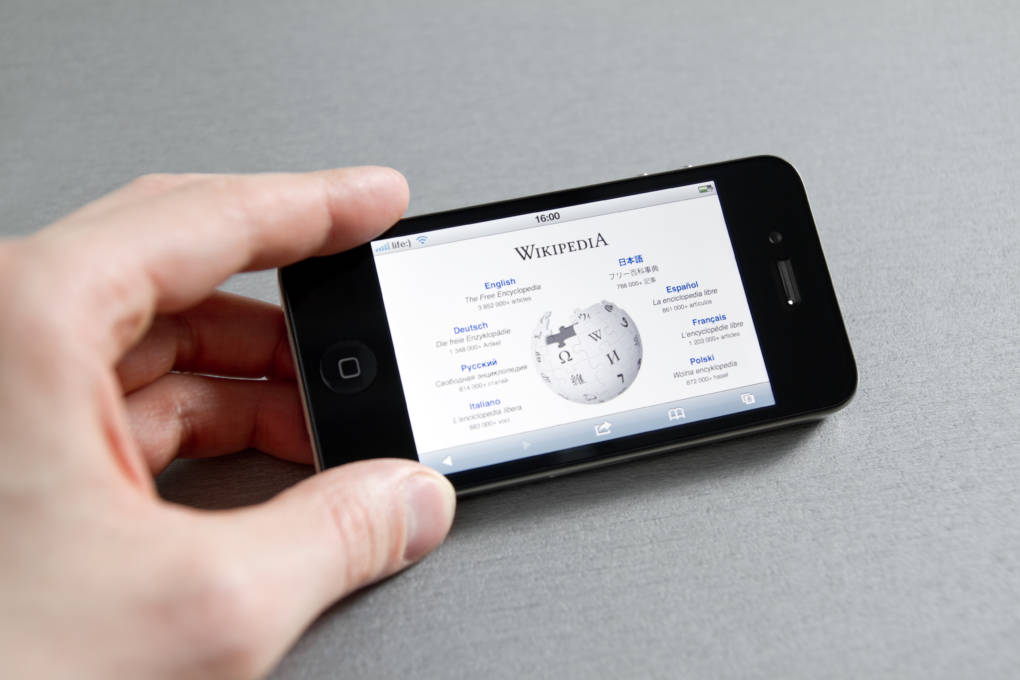
"caption": "\"Kiev, Ukraine - January 22, 2012: Man hand holding Apple iPhone with Wikipedia start page on a screen.",
"description": null,
"title": "Wikipedia Page on Apple iPhone",
"credit": "iStock",
"status": "inherit",
"isLoading": false,
"fetchFailed": false
},
"news_11186285": {
"type": "attachments",
"id": "news_11186285",
"meta": {
"index": "attachments_1716263798",
"site": "news",
"id": "11186285",
"found": true
},
"parent": 11186074,
"imgSizes": {
"small": {
"file": "https://ww2.kqed.org/app/uploads/sites/10/2016/11/Yellow-Cab-520x347.jpg",
"width": 520,
"mimeType": "image/jpeg",
"height": 347
},
"twentyfourteen-full-width": {
"file": "https://ww2.kqed.org/app/uploads/sites/10/2016/11/Yellow-Cab-1038x576.jpg",
"width": 1038,
"mimeType": "image/jpeg",
"height": 576
},
"thumbnail": {
"file": "https://ww2.kqed.org/app/uploads/sites/10/2016/11/Yellow-Cab-160x107.jpg",
"width": 160,
"mimeType": "image/jpeg",
"height": 107
},
"fd-sm": {
"file": "https://ww2.kqed.org/app/uploads/sites/10/2016/11/Yellow-Cab-960x640.jpg",
"width": 960,
"mimeType": "image/jpeg",
"height": 640
},
"post-thumbnail": {
"file": "https://ww2.kqed.org/app/uploads/sites/10/2016/11/Yellow-Cab-672x372.jpg",
"width": 672,
"mimeType": "image/jpeg",
"height": 372
},
"xsmall": {
"file": "https://ww2.kqed.org/app/uploads/sites/10/2016/11/Yellow-Cab-375x250.jpg",
"width": 375,
"mimeType": "image/jpeg",
"height": 250
},
"kqedFullSize": {
"file": "https://ww2.kqed.org/app/uploads/sites/10/2016/11/Yellow-Cab.jpg",
"width": 2000,
"height": 1333
},
"large": {
"file": "https://ww2.kqed.org/app/uploads/sites/10/2016/11/Yellow-Cab-1020x680.jpg",
"width": 1020,
"mimeType": "image/jpeg",
"height": 680
},
"xlarge": {
"file": "https://ww2.kqed.org/app/uploads/sites/10/2016/11/Yellow-Cab-1180x786.jpg",
"width": 1180,
"mimeType": "image/jpeg",
"height": 786
},
"guest-author-50": {
"file": "https://ww2.kqed.org/app/uploads/sites/10/2016/11/Yellow-Cab-50x50.jpg",
"width": 50,
"mimeType": "image/jpeg",
"height": 50
},
"guest-author-96": {
"file": "https://ww2.kqed.org/app/uploads/sites/10/2016/11/Yellow-Cab-96x96.jpg",
"width": 96,
"mimeType": "image/jpeg",
"height": 96
},
"medium": {
"file": "https://ww2.kqed.org/app/uploads/sites/10/2016/11/Yellow-Cab-800x533.jpg",
"width": 800,
"mimeType": "image/jpeg",
"height": 533
},
"guest-author-64": {
"file": "https://ww2.kqed.org/app/uploads/sites/10/2016/11/Yellow-Cab-64x64.jpg",
"width": 64,
"mimeType": "image/jpeg",
"height": 64
},
"guest-author-32": {
"file": "https://ww2.kqed.org/app/uploads/sites/10/2016/11/Yellow-Cab-32x32.jpg",
"width": 32,
"mimeType": "image/jpeg",
"height": 32
},
"jmtc-small-thumb": {
"file": "https://ww2.kqed.org/app/uploads/sites/10/2016/11/Yellow-Cab-280x150.jpg",
"width": 280,
"mimeType": "image/jpeg",
"height": 150
},
"fd-lrg": {
"file": "https://ww2.kqed.org/app/uploads/sites/10/2016/11/Yellow-Cab-1920x1280.jpg",
"width": 1920,
"mimeType": "image/jpeg",
"height": 1280
},
"fd-med": {
"file": "https://ww2.kqed.org/app/uploads/sites/10/2016/11/Yellow-Cab-1180x786.jpg",
"width": 1180,
"mimeType": "image/jpeg",
"height": 786
},
"full-width": {
"file": "https://ww2.kqed.org/app/uploads/sites/10/2016/11/Yellow-Cab-1920x1280.jpg",
"width": 1920,
"mimeType": "image/jpeg",
"height": 1280
},
"detail": {
"file": "https://ww2.kqed.org/app/uploads/sites/10/2016/11/Yellow-Cab-150x150.jpg",
"width": 150,
"mimeType": "image/jpeg",
"height": 150
},
"guest-author-128": {
"file": "https://ww2.kqed.org/app/uploads/sites/10/2016/11/Yellow-Cab-128x128.jpg",
"width": 128,
"mimeType": "image/jpeg",
"height": 128
},
"xxsmall": {
"file": "https://ww2.kqed.org/app/uploads/sites/10/2016/11/Yellow-Cab-240x160.jpg",
"width": 240,
"mimeType": "image/jpeg",
"height": 160
}
},
"publishDate": 1479866340,
"modified": 1479866400,
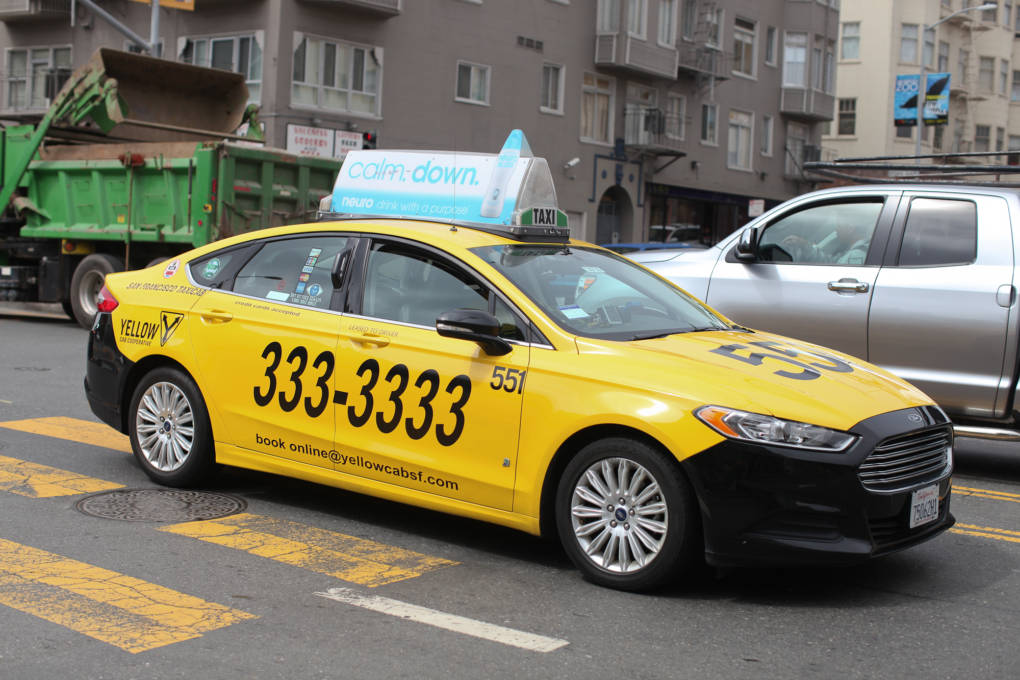
"caption": "Yellow Cab Cooperative is the largest taxi company in San Francisco.",
"description": null,
"title": "yellow-cab",
"credit": "Deborah Svoboda/KQED",
"status": "inherit",
"isLoading": false,
"fetchFailed": false
},
"news_11178536": {
"type": "attachments",
"id": "news_11178536",
"meta": {
"index": "attachments_1716263798",
"site": "news",
"id": "11178536",
"found": true
},
"parent": 11178535,
"imgSizes": {
"small": {
"file": "https://ww2.kqed.org/app/uploads/sites/10/2016/11/sorting_final_custom-3b57fcca5ba0155f15cd18ab0c758f2b101272be-520x339.jpg",
"width": 520,
"mimeType": "image/jpeg",
"height": 339
},
"twentyfourteen-full-width": {
"file": "https://ww2.kqed.org/app/uploads/sites/10/2016/11/sorting_final_custom-3b57fcca5ba0155f15cd18ab0c758f2b101272be-1038x576.jpg",
"width": 1038,
"mimeType": "image/jpeg",
"height": 576
},
"thumbnail": {
"file": "https://ww2.kqed.org/app/uploads/sites/10/2016/11/sorting_final_custom-3b57fcca5ba0155f15cd18ab0c758f2b101272be-160x104.jpg",
"width": 160,
"mimeType": "image/jpeg",
"height": 104
},
"fd-sm": {
"file": "https://ww2.kqed.org/app/uploads/sites/10/2016/11/sorting_final_custom-3b57fcca5ba0155f15cd18ab0c758f2b101272be-960x627.jpg",
"width": 960,
"mimeType": "image/jpeg",
"height": 627
},
"post-thumbnail": {
"file": "https://ww2.kqed.org/app/uploads/sites/10/2016/11/sorting_final_custom-3b57fcca5ba0155f15cd18ab0c758f2b101272be-672x372.jpg",
"width": 672,
"mimeType": "image/jpeg",
"height": 372
},
"xsmall": {
"file": "https://ww2.kqed.org/app/uploads/sites/10/2016/11/sorting_final_custom-3b57fcca5ba0155f15cd18ab0c758f2b101272be-375x245.jpg",
"width": 375,
"mimeType": "image/jpeg",
"height": 245
},
"kqedFullSize": {
"file": "https://ww2.kqed.org/app/uploads/sites/10/2016/11/sorting_final_custom-3b57fcca5ba0155f15cd18ab0c758f2b101272be.jpg",
"width": 2932,
"height": 1914
},
"large": {
"file": "https://ww2.kqed.org/app/uploads/sites/10/2016/11/sorting_final_custom-3b57fcca5ba0155f15cd18ab0c758f2b101272be-1020x666.jpg",
"width": 1020,
"mimeType": "image/jpeg",
"height": 666
},
"xlarge": {
"file": "https://ww2.kqed.org/app/uploads/sites/10/2016/11/sorting_final_custom-3b57fcca5ba0155f15cd18ab0c758f2b101272be-1180x770.jpg",
"width": 1180,
"mimeType": "image/jpeg",
"height": 770
},
"guest-author-50": {
"file": "https://ww2.kqed.org/app/uploads/sites/10/2016/11/sorting_final_custom-3b57fcca5ba0155f15cd18ab0c758f2b101272be-50x50.jpg",
"width": 50,
"mimeType": "image/jpeg",
"height": 50
},
"guest-author-96": {
"file": "https://ww2.kqed.org/app/uploads/sites/10/2016/11/sorting_final_custom-3b57fcca5ba0155f15cd18ab0c758f2b101272be-96x96.jpg",
"width": 96,
"mimeType": "image/jpeg",
"height": 96
},
"medium": {
"file": "https://ww2.kqed.org/app/uploads/sites/10/2016/11/sorting_final_custom-3b57fcca5ba0155f15cd18ab0c758f2b101272be-800x522.jpg",
"width": 800,
"mimeType": "image/jpeg",
"height": 522
},
"guest-author-64": {
"file": "https://ww2.kqed.org/app/uploads/sites/10/2016/11/sorting_final_custom-3b57fcca5ba0155f15cd18ab0c758f2b101272be-64x64.jpg",
"width": 64,
"mimeType": "image/jpeg",
"height": 64
},
"guest-author-32": {
"file": "https://ww2.kqed.org/app/uploads/sites/10/2016/11/sorting_final_custom-3b57fcca5ba0155f15cd18ab0c758f2b101272be-32x32.jpg",
"width": 32,
"mimeType": "image/jpeg",
"height": 32
},
"jmtc-small-thumb": {
"file": "https://ww2.kqed.org/app/uploads/sites/10/2016/11/sorting_final_custom-3b57fcca5ba0155f15cd18ab0c758f2b101272be-280x150.jpg",
"width": 280,
"mimeType": "image/jpeg",
"height": 150
},
"fd-lrg": {
"file": "https://ww2.kqed.org/app/uploads/sites/10/2016/11/sorting_final_custom-3b57fcca5ba0155f15cd18ab0c758f2b101272be-1920x1253.jpg",
"width": 1920,
"mimeType": "image/jpeg",
"height": 1253
},
"fd-med": {
"file": "https://ww2.kqed.org/app/uploads/sites/10/2016/11/sorting_final_custom-3b57fcca5ba0155f15cd18ab0c758f2b101272be-1180x770.jpg",
"width": 1180,
"mimeType": "image/jpeg",
"height": 770
},
"full-width": {
"file": "https://ww2.kqed.org/app/uploads/sites/10/2016/11/sorting_final_custom-3b57fcca5ba0155f15cd18ab0c758f2b101272be-1920x1253.jpg",
"width": 1920,
"mimeType": "image/jpeg",
"height": 1253
},
"detail": {
"file": "https://ww2.kqed.org/app/uploads/sites/10/2016/11/sorting_final_custom-3b57fcca5ba0155f15cd18ab0c758f2b101272be-150x150.jpg",
"width": 150,
"mimeType": "image/jpeg",
"height": 150
},
"guest-author-128": {
"file": "https://ww2.kqed.org/app/uploads/sites/10/2016/11/sorting_final_custom-3b57fcca5ba0155f15cd18ab0c758f2b101272be-128x128.jpg",
"width": 128,
"mimeType": "image/jpeg",
"height": 128
},
"xxsmall": {
"file": "https://ww2.kqed.org/app/uploads/sites/10/2016/11/sorting_final_custom-3b57fcca5ba0155f15cd18ab0c758f2b101272be-240x157.jpg",
"width": 240,
"mimeType": "image/jpeg",
"height": 157
}
},
"publishDate": 1479410325,
"modified": 1479410634,
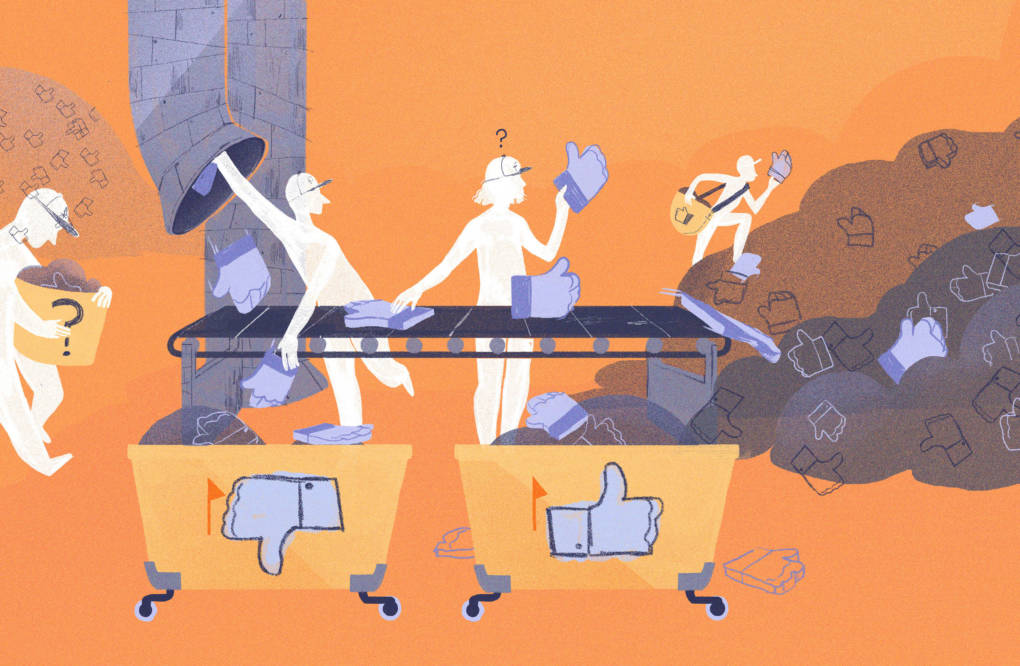
"caption": "How does Facebook decide when to take down controversial images and posts?",
"description": "How does Facebook decide when to take down controversial images and posts?",
"title": "How does Facebook decide when to take down controversial images and posts?",
"credit": "Chelsea Beck/NPR",
"status": "inherit",
"isLoading": false,
"fetchFailed": false
},
"news_11175481": {
"type": "attachments",
"id": "news_11175481",
"meta": {
"index": "attachments_1716263798",
"site": "news",
"id": "11175481",
"found": true
},
"parent": 11175477,
"imgSizes": {
"small": {
"file": "https://ww2.kqed.org/app/uploads/sites/10/2016/11/Tinder-520x346.jpg",
"width": 520,
"mimeType": "image/jpeg",
"height": 346
},
"twentyfourteen-full-width": {
"file": "https://ww2.kqed.org/app/uploads/sites/10/2016/11/Tinder-1038x576.jpg",
"width": 1038,
"mimeType": "image/jpeg",
"height": 576
},
"thumbnail": {
"file": "https://ww2.kqed.org/app/uploads/sites/10/2016/11/Tinder-160x107.jpg",
"width": 160,
"mimeType": "image/jpeg",
"height": 107
},
"fd-sm": {
"file": "https://ww2.kqed.org/app/uploads/sites/10/2016/11/Tinder-960x639.jpg",
"width": 960,
"mimeType": "image/jpeg",
"height": 639
},
"post-thumbnail": {
"file": "https://ww2.kqed.org/app/uploads/sites/10/2016/11/Tinder-672x372.jpg",
"width": 672,
"mimeType": "image/jpeg",
"height": 372
},
"xsmall": {
"file": "https://ww2.kqed.org/app/uploads/sites/10/2016/11/Tinder-375x250.jpg",
"width": 375,
"mimeType": "image/jpeg",
"height": 250
},
"kqedFullSize": {
"file": "https://ww2.kqed.org/app/uploads/sites/10/2016/11/Tinder.jpg",
"width": 1920,
"height": 1278
},
"large": {
"file": "https://ww2.kqed.org/app/uploads/sites/10/2016/11/Tinder-1020x679.jpg",
"width": 1020,
"mimeType": "image/jpeg",
"height": 679
},
"xlarge": {
"file": "https://ww2.kqed.org/app/uploads/sites/10/2016/11/Tinder-1180x785.jpg",
"width": 1180,
"mimeType": "image/jpeg",
"height": 785
},
"guest-author-50": {
"file": "https://ww2.kqed.org/app/uploads/sites/10/2016/11/Tinder-50x50.jpg",
"width": 50,
"mimeType": "image/jpeg",
"height": 50
},
"guest-author-96": {
"file": "https://ww2.kqed.org/app/uploads/sites/10/2016/11/Tinder-96x96.jpg",
"width": 96,
"mimeType": "image/jpeg",
"height": 96
},
"medium": {
"file": "https://ww2.kqed.org/app/uploads/sites/10/2016/11/Tinder-800x533.jpg",
"width": 800,
"mimeType": "image/jpeg",
"height": 533
},
"guest-author-64": {
"file": "https://ww2.kqed.org/app/uploads/sites/10/2016/11/Tinder-64x64.jpg",
"width": 64,
"mimeType": "image/jpeg",
"height": 64
},
"guest-author-32": {
"file": "https://ww2.kqed.org/app/uploads/sites/10/2016/11/Tinder-32x32.jpg",
"width": 32,
"mimeType": "image/jpeg",
"height": 32
},
"jmtc-small-thumb": {
"file": "https://ww2.kqed.org/app/uploads/sites/10/2016/11/Tinder-280x150.jpg",
"width": 280,
"mimeType": "image/jpeg",
"height": 150
},
"fd-lrg": {
"file": "https://ww2.kqed.org/app/uploads/sites/10/2016/11/Tinder-1920x1278.jpg",
"width": 1920,
"mimeType": "image/jpeg",
"height": 1278
},
"fd-med": {
"file": "https://ww2.kqed.org/app/uploads/sites/10/2016/11/Tinder-1180x785.jpg",
"width": 1180,
"mimeType": "image/jpeg",
"height": 785
},
"full-width": {
"file": "https://ww2.kqed.org/app/uploads/sites/10/2016/11/Tinder-1920x1278.jpg",
"width": 1920,
"mimeType": "image/jpeg",
"height": 1278
},
"detail": {
"file": "https://ww2.kqed.org/app/uploads/sites/10/2016/11/Tinder-150x150.jpg",
"width": 150,
"mimeType": "image/jpeg",
"height": 150
},
"guest-author-128": {
"file": "https://ww2.kqed.org/app/uploads/sites/10/2016/11/Tinder-128x128.jpg",
"width": 128,
"mimeType": "image/jpeg",
"height": 128
},
"xxsmall": {
"file": "https://ww2.kqed.org/app/uploads/sites/10/2016/11/Tinder-240x160.jpg",
"width": 240,
"mimeType": "image/jpeg",
"height": 160
}
},
"publishDate": 1479238983,
"modified": 1479249977,
"caption": null,
"description": null,
"title": "tinder",
"credit": "Lionel Bonaventure/AFP/Getty Images",
"status": "inherit",
"isLoading": false,
"fetchFailed": false
},
"news_11175407": {
"type": "attachments",
"id": "news_11175407",
"meta": {
"index": "attachments_1716263798",
"site": "news",
"id": "11175407",
"found": true
},
"parent": 11175402,
"imgSizes": {
"small": {
"file": "https://ww2.kqed.org/app/uploads/sites/10/2016/11/Zuckerberg-520x324.jpg",
"width": 520,
"mimeType": "image/jpeg",
"height": 324
},
"twentyfourteen-full-width": {
"file": "https://ww2.kqed.org/app/uploads/sites/10/2016/11/Zuckerberg-1038x576.jpg",
"width": 1038,
"mimeType": "image/jpeg",
"height": 576
},
"thumbnail": {
"file": "https://ww2.kqed.org/app/uploads/sites/10/2016/11/Zuckerberg-160x100.jpg",
"width": 160,
"mimeType": "image/jpeg",
"height": 100
},
"fd-sm": {
"file": "https://ww2.kqed.org/app/uploads/sites/10/2016/11/Zuckerberg-960x598.jpg",
"width": 960,
"mimeType": "image/jpeg",
"height": 598
},
"post-thumbnail": {
"file": "https://ww2.kqed.org/app/uploads/sites/10/2016/11/Zuckerberg-672x372.jpg",
"width": 672,
"mimeType": "image/jpeg",
"height": 372
},
"xsmall": {
"file": "https://ww2.kqed.org/app/uploads/sites/10/2016/11/Zuckerberg-375x233.jpg",
"width": 375,
"mimeType": "image/jpeg",
"height": 233
},
"kqedFullSize": {
"file": "https://ww2.kqed.org/app/uploads/sites/10/2016/11/Zuckerberg.jpg",
"width": 1920,
"height": 1195
},
"large": {
"file": "https://ww2.kqed.org/app/uploads/sites/10/2016/11/Zuckerberg-1020x635.jpg",
"width": 1020,
"mimeType": "image/jpeg",
"height": 635
},
"xlarge": {
"file": "https://ww2.kqed.org/app/uploads/sites/10/2016/11/Zuckerberg-1180x734.jpg",
"width": 1180,
"mimeType": "image/jpeg",
"height": 734
},
"guest-author-50": {
"file": "https://ww2.kqed.org/app/uploads/sites/10/2016/11/Zuckerberg-50x50.jpg",
"width": 50,
"mimeType": "image/jpeg",
"height": 50
},
"guest-author-96": {
"file": "https://ww2.kqed.org/app/uploads/sites/10/2016/11/Zuckerberg-96x96.jpg",
"width": 96,
"mimeType": "image/jpeg",
"height": 96
},
"medium": {
"file": "https://ww2.kqed.org/app/uploads/sites/10/2016/11/Zuckerberg-800x498.jpg",
"width": 800,
"mimeType": "image/jpeg",
"height": 498
},
"guest-author-64": {
"file": "https://ww2.kqed.org/app/uploads/sites/10/2016/11/Zuckerberg-64x64.jpg",
"width": 64,
"mimeType": "image/jpeg",
"height": 64
},
"guest-author-32": {
"file": "https://ww2.kqed.org/app/uploads/sites/10/2016/11/Zuckerberg-32x32.jpg",
"width": 32,
"mimeType": "image/jpeg",
"height": 32
},
"jmtc-small-thumb": {
"file": "https://ww2.kqed.org/app/uploads/sites/10/2016/11/Zuckerberg-280x150.jpg",
"width": 280,
"mimeType": "image/jpeg",
"height": 150
},
"fd-lrg": {
"file": "https://ww2.kqed.org/app/uploads/sites/10/2016/11/Zuckerberg-1920x1195.jpg",
"width": 1920,
"mimeType": "image/jpeg",
"height": 1195
},
"fd-med": {
"file": "https://ww2.kqed.org/app/uploads/sites/10/2016/11/Zuckerberg-1180x734.jpg",
"width": 1180,
"mimeType": "image/jpeg",
"height": 734
},
"full-width": {
"file": "https://ww2.kqed.org/app/uploads/sites/10/2016/11/Zuckerberg-1920x1195.jpg",
"width": 1920,
"mimeType": "image/jpeg",
"height": 1195
},
"detail": {
"file": "https://ww2.kqed.org/app/uploads/sites/10/2016/11/Zuckerberg-150x150.jpg",
"width": 150,
"mimeType": "image/jpeg",
"height": 150
},
"guest-author-128": {
"file": "https://ww2.kqed.org/app/uploads/sites/10/2016/11/Zuckerberg-128x128.jpg",
"width": 128,
"mimeType": "image/jpeg",
"height": 128
},
"xxsmall": {
"file": "https://ww2.kqed.org/app/uploads/sites/10/2016/11/Zuckerberg-240x149.jpg",
"width": 240,
"mimeType": "image/jpeg",
"height": 149
}
},
"publishDate": 1479236132,
"modified": 1479236159,
"caption": "Facebook CEO Mark Zuckerberg is defending the company against criticism that it doesn't vet fake news in its news feed.",
"description": "Facebook CEO Mark Zuckerberg is defending the company against criticism that it doesn't vet fake news in its news feed.",
"title": "zuckerberg",
"credit": "LLUIS GENE/AFP/Getty Images",
"status": "inherit",
"isLoading": false,
"fetchFailed": false
},
"news_11175391": {
"type": "attachments",
"id": "news_11175391",
"meta": {
"index": "attachments_1716263798",
"site": "news",
"id": "11175391",
"found": true
},
"parent": 11175269,
"imgSizes": {
"small": {
"file": "https://ww2.kqed.org/app/uploads/sites/10/2016/11/Screenshot-2016-11-15-10.04.20-e1479233229446-520x300.png",
"width": 520,
"mimeType": "image/png",
"height": 300
},
"twentyfourteen-full-width": {
"file": "https://ww2.kqed.org/app/uploads/sites/10/2016/11/Screenshot-2016-11-15-10.04.20-e1479233229446-1038x576.png",
"width": 1038,
"mimeType": "image/png",
"height": 576
},
"thumbnail": {
"file": "https://ww2.kqed.org/app/uploads/sites/10/2016/11/Screenshot-2016-11-15-10.04.20-e1479233229446-160x92.png",
"width": 160,
"mimeType": "image/png",
"height": 92
},
"fd-sm": {
"file": "https://ww2.kqed.org/app/uploads/sites/10/2016/11/Screenshot-2016-11-15-10.04.20-e1479233229446-960x554.png",
"width": 960,
"mimeType": "image/png",
"height": 554
},
"post-thumbnail": {
"file": "https://ww2.kqed.org/app/uploads/sites/10/2016/11/Screenshot-2016-11-15-10.04.20-e1479233229446-672x372.png",
"width": 672,
"mimeType": "image/png",
"height": 372
},
"xsmall": {
"file": "https://ww2.kqed.org/app/uploads/sites/10/2016/11/Screenshot-2016-11-15-10.04.20-e1479233229446-375x216.png",
"width": 375,
"mimeType": "image/png",
"height": 216
},
"kqedFullSize": {
"file": "https://ww2.kqed.org/app/uploads/sites/10/2016/11/Screenshot-2016-11-15-10.04.20-e1479233229446.png",
"width": 1164,
"height": 672
},
"large": {
"file": "https://ww2.kqed.org/app/uploads/sites/10/2016/11/Screenshot-2016-11-15-10.04.20-e1479233229446-1020x589.png",
"width": 1020,
"mimeType": "image/png",
"height": 589
},
"xlarge": {
"file": "https://ww2.kqed.org/app/uploads/sites/10/2016/11/Screenshot-2016-11-15-10.04.20-1180x738.png",
"width": 1180,
"mimeType": "image/png",
"height": 738
},
"guest-author-50": {
"file": "https://ww2.kqed.org/app/uploads/sites/10/2016/11/Screenshot-2016-11-15-10.04.20-e1479233229446-50x50.png",
"width": 50,
"mimeType": "image/png",
"height": 50
},
"guest-author-96": {
"file": "https://ww2.kqed.org/app/uploads/sites/10/2016/11/Screenshot-2016-11-15-10.04.20-e1479233229446-96x96.png",
"width": 96,
"mimeType": "image/png",
"height": 96
},
"medium": {
"file": "https://ww2.kqed.org/app/uploads/sites/10/2016/11/Screenshot-2016-11-15-10.04.20-e1479233229446-800x462.png",
"width": 800,
"mimeType": "image/png",
"height": 462
},
"guest-author-64": {
"file": "https://ww2.kqed.org/app/uploads/sites/10/2016/11/Screenshot-2016-11-15-10.04.20-e1479233229446-64x64.png",
"width": 64,
"mimeType": "image/png",
"height": 64
},
"guest-author-32": {
"file": "https://ww2.kqed.org/app/uploads/sites/10/2016/11/Screenshot-2016-11-15-10.04.20-e1479233229446-32x32.png",
"width": 32,
"mimeType": "image/png",
"height": 32
},
"jmtc-small-thumb": {
"file": "https://ww2.kqed.org/app/uploads/sites/10/2016/11/Screenshot-2016-11-15-10.04.20-e1479233229446-280x150.png",
"width": 280,
"mimeType": "image/png",
"height": 150
},
"fd-med": {
"file": "https://ww2.kqed.org/app/uploads/sites/10/2016/11/Screenshot-2016-11-15-10.04.20-1180x738.png",
"width": 1180,
"mimeType": "image/png",
"height": 738
},
"detail": {
"file": "https://ww2.kqed.org/app/uploads/sites/10/2016/11/Screenshot-2016-11-15-10.04.20-e1479233229446-150x150.png",
"width": 150,
"mimeType": "image/png",
"height": 150
},
"guest-author-128": {
"file": "https://ww2.kqed.org/app/uploads/sites/10/2016/11/Screenshot-2016-11-15-10.04.20-e1479233229446-128x128.png",
"width": 128,
"mimeType": "image/png",
"height": 128
},
"xxsmall": {
"file": "https://ww2.kqed.org/app/uploads/sites/10/2016/11/Screenshot-2016-11-15-10.04.20-e1479233229446-240x139.png",
"width": 240,
"mimeType": "image/png",
"height": 139
}
},
"publishDate": 1479233154,
"modified": 1479233330,
"caption": "Hyperloop One concept for route between Dubai and Abu Dhabi. ",
"description": null,
"title": "Hyperloop-Abu Dhabi",
"credit": "Hyperloop One",
"status": "inherit",
"isLoading": false,
"fetchFailed": false
},
"news_11170199": {
"type": "attachments",
"id": "news_11170199",
"meta": {
"index": "attachments_1716263798",
"site": "news",
"id": "11170199",
"found": true
},
"parent": 11170034,
"imgSizes": {
"small": {
"file": "https://ww2.kqed.org/app/uploads/sites/10/2016/11/Tech-shuttle-bus-520x347.jpg",
"width": 520,
"mimeType": "image/jpeg",
"height": 347
},
"twentyfourteen-full-width": {
"file": "https://ww2.kqed.org/app/uploads/sites/10/2016/11/Tech-shuttle-bus-1038x576.jpg",
"width": 1038,
"mimeType": "image/jpeg",
"height": 576
},
"thumbnail": {
"file": "https://ww2.kqed.org/app/uploads/sites/10/2016/11/Tech-shuttle-bus-160x107.jpg",
"width": 160,
"mimeType": "image/jpeg",
"height": 107
},
"fd-sm": {
"file": "https://ww2.kqed.org/app/uploads/sites/10/2016/11/Tech-shuttle-bus-960x640.jpg",
"width": 960,
"mimeType": "image/jpeg",
"height": 640
},
"post-thumbnail": {
"file": "https://ww2.kqed.org/app/uploads/sites/10/2016/11/Tech-shuttle-bus-672x372.jpg",
"width": 672,
"mimeType": "image/jpeg",
"height": 372
},
"xsmall": {
"file": "https://ww2.kqed.org/app/uploads/sites/10/2016/11/Tech-shuttle-bus-375x250.jpg",
"width": 375,
"mimeType": "image/jpeg",
"height": 250
},
"kqedFullSize": {
"file": "https://ww2.kqed.org/app/uploads/sites/10/2016/11/Tech-shuttle-bus-e1478907594951.jpg",
"width": 1920,
"height": 1280
},
"large": {
"file": "https://ww2.kqed.org/app/uploads/sites/10/2016/11/Tech-shuttle-bus-1020x680.jpg",
"width": 1020,
"mimeType": "image/jpeg",
"height": 680
},
"xlarge": {
"file": "https://ww2.kqed.org/app/uploads/sites/10/2016/11/Tech-shuttle-bus-1180x786.jpg",
"width": 1180,
"mimeType": "image/jpeg",
"height": 786
},
"guest-author-50": {
"file": "https://ww2.kqed.org/app/uploads/sites/10/2016/11/Tech-shuttle-bus-50x50.jpg",
"width": 50,
"mimeType": "image/jpeg",
"height": 50
},
"guest-author-96": {
"file": "https://ww2.kqed.org/app/uploads/sites/10/2016/11/Tech-shuttle-bus-96x96.jpg",
"width": 96,
"mimeType": "image/jpeg",
"height": 96
},
"medium": {
"file": "https://ww2.kqed.org/app/uploads/sites/10/2016/11/Tech-shuttle-bus-800x533.jpg",
"width": 800,
"mimeType": "image/jpeg",
"height": 533
},
"guest-author-64": {
"file": "https://ww2.kqed.org/app/uploads/sites/10/2016/11/Tech-shuttle-bus-64x64.jpg",
"width": 64,
"mimeType": "image/jpeg",
"height": 64
},
"guest-author-32": {
"file": "https://ww2.kqed.org/app/uploads/sites/10/2016/11/Tech-shuttle-bus-32x32.jpg",
"width": 32,
"mimeType": "image/jpeg",
"height": 32
},
"jmtc-small-thumb": {
"file": "https://ww2.kqed.org/app/uploads/sites/10/2016/11/Tech-shuttle-bus-280x150.jpg",
"width": 280,
"mimeType": "image/jpeg",
"height": 150
},
"fd-lrg": {
"file": "https://ww2.kqed.org/app/uploads/sites/10/2016/11/Tech-shuttle-bus-1920x1280.jpg",
"width": 1920,
"mimeType": "image/jpeg",
"height": 1280
},
"fd-med": {
"file": "https://ww2.kqed.org/app/uploads/sites/10/2016/11/Tech-shuttle-bus-1180x786.jpg",
"width": 1180,
"mimeType": "image/jpeg",
"height": 786
},
"full-width": {
"file": "https://ww2.kqed.org/app/uploads/sites/10/2016/11/Tech-shuttle-bus-1920x1280.jpg",
"width": 1920,
"mimeType": "image/jpeg",
"height": 1280
},
"detail": {
"file": "https://ww2.kqed.org/app/uploads/sites/10/2016/11/Tech-shuttle-bus-150x150.jpg",
"width": 150,
"mimeType": "image/jpeg",
"height": 150
},
"guest-author-128": {
"file": "https://ww2.kqed.org/app/uploads/sites/10/2016/11/Tech-shuttle-bus-128x128.jpg",
"width": 128,
"mimeType": "image/jpeg",
"height": 128
},
"xxsmall": {
"file": "https://ww2.kqed.org/app/uploads/sites/10/2016/11/Tech-shuttle-bus-240x160.jpg",
"width": 240,
"mimeType": "image/jpeg",
"height": 160
}
},
"publishDate": 1478907579,
"modified": 1478907649,
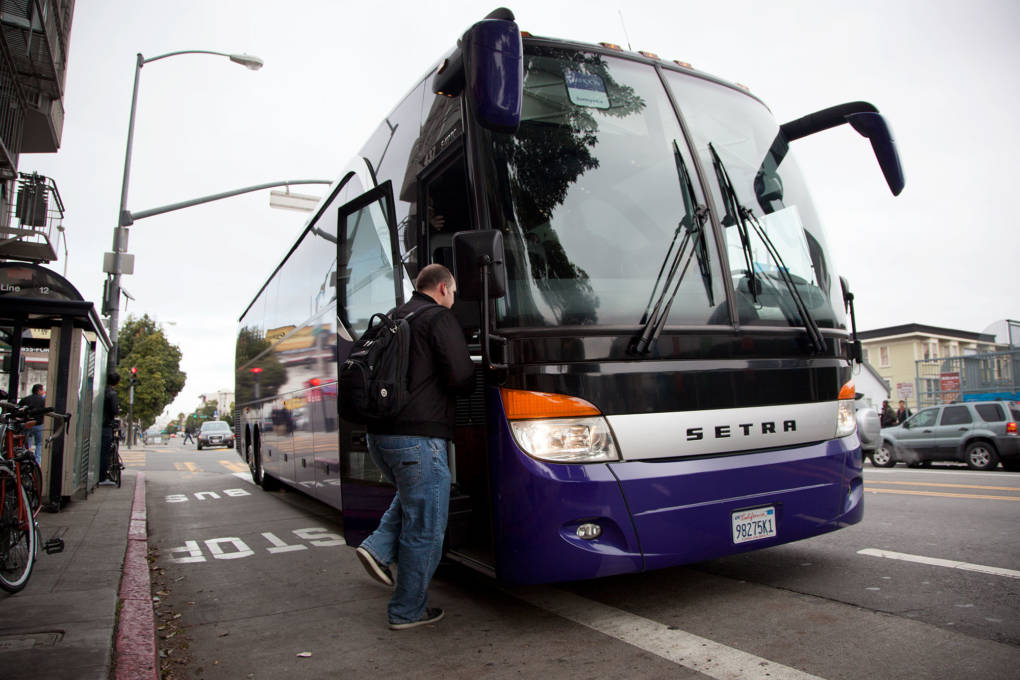
"caption": "Workers board a private bus at a Muni bus stop at 24th and Valencia streets in the Mission District.",
"description": null,
"title": "tech-shuttle-bus",
"credit": "Mark Andrew Boyer/KQED",
"status": "inherit",
"isLoading": false,
"fetchFailed": false
},
"news_11164040": {
"type": "attachments",
"id": "news_11164040",
"meta": {
"index": "attachments_1716263798",
"site": "news",
"id": "11164040",
"found": true
},
"parent": 11164030,
"imgSizes": {
"small": {
"file": "https://ww2.kqed.org/app/uploads/sites/10/2016/11/FullSizeRender-520x619.jpg",
"width": 520,
"mimeType": "image/jpeg",
"height": 619
},
"twentyfourteen-full-width": {
"file": "https://ww2.kqed.org/app/uploads/sites/10/2016/11/FullSizeRender-640x576.jpg",
"width": 640,
"mimeType": "image/jpeg",
"height": 576
},
"thumbnail": {
"file": "https://ww2.kqed.org/app/uploads/sites/10/2016/11/FullSizeRender-160x191.jpg",
"width": 160,
"mimeType": "image/jpeg",
"height": 191
},
"post-thumbnail": {
"file": "https://ww2.kqed.org/app/uploads/sites/10/2016/11/FullSizeRender-640x372.jpg",
"width": 640,
"mimeType": "image/jpeg",
"height": 372
},
"xsmall": {
"file": "https://ww2.kqed.org/app/uploads/sites/10/2016/11/FullSizeRender-375x446.jpg",
"width": 375,
"mimeType": "image/jpeg",
"height": 446
},
"kqedFullSize": {
"file": "https://ww2.kqed.org/app/uploads/sites/10/2016/11/FullSizeRender.jpg",
"width": 640,
"height": 762
},
"guest-author-50": {
"file": "https://ww2.kqed.org/app/uploads/sites/10/2016/11/FullSizeRender-50x50.jpg",
"width": 50,
"mimeType": "image/jpeg",
"height": 50
},
"guest-author-96": {
"file": "https://ww2.kqed.org/app/uploads/sites/10/2016/11/FullSizeRender-96x96.jpg",
"width": 96,
"mimeType": "image/jpeg",
"height": 96
},
"guest-author-64": {
"file": "https://ww2.kqed.org/app/uploads/sites/10/2016/11/FullSizeRender-64x64.jpg",
"width": 64,
"mimeType": "image/jpeg",
"height": 64
},
"guest-author-32": {
"file": "https://ww2.kqed.org/app/uploads/sites/10/2016/11/FullSizeRender-32x32.jpg",
"width": 32,
"mimeType": "image/jpeg",
"height": 32
},
"jmtc-small-thumb": {
"file": "https://ww2.kqed.org/app/uploads/sites/10/2016/11/FullSizeRender-280x150.jpg",
"width": 280,
"mimeType": "image/jpeg",
"height": 150
},
"detail": {
"file": "https://ww2.kqed.org/app/uploads/sites/10/2016/11/FullSizeRender-150x150.jpg",
"width": 150,
"mimeType": "image/jpeg",
"height": 150
},
"guest-author-128": {
"file": "https://ww2.kqed.org/app/uploads/sites/10/2016/11/FullSizeRender-128x128.jpg",
"width": 128,
"mimeType": "image/jpeg",
"height": 128
},
"xxsmall": {
"file": "https://ww2.kqed.org/app/uploads/sites/10/2016/11/FullSizeRender-240x286.jpg",
"width": 240,
"mimeType": "image/jpeg",
"height": 286
}
},
"publishDate": 1478567969,
"modified": 1478568039,
"caption": "#NeverTrump app let's users trade votes with third-party supporters in swing states",
"description": null,
"title": "fullsizerender",
"credit": "Trimian",
"status": "inherit",
"isLoading": false,
"fetchFailed": false
},
"news_11155454": {
"type": "attachments",
"id": "news_11155454",
"meta": {
"index": "attachments_1716263798",
"site": "news",
"id": "11155454",
"found": true
},
"parent": 11155375,
"imgSizes": {
"small": {
"file": "https://ww2.kqed.org/app/uploads/sites/10/2016/11/trump-520x326.jpg",
"width": 520,
"mimeType": "image/jpeg",
"height": 326
},
"twentyfourteen-full-width": {
"file": "https://ww2.kqed.org/app/uploads/sites/10/2016/11/trump-1038x576.jpg",
"width": 1038,
"mimeType": "image/jpeg",
"height": 576
},
"thumbnail": {
"file": "https://ww2.kqed.org/app/uploads/sites/10/2016/11/trump-160x100.jpg",
"width": 160,
"mimeType": "image/jpeg",
"height": 100
},
"fd-sm": {
"file": "https://ww2.kqed.org/app/uploads/sites/10/2016/11/trump-960x601.jpg",
"width": 960,
"mimeType": "image/jpeg",
"height": 601
},
"post-thumbnail": {
"file": "https://ww2.kqed.org/app/uploads/sites/10/2016/11/trump-672x372.jpg",
"width": 672,
"mimeType": "image/jpeg",
"height": 372
},
"xsmall": {
"file": "https://ww2.kqed.org/app/uploads/sites/10/2016/11/trump-375x235.jpg",
"width": 375,
"mimeType": "image/jpeg",
"height": 235
},
"kqedFullSize": {
"file": "https://ww2.kqed.org/app/uploads/sites/10/2016/11/trump-e1478124178690.jpg",
"width": 1920,
"height": 1202
},
"large": {
"file": "https://ww2.kqed.org/app/uploads/sites/10/2016/11/trump-1020x639.jpg",
"width": 1020,
"mimeType": "image/jpeg",
"height": 639
},
"xlarge": {
"file": "https://ww2.kqed.org/app/uploads/sites/10/2016/11/trump-1180x739.jpg",
"width": 1180,
"mimeType": "image/jpeg",
"height": 739
},
"guest-author-50": {
"file": "https://ww2.kqed.org/app/uploads/sites/10/2016/11/trump-50x50.jpg",
"width": 50,
"mimeType": "image/jpeg",
"height": 50
},
"guest-author-96": {
"file": "https://ww2.kqed.org/app/uploads/sites/10/2016/11/trump-96x96.jpg",
"width": 96,
"mimeType": "image/jpeg",
"height": 96
},
"medium": {
"file": "https://ww2.kqed.org/app/uploads/sites/10/2016/11/trump-800x501.jpg",
"width": 800,
"mimeType": "image/jpeg",
"height": 501
},
"guest-author-64": {
"file": "https://ww2.kqed.org/app/uploads/sites/10/2016/11/trump-64x64.jpg",
"width": 64,
"mimeType": "image/jpeg",
"height": 64
},
"guest-author-32": {
"file": "https://ww2.kqed.org/app/uploads/sites/10/2016/11/trump-32x32.jpg",
"width": 32,
"mimeType": "image/jpeg",
"height": 32
},
"jmtc-small-thumb": {
"file": "https://ww2.kqed.org/app/uploads/sites/10/2016/11/trump-280x150.jpg",
"width": 280,
"mimeType": "image/jpeg",
"height": 150
},
"fd-lrg": {
"file": "https://ww2.kqed.org/app/uploads/sites/10/2016/11/trump-1920x1202.jpg",
"width": 1920,
"mimeType": "image/jpeg",
"height": 1202
},
"fd-med": {
"file": "https://ww2.kqed.org/app/uploads/sites/10/2016/11/trump-1180x739.jpg",
"width": 1180,
"mimeType": "image/jpeg",
"height": 739
},
"full-width": {
"file": "https://ww2.kqed.org/app/uploads/sites/10/2016/11/trump-1920x1202.jpg",
"width": 1920,
"mimeType": "image/jpeg",
"height": 1202
},
"detail": {
"file": "https://ww2.kqed.org/app/uploads/sites/10/2016/11/trump-150x150.jpg",
"width": 150,
"mimeType": "image/jpeg",
"height": 150
},
"guest-author-128": {
"file": "https://ww2.kqed.org/app/uploads/sites/10/2016/11/trump-128x128.jpg",
"width": 128,
"mimeType": "image/jpeg",
"height": 128
},
"xxsmall": {
"file": "https://ww2.kqed.org/app/uploads/sites/10/2016/11/trump-240x150.jpg",
"width": 240,
"mimeType": "image/jpeg",
"height": 150
}
},
"publishDate": 1478041118,
"modified": 1478124214,
"caption": "Protesters hold up signs against a police skirmish line near where Republican presidential candidate Donald Trump holds a rally in San Jose on June 02, 2016. \n",
"description": null,
"title": "US-VOTE-REPUBLICANS-TRUMP",
"credit": "Josh Edelson/AFP/Getty Images)",
"status": "inherit",
"isLoading": false,
"fetchFailed": false
},
"news_141513": {
"type": "attachments",
"id": "news_141513",
"meta": {
"index": "attachments_1716263798",
"site": "news",
"id": "141513",
"found": true
},
"parent": 141502,
"imgSizes": {
"kqedFullSize": {
"file": "https://ww2.kqed.org/app/uploads/sites/10/2014/07/RS9516_Chevron032714-JoshC-5177-lpr-e1478109513540.jpg",
"width": 1920,
"height": 1280
}
},
"publishDate": 1405024797,
"modified": 1612213302,
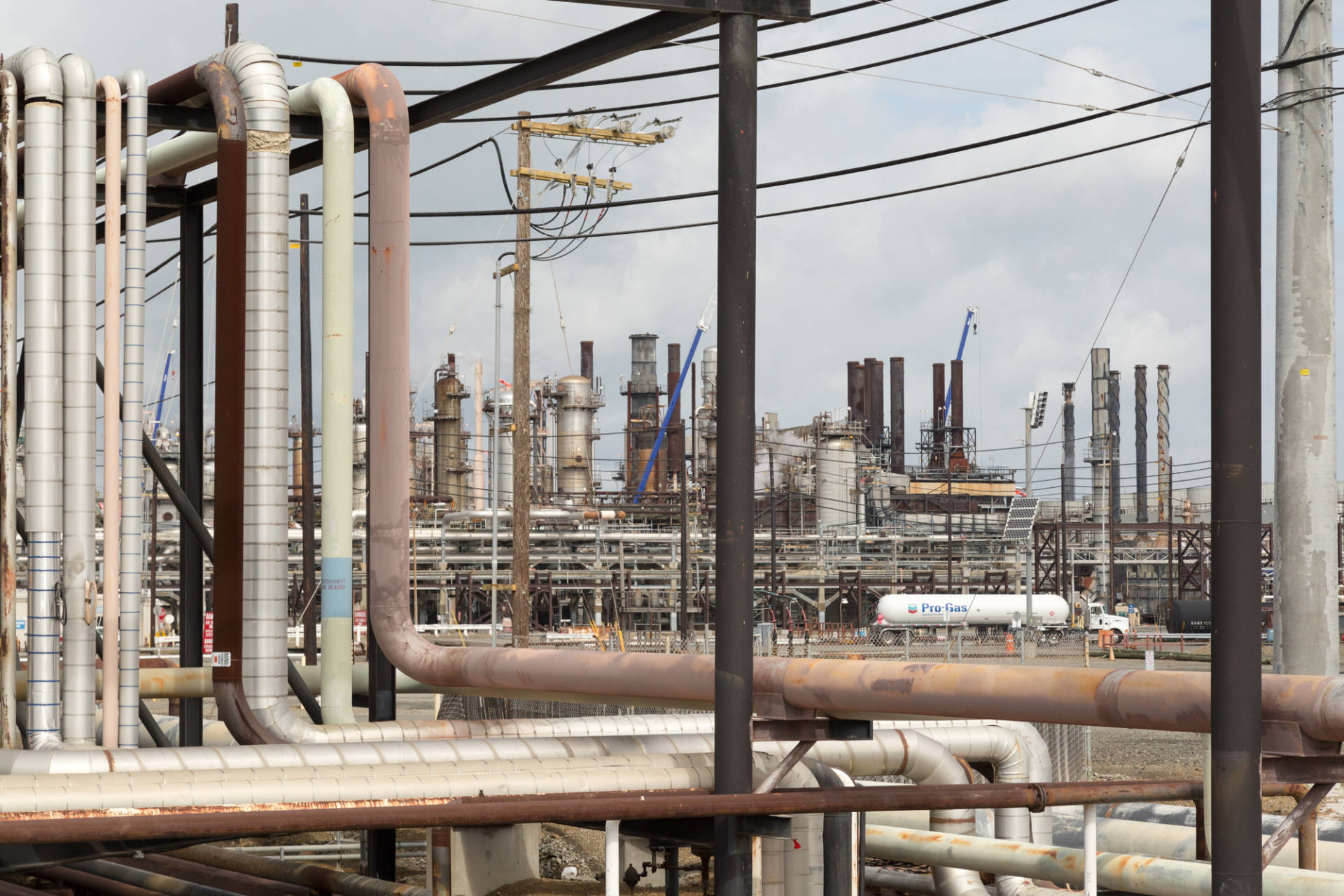
"caption": "A section of Chevron’s Richmond oil refinery.",
"description": "A section of Chevron’s Richmond oil refinery. ",
"title": "Richmond-Chevron Refinery",
"credit": "Josh Cassidy/KQED",
"status": "inherit",
"altTag": null,
"isLoading": false,
"fetchFailed": false
},
"news_10840510": {
"type": "attachments",
"id": "news_10840510",
"meta": {
"index": "attachments_1716263798",
"site": "news",
"id": "10840510",
"found": true
},
"parent": 10839378,
"imgSizes": {
"twentyfourteen-full-width": {
"file": "https://ww2.kqed.org/app/uploads/sites/10/2016/01/DMVEntrance-1038x576.jpg",
"width": 1038,
"mimeType": "image/jpeg",
"height": 576
},
"thumbnail": {
"file": "https://ww2.kqed.org/app/uploads/sites/10/2016/01/DMVEntrance-400x254.jpg",
"width": 400,
"mimeType": "image/jpeg",
"height": 254
},
"fd-sm": {
"file": "https://ww2.kqed.org/app/uploads/sites/10/2016/01/DMVEntrance-960x609.jpg",
"width": 960,
"mimeType": "image/jpeg",
"height": 609
},
"post-thumbnail": {
"file": "https://ww2.kqed.org/app/uploads/sites/10/2016/01/DMVEntrance-672x372.jpg",
"width": 672,
"mimeType": "image/jpeg",
"height": 372
},
"kqedFullSize": {
"file": "https://ww2.kqed.org/app/uploads/sites/10/2016/01/DMVEntrance.jpg",
"width": 1920,
"height": 1217
},
"large": {
"file": "https://ww2.kqed.org/app/uploads/sites/10/2016/01/DMVEntrance-1440x913.jpg",
"width": 1440,
"mimeType": "image/jpeg",
"height": 913
},
"guest-author-96": {
"file": "https://ww2.kqed.org/app/uploads/sites/10/2016/01/DMVEntrance-96x96.jpg",
"width": 96,
"mimeType": "image/jpeg",
"height": 96
},
"medium": {
"file": "https://ww2.kqed.org/app/uploads/sites/10/2016/01/DMVEntrance-800x507.jpg",
"width": 800,
"mimeType": "image/jpeg",
"height": 507
},
"guest-author-64": {
"file": "https://ww2.kqed.org/app/uploads/sites/10/2016/01/DMVEntrance-64x64.jpg",
"width": 64,
"mimeType": "image/jpeg",
"height": 64
},
"guest-author-32": {
"file": "https://ww2.kqed.org/app/uploads/sites/10/2016/01/DMVEntrance-32x32.jpg",
"width": 32,
"mimeType": "image/jpeg",
"height": 32
},
"jmtc-small-thumb": {
"file": "https://ww2.kqed.org/app/uploads/sites/10/2016/01/DMVEntrance-280x150.jpg",
"width": 280,
"mimeType": "image/jpeg",
"height": 150
},
"fd-lrg": {
"file": "https://ww2.kqed.org/app/uploads/sites/10/2016/01/DMVEntrance-1920x1217.jpg",
"width": 1920,
"mimeType": "image/jpeg",
"height": 1217
},
"fd-med": {
"file": "https://ww2.kqed.org/app/uploads/sites/10/2016/01/DMVEntrance-1180x748.jpg",
"width": 1180,
"mimeType": "image/jpeg",
"height": 748
},
"detail": {
"file": "https://ww2.kqed.org/app/uploads/sites/10/2016/01/DMVEntrance-75x75.jpg",
"width": 75,
"mimeType": "image/jpeg",
"height": 75
},
"medium_large": {
"file": "https://ww2.kqed.org/app/uploads/sites/10/2016/01/DMVEntrance-768x487.jpg",
"width": 768,
"mimeType": "image/jpeg",
"height": 487
},
"guest-author-128": {
"file": "https://ww2.kqed.org/app/uploads/sites/10/2016/01/DMVEntrance-128x128.jpg",
"width": 128,
"mimeType": "image/jpeg",
"height": 128
}
},
"publishDate": 1453415232,
"modified": 1453415281,
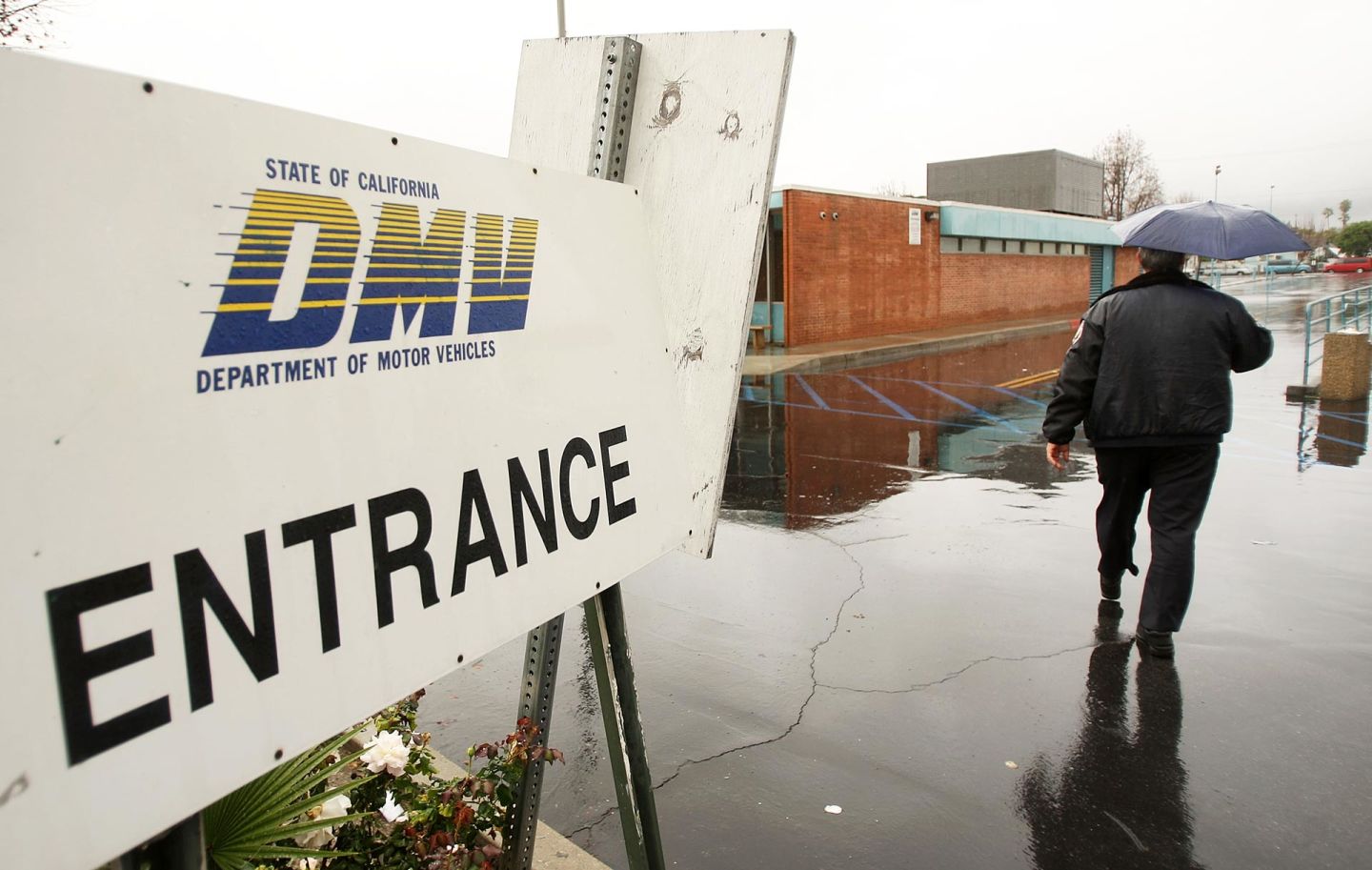
"caption": "A California Department of Motor Vehicles (DMV) facility in Pasadena.",
"description": "A California Department of Motor Vehicles (DMV) facility in Pasadena.",
"title": "DMVEntrance",
"credit": "David McNew/Getty Images",
"status": "inherit",
"isLoading": false,
"fetchFailed": false
},
"news_11148548": {
"type": "attachments",
"id": "news_11148548",
"meta": {
"index": "attachments_1716263798",
"site": "news",
"id": "11148548",
"found": true
},
"parent": 11148547,
"imgSizes": {
"small": {
"file": "https://ww2.kqed.org/app/uploads/sites/10/2016/10/Robot4-1-520x347.jpg",
"width": 520,
"mimeType": "image/jpeg",
"height": 347
},
"twentyfourteen-full-width": {
"file": "https://ww2.kqed.org/app/uploads/sites/10/2016/10/Robot4-1-1038x576.jpg",
"width": 1038,
"mimeType": "image/jpeg",
"height": 576
},
"thumbnail": {
"file": "https://ww2.kqed.org/app/uploads/sites/10/2016/10/Robot4-1-160x107.jpg",
"width": 160,
"mimeType": "image/jpeg",
"height": 107
},
"fd-sm": {
"file": "https://ww2.kqed.org/app/uploads/sites/10/2016/10/Robot4-1-960x640.jpg",
"width": 960,
"mimeType": "image/jpeg",
"height": 640
},
"post-thumbnail": {
"file": "https://ww2.kqed.org/app/uploads/sites/10/2016/10/Robot4-1-672x372.jpg",
"width": 672,
"mimeType": "image/jpeg",
"height": 372
},
"xsmall": {
"file": "https://ww2.kqed.org/app/uploads/sites/10/2016/10/Robot4-1-375x250.jpg",
"width": 375,
"mimeType": "image/jpeg",
"height": 250
},
"kqedFullSize": {
"file": "https://ww2.kqed.org/app/uploads/sites/10/2016/10/Robot4-1-e1477610971173.jpg",
"width": 1920,
"height": 1280
},
"large": {
"file": "https://ww2.kqed.org/app/uploads/sites/10/2016/10/Robot4-1-1020x680.jpg",
"width": 1020,
"mimeType": "image/jpeg",
"height": 680
},
"xlarge": {
"file": "https://ww2.kqed.org/app/uploads/sites/10/2016/10/Robot4-1-1180x787.jpg",
"width": 1180,
"mimeType": "image/jpeg",
"height": 787
},
"guest-author-50": {
"file": "https://ww2.kqed.org/app/uploads/sites/10/2016/10/Robot4-1-50x50.jpg",
"width": 50,
"mimeType": "image/jpeg",
"height": 50
},
"guest-author-96": {
"file": "https://ww2.kqed.org/app/uploads/sites/10/2016/10/Robot4-1-96x96.jpg",
"width": 96,
"mimeType": "image/jpeg",
"height": 96
},
"medium": {
"file": "https://ww2.kqed.org/app/uploads/sites/10/2016/10/Robot4-1-800x533.jpg",
"width": 800,
"mimeType": "image/jpeg",
"height": 533
},
"guest-author-64": {
"file": "https://ww2.kqed.org/app/uploads/sites/10/2016/10/Robot4-1-64x64.jpg",
"width": 64,
"mimeType": "image/jpeg",
"height": 64
},
"guest-author-32": {
"file": "https://ww2.kqed.org/app/uploads/sites/10/2016/10/Robot4-1-32x32.jpg",
"width": 32,
"mimeType": "image/jpeg",
"height": 32
},
"jmtc-small-thumb": {
"file": "https://ww2.kqed.org/app/uploads/sites/10/2016/10/Robot4-1-280x150.jpg",
"width": 280,
"mimeType": "image/jpeg",
"height": 150
},
"fd-lrg": {
"file": "https://ww2.kqed.org/app/uploads/sites/10/2016/10/Robot4-1-1920x1280.jpg",
"width": 1920,
"mimeType": "image/jpeg",
"height": 1280
},
"fd-med": {
"file": "https://ww2.kqed.org/app/uploads/sites/10/2016/10/Robot4-1-1180x787.jpg",
"width": 1180,
"mimeType": "image/jpeg",
"height": 787
},
"full-width": {
"file": "https://ww2.kqed.org/app/uploads/sites/10/2016/10/Robot4-1-1920x1280.jpg",
"width": 1920,
"mimeType": "image/jpeg",
"height": 1280
},
"detail": {
"file": "https://ww2.kqed.org/app/uploads/sites/10/2016/10/Robot4-1-150x150.jpg",
"width": 150,
"mimeType": "image/jpeg",
"height": 150
},
"guest-author-128": {
"file": "https://ww2.kqed.org/app/uploads/sites/10/2016/10/Robot4-1-128x128.jpg",
"width": 128,
"mimeType": "image/jpeg",
"height": 128
},
"xxsmall": {
"file": "https://ww2.kqed.org/app/uploads/sites/10/2016/10/Robot4-1-240x160.jpg",
"width": 240,
"mimeType": "image/jpeg",
"height": 160
}
},
"publishDate": 1477609865,
"modified": 1477613086,
"caption": "Norma, Amelia and Piper, now greeting travelers in San Jose, are the first robots to be deployed at a U.S. airport.",
"description": null,
"title": "Robot4",
"credit": "Courtesy of Mineta San Jose International",
"status": "inherit",
"isLoading": false,
"fetchFailed": false
}
},
"audioPlayerReducer": {
"postId": "stream_live",
"isPaused": true,
"isPlaying": false,
"pfsActive": false,
"pledgeModalIsOpen": true,
"playerDrawerIsOpen": false,
"liveAudioPlayStartedAt": 0,
"liveAudioPlayContext": ""
},
"authorsReducer": {
"byline_news_11178535": {
"type": "authors",
"id": "byline_news_11178535",
"meta": {
"override": true
},
"slug": "byline_news_11178535",
"name": "\u003cstrong>\u003ca href=\"http://www.npr.org/people/348730771/aarti-shahani\">Aarti Shahani\u003c/a> \u003cbr> \u003ca href=\"http://www.npr.org/\">NPR\u003c/a>\u003c/strong>",
"isLoading": false
},
"byline_news_11175477": {
"type": "authors",
"id": "byline_news_11175477",
"meta": {
"override": true
},
"slug": "byline_news_11175477",
"name": "Associated Press",
"isLoading": false
},
"byline_news_11175402": {
"type": "authors",
"id": "byline_news_11175402",
"meta": {
"override": true
},
"slug": "byline_news_11175402",
"name": "\u003cstrong>\u003ca href=\"http://www.npr.org/people/348730771/aarti-shahani\">Aarti Shahani\u003c/a> \u003cbr> \u003ca href=\"http://www.npr.org/\">NPR\u003c/a>\u003c/strong>",
"isLoading": false
},
"byline_news_11149684": {
"type": "authors",
"id": "byline_news_11149684",
"meta": {
"override": true
},
"slug": "byline_news_11149684",
"name": "\u003cstrong>Jonathan J. Cooper\u003cbr>Associated Press\u003c/strong>",
"isLoading": false
},
"byline_news_11148547": {
"type": "authors",
"id": "byline_news_11148547",
"meta": {
"override": true
},
"slug": "byline_news_11148547",
"name": "Miranda Leitsinger",
"isLoading": false
},
"jbrooks": {
"type": "authors",
"id": "80",
"meta": {
"index": "authors_1716337520",
"id": "80",
"found": true
},
"name": "Jon Brooks",
"firstName": "Jon",
"lastName": "Brooks",
"slug": "jbrooks",
"email": "jbrooks@kqed.org",
"display_author_email": true,
"staff_mastheads": [
"science"
],
"title": "Digital Editor",
"bio": "Jon Brooks is a former Digital Editor for KQED Science. He is the former editor of KQED’s daily news blog, News Fix. In 2014, he won a California Journalism Award for his coverage of ride services like Uber and Lyft and the taxi industry. A veteran blogger, he previously worked for Yahoo! in various news writing and editing roles. Jon is also a playwright whose work has been produced in San Francisco, New York, Italy, and around the U.S. He has written about film for his own blog and studied film at Boston University.",
"avatar": "https://secure.gravatar.com/avatar/98887f7ed1c876ed414d4c915e969584?s=600&d=blank&r=g",
"twitter": "jbrooksfoy",
"facebook": null,
"instagram": null,
"linkedin": null,
"sites": [
{
"site": "arts",
"roles": [
"Contributor",
"editor"
]
},
{
"site": "news",
"roles": [
"author"
]
},
{
"site": "futureofyou",
"roles": [
"administrator"
]
},
{
"site": "mindshift",
"roles": [
"editor"
]
},
{
"site": "stateofhealth",
"roles": [
"editor"
]
},
{
"site": "science",
"roles": [
"administrator"
]
},
{
"site": "quest",
"roles": [
"editor"
]
}
],
"headData": {
"title": "Jon Brooks | KQED",
"description": "Digital Editor",
"ogImgSrc": "https://secure.gravatar.com/avatar/98887f7ed1c876ed414d4c915e969584?s=600&d=blank&r=g",
"twImgSrc": "https://secure.gravatar.com/avatar/98887f7ed1c876ed414d4c915e969584?s=600&d=blank&r=g"
},
"isLoading": false,
"link": "/author/jbrooks"
},
"danbrekke": {
"type": "authors",
"id": "222",
"meta": {
"index": "authors_1716337520",
"id": "222",
"found": true
},
"name": "Dan Brekke",
"firstName": "Dan",
"lastName": "Brekke",
"slug": "danbrekke",
"email": "dbrekke@kqed.org",
"display_author_email": true,
"staff_mastheads": [
"news",
"science"
],
"title": "KQED Editor and Reporter",
"bio": "Dan Brekke is a reporter and editor for KQED News, responsible for coverage of topics ranging from California water issues to the Bay Area's transportation challenges. In a newsroom career that began in Chicago in 1972, Dan has worked for \u003cem>The San Francisco Examiner,\u003c/em> Wired and TechTV and has been published in The New York Times, The New York Times Magazine, Business 2.0, Salon and elsewhere.\r\n\r\nSince joining KQED in 2007, Dan has reported, edited and produced both radio and online features and breaking news pieces. He has shared as both editor and reporter in four Society of Professional Journalists Norcal Excellence in Journalism awards and one Edward R. Murrow regional award. He was chosen for a spring 2017 residency at the Mesa Refuge to advance his research on California salmon.\r\n\r\nEmail Dan at: \u003ca href=\"mailto:dbrekke@kqed.org\">dbrekke@kqed.org\u003c/a>\r\n\r\n\u003cstrong>Twitter:\u003c/strong> \u003ca href=\"https://twitter.com/danbrekke\" rel=\"noopener noreferrer\">twitter.com/danbrekke\u003c/a>\r\n\u003cstrong>Facebook:\u003c/strong> \u003ca href=\"https://www.facebook.com/danbrekke\" rel=\"noopener noreferrer\">www.facebook.com/danbrekke\u003c/a>\r\n\u003cstrong>LinkedIn:\u003c/strong> \u003ca href=\"https://www.linkedin.com/in/danbrekke\" rel=\"noopener noreferrer\">www.linkedin.com/in/danbrekke\u003c/a>",
"avatar": "https://secure.gravatar.com/avatar/8f1f0d2a978fb3b23426c922c7e2af558fa36905b49c4ce76a97dc3c72d27226?s=600&d=mm&r=g",
"twitter": "danbrekke",
"bluesky": null,
"facebook": null,
"instagram": "https://www.instagram.com/dan.brekke/",
"linkedin": "https://www.linkedin.com/in/danbrekke/",
"sites": [
{
"site": "news",
"roles": [
"administrator",
"create_posts"
]
},
{
"site": "stateofhealth",
"roles": [
"editor"
]
},
{
"site": "science",
"roles": [
"editor"
]
},
{
"site": "quest",
"roles": [
"contributor"
]
},
{
"site": "food",
"roles": [
"contributor"
]
},
{
"site": "forum",
"roles": [
"contributor"
]
},
{
"site": "elections",
"roles": [
"editor"
]
},
{
"site": "liveblog",
"roles": [
"editor"
]
}
],
"headData": {
"title": "Dan Brekke | KQED",
"description": "KQED Editor and Reporter",
"ogImgSrc": "https://secure.gravatar.com/avatar/8f1f0d2a978fb3b23426c922c7e2af558fa36905b49c4ce76a97dc3c72d27226?s=600&d=mm&r=g",
"twImgSrc": "https://secure.gravatar.com/avatar/8f1f0d2a978fb3b23426c922c7e2af558fa36905b49c4ce76a97dc3c72d27226?s=600&d=mm&r=g"
},
"isLoading": false,
"link": "/author/danbrekke"
},
"tgoldberg": {
"type": "authors",
"id": "258",
"meta": {
"index": "authors_1716337520",
"id": "258",
"found": true
},
"name": "Ted Goldberg",
"firstName": "Ted",
"lastName": "Goldberg",
"slug": "tgoldberg",
"email": "tgoldberg@kqed.org",
"display_author_email": true,
"staff_mastheads": [
"news"
],
"title": "KQED Managing Editor, News and Newscasts",
"bio": "Ted Goldberg is Managing Editor of News and Newscasts at KQED. His main reporting beat is the Bay Area's oil refining industry.\r\n\r\nPrior to joining KQED in 2014, Ted worked at CBS News and WCBS AM in New York and Bay City News and KCBS Radio in San Francisco. He graduated from Oberlin College in Ohio in 1998.",
"avatar": "https://secure.gravatar.com/avatar/30ce2e4fe89135e104f89be2394d16225b9d36c121b5b3cb7651ce642978b96f?s=600&d=blank&r=g",
"twitter": "TedrickG",
"bluesky": null,
"facebook": null,
"instagram": null,
"linkedin": null,
"sites": [
{
"site": "news",
"roles": [
"editor"
]
},
{
"site": "science",
"roles": [
"editor"
]
}
],
"headData": {
"title": "Ted Goldberg | KQED",
"description": "KQED Managing Editor, News and Newscasts",
"ogImgSrc": "https://secure.gravatar.com/avatar/30ce2e4fe89135e104f89be2394d16225b9d36c121b5b3cb7651ce642978b96f?s=600&d=blank&r=g",
"twImgSrc": "https://secure.gravatar.com/avatar/30ce2e4fe89135e104f89be2394d16225b9d36c121b5b3cb7651ce642978b96f?s=600&d=blank&r=g"
},
"isLoading": false,
"link": "/author/tgoldberg"
},
"qkim": {
"type": "authors",
"id": "11099",
"meta": {
"index": "authors_1716337520",
"id": "11099",
"found": true
},
"name": "Queena Sook Kim",
"firstName": "Queena",
"lastName": "Kim",
"slug": "qkim",
"email": "qkim@kqed.org",
"display_author_email": false,
"staff_mastheads": [
"news"
],
"title": "Senior Editor",
"bio": "\u003cspan style=\"font-weight: 400;\">Queena Sook Kim is a former senior editor of the weekend desk at KQED. Before taking on that post, she was the Senior Editor of the Silicon Valley Desk and was the \u003c/span>\u003cspan style=\"font-weight: 400;\">host of The California Report. The daily morning show airs on KQED in San Francisco, one of the nation’s largest NPR affiliates, and on 30 stations across the state. In that role, she produces and reports on news, politics and life in the Golden State. Queena likes to take sideways look at the larger trends changing the state. One of her favorite stories asked\u003c/span>\u003ca href=\"https://ww2.kqed.org/news/2015/02/15/why-the-heck-do-mexican-reporters-on-public-radio-say-their-names-that-way\"> \u003cspan style=\"font-weight: 400;\">why Latino journalists “over’pronounce” their Spanish surnames\u003c/span>\u003c/a>\u003cspan style=\"font-weight: 400;\"> as a way of looking at how immigration is creating a culture shift in California.\u003c/span>\r\n\r\n\u003cspan style=\"font-weight: 400;\">Before joining The California Report, Queena was a \u003ca href=\"http://www.marketplace.org/people/queena-kim\">Senior Reporter covering technology for Marketplace\u003c/a>, the daily business show that airs on public radio. Queena covered daily tech business stories and reported on larger technology trends. She did a series of stories looking at role of social engineering in hacking and on a start-up in Silicon Valley that’s trying to use technology, instead of animals, to make meat that bleeds.\u003c/span>\r\n\r\n\u003cspan style=\"font-weight: 400;\">Queena started her career as a business journalist at the Wall Street Journal, where she spent four years covering the paper, home building and toy industries. She wrote A1 stories about the unusually aggressive tactics KB Home took against its home buyers. and the resurgence of “Cracker” architecture in Florida. She also wrote section front stories on marketing trends and\u003c/span>\r\n\r\n\u003cspan style=\"font-weight: 400;\">As a journalist, Queena has spent much of her career helping start-up editorial products. She was on the founding editorial team of The Bay Citizen, an experimental, online news site in San Francisco that was funded by the late hillbilly billionaire Warren Hellman. In 2009, Queena received a grant from the Corporation of Public Broadcasting to start-up a podcast called \u003ca href=\"https://soundcloud.com/cyberfrequencies\">CyberFrequencies\u003c/a>, which reported on the culture of technology. She also helped start-up two radio shows - Off-Ramp and Pacific Drift - for KPCC, the NPR-affiliate in Los Angeles. Off-Ramp was awarded 1st Place for news and Public Affairs programming by the PRINDI and the L.A. Press club. \u003ca href=\"https://soundcloud.com/queena-sook-kim\">Queena’s stories have appeared \u003c/a>on NPR’s Day to Day, Hearing Voices, WNYC’s Studio 360, WBUR’s Here and Now, BBC’s Global Perspectives and New York Times’ multimedia page.\u003c/span>\r\n\r\n\u003cspan style=\"font-weight: 400;\">In 1994, Queena won a Fulbright Grant to teach and study in Seoul, South Korea. She was also selected to be a Teach For America Corps Member in 1991 and taught elementary school in the Inglewood Unified School District in Southern California.\u003c/span>\r\n\r\n\u003cspan style=\"font-weight: 400;\">Queena is a frequent public speaker and has given talks at UC Berkeley, Stanford University, San Francisco State University, PRINDI conference and the Craigslist Foundation Boot Camp. Queena went to UC Berkeley’s Graduate School of Journalism and graduated cum laude from New York University with a B.A. in Politics. She grew up in Southern California and lives in Berkeley, Ca in a big fixer on which she spends most weekends, well, fixing.\u003c/span>",
"avatar": "https://secure.gravatar.com/avatar/b72382fd0db351b99f8a31939f4853fc?s=600&d=blank&r=g",
"twitter": "queenasookkim",
"facebook": null,
"instagram": null,
"linkedin": null,
"sites": [
{
"site": "news",
"roles": [
"subscriber"
]
},
{
"site": "forum",
"roles": [
"author"
]
},
{
"site": "breakingnews",
"roles": [
"editor"
]
}
],
"headData": {
"title": "Queena Sook Kim | KQED",
"description": "Senior Editor",
"ogImgSrc": "https://secure.gravatar.com/avatar/b72382fd0db351b99f8a31939f4853fc?s=600&d=blank&r=g",
"twImgSrc": "https://secure.gravatar.com/avatar/b72382fd0db351b99f8a31939f4853fc?s=600&d=blank&r=g"
},
"isLoading": false,
"link": "/author/qkim"
},
"lesleymcclurg": {
"type": "authors",
"id": "11229",
"meta": {
"index": "authors_1716337520",
"id": "11229",
"found": true
},
"name": "Lesley McClurg",
"firstName": "Lesley",
"lastName": "McClurg",
"slug": "lesleymcclurg",
"email": "lmcclurg@KQED.org",
"display_author_email": false,
"staff_mastheads": [
"news",
"science"
],
"title": "KQED Health Correspondent",
"bio": "Lesley McClurg is a health correspondent and fill-in host whose work is regularly rebroadcast on NPR and PBS programs. She’s earned multiple regional Emmy awards, a national and a regional Edward R. Murrow award, and was named Best Beat Reporter by the Association of Health Care Journalists. The Society of Professional Journalists has recognized her work several times, and the Society of Environmental Journalists spotlighted her coverage of California’s historic drought.\r\n\r\nBefore joining KQED in 2016, Lesley covered food and sustainability for Capital Public Radio, environmental issues for Colorado Public Radio, and reported for KUOW and KCTS 9 in Seattle. Away from the newsroom, she loves skiing with her daughter, mountain biking with her partner, and playing with Ollie, the family’s goldendoodle. On deadline, she runs almost entirely on chocolate chips.\r\n\r\n ",
"avatar": "https://secure.gravatar.com/avatar/bab49e972ea10c774fe0f5e29dba1722b158f7c0d58a360923d1389d380b2978?s=600&d=blank&r=g",
"twitter": "lesleywmcclurg",
"bluesky": null,
"facebook": null,
"instagram": null,
"linkedin": null,
"sites": [
{
"site": "arts",
"roles": [
"author"
]
},
{
"site": "news",
"roles": [
"editor"
]
},
{
"site": "futureofyou",
"roles": [
"editor"
]
},
{
"site": "stateofhealth",
"roles": [
"author"
]
},
{
"site": "science",
"roles": [
"editor"
]
},
{
"site": "quest",
"roles": [
"subscriber"
]
},
{
"site": "forum",
"roles": [
"administrator"
]
},
{
"site": "liveblog",
"roles": [
"author"
]
}
],
"headData": {
"title": "Lesley McClurg | KQED",
"description": "KQED Health Correspondent",
"ogImgSrc": "https://secure.gravatar.com/avatar/bab49e972ea10c774fe0f5e29dba1722b158f7c0d58a360923d1389d380b2978?s=600&d=blank&r=g",
"twImgSrc": "https://secure.gravatar.com/avatar/bab49e972ea10c774fe0f5e29dba1722b158f7c0d58a360923d1389d380b2978?s=600&d=blank&r=g"
},
"isLoading": false,
"link": "/author/lesleymcclurg"
},
"rlevi": {
"type": "authors",
"id": "11260",
"meta": {
"index": "authors_1716337520",
"id": "11260",
"found": true
},
"name": "Ryan Levi",
"firstName": "Ryan",
"lastName": "Levi",
"slug": "rlevi",
"email": "rlevi@KQED.org",
"display_author_email": false,
"staff_mastheads": [],
"title": "KQED Contributor",
"bio": "Ryan Levi was a reporter and podcast producer at KQED News from 2016-2019. He worked on \u003ca href=\"https://www.kqed.org/news/series/baycurious\">Bay Curious\u003c/a>, \u003ca href=\"https://www.kqed.org/news/tag/the-bay/\">The Bay, \u003c/a>and \u003ca href=\"https://podcasts.apple.com/us/podcast/the-california-report-magazine/id1314750545\">The California Report Magazine\u003c/a>, as well as hosting and producing the weekly \u003ca href=\"https://www.kqed.org/news/program/qedup/\">Q'ed Up podcast. \u003c/a>He also helped inaugurate KQED's weekend news coverage in 2017 as one of two original digital producers. Ryan holds degrees in multimedia journalism and Spanish from the University of Missouri.",
"avatar": "https://secure.gravatar.com/avatar/4cb2ddd028ac8807d1adf09609c5555d?s=600&d=blank&r=g",
"twitter": "ryan_levi",
"facebook": null,
"instagram": null,
"linkedin": null,
"sites": [
{
"site": "arts",
"roles": [
"editor"
]
},
{
"site": "news",
"roles": [
"subscriber"
]
},
{
"site": "stateofhealth",
"roles": [
"editor"
]
},
{
"site": "science",
"roles": [
"editor"
]
},
{
"site": "forum",
"roles": [
"administrator"
]
},
{
"site": "perspectives",
"roles": [
"administrator"
]
}
],
"headData": {
"title": "Ryan Levi | KQED",
"description": "KQED Contributor",
"ogImgSrc": "https://secure.gravatar.com/avatar/4cb2ddd028ac8807d1adf09609c5555d?s=600&d=blank&r=g",
"twImgSrc": "https://secure.gravatar.com/avatar/4cb2ddd028ac8807d1adf09609c5555d?s=600&d=blank&r=g"
},
"isLoading": false,
"link": "/author/rlevi"
}
},
"pagesReducer": {
"news_category_technology": {
"type": "terms",
"id": "news_248",
"meta": {
"index": "terms_1716263798",
"site": "news",
"id": "248",
"score": 10.931828
},
"featImg": null,
"name": "Technology",
"description": null,
"taxonomy": "category",
"headData": {
"twImgId": null,
"twTitle": null,
"ogTitle": null,
"ogImgId": null,
"twDescription": null,
"description": null,
"title": "Technology Archives | KQED News",
"ogDescription": null
},
"ttid": 256,
"slug": "technology",
"isLoading": false,
"title": "Technology",
"pageMeta": {
"site": "news",
"WpPageTemplate": "page-topic-editorial",
"currentPage": 128
},
"blocks": [
{
"blockName": "kqed/post-list",
"attrs": {
"layout": "cardArticle2",
"query": "posts/news?category=technology",
"seeMore": false,
"paginated": true,
"page": 128
}
},
{
"blockName": "kqed/ad"
}
]
}
},
"pfsSessionReducer": {},
"postsReducer": {
"stream_live": {
"type": "live",
"id": "stream_live",
"audioUrl": "https://streams.kqed.org/kqedradio",
"title": "Live Stream",
"excerpt": "Live Stream information currently unavailable.",
"link": "/radio",
"featImg": "",
"label": {
"name": "KQED Live",
"link": "/"
}
},
"stream_kqedNewscast": {
"type": "posts",
"id": "stream_kqedNewscast",
"audioUrl": "https://www.kqed.org/.stream/anon/radio/RDnews/newscast.mp3?_=1",
"title": "KQED Newscast",
"featImg": "",
"label": {
"name": "88.5 FM",
"link": "/"
}
},
"futureofyou_273934": {
"type": "posts",
"id": "futureofyou_273934",
"meta": {
"index": "posts_1716263798",
"site": "futureofyou",
"id": "273934",
"score": null,
"sort": [
1480347049000
]
},
"parent": 0,
"labelTerm": {},
"blocks": [],
"publishDate": 1480347049,
"format": "audio",
"disqusTitle": "How Do You Know Which Medical Information on Wikipedia to Trust?",
"title": "How Do You Know Which Medical Information on Wikipedia to Trust?",
"headTitle": "KQED Future of You | KQED Science",
"content": "\u003cp>James Heilman isn't an easy man to get a hold of; he kept offering us odd, off-hour windows of availability to do a phone interview. When we finally connected, he explained: He works the night shift as an emergency room physician in British Columbia. He also puts in time as a clinical assistant professor in emergency medicine.\u003c/p>\n\u003caside class=\"alignright\">\u003cspan style=\"font-weight: normal\">\u003cstrong>How to check the accuracy of Wikipedia pages\u003c/strong>\u003cbr>\nYou can check how Wikipedians rate the quality and thoroughness of every entry on the encyclopedia by clicking on the \"Talk\" tab near the top left of each page. There you will find the page's rating, which will fall somewhere on this \u003ca href=\"https://en.wikipedia.org/wiki/Wikipedia:WikiProject_Medicine/Assessment#Quality_scale\" target=\"_blank\" rel=\"noopener noreferrer\">scale\u003c/a>. Here are lists of the health articles with the \u003ca href=\"https://tools.wmflabs.org/enwp10/cgi-bin/list2.fcgi?run=yes&projecta=Medicine&quality=FA-Classhttps://tools.wmflabs.org/enwp10/cgi-bin/list2.fcgi?run=yes&projecta=Medicine&quality=FA-Class\" target=\"_blank\" rel=\"noopener noreferrer\">highest\u003c/a> and \u003ca href=\"https://tools.wmflabs.org/enwp10/cgi-bin/list2.fcgi?run=yes&projecta=Medicine&quality=GA-Class\" target=\"_blank\" rel=\"noopener noreferrer\">second-highest ratings\u003c/a>; these are the most trustworthy health entries.\u003c/span>\u003c/aside>\n\u003cp>Then there's the 60 -- count'em, 60 -- hours a week he toils away editing Wikipedia, the massive online encyclopedia written and edited by, well, anyone who wants to give it a whirl.\u003c/p>\n\u003cp>\"My wife likes to joke that Wikipedia's my mistress; I prefer to call it our first child,” he says, chuckling with a tinge of self-awareness that he's gone a bit off the rails in his goal of making the copious health-related pages on the site more accurate.\u003c/p>\n\u003cp>So how does an emergency doc become an obsessive Wikipedian?\u003c/p>\n\u003cp>About 10 years ago, he says, during a quiet night shift, he got to browsing one of the medical articles.\u003c/p>\n\u003cp>[ad fullwidth]\u003c/p>\n\u003cp>\"I thought, 'Oh, my God this is really bad,'\" he says. \"And then I saw the edit button, and I realized, oh, my God, I could fix the internet! I sort of got madly hooked. I’ve been trying to fix the Internet ever since.\"\u003c/p>\n\u003cp>\u003cstrong>Accuracy Questioned\u003c/strong>\u003c/p>\n\u003cp>Part of that quest was creating the \u003ca href=\"https://en.wikipedia.org/wiki/Wikipedia:WikiProject_Medicine\" target=\"_blank\" rel=\"noopener noreferrer\">WikiProject Medicine\u003c/a> group, where 320 like-minded editors work on the site's \u003ca href=\"https://en.wikipedia.org/wiki/Health_information_on_Wikipedia\" target=\"_blank\" rel=\"noopener noreferrer\">health content. \u003c/a>Heilman estimates about half are medical professionals.\u003c/p>\n\u003caside class=\"pullquote alignright\">\"I thought ‘Oh, my God this is really bad.' And then I saw the edit button, and I realized, oh, my God, I could fix the internet!\"\u003c/aside>\n\u003cp>Reworking Wikipedia health entries is not a trivial task. A 2014 study found about 25,000 pages of English-language health-related articles. That number is now up to 32,000, Heilman says. The health pages worldwide attracted almost \u003ca href=\"https://www.ncbi.nlm.nih.gov/pmc/articles/PMC4376174/\" target=\"_blank\" rel=\"noopener noreferrer\">4.9 billion pageviews\u003c/a> in 2013. A 2012 \u003ca href=\"http://www.tandfonline.com/doi/full/10.3109/0142159X.2012.737064?scroll=top&needAccess=true&\" target=\"_blank\" rel=\"noopener noreferrer\">survey\u003c/a> of several hundred medical students found 94 percent use the site for health information.\u003c/p>\n\u003cp>But despite its popularity, the reliability of Wikipedia's medical content has often been questioned. A 2011 \u003ca href=\"https://www.ncbi.nlm.nih.gov/pmc/articles/PMC3241521/\" target=\"_blank\" rel=\"noopener noreferrer\">review \u003c/a>on the accuracy and thoroughness of the site's medical entries found mixed results. Other studies show that the site fell short in \u003ca href=\"https://www.ncbi.nlm.nih.gov/pubmed/24276492\" target=\"_blank\" rel=\"noopener noreferrer\">gastroenterology and hepatology\u003c/a>, \u003ca href=\"http://aop.sagepub.com/content/42/12/1814.abstract\" target=\"_blank\" rel=\"noopener noreferrer\">drug information\u003c/a>, \u003ca href=\"https://www.ncbi.nlm.nih.gov/pmc/articles/PMC3193353/\" target=\"_blank\" rel=\"noopener noreferrer\">statins\u003c/a> (later \u003ca href=\"http://journals.plos.org/plosone/article?id=10.1371/journal.pone.0106930#pone.0106930-Kupferberg1\" target=\"_blank\" rel=\"noopener noreferrer\">improved\u003c/a>), and issues of the \u003ca href=\"http://www.ijporlonline.com/article/S0165-5876(12)00336-9/abstract\" target=\"_blank\" rel=\"noopener noreferrer\">ear, nose and throat\u003c/a>. Other studies found the website provided better information in \u003ca href=\"http://onlinelibrary.wiley.com/doi/10.1111/sdi.12059/epdf?r3_referer=wol&tracking_action=preview_click&show_checkout=1&purchase_referrer=onlinelibrary.wiley.com&purchase_site_license=LICENSE_DENIED_NO_CUSTOMER\" target=\"_blank\" rel=\"noopener noreferrer\">nephrology\u003c/a> and \u003ca href=\"https://www.cambridge.org/core/journals/psychological-medicine/article/quality-of-information-sources-about-mental-disorders-a-comparison-of-wikipedia-with-centrally-controlled-web-and-printed-sources/595CEE672BB7C503101FAF5A9E303673\" target=\"_blank\" rel=\"noopener noreferrer\">depression and schizophrenia\u003c/a>.\u003c/p>\n\u003caside class=\"alignright\">\u003cspan style=\"font-weight: normal\">\u003cspan style=\"font-weight: normal\">To get good health info online:\u003c/span>\u003c/span>\n\u003cul>\n\u003cli>Check multiple, high-quality sources like those from academic and government institutions.\u003c/li>\n\u003cli>Be alert for sites that contain information that conflicts with other sources, a possible indication of low-quality information.\u003c/li>\n\u003cli>Consult \u003ca href=\"http://www.uptodate.com/home\" target=\"_blank\" rel=\"noopener noreferrer\">UpToDate\u003c/a>, \u003ca href=\"https://www.ncbi.nlm.nih.gov/pubmed\" target=\"_blank\" rel=\"noopener noreferrer\">PubMed\u003c/a>, and peer-reviewed journals for primary research on a topic.\u003c/li>\n\u003cli>If using Wikipedia, click the 'Talk' tab at the top of each page to see how the site's editors have rated the quality of the article. Look at the footnotes to check the sources of assertions.\u003c/li>\n\u003c/ul>\n\u003c/aside>\n\u003cp>But just recently, in \u003cem>\u003ca href=\"http://www.thelancet.com/journals/langlo/article/PIIS2214-109X(16)30254-6/fulltext\" target=\"_blank\" rel=\"noopener noreferrer\">The Lancet: Global Health, \u003c/a>\u003c/em>researchers reported that Wikipedia entries on stillbirths were missing critical information.\u003c/p>\n\u003cp>And a 2014 \u003ca href=\"https://www.ncbi.nlm.nih.gov/pubmed/24778001\" target=\"_blank\" rel=\"noopener noreferrer\">study\u003c/a> comparing peer-reviewed literature to the site's articles on 10 different widespread diseases and conditions found a significant number of assertions in the Wikipedia material that were unsupported by the evidence.\u003c/p>\n\u003cp>Heilman doesn't think much of that study; he co-wrote a \u003ca href=\"http://community-archive.cochrane.org/news/blog/wikipedia%E2%80%99s-medical-content-really-90-wrong\" target=\"_blank\" rel=\"noopener noreferrer\">rebuttal\u003c/a> to it with other medical experts/Wikipedians. Still, he acknowledges \"there's a lot of work to do\" to bring health entries up to snuff. The reality of that is borne out by the small number of health articles -- \u003ca href=\"https://tools.wmflabs.org/enwp10/cgi-bin/list2.fcgi?run=yes&projecta=Medicine&quality=FA-Class%20featured%20health%20articles\" target=\"_blank\" rel=\"noopener noreferrer\">63\u003c/a> -- that have received the highest grade by Wikipedia editors. Those articles qualify as featured articles on the encyclopedia's front page. (The next-best level -- \"good\" -- contains a mere \u003ca href=\"https://tools.wmflabs.org/enwp10/cgi-bin/list2.fcgi?run=yes&projecta=Medicine&quality=GA-Class\" target=\"_blank\" rel=\"noopener noreferrer\">200 articles\u003c/a>.) The \u003ca href=\"https://en.wikipedia.org/wiki/Wikipedia:WikiProject_Medicine/Assessment#Quality_scale\" target=\"_blank\" rel=\"noopener noreferrer\">criteria\u003c/a> for a \"featured\" article is comprehensiveness, neutrality and accuracy. That means the information has been verified against high-quality sources.\u003c/p>\n\u003cp>\u003cstrong>Calls to Action\u003c/strong>\u003c/p>\n\u003cp>An \u003ca href=\"https://theconversation.com/wikipedia-is-already-the-worlds-dr-google-its-time-for-doctors-and-researchers-to-make-it-better-66769\" target=\"_blank\" rel=\"noopener noreferrer\">article\u003c/a> last month on the academic publishing site \"The Conversation\" by Thomas Shafee, one of the researchers who wrote about Wikipedia's inadequate \"stillbirth\" entries, is headlined \"Wikipedia is already the world’s ‘Dr Google’ -- it’s time for doctors and researchers to make it better.\"\u003c/p>\n\u003cp>\"Health professionals have a duty to improve the accuracy of medical entries in Wikipedia, because it’s the first port of call for people all over the world seeking medical information,\" Shafee wrote. \"The accuracy of the site is vital, because every medical entry... has the potential for immediate \u003ca href=\"http://www.who.int/bulletin/volumes/87/4/08-056713/en/\">real-world health consequences\u003c/a>.\"\u003c/p>\n\u003cp>Others agree. University of California, San Francisco psychiatrist Amin Azzam recently co-authored a \u003ca href=\"http://journals.lww.com/academicmedicine/Abstract/publishahead/Why_Medical_Schools_Should_Embrace_Wikipedia__.98408.aspx\">report\u003c/a> published in the journal \u003cem>Academic Medicine \u003c/em>titled “Why Medical Schools Should Embrace Wikipedia.”\u003c/p>\n\u003cp>\u003cstrong>Improving Wikipedia\u003c/strong>\u003c/p>\n\u003cp>Efforts to improve the entire site, including the health section, are underway. Hundreds of students in both the U.S. and Canada, for example, are working as editors through the \u003ca href=\"https://wikiedu.org/\" target=\"_blank\" rel=\"noopener noreferrer\">Wiki Education Foundation\u003c/a>, a nonprofit organization based in San Francisco that acts as a bridge between Wikipedia and academia. The organization encourages university faculty to assign students Wikipedia entries as a part of coursework.\u003c/p>\n\u003cp>\"Rather than write a biography of a woman scientist for their class that their instructor would read and throw away and never engage in again,\" says the foundation's LiAnna Davis, \"these students instead have the opportunity to create content for Wikipedia where thousands of people can gain from their work.\"\u003c/p>\n\u003cp>Pharmacology students at the University of California, San Francisco, for example, are \u003ca href=\"https://en.wikipedia.org/wiki/Wikipedia:UCSF_School_of_Medicine\" target=\"_blank\" rel=\"noopener noreferrer\">working to improve entries\u003c/a> on popular drugs like the HIV antiviral drug \u003ca href=\"https://en.wikipedia.org/wiki/Abacavir\" target=\"_blank\" rel=\"noopener noreferrer\">Abacavir\u003c/a>. Students in a voice disorders class at McGill University in Montreal are adding information about \u003ca href=\"https://en.wikipedia.org/wiki/Laryngitis\" target=\"_blank\" rel=\"noopener noreferrer\">laryngitis\u003c/a>. Students fill in missing information, improve gross inadequacies, and rewrite articles using fewer technical terms to appeal to the general public.\u003c/p>\n\u003cp>In 2016, 280 science classes at universities in the U.S. and Canada have added content to 3,650 articles and generated 300 new entries receiving more than 102 million views, says Davis.\u003c/p>\n\u003cp>Heilman points to many efforts to improve articles, and a \u003ca href=\"http://translatorswithoutborders.org/?s=wikipedia\" target=\"_blank\" rel=\"noopener noreferrer\">collaboration\u003c/a> with the group Translators Without Borders to rewrite Wikipedia medical content in as many languages as possible. That \u003ca href=\"https://opensource.com/life/16/11/support-indian-languages\" target=\"_blank\" rel=\"noopener noreferrer\">includes Odia\u003c/a>, spoken by tens of millions of people in India that is not included in\u003ca href=\"https://translate.google.com/\" target=\"_blank\" rel=\"noopener noreferrer\"> Google Translate\u003c/a>. Heilman also cites as a success the Wikipedia entry for dengue fever, which was published in the peer-reviewed open-access journal \u003ca href=\"https://www.ncbi.nlm.nih.gov/pmc/articles/PMC4242787/\" target=\"_blank\" rel=\"noopener noreferrer\">Open Medicine\u003c/a>.\u003c/p>\n\u003cp>Federal agencies are also tapping Wikipedia. The National Institutes of Health is creating an online biomedical \u003ca href=\"https://www.ncbi.nlm.nih.gov/pubmedhealth/topics/health/a/\" target=\"_blank\" rel=\"noopener noreferrer\">dictionary\u003c/a> for PubMed Health. which provides consumer-friendly research information.\u003ca href=\"https://www.ncbi.nlm.nih.gov/pubmedhealth/topics/health/a/\" target=\"_blank\" rel=\"noopener noreferrer\"> \u003c/a>The NIH usually creates the definitions by drawing on material in its own collection, but sometimes It will use Wikipedia as a source. Both organizations benefit, as the NIH will flag Heilman if it comes across something inaccurate in the material.\u003c/p>\n\u003cp>Heilman fervently hopes more health and science academics and professionals will help expand the accuracy of the project.\u003c/p>\n\u003cp>\"I spend a fair amount of time trying to convince my colleagues to come work on Wikipedia,\" he says. \"As a physician I believe all people deserve access to quality health care information.\"\u003c/p>\n\u003cp>\u003cstrong>How to Find Good Health Info\u003c/strong>\u003c/p>\n\u003cp>So ... after all is said and done, how should the average person approach looking for health information on the Web?\u003c/p>\n\u003cp>Azzam, the UCSF psychiatrist who called for medical schools to embrace Wikipedia, would actually first send patients to government sites like the National Institutes of Health, Centers for Disease Control and National Library of Medicine.\u003c/p>\n\u003cp>\"Many of those sites have information targeting 'lay' people,\" he wrote in an email. \"Additionally there are national advocacy organizations for specific disease and/or health conditions. For example, as a psychiatrist I will refer my patients and their families to the National Alliance on Mental Illness (NAMI).\"\u003c/p>\n\u003cp>For those who do use Wikipedia, he recommends using the \"Talk\" tab near the top left of every page. That will take you to a rating of how thorough and accurate Wikipedia editors think the page is. He also looks at the references that each assertion of fact in Wikipedia entries are required to link to. (You can do this by clicking on the superscript numbers at the end of a sentence.)\u003c/p>\n\u003cp>\"That gives me some idea of how much to trust the content,\" Azzam says.\u003c/p>\n\u003cp>He recommends consulting multiple sources to ferret out any outliers, a method that is \"effectively a proxy measure for validity.\"\u003c/p>\n\u003cp>If you want to consult material that health professionals use themselves, he recommends \u003ca href=\"http://www.uptodate.com/home\" target=\"_blank\" rel=\"noopener noreferrer\">UpToDate\u003c/a>, \u003ca href=\"https://www.ncbi.nlm.nih.gov/pubmed\" target=\"_blank\" rel=\"noopener noreferrer\">PubMed\u003c/a>, and peer-reviewed journals.\u003c/p>\n\u003cp>Health information is on a \"continuum,\" he believes, with subscription-only top tier scholarly journals on one end and the user-created Wikipedia on the other.\u003c/p>\n\u003cp>\"We believe [journal] content to be the scientific truth as we know it because content experts have peer-reviewed the manuscripts,\" he says. \"But the challenge at that extreme is gaining access to that knowledge, especially with high-cost subscription charges.\"\u003c/p>\n\u003cp>That is why he's working with students to improve Wikipedia, \"pulling that pole toward the other end of the spectrum.\"\u003c/p>\n\u003cp>\"Since so many consumers of health information online are reading that content, I want to be a part of a movement to make it as high quality as possible!\"\u003c/p>\n\u003cp>As for Heilman, the avid health editor, he also recommends checking multiple, high-quality sources when looking for specific health information, paying attention to what they agree on. But that doesn't mean he's going to give up on improving Wikipedia.\u003c/p>\n\u003cp>[ad floatright]\u003c/p>\n\u003cp>\"As a physician, I can help one person at a time,\" he says. \"But as a Wikipedian, I can make a difference in millions and millions of people’s lives.\"\u003c/p>\n\n",
"disqusIdentifier": "273934 http://ww2.kqed.org/futureofyou/?p=273934",
"disqusUrl": "https://ww2.kqed.org/futureofyou/2016/11/28/how-accurate-is-wikipedias-medical-information/",
"stats": {
"hasVideo": false,
"hasChartOrMap": false,
"hasAudio": false,
"hasPolis": false,
"wordCount": 1752,
"hasGoogleForm": false,
"hasGallery": false,
"hasHearkenModule": false,
"iframeSrcs": [],
"paragraphCount": 42
},
"modified": 1504652839,
"excerpt": "Medical professionals and students are working to improve Wikipedia entries on health and medicine in hopes of providing more reliable information to the public. ",
"headData": {
"twImgId": "",
"twTitle": "",
"ogTitle": "",
"ogImgId": "",
"twDescription": "",
"description": "Medical professionals and students are working to improve Wikipedia entries on health and medicine in hopes of providing more reliable information to the public. ",
"title": "How Do You Know Which Medical Information on Wikipedia to Trust? | KQED",
"ogDescription": "",
"schema": {
"@context": "https://schema.org",
"@type": "Article",
"headline": "How Do You Know Which Medical Information on Wikipedia to Trust?",
"datePublished": "2016-11-28T07:30:49-08:00",
"dateModified": "2017-09-05T16:07:19-07:00",
"image": "https://cdn.kqed.org/wp-content/uploads/2020/02/KQED-OG-Image@1x.png"
}
},
"guestAuthors": [],
"slug": "how-accurate-is-wikipedias-medical-information",
"status": "publish",
"audioUrl": "http://www.kqed.org/.stream/anon/radio/science/2016/11/WEBWikipediaMedicineTwoWay161128.mp3",
"source": "Future of You",
"path": "/futureofyou/273934/how-accurate-is-wikipedias-medical-information",
"audioTrackLength": null,
"parsedContent": [
{
"type": "contentString",
"content": "\u003cdiv class=\"post-body\">\u003cp>\u003cp>James Heilman isn't an easy man to get a hold of; he kept offering us odd, off-hour windows of availability to do a phone interview. When we finally connected, he explained: He works the night shift as an emergency room physician in British Columbia. He also puts in time as a clinical assistant professor in emergency medicine.\u003c/p>\n\u003caside class=\"alignright\">\u003cspan style=\"font-weight: normal\">\u003cstrong>How to check the accuracy of Wikipedia pages\u003c/strong>\u003cbr>\nYou can check how Wikipedians rate the quality and thoroughness of every entry on the encyclopedia by clicking on the \"Talk\" tab near the top left of each page. There you will find the page's rating, which will fall somewhere on this \u003ca href=\"https://en.wikipedia.org/wiki/Wikipedia:WikiProject_Medicine/Assessment#Quality_scale\" target=\"_blank\" rel=\"noopener noreferrer\">scale\u003c/a>. Here are lists of the health articles with the \u003ca href=\"https://tools.wmflabs.org/enwp10/cgi-bin/list2.fcgi?run=yes&projecta=Medicine&quality=FA-Classhttps://tools.wmflabs.org/enwp10/cgi-bin/list2.fcgi?run=yes&projecta=Medicine&quality=FA-Class\" target=\"_blank\" rel=\"noopener noreferrer\">highest\u003c/a> and \u003ca href=\"https://tools.wmflabs.org/enwp10/cgi-bin/list2.fcgi?run=yes&projecta=Medicine&quality=GA-Class\" target=\"_blank\" rel=\"noopener noreferrer\">second-highest ratings\u003c/a>; these are the most trustworthy health entries.\u003c/span>\u003c/aside>\n\u003cp>Then there's the 60 -- count'em, 60 -- hours a week he toils away editing Wikipedia, the massive online encyclopedia written and edited by, well, anyone who wants to give it a whirl.\u003c/p>\n\u003cp>\"My wife likes to joke that Wikipedia's my mistress; I prefer to call it our first child,” he says, chuckling with a tinge of self-awareness that he's gone a bit off the rails in his goal of making the copious health-related pages on the site more accurate.\u003c/p>\n\u003cp>So how does an emergency doc become an obsessive Wikipedian?\u003c/p>\n\u003cp>About 10 years ago, he says, during a quiet night shift, he got to browsing one of the medical articles.\u003c/p>\n\u003cp>\u003c/p>\u003c/div>",
"attributes": {
"named": {},
"numeric": []
}
},
{
"type": "component",
"content": "",
"name": "ad",
"attributes": {
"named": {
"label": "fullwidth"
},
"numeric": [
"fullwidth"
]
}
},
{
"type": "contentString",
"content": "\u003cdiv class=\"post-body\">\u003cp>\u003c/p>\n\u003cp>\"I thought, 'Oh, my God this is really bad,'\" he says. \"And then I saw the edit button, and I realized, oh, my God, I could fix the internet! I sort of got madly hooked. I’ve been trying to fix the Internet ever since.\"\u003c/p>\n\u003cp>\u003cstrong>Accuracy Questioned\u003c/strong>\u003c/p>\n\u003cp>Part of that quest was creating the \u003ca href=\"https://en.wikipedia.org/wiki/Wikipedia:WikiProject_Medicine\" target=\"_blank\" rel=\"noopener noreferrer\">WikiProject Medicine\u003c/a> group, where 320 like-minded editors work on the site's \u003ca href=\"https://en.wikipedia.org/wiki/Health_information_on_Wikipedia\" target=\"_blank\" rel=\"noopener noreferrer\">health content. \u003c/a>Heilman estimates about half are medical professionals.\u003c/p>\n\u003caside class=\"pullquote alignright\">\"I thought ‘Oh, my God this is really bad.' And then I saw the edit button, and I realized, oh, my God, I could fix the internet!\"\u003c/aside>\n\u003cp>Reworking Wikipedia health entries is not a trivial task. A 2014 study found about 25,000 pages of English-language health-related articles. That number is now up to 32,000, Heilman says. The health pages worldwide attracted almost \u003ca href=\"https://www.ncbi.nlm.nih.gov/pmc/articles/PMC4376174/\" target=\"_blank\" rel=\"noopener noreferrer\">4.9 billion pageviews\u003c/a> in 2013. A 2012 \u003ca href=\"http://www.tandfonline.com/doi/full/10.3109/0142159X.2012.737064?scroll=top&needAccess=true&\" target=\"_blank\" rel=\"noopener noreferrer\">survey\u003c/a> of several hundred medical students found 94 percent use the site for health information.\u003c/p>\n\u003cp>But despite its popularity, the reliability of Wikipedia's medical content has often been questioned. A 2011 \u003ca href=\"https://www.ncbi.nlm.nih.gov/pmc/articles/PMC3241521/\" target=\"_blank\" rel=\"noopener noreferrer\">review \u003c/a>on the accuracy and thoroughness of the site's medical entries found mixed results. Other studies show that the site fell short in \u003ca href=\"https://www.ncbi.nlm.nih.gov/pubmed/24276492\" target=\"_blank\" rel=\"noopener noreferrer\">gastroenterology and hepatology\u003c/a>, \u003ca href=\"http://aop.sagepub.com/content/42/12/1814.abstract\" target=\"_blank\" rel=\"noopener noreferrer\">drug information\u003c/a>, \u003ca href=\"https://www.ncbi.nlm.nih.gov/pmc/articles/PMC3193353/\" target=\"_blank\" rel=\"noopener noreferrer\">statins\u003c/a> (later \u003ca href=\"http://journals.plos.org/plosone/article?id=10.1371/journal.pone.0106930#pone.0106930-Kupferberg1\" target=\"_blank\" rel=\"noopener noreferrer\">improved\u003c/a>), and issues of the \u003ca href=\"http://www.ijporlonline.com/article/S0165-5876(12)00336-9/abstract\" target=\"_blank\" rel=\"noopener noreferrer\">ear, nose and throat\u003c/a>. Other studies found the website provided better information in \u003ca href=\"http://onlinelibrary.wiley.com/doi/10.1111/sdi.12059/epdf?r3_referer=wol&tracking_action=preview_click&show_checkout=1&purchase_referrer=onlinelibrary.wiley.com&purchase_site_license=LICENSE_DENIED_NO_CUSTOMER\" target=\"_blank\" rel=\"noopener noreferrer\">nephrology\u003c/a> and \u003ca href=\"https://www.cambridge.org/core/journals/psychological-medicine/article/quality-of-information-sources-about-mental-disorders-a-comparison-of-wikipedia-with-centrally-controlled-web-and-printed-sources/595CEE672BB7C503101FAF5A9E303673\" target=\"_blank\" rel=\"noopener noreferrer\">depression and schizophrenia\u003c/a>.\u003c/p>\n\u003caside class=\"alignright\">\u003cspan style=\"font-weight: normal\">\u003cspan style=\"font-weight: normal\">To get good health info online:\u003c/span>\u003c/span>\n\u003cul>\n\u003cli>Check multiple, high-quality sources like those from academic and government institutions.\u003c/li>\n\u003cli>Be alert for sites that contain information that conflicts with other sources, a possible indication of low-quality information.\u003c/li>\n\u003cli>Consult \u003ca href=\"http://www.uptodate.com/home\" target=\"_blank\" rel=\"noopener noreferrer\">UpToDate\u003c/a>, \u003ca href=\"https://www.ncbi.nlm.nih.gov/pubmed\" target=\"_blank\" rel=\"noopener noreferrer\">PubMed\u003c/a>, and peer-reviewed journals for primary research on a topic.\u003c/li>\n\u003cli>If using Wikipedia, click the 'Talk' tab at the top of each page to see how the site's editors have rated the quality of the article. Look at the footnotes to check the sources of assertions.\u003c/li>\n\u003c/ul>\n\u003c/aside>\n\u003cp>But just recently, in \u003cem>\u003ca href=\"http://www.thelancet.com/journals/langlo/article/PIIS2214-109X(16)30254-6/fulltext\" target=\"_blank\" rel=\"noopener noreferrer\">The Lancet: Global Health, \u003c/a>\u003c/em>researchers reported that Wikipedia entries on stillbirths were missing critical information.\u003c/p>\n\u003cp>And a 2014 \u003ca href=\"https://www.ncbi.nlm.nih.gov/pubmed/24778001\" target=\"_blank\" rel=\"noopener noreferrer\">study\u003c/a> comparing peer-reviewed literature to the site's articles on 10 different widespread diseases and conditions found a significant number of assertions in the Wikipedia material that were unsupported by the evidence.\u003c/p>\n\u003cp>Heilman doesn't think much of that study; he co-wrote a \u003ca href=\"http://community-archive.cochrane.org/news/blog/wikipedia%E2%80%99s-medical-content-really-90-wrong\" target=\"_blank\" rel=\"noopener noreferrer\">rebuttal\u003c/a> to it with other medical experts/Wikipedians. Still, he acknowledges \"there's a lot of work to do\" to bring health entries up to snuff. The reality of that is borne out by the small number of health articles -- \u003ca href=\"https://tools.wmflabs.org/enwp10/cgi-bin/list2.fcgi?run=yes&projecta=Medicine&quality=FA-Class%20featured%20health%20articles\" target=\"_blank\" rel=\"noopener noreferrer\">63\u003c/a> -- that have received the highest grade by Wikipedia editors. Those articles qualify as featured articles on the encyclopedia's front page. (The next-best level -- \"good\" -- contains a mere \u003ca href=\"https://tools.wmflabs.org/enwp10/cgi-bin/list2.fcgi?run=yes&projecta=Medicine&quality=GA-Class\" target=\"_blank\" rel=\"noopener noreferrer\">200 articles\u003c/a>.) The \u003ca href=\"https://en.wikipedia.org/wiki/Wikipedia:WikiProject_Medicine/Assessment#Quality_scale\" target=\"_blank\" rel=\"noopener noreferrer\">criteria\u003c/a> for a \"featured\" article is comprehensiveness, neutrality and accuracy. That means the information has been verified against high-quality sources.\u003c/p>\n\u003cp>\u003cstrong>Calls to Action\u003c/strong>\u003c/p>\n\u003cp>An \u003ca href=\"https://theconversation.com/wikipedia-is-already-the-worlds-dr-google-its-time-for-doctors-and-researchers-to-make-it-better-66769\" target=\"_blank\" rel=\"noopener noreferrer\">article\u003c/a> last month on the academic publishing site \"The Conversation\" by Thomas Shafee, one of the researchers who wrote about Wikipedia's inadequate \"stillbirth\" entries, is headlined \"Wikipedia is already the world’s ‘Dr Google’ -- it’s time for doctors and researchers to make it better.\"\u003c/p>\n\u003cp>\"Health professionals have a duty to improve the accuracy of medical entries in Wikipedia, because it’s the first port of call for people all over the world seeking medical information,\" Shafee wrote. \"The accuracy of the site is vital, because every medical entry... has the potential for immediate \u003ca href=\"http://www.who.int/bulletin/volumes/87/4/08-056713/en/\">real-world health consequences\u003c/a>.\"\u003c/p>\n\u003cp>Others agree. University of California, San Francisco psychiatrist Amin Azzam recently co-authored a \u003ca href=\"http://journals.lww.com/academicmedicine/Abstract/publishahead/Why_Medical_Schools_Should_Embrace_Wikipedia__.98408.aspx\">report\u003c/a> published in the journal \u003cem>Academic Medicine \u003c/em>titled “Why Medical Schools Should Embrace Wikipedia.”\u003c/p>\n\u003cp>\u003cstrong>Improving Wikipedia\u003c/strong>\u003c/p>\n\u003cp>Efforts to improve the entire site, including the health section, are underway. Hundreds of students in both the U.S. and Canada, for example, are working as editors through the \u003ca href=\"https://wikiedu.org/\" target=\"_blank\" rel=\"noopener noreferrer\">Wiki Education Foundation\u003c/a>, a nonprofit organization based in San Francisco that acts as a bridge between Wikipedia and academia. The organization encourages university faculty to assign students Wikipedia entries as a part of coursework.\u003c/p>\n\u003cp>\"Rather than write a biography of a woman scientist for their class that their instructor would read and throw away and never engage in again,\" says the foundation's LiAnna Davis, \"these students instead have the opportunity to create content for Wikipedia where thousands of people can gain from their work.\"\u003c/p>\n\u003cp>Pharmacology students at the University of California, San Francisco, for example, are \u003ca href=\"https://en.wikipedia.org/wiki/Wikipedia:UCSF_School_of_Medicine\" target=\"_blank\" rel=\"noopener noreferrer\">working to improve entries\u003c/a> on popular drugs like the HIV antiviral drug \u003ca href=\"https://en.wikipedia.org/wiki/Abacavir\" target=\"_blank\" rel=\"noopener noreferrer\">Abacavir\u003c/a>. Students in a voice disorders class at McGill University in Montreal are adding information about \u003ca href=\"https://en.wikipedia.org/wiki/Laryngitis\" target=\"_blank\" rel=\"noopener noreferrer\">laryngitis\u003c/a>. Students fill in missing information, improve gross inadequacies, and rewrite articles using fewer technical terms to appeal to the general public.\u003c/p>\n\u003cp>In 2016, 280 science classes at universities in the U.S. and Canada have added content to 3,650 articles and generated 300 new entries receiving more than 102 million views, says Davis.\u003c/p>\n\u003cp>Heilman points to many efforts to improve articles, and a \u003ca href=\"http://translatorswithoutborders.org/?s=wikipedia\" target=\"_blank\" rel=\"noopener noreferrer\">collaboration\u003c/a> with the group Translators Without Borders to rewrite Wikipedia medical content in as many languages as possible. That \u003ca href=\"https://opensource.com/life/16/11/support-indian-languages\" target=\"_blank\" rel=\"noopener noreferrer\">includes Odia\u003c/a>, spoken by tens of millions of people in India that is not included in\u003ca href=\"https://translate.google.com/\" target=\"_blank\" rel=\"noopener noreferrer\"> Google Translate\u003c/a>. Heilman also cites as a success the Wikipedia entry for dengue fever, which was published in the peer-reviewed open-access journal \u003ca href=\"https://www.ncbi.nlm.nih.gov/pmc/articles/PMC4242787/\" target=\"_blank\" rel=\"noopener noreferrer\">Open Medicine\u003c/a>.\u003c/p>\n\u003cp>Federal agencies are also tapping Wikipedia. The National Institutes of Health is creating an online biomedical \u003ca href=\"https://www.ncbi.nlm.nih.gov/pubmedhealth/topics/health/a/\" target=\"_blank\" rel=\"noopener noreferrer\">dictionary\u003c/a> for PubMed Health. which provides consumer-friendly research information.\u003ca href=\"https://www.ncbi.nlm.nih.gov/pubmedhealth/topics/health/a/\" target=\"_blank\" rel=\"noopener noreferrer\"> \u003c/a>The NIH usually creates the definitions by drawing on material in its own collection, but sometimes It will use Wikipedia as a source. Both organizations benefit, as the NIH will flag Heilman if it comes across something inaccurate in the material.\u003c/p>\n\u003cp>Heilman fervently hopes more health and science academics and professionals will help expand the accuracy of the project.\u003c/p>\n\u003cp>\"I spend a fair amount of time trying to convince my colleagues to come work on Wikipedia,\" he says. \"As a physician I believe all people deserve access to quality health care information.\"\u003c/p>\n\u003cp>\u003cstrong>How to Find Good Health Info\u003c/strong>\u003c/p>\n\u003cp>So ... after all is said and done, how should the average person approach looking for health information on the Web?\u003c/p>\n\u003cp>Azzam, the UCSF psychiatrist who called for medical schools to embrace Wikipedia, would actually first send patients to government sites like the National Institutes of Health, Centers for Disease Control and National Library of Medicine.\u003c/p>\n\u003cp>\"Many of those sites have information targeting 'lay' people,\" he wrote in an email. \"Additionally there are national advocacy organizations for specific disease and/or health conditions. For example, as a psychiatrist I will refer my patients and their families to the National Alliance on Mental Illness (NAMI).\"\u003c/p>\n\u003cp>For those who do use Wikipedia, he recommends using the \"Talk\" tab near the top left of every page. That will take you to a rating of how thorough and accurate Wikipedia editors think the page is. He also looks at the references that each assertion of fact in Wikipedia entries are required to link to. (You can do this by clicking on the superscript numbers at the end of a sentence.)\u003c/p>\n\u003cp>\"That gives me some idea of how much to trust the content,\" Azzam says.\u003c/p>\n\u003cp>He recommends consulting multiple sources to ferret out any outliers, a method that is \"effectively a proxy measure for validity.\"\u003c/p>\n\u003cp>If you want to consult material that health professionals use themselves, he recommends \u003ca href=\"http://www.uptodate.com/home\" target=\"_blank\" rel=\"noopener noreferrer\">UpToDate\u003c/a>, \u003ca href=\"https://www.ncbi.nlm.nih.gov/pubmed\" target=\"_blank\" rel=\"noopener noreferrer\">PubMed\u003c/a>, and peer-reviewed journals.\u003c/p>\n\u003cp>Health information is on a \"continuum,\" he believes, with subscription-only top tier scholarly journals on one end and the user-created Wikipedia on the other.\u003c/p>\n\u003cp>\"We believe [journal] content to be the scientific truth as we know it because content experts have peer-reviewed the manuscripts,\" he says. \"But the challenge at that extreme is gaining access to that knowledge, especially with high-cost subscription charges.\"\u003c/p>\n\u003cp>That is why he's working with students to improve Wikipedia, \"pulling that pole toward the other end of the spectrum.\"\u003c/p>\n\u003cp>\"Since so many consumers of health information online are reading that content, I want to be a part of a movement to make it as high quality as possible!\"\u003c/p>\n\u003cp>As for Heilman, the avid health editor, he also recommends checking multiple, high-quality sources when looking for specific health information, paying attention to what they agree on. But that doesn't mean he's going to give up on improving Wikipedia.\u003c/p>\n\u003cp>\u003c/p>\u003c/div>",
"attributes": {
"named": {},
"numeric": []
}
},
{
"type": "component",
"content": "",
"name": "ad",
"attributes": {
"named": {
"label": "floatright"
},
"numeric": [
"floatright"
]
}
},
{
"type": "contentString",
"content": "\u003cdiv class=\"post-body\">\u003cp>\u003c/p>\n\u003cp>\"As a physician, I can help one person at a time,\" he says. \"But as a Wikipedian, I can make a difference in millions and millions of people’s lives.\"\u003c/p>\n\n\u003c/div>\u003c/p>",
"attributes": {
"named": {},
"numeric": []
}
}
],
"link": "/futureofyou/273934/how-accurate-is-wikipedias-medical-information",
"authors": [
"11229",
"80"
],
"categories": [
"futureofyou_1060",
"futureofyou_452",
"futureofyou_1",
"futureofyou_73"
],
"tags": [
"futureofyou_141",
"futureofyou_80",
"futureofyou_113",
"futureofyou_1119"
],
"featImg": "futureofyou_274048",
"label": "source_futureofyou_273934"
},
"news_11186074": {
"type": "posts",
"id": "news_11186074",
"meta": {
"index": "posts_1716263798",
"site": "news",
"id": "11186074",
"score": null,
"sort": [
1479922459000
]
},
"parent": 0,
"labelTerm": {
"site": "news",
"term": 6944
},
"blocks": [],
"publishDate": 1479922459,
"format": "standard",
"disqusTitle": "What's Next For S.F. Taxi Industry?",
"title": "What's Next For S.F. Taxi Industry?",
"headTitle": "News Fix | KQED News",
"content": "\u003cp>The blows keep coming for San Francisco's struggling taxi industry. The city's largest taxi company, the bankrupt Yellow Cab Cooperative, is up for sale.\u003c/p>\n\u003cp>A series of large personal injury lawsuits against the company, combined with the growing popularity of \u003ca href=\"https://ww2.kqed.org/news/09/17/2014/taxi_rides_san_francisco/\" target=\"_blank\">ride-hailing companies\u003c/a> like Uber and Lyft, pushed Yellow Cab into financial insolvency.\u003c/p>\n\u003cp>Taxi operator CityWide has already submitted a bid to buy Yellow Cab and its 500 or so cabs. Flywheel, formerly DeSoto Cab, is expected to follow suit.\u003c/p>\n\u003cp>So what does this mean for the state of taxis in San Francisco? Is this a sign of darker days ahead? Or is it just part of the new ride-share reality?\u003c/p>\n\u003cp>Mark Gruberg drives for Green Cab and is a board member of the San Francisco Taxi Worker Alliance. Count him among those who see the Yellow Cab sale as particularly bad news.\u003c/p>\n\u003cp>[ad fullwidth]\u003c/p>\n\u003cp>\"I think it's a very dire warning to everybody else,\" he said. \"The loss of Yellow does not bode well for the rest of the industry.\"\u003c/p>\n\u003cp>He's worried about whether the rest of the city's cabbies will be able to absorb the hundreds of taxi medallions that Yellow Cab is currently operating.\u003c/p>\n\u003cp>Gruberg also says drivers are \"on tenterhooks\" about what this means for them.\u003c/p>\n\u003cp>\"They're concerned for their livelihood,\" he said. \"Drivers have taken an enormous hit since Uber and Lyft have come into play.\"\u003c/p>\n\u003cp>Ashwani Aeri, who has been driving for Yellow Cab for 28 years, agrees and disagrees.\u003c/p>\n\u003cp>He says he's definitely felt the impact of the influx of \u003ca href=\"http://www.sfexaminer.com/45000-uber-lyft-drivers-may-now-operate-san-francisco-drivers-continue-multiply/\" target=\"_blank\">tens of thousands\u003c/a> of Uber and Lyft drivers flooding San Francisco streets, but he's not worried about getting a new boss. He's hopeful that whoever the buyer is, they will take steps to keep the company going.\u003c/p>\n\u003cp>\"If somebody is going to spend millions of dollars to buy Yellow Cab and not care for the business, that would be bad for them,\" he said. He said other drivers are confident that the company's strong foothold in the city will mean little disruption will come with the sale.\u003c/p>\n\u003cp>Carl Macmurdo, the president of the Medallion Holders Association, agrees.\u003c/p>\n\u003cp>\"It really won't change a whole lot,\" he said of the sale. \"All the cabs will still be on the road.\"\u003c/p>\n\u003cp>Macmurdo drove for Yellow Cab for more than a decade before switching over to Flywheel two years ago. He thinks the sale will be wrapped up by the end of the year, with either Citywide or Flywheel taking over the business.\u003c/p>\n\u003cp>\"There is a future for taxis,\" said Susan Shaheen, co-director of the \u003ca href=\"http://tsrc.berkeley.edu/\" target=\"_blank\">Transportation Sustainability Research Center\u003c/a> at UC Berkeley and a leading expert on the evolving ride-share world.\u003c/p>\n\u003cp>Shaheen says taxis play a crucial role by providing transportation to people who don't have credit cards or smartphones and can't access Uber or Lyft.\u003c/p>\n\u003cp>\"These types of services need to be preserved,\" she said. \"It's imperative we provide equitable transportation services to all individuals.\"\u003c/p>\n\u003cp>She's encouraged by moves some in the taxi industry are making toward incorporating new \u003ca href=\"http://www.sfexaminer.com/tale-two-taxis-flywheel-yellow-cab-diverge-strategies/\" target=\"_blank\">app-based technologies\u003c/a> as well as self-driving technology.\u003c/p>\n\u003cp>\"We're still going to need people,\" Shaheen said about the evolving industry, \"but the skills required may change dramatically.\" She said those jobs could include caretakers and monitors who would act as human support staff for automated taxis.\u003c/p>\n\u003cp>\u003c/p>\n\u003cp>\"It could create more opportunities,\" she said.\u003c/p>\n\n",
"disqusIdentifier": "11186074 http://ww2.kqed.org/news/?p=11186074",
"disqusUrl": "https://ww2.kqed.org/news/2016/11/23/whats-next-for-s-f-taxi-industry/",
"stats": {
"hasVideo": false,
"hasChartOrMap": false,
"hasAudio": false,
"hasPolis": false,
"wordCount": 584,
"hasGoogleForm": false,
"hasGallery": false,
"hasHearkenModule": false,
"iframeSrcs": [],
"paragraphCount": 23
},
"modified": 1479952500,
"excerpt": "Yellow Cab Cooperative, the city's biggest taxi company, is up for sale.",
"headData": {
"twImgId": "",
"twTitle": "",
"ogTitle": "",
"ogImgId": "",
"twDescription": "",
"description": "Yellow Cab Cooperative, the city's biggest taxi company, is up for sale.",
"title": "What's Next For S.F. Taxi Industry? | KQED",
"ogDescription": "",
"schema": {
"@context": "https://schema.org",
"@type": "NewsArticle",
"headline": "What's Next For S.F. Taxi Industry?",
"datePublished": "2016-11-23T09:34:19-08:00",
"dateModified": "2016-11-23T17:55:00-08:00",
"image": "https://cdn.kqed.org/wp-content/uploads/2020/02/KQED-OG-Image@1x.png",
"isAccessibleForFree": "True",
"publisher": {
"@type": "NewsMediaOrganization",
"@id": "https://www.kqed.org/#organization",
"name": "KQED",
"logo": "https://cdn.kqed.org/wp-content/uploads/2020/02/KQED-OG-Image@1x.png",
"url": "https://www.kqed.org",
"sameAs": [
"https://www.facebook.com/KQED",
"https://twitter.com/KQED",
"https://www.instagram.com/kqed/",
"https://www.tiktok.com/@kqedofficial",
"https://www.linkedin.com/company/kqed",
"https://www.youtube.com/channel/UCeC0IOo7i1P_61zVUWbJ4nw"
]
}
}
},
"guestAuthors": [],
"slug": "whats-next-for-s-f-taxi-industry",
"status": "publish",
"path": "/news/11186074/whats-next-for-s-f-taxi-industry",
"audioTrackLength": null,
"parsedContent": [
{
"type": "contentString",
"content": "\u003cdiv class=\"post-body\">\u003cp>\u003cp>The blows keep coming for San Francisco's struggling taxi industry. The city's largest taxi company, the bankrupt Yellow Cab Cooperative, is up for sale.\u003c/p>\n\u003cp>A series of large personal injury lawsuits against the company, combined with the growing popularity of \u003ca href=\"https://ww2.kqed.org/news/09/17/2014/taxi_rides_san_francisco/\" target=\"_blank\">ride-hailing companies\u003c/a> like Uber and Lyft, pushed Yellow Cab into financial insolvency.\u003c/p>\n\u003cp>Taxi operator CityWide has already submitted a bid to buy Yellow Cab and its 500 or so cabs. Flywheel, formerly DeSoto Cab, is expected to follow suit.\u003c/p>\n\u003cp>So what does this mean for the state of taxis in San Francisco? Is this a sign of darker days ahead? Or is it just part of the new ride-share reality?\u003c/p>\n\u003cp>Mark Gruberg drives for Green Cab and is a board member of the San Francisco Taxi Worker Alliance. Count him among those who see the Yellow Cab sale as particularly bad news.\u003c/p>\n\u003cp>\u003c/p>\u003c/div>",
"attributes": {
"named": {},
"numeric": []
}
},
{
"type": "component",
"content": "",
"name": "ad",
"attributes": {
"named": {
"label": "fullwidth"
},
"numeric": [
"fullwidth"
]
}
},
{
"type": "contentString",
"content": "\u003cdiv class=\"post-body\">\u003cp>\u003c/p>\n\u003cp>\"I think it's a very dire warning to everybody else,\" he said. \"The loss of Yellow does not bode well for the rest of the industry.\"\u003c/p>\n\u003cp>He's worried about whether the rest of the city's cabbies will be able to absorb the hundreds of taxi medallions that Yellow Cab is currently operating.\u003c/p>\n\u003cp>Gruberg also says drivers are \"on tenterhooks\" about what this means for them.\u003c/p>\n\u003cp>\"They're concerned for their livelihood,\" he said. \"Drivers have taken an enormous hit since Uber and Lyft have come into play.\"\u003c/p>\n\u003cp>Ashwani Aeri, who has been driving for Yellow Cab for 28 years, agrees and disagrees.\u003c/p>\n\u003cp>He says he's definitely felt the impact of the influx of \u003ca href=\"http://www.sfexaminer.com/45000-uber-lyft-drivers-may-now-operate-san-francisco-drivers-continue-multiply/\" target=\"_blank\">tens of thousands\u003c/a> of Uber and Lyft drivers flooding San Francisco streets, but he's not worried about getting a new boss. He's hopeful that whoever the buyer is, they will take steps to keep the company going.\u003c/p>\n\u003cp>\"If somebody is going to spend millions of dollars to buy Yellow Cab and not care for the business, that would be bad for them,\" he said. He said other drivers are confident that the company's strong foothold in the city will mean little disruption will come with the sale.\u003c/p>\n\u003cp>Carl Macmurdo, the president of the Medallion Holders Association, agrees.\u003c/p>\n\u003cp>\"It really won't change a whole lot,\" he said of the sale. \"All the cabs will still be on the road.\"\u003c/p>\n\u003cp>Macmurdo drove for Yellow Cab for more than a decade before switching over to Flywheel two years ago. He thinks the sale will be wrapped up by the end of the year, with either Citywide or Flywheel taking over the business.\u003c/p>\n\u003cp>\"There is a future for taxis,\" said Susan Shaheen, co-director of the \u003ca href=\"http://tsrc.berkeley.edu/\" target=\"_blank\">Transportation Sustainability Research Center\u003c/a> at UC Berkeley and a leading expert on the evolving ride-share world.\u003c/p>\n\u003cp>Shaheen says taxis play a crucial role by providing transportation to people who don't have credit cards or smartphones and can't access Uber or Lyft.\u003c/p>\n\u003cp>\"These types of services need to be preserved,\" she said. \"It's imperative we provide equitable transportation services to all individuals.\"\u003c/p>\n\u003cp>She's encouraged by moves some in the taxi industry are making toward incorporating new \u003ca href=\"http://www.sfexaminer.com/tale-two-taxis-flywheel-yellow-cab-diverge-strategies/\" target=\"_blank\">app-based technologies\u003c/a> as well as self-driving technology.\u003c/p>\n\u003cp>\"We're still going to need people,\" Shaheen said about the evolving industry, \"but the skills required may change dramatically.\" She said those jobs could include caretakers and monitors who would act as human support staff for automated taxis.\u003c/p>\n\u003cp>\u003c/p>\n\u003cp>\"It could create more opportunities,\" she said.\u003c/p>\n\n\u003c/div>\u003c/p>",
"attributes": {
"named": {},
"numeric": []
}
}
],
"link": "/news/11186074/whats-next-for-s-f-taxi-industry",
"authors": [
"11260"
],
"programs": [
"news_6944"
],
"categories": [
"news_8",
"news_248",
"news_1397"
],
"tags": [
"news_4524",
"news_4756",
"news_2024",
"news_4523"
],
"featImg": "news_11186285",
"label": "news_6944"
},
"news_11178535": {
"type": "posts",
"id": "news_11178535",
"meta": {
"index": "posts_1716263798",
"site": "news",
"id": "11178535",
"score": null,
"sort": [
1479414365000
]
},
"guestAuthors": [
{
"ID": "98603",
"displayName": "Aarti Shahani",
"firstName": "Aarti",
"lastName": "Shahani",
"userLogin": "aarti-shahani",
"userEmail": "ashahani@kqed.org",
"linkedAccount": "aartishahani",
"website": "",
"description": "",
"userNicename": "aarti-shahani",
"type": "guest-author",
"nickname": ""
}
],
"slug": "from-hate-speech-to-fake-news-the-content-crisis-facing-mark-zuckerberg",
"title": "From Hate Speech to Fake News: the Content Crisis Facing Mark Zuckerberg",
"publishDate": 1479414365,
"format": "image",
"headTitle": "From Hate Speech to Fake News: the Content Crisis Facing Mark Zuckerberg | KQED",
"labelTerm": {},
"content": "\u003cp>\u003cem>\u003cstrong>Editor’s Note:\u003c/strong> This story contains images and language that some readers may find disturbing.\u003c/em>\u003c/p>\n\u003cp>Mark Zuckerberg — one of the most insightful, adept leaders in the business world — has a problem. It’s a problem he has been slow to acknowledge, even though it has become more apparent by the day.\u003c/p>\n\u003cp>Several current and former Facebook employees tell NPR there is a lot of internal turmoil about how the platform does and doesn’t censor content that users find offensive. And outside Facebook, the public is regularly confounded by the company’s decisions — around controversial posts and around fake news.\u003c/p>\n\u003cp>(Did \u003ca href=\"http://www.snopes.com/pope-francis-donald-trump-endorsement/\">Pope Francis really endorse\u003c/a> Donald Trump? Does Hillary Clinton really have a \u003ca href=\"http://eaglerising.com/36880/a-hillary-clinton-administration-may-be-entirely-run-by-a-figurehead/\">body double\u003c/a>?)\u003c/p>\n\u003cp>Behind whatever the controversy of the moment happens to be, there’s a deep-seated problem. The problem is this: At age 19, the then-boy genius started a social network that was basically a tech-savvy way to \u003ca href=\"https://www.theguardian.com/technology/2007/jul/25/media.newmedia\">check out classmates\u003c/a> in school. Then, over the course of 12 years, he made some very strategic decisions that have morphed Facebook into the most powerful distributor on Earth — the new front page of the news for \u003ca href=\"https://newsroom.fb.com/company-info/\">more than 1 billion\u003c/a> people every day. But Zuckerberg didn’t sign up to head a media company — as in, one that has to make editorial judgments.\u003c/p>\n\u003cp>[ad fullwidth]\u003c/p>\n\u003cp>\u003c!-- iframe plugin v.4.3 wordpress.org/plugins/iframe/ -->\u003cbr>\n\u003ciframe loading=\"lazy\" src=\"https://www.npr.org/player/embed/495827410/502402451\" width=\"100%\" height=\"290\" frameborder=\"0\" scrolling=\"no\" title=\"NPR embedded audio player\" class=\"iframe-class\">\u003c/iframe>\u003c/p>\n\u003cp>He and his team have made a very complex set of contradictory rules — a bias toward restricted speech for regular users, and toward free speech for “news” (real or fake). And the company relies on a sprawling army of subcontractors to enforce the rules. People involved in trying to make it work say they’re in way over their heads. As one employee put it, “We started out of a college dorm. I mean, c’mon, we’re Facebook. We never wanted to deal with this s***.”\u003c/p>\n\u003cp>\u003cstrong>Subcontractors running the show\u003c/strong>\u003c/p>\n\u003cp>NPR got the official version of how the company censors and leaves up content this summer when Facebook’s head of policy, Monika Bickert, agreed to a phone interview. We spoke with 10 current and former employees total, on the record and on background, for this investigation.\u003c/p>\n\u003cp>It’s hard to remember this sometimes, but Facebook has never claimed to be a free-speech platform. The company is trying to create a safe space where, unlike on Twitter, people can share without being trolled or shamed. Bickert is in charge of setting the content policies. The \u003ca href=\"https://www.facebook.com/communitystandards\">Community Standards\u003c/a>, which are posted online, are the rules for everyday users.\u003c/p>\n\u003cp>She explained that when a user reports a piece of content that might be offensive, the company exercises its power to censor with precision.\u003c/p>\n\u003cp>[contextly_sidebar id=”rW0OoouzHwixJ3pMYhx8Zi9oUCslrao5″]\u003c/p>\n\u003cp>“Context is so important. It’s critical when we are looking to determine whether or not something is hate speech, or a credible threat of violence,” she said. “We look at how a specific person shared a specific post or word or photo to Facebook. So we’re looking to see why did this particular share happen on Facebook? Why did this particular post happen?”\u003c/p>\n\u003cp>However, three of Bickert’s former colleagues tell a very different story of how Facebook deals with controversial content. They and others declined to be named for fear of job repercussions (at Facebook or at their current employers, also internet companies), but their descriptions are consistent with each other.\u003c/p>\n\u003cp>When a user flags a post on Facebook — whether it’s a picture, video or text post — it goes to a little-known division called the “community operations team.”\u003c/p>\n\u003caside class=\"pullquote alignright\">‘You have to use judgment, in a system that doesn’t give you the time to make a real judgment.’\u003c/aside>\n\u003cp>In 2010, the sources say, the team had a couple hundred workers in five countries. Facebook found it needed more hands on deck. After trying crowdsourcing solutions like CrowdFlower, the company turned to the consulting firm Accenture to put together a dedicated team of subcontractors. Sources say the team is now several thousand people, with some of the largest offices in Manila, the Philippines, and Warsaw, Poland.\u003c/p>\n\u003cp>Current and former employees of Facebook say that they’ve observed these subcontractors in action; that they are told to go fast — very fast; that they’re evaluated on speed; and that on average, a worker makes a decision about a piece of flagged content once every 10 seconds.\u003c/p>\n\u003cp>Let’s do a back-of-the-envelope calculation. Say a worker is doing an eight-hour shift, at the rate of one post per 10 seconds. That means they’re clearing 2,880 posts a day per person. When NPR ran these numbers by current and former employees, they said that sounds reasonable.\u003c/p>\n\u003cp>A Facebook spokesperson says response times vary widely, depending on what is being reported; that the vast majority of flagged content is not removed; and that the numbers are off. Facebook did not provide alternative numbers.\u003c/p>\n\u003cp>[contextly_sidebar id=”GHUFwakLngKMdaqXezKhADivYvtrrydc”]\u003c/p>\n\u003cp>If the sources — who have firsthand knowledge and spoke separately with NPR — are correct, then this may be the biggest editing — aka censorship — operation in the history of media. All the while, Facebook leaders insist they’re just running a “platform,” free of human judgment.\u003c/p>\n\u003cp>A person who worked on this area of “content management” for Facebook (as an employee, not a subcontractor) says most of the content you see falls neatly into categories that don’t need deep reflection: “That’s an erect penis. Check.” So it’s not like the workers are analyzing every single one in detail.\u003c/p>\n\u003cp>The problem is that simple and complex items all go into the same big pile. So, the source says, “you go on autopilot” and don’t realize when “you have to use judgment, in a system that doesn’t give you the time to make a real judgment.”\u003c/p>\n\u003cp>A classic case is something like “Becky looks pregnant.” It could be cyberbullying or a compliment. The subcontractor “pretty much tosses a coin,” the source says.\u003c/p>\n\u003cp>Here’s another huge barrier. Because of privacy laws and technical glitches (such as a post that is truncated to show only part of the conversation), the subcontractors typically don’t get to see the full context — to which Bickert referred so often.\u003c/p>\n\u003cp>\u003cstrong>Frequent errors\u003c/strong>\u003c/p>\n\u003cp>That could be the cause of frequent errors.\u003c/p>\n\u003cp>NPR decided to stress-test the system by flagging nearly 200 posts that could be considered hate speech — specifically, attacks against blacks and against whites in the U.S. We found that Facebook subcontractors were not consistent and made numerous mistakes, including in instances where a user calls for violence.\u003c/p>\n\u003cp>We say they were mistakes because the company changed its position in dozens of instances, removing some and restoring others — either when we flagged it a second time through the automated system or brought it to the attention of Facebook headquarters in Menlo Park.\u003c/p>\n\u003cp>Consider this post:\u003c/p>\n\u003cfigure id=\"attachment_11178624\" class=\"wp-caption aligncenter\" style=\"max-width: 800px\">\u003cimg loading=\"lazy\" decoding=\"async\" class=\"size-medium wp-image-11178624\" src=\"http://ww2.kqed.org/news/wp-content/uploads/sites/10/2016/11/FBNPR800-800x949.jpg\" alt=\"A comment on this post (indicated by the light gray text) was flagged by NPR. Facebook's subcontractors did not remove the comment, but after being pressed further, a spokesperson said they made a mistake and it should have been removed.\" width=\"800\" height=\"949\" srcset=\"https://cdn.kqed.org/wp-content/uploads/sites/10/2016/11/FBNPR800.jpg 800w, https://cdn.kqed.org/wp-content/uploads/sites/10/2016/11/FBNPR800-160x190.jpg 160w, https://cdn.kqed.org/wp-content/uploads/sites/10/2016/11/FBNPR800-240x285.jpg 240w, https://cdn.kqed.org/wp-content/uploads/sites/10/2016/11/FBNPR800-375x445.jpg 375w, https://cdn.kqed.org/wp-content/uploads/sites/10/2016/11/FBNPR800-520x617.jpg 520w\" sizes=\"(max-width: 800px) 100vw, 800px\">\u003cfigcaption class=\"wp-caption-text\">A comment on this post (indicated by the light gray text) was flagged by NPR. Facebook’s subcontractors did not remove the comment, but after being pressed further, a spokesperson said they made a mistake and it should have been removed. \u003ccite>(Facebook/Screenshot by NPR)\u003c/cite>\u003c/figcaption>\u003c/figure>\n\u003cp>One user shares a video of a police officer kicking someone on the ground, and another says they “need to start organizing and sniping these bitches.” This is a call to shoot cops.\u003c/p>\n\u003cp>And it’s occurring in a very specific context: days after \u003ca href=\"http://www.npr.org/sections/thetwo-way/2016/07/07/485066807/police-stop-ends-in-black-mans-death-aftermath-is-livestreamed-online-video\">Philando Castile\u003c/a> was shot and killed by an officer (the shooting’s aftermath was live-streamed on Facebook); and in a city in Minnesota that’s just a few miles away from where Castile lay bleeding.\u003c/p>\n\u003cp>The subcontractors did not remove the post. When NPR emailed Facebook headquarters about it, a spokesperson said they made a mistake and the post should have been removed.\u003c/p>\n\u003cp>One source tells NPR that the subcontractor “likely” could not see the full post if just the comment was flagged, could not see the profile of the user or even view the video to which the user was responding — again for privacy or technical reasons.\u003c/p>\n\u003cp>Different projects within Facebook have to compete fiercely for engineering talent, and have to make the case that their to-do list is worth expensive company resources. Two sources say that over the years, it’s been hard to make that case for fixing the editing system.\u003c/p>\n\u003cfigure id=\"attachment_11178627\" class=\"wp-caption aligncenter\" style=\"max-width: 800px\">\u003cimg loading=\"lazy\" decoding=\"async\" class=\"size-medium wp-image-11178627\" src=\"http://ww2.kqed.org/news/wp-content/uploads/sites/10/2016/11/WLM800-800x574.jpg\" alt=\"Of posts that NPR flagged, this one, with the hashtag #blacklivesdontmatter, was left up erroneously, according to Facebook officials.\" width=\"800\" height=\"574\" srcset=\"https://cdn.kqed.org/wp-content/uploads/sites/10/2016/11/WLM800-800x574.jpg 800w, https://cdn.kqed.org/wp-content/uploads/sites/10/2016/11/WLM800-160x115.jpg 160w, https://cdn.kqed.org/wp-content/uploads/sites/10/2016/11/WLM800-240x172.jpg 240w, https://cdn.kqed.org/wp-content/uploads/sites/10/2016/11/WLM800-375x269.jpg 375w, https://cdn.kqed.org/wp-content/uploads/sites/10/2016/11/WLM800-520x373.jpg 520w, https://cdn.kqed.org/wp-content/uploads/sites/10/2016/11/WLM800.jpg 813w\" sizes=\"(max-width: 800px) 100vw, 800px\">\u003cfigcaption class=\"wp-caption-text\">Of posts that NPR flagged, this one, with the hashtag #blacklivesdontmatter, was left up erroneously, according to Facebook officials. \u003ccite>(Facebook/Screenshot by NPR)\u003c/cite>\u003c/figcaption>\u003c/figure>\n\u003cp>NPR shared many posts with the company to get specific feedback on why something stayed up or was taken down. This post, with the hashtag #blacklivesdontmatter, was left up. The spokesperson says it should have been removed, but the reviewer’s perspective is not the same as a regular Facebook user; and because the company is protecting privacy, reviewers don’t have access to everything, which \u003cem>can\u003c/em> affect their judgments. Also, the spokesperson says, reviewers don’t have the time a person at Facebook headquarters or at NPR may have to make a decision.\u003c/p>\n\u003cp>Another spokesperson notes that just because the reviewer has a limited view does not mean Bickert’s description is incorrect — that the two versions of the process are not mutually exclusive.\u003c/p>\n\u003cp>\u003cstrong>A restrictive platform\u003c/strong>\u003c/p>\n\u003cp>NPR also finds, interestingly, that Facebook can be strict.\u003c/p>\n\u003cp>Think of it this way. Every media outlet has its own culture and voice. If \u003cem>The New York Times \u003c/em>is urban liberal, Fox News is conservative, and Playboy is racy, you could say Facebook aspires to be nice — a global brand that’s as easy to swallow as Coca-Cola. (In this provocative \u003ca href=\"http://shorensteincenter.org/jeffrey-rosen-future-of-free-speech-in-a-digital-world/\">talk at Harvard’s Shorenstein Center\u003c/a>, law professor and author Jeffrey Rosen says Facebook favors “civility” over “liberty.”)\u003c/p>\n\u003cp>The bias is evident in these real-life examples:\u003c/p>\n\u003cfigure id=\"attachment_11178629\" class=\"wp-caption aligncenter\" style=\"max-width: 800px\">\u003cimg loading=\"lazy\" decoding=\"async\" class=\"size-medium wp-image-11178629\" src=\"http://ww2.kqed.org/news/wp-content/uploads/sites/10/2016/11/smack-cheese-edit_custom-ba74c37ee123fac3f669f0406811bf1976130be4-s1600-c85-800x428.jpg\" alt=\"One example of a Facebook post that was flagged where racial slurs were used.\" width=\"800\" height=\"428\" srcset=\"https://cdn.kqed.org/wp-content/uploads/sites/10/2016/11/smack-cheese-edit_custom-ba74c37ee123fac3f669f0406811bf1976130be4-s1600-c85-800x428.jpg 800w, https://cdn.kqed.org/wp-content/uploads/sites/10/2016/11/smack-cheese-edit_custom-ba74c37ee123fac3f669f0406811bf1976130be4-s1600-c85-160x86.jpg 160w, https://cdn.kqed.org/wp-content/uploads/sites/10/2016/11/smack-cheese-edit_custom-ba74c37ee123fac3f669f0406811bf1976130be4-s1600-c85-240x128.jpg 240w, https://cdn.kqed.org/wp-content/uploads/sites/10/2016/11/smack-cheese-edit_custom-ba74c37ee123fac3f669f0406811bf1976130be4-s1600-c85-375x201.jpg 375w, https://cdn.kqed.org/wp-content/uploads/sites/10/2016/11/smack-cheese-edit_custom-ba74c37ee123fac3f669f0406811bf1976130be4-s1600-c85-520x278.jpg 520w, https://cdn.kqed.org/wp-content/uploads/sites/10/2016/11/smack-cheese-edit_custom-ba74c37ee123fac3f669f0406811bf1976130be4-s1600-c85-280x150.jpg 280w, https://cdn.kqed.org/wp-content/uploads/sites/10/2016/11/smack-cheese-edit_custom-ba74c37ee123fac3f669f0406811bf1976130be4-s1600-c85.jpg 888w\" sizes=\"(max-width: 800px) 100vw, 800px\">\u003cfigcaption class=\"wp-caption-text\">One example of a Facebook post that was flagged where racial slurs were used. \u003ccite>(Facebook/Screenshot by NPR)\u003c/cite>\u003c/figcaption>\u003c/figure>\n\u003cfigure id=\"attachment_11178632\" class=\"wp-caption aligncenter\" style=\"max-width: 800px\">\u003cimg loading=\"lazy\" decoding=\"async\" class=\"size-medium wp-image-11178632\" src=\"http://ww2.kqed.org/news/wp-content/uploads/sites/10/2016/11/SadisticCap-800x301.jpg\" alt=\"A second example of a Facebook post that was flagged where racial slurs were used.\" width=\"800\" height=\"301\" srcset=\"https://cdn.kqed.org/wp-content/uploads/sites/10/2016/11/SadisticCap.jpg 800w, https://cdn.kqed.org/wp-content/uploads/sites/10/2016/11/SadisticCap-160x60.jpg 160w, https://cdn.kqed.org/wp-content/uploads/sites/10/2016/11/SadisticCap-240x90.jpg 240w, https://cdn.kqed.org/wp-content/uploads/sites/10/2016/11/SadisticCap-375x141.jpg 375w, https://cdn.kqed.org/wp-content/uploads/sites/10/2016/11/SadisticCap-520x196.jpg 520w\" sizes=\"(max-width: 800px) 100vw, 800px\">\u003cfigcaption class=\"wp-caption-text\">A second example of a Facebook post that was flagged where racial slurs were used. \u003ccite>(Facebook/Screenshot by NPR)\u003c/cite>\u003c/figcaption>\u003c/figure>\n\u003cp>NPR asked two newsroom veterans to put themselves in the position of a Facebook content arbiter. We don’t have access to Facebook’s internal guidance on hate speech, so they had to rely on their own judgment and familiarity with Facebook as users.\u003c/p>\n\u003cp>Lynette Clemetson, formerly with NPR and now at the University of Michigan, says of Post 1, “now that’s just dumb.” Post 2, she says, sounds like a “rant.” Chip Mahaney, a former managing editor at a Fox television station, agrees. Both experts venture to guess that the posts are acceptable speech on the platform.\u003c/p>\n\u003cp>To their surprise, they’re not.\u003c/p>\n\u003cp>When NPR flagged the posts, Facebook censors decided to take them down. The spokesperson explains to NPR: It’s OK to use racial slurs when being self-referential. A black person can say things like “my niggers.” But no one can use a slur to attack an individual or group. That’s prohibited. A white person cannot use the word “nigger” to mock or attack blacks. Blacks can’t use “crakkker” (in whatever spelling) to offend whites.\u003c/p>\n\u003cp>\u003cstrong>Wiggle room in pictures\u003c/strong>\u003c/p>\n\u003cp>But there are so many caveats and exceptions — particularly when it comes to interpreting images and videos.\u003c/p>\n\u003cp>Consider this post:\u003c/p>\n\u003cfigure id=\"attachment_11178634\" class=\"wp-caption aligncenter\" style=\"max-width: 800px\">\u003cimg loading=\"lazy\" decoding=\"async\" class=\"size-medium wp-image-11178634\" src=\"http://ww2.kqed.org/news/wp-content/uploads/sites/10/2016/11/swing-set-edit-final_custom-607fe4060240382150d79dfee8f71c7067a2438c-s1600-c85-800x413.jpg\" alt=\"This image showing a noose, which was flagged by NPR, was not removed. A Facebook spokesperson explains that if the image included a person, a specific victim of a hate crime, then it would be removed.\" width=\"800\" height=\"413\" srcset=\"https://cdn.kqed.org/wp-content/uploads/sites/10/2016/11/swing-set-edit-final_custom-607fe4060240382150d79dfee8f71c7067a2438c-s1600-c85-800x413.jpg 800w, https://cdn.kqed.org/wp-content/uploads/sites/10/2016/11/swing-set-edit-final_custom-607fe4060240382150d79dfee8f71c7067a2438c-s1600-c85-160x83.jpg 160w, https://cdn.kqed.org/wp-content/uploads/sites/10/2016/11/swing-set-edit-final_custom-607fe4060240382150d79dfee8f71c7067a2438c-s1600-c85-960x496.jpg 960w, https://cdn.kqed.org/wp-content/uploads/sites/10/2016/11/swing-set-edit-final_custom-607fe4060240382150d79dfee8f71c7067a2438c-s1600-c85-240x124.jpg 240w, https://cdn.kqed.org/wp-content/uploads/sites/10/2016/11/swing-set-edit-final_custom-607fe4060240382150d79dfee8f71c7067a2438c-s1600-c85-375x194.jpg 375w, https://cdn.kqed.org/wp-content/uploads/sites/10/2016/11/swing-set-edit-final_custom-607fe4060240382150d79dfee8f71c7067a2438c-s1600-c85-520x269.jpg 520w, https://cdn.kqed.org/wp-content/uploads/sites/10/2016/11/swing-set-edit-final_custom-607fe4060240382150d79dfee8f71c7067a2438c-s1600-c85.jpg 995w\" sizes=\"(max-width: 800px) 100vw, 800px\">\u003cfigcaption class=\"wp-caption-text\">This image showing a noose, which was flagged by NPR, was not removed. A Facebook spokesperson explains that if the image included a person, a specific victim of a hate crime, then it would be removed. \u003ccite>(Facebook/Screenshot by NPR)\u003c/cite>\u003c/figcaption>\u003c/figure>\n\u003cp>This is a noose, the kind used to hang slaves. Beside it is a sign. While the letters are faded, you can make out the words: “Nigger swing set.” It was shared by a user named “White Lives Matter 2.”\u003c/p>\n\u003cp>The news veterans would take it down. Clemetson says it’s not quite a call to violent action, but it’s certainly a reference to past action. “It’s a reference to lynching — and making a joke of lynching.” Mahaney says this is “obviously a pretty difficult picture to look at” and his instinct is, unless there’s a deeper context, “I would say it has no place on here.”\u003c/p>\n\u003cp>Facebook left it up, and stands by that decision.\u003c/p>\n\u003cp>The spokesperson explains this historical reference doesn’t have a human victim clearly depicted. If the image included a person, a specific subject of a hate crime, then it would be removed.\u003c/p>\n\u003cp>The spokesperson also made a claim that has not panned out: that in some situations, like this one, Facebook requires the user who created the page to add their real name to the “about” section. By removing anonymity, the hope is, people will be more thoughtful about what they post.\u003c/p>\n\u003cp>The spokesperson says “White Lives Matter 2” was told to identify him or herself promptly. Yet more than a month after NPR flagged the post, it hadn’t happened — yet another way Facebook’s enforcement mechanism is broken.\u003c/p>\n\u003cp>\u003cstrong>With news, a double standard emerges\u003c/strong>\u003c/p>\n\u003cp>If the user rules weren’t nuanced enough, add to that a new plot line: CEO Zuckerberg decided to forge partnerships with news media to make his social network the most powerful distributor of news on Earth. (Facebook pays NPR and other news organizations to produce live videos for its site.)\u003c/p>\n\u003cp>What Facebook has found in the process is that it’s much harder to censor high-profile newsmakers than it is to censor regular users. As one source says, “Whoever screams the loudest gets our attention. We react.”\u003c/p>\n\u003cp>And that’s making newsworthy content a whole other category.\u003c/p>\n\u003cp>Consider the scandals around “Napalm Girl” and Donald Trump. In the first, Facebook was slammed for not allowing users to share \u003ca href=\"http://www.npr.org/sections/thetwo-way/2016/09/09/493267919/after-facebook-censors-iconic-photo-norwegian-newspaper-pushes-back\">a Pulitzer Prize-winning photo\u003c/a> because it showed child nudity. In the second, Facebook came under criticism for allowing Donald Trump \u003ca href=\"http://www.businessinsider.com/facebook-employees-wanted-to-block-donald-trump-report-2016-10\">to call for a ban on Muslims\u003c/a> coming to the U.S. — what is clearly hate speech under their regular rules, according to two former employees and a current one. One source said, “He hadn’t even won the Republican primary yet. What we decided mattered.”\u003c/p>\n\u003cp>In both cases, the company caved to public pressure and decided to bend the rules. The source says both decisions were “highly controversial” among employees; and they signal that Facebook leadership is feeling pressure to move toward a free-speech standard for news distribution.\u003c/p>\n\u003cp>How to define news is a huge source of controversy — not just with the elections, but with every charged moment. After Trump won, some critics blamed fake news on Facebook for the election’s outcome. (\u003ca href=\"http://www.npr.org/sections/alltechconsidered/2016/11/11/501743684/zuckerberg-denies-fake-news-on-facebook-had-impact-on-the-election\">Zuckerberg dismisses that idea\u003c/a>). After Philando Castile was shot by police, his video disappeared from Facebook. The company says it was “a glitch” and restored it. And the concern over its removal is part of an \u003ca href=\"http://fortune.com/2016/08/05/facebook-video-police/\">ongoing debate\u003c/a> about what police-civilian standoffs should be live-streamed.\u003c/p>\n\u003cp>\u003cstrong>What now?\u003c/strong>\u003c/p>\n\u003cp>Some in Silicon Valley dismiss the criticisms against Facebook as schadenfreude: Just like taxi drivers don’t like Uber, legacy media envies the success of the social platform and enjoys seeing its leadership on the hot seat.\u003c/p>\n\u003cp>A former employee is not so dismissive and says there is a cultural problem, a stubborn blindness at Facebook and other leading internet companies like Twitter. The source says: “The hardest problems these companies face aren’t technological. They are ethical, and there’s not as much rigor in how it’s done.”\u003c/p>\n\u003cp>At a values level, some experts point out, Facebook has to decide if its solution is free speech (the more people post, the more the truth rises), or clear restrictions.\u003c/p>\n\u003cp>And technically, there’s no shortage of ideas about how to fix the process.\u003c/p>\n\u003cp>A former employee says speech is so complex, you can’t expect Facebook to arrive at the same decision each and every time; but you can expect a company that consistently ranks among the 10 most valuable on Earth, by market cap, to put more thought and resources into its censorship machine.\u003c/p>\n\u003cp>The source argues Facebook could afford to make content management regional — have decisions come from the same country in which a post occurs.\u003c/p>\n\u003cp>Speech norms are highly regional. When Facebook first opened its offices in Hyderabad, India, a former employee says, the guidance the reviewers got was to remove sexual content. In a test run, they ended up removing French kissing. Senior management was blown away. The Indian reviewers were doing something Facebook did not expect but which makes perfect sense for local norms.\u003c/p>\n\u003cp>Harvard business professor Ben Edelman says Facebook could invest engineering resources into categorizing the posts. “It makes no sense at all,” he says, that when a piece of content is flagged, it goes into one long line. The company could have the algorithm track what flagged content is getting the most circulation and move that up in the queue, he suggests.\u003c/p>\n\u003cp>Zuckerberg finds himself at the helm of a company that started as a tech company — run by algorithms, free of human judgment, the mythology went. And now he’s just so clearly the CEO of a media company — replete with highly complex rules (What is hate speech anyway?); with double standards (If it’s “news” it stays, if it’s a rant it goes); and with an enforcement mechanism that is set up to fail.\u003c/p>\n\u003cp>\u003cem>Gabriela Mejias and Justina Vasquez contributed reporting to this story.\u003c/em>\u003c/p>\n\u003cp>[ad floatright]\u003c/p>\n\u003cp>Copyright 2016 NPR. To see more, visit \u003ca href=\"http://www.npr.org/\" target=\"_blank\" rel=\"noopener\">NPR.org\u003c/a>.\u003c/p>\n\n",
"blocks": [],
"excerpt": "The Facebook chief has an army of subcontractors making editorial judgments about millions of pieces of content -- like a media company. But the rules they operate by are complex and contradictory.",
"status": "publish",
"parent": 0,
"modified": 1728428019,
"stats": {
"hasAudio": false,
"hasVideo": false,
"hasChartOrMap": false,
"iframeSrcs": [],
"hasGoogleForm": false,
"hasGallery": false,
"hasHearkenModule": false,
"hasPolis": false,
"paragraphCount": 75,
"wordCount": 3069
},
"headData": {
"title": "From Hate Speech to Fake News: the Content Crisis Facing Mark Zuckerberg | KQED",
"description": "The Facebook chief has an army of subcontractors making editorial judgments about millions of pieces of content -- like a media company. But the rules they operate by are complex and contradictory.",
"ogTitle": "",
"ogDescription": "",
"ogImgId": "",
"twTitle": "",
"twDescription": "",
"twImgId": "",
"schema": {
"@context": "https://schema.org",
"@type": "NewsArticle",
"headline": "From Hate Speech to Fake News: the Content Crisis Facing Mark Zuckerberg",
"datePublished": "2016-11-17T12:26:05-08:00",
"dateModified": "2024-10-08T15:53:39-07:00",
"image": "https://cdn.kqed.org/wp-content/uploads/2020/02/KQED-OG-Image@1x.png",
"isAccessibleForFree": "True",
"publisher": {
"@type": "NewsMediaOrganization",
"@id": "https://www.kqed.org/#organization",
"name": "KQED",
"logo": "https://cdn.kqed.org/wp-content/uploads/2020/02/KQED-OG-Image@1x.png",
"url": "https://www.kqed.org",
"sameAs": [
"https://www.facebook.com/KQED",
"https://twitter.com/KQED",
"https://www.instagram.com/kqed/",
"https://www.tiktok.com/@kqedofficial",
"https://www.linkedin.com/company/kqed",
"https://www.youtube.com/channel/UCeC0IOo7i1P_61zVUWbJ4nw"
]
}
}
},
"source": "NPR",
"sourceUrl": "http://www.npr.org/",
"sticky": false,
"nprImageCredit": "Chelsea Beck",
"nprByline": "\u003cstrong>\u003ca href=\"http://www.npr.org/people/348730771/aarti-shahani\">Aarti Shahani\u003c/a> \u003cbr> \u003ca href=\"http://www.npr.org/\">NPR\u003c/a>\u003c/strong>",
"nprImageAgency": "NPR",
"nprStoryId": "495827410",
"nprApiLink": "http://api.npr.org/query?id=495827410&apiKey=MDAxOTAwOTE4MDEyMTkxMDAzNjczZDljZA004",
"nprHtmlLink": "http://www.npr.org/sections/alltechconsidered/2016/11/17/495827410/from-hate-speech-to-fake-news-the-content-crisis-facing-mark-zuckerberg?ft=nprml&f=495827410",
"nprRetrievedStory": "1",
"nprPubDate": "Thu, 17 Nov 2016 14:03:00 -0500",
"nprStoryDate": "Thu, 17 Nov 2016 05:02:00 -0500",
"nprLastModifiedDate": "Thu, 17 Nov 2016 13:56:37 -0500",
"nprAudio": "https://ondemand.npr.org/anon.npr-mp3/npr/me/2016/11/20161117_me_from_hate_speech_to_fake_news_the_content_crisis_facing_mark_zuckerberg.mp3?orgId=1&topicId=1059&d=239&p=3&story=495827410&t=progseg&e=502393866&seg=3&ft=nprml&f=495827410",
"nprAudioM3u": "http://api.npr.org/m3u/1502402451-30145e.m3u?orgId=1&topicId=1059&d=239&p=3&story=495827410&t=progseg&e=502393866&seg=3&ft=nprml&f=495827410",
"path": "/news/11178535/from-hate-speech-to-fake-news-the-content-crisis-facing-mark-zuckerberg",
"audioUrl": "https://ondemand.npr.org/anon.npr-mp3/npr/me/2016/11/20161117_me_from_hate_speech_to_fake_news_the_content_crisis_facing_mark_zuckerberg.mp3?orgId=1&topicId=1059&d=239&p=3&story=495827410&t=progseg&e=502393866&seg=3&ft=nprml&f=495827410",
"audioTrackLength": null,
"parsedContent": [
{
"type": "contentString",
"content": "\u003cdiv class=\"post-body\">\u003cp>\u003cp>\u003cem>\u003cstrong>Editor’s Note:\u003c/strong> This story contains images and language that some readers may find disturbing.\u003c/em>\u003c/p>\n\u003cp>Mark Zuckerberg — one of the most insightful, adept leaders in the business world — has a problem. It’s a problem he has been slow to acknowledge, even though it has become more apparent by the day.\u003c/p>\n\u003cp>Several current and former Facebook employees tell NPR there is a lot of internal turmoil about how the platform does and doesn’t censor content that users find offensive. And outside Facebook, the public is regularly confounded by the company’s decisions — around controversial posts and around fake news.\u003c/p>\n\u003cp>(Did \u003ca href=\"http://www.snopes.com/pope-francis-donald-trump-endorsement/\">Pope Francis really endorse\u003c/a> Donald Trump? Does Hillary Clinton really have a \u003ca href=\"http://eaglerising.com/36880/a-hillary-clinton-administration-may-be-entirely-run-by-a-figurehead/\">body double\u003c/a>?)\u003c/p>\n\u003cp>Behind whatever the controversy of the moment happens to be, there’s a deep-seated problem. The problem is this: At age 19, the then-boy genius started a social network that was basically a tech-savvy way to \u003ca href=\"https://www.theguardian.com/technology/2007/jul/25/media.newmedia\">check out classmates\u003c/a> in school. Then, over the course of 12 years, he made some very strategic decisions that have morphed Facebook into the most powerful distributor on Earth — the new front page of the news for \u003ca href=\"https://newsroom.fb.com/company-info/\">more than 1 billion\u003c/a> people every day. But Zuckerberg didn’t sign up to head a media company — as in, one that has to make editorial judgments.\u003c/p>\n\u003cp>\u003c/p>\u003c/div>",
"attributes": {
"named": {},
"numeric": []
}
},
{
"type": "component",
"content": "",
"name": "ad",
"attributes": {
"named": {
"label": "fullwidth"
},
"numeric": [
"fullwidth"
]
}
},
{
"type": "contentString",
"content": "\u003cdiv class=\"post-body\">\u003cp>\u003c/p>\n\u003cp>\u003c!-- iframe plugin v.4.3 wordpress.org/plugins/iframe/ -->\u003cbr>\n\u003ciframe loading=\"lazy\" src=\"https://www.npr.org/player/embed/495827410/502402451\" width=\"100%\" height=\"290\" frameborder=\"0\" scrolling=\"no\" title=\"NPR embedded audio player\" class=\"iframe-class\">\u003c/iframe>\u003c/p>\n\u003cp>He and his team have made a very complex set of contradictory rules — a bias toward restricted speech for regular users, and toward free speech for “news” (real or fake). And the company relies on a sprawling army of subcontractors to enforce the rules. People involved in trying to make it work say they’re in way over their heads. As one employee put it, “We started out of a college dorm. I mean, c’mon, we’re Facebook. We never wanted to deal with this s***.”\u003c/p>\n\u003cp>\u003cstrong>Subcontractors running the show\u003c/strong>\u003c/p>\n\u003cp>NPR got the official version of how the company censors and leaves up content this summer when Facebook’s head of policy, Monika Bickert, agreed to a phone interview. We spoke with 10 current and former employees total, on the record and on background, for this investigation.\u003c/p>\n\u003cp>It’s hard to remember this sometimes, but Facebook has never claimed to be a free-speech platform. The company is trying to create a safe space where, unlike on Twitter, people can share without being trolled or shamed. Bickert is in charge of setting the content policies. The \u003ca href=\"https://www.facebook.com/communitystandards\">Community Standards\u003c/a>, which are posted online, are the rules for everyday users.\u003c/p>\n\u003cp>She explained that when a user reports a piece of content that might be offensive, the company exercises its power to censor with precision.\u003c/p>\n\u003cp>\u003c/p>\u003cp>\u003c/p>\u003cp>\u003c/p>\n\u003cp>“Context is so important. It’s critical when we are looking to determine whether or not something is hate speech, or a credible threat of violence,” she said. “We look at how a specific person shared a specific post or word or photo to Facebook. So we’re looking to see why did this particular share happen on Facebook? Why did this particular post happen?”\u003c/p>\n\u003cp>However, three of Bickert’s former colleagues tell a very different story of how Facebook deals with controversial content. They and others declined to be named for fear of job repercussions (at Facebook or at their current employers, also internet companies), but their descriptions are consistent with each other.\u003c/p>\n\u003cp>When a user flags a post on Facebook — whether it’s a picture, video or text post — it goes to a little-known division called the “community operations team.”\u003c/p>\n\u003caside class=\"pullquote alignright\">‘You have to use judgment, in a system that doesn’t give you the time to make a real judgment.’\u003c/aside>\n\u003cp>In 2010, the sources say, the team had a couple hundred workers in five countries. Facebook found it needed more hands on deck. After trying crowdsourcing solutions like CrowdFlower, the company turned to the consulting firm Accenture to put together a dedicated team of subcontractors. Sources say the team is now several thousand people, with some of the largest offices in Manila, the Philippines, and Warsaw, Poland.\u003c/p>\n\u003cp>Current and former employees of Facebook say that they’ve observed these subcontractors in action; that they are told to go fast — very fast; that they’re evaluated on speed; and that on average, a worker makes a decision about a piece of flagged content once every 10 seconds.\u003c/p>\n\u003cp>Let’s do a back-of-the-envelope calculation. Say a worker is doing an eight-hour shift, at the rate of one post per 10 seconds. That means they’re clearing 2,880 posts a day per person. When NPR ran these numbers by current and former employees, they said that sounds reasonable.\u003c/p>\n\u003cp>A Facebook spokesperson says response times vary widely, depending on what is being reported; that the vast majority of flagged content is not removed; and that the numbers are off. Facebook did not provide alternative numbers.\u003c/p>\n\u003cp>\u003c/p>\u003cp>\u003c/p>\u003cp>\u003c/p>\n\u003cp>If the sources — who have firsthand knowledge and spoke separately with NPR — are correct, then this may be the biggest editing — aka censorship — operation in the history of media. All the while, Facebook leaders insist they’re just running a “platform,” free of human judgment.\u003c/p>\n\u003cp>A person who worked on this area of “content management” for Facebook (as an employee, not a subcontractor) says most of the content you see falls neatly into categories that don’t need deep reflection: “That’s an erect penis. Check.” So it’s not like the workers are analyzing every single one in detail.\u003c/p>\n\u003cp>The problem is that simple and complex items all go into the same big pile. So, the source says, “you go on autopilot” and don’t realize when “you have to use judgment, in a system that doesn’t give you the time to make a real judgment.”\u003c/p>\n\u003cp>A classic case is something like “Becky looks pregnant.” It could be cyberbullying or a compliment. The subcontractor “pretty much tosses a coin,” the source says.\u003c/p>\n\u003cp>Here’s another huge barrier. Because of privacy laws and technical glitches (such as a post that is truncated to show only part of the conversation), the subcontractors typically don’t get to see the full context — to which Bickert referred so often.\u003c/p>\n\u003cp>\u003cstrong>Frequent errors\u003c/strong>\u003c/p>\n\u003cp>That could be the cause of frequent errors.\u003c/p>\n\u003cp>NPR decided to stress-test the system by flagging nearly 200 posts that could be considered hate speech — specifically, attacks against blacks and against whites in the U.S. We found that Facebook subcontractors were not consistent and made numerous mistakes, including in instances where a user calls for violence.\u003c/p>\n\u003cp>We say they were mistakes because the company changed its position in dozens of instances, removing some and restoring others — either when we flagged it a second time through the automated system or brought it to the attention of Facebook headquarters in Menlo Park.\u003c/p>\n\u003cp>Consider this post:\u003c/p>\n\u003cfigure id=\"attachment_11178624\" class=\"wp-caption aligncenter\" style=\"max-width: 800px\">\u003cimg loading=\"lazy\" decoding=\"async\" class=\"size-medium wp-image-11178624\" src=\"http://ww2.kqed.org/news/wp-content/uploads/sites/10/2016/11/FBNPR800-800x949.jpg\" alt=\"A comment on this post (indicated by the light gray text) was flagged by NPR. Facebook's subcontractors did not remove the comment, but after being pressed further, a spokesperson said they made a mistake and it should have been removed.\" width=\"800\" height=\"949\" srcset=\"https://cdn.kqed.org/wp-content/uploads/sites/10/2016/11/FBNPR800.jpg 800w, https://cdn.kqed.org/wp-content/uploads/sites/10/2016/11/FBNPR800-160x190.jpg 160w, https://cdn.kqed.org/wp-content/uploads/sites/10/2016/11/FBNPR800-240x285.jpg 240w, https://cdn.kqed.org/wp-content/uploads/sites/10/2016/11/FBNPR800-375x445.jpg 375w, https://cdn.kqed.org/wp-content/uploads/sites/10/2016/11/FBNPR800-520x617.jpg 520w\" sizes=\"(max-width: 800px) 100vw, 800px\">\u003cfigcaption class=\"wp-caption-text\">A comment on this post (indicated by the light gray text) was flagged by NPR. Facebook’s subcontractors did not remove the comment, but after being pressed further, a spokesperson said they made a mistake and it should have been removed. \u003ccite>(Facebook/Screenshot by NPR)\u003c/cite>\u003c/figcaption>\u003c/figure>\n\u003cp>One user shares a video of a police officer kicking someone on the ground, and another says they “need to start organizing and sniping these bitches.” This is a call to shoot cops.\u003c/p>\n\u003cp>And it’s occurring in a very specific context: days after \u003ca href=\"http://www.npr.org/sections/thetwo-way/2016/07/07/485066807/police-stop-ends-in-black-mans-death-aftermath-is-livestreamed-online-video\">Philando Castile\u003c/a> was shot and killed by an officer (the shooting’s aftermath was live-streamed on Facebook); and in a city in Minnesota that’s just a few miles away from where Castile lay bleeding.\u003c/p>\n\u003cp>The subcontractors did not remove the post. When NPR emailed Facebook headquarters about it, a spokesperson said they made a mistake and the post should have been removed.\u003c/p>\n\u003cp>One source tells NPR that the subcontractor “likely” could not see the full post if just the comment was flagged, could not see the profile of the user or even view the video to which the user was responding — again for privacy or technical reasons.\u003c/p>\n\u003cp>Different projects within Facebook have to compete fiercely for engineering talent, and have to make the case that their to-do list is worth expensive company resources. Two sources say that over the years, it’s been hard to make that case for fixing the editing system.\u003c/p>\n\u003cfigure id=\"attachment_11178627\" class=\"wp-caption aligncenter\" style=\"max-width: 800px\">\u003cimg loading=\"lazy\" decoding=\"async\" class=\"size-medium wp-image-11178627\" src=\"http://ww2.kqed.org/news/wp-content/uploads/sites/10/2016/11/WLM800-800x574.jpg\" alt=\"Of posts that NPR flagged, this one, with the hashtag #blacklivesdontmatter, was left up erroneously, according to Facebook officials.\" width=\"800\" height=\"574\" srcset=\"https://cdn.kqed.org/wp-content/uploads/sites/10/2016/11/WLM800-800x574.jpg 800w, https://cdn.kqed.org/wp-content/uploads/sites/10/2016/11/WLM800-160x115.jpg 160w, https://cdn.kqed.org/wp-content/uploads/sites/10/2016/11/WLM800-240x172.jpg 240w, https://cdn.kqed.org/wp-content/uploads/sites/10/2016/11/WLM800-375x269.jpg 375w, https://cdn.kqed.org/wp-content/uploads/sites/10/2016/11/WLM800-520x373.jpg 520w, https://cdn.kqed.org/wp-content/uploads/sites/10/2016/11/WLM800.jpg 813w\" sizes=\"(max-width: 800px) 100vw, 800px\">\u003cfigcaption class=\"wp-caption-text\">Of posts that NPR flagged, this one, with the hashtag #blacklivesdontmatter, was left up erroneously, according to Facebook officials. \u003ccite>(Facebook/Screenshot by NPR)\u003c/cite>\u003c/figcaption>\u003c/figure>\n\u003cp>NPR shared many posts with the company to get specific feedback on why something stayed up or was taken down. This post, with the hashtag #blacklivesdontmatter, was left up. The spokesperson says it should have been removed, but the reviewer’s perspective is not the same as a regular Facebook user; and because the company is protecting privacy, reviewers don’t have access to everything, which \u003cem>can\u003c/em> affect their judgments. Also, the spokesperson says, reviewers don’t have the time a person at Facebook headquarters or at NPR may have to make a decision.\u003c/p>\n\u003cp>Another spokesperson notes that just because the reviewer has a limited view does not mean Bickert’s description is incorrect — that the two versions of the process are not mutually exclusive.\u003c/p>\n\u003cp>\u003cstrong>A restrictive platform\u003c/strong>\u003c/p>\n\u003cp>NPR also finds, interestingly, that Facebook can be strict.\u003c/p>\n\u003cp>Think of it this way. Every media outlet has its own culture and voice. If \u003cem>The New York Times \u003c/em>is urban liberal, Fox News is conservative, and Playboy is racy, you could say Facebook aspires to be nice — a global brand that’s as easy to swallow as Coca-Cola. (In this provocative \u003ca href=\"http://shorensteincenter.org/jeffrey-rosen-future-of-free-speech-in-a-digital-world/\">talk at Harvard’s Shorenstein Center\u003c/a>, law professor and author Jeffrey Rosen says Facebook favors “civility” over “liberty.”)\u003c/p>\n\u003cp>The bias is evident in these real-life examples:\u003c/p>\n\u003cfigure id=\"attachment_11178629\" class=\"wp-caption aligncenter\" style=\"max-width: 800px\">\u003cimg loading=\"lazy\" decoding=\"async\" class=\"size-medium wp-image-11178629\" src=\"http://ww2.kqed.org/news/wp-content/uploads/sites/10/2016/11/smack-cheese-edit_custom-ba74c37ee123fac3f669f0406811bf1976130be4-s1600-c85-800x428.jpg\" alt=\"One example of a Facebook post that was flagged where racial slurs were used.\" width=\"800\" height=\"428\" srcset=\"https://cdn.kqed.org/wp-content/uploads/sites/10/2016/11/smack-cheese-edit_custom-ba74c37ee123fac3f669f0406811bf1976130be4-s1600-c85-800x428.jpg 800w, https://cdn.kqed.org/wp-content/uploads/sites/10/2016/11/smack-cheese-edit_custom-ba74c37ee123fac3f669f0406811bf1976130be4-s1600-c85-160x86.jpg 160w, https://cdn.kqed.org/wp-content/uploads/sites/10/2016/11/smack-cheese-edit_custom-ba74c37ee123fac3f669f0406811bf1976130be4-s1600-c85-240x128.jpg 240w, https://cdn.kqed.org/wp-content/uploads/sites/10/2016/11/smack-cheese-edit_custom-ba74c37ee123fac3f669f0406811bf1976130be4-s1600-c85-375x201.jpg 375w, https://cdn.kqed.org/wp-content/uploads/sites/10/2016/11/smack-cheese-edit_custom-ba74c37ee123fac3f669f0406811bf1976130be4-s1600-c85-520x278.jpg 520w, https://cdn.kqed.org/wp-content/uploads/sites/10/2016/11/smack-cheese-edit_custom-ba74c37ee123fac3f669f0406811bf1976130be4-s1600-c85-280x150.jpg 280w, https://cdn.kqed.org/wp-content/uploads/sites/10/2016/11/smack-cheese-edit_custom-ba74c37ee123fac3f669f0406811bf1976130be4-s1600-c85.jpg 888w\" sizes=\"(max-width: 800px) 100vw, 800px\">\u003cfigcaption class=\"wp-caption-text\">One example of a Facebook post that was flagged where racial slurs were used. \u003ccite>(Facebook/Screenshot by NPR)\u003c/cite>\u003c/figcaption>\u003c/figure>\n\u003cfigure id=\"attachment_11178632\" class=\"wp-caption aligncenter\" style=\"max-width: 800px\">\u003cimg loading=\"lazy\" decoding=\"async\" class=\"size-medium wp-image-11178632\" src=\"http://ww2.kqed.org/news/wp-content/uploads/sites/10/2016/11/SadisticCap-800x301.jpg\" alt=\"A second example of a Facebook post that was flagged where racial slurs were used.\" width=\"800\" height=\"301\" srcset=\"https://cdn.kqed.org/wp-content/uploads/sites/10/2016/11/SadisticCap.jpg 800w, https://cdn.kqed.org/wp-content/uploads/sites/10/2016/11/SadisticCap-160x60.jpg 160w, https://cdn.kqed.org/wp-content/uploads/sites/10/2016/11/SadisticCap-240x90.jpg 240w, https://cdn.kqed.org/wp-content/uploads/sites/10/2016/11/SadisticCap-375x141.jpg 375w, https://cdn.kqed.org/wp-content/uploads/sites/10/2016/11/SadisticCap-520x196.jpg 520w\" sizes=\"(max-width: 800px) 100vw, 800px\">\u003cfigcaption class=\"wp-caption-text\">A second example of a Facebook post that was flagged where racial slurs were used. \u003ccite>(Facebook/Screenshot by NPR)\u003c/cite>\u003c/figcaption>\u003c/figure>\n\u003cp>NPR asked two newsroom veterans to put themselves in the position of a Facebook content arbiter. We don’t have access to Facebook’s internal guidance on hate speech, so they had to rely on their own judgment and familiarity with Facebook as users.\u003c/p>\n\u003cp>Lynette Clemetson, formerly with NPR and now at the University of Michigan, says of Post 1, “now that’s just dumb.” Post 2, she says, sounds like a “rant.” Chip Mahaney, a former managing editor at a Fox television station, agrees. Both experts venture to guess that the posts are acceptable speech on the platform.\u003c/p>\n\u003cp>To their surprise, they’re not.\u003c/p>\n\u003cp>When NPR flagged the posts, Facebook censors decided to take them down. The spokesperson explains to NPR: It’s OK to use racial slurs when being self-referential. A black person can say things like “my niggers.” But no one can use a slur to attack an individual or group. That’s prohibited. A white person cannot use the word “nigger” to mock or attack blacks. Blacks can’t use “crakkker” (in whatever spelling) to offend whites.\u003c/p>\n\u003cp>\u003cstrong>Wiggle room in pictures\u003c/strong>\u003c/p>\n\u003cp>But there are so many caveats and exceptions — particularly when it comes to interpreting images and videos.\u003c/p>\n\u003cp>Consider this post:\u003c/p>\n\u003cfigure id=\"attachment_11178634\" class=\"wp-caption aligncenter\" style=\"max-width: 800px\">\u003cimg loading=\"lazy\" decoding=\"async\" class=\"size-medium wp-image-11178634\" src=\"http://ww2.kqed.org/news/wp-content/uploads/sites/10/2016/11/swing-set-edit-final_custom-607fe4060240382150d79dfee8f71c7067a2438c-s1600-c85-800x413.jpg\" alt=\"This image showing a noose, which was flagged by NPR, was not removed. A Facebook spokesperson explains that if the image included a person, a specific victim of a hate crime, then it would be removed.\" width=\"800\" height=\"413\" srcset=\"https://cdn.kqed.org/wp-content/uploads/sites/10/2016/11/swing-set-edit-final_custom-607fe4060240382150d79dfee8f71c7067a2438c-s1600-c85-800x413.jpg 800w, https://cdn.kqed.org/wp-content/uploads/sites/10/2016/11/swing-set-edit-final_custom-607fe4060240382150d79dfee8f71c7067a2438c-s1600-c85-160x83.jpg 160w, https://cdn.kqed.org/wp-content/uploads/sites/10/2016/11/swing-set-edit-final_custom-607fe4060240382150d79dfee8f71c7067a2438c-s1600-c85-960x496.jpg 960w, https://cdn.kqed.org/wp-content/uploads/sites/10/2016/11/swing-set-edit-final_custom-607fe4060240382150d79dfee8f71c7067a2438c-s1600-c85-240x124.jpg 240w, https://cdn.kqed.org/wp-content/uploads/sites/10/2016/11/swing-set-edit-final_custom-607fe4060240382150d79dfee8f71c7067a2438c-s1600-c85-375x194.jpg 375w, https://cdn.kqed.org/wp-content/uploads/sites/10/2016/11/swing-set-edit-final_custom-607fe4060240382150d79dfee8f71c7067a2438c-s1600-c85-520x269.jpg 520w, https://cdn.kqed.org/wp-content/uploads/sites/10/2016/11/swing-set-edit-final_custom-607fe4060240382150d79dfee8f71c7067a2438c-s1600-c85.jpg 995w\" sizes=\"(max-width: 800px) 100vw, 800px\">\u003cfigcaption class=\"wp-caption-text\">This image showing a noose, which was flagged by NPR, was not removed. A Facebook spokesperson explains that if the image included a person, a specific victim of a hate crime, then it would be removed. \u003ccite>(Facebook/Screenshot by NPR)\u003c/cite>\u003c/figcaption>\u003c/figure>\n\u003cp>This is a noose, the kind used to hang slaves. Beside it is a sign. While the letters are faded, you can make out the words: “Nigger swing set.” It was shared by a user named “White Lives Matter 2.”\u003c/p>\n\u003cp>The news veterans would take it down. Clemetson says it’s not quite a call to violent action, but it’s certainly a reference to past action. “It’s a reference to lynching — and making a joke of lynching.” Mahaney says this is “obviously a pretty difficult picture to look at” and his instinct is, unless there’s a deeper context, “I would say it has no place on here.”\u003c/p>\n\u003cp>Facebook left it up, and stands by that decision.\u003c/p>\n\u003cp>The spokesperson explains this historical reference doesn’t have a human victim clearly depicted. If the image included a person, a specific subject of a hate crime, then it would be removed.\u003c/p>\n\u003cp>The spokesperson also made a claim that has not panned out: that in some situations, like this one, Facebook requires the user who created the page to add their real name to the “about” section. By removing anonymity, the hope is, people will be more thoughtful about what they post.\u003c/p>\n\u003cp>The spokesperson says “White Lives Matter 2” was told to identify him or herself promptly. Yet more than a month after NPR flagged the post, it hadn’t happened — yet another way Facebook’s enforcement mechanism is broken.\u003c/p>\n\u003cp>\u003cstrong>With news, a double standard emerges\u003c/strong>\u003c/p>\n\u003cp>If the user rules weren’t nuanced enough, add to that a new plot line: CEO Zuckerberg decided to forge partnerships with news media to make his social network the most powerful distributor of news on Earth. (Facebook pays NPR and other news organizations to produce live videos for its site.)\u003c/p>\n\u003cp>What Facebook has found in the process is that it’s much harder to censor high-profile newsmakers than it is to censor regular users. As one source says, “Whoever screams the loudest gets our attention. We react.”\u003c/p>\n\u003cp>And that’s making newsworthy content a whole other category.\u003c/p>\n\u003cp>Consider the scandals around “Napalm Girl” and Donald Trump. In the first, Facebook was slammed for not allowing users to share \u003ca href=\"http://www.npr.org/sections/thetwo-way/2016/09/09/493267919/after-facebook-censors-iconic-photo-norwegian-newspaper-pushes-back\">a Pulitzer Prize-winning photo\u003c/a> because it showed child nudity. In the second, Facebook came under criticism for allowing Donald Trump \u003ca href=\"http://www.businessinsider.com/facebook-employees-wanted-to-block-donald-trump-report-2016-10\">to call for a ban on Muslims\u003c/a> coming to the U.S. — what is clearly hate speech under their regular rules, according to two former employees and a current one. One source said, “He hadn’t even won the Republican primary yet. What we decided mattered.”\u003c/p>\n\u003cp>In both cases, the company caved to public pressure and decided to bend the rules. The source says both decisions were “highly controversial” among employees; and they signal that Facebook leadership is feeling pressure to move toward a free-speech standard for news distribution.\u003c/p>\n\u003cp>How to define news is a huge source of controversy — not just with the elections, but with every charged moment. After Trump won, some critics blamed fake news on Facebook for the election’s outcome. (\u003ca href=\"http://www.npr.org/sections/alltechconsidered/2016/11/11/501743684/zuckerberg-denies-fake-news-on-facebook-had-impact-on-the-election\">Zuckerberg dismisses that idea\u003c/a>). After Philando Castile was shot by police, his video disappeared from Facebook. The company says it was “a glitch” and restored it. And the concern over its removal is part of an \u003ca href=\"http://fortune.com/2016/08/05/facebook-video-police/\">ongoing debate\u003c/a> about what police-civilian standoffs should be live-streamed.\u003c/p>\n\u003cp>\u003cstrong>What now?\u003c/strong>\u003c/p>\n\u003cp>Some in Silicon Valley dismiss the criticisms against Facebook as schadenfreude: Just like taxi drivers don’t like Uber, legacy media envies the success of the social platform and enjoys seeing its leadership on the hot seat.\u003c/p>\n\u003cp>A former employee is not so dismissive and says there is a cultural problem, a stubborn blindness at Facebook and other leading internet companies like Twitter. The source says: “The hardest problems these companies face aren’t technological. They are ethical, and there’s not as much rigor in how it’s done.”\u003c/p>\n\u003cp>At a values level, some experts point out, Facebook has to decide if its solution is free speech (the more people post, the more the truth rises), or clear restrictions.\u003c/p>\n\u003cp>And technically, there’s no shortage of ideas about how to fix the process.\u003c/p>\n\u003cp>A former employee says speech is so complex, you can’t expect Facebook to arrive at the same decision each and every time; but you can expect a company that consistently ranks among the 10 most valuable on Earth, by market cap, to put more thought and resources into its censorship machine.\u003c/p>\n\u003cp>The source argues Facebook could afford to make content management regional — have decisions come from the same country in which a post occurs.\u003c/p>\n\u003cp>Speech norms are highly regional. When Facebook first opened its offices in Hyderabad, India, a former employee says, the guidance the reviewers got was to remove sexual content. In a test run, they ended up removing French kissing. Senior management was blown away. The Indian reviewers were doing something Facebook did not expect but which makes perfect sense for local norms.\u003c/p>\n\u003cp>Harvard business professor Ben Edelman says Facebook could invest engineering resources into categorizing the posts. “It makes no sense at all,” he says, that when a piece of content is flagged, it goes into one long line. The company could have the algorithm track what flagged content is getting the most circulation and move that up in the queue, he suggests.\u003c/p>\n\u003cp>Zuckerberg finds himself at the helm of a company that started as a tech company — run by algorithms, free of human judgment, the mythology went. And now he’s just so clearly the CEO of a media company — replete with highly complex rules (What is hate speech anyway?); with double standards (If it’s “news” it stays, if it’s a rant it goes); and with an enforcement mechanism that is set up to fail.\u003c/p>\n\u003cp>\u003cem>Gabriela Mejias and Justina Vasquez contributed reporting to this story.\u003c/em>\u003c/p>\n\u003cp>\u003c/p>\u003c/div>",
"attributes": {
"named": {},
"numeric": []
}
},
{
"type": "component",
"content": "",
"name": "ad",
"attributes": {
"named": {
"label": "floatright"
},
"numeric": [
"floatright"
]
}
},
{
"type": "contentString",
"content": "\u003cdiv class=\"post-body\">\u003cp>\u003c/p>\n\u003cp>Copyright 2016 NPR. To see more, visit \u003ca href=\"http://www.npr.org/\" target=\"_blank\" rel=\"noopener\">NPR.org\u003c/a>.\u003c/p>\n\n\u003c/div>\u003c/p>",
"attributes": {
"named": {},
"numeric": []
}
}
],
"link": "/news/11178535/from-hate-speech-to-fake-news-the-content-crisis-facing-mark-zuckerberg",
"authors": [
"byline_news_11178535"
],
"programs": [
"news_6944",
"news_72"
],
"series": [
"news_19101"
],
"categories": [
"news_223",
"news_8",
"news_33520",
"news_13",
"news_248"
],
"tags": [
"news_249",
"news_250",
"news_205",
"news_17286"
],
"affiliates": [
"news_253"
],
"featImg": "news_11178536",
"label": "source_news_11178535"
},
"news_11175477": {
"type": "posts",
"id": "news_11175477",
"meta": {
"index": "posts_1716263798",
"site": "news",
"id": "11175477",
"score": null,
"sort": [
1479245082000
]
},
"parent": 0,
"labelTerm": {
"site": "news",
"term": 72
},
"blocks": [],
"publishDate": 1479245082,
"format": "standard",
"disqusTitle": "Tinder Update Allows Gender Options Beyond 'Man,' 'Woman'",
"title": "Tinder Update Allows Gender Options Beyond 'Man,' 'Woman'",
"headTitle": "The California Report | KQED News",
"content": "\u003cp>LOS ANGELES — Tinder has started giving users the option to select a gender other than man or woman.\u003c/p>\n\u003cp>The online dating app has announced that its latest update allows users to type a word that describes their gender identity. The West Hollywood-based company \u003ca href=\"http://blog.gotinder.com/genders/\" target=\"_blank\">says in a blog post\u003c/a> Tuesday that users also can choose to be shown in searches that best reflect that identity.\u003c/p>\n\u003cp>Tinder says it didn't have \"the right tools to serve our diverse community in the past, but that changes today.\" It says people who believe they were wrongfully removed over their gender selection are invited back to the platform.\u003c/p>\n\u003cp>\u003cimg class=\"aligncenter size-medium wp-image-11175611\" src=\"http://ww2.kqed.org/news/wp-content/uploads/sites/10/2016/11/TinderCaps-800x504.jpg\" alt=\"tindercaps\" width=\"800\" height=\"504\" srcset=\"https://ww2.kqed.org/app/uploads/sites/10/2016/11/TinderCaps-800x504.jpg 800w, https://ww2.kqed.org/app/uploads/sites/10/2016/11/TinderCaps-160x101.jpg 160w, https://ww2.kqed.org/app/uploads/sites/10/2016/11/TinderCaps-1020x643.jpg 1020w, https://ww2.kqed.org/app/uploads/sites/10/2016/11/TinderCaps.jpg 1920w, https://ww2.kqed.org/app/uploads/sites/10/2016/11/TinderCaps-1180x744.jpg 1180w, https://ww2.kqed.org/app/uploads/sites/10/2016/11/TinderCaps-960x605.jpg 960w, https://ww2.kqed.org/app/uploads/sites/10/2016/11/TinderCaps-240x151.jpg 240w, https://ww2.kqed.org/app/uploads/sites/10/2016/11/TinderCaps-375x236.jpg 375w, https://ww2.kqed.org/app/uploads/sites/10/2016/11/TinderCaps-520x328.jpg 520w\" sizes=\"(max-width: 800px) 100vw, 800px\">\u003c/p>\n\u003cp>The app was set up with input from GLAAD, an organization that monitors media and advocates for lesbian, gay, bisexual and transgender people.\u003c/p>\n\u003cp>[ad fullwidth]\u003c/p>\n\u003cp>The update also lands during \u003ca href=\"http://www.glsen.org/article/transgender-awareness-week\" target=\"_blank\">Transgender Awareness Week\u003c/a>.\u003c/p>\n\u003cp>\u003c/p>\n\u003cp>https://www.youtube.com/watch?v=XP90QAnmaA4\u003c/p>\n\n",
"disqusIdentifier": "11175477 http://ww2.kqed.org/news/?p=11175477",
"disqusUrl": "https://ww2.kqed.org/news/2016/11/15/tinder-update-allows-gender-options-beyond-man-woman/",
"stats": {
"hasVideo": true,
"hasChartOrMap": false,
"hasAudio": false,
"hasPolis": false,
"wordCount": 146,
"hasGoogleForm": false,
"hasGallery": false,
"hasHearkenModule": false,
"iframeSrcs": [],
"paragraphCount": 8
},
"modified": 1479250428,
"excerpt": "The online dating app has announced that it will now allow users to type a word that describes their gender identity.",
"headData": {
"twImgId": "",
"twTitle": "",
"ogTitle": "",
"ogImgId": "",
"twDescription": "",
"description": "The online dating app has announced that it will now allow users to type a word that describes their gender identity.",
"title": "Tinder Update Allows Gender Options Beyond 'Man,' 'Woman' | KQED",
"ogDescription": "",
"schema": {
"@context": "https://schema.org",
"@type": "NewsArticle",
"headline": "Tinder Update Allows Gender Options Beyond 'Man,' 'Woman'",
"datePublished": "2016-11-15T13:24:42-08:00",
"dateModified": "2016-11-15T14:53:48-08:00",
"image": "https://cdn.kqed.org/wp-content/uploads/2020/02/KQED-OG-Image@1x.png",
"isAccessibleForFree": "True",
"publisher": {
"@type": "NewsMediaOrganization",
"@id": "https://www.kqed.org/#organization",
"name": "KQED",
"logo": "https://cdn.kqed.org/wp-content/uploads/2020/02/KQED-OG-Image@1x.png",
"url": "https://www.kqed.org",
"sameAs": [
"https://www.facebook.com/KQED",
"https://twitter.com/KQED",
"https://www.instagram.com/kqed/",
"https://www.tiktok.com/@kqedofficial",
"https://www.linkedin.com/company/kqed",
"https://www.youtube.com/channel/UCeC0IOo7i1P_61zVUWbJ4nw"
]
}
}
},
"guestAuthors": [],
"slug": "tinder-update-allows-gender-options-beyond-man-woman",
"status": "publish",
"nprByline": "Associated Press",
"path": "/news/11175477/tinder-update-allows-gender-options-beyond-man-woman",
"audioTrackLength": null,
"parsedContent": [
{
"type": "contentString",
"content": "\u003cdiv class=\"post-body\">\u003cp>\u003cp>LOS ANGELES — Tinder has started giving users the option to select a gender other than man or woman.\u003c/p>\n\u003cp>The online dating app has announced that its latest update allows users to type a word that describes their gender identity. The West Hollywood-based company \u003ca href=\"http://blog.gotinder.com/genders/\" target=\"_blank\">says in a blog post\u003c/a> Tuesday that users also can choose to be shown in searches that best reflect that identity.\u003c/p>\n\u003cp>Tinder says it didn't have \"the right tools to serve our diverse community in the past, but that changes today.\" It says people who believe they were wrongfully removed over their gender selection are invited back to the platform.\u003c/p>\n\u003cp>\u003cimg class=\"aligncenter size-medium wp-image-11175611\" src=\"http://ww2.kqed.org/news/wp-content/uploads/sites/10/2016/11/TinderCaps-800x504.jpg\" alt=\"tindercaps\" width=\"800\" height=\"504\" srcset=\"https://ww2.kqed.org/app/uploads/sites/10/2016/11/TinderCaps-800x504.jpg 800w, https://ww2.kqed.org/app/uploads/sites/10/2016/11/TinderCaps-160x101.jpg 160w, https://ww2.kqed.org/app/uploads/sites/10/2016/11/TinderCaps-1020x643.jpg 1020w, https://ww2.kqed.org/app/uploads/sites/10/2016/11/TinderCaps.jpg 1920w, https://ww2.kqed.org/app/uploads/sites/10/2016/11/TinderCaps-1180x744.jpg 1180w, https://ww2.kqed.org/app/uploads/sites/10/2016/11/TinderCaps-960x605.jpg 960w, https://ww2.kqed.org/app/uploads/sites/10/2016/11/TinderCaps-240x151.jpg 240w, https://ww2.kqed.org/app/uploads/sites/10/2016/11/TinderCaps-375x236.jpg 375w, https://ww2.kqed.org/app/uploads/sites/10/2016/11/TinderCaps-520x328.jpg 520w\" sizes=\"(max-width: 800px) 100vw, 800px\">\u003c/p>\n\u003cp>The app was set up with input from GLAAD, an organization that monitors media and advocates for lesbian, gay, bisexual and transgender people.\u003c/p>\n\u003cp>\u003c/p>\u003c/div>",
"attributes": {
"named": {},
"numeric": []
}
},
{
"type": "component",
"content": "",
"name": "ad",
"attributes": {
"named": {
"label": "fullwidth"
},
"numeric": [
"fullwidth"
]
}
},
{
"type": "contentString",
"content": "\u003cdiv class=\"post-body\">\u003cp>\u003c/p>\n\u003cp>The update also lands during \u003ca href=\"http://www.glsen.org/article/transgender-awareness-week\" target=\"_blank\">Transgender Awareness Week\u003c/a>.\u003c/p>\n\u003cp>\u003c/p>\u003c/p>\u003cp>\u003cspan class='utils-parseShortcode-shortcodes-__youtubeShortcode__embedYoutube'>\n \u003cspan class='utils-parseShortcode-shortcodes-__youtubeShortcode__embedYoutubeInside'>\n \u003ciframe\n loading='lazy'\n class='utils-parseShortcode-shortcodes-__youtubeShortcode__youtubePlayer'\n type='text/html'\n src='//www.youtube.com/embed/XP90QAnmaA4'\n title='//www.youtube.com/embed/XP90QAnmaA4'\n allowfullscreen='true'\n style='border:0;'>\u003c/iframe>\n \u003c/span>\n \u003c/span>\u003c/p>\u003cp>\n\u003c/div>\u003c/p>",
"attributes": {
"named": {},
"numeric": []
}
}
],
"link": "/news/11175477/tinder-update-allows-gender-options-beyond-man-woman",
"authors": [
"byline_news_11175477"
],
"programs": [
"news_72"
],
"categories": [
"news_223",
"news_8",
"news_248"
],
"tags": [
"news_851",
"news_17286",
"news_2486"
],
"featImg": "news_11175481",
"label": "news_72"
},
"news_11175402": {
"type": "posts",
"id": "news_11175402",
"meta": {
"index": "posts_1716263798",
"site": "news",
"id": "11175402",
"score": null,
"sort": [
1479236515000
]
},
"guestAuthors": [
{
"ID": "98603",
"displayName": "Aarti Shahani",
"firstName": "Aarti",
"lastName": "Shahani",
"userLogin": "aarti-shahani",
"userEmail": "ashahani@kqed.org",
"linkedAccount": "aartishahani",
"website": "",
"description": "",
"userNicename": "aarti-shahani",
"type": "guest-author",
"nickname": ""
}
],
"slug": "facebook-google-take-steps-to-confront-fake-news",
"title": "Facebook, Google Take Steps to Confront Fake News",
"publishDate": 1479236515,
"format": "standard",
"headTitle": "Facebook, Google Take Steps to Confront Fake News | KQED",
"labelTerm": {},
"content": "\u003cp>Since Donald Trump’s election victory, Facebook CEO Mark Zuckerberg has come out not once, but twice, to address the issue of fake news, inaccurate or simply false information that appears on the Web in the guise of journalism.\u003c/p>\n\u003cp>Zuckerberg made his remarks at the \u003ca href=\"http://www.npr.org/sections/alltechconsidered/2016/11/11/501743684/zuckerberg-denies-fake-news-on-facebook-had-impact-on-the-election\">Techonomy 16 media conference\u003c/a> and then on his own \u003ca href=\"https://www.facebook.com/zuck/posts/10103253901916271\">Facebook page\u003c/a>. He said the idea that fake news on his platform influenced the election in any way is “a pretty crazy idea.”\u003c/p>\n\u003cp>But a former employee, Antonio Garcia-Martinez, disagrees and says his old boss is being “more than a little disingenuous here.”\u003c/p>\n\u003cp>Garcia-Martinez, who has written a book about the company called \u003ca href=\"http://www.antoniogarciamartinez.com/chaos-monkeys/?gclid=CjwKEAiAgavBBRCA7ZbggrLSkUcSJACWDexAAz3LRBiMWT7UomtXPPAHFdgLBxYckoAVc9nZ0IJMCRoCH_jw_wcB\">“Chaos Monkeys,”\u003c/a> was hired to help lead Facebook’s efforts to target ads. He says his ad team used to joke: It would be so easy to throw an election, just by showing vote reminders to select counties.\u003c/p>\n\u003cp>It was a joke. But his point is, Facebook has real potential power.\u003c/p>\n\u003cp>[ad fullwidth]\u003c/p>\n\u003cp>“There’s an entire political team and a massive office in D.C. that tries to convince political advertisers that Facebook can convince users to vote one way or the other,” Garcia-Martinez says. “Then Zuck gets up and says, ‘Oh, by the way, Facebook content couldn’t possibly influence the election.’ It’s contradictory on the face of it.”\u003c/p>\n\u003cp>Facebook makes money by selling ad space inside its news feed. It also makes money as a broker between its advertisers and other online companies.\u003c/p>\n\u003cp>[http_redir]\u003c/p>\n\u003cp>\u003c!-- iframe plugin v.4.3 wordpress.org/plugins/iframe/ -->\u003cbr>\n\u003ciframe loading=\"lazy\" src=\"https://www.npr.org/player/embed/502111390/502111395\" width=\"100%\" height=\"290\" frameborder=\"0\" scrolling=\"no\" title=\"NPR embedded audio player\" class=\"iframe-class\">\u003c/iframe>\u003c/p>\n\u003cp>On Monday, a company spokesperson told NPR that it is not doing business with fake news apps. These outside parties are not allowed to use the ad network (called \u003ca href=\"https://www.facebook.com/business/news/audience-network\">Audience Network\u003c/a>), and that has been company policy — which Facebook is now simply clarifying.\u003c/p>\n\u003cp>But the company did not address the reality that if fake news lands in the Facebook news feed, the company makes money from the eyeballs it draws. This is not a theoretical issue. Take a look at these examples of \u003ca href=\"http://www.snopes.com/info/top25uls.asp?utm_source=facebook&utm_medium=social\">viral fake news\u003c/a>, compiled by Snopes.com.\u003c/p>\n\u003cp>Earlier on Monday, Google, another tech giant, said it’s working on a policy to keep its ads off fake news sites. Garcia-Martinez says it’s “ambitious” of Google to make this promise.\u003c/p>\n\u003cp>“Where does it end? Are they just going to limit it to advertising?” he asks. “Are they not going to show search results of things that are obviously false? I mean, even false content itself is free speech, even though it’s false speech.”\u003c/p>\n\u003cp>Neither company has explained how it will identify news as fake. According to BuzzFeed, a group of employees inside Facebook has formed a \u003ca href=\"https://www.buzzfeed.com/sheerafrenkel/renegade-facebook-employees-form-task-force-to-battle-fake-n?utm_term=.xcdoVmP7k\">renegade group\u003c/a> to work on solutions to fake news, despite the CEO’s public denial of the problem.\u003c/p>\n\u003cp>\u003c/p>\n\u003cp>Copyright 2016 NPR. To see more, visit \u003ca href=\"http://www.npr.org/\" target=\"_blank\" rel=\"noopener\">NPR.org\u003c/a>.\u003c/p>\n\n",
"blocks": [],
"excerpt": "Facebook is under fire for articles posted on its site that are not true, but go viral anyway. CEO Mark Zuckerberg says fake news isn't a problem, but Facebook is taking steps to block it.",
"status": "publish",
"parent": 0,
"modified": 1728428094,
"stats": {
"hasAudio": false,
"hasVideo": false,
"hasChartOrMap": false,
"iframeSrcs": [],
"hasGoogleForm": false,
"hasGallery": false,
"hasHearkenModule": false,
"hasPolis": false,
"paragraphCount": 17,
"wordCount": 495
},
"headData": {
"title": "Facebook, Google Take Steps to Confront Fake News | KQED",
"description": "Facebook is under fire for articles posted on its site that are not true, but go viral anyway. CEO Mark Zuckerberg says fake news isn't a problem, but Facebook is taking steps to block it.",
"ogTitle": "",
"ogDescription": "",
"ogImgId": "",
"twTitle": "",
"twDescription": "",
"twImgId": "",
"schema": {
"@context": "https://schema.org",
"@type": "NewsArticle",
"headline": "Facebook, Google Take Steps to Confront Fake News",
"datePublished": "2016-11-15T11:01:55-08:00",
"dateModified": "2024-10-08T15:54:54-07:00",
"image": "https://cdn.kqed.org/wp-content/uploads/2020/02/KQED-OG-Image@1x.png",
"isAccessibleForFree": "True",
"publisher": {
"@type": "NewsMediaOrganization",
"@id": "https://www.kqed.org/#organization",
"name": "KQED",
"logo": "https://cdn.kqed.org/wp-content/uploads/2020/02/KQED-OG-Image@1x.png",
"url": "https://www.kqed.org",
"sameAs": [
"https://www.facebook.com/KQED",
"https://twitter.com/KQED",
"https://www.instagram.com/kqed/",
"https://www.tiktok.com/@kqedofficial",
"https://www.linkedin.com/company/kqed",
"https://www.youtube.com/channel/UCeC0IOo7i1P_61zVUWbJ4nw"
]
}
}
},
"source": "NPR",
"sourceUrl": "http://www.npr.org/",
"sticky": false,
"nprImageCredit": "Eric Risberg",
"nprByline": "\u003cstrong>\u003ca href=\"http://www.npr.org/people/348730771/aarti-shahani\">Aarti Shahani\u003c/a> \u003cbr> \u003ca href=\"http://www.npr.org/\">NPR\u003c/a>\u003c/strong>",
"nprImageAgency": "AP",
"nprStoryId": "502111390",
"nprApiLink": "http://api.npr.org/query?id=502111390&apiKey=MDAxOTAwOTE4MDEyMTkxMDAzNjczZDljZA004",
"nprHtmlLink": "http://www.npr.org/sections/alltechconsidered/2016/11/15/502111390/facebook-google-take-steps-to-confront-fake-news?ft=nprml&f=502111390",
"nprRetrievedStory": "1",
"nprPubDate": "Tue, 15 Nov 2016 11:33:00 -0500",
"nprStoryDate": "Tue, 15 Nov 2016 05:08:00 -0500",
"nprLastModifiedDate": "Tue, 15 Nov 2016 11:33:21 -0500",
"nprAudio": "https://ondemand.npr.org/anon.npr-mp3/npr/me/2016/11/20161115_me_facebook_takes_steps_to_block_fake_news.mp3?orgId=1&topicId=1006&d=124&p=3&story=502111390&t=progseg&e=502101597&seg=4&ft=nprml&f=502111390",
"nprAudioM3u": "http://api.npr.org/m3u/1502111395-7a080a.m3u?orgId=1&topicId=1006&d=124&p=3&story=502111390&t=progseg&e=502101597&seg=4&ft=nprml&f=502111390",
"path": "/news/11175402/facebook-google-take-steps-to-confront-fake-news",
"audioUrl": "https://ondemand.npr.org/anon.npr-mp3/npr/me/2016/11/20161115_me_facebook_takes_steps_to_block_fake_news.mp3?orgId=1&topicId=1006&d=124&p=3&story=502111390&t=progseg&e=502101597&seg=4&ft=nprml&f=502111390",
"audioTrackLength": null,
"parsedContent": [
{
"type": "contentString",
"content": "\u003cdiv class=\"post-body\">\u003cp>\u003cp>Since Donald Trump’s election victory, Facebook CEO Mark Zuckerberg has come out not once, but twice, to address the issue of fake news, inaccurate or simply false information that appears on the Web in the guise of journalism.\u003c/p>\n\u003cp>Zuckerberg made his remarks at the \u003ca href=\"http://www.npr.org/sections/alltechconsidered/2016/11/11/501743684/zuckerberg-denies-fake-news-on-facebook-had-impact-on-the-election\">Techonomy 16 media conference\u003c/a> and then on his own \u003ca href=\"https://www.facebook.com/zuck/posts/10103253901916271\">Facebook page\u003c/a>. He said the idea that fake news on his platform influenced the election in any way is “a pretty crazy idea.”\u003c/p>\n\u003cp>But a former employee, Antonio Garcia-Martinez, disagrees and says his old boss is being “more than a little disingenuous here.”\u003c/p>\n\u003cp>Garcia-Martinez, who has written a book about the company called \u003ca href=\"http://www.antoniogarciamartinez.com/chaos-monkeys/?gclid=CjwKEAiAgavBBRCA7ZbggrLSkUcSJACWDexAAz3LRBiMWT7UomtXPPAHFdgLBxYckoAVc9nZ0IJMCRoCH_jw_wcB\">“Chaos Monkeys,”\u003c/a> was hired to help lead Facebook’s efforts to target ads. He says his ad team used to joke: It would be so easy to throw an election, just by showing vote reminders to select counties.\u003c/p>\n\u003cp>It was a joke. But his point is, Facebook has real potential power.\u003c/p>\n\u003cp>\u003c/p>\u003c/div>",
"attributes": {
"named": {},
"numeric": []
}
},
{
"type": "component",
"content": "",
"name": "ad",
"attributes": {
"named": {
"label": "fullwidth"
},
"numeric": [
"fullwidth"
]
}
},
{
"type": "contentString",
"content": "\u003cdiv class=\"post-body\">\u003cp>\u003c/p>\n\u003cp>“There’s an entire political team and a massive office in D.C. that tries to convince political advertisers that Facebook can convince users to vote one way or the other,” Garcia-Martinez says. “Then Zuck gets up and says, ‘Oh, by the way, Facebook content couldn’t possibly influence the election.’ It’s contradictory on the face of it.”\u003c/p>\n\u003cp>Facebook makes money by selling ad space inside its news feed. It also makes money as a broker between its advertisers and other online companies.\u003c/p>\n\u003cp>[http_redir]\u003c/p>\n\u003cp>\u003c!-- iframe plugin v.4.3 wordpress.org/plugins/iframe/ -->\u003cbr>\n\u003ciframe loading=\"lazy\" src=\"https://www.npr.org/player/embed/502111390/502111395\" width=\"100%\" height=\"290\" frameborder=\"0\" scrolling=\"no\" title=\"NPR embedded audio player\" class=\"iframe-class\">\u003c/iframe>\u003c/p>\n\u003cp>On Monday, a company spokesperson told NPR that it is not doing business with fake news apps. These outside parties are not allowed to use the ad network (called \u003ca href=\"https://www.facebook.com/business/news/audience-network\">Audience Network\u003c/a>), and that has been company policy — which Facebook is now simply clarifying.\u003c/p>\n\u003cp>But the company did not address the reality that if fake news lands in the Facebook news feed, the company makes money from the eyeballs it draws. This is not a theoretical issue. Take a look at these examples of \u003ca href=\"http://www.snopes.com/info/top25uls.asp?utm_source=facebook&utm_medium=social\">viral fake news\u003c/a>, compiled by Snopes.com.\u003c/p>\n\u003cp>Earlier on Monday, Google, another tech giant, said it’s working on a policy to keep its ads off fake news sites. Garcia-Martinez says it’s “ambitious” of Google to make this promise.\u003c/p>\n\u003cp>“Where does it end? Are they just going to limit it to advertising?” he asks. “Are they not going to show search results of things that are obviously false? I mean, even false content itself is free speech, even though it’s false speech.”\u003c/p>\n\u003cp>Neither company has explained how it will identify news as fake. According to BuzzFeed, a group of employees inside Facebook has formed a \u003ca href=\"https://www.buzzfeed.com/sheerafrenkel/renegade-facebook-employees-form-task-force-to-battle-fake-n?utm_term=.xcdoVmP7k\">renegade group\u003c/a> to work on solutions to fake news, despite the CEO’s public denial of the problem.\u003c/p>\n\u003cp>\u003c/p>\n\u003cp>Copyright 2016 NPR. To see more, visit \u003ca href=\"http://www.npr.org/\" target=\"_blank\" rel=\"noopener\">NPR.org\u003c/a>.\u003c/p>\n\n\u003c/div>\u003c/p>",
"attributes": {
"named": {},
"numeric": []
}
}
],
"link": "/news/11175402/facebook-google-take-steps-to-confront-fake-news",
"authors": [
"byline_news_11175402"
],
"programs": [
"news_6944",
"news_72"
],
"series": [
"news_19101"
],
"categories": [
"news_8",
"news_33520",
"news_13",
"news_248"
],
"tags": [
"news_249",
"news_20261",
"news_17286",
"news_2027"
],
"affiliates": [
"news_253"
],
"featImg": "news_11175407",
"label": "source_news_11175402"
},
"news_11175269": {
"type": "posts",
"id": "news_11175269",
"meta": {
"index": "posts_1716263798",
"site": "news",
"id": "11175269",
"score": null,
"sort": [
1479233427000
]
},
"guestAuthors": [],
"slug": "high-speed-rail-reality-and-hyperloop-dreams",
"title": "High-Speed Rail Reality and Hyperloop Dreams",
"publishDate": 1479233427,
"format": "aside",
"headTitle": "High-Speed Rail Reality and Hyperloop Dreams | KQED",
"labelTerm": {
"term": 72,
"site": "news"
},
"content": "\u003cp>[http_redir]\u003c/p>\n\u003cp>\u003c!-- iframe plugin v.4.3 wordpress.org/plugins/iframe/ -->\u003cbr>\n\u003ciframe loading=\"lazy\" width=\"800\" height=\"450\" src=\"https://www.youtube.com/embed/fze5spdN3nU\" frameborder=\"0\" scrolling=\"yes\" class=\"iframe-class\">\u003c/iframe>\u003c/p>\n\u003cp>It’s kind of startling. Out there in the San Joaquin Valley, \u003ca href=\"http://www.hsr.ca.gov/docs/programs/construction/road_closure/2016_October_Construction_Update.pdf\" target=\"_blank\" rel=\"noopener\">work is proceeding\u003c/a> on California’s first high-speed rail route. And by work, I mean actual concrete and steel. Workers are creating tangible infrastructure — for instance, a series of bridges designed to carry a future bullet train across the San Joaquin and Fresno rivers and other waterways.\u003c/p>\n\u003cp>The slow and steady progress of construction in the valley is startling mostly because the actual presence of a train I could climb on and ride, even for a trip between beautiful Madera and even-more-beautiful Bakersfield, seems so far in the future. The state’s high-speed rail agency says in \u003ca href=\"https://www.hsr.ca.gov/docs/about/business_plans/2016_BusinessPlan.pdf\" target=\"_blank\" rel=\"noopener\">its 2016 business plan\u003c/a> that service could begin, somewhere, by the middle of the next decade.\u003c/p>\n\u003cp>In the meantime, the project remains fraught with \u003ca href=\"http://www.cahsrblog.com/2016/11/california-hsr-2016-election-preview/\" target=\"_blank\" rel=\"noopener\">political\u003c/a> and \u003ca href=\"http://www.economist.com/news/science-and-technology/21695237-taxpayers-could-pay-dearly-californias-high-speed-dreams-biting-bullet\" target=\"_blank\" rel=\"noopener\">practical\u003c/a> hurdles. By this point, many Americans have gotten to ride on very, very fast trains in Japan, France, Germany and elsewhere, and are wondering why something similar can’t happen here.\u003c/p>\n\u003cp>[ad fullwidth]\u003c/p>\n\u003cp>As the bullet train’s route takes shape in Madera, Fresno and Kern counties, another high-speed travel dream is unfolding: the Hyperloop.\u003c/p>\n\u003cp>Yes, that’s \u003ca href=\"http://www.spacex.com/hyperloop\" target=\"_blank\" rel=\"noopener\">Elon Musk’s vision\u003c/a> for a system that would be able to propel passenger pods at near-supersonic speeds through closed tubes. The system would make it possible to travel from San Francisco to Los Angeles in half an hour. If that’s not an amazing enough travel value, the pods will be sealed so tightly and going so fast that you’d never smell Harris Ranch, aka \u003ca href=\"https://pando.com/2015/09/07/journey-through-oligarch-valley-pt-6-cowschwitz-exit-334/\" target=\"_blank\" rel=\"noopener\">Cowschwitz\u003c/a>, as you whiz past.\u003c/p>\n\u003cp>Hyperloop believers say it will not only be much faster than high-speed rail, but that it will be cheaper and faster to build. Already, one startup, Los Angeles-based \u003ca href=\"https://hyperloop-one.com/\" target=\"_blank\" rel=\"noopener\">Hyperloop One\u003c/a>, has \u003ca href=\"https://youtu.be/1e-Po9C8Kj8\" target=\"_blank\" rel=\"noopener\">begun open-air testing\u003c/a> of its technology at a research facility near Las Vegas.\u003c/p>\n\u003cp>But just as the California bullet train has been subject to criticism that it will turn out to be an expensive boondoggle, skeptics have argued the Hyperloop is little more than a costly, \u003ca href=\"http://www.citylab.com/tech/2015/12/the-hyperloop-is-not-superior-to-high-speed-rail/419592/\" target=\"_blank\" rel=\"noopener\">harsh-riding\u003c/a> distraction from building more \u003ca href=\"http://www.citylab.com/work/2013/10/another-reason-not-build-hyperloop/7163/\" target=\"_blank\" rel=\"noopener\">basic and technologically accessible infrastructure\u003c/a>.\u003c/p>\n\u003cp>This is the point where I say, “We’ll see.” — Meaning yeah, sure, maybe this will happen. Just like \u003ca href=\"http://archive.fortune.com/magazines/fortune/fortune_archive/1986/12/08/68392/index.htm\" target=\"_blank\" rel=\"noopener\">hypersonic airline travel\u003c/a>.\u003c/p>\n\u003cp>But in this case, there’s a possibility that we’ll see some version of a system before another two or three decades have passed. Hyperloop One is moving ahead with \u003ca href=\"https://techcrunch.com/2016/11/08/hyperloop-one-will-build-the-first-hyperloop-system-to-go-from-dubai-to-abu-dhabi-in-twelve-minutes/\" target=\"_blank\" rel=\"noopener\">a feasibility study\u003c/a> for a system that would run the 100 miles from Dubai to Abu Dhabi in the United Arab Emirates, a trip that would take about 12 minutes.\u003c/p>\n\u003cp>There’s one Achilles’ heel on display in the vision: It suggests pods will merge into city traffic to complete their trips. Maybe they don’t have gridlock in the U.A.E.\u003c/p>\n\u003cp>The video above shows Hyperloop One’s concept for its Abu Dhabi-Dubai route. The one below shows my favorite visualization of future travel.\u003c/p>\n\u003cp>[http_redir]\u003c/p>\n\u003cp>\u003c/p>\n\u003cp>\u003c!-- iframe plugin v.4.3 wordpress.org/plugins/iframe/ -->\u003cbr>\n\u003ciframe loading=\"lazy\" width=\"800\" height=\"450\" src=\"https://www.youtube.com/embed/q3oHmVhviO8\" frameborder=\"0\" scrolling=\"yes\" class=\"iframe-class\">\u003c/iframe>\u003c/p>\n\n",
"blocks": [],
"excerpt": "While construction continues on the state's hoped-for bullet train system, engineers work on what would be a tech marvel. ",
"status": "publish",
"parent": 0,
"modified": 1721109344,
"stats": {
"hasAudio": false,
"hasVideo": true,
"hasChartOrMap": false,
"iframeSrcs": [],
"hasGoogleForm": false,
"hasGallery": false,
"hasHearkenModule": false,
"hasPolis": false,
"paragraphCount": 17,
"wordCount": 525
},
"headData": {
"title": "High-Speed Rail Reality and Hyperloop Dreams | KQED",
"description": "While construction continues on the state's hoped-for bullet train system, engineers work on what would be a tech marvel. ",
"ogTitle": "",
"ogDescription": "",
"ogImgId": "",
"twTitle": "",
"twDescription": "",
"twImgId": "",
"schema": {
"@context": "https://schema.org",
"@type": "NewsArticle",
"headline": "High-Speed Rail Reality and Hyperloop Dreams",
"datePublished": "2016-11-15T10:10:27-08:00",
"dateModified": "2024-07-15T22:55:44-07:00",
"image": "https://cdn.kqed.org/wp-content/uploads/2020/02/KQED-OG-Image@1x.png",
"isAccessibleForFree": "True",
"publisher": {
"@type": "NewsMediaOrganization",
"@id": "https://www.kqed.org/#organization",
"name": "KQED",
"logo": "https://cdn.kqed.org/wp-content/uploads/2020/02/KQED-OG-Image@1x.png",
"url": "https://www.kqed.org",
"sameAs": [
"https://www.facebook.com/KQED",
"https://twitter.com/KQED",
"https://www.instagram.com/kqed/",
"https://www.tiktok.com/@kqedofficial",
"https://www.linkedin.com/company/kqed",
"https://www.youtube.com/channel/UCeC0IOo7i1P_61zVUWbJ4nw"
]
}
}
},
"sticky": false,
"path": "/news/11175269/high-speed-rail-reality-and-hyperloop-dreams",
"audioTrackLength": null,
"parsedContent": [
{
"type": "contentString",
"content": "\u003cdiv class=\"post-body\">\u003cp>\u003cp>[http_redir]\u003c/p>\n\u003cp>\u003c!-- iframe plugin v.4.3 wordpress.org/plugins/iframe/ -->\u003cbr>\n\u003ciframe loading=\"lazy\" width=\"800\" height=\"450\" src=\"https://www.youtube.com/embed/fze5spdN3nU\" frameborder=\"0\" scrolling=\"yes\" class=\"iframe-class\">\u003c/iframe>\u003c/p>\n\u003cp>It’s kind of startling. Out there in the San Joaquin Valley, \u003ca href=\"http://www.hsr.ca.gov/docs/programs/construction/road_closure/2016_October_Construction_Update.pdf\" target=\"_blank\" rel=\"noopener\">work is proceeding\u003c/a> on California’s first high-speed rail route. And by work, I mean actual concrete and steel. Workers are creating tangible infrastructure — for instance, a series of bridges designed to carry a future bullet train across the San Joaquin and Fresno rivers and other waterways.\u003c/p>\n\u003cp>The slow and steady progress of construction in the valley is startling mostly because the actual presence of a train I could climb on and ride, even for a trip between beautiful Madera and even-more-beautiful Bakersfield, seems so far in the future. The state’s high-speed rail agency says in \u003ca href=\"https://www.hsr.ca.gov/docs/about/business_plans/2016_BusinessPlan.pdf\" target=\"_blank\" rel=\"noopener\">its 2016 business plan\u003c/a> that service could begin, somewhere, by the middle of the next decade.\u003c/p>\n\u003cp>In the meantime, the project remains fraught with \u003ca href=\"http://www.cahsrblog.com/2016/11/california-hsr-2016-election-preview/\" target=\"_blank\" rel=\"noopener\">political\u003c/a> and \u003ca href=\"http://www.economist.com/news/science-and-technology/21695237-taxpayers-could-pay-dearly-californias-high-speed-dreams-biting-bullet\" target=\"_blank\" rel=\"noopener\">practical\u003c/a> hurdles. By this point, many Americans have gotten to ride on very, very fast trains in Japan, France, Germany and elsewhere, and are wondering why something similar can’t happen here.\u003c/p>\n\u003cp>\u003c/p>\u003c/div>",
"attributes": {
"named": {},
"numeric": []
}
},
{
"type": "component",
"content": "",
"name": "ad",
"attributes": {
"named": {
"label": "fullwidth"
},
"numeric": [
"fullwidth"
]
}
},
{
"type": "contentString",
"content": "\u003cdiv class=\"post-body\">\u003cp>\u003c/p>\n\u003cp>As the bullet train’s route takes shape in Madera, Fresno and Kern counties, another high-speed travel dream is unfolding: the Hyperloop.\u003c/p>\n\u003cp>Yes, that’s \u003ca href=\"http://www.spacex.com/hyperloop\" target=\"_blank\" rel=\"noopener\">Elon Musk’s vision\u003c/a> for a system that would be able to propel passenger pods at near-supersonic speeds through closed tubes. The system would make it possible to travel from San Francisco to Los Angeles in half an hour. If that’s not an amazing enough travel value, the pods will be sealed so tightly and going so fast that you’d never smell Harris Ranch, aka \u003ca href=\"https://pando.com/2015/09/07/journey-through-oligarch-valley-pt-6-cowschwitz-exit-334/\" target=\"_blank\" rel=\"noopener\">Cowschwitz\u003c/a>, as you whiz past.\u003c/p>\n\u003cp>Hyperloop believers say it will not only be much faster than high-speed rail, but that it will be cheaper and faster to build. Already, one startup, Los Angeles-based \u003ca href=\"https://hyperloop-one.com/\" target=\"_blank\" rel=\"noopener\">Hyperloop One\u003c/a>, has \u003ca href=\"https://youtu.be/1e-Po9C8Kj8\" target=\"_blank\" rel=\"noopener\">begun open-air testing\u003c/a> of its technology at a research facility near Las Vegas.\u003c/p>\n\u003cp>But just as the California bullet train has been subject to criticism that it will turn out to be an expensive boondoggle, skeptics have argued the Hyperloop is little more than a costly, \u003ca href=\"http://www.citylab.com/tech/2015/12/the-hyperloop-is-not-superior-to-high-speed-rail/419592/\" target=\"_blank\" rel=\"noopener\">harsh-riding\u003c/a> distraction from building more \u003ca href=\"http://www.citylab.com/work/2013/10/another-reason-not-build-hyperloop/7163/\" target=\"_blank\" rel=\"noopener\">basic and technologically accessible infrastructure\u003c/a>.\u003c/p>\n\u003cp>This is the point where I say, “We’ll see.” — Meaning yeah, sure, maybe this will happen. Just like \u003ca href=\"http://archive.fortune.com/magazines/fortune/fortune_archive/1986/12/08/68392/index.htm\" target=\"_blank\" rel=\"noopener\">hypersonic airline travel\u003c/a>.\u003c/p>\n\u003cp>But in this case, there’s a possibility that we’ll see some version of a system before another two or three decades have passed. Hyperloop One is moving ahead with \u003ca href=\"https://techcrunch.com/2016/11/08/hyperloop-one-will-build-the-first-hyperloop-system-to-go-from-dubai-to-abu-dhabi-in-twelve-minutes/\" target=\"_blank\" rel=\"noopener\">a feasibility study\u003c/a> for a system that would run the 100 miles from Dubai to Abu Dhabi in the United Arab Emirates, a trip that would take about 12 minutes.\u003c/p>\n\u003cp>There’s one Achilles’ heel on display in the vision: It suggests pods will merge into city traffic to complete their trips. Maybe they don’t have gridlock in the U.A.E.\u003c/p>\n\u003cp>The video above shows Hyperloop One’s concept for its Abu Dhabi-Dubai route. The one below shows my favorite visualization of future travel.\u003c/p>\n\u003cp>[http_redir]\u003c/p>\n\u003cp>\u003c/p>\n\u003cp>\u003c!-- iframe plugin v.4.3 wordpress.org/plugins/iframe/ -->\u003cbr>\n\u003ciframe loading=\"lazy\" width=\"800\" height=\"450\" src=\"https://www.youtube.com/embed/q3oHmVhviO8\" frameborder=\"0\" scrolling=\"yes\" class=\"iframe-class\">\u003c/iframe>\u003c/p>\n\n\u003c/div>\u003c/p>",
"attributes": {
"named": {},
"numeric": []
}
}
],
"link": "/news/11175269/high-speed-rail-reality-and-hyperloop-dreams",
"authors": [
"222"
],
"programs": [
"news_6944",
"news_72"
],
"categories": [
"news_8",
"news_356",
"news_248",
"news_1397"
],
"tags": [
"news_19542",
"news_309",
"news_17286",
"news_20517"
],
"featImg": "news_11175391",
"label": "news_72"
},
"news_11170034": {
"type": "posts",
"id": "news_11170034",
"meta": {
"index": "posts_1716263798",
"site": "news",
"id": "11170034",
"score": null,
"sort": [
1479138607000
]
},
"parent": 0,
"labelTerm": {
"site": "news",
"term": 6944
},
"blocks": [],
"publishDate": 1479138607,
"format": "standard",
"disqusTitle": "S.F.'s 'Google Bus' Program Making Progress, Report Says",
"title": "S.F.'s 'Google Bus' Program Making Progress, Report Says",
"headTitle": "News Fix | KQED News",
"content": "\u003cp>San Francisco transportation officials are touting the success of a city program that seeks to regulate the big shuttle buses that move tech workers from San Francisco to their jobs in Silicon Valley.\u003c/p>\n\u003cp>\u003ca href=\"https://www.sfmta.com/sites/default/files/projects/2016/Commuter%20Shuttle%20Program%20Mid%20Term%20Status%20Report.pdf\" target=\"_blank\">A report\u003c/a> released Thursday showed a 91 percent decrease in the number of shuttles operating on small residential streets since April, when a retooled Commuter Shuttle Program went into full effect.\u003c/p>\n\u003cp>\u003ca href=\"https://www.sfmta.com/projects-planning/projects/commuter-shuttle-program-2016-2017\" target=\"_blank\">The program\u003c/a> started as an 18-month pilot between August 2014 and January 2016, which established specific unloading zones for shuttles and limited the type of streets shuttles could drive on, among other regulations.\u003c/p>\n\u003cp>\"Before we launched our original pilot program in 2014, shuttles basically pulled over wherever they could and conflicted with Muni service, blocked traffic and created safety hazards,\" said Paul Rose, a spokesman for the San Francisco Municipal Transportation Agency, which runs the program.\u003c/p>\n\u003cp>Some people objected, arguing that it disrupted Muni travel and had negative effects on housing costs by keeping tech workers in San Francisco and contributing to gentrification. \u003ca href=\"http://www.sfgate.com/bayarea/article/S-F-tech-bus-program-targeted-in-lawsuit-5445875.php\" target=\"_blank\">A lawsuit\u003c/a> was filed against the program in 2014 alleging it violated state traffic and environmental law.\u003c/p>\n\u003cp>[ad fullwidth]\u003c/p>\n\u003cp>In November 2015, the SFMTA board approved legislation creating the current Commuter Shuttle Program for a one-year term starting in April 2016. Opponents continued to protest, leading the Board of Supervisors to hammer out \u003ca href=\"https://ww2.kqed.org/news/2016/02/09/s-f-supervisors-deal-would-extend-tech-shuttle-bus-program/\" target=\"_blank\">a deal\u003c/a> with them and the tech companies in February.\u003c/p>\n\u003cp>Shuttle companies must apply for a permit to participate in the program, which grants them access to 80 shared Muni stops as well as 29 shuttle-only stops in the city. That's down from an original 125 approved stops before the February deal.\u003c/p>\n\u003cp>Rose said there are currently 17 permitted shuttle companies operating 789 shuttles on San Francisco streets. Those shuttles carry an average of just under 10,000 riders a day, a 15 percent increase from the pilot program.\u003c/p>\n\u003cp>As part of the program, companies must pay $7.31 each time one of their vehicles makes a stop and must agree to avoid smaller restricted streets. They must also agree to provide the SFMTA with continuous real-time GPS data so the agency can track where the shuttles are driving.\u003c/p>\n\u003cp>\"[The GPS tracking system] makes enforcement more efficient by allowing us to know when shuttles use restricted streets and allows us to issue penalties when we need to,\" Rose said.\u003c/p>\n\u003cp>Rose points to effective enforcement -- fueled by the GPS system and a dedicated enforcement team -- as one of the key reasons the program has been so successful. Shuttle companies are fined $250 if one of their vehicles drives on an unauthorized street. These fines have totaled more than $500,000 since the start of the pilot program, but the average daily number of vehicles on these no-go streets dropped from 195 in April to only 15 in August.\u003c/p>\n\u003cp>There's also been a 129 percent increase in monthly citations issued to shuttle vehicles between the pilot and the current program, with more than 800 citations being doled out between April and August of this year. The citations are heavily concentrated around busy locations like Valencia and 26th Streets, Divisadero and Haight Streets, and Townsend and Fourth Streets.\u003c/p>\n\u003cp>The SFMTA received 267 complaints about shuttles between April and August, with 99 coming in the first month. Almost a third of complaints were for shuttles operating on restricted streets. Other complaints focused on shuttles making unauthorized stops, idling, blocking traffic as well as unpermitted shuttles. The report notes that more than 40 percent of all complaints were submitted by one Noe Valley resident.\u003c/p>\n\u003cp>As another part of the February deal, the Board Supervisors asked the SFMTA to look into potentially creating a \u003ca href=\"http://www.sfexaminer.com/sfmta-board-approves-changes-to-commuter-shuttle-program/\" target=\"_blank\">\"hub\" model\u003c/a> for the shuttle program that would reduce and concentrate the number of shuttle spots in the city.\u003c/p>\n\u003cp>With the help of the San Francisco County Transportation Authority, the SFMTA studied three potential hub models: a single San Francisco hub, a BART-oriented system with five \"nodes\" within a quarter-mile of the eight San Francisco BART stations, and a freeway-based system with nine nodes located within a quarter-mile of freeway on- and off-ramps. It also studied a more consolidated network similar to the current program with significantly fewer pickup and dropoff locations.\u003c/p>\n\u003cp>In \u003ca href=\"https://www.sfmta.com/sites/default/files/projects/2016/Commuter_Shuttle_Hub_Report_Final.pdf\" target=\"_blank\">another report\u003c/a> released last week, the two agencies determined that shuttle ridership would decrease between 24 and 45 percent under a hub model, leading to thousands of additional cars on the road each day and increased potential for crashes.\u003c/p>\n\u003cp>Rose said the biggest unknown with a potential switch to a hub model would be how shuttle operators would respond and if they would continue to participate in what is still a voluntary program.\u003c/p>\n\u003cp>\"We don't have the authority to determine whether or not shuttles like these can use our city streets,\" Rose said. \"We have the authority to create a program like we have to organize the system.\"\u003c/p>\n\u003cp>\u003c/p>\n\u003cp>Three shuttle companies were interviewed as part of the hub study, and all three voiced concerns about reducing the number of stops and the potential for a hub system to limit commuters' access to the system. Rose said SFMTA staff would expect some companies to move their service partially or completely off the program if it were switched to a hub model.\u003c/p>\n\n",
"disqusIdentifier": "11170034 http://ww2.kqed.org/news/?p=11170034",
"disqusUrl": "https://ww2.kqed.org/news/2016/11/14/s-f-s-google-bus-program-making-progess-report-says/",
"stats": {
"hasVideo": false,
"hasChartOrMap": false,
"hasAudio": false,
"hasPolis": false,
"wordCount": 894,
"hasGoogleForm": false,
"hasGallery": false,
"hasHearkenModule": false,
"iframeSrcs": [],
"paragraphCount": 21
},
"modified": 1479165124,
"excerpt": "Study shows increased ridership and a drop in buses using small streets. Separate report casts doubt on proposed passenger hubs.",
"headData": {
"twImgId": "",
"twTitle": "",
"ogTitle": "",
"ogImgId": "",
"twDescription": "",
"description": "Study shows increased ridership and a drop in buses using small streets. Separate report casts doubt on proposed passenger hubs.",
"title": "S.F.'s 'Google Bus' Program Making Progress, Report Says | KQED",
"ogDescription": "",
"schema": {
"@context": "https://schema.org",
"@type": "NewsArticle",
"headline": "S.F.'s 'Google Bus' Program Making Progress, Report Says",
"datePublished": "2016-11-14T07:50:07-08:00",
"dateModified": "2016-11-14T15:12:04-08:00",
"image": "https://cdn.kqed.org/wp-content/uploads/2020/02/KQED-OG-Image@1x.png",
"isAccessibleForFree": "True",
"publisher": {
"@type": "NewsMediaOrganization",
"@id": "https://www.kqed.org/#organization",
"name": "KQED",
"logo": "https://cdn.kqed.org/wp-content/uploads/2020/02/KQED-OG-Image@1x.png",
"url": "https://www.kqed.org",
"sameAs": [
"https://www.facebook.com/KQED",
"https://twitter.com/KQED",
"https://www.instagram.com/kqed/",
"https://www.tiktok.com/@kqedofficial",
"https://www.linkedin.com/company/kqed",
"https://www.youtube.com/channel/UCeC0IOo7i1P_61zVUWbJ4nw"
]
}
}
},
"guestAuthors": [],
"slug": "s-f-s-google-bus-program-making-progess-report-says",
"status": "publish",
"path": "/news/11170034/s-f-s-google-bus-program-making-progess-report-says",
"audioTrackLength": null,
"parsedContent": [
{
"type": "contentString",
"content": "\u003cdiv class=\"post-body\">\u003cp>\u003cp>San Francisco transportation officials are touting the success of a city program that seeks to regulate the big shuttle buses that move tech workers from San Francisco to their jobs in Silicon Valley.\u003c/p>\n\u003cp>\u003ca href=\"https://www.sfmta.com/sites/default/files/projects/2016/Commuter%20Shuttle%20Program%20Mid%20Term%20Status%20Report.pdf\" target=\"_blank\">A report\u003c/a> released Thursday showed a 91 percent decrease in the number of shuttles operating on small residential streets since April, when a retooled Commuter Shuttle Program went into full effect.\u003c/p>\n\u003cp>\u003ca href=\"https://www.sfmta.com/projects-planning/projects/commuter-shuttle-program-2016-2017\" target=\"_blank\">The program\u003c/a> started as an 18-month pilot between August 2014 and January 2016, which established specific unloading zones for shuttles and limited the type of streets shuttles could drive on, among other regulations.\u003c/p>\n\u003cp>\"Before we launched our original pilot program in 2014, shuttles basically pulled over wherever they could and conflicted with Muni service, blocked traffic and created safety hazards,\" said Paul Rose, a spokesman for the San Francisco Municipal Transportation Agency, which runs the program.\u003c/p>\n\u003cp>Some people objected, arguing that it disrupted Muni travel and had negative effects on housing costs by keeping tech workers in San Francisco and contributing to gentrification. \u003ca href=\"http://www.sfgate.com/bayarea/article/S-F-tech-bus-program-targeted-in-lawsuit-5445875.php\" target=\"_blank\">A lawsuit\u003c/a> was filed against the program in 2014 alleging it violated state traffic and environmental law.\u003c/p>\n\u003cp>\u003c/p>\u003c/div>",
"attributes": {
"named": {},
"numeric": []
}
},
{
"type": "component",
"content": "",
"name": "ad",
"attributes": {
"named": {
"label": "fullwidth"
},
"numeric": [
"fullwidth"
]
}
},
{
"type": "contentString",
"content": "\u003cdiv class=\"post-body\">\u003cp>\u003c/p>\n\u003cp>In November 2015, the SFMTA board approved legislation creating the current Commuter Shuttle Program for a one-year term starting in April 2016. Opponents continued to protest, leading the Board of Supervisors to hammer out \u003ca href=\"https://ww2.kqed.org/news/2016/02/09/s-f-supervisors-deal-would-extend-tech-shuttle-bus-program/\" target=\"_blank\">a deal\u003c/a> with them and the tech companies in February.\u003c/p>\n\u003cp>Shuttle companies must apply for a permit to participate in the program, which grants them access to 80 shared Muni stops as well as 29 shuttle-only stops in the city. That's down from an original 125 approved stops before the February deal.\u003c/p>\n\u003cp>Rose said there are currently 17 permitted shuttle companies operating 789 shuttles on San Francisco streets. Those shuttles carry an average of just under 10,000 riders a day, a 15 percent increase from the pilot program.\u003c/p>\n\u003cp>As part of the program, companies must pay $7.31 each time one of their vehicles makes a stop and must agree to avoid smaller restricted streets. They must also agree to provide the SFMTA with continuous real-time GPS data so the agency can track where the shuttles are driving.\u003c/p>\n\u003cp>\"[The GPS tracking system] makes enforcement more efficient by allowing us to know when shuttles use restricted streets and allows us to issue penalties when we need to,\" Rose said.\u003c/p>\n\u003cp>Rose points to effective enforcement -- fueled by the GPS system and a dedicated enforcement team -- as one of the key reasons the program has been so successful. Shuttle companies are fined $250 if one of their vehicles drives on an unauthorized street. These fines have totaled more than $500,000 since the start of the pilot program, but the average daily number of vehicles on these no-go streets dropped from 195 in April to only 15 in August.\u003c/p>\n\u003cp>There's also been a 129 percent increase in monthly citations issued to shuttle vehicles between the pilot and the current program, with more than 800 citations being doled out between April and August of this year. The citations are heavily concentrated around busy locations like Valencia and 26th Streets, Divisadero and Haight Streets, and Townsend and Fourth Streets.\u003c/p>\n\u003cp>The SFMTA received 267 complaints about shuttles between April and August, with 99 coming in the first month. Almost a third of complaints were for shuttles operating on restricted streets. Other complaints focused on shuttles making unauthorized stops, idling, blocking traffic as well as unpermitted shuttles. The report notes that more than 40 percent of all complaints were submitted by one Noe Valley resident.\u003c/p>\n\u003cp>As another part of the February deal, the Board Supervisors asked the SFMTA to look into potentially creating a \u003ca href=\"http://www.sfexaminer.com/sfmta-board-approves-changes-to-commuter-shuttle-program/\" target=\"_blank\">\"hub\" model\u003c/a> for the shuttle program that would reduce and concentrate the number of shuttle spots in the city.\u003c/p>\n\u003cp>With the help of the San Francisco County Transportation Authority, the SFMTA studied three potential hub models: a single San Francisco hub, a BART-oriented system with five \"nodes\" within a quarter-mile of the eight San Francisco BART stations, and a freeway-based system with nine nodes located within a quarter-mile of freeway on- and off-ramps. It also studied a more consolidated network similar to the current program with significantly fewer pickup and dropoff locations.\u003c/p>\n\u003cp>In \u003ca href=\"https://www.sfmta.com/sites/default/files/projects/2016/Commuter_Shuttle_Hub_Report_Final.pdf\" target=\"_blank\">another report\u003c/a> released last week, the two agencies determined that shuttle ridership would decrease between 24 and 45 percent under a hub model, leading to thousands of additional cars on the road each day and increased potential for crashes.\u003c/p>\n\u003cp>Rose said the biggest unknown with a potential switch to a hub model would be how shuttle operators would respond and if they would continue to participate in what is still a voluntary program.\u003c/p>\n\u003cp>\"We don't have the authority to determine whether or not shuttles like these can use our city streets,\" Rose said. \"We have the authority to create a program like we have to organize the system.\"\u003c/p>\n\u003cp>\u003c/p>\n\u003cp>Three shuttle companies were interviewed as part of the hub study, and all three voiced concerns about reducing the number of stops and the potential for a hub system to limit commuters' access to the system. Rose said SFMTA staff would expect some companies to move their service partially or completely off the program if it were switched to a hub model.\u003c/p>\n\n\u003c/div>\u003c/p>",
"attributes": {
"named": {},
"numeric": []
}
}
],
"link": "/news/11170034/s-f-s-google-bus-program-making-progess-report-says",
"authors": [
"11260"
],
"programs": [
"news_6944"
],
"categories": [
"news_19906",
"news_248",
"news_1397"
],
"tags": [
"news_19542",
"news_5269",
"news_1533"
],
"featImg": "news_11170199",
"label": "news_6944"
},
"news_11164030": {
"type": "posts",
"id": "news_11164030",
"meta": {
"index": "posts_1716263798",
"site": "news",
"id": "11164030",
"score": null,
"sort": [
1478296839000
]
},
"parent": 0,
"labelTerm": {
"site": "news",
"term": 6944
},
"blocks": [],
"publishDate": 1478296839,
"format": "standard",
"disqusTitle": "Want Your Presidential Vote to Count in California? Consider Vote Swapping",
"title": "Want Your Presidential Vote to Count in California? Consider Vote Swapping",
"headTitle": "Election 2016 | News Fix | KQED News",
"content": "\u003cp>Thomas Fitch supported Bernie Sanders in the primaries but was resigned to vote for Hillary Clinton for president. That changed when the Gilroy resident discovered a vote-trading app called #NeverTrump on Facebook.\u003c/p>\n\u003cp>Using the app, Fitch connected with a voter from Pennsylvania who was going to cast their ballot for the \u003ca href=\"http://www.jill2016.com/\">Green Party’s Jill Stein\u003c/a>. They made a deal that if Fitch voted for Stein, the swing state voter would cast one for Clinton.\u003c/p>\n\u003cp>“This is a way to reclaim my vote,” Fitch said. He also objects to the \u003ca href=\"https://www.archives.gov/federal-register/electoral-college/about.html\">Electoral College.\u003c/a> “It makes you feel a powerless at least in California. My vote doesn’t really count in the big scheme of things.”\u003c/p>\n\u003cp>Vote trading isn’t a new concept. In 2000, election consumer rights activist \u003ca href=\"https://nader.org/\">Ralph Nader\u003c/a> ran as a third-party candidate, and that is thought to be the first time vote trading was tried on a wide scale. But that was before the iPhone. This time around, vote trading has got a new twist; there’s an app for it!\u003c/p>\n\u003cp>The benefit of getting a voter in a swing state to cast a ballot for Clinton is obvious. The attraction for third-party vote traders is helping their candidate get the numbers to qualify for federal election funding. Their party’s presidential candidate must get at least 5 percent of the popular vote in the previous election. Fitch’s vote for Stein helps the Green Party get to that magic number.\u003c/p>\n\u003cp>[ad fullwidth]\u003c/p>\n\u003cp>\u003ca href=\"https://www.crunchbase.com/person/amit-kumar#/entity\">Amit Kumar\u003c/a> helped develop the #NeverTrump vote-trading app. He’s the co-founder of a Menlo Park-based startup called \u003ca href=\"https://www.trimian.com/\">Trimian\u003c/a>. Kumar is an immigrant from India and has been living in the U.S. for 15 years. Two years ago, he and his wife became American citizens, and this is the first presidential election they’ll be able to vote in.\u003c/p>\n\u003cp>“I’m not Republican, I’m not a Democrat either,” Kumar said. “This was going to be the election where we find out and where we look at the policies.”\u003c/p>\n\u003cp>But then Trump won the Republican presidential primary and everything changed.\u003c/p>\n\u003cp>“This election is clearly is about immigrants,” Kumar said. “Yes, Trump is talking about Muslims, and I’m not a Muslim. He is talking about Mexicans and it’s true I’m not a Mexican. But at some point in time, he’s going to come for me. It’s a matter of course. The Indian-American community is one of the richest in the country and it’s a target.”\u003c/p>\n\u003cp>With this in mind, Kumar said at one point this summer, polls showed Trump with a slight lead over Clinton and so he went to his computer and started coding. #NeverTrump was one of the apps he developed.\u003c/p>\n\u003cp>In an effort to refine the app and push it out to a wider audience, Kumar said he enlisted the help of the engineers at his startup. He did this with the blessing of his investors.\u003c/p>\n\u003cp>For ethical and legal reasons, the vote trade is based on the honor system. There is a chat function on the app, so users can get a feel for the person they’re trading with. There’s also an option to link a user’s Facebook profile to the app, so a potential trader can see what folks have been posting.\u003c/p>\n\u003cp>So, is vote trading legal? Yes. After the 2000 election, the \u003ca href=\"https://www.wired.com/2007/08/internet-vote-s/\">Ninth Circuit Court of Appeals\u003c/a> ruled that vote-trading exchanges are legal and protected by free speech.\u003c/p>\n\u003cp>\u003c/p>\n\u003cp>Kumar said about 20,000 people have downloaded the app and signed up for the #NeverTrump website.\u003c/p>\n\n",
"disqusIdentifier": "11164030 http://ww2.kqed.org/news/?p=11164030",
"disqusUrl": "https://ww2.kqed.org/news/2016/11/04/__trashed-52/",
"stats": {
"hasVideo": false,
"hasChartOrMap": false,
"hasAudio": false,
"hasPolis": false,
"wordCount": 635,
"hasGoogleForm": false,
"hasGallery": false,
"hasHearkenModule": false,
"iframeSrcs": [],
"paragraphCount": 16
},
"modified": 1479326363,
"excerpt": "Some voters in California are swapping votes with people in swing states, to make sure their vote counts.",
"headData": {
"twImgId": "",
"twTitle": "",
"ogTitle": "",
"ogImgId": "",
"twDescription": "",
"description": "Some voters in California are swapping votes with people in swing states, to make sure their vote counts.",
"title": "Want Your Presidential Vote to Count in California? Consider Vote Swapping | KQED",
"ogDescription": "",
"schema": {
"@context": "https://schema.org",
"@type": "NewsArticle",
"headline": "Want Your Presidential Vote to Count in California? Consider Vote Swapping",
"datePublished": "2016-11-04T15:00:39-07:00",
"dateModified": "2016-11-16T11:59:23-08:00",
"image": "https://cdn.kqed.org/wp-content/uploads/2020/02/KQED-OG-Image@1x.png",
"isAccessibleForFree": "True",
"publisher": {
"@type": "NewsMediaOrganization",
"@id": "https://www.kqed.org/#organization",
"name": "KQED",
"logo": "https://cdn.kqed.org/wp-content/uploads/2020/02/KQED-OG-Image@1x.png",
"url": "https://www.kqed.org",
"sameAs": [
"https://www.facebook.com/KQED",
"https://twitter.com/KQED",
"https://www.instagram.com/kqed/",
"https://www.tiktok.com/@kqedofficial",
"https://www.linkedin.com/company/kqed",
"https://www.youtube.com/channel/UCeC0IOo7i1P_61zVUWbJ4nw"
]
}
}
},
"guestAuthors": [],
"slug": "__trashed-52",
"status": "publish",
"customPermalink": "2016/11/04/want-your-vote-to-count-in-california-consider-vote-swapping/",
"path": "/news/11164030/__trashed-52",
"audioTrackLength": null,
"parsedContent": [
{
"type": "contentString",
"content": "\u003cdiv class=\"post-body\">\u003cp>\u003cp>Thomas Fitch supported Bernie Sanders in the primaries but was resigned to vote for Hillary Clinton for president. That changed when the Gilroy resident discovered a vote-trading app called #NeverTrump on Facebook.\u003c/p>\n\u003cp>Using the app, Fitch connected with a voter from Pennsylvania who was going to cast their ballot for the \u003ca href=\"http://www.jill2016.com/\">Green Party’s Jill Stein\u003c/a>. They made a deal that if Fitch voted for Stein, the swing state voter would cast one for Clinton.\u003c/p>\n\u003cp>“This is a way to reclaim my vote,” Fitch said. He also objects to the \u003ca href=\"https://www.archives.gov/federal-register/electoral-college/about.html\">Electoral College.\u003c/a> “It makes you feel a powerless at least in California. My vote doesn’t really count in the big scheme of things.”\u003c/p>\n\u003cp>Vote trading isn’t a new concept. In 2000, election consumer rights activist \u003ca href=\"https://nader.org/\">Ralph Nader\u003c/a> ran as a third-party candidate, and that is thought to be the first time vote trading was tried on a wide scale. But that was before the iPhone. This time around, vote trading has got a new twist; there’s an app for it!\u003c/p>\n\u003cp>The benefit of getting a voter in a swing state to cast a ballot for Clinton is obvious. The attraction for third-party vote traders is helping their candidate get the numbers to qualify for federal election funding. Their party’s presidential candidate must get at least 5 percent of the popular vote in the previous election. Fitch’s vote for Stein helps the Green Party get to that magic number.\u003c/p>\n\u003cp>\u003c/p>\u003c/div>",
"attributes": {
"named": {},
"numeric": []
}
},
{
"type": "component",
"content": "",
"name": "ad",
"attributes": {
"named": {
"label": "fullwidth"
},
"numeric": [
"fullwidth"
]
}
},
{
"type": "contentString",
"content": "\u003cdiv class=\"post-body\">\u003cp>\u003c/p>\n\u003cp>\u003ca href=\"https://www.crunchbase.com/person/amit-kumar#/entity\">Amit Kumar\u003c/a> helped develop the #NeverTrump vote-trading app. He’s the co-founder of a Menlo Park-based startup called \u003ca href=\"https://www.trimian.com/\">Trimian\u003c/a>. Kumar is an immigrant from India and has been living in the U.S. for 15 years. Two years ago, he and his wife became American citizens, and this is the first presidential election they’ll be able to vote in.\u003c/p>\n\u003cp>“I’m not Republican, I’m not a Democrat either,” Kumar said. “This was going to be the election where we find out and where we look at the policies.”\u003c/p>\n\u003cp>But then Trump won the Republican presidential primary and everything changed.\u003c/p>\n\u003cp>“This election is clearly is about immigrants,” Kumar said. “Yes, Trump is talking about Muslims, and I’m not a Muslim. He is talking about Mexicans and it’s true I’m not a Mexican. But at some point in time, he’s going to come for me. It’s a matter of course. The Indian-American community is one of the richest in the country and it’s a target.”\u003c/p>\n\u003cp>With this in mind, Kumar said at one point this summer, polls showed Trump with a slight lead over Clinton and so he went to his computer and started coding. #NeverTrump was one of the apps he developed.\u003c/p>\n\u003cp>In an effort to refine the app and push it out to a wider audience, Kumar said he enlisted the help of the engineers at his startup. He did this with the blessing of his investors.\u003c/p>\n\u003cp>For ethical and legal reasons, the vote trade is based on the honor system. There is a chat function on the app, so users can get a feel for the person they’re trading with. There’s also an option to link a user’s Facebook profile to the app, so a potential trader can see what folks have been posting.\u003c/p>\n\u003cp>So, is vote trading legal? Yes. After the 2000 election, the \u003ca href=\"https://www.wired.com/2007/08/internet-vote-s/\">Ninth Circuit Court of Appeals\u003c/a> ruled that vote-trading exchanges are legal and protected by free speech.\u003c/p>\n\u003cp>\u003c/p>\n\u003cp>Kumar said about 20,000 people have downloaded the app and signed up for the #NeverTrump website.\u003c/p>\n\n\u003c/div>\u003c/p>",
"attributes": {
"named": {},
"numeric": []
}
}
],
"link": "/news/11164030/__trashed-52",
"authors": [
"11099"
],
"programs": [
"news_6944"
],
"series": [
"news_19101"
],
"categories": [
"news_8",
"news_248"
],
"featImg": "news_11164040",
"label": "news_6944"
},
"news_11155375": {
"type": "posts",
"id": "news_11155375",
"meta": {
"index": "posts_1716263798",
"site": "news",
"id": "11155375",
"score": null,
"sort": [
1478124219000
]
},
"parent": 0,
"labelTerm": {
"site": "news",
"term": 72
},
"blocks": [],
"publishDate": 1478124219,
"format": "standard",
"disqusTitle": "Specter of Trump Heightens Political Engagement in Silicon Valley",
"title": "Specter of Trump Heightens Political Engagement in Silicon Valley",
"headTitle": "Election 2016 | The California Report | KQED News",
"content": "\u003cp>Billionaire technology investor and entrepreneur Peter Thiel made headlines last week for his full-throated support of Donald Trump. And while Thiel’s stance isn’t winning many supporters in Silicon Valley, it is a sign of how this year people in the tech industry are taking their political engagement to new levels.\u003c/p>\n\u003cp>“The thing I’m most excited about and most hopeful for is that there are folks my age who are getting more politically engaged,” said \u003ca href=\"https://www.fastcompany.com/3037933/the-visible-man\" target=\"_blank\">Tristan Walker\u003c/a>, the founder and CEO of \u003ca href=\"http://walkerandcompany.com/\" target=\"_blank\">Walker & Company Brands\u003c/a>.\u003c/p>\n\u003cp>Walker is 32 years old and his company sells beauty and health products to people of color. It’s backed by some of the biggest names in Silicon Valley. His office is based in Palo Alto, and in that democratic stronghold it should be no surprise that Walker isn’t just for Hillary Clinton.\u003c/p>\n\u003cp>“I am vociferously against Donald Trump. Innovation is what makes America great, diversity is what makes America great,” Walker said. “I think he has no clue.”\u003c/p>\n\u003cp>Walker is African-American and has been an outspoken advocate for diversity. He signed a scathing \u003ca href=\"https://shift.newco.co/an-open-letter-from-technology-sector-leaders-on-donald-trumps-candidacy-for-president-5bf734c159e4#.hb80m1ykr\" target=\"_blank\">public letter\u003c/a> calling Trump a “disaster for innovation.” The co-founders of eBay, Reddit, Facebook, Twitter and about 140 other folks in the tech industry also signed it.\u003c/p>\n\u003cp>[ad fullwidth]\u003c/p>\n\u003cp>Walker, like many in the tech industry, supported President Obama during the last election. So why didn't the tech community pen a similar letter against Mitt Romney in the previous election?\u003c/p>\n\u003cp>“This is not about Democrat and Republican this year,” Walker said. “This is a referendum on decency.”\u003c/p>\n\u003cp>He is also supporting a \u003ca href=\"https://techcrunch.com/2016/08/17/tech-election-day-holiday/\" target=\"_blank\">grass-roots campaign to give tech workers the day off to vote\u003c/a>. He said that during this election “civic engagement is actually increasing in a big way” among his colleagues in tech.\u003c/p>\n\u003cp>[soundcloud url=\"https://api.soundcloud.com/tracks/290995376\" params=\"auto_play=false&hide_related=false&show_comments=true&show_user=true&show_reposts=false&visual=true\" width=\"100%\" height=\"250\" iframe=\"true\" /]\u003c/p>\n\u003cp>Tucker Bounds agrees. He’s the co-founder of \u003ca href=\"https://sidewire.com/\" target=\"_blank\">Sidewire\u003c/a>, a San Francisco-based social network built on texting. But in a previous life, Bounds was a spokesman for U.S. Sen. John McCain during his run for the presidency in 2008. And he worked on Republican \u003ca href=\"http://fortune.com/2016/09/21/meg-whitman-to-co-host-clinton-campaign-event/\" target=\"_blank\">Meg Whitman\u003c/a>’s campaign for governor of California in 2010.\u003c/p>\n\u003cp>“What I see in terms of online engagement and activism from people I worked alongside who have no connection to politics,” Bounds said. “I’ve never seen anything like it.”\u003c/p>\n\u003cp>Bounds said during the last two elections, his colleagues in tech watched the debates and talked about them. But this time around?\u003c/p>\n\u003cp>“People are hosting \u003ca href=\"http://www.nerdz4hillary.com/\" target=\"_blank\">fundraisers \u003c/a>that have never hosted fundraisers before,” Bounds said. “I was just talking to a colleague of mine who works at a technology company who was talking about parachuting into Nevada with her daughter to campaign for Hillary Clinton. And these are people that would never have thought about going to a target state to campaign for a president before.\"\u003c/p>\n\u003cp>Tech companies are getting involved, too. Spotify launched a podcast this election season called \u003ca href=\"https://open.spotify.com/show/4b5VHDtJiF64Fctww4QrxH\" target=\"_blank\">Clarify\u003c/a>, which is aimed at getting millennials more engaged. And Facebook launched its first \u003ca href=\"http://www.usatoday.com/story/tech/news/2016/09/23/facebook-launches-first-nationwide-voter-registration-drive/90866726/\" target=\"_blank\"> national voter registration\u003c/a> drive this year.\u003c/p>\n\u003cp>While Silicon Valley is left-leaning, it’s also had a libertarian bent that put the focus on innovation -- and not government -- as a tool for social good.\u003c/p>\n\u003cp>Bounds said that mentality has changed. As technology makes inroads into almost every part of our lives, tech companies and workers are being forced to work more closely with government. Still, Bounds said, it would be a mistake to take all this activism as a referendum on the Republican Party.\u003c/p>\n\u003cp>“You have in Donald Trump somebody who most people who work in the valley find totally unacceptable,” Bounds said.\u003c/p>\n\u003cp>Bounds is a Republican, so will he be voting for Donald Trump?\u003c/p>\n\u003cp>“I am not going to be voting for Donald Trump,” Bounds said. “I will probably write in George H.W. Bush. It reminds me of a time when Republicans stood for thoughtful, hard-working, qualified people.”\u003c/p>\n\u003cp>[youtube https://www.youtube.com/watch?v=ob-LJqPQEJ4&w=560&h=315]\u003c/p>\n\u003cp>That’s not to say there aren’t Trump supporters in Silicon Valley, but they’re not easy to find. Of course, one Trump supporter has been Peter Thiel, a co-founder of PayPal and an early investor in Facebook. In late October, Thiel's $1.25 million donation to the Trump campaign was the source of \u003ca href=\"http://elections.kqed.org/article/11145796/is-silicon-valley-having-a-teachable-moment-about-implicit-bias\" target=\"_blank\">fierce controversy \u003c/a>in the valley. Some accused Thiel of supporting\u003ca href=\"https://medium.com/projectinclude/peter-thiel-yc-and-hard-decisions-2b91bab83764#.yct8iwod8\" target=\"_blank\"> hate speech\u003c/a>.\u003c/p>\n\u003cp>“We’re voting for Trump because we judge the leadership of our country to have failed,” Thiel said in his defense at a press conference this week.\u003c/p>\n\u003cp>But \u003ca href=\"http://www.inc.com/tess-townsend/future-of-ai-at-box.html\" target=\"_blank\">Aaron Levie\u003c/a> thinks a Trump presidency is a threat to the tech industry. Levie is a co-founder and CEO of Box. The Redwood City-based company provides online storage and collaboration tools to companies.\u003c/p>\n\u003cp>“It’s not a given that America will be at the forefront of technology,” said Levie, who also signed the open letter against Trump.\u003c/p>\n\u003cp>As we race forward into a digital and information economy, Levie said, Silicon Valley’s success depends on training workers in the U.S. and attracting high-skilled workers from around the world.\u003c/p>\n\u003cp>“Which means that we have to have massive reform that we need in our education systems,” he said. “We need massive reform in our immigration process.”\u003c/p>\n\u003cp>And Levie said policy reform is needed in Washington around big issues confronting the technology sector, like encryption and privacy. He said Hillary Clinton’s policies best address those needs. And how do Clinton’s policies stack up against Trump's?\u003c/p>\n\u003cp>“I didn’t get the tech policies from the Trump side, so the outreach of the Trump campaign to the technology industry has been extremely limited to negligible,” Levie said. “So I don’t know how to compare and contrast to his policies. I only know how to compare and contrast to his rhetoric.”\u003c/p>\n\u003cp>And he said Trump’s rhetoric hasn’t been reassuring to the tech industry. He cites Trump's idea to ask Bill Gates to help shut down parts of the internet in response to terrorism. And Trump has also called for a\u003ca href=\"http://www.cnn.com/2016/02/19/politics/donald-trump-apple-boycott/\" target=\"_blank\"> boycott of Apple \u003c/a>for refusing to unlock the iPhone of one of the San Bernardino shooters.\u003c/p>\n\u003cp>Trump “has shown such naive understanding of technology, it’s hard to even begin,” Levie said.\u003c/p>\n\u003cp>That’s not to say he discounts Trump supporters. He said this election has exposed the serious challenges American workers face, in part because of technological disruption. Levie's hope? That once the sound and fury of Trump dies down, tech leaders will start working with government to address these concerns, too.\u003c/p>\n\u003cp>[ad floatright]\u003c/p>\n\u003cp>\u003cem>This story is part of our ongoing series on Techquity: Diversity, Inclusion and Equity in Silicon Valley. \u003c/em>\u003c/p>\n\n",
"disqusIdentifier": "11155375 http://ww2.kqed.org/news/?p=11155375",
"disqusUrl": "https://ww2.kqed.org/news/2016/11/02/specter-of-trump-heightens-political-engagement-in-silicon-valley/",
"stats": {
"hasVideo": true,
"hasChartOrMap": false,
"hasAudio": false,
"hasPolis": false,
"wordCount": 1220,
"hasGoogleForm": false,
"hasGallery": false,
"hasHearkenModule": false,
"iframeSrcs": [],
"paragraphCount": 34
},
"modified": 1488229810,
"excerpt": "Billionaire entrepreneur Peter Thiel made headlines for his support of Donald Trump. While Thiel's stance isn't winning many supporters in Silicon Valley, it's a sign of how some in the tech industry are taking their political engagement to new levels.",
"headData": {
"twImgId": "",
"twTitle": "",
"ogTitle": "",
"ogImgId": "",
"twDescription": "",
"description": "Billionaire entrepreneur Peter Thiel made headlines for his support of Donald Trump. While Thiel's stance isn't winning many supporters in Silicon Valley, it's a sign of how some in the tech industry are taking their political engagement to new levels.",
"title": "Specter of Trump Heightens Political Engagement in Silicon Valley | KQED",
"ogDescription": "",
"schema": {
"@context": "https://schema.org",
"@type": "NewsArticle",
"headline": "Specter of Trump Heightens Political Engagement in Silicon Valley",
"datePublished": "2016-11-02T15:03:39-07:00",
"dateModified": "2017-02-27T13:10:10-08:00",
"image": "https://cdn.kqed.org/wp-content/uploads/2020/02/KQED-OG-Image@1x.png",
"isAccessibleForFree": "True",
"publisher": {
"@type": "NewsMediaOrganization",
"@id": "https://www.kqed.org/#organization",
"name": "KQED",
"logo": "https://cdn.kqed.org/wp-content/uploads/2020/02/KQED-OG-Image@1x.png",
"url": "https://www.kqed.org",
"sameAs": [
"https://www.facebook.com/KQED",
"https://twitter.com/KQED",
"https://www.instagram.com/kqed/",
"https://www.tiktok.com/@kqedofficial",
"https://www.linkedin.com/company/kqed",
"https://www.youtube.com/channel/UCeC0IOo7i1P_61zVUWbJ4nw"
]
}
}
},
"guestAuthors": [],
"slug": "specter-of-trump-heightens-political-engagement-in-silicon-valley",
"status": "publish",
"path": "/news/11155375/specter-of-trump-heightens-political-engagement-in-silicon-valley",
"audioTrackLength": null,
"parsedContent": [
{
"type": "contentString",
"content": "\u003cdiv class=\"post-body\">\u003cp>\u003cp>Billionaire technology investor and entrepreneur Peter Thiel made headlines last week for his full-throated support of Donald Trump. And while Thiel’s stance isn’t winning many supporters in Silicon Valley, it is a sign of how this year people in the tech industry are taking their political engagement to new levels.\u003c/p>\n\u003cp>“The thing I’m most excited about and most hopeful for is that there are folks my age who are getting more politically engaged,” said \u003ca href=\"https://www.fastcompany.com/3037933/the-visible-man\" target=\"_blank\">Tristan Walker\u003c/a>, the founder and CEO of \u003ca href=\"http://walkerandcompany.com/\" target=\"_blank\">Walker & Company Brands\u003c/a>.\u003c/p>\n\u003cp>Walker is 32 years old and his company sells beauty and health products to people of color. It’s backed by some of the biggest names in Silicon Valley. His office is based in Palo Alto, and in that democratic stronghold it should be no surprise that Walker isn’t just for Hillary Clinton.\u003c/p>\n\u003cp>“I am vociferously against Donald Trump. Innovation is what makes America great, diversity is what makes America great,” Walker said. “I think he has no clue.”\u003c/p>\n\u003cp>Walker is African-American and has been an outspoken advocate for diversity. He signed a scathing \u003ca href=\"https://shift.newco.co/an-open-letter-from-technology-sector-leaders-on-donald-trumps-candidacy-for-president-5bf734c159e4#.hb80m1ykr\" target=\"_blank\">public letter\u003c/a> calling Trump a “disaster for innovation.” The co-founders of eBay, Reddit, Facebook, Twitter and about 140 other folks in the tech industry also signed it.\u003c/p>\n\u003cp>\u003c/p>\u003c/div>",
"attributes": {
"named": {},
"numeric": []
}
},
{
"type": "component",
"content": "",
"name": "ad",
"attributes": {
"named": {
"label": "fullwidth"
},
"numeric": [
"fullwidth"
]
}
},
{
"type": "contentString",
"content": "\u003cdiv class=\"post-body\">\u003cp>\u003c/p>\n\u003cp>Walker, like many in the tech industry, supported President Obama during the last election. So why didn't the tech community pen a similar letter against Mitt Romney in the previous election?\u003c/p>\n\u003cp>“This is not about Democrat and Republican this year,” Walker said. “This is a referendum on decency.”\u003c/p>\n\u003cp>He is also supporting a \u003ca href=\"https://techcrunch.com/2016/08/17/tech-election-day-holiday/\" target=\"_blank\">grass-roots campaign to give tech workers the day off to vote\u003c/a>. He said that during this election “civic engagement is actually increasing in a big way” among his colleagues in tech.\u003c/p>\n\u003cp>\u003c/p>\u003cp>\u003cdiv class='utils-parseShortcode-shortcodes-__shortcodes__shortcodeWrapper'>\n \u003ciframe width='100%' height='250'\n scrolling='no' frameborder='no'\n src='https://w.soundcloud.com/player/?url=https://api.soundcloud.com/tracks/290995376&visual=true&auto_play=false&hide_related=false&show_comments=true&show_user=true&show_reposts=false&visual=true'\n title='https://api.soundcloud.com/tracks/290995376'>\n \u003c/iframe>\n \u003c/div>\u003c/p>\u003cp>\u003c/p>\n\u003cp>Tucker Bounds agrees. He’s the co-founder of \u003ca href=\"https://sidewire.com/\" target=\"_blank\">Sidewire\u003c/a>, a San Francisco-based social network built on texting. But in a previous life, Bounds was a spokesman for U.S. Sen. John McCain during his run for the presidency in 2008. And he worked on Republican \u003ca href=\"http://fortune.com/2016/09/21/meg-whitman-to-co-host-clinton-campaign-event/\" target=\"_blank\">Meg Whitman\u003c/a>’s campaign for governor of California in 2010.\u003c/p>\n\u003cp>“What I see in terms of online engagement and activism from people I worked alongside who have no connection to politics,” Bounds said. “I’ve never seen anything like it.”\u003c/p>\n\u003cp>Bounds said during the last two elections, his colleagues in tech watched the debates and talked about them. But this time around?\u003c/p>\n\u003cp>“People are hosting \u003ca href=\"http://www.nerdz4hillary.com/\" target=\"_blank\">fundraisers \u003c/a>that have never hosted fundraisers before,” Bounds said. “I was just talking to a colleague of mine who works at a technology company who was talking about parachuting into Nevada with her daughter to campaign for Hillary Clinton. And these are people that would never have thought about going to a target state to campaign for a president before.\"\u003c/p>\n\u003cp>Tech companies are getting involved, too. Spotify launched a podcast this election season called \u003ca href=\"https://open.spotify.com/show/4b5VHDtJiF64Fctww4QrxH\" target=\"_blank\">Clarify\u003c/a>, which is aimed at getting millennials more engaged. And Facebook launched its first \u003ca href=\"http://www.usatoday.com/story/tech/news/2016/09/23/facebook-launches-first-nationwide-voter-registration-drive/90866726/\" target=\"_blank\"> national voter registration\u003c/a> drive this year.\u003c/p>\n\u003cp>While Silicon Valley is left-leaning, it’s also had a libertarian bent that put the focus on innovation -- and not government -- as a tool for social good.\u003c/p>\n\u003cp>Bounds said that mentality has changed. As technology makes inroads into almost every part of our lives, tech companies and workers are being forced to work more closely with government. Still, Bounds said, it would be a mistake to take all this activism as a referendum on the Republican Party.\u003c/p>\n\u003cp>“You have in Donald Trump somebody who most people who work in the valley find totally unacceptable,” Bounds said.\u003c/p>\n\u003cp>Bounds is a Republican, so will he be voting for Donald Trump?\u003c/p>\n\u003cp>“I am not going to be voting for Donald Trump,” Bounds said. “I will probably write in George H.W. Bush. It reminds me of a time when Republicans stood for thoughtful, hard-working, qualified people.”\u003c/p>\n\u003cp>\u003c/p>\u003cp>\u003cspan class='utils-parseShortcode-shortcodes-__youtubeShortcode__embedYoutube'>\n \u003cspan class='utils-parseShortcode-shortcodes-__youtubeShortcode__embedYoutubeInside'>\n \u003ciframe\n loading='lazy'\n class='utils-parseShortcode-shortcodes-__youtubeShortcode__youtubePlayer'\n type='text/html'\n src='//www.youtube.com/embed/ob-LJqPQEJ4'\n title='//www.youtube.com/embed/ob-LJqPQEJ4'\n allowfullscreen='true'\n style='border:0;'>\u003c/iframe>\n \u003c/span>\n \u003c/span>\u003c/p>\u003cp>\u003c/p>\n\u003cp>That’s not to say there aren’t Trump supporters in Silicon Valley, but they’re not easy to find. Of course, one Trump supporter has been Peter Thiel, a co-founder of PayPal and an early investor in Facebook. In late October, Thiel's $1.25 million donation to the Trump campaign was the source of \u003ca href=\"http://elections.kqed.org/article/11145796/is-silicon-valley-having-a-teachable-moment-about-implicit-bias\" target=\"_blank\">fierce controversy \u003c/a>in the valley. Some accused Thiel of supporting\u003ca href=\"https://medium.com/projectinclude/peter-thiel-yc-and-hard-decisions-2b91bab83764#.yct8iwod8\" target=\"_blank\"> hate speech\u003c/a>.\u003c/p>\n\u003cp>“We’re voting for Trump because we judge the leadership of our country to have failed,” Thiel said in his defense at a press conference this week.\u003c/p>\n\u003cp>But \u003ca href=\"http://www.inc.com/tess-townsend/future-of-ai-at-box.html\" target=\"_blank\">Aaron Levie\u003c/a> thinks a Trump presidency is a threat to the tech industry. Levie is a co-founder and CEO of Box. The Redwood City-based company provides online storage and collaboration tools to companies.\u003c/p>\n\u003cp>“It’s not a given that America will be at the forefront of technology,” said Levie, who also signed the open letter against Trump.\u003c/p>\n\u003cp>As we race forward into a digital and information economy, Levie said, Silicon Valley’s success depends on training workers in the U.S. and attracting high-skilled workers from around the world.\u003c/p>\n\u003cp>“Which means that we have to have massive reform that we need in our education systems,” he said. “We need massive reform in our immigration process.”\u003c/p>\n\u003cp>And Levie said policy reform is needed in Washington around big issues confronting the technology sector, like encryption and privacy. He said Hillary Clinton’s policies best address those needs. And how do Clinton’s policies stack up against Trump's?\u003c/p>\n\u003cp>“I didn’t get the tech policies from the Trump side, so the outreach of the Trump campaign to the technology industry has been extremely limited to negligible,” Levie said. “So I don’t know how to compare and contrast to his policies. I only know how to compare and contrast to his rhetoric.”\u003c/p>\n\u003cp>And he said Trump’s rhetoric hasn’t been reassuring to the tech industry. He cites Trump's idea to ask Bill Gates to help shut down parts of the internet in response to terrorism. And Trump has also called for a\u003ca href=\"http://www.cnn.com/2016/02/19/politics/donald-trump-apple-boycott/\" target=\"_blank\"> boycott of Apple \u003c/a>for refusing to unlock the iPhone of one of the San Bernardino shooters.\u003c/p>\n\u003cp>Trump “has shown such naive understanding of technology, it’s hard to even begin,” Levie said.\u003c/p>\n\u003cp>That’s not to say he discounts Trump supporters. He said this election has exposed the serious challenges American workers face, in part because of technological disruption. Levie's hope? That once the sound and fury of Trump dies down, tech leaders will start working with government to address these concerns, too.\u003c/p>\n\u003cp>\u003c/p>\u003c/div>",
"attributes": {
"named": {},
"numeric": []
}
},
{
"type": "component",
"content": "",
"name": "ad",
"attributes": {
"named": {
"label": "floatright"
},
"numeric": [
"floatright"
]
}
},
{
"type": "contentString",
"content": "\u003cdiv class=\"post-body\">\u003cp>\u003c/p>\n\u003cp>\u003cem>This story is part of our ongoing series on Techquity: Diversity, Inclusion and Equity in Silicon Valley. \u003c/em>\u003c/p>\n\n\u003c/div>\u003c/p>",
"attributes": {
"named": {},
"numeric": []
}
}
],
"link": "/news/11155375/specter-of-trump-heightens-political-engagement-in-silicon-valley",
"authors": [
"11099"
],
"programs": [
"news_6944",
"news_72"
],
"series": [
"news_19101"
],
"categories": [
"news_8",
"news_248"
],
"tags": [
"news_1323",
"news_19542",
"news_1866",
"news_2027"
],
"featImg": "news_11155454",
"label": "news_72"
},
"news_11155237": {
"type": "posts",
"id": "news_11155237",
"meta": {
"index": "posts_1716263798",
"site": "news",
"id": "11155237",
"score": null,
"sort": [
1478110445000
]
},
"parent": 0,
"labelTerm": {
"site": "news",
"term": 72
},
"blocks": [],
"publishDate": 1478110445,
"format": "standard",
"disqusTitle": "Contra Costa County Approves Contract for Warning System That Had Malfunctioned",
"title": "Contra Costa County Approves Contract for Warning System That Had Malfunctioned",
"headTitle": "The California Report | KQED News",
"content": "\u003cp>Contra Costa County supervisors have approved a new contract with the company that runs its massive community warning system more than two months after it malfunctioned near Richmond's Chevron refinery, outraging that city's mayor.\u003c/p>\n\u003cp>The county's Board of Supervisors voted Tuesday to back the five-year, $3.8 million software maintenance contract with San Mateo-based AtHoc Inc., a division of Blackberry Limited.\u003c/p>\n\u003cp>The \u003ca href=\"http://www.co.contra-costa.ca.us/2269/Emergency-Information\" target=\"_blank\">warning system\u003c/a> includes dozens of control centers, sirens and communication systems that notify members of the community in case of emergencies.\u003c/p>\n\u003cp>But it failed on Aug. 16.\u003c/p>\n\u003cp>Three of the system's sirens near the Chevron refinery sounded off accidentally for three minutes, telling thousands of people to stay inside their homes.\u003c/p>\n\u003cp>[ad fullwidth]\u003c/p>\n\u003cp>Officials confirmed there was no emergency and sent out an advisory alert over the phone and online, but \u003ca href=\"http://www.eastbaytimes.com/2016/08/20/richmond-residents-fed-up-with-flawed-county-warning-system/\" target=\"_blank\">some residents said they did not receive that notification quickly enough\u003c/a>.\u003c/p>\n\u003cp>On the day of the malfunction, Richmond Mayor Tom Butt issued a statement criticizing the warning program.\u003c/p>\n\u003cp>\"By my count, the Community Warning System, which has been operating (if you can call it that) since the mid 1990s, has never actually worked the way it was intended,\" Butt said. \"Some of that is on those responsible for reporting or activating it. Much of it is due to flaws in the system design and management.\"\u003c/p>\n\u003cp>Butt's beef with the system, though, does not seem to be directed at the company that runs it, but instead its organizational structure, which \u003ca href=\"http://www.tombutt.com/forum/2016/16-8-23.html\" target=\"_blank\">the mayor labeled \"bizarre\" a week later\u003c/a>.\u003c/p>\n\u003cp>He declined, through a spokesman, to comment on the AtHoc contract.\u003c/p>\n\u003cp>AtHoc officials say the August mishap took place as the company's technicians were installing a new backup siren. One of the workers inadvertently left an activation unit in \"test mode,\" according to Blackberry spokeswoman Jennifer O'Brien.\u003c/p>\n\u003cp>\"We acted immediately upon learning about the false alarm and removed the backup unit from service, and the unit has since been reinstated correctly,\" O'Brien said.\u003c/p>\n\u003cp>\"To prevent this situation from occurring again, we have added more safeguards,\" she said, adding that the company's technicians would get more training, and their work would get additional peer reviews.\u003c/p>\n\u003cp>Supervisor John Gioia had questions about the malfunction, prompting the board to pull the contract from its Oct. 18 meeting.\u003c/p>\n\u003cp>That led to a hearing before the board's Public Protection Committee a week later.\u003c/p>\n\u003cp>At that meeting, several officials with the Sheriff's Department and the warning system's company discussed the malfunction.\u003c/p>\n\u003cp>In written comments submitted to committee for that hearing, the Sheriff's Department revealed that the AtHoc technicians who were doing the work that led to the false activation were not aware that sirens had sounded off until the warning system's manager told them.\u003c/p>\n\u003cp>The committee sent the contract to the full board on Tuesday, and it was passed on the consent calendar, which covers items that are not considered controversial.\u003c/p>\n\u003cp>The warning system was criticized in the weeks after the massive Chevron refinery fire of 2012 after \u003ca href=\"http://www.mercurynews.com/2012/08/07/much-maligned-warning-system-again-attacked-in-wake-of-chevron-refinery-fire-in-richmond/\" target=\"_blank\">problems emerged\u003c/a> about its alerts, sirens and phone calls the evening of that emergency.\u003c/p>\n\u003cp>\u003c/p>\n\u003cp>The county made efforts to improve the system, something federal investigators noted in their \u003ca href=\"http://www.csb.gov/assets/1/19/Chevron_Final_Investigation_Report_2015-01-28.pdf\" target=\"_blank\">final report\u003c/a> on the fire last year.\u003c/p>\n\n",
"disqusIdentifier": "11155237 http://ww2.kqed.org/news/?p=11155237",
"disqusUrl": "https://ww2.kqed.org/news/2016/11/02/contra-costa-county-approves-contract-for-warning-system-that-had-malfunctioned/",
"stats": {
"hasVideo": false,
"hasChartOrMap": false,
"hasAudio": false,
"hasPolis": false,
"wordCount": 548,
"hasGoogleForm": false,
"hasGallery": false,
"hasHearkenModule": false,
"iframeSrcs": [],
"paragraphCount": 22
},
"modified": 1478118488,
"excerpt": "The county's Board of Supervisors voted Tuesday to back the five-year, $3.8 million software maintenance contract with San Mateo-based AtHoc Inc., a division of Blackberry Limited.",
"headData": {
"twImgId": "",
"twTitle": "",
"ogTitle": "",
"ogImgId": "",
"twDescription": "",
"description": "The county's Board of Supervisors voted Tuesday to back the five-year, $3.8 million software maintenance contract with San Mateo-based AtHoc Inc., a division of Blackberry Limited.",
"title": "Contra Costa County Approves Contract for Warning System That Had Malfunctioned | KQED",
"ogDescription": "",
"schema": {
"@context": "https://schema.org",
"@type": "NewsArticle",
"headline": "Contra Costa County Approves Contract for Warning System That Had Malfunctioned",
"datePublished": "2016-11-02T11:14:05-07:00",
"dateModified": "2016-11-02T13:28:08-07:00",
"image": "https://cdn.kqed.org/wp-content/uploads/2020/02/KQED-OG-Image@1x.png",
"isAccessibleForFree": "True",
"publisher": {
"@type": "NewsMediaOrganization",
"@id": "https://www.kqed.org/#organization",
"name": "KQED",
"logo": "https://cdn.kqed.org/wp-content/uploads/2020/02/KQED-OG-Image@1x.png",
"url": "https://www.kqed.org",
"sameAs": [
"https://www.facebook.com/KQED",
"https://twitter.com/KQED",
"https://www.instagram.com/kqed/",
"https://www.tiktok.com/@kqedofficial",
"https://www.linkedin.com/company/kqed",
"https://www.youtube.com/channel/UCeC0IOo7i1P_61zVUWbJ4nw"
]
}
}
},
"guestAuthors": [],
"slug": "contra-costa-county-approves-contract-for-warning-system-that-had-malfunctioned",
"status": "publish",
"path": "/news/11155237/contra-costa-county-approves-contract-for-warning-system-that-had-malfunctioned",
"audioTrackLength": null,
"parsedContent": [
{
"type": "contentString",
"content": "\u003cdiv class=\"post-body\">\u003cp>\u003cp>Contra Costa County supervisors have approved a new contract with the company that runs its massive community warning system more than two months after it malfunctioned near Richmond's Chevron refinery, outraging that city's mayor.\u003c/p>\n\u003cp>The county's Board of Supervisors voted Tuesday to back the five-year, $3.8 million software maintenance contract with San Mateo-based AtHoc Inc., a division of Blackberry Limited.\u003c/p>\n\u003cp>The \u003ca href=\"http://www.co.contra-costa.ca.us/2269/Emergency-Information\" target=\"_blank\">warning system\u003c/a> includes dozens of control centers, sirens and communication systems that notify members of the community in case of emergencies.\u003c/p>\n\u003cp>But it failed on Aug. 16.\u003c/p>\n\u003cp>Three of the system's sirens near the Chevron refinery sounded off accidentally for three minutes, telling thousands of people to stay inside their homes.\u003c/p>\n\u003cp>\u003c/p>\u003c/div>",
"attributes": {
"named": {},
"numeric": []
}
},
{
"type": "component",
"content": "",
"name": "ad",
"attributes": {
"named": {
"label": "fullwidth"
},
"numeric": [
"fullwidth"
]
}
},
{
"type": "contentString",
"content": "\u003cdiv class=\"post-body\">\u003cp>\u003c/p>\n\u003cp>Officials confirmed there was no emergency and sent out an advisory alert over the phone and online, but \u003ca href=\"http://www.eastbaytimes.com/2016/08/20/richmond-residents-fed-up-with-flawed-county-warning-system/\" target=\"_blank\">some residents said they did not receive that notification quickly enough\u003c/a>.\u003c/p>\n\u003cp>On the day of the malfunction, Richmond Mayor Tom Butt issued a statement criticizing the warning program.\u003c/p>\n\u003cp>\"By my count, the Community Warning System, which has been operating (if you can call it that) since the mid 1990s, has never actually worked the way it was intended,\" Butt said. \"Some of that is on those responsible for reporting or activating it. Much of it is due to flaws in the system design and management.\"\u003c/p>\n\u003cp>Butt's beef with the system, though, does not seem to be directed at the company that runs it, but instead its organizational structure, which \u003ca href=\"http://www.tombutt.com/forum/2016/16-8-23.html\" target=\"_blank\">the mayor labeled \"bizarre\" a week later\u003c/a>.\u003c/p>\n\u003cp>He declined, through a spokesman, to comment on the AtHoc contract.\u003c/p>\n\u003cp>AtHoc officials say the August mishap took place as the company's technicians were installing a new backup siren. One of the workers inadvertently left an activation unit in \"test mode,\" according to Blackberry spokeswoman Jennifer O'Brien.\u003c/p>\n\u003cp>\"We acted immediately upon learning about the false alarm and removed the backup unit from service, and the unit has since been reinstated correctly,\" O'Brien said.\u003c/p>\n\u003cp>\"To prevent this situation from occurring again, we have added more safeguards,\" she said, adding that the company's technicians would get more training, and their work would get additional peer reviews.\u003c/p>\n\u003cp>Supervisor John Gioia had questions about the malfunction, prompting the board to pull the contract from its Oct. 18 meeting.\u003c/p>\n\u003cp>That led to a hearing before the board's Public Protection Committee a week later.\u003c/p>\n\u003cp>At that meeting, several officials with the Sheriff's Department and the warning system's company discussed the malfunction.\u003c/p>\n\u003cp>In written comments submitted to committee for that hearing, the Sheriff's Department revealed that the AtHoc technicians who were doing the work that led to the false activation were not aware that sirens had sounded off until the warning system's manager told them.\u003c/p>\n\u003cp>The committee sent the contract to the full board on Tuesday, and it was passed on the consent calendar, which covers items that are not considered controversial.\u003c/p>\n\u003cp>The warning system was criticized in the weeks after the massive Chevron refinery fire of 2012 after \u003ca href=\"http://www.mercurynews.com/2012/08/07/much-maligned-warning-system-again-attacked-in-wake-of-chevron-refinery-fire-in-richmond/\" target=\"_blank\">problems emerged\u003c/a> about its alerts, sirens and phone calls the evening of that emergency.\u003c/p>\n\u003cp>\u003c/p>\n\u003cp>The county made efforts to improve the system, something federal investigators noted in their \u003ca href=\"http://www.csb.gov/assets/1/19/Chevron_Final_Investigation_Report_2015-01-28.pdf\" target=\"_blank\">final report\u003c/a> on the fire last year.\u003c/p>\n\n\u003c/div>\u003c/p>",
"attributes": {
"named": {},
"numeric": []
}
}
],
"link": "/news/11155237/contra-costa-county-approves-contract-for-warning-system-that-had-malfunctioned",
"authors": [
"258"
],
"programs": [
"news_6944",
"news_72"
],
"categories": [
"news_19906",
"news_457",
"news_8",
"news_13",
"news_356",
"news_248"
],
"tags": [
"news_4223",
"news_1467",
"news_579"
],
"featImg": "news_141513",
"label": "news_72"
},
"news_11149684": {
"type": "posts",
"id": "news_11149684",
"meta": {
"index": "posts_1716263798",
"site": "news",
"id": "11149684",
"score": null,
"sort": [
1477684953000
]
},
"parent": 0,
"labelTerm": {
"site": "news",
"term": 72
},
"blocks": [],
"publishDate": 1477684953,
"format": "standard",
"disqusTitle": "Experts: California DMV Was Unprepared for Computer Disaster Recovery",
"title": "Experts: California DMV Was Unprepared for Computer Disaster Recovery",
"headTitle": "The California Report | KQED News",
"content": "\u003cp>The California Department of Motor Vehicles does not appear to have had an adequate disaster recovery system in place before a \u003ca href=\"http://sacramento.cbslocal.com/2016/10/26/dmv-outage-california/\">computer meltdown\u003c/a> wiped out most operations for several days, two information technology experts say.\u003c/p>\n\u003cp>The outage began Monday and, at its peak, two-thirds of the DMV's 188 offices around the state were unable to process driver's license or vehicle registration matters. By late Thursday, six offices still had limited services available.\u003c/p>\n\u003cp>Based on limited information the DMV provided in response to questions submitted by The Associated Press, the experts said it appears the DMV's technology infrastructure falls short of the best industry practices.\u003c/p>\n\u003cp>In particular, they said, the DMV should have a plan to recover from a catastrophic failure that involves distinct computer systems that are physically separated with independent power supplies. That way, if one data center — or even one section of a data center — overheats or experiences a power surge, backup systems aren't affected.\u003c/p>\n\u003cp>The California DMV ran primary and backup systems side by side in the same hardware cabinet.\u003c/p>\n\u003cp>[ad fullwidth]\u003c/p>\n\u003cp>\"If their definition of disaster recovery is having primary and backup systems in the same hardware chassis, that's grotesque,\" said Richard Fichera, a vice president of \u003ca href=\"https://www.forrester.com/home/0,6092,1-0,FF.html\">Forrester Research \u003c/a>who advises large companies on servers, storage and data centers. \"That is completely inadequate for a critical statewide agency like the DMV.\"\u003c/p>\n\u003cp>The DMV said Friday that three offices were still experiencing problems but it expected all to return to normal operations by the end of the day. The department says its systems were not hacked or targeted and it did not lose customer data.\u003c/p>\n\u003cp>DMV officials have said the outage was triggered by the failure of hard drives in both primary and backup systems at one of its two server facilities, but have not said what caused them to fail.\u003c/p>\n\u003cp>The DMV's system was designed to withstand failures in the primary or the backup system but not both, said Jaime Garza, a DMV spokesman. The ability to recover from a disaster was degraded because the systems in two separate locations were used simultaneously, he said.\u003c/p>\n\u003cp>\"The computer system has redundancy,\" Garza said. \"Unfortunately, with the loss of several hard disks in a short time period, that redundancy was lost.\"\u003c/p>\n\u003cp>Maintaining primary and backup drives within the same physical location and even the same equipment cabinet is \"insane,\" said Stuart Lipoff, president of IP Action Partners, a technology consultant based in Newton, Massachusetts, who reviewed the DMV's explanation of the failure.\u003c/p>\n\u003cp>\"It's inexcusable that the entire system would come down,\" Lipoff said. \"They were not observing what are good practices and good guidelines that I think any modern IT department would practice.\"\u003c/p>\n\u003cp>The outage forced DMV customers to wait out the troubles. Some said their lives were put on hold while they waited to replace stolen identification cards or renew vehicle registrations on the verge of expiring.\u003c/p>\n\u003cp>DMV officials say the department may waive late fees for customers affected by the outage. They'll have to fill out a form or write a letter explaining why they're late.\u003c/p>\n\u003cp>Assemblyman Mike Gatto, D-Los Angeles, said the DMV's computer issue is unlikely to have put personal information at risk, but is unsettling nonetheless.\u003c/p>\n\u003cp>\"This is an agency that starts with a very skeptical public,\" Gatto said. \"This is way beyond the typical frustrations that people expect from the DMV.\"\u003c/p>\n\u003cp>The DMV's issue illustrates ongoing concerns about disjointed state cyber security protocols, he said. He advocates for agencies to make government contracts \"more accessible\" to Silicon Valley.\u003c/p>\n\u003cp>\u003c/p>\n\u003cp>\u003cem>AP writer Alison Noon contributed to this report.\u003c/em>\u003c/p>\n\n",
"disqusIdentifier": "11149684 http://ww2.kqed.org/news/?p=11149684",
"disqusUrl": "https://ww2.kqed.org/news/2016/10/28/experts-say-california-dmv-was-unprepared-for-disaster-recovery/",
"stats": {
"hasVideo": false,
"hasChartOrMap": false,
"hasAudio": false,
"hasPolis": false,
"wordCount": 610,
"hasGoogleForm": false,
"hasGallery": false,
"hasHearkenModule": false,
"iframeSrcs": [],
"paragraphCount": 20
},
"modified": 1477701239,
"excerpt": "At the peak of this week's computer meltdown, two-thirds of the DMV's 188 offices around the state were unable to perform basic functions.",
"headData": {
"twImgId": "",
"twTitle": "",
"ogTitle": "",
"ogImgId": "",
"twDescription": "",
"description": "At the peak of this week's computer meltdown, two-thirds of the DMV's 188 offices around the state were unable to perform basic functions.",
"title": "Experts: California DMV Was Unprepared for Computer Disaster Recovery | KQED",
"ogDescription": "",
"schema": {
"@context": "https://schema.org",
"@type": "NewsArticle",
"headline": "Experts: California DMV Was Unprepared for Computer Disaster Recovery",
"datePublished": "2016-10-28T13:02:33-07:00",
"dateModified": "2016-10-28T17:33:59-07:00",
"image": "https://cdn.kqed.org/wp-content/uploads/2020/02/KQED-OG-Image@1x.png",
"isAccessibleForFree": "True",
"publisher": {
"@type": "NewsMediaOrganization",
"@id": "https://www.kqed.org/#organization",
"name": "KQED",
"logo": "https://cdn.kqed.org/wp-content/uploads/2020/02/KQED-OG-Image@1x.png",
"url": "https://www.kqed.org",
"sameAs": [
"https://www.facebook.com/KQED",
"https://twitter.com/KQED",
"https://www.instagram.com/kqed/",
"https://www.tiktok.com/@kqedofficial",
"https://www.linkedin.com/company/kqed",
"https://www.youtube.com/channel/UCeC0IOo7i1P_61zVUWbJ4nw"
]
}
}
},
"guestAuthors": [],
"slug": "experts-say-california-dmv-was-unprepared-for-disaster-recovery",
"status": "publish",
"nprByline": "\u003cstrong>Jonathan J. Cooper\u003cbr>Associated Press\u003c/strong>",
"path": "/news/11149684/experts-say-california-dmv-was-unprepared-for-disaster-recovery",
"audioTrackLength": null,
"parsedContent": [
{
"type": "contentString",
"content": "\u003cdiv class=\"post-body\">\u003cp>\u003cp>The California Department of Motor Vehicles does not appear to have had an adequate disaster recovery system in place before a \u003ca href=\"http://sacramento.cbslocal.com/2016/10/26/dmv-outage-california/\">computer meltdown\u003c/a> wiped out most operations for several days, two information technology experts say.\u003c/p>\n\u003cp>The outage began Monday and, at its peak, two-thirds of the DMV's 188 offices around the state were unable to process driver's license or vehicle registration matters. By late Thursday, six offices still had limited services available.\u003c/p>\n\u003cp>Based on limited information the DMV provided in response to questions submitted by The Associated Press, the experts said it appears the DMV's technology infrastructure falls short of the best industry practices.\u003c/p>\n\u003cp>In particular, they said, the DMV should have a plan to recover from a catastrophic failure that involves distinct computer systems that are physically separated with independent power supplies. That way, if one data center — or even one section of a data center — overheats or experiences a power surge, backup systems aren't affected.\u003c/p>\n\u003cp>The California DMV ran primary and backup systems side by side in the same hardware cabinet.\u003c/p>\n\u003cp>\u003c/p>\u003c/div>",
"attributes": {
"named": {},
"numeric": []
}
},
{
"type": "component",
"content": "",
"name": "ad",
"attributes": {
"named": {
"label": "fullwidth"
},
"numeric": [
"fullwidth"
]
}
},
{
"type": "contentString",
"content": "\u003cdiv class=\"post-body\">\u003cp>\u003c/p>\n\u003cp>\"If their definition of disaster recovery is having primary and backup systems in the same hardware chassis, that's grotesque,\" said Richard Fichera, a vice president of \u003ca href=\"https://www.forrester.com/home/0,6092,1-0,FF.html\">Forrester Research \u003c/a>who advises large companies on servers, storage and data centers. \"That is completely inadequate for a critical statewide agency like the DMV.\"\u003c/p>\n\u003cp>The DMV said Friday that three offices were still experiencing problems but it expected all to return to normal operations by the end of the day. The department says its systems were not hacked or targeted and it did not lose customer data.\u003c/p>\n\u003cp>DMV officials have said the outage was triggered by the failure of hard drives in both primary and backup systems at one of its two server facilities, but have not said what caused them to fail.\u003c/p>\n\u003cp>The DMV's system was designed to withstand failures in the primary or the backup system but not both, said Jaime Garza, a DMV spokesman. The ability to recover from a disaster was degraded because the systems in two separate locations were used simultaneously, he said.\u003c/p>\n\u003cp>\"The computer system has redundancy,\" Garza said. \"Unfortunately, with the loss of several hard disks in a short time period, that redundancy was lost.\"\u003c/p>\n\u003cp>Maintaining primary and backup drives within the same physical location and even the same equipment cabinet is \"insane,\" said Stuart Lipoff, president of IP Action Partners, a technology consultant based in Newton, Massachusetts, who reviewed the DMV's explanation of the failure.\u003c/p>\n\u003cp>\"It's inexcusable that the entire system would come down,\" Lipoff said. \"They were not observing what are good practices and good guidelines that I think any modern IT department would practice.\"\u003c/p>\n\u003cp>The outage forced DMV customers to wait out the troubles. Some said their lives were put on hold while they waited to replace stolen identification cards or renew vehicle registrations on the verge of expiring.\u003c/p>\n\u003cp>DMV officials say the department may waive late fees for customers affected by the outage. They'll have to fill out a form or write a letter explaining why they're late.\u003c/p>\n\u003cp>Assemblyman Mike Gatto, D-Los Angeles, said the DMV's computer issue is unlikely to have put personal information at risk, but is unsettling nonetheless.\u003c/p>\n\u003cp>\"This is an agency that starts with a very skeptical public,\" Gatto said. \"This is way beyond the typical frustrations that people expect from the DMV.\"\u003c/p>\n\u003cp>The DMV's issue illustrates ongoing concerns about disjointed state cyber security protocols, he said. He advocates for agencies to make government contracts \"more accessible\" to Silicon Valley.\u003c/p>\n\u003cp>\u003c/p>\n\u003cp>\u003cem>AP writer Alison Noon contributed to this report.\u003c/em>\u003c/p>\n\n\u003c/div>\u003c/p>",
"attributes": {
"named": {},
"numeric": []
}
}
],
"link": "/news/11149684/experts-say-california-dmv-was-unprepared-for-disaster-recovery",
"authors": [
"byline_news_11149684"
],
"programs": [
"news_6944",
"news_72"
],
"categories": [
"news_8",
"news_248",
"news_1397"
],
"tags": [
"news_17636",
"news_17286"
],
"featImg": "news_10840510",
"label": "news_72"
},
"news_11148547": {
"type": "posts",
"id": "news_11148547",
"meta": {
"index": "posts_1716263798",
"site": "news",
"id": "11148547",
"score": null,
"sort": [
1477667167000
]
},
"guestAuthors": [],
"slug": "hello-humans-robots-help-travelers-navigate-san-jose-airport",
"title": "Hello Humans! Robots Help Travelers Navigate San Jose Airport",
"publishDate": 1477667167,
"format": "standard",
"headTitle": "Hello Humans! Robots Help Travelers Navigate San Jose Airport | KQED",
"labelTerm": {
"term": 6944,
"site": "news"
},
"content": "\u003cp>Travelers passing through San Jose’s international airport are going to get a unique customer service experience from some new staff being brought on board: robots.\u003c/p>\n\u003cp>The first robots to be deployed at a U.S. airport — Norma, Amelia and Piper, as they’re named (they also have a hashtag, #SJCRobots) — have avatar-friendly faces and “are engaging and entertaining” visitors while helping them find dining, shopping and other services, Mineta San Jose International Airport said in a statement.\u003c/p>\n\u003cp>The robots, which bear a 32-inch touch screen, display information in six languages and provide an interactive map and directory of the airport. It’s not all serious business, though: They dance, play music and take photos that can be sent to visitors by email or even displayed on the robot’s face. They are personable, too, referring to a colleague as a “co-worker friend.”\u003c/p>\n\u003cp>“Our #SJCRobots offer travelers who are arriving and departing through Silicon Valley’s airport with an iconic experience reflecting our region’s unique culture of innovation,” San Jose Mayor Sam Liccardo said.\u003c/p>\n\u003cp>The robots made their debut on Tuesday. The $120,000 robot program was paid for by airport concessionaires — Hudson News Group, Pacific Gateway Concessions and HMSHost — through the concessions marketing fund. South Korea-based Future Robot designed the robots, and 22 Miles in Milpitas programmed them to interact with travelers.\u003c/p>\n\u003cp>[ad fullwidth]\u003c/p>\n\u003cp>\u003c/p>\n\u003cp>Other airports outside the U.S. have similar customer service agent robots, such as Narita in Tokyo, Edmonton in Alberta and Schiphol in Amsterdam.\u003c/p>\n\n",
"blocks": [],
"excerpt": "The robots, which bear a 32-inch touch screen, display information in six languages and provide an interactive map and directory of the airport.",
"status": "publish",
"parent": 0,
"modified": 1729029632,
"stats": {
"hasAudio": false,
"hasVideo": false,
"hasChartOrMap": false,
"iframeSrcs": [],
"hasGoogleForm": false,
"hasGallery": false,
"hasHearkenModule": false,
"hasPolis": false,
"paragraphCount": 8,
"wordCount": 270
},
"headData": {
"title": "Hello Humans! Robots Help Travelers Navigate San Jose Airport | KQED",
"description": "The robots, which bear a 32-inch touch screen, display information in six languages and provide an interactive map and directory of the airport.",
"ogTitle": "",
"ogDescription": "",
"ogImgId": "",
"twTitle": "",
"twDescription": "",
"twImgId": "",
"schema": {
"@context": "https://schema.org",
"@type": "NewsArticle",
"headline": "Hello Humans! Robots Help Travelers Navigate San Jose Airport",
"datePublished": "2016-10-28T08:06:07-07:00",
"dateModified": "2024-10-15T15:00:32-07:00",
"image": "https://cdn.kqed.org/wp-content/uploads/2020/02/KQED-OG-Image@1x.png",
"isAccessibleForFree": "True",
"publisher": {
"@type": "NewsMediaOrganization",
"@id": "https://www.kqed.org/#organization",
"name": "KQED",
"logo": "https://cdn.kqed.org/wp-content/uploads/2020/02/KQED-OG-Image@1x.png",
"url": "https://www.kqed.org",
"sameAs": [
"https://www.facebook.com/KQED",
"https://twitter.com/KQED",
"https://www.instagram.com/kqed/",
"https://www.tiktok.com/@kqedofficial",
"https://www.linkedin.com/company/kqed",
"https://www.youtube.com/channel/UCeC0IOo7i1P_61zVUWbJ4nw"
]
}
}
},
"sticky": false,
"nprByline": "Miranda Leitsinger",
"path": "/news/11148547/hello-humans-robots-help-travelers-navigate-san-jose-airport",
"audioTrackLength": null,
"parsedContent": [
{
"type": "contentString",
"content": "\u003cdiv class=\"post-body\">\u003cp>\u003cp>Travelers passing through San Jose’s international airport are going to get a unique customer service experience from some new staff being brought on board: robots.\u003c/p>\n\u003cp>The first robots to be deployed at a U.S. airport — Norma, Amelia and Piper, as they’re named (they also have a hashtag, #SJCRobots) — have avatar-friendly faces and “are engaging and entertaining” visitors while helping them find dining, shopping and other services, Mineta San Jose International Airport said in a statement.\u003c/p>\n\u003cp>The robots, which bear a 32-inch touch screen, display information in six languages and provide an interactive map and directory of the airport. It’s not all serious business, though: They dance, play music and take photos that can be sent to visitors by email or even displayed on the robot’s face. They are personable, too, referring to a colleague as a “co-worker friend.”\u003c/p>\n\u003cp>“Our #SJCRobots offer travelers who are arriving and departing through Silicon Valley’s airport with an iconic experience reflecting our region’s unique culture of innovation,” San Jose Mayor Sam Liccardo said.\u003c/p>\n\u003cp>The robots made their debut on Tuesday. The $120,000 robot program was paid for by airport concessionaires — Hudson News Group, Pacific Gateway Concessions and HMSHost — through the concessions marketing fund. South Korea-based Future Robot designed the robots, and 22 Miles in Milpitas programmed them to interact with travelers.\u003c/p>\n\u003cp>\u003c/p>\u003c/div>",
"attributes": {
"named": {},
"numeric": []
}
},
{
"type": "component",
"content": "",
"name": "ad",
"attributes": {
"named": {
"label": "fullwidth"
},
"numeric": [
"fullwidth"
]
}
},
{
"type": "contentString",
"content": "\u003cdiv class=\"post-body\">\u003cp>\u003c/p>\n\u003cp>\u003c/p>\n\u003cp>Other airports outside the U.S. have similar customer service agent robots, such as Narita in Tokyo, Edmonton in Alberta and Schiphol in Amsterdam.\u003c/p>\n\n\u003c/div>\u003c/p>",
"attributes": {
"named": {},
"numeric": []
}
}
],
"link": "/news/11148547/hello-humans-robots-help-travelers-navigate-san-jose-airport",
"authors": [
"byline_news_11148547"
],
"programs": [
"news_6944"
],
"categories": [
"news_8",
"news_356",
"news_248"
],
"tags": [
"news_18541",
"news_20112",
"news_1631"
],
"featImg": "news_11148548",
"label": "news_6944"
}
},
"podcastsReducer": {
"isFetching": false,
"fetchFailed": false,
"hasFetched": false,
"podcasts": {}
},
"radioProgramsReducer": {
"isFetching": false,
"fetchFailed": false,
"hasFetched": false,
"radioPrograms": {}
},
"radioSearchSegmentsReducer": {},
"programsReducer": {
"all-things-considered": {
"id": "all-things-considered",
"title": "All Things Considered",
"info": "Every weekday, \u003cem>All Things Considered\u003c/em> hosts Robert Siegel, Audie Cornish, Ari Shapiro, and Kelly McEvers present the program's trademark mix of news, interviews, commentaries, reviews, and offbeat features. Michel Martin hosts on the weekends.",
"airtime": "MON-FRI 1pm-2pm, 4:30pm-6:30pm\u003cbr />SAT-SUN 5pm-6pm",
"imageSrc": "https://cdn.kqed.org/wp-content/uploads/2024/04/All-Things-Considered-Podcast-Tile-360x360-1.jpg",
"officialWebsiteLink": "https://www.npr.org/programs/all-things-considered/",
"meta": {
"site": "news",
"source": "npr"
},
"link": "/radio/program/all-things-considered"
},
"american-suburb-podcast": {
"id": "american-suburb-podcast",
"title": "American Suburb: The Podcast",
"tagline": "The flip side of gentrification, told through one town",
"info": "Gentrification is changing cities across America, forcing people from neighborhoods they have long called home. Call them the displaced. Now those priced out of the Bay Area are looking for a better life in an unlikely place. American Suburb follows this migration to one California town along the Delta, 45 miles from San Francisco. But is this once sleepy suburb ready for them?",
"imageSrc": "https://cdn.kqed.org/wp-content/uploads/2024/04/American-Suburb-Podcast-Tile-703x703-1.jpg",
"officialWebsiteLink": "/news/series/american-suburb-podcast",
"meta": {
"site": "news",
"source": "kqed",
"order": 19
},
"link": "/news/series/american-suburb-podcast/",
"subscribe": {
"npr": "https://rpb3r.app.goo.gl/RBrW",
"apple": "https://itunes.apple.com/WebObjects/MZStore.woa/wa/viewPodcast?mt=2&id=1287748328",
"tuneIn": "https://tunein.com/radio/American-Suburb-p1086805/",
"rss": "https://ww2.kqed.org/news/series/american-suburb-podcast/feed/podcast",
"google": "https://podcasts.google.com/feed/aHR0cHM6Ly9mZWVkcy5tZWdhcGhvbmUuZm0vS1FJTkMzMDExODgxNjA5"
}
},
"baycurious": {
"id": "baycurious",
"title": "Bay Curious",
"tagline": "Exploring the Bay Area, one question at a time",
"info": "KQED’s new podcast, Bay Curious, gets to the bottom of the mysteries — both profound and peculiar — that give the Bay Area its unique identity. And we’ll do it with your help! You ask the questions. You decide what Bay Curious investigates. And you join us on the journey to find the answers.",
"imageSrc": "https://cdn.kqed.org/wp-content/uploads/2024/04/Bay-Curious-Podcast-Tile-703x703-1.jpg",
"imageAlt": "KQED Bay Curious",
"officialWebsiteLink": "/news/series/baycurious",
"meta": {
"site": "news",
"source": "kqed",
"order": 3
},
"link": "/podcasts/baycurious",
"subscribe": {
"apple": "https://podcasts.apple.com/us/podcast/bay-curious/id1172473406",
"npr": "https://www.npr.org/podcasts/500557090/bay-curious",
"rss": "https://ww2.kqed.org/news/category/bay-curious-podcast/feed/podcast",
"amazon": "https://music.amazon.com/podcasts/9a90d476-aa04-455d-9a4c-0871ed6216d4/bay-curious",
"stitcher": "https://www.stitcher.com/podcast/kqed/bay-curious",
"spotify": "https://open.spotify.com/show/6O76IdmhixfijmhTZLIJ8k"
}
},
"bbc-world-service": {
"id": "bbc-world-service",
"title": "BBC World Service",
"info": "The day's top stories from BBC News compiled twice daily in the week, once at weekends.",
"airtime": "MON-FRI 9pm-10pm, TUE-FRI 1am-2am",
"imageSrc": "https://cdn.kqed.org/wp-content/uploads/2024/04/BBC-World-Service-Podcast-Tile-360x360-1.jpg",
"officialWebsiteLink": "https://www.bbc.co.uk/sounds/play/live:bbc_world_service",
"meta": {
"site": "news",
"source": "BBC World Service"
},
"link": "/radio/program/bbc-world-service",
"subscribe": {
"apple": "https://itunes.apple.com/us/podcast/global-news-podcast/id135067274?mt=2",
"tuneIn": "https://tunein.com/radio/BBC-World-Service-p455581/",
"rss": "https://podcasts.files.bbci.co.uk/p02nq0gn.rss"
}
},
"californiareport": {
"id": "californiareport",
"title": "The California Report",
"tagline": "California, day by day",
"info": "KQED’s statewide radio news program providing daily coverage of issues, trends and public policy decisions.",
"imageSrc": "https://cdn.kqed.org/wp-content/uploads/2024/04/The-California-Report-Podcast-Tile-703x703-1.jpg",
"imageAlt": "KQED The California Report",
"officialWebsiteLink": "/californiareport",
"meta": {
"site": "news",
"source": "kqed",
"order": 8
},
"link": "/californiareport",
"subscribe": {
"apple": "https://podcasts.apple.com/us/podcast/kqeds-the-california-report/id79681292",
"amazon": "https://music.amazon.com/podcasts/26099305-72af-4542-9dde-ac1807fe36d5/kqed-s-the-california-report",
"npr": "https://www.npr.org/podcasts/432285393/the-california-report",
"stitcher": "https://www.stitcher.com/podcast/kqedfm-kqeds-the-california-report-podcast-8838",
"rss": "https://ww2.kqed.org/news/tag/tcram/feed/podcast"
}
},
"californiareportmagazine": {
"id": "californiareportmagazine",
"title": "The California Report Magazine",
"tagline": "Your state, your stories",
"info": "Every week, The California Report Magazine takes you on a road trip for the ears: to visit the places and meet the people who make California unique. The in-depth storytelling podcast from the California Report.",
"airtime": "FRI 4:30pm-5pm, 6:30pm-7pm, 11pm-11:30pm",
"imageSrc": "https://cdn.kqed.org/wp-content/uploads/2024/04/The-California-Report-Magazine-Podcast-Tile-703x703-1.jpg",
"imageAlt": "KQED The California Report Magazine",
"officialWebsiteLink": "/californiareportmagazine",
"meta": {
"site": "news",
"source": "kqed",
"order": 10
},
"link": "/californiareportmagazine",
"subscribe": {
"apple": "https://podcasts.apple.com/us/podcast/the-california-report-magazine/id1314750545",
"google": "https://podcasts.google.com/feed/aHR0cHM6Ly9mZWVkcy5tZWdhcGhvbmUuZm0vS1FJTkM3NjkwNjk1OTAz",
"npr": "https://www.npr.org/podcasts/564733126/the-california-report-magazine",
"stitcher": "https://www.stitcher.com/podcast/kqed/the-california-report-magazine",
"rss": "https://ww2.kqed.org/news/tag/tcrmag/feed/podcast"
}
},
"city-arts": {
"id": "city-arts",
"title": "City Arts & Lectures",
"info": "A one-hour radio program to hear celebrated writers, artists and thinkers address contemporary ideas and values, often discussing the creative process. Please note: tapes or transcripts are not available",
"imageSrc": "https://ww2.kqed.org/radio/wp-content/uploads/sites/50/2018/05/cityartsandlecture-300x300.jpg",
"officialWebsiteLink": "https://www.cityarts.net/",
"airtime": "SUN 1pm-2pm, TUE 10pm, WED 1am",
"meta": {
"site": "news",
"source": "City Arts & Lectures"
},
"link": "https://www.cityarts.net",
"subscribe": {
"tuneIn": "https://tunein.com/radio/City-Arts-and-Lectures-p692/",
"rss": "https://www.cityarts.net/feed/"
}
},
"closealltabs": {
"id": "closealltabs",
"title": "Close All Tabs",
"tagline": "Your irreverent guide to the trends redefining our world",
"info": "Close All Tabs breaks down how digital culture shapes our world through thoughtful insights and irreverent humor.",
"imageSrc": "https://cdn.kqed.org/wp-content/uploads/2025/02/CAT_2_Tile-scaled.jpg",
"imageAlt": "KQED Close All Tabs",
"officialWebsiteLink": "/podcasts/closealltabs",
"meta": {
"site": "news",
"source": "kqed",
"order": 1
},
"link": "/podcasts/closealltabs",
"subscribe": {
"apple": "https://podcasts.apple.com/us/podcast/close-all-tabs/id214663465",
"rss": "https://feeds.megaphone.fm/KQINC6993880386",
"amazon": "https://music.amazon.com/podcasts/92d9d4ac-67a3-4eed-b10a-fb45d45b1ef2/close-all-tabs",
"spotify": "https://open.spotify.com/show/6LAJFHnGK1pYXYzv6SIol6?si=deb0cae19813417c"
}
},
"code-switch-life-kit": {
"id": "code-switch-life-kit",
"title": "Code Switch / Life Kit",
"info": "\u003cem>Code Switch\u003c/em>, which listeners will hear in the first part of the hour, has fearless and much-needed conversations about race. Hosted by journalists of color, the show tackles the subject of race head-on, exploring how it impacts every part of society — from politics and pop culture to history, sports and more.\u003cbr />\u003cbr />\u003cem>Life Kit\u003c/em>, which will be in the second part of the hour, guides you through spaces and feelings no one prepares you for — from finances to mental health, from workplace microaggressions to imposter syndrome, from relationships to parenting. The show features experts with real world experience and shares their knowledge. Because everyone needs a little help being human.\u003cbr />\u003cbr />\u003ca href=\"https://www.npr.org/podcasts/510312/codeswitch\">\u003cem>Code Switch\u003c/em> offical site and podcast\u003c/a>\u003cbr />\u003ca href=\"https://www.npr.org/lifekit\">\u003cem>Life Kit\u003c/em> offical site and podcast\u003c/a>\u003cbr />",
"airtime": "SUN 9pm-10pm",
"imageSrc": "https://cdn.kqed.org/wp-content/uploads/2024/04/Code-Switch-Life-Kit-Podcast-Tile-360x360-1.jpg",
"meta": {
"site": "radio",
"source": "npr"
},
"link": "/radio/program/code-switch-life-kit",
"subscribe": {
"apple": "https://podcasts.apple.com/podcast/1112190608?mt=2&at=11l79Y&ct=nprdirectory",
"google": "https://podcasts.google.com/feed/aHR0cHM6Ly93d3cubnByLm9yZy9yc3MvcG9kY2FzdC5waHA_aWQ9NTEwMzEy",
"spotify": "https://open.spotify.com/show/3bExJ9JQpkwNhoHvaIIuyV",
"rss": "https://feeds.npr.org/510312/podcast.xml"
}
},
"commonwealth-club": {
"id": "commonwealth-club",
"title": "Commonwealth Club of California Podcast",
"info": "The Commonwealth Club of California is the nation's oldest and largest public affairs forum. As a non-partisan forum, The Club brings to the public airwaves diverse viewpoints on important topics. The Club's weekly radio broadcast - the oldest in the U.S., dating back to 1924 - is carried across the nation on public radio stations and is now podcasting. Our website archive features audio of our recent programs, as well as selected speeches from our long and distinguished history. This podcast feed is usually updated twice a week and is always un-edited.",
"airtime": "THU 10pm, FRI 1am",
"imageSrc": "https://cdn.kqed.org/wp-content/uploads/2024/04/Commonwealth-Club-Podcast-Tile-360x360-1.jpg",
"officialWebsiteLink": "https://www.commonwealthclub.org/podcasts",
"meta": {
"site": "news",
"source": "Commonwealth Club of California"
},
"link": "/radio/program/commonwealth-club",
"subscribe": {
"apple": "https://itunes.apple.com/us/podcast/commonwealth-club-of-california-podcast/id976334034?mt=2",
"google": "https://podcasts.google.com/feed/aHR0cDovL3d3dy5jb21tb253ZWFsdGhjbHViLm9yZy9hdWRpby9wb2RjYXN0L3dlZWtseS54bWw",
"tuneIn": "https://tunein.com/radio/Commonwealth-Club-of-California-p1060/"
}
},
"forum": {
"id": "forum",
"title": "Forum",
"tagline": "The conversation starts here",
"info": "KQED’s live call-in program discussing local, state, national and international issues, as well as in-depth interviews.",
"airtime": "MON-FRI 9am-11am, 10pm-11pm",
"imageSrc": "https://cdn.kqed.org/wp-content/uploads/2024/04/Forum-Podcast-Tile-703x703-1.jpg",
"imageAlt": "KQED Forum with Mina Kim and Alexis Madrigal",
"officialWebsiteLink": "/forum",
"meta": {
"site": "news",
"source": "kqed",
"order": 9
},
"link": "/forum",
"subscribe": {
"apple": "https://podcasts.apple.com/us/podcast/kqeds-forum/id73329719",
"google": "https://podcasts.google.com/feed/aHR0cHM6Ly9mZWVkcy5tZWdhcGhvbmUuZm0vS1FJTkM5NTU3MzgxNjMz",
"npr": "https://www.npr.org/podcasts/432307980/forum",
"stitcher": "https://www.stitcher.com/podcast/kqedfm-kqeds-forum-podcast",
"rss": "https://feeds.megaphone.fm/KQINC9557381633"
}
},
"freakonomics-radio": {
"id": "freakonomics-radio",
"title": "Freakonomics Radio",
"info": "Freakonomics Radio is a one-hour award-winning podcast and public-radio project hosted by Stephen Dubner, with co-author Steve Levitt as a regular guest. It is produced in partnership with WNYC.",
"imageSrc": "https://ww2.kqed.org/news/wp-content/uploads/sites/10/2018/05/freakonomicsRadio.png",
"officialWebsiteLink": "http://freakonomics.com/",
"airtime": "SUN 1am-2am, SAT 3pm-4pm",
"meta": {
"site": "radio",
"source": "WNYC"
},
"link": "/radio/program/freakonomics-radio",
"subscribe": {
"npr": "https://rpb3r.app.goo.gl/4s8b",
"apple": "https://itunes.apple.com/us/podcast/freakonomics-radio/id354668519",
"tuneIn": "https://tunein.com/podcasts/WNYC-Podcasts/Freakonomics-Radio-p272293/",
"rss": "https://feeds.feedburner.com/freakonomicsradio"
}
},
"fresh-air": {
"id": "fresh-air",
"title": "Fresh Air",
"info": "Hosted by Terry Gross, \u003cem>Fresh Air from WHYY\u003c/em> is the Peabody Award-winning weekday magazine of contemporary arts and issues. One of public radio's most popular programs, Fresh Air features intimate conversations with today's biggest luminaries.",
"airtime": "MON-FRI 7pm-8pm",
"imageSrc": "https://cdn.kqed.org/wp-content/uploads/2024/04/Fresh-Air-Podcast-Tile-360x360-1.jpg",
"officialWebsiteLink": "https://www.npr.org/programs/fresh-air/",
"meta": {
"site": "radio",
"source": "npr"
},
"link": "/radio/program/fresh-air",
"subscribe": {
"npr": "https://rpb3r.app.goo.gl/4s8b",
"apple": "https://itunes.apple.com/WebObjects/MZStore.woa/wa/viewPodcast?s=143441&mt=2&id=214089682&at=11l79Y&ct=nprdirectory",
"tuneIn": "https://tunein.com/radio/Fresh-Air-p17/",
"rss": "https://feeds.npr.org/381444908/podcast.xml"
}
},
"here-and-now": {
"id": "here-and-now",
"title": "Here & Now",
"info": "A live production of NPR and WBUR Boston, in collaboration with stations across the country, Here & Now reflects the fluid world of news as it's happening in the middle of the day, with timely, in-depth news, interviews and conversation. Hosted by Robin Young, Jeremy Hobson and Tonya Mosley.",
"airtime": "MON-THU 11am-12pm",
"imageSrc": "https://cdn.kqed.org/wp-content/uploads/2024/04/Here-And-Now-Podcast-Tile-360x360-1.jpg",
"officialWebsiteLink": "http://www.wbur.org/hereandnow",
"meta": {
"site": "news",
"source": "npr"
},
"link": "/radio/program/here-and-now",
"subsdcribe": {
"apple": "https://itunes.apple.com/WebObjects/MZStore.woa/wa/viewPodcast?mt=2&id=426698661",
"tuneIn": "https://tunein.com/radio/Here--Now-p211/",
"rss": "https://feeds.npr.org/510051/podcast.xml"
}
},
"hidden-brain": {
"id": "hidden-brain",
"title": "Hidden Brain",
"info": "Shankar Vedantam uses science and storytelling to reveal the unconscious patterns that drive human behavior, shape our choices and direct our relationships.",
"imageSrc": "https://ww2.kqed.org/radio/wp-content/uploads/sites/50/2018/05/hiddenbrain.jpg",
"officialWebsiteLink": "https://www.npr.org/series/423302056/hidden-brain",
"airtime": "SUN 7pm-8pm",
"meta": {
"site": "news",
"source": "NPR"
},
"link": "/radio/program/hidden-brain",
"subscribe": {
"apple": "https://itunes.apple.com/us/podcast/hidden-brain/id1028908750?mt=2",
"tuneIn": "https://tunein.com/podcasts/Science-Podcasts/Hidden-Brain-p787503/",
"rss": "https://feeds.npr.org/510308/podcast.xml"
}
},
"how-i-built-this": {
"id": "how-i-built-this",
"title": "How I Built This with Guy Raz",
"info": "Guy Raz dives into the stories behind some of the world's best known companies. How I Built This weaves a narrative journey about innovators, entrepreneurs and idealists—and the movements they built.",
"imageSrc": "https://ww2.kqed.org/news/wp-content/uploads/sites/10/2018/05/howIBuiltThis.png",
"officialWebsiteLink": "https://www.npr.org/podcasts/510313/how-i-built-this",
"airtime": "SUN 7:30pm-8pm",
"meta": {
"site": "news",
"source": "npr"
},
"link": "/radio/program/how-i-built-this",
"subscribe": {
"npr": "https://rpb3r.app.goo.gl/3zxy",
"apple": "https://itunes.apple.com/us/podcast/how-i-built-this-with-guy-raz/id1150510297?mt=2",
"tuneIn": "https://tunein.com/podcasts/Arts--Culture-Podcasts/How-I-Built-This-p910896/",
"rss": "https://feeds.npr.org/510313/podcast.xml"
}
},
"hyphenacion": {
"id": "hyphenacion",
"title": "Hyphenación",
"tagline": "Where conversation and cultura meet",
"info": "What kind of no sabo word is Hyphenación? For us, it’s about living within a hyphenation. Like being a third-gen Mexican-American from the Texas border now living that Bay Area Chicano life. Like Xorje! Each week we bring together a couple of hyphenated Latinos to talk all about personal life choices: family, careers, relationships, belonging … everything is on the table. ",
"imageSrc": "https://cdn.kqed.org/wp-content/uploads/2025/03/Hyphenacion_FinalAssets_PodcastTile.png",
"imageAlt": "KQED Hyphenación",
"officialWebsiteLink": "/podcasts/hyphenacion",
"meta": {
"site": "news",
"source": "kqed",
"order": 15
},
"link": "/podcasts/hyphenacion",
"subscribe": {
"apple": "https://podcasts.apple.com/us/podcast/hyphenaci%C3%B3n/id1191591838",
"spotify": "https://open.spotify.com/show/2p3Fifq96nw9BPcmFdIq0o?si=39209f7b25774f38",
"youtube": "https://www.youtube.com/c/kqedarts",
"amazon": "https://music.amazon.com/podcasts/6c3dd23c-93fb-4aab-97ba-1725fa6315f1/hyphenaci%C3%B3n",
"rss": "https://feeds.megaphone.fm/KQINC2275451163"
}
},
"jerrybrown": {
"id": "jerrybrown",
"title": "The Political Mind of Jerry Brown",
"tagline": "Lessons from a lifetime in politics",
"info": "The Political Mind of Jerry Brown brings listeners the wisdom of the former Governor, Mayor, and presidential candidate. Scott Shafer interviewed Brown for more than 40 hours, covering the former governor's life and half-century in the political game – and Brown has some lessons he'd like to share. ",
"imageSrc": "https://cdn.kqed.org/wp-content/uploads/2024/04/The-Political-Mind-of-Jerry-Brown-Podcast-Tile-703x703-1.jpg",
"imageAlt": "KQED The Political Mind of Jerry Brown",
"officialWebsiteLink": "/podcasts/jerrybrown",
"meta": {
"site": "news",
"source": "kqed",
"order": 18
},
"link": "/podcasts/jerrybrown",
"subscribe": {
"npr": "https://www.npr.org/podcasts/790253322/the-political-mind-of-jerry-brown",
"apple": "https://itunes.apple.com/us/podcast/id1492194549",
"rss": "https://ww2.kqed.org/news/series/jerrybrown/feed/podcast/",
"tuneIn": "http://tun.in/pjGcK",
"stitcher": "https://www.stitcher.com/podcast/kqed/the-political-mind-of-jerry-brown",
"spotify": "https://open.spotify.com/show/54C1dmuyFyKMFttY6X2j6r?si=K8SgRCoISNK6ZbjpXrX5-w",
"amazon": "https://music.amazon.com/podcasts/44420f75-3b0e-4301-ab3b-16da6b09e543/the-political-mind-of-jerry-brown"
}
},
"latino-usa": {
"id": "latino-usa",
"title": "Latino USA",
"airtime": "MON 1am-2am, SUN 6pm-7pm",
"info": "Latino USA, the radio journal of news and culture, is the only national, English-language radio program produced from a Latino perspective.",
"imageSrc": "https://ww2.kqed.org/radio/wp-content/uploads/sites/50/2018/04/latinoUsa.jpg",
"officialWebsiteLink": "http://latinousa.org/",
"meta": {
"site": "news",
"source": "npr"
},
"link": "/radio/program/latino-usa",
"subscribe": {
"npr": "https://rpb3r.app.goo.gl/xtTd",
"apple": "https://itunes.apple.com/WebObjects/MZStore.woa/wa/viewPodcast?s=143441&mt=2&id=79681317&at=11l79Y&ct=nprdirectory",
"tuneIn": "https://tunein.com/radio/Latino-USA-p621/",
"rss": "https://feeds.npr.org/510016/podcast.xml"
}
},
"marketplace": {
"id": "marketplace",
"title": "Marketplace",
"info": "Our flagship program, helmed by Kai Ryssdal, examines what the day in money delivered, through stories, conversations, newsworthy numbers and more. Updated Monday through Friday at about 3:30 p.m. PT.",
"airtime": "MON-FRI 4pm-4:30pm, MON-WED 6:30pm-7pm",
"imageSrc": "https://cdn.kqed.org/wp-content/uploads/2024/04/Marketplace-Podcast-Tile-360x360-1.jpg",
"officialWebsiteLink": "https://www.marketplace.org/",
"meta": {
"site": "news",
"source": "American Public Media"
},
"link": "/radio/program/marketplace",
"subscribe": {
"apple": "https://itunes.apple.com/WebObjects/MZStore.woa/wa/viewPodcast?s=143441&mt=2&id=201853034&at=11l79Y&ct=nprdirectory",
"tuneIn": "https://tunein.com/radio/APM-Marketplace-p88/",
"rss": "https://feeds.publicradio.org/public_feeds/marketplace-pm/rss/rss"
}
},
"masters-of-scale": {
"id": "masters-of-scale",
"title": "Masters of Scale",
"info": "Masters of Scale is an original podcast in which LinkedIn co-founder and Greylock Partner Reid Hoffman sets out to describe and prove theories that explain how great entrepreneurs take their companies from zero to a gazillion in ingenious fashion.",
"airtime": "Every other Wednesday June 12 through October 16 at 8pm (repeats Thursdays at 2am)",
"imageSrc": "https://cdn.kqed.org/wp-content/uploads/2024/04/Masters-of-Scale-Podcast-Tile-360x360-1.jpg",
"officialWebsiteLink": "https://mastersofscale.com/",
"meta": {
"site": "radio",
"source": "WaitWhat"
},
"link": "/radio/program/masters-of-scale",
"subscribe": {
"apple": "http://mastersofscale.app.link/",
"rss": "https://rss.art19.com/masters-of-scale"
}
},
"mindshift": {
"id": "mindshift",
"title": "MindShift",
"tagline": "A podcast about the future of learning and how we raise our kids",
"info": "The MindShift podcast explores the innovations in education that are shaping how kids learn. Hosts Ki Sung and Katrina Schwartz introduce listeners to educators, researchers, parents and students who are developing effective ways to improve how kids learn. We cover topics like how fed-up administrators are developing surprising tactics to deal with classroom disruptions; how listening to podcasts are helping kids develop reading skills; the consequences of overparenting; and why interdisciplinary learning can engage students on all ends of the traditional achievement spectrum. This podcast is part of the MindShift education site, a division of KQED News. KQED is an NPR/PBS member station based in San Francisco. You can also visit the MindShift website for episodes and supplemental blog posts or tweet us \u003ca href=\"https://twitter.com/MindShiftKQED\">@MindShiftKQED\u003c/a> or visit us at \u003ca href=\"/mindshift\">MindShift.KQED.org\u003c/a>",
"imageSrc": "https://cdn.kqed.org/wp-content/uploads/2024/04/Mindshift-Podcast-Tile-703x703-1.jpg",
"imageAlt": "KQED MindShift: How We Will Learn",
"officialWebsiteLink": "/mindshift/",
"meta": {
"site": "news",
"source": "kqed",
"order": 12
},
"link": "/podcasts/mindshift",
"subscribe": {
"apple": "https://podcasts.apple.com/us/podcast/mindshift-podcast/id1078765985",
"google": "https://podcasts.google.com/feed/aHR0cHM6Ly9mZWVkcy5tZWdhcGhvbmUuZm0vS1FJTkM1NzY0NjAwNDI5",
"npr": "https://www.npr.org/podcasts/464615685/mind-shift-podcast",
"stitcher": "https://www.stitcher.com/podcast/kqed/stories-teachers-share",
"spotify": "https://open.spotify.com/show/0MxSpNYZKNprFLCl7eEtyx"
}
},
"morning-edition": {
"id": "morning-edition",
"title": "Morning Edition",
"info": "\u003cem>Morning Edition\u003c/em> takes listeners around the country and the world with multi-faceted stories and commentaries every weekday. Hosts Steve Inskeep, David Greene and Rachel Martin bring you the latest breaking news and features to prepare you for the day.",
"airtime": "MON-FRI 3am-9am",
"imageSrc": "https://cdn.kqed.org/wp-content/uploads/2024/04/Morning-Edition-Podcast-Tile-360x360-1.jpg",
"officialWebsiteLink": "https://www.npr.org/programs/morning-edition/",
"meta": {
"site": "news",
"source": "npr"
},
"link": "/radio/program/morning-edition"
},
"onourwatch": {
"id": "onourwatch",
"title": "On Our Watch",
"tagline": "Deeply-reported investigative journalism",
"info": "For decades, the process for how police police themselves has been inconsistent – if not opaque. In some states, like California, these proceedings were completely hidden. After a new police transparency law unsealed scores of internal affairs files, our reporters set out to examine these cases and the shadow world of police discipline. On Our Watch brings listeners into the rooms where officers are questioned and witnesses are interrogated to find out who this system is really protecting. Is it the officers, or the public they've sworn to serve?",
"imageSrc": "https://cdn.kqed.org/wp-content/uploads/2024/04/On-Our-Watch-Podcast-Tile-703x703-1.jpg",
"imageAlt": "On Our Watch from NPR and KQED",
"officialWebsiteLink": "/podcasts/onourwatch",
"meta": {
"site": "news",
"source": "kqed",
"order": 11
},
"link": "/podcasts/onourwatch",
"subscribe": {
"apple": "https://podcasts.apple.com/podcast/id1567098962",
"google": "https://podcasts.google.com/feed/aHR0cHM6Ly9mZWVkcy5ucHIub3JnLzUxMDM2MC9wb2RjYXN0LnhtbD9zYz1nb29nbGVwb2RjYXN0cw",
"npr": "https://rpb3r.app.goo.gl/onourwatch",
"spotify": "https://open.spotify.com/show/0OLWoyizopu6tY1XiuX70x",
"tuneIn": "https://tunein.com/radio/On-Our-Watch-p1436229/",
"stitcher": "https://www.stitcher.com/show/on-our-watch",
"rss": "https://feeds.npr.org/510360/podcast.xml"
}
},
"on-the-media": {
"id": "on-the-media",
"title": "On The Media",
"info": "Our weekly podcast explores how the media 'sausage' is made, casts an incisive eye on fluctuations in the marketplace of ideas, and examines threats to the freedom of information and expression in America and abroad. For one hour a week, the show tries to lift the veil from the process of \"making media,\" especially news media, because it's through that lens that we see the world and the world sees us",
"airtime": "SUN 2pm-3pm, MON 12am-1am",
"imageSrc": "https://ww2.kqed.org/radio/wp-content/uploads/sites/50/2018/04/onTheMedia.png",
"officialWebsiteLink": "https://www.wnycstudios.org/shows/otm",
"meta": {
"site": "news",
"source": "wnyc"
},
"link": "/radio/program/on-the-media",
"subscribe": {
"apple": "https://itunes.apple.com/us/podcast/on-the-media/id73330715?mt=2",
"tuneIn": "https://tunein.com/radio/On-the-Media-p69/",
"rss": "http://feeds.wnyc.org/onthemedia"
}
},
"pbs-newshour": {
"id": "pbs-newshour",
"title": "PBS NewsHour",
"info": "Analysis, background reports and updates from the PBS NewsHour putting today's news in context.",
"airtime": "MON-FRI 3pm-4pm",
"imageSrc": "https://cdn.kqed.org/wp-content/uploads/2024/04/PBS-News-Hour-Podcast-Tile-360x360-1.jpg",
"officialWebsiteLink": "https://www.pbs.org/newshour/",
"meta": {
"site": "news",
"source": "pbs"
},
"link": "/radio/program/pbs-newshour",
"subscribe": {
"apple": "https://itunes.apple.com/us/podcast/pbs-newshour-full-show/id394432287?mt=2",
"tuneIn": "https://tunein.com/radio/PBS-NewsHour---Full-Show-p425698/",
"rss": "https://www.pbs.org/newshour/feeds/rss/podcasts/show"
}
},
"perspectives": {
"id": "perspectives",
"title": "Perspectives",
"tagline": "KQED's series of daily listener commentaries since 1991",
"info": "KQED's series of daily listener commentaries since 1991.",
"imageSrc": "https://cdn.kqed.org/wp-content/uploads/2025/01/Perspectives_Tile_Final.jpg",
"imageAlt": "KQED Perspectives",
"officialWebsiteLink": "/perspectives/",
"meta": {
"site": "radio",
"source": "kqed",
"order": 14
},
"link": "/perspectives",
"subscribe": {
"apple": "https://podcasts.apple.com/us/podcast/id73801135",
"npr": "https://www.npr.org/podcasts/432309616/perspectives",
"rss": "https://ww2.kqed.org/perspectives/category/perspectives/feed/",
"google": "https://podcasts.google.com/feed/aHR0cHM6Ly93dzIua3FlZC5vcmcvcGVyc3BlY3RpdmVzL2NhdGVnb3J5L3BlcnNwZWN0aXZlcy9mZWVkLw"
}
},
"planet-money": {
"id": "planet-money",
"title": "Planet Money",
"info": "The economy explained. Imagine you could call up a friend and say, Meet me at the bar and tell me what's going on with the economy. Now imagine that's actually a fun evening.",
"airtime": "SUN 3pm-4pm",
"imageSrc": "https://ww2.kqed.org/radio/wp-content/uploads/sites/50/2018/04/planetmoney.jpg",
"officialWebsiteLink": "https://www.npr.org/sections/money/",
"meta": {
"site": "news",
"source": "npr"
},
"link": "/radio/program/planet-money",
"subscribe": {
"npr": "https://rpb3r.app.goo.gl/M4f5",
"apple": "https://itunes.apple.com/us/podcast/planet-money/id290783428?mt=2",
"tuneIn": "https://tunein.com/podcasts/Business--Economics-Podcasts/Planet-Money-p164680/",
"rss": "https://feeds.npr.org/510289/podcast.xml"
}
},
"politicalbreakdown": {
"id": "politicalbreakdown",
"title": "Political Breakdown",
"tagline": "Politics from a personal perspective",
"info": "Political Breakdown is a new series that explores the political intersection of California and the nation. Each week hosts Scott Shafer and Marisa Lagos are joined with a new special guest to unpack politics -- with personality — and offer an insider’s glimpse at how politics happens.",
"airtime": "THU 6:30pm-7pm",
"imageSrc": "https://cdn.kqed.org/wp-content/uploads/2024/04/Political-Breakdown-2024-Podcast-Tile-703x703-1.jpg",
"imageAlt": "KQED Political Breakdown",
"officialWebsiteLink": "/podcasts/politicalbreakdown",
"meta": {
"site": "radio",
"source": "kqed",
"order": 5
},
"link": "/podcasts/politicalbreakdown",
"subscribe": {
"apple": "https://podcasts.apple.com/us/podcast/political-breakdown/id1327641087",
"amazon": "https://music.amazon.com/podcasts/e0c2d153-ad36-4c8d-901d-f1da6a724824/political-breakdown",
"npr": "https://www.npr.org/podcasts/572155894/political-breakdown",
"stitcher": "https://www.stitcher.com/podcast/kqed/political-breakdown",
"spotify": "https://open.spotify.com/show/07RVyIjIdk2WDuVehvBMoN",
"rss": "https://ww2.kqed.org/news/tag/political-breakdown/feed/podcast"
}
},
"possible": {
"id": "possible",
"title": "Possible",
"info": "Possible is hosted by entrepreneur Reid Hoffman and writer Aria Finger. Together in Possible, Hoffman and Finger lead enlightening discussions about building a brighter collective future. The show features interviews with visionary guests like Trevor Noah, Sam Altman and Janette Sadik-Khan. Possible paints an optimistic portrait of the world we can create through science, policy, business, art and our shared humanity. It asks: What if everything goes right for once? How can we get there? Each episode also includes a short fiction story generated by advanced AI GPT-4, serving as a thought-provoking springboard to speculate how humanity could leverage technology for good.",
"airtime": "SUN 2pm",
"imageSrc": "https://cdn.kqed.org/wp-content/uploads/2024/04/Possible-Podcast-Tile-360x360-1.jpg",
"officialWebsiteLink": "https://www.possible.fm/",
"meta": {
"site": "news",
"source": "Possible"
},
"link": "/radio/program/possible",
"subscribe": {
"apple": "https://podcasts.apple.com/us/podcast/possible/id1677184070",
"spotify": "https://open.spotify.com/show/730YpdUSNlMyPQwNnyjp4k"
}
},
"pri-the-world": {
"id": "pri-the-world",
"title": "PRI's The World: Latest Edition",
"info": "Each weekday, host Marco Werman and his team of producers bring you the world's most interesting stories in an hour of radio that reminds us just how small our planet really is.",
"airtime": "MON-FRI 2pm-3pm",
"imageSrc": "https://cdn.kqed.org/wp-content/uploads/2024/04/The-World-Podcast-Tile-360x360-1.jpg",
"officialWebsiteLink": "https://www.pri.org/programs/the-world",
"meta": {
"site": "news",
"source": "PRI"
},
"link": "/radio/program/pri-the-world",
"subscribe": {
"apple": "https://itunes.apple.com/us/podcast/pris-the-world-latest-edition/id278196007?mt=2",
"tuneIn": "https://tunein.com/podcasts/News--Politics-Podcasts/PRIs-The-World-p24/",
"rss": "http://feeds.feedburner.com/pri/theworld"
}
},
"radiolab": {
"id": "radiolab",
"title": "Radiolab",
"info": "A two-time Peabody Award-winner, Radiolab is an investigation told through sounds and stories, and centered around one big idea. In the Radiolab world, information sounds like music and science and culture collide. Hosted by Jad Abumrad and Robert Krulwich, the show is designed for listeners who demand skepticism, but appreciate wonder. WNYC Studios is the producer of other leading podcasts including Freakonomics Radio, Death, Sex & Money, On the Media and many more.",
"airtime": "SUN 12am-1am, SAT 2pm-3pm",
"imageSrc": "https://ww2.kqed.org/radio/wp-content/uploads/sites/50/2018/04/radiolab1400.png",
"officialWebsiteLink": "https://www.wnycstudios.org/shows/radiolab/",
"meta": {
"site": "science",
"source": "WNYC"
},
"link": "/radio/program/radiolab",
"subscribe": {
"apple": "https://itunes.apple.com/us/podcast/radiolab/id152249110?mt=2",
"tuneIn": "https://tunein.com/radio/RadioLab-p68032/",
"rss": "https://feeds.wnyc.org/radiolab"
}
},
"reveal": {
"id": "reveal",
"title": "Reveal",
"info": "Created by The Center for Investigative Reporting and PRX, Reveal is public radios first one-hour weekly radio show and podcast dedicated to investigative reporting. Credible, fact based and without a partisan agenda, Reveal combines the power and artistry of driveway moment storytelling with data-rich reporting on critically important issues. The result is stories that inform and inspire, arming our listeners with information to right injustices, hold the powerful accountable and improve lives.Reveal is hosted by Al Letson and showcases the award-winning work of CIR and newsrooms large and small across the nation. In a radio and podcast market crowded with choices, Reveal focuses on important and often surprising stories that illuminate the world for our listeners.",
"airtime": "SAT 4pm-5pm",
"imageSrc": "https://ww2.kqed.org/radio/wp-content/uploads/sites/50/2018/04/reveal300px.png",
"officialWebsiteLink": "https://www.revealnews.org/episodes/",
"meta": {
"site": "news",
"source": "npr"
},
"link": "/radio/program/reveal",
"subscribe": {
"apple": "https://itunes.apple.com/us/podcast/reveal/id886009669",
"tuneIn": "https://tunein.com/radio/Reveal-p679597/",
"rss": "http://feeds.revealradio.org/revealpodcast"
}
},
"rightnowish": {
"id": "rightnowish",
"title": "Rightnowish",
"tagline": "Art is where you find it",
"info": "Rightnowish digs into life in the Bay Area right now… ish. Journalist Pendarvis Harshaw takes us to galleries painted on the sides of liquor stores in West Oakland. We'll dance in warehouses in the Bayview, make smoothies with kids in South Berkeley, and listen to classical music in a 1984 Cutlass Supreme in Richmond. Every week, Pen talks to movers and shakers about how the Bay Area shapes what they create, and how they shape the place we call home.",
"imageSrc": "https://cdn.kqed.org/wp-content/uploads/2024/04/Rightnowish-Podcast-Tile-500x500-1.jpg",
"imageAlt": "KQED Rightnowish with Pendarvis Harshaw",
"officialWebsiteLink": "/podcasts/rightnowish",
"meta": {
"site": "arts",
"source": "kqed",
"order": 16
},
"link": "/podcasts/rightnowish",
"subscribe": {
"npr": "https://www.npr.org/podcasts/721590300/rightnowish",
"rss": "https://ww2.kqed.org/arts/programs/rightnowish/feed/podcast",
"apple": "https://podcasts.apple.com/us/podcast/rightnowish/id1482187648",
"stitcher": "https://www.stitcher.com/podcast/kqed/rightnowish",
"google": "https://podcasts.google.com/feed/aHR0cHM6Ly9mZWVkcy5tZWdhcGhvbmUuZm0vS1FJTkMxMjU5MTY3NDc4",
"spotify": "https://open.spotify.com/show/7kEJuafTzTVan7B78ttz1I"
}
},
"science-friday": {
"id": "science-friday",
"title": "Science Friday",
"info": "Science Friday is a weekly science talk show, broadcast live over public radio stations nationwide. Each week, the show focuses on science topics that are in the news and tries to bring an educated, balanced discussion to bear on the scientific issues at hand. Panels of expert guests join host Ira Flatow, a veteran science journalist, to discuss science and to take questions from listeners during the call-in portion of the program.",
"airtime": "FRI 11am-1pm",
"imageSrc": "https://cdn.kqed.org/wp-content/uploads/2024/04/Science-Friday-Podcast-Tile-360x360-1.jpg",
"officialWebsiteLink": "https://www.wnycstudios.org/shows/science-friday",
"meta": {
"site": "news",
"source": "npr"
},
"link": "/radio/program/science-friday",
"subscribe": {
"apple": "https://itunes.apple.com/WebObjects/MZStore.woa/wa/viewPodcast?s=143441&mt=2&id=73329284&at=11l79Y&ct=nprdirectory",
"tuneIn": "https://tunein.com/radio/Science-Friday-p394/",
"rss": "http://feeds.wnyc.org/science-friday"
}
},
"snap-judgment": {
"id": "snap-judgment",
"title": "Snap Judgment",
"tagline": "Real stories with killer beats",
"info": "The Snap Judgment radio show and podcast mixes real stories with killer beats to produce cinematic, dramatic radio. Snap's musical brand of storytelling dares listeners to see the world through the eyes of another. This is storytelling... with a BEAT!! Snap first aired on public radio stations nationwide in July 2010. Today, Snap Judgment airs on over 450 public radio stations and is brought to the airwaves by KQED & PRX.",
"airtime": "SAT 1pm-2pm, 9pm-10pm",
"imageSrc": "https://cdn.kqed.org/wp-content/uploads/2024/05/Snap-Judgment-Podcast-Tile-703x703-1.jpg",
"imageAlt": "KQED Snap Judgment",
"officialWebsiteLink": "https://snapjudgment.org",
"meta": {
"site": "arts",
"source": "kqed",
"order": 4
},
"link": "https://snapjudgment.org",
"subscribe": {
"apple": "https://podcasts.apple.com/us/podcast/snap-judgment/id283657561",
"npr": "https://www.npr.org/podcasts/449018144/snap-judgment",
"stitcher": "https://www.pandora.com/podcast/snap-judgment/PC:241?source=stitcher-sunset",
"spotify": "https://open.spotify.com/show/3Cct7ZWmxHNAtLgBTqjC5v",
"rss": "https://snap.feed.snapjudgment.org/"
}
},
"soldout": {
"id": "soldout",
"title": "SOLD OUT: Rethinking Housing in America",
"tagline": "A new future for housing",
"info": "Sold Out: Rethinking Housing in America",
"imageSrc": "https://cdn.kqed.org/wp-content/uploads/2024/04/Sold-Out-Podcast-Tile-703x703-1.jpg",
"imageAlt": "KQED Sold Out: Rethinking Housing in America",
"officialWebsiteLink": "/podcasts/soldout",
"meta": {
"site": "news",
"source": "kqed",
"order": 13
},
"link": "/podcasts/soldout",
"subscribe": {
"npr": "https://www.npr.org/podcasts/911586047/s-o-l-d-o-u-t-a-new-future-for-housing",
"apple": "https://podcasts.apple.com/us/podcast/introducing-sold-out-rethinking-housing-in-america/id1531354937",
"rss": "https://feeds.megaphone.fm/soldout",
"spotify": "https://open.spotify.com/show/38dTBSk2ISFoPiyYNoKn1X",
"stitcher": "https://www.stitcher.com/podcast/kqed/sold-out-rethinking-housing-in-america",
"tunein": "https://tunein.com/radio/SOLD-OUT-Rethinking-Housing-in-America-p1365871/"
}
},
"spooked": {
"id": "spooked",
"title": "Spooked",
"tagline": "True-life supernatural stories",
"info": "",
"imageSrc": "https://cdn.kqed.org/wp-content/uploads/2024/10/Spooked-Podcast-Tile-703x703-1.jpg",
"imageAlt": "KQED Spooked",
"officialWebsiteLink": "https://spookedpodcast.org/",
"meta": {
"site": "news",
"source": "kqed",
"order": 7
},
"link": "https://spookedpodcast.org/",
"subscribe": {
"apple": "https://podcasts.apple.com/us/podcast/spooked/id1279361017",
"npr": "https://www.npr.org/podcasts/549547848/snap-judgment-presents-spooked",
"spotify": "https://open.spotify.com/show/76571Rfl3m7PLJQZKQIGCT",
"rss": "https://feeds.simplecast.com/TBotaapn"
}
},
"tech-nation": {
"id": "tech-nation",
"title": "Tech Nation Radio Podcast",
"info": "Tech Nation is a weekly public radio program, hosted by Dr. Moira Gunn. Founded in 1993, it has grown from a simple interview show to a multi-faceted production, featuring conversations with noted technology and science leaders, and a weekly science and technology-related commentary.",
"airtime": "FRI 10pm",
"imageSrc": "https://cdn.kqed.org/wp-content/uploads/2024/04/Tech-Nation-Radio-Podcast-Tile-360x360-1.jpg",
"officialWebsiteLink": "http://technation.podomatic.com/",
"meta": {
"site": "science",
"source": "Tech Nation Media"
},
"link": "/radio/program/tech-nation",
"subscribe": {
"rss": "https://technation.podomatic.com/rss2.xml"
}
},
"ted-radio-hour": {
"id": "ted-radio-hour",
"title": "TED Radio Hour",
"info": "The TED Radio Hour is a journey through fascinating ideas, astonishing inventions, fresh approaches to old problems, and new ways to think and create.",
"airtime": "SUN 3pm-4pm, SAT 10pm-11pm",
"imageSrc": "https://ww2.kqed.org/radio/wp-content/uploads/sites/50/2018/04/tedRadioHour.jpg",
"officialWebsiteLink": "https://www.npr.org/programs/ted-radio-hour/?showDate=2018-06-22",
"meta": {
"site": "news",
"source": "npr"
},
"link": "/radio/program/ted-radio-hour",
"subscribe": {
"npr": "https://rpb3r.app.goo.gl/8vsS",
"apple": "https://itunes.apple.com/WebObjects/MZStore.woa/wa/viewPodcast?s=143441&mt=2&id=523121474&at=11l79Y&ct=nprdirectory",
"tuneIn": "https://tunein.com/radio/TED-Radio-Hour-p418021/",
"rss": "https://feeds.npr.org/510298/podcast.xml"
}
},
"thebay": {
"id": "thebay",
"title": "The Bay",
"tagline": "Local news to keep you rooted",
"info": "Host Devin Katayama walks you through the biggest story of the day with reporters and newsmakers.",
"imageSrc": "https://cdn.kqed.org/wp-content/uploads/2024/04/The-Bay-Podcast-Tile-703x703-1.jpg",
"imageAlt": "KQED The Bay",
"officialWebsiteLink": "/podcasts/thebay",
"meta": {
"site": "radio",
"source": "kqed",
"order": 2
},
"link": "/podcasts/thebay",
"subscribe": {
"apple": "https://podcasts.apple.com/us/podcast/the-bay/id1350043452",
"amazon": "https://music.amazon.com/podcasts/d800ea4c-7a2c-42f2-b861-edaf78a5db0b/the-bay",
"npr": "https://www.npr.org/podcasts/586725995/the-bay",
"stitcher": "https://www.stitcher.com/podcast/kqed/the-bay",
"spotify": "https://open.spotify.com/show/4BIKBKIujizLHlIlBNaAqQ",
"rss": "https://feeds.megaphone.fm/KQINC8259786327"
}
},
"thelatest": {
"id": "thelatest",
"title": "The Latest",
"tagline": "Trusted local news in real time",
"info": "",
"imageSrc": "https://cdn.kqed.org/wp-content/uploads/2025/05/The-Latest-2025-Podcast-Tile-703x703-1.jpg",
"imageAlt": "KQED The Latest",
"officialWebsiteLink": "/thelatest",
"meta": {
"site": "news",
"source": "kqed",
"order": 6
},
"link": "/thelatest",
"subscribe": {
"apple": "https://podcasts.apple.com/us/podcast/the-latest-from-kqed/id1197721799",
"npr": "https://www.npr.org/podcasts/1257949365/the-latest-from-k-q-e-d",
"spotify": "https://open.spotify.com/show/5KIIXMgM9GTi5AepwOYvIZ?si=bd3053fec7244dba",
"rss": "https://feeds.megaphone.fm/KQINC9137121918"
}
},
"theleap": {
"id": "theleap",
"title": "The Leap",
"tagline": "What if you closed your eyes, and jumped?",
"info": "Stories about people making dramatic, risky changes, told by award-winning public radio reporter Judy Campbell.",
"imageSrc": "https://cdn.kqed.org/wp-content/uploads/2024/04/The-Leap-Podcast-Tile-703x703-1.jpg",
"imageAlt": "KQED The Leap",
"officialWebsiteLink": "/podcasts/theleap",
"meta": {
"site": "news",
"source": "kqed",
"order": 17
},
"link": "/podcasts/theleap",
"subscribe": {
"apple": "https://podcasts.apple.com/us/podcast/the-leap/id1046668171",
"npr": "https://www.npr.org/podcasts/447248267/the-leap",
"stitcher": "https://www.stitcher.com/podcast/kqed/the-leap",
"spotify": "https://open.spotify.com/show/3sSlVHHzU0ytLwuGs1SD1U",
"rss": "https://ww2.kqed.org/news/programs/the-leap/feed/podcast"
}
},
"the-moth-radio-hour": {
"id": "the-moth-radio-hour",
"title": "The Moth Radio Hour",
"info": "Since its launch in 1997, The Moth has presented thousands of true stories, told live and without notes, to standing-room-only crowds worldwide. Moth storytellers stand alone, under a spotlight, with only a microphone and a roomful of strangers. The storyteller and the audience embark on a high-wire act of shared experience which is both terrifying and exhilarating. Since 2008, The Moth podcast has featured many of our favorite stories told live on Moth stages around the country. For information on all of our programs and live events, visit themoth.org.",
"airtime": "SAT 8pm-9pm and SUN 11am-12pm",
"imageSrc": "https://ww2.kqed.org/radio/wp-content/uploads/sites/50/2018/04/theMoth.jpg",
"officialWebsiteLink": "https://themoth.org/",
"meta": {
"site": "arts",
"source": "prx"
},
"link": "/radio/program/the-moth-radio-hour",
"subscribe": {
"apple": "https://itunes.apple.com/us/podcast/the-moth-podcast/id275699983?mt=2",
"tuneIn": "https://tunein.com/radio/The-Moth-p273888/",
"rss": "http://feeds.themoth.org/themothpodcast"
}
},
"the-new-yorker-radio-hour": {
"id": "the-new-yorker-radio-hour",
"title": "The New Yorker Radio Hour",
"info": "The New Yorker Radio Hour is a weekly program presented by the magazine's editor, David Remnick, and produced by WNYC Studios and The New Yorker. Each episode features a diverse mix of interviews, profiles, storytelling, and an occasional burst of humor inspired by the magazine, and shaped by its writers, artists, and editors. This isn't a radio version of a magazine, but something all its own, reflecting the rich possibilities of audio storytelling and conversation. Theme music for the show was composed and performed by Merrill Garbus of tUnE-YArDs.",
"airtime": "SAT 10am-11am",
"imageSrc": "https://cdn.kqed.org/wp-content/uploads/2024/04/The-New-Yorker-Podcast-Tile-360x360-1.jpg",
"officialWebsiteLink": "https://www.wnycstudios.org/shows/tnyradiohour",
"meta": {
"site": "arts",
"source": "WNYC"
},
"link": "/radio/program/the-new-yorker-radio-hour",
"subscribe": {
"apple": "https://itunes.apple.com/us/podcast/id1050430296",
"tuneIn": "https://tunein.com/podcasts/WNYC-Podcasts/New-Yorker-Radio-Hour-p803804/",
"rss": "https://feeds.feedburner.com/newyorkerradiohour"
}
},
"the-sam-sanders-show": {
"id": "the-sam-sanders-show",
"title": "The Sam Sanders Show",
"info": "One of public radio's most dynamic voices, Sam Sanders helped launch The NPR Politics Podcast and hosted NPR's hit show It's Been A Minute. Now, the award-winning host returns with something brand new, The Sam Sanders Show. Every week, Sam Sanders and friends dig into the culture that shapes our lives: what's driving the biggest trends, how artists really think, and even the memes you can't stop scrolling past. Sam is beloved for his way of unpacking the world and bringing you up close to fresh currents and engaging conversations. The Sam Sanders Show is smart, funny and always a good time.",
"airtime": "FRI 12-1pm AND SAT 11am-12pm",
"imageSrc": "https://cdn.kqed.org/wp-content/uploads/2025/11/The-Sam-Sanders-Show-Podcast-Tile-400x400-1.jpg",
"officialWebsiteLink": "https://www.kcrw.com/shows/the-sam-sanders-show/latest",
"meta": {
"site": "arts",
"source": "KCRW"
},
"link": "https://www.kcrw.com/shows/the-sam-sanders-show/latest",
"subscribe": {
"rss": "https://feed.cdnstream1.com/zjb/feed/download/ac/28/59/ac28594c-e1d0-4231-8728-61865cdc80e8.xml"
}
},
"the-splendid-table": {
"id": "the-splendid-table",
"title": "The Splendid Table",
"info": "\u003cem>The Splendid Table\u003c/em> hosts our nation's conversations about cooking, sustainability and food culture.",
"imageSrc": "https://cdn.kqed.org/wp-content/uploads/2024/04/The-Splendid-Table-Podcast-Tile-360x360-1.jpg",
"officialWebsiteLink": "https://www.splendidtable.org/",
"airtime": "SUN 10-11 pm",
"meta": {
"site": "radio",
"source": "npr"
},
"link": "/radio/program/the-splendid-table"
},
"this-american-life": {
"id": "this-american-life",
"title": "This American Life",
"info": "This American Life is a weekly public radio show, heard by 2.2 million people on more than 500 stations. Another 2.5 million people download the weekly podcast. It is hosted by Ira Glass, produced in collaboration with Chicago Public Media, delivered to stations by PRX The Public Radio Exchange, and has won all of the major broadcasting awards.",
"airtime": "SAT 12pm-1pm, 7pm-8pm",
"imageSrc": "https://ww2.kqed.org/radio/wp-content/uploads/sites/50/2018/04/thisAmericanLife.png",
"officialWebsiteLink": "https://www.thisamericanlife.org/",
"meta": {
"site": "news",
"source": "wbez"
},
"link": "/radio/program/this-american-life",
"subscribe": {
"apple": "https://itunes.apple.com/WebObjects/MZStore.woa/wa/viewPodcast?s=143441&mt=2&id=201671138&at=11l79Y&ct=nprdirectory",
"rss": "https://www.thisamericanlife.org/podcast/rss.xml"
}
},
"tinydeskradio": {
"id": "tinydeskradio",
"title": "Tiny Desk Radio",
"info": "We're bringing the best of Tiny Desk to the airwaves, only on public radio.",
"airtime": "SUN 8pm and SAT 9pm",
"imageSrc": "https://cdn.kqed.org/wp-content/uploads/2025/04/300x300-For-Member-Station-Logo-Tiny-Desk-Radio-@2x.png",
"officialWebsiteLink": "https://www.npr.org/series/g-s1-52030/tiny-desk-radio",
"meta": {
"site": "news",
"source": "npr"
},
"link": "/radio/program/tinydeskradio",
"subscribe": {
"rss": "https://feeds.npr.org/g-s1-52030/rss.xml"
}
},
"wait-wait-dont-tell-me": {
"id": "wait-wait-dont-tell-me",
"title": "Wait Wait... Don't Tell Me!",
"info": "Peter Sagal and Bill Kurtis host the weekly NPR News quiz show alongside some of the best and brightest news and entertainment personalities.",
"airtime": "SUN 10am-11am, SAT 11am-12pm, SAT 6pm-7pm",
"imageSrc": "https://cdn.kqed.org/wp-content/uploads/2024/04/Wait-Wait-Podcast-Tile-300x300-1.jpg",
"officialWebsiteLink": "https://www.npr.org/programs/wait-wait-dont-tell-me/",
"meta": {
"site": "news",
"source": "npr"
},
"link": "/radio/program/wait-wait-dont-tell-me",
"subscribe": {
"npr": "https://rpb3r.app.goo.gl/Xogv",
"apple": "https://itunes.apple.com/WebObjects/MZStore.woa/wa/viewPodcast?s=143441&mt=2&id=121493804&at=11l79Y&ct=nprdirectory",
"tuneIn": "https://tunein.com/radio/Wait-Wait-Dont-Tell-Me-p46/",
"rss": "https://feeds.npr.org/344098539/podcast.xml"
}
},
"weekend-edition-saturday": {
"id": "weekend-edition-saturday",
"title": "Weekend Edition Saturday",
"info": "Weekend Edition Saturday wraps up the week's news and offers a mix of analysis and features on a wide range of topics, including arts, sports, entertainment, and human interest stories. The two-hour program is hosted by NPR's Peabody Award-winning Scott Simon.",
"airtime": "SAT 5am-10am",
"imageSrc": "https://cdn.kqed.org/wp-content/uploads/2024/04/Weekend-Edition-Podcast-Tile-360x360-1.jpg",
"officialWebsiteLink": "https://www.npr.org/programs/weekend-edition-saturday/",
"meta": {
"site": "news",
"source": "npr"
},
"link": "/radio/program/weekend-edition-saturday"
},
"weekend-edition-sunday": {
"id": "weekend-edition-sunday",
"title": "Weekend Edition Sunday",
"info": "Weekend Edition Sunday features interviews with newsmakers, artists, scientists, politicians, musicians, writers, theologians and historians. The program has covered news events from Nelson Mandela's 1990 release from a South African prison to the capture of Saddam Hussein.",
"airtime": "SUN 5am-10am",
"imageSrc": "https://cdn.kqed.org/wp-content/uploads/2024/04/Weekend-Edition-Podcast-Tile-360x360-1.jpg",
"officialWebsiteLink": "https://www.npr.org/programs/weekend-edition-sunday/",
"meta": {
"site": "news",
"source": "npr"
},
"link": "/radio/program/weekend-edition-sunday"
}
},
"racesReducer": {},
"racesGenElectionReducer": {},
"racesGenElection2026Reducer": {},
"racesGenElection2026PresidentialReducer": {},
"radioSchedulesReducer": {},
"listsReducer": {
"posts/news?category=technology": {
"isFetching": false,
"latestQuery": {
"from": 1524,
"size": 12
},
"vitalsOnly": false,
"totalRequested": 12,
"isLoading": false,
"isLoadingMore": true,
"total": {
"value": 2461,
"relation": "eq"
},
"items": [
"futureofyou_273934",
"news_11186074",
"news_11178535",
"news_11175477",
"news_11175402",
"news_11175269",
"news_11170034",
"news_11164030",
"news_11155375",
"news_11155237",
"news_11149684",
"news_11148547"
],
"complete": true
}
},
"recallGuideReducer": {
"intros": {},
"policy": {},
"candidates": {}
},
"savedArticleReducer": {
"articles": [],
"status": {}
},
"newslettersReducer": {
"isFetching": false,
"fetchFailed": false,
"hasFetched": false,
"newsletters": {},
"isSubscribing": false,
"isUnsubscribing": false,
"subscribedNewsletters": {}
},
"termsReducer": {
"about": {
"name": "About",
"type": "terms",
"id": "about",
"slug": "about",
"link": "/about",
"taxonomy": "site"
},
"arts": {
"name": "Arts & Culture",
"grouping": [
"arts",
"pop",
"trulyca"
],
"description": "KQED Arts provides daily in-depth coverage of the Bay Area's music, art, film, performing arts, literature and arts news, as well as cultural commentary and criticism.",
"type": "terms",
"id": "arts",
"slug": "arts",
"link": "/arts",
"taxonomy": "site"
},
"artschool": {
"name": "Art School",
"parent": "arts",
"type": "terms",
"id": "artschool",
"slug": "artschool",
"link": "/artschool",
"taxonomy": "site"
},
"bayareabites": {
"name": "KQED food",
"grouping": [
"food",
"bayareabites",
"checkplease"
],
"parent": "food",
"type": "terms",
"id": "bayareabites",
"slug": "bayareabites",
"link": "/food",
"taxonomy": "site"
},
"bayareahiphop": {
"name": "Bay Area Hiphop",
"type": "terms",
"id": "bayareahiphop",
"slug": "bayareahiphop",
"link": "/bayareahiphop",
"taxonomy": "site"
},
"campaign21": {
"name": "Campaign 21",
"type": "terms",
"id": "campaign21",
"slug": "campaign21",
"link": "/campaign21",
"taxonomy": "site"
},
"careers": {
"name": "Careers",
"type": "terms",
"id": "careers",
"slug": "careers",
"link": "/careers",
"taxonomy": "site"
},
"checkplease": {
"name": "KQED food",
"grouping": [
"food",
"bayareabites",
"checkplease"
],
"parent": "food",
"type": "terms",
"id": "checkplease",
"slug": "checkplease",
"link": "/food",
"taxonomy": "site"
},
"education": {
"name": "Education",
"grouping": [
"education"
],
"type": "terms",
"id": "education",
"slug": "education",
"link": "/education",
"taxonomy": "site"
},
"elections": {
"name": "Elections",
"type": "terms",
"id": "elections",
"slug": "elections",
"link": "/elections",
"taxonomy": "site"
},
"events": {
"name": "Events",
"type": "terms",
"id": "events",
"slug": "events",
"link": "/events",
"taxonomy": "site"
},
"event": {
"name": "Event",
"alias": "events",
"type": "terms",
"id": "event",
"slug": "event",
"link": "/event",
"taxonomy": "site"
},
"filmschoolshorts": {
"name": "Film School Shorts",
"type": "terms",
"id": "filmschoolshorts",
"slug": "filmschoolshorts",
"link": "/filmschoolshorts",
"taxonomy": "site"
},
"food": {
"name": "KQED food",
"grouping": [
"food",
"bayareabites",
"checkplease"
],
"type": "terms",
"id": "food",
"slug": "food",
"link": "/food",
"taxonomy": "site"
},
"forum": {
"name": "Forum",
"relatedContentQuery": "posts/forum?",
"parent": "news",
"type": "terms",
"id": "forum",
"slug": "forum",
"link": "/forum",
"taxonomy": "site"
},
"futureofyou": {
"name": "Future of You",
"grouping": [
"science",
"futureofyou"
],
"parent": "science",
"type": "terms",
"id": "futureofyou",
"slug": "futureofyou",
"link": "/futureofyou",
"taxonomy": "site"
},
"jpepinheart": {
"name": "KQED food",
"relatedContentQuery": "posts/food,bayareabites,checkplease",
"parent": "food",
"type": "terms",
"id": "jpepinheart",
"slug": "jpepinheart",
"link": "/food",
"taxonomy": "site"
},
"liveblog": {
"name": "Live Blog",
"type": "terms",
"id": "liveblog",
"slug": "liveblog",
"link": "/liveblog",
"taxonomy": "site"
},
"livetv": {
"name": "Live TV",
"parent": "tv",
"type": "terms",
"id": "livetv",
"slug": "livetv",
"link": "/livetv",
"taxonomy": "site"
},
"lowdown": {
"name": "The Lowdown",
"relatedContentQuery": "posts/lowdown?",
"parent": "news",
"type": "terms",
"id": "lowdown",
"slug": "lowdown",
"link": "/lowdown",
"taxonomy": "site"
},
"mindshift": {
"name": "Mindshift",
"parent": "news",
"description": "MindShift explores the future of education by highlighting the innovative – and sometimes counterintuitive – ways educators and parents are helping all children succeed.",
"type": "terms",
"id": "mindshift",
"slug": "mindshift",
"link": "/mindshift",
"taxonomy": "site"
},
"news": {
"name": "News",
"grouping": [
"news",
"forum"
],
"type": "terms",
"id": "news",
"slug": "news",
"link": "/news",
"taxonomy": "site"
},
"newsletters": {
"name": "newsletters",
"type": "terms",
"id": "newsletters",
"slug": "newsletters",
"link": "/newsletters",
"taxonomy": "site"
},
"perspectives": {
"name": "Perspectives",
"parent": "radio",
"type": "terms",
"id": "perspectives",
"slug": "perspectives",
"link": "/perspectives",
"taxonomy": "site"
},
"podcasts": {
"name": "Podcasts",
"type": "terms",
"id": "podcasts",
"slug": "podcasts",
"link": "/podcasts",
"taxonomy": "site"
},
"pop": {
"name": "Pop",
"parent": "arts",
"type": "terms",
"id": "pop",
"slug": "pop",
"link": "/pop",
"taxonomy": "site"
},
"pressroom": {
"name": "Pressroom",
"type": "terms",
"id": "pressroom",
"slug": "pressroom",
"link": "/pressroom",
"taxonomy": "site"
},
"quest": {
"name": "Quest",
"parent": "science",
"type": "terms",
"id": "quest",
"slug": "quest",
"link": "/quest",
"taxonomy": "site"
},
"radio": {
"name": "Radio",
"grouping": [
"forum",
"perspectives"
],
"description": "Listen to KQED Public Radio – home of Forum and The California Report – on 88.5 FM in San Francisco, 89.3 FM in Sacramento, 88.3 FM in Santa Rosa and 88.1 FM in Martinez.",
"type": "terms",
"id": "radio",
"slug": "radio",
"link": "/radio",
"taxonomy": "site"
},
"root": {
"name": "KQED",
"image": "https://ww2.kqed.org/app/uploads/2020/02/KQED-OG-Image@1x.png",
"imageWidth": 1200,
"imageHeight": 630,
"headData": {
"title": "KQED | News, Radio, Podcasts, TV | Public Media for Northern California",
"description": "KQED provides public radio, television, and independent reporting on issues that matter to the Bay Area. We’re the NPR and PBS member station for Northern California."
},
"type": "terms",
"id": "root",
"slug": "root",
"link": "/root",
"taxonomy": "site"
},
"science": {
"name": "Science",
"grouping": [
"science",
"futureofyou"
],
"description": "KQED Science brings you award-winning science and environment coverage from the Bay Area and beyond.",
"type": "terms",
"id": "science",
"slug": "science",
"link": "/science",
"taxonomy": "site"
},
"stateofhealth": {
"name": "State of Health",
"parent": "science",
"type": "terms",
"id": "stateofhealth",
"slug": "stateofhealth",
"link": "/stateofhealth",
"taxonomy": "site"
},
"support": {
"name": "Support",
"type": "terms",
"id": "support",
"slug": "support",
"link": "/support",
"taxonomy": "site"
},
"thedolist": {
"name": "The Do List",
"parent": "arts",
"type": "terms",
"id": "thedolist",
"slug": "thedolist",
"link": "/thedolist",
"taxonomy": "site"
},
"trulyca": {
"name": "Truly CA",
"grouping": [
"arts",
"pop",
"trulyca"
],
"parent": "arts",
"type": "terms",
"id": "trulyca",
"slug": "trulyca",
"link": "/trulyca",
"taxonomy": "site"
},
"tv": {
"name": "TV",
"type": "terms",
"id": "tv",
"slug": "tv",
"link": "/tv",
"taxonomy": "site"
},
"voterguide": {
"name": "Voter Guide",
"parent": "elections",
"alias": "elections",
"type": "terms",
"id": "voterguide",
"slug": "voterguide",
"link": "/voterguide",
"taxonomy": "site"
},
"guiaelectoral": {
"name": "Guia Electoral",
"parent": "elections",
"alias": "elections",
"type": "terms",
"id": "guiaelectoral",
"slug": "guiaelectoral",
"link": "/guiaelectoral",
"taxonomy": "site"
},
"news_category_technology": {
"isLoading": true
},
"news_248": {
"type": "terms",
"id": "news_248",
"meta": {
"index": "terms_1716263798",
"site": "news",
"id": "248",
"found": true
},
"relationships": {},
"featImg": null,
"name": "Technology",
"description": null,
"taxonomy": "category",
"headData": {
"twImgId": null,
"twTitle": null,
"ogTitle": null,
"ogImgId": null,
"twDescription": null,
"description": null,
"title": "Technology Archives | KQED News",
"ogDescription": null
},
"ttid": 256,
"slug": "technology",
"isLoading": false,
"link": "/news/category/technology"
},
"source_futureofyou_273934": {
"type": "terms",
"id": "source_futureofyou_273934",
"meta": {
"override": true
},
"name": "Future of You",
"isLoading": false
},
"source_news_11178535": {
"type": "terms",
"id": "source_news_11178535",
"meta": {
"override": true
},
"name": "NPR",
"link": "http://www.npr.org/",
"isLoading": false
},
"source_news_11175402": {
"type": "terms",
"id": "source_news_11175402",
"meta": {
"override": true
},
"name": "NPR",
"link": "http://www.npr.org/",
"isLoading": false
},
"futureofyou_1060": {
"type": "terms",
"id": "futureofyou_1060",
"meta": {
"index": "terms_1716263798",
"site": "futureofyou",
"id": "1060",
"found": true
},
"relationships": {},
"featImg": null,
"name": "DIY Health",
"description": null,
"taxonomy": "category",
"headData": {
"twImgId": null,
"twTitle": null,
"ogTitle": null,
"ogImgId": null,
"twDescription": null,
"description": null,
"title": "DIY Health Archives | KQED Arts",
"ogDescription": null
},
"ttid": 1060,
"slug": "diy-health",
"isLoading": false,
"link": "/futureofyou/category/diy-health"
},
"futureofyou_452": {
"type": "terms",
"id": "futureofyou_452",
"meta": {
"index": "terms_1716263798",
"site": "futureofyou",
"id": "452",
"found": true
},
"relationships": {},
"featImg": null,
"name": "Health Policy",
"description": null,
"taxonomy": "category",
"headData": {
"twImgId": null,
"twTitle": null,
"ogTitle": null,
"ogImgId": null,
"twDescription": null,
"description": null,
"title": "Health Policy Archives | KQED Arts",
"ogDescription": null
},
"ttid": 452,
"slug": "health-policy",
"isLoading": false,
"link": "/futureofyou/category/health-policy"
},
"futureofyou_1": {
"type": "terms",
"id": "futureofyou_1",
"meta": {
"index": "terms_1716263798",
"site": "futureofyou",
"id": "1",
"found": true
},
"relationships": {},
"featImg": null,
"name": "KQED Future Of You",
"description": null,
"taxonomy": "category",
"headData": {
"twImgId": null,
"twTitle": null,
"ogTitle": null,
"ogImgId": null,
"twDescription": null,
"description": null,
"title": "KQED Future Of You Archives | KQED Arts",
"ogDescription": null
},
"ttid": 1,
"slug": "future-of-you",
"isLoading": false,
"link": "/futureofyou/category/future-of-you"
},
"futureofyou_73": {
"type": "terms",
"id": "futureofyou_73",
"meta": {
"index": "terms_1716263798",
"site": "futureofyou",
"id": "73",
"found": true
},
"relationships": {},
"featImg": null,
"name": "KQED News",
"description": null,
"taxonomy": "category",
"headData": {
"twImgId": null,
"twTitle": null,
"ogTitle": null,
"ogImgId": null,
"twDescription": null,
"description": null,
"title": "KQED News Archives | KQED Arts",
"ogDescription": null
},
"ttid": 73,
"slug": "kqed-news",
"isLoading": false,
"link": "/futureofyou/category/kqed-news"
},
"futureofyou_141": {
"type": "terms",
"id": "futureofyou_141",
"meta": {
"index": "terms_1716263798",
"site": "futureofyou",
"id": "141",
"found": true
},
"relationships": {},
"featImg": null,
"name": "disease",
"description": null,
"taxonomy": "tag",
"headData": {
"twImgId": null,
"twTitle": null,
"ogTitle": null,
"ogImgId": null,
"twDescription": null,
"description": null,
"title": "disease Archives | KQED Arts",
"ogDescription": null
},
"ttid": 141,
"slug": "disease",
"isLoading": false,
"link": "/futureofyou/tag/disease"
},
"futureofyou_80": {
"type": "terms",
"id": "futureofyou_80",
"meta": {
"index": "terms_1716263798",
"site": "futureofyou",
"id": "80",
"found": true
},
"relationships": {},
"featImg": null,
"name": "kqedscience",
"description": null,
"taxonomy": "tag",
"headData": {
"twImgId": null,
"twTitle": null,
"ogTitle": null,
"ogImgId": null,
"twDescription": null,
"description": null,
"title": "kqedscience Archives | KQED Arts",
"ogDescription": null
},
"ttid": 80,
"slug": "kqedscience",
"isLoading": false,
"link": "/futureofyou/tag/kqedscience"
},
"futureofyou_113": {
"type": "terms",
"id": "futureofyou_113",
"meta": {
"index": "terms_1716263798",
"site": "futureofyou",
"id": "113",
"found": true
},
"relationships": {},
"featImg": null,
"name": "ucsf",
"description": null,
"taxonomy": "tag",
"headData": {
"twImgId": null,
"twTitle": null,
"ogTitle": null,
"ogImgId": null,
"twDescription": null,
"description": null,
"title": "ucsf Archives | KQED Arts",
"ogDescription": null
},
"ttid": 113,
"slug": "ucsf",
"isLoading": false,
"link": "/futureofyou/tag/ucsf"
},
"futureofyou_1119": {
"type": "terms",
"id": "futureofyou_1119",
"meta": {
"index": "terms_1716263798",
"site": "futureofyou",
"id": "1119",
"found": true
},
"relationships": {},
"featImg": null,
"name": "Wikipedia",
"description": null,
"taxonomy": "tag",
"headData": {
"twImgId": null,
"twTitle": null,
"ogTitle": null,
"ogImgId": null,
"twDescription": null,
"description": null,
"title": "Wikipedia Archives | KQED Arts",
"ogDescription": null
},
"ttid": 1119,
"slug": "wikipedia",
"isLoading": false,
"link": "/futureofyou/tag/wikipedia"
},
"news_6944": {
"type": "terms",
"id": "news_6944",
"meta": {
"index": "terms_1716263798",
"site": "news",
"id": "6944",
"found": true
},
"relationships": {},
"featImg": "https://ww2.kqed.org/app/uploads/sites/10/2014/10/News-Fix-Logo-Web-Banners-04.png",
"name": "News Fix",
"description": null,
"taxonomy": "program",
"headData": {
"twImgId": null,
"twTitle": null,
"ogTitle": null,
"ogImgId": null,
"twDescription": null,
"description": "The News Fix is a daily news podcast from KQED that breaks down the latest headlines and provides in-depth analysis of the stories that matter to the Bay Area.",
"title": "News Fix - Daily Dose of Bay Area News | KQED",
"ogDescription": null
},
"ttid": 6968,
"slug": "news-fix",
"isLoading": false,
"link": "/news/program/news-fix"
},
"news_8": {
"type": "terms",
"id": "news_8",
"meta": {
"index": "terms_1716263798",
"site": "news",
"id": "8",
"found": true
},
"relationships": {},
"featImg": null,
"name": "News",
"description": null,
"taxonomy": "category",
"headData": {
"twImgId": null,
"twTitle": null,
"ogTitle": null,
"ogImgId": null,
"twDescription": null,
"description": null,
"title": "News Archives | KQED News",
"ogDescription": null
},
"ttid": 8,
"slug": "news",
"isLoading": false,
"link": "/news/category/news"
},
"news_1397": {
"type": "terms",
"id": "news_1397",
"meta": {
"index": "terms_1716263798",
"site": "news",
"id": "1397",
"found": true
},
"relationships": {},
"featImg": null,
"name": "Transportation",
"description": null,
"taxonomy": "category",
"headData": {
"twImgId": null,
"twTitle": null,
"ogTitle": null,
"ogImgId": null,
"twDescription": null,
"description": null,
"title": "Transportation Archives | KQED News",
"ogDescription": null
},
"ttid": 1409,
"slug": "transportation",
"isLoading": false,
"link": "/news/category/transportation"
},
"news_4524": {
"type": "terms",
"id": "news_4524",
"meta": {
"index": "terms_1716263798",
"site": "news",
"id": "4524",
"found": true
},
"relationships": {},
"featImg": null,
"name": "Lyft",
"description": null,
"taxonomy": "tag",
"headData": {
"twImgId": null,
"twTitle": null,
"ogTitle": null,
"ogImgId": null,
"twDescription": null,
"description": null,
"title": "Lyft Archives | KQED News",
"ogDescription": null
},
"ttid": 4543,
"slug": "lyft",
"isLoading": false,
"link": "/news/tag/lyft"
},
"news_4756": {
"type": "terms",
"id": "news_4756",
"meta": {
"index": "terms_1716263798",
"site": "news",
"id": "4756",
"found": true
},
"relationships": {},
"featImg": null,
"name": "ride-sharing",
"description": null,
"taxonomy": "tag",
"headData": {
"twImgId": null,
"twTitle": null,
"ogTitle": null,
"ogImgId": null,
"twDescription": null,
"description": null,
"title": "ride-sharing Archives | KQED News",
"ogDescription": null
},
"ttid": 4775,
"slug": "ride-sharing",
"isLoading": false,
"link": "/news/tag/ride-sharing"
},
"news_2024": {
"type": "terms",
"id": "news_2024",
"meta": {
"index": "terms_1716263798",
"site": "news",
"id": "2024",
"found": true
},
"relationships": {},
"featImg": null,
"name": "taxis",
"description": null,
"taxonomy": "tag",
"headData": {
"twImgId": null,
"twTitle": null,
"ogTitle": null,
"ogImgId": null,
"twDescription": null,
"description": null,
"title": "taxis Archives | KQED News",
"ogDescription": null
},
"ttid": 2039,
"slug": "taxis",
"isLoading": false,
"link": "/news/tag/taxis"
},
"news_4523": {
"type": "terms",
"id": "news_4523",
"meta": {
"index": "terms_1716263798",
"site": "news",
"id": "4523",
"found": true
},
"relationships": {},
"featImg": null,
"name": "Uber",
"description": null,
"taxonomy": "tag",
"headData": {
"twImgId": null,
"twTitle": null,
"ogTitle": null,
"ogImgId": null,
"twDescription": null,
"description": null,
"title": "Uber Archives | KQED News",
"ogDescription": null
},
"ttid": 4542,
"slug": "uber",
"isLoading": false,
"link": "/news/tag/uber"
},
"news_72": {
"type": "terms",
"id": "news_72",
"meta": {
"index": "terms_1716263798",
"site": "news",
"id": "72",
"found": true
},
"relationships": {},
"featImg": "https://ww2.kqed.org/app/uploads/sites/10/2014/10/TCR-2-Logo-Web-Banners-03.png",
"name": "The California Report",
"description": null,
"taxonomy": "program",
"headData": {
"twImgId": null,
"twTitle": null,
"ogTitle": null,
"ogImgId": null,
"twDescription": null,
"description": null,
"title": "The California Report Archives | KQED News",
"ogDescription": null
},
"ttid": 6969,
"slug": "the-california-report",
"isLoading": false,
"link": "/news/program/the-california-report"
},
"news_19101": {
"type": "terms",
"id": "news_19101",
"meta": {
"index": "terms_1716263798",
"site": "news",
"id": "19101",
"found": true
},
"relationships": {},
"featImg": "https://ww2.kqed.org/app/uploads/sites/10/2016/04/election2016_hor.png",
"name": "Election 2016",
"description": null,
"taxonomy": "series",
"headData": {
"twImgId": null,
"twTitle": null,
"ogTitle": null,
"ogImgId": null,
"twDescription": null,
"description": null,
"title": "Election 2016 Archives | KQED News",
"ogDescription": null
},
"ttid": 19118,
"slug": "election-2016",
"isLoading": false,
"link": "/news/series/election-2016"
},
"news_223": {
"type": "terms",
"id": "news_223",
"meta": {
"index": "terms_1716263798",
"site": "news",
"id": "223",
"found": true
},
"relationships": {},
"featImg": null,
"name": "Arts and Culture",
"description": null,
"taxonomy": "category",
"headData": {
"twImgId": null,
"twTitle": null,
"ogTitle": null,
"ogImgId": null,
"twDescription": null,
"description": null,
"title": "Arts and Culture Archives | KQED News",
"ogDescription": null
},
"ttid": 231,
"slug": "arts-and-culture",
"isLoading": false,
"link": "/news/category/arts-and-culture"
},
"news_33520": {
"type": "terms",
"id": "news_33520",
"meta": {
"index": "terms_1716263798",
"site": "news",
"id": "33520",
"found": true
},
"relationships": {},
"featImg": null,
"name": "Podcast",
"description": null,
"taxonomy": "category",
"headData": {
"twImgId": null,
"twTitle": null,
"ogTitle": null,
"ogImgId": null,
"twDescription": null,
"description": null,
"title": "Podcast Archives | KQED News",
"ogDescription": null
},
"ttid": 33537,
"slug": "podcast",
"isLoading": false,
"link": "/news/category/podcast"
},
"news_13": {
"type": "terms",
"id": "news_13",
"meta": {
"index": "terms_1716263798",
"site": "news",
"id": "13",
"found": true
},
"relationships": {},
"name": "Politics",
"slug": "politics",
"taxonomy": "category",
"description": null,
"featImg": null,
"headData": {
"title": "Politics | KQED News",
"description": null,
"ogTitle": null,
"ogDescription": null,
"ogImgId": null,
"twTitle": null,
"twDescription": null,
"twImgId": null
},
"ttid": 13,
"isLoading": false,
"link": "/news/category/politics"
},
"news_249": {
"type": "terms",
"id": "news_249",
"meta": {
"index": "terms_1716263798",
"site": "news",
"id": "249",
"found": true
},
"relationships": {},
"featImg": null,
"name": "Facebook",
"description": null,
"taxonomy": "tag",
"headData": {
"twImgId": null,
"twTitle": null,
"ogTitle": null,
"ogImgId": null,
"twDescription": null,
"description": null,
"title": "Facebook Archives | KQED News",
"ogDescription": null
},
"ttid": 257,
"slug": "facebook",
"isLoading": false,
"link": "/news/tag/facebook"
},
"news_250": {
"type": "terms",
"id": "news_250",
"meta": {
"index": "terms_1716263798",
"site": "news",
"id": "250",
"found": true
},
"relationships": {},
"featImg": null,
"name": "Mark Zuckerberg",
"description": null,
"taxonomy": "tag",
"headData": {
"twImgId": null,
"twTitle": null,
"ogTitle": null,
"ogImgId": null,
"twDescription": null,
"description": null,
"title": "Mark Zuckerberg Archives | KQED News",
"ogDescription": null
},
"ttid": 258,
"slug": "mark-zuckerberg",
"isLoading": false,
"link": "/news/tag/mark-zuckerberg"
},
"news_205": {
"type": "terms",
"id": "news_205",
"meta": {
"index": "terms_1716263798",
"site": "news",
"id": "205",
"found": true
},
"relationships": {},
"featImg": null,
"name": "Media",
"description": null,
"taxonomy": "tag",
"headData": {
"twImgId": null,
"twTitle": null,
"ogTitle": null,
"ogImgId": null,
"twDescription": null,
"description": null,
"title": "Media Archives | KQED News",
"ogDescription": null
},
"ttid": 213,
"slug": "media",
"isLoading": false,
"link": "/news/tag/media"
},
"news_17286": {
"type": "terms",
"id": "news_17286",
"meta": {
"index": "terms_1716263798",
"site": "news",
"id": "17286",
"found": true
},
"relationships": {},
"featImg": null,
"name": "tcr",
"description": null,
"taxonomy": "tag",
"headData": {
"twImgId": null,
"twTitle": null,
"ogTitle": null,
"ogImgId": null,
"twDescription": null,
"description": null,
"title": "tcr Archives | KQED News",
"ogDescription": null
},
"ttid": 17318,
"slug": "tcr",
"isLoading": false,
"link": "/news/tag/tcr"
},
"news_253": {
"type": "terms",
"id": "news_253",
"meta": {
"index": "terms_1716263798",
"site": "news",
"id": "253",
"found": true
},
"relationships": {},
"featImg": null,
"name": "NPR",
"description": null,
"taxonomy": "affiliate",
"headData": {
"twImgId": null,
"twTitle": null,
"ogTitle": null,
"ogImgId": null,
"twDescription": null,
"description": "KQED is the NPR station for the Bay Area, providing award-winning news, programming, and community engagement.",
"title": "NPR Archives - Get the Latest News and Reports from California | KQED",
"ogDescription": null
},
"ttid": 7083,
"slug": "npr",
"isLoading": false,
"link": "/news/affiliate/npr"
},
"news_851": {
"type": "terms",
"id": "news_851",
"meta": {
"index": "terms_1716263798",
"site": "news",
"id": "851",
"found": true
},
"relationships": {},
"featImg": null,
"name": "Gender Issues",
"description": null,
"taxonomy": "tag",
"headData": {
"twImgId": null,
"twTitle": null,
"ogTitle": null,
"ogImgId": null,
"twDescription": null,
"description": null,
"title": "Gender Issues Archives | KQED News",
"ogDescription": null
},
"ttid": 861,
"slug": "gender-issues",
"isLoading": false,
"link": "/news/tag/gender-issues"
},
"news_2486": {
"type": "terms",
"id": "news_2486",
"meta": {
"index": "terms_1716263798",
"site": "news",
"id": "2486",
"found": true
},
"relationships": {},
"featImg": null,
"name": "transgender",
"description": null,
"taxonomy": "tag",
"headData": {
"twImgId": null,
"twTitle": null,
"ogTitle": null,
"ogImgId": null,
"twDescription": null,
"description": null,
"title": "transgender Archives | KQED News",
"ogDescription": null
},
"ttid": 2501,
"slug": "transgender",
"isLoading": false,
"link": "/news/tag/transgender"
},
"news_20261": {
"type": "terms",
"id": "news_20261",
"meta": {
"index": "terms_1716263798",
"site": "news",
"id": "20261",
"found": true
},
"relationships": {},
"featImg": null,
"name": "fake news",
"description": null,
"taxonomy": "tag",
"headData": {
"twImgId": null,
"twTitle": null,
"ogTitle": null,
"ogImgId": null,
"twDescription": null,
"description": null,
"title": "fake news Archives | KQED News",
"ogDescription": null
},
"ttid": 20278,
"slug": "fake-news",
"isLoading": false,
"link": "/news/tag/fake-news"
},
"news_2027": {
"type": "terms",
"id": "news_2027",
"meta": {
"index": "terms_1716263798",
"site": "news",
"id": "2027",
"found": true
},
"relationships": {},
"featImg": null,
"name": "voting",
"description": null,
"taxonomy": "tag",
"headData": {
"twImgId": null,
"twTitle": null,
"ogTitle": null,
"ogImgId": null,
"twDescription": null,
"description": null,
"title": "voting Archives | KQED News",
"ogDescription": null
},
"ttid": 2042,
"slug": "voting",
"isLoading": false,
"link": "/news/tag/voting"
},
"news_356": {
"type": "terms",
"id": "news_356",
"meta": {
"index": "terms_1716263798",
"site": "news",
"id": "356",
"found": true
},
"relationships": {},
"featImg": null,
"name": "Science",
"description": null,
"taxonomy": "category",
"headData": {
"twImgId": null,
"twTitle": null,
"ogTitle": null,
"ogImgId": null,
"twDescription": null,
"description": null,
"title": "Science Archives | KQED News",
"ogDescription": null
},
"ttid": 364,
"slug": "science",
"isLoading": false,
"link": "/news/category/science"
},
"news_19542": {
"type": "terms",
"id": "news_19542",
"meta": {
"index": "terms_1716263798",
"site": "news",
"id": "19542",
"found": true
},
"relationships": {},
"featImg": null,
"name": "featured",
"description": null,
"taxonomy": "tag",
"headData": {
"twImgId": null,
"twTitle": null,
"ogTitle": null,
"ogImgId": null,
"twDescription": null,
"description": null,
"title": "featured Archives | KQED News",
"ogDescription": null
},
"ttid": 19559,
"slug": "featured",
"isLoading": false,
"link": "/news/tag/featured"
},
"news_309": {
"type": "terms",
"id": "news_309",
"meta": {
"index": "terms_1716263798",
"site": "news",
"id": "309",
"found": true
},
"relationships": {},
"featImg": null,
"name": "high-speed rail",
"description": null,
"taxonomy": "tag",
"headData": {
"twImgId": null,
"twTitle": null,
"ogTitle": null,
"ogImgId": null,
"twDescription": null,
"description": null,
"title": "high-speed rail Archives | KQED News",
"ogDescription": null
},
"ttid": 317,
"slug": "high-speed-rail",
"isLoading": false,
"link": "/news/tag/high-speed-rail"
},
"news_20517": {
"type": "terms",
"id": "news_20517",
"meta": {
"index": "terms_1716263798",
"site": "news",
"id": "20517",
"found": true
},
"relationships": {},
"featImg": null,
"name": "transportation",
"description": null,
"taxonomy": "tag",
"headData": {
"twImgId": null,
"twTitle": null,
"ogTitle": null,
"ogImgId": null,
"twDescription": null,
"description": null,
"title": "transportation Archives | KQED News",
"ogDescription": null
},
"ttid": 20534,
"slug": "transportation",
"isLoading": false,
"link": "/news/tag/transportation"
},
"news_19906": {
"type": "terms",
"id": "news_19906",
"meta": {
"index": "terms_1716263798",
"site": "news",
"id": "19906",
"found": true
},
"relationships": {},
"featImg": null,
"name": "Environment",
"description": null,
"taxonomy": "category",
"headData": {
"twImgId": null,
"twTitle": null,
"ogTitle": null,
"ogImgId": null,
"twDescription": null,
"description": null,
"title": "Environment Archives | KQED News",
"ogDescription": null
},
"ttid": 19923,
"slug": "environment",
"isLoading": false,
"link": "/news/category/environment"
},
"news_5269": {
"type": "terms",
"id": "news_5269",
"meta": {
"index": "terms_1716263798",
"site": "news",
"id": "5269",
"found": true
},
"relationships": {},
"featImg": null,
"name": "Google buses",
"description": null,
"taxonomy": "tag",
"headData": {
"twImgId": null,
"twTitle": null,
"ogTitle": null,
"ogImgId": null,
"twDescription": null,
"description": null,
"title": "Google buses Archives | KQED News",
"ogDescription": null
},
"ttid": 5291,
"slug": "google-buses",
"isLoading": false,
"link": "/news/tag/google-buses"
},
"news_1533": {
"type": "terms",
"id": "news_1533",
"meta": {
"index": "terms_1716263798",
"site": "news",
"id": "1533",
"found": true
},
"relationships": {},
"featImg": null,
"name": "public transportation",
"description": null,
"taxonomy": "tag",
"headData": {
"twImgId": null,
"twTitle": null,
"ogTitle": null,
"ogImgId": null,
"twDescription": null,
"description": null,
"title": "public transportation Archives | KQED News",
"ogDescription": null
},
"ttid": 1545,
"slug": "public-transportation",
"isLoading": false,
"link": "/news/tag/public-transportation"
},
"news_1323": {
"type": "terms",
"id": "news_1323",
"meta": {
"index": "terms_1716263798",
"site": "news",
"id": "1323",
"found": true
},
"relationships": {},
"featImg": null,
"name": "Donald Trump",
"description": null,
"taxonomy": "tag",
"headData": {
"twImgId": null,
"twTitle": null,
"ogTitle": null,
"ogImgId": null,
"twDescription": null,
"description": null,
"title": "Donald Trump Archives | KQED News",
"ogDescription": null
},
"ttid": 1335,
"slug": "donald-trump",
"isLoading": false,
"link": "/news/tag/donald-trump"
},
"news_1866": {
"type": "terms",
"id": "news_1866",
"meta": {
"index": "terms_1716263798",
"site": "news",
"id": "1866",
"found": true
},
"relationships": {},
"featImg": null,
"name": "Hillary Clinton",
"description": null,
"taxonomy": "tag",
"headData": {
"twImgId": null,
"twTitle": null,
"ogTitle": null,
"ogImgId": null,
"twDescription": null,
"description": null,
"title": "Hillary Clinton Archives | KQED News",
"ogDescription": null
},
"ttid": 1881,
"slug": "hillary-clinton",
"isLoading": false,
"link": "/news/tag/hillary-clinton"
},
"news_457": {
"type": "terms",
"id": "news_457",
"meta": {
"index": "terms_1716263798",
"site": "news",
"id": "457",
"found": true
},
"relationships": {},
"featImg": null,
"name": "Health",
"description": null,
"taxonomy": "category",
"headData": {
"twImgId": null,
"twTitle": null,
"ogTitle": null,
"ogImgId": null,
"twDescription": null,
"description": null,
"title": "Health Archives | KQED News",
"ogDescription": null
},
"ttid": 16998,
"slug": "health",
"isLoading": false,
"link": "/news/category/health"
},
"news_4223": {
"type": "terms",
"id": "news_4223",
"meta": {
"index": "terms_1716263798",
"site": "news",
"id": "4223",
"found": true
},
"relationships": {},
"featImg": null,
"name": "Chevron refinery",
"description": null,
"taxonomy": "tag",
"headData": {
"twImgId": null,
"twTitle": null,
"ogTitle": null,
"ogImgId": null,
"twDescription": null,
"description": null,
"title": "Chevron refinery Archives | KQED News",
"ogDescription": null
},
"ttid": 4242,
"slug": "chevron-refinery",
"isLoading": false,
"link": "/news/tag/chevron-refinery"
},
"news_1467": {
"type": "terms",
"id": "news_1467",
"meta": {
"index": "terms_1716263798",
"site": "news",
"id": "1467",
"found": true
},
"relationships": {},
"featImg": null,
"name": "Contra Costa County",
"description": null,
"taxonomy": "tag",
"headData": {
"twImgId": null,
"twTitle": null,
"ogTitle": null,
"ogImgId": null,
"twDescription": null,
"description": null,
"title": "Contra Costa County Archives | KQED News",
"ogDescription": null
},
"ttid": 1479,
"slug": "contra-costa-county",
"isLoading": false,
"link": "/news/tag/contra-costa-county"
},
"news_579": {
"type": "terms",
"id": "news_579",
"meta": {
"index": "terms_1716263798",
"site": "news",
"id": "579",
"found": true
},
"relationships": {},
"featImg": null,
"name": "Richmond",
"description": null,
"taxonomy": "tag",
"headData": {
"twImgId": null,
"twTitle": null,
"ogTitle": null,
"ogImgId": null,
"twDescription": null,
"description": null,
"title": "Richmond Archives | KQED News",
"ogDescription": null
},
"ttid": 2717,
"slug": "richmond",
"isLoading": false,
"link": "/news/tag/richmond"
},
"news_17636": {
"type": "terms",
"id": "news_17636",
"meta": {
"index": "terms_1716263798",
"site": "news",
"id": "17636",
"found": true
},
"relationships": {},
"featImg": null,
"name": "DMV",
"description": null,
"taxonomy": "tag",
"headData": {
"twImgId": null,
"twTitle": null,
"ogTitle": null,
"ogImgId": null,
"twDescription": null,
"description": null,
"title": "DMV Archives | KQED News",
"ogDescription": null
},
"ttid": 17670,
"slug": "dmv",
"isLoading": false,
"link": "/news/tag/dmv"
},
"news_18541": {
"type": "terms",
"id": "news_18541",
"meta": {
"index": "terms_1716263798",
"site": "news",
"id": "18541",
"found": true
},
"relationships": {},
"featImg": null,
"name": "San Jose",
"description": null,
"taxonomy": "tag",
"headData": {
"twImgId": null,
"twTitle": null,
"ogTitle": null,
"ogImgId": null,
"twDescription": null,
"description": null,
"title": "San Jose Archives | KQED News",
"ogDescription": null
},
"ttid": 91,
"slug": "san-jose",
"isLoading": false,
"link": "/news/tag/san-jose"
},
"news_20112": {
"type": "terms",
"id": "news_20112",
"meta": {
"index": "terms_1716263798",
"site": "news",
"id": "20112",
"found": true
},
"relationships": {},
"name": "San Jose International Airport",
"slug": "san-jose-international-airport",
"taxonomy": "tag",
"description": null,
"featImg": null,
"headData": {
"title": "San Jose International Airport | KQED News",
"description": null,
"ogTitle": null,
"ogDescription": null,
"ogImgId": null,
"twTitle": null,
"twDescription": null,
"twImgId": null,
"metaRobotsNoIndex": "noindex"
},
"ttid": 20129,
"isLoading": false,
"link": "/news/tag/san-jose-international-airport"
},
"news_1631": {
"type": "terms",
"id": "news_1631",
"meta": {
"index": "terms_1716263798",
"site": "news",
"id": "1631",
"found": true
},
"relationships": {},
"name": "Technology",
"slug": "technology",
"taxonomy": "tag",
"description": null,
"featImg": null,
"headData": {
"title": "Technology | KQED News",
"description": null,
"ogTitle": null,
"ogDescription": null,
"ogImgId": null,
"twTitle": null,
"twDescription": null,
"twImgId": null
},
"ttid": 1643,
"isLoading": false,
"link": "/news/tag/technology"
}
},
"userPermissionsReducer": {
"wpLoggedIn": false
},
"eventsReducer": {},
"fssReducer": {},
"tvDailyScheduleReducer": {},
"tvWeeklyScheduleReducer": {},
"tvPrimetimeScheduleReducer": {},
"tvMonthlyScheduleReducer": {},
"userAccountReducer": {
"user": {
"email": null,
"emailStatus": "EMAIL_UNVALIDATED",
"loggedStatus": "LOGGED_OUT",
"loggingChecked": false,
"articles": [],
"firstName": null,
"lastName": null,
"phoneNumber": null,
"fetchingMembership": false,
"membershipError": false,
"memberships": [
{
"id": null,
"startDate": null,
"firstName": null,
"lastName": null,
"familyNumber": null,
"memberNumber": null,
"memberSince": null,
"expirationDate": null,
"pfsEligible": false,
"isSustaining": false,
"membershipLevel": "Prospect",
"membershipStatus": "Non Member",
"lastGiftDate": null,
"renewalDate": null,
"lastDonationAmount": null
}
]
},
"authModal": {
"isOpen": false,
"view": "LANDING_VIEW"
},
"error": null
},
"youthMediaReducer": {},
"checkPleaseReducer": {
"filterData": {
"region": {
"key": "Restaurant Region",
"filters": [
"Any Region"
]
},
"cuisine": {
"key": "Restaurant Cuisine",
"filters": [
"Any Cuisine"
]
}
},
"restaurantDataById": {},
"restaurantIdsSorted": [],
"error": null
},
"userAgentReducer": {
"userAgent": "Mozilla/5.0 AppleWebKit/537.36 (KHTML, like Gecko; compatible; ClaudeBot/1.0; +claudebot@anthropic.com)",
"isBot": true
},
"requestOutcomesReducer": {
"notFound": []
}
}