window.__IS_SSR__=true
window.__INITIAL_STATE__={
"attachmentsReducer": {
"audio_0": {
"type": "attachments",
"id": "audio_0",
"imgSizes": {
"kqedFullSize": {
"file": "https://ww2.kqed.org/news/wp-content/themes/KQED-unified/img/audio_bgs/background0.jpg"
}
}
},
"audio_1": {
"type": "attachments",
"id": "audio_1",
"imgSizes": {
"kqedFullSize": {
"file": "https://ww2.kqed.org/news/wp-content/themes/KQED-unified/img/audio_bgs/background1.jpg"
}
}
},
"audio_2": {
"type": "attachments",
"id": "audio_2",
"imgSizes": {
"kqedFullSize": {
"file": "https://ww2.kqed.org/news/wp-content/themes/KQED-unified/img/audio_bgs/background2.jpg"
}
}
},
"audio_3": {
"type": "attachments",
"id": "audio_3",
"imgSizes": {
"kqedFullSize": {
"file": "https://ww2.kqed.org/news/wp-content/themes/KQED-unified/img/audio_bgs/background3.jpg"
}
}
},
"audio_4": {
"type": "attachments",
"id": "audio_4",
"imgSizes": {
"kqedFullSize": {
"file": "https://ww2.kqed.org/news/wp-content/themes/KQED-unified/img/audio_bgs/background4.jpg"
}
}
},
"placeholder": {
"type": "attachments",
"id": "placeholder",
"imgSizes": {
"thumbnail": {
"file": "https://cdn.kqed.org/wp-content/uploads/2024/12/KQED-Default-Image-816638274-2000x1333-1-160x107.jpg",
"width": 160,
"height": 107,
"mimeType": "image/jpeg"
},
"medium": {
"file": "https://cdn.kqed.org/wp-content/uploads/2024/12/KQED-Default-Image-816638274-2000x1333-1-800x533.jpg",
"width": 800,
"height": 533,
"mimeType": "image/jpeg"
},
"medium_large": {
"file": "https://cdn.kqed.org/wp-content/uploads/2024/12/KQED-Default-Image-816638274-2000x1333-1-768x512.jpg",
"width": 768,
"height": 512,
"mimeType": "image/jpeg"
},
"large": {
"file": "https://cdn.kqed.org/wp-content/uploads/2024/12/KQED-Default-Image-816638274-2000x1333-1-1020x680.jpg",
"width": 1020,
"height": 680,
"mimeType": "image/jpeg"
},
"1536x1536": {
"file": "https://cdn.kqed.org/wp-content/uploads/2024/12/KQED-Default-Image-816638274-2000x1333-1-1536x1024.jpg",
"width": 1536,
"height": 1024,
"mimeType": "image/jpeg"
},
"fd-lrg": {
"file": "https://cdn.kqed.org/wp-content/uploads/2024/12/KQED-Default-Image-816638274-2000x1333-1-1536x1024.jpg",
"width": 1536,
"height": 1024,
"mimeType": "image/jpeg"
},
"fd-med": {
"file": "https://cdn.kqed.org/wp-content/uploads/2024/12/KQED-Default-Image-816638274-2000x1333-1-1020x680.jpg",
"width": 1020,
"height": 680,
"mimeType": "image/jpeg"
},
"fd-sm": {
"file": "https://cdn.kqed.org/wp-content/uploads/2024/12/KQED-Default-Image-816638274-2000x1333-1-800x533.jpg",
"width": 800,
"height": 533,
"mimeType": "image/jpeg"
},
"post-thumbnail": {
"file": "https://cdn.kqed.org/wp-content/uploads/2024/12/KQED-Default-Image-816638274-2000x1333-1-672x372.jpg",
"width": 672,
"height": 372,
"mimeType": "image/jpeg"
},
"twentyfourteen-full-width": {
"file": "https://cdn.kqed.org/wp-content/uploads/2024/12/KQED-Default-Image-816638274-2000x1333-1-1038x576.jpg",
"width": 1038,
"height": 576,
"mimeType": "image/jpeg"
},
"xxsmall": {
"file": "https://cdn.kqed.org/wp-content/uploads/2024/12/KQED-Default-Image-816638274-2000x1333-1-160x107.jpg",
"width": 160,
"height": 107,
"mimeType": "image/jpeg"
},
"xsmall": {
"file": "https://cdn.kqed.org/wp-content/uploads/2024/12/KQED-Default-Image-816638274-2000x1333-1-672x372.jpg",
"width": 672,
"height": 372,
"mimeType": "image/jpeg"
},
"small": {
"file": "https://cdn.kqed.org/wp-content/uploads/2024/12/KQED-Default-Image-816638274-2000x1333-1-672x372.jpg",
"width": 672,
"height": 372,
"mimeType": "image/jpeg"
},
"xlarge": {
"file": "https://cdn.kqed.org/wp-content/uploads/2024/12/KQED-Default-Image-816638274-2000x1333-1-1020x680.jpg",
"width": 1020,
"height": 680,
"mimeType": "image/jpeg"
},
"full-width": {
"file": "https://cdn.kqed.org/wp-content/uploads/2024/12/KQED-Default-Image-816638274-2000x1333-1-1920x1280.jpg",
"width": 1920,
"height": 1280,
"mimeType": "image/jpeg"
},
"guest-author-32": {
"file": "https://cdn.kqed.org/wp-content/uploads/2025/01/KQED-Default-Image-816638274-1333x1333-1-160x160.jpg",
"width": 32,
"height": 32,
"mimeType": "image/jpeg"
},
"guest-author-50": {
"file": "https://cdn.kqed.org/wp-content/uploads/2025/01/KQED-Default-Image-816638274-1333x1333-1-160x160.jpg",
"width": 50,
"height": 50,
"mimeType": "image/jpeg"
},
"guest-author-64": {
"file": "https://cdn.kqed.org/wp-content/uploads/2025/01/KQED-Default-Image-816638274-1333x1333-1-160x160.jpg",
"width": 64,
"height": 64,
"mimeType": "image/jpeg"
},
"guest-author-96": {
"file": "https://cdn.kqed.org/wp-content/uploads/2025/01/KQED-Default-Image-816638274-1333x1333-1-160x160.jpg",
"width": 96,
"height": 96,
"mimeType": "image/jpeg"
},
"guest-author-128": {
"file": "https://cdn.kqed.org/wp-content/uploads/2025/01/KQED-Default-Image-816638274-1333x1333-1-160x160.jpg",
"width": 128,
"height": 128,
"mimeType": "image/jpeg"
},
"detail": {
"file": "https://cdn.kqed.org/wp-content/uploads/2025/01/KQED-Default-Image-816638274-1333x1333-1-160x160.jpg",
"width": 160,
"height": 160,
"mimeType": "image/jpeg"
},
"kqedFullSize": {
"file": "https://cdn.kqed.org/wp-content/uploads/2024/12/KQED-Default-Image-816638274-2000x1333-1.jpg",
"width": 2000,
"height": 1333
}
}
},
"news_12041635": {
"type": "attachments",
"id": "news_12041635",
"meta": {
"index": "attachments_1716263798",
"site": "news",
"id": "12041635",
"found": true
},
"title": "2025 Coachella Valley Music And Arts Festival - Weekend 2 - Day 1",
"publishDate": 1748268211,
"status": "inherit",
"parent": 12041634,
"modified": 1748268242,
"caption": "INDIO, CALIFORNIA - APRIL 18: (FOR EDITORIAL USE ONLY) A view of the shoppers attending the Record Safari record store during Day 1 of Coachella Valley Music and Arts Festival on April 18, 2025 in Indio, California.",
"credit": "Photo by Scott Dudelson/Getty Images",
"altTag": null,
"description": null,
"imgSizes": {
"medium": {
"file": "https://cdn.kqed.org/wp-content/uploads/sites/10/2025/05/GettyImages-2210989110-800x533.jpg",
"width": 800,
"height": 533,
"mimeType": "image/jpeg"
},
"large": {
"file": "https://cdn.kqed.org/wp-content/uploads/sites/10/2025/05/GettyImages-2210989110-1020x680.jpg",
"width": 1020,
"height": 680,
"mimeType": "image/jpeg"
},
"thumbnail": {
"file": "https://cdn.kqed.org/wp-content/uploads/sites/10/2025/05/GettyImages-2210989110-160x107.jpg",
"width": 160,
"height": 107,
"mimeType": "image/jpeg"
},
"1536x1536": {
"file": "https://cdn.kqed.org/wp-content/uploads/sites/10/2025/05/GettyImages-2210989110-1536x1024.jpg",
"width": 1536,
"height": 1024,
"mimeType": "image/jpeg"
},
"2048x2048": {
"file": "https://cdn.kqed.org/wp-content/uploads/sites/10/2025/05/GettyImages-2210989110-2048x1365.jpg",
"width": 2048,
"height": 1365,
"mimeType": "image/jpeg"
},
"post-thumbnail": {
"file": "https://cdn.kqed.org/wp-content/uploads/sites/10/2025/05/GettyImages-2210989110-672x372.jpg",
"width": 672,
"height": 372,
"mimeType": "image/jpeg"
},
"twentyfourteen-full-width": {
"file": "https://cdn.kqed.org/wp-content/uploads/sites/10/2025/05/GettyImages-2210989110-1038x576.jpg",
"width": 1038,
"height": 576,
"mimeType": "image/jpeg"
},
"full-width": {
"file": "https://cdn.kqed.org/wp-content/uploads/sites/10/2025/05/GettyImages-2210989110-1920x1280.jpg",
"width": 1920,
"height": 1280,
"mimeType": "image/jpeg"
},
"kqedFullSize": {
"file": "https://cdn.kqed.org/wp-content/uploads/sites/10/2025/05/GettyImages-2210989110-scaled.jpg",
"width": 2560,
"height": 1707
}
},
"isLoading": false,
"fetchFailed": false
},
"news_12041604": {
"type": "attachments",
"id": "news_12041604",
"meta": {
"index": "attachments_1716263798",
"site": "news",
"id": "12041604",
"found": true
},
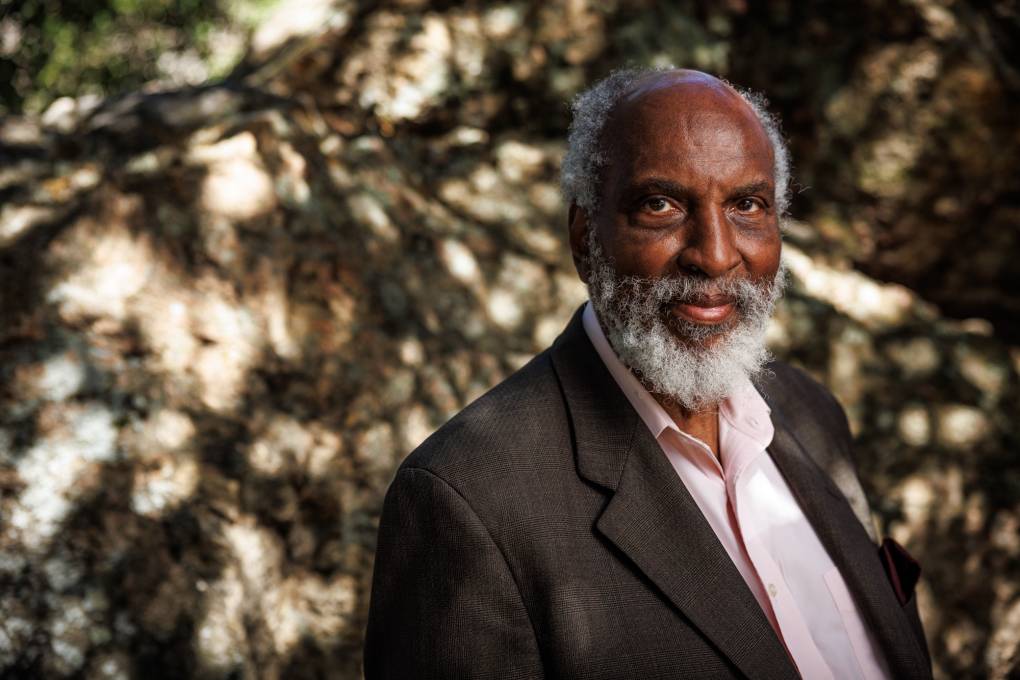
"title": "jon powell in Berkeley on May 9, 2025.",
"publishDate": 1748090827,
"status": "inherit",
"parent": 12040453,
"modified": 1748090841,
"caption": "jon powell in Berkeley on May 9, 2025.",
"credit": "Martin do Nascimento/KQED",
"altTag": null,
"description": null,
"imgSizes": {
"medium": {
"file": "https://cdn.kqed.org/wp-content/uploads/sites/10/2025/05/250509-JOHN-POWELL-MD-02-KQED-3-800x534.jpg",
"width": 800,
"height": 534,
"mimeType": "image/jpeg"
},
"large": {
"file": "https://cdn.kqed.org/wp-content/uploads/sites/10/2025/05/250509-JOHN-POWELL-MD-02-KQED-3-1020x680.jpg",
"width": 1020,
"height": 680,
"mimeType": "image/jpeg"
},
"thumbnail": {
"file": "https://cdn.kqed.org/wp-content/uploads/sites/10/2025/05/250509-JOHN-POWELL-MD-02-KQED-3-160x107.jpg",
"width": 160,
"height": 107,
"mimeType": "image/jpeg"
},
"1536x1536": {
"file": "https://cdn.kqed.org/wp-content/uploads/sites/10/2025/05/250509-JOHN-POWELL-MD-02-KQED-3-1536x1025.jpg",
"width": 1536,
"height": 1025,
"mimeType": "image/jpeg"
},
"post-thumbnail": {
"file": "https://cdn.kqed.org/wp-content/uploads/sites/10/2025/05/250509-JOHN-POWELL-MD-02-KQED-3-672x372.jpg",
"width": 672,
"height": 372,
"mimeType": "image/jpeg"
},
"twentyfourteen-full-width": {
"file": "https://cdn.kqed.org/wp-content/uploads/sites/10/2025/05/250509-JOHN-POWELL-MD-02-KQED-3-1038x576.jpg",
"width": 1038,
"height": 576,
"mimeType": "image/jpeg"
},
"full-width": {
"file": "https://cdn.kqed.org/wp-content/uploads/sites/10/2025/05/250509-JOHN-POWELL-MD-02-KQED-3-1920x1281.jpg",
"width": 1920,
"height": 1281,
"mimeType": "image/jpeg"
},
"kqedFullSize": {
"file": "https://cdn.kqed.org/wp-content/uploads/sites/10/2025/05/250509-JOHN-POWELL-MD-02-KQED-3.jpg",
"width": 2000,
"height": 1334
}
},
"isLoading": false,
"fetchFailed": false
},
"news_12041274": {
"type": "attachments",
"id": "news_12041274",
"meta": {
"index": "attachments_1716263798",
"site": "news",
"id": "12041274",
"found": true
},
"title": "APTOPIX Plane-Crash-San-Diego",
"publishDate": 1747935471,
"status": "inherit",
"parent": 12041261,
"modified": 1747935582,
"caption": "Authorities work the scene where a small plane crashed into a San Diego neighborhood, setting several homes on fire and forcing evacuations on May 22, 2025. ",
"credit": "Gregory Bull/AP Photo",
"altTag": null,
"description": null,
"imgSizes": {
"medium": {
"file": "https://cdn.kqed.org/wp-content/uploads/sites/10/2025/05/SanDiegoCrashAP2-800x533.jpg",
"width": 800,
"height": 533,
"mimeType": "image/jpeg"
},
"large": {
"file": "https://cdn.kqed.org/wp-content/uploads/sites/10/2025/05/SanDiegoCrashAP2-1020x680.jpg",
"width": 1020,
"height": 680,
"mimeType": "image/jpeg"
},
"thumbnail": {
"file": "https://cdn.kqed.org/wp-content/uploads/sites/10/2025/05/SanDiegoCrashAP2-160x107.jpg",
"width": 160,
"height": 107,
"mimeType": "image/jpeg"
},
"1536x1536": {
"file": "https://cdn.kqed.org/wp-content/uploads/sites/10/2025/05/SanDiegoCrashAP2-1536x1024.jpg",
"width": 1536,
"height": 1024,
"mimeType": "image/jpeg"
},
"post-thumbnail": {
"file": "https://cdn.kqed.org/wp-content/uploads/sites/10/2025/05/SanDiegoCrashAP2-672x372.jpg",
"width": 672,
"height": 372,
"mimeType": "image/jpeg"
},
"twentyfourteen-full-width": {
"file": "https://cdn.kqed.org/wp-content/uploads/sites/10/2025/05/SanDiegoCrashAP2-1038x576.jpg",
"width": 1038,
"height": 576,
"mimeType": "image/jpeg"
},
"full-width": {
"file": "https://cdn.kqed.org/wp-content/uploads/sites/10/2025/05/SanDiegoCrashAP2-1920x1280.jpg",
"width": 1920,
"height": 1280,
"mimeType": "image/jpeg"
},
"kqedFullSize": {
"file": "https://cdn.kqed.org/wp-content/uploads/sites/10/2025/05/SanDiegoCrashAP2.jpg",
"width": 2000,
"height": 1333
}
},
"isLoading": false,
"fetchFailed": false
},
"news_12039908": {
"type": "attachments",
"id": "news_12039908",
"meta": {
"index": "attachments_1716263798",
"site": "news",
"id": "12039908",
"found": true
},
"title": "250513-REENA ESMAIL-1-KQED",
"publishDate": 1747156305,
"status": "inherit",
"parent": 0,
"modified": 1747867909,
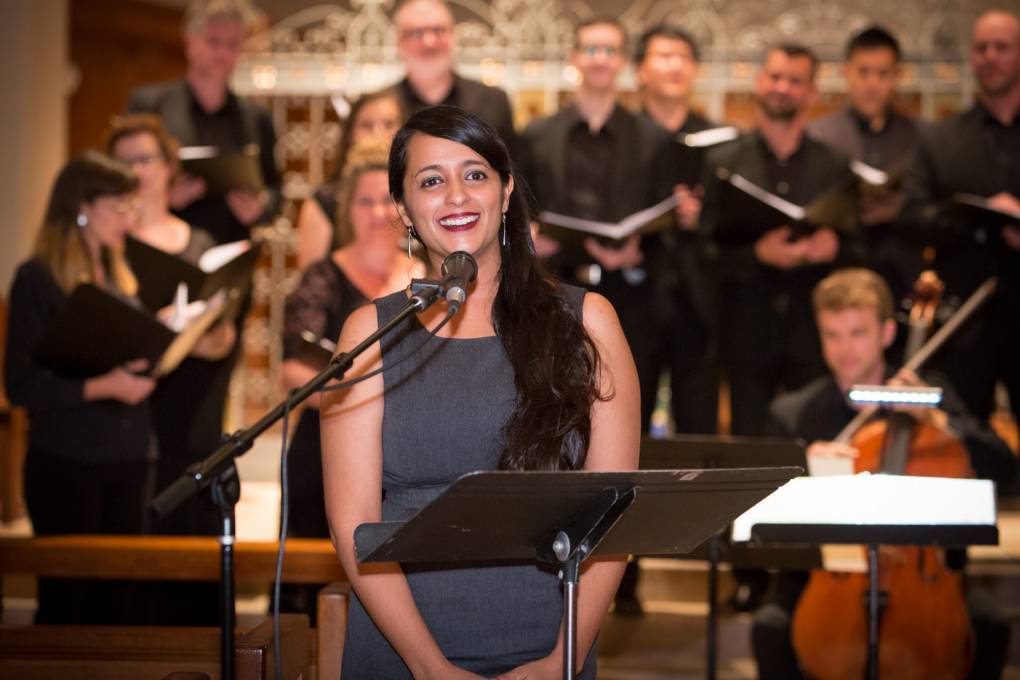
"caption": "Composer Reena Esmail speaks at the premiere of her work \"When the Violin\" in September 2018.",
"credit": "Courtesy of Reena Esmail",
"altTag": null,
"description": null,
"imgSizes": {
"medium": {
"file": "https://cdn.kqed.org/wp-content/uploads/sites/10/2025/05/250513-REENA-ESMAIL-1-KQED-800x533.jpg",
"width": 800,
"height": 533,
"mimeType": "image/jpeg"
},
"large": {
"file": "https://cdn.kqed.org/wp-content/uploads/sites/10/2025/05/250513-REENA-ESMAIL-1-KQED-1020x680.jpg",
"width": 1020,
"height": 680,
"mimeType": "image/jpeg"
},
"thumbnail": {
"file": "https://cdn.kqed.org/wp-content/uploads/sites/10/2025/05/250513-REENA-ESMAIL-1-KQED-160x107.jpg",
"width": 160,
"height": 107,
"mimeType": "image/jpeg"
},
"1536x1536": {
"file": "https://cdn.kqed.org/wp-content/uploads/sites/10/2025/05/250513-REENA-ESMAIL-1-KQED-1536x1024.jpg",
"width": 1536,
"height": 1024,
"mimeType": "image/jpeg"
},
"post-thumbnail": {
"file": "https://cdn.kqed.org/wp-content/uploads/sites/10/2025/05/250513-REENA-ESMAIL-1-KQED-672x372.jpg",
"width": 672,
"height": 372,
"mimeType": "image/jpeg"
},
"twentyfourteen-full-width": {
"file": "https://cdn.kqed.org/wp-content/uploads/sites/10/2025/05/250513-REENA-ESMAIL-1-KQED-1038x576.jpg",
"width": 1038,
"height": 576,
"mimeType": "image/jpeg"
},
"full-width": {
"file": "https://cdn.kqed.org/wp-content/uploads/sites/10/2025/05/250513-REENA-ESMAIL-1-KQED-1920x1280.jpg",
"width": 1920,
"height": 1280,
"mimeType": "image/jpeg"
},
"kqedFullSize": {
"file": "https://cdn.kqed.org/wp-content/uploads/sites/10/2025/05/250513-REENA-ESMAIL-1-KQED.jpg",
"width": 2000,
"height": 1333
}
},
"isLoading": false,
"fetchFailed": false
},
"news_12040294": {
"type": "attachments",
"id": "news_12040294",
"meta": {
"index": "attachments_1716263798",
"site": "news",
"id": "12040294",
"found": true
},
"title": "Martinez Refining Company in Martinez on Feb. 3, 2025.",
"publishDate": 1747329510,
"status": "inherit",
"parent": 0,
"modified": 1747329541,
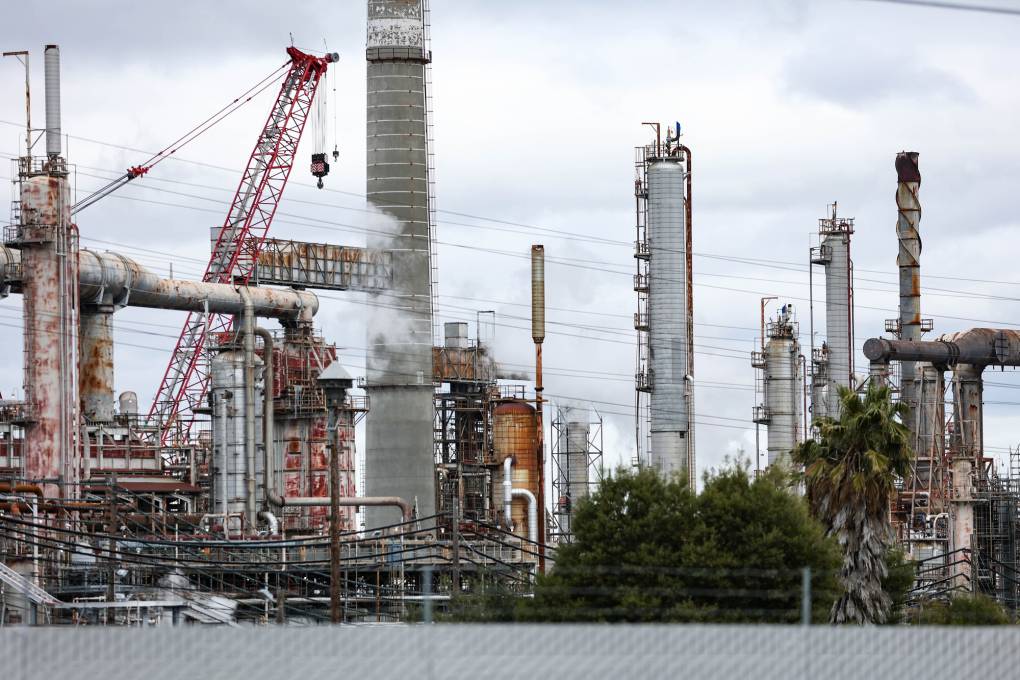
"caption": "Martinez Refining Company in Martinez on Feb. 3, 2025.",
"credit": "Gina Castro/KQED",
"altTag": null,
"description": null,
"imgSizes": {
"medium": {
"file": "https://cdn.kqed.org/wp-content/uploads/sites/10/2025/05/20250203_MartinezRefineryFolo_GC-26_qed-800x533.jpg",
"width": 800,
"height": 533,
"mimeType": "image/jpeg"
},
"large": {
"file": "https://cdn.kqed.org/wp-content/uploads/sites/10/2025/05/20250203_MartinezRefineryFolo_GC-26_qed-1020x680.jpg",
"width": 1020,
"height": 680,
"mimeType": "image/jpeg"
},
"thumbnail": {
"file": "https://cdn.kqed.org/wp-content/uploads/sites/10/2025/05/20250203_MartinezRefineryFolo_GC-26_qed-160x107.jpg",
"width": 160,
"height": 107,
"mimeType": "image/jpeg"
},
"1536x1536": {
"file": "https://cdn.kqed.org/wp-content/uploads/sites/10/2025/05/20250203_MartinezRefineryFolo_GC-26_qed-1536x1024.jpg",
"width": 1536,
"height": 1024,
"mimeType": "image/jpeg"
},
"post-thumbnail": {
"file": "https://cdn.kqed.org/wp-content/uploads/sites/10/2025/05/20250203_MartinezRefineryFolo_GC-26_qed-672x372.jpg",
"width": 672,
"height": 372,
"mimeType": "image/jpeg"
},
"twentyfourteen-full-width": {
"file": "https://cdn.kqed.org/wp-content/uploads/sites/10/2025/05/20250203_MartinezRefineryFolo_GC-26_qed-1038x576.jpg",
"width": 1038,
"height": 576,
"mimeType": "image/jpeg"
},
"full-width": {
"file": "https://cdn.kqed.org/wp-content/uploads/sites/10/2025/05/20250203_MartinezRefineryFolo_GC-26_qed-1920x1280.jpg",
"width": 1920,
"height": 1280,
"mimeType": "image/jpeg"
},
"kqedFullSize": {
"file": "https://cdn.kqed.org/wp-content/uploads/sites/10/2025/05/20250203_MartinezRefineryFolo_GC-26_qed.jpg",
"width": 2000,
"height": 1333
}
},
"isLoading": false,
"fetchFailed": false
},
"news_12008309": {
"type": "attachments",
"id": "news_12008309",
"meta": {
"index": "attachments_1716263798",
"site": "news",
"id": "12008309",
"found": true
},
"title": "IMAG2736_qed",
"publishDate": 1728331588,
"status": "inherit",
"parent": 12008296,
"modified": 1728331872,
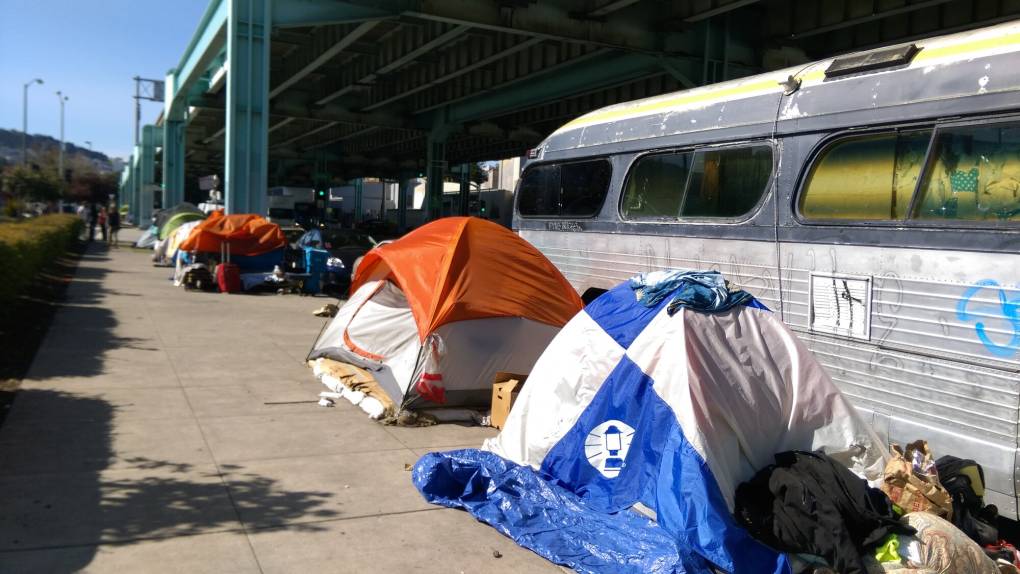
"caption": "A homeless encampment on Division Street in San Francisco in 2016.",
"credit": "Amy Mostafa/KQED",
"altTag": "Tents with various items on a sidewalk next to a large vehicle.",
"description": null,
"imgSizes": {
"medium": {
"file": "https://cdn.kqed.org/wp-content/uploads/sites/10/2024/10/IMAG2736_qed-800x450.jpg",
"width": 800,
"height": 450,
"mimeType": "image/jpeg"
},
"large": {
"file": "https://cdn.kqed.org/wp-content/uploads/sites/10/2024/10/IMAG2736_qed-1020x574.jpg",
"width": 1020,
"height": 574,
"mimeType": "image/jpeg"
},
"thumbnail": {
"file": "https://cdn.kqed.org/wp-content/uploads/sites/10/2024/10/IMAG2736_qed-160x90.jpg",
"width": 160,
"height": 90,
"mimeType": "image/jpeg"
},
"1536x1536": {
"file": "https://cdn.kqed.org/wp-content/uploads/sites/10/2024/10/IMAG2736_qed-1536x864.jpg",
"width": 1536,
"height": 864,
"mimeType": "image/jpeg"
},
"post-thumbnail": {
"file": "https://cdn.kqed.org/wp-content/uploads/sites/10/2024/10/IMAG2736_qed-672x372.jpg",
"width": 672,
"height": 372,
"mimeType": "image/jpeg"
},
"twentyfourteen-full-width": {
"file": "https://cdn.kqed.org/wp-content/uploads/sites/10/2024/10/IMAG2736_qed-1038x576.jpg",
"width": 1038,
"height": 576,
"mimeType": "image/jpeg"
},
"full-width": {
"file": "https://cdn.kqed.org/wp-content/uploads/sites/10/2024/10/IMAG2736_qed-1920x1080.jpg",
"width": 1920,
"height": 1080,
"mimeType": "image/jpeg"
},
"kqedFullSize": {
"file": "https://cdn.kqed.org/wp-content/uploads/sites/10/2024/10/IMAG2736_qed.jpg",
"width": 2000,
"height": 1125
}
},
"isLoading": false,
"fetchFailed": false
},
"news_12040844": {
"type": "attachments",
"id": "news_12040844",
"meta": {
"index": "attachments_1716263798",
"site": "news",
"id": "12040844",
"found": true
},
"title": "npr.brightspotcdn",
"publishDate": 1747752360,
"status": "inherit",
"parent": 12040842,
"modified": 1753218453,
"caption": "Protesters gather outside Kern Medical Hospital in Bakersfield. They're opposing proposed GOP cuts to Medicaid, which provides health insurance to lower-income Americans. \n",
"credit": "Joshua Yeager/KVPR",
"altTag": null,
"description": "Protesters gather outside of Kern Medical Hospital in Bakersfield. They're opposing proposed GOP cuts to Medicaid, which provides health insurance to lower-income Americans. \n",
"imgSizes": {
"medium": {
"file": "https://cdn.kqed.org/wp-content/uploads/sites/10/2025/05/npr.brightspotcdn-800x534.jpg",
"width": 800,
"height": 534,
"mimeType": "image/jpeg"
},
"large": {
"file": "https://cdn.kqed.org/wp-content/uploads/sites/10/2025/05/npr.brightspotcdn-1020x680.jpg",
"width": 1020,
"height": 680,
"mimeType": "image/jpeg"
},
"thumbnail": {
"file": "https://cdn.kqed.org/wp-content/uploads/sites/10/2025/05/npr.brightspotcdn-160x107.jpg",
"width": 160,
"height": 107,
"mimeType": "image/jpeg"
},
"1536x1536": {
"file": "https://cdn.kqed.org/wp-content/uploads/sites/10/2025/05/npr.brightspotcdn-1536x1025.jpg",
"width": 1536,
"height": 1025,
"mimeType": "image/jpeg"
},
"post-thumbnail": {
"file": "https://cdn.kqed.org/wp-content/uploads/sites/10/2025/05/npr.brightspotcdn-672x372.jpg",
"width": 672,
"height": 372,
"mimeType": "image/jpeg"
},
"twentyfourteen-full-width": {
"file": "https://cdn.kqed.org/wp-content/uploads/sites/10/2025/05/npr.brightspotcdn-1038x576.jpg",
"width": 1038,
"height": 576,
"mimeType": "image/jpeg"
},
"kqedFullSize": {
"file": "https://cdn.kqed.org/wp-content/uploads/sites/10/2025/05/npr.brightspotcdn.jpg",
"width": 1760,
"height": 1174
}
},
"isLoading": false,
"fetchFailed": false
},
"news_12040739": {
"type": "attachments",
"id": "news_12040739",
"meta": {
"index": "attachments_1716263798",
"site": "news",
"id": "12040739",
"found": true
},
"title": "wif7X5lt",
"publishDate": 1747664404,
"status": "inherit",
"parent": 12040738,
"modified": 1747664612,
"caption": null,
"credit": null,
"altTag": null,
"description": "Ken Thai co-founded 986 Pharmacy in Alhambra, California, and serves as its CEO. (Jackie\nFortiér/KFF Health News)",
"imgSizes": {
"medium": {
"file": "https://cdn.kqed.org/wp-content/uploads/sites/10/2025/05/wif7X5lt-800x533.jpeg",
"width": 800,
"height": 533,
"mimeType": "image/jpeg"
},
"large": {
"file": "https://cdn.kqed.org/wp-content/uploads/sites/10/2025/05/wif7X5lt-1020x680.jpeg",
"width": 1020,
"height": 680,
"mimeType": "image/jpeg"
},
"thumbnail": {
"file": "https://cdn.kqed.org/wp-content/uploads/sites/10/2025/05/wif7X5lt-160x107.jpeg",
"width": 160,
"height": 107,
"mimeType": "image/jpeg"
},
"1536x1536": {
"file": "https://cdn.kqed.org/wp-content/uploads/sites/10/2025/05/wif7X5lt-1536x1024.jpeg",
"width": 1536,
"height": 1024,
"mimeType": "image/jpeg"
},
"2048x2048": {
"file": "https://cdn.kqed.org/wp-content/uploads/sites/10/2025/05/wif7X5lt-2048x1365.jpeg",
"width": 2048,
"height": 1365,
"mimeType": "image/jpeg"
},
"post-thumbnail": {
"file": "https://cdn.kqed.org/wp-content/uploads/sites/10/2025/05/wif7X5lt-672x372.jpeg",
"width": 672,
"height": 372,
"mimeType": "image/jpeg"
},
"twentyfourteen-full-width": {
"file": "https://cdn.kqed.org/wp-content/uploads/sites/10/2025/05/wif7X5lt-1038x576.jpeg",
"width": 1038,
"height": 576,
"mimeType": "image/jpeg"
},
"full-width": {
"file": "https://cdn.kqed.org/wp-content/uploads/sites/10/2025/05/wif7X5lt-1920x1280.jpeg",
"width": 1920,
"height": 1280,
"mimeType": "image/jpeg"
},
"kqedFullSize": {
"file": "https://cdn.kqed.org/wp-content/uploads/sites/10/2025/05/wif7X5lt-scaled.jpeg",
"width": 2560,
"height": 1707
}
},
"isLoading": false,
"fetchFailed": false
},
"news_12036301": {
"type": "attachments",
"id": "news_12036301",
"meta": {
"index": "attachments_1716263798",
"site": "news",
"id": "12036301",
"found": true
},
"title": "Fall of Saigon: Mien Ga Memories",
"publishDate": 1744830602,
"status": "inherit",
"parent": 12037893,
"modified": 1745948854,
"caption": "A freshly cooked bowl of Miến gà is pictured at Hong Pham’s home in South Pasadena on Saturday, April 12, 2025. Miến gà is a light Vietnamese chicken soup with mung bean noodles. Hong also added Matsutake mushrooms, charred ginger and fresh Chinese onions. He also topped it with crispy homemade onions that his mom sent him.",
"credit": "Alisha Jucevic for KQED",
"altTag": null,
"description": null,
"imgSizes": {
"medium": {
"file": "https://cdn.kqed.org/wp-content/uploads/sites/10/2025/04/20250412_MIENGAMEMORIES_23-KQED-800x533.jpg",
"width": 800,
"height": 533,
"mimeType": "image/jpeg"
},
"large": {
"file": "https://cdn.kqed.org/wp-content/uploads/sites/10/2025/04/20250412_MIENGAMEMORIES_23-KQED-1020x680.jpg",
"width": 1020,
"height": 680,
"mimeType": "image/jpeg"
},
"thumbnail": {
"file": "https://cdn.kqed.org/wp-content/uploads/sites/10/2025/04/20250412_MIENGAMEMORIES_23-KQED-160x107.jpg",
"width": 160,
"height": 107,
"mimeType": "image/jpeg"
},
"1536x1536": {
"file": "https://cdn.kqed.org/wp-content/uploads/sites/10/2025/04/20250412_MIENGAMEMORIES_23-KQED-1536x1024.jpg",
"width": 1536,
"height": 1024,
"mimeType": "image/jpeg"
},
"post-thumbnail": {
"file": "https://cdn.kqed.org/wp-content/uploads/sites/10/2025/04/20250412_MIENGAMEMORIES_23-KQED-672x372.jpg",
"width": 672,
"height": 372,
"mimeType": "image/jpeg"
},
"twentyfourteen-full-width": {
"file": "https://cdn.kqed.org/wp-content/uploads/sites/10/2025/04/20250412_MIENGAMEMORIES_23-KQED-1038x576.jpg",
"width": 1038,
"height": 576,
"mimeType": "image/jpeg"
},
"full-width": {
"file": "https://cdn.kqed.org/wp-content/uploads/sites/10/2025/04/20250412_MIENGAMEMORIES_23-KQED-1920x1280.jpg",
"width": 1920,
"height": 1280,
"mimeType": "image/jpeg"
},
"kqedFullSize": {
"file": "https://cdn.kqed.org/wp-content/uploads/sites/10/2025/04/20250412_MIENGAMEMORIES_23-KQED.jpg",
"width": 2000,
"height": 1333
}
},
"isLoading": false,
"fetchFailed": false
},
"news_12040351": {
"type": "attachments",
"id": "news_12040351",
"meta": {
"index": "attachments_1716263798",
"site": "news",
"id": "12040351",
"found": true
},
"title": "Kid-Poems-Resilience_2-",
"publishDate": 1747335072,
"status": "inherit",
"parent": 0,
"modified": 1747335321,
"caption": "Nearly 600 East Bay students participated in a city-wide poetry project, helmed by El Cerrito’s poet-laureate Tess Taylor.",
"credit": "Collage by Darren Tu/KQED",
"altTag": null,
"description": null,
"imgSizes": {
"medium": {
"file": "https://cdn.kqed.org/wp-content/uploads/sites/10/2025/05/Kid-Poems-Resilience_2--800x517.jpg",
"width": 800,
"height": 517,
"mimeType": "image/jpeg"
},
"large": {
"file": "https://cdn.kqed.org/wp-content/uploads/sites/10/2025/05/Kid-Poems-Resilience_2--1020x659.jpg",
"width": 1020,
"height": 659,
"mimeType": "image/jpeg"
},
"thumbnail": {
"file": "https://cdn.kqed.org/wp-content/uploads/sites/10/2025/05/Kid-Poems-Resilience_2--160x103.jpg",
"width": 160,
"height": 103,
"mimeType": "image/jpeg"
},
"1536x1536": {
"file": "https://cdn.kqed.org/wp-content/uploads/sites/10/2025/05/Kid-Poems-Resilience_2--1536x992.jpg",
"width": 1536,
"height": 992,
"mimeType": "image/jpeg"
},
"post-thumbnail": {
"file": "https://cdn.kqed.org/wp-content/uploads/sites/10/2025/05/Kid-Poems-Resilience_2--672x372.jpg",
"width": 672,
"height": 372,
"mimeType": "image/jpeg"
},
"twentyfourteen-full-width": {
"file": "https://cdn.kqed.org/wp-content/uploads/sites/10/2025/05/Kid-Poems-Resilience_2--1038x576.jpg",
"width": 1038,
"height": 576,
"mimeType": "image/jpeg"
},
"kqedFullSize": {
"file": "https://cdn.kqed.org/wp-content/uploads/sites/10/2025/05/Kid-Poems-Resilience_2-.jpg",
"width": 1920,
"height": 1240
}
},
"isLoading": false,
"fetchFailed": false
},
"news_12040460": {
"type": "attachments",
"id": "news_12040460",
"meta": {
"index": "attachments_1716263798",
"site": "news",
"id": "12040460",
"found": true
},
"title": "IMG_5223",
"publishDate": 1747401840,
"status": "inherit",
"parent": 12040459,
"modified": 1747402097,
"caption": "The Farmworker Equity Express Bus is a mobile resource center that brings wifi, telehealth services, tutoring, and mental health services to farmworkers.",
"credit": "Madi Bolanos/The California Report",
"altTag": null,
"description": null,
"imgSizes": {
"medium": {
"file": "https://cdn.kqed.org/wp-content/uploads/sites/10/2025/05/IMG_5223-800x600.jpg",
"width": 800,
"height": 600,
"mimeType": "image/jpeg"
},
"large": {
"file": "https://cdn.kqed.org/wp-content/uploads/sites/10/2025/05/IMG_5223-1020x765.jpg",
"width": 1020,
"height": 765,
"mimeType": "image/jpeg"
},
"thumbnail": {
"file": "https://cdn.kqed.org/wp-content/uploads/sites/10/2025/05/IMG_5223-160x120.jpg",
"width": 160,
"height": 120,
"mimeType": "image/jpeg"
},
"1536x1536": {
"file": "https://cdn.kqed.org/wp-content/uploads/sites/10/2025/05/IMG_5223-1536x1152.jpg",
"width": 1536,
"height": 1152,
"mimeType": "image/jpeg"
},
"2048x2048": {
"file": "https://cdn.kqed.org/wp-content/uploads/sites/10/2025/05/IMG_5223-2048x1536.jpg",
"width": 2048,
"height": 1536,
"mimeType": "image/jpeg"
},
"post-thumbnail": {
"file": "https://cdn.kqed.org/wp-content/uploads/sites/10/2025/05/IMG_5223-672x372.jpg",
"width": 672,
"height": 372,
"mimeType": "image/jpeg"
},
"twentyfourteen-full-width": {
"file": "https://cdn.kqed.org/wp-content/uploads/sites/10/2025/05/IMG_5223-1038x576.jpg",
"width": 1038,
"height": 576,
"mimeType": "image/jpeg"
},
"full-width": {
"file": "https://cdn.kqed.org/wp-content/uploads/sites/10/2025/05/IMG_5223-1920x1440.jpg",
"width": 1920,
"height": 1440,
"mimeType": "image/jpeg"
},
"kqedFullSize": {
"file": "https://cdn.kqed.org/wp-content/uploads/sites/10/2025/05/IMG_5223-scaled.jpg",
"width": 2560,
"height": 1920
}
},
"isLoading": false,
"fetchFailed": false
},
"news_12012812": {
"type": "attachments",
"id": "news_12012812",
"meta": {
"index": "attachments_1716263798",
"site": "news",
"id": "12012812",
"found": true
},
"title": "20241029_CAREGIVINGPOETS_GC-11-KQED",
"publishDate": 1730858844,
"status": "inherit",
"parent": 0,
"modified": 1747336687,
"caption": "Frances Kakugawa, award-winning author, poses for a portrait in Sacramento on Oct. 29, 2024. Kakugawa, a former caregiver for her mother with Alzheimer’s, now leads writing support groups for Dementia caregivers.",
"credit": "Gina Castro/KQED",
"altTag": null,
"description": null,
"imgSizes": {
"medium": {
"file": "https://cdn.kqed.org/wp-content/uploads/sites/10/2024/11/20241029_CAREGIVINGPOETS_GC-11-KQED-800x533.jpg",
"width": 800,
"height": 533,
"mimeType": "image/jpeg"
},
"large": {
"file": "https://cdn.kqed.org/wp-content/uploads/sites/10/2024/11/20241029_CAREGIVINGPOETS_GC-11-KQED-1020x680.jpg",
"width": 1020,
"height": 680,
"mimeType": "image/jpeg"
},
"thumbnail": {
"file": "https://cdn.kqed.org/wp-content/uploads/sites/10/2024/11/20241029_CAREGIVINGPOETS_GC-11-KQED-160x107.jpg",
"width": 160,
"height": 107,
"mimeType": "image/jpeg"
},
"1536x1536": {
"file": "https://cdn.kqed.org/wp-content/uploads/sites/10/2024/11/20241029_CAREGIVINGPOETS_GC-11-KQED-1536x1024.jpg",
"width": 1536,
"height": 1024,
"mimeType": "image/jpeg"
},
"post-thumbnail": {
"file": "https://cdn.kqed.org/wp-content/uploads/sites/10/2024/11/20241029_CAREGIVINGPOETS_GC-11-KQED-672x372.jpg",
"width": 672,
"height": 372,
"mimeType": "image/jpeg"
},
"twentyfourteen-full-width": {
"file": "https://cdn.kqed.org/wp-content/uploads/sites/10/2024/11/20241029_CAREGIVINGPOETS_GC-11-KQED-1038x576.jpg",
"width": 1038,
"height": 576,
"mimeType": "image/jpeg"
},
"full-width": {
"file": "https://cdn.kqed.org/wp-content/uploads/sites/10/2024/11/20241029_CAREGIVINGPOETS_GC-11-KQED-1920x1280.jpg",
"width": 1920,
"height": 1280,
"mimeType": "image/jpeg"
},
"kqedFullSize": {
"file": "https://cdn.kqed.org/wp-content/uploads/sites/10/2024/11/20241029_CAREGIVINGPOETS_GC-11-KQED.jpg",
"width": 2000,
"height": 1333
}
},
"isLoading": false,
"fetchFailed": false
}
},
"audioPlayerReducer": {
"postId": "stream_live",
"isPaused": true,
"isPlaying": false,
"pfsActive": false,
"pledgeModalIsOpen": true,
"playerDrawerIsOpen": false,
"liveAudioPlayStartedAt": 0,
"liveAudioPlayContext": ""
},
"authorsReducer": {
"byline_news_12039743": {
"type": "authors",
"id": "byline_news_12039743",
"meta": {
"override": true
},
"slug": "byline_news_12039743",
"name": "Hussain Khan, Sasha Khokha",
"isLoading": false
},
"sracho": {
"type": "authors",
"id": "107",
"meta": {
"index": "authors_1716337520",
"id": "107",
"found": true
},
"name": "Suzie Racho",
"firstName": "Suzie",
"lastName": "Racho",
"slug": "sracho",
"email": "SRacho@KQED.org",
"display_author_email": false,
"staff_mastheads": [
"news"
],
"title": "KQED Contributor",
"bio": "Suzie Racho is a correspondent-producer with \u003cem>The California Report Magazine\u003c/em>\u003cem>. S\u003c/em>he has also worked with several other KQED productions, including Bay Curious, Truth Be Told, The Do List and KQED News.\r\n\r\nSuzie came to KQED in 1996 after receiving a BA in journalism from San Francisco State University and spending several years working in the music industry. As part of \u003cem>The California Report\u003c/em> team, her work has been recognized by the Society for Professional Journalists, National Federation of Community Broadcasters and Public Radio News Directors Incorporated, among others. She was recognized with a national Gracie Award in 2019. She spends her free time baking, listening to K-pop and rooting for the Giants and Valkyries.",
"avatar": "https://secure.gravatar.com/avatar/842e457a9830b0f3c1ce3ab70ed3518d616d1e25e315c6292eab8cd611d98601?s=600&d=blank&r=g",
"twitter": null,
"bluesky": null,
"facebook": null,
"instagram": null,
"linkedin": null,
"sites": [
{
"site": "arts",
"roles": [
"editor"
]
},
{
"site": "news",
"roles": [
"editor"
]
}
],
"headData": {
"title": "Suzie Racho | KQED",
"description": "KQED Contributor",
"ogImgSrc": "https://secure.gravatar.com/avatar/842e457a9830b0f3c1ce3ab70ed3518d616d1e25e315c6292eab8cd611d98601?s=600&d=blank&r=g",
"twImgSrc": "https://secure.gravatar.com/avatar/842e457a9830b0f3c1ce3ab70ed3518d616d1e25e315c6292eab8cd611d98601?s=600&d=blank&r=g"
},
"isLoading": false,
"link": "/author/sracho"
},
"sasha-khokha": {
"type": "authors",
"id": "254",
"meta": {
"index": "authors_1716337520",
"id": "254",
"found": true
},
"name": "Sasha Khokha",
"firstName": "Sasha",
"lastName": "Khokha",
"slug": "sasha-khokha",
"email": "skhokha@kqed.org",
"display_author_email": true,
"staff_mastheads": [
"news"
],
"title": "Host, The California Report Magazine",
"bio": "Sasha Khokha is the host of \u003cem>The California Report's \u003c/em> weekly magazine program, which takes listeners on sound-rich excursions to meet the people that make the Golden State unique -- through audio documentaries and long-form stories. As \u003cem>The California Report's\u003c/em> Central Valley Bureau Chief based in Fresno for nearly a dozen years, Sasha brought the lives and concerns of rural Californians to listeners around the state. Her reporting helped expose the hidden price immigrant women janitors and farmworkers may pay to keep their jobs: sexual assault at work. It inspired two new California laws to protect them from sexual harassment. She was a key member of the reporting team for the Frontline film \u003cem>Rape on the Night Shift, \u003c/em>which was nominated for two national Emmys. Sasha has also won a national Edward R. Murrow and a national PRNDI award for investigative reporting, as well as multiple prizes from the Society for Professional Journalists. Sasha is a proud alum of the UC Berkeley Graduate School of Journalism and Brown University and a member of the South Asian Journalists Association.",
"avatar": "https://secure.gravatar.com/avatar/e4b5e1541aaeea2aa356aa1fb2a68950?s=600&d=blank&r=g",
"twitter": "KQEDSashaKhokha",
"facebook": null,
"instagram": null,
"linkedin": null,
"sites": [
{
"site": "news",
"roles": [
"editor"
]
},
{
"site": "stateofhealth",
"roles": [
"author"
]
},
{
"site": "science",
"roles": [
"author"
]
},
{
"site": "quest",
"roles": [
"subscriber"
]
}
],
"headData": {
"title": "Sasha Khokha | KQED",
"description": "Host, The California Report Magazine",
"ogImgSrc": "https://secure.gravatar.com/avatar/e4b5e1541aaeea2aa356aa1fb2a68950?s=600&d=blank&r=g",
"twImgSrc": "https://secure.gravatar.com/avatar/e4b5e1541aaeea2aa356aa1fb2a68950?s=600&d=blank&r=g"
},
"isLoading": false,
"link": "/author/sasha-khokha"
},
"hmcdede": {
"type": "authors",
"id": "11635",
"meta": {
"index": "authors_1716337520",
"id": "11635",
"found": true
},
"name": "Holly McDede",
"firstName": "Holly",
"lastName": "McDede",
"slug": "hmcdede",
"email": "hmcdede@KQED.org",
"display_author_email": false,
"staff_mastheads": [],
"title": "KQED Contributor",
"bio": null,
"avatar": "https://secure.gravatar.com/avatar/999d9bf31bb3a2f0511932d99526cb3e?s=600&d=blank&r=g",
"twitter": null,
"facebook": null,
"instagram": null,
"linkedin": null,
"sites": [
{
"site": "arts",
"roles": [
"editor"
]
},
{
"site": "news",
"roles": [
"edit_others_posts",
"editor"
]
},
{
"site": "science",
"roles": [
"editor"
]
},
{
"site": "forum",
"roles": [
"editor"
]
},
{
"site": "perspectives",
"roles": [
"administrator"
]
}
],
"headData": {
"title": "Holly McDede | KQED",
"description": "KQED Contributor",
"ogImgSrc": "https://secure.gravatar.com/avatar/999d9bf31bb3a2f0511932d99526cb3e?s=600&d=blank&r=g",
"twImgSrc": "https://secure.gravatar.com/avatar/999d9bf31bb3a2f0511932d99526cb3e?s=600&d=blank&r=g"
},
"isLoading": false,
"link": "/author/hmcdede"
},
"kmizuguchi": {
"type": "authors",
"id": "11739",
"meta": {
"index": "authors_1716337520",
"id": "11739",
"found": true
},
"name": "Keith Mizuguchi",
"firstName": "Keith",
"lastName": "Mizuguchi",
"slug": "kmizuguchi",
"email": "kmizuguchi@kqed.org",
"display_author_email": false,
"staff_mastheads": [],
"title": "KQED Contributor",
"bio": null,
"avatar": "https://secure.gravatar.com/avatar/64d8a7de0723d4099b9fe4e915136103febcc20809abce228ee4415bcb237023?s=600&d=blank&r=g",
"twitter": null,
"bluesky": null,
"facebook": null,
"instagram": null,
"linkedin": null,
"sites": [
{
"site": "news",
"roles": [
"editor"
]
},
{
"site": "science",
"roles": [
"editor"
]
}
],
"headData": {
"title": "Keith Mizuguchi | KQED",
"description": "KQED Contributor",
"ogImgSrc": "https://secure.gravatar.com/avatar/64d8a7de0723d4099b9fe4e915136103febcc20809abce228ee4415bcb237023?s=600&d=blank&r=g",
"twImgSrc": "https://secure.gravatar.com/avatar/64d8a7de0723d4099b9fe4e915136103febcc20809abce228ee4415bcb237023?s=600&d=blank&r=g"
},
"isLoading": false,
"link": "/author/kmizuguchi"
},
"daisynguyen": {
"type": "authors",
"id": "11829",
"meta": {
"index": "authors_1716337520",
"id": "11829",
"found": true
},
"name": "Daisy Nguyen",
"firstName": "Daisy",
"lastName": "Nguyen",
"slug": "daisynguyen",
"email": "daisynguyen@kqed.org",
"display_author_email": true,
"staff_mastheads": [
"news"
],
"title": "KQED Contributor",
"bio": "I have covered early childhood education and child care for KQED since 2022. I focus on policies aimed at increasing access to early care and education and how they shape individual lives. I've been a journalist for more than two decades, with most of that time devoted to covering breaking news throughout California for The Associated Press. I grew up in San Francisco and studied at UC Davis and Columbia University's Graduate School of Journalism. I live in Oakland with my husband and two kids.",
"avatar": "https://secure.gravatar.com/avatar/2da2127c27f7143b53ebd419800fd55f?s=600&d=blank&r=g",
"twitter": null,
"facebook": null,
"instagram": null,
"linkedin": "https://www.linkedin.com/in/daisynguyen/",
"sites": [
{
"site": "news",
"roles": [
"author"
]
},
{
"site": "liveblog",
"roles": [
"author"
]
}
],
"headData": {
"title": "Daisy Nguyen | KQED",
"description": "KQED Contributor",
"ogImgSrc": "https://secure.gravatar.com/avatar/2da2127c27f7143b53ebd419800fd55f?s=600&d=blank&r=g",
"twImgSrc": "https://secure.gravatar.com/avatar/2da2127c27f7143b53ebd419800fd55f?s=600&d=blank&r=g"
},
"isLoading": false,
"link": "/author/daisynguyen"
},
"rpalmer": {
"type": "authors",
"id": "11880",
"meta": {
"index": "authors_1716337520",
"id": "11880",
"found": true
},
"name": "Riley Palmer",
"firstName": "Riley",
"lastName": "Palmer",
"slug": "rpalmer",
"email": "rpalmer@KQED.org",
"display_author_email": true,
"staff_mastheads": [],
"title": "KQED Contributor",
"bio": "Riley Palmer is a North Bay Native who stayed close in order to report on the community she calls home. She is a Santa Rosa Junior College and UC Berkeley alum. Palmer started working at KQED as a radio newscast intern in January 2023. Since then she has reported on school safety, education, and mobile home tenancy rights along with other general assignments. She lives in Oakland, CA.",
"avatar": "https://secure.gravatar.com/avatar/28824e9d4a299de4200bd003607bee3a?s=600&d=blank&r=g",
"twitter": "ReporterRileyp",
"facebook": null,
"instagram": null,
"linkedin": null,
"sites": [
{
"site": "news",
"roles": []
}
],
"headData": {
"title": "Riley Palmer | KQED",
"description": "KQED Contributor",
"ogImgSrc": "https://secure.gravatar.com/avatar/28824e9d4a299de4200bd003607bee3a?s=600&d=blank&r=g",
"twImgSrc": "https://secure.gravatar.com/avatar/28824e9d4a299de4200bd003607bee3a?s=600&d=blank&r=g"
},
"isLoading": false,
"link": "/author/rpalmer"
}
},
"pagesReducer": {
"news_category_tcr": {
"type": "terms",
"id": "news_34018",
"meta": {
"index": "terms_1716263798",
"site": "news",
"id": "34018",
"score": 13.307371
},
"featImg": null,
"name": "tcr",
"description": null,
"taxonomy": "category",
"headData": {
"twImgId": null,
"twTitle": null,
"ogTitle": null,
"ogImgId": null,
"twDescription": null,
"description": null,
"title": "tcr Archives | KQED News",
"ogDescription": null
},
"ttid": 34035,
"slug": "tcr",
"isLoading": false,
"title": "tcr",
"pageMeta": {
"site": "news",
"WpPageTemplate": "page-topic-editorial",
"currentPage": 28
},
"blocks": [
{
"blockName": "kqed/post-list",
"attrs": {
"layout": "cardArticle2",
"query": "posts/news?category=tcr",
"seeMore": false,
"paginated": true,
"page": 28
}
},
{
"blockName": "kqed/ad"
}
]
}
},
"pfsSessionReducer": {},
"postsReducer": {
"stream_live": {
"type": "live",
"id": "stream_live",
"audioUrl": "https://streams.kqed.org/kqedradio",
"title": "Live Stream",
"excerpt": "Live Stream information currently unavailable.",
"link": "/radio",
"featImg": "",
"label": {
"name": "KQED Live",
"link": "/"
}
},
"stream_kqedNewscast": {
"type": "posts",
"id": "stream_kqedNewscast",
"audioUrl": "https://www.kqed.org/.stream/anon/radio/RDnews/newscast.mp3?_=1",
"title": "KQED Newscast",
"featImg": "",
"label": {
"name": "88.5 FM",
"link": "/"
}
},
"news_12041634": {
"type": "posts",
"id": "news_12041634",
"meta": {
"index": "posts_1716263798",
"site": "news",
"id": "12041634",
"score": null,
"sort": [
1748281276000
]
},
"guestAuthors": [],
"slug": "what-makes-a-song-song-of-the-summer",
"title": "What Makes A Song Song Of The Summer",
"publishDate": 1748281276,
"format": "audio",
"headTitle": "What Makes A Song Song Of The Summer | KQED",
"labelTerm": {},
"content": "\u003cp>\u003cb>Here are the morning’s top stories on Monday, May 26, 2025…\u003c/b>\u003c/p>\n\u003cul>\n\u003cli style=\"font-weight: 400\">\u003cspan style=\"font-weight: 400\">Monday is Memorial Day. For many people, this holiday marks the unofficial start to the summer season. And no summer is truly complete without the perfect summer music playlist. So what will \u003c/span>\u003ca href=\"https://www.npr.org/2024/09/11/nx-s1-5106063/summers-may-come-and-go-but-the-songs-of-the-summer-last-forever\">\u003cspan style=\"font-weight: 400\">the song of summer \u003c/span>\u003c/a>\u003cspan style=\"font-weight: 400\">for 2025 be?\u003c/span>\u003c/li>\n\u003cli>A race known as the\u003ca href=\"https://kineticgrandchampionship.com/\"> “triathlon of the art world”\u003c/a> is concluding this Memorial Day weekend in Humboldt County. Founded in 1969, it’s a local tradition, where teams race homemade human-powered art vehicles over 50 miles of land, sand, water, and mud.\u003c/li>\n\u003c/ul>\n\u003ch2>\u003cstrong>What Will 2025’s Song Of The Summer Be?\u003c/strong>\u003c/h2>\n\u003cp>\u003cspan style=\"font-weight: 400\">Memorial Day often marks the unofficial start to the summer season. And with summer, that brings music – whether it’s festivals or hit songs. \u003c/span>\u003c/p>\n\u003cp>\u003cspan style=\"font-weight: 400\">So what goes into making a hit song that is considered \u003ca href=\"https://www.npr.org/2024/09/11/nx-s1-5106063/summers-may-come-and-go-but-the-songs-of-the-summer-last-forever\">“song of the summer?”\u003c/a> “A song of the summer needs to be very saccharine, very sugar sweet, but not too sweet,” said KQED Senior Editor for Arts and Culture \u003ca href=\"https://www.kqed.org/author/gmeline\">Gabe Meline.\u003c/a> “Needs to be original, but not too weird. It needs to say something honest and relatable without being too broad or generic or empty. It’s a crazy trick you gotta pull.”\u003c/span>\u003c/p>\n\u003cp>\u003cspan style=\"font-weight: 400\">The song of the summer can mean which one had the most streams online. Or which song topped the Billboard charts. But it’s likely the song that you’ll hear when you’re out and when you’re at that summer gathering with friends and family. And it will be the song that you likely won’t be able to get out of your head any time soon. \u003c/span>\u003c/p>\n\u003ch2>\u003cstrong>Triathlon Of The Art World Set To Conclude In Humboldt County\u003c/strong>\u003c/h2>\n\u003cp>Founded in 1969, it’s a local tradition in Humboldt County. At the \u003ca href=\"https://kineticgrandchampionship.com/\">Kinetic Grand Championship\u003c/a>, teams race homemade human-powered art vehicles over 50 miles of land, sand, water, and mud.\u003c/p>\n\u003cp>[ad fullwidth]\u003c/p>\n\u003cp>Contestants are judged on everything from their engineering to how big of a splash they make entering Humboldt Bay, before crossing the finish line in Ferndale on Monday.\u003c/p>\n\u003cp>\u003c/p>\n\u003cp>Kinetic Sculptures are all-terrain human-powered art vehicles, engineered to race over road, water, mud and sand. They are works of sculpture and engineering loaded with “kinetic thrills” like animated faces, fire cannons, and unusual drive mechanisms. Kinetic Racing teams consist of pilots, pit crews and peons.\u003c/p>\n\n",
"blocks": [],
"excerpt": "Memorial Day marks the unofficial start of summer, including the summer music season.",
"status": "publish",
"parent": 0,
"modified": 1748281276,
"stats": {
"hasAudio": false,
"hasVideo": false,
"hasChartOrMap": false,
"iframeSrcs": [],
"hasGoogleForm": false,
"hasGallery": false,
"hasHearkenModule": false,
"hasPolis": false,
"paragraphCount": 9,
"wordCount": 417
},
"headData": {
"title": "What Makes A Song Song Of The Summer | KQED",
"description": "Memorial Day marks the unofficial start of summer, including the summer music season.",
"ogTitle": "",
"ogDescription": "",
"ogImgId": "",
"twTitle": "",
"twDescription": "",
"twImgId": "",
"schema": {
"@context": "https://schema.org",
"@type": "NewsArticle",
"headline": "What Makes A Song Song Of The Summer",
"datePublished": "2025-05-26T10:41:16-07:00",
"dateModified": "2025-05-26T10:41:16-07:00",
"image": "https://cdn.kqed.org/wp-content/uploads/2020/02/KQED-OG-Image@1x.png",
"isAccessibleForFree": "True",
"publisher": {
"@type": "NewsMediaOrganization",
"@id": "https://www.kqed.org/#organization",
"name": "KQED",
"logo": "https://cdn.kqed.org/wp-content/uploads/2020/02/KQED-OG-Image@1x.png",
"url": "https://www.kqed.org",
"sameAs": [
"https://www.facebook.com/KQED",
"https://twitter.com/KQED",
"https://www.instagram.com/kqed/",
"https://www.tiktok.com/@kqedofficial",
"https://www.linkedin.com/company/kqed",
"https://www.youtube.com/channel/UCeC0IOo7i1P_61zVUWbJ4nw"
]
}
}
},
"source": "The California Report",
"sourceUrl": "https://www.kqed.org/news/tag/tcrarchive/",
"audioUrl": "https://www.podtrac.com/pts/redirect.mp3/chrt.fm/track/G6C7C3/traffic.megaphone.fm/KQINC4818496639.mp3?updated=1748268908",
"sticky": false,
"nprStoryId": "kqed-12041634",
"templateType": "standard",
"featuredImageType": "standard",
"excludeFromSiteSearch": "Include",
"articleAge": "0",
"path": "/news/12041634/what-makes-a-song-song-of-the-summer",
"audioTrackLength": null,
"parsedContent": [
{
"type": "contentString",
"content": "\u003cdiv class=\"post-body\">\u003cp>\u003cp>\u003cb>Here are the morning’s top stories on Monday, May 26, 2025…\u003c/b>\u003c/p>\n\u003cul>\n\u003cli style=\"font-weight: 400\">\u003cspan style=\"font-weight: 400\">Monday is Memorial Day. For many people, this holiday marks the unofficial start to the summer season. And no summer is truly complete without the perfect summer music playlist. So what will \u003c/span>\u003ca href=\"https://www.npr.org/2024/09/11/nx-s1-5106063/summers-may-come-and-go-but-the-songs-of-the-summer-last-forever\">\u003cspan style=\"font-weight: 400\">the song of summer \u003c/span>\u003c/a>\u003cspan style=\"font-weight: 400\">for 2025 be?\u003c/span>\u003c/li>\n\u003cli>A race known as the\u003ca href=\"https://kineticgrandchampionship.com/\"> “triathlon of the art world”\u003c/a> is concluding this Memorial Day weekend in Humboldt County. Founded in 1969, it’s a local tradition, where teams race homemade human-powered art vehicles over 50 miles of land, sand, water, and mud.\u003c/li>\n\u003c/ul>\n\u003ch2>\u003cstrong>What Will 2025’s Song Of The Summer Be?\u003c/strong>\u003c/h2>\n\u003cp>\u003cspan style=\"font-weight: 400\">Memorial Day often marks the unofficial start to the summer season. And with summer, that brings music – whether it’s festivals or hit songs. \u003c/span>\u003c/p>\n\u003cp>\u003cspan style=\"font-weight: 400\">So what goes into making a hit song that is considered \u003ca href=\"https://www.npr.org/2024/09/11/nx-s1-5106063/summers-may-come-and-go-but-the-songs-of-the-summer-last-forever\">“song of the summer?”\u003c/a> “A song of the summer needs to be very saccharine, very sugar sweet, but not too sweet,” said KQED Senior Editor for Arts and Culture \u003ca href=\"https://www.kqed.org/author/gmeline\">Gabe Meline.\u003c/a> “Needs to be original, but not too weird. It needs to say something honest and relatable without being too broad or generic or empty. It’s a crazy trick you gotta pull.”\u003c/span>\u003c/p>\n\u003cp>\u003cspan style=\"font-weight: 400\">The song of the summer can mean which one had the most streams online. Or which song topped the Billboard charts. But it’s likely the song that you’ll hear when you’re out and when you’re at that summer gathering with friends and family. And it will be the song that you likely won’t be able to get out of your head any time soon. \u003c/span>\u003c/p>\n\u003ch2>\u003cstrong>Triathlon Of The Art World Set To Conclude In Humboldt County\u003c/strong>\u003c/h2>\n\u003cp>Founded in 1969, it’s a local tradition in Humboldt County. At the \u003ca href=\"https://kineticgrandchampionship.com/\">Kinetic Grand Championship\u003c/a>, teams race homemade human-powered art vehicles over 50 miles of land, sand, water, and mud.\u003c/p>\n\u003cp>\u003c/p>\u003c/div>",
"attributes": {
"named": {},
"numeric": []
}
},
{
"type": "component",
"content": "",
"name": "ad",
"attributes": {
"named": {
"label": "fullwidth"
},
"numeric": [
"fullwidth"
]
}
},
{
"type": "contentString",
"content": "\u003cdiv class=\"post-body\">\u003cp>\u003c/p>\n\u003cp>Contestants are judged on everything from their engineering to how big of a splash they make entering Humboldt Bay, before crossing the finish line in Ferndale on Monday.\u003c/p>\n\u003cp>\u003c/p>\n\u003cp>Kinetic Sculptures are all-terrain human-powered art vehicles, engineered to race over road, water, mud and sand. They are works of sculpture and engineering loaded with “kinetic thrills” like animated faces, fire cannons, and unusual drive mechanisms. Kinetic Racing teams consist of pilots, pit crews and peons.\u003c/p>\n\n\u003c/div>\u003c/p>",
"attributes": {
"named": {},
"numeric": []
}
}
],
"link": "/news/12041634/what-makes-a-song-song-of-the-summer",
"authors": [
"11739"
],
"programs": [
"news_72"
],
"categories": [
"news_33520",
"news_34018"
],
"tags": [
"news_35488",
"news_35489",
"news_21998",
"news_21268"
],
"featImg": "news_12041635",
"label": "source_news_12041634"
},
"news_12040453": {
"type": "posts",
"id": "news_12040453",
"meta": {
"index": "posts_1716263798",
"site": "news",
"id": "12040453",
"score": null,
"sort": [
1748019616000
]
},
"guestAuthors": [],
"slug": "how-a-uc-berkeley-professor-confronts-division-with-a-vision-for-belonging",
"title": "How a UC Berkeley Professor Confronts Division With a Vision for Belonging",
"publishDate": 1748019616,
"format": "standard",
"headTitle": "How a UC Berkeley Professor Confronts Division With a Vision for Belonging | KQED",
"labelTerm": {
"term": 26731,
"site": "news"
},
"content": "\u003cp>\u003cem>This story is part of The California Report Magazine’s \u003ca href=\"https://www.kqed.org/news/tag/resilience\">series about resilient Californians\u003c/a>, and what lessons they may have for the rest of us.\u003c/em>\u003c/p>\n\u003cp>\u003ca href=\"https://www.kqed.org/forum/2010101907966/john-a-powell-on-polarization-and-the-power-of-bridging\">Professor john a. powell\u003c/a> spent much of his early life feeling like he didn’t belong.\u003c/p>\n\u003cp>At just 11 years old, he became estranged from his deeply religious family. After questioning church doctrine and not getting the answers he was looking for, powell — who spells his name in lowercase — left the church, and his father did not speak to him for five years.\u003c/p>\n\u003cp>But that pivotal moment was the beginning of the path that led him to his life’s work. powell is the director of the Othering and Belonging Institute at \u003ca href=\"https://www.kqed.org/news/tag/uc-berkeley\">UC Berkeley\u003c/a>, where he’s also a professor of law, African American studies and ethnic studies. He’s the author of two recent books, \u003cem>\u003ca href=\"https://belonging.berkeley.edu/belonging-without-othering\">Belonging Without Othering\u003c/a>\u003c/em> and \u003cem>\u003ca href=\"https://belonging.berkeley.edu/power-bridging\">The Power of Bridging\u003c/a>.\u003c/em>\u003c/p>\n\u003cp>[ad fullwidth]\u003c/p>\n\u003cp>powell spoke with \u003ca href=\"https://www.kqed.org/californiareportmagazine\">The California Report Magazine\u003c/a> host Sasha Khokha as part of a series on Californians and resilience.\u003c/p>\n\u003cp>Below are excerpts from their conversation, edited for brevity and clarity. For the full interview, listen to the audio linked at the top of this story.\u003c/p>\n\u003ch2>On what ‘bridging’ means:\u003c/h2>\n\u003cp>A simple way of thinking about it is just that it brings people together. We’re willing to be present with someone, we’re willing to listen to someone, not because we think they’re right, not because we’re gonna change our mind or change their mind, but because they’re human.\u003c/p>\n\u003cp>We recognize, even in those apparent differences, we share something. So bridging is willingness to see each other, not to become each other, to see each other. It requires being present and being curious. And it requires listening with the heart, not with the mind.\u003c/p>\n\u003cp>The mind is always listening to be right and prove the other person wrong. Whereas the heart is listening to build relationships. It’s like, “Tell me about your fears. Tell me about your kids. Tell me about what’s important to you.”\u003c/p>\n\u003ch2>On belonging and othering:\u003c/h2>\n\u003cp>We oftentimes create our sense of coolness or belonging by dissing other people. If you want to be in this group, you’ve got to hate that group. And that’s one reason that the title of the first book was called \u003cem>Belonging Without Othering.\u003c/em>\u003c/p>\n\u003cp>Because belonging \u003cem>with\u003c/em> othering is a normal staple practice in many religions, and much of nation-building and race-building. “You are OK if you’re part of us, and those beings over there are not even people, they’re not even human.”\u003c/p>\n\u003cp>If you think about the United States, the Constitution starts off, “We the people.” But then for the next 250 years — and I would say even today — we’ve been fighting about who is that “we”?\u003c/p>\n\u003ch2>On the relationship between bridging and resilience:\u003c/h2>\n\u003cp>Resilience is largely a team sport. So if you’re by yourself, isolated, it’s hard to be resilient. And part of being resilient… is being recognized. Bridging is where we recognize the humanity in each other.\u003c/p>\n\u003cp>[aside postID=news_12039743 hero='https://cdn.kqed.org/wp-content/uploads/sites/10/2025/05/Kid-Poems-Resilience_2--1020x659.jpg']\u003c/p>\n\u003cp>I walked into a coffee shop yesterday in Berkeley. And there was a guy sitting in the coffee shop. He probably was, I’d say, 60 or 70.\u003c/p>\n\u003cp>And I just said, “Excuse me, sir, what is that you’re reading?” And he tells me it’s about the history of ideas and history of religion. But then, he doesn’t want me to go. And basically what he said is that he’s lonely.\u003c/p>\n\u003cp>[Loneliness]creates fragileness. It creates the opposite of resilience. Bridging is the willingness to actually see ourselves and see the other person. And the deeper we bridge, the more resilient we are.\u003c/p>\n\u003cp>It doesn’t mean we won’t have challenges, but we know we’re not in it alone. So bridging invites that human care, human interest and human curiosity.\u003c/p>\n\u003ch2>On whether bridging is always possible:\u003c/h2>\n\u003cp>Each person has to derive the answer to that question themselves. They have to sit with that question.\u003c/p>\n\u003cp>I think initially, because we’re feeling a lot of fear, and that fear is sometimes well-founded, so there are certain conditions.[aside postID=news_12039754 hero='https://cdn.kqed.org/wp-content/uploads/sites/10/2024/11/20241029_CAREGIVINGPOETS_GC-11-KQED-1020x680.jpg']We actually help bring people together sometimes, and when we do, we frequently don’t start with the most difficult issue. We start with human issues. And sometimes what comes out is loneliness.\u003c/p>\n\u003cp>Is that a liberal issue, a conservative issue? It’s a human issue. So, what we say is that if you can’t bridge, and there may be certain conditions you can’t, try not to break. And breaking is where it’s not simply where you don’t interact with someone; it’s where you denigrate them, where you assume that they are a threat, where you call them evil.\u003c/p>\n\u003cp>So, if you’re not gonna bridge, if you’re not gonna reach across and be present with the person, could you at least not denigrate them? Could you at least not dehumanize them? Could you at least still just say, “I’m not comfortable, I’m too raw, I’m traumatized, I don’t feel safe, but I’m not assuming that you’re all things evil.”\u003c/p>\n\u003ch2>On how to begin to bridge with someone you don’t agree with:\u003c/h2>\n\u003cp>Start with something that’s immediate. Start with something this doable.\u003c/p>\n\u003cp>If you can’t bridge with someone who’s on the opposite side of the political spectrum you are, bridge with your cousin. Bridge with someone who you share the same language, the same food, the same religion — maybe the same parents.\u003c/p>\n\u003cp>But it doesn’t mean it will be easy. Sometimes the people who are close to us know how to really hurt us. But as we get better at bridging, we’re not only gaining resilience, but the muscle gets better.\u003c/p>\n\u003cp>And if it gets to be too much, stop. It doesn’t mean you have to win it or you have to get it all done in the first sitting.\u003c/p>\n\u003cp>[ad floatright]\u003c/p>\n",
"blocks": [],
"excerpt": "The director of UC Berkeley’s Othering & Belonging Institute offers wisdom about the many divisions in our society and how to bridge them.",
"status": "publish",
"parent": 0,
"modified": 1758141554,
"stats": {
"hasAudio": false,
"hasVideo": false,
"hasChartOrMap": false,
"iframeSrcs": [],
"hasGoogleForm": false,
"hasGallery": false,
"hasHearkenModule": false,
"hasPolis": false,
"paragraphCount": 28,
"wordCount": 1118
},
"headData": {
"title": "How a UC Berkeley Professor Confronts Division With a Vision for Belonging | KQED",
"description": "The director of UC Berkeley’s Othering & Belonging Institute offers wisdom about the many divisions in our society and how to bridge them.",
"ogTitle": "",
"ogDescription": "",
"ogImgId": "",
"twTitle": "",
"twDescription": "",
"twImgId": "",
"schema": {
"@context": "https://schema.org",
"@type": "NewsArticle",
"headline": "How a UC Berkeley Professor Confronts Division With a Vision for Belonging",
"datePublished": "2025-05-23T10:00:16-07:00",
"dateModified": "2025-09-17T13:39:14-07:00",
"image": "https://cdn.kqed.org/wp-content/uploads/2020/02/KQED-OG-Image@1x.png",
"isAccessibleForFree": "True",
"publisher": {
"@type": "NewsMediaOrganization",
"@id": "https://www.kqed.org/#organization",
"name": "KQED",
"logo": "https://cdn.kqed.org/wp-content/uploads/2020/02/KQED-OG-Image@1x.png",
"url": "https://www.kqed.org",
"sameAs": [
"https://www.facebook.com/KQED",
"https://twitter.com/KQED",
"https://www.instagram.com/kqed/",
"https://www.tiktok.com/@kqedofficial",
"https://www.linkedin.com/company/kqed",
"https://www.youtube.com/channel/UCeC0IOo7i1P_61zVUWbJ4nw"
]
}
}
},
"primaryCategory": {
"termId": 8,
"slug": "news",
"name": "News"
},
"audioUrl": "https://traffic.omny.fm/d/clips/0af137ef-751e-4b19-a055-aaef00d2d578/ffca7e9f-6831-41c5-bcaf-aaef00f5a073/91c45f21-797d-426f-9c0e-b2e4016c698d/audio.mp3",
"sticky": false,
"WpOldSlug": "the-eaton-fire-hit-caltech-scientists-close-to-home-now-theyre-studying-the-toxic-aftermath-2",
"nprStoryId": "kqed-12040453",
"templateType": "standard",
"featuredImageType": "standard",
"excludeFromSiteSearch": "Include",
"showOnAuthorArchivePages": "No",
"articleAge": "0",
"path": "/news/12040453/how-a-uc-berkeley-professor-confronts-division-with-a-vision-for-belonging",
"audioTrackLength": null,
"parsedContent": [
{
"type": "contentString",
"content": "\u003cdiv class=\"post-body\">\u003cp>\u003cp>\u003cem>This story is part of The California Report Magazine’s \u003ca href=\"https://www.kqed.org/news/tag/resilience\">series about resilient Californians\u003c/a>, and what lessons they may have for the rest of us.\u003c/em>\u003c/p>\n\u003cp>\u003ca href=\"https://www.kqed.org/forum/2010101907966/john-a-powell-on-polarization-and-the-power-of-bridging\">Professor john a. powell\u003c/a> spent much of his early life feeling like he didn’t belong.\u003c/p>\n\u003cp>At just 11 years old, he became estranged from his deeply religious family. After questioning church doctrine and not getting the answers he was looking for, powell — who spells his name in lowercase — left the church, and his father did not speak to him for five years.\u003c/p>\n\u003cp>But that pivotal moment was the beginning of the path that led him to his life’s work. powell is the director of the Othering and Belonging Institute at \u003ca href=\"https://www.kqed.org/news/tag/uc-berkeley\">UC Berkeley\u003c/a>, where he’s also a professor of law, African American studies and ethnic studies. He’s the author of two recent books, \u003cem>\u003ca href=\"https://belonging.berkeley.edu/belonging-without-othering\">Belonging Without Othering\u003c/a>\u003c/em> and \u003cem>\u003ca href=\"https://belonging.berkeley.edu/power-bridging\">The Power of Bridging\u003c/a>.\u003c/em>\u003c/p>\n\u003cp>\u003c/p>\u003c/div>",
"attributes": {
"named": {},
"numeric": []
}
},
{
"type": "component",
"content": "",
"name": "ad",
"attributes": {
"named": {
"label": "fullwidth"
},
"numeric": [
"fullwidth"
]
}
},
{
"type": "contentString",
"content": "\u003cdiv class=\"post-body\">\u003cp>\u003c/p>\n\u003cp>powell spoke with \u003ca href=\"https://www.kqed.org/californiareportmagazine\">The California Report Magazine\u003c/a> host Sasha Khokha as part of a series on Californians and resilience.\u003c/p>\n\u003cp>Below are excerpts from their conversation, edited for brevity and clarity. For the full interview, listen to the audio linked at the top of this story.\u003c/p>\n\u003ch2>On what ‘bridging’ means:\u003c/h2>\n\u003cp>A simple way of thinking about it is just that it brings people together. We’re willing to be present with someone, we’re willing to listen to someone, not because we think they’re right, not because we’re gonna change our mind or change their mind, but because they’re human.\u003c/p>\n\u003cp>We recognize, even in those apparent differences, we share something. So bridging is willingness to see each other, not to become each other, to see each other. It requires being present and being curious. And it requires listening with the heart, not with the mind.\u003c/p>\n\u003cp>The mind is always listening to be right and prove the other person wrong. Whereas the heart is listening to build relationships. It’s like, “Tell me about your fears. Tell me about your kids. Tell me about what’s important to you.”\u003c/p>\n\u003ch2>On belonging and othering:\u003c/h2>\n\u003cp>We oftentimes create our sense of coolness or belonging by dissing other people. If you want to be in this group, you’ve got to hate that group. And that’s one reason that the title of the first book was called \u003cem>Belonging Without Othering.\u003c/em>\u003c/p>\n\u003cp>Because belonging \u003cem>with\u003c/em> othering is a normal staple practice in many religions, and much of nation-building and race-building. “You are OK if you’re part of us, and those beings over there are not even people, they’re not even human.”\u003c/p>\n\u003cp>If you think about the United States, the Constitution starts off, “We the people.” But then for the next 250 years — and I would say even today — we’ve been fighting about who is that “we”?\u003c/p>\n\u003ch2>On the relationship between bridging and resilience:\u003c/h2>\n\u003cp>Resilience is largely a team sport. So if you’re by yourself, isolated, it’s hard to be resilient. And part of being resilient… is being recognized. Bridging is where we recognize the humanity in each other.\u003c/p>\n\u003cp>\u003c/p>\u003c/div>",
"attributes": {
"named": {},
"numeric": []
}
},
{
"type": "component",
"content": "",
"name": "aside",
"attributes": {
"named": {
"postid": "news_12039743",
"hero": "https://cdn.kqed.org/wp-content/uploads/sites/10/2025/05/Kid-Poems-Resilience_2--1020x659.jpg",
"label": ""
},
"numeric": []
}
},
{
"type": "contentString",
"content": "\u003cdiv class=\"post-body\">\u003cp>\u003c/p>\n\u003cp>I walked into a coffee shop yesterday in Berkeley. And there was a guy sitting in the coffee shop. He probably was, I’d say, 60 or 70.\u003c/p>\n\u003cp>And I just said, “Excuse me, sir, what is that you’re reading?” And he tells me it’s about the history of ideas and history of religion. But then, he doesn’t want me to go. And basically what he said is that he’s lonely.\u003c/p>\n\u003cp>[Loneliness]creates fragileness. It creates the opposite of resilience. Bridging is the willingness to actually see ourselves and see the other person. And the deeper we bridge, the more resilient we are.\u003c/p>\n\u003cp>It doesn’t mean we won’t have challenges, but we know we’re not in it alone. So bridging invites that human care, human interest and human curiosity.\u003c/p>\n\u003ch2>On whether bridging is always possible:\u003c/h2>\n\u003cp>Each person has to derive the answer to that question themselves. They have to sit with that question.\u003c/p>\n\u003cp>I think initially, because we’re feeling a lot of fear, and that fear is sometimes well-founded, so there are certain conditions.\u003c/p>\u003c/div>",
"attributes": {
"named": {},
"numeric": []
}
},
{
"type": "component",
"content": "",
"name": "aside",
"attributes": {
"named": {
"postid": "news_12039754",
"hero": "https://cdn.kqed.org/wp-content/uploads/sites/10/2024/11/20241029_CAREGIVINGPOETS_GC-11-KQED-1020x680.jpg",
"label": ""
},
"numeric": []
}
},
{
"type": "contentString",
"content": "\u003cdiv class=\"post-body\">\u003cp>We actually help bring people together sometimes, and when we do, we frequently don’t start with the most difficult issue. We start with human issues. And sometimes what comes out is loneliness.\u003c/p>\n\u003cp>Is that a liberal issue, a conservative issue? It’s a human issue. So, what we say is that if you can’t bridge, and there may be certain conditions you can’t, try not to break. And breaking is where it’s not simply where you don’t interact with someone; it’s where you denigrate them, where you assume that they are a threat, where you call them evil.\u003c/p>\n\u003cp>So, if you’re not gonna bridge, if you’re not gonna reach across and be present with the person, could you at least not denigrate them? Could you at least not dehumanize them? Could you at least still just say, “I’m not comfortable, I’m too raw, I’m traumatized, I don’t feel safe, but I’m not assuming that you’re all things evil.”\u003c/p>\n\u003ch2>On how to begin to bridge with someone you don’t agree with:\u003c/h2>\n\u003cp>Start with something that’s immediate. Start with something this doable.\u003c/p>\n\u003cp>If you can’t bridge with someone who’s on the opposite side of the political spectrum you are, bridge with your cousin. Bridge with someone who you share the same language, the same food, the same religion — maybe the same parents.\u003c/p>\n\u003cp>But it doesn’t mean it will be easy. Sometimes the people who are close to us know how to really hurt us. But as we get better at bridging, we’re not only gaining resilience, but the muscle gets better.\u003c/p>\n\u003cp>And if it gets to be too much, stop. It doesn’t mean you have to win it or you have to get it all done in the first sitting.\u003c/p>\n\u003cp>\u003c/p>\u003c/div>",
"attributes": {
"named": {},
"numeric": []
}
},
{
"type": "component",
"content": "",
"name": "ad",
"attributes": {
"named": {
"label": "floatright"
},
"numeric": [
"floatright"
]
}
},
{
"type": "contentString",
"content": "\u003cdiv class=\"post-body\">\u003cp>\u003c/p>\n\u003c/div>\u003c/p>",
"attributes": {
"named": {},
"numeric": []
}
}
],
"link": "/news/12040453/how-a-uc-berkeley-professor-confronts-division-with-a-vision-for-belonging",
"authors": [
"107"
],
"programs": [
"news_72",
"news_26731"
],
"categories": [
"news_31795",
"news_8",
"news_34018"
],
"tags": [
"news_18538",
"news_20013",
"news_17996",
"news_17968",
"news_20219",
"news_35872",
"news_35871",
"news_20851",
"news_30162",
"news_17597"
],
"featImg": "news_12041604",
"label": "news_26731"
},
"news_12041457": {
"type": "posts",
"id": "news_12041457",
"meta": {
"index": "posts_1716263798",
"site": "news",
"id": "12041457",
"score": null,
"sort": [
1748015697000
]
},
"guestAuthors": [],
"slug": "six-people-presumed-dead-after-private-jet-crashes-in-san-diego-neighborhood",
"title": "Six People Presumed Dead After Private Jet Crashes In San Diego Neighborhood",
"publishDate": 1748015697,
"format": "audio",
"headTitle": "Six People Presumed Dead After Private Jet Crashes In San Diego Neighborhood | KQED",
"labelTerm": {},
"content": "\u003cp>\u003cb>Here are the morning’s top stories on Friday, May 23, 2025…\u003c/b>\u003c/p>\n\u003cul>\n\u003cli style=\"font-weight: 400\">\u003cspan style=\"font-weight: 400\">Six people are presumed dead after \u003c/span>\u003ca href=\"https://apnews.com/article/plane-crash-san-diego-5e465454fc0282a81adafc1bfdc142a1\">\u003cspan style=\"font-weight: 400\">a private jet crashed into a San Diego neighborhood\u003c/span>\u003c/a>\u003cspan style=\"font-weight: 400\"> early Thursday morning.\u003c/span>\u003c/li>\n\u003cli style=\"font-weight: 400\">\u003cspan style=\"font-weight: 400\">California is \u003c/span>\u003ca href=\"https://www.kqed.org/science/1996968/senate-votes-block-californias-electric-vehicle-mandate\">\u003cspan style=\"font-weight: 400\">suing the federal government\u003c/span>\u003c/a>\u003cspan style=\"font-weight: 400\"> for blocking the state’s ability to set its own clean air rules.\u003c/span>\u003c/li>\n\u003cli style=\"font-weight: 400\">\u003cspan style=\"font-weight: 400\">The decision to \u003c/span>\u003ca href=\"https://www.kazu.org/kazu-news/2025-05-20/call-to-eliminate-climate-distraction-in-the-military-stymies-research-at-montereys-naval-postgraduate-school-sources-say\">\u003cspan style=\"font-weight: 400\">take down a climate security website\u003c/span>\u003c/a>\u003cspan style=\"font-weight: 400\"> at Monterey’s Naval Postgraduate School, or NPS, signals broader self-censorship there around climate research and scholarship. It comes in the wake of the U.S. Defense Department’s call to eliminate so-called “climate distraction” in the military. \u003c/span>\u003c/li>\n\u003cli style=\"font-weight: 400\">\u003cspan style=\"font-weight: 400\">The legislature is considering two new bills aimed at improving conditions for incarcerated workers.\u003c/span>\u003c/li>\n\u003c/ul>\n\u003ch2>\u003cstrong>Investigation Continues Into Plane Crash In San Diego\u003c/strong>\u003c/h2>\n\u003cp>A private jet carrying a music talent agent and five others hit a power line in foggy weather early Thursday and \u003ca href=\"https://www.kpbs.org/news/public-safety/2025/05/22/small-plane-crashes-into-san-diego-neighborhood-prompting-large-residential-fire\">crashed into a San Diego neighborhood\u003c/a>, slamming into a home and killing multiple people on the flight.\u003c/p>\n\u003cp>With the home engulfed in flames and jet fuel rolling down the streets, half a dozen vehicles ignited while residents in the neighborhood of U.S. Navy-owned housing were shaken awake just before 4 a.m. by the thunderous crash and subsequent explosions. No one in the neighborhood died, but eight people were taken to the hospital for smoke inhalation and injuries that were not life-threatening, including a person who was hurt climbing out a window, police officer Anthony Carrasco said.\u003c/p>\n\u003cp>Dave Shapiro, co-founder of Sound Talent Group, and two employees were among those killed, the music agency said in a statement. Sound Talent Group has represented artists including American pop band Hanson, American singer-songwriter Vanessa Carlton and the Canadian rock group Sum 41. “We are devastated by the loss of our co-founder, colleagues and friends. Our hearts go out to their families and to everyone impacted by today’s tragedy,” the agency said.\u003c/p>\n\u003cp>Six people were on board the plane, according to the Federal Aviation Administration. Authorities were still combing the scene and recovering the bodies before releasing an official number and identifying the dead, though there were not believed to be any survivors aboard the flight.\u003c/p>\n\u003cp>[ad fullwidth]\u003c/p>\n\u003cp>The airport weather instrumentation that pilots rely on to safely land planes has not functioned properly at Montgomery Field Airport, which is where the jet was flying to, since Tuesday, the National Weather Service (NWS) \u003ca href=\"https://www.kpbs.org/news/public-safety/2025/05/22/montgomery-field-airport-weather-instruments-not-functioning-properly-at-time-of-plane-crash\">confirmed with KPBS.\u003c/a>\u003c/p>\n\u003ch2 class=\"routes-Site-routes-Post-Title-__Title__title\">\u003ca href=\"https://www.kqed.org/science/1996968/senate-votes-block-californias-electric-vehicle-mandate\">\u003cstrong>California Sues Feds After Senate Blocks Its Clean Vehicle Rules\u003c/strong>\u003c/a>\u003c/h2>\n\u003cp>Gov. Gavin Newsom and Attorney General Rob Bonta said they will sue the federal government \u003ca href=\"https://www.npr.org/2025/05/22/nx-s1-5387729/senate-california-ev-air-pollution-waiver-revoked\">after Congress moved to revoke its electric vehicle mandate and two other clean air act rules\u003c/a> Thursday.\u003c/p>\n\u003cp>The move, led by Senate Republicans, attempted to block California from regulating the pollution that comes from cars, trucks and buses, and roll back the state’s long-standing authority to set higher air quality standards than the nation.\u003c/p>\n\u003cp>“Our lawsuit will be about ensuring California can enforce its state laws,” said Bonta on Thursday, adding that through the years, the allowances granted by the Environmental Protection Agency, called waivers, have lowered harmful emissions and improved public health.\u003c/p>\n\u003cp>California has regulated its own vehicle pollution since the 1960s, before the Clean Air Act was signed into law in 1970. Due to the state’s historically horrendous air pollution, the federal government granted California the authority to set its own emissions standards, as long as they were stricter than federal rules. Those rules would then require approval from the EPA through waivers for final approval.\u003c/p>\n\u003cp>Republicans sidestepped the filibuster by using a little-known tool called the Congressional Review Act to revoke the waivers. Both the Senate parliamentarian, essentially the chamber’s referee, and the Government Accountability Office, an independent agency overseeing the government, said using this procedure to rule on California’s rules was not allowed.\u003c/p>\n\u003ch2 class=\"ArtP-headline\">\u003ca href=\"https://www.kazu.org/kazu-news/2025-05-20/call-to-eliminate-climate-distraction-in-the-military-stymies-research-at-montereys-naval-postgraduate-school-sources-say\">\u003cstrong>Call To Eliminate ‘Climate Distraction’ In The Military Stymies Research At Monterey School\u003c/strong>\u003c/a>\u003c/h2>\n\u003cp>Several faculty members at the Naval Postgraduate School (NPS) in Monterey, who spoke with KAZU on the condition of anonymity because they fear retribution, said they’ve felt pressured to stop referring to climate change in their research since Defense Secretary Pete Hegseth called for the elimination of “\u003ca class=\"Link\" href=\"https://drive.google.com/file/d/1FzONs9L8leKtcv5TaBrjWz6jjjX0Nnn6/view\" target=\"_blank\" rel=\"noopener\" data-cms-ai=\"0\">‘climate’ distraction\u003c/a>” in the military in March.\u003c/p>\n\u003cp>To avoid drawing scrutiny from Hegseth’s Department of Defense (DOD), members of the school’s Climate Security Network (CSN) reluctantly \u003ca class=\"Link\" href=\"https://nps.edu/csn\" target=\"_blank\" rel=\"noopener\" data-cms-ai=\"0\">\u003cu>took down their website\u003c/u>\u003c/a> and paused their newsletter earlier this year, according to an NPS source. Faculty established the CSN in 2022 to prepare the Navy to adapt its operations to climate change.\u003c/p>\n\u003cp>According to KAZU’s sources at NPS, hiding the CSN’s work undermines the university’s mission to ensure combat readiness—and leaves the military less prepared for changing environments.\u003c/p>\n\u003ch2>\u003cstrong>State Lawmakers Consider Bills Related To Incarcerated Workers\u003c/strong>\u003c/h2>\n\u003cp>On Friday, the Assembly Appropriations Committee will consider two bills aimed at improving conditions for incarcerated workers.\u003c/p>\n\u003cp>\u003ca href=\"https://calmatters.digitaldemocracy.org/bills/ca_202520260ab746\">Assembly Bill 746\u003c/a> would set up a system to allow prison workers to form cooperatives while serving time. Kelton O’Connor, who’s incarcerated at San Quentin, directs LUCI– a coalition supporting antipoverty policy and says he’s motivated by a deep personal heartbreak over the climate crisis. “This was something that I was doing almost for mental health for myself, and I didn’t know how many people would want to be involved in this,” O’Connor said. “But a lot of incarcerated people are really inspired and fueled by the idea that we can be contributors rather than just play this victimhood role.” O’Connor said if the bill passes, 40% of the wages earned by coop members would go towards a grant program for businesses in poor communities that are focused on sustainability, reentry or helping crime victims.\u003c/p>\n\u003cp>\u003c/p>\n\u003cp>The committee is also set to consider \u003ca href=\"https://calmatters.digitaldemocracy.org/bills/ca_202520260ab1424\">AB 1424, \u003c/a>which would require the state to make conditions for prison workers more habitable.\u003c/p>\n\n",
"blocks": [],
"excerpt": "The plane crashed in a neighborhood of U.S. Navy-owned housing.",
"status": "publish",
"parent": 0,
"modified": 1748015697,
"stats": {
"hasAudio": false,
"hasVideo": false,
"hasChartOrMap": false,
"iframeSrcs": [],
"hasGoogleForm": false,
"hasGallery": false,
"hasHearkenModule": false,
"hasPolis": false,
"paragraphCount": 19,
"wordCount": 1024
},
"headData": {
"title": "Six People Presumed Dead After Private Jet Crashes In San Diego Neighborhood | KQED",
"description": "The plane crashed in a neighborhood of U.S. Navy-owned housing.",
"ogTitle": "",
"ogDescription": "",
"ogImgId": "",
"twTitle": "",
"twDescription": "",
"twImgId": "",
"schema": {
"@context": "https://schema.org",
"@type": "NewsArticle",
"headline": "Six People Presumed Dead After Private Jet Crashes In San Diego Neighborhood",
"datePublished": "2025-05-23T08:54:57-07:00",
"dateModified": "2025-05-23T08:54:57-07:00",
"image": "https://cdn.kqed.org/wp-content/uploads/2020/02/KQED-OG-Image@1x.png",
"isAccessibleForFree": "True",
"publisher": {
"@type": "NewsMediaOrganization",
"@id": "https://www.kqed.org/#organization",
"name": "KQED",
"logo": "https://cdn.kqed.org/wp-content/uploads/2020/02/KQED-OG-Image@1x.png",
"url": "https://www.kqed.org",
"sameAs": [
"https://www.facebook.com/KQED",
"https://twitter.com/KQED",
"https://www.instagram.com/kqed/",
"https://www.tiktok.com/@kqedofficial",
"https://www.linkedin.com/company/kqed",
"https://www.youtube.com/channel/UCeC0IOo7i1P_61zVUWbJ4nw"
]
}
}
},
"source": "The California Report",
"sourceUrl": "https://www.kqed.org/news/tag/tcrarchive/",
"audioUrl": "https://www.podtrac.com/pts/redirect.mp3/chrt.fm/track/G6C7C3/traffic.megaphone.fm/KQINC9671073665.mp3?updated=1748008721",
"sticky": false,
"nprStoryId": "kqed-12041457",
"templateType": "standard",
"featuredImageType": "standard",
"excludeFromSiteSearch": "Include",
"articleAge": "0",
"path": "/news/12041457/six-people-presumed-dead-after-private-jet-crashes-in-san-diego-neighborhood",
"audioTrackLength": null,
"parsedContent": [
{
"type": "contentString",
"content": "\u003cdiv class=\"post-body\">\u003cp>\u003cp>\u003cb>Here are the morning’s top stories on Friday, May 23, 2025…\u003c/b>\u003c/p>\n\u003cul>\n\u003cli style=\"font-weight: 400\">\u003cspan style=\"font-weight: 400\">Six people are presumed dead after \u003c/span>\u003ca href=\"https://apnews.com/article/plane-crash-san-diego-5e465454fc0282a81adafc1bfdc142a1\">\u003cspan style=\"font-weight: 400\">a private jet crashed into a San Diego neighborhood\u003c/span>\u003c/a>\u003cspan style=\"font-weight: 400\"> early Thursday morning.\u003c/span>\u003c/li>\n\u003cli style=\"font-weight: 400\">\u003cspan style=\"font-weight: 400\">California is \u003c/span>\u003ca href=\"https://www.kqed.org/science/1996968/senate-votes-block-californias-electric-vehicle-mandate\">\u003cspan style=\"font-weight: 400\">suing the federal government\u003c/span>\u003c/a>\u003cspan style=\"font-weight: 400\"> for blocking the state’s ability to set its own clean air rules.\u003c/span>\u003c/li>\n\u003cli style=\"font-weight: 400\">\u003cspan style=\"font-weight: 400\">The decision to \u003c/span>\u003ca href=\"https://www.kazu.org/kazu-news/2025-05-20/call-to-eliminate-climate-distraction-in-the-military-stymies-research-at-montereys-naval-postgraduate-school-sources-say\">\u003cspan style=\"font-weight: 400\">take down a climate security website\u003c/span>\u003c/a>\u003cspan style=\"font-weight: 400\"> at Monterey’s Naval Postgraduate School, or NPS, signals broader self-censorship there around climate research and scholarship. It comes in the wake of the U.S. Defense Department’s call to eliminate so-called “climate distraction” in the military. \u003c/span>\u003c/li>\n\u003cli style=\"font-weight: 400\">\u003cspan style=\"font-weight: 400\">The legislature is considering two new bills aimed at improving conditions for incarcerated workers.\u003c/span>\u003c/li>\n\u003c/ul>\n\u003ch2>\u003cstrong>Investigation Continues Into Plane Crash In San Diego\u003c/strong>\u003c/h2>\n\u003cp>A private jet carrying a music talent agent and five others hit a power line in foggy weather early Thursday and \u003ca href=\"https://www.kpbs.org/news/public-safety/2025/05/22/small-plane-crashes-into-san-diego-neighborhood-prompting-large-residential-fire\">crashed into a San Diego neighborhood\u003c/a>, slamming into a home and killing multiple people on the flight.\u003c/p>\n\u003cp>With the home engulfed in flames and jet fuel rolling down the streets, half a dozen vehicles ignited while residents in the neighborhood of U.S. Navy-owned housing were shaken awake just before 4 a.m. by the thunderous crash and subsequent explosions. No one in the neighborhood died, but eight people were taken to the hospital for smoke inhalation and injuries that were not life-threatening, including a person who was hurt climbing out a window, police officer Anthony Carrasco said.\u003c/p>\n\u003cp>Dave Shapiro, co-founder of Sound Talent Group, and two employees were among those killed, the music agency said in a statement. Sound Talent Group has represented artists including American pop band Hanson, American singer-songwriter Vanessa Carlton and the Canadian rock group Sum 41. “We are devastated by the loss of our co-founder, colleagues and friends. Our hearts go out to their families and to everyone impacted by today’s tragedy,” the agency said.\u003c/p>\n\u003cp>Six people were on board the plane, according to the Federal Aviation Administration. Authorities were still combing the scene and recovering the bodies before releasing an official number and identifying the dead, though there were not believed to be any survivors aboard the flight.\u003c/p>\n\u003cp>\u003c/p>\u003c/div>",
"attributes": {
"named": {},
"numeric": []
}
},
{
"type": "component",
"content": "",
"name": "ad",
"attributes": {
"named": {
"label": "fullwidth"
},
"numeric": [
"fullwidth"
]
}
},
{
"type": "contentString",
"content": "\u003cdiv class=\"post-body\">\u003cp>\u003c/p>\n\u003cp>The airport weather instrumentation that pilots rely on to safely land planes has not functioned properly at Montgomery Field Airport, which is where the jet was flying to, since Tuesday, the National Weather Service (NWS) \u003ca href=\"https://www.kpbs.org/news/public-safety/2025/05/22/montgomery-field-airport-weather-instruments-not-functioning-properly-at-time-of-plane-crash\">confirmed with KPBS.\u003c/a>\u003c/p>\n\u003ch2 class=\"routes-Site-routes-Post-Title-__Title__title\">\u003ca href=\"https://www.kqed.org/science/1996968/senate-votes-block-californias-electric-vehicle-mandate\">\u003cstrong>California Sues Feds After Senate Blocks Its Clean Vehicle Rules\u003c/strong>\u003c/a>\u003c/h2>\n\u003cp>Gov. Gavin Newsom and Attorney General Rob Bonta said they will sue the federal government \u003ca href=\"https://www.npr.org/2025/05/22/nx-s1-5387729/senate-california-ev-air-pollution-waiver-revoked\">after Congress moved to revoke its electric vehicle mandate and two other clean air act rules\u003c/a> Thursday.\u003c/p>\n\u003cp>The move, led by Senate Republicans, attempted to block California from regulating the pollution that comes from cars, trucks and buses, and roll back the state’s long-standing authority to set higher air quality standards than the nation.\u003c/p>\n\u003cp>“Our lawsuit will be about ensuring California can enforce its state laws,” said Bonta on Thursday, adding that through the years, the allowances granted by the Environmental Protection Agency, called waivers, have lowered harmful emissions and improved public health.\u003c/p>\n\u003cp>California has regulated its own vehicle pollution since the 1960s, before the Clean Air Act was signed into law in 1970. Due to the state’s historically horrendous air pollution, the federal government granted California the authority to set its own emissions standards, as long as they were stricter than federal rules. Those rules would then require approval from the EPA through waivers for final approval.\u003c/p>\n\u003cp>Republicans sidestepped the filibuster by using a little-known tool called the Congressional Review Act to revoke the waivers. Both the Senate parliamentarian, essentially the chamber’s referee, and the Government Accountability Office, an independent agency overseeing the government, said using this procedure to rule on California’s rules was not allowed.\u003c/p>\n\u003ch2 class=\"ArtP-headline\">\u003ca href=\"https://www.kazu.org/kazu-news/2025-05-20/call-to-eliminate-climate-distraction-in-the-military-stymies-research-at-montereys-naval-postgraduate-school-sources-say\">\u003cstrong>Call To Eliminate ‘Climate Distraction’ In The Military Stymies Research At Monterey School\u003c/strong>\u003c/a>\u003c/h2>\n\u003cp>Several faculty members at the Naval Postgraduate School (NPS) in Monterey, who spoke with KAZU on the condition of anonymity because they fear retribution, said they’ve felt pressured to stop referring to climate change in their research since Defense Secretary Pete Hegseth called for the elimination of “\u003ca class=\"Link\" href=\"https://drive.google.com/file/d/1FzONs9L8leKtcv5TaBrjWz6jjjX0Nnn6/view\" target=\"_blank\" rel=\"noopener\" data-cms-ai=\"0\">‘climate’ distraction\u003c/a>” in the military in March.\u003c/p>\n\u003cp>To avoid drawing scrutiny from Hegseth’s Department of Defense (DOD), members of the school’s Climate Security Network (CSN) reluctantly \u003ca class=\"Link\" href=\"https://nps.edu/csn\" target=\"_blank\" rel=\"noopener\" data-cms-ai=\"0\">\u003cu>took down their website\u003c/u>\u003c/a> and paused their newsletter earlier this year, according to an NPS source. Faculty established the CSN in 2022 to prepare the Navy to adapt its operations to climate change.\u003c/p>\n\u003cp>According to KAZU’s sources at NPS, hiding the CSN’s work undermines the university’s mission to ensure combat readiness—and leaves the military less prepared for changing environments.\u003c/p>\n\u003ch2>\u003cstrong>State Lawmakers Consider Bills Related To Incarcerated Workers\u003c/strong>\u003c/h2>\n\u003cp>On Friday, the Assembly Appropriations Committee will consider two bills aimed at improving conditions for incarcerated workers.\u003c/p>\n\u003cp>\u003ca href=\"https://calmatters.digitaldemocracy.org/bills/ca_202520260ab746\">Assembly Bill 746\u003c/a> would set up a system to allow prison workers to form cooperatives while serving time. Kelton O’Connor, who’s incarcerated at San Quentin, directs LUCI– a coalition supporting antipoverty policy and says he’s motivated by a deep personal heartbreak over the climate crisis. “This was something that I was doing almost for mental health for myself, and I didn’t know how many people would want to be involved in this,” O’Connor said. “But a lot of incarcerated people are really inspired and fueled by the idea that we can be contributors rather than just play this victimhood role.” O’Connor said if the bill passes, 40% of the wages earned by coop members would go towards a grant program for businesses in poor communities that are focused on sustainability, reentry or helping crime victims.\u003c/p>\n\u003cp>\u003c/p>\n\u003cp>The committee is also set to consider \u003ca href=\"https://calmatters.digitaldemocracy.org/bills/ca_202520260ab1424\">AB 1424, \u003c/a>which would require the state to make conditions for prison workers more habitable.\u003c/p>\n\n\u003c/div>\u003c/p>",
"attributes": {
"named": {},
"numeric": []
}
}
],
"link": "/news/12041457/six-people-presumed-dead-after-private-jet-crashes-in-san-diego-neighborhood",
"authors": [
"11739"
],
"programs": [
"news_72"
],
"categories": [
"news_33520",
"news_34018"
],
"tags": [
"news_35478",
"news_35486",
"news_35487",
"news_35485",
"news_35484",
"news_4486",
"news_21998",
"news_21268"
],
"featImg": "news_12041274",
"label": "source_news_12041457"
},
"news_12040449": {
"type": "posts",
"id": "news_12040449",
"meta": {
"index": "posts_1716263798",
"site": "news",
"id": "12040449",
"score": null,
"sort": [
1748012422000
]
},
"guestAuthors": [],
"slug": "can-a-raga-bring-rain-to-la-reena-esmail-makes-music-for-drought-wildfire",
"title": "Sitars and Symphonies: LA Composer Reena Esmail Fuses Indian Ragas with Western Rhythms",
"publishDate": 1748012422,
"format": "standard",
"headTitle": "Sitars and Symphonies: LA Composer Reena Esmail Fuses Indian Ragas with Western Rhythms | KQED",
"labelTerm": {
"term": 26731,
"site": "news"
},
"content": "\u003cp>\u003cem>This story is part of The California Report Magazine’s series about \u003c/em>\u003ca href=\"https://www.kqed.org/news/tag/california-composers\">\u003cem>California composers\u003c/em>\u003c/a>\u003cem>. You can hear Esmail’s compositions and learn more about her work by listening to the audio story above, or by \u003c/em>\u003ca href=\"http://itunes.apple.com/us/podcast/the-california-report-magazine/id1314750545?mt=2\">\u003cem>subscribing\u003c/em>\u003c/a>\u003cem> to The California Report Magazine podcast.\u003c/em>\u003c/p>\n\u003cp>Reena Esmail’s childhood in Los Angeles had two soundtracks: the Western classical music her parents loved, and the old, scratchy Bollywood tapes her paternal grandparents would play over and over.\u003c/p>\n\u003cp>Western classical music was Esmail’s first love, inherited from her mom’s side. That branch of the family — Catholics from Goa, a part of India once colonized by Portugal — eventually relocated to Kenya.\u003c/p>\n\u003cp>“It would be some really hot night in Mombasa. And my grandfather would turn off all the lights and put on a record of a Beethoven symphony,” Esmail recalled. “He would just sit in the dark and listen as if it was a religious experience.”\u003c/p>\n\u003cp>[ad fullwidth]\u003c/p>\n\u003cp>Meanwhile, her dad’s parents, who lived with her in L.A., loved Bollywood soundtracks.\u003c/p>\n\u003cp>Those multicultural influences shaped what would become the driving question of her work: how do you invite people from different cultures onto the same stage to build a relationship and create music together?\u003c/p>\n\u003cfigure id=\"attachment_12039910\" class=\"wp-caption aligncenter\" style=\"max-width: 1772px\">\u003ca href=\"https://cdn.kqed.org/wp-content/uploads/sites/10/2025/05/250513-REENA-ESMAIL-3-KQED.jpg\">\u003cimg loading=\"lazy\" decoding=\"async\" class=\"size-full wp-image-12039910\" src=\"https://cdn.kqed.org/wp-content/uploads/sites/10/2025/05/250513-REENA-ESMAIL-3-KQED.jpg\" alt=\"\" width=\"1772\" height=\"1182\" srcset=\"https://cdn.kqed.org/wp-content/uploads/sites/10/2025/05/250513-REENA-ESMAIL-3-KQED.jpg 1772w, https://cdn.kqed.org/wp-content/uploads/sites/10/2025/05/250513-REENA-ESMAIL-3-KQED-800x534.jpg 800w, https://cdn.kqed.org/wp-content/uploads/sites/10/2025/05/250513-REENA-ESMAIL-3-KQED-1020x680.jpg 1020w, https://cdn.kqed.org/wp-content/uploads/sites/10/2025/05/250513-REENA-ESMAIL-3-KQED-160x107.jpg 160w, https://cdn.kqed.org/wp-content/uploads/sites/10/2025/05/250513-REENA-ESMAIL-3-KQED-1536x1025.jpg 1536w\" sizes=\"auto, (max-width: 1772px) 100vw, 1772px\">\u003c/a>\u003cfigcaption class=\"wp-caption-text\">A photograph taken in 1997, after Esmail’s first time playing a piano concerto with an orchestra at age 14, with her grandparents, Zaitoon Esmail and Esmail Abdul Kader. \u003ccite>(Courtesy of Reena Esmail/Ozair Esmail)\u003c/cite>\u003c/figcaption>\u003c/figure>\n\u003cp>“It starts the dialogue because you’ve both already created beauty together,” she said.\u003c/p>\n\u003cp>As an elementary school student, Esmail would beg her parents to tag along to classical music concerts. It was too heavy, they told her. She wouldn’t appreciate it.\u003c/p>\n\u003cp>Esmail’s response? “I will appreciate it. I will figure out how to appreciate it.\u003c/p>\n\u003cp>“I remember thinking, ‘I need to figure out how this music works,” she added.\u003c/p>\n\u003cp>Esmail’s talent soon became clear. She began playing piano at age 11.\u003c/p>\n\u003cp>“I had a practice curfew. My dad would kick me off the piano at 11:00 p.m. every night, [saying] ‘You have to be done. We need to go to sleep.’”\u003c/p>\n\u003cfigure id=\"attachment_12039918\" class=\"wp-caption alignright\" style=\"max-width: 1331px\">\u003ca href=\"https://cdn.kqed.org/wp-content/uploads/sites/10/2025/05/250513-REENA-ESMAIL-5-KQED.jpg\">\u003cimg loading=\"lazy\" decoding=\"async\" class=\"size-full wp-image-12039918\" src=\"https://cdn.kqed.org/wp-content/uploads/sites/10/2025/05/250513-REENA-ESMAIL-5-KQED.jpg\" alt=\"\" width=\"1331\" height=\"2000\" srcset=\"https://cdn.kqed.org/wp-content/uploads/sites/10/2025/05/250513-REENA-ESMAIL-5-KQED.jpg 1331w, https://cdn.kqed.org/wp-content/uploads/sites/10/2025/05/250513-REENA-ESMAIL-5-KQED-800x1202.jpg 800w, https://cdn.kqed.org/wp-content/uploads/sites/10/2025/05/250513-REENA-ESMAIL-5-KQED-1020x1533.jpg 1020w, https://cdn.kqed.org/wp-content/uploads/sites/10/2025/05/250513-REENA-ESMAIL-5-KQED-160x240.jpg 160w, https://cdn.kqed.org/wp-content/uploads/sites/10/2025/05/250513-REENA-ESMAIL-5-KQED-1022x1536.jpg 1022w\" sizes=\"auto, (max-width: 1331px) 100vw, 1331px\">\u003c/a>\u003cfigcaption class=\"wp-caption-text\">Reena Esmail studied Western classical music at Juilliard and Yale, and spent time as a Fulbright scholar studying Hindustani music in India. She’s drawn on both of those influences in her work over the past two decades. \u003ccite>(Hannah Arista)\u003c/cite>\u003c/figcaption>\u003c/figure>\n\u003cp>But performing on stage was a different story.\u003c/p>\n\u003cp>“My arms would shake. My legs would be shaking. Sometimes when you panic, your fingers get sweaty and then your hands are sliding off the keys,” Esmail recalled. “Just an avalanche of disaster.”\u003c/p>\n\u003cp>“You are terrified every time you have to play in front of people,” she recalls her parents telling her. “Are you sure you want to do this for the rest of your life?”\u003c/p>\n\u003cp>Her teachers at the L.A. County High School for the Arts encouraged her to consider a different way of making music without having to perform on stage: composing. Her early compositions got her into Juilliard, earned her a Fulbright in India and launched a career that’s earned her countless accolades, including her current stint as \u003ca href=\"https://lamasterchorale.org/artist-details/117/reena-esmail\">artist-in-residence with the L.A. Master Chorale.\u003c/a>\u003c/p>\n\u003cp>Composing is how Esmail has made her mark — by putting Western classical musicians in conversation with Indian artists, building bridges between violinists and sitar players, tabla drummers and Western singers. Her music has been performed by major orchestras and choirs all over the world.\u003c/p>\n\u003cp>“I just feel like I’m living my dream because as a young child, there were so many times where I couldn’t rectify the cultures that I was living in,” Esmail said. Now, her music is helping others bridge those worlds.\u003c/p>\n\u003cp>“[Indian American] teenagers… now actually say to me, ‘We had that same feeling. We felt like we couldn’t rectify these cultures. And then we heard your music and it was everything that we are in one piece.’”\u003c/p>\n\u003cfigure id=\"attachment_12041201\" class=\"wp-caption aligncenter\" style=\"max-width: 1296px\">\u003ca href=\"https://cdn.kqed.org/wp-content/uploads/sites/10/2025/05/Tarekita.jpg\">\u003cimg loading=\"lazy\" decoding=\"async\" class=\"size-full wp-image-12041201\" src=\"https://cdn.kqed.org/wp-content/uploads/sites/10/2025/05/Tarekita.jpg\" alt=\"\" width=\"1296\" height=\"864\" srcset=\"https://cdn.kqed.org/wp-content/uploads/sites/10/2025/05/Tarekita.jpg 1296w, https://cdn.kqed.org/wp-content/uploads/sites/10/2025/05/Tarekita-800x533.jpg 800w, https://cdn.kqed.org/wp-content/uploads/sites/10/2025/05/Tarekita-1020x680.jpg 1020w, https://cdn.kqed.org/wp-content/uploads/sites/10/2025/05/Tarekita-160x107.jpg 160w\" sizes=\"auto, (max-width: 1296px) 100vw, 1296px\">\u003c/a>\u003cfigcaption class=\"wp-caption-text\">Reena Esmail performs “Tarekita” with the Urban Voices Project in 2016. They are a choir of people who are currently or have recently experienced homelessness on Skid Row in Los Angeles. \u003ccite>(Photo courtesy of Reena Esmail)\u003c/cite>\u003c/figcaption>\u003c/figure>\n\u003cp>One of her most-performed compositions is a piece called \u003ca href=\"https://www.reenaesmail.com/catalog-item/tarekita/\">Ta Re Ki Ta\u003c/a>, originally created with singers from the \u003ca href=\"https://urbanvoicesproject.org/\">Urban Voices Project\u003c/a> who have currently or recently experienced being unhoused on L.A.’s Skid Row.\u003c/p>\n\u003cp>“How [do] these people who have so many major life concerns find the time to sing?” Esmail remembers wondering. “Then when you meet them,” Esmail said, “you realize this is how they’re getting through all those things.”\u003c/p>\n\u003cp>Esmail taught the singers onomatopoeic sounds that imitate the sound of a tabla, kind of like scatting in jazz. Today, choirs around the world can follow Esmail’s instructions to pronounce the syllables using different parts of the mouth and tongue.\u003c/p>\n\u003cp>https://www.youtube.com/watch?v=rKK1YKfcGAw\u003c/p>\n\u003cp>One of Esmail’s most ambitious works for the L.A. Master Chorale, called \u003ca href=\"https://www.reenaesmail.com/catalog-item/malhaar-requiem-for-water/\">Malhaar,\u003c/a> focuses on drought and water in California.\u003c/p>\n\u003cp>The project is inspired by music Esmail heard while attending Catholic church, listening to requiems, or songs of mourning.[aside postID=news_12000787 hero='https://cdn.kqed.org/wp-content/uploads/sites/10/2024/06/240611-DestinyMuhammad-10-BL_qut-1020x680.jpg'] To capture the sense of loss she felt when thinking about drought and climate change, she chose lyrics by \u003ca href=\"https://williamodaly.com/bio/\">William O’Daly\u003c/a> — a poet and translator — who also worked for the state’s Department of Water Resources as lead author of the recent California Water Plan.\u003c/p>\n\u003cp>The piece brings together choral singers with a tabla player and a Hindustani singer performing ragas, a traditional melodic framework for improvisation in Indian music.\u003c/p>\n\u003cp>“Malhaar is a family of ragas that are supposed to beckon rain,” Esmail said. “The lore goes that if it is the driest desert and someone sings the most perfect Malhaar, suddenly water droplets are going to form in the air.”\u003c/p>\n\u003cp>In fact, on the day of Malhaar’s premiere at the Walt Disney Concert Hall in 2023, L.A. was drenched in a record rainstorm, as the choir sang: \u003cem>“Without you, how will we weep when we need to? How will the earth smell after the last drops of rain?”\u003cbr>\n\u003c/em>\u003c/p>\n\u003cp>https://www.youtube.com/watch?v=zNYsF550DUM\u003c/p>\n\u003cp>“It’s this slow march towards grief that will just flatten you and change you,” Esmail said. “Without water, how can we actually cry tears?”\u003c/p>\n\u003cp>Esmail lives in\u003ca href=\"https://www.kqed.org/news/12038756/an-historic-altadena-church-lost-to-the-eaton-fire-begins-the-long-journey-to-resurrection\"> Altadena, a community full of grief\u003c/a> right now. Luckily, the house she shares with her husband, violinist Vijay Gupta, is still standing after the Eaton Fire.\u003c/p>\n\u003cp>Esmail kept returning to that line: how will the earth smell after the last drops of rain? Now, she said, she knows. It’s the smell of ash in the air after a fire has torn through a drought-stricken landscape.\u003c/p>\n\u003cp>These days, Esmail is working on a harp concerto about wildfire. The piece ends with the harpist holding a light in her hand. While fire can easily destroy everything in its path, Esmail said, it can also help find a way forward as it lights the path to whatever comes next.\u003c/p>\n\u003cp>[ad floatright]\u003c/p>\n",
"blocks": [],
"excerpt": "Esmail, a Los Angeles-based composer makes multicultural music inspired by her South Asian heritage, dedicated to the emotions of California's drought and wildfire. ",
"status": "publish",
"parent": 0,
"modified": 1753738994,
"stats": {
"hasAudio": false,
"hasVideo": true,
"hasChartOrMap": false,
"iframeSrcs": [],
"hasGoogleForm": false,
"hasGallery": false,
"hasHearkenModule": false,
"hasPolis": false,
"paragraphCount": 33,
"wordCount": 1273
},
"headData": {
"title": "Sitars and Symphonies: LA Composer Reena Esmail Fuses Indian Ragas with Western Rhythms | KQED",
"description": "Esmail, a Los Angeles-based composer makes multicultural music inspired by her South Asian heritage, dedicated to the emotions of California's drought and wildfire. ",
"ogTitle": "",
"ogDescription": "",
"ogImgId": "",
"twTitle": "",
"twDescription": "",
"twImgId": "",
"schema": {
"@context": "https://schema.org",
"@type": "NewsArticle",
"headline": "Sitars and Symphonies: LA Composer Reena Esmail Fuses Indian Ragas with Western Rhythms",
"datePublished": "2025-05-23T08:00:22-07:00",
"dateModified": "2025-07-28T14:43:14-07:00",
"image": "https://cdn.kqed.org/wp-content/uploads/2020/02/KQED-OG-Image@1x.png",
"isAccessibleForFree": "True",
"publisher": {
"@type": "NewsMediaOrganization",
"@id": "https://www.kqed.org/#organization",
"name": "KQED",
"logo": "https://cdn.kqed.org/wp-content/uploads/2020/02/KQED-OG-Image@1x.png",
"url": "https://www.kqed.org",
"sameAs": [
"https://www.facebook.com/KQED",
"https://twitter.com/KQED",
"https://www.instagram.com/kqed/",
"https://www.tiktok.com/@kqedofficial",
"https://www.linkedin.com/company/kqed",
"https://www.youtube.com/channel/UCeC0IOo7i1P_61zVUWbJ4nw"
]
}
}
},
"primaryCategory": {
"termId": 8,
"slug": "news",
"name": "News"
},
"audioUrl": "https://traffic.omny.fm/d/clips/0af137ef-751e-4b19-a055-aaef00d2d578/ffca7e9f-6831-41c5-bcaf-aaef00f5a073/0c07e839-07be-4eec-b440-b2e4016c6998/audio.mp3",
"sticky": false,
"WpOldSlug": "the-eaton-fire-hit-caltech-scientists-close-to-home-now-theyre-studying-the-toxic-aftermath-2",
"nprStoryId": "kqed-12040449",
"templateType": "standard",
"featuredImageType": "standard",
"excludeFromSiteSearch": "Include",
"showOnAuthorArchivePages": "No",
"articleAge": "0",
"path": "/news/12040449/can-a-raga-bring-rain-to-la-reena-esmail-makes-music-for-drought-wildfire",
"audioTrackLength": null,
"parsedContent": [
{
"type": "contentString",
"content": "\u003cdiv class=\"post-body\">\u003cp>\u003cp>\u003cem>This story is part of The California Report Magazine’s series about \u003c/em>\u003ca href=\"https://www.kqed.org/news/tag/california-composers\">\u003cem>California composers\u003c/em>\u003c/a>\u003cem>. You can hear Esmail’s compositions and learn more about her work by listening to the audio story above, or by \u003c/em>\u003ca href=\"http://itunes.apple.com/us/podcast/the-california-report-magazine/id1314750545?mt=2\">\u003cem>subscribing\u003c/em>\u003c/a>\u003cem> to The California Report Magazine podcast.\u003c/em>\u003c/p>\n\u003cp>Reena Esmail’s childhood in Los Angeles had two soundtracks: the Western classical music her parents loved, and the old, scratchy Bollywood tapes her paternal grandparents would play over and over.\u003c/p>\n\u003cp>Western classical music was Esmail’s first love, inherited from her mom’s side. That branch of the family — Catholics from Goa, a part of India once colonized by Portugal — eventually relocated to Kenya.\u003c/p>\n\u003cp>“It would be some really hot night in Mombasa. And my grandfather would turn off all the lights and put on a record of a Beethoven symphony,” Esmail recalled. “He would just sit in the dark and listen as if it was a religious experience.”\u003c/p>\n\u003cp>\u003c/p>\u003c/div>",
"attributes": {
"named": {},
"numeric": []
}
},
{
"type": "component",
"content": "",
"name": "ad",
"attributes": {
"named": {
"label": "fullwidth"
},
"numeric": [
"fullwidth"
]
}
},
{
"type": "contentString",
"content": "\u003cdiv class=\"post-body\">\u003cp>\u003c/p>\n\u003cp>Meanwhile, her dad’s parents, who lived with her in L.A., loved Bollywood soundtracks.\u003c/p>\n\u003cp>Those multicultural influences shaped what would become the driving question of her work: how do you invite people from different cultures onto the same stage to build a relationship and create music together?\u003c/p>\n\u003cfigure id=\"attachment_12039910\" class=\"wp-caption aligncenter\" style=\"max-width: 1772px\">\u003ca href=\"https://cdn.kqed.org/wp-content/uploads/sites/10/2025/05/250513-REENA-ESMAIL-3-KQED.jpg\">\u003cimg loading=\"lazy\" decoding=\"async\" class=\"size-full wp-image-12039910\" src=\"https://cdn.kqed.org/wp-content/uploads/sites/10/2025/05/250513-REENA-ESMAIL-3-KQED.jpg\" alt=\"\" width=\"1772\" height=\"1182\" srcset=\"https://cdn.kqed.org/wp-content/uploads/sites/10/2025/05/250513-REENA-ESMAIL-3-KQED.jpg 1772w, https://cdn.kqed.org/wp-content/uploads/sites/10/2025/05/250513-REENA-ESMAIL-3-KQED-800x534.jpg 800w, https://cdn.kqed.org/wp-content/uploads/sites/10/2025/05/250513-REENA-ESMAIL-3-KQED-1020x680.jpg 1020w, https://cdn.kqed.org/wp-content/uploads/sites/10/2025/05/250513-REENA-ESMAIL-3-KQED-160x107.jpg 160w, https://cdn.kqed.org/wp-content/uploads/sites/10/2025/05/250513-REENA-ESMAIL-3-KQED-1536x1025.jpg 1536w\" sizes=\"auto, (max-width: 1772px) 100vw, 1772px\">\u003c/a>\u003cfigcaption class=\"wp-caption-text\">A photograph taken in 1997, after Esmail’s first time playing a piano concerto with an orchestra at age 14, with her grandparents, Zaitoon Esmail and Esmail Abdul Kader. \u003ccite>(Courtesy of Reena Esmail/Ozair Esmail)\u003c/cite>\u003c/figcaption>\u003c/figure>\n\u003cp>“It starts the dialogue because you’ve both already created beauty together,” she said.\u003c/p>\n\u003cp>As an elementary school student, Esmail would beg her parents to tag along to classical music concerts. It was too heavy, they told her. She wouldn’t appreciate it.\u003c/p>\n\u003cp>Esmail’s response? “I will appreciate it. I will figure out how to appreciate it.\u003c/p>\n\u003cp>“I remember thinking, ‘I need to figure out how this music works,” she added.\u003c/p>\n\u003cp>Esmail’s talent soon became clear. She began playing piano at age 11.\u003c/p>\n\u003cp>“I had a practice curfew. My dad would kick me off the piano at 11:00 p.m. every night, [saying] ‘You have to be done. We need to go to sleep.’”\u003c/p>\n\u003cfigure id=\"attachment_12039918\" class=\"wp-caption alignright\" style=\"max-width: 1331px\">\u003ca href=\"https://cdn.kqed.org/wp-content/uploads/sites/10/2025/05/250513-REENA-ESMAIL-5-KQED.jpg\">\u003cimg loading=\"lazy\" decoding=\"async\" class=\"size-full wp-image-12039918\" src=\"https://cdn.kqed.org/wp-content/uploads/sites/10/2025/05/250513-REENA-ESMAIL-5-KQED.jpg\" alt=\"\" width=\"1331\" height=\"2000\" srcset=\"https://cdn.kqed.org/wp-content/uploads/sites/10/2025/05/250513-REENA-ESMAIL-5-KQED.jpg 1331w, https://cdn.kqed.org/wp-content/uploads/sites/10/2025/05/250513-REENA-ESMAIL-5-KQED-800x1202.jpg 800w, https://cdn.kqed.org/wp-content/uploads/sites/10/2025/05/250513-REENA-ESMAIL-5-KQED-1020x1533.jpg 1020w, https://cdn.kqed.org/wp-content/uploads/sites/10/2025/05/250513-REENA-ESMAIL-5-KQED-160x240.jpg 160w, https://cdn.kqed.org/wp-content/uploads/sites/10/2025/05/250513-REENA-ESMAIL-5-KQED-1022x1536.jpg 1022w\" sizes=\"auto, (max-width: 1331px) 100vw, 1331px\">\u003c/a>\u003cfigcaption class=\"wp-caption-text\">Reena Esmail studied Western classical music at Juilliard and Yale, and spent time as a Fulbright scholar studying Hindustani music in India. She’s drawn on both of those influences in her work over the past two decades. \u003ccite>(Hannah Arista)\u003c/cite>\u003c/figcaption>\u003c/figure>\n\u003cp>But performing on stage was a different story.\u003c/p>\n\u003cp>“My arms would shake. My legs would be shaking. Sometimes when you panic, your fingers get sweaty and then your hands are sliding off the keys,” Esmail recalled. “Just an avalanche of disaster.”\u003c/p>\n\u003cp>“You are terrified every time you have to play in front of people,” she recalls her parents telling her. “Are you sure you want to do this for the rest of your life?”\u003c/p>\n\u003cp>Her teachers at the L.A. County High School for the Arts encouraged her to consider a different way of making music without having to perform on stage: composing. Her early compositions got her into Juilliard, earned her a Fulbright in India and launched a career that’s earned her countless accolades, including her current stint as \u003ca href=\"https://lamasterchorale.org/artist-details/117/reena-esmail\">artist-in-residence with the L.A. Master Chorale.\u003c/a>\u003c/p>\n\u003cp>Composing is how Esmail has made her mark — by putting Western classical musicians in conversation with Indian artists, building bridges between violinists and sitar players, tabla drummers and Western singers. Her music has been performed by major orchestras and choirs all over the world.\u003c/p>\n\u003cp>“I just feel like I’m living my dream because as a young child, there were so many times where I couldn’t rectify the cultures that I was living in,” Esmail said. Now, her music is helping others bridge those worlds.\u003c/p>\n\u003cp>“[Indian American] teenagers… now actually say to me, ‘We had that same feeling. We felt like we couldn’t rectify these cultures. And then we heard your music and it was everything that we are in one piece.’”\u003c/p>\n\u003cfigure id=\"attachment_12041201\" class=\"wp-caption aligncenter\" style=\"max-width: 1296px\">\u003ca href=\"https://cdn.kqed.org/wp-content/uploads/sites/10/2025/05/Tarekita.jpg\">\u003cimg loading=\"lazy\" decoding=\"async\" class=\"size-full wp-image-12041201\" src=\"https://cdn.kqed.org/wp-content/uploads/sites/10/2025/05/Tarekita.jpg\" alt=\"\" width=\"1296\" height=\"864\" srcset=\"https://cdn.kqed.org/wp-content/uploads/sites/10/2025/05/Tarekita.jpg 1296w, https://cdn.kqed.org/wp-content/uploads/sites/10/2025/05/Tarekita-800x533.jpg 800w, https://cdn.kqed.org/wp-content/uploads/sites/10/2025/05/Tarekita-1020x680.jpg 1020w, https://cdn.kqed.org/wp-content/uploads/sites/10/2025/05/Tarekita-160x107.jpg 160w\" sizes=\"auto, (max-width: 1296px) 100vw, 1296px\">\u003c/a>\u003cfigcaption class=\"wp-caption-text\">Reena Esmail performs “Tarekita” with the Urban Voices Project in 2016. They are a choir of people who are currently or have recently experienced homelessness on Skid Row in Los Angeles. \u003ccite>(Photo courtesy of Reena Esmail)\u003c/cite>\u003c/figcaption>\u003c/figure>\n\u003cp>One of her most-performed compositions is a piece called \u003ca href=\"https://www.reenaesmail.com/catalog-item/tarekita/\">Ta Re Ki Ta\u003c/a>, originally created with singers from the \u003ca href=\"https://urbanvoicesproject.org/\">Urban Voices Project\u003c/a> who have currently or recently experienced being unhoused on L.A.’s Skid Row.\u003c/p>\n\u003cp>“How [do] these people who have so many major life concerns find the time to sing?” Esmail remembers wondering. “Then when you meet them,” Esmail said, “you realize this is how they’re getting through all those things.”\u003c/p>\n\u003cp>Esmail taught the singers onomatopoeic sounds that imitate the sound of a tabla, kind of like scatting in jazz. Today, choirs around the world can follow Esmail’s instructions to pronounce the syllables using different parts of the mouth and tongue.\u003c/p>\u003c/p>\u003cp>\u003cspan class='utils-parseShortcode-shortcodes-__youtubeShortcode__embedYoutube'>\n \u003cspan class='utils-parseShortcode-shortcodes-__youtubeShortcode__embedYoutubeInside'>\n \u003ciframe\n loading='lazy'\n class='utils-parseShortcode-shortcodes-__youtubeShortcode__youtubePlayer'\n type='text/html'\n src='//www.youtube.com/embed/rKK1YKfcGAw'\n title='//www.youtube.com/embed/rKK1YKfcGAw'\n allowfullscreen='true'\n style='border:0;'>\u003c/iframe>\n \u003c/span>\n \u003c/span>\u003c/p>\u003cp>\u003cp>One of Esmail’s most ambitious works for the L.A. Master Chorale, called \u003ca href=\"https://www.reenaesmail.com/catalog-item/malhaar-requiem-for-water/\">Malhaar,\u003c/a> focuses on drought and water in California.\u003c/p>\n\u003cp>The project is inspired by music Esmail heard while attending Catholic church, listening to requiems, or songs of mourning.\u003c/p>\u003c/div>",
"attributes": {
"named": {},
"numeric": []
}
},
{
"type": "component",
"content": "",
"name": "aside",
"attributes": {
"named": {
"postid": "news_12000787",
"hero": "https://cdn.kqed.org/wp-content/uploads/sites/10/2024/06/240611-DestinyMuhammad-10-BL_qut-1020x680.jpg",
"label": ""
},
"numeric": []
}
},
{
"type": "contentString",
"content": "\u003cdiv class=\"post-body\">\u003cp> To capture the sense of loss she felt when thinking about drought and climate change, she chose lyrics by \u003ca href=\"https://williamodaly.com/bio/\">William O’Daly\u003c/a> — a poet and translator — who also worked for the state’s Department of Water Resources as lead author of the recent California Water Plan.\u003c/p>\n\u003cp>The piece brings together choral singers with a tabla player and a Hindustani singer performing ragas, a traditional melodic framework for improvisation in Indian music.\u003c/p>\n\u003cp>“Malhaar is a family of ragas that are supposed to beckon rain,” Esmail said. “The lore goes that if it is the driest desert and someone sings the most perfect Malhaar, suddenly water droplets are going to form in the air.”\u003c/p>\n\u003cp>In fact, on the day of Malhaar’s premiere at the Walt Disney Concert Hall in 2023, L.A. was drenched in a record rainstorm, as the choir sang: \u003cem>“Without you, how will we weep when we need to? How will the earth smell after the last drops of rain?”\u003cbr>\n\u003c/em>\u003c/p>\u003c/p>\u003cp>\u003cspan class='utils-parseShortcode-shortcodes-__youtubeShortcode__embedYoutube'>\n \u003cspan class='utils-parseShortcode-shortcodes-__youtubeShortcode__embedYoutubeInside'>\n \u003ciframe\n loading='lazy'\n class='utils-parseShortcode-shortcodes-__youtubeShortcode__youtubePlayer'\n type='text/html'\n src='//www.youtube.com/embed/zNYsF550DUM'\n title='//www.youtube.com/embed/zNYsF550DUM'\n allowfullscreen='true'\n style='border:0;'>\u003c/iframe>\n \u003c/span>\n \u003c/span>\u003c/p>\u003cp>\u003cp>“It’s this slow march towards grief that will just flatten you and change you,” Esmail said. “Without water, how can we actually cry tears?”\u003c/p>\n\u003cp>Esmail lives in\u003ca href=\"https://www.kqed.org/news/12038756/an-historic-altadena-church-lost-to-the-eaton-fire-begins-the-long-journey-to-resurrection\"> Altadena, a community full of grief\u003c/a> right now. Luckily, the house she shares with her husband, violinist Vijay Gupta, is still standing after the Eaton Fire.\u003c/p>\n\u003cp>Esmail kept returning to that line: how will the earth smell after the last drops of rain? Now, she said, she knows. It’s the smell of ash in the air after a fire has torn through a drought-stricken landscape.\u003c/p>\n\u003cp>These days, Esmail is working on a harp concerto about wildfire. The piece ends with the harpist holding a light in her hand. While fire can easily destroy everything in its path, Esmail said, it can also help find a way forward as it lights the path to whatever comes next.\u003c/p>\n\u003cp>\u003c/p>\u003c/div>",
"attributes": {
"named": {},
"numeric": []
}
},
{
"type": "component",
"content": "",
"name": "ad",
"attributes": {
"named": {
"label": "floatright"
},
"numeric": [
"floatright"
]
}
},
{
"type": "contentString",
"content": "\u003cdiv class=\"post-body\">\u003cp>\u003c/p>\n\u003c/div>\u003c/p>",
"attributes": {
"named": {},
"numeric": []
}
}
],
"link": "/news/12040449/can-a-raga-bring-rain-to-la-reena-esmail-makes-music-for-drought-wildfire",
"authors": [
"254"
],
"programs": [
"news_72",
"news_26731"
],
"categories": [
"news_223",
"news_31795",
"news_8",
"news_34018"
],
"tags": [
"news_18538",
"news_34341",
"news_17996",
"news_20851",
"news_30162"
],
"featImg": "news_12039908",
"label": "news_26731"
},
"news_12041217": {
"type": "posts",
"id": "news_12041217",
"meta": {
"index": "posts_1716263798",
"site": "news",
"id": "12041217",
"score": null,
"sort": [
1747928486000
]
},
"guestAuthors": [],
"slug": "cap-and-trade-debate-includes-controversial-proposals",
"title": "Cap And Trade Debate Includes Controversial Proposals",
"publishDate": 1747928486,
"format": "audio",
"headTitle": "Cap And Trade Debate Includes Controversial Proposals | KQED",
"labelTerm": {},
"content": "\u003cp>\u003cb>Here are the morning’s top stories on Thursday, May 22, 2025…\u003c/b>\u003c/p>\n\u003cul>\n\u003cli style=\"font-weight: 400\">\u003cspan style=\"font-weight: 400\">Governor Gavin Newsom \u003c/span>\u003ca href=\"https://www.kqed.org/news/12040286/how-california-cap-and-trade-works-and-how-newsom-wants-to-change-it\">\u003cspan style=\"font-weight: 400\">is proposing an extension \u003c/span>\u003c/a>\u003cspan style=\"font-weight: 400\">of the state’s landmark climate program known as cap-and-trade. The program limits greenhouse gas emissions and raises money from polluters. And the governor has some controversial ideas for how to spend that money. \u003c/span>\u003c/li>\n\u003cli>The US senate \u003ca href=\"https://apnews.com/article/senate-california-emissions-rules-594bc59eb383df4439e9322f67170a11\">is moving ahead\u003c/a> with plans to block California’s electric vehicle mandate. Late Wednesday night, Republicans sidestepped the filibuster and voted using a simple majority to clear a path to revoke California’s unique clean air rules.\u003c/li>\n\u003c/ul>\n\u003ch2 class=\"routes-Site-routes-Post-Title-__Title__title\">\u003ca href=\"https://www.kqed.org/news/12040286/how-california-cap-and-trade-works-and-how-newsom-wants-to-change-it\">\u003cstrong>How California Cap-And-Trade Works — And How Newsom Wants To Change It\u003c/strong>\u003c/a>\u003c/h2>\n\u003cp>Gov. Gavin Newsom’s proposal to reauthorize California’s \u003ca href=\"https://www.kqed.org/news/12036063/california-doubles-down-key-emissions-program-after-trump-calls-radical\">cap-and-trade\u003c/a> program has kicked off high-stakes negotiations over the state’s landmark climate initiative.\u003c/p>\n\u003cp>Cap-and-trade, which Newsom proposed renaming Cap-and-Invest last week, limits greenhouse gas emissions and raises billions of dollars annually through auctions where companies buy credits that allow them to pollute. But the system has come under fire, from both President Donald Trump — who targeted the program in \u003ca href=\"https://www.whitehouse.gov/presidential-actions/2025/04/protecting-american-energy-from-state-overreach/\">an executive order\u003c/a> last month — as well as progressives who argue it hasn’t been strict enough on oil and gas companies.\u003c/p>\n\u003cp>Extending cap-and-trade, which sunsets in 2030, raises key questions for state leaders: Should money raised from the program pay for environmentally-friendly projects or help Californians manage the \u003ca href=\"https://www.kqed.org/news/12023129/how-climate-change-complicating-california-democrats-affordability-agenda\">mounting costs\u003c/a> of climate change? Will key decisions about the emissions cap be made by state lawmakers, many of whom are just learning the intricacies of the program, or by unelected state regulators with deeper expertise?\u003c/p>\n\u003cp>Newsom is not advocating for any major alterations to the design of the program as he seeks to extend cap-and-trade to 2045. A Newsom spokesperson said he “is focused on the program’s stability in an increasingly uncertain world.” Newsom is seeking to change where cap-and-trade revenues are spent. The governor is proposing to set aside $1.5 billion — it could grow to $1.9 billion by the 2029–30 fiscal year — from the GGRF to pay for Cal Fire, which Newsom billed as a way to direct money paid by carbon polluters toward fighting fires made more powerful by climate change.\u003c/p>\n\u003ch2 class=\"Page-headline\">\u003ca href=\"https://apnews.com/article/senate-california-emissions-rules-594bc59eb383df4439e9322f67170a11\">\u003cstrong>Senate Clears Way To Block Clean Air Standards In California\u003c/strong>\u003c/a>\u003c/h2>\n\u003cp>Senate Republicans on Wednesday voted to establish a new precedent that will allow them to roll back \u003cspan class=\"LinkEnhancement\">\u003ca class=\"Link AnClick-LinkEnhancement\" href=\"https://apnews.com/article/senate-california-electric-cars-emissions-newsom-b6b70e190aade5fe6c4f965fbeedd6ba\" data-gtm-enhancement-style=\"LinkEnhancementA\">vehicle emission standards in California\u003c/a>\u003c/span>, including a rule phasing out the sale of new gas-powered cars by 2035.\u003c/p>\n\u003cp>[ad fullwidth]\u003c/p>\n\u003cp>The winding series of Senate procedural votes that went late into the evening could have profound implications for California’s longstanding efforts to reduce air pollution. It also established a new, narrow exception to the Senate filibuster even as Republicans have insisted that they won’t try to change Senate rules.\u003c/p>\n\u003cp>At issue are the three California rules — phasing out gas-powered cars, cutting tailpipe emissions from medium- and heavy-duty vehicles and curbing smog-forming nitrogen oxide pollution from trucks. Republicans say the phase out of gas-powered cars, along with the other rules, is costly for consumers and manufacturers, puts pressure on the nation’s energy grid and has become a de facto nationwide electric vehicle mandate. Democrats charge that Republicans are acting at the behest of the oil and gas industry and say that California should be able to set its own standards after obtaining waivers from the Environmental Protection Agency.\u003c/p>\n\u003cp>\u003c/p>\n\u003cp> \u003c/p>\n\n",
"blocks": [],
"excerpt": "Governor Newsom is proposing an extension of the state's landmark climate program.",
"status": "publish",
"parent": 0,
"modified": 1747928486,
"stats": {
"hasAudio": false,
"hasVideo": false,
"hasChartOrMap": false,
"iframeSrcs": [],
"hasGoogleForm": false,
"hasGallery": false,
"hasHearkenModule": false,
"hasPolis": false,
"paragraphCount": 10,
"wordCount": 613
},
"headData": {
"title": "Cap And Trade Debate Includes Controversial Proposals | KQED",
"description": "Governor Newsom is proposing an extension of the state's landmark climate program.",
"ogTitle": "",
"ogDescription": "",
"ogImgId": "",
"twTitle": "",
"twDescription": "",
"twImgId": "",
"schema": {
"@context": "https://schema.org",
"@type": "NewsArticle",
"headline": "Cap And Trade Debate Includes Controversial Proposals",
"datePublished": "2025-05-22T08:41:26-07:00",
"dateModified": "2025-05-22T08:41:26-07:00",
"image": "https://cdn.kqed.org/wp-content/uploads/2020/02/KQED-OG-Image@1x.png",
"isAccessibleForFree": "True",
"publisher": {
"@type": "NewsMediaOrganization",
"@id": "https://www.kqed.org/#organization",
"name": "KQED",
"logo": "https://cdn.kqed.org/wp-content/uploads/2020/02/KQED-OG-Image@1x.png",
"url": "https://www.kqed.org",
"sameAs": [
"https://www.facebook.com/KQED",
"https://twitter.com/KQED",
"https://www.instagram.com/kqed/",
"https://www.tiktok.com/@kqedofficial",
"https://www.linkedin.com/company/kqed",
"https://www.youtube.com/channel/UCeC0IOo7i1P_61zVUWbJ4nw"
]
}
}
},
"source": "The California Report",
"sourceUrl": "https://www.kqed.org/news/tag/tcrarchive/",
"audioUrl": "https://www.podtrac.com/pts/redirect.mp3/chrt.fm/track/G6C7C3/traffic.megaphone.fm/KQINC2731640050.mp3?updated=1747920944",
"sticky": false,
"nprStoryId": "kqed-12041217",
"templateType": "standard",
"featuredImageType": "standard",
"excludeFromSiteSearch": "Include",
"articleAge": "0",
"path": "/news/12041217/cap-and-trade-debate-includes-controversial-proposals",
"audioTrackLength": null,
"parsedContent": [
{
"type": "contentString",
"content": "\u003cdiv class=\"post-body\">\u003cp>\u003cp>\u003cb>Here are the morning’s top stories on Thursday, May 22, 2025…\u003c/b>\u003c/p>\n\u003cul>\n\u003cli style=\"font-weight: 400\">\u003cspan style=\"font-weight: 400\">Governor Gavin Newsom \u003c/span>\u003ca href=\"https://www.kqed.org/news/12040286/how-california-cap-and-trade-works-and-how-newsom-wants-to-change-it\">\u003cspan style=\"font-weight: 400\">is proposing an extension \u003c/span>\u003c/a>\u003cspan style=\"font-weight: 400\">of the state’s landmark climate program known as cap-and-trade. The program limits greenhouse gas emissions and raises money from polluters. And the governor has some controversial ideas for how to spend that money. \u003c/span>\u003c/li>\n\u003cli>The US senate \u003ca href=\"https://apnews.com/article/senate-california-emissions-rules-594bc59eb383df4439e9322f67170a11\">is moving ahead\u003c/a> with plans to block California’s electric vehicle mandate. Late Wednesday night, Republicans sidestepped the filibuster and voted using a simple majority to clear a path to revoke California’s unique clean air rules.\u003c/li>\n\u003c/ul>\n\u003ch2 class=\"routes-Site-routes-Post-Title-__Title__title\">\u003ca href=\"https://www.kqed.org/news/12040286/how-california-cap-and-trade-works-and-how-newsom-wants-to-change-it\">\u003cstrong>How California Cap-And-Trade Works — And How Newsom Wants To Change It\u003c/strong>\u003c/a>\u003c/h2>\n\u003cp>Gov. Gavin Newsom’s proposal to reauthorize California’s \u003ca href=\"https://www.kqed.org/news/12036063/california-doubles-down-key-emissions-program-after-trump-calls-radical\">cap-and-trade\u003c/a> program has kicked off high-stakes negotiations over the state’s landmark climate initiative.\u003c/p>\n\u003cp>Cap-and-trade, which Newsom proposed renaming Cap-and-Invest last week, limits greenhouse gas emissions and raises billions of dollars annually through auctions where companies buy credits that allow them to pollute. But the system has come under fire, from both President Donald Trump — who targeted the program in \u003ca href=\"https://www.whitehouse.gov/presidential-actions/2025/04/protecting-american-energy-from-state-overreach/\">an executive order\u003c/a> last month — as well as progressives who argue it hasn’t been strict enough on oil and gas companies.\u003c/p>\n\u003cp>Extending cap-and-trade, which sunsets in 2030, raises key questions for state leaders: Should money raised from the program pay for environmentally-friendly projects or help Californians manage the \u003ca href=\"https://www.kqed.org/news/12023129/how-climate-change-complicating-california-democrats-affordability-agenda\">mounting costs\u003c/a> of climate change? Will key decisions about the emissions cap be made by state lawmakers, many of whom are just learning the intricacies of the program, or by unelected state regulators with deeper expertise?\u003c/p>\n\u003cp>Newsom is not advocating for any major alterations to the design of the program as he seeks to extend cap-and-trade to 2045. A Newsom spokesperson said he “is focused on the program’s stability in an increasingly uncertain world.” Newsom is seeking to change where cap-and-trade revenues are spent. The governor is proposing to set aside $1.5 billion — it could grow to $1.9 billion by the 2029–30 fiscal year — from the GGRF to pay for Cal Fire, which Newsom billed as a way to direct money paid by carbon polluters toward fighting fires made more powerful by climate change.\u003c/p>\n\u003ch2 class=\"Page-headline\">\u003ca href=\"https://apnews.com/article/senate-california-emissions-rules-594bc59eb383df4439e9322f67170a11\">\u003cstrong>Senate Clears Way To Block Clean Air Standards In California\u003c/strong>\u003c/a>\u003c/h2>\n\u003cp>Senate Republicans on Wednesday voted to establish a new precedent that will allow them to roll back \u003cspan class=\"LinkEnhancement\">\u003ca class=\"Link AnClick-LinkEnhancement\" href=\"https://apnews.com/article/senate-california-electric-cars-emissions-newsom-b6b70e190aade5fe6c4f965fbeedd6ba\" data-gtm-enhancement-style=\"LinkEnhancementA\">vehicle emission standards in California\u003c/a>\u003c/span>, including a rule phasing out the sale of new gas-powered cars by 2035.\u003c/p>\n\u003cp>\u003c/p>\u003c/div>",
"attributes": {
"named": {},
"numeric": []
}
},
{
"type": "component",
"content": "",
"name": "ad",
"attributes": {
"named": {
"label": "fullwidth"
},
"numeric": [
"fullwidth"
]
}
},
{
"type": "contentString",
"content": "\u003cdiv class=\"post-body\">\u003cp>\u003c/p>\n\u003cp>The winding series of Senate procedural votes that went late into the evening could have profound implications for California’s longstanding efforts to reduce air pollution. It also established a new, narrow exception to the Senate filibuster even as Republicans have insisted that they won’t try to change Senate rules.\u003c/p>\n\u003cp>At issue are the three California rules — phasing out gas-powered cars, cutting tailpipe emissions from medium- and heavy-duty vehicles and curbing smog-forming nitrogen oxide pollution from trucks. Republicans say the phase out of gas-powered cars, along with the other rules, is costly for consumers and manufacturers, puts pressure on the nation’s energy grid and has become a de facto nationwide electric vehicle mandate. Democrats charge that Republicans are acting at the behest of the oil and gas industry and say that California should be able to set its own standards after obtaining waivers from the Environmental Protection Agency.\u003c/p>\n\u003cp>\u003c/p>\n\u003cp> \u003c/p>\n\n\u003c/div>\u003c/p>",
"attributes": {
"named": {},
"numeric": []
}
}
],
"link": "/news/12041217/cap-and-trade-debate-includes-controversial-proposals",
"authors": [
"11739"
],
"programs": [
"news_72"
],
"categories": [
"news_33520",
"news_34018"
],
"tags": [
"news_782",
"news_35478",
"news_255",
"news_35477",
"news_21998",
"news_21268"
],
"featImg": "news_12040294",
"label": "source_news_12041217"
},
"news_12041080": {
"type": "posts",
"id": "news_12041080",
"meta": {
"index": "posts_1716263798",
"site": "news",
"id": "12041080",
"score": null,
"sort": [
1747837199000
]
},
"guestAuthors": [],
"slug": "two-california-counties-battle-trump-administration-over-homelessness-funding",
"title": "Two California Counties Battle Trump Administration Over Homelessness Funding",
"publishDate": 1747837199,
"format": "audio",
"headTitle": "Two California Counties Battle Trump Administration Over Homelessness Funding | KQED",
"labelTerm": {},
"content": "\u003cp>\u003cb>Here are the morning’s top stories on Wednesday, May 21, 2025…\u003c/b>\u003c/p>\n\u003cul>\n\u003cli style=\"font-weight: 400\">\u003cspan style=\"font-weight: 400\">Lawyers for San Francisco and Santa Clara counties are back in court Wednesday. They’re fighting with the Trump administration over \u003c/span>\u003ca href=\"https://www.sfcityattorney.org/2025/05/08/federal-court-blocks-trump-administrations-illegal-conditions-on-hud-grants/#:~:text=The%20HUD%20Continuum%20of%20Care,and%20anti%2Dequity%20policy%20preferences.\">\u003cspan style=\"font-weight: 400\">new rules around homelessness funding\u003c/span>\u003c/a>\u003cspan style=\"font-weight: 400\">.\u003c/span>\u003c/li>\n\u003cli style=\"font-weight: 400\">\u003cspan style=\"font-weight: 400\">Teachers in Temecula can teach about race without fear of running afoul of the school board, at least for now. This comes after a California Appeals Court \u003c/span>\u003ca href=\"https://www.kvcrnews.org/local-news/2025-05-20/court-halts-temecula-school-boards-crt-ban\">\u003cspan style=\"font-weight: 400\">ruled the district’s ban on Critical Race Theory\u003c/span>\u003c/a>\u003cspan style=\"font-weight: 400\"> is unconstitutionally vague. \u003c/span>\u003c/li>\n\u003cli>A group of state lawmakers is \u003ca href=\"https://www.kqed.org/science/1996916/california-delta-leaders-blast-newsoms-push-to-fast-track-20-billion-water-tunnel\">calling for the legislature to reject \u003c/a>Governor Newsom’s proposal to fast-track a controversial project that would send more Northern California water south.\u003c/li>\n\u003c/ul>\n\u003ch2 class=\"routes-Site-routes-Post-Title-__Title__title\">\u003ca href=\"https://www.kqed.org/news/12041026/new-trump-administration-rules-could-cut-off-crucial-federal-homelessness-funding\">\u003cstrong>New Trump Administration Rules Could Cut Off Crucial Federal Homelessness Funding\u003c/strong>\u003c/a>\u003c/h2>\n\u003cp>Lawyers representing San Francisco and Santa Clara counties are back in court on Wednesday, after suing the U.S. Department of Housing and Urban Development over new conditions it put on grants that were part of the department’s Continuum of Care program.\u003c/p>\n\u003cp>That program is designed to help local governments and nonprofits to provide housing and related services to those who are experiencing homelessness or at risk of becoming homeless.\u003c/p>\n\u003cp>Santa Clara County receives around $34 million a year. San Francisco gets about $50 million annually. However, that funding is now at risk as the Trump administration moves to impose new conditions on the federal money. It’s part of a \u003ca href=\"https://www.kqed.org/news/12026179/san-francisco-leads-lawsuit-against-trumps-threats-to-punish-sanctuary-cities\">broader pattern of the Trump administration seeking to withhold money\u003c/a> to pressure democratically led cities and counties to change policies the administration doesn’t like.\u003c/p>\n\u003cp>Earlier this year, when HUD sent out grant applications, local officials balked. Under the new rules, local governments must certify that they do not have diversity, equity and inclusion (DEI) programs, don’t promote “gender ideology,” and don’t have sanctuary immigration policies.\u003c/p>\n\u003cp>[ad fullwidth]\u003c/p>\n\u003cp>San Francisco and Santa Clara joined six other counties in suing the Trump administration over these new conditions. \u003ca href=\"https://www.sfcityattorney.org/2025/05/08/federal-court-blocks-trump-administrations-illegal-conditions-on-hud-grants/#:~:text=The%20HUD%20Continuum%20of%20Care,and%20anti%2Dequity%20policy%20preferences.\">Earlier this month,\u003c/a> they won a temporary restraining order halting the new grant conditions. On Wednesday, the counties return to court where the same judge will consider a permanent injunction as the case moves forward.\u003c/p>\n\u003ch2 class=\"ArtP-headline\">\u003ca href=\"https://www.kvcrnews.org/local-news/2025-05-20/court-halts-temecula-school-boards-crt-ban\">\u003cstrong>Court Halts Temecula School Board’s CRT Ban\u003c/strong>\u003c/a>\u003c/h2>\n\u003cp>A California Appeals Court has ruled that Temecula Valley Unified School District’s ban on Critical Race Theory is unconstitutionally vague.\u003c/p>\n\u003cp>The school board\u003ca href=\"https://www.npr.org/2024/01/01/1222380424/what-changed-after-a-california-school-district-banned-teaching-critical-race-th\"> banned the teaching of critical race theory, or CRT, in 2022.\u003c/a> A group of parents and teachers sued, and the Fourth Appellate Court said the district has to put its ban on hold while the lawsuit continues.\u003c/p>\n\u003cp>Justice Kathleen O’Leary wrote the board’s definition of CRT seemed subjective and there are no guidelines for how a teacher should modify their curriculum. “The court’s decision makes very clear that California courts also do not stand for ideological censorship, especially censorship that restricts students’ right to learn key moments in the history of racial inequity in this country,” said Amanda Mangaser Savage, who represents the parents and teachers. The Temecula school board’s lawyer did not respond to a request for comment.\u003c/p>\n\u003ch2 class=\"routes-Site-routes-Post-Title-__Title__title\">\u003ca href=\"https://www.kqed.org/science/1996916/california-delta-leaders-blast-newsoms-push-to-fast-track-20-billion-water-tunnel\">California Delta Leaders Blast Newsom’s Push To Fast-Track $20 Billion Water Tunnel\u003c/a>\u003c/h2>\n\u003cp>Less than a week after Gov. Gavin Newsom proposed \u003ca href=\"https://www.kqed.org/science/1996769/newsom-pushes-fast-track-20-billion-delta-tunnel-california-water\">fast-tracking a controversial tunnel project\u003c/a> to send more Northern California water south, a group of lawmakers, tribal leaders and environmentalists is calling on the Legislature to reject the idea, calling it “a broken process that silences local voices.”\u003c/p>\n\u003cp>Members of the Legislature’s Delta Caucus on Tuesday said that the project will cost more than $20 billion and that Californians will ultimately foot a mounting bill because of inflation and tariffs imposed by President Donald Trump. They also accused Newsom of favoring agricultural interests and Southern California over the needs of Northern California communities, and said the project will harm fish species, the environment and local economies.\u003c/p>\n\u003cp>“This project will devastate the delta’s ecosystem and place an enormous financial burden on ratepayers at a time when Californians are already struggling with the cost of living,” said Assemblymember Lori Wilson, D-Suisun City, who represents communities throughout the Sacramento-San Joaquin River Delta.\u003c/p>\n\u003cp>\u003c/p>\n\u003cp>In an email Tuesday afternoon, the Newsom administration disputed the caucus members’ comments, saying they demonstrate “why this fast track is necessary, as it is clear that misinformation will continue to delay and obfuscate this critical project.”\u003c/p>\n\n",
"blocks": [],
"excerpt": "The Trump administration has moved to impose new conditions on the federal money.",
"status": "publish",
"parent": 0,
"modified": 1747837199,
"stats": {
"hasAudio": false,
"hasVideo": false,
"hasChartOrMap": false,
"iframeSrcs": [],
"hasGoogleForm": false,
"hasGallery": false,
"hasHearkenModule": false,
"hasPolis": false,
"paragraphCount": 15,
"wordCount": 761
},
"headData": {
"title": "Two California Counties Battle Trump Administration Over Homelessness Funding | KQED",
"description": "The Trump administration has moved to impose new conditions on the federal money.",
"ogTitle": "",
"ogDescription": "",
"ogImgId": "",
"twTitle": "",
"twDescription": "",
"twImgId": "",
"schema": {
"@context": "https://schema.org",
"@type": "NewsArticle",
"headline": "Two California Counties Battle Trump Administration Over Homelessness Funding",
"datePublished": "2025-05-21T07:19:59-07:00",
"dateModified": "2025-05-21T07:19:59-07:00",
"image": "https://cdn.kqed.org/wp-content/uploads/2020/02/KQED-OG-Image@1x.png",
"isAccessibleForFree": "True",
"publisher": {
"@type": "NewsMediaOrganization",
"@id": "https://www.kqed.org/#organization",
"name": "KQED",
"logo": "https://cdn.kqed.org/wp-content/uploads/2020/02/KQED-OG-Image@1x.png",
"url": "https://www.kqed.org",
"sameAs": [
"https://www.facebook.com/KQED",
"https://twitter.com/KQED",
"https://www.instagram.com/kqed/",
"https://www.tiktok.com/@kqedofficial",
"https://www.linkedin.com/company/kqed",
"https://www.youtube.com/channel/UCeC0IOo7i1P_61zVUWbJ4nw"
]
}
}
},
"source": "The California Report",
"sourceUrl": "https://www.kqed.org/news/tag/tcrarchive/",
"audioUrl": "https://www.podtrac.com/pts/redirect.mp3/chrt.fm/track/G6C7C3/traffic.megaphone.fm/KQINC6321148345.mp3?updated=1747835601",
"sticky": false,
"nprStoryId": "kqed-12041080",
"templateType": "standard",
"featuredImageType": "standard",
"excludeFromSiteSearch": "Include",
"articleAge": "0",
"path": "/news/12041080/two-california-counties-battle-trump-administration-over-homelessness-funding",
"audioTrackLength": null,
"parsedContent": [
{
"type": "contentString",
"content": "\u003cdiv class=\"post-body\">\u003cp>\u003cp>\u003cb>Here are the morning’s top stories on Wednesday, May 21, 2025…\u003c/b>\u003c/p>\n\u003cul>\n\u003cli style=\"font-weight: 400\">\u003cspan style=\"font-weight: 400\">Lawyers for San Francisco and Santa Clara counties are back in court Wednesday. They’re fighting with the Trump administration over \u003c/span>\u003ca href=\"https://www.sfcityattorney.org/2025/05/08/federal-court-blocks-trump-administrations-illegal-conditions-on-hud-grants/#:~:text=The%20HUD%20Continuum%20of%20Care,and%20anti%2Dequity%20policy%20preferences.\">\u003cspan style=\"font-weight: 400\">new rules around homelessness funding\u003c/span>\u003c/a>\u003cspan style=\"font-weight: 400\">.\u003c/span>\u003c/li>\n\u003cli style=\"font-weight: 400\">\u003cspan style=\"font-weight: 400\">Teachers in Temecula can teach about race without fear of running afoul of the school board, at least for now. This comes after a California Appeals Court \u003c/span>\u003ca href=\"https://www.kvcrnews.org/local-news/2025-05-20/court-halts-temecula-school-boards-crt-ban\">\u003cspan style=\"font-weight: 400\">ruled the district’s ban on Critical Race Theory\u003c/span>\u003c/a>\u003cspan style=\"font-weight: 400\"> is unconstitutionally vague. \u003c/span>\u003c/li>\n\u003cli>A group of state lawmakers is \u003ca href=\"https://www.kqed.org/science/1996916/california-delta-leaders-blast-newsoms-push-to-fast-track-20-billion-water-tunnel\">calling for the legislature to reject \u003c/a>Governor Newsom’s proposal to fast-track a controversial project that would send more Northern California water south.\u003c/li>\n\u003c/ul>\n\u003ch2 class=\"routes-Site-routes-Post-Title-__Title__title\">\u003ca href=\"https://www.kqed.org/news/12041026/new-trump-administration-rules-could-cut-off-crucial-federal-homelessness-funding\">\u003cstrong>New Trump Administration Rules Could Cut Off Crucial Federal Homelessness Funding\u003c/strong>\u003c/a>\u003c/h2>\n\u003cp>Lawyers representing San Francisco and Santa Clara counties are back in court on Wednesday, after suing the U.S. Department of Housing and Urban Development over new conditions it put on grants that were part of the department’s Continuum of Care program.\u003c/p>\n\u003cp>That program is designed to help local governments and nonprofits to provide housing and related services to those who are experiencing homelessness or at risk of becoming homeless.\u003c/p>\n\u003cp>Santa Clara County receives around $34 million a year. San Francisco gets about $50 million annually. However, that funding is now at risk as the Trump administration moves to impose new conditions on the federal money. It’s part of a \u003ca href=\"https://www.kqed.org/news/12026179/san-francisco-leads-lawsuit-against-trumps-threats-to-punish-sanctuary-cities\">broader pattern of the Trump administration seeking to withhold money\u003c/a> to pressure democratically led cities and counties to change policies the administration doesn’t like.\u003c/p>\n\u003cp>Earlier this year, when HUD sent out grant applications, local officials balked. Under the new rules, local governments must certify that they do not have diversity, equity and inclusion (DEI) programs, don’t promote “gender ideology,” and don’t have sanctuary immigration policies.\u003c/p>\n\u003cp>\u003c/p>\u003c/div>",
"attributes": {
"named": {},
"numeric": []
}
},
{
"type": "component",
"content": "",
"name": "ad",
"attributes": {
"named": {
"label": "fullwidth"
},
"numeric": [
"fullwidth"
]
}
},
{
"type": "contentString",
"content": "\u003cdiv class=\"post-body\">\u003cp>\u003c/p>\n\u003cp>San Francisco and Santa Clara joined six other counties in suing the Trump administration over these new conditions. \u003ca href=\"https://www.sfcityattorney.org/2025/05/08/federal-court-blocks-trump-administrations-illegal-conditions-on-hud-grants/#:~:text=The%20HUD%20Continuum%20of%20Care,and%20anti%2Dequity%20policy%20preferences.\">Earlier this month,\u003c/a> they won a temporary restraining order halting the new grant conditions. On Wednesday, the counties return to court where the same judge will consider a permanent injunction as the case moves forward.\u003c/p>\n\u003ch2 class=\"ArtP-headline\">\u003ca href=\"https://www.kvcrnews.org/local-news/2025-05-20/court-halts-temecula-school-boards-crt-ban\">\u003cstrong>Court Halts Temecula School Board’s CRT Ban\u003c/strong>\u003c/a>\u003c/h2>\n\u003cp>A California Appeals Court has ruled that Temecula Valley Unified School District’s ban on Critical Race Theory is unconstitutionally vague.\u003c/p>\n\u003cp>The school board\u003ca href=\"https://www.npr.org/2024/01/01/1222380424/what-changed-after-a-california-school-district-banned-teaching-critical-race-th\"> banned the teaching of critical race theory, or CRT, in 2022.\u003c/a> A group of parents and teachers sued, and the Fourth Appellate Court said the district has to put its ban on hold while the lawsuit continues.\u003c/p>\n\u003cp>Justice Kathleen O’Leary wrote the board’s definition of CRT seemed subjective and there are no guidelines for how a teacher should modify their curriculum. “The court’s decision makes very clear that California courts also do not stand for ideological censorship, especially censorship that restricts students’ right to learn key moments in the history of racial inequity in this country,” said Amanda Mangaser Savage, who represents the parents and teachers. The Temecula school board’s lawyer did not respond to a request for comment.\u003c/p>\n\u003ch2 class=\"routes-Site-routes-Post-Title-__Title__title\">\u003ca href=\"https://www.kqed.org/science/1996916/california-delta-leaders-blast-newsoms-push-to-fast-track-20-billion-water-tunnel\">California Delta Leaders Blast Newsom’s Push To Fast-Track $20 Billion Water Tunnel\u003c/a>\u003c/h2>\n\u003cp>Less than a week after Gov. Gavin Newsom proposed \u003ca href=\"https://www.kqed.org/science/1996769/newsom-pushes-fast-track-20-billion-delta-tunnel-california-water\">fast-tracking a controversial tunnel project\u003c/a> to send more Northern California water south, a group of lawmakers, tribal leaders and environmentalists is calling on the Legislature to reject the idea, calling it “a broken process that silences local voices.”\u003c/p>\n\u003cp>Members of the Legislature’s Delta Caucus on Tuesday said that the project will cost more than $20 billion and that Californians will ultimately foot a mounting bill because of inflation and tariffs imposed by President Donald Trump. They also accused Newsom of favoring agricultural interests and Southern California over the needs of Northern California communities, and said the project will harm fish species, the environment and local economies.\u003c/p>\n\u003cp>“This project will devastate the delta’s ecosystem and place an enormous financial burden on ratepayers at a time when Californians are already struggling with the cost of living,” said Assemblymember Lori Wilson, D-Suisun City, who represents communities throughout the Sacramento-San Joaquin River Delta.\u003c/p>\n\u003cp>\u003c/p>\n\u003cp>In an email Tuesday afternoon, the Newsom administration disputed the caucus members’ comments, saying they demonstrate “why this fast track is necessary, as it is clear that misinformation will continue to delay and obfuscate this critical project.”\u003c/p>\n\n\u003c/div>\u003c/p>",
"attributes": {
"named": {},
"numeric": []
}
}
],
"link": "/news/12041080/two-california-counties-battle-trump-administration-over-homelessness-funding",
"authors": [
"11739"
],
"programs": [
"news_72"
],
"categories": [
"news_33520",
"news_34018"
],
"tags": [
"news_35474",
"news_4020",
"news_829",
"news_21998",
"news_21268",
"news_34141",
"news_35475",
"news_483"
],
"featImg": "news_12008309",
"label": "source_news_12041080"
},
"news_12040842": {
"type": "posts",
"id": "news_12040842",
"meta": {
"index": "posts_1716263798",
"site": "news",
"id": "12040842",
"score": null,
"sort": [
1747752874000
]
},
"guestAuthors": [],
"slug": "california-medicaid-recipients-in-gop-district-see-potential-cuts-as-a-disaster",
"title": "California Medicaid Recipients In GOP District See Potential Cuts As A \"Disaster\"",
"publishDate": 1747752874,
"format": "audio",
"headTitle": "California Medicaid Recipients In GOP District See Potential Cuts As A “Disaster” | KQED",
"labelTerm": {},
"content": "\u003cp>\u003cb>Here are the morning’s top stories on Tuesday, May 20, 2025…\u003c/b>\u003c/p>\n\u003cul>\n\u003cli>California legislators are considering a bill that would allow ranchers to compost livestock carcasses. AB411, introduced in February of this year, would enable ranchers to compost as much as 100 cubic yards of organic material onsite, including livestock remains. Ranchers in California currently have limited options for disposal.\u003c/li>\n\u003cli>\u003cspan data-slate-fragment=\"JTVCJTdCJTIydHlwZSUyMiUzQSUyMnBhcmFncmFwaCUyMiUyQyUyMmNoaWxkcmVuJTIyJTNBJTVCJTdCJTIydGV4dCUyMiUzQSUyMlBhcnQlMjBvZiUyMFByZXNpZGVudCUyMFRydW1wJ3MlMjBzZWxmLWRlc2NyaWJlZCUyMGJpZyUyQyUyMGJlYXV0aWZ1bCUyMGJpbGwlMjBpbmNsdWRlcyUyMGNvbmdyZXNzaW9uYWwlMjBSZXB1YmxpY2FucyclMjBwbGFucyUyMHRvJTIwY2hhbmdlJTIwTWVkaWNhaWQuJTIwVGhlJTIwcHJvcG9zYWwlMjB3b3VsZCUyMGN1dCUyMGJpbGxpb25zJTIwZnJvbSUyMHRoZSUyMHNhZmV0eSUyMG5ldCUyMHByb2dyYW0uJTIwTWFueSUyMFJlcHVibGljYW4lMjBsYXdtYWtlcnMlMjBzZWUlMjB0aGlzJTIwYXMlMjBhJTIwbmVlZGVkJTIwc2F2aW5ncyUyMHRvJTIwc2xhc2glMjB3aGF0JTIwdGhleSUyMHNlZSUyMGFzJTIwd2FzdGUlMjBpbiUyMHRoZSUyMHN5c3RlbSUyQyUyMGJ1dCUyMHJlY2VudCUyMGVzdGltYXRlcyUyMHNob3clMjBtaWxsaW9ucyUyMG9mJTIwQW1lcmljYW5zJTIwc3RhbmQlMjB0byUyMGxvc2UlMjB0aGVpciUyMGhlYWx0aCUyMGluc3VyYW5jZSUyQyUyMGluY2x1ZGluZyUyMGluJTIwUmVwdWJsaWNhbiUyMGhlYWx0aCUyMGRpc3RyaWN0cyUyMGxpa2UlMjBLZXJuJTIwQ291bnR5LiUyMiU3RCU1RCU3RCU1RA==\">Part of President Trump’s self-described “big, beautiful” bill includes congressional Republicans’ plans to change Medicaid. The proposal would cut billions from the safety net program. Many Republican lawmakers see this as a needed savings to slash what they see as waste in the system. Recent estimates show millions of Americans stand to lose their health insurance, including in Republican health districts like Kern County.\u003c/span>\u003c/li>\n\u003c/ul>\n\u003ch2>\u003ca href=\"https://legiscan.com/CA/text/AB411/id/3199717\">A Proposed Bill Would Allow Ranchers In California To Compost Livestock \u003c/a>\u003c/h2>\n\u003cp>Lawmakers in Sacramento are mulling over a proposed bill that would give California ranchers another option for livestock carcass disposal– composting.\u003c/p>\n\u003cp>As it stands, California ranchers can either send livestock carcasses to a small handful of rendering facilities or create open air pits for carcass decomposition, which attracts predators. Vice President of the California Cattlemen’s Association Kirk Wilbur sees AB 411 as a promising alternative.\u003c/p>\n\u003cp>“There are 42 other states that currently allow cattle carcass composting throughout the country,” Wilbur said. “So, California is not reinventing the wheel here.” The bill would allow ranchers to compost up to 100 cubic yards of organic material onsite, including the livestock remains. Wilbur says that equates to about six to eight cattle carcasses.\u003c/p>\n\u003ch2>\u003ca href=\"https://www.kvpr.org/government-politics/2025-05-16/medicaid-recipients-in-key-california-gop-district-express-concerns\"> Kern County Residents Protest Proposed Cuts to Medicaid\u003c/a>\u003c/h2>\n\u003cp>A large crowd of protesters gathered outside Kern Medical Hospital in Bakersfield, California to protest potential cuts to Medicaid from the Trump Administration. Some sat in wheelchairs. Others wore lab coats. All agreed that meaningful cuts to Medicaid would be a disaster for the region. The hospital sits in a swing district held by Republican Congressman David Valadao, and his stretch of the rural Central Valley also has the highest number of Medicaid patients represented by a House Republican – nearly two-thirds of residents here, according to research by UC Berkeley.\u003c/p>\n\u003cp>[ad fullwidth]\u003c/p>\n\u003cp>Resident doctor Megan Haugland is in her second year at the hospital. She said the patients here are among the sickest she’s seen during her training. “The thought that our already marginalized population could lose access to that very basic resource is frightening for me,” she said. “It worries me that these already sick patients are not going to have the care that they need to be able to take care of themselves.” Haugland said a whopping 90 percent of her patients are enrolled in Medicaid.\u003c/p>\n\u003cp>\u003c/p>\n\u003cp>The proposed cuts are apart of President Trump’s self-described “big, beautiful” bill that Republican lawmakers see as a way to cut down on financial waste in the system and would take away billions of dollars from the program.\u003c/p>\n\n",
"blocks": [],
"excerpt": null,
"status": "publish",
"parent": 0,
"modified": 1747752874,
"stats": {
"hasAudio": false,
"hasVideo": false,
"hasChartOrMap": false,
"iframeSrcs": [],
"hasGoogleForm": false,
"hasGallery": false,
"hasHearkenModule": false,
"hasPolis": false,
"paragraphCount": 9,
"wordCount": 508
},
"headData": {
"title": "California Medicaid Recipients In GOP District See Potential Cuts As A \"Disaster\" | KQED",
"description": "Here are the morning’s top stories on Tuesday, May 20, 2025… California legislators are considering a bill that would allow ranchers to compost livestock carcasses. AB411, introduced in February of this year, would enable ranchers to compost as much as 100 cubic yards of organic material onsite, including livestock remains. Ranchers in California currently have limited options for disposal. Part of President Trump's self-described "big, beautiful" bill includes congressional Republicans' plans to change Medicaid. The proposal would cut billions from the safety net program. Many Republican lawmakers see this as a needed savings to slash what they see as waste",
"ogTitle": "",
"ogDescription": "",
"ogImgId": "",
"twTitle": "",
"twDescription": "",
"twImgId": "",
"schema": {
"@context": "https://schema.org",
"@type": "NewsArticle",
"headline": "California Medicaid Recipients In GOP District See Potential Cuts As A \"Disaster\"",
"datePublished": "2025-05-20T07:54:34-07:00",
"dateModified": "2025-05-20T07:54:34-07:00",
"image": "https://cdn.kqed.org/wp-content/uploads/2020/02/KQED-OG-Image@1x.png",
"isAccessibleForFree": "True",
"publisher": {
"@type": "NewsMediaOrganization",
"@id": "https://www.kqed.org/#organization",
"name": "KQED",
"logo": "https://cdn.kqed.org/wp-content/uploads/2020/02/KQED-OG-Image@1x.png",
"url": "https://www.kqed.org",
"sameAs": [
"https://www.facebook.com/KQED",
"https://twitter.com/KQED",
"https://www.instagram.com/kqed/",
"https://www.tiktok.com/@kqedofficial",
"https://www.linkedin.com/company/kqed",
"https://www.youtube.com/channel/UCeC0IOo7i1P_61zVUWbJ4nw"
]
}
}
},
"source": "The California Report",
"sourceUrl": "https://www.kqed.org/news/tag/tcrarchive/",
"audioUrl": "https://www.podtrac.com/pts/redirect.mp3/chrt.fm/track/G6C7C3/traffic.megaphone.fm/KQINC8354044683.mp3?updated=1747750140",
"sticky": false,
"nprStoryId": "kqed-12040842",
"templateType": "standard",
"featuredImageType": "standard",
"excludeFromSiteSearch": "Include",
"articleAge": "0",
"path": "/news/12040842/california-medicaid-recipients-in-gop-district-see-potential-cuts-as-a-disaster",
"audioTrackLength": null,
"parsedContent": [
{
"type": "contentString",
"content": "\u003cdiv class=\"post-body\">\u003cp>\u003cp>\u003cb>Here are the morning’s top stories on Tuesday, May 20, 2025…\u003c/b>\u003c/p>\n\u003cul>\n\u003cli>California legislators are considering a bill that would allow ranchers to compost livestock carcasses. AB411, introduced in February of this year, would enable ranchers to compost as much as 100 cubic yards of organic material onsite, including livestock remains. Ranchers in California currently have limited options for disposal.\u003c/li>\n\u003cli>\u003cspan data-slate-fragment=\"JTVCJTdCJTIydHlwZSUyMiUzQSUyMnBhcmFncmFwaCUyMiUyQyUyMmNoaWxkcmVuJTIyJTNBJTVCJTdCJTIydGV4dCUyMiUzQSUyMlBhcnQlMjBvZiUyMFByZXNpZGVudCUyMFRydW1wJ3MlMjBzZWxmLWRlc2NyaWJlZCUyMGJpZyUyQyUyMGJlYXV0aWZ1bCUyMGJpbGwlMjBpbmNsdWRlcyUyMGNvbmdyZXNzaW9uYWwlMjBSZXB1YmxpY2FucyclMjBwbGFucyUyMHRvJTIwY2hhbmdlJTIwTWVkaWNhaWQuJTIwVGhlJTIwcHJvcG9zYWwlMjB3b3VsZCUyMGN1dCUyMGJpbGxpb25zJTIwZnJvbSUyMHRoZSUyMHNhZmV0eSUyMG5ldCUyMHByb2dyYW0uJTIwTWFueSUyMFJlcHVibGljYW4lMjBsYXdtYWtlcnMlMjBzZWUlMjB0aGlzJTIwYXMlMjBhJTIwbmVlZGVkJTIwc2F2aW5ncyUyMHRvJTIwc2xhc2glMjB3aGF0JTIwdGhleSUyMHNlZSUyMGFzJTIwd2FzdGUlMjBpbiUyMHRoZSUyMHN5c3RlbSUyQyUyMGJ1dCUyMHJlY2VudCUyMGVzdGltYXRlcyUyMHNob3clMjBtaWxsaW9ucyUyMG9mJTIwQW1lcmljYW5zJTIwc3RhbmQlMjB0byUyMGxvc2UlMjB0aGVpciUyMGhlYWx0aCUyMGluc3VyYW5jZSUyQyUyMGluY2x1ZGluZyUyMGluJTIwUmVwdWJsaWNhbiUyMGhlYWx0aCUyMGRpc3RyaWN0cyUyMGxpa2UlMjBLZXJuJTIwQ291bnR5LiUyMiU3RCU1RCU3RCU1RA==\">Part of President Trump’s self-described “big, beautiful” bill includes congressional Republicans’ plans to change Medicaid. The proposal would cut billions from the safety net program. Many Republican lawmakers see this as a needed savings to slash what they see as waste in the system. Recent estimates show millions of Americans stand to lose their health insurance, including in Republican health districts like Kern County.\u003c/span>\u003c/li>\n\u003c/ul>\n\u003ch2>\u003ca href=\"https://legiscan.com/CA/text/AB411/id/3199717\">A Proposed Bill Would Allow Ranchers In California To Compost Livestock \u003c/a>\u003c/h2>\n\u003cp>Lawmakers in Sacramento are mulling over a proposed bill that would give California ranchers another option for livestock carcass disposal– composting.\u003c/p>\n\u003cp>As it stands, California ranchers can either send livestock carcasses to a small handful of rendering facilities or create open air pits for carcass decomposition, which attracts predators. Vice President of the California Cattlemen’s Association Kirk Wilbur sees AB 411 as a promising alternative.\u003c/p>\n\u003cp>“There are 42 other states that currently allow cattle carcass composting throughout the country,” Wilbur said. “So, California is not reinventing the wheel here.” The bill would allow ranchers to compost up to 100 cubic yards of organic material onsite, including the livestock remains. Wilbur says that equates to about six to eight cattle carcasses.\u003c/p>\n\u003ch2>\u003ca href=\"https://www.kvpr.org/government-politics/2025-05-16/medicaid-recipients-in-key-california-gop-district-express-concerns\"> Kern County Residents Protest Proposed Cuts to Medicaid\u003c/a>\u003c/h2>\n\u003cp>A large crowd of protesters gathered outside Kern Medical Hospital in Bakersfield, California to protest potential cuts to Medicaid from the Trump Administration. Some sat in wheelchairs. Others wore lab coats. All agreed that meaningful cuts to Medicaid would be a disaster for the region. The hospital sits in a swing district held by Republican Congressman David Valadao, and his stretch of the rural Central Valley also has the highest number of Medicaid patients represented by a House Republican – nearly two-thirds of residents here, according to research by UC Berkeley.\u003c/p>\n\u003cp>\u003c/p>\u003c/div>",
"attributes": {
"named": {},
"numeric": []
}
},
{
"type": "component",
"content": "",
"name": "ad",
"attributes": {
"named": {
"label": "fullwidth"
},
"numeric": [
"fullwidth"
]
}
},
{
"type": "contentString",
"content": "\u003cdiv class=\"post-body\">\u003cp>\u003c/p>\n\u003cp>Resident doctor Megan Haugland is in her second year at the hospital. She said the patients here are among the sickest she’s seen during her training. “The thought that our already marginalized population could lose access to that very basic resource is frightening for me,” she said. “It worries me that these already sick patients are not going to have the care that they need to be able to take care of themselves.” Haugland said a whopping 90 percent of her patients are enrolled in Medicaid.\u003c/p>\n\u003cp>\u003c/p>\n\u003cp>The proposed cuts are apart of President Trump’s self-described “big, beautiful” bill that Republican lawmakers see as a way to cut down on financial waste in the system and would take away billions of dollars from the program.\u003c/p>\n\n\u003c/div>\u003c/p>",
"attributes": {
"named": {},
"numeric": []
}
}
],
"link": "/news/12040842/california-medicaid-recipients-in-gop-district-see-potential-cuts-as-a-disaster",
"authors": [
"11880"
],
"programs": [
"news_72"
],
"categories": [
"news_33520",
"news_34018"
],
"tags": [
"news_35470",
"news_20320",
"news_35469",
"news_20666",
"news_17286",
"news_35471",
"news_21998"
],
"featImg": "news_12040844",
"label": "source_news_12040842"
},
"news_12040738": {
"type": "posts",
"id": "news_12040738",
"meta": {
"index": "posts_1716263798",
"site": "news",
"id": "12040738",
"score": null,
"sort": [
1747666317000
]
},
"guestAuthors": [],
"slug": "independent-california-pharmacies-brace-for-tariffs-on-imported-medication",
"title": "Independent California Pharmacies Brace For Tariffs On Imported Medication",
"publishDate": 1747666317,
"format": "audio",
"headTitle": "Independent California Pharmacies Brace For Tariffs On Imported Medication | KQED",
"labelTerm": {},
"content": "\u003cp>\u003cb>Here are the morning’s top stories on Monday, May 19, 2025…\u003c/b>\u003c/p>\n\u003cul>\n\u003cli>\u003cspan data-slate-fragment=\"JTVCJTdCJTIydHlwZSUyMiUzQSUyMnBhcmFncmFwaCUyMiUyQyUyMmNoaWxkcmVuJTIyJTNBJTVCJTdCJTIydGV4dCUyMiUzQSUyMkxhdyUyMGVuZm9yY2VtZW50JTIwYXV0aG9yaXRpZXMlMjBhcmUlMjBzZWVraW5nJTIwaGVscCUyMHRvJTIwcGllY2UlMjB0b2dldGhlciUyMHRoZSUyMHRpbWVsaW5lJTIwb2YlMjB0aGVpciUyMHByaW1hcnklMjBzdXNwZWN0JTIwaW4lMjB0aGUlMjBleHBsb3Npb24lMjBhdCUyMGElMjBQYWxtJTIwU3ByaW5ncyUyMGZlcnRpbGl0eSUyMGNsaW5pYyUyMG92ZXIlMjB0aGUlMjB3ZWVrZW5kLiUyMCUyMEF1dGhvcml0aWVzJTIwaWRlbnRpZmllZCUyMCUyMDI1JTIweWVhciUyMG9sZCUyMFR3ZW50eW5pbmUlMjBQYWxtcyUyMEd1eSUyMEVkd2FyZCUyMEJhcnRrdXMlMjBpbiUyMGNvbm5lY3Rpb24lMjB3aXRoJTIwdGhlJTIwYm9tYmluZyUyMGFuZCUyMHNhaWQlMjBoZSUyMHdhcyUyMGxpa2VseSUyMGtpbGxlZCUyMGluJTIwdGhlJTIwYmxhc3QuJTIwJTIyJTdEJTVEJTdEJTVE\">Federal authorities are seeking help to piece together the timeline of their primary suspect in the explosion at a Palm Springs fertility clinic over the weekend. They identified 25-year-old Twentynine Palms Guy Edward Bartkus in connection with the bombing and said he was likely killed in the blast.\u003c/span>\u003c/li>\n\u003cli>\u003cspan data-slate-fragment=\"JTVCJTdCJTIydHlwZSUyMiUzQSUyMnBhcmFncmFwaCUyMiUyQyUyMmNoaWxkcmVuJTIyJTNBJTVCJTdCJTIydGV4dCUyMiUzQSUyMlByZXNpZGVudCUyMERvbmFsZCUyMFRydW1wJTIwc2FpZCUyMGhlJTIwd2lsbCUyMGFubm91bmNlJTIwdGFyaWZmcyUyMG9uJTIwaW1wb3J0ZWQlMjBwaGFybWFjZXV0aWNhbHMlMjBpbiUyMHRoZSUyMG5leHQlMjBmZXclMjB3ZWVrcy4lMjBXaGlsZSUyMGJpZyUyMGRydWclMjBjb21wYW5pZXMlMjBzZWVtJTIwdG8lMjBoYXZlJTIwcGxhbnMlMjB0byUyMHdlYXRoZXIlMjB0aGUlMjBzdG9ybSUyQyUyMGluZGVwZW5kZW50JTIwcGhhcm1hY2lzdHMlMjBpbiUyMENhbGlmb3JuaWElMjBhcmUlMjB0cnlpbmclMjB0aGVpciUyMGJlc3QlMjB0byUyMHByZXBhcmUlMjB3aXRoJTIwbGltaXRlZCUyMGluZm9ybWF0aW9uLiUyMCUyMiU3RCU1RCU3RCU1RA==\">President Donald Trump said he will announce tariffs on imported pharmaceuticals in the next few weeks. While big drug companies seem to have plans to weather the storm, independent pharmacists in California are trying their best to prepare with limited information.\u003c/span>\u003c/li>\n\u003c/ul>\n\u003ch2>\u003ca href=\"https://www.latimes.com/california/story/2025-05-19/what-we-know-about-guy-edward-bartkus\">Authorities Look For Answers In Twentynine Palms Fertility Clinic Bombing \u003c/a>\u003c/h2>\n\u003cp>After the bombing of a fertility clinic in Twentynine Palms on Saturday, law enforcement is seeking the public’s help in order to piece together what transpired before the destruction. Authorities have identified 25-year-old Guy Edward Bartkus as their person of interest. They have determined that Bartkus was likely killed in the blast.\u003c/p>\n\u003cp>Akil Davis, with the Federal Bureau of Investigation, said the suspect had nihilistic ideations and targeted the American Reproductive Center’s IVF facility. The blast blew off part of the front of the building and started a fire but Davis said the damage was not as bad as it could have been.\u003c/p>\n\u003cp>“Due to the speed and professionalism of the Palm Springs Fire Department, station one the Palm Springs police department as well as the FBI bomb technicians, we are able to save all of the embryos at this facility.”\u003c/p>\n\u003ch2>\u003ca href=\"https://kffhealthnews.org/news/article/donald-trump-tariffs-prescription-drugs-generics-supply-chain-biosimilars-biologics/view/republish/\">Small Business Pharmacies Brace For Tariffs On Imported Pharmaceuticals\u003c/a>\u003c/h2>\n\u003cp>Independent pharmacists in California are doing their best to prepare for an increase in prices after President Donald Trump said he will announce tariffs on imported medication in the next few weeks.\u003c/p>\n\u003cp>[ad fullwidth]\u003c/p>\n\u003cp>Ken Thai, owner of Alhambra pharmacy in the Los Angeles area, said that he is currently trying to gauge how this will impact his small business. “The uncertainty does raise some questions regarding what the prices of medications will be for us as a pharmacy,” he said. “Is this going to be the final nail in the coffin? I don’t know. We’re just praying for the best.”\u003c/p>\n\u003cp>\u003c/p>\n\u003cp>Trump’s statement sent drugmakers scrambling to figure out whether he was serious, and whether some tariffs would be levied more narrowly, since many parts of the U.S. drug supply chain are fragile, drug shortages are common, and upheaval at the FDA leaves questions about whether its staffing is adequate to inspect factories, where quality problems can lead to supply chain crises.\u003c/p>\n\n",
"blocks": [],
"excerpt": null,
"status": "publish",
"parent": 0,
"modified": 1747669687,
"stats": {
"hasAudio": false,
"hasVideo": false,
"hasChartOrMap": false,
"iframeSrcs": [],
"hasGoogleForm": false,
"hasGallery": false,
"hasHearkenModule": false,
"hasPolis": false,
"paragraphCount": 9,
"wordCount": 449
},
"headData": {
"title": "Independent California Pharmacies Brace For Tariffs On Imported Medication | KQED",
"description": "Here are the morning’s top stories on Monday, May 19, 2025… Federal authorities are seeking help to piece together the timeline of their primary suspect in the explosion at a Palm Springs fertility clinic over the weekend. They identified 25-year-old Twentynine Palms Guy Edward Bartkus in connection with the bombing and said he was likely killed in the blast. President Donald Trump said he will announce tariffs on imported pharmaceuticals in the next few weeks. While big drug companies seem to have plans to weather the storm, independent pharmacists in California are trying their best to prepare with limited information.",
"ogTitle": "",
"ogDescription": "",
"ogImgId": "",
"twTitle": "",
"twDescription": "",
"twImgId": "",
"schema": {
"@context": "https://schema.org",
"@type": "NewsArticle",
"headline": "Independent California Pharmacies Brace For Tariffs On Imported Medication",
"datePublished": "2025-05-19T07:51:57-07:00",
"dateModified": "2025-05-19T08:48:07-07:00",
"image": "https://cdn.kqed.org/wp-content/uploads/2020/02/KQED-OG-Image@1x.png",
"isAccessibleForFree": "True",
"publisher": {
"@type": "NewsMediaOrganization",
"@id": "https://www.kqed.org/#organization",
"name": "KQED",
"logo": "https://cdn.kqed.org/wp-content/uploads/2020/02/KQED-OG-Image@1x.png",
"url": "https://www.kqed.org",
"sameAs": [
"https://www.facebook.com/KQED",
"https://twitter.com/KQED",
"https://www.instagram.com/kqed/",
"https://www.tiktok.com/@kqedofficial",
"https://www.linkedin.com/company/kqed",
"https://www.youtube.com/channel/UCeC0IOo7i1P_61zVUWbJ4nw"
]
}
}
},
"source": "The California Report",
"sourceUrl": "https://www.kqed.org/news/tag/tcrarchive/",
"audioUrl": "https://www.podtrac.com/pts/redirect.mp3/chrt.fm/track/G6C7C3/traffic.megaphone.fm/KQINC3435446899.mp3?updated=1747663816",
"sticky": false,
"nprStoryId": "kqed-12040738",
"templateType": "standard",
"featuredImageType": "standard",
"excludeFromSiteSearch": "Include",
"articleAge": "0",
"path": "/news/12040738/independent-california-pharmacies-brace-for-tariffs-on-imported-medication",
"audioTrackLength": null,
"parsedContent": [
{
"type": "contentString",
"content": "\u003cdiv class=\"post-body\">\u003cp>\u003cp>\u003cb>Here are the morning’s top stories on Monday, May 19, 2025…\u003c/b>\u003c/p>\n\u003cul>\n\u003cli>\u003cspan data-slate-fragment=\"JTVCJTdCJTIydHlwZSUyMiUzQSUyMnBhcmFncmFwaCUyMiUyQyUyMmNoaWxkcmVuJTIyJTNBJTVCJTdCJTIydGV4dCUyMiUzQSUyMkxhdyUyMGVuZm9yY2VtZW50JTIwYXV0aG9yaXRpZXMlMjBhcmUlMjBzZWVraW5nJTIwaGVscCUyMHRvJTIwcGllY2UlMjB0b2dldGhlciUyMHRoZSUyMHRpbWVsaW5lJTIwb2YlMjB0aGVpciUyMHByaW1hcnklMjBzdXNwZWN0JTIwaW4lMjB0aGUlMjBleHBsb3Npb24lMjBhdCUyMGElMjBQYWxtJTIwU3ByaW5ncyUyMGZlcnRpbGl0eSUyMGNsaW5pYyUyMG92ZXIlMjB0aGUlMjB3ZWVrZW5kLiUyMCUyMEF1dGhvcml0aWVzJTIwaWRlbnRpZmllZCUyMCUyMDI1JTIweWVhciUyMG9sZCUyMFR3ZW50eW5pbmUlMjBQYWxtcyUyMEd1eSUyMEVkd2FyZCUyMEJhcnRrdXMlMjBpbiUyMGNvbm5lY3Rpb24lMjB3aXRoJTIwdGhlJTIwYm9tYmluZyUyMGFuZCUyMHNhaWQlMjBoZSUyMHdhcyUyMGxpa2VseSUyMGtpbGxlZCUyMGluJTIwdGhlJTIwYmxhc3QuJTIwJTIyJTdEJTVEJTdEJTVE\">Federal authorities are seeking help to piece together the timeline of their primary suspect in the explosion at a Palm Springs fertility clinic over the weekend. They identified 25-year-old Twentynine Palms Guy Edward Bartkus in connection with the bombing and said he was likely killed in the blast.\u003c/span>\u003c/li>\n\u003cli>\u003cspan data-slate-fragment=\"JTVCJTdCJTIydHlwZSUyMiUzQSUyMnBhcmFncmFwaCUyMiUyQyUyMmNoaWxkcmVuJTIyJTNBJTVCJTdCJTIydGV4dCUyMiUzQSUyMlByZXNpZGVudCUyMERvbmFsZCUyMFRydW1wJTIwc2FpZCUyMGhlJTIwd2lsbCUyMGFubm91bmNlJTIwdGFyaWZmcyUyMG9uJTIwaW1wb3J0ZWQlMjBwaGFybWFjZXV0aWNhbHMlMjBpbiUyMHRoZSUyMG5leHQlMjBmZXclMjB3ZWVrcy4lMjBXaGlsZSUyMGJpZyUyMGRydWclMjBjb21wYW5pZXMlMjBzZWVtJTIwdG8lMjBoYXZlJTIwcGxhbnMlMjB0byUyMHdlYXRoZXIlMjB0aGUlMjBzdG9ybSUyQyUyMGluZGVwZW5kZW50JTIwcGhhcm1hY2lzdHMlMjBpbiUyMENhbGlmb3JuaWElMjBhcmUlMjB0cnlpbmclMjB0aGVpciUyMGJlc3QlMjB0byUyMHByZXBhcmUlMjB3aXRoJTIwbGltaXRlZCUyMGluZm9ybWF0aW9uLiUyMCUyMiU3RCU1RCU3RCU1RA==\">President Donald Trump said he will announce tariffs on imported pharmaceuticals in the next few weeks. While big drug companies seem to have plans to weather the storm, independent pharmacists in California are trying their best to prepare with limited information.\u003c/span>\u003c/li>\n\u003c/ul>\n\u003ch2>\u003ca href=\"https://www.latimes.com/california/story/2025-05-19/what-we-know-about-guy-edward-bartkus\">Authorities Look For Answers In Twentynine Palms Fertility Clinic Bombing \u003c/a>\u003c/h2>\n\u003cp>After the bombing of a fertility clinic in Twentynine Palms on Saturday, law enforcement is seeking the public’s help in order to piece together what transpired before the destruction. Authorities have identified 25-year-old Guy Edward Bartkus as their person of interest. They have determined that Bartkus was likely killed in the blast.\u003c/p>\n\u003cp>Akil Davis, with the Federal Bureau of Investigation, said the suspect had nihilistic ideations and targeted the American Reproductive Center’s IVF facility. The blast blew off part of the front of the building and started a fire but Davis said the damage was not as bad as it could have been.\u003c/p>\n\u003cp>“Due to the speed and professionalism of the Palm Springs Fire Department, station one the Palm Springs police department as well as the FBI bomb technicians, we are able to save all of the embryos at this facility.”\u003c/p>\n\u003ch2>\u003ca href=\"https://kffhealthnews.org/news/article/donald-trump-tariffs-prescription-drugs-generics-supply-chain-biosimilars-biologics/view/republish/\">Small Business Pharmacies Brace For Tariffs On Imported Pharmaceuticals\u003c/a>\u003c/h2>\n\u003cp>Independent pharmacists in California are doing their best to prepare for an increase in prices after President Donald Trump said he will announce tariffs on imported medication in the next few weeks.\u003c/p>\n\u003cp>\u003c/p>\u003c/div>",
"attributes": {
"named": {},
"numeric": []
}
},
{
"type": "component",
"content": "",
"name": "ad",
"attributes": {
"named": {
"label": "fullwidth"
},
"numeric": [
"fullwidth"
]
}
},
{
"type": "contentString",
"content": "\u003cdiv class=\"post-body\">\u003cp>\u003c/p>\n\u003cp>Ken Thai, owner of Alhambra pharmacy in the Los Angeles area, said that he is currently trying to gauge how this will impact his small business. “The uncertainty does raise some questions regarding what the prices of medications will be for us as a pharmacy,” he said. “Is this going to be the final nail in the coffin? I don’t know. We’re just praying for the best.”\u003c/p>\n\u003cp>\u003c/p>\n\u003cp>Trump’s statement sent drugmakers scrambling to figure out whether he was serious, and whether some tariffs would be levied more narrowly, since many parts of the U.S. drug supply chain are fragile, drug shortages are common, and upheaval at the FDA leaves questions about whether its staffing is adequate to inspect factories, where quality problems can lead to supply chain crises.\u003c/p>\n\n\u003c/div>\u003c/p>",
"attributes": {
"named": {},
"numeric": []
}
}
],
"link": "/news/12040738/independent-california-pharmacies-brace-for-tariffs-on-imported-medication",
"authors": [
"11880"
],
"programs": [
"news_72"
],
"categories": [
"news_33520",
"news_34018"
],
"tags": [
"news_35462",
"news_35276",
"news_35461",
"news_35464",
"news_23908",
"news_17286",
"news_21998",
"news_35465",
"news_35463"
],
"featImg": "news_12040739",
"label": "source_news_12040738"
},
"news_12037893": {
"type": "posts",
"id": "news_12037893",
"meta": {
"index": "posts_1716263798",
"site": "news",
"id": "12037893",
"score": null,
"sort": [
1747421407000
]
},
"guestAuthors": [],
"slug": "for-one-vietnamese-refugee-family-april-30-signifies-day-of-loss-rebirth",
"title": "For One Vietnamese Family in LA, This Broth Is Rich With Memories of Life After War",
"publishDate": 1747421407,
"format": "standard",
"headTitle": "For One Vietnamese Family in LA, This Broth Is Rich With Memories of Life After War | KQED",
"labelTerm": {},
"content": "\u003cp>Standing over a gas burner in his outdoor kitchen in South Pasadena, Hong Pham toasted an onion and a whole ginger root until they were smoky and black.\u003c/p>\n\u003cp>Every Vietnamese household needs a kitchen in their backyard or garage to do the “smelly cooking,” he joked, emphasizing that charring the aromatics is key to enhancing the flavor of \u003cem>miến gà\u003c/em>, a Vietnamese chicken and glass noodle soup.\u003c/p>\n\u003cp>The dish is comfort in a bowl — and special to Hong and his family, who are among the diaspora of people who fled Vietnam after the war ended a half century ago and \u003ca href=\"https://www.kqed.org/news/12037680/san-jose-became-home-betty-duong-vietnamese-americans\">settled in places like California\u003c/a>. \u003cem>Miến gà \u003c/em>was one of the first homemade meals his family had together after reuniting at a refugee camp.\u003c/p>\n\u003cp>[ad fullwidth]\u003c/p>\n\u003cp>I had a miserable cold this winter and was searching for a recipe for \u003cem>miến gà\u003c/em> when I found one posted by Hong and his wife, Kim Dao, on \u003ca href=\"https://theravenouscouple.com/2013/04/mien-ga-vietnamese-chicken-glass-noodle-soup.html\">The Ravenous Couple\u003c/a>, their popular food blog, YouTube videos and Instagram account.\u003c/p>\n\u003cp>Alongside the recipe, Hong shares a story his father, Tung, told him about the soup’s connection to April 30, the day Saigon fell to communist forces, and his life began to unravel.\u003c/p>\n\u003cp>Because he had served in the South Vietnamese Army, Tung was sent to a Viet Cong re-education camp as punishment for supporting the Americans’ war effort. He endured three years of starvation and hard labor, separated from his family.\u003c/p>\n\u003cfigure id=\"attachment_12036298\" class=\"wp-caption aligncenter\" style=\"max-width: 2000px\">\u003cimg loading=\"lazy\" decoding=\"async\" class=\"size-full wp-image-12036298\" src=\"https://cdn.kqed.org/wp-content/uploads/sites/10/2025/04/20250412_MIENGAMEMORIES_19-KQED.jpg\" alt=\"\" width=\"2000\" height=\"1333\" srcset=\"https://cdn.kqed.org/wp-content/uploads/sites/10/2025/04/20250412_MIENGAMEMORIES_19-KQED.jpg 2000w, https://cdn.kqed.org/wp-content/uploads/sites/10/2025/04/20250412_MIENGAMEMORIES_19-KQED-800x533.jpg 800w, https://cdn.kqed.org/wp-content/uploads/sites/10/2025/04/20250412_MIENGAMEMORIES_19-KQED-1020x680.jpg 1020w, https://cdn.kqed.org/wp-content/uploads/sites/10/2025/04/20250412_MIENGAMEMORIES_19-KQED-160x107.jpg 160w, https://cdn.kqed.org/wp-content/uploads/sites/10/2025/04/20250412_MIENGAMEMORIES_19-KQED-1536x1024.jpg 1536w, https://cdn.kqed.org/wp-content/uploads/sites/10/2025/04/20250412_MIENGAMEMORIES_19-KQED-1920x1280.jpg 1920w\" sizes=\"auto, (max-width: 2000px) 100vw, 2000px\">\u003cfigcaption class=\"wp-caption-text\">Hong Pham serves miến gà at his home in South Pasadena on Saturday, April 12, 2025. \u003ccite>(Alisha Jucevic for KQED)\u003c/cite>\u003c/figcaption>\u003c/figure>\n\u003cp>When he got out, Tung tried to make a living as a teacher, but he barely scraped by. In March 1980, he decided to escape, joining the exodus of \u003ca href=\"https://refugees.org/50-years-after-the-fall-of-saigon-refugee-stories-from-vietnam/\">Vietnamese refugees who fled their homeland\u003c/a> by boat. Because he could only afford three spots on an overcrowded fishing boat, Tung took his two eldest kids — Hong, who was almost 6 at the time, and his 9-year-old sister, Tam — and left behind his pregnant wife, Ly, and another daughter, Hong Ngoc, who was barely 2.\u003c/p>\n\u003cp>“My mom and dad were OK with splitting up the family, even though they had no idea when — how — at what point in the future, if ever, they would see each other again,” Hong said. “For them to make that decision [when they were] in their 30s was unimaginable to me.”\u003c/p>\n\u003cp>Hong and Kim started their blog 16 years ago when they were still dating. They were craving Vietnamese food and wanted to learn how to recreate the dishes their moms cooked for them. Hong’s mom cooked intuitively, using everyday kitchen tools like rice bowls to measure her ingredients, so he decided to write down her methods so he could follow her recipes precisely. Kim helped convert the amounts into the American system of cooking measurements.[aside postID=news_12037680 hero='https://cdn.kqed.org/wp-content/uploads/sites/10/2025/04/20240403_BETTYDUONG_GC-12-KQED-1020x680.jpg']This drew Hong closer to his mom, especially after he moved away from home in Michigan, where the family resettled after coming to America. He often calls her when he’s cooking to get her advice.\u003c/p>\n\u003cp>When he went to college and came home to visit during breaks, his mom often greeted him by asking, “Have you eaten?”\u003c/p>\n\u003cp>“I would just answer her yes or no, and didn’t think much about it. But now, as a parent, I know what she really meant. It was her way of nourishing us and showing her love and affection,” he said. “And so now that we both cook, we’re so much tighter because of our cooking.”\u003cem> \u003c/em>\u003c/p>\n\u003cp>As a daughter of Vietnamese immigrants, I can relate. My parents, brother and I traveled by plane to the United States in 1984 as part of a later wave of refugees who were admitted to the country under the Orderly Departure Program.\u003c/p>\n\u003cp>Whenever we call each other, my parents always first ask, “Have you eaten?”\u003c/p>\n\u003cp>I had been a longtime admirer of The Ravenous Couple and their culinary adventures. After finding the recipe for \u003cem>miến gà\u003c/em> and reading his dad’s story, I reached out to Hong. He was as open and friendly as he seemed online, and he invited me to come cook with him.\u003c/p>\n\u003cfigure id=\"attachment_12036304\" class=\"wp-caption aligncenter\" style=\"max-width: 2000px\">\u003cimg loading=\"lazy\" decoding=\"async\" class=\"wp-image-12036304 size-full\" src=\"https://cdn.kqed.org/wp-content/uploads/sites/10/2025/04/20250412_MienGaMemories_DIPTYCH-01.jpg\" alt=\"\" width=\"2000\" height=\"667\" srcset=\"https://cdn.kqed.org/wp-content/uploads/sites/10/2025/04/20250412_MienGaMemories_DIPTYCH-01.jpg 2000w, https://cdn.kqed.org/wp-content/uploads/sites/10/2025/04/20250412_MienGaMemories_DIPTYCH-01-800x267.jpg 800w, https://cdn.kqed.org/wp-content/uploads/sites/10/2025/04/20250412_MienGaMemories_DIPTYCH-01-1020x340.jpg 1020w, https://cdn.kqed.org/wp-content/uploads/sites/10/2025/04/20250412_MienGaMemories_DIPTYCH-01-160x53.jpg 160w, https://cdn.kqed.org/wp-content/uploads/sites/10/2025/04/20250412_MienGaMemories_DIPTYCH-01-1536x512.jpg 1536w, https://cdn.kqed.org/wp-content/uploads/sites/10/2025/04/20250412_MienGaMemories_DIPTYCH-01-1920x640.jpg 1920w\" sizes=\"auto, (max-width: 2000px) 100vw, 2000px\">\u003cfigcaption class=\"wp-caption-text\">Hong Pham picks fresh Chinese chives from his backyard herb garden as he prepares miến gà at his home in South Pasadena on Saturday, April 12, 2025. \u003ccite>(Alisha Jucevic for KQED)\u003c/cite>\u003c/figcaption>\u003c/figure>\n\u003cp>We moved from his backyard kitchen to his brightly lit indoor kitchen to continue making the soup. Hong called his mom on FaceTime at her home in suburban Detroit to ask how much dry bean thread noodles to use in the dish, because they quickly expand in water. I asked her to share her memories of her family’s flight from Vietnam.\u003c/p>\n\u003cp>Ly said in Vietnamese that after Tung left, she waited anxiously for news. Tung and the children went on a boat led by the same smuggling organization her other family members hired to get to a safer shore. The group was reputable, but there were reasons to worry: The journey was dangerous and an untold number of refugees lost their lives to dehydration, starvation, pirate attacks or rough seas.\u003c/p>\n\u003cp>About 10 days later, a man working for the leader of the smuggling operation came to her door. He said that during the journey to Thailand, Tung begged the leader to bring his wife and toddler on the next trip out of Vietnam, and he agreed.[aside postID=news_12037891 hero='https://cdn.kqed.org/wp-content/uploads/sites/10/2025/04/Paris-By-Night-Ilo_3-1020x659.jpg']Ly said she couldn’t afford to go, but the man urged her to quickly come up with a payment and leave while she was still five months pregnant.\u003c/p>\n\u003cp>“He told me if I refused to go, it was my fault because [the ringleader] was trying to keep his promise to my husband,” she said.\u003c/p>\n\u003cp>With her mom’s help, Ly borrowed enough gold — the most desirable currency in post-war Vietnam — from neighbors and friends to board a boat with about 90 other refugees, with Hong Ngoc on her lap.\u003c/p>\n\u003cp>Ly said the sea was calm and the boat was so overloaded that she could stretch her arm and touch the water. They quickly ran out of food and water, so she fed her daughter a citrus syrup she had made for the trip, so she wouldn’t cry from thirst and hunger.\u003c/p>\n\u003cp>They traveled for three days and two nights before landing on an island near the Thai-Cambodian border. Ly said authorities eventually transported her group to a refugee camp in Laem Sing, a district in eastern Thailand. She and Hong Ngoc arrived on April 30, 1980, five years after the Fall of Saigon. She recalled seeing Tung, Hong and Tam in the crowd of people rushing to welcome the latest load of survivors.\u003c/p>\n\u003cfigure id=\"attachment_12036305\" class=\"wp-caption aligncenter\" style=\"max-width: 2000px\">\u003cimg loading=\"lazy\" decoding=\"async\" class=\"wp-image-12036305 size-full\" src=\"https://cdn.kqed.org/wp-content/uploads/sites/10/2025/04/20250412_MienGaMemories_DIPTYCH-02.jpg\" alt=\"\" width=\"2000\" height=\"667\" srcset=\"https://cdn.kqed.org/wp-content/uploads/sites/10/2025/04/20250412_MienGaMemories_DIPTYCH-02.jpg 2000w, https://cdn.kqed.org/wp-content/uploads/sites/10/2025/04/20250412_MienGaMemories_DIPTYCH-02-800x267.jpg 800w, https://cdn.kqed.org/wp-content/uploads/sites/10/2025/04/20250412_MienGaMemories_DIPTYCH-02-1020x340.jpg 1020w, https://cdn.kqed.org/wp-content/uploads/sites/10/2025/04/20250412_MienGaMemories_DIPTYCH-02-160x53.jpg 160w, https://cdn.kqed.org/wp-content/uploads/sites/10/2025/04/20250412_MienGaMemories_DIPTYCH-02-1536x512.jpg 1536w, https://cdn.kqed.org/wp-content/uploads/sites/10/2025/04/20250412_MienGaMemories_DIPTYCH-02-1920x640.jpg 1920w\" sizes=\"auto, (max-width: 2000px) 100vw, 2000px\">\u003cfigcaption class=\"wp-caption-text\">Hong Pham chars ginger and onion over his outdoor stove to flavor the broth for miến gà, a Vietnamese chicken and glass noodle soup, at his home in South Pasadena on Saturday, April 12, 2025. \u003ccite>(Alisha Jucevic for KQED)\u003c/cite>\u003c/figcaption>\u003c/figure>\n\u003cp>“We were so overcome with emotions, we just hugged each other and cried,” she said.\u003c/p>\n\u003cp>Vietnamese refugees consider April 30 a day of mourning. They call it “Black April” because it was the day they lost their country. But for the Phams, it was also a day of rebirth.\u003c/p>\n\u003cp>“So many people were lost at sea … so for our family to be able to reunite like that was really a miracle,” Hong said.\u003c/p>\n\u003cp>Because of the secrecy surrounding the escape, they never learned the name of the smuggling operation’s leader. He was only known as “Anh Bo.” Hong and his sister, Tam, said they wish they could thank him for bringing their family together.\u003c/p>\n\u003cp>“He could have taken anybody, but he kept his word. Even to this day, that means a lot,” Tam said by phone from her home outside Detroit.\u003c/p>\n\u003cp>Once reunited, the family stayed in Thailand for several more months so Ly could give birth. Tung named their new baby girl Tudo, or \u003cem>tự do,\u003c/em> which means freedom in Vietnamese.\u003c/p>\n\u003cfigure id=\"attachment_12038139\" class=\"wp-caption aligncenter\" style=\"max-width: 2000px\">\u003cimg loading=\"lazy\" decoding=\"async\" class=\"size-full wp-image-12038139\" src=\"https://cdn.kqed.org/wp-content/uploads/sites/10/2025/04/250429-Mien-Ga-Memories-02-KQED.jpg\" alt=\"\" width=\"2000\" height=\"1962\" srcset=\"https://cdn.kqed.org/wp-content/uploads/sites/10/2025/04/250429-Mien-Ga-Memories-02-KQED.jpg 2000w, https://cdn.kqed.org/wp-content/uploads/sites/10/2025/04/250429-Mien-Ga-Memories-02-KQED-800x785.jpg 800w, https://cdn.kqed.org/wp-content/uploads/sites/10/2025/04/250429-Mien-Ga-Memories-02-KQED-1020x1001.jpg 1020w, https://cdn.kqed.org/wp-content/uploads/sites/10/2025/04/250429-Mien-Ga-Memories-02-KQED-160x157.jpg 160w, https://cdn.kqed.org/wp-content/uploads/sites/10/2025/04/250429-Mien-Ga-Memories-02-KQED-1536x1507.jpg 1536w, https://cdn.kqed.org/wp-content/uploads/sites/10/2025/04/250429-Mien-Ga-Memories-02-KQED-1920x1884.jpg 1920w\" sizes=\"auto, (max-width: 2000px) 100vw, 2000px\">\u003cfigcaption class=\"wp-caption-text\">A photo of the Pham family in the early 1980s after they were resettled in Michigan. \u003ccite>(Courtesy of Hong Pham)\u003c/cite>\u003c/figcaption>\u003c/figure>\n\u003cp>At the refugee camp, the family received daily rations of food. Ly said one day, each person received a piece of chicken, so she put everyone’s portion together to make \u003cem>miến gà\u003c/em>.\u003c/p>\n\u003cp>In the blog, Tung described feeling grateful to eat \u003cem>miến gà\u003c/em> with his family, reunited and free.\u003c/p>\n\u003cp>“Thinking what could have been and the remote odds of seeing my family together so soon, I ate this simple dish with such happiness,” he said. “It was the most satisfying and unforgettable meal I’ve ever experienced.”\u003c/p>\n\u003cp>Ly said she was thankful to her brother, who was the first in her family to arrive in the United States, for sending the money to the refugee camp so she could buy the noodles and other ingredients for the soup.\u003c/p>\n\u003cp>At home in South Pasadena, Hong used a whole chicken — head and feet intact — he bought from a fresh poultry store to make his version of \u003cem>miến gà\u003c/em>. He placed the chicken in a boiling pot of broth, threw in the charred onion and ginger and reduced the stock to a simmer. Once the chicken was cooked, about 30 minutes later, he lifted it out of the pot and submerged it in a bowl of ice water.\u003c/p>\n\u003cfigure id=\"attachment_12038059\" class=\"wp-caption aligncenter\" style=\"max-width: 2000px\">\u003cimg loading=\"lazy\" decoding=\"async\" class=\"wp-image-12038059 size-full\" src=\"https://cdn.kqed.org/wp-content/uploads/sites/10/2025/04/20250412_MienGaMemories_12_qed.jpg\" alt=\"\" width=\"2000\" height=\"1333\" srcset=\"https://cdn.kqed.org/wp-content/uploads/sites/10/2025/04/20250412_MienGaMemories_12_qed.jpg 2000w, https://cdn.kqed.org/wp-content/uploads/sites/10/2025/04/20250412_MienGaMemories_12_qed-800x533.jpg 800w, https://cdn.kqed.org/wp-content/uploads/sites/10/2025/04/20250412_MienGaMemories_12_qed-1020x680.jpg 1020w, https://cdn.kqed.org/wp-content/uploads/sites/10/2025/04/20250412_MienGaMemories_12_qed-160x107.jpg 160w, https://cdn.kqed.org/wp-content/uploads/sites/10/2025/04/20250412_MienGaMemories_12_qed-1536x1024.jpg 1536w, https://cdn.kqed.org/wp-content/uploads/sites/10/2025/04/20250412_MienGaMemories_12_qed-1920x1280.jpg 1920w\" sizes=\"auto, (max-width: 2000px) 100vw, 2000px\">\u003cfigcaption class=\"wp-caption-text\">Hong Pham cuts Chinese chives as he prepares miến gà at his home in South Pasadena on Saturday, April 12, 2025. A photo on the fridge shows Pham and his family at a refugee camp in Thailand in 1980 after they escaped Vietnam and before they resettled in the United States. \u003ccite>(Alisha Jucevic for KQED)\u003c/cite>\u003c/figcaption>\u003c/figure>\n\u003cp>Next, he placed the translucent noodles into a handmade ceramic bowl, ladled in the broth and seasoned it with pungent fish sauce. He garnished the soup with chicken, shiitake mushrooms, fried shallots, scallions and fresh chives picked from his herb garden.\u003c/p>\n\u003cp>He said his mom used to scoff at his precise plating technique and his insistence on pairing certain dishes with ceramic pieces that he made — a hobby he picked up during the pandemic — to make sure they “look pretty for the ‘Gram.”\u003c/p>\n\u003cp>It’s a generational difference, Hong said, because his mom had to cook for survival, whereas he has the luxury of consuming food “with more intention.” We gathered around his dining table and slurped \u003cem>miến gà \u003c/em>with Hong’s daughters, Mira and Emi. The noodles were slippery and the soup had an intense chicken flavor combined with the umami of shiitake mushrooms.\u003c/p>\n\u003cp>After Tudo was born, the Phams were admitted to the United States as refugees and resettled in Michigan with the support of a Catholic charity. They rented a house in suburban Detroit. Tung worked as a janitor and assembled machinery parts at a factory, while Ly stayed home.\u003c/p>\n\u003cp>“When I came here, I didn’t know one word of English, and I didn’t know how to drive. I didn’t know anything,” she said. “But I tried to raise my kids and teach them Vietnamese so they wouldn’t lose their cultural heritage.”\u003c/p>\n\u003cfigure id=\"attachment_12036300\" class=\"wp-caption aligncenter\" style=\"max-width: 2000px\">\u003cimg loading=\"lazy\" decoding=\"async\" class=\"wp-image-12036300 size-full\" src=\"https://cdn.kqed.org/wp-content/uploads/sites/10/2025/04/20250412_MIENGAMEMORIES_22-KQED.jpg\" alt=\"\" width=\"2000\" height=\"1333\" srcset=\"https://cdn.kqed.org/wp-content/uploads/sites/10/2025/04/20250412_MIENGAMEMORIES_22-KQED.jpg 2000w, https://cdn.kqed.org/wp-content/uploads/sites/10/2025/04/20250412_MIENGAMEMORIES_22-KQED-800x533.jpg 800w, https://cdn.kqed.org/wp-content/uploads/sites/10/2025/04/20250412_MIENGAMEMORIES_22-KQED-1020x680.jpg 1020w, https://cdn.kqed.org/wp-content/uploads/sites/10/2025/04/20250412_MIENGAMEMORIES_22-KQED-160x107.jpg 160w, https://cdn.kqed.org/wp-content/uploads/sites/10/2025/04/20250412_MIENGAMEMORIES_22-KQED-1536x1024.jpg 1536w, https://cdn.kqed.org/wp-content/uploads/sites/10/2025/04/20250412_MIENGAMEMORIES_22-KQED-1920x1280.jpg 1920w\" sizes=\"auto, (max-width: 2000px) 100vw, 2000px\">\u003cfigcaption class=\"wp-caption-text\">Mira Pham, 7, helps her dad, Hong Pham, set the table to eat miến gà at their home in South Pasadena on Saturday, April 12, 2025. \u003ccite>(Alisha Jucevic for KQED)\u003c/cite>\u003c/figcaption>\u003c/figure>\n\u003cp>When the children went to school full-time, she went back to work as a butcher, a trade she did in the wet markets of Vietnam, this time at a Jewish deli. She also volunteered at her Catholic church, often by making and selling Vietnamese food to raise money for various causes.\u003c/p>\n\u003cp>“My children didn’t understand why I spent so much time in church,” she said. “I explained that before we left, I prayed to God that if He delivers our family to safety, I would do everything I could to serve my faith.”\u003c/p>\n\u003cp>The family started over with almost nothing.\u003c/p>\n\u003cp>Hong remembers wearing secondhand clothes for years because his parents were saving money to pay back their debt. For their first Christmas, his parents wrapped empty boxes and put them under a donated tree because they couldn’t afford to buy gifts.\u003c/p>\n\u003cp>“My mom mentioned that when we first arrived, the [sponsor] families didn’t know what we liked to eat and so they would give us canned peas, canned corn and things like that — and a lot of mashed potato flakes and macaroni and cheese,” Hong said.\u003c/p>\n\u003cfigure id=\"attachment_12036299\" class=\"wp-caption aligncenter\" style=\"max-width: 2000px\">\u003cimg loading=\"lazy\" decoding=\"async\" class=\"wp-image-12036299 size-full\" src=\"https://cdn.kqed.org/wp-content/uploads/sites/10/2025/04/20250412_MIENGAMEMORIES_21-KQED.jpg\" alt=\"\" width=\"2000\" height=\"1333\" srcset=\"https://cdn.kqed.org/wp-content/uploads/sites/10/2025/04/20250412_MIENGAMEMORIES_21-KQED.jpg 2000w, https://cdn.kqed.org/wp-content/uploads/sites/10/2025/04/20250412_MIENGAMEMORIES_21-KQED-800x533.jpg 800w, https://cdn.kqed.org/wp-content/uploads/sites/10/2025/04/20250412_MIENGAMEMORIES_21-KQED-1020x680.jpg 1020w, https://cdn.kqed.org/wp-content/uploads/sites/10/2025/04/20250412_MIENGAMEMORIES_21-KQED-160x107.jpg 160w, https://cdn.kqed.org/wp-content/uploads/sites/10/2025/04/20250412_MIENGAMEMORIES_21-KQED-1536x1024.jpg 1536w, https://cdn.kqed.org/wp-content/uploads/sites/10/2025/04/20250412_MIENGAMEMORIES_21-KQED-1920x1280.jpg 1920w\" sizes=\"auto, (max-width: 2000px) 100vw, 2000px\">\u003cfigcaption class=\"wp-caption-text\">Hong Pham dishes out miến gà at his home in South Pasadena on Saturday, April 12, 2025. \u003ccite>(Alisha Jucevic for KQED)\u003c/cite>\u003c/figcaption>\u003c/figure>\n\u003cp>She didn’t know how to cook any of it, and instead used whatever she could find at American supermarkets to recreate Vietnamese food.\u003c/p>\n\u003cp>“I think that was the ingenuity of that generation. She used all these American ingredients, but it was all made in a Vietnamese way,” he said.\u003c/p>\n\u003cp>Along the way, small acts of kindness helped the family survive.\u003c/p>\n\u003cp>When someone noticed that Tung was taking the bus to get from one job to another, they offered him rides. Later, a sponsor gave him a used car and taught him to drive.\u003c/p>\n\u003cp>“It was a collective effort, a lot of generous people in the community helped us get through a tough time,” Hong said.\u003c/p>\n\u003cp>Hong said his parents constantly reminded him and his siblings how lucky they were to be in the land of opportunity and achieve their dreams. The four kids graduated from the University of Michigan and went on to earn graduate degrees. Hong became a doctor, Tam an engineer, Ngoc a public health expert, and Tudo an attorney.\u003c/p>\n\u003cp>Though he lives far away from his parents, Hong and his wife stay connected to their heritage by speaking Vietnamese to their daughters and by sharing food with their community. They host cooking parties in their backyard to help raise funds for charities. More recently, they made an inventive version of \u003cem>banh mi\u003c/em> with brisket and homemade pickles to support victims of the Eaton wildfire in nearby Altadena.\u003c/p>\n\u003cfigure id=\"attachment_12036302\" class=\"wp-caption aligncenter\" style=\"max-width: 2000px\">\u003cimg loading=\"lazy\" decoding=\"async\" class=\"wp-image-12036302 size-full\" src=\"https://cdn.kqed.org/wp-content/uploads/sites/10/2025/04/20250412_MIENGAMEMORIES_28-KQED.jpg\" alt=\"\" width=\"2000\" height=\"1333\" srcset=\"https://cdn.kqed.org/wp-content/uploads/sites/10/2025/04/20250412_MIENGAMEMORIES_28-KQED.jpg 2000w, https://cdn.kqed.org/wp-content/uploads/sites/10/2025/04/20250412_MIENGAMEMORIES_28-KQED-800x533.jpg 800w, https://cdn.kqed.org/wp-content/uploads/sites/10/2025/04/20250412_MIENGAMEMORIES_28-KQED-1020x680.jpg 1020w, https://cdn.kqed.org/wp-content/uploads/sites/10/2025/04/20250412_MIENGAMEMORIES_28-KQED-160x107.jpg 160w, https://cdn.kqed.org/wp-content/uploads/sites/10/2025/04/20250412_MIENGAMEMORIES_28-KQED-1536x1024.jpg 1536w, https://cdn.kqed.org/wp-content/uploads/sites/10/2025/04/20250412_MIENGAMEMORIES_28-KQED-1920x1280.jpg 1920w\" sizes=\"auto, (max-width: 2000px) 100vw, 2000px\">\u003cfigcaption class=\"wp-caption-text\">Emi Pham, 10, her sister Mira, 7, and their dad, Hong Pham, eat miến gà at their home in South Pasadena on Saturday, April 12, 2025. Miến gà is a Vietnamese chicken and glass noodle soup garnished with shiitake mushrooms, scallions, fresh chives and crispy fried shallots. \u003ccite>(Alisha Jucevic for KQED)\u003c/cite>\u003c/figcaption>\u003c/figure>\n\u003cp>Hong said Tung is 85 and no longer able to speak coherently due to a stroke. Ly takes care of him. Hong said he’s glad he recorded Tung’s memories of \u003cem>miến gà\u003c/em> years ago and regrets not doing more recordings while his dad was still able to speak. He said his dad was a great storyteller and had a knack for spotting Vietnam veterans wherever they went.\u003c/p>\n\u003cp>“He’d approach them really casually and thank them for their service, and next thing you know, they’ll have a long conversation,” Hong said. “He loved to share his stories and listen to other people’s stories as well.”\u003c/p>\n\u003cp>If his dad could speak, Hong said he would probably say that he’s “forever grateful to America for welcoming us as a family and as a whole community.”\u003c/p>\n\u003cp>He said he also thinks Tung would be sad about the country’s tough immigration policies under President Donald Trump.\u003c/p>\n\u003cp>“Part of me also would like to think he would be abhorrent about the current state of America, the freedoms that he escaped and risked his life and lives of his children for, slowly eroding away,” he said.\u003c/p>\n\u003cp>[ad floatright]\u003c/p>\n",
"blocks": [],
"excerpt": "Cooking miến gà, the comforting Vietnamese soup, in their California kitchen, they reflect on what they lost to the war and what they gained by fleeing to the United States.",
"status": "publish",
"parent": 0,
"modified": 1747421574,
"stats": {
"hasAudio": false,
"hasVideo": false,
"hasChartOrMap": false,
"iframeSrcs": [],
"hasGoogleForm": false,
"hasGallery": false,
"hasHearkenModule": false,
"hasPolis": false,
"paragraphCount": 56,
"wordCount": 2777
},
"headData": {
"title": "For One Vietnamese Family in LA, This Broth Is Rich With Memories of Life After War | KQED",
"description": "Cooking miến gà, the comforting Vietnamese soup, in their California kitchen, they reflect on what they lost to the war and what they gained by fleeing to the United States.",
"ogTitle": "",
"ogDescription": "",
"ogImgId": "",
"twTitle": "",
"twDescription": "",
"twImgId": "",
"schema": {
"@context": "https://schema.org",
"@type": "NewsArticle",
"headline": "For One Vietnamese Family in LA, This Broth Is Rich With Memories of Life After War",
"datePublished": "2025-05-16T11:50:07-07:00",
"dateModified": "2025-05-16T11:52:54-07:00",
"image": "https://cdn.kqed.org/wp-content/uploads/2020/02/KQED-OG-Image@1x.png",
"isAccessibleForFree": "True",
"publisher": {
"@type": "NewsMediaOrganization",
"@id": "https://www.kqed.org/#organization",
"name": "KQED",
"logo": "https://cdn.kqed.org/wp-content/uploads/2020/02/KQED-OG-Image@1x.png",
"url": "https://www.kqed.org",
"sameAs": [
"https://www.facebook.com/KQED",
"https://twitter.com/KQED",
"https://www.instagram.com/kqed/",
"https://www.tiktok.com/@kqedofficial",
"https://www.linkedin.com/company/kqed",
"https://www.youtube.com/channel/UCeC0IOo7i1P_61zVUWbJ4nw"
]
}
}
},
"source": "The California Report Magazine",
"audioUrl": "https://traffic.omny.fm/d/clips/0af137ef-751e-4b19-a055-aaef00d2d578/ffca7e9f-6831-41c5-bcaf-aaef00f5a073/637279aa-b5e5-41e2-bf40-b2de012768da/audio.mp3",
"sticky": false,
"nprStoryId": "kqed-12037893",
"templateType": "standard",
"featuredImageType": "standard",
"excludeFromSiteSearch": "Include",
"articleAge": "0",
"path": "/news/12037893/for-one-vietnamese-refugee-family-april-30-signifies-day-of-loss-rebirth",
"audioTrackLength": null,
"parsedContent": [
{
"type": "contentString",
"content": "\u003cdiv class=\"post-body\">\u003cp>\u003cp>Standing over a gas burner in his outdoor kitchen in South Pasadena, Hong Pham toasted an onion and a whole ginger root until they were smoky and black.\u003c/p>\n\u003cp>Every Vietnamese household needs a kitchen in their backyard or garage to do the “smelly cooking,” he joked, emphasizing that charring the aromatics is key to enhancing the flavor of \u003cem>miến gà\u003c/em>, a Vietnamese chicken and glass noodle soup.\u003c/p>\n\u003cp>The dish is comfort in a bowl — and special to Hong and his family, who are among the diaspora of people who fled Vietnam after the war ended a half century ago and \u003ca href=\"https://www.kqed.org/news/12037680/san-jose-became-home-betty-duong-vietnamese-americans\">settled in places like California\u003c/a>. \u003cem>Miến gà \u003c/em>was one of the first homemade meals his family had together after reuniting at a refugee camp.\u003c/p>\n\u003cp>\u003c/p>\u003c/div>",
"attributes": {
"named": {},
"numeric": []
}
},
{
"type": "component",
"content": "",
"name": "ad",
"attributes": {
"named": {
"label": "fullwidth"
},
"numeric": [
"fullwidth"
]
}
},
{
"type": "contentString",
"content": "\u003cdiv class=\"post-body\">\u003cp>\u003c/p>\n\u003cp>I had a miserable cold this winter and was searching for a recipe for \u003cem>miến gà\u003c/em> when I found one posted by Hong and his wife, Kim Dao, on \u003ca href=\"https://theravenouscouple.com/2013/04/mien-ga-vietnamese-chicken-glass-noodle-soup.html\">The Ravenous Couple\u003c/a>, their popular food blog, YouTube videos and Instagram account.\u003c/p>\n\u003cp>Alongside the recipe, Hong shares a story his father, Tung, told him about the soup’s connection to April 30, the day Saigon fell to communist forces, and his life began to unravel.\u003c/p>\n\u003cp>Because he had served in the South Vietnamese Army, Tung was sent to a Viet Cong re-education camp as punishment for supporting the Americans’ war effort. He endured three years of starvation and hard labor, separated from his family.\u003c/p>\n\u003cfigure id=\"attachment_12036298\" class=\"wp-caption aligncenter\" style=\"max-width: 2000px\">\u003cimg loading=\"lazy\" decoding=\"async\" class=\"size-full wp-image-12036298\" src=\"https://cdn.kqed.org/wp-content/uploads/sites/10/2025/04/20250412_MIENGAMEMORIES_19-KQED.jpg\" alt=\"\" width=\"2000\" height=\"1333\" srcset=\"https://cdn.kqed.org/wp-content/uploads/sites/10/2025/04/20250412_MIENGAMEMORIES_19-KQED.jpg 2000w, https://cdn.kqed.org/wp-content/uploads/sites/10/2025/04/20250412_MIENGAMEMORIES_19-KQED-800x533.jpg 800w, https://cdn.kqed.org/wp-content/uploads/sites/10/2025/04/20250412_MIENGAMEMORIES_19-KQED-1020x680.jpg 1020w, https://cdn.kqed.org/wp-content/uploads/sites/10/2025/04/20250412_MIENGAMEMORIES_19-KQED-160x107.jpg 160w, https://cdn.kqed.org/wp-content/uploads/sites/10/2025/04/20250412_MIENGAMEMORIES_19-KQED-1536x1024.jpg 1536w, https://cdn.kqed.org/wp-content/uploads/sites/10/2025/04/20250412_MIENGAMEMORIES_19-KQED-1920x1280.jpg 1920w\" sizes=\"auto, (max-width: 2000px) 100vw, 2000px\">\u003cfigcaption class=\"wp-caption-text\">Hong Pham serves miến gà at his home in South Pasadena on Saturday, April 12, 2025. \u003ccite>(Alisha Jucevic for KQED)\u003c/cite>\u003c/figcaption>\u003c/figure>\n\u003cp>When he got out, Tung tried to make a living as a teacher, but he barely scraped by. In March 1980, he decided to escape, joining the exodus of \u003ca href=\"https://refugees.org/50-years-after-the-fall-of-saigon-refugee-stories-from-vietnam/\">Vietnamese refugees who fled their homeland\u003c/a> by boat. Because he could only afford three spots on an overcrowded fishing boat, Tung took his two eldest kids — Hong, who was almost 6 at the time, and his 9-year-old sister, Tam — and left behind his pregnant wife, Ly, and another daughter, Hong Ngoc, who was barely 2.\u003c/p>\n\u003cp>“My mom and dad were OK with splitting up the family, even though they had no idea when — how — at what point in the future, if ever, they would see each other again,” Hong said. “For them to make that decision [when they were] in their 30s was unimaginable to me.”\u003c/p>\n\u003cp>Hong and Kim started their blog 16 years ago when they were still dating. They were craving Vietnamese food and wanted to learn how to recreate the dishes their moms cooked for them. Hong’s mom cooked intuitively, using everyday kitchen tools like rice bowls to measure her ingredients, so he decided to write down her methods so he could follow her recipes precisely. Kim helped convert the amounts into the American system of cooking measurements.\u003c/p>\u003c/div>",
"attributes": {
"named": {},
"numeric": []
}
},
{
"type": "component",
"content": "",
"name": "aside",
"attributes": {
"named": {
"postid": "news_12037680",
"hero": "https://cdn.kqed.org/wp-content/uploads/sites/10/2025/04/20240403_BETTYDUONG_GC-12-KQED-1020x680.jpg",
"label": ""
},
"numeric": []
}
},
{
"type": "contentString",
"content": "\u003cdiv class=\"post-body\">\u003cp>This drew Hong closer to his mom, especially after he moved away from home in Michigan, where the family resettled after coming to America. He often calls her when he’s cooking to get her advice.\u003c/p>\n\u003cp>When he went to college and came home to visit during breaks, his mom often greeted him by asking, “Have you eaten?”\u003c/p>\n\u003cp>“I would just answer her yes or no, and didn’t think much about it. But now, as a parent, I know what she really meant. It was her way of nourishing us and showing her love and affection,” he said. “And so now that we both cook, we’re so much tighter because of our cooking.”\u003cem> \u003c/em>\u003c/p>\n\u003cp>As a daughter of Vietnamese immigrants, I can relate. My parents, brother and I traveled by plane to the United States in 1984 as part of a later wave of refugees who were admitted to the country under the Orderly Departure Program.\u003c/p>\n\u003cp>Whenever we call each other, my parents always first ask, “Have you eaten?”\u003c/p>\n\u003cp>I had been a longtime admirer of The Ravenous Couple and their culinary adventures. After finding the recipe for \u003cem>miến gà\u003c/em> and reading his dad’s story, I reached out to Hong. He was as open and friendly as he seemed online, and he invited me to come cook with him.\u003c/p>\n\u003cfigure id=\"attachment_12036304\" class=\"wp-caption aligncenter\" style=\"max-width: 2000px\">\u003cimg loading=\"lazy\" decoding=\"async\" class=\"wp-image-12036304 size-full\" src=\"https://cdn.kqed.org/wp-content/uploads/sites/10/2025/04/20250412_MienGaMemories_DIPTYCH-01.jpg\" alt=\"\" width=\"2000\" height=\"667\" srcset=\"https://cdn.kqed.org/wp-content/uploads/sites/10/2025/04/20250412_MienGaMemories_DIPTYCH-01.jpg 2000w, https://cdn.kqed.org/wp-content/uploads/sites/10/2025/04/20250412_MienGaMemories_DIPTYCH-01-800x267.jpg 800w, https://cdn.kqed.org/wp-content/uploads/sites/10/2025/04/20250412_MienGaMemories_DIPTYCH-01-1020x340.jpg 1020w, https://cdn.kqed.org/wp-content/uploads/sites/10/2025/04/20250412_MienGaMemories_DIPTYCH-01-160x53.jpg 160w, https://cdn.kqed.org/wp-content/uploads/sites/10/2025/04/20250412_MienGaMemories_DIPTYCH-01-1536x512.jpg 1536w, https://cdn.kqed.org/wp-content/uploads/sites/10/2025/04/20250412_MienGaMemories_DIPTYCH-01-1920x640.jpg 1920w\" sizes=\"auto, (max-width: 2000px) 100vw, 2000px\">\u003cfigcaption class=\"wp-caption-text\">Hong Pham picks fresh Chinese chives from his backyard herb garden as he prepares miến gà at his home in South Pasadena on Saturday, April 12, 2025. \u003ccite>(Alisha Jucevic for KQED)\u003c/cite>\u003c/figcaption>\u003c/figure>\n\u003cp>We moved from his backyard kitchen to his brightly lit indoor kitchen to continue making the soup. Hong called his mom on FaceTime at her home in suburban Detroit to ask how much dry bean thread noodles to use in the dish, because they quickly expand in water. I asked her to share her memories of her family’s flight from Vietnam.\u003c/p>\n\u003cp>Ly said in Vietnamese that after Tung left, she waited anxiously for news. Tung and the children went on a boat led by the same smuggling organization her other family members hired to get to a safer shore. The group was reputable, but there were reasons to worry: The journey was dangerous and an untold number of refugees lost their lives to dehydration, starvation, pirate attacks or rough seas.\u003c/p>\n\u003cp>About 10 days later, a man working for the leader of the smuggling operation came to her door. He said that during the journey to Thailand, Tung begged the leader to bring his wife and toddler on the next trip out of Vietnam, and he agreed.\u003c/p>\u003c/div>",
"attributes": {
"named": {},
"numeric": []
}
},
{
"type": "component",
"content": "",
"name": "aside",
"attributes": {
"named": {
"postid": "news_12037891",
"hero": "https://cdn.kqed.org/wp-content/uploads/sites/10/2025/04/Paris-By-Night-Ilo_3-1020x659.jpg",
"label": ""
},
"numeric": []
}
},
{
"type": "contentString",
"content": "\u003cdiv class=\"post-body\">\u003cp>Ly said she couldn’t afford to go, but the man urged her to quickly come up with a payment and leave while she was still five months pregnant.\u003c/p>\n\u003cp>“He told me if I refused to go, it was my fault because [the ringleader] was trying to keep his promise to my husband,” she said.\u003c/p>\n\u003cp>With her mom’s help, Ly borrowed enough gold — the most desirable currency in post-war Vietnam — from neighbors and friends to board a boat with about 90 other refugees, with Hong Ngoc on her lap.\u003c/p>\n\u003cp>Ly said the sea was calm and the boat was so overloaded that she could stretch her arm and touch the water. They quickly ran out of food and water, so she fed her daughter a citrus syrup she had made for the trip, so she wouldn’t cry from thirst and hunger.\u003c/p>\n\u003cp>They traveled for three days and two nights before landing on an island near the Thai-Cambodian border. Ly said authorities eventually transported her group to a refugee camp in Laem Sing, a district in eastern Thailand. She and Hong Ngoc arrived on April 30, 1980, five years after the Fall of Saigon. She recalled seeing Tung, Hong and Tam in the crowd of people rushing to welcome the latest load of survivors.\u003c/p>\n\u003cfigure id=\"attachment_12036305\" class=\"wp-caption aligncenter\" style=\"max-width: 2000px\">\u003cimg loading=\"lazy\" decoding=\"async\" class=\"wp-image-12036305 size-full\" src=\"https://cdn.kqed.org/wp-content/uploads/sites/10/2025/04/20250412_MienGaMemories_DIPTYCH-02.jpg\" alt=\"\" width=\"2000\" height=\"667\" srcset=\"https://cdn.kqed.org/wp-content/uploads/sites/10/2025/04/20250412_MienGaMemories_DIPTYCH-02.jpg 2000w, https://cdn.kqed.org/wp-content/uploads/sites/10/2025/04/20250412_MienGaMemories_DIPTYCH-02-800x267.jpg 800w, https://cdn.kqed.org/wp-content/uploads/sites/10/2025/04/20250412_MienGaMemories_DIPTYCH-02-1020x340.jpg 1020w, https://cdn.kqed.org/wp-content/uploads/sites/10/2025/04/20250412_MienGaMemories_DIPTYCH-02-160x53.jpg 160w, https://cdn.kqed.org/wp-content/uploads/sites/10/2025/04/20250412_MienGaMemories_DIPTYCH-02-1536x512.jpg 1536w, https://cdn.kqed.org/wp-content/uploads/sites/10/2025/04/20250412_MienGaMemories_DIPTYCH-02-1920x640.jpg 1920w\" sizes=\"auto, (max-width: 2000px) 100vw, 2000px\">\u003cfigcaption class=\"wp-caption-text\">Hong Pham chars ginger and onion over his outdoor stove to flavor the broth for miến gà, a Vietnamese chicken and glass noodle soup, at his home in South Pasadena on Saturday, April 12, 2025. \u003ccite>(Alisha Jucevic for KQED)\u003c/cite>\u003c/figcaption>\u003c/figure>\n\u003cp>“We were so overcome with emotions, we just hugged each other and cried,” she said.\u003c/p>\n\u003cp>Vietnamese refugees consider April 30 a day of mourning. They call it “Black April” because it was the day they lost their country. But for the Phams, it was also a day of rebirth.\u003c/p>\n\u003cp>“So many people were lost at sea … so for our family to be able to reunite like that was really a miracle,” Hong said.\u003c/p>\n\u003cp>Because of the secrecy surrounding the escape, they never learned the name of the smuggling operation’s leader. He was only known as “Anh Bo.” Hong and his sister, Tam, said they wish they could thank him for bringing their family together.\u003c/p>\n\u003cp>“He could have taken anybody, but he kept his word. Even to this day, that means a lot,” Tam said by phone from her home outside Detroit.\u003c/p>\n\u003cp>Once reunited, the family stayed in Thailand for several more months so Ly could give birth. Tung named their new baby girl Tudo, or \u003cem>tự do,\u003c/em> which means freedom in Vietnamese.\u003c/p>\n\u003cfigure id=\"attachment_12038139\" class=\"wp-caption aligncenter\" style=\"max-width: 2000px\">\u003cimg loading=\"lazy\" decoding=\"async\" class=\"size-full wp-image-12038139\" src=\"https://cdn.kqed.org/wp-content/uploads/sites/10/2025/04/250429-Mien-Ga-Memories-02-KQED.jpg\" alt=\"\" width=\"2000\" height=\"1962\" srcset=\"https://cdn.kqed.org/wp-content/uploads/sites/10/2025/04/250429-Mien-Ga-Memories-02-KQED.jpg 2000w, https://cdn.kqed.org/wp-content/uploads/sites/10/2025/04/250429-Mien-Ga-Memories-02-KQED-800x785.jpg 800w, https://cdn.kqed.org/wp-content/uploads/sites/10/2025/04/250429-Mien-Ga-Memories-02-KQED-1020x1001.jpg 1020w, https://cdn.kqed.org/wp-content/uploads/sites/10/2025/04/250429-Mien-Ga-Memories-02-KQED-160x157.jpg 160w, https://cdn.kqed.org/wp-content/uploads/sites/10/2025/04/250429-Mien-Ga-Memories-02-KQED-1536x1507.jpg 1536w, https://cdn.kqed.org/wp-content/uploads/sites/10/2025/04/250429-Mien-Ga-Memories-02-KQED-1920x1884.jpg 1920w\" sizes=\"auto, (max-width: 2000px) 100vw, 2000px\">\u003cfigcaption class=\"wp-caption-text\">A photo of the Pham family in the early 1980s after they were resettled in Michigan. \u003ccite>(Courtesy of Hong Pham)\u003c/cite>\u003c/figcaption>\u003c/figure>\n\u003cp>At the refugee camp, the family received daily rations of food. Ly said one day, each person received a piece of chicken, so she put everyone’s portion together to make \u003cem>miến gà\u003c/em>.\u003c/p>\n\u003cp>In the blog, Tung described feeling grateful to eat \u003cem>miến gà\u003c/em> with his family, reunited and free.\u003c/p>\n\u003cp>“Thinking what could have been and the remote odds of seeing my family together so soon, I ate this simple dish with such happiness,” he said. “It was the most satisfying and unforgettable meal I’ve ever experienced.”\u003c/p>\n\u003cp>Ly said she was thankful to her brother, who was the first in her family to arrive in the United States, for sending the money to the refugee camp so she could buy the noodles and other ingredients for the soup.\u003c/p>\n\u003cp>At home in South Pasadena, Hong used a whole chicken — head and feet intact — he bought from a fresh poultry store to make his version of \u003cem>miến gà\u003c/em>. He placed the chicken in a boiling pot of broth, threw in the charred onion and ginger and reduced the stock to a simmer. Once the chicken was cooked, about 30 minutes later, he lifted it out of the pot and submerged it in a bowl of ice water.\u003c/p>\n\u003cfigure id=\"attachment_12038059\" class=\"wp-caption aligncenter\" style=\"max-width: 2000px\">\u003cimg loading=\"lazy\" decoding=\"async\" class=\"wp-image-12038059 size-full\" src=\"https://cdn.kqed.org/wp-content/uploads/sites/10/2025/04/20250412_MienGaMemories_12_qed.jpg\" alt=\"\" width=\"2000\" height=\"1333\" srcset=\"https://cdn.kqed.org/wp-content/uploads/sites/10/2025/04/20250412_MienGaMemories_12_qed.jpg 2000w, https://cdn.kqed.org/wp-content/uploads/sites/10/2025/04/20250412_MienGaMemories_12_qed-800x533.jpg 800w, https://cdn.kqed.org/wp-content/uploads/sites/10/2025/04/20250412_MienGaMemories_12_qed-1020x680.jpg 1020w, https://cdn.kqed.org/wp-content/uploads/sites/10/2025/04/20250412_MienGaMemories_12_qed-160x107.jpg 160w, https://cdn.kqed.org/wp-content/uploads/sites/10/2025/04/20250412_MienGaMemories_12_qed-1536x1024.jpg 1536w, https://cdn.kqed.org/wp-content/uploads/sites/10/2025/04/20250412_MienGaMemories_12_qed-1920x1280.jpg 1920w\" sizes=\"auto, (max-width: 2000px) 100vw, 2000px\">\u003cfigcaption class=\"wp-caption-text\">Hong Pham cuts Chinese chives as he prepares miến gà at his home in South Pasadena on Saturday, April 12, 2025. A photo on the fridge shows Pham and his family at a refugee camp in Thailand in 1980 after they escaped Vietnam and before they resettled in the United States. \u003ccite>(Alisha Jucevic for KQED)\u003c/cite>\u003c/figcaption>\u003c/figure>\n\u003cp>Next, he placed the translucent noodles into a handmade ceramic bowl, ladled in the broth and seasoned it with pungent fish sauce. He garnished the soup with chicken, shiitake mushrooms, fried shallots, scallions and fresh chives picked from his herb garden.\u003c/p>\n\u003cp>He said his mom used to scoff at his precise plating technique and his insistence on pairing certain dishes with ceramic pieces that he made — a hobby he picked up during the pandemic — to make sure they “look pretty for the ‘Gram.”\u003c/p>\n\u003cp>It’s a generational difference, Hong said, because his mom had to cook for survival, whereas he has the luxury of consuming food “with more intention.” We gathered around his dining table and slurped \u003cem>miến gà \u003c/em>with Hong’s daughters, Mira and Emi. The noodles were slippery and the soup had an intense chicken flavor combined with the umami of shiitake mushrooms.\u003c/p>\n\u003cp>After Tudo was born, the Phams were admitted to the United States as refugees and resettled in Michigan with the support of a Catholic charity. They rented a house in suburban Detroit. Tung worked as a janitor and assembled machinery parts at a factory, while Ly stayed home.\u003c/p>\n\u003cp>“When I came here, I didn’t know one word of English, and I didn’t know how to drive. I didn’t know anything,” she said. “But I tried to raise my kids and teach them Vietnamese so they wouldn’t lose their cultural heritage.”\u003c/p>\n\u003cfigure id=\"attachment_12036300\" class=\"wp-caption aligncenter\" style=\"max-width: 2000px\">\u003cimg loading=\"lazy\" decoding=\"async\" class=\"wp-image-12036300 size-full\" src=\"https://cdn.kqed.org/wp-content/uploads/sites/10/2025/04/20250412_MIENGAMEMORIES_22-KQED.jpg\" alt=\"\" width=\"2000\" height=\"1333\" srcset=\"https://cdn.kqed.org/wp-content/uploads/sites/10/2025/04/20250412_MIENGAMEMORIES_22-KQED.jpg 2000w, https://cdn.kqed.org/wp-content/uploads/sites/10/2025/04/20250412_MIENGAMEMORIES_22-KQED-800x533.jpg 800w, https://cdn.kqed.org/wp-content/uploads/sites/10/2025/04/20250412_MIENGAMEMORIES_22-KQED-1020x680.jpg 1020w, https://cdn.kqed.org/wp-content/uploads/sites/10/2025/04/20250412_MIENGAMEMORIES_22-KQED-160x107.jpg 160w, https://cdn.kqed.org/wp-content/uploads/sites/10/2025/04/20250412_MIENGAMEMORIES_22-KQED-1536x1024.jpg 1536w, https://cdn.kqed.org/wp-content/uploads/sites/10/2025/04/20250412_MIENGAMEMORIES_22-KQED-1920x1280.jpg 1920w\" sizes=\"auto, (max-width: 2000px) 100vw, 2000px\">\u003cfigcaption class=\"wp-caption-text\">Mira Pham, 7, helps her dad, Hong Pham, set the table to eat miến gà at their home in South Pasadena on Saturday, April 12, 2025. \u003ccite>(Alisha Jucevic for KQED)\u003c/cite>\u003c/figcaption>\u003c/figure>\n\u003cp>When the children went to school full-time, she went back to work as a butcher, a trade she did in the wet markets of Vietnam, this time at a Jewish deli. She also volunteered at her Catholic church, often by making and selling Vietnamese food to raise money for various causes.\u003c/p>\n\u003cp>“My children didn’t understand why I spent so much time in church,” she said. “I explained that before we left, I prayed to God that if He delivers our family to safety, I would do everything I could to serve my faith.”\u003c/p>\n\u003cp>The family started over with almost nothing.\u003c/p>\n\u003cp>Hong remembers wearing secondhand clothes for years because his parents were saving money to pay back their debt. For their first Christmas, his parents wrapped empty boxes and put them under a donated tree because they couldn’t afford to buy gifts.\u003c/p>\n\u003cp>“My mom mentioned that when we first arrived, the [sponsor] families didn’t know what we liked to eat and so they would give us canned peas, canned corn and things like that — and a lot of mashed potato flakes and macaroni and cheese,” Hong said.\u003c/p>\n\u003cfigure id=\"attachment_12036299\" class=\"wp-caption aligncenter\" style=\"max-width: 2000px\">\u003cimg loading=\"lazy\" decoding=\"async\" class=\"wp-image-12036299 size-full\" src=\"https://cdn.kqed.org/wp-content/uploads/sites/10/2025/04/20250412_MIENGAMEMORIES_21-KQED.jpg\" alt=\"\" width=\"2000\" height=\"1333\" srcset=\"https://cdn.kqed.org/wp-content/uploads/sites/10/2025/04/20250412_MIENGAMEMORIES_21-KQED.jpg 2000w, https://cdn.kqed.org/wp-content/uploads/sites/10/2025/04/20250412_MIENGAMEMORIES_21-KQED-800x533.jpg 800w, https://cdn.kqed.org/wp-content/uploads/sites/10/2025/04/20250412_MIENGAMEMORIES_21-KQED-1020x680.jpg 1020w, https://cdn.kqed.org/wp-content/uploads/sites/10/2025/04/20250412_MIENGAMEMORIES_21-KQED-160x107.jpg 160w, https://cdn.kqed.org/wp-content/uploads/sites/10/2025/04/20250412_MIENGAMEMORIES_21-KQED-1536x1024.jpg 1536w, https://cdn.kqed.org/wp-content/uploads/sites/10/2025/04/20250412_MIENGAMEMORIES_21-KQED-1920x1280.jpg 1920w\" sizes=\"auto, (max-width: 2000px) 100vw, 2000px\">\u003cfigcaption class=\"wp-caption-text\">Hong Pham dishes out miến gà at his home in South Pasadena on Saturday, April 12, 2025. \u003ccite>(Alisha Jucevic for KQED)\u003c/cite>\u003c/figcaption>\u003c/figure>\n\u003cp>She didn’t know how to cook any of it, and instead used whatever she could find at American supermarkets to recreate Vietnamese food.\u003c/p>\n\u003cp>“I think that was the ingenuity of that generation. She used all these American ingredients, but it was all made in a Vietnamese way,” he said.\u003c/p>\n\u003cp>Along the way, small acts of kindness helped the family survive.\u003c/p>\n\u003cp>When someone noticed that Tung was taking the bus to get from one job to another, they offered him rides. Later, a sponsor gave him a used car and taught him to drive.\u003c/p>\n\u003cp>“It was a collective effort, a lot of generous people in the community helped us get through a tough time,” Hong said.\u003c/p>\n\u003cp>Hong said his parents constantly reminded him and his siblings how lucky they were to be in the land of opportunity and achieve their dreams. The four kids graduated from the University of Michigan and went on to earn graduate degrees. Hong became a doctor, Tam an engineer, Ngoc a public health expert, and Tudo an attorney.\u003c/p>\n\u003cp>Though he lives far away from his parents, Hong and his wife stay connected to their heritage by speaking Vietnamese to their daughters and by sharing food with their community. They host cooking parties in their backyard to help raise funds for charities. More recently, they made an inventive version of \u003cem>banh mi\u003c/em> with brisket and homemade pickles to support victims of the Eaton wildfire in nearby Altadena.\u003c/p>\n\u003cfigure id=\"attachment_12036302\" class=\"wp-caption aligncenter\" style=\"max-width: 2000px\">\u003cimg loading=\"lazy\" decoding=\"async\" class=\"wp-image-12036302 size-full\" src=\"https://cdn.kqed.org/wp-content/uploads/sites/10/2025/04/20250412_MIENGAMEMORIES_28-KQED.jpg\" alt=\"\" width=\"2000\" height=\"1333\" srcset=\"https://cdn.kqed.org/wp-content/uploads/sites/10/2025/04/20250412_MIENGAMEMORIES_28-KQED.jpg 2000w, https://cdn.kqed.org/wp-content/uploads/sites/10/2025/04/20250412_MIENGAMEMORIES_28-KQED-800x533.jpg 800w, https://cdn.kqed.org/wp-content/uploads/sites/10/2025/04/20250412_MIENGAMEMORIES_28-KQED-1020x680.jpg 1020w, https://cdn.kqed.org/wp-content/uploads/sites/10/2025/04/20250412_MIENGAMEMORIES_28-KQED-160x107.jpg 160w, https://cdn.kqed.org/wp-content/uploads/sites/10/2025/04/20250412_MIENGAMEMORIES_28-KQED-1536x1024.jpg 1536w, https://cdn.kqed.org/wp-content/uploads/sites/10/2025/04/20250412_MIENGAMEMORIES_28-KQED-1920x1280.jpg 1920w\" sizes=\"auto, (max-width: 2000px) 100vw, 2000px\">\u003cfigcaption class=\"wp-caption-text\">Emi Pham, 10, her sister Mira, 7, and their dad, Hong Pham, eat miến gà at their home in South Pasadena on Saturday, April 12, 2025. Miến gà is a Vietnamese chicken and glass noodle soup garnished with shiitake mushrooms, scallions, fresh chives and crispy fried shallots. \u003ccite>(Alisha Jucevic for KQED)\u003c/cite>\u003c/figcaption>\u003c/figure>\n\u003cp>Hong said Tung is 85 and no longer able to speak coherently due to a stroke. Ly takes care of him. Hong said he’s glad he recorded Tung’s memories of \u003cem>miến gà\u003c/em> years ago and regrets not doing more recordings while his dad was still able to speak. He said his dad was a great storyteller and had a knack for spotting Vietnam veterans wherever they went.\u003c/p>\n\u003cp>“He’d approach them really casually and thank them for their service, and next thing you know, they’ll have a long conversation,” Hong said. “He loved to share his stories and listen to other people’s stories as well.”\u003c/p>\n\u003cp>If his dad could speak, Hong said he would probably say that he’s “forever grateful to America for welcoming us as a family and as a whole community.”\u003c/p>\n\u003cp>He said he also thinks Tung would be sad about the country’s tough immigration policies under President Donald Trump.\u003c/p>\n\u003cp>“Part of me also would like to think he would be abhorrent about the current state of America, the freedoms that he escaped and risked his life and lives of his children for, slowly eroding away,” he said.\u003c/p>\n\u003cp>\u003c/p>\u003c/div>",
"attributes": {
"named": {},
"numeric": []
}
},
{
"type": "component",
"content": "",
"name": "ad",
"attributes": {
"named": {
"label": "floatright"
},
"numeric": [
"floatright"
]
}
},
{
"type": "contentString",
"content": "\u003cdiv class=\"post-body\">\u003cp>\u003c/p>\n\u003c/div>\u003c/p>",
"attributes": {
"named": {},
"numeric": []
}
}
],
"link": "/news/12037893/for-one-vietnamese-refugee-family-april-30-signifies-day-of-loss-rebirth",
"authors": [
"11829"
],
"programs": [
"news_26731"
],
"categories": [
"news_223",
"news_31795",
"news_24114",
"news_8",
"news_34018"
],
"tags": [
"news_1386",
"news_18538",
"news_22973",
"news_27626",
"news_333",
"news_27993",
"news_2672",
"news_22018",
"news_21633",
"news_20043"
],
"featImg": "news_12036301",
"label": "source_news_12037893"
},
"news_12039743": {
"type": "posts",
"id": "news_12039743",
"meta": {
"index": "posts_1716263798",
"site": "news",
"id": "12039743",
"score": null,
"sort": [
1747414820000
]
},
"guestAuthors": [],
"slug": "in-rising-voices-of-el-cerritos-young-poets-a-message-about-resilience",
"title": "In Rising Voices of El Cerrito’s Young Poets, a Message About Resilience",
"publishDate": 1747414820,
"format": "standard",
"headTitle": "In Rising Voices of El Cerrito’s Young Poets, a Message About Resilience | KQED",
"labelTerm": {
"term": 26731,
"site": "news"
},
"content": "\u003cp>\u003cem>This story is part of The California Report Magazine’s \u003ca href=\"https://www.kqed.org/news/tag/resilience\">series about resilient Californians\u003c/a>, and what lessons they may have for the rest of us.\u003c/em>\u003c/p>\n\u003cp>\u003cem>“Resilience lives to blaze a trail that has not been walked before.” \u003c/em>\u003cbr>\n\u003cem>“Resilience sounds like cries of rebellion.” \u003c/em>\u003cbr>\n\u003cem>“Resilience is the passing of the wind—when you think you’ve lost, but you’ve actually won if you keep going.”\u003c/em>\u003c/p>\n\u003cp>These are just some of the lines students across \u003ca href=\"https://www.kqed.org/news/tag/el-cerrito\">El Cerrito\u003c/a> have penned about resilience, as part of a citywide project with the \u003ca href=\"https://www.kqed.org/forum/2010101909435/how-poetry-serves-civic-life\">city’s acclaimed poet laureate, Tess Taylor\u003c/a>. Nearly 600 elementary and high school students have participated in the program, culminating in this month’s release of an anthology: “\u003ca href=\"https://poets.org/text/gardening-public-flowerfest-poetry-and-civic-repair\">Gardening In The Public Flowerfest\u003c/a>.”\u003c/p>\n\u003cp>“[Poetry is] about empathy. It’s about dreaming. It’s about pleasure,” Taylor said. “And it’s this art form where you don’t need an editor or a studio. You just have a pen and paper. and the details around you. And suddenly you have a bit more power over your story and your life.”\u003c/p>\n\u003cp>[ad fullwidth]\u003c/p>\n\u003cp>Taylor pointed out that students in \u003ca href=\"https://www.kqed.org/news/tag/contra-costa-county\">Contra Costa County schools\u003c/a> have some of the lowest per capita funding for\u003ca href=\"https://mapartscontracosta.org/creative-pulse-report/Creative-Pulse-Report.pdf\"> arts programming\u003c/a> in the Bay Area.\u003c/p>\n\u003cp>“And arts programming is really important for imaginative life,” Taylor said.\u003c/p>\n\u003cfigure id=\"attachment_12040360\" class=\"wp-caption aligncenter\" style=\"max-width: 2000px\">\u003ca href=\"https://cdn.kqed.org/wp-content/uploads/sites/10/2025/05/Thomas-Poem-1-scaled-e1747343213164.jpeg\">\u003cimg loading=\"lazy\" decoding=\"async\" class=\"size-full wp-image-12040360\" src=\"https://cdn.kqed.org/wp-content/uploads/sites/10/2025/05/Thomas-Poem-1-scaled-e1747343213164.jpeg\" alt=\"\" width=\"2000\" height=\"1500\">\u003c/a>\u003cfigcaption class=\"wp-caption-text\">A glimpse into the poetry notebook belonging to Thomas Kasuga-Jenks, a fourth grader in El Cerrito, Calif., who penned a poem about resilience. \u003ccite>(Courtesy Gabriel Cortez)\u003c/cite>\u003c/figcaption>\u003c/figure>\n\u003cp>Fourth grader Thomas Kasuga-Jenks said poetry’s connection to resilience allows him to imagine other possibilities. “You can make things that nobody’s ever seen before,” he said. “And sometimes the things nobody’s ever seen before have them change their ways.”\u003c/p>\n\u003cp>“Sometimes you’re afraid to speak it out loud. Sometimes you’re even afraid to think it out loud,” Maya Colmenares said.\u003c/p>\n\u003cp>https://www.youtube.com/watch?v=gNbHPPJXGco\u003c/p>\n\u003cp>“In your writing, you can be strong and you can even proclaim that truth to other people, even if they don’t agree.”\u003c/p>\n\u003cp>“I think poetry has always been etched into me, like faith,” said Yasmin Dos Santos Almeida, an 11th grade student.\u003c/p>\n\u003cp>When she thinks about poetry and resilience, she remembers immigrating to America as a child and reading a book of rhymes.\u003c/p>\n\u003cp>“The only way that I thought of how to learn English was to write these little sentences where they sounded poetic and rhythmic.”\u003c/p>\n\u003cfigure id=\"attachment_12040358\" class=\"wp-caption alignright\" style=\"max-width: 800px\">\u003ca href=\"https://cdn.kqed.org/wp-content/uploads/sites/10/2025/05/Yasmin-e1747335991443.jpeg\">\u003cimg loading=\"lazy\" decoding=\"async\" class=\"size-medium wp-image-12040358\" src=\"https://cdn.kqed.org/wp-content/uploads/sites/10/2025/05/Yasmin-e1747335991443-800x1067.jpeg\" alt=\"\" width=\"800\" height=\"1067\" srcset=\"https://cdn.kqed.org/wp-content/uploads/sites/10/2025/05/Yasmin-e1747335991443-800x1067.jpeg 800w, https://cdn.kqed.org/wp-content/uploads/sites/10/2025/05/Yasmin-e1747335991443-160x213.jpeg 160w, https://cdn.kqed.org/wp-content/uploads/sites/10/2025/05/Yasmin-e1747335991443.jpeg 960w\" sizes=\"auto, (max-width: 800px) 100vw, 800px\">\u003c/a>\u003cfigcaption class=\"wp-caption-text\">Yasmin Dos Santos Almeida, an 11th grader, said poetry helped her learn English when she immigrated to the U.S. \u003ccite>(Courtesy of Tess Taylor)\u003c/cite>\u003c/figcaption>\u003c/figure>\n\u003cp>\u003cem>\u003cstrong>The Unseen American Dream \u003c/strong>\u003c/em>\u003cbr>\n\u003cem>\u003cstrong>by Yasmin Dos Santos Almeida\u003c/strong>\u003cbr>\n\u003cem>They crossed the border, heads held low,\u003cbr>\nThrough endless nights, through winds that blew.\u003cbr>\nThey left behind a land in flames,\u003cbr>\nWhere tears fell like unspoken names.\u003c/em>\u003c/em>\u003c/p>\n\u003cp>\u003cem>The gates that promised warmth and light\u003c/em>\u003cbr>\n\u003cem>Are locked, they say, “You have no right.”\u003c/em>\u003cbr>\n\u003cem>How unfair this world, how cruel the game,\u003c/em>\u003cbr>\n\u003cem>For some, it’s wealth; for others, shame.\u003c/em>\u003c/p>\n\u003cp>\u003cem>The child born here, in golden halls,\u003c/em>\u003cbr>\n\u003cem>Will never know the weight of walls.\u003c/em>\u003cbr>\n\u003cem>While those who flee with hungry eyes,\u003c/em>\u003cbr>\n\u003cem>Will face a future wrapped in lies.\u003c/em>\u003c/p>\n\u003cp>\u003cem>The world is blind to all they’ve known,\u003c/em>\u003cbr>\n\u003cem>To all they’ve left and called their own.\u003c/em>\u003cbr>\n\u003cem>The laws that say who can belong,\u003c/em>\u003cbr>\n\u003cem>Are written in a bitter song.\u003c/em>\u003cbr>\n\u003cem>And every line, and every plea\u003c/em>\u003cbr>\n\u003cem>Is drowned by power’s endless sea.\u003c/em>\u003c/p>\n\u003cfigure id=\"attachment_12040366\" class=\"wp-caption alignright\" style=\"max-width: 800px\">\u003ca href=\"https://cdn.kqed.org/wp-content/uploads/sites/10/2025/05/Isaac-e1747336684675.jpeg\">\u003cimg loading=\"lazy\" decoding=\"async\" class=\"size-medium wp-image-12040366\" src=\"https://cdn.kqed.org/wp-content/uploads/sites/10/2025/05/Isaac-e1747336684675-800x1067.jpeg\" alt=\"\" width=\"800\" height=\"1067\" srcset=\"https://cdn.kqed.org/wp-content/uploads/sites/10/2025/05/Isaac-e1747336684675-800x1067.jpeg 800w, https://cdn.kqed.org/wp-content/uploads/sites/10/2025/05/Isaac-e1747336684675-160x213.jpeg 160w, https://cdn.kqed.org/wp-content/uploads/sites/10/2025/05/Isaac-e1747336684675.jpeg 960w\" sizes=\"auto, (max-width: 800px) 100vw, 800px\">\u003c/a>\u003cfigcaption class=\"wp-caption-text\">Isaac Fried, 10, posed with his poetry notebook in El Cerrito High School’s radio studio on April 3, 2025. \u003ccite>(Courtesy of Tess Taylor )\u003c/cite>\u003c/figcaption>\u003c/figure>\n\u003cp>\u003cem>Yet still they rise, though hope is thin,\u003cbr>\nA fight to see the light within.\u003cbr>\nFor the privilege of the few,\u003cbr>\nMeans the broken dreams of me and you.\u003cbr>\nInjustice reigns, while silence falls,\u003cbr>\nAnd still, they walk—without a call.\u003c/em>\u003c/p>\n\u003cp>Isaac Fried, another fourth grader, sees poetry as a way to channel his inward emotions.\u003c/p>\n\u003cp>“I speak up, but sometimes there’s things I just like to keep private,” he said. “ If I write them, I can write whatever I want. Unlike people, a book will never scorn me for what I write.”\u003c/p>\n\u003cp>Le Asia Anderson, a senior at El Cerrito High, said writing helps her look for growth within herself.\u003c/p>\n\u003cp>“It’s not even like I’m searching for anything. It just helps me see new things that I wouldn’t know unless I’m writing about it.”\u003c/p>\n\u003cfigure id=\"attachment_12040363\" class=\"wp-caption alignright\" style=\"max-width: 800px\">\u003ca href=\"https://cdn.kqed.org/wp-content/uploads/sites/10/2025/05/LeAsia-e1747336803777.jpeg\">\u003cimg loading=\"lazy\" decoding=\"async\" class=\"size-medium wp-image-12040363\" src=\"https://cdn.kqed.org/wp-content/uploads/sites/10/2025/05/LeAsia-e1747336803777-800x1067.jpeg\" alt=\"\" width=\"800\" height=\"1067\" srcset=\"https://cdn.kqed.org/wp-content/uploads/sites/10/2025/05/LeAsia-e1747336803777-800x1067.jpeg 800w, https://cdn.kqed.org/wp-content/uploads/sites/10/2025/05/LeAsia-e1747336803777-160x213.jpeg 160w, https://cdn.kqed.org/wp-content/uploads/sites/10/2025/05/LeAsia-e1747336803777.jpeg 960w\" sizes=\"auto, (max-width: 800px) 100vw, 800px\">\u003c/a>\u003cfigcaption class=\"wp-caption-text\">Le Asia Anderson, a senior at El Cerrito High, posed for a photograph in El Cerrito High School’s radio studio on April 3, 2025. Anderson said writing helps her “see new things.” \u003ccite>(Courtesy of Tess Taylor )\u003c/cite>\u003c/figcaption>\u003c/figure>\n\u003cp>\u003cem>\u003cstrong>I am a button \u003c/strong>\u003c/em>\u003cbr>\n\u003cem>\u003cstrong>by Le Asia Anderson\u003c/strong>\u003c/em>\u003c/p>\n\u003cp>\u003cem>I feel as if I’m a button,\u003c/em>\u003cbr>\n\u003cem>trying in this life.\u003c/em>\u003cbr>\n\u003cem>A small button.\u003c/em>\u003cbr>\n\u003cem>hanging on by one thread.\u003c/em>\u003cbr>\n\u003cem>Knowing that I’m trying.\u003c/em>\u003cbr>\n\u003cem>Knowing that I’ll stay.\u003c/em>\u003cbr>\n\u003cem>Right here\u003c/em>\u003cbr>\n\u003cem>In this life,\u003c/em>\u003cbr>\n\u003cem>In my life.\u003c/em>\u003c/p>\n\u003cp>The students spoke with \u003ca href=\"https://www.kqed.org/californiareportmagazine\">The California Report Magazine\u003c/a> host Sasha Khokha as part of a series on Californians and resilience. To hear the students’ poems as part of this week’s episode of the show, click the red play button at the top of the page.\u003c/p>\n\u003cp>\u003c/p>\n",
"blocks": [],
"excerpt": "Nearly 600 East Bay students participated in a city-wide poetry project, helmed by El Cerrito’s poet laureate Tess Taylor.",
"status": "publish",
"parent": 0,
"modified": 1758141104,
"stats": {
"hasAudio": false,
"hasVideo": true,
"hasChartOrMap": false,
"iframeSrcs": [],
"hasGoogleForm": false,
"hasGallery": false,
"hasHearkenModule": false,
"hasPolis": false,
"paragraphCount": 26,
"wordCount": 929
},
"headData": {
"title": "In Rising Voices of El Cerrito’s Young Poets, a Message About Resilience | KQED",
"description": "Nearly 600 East Bay students participated in a city-wide poetry project, helmed by El Cerrito’s poet laureate Tess Taylor.",
"ogTitle": "",
"ogDescription": "",
"ogImgId": "",
"twTitle": "",
"twDescription": "",
"twImgId": "",
"schema": {
"@context": "https://schema.org",
"@type": "NewsArticle",
"headline": "In Rising Voices of El Cerrito’s Young Poets, a Message About Resilience",
"datePublished": "2025-05-16T10:00:20-07:00",
"dateModified": "2025-09-17T13:31:44-07:00",
"image": "https://cdn.kqed.org/wp-content/uploads/2020/02/KQED-OG-Image@1x.png",
"isAccessibleForFree": "True",
"publisher": {
"@type": "NewsMediaOrganization",
"@id": "https://www.kqed.org/#organization",
"name": "KQED",
"logo": "https://cdn.kqed.org/wp-content/uploads/2020/02/KQED-OG-Image@1x.png",
"url": "https://www.kqed.org",
"sameAs": [
"https://www.facebook.com/KQED",
"https://twitter.com/KQED",
"https://www.instagram.com/kqed/",
"https://www.tiktok.com/@kqedofficial",
"https://www.linkedin.com/company/kqed",
"https://www.youtube.com/channel/UCeC0IOo7i1P_61zVUWbJ4nw"
]
}
}
},
"primaryCategory": {
"termId": 8,
"slug": "news",
"name": "News"
},
"audioUrl": "https://traffic.omny.fm/d/clips/0af137ef-751e-4b19-a055-aaef00d2d578/ffca7e9f-6831-41c5-bcaf-aaef00f5a073/52dbd2d9-a2bd-4124-9b10-b2de012768d9/audio.mp3",
"sticky": false,
"WpOldSlug": "the-eaton-fire-hit-caltech-scientists-close-to-home-now-theyre-studying-the-toxic-aftermath-2",
"nprByline": "Hussain Khan, Sasha Khokha",
"nprStoryId": "kqed-12039743",
"templateType": "standard",
"featuredImageType": "standard",
"excludeFromSiteSearch": "Include",
"showOnAuthorArchivePages": "No",
"articleAge": "0",
"path": "/news/12039743/in-rising-voices-of-el-cerritos-young-poets-a-message-about-resilience",
"audioTrackLength": null,
"parsedContent": [
{
"type": "contentString",
"content": "\u003cdiv class=\"post-body\">\u003cp>\u003cp>\u003cem>This story is part of The California Report Magazine’s \u003ca href=\"https://www.kqed.org/news/tag/resilience\">series about resilient Californians\u003c/a>, and what lessons they may have for the rest of us.\u003c/em>\u003c/p>\n\u003cp>\u003cem>“Resilience lives to blaze a trail that has not been walked before.” \u003c/em>\u003cbr>\n\u003cem>“Resilience sounds like cries of rebellion.” \u003c/em>\u003cbr>\n\u003cem>“Resilience is the passing of the wind—when you think you’ve lost, but you’ve actually won if you keep going.”\u003c/em>\u003c/p>\n\u003cp>These are just some of the lines students across \u003ca href=\"https://www.kqed.org/news/tag/el-cerrito\">El Cerrito\u003c/a> have penned about resilience, as part of a citywide project with the \u003ca href=\"https://www.kqed.org/forum/2010101909435/how-poetry-serves-civic-life\">city’s acclaimed poet laureate, Tess Taylor\u003c/a>. Nearly 600 elementary and high school students have participated in the program, culminating in this month’s release of an anthology: “\u003ca href=\"https://poets.org/text/gardening-public-flowerfest-poetry-and-civic-repair\">Gardening In The Public Flowerfest\u003c/a>.”\u003c/p>\n\u003cp>“[Poetry is] about empathy. It’s about dreaming. It’s about pleasure,” Taylor said. “And it’s this art form where you don’t need an editor or a studio. You just have a pen and paper. and the details around you. And suddenly you have a bit more power over your story and your life.”\u003c/p>\n\u003cp>\u003c/p>\u003c/div>",
"attributes": {
"named": {},
"numeric": []
}
},
{
"type": "component",
"content": "",
"name": "ad",
"attributes": {
"named": {
"label": "fullwidth"
},
"numeric": [
"fullwidth"
]
}
},
{
"type": "contentString",
"content": "\u003cdiv class=\"post-body\">\u003cp>\u003c/p>\n\u003cp>Taylor pointed out that students in \u003ca href=\"https://www.kqed.org/news/tag/contra-costa-county\">Contra Costa County schools\u003c/a> have some of the lowest per capita funding for\u003ca href=\"https://mapartscontracosta.org/creative-pulse-report/Creative-Pulse-Report.pdf\"> arts programming\u003c/a> in the Bay Area.\u003c/p>\n\u003cp>“And arts programming is really important for imaginative life,” Taylor said.\u003c/p>\n\u003cfigure id=\"attachment_12040360\" class=\"wp-caption aligncenter\" style=\"max-width: 2000px\">\u003ca href=\"https://cdn.kqed.org/wp-content/uploads/sites/10/2025/05/Thomas-Poem-1-scaled-e1747343213164.jpeg\">\u003cimg loading=\"lazy\" decoding=\"async\" class=\"size-full wp-image-12040360\" src=\"https://cdn.kqed.org/wp-content/uploads/sites/10/2025/05/Thomas-Poem-1-scaled-e1747343213164.jpeg\" alt=\"\" width=\"2000\" height=\"1500\">\u003c/a>\u003cfigcaption class=\"wp-caption-text\">A glimpse into the poetry notebook belonging to Thomas Kasuga-Jenks, a fourth grader in El Cerrito, Calif., who penned a poem about resilience. \u003ccite>(Courtesy Gabriel Cortez)\u003c/cite>\u003c/figcaption>\u003c/figure>\n\u003cp>Fourth grader Thomas Kasuga-Jenks said poetry’s connection to resilience allows him to imagine other possibilities. “You can make things that nobody’s ever seen before,” he said. “And sometimes the things nobody’s ever seen before have them change their ways.”\u003c/p>\n\u003cp>“Sometimes you’re afraid to speak it out loud. Sometimes you’re even afraid to think it out loud,” Maya Colmenares said.\u003c/p>\u003c/p>\u003cp>\u003cspan class='utils-parseShortcode-shortcodes-__youtubeShortcode__embedYoutube'>\n \u003cspan class='utils-parseShortcode-shortcodes-__youtubeShortcode__embedYoutubeInside'>\n \u003ciframe\n loading='lazy'\n class='utils-parseShortcode-shortcodes-__youtubeShortcode__youtubePlayer'\n type='text/html'\n src='//www.youtube.com/embed/gNbHPPJXGco'\n title='//www.youtube.com/embed/gNbHPPJXGco'\n allowfullscreen='true'\n style='border:0;'>\u003c/iframe>\n \u003c/span>\n \u003c/span>\u003c/p>\u003cp>\u003cp>“In your writing, you can be strong and you can even proclaim that truth to other people, even if they don’t agree.”\u003c/p>\n\u003cp>“I think poetry has always been etched into me, like faith,” said Yasmin Dos Santos Almeida, an 11th grade student.\u003c/p>\n\u003cp>When she thinks about poetry and resilience, she remembers immigrating to America as a child and reading a book of rhymes.\u003c/p>\n\u003cp>“The only way that I thought of how to learn English was to write these little sentences where they sounded poetic and rhythmic.”\u003c/p>\n\u003cfigure id=\"attachment_12040358\" class=\"wp-caption alignright\" style=\"max-width: 800px\">\u003ca href=\"https://cdn.kqed.org/wp-content/uploads/sites/10/2025/05/Yasmin-e1747335991443.jpeg\">\u003cimg loading=\"lazy\" decoding=\"async\" class=\"size-medium wp-image-12040358\" src=\"https://cdn.kqed.org/wp-content/uploads/sites/10/2025/05/Yasmin-e1747335991443-800x1067.jpeg\" alt=\"\" width=\"800\" height=\"1067\" srcset=\"https://cdn.kqed.org/wp-content/uploads/sites/10/2025/05/Yasmin-e1747335991443-800x1067.jpeg 800w, https://cdn.kqed.org/wp-content/uploads/sites/10/2025/05/Yasmin-e1747335991443-160x213.jpeg 160w, https://cdn.kqed.org/wp-content/uploads/sites/10/2025/05/Yasmin-e1747335991443.jpeg 960w\" sizes=\"auto, (max-width: 800px) 100vw, 800px\">\u003c/a>\u003cfigcaption class=\"wp-caption-text\">Yasmin Dos Santos Almeida, an 11th grader, said poetry helped her learn English when she immigrated to the U.S. \u003ccite>(Courtesy of Tess Taylor)\u003c/cite>\u003c/figcaption>\u003c/figure>\n\u003cp>\u003cem>\u003cstrong>The Unseen American Dream \u003c/strong>\u003c/em>\u003cbr>\n\u003cem>\u003cstrong>by Yasmin Dos Santos Almeida\u003c/strong>\u003cbr>\n\u003cem>They crossed the border, heads held low,\u003cbr>\nThrough endless nights, through winds that blew.\u003cbr>\nThey left behind a land in flames,\u003cbr>\nWhere tears fell like unspoken names.\u003c/em>\u003c/em>\u003c/p>\n\u003cp>\u003cem>The gates that promised warmth and light\u003c/em>\u003cbr>\n\u003cem>Are locked, they say, “You have no right.”\u003c/em>\u003cbr>\n\u003cem>How unfair this world, how cruel the game,\u003c/em>\u003cbr>\n\u003cem>For some, it’s wealth; for others, shame.\u003c/em>\u003c/p>\n\u003cp>\u003cem>The child born here, in golden halls,\u003c/em>\u003cbr>\n\u003cem>Will never know the weight of walls.\u003c/em>\u003cbr>\n\u003cem>While those who flee with hungry eyes,\u003c/em>\u003cbr>\n\u003cem>Will face a future wrapped in lies.\u003c/em>\u003c/p>\n\u003cp>\u003cem>The world is blind to all they’ve known,\u003c/em>\u003cbr>\n\u003cem>To all they’ve left and called their own.\u003c/em>\u003cbr>\n\u003cem>The laws that say who can belong,\u003c/em>\u003cbr>\n\u003cem>Are written in a bitter song.\u003c/em>\u003cbr>\n\u003cem>And every line, and every plea\u003c/em>\u003cbr>\n\u003cem>Is drowned by power’s endless sea.\u003c/em>\u003c/p>\n\u003cfigure id=\"attachment_12040366\" class=\"wp-caption alignright\" style=\"max-width: 800px\">\u003ca href=\"https://cdn.kqed.org/wp-content/uploads/sites/10/2025/05/Isaac-e1747336684675.jpeg\">\u003cimg loading=\"lazy\" decoding=\"async\" class=\"size-medium wp-image-12040366\" src=\"https://cdn.kqed.org/wp-content/uploads/sites/10/2025/05/Isaac-e1747336684675-800x1067.jpeg\" alt=\"\" width=\"800\" height=\"1067\" srcset=\"https://cdn.kqed.org/wp-content/uploads/sites/10/2025/05/Isaac-e1747336684675-800x1067.jpeg 800w, https://cdn.kqed.org/wp-content/uploads/sites/10/2025/05/Isaac-e1747336684675-160x213.jpeg 160w, https://cdn.kqed.org/wp-content/uploads/sites/10/2025/05/Isaac-e1747336684675.jpeg 960w\" sizes=\"auto, (max-width: 800px) 100vw, 800px\">\u003c/a>\u003cfigcaption class=\"wp-caption-text\">Isaac Fried, 10, posed with his poetry notebook in El Cerrito High School’s radio studio on April 3, 2025. \u003ccite>(Courtesy of Tess Taylor )\u003c/cite>\u003c/figcaption>\u003c/figure>\n\u003cp>\u003cem>Yet still they rise, though hope is thin,\u003cbr>\nA fight to see the light within.\u003cbr>\nFor the privilege of the few,\u003cbr>\nMeans the broken dreams of me and you.\u003cbr>\nInjustice reigns, while silence falls,\u003cbr>\nAnd still, they walk—without a call.\u003c/em>\u003c/p>\n\u003cp>Isaac Fried, another fourth grader, sees poetry as a way to channel his inward emotions.\u003c/p>\n\u003cp>“I speak up, but sometimes there’s things I just like to keep private,” he said. “ If I write them, I can write whatever I want. Unlike people, a book will never scorn me for what I write.”\u003c/p>\n\u003cp>Le Asia Anderson, a senior at El Cerrito High, said writing helps her look for growth within herself.\u003c/p>\n\u003cp>“It’s not even like I’m searching for anything. It just helps me see new things that I wouldn’t know unless I’m writing about it.”\u003c/p>\n\u003cfigure id=\"attachment_12040363\" class=\"wp-caption alignright\" style=\"max-width: 800px\">\u003ca href=\"https://cdn.kqed.org/wp-content/uploads/sites/10/2025/05/LeAsia-e1747336803777.jpeg\">\u003cimg loading=\"lazy\" decoding=\"async\" class=\"size-medium wp-image-12040363\" src=\"https://cdn.kqed.org/wp-content/uploads/sites/10/2025/05/LeAsia-e1747336803777-800x1067.jpeg\" alt=\"\" width=\"800\" height=\"1067\" srcset=\"https://cdn.kqed.org/wp-content/uploads/sites/10/2025/05/LeAsia-e1747336803777-800x1067.jpeg 800w, https://cdn.kqed.org/wp-content/uploads/sites/10/2025/05/LeAsia-e1747336803777-160x213.jpeg 160w, https://cdn.kqed.org/wp-content/uploads/sites/10/2025/05/LeAsia-e1747336803777.jpeg 960w\" sizes=\"auto, (max-width: 800px) 100vw, 800px\">\u003c/a>\u003cfigcaption class=\"wp-caption-text\">Le Asia Anderson, a senior at El Cerrito High, posed for a photograph in El Cerrito High School’s radio studio on April 3, 2025. Anderson said writing helps her “see new things.” \u003ccite>(Courtesy of Tess Taylor )\u003c/cite>\u003c/figcaption>\u003c/figure>\n\u003cp>\u003cem>\u003cstrong>I am a button \u003c/strong>\u003c/em>\u003cbr>\n\u003cem>\u003cstrong>by Le Asia Anderson\u003c/strong>\u003c/em>\u003c/p>\n\u003cp>\u003cem>I feel as if I’m a button,\u003c/em>\u003cbr>\n\u003cem>trying in this life.\u003c/em>\u003cbr>\n\u003cem>A small button.\u003c/em>\u003cbr>\n\u003cem>hanging on by one thread.\u003c/em>\u003cbr>\n\u003cem>Knowing that I’m trying.\u003c/em>\u003cbr>\n\u003cem>Knowing that I’ll stay.\u003c/em>\u003cbr>\n\u003cem>Right here\u003c/em>\u003cbr>\n\u003cem>In this life,\u003c/em>\u003cbr>\n\u003cem>In my life.\u003c/em>\u003c/p>\n\u003cp>The students spoke with \u003ca href=\"https://www.kqed.org/californiareportmagazine\">The California Report Magazine\u003c/a> host Sasha Khokha as part of a series on Californians and resilience. To hear the students’ poems as part of this week’s episode of the show, click the red play button at the top of the page.\u003c/p>\n\u003cp>\u003c/p>\n\u003c/div>\u003c/p>",
"attributes": {
"named": {},
"numeric": []
}
}
],
"link": "/news/12039743/in-rising-voices-of-el-cerritos-young-poets-a-message-about-resilience",
"authors": [
"byline_news_12039743"
],
"programs": [
"news_72",
"news_26731"
],
"categories": [
"news_31795",
"news_18540",
"news_8",
"news_34018"
],
"tags": [
"news_32662",
"news_32101",
"news_18538",
"news_18352",
"news_20013",
"news_22285",
"news_17996",
"news_1222",
"news_35872",
"news_20851",
"news_30162"
],
"featImg": "news_12040351",
"label": "news_26731"
},
"news_12040459": {
"type": "posts",
"id": "news_12040459",
"meta": {
"index": "posts_1716263798",
"site": "news",
"id": "12040459",
"score": null,
"sort": [
1747412081000
]
},
"guestAuthors": [],
"slug": "farmworker-assistance-bill-patterned-after-nonprofits-work",
"title": "Farmworker Assistance Bill Patterned After Nonprofit's Work",
"publishDate": 1747412081,
"format": "audio",
"headTitle": "Farmworker Assistance Bill Patterned After Nonprofit’s Work | KQED",
"labelTerm": {},
"content": "\u003cp>\u003cb>Here are the morning’s top stories on Friday, May 16, 2025…\u003c/b>\u003c/p>\n\u003cul>\n\u003cli style=\"font-weight: 400\">\u003cspan style=\"font-weight: 400\">As the state legislature works to tackle a $12 billion budget deficit, a bill aimed at delivering vital resources right to farmworkers’ front doors is being put on hold. It’s modeled after \u003c/span>\u003ca href=\"https://www.alasdreams.com/equity-express-bus\">\u003cspan style=\"font-weight: 400\">an existing program\u003c/span>\u003c/a>\u003cspan style=\"font-weight: 400\"> run by Ayudando Latinos a Soñar, a nonprofit based in Half Moon Bay.\u003c/span>\u003c/li>\n\u003cli>The federal government and the ACLU are facing off in district court Friday over the future of a program \u003ca href=\"https://www.kqed.org/news/12037508/aclu-fights-trump-court-preserve-legal-aid-border-separated-families\">offering legal services\u003c/a> to undocumented families.\u003c/li>\n\u003c/ul>\n\u003ch2>\u003cstrong>Bill Pushes To Bring Aid Directly To Farmworkers\u003c/strong>\u003c/h2>\n\u003cp>A \u003ca href=\"https://sd13.senate.ca.gov/news/press-release/march-11-2025/senator-becker-announces-obal-winner-introduces-legislation-to\">bill in Sacramento\u003c/a> that would bring vital resources to farmworkers has been put on hold for now. It would bring critical healthcare services directly to farmworkers in rural communities through a mobile health pilot program.\u003c/p>\n\u003cp>With California facing another massive budget deficit, the bill’s author State Senator Josh Becker said it’s designed to operate without using state funds. “It actually sets up a fund for charitable donations at the state treasurer’s office. So it really is an accelerant and a pathway for community organizations who want to address health disparities in their communities,” Becker said.\u003c/p>\n\u003cp>The bill is patterned after an existing program from the nonprofit Ayudando Latinos a Soñar called the \u003ca href=\"https://www.alasdreams.com/equity-express-bus\">Farmworker Equity Express Bus.\u003c/a> The mobile resource center brings wifi, telehealth services, tutoring, and mental health services to farmworkers in the Half Moon Bay area.\u003c/p>\n\u003ch2>\u003cstrong>ACLU Continues Push For Legal Aid For Undocumented Families\u003c/strong>\u003c/h2>\n\u003cp>On Friday in Southern California, the American Civil Liberties Union will square off with the federal government over a program that offers legal services to undocumented families.\u003c/p>\n\u003cp>[ad fullwidth]\u003c/p>\n\u003cp>A \u003ca href=\"https://www.kqed.org/news/12026959/families-separated-at-the-border-are-protected-by-a-2023-settlement-will-trump-honor-it\">settlement agreement reached during the Biden Administration\u003c/a> requires the government to provide legal services to those families in order to help them navigate the complex U.S. immigration system. According to an ACLU motion filed last month, the US Department of Justice has declined to renew a contract for the services without specifying what will replace it.\u003c/p>\n\u003cp>Under the “Zero Tolerance” immigration policy of Trump’s first term, federal agencies detained families entering the country illegally, took children away from their parents, sent them to separate facilities and eventually released them to other family members or to foster care. Nearly 5,000 family members were separated. In many cases, the government did not take steps to reunite them and lost track of which children belonged to which parents.\u003c/p>\n\u003cp>\u003c/p>\n\u003cp> \u003c/p>\n\n",
"blocks": [],
"excerpt": "The bill is patterned after an existing program from the nonprofit Ayudando Latinos a Soñar.",
"status": "publish",
"parent": 0,
"modified": 1747412081,
"stats": {
"hasAudio": false,
"hasVideo": false,
"hasChartOrMap": false,
"iframeSrcs": [],
"hasGoogleForm": false,
"hasGallery": false,
"hasHearkenModule": false,
"hasPolis": false,
"paragraphCount": 9,
"wordCount": 421
},
"headData": {
"title": "Farmworker Assistance Bill Patterned After Nonprofit's Work | KQED",
"description": "The bill is patterned after an existing program from the nonprofit Ayudando Latinos a Soñar.",
"ogTitle": "",
"ogDescription": "",
"ogImgId": "",
"twTitle": "",
"twDescription": "",
"twImgId": "",
"schema": {
"@context": "https://schema.org",
"@type": "NewsArticle",
"headline": "Farmworker Assistance Bill Patterned After Nonprofit's Work",
"datePublished": "2025-05-16T09:14:41-07:00",
"dateModified": "2025-05-16T09:14:41-07:00",
"image": "https://cdn.kqed.org/wp-content/uploads/2020/02/KQED-OG-Image@1x.png",
"isAccessibleForFree": "True",
"publisher": {
"@type": "NewsMediaOrganization",
"@id": "https://www.kqed.org/#organization",
"name": "KQED",
"logo": "https://cdn.kqed.org/wp-content/uploads/2020/02/KQED-OG-Image@1x.png",
"url": "https://www.kqed.org",
"sameAs": [
"https://www.facebook.com/KQED",
"https://twitter.com/KQED",
"https://www.instagram.com/kqed/",
"https://www.tiktok.com/@kqedofficial",
"https://www.linkedin.com/company/kqed",
"https://www.youtube.com/channel/UCeC0IOo7i1P_61zVUWbJ4nw"
]
}
}
},
"source": "The California Report",
"sourceUrl": "https://www.kqed.org/news/tag/tcrarchive/",
"audioUrl": "https://www.podtrac.com/pts/redirect.mp3/chrt.fm/track/G6C7C3/traffic.megaphone.fm/KQINC3204416274.mp3?updated=1747403201",
"sticky": false,
"nprStoryId": "kqed-12040459",
"templateType": "standard",
"featuredImageType": "standard",
"excludeFromSiteSearch": "Include",
"articleAge": "0",
"path": "/news/12040459/farmworker-assistance-bill-patterned-after-nonprofits-work",
"audioTrackLength": null,
"parsedContent": [
{
"type": "contentString",
"content": "\u003cdiv class=\"post-body\">\u003cp>\u003cp>\u003cb>Here are the morning’s top stories on Friday, May 16, 2025…\u003c/b>\u003c/p>\n\u003cul>\n\u003cli style=\"font-weight: 400\">\u003cspan style=\"font-weight: 400\">As the state legislature works to tackle a $12 billion budget deficit, a bill aimed at delivering vital resources right to farmworkers’ front doors is being put on hold. It’s modeled after \u003c/span>\u003ca href=\"https://www.alasdreams.com/equity-express-bus\">\u003cspan style=\"font-weight: 400\">an existing program\u003c/span>\u003c/a>\u003cspan style=\"font-weight: 400\"> run by Ayudando Latinos a Soñar, a nonprofit based in Half Moon Bay.\u003c/span>\u003c/li>\n\u003cli>The federal government and the ACLU are facing off in district court Friday over the future of a program \u003ca href=\"https://www.kqed.org/news/12037508/aclu-fights-trump-court-preserve-legal-aid-border-separated-families\">offering legal services\u003c/a> to undocumented families.\u003c/li>\n\u003c/ul>\n\u003ch2>\u003cstrong>Bill Pushes To Bring Aid Directly To Farmworkers\u003c/strong>\u003c/h2>\n\u003cp>A \u003ca href=\"https://sd13.senate.ca.gov/news/press-release/march-11-2025/senator-becker-announces-obal-winner-introduces-legislation-to\">bill in Sacramento\u003c/a> that would bring vital resources to farmworkers has been put on hold for now. It would bring critical healthcare services directly to farmworkers in rural communities through a mobile health pilot program.\u003c/p>\n\u003cp>With California facing another massive budget deficit, the bill’s author State Senator Josh Becker said it’s designed to operate without using state funds. “It actually sets up a fund for charitable donations at the state treasurer’s office. So it really is an accelerant and a pathway for community organizations who want to address health disparities in their communities,” Becker said.\u003c/p>\n\u003cp>The bill is patterned after an existing program from the nonprofit Ayudando Latinos a Soñar called the \u003ca href=\"https://www.alasdreams.com/equity-express-bus\">Farmworker Equity Express Bus.\u003c/a> The mobile resource center brings wifi, telehealth services, tutoring, and mental health services to farmworkers in the Half Moon Bay area.\u003c/p>\n\u003ch2>\u003cstrong>ACLU Continues Push For Legal Aid For Undocumented Families\u003c/strong>\u003c/h2>\n\u003cp>On Friday in Southern California, the American Civil Liberties Union will square off with the federal government over a program that offers legal services to undocumented families.\u003c/p>\n\u003cp>\u003c/p>\u003c/div>",
"attributes": {
"named": {},
"numeric": []
}
},
{
"type": "component",
"content": "",
"name": "ad",
"attributes": {
"named": {
"label": "fullwidth"
},
"numeric": [
"fullwidth"
]
}
},
{
"type": "contentString",
"content": "\u003cdiv class=\"post-body\">\u003cp>\u003c/p>\n\u003cp>A \u003ca href=\"https://www.kqed.org/news/12026959/families-separated-at-the-border-are-protected-by-a-2023-settlement-will-trump-honor-it\">settlement agreement reached during the Biden Administration\u003c/a> requires the government to provide legal services to those families in order to help them navigate the complex U.S. immigration system. According to an ACLU motion filed last month, the US Department of Justice has declined to renew a contract for the services without specifying what will replace it.\u003c/p>\n\u003cp>Under the “Zero Tolerance” immigration policy of Trump’s first term, federal agencies detained families entering the country illegally, took children away from their parents, sent them to separate facilities and eventually released them to other family members or to foster care. Nearly 5,000 family members were separated. In many cases, the government did not take steps to reunite them and lost track of which children belonged to which parents.\u003c/p>\n\u003cp>\u003c/p>\n\u003cp> \u003c/p>\n\n\u003c/div>\u003c/p>",
"attributes": {
"named": {},
"numeric": []
}
}
],
"link": "/news/12040459/farmworker-assistance-bill-patterned-after-nonprofits-work",
"authors": [
"11739"
],
"programs": [
"news_72"
],
"categories": [
"news_33520",
"news_34018"
],
"tags": [
"news_35458",
"news_21998",
"news_21268",
"news_25305"
],
"featImg": "news_12040460",
"label": "source_news_12040459"
},
"news_12039754": {
"type": "posts",
"id": "news_12039754",
"meta": {
"index": "posts_1716263798",
"site": "news",
"id": "12039754",
"score": null,
"sort": [
1747407648000
]
},
"guestAuthors": [],
"slug": "how-poetry-helps-dementia-caregivers-find-shelter-from-the-storm",
"title": "How Poetry Helps Dementia Caregivers Find Shelter from the Storm",
"publishDate": 1747407648,
"format": "standard",
"headTitle": "How Poetry Helps Dementia Caregivers Find Shelter from the Storm | KQED",
"labelTerm": {
"term": 26731,
"site": "news"
},
"content": "\u003cp>Frances Kakugawa is a firm believer that the act of caring for another human being can inspire poetry.\u003c/p>\n\u003cp>She knows this from experience, having cared for her mother, Matsue, who was diagnosed with \u003ca href=\"https://www.kqed.org/news/tag/alzheimers\">Alzheimer’s \u003c/a>in the 1990s.\u003c/p>\n\u003cp>Panicked that she would forget how to write her own name, Matsue penned her signature again and again and again in notebooks, Kakugawa recounted to a group of older adults at a Sacramento community center last October.\u003c/p>\n\u003cp>[ad fullwidth]\u003c/p>\n\u003cp>During the event, Kakugawa read from her poem, “Five Notebooks.”\u003c/p>\n\u003cp>\u003cem>Five notebooks, one hundred sheets,\u003c/em>\u003cbr>\n\u003cem>Two hundred pages, twenty two lines per page.\u003c/em>\u003cbr>\n\u003cem>Twenty two thousand Matsue Kakugawa.\u003c/em>\u003cbr>\n\u003cem>Twenty two thousand attempts\u003c/em>\u003cbr>\n\u003cem>To save herself from the thief\u003c/em>\u003cbr>\n\u003cem>Who was stealing her name.\u003c/em>\u003c/p>\n\u003cfigure id=\"attachment_12012811\" class=\"wp-caption aligncenter\" style=\"max-width: 2000px\">\u003ca href=\"https://cdn.kqed.org/wp-content/uploads/sites/10/2024/11/20241029_CAREGIVINGPOETS_GC-6-KQED.jpg\">\u003cimg loading=\"lazy\" decoding=\"async\" class=\"size-full wp-image-12012811\" src=\"https://cdn.kqed.org/wp-content/uploads/sites/10/2024/11/20241029_CAREGIVINGPOETS_GC-6-KQED.jpg\" alt=\"\" width=\"2000\" height=\"1333\" srcset=\"https://cdn.kqed.org/wp-content/uploads/sites/10/2024/11/20241029_CAREGIVINGPOETS_GC-6-KQED.jpg 2000w, https://cdn.kqed.org/wp-content/uploads/sites/10/2024/11/20241029_CAREGIVINGPOETS_GC-6-KQED-800x533.jpg 800w, https://cdn.kqed.org/wp-content/uploads/sites/10/2024/11/20241029_CAREGIVINGPOETS_GC-6-KQED-1020x680.jpg 1020w, https://cdn.kqed.org/wp-content/uploads/sites/10/2024/11/20241029_CAREGIVINGPOETS_GC-6-KQED-160x107.jpg 160w, https://cdn.kqed.org/wp-content/uploads/sites/10/2024/11/20241029_CAREGIVINGPOETS_GC-6-KQED-1536x1024.jpg 1536w, https://cdn.kqed.org/wp-content/uploads/sites/10/2024/11/20241029_CAREGIVINGPOETS_GC-6-KQED-1920x1280.jpg 1920w\" sizes=\"auto, (max-width: 2000px) 100vw, 2000px\">\u003c/a>\u003cfigcaption class=\"wp-caption-text\">The poem “Mother Into Child, Child Into Mother,” which was the first poem Frances Kakugawa wrote about being her mother’s caregiver on Oct. 29, 2024. \u003ccite>(Gina Castro/KQED)\u003c/cite>\u003c/figcaption>\u003c/figure>\n\u003cp>Poetry helped Kakugawa take control of the painful experience of watching her mother’s cognitive abilities decline. With pen and paper, she transformed caregiving into something profound, while preserving her mother’s dignity.\u003c/p>\n\u003cp>“In the middle of chaos, writing poetry helped me make sense of what was going on,” Kakugawa said.\u003c/p>\n\u003cp>In the decades since her mother was diagnosed, Kakugawa has continued inspiring other caregivers to write poetry. For about 20 years, she’s run a poetry group in Sacramento for caregivers. She helps caregivers write poetry during monthly sessions and during lectures on elder care.\u003c/p>\n\u003cp>Kakugawa believes caregivers need spaces to express themselves. The role is often all-consuming, leaving people isolated, exhausted and with little time to focus on themselves.\u003c/p>\n\u003cp>[aside postID=news_12038795 hero='https://cdn.kqed.org/wp-content/uploads/sites/10/2025/05/250505-SUZY-DEGAZON-NM-05-KQED-1020x599.jpg']\u003c/p>\n\u003cp>“They’re able to process that through poetry, and become the kind of caregiver that is needed,” Kakugawa said.\u003c/p>\n\u003cp>Nearly \u003ca href=\"https://www.alz.org/professionals/public-health/state-overview/california\">1.4 million\u003c/a> unpaid caregivers in California are providing care for people with Alzheimer’s disease or dementia, according to the Alzheimer’s Association. And the share of older adults in the state is growing, with the Public Policy Institute of California \u003ca href=\"https://www.ppic.org/publication/californias-aging-population/\">projecting \u003c/a>almost one-quarter of Californians to be age 65 or older by 2040. That means many more people caring for older adults may be looking for avenues to relieve stress and share their experiences.\u003c/p>\n\u003cp>Studies have documented the \u003ca href=\"https://www.ncbi.nlm.nih.gov/pmc/articles/PMC7447694/\">positive impact\u003c/a> of poetry on emotional well-being, but research examining whether writing poetry helps caregivers specifically is limited. A 2011 clinical trial \u003ca href=\"https://pubmed.ncbi.nlm.nih.gov/21859411/\">tested \u003c/a>the effectiveness of writing poetry for family caregivers of people with dementia. The caregivers saw a range of benefits to writing poems, like a sense of pride, catharsis and greater acceptance of their loved ones and their illnesses. .\u003c/p>\n\u003cp>One example described in the trial was a woman who had been irritated by the constant laughter of her spouse. After writing a poem, “she realized that his laugh was the only sound left to her husband; suddenly, it became something to hold onto and to preserve.”\u003c/p>\n\u003ch2>‘Caregiver Confidential’\u003c/h2>\n\u003cp>At his home in Sacramento, Ross Powers flipped through a manuscript of poems he wrote during Kakugawa’s poetry group. He’s calling the manuscript “Caregiver Confidential.”\u003c/p>\n\u003cp>The poems are about caregiving for his late wife, Michela, who died in 2022. Michela had been diagnosed with progressive supranuclear palsy, a condition that causes dementia and problems with movement.\u003c/p>\n\u003cfigure id=\"attachment_12012813\" class=\"wp-caption aligncenter\" style=\"max-width: 2000px\">\u003ca href=\"https://cdn.kqed.org/wp-content/uploads/sites/10/2024/11/20241029_CAREGIVINGPOETS_GC-17-KQED.jpg\">\u003cimg loading=\"lazy\" decoding=\"async\" class=\"size-full wp-image-12012813\" src=\"https://cdn.kqed.org/wp-content/uploads/sites/10/2024/11/20241029_CAREGIVINGPOETS_GC-17-KQED.jpg\" alt=\"\" width=\"2000\" height=\"1333\" srcset=\"https://cdn.kqed.org/wp-content/uploads/sites/10/2024/11/20241029_CAREGIVINGPOETS_GC-17-KQED.jpg 2000w, https://cdn.kqed.org/wp-content/uploads/sites/10/2024/11/20241029_CAREGIVINGPOETS_GC-17-KQED-800x533.jpg 800w, https://cdn.kqed.org/wp-content/uploads/sites/10/2024/11/20241029_CAREGIVINGPOETS_GC-17-KQED-1020x680.jpg 1020w, https://cdn.kqed.org/wp-content/uploads/sites/10/2024/11/20241029_CAREGIVINGPOETS_GC-17-KQED-160x107.jpg 160w, https://cdn.kqed.org/wp-content/uploads/sites/10/2024/11/20241029_CAREGIVINGPOETS_GC-17-KQED-1536x1024.jpg 1536w, https://cdn.kqed.org/wp-content/uploads/sites/10/2024/11/20241029_CAREGIVINGPOETS_GC-17-KQED-1920x1280.jpg 1920w\" sizes=\"auto, (max-width: 2000px) 100vw, 2000px\">\u003c/a>\u003cfigcaption class=\"wp-caption-text\">Ross Powers’ home decorated with artwork made by his late wife, Michela Maiden, in Sacramento on Oct. 29, 2024. \u003ccite>(Gina Castro/KQED)\u003c/cite>\u003c/figcaption>\u003c/figure>\n\u003cp>Her artwork fills the walls of his living room and her presence is everywhere.\u003c/p>\n\u003cp>He and Michela started dating in the 1980s. She was clever, funny and naturally curious, knowing the right questions to ask to keep conversations flowing. She liked to entertain those around her.\u003c/p>\n\u003cp>As Michela’s condition worsened, she lost the ability to read or write. She depended on her husband for everything.\u003c/p>\n\u003cp>Powers tried joining a support group, but the mood was too dark for him. Then he learned about Kakugawa’s poetry group, and that changed everything.\u003c/p>\n\u003cp>“These were people who were willing to talk, not just in an ordinary conversation, but they were willing to try and squeeze their emotions into some other form,” Powers said. “It might be an exaggeration to say it saved my life, but it saved some part of my sanity. It gave me a place to stand.”\u003c/p>\n\u003cp>Writing poetry helped him process this massive and confusing responsibility of caring for his wife. She needed him, and he would be there for her.\u003c/p>\n\u003cp>“Being of service to her was probably the great privilege of my life,” he said.\u003c/p>\n\u003cfigure id=\"attachment_12040339\" class=\"wp-caption aligncenter\" style=\"max-width: 2500px\">\u003ca href=\"https://cdn.kqed.org/wp-content/uploads/sites/10/2025/05/20241029_CAREGIVINGPOETS_GC-DIPTYCH-1-KQED.jpg\">\u003cimg loading=\"lazy\" decoding=\"async\" class=\"size-full wp-image-12040339\" src=\"https://cdn.kqed.org/wp-content/uploads/sites/10/2025/05/20241029_CAREGIVINGPOETS_GC-DIPTYCH-1-KQED.jpg\" alt=\"\" width=\"2500\" height=\"841\" srcset=\"https://cdn.kqed.org/wp-content/uploads/sites/10/2025/05/20241029_CAREGIVINGPOETS_GC-DIPTYCH-1-KQED.jpg 2500w, https://cdn.kqed.org/wp-content/uploads/sites/10/2025/05/20241029_CAREGIVINGPOETS_GC-DIPTYCH-1-KQED-800x269.jpg 800w, https://cdn.kqed.org/wp-content/uploads/sites/10/2025/05/20241029_CAREGIVINGPOETS_GC-DIPTYCH-1-KQED-1020x343.jpg 1020w, https://cdn.kqed.org/wp-content/uploads/sites/10/2025/05/20241029_CAREGIVINGPOETS_GC-DIPTYCH-1-KQED-160x54.jpg 160w, https://cdn.kqed.org/wp-content/uploads/sites/10/2025/05/20241029_CAREGIVINGPOETS_GC-DIPTYCH-1-KQED-1536x517.jpg 1536w, https://cdn.kqed.org/wp-content/uploads/sites/10/2025/05/20241029_CAREGIVINGPOETS_GC-DIPTYCH-1-KQED-2048x689.jpg 2048w, https://cdn.kqed.org/wp-content/uploads/sites/10/2025/05/20241029_CAREGIVINGPOETS_GC-DIPTYCH-1-KQED-1920x646.jpg 1920w\" sizes=\"auto, (max-width: 2500px) 100vw, 2500px\">\u003c/a>\u003cfigcaption class=\"wp-caption-text\">Left: Ross Powers speaks about his experience as a dementia caregiver for his late wife, Michela Maiden, at his home in Sacramento on Oct. 29, 2024. Right: Ross Powers holds a photo of his late wife, Michela Maiden, who was diagnosed with a form of dementia, at their home in Sacramento on Oct. 29, 2024. Ross Powers was his wife’s caregiver for 3 years. Ross now attends Frances Kakugawa’s poetry support group for dementia caregivers. \u003ccite>(Gina Castro/KQED)\u003c/cite>\u003c/figcaption>\u003c/figure>\n\u003cp>In his poem “Nursing,” Powers writes:\u003c/p>\n\u003cp>\u003cem>place an arm around shoulders\u003c/em>\u003cbr>\n\u003cem>lean close, study her eyes \u003c/em>\u003cbr>\n\u003cem>for signs of their meaning\u003c/em>\u003cbr>\n\u003cem>slice, dice, crush, blend \u003c/em>\u003cbr>\n\u003cem>something she can swallow\u003c/em>\u003cbr>\n\u003cem>bathe her, dress her\u003c/em>\u003cbr>\n\u003cem>prep the meds, liquids, liquids \u003c/em>\u003cbr>\n\u003cem>always the liquids…\u003c/em>\u003cbr>\n\u003cem>Oh, call it nursing, so what?\u003c/em>\u003cbr>\n\u003cem>call it care-giving or compassion\u003c/em>\u003cbr>\n\u003cem>call it love if you want to\u003c/em>\u003c/p>\n\u003ch2>‘Am I the caregiver or the receiver?\u003cstrong>’\u003c/strong>\u003c/h2>\n\u003cp>Poems written by the caregivers also document a fleeting experience in time, memorializing the stories of the caregivers.\u003c/p>\n\u003cp>Last fall, Brenda Sue Pignata lost her husband, Frank.\u003c/p>\n\u003cp>They were both math teachers. When they met, Frank was the assistant headmaster at Sacramento Country Day School, and Pignata taught in Stockton. He asked her to dance during a math conference. He loved airplanes, and on one of their first dates, he flew her around in a little airplane.\u003c/p>\n\u003cp>During their 40-plus-year marriage, the dancing continued with disco lessons, even after the craze was popular. They lived together in the unincorporated community of Rescue, Calif., calling it their “little piece of heaven.”\u003c/p>\n\u003cp>In an interview last spring, Pignata said she began noticing signs Frank’s health was declining around 2007. Her husband had always been a gentle soul, she said, but he started becoming easily frustrated as his short-term memory declined. The family rallied around him, though “nobody ever used the word dementia, nobody ever used the word caregiver,” Pignata said.\u003c/p>\n\u003cp>Gardening and journaling became her refuge. Pignata said Frank, who needed the comfort of knowing exactly where she was, would sit on the deck of their home and watch while she gardened. He continued to write her love letters and leave little notes for her to find.\u003c/p>\n\u003cp>[aside postID=news_12035436 hero='https://cdn.kqed.org/wp-content/uploads/sites/10/2025/04/230401-Brittianna-Robinson-04-KQED-1020x680.jpg']\u003c/p>\n\u003cp>Just months after her husband, Pignata, also died suddenly.\u003c/p>\n\u003cp>At Pignata’s home in Rescue, her son Mike Smith read poems his mother wrote about caregiving for the first time. He worried his mother was so consumed with Frank that she neglected herself.\u003c/p>\n\u003cp>But writing poems about caregiving seemed to lift a weight off his mother’s shoulders. And now he has his mother’s poetry to read.\u003c/p>\n\u003cp>“There is so much of her in this house. Everything I look at reminds me of her — and of him,” Smith said. “She has so much writing for me to read and learn what was going on in her mind.”\u003c/p>\n\u003cp>Pignata was working on a book, “Dancing with Mr. P: Disco to Dementia,” that her son hopes to finish someday.\u003c/p>\n\u003cp>One of Pignata’s poems is about how she grew to appreciate simple moments with Frank. It’s called “Am I the caregiver or the care receiver?”\u003c/p>\n\u003cp>“I know she learned so much about caring for dementia patients, and dealing with the feelings of guilt, sadness, sorrow and grief,” Smith said. “And I guarantee you that other people are going to find that valuable. I just need to be able to get it out there.”\u003c/p>\n\u003ch2>The force holding the poets together\u003c/h2>\n\u003cp>For Diane Woodruff, a caregiver from an earlier cohort, poetry helped express her gratitude to Kakugawa after the poetry teacher danced hula at the Alzheimer’s facility where her mother stayed.\u003c/p>\n\u003cp>In the piece, Woodruff described how Kakugawa transformed into a hula goddess.\u003c/p>\n\u003cp>\u003cem>I learned a valuable lesson from my poetry teacher and the Hawaiian hula goddess that day \u003c/em>\u003cbr>\n\u003cem>It is important to continue to create fun in the darkest times and places\u003c/em>\u003cbr>\n\u003cem>Laughter is the medicine of the Gods\u003c/em>\u003cbr>\n\u003cem>It helps us get through the toughest times \u003c/em>\u003c/p>\n\u003cfigure id=\"attachment_12012810\" class=\"wp-caption aligncenter\" style=\"max-width: 2000px\">\u003ca href=\"https://cdn.kqed.org/wp-content/uploads/sites/10/2024/11/20241029_CAREGIVINGPOETS_GC-2-KQED.jpg\">\u003cimg loading=\"lazy\" decoding=\"async\" class=\"size-full wp-image-12012810\" src=\"https://cdn.kqed.org/wp-content/uploads/sites/10/2024/11/20241029_CAREGIVINGPOETS_GC-2-KQED.jpg\" alt=\"\" width=\"2000\" height=\"1333\" srcset=\"https://cdn.kqed.org/wp-content/uploads/sites/10/2024/11/20241029_CAREGIVINGPOETS_GC-2-KQED.jpg 2000w, https://cdn.kqed.org/wp-content/uploads/sites/10/2024/11/20241029_CAREGIVINGPOETS_GC-2-KQED-800x533.jpg 800w, https://cdn.kqed.org/wp-content/uploads/sites/10/2024/11/20241029_CAREGIVINGPOETS_GC-2-KQED-1020x680.jpg 1020w, https://cdn.kqed.org/wp-content/uploads/sites/10/2024/11/20241029_CAREGIVINGPOETS_GC-2-KQED-160x107.jpg 160w, https://cdn.kqed.org/wp-content/uploads/sites/10/2024/11/20241029_CAREGIVINGPOETS_GC-2-KQED-1536x1024.jpg 1536w, https://cdn.kqed.org/wp-content/uploads/sites/10/2024/11/20241029_CAREGIVINGPOETS_GC-2-KQED-1920x1280.jpg 1920w\" sizes=\"auto, (max-width: 2000px) 100vw, 2000px\">\u003c/a>\u003cfigcaption class=\"wp-caption-text\">Frances Kakugawa interacts with her mall friends at the Arden Fair in Sacramento on Oct. 29, 2024. The group walks around the mall almost daily every morning. \u003ccite>(Gina Castro/KQED)\u003c/cite>\u003c/figcaption>\u003c/figure>\n\u003cp>Hearing so many poems about pain and redemption, compassion and frustration and love over the years has inspired Kakugawa, but it has also left her feeling burned out.\u003c/p>\n\u003cp>As caregivers gradually leave the poetry group over time, she expects it to fade away on its own.\u003c/p>\n\u003cp>Growing up in Hawaii, Kakugawa decided she was going to become a writer when she was six years old. She kept her poetry a secret for years and escaped to the outhouse to enjoy rare moments of privacy and read whatever she could find.\u003c/p>\n\u003cp>Now she shares her poetry with strangers — everyone from caregivers to older adults she meets at a shopping mall near her Sacramento home.\u003c/p>\n\u003cp>She’s working on a book called “The Outhouse Poet: Reflections of a Writer.”\u003c/p>\n\u003cp>Kakugawa expects that book to be her last. She’s ready to relax — and to take care of herself.\u003c/p>\n\u003cp>\u003cem>Reporter \u003ca href=\"https://www.kqed.org/author/hmcdede\">Holly J. McDede\u003c/a> is a writer with the Investigative Reporting Program at the \u003ca href=\"https://journalism.berkeley.edu/\">UC Berkeley Graduate School of Journalism\u003c/a>. She covered this story through a grant from \u003ca href=\"https://www.thescanfoundation.org/\">The SCAN Foundation\u003c/a>.\u003c/em>\u003c/p>\n\u003cp>[ad floatright]\u003c/p>\n",
"blocks": [],
"excerpt": "Caring for loved ones with Alzheimer’s or dementia is often stressful and isolating. For caregivers in a Sacramento poetry group, led by writer Frances Kakugawa, self-expression helps channel emotion and find meaning in dementia care.",
"status": "publish",
"parent": 0,
"modified": 1747337576,
"stats": {
"hasAudio": false,
"hasVideo": false,
"hasChartOrMap": false,
"iframeSrcs": [],
"hasGoogleForm": false,
"hasGallery": false,
"hasHearkenModule": false,
"hasPolis": false,
"paragraphCount": 51,
"wordCount": 1743
},
"headData": {
"title": "How Poetry Helps Dementia Caregivers Find Shelter from the Storm | KQED",
"description": "Caring for loved ones with Alzheimer’s or dementia is often stressful and isolating. For caregivers in a Sacramento poetry group, led by writer Frances Kakugawa, self-expression helps channel emotion and find meaning in dementia care.",
"ogTitle": "",
"ogDescription": "",
"ogImgId": "",
"twTitle": "",
"twDescription": "",
"twImgId": "",
"schema": {
"@context": "https://schema.org",
"@type": "NewsArticle",
"headline": "How Poetry Helps Dementia Caregivers Find Shelter from the Storm",
"datePublished": "2025-05-16T08:00:48-07:00",
"dateModified": "2025-05-15T12:32:56-07:00",
"image": "https://cdn.kqed.org/wp-content/uploads/2020/02/KQED-OG-Image@1x.png",
"isAccessibleForFree": "True",
"publisher": {
"@type": "NewsMediaOrganization",
"@id": "https://www.kqed.org/#organization",
"name": "KQED",
"logo": "https://cdn.kqed.org/wp-content/uploads/2020/02/KQED-OG-Image@1x.png",
"url": "https://www.kqed.org",
"sameAs": [
"https://www.facebook.com/KQED",
"https://twitter.com/KQED",
"https://www.instagram.com/kqed/",
"https://www.tiktok.com/@kqedofficial",
"https://www.linkedin.com/company/kqed",
"https://www.youtube.com/channel/UCeC0IOo7i1P_61zVUWbJ4nw"
]
}
}
},
"audioUrl": "https://traffic.omny.fm/d/clips/0af137ef-751e-4b19-a055-aaef00d2d578/ffca7e9f-6831-41c5-bcaf-aaef00f5a073/95417271-f80b-4666-a7bc-b2de012768d6/audio.mp3",
"sticky": false,
"WpOldSlug": "the-eaton-fire-hit-caltech-scientists-close-to-home-now-theyre-studying-the-toxic-aftermath-2",
"nprStoryId": "kqed-12035436",
"templateType": "standard",
"featuredImageType": "standard",
"excludeFromSiteSearch": "Include",
"showOnAuthorArchivePages": "No",
"articleAge": "0",
"path": "/news/12039754/how-poetry-helps-dementia-caregivers-find-shelter-from-the-storm",
"audioTrackLength": null,
"parsedContent": [
{
"type": "contentString",
"content": "\u003cdiv class=\"post-body\">\u003cp>\u003cp>Frances Kakugawa is a firm believer that the act of caring for another human being can inspire poetry.\u003c/p>\n\u003cp>She knows this from experience, having cared for her mother, Matsue, who was diagnosed with \u003ca href=\"https://www.kqed.org/news/tag/alzheimers\">Alzheimer’s \u003c/a>in the 1990s.\u003c/p>\n\u003cp>Panicked that she would forget how to write her own name, Matsue penned her signature again and again and again in notebooks, Kakugawa recounted to a group of older adults at a Sacramento community center last October.\u003c/p>\n\u003cp>\u003c/p>\u003c/div>",
"attributes": {
"named": {},
"numeric": []
}
},
{
"type": "component",
"content": "",
"name": "ad",
"attributes": {
"named": {
"label": "fullwidth"
},
"numeric": [
"fullwidth"
]
}
},
{
"type": "contentString",
"content": "\u003cdiv class=\"post-body\">\u003cp>\u003c/p>\n\u003cp>During the event, Kakugawa read from her poem, “Five Notebooks.”\u003c/p>\n\u003cp>\u003cem>Five notebooks, one hundred sheets,\u003c/em>\u003cbr>\n\u003cem>Two hundred pages, twenty two lines per page.\u003c/em>\u003cbr>\n\u003cem>Twenty two thousand Matsue Kakugawa.\u003c/em>\u003cbr>\n\u003cem>Twenty two thousand attempts\u003c/em>\u003cbr>\n\u003cem>To save herself from the thief\u003c/em>\u003cbr>\n\u003cem>Who was stealing her name.\u003c/em>\u003c/p>\n\u003cfigure id=\"attachment_12012811\" class=\"wp-caption aligncenter\" style=\"max-width: 2000px\">\u003ca href=\"https://cdn.kqed.org/wp-content/uploads/sites/10/2024/11/20241029_CAREGIVINGPOETS_GC-6-KQED.jpg\">\u003cimg loading=\"lazy\" decoding=\"async\" class=\"size-full wp-image-12012811\" src=\"https://cdn.kqed.org/wp-content/uploads/sites/10/2024/11/20241029_CAREGIVINGPOETS_GC-6-KQED.jpg\" alt=\"\" width=\"2000\" height=\"1333\" srcset=\"https://cdn.kqed.org/wp-content/uploads/sites/10/2024/11/20241029_CAREGIVINGPOETS_GC-6-KQED.jpg 2000w, https://cdn.kqed.org/wp-content/uploads/sites/10/2024/11/20241029_CAREGIVINGPOETS_GC-6-KQED-800x533.jpg 800w, https://cdn.kqed.org/wp-content/uploads/sites/10/2024/11/20241029_CAREGIVINGPOETS_GC-6-KQED-1020x680.jpg 1020w, https://cdn.kqed.org/wp-content/uploads/sites/10/2024/11/20241029_CAREGIVINGPOETS_GC-6-KQED-160x107.jpg 160w, https://cdn.kqed.org/wp-content/uploads/sites/10/2024/11/20241029_CAREGIVINGPOETS_GC-6-KQED-1536x1024.jpg 1536w, https://cdn.kqed.org/wp-content/uploads/sites/10/2024/11/20241029_CAREGIVINGPOETS_GC-6-KQED-1920x1280.jpg 1920w\" sizes=\"auto, (max-width: 2000px) 100vw, 2000px\">\u003c/a>\u003cfigcaption class=\"wp-caption-text\">The poem “Mother Into Child, Child Into Mother,” which was the first poem Frances Kakugawa wrote about being her mother’s caregiver on Oct. 29, 2024. \u003ccite>(Gina Castro/KQED)\u003c/cite>\u003c/figcaption>\u003c/figure>\n\u003cp>Poetry helped Kakugawa take control of the painful experience of watching her mother’s cognitive abilities decline. With pen and paper, she transformed caregiving into something profound, while preserving her mother’s dignity.\u003c/p>\n\u003cp>“In the middle of chaos, writing poetry helped me make sense of what was going on,” Kakugawa said.\u003c/p>\n\u003cp>In the decades since her mother was diagnosed, Kakugawa has continued inspiring other caregivers to write poetry. For about 20 years, she’s run a poetry group in Sacramento for caregivers. She helps caregivers write poetry during monthly sessions and during lectures on elder care.\u003c/p>\n\u003cp>Kakugawa believes caregivers need spaces to express themselves. The role is often all-consuming, leaving people isolated, exhausted and with little time to focus on themselves.\u003c/p>\n\u003cp>\u003c/p>\u003c/div>",
"attributes": {
"named": {},
"numeric": []
}
},
{
"type": "component",
"content": "",
"name": "aside",
"attributes": {
"named": {
"postid": "news_12038795",
"hero": "https://cdn.kqed.org/wp-content/uploads/sites/10/2025/05/250505-SUZY-DEGAZON-NM-05-KQED-1020x599.jpg",
"label": ""
},
"numeric": []
}
},
{
"type": "contentString",
"content": "\u003cdiv class=\"post-body\">\u003cp>\u003c/p>\n\u003cp>“They’re able to process that through poetry, and become the kind of caregiver that is needed,” Kakugawa said.\u003c/p>\n\u003cp>Nearly \u003ca href=\"https://www.alz.org/professionals/public-health/state-overview/california\">1.4 million\u003c/a> unpaid caregivers in California are providing care for people with Alzheimer’s disease or dementia, according to the Alzheimer’s Association. And the share of older adults in the state is growing, with the Public Policy Institute of California \u003ca href=\"https://www.ppic.org/publication/californias-aging-population/\">projecting \u003c/a>almost one-quarter of Californians to be age 65 or older by 2040. That means many more people caring for older adults may be looking for avenues to relieve stress and share their experiences.\u003c/p>\n\u003cp>Studies have documented the \u003ca href=\"https://www.ncbi.nlm.nih.gov/pmc/articles/PMC7447694/\">positive impact\u003c/a> of poetry on emotional well-being, but research examining whether writing poetry helps caregivers specifically is limited. A 2011 clinical trial \u003ca href=\"https://pubmed.ncbi.nlm.nih.gov/21859411/\">tested \u003c/a>the effectiveness of writing poetry for family caregivers of people with dementia. The caregivers saw a range of benefits to writing poems, like a sense of pride, catharsis and greater acceptance of their loved ones and their illnesses. .\u003c/p>\n\u003cp>One example described in the trial was a woman who had been irritated by the constant laughter of her spouse. After writing a poem, “she realized that his laugh was the only sound left to her husband; suddenly, it became something to hold onto and to preserve.”\u003c/p>\n\u003ch2>‘Caregiver Confidential’\u003c/h2>\n\u003cp>At his home in Sacramento, Ross Powers flipped through a manuscript of poems he wrote during Kakugawa’s poetry group. He’s calling the manuscript “Caregiver Confidential.”\u003c/p>\n\u003cp>The poems are about caregiving for his late wife, Michela, who died in 2022. Michela had been diagnosed with progressive supranuclear palsy, a condition that causes dementia and problems with movement.\u003c/p>\n\u003cfigure id=\"attachment_12012813\" class=\"wp-caption aligncenter\" style=\"max-width: 2000px\">\u003ca href=\"https://cdn.kqed.org/wp-content/uploads/sites/10/2024/11/20241029_CAREGIVINGPOETS_GC-17-KQED.jpg\">\u003cimg loading=\"lazy\" decoding=\"async\" class=\"size-full wp-image-12012813\" src=\"https://cdn.kqed.org/wp-content/uploads/sites/10/2024/11/20241029_CAREGIVINGPOETS_GC-17-KQED.jpg\" alt=\"\" width=\"2000\" height=\"1333\" srcset=\"https://cdn.kqed.org/wp-content/uploads/sites/10/2024/11/20241029_CAREGIVINGPOETS_GC-17-KQED.jpg 2000w, https://cdn.kqed.org/wp-content/uploads/sites/10/2024/11/20241029_CAREGIVINGPOETS_GC-17-KQED-800x533.jpg 800w, https://cdn.kqed.org/wp-content/uploads/sites/10/2024/11/20241029_CAREGIVINGPOETS_GC-17-KQED-1020x680.jpg 1020w, https://cdn.kqed.org/wp-content/uploads/sites/10/2024/11/20241029_CAREGIVINGPOETS_GC-17-KQED-160x107.jpg 160w, https://cdn.kqed.org/wp-content/uploads/sites/10/2024/11/20241029_CAREGIVINGPOETS_GC-17-KQED-1536x1024.jpg 1536w, https://cdn.kqed.org/wp-content/uploads/sites/10/2024/11/20241029_CAREGIVINGPOETS_GC-17-KQED-1920x1280.jpg 1920w\" sizes=\"auto, (max-width: 2000px) 100vw, 2000px\">\u003c/a>\u003cfigcaption class=\"wp-caption-text\">Ross Powers’ home decorated with artwork made by his late wife, Michela Maiden, in Sacramento on Oct. 29, 2024. \u003ccite>(Gina Castro/KQED)\u003c/cite>\u003c/figcaption>\u003c/figure>\n\u003cp>Her artwork fills the walls of his living room and her presence is everywhere.\u003c/p>\n\u003cp>He and Michela started dating in the 1980s. She was clever, funny and naturally curious, knowing the right questions to ask to keep conversations flowing. She liked to entertain those around her.\u003c/p>\n\u003cp>As Michela’s condition worsened, she lost the ability to read or write. She depended on her husband for everything.\u003c/p>\n\u003cp>Powers tried joining a support group, but the mood was too dark for him. Then he learned about Kakugawa’s poetry group, and that changed everything.\u003c/p>\n\u003cp>“These were people who were willing to talk, not just in an ordinary conversation, but they were willing to try and squeeze their emotions into some other form,” Powers said. “It might be an exaggeration to say it saved my life, but it saved some part of my sanity. It gave me a place to stand.”\u003c/p>\n\u003cp>Writing poetry helped him process this massive and confusing responsibility of caring for his wife. She needed him, and he would be there for her.\u003c/p>\n\u003cp>“Being of service to her was probably the great privilege of my life,” he said.\u003c/p>\n\u003cfigure id=\"attachment_12040339\" class=\"wp-caption aligncenter\" style=\"max-width: 2500px\">\u003ca href=\"https://cdn.kqed.org/wp-content/uploads/sites/10/2025/05/20241029_CAREGIVINGPOETS_GC-DIPTYCH-1-KQED.jpg\">\u003cimg loading=\"lazy\" decoding=\"async\" class=\"size-full wp-image-12040339\" src=\"https://cdn.kqed.org/wp-content/uploads/sites/10/2025/05/20241029_CAREGIVINGPOETS_GC-DIPTYCH-1-KQED.jpg\" alt=\"\" width=\"2500\" height=\"841\" srcset=\"https://cdn.kqed.org/wp-content/uploads/sites/10/2025/05/20241029_CAREGIVINGPOETS_GC-DIPTYCH-1-KQED.jpg 2500w, https://cdn.kqed.org/wp-content/uploads/sites/10/2025/05/20241029_CAREGIVINGPOETS_GC-DIPTYCH-1-KQED-800x269.jpg 800w, https://cdn.kqed.org/wp-content/uploads/sites/10/2025/05/20241029_CAREGIVINGPOETS_GC-DIPTYCH-1-KQED-1020x343.jpg 1020w, https://cdn.kqed.org/wp-content/uploads/sites/10/2025/05/20241029_CAREGIVINGPOETS_GC-DIPTYCH-1-KQED-160x54.jpg 160w, https://cdn.kqed.org/wp-content/uploads/sites/10/2025/05/20241029_CAREGIVINGPOETS_GC-DIPTYCH-1-KQED-1536x517.jpg 1536w, https://cdn.kqed.org/wp-content/uploads/sites/10/2025/05/20241029_CAREGIVINGPOETS_GC-DIPTYCH-1-KQED-2048x689.jpg 2048w, https://cdn.kqed.org/wp-content/uploads/sites/10/2025/05/20241029_CAREGIVINGPOETS_GC-DIPTYCH-1-KQED-1920x646.jpg 1920w\" sizes=\"auto, (max-width: 2500px) 100vw, 2500px\">\u003c/a>\u003cfigcaption class=\"wp-caption-text\">Left: Ross Powers speaks about his experience as a dementia caregiver for his late wife, Michela Maiden, at his home in Sacramento on Oct. 29, 2024. Right: Ross Powers holds a photo of his late wife, Michela Maiden, who was diagnosed with a form of dementia, at their home in Sacramento on Oct. 29, 2024. Ross Powers was his wife’s caregiver for 3 years. Ross now attends Frances Kakugawa’s poetry support group for dementia caregivers. \u003ccite>(Gina Castro/KQED)\u003c/cite>\u003c/figcaption>\u003c/figure>\n\u003cp>In his poem “Nursing,” Powers writes:\u003c/p>\n\u003cp>\u003cem>place an arm around shoulders\u003c/em>\u003cbr>\n\u003cem>lean close, study her eyes \u003c/em>\u003cbr>\n\u003cem>for signs of their meaning\u003c/em>\u003cbr>\n\u003cem>slice, dice, crush, blend \u003c/em>\u003cbr>\n\u003cem>something she can swallow\u003c/em>\u003cbr>\n\u003cem>bathe her, dress her\u003c/em>\u003cbr>\n\u003cem>prep the meds, liquids, liquids \u003c/em>\u003cbr>\n\u003cem>always the liquids…\u003c/em>\u003cbr>\n\u003cem>Oh, call it nursing, so what?\u003c/em>\u003cbr>\n\u003cem>call it care-giving or compassion\u003c/em>\u003cbr>\n\u003cem>call it love if you want to\u003c/em>\u003c/p>\n\u003ch2>‘Am I the caregiver or the receiver?\u003cstrong>’\u003c/strong>\u003c/h2>\n\u003cp>Poems written by the caregivers also document a fleeting experience in time, memorializing the stories of the caregivers.\u003c/p>\n\u003cp>Last fall, Brenda Sue Pignata lost her husband, Frank.\u003c/p>\n\u003cp>They were both math teachers. When they met, Frank was the assistant headmaster at Sacramento Country Day School, and Pignata taught in Stockton. He asked her to dance during a math conference. He loved airplanes, and on one of their first dates, he flew her around in a little airplane.\u003c/p>\n\u003cp>During their 40-plus-year marriage, the dancing continued with disco lessons, even after the craze was popular. They lived together in the unincorporated community of Rescue, Calif., calling it their “little piece of heaven.”\u003c/p>\n\u003cp>In an interview last spring, Pignata said she began noticing signs Frank’s health was declining around 2007. Her husband had always been a gentle soul, she said, but he started becoming easily frustrated as his short-term memory declined. The family rallied around him, though “nobody ever used the word dementia, nobody ever used the word caregiver,” Pignata said.\u003c/p>\n\u003cp>Gardening and journaling became her refuge. Pignata said Frank, who needed the comfort of knowing exactly where she was, would sit on the deck of their home and watch while she gardened. He continued to write her love letters and leave little notes for her to find.\u003c/p>\n\u003cp>\u003c/p>\u003c/div>",
"attributes": {
"named": {},
"numeric": []
}
},
{
"type": "component",
"content": "",
"name": "aside",
"attributes": {
"named": {
"postid": "news_12035436",
"hero": "https://cdn.kqed.org/wp-content/uploads/sites/10/2025/04/230401-Brittianna-Robinson-04-KQED-1020x680.jpg",
"label": ""
},
"numeric": []
}
},
{
"type": "contentString",
"content": "\u003cdiv class=\"post-body\">\u003cp>\u003c/p>\n\u003cp>Just months after her husband, Pignata, also died suddenly.\u003c/p>\n\u003cp>At Pignata’s home in Rescue, her son Mike Smith read poems his mother wrote about caregiving for the first time. He worried his mother was so consumed with Frank that she neglected herself.\u003c/p>\n\u003cp>But writing poems about caregiving seemed to lift a weight off his mother’s shoulders. And now he has his mother’s poetry to read.\u003c/p>\n\u003cp>“There is so much of her in this house. Everything I look at reminds me of her — and of him,” Smith said. “She has so much writing for me to read and learn what was going on in her mind.”\u003c/p>\n\u003cp>Pignata was working on a book, “Dancing with Mr. P: Disco to Dementia,” that her son hopes to finish someday.\u003c/p>\n\u003cp>One of Pignata’s poems is about how she grew to appreciate simple moments with Frank. It’s called “Am I the caregiver or the care receiver?”\u003c/p>\n\u003cp>“I know she learned so much about caring for dementia patients, and dealing with the feelings of guilt, sadness, sorrow and grief,” Smith said. “And I guarantee you that other people are going to find that valuable. I just need to be able to get it out there.”\u003c/p>\n\u003ch2>The force holding the poets together\u003c/h2>\n\u003cp>For Diane Woodruff, a caregiver from an earlier cohort, poetry helped express her gratitude to Kakugawa after the poetry teacher danced hula at the Alzheimer’s facility where her mother stayed.\u003c/p>\n\u003cp>In the piece, Woodruff described how Kakugawa transformed into a hula goddess.\u003c/p>\n\u003cp>\u003cem>I learned a valuable lesson from my poetry teacher and the Hawaiian hula goddess that day \u003c/em>\u003cbr>\n\u003cem>It is important to continue to create fun in the darkest times and places\u003c/em>\u003cbr>\n\u003cem>Laughter is the medicine of the Gods\u003c/em>\u003cbr>\n\u003cem>It helps us get through the toughest times \u003c/em>\u003c/p>\n\u003cfigure id=\"attachment_12012810\" class=\"wp-caption aligncenter\" style=\"max-width: 2000px\">\u003ca href=\"https://cdn.kqed.org/wp-content/uploads/sites/10/2024/11/20241029_CAREGIVINGPOETS_GC-2-KQED.jpg\">\u003cimg loading=\"lazy\" decoding=\"async\" class=\"size-full wp-image-12012810\" src=\"https://cdn.kqed.org/wp-content/uploads/sites/10/2024/11/20241029_CAREGIVINGPOETS_GC-2-KQED.jpg\" alt=\"\" width=\"2000\" height=\"1333\" srcset=\"https://cdn.kqed.org/wp-content/uploads/sites/10/2024/11/20241029_CAREGIVINGPOETS_GC-2-KQED.jpg 2000w, https://cdn.kqed.org/wp-content/uploads/sites/10/2024/11/20241029_CAREGIVINGPOETS_GC-2-KQED-800x533.jpg 800w, https://cdn.kqed.org/wp-content/uploads/sites/10/2024/11/20241029_CAREGIVINGPOETS_GC-2-KQED-1020x680.jpg 1020w, https://cdn.kqed.org/wp-content/uploads/sites/10/2024/11/20241029_CAREGIVINGPOETS_GC-2-KQED-160x107.jpg 160w, https://cdn.kqed.org/wp-content/uploads/sites/10/2024/11/20241029_CAREGIVINGPOETS_GC-2-KQED-1536x1024.jpg 1536w, https://cdn.kqed.org/wp-content/uploads/sites/10/2024/11/20241029_CAREGIVINGPOETS_GC-2-KQED-1920x1280.jpg 1920w\" sizes=\"auto, (max-width: 2000px) 100vw, 2000px\">\u003c/a>\u003cfigcaption class=\"wp-caption-text\">Frances Kakugawa interacts with her mall friends at the Arden Fair in Sacramento on Oct. 29, 2024. The group walks around the mall almost daily every morning. \u003ccite>(Gina Castro/KQED)\u003c/cite>\u003c/figcaption>\u003c/figure>\n\u003cp>Hearing so many poems about pain and redemption, compassion and frustration and love over the years has inspired Kakugawa, but it has also left her feeling burned out.\u003c/p>\n\u003cp>As caregivers gradually leave the poetry group over time, she expects it to fade away on its own.\u003c/p>\n\u003cp>Growing up in Hawaii, Kakugawa decided she was going to become a writer when she was six years old. She kept her poetry a secret for years and escaped to the outhouse to enjoy rare moments of privacy and read whatever she could find.\u003c/p>\n\u003cp>Now she shares her poetry with strangers — everyone from caregivers to older adults she meets at a shopping mall near her Sacramento home.\u003c/p>\n\u003cp>She’s working on a book called “The Outhouse Poet: Reflections of a Writer.”\u003c/p>\n\u003cp>Kakugawa expects that book to be her last. She’s ready to relax — and to take care of herself.\u003c/p>\n\u003cp>\u003cem>Reporter \u003ca href=\"https://www.kqed.org/author/hmcdede\">Holly J. McDede\u003c/a> is a writer with the Investigative Reporting Program at the \u003ca href=\"https://journalism.berkeley.edu/\">UC Berkeley Graduate School of Journalism\u003c/a>. She covered this story through a grant from \u003ca href=\"https://www.thescanfoundation.org/\">The SCAN Foundation\u003c/a>.\u003c/em>\u003c/p>\n\u003cp>\u003c/p>\u003c/div>",
"attributes": {
"named": {},
"numeric": []
}
},
{
"type": "component",
"content": "",
"name": "ad",
"attributes": {
"named": {
"label": "floatright"
},
"numeric": [
"floatright"
]
}
},
{
"type": "contentString",
"content": "\u003cdiv class=\"post-body\">\u003cp>\u003c/p>\n\u003c/div>\u003c/p>",
"attributes": {
"named": {},
"numeric": []
}
}
],
"link": "/news/12039754/how-poetry-helps-dementia-caregivers-find-shelter-from-the-storm",
"authors": [
"11635"
],
"programs": [
"news_72",
"news_26731"
],
"categories": [
"news_223",
"news_31795",
"news_8",
"news_34018"
],
"tags": [
"news_21407",
"news_18538",
"news_21406",
"news_18543",
"news_17996",
"news_1222",
"news_95",
"news_20851",
"news_30162"
],
"featImg": "news_12012812",
"label": "news_26731"
}
},
"podcastsReducer": {
"isFetching": false,
"fetchFailed": false,
"hasFetched": false,
"podcasts": {}
},
"radioProgramsReducer": {
"isFetching": false,
"fetchFailed": false,
"hasFetched": false,
"radioPrograms": {}
},
"radioSearchSegmentsReducer": {},
"programsReducer": {
"all-things-considered": {
"id": "all-things-considered",
"title": "All Things Considered",
"info": "Every weekday, \u003cem>All Things Considered\u003c/em> hosts Robert Siegel, Audie Cornish, Ari Shapiro, and Kelly McEvers present the program's trademark mix of news, interviews, commentaries, reviews, and offbeat features. Michel Martin hosts on the weekends.",
"airtime": "MON-FRI 1pm-2pm, 4:30pm-6:30pm\u003cbr />SAT-SUN 5pm-6pm",
"imageSrc": "https://cdn.kqed.org/wp-content/uploads/2024/04/All-Things-Considered-Podcast-Tile-360x360-1.jpg",
"officialWebsiteLink": "https://www.npr.org/programs/all-things-considered/",
"meta": {
"site": "news",
"source": "npr"
},
"link": "/radio/program/all-things-considered"
},
"american-suburb-podcast": {
"id": "american-suburb-podcast",
"title": "American Suburb: The Podcast",
"tagline": "The flip side of gentrification, told through one town",
"info": "Gentrification is changing cities across America, forcing people from neighborhoods they have long called home. Call them the displaced. Now those priced out of the Bay Area are looking for a better life in an unlikely place. American Suburb follows this migration to one California town along the Delta, 45 miles from San Francisco. But is this once sleepy suburb ready for them?",
"imageSrc": "https://cdn.kqed.org/wp-content/uploads/2024/04/American-Suburb-Podcast-Tile-703x703-1.jpg",
"officialWebsiteLink": "/news/series/american-suburb-podcast",
"meta": {
"site": "news",
"source": "kqed",
"order": 19
},
"link": "/news/series/american-suburb-podcast/",
"subscribe": {
"npr": "https://rpb3r.app.goo.gl/RBrW",
"apple": "https://itunes.apple.com/WebObjects/MZStore.woa/wa/viewPodcast?mt=2&id=1287748328",
"tuneIn": "https://tunein.com/radio/American-Suburb-p1086805/",
"rss": "https://ww2.kqed.org/news/series/american-suburb-podcast/feed/podcast",
"google": "https://podcasts.google.com/feed/aHR0cHM6Ly9mZWVkcy5tZWdhcGhvbmUuZm0vS1FJTkMzMDExODgxNjA5"
}
},
"baycurious": {
"id": "baycurious",
"title": "Bay Curious",
"tagline": "Exploring the Bay Area, one question at a time",
"info": "KQED’s new podcast, Bay Curious, gets to the bottom of the mysteries — both profound and peculiar — that give the Bay Area its unique identity. And we’ll do it with your help! You ask the questions. You decide what Bay Curious investigates. And you join us on the journey to find the answers.",
"imageSrc": "https://cdn.kqed.org/wp-content/uploads/2024/04/Bay-Curious-Podcast-Tile-703x703-1.jpg",
"imageAlt": "KQED Bay Curious",
"officialWebsiteLink": "/news/series/baycurious",
"meta": {
"site": "news",
"source": "kqed",
"order": 3
},
"link": "/podcasts/baycurious",
"subscribe": {
"apple": "https://podcasts.apple.com/us/podcast/bay-curious/id1172473406",
"npr": "https://www.npr.org/podcasts/500557090/bay-curious",
"rss": "https://ww2.kqed.org/news/category/bay-curious-podcast/feed/podcast",
"amazon": "https://music.amazon.com/podcasts/9a90d476-aa04-455d-9a4c-0871ed6216d4/bay-curious",
"stitcher": "https://www.stitcher.com/podcast/kqed/bay-curious",
"spotify": "https://open.spotify.com/show/6O76IdmhixfijmhTZLIJ8k"
}
},
"bbc-world-service": {
"id": "bbc-world-service",
"title": "BBC World Service",
"info": "The day's top stories from BBC News compiled twice daily in the week, once at weekends.",
"airtime": "MON-FRI 9pm-10pm, TUE-FRI 1am-2am",
"imageSrc": "https://cdn.kqed.org/wp-content/uploads/2024/04/BBC-World-Service-Podcast-Tile-360x360-1.jpg",
"officialWebsiteLink": "https://www.bbc.co.uk/sounds/play/live:bbc_world_service",
"meta": {
"site": "news",
"source": "BBC World Service"
},
"link": "/radio/program/bbc-world-service",
"subscribe": {
"apple": "https://itunes.apple.com/us/podcast/global-news-podcast/id135067274?mt=2",
"tuneIn": "https://tunein.com/radio/BBC-World-Service-p455581/",
"rss": "https://podcasts.files.bbci.co.uk/p02nq0gn.rss"
}
},
"californiareport": {
"id": "californiareport",
"title": "The California Report",
"tagline": "California, day by day",
"info": "KQED’s statewide radio news program providing daily coverage of issues, trends and public policy decisions.",
"imageSrc": "https://cdn.kqed.org/wp-content/uploads/2024/04/The-California-Report-Podcast-Tile-703x703-1.jpg",
"imageAlt": "KQED The California Report",
"officialWebsiteLink": "/californiareport",
"meta": {
"site": "news",
"source": "kqed",
"order": 8
},
"link": "/californiareport",
"subscribe": {
"apple": "https://podcasts.apple.com/us/podcast/kqeds-the-california-report/id79681292",
"amazon": "https://music.amazon.com/podcasts/26099305-72af-4542-9dde-ac1807fe36d5/kqed-s-the-california-report",
"npr": "https://www.npr.org/podcasts/432285393/the-california-report",
"stitcher": "https://www.stitcher.com/podcast/kqedfm-kqeds-the-california-report-podcast-8838",
"rss": "https://ww2.kqed.org/news/tag/tcram/feed/podcast"
}
},
"californiareportmagazine": {
"id": "californiareportmagazine",
"title": "The California Report Magazine",
"tagline": "Your state, your stories",
"info": "Every week, The California Report Magazine takes you on a road trip for the ears: to visit the places and meet the people who make California unique. The in-depth storytelling podcast from the California Report.",
"airtime": "FRI 4:30pm-5pm, 6:30pm-7pm, 11pm-11:30pm",
"imageSrc": "https://cdn.kqed.org/wp-content/uploads/2024/04/The-California-Report-Magazine-Podcast-Tile-703x703-1.jpg",
"imageAlt": "KQED The California Report Magazine",
"officialWebsiteLink": "/californiareportmagazine",
"meta": {
"site": "news",
"source": "kqed",
"order": 10
},
"link": "/californiareportmagazine",
"subscribe": {
"apple": "https://podcasts.apple.com/us/podcast/the-california-report-magazine/id1314750545",
"google": "https://podcasts.google.com/feed/aHR0cHM6Ly9mZWVkcy5tZWdhcGhvbmUuZm0vS1FJTkM3NjkwNjk1OTAz",
"npr": "https://www.npr.org/podcasts/564733126/the-california-report-magazine",
"stitcher": "https://www.stitcher.com/podcast/kqed/the-california-report-magazine",
"rss": "https://ww2.kqed.org/news/tag/tcrmag/feed/podcast"
}
},
"city-arts": {
"id": "city-arts",
"title": "City Arts & Lectures",
"info": "A one-hour radio program to hear celebrated writers, artists and thinkers address contemporary ideas and values, often discussing the creative process. Please note: tapes or transcripts are not available",
"imageSrc": "https://ww2.kqed.org/radio/wp-content/uploads/sites/50/2018/05/cityartsandlecture-300x300.jpg",
"officialWebsiteLink": "https://www.cityarts.net/",
"airtime": "SUN 1pm-2pm, TUE 10pm, WED 1am",
"meta": {
"site": "news",
"source": "City Arts & Lectures"
},
"link": "https://www.cityarts.net",
"subscribe": {
"tuneIn": "https://tunein.com/radio/City-Arts-and-Lectures-p692/",
"rss": "https://www.cityarts.net/feed/"
}
},
"closealltabs": {
"id": "closealltabs",
"title": "Close All Tabs",
"tagline": "Your irreverent guide to the trends redefining our world",
"info": "Close All Tabs breaks down how digital culture shapes our world through thoughtful insights and irreverent humor.",
"imageSrc": "https://cdn.kqed.org/wp-content/uploads/2025/02/CAT_2_Tile-scaled.jpg",
"imageAlt": "KQED Close All Tabs",
"officialWebsiteLink": "/podcasts/closealltabs",
"meta": {
"site": "news",
"source": "kqed",
"order": 1
},
"link": "/podcasts/closealltabs",
"subscribe": {
"apple": "https://podcasts.apple.com/us/podcast/close-all-tabs/id214663465",
"rss": "https://feeds.megaphone.fm/KQINC6993880386",
"amazon": "https://music.amazon.com/podcasts/92d9d4ac-67a3-4eed-b10a-fb45d45b1ef2/close-all-tabs",
"spotify": "https://open.spotify.com/show/6LAJFHnGK1pYXYzv6SIol6?si=deb0cae19813417c"
}
},
"code-switch-life-kit": {
"id": "code-switch-life-kit",
"title": "Code Switch / Life Kit",
"info": "\u003cem>Code Switch\u003c/em>, which listeners will hear in the first part of the hour, has fearless and much-needed conversations about race. Hosted by journalists of color, the show tackles the subject of race head-on, exploring how it impacts every part of society — from politics and pop culture to history, sports and more.\u003cbr />\u003cbr />\u003cem>Life Kit\u003c/em>, which will be in the second part of the hour, guides you through spaces and feelings no one prepares you for — from finances to mental health, from workplace microaggressions to imposter syndrome, from relationships to parenting. The show features experts with real world experience and shares their knowledge. Because everyone needs a little help being human.\u003cbr />\u003cbr />\u003ca href=\"https://www.npr.org/podcasts/510312/codeswitch\">\u003cem>Code Switch\u003c/em> offical site and podcast\u003c/a>\u003cbr />\u003ca href=\"https://www.npr.org/lifekit\">\u003cem>Life Kit\u003c/em> offical site and podcast\u003c/a>\u003cbr />",
"airtime": "SUN 9pm-10pm",
"imageSrc": "https://cdn.kqed.org/wp-content/uploads/2024/04/Code-Switch-Life-Kit-Podcast-Tile-360x360-1.jpg",
"meta": {
"site": "radio",
"source": "npr"
},
"link": "/radio/program/code-switch-life-kit",
"subscribe": {
"apple": "https://podcasts.apple.com/podcast/1112190608?mt=2&at=11l79Y&ct=nprdirectory",
"google": "https://podcasts.google.com/feed/aHR0cHM6Ly93d3cubnByLm9yZy9yc3MvcG9kY2FzdC5waHA_aWQ9NTEwMzEy",
"spotify": "https://open.spotify.com/show/3bExJ9JQpkwNhoHvaIIuyV",
"rss": "https://feeds.npr.org/510312/podcast.xml"
}
},
"commonwealth-club": {
"id": "commonwealth-club",
"title": "Commonwealth Club of California Podcast",
"info": "The Commonwealth Club of California is the nation's oldest and largest public affairs forum. As a non-partisan forum, The Club brings to the public airwaves diverse viewpoints on important topics. The Club's weekly radio broadcast - the oldest in the U.S., dating back to 1924 - is carried across the nation on public radio stations and is now podcasting. Our website archive features audio of our recent programs, as well as selected speeches from our long and distinguished history. This podcast feed is usually updated twice a week and is always un-edited.",
"airtime": "THU 10pm, FRI 1am",
"imageSrc": "https://cdn.kqed.org/wp-content/uploads/2024/04/Commonwealth-Club-Podcast-Tile-360x360-1.jpg",
"officialWebsiteLink": "https://www.commonwealthclub.org/podcasts",
"meta": {
"site": "news",
"source": "Commonwealth Club of California"
},
"link": "/radio/program/commonwealth-club",
"subscribe": {
"apple": "https://itunes.apple.com/us/podcast/commonwealth-club-of-california-podcast/id976334034?mt=2",
"google": "https://podcasts.google.com/feed/aHR0cDovL3d3dy5jb21tb253ZWFsdGhjbHViLm9yZy9hdWRpby9wb2RjYXN0L3dlZWtseS54bWw",
"tuneIn": "https://tunein.com/radio/Commonwealth-Club-of-California-p1060/"
}
},
"forum": {
"id": "forum",
"title": "Forum",
"tagline": "The conversation starts here",
"info": "KQED’s live call-in program discussing local, state, national and international issues, as well as in-depth interviews.",
"airtime": "MON-FRI 9am-11am, 10pm-11pm",
"imageSrc": "https://cdn.kqed.org/wp-content/uploads/2024/04/Forum-Podcast-Tile-703x703-1.jpg",
"imageAlt": "KQED Forum with Mina Kim and Alexis Madrigal",
"officialWebsiteLink": "/forum",
"meta": {
"site": "news",
"source": "kqed",
"order": 9
},
"link": "/forum",
"subscribe": {
"apple": "https://podcasts.apple.com/us/podcast/kqeds-forum/id73329719",
"google": "https://podcasts.google.com/feed/aHR0cHM6Ly9mZWVkcy5tZWdhcGhvbmUuZm0vS1FJTkM5NTU3MzgxNjMz",
"npr": "https://www.npr.org/podcasts/432307980/forum",
"stitcher": "https://www.stitcher.com/podcast/kqedfm-kqeds-forum-podcast",
"rss": "https://feeds.megaphone.fm/KQINC9557381633"
}
},
"freakonomics-radio": {
"id": "freakonomics-radio",
"title": "Freakonomics Radio",
"info": "Freakonomics Radio is a one-hour award-winning podcast and public-radio project hosted by Stephen Dubner, with co-author Steve Levitt as a regular guest. It is produced in partnership with WNYC.",
"imageSrc": "https://ww2.kqed.org/news/wp-content/uploads/sites/10/2018/05/freakonomicsRadio.png",
"officialWebsiteLink": "http://freakonomics.com/",
"airtime": "SUN 1am-2am, SAT 3pm-4pm",
"meta": {
"site": "radio",
"source": "WNYC"
},
"link": "/radio/program/freakonomics-radio",
"subscribe": {
"npr": "https://rpb3r.app.goo.gl/4s8b",
"apple": "https://itunes.apple.com/us/podcast/freakonomics-radio/id354668519",
"tuneIn": "https://tunein.com/podcasts/WNYC-Podcasts/Freakonomics-Radio-p272293/",
"rss": "https://feeds.feedburner.com/freakonomicsradio"
}
},
"fresh-air": {
"id": "fresh-air",
"title": "Fresh Air",
"info": "Hosted by Terry Gross, \u003cem>Fresh Air from WHYY\u003c/em> is the Peabody Award-winning weekday magazine of contemporary arts and issues. One of public radio's most popular programs, Fresh Air features intimate conversations with today's biggest luminaries.",
"airtime": "MON-FRI 7pm-8pm",
"imageSrc": "https://cdn.kqed.org/wp-content/uploads/2024/04/Fresh-Air-Podcast-Tile-360x360-1.jpg",
"officialWebsiteLink": "https://www.npr.org/programs/fresh-air/",
"meta": {
"site": "radio",
"source": "npr"
},
"link": "/radio/program/fresh-air",
"subscribe": {
"npr": "https://rpb3r.app.goo.gl/4s8b",
"apple": "https://itunes.apple.com/WebObjects/MZStore.woa/wa/viewPodcast?s=143441&mt=2&id=214089682&at=11l79Y&ct=nprdirectory",
"tuneIn": "https://tunein.com/radio/Fresh-Air-p17/",
"rss": "https://feeds.npr.org/381444908/podcast.xml"
}
},
"here-and-now": {
"id": "here-and-now",
"title": "Here & Now",
"info": "A live production of NPR and WBUR Boston, in collaboration with stations across the country, Here & Now reflects the fluid world of news as it's happening in the middle of the day, with timely, in-depth news, interviews and conversation. Hosted by Robin Young, Jeremy Hobson and Tonya Mosley.",
"airtime": "MON-THU 11am-12pm",
"imageSrc": "https://cdn.kqed.org/wp-content/uploads/2024/04/Here-And-Now-Podcast-Tile-360x360-1.jpg",
"officialWebsiteLink": "http://www.wbur.org/hereandnow",
"meta": {
"site": "news",
"source": "npr"
},
"link": "/radio/program/here-and-now",
"subsdcribe": {
"apple": "https://itunes.apple.com/WebObjects/MZStore.woa/wa/viewPodcast?mt=2&id=426698661",
"tuneIn": "https://tunein.com/radio/Here--Now-p211/",
"rss": "https://feeds.npr.org/510051/podcast.xml"
}
},
"hidden-brain": {
"id": "hidden-brain",
"title": "Hidden Brain",
"info": "Shankar Vedantam uses science and storytelling to reveal the unconscious patterns that drive human behavior, shape our choices and direct our relationships.",
"imageSrc": "https://ww2.kqed.org/radio/wp-content/uploads/sites/50/2018/05/hiddenbrain.jpg",
"officialWebsiteLink": "https://www.npr.org/series/423302056/hidden-brain",
"airtime": "SUN 7pm-8pm",
"meta": {
"site": "news",
"source": "NPR"
},
"link": "/radio/program/hidden-brain",
"subscribe": {
"apple": "https://itunes.apple.com/us/podcast/hidden-brain/id1028908750?mt=2",
"tuneIn": "https://tunein.com/podcasts/Science-Podcasts/Hidden-Brain-p787503/",
"rss": "https://feeds.npr.org/510308/podcast.xml"
}
},
"how-i-built-this": {
"id": "how-i-built-this",
"title": "How I Built This with Guy Raz",
"info": "Guy Raz dives into the stories behind some of the world's best known companies. How I Built This weaves a narrative journey about innovators, entrepreneurs and idealists—and the movements they built.",
"imageSrc": "https://ww2.kqed.org/news/wp-content/uploads/sites/10/2018/05/howIBuiltThis.png",
"officialWebsiteLink": "https://www.npr.org/podcasts/510313/how-i-built-this",
"airtime": "SUN 7:30pm-8pm",
"meta": {
"site": "news",
"source": "npr"
},
"link": "/radio/program/how-i-built-this",
"subscribe": {
"npr": "https://rpb3r.app.goo.gl/3zxy",
"apple": "https://itunes.apple.com/us/podcast/how-i-built-this-with-guy-raz/id1150510297?mt=2",
"tuneIn": "https://tunein.com/podcasts/Arts--Culture-Podcasts/How-I-Built-This-p910896/",
"rss": "https://feeds.npr.org/510313/podcast.xml"
}
},
"hyphenacion": {
"id": "hyphenacion",
"title": "Hyphenación",
"tagline": "Where conversation and cultura meet",
"info": "What kind of no sabo word is Hyphenación? For us, it’s about living within a hyphenation. Like being a third-gen Mexican-American from the Texas border now living that Bay Area Chicano life. Like Xorje! Each week we bring together a couple of hyphenated Latinos to talk all about personal life choices: family, careers, relationships, belonging … everything is on the table. ",
"imageSrc": "https://cdn.kqed.org/wp-content/uploads/2025/03/Hyphenacion_FinalAssets_PodcastTile.png",
"imageAlt": "KQED Hyphenación",
"officialWebsiteLink": "/podcasts/hyphenacion",
"meta": {
"site": "news",
"source": "kqed",
"order": 15
},
"link": "/podcasts/hyphenacion",
"subscribe": {
"apple": "https://podcasts.apple.com/us/podcast/hyphenaci%C3%B3n/id1191591838",
"spotify": "https://open.spotify.com/show/2p3Fifq96nw9BPcmFdIq0o?si=39209f7b25774f38",
"youtube": "https://www.youtube.com/c/kqedarts",
"amazon": "https://music.amazon.com/podcasts/6c3dd23c-93fb-4aab-97ba-1725fa6315f1/hyphenaci%C3%B3n",
"rss": "https://feeds.megaphone.fm/KQINC2275451163"
}
},
"jerrybrown": {
"id": "jerrybrown",
"title": "The Political Mind of Jerry Brown",
"tagline": "Lessons from a lifetime in politics",
"info": "The Political Mind of Jerry Brown brings listeners the wisdom of the former Governor, Mayor, and presidential candidate. Scott Shafer interviewed Brown for more than 40 hours, covering the former governor's life and half-century in the political game – and Brown has some lessons he'd like to share. ",
"imageSrc": "https://cdn.kqed.org/wp-content/uploads/2024/04/The-Political-Mind-of-Jerry-Brown-Podcast-Tile-703x703-1.jpg",
"imageAlt": "KQED The Political Mind of Jerry Brown",
"officialWebsiteLink": "/podcasts/jerrybrown",
"meta": {
"site": "news",
"source": "kqed",
"order": 18
},
"link": "/podcasts/jerrybrown",
"subscribe": {
"npr": "https://www.npr.org/podcasts/790253322/the-political-mind-of-jerry-brown",
"apple": "https://itunes.apple.com/us/podcast/id1492194549",
"rss": "https://ww2.kqed.org/news/series/jerrybrown/feed/podcast/",
"tuneIn": "http://tun.in/pjGcK",
"stitcher": "https://www.stitcher.com/podcast/kqed/the-political-mind-of-jerry-brown",
"spotify": "https://open.spotify.com/show/54C1dmuyFyKMFttY6X2j6r?si=K8SgRCoISNK6ZbjpXrX5-w",
"amazon": "https://music.amazon.com/podcasts/44420f75-3b0e-4301-ab3b-16da6b09e543/the-political-mind-of-jerry-brown"
}
},
"latino-usa": {
"id": "latino-usa",
"title": "Latino USA",
"airtime": "MON 1am-2am, SUN 6pm-7pm",
"info": "Latino USA, the radio journal of news and culture, is the only national, English-language radio program produced from a Latino perspective.",
"imageSrc": "https://ww2.kqed.org/radio/wp-content/uploads/sites/50/2018/04/latinoUsa.jpg",
"officialWebsiteLink": "http://latinousa.org/",
"meta": {
"site": "news",
"source": "npr"
},
"link": "/radio/program/latino-usa",
"subscribe": {
"npr": "https://rpb3r.app.goo.gl/xtTd",
"apple": "https://itunes.apple.com/WebObjects/MZStore.woa/wa/viewPodcast?s=143441&mt=2&id=79681317&at=11l79Y&ct=nprdirectory",
"tuneIn": "https://tunein.com/radio/Latino-USA-p621/",
"rss": "https://feeds.npr.org/510016/podcast.xml"
}
},
"marketplace": {
"id": "marketplace",
"title": "Marketplace",
"info": "Our flagship program, helmed by Kai Ryssdal, examines what the day in money delivered, through stories, conversations, newsworthy numbers and more. Updated Monday through Friday at about 3:30 p.m. PT.",
"airtime": "MON-FRI 4pm-4:30pm, MON-WED 6:30pm-7pm",
"imageSrc": "https://cdn.kqed.org/wp-content/uploads/2024/04/Marketplace-Podcast-Tile-360x360-1.jpg",
"officialWebsiteLink": "https://www.marketplace.org/",
"meta": {
"site": "news",
"source": "American Public Media"
},
"link": "/radio/program/marketplace",
"subscribe": {
"apple": "https://itunes.apple.com/WebObjects/MZStore.woa/wa/viewPodcast?s=143441&mt=2&id=201853034&at=11l79Y&ct=nprdirectory",
"tuneIn": "https://tunein.com/radio/APM-Marketplace-p88/",
"rss": "https://feeds.publicradio.org/public_feeds/marketplace-pm/rss/rss"
}
},
"masters-of-scale": {
"id": "masters-of-scale",
"title": "Masters of Scale",
"info": "Masters of Scale is an original podcast in which LinkedIn co-founder and Greylock Partner Reid Hoffman sets out to describe and prove theories that explain how great entrepreneurs take their companies from zero to a gazillion in ingenious fashion.",
"airtime": "Every other Wednesday June 12 through October 16 at 8pm (repeats Thursdays at 2am)",
"imageSrc": "https://cdn.kqed.org/wp-content/uploads/2024/04/Masters-of-Scale-Podcast-Tile-360x360-1.jpg",
"officialWebsiteLink": "https://mastersofscale.com/",
"meta": {
"site": "radio",
"source": "WaitWhat"
},
"link": "/radio/program/masters-of-scale",
"subscribe": {
"apple": "http://mastersofscale.app.link/",
"rss": "https://rss.art19.com/masters-of-scale"
}
},
"mindshift": {
"id": "mindshift",
"title": "MindShift",
"tagline": "A podcast about the future of learning and how we raise our kids",
"info": "The MindShift podcast explores the innovations in education that are shaping how kids learn. Hosts Ki Sung and Katrina Schwartz introduce listeners to educators, researchers, parents and students who are developing effective ways to improve how kids learn. We cover topics like how fed-up administrators are developing surprising tactics to deal with classroom disruptions; how listening to podcasts are helping kids develop reading skills; the consequences of overparenting; and why interdisciplinary learning can engage students on all ends of the traditional achievement spectrum. This podcast is part of the MindShift education site, a division of KQED News. KQED is an NPR/PBS member station based in San Francisco. You can also visit the MindShift website for episodes and supplemental blog posts or tweet us \u003ca href=\"https://twitter.com/MindShiftKQED\">@MindShiftKQED\u003c/a> or visit us at \u003ca href=\"/mindshift\">MindShift.KQED.org\u003c/a>",
"imageSrc": "https://cdn.kqed.org/wp-content/uploads/2024/04/Mindshift-Podcast-Tile-703x703-1.jpg",
"imageAlt": "KQED MindShift: How We Will Learn",
"officialWebsiteLink": "/mindshift/",
"meta": {
"site": "news",
"source": "kqed",
"order": 12
},
"link": "/podcasts/mindshift",
"subscribe": {
"apple": "https://podcasts.apple.com/us/podcast/mindshift-podcast/id1078765985",
"google": "https://podcasts.google.com/feed/aHR0cHM6Ly9mZWVkcy5tZWdhcGhvbmUuZm0vS1FJTkM1NzY0NjAwNDI5",
"npr": "https://www.npr.org/podcasts/464615685/mind-shift-podcast",
"stitcher": "https://www.stitcher.com/podcast/kqed/stories-teachers-share",
"spotify": "https://open.spotify.com/show/0MxSpNYZKNprFLCl7eEtyx"
}
},
"morning-edition": {
"id": "morning-edition",
"title": "Morning Edition",
"info": "\u003cem>Morning Edition\u003c/em> takes listeners around the country and the world with multi-faceted stories and commentaries every weekday. Hosts Steve Inskeep, David Greene and Rachel Martin bring you the latest breaking news and features to prepare you for the day.",
"airtime": "MON-FRI 3am-9am",
"imageSrc": "https://cdn.kqed.org/wp-content/uploads/2024/04/Morning-Edition-Podcast-Tile-360x360-1.jpg",
"officialWebsiteLink": "https://www.npr.org/programs/morning-edition/",
"meta": {
"site": "news",
"source": "npr"
},
"link": "/radio/program/morning-edition"
},
"onourwatch": {
"id": "onourwatch",
"title": "On Our Watch",
"tagline": "Deeply-reported investigative journalism",
"info": "For decades, the process for how police police themselves has been inconsistent – if not opaque. In some states, like California, these proceedings were completely hidden. After a new police transparency law unsealed scores of internal affairs files, our reporters set out to examine these cases and the shadow world of police discipline. On Our Watch brings listeners into the rooms where officers are questioned and witnesses are interrogated to find out who this system is really protecting. Is it the officers, or the public they've sworn to serve?",
"imageSrc": "https://cdn.kqed.org/wp-content/uploads/2024/04/On-Our-Watch-Podcast-Tile-703x703-1.jpg",
"imageAlt": "On Our Watch from NPR and KQED",
"officialWebsiteLink": "/podcasts/onourwatch",
"meta": {
"site": "news",
"source": "kqed",
"order": 11
},
"link": "/podcasts/onourwatch",
"subscribe": {
"apple": "https://podcasts.apple.com/podcast/id1567098962",
"google": "https://podcasts.google.com/feed/aHR0cHM6Ly9mZWVkcy5ucHIub3JnLzUxMDM2MC9wb2RjYXN0LnhtbD9zYz1nb29nbGVwb2RjYXN0cw",
"npr": "https://rpb3r.app.goo.gl/onourwatch",
"spotify": "https://open.spotify.com/show/0OLWoyizopu6tY1XiuX70x",
"tuneIn": "https://tunein.com/radio/On-Our-Watch-p1436229/",
"stitcher": "https://www.stitcher.com/show/on-our-watch",
"rss": "https://feeds.npr.org/510360/podcast.xml"
}
},
"on-the-media": {
"id": "on-the-media",
"title": "On The Media",
"info": "Our weekly podcast explores how the media 'sausage' is made, casts an incisive eye on fluctuations in the marketplace of ideas, and examines threats to the freedom of information and expression in America and abroad. For one hour a week, the show tries to lift the veil from the process of \"making media,\" especially news media, because it's through that lens that we see the world and the world sees us",
"airtime": "SUN 2pm-3pm, MON 12am-1am",
"imageSrc": "https://ww2.kqed.org/radio/wp-content/uploads/sites/50/2018/04/onTheMedia.png",
"officialWebsiteLink": "https://www.wnycstudios.org/shows/otm",
"meta": {
"site": "news",
"source": "wnyc"
},
"link": "/radio/program/on-the-media",
"subscribe": {
"apple": "https://itunes.apple.com/us/podcast/on-the-media/id73330715?mt=2",
"tuneIn": "https://tunein.com/radio/On-the-Media-p69/",
"rss": "http://feeds.wnyc.org/onthemedia"
}
},
"pbs-newshour": {
"id": "pbs-newshour",
"title": "PBS NewsHour",
"info": "Analysis, background reports and updates from the PBS NewsHour putting today's news in context.",
"airtime": "MON-FRI 3pm-4pm",
"imageSrc": "https://cdn.kqed.org/wp-content/uploads/2024/04/PBS-News-Hour-Podcast-Tile-360x360-1.jpg",
"officialWebsiteLink": "https://www.pbs.org/newshour/",
"meta": {
"site": "news",
"source": "pbs"
},
"link": "/radio/program/pbs-newshour",
"subscribe": {
"apple": "https://itunes.apple.com/us/podcast/pbs-newshour-full-show/id394432287?mt=2",
"tuneIn": "https://tunein.com/radio/PBS-NewsHour---Full-Show-p425698/",
"rss": "https://www.pbs.org/newshour/feeds/rss/podcasts/show"
}
},
"perspectives": {
"id": "perspectives",
"title": "Perspectives",
"tagline": "KQED's series of daily listener commentaries since 1991",
"info": "KQED's series of daily listener commentaries since 1991.",
"imageSrc": "https://cdn.kqed.org/wp-content/uploads/2025/01/Perspectives_Tile_Final.jpg",
"imageAlt": "KQED Perspectives",
"officialWebsiteLink": "/perspectives/",
"meta": {
"site": "radio",
"source": "kqed",
"order": 14
},
"link": "/perspectives",
"subscribe": {
"apple": "https://podcasts.apple.com/us/podcast/id73801135",
"npr": "https://www.npr.org/podcasts/432309616/perspectives",
"rss": "https://ww2.kqed.org/perspectives/category/perspectives/feed/",
"google": "https://podcasts.google.com/feed/aHR0cHM6Ly93dzIua3FlZC5vcmcvcGVyc3BlY3RpdmVzL2NhdGVnb3J5L3BlcnNwZWN0aXZlcy9mZWVkLw"
}
},
"planet-money": {
"id": "planet-money",
"title": "Planet Money",
"info": "The economy explained. Imagine you could call up a friend and say, Meet me at the bar and tell me what's going on with the economy. Now imagine that's actually a fun evening.",
"airtime": "SUN 3pm-4pm",
"imageSrc": "https://ww2.kqed.org/radio/wp-content/uploads/sites/50/2018/04/planetmoney.jpg",
"officialWebsiteLink": "https://www.npr.org/sections/money/",
"meta": {
"site": "news",
"source": "npr"
},
"link": "/radio/program/planet-money",
"subscribe": {
"npr": "https://rpb3r.app.goo.gl/M4f5",
"apple": "https://itunes.apple.com/us/podcast/planet-money/id290783428?mt=2",
"tuneIn": "https://tunein.com/podcasts/Business--Economics-Podcasts/Planet-Money-p164680/",
"rss": "https://feeds.npr.org/510289/podcast.xml"
}
},
"politicalbreakdown": {
"id": "politicalbreakdown",
"title": "Political Breakdown",
"tagline": "Politics from a personal perspective",
"info": "Political Breakdown is a new series that explores the political intersection of California and the nation. Each week hosts Scott Shafer and Marisa Lagos are joined with a new special guest to unpack politics -- with personality — and offer an insider’s glimpse at how politics happens.",
"airtime": "THU 6:30pm-7pm",
"imageSrc": "https://cdn.kqed.org/wp-content/uploads/2024/04/Political-Breakdown-2024-Podcast-Tile-703x703-1.jpg",
"imageAlt": "KQED Political Breakdown",
"officialWebsiteLink": "/podcasts/politicalbreakdown",
"meta": {
"site": "radio",
"source": "kqed",
"order": 5
},
"link": "/podcasts/politicalbreakdown",
"subscribe": {
"apple": "https://podcasts.apple.com/us/podcast/political-breakdown/id1327641087",
"amazon": "https://music.amazon.com/podcasts/e0c2d153-ad36-4c8d-901d-f1da6a724824/political-breakdown",
"npr": "https://www.npr.org/podcasts/572155894/political-breakdown",
"stitcher": "https://www.stitcher.com/podcast/kqed/political-breakdown",
"spotify": "https://open.spotify.com/show/07RVyIjIdk2WDuVehvBMoN",
"rss": "https://ww2.kqed.org/news/tag/political-breakdown/feed/podcast"
}
},
"possible": {
"id": "possible",
"title": "Possible",
"info": "Possible is hosted by entrepreneur Reid Hoffman and writer Aria Finger. Together in Possible, Hoffman and Finger lead enlightening discussions about building a brighter collective future. The show features interviews with visionary guests like Trevor Noah, Sam Altman and Janette Sadik-Khan. Possible paints an optimistic portrait of the world we can create through science, policy, business, art and our shared humanity. It asks: What if everything goes right for once? How can we get there? Each episode also includes a short fiction story generated by advanced AI GPT-4, serving as a thought-provoking springboard to speculate how humanity could leverage technology for good.",
"airtime": "SUN 2pm",
"imageSrc": "https://cdn.kqed.org/wp-content/uploads/2024/04/Possible-Podcast-Tile-360x360-1.jpg",
"officialWebsiteLink": "https://www.possible.fm/",
"meta": {
"site": "news",
"source": "Possible"
},
"link": "/radio/program/possible",
"subscribe": {
"apple": "https://podcasts.apple.com/us/podcast/possible/id1677184070",
"spotify": "https://open.spotify.com/show/730YpdUSNlMyPQwNnyjp4k"
}
},
"pri-the-world": {
"id": "pri-the-world",
"title": "PRI's The World: Latest Edition",
"info": "Each weekday, host Marco Werman and his team of producers bring you the world's most interesting stories in an hour of radio that reminds us just how small our planet really is.",
"airtime": "MON-FRI 2pm-3pm",
"imageSrc": "https://cdn.kqed.org/wp-content/uploads/2024/04/The-World-Podcast-Tile-360x360-1.jpg",
"officialWebsiteLink": "https://www.pri.org/programs/the-world",
"meta": {
"site": "news",
"source": "PRI"
},
"link": "/radio/program/pri-the-world",
"subscribe": {
"apple": "https://itunes.apple.com/us/podcast/pris-the-world-latest-edition/id278196007?mt=2",
"tuneIn": "https://tunein.com/podcasts/News--Politics-Podcasts/PRIs-The-World-p24/",
"rss": "http://feeds.feedburner.com/pri/theworld"
}
},
"radiolab": {
"id": "radiolab",
"title": "Radiolab",
"info": "A two-time Peabody Award-winner, Radiolab is an investigation told through sounds and stories, and centered around one big idea. In the Radiolab world, information sounds like music and science and culture collide. Hosted by Jad Abumrad and Robert Krulwich, the show is designed for listeners who demand skepticism, but appreciate wonder. WNYC Studios is the producer of other leading podcasts including Freakonomics Radio, Death, Sex & Money, On the Media and many more.",
"airtime": "SUN 12am-1am, SAT 2pm-3pm",
"imageSrc": "https://ww2.kqed.org/radio/wp-content/uploads/sites/50/2018/04/radiolab1400.png",
"officialWebsiteLink": "https://www.wnycstudios.org/shows/radiolab/",
"meta": {
"site": "science",
"source": "WNYC"
},
"link": "/radio/program/radiolab",
"subscribe": {
"apple": "https://itunes.apple.com/us/podcast/radiolab/id152249110?mt=2",
"tuneIn": "https://tunein.com/radio/RadioLab-p68032/",
"rss": "https://feeds.wnyc.org/radiolab"
}
},
"reveal": {
"id": "reveal",
"title": "Reveal",
"info": "Created by The Center for Investigative Reporting and PRX, Reveal is public radios first one-hour weekly radio show and podcast dedicated to investigative reporting. Credible, fact based and without a partisan agenda, Reveal combines the power and artistry of driveway moment storytelling with data-rich reporting on critically important issues. The result is stories that inform and inspire, arming our listeners with information to right injustices, hold the powerful accountable and improve lives.Reveal is hosted by Al Letson and showcases the award-winning work of CIR and newsrooms large and small across the nation. In a radio and podcast market crowded with choices, Reveal focuses on important and often surprising stories that illuminate the world for our listeners.",
"airtime": "SAT 4pm-5pm",
"imageSrc": "https://ww2.kqed.org/radio/wp-content/uploads/sites/50/2018/04/reveal300px.png",
"officialWebsiteLink": "https://www.revealnews.org/episodes/",
"meta": {
"site": "news",
"source": "npr"
},
"link": "/radio/program/reveal",
"subscribe": {
"apple": "https://itunes.apple.com/us/podcast/reveal/id886009669",
"tuneIn": "https://tunein.com/radio/Reveal-p679597/",
"rss": "http://feeds.revealradio.org/revealpodcast"
}
},
"rightnowish": {
"id": "rightnowish",
"title": "Rightnowish",
"tagline": "Art is where you find it",
"info": "Rightnowish digs into life in the Bay Area right now… ish. Journalist Pendarvis Harshaw takes us to galleries painted on the sides of liquor stores in West Oakland. We'll dance in warehouses in the Bayview, make smoothies with kids in South Berkeley, and listen to classical music in a 1984 Cutlass Supreme in Richmond. Every week, Pen talks to movers and shakers about how the Bay Area shapes what they create, and how they shape the place we call home.",
"imageSrc": "https://cdn.kqed.org/wp-content/uploads/2024/04/Rightnowish-Podcast-Tile-500x500-1.jpg",
"imageAlt": "KQED Rightnowish with Pendarvis Harshaw",
"officialWebsiteLink": "/podcasts/rightnowish",
"meta": {
"site": "arts",
"source": "kqed",
"order": 16
},
"link": "/podcasts/rightnowish",
"subscribe": {
"npr": "https://www.npr.org/podcasts/721590300/rightnowish",
"rss": "https://ww2.kqed.org/arts/programs/rightnowish/feed/podcast",
"apple": "https://podcasts.apple.com/us/podcast/rightnowish/id1482187648",
"stitcher": "https://www.stitcher.com/podcast/kqed/rightnowish",
"google": "https://podcasts.google.com/feed/aHR0cHM6Ly9mZWVkcy5tZWdhcGhvbmUuZm0vS1FJTkMxMjU5MTY3NDc4",
"spotify": "https://open.spotify.com/show/7kEJuafTzTVan7B78ttz1I"
}
},
"science-friday": {
"id": "science-friday",
"title": "Science Friday",
"info": "Science Friday is a weekly science talk show, broadcast live over public radio stations nationwide. Each week, the show focuses on science topics that are in the news and tries to bring an educated, balanced discussion to bear on the scientific issues at hand. Panels of expert guests join host Ira Flatow, a veteran science journalist, to discuss science and to take questions from listeners during the call-in portion of the program.",
"airtime": "FRI 11am-1pm",
"imageSrc": "https://cdn.kqed.org/wp-content/uploads/2024/04/Science-Friday-Podcast-Tile-360x360-1.jpg",
"officialWebsiteLink": "https://www.wnycstudios.org/shows/science-friday",
"meta": {
"site": "news",
"source": "npr"
},
"link": "/radio/program/science-friday",
"subscribe": {
"apple": "https://itunes.apple.com/WebObjects/MZStore.woa/wa/viewPodcast?s=143441&mt=2&id=73329284&at=11l79Y&ct=nprdirectory",
"tuneIn": "https://tunein.com/radio/Science-Friday-p394/",
"rss": "http://feeds.wnyc.org/science-friday"
}
},
"snap-judgment": {
"id": "snap-judgment",
"title": "Snap Judgment",
"tagline": "Real stories with killer beats",
"info": "The Snap Judgment radio show and podcast mixes real stories with killer beats to produce cinematic, dramatic radio. Snap's musical brand of storytelling dares listeners to see the world through the eyes of another. This is storytelling... with a BEAT!! Snap first aired on public radio stations nationwide in July 2010. Today, Snap Judgment airs on over 450 public radio stations and is brought to the airwaves by KQED & PRX.",
"airtime": "SAT 1pm-2pm, 9pm-10pm",
"imageSrc": "https://cdn.kqed.org/wp-content/uploads/2024/05/Snap-Judgment-Podcast-Tile-703x703-1.jpg",
"imageAlt": "KQED Snap Judgment",
"officialWebsiteLink": "https://snapjudgment.org",
"meta": {
"site": "arts",
"source": "kqed",
"order": 4
},
"link": "https://snapjudgment.org",
"subscribe": {
"apple": "https://podcasts.apple.com/us/podcast/snap-judgment/id283657561",
"npr": "https://www.npr.org/podcasts/449018144/snap-judgment",
"stitcher": "https://www.pandora.com/podcast/snap-judgment/PC:241?source=stitcher-sunset",
"spotify": "https://open.spotify.com/show/3Cct7ZWmxHNAtLgBTqjC5v",
"rss": "https://snap.feed.snapjudgment.org/"
}
},
"soldout": {
"id": "soldout",
"title": "SOLD OUT: Rethinking Housing in America",
"tagline": "A new future for housing",
"info": "Sold Out: Rethinking Housing in America",
"imageSrc": "https://cdn.kqed.org/wp-content/uploads/2024/04/Sold-Out-Podcast-Tile-703x703-1.jpg",
"imageAlt": "KQED Sold Out: Rethinking Housing in America",
"officialWebsiteLink": "/podcasts/soldout",
"meta": {
"site": "news",
"source": "kqed",
"order": 13
},
"link": "/podcasts/soldout",
"subscribe": {
"npr": "https://www.npr.org/podcasts/911586047/s-o-l-d-o-u-t-a-new-future-for-housing",
"apple": "https://podcasts.apple.com/us/podcast/introducing-sold-out-rethinking-housing-in-america/id1531354937",
"rss": "https://feeds.megaphone.fm/soldout",
"spotify": "https://open.spotify.com/show/38dTBSk2ISFoPiyYNoKn1X",
"stitcher": "https://www.stitcher.com/podcast/kqed/sold-out-rethinking-housing-in-america",
"tunein": "https://tunein.com/radio/SOLD-OUT-Rethinking-Housing-in-America-p1365871/"
}
},
"spooked": {
"id": "spooked",
"title": "Spooked",
"tagline": "True-life supernatural stories",
"info": "",
"imageSrc": "https://cdn.kqed.org/wp-content/uploads/2024/10/Spooked-Podcast-Tile-703x703-1.jpg",
"imageAlt": "KQED Spooked",
"officialWebsiteLink": "https://spookedpodcast.org/",
"meta": {
"site": "news",
"source": "kqed",
"order": 7
},
"link": "https://spookedpodcast.org/",
"subscribe": {
"apple": "https://podcasts.apple.com/us/podcast/spooked/id1279361017",
"npr": "https://www.npr.org/podcasts/549547848/snap-judgment-presents-spooked",
"spotify": "https://open.spotify.com/show/76571Rfl3m7PLJQZKQIGCT",
"rss": "https://feeds.simplecast.com/TBotaapn"
}
},
"tech-nation": {
"id": "tech-nation",
"title": "Tech Nation Radio Podcast",
"info": "Tech Nation is a weekly public radio program, hosted by Dr. Moira Gunn. Founded in 1993, it has grown from a simple interview show to a multi-faceted production, featuring conversations with noted technology and science leaders, and a weekly science and technology-related commentary.",
"airtime": "FRI 10pm",
"imageSrc": "https://cdn.kqed.org/wp-content/uploads/2024/04/Tech-Nation-Radio-Podcast-Tile-360x360-1.jpg",
"officialWebsiteLink": "http://technation.podomatic.com/",
"meta": {
"site": "science",
"source": "Tech Nation Media"
},
"link": "/radio/program/tech-nation",
"subscribe": {
"rss": "https://technation.podomatic.com/rss2.xml"
}
},
"ted-radio-hour": {
"id": "ted-radio-hour",
"title": "TED Radio Hour",
"info": "The TED Radio Hour is a journey through fascinating ideas, astonishing inventions, fresh approaches to old problems, and new ways to think and create.",
"airtime": "SUN 3pm-4pm, SAT 10pm-11pm",
"imageSrc": "https://ww2.kqed.org/radio/wp-content/uploads/sites/50/2018/04/tedRadioHour.jpg",
"officialWebsiteLink": "https://www.npr.org/programs/ted-radio-hour/?showDate=2018-06-22",
"meta": {
"site": "news",
"source": "npr"
},
"link": "/radio/program/ted-radio-hour",
"subscribe": {
"npr": "https://rpb3r.app.goo.gl/8vsS",
"apple": "https://itunes.apple.com/WebObjects/MZStore.woa/wa/viewPodcast?s=143441&mt=2&id=523121474&at=11l79Y&ct=nprdirectory",
"tuneIn": "https://tunein.com/radio/TED-Radio-Hour-p418021/",
"rss": "https://feeds.npr.org/510298/podcast.xml"
}
},
"thebay": {
"id": "thebay",
"title": "The Bay",
"tagline": "Local news to keep you rooted",
"info": "Host Devin Katayama walks you through the biggest story of the day with reporters and newsmakers.",
"imageSrc": "https://cdn.kqed.org/wp-content/uploads/2024/04/The-Bay-Podcast-Tile-703x703-1.jpg",
"imageAlt": "KQED The Bay",
"officialWebsiteLink": "/podcasts/thebay",
"meta": {
"site": "radio",
"source": "kqed",
"order": 2
},
"link": "/podcasts/thebay",
"subscribe": {
"apple": "https://podcasts.apple.com/us/podcast/the-bay/id1350043452",
"amazon": "https://music.amazon.com/podcasts/d800ea4c-7a2c-42f2-b861-edaf78a5db0b/the-bay",
"npr": "https://www.npr.org/podcasts/586725995/the-bay",
"stitcher": "https://www.stitcher.com/podcast/kqed/the-bay",
"spotify": "https://open.spotify.com/show/4BIKBKIujizLHlIlBNaAqQ",
"rss": "https://feeds.megaphone.fm/KQINC8259786327"
}
},
"thelatest": {
"id": "thelatest",
"title": "The Latest",
"tagline": "Trusted local news in real time",
"info": "",
"imageSrc": "https://cdn.kqed.org/wp-content/uploads/2025/05/The-Latest-2025-Podcast-Tile-703x703-1.jpg",
"imageAlt": "KQED The Latest",
"officialWebsiteLink": "/thelatest",
"meta": {
"site": "news",
"source": "kqed",
"order": 6
},
"link": "/thelatest",
"subscribe": {
"apple": "https://podcasts.apple.com/us/podcast/the-latest-from-kqed/id1197721799",
"npr": "https://www.npr.org/podcasts/1257949365/the-latest-from-k-q-e-d",
"spotify": "https://open.spotify.com/show/5KIIXMgM9GTi5AepwOYvIZ?si=bd3053fec7244dba",
"rss": "https://feeds.megaphone.fm/KQINC9137121918"
}
},
"theleap": {
"id": "theleap",
"title": "The Leap",
"tagline": "What if you closed your eyes, and jumped?",
"info": "Stories about people making dramatic, risky changes, told by award-winning public radio reporter Judy Campbell.",
"imageSrc": "https://cdn.kqed.org/wp-content/uploads/2024/04/The-Leap-Podcast-Tile-703x703-1.jpg",
"imageAlt": "KQED The Leap",
"officialWebsiteLink": "/podcasts/theleap",
"meta": {
"site": "news",
"source": "kqed",
"order": 17
},
"link": "/podcasts/theleap",
"subscribe": {
"apple": "https://podcasts.apple.com/us/podcast/the-leap/id1046668171",
"npr": "https://www.npr.org/podcasts/447248267/the-leap",
"stitcher": "https://www.stitcher.com/podcast/kqed/the-leap",
"spotify": "https://open.spotify.com/show/3sSlVHHzU0ytLwuGs1SD1U",
"rss": "https://ww2.kqed.org/news/programs/the-leap/feed/podcast"
}
},
"the-moth-radio-hour": {
"id": "the-moth-radio-hour",
"title": "The Moth Radio Hour",
"info": "Since its launch in 1997, The Moth has presented thousands of true stories, told live and without notes, to standing-room-only crowds worldwide. Moth storytellers stand alone, under a spotlight, with only a microphone and a roomful of strangers. The storyteller and the audience embark on a high-wire act of shared experience which is both terrifying and exhilarating. Since 2008, The Moth podcast has featured many of our favorite stories told live on Moth stages around the country. For information on all of our programs and live events, visit themoth.org.",
"airtime": "SAT 8pm-9pm and SUN 11am-12pm",
"imageSrc": "https://ww2.kqed.org/radio/wp-content/uploads/sites/50/2018/04/theMoth.jpg",
"officialWebsiteLink": "https://themoth.org/",
"meta": {
"site": "arts",
"source": "prx"
},
"link": "/radio/program/the-moth-radio-hour",
"subscribe": {
"apple": "https://itunes.apple.com/us/podcast/the-moth-podcast/id275699983?mt=2",
"tuneIn": "https://tunein.com/radio/The-Moth-p273888/",
"rss": "http://feeds.themoth.org/themothpodcast"
}
},
"the-new-yorker-radio-hour": {
"id": "the-new-yorker-radio-hour",
"title": "The New Yorker Radio Hour",
"info": "The New Yorker Radio Hour is a weekly program presented by the magazine's editor, David Remnick, and produced by WNYC Studios and The New Yorker. Each episode features a diverse mix of interviews, profiles, storytelling, and an occasional burst of humor inspired by the magazine, and shaped by its writers, artists, and editors. This isn't a radio version of a magazine, but something all its own, reflecting the rich possibilities of audio storytelling and conversation. Theme music for the show was composed and performed by Merrill Garbus of tUnE-YArDs.",
"airtime": "SAT 10am-11am",
"imageSrc": "https://cdn.kqed.org/wp-content/uploads/2024/04/The-New-Yorker-Podcast-Tile-360x360-1.jpg",
"officialWebsiteLink": "https://www.wnycstudios.org/shows/tnyradiohour",
"meta": {
"site": "arts",
"source": "WNYC"
},
"link": "/radio/program/the-new-yorker-radio-hour",
"subscribe": {
"apple": "https://itunes.apple.com/us/podcast/id1050430296",
"tuneIn": "https://tunein.com/podcasts/WNYC-Podcasts/New-Yorker-Radio-Hour-p803804/",
"rss": "https://feeds.feedburner.com/newyorkerradiohour"
}
},
"the-sam-sanders-show": {
"id": "the-sam-sanders-show",
"title": "The Sam Sanders Show",
"info": "One of public radio's most dynamic voices, Sam Sanders helped launch The NPR Politics Podcast and hosted NPR's hit show It's Been A Minute. Now, the award-winning host returns with something brand new, The Sam Sanders Show. Every week, Sam Sanders and friends dig into the culture that shapes our lives: what's driving the biggest trends, how artists really think, and even the memes you can't stop scrolling past. Sam is beloved for his way of unpacking the world and bringing you up close to fresh currents and engaging conversations. The Sam Sanders Show is smart, funny and always a good time.",
"airtime": "FRI 12-1pm AND SAT 11am-12pm",
"imageSrc": "https://cdn.kqed.org/wp-content/uploads/2025/11/The-Sam-Sanders-Show-Podcast-Tile-400x400-1.jpg",
"officialWebsiteLink": "https://www.kcrw.com/shows/the-sam-sanders-show/latest",
"meta": {
"site": "arts",
"source": "KCRW"
},
"link": "https://www.kcrw.com/shows/the-sam-sanders-show/latest",
"subscribe": {
"rss": "https://feed.cdnstream1.com/zjb/feed/download/ac/28/59/ac28594c-e1d0-4231-8728-61865cdc80e8.xml"
}
},
"the-splendid-table": {
"id": "the-splendid-table",
"title": "The Splendid Table",
"info": "\u003cem>The Splendid Table\u003c/em> hosts our nation's conversations about cooking, sustainability and food culture.",
"imageSrc": "https://cdn.kqed.org/wp-content/uploads/2024/04/The-Splendid-Table-Podcast-Tile-360x360-1.jpg",
"officialWebsiteLink": "https://www.splendidtable.org/",
"airtime": "SUN 10-11 pm",
"meta": {
"site": "radio",
"source": "npr"
},
"link": "/radio/program/the-splendid-table"
},
"this-american-life": {
"id": "this-american-life",
"title": "This American Life",
"info": "This American Life is a weekly public radio show, heard by 2.2 million people on more than 500 stations. Another 2.5 million people download the weekly podcast. It is hosted by Ira Glass, produced in collaboration with Chicago Public Media, delivered to stations by PRX The Public Radio Exchange, and has won all of the major broadcasting awards.",
"airtime": "SAT 12pm-1pm, 7pm-8pm",
"imageSrc": "https://ww2.kqed.org/radio/wp-content/uploads/sites/50/2018/04/thisAmericanLife.png",
"officialWebsiteLink": "https://www.thisamericanlife.org/",
"meta": {
"site": "news",
"source": "wbez"
},
"link": "/radio/program/this-american-life",
"subscribe": {
"apple": "https://itunes.apple.com/WebObjects/MZStore.woa/wa/viewPodcast?s=143441&mt=2&id=201671138&at=11l79Y&ct=nprdirectory",
"rss": "https://www.thisamericanlife.org/podcast/rss.xml"
}
},
"tinydeskradio": {
"id": "tinydeskradio",
"title": "Tiny Desk Radio",
"info": "We're bringing the best of Tiny Desk to the airwaves, only on public radio.",
"airtime": "SUN 8pm and SAT 9pm",
"imageSrc": "https://cdn.kqed.org/wp-content/uploads/2025/04/300x300-For-Member-Station-Logo-Tiny-Desk-Radio-@2x.png",
"officialWebsiteLink": "https://www.npr.org/series/g-s1-52030/tiny-desk-radio",
"meta": {
"site": "news",
"source": "npr"
},
"link": "/radio/program/tinydeskradio",
"subscribe": {
"rss": "https://feeds.npr.org/g-s1-52030/rss.xml"
}
},
"wait-wait-dont-tell-me": {
"id": "wait-wait-dont-tell-me",
"title": "Wait Wait... Don't Tell Me!",
"info": "Peter Sagal and Bill Kurtis host the weekly NPR News quiz show alongside some of the best and brightest news and entertainment personalities.",
"airtime": "SUN 10am-11am, SAT 11am-12pm, SAT 6pm-7pm",
"imageSrc": "https://cdn.kqed.org/wp-content/uploads/2024/04/Wait-Wait-Podcast-Tile-300x300-1.jpg",
"officialWebsiteLink": "https://www.npr.org/programs/wait-wait-dont-tell-me/",
"meta": {
"site": "news",
"source": "npr"
},
"link": "/radio/program/wait-wait-dont-tell-me",
"subscribe": {
"npr": "https://rpb3r.app.goo.gl/Xogv",
"apple": "https://itunes.apple.com/WebObjects/MZStore.woa/wa/viewPodcast?s=143441&mt=2&id=121493804&at=11l79Y&ct=nprdirectory",
"tuneIn": "https://tunein.com/radio/Wait-Wait-Dont-Tell-Me-p46/",
"rss": "https://feeds.npr.org/344098539/podcast.xml"
}
},
"weekend-edition-saturday": {
"id": "weekend-edition-saturday",
"title": "Weekend Edition Saturday",
"info": "Weekend Edition Saturday wraps up the week's news and offers a mix of analysis and features on a wide range of topics, including arts, sports, entertainment, and human interest stories. The two-hour program is hosted by NPR's Peabody Award-winning Scott Simon.",
"airtime": "SAT 5am-10am",
"imageSrc": "https://cdn.kqed.org/wp-content/uploads/2024/04/Weekend-Edition-Podcast-Tile-360x360-1.jpg",
"officialWebsiteLink": "https://www.npr.org/programs/weekend-edition-saturday/",
"meta": {
"site": "news",
"source": "npr"
},
"link": "/radio/program/weekend-edition-saturday"
},
"weekend-edition-sunday": {
"id": "weekend-edition-sunday",
"title": "Weekend Edition Sunday",
"info": "Weekend Edition Sunday features interviews with newsmakers, artists, scientists, politicians, musicians, writers, theologians and historians. The program has covered news events from Nelson Mandela's 1990 release from a South African prison to the capture of Saddam Hussein.",
"airtime": "SUN 5am-10am",
"imageSrc": "https://cdn.kqed.org/wp-content/uploads/2024/04/Weekend-Edition-Podcast-Tile-360x360-1.jpg",
"officialWebsiteLink": "https://www.npr.org/programs/weekend-edition-sunday/",
"meta": {
"site": "news",
"source": "npr"
},
"link": "/radio/program/weekend-edition-sunday"
}
},
"racesReducer": {},
"racesGenElectionReducer": {},
"racesGenElection2026Reducer": {},
"radioSchedulesReducer": {},
"listsReducer": {
"posts/news?category=tcr": {
"isFetching": false,
"latestQuery": {
"from": 324,
"size": 12
},
"vitalsOnly": false,
"totalRequested": 12,
"isLoading": false,
"isLoadingMore": true,
"total": {
"value": 590,
"relation": "eq"
},
"items": [
"news_12041634",
"news_12040453",
"news_12041457",
"news_12040449",
"news_12041217",
"news_12041080",
"news_12040842",
"news_12040738",
"news_12037893",
"news_12039743",
"news_12040459",
"news_12039754"
],
"complete": true
}
},
"recallGuideReducer": {
"intros": {},
"policy": {},
"candidates": {}
},
"savedArticleReducer": {
"articles": [],
"status": {}
},
"newslettersReducer": {
"isFetching": false,
"fetchFailed": false,
"hasFetched": false,
"newsletters": {},
"isSubscribing": false,
"isUnsubscribing": false,
"subscribedNewsletters": {}
},
"termsReducer": {
"about": {
"name": "About",
"type": "terms",
"id": "about",
"slug": "about",
"link": "/about",
"taxonomy": "site"
},
"arts": {
"name": "Arts & Culture",
"grouping": [
"arts",
"pop",
"trulyca"
],
"description": "KQED Arts provides daily in-depth coverage of the Bay Area's music, art, film, performing arts, literature and arts news, as well as cultural commentary and criticism.",
"type": "terms",
"id": "arts",
"slug": "arts",
"link": "/arts",
"taxonomy": "site"
},
"artschool": {
"name": "Art School",
"parent": "arts",
"type": "terms",
"id": "artschool",
"slug": "artschool",
"link": "/artschool",
"taxonomy": "site"
},
"bayareabites": {
"name": "KQED food",
"grouping": [
"food",
"bayareabites",
"checkplease"
],
"parent": "food",
"type": "terms",
"id": "bayareabites",
"slug": "bayareabites",
"link": "/food",
"taxonomy": "site"
},
"bayareahiphop": {
"name": "Bay Area Hiphop",
"type": "terms",
"id": "bayareahiphop",
"slug": "bayareahiphop",
"link": "/bayareahiphop",
"taxonomy": "site"
},
"campaign21": {
"name": "Campaign 21",
"type": "terms",
"id": "campaign21",
"slug": "campaign21",
"link": "/campaign21",
"taxonomy": "site"
},
"careers": {
"name": "Careers",
"type": "terms",
"id": "careers",
"slug": "careers",
"link": "/careers",
"taxonomy": "site"
},
"checkplease": {
"name": "KQED food",
"grouping": [
"food",
"bayareabites",
"checkplease"
],
"parent": "food",
"type": "terms",
"id": "checkplease",
"slug": "checkplease",
"link": "/food",
"taxonomy": "site"
},
"education": {
"name": "Education",
"grouping": [
"education"
],
"type": "terms",
"id": "education",
"slug": "education",
"link": "/education",
"taxonomy": "site"
},
"elections": {
"name": "Elections",
"type": "terms",
"id": "elections",
"slug": "elections",
"link": "/elections",
"taxonomy": "site"
},
"events": {
"name": "Events",
"type": "terms",
"id": "events",
"slug": "events",
"link": "/events",
"taxonomy": "site"
},
"event": {
"name": "Event",
"alias": "events",
"type": "terms",
"id": "event",
"slug": "event",
"link": "/event",
"taxonomy": "site"
},
"filmschoolshorts": {
"name": "Film School Shorts",
"type": "terms",
"id": "filmschoolshorts",
"slug": "filmschoolshorts",
"link": "/filmschoolshorts",
"taxonomy": "site"
},
"food": {
"name": "KQED food",
"grouping": [
"food",
"bayareabites",
"checkplease"
],
"type": "terms",
"id": "food",
"slug": "food",
"link": "/food",
"taxonomy": "site"
},
"forum": {
"name": "Forum",
"relatedContentQuery": "posts/forum?",
"parent": "news",
"type": "terms",
"id": "forum",
"slug": "forum",
"link": "/forum",
"taxonomy": "site"
},
"futureofyou": {
"name": "Future of You",
"grouping": [
"science",
"futureofyou"
],
"parent": "science",
"type": "terms",
"id": "futureofyou",
"slug": "futureofyou",
"link": "/futureofyou",
"taxonomy": "site"
},
"jpepinheart": {
"name": "KQED food",
"relatedContentQuery": "posts/food,bayareabites,checkplease",
"parent": "food",
"type": "terms",
"id": "jpepinheart",
"slug": "jpepinheart",
"link": "/food",
"taxonomy": "site"
},
"liveblog": {
"name": "Live Blog",
"type": "terms",
"id": "liveblog",
"slug": "liveblog",
"link": "/liveblog",
"taxonomy": "site"
},
"livetv": {
"name": "Live TV",
"parent": "tv",
"type": "terms",
"id": "livetv",
"slug": "livetv",
"link": "/livetv",
"taxonomy": "site"
},
"lowdown": {
"name": "The Lowdown",
"relatedContentQuery": "posts/lowdown?",
"parent": "news",
"type": "terms",
"id": "lowdown",
"slug": "lowdown",
"link": "/lowdown",
"taxonomy": "site"
},
"mindshift": {
"name": "Mindshift",
"parent": "news",
"description": "MindShift explores the future of education by highlighting the innovative – and sometimes counterintuitive – ways educators and parents are helping all children succeed.",
"type": "terms",
"id": "mindshift",
"slug": "mindshift",
"link": "/mindshift",
"taxonomy": "site"
},
"news": {
"name": "News",
"grouping": [
"news",
"forum"
],
"type": "terms",
"id": "news",
"slug": "news",
"link": "/news",
"taxonomy": "site"
},
"newsletters": {
"name": "newsletters",
"type": "terms",
"id": "newsletters",
"slug": "newsletters",
"link": "/newsletters",
"taxonomy": "site"
},
"perspectives": {
"name": "Perspectives",
"parent": "radio",
"type": "terms",
"id": "perspectives",
"slug": "perspectives",
"link": "/perspectives",
"taxonomy": "site"
},
"podcasts": {
"name": "Podcasts",
"type": "terms",
"id": "podcasts",
"slug": "podcasts",
"link": "/podcasts",
"taxonomy": "site"
},
"pop": {
"name": "Pop",
"parent": "arts",
"type": "terms",
"id": "pop",
"slug": "pop",
"link": "/pop",
"taxonomy": "site"
},
"pressroom": {
"name": "Pressroom",
"type": "terms",
"id": "pressroom",
"slug": "pressroom",
"link": "/pressroom",
"taxonomy": "site"
},
"quest": {
"name": "Quest",
"parent": "science",
"type": "terms",
"id": "quest",
"slug": "quest",
"link": "/quest",
"taxonomy": "site"
},
"radio": {
"name": "Radio",
"grouping": [
"forum",
"perspectives"
],
"description": "Listen to KQED Public Radio – home of Forum and The California Report – on 88.5 FM in San Francisco, 89.3 FM in Sacramento, 88.3 FM in Santa Rosa and 88.1 FM in Martinez.",
"type": "terms",
"id": "radio",
"slug": "radio",
"link": "/radio",
"taxonomy": "site"
},
"root": {
"name": "KQED",
"image": "https://ww2.kqed.org/app/uploads/2020/02/KQED-OG-Image@1x.png",
"imageWidth": 1200,
"imageHeight": 630,
"headData": {
"title": "KQED | News, Radio, Podcasts, TV | Public Media for Northern California",
"description": "KQED provides public radio, television, and independent reporting on issues that matter to the Bay Area. We’re the NPR and PBS member station for Northern California."
},
"type": "terms",
"id": "root",
"slug": "root",
"link": "/root",
"taxonomy": "site"
},
"science": {
"name": "Science",
"grouping": [
"science",
"futureofyou"
],
"description": "KQED Science brings you award-winning science and environment coverage from the Bay Area and beyond.",
"type": "terms",
"id": "science",
"slug": "science",
"link": "/science",
"taxonomy": "site"
},
"stateofhealth": {
"name": "State of Health",
"parent": "science",
"type": "terms",
"id": "stateofhealth",
"slug": "stateofhealth",
"link": "/stateofhealth",
"taxonomy": "site"
},
"support": {
"name": "Support",
"type": "terms",
"id": "support",
"slug": "support",
"link": "/support",
"taxonomy": "site"
},
"thedolist": {
"name": "The Do List",
"parent": "arts",
"type": "terms",
"id": "thedolist",
"slug": "thedolist",
"link": "/thedolist",
"taxonomy": "site"
},
"trulyca": {
"name": "Truly CA",
"grouping": [
"arts",
"pop",
"trulyca"
],
"parent": "arts",
"type": "terms",
"id": "trulyca",
"slug": "trulyca",
"link": "/trulyca",
"taxonomy": "site"
},
"tv": {
"name": "TV",
"type": "terms",
"id": "tv",
"slug": "tv",
"link": "/tv",
"taxonomy": "site"
},
"voterguide": {
"name": "Voter Guide",
"parent": "elections",
"alias": "elections",
"type": "terms",
"id": "voterguide",
"slug": "voterguide",
"link": "/voterguide",
"taxonomy": "site"
},
"guiaelectoral": {
"name": "Guia Electoral",
"parent": "elections",
"alias": "elections",
"type": "terms",
"id": "guiaelectoral",
"slug": "guiaelectoral",
"link": "/guiaelectoral",
"taxonomy": "site"
},
"news_category_tcr": {
"isLoading": true
},
"news_34018": {
"type": "terms",
"id": "news_34018",
"meta": {
"index": "terms_1716263798",
"site": "news",
"id": "34018",
"found": true
},
"relationships": {},
"featImg": null,
"name": "tcr",
"description": null,
"taxonomy": "category",
"headData": {
"twImgId": null,
"twTitle": null,
"ogTitle": null,
"ogImgId": null,
"twDescription": null,
"description": null,
"title": "tcr Archives | KQED News",
"ogDescription": null
},
"ttid": 34035,
"slug": "tcr",
"isLoading": false,
"link": "/news/category/tcr"
},
"source_news_12041634": {
"type": "terms",
"id": "source_news_12041634",
"meta": {
"override": true
},
"name": "The California Report",
"link": "https://www.kqed.org/news/tag/tcrarchive/",
"isLoading": false
},
"source_news_12041457": {
"type": "terms",
"id": "source_news_12041457",
"meta": {
"override": true
},
"name": "The California Report",
"link": "https://www.kqed.org/news/tag/tcrarchive/",
"isLoading": false
},
"source_news_12041217": {
"type": "terms",
"id": "source_news_12041217",
"meta": {
"override": true
},
"name": "The California Report",
"link": "https://www.kqed.org/news/tag/tcrarchive/",
"isLoading": false
},
"source_news_12041080": {
"type": "terms",
"id": "source_news_12041080",
"meta": {
"override": true
},
"name": "The California Report",
"link": "https://www.kqed.org/news/tag/tcrarchive/",
"isLoading": false
},
"source_news_12040842": {
"type": "terms",
"id": "source_news_12040842",
"meta": {
"override": true
},
"name": "The California Report",
"link": "https://www.kqed.org/news/tag/tcrarchive/",
"isLoading": false
},
"source_news_12040738": {
"type": "terms",
"id": "source_news_12040738",
"meta": {
"override": true
},
"name": "The California Report",
"link": "https://www.kqed.org/news/tag/tcrarchive/",
"isLoading": false
},
"source_news_12037893": {
"type": "terms",
"id": "source_news_12037893",
"meta": {
"override": true
},
"name": "The California Report Magazine",
"isLoading": false
},
"source_news_12040459": {
"type": "terms",
"id": "source_news_12040459",
"meta": {
"override": true
},
"name": "The California Report",
"link": "https://www.kqed.org/news/tag/tcrarchive/",
"isLoading": false
},
"news_72": {
"type": "terms",
"id": "news_72",
"meta": {
"index": "terms_1716263798",
"site": "news",
"id": "72",
"found": true
},
"relationships": {},
"featImg": "https://ww2.kqed.org/app/uploads/sites/10/2014/10/TCR-2-Logo-Web-Banners-03.png",
"name": "The California Report",
"description": null,
"taxonomy": "program",
"headData": {
"twImgId": null,
"twTitle": null,
"ogTitle": null,
"ogImgId": null,
"twDescription": null,
"description": null,
"title": "The California Report Archives | KQED News",
"ogDescription": null
},
"ttid": 6969,
"slug": "the-california-report",
"isLoading": false,
"link": "/news/program/the-california-report"
},
"news_33520": {
"type": "terms",
"id": "news_33520",
"meta": {
"index": "terms_1716263798",
"site": "news",
"id": "33520",
"found": true
},
"relationships": {},
"featImg": null,
"name": "Podcast",
"description": null,
"taxonomy": "category",
"headData": {
"twImgId": null,
"twTitle": null,
"ogTitle": null,
"ogImgId": null,
"twDescription": null,
"description": null,
"title": "Podcast Archives | KQED News",
"ogDescription": null
},
"ttid": 33537,
"slug": "podcast",
"isLoading": false,
"link": "/news/category/podcast"
},
"news_35488": {
"type": "terms",
"id": "news_35488",
"meta": {
"index": "terms_1716263798",
"site": "news",
"id": "35488",
"found": true
},
"relationships": {},
"name": "Kinetic Grand Championship",
"slug": "kinetic-grand-championship",
"taxonomy": "tag",
"description": null,
"featImg": null,
"headData": {
"title": "Kinetic Grand Championship | KQED News",
"description": null,
"ogTitle": null,
"ogDescription": null,
"ogImgId": null,
"twTitle": null,
"twDescription": null,
"twImgId": null
},
"ttid": 35505,
"isLoading": false,
"link": "/news/tag/kinetic-grand-championship"
},
"news_35489": {
"type": "terms",
"id": "news_35489",
"meta": {
"index": "terms_1716263798",
"site": "news",
"id": "35489",
"found": true
},
"relationships": {},
"name": "song of the summer",
"slug": "song-of-the-summer",
"taxonomy": "tag",
"description": null,
"featImg": null,
"headData": {
"title": "song of the summer | KQED News",
"description": null,
"ogTitle": null,
"ogDescription": null,
"ogImgId": null,
"twTitle": null,
"twDescription": null,
"twImgId": null
},
"ttid": 35506,
"isLoading": false,
"link": "/news/tag/song-of-the-summer"
},
"news_21998": {
"type": "terms",
"id": "news_21998",
"meta": {
"index": "terms_1716263798",
"site": "news",
"id": "21998",
"found": true
},
"relationships": {},
"featImg": null,
"name": "TCRAM",
"description": null,
"taxonomy": "tag",
"headData": {
"twImgId": null,
"twTitle": null,
"ogTitle": null,
"ogImgId": null,
"twDescription": null,
"description": null,
"title": "TCRAM Archives | KQED News",
"ogDescription": null
},
"ttid": 22015,
"slug": "tcram",
"isLoading": false,
"link": "/news/tag/tcram"
},
"news_21268": {
"type": "terms",
"id": "news_21268",
"meta": {
"index": "terms_1716263798",
"site": "news",
"id": "21268",
"found": true
},
"relationships": {},
"featImg": null,
"name": "tcrarchive",
"description": null,
"taxonomy": "tag",
"headData": {
"twImgId": null,
"twTitle": null,
"ogTitle": null,
"ogImgId": null,
"twDescription": null,
"description": null,
"title": "tcrarchive Archives | KQED News",
"ogDescription": null
},
"ttid": 21285,
"slug": "tcrarchive",
"isLoading": false,
"link": "/news/tag/tcrarchive"
},
"news_26731": {
"type": "terms",
"id": "news_26731",
"meta": {
"index": "terms_1716263798",
"site": "news",
"id": "26731",
"found": true
},
"relationships": {},
"featImg": null,
"name": "The California Report Magazine",
"description": null,
"taxonomy": "program",
"headData": {
"twImgId": null,
"twTitle": null,
"ogTitle": null,
"ogImgId": null,
"twDescription": null,
"description": null,
"title": "The California Report Magazine Archives | KQED News",
"ogDescription": null
},
"ttid": 26748,
"slug": "the-california-report-magazine",
"isLoading": false,
"link": "/news/program/the-california-report-magazine"
},
"news_31795": {
"type": "terms",
"id": "news_31795",
"meta": {
"index": "terms_1716263798",
"site": "news",
"id": "31795",
"found": true
},
"relationships": {},
"featImg": null,
"name": "California",
"description": null,
"taxonomy": "category",
"headData": {
"twImgId": null,
"twTitle": null,
"ogTitle": null,
"ogImgId": null,
"twDescription": null,
"description": null,
"title": "California Archives | KQED News",
"ogDescription": null
},
"ttid": 31812,
"slug": "california",
"isLoading": false,
"link": "/news/category/california"
},
"news_8": {
"type": "terms",
"id": "news_8",
"meta": {
"index": "terms_1716263798",
"site": "news",
"id": "8",
"found": true
},
"relationships": {},
"featImg": null,
"name": "News",
"description": null,
"taxonomy": "category",
"headData": {
"twImgId": null,
"twTitle": null,
"ogTitle": null,
"ogImgId": null,
"twDescription": null,
"description": null,
"title": "News Archives | KQED News",
"ogDescription": null
},
"ttid": 8,
"slug": "news",
"isLoading": false,
"link": "/news/category/news"
},
"news_18538": {
"type": "terms",
"id": "news_18538",
"meta": {
"index": "terms_1716263798",
"site": "news",
"id": "18538",
"found": true
},
"relationships": {},
"featImg": null,
"name": "California",
"description": null,
"taxonomy": "tag",
"headData": {
"twImgId": null,
"twTitle": null,
"ogTitle": null,
"ogImgId": null,
"twDescription": null,
"description": null,
"title": "California Archives | KQED News",
"ogDescription": null
},
"ttid": 31,
"slug": "california",
"isLoading": false,
"link": "/news/tag/california"
},
"news_20013": {
"type": "terms",
"id": "news_20013",
"meta": {
"index": "terms_1716263798",
"site": "news",
"id": "20013",
"found": true
},
"relationships": {},
"featImg": null,
"name": "education",
"description": null,
"taxonomy": "tag",
"headData": {
"twImgId": null,
"twTitle": null,
"ogTitle": null,
"ogImgId": null,
"twDescription": null,
"description": null,
"title": "education Archives | KQED News",
"ogDescription": null
},
"ttid": 20030,
"slug": "education",
"isLoading": false,
"link": "/news/tag/education"
},
"news_17996": {
"type": "terms",
"id": "news_17996",
"meta": {
"index": "terms_1716263798",
"site": "news",
"id": "17996",
"found": true
},
"relationships": {},
"featImg": null,
"name": "News",
"description": null,
"taxonomy": "tag",
"headData": {
"twImgId": null,
"twTitle": null,
"ogTitle": null,
"ogImgId": null,
"twDescription": null,
"description": null,
"title": "News Archives | KQED News",
"ogDescription": null
},
"ttid": 18030,
"slug": "news",
"isLoading": false,
"link": "/news/tag/news"
},
"news_17968": {
"type": "terms",
"id": "news_17968",
"meta": {
"index": "terms_1716263798",
"site": "news",
"id": "17968",
"found": true
},
"relationships": {},
"name": "Politics",
"slug": "politics",
"taxonomy": "tag",
"description": null,
"featImg": null,
"headData": {
"title": "Politics | KQED News",
"description": null,
"ogTitle": null,
"ogDescription": null,
"ogImgId": null,
"twTitle": null,
"twDescription": null,
"twImgId": null
},
"ttid": 18002,
"isLoading": false,
"link": "/news/tag/politics"
},
"news_20219": {
"type": "terms",
"id": "news_20219",
"meta": {
"index": "terms_1716263798",
"site": "news",
"id": "20219",
"found": true
},
"relationships": {},
"featImg": null,
"name": "race",
"description": null,
"taxonomy": "tag",
"headData": {
"twImgId": null,
"twTitle": null,
"ogTitle": null,
"ogImgId": null,
"twDescription": null,
"description": null,
"title": "race Archives | KQED News",
"ogDescription": null
},
"ttid": 20236,
"slug": "race",
"isLoading": false,
"link": "/news/tag/race"
},
"news_35872": {
"type": "terms",
"id": "news_35872",
"meta": {
"index": "terms_1716263798",
"site": "news",
"id": "35872",
"found": true
},
"relationships": {},
"name": "Resilience",
"slug": "resilience",
"taxonomy": "tag",
"description": "This story is part of The California Report Magazine’s series about resilient Californians, and what lessons they may have for the rest of us.",
"featImg": null,
"headData": {
"title": "Resilience | KQED News",
"description": "This story is part of The California Report Magazine’s series about resilient Californians, and what lessons they may have for the rest of us.",
"ogTitle": null,
"ogDescription": null,
"ogImgId": null,
"twTitle": null,
"twDescription": null,
"twImgId": null
},
"ttid": 35889,
"isLoading": false,
"link": "/news/tag/resilience"
},
"news_35871": {
"type": "terms",
"id": "news_35871",
"meta": {
"index": "terms_1716263798",
"site": "news",
"id": "35871",
"found": true
},
"relationships": {},
"name": "ResilientCA",
"slug": "resilientca",
"taxonomy": "tag",
"description": null,
"featImg": null,
"headData": {
"title": "ResilientCA | KQED News",
"description": null,
"ogTitle": null,
"ogDescription": null,
"ogImgId": null,
"twTitle": null,
"twDescription": null,
"twImgId": null
},
"ttid": 35888,
"isLoading": false,
"link": "/news/tag/resilientca"
},
"news_20851": {
"type": "terms",
"id": "news_20851",
"meta": {
"index": "terms_1716263798",
"site": "news",
"id": "20851",
"found": true
},
"relationships": {},
"featImg": null,
"name": "The California Report",
"description": null,
"taxonomy": "tag",
"headData": {
"twImgId": null,
"twTitle": null,
"ogTitle": null,
"ogImgId": null,
"twDescription": null,
"description": null,
"title": "The California Report Archives | KQED News",
"ogDescription": null
},
"ttid": 20868,
"slug": "the-california-report",
"isLoading": false,
"link": "/news/tag/the-california-report"
},
"news_30162": {
"type": "terms",
"id": "news_30162",
"meta": {
"index": "terms_1716263798",
"site": "news",
"id": "30162",
"found": true
},
"relationships": {},
"featImg": null,
"name": "The California Report Magazine",
"description": null,
"taxonomy": "tag",
"headData": {
"twImgId": null,
"twTitle": null,
"ogTitle": null,
"ogImgId": null,
"twDescription": null,
"description": null,
"title": "The California Report Magazine Archives | KQED News",
"ogDescription": null
},
"ttid": 30179,
"slug": "the-california-report-magazine",
"isLoading": false,
"link": "/news/tag/the-california-report-magazine"
},
"news_17597": {
"type": "terms",
"id": "news_17597",
"meta": {
"index": "terms_1716263798",
"site": "news",
"id": "17597",
"found": true
},
"relationships": {},
"featImg": null,
"name": "UC Berkeley",
"description": null,
"taxonomy": "tag",
"headData": {
"twImgId": null,
"twTitle": null,
"ogTitle": null,
"ogImgId": null,
"twDescription": null,
"description": null,
"title": "UC Berkeley Archives | KQED News",
"ogDescription": null
},
"ttid": 17631,
"slug": "uc-berkeley",
"isLoading": false,
"link": "/news/tag/uc-berkeley"
},
"news_33738": {
"type": "terms",
"id": "news_33738",
"meta": {
"index": "terms_1716263798",
"site": "news",
"id": "33738",
"found": true
},
"relationships": {},
"featImg": null,
"name": "California",
"description": null,
"taxonomy": "interest",
"headData": {
"twImgId": null,
"twTitle": null,
"ogTitle": null,
"ogImgId": null,
"twDescription": null,
"description": null,
"title": "California Archives | KQED News",
"ogDescription": null
},
"ttid": 33755,
"slug": "california",
"isLoading": false,
"link": "/news/interest/california"
},
"news_33746": {
"type": "terms",
"id": "news_33746",
"meta": {
"index": "terms_1716263798",
"site": "news",
"id": "33746",
"found": true
},
"relationships": {},
"featImg": null,
"name": "Education",
"description": null,
"taxonomy": "interest",
"headData": {
"twImgId": null,
"twTitle": null,
"ogTitle": null,
"ogImgId": null,
"twDescription": null,
"description": null,
"title": "Education Archives | KQED News",
"ogDescription": null
},
"ttid": 33763,
"slug": "education",
"isLoading": false,
"link": "/news/interest/education"
},
"news_33733": {
"type": "terms",
"id": "news_33733",
"meta": {
"index": "terms_1716263798",
"site": "news",
"id": "33733",
"found": true
},
"relationships": {},
"featImg": null,
"name": "News",
"description": null,
"taxonomy": "interest",
"headData": {
"twImgId": null,
"twTitle": null,
"ogTitle": null,
"ogImgId": null,
"twDescription": null,
"description": null,
"title": "News Archives | KQED News",
"ogDescription": null
},
"ttid": 33750,
"slug": "news",
"isLoading": false,
"link": "/news/interest/news"
},
"news_35478": {
"type": "terms",
"id": "news_35478",
"meta": {
"index": "terms_1716263798",
"site": "news",
"id": "35478",
"found": true
},
"relationships": {},
"name": "clean air",
"slug": "clean-air",
"taxonomy": "tag",
"description": null,
"featImg": null,
"headData": {
"title": "clean air | KQED News",
"description": null,
"ogTitle": null,
"ogDescription": null,
"ogImgId": null,
"twTitle": null,
"twDescription": null,
"twImgId": null
},
"ttid": 35495,
"isLoading": false,
"link": "/news/tag/clean-air"
},
"news_35486": {
"type": "terms",
"id": "news_35486",
"meta": {
"index": "terms_1716263798",
"site": "news",
"id": "35486",
"found": true
},
"relationships": {},
"name": "climate research",
"slug": "climate-research",
"taxonomy": "tag",
"description": null,
"featImg": null,
"headData": {
"title": "climate research | KQED News",
"description": null,
"ogTitle": null,
"ogDescription": null,
"ogImgId": null,
"twTitle": null,
"twDescription": null,
"twImgId": null
},
"ttid": 35503,
"isLoading": false,
"link": "/news/tag/climate-research"
},
"news_35487": {
"type": "terms",
"id": "news_35487",
"meta": {
"index": "terms_1716263798",
"site": "news",
"id": "35487",
"found": true
},
"relationships": {},
"name": "incarcerated workers",
"slug": "incarcerated-workers",
"taxonomy": "tag",
"description": null,
"featImg": null,
"headData": {
"title": "incarcerated workers | KQED News",
"description": null,
"ogTitle": null,
"ogDescription": null,
"ogImgId": null,
"twTitle": null,
"twDescription": null,
"twImgId": null
},
"ttid": 35504,
"isLoading": false,
"link": "/news/tag/incarcerated-workers"
},
"news_35485": {
"type": "terms",
"id": "news_35485",
"meta": {
"index": "terms_1716263798",
"site": "news",
"id": "35485",
"found": true
},
"relationships": {},
"name": "Monterey Naval Postgraduate School",
"slug": "monterey-naval-postgraduate-school",
"taxonomy": "tag",
"description": null,
"featImg": null,
"headData": {
"title": "Monterey Naval Postgraduate School | KQED News",
"description": null,
"ogTitle": null,
"ogDescription": null,
"ogImgId": null,
"twTitle": null,
"twDescription": null,
"twImgId": null
},
"ttid": 35502,
"isLoading": false,
"link": "/news/tag/monterey-naval-postgraduate-school"
},
"news_35484": {
"type": "terms",
"id": "news_35484",
"meta": {
"index": "terms_1716263798",
"site": "news",
"id": "35484",
"found": true
},
"relationships": {},
"name": "plane crash",
"slug": "plane-crash",
"taxonomy": "tag",
"description": null,
"featImg": null,
"headData": {
"title": "plane crash | KQED News",
"description": null,
"ogTitle": null,
"ogDescription": null,
"ogImgId": null,
"twTitle": null,
"twDescription": null,
"twImgId": null
},
"ttid": 35501,
"isLoading": false,
"link": "/news/tag/plane-crash"
},
"news_4486": {
"type": "terms",
"id": "news_4486",
"meta": {
"index": "terms_1716263798",
"site": "news",
"id": "4486",
"found": true
},
"relationships": {},
"featImg": null,
"name": "San Diego",
"description": null,
"taxonomy": "tag",
"headData": {
"twImgId": null,
"twTitle": null,
"ogTitle": null,
"ogImgId": null,
"twDescription": null,
"description": null,
"title": "San Diego Archives | KQED News",
"ogDescription": null
},
"ttid": 4505,
"slug": "san-diego",
"isLoading": false,
"link": "/news/tag/san-diego"
},
"news_223": {
"type": "terms",
"id": "news_223",
"meta": {
"index": "terms_1716263798",
"site": "news",
"id": "223",
"found": true
},
"relationships": {},
"featImg": null,
"name": "Arts and Culture",
"description": null,
"taxonomy": "category",
"headData": {
"twImgId": null,
"twTitle": null,
"ogTitle": null,
"ogImgId": null,
"twDescription": null,
"description": null,
"title": "Arts and Culture Archives | KQED News",
"ogDescription": null
},
"ttid": 231,
"slug": "arts-and-culture",
"isLoading": false,
"link": "/news/category/arts-and-culture"
},
"news_34341": {
"type": "terms",
"id": "news_34341",
"meta": {
"index": "terms_1716263798",
"site": "news",
"id": "34341",
"found": true
},
"relationships": {},
"name": "California composers",
"slug": "california-composers",
"taxonomy": "tag",
"description": null,
"featImg": null,
"headData": {
"title": "California composers Archives | KQED News",
"description": null,
"ogTitle": null,
"ogDescription": null,
"ogImgId": null,
"twTitle": null,
"twDescription": null,
"twImgId": null
},
"ttid": 34358,
"isLoading": false,
"link": "/news/tag/california-composers"
},
"news_33736": {
"type": "terms",
"id": "news_33736",
"meta": {
"index": "terms_1716263798",
"site": "news",
"id": "33736",
"found": true
},
"relationships": {},
"featImg": null,
"name": "Arts and Culture",
"description": null,
"taxonomy": "interest",
"headData": {
"twImgId": null,
"twTitle": null,
"ogTitle": null,
"ogImgId": null,
"twDescription": null,
"description": null,
"title": "Arts and Culture Archives | KQED News",
"ogDescription": null
},
"ttid": 33753,
"slug": "arts-and-culture",
"isLoading": false,
"link": "/news/interest/arts-and-culture"
},
"news_782": {
"type": "terms",
"id": "news_782",
"meta": {
"index": "terms_1716263798",
"site": "news",
"id": "782",
"found": true
},
"relationships": {},
"featImg": null,
"name": "cap and trade",
"description": null,
"taxonomy": "tag",
"headData": {
"twImgId": null,
"twTitle": null,
"ogTitle": null,
"ogImgId": null,
"twDescription": null,
"description": null,
"title": "cap and trade Archives | KQED News",
"ogDescription": null
},
"ttid": 791,
"slug": "cap-and-trade",
"isLoading": false,
"link": "/news/tag/cap-and-trade"
},
"news_255": {
"type": "terms",
"id": "news_255",
"meta": {
"index": "terms_1716263798",
"site": "news",
"id": "255",
"found": true
},
"relationships": {},
"featImg": null,
"name": "climate change",
"description": null,
"taxonomy": "tag",
"headData": {
"twImgId": null,
"twTitle": null,
"ogTitle": null,
"ogImgId": null,
"twDescription": null,
"description": null,
"title": "climate change Archives | KQED News",
"ogDescription": null
},
"ttid": 263,
"slug": "climate-change",
"isLoading": false,
"link": "/news/tag/climate-change"
},
"news_35477": {
"type": "terms",
"id": "news_35477",
"meta": {
"index": "terms_1716263798",
"site": "news",
"id": "35477",
"found": true
},
"relationships": {},
"name": "electric vehicle",
"slug": "electric-vehicle",
"taxonomy": "tag",
"description": null,
"featImg": null,
"headData": {
"title": "electric vehicle | KQED News",
"description": null,
"ogTitle": null,
"ogDescription": null,
"ogImgId": null,
"twTitle": null,
"twDescription": null,
"twImgId": null
},
"ttid": 35494,
"isLoading": false,
"link": "/news/tag/electric-vehicle"
},
"news_35474": {
"type": "terms",
"id": "news_35474",
"meta": {
"index": "terms_1716263798",
"site": "news",
"id": "35474",
"found": true
},
"relationships": {},
"name": "Critical Race Theory",
"slug": "critical-race-theory",
"taxonomy": "tag",
"description": null,
"featImg": null,
"headData": {
"title": "Critical Race Theory | KQED News",
"description": null,
"ogTitle": null,
"ogDescription": null,
"ogImgId": null,
"twTitle": null,
"twDescription": null,
"twImgId": null
},
"ttid": 35491,
"isLoading": false,
"link": "/news/tag/critical-race-theory"
},
"news_4020": {
"type": "terms",
"id": "news_4020",
"meta": {
"index": "terms_1716263798",
"site": "news",
"id": "4020",
"found": true
},
"relationships": {},
"name": "Homelessness",
"slug": "homelessness",
"taxonomy": "tag",
"description": null,
"featImg": null,
"headData": {
"title": "Homelessness | KQED News",
"description": null,
"ogTitle": null,
"ogDescription": null,
"ogImgId": null,
"twTitle": null,
"twDescription": null,
"twImgId": null,
"metaRobotsNoIndex": "index"
},
"ttid": 4039,
"isLoading": false,
"link": "/news/tag/homelessness"
},
"news_829": {
"type": "terms",
"id": "news_829",
"meta": {
"index": "terms_1716263798",
"site": "news",
"id": "829",
"found": true
},
"relationships": {},
"featImg": null,
"name": "hud",
"description": null,
"taxonomy": "tag",
"headData": {
"twImgId": null,
"twTitle": null,
"ogTitle": null,
"ogImgId": null,
"twDescription": null,
"description": null,
"title": "hud Archives | KQED News",
"ogDescription": null
},
"ttid": 839,
"slug": "hud",
"isLoading": false,
"link": "/news/tag/hud"
},
"news_34141": {
"type": "terms",
"id": "news_34141",
"meta": {
"index": "terms_1716263798",
"site": "news",
"id": "34141",
"found": true
},
"relationships": {},
"name": "Temecula",
"slug": "temecula",
"taxonomy": "tag",
"description": null,
"featImg": null,
"headData": {
"title": "Temecula Archives | KQED News",
"description": null,
"ogTitle": null,
"ogDescription": null,
"ogImgId": null,
"twTitle": null,
"twDescription": null,
"twImgId": null
},
"ttid": 34158,
"isLoading": false,
"link": "/news/tag/temecula"
},
"news_35475": {
"type": "terms",
"id": "news_35475",
"meta": {
"index": "terms_1716263798",
"site": "news",
"id": "35475",
"found": true
},
"relationships": {},
"name": "tunnel",
"slug": "tunnel",
"taxonomy": "tag",
"description": null,
"featImg": null,
"headData": {
"title": "tunnel | KQED News",
"description": null,
"ogTitle": null,
"ogDescription": null,
"ogImgId": null,
"twTitle": null,
"twDescription": null,
"twImgId": null
},
"ttid": 35492,
"isLoading": false,
"link": "/news/tag/tunnel"
},
"news_483": {
"type": "terms",
"id": "news_483",
"meta": {
"index": "terms_1716263798",
"site": "news",
"id": "483",
"found": true
},
"relationships": {},
"featImg": null,
"name": "water",
"description": null,
"taxonomy": "tag",
"headData": {
"twImgId": null,
"twTitle": null,
"ogTitle": null,
"ogImgId": null,
"twDescription": null,
"description": null,
"title": "water Archives | KQED News",
"ogDescription": null
},
"ttid": 492,
"slug": "water-2",
"isLoading": false,
"link": "/news/tag/water-2"
},
"news_35470": {
"type": "terms",
"id": "news_35470",
"meta": {
"index": "terms_1716263798",
"site": "news",
"id": "35470",
"found": true
},
"relationships": {},
"name": "composting",
"slug": "composting",
"taxonomy": "tag",
"description": null,
"featImg": null,
"headData": {
"title": "composting | KQED News",
"description": null,
"ogTitle": null,
"ogDescription": null,
"ogImgId": null,
"twTitle": null,
"twDescription": null,
"twImgId": null
},
"ttid": 35487,
"isLoading": false,
"link": "/news/tag/composting"
},
"news_20320": {
"type": "terms",
"id": "news_20320",
"meta": {
"index": "terms_1716263798",
"site": "news",
"id": "20320",
"found": true
},
"relationships": {},
"featImg": null,
"name": "kern county",
"description": null,
"taxonomy": "tag",
"headData": {
"twImgId": null,
"twTitle": null,
"ogTitle": null,
"ogImgId": null,
"twDescription": null,
"description": null,
"title": "kern county Archives | KQED News",
"ogDescription": null
},
"ttid": 20337,
"slug": "kern-county",
"isLoading": false,
"link": "/news/tag/kern-county"
},
"news_35469": {
"type": "terms",
"id": "news_35469",
"meta": {
"index": "terms_1716263798",
"site": "news",
"id": "35469",
"found": true
},
"relationships": {},
"name": "livestock",
"slug": "livestock",
"taxonomy": "tag",
"description": null,
"featImg": null,
"headData": {
"title": "livestock | KQED News",
"description": null,
"ogTitle": null,
"ogDescription": null,
"ogImgId": null,
"twTitle": null,
"twDescription": null,
"twImgId": null
},
"ttid": 35486,
"isLoading": false,
"link": "/news/tag/livestock"
},
"news_20666": {
"type": "terms",
"id": "news_20666",
"meta": {
"index": "terms_1716263798",
"site": "news",
"id": "20666",
"found": true
},
"relationships": {},
"featImg": null,
"name": "Medicaid",
"description": null,
"taxonomy": "tag",
"headData": {
"twImgId": null,
"twTitle": null,
"ogTitle": null,
"ogImgId": null,
"twDescription": null,
"description": null,
"title": "Medicaid Archives | KQED News",
"ogDescription": null
},
"ttid": 20683,
"slug": "medicaid",
"isLoading": false,
"link": "/news/tag/medicaid"
},
"news_17286": {
"type": "terms",
"id": "news_17286",
"meta": {
"index": "terms_1716263798",
"site": "news",
"id": "17286",
"found": true
},
"relationships": {},
"featImg": null,
"name": "tcr",
"description": null,
"taxonomy": "tag",
"headData": {
"twImgId": null,
"twTitle": null,
"ogTitle": null,
"ogImgId": null,
"twDescription": null,
"description": null,
"title": "tcr Archives | KQED News",
"ogDescription": null
},
"ttid": 17318,
"slug": "tcr",
"isLoading": false,
"link": "/news/tag/tcr"
},
"news_35471": {
"type": "terms",
"id": "news_35471",
"meta": {
"index": "terms_1716263798",
"site": "news",
"id": "35471",
"found": true
},
"relationships": {},
"name": "tcr archives",
"slug": "tcr-archives",
"taxonomy": "tag",
"description": null,
"featImg": null,
"headData": {
"title": "tcr archives | KQED News",
"description": null,
"ogTitle": null,
"ogDescription": null,
"ogImgId": null,
"twTitle": null,
"twDescription": null,
"twImgId": null
},
"ttid": 35488,
"isLoading": false,
"link": "/news/tag/tcr-archives"
},
"news_35462": {
"type": "terms",
"id": "news_35462",
"meta": {
"index": "terms_1716263798",
"site": "news",
"id": "35462",
"found": true
},
"relationships": {},
"name": "bombing",
"slug": "bombing",
"taxonomy": "tag",
"description": null,
"featImg": null,
"headData": {
"title": "bombing | KQED News",
"description": null,
"ogTitle": null,
"ogDescription": null,
"ogImgId": null,
"twTitle": null,
"twDescription": null,
"twImgId": null
},
"ttid": 35479,
"isLoading": false,
"link": "/news/tag/bombing"
},
"news_35276": {
"type": "terms",
"id": "news_35276",
"meta": {
"index": "terms_1716263798",
"site": "news",
"id": "35276",
"found": true
},
"relationships": {},
"name": "Joshua Tree",
"slug": "joshua-tree",
"taxonomy": "tag",
"description": null,
"featImg": null,
"headData": {
"title": "Joshua Tree | KQED News",
"description": null,
"ogTitle": null,
"ogDescription": null,
"ogImgId": null,
"twTitle": null,
"twDescription": null,
"twImgId": null
},
"ttid": 35293,
"isLoading": false,
"link": "/news/tag/joshua-tree"
},
"news_35461": {
"type": "terms",
"id": "news_35461",
"meta": {
"index": "terms_1716263798",
"site": "news",
"id": "35461",
"found": true
},
"relationships": {},
"name": "medication",
"slug": "medication",
"taxonomy": "tag",
"description": null,
"featImg": null,
"headData": {
"title": "medication | KQED News",
"description": null,
"ogTitle": null,
"ogDescription": null,
"ogImgId": null,
"twTitle": null,
"twDescription": null,
"twImgId": null
},
"ttid": 35478,
"isLoading": false,
"link": "/news/tag/medication"
},
"news_35464": {
"type": "terms",
"id": "news_35464",
"meta": {
"index": "terms_1716263798",
"site": "news",
"id": "35464",
"found": true
},
"relationships": {},
"name": "pharmacies",
"slug": "pharmacies",
"taxonomy": "tag",
"description": null,
"featImg": null,
"headData": {
"title": "pharmacies | KQED News",
"description": null,
"ogTitle": null,
"ogDescription": null,
"ogImgId": null,
"twTitle": null,
"twDescription": null,
"twImgId": null
},
"ttid": 35481,
"isLoading": false,
"link": "/news/tag/pharmacies"
},
"news_23908": {
"type": "terms",
"id": "news_23908",
"meta": {
"index": "terms_1716263798",
"site": "news",
"id": "23908",
"found": true
},
"relationships": {},
"featImg": null,
"name": "tariffs",
"description": null,
"taxonomy": "tag",
"headData": {
"twImgId": null,
"twTitle": null,
"ogTitle": null,
"ogImgId": null,
"twDescription": null,
"description": null,
"title": "tariffs Archives | KQED News",
"ogDescription": null
},
"ttid": 23925,
"slug": "tariffs",
"isLoading": false,
"link": "/news/tag/tariffs"
},
"news_35465": {
"type": "terms",
"id": "news_35465",
"meta": {
"index": "terms_1716263798",
"site": "news",
"id": "35465",
"found": true
},
"relationships": {},
"name": "tcrarchives",
"slug": "tcrarchives",
"taxonomy": "tag",
"description": null,
"featImg": null,
"headData": {
"title": "tcrarchives | KQED News",
"description": null,
"ogTitle": null,
"ogDescription": null,
"ogImgId": null,
"twTitle": null,
"twDescription": null,
"twImgId": null
},
"ttid": 35482,
"isLoading": false,
"link": "/news/tag/tcrarchives"
},
"news_35463": {
"type": "terms",
"id": "news_35463",
"meta": {
"index": "terms_1716263798",
"site": "news",
"id": "35463",
"found": true
},
"relationships": {},
"name": "Twentynine palms",
"slug": "twentynine-palms",
"taxonomy": "tag",
"description": null,
"featImg": null,
"headData": {
"title": "Twentynine palms | KQED News",
"description": null,
"ogTitle": null,
"ogDescription": null,
"ogImgId": null,
"twTitle": null,
"twDescription": null,
"twImgId": null
},
"ttid": 35480,
"isLoading": false,
"link": "/news/tag/twentynine-palms"
},
"news_24114": {
"type": "terms",
"id": "news_24114",
"meta": {
"index": "terms_1716263798",
"site": "news",
"id": "24114",
"found": true
},
"relationships": {},
"featImg": null,
"name": "Food",
"description": null,
"taxonomy": "category",
"headData": {
"twImgId": null,
"twTitle": null,
"ogTitle": null,
"ogImgId": null,
"twDescription": null,
"description": null,
"title": "Food Archives | KQED News",
"ogDescription": null
},
"ttid": 24131,
"slug": "food",
"isLoading": false,
"link": "/news/category/food"
},
"news_1386": {
"type": "terms",
"id": "news_1386",
"meta": {
"index": "terms_1716263798",
"site": "news",
"id": "1386",
"found": true
},
"relationships": {},
"featImg": null,
"name": "Bay Area",
"description": null,
"taxonomy": "tag",
"headData": {
"twImgId": null,
"twTitle": null,
"ogTitle": null,
"ogImgId": null,
"twDescription": null,
"description": null,
"title": "Bay Area Archives | KQED News",
"ogDescription": null
},
"ttid": 1398,
"slug": "bay-area",
"isLoading": false,
"link": "/news/tag/bay-area"
},
"news_22973": {
"type": "terms",
"id": "news_22973",
"meta": {
"index": "terms_1716263798",
"site": "news",
"id": "22973",
"found": true
},
"relationships": {},
"featImg": null,
"name": "culture",
"description": null,
"taxonomy": "tag",
"headData": {
"twImgId": null,
"twTitle": null,
"ogTitle": null,
"ogImgId": null,
"twDescription": null,
"description": null,
"title": "culture Archives | KQED News",
"ogDescription": null
},
"ttid": 22990,
"slug": "culture",
"isLoading": false,
"link": "/news/tag/culture"
},
"news_27626": {
"type": "terms",
"id": "news_27626",
"meta": {
"index": "terms_1716263798",
"site": "news",
"id": "27626",
"found": true
},
"relationships": {},
"featImg": null,
"name": "featured-news",
"description": null,
"taxonomy": "tag",
"headData": {
"twImgId": null,
"twTitle": null,
"ogTitle": null,
"ogImgId": null,
"twDescription": null,
"description": null,
"title": "featured-news Archives | KQED News",
"ogDescription": null
},
"ttid": 27643,
"slug": "featured-news",
"isLoading": false,
"link": "/news/tag/featured-news"
},
"news_333": {
"type": "terms",
"id": "news_333",
"meta": {
"index": "terms_1716263798",
"site": "news",
"id": "333",
"found": true
},
"relationships": {},
"featImg": null,
"name": "Food",
"description": null,
"taxonomy": "tag",
"headData": {
"twImgId": null,
"twTitle": null,
"ogTitle": null,
"ogImgId": null,
"twDescription": null,
"description": null,
"title": "Food Archives | KQED News",
"ogDescription": null
},
"ttid": 341,
"slug": "food",
"isLoading": false,
"link": "/news/tag/food"
},
"news_27993": {
"type": "terms",
"id": "news_27993",
"meta": {
"index": "terms_1716263798",
"site": "news",
"id": "27993",
"found": true
},
"relationships": {},
"featImg": null,
"name": "Food history",
"description": null,
"taxonomy": "tag",
"headData": {
"twImgId": null,
"twTitle": null,
"ogTitle": null,
"ogImgId": null,
"twDescription": null,
"description": null,
"title": "Food history Archives | KQED News",
"ogDescription": null
},
"ttid": 28010,
"slug": "food-history",
"isLoading": false,
"link": "/news/tag/food-history"
},
"news_2672": {
"type": "terms",
"id": "news_2672",
"meta": {
"index": "terms_1716263798",
"site": "news",
"id": "2672",
"found": true
},
"relationships": {},
"featImg": null,
"name": "Photography",
"description": "Witness the Bay Area through captivating images and compelling narratives. Explore the latest visually-driven storytelling by KQED and immerse yourself in the heart of our community.",
"taxonomy": "tag",
"headData": {
"twImgId": null,
"twTitle": null,
"ogTitle": null,
"ogImgId": null,
"twDescription": null,
"description": "Witness the Bay Area through captivating images and compelling narratives. Explore the latest visually-driven storytelling by KQED and immerse yourself in the heart of our community.",
"title": "Photography Archives | KQED News",
"ogDescription": null
},
"ttid": 2689,
"slug": "photography",
"isLoading": false,
"link": "/news/tag/photography"
},
"news_22018": {
"type": "terms",
"id": "news_22018",
"meta": {
"index": "terms_1716263798",
"site": "news",
"id": "22018",
"found": true
},
"relationships": {},
"featImg": null,
"name": "TCRMag",
"description": null,
"taxonomy": "tag",
"headData": {
"twImgId": null,
"twTitle": null,
"ogTitle": null,
"ogImgId": null,
"twDescription": null,
"description": null,
"title": "TCRMag Archives | KQED News",
"ogDescription": null
},
"ttid": 22035,
"slug": "tcrmag",
"isLoading": false,
"link": "/news/tag/tcrmag"
},
"news_21633": {
"type": "terms",
"id": "news_21633",
"meta": {
"index": "terms_1716263798",
"site": "news",
"id": "21633",
"found": true
},
"relationships": {},
"featImg": null,
"name": "Vietnam stories",
"description": null,
"taxonomy": "tag",
"headData": {
"twImgId": null,
"twTitle": null,
"ogTitle": null,
"ogImgId": null,
"twDescription": null,
"description": null,
"title": "Vietnam stories Archives | KQED News",
"ogDescription": null
},
"ttid": 21650,
"slug": "vietnam-stories",
"isLoading": false,
"link": "/news/tag/vietnam-stories"
},
"news_20043": {
"type": "terms",
"id": "news_20043",
"meta": {
"index": "terms_1716263798",
"site": "news",
"id": "20043",
"found": true
},
"relationships": {},
"featImg": null,
"name": "Vietnamese-Americans",
"description": null,
"taxonomy": "tag",
"headData": {
"twImgId": null,
"twTitle": null,
"ogTitle": null,
"ogImgId": null,
"twDescription": null,
"description": null,
"title": "Vietnamese-Americans Archives | KQED News",
"ogDescription": null
},
"ttid": 20060,
"slug": "vietnamese-americans",
"isLoading": false,
"link": "/news/tag/vietnamese-americans"
},
"news_33735": {
"type": "terms",
"id": "news_33735",
"meta": {
"index": "terms_1716263798",
"site": "news",
"id": "33735",
"found": true
},
"relationships": {},
"featImg": null,
"name": "Food and Drink",
"description": null,
"taxonomy": "interest",
"headData": {
"twImgId": null,
"twTitle": null,
"ogTitle": null,
"ogImgId": null,
"twDescription": null,
"description": null,
"title": "Food and Drink Archives | KQED News",
"ogDescription": null
},
"ttid": 33752,
"slug": "food-and-drink",
"isLoading": false,
"link": "/news/interest/food-and-drink"
},
"news_18540": {
"type": "terms",
"id": "news_18540",
"meta": {
"index": "terms_1716263798",
"site": "news",
"id": "18540",
"found": true
},
"relationships": {},
"featImg": null,
"name": "Education",
"description": null,
"taxonomy": "category",
"headData": {
"twImgId": null,
"twTitle": null,
"ogTitle": null,
"ogImgId": null,
"twDescription": null,
"description": null,
"title": "Education Archives | KQED News",
"ogDescription": null
},
"ttid": 2595,
"slug": "education",
"isLoading": false,
"link": "/news/category/education"
},
"news_32662": {
"type": "terms",
"id": "news_32662",
"meta": {
"index": "terms_1716263798",
"site": "news",
"id": "32662",
"found": true
},
"relationships": {},
"featImg": null,
"name": "arts and culture",
"description": null,
"taxonomy": "tag",
"headData": {
"twImgId": null,
"twTitle": null,
"ogTitle": null,
"ogImgId": null,
"twDescription": null,
"description": null,
"title": "arts and culture Archives | KQED News",
"ogDescription": null
},
"ttid": 32679,
"slug": "arts-and-culture",
"isLoading": false,
"link": "/news/tag/arts-and-culture"
},
"news_32101": {
"type": "terms",
"id": "news_32101",
"meta": {
"index": "terms_1716263798",
"site": "news",
"id": "32101",
"found": true
},
"relationships": {},
"featImg": null,
"name": "arts in schools",
"description": null,
"taxonomy": "tag",
"headData": {
"twImgId": null,
"twTitle": null,
"ogTitle": null,
"ogImgId": null,
"twDescription": null,
"description": null,
"title": "arts in schools Archives | KQED News",
"ogDescription": null
},
"ttid": 32118,
"slug": "arts-in-schools",
"isLoading": false,
"link": "/news/tag/arts-in-schools"
},
"news_18352": {
"type": "terms",
"id": "news_18352",
"meta": {
"index": "terms_1716263798",
"site": "news",
"id": "18352",
"found": true
},
"relationships": {},
"featImg": null,
"name": "East Bay",
"description": null,
"taxonomy": "tag",
"headData": {
"twImgId": null,
"twTitle": null,
"ogTitle": null,
"ogImgId": null,
"twDescription": null,
"description": null,
"title": "East Bay Archives | KQED News",
"ogDescription": null
},
"ttid": 18386,
"slug": "east-bay",
"isLoading": false,
"link": "/news/tag/east-bay"
},
"news_22285": {
"type": "terms",
"id": "news_22285",
"meta": {
"index": "terms_1716263798",
"site": "news",
"id": "22285",
"found": true
},
"relationships": {},
"featImg": null,
"name": "El Cerrito",
"description": null,
"taxonomy": "tag",
"headData": {
"twImgId": null,
"twTitle": null,
"ogTitle": null,
"ogImgId": null,
"twDescription": null,
"description": null,
"title": "El Cerrito Archives | KQED News",
"ogDescription": null
},
"ttid": 22302,
"slug": "el-cerrito",
"isLoading": false,
"link": "/news/tag/el-cerrito"
},
"news_1222": {
"type": "terms",
"id": "news_1222",
"meta": {
"index": "terms_1716263798",
"site": "news",
"id": "1222",
"found": true
},
"relationships": {},
"featImg": null,
"name": "poetry",
"description": null,
"taxonomy": "tag",
"headData": {
"twImgId": null,
"twTitle": null,
"ogTitle": null,
"ogImgId": null,
"twDescription": null,
"description": null,
"title": "poetry Archives | KQED News",
"ogDescription": null
},
"ttid": 1234,
"slug": "poetry",
"isLoading": false,
"link": "/news/tag/poetry"
},
"news_35458": {
"type": "terms",
"id": "news_35458",
"meta": {
"index": "terms_1716263798",
"site": "news",
"id": "35458",
"found": true
},
"relationships": {},
"name": "farmworkerss",
"slug": "farmworkerss",
"taxonomy": "tag",
"description": null,
"featImg": null,
"headData": {
"title": "farmworkerss | KQED News",
"description": null,
"ogTitle": null,
"ogDescription": null,
"ogImgId": null,
"twTitle": null,
"twDescription": null,
"twImgId": null
},
"ttid": 35475,
"isLoading": false,
"link": "/news/tag/farmworkerss"
},
"news_25305": {
"type": "terms",
"id": "news_25305",
"meta": {
"index": "terms_1716263798",
"site": "news",
"id": "25305",
"found": true
},
"relationships": {},
"featImg": null,
"name": "undocumented immigrant",
"description": null,
"taxonomy": "tag",
"headData": {
"twImgId": null,
"twTitle": null,
"ogTitle": null,
"ogImgId": null,
"twDescription": null,
"description": null,
"title": "undocumented immigrant Archives | KQED News",
"ogDescription": null
},
"ttid": 25322,
"slug": "undocumented-immigrant",
"isLoading": false,
"link": "/news/tag/undocumented-immigrant"
},
"news_21407": {
"type": "terms",
"id": "news_21407",
"meta": {
"index": "terms_1716263798",
"site": "news",
"id": "21407",
"found": true
},
"relationships": {},
"featImg": null,
"name": "Alzheimer's",
"description": null,
"taxonomy": "tag",
"headData": {
"twImgId": null,
"twTitle": null,
"ogTitle": null,
"ogImgId": null,
"twDescription": null,
"description": null,
"title": "Alzheimer's Archives | KQED News",
"ogDescription": null
},
"ttid": 21424,
"slug": "alzheimers",
"isLoading": false,
"link": "/news/tag/alzheimers"
},
"news_21406": {
"type": "terms",
"id": "news_21406",
"meta": {
"index": "terms_1716263798",
"site": "news",
"id": "21406",
"found": true
},
"relationships": {},
"featImg": null,
"name": "dementia",
"description": null,
"taxonomy": "tag",
"headData": {
"twImgId": null,
"twTitle": null,
"ogTitle": null,
"ogImgId": null,
"twDescription": null,
"description": null,
"title": "dementia Archives | KQED News",
"ogDescription": null
},
"ttid": 21423,
"slug": "dementia",
"isLoading": false,
"link": "/news/tag/dementia"
},
"news_18543": {
"type": "terms",
"id": "news_18543",
"meta": {
"index": "terms_1716263798",
"site": "news",
"id": "18543",
"found": true
},
"relationships": {},
"featImg": null,
"name": "Health",
"description": null,
"taxonomy": "tag",
"headData": {
"twImgId": null,
"twTitle": null,
"ogTitle": null,
"ogImgId": null,
"twDescription": null,
"description": null,
"title": "Health Archives | KQED News",
"ogDescription": null
},
"ttid": 466,
"slug": "health",
"isLoading": false,
"link": "/news/tag/health"
},
"news_95": {
"type": "terms",
"id": "news_95",
"meta": {
"index": "terms_1716263798",
"site": "news",
"id": "95",
"found": true
},
"relationships": {},
"featImg": null,
"name": "Sacramento",
"description": null,
"taxonomy": "tag",
"headData": {
"twImgId": null,
"twTitle": null,
"ogTitle": null,
"ogImgId": null,
"twDescription": null,
"description": null,
"title": "Sacramento Archives | KQED News",
"ogDescription": null
},
"ttid": 411,
"slug": "sacramento",
"isLoading": false,
"link": "/news/tag/sacramento"
},
"news_33747": {
"type": "terms",
"id": "news_33747",
"meta": {
"index": "terms_1716263798",
"site": "news",
"id": "33747",
"found": true
},
"relationships": {},
"featImg": null,
"name": "Health",
"description": null,
"taxonomy": "interest",
"headData": {
"twImgId": null,
"twTitle": null,
"ogTitle": null,
"ogImgId": null,
"twDescription": null,
"description": null,
"title": "Health Archives | KQED News",
"ogDescription": null
},
"ttid": 33764,
"slug": "health",
"isLoading": false,
"link": "/news/interest/health"
}
},
"userPermissionsReducer": {
"wpLoggedIn": false
},
"eventsReducer": {},
"fssReducer": {},
"tvDailyScheduleReducer": {},
"tvWeeklyScheduleReducer": {},
"tvPrimetimeScheduleReducer": {},
"tvMonthlyScheduleReducer": {},
"userAccountReducer": {
"user": {
"email": null,
"emailStatus": "EMAIL_UNVALIDATED",
"loggedStatus": "LOGGED_OUT",
"loggingChecked": false,
"articles": [],
"firstName": null,
"lastName": null,
"phoneNumber": null,
"fetchingMembership": false,
"membershipError": false,
"memberships": [
{
"id": null,
"startDate": null,
"firstName": null,
"lastName": null,
"familyNumber": null,
"memberNumber": null,
"memberSince": null,
"expirationDate": null,
"pfsEligible": false,
"isSustaining": false,
"membershipLevel": "Prospect",
"membershipStatus": "Non Member",
"lastGiftDate": null,
"renewalDate": null,
"lastDonationAmount": null
}
]
},
"authModal": {
"isOpen": false,
"view": "LANDING_VIEW"
},
"error": null
},
"youthMediaReducer": {},
"checkPleaseReducer": {
"filterData": {
"region": {
"key": "Restaurant Region",
"filters": [
"Any Region"
]
},
"cuisine": {
"key": "Restaurant Cuisine",
"filters": [
"Any Cuisine"
]
}
},
"restaurantDataById": {},
"restaurantIdsSorted": [],
"error": null
},
"userAgentReducer": {
"userAgent": "Mozilla/5.0 AppleWebKit/537.36 (KHTML, like Gecko; compatible; ClaudeBot/1.0; +claudebot@anthropic.com)",
"isBot": true
},
"requestOutcomesReducer": {
"notFound": []
}
}