window.__IS_SSR__=true
window.__INITIAL_STATE__={
"attachmentsReducer": {
"audio_0": {
"type": "attachments",
"id": "audio_0",
"imgSizes": {
"kqedFullSize": {
"file": "https://ww2.kqed.org/news/wp-content/themes/KQED-unified/img/audio_bgs/background0.jpg"
}
}
},
"audio_1": {
"type": "attachments",
"id": "audio_1",
"imgSizes": {
"kqedFullSize": {
"file": "https://ww2.kqed.org/news/wp-content/themes/KQED-unified/img/audio_bgs/background1.jpg"
}
}
},
"audio_2": {
"type": "attachments",
"id": "audio_2",
"imgSizes": {
"kqedFullSize": {
"file": "https://ww2.kqed.org/news/wp-content/themes/KQED-unified/img/audio_bgs/background2.jpg"
}
}
},
"audio_3": {
"type": "attachments",
"id": "audio_3",
"imgSizes": {
"kqedFullSize": {
"file": "https://ww2.kqed.org/news/wp-content/themes/KQED-unified/img/audio_bgs/background3.jpg"
}
}
},
"audio_4": {
"type": "attachments",
"id": "audio_4",
"imgSizes": {
"kqedFullSize": {
"file": "https://ww2.kqed.org/news/wp-content/themes/KQED-unified/img/audio_bgs/background4.jpg"
}
}
},
"placeholder": {
"type": "attachments",
"id": "placeholder",
"imgSizes": {
"thumbnail": {
"file": "https://cdn.kqed.org/wp-content/uploads/2024/12/KQED-Default-Image-816638274-2000x1333-1-160x107.jpg",
"width": 160,
"height": 107,
"mimeType": "image/jpeg"
},
"medium": {
"file": "https://cdn.kqed.org/wp-content/uploads/2024/12/KQED-Default-Image-816638274-2000x1333-1-800x533.jpg",
"width": 800,
"height": 533,
"mimeType": "image/jpeg"
},
"medium_large": {
"file": "https://cdn.kqed.org/wp-content/uploads/2024/12/KQED-Default-Image-816638274-2000x1333-1-768x512.jpg",
"width": 768,
"height": 512,
"mimeType": "image/jpeg"
},
"large": {
"file": "https://cdn.kqed.org/wp-content/uploads/2024/12/KQED-Default-Image-816638274-2000x1333-1-1020x680.jpg",
"width": 1020,
"height": 680,
"mimeType": "image/jpeg"
},
"1536x1536": {
"file": "https://cdn.kqed.org/wp-content/uploads/2024/12/KQED-Default-Image-816638274-2000x1333-1-1536x1024.jpg",
"width": 1536,
"height": 1024,
"mimeType": "image/jpeg"
},
"fd-lrg": {
"file": "https://cdn.kqed.org/wp-content/uploads/2024/12/KQED-Default-Image-816638274-2000x1333-1-1536x1024.jpg",
"width": 1536,
"height": 1024,
"mimeType": "image/jpeg"
},
"fd-med": {
"file": "https://cdn.kqed.org/wp-content/uploads/2024/12/KQED-Default-Image-816638274-2000x1333-1-1020x680.jpg",
"width": 1020,
"height": 680,
"mimeType": "image/jpeg"
},
"fd-sm": {
"file": "https://cdn.kqed.org/wp-content/uploads/2024/12/KQED-Default-Image-816638274-2000x1333-1-800x533.jpg",
"width": 800,
"height": 533,
"mimeType": "image/jpeg"
},
"post-thumbnail": {
"file": "https://cdn.kqed.org/wp-content/uploads/2024/12/KQED-Default-Image-816638274-2000x1333-1-672x372.jpg",
"width": 672,
"height": 372,
"mimeType": "image/jpeg"
},
"twentyfourteen-full-width": {
"file": "https://cdn.kqed.org/wp-content/uploads/2024/12/KQED-Default-Image-816638274-2000x1333-1-1038x576.jpg",
"width": 1038,
"height": 576,
"mimeType": "image/jpeg"
},
"xxsmall": {
"file": "https://cdn.kqed.org/wp-content/uploads/2024/12/KQED-Default-Image-816638274-2000x1333-1-160x107.jpg",
"width": 160,
"height": 107,
"mimeType": "image/jpeg"
},
"xsmall": {
"file": "https://cdn.kqed.org/wp-content/uploads/2024/12/KQED-Default-Image-816638274-2000x1333-1-672x372.jpg",
"width": 672,
"height": 372,
"mimeType": "image/jpeg"
},
"small": {
"file": "https://cdn.kqed.org/wp-content/uploads/2024/12/KQED-Default-Image-816638274-2000x1333-1-672x372.jpg",
"width": 672,
"height": 372,
"mimeType": "image/jpeg"
},
"xlarge": {
"file": "https://cdn.kqed.org/wp-content/uploads/2024/12/KQED-Default-Image-816638274-2000x1333-1-1020x680.jpg",
"width": 1020,
"height": 680,
"mimeType": "image/jpeg"
},
"full-width": {
"file": "https://cdn.kqed.org/wp-content/uploads/2024/12/KQED-Default-Image-816638274-2000x1333-1-1920x1280.jpg",
"width": 1920,
"height": 1280,
"mimeType": "image/jpeg"
},
"guest-author-32": {
"file": "https://cdn.kqed.org/wp-content/uploads/2025/01/KQED-Default-Image-816638274-1333x1333-1-160x160.jpg",
"width": 32,
"height": 32,
"mimeType": "image/jpeg"
},
"guest-author-50": {
"file": "https://cdn.kqed.org/wp-content/uploads/2025/01/KQED-Default-Image-816638274-1333x1333-1-160x160.jpg",
"width": 50,
"height": 50,
"mimeType": "image/jpeg"
},
"guest-author-64": {
"file": "https://cdn.kqed.org/wp-content/uploads/2025/01/KQED-Default-Image-816638274-1333x1333-1-160x160.jpg",
"width": 64,
"height": 64,
"mimeType": "image/jpeg"
},
"guest-author-96": {
"file": "https://cdn.kqed.org/wp-content/uploads/2025/01/KQED-Default-Image-816638274-1333x1333-1-160x160.jpg",
"width": 96,
"height": 96,
"mimeType": "image/jpeg"
},
"guest-author-128": {
"file": "https://cdn.kqed.org/wp-content/uploads/2025/01/KQED-Default-Image-816638274-1333x1333-1-160x160.jpg",
"width": 128,
"height": 128,
"mimeType": "image/jpeg"
},
"detail": {
"file": "https://cdn.kqed.org/wp-content/uploads/2025/01/KQED-Default-Image-816638274-1333x1333-1-160x160.jpg",
"width": 160,
"height": 160,
"mimeType": "image/jpeg"
},
"kqedFullSize": {
"file": "https://cdn.kqed.org/wp-content/uploads/2024/12/KQED-Default-Image-816638274-2000x1333-1.jpg",
"width": 2000,
"height": 1333
}
}
},
"news_12068322": {
"type": "attachments",
"id": "news_12068322",
"meta": {
"index": "attachments_1716263798",
"site": "news",
"id": "12068322",
"found": true
},
"title": "santa-694aa9ba995e7",
"publishDate": 1766500842,
"status": "inherit",
"parent": 12068321,
"modified": 1766500961,
"caption": "Santa Myk Price told KCRW's Megan Jamerson (left) we've been thinking about the Santa laugh all wrong. It's not really \"ho ho ho,\" but more of a \"chuckle ho chuckle.\"",
"credit": "Megan Jamerson/KCRW",
"altTag": null,
"description": null,
"imgSizes": {
"thumbnail": {
"file": "https://cdn.kqed.org/wp-content/uploads/sites/10/2025/12/santa-694aa9ba995e7-160x107.jpg",
"width": 160,
"height": 107,
"mimeType": "image/jpeg"
},
"post-thumbnail": {
"file": "https://cdn.kqed.org/wp-content/uploads/sites/10/2025/12/santa-694aa9ba995e7-672x372.jpg",
"width": 672,
"height": 372,
"mimeType": "image/jpeg"
},
"twentyfourteen-full-width": {
"file": "https://cdn.kqed.org/wp-content/uploads/sites/10/2025/12/santa-694aa9ba995e7-973x576.jpg",
"width": 973,
"height": 576,
"mimeType": "image/jpeg"
},
"kqedFullSize": {
"file": "https://cdn.kqed.org/wp-content/uploads/sites/10/2025/12/santa-694aa9ba995e7.jpg",
"width": 973,
"height": 648
}
},
"isLoading": false,
"fetchFailed": false
},
"news_12068235": {
"type": "attachments",
"id": "news_12068235",
"meta": {
"index": "attachments_1716263798",
"site": "news",
"id": "12068235",
"found": true
},
"title": "willow creek fire",
"publishDate": 1766416335,
"status": "inherit",
"parent": 12068234,
"modified": 1766416410,
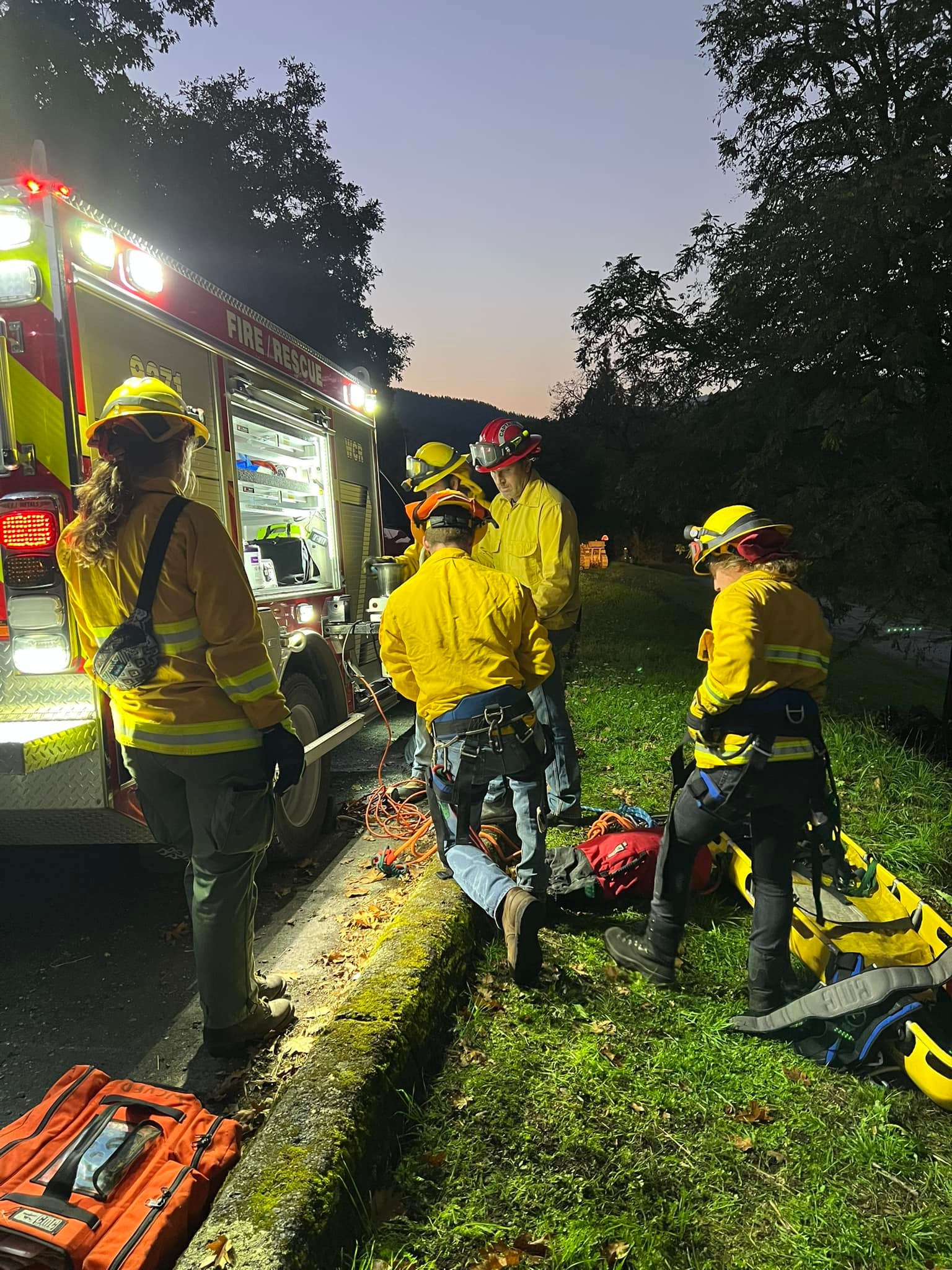
"caption": "Crew with the Willow Creek Volunteer Fire Department.",
"credit": "Photo courtesy of Willow Creek Volunteer Fire Department",
"altTag": null,
"description": null,
"imgSizes": {
"thumbnail": {
"file": "https://cdn.kqed.org/wp-content/uploads/sites/10/2025/12/willow-creek-fire-160x213.jpg",
"width": 160,
"height": 213,
"mimeType": "image/jpeg"
},
"1536x1536": {
"file": "https://cdn.kqed.org/wp-content/uploads/sites/10/2025/12/willow-creek-fire-1152x1536.jpg",
"width": 1152,
"height": 1536,
"mimeType": "image/jpeg"
},
"post-thumbnail": {
"file": "https://cdn.kqed.org/wp-content/uploads/sites/10/2025/12/willow-creek-fire-672x372.jpg",
"width": 672,
"height": 372,
"mimeType": "image/jpeg"
},
"twentyfourteen-full-width": {
"file": "https://cdn.kqed.org/wp-content/uploads/sites/10/2025/12/willow-creek-fire-1038x576.jpg",
"width": 1038,
"height": 576,
"mimeType": "image/jpeg"
},
"npr-cds-wide": {
"file": "https://cdn.kqed.org/wp-content/uploads/sites/10/2025/12/willow-creek-fire-1200x675.jpg",
"width": 1200,
"height": 675,
"mimeType": "image/jpeg"
},
"kqedFullSize": {
"file": "https://cdn.kqed.org/wp-content/uploads/sites/10/2025/12/willow-creek-fire.jpg",
"width": 1536,
"height": 2048
}
},
"isLoading": false,
"fetchFailed": false
},
"news_12067958": {
"type": "attachments",
"id": "news_12067958",
"meta": {
"index": "attachments_1716263798",
"site": "news",
"id": "12067958",
"found": true
},
"title": "PXL_20251213_214101941.MP",
"publishDate": 1766156523,
"status": "inherit",
"parent": 12067953,
"modified": 1766156713,
"caption": "The Castro Valley Christmas Tree Farm has been in business for more than 40 years. Customers are able to cut down their own tree from more than 12 acres of land.",
"credit": "Keith Mizuguchi/The California Report",
"altTag": null,
"description": null,
"imgSizes": {
"medium": {
"file": "https://cdn.kqed.org/wp-content/uploads/sites/10/2025/12/PXL_20251213_214101941.MP_-2000x1500.jpg",
"width": 2000,
"height": 1500,
"mimeType": "image/jpeg"
},
"large": {
"file": "https://cdn.kqed.org/wp-content/uploads/sites/10/2025/12/PXL_20251213_214101941.MP_-2000x1500.jpg",
"width": 2000,
"height": 1500,
"mimeType": "image/jpeg"
},
"thumbnail": {
"file": "https://cdn.kqed.org/wp-content/uploads/sites/10/2025/12/PXL_20251213_214101941.MP_-160x120.jpg",
"width": 160,
"height": 120,
"mimeType": "image/jpeg"
},
"1536x1536": {
"file": "https://cdn.kqed.org/wp-content/uploads/sites/10/2025/12/PXL_20251213_214101941.MP_-1536x1152.jpg",
"width": 1536,
"height": 1152,
"mimeType": "image/jpeg"
},
"2048x2048": {
"file": "https://cdn.kqed.org/wp-content/uploads/sites/10/2025/12/PXL_20251213_214101941.MP_-2048x1536.jpg",
"width": 2048,
"height": 1536,
"mimeType": "image/jpeg"
},
"post-thumbnail": {
"file": "https://cdn.kqed.org/wp-content/uploads/sites/10/2025/12/PXL_20251213_214101941.MP_-672x372.jpg",
"width": 672,
"height": 372,
"mimeType": "image/jpeg"
},
"twentyfourteen-full-width": {
"file": "https://cdn.kqed.org/wp-content/uploads/sites/10/2025/12/PXL_20251213_214101941.MP_-1038x576.jpg",
"width": 1038,
"height": 576,
"mimeType": "image/jpeg"
},
"full-width": {
"file": "https://cdn.kqed.org/wp-content/uploads/sites/10/2025/12/PXL_20251213_214101941.MP_-2000x1500.jpg",
"width": 2000,
"height": 1500,
"mimeType": "image/jpeg"
},
"npr-cds-wide": {
"file": "https://cdn.kqed.org/wp-content/uploads/sites/10/2025/12/PXL_20251213_214101941.MP_-1200x675.jpg",
"width": 1200,
"height": 675,
"mimeType": "image/jpeg"
},
"kqedFullSize": {
"file": "https://cdn.kqed.org/wp-content/uploads/sites/10/2025/12/PXL_20251213_214101941.MP_-scaled.jpg",
"width": 2560,
"height": 1920
}
},
"isLoading": false,
"fetchFailed": false
},
"news_12067131": {
"type": "attachments",
"id": "news_12067131",
"meta": {
"index": "attachments_1716263798",
"site": "news",
"id": "12067131",
"found": true
},
"title": "251211-CHEFCHU00432_TV-KQED",
"publishDate": 1765823975,
"status": "inherit",
"parent": 0,
"modified": 1766098117,
"caption": "Lawrence Chu, also known as Chef Chu, garnishes a plate of sweet and sour pork at Chef Chu’s in Los Altos on December 11, 2025. Chef Chu’s is a family-run business, owned by Lawrence Chu, which has been operating since 1970 and is known not only for the food but also for hosting celebrities and tech innovators.",
"credit": "Tâm Vũ/KQED",
"altTag": null,
"description": null,
"imgSizes": {
"thumbnail": {
"file": "https://cdn.kqed.org/wp-content/uploads/sites/10/2025/12/251211-CHEFCHU00432_TV-KQED-160x107.jpg",
"width": 160,
"height": 107,
"mimeType": "image/jpeg"
},
"1536x1536": {
"file": "https://cdn.kqed.org/wp-content/uploads/sites/10/2025/12/251211-CHEFCHU00432_TV-KQED-1536x1024.jpg",
"width": 1536,
"height": 1024,
"mimeType": "image/jpeg"
},
"post-thumbnail": {
"file": "https://cdn.kqed.org/wp-content/uploads/sites/10/2025/12/251211-CHEFCHU00432_TV-KQED-672x372.jpg",
"width": 672,
"height": 372,
"mimeType": "image/jpeg"
},
"twentyfourteen-full-width": {
"file": "https://cdn.kqed.org/wp-content/uploads/sites/10/2025/12/251211-CHEFCHU00432_TV-KQED-1038x576.jpg",
"width": 1038,
"height": 576,
"mimeType": "image/jpeg"
},
"npr-cds-wide": {
"file": "https://cdn.kqed.org/wp-content/uploads/sites/10/2025/12/251211-CHEFCHU00432_TV-KQED-1200x675.jpg",
"width": 1200,
"height": 675,
"mimeType": "image/jpeg"
},
"kqedFullSize": {
"file": "https://cdn.kqed.org/wp-content/uploads/sites/10/2025/12/251211-CHEFCHU00432_TV-KQED.jpg",
"width": 2000,
"height": 1333
}
},
"isLoading": false,
"fetchFailed": false
},
"news_12067718": {
"type": "attachments",
"id": "news_12067718",
"meta": {
"index": "attachments_1716263798",
"site": "news",
"id": "12067718",
"found": true
},
"title": "fresno-airport-69441919cc590",
"publishDate": 1766070583,
"status": "inherit",
"parent": 12067716,
"modified": 1766070621,
"caption": "Travelers say the artificial Sequoia trees make the airport stand out.",
"credit": "Samantha Rangel/KVPR",
"altTag": null,
"description": null,
"imgSizes": {
"thumbnail": {
"file": "https://cdn.kqed.org/wp-content/uploads/sites/10/2025/12/fresno-airport-69441919cc590-160x107.jpg",
"width": 160,
"height": 107,
"mimeType": "image/jpeg"
},
"1536x1536": {
"file": "https://cdn.kqed.org/wp-content/uploads/sites/10/2025/12/fresno-airport-69441919cc590-1536x1025.jpg",
"width": 1536,
"height": 1025,
"mimeType": "image/jpeg"
},
"post-thumbnail": {
"file": "https://cdn.kqed.org/wp-content/uploads/sites/10/2025/12/fresno-airport-69441919cc590-672x372.jpg",
"width": 672,
"height": 372,
"mimeType": "image/jpeg"
},
"twentyfourteen-full-width": {
"file": "https://cdn.kqed.org/wp-content/uploads/sites/10/2025/12/fresno-airport-69441919cc590-1038x576.jpg",
"width": 1038,
"height": 576,
"mimeType": "image/jpeg"
},
"npr-cds-wide": {
"file": "https://cdn.kqed.org/wp-content/uploads/sites/10/2025/12/fresno-airport-69441919cc590-1200x675.jpg",
"width": 1200,
"height": 675,
"mimeType": "image/jpeg"
},
"kqedFullSize": {
"file": "https://cdn.kqed.org/wp-content/uploads/sites/10/2025/12/fresno-airport-69441919cc590.jpg",
"width": 1760,
"height": 1174
}
},
"isLoading": false,
"fetchFailed": false
},
"news_12067538": {
"type": "attachments",
"id": "news_12067538",
"meta": {
"index": "attachments_1716263798",
"site": "news",
"id": "12067538",
"found": true
},
"title": "20251216_REVOKE OF COMMERCIAL DRIVERS LICENSES_DECEMBER_GH-9-KQED",
"publishDate": 1765991722,
"status": "inherit",
"parent": 12067557,
"modified": 1772147172,
"caption": "The view from inside Amarjit Singh’s truck in Livermore, on Dec. 16, 2025. ",
"credit": "Gustavo Hernandez/KQED",
"altTag": null,
"description": null,
"imgSizes": {
"thumbnail": {
"file": "https://cdn.kqed.org/wp-content/uploads/sites/10/2025/12/20251216_REVOKE-OF-COMMERCIAL-DRIVERS-LICENSES_DECEMBER_GH-9-KQED-160x107.jpg",
"width": 160,
"height": 107,
"mimeType": "image/jpeg"
},
"1536x1536": {
"file": "https://cdn.kqed.org/wp-content/uploads/sites/10/2025/12/20251216_REVOKE-OF-COMMERCIAL-DRIVERS-LICENSES_DECEMBER_GH-9-KQED-1536x1024.jpg",
"width": 1536,
"height": 1024,
"mimeType": "image/jpeg"
},
"post-thumbnail": {
"file": "https://cdn.kqed.org/wp-content/uploads/sites/10/2025/12/20251216_REVOKE-OF-COMMERCIAL-DRIVERS-LICENSES_DECEMBER_GH-9-KQED-672x372.jpg",
"width": 672,
"height": 372,
"mimeType": "image/jpeg"
},
"twentyfourteen-full-width": {
"file": "https://cdn.kqed.org/wp-content/uploads/sites/10/2025/12/20251216_REVOKE-OF-COMMERCIAL-DRIVERS-LICENSES_DECEMBER_GH-9-KQED-1038x576.jpg",
"width": 1038,
"height": 576,
"mimeType": "image/jpeg"
},
"npr-cds-wide": {
"file": "https://cdn.kqed.org/wp-content/uploads/sites/10/2025/12/20251216_REVOKE-OF-COMMERCIAL-DRIVERS-LICENSES_DECEMBER_GH-9-KQED-1200x675.jpg",
"width": 1200,
"height": 675,
"mimeType": "image/jpeg"
},
"kqedFullSize": {
"file": "https://cdn.kqed.org/wp-content/uploads/sites/10/2025/12/20251216_REVOKE-OF-COMMERCIAL-DRIVERS-LICENSES_DECEMBER_GH-9-KQED.jpg",
"width": 2000,
"height": 1333
}
},
"isLoading": false,
"fetchFailed": false
},
"news_12067390": {
"type": "attachments",
"id": "news_12067390",
"meta": {
"index": "attachments_1716263798",
"site": "news",
"id": "12067390",
"found": true
},
"title": "Migrants At The US-Mexico Border As Crossings Increase",
"publishDate": 1765898422,
"status": "inherit",
"parent": 12067389,
"modified": 1765898473,
"caption": "SAN DIEGO, CA - NOVEMBER 28: Asylum seekers wrapped in blankets are seen at a makeshift camp after crossing the nearby border with Mexico near the Jacumba Hot Springs on November 28, 2023 in San Diego, California. ",
"credit": "Photo by Qian Weizhong/VCG via Getty Images",
"altTag": null,
"description": null,
"imgSizes": {
"medium": {
"file": "https://cdn.kqed.org/wp-content/uploads/sites/10/2025/12/GettyImages-1824008464-2000x1333.jpg",
"width": 2000,
"height": 1333,
"mimeType": "image/jpeg"
},
"large": {
"file": "https://cdn.kqed.org/wp-content/uploads/sites/10/2025/12/GettyImages-1824008464-2000x1333.jpg",
"width": 2000,
"height": 1333,
"mimeType": "image/jpeg"
},
"thumbnail": {
"file": "https://cdn.kqed.org/wp-content/uploads/sites/10/2025/12/GettyImages-1824008464-160x107.jpg",
"width": 160,
"height": 107,
"mimeType": "image/jpeg"
},
"1536x1536": {
"file": "https://cdn.kqed.org/wp-content/uploads/sites/10/2025/12/GettyImages-1824008464-1536x1024.jpg",
"width": 1536,
"height": 1024,
"mimeType": "image/jpeg"
},
"2048x2048": {
"file": "https://cdn.kqed.org/wp-content/uploads/sites/10/2025/12/GettyImages-1824008464-2048x1365.jpg",
"width": 2048,
"height": 1365,
"mimeType": "image/jpeg"
},
"post-thumbnail": {
"file": "https://cdn.kqed.org/wp-content/uploads/sites/10/2025/12/GettyImages-1824008464-672x372.jpg",
"width": 672,
"height": 372,
"mimeType": "image/jpeg"
},
"twentyfourteen-full-width": {
"file": "https://cdn.kqed.org/wp-content/uploads/sites/10/2025/12/GettyImages-1824008464-1038x576.jpg",
"width": 1038,
"height": 576,
"mimeType": "image/jpeg"
},
"full-width": {
"file": "https://cdn.kqed.org/wp-content/uploads/sites/10/2025/12/GettyImages-1824008464-2000x1333.jpg",
"width": 2000,
"height": 1333,
"mimeType": "image/jpeg"
},
"npr-cds-wide": {
"file": "https://cdn.kqed.org/wp-content/uploads/sites/10/2025/12/GettyImages-1824008464-1200x675.jpg",
"width": 1200,
"height": 675,
"mimeType": "image/jpeg"
},
"kqedFullSize": {
"file": "https://cdn.kqed.org/wp-content/uploads/sites/10/2025/12/GettyImages-1824008464-scaled.jpg",
"width": 2560,
"height": 1707
}
},
"isLoading": false,
"fetchFailed": false
},
"news_12067094": {
"type": "attachments",
"id": "news_12067094",
"meta": {
"index": "attachments_1716263798",
"site": "news",
"id": "12067094",
"found": true
},
"title": "fish-meals-69401b255d364",
"publishDate": 1765808959,
"status": "inherit",
"parent": 12067093,
"modified": 1765808989,
"caption": "Half of the food Al & Friends serves at their weekly Sunday meals is donated. The nutritious, restaurant-quality meals are dished out near Del Monte Beach at Window on the Bay in Monterey.",
"credit": "Katie Brown/KAZU",
"altTag": null,
"description": null,
"imgSizes": {
"thumbnail": {
"file": "https://cdn.kqed.org/wp-content/uploads/sites/10/2025/12/fish-meals-69401b255d364-160x100.jpg",
"width": 160,
"height": 100,
"mimeType": "image/jpeg"
},
"1536x1536": {
"file": "https://cdn.kqed.org/wp-content/uploads/sites/10/2025/12/fish-meals-69401b255d364-1536x962.jpg",
"width": 1536,
"height": 962,
"mimeType": "image/jpeg"
},
"post-thumbnail": {
"file": "https://cdn.kqed.org/wp-content/uploads/sites/10/2025/12/fish-meals-69401b255d364-672x372.jpg",
"width": 672,
"height": 372,
"mimeType": "image/jpeg"
},
"twentyfourteen-full-width": {
"file": "https://cdn.kqed.org/wp-content/uploads/sites/10/2025/12/fish-meals-69401b255d364-1038x576.jpg",
"width": 1038,
"height": 576,
"mimeType": "image/jpeg"
},
"npr-cds-wide": {
"file": "https://cdn.kqed.org/wp-content/uploads/sites/10/2025/12/fish-meals-69401b255d364-1200x675.jpg",
"width": 1200,
"height": 675,
"mimeType": "image/jpeg"
},
"kqedFullSize": {
"file": "https://cdn.kqed.org/wp-content/uploads/sites/10/2025/12/fish-meals-69401b255d364.jpg",
"width": 1760,
"height": 1102
}
},
"isLoading": false,
"fetchFailed": false
},
"news_12066889": {
"type": "attachments",
"id": "news_12066889",
"meta": {
"index": "attachments_1716263798",
"site": "news",
"id": "12066889",
"found": true
},
"title": "ukrainian-detained-693c26fa825b2",
"publishDate": 1765549892,
"status": "inherit",
"parent": 12066888,
"modified": 1765549965,
"caption": "From right, Viktoriia Bulavina, her husband Victor Korol and Korol's daughter are seen in a family photograph taken in Korol's backyard in San Diego, California on December 5, 2025. A day earlier, Bulavin was detained at the end of her green card interview at the federal immigration offices downtown.",
"credit": "Kori Suzuki/KPBS",
"altTag": null,
"description": null,
"imgSizes": {
"medium": {
"file": "https://cdn.kqed.org/wp-content/uploads/sites/10/2025/12/ukrainian-detained-693c26fa825b2-2000x1334.jpg",
"width": 2000,
"height": 1334,
"mimeType": "image/jpeg"
},
"large": {
"file": "https://cdn.kqed.org/wp-content/uploads/sites/10/2025/12/ukrainian-detained-693c26fa825b2-2000x1334.jpg",
"width": 2000,
"height": 1334,
"mimeType": "image/jpeg"
},
"thumbnail": {
"file": "https://cdn.kqed.org/wp-content/uploads/sites/10/2025/12/ukrainian-detained-693c26fa825b2-160x107.jpg",
"width": 160,
"height": 107,
"mimeType": "image/jpeg"
},
"1536x1536": {
"file": "https://cdn.kqed.org/wp-content/uploads/sites/10/2025/12/ukrainian-detained-693c26fa825b2-1536x1024.jpg",
"width": 1536,
"height": 1024,
"mimeType": "image/jpeg"
},
"2048x2048": {
"file": "https://cdn.kqed.org/wp-content/uploads/sites/10/2025/12/ukrainian-detained-693c26fa825b2-2048x1366.jpg",
"width": 2048,
"height": 1366,
"mimeType": "image/jpeg"
},
"post-thumbnail": {
"file": "https://cdn.kqed.org/wp-content/uploads/sites/10/2025/12/ukrainian-detained-693c26fa825b2-672x372.jpg",
"width": 672,
"height": 372,
"mimeType": "image/jpeg"
},
"twentyfourteen-full-width": {
"file": "https://cdn.kqed.org/wp-content/uploads/sites/10/2025/12/ukrainian-detained-693c26fa825b2-1038x576.jpg",
"width": 1038,
"height": 576,
"mimeType": "image/jpeg"
},
"full-width": {
"file": "https://cdn.kqed.org/wp-content/uploads/sites/10/2025/12/ukrainian-detained-693c26fa825b2-2000x1334.jpg",
"width": 2000,
"height": 1334,
"mimeType": "image/jpeg"
},
"npr-cds-wide": {
"file": "https://cdn.kqed.org/wp-content/uploads/sites/10/2025/12/ukrainian-detained-693c26fa825b2-1200x675.jpg",
"width": 1200,
"height": 675,
"mimeType": "image/jpeg"
},
"kqedFullSize": {
"file": "https://cdn.kqed.org/wp-content/uploads/sites/10/2025/12/ukrainian-detained-693c26fa825b2.jpg",
"width": 2480,
"height": 1654
}
},
"isLoading": false,
"fetchFailed": false
},
"news_12065458": {
"type": "attachments",
"id": "news_12065458",
"meta": {
"index": "attachments_1716263798",
"site": "news",
"id": "12065458",
"found": true
},
"title": "251119-CJSBBQANDFISH-45-BL-KQED",
"publishDate": 1764179032,
"status": "inherit",
"parent": 0,
"modified": 1765402426,
"caption": "Charles “CJ” Evans stands outside CJ’s BBQ and Fish in Richmond on Nov. 19, 2025, which serves barbecue, seafood and Southern-style comfort food.",
"credit": "Beth LaBerge/KQED",
"altTag": null,
"description": null,
"imgSizes": {
"thumbnail": {
"file": "https://cdn.kqed.org/wp-content/uploads/sites/10/2025/11/251119-CJSBBQANDFISH-45-BL-KQED-160x107.jpg",
"width": 160,
"height": 107,
"mimeType": "image/jpeg"
},
"1536x1536": {
"file": "https://cdn.kqed.org/wp-content/uploads/sites/10/2025/11/251119-CJSBBQANDFISH-45-BL-KQED-1536x1024.jpg",
"width": 1536,
"height": 1024,
"mimeType": "image/jpeg"
},
"post-thumbnail": {
"file": "https://cdn.kqed.org/wp-content/uploads/sites/10/2025/11/251119-CJSBBQANDFISH-45-BL-KQED-672x372.jpg",
"width": 672,
"height": 372,
"mimeType": "image/jpeg"
},
"twentyfourteen-full-width": {
"file": "https://cdn.kqed.org/wp-content/uploads/sites/10/2025/11/251119-CJSBBQANDFISH-45-BL-KQED-1038x576.jpg",
"width": 1038,
"height": 576,
"mimeType": "image/jpeg"
},
"npr-cds-wide": {
"file": "https://cdn.kqed.org/wp-content/uploads/sites/10/2025/11/251119-CJSBBQANDFISH-45-BL-KQED-1200x675.jpg",
"width": 1200,
"height": 675,
"mimeType": "image/jpeg"
},
"kqedFullSize": {
"file": "https://cdn.kqed.org/wp-content/uploads/sites/10/2025/11/251119-CJSBBQANDFISH-45-BL-KQED.jpg",
"width": 2000,
"height": 1333
}
},
"isLoading": false,
"fetchFailed": false
},
"news_12066735": {
"type": "attachments",
"id": "news_12066735",
"meta": {
"index": "attachments_1716263798",
"site": "news",
"id": "12066735",
"found": true
},
"title": "detention-mass-693ae7ea080f4",
"publishDate": 1765468167,
"status": "inherit",
"parent": 12066732,
"modified": 1765468210,
"caption": "San Bernardino Diocese Bishop Alberto Rojas providing communion to a detained person inside the Adelanto ICE Processing Center on Wednesday, December 10, 2025.",
"credit": "Photo courtesy of California Catholic Conference",
"altTag": null,
"description": null,
"imgSizes": {
"thumbnail": {
"file": "https://cdn.kqed.org/wp-content/uploads/sites/10/2025/12/detention-mass-693ae7ea080f4-160x107.jpg",
"width": 160,
"height": 107,
"mimeType": "image/jpeg"
},
"1536x1536": {
"file": "https://cdn.kqed.org/wp-content/uploads/sites/10/2025/12/detention-mass-693ae7ea080f4-1536x1025.jpg",
"width": 1536,
"height": 1025,
"mimeType": "image/jpeg"
},
"post-thumbnail": {
"file": "https://cdn.kqed.org/wp-content/uploads/sites/10/2025/12/detention-mass-693ae7ea080f4-672x372.jpg",
"width": 672,
"height": 372,
"mimeType": "image/jpeg"
},
"twentyfourteen-full-width": {
"file": "https://cdn.kqed.org/wp-content/uploads/sites/10/2025/12/detention-mass-693ae7ea080f4-1038x576.jpg",
"width": 1038,
"height": 576,
"mimeType": "image/jpeg"
},
"npr-cds-wide": {
"file": "https://cdn.kqed.org/wp-content/uploads/sites/10/2025/12/detention-mass-693ae7ea080f4-1200x675.jpg",
"width": 1200,
"height": 675,
"mimeType": "image/jpeg"
},
"kqedFullSize": {
"file": "https://cdn.kqed.org/wp-content/uploads/sites/10/2025/12/detention-mass-693ae7ea080f4.jpg",
"width": 1760,
"height": 1174
}
},
"isLoading": false,
"fetchFailed": false
},
"news_12066585": {
"type": "attachments",
"id": "news_12066585",
"meta": {
"index": "attachments_1716263798",
"site": "news",
"id": "12066585",
"found": true
},
"title": "Transit Oriented Condominium Project In Pasadena (CA)",
"publishDate": 1765379561,
"status": "inherit",
"parent": 12066584,
"modified": 1765379733,
"caption": "Metro Gold Line train emerges from Transit Station built within at a mixed-use, transit oriented condominium development providing public parking and easy walk for residents for access to travel into Union Station hub in downtown Los Angeles, July 30, 2004 in Pasadena, California. ",
"credit": "Photo by Bob Riha, Jr./Getty Images",
"altTag": null,
"description": null,
"imgSizes": {
"medium": {
"file": "https://cdn.kqed.org/wp-content/uploads/sites/10/2025/12/GettyImages-2206843334-2000x2602.jpg",
"width": 2000,
"height": 2602,
"mimeType": "image/jpeg"
},
"large": {
"file": "https://cdn.kqed.org/wp-content/uploads/sites/10/2025/12/GettyImages-2206843334-2000x2602.jpg",
"width": 2000,
"height": 2602,
"mimeType": "image/jpeg"
},
"thumbnail": {
"file": "https://cdn.kqed.org/wp-content/uploads/sites/10/2025/12/GettyImages-2206843334-160x208.jpg",
"width": 160,
"height": 208,
"mimeType": "image/jpeg"
},
"1536x1536": {
"file": "https://cdn.kqed.org/wp-content/uploads/sites/10/2025/12/GettyImages-2206843334-1181x1536.jpg",
"width": 1181,
"height": 1536,
"mimeType": "image/jpeg"
},
"2048x2048": {
"file": "https://cdn.kqed.org/wp-content/uploads/sites/10/2025/12/GettyImages-2206843334-1574x2048.jpg",
"width": 1574,
"height": 2048,
"mimeType": "image/jpeg"
},
"post-thumbnail": {
"file": "https://cdn.kqed.org/wp-content/uploads/sites/10/2025/12/GettyImages-2206843334-672x372.jpg",
"width": 672,
"height": 372,
"mimeType": "image/jpeg"
},
"twentyfourteen-full-width": {
"file": "https://cdn.kqed.org/wp-content/uploads/sites/10/2025/12/GettyImages-2206843334-1038x576.jpg",
"width": 1038,
"height": 576,
"mimeType": "image/jpeg"
},
"full-width": {
"file": "https://cdn.kqed.org/wp-content/uploads/sites/10/2025/12/GettyImages-2206843334-2000x2602.jpg",
"width": 2000,
"height": 2602,
"mimeType": "image/jpeg"
},
"npr-cds-wide": {
"file": "https://cdn.kqed.org/wp-content/uploads/sites/10/2025/12/GettyImages-2206843334-1200x675.jpg",
"width": 1200,
"height": 675,
"mimeType": "image/jpeg"
},
"kqedFullSize": {
"file": "https://cdn.kqed.org/wp-content/uploads/sites/10/2025/12/GettyImages-2206843334-scaled.jpg",
"width": 1968,
"height": 2560
}
},
"isLoading": false,
"fetchFailed": false
}
},
"audioPlayerReducer": {
"postId": "stream_live",
"isPaused": true,
"isPlaying": false,
"pfsActive": false,
"pledgeModalIsOpen": true,
"playerDrawerIsOpen": false,
"liveAudioPlayStartedAt": 0,
"liveAudioPlayContext": ""
},
"authorsReducer": {
"lmorehouse": {
"type": "authors",
"id": "3229",
"meta": {
"index": "authors_1716337520",
"id": "3229",
"found": true
},
"name": "Lisa Morehouse",
"firstName": "Lisa",
"lastName": "Morehouse",
"slug": "lmorehouse",
"email": "morehouse.lisa@gmail.com",
"display_author_email": false,
"staff_mastheads": [],
"title": "KQED Contributor",
"bio": "Lisa Morehouse is an award-winning public radio and print journalist, who has filed for National Public Radio, American Public Media, KQED Public Radio, Edutopia, and McSweeney’s. Her reporting has taken her from Samoan traveling circuses to Mississippi Delta classrooms to the homes of Lao refugees in rural Iowa. In addition to reporting, she teaches radio production to at-risk youth in the Bay Area. Her series \u003ca href=\"http://afterthegoldrushradio.com/\">After the Gold Rush\u003c/a> featured the changing industries, populations and identities of rural towns throughout California. She’s now producing \u003ca href=\"http://www.californiafoodways.com/\">California Foodways\u003c/a>, a series exploring the intersections of food, culture, economics, history and labor. Follow along on the \u003ca href=\"https://www.facebook.com/californiafoodways?ref=hl\">Facebook page\u003c/a> or on Twitter @cafoodways.",
"avatar": "https://secure.gravatar.com/avatar/dae74b002a6e256f39abb19d6f5acaea?s=600&d=blank&r=g",
"twitter": null,
"facebook": null,
"instagram": null,
"linkedin": null,
"sites": [
{
"site": "",
"roles": [
"editor"
]
},
{
"site": "news",
"roles": [
"author"
]
}
],
"headData": {
"title": "Lisa Morehouse | KQED",
"description": "KQED Contributor",
"ogImgSrc": "https://secure.gravatar.com/avatar/dae74b002a6e256f39abb19d6f5acaea?s=600&d=blank&r=g",
"twImgSrc": "https://secure.gravatar.com/avatar/dae74b002a6e256f39abb19d6f5acaea?s=600&d=blank&r=g"
},
"isLoading": false,
"link": "/author/lmorehouse"
},
"kmizuguchi": {
"type": "authors",
"id": "11739",
"meta": {
"index": "authors_1716337520",
"id": "11739",
"found": true
},
"name": "Keith Mizuguchi",
"firstName": "Keith",
"lastName": "Mizuguchi",
"slug": "kmizuguchi",
"email": "kmizuguchi@kqed.org",
"display_author_email": false,
"staff_mastheads": [],
"title": "KQED Contributor",
"bio": null,
"avatar": "https://secure.gravatar.com/avatar/64d8a7de0723d4099b9fe4e915136103febcc20809abce228ee4415bcb237023?s=600&d=blank&r=g",
"twitter": null,
"bluesky": null,
"facebook": null,
"instagram": null,
"linkedin": null,
"sites": [
{
"site": "news",
"roles": [
"editor"
]
},
{
"site": "science",
"roles": [
"editor"
]
}
],
"headData": {
"title": "Keith Mizuguchi | KQED",
"description": "KQED Contributor",
"ogImgSrc": "https://secure.gravatar.com/avatar/64d8a7de0723d4099b9fe4e915136103febcc20809abce228ee4415bcb237023?s=600&d=blank&r=g",
"twImgSrc": "https://secure.gravatar.com/avatar/64d8a7de0723d4099b9fe4e915136103febcc20809abce228ee4415bcb237023?s=600&d=blank&r=g"
},
"isLoading": false,
"link": "/author/kmizuguchi"
},
"whewlett": {
"type": "authors",
"id": "12023",
"meta": {
"index": "authors_1716337520",
"id": "12023",
"found": true
},
"name": "Will Hewlett",
"firstName": "Will",
"lastName": "Hewlett",
"slug": "whewlett",
"email": "will.a.m.hewlett@gmail.com",
"display_author_email": false,
"staff_mastheads": [],
"title": "KQED Contributor",
"bio": null,
"avatar": "https://secure.gravatar.com/avatar/54cf7cb2aa65eae6b177422dca69046b8ace9f51ac90eb29442c913a3ee046ea?s=600&d=blank&r=g",
"twitter": null,
"bluesky": null,
"facebook": null,
"instagram": null,
"linkedin": null,
"sites": [
{
"site": "news",
"roles": [
"contributor"
]
}
],
"headData": {
"title": "Will Hewlett | KQED",
"description": "KQED Contributor",
"ogImgSrc": "https://secure.gravatar.com/avatar/54cf7cb2aa65eae6b177422dca69046b8ace9f51ac90eb29442c913a3ee046ea?s=600&d=blank&r=g",
"twImgSrc": "https://secure.gravatar.com/avatar/54cf7cb2aa65eae6b177422dca69046b8ace9f51ac90eb29442c913a3ee046ea?s=600&d=blank&r=g"
},
"isLoading": false,
"link": "/author/whewlett"
}
},
"pagesReducer": {
"news_category_tcr": {
"type": "terms",
"id": "news_34018",
"meta": {
"index": "terms_1716263798",
"site": "news",
"id": "34018",
"score": 13.30514
},
"featImg": null,
"name": "tcr",
"description": null,
"taxonomy": "category",
"headData": {
"twImgId": null,
"twTitle": null,
"ogTitle": null,
"ogImgId": null,
"twDescription": null,
"description": null,
"title": "tcr Archives | KQED News",
"ogDescription": null
},
"ttid": 34035,
"slug": "tcr",
"isLoading": false,
"title": "tcr",
"pageMeta": {
"site": "news",
"WpPageTemplate": "page-topic-editorial",
"currentPage": 16
},
"blocks": [
{
"blockName": "kqed/post-list",
"attrs": {
"layout": "cardArticle2",
"query": "posts/news?category=tcr",
"seeMore": false,
"paginated": true,
"page": 16
}
},
{
"blockName": "kqed/ad"
}
]
}
},
"pfsSessionReducer": {},
"postsReducer": {
"stream_live": {
"type": "live",
"id": "stream_live",
"audioUrl": "https://hls.kqed.org/hls/kqed_app/playlist.m3u8",
"title": "Live Stream",
"excerpt": "Live Stream information currently unavailable.",
"link": "/radio",
"featImg": "",
"label": {
"name": "KQED Live",
"link": "/"
}
},
"stream_kqedNewscast": {
"type": "posts",
"id": "stream_kqedNewscast",
"audioUrl": "https://www.kqed.org/.stream/anon/radio/RDnews/newscast.mp3?_=1",
"title": "KQED Newscast",
"featImg": "",
"label": {
"name": "88.5 FM",
"link": "/"
}
},
"news_12068321": {
"type": "posts",
"id": "news_12068321",
"meta": {
"index": "posts_1716263798",
"site": "news",
"id": "12068321",
"score": null,
"sort": [
1766518096000
]
},
"guestAuthors": [],
"slug": "a-day-in-the-life-of-santa",
"title": "A Day In The Life Of Santa",
"publishDate": 1766518096,
"format": "audio",
"headTitle": "A Day In The Life Of Santa | KQED",
"labelTerm": {},
"content": "\u003cp>\u003cb>Here are the morning’s top stories on Tuesday, December 23, 2025…\u003c/b>\u003c/p>\n\u003cul>\n\u003cli style=\"font-weight: 400\">\u003cspan style=\"font-weight: 400\">Christmas is two days away which means Santa Claus is pulling overtime. He’s at the mall taking photos and he’s project managing toy production. This story is all about the work of being Santa. So, if you’re listening with a child who’s expecting a visit from jolly old Saint Nick this year, you may want to turn down the volume. \u003c/span>\u003c/li>\n\u003cli style=\"font-weight: 400\">\u003cspan style=\"font-weight: 400\">California is preparing for another storm system that could bring dangerous conditions to large portions of the state.\u003c/span>\u003c/li>\n\u003c/ul>\n\u003ch2>\u003ca href=\"https://www.kcrw.com/shows/kcrw-reports/stories/its-go-time-for-santa\">\u003cstrong>It’s Go Time For Santa\u003c/strong>\u003c/a>\u003c/h2>\n\u003cp>Old Saint Nick is a total rock star to little kids, and December is when he goes on tour. On the calendar: photos at the mall, appearances at fundraisers, and official tree lighting ceremonies. But what does it take to maintain the magic of Christmas?\u003c/p>\n\u003cp>Myk Price is a professional Santa performer. This is his fourth year of performing in public – doing everything from photoshoots to fundraisers. “But I’ve actually been wearing the suit for private parties and friends’ kids for a little over 30 years,” Price said.\u003c/p>\n\u003cp>Like a lot of Santas, Price is naturally jolly, but there’s something that makes him a little different. “As of today, I am one of perhaps seven Black Santas in the entirety of California, maybe eight,” he said.\u003c/p>\n\u003cp>He said the Santa community immediately welcomed him into its peppermint-perfumed embrace. And while people of all backgrounds are thrilled to see him, on occasion a kid will say “hey you’re Black, you don’t look like the real Santa.” Price has a careful response. “Many people see Santa in many different ways, and have for centuries, and people have certain pictures in their heads. And just sometimes, depending on who’s here, there is somebody who really needs to see me looking like this. And so today I look like this. Tomorrow I can look like somebody else. It’s all a part of Christmas magic,” he said.\u003c/p>\n\u003ch2>\u003ca href=\"https://www.kqed.org/news/12068281/bay-area-braces-for-storm-that-could-become-a-rare-bomb-cyclone-ahead-of-holiday-travel\">\u003cstrong>Storm Expected To Create Dangerous Conditions Across California\u003c/strong>\u003c/a>\u003c/h2>\n\u003cp>After a \u003ca href=\"https://www.kqed.org/science/1999695/3-storms-will-bring-much-needed-rain-to-bay-area-and-snow-in-the-sierras\">weekend of rainfall\u003c/a>, \u003ca href=\"https://www.kqed.org/news/tag/bay-area\">the Bay Area \u003c/a>and the rest of the state are bracing for days of dangerous stormy conditions expected to begin Tuesday night and extend through the rest of the week.\u003c/p>\n\u003cp>[ad fullwidth]\u003c/p>\n\u003cp>Two wind-fueled systems will hit the region throughout the Christmas holiday week, bringing a possibility of up to 80-mile-per-hour gusts, flood conditions and widespread power outages. “We really have several waves of potentially strong to moderate showers and thunderstorms, and along with that, we’re going to have very strong winds at the highest peaks,” said Joe Merchant, a meteorologist with the National Weather Service’s Monterey office.\u003c/p>\n\u003cp>Redding has experienced major flooding after Sunday’s rainfall. City officials issued warnings to avoid multiple major roadways, and urged people to stay home and avoid driving when possible. According to Redding Mayor Mike Littau, a person who was stuck as water entered their vehicle died after calling 911 Sunday night. Littau said the person’s phone died while they were making the emergency call.\u003c/p>\n\u003cp>\u003c/p>\n\u003cp>Southern California is likely to see the heaviest rainfall, late Tuesday night into Wednesday morning. The National Weather Service is warning of potentially life-threatening floods. \u003ca href=\"https://laist.com/brief/news/climate-environment/atmospheric-river-la-holiday-christmas-storm\">Evacuation orders went into effect Tuesday morning\u003c/a> for nearly 400 properties in “various recent burn scar areas,” according to the L.A. County Office of Emergency Management.\u003c/p>\n\n",
"blocks": [],
"excerpt": "He’s at the mall taking photos and he’s project managing toy production. But what does it take to do it all?",
"status": "publish",
"parent": 0,
"modified": 1766518096,
"stats": {
"hasAudio": false,
"hasVideo": false,
"hasChartOrMap": false,
"iframeSrcs": [],
"hasGoogleForm": false,
"hasGallery": false,
"hasHearkenModule": false,
"hasPolis": false,
"paragraphCount": 11,
"wordCount": 609
},
"headData": {
"title": "A Day In The Life Of Santa | KQED",
"description": "He’s at the mall taking photos and he’s project managing toy production. But what does it take to do it all?",
"ogTitle": "",
"ogDescription": "",
"ogImgId": "",
"twTitle": "",
"twDescription": "",
"twImgId": "",
"schema": {
"@context": "https://schema.org",
"@type": "NewsArticle",
"headline": "A Day In The Life Of Santa",
"datePublished": "2025-12-23T11:28:16-08:00",
"dateModified": "2025-12-23T11:28:16-08:00",
"image": "https://cdn.kqed.org/wp-content/uploads/2020/02/KQED-OG-Image@1x.png",
"isAccessibleForFree": "True",
"publisher": {
"@type": "NewsMediaOrganization",
"@id": "https://www.kqed.org/#organization",
"name": "KQED",
"logo": "https://cdn.kqed.org/wp-content/uploads/2020/02/KQED-OG-Image@1x.png",
"url": "https://www.kqed.org",
"sameAs": [
"https://www.facebook.com/KQED",
"https://twitter.com/KQED",
"https://www.instagram.com/kqed/",
"https://www.tiktok.com/@kqedofficial",
"https://www.linkedin.com/company/kqed",
"https://www.youtube.com/channel/UCeC0IOo7i1P_61zVUWbJ4nw"
]
}
}
},
"primaryCategory": {
"termId": 33520,
"slug": "podcast",
"name": "Podcast"
},
"source": "The California Report",
"sourceUrl": "https://www.kqed.org/news/tag/tcrarchive/",
"audioUrl": "https://www.podtrac.com/pts/redirect.mp3/traffic.megaphone.fm/KQINC5583356309.mp3?updated=1766501694",
"sticky": false,
"nprStoryId": "kqed-12068321",
"templateType": "standard",
"featuredImageType": "standard",
"excludeFromSiteSearch": "Include",
"articleAge": "0",
"path": "/news/12068321/a-day-in-the-life-of-santa",
"audioTrackLength": null,
"parsedContent": [
{
"type": "contentString",
"content": "\u003cdiv class=\"post-body\">\u003cp>\u003cp>\u003cb>Here are the morning’s top stories on Tuesday, December 23, 2025…\u003c/b>\u003c/p>\n\u003cul>\n\u003cli style=\"font-weight: 400\">\u003cspan style=\"font-weight: 400\">Christmas is two days away which means Santa Claus is pulling overtime. He’s at the mall taking photos and he’s project managing toy production. This story is all about the work of being Santa. So, if you’re listening with a child who’s expecting a visit from jolly old Saint Nick this year, you may want to turn down the volume. \u003c/span>\u003c/li>\n\u003cli style=\"font-weight: 400\">\u003cspan style=\"font-weight: 400\">California is preparing for another storm system that could bring dangerous conditions to large portions of the state.\u003c/span>\u003c/li>\n\u003c/ul>\n\u003ch2>\u003ca href=\"https://www.kcrw.com/shows/kcrw-reports/stories/its-go-time-for-santa\">\u003cstrong>It’s Go Time For Santa\u003c/strong>\u003c/a>\u003c/h2>\n\u003cp>Old Saint Nick is a total rock star to little kids, and December is when he goes on tour. On the calendar: photos at the mall, appearances at fundraisers, and official tree lighting ceremonies. But what does it take to maintain the magic of Christmas?\u003c/p>\n\u003cp>Myk Price is a professional Santa performer. This is his fourth year of performing in public – doing everything from photoshoots to fundraisers. “But I’ve actually been wearing the suit for private parties and friends’ kids for a little over 30 years,” Price said.\u003c/p>\n\u003cp>Like a lot of Santas, Price is naturally jolly, but there’s something that makes him a little different. “As of today, I am one of perhaps seven Black Santas in the entirety of California, maybe eight,” he said.\u003c/p>\n\u003cp>He said the Santa community immediately welcomed him into its peppermint-perfumed embrace. And while people of all backgrounds are thrilled to see him, on occasion a kid will say “hey you’re Black, you don’t look like the real Santa.” Price has a careful response. “Many people see Santa in many different ways, and have for centuries, and people have certain pictures in their heads. And just sometimes, depending on who’s here, there is somebody who really needs to see me looking like this. And so today I look like this. Tomorrow I can look like somebody else. It’s all a part of Christmas magic,” he said.\u003c/p>\n\u003ch2>\u003ca href=\"https://www.kqed.org/news/12068281/bay-area-braces-for-storm-that-could-become-a-rare-bomb-cyclone-ahead-of-holiday-travel\">\u003cstrong>Storm Expected To Create Dangerous Conditions Across California\u003c/strong>\u003c/a>\u003c/h2>\n\u003cp>After a \u003ca href=\"https://www.kqed.org/science/1999695/3-storms-will-bring-much-needed-rain-to-bay-area-and-snow-in-the-sierras\">weekend of rainfall\u003c/a>, \u003ca href=\"https://www.kqed.org/news/tag/bay-area\">the Bay Area \u003c/a>and the rest of the state are bracing for days of dangerous stormy conditions expected to begin Tuesday night and extend through the rest of the week.\u003c/p>\n\u003cp>\u003c/p>\u003c/div>",
"attributes": {
"named": {},
"numeric": []
}
},
{
"type": "component",
"content": "",
"name": "ad",
"attributes": {
"named": {
"label": "fullwidth"
},
"numeric": [
"fullwidth"
]
}
},
{
"type": "contentString",
"content": "\u003cdiv class=\"post-body\">\u003cp>\u003c/p>\n\u003cp>Two wind-fueled systems will hit the region throughout the Christmas holiday week, bringing a possibility of up to 80-mile-per-hour gusts, flood conditions and widespread power outages. “We really have several waves of potentially strong to moderate showers and thunderstorms, and along with that, we’re going to have very strong winds at the highest peaks,” said Joe Merchant, a meteorologist with the National Weather Service’s Monterey office.\u003c/p>\n\u003cp>Redding has experienced major flooding after Sunday’s rainfall. City officials issued warnings to avoid multiple major roadways, and urged people to stay home and avoid driving when possible. According to Redding Mayor Mike Littau, a person who was stuck as water entered their vehicle died after calling 911 Sunday night. Littau said the person’s phone died while they were making the emergency call.\u003c/p>\n\u003cp>\u003c/p>\n\u003cp>Southern California is likely to see the heaviest rainfall, late Tuesday night into Wednesday morning. The National Weather Service is warning of potentially life-threatening floods. \u003ca href=\"https://laist.com/brief/news/climate-environment/atmospheric-river-la-holiday-christmas-storm\">Evacuation orders went into effect Tuesday morning\u003c/a> for nearly 400 properties in “various recent burn scar areas,” according to the L.A. County Office of Emergency Management.\u003c/p>\n\n\u003c/div>\u003c/p>",
"attributes": {
"named": {},
"numeric": []
}
}
],
"link": "/news/12068321/a-day-in-the-life-of-santa",
"authors": [
"11739"
],
"programs": [
"news_72"
],
"categories": [
"news_33520",
"news_34018"
],
"tags": [
"news_31961",
"news_3431",
"news_465",
"news_36270",
"news_21998",
"news_21268",
"news_36271"
],
"featImg": "news_12068322",
"label": "source_news_12068321"
},
"news_12068234": {
"type": "posts",
"id": "news_12068234",
"meta": {
"index": "posts_1716263798",
"site": "news",
"id": "12068234",
"score": null,
"sort": [
1766436611000
]
},
"guestAuthors": [],
"slug": "fire-departments-struggle-to-meet-demands-of-rural-communities",
"title": "Fire Departments Struggle To Meet Demands Of Rural Communities",
"publishDate": 1766436611,
"format": "audio",
"headTitle": "Fire Departments Struggle To Meet Demands Of Rural Communities | KQED",
"labelTerm": {},
"content": "\u003cp>\u003cb>Here are the morning’s top stories on Monday, December 22, 2025…\u003c/b>\u003c/p>\n\u003cul>\n\u003cli style=\"font-weight: 400\">\u003cspan style=\"font-weight: 400\">In Humboldt County, a rural volunteer fire station is struggling to meet its community’s needs. They’re hoping a state budget allocation to expand Calfire staffing might offer some support, but nothing has materialized yet. \u003c/span>\u003c/li>\n\u003cli style=\"font-weight: 400\">\u003cspan style=\"font-weight: 400\">The Trump administration continues to drastically shrink the immigration courts in Northern California – leaving just a few judges to handle a massive backlog of cases. \u003c/span>\u003c/li>\n\u003cli style=\"font-weight: 400\">\u003cspan style=\"font-weight: 400\">California transportation officials say they’ve paused a plan to resume issuing thousands of commercial driver’s licenses, under federal pressure. \u003c/span>\u003c/li>\n\u003c/ul>\n\u003ch2>\u003cstrong>Rural Fire Station Struggles To Meet Demands Of Community It Serves\u003c/strong>\u003c/h2>\n\u003cp>There are \u003ca href=\"https://californiavolunteerfire.org/\">more than 200 volunteer fire departments\u003c/a> in the state. Many of them provide services to rural parts of the state.\u003c/p>\n\u003cp>In Humboldt County, the Willow Creek Fire Station is a small volunteer operation. Chief Samantha Smith said they respond to any emergencies and medical calls for the town of 1,700. And they’re also first responders for the surrounding area – which includes about a 70 mile stretch of state route 299, a major thoroughfare that connects the California coast to the I-5. “We are in a mountainous area and cars go over the edge,” Smith said.\u003c/p>\n\u003cp>But the department is shrinking, even as the amount of calls they respond to goes up year by year. Smith said that’s partly because fewer people are moving into town. And it’s not just Willow Creek that’s experiencing this. Chief Eddie Sell is president of the California State Fire Association. “There are many places in California that just rely solely on volunteer fire departments,” he said. “And it has been tougher, with recruitment and retention.”\u003c/p>\n\u003cp>State Senator Tim Grayson wants Calfire to be fully staffed year round – especially after the Eaton Fire broke out last winter. “We are no longer in what we call fire seasons, but the fire season is actually all 12 months,” Grayson said. California has approved over $100 million to transition 3,000 seasonal Calfire staff to permanent status. But so far, the agency has not transitioned any personnel.\u003c/p>\n\u003ch2 class=\"routes-Site-routes-Post-Title-__Title__title\">\u003ca href=\"https://www.kqed.org/news/12068148/san-francisco-immigration-court-down-to-four-judges-after-new-departures\">\u003cstrong>San Francisco Immigration Court Down To Four Judges After New Departures\u003c/strong>\u003c/a>\u003c/h2>\n\u003cp>Half a dozen immigration judges are departing the Northern California immigration courts this month, leaving just a handful of judges to handle a massive case backlog, as the Trump administration continues \u003ca href=\"https://www.kqed.org/news/12065240/after-trump-fires-5-more-sf-immigration-judges-legal-scholars-fear-a-more-partisan-system\">an unprecedented push\u003c/a> to remake the court system by eliminating judges who are more likely to grant asylum.\u003c/p>\n\u003cp>[ad fullwidth]\u003c/p>\n\u003cp>Two immigration judges were fired late Friday: \u003ca href=\"https://tracreports.org/immigration/reports/judgereports/00540SFR/index.html\">Arwen Swink\u003c/a>, who has served nearly nine years on the San Francisco bench, and \u003ca href=\"https://tracreports.org/immigration/reports/judgereports/01035SMO/index.html\">Denise Hunter\u003c/a>, who was appointed to the Sacramento bench in 2022. In addition, four San Francisco judges are taking retirements that some told attorneys they were pressured into. They are Howard Davis, Charles Greene, Patrick O’Brien and Joseph Park, according to Milli Atkinson, director of the Immigrant Legal Defense Program at the Bar Association of San Francisco.\u003c/p>\n\u003cp>The exodus comes on top of the \u003ca href=\"https://www.kqed.org/news/12054620/despite-a-growing-case-backlog-trump-fires-6th-san-francisco-immigration-judge\">previous firings\u003c/a> of \u003ca href=\"https://www.kqed.org/news/12065240/after-trump-fires-5-more-sf-immigration-judges-legal-scholars-fear-a-more-partisan-system\">12 San Francisco immigration judges\u003c/a> this year. Nationwide, more than 100 immigration judges have been forced out of their jobs, leaving roughly 600 adjudicators to handle 3.4 million cases.\u003c/p>\n\u003cp>San Francisco’s court, which had 21 judges earlier this year, will now have four. It is one of the nation’s busiest, with a backlog of more than 120,000 cases. Along with the historically smaller courts in Concord and Sacramento, it handles all the asylum and other deportation cases from Bakersfield to the Oregon border. The Sacramento bench, which has been reduced to three judges from six, is responsible for 30,000 cases. The Concord court, \u003ca href=\"https://www.kqed.org/news/11975904/new-bay-area-immigration-court-opens-aims-to-tackle-deportation-backlog\">which opened last year\u003c/a> with a promise to hire 21 judges, currently has seven judges and 60,000 cases on its docket.\u003c/p>\n\u003ch2 class=\"routes-Site-routes-Post-Title-__Title__title\">\u003ca href=\"https://www.kqed.org/news/12068027/california-delays-plan-to-reissue-commercial-licenses-drivers-mired-in-uncertainty\">\u003cstrong>California Delays Plan To Reissue Commercial Licenses, Drivers Mired In Uncertainty\u003c/strong>\u003c/a>\u003c/h2>\n\u003cp>\u003ca href=\"https://www.kqed.org/news/tag/california\">California\u003c/a> has paused its plan to resume issuing contested commercial driver’s licenses under pressure from the \u003ca href=\"https://www.kqed.org/news/tag/donald-trump\">Trump\u003c/a> administration, according to state transportation officials, leaving thousands of immigrant truck and bus drivers uncertain if they can keep their jobs.\u003c/p>\n\u003cp>The delay is the latest twist in a months-long dispute between California and the federal government over non-domiciled commercial drivers’ licenses for noncitizens who are authorized to work but lack permanent residency (or a green card).\u003c/p>\n\u003cp>\u003c/p>\n\u003cp>At stake is more than $150 million in federal highway funding that the U.S. Department of Transportation threatened to withhold from California unless the state fixes problems with its non-domiciled CDL program, including licenses that expired at a later date than the driver’s work permit. After a state review found more than 20,000 licenses had incorrect expiration dates, due to Department of Motor Vehicles clerical errors, the agency sent those drivers 60-day cancellation notices. The licenses of most of these drivers, 17,000, are now set to be rescinded on Jan. 5. Many of them are Sikh truckers, with roots in Punjab, India, who said they have valid work permits and the revocations threaten their livelihoods and families.\u003c/p>\n\n",
"blocks": [],
"excerpt": "Many smaller volunteer departments are shrinking, even as the amount of calls they respond to goes up.",
"status": "publish",
"parent": 0,
"modified": 1766436611,
"stats": {
"hasAudio": false,
"hasVideo": false,
"hasChartOrMap": false,
"iframeSrcs": [],
"hasGoogleForm": false,
"hasGallery": false,
"hasHearkenModule": false,
"hasPolis": false,
"paragraphCount": 14,
"wordCount": 888
},
"headData": {
"title": "Fire Departments Struggle To Meet Demands Of Rural Communities | KQED",
"description": "Many smaller volunteer departments are shrinking, even as the amount of calls they respond to goes up.",
"ogTitle": "",
"ogDescription": "",
"ogImgId": "",
"twTitle": "",
"twDescription": "",
"twImgId": "",
"schema": {
"@context": "https://schema.org",
"@type": "NewsArticle",
"headline": "Fire Departments Struggle To Meet Demands Of Rural Communities",
"datePublished": "2025-12-22T12:50:11-08:00",
"dateModified": "2025-12-22T12:50:11-08:00",
"image": "https://cdn.kqed.org/wp-content/uploads/2020/02/KQED-OG-Image@1x.png",
"isAccessibleForFree": "True",
"publisher": {
"@type": "NewsMediaOrganization",
"@id": "https://www.kqed.org/#organization",
"name": "KQED",
"logo": "https://cdn.kqed.org/wp-content/uploads/2020/02/KQED-OG-Image@1x.png",
"url": "https://www.kqed.org",
"sameAs": [
"https://www.facebook.com/KQED",
"https://twitter.com/KQED",
"https://www.instagram.com/kqed/",
"https://www.tiktok.com/@kqedofficial",
"https://www.linkedin.com/company/kqed",
"https://www.youtube.com/channel/UCeC0IOo7i1P_61zVUWbJ4nw"
]
}
}
},
"primaryCategory": {
"termId": 33520,
"slug": "podcast",
"name": "Podcast"
},
"source": "The California Report",
"sourceUrl": "https://www.kqed.org/news/tag/tcrarchive/",
"audioUrl": "https://www.podtrac.com/pts/redirect.mp3/traffic.megaphone.fm/KQINC8759286119.mp3?updated=1766416890",
"sticky": false,
"nprStoryId": "kqed-12068234",
"templateType": "standard",
"featuredImageType": "standard",
"excludeFromSiteSearch": "Include",
"articleAge": "0",
"path": "/news/12068234/fire-departments-struggle-to-meet-demands-of-rural-communities",
"audioTrackLength": null,
"parsedContent": [
{
"type": "contentString",
"content": "\u003cdiv class=\"post-body\">\u003cp>\u003cp>\u003cb>Here are the morning’s top stories on Monday, December 22, 2025…\u003c/b>\u003c/p>\n\u003cul>\n\u003cli style=\"font-weight: 400\">\u003cspan style=\"font-weight: 400\">In Humboldt County, a rural volunteer fire station is struggling to meet its community’s needs. They’re hoping a state budget allocation to expand Calfire staffing might offer some support, but nothing has materialized yet. \u003c/span>\u003c/li>\n\u003cli style=\"font-weight: 400\">\u003cspan style=\"font-weight: 400\">The Trump administration continues to drastically shrink the immigration courts in Northern California – leaving just a few judges to handle a massive backlog of cases. \u003c/span>\u003c/li>\n\u003cli style=\"font-weight: 400\">\u003cspan style=\"font-weight: 400\">California transportation officials say they’ve paused a plan to resume issuing thousands of commercial driver’s licenses, under federal pressure. \u003c/span>\u003c/li>\n\u003c/ul>\n\u003ch2>\u003cstrong>Rural Fire Station Struggles To Meet Demands Of Community It Serves\u003c/strong>\u003c/h2>\n\u003cp>There are \u003ca href=\"https://californiavolunteerfire.org/\">more than 200 volunteer fire departments\u003c/a> in the state. Many of them provide services to rural parts of the state.\u003c/p>\n\u003cp>In Humboldt County, the Willow Creek Fire Station is a small volunteer operation. Chief Samantha Smith said they respond to any emergencies and medical calls for the town of 1,700. And they’re also first responders for the surrounding area – which includes about a 70 mile stretch of state route 299, a major thoroughfare that connects the California coast to the I-5. “We are in a mountainous area and cars go over the edge,” Smith said.\u003c/p>\n\u003cp>But the department is shrinking, even as the amount of calls they respond to goes up year by year. Smith said that’s partly because fewer people are moving into town. And it’s not just Willow Creek that’s experiencing this. Chief Eddie Sell is president of the California State Fire Association. “There are many places in California that just rely solely on volunteer fire departments,” he said. “And it has been tougher, with recruitment and retention.”\u003c/p>\n\u003cp>State Senator Tim Grayson wants Calfire to be fully staffed year round – especially after the Eaton Fire broke out last winter. “We are no longer in what we call fire seasons, but the fire season is actually all 12 months,” Grayson said. California has approved over $100 million to transition 3,000 seasonal Calfire staff to permanent status. But so far, the agency has not transitioned any personnel.\u003c/p>\n\u003ch2 class=\"routes-Site-routes-Post-Title-__Title__title\">\u003ca href=\"https://www.kqed.org/news/12068148/san-francisco-immigration-court-down-to-four-judges-after-new-departures\">\u003cstrong>San Francisco Immigration Court Down To Four Judges After New Departures\u003c/strong>\u003c/a>\u003c/h2>\n\u003cp>Half a dozen immigration judges are departing the Northern California immigration courts this month, leaving just a handful of judges to handle a massive case backlog, as the Trump administration continues \u003ca href=\"https://www.kqed.org/news/12065240/after-trump-fires-5-more-sf-immigration-judges-legal-scholars-fear-a-more-partisan-system\">an unprecedented push\u003c/a> to remake the court system by eliminating judges who are more likely to grant asylum.\u003c/p>\n\u003cp>\u003c/p>\u003c/div>",
"attributes": {
"named": {},
"numeric": []
}
},
{
"type": "component",
"content": "",
"name": "ad",
"attributes": {
"named": {
"label": "fullwidth"
},
"numeric": [
"fullwidth"
]
}
},
{
"type": "contentString",
"content": "\u003cdiv class=\"post-body\">\u003cp>\u003c/p>\n\u003cp>Two immigration judges were fired late Friday: \u003ca href=\"https://tracreports.org/immigration/reports/judgereports/00540SFR/index.html\">Arwen Swink\u003c/a>, who has served nearly nine years on the San Francisco bench, and \u003ca href=\"https://tracreports.org/immigration/reports/judgereports/01035SMO/index.html\">Denise Hunter\u003c/a>, who was appointed to the Sacramento bench in 2022. In addition, four San Francisco judges are taking retirements that some told attorneys they were pressured into. They are Howard Davis, Charles Greene, Patrick O’Brien and Joseph Park, according to Milli Atkinson, director of the Immigrant Legal Defense Program at the Bar Association of San Francisco.\u003c/p>\n\u003cp>The exodus comes on top of the \u003ca href=\"https://www.kqed.org/news/12054620/despite-a-growing-case-backlog-trump-fires-6th-san-francisco-immigration-judge\">previous firings\u003c/a> of \u003ca href=\"https://www.kqed.org/news/12065240/after-trump-fires-5-more-sf-immigration-judges-legal-scholars-fear-a-more-partisan-system\">12 San Francisco immigration judges\u003c/a> this year. Nationwide, more than 100 immigration judges have been forced out of their jobs, leaving roughly 600 adjudicators to handle 3.4 million cases.\u003c/p>\n\u003cp>San Francisco’s court, which had 21 judges earlier this year, will now have four. It is one of the nation’s busiest, with a backlog of more than 120,000 cases. Along with the historically smaller courts in Concord and Sacramento, it handles all the asylum and other deportation cases from Bakersfield to the Oregon border. The Sacramento bench, which has been reduced to three judges from six, is responsible for 30,000 cases. The Concord court, \u003ca href=\"https://www.kqed.org/news/11975904/new-bay-area-immigration-court-opens-aims-to-tackle-deportation-backlog\">which opened last year\u003c/a> with a promise to hire 21 judges, currently has seven judges and 60,000 cases on its docket.\u003c/p>\n\u003ch2 class=\"routes-Site-routes-Post-Title-__Title__title\">\u003ca href=\"https://www.kqed.org/news/12068027/california-delays-plan-to-reissue-commercial-licenses-drivers-mired-in-uncertainty\">\u003cstrong>California Delays Plan To Reissue Commercial Licenses, Drivers Mired In Uncertainty\u003c/strong>\u003c/a>\u003c/h2>\n\u003cp>\u003ca href=\"https://www.kqed.org/news/tag/california\">California\u003c/a> has paused its plan to resume issuing contested commercial driver’s licenses under pressure from the \u003ca href=\"https://www.kqed.org/news/tag/donald-trump\">Trump\u003c/a> administration, according to state transportation officials, leaving thousands of immigrant truck and bus drivers uncertain if they can keep their jobs.\u003c/p>\n\u003cp>The delay is the latest twist in a months-long dispute between California and the federal government over non-domiciled commercial drivers’ licenses for noncitizens who are authorized to work but lack permanent residency (or a green card).\u003c/p>\n\u003cp>\u003c/p>\n\u003cp>At stake is more than $150 million in federal highway funding that the U.S. Department of Transportation threatened to withhold from California unless the state fixes problems with its non-domiciled CDL program, including licenses that expired at a later date than the driver’s work permit. After a state review found more than 20,000 licenses had incorrect expiration dates, due to Department of Motor Vehicles clerical errors, the agency sent those drivers 60-day cancellation notices. The licenses of most of these drivers, 17,000, are now set to be rescinded on Jan. 5. Many of them are Sikh truckers, with roots in Punjab, India, who said they have valid work permits and the revocations threaten their livelihoods and families.\u003c/p>\n\n\u003c/div>\u003c/p>",
"attributes": {
"named": {},
"numeric": []
}
}
],
"link": "/news/12068234/fire-departments-struggle-to-meet-demands-of-rural-communities",
"authors": [
"11739"
],
"programs": [
"news_72"
],
"categories": [
"news_33520",
"news_34018"
],
"tags": [
"news_34196",
"news_36266",
"news_36267",
"news_6883",
"news_36265",
"news_36264",
"news_21998",
"news_21268",
"news_36263"
],
"featImg": "news_12068235",
"label": "source_news_12068234"
},
"news_12067953": {
"type": "posts",
"id": "news_12067953",
"meta": {
"index": "posts_1716263798",
"site": "news",
"id": "12067953",
"score": null,
"sort": [
1766177481000
]
},
"guestAuthors": [],
"slug": "bay-area-christmas-tree-farm-gives-customers-a-chance-to-cut-down-their-own-tree",
"title": "Bay Area Christmas Tree Farm Gives Customers A Chance To Cut Down Their Own Tree",
"publishDate": 1766177481,
"format": "audio",
"headTitle": "Bay Area Christmas Tree Farm Gives Customers A Chance To Cut Down Their Own Tree | KQED",
"labelTerm": {},
"content": "\u003cp>\u003cb>Here are the morning’s top stories on Friday, December 19, 2025…\u003c/b>\u003c/p>\n\u003cul>\n\u003cli style=\"font-weight: 400\">\u003cspan style=\"font-weight: 400\">The holiday season brings many traditions for families across California. One that is tried and true – decorating your home with a Christmas tree. While most families buy artificial trees these days, there are still some places in the state where you can not only get a living tree, but even cut it down yourself.\u003c/span>\u003c/li>\n\u003cli style=\"font-weight: 400\">\u003cspan style=\"font-weight: 400\">Roughly 2,000 people \u003ca href=\"https://www.kazu.org/kazu-news/2025-12-15/the-sounds-of-christmas-in-the-adobes\">meander through Old Monterey\u003c/a> every December to tour California’s oldest government building and other Alta California adobes. Monterey State Historic Park interpreter Aaron Gilmartin helped coordinate the immersive event.\u003c/span>\u003c/li>\n\u003cli>A panel of federal judges could rule soon on whether \u003ca href=\"https://calmatters.org/politics/2025/12/proposition-50-republican-lawsuit-hearing/\">California’s new congressional maps\u003c/a> can stay in place. That’s after a three day court hearing in Los Angeles ended Wednesday.\u003c/li>\n\u003c/ul>\n\u003ch2>\u003cstrong>Bay Area Christmas Tree Farm Brings The Holiday Spirit To Customers\u003c/strong>\u003c/h2>\n\u003cp>The \u003ca href=\"https://cvtreefarm.com/\">Castro Valley Christmas Tree Farm\u003c/a> sits in the East Bay Hills. With more than 12 acres, the farm has been in business for more than 40 years.\u003c/p>\n\u003cp>Unlike a lot of farms these days, the main focus is the “choose and cut” option. That allows guests to be able to explore the fields, select their own tree, and cut it down with the saw given to them at the entrance. “Yeah used to be I think in the early days, they would just come out and cut a tree and go. Nowadays, it seems like they want to stay here longer,” said Paul Illingworth, the former owner of the farm. He now serves as a consultant there. “They want the experience of walking around in the forest. That’s as important to them as actually getting the tree.”\u003c/p>\n\u003cp>According to the \u003ca href=\"https://www.christmastreeassociation.org/press-releases/survey-finds-artificial-christmas-trees-continue-to-dominate-us-holiday-dcor\">latest survey from the American Christmas Tree Association\u003c/a>, more than 80% of households that planned to buy Christmas trees this year were going to get an artificial one. That’s a trend that’s been fairly steady over the last decade. Illingworth said the number of Christmas Tree farms has been dwindling in the Bay Area – owners are getting older, climate change is impacting trees, and labor costs are higher and higher.\u003c/p>\n\u003ch2 class=\"ArtP-headline\">\u003ca href=\"https://www.kazu.org/kazu-news/2025-12-15/the-sounds-of-christmas-in-the-adobes\">\u003cstrong>The Sounds Of Christmas In The Adobes\u003c/strong>\u003c/a>\u003c/h2>\n\u003cp>The holiday season attracts crowds everywhere and Old Monterey is a shoe-in for tourist traffic. Earlier this month, nearly 2,000 people meandered through the streets of downtown Monterey for \u003ca class=\"Link\" href=\"https://www.mshpa.org/christmasintheadobes\" target=\"_blank\" rel=\"noopener\">Christmas in the Adobes\u003c/a>.\u003c/p>\n\u003cp>[ad fullwidth]\u003c/p>\n\u003cp>“You see people out on the streets, and there’s a little crowd and everyone’s got a map,” said Polina Spakovsky, who drove down from San Jose with her mother for the event “It’s so cute. And it does make you feel like you’re a part of a big activity.” The annual self-guided walking tour is the Monterey State Historic Park Association’s largest fundraiser. Proceeds support year-round education and restoration projects related to the historic structures scattered throughout Old Monterey that make up the \u003ca class=\"Link\" href=\"https://www.parks.ca.gov/?page_id=575\" target=\"_blank\" rel=\"noopener\">Monterey State Historic Park\u003c/a>.\u003c/p>\n\u003cp>In addition to these state-run buildings, privately-owned historic structures—some of which aren’t usually accessible to the public—also open their doors for Christmas in the Adobes. “Monterey’s Path of History is one of the oldest historic walking trails in the country,” said State Parks Interpreter Aaron Gilmartin. “To have 25 locations open to the public for these two nights, across a dozen different organizations, is unprecedented.”\u003c/p>\n\u003ch2>\u003cstrong>Fate Of Proposition 50 In Judge’s Hands\u003c/strong>\u003c/h2>\n\u003cp>Closing arguments wrapped up Wednesday in \u003ca href=\"https://www.kqed.org/news/12062781/proposition-50-passes-in-california-boosting-democrats-in-fight-for-us-house-control\">a lawsuit over California’s Proposition 50,\u003c/a> which was approved by voters in November.\u003c/p>\n\u003cp>The case was brought by the California Republican Party, with support from the Trump administration. The GOP claims the congressional maps approved by state voters are unconstitutional because they illegally benefit Latino voters.\u003c/p>\n\u003cp>State officials argue the maps were clearly presented to voters as a way to give Democrats an advantage in the upcoming midterms. Democratic leaders wrote the measure after President Trump urged Texas to redraw its maps to benefit the GOP.\u003c/p>\n\u003cp>\u003c/p>\n\u003cp>The U.S. Supreme Court \u003ca href=\"https://www.npr.org/2025/12/04/nx-s1-5619692/supreme-court-texas-redistricting-map\">has held that states may gerrymander districts for partisan\u003c/a>, but not racial, purposes. The high court recently allowed the Texas maps to stay in place.\u003c/p>\n\n",
"blocks": [],
"excerpt": "Christmas Tree farms has been dwindling in the Bay Area.",
"status": "publish",
"parent": 0,
"modified": 1766177481,
"stats": {
"hasAudio": false,
"hasVideo": false,
"hasChartOrMap": false,
"iframeSrcs": [],
"hasGoogleForm": false,
"hasGallery": false,
"hasHearkenModule": false,
"hasPolis": false,
"paragraphCount": 13,
"wordCount": 734
},
"headData": {
"title": "Bay Area Christmas Tree Farm Gives Customers A Chance To Cut Down Their Own Tree | KQED",
"description": "Christmas Tree farms has been dwindling in the Bay Area.",
"ogTitle": "",
"ogDescription": "",
"ogImgId": "",
"twTitle": "",
"twDescription": "",
"twImgId": "",
"schema": {
"@context": "https://schema.org",
"@type": "NewsArticle",
"headline": "Bay Area Christmas Tree Farm Gives Customers A Chance To Cut Down Their Own Tree",
"datePublished": "2025-12-19T12:51:21-08:00",
"dateModified": "2025-12-19T12:51:21-08:00",
"image": "https://cdn.kqed.org/wp-content/uploads/2020/02/KQED-OG-Image@1x.png",
"isAccessibleForFree": "True",
"publisher": {
"@type": "NewsMediaOrganization",
"@id": "https://www.kqed.org/#organization",
"name": "KQED",
"logo": "https://cdn.kqed.org/wp-content/uploads/2020/02/KQED-OG-Image@1x.png",
"url": "https://www.kqed.org",
"sameAs": [
"https://www.facebook.com/KQED",
"https://twitter.com/KQED",
"https://www.instagram.com/kqed/",
"https://www.tiktok.com/@kqedofficial",
"https://www.linkedin.com/company/kqed",
"https://www.youtube.com/channel/UCeC0IOo7i1P_61zVUWbJ4nw"
]
}
}
},
"primaryCategory": {
"termId": 33520,
"slug": "podcast",
"name": "Podcast"
},
"source": "The California Report",
"sourceUrl": "https://www.kqed.org/news/tag/tcrarchive/",
"audioUrl": "https://www.podtrac.com/pts/redirect.mp3/traffic.megaphone.fm/KQINC9544465924.mp3?updated=1766157514",
"sticky": false,
"nprStoryId": "kqed-12067953",
"templateType": "standard",
"featuredImageType": "standard",
"excludeFromSiteSearch": "Include",
"articleAge": "0",
"path": "/news/12067953/bay-area-christmas-tree-farm-gives-customers-a-chance-to-cut-down-their-own-tree",
"audioTrackLength": null,
"parsedContent": [
{
"type": "contentString",
"content": "\u003cdiv class=\"post-body\">\u003cp>\u003cp>\u003cb>Here are the morning’s top stories on Friday, December 19, 2025…\u003c/b>\u003c/p>\n\u003cul>\n\u003cli style=\"font-weight: 400\">\u003cspan style=\"font-weight: 400\">The holiday season brings many traditions for families across California. One that is tried and true – decorating your home with a Christmas tree. While most families buy artificial trees these days, there are still some places in the state where you can not only get a living tree, but even cut it down yourself.\u003c/span>\u003c/li>\n\u003cli style=\"font-weight: 400\">\u003cspan style=\"font-weight: 400\">Roughly 2,000 people \u003ca href=\"https://www.kazu.org/kazu-news/2025-12-15/the-sounds-of-christmas-in-the-adobes\">meander through Old Monterey\u003c/a> every December to tour California’s oldest government building and other Alta California adobes. Monterey State Historic Park interpreter Aaron Gilmartin helped coordinate the immersive event.\u003c/span>\u003c/li>\n\u003cli>A panel of federal judges could rule soon on whether \u003ca href=\"https://calmatters.org/politics/2025/12/proposition-50-republican-lawsuit-hearing/\">California’s new congressional maps\u003c/a> can stay in place. That’s after a three day court hearing in Los Angeles ended Wednesday.\u003c/li>\n\u003c/ul>\n\u003ch2>\u003cstrong>Bay Area Christmas Tree Farm Brings The Holiday Spirit To Customers\u003c/strong>\u003c/h2>\n\u003cp>The \u003ca href=\"https://cvtreefarm.com/\">Castro Valley Christmas Tree Farm\u003c/a> sits in the East Bay Hills. With more than 12 acres, the farm has been in business for more than 40 years.\u003c/p>\n\u003cp>Unlike a lot of farms these days, the main focus is the “choose and cut” option. That allows guests to be able to explore the fields, select their own tree, and cut it down with the saw given to them at the entrance. “Yeah used to be I think in the early days, they would just come out and cut a tree and go. Nowadays, it seems like they want to stay here longer,” said Paul Illingworth, the former owner of the farm. He now serves as a consultant there. “They want the experience of walking around in the forest. That’s as important to them as actually getting the tree.”\u003c/p>\n\u003cp>According to the \u003ca href=\"https://www.christmastreeassociation.org/press-releases/survey-finds-artificial-christmas-trees-continue-to-dominate-us-holiday-dcor\">latest survey from the American Christmas Tree Association\u003c/a>, more than 80% of households that planned to buy Christmas trees this year were going to get an artificial one. That’s a trend that’s been fairly steady over the last decade. Illingworth said the number of Christmas Tree farms has been dwindling in the Bay Area – owners are getting older, climate change is impacting trees, and labor costs are higher and higher.\u003c/p>\n\u003ch2 class=\"ArtP-headline\">\u003ca href=\"https://www.kazu.org/kazu-news/2025-12-15/the-sounds-of-christmas-in-the-adobes\">\u003cstrong>The Sounds Of Christmas In The Adobes\u003c/strong>\u003c/a>\u003c/h2>\n\u003cp>The holiday season attracts crowds everywhere and Old Monterey is a shoe-in for tourist traffic. Earlier this month, nearly 2,000 people meandered through the streets of downtown Monterey for \u003ca class=\"Link\" href=\"https://www.mshpa.org/christmasintheadobes\" target=\"_blank\" rel=\"noopener\">Christmas in the Adobes\u003c/a>.\u003c/p>\n\u003cp>\u003c/p>\u003c/div>",
"attributes": {
"named": {},
"numeric": []
}
},
{
"type": "component",
"content": "",
"name": "ad",
"attributes": {
"named": {
"label": "fullwidth"
},
"numeric": [
"fullwidth"
]
}
},
{
"type": "contentString",
"content": "\u003cdiv class=\"post-body\">\u003cp>\u003c/p>\n\u003cp>“You see people out on the streets, and there’s a little crowd and everyone’s got a map,” said Polina Spakovsky, who drove down from San Jose with her mother for the event “It’s so cute. And it does make you feel like you’re a part of a big activity.” The annual self-guided walking tour is the Monterey State Historic Park Association’s largest fundraiser. Proceeds support year-round education and restoration projects related to the historic structures scattered throughout Old Monterey that make up the \u003ca class=\"Link\" href=\"https://www.parks.ca.gov/?page_id=575\" target=\"_blank\" rel=\"noopener\">Monterey State Historic Park\u003c/a>.\u003c/p>\n\u003cp>In addition to these state-run buildings, privately-owned historic structures—some of which aren’t usually accessible to the public—also open their doors for Christmas in the Adobes. “Monterey’s Path of History is one of the oldest historic walking trails in the country,” said State Parks Interpreter Aaron Gilmartin. “To have 25 locations open to the public for these two nights, across a dozen different organizations, is unprecedented.”\u003c/p>\n\u003ch2>\u003cstrong>Fate Of Proposition 50 In Judge’s Hands\u003c/strong>\u003c/h2>\n\u003cp>Closing arguments wrapped up Wednesday in \u003ca href=\"https://www.kqed.org/news/12062781/proposition-50-passes-in-california-boosting-democrats-in-fight-for-us-house-control\">a lawsuit over California’s Proposition 50,\u003c/a> which was approved by voters in November.\u003c/p>\n\u003cp>The case was brought by the California Republican Party, with support from the Trump administration. The GOP claims the congressional maps approved by state voters are unconstitutional because they illegally benefit Latino voters.\u003c/p>\n\u003cp>State officials argue the maps were clearly presented to voters as a way to give Democrats an advantage in the upcoming midterms. Democratic leaders wrote the measure after President Trump urged Texas to redraw its maps to benefit the GOP.\u003c/p>\n\u003cp>\u003c/p>\n\u003cp>The U.S. Supreme Court \u003ca href=\"https://www.npr.org/2025/12/04/nx-s1-5619692/supreme-court-texas-redistricting-map\">has held that states may gerrymander districts for partisan\u003c/a>, but not racial, purposes. The high court recently allowed the Texas maps to stay in place.\u003c/p>\n\n\u003c/div>\u003c/p>",
"attributes": {
"named": {},
"numeric": []
}
}
],
"link": "/news/12067953/bay-area-christmas-tree-farm-gives-customers-a-chance-to-cut-down-their-own-tree",
"authors": [
"11739"
],
"programs": [
"news_72"
],
"categories": [
"news_33520",
"news_34018"
],
"tags": [
"news_36261",
"news_3976",
"news_36262",
"news_36259",
"news_20138",
"news_20199",
"news_36260",
"news_35928",
"news_21998",
"news_21268"
],
"featImg": "news_12067958",
"label": "source_news_12067953"
},
"news_12067747": {
"type": "posts",
"id": "news_12067747",
"meta": {
"index": "posts_1716263798",
"site": "news",
"id": "12067747",
"score": null,
"sort": [
1766163620000
]
},
"guestAuthors": [],
"slug": "chef-chus-the-family-owned-chinese-restaurant-that-grew-up-with-silicon-valley",
"title": "Chef Chu’s, the Family-Owned Chinese Restaurant that Grew Up With Silicon Valley",
"publishDate": 1766163620,
"format": "standard",
"headTitle": "Chef Chu’s, the Family-Owned Chinese Restaurant that Grew Up With Silicon Valley | KQED",
"labelTerm": {
"term": 26731,
"site": "news"
},
"content": "\u003cp>For more than ten years, I’ve been traveling all over the state, \u003ca href=\"https://www.kqed.org/author/lmorehouse\">reporting stories\u003c/a> about food and farming from every county in \u003ca href=\"https://www.kqed.org/news/tag/california\">the state\u003c/a>. Now, for the 58th and very last story in the series, \u003ca href=\"https://www.kqed.org/californiafoodways\">California Foodways,\u003c/a> I went back to where I grew up — \u003ca href=\"https://www.kqed.org/news/tag/santa-clara-county\">Santa Clara County\u003c/a>, to a special-occasion restaurant from my childhood: Chef Chu’s.\u003c/p>\n\u003cp>When the restaurant opened in 1970, it was a small family business, and the area around it was a relatively sleepy suburb. Now, it’s at the heart of Silicon Valley — but they don’t deliver, and there’s no online ordering.\u003c/p>\n\u003cp>Still, Chef Chu’s is an institution. It’s been visited by luminaries in entertainment, politics and business. Throughout all of the change in the last 55 years, Chef Chu’s has adapted and held on, and remained true to its identity as a family business.\u003c/p>\n\u003cp>[ad fullwidth]\u003c/p>\n\u003cp>Earlier this year, I met my cousin Billy and his family here — his wife Kimberly, teenagers Will and Guinevere and toddler Imogen. They’re regulars.\u003c/p>\n\u003cp>Even early on a weeknight, the lobby at Chef Chu’s was bustling. One whole wall is a glass window, looking into the kitchen where 82-year-old Chef Lawrence Chu and his cooks work. At the bar, a staff member took phone orders, and waiters in crisp white shirts and bow ties moved efficiently from room to room.\u003c/p>\n\u003cfigure id=\"attachment_12067137\" class=\"wp-caption aligncenter\" style=\"max-width: 2000px\">\u003ca href=\"https://cdn.kqed.org/wp-content/uploads/sites/10/2025/12/251211-CHEFCHU00667_TV-KQED.jpg\">\u003cimg loading=\"lazy\" decoding=\"async\" class=\"size-full wp-image-12067137\" src=\"https://cdn.kqed.org/wp-content/uploads/sites/10/2025/12/251211-CHEFCHU00667_TV-KQED.jpg\" alt=\"\" width=\"2000\" height=\"1333\" srcset=\"https://cdn.kqed.org/wp-content/uploads/sites/10/2025/12/251211-CHEFCHU00667_TV-KQED.jpg 2000w, https://cdn.kqed.org/wp-content/uploads/sites/10/2025/12/251211-CHEFCHU00667_TV-KQED-160x107.jpg 160w, https://cdn.kqed.org/wp-content/uploads/sites/10/2025/12/251211-CHEFCHU00667_TV-KQED-1536x1024.jpg 1536w\" sizes=\"auto, (max-width: 2000px) 100vw, 2000px\" />\u003c/a>\u003cfigcaption class=\"wp-caption-text\">Customers dine at Chef Chu’s in Los Altos on December 11, 2025. Chef Chu’s is a family run business, owned by Lawrence Chu, which has been operating since 1970 and is known for not only the food, but also for hosting celebrities and tech innovators. \u003ccite>(Tâm Vũ/KQED)\u003c/cite>\u003c/figcaption>\u003c/figure>\n\u003cp>As we waited for our table we checked out a long wall of celebrity photos including Justin Bieber, Ariana Grande, Cynthia Erivo, Margaret Thatcher and Mikhail Gorbachev.\u003c/p>\n\u003cp>Chef Chu’s opened the year I was born, and while I went there as a kid, I hadn’t eaten there in decades. For a white girl raised in the suburbs in the ‘70s and ‘80s, this was one of the few Chinese restaurants around. If I didn’t learn to eat with chopsticks at Chef Chu’s, I certainly practiced there, and I have a vague memory of my late grandma teaching me to spin a lazy Susan in the dining room.\u003c/p>\n\u003cp>That just made it more special when Will, who has heard a lot of my stories in the car with his parents, suggested I do a story on Chef Chu’s. I asked him to co-report it with me, and many of the best questions in our interviews were his.\u003c/p>\n\u003cp>Neither of us had met \u003cem>the\u003c/em> Chef Chu before, in spite of eating there countless times. We met him in a private dining room where he made us feel comfortable by pouring some tea.\u003c/p>\n\u003cp>Throughout our time with Lawrence Chu, it was a little hard to see the differences between the man, the job, the restaurant and the brand. He’s been at this a long time.\u003cbr />\n[aside postID=news_12065744 hero='https://cdn.kqed.org/wp-content/uploads/sites/10/2025/11/251119-CJSBBQANDFISH-45-BL-KQED.jpg']He was just 26 years old when he opened Chef Chu’s. His wife — girlfriend at the time — was only 20.\u003c/p>\n\u003cp>“I told her ‘I have a dream. I want to open a fast food Chinese joint in every corner of America. That sounds so terrific.’”\u003c/p>\n\u003cp>She disagreed. She said, he recalled, that if he found one good location, and opened one restaurant, she would join him. He said he’s followed her advice ever since.\u003c/p>\n\u003cp>But why open a restaurant?\u003c/p>\n\u003cp>“I liked to eat. I liked to talk. I liked cooking things. Making things a little different. And I liked to be the boss. I liked running things,” he said, which was evident in the large kitchen. The scene was fast-paced but very controlled, with 17 cooks prepping food, each at a different station: chopping vegetables, working the fryer, making soup. The cooks assigned to stir fry with huge woks had tidy prep stations at waist height, filled with ingredients from fresh ginger to chili paste.\u003c/p>\n\u003cp>Just before the waiters carried the dishes — Mongolian beef, Kung Pau tofu, chicken salad — into the dining room, Chef Chu gave them a once-over. On one plate, he adjusted a chili pepper so the plate looked exactly how he wanted it to.\u003c/p>\n\u003cp>Chef Chu stepped away from the kitchen to do something he’s known for: taking a turn around the dining room, stopping to talk with customers. He asked each how their meals were, what they were eating and thanked them for coming.\u003c/p>\n\u003cp>One set of customers even told me that they were here on the day Chef Chu’s opened.\u003c/p>\n\u003cp>Except for the location, the restaurant didn’t look anything like Chef Chu’s does today. Chu said he started with just twelve items.\u003c/p>\n\u003cfigure id=\"attachment_12067805\" class=\"wp-caption aligncenter\" style=\"max-width: 2000px\">\u003ca href=\"https://cdn.kqed.org/wp-content/uploads/sites/10/2025/12/251211-chefchu00588_TV_qed.jpg\">\u003cimg loading=\"lazy\" decoding=\"async\" class=\"size-full wp-image-12067805\" src=\"https://cdn.kqed.org/wp-content/uploads/sites/10/2025/12/251211-chefchu00588_TV_qed.jpg\" alt=\"\" width=\"2000\" height=\"1333\" srcset=\"https://cdn.kqed.org/wp-content/uploads/sites/10/2025/12/251211-chefchu00588_TV_qed.jpg 2000w, https://cdn.kqed.org/wp-content/uploads/sites/10/2025/12/251211-chefchu00588_TV_qed-160x107.jpg 160w, https://cdn.kqed.org/wp-content/uploads/sites/10/2025/12/251211-chefchu00588_TV_qed-1536x1024.jpg 1536w\" sizes=\"auto, (max-width: 2000px) 100vw, 2000px\" />\u003c/a>\u003cfigcaption class=\"wp-caption-text\">Larry Chu, son of owner Lawrence Chu, sets a table at Chef Chu’s in Los Altos on December 11, 2025. \u003ccite>(Tam Vu/KQED)\u003c/cite>\u003c/figcaption>\u003c/figure>\n\u003cp>His oldest son, Larry, and the restaurant’s general manager, was born in 1973, a few years after the restaurant opened.\u003c/p>\n\u003cp>“All these customers come in and say, ‘Oh yeah, you were sitting in a baby bassinet, underneath the air conditioner, which was dripping, while your dad was stir-frying and your mom was doing everything in the front: cashier, waitress, take-out,’” he remembered.\u003c/p>\n\u003cp>They were in a small space at the intersection of El Camino Real and San Antonio Road in Los Altos, in a strip mall shared with a hairdresser, a sewing machine and vacuum repair shop and accounting offices.\u003c/p>\n\u003cp>“It was a small Chinese takeout place with one door and a countertop, like at a diner, and you could sit at the counter, maybe five stools,” Larry recalled. “You could look right into the kitchen where they were stir-frying. ”\u003c/p>\n\u003cp>At first, everything looked like it was going great, the elder Chu said. But after six months, business was down. When they asked customers, they heard that they wanted more choices, and a dining room where their kids could throw rice and be messy. Chef Chu’s had to expand. When the sewing repair shop’s lease was up, they opened a dining room there, and kept growing until they bought the whole building complex.\u003c/p>\n\u003cp>They also expanded the menu. To appeal to a wider customer base, Chef Chu started making food from four different regions of China.\u003c/p>\n\u003cfigure id=\"attachment_12067766\" class=\"wp-caption aligncenter\" style=\"max-width: 2000px\">\u003ca href=\"https://cdn.kqed.org/wp-content/uploads/sites/10/2025/12/Side-by-side-Downpage-5-e1766084498689.jpg\">\u003cimg loading=\"lazy\" decoding=\"async\" class=\"size-full wp-image-12067766\" src=\"https://cdn.kqed.org/wp-content/uploads/sites/10/2025/12/Side-by-side-Downpage-5-e1766084498689.jpg\" alt=\"\" width=\"2000\" height=\"666\" />\u003c/a>\u003cfigcaption class=\"wp-caption-text\">Left: The original Chef Chu’s, next door to the current location at the intersection of El Camino Real and San Antonio Road in Los Altos. Right: A family portrait of the Chus. Chu said his mother wanted the family to be the “Asian Kennedys.” \u003ccite>(Jon M. Chu)\u003c/cite>\u003c/figcaption>\u003c/figure>\n\u003cp>And the family also grew — to five children.\u003c/p>\n\u003cp>“We pretty much lived here,” said Larry. “If we wanted to see my dad, we had to come to Chef Chu’s.”\u003c/p>\n\u003cp>The restaurant grew in parallel with the community around it. Larry remembers this area — which is totally developed now — looking really different.\u003c/p>\n\u003cp>“This area here in Los Altos was known for their apricot orchards. So, a lot of the houses of my friends that I grew up with — they had apricot trees growing in their backyards.”\u003c/p>\n\u003cp>I remembered this, too, growing up in Cupertino, but 16-year-old Will hasn’t ever seen an orchard in Santa Clara County.\u003c/p>\n\u003cp>In the 1970s, the term “Silicon Valley” wasn’t popular — yet.\u003c/p>\n\u003cp>“I had a number of friends whose parents had companies that were building these chips that were going into these computers,” Larry said.[aside postID=news_12058556 hero='https://cdn.kqed.org/wp-content/uploads/sites/10/2025/10/20251002_REDWOODEMPIRE_GC-28-KQED.jpg']He saw computers change from monstrosities that filled whole rooms, to desktops.\u003c/p>\n\u003cp>“Chef Chu saw all of that develop.”\u003c/p>\n\u003cp>Many Silicon Valley pioneers became Chef Chu’s regulars.\u003c/p>\n\u003cp>“Mr. Tramiel was the founder of Atari, Chuck Geshke who founded Adobe, Gordon Moore, Paul Allen, Mark Zuckerberg, Steve Jobs — when he was just a kid — all these people from Silicon Valley ate at Chef Chu’s,” Larry remembered.\u003c/p>\n\u003cp>Though they were in different businesses, his dad shared a certain approach with some of these customers.\u003c/p>\n\u003cp>“Silicon Valley people are very quick to adapt to change,” Larry said. “They’re not scared of trying new things. And that’s just part of the community that is around you.”\u003c/p>\n\u003cp>After college, Larry moved to Hong Kong and worked in sports marketing for years. And the youngest of the kids, Jon Chu, tried his luck as a Hollywood director.\u003c/p>\n\u003cp>Yeah, Jon M. Chu — the director of\u003cem> Crazy Rich Asians\u003c/em>, \u003cem>In the Heights\u003c/em> and the \u003cem>Wicked\u003c/em> movies.\u003c/p>\n\u003cp>When we reached out to him, Jon was on a world-wide press tour promoting \u003cem>Wicked: For Good\u003c/em>, but he sent us some voice memos from Brazil in response to our questions about growing up in Silicon Valley in the ‘80s and ‘90s.\u003c/p>\n\u003cfigure id=\"attachment_12067135\" class=\"wp-caption aligncenter\" style=\"max-width: 2000px\">\u003ca href=\"https://cdn.kqed.org/wp-content/uploads/sites/10/2025/12/251211-CHEFCHU00508_TV-KQED.jpg\">\u003cimg loading=\"lazy\" decoding=\"async\" class=\"size-full wp-image-12067135\" src=\"https://cdn.kqed.org/wp-content/uploads/sites/10/2025/12/251211-CHEFCHU00508_TV-KQED.jpg\" alt=\"\" width=\"2000\" height=\"1333\" srcset=\"https://cdn.kqed.org/wp-content/uploads/sites/10/2025/12/251211-CHEFCHU00508_TV-KQED.jpg 2000w, https://cdn.kqed.org/wp-content/uploads/sites/10/2025/12/251211-CHEFCHU00508_TV-KQED-160x107.jpg 160w, https://cdn.kqed.org/wp-content/uploads/sites/10/2025/12/251211-CHEFCHU00508_TV-KQED-1536x1024.jpg 1536w\" sizes=\"auto, (max-width: 2000px) 100vw, 2000px\" />\u003c/a>\u003cfigcaption class=\"wp-caption-text\">An assortment of dishes at Chef Chu’s in Los Altos on December 11, 2025. \u003ccite>(Tâm Vũ/KQED)\u003c/cite>\u003c/figcaption>\u003c/figure>\n\u003cp>“Everywhere I turned, people were thinking of new ways of how to change the world,” Jon told us. “What tomorrow looked like was on everybody’s mind. The engineer was revered. This was before they were on the cover of magazines or drove fancy cars. It was all about work and discovery and invention and innovation there,” he said.\u003c/p>\n\u003cp>And, like his brother Larry already told us, many of those people converged at the restaurant.\u003c/p>\n\u003cp>“Sharing stories, sharing space, sharing ideas was such a central part to Chef Chu’s itself. Now going into a fairly selfish business, the entertainment business, I think that that sense of ‘What does tomorrow look like?’ still stays in me in the stories that I tell.”\u003c/p>\n\u003cp>His family’s dedication and hard work has also stayed with him.\u003c/p>\n\u003cp>“I saw my dad and my mom work their butts off in the kitchen, out in the front. I saw many sides to it. There was the side that no one saw, which is the grind, the deboning the chicken, getting the deliveries in the back, my grandma doing the books with her abacus,” Jon remembered.\u003c/p>\n\u003cp>And he saw his parents act as the ultimate hosts: “Being the ambassadors to people who may or may not have ever met a Chinese family, whoever have had or not had Chinese food, introducing them to new flavors.”[aside postID=news_12047368 hero='https://cdn.kqed.org/wp-content/uploads/sites/10/2025/07/250702-OaklandProduceMarket-13-BL_qed.jpg']There are a lot of similarities between running a restaurant and making a movie, he said.\u003c/p>\n\u003cp>“Everyone knows the red carpet and when the movie’s out, but they don’t see how hard it is to begin. They don’t know how hard it is in the messy middle. They don’t know the pressures before anyone ever sees it sort of nicely colored and presented.”\u003c/p>\n\u003cp>Though he can’t visit as often as he likes, Jon said that Chef Chu’s will always be home.\u003c/p>\n\u003cp>“It’s been the place that I return to to get grounded. It’s a place I return to get fed physically but also emotionally.”\u003c/p>\n\u003cp>Especially with his five kids in tow. His movie posters are on the walls, but he really likes having customers catch him up on all their family stories.\u003c/p>\n\u003cp>“There’s a connection point [between] what I’m doing out in Los Angeles or out in the world. The thread pulls all the way back home.”\u003c/p>\n\u003cp>But there’s a world in which this story could have gone really differently, with Chef Chu’s closing.\u003c/p>\n\u003cp>In the early 2000s when Jon was trying to get a foothold in Hollywood and Larry was in Hong Kong, their dad was starting to feel the strain of running the restaurant for more than 30 years.\u003c/p>\n\u003cfigure id=\"attachment_12067138\" class=\"wp-caption aligncenter\" style=\"max-width: 2000px\">\u003ca href=\"https://cdn.kqed.org/wp-content/uploads/sites/10/2025/12/251211-CHEFCHU00689_TV-KQED.jpg\">\u003cimg loading=\"lazy\" decoding=\"async\" class=\"size-full wp-image-12067138\" src=\"https://cdn.kqed.org/wp-content/uploads/sites/10/2025/12/251211-CHEFCHU00689_TV-KQED.jpg\" alt=\"\" width=\"2000\" height=\"1333\" srcset=\"https://cdn.kqed.org/wp-content/uploads/sites/10/2025/12/251211-CHEFCHU00689_TV-KQED.jpg 2000w, https://cdn.kqed.org/wp-content/uploads/sites/10/2025/12/251211-CHEFCHU00689_TV-KQED-160x107.jpg 160w, https://cdn.kqed.org/wp-content/uploads/sites/10/2025/12/251211-CHEFCHU00689_TV-KQED-1536x1024.jpg 1536w\" sizes=\"auto, (max-width: 2000px) 100vw, 2000px\" />\u003c/a>\u003cfigcaption class=\"wp-caption-text\">Chef Chu’s is located in Los Altos on December 11, 2025. \u003ccite>(Tâm Vũ/KQED)\u003c/cite>\u003c/figcaption>\u003c/figure>\n\u003cp>“I was burned out at the time,” said Lawrence Chu.\u003c/p>\n\u003cp>He had business collaborations, and cookbooks, but the pressure had built up over the years. Plus, his beloved wife, Ruth, had breast cancer. He knew he couldn’t run the restaurant alone forever.\u003c/p>\n\u003cp>He spoke with Larry about his future plans, a conversation Larry remembers well.\u003c/p>\n\u003cp>“I could never imagine Los Altos without a Chef Chu’s there. What if when I have kids, I won’t have a Chef Chu’s to bring my kids to and eat? That’s when I decided: “Yes, Dad, I’ll come back and join the family business.’”\u003c/p>\n\u003cp>That’s how it was meant to be, Jon said.\u003c/p>\n\u003cp>“We were all very proud to have Larry come back. It felt like the legacy was continuing,” the director said. “There were a lot of hopes and dreams pinned on him. Coming back was like the return of the king, or the return of the prince, is a better way to say it.”\u003c/p>\n\u003cp>For his father, when Larry joined the restaurant, he gave him a shot in the arm.\u003c/p>\n\u003cp>“He let me feel that this is \u003cem>a life —\u003c/em> the restaurant business — instead of work.”\u003c/p>\n\u003cfigure id=\"attachment_12067812\" class=\"wp-caption aligncenter\" style=\"max-width: 2000px\">\u003ca href=\"https://cdn.kqed.org/wp-content/uploads/sites/10/2025/12/251211-chefchu00496_TV_qed.jpg\">\u003cimg loading=\"lazy\" decoding=\"async\" class=\"size-full wp-image-12067812\" src=\"https://cdn.kqed.org/wp-content/uploads/sites/10/2025/12/251211-chefchu00496_TV_qed.jpg\" alt=\"\" width=\"2000\" height=\"1333\" srcset=\"https://cdn.kqed.org/wp-content/uploads/sites/10/2025/12/251211-chefchu00496_TV_qed.jpg 2000w, https://cdn.kqed.org/wp-content/uploads/sites/10/2025/12/251211-chefchu00496_TV_qed-160x107.jpg 160w, https://cdn.kqed.org/wp-content/uploads/sites/10/2025/12/251211-chefchu00496_TV_qed-1536x1024.jpg 1536w\" sizes=\"auto, (max-width: 2000px) 100vw, 2000px\" />\u003c/a>\u003cfigcaption class=\"wp-caption-text\">Lawrence Chu (right) greets David Huff (left) at Chef Chu’s in Los Altos on December 11, 2025.\u003c/figcaption>\u003c/figure>\n\u003cp>When he gets tired, he said, Larry reminds him of one of Chef Chu’s own mantras that’s carried him all these years: “Treat every day like opening day,” with the same energy and drive the family felt back in 1970.\u003c/p>\n\u003cp>As much as Silicon Valley and Chef Chu’s have grown in parallel, Larry explained that he and his dad decided to take a deliberate path away from today’s tech climate of scaling up. They have one location, and no franchises.\u003c/p>\n\u003cp>“When you walk into a restaurant where the chef comes out and talks to you, you can feel that this restaurant’s got a little soul to it.”\u003c/p>\n\u003cp>Because their customers keep coming back, Larry said, “that makes us feel like what we’re doing is worthwhile. We didn’t have to scale. Maybe enough is enough. Maybe you could be happy with what you have.”\u003c/p>\n\u003cp>As our interviews wrapped up, and Will and I were about to leave, he had one more question for Larry: What’s the future of Chef Chu’s?\u003c/p>\n\u003cp>That’s the question Larry asked himself 20 years ago, and now, he has a very sure answer: “You don’t have to worry about that. When my kids have their kids, there will be a Chef Chu’s here.”\u003c/p>\n",
"blocks": [],
"excerpt": "In the last stop on her California Foodways journey, reporter Lisa Morehouse discovers the story of how a family in Santa Clara County turned their business into a Bay Area landmark.",
"status": "publish",
"parent": 0,
"modified": 1788194008,
"stats": {
"hasAudio": false,
"hasVideo": false,
"hasChartOrMap": false,
"iframeSrcs": [],
"hasGoogleForm": false,
"hasGallery": false,
"hasHearkenModule": false,
"hasPolis": false,
"paragraphCount": 67,
"wordCount": 2467
},
"headData": {
"title": "Chef Chu’s, the Family-Owned Chinese Restaurant that Grew Up With Silicon Valley | KQED",
"description": "In the last stop on her California Foodways journey, reporter Lisa Morehouse discovers the story of how a family in Santa Clara County turned their business into a Bay Area landmark.",
"ogTitle": "",
"ogDescription": "",
"ogImgId": "",
"twTitle": "",
"twDescription": "",
"twImgId": "",
"schema": {
"@context": "https://schema.org",
"@type": "NewsArticle",
"headline": "Chef Chu’s, the Family-Owned Chinese Restaurant that Grew Up With Silicon Valley",
"datePublished": "2025-12-19T09:00:20-08:00",
"dateModified": "2026-08-31T09:33:28-07:00",
"image": "https://cdn.kqed.org/wp-content/uploads/2020/02/KQED-OG-Image@1x.png",
"isAccessibleForFree": "True",
"publisher": {
"@type": "NewsMediaOrganization",
"@id": "https://www.kqed.org/#organization",
"name": "KQED",
"logo": "https://cdn.kqed.org/wp-content/uploads/2020/02/KQED-OG-Image@1x.png",
"url": "https://www.kqed.org",
"sameAs": [
"https://www.facebook.com/KQED",
"https://twitter.com/KQED",
"https://www.instagram.com/kqed/",
"https://www.tiktok.com/@kqedofficial",
"https://www.linkedin.com/company/kqed",
"https://www.youtube.com/channel/UCeC0IOo7i1P_61zVUWbJ4nw"
]
}
}
},
"primaryCategory": {
"termId": 24114,
"slug": "food",
"name": "Food"
},
"audioUrl": "https://traffic.omny.fm/d/clips/0af137ef-751e-4b19-a055-aaef00d2d578/ffca7e9f-6831-41c5-bcaf-aaef00f5a073/84a09f1c-3724-448a-a942-b3b60010eb43/audio.mp3",
"sticky": false,
"WpOldSlug": "the-eaton-fire-hit-caltech-scientists-close-to-home-now-theyre-studying-the-toxic-aftermath-2",
"nprStoryId": "kqed-12067747",
"templateType": "standard",
"featuredImageType": "standard",
"excludeFromSiteSearch": "Include",
"showOnAuthorArchivePages": "No",
"articleAge": "0",
"path": "/news/12067747/chef-chus-the-family-owned-chinese-restaurant-that-grew-up-with-silicon-valley",
"audioTrackLength": null,
"parsedContent": [
{
"type": "contentString",
"content": "\u003cdiv class=\"post-body\">\u003cp>\u003cp>For more than ten years, I’ve been traveling all over the state, \u003ca href=\"https://www.kqed.org/author/lmorehouse\">reporting stories\u003c/a> about food and farming from every county in \u003ca href=\"https://www.kqed.org/news/tag/california\">the state\u003c/a>. Now, for the 58th and very last story in the series, \u003ca href=\"https://www.kqed.org/californiafoodways\">California Foodways,\u003c/a> I went back to where I grew up — \u003ca href=\"https://www.kqed.org/news/tag/santa-clara-county\">Santa Clara County\u003c/a>, to a special-occasion restaurant from my childhood: Chef Chu’s.\u003c/p>\n\u003cp>When the restaurant opened in 1970, it was a small family business, and the area around it was a relatively sleepy suburb. Now, it’s at the heart of Silicon Valley — but they don’t deliver, and there’s no online ordering.\u003c/p>\n\u003cp>Still, Chef Chu’s is an institution. It’s been visited by luminaries in entertainment, politics and business. Throughout all of the change in the last 55 years, Chef Chu’s has adapted and held on, and remained true to its identity as a family business.\u003c/p>\n\u003cp>\u003c/p>\u003c/div>",
"attributes": {
"named": {},
"numeric": []
}
},
{
"type": "component",
"content": "",
"name": "ad",
"attributes": {
"named": {
"label": "fullwidth"
},
"numeric": [
"fullwidth"
]
}
},
{
"type": "contentString",
"content": "\u003cdiv class=\"post-body\">\u003cp>\u003c/p>\n\u003cp>Earlier this year, I met my cousin Billy and his family here — his wife Kimberly, teenagers Will and Guinevere and toddler Imogen. They’re regulars.\u003c/p>\n\u003cp>Even early on a weeknight, the lobby at Chef Chu’s was bustling. One whole wall is a glass window, looking into the kitchen where 82-year-old Chef Lawrence Chu and his cooks work. At the bar, a staff member took phone orders, and waiters in crisp white shirts and bow ties moved efficiently from room to room.\u003c/p>\n\u003cfigure id=\"attachment_12067137\" class=\"wp-caption aligncenter\" style=\"max-width: 2000px\">\u003ca href=\"https://cdn.kqed.org/wp-content/uploads/sites/10/2025/12/251211-CHEFCHU00667_TV-KQED.jpg\">\u003cimg loading=\"lazy\" decoding=\"async\" class=\"size-full wp-image-12067137\" src=\"https://cdn.kqed.org/wp-content/uploads/sites/10/2025/12/251211-CHEFCHU00667_TV-KQED.jpg\" alt=\"\" width=\"2000\" height=\"1333\" srcset=\"https://cdn.kqed.org/wp-content/uploads/sites/10/2025/12/251211-CHEFCHU00667_TV-KQED.jpg 2000w, https://cdn.kqed.org/wp-content/uploads/sites/10/2025/12/251211-CHEFCHU00667_TV-KQED-160x107.jpg 160w, https://cdn.kqed.org/wp-content/uploads/sites/10/2025/12/251211-CHEFCHU00667_TV-KQED-1536x1024.jpg 1536w\" sizes=\"auto, (max-width: 2000px) 100vw, 2000px\" />\u003c/a>\u003cfigcaption class=\"wp-caption-text\">Customers dine at Chef Chu’s in Los Altos on December 11, 2025. Chef Chu’s is a family run business, owned by Lawrence Chu, which has been operating since 1970 and is known for not only the food, but also for hosting celebrities and tech innovators. \u003ccite>(Tâm Vũ/KQED)\u003c/cite>\u003c/figcaption>\u003c/figure>\n\u003cp>As we waited for our table we checked out a long wall of celebrity photos including Justin Bieber, Ariana Grande, Cynthia Erivo, Margaret Thatcher and Mikhail Gorbachev.\u003c/p>\n\u003cp>Chef Chu’s opened the year I was born, and while I went there as a kid, I hadn’t eaten there in decades. For a white girl raised in the suburbs in the ‘70s and ‘80s, this was one of the few Chinese restaurants around. If I didn’t learn to eat with chopsticks at Chef Chu’s, I certainly practiced there, and I have a vague memory of my late grandma teaching me to spin a lazy Susan in the dining room.\u003c/p>\n\u003cp>That just made it more special when Will, who has heard a lot of my stories in the car with his parents, suggested I do a story on Chef Chu’s. I asked him to co-report it with me, and many of the best questions in our interviews were his.\u003c/p>\n\u003cp>Neither of us had met \u003cem>the\u003c/em> Chef Chu before, in spite of eating there countless times. We met him in a private dining room where he made us feel comfortable by pouring some tea.\u003c/p>\n\u003cp>Throughout our time with Lawrence Chu, it was a little hard to see the differences between the man, the job, the restaurant and the brand. He’s been at this a long time.\u003cbr />\n\u003c/p>\u003c/div>",
"attributes": {
"named": {},
"numeric": []
}
},
{
"type": "component",
"content": "",
"name": "aside",
"attributes": {
"named": {
"postid": "news_12065744",
"hero": "https://cdn.kqed.org/wp-content/uploads/sites/10/2025/11/251119-CJSBBQANDFISH-45-BL-KQED.jpg",
"label": ""
},
"numeric": []
}
},
{
"type": "contentString",
"content": "\u003cdiv class=\"post-body\">\u003cp>He was just 26 years old when he opened Chef Chu’s. His wife — girlfriend at the time — was only 20.\u003c/p>\n\u003cp>“I told her ‘I have a dream. I want to open a fast food Chinese joint in every corner of America. That sounds so terrific.’”\u003c/p>\n\u003cp>She disagreed. She said, he recalled, that if he found one good location, and opened one restaurant, she would join him. He said he’s followed her advice ever since.\u003c/p>\n\u003cp>But why open a restaurant?\u003c/p>\n\u003cp>“I liked to eat. I liked to talk. I liked cooking things. Making things a little different. And I liked to be the boss. I liked running things,” he said, which was evident in the large kitchen. The scene was fast-paced but very controlled, with 17 cooks prepping food, each at a different station: chopping vegetables, working the fryer, making soup. The cooks assigned to stir fry with huge woks had tidy prep stations at waist height, filled with ingredients from fresh ginger to chili paste.\u003c/p>\n\u003cp>Just before the waiters carried the dishes — Mongolian beef, Kung Pau tofu, chicken salad — into the dining room, Chef Chu gave them a once-over. On one plate, he adjusted a chili pepper so the plate looked exactly how he wanted it to.\u003c/p>\n\u003cp>Chef Chu stepped away from the kitchen to do something he’s known for: taking a turn around the dining room, stopping to talk with customers. He asked each how their meals were, what they were eating and thanked them for coming.\u003c/p>\n\u003cp>One set of customers even told me that they were here on the day Chef Chu’s opened.\u003c/p>\n\u003cp>Except for the location, the restaurant didn’t look anything like Chef Chu’s does today. Chu said he started with just twelve items.\u003c/p>\n\u003cfigure id=\"attachment_12067805\" class=\"wp-caption aligncenter\" style=\"max-width: 2000px\">\u003ca href=\"https://cdn.kqed.org/wp-content/uploads/sites/10/2025/12/251211-chefchu00588_TV_qed.jpg\">\u003cimg loading=\"lazy\" decoding=\"async\" class=\"size-full wp-image-12067805\" src=\"https://cdn.kqed.org/wp-content/uploads/sites/10/2025/12/251211-chefchu00588_TV_qed.jpg\" alt=\"\" width=\"2000\" height=\"1333\" srcset=\"https://cdn.kqed.org/wp-content/uploads/sites/10/2025/12/251211-chefchu00588_TV_qed.jpg 2000w, https://cdn.kqed.org/wp-content/uploads/sites/10/2025/12/251211-chefchu00588_TV_qed-160x107.jpg 160w, https://cdn.kqed.org/wp-content/uploads/sites/10/2025/12/251211-chefchu00588_TV_qed-1536x1024.jpg 1536w\" sizes=\"auto, (max-width: 2000px) 100vw, 2000px\" />\u003c/a>\u003cfigcaption class=\"wp-caption-text\">Larry Chu, son of owner Lawrence Chu, sets a table at Chef Chu’s in Los Altos on December 11, 2025. \u003ccite>(Tam Vu/KQED)\u003c/cite>\u003c/figcaption>\u003c/figure>\n\u003cp>His oldest son, Larry, and the restaurant’s general manager, was born in 1973, a few years after the restaurant opened.\u003c/p>\n\u003cp>“All these customers come in and say, ‘Oh yeah, you were sitting in a baby bassinet, underneath the air conditioner, which was dripping, while your dad was stir-frying and your mom was doing everything in the front: cashier, waitress, take-out,’” he remembered.\u003c/p>\n\u003cp>They were in a small space at the intersection of El Camino Real and San Antonio Road in Los Altos, in a strip mall shared with a hairdresser, a sewing machine and vacuum repair shop and accounting offices.\u003c/p>\n\u003cp>“It was a small Chinese takeout place with one door and a countertop, like at a diner, and you could sit at the counter, maybe five stools,” Larry recalled. “You could look right into the kitchen where they were stir-frying. ”\u003c/p>\n\u003cp>At first, everything looked like it was going great, the elder Chu said. But after six months, business was down. When they asked customers, they heard that they wanted more choices, and a dining room where their kids could throw rice and be messy. Chef Chu’s had to expand. When the sewing repair shop’s lease was up, they opened a dining room there, and kept growing until they bought the whole building complex.\u003c/p>\n\u003cp>They also expanded the menu. To appeal to a wider customer base, Chef Chu started making food from four different regions of China.\u003c/p>\n\u003cfigure id=\"attachment_12067766\" class=\"wp-caption aligncenter\" style=\"max-width: 2000px\">\u003ca href=\"https://cdn.kqed.org/wp-content/uploads/sites/10/2025/12/Side-by-side-Downpage-5-e1766084498689.jpg\">\u003cimg loading=\"lazy\" decoding=\"async\" class=\"size-full wp-image-12067766\" src=\"https://cdn.kqed.org/wp-content/uploads/sites/10/2025/12/Side-by-side-Downpage-5-e1766084498689.jpg\" alt=\"\" width=\"2000\" height=\"666\" />\u003c/a>\u003cfigcaption class=\"wp-caption-text\">Left: The original Chef Chu’s, next door to the current location at the intersection of El Camino Real and San Antonio Road in Los Altos. Right: A family portrait of the Chus. Chu said his mother wanted the family to be the “Asian Kennedys.” \u003ccite>(Jon M. Chu)\u003c/cite>\u003c/figcaption>\u003c/figure>\n\u003cp>And the family also grew — to five children.\u003c/p>\n\u003cp>“We pretty much lived here,” said Larry. “If we wanted to see my dad, we had to come to Chef Chu’s.”\u003c/p>\n\u003cp>The restaurant grew in parallel with the community around it. Larry remembers this area — which is totally developed now — looking really different.\u003c/p>\n\u003cp>“This area here in Los Altos was known for their apricot orchards. So, a lot of the houses of my friends that I grew up with — they had apricot trees growing in their backyards.”\u003c/p>\n\u003cp>I remembered this, too, growing up in Cupertino, but 16-year-old Will hasn’t ever seen an orchard in Santa Clara County.\u003c/p>\n\u003cp>In the 1970s, the term “Silicon Valley” wasn’t popular — yet.\u003c/p>\n\u003cp>“I had a number of friends whose parents had companies that were building these chips that were going into these computers,” Larry said.\u003c/p>\u003c/div>",
"attributes": {
"named": {},
"numeric": []
}
},
{
"type": "component",
"content": "",
"name": "aside",
"attributes": {
"named": {
"postid": "news_12058556",
"hero": "https://cdn.kqed.org/wp-content/uploads/sites/10/2025/10/20251002_REDWOODEMPIRE_GC-28-KQED.jpg",
"label": ""
},
"numeric": []
}
},
{
"type": "contentString",
"content": "\u003cdiv class=\"post-body\">\u003cp>He saw computers change from monstrosities that filled whole rooms, to desktops.\u003c/p>\n\u003cp>“Chef Chu saw all of that develop.”\u003c/p>\n\u003cp>Many Silicon Valley pioneers became Chef Chu’s regulars.\u003c/p>\n\u003cp>“Mr. Tramiel was the founder of Atari, Chuck Geshke who founded Adobe, Gordon Moore, Paul Allen, Mark Zuckerberg, Steve Jobs — when he was just a kid — all these people from Silicon Valley ate at Chef Chu’s,” Larry remembered.\u003c/p>\n\u003cp>Though they were in different businesses, his dad shared a certain approach with some of these customers.\u003c/p>\n\u003cp>“Silicon Valley people are very quick to adapt to change,” Larry said. “They’re not scared of trying new things. And that’s just part of the community that is around you.”\u003c/p>\n\u003cp>After college, Larry moved to Hong Kong and worked in sports marketing for years. And the youngest of the kids, Jon Chu, tried his luck as a Hollywood director.\u003c/p>\n\u003cp>Yeah, Jon M. Chu — the director of\u003cem> Crazy Rich Asians\u003c/em>, \u003cem>In the Heights\u003c/em> and the \u003cem>Wicked\u003c/em> movies.\u003c/p>\n\u003cp>When we reached out to him, Jon was on a world-wide press tour promoting \u003cem>Wicked: For Good\u003c/em>, but he sent us some voice memos from Brazil in response to our questions about growing up in Silicon Valley in the ‘80s and ‘90s.\u003c/p>\n\u003cfigure id=\"attachment_12067135\" class=\"wp-caption aligncenter\" style=\"max-width: 2000px\">\u003ca href=\"https://cdn.kqed.org/wp-content/uploads/sites/10/2025/12/251211-CHEFCHU00508_TV-KQED.jpg\">\u003cimg loading=\"lazy\" decoding=\"async\" class=\"size-full wp-image-12067135\" src=\"https://cdn.kqed.org/wp-content/uploads/sites/10/2025/12/251211-CHEFCHU00508_TV-KQED.jpg\" alt=\"\" width=\"2000\" height=\"1333\" srcset=\"https://cdn.kqed.org/wp-content/uploads/sites/10/2025/12/251211-CHEFCHU00508_TV-KQED.jpg 2000w, https://cdn.kqed.org/wp-content/uploads/sites/10/2025/12/251211-CHEFCHU00508_TV-KQED-160x107.jpg 160w, https://cdn.kqed.org/wp-content/uploads/sites/10/2025/12/251211-CHEFCHU00508_TV-KQED-1536x1024.jpg 1536w\" sizes=\"auto, (max-width: 2000px) 100vw, 2000px\" />\u003c/a>\u003cfigcaption class=\"wp-caption-text\">An assortment of dishes at Chef Chu’s in Los Altos on December 11, 2025. \u003ccite>(Tâm Vũ/KQED)\u003c/cite>\u003c/figcaption>\u003c/figure>\n\u003cp>“Everywhere I turned, people were thinking of new ways of how to change the world,” Jon told us. “What tomorrow looked like was on everybody’s mind. The engineer was revered. This was before they were on the cover of magazines or drove fancy cars. It was all about work and discovery and invention and innovation there,” he said.\u003c/p>\n\u003cp>And, like his brother Larry already told us, many of those people converged at the restaurant.\u003c/p>\n\u003cp>“Sharing stories, sharing space, sharing ideas was such a central part to Chef Chu’s itself. Now going into a fairly selfish business, the entertainment business, I think that that sense of ‘What does tomorrow look like?’ still stays in me in the stories that I tell.”\u003c/p>\n\u003cp>His family’s dedication and hard work has also stayed with him.\u003c/p>\n\u003cp>“I saw my dad and my mom work their butts off in the kitchen, out in the front. I saw many sides to it. There was the side that no one saw, which is the grind, the deboning the chicken, getting the deliveries in the back, my grandma doing the books with her abacus,” Jon remembered.\u003c/p>\n\u003cp>And he saw his parents act as the ultimate hosts: “Being the ambassadors to people who may or may not have ever met a Chinese family, whoever have had or not had Chinese food, introducing them to new flavors.”\u003c/p>\u003c/div>",
"attributes": {
"named": {},
"numeric": []
}
},
{
"type": "component",
"content": "",
"name": "aside",
"attributes": {
"named": {
"postid": "news_12047368",
"hero": "https://cdn.kqed.org/wp-content/uploads/sites/10/2025/07/250702-OaklandProduceMarket-13-BL_qed.jpg",
"label": ""
},
"numeric": []
}
},
{
"type": "contentString",
"content": "\u003cdiv class=\"post-body\">\u003cp>There are a lot of similarities between running a restaurant and making a movie, he said.\u003c/p>\n\u003cp>“Everyone knows the red carpet and when the movie’s out, but they don’t see how hard it is to begin. They don’t know how hard it is in the messy middle. They don’t know the pressures before anyone ever sees it sort of nicely colored and presented.”\u003c/p>\n\u003cp>Though he can’t visit as often as he likes, Jon said that Chef Chu’s will always be home.\u003c/p>\n\u003cp>“It’s been the place that I return to to get grounded. It’s a place I return to get fed physically but also emotionally.”\u003c/p>\n\u003cp>Especially with his five kids in tow. His movie posters are on the walls, but he really likes having customers catch him up on all their family stories.\u003c/p>\n\u003cp>“There’s a connection point [between] what I’m doing out in Los Angeles or out in the world. The thread pulls all the way back home.”\u003c/p>\n\u003cp>But there’s a world in which this story could have gone really differently, with Chef Chu’s closing.\u003c/p>\n\u003cp>In the early 2000s when Jon was trying to get a foothold in Hollywood and Larry was in Hong Kong, their dad was starting to feel the strain of running the restaurant for more than 30 years.\u003c/p>\n\u003cfigure id=\"attachment_12067138\" class=\"wp-caption aligncenter\" style=\"max-width: 2000px\">\u003ca href=\"https://cdn.kqed.org/wp-content/uploads/sites/10/2025/12/251211-CHEFCHU00689_TV-KQED.jpg\">\u003cimg loading=\"lazy\" decoding=\"async\" class=\"size-full wp-image-12067138\" src=\"https://cdn.kqed.org/wp-content/uploads/sites/10/2025/12/251211-CHEFCHU00689_TV-KQED.jpg\" alt=\"\" width=\"2000\" height=\"1333\" srcset=\"https://cdn.kqed.org/wp-content/uploads/sites/10/2025/12/251211-CHEFCHU00689_TV-KQED.jpg 2000w, https://cdn.kqed.org/wp-content/uploads/sites/10/2025/12/251211-CHEFCHU00689_TV-KQED-160x107.jpg 160w, https://cdn.kqed.org/wp-content/uploads/sites/10/2025/12/251211-CHEFCHU00689_TV-KQED-1536x1024.jpg 1536w\" sizes=\"auto, (max-width: 2000px) 100vw, 2000px\" />\u003c/a>\u003cfigcaption class=\"wp-caption-text\">Chef Chu’s is located in Los Altos on December 11, 2025. \u003ccite>(Tâm Vũ/KQED)\u003c/cite>\u003c/figcaption>\u003c/figure>\n\u003cp>“I was burned out at the time,” said Lawrence Chu.\u003c/p>\n\u003cp>He had business collaborations, and cookbooks, but the pressure had built up over the years. Plus, his beloved wife, Ruth, had breast cancer. He knew he couldn’t run the restaurant alone forever.\u003c/p>\n\u003cp>He spoke with Larry about his future plans, a conversation Larry remembers well.\u003c/p>\n\u003cp>“I could never imagine Los Altos without a Chef Chu’s there. What if when I have kids, I won’t have a Chef Chu’s to bring my kids to and eat? That’s when I decided: “Yes, Dad, I’ll come back and join the family business.’”\u003c/p>\n\u003cp>That’s how it was meant to be, Jon said.\u003c/p>\n\u003cp>“We were all very proud to have Larry come back. It felt like the legacy was continuing,” the director said. “There were a lot of hopes and dreams pinned on him. Coming back was like the return of the king, or the return of the prince, is a better way to say it.”\u003c/p>\n\u003cp>For his father, when Larry joined the restaurant, he gave him a shot in the arm.\u003c/p>\n\u003cp>“He let me feel that this is \u003cem>a life —\u003c/em> the restaurant business — instead of work.”\u003c/p>\n\u003cfigure id=\"attachment_12067812\" class=\"wp-caption aligncenter\" style=\"max-width: 2000px\">\u003ca href=\"https://cdn.kqed.org/wp-content/uploads/sites/10/2025/12/251211-chefchu00496_TV_qed.jpg\">\u003cimg loading=\"lazy\" decoding=\"async\" class=\"size-full wp-image-12067812\" src=\"https://cdn.kqed.org/wp-content/uploads/sites/10/2025/12/251211-chefchu00496_TV_qed.jpg\" alt=\"\" width=\"2000\" height=\"1333\" srcset=\"https://cdn.kqed.org/wp-content/uploads/sites/10/2025/12/251211-chefchu00496_TV_qed.jpg 2000w, https://cdn.kqed.org/wp-content/uploads/sites/10/2025/12/251211-chefchu00496_TV_qed-160x107.jpg 160w, https://cdn.kqed.org/wp-content/uploads/sites/10/2025/12/251211-chefchu00496_TV_qed-1536x1024.jpg 1536w\" sizes=\"auto, (max-width: 2000px) 100vw, 2000px\" />\u003c/a>\u003cfigcaption class=\"wp-caption-text\">Lawrence Chu (right) greets David Huff (left) at Chef Chu’s in Los Altos on December 11, 2025.\u003c/figcaption>\u003c/figure>\n\u003cp>When he gets tired, he said, Larry reminds him of one of Chef Chu’s own mantras that’s carried him all these years: “Treat every day like opening day,” with the same energy and drive the family felt back in 1970.\u003c/p>\n\u003cp>As much as Silicon Valley and Chef Chu’s have grown in parallel, Larry explained that he and his dad decided to take a deliberate path away from today’s tech climate of scaling up. They have one location, and no franchises.\u003c/p>\n\u003cp>“When you walk into a restaurant where the chef comes out and talks to you, you can feel that this restaurant’s got a little soul to it.”\u003c/p>\n\u003cp>Because their customers keep coming back, Larry said, “that makes us feel like what we’re doing is worthwhile. We didn’t have to scale. Maybe enough is enough. Maybe you could be happy with what you have.”\u003c/p>\n\u003cp>As our interviews wrapped up, and Will and I were about to leave, he had one more question for Larry: What’s the future of Chef Chu’s?\u003c/p>\n\u003cp>That’s the question Larry asked himself 20 years ago, and now, he has a very sure answer: “You don’t have to worry about that. When my kids have their kids, there will be a Chef Chu’s here.”\u003c/p>\n\u003c/div>\u003c/p>",
"attributes": {
"named": {},
"numeric": []
}
}
],
"link": "/news/12067747/chef-chus-the-family-owned-chinese-restaurant-that-grew-up-with-silicon-valley",
"authors": [
"3229",
"12023"
],
"programs": [
"news_72",
"news_26731"
],
"series": [
"news_17045"
],
"categories": [
"news_31795",
"news_24114",
"news_8",
"news_33520",
"news_34018"
],
"tags": [
"news_1386",
"news_18538",
"news_17886",
"news_31655",
"news_27626",
"news_333",
"news_17996",
"news_34586",
"news_20851",
"news_30162"
],
"featImg": "news_12067131",
"label": "news_26731"
},
"news_12067716": {
"type": "posts",
"id": "news_12067716",
"meta": {
"index": "posts_1716263798",
"site": "news",
"id": "12067716",
"score": null,
"sort": [
1766152810000
]
},
"guestAuthors": [],
"slug": "fresno-airport-expansion-exemplifies-growing-region",
"title": "Fresno Airport Expansion Exemplifies Growing Region",
"publishDate": 1766152810,
"format": "audio",
"headTitle": "Fresno Airport Expansion Exemplifies Growing Region | KQED",
"labelTerm": {},
"content": "\u003cp>\u003cb>Here are the morning’s top stories on Thursday, December 18, 2025…\u003c/b>\u003c/p>\n\u003cul>\n\u003cli style=\"font-weight: 400\">\u003cspan style=\"font-weight: 400\">Fresno Yosemite International Airport may be considered small, but more than 2 million travelers passed through it last year. And the city of Fresno is \u003ca href=\"https://www.kvpr.org/business-economy/2025-12-16/in-fresno-a-growing-airport-signals-a-growing-region\">moving to expand the airport\u003c/a> and accommodate a growing customer base for a growing region. In 2023, the airport broke ground on a new terminal. And that terminal opened just in time for Christmas and New Year travel. \u003c/span>\u003c/li>\n\u003cli style=\"font-weight: 400\">\u003cspan style=\"font-weight: 400\">Officials in the Bay Area city of Dublin voted unanimously this week to oppose using a closed federal women’s prison as an immigration detention facility, or for any type of incarceration. \u003c/span>\u003c/li>\n\u003c/ul>\n\u003ch2 class=\"ArtP-headline\">\u003ca href=\"https://www.kvpr.org/business-economy/2025-12-16/in-fresno-a-growing-airport-signals-a-growing-region\">\u003cstrong>In Fresno, A Growing Airport Signals A Growing Region\u003c/strong>\u003c/a>\u003c/h2>\n\u003cp>Fresno Yosemite International Airport may be small compared to other larger hubs, but in recent years it has been busier than ever.\u003c/p>\n\u003cp>Over 2 million travelers passed through the airport last year alone – a testament to both the growing region and its expanding customer base. To meet the demand, the City of Fresno began major renovations and expansion projects at the airport in 2023. A new air terminal opened Wednesday just in time for the busy holiday season.\u003c/p>\n\u003cp>The city and county of Fresno have also recently embarked on new projects that seek to transform the region’s future and signal the region’s shifting economy. A regional rail system is being explored at the county level to connect rural communities. That’s in addition to construction for the state’s high-speed rail that will cut through the city and include a major station. At the airport, flyers will soon see a refreshed terminal with wider TSA lines and a floor-to-ceiling mural anchoring the space. City leaders have also unveiled a new airport mascot, a blue bird wearing an aviator hat.\u003c/p>\n\u003cp>But while construction has steadily moved forward, the expansion faced uncertainty earlier this year when federal funding for Fresno was put at risk. Mayor Jerry Dyer said the city was notified that hundreds of millions of dollars in federal grants could be pulled. The funding was not only for the airport improvements, but also for other major projects such as housing, transportation, capital improvement projects, and environmental safety. A total of $642 million were at risk, Dyer said. According to city officials, the funding threats were tied to language related to diversity, equity, and inclusion included in grant applications. City leaders viewed the move as federal overreach.\u003c/p>\n\u003cp>[ad fullwidth]\u003c/p>\n\u003cp>In August, Fresno led a lawsuit against the federal government seeking to restore the funding. Several other California cities – Eureka, Sacramento, and South Lake Tahoe – joined the case. The following month, a judge ruled in favor of the cities and allowed the funding to continue. The federal government has since appealed that decision, but Fresno moved forward with its airport expansion project as planned.\u003c/p>\n\u003ch2 class=\"routes-Site-routes-Post-Title-__Title__title\">\u003ca href=\"https://www.kqed.org/news/12067566/dublin-council-takes-stand-against-turning-closed-prison-into-ice-detention\">\u003cstrong>Dublin Council Takes Stand Against Turning Closed Prison Into ICE Detention\u003c/strong>\u003c/a>\u003c/h2>\n\u003cp>The Dublin City Council unanimously voted Tuesday night to oppose repurposing \u003ca href=\"https://www.kqed.org/news/tag/federal-correctional-institution-in-dublin\">a shuttered federal women’s prison\u003c/a> as an immigration detention facility or for any other type of incarceration.\u003c/p>\n\u003cp>FCI Dublin \u003ca href=\"https://www.kqed.org/news/11984115/women-forced-to-relocate-from-fci-dublin-prison-report-traumatizing-journey-seek-compassionate-release\">closed in scandal\u003c/a> last year amid allegations from scores of incarcerated women that they had faced years of sexual assault and mistreatment there. Following \u003ca href=\"https://www.ktvu.com/news/prison-union-concerned-fci-dublin-could-be-turned-ice-detention-center\">news reports\u003c/a> that U.S. Immigration and Customs Enforcement officials had toured the facility in February, community members rallied against a potential pivot to ICE detention.\u003c/p>\n\u003cp>More than 100 Dublin residents and others attended Tuesday evening’s council meeting, carrying signs that read “ICE out of Dublin,” and “We welcome immigrants here.” Vice Mayor Jean Josey said the message was heard loud and clear. 40% of Dublin residents are foreign-born, and she said she’s concerned they could be subject to racial profiling by immigration agents, as she’s observed in the Trump administration’s aggressive approach to enforcement in other cities.\u003c/p>\n\u003cp>\u003c/p>\n\u003cp>“We’re seeing fear around the country. We’re seeing impacts on schools and small businesses,” she said. “When there’s a detention facility nearby, it is well documented that there’s increased enforcement that’s not necessarily targeting folks with criminal backgrounds, but folks who may just look as if they might be immigrants.”\u003c/p>\n\n",
"blocks": [],
"excerpt": "Over 2 million travelers passed through the airport last year alone.",
"status": "publish",
"parent": 0,
"modified": 1766152810,
"stats": {
"hasAudio": false,
"hasVideo": false,
"hasChartOrMap": false,
"iframeSrcs": [],
"hasGoogleForm": false,
"hasGallery": false,
"hasHearkenModule": false,
"hasPolis": false,
"paragraphCount": 12,
"wordCount": 737
},
"headData": {
"title": "Fresno Airport Expansion Exemplifies Growing Region | KQED",
"description": "Over 2 million travelers passed through the airport last year alone.",
"ogTitle": "",
"ogDescription": "",
"ogImgId": "",
"twTitle": "",
"twDescription": "",
"twImgId": "",
"schema": {
"@context": "https://schema.org",
"@type": "NewsArticle",
"headline": "Fresno Airport Expansion Exemplifies Growing Region",
"datePublished": "2025-12-19T06:00:10-08:00",
"dateModified": "2025-12-19T06:00:10-08:00",
"image": "https://cdn.kqed.org/wp-content/uploads/2020/02/KQED-OG-Image@1x.png",
"isAccessibleForFree": "True",
"publisher": {
"@type": "NewsMediaOrganization",
"@id": "https://www.kqed.org/#organization",
"name": "KQED",
"logo": "https://cdn.kqed.org/wp-content/uploads/2020/02/KQED-OG-Image@1x.png",
"url": "https://www.kqed.org",
"sameAs": [
"https://www.facebook.com/KQED",
"https://twitter.com/KQED",
"https://www.instagram.com/kqed/",
"https://www.tiktok.com/@kqedofficial",
"https://www.linkedin.com/company/kqed",
"https://www.youtube.com/channel/UCeC0IOo7i1P_61zVUWbJ4nw"
]
}
}
},
"primaryCategory": {
"termId": 34018,
"slug": "tcr",
"name": "tcr"
},
"source": "The California Report",
"sourceUrl": "https://www.kqed.org/news/tag/tcrarchive/",
"audioUrl": "https://www.podtrac.com/pts/redirect.mp3/traffic.megaphone.fm/KQINC9432942206.mp3?updated=1766071503",
"sticky": false,
"nprStoryId": "kqed-12067716",
"templateType": "standard",
"featuredImageType": "standard",
"excludeFromSiteSearch": "Include",
"articleAge": "0",
"path": "/news/12067716/fresno-airport-expansion-exemplifies-growing-region",
"audioTrackLength": null,
"parsedContent": [
{
"type": "contentString",
"content": "\u003cdiv class=\"post-body\">\u003cp>\u003cp>\u003cb>Here are the morning’s top stories on Thursday, December 18, 2025…\u003c/b>\u003c/p>\n\u003cul>\n\u003cli style=\"font-weight: 400\">\u003cspan style=\"font-weight: 400\">Fresno Yosemite International Airport may be considered small, but more than 2 million travelers passed through it last year. And the city of Fresno is \u003ca href=\"https://www.kvpr.org/business-economy/2025-12-16/in-fresno-a-growing-airport-signals-a-growing-region\">moving to expand the airport\u003c/a> and accommodate a growing customer base for a growing region. In 2023, the airport broke ground on a new terminal. And that terminal opened just in time for Christmas and New Year travel. \u003c/span>\u003c/li>\n\u003cli style=\"font-weight: 400\">\u003cspan style=\"font-weight: 400\">Officials in the Bay Area city of Dublin voted unanimously this week to oppose using a closed federal women’s prison as an immigration detention facility, or for any type of incarceration. \u003c/span>\u003c/li>\n\u003c/ul>\n\u003ch2 class=\"ArtP-headline\">\u003ca href=\"https://www.kvpr.org/business-economy/2025-12-16/in-fresno-a-growing-airport-signals-a-growing-region\">\u003cstrong>In Fresno, A Growing Airport Signals A Growing Region\u003c/strong>\u003c/a>\u003c/h2>\n\u003cp>Fresno Yosemite International Airport may be small compared to other larger hubs, but in recent years it has been busier than ever.\u003c/p>\n\u003cp>Over 2 million travelers passed through the airport last year alone – a testament to both the growing region and its expanding customer base. To meet the demand, the City of Fresno began major renovations and expansion projects at the airport in 2023. A new air terminal opened Wednesday just in time for the busy holiday season.\u003c/p>\n\u003cp>The city and county of Fresno have also recently embarked on new projects that seek to transform the region’s future and signal the region’s shifting economy. A regional rail system is being explored at the county level to connect rural communities. That’s in addition to construction for the state’s high-speed rail that will cut through the city and include a major station. At the airport, flyers will soon see a refreshed terminal with wider TSA lines and a floor-to-ceiling mural anchoring the space. City leaders have also unveiled a new airport mascot, a blue bird wearing an aviator hat.\u003c/p>\n\u003cp>But while construction has steadily moved forward, the expansion faced uncertainty earlier this year when federal funding for Fresno was put at risk. Mayor Jerry Dyer said the city was notified that hundreds of millions of dollars in federal grants could be pulled. The funding was not only for the airport improvements, but also for other major projects such as housing, transportation, capital improvement projects, and environmental safety. A total of $642 million were at risk, Dyer said. According to city officials, the funding threats were tied to language related to diversity, equity, and inclusion included in grant applications. City leaders viewed the move as federal overreach.\u003c/p>\n\u003cp>\u003c/p>\u003c/div>",
"attributes": {
"named": {},
"numeric": []
}
},
{
"type": "component",
"content": "",
"name": "ad",
"attributes": {
"named": {
"label": "fullwidth"
},
"numeric": [
"fullwidth"
]
}
},
{
"type": "contentString",
"content": "\u003cdiv class=\"post-body\">\u003cp>\u003c/p>\n\u003cp>In August, Fresno led a lawsuit against the federal government seeking to restore the funding. Several other California cities – Eureka, Sacramento, and South Lake Tahoe – joined the case. The following month, a judge ruled in favor of the cities and allowed the funding to continue. The federal government has since appealed that decision, but Fresno moved forward with its airport expansion project as planned.\u003c/p>\n\u003ch2 class=\"routes-Site-routes-Post-Title-__Title__title\">\u003ca href=\"https://www.kqed.org/news/12067566/dublin-council-takes-stand-against-turning-closed-prison-into-ice-detention\">\u003cstrong>Dublin Council Takes Stand Against Turning Closed Prison Into ICE Detention\u003c/strong>\u003c/a>\u003c/h2>\n\u003cp>The Dublin City Council unanimously voted Tuesday night to oppose repurposing \u003ca href=\"https://www.kqed.org/news/tag/federal-correctional-institution-in-dublin\">a shuttered federal women’s prison\u003c/a> as an immigration detention facility or for any other type of incarceration.\u003c/p>\n\u003cp>FCI Dublin \u003ca href=\"https://www.kqed.org/news/11984115/women-forced-to-relocate-from-fci-dublin-prison-report-traumatizing-journey-seek-compassionate-release\">closed in scandal\u003c/a> last year amid allegations from scores of incarcerated women that they had faced years of sexual assault and mistreatment there. Following \u003ca href=\"https://www.ktvu.com/news/prison-union-concerned-fci-dublin-could-be-turned-ice-detention-center\">news reports\u003c/a> that U.S. Immigration and Customs Enforcement officials had toured the facility in February, community members rallied against a potential pivot to ICE detention.\u003c/p>\n\u003cp>More than 100 Dublin residents and others attended Tuesday evening’s council meeting, carrying signs that read “ICE out of Dublin,” and “We welcome immigrants here.” Vice Mayor Jean Josey said the message was heard loud and clear. 40% of Dublin residents are foreign-born, and she said she’s concerned they could be subject to racial profiling by immigration agents, as she’s observed in the Trump administration’s aggressive approach to enforcement in other cities.\u003c/p>\n\u003cp>\u003c/p>\n\u003cp>“We’re seeing fear around the country. We’re seeing impacts on schools and small businesses,” she said. “When there’s a detention facility nearby, it is well documented that there’s increased enforcement that’s not necessarily targeting folks with criminal backgrounds, but folks who may just look as if they might be immigrants.”\u003c/p>\n\n\u003c/div>\u003c/p>",
"attributes": {
"named": {},
"numeric": []
}
}
],
"link": "/news/12067716/fresno-airport-expansion-exemplifies-growing-region",
"authors": [
"11739"
],
"programs": [
"news_72"
],
"categories": [
"news_33520",
"news_34018"
],
"tags": [
"news_36258",
"news_33723",
"news_35063",
"news_36257",
"news_20584",
"news_21998",
"news_21268",
"news_32043"
],
"featImg": "news_12067718",
"label": "source_news_12067716"
},
"news_12067524": {
"type": "posts",
"id": "news_12067524",
"meta": {
"index": "posts_1716263798",
"site": "news",
"id": "12067524",
"score": null,
"sort": [
1766001504000
]
},
"guestAuthors": [],
"slug": "sikh-truck-drivers-have-a-second-chance-in-california",
"title": "Sikh Truck Drivers Have A Second Chance In California",
"publishDate": 1766001504,
"format": "audio",
"headTitle": "Sikh Truck Drivers Have A Second Chance In California | KQED",
"labelTerm": {},
"content": "\u003cp>\u003cb>Here are the morning’s top stories on Wednesday, December 17, 2025…\u003c/b>\u003c/p>\n\u003cul>\n\u003cli style=\"font-weight: 400\">\u003cspan style=\"font-weight: 400\">The Newsom administration confirmed it’s backtracking on a plan to indefinitely revoke thousands of commercial drivers licenses held by immigrants. That’s welcome news to the drivers and their families.\u003c/span>\u003c/li>\n\u003cli style=\"font-weight: 400\">\u003cspan style=\"font-weight: 400\">As Jewish communities around the globe struggle to comprehend the deadly mass shooting at Australia’s Bondi Beach, in Kern County, the losses are hitting especially close to home. \u003c/span>\u003c/li>\n\u003c/ul>\n\u003ch2>\u003cstrong>CA Cancels Plan To Revoke Thousands Of Commercial Drivers Licenses \u003c/strong>\u003c/h2>\n\u003cp>The Newsom administration is backtracking on a plan to indefinitely revoke 17,000 commercial drivers licenses held by immigrants.\u003c/p>\n\u003cp>The \u003ca href=\"https://www.npr.org/2025/11/13/g-s1-97665/california-revoke-commercial-drivers-licenses-immigrants\">original plan came after harsh criticism from the Trump administration\u003c/a> about California and other states granting licenses to people in the country illegally. The issue was thrust into the public’s consciousness in August, when a tractor-trailer driver not authorized to be in the U.S. made an illegal U-turn and caused a crash in Florida that killed three people.\u003c/p>\n\u003cp>Amarjit Singh lives in the Bay Area in Livermore. Three years ago, he borrowed money from relatives and invested all his savings for a $30,000 down payment on a $160,000 truck. It’s his ticket to the American Dream. “Yeah it’s like a home, you know it’s an office. Business is on the road,” he said.\u003c/p>\n\u003cp>Estimates are that roughly 150,000 Sikh men drive trucks nationwide. Trucking is a major source of employment for this community with roots in Punjab, India. But last month, Singh and thousands of other drivers got a message from the California Department of Motor Vehicles. The agency planned to revoke their commercial drivers licenses, and most would have had no recourse. But now the DMV officials say they will start reissuing those licenses. This comes as a big relief for Singh, but only after weeks of sleepless nights. He worried that he wouldn’t be able to support his wife and two kids, or make the $4,000 monthly payments on his truck.\u003c/p>\n\u003ch2>\u003cstrong>Heavy Hearts In Kern County Following Australia Mass Shooting\u003c/strong>\u003c/h2>\n\u003cp>An accused gunman in Sydney’s Bondi Beach massacre was \u003ca href=\"https://www.npr.org/2025/12/17/g-s1-102571/gunman-bondi-beach-charged-murder\">charged with 59 offenses including 15 charges of murder on Wednesday\u003c/a>, as hundreds of mourners gathered in Sydney to begin funerals for the victims.\u003c/p>\n\u003cp>[ad fullwidth]\u003c/p>\n\u003cp>Two shooters slaughtered 15 people on Sunday in an antisemitic mass shooting targeting Jews celebrating Hanukkah at Bondi Beach, and more than 20 other people are still being treated in hospitals. All of those killed by the gunmen who have been identified so far were Jewish.\u003c/p>\n\u003cp>In Kern County, the losses are hitting particularly loud. “We’re just devastated. We’re broken. We’re just broken to pieces,” said Esther Schlanger. She’s the co-director of the Chabad of Bakersfield. Her brother-in-law, Rabbi Eli Schlanger, was killed in the attack.\u003c/p>\n\u003cp>\u003c/p>\n\u003cp>Schlanger said because of the attack, her Chabad has taken safety precautions. But Hanukkah will go on. “We’re heartbroken, but we still are going to light the menorah, which I just did with my children, and we’re going to eat the latkes and cry at the same time,” she said.\u003c/p>\n\n",
"blocks": [],
"excerpt": "The Newsom administration is backtracking on a plan to revoke commercial drivers licenses held by immigrants.",
"status": "publish",
"parent": 0,
"modified": 1766001504,
"stats": {
"hasAudio": false,
"hasVideo": false,
"hasChartOrMap": false,
"iframeSrcs": [],
"hasGoogleForm": false,
"hasGallery": false,
"hasHearkenModule": false,
"hasPolis": false,
"paragraphCount": 11,
"wordCount": 553
},
"headData": {
"title": "Sikh Truck Drivers Have A Second Chance In California | KQED",
"description": "The Newsom administration is backtracking on a plan to revoke commercial drivers licenses held by immigrants.",
"ogTitle": "",
"ogDescription": "",
"ogImgId": "",
"twTitle": "",
"twDescription": "",
"twImgId": "",
"schema": {
"@context": "https://schema.org",
"@type": "NewsArticle",
"headline": "Sikh Truck Drivers Have A Second Chance In California",
"datePublished": "2025-12-17T11:58:24-08:00",
"dateModified": "2025-12-17T11:58:24-08:00",
"image": "https://cdn.kqed.org/wp-content/uploads/2020/02/KQED-OG-Image@1x.png",
"isAccessibleForFree": "True",
"publisher": {
"@type": "NewsMediaOrganization",
"@id": "https://www.kqed.org/#organization",
"name": "KQED",
"logo": "https://cdn.kqed.org/wp-content/uploads/2020/02/KQED-OG-Image@1x.png",
"url": "https://www.kqed.org",
"sameAs": [
"https://www.facebook.com/KQED",
"https://twitter.com/KQED",
"https://www.instagram.com/kqed/",
"https://www.tiktok.com/@kqedofficial",
"https://www.linkedin.com/company/kqed",
"https://www.youtube.com/channel/UCeC0IOo7i1P_61zVUWbJ4nw"
]
}
}
},
"primaryCategory": {
"termId": 33520,
"slug": "podcast",
"name": "Podcast"
},
"source": "The California Report",
"sourceUrl": "https://www.kqed.org/news/tag/tcrarchive/",
"audioUrl": "https://www.podtrac.com/pts/redirect.mp3/traffic.megaphone.fm/KQINC4357684757.mp3?updated=1765984049",
"sticky": false,
"nprStoryId": "kqed-12067524",
"templateType": "standard",
"featuredImageType": "standard",
"excludeFromSiteSearch": "Include",
"articleAge": "0",
"path": "/news/12067524/sikh-truck-drivers-have-a-second-chance-in-california",
"audioTrackLength": null,
"parsedContent": [
{
"type": "contentString",
"content": "\u003cdiv class=\"post-body\">\u003cp>\u003cp>\u003cb>Here are the morning’s top stories on Wednesday, December 17, 2025…\u003c/b>\u003c/p>\n\u003cul>\n\u003cli style=\"font-weight: 400\">\u003cspan style=\"font-weight: 400\">The Newsom administration confirmed it’s backtracking on a plan to indefinitely revoke thousands of commercial drivers licenses held by immigrants. That’s welcome news to the drivers and their families.\u003c/span>\u003c/li>\n\u003cli style=\"font-weight: 400\">\u003cspan style=\"font-weight: 400\">As Jewish communities around the globe struggle to comprehend the deadly mass shooting at Australia’s Bondi Beach, in Kern County, the losses are hitting especially close to home. \u003c/span>\u003c/li>\n\u003c/ul>\n\u003ch2>\u003cstrong>CA Cancels Plan To Revoke Thousands Of Commercial Drivers Licenses \u003c/strong>\u003c/h2>\n\u003cp>The Newsom administration is backtracking on a plan to indefinitely revoke 17,000 commercial drivers licenses held by immigrants.\u003c/p>\n\u003cp>The \u003ca href=\"https://www.npr.org/2025/11/13/g-s1-97665/california-revoke-commercial-drivers-licenses-immigrants\">original plan came after harsh criticism from the Trump administration\u003c/a> about California and other states granting licenses to people in the country illegally. The issue was thrust into the public’s consciousness in August, when a tractor-trailer driver not authorized to be in the U.S. made an illegal U-turn and caused a crash in Florida that killed three people.\u003c/p>\n\u003cp>Amarjit Singh lives in the Bay Area in Livermore. Three years ago, he borrowed money from relatives and invested all his savings for a $30,000 down payment on a $160,000 truck. It’s his ticket to the American Dream. “Yeah it’s like a home, you know it’s an office. Business is on the road,” he said.\u003c/p>\n\u003cp>Estimates are that roughly 150,000 Sikh men drive trucks nationwide. Trucking is a major source of employment for this community with roots in Punjab, India. But last month, Singh and thousands of other drivers got a message from the California Department of Motor Vehicles. The agency planned to revoke their commercial drivers licenses, and most would have had no recourse. But now the DMV officials say they will start reissuing those licenses. This comes as a big relief for Singh, but only after weeks of sleepless nights. He worried that he wouldn’t be able to support his wife and two kids, or make the $4,000 monthly payments on his truck.\u003c/p>\n\u003ch2>\u003cstrong>Heavy Hearts In Kern County Following Australia Mass Shooting\u003c/strong>\u003c/h2>\n\u003cp>An accused gunman in Sydney’s Bondi Beach massacre was \u003ca href=\"https://www.npr.org/2025/12/17/g-s1-102571/gunman-bondi-beach-charged-murder\">charged with 59 offenses including 15 charges of murder on Wednesday\u003c/a>, as hundreds of mourners gathered in Sydney to begin funerals for the victims.\u003c/p>\n\u003cp>\u003c/p>\u003c/div>",
"attributes": {
"named": {},
"numeric": []
}
},
{
"type": "component",
"content": "",
"name": "ad",
"attributes": {
"named": {
"label": "fullwidth"
},
"numeric": [
"fullwidth"
]
}
},
{
"type": "contentString",
"content": "\u003cdiv class=\"post-body\">\u003cp>\u003c/p>\n\u003cp>Two shooters slaughtered 15 people on Sunday in an antisemitic mass shooting targeting Jews celebrating Hanukkah at Bondi Beach, and more than 20 other people are still being treated in hospitals. All of those killed by the gunmen who have been identified so far were Jewish.\u003c/p>\n\u003cp>In Kern County, the losses are hitting particularly loud. “We’re just devastated. We’re broken. We’re just broken to pieces,” said Esther Schlanger. She’s the co-director of the Chabad of Bakersfield. Her brother-in-law, Rabbi Eli Schlanger, was killed in the attack.\u003c/p>\n\u003cp>\u003c/p>\n\u003cp>Schlanger said because of the attack, her Chabad has taken safety precautions. But Hanukkah will go on. “We’re heartbroken, but we still are going to light the menorah, which I just did with my children, and we’re going to eat the latkes and cry at the same time,” she said.\u003c/p>\n\n\u003c/div>\u003c/p>",
"attributes": {
"named": {},
"numeric": []
}
}
],
"link": "/news/12067524/sikh-truck-drivers-have-a-second-chance-in-california",
"authors": [
"11739"
],
"programs": [
"news_72"
],
"categories": [
"news_33520",
"news_34018"
],
"tags": [
"news_36247",
"news_36251",
"news_36248",
"news_36250",
"news_21721",
"news_20056",
"news_21998",
"news_21268",
"news_36249"
],
"featImg": "news_12067538",
"label": "source_news_12067524"
},
"news_12067389": {
"type": "posts",
"id": "news_12067389",
"meta": {
"index": "posts_1716263798",
"site": "news",
"id": "12067389",
"score": null,
"sort": [
1765915968000
]
},
"guestAuthors": [],
"slug": "the-trump-admin-has-all-but-stopped-reuniting-detained-migrant-children-with-their-families",
"title": "The Trump Admin Has All But Stopped Reuniting Detained Migrant Children With Their Families",
"publishDate": 1765915968,
"format": "audio",
"headTitle": "The Trump Admin Has All But Stopped Reuniting Detained Migrant Children With Their Families | KQED",
"labelTerm": {},
"content": "\u003cp>\u003cb>Here are the morning’s top stories on Tuesday, December 16, 2025…\u003c/b>\u003c/p>\n\u003cul>\n\u003cli style=\"font-weight: 400\">\u003cspan style=\"font-weight: 400\">For the last six weeks, children who crossed the US-Mexico border alone have been inexplicably stuck in federal custody at shelters across the country. The Trump administration has virtually stopped releasing these kids to their families and loved ones. It’s not saying why. But sources in the government agency that’s in charge of unaccompanied kids — and lawyers who help them — say they’ve never seen anything like this. \u003c/span>\u003c/li>\n\u003cli style=\"font-weight: 400\">\u003cspan style=\"font-weight: 400\">Federal authorities say they’ve \u003ca href=\"https://apnews.com/article/los-angeles-new-years-eve-turtle-liberation-arrests-a84a26742ecbd5fe813ab959162268d2\">thwarted a plot to bomb five locations\u003c/a> around Southern California on New Year’s Eve. The FBI has arrested four people who they say belong to an extremist anti-government group. \u003c/span>\u003c/li>\n\u003cli style=\"font-weight: 400\">\u003cspan style=\"font-weight: 400\">After a Supreme Court decision that allowed authorities to penalize people for sleeping outdoors, the City of Fresno was one of the first to enact its own anti-camping law. Now, \u003ca href=\"https://www.kvpr.org/local-news/2025-12-12/fresno-attorney-mounts-federal-legal-fight-against-citys-anti-camping-law\">a class action lawsuit\u003c/a> is challenging its legality.\u003c/span>\u003c/li>\n\u003c/ul>\n\u003ch2>\u003cstrong>Trump Administration Not Releasing Migrant Children To Families, Sponsors\u003c/strong>\u003c/h2>\n\u003cp>For more than a month, children who crossed the US-Mexico border alone have been inexplicably stuck in federal custody at shelters across the country. The Trump administration has all but stopped releasing these kids to their families and loved ones.\u003c/p>\n\u003cp>But sources in the government agency that’s in charge of unaccompanied kids — and lawyers who help them — tell The California Newsroom’s Mark Betancourt, they’ve never seen anything like this.\u003c/p>\n\u003cp>These kids crossed the border without a parent or guardian. And when they’re apprehended by immigration officials, they’re handed over to the Office of Refugee Resettlement, ORR, who generally puts them in group shelters across the country. In California, there are about 30 of these shelters, with about 300 kids.\u003c/p>\n\u003cp>Many of these kids actually came to the U.S. to join their parents or other family members. In immigration speak these adults are called sponsors, and they have to be vetted by the government to make sure they’re safe before the kids are released to them. But a source inside ORR said that since the start of November, the government has pretty much stopped releasing kids to sponsors, even those who had cleared the vetting process.\u003c/p>\n\u003cp>[ad fullwidth]\u003c/p>\n\u003cp>In the month of October, before this apparent moratorium, the government was releasing about four kids per day to sponsors – that’s like 115 kids for the month. But over the last month and a half, they’ve released only four kids total to sponsors.\u003c/p>\n\u003cp>\u003cb data-stringify-type=\"bold\">UPDATE: In a response received Wednesday after this episode aired, the Administration for Children and Families, which oversees ORR, said the office “has not issued a moratorium” on sponsor releases, but alluded to “enhanced vetting policies” for adults who will be caring for the children after their release. “ORR continues to discharge children to vetted sponsors when all statutory and safety requirements are fully met and when release is assessed to be appropriate given the child’s individual needs and circumstances,” ACF told the California Newsroom. “Each case is evaluated individually, and decisions are made based on child welfare best practices.”\u003c/b>\u003c/p>\n\u003ch2 class=\"Page-headline\">\u003ca href=\"https://apnews.com/article/los-angeles-new-years-eve-turtle-liberation-arrests-a84a26742ecbd5fe813ab959162268d2\">\u003cstrong>4 Charged With Plotting New Year’s Eve Attacks In Southern California\u003c/strong>\u003c/a>\u003c/h2>\n\u003cp>Federal authorities said Monday that \u003ca href=\"https://www.kvcrnews.org/local-news/2025-12-15/fbi-stops-new-years-eve-bomb-plot-in-lucerne-valley\">they foiled a plot to bomb multiple sites of two U.S. companies\u003c/a> on New Year’s Eve in Southern California after arresting members of an extremist anti-capitalist and anti-government group.\u003c/p>\n\u003cp>The four suspects were arrested Friday in the Mojave Desert east of Los Angeles as they were rehearsing their plot, First Assistant U.S. Attorney Bill Essayli said during a news conference. Officials showed reporters surveillance aerial footage of the suspects moving a large black object in the desert to a table. Officials said they were able to make the arrests before the suspects assembled a functional explosive device.\u003c/p>\n\u003cp>In the criminal complaint, the four suspects named are Audrey Illeene Carroll, 30; Zachary Aaron Page, 32; Dante Gaffield, 24; and Tina Lai, 41. They are all from the Los Angeles area, Essayli said.\u003c/p>\n\u003cp>Officials did not describe a motive but said they are members of an offshoot of a group dubbed the Turtle Island Liberation Front. The group calls for decolonization, tribal sovereignty and “the working class to rise up and fight back against capitalism,” according to the criminal complaint.\u003c/p>\n\u003ch2 class=\"ArtP-headline\">\u003ca href=\"https://www.kvpr.org/local-news/2025-12-12/fresno-attorney-mounts-federal-legal-fight-against-citys-anti-camping-law\">\u003cstrong>Fresno Attorney Mounts Federal Legal Fight Against City’s Anti-Camping Law\u003c/strong>\u003c/a>\u003c/h2>\n\u003cp>A Fresno-based attorney is mounting a class action lawsuit against the city over its anti-encampment law.\u003c/p>\n\u003cp>Attorney Kevin Little is challenging the constitutionality of the City of Fresno’s anti-encampment policy in the U.S District Court for the Eastern District of California. The lawsuit, filed last week, names Wickey TwoHands and Joseph Quinney as plaintiffs.\u003c/p>\n\u003cp>TwoHands made headlines earlier this year as the first unhoused person to be prosecuted by the City Attorney’s Office under the new law. TwoHands’ case was thrown out of court after a judge ruled that \u003ca class=\"Link\" href=\"https://fresnoland.org/2025/04/10/two-hands/\" target=\"_blank\" rel=\"noopener\">city prosecutors violated TwoHands’ right\u003c/a> to a speedy trial.\u003c/p>\n\u003cp>\u003c/p>\n\u003cp>The lawsuit alleges that the camping ban violates unhoused people’s civil rights. And it accuses authorities of discriminating against the elderly and the disabled when making arrests. “People’s mere existence is becoming illegal and this is now even worse for the unhoused community, which demographics show is disproportionately elderly and disabled,” Little said. Fresno City Attorney Andrew Janz responded that he looks forward to taking this case to the Supreme Court.\u003c/p>\n\n",
"blocks": [],
"excerpt": "The Trump administration has stopped releasing these kids to their families and loved ones, and is not saying why.",
"status": "publish",
"parent": 0,
"modified": 1766062557,
"stats": {
"hasAudio": false,
"hasVideo": false,
"hasChartOrMap": false,
"iframeSrcs": [],
"hasGoogleForm": false,
"hasGallery": false,
"hasHearkenModule": false,
"hasPolis": false,
"paragraphCount": 17,
"wordCount": 957
},
"headData": {
"title": "The Trump Admin Has All But Stopped Reuniting Detained Migrant Children With Their Families | KQED",
"description": "The Trump administration has stopped releasing these kids to their families and loved ones, and is not saying why.",
"ogTitle": "",
"ogDescription": "",
"ogImgId": "",
"twTitle": "",
"twDescription": "",
"twImgId": "",
"schema": {
"@context": "https://schema.org",
"@type": "NewsArticle",
"headline": "The Trump Admin Has All But Stopped Reuniting Detained Migrant Children With Their Families",
"datePublished": "2025-12-16T12:12:48-08:00",
"dateModified": "2025-12-18T04:55:57-08:00",
"image": "https://cdn.kqed.org/wp-content/uploads/2020/02/KQED-OG-Image@1x.png",
"isAccessibleForFree": "True",
"publisher": {
"@type": "NewsMediaOrganization",
"@id": "https://www.kqed.org/#organization",
"name": "KQED",
"logo": "https://cdn.kqed.org/wp-content/uploads/2020/02/KQED-OG-Image@1x.png",
"url": "https://www.kqed.org",
"sameAs": [
"https://www.facebook.com/KQED",
"https://twitter.com/KQED",
"https://www.instagram.com/kqed/",
"https://www.tiktok.com/@kqedofficial",
"https://www.linkedin.com/company/kqed",
"https://www.youtube.com/channel/UCeC0IOo7i1P_61zVUWbJ4nw"
]
}
}
},
"primaryCategory": {
"termId": 33520,
"slug": "podcast",
"name": "Podcast"
},
"source": "The California Report",
"sourceUrl": "https://www.kqed.org/news/tag/tcrarchive/",
"audioUrl": "https://www.podtrac.com/pts/redirect.mp3/traffic.megaphone.fm/KQINC3179956805.mp3?updated=1765899497",
"sticky": false,
"WpOldSlug": "most-unaccompanied-migrant-children-stuck-in-federal-custody",
"nprStoryId": "kqed-12067389",
"templateType": "standard",
"featuredImageType": "standard",
"excludeFromSiteSearch": "Include",
"articleAge": "0",
"path": "/news/12067389/the-trump-admin-has-all-but-stopped-reuniting-detained-migrant-children-with-their-families",
"audioTrackLength": null,
"parsedContent": [
{
"type": "contentString",
"content": "\u003cdiv class=\"post-body\">\u003cp>\u003cp>\u003cb>Here are the morning’s top stories on Tuesday, December 16, 2025…\u003c/b>\u003c/p>\n\u003cul>\n\u003cli style=\"font-weight: 400\">\u003cspan style=\"font-weight: 400\">For the last six weeks, children who crossed the US-Mexico border alone have been inexplicably stuck in federal custody at shelters across the country. The Trump administration has virtually stopped releasing these kids to their families and loved ones. It’s not saying why. But sources in the government agency that’s in charge of unaccompanied kids — and lawyers who help them — say they’ve never seen anything like this. \u003c/span>\u003c/li>\n\u003cli style=\"font-weight: 400\">\u003cspan style=\"font-weight: 400\">Federal authorities say they’ve \u003ca href=\"https://apnews.com/article/los-angeles-new-years-eve-turtle-liberation-arrests-a84a26742ecbd5fe813ab959162268d2\">thwarted a plot to bomb five locations\u003c/a> around Southern California on New Year’s Eve. The FBI has arrested four people who they say belong to an extremist anti-government group. \u003c/span>\u003c/li>\n\u003cli style=\"font-weight: 400\">\u003cspan style=\"font-weight: 400\">After a Supreme Court decision that allowed authorities to penalize people for sleeping outdoors, the City of Fresno was one of the first to enact its own anti-camping law. Now, \u003ca href=\"https://www.kvpr.org/local-news/2025-12-12/fresno-attorney-mounts-federal-legal-fight-against-citys-anti-camping-law\">a class action lawsuit\u003c/a> is challenging its legality.\u003c/span>\u003c/li>\n\u003c/ul>\n\u003ch2>\u003cstrong>Trump Administration Not Releasing Migrant Children To Families, Sponsors\u003c/strong>\u003c/h2>\n\u003cp>For more than a month, children who crossed the US-Mexico border alone have been inexplicably stuck in federal custody at shelters across the country. The Trump administration has all but stopped releasing these kids to their families and loved ones.\u003c/p>\n\u003cp>But sources in the government agency that’s in charge of unaccompanied kids — and lawyers who help them — tell The California Newsroom’s Mark Betancourt, they’ve never seen anything like this.\u003c/p>\n\u003cp>These kids crossed the border without a parent or guardian. And when they’re apprehended by immigration officials, they’re handed over to the Office of Refugee Resettlement, ORR, who generally puts them in group shelters across the country. In California, there are about 30 of these shelters, with about 300 kids.\u003c/p>\n\u003cp>Many of these kids actually came to the U.S. to join their parents or other family members. In immigration speak these adults are called sponsors, and they have to be vetted by the government to make sure they’re safe before the kids are released to them. But a source inside ORR said that since the start of November, the government has pretty much stopped releasing kids to sponsors, even those who had cleared the vetting process.\u003c/p>\n\u003cp>\u003c/p>\u003c/div>",
"attributes": {
"named": {},
"numeric": []
}
},
{
"type": "component",
"content": "",
"name": "ad",
"attributes": {
"named": {
"label": "fullwidth"
},
"numeric": [
"fullwidth"
]
}
},
{
"type": "contentString",
"content": "\u003cdiv class=\"post-body\">\u003cp>\u003c/p>\n\u003cp>In the month of October, before this apparent moratorium, the government was releasing about four kids per day to sponsors – that’s like 115 kids for the month. But over the last month and a half, they’ve released only four kids total to sponsors.\u003c/p>\n\u003cp>\u003cb data-stringify-type=\"bold\">UPDATE: In a response received Wednesday after this episode aired, the Administration for Children and Families, which oversees ORR, said the office “has not issued a moratorium” on sponsor releases, but alluded to “enhanced vetting policies” for adults who will be caring for the children after their release. “ORR continues to discharge children to vetted sponsors when all statutory and safety requirements are fully met and when release is assessed to be appropriate given the child’s individual needs and circumstances,” ACF told the California Newsroom. “Each case is evaluated individually, and decisions are made based on child welfare best practices.”\u003c/b>\u003c/p>\n\u003ch2 class=\"Page-headline\">\u003ca href=\"https://apnews.com/article/los-angeles-new-years-eve-turtle-liberation-arrests-a84a26742ecbd5fe813ab959162268d2\">\u003cstrong>4 Charged With Plotting New Year’s Eve Attacks In Southern California\u003c/strong>\u003c/a>\u003c/h2>\n\u003cp>Federal authorities said Monday that \u003ca href=\"https://www.kvcrnews.org/local-news/2025-12-15/fbi-stops-new-years-eve-bomb-plot-in-lucerne-valley\">they foiled a plot to bomb multiple sites of two U.S. companies\u003c/a> on New Year’s Eve in Southern California after arresting members of an extremist anti-capitalist and anti-government group.\u003c/p>\n\u003cp>The four suspects were arrested Friday in the Mojave Desert east of Los Angeles as they were rehearsing their plot, First Assistant U.S. Attorney Bill Essayli said during a news conference. Officials showed reporters surveillance aerial footage of the suspects moving a large black object in the desert to a table. Officials said they were able to make the arrests before the suspects assembled a functional explosive device.\u003c/p>\n\u003cp>In the criminal complaint, the four suspects named are Audrey Illeene Carroll, 30; Zachary Aaron Page, 32; Dante Gaffield, 24; and Tina Lai, 41. They are all from the Los Angeles area, Essayli said.\u003c/p>\n\u003cp>Officials did not describe a motive but said they are members of an offshoot of a group dubbed the Turtle Island Liberation Front. The group calls for decolonization, tribal sovereignty and “the working class to rise up and fight back against capitalism,” according to the criminal complaint.\u003c/p>\n\u003ch2 class=\"ArtP-headline\">\u003ca href=\"https://www.kvpr.org/local-news/2025-12-12/fresno-attorney-mounts-federal-legal-fight-against-citys-anti-camping-law\">\u003cstrong>Fresno Attorney Mounts Federal Legal Fight Against City’s Anti-Camping Law\u003c/strong>\u003c/a>\u003c/h2>\n\u003cp>A Fresno-based attorney is mounting a class action lawsuit against the city over its anti-encampment law.\u003c/p>\n\u003cp>Attorney Kevin Little is challenging the constitutionality of the City of Fresno’s anti-encampment policy in the U.S District Court for the Eastern District of California. The lawsuit, filed last week, names Wickey TwoHands and Joseph Quinney as plaintiffs.\u003c/p>\n\u003cp>TwoHands made headlines earlier this year as the first unhoused person to be prosecuted by the City Attorney’s Office under the new law. TwoHands’ case was thrown out of court after a judge ruled that \u003ca class=\"Link\" href=\"https://fresnoland.org/2025/04/10/two-hands/\" target=\"_blank\" rel=\"noopener\">city prosecutors violated TwoHands’ right\u003c/a> to a speedy trial.\u003c/p>\n\u003cp>\u003c/p>\n\u003cp>The lawsuit alleges that the camping ban violates unhoused people’s civil rights. And it accuses authorities of discriminating against the elderly and the disabled when making arrests. “People’s mere existence is becoming illegal and this is now even worse for the unhoused community, which demographics show is disproportionately elderly and disabled,” Little said. Fresno City Attorney Andrew Janz responded that he looks forward to taking this case to the Supreme Court.\u003c/p>\n\n\u003c/div>\u003c/p>",
"attributes": {
"named": {},
"numeric": []
}
}
],
"link": "/news/12067389/the-trump-admin-has-all-but-stopped-reuniting-detained-migrant-children-with-their-families",
"authors": [
"11739"
],
"programs": [
"news_72"
],
"categories": [
"news_33520",
"news_34018"
],
"tags": [
"news_36242",
"news_36243",
"news_34431",
"news_36244",
"news_425",
"news_37",
"news_4020",
"news_23524",
"news_36245",
"news_21998",
"news_21268"
],
"featImg": "news_12067390",
"label": "source_news_12067389"
},
"news_12067093": {
"type": "posts",
"id": "news_12067093",
"meta": {
"index": "posts_1716263798",
"site": "news",
"id": "12067093",
"score": null,
"sort": [
1765830332000
]
},
"guestAuthors": [],
"slug": "community-seafood-program-helps-feed-the-hungry-in-monterey",
"title": "Community Seafood Program Helps Feed The Hungry In Monterey",
"publishDate": 1765830332,
"format": "audio",
"headTitle": "Community Seafood Program Helps Feed The Hungry In Monterey | KQED",
"labelTerm": {},
"content": "\u003cp>\u003cb>Here are the morning’s top stories on Monday, December 15, 2025…\u003c/b>\u003c/p>\n\u003cul>\n\u003cli style=\"font-weight: 400\">\u003cspan style=\"font-weight: 400\">Santa Cruz and Monterey counties largest food banks report a third of residents can’t consistently afford healthy food. And in this rich fishing region, \u003c/span>\u003ca href=\"https://www.kazu.org/kazu-news/2025-12-01/community-seafood-program-fills-bellies-with-local-catch\">\u003cspan style=\"font-weight: 400\">some of the freshest catch\u003c/span>\u003c/a>\u003cspan style=\"font-weight: 400\"> is helping fill those empty bellies. \u003c/span>\u003c/li>\n\u003cli style=\"font-weight: 400\">\u003cspan style=\"font-weight: 400\">Doctors are petitioning California to prohibit the use of a popular countertop material linked to the death of dozens of stoneworkers. \u003c/span>\u003c/li>\n\u003c/ul>\n\u003ch2 class=\"ArtP-headline\">\u003ca href=\"https://www.kazu.org/kazu-news/2025-12-01/community-seafood-program-fills-bellies-with-local-catch\">\u003cstrong>Community Seafood Program Fills Bellies With Local Catch\u003c/strong>\u003c/a>\u003c/h2>\n\u003cp>To help fill empty bellies among the region’s food insecure population, the Monterey Bay Fisheries Trust started the \u003ca class=\"Link\" href=\"https://montereybayfisheriestrust.org/communityseafood\" target=\"_blank\" rel=\"noopener\">Community Seafood Program\u003c/a> five years ago. It buys seafood from local fishing boats and donates the fresh fish to local food relief organizations.\u003c/p>\n\u003cp>The need is great. The Food Bank of Monterey County \u003ca class=\"Link\" href=\"https://foodbankformontereycounty.org/what-we-do/hunger-in-monterey-county/\" target=\"_blank\" rel=\"noopener\">\u003cu>reports\u003c/u>\u003c/a> 34% of residents can’t consistently afford food and Second Harvest Food Bank of Santa Cruz County \u003ca class=\"Link\" href=\"https://www.thefoodbank.org/\" target=\"_blank\" rel=\"noopener\">\u003cu>found\u003c/u>\u003c/a> food insecurity affects one in three residents.\u003c/p>\n\u003cp>This year the Fisheries Trust will spend $40,000 on local seafood, which translates to 25,000 meals. \u003ca class=\"Link\" href=\"https://alandfriends.org/\" target=\"_blank\" rel=\"noopener\">Al & Friends\u003c/a> is one organization that receives donations thanks to the program. Sea Harvest, a family-run fishing business based out of Moss Landing, delivers to Al & Friends every couple months. Third-generation Monterey Bay fisherman Walter Deyerle helps operate Sea Harvest. After boats hit Sea Harvest’s dock in Moss Landing, cranes lift the catch off in bins and the fish are weighed and separated by species. Then, the seafood is either trucked off for delivery, or forklifted into the processing plant on site and sold in local markets. ”Everything comes off the boat, it’s processed, [then] either frozen, sold that day, or held for the next day for a sale,” said Deyerle. “But nothing sits around out here. Everything moves.”\u003c/p>\n\u003cp>He usually hand-delivers the week’s catch to Al Siekert, the founder of Al & Friends. Siekert cooks out of the community kitchen at Chautauqua Hall in Pacific Grove. “The only rule we have is a closed mouth don’t get fed,” said Siekert. With his team of 100-plus volunteers, he consistently churns out restaurant-quality meals for food insecure folks every Sunday morning.\u003c/p>\n\u003cp>[ad fullwidth]\u003c/p>\n\u003cp>They serve the food at Window on the Bay Park just past Monterey’s Municipal Wharf. Luis Vasquez is one of the regulars. “I love this place,” said Vasquez, who is a seasonal farmworker and, like the majority of people eating with Al & Friends, lacks access to nutritious food. “ Everything’s free—clothes, food—what we need, everything’s here.”\u003c/p>\n\u003cp>Siekert started serving meals to roughly 20 people 12 years ago. Now, some weeks 150 people take a plate. At 82, he says he’s still applying a lesson he learned at a young age. “It was engrained in me at a very early age that people shared what they had,” he said.\u003c/p>\n\u003ch2 class=\"routes-Site-routes-Post-Title-__Title__title\">\u003ca href=\"https://www.kqed.org/news/12064693/california-doctors-urge-ban-on-engineered-stone-as-silicosis-cases-surge\">\u003cstrong>California Doctors Urge Ban On Engineered Stone\u003c/strong>\u003c/a>\u003c/h2>\n\u003cp>California has the nation’s strictest rules to protect stoneworkers from breathing in toxic silica dust that’s released when cutting artificial stone to make countertops. But experts said \u003ca href=\"https://www.kqed.org/news/12064693/california-doctors-urge-ban-on-engineered-stone-as-silicosis-cases-surge\">that’s not enough\u003c/a> to prevent hundreds more workers from contracting silicosis, an incurable lung disease. Dr. Robert Blick is with the Western Occupational & Environmental Medical Association. “As long as this dangerous material remains available and is purchased and used in California, it’s inevitable that people will continue to be exposed and die,” Blick said.\u003c/p>\n\u003cp>As silicosis cases surge in California’s countertop fabrication industry, medical and occupational safety experts warn that current regulations won’t protect hundreds of relatively young workers from contracting the incurable illness. The state must act urgently to phase out hazardous engineered stone from fabrication shops, as Australia did, they say, to stem a growing health crisis. Australia banned the use, supply and manufacture of engineered stone benchtops in July 2024, forcing major manufacturers to switch to silica-free alternatives in that market, though they still sell their higher-silica products in the U.S. The companies maintain that their products are safe if fabrication shops follow protocols.\u003c/p>\n\u003cp>\u003c/p>\n\u003cp>Between 1,000 to 1,500 stoneworkers in California could develop silicosis within the next decade, leading to roughly 285 deaths, according to California’s Division of Occupational Safety and Health, or Cal/OSHA. The state is home to about 5,000 countertop fabrication workers, predominantly Latino immigrants.\u003c/p>\n\n",
"blocks": [],
"excerpt": "The Community Seafood Program buys seafood from local fishing boats and donates it to local food relief organizations.",
"status": "publish",
"parent": 0,
"modified": 1765830332,
"stats": {
"hasAudio": false,
"hasVideo": false,
"hasChartOrMap": false,
"iframeSrcs": [],
"hasGoogleForm": false,
"hasGallery": false,
"hasHearkenModule": false,
"hasPolis": false,
"paragraphCount": 12,
"wordCount": 780
},
"headData": {
"title": "Community Seafood Program Helps Feed The Hungry In Monterey | KQED",
"description": "The Community Seafood Program buys seafood from local fishing boats and donates it to local food relief organizations.",
"ogTitle": "",
"ogDescription": "",
"ogImgId": "",
"twTitle": "",
"twDescription": "",
"twImgId": "",
"schema": {
"@context": "https://schema.org",
"@type": "NewsArticle",
"headline": "Community Seafood Program Helps Feed The Hungry In Monterey",
"datePublished": "2025-12-15T12:25:32-08:00",
"dateModified": "2025-12-15T12:25:32-08:00",
"image": "https://cdn.kqed.org/wp-content/uploads/2020/02/KQED-OG-Image@1x.png",
"isAccessibleForFree": "True",
"publisher": {
"@type": "NewsMediaOrganization",
"@id": "https://www.kqed.org/#organization",
"name": "KQED",
"logo": "https://cdn.kqed.org/wp-content/uploads/2020/02/KQED-OG-Image@1x.png",
"url": "https://www.kqed.org",
"sameAs": [
"https://www.facebook.com/KQED",
"https://twitter.com/KQED",
"https://www.instagram.com/kqed/",
"https://www.tiktok.com/@kqedofficial",
"https://www.linkedin.com/company/kqed",
"https://www.youtube.com/channel/UCeC0IOo7i1P_61zVUWbJ4nw"
]
}
}
},
"primaryCategory": {
"termId": 33520,
"slug": "podcast",
"name": "Podcast"
},
"source": "The California Report",
"sourceUrl": "https://www.kqed.org/news/tag/tcrarchive/",
"audioUrl": "https://www.podtrac.com/pts/redirect.mp3/traffic.megaphone.fm/KQINC3104490378.mp3?updated=1765811198",
"sticky": false,
"nprStoryId": "kqed-12067093",
"templateType": "standard",
"featuredImageType": "standard",
"excludeFromSiteSearch": "Include",
"articleAge": "0",
"path": "/news/12067093/community-seafood-program-helps-feed-the-hungry-in-monterey",
"audioTrackLength": null,
"parsedContent": [
{
"type": "contentString",
"content": "\u003cdiv class=\"post-body\">\u003cp>\u003cp>\u003cb>Here are the morning’s top stories on Monday, December 15, 2025…\u003c/b>\u003c/p>\n\u003cul>\n\u003cli style=\"font-weight: 400\">\u003cspan style=\"font-weight: 400\">Santa Cruz and Monterey counties largest food banks report a third of residents can’t consistently afford healthy food. And in this rich fishing region, \u003c/span>\u003ca href=\"https://www.kazu.org/kazu-news/2025-12-01/community-seafood-program-fills-bellies-with-local-catch\">\u003cspan style=\"font-weight: 400\">some of the freshest catch\u003c/span>\u003c/a>\u003cspan style=\"font-weight: 400\"> is helping fill those empty bellies. \u003c/span>\u003c/li>\n\u003cli style=\"font-weight: 400\">\u003cspan style=\"font-weight: 400\">Doctors are petitioning California to prohibit the use of a popular countertop material linked to the death of dozens of stoneworkers. \u003c/span>\u003c/li>\n\u003c/ul>\n\u003ch2 class=\"ArtP-headline\">\u003ca href=\"https://www.kazu.org/kazu-news/2025-12-01/community-seafood-program-fills-bellies-with-local-catch\">\u003cstrong>Community Seafood Program Fills Bellies With Local Catch\u003c/strong>\u003c/a>\u003c/h2>\n\u003cp>To help fill empty bellies among the region’s food insecure population, the Monterey Bay Fisheries Trust started the \u003ca class=\"Link\" href=\"https://montereybayfisheriestrust.org/communityseafood\" target=\"_blank\" rel=\"noopener\">Community Seafood Program\u003c/a> five years ago. It buys seafood from local fishing boats and donates the fresh fish to local food relief organizations.\u003c/p>\n\u003cp>The need is great. The Food Bank of Monterey County \u003ca class=\"Link\" href=\"https://foodbankformontereycounty.org/what-we-do/hunger-in-monterey-county/\" target=\"_blank\" rel=\"noopener\">\u003cu>reports\u003c/u>\u003c/a> 34% of residents can’t consistently afford food and Second Harvest Food Bank of Santa Cruz County \u003ca class=\"Link\" href=\"https://www.thefoodbank.org/\" target=\"_blank\" rel=\"noopener\">\u003cu>found\u003c/u>\u003c/a> food insecurity affects one in three residents.\u003c/p>\n\u003cp>This year the Fisheries Trust will spend $40,000 on local seafood, which translates to 25,000 meals. \u003ca class=\"Link\" href=\"https://alandfriends.org/\" target=\"_blank\" rel=\"noopener\">Al & Friends\u003c/a> is one organization that receives donations thanks to the program. Sea Harvest, a family-run fishing business based out of Moss Landing, delivers to Al & Friends every couple months. Third-generation Monterey Bay fisherman Walter Deyerle helps operate Sea Harvest. After boats hit Sea Harvest’s dock in Moss Landing, cranes lift the catch off in bins and the fish are weighed and separated by species. Then, the seafood is either trucked off for delivery, or forklifted into the processing plant on site and sold in local markets. ”Everything comes off the boat, it’s processed, [then] either frozen, sold that day, or held for the next day for a sale,” said Deyerle. “But nothing sits around out here. Everything moves.”\u003c/p>\n\u003cp>He usually hand-delivers the week’s catch to Al Siekert, the founder of Al & Friends. Siekert cooks out of the community kitchen at Chautauqua Hall in Pacific Grove. “The only rule we have is a closed mouth don’t get fed,” said Siekert. With his team of 100-plus volunteers, he consistently churns out restaurant-quality meals for food insecure folks every Sunday morning.\u003c/p>\n\u003cp>\u003c/p>\u003c/div>",
"attributes": {
"named": {},
"numeric": []
}
},
{
"type": "component",
"content": "",
"name": "ad",
"attributes": {
"named": {
"label": "fullwidth"
},
"numeric": [
"fullwidth"
]
}
},
{
"type": "contentString",
"content": "\u003cdiv class=\"post-body\">\u003cp>\u003c/p>\n\u003cp>They serve the food at Window on the Bay Park just past Monterey’s Municipal Wharf. Luis Vasquez is one of the regulars. “I love this place,” said Vasquez, who is a seasonal farmworker and, like the majority of people eating with Al & Friends, lacks access to nutritious food. “ Everything’s free—clothes, food—what we need, everything’s here.”\u003c/p>\n\u003cp>Siekert started serving meals to roughly 20 people 12 years ago. Now, some weeks 150 people take a plate. At 82, he says he’s still applying a lesson he learned at a young age. “It was engrained in me at a very early age that people shared what they had,” he said.\u003c/p>\n\u003ch2 class=\"routes-Site-routes-Post-Title-__Title__title\">\u003ca href=\"https://www.kqed.org/news/12064693/california-doctors-urge-ban-on-engineered-stone-as-silicosis-cases-surge\">\u003cstrong>California Doctors Urge Ban On Engineered Stone\u003c/strong>\u003c/a>\u003c/h2>\n\u003cp>California has the nation’s strictest rules to protect stoneworkers from breathing in toxic silica dust that’s released when cutting artificial stone to make countertops. But experts said \u003ca href=\"https://www.kqed.org/news/12064693/california-doctors-urge-ban-on-engineered-stone-as-silicosis-cases-surge\">that’s not enough\u003c/a> to prevent hundreds more workers from contracting silicosis, an incurable lung disease. Dr. Robert Blick is with the Western Occupational & Environmental Medical Association. “As long as this dangerous material remains available and is purchased and used in California, it’s inevitable that people will continue to be exposed and die,” Blick said.\u003c/p>\n\u003cp>As silicosis cases surge in California’s countertop fabrication industry, medical and occupational safety experts warn that current regulations won’t protect hundreds of relatively young workers from contracting the incurable illness. The state must act urgently to phase out hazardous engineered stone from fabrication shops, as Australia did, they say, to stem a growing health crisis. Australia banned the use, supply and manufacture of engineered stone benchtops in July 2024, forcing major manufacturers to switch to silica-free alternatives in that market, though they still sell their higher-silica products in the U.S. The companies maintain that their products are safe if fabrication shops follow protocols.\u003c/p>\n\u003cp>\u003c/p>\n\u003cp>Between 1,000 to 1,500 stoneworkers in California could develop silicosis within the next decade, leading to roughly 285 deaths, according to California’s Division of Occupational Safety and Health, or Cal/OSHA. The state is home to about 5,000 countertop fabrication workers, predominantly Latino immigrants.\u003c/p>\n\n\u003c/div>\u003c/p>",
"attributes": {
"named": {},
"numeric": []
}
}
],
"link": "/news/12067093/community-seafood-program-helps-feed-the-hungry-in-monterey",
"authors": [
"11739"
],
"programs": [
"news_72"
],
"categories": [
"news_33520",
"news_34018"
],
"tags": [
"news_36139",
"news_36138",
"news_32571",
"news_21602",
"news_3788",
"news_32943",
"news_21998",
"news_21268"
],
"featImg": "news_12067094",
"label": "source_news_12067093"
},
"news_12066888": {
"type": "posts",
"id": "news_12066888",
"meta": {
"index": "posts_1716263798",
"site": "news",
"id": "12066888",
"score": null,
"sort": [
1765570474000
]
},
"guestAuthors": [],
"slug": "ukrainian-woman-freed-from-ice-detention",
"title": "Ukrainian Woman Freed From ICE Detention",
"publishDate": 1765570474,
"format": "audio",
"headTitle": "Ukrainian Woman Freed From ICE Detention | KQED",
"labelTerm": {},
"content": "\u003cp>\u003cb>Here are the morning’s top stories on Friday, December 12, 2025…\u003c/b>\u003c/p>\n\u003cul>\n\u003cli style=\"font-weight: 400\">\u003cspan style=\"font-weight: 400\">ICE has \u003c/span>\u003ca href=\"https://www.kpbs.org/news/border-immigration/2025/12/10/ice-releases-ukrainian-immigrant-after-holding-her-for-days-in-basement-facility-in-san-diego\">\u003cspan style=\"font-weight: 400\">released an immigrant from Ukraine\u003c/span>\u003c/a>\u003cspan style=\"font-weight: 400\"> who was arrested after her green card interview last week. She says she was held for days inside a federal building in downtown San Diego.\u003c/span>\u003c/li>\n\u003cli style=\"font-weight: 400\">\u003cspan style=\"font-weight: 400\">A Los Angeles high school senior, who’s been in immigration detention since August, \u003c/span>\u003ca href=\"https://laist.com/news/education/los-angeles-high-school-student-released-immigration-detention-benjamin-marcelo-guerrero-cruz\">\u003cspan style=\"font-weight: 400\">has finally been released\u003c/span>\u003c/a>\u003cspan style=\"font-weight: 400\"> from federal custody.\u003c/span>\u003c/li>\n\u003cli style=\"font-weight: 400\">\u003cspan style=\"font-weight: 400\">We’re getting into the cold, wet part of the year, and for many people that means it’s time to nestle indoors and stay cozy. But for some, the rain spells a special opportunity – to embark into the woods and forage for wild mushrooms. Over 1500 of these enthusiasts got together recently at a fungus fair in Humboldt County. \u003c/span>\u003c/li>\n\u003c/ul>\n\u003ch2 class=\"ArticlePage-headline\">\u003ca href=\"https://www.kpbs.org/news/border-immigration/2025/12/10/ice-releases-ukrainian-immigrant-after-holding-her-for-days-in-basement-facility-in-san-diego\">\u003cstrong>ICE Releases Ukrainian Immigrant After Holding Her For Days In Basement Facility In San Diego\u003c/strong>\u003c/a>\u003c/h2>\n\u003cp>Federal immigration officials released a Ukrainian immigrant from detention Tuesday after \u003ca class=\"Link\" href=\"https://www.kpbs.org/news/border-immigration/2025/12/08/ice-detains-ukrainian-wife-of-us-citizen-following-green-card-interview\" target=\"_blank\" rel=\"noopener\" data-cms-ai=\"0\">arresting her last week\u003c/a> immediately following a green card interview in downtown San Diego.\u003c/p>\n\u003cp>Viktoriia Bulavina arrived in the U.S. three years ago under a humanitarian program for people fleeing the war in Ukraine. She is married to a U.S. citizen and is currently in the final stages of applying to be a permanent resident.\u003c/p>\n\u003cp>In an interview with KPBS Wednesday, Bulavina said ICE officers held her for three days beginning last Thursday inside the lower levels of a federal building downtown. She said she and other women had to use an open toilet in view of the guards and didn’t have room to sleep. One person, she said, had her migraine medication taken away. Bulavina said the detainees were given expired sandwiches and had to huddle together for warmth. When they were moved, she said ICE officers ordered them to line up against the wall and restrained their hands and feet with shackles and chains.\u003c/p>\n\u003cp>Bulavina’s immigration lawyers don’t know for sure why ICE decided to release her so swiftly after transferring her to a federal detention center, but they strongly suspect that agency officials realized they had made a mistake. In their charging documents, Bulavina’s attorneys said, ICE accused Bulavina of overstaying her original immigration status, a Biden-era humanitarian parole program called \u003ca class=\"Link\" href=\"https://web.archive.org/web/20250319165203/https://www.dhs.gov/archive/uniting-ukraine\" target=\"_blank\" rel=\"noopener\" data-cms-ai=\"0\">Uniting for Ukraine\u003c/a>. But according to her attorneys, Bulavina had already applied for and received a separate immigration status called \u003ca class=\"Link\" href=\"https://www.americanimmigrationcouncil.org/fact-sheet/temporary-protected-status-tps-overview/\" target=\"_blank\" rel=\"noopener\" data-cms-ai=\"0\">Temporary Protected Status\u003c/a> that didn’t expire until 2026.\u003c/p>\n\u003ch2 class=\"ArticlePage-headline\">\u003ca href=\"https://laist.com/news/education/los-angeles-high-school-student-released-immigration-detention-benjamin-marcelo-guerrero-cruz\">\u003cstrong>LAUSD Student Released From Immigration Detention After Four Months\u003c/strong>\u003c/a>\u003c/h2>\n\u003cp>A Van Nuys high school senior in immigration detention since August has been released from federal custody. Benjamin Marcelo Guerrero-Cruz, an 18-year-old, was detained while he walked the family dog \u003ca class=\"Link\" href=\"https://www.latimes.com/california/story/2025-08-14/an-l-a-area-high-school-senior-was-walking-his-dog-then-ice-agents-grabbed-him\" target=\"_blank\" rel=\"noopener\" data-cms-ai=\"0\">\u003cu>on Aug. 8\u003c/u>\u003c/a>, less than a week before the start of his senior year of high school.\u003c/p>\n\u003cdiv class=\"\">\n\u003cp>Rep. Luz Rivas, who represents part of the San Fernando Valley, announced on the House floor Thursday morning that Guerrero-Cruz is now back home with his family. “My heart goes out to his family, especially his mother, who can hold her son again after months of fear and uncertainty at the hands of ICE,” Rivas said.\u003c/p>\n\u003cp>In a statement to LAist Thursday evening, a spokesperson for the Department of Homeland Security said an immigration judge granted Guerrero-Cruz bond, and that he is now on supervised released as he continues in removal proceedings. “He will have periodic mandatory check-ins with ICE law enforcement to ensure he is abiding by the terms of [his] release,” the statement noted. Rivas said in a follow-up interview that since his release around Thanksgiving, Guerrero-Cruz has re-enrolled in school and that his immigration case is ongoing.\u003c/p>\n\u003ch2>\u003cstrong>Mushroom Lovers Gather At Humboldt Fungus Fair \u003c/strong>\u003c/h2>\n\u003cp>The winter brings cold and wet weather. And while that has many people bundled up, some are taking the opportunity to embark into the woods and forage for wild mushrooms.\u003c/p>\n\u003cp>At a recent \u003ca href=\"https://www.hbmycologicalsociety.org/events/mushroomfair25\">fungus fair in Humboldt County\u003c/a>, mushrooms of all shapes and colors were spread across folding tables in the Arcata Community Center. There’s big woody shelf fungi, little slim mushrooms that glow under a blacklight or bruise to the touch.\u003c/p>\n\u003cp>This early autumn was particularly wet for California, with about 140% of average rainfall. And local foragers set a new record – bringing close to 500 different species of mushrooms to the fair. Kendall Williams is the secretary and event coordinator for the Humboldt Bay Mycological Society. That’s one of nearly a hundred such mushroom clubs nationwide. California has the most out of all the states. And Williams understands the appeal. “Mushrooms are a little bit weird and mushrooms are different and they’re not a plant and they’re not an animal. And I think that, especially since lockdown, a lot of people, especially locally, were out in the forest,” Williams said.\u003c/p>\n\u003cp>The strange and unique properties of mushrooms have sparked a lot of interest in the last several years. NASA is working on growing furniture out of fungi to use in space colonies. Other enterprises are using fungi to grow fire resistant coatings, and antibiotics, and to eat pollution.\u003c/p>\n\u003c/div>\n\u003cp>[ad fullwidth]\u003c/p>\u003cp>\u003c/p>\n",
"blocks": [],
"excerpt": "She says she was held for days inside a federal building in downtown San Diego.",
"status": "publish",
"parent": 0,
"modified": 1765570474,
"stats": {
"hasAudio": false,
"hasVideo": false,
"hasChartOrMap": false,
"iframeSrcs": [],
"hasGoogleForm": false,
"hasGallery": false,
"hasHearkenModule": false,
"hasPolis": false,
"paragraphCount": 14,
"wordCount": 885
},
"headData": {
"title": "Ukrainian Woman Freed From ICE Detention | KQED",
"description": "She says she was held for days inside a federal building in downtown San Diego.",
"ogTitle": "",
"ogDescription": "",
"ogImgId": "",
"twTitle": "",
"twDescription": "",
"twImgId": "",
"schema": {
"@context": "https://schema.org",
"@type": "NewsArticle",
"headline": "Ukrainian Woman Freed From ICE Detention",
"datePublished": "2025-12-12T12:14:34-08:00",
"dateModified": "2025-12-12T12:14:34-08:00",
"image": "https://cdn.kqed.org/wp-content/uploads/2020/02/KQED-OG-Image@1x.png",
"isAccessibleForFree": "True",
"publisher": {
"@type": "NewsMediaOrganization",
"@id": "https://www.kqed.org/#organization",
"name": "KQED",
"logo": "https://cdn.kqed.org/wp-content/uploads/2020/02/KQED-OG-Image@1x.png",
"url": "https://www.kqed.org",
"sameAs": [
"https://www.facebook.com/KQED",
"https://twitter.com/KQED",
"https://www.instagram.com/kqed/",
"https://www.tiktok.com/@kqedofficial",
"https://www.linkedin.com/company/kqed",
"https://www.youtube.com/channel/UCeC0IOo7i1P_61zVUWbJ4nw"
]
}
}
},
"primaryCategory": {
"termId": 33520,
"slug": "podcast",
"name": "Podcast"
},
"source": "The California Report",
"sourceUrl": "https://www.kqed.org/news/tag/tcrarchive/",
"audioUrl": "https://www.podtrac.com/pts/redirect.mp3/traffic.megaphone.fm/KQINC2786324781.mp3?updated=1765551804",
"sticky": false,
"nprStoryId": "kqed-12066888",
"templateType": "standard",
"featuredImageType": "standard",
"excludeFromSiteSearch": "Include",
"articleAge": "0",
"path": "/news/12066888/ukrainian-woman-freed-from-ice-detention",
"audioTrackLength": null,
"parsedContent": [
{
"type": "contentString",
"content": "\u003cdiv class=\"post-body\">\u003cp>\u003cp>\u003cb>Here are the morning’s top stories on Friday, December 12, 2025…\u003c/b>\u003c/p>\n\u003cul>\n\u003cli style=\"font-weight: 400\">\u003cspan style=\"font-weight: 400\">ICE has \u003c/span>\u003ca href=\"https://www.kpbs.org/news/border-immigration/2025/12/10/ice-releases-ukrainian-immigrant-after-holding-her-for-days-in-basement-facility-in-san-diego\">\u003cspan style=\"font-weight: 400\">released an immigrant from Ukraine\u003c/span>\u003c/a>\u003cspan style=\"font-weight: 400\"> who was arrested after her green card interview last week. She says she was held for days inside a federal building in downtown San Diego.\u003c/span>\u003c/li>\n\u003cli style=\"font-weight: 400\">\u003cspan style=\"font-weight: 400\">A Los Angeles high school senior, who’s been in immigration detention since August, \u003c/span>\u003ca href=\"https://laist.com/news/education/los-angeles-high-school-student-released-immigration-detention-benjamin-marcelo-guerrero-cruz\">\u003cspan style=\"font-weight: 400\">has finally been released\u003c/span>\u003c/a>\u003cspan style=\"font-weight: 400\"> from federal custody.\u003c/span>\u003c/li>\n\u003cli style=\"font-weight: 400\">\u003cspan style=\"font-weight: 400\">We’re getting into the cold, wet part of the year, and for many people that means it’s time to nestle indoors and stay cozy. But for some, the rain spells a special opportunity – to embark into the woods and forage for wild mushrooms. Over 1500 of these enthusiasts got together recently at a fungus fair in Humboldt County. \u003c/span>\u003c/li>\n\u003c/ul>\n\u003ch2 class=\"ArticlePage-headline\">\u003ca href=\"https://www.kpbs.org/news/border-immigration/2025/12/10/ice-releases-ukrainian-immigrant-after-holding-her-for-days-in-basement-facility-in-san-diego\">\u003cstrong>ICE Releases Ukrainian Immigrant After Holding Her For Days In Basement Facility In San Diego\u003c/strong>\u003c/a>\u003c/h2>\n\u003cp>Federal immigration officials released a Ukrainian immigrant from detention Tuesday after \u003ca class=\"Link\" href=\"https://www.kpbs.org/news/border-immigration/2025/12/08/ice-detains-ukrainian-wife-of-us-citizen-following-green-card-interview\" target=\"_blank\" rel=\"noopener\" data-cms-ai=\"0\">arresting her last week\u003c/a> immediately following a green card interview in downtown San Diego.\u003c/p>\n\u003cp>Viktoriia Bulavina arrived in the U.S. three years ago under a humanitarian program for people fleeing the war in Ukraine. She is married to a U.S. citizen and is currently in the final stages of applying to be a permanent resident.\u003c/p>\n\u003cp>In an interview with KPBS Wednesday, Bulavina said ICE officers held her for three days beginning last Thursday inside the lower levels of a federal building downtown. She said she and other women had to use an open toilet in view of the guards and didn’t have room to sleep. One person, she said, had her migraine medication taken away. Bulavina said the detainees were given expired sandwiches and had to huddle together for warmth. When they were moved, she said ICE officers ordered them to line up against the wall and restrained their hands and feet with shackles and chains.\u003c/p>\n\u003cp>Bulavina’s immigration lawyers don’t know for sure why ICE decided to release her so swiftly after transferring her to a federal detention center, but they strongly suspect that agency officials realized they had made a mistake. In their charging documents, Bulavina’s attorneys said, ICE accused Bulavina of overstaying her original immigration status, a Biden-era humanitarian parole program called \u003ca class=\"Link\" href=\"https://web.archive.org/web/20250319165203/https://www.dhs.gov/archive/uniting-ukraine\" target=\"_blank\" rel=\"noopener\" data-cms-ai=\"0\">Uniting for Ukraine\u003c/a>. But according to her attorneys, Bulavina had already applied for and received a separate immigration status called \u003ca class=\"Link\" href=\"https://www.americanimmigrationcouncil.org/fact-sheet/temporary-protected-status-tps-overview/\" target=\"_blank\" rel=\"noopener\" data-cms-ai=\"0\">Temporary Protected Status\u003c/a> that didn’t expire until 2026.\u003c/p>\n\u003ch2 class=\"ArticlePage-headline\">\u003ca href=\"https://laist.com/news/education/los-angeles-high-school-student-released-immigration-detention-benjamin-marcelo-guerrero-cruz\">\u003cstrong>LAUSD Student Released From Immigration Detention After Four Months\u003c/strong>\u003c/a>\u003c/h2>\n\u003cp>A Van Nuys high school senior in immigration detention since August has been released from federal custody. Benjamin Marcelo Guerrero-Cruz, an 18-year-old, was detained while he walked the family dog \u003ca class=\"Link\" href=\"https://www.latimes.com/california/story/2025-08-14/an-l-a-area-high-school-senior-was-walking-his-dog-then-ice-agents-grabbed-him\" target=\"_blank\" rel=\"noopener\" data-cms-ai=\"0\">\u003cu>on Aug. 8\u003c/u>\u003c/a>, less than a week before the start of his senior year of high school.\u003c/p>\n\u003cdiv class=\"\">\n\u003cp>Rep. Luz Rivas, who represents part of the San Fernando Valley, announced on the House floor Thursday morning that Guerrero-Cruz is now back home with his family. “My heart goes out to his family, especially his mother, who can hold her son again after months of fear and uncertainty at the hands of ICE,” Rivas said.\u003c/p>\n\u003cp>In a statement to LAist Thursday evening, a spokesperson for the Department of Homeland Security said an immigration judge granted Guerrero-Cruz bond, and that he is now on supervised released as he continues in removal proceedings. “He will have periodic mandatory check-ins with ICE law enforcement to ensure he is abiding by the terms of [his] release,” the statement noted. Rivas said in a follow-up interview that since his release around Thanksgiving, Guerrero-Cruz has re-enrolled in school and that his immigration case is ongoing.\u003c/p>\n\u003ch2>\u003cstrong>Mushroom Lovers Gather At Humboldt Fungus Fair \u003c/strong>\u003c/h2>\n\u003cp>The winter brings cold and wet weather. And while that has many people bundled up, some are taking the opportunity to embark into the woods and forage for wild mushrooms.\u003c/p>\n\u003cp>At a recent \u003ca href=\"https://www.hbmycologicalsociety.org/events/mushroomfair25\">fungus fair in Humboldt County\u003c/a>, mushrooms of all shapes and colors were spread across folding tables in the Arcata Community Center. There’s big woody shelf fungi, little slim mushrooms that glow under a blacklight or bruise to the touch.\u003c/p>\n\u003cp>This early autumn was particularly wet for California, with about 140% of average rainfall. And local foragers set a new record – bringing close to 500 different species of mushrooms to the fair. Kendall Williams is the secretary and event coordinator for the Humboldt Bay Mycological Society. That’s one of nearly a hundred such mushroom clubs nationwide. California has the most out of all the states. And Williams understands the appeal. “Mushrooms are a little bit weird and mushrooms are different and they’re not a plant and they’re not an animal. And I think that, especially since lockdown, a lot of people, especially locally, were out in the forest,” Williams said.\u003c/p>\n\u003cp>The strange and unique properties of mushrooms have sparked a lot of interest in the last several years. NASA is working on growing furniture out of fungi to use in space colonies. Other enterprises are using fungi to grow fire resistant coatings, and antibiotics, and to eat pollution.\u003c/p>\n\u003c/div>\n\u003cp>\u003c/p>\u003c/div>",
"attributes": {
"named": {},
"numeric": []
}
},
{
"type": "component",
"content": "",
"name": "ad",
"attributes": {
"named": {
"label": "fullwidth"
},
"numeric": [
"fullwidth"
]
}
},
{
"type": "contentString",
"content": "\u003cdiv class=\"post-body\">\u003cp>\u003c/p>\u003cp>\u003c/p>\n\u003c/div>\u003c/p>",
"attributes": {
"named": {},
"numeric": []
}
}
],
"link": "/news/12066888/ukrainian-woman-freed-from-ice-detention",
"authors": [
"11739"
],
"programs": [
"news_72"
],
"categories": [
"news_33520",
"news_34018"
],
"tags": [
"news_24253",
"news_36227",
"news_21791",
"news_36226",
"news_21998",
"news_21268",
"news_26723"
],
"featImg": "news_12066889",
"label": "source_news_12066888"
},
"news_12065744": {
"type": "posts",
"id": "news_12065744",
"meta": {
"index": "posts_1716263798",
"site": "news",
"id": "12065744",
"score": null,
"sort": [
1765558839000
]
},
"guestAuthors": [],
"slug": "richmonds-minister-of-food-serves-the-bay-area-southern-bbq-california-style",
"title": "Richmond's 'Minister of Food' Serves the Bay Area Southern BBQ, California Style",
"publishDate": 1765558839,
"format": "standard",
"headTitle": "Richmond’s ‘Minister of Food’ Serves the Bay Area Southern BBQ, California Style | KQED",
"labelTerm": {
"term": 26731,
"site": "news"
},
"content": "\u003cp>\u003cem>For her series \u003ca href=\"https://www.kqed.org/californiafoodways\">California Foodways\u003c/a>, Lisa Morehouse is reporting a story about food and farming from each of California’s 58 counties.\u003c/em>\u003c/p>\n\u003cp>On a corner in Richmond, California, there’s a business that has celebrated the city’s Black history and Southern roots for 30 years.\u003c/p>\n\u003cp>The building is bright white with a hand-painted, red sign: “CJ’s BBQ and Fish.”\u003c/p>\n\u003cp>Inside, on a recent Monday morning, the small, efficient crew was busy prepping for the week. It was clear they’ve had years on the job, and with each other.\u003c/p>\n\u003cp>[ad fullwidth]\u003c/p>\n\u003cp>Mike Reddick, who’s worked at CJ’s for about five years, sharpened knives. Larry Turner trimmed, rinsed and seasoned slabs of ribs, the way he’s done for more than 15 years. Nick Gamble took inventory of the freezers.\u003c/p>\n\u003cp>Watching and managing it all was Gamble’s uncle, Charles Evans — CJ himself — who’s nearly 80.\u003c/p>\n\u003cfigure id=\"attachment_12065457\" class=\"wp-caption aligncenter\" style=\"max-width: 2000px\">\u003ca href=\"https://cdn.kqed.org/wp-content/uploads/sites/10/2025/11/251119-CJSBBQANDFISH-37-BL-KQED.jpg\">\u003cimg loading=\"lazy\" decoding=\"async\" class=\"size-full wp-image-12065457\" src=\"https://cdn.kqed.org/wp-content/uploads/sites/10/2025/11/251119-CJSBBQANDFISH-37-BL-KQED.jpg\" alt=\"\" width=\"2000\" height=\"1333\" srcset=\"https://cdn.kqed.org/wp-content/uploads/sites/10/2025/11/251119-CJSBBQANDFISH-37-BL-KQED.jpg 2000w, https://cdn.kqed.org/wp-content/uploads/sites/10/2025/11/251119-CJSBBQANDFISH-37-BL-KQED-160x107.jpg 160w, https://cdn.kqed.org/wp-content/uploads/sites/10/2025/11/251119-CJSBBQANDFISH-37-BL-KQED-1536x1024.jpg 1536w\" sizes=\"auto, (max-width: 2000px) 100vw, 2000px\">\u003c/a>\u003cfigcaption class=\"wp-caption-text\">Nick Gamble barbeques ribs at CJ’s BBQ and Fish in Richmond on Nov. 19, 2025, serving barbecue, seafood and Southern-style comfort food. \u003ccite>(Beth LaBerge/KQED)\u003c/cite>\u003c/figcaption>\u003c/figure>\n\u003cp>“They try to keep me out of here, but they can’t,” Evans said, with a twinkle in his eye. “They can’t do what I do. I show them all how to do everything: cook, clean, repair, fix. I mean, that’s the running of the restaurant. It ain’t just one thing. You’ve got to do it all.”\u003c/p>\n\u003cp>CJ’s has a brick cooker inside, but Evans prefers to cook outdoors in portable pits, in a lot surrounded by a chain link fence. He pointed to an enormous one he calls “Big Black,” which he uses for busy summer days or off-site catering jobs for clients like Chevron and the University of California. He can feed up to 800 people and safely cook four different meats — ribs, chicken, links and beef — all at the same time.\u003c/p>\n\u003cp>Cooking outside and filling the air with a meaty aroma is great marketing.\u003c/p>\n\u003cp>“You’d be surprised how many people stop when they get that smell,” he said. “They smell it, you give them a taste. Bam, you got ’em.”\u003c/p>\n\u003cp>Inside, above the few tables and small counter, a TV plays soap operas all day long. Evans loves his stories, which is fitting of the staff’s dynamic, Reddick noted.\u003c/p>\n\u003cp>“We’re like a soap opera. We’re one big soap opera family. We’re all his children,” he said, laughing.[aside postID=news_12058556 hero='https://cdn.kqed.org/wp-content/uploads/sites/10/2025/10/20251002_REDWOODEMPIRE_GC-28-KQED.jpg']Shaking his head, Evans said, “Yeah, they’re all mine.”\u003c/p>\n\u003cp>The restaurant could be a soap opera, or maybe a church. While everyone worked, Gamble quietly sang hymns to himself. Evans referred to Reddick as “Rev” — for Reverend.\u003c/p>\n\u003cp>“The Rev knows he keeps us in order,” Evans said. “He gives us the word. He has to quote the Bible on us a couple times a day.”\u003c/p>\n\u003cp>They joke around a lot here, Evans said, “but I don’t play with God.”\u003c/p>\n\u003cp>“All my friends are preachers. I know every minister in town comes through here. But they call me the Minister of Food. They give ’em the word, and I give ’em the bread.”\u003c/p>\n\u003cp>Although he shares the word, too.\u003c/p>\n\u003cp>“I’ve got a lot of young nephews, cousins, friends, people. I preach to them,” Evans said.\u003c/p>\n\u003cp>That includes the guys hanging out on the street corner. Evans pointed out of the window, across the street: “They come out there and drink a little bit and do whatever they do, and then they’re gone. They don’t bother us.”\u003c/p>\n\u003cp>They actually look out for CJ’s, he said. The shop doesn’t get tagged, customers aren’t bothered. The one time he was burgled, the guys on the corner identified the perpetrators.\u003c/p>\n\u003cp>As Reddick prepped a plate of oxtails for a regular customer, Princess Crockett, Evans told him to add a little more food.\u003c/p>\n\u003cfigure id=\"attachment_12065454\" class=\"wp-caption aligncenter\" style=\"max-width: 2000px\">\u003ca href=\"https://cdn.kqed.org/wp-content/uploads/sites/10/2025/11/251119-CJSBBQANDFISH-22-BL-KQED.jpg\">\u003cimg loading=\"lazy\" decoding=\"async\" class=\"size-full wp-image-12065454\" src=\"https://cdn.kqed.org/wp-content/uploads/sites/10/2025/11/251119-CJSBBQANDFISH-22-BL-KQED.jpg\" alt=\"\" width=\"2000\" height=\"1333\" srcset=\"https://cdn.kqed.org/wp-content/uploads/sites/10/2025/11/251119-CJSBBQANDFISH-22-BL-KQED.jpg 2000w, https://cdn.kqed.org/wp-content/uploads/sites/10/2025/11/251119-CJSBBQANDFISH-22-BL-KQED-160x107.jpg 160w, https://cdn.kqed.org/wp-content/uploads/sites/10/2025/11/251119-CJSBBQANDFISH-22-BL-KQED-1536x1024.jpg 1536w\" sizes=\"auto, (max-width: 2000px) 100vw, 2000px\">\u003c/a>\u003cfigcaption class=\"wp-caption-text\">Mike Reddick takes an order from a customer at CJ’s BBQ and Fish in Richmond on Nov. 19, 2025. \u003ccite>(Beth LaBerge/KQED)\u003c/cite>\u003c/figcaption>\u003c/figure>\n\u003cp>“She comes around in her little walker,” Evans said. “I try to take care of my seniors.”\u003c/p>\n\u003cp>“I like everything he got in there,” said Crockett, but she likes oxtails the best. Crockett has lived in Richmond since 1945, when, as a 5-year-old, she and her family arrived on a Greyhound bus from St. Louis, Missouri. She lives in senior housing around the corner and comes to CJ’s at least once a week.\u003c/p>\n\u003cp>“Okay, Princess, here you go, baby,” Evans said, handing Crockett her order.\u003c/p>\n\u003cp>Back at the pit, Turner checked on the links and put down some ribs. He adjusted the height of the metal grid where the meat cooks so it’s just the right distance from the charcoal, and he watched carefully, making sure the charcoal didn’t flame up and burn the meat.\u003c/p>\n\u003cp>“We cook by heat, not by fire,” he said.\u003c/p>\n\u003cp>It’s tiring work, raising the pit all day, but Turner said it’s worth it for the smiles he sees on the faces of customers enjoying the food. “It gives me a rush. And I love it,” he continued.[aside postID=news_12047368 hero='https://cdn.kqed.org/wp-content/uploads/sites/10/2025/07/250702-OaklandProduceMarket-13-BL_qed.jpg']Cooking meat with smoke on a fire is something done all over the world, but in the U.S., there are lots of nuances, broad regional differences.\u003c/p>\n\u003cp>“North Carolina, Georgia — they got that vinegary taste. Memphis has a taste of its own. You know, with the sauces and the rubs. Mid-Texas, they have theirs in between,” Evans said. “So, I came up with California -Southern barbecue because we’re from Arkansas.”\u003c/p>\n\u003cp>The Evans family hails from Lewisville, population 1,280, between Hope and Texarkana.\u003c/p>\n\u003cp>“My grandpa bought some land in Arkansas. We still have 200 acres,” he said. “He used to grow sugar cane, make sugar cane syrup. And he grew cucumbers,” for making pickles. Evans and his family went back every summer to help with the crops.\u003c/p>\n\u003cp>The family moved to Richmond to work in the shipyards for World War II, Evans explained.\u003c/p>\n\u003cp>In the early 1940s, Henry J. Kaiser developed four ship-building facilities in the city, where nearly 750 ships were built. The population of Richmond nearly quadrupled as women, African Americans and out-of-state workers were recruited for the war effort. Evans’s father worked as a welder. His aunt had a job here, too.\u003c/p>\n\u003cp>“She was a Rosie the Riveter,” he said.\u003c/p>\n\u003cp>Evans was a “wartime baby,” one of 11 kids of Joseph and Flora Evans. His mom just died last year at the age of 105.\u003c/p>\n\u003cfigure id=\"attachment_12065453\" class=\"wp-caption aligncenter\" style=\"max-width: 2000px\">\u003ca href=\"https://cdn.kqed.org/wp-content/uploads/sites/10/2025/11/251119-CJSBBQANDFISH-21-BL-KQED.jpg\">\u003cimg loading=\"lazy\" decoding=\"async\" class=\"size-full wp-image-12065453\" src=\"https://cdn.kqed.org/wp-content/uploads/sites/10/2025/11/251119-CJSBBQANDFISH-21-BL-KQED.jpg\" alt=\"\" width=\"2000\" height=\"1333\" srcset=\"https://cdn.kqed.org/wp-content/uploads/sites/10/2025/11/251119-CJSBBQANDFISH-21-BL-KQED.jpg 2000w, https://cdn.kqed.org/wp-content/uploads/sites/10/2025/11/251119-CJSBBQANDFISH-21-BL-KQED-160x107.jpg 160w, https://cdn.kqed.org/wp-content/uploads/sites/10/2025/11/251119-CJSBBQANDFISH-21-BL-KQED-1536x1024.jpg 1536w\" sizes=\"auto, (max-width: 2000px) 100vw, 2000px\">\u003c/a>\u003cfigcaption class=\"wp-caption-text\">Charles “CJ” Evans stands in the doorway at CJ’s BBQ and Fish in Richmond on Nov. 19, 2025. \u003ccite>(Beth LaBerge/KQED)\u003c/cite>\u003c/figcaption>\u003c/figure>\n\u003cp>“Everybody in Richmond knew her. Everybody talks so highly of her. They had her funeral at the auditorium around here and packed it,” he said.\u003c/p>\n\u003cp>When her kids were growing up, Flora Evans made sure they knew the basics. “She taught us to cook, sew and clean,” he said. Evans learned Southern soul food recipes from her. His dad was the barbecue guy.\u003c/p>\n\u003cp>“He used to cook it in the backyard. He had made a pit out of an old washing machine, took the side out, took his torch, cut a hole in it. Let it smoke. He took an old refrigerator, gutted it, and put him some racks in there. They were inventive back then.”\u003c/p>\n\u003cp>Evans never planned on starting a restaurant. He drove for the East Bay’s public bus system.“I was driving a bus for AC Transit, routes 72P, 72M, from here to Oakland, 105 stops going and 105 stops coming back. Then I drove the school bus in the afternoon, picking up school kids.”\u003c/p>\n\u003cp>When a back injury ended that career, he turned to the food he’d been taught to make his whole life. He took cooking classes at Contra Costa College and a meat-cutting course in Southern California before opening a (now closed) place in Fairfield and then this spot in Richmond 30 years ago.[aside postID=news_12042713 hero='https://cdn.kqed.org/wp-content/uploads/sites/10/2025/03/250301-ANDERSONVALLEYGRANGE-01-BL-KQED-1020x680.jpg']He said he started off small, with only two or three slabs of ribs a day. Today, he works with up to 400 slabs a week between his two locations in Richmond and Vallejo. He added fish and Southern soul food favorites. And he’s super hands-on.\u003c/p>\n\u003cp>“I’m not just [a] sit-down boss, I’m a working boss,” he said, prepping what he calls the “chop chop” for CJ’s macaroni salad, which he makes 10 gallons of on an average Monday.\u003c/p>\n\u003cp>“We call it chop chop — that’s the onion, bell pepper, celery. Chop chop! ‘Cause we’ve gotta chop it.”\u003c/p>\n\u003cp>Evans played with the seasonings until he was satisfied with the flavors.\u003cem> “\u003c/em>I know that’s right. I know nothing’s wrong with that,” he said, sampling the batch in front of him.\u003c/p>\n\u003cp>This obsessiveness may be the key to the longevity of this shop.\u003c/p>\n\u003cp>“A lot of people actually try to change their recipes or take shortcuts,” Evans said, “but people are funny. They can tell when you change anything. They can tell when I didn’t make something.”\u003c/p>\n\u003cp>Reddick nodded his head in agreement.\u003c/p>\n\u003cp>It’s important to Evans to be consistent, to be a reliable spot in Richmond, a city that’s had a lot of good times and a lot of hard times.\u003c/p>\n\u003cp>“Back in the day of the wartime, everybody was bustling out here,” he said. “Shipyards, everything during the war. Everybody had a job. I’ve seen Richmond grow and go downhill and come back uphill.”\u003c/p>\n\u003cfigure id=\"attachment_12065452\" class=\"wp-caption aligncenter\" style=\"max-width: 2000px\">\u003ca href=\"https://cdn.kqed.org/wp-content/uploads/sites/10/2025/11/251119-CJSBBQANDFISH-17-BL-KQED.jpg\">\u003cimg loading=\"lazy\" decoding=\"async\" class=\"size-full wp-image-12065452\" src=\"https://cdn.kqed.org/wp-content/uploads/sites/10/2025/11/251119-CJSBBQANDFISH-17-BL-KQED.jpg\" alt=\"\" width=\"2000\" height=\"1333\" srcset=\"https://cdn.kqed.org/wp-content/uploads/sites/10/2025/11/251119-CJSBBQANDFISH-17-BL-KQED.jpg 2000w, https://cdn.kqed.org/wp-content/uploads/sites/10/2025/11/251119-CJSBBQANDFISH-17-BL-KQED-160x107.jpg 160w, https://cdn.kqed.org/wp-content/uploads/sites/10/2025/11/251119-CJSBBQANDFISH-17-BL-KQED-1536x1024.jpg 1536w\" sizes=\"auto, (max-width: 2000px) 100vw, 2000px\">\u003c/a>\u003cfigcaption class=\"wp-caption-text\">Evans, Reddick and Nate Miles work in the kitchen at CJ’s BBQ and Fish in Richmond on Nov. 19, 2025. \u003ccite>(Beth LaBerge/KQED)\u003c/cite>\u003c/figcaption>\u003c/figure>\n\u003cp>And he said, he’s seen the racial makeup of Richmond change a lot, too.\u003c/p>\n\u003cp>Once predominantly Black, many of Richmond’s families moved to places like Stockton, Antioch and Sacramento. Now, Richmond — and Evans’ family — is really diverse. Half of his customers are Latino, and his menu is printed in both English and Spanish.\u003c/p>\n\u003cp>But he also wants CJ’s to be a place the Black community with ties to Richmond can return to connect with their roots, even folks who’ve moved away.\u003c/p>\n\u003cp>“I’m the first place in town that they hit. ‘Charles, where’s so-and-so? Where’s Miss So-and-so? Where’s the kids at?’ I try to keep up with everybody. If I don’t know, somebody in here knows.”\u003c/p>\n\u003cp>After all, Evans has a reputation in Richmond as the Minister of Food.\u003c/p>\n\u003cp>“All my roots are here. \u003cem>Everybody\u003c/em> in here knows me,” he said. “Where else I’m gonna go and get the recognition?”\u003c/p>\n\u003cp>[ad floatright]\u003c/p>\n",
"blocks": [],
"excerpt": "For 30 years, Charles Evans has served the community Southern-style home cooking that pays homage to the city’s roots.",
"status": "publish",
"parent": 0,
"modified": 1765559117,
"stats": {
"hasAudio": false,
"hasVideo": false,
"hasChartOrMap": false,
"iframeSrcs": [],
"hasGoogleForm": false,
"hasGallery": false,
"hasHearkenModule": false,
"hasPolis": false,
"paragraphCount": 55,
"wordCount": 2009
},
"headData": {
"title": "Richmond's 'Minister of Food' Serves the Bay Area Southern BBQ, California Style | KQED",
"description": "For 30 years, Charles Evans has served the community Southern-style home cooking that pays homage to the city’s roots.",
"ogTitle": "",
"ogDescription": "",
"ogImgId": "",
"twTitle": "",
"twDescription": "",
"twImgId": "",
"schema": {
"@context": "https://schema.org",
"@type": "NewsArticle",
"headline": "Richmond's 'Minister of Food' Serves the Bay Area Southern BBQ, California Style",
"datePublished": "2025-12-12T09:00:39-08:00",
"dateModified": "2025-12-12T09:05:17-08:00",
"image": "https://cdn.kqed.org/wp-content/uploads/2020/02/KQED-OG-Image@1x.png",
"isAccessibleForFree": "True",
"publisher": {
"@type": "NewsMediaOrganization",
"@id": "https://www.kqed.org/#organization",
"name": "KQED",
"logo": "https://cdn.kqed.org/wp-content/uploads/2020/02/KQED-OG-Image@1x.png",
"url": "https://www.kqed.org",
"sameAs": [
"https://www.facebook.com/KQED",
"https://twitter.com/KQED",
"https://www.instagram.com/kqed/",
"https://www.tiktok.com/@kqedofficial",
"https://www.linkedin.com/company/kqed",
"https://www.youtube.com/channel/UCeC0IOo7i1P_61zVUWbJ4nw"
]
}
}
},
"primaryCategory": {
"termId": 24114,
"slug": "food",
"name": "Food"
},
"audioUrl": "https://traffic.omny.fm/d/clips/0af137ef-751e-4b19-a055-aaef00d2d578/ffca7e9f-6831-41c5-bcaf-aaef00f5a073/bf4cbeb2-8c1f-4743-a01a-b3af0155bc91/audio.mp3",
"sticky": false,
"WpOldSlug": "the-eaton-fire-hit-caltech-scientists-close-to-home-now-theyre-studying-the-toxic-aftermath-2",
"nprStoryId": "kqed-12065744",
"templateType": "standard",
"featuredImageType": "standard",
"excludeFromSiteSearch": "Include",
"showOnAuthorArchivePages": "No",
"articleAge": "0",
"path": "/news/12065744/richmonds-minister-of-food-serves-the-bay-area-southern-bbq-california-style",
"audioTrackLength": null,
"parsedContent": [
{
"type": "contentString",
"content": "\u003cdiv class=\"post-body\">\u003cp>\u003cp>\u003cem>For her series \u003ca href=\"https://www.kqed.org/californiafoodways\">California Foodways\u003c/a>, Lisa Morehouse is reporting a story about food and farming from each of California’s 58 counties.\u003c/em>\u003c/p>\n\u003cp>On a corner in Richmond, California, there’s a business that has celebrated the city’s Black history and Southern roots for 30 years.\u003c/p>\n\u003cp>The building is bright white with a hand-painted, red sign: “CJ’s BBQ and Fish.”\u003c/p>\n\u003cp>Inside, on a recent Monday morning, the small, efficient crew was busy prepping for the week. It was clear they’ve had years on the job, and with each other.\u003c/p>\n\u003cp>\u003c/p>\u003c/div>",
"attributes": {
"named": {},
"numeric": []
}
},
{
"type": "component",
"content": "",
"name": "ad",
"attributes": {
"named": {
"label": "fullwidth"
},
"numeric": [
"fullwidth"
]
}
},
{
"type": "contentString",
"content": "\u003cdiv class=\"post-body\">\u003cp>\u003c/p>\n\u003cp>Mike Reddick, who’s worked at CJ’s for about five years, sharpened knives. Larry Turner trimmed, rinsed and seasoned slabs of ribs, the way he’s done for more than 15 years. Nick Gamble took inventory of the freezers.\u003c/p>\n\u003cp>Watching and managing it all was Gamble’s uncle, Charles Evans — CJ himself — who’s nearly 80.\u003c/p>\n\u003cfigure id=\"attachment_12065457\" class=\"wp-caption aligncenter\" style=\"max-width: 2000px\">\u003ca href=\"https://cdn.kqed.org/wp-content/uploads/sites/10/2025/11/251119-CJSBBQANDFISH-37-BL-KQED.jpg\">\u003cimg loading=\"lazy\" decoding=\"async\" class=\"size-full wp-image-12065457\" src=\"https://cdn.kqed.org/wp-content/uploads/sites/10/2025/11/251119-CJSBBQANDFISH-37-BL-KQED.jpg\" alt=\"\" width=\"2000\" height=\"1333\" srcset=\"https://cdn.kqed.org/wp-content/uploads/sites/10/2025/11/251119-CJSBBQANDFISH-37-BL-KQED.jpg 2000w, https://cdn.kqed.org/wp-content/uploads/sites/10/2025/11/251119-CJSBBQANDFISH-37-BL-KQED-160x107.jpg 160w, https://cdn.kqed.org/wp-content/uploads/sites/10/2025/11/251119-CJSBBQANDFISH-37-BL-KQED-1536x1024.jpg 1536w\" sizes=\"auto, (max-width: 2000px) 100vw, 2000px\">\u003c/a>\u003cfigcaption class=\"wp-caption-text\">Nick Gamble barbeques ribs at CJ’s BBQ and Fish in Richmond on Nov. 19, 2025, serving barbecue, seafood and Southern-style comfort food. \u003ccite>(Beth LaBerge/KQED)\u003c/cite>\u003c/figcaption>\u003c/figure>\n\u003cp>“They try to keep me out of here, but they can’t,” Evans said, with a twinkle in his eye. “They can’t do what I do. I show them all how to do everything: cook, clean, repair, fix. I mean, that’s the running of the restaurant. It ain’t just one thing. You’ve got to do it all.”\u003c/p>\n\u003cp>CJ’s has a brick cooker inside, but Evans prefers to cook outdoors in portable pits, in a lot surrounded by a chain link fence. He pointed to an enormous one he calls “Big Black,” which he uses for busy summer days or off-site catering jobs for clients like Chevron and the University of California. He can feed up to 800 people and safely cook four different meats — ribs, chicken, links and beef — all at the same time.\u003c/p>\n\u003cp>Cooking outside and filling the air with a meaty aroma is great marketing.\u003c/p>\n\u003cp>“You’d be surprised how many people stop when they get that smell,” he said. “They smell it, you give them a taste. Bam, you got ’em.”\u003c/p>\n\u003cp>Inside, above the few tables and small counter, a TV plays soap operas all day long. Evans loves his stories, which is fitting of the staff’s dynamic, Reddick noted.\u003c/p>\n\u003cp>“We’re like a soap opera. We’re one big soap opera family. We’re all his children,” he said, laughing.\u003c/p>\u003c/div>",
"attributes": {
"named": {},
"numeric": []
}
},
{
"type": "component",
"content": "",
"name": "aside",
"attributes": {
"named": {
"postid": "news_12058556",
"hero": "https://cdn.kqed.org/wp-content/uploads/sites/10/2025/10/20251002_REDWOODEMPIRE_GC-28-KQED.jpg",
"label": ""
},
"numeric": []
}
},
{
"type": "contentString",
"content": "\u003cdiv class=\"post-body\">\u003cp>Shaking his head, Evans said, “Yeah, they’re all mine.”\u003c/p>\n\u003cp>The restaurant could be a soap opera, or maybe a church. While everyone worked, Gamble quietly sang hymns to himself. Evans referred to Reddick as “Rev” — for Reverend.\u003c/p>\n\u003cp>“The Rev knows he keeps us in order,” Evans said. “He gives us the word. He has to quote the Bible on us a couple times a day.”\u003c/p>\n\u003cp>They joke around a lot here, Evans said, “but I don’t play with God.”\u003c/p>\n\u003cp>“All my friends are preachers. I know every minister in town comes through here. But they call me the Minister of Food. They give ’em the word, and I give ’em the bread.”\u003c/p>\n\u003cp>Although he shares the word, too.\u003c/p>\n\u003cp>“I’ve got a lot of young nephews, cousins, friends, people. I preach to them,” Evans said.\u003c/p>\n\u003cp>That includes the guys hanging out on the street corner. Evans pointed out of the window, across the street: “They come out there and drink a little bit and do whatever they do, and then they’re gone. They don’t bother us.”\u003c/p>\n\u003cp>They actually look out for CJ’s, he said. The shop doesn’t get tagged, customers aren’t bothered. The one time he was burgled, the guys on the corner identified the perpetrators.\u003c/p>\n\u003cp>As Reddick prepped a plate of oxtails for a regular customer, Princess Crockett, Evans told him to add a little more food.\u003c/p>\n\u003cfigure id=\"attachment_12065454\" class=\"wp-caption aligncenter\" style=\"max-width: 2000px\">\u003ca href=\"https://cdn.kqed.org/wp-content/uploads/sites/10/2025/11/251119-CJSBBQANDFISH-22-BL-KQED.jpg\">\u003cimg loading=\"lazy\" decoding=\"async\" class=\"size-full wp-image-12065454\" src=\"https://cdn.kqed.org/wp-content/uploads/sites/10/2025/11/251119-CJSBBQANDFISH-22-BL-KQED.jpg\" alt=\"\" width=\"2000\" height=\"1333\" srcset=\"https://cdn.kqed.org/wp-content/uploads/sites/10/2025/11/251119-CJSBBQANDFISH-22-BL-KQED.jpg 2000w, https://cdn.kqed.org/wp-content/uploads/sites/10/2025/11/251119-CJSBBQANDFISH-22-BL-KQED-160x107.jpg 160w, https://cdn.kqed.org/wp-content/uploads/sites/10/2025/11/251119-CJSBBQANDFISH-22-BL-KQED-1536x1024.jpg 1536w\" sizes=\"auto, (max-width: 2000px) 100vw, 2000px\">\u003c/a>\u003cfigcaption class=\"wp-caption-text\">Mike Reddick takes an order from a customer at CJ’s BBQ and Fish in Richmond on Nov. 19, 2025. \u003ccite>(Beth LaBerge/KQED)\u003c/cite>\u003c/figcaption>\u003c/figure>\n\u003cp>“She comes around in her little walker,” Evans said. “I try to take care of my seniors.”\u003c/p>\n\u003cp>“I like everything he got in there,” said Crockett, but she likes oxtails the best. Crockett has lived in Richmond since 1945, when, as a 5-year-old, she and her family arrived on a Greyhound bus from St. Louis, Missouri. She lives in senior housing around the corner and comes to CJ’s at least once a week.\u003c/p>\n\u003cp>“Okay, Princess, here you go, baby,” Evans said, handing Crockett her order.\u003c/p>\n\u003cp>Back at the pit, Turner checked on the links and put down some ribs. He adjusted the height of the metal grid where the meat cooks so it’s just the right distance from the charcoal, and he watched carefully, making sure the charcoal didn’t flame up and burn the meat.\u003c/p>\n\u003cp>“We cook by heat, not by fire,” he said.\u003c/p>\n\u003cp>It’s tiring work, raising the pit all day, but Turner said it’s worth it for the smiles he sees on the faces of customers enjoying the food. “It gives me a rush. And I love it,” he continued.\u003c/p>\u003c/div>",
"attributes": {
"named": {},
"numeric": []
}
},
{
"type": "component",
"content": "",
"name": "aside",
"attributes": {
"named": {
"postid": "news_12047368",
"hero": "https://cdn.kqed.org/wp-content/uploads/sites/10/2025/07/250702-OaklandProduceMarket-13-BL_qed.jpg",
"label": ""
},
"numeric": []
}
},
{
"type": "contentString",
"content": "\u003cdiv class=\"post-body\">\u003cp>Cooking meat with smoke on a fire is something done all over the world, but in the U.S., there are lots of nuances, broad regional differences.\u003c/p>\n\u003cp>“North Carolina, Georgia — they got that vinegary taste. Memphis has a taste of its own. You know, with the sauces and the rubs. Mid-Texas, they have theirs in between,” Evans said. “So, I came up with California -Southern barbecue because we’re from Arkansas.”\u003c/p>\n\u003cp>The Evans family hails from Lewisville, population 1,280, between Hope and Texarkana.\u003c/p>\n\u003cp>“My grandpa bought some land in Arkansas. We still have 200 acres,” he said. “He used to grow sugar cane, make sugar cane syrup. And he grew cucumbers,” for making pickles. Evans and his family went back every summer to help with the crops.\u003c/p>\n\u003cp>The family moved to Richmond to work in the shipyards for World War II, Evans explained.\u003c/p>\n\u003cp>In the early 1940s, Henry J. Kaiser developed four ship-building facilities in the city, where nearly 750 ships were built. The population of Richmond nearly quadrupled as women, African Americans and out-of-state workers were recruited for the war effort. Evans’s father worked as a welder. His aunt had a job here, too.\u003c/p>\n\u003cp>“She was a Rosie the Riveter,” he said.\u003c/p>\n\u003cp>Evans was a “wartime baby,” one of 11 kids of Joseph and Flora Evans. His mom just died last year at the age of 105.\u003c/p>\n\u003cfigure id=\"attachment_12065453\" class=\"wp-caption aligncenter\" style=\"max-width: 2000px\">\u003ca href=\"https://cdn.kqed.org/wp-content/uploads/sites/10/2025/11/251119-CJSBBQANDFISH-21-BL-KQED.jpg\">\u003cimg loading=\"lazy\" decoding=\"async\" class=\"size-full wp-image-12065453\" src=\"https://cdn.kqed.org/wp-content/uploads/sites/10/2025/11/251119-CJSBBQANDFISH-21-BL-KQED.jpg\" alt=\"\" width=\"2000\" height=\"1333\" srcset=\"https://cdn.kqed.org/wp-content/uploads/sites/10/2025/11/251119-CJSBBQANDFISH-21-BL-KQED.jpg 2000w, https://cdn.kqed.org/wp-content/uploads/sites/10/2025/11/251119-CJSBBQANDFISH-21-BL-KQED-160x107.jpg 160w, https://cdn.kqed.org/wp-content/uploads/sites/10/2025/11/251119-CJSBBQANDFISH-21-BL-KQED-1536x1024.jpg 1536w\" sizes=\"auto, (max-width: 2000px) 100vw, 2000px\">\u003c/a>\u003cfigcaption class=\"wp-caption-text\">Charles “CJ” Evans stands in the doorway at CJ’s BBQ and Fish in Richmond on Nov. 19, 2025. \u003ccite>(Beth LaBerge/KQED)\u003c/cite>\u003c/figcaption>\u003c/figure>\n\u003cp>“Everybody in Richmond knew her. Everybody talks so highly of her. They had her funeral at the auditorium around here and packed it,” he said.\u003c/p>\n\u003cp>When her kids were growing up, Flora Evans made sure they knew the basics. “She taught us to cook, sew and clean,” he said. Evans learned Southern soul food recipes from her. His dad was the barbecue guy.\u003c/p>\n\u003cp>“He used to cook it in the backyard. He had made a pit out of an old washing machine, took the side out, took his torch, cut a hole in it. Let it smoke. He took an old refrigerator, gutted it, and put him some racks in there. They were inventive back then.”\u003c/p>\n\u003cp>Evans never planned on starting a restaurant. He drove for the East Bay’s public bus system.“I was driving a bus for AC Transit, routes 72P, 72M, from here to Oakland, 105 stops going and 105 stops coming back. Then I drove the school bus in the afternoon, picking up school kids.”\u003c/p>\n\u003cp>When a back injury ended that career, he turned to the food he’d been taught to make his whole life. He took cooking classes at Contra Costa College and a meat-cutting course in Southern California before opening a (now closed) place in Fairfield and then this spot in Richmond 30 years ago.\u003c/p>\u003c/div>",
"attributes": {
"named": {},
"numeric": []
}
},
{
"type": "component",
"content": "",
"name": "aside",
"attributes": {
"named": {
"postid": "news_12042713",
"hero": "https://cdn.kqed.org/wp-content/uploads/sites/10/2025/03/250301-ANDERSONVALLEYGRANGE-01-BL-KQED-1020x680.jpg",
"label": ""
},
"numeric": []
}
},
{
"type": "contentString",
"content": "\u003cdiv class=\"post-body\">\u003cp>He said he started off small, with only two or three slabs of ribs a day. Today, he works with up to 400 slabs a week between his two locations in Richmond and Vallejo. He added fish and Southern soul food favorites. And he’s super hands-on.\u003c/p>\n\u003cp>“I’m not just [a] sit-down boss, I’m a working boss,” he said, prepping what he calls the “chop chop” for CJ’s macaroni salad, which he makes 10 gallons of on an average Monday.\u003c/p>\n\u003cp>“We call it chop chop — that’s the onion, bell pepper, celery. Chop chop! ‘Cause we’ve gotta chop it.”\u003c/p>\n\u003cp>Evans played with the seasonings until he was satisfied with the flavors.\u003cem> “\u003c/em>I know that’s right. I know nothing’s wrong with that,” he said, sampling the batch in front of him.\u003c/p>\n\u003cp>This obsessiveness may be the key to the longevity of this shop.\u003c/p>\n\u003cp>“A lot of people actually try to change their recipes or take shortcuts,” Evans said, “but people are funny. They can tell when you change anything. They can tell when I didn’t make something.”\u003c/p>\n\u003cp>Reddick nodded his head in agreement.\u003c/p>\n\u003cp>It’s important to Evans to be consistent, to be a reliable spot in Richmond, a city that’s had a lot of good times and a lot of hard times.\u003c/p>\n\u003cp>“Back in the day of the wartime, everybody was bustling out here,” he said. “Shipyards, everything during the war. Everybody had a job. I’ve seen Richmond grow and go downhill and come back uphill.”\u003c/p>\n\u003cfigure id=\"attachment_12065452\" class=\"wp-caption aligncenter\" style=\"max-width: 2000px\">\u003ca href=\"https://cdn.kqed.org/wp-content/uploads/sites/10/2025/11/251119-CJSBBQANDFISH-17-BL-KQED.jpg\">\u003cimg loading=\"lazy\" decoding=\"async\" class=\"size-full wp-image-12065452\" src=\"https://cdn.kqed.org/wp-content/uploads/sites/10/2025/11/251119-CJSBBQANDFISH-17-BL-KQED.jpg\" alt=\"\" width=\"2000\" height=\"1333\" srcset=\"https://cdn.kqed.org/wp-content/uploads/sites/10/2025/11/251119-CJSBBQANDFISH-17-BL-KQED.jpg 2000w, https://cdn.kqed.org/wp-content/uploads/sites/10/2025/11/251119-CJSBBQANDFISH-17-BL-KQED-160x107.jpg 160w, https://cdn.kqed.org/wp-content/uploads/sites/10/2025/11/251119-CJSBBQANDFISH-17-BL-KQED-1536x1024.jpg 1536w\" sizes=\"auto, (max-width: 2000px) 100vw, 2000px\">\u003c/a>\u003cfigcaption class=\"wp-caption-text\">Evans, Reddick and Nate Miles work in the kitchen at CJ’s BBQ and Fish in Richmond on Nov. 19, 2025. \u003ccite>(Beth LaBerge/KQED)\u003c/cite>\u003c/figcaption>\u003c/figure>\n\u003cp>And he said, he’s seen the racial makeup of Richmond change a lot, too.\u003c/p>\n\u003cp>Once predominantly Black, many of Richmond’s families moved to places like Stockton, Antioch and Sacramento. Now, Richmond — and Evans’ family — is really diverse. Half of his customers are Latino, and his menu is printed in both English and Spanish.\u003c/p>\n\u003cp>But he also wants CJ’s to be a place the Black community with ties to Richmond can return to connect with their roots, even folks who’ve moved away.\u003c/p>\n\u003cp>“I’m the first place in town that they hit. ‘Charles, where’s so-and-so? Where’s Miss So-and-so? Where’s the kids at?’ I try to keep up with everybody. If I don’t know, somebody in here knows.”\u003c/p>\n\u003cp>After all, Evans has a reputation in Richmond as the Minister of Food.\u003c/p>\n\u003cp>“All my roots are here. \u003cem>Everybody\u003c/em> in here knows me,” he said. “Where else I’m gonna go and get the recognition?”\u003c/p>\n\u003cp>\u003c/p>\u003c/div>",
"attributes": {
"named": {},
"numeric": []
}
},
{
"type": "component",
"content": "",
"name": "ad",
"attributes": {
"named": {
"label": "floatright"
},
"numeric": [
"floatright"
]
}
},
{
"type": "contentString",
"content": "\u003cdiv class=\"post-body\">\u003cp>\u003c/p>\n\u003c/div>\u003c/p>",
"attributes": {
"named": {},
"numeric": []
}
}
],
"link": "/news/12065744/richmonds-minister-of-food-serves-the-bay-area-southern-bbq-california-style",
"authors": [
"3229"
],
"programs": [
"news_72",
"news_26731"
],
"series": [
"news_17045"
],
"categories": [
"news_31795",
"news_24114",
"news_8",
"news_33520",
"news_34018"
],
"tags": [
"news_1386",
"news_29600",
"news_18538",
"news_17886",
"news_27626",
"news_333",
"news_17996",
"news_579",
"news_20851",
"news_30162"
],
"featImg": "news_12065458",
"label": "news_26731"
},
"news_12066732": {
"type": "posts",
"id": "news_12066732",
"meta": {
"index": "posts_1716263798",
"site": "news",
"id": "12066732",
"score": null,
"sort": [
1765484004000
]
},
"guestAuthors": [],
"slug": "catholic-bishops-hold-mass-for-ice-detainees-in-adelanto",
"title": "Catholic Bishops Hold Mass For ICE Detainees In Adelanto",
"publishDate": 1765484004,
"format": "audio",
"headTitle": "Catholic Bishops Hold Mass For ICE Detainees In Adelanto | KQED",
"labelTerm": {},
"content": "\u003cp>\u003cb>Here are the morning’s top stories on Thursday, December 11, 2025…\u003c/b>\u003c/p>\n\u003cul>\n\u003cli style=\"font-weight: 400\">\u003cspan style=\"font-weight: 400\">Catholic bishops from across California held mass at the Adelanto ICE Detention Center near the Mojave Desert on Wednesday. This is part of an outreach effort to immigrants who have been caught up in the Trump administration’s ongoing immigration crackdown here in California. \u003c/span>\u003c/li>\n\u003cli style=\"font-weight: 400\">\u003cspan style=\"font-weight: 400\">Farmworkers across the country \u003c/span>\u003ca href=\"https://ufwfoundation.org/u-s-farm-workers-sue-trump-administration-to-save-american-farm-jobs-and-wages/\">\u003cspan style=\"font-weight: 400\">are suing the Trump administration.\u003c/span>\u003c/a>\u003cspan style=\"font-weight: 400\"> They want to axe a recent change to the guest worker visa program, known as H-2A, that cuts farmworker pay by 25%. \u003c/span>\u003c/li>\n\u003cli>Housing advocates \u003ca href=\"https://laist.com/news/housing-homelessness/housing-advocates-sue-newsom-local-leaders-duplex-ban-fire-recovery-zones\">filed a lawsuit Wednesday\u003c/a> against Governor Gavin Newsom and L.A. Mayor Karen Bass over their orders banning duplexes in burn zones.\u003c/li>\n\u003c/ul>\n\u003ch2 class=\"ArtP-headline\">\u003ca href=\"https://www.kvcrnews.org/local-news/2025-12-11/california-bishops-hold-first-mass-in-five-years-at-adelanto-ice-processing-center\">\u003cstrong>California Bishops Hold First Mass In Five Years At Adelanto ICE Processing Center\u003c/strong>\u003c/a>\u003c/h2>\n\u003cp>Catholic bishops from across California held mass for hundreds of people detained inside the Adelanto ICE Processing Center on Wednesday, the first service at the high-desert facility in more than five years.\u003c/p>\n\u003cp>More than 300 detained people attended the hour-long service, which took place on an outdoor basketball court in the men’s wing. Seven bishops, representing dioceses from San Diego to Sacramento, delivered communion and a sermon. The bishops could not speak directly with detainees, but San Jose Bishop Oscar Cantú said the visit was meant to show solidarity. “We want to be close to the people who are suffering now,” he said. “That’s what today was about.”\u003c/p>\n\u003cp>In November, the U.S. Conference of Catholic Bishops issued a statement raising concerns about immigration raids and conditions in detention centers. They urged the federal government to allow broader pastoral access. Cantú said Wednesday’s mass was a public example of California bishops standing behind that call. The California Catholic Conference says bishops plan to visit additional detention centers next year and will continue requesting entry to facilities across the state.\u003c/p>\n\u003ch2>\u003cstrong>Farmworkers Sue Trump Administration Over Wages\u003c/strong>\u003c/h2>\n\u003cp>Farmworkers across the country \u003ca href=\"https://ufwfoundation.org/u-s-farm-workers-sue-trump-administration-to-save-american-farm-jobs-and-wages/\">are suing the Trump administration\u003c/a> over a new rule that would change the guest worker visa program, H-2A.\u003c/p>\n\u003cp>[ad fullwidth]\u003c/p>\n\u003cp>On October 2, the Department of Labor announced a new rule that cuts the wages of H-2A workers between $5 to $7 per hour. According to the United Farmworkers of America, which is part of the lawsuit, this would directly transfer $2.46 billion annually in wages from workers to employers.\u003c/p>\n\u003cp>Dan Sumner is an agricultural economist at UC Davis and says the farmworker’s concern is valid. “This reform will benefit employers, and it has to be bad news for the current workers. It’s certainly bad news for the Mexican workers that are brought in,” he said. “They’re gonna get paid less.” Sumner said the move could help ease headwinds battering the state’s $60 billion agriculture industry, from rising labor costs to tariffs. But those savings likely won’t be passed on to consumers. ” Will you and I notice at the grocery store? I will, because I’m obsessive about these things,” Sumner said. “But the average consumer won’t notice a 1% lower price.”\u003c/p>\n\u003ch2 class=\"ArticlePage-headline\">\u003ca href=\"https://laist.com/news/housing-homelessness/housing-advocates-sue-newsom-local-leaders-duplex-ban-fire-recovery-zones\">\u003cstrong>Housing Advocates Sue Newsom, Local Leaders Over Duplex Ban In Fire Recovery Zones\u003c/strong>\u003c/a>\u003c/h2>\n\u003cp>The fight over how much new housing should be allowed in neighborhoods rebuilding from the Palisades and Eaton fires is headed to court.\u003c/p>\n\u003cp>\u003c/p>\n\u003cp>Advocates for increased housing construction filed \u003ca class=\"Link\" href=\"https://drive.google.com/file/d/1aCRWxH2GnveBETGwx_tI1pBoEXTVJMl8/view\" target=\"_blank\" rel=\"noopener\" data-cms-ai=\"0\">\u003cu>a lawsuit\u003c/u>\u003c/a> Wednesday against Gov. Gavin Newsom and Los Angeles-area politicians over their orders banning duplexes in burn zones. The group YIMBY Law alleges Newsom, L.A. Mayor Karen Bass and others acted illegally when they issued orders to suspend the state law SB 9 in certain neighborhoods now rebuilding from the Palisades and Eaton fires.\u003c/p>\n\u003cdiv class=\"\">\n\u003cp>SB 9 allows single-family homeowners to split their lots and build duplexes, in some cases creating four units where one house previously stood.\u003c/p>\n\u003cp>In July, Newsom \u003ca class=\"Link\" href=\"https://laist.com/news/housing-homelessness/los-angeles-palisades-fire-rebuilding-sb9-adu-mayor-bass-housing\" data-cms-ai=\"0\">\u003cu>signed an order\u003c/u>\u003c/a> granting local governments the ability to block the law in high fire risk zones. Bass quickly took up the offer, \u003ca class=\"Link\" href=\"https://laist.com/news/housing-homelessness/los-angeles-pacific-palisades-fire-mayor-bass-governor-newsom-sb9-duplex-ban\" data-cms-ai=\"0\">\u003cu>banning SB 9 projects\u003c/u>\u003c/a> in the Pacific Palisades. Other local governments, including the city of Pasadena, Malibu and L.A. County followed suit. The lawsuit seeks an injunction ordering local governments to begin processing SB 9 applications again, as well as a declaration that Newsom’s order was illegal.\u003c/p>\n\u003c/div>\n\n",
"blocks": [],
"excerpt": "This is part of an outreach effort to immigrants who have been caught up in the Trump administration's crackdown.",
"status": "publish",
"parent": 0,
"modified": 1766159001,
"stats": {
"hasAudio": false,
"hasVideo": false,
"hasChartOrMap": false,
"iframeSrcs": [],
"hasGoogleForm": false,
"hasGallery": false,
"hasHearkenModule": false,
"hasPolis": false,
"paragraphCount": 13,
"wordCount": 747
},
"headData": {
"title": "Catholic Bishops Hold Mass For ICE Detainees In Adelanto | KQED",
"description": "This is part of an outreach effort to immigrants who have been caught up in the Trump administration's crackdown.",
"ogTitle": "",
"ogDescription": "",
"ogImgId": "",
"twTitle": "",
"twDescription": "",
"twImgId": "",
"schema": {
"@context": "https://schema.org",
"@type": "NewsArticle",
"headline": "Catholic Bishops Hold Mass For ICE Detainees In Adelanto",
"datePublished": "2025-12-11T12:13:24-08:00",
"dateModified": "2025-12-19T07:43:21-08:00",
"image": "https://cdn.kqed.org/wp-content/uploads/2020/02/KQED-OG-Image@1x.png",
"isAccessibleForFree": "True",
"publisher": {
"@type": "NewsMediaOrganization",
"@id": "https://www.kqed.org/#organization",
"name": "KQED",
"logo": "https://cdn.kqed.org/wp-content/uploads/2020/02/KQED-OG-Image@1x.png",
"url": "https://www.kqed.org",
"sameAs": [
"https://www.facebook.com/KQED",
"https://twitter.com/KQED",
"https://www.instagram.com/kqed/",
"https://www.tiktok.com/@kqedofficial",
"https://www.linkedin.com/company/kqed",
"https://www.youtube.com/channel/UCeC0IOo7i1P_61zVUWbJ4nw"
]
}
}
},
"primaryCategory": {
"termId": 33520,
"slug": "podcast",
"name": "Podcast"
},
"source": "The California Report",
"sourceUrl": "https://www.kqed.org/news/tag/tcrarchive/",
"audioUrl": "https://www.podtrac.com/pts/redirect.mp3/traffic.megaphone.fm/KQINC2118946958.mp3?updated=1765465778",
"sticky": false,
"nprStoryId": "kqed-12066732",
"templateType": "standard",
"featuredImageType": "standard",
"excludeFromSiteSearch": "Include",
"articleAge": "0",
"path": "/news/12066732/catholic-bishops-hold-mass-for-ice-detainees-in-adelanto",
"audioTrackLength": null,
"parsedContent": [
{
"type": "contentString",
"content": "\u003cdiv class=\"post-body\">\u003cp>\u003cp>\u003cb>Here are the morning’s top stories on Thursday, December 11, 2025…\u003c/b>\u003c/p>\n\u003cul>\n\u003cli style=\"font-weight: 400\">\u003cspan style=\"font-weight: 400\">Catholic bishops from across California held mass at the Adelanto ICE Detention Center near the Mojave Desert on Wednesday. This is part of an outreach effort to immigrants who have been caught up in the Trump administration’s ongoing immigration crackdown here in California. \u003c/span>\u003c/li>\n\u003cli style=\"font-weight: 400\">\u003cspan style=\"font-weight: 400\">Farmworkers across the country \u003c/span>\u003ca href=\"https://ufwfoundation.org/u-s-farm-workers-sue-trump-administration-to-save-american-farm-jobs-and-wages/\">\u003cspan style=\"font-weight: 400\">are suing the Trump administration.\u003c/span>\u003c/a>\u003cspan style=\"font-weight: 400\"> They want to axe a recent change to the guest worker visa program, known as H-2A, that cuts farmworker pay by 25%. \u003c/span>\u003c/li>\n\u003cli>Housing advocates \u003ca href=\"https://laist.com/news/housing-homelessness/housing-advocates-sue-newsom-local-leaders-duplex-ban-fire-recovery-zones\">filed a lawsuit Wednesday\u003c/a> against Governor Gavin Newsom and L.A. Mayor Karen Bass over their orders banning duplexes in burn zones.\u003c/li>\n\u003c/ul>\n\u003ch2 class=\"ArtP-headline\">\u003ca href=\"https://www.kvcrnews.org/local-news/2025-12-11/california-bishops-hold-first-mass-in-five-years-at-adelanto-ice-processing-center\">\u003cstrong>California Bishops Hold First Mass In Five Years At Adelanto ICE Processing Center\u003c/strong>\u003c/a>\u003c/h2>\n\u003cp>Catholic bishops from across California held mass for hundreds of people detained inside the Adelanto ICE Processing Center on Wednesday, the first service at the high-desert facility in more than five years.\u003c/p>\n\u003cp>More than 300 detained people attended the hour-long service, which took place on an outdoor basketball court in the men’s wing. Seven bishops, representing dioceses from San Diego to Sacramento, delivered communion and a sermon. The bishops could not speak directly with detainees, but San Jose Bishop Oscar Cantú said the visit was meant to show solidarity. “We want to be close to the people who are suffering now,” he said. “That’s what today was about.”\u003c/p>\n\u003cp>In November, the U.S. Conference of Catholic Bishops issued a statement raising concerns about immigration raids and conditions in detention centers. They urged the federal government to allow broader pastoral access. Cantú said Wednesday’s mass was a public example of California bishops standing behind that call. The California Catholic Conference says bishops plan to visit additional detention centers next year and will continue requesting entry to facilities across the state.\u003c/p>\n\u003ch2>\u003cstrong>Farmworkers Sue Trump Administration Over Wages\u003c/strong>\u003c/h2>\n\u003cp>Farmworkers across the country \u003ca href=\"https://ufwfoundation.org/u-s-farm-workers-sue-trump-administration-to-save-american-farm-jobs-and-wages/\">are suing the Trump administration\u003c/a> over a new rule that would change the guest worker visa program, H-2A.\u003c/p>\n\u003cp>\u003c/p>\u003c/div>",
"attributes": {
"named": {},
"numeric": []
}
},
{
"type": "component",
"content": "",
"name": "ad",
"attributes": {
"named": {
"label": "fullwidth"
},
"numeric": [
"fullwidth"
]
}
},
{
"type": "contentString",
"content": "\u003cdiv class=\"post-body\">\u003cp>\u003c/p>\n\u003cp>On October 2, the Department of Labor announced a new rule that cuts the wages of H-2A workers between $5 to $7 per hour. According to the United Farmworkers of America, which is part of the lawsuit, this would directly transfer $2.46 billion annually in wages from workers to employers.\u003c/p>\n\u003cp>Dan Sumner is an agricultural economist at UC Davis and says the farmworker’s concern is valid. “This reform will benefit employers, and it has to be bad news for the current workers. It’s certainly bad news for the Mexican workers that are brought in,” he said. “They’re gonna get paid less.” Sumner said the move could help ease headwinds battering the state’s $60 billion agriculture industry, from rising labor costs to tariffs. But those savings likely won’t be passed on to consumers. ” Will you and I notice at the grocery store? I will, because I’m obsessive about these things,” Sumner said. “But the average consumer won’t notice a 1% lower price.”\u003c/p>\n\u003ch2 class=\"ArticlePage-headline\">\u003ca href=\"https://laist.com/news/housing-homelessness/housing-advocates-sue-newsom-local-leaders-duplex-ban-fire-recovery-zones\">\u003cstrong>Housing Advocates Sue Newsom, Local Leaders Over Duplex Ban In Fire Recovery Zones\u003c/strong>\u003c/a>\u003c/h2>\n\u003cp>The fight over how much new housing should be allowed in neighborhoods rebuilding from the Palisades and Eaton fires is headed to court.\u003c/p>\n\u003cp>\u003c/p>\n\u003cp>Advocates for increased housing construction filed \u003ca class=\"Link\" href=\"https://drive.google.com/file/d/1aCRWxH2GnveBETGwx_tI1pBoEXTVJMl8/view\" target=\"_blank\" rel=\"noopener\" data-cms-ai=\"0\">\u003cu>a lawsuit\u003c/u>\u003c/a> Wednesday against Gov. Gavin Newsom and Los Angeles-area politicians over their orders banning duplexes in burn zones. The group YIMBY Law alleges Newsom, L.A. Mayor Karen Bass and others acted illegally when they issued orders to suspend the state law SB 9 in certain neighborhoods now rebuilding from the Palisades and Eaton fires.\u003c/p>\n\u003cdiv class=\"\">\n\u003cp>SB 9 allows single-family homeowners to split their lots and build duplexes, in some cases creating four units where one house previously stood.\u003c/p>\n\u003cp>In July, Newsom \u003ca class=\"Link\" href=\"https://laist.com/news/housing-homelessness/los-angeles-palisades-fire-rebuilding-sb9-adu-mayor-bass-housing\" data-cms-ai=\"0\">\u003cu>signed an order\u003c/u>\u003c/a> granting local governments the ability to block the law in high fire risk zones. Bass quickly took up the offer, \u003ca class=\"Link\" href=\"https://laist.com/news/housing-homelessness/los-angeles-pacific-palisades-fire-mayor-bass-governor-newsom-sb9-duplex-ban\" data-cms-ai=\"0\">\u003cu>banning SB 9 projects\u003c/u>\u003c/a> in the Pacific Palisades. Other local governments, including the city of Pasadena, Malibu and L.A. County followed suit. The lawsuit seeks an injunction ordering local governments to begin processing SB 9 applications again, as well as a declaration that Newsom’s order was illegal.\u003c/p>\n\u003c/div>\n\n\u003c/div>\u003c/p>",
"attributes": {
"named": {},
"numeric": []
}
}
],
"link": "/news/12066732/catholic-bishops-hold-mass-for-ice-detainees-in-adelanto",
"authors": [
"11739"
],
"programs": [
"news_72"
],
"categories": [
"news_33520",
"news_34018"
],
"tags": [
"news_35559",
"news_36218",
"news_35706",
"news_34878",
"news_18269",
"news_36220",
"news_20584",
"news_36219",
"news_34879",
"news_21998",
"news_21268",
"news_3733"
],
"featImg": "news_12066735",
"label": "source_news_12066732"
},
"news_12066584": {
"type": "posts",
"id": "news_12066584",
"meta": {
"index": "posts_1716263798",
"site": "news",
"id": "12066584",
"score": null,
"sort": [
1765393294000
]
},
"guestAuthors": [],
"slug": "why-arent-there-more-condos-for-sale-in-california",
"title": "Why Aren't There More Condos For Sale In California?",
"publishDate": 1765393294,
"format": "audio",
"headTitle": "Why Aren’t There More Condos For Sale In California? | KQED",
"labelTerm": {},
"content": "\u003cp>\u003cb>Here are the morning’s top stories on Wednesday, December 10, 2025…\u003c/b>\u003c/p>\n\u003cul>\n\u003cli style=\"font-weight: 400\">\u003cspan style=\"font-weight: 400\">The condominium used to be a relatively affordable home ownership option in California. \u003c/span>\u003ca href=\"https://www.kcrw.com/shows/kcrw-reports/stories/why-arent-there-more-condos-for-sale-blame-state-law\">\u003cspan style=\"font-weight: 400\">But it has almost disappeared from our cities.\u003c/span>\u003c/a>\u003cspan style=\"font-weight: 400\"> Why? A new generation of housing activists says California laws have killed the condo, and they want that to change.\u003c/span>\u003c/li>\n\u003cli style=\"font-weight: 400\">\u003cspan style=\"font-weight: 400\">Hundreds of millions of dollars to address homelessness in California is in limbo after the Trump administration reversed course on a major funding program — at least, for now.\u003c/span>\u003c/li>\n\u003c/ul>\n\u003ch2>\u003ca href=\"https://www.kcrw.com/shows/kcrw-reports/stories/why-arent-there-more-condos-for-sale-blame-state-law\">\u003cstrong>Condos Becoming An Endangered Species\u003c/strong>\u003c/a>\u003c/h2>\n\u003cp>The condominium has long been one of the most affordable types of housing to buy in California. But it has almost disappeared from cities.\u003c/p>\n\u003cp>Michael Anderson was an idealistic young architect-developer when he built six condominium townhomes in the late 1990s in the Leimert Park area of Los Angeles. He hoped to create an ownership option for Black households who are so often left off the real estate ladder. In the weeks leading up to completion and move-in, he checked out the buildings daily. “So as I was maintaining the units, I suddenly got the mailbox full of lawyers soliciting the owners to look at filing legal claims against the developer and the architect,” he said.\u003c/p>\n\u003cp>The mailboxes were stuffed with flyers for condo buyers – who weren’t even living there yet. They were basically targeting any defects they could find, and said they would sue as a condominium development, much like injury lawyers today, saying we will get you money for your damaged property, and it’s like a predator’s attack.\u003c/p>\n\u003cp>Anderson had run headlong into what’s known as defect liability. It’s a protection for condominium homeowners in California, giving them 10 years in which they can sue their architect or builder over defects or shoddy construction. But housing advocates argue that plaintiff attorneys have been so eager to sue, and builders and designers have to pay such high insurance to protect themselves, it’s created a major roadblock to production of condos.\u003c/p>\n\u003cp>[ad fullwidth]\u003c/p>\n\u003cp>Condos are an entry level homeownership option in much of North America. But not so much in California. One research group found that in the 2010’s, condos made up almost 40% of new housing in Canada, whereas in California during the same period, only 3% of multi-family homes were built for sale.\u003c/p>\n\u003ch2>\u003cstrong>Trump Administration Shift Leaves HUD Funding In Limbo\u003c/strong>\u003c/h2>\n\u003cp>For the past two decades, the federal Department of Housing and Urban Development has prioritized funding permanent housing. But \u003ca href=\"https://www.kqed.org/news/12066469/how-trump-is-reshaping-homelessness-policy\">that changed last month\u003c/a> after HUD said it would emphasize encampment sweeps and placing people in temporary housing.\u003c/p>\n\u003cp>Two separate lawsuits from California Attorney General Rob Bonta and Santa Clara and San Francisco counties argued the policy violates federal laws. In response, HUD\u003ca href=\"https://www.hud.gov/hud-partners/community-coc?utm_medium=email&utm_campaign=WhatMatters&utm_source=31&utm_source=ActiveCampaign&utm_medium=email&utm_content=LA%20s%20biggest%20homeless%20services%20provider%20faces%20layoffs&utm_campaign=WhatMatters\"> pulled the new requirements\u003c/a> shortly before lawyers were due in court.\u003c/p>\n\u003cp>\u003c/p>\n\u003cp>California has some 96,000 housing units for people who were formerly homeless. About a third of those are funded through the federal program. HUD said it would issue new guidelines in the coming weeks.\u003c/p>\n\n",
"blocks": [],
"excerpt": "A new generation of housing activists say California laws have killed the condo.",
"status": "publish",
"parent": 0,
"modified": 1765393294,
"stats": {
"hasAudio": false,
"hasVideo": false,
"hasChartOrMap": false,
"iframeSrcs": [],
"hasGoogleForm": false,
"hasGallery": false,
"hasHearkenModule": false,
"hasPolis": false,
"paragraphCount": 11,
"wordCount": 521
},
"headData": {
"title": "Why Aren't There More Condos For Sale In California? | KQED",
"description": "A new generation of housing activists say California laws have killed the condo.",
"ogTitle": "",
"ogDescription": "",
"ogImgId": "",
"twTitle": "",
"twDescription": "",
"twImgId": "",
"schema": {
"@context": "https://schema.org",
"@type": "NewsArticle",
"headline": "Why Aren't There More Condos For Sale In California?",
"datePublished": "2025-12-10T11:01:34-08:00",
"dateModified": "2025-12-10T11:01:34-08:00",
"image": "https://cdn.kqed.org/wp-content/uploads/2020/02/KQED-OG-Image@1x.png",
"isAccessibleForFree": "True",
"publisher": {
"@type": "NewsMediaOrganization",
"@id": "https://www.kqed.org/#organization",
"name": "KQED",
"logo": "https://cdn.kqed.org/wp-content/uploads/2020/02/KQED-OG-Image@1x.png",
"url": "https://www.kqed.org",
"sameAs": [
"https://www.facebook.com/KQED",
"https://twitter.com/KQED",
"https://www.instagram.com/kqed/",
"https://www.tiktok.com/@kqedofficial",
"https://www.linkedin.com/company/kqed",
"https://www.youtube.com/channel/UCeC0IOo7i1P_61zVUWbJ4nw"
]
}
}
},
"primaryCategory": {
"termId": 33520,
"slug": "podcast",
"name": "Podcast"
},
"source": "The California Report",
"sourceUrl": "https://www.kqed.org/news/tag/tcrarchive/",
"audioUrl": "https://www.podtrac.com/pts/redirect.mp3/traffic.megaphone.fm/KQINC5524691405.mp3?updated=1765380358",
"sticky": false,
"nprStoryId": "kqed-12066584",
"templateType": "standard",
"featuredImageType": "standard",
"excludeFromSiteSearch": "Include",
"articleAge": "0",
"path": "/news/12066584/why-arent-there-more-condos-for-sale-in-california",
"audioTrackLength": null,
"parsedContent": [
{
"type": "contentString",
"content": "\u003cdiv class=\"post-body\">\u003cp>\u003cp>\u003cb>Here are the morning’s top stories on Wednesday, December 10, 2025…\u003c/b>\u003c/p>\n\u003cul>\n\u003cli style=\"font-weight: 400\">\u003cspan style=\"font-weight: 400\">The condominium used to be a relatively affordable home ownership option in California. \u003c/span>\u003ca href=\"https://www.kcrw.com/shows/kcrw-reports/stories/why-arent-there-more-condos-for-sale-blame-state-law\">\u003cspan style=\"font-weight: 400\">But it has almost disappeared from our cities.\u003c/span>\u003c/a>\u003cspan style=\"font-weight: 400\"> Why? A new generation of housing activists says California laws have killed the condo, and they want that to change.\u003c/span>\u003c/li>\n\u003cli style=\"font-weight: 400\">\u003cspan style=\"font-weight: 400\">Hundreds of millions of dollars to address homelessness in California is in limbo after the Trump administration reversed course on a major funding program — at least, for now.\u003c/span>\u003c/li>\n\u003c/ul>\n\u003ch2>\u003ca href=\"https://www.kcrw.com/shows/kcrw-reports/stories/why-arent-there-more-condos-for-sale-blame-state-law\">\u003cstrong>Condos Becoming An Endangered Species\u003c/strong>\u003c/a>\u003c/h2>\n\u003cp>The condominium has long been one of the most affordable types of housing to buy in California. But it has almost disappeared from cities.\u003c/p>\n\u003cp>Michael Anderson was an idealistic young architect-developer when he built six condominium townhomes in the late 1990s in the Leimert Park area of Los Angeles. He hoped to create an ownership option for Black households who are so often left off the real estate ladder. In the weeks leading up to completion and move-in, he checked out the buildings daily. “So as I was maintaining the units, I suddenly got the mailbox full of lawyers soliciting the owners to look at filing legal claims against the developer and the architect,” he said.\u003c/p>\n\u003cp>The mailboxes were stuffed with flyers for condo buyers – who weren’t even living there yet. They were basically targeting any defects they could find, and said they would sue as a condominium development, much like injury lawyers today, saying we will get you money for your damaged property, and it’s like a predator’s attack.\u003c/p>\n\u003cp>Anderson had run headlong into what’s known as defect liability. It’s a protection for condominium homeowners in California, giving them 10 years in which they can sue their architect or builder over defects or shoddy construction. But housing advocates argue that plaintiff attorneys have been so eager to sue, and builders and designers have to pay such high insurance to protect themselves, it’s created a major roadblock to production of condos.\u003c/p>\n\u003cp>\u003c/p>\u003c/div>",
"attributes": {
"named": {},
"numeric": []
}
},
{
"type": "component",
"content": "",
"name": "ad",
"attributes": {
"named": {
"label": "fullwidth"
},
"numeric": [
"fullwidth"
]
}
},
{
"type": "contentString",
"content": "\u003cdiv class=\"post-body\">\u003cp>\u003c/p>\n\u003cp>Condos are an entry level homeownership option in much of North America. But not so much in California. One research group found that in the 2010’s, condos made up almost 40% of new housing in Canada, whereas in California during the same period, only 3% of multi-family homes were built for sale.\u003c/p>\n\u003ch2>\u003cstrong>Trump Administration Shift Leaves HUD Funding In Limbo\u003c/strong>\u003c/h2>\n\u003cp>For the past two decades, the federal Department of Housing and Urban Development has prioritized funding permanent housing. But \u003ca href=\"https://www.kqed.org/news/12066469/how-trump-is-reshaping-homelessness-policy\">that changed last month\u003c/a> after HUD said it would emphasize encampment sweeps and placing people in temporary housing.\u003c/p>\n\u003cp>Two separate lawsuits from California Attorney General Rob Bonta and Santa Clara and San Francisco counties argued the policy violates federal laws. In response, HUD\u003ca href=\"https://www.hud.gov/hud-partners/community-coc?utm_medium=email&utm_campaign=WhatMatters&utm_source=31&utm_source=ActiveCampaign&utm_medium=email&utm_content=LA%20s%20biggest%20homeless%20services%20provider%20faces%20layoffs&utm_campaign=WhatMatters\"> pulled the new requirements\u003c/a> shortly before lawyers were due in court.\u003c/p>\n\u003cp>\u003c/p>\n\u003cp>California has some 96,000 housing units for people who were formerly homeless. About a third of those are funded through the federal program. HUD said it would issue new guidelines in the coming weeks.\u003c/p>\n\n\u003c/div>\u003c/p>",
"attributes": {
"named": {},
"numeric": []
}
}
],
"link": "/news/12066584/why-arent-there-more-condos-for-sale-in-california",
"authors": [
"11739"
],
"programs": [
"news_72"
],
"categories": [
"news_33520",
"news_34018"
],
"tags": [
"news_36213",
"news_36215",
"news_36214",
"news_829",
"news_36216",
"news_21998",
"news_21268"
],
"featImg": "news_12066585",
"label": "source_news_12066584"
}
},
"podcastsReducer": {
"isFetching": false,
"fetchFailed": false,
"hasFetched": false,
"podcasts": {}
},
"radioProgramsReducer": {
"isFetching": false,
"fetchFailed": false,
"hasFetched": false,
"radioPrograms": {}
},
"radioSearchSegmentsReducer": {},
"programsReducer": {
"all-things-considered": {
"id": "all-things-considered",
"title": "All Things Considered",
"info": "Every weekday, \u003cem>All Things Considered\u003c/em> hosts Robert Siegel, Audie Cornish, Ari Shapiro, and Kelly McEvers present the program's trademark mix of news, interviews, commentaries, reviews, and offbeat features. Michel Martin hosts on the weekends.",
"airtime": "MON-FRI 1pm-2pm, 4:30pm-6:30pm\u003cbr />SAT-SUN 5pm-6pm",
"imageSrc": "https://cdn.kqed.org/wp-content/uploads/2024/04/All-Things-Considered-Podcast-Tile-360x360-1.jpg",
"officialWebsiteLink": "https://www.npr.org/programs/all-things-considered/",
"meta": {
"site": "news",
"source": "npr"
},
"link": "/radio/program/all-things-considered"
},
"american-suburb-podcast": {
"id": "american-suburb-podcast",
"title": "American Suburb: The Podcast",
"tagline": "The flip side of gentrification, told through one town",
"info": "Gentrification is changing cities across America, forcing people from neighborhoods they have long called home. Call them the displaced. Now those priced out of the Bay Area are looking for a better life in an unlikely place. American Suburb follows this migration to one California town along the Delta, 45 miles from San Francisco. But is this once sleepy suburb ready for them?",
"imageSrc": "https://cdn.kqed.org/wp-content/uploads/2024/04/American-Suburb-Podcast-Tile-703x703-1.jpg",
"officialWebsiteLink": "/news/series/american-suburb-podcast",
"meta": {
"site": "news",
"source": "kqed",
"order": 19
},
"link": "/news/series/american-suburb-podcast/",
"subscribe": {
"npr": "https://rpb3r.app.goo.gl/RBrW",
"apple": "https://itunes.apple.com/WebObjects/MZStore.woa/wa/viewPodcast?mt=2&id=1287748328",
"tuneIn": "https://tunein.com/radio/American-Suburb-p1086805/",
"rss": "https://ww2.kqed.org/news/series/american-suburb-podcast/feed/podcast",
"google": "https://podcasts.google.com/feed/aHR0cHM6Ly9mZWVkcy5tZWdhcGhvbmUuZm0vS1FJTkMzMDExODgxNjA5"
}
},
"baycurious": {
"id": "baycurious",
"title": "Bay Curious",
"tagline": "Exploring the Bay Area, one question at a time",
"info": "KQED’s new podcast, Bay Curious, gets to the bottom of the mysteries — both profound and peculiar — that give the Bay Area its unique identity. And we’ll do it with your help! You ask the questions. You decide what Bay Curious investigates. And you join us on the journey to find the answers.",
"imageSrc": "https://cdn.kqed.org/wp-content/uploads/2024/04/Bay-Curious-Podcast-Tile-703x703-1.jpg",
"imageAlt": "KQED Bay Curious",
"officialWebsiteLink": "/news/series/baycurious",
"meta": {
"site": "news",
"source": "kqed",
"order": 3
},
"link": "/podcasts/baycurious",
"subscribe": {
"apple": "https://podcasts.apple.com/us/podcast/bay-curious/id1172473406",
"npr": "https://www.npr.org/podcasts/500557090/bay-curious",
"rss": "https://ww2.kqed.org/news/category/bay-curious-podcast/feed/podcast",
"amazon": "https://music.amazon.com/podcasts/9a90d476-aa04-455d-9a4c-0871ed6216d4/bay-curious",
"stitcher": "https://www.stitcher.com/podcast/kqed/bay-curious",
"spotify": "https://open.spotify.com/show/6O76IdmhixfijmhTZLIJ8k"
}
},
"bbc-world-service": {
"id": "bbc-world-service",
"title": "BBC World Service",
"info": "The day's top stories from BBC News compiled twice daily in the week, once at weekends.",
"airtime": "MON-FRI 9pm-10pm, TUE-FRI 1am-2am",
"imageSrc": "https://cdn.kqed.org/wp-content/uploads/2024/04/BBC-World-Service-Podcast-Tile-360x360-1.jpg",
"officialWebsiteLink": "https://www.bbc.co.uk/sounds/play/live:bbc_world_service",
"meta": {
"site": "news",
"source": "BBC World Service"
},
"link": "/radio/program/bbc-world-service",
"subscribe": {
"apple": "https://itunes.apple.com/us/podcast/global-news-podcast/id135067274?mt=2",
"tuneIn": "https://tunein.com/radio/BBC-World-Service-p455581/",
"rss": "https://podcasts.files.bbci.co.uk/p02nq0gn.rss"
}
},
"californiareport": {
"id": "californiareport",
"title": "The California Report",
"tagline": "California, day by day",
"info": "KQED’s statewide radio news program providing daily coverage of issues, trends and public policy decisions.",
"imageSrc": "https://cdn.kqed.org/wp-content/uploads/2024/04/The-California-Report-Podcast-Tile-703x703-1.jpg",
"imageAlt": "KQED The California Report",
"officialWebsiteLink": "/californiareport",
"meta": {
"site": "news",
"source": "kqed",
"order": 8
},
"link": "/californiareport",
"subscribe": {
"apple": "https://podcasts.apple.com/us/podcast/kqeds-the-california-report/id79681292",
"amazon": "https://music.amazon.com/podcasts/26099305-72af-4542-9dde-ac1807fe36d5/kqed-s-the-california-report",
"npr": "https://www.npr.org/podcasts/432285393/the-california-report",
"stitcher": "https://www.stitcher.com/podcast/kqedfm-kqeds-the-california-report-podcast-8838",
"rss": "https://ww2.kqed.org/news/tag/tcram/feed/podcast"
}
},
"californiareportmagazine": {
"id": "californiareportmagazine",
"title": "The California Report Magazine",
"tagline": "Your state, your stories",
"info": "Every week, The California Report Magazine takes you on a road trip for the ears: to visit the places and meet the people who make California unique. The in-depth storytelling podcast from the California Report.",
"airtime": "FRI 4:30pm-5pm, 6:30pm-7pm, 11pm-11:30pm",
"imageSrc": "https://cdn.kqed.org/wp-content/uploads/2024/04/The-California-Report-Magazine-Podcast-Tile-703x703-1.jpg",
"imageAlt": "KQED The California Report Magazine",
"officialWebsiteLink": "/californiareportmagazine",
"meta": {
"site": "news",
"source": "kqed",
"order": 10
},
"link": "/californiareportmagazine",
"subscribe": {
"apple": "https://podcasts.apple.com/us/podcast/the-california-report-magazine/id1314750545",
"google": "https://podcasts.google.com/feed/aHR0cHM6Ly9mZWVkcy5tZWdhcGhvbmUuZm0vS1FJTkM3NjkwNjk1OTAz",
"npr": "https://www.npr.org/podcasts/564733126/the-california-report-magazine",
"stitcher": "https://www.stitcher.com/podcast/kqed/the-california-report-magazine",
"rss": "https://ww2.kqed.org/news/tag/tcrmag/feed/podcast"
}
},
"city-arts": {
"id": "city-arts",
"title": "City Arts & Lectures",
"info": "A one-hour radio program to hear celebrated writers, artists and thinkers address contemporary ideas and values, often discussing the creative process. Please note: tapes or transcripts are not available",
"imageSrc": "https://ww2.kqed.org/radio/wp-content/uploads/sites/50/2018/05/cityartsandlecture-300x300.jpg",
"officialWebsiteLink": "https://www.cityarts.net/",
"airtime": "SUN 1pm-2pm, TUE 10pm, WED 1am",
"meta": {
"site": "news",
"source": "City Arts & Lectures"
},
"link": "https://www.cityarts.net",
"subscribe": {
"tuneIn": "https://tunein.com/radio/City-Arts-and-Lectures-p692/",
"rss": "https://www.cityarts.net/feed/"
}
},
"closealltabs": {
"id": "closealltabs",
"title": "Close All Tabs",
"tagline": "Your irreverent guide to the trends redefining our world",
"info": "Close All Tabs breaks down how digital culture shapes our world through thoughtful insights and irreverent humor.",
"imageSrc": "https://cdn.kqed.org/wp-content/uploads/2025/02/CAT_2_Tile-scaled.jpg",
"imageAlt": "KQED Close All Tabs",
"officialWebsiteLink": "/podcasts/closealltabs",
"meta": {
"site": "news",
"source": "kqed",
"order": 1
},
"link": "/podcasts/closealltabs",
"subscribe": {
"apple": "https://podcasts.apple.com/us/podcast/close-all-tabs/id214663465",
"rss": "https://feeds.megaphone.fm/KQINC6993880386",
"amazon": "https://music.amazon.com/podcasts/92d9d4ac-67a3-4eed-b10a-fb45d45b1ef2/close-all-tabs",
"spotify": "https://open.spotify.com/show/6LAJFHnGK1pYXYzv6SIol6?si=deb0cae19813417c"
}
},
"code-switch-life-kit": {
"id": "code-switch-life-kit",
"title": "Code Switch / Life Kit",
"info": "\u003cem>Code Switch\u003c/em>, which listeners will hear in the first part of the hour, has fearless and much-needed conversations about race. Hosted by journalists of color, the show tackles the subject of race head-on, exploring how it impacts every part of society — from politics and pop culture to history, sports and more.\u003cbr />\u003cbr />\u003cem>Life Kit\u003c/em>, which will be in the second part of the hour, guides you through spaces and feelings no one prepares you for — from finances to mental health, from workplace microaggressions to imposter syndrome, from relationships to parenting. The show features experts with real world experience and shares their knowledge. Because everyone needs a little help being human.\u003cbr />\u003cbr />\u003ca href=\"https://www.npr.org/podcasts/510312/codeswitch\">\u003cem>Code Switch\u003c/em> offical site and podcast\u003c/a>\u003cbr />\u003ca href=\"https://www.npr.org/lifekit\">\u003cem>Life Kit\u003c/em> offical site and podcast\u003c/a>\u003cbr />",
"airtime": "SUN 9pm-10pm",
"imageSrc": "https://cdn.kqed.org/wp-content/uploads/2024/04/Code-Switch-Life-Kit-Podcast-Tile-360x360-1.jpg",
"meta": {
"site": "radio",
"source": "npr"
},
"link": "/radio/program/code-switch-life-kit",
"subscribe": {
"apple": "https://podcasts.apple.com/podcast/1112190608?mt=2&at=11l79Y&ct=nprdirectory",
"google": "https://podcasts.google.com/feed/aHR0cHM6Ly93d3cubnByLm9yZy9yc3MvcG9kY2FzdC5waHA_aWQ9NTEwMzEy",
"spotify": "https://open.spotify.com/show/3bExJ9JQpkwNhoHvaIIuyV",
"rss": "https://feeds.npr.org/510312/podcast.xml"
}
},
"commonwealth-club": {
"id": "commonwealth-club",
"title": "Commonwealth Club of California Podcast",
"info": "The Commonwealth Club of California is the nation's oldest and largest public affairs forum. As a non-partisan forum, The Club brings to the public airwaves diverse viewpoints on important topics. The Club's weekly radio broadcast - the oldest in the U.S., dating back to 1924 - is carried across the nation on public radio stations and is now podcasting. Our website archive features audio of our recent programs, as well as selected speeches from our long and distinguished history. This podcast feed is usually updated twice a week and is always un-edited.",
"airtime": "THU 10pm, FRI 1am",
"imageSrc": "https://cdn.kqed.org/wp-content/uploads/2024/04/Commonwealth-Club-Podcast-Tile-360x360-1.jpg",
"officialWebsiteLink": "https://www.commonwealthclub.org/podcasts",
"meta": {
"site": "news",
"source": "Commonwealth Club of California"
},
"link": "/radio/program/commonwealth-club",
"subscribe": {
"apple": "https://itunes.apple.com/us/podcast/commonwealth-club-of-california-podcast/id976334034?mt=2",
"google": "https://podcasts.google.com/feed/aHR0cDovL3d3dy5jb21tb253ZWFsdGhjbHViLm9yZy9hdWRpby9wb2RjYXN0L3dlZWtseS54bWw",
"tuneIn": "https://tunein.com/radio/Commonwealth-Club-of-California-p1060/"
}
},
"forum": {
"id": "forum",
"title": "Forum",
"tagline": "The conversation starts here",
"info": "KQED’s live call-in program discussing local, state, national and international issues, as well as in-depth interviews.",
"airtime": "MON-FRI 9am-11am, 10pm-11pm",
"imageSrc": "https://cdn.kqed.org/wp-content/uploads/2024/04/Forum-Podcast-Tile-703x703-1.jpg",
"imageAlt": "KQED Forum with Mina Kim and Alexis Madrigal",
"officialWebsiteLink": "/forum",
"meta": {
"site": "news",
"source": "kqed",
"order": 9
},
"link": "/forum",
"subscribe": {
"apple": "https://podcasts.apple.com/us/podcast/kqeds-forum/id73329719",
"google": "https://podcasts.google.com/feed/aHR0cHM6Ly9mZWVkcy5tZWdhcGhvbmUuZm0vS1FJTkM5NTU3MzgxNjMz",
"npr": "https://www.npr.org/podcasts/432307980/forum",
"stitcher": "https://www.stitcher.com/podcast/kqedfm-kqeds-forum-podcast",
"rss": "https://feeds.megaphone.fm/KQINC9557381633"
}
},
"freakonomics-radio": {
"id": "freakonomics-radio",
"title": "Freakonomics Radio",
"info": "Freakonomics Radio is a one-hour award-winning podcast and public-radio project hosted by Stephen Dubner, with co-author Steve Levitt as a regular guest. It is produced in partnership with WNYC.",
"imageSrc": "https://ww2.kqed.org/news/wp-content/uploads/sites/10/2018/05/freakonomicsRadio.png",
"officialWebsiteLink": "http://freakonomics.com/",
"airtime": "SUN 1am-2am, SAT 3pm-4pm",
"meta": {
"site": "radio",
"source": "WNYC"
},
"link": "/radio/program/freakonomics-radio",
"subscribe": {
"npr": "https://rpb3r.app.goo.gl/4s8b",
"apple": "https://itunes.apple.com/us/podcast/freakonomics-radio/id354668519",
"tuneIn": "https://tunein.com/podcasts/WNYC-Podcasts/Freakonomics-Radio-p272293/",
"rss": "https://feeds.feedburner.com/freakonomicsradio"
}
},
"fresh-air": {
"id": "fresh-air",
"title": "Fresh Air",
"info": "Hosted by Terry Gross, \u003cem>Fresh Air from WHYY\u003c/em> is the Peabody Award-winning weekday magazine of contemporary arts and issues. One of public radio's most popular programs, Fresh Air features intimate conversations with today's biggest luminaries.",
"airtime": "MON-FRI 7pm-8pm",
"imageSrc": "https://cdn.kqed.org/wp-content/uploads/2024/04/Fresh-Air-Podcast-Tile-360x360-1.jpg",
"officialWebsiteLink": "https://www.npr.org/programs/fresh-air/",
"meta": {
"site": "radio",
"source": "npr"
},
"link": "/radio/program/fresh-air",
"subscribe": {
"npr": "https://rpb3r.app.goo.gl/4s8b",
"apple": "https://itunes.apple.com/WebObjects/MZStore.woa/wa/viewPodcast?s=143441&mt=2&id=214089682&at=11l79Y&ct=nprdirectory",
"tuneIn": "https://tunein.com/radio/Fresh-Air-p17/",
"rss": "https://feeds.npr.org/381444908/podcast.xml"
}
},
"here-and-now": {
"id": "here-and-now",
"title": "Here & Now",
"info": "A live production of NPR and WBUR Boston, in collaboration with stations across the country, Here & Now reflects the fluid world of news as it's happening in the middle of the day, with timely, in-depth news, interviews and conversation. Hosted by Robin Young, Jeremy Hobson and Tonya Mosley.",
"airtime": "MON-THU 11am-12pm",
"imageSrc": "https://cdn.kqed.org/wp-content/uploads/2024/04/Here-And-Now-Podcast-Tile-360x360-1.jpg",
"officialWebsiteLink": "http://www.wbur.org/hereandnow",
"meta": {
"site": "news",
"source": "npr"
},
"link": "/radio/program/here-and-now",
"subsdcribe": {
"apple": "https://itunes.apple.com/WebObjects/MZStore.woa/wa/viewPodcast?mt=2&id=426698661",
"tuneIn": "https://tunein.com/radio/Here--Now-p211/",
"rss": "https://feeds.npr.org/510051/podcast.xml"
}
},
"hidden-brain": {
"id": "hidden-brain",
"title": "Hidden Brain",
"info": "Shankar Vedantam uses science and storytelling to reveal the unconscious patterns that drive human behavior, shape our choices and direct our relationships.",
"imageSrc": "https://ww2.kqed.org/radio/wp-content/uploads/sites/50/2018/05/hiddenbrain.jpg",
"officialWebsiteLink": "https://www.npr.org/series/423302056/hidden-brain",
"airtime": "SUN 7pm-8pm",
"meta": {
"site": "news",
"source": "NPR"
},
"link": "/radio/program/hidden-brain",
"subscribe": {
"apple": "https://itunes.apple.com/us/podcast/hidden-brain/id1028908750?mt=2",
"tuneIn": "https://tunein.com/podcasts/Science-Podcasts/Hidden-Brain-p787503/",
"rss": "https://feeds.npr.org/510308/podcast.xml"
}
},
"how-i-built-this": {
"id": "how-i-built-this",
"title": "How I Built This with Guy Raz",
"info": "Guy Raz dives into the stories behind some of the world's best known companies. How I Built This weaves a narrative journey about innovators, entrepreneurs and idealists—and the movements they built.",
"imageSrc": "https://ww2.kqed.org/news/wp-content/uploads/sites/10/2018/05/howIBuiltThis.png",
"officialWebsiteLink": "https://www.npr.org/podcasts/510313/how-i-built-this",
"airtime": "SUN 7:30pm-8pm",
"meta": {
"site": "news",
"source": "npr"
},
"link": "/radio/program/how-i-built-this",
"subscribe": {
"npr": "https://rpb3r.app.goo.gl/3zxy",
"apple": "https://itunes.apple.com/us/podcast/how-i-built-this-with-guy-raz/id1150510297?mt=2",
"tuneIn": "https://tunein.com/podcasts/Arts--Culture-Podcasts/How-I-Built-This-p910896/",
"rss": "https://feeds.npr.org/510313/podcast.xml"
}
},
"hyphenacion": {
"id": "hyphenacion",
"title": "Hyphenación",
"tagline": "Where conversation and cultura meet",
"info": "What kind of no sabo word is Hyphenación? For us, it’s about living within a hyphenation. Like being a third-gen Mexican-American from the Texas border now living that Bay Area Chicano life. Like Xorje! Each week we bring together a couple of hyphenated Latinos to talk all about personal life choices: family, careers, relationships, belonging … everything is on the table. ",
"imageSrc": "https://cdn.kqed.org/wp-content/uploads/2025/03/Hyphenacion_FinalAssets_PodcastTile.png",
"imageAlt": "KQED Hyphenación",
"officialWebsiteLink": "/podcasts/hyphenacion",
"meta": {
"site": "news",
"source": "kqed",
"order": 15
},
"link": "/podcasts/hyphenacion",
"subscribe": {
"apple": "https://podcasts.apple.com/us/podcast/hyphenaci%C3%B3n/id1191591838",
"spotify": "https://open.spotify.com/show/2p3Fifq96nw9BPcmFdIq0o?si=39209f7b25774f38",
"youtube": "https://www.youtube.com/c/kqedarts",
"amazon": "https://music.amazon.com/podcasts/6c3dd23c-93fb-4aab-97ba-1725fa6315f1/hyphenaci%C3%B3n",
"rss": "https://feeds.megaphone.fm/KQINC2275451163"
}
},
"jerrybrown": {
"id": "jerrybrown",
"title": "The Political Mind of Jerry Brown",
"tagline": "Lessons from a lifetime in politics",
"info": "The Political Mind of Jerry Brown brings listeners the wisdom of the former Governor, Mayor, and presidential candidate. Scott Shafer interviewed Brown for more than 40 hours, covering the former governor's life and half-century in the political game – and Brown has some lessons he'd like to share. ",
"imageSrc": "https://cdn.kqed.org/wp-content/uploads/2024/04/The-Political-Mind-of-Jerry-Brown-Podcast-Tile-703x703-1.jpg",
"imageAlt": "KQED The Political Mind of Jerry Brown",
"officialWebsiteLink": "/podcasts/jerrybrown",
"meta": {
"site": "news",
"source": "kqed",
"order": 18
},
"link": "/podcasts/jerrybrown",
"subscribe": {
"npr": "https://www.npr.org/podcasts/790253322/the-political-mind-of-jerry-brown",
"apple": "https://itunes.apple.com/us/podcast/id1492194549",
"rss": "https://ww2.kqed.org/news/series/jerrybrown/feed/podcast/",
"tuneIn": "http://tun.in/pjGcK",
"stitcher": "https://www.stitcher.com/podcast/kqed/the-political-mind-of-jerry-brown",
"spotify": "https://open.spotify.com/show/54C1dmuyFyKMFttY6X2j6r?si=K8SgRCoISNK6ZbjpXrX5-w",
"amazon": "https://music.amazon.com/podcasts/44420f75-3b0e-4301-ab3b-16da6b09e543/the-political-mind-of-jerry-brown"
}
},
"latino-usa": {
"id": "latino-usa",
"title": "Latino USA",
"airtime": "MON 1am-2am, SUN 6pm-7pm",
"info": "Latino USA, the radio journal of news and culture, is the only national, English-language radio program produced from a Latino perspective.",
"imageSrc": "https://ww2.kqed.org/radio/wp-content/uploads/sites/50/2018/04/latinoUsa.jpg",
"officialWebsiteLink": "http://latinousa.org/",
"meta": {
"site": "news",
"source": "npr"
},
"link": "/radio/program/latino-usa",
"subscribe": {
"npr": "https://rpb3r.app.goo.gl/xtTd",
"apple": "https://itunes.apple.com/WebObjects/MZStore.woa/wa/viewPodcast?s=143441&mt=2&id=79681317&at=11l79Y&ct=nprdirectory",
"tuneIn": "https://tunein.com/radio/Latino-USA-p621/",
"rss": "https://feeds.npr.org/510016/podcast.xml"
}
},
"marketplace": {
"id": "marketplace",
"title": "Marketplace",
"info": "Our flagship program, helmed by Kai Ryssdal, examines what the day in money delivered, through stories, conversations, newsworthy numbers and more. Updated Monday through Friday at about 3:30 p.m. PT.",
"airtime": "MON-FRI 4pm-4:30pm, MON-WED 6:30pm-7pm",
"imageSrc": "https://cdn.kqed.org/wp-content/uploads/2024/04/Marketplace-Podcast-Tile-360x360-1.jpg",
"officialWebsiteLink": "https://www.marketplace.org/",
"meta": {
"site": "news",
"source": "American Public Media"
},
"link": "/radio/program/marketplace",
"subscribe": {
"apple": "https://itunes.apple.com/WebObjects/MZStore.woa/wa/viewPodcast?s=143441&mt=2&id=201853034&at=11l79Y&ct=nprdirectory",
"tuneIn": "https://tunein.com/radio/APM-Marketplace-p88/",
"rss": "https://feeds.publicradio.org/public_feeds/marketplace-pm/rss/rss"
}
},
"masters-of-scale": {
"id": "masters-of-scale",
"title": "Masters of Scale",
"info": "Masters of Scale is an original podcast in which LinkedIn co-founder and Greylock Partner Reid Hoffman sets out to describe and prove theories that explain how great entrepreneurs take their companies from zero to a gazillion in ingenious fashion.",
"airtime": "Every other Wednesday June 12 through October 16 at 8pm (repeats Thursdays at 2am)",
"imageSrc": "https://cdn.kqed.org/wp-content/uploads/2024/04/Masters-of-Scale-Podcast-Tile-360x360-1.jpg",
"officialWebsiteLink": "https://mastersofscale.com/",
"meta": {
"site": "radio",
"source": "WaitWhat"
},
"link": "/radio/program/masters-of-scale",
"subscribe": {
"apple": "http://mastersofscale.app.link/",
"rss": "https://rss.art19.com/masters-of-scale"
}
},
"mindshift": {
"id": "mindshift",
"title": "MindShift",
"tagline": "A podcast about the future of learning and how we raise our kids",
"info": "The MindShift podcast explores the innovations in education that are shaping how kids learn. Hosts Ki Sung and Katrina Schwartz introduce listeners to educators, researchers, parents and students who are developing effective ways to improve how kids learn. We cover topics like how fed-up administrators are developing surprising tactics to deal with classroom disruptions; how listening to podcasts are helping kids develop reading skills; the consequences of overparenting; and why interdisciplinary learning can engage students on all ends of the traditional achievement spectrum. This podcast is part of the MindShift education site, a division of KQED News. KQED is an NPR/PBS member station based in San Francisco. You can also visit the MindShift website for episodes and supplemental blog posts or tweet us \u003ca href=\"https://twitter.com/MindShiftKQED\">@MindShiftKQED\u003c/a> or visit us at \u003ca href=\"/mindshift\">MindShift.KQED.org\u003c/a>",
"imageSrc": "https://cdn.kqed.org/wp-content/uploads/2024/04/Mindshift-Podcast-Tile-703x703-1.jpg",
"imageAlt": "KQED MindShift: How We Will Learn",
"officialWebsiteLink": "/mindshift/",
"meta": {
"site": "news",
"source": "kqed",
"order": 12
},
"link": "/podcasts/mindshift",
"subscribe": {
"apple": "https://podcasts.apple.com/us/podcast/mindshift-podcast/id1078765985",
"google": "https://podcasts.google.com/feed/aHR0cHM6Ly9mZWVkcy5tZWdhcGhvbmUuZm0vS1FJTkM1NzY0NjAwNDI5",
"npr": "https://www.npr.org/podcasts/464615685/mind-shift-podcast",
"stitcher": "https://www.stitcher.com/podcast/kqed/stories-teachers-share",
"spotify": "https://open.spotify.com/show/0MxSpNYZKNprFLCl7eEtyx"
}
},
"morning-edition": {
"id": "morning-edition",
"title": "Morning Edition",
"info": "\u003cem>Morning Edition\u003c/em> takes listeners around the country and the world with multi-faceted stories and commentaries every weekday. Hosts Steve Inskeep, David Greene and Rachel Martin bring you the latest breaking news and features to prepare you for the day.",
"airtime": "MON-FRI 3am-9am",
"imageSrc": "https://cdn.kqed.org/wp-content/uploads/2024/04/Morning-Edition-Podcast-Tile-360x360-1.jpg",
"officialWebsiteLink": "https://www.npr.org/programs/morning-edition/",
"meta": {
"site": "news",
"source": "npr"
},
"link": "/radio/program/morning-edition"
},
"onourwatch": {
"id": "onourwatch",
"title": "On Our Watch",
"tagline": "Deeply-reported investigative journalism",
"info": "For decades, the process for how police police themselves has been inconsistent – if not opaque. In some states, like California, these proceedings were completely hidden. After a new police transparency law unsealed scores of internal affairs files, our reporters set out to examine these cases and the shadow world of police discipline. On Our Watch brings listeners into the rooms where officers are questioned and witnesses are interrogated to find out who this system is really protecting. Is it the officers, or the public they've sworn to serve?",
"imageSrc": "https://cdn.kqed.org/wp-content/uploads/2024/04/On-Our-Watch-Podcast-Tile-703x703-1.jpg",
"imageAlt": "On Our Watch from NPR and KQED",
"officialWebsiteLink": "/podcasts/onourwatch",
"meta": {
"site": "news",
"source": "kqed",
"order": 11
},
"link": "/podcasts/onourwatch",
"subscribe": {
"apple": "https://podcasts.apple.com/podcast/id1567098962",
"google": "https://podcasts.google.com/feed/aHR0cHM6Ly9mZWVkcy5ucHIub3JnLzUxMDM2MC9wb2RjYXN0LnhtbD9zYz1nb29nbGVwb2RjYXN0cw",
"npr": "https://rpb3r.app.goo.gl/onourwatch",
"spotify": "https://open.spotify.com/show/0OLWoyizopu6tY1XiuX70x",
"tuneIn": "https://tunein.com/radio/On-Our-Watch-p1436229/",
"stitcher": "https://www.stitcher.com/show/on-our-watch",
"rss": "https://feeds.npr.org/510360/podcast.xml"
}
},
"on-the-media": {
"id": "on-the-media",
"title": "On The Media",
"info": "Our weekly podcast explores how the media 'sausage' is made, casts an incisive eye on fluctuations in the marketplace of ideas, and examines threats to the freedom of information and expression in America and abroad. For one hour a week, the show tries to lift the veil from the process of \"making media,\" especially news media, because it's through that lens that we see the world and the world sees us",
"airtime": "SUN 2pm-3pm, MON 12am-1am",
"imageSrc": "https://ww2.kqed.org/radio/wp-content/uploads/sites/50/2018/04/onTheMedia.png",
"officialWebsiteLink": "https://www.wnycstudios.org/shows/otm",
"meta": {
"site": "news",
"source": "wnyc"
},
"link": "/radio/program/on-the-media",
"subscribe": {
"apple": "https://itunes.apple.com/us/podcast/on-the-media/id73330715?mt=2",
"tuneIn": "https://tunein.com/radio/On-the-Media-p69/",
"rss": "http://feeds.wnyc.org/onthemedia"
}
},
"pbs-newshour": {
"id": "pbs-newshour",
"title": "PBS NewsHour",
"info": "Analysis, background reports and updates from the PBS NewsHour putting today's news in context.",
"airtime": "MON-FRI 3pm-4pm",
"imageSrc": "https://cdn.kqed.org/wp-content/uploads/2024/04/PBS-News-Hour-Podcast-Tile-360x360-1.jpg",
"officialWebsiteLink": "https://www.pbs.org/newshour/",
"meta": {
"site": "news",
"source": "pbs"
},
"link": "/radio/program/pbs-newshour",
"subscribe": {
"apple": "https://itunes.apple.com/us/podcast/pbs-newshour-full-show/id394432287?mt=2",
"tuneIn": "https://tunein.com/radio/PBS-NewsHour---Full-Show-p425698/",
"rss": "https://www.pbs.org/newshour/feeds/rss/podcasts/show"
}
},
"perspectives": {
"id": "perspectives",
"title": "Perspectives",
"tagline": "KQED's series of daily listener commentaries since 1991",
"info": "KQED's series of daily listener commentaries since 1991.",
"imageSrc": "https://cdn.kqed.org/wp-content/uploads/2025/01/Perspectives_Tile_Final.jpg",
"imageAlt": "KQED Perspectives",
"officialWebsiteLink": "/perspectives/",
"meta": {
"site": "radio",
"source": "kqed",
"order": 14
},
"link": "/perspectives",
"subscribe": {
"apple": "https://podcasts.apple.com/us/podcast/id73801135",
"npr": "https://www.npr.org/podcasts/432309616/perspectives",
"rss": "https://ww2.kqed.org/perspectives/category/perspectives/feed/",
"google": "https://podcasts.google.com/feed/aHR0cHM6Ly93dzIua3FlZC5vcmcvcGVyc3BlY3RpdmVzL2NhdGVnb3J5L3BlcnNwZWN0aXZlcy9mZWVkLw"
}
},
"planet-money": {
"id": "planet-money",
"title": "Planet Money",
"info": "The economy explained. Imagine you could call up a friend and say, Meet me at the bar and tell me what's going on with the economy. Now imagine that's actually a fun evening.",
"airtime": "SUN 3pm-4pm",
"imageSrc": "https://ww2.kqed.org/radio/wp-content/uploads/sites/50/2018/04/planetmoney.jpg",
"officialWebsiteLink": "https://www.npr.org/sections/money/",
"meta": {
"site": "news",
"source": "npr"
},
"link": "/radio/program/planet-money",
"subscribe": {
"npr": "https://rpb3r.app.goo.gl/M4f5",
"apple": "https://itunes.apple.com/us/podcast/planet-money/id290783428?mt=2",
"tuneIn": "https://tunein.com/podcasts/Business--Economics-Podcasts/Planet-Money-p164680/",
"rss": "https://feeds.npr.org/510289/podcast.xml"
}
},
"politicalbreakdown": {
"id": "politicalbreakdown",
"title": "Political Breakdown",
"tagline": "Politics from a personal perspective",
"info": "Political Breakdown is a new series that explores the political intersection of California and the nation. Each week hosts Scott Shafer and Marisa Lagos are joined with a new special guest to unpack politics -- with personality — and offer an insider’s glimpse at how politics happens.",
"airtime": "THU 6:30pm-7pm",
"imageSrc": "https://cdn.kqed.org/wp-content/uploads/2024/04/Political-Breakdown-2024-Podcast-Tile-703x703-1.jpg",
"imageAlt": "KQED Political Breakdown",
"officialWebsiteLink": "/podcasts/politicalbreakdown",
"meta": {
"site": "radio",
"source": "kqed",
"order": 5
},
"link": "/podcasts/politicalbreakdown",
"subscribe": {
"apple": "https://podcasts.apple.com/us/podcast/political-breakdown/id1327641087",
"amazon": "https://music.amazon.com/podcasts/e0c2d153-ad36-4c8d-901d-f1da6a724824/political-breakdown",
"npr": "https://www.npr.org/podcasts/572155894/political-breakdown",
"stitcher": "https://www.stitcher.com/podcast/kqed/political-breakdown",
"spotify": "https://open.spotify.com/show/07RVyIjIdk2WDuVehvBMoN",
"rss": "https://ww2.kqed.org/news/tag/political-breakdown/feed/podcast"
}
},
"possible": {
"id": "possible",
"title": "Possible",
"info": "Possible is hosted by entrepreneur Reid Hoffman and writer Aria Finger. Together in Possible, Hoffman and Finger lead enlightening discussions about building a brighter collective future. The show features interviews with visionary guests like Trevor Noah, Sam Altman and Janette Sadik-Khan. Possible paints an optimistic portrait of the world we can create through science, policy, business, art and our shared humanity. It asks: What if everything goes right for once? How can we get there? Each episode also includes a short fiction story generated by advanced AI GPT-4, serving as a thought-provoking springboard to speculate how humanity could leverage technology for good.",
"airtime": "SUN 2pm",
"imageSrc": "https://cdn.kqed.org/wp-content/uploads/2024/04/Possible-Podcast-Tile-360x360-1.jpg",
"officialWebsiteLink": "https://www.possible.fm/",
"meta": {
"site": "news",
"source": "Possible"
},
"link": "/radio/program/possible",
"subscribe": {
"apple": "https://podcasts.apple.com/us/podcast/possible/id1677184070",
"spotify": "https://open.spotify.com/show/730YpdUSNlMyPQwNnyjp4k"
}
},
"pri-the-world": {
"id": "pri-the-world",
"title": "PRI's The World: Latest Edition",
"info": "Each weekday, host Marco Werman and his team of producers bring you the world's most interesting stories in an hour of radio that reminds us just how small our planet really is.",
"airtime": "MON-FRI 2pm-3pm",
"imageSrc": "https://cdn.kqed.org/wp-content/uploads/2024/04/The-World-Podcast-Tile-360x360-1.jpg",
"officialWebsiteLink": "https://www.pri.org/programs/the-world",
"meta": {
"site": "news",
"source": "PRI"
},
"link": "/radio/program/pri-the-world",
"subscribe": {
"apple": "https://itunes.apple.com/us/podcast/pris-the-world-latest-edition/id278196007?mt=2",
"tuneIn": "https://tunein.com/podcasts/News--Politics-Podcasts/PRIs-The-World-p24/",
"rss": "http://feeds.feedburner.com/pri/theworld"
}
},
"radiolab": {
"id": "radiolab",
"title": "Radiolab",
"info": "A two-time Peabody Award-winner, Radiolab is an investigation told through sounds and stories, and centered around one big idea. In the Radiolab world, information sounds like music and science and culture collide. Hosted by Jad Abumrad and Robert Krulwich, the show is designed for listeners who demand skepticism, but appreciate wonder. WNYC Studios is the producer of other leading podcasts including Freakonomics Radio, Death, Sex & Money, On the Media and many more.",
"airtime": "SUN 12am-1am, SAT 2pm-3pm",
"imageSrc": "https://ww2.kqed.org/radio/wp-content/uploads/sites/50/2018/04/radiolab1400.png",
"officialWebsiteLink": "https://www.wnycstudios.org/shows/radiolab/",
"meta": {
"site": "science",
"source": "WNYC"
},
"link": "/radio/program/radiolab",
"subscribe": {
"apple": "https://itunes.apple.com/us/podcast/radiolab/id152249110?mt=2",
"tuneIn": "https://tunein.com/radio/RadioLab-p68032/",
"rss": "https://feeds.wnyc.org/radiolab"
}
},
"reveal": {
"id": "reveal",
"title": "Reveal",
"info": "Created by The Center for Investigative Reporting and PRX, Reveal is public radios first one-hour weekly radio show and podcast dedicated to investigative reporting. Credible, fact based and without a partisan agenda, Reveal combines the power and artistry of driveway moment storytelling with data-rich reporting on critically important issues. The result is stories that inform and inspire, arming our listeners with information to right injustices, hold the powerful accountable and improve lives.Reveal is hosted by Al Letson and showcases the award-winning work of CIR and newsrooms large and small across the nation. In a radio and podcast market crowded with choices, Reveal focuses on important and often surprising stories that illuminate the world for our listeners.",
"airtime": "SAT 4pm-5pm",
"imageSrc": "https://ww2.kqed.org/radio/wp-content/uploads/sites/50/2018/04/reveal300px.png",
"officialWebsiteLink": "https://www.revealnews.org/episodes/",
"meta": {
"site": "news",
"source": "npr"
},
"link": "/radio/program/reveal",
"subscribe": {
"apple": "https://itunes.apple.com/us/podcast/reveal/id886009669",
"tuneIn": "https://tunein.com/radio/Reveal-p679597/",
"rss": "http://feeds.revealradio.org/revealpodcast"
}
},
"rightnowish": {
"id": "rightnowish",
"title": "Rightnowish",
"tagline": "Art is where you find it",
"info": "Rightnowish digs into life in the Bay Area right now… ish. Journalist Pendarvis Harshaw takes us to galleries painted on the sides of liquor stores in West Oakland. We'll dance in warehouses in the Bayview, make smoothies with kids in South Berkeley, and listen to classical music in a 1984 Cutlass Supreme in Richmond. Every week, Pen talks to movers and shakers about how the Bay Area shapes what they create, and how they shape the place we call home.",
"imageSrc": "https://cdn.kqed.org/wp-content/uploads/2024/04/Rightnowish-Podcast-Tile-500x500-1.jpg",
"imageAlt": "KQED Rightnowish with Pendarvis Harshaw",
"officialWebsiteLink": "/podcasts/rightnowish",
"meta": {
"site": "arts",
"source": "kqed",
"order": 16
},
"link": "/podcasts/rightnowish",
"subscribe": {
"npr": "https://www.npr.org/podcasts/721590300/rightnowish",
"rss": "https://ww2.kqed.org/arts/programs/rightnowish/feed/podcast",
"apple": "https://podcasts.apple.com/us/podcast/rightnowish/id1482187648",
"stitcher": "https://www.stitcher.com/podcast/kqed/rightnowish",
"google": "https://podcasts.google.com/feed/aHR0cHM6Ly9mZWVkcy5tZWdhcGhvbmUuZm0vS1FJTkMxMjU5MTY3NDc4",
"spotify": "https://open.spotify.com/show/7kEJuafTzTVan7B78ttz1I"
}
},
"science-friday": {
"id": "science-friday",
"title": "Science Friday",
"info": "Science Friday is a weekly science talk show, broadcast live over public radio stations nationwide. Each week, the show focuses on science topics that are in the news and tries to bring an educated, balanced discussion to bear on the scientific issues at hand. Panels of expert guests join host Ira Flatow, a veteran science journalist, to discuss science and to take questions from listeners during the call-in portion of the program.",
"airtime": "FRI 11am-1pm",
"imageSrc": "https://cdn.kqed.org/wp-content/uploads/2024/04/Science-Friday-Podcast-Tile-360x360-1.jpg",
"officialWebsiteLink": "https://www.wnycstudios.org/shows/science-friday",
"meta": {
"site": "news",
"source": "npr"
},
"link": "/radio/program/science-friday",
"subscribe": {
"apple": "https://itunes.apple.com/WebObjects/MZStore.woa/wa/viewPodcast?s=143441&mt=2&id=73329284&at=11l79Y&ct=nprdirectory",
"tuneIn": "https://tunein.com/radio/Science-Friday-p394/",
"rss": "http://feeds.wnyc.org/science-friday"
}
},
"snap-judgment": {
"id": "snap-judgment",
"title": "Snap Judgment",
"tagline": "Real stories with killer beats",
"info": "The Snap Judgment radio show and podcast mixes real stories with killer beats to produce cinematic, dramatic radio. Snap's musical brand of storytelling dares listeners to see the world through the eyes of another. This is storytelling... with a BEAT!! Snap first aired on public radio stations nationwide in July 2010. Today, Snap Judgment airs on over 450 public radio stations and is brought to the airwaves by KQED & PRX.",
"airtime": "SAT 1pm-2pm, 9pm-10pm",
"imageSrc": "https://cdn.kqed.org/wp-content/uploads/2024/05/Snap-Judgment-Podcast-Tile-703x703-1.jpg",
"imageAlt": "KQED Snap Judgment",
"officialWebsiteLink": "https://snapjudgment.org",
"meta": {
"site": "arts",
"source": "kqed",
"order": 4
},
"link": "https://snapjudgment.org",
"subscribe": {
"apple": "https://podcasts.apple.com/us/podcast/snap-judgment/id283657561",
"npr": "https://www.npr.org/podcasts/449018144/snap-judgment",
"stitcher": "https://www.pandora.com/podcast/snap-judgment/PC:241?source=stitcher-sunset",
"spotify": "https://open.spotify.com/show/3Cct7ZWmxHNAtLgBTqjC5v",
"rss": "https://snap.feed.snapjudgment.org/"
}
},
"soldout": {
"id": "soldout",
"title": "SOLD OUT: Rethinking Housing in America",
"tagline": "A new future for housing",
"info": "Sold Out: Rethinking Housing in America",
"imageSrc": "https://cdn.kqed.org/wp-content/uploads/2024/04/Sold-Out-Podcast-Tile-703x703-1.jpg",
"imageAlt": "KQED Sold Out: Rethinking Housing in America",
"officialWebsiteLink": "/podcasts/soldout",
"meta": {
"site": "news",
"source": "kqed",
"order": 13
},
"link": "/podcasts/soldout",
"subscribe": {
"npr": "https://www.npr.org/podcasts/911586047/s-o-l-d-o-u-t-a-new-future-for-housing",
"apple": "https://podcasts.apple.com/us/podcast/introducing-sold-out-rethinking-housing-in-america/id1531354937",
"rss": "https://feeds.megaphone.fm/soldout",
"spotify": "https://open.spotify.com/show/38dTBSk2ISFoPiyYNoKn1X",
"stitcher": "https://www.stitcher.com/podcast/kqed/sold-out-rethinking-housing-in-america",
"tunein": "https://tunein.com/radio/SOLD-OUT-Rethinking-Housing-in-America-p1365871/"
}
},
"spooked": {
"id": "spooked",
"title": "Spooked",
"tagline": "True-life supernatural stories",
"info": "",
"imageSrc": "https://cdn.kqed.org/wp-content/uploads/2024/10/Spooked-Podcast-Tile-703x703-1.jpg",
"imageAlt": "KQED Spooked",
"officialWebsiteLink": "https://spookedpodcast.org/",
"meta": {
"site": "news",
"source": "kqed",
"order": 7
},
"link": "https://spookedpodcast.org/",
"subscribe": {
"apple": "https://podcasts.apple.com/us/podcast/spooked/id1279361017",
"npr": "https://www.npr.org/podcasts/549547848/snap-judgment-presents-spooked",
"spotify": "https://open.spotify.com/show/76571Rfl3m7PLJQZKQIGCT",
"rss": "https://feeds.simplecast.com/TBotaapn"
}
},
"tech-nation": {
"id": "tech-nation",
"title": "Tech Nation Radio Podcast",
"info": "Tech Nation is a weekly public radio program, hosted by Dr. Moira Gunn. Founded in 1993, it has grown from a simple interview show to a multi-faceted production, featuring conversations with noted technology and science leaders, and a weekly science and technology-related commentary.",
"airtime": "FRI 10pm",
"imageSrc": "https://cdn.kqed.org/wp-content/uploads/2024/04/Tech-Nation-Radio-Podcast-Tile-360x360-1.jpg",
"officialWebsiteLink": "http://technation.podomatic.com/",
"meta": {
"site": "science",
"source": "Tech Nation Media"
},
"link": "/radio/program/tech-nation",
"subscribe": {
"rss": "https://technation.podomatic.com/rss2.xml"
}
},
"ted-radio-hour": {
"id": "ted-radio-hour",
"title": "TED Radio Hour",
"info": "The TED Radio Hour is a journey through fascinating ideas, astonishing inventions, fresh approaches to old problems, and new ways to think and create.",
"airtime": "SUN 3pm-4pm, SAT 10pm-11pm",
"imageSrc": "https://ww2.kqed.org/radio/wp-content/uploads/sites/50/2018/04/tedRadioHour.jpg",
"officialWebsiteLink": "https://www.npr.org/programs/ted-radio-hour/?showDate=2018-06-22",
"meta": {
"site": "news",
"source": "npr"
},
"link": "/radio/program/ted-radio-hour",
"subscribe": {
"npr": "https://rpb3r.app.goo.gl/8vsS",
"apple": "https://itunes.apple.com/WebObjects/MZStore.woa/wa/viewPodcast?s=143441&mt=2&id=523121474&at=11l79Y&ct=nprdirectory",
"tuneIn": "https://tunein.com/radio/TED-Radio-Hour-p418021/",
"rss": "https://feeds.npr.org/510298/podcast.xml"
}
},
"thebay": {
"id": "thebay",
"title": "The Bay",
"tagline": "Local news to keep you rooted",
"info": "Host Devin Katayama walks you through the biggest story of the day with reporters and newsmakers.",
"imageSrc": "https://cdn.kqed.org/wp-content/uploads/2024/04/The-Bay-Podcast-Tile-703x703-1.jpg",
"imageAlt": "KQED The Bay",
"officialWebsiteLink": "/podcasts/thebay",
"meta": {
"site": "radio",
"source": "kqed",
"order": 2
},
"link": "/podcasts/thebay",
"subscribe": {
"apple": "https://podcasts.apple.com/us/podcast/the-bay/id1350043452",
"amazon": "https://music.amazon.com/podcasts/d800ea4c-7a2c-42f2-b861-edaf78a5db0b/the-bay",
"npr": "https://www.npr.org/podcasts/586725995/the-bay",
"stitcher": "https://www.stitcher.com/podcast/kqed/the-bay",
"spotify": "https://open.spotify.com/show/4BIKBKIujizLHlIlBNaAqQ",
"rss": "https://feeds.megaphone.fm/KQINC8259786327"
}
},
"thelatest": {
"id": "thelatest",
"title": "The Latest",
"tagline": "Trusted local news in real time",
"info": "",
"imageSrc": "https://cdn.kqed.org/wp-content/uploads/2025/05/The-Latest-2025-Podcast-Tile-703x703-1.jpg",
"imageAlt": "KQED The Latest",
"officialWebsiteLink": "/thelatest",
"meta": {
"site": "news",
"source": "kqed",
"order": 6
},
"link": "/thelatest",
"subscribe": {
"apple": "https://podcasts.apple.com/us/podcast/the-latest-from-kqed/id1197721799",
"npr": "https://www.npr.org/podcasts/1257949365/the-latest-from-k-q-e-d",
"spotify": "https://open.spotify.com/show/5KIIXMgM9GTi5AepwOYvIZ?si=bd3053fec7244dba",
"rss": "https://feeds.megaphone.fm/KQINC9137121918"
}
},
"theleap": {
"id": "theleap",
"title": "The Leap",
"tagline": "What if you closed your eyes, and jumped?",
"info": "Stories about people making dramatic, risky changes, told by award-winning public radio reporter Judy Campbell.",
"imageSrc": "https://cdn.kqed.org/wp-content/uploads/2024/04/The-Leap-Podcast-Tile-703x703-1.jpg",
"imageAlt": "KQED The Leap",
"officialWebsiteLink": "/podcasts/theleap",
"meta": {
"site": "news",
"source": "kqed",
"order": 17
},
"link": "/podcasts/theleap",
"subscribe": {
"apple": "https://podcasts.apple.com/us/podcast/the-leap/id1046668171",
"npr": "https://www.npr.org/podcasts/447248267/the-leap",
"stitcher": "https://www.stitcher.com/podcast/kqed/the-leap",
"spotify": "https://open.spotify.com/show/3sSlVHHzU0ytLwuGs1SD1U",
"rss": "https://ww2.kqed.org/news/programs/the-leap/feed/podcast"
}
},
"the-moth-radio-hour": {
"id": "the-moth-radio-hour",
"title": "The Moth Radio Hour",
"info": "Since its launch in 1997, The Moth has presented thousands of true stories, told live and without notes, to standing-room-only crowds worldwide. Moth storytellers stand alone, under a spotlight, with only a microphone and a roomful of strangers. The storyteller and the audience embark on a high-wire act of shared experience which is both terrifying and exhilarating. Since 2008, The Moth podcast has featured many of our favorite stories told live on Moth stages around the country. For information on all of our programs and live events, visit themoth.org.",
"airtime": "SAT 8pm-9pm and SUN 11am-12pm",
"imageSrc": "https://ww2.kqed.org/radio/wp-content/uploads/sites/50/2018/04/theMoth.jpg",
"officialWebsiteLink": "https://themoth.org/",
"meta": {
"site": "arts",
"source": "prx"
},
"link": "/radio/program/the-moth-radio-hour",
"subscribe": {
"apple": "https://itunes.apple.com/us/podcast/the-moth-podcast/id275699983?mt=2",
"tuneIn": "https://tunein.com/radio/The-Moth-p273888/",
"rss": "http://feeds.themoth.org/themothpodcast"
}
},
"the-new-yorker-radio-hour": {
"id": "the-new-yorker-radio-hour",
"title": "The New Yorker Radio Hour",
"info": "The New Yorker Radio Hour is a weekly program presented by the magazine's editor, David Remnick, and produced by WNYC Studios and The New Yorker. Each episode features a diverse mix of interviews, profiles, storytelling, and an occasional burst of humor inspired by the magazine, and shaped by its writers, artists, and editors. This isn't a radio version of a magazine, but something all its own, reflecting the rich possibilities of audio storytelling and conversation. Theme music for the show was composed and performed by Merrill Garbus of tUnE-YArDs.",
"airtime": "SAT 10am-11am",
"imageSrc": "https://cdn.kqed.org/wp-content/uploads/2024/04/The-New-Yorker-Podcast-Tile-360x360-1.jpg",
"officialWebsiteLink": "https://www.wnycstudios.org/shows/tnyradiohour",
"meta": {
"site": "arts",
"source": "WNYC"
},
"link": "/radio/program/the-new-yorker-radio-hour",
"subscribe": {
"apple": "https://itunes.apple.com/us/podcast/id1050430296",
"tuneIn": "https://tunein.com/podcasts/WNYC-Podcasts/New-Yorker-Radio-Hour-p803804/",
"rss": "https://feeds.feedburner.com/newyorkerradiohour"
}
},
"the-sam-sanders-show": {
"id": "the-sam-sanders-show",
"title": "The Sam Sanders Show",
"info": "One of public radio's most dynamic voices, Sam Sanders helped launch The NPR Politics Podcast and hosted NPR's hit show It's Been A Minute. Now, the award-winning host returns with something brand new, The Sam Sanders Show. Every week, Sam Sanders and friends dig into the culture that shapes our lives: what's driving the biggest trends, how artists really think, and even the memes you can't stop scrolling past. Sam is beloved for his way of unpacking the world and bringing you up close to fresh currents and engaging conversations. The Sam Sanders Show is smart, funny and always a good time.",
"airtime": "FRI 12-1pm AND SAT 11am-12pm",
"imageSrc": "https://cdn.kqed.org/wp-content/uploads/2025/11/The-Sam-Sanders-Show-Podcast-Tile-400x400-1.jpg",
"officialWebsiteLink": "https://www.kcrw.com/shows/the-sam-sanders-show/latest",
"meta": {
"site": "arts",
"source": "KCRW"
},
"link": "https://www.kcrw.com/shows/the-sam-sanders-show/latest",
"subscribe": {
"rss": "https://feed.cdnstream1.com/zjb/feed/download/ac/28/59/ac28594c-e1d0-4231-8728-61865cdc80e8.xml"
}
},
"the-splendid-table": {
"id": "the-splendid-table",
"title": "The Splendid Table",
"info": "\u003cem>The Splendid Table\u003c/em> hosts our nation's conversations about cooking, sustainability and food culture.",
"imageSrc": "https://cdn.kqed.org/wp-content/uploads/2024/04/The-Splendid-Table-Podcast-Tile-360x360-1.jpg",
"officialWebsiteLink": "https://www.splendidtable.org/",
"airtime": "SUN 10-11 pm",
"meta": {
"site": "radio",
"source": "npr"
},
"link": "/radio/program/the-splendid-table"
},
"this-american-life": {
"id": "this-american-life",
"title": "This American Life",
"info": "This American Life is a weekly public radio show, heard by 2.2 million people on more than 500 stations. Another 2.5 million people download the weekly podcast. It is hosted by Ira Glass, produced in collaboration with Chicago Public Media, delivered to stations by PRX The Public Radio Exchange, and has won all of the major broadcasting awards.",
"airtime": "SAT 12pm-1pm, 7pm-8pm",
"imageSrc": "https://ww2.kqed.org/radio/wp-content/uploads/sites/50/2018/04/thisAmericanLife.png",
"officialWebsiteLink": "https://www.thisamericanlife.org/",
"meta": {
"site": "news",
"source": "wbez"
},
"link": "/radio/program/this-american-life",
"subscribe": {
"apple": "https://itunes.apple.com/WebObjects/MZStore.woa/wa/viewPodcast?s=143441&mt=2&id=201671138&at=11l79Y&ct=nprdirectory",
"rss": "https://www.thisamericanlife.org/podcast/rss.xml"
}
},
"tinydeskradio": {
"id": "tinydeskradio",
"title": "Tiny Desk Radio",
"info": "We're bringing the best of Tiny Desk to the airwaves, only on public radio.",
"airtime": "SUN 8pm and SAT 9pm",
"imageSrc": "https://cdn.kqed.org/wp-content/uploads/2025/04/300x300-For-Member-Station-Logo-Tiny-Desk-Radio-@2x.png",
"officialWebsiteLink": "https://www.npr.org/series/g-s1-52030/tiny-desk-radio",
"meta": {
"site": "news",
"source": "npr"
},
"link": "/radio/program/tinydeskradio",
"subscribe": {
"rss": "https://feeds.npr.org/g-s1-52030/rss.xml"
}
},
"wait-wait-dont-tell-me": {
"id": "wait-wait-dont-tell-me",
"title": "Wait Wait... Don't Tell Me!",
"info": "Peter Sagal and Bill Kurtis host the weekly NPR News quiz show alongside some of the best and brightest news and entertainment personalities.",
"airtime": "SUN 10am-11am, SAT 11am-12pm, SAT 6pm-7pm",
"imageSrc": "https://cdn.kqed.org/wp-content/uploads/2024/04/Wait-Wait-Podcast-Tile-300x300-1.jpg",
"officialWebsiteLink": "https://www.npr.org/programs/wait-wait-dont-tell-me/",
"meta": {
"site": "news",
"source": "npr"
},
"link": "/radio/program/wait-wait-dont-tell-me",
"subscribe": {
"npr": "https://rpb3r.app.goo.gl/Xogv",
"apple": "https://itunes.apple.com/WebObjects/MZStore.woa/wa/viewPodcast?s=143441&mt=2&id=121493804&at=11l79Y&ct=nprdirectory",
"tuneIn": "https://tunein.com/radio/Wait-Wait-Dont-Tell-Me-p46/",
"rss": "https://feeds.npr.org/344098539/podcast.xml"
}
},
"weekend-edition-saturday": {
"id": "weekend-edition-saturday",
"title": "Weekend Edition Saturday",
"info": "Weekend Edition Saturday wraps up the week's news and offers a mix of analysis and features on a wide range of topics, including arts, sports, entertainment, and human interest stories. The two-hour program is hosted by NPR's Peabody Award-winning Scott Simon.",
"airtime": "SAT 5am-10am",
"imageSrc": "https://cdn.kqed.org/wp-content/uploads/2024/04/Weekend-Edition-Podcast-Tile-360x360-1.jpg",
"officialWebsiteLink": "https://www.npr.org/programs/weekend-edition-saturday/",
"meta": {
"site": "news",
"source": "npr"
},
"link": "/radio/program/weekend-edition-saturday"
},
"weekend-edition-sunday": {
"id": "weekend-edition-sunday",
"title": "Weekend Edition Sunday",
"info": "Weekend Edition Sunday features interviews with newsmakers, artists, scientists, politicians, musicians, writers, theologians and historians. The program has covered news events from Nelson Mandela's 1990 release from a South African prison to the capture of Saddam Hussein.",
"airtime": "SUN 5am-10am",
"imageSrc": "https://cdn.kqed.org/wp-content/uploads/2024/04/Weekend-Edition-Podcast-Tile-360x360-1.jpg",
"officialWebsiteLink": "https://www.npr.org/programs/weekend-edition-sunday/",
"meta": {
"site": "news",
"source": "npr"
},
"link": "/radio/program/weekend-edition-sunday"
}
},
"racesReducer": {},
"racesGenElectionReducer": {},
"racesGenElection2026Reducer": {},
"racesGeneralEl2026Reducer": {},
"radioSchedulesReducer": {},
"listsReducer": {
"posts/news?category=tcr": {
"isFetching": false,
"latestQuery": {
"from": 180,
"size": 12
},
"vitalsOnly": false,
"totalRequested": 12,
"isLoading": false,
"isLoadingMore": true,
"total": {
"value": 610,
"relation": "eq"
},
"items": [
"news_12068321",
"news_12068234",
"news_12067953",
"news_12067747",
"news_12067716",
"news_12067524",
"news_12067389",
"news_12067093",
"news_12066888",
"news_12065744",
"news_12066732",
"news_12066584"
],
"complete": true
}
},
"recallGuideReducer": {
"intros": {},
"policy": {},
"candidates": {}
},
"savedArticleReducer": {
"articles": [],
"status": {}
},
"newslettersReducer": {
"isFetching": false,
"fetchFailed": false,
"hasFetched": false,
"newsletters": {},
"isSubscribing": false,
"isUnsubscribing": false,
"subscribedNewsletters": {}
},
"termsReducer": {
"about": {
"name": "About",
"type": "terms",
"id": "about",
"slug": "about",
"link": "/about",
"taxonomy": "site"
},
"arts": {
"name": "Arts & Culture",
"grouping": [
"arts",
"pop",
"trulyca"
],
"description": "KQED Arts provides daily in-depth coverage of the Bay Area's music, art, film, performing arts, literature and arts news, as well as cultural commentary and criticism.",
"type": "terms",
"id": "arts",
"slug": "arts",
"link": "/arts",
"taxonomy": "site"
},
"artschool": {
"name": "Art School",
"parent": "arts",
"type": "terms",
"id": "artschool",
"slug": "artschool",
"link": "/artschool",
"taxonomy": "site"
},
"bayareabites": {
"name": "KQED food",
"grouping": [
"food",
"bayareabites",
"checkplease"
],
"parent": "food",
"type": "terms",
"id": "bayareabites",
"slug": "bayareabites",
"link": "/food",
"taxonomy": "site"
},
"bayareahiphop": {
"name": "Bay Area Hiphop",
"type": "terms",
"id": "bayareahiphop",
"slug": "bayareahiphop",
"link": "/bayareahiphop",
"taxonomy": "site"
},
"campaign21": {
"name": "Campaign 21",
"type": "terms",
"id": "campaign21",
"slug": "campaign21",
"link": "/campaign21",
"taxonomy": "site"
},
"careers": {
"name": "Careers",
"type": "terms",
"id": "careers",
"slug": "careers",
"link": "/careers",
"taxonomy": "site"
},
"checkplease": {
"name": "KQED food",
"grouping": [
"food",
"bayareabites",
"checkplease"
],
"parent": "food",
"type": "terms",
"id": "checkplease",
"slug": "checkplease",
"link": "/food",
"taxonomy": "site"
},
"education": {
"name": "Education",
"grouping": [
"education"
],
"type": "terms",
"id": "education",
"slug": "education",
"link": "/education",
"taxonomy": "site"
},
"elections": {
"name": "Elections",
"type": "terms",
"id": "elections",
"slug": "elections",
"link": "/elections",
"taxonomy": "site"
},
"events": {
"name": "Events",
"type": "terms",
"id": "events",
"slug": "events",
"link": "/events",
"taxonomy": "site"
},
"event": {
"name": "Event",
"alias": "events",
"type": "terms",
"id": "event",
"slug": "event",
"link": "/event",
"taxonomy": "site"
},
"filmschoolshorts": {
"name": "Film School Shorts",
"type": "terms",
"id": "filmschoolshorts",
"slug": "filmschoolshorts",
"link": "/filmschoolshorts",
"taxonomy": "site"
},
"food": {
"name": "KQED food",
"grouping": [
"food",
"bayareabites",
"checkplease"
],
"type": "terms",
"id": "food",
"slug": "food",
"link": "/food",
"taxonomy": "site"
},
"forum": {
"name": "Forum",
"relatedContentQuery": "posts/forum?",
"parent": "news",
"type": "terms",
"id": "forum",
"slug": "forum",
"link": "/forum",
"taxonomy": "site"
},
"futureofyou": {
"name": "Future of You",
"grouping": [
"science",
"futureofyou"
],
"parent": "science",
"type": "terms",
"id": "futureofyou",
"slug": "futureofyou",
"link": "/futureofyou",
"taxonomy": "site"
},
"jpepinheart": {
"name": "KQED food",
"relatedContentQuery": "posts/food,bayareabites,checkplease",
"parent": "food",
"type": "terms",
"id": "jpepinheart",
"slug": "jpepinheart",
"link": "/food",
"taxonomy": "site"
},
"liveblog": {
"name": "Live Blog",
"type": "terms",
"id": "liveblog",
"slug": "liveblog",
"link": "/liveblog",
"taxonomy": "site"
},
"livetv": {
"name": "Live TV",
"parent": "tv",
"type": "terms",
"id": "livetv",
"slug": "livetv",
"link": "/livetv",
"taxonomy": "site"
},
"lowdown": {
"name": "The Lowdown",
"relatedContentQuery": "posts/lowdown?",
"parent": "news",
"type": "terms",
"id": "lowdown",
"slug": "lowdown",
"link": "/lowdown",
"taxonomy": "site"
},
"mindshift": {
"name": "Mindshift",
"parent": "news",
"description": "MindShift explores the future of education by highlighting the innovative – and sometimes counterintuitive – ways educators and parents are helping all children succeed.",
"type": "terms",
"id": "mindshift",
"slug": "mindshift",
"link": "/mindshift",
"taxonomy": "site"
},
"news": {
"name": "News",
"grouping": [
"news",
"forum"
],
"type": "terms",
"id": "news",
"slug": "news",
"link": "/news",
"taxonomy": "site"
},
"newsletters": {
"name": "newsletters",
"type": "terms",
"id": "newsletters",
"slug": "newsletters",
"link": "/newsletters",
"taxonomy": "site"
},
"perspectives": {
"name": "Perspectives",
"parent": "radio",
"type": "terms",
"id": "perspectives",
"slug": "perspectives",
"link": "/perspectives",
"taxonomy": "site"
},
"podcasts": {
"name": "Podcasts",
"type": "terms",
"id": "podcasts",
"slug": "podcasts",
"link": "/podcasts",
"taxonomy": "site"
},
"pop": {
"name": "Pop",
"parent": "arts",
"type": "terms",
"id": "pop",
"slug": "pop",
"link": "/pop",
"taxonomy": "site"
},
"pressroom": {
"name": "Pressroom",
"type": "terms",
"id": "pressroom",
"slug": "pressroom",
"link": "/pressroom",
"taxonomy": "site"
},
"quest": {
"name": "Quest",
"parent": "science",
"type": "terms",
"id": "quest",
"slug": "quest",
"link": "/quest",
"taxonomy": "site"
},
"radio": {
"name": "Radio",
"grouping": [
"forum",
"perspectives"
],
"description": "Listen to KQED Public Radio – home of Forum and The California Report – on 88.5 FM in San Francisco, 89.3 FM in Sacramento, 88.3 FM in Santa Rosa and 88.1 FM in Martinez.",
"type": "terms",
"id": "radio",
"slug": "radio",
"link": "/radio",
"taxonomy": "site"
},
"root": {
"name": "KQED",
"image": "https://ww2.kqed.org/app/uploads/2020/02/KQED-OG-Image@1x.png",
"imageWidth": 1200,
"imageHeight": 630,
"headData": {
"title": "KQED | News, Radio, Podcasts, TV | Public Media for Northern California",
"description": "KQED provides public radio, television, and independent reporting on issues that matter to the Bay Area. We’re the NPR and PBS member station for Northern California."
},
"type": "terms",
"id": "root",
"slug": "root",
"link": "/root",
"taxonomy": "site"
},
"science": {
"name": "Science",
"grouping": [
"science",
"futureofyou"
],
"description": "KQED Science brings you award-winning science and environment coverage from the Bay Area and beyond.",
"type": "terms",
"id": "science",
"slug": "science",
"link": "/science",
"taxonomy": "site"
},
"stateofhealth": {
"name": "State of Health",
"parent": "science",
"type": "terms",
"id": "stateofhealth",
"slug": "stateofhealth",
"link": "/stateofhealth",
"taxonomy": "site"
},
"support": {
"name": "Support",
"type": "terms",
"id": "support",
"slug": "support",
"link": "/support",
"taxonomy": "site"
},
"thedolist": {
"name": "The Do List",
"parent": "arts",
"type": "terms",
"id": "thedolist",
"slug": "thedolist",
"link": "/thedolist",
"taxonomy": "site"
},
"trulyca": {
"name": "Truly CA",
"grouping": [
"arts",
"pop",
"trulyca"
],
"parent": "arts",
"type": "terms",
"id": "trulyca",
"slug": "trulyca",
"link": "/trulyca",
"taxonomy": "site"
},
"tv": {
"name": "TV",
"type": "terms",
"id": "tv",
"slug": "tv",
"link": "/tv",
"taxonomy": "site"
},
"voterguide": {
"name": "Voter Guide",
"parent": "elections",
"alias": "elections",
"type": "terms",
"id": "voterguide",
"slug": "voterguide",
"link": "/voterguide",
"taxonomy": "site"
},
"guiaelectoral": {
"name": "Guia Electoral",
"parent": "elections",
"alias": "elections",
"type": "terms",
"id": "guiaelectoral",
"slug": "guiaelectoral",
"link": "/guiaelectoral",
"taxonomy": "site"
},
"news_category_tcr": {
"isLoading": true
},
"news_34018": {
"type": "terms",
"id": "news_34018",
"meta": {
"index": "terms_1716263798",
"site": "news",
"id": "34018",
"found": true
},
"relationships": {},
"featImg": null,
"name": "tcr",
"description": null,
"taxonomy": "category",
"headData": {
"twImgId": null,
"twTitle": null,
"ogTitle": null,
"ogImgId": null,
"twDescription": null,
"description": null,
"title": "tcr Archives | KQED News",
"ogDescription": null
},
"ttid": 34035,
"slug": "tcr",
"isLoading": false,
"link": "/news/category/tcr"
},
"source_news_12068321": {
"type": "terms",
"id": "source_news_12068321",
"meta": {
"override": true
},
"name": "The California Report",
"link": "https://www.kqed.org/news/tag/tcrarchive/",
"isLoading": false
},
"source_news_12068234": {
"type": "terms",
"id": "source_news_12068234",
"meta": {
"override": true
},
"name": "The California Report",
"link": "https://www.kqed.org/news/tag/tcrarchive/",
"isLoading": false
},
"source_news_12067953": {
"type": "terms",
"id": "source_news_12067953",
"meta": {
"override": true
},
"name": "The California Report",
"link": "https://www.kqed.org/news/tag/tcrarchive/",
"isLoading": false
},
"source_news_12067716": {
"type": "terms",
"id": "source_news_12067716",
"meta": {
"override": true
},
"name": "The California Report",
"link": "https://www.kqed.org/news/tag/tcrarchive/",
"isLoading": false
},
"source_news_12067524": {
"type": "terms",
"id": "source_news_12067524",
"meta": {
"override": true
},
"name": "The California Report",
"link": "https://www.kqed.org/news/tag/tcrarchive/",
"isLoading": false
},
"source_news_12067389": {
"type": "terms",
"id": "source_news_12067389",
"meta": {
"override": true
},
"name": "The California Report",
"link": "https://www.kqed.org/news/tag/tcrarchive/",
"isLoading": false
},
"source_news_12067093": {
"type": "terms",
"id": "source_news_12067093",
"meta": {
"override": true
},
"name": "The California Report",
"link": "https://www.kqed.org/news/tag/tcrarchive/",
"isLoading": false
},
"source_news_12066888": {
"type": "terms",
"id": "source_news_12066888",
"meta": {
"override": true
},
"name": "The California Report",
"link": "https://www.kqed.org/news/tag/tcrarchive/",
"isLoading": false
},
"source_news_12066732": {
"type": "terms",
"id": "source_news_12066732",
"meta": {
"override": true
},
"name": "The California Report",
"link": "https://www.kqed.org/news/tag/tcrarchive/",
"isLoading": false
},
"source_news_12066584": {
"type": "terms",
"id": "source_news_12066584",
"meta": {
"override": true
},
"name": "The California Report",
"link": "https://www.kqed.org/news/tag/tcrarchive/",
"isLoading": false
},
"news_72": {
"type": "terms",
"id": "news_72",
"meta": {
"index": "terms_1716263798",
"site": "news",
"id": "72",
"found": true
},
"relationships": {},
"featImg": "https://ww2.kqed.org/app/uploads/sites/10/2014/10/TCR-2-Logo-Web-Banners-03.png",
"name": "The California Report",
"description": null,
"taxonomy": "program",
"headData": {
"twImgId": null,
"twTitle": null,
"ogTitle": null,
"ogImgId": null,
"twDescription": null,
"description": null,
"title": "The California Report Archives | KQED News",
"ogDescription": null
},
"ttid": 6969,
"slug": "the-california-report",
"isLoading": false,
"link": "/news/program/the-california-report"
},
"news_33520": {
"type": "terms",
"id": "news_33520",
"meta": {
"index": "terms_1716263798",
"site": "news",
"id": "33520",
"found": true
},
"relationships": {},
"featImg": null,
"name": "Podcast",
"description": null,
"taxonomy": "category",
"headData": {
"twImgId": null,
"twTitle": null,
"ogTitle": null,
"ogImgId": null,
"twDescription": null,
"description": null,
"title": "Podcast Archives | KQED News",
"ogDescription": null
},
"ttid": 33537,
"slug": "podcast",
"isLoading": false,
"link": "/news/category/podcast"
},
"news_31961": {
"type": "terms",
"id": "news_31961",
"meta": {
"index": "terms_1716263798",
"site": "news",
"id": "31961",
"found": true
},
"relationships": {},
"featImg": null,
"name": "California storm",
"description": null,
"taxonomy": "tag",
"headData": {
"twImgId": null,
"twTitle": null,
"ogTitle": null,
"ogImgId": null,
"twDescription": null,
"description": null,
"title": "California storm Archives | KQED News",
"ogDescription": null
},
"ttid": 31978,
"slug": "california-storm",
"isLoading": false,
"link": "/news/tag/california-storm"
},
"news_3431": {
"type": "terms",
"id": "news_3431",
"meta": {
"index": "terms_1716263798",
"site": "news",
"id": "3431",
"found": true
},
"relationships": {},
"name": "Flooding",
"slug": "flooding",
"taxonomy": "tag",
"description": null,
"featImg": null,
"headData": {
"title": "Flooding | KQED News",
"description": null,
"ogTitle": null,
"ogDescription": null,
"ogImgId": null,
"twTitle": null,
"twDescription": null,
"twImgId": null
},
"ttid": 3449,
"isLoading": false,
"link": "/news/tag/flooding"
},
"news_465": {
"type": "terms",
"id": "news_465",
"meta": {
"index": "terms_1716263798",
"site": "news",
"id": "465",
"found": true
},
"relationships": {},
"featImg": null,
"name": "rain",
"description": null,
"taxonomy": "tag",
"headData": {
"twImgId": null,
"twTitle": null,
"ogTitle": null,
"ogImgId": null,
"twDescription": null,
"description": null,
"title": "rain Archives | KQED News",
"ogDescription": null
},
"ttid": 474,
"slug": "rain",
"isLoading": false,
"link": "/news/tag/rain"
},
"news_36270": {
"type": "terms",
"id": "news_36270",
"meta": {
"index": "terms_1716263798",
"site": "news",
"id": "36270",
"found": true
},
"relationships": {},
"name": "Santa",
"slug": "santa",
"taxonomy": "tag",
"description": null,
"featImg": null,
"headData": {
"title": "Santa | KQED News",
"description": null,
"ogTitle": null,
"ogDescription": null,
"ogImgId": null,
"twTitle": null,
"twDescription": null,
"twImgId": null
},
"ttid": 36287,
"isLoading": false,
"link": "/news/tag/santa"
},
"news_21998": {
"type": "terms",
"id": "news_21998",
"meta": {
"index": "terms_1716263798",
"site": "news",
"id": "21998",
"found": true
},
"relationships": {},
"featImg": null,
"name": "TCRAM",
"description": null,
"taxonomy": "tag",
"headData": {
"twImgId": null,
"twTitle": null,
"ogTitle": null,
"ogImgId": null,
"twDescription": null,
"description": null,
"title": "TCRAM Archives | KQED News",
"ogDescription": null
},
"ttid": 22015,
"slug": "tcram",
"isLoading": false,
"link": "/news/tag/tcram"
},
"news_21268": {
"type": "terms",
"id": "news_21268",
"meta": {
"index": "terms_1716263798",
"site": "news",
"id": "21268",
"found": true
},
"relationships": {},
"featImg": null,
"name": "tcrarchive",
"description": null,
"taxonomy": "tag",
"headData": {
"twImgId": null,
"twTitle": null,
"ogTitle": null,
"ogImgId": null,
"twDescription": null,
"description": null,
"title": "tcrarchive Archives | KQED News",
"ogDescription": null
},
"ttid": 21285,
"slug": "tcrarchive",
"isLoading": false,
"link": "/news/tag/tcrarchive"
},
"news_36271": {
"type": "terms",
"id": "news_36271",
"meta": {
"index": "terms_1716263798",
"site": "news",
"id": "36271",
"found": true
},
"relationships": {},
"name": "wind",
"slug": "wind",
"taxonomy": "tag",
"description": null,
"featImg": null,
"headData": {
"title": "wind | KQED News",
"description": null,
"ogTitle": null,
"ogDescription": null,
"ogImgId": null,
"twTitle": null,
"twDescription": null,
"twImgId": null
},
"ttid": 36288,
"isLoading": false,
"link": "/news/tag/wind"
},
"news_34196": {
"type": "terms",
"id": "news_34196",
"meta": {
"index": "terms_1716263798",
"site": "news",
"id": "34196",
"found": true
},
"relationships": {},
"name": "CalFire",
"slug": "calfire",
"taxonomy": "tag",
"description": null,
"featImg": null,
"headData": {
"title": "CalFire Archives | KQED News",
"description": null,
"ogTitle": null,
"ogDescription": null,
"ogImgId": null,
"twTitle": null,
"twDescription": null,
"twImgId": null
},
"ttid": 34213,
"isLoading": false,
"link": "/news/tag/calfire"
},
"news_36266": {
"type": "terms",
"id": "news_36266",
"meta": {
"index": "terms_1716263798",
"site": "news",
"id": "36266",
"found": true
},
"relationships": {},
"name": "commercial driver's licenses",
"slug": "commercial-drivers-licenses",
"taxonomy": "tag",
"description": null,
"featImg": null,
"headData": {
"title": "commercial driver's licenses | KQED News",
"description": null,
"ogTitle": null,
"ogDescription": null,
"ogImgId": null,
"twTitle": null,
"twDescription": null,
"twImgId": null
},
"ttid": 36283,
"isLoading": false,
"link": "/news/tag/commercial-drivers-licenses"
},
"news_36267": {
"type": "terms",
"id": "news_36267",
"meta": {
"index": "terms_1716263798",
"site": "news",
"id": "36267",
"found": true
},
"relationships": {},
"name": "immigrant truck drivers",
"slug": "immigrant-truck-drivers",
"taxonomy": "tag",
"description": null,
"featImg": null,
"headData": {
"title": "immigrant truck drivers | KQED News",
"description": null,
"ogTitle": null,
"ogDescription": null,
"ogImgId": null,
"twTitle": null,
"twDescription": null,
"twImgId": null
},
"ttid": 36284,
"isLoading": false,
"link": "/news/tag/immigrant-truck-drivers"
},
"news_6883": {
"type": "terms",
"id": "news_6883",
"meta": {
"index": "terms_1716263798",
"site": "news",
"id": "6883",
"found": true
},
"relationships": {},
"featImg": null,
"name": "immigration courts",
"description": null,
"taxonomy": "tag",
"headData": {
"twImgId": null,
"twTitle": null,
"ogTitle": null,
"ogImgId": null,
"twDescription": null,
"description": null,
"title": "immigration courts Archives | KQED News",
"ogDescription": null
},
"ttid": 6907,
"slug": "immigration-courts",
"isLoading": false,
"link": "/news/tag/immigration-courts"
},
"news_36265": {
"type": "terms",
"id": "news_36265",
"meta": {
"index": "terms_1716263798",
"site": "news",
"id": "36265",
"found": true
},
"relationships": {},
"name": "immigration judges",
"slug": "immigration-judges",
"taxonomy": "tag",
"description": null,
"featImg": null,
"headData": {
"title": "immigration judges | KQED News",
"description": null,
"ogTitle": null,
"ogDescription": null,
"ogImgId": null,
"twTitle": null,
"twDescription": null,
"twImgId": null
},
"ttid": 36282,
"isLoading": false,
"link": "/news/tag/immigration-judges"
},
"news_36264": {
"type": "terms",
"id": "news_36264",
"meta": {
"index": "terms_1716263798",
"site": "news",
"id": "36264",
"found": true
},
"relationships": {},
"name": "staffing",
"slug": "staffing",
"taxonomy": "tag",
"description": null,
"featImg": null,
"headData": {
"title": "staffing | KQED News",
"description": null,
"ogTitle": null,
"ogDescription": null,
"ogImgId": null,
"twTitle": null,
"twDescription": null,
"twImgId": null
},
"ttid": 36281,
"isLoading": false,
"link": "/news/tag/staffing"
},
"news_36263": {
"type": "terms",
"id": "news_36263",
"meta": {
"index": "terms_1716263798",
"site": "news",
"id": "36263",
"found": true
},
"relationships": {},
"name": "volunteer firefighters",
"slug": "volunteer-firefighters",
"taxonomy": "tag",
"description": null,
"featImg": null,
"headData": {
"title": "volunteer firefighters | KQED News",
"description": null,
"ogTitle": null,
"ogDescription": null,
"ogImgId": null,
"twTitle": null,
"twDescription": null,
"twImgId": null
},
"ttid": 36280,
"isLoading": false,
"link": "/news/tag/volunteer-firefighters"
},
"news_36261": {
"type": "terms",
"id": "news_36261",
"meta": {
"index": "terms_1716263798",
"site": "news",
"id": "36261",
"found": true
},
"relationships": {},
"name": "adobes",
"slug": "adobes",
"taxonomy": "tag",
"description": null,
"featImg": null,
"headData": {
"title": "adobes | KQED News",
"description": null,
"ogTitle": null,
"ogDescription": null,
"ogImgId": null,
"twTitle": null,
"twDescription": null,
"twImgId": null
},
"ttid": 36278,
"isLoading": false,
"link": "/news/tag/adobes"
},
"news_3976": {
"type": "terms",
"id": "news_3976",
"meta": {
"index": "terms_1716263798",
"site": "news",
"id": "3976",
"found": true
},
"relationships": {},
"featImg": null,
"name": "California Republicans",
"description": null,
"taxonomy": "tag",
"headData": {
"twImgId": null,
"twTitle": null,
"ogTitle": null,
"ogImgId": null,
"twDescription": null,
"description": null,
"title": "California Republicans Archives | KQED News",
"ogDescription": null
},
"ttid": 3995,
"slug": "california-republicans",
"isLoading": false,
"link": "/news/tag/california-republicans"
},
"news_36262": {
"type": "terms",
"id": "news_36262",
"meta": {
"index": "terms_1716263798",
"site": "news",
"id": "36262",
"found": true
},
"relationships": {},
"name": "Christmas Tree Farm",
"slug": "christmas-tree-farm",
"taxonomy": "tag",
"description": null,
"featImg": null,
"headData": {
"title": "Christmas Tree Farm | KQED News",
"description": null,
"ogTitle": null,
"ogDescription": null,
"ogImgId": null,
"twTitle": null,
"twDescription": null,
"twImgId": null
},
"ttid": 36279,
"isLoading": false,
"link": "/news/tag/christmas-tree-farm"
},
"news_36259": {
"type": "terms",
"id": "news_36259",
"meta": {
"index": "terms_1716263798",
"site": "news",
"id": "36259",
"found": true
},
"relationships": {},
"name": "congressional maps",
"slug": "congressional-maps",
"taxonomy": "tag",
"description": null,
"featImg": null,
"headData": {
"title": "congressional maps | KQED News",
"description": null,
"ogTitle": null,
"ogDescription": null,
"ogImgId": null,
"twTitle": null,
"twDescription": null,
"twImgId": null
},
"ttid": 36276,
"isLoading": false,
"link": "/news/tag/congressional-maps"
},
"news_20138": {
"type": "terms",
"id": "news_20138",
"meta": {
"index": "terms_1716263798",
"site": "news",
"id": "20138",
"found": true
},
"relationships": {},
"featImg": null,
"name": "holidays",
"description": null,
"taxonomy": "tag",
"headData": {
"twImgId": null,
"twTitle": null,
"ogTitle": null,
"ogImgId": null,
"twDescription": null,
"description": null,
"title": "holidays Archives | KQED News",
"ogDescription": null
},
"ttid": 20155,
"slug": "holidays",
"isLoading": false,
"link": "/news/tag/holidays"
},
"news_20199": {
"type": "terms",
"id": "news_20199",
"meta": {
"index": "terms_1716263798",
"site": "news",
"id": "20199",
"found": true
},
"relationships": {},
"featImg": null,
"name": "lawsuit",
"description": null,
"taxonomy": "tag",
"headData": {
"twImgId": null,
"twTitle": null,
"ogTitle": null,
"ogImgId": null,
"twDescription": null,
"description": null,
"title": "lawsuit Archives | KQED News",
"ogDescription": null
},
"ttid": 20216,
"slug": "lawsuit",
"isLoading": false,
"link": "/news/tag/lawsuit"
},
"news_36260": {
"type": "terms",
"id": "news_36260",
"meta": {
"index": "terms_1716263798",
"site": "news",
"id": "36260",
"found": true
},
"relationships": {},
"name": "Old Monterey",
"slug": "old-monterey",
"taxonomy": "tag",
"description": null,
"featImg": null,
"headData": {
"title": "Old Monterey | KQED News",
"description": null,
"ogTitle": null,
"ogDescription": null,
"ogImgId": null,
"twTitle": null,
"twDescription": null,
"twImgId": null
},
"ttid": 36277,
"isLoading": false,
"link": "/news/tag/old-monterey"
},
"news_35928": {
"type": "terms",
"id": "news_35928",
"meta": {
"index": "terms_1716263798",
"site": "news",
"id": "35928",
"found": true
},
"relationships": {},
"name": "Proposition 50",
"slug": "proposition-50",
"taxonomy": "tag",
"description": null,
"featImg": null,
"headData": {
"title": "Proposition 50 | KQED News",
"description": null,
"ogTitle": null,
"ogDescription": null,
"ogImgId": null,
"twTitle": null,
"twDescription": null,
"twImgId": null
},
"ttid": 35945,
"isLoading": false,
"link": "/news/tag/proposition-50"
},
"news_26731": {
"type": "terms",
"id": "news_26731",
"meta": {
"index": "terms_1716263798",
"site": "news",
"id": "26731",
"found": true
},
"relationships": {},
"featImg": null,
"name": "The California Report Magazine",
"description": null,
"taxonomy": "program",
"headData": {
"twImgId": null,
"twTitle": null,
"ogTitle": null,
"ogImgId": null,
"twDescription": null,
"description": null,
"title": "The California Report Magazine Archives | KQED News",
"ogDescription": null
},
"ttid": 26748,
"slug": "the-california-report-magazine",
"isLoading": false,
"link": "/news/program/the-california-report-magazine"
},
"news_17045": {
"type": "terms",
"id": "news_17045",
"meta": {
"index": "terms_1716263798",
"site": "news",
"id": "17045",
"found": true
},
"relationships": {},
"featImg": null,
"name": "California Foodways",
"description": "\u003ca href=\"http://www.californiafoodways.com/\" target=\"_blank\">California Foodways\u003c/a> is a series by independent producer Lisa Morehouse. She's traveling county by county reporting on people and places at the intersection of food, culture, history and economy.\r\n\r\nFollow the series on \u003ca href=\"https://www.facebook.com/californiafoodways\">Facebook\u003c/a> and Twitter \u003ca href=\"https://twitter.com/cafoodways\">@cafoodways.\r\n\u003c/a>\r\n\u003cem>Funded in part by \u003ca href=\"http://www.calhum.org/\">Cal Humanities\u003c/a>.\u003c/em>",
"taxonomy": "series",
"headData": {
"twImgId": null,
"twTitle": null,
"ogTitle": null,
"ogImgId": null,
"twDescription": null,
"description": "California Foodways is a series by independent producer Lisa Morehouse. She's traveling county by county reporting on people and places at the intersection of food, culture, history and economy. Follow the series on Facebook and Twitter @cafoodways. Funded in part by Cal Humanities.",
"title": "California Foodways Archives | KQED News",
"ogDescription": null
},
"ttid": 17073,
"slug": "california-foodways",
"isLoading": false,
"link": "/news/series/california-foodways"
},
"news_31795": {
"type": "terms",
"id": "news_31795",
"meta": {
"index": "terms_1716263798",
"site": "news",
"id": "31795",
"found": true
},
"relationships": {},
"featImg": null,
"name": "California",
"description": null,
"taxonomy": "category",
"headData": {
"twImgId": null,
"twTitle": null,
"ogTitle": null,
"ogImgId": null,
"twDescription": null,
"description": null,
"title": "California Archives | KQED News",
"ogDescription": null
},
"ttid": 31812,
"slug": "california",
"isLoading": false,
"link": "/news/category/california"
},
"news_24114": {
"type": "terms",
"id": "news_24114",
"meta": {
"index": "terms_1716263798",
"site": "news",
"id": "24114",
"found": true
},
"relationships": {},
"featImg": null,
"name": "Food",
"description": null,
"taxonomy": "category",
"headData": {
"twImgId": null,
"twTitle": null,
"ogTitle": null,
"ogImgId": null,
"twDescription": null,
"description": null,
"title": "Food Archives | KQED News",
"ogDescription": null
},
"ttid": 24131,
"slug": "food",
"isLoading": false,
"link": "/news/category/food"
},
"news_8": {
"type": "terms",
"id": "news_8",
"meta": {
"index": "terms_1716263798",
"site": "news",
"id": "8",
"found": true
},
"relationships": {},
"featImg": null,
"name": "News",
"description": null,
"taxonomy": "category",
"headData": {
"twImgId": null,
"twTitle": null,
"ogTitle": null,
"ogImgId": null,
"twDescription": null,
"description": null,
"title": "News Archives | KQED News",
"ogDescription": null
},
"ttid": 8,
"slug": "news",
"isLoading": false,
"link": "/news/category/news"
},
"news_1386": {
"type": "terms",
"id": "news_1386",
"meta": {
"index": "terms_1716263798",
"site": "news",
"id": "1386",
"found": true
},
"relationships": {},
"featImg": null,
"name": "Bay Area",
"description": null,
"taxonomy": "tag",
"headData": {
"twImgId": null,
"twTitle": null,
"ogTitle": null,
"ogImgId": null,
"twDescription": null,
"description": null,
"title": "Bay Area Archives | KQED News",
"ogDescription": null
},
"ttid": 1398,
"slug": "bay-area",
"isLoading": false,
"link": "/news/tag/bay-area"
},
"news_18538": {
"type": "terms",
"id": "news_18538",
"meta": {
"index": "terms_1716263798",
"site": "news",
"id": "18538",
"found": true
},
"relationships": {},
"featImg": null,
"name": "California",
"description": null,
"taxonomy": "tag",
"headData": {
"twImgId": null,
"twTitle": null,
"ogTitle": null,
"ogImgId": null,
"twDescription": null,
"description": null,
"title": "California Archives | KQED News",
"ogDescription": null
},
"ttid": 31,
"slug": "california",
"isLoading": false,
"link": "/news/tag/california"
},
"news_17886": {
"type": "terms",
"id": "news_17886",
"meta": {
"index": "terms_1716263798",
"site": "news",
"id": "17886",
"found": true
},
"relationships": {},
"featImg": null,
"name": "California Foodways",
"description": null,
"taxonomy": "tag",
"headData": {
"twImgId": null,
"twTitle": null,
"ogTitle": null,
"ogImgId": null,
"twDescription": null,
"description": null,
"title": "California Foodways Archives | KQED News",
"ogDescription": null
},
"ttid": 17920,
"slug": "california-foodways",
"isLoading": false,
"link": "/news/tag/california-foodways"
},
"news_31655": {
"type": "terms",
"id": "news_31655",
"meta": {
"index": "terms_1716263798",
"site": "news",
"id": "31655",
"found": true
},
"relationships": {},
"featImg": null,
"name": "Chinese American",
"description": null,
"taxonomy": "tag",
"headData": {
"twImgId": null,
"twTitle": null,
"ogTitle": null,
"ogImgId": null,
"twDescription": null,
"description": null,
"title": "Chinese American Archives | KQED News",
"ogDescription": null
},
"ttid": 31672,
"slug": "chinese-american",
"isLoading": false,
"link": "/news/tag/chinese-american"
},
"news_27626": {
"type": "terms",
"id": "news_27626",
"meta": {
"index": "terms_1716263798",
"site": "news",
"id": "27626",
"found": true
},
"relationships": {},
"featImg": null,
"name": "featured-news",
"description": null,
"taxonomy": "tag",
"headData": {
"twImgId": null,
"twTitle": null,
"ogTitle": null,
"ogImgId": null,
"twDescription": null,
"description": null,
"title": "featured-news Archives | KQED News",
"ogDescription": null
},
"ttid": 27643,
"slug": "featured-news",
"isLoading": false,
"link": "/news/tag/featured-news"
},
"news_333": {
"type": "terms",
"id": "news_333",
"meta": {
"index": "terms_1716263798",
"site": "news",
"id": "333",
"found": true
},
"relationships": {},
"featImg": null,
"name": "Food",
"description": null,
"taxonomy": "tag",
"headData": {
"twImgId": null,
"twTitle": null,
"ogTitle": null,
"ogImgId": null,
"twDescription": null,
"description": null,
"title": "Food Archives | KQED News",
"ogDescription": null
},
"ttid": 341,
"slug": "food",
"isLoading": false,
"link": "/news/tag/food"
},
"news_17996": {
"type": "terms",
"id": "news_17996",
"meta": {
"index": "terms_1716263798",
"site": "news",
"id": "17996",
"found": true
},
"relationships": {},
"featImg": null,
"name": "News",
"description": null,
"taxonomy": "tag",
"headData": {
"twImgId": null,
"twTitle": null,
"ogTitle": null,
"ogImgId": null,
"twDescription": null,
"description": null,
"title": "News Archives | KQED News",
"ogDescription": null
},
"ttid": 18030,
"slug": "news",
"isLoading": false,
"link": "/news/tag/news"
},
"news_34586": {
"type": "terms",
"id": "news_34586",
"meta": {
"index": "terms_1716263798",
"site": "news",
"id": "34586",
"found": true
},
"relationships": {},
"name": "Silicon Valley",
"slug": "silicon-valley",
"taxonomy": "tag",
"description": null,
"featImg": null,
"headData": {
"title": "Silicon Valley | KQED News",
"description": null,
"ogTitle": null,
"ogDescription": null,
"ogImgId": null,
"twTitle": null,
"twDescription": null,
"twImgId": null
},
"ttid": 34603,
"isLoading": false,
"link": "/news/tag/silicon-valley"
},
"news_20851": {
"type": "terms",
"id": "news_20851",
"meta": {
"index": "terms_1716263798",
"site": "news",
"id": "20851",
"found": true
},
"relationships": {},
"featImg": null,
"name": "The California Report",
"description": null,
"taxonomy": "tag",
"headData": {
"twImgId": null,
"twTitle": null,
"ogTitle": null,
"ogImgId": null,
"twDescription": null,
"description": null,
"title": "The California Report Archives | KQED News",
"ogDescription": null
},
"ttid": 20868,
"slug": "the-california-report",
"isLoading": false,
"link": "/news/tag/the-california-report"
},
"news_30162": {
"type": "terms",
"id": "news_30162",
"meta": {
"index": "terms_1716263798",
"site": "news",
"id": "30162",
"found": true
},
"relationships": {},
"featImg": null,
"name": "The California Report Magazine",
"description": null,
"taxonomy": "tag",
"headData": {
"twImgId": null,
"twTitle": null,
"ogTitle": null,
"ogImgId": null,
"twDescription": null,
"description": null,
"title": "The California Report Magazine Archives | KQED News",
"ogDescription": null
},
"ttid": 30179,
"slug": "the-california-report-magazine",
"isLoading": false,
"link": "/news/tag/the-california-report-magazine"
},
"news_33735": {
"type": "terms",
"id": "news_33735",
"meta": {
"index": "terms_1716263798",
"site": "news",
"id": "33735",
"found": true
},
"relationships": {},
"featImg": null,
"name": "Food and Drink",
"description": null,
"taxonomy": "interest",
"headData": {
"twImgId": null,
"twTitle": null,
"ogTitle": null,
"ogImgId": null,
"twDescription": null,
"description": null,
"title": "Food and Drink Archives | KQED News",
"ogDescription": null
},
"ttid": 33752,
"slug": "food-and-drink",
"isLoading": false,
"link": "/news/interest/food-and-drink"
},
"news_33733": {
"type": "terms",
"id": "news_33733",
"meta": {
"index": "terms_1716263798",
"site": "news",
"id": "33733",
"found": true
},
"relationships": {},
"featImg": null,
"name": "News",
"description": null,
"taxonomy": "interest",
"headData": {
"twImgId": null,
"twTitle": null,
"ogTitle": null,
"ogImgId": null,
"twDescription": null,
"description": null,
"title": "News Archives | KQED News",
"ogDescription": null
},
"ttid": 33750,
"slug": "news",
"isLoading": false,
"link": "/news/interest/news"
},
"news_33731": {
"type": "terms",
"id": "news_33731",
"meta": {
"index": "terms_1716263798",
"site": "news",
"id": "33731",
"found": true
},
"relationships": {},
"featImg": null,
"name": "South Bay",
"description": null,
"taxonomy": "interest",
"headData": {
"twImgId": null,
"twTitle": null,
"ogTitle": null,
"ogImgId": null,
"twDescription": null,
"description": null,
"title": "South Bay Archives | KQED News",
"ogDescription": null
},
"ttid": 33748,
"slug": "south-bay",
"isLoading": false,
"link": "/news/interest/south-bay"
},
"news_36258": {
"type": "terms",
"id": "news_36258",
"meta": {
"index": "terms_1716263798",
"site": "news",
"id": "36258",
"found": true
},
"relationships": {},
"name": "expansion",
"slug": "expansion",
"taxonomy": "tag",
"description": null,
"featImg": null,
"headData": {
"title": "expansion | KQED News",
"description": null,
"ogTitle": null,
"ogDescription": null,
"ogImgId": null,
"twTitle": null,
"twDescription": null,
"twImgId": null
},
"ttid": 36275,
"isLoading": false,
"link": "/news/tag/expansion"
},
"news_33723": {
"type": "terms",
"id": "news_33723",
"meta": {
"index": "terms_1716263798",
"site": "news",
"id": "33723",
"found": true
},
"relationships": {},
"featImg": null,
"name": "fci dublin",
"description": null,
"taxonomy": "tag",
"headData": {
"twImgId": null,
"twTitle": null,
"ogTitle": null,
"ogImgId": null,
"twDescription": null,
"description": null,
"title": "fci dublin Archives | KQED News",
"ogDescription": null
},
"ttid": 33740,
"slug": "fci-dublin",
"isLoading": false,
"link": "/news/tag/fci-dublin"
},
"news_35063": {
"type": "terms",
"id": "news_35063",
"meta": {
"index": "terms_1716263798",
"site": "news",
"id": "35063",
"found": true
},
"relationships": {},
"name": "federal funding",
"slug": "federal-funding",
"taxonomy": "tag",
"description": null,
"featImg": null,
"headData": {
"title": "federal funding | KQED News",
"description": null,
"ogTitle": null,
"ogDescription": null,
"ogImgId": null,
"twTitle": null,
"twDescription": null,
"twImgId": null
},
"ttid": 35080,
"isLoading": false,
"link": "/news/tag/federal-funding"
},
"news_36257": {
"type": "terms",
"id": "news_36257",
"meta": {
"index": "terms_1716263798",
"site": "news",
"id": "36257",
"found": true
},
"relationships": {},
"name": "Fresno Airport",
"slug": "fresno-airport",
"taxonomy": "tag",
"description": null,
"featImg": null,
"headData": {
"title": "Fresno Airport | KQED News",
"description": null,
"ogTitle": null,
"ogDescription": null,
"ogImgId": null,
"twTitle": null,
"twDescription": null,
"twImgId": null
},
"ttid": 36274,
"isLoading": false,
"link": "/news/tag/fresno-airport"
},
"news_20584": {
"type": "terms",
"id": "news_20584",
"meta": {
"index": "terms_1716263798",
"site": "news",
"id": "20584",
"found": true
},
"relationships": {},
"featImg": null,
"name": "immigration detention",
"description": null,
"taxonomy": "tag",
"headData": {
"twImgId": null,
"twTitle": null,
"ogTitle": null,
"ogImgId": null,
"twDescription": null,
"description": null,
"title": "immigration detention Archives | KQED News",
"ogDescription": null
},
"ttid": 20601,
"slug": "immigration-detention",
"isLoading": false,
"link": "/news/tag/immigration-detention"
},
"news_32043": {
"type": "terms",
"id": "news_32043",
"meta": {
"index": "terms_1716263798",
"site": "news",
"id": "32043",
"found": true
},
"relationships": {},
"featImg": null,
"name": "women's prison",
"description": null,
"taxonomy": "tag",
"headData": {
"twImgId": null,
"twTitle": null,
"ogTitle": null,
"ogImgId": null,
"twDescription": null,
"description": null,
"title": "women's prison Archives | KQED News",
"ogDescription": null
},
"ttid": 32060,
"slug": "womens-prison",
"isLoading": false,
"link": "/news/tag/womens-prison"
},
"news_36247": {
"type": "terms",
"id": "news_36247",
"meta": {
"index": "terms_1716263798",
"site": "news",
"id": "36247",
"found": true
},
"relationships": {},
"name": "Bondi Beach",
"slug": "bondi-beach",
"taxonomy": "tag",
"description": null,
"featImg": null,
"headData": {
"title": "Bondi Beach | KQED News",
"description": null,
"ogTitle": null,
"ogDescription": null,
"ogImgId": null,
"twTitle": null,
"twDescription": null,
"twImgId": null
},
"ttid": 36264,
"isLoading": false,
"link": "/news/tag/bondi-beach"
},
"news_36251": {
"type": "terms",
"id": "news_36251",
"meta": {
"index": "terms_1716263798",
"site": "news",
"id": "36251",
"found": true
},
"relationships": {},
"name": "Hanukkah",
"slug": "hanukkah",
"taxonomy": "tag",
"description": null,
"featImg": null,
"headData": {
"title": "Hanukkah | KQED News",
"description": null,
"ogTitle": null,
"ogDescription": null,
"ogImgId": null,
"twTitle": null,
"twDescription": null,
"twImgId": null
},
"ttid": 36268,
"isLoading": false,
"link": "/news/tag/hanukkah"
},
"news_36248": {
"type": "terms",
"id": "news_36248",
"meta": {
"index": "terms_1716263798",
"site": "news",
"id": "36248",
"found": true
},
"relationships": {},
"name": "immigrant drivers",
"slug": "immigrant-drivers",
"taxonomy": "tag",
"description": null,
"featImg": null,
"headData": {
"title": "immigrant drivers | KQED News",
"description": null,
"ogTitle": null,
"ogDescription": null,
"ogImgId": null,
"twTitle": null,
"twDescription": null,
"twImgId": null
},
"ttid": 36265,
"isLoading": false,
"link": "/news/tag/immigrant-drivers"
},
"news_36250": {
"type": "terms",
"id": "news_36250",
"meta": {
"index": "terms_1716263798",
"site": "news",
"id": "36250",
"found": true
},
"relationships": {},
"name": "Jewish community",
"slug": "jewish-community",
"taxonomy": "tag",
"description": null,
"featImg": null,
"headData": {
"title": "Jewish community | KQED News",
"description": null,
"ogTitle": null,
"ogDescription": null,
"ogImgId": null,
"twTitle": null,
"twDescription": null,
"twImgId": null
},
"ttid": 36267,
"isLoading": false,
"link": "/news/tag/jewish-community"
},
"news_21721": {
"type": "terms",
"id": "news_21721",
"meta": {
"index": "terms_1716263798",
"site": "news",
"id": "21721",
"found": true
},
"relationships": {},
"featImg": null,
"name": "mass shooting",
"description": null,
"taxonomy": "tag",
"headData": {
"twImgId": null,
"twTitle": null,
"ogTitle": null,
"ogImgId": null,
"twDescription": null,
"description": null,
"title": "mass shooting Archives | KQED News",
"ogDescription": null
},
"ttid": 21738,
"slug": "mass-shooting",
"isLoading": false,
"link": "/news/tag/mass-shooting"
},
"news_20056": {
"type": "terms",
"id": "news_20056",
"meta": {
"index": "terms_1716263798",
"site": "news",
"id": "20056",
"found": true
},
"relationships": {},
"featImg": null,
"name": "Sikh Community",
"description": null,
"taxonomy": "tag",
"headData": {
"twImgId": null,
"twTitle": null,
"ogTitle": null,
"ogImgId": null,
"twDescription": null,
"description": null,
"title": "Sikh Community Archives | KQED News",
"ogDescription": null
},
"ttid": 20073,
"slug": "sikh-community",
"isLoading": false,
"link": "/news/tag/sikh-community"
},
"news_36249": {
"type": "terms",
"id": "news_36249",
"meta": {
"index": "terms_1716263798",
"site": "news",
"id": "36249",
"found": true
},
"relationships": {},
"name": "truckers",
"slug": "truckers",
"taxonomy": "tag",
"description": null,
"featImg": null,
"headData": {
"title": "truckers | KQED News",
"description": null,
"ogTitle": null,
"ogDescription": null,
"ogImgId": null,
"twTitle": null,
"twDescription": null,
"twImgId": null
},
"ttid": 36266,
"isLoading": false,
"link": "/news/tag/truckers"
},
"news_36242": {
"type": "terms",
"id": "news_36242",
"meta": {
"index": "terms_1716263798",
"site": "news",
"id": "36242",
"found": true
},
"relationships": {},
"name": "anti-government group",
"slug": "anti-government-group",
"taxonomy": "tag",
"description": null,
"featImg": null,
"headData": {
"title": "anti-government group | KQED News",
"description": null,
"ogTitle": null,
"ogDescription": null,
"ogImgId": null,
"twTitle": null,
"twDescription": null,
"twImgId": null
},
"ttid": 36259,
"isLoading": false,
"link": "/news/tag/anti-government-group"
},
"news_36243": {
"type": "terms",
"id": "news_36243",
"meta": {
"index": "terms_1716263798",
"site": "news",
"id": "36243",
"found": true
},
"relationships": {},
"name": "bomb plot",
"slug": "bomb-plot",
"taxonomy": "tag",
"description": null,
"featImg": null,
"headData": {
"title": "bomb plot | KQED News",
"description": null,
"ogTitle": null,
"ogDescription": null,
"ogImgId": null,
"twTitle": null,
"twDescription": null,
"twImgId": null
},
"ttid": 36260,
"isLoading": false,
"link": "/news/tag/bomb-plot"
},
"news_34431": {
"type": "terms",
"id": "news_34431",
"meta": {
"index": "terms_1716263798",
"site": "news",
"id": "34431",
"found": true
},
"relationships": {},
"name": "camping ordinance",
"slug": "camping-ordinance",
"taxonomy": "tag",
"description": null,
"featImg": null,
"headData": {
"title": "camping ordinance | KQED News",
"description": null,
"ogTitle": null,
"ogDescription": null,
"ogImgId": null,
"twTitle": null,
"twDescription": null,
"twImgId": null
},
"ttid": 34448,
"isLoading": false,
"link": "/news/tag/camping-ordinance"
},
"news_36244": {
"type": "terms",
"id": "news_36244",
"meta": {
"index": "terms_1716263798",
"site": "news",
"id": "36244",
"found": true
},
"relationships": {},
"name": "custody",
"slug": "custody",
"taxonomy": "tag",
"description": null,
"featImg": null,
"headData": {
"title": "custody | KQED News",
"description": null,
"ogTitle": null,
"ogDescription": null,
"ogImgId": null,
"twTitle": null,
"twDescription": null,
"twImgId": null
},
"ttid": 36261,
"isLoading": false,
"link": "/news/tag/custody"
},
"news_425": {
"type": "terms",
"id": "news_425",
"meta": {
"index": "terms_1716263798",
"site": "news",
"id": "425",
"found": true
},
"relationships": {},
"featImg": null,
"name": "FBI",
"description": null,
"taxonomy": "tag",
"headData": {
"twImgId": null,
"twTitle": null,
"ogTitle": null,
"ogImgId": null,
"twDescription": null,
"description": null,
"title": "FBI Archives | KQED News",
"ogDescription": null
},
"ttid": 434,
"slug": "fbi",
"isLoading": false,
"link": "/news/tag/fbi"
},
"news_37": {
"type": "terms",
"id": "news_37",
"meta": {
"index": "terms_1716263798",
"site": "news",
"id": "37",
"found": true
},
"relationships": {},
"featImg": null,
"name": "Fresno",
"description": null,
"taxonomy": "tag",
"headData": {
"twImgId": null,
"twTitle": null,
"ogTitle": null,
"ogImgId": null,
"twDescription": null,
"description": null,
"title": "Fresno Archives | KQED News",
"ogDescription": null
},
"ttid": 37,
"slug": "fresno",
"isLoading": false,
"link": "/news/tag/fresno"
},
"news_4020": {
"type": "terms",
"id": "news_4020",
"meta": {
"index": "terms_1716263798",
"site": "news",
"id": "4020",
"found": true
},
"relationships": {},
"name": "Homelessness",
"slug": "homelessness",
"taxonomy": "tag",
"description": null,
"featImg": null,
"headData": {
"title": "Homelessness | KQED News",
"description": null,
"ogTitle": null,
"ogDescription": null,
"ogImgId": null,
"twTitle": null,
"twDescription": null,
"twImgId": null,
"metaRobotsNoIndex": "index"
},
"ttid": 4039,
"isLoading": false,
"link": "/news/tag/homelessness"
},
"news_23524": {
"type": "terms",
"id": "news_23524",
"meta": {
"index": "terms_1716263798",
"site": "news",
"id": "23524",
"found": true
},
"relationships": {},
"featImg": null,
"name": "migrant children",
"description": null,
"taxonomy": "tag",
"headData": {
"twImgId": null,
"twTitle": null,
"ogTitle": null,
"ogImgId": null,
"twDescription": null,
"description": null,
"title": "migrant children Archives | KQED News",
"ogDescription": null
},
"ttid": 23541,
"slug": "migrant-children",
"isLoading": false,
"link": "/news/tag/migrant-children"
},
"news_36245": {
"type": "terms",
"id": "news_36245",
"meta": {
"index": "terms_1716263798",
"site": "news",
"id": "36245",
"found": true
},
"relationships": {},
"name": "shelters",
"slug": "shelters",
"taxonomy": "tag",
"description": null,
"featImg": null,
"headData": {
"title": "shelters | KQED News",
"description": null,
"ogTitle": null,
"ogDescription": null,
"ogImgId": null,
"twTitle": null,
"twDescription": null,
"twImgId": null
},
"ttid": 36262,
"isLoading": false,
"link": "/news/tag/shelters"
},
"news_36139": {
"type": "terms",
"id": "news_36139",
"meta": {
"index": "terms_1716263798",
"site": "news",
"id": "36139",
"found": true
},
"relationships": {},
"name": "countertops",
"slug": "countertops",
"taxonomy": "tag",
"description": null,
"featImg": null,
"headData": {
"title": "countertops | KQED News",
"description": null,
"ogTitle": null,
"ogDescription": null,
"ogImgId": null,
"twTitle": null,
"twDescription": null,
"twImgId": null
},
"ttid": 36156,
"isLoading": false,
"link": "/news/tag/countertops"
},
"news_36138": {
"type": "terms",
"id": "news_36138",
"meta": {
"index": "terms_1716263798",
"site": "news",
"id": "36138",
"found": true
},
"relationships": {},
"name": "engineered stone",
"slug": "engineered-stone",
"taxonomy": "tag",
"description": null,
"featImg": null,
"headData": {
"title": "engineered stone | KQED News",
"description": null,
"ogTitle": null,
"ogDescription": null,
"ogImgId": null,
"twTitle": null,
"twDescription": null,
"twImgId": null
},
"ttid": 36155,
"isLoading": false,
"link": "/news/tag/engineered-stone"
},
"news_32571": {
"type": "terms",
"id": "news_32571",
"meta": {
"index": "terms_1716263798",
"site": "news",
"id": "32571",
"found": true
},
"relationships": {},
"featImg": null,
"name": "fish",
"description": null,
"taxonomy": "tag",
"headData": {
"twImgId": null,
"twTitle": null,
"ogTitle": null,
"ogImgId": null,
"twDescription": null,
"description": null,
"title": "fish Archives | KQED News",
"ogDescription": null
},
"ttid": 32588,
"slug": "fish",
"isLoading": false,
"link": "/news/tag/fish"
},
"news_21602": {
"type": "terms",
"id": "news_21602",
"meta": {
"index": "terms_1716263798",
"site": "news",
"id": "21602",
"found": true
},
"relationships": {},
"featImg": null,
"name": "food insecurity",
"description": null,
"taxonomy": "tag",
"headData": {
"twImgId": null,
"twTitle": null,
"ogTitle": null,
"ogImgId": null,
"twDescription": null,
"description": null,
"title": "food insecurity Archives | KQED News",
"ogDescription": null
},
"ttid": 21619,
"slug": "food-insecurity",
"isLoading": false,
"link": "/news/tag/food-insecurity"
},
"news_3788": {
"type": "terms",
"id": "news_3788",
"meta": {
"index": "terms_1716263798",
"site": "news",
"id": "3788",
"found": true
},
"relationships": {},
"featImg": null,
"name": "Monterey",
"description": null,
"taxonomy": "tag",
"headData": {
"twImgId": null,
"twTitle": null,
"ogTitle": null,
"ogImgId": null,
"twDescription": null,
"description": null,
"title": "Monterey Archives | KQED News",
"ogDescription": null
},
"ttid": 3806,
"slug": "monterey",
"isLoading": false,
"link": "/news/tag/monterey"
},
"news_32943": {
"type": "terms",
"id": "news_32943",
"meta": {
"index": "terms_1716263798",
"site": "news",
"id": "32943",
"found": true
},
"relationships": {},
"featImg": null,
"name": "silicosis",
"description": null,
"taxonomy": "tag",
"headData": {
"twImgId": null,
"twTitle": null,
"ogTitle": null,
"ogImgId": null,
"twDescription": null,
"description": null,
"title": "silicosis Archives | KQED News",
"ogDescription": null
},
"ttid": 32960,
"slug": "silicosis",
"isLoading": false,
"link": "/news/tag/silicosis"
},
"news_24253": {
"type": "terms",
"id": "news_24253",
"meta": {
"index": "terms_1716263798",
"site": "news",
"id": "24253",
"found": true
},
"relationships": {},
"featImg": null,
"name": "detention",
"description": null,
"taxonomy": "tag",
"headData": {
"twImgId": null,
"twTitle": null,
"ogTitle": null,
"ogImgId": null,
"twDescription": null,
"description": null,
"title": "detention Archives | KQED News",
"ogDescription": null
},
"ttid": 24270,
"slug": "detention",
"isLoading": false,
"link": "/news/tag/detention"
},
"news_36227": {
"type": "terms",
"id": "news_36227",
"meta": {
"index": "terms_1716263798",
"site": "news",
"id": "36227",
"found": true
},
"relationships": {},
"name": "fungus fair",
"slug": "fungus-fair",
"taxonomy": "tag",
"description": null,
"featImg": null,
"headData": {
"title": "fungus fair | KQED News",
"description": null,
"ogTitle": null,
"ogDescription": null,
"ogImgId": null,
"twTitle": null,
"twDescription": null,
"twImgId": null
},
"ttid": 36244,
"isLoading": false,
"link": "/news/tag/fungus-fair"
},
"news_21791": {
"type": "terms",
"id": "news_21791",
"meta": {
"index": "terms_1716263798",
"site": "news",
"id": "21791",
"found": true
},
"relationships": {},
"featImg": null,
"name": "immigration enforcement",
"description": null,
"taxonomy": "tag",
"headData": {
"twImgId": null,
"twTitle": null,
"ogTitle": null,
"ogImgId": null,
"twDescription": null,
"description": null,
"title": "immigration enforcement Archives | KQED News",
"ogDescription": null
},
"ttid": 21808,
"slug": "immigration-enforcement",
"isLoading": false,
"link": "/news/tag/immigration-enforcement"
},
"news_36226": {
"type": "terms",
"id": "news_36226",
"meta": {
"index": "terms_1716263798",
"site": "news",
"id": "36226",
"found": true
},
"relationships": {},
"name": "mushrooms",
"slug": "mushrooms",
"taxonomy": "tag",
"description": null,
"featImg": null,
"headData": {
"title": "mushrooms | KQED News",
"description": null,
"ogTitle": null,
"ogDescription": null,
"ogImgId": null,
"twTitle": null,
"twDescription": null,
"twImgId": null
},
"ttid": 36243,
"isLoading": false,
"link": "/news/tag/mushrooms"
},
"news_26723": {
"type": "terms",
"id": "news_26723",
"meta": {
"index": "terms_1716263798",
"site": "news",
"id": "26723",
"found": true
},
"relationships": {},
"featImg": null,
"name": "ukraine",
"description": null,
"taxonomy": "tag",
"headData": {
"twImgId": null,
"twTitle": null,
"ogTitle": null,
"ogImgId": null,
"twDescription": null,
"description": null,
"title": "ukraine Archives | KQED News",
"ogDescription": null
},
"ttid": 26740,
"slug": "ukraine",
"isLoading": false,
"link": "/news/tag/ukraine"
},
"news_29600": {
"type": "terms",
"id": "news_29600",
"meta": {
"index": "terms_1716263798",
"site": "news",
"id": "29600",
"found": true
},
"relationships": {},
"featImg": null,
"name": "black history",
"description": null,
"taxonomy": "tag",
"headData": {
"twImgId": null,
"twTitle": null,
"ogTitle": null,
"ogImgId": null,
"twDescription": null,
"description": null,
"title": "black history Archives | KQED News",
"ogDescription": null
},
"ttid": 29617,
"slug": "black-history",
"isLoading": false,
"link": "/news/tag/black-history"
},
"news_579": {
"type": "terms",
"id": "news_579",
"meta": {
"index": "terms_1716263798",
"site": "news",
"id": "579",
"found": true
},
"relationships": {},
"featImg": null,
"name": "Richmond",
"description": null,
"taxonomy": "tag",
"headData": {
"twImgId": null,
"twTitle": null,
"ogTitle": null,
"ogImgId": null,
"twDescription": null,
"description": null,
"title": "Richmond Archives | KQED News",
"ogDescription": null
},
"ttid": 2717,
"slug": "richmond",
"isLoading": false,
"link": "/news/tag/richmond"
},
"news_33738": {
"type": "terms",
"id": "news_33738",
"meta": {
"index": "terms_1716263798",
"site": "news",
"id": "33738",
"found": true
},
"relationships": {},
"featImg": null,
"name": "California",
"description": null,
"taxonomy": "interest",
"headData": {
"twImgId": null,
"twTitle": null,
"ogTitle": null,
"ogImgId": null,
"twDescription": null,
"description": null,
"title": "California Archives | KQED News",
"ogDescription": null
},
"ttid": 33755,
"slug": "california",
"isLoading": false,
"link": "/news/interest/california"
},
"news_35559": {
"type": "terms",
"id": "news_35559",
"meta": {
"index": "terms_1716263798",
"site": "news",
"id": "35559",
"found": true
},
"relationships": {},
"name": "Adelanto Detention Facility",
"slug": "adelanto-detention-facility",
"taxonomy": "tag",
"description": null,
"featImg": null,
"headData": {
"title": "Adelanto Detention Facility | KQED News",
"description": null,
"ogTitle": null,
"ogDescription": null,
"ogImgId": null,
"twTitle": null,
"twDescription": null,
"twImgId": null
},
"ttid": 35576,
"isLoading": false,
"link": "/news/tag/adelanto-detention-facility"
},
"news_36218": {
"type": "terms",
"id": "news_36218",
"meta": {
"index": "terms_1716263798",
"site": "news",
"id": "36218",
"found": true
},
"relationships": {},
"name": "bishops",
"slug": "bishops",
"taxonomy": "tag",
"description": null,
"featImg": null,
"headData": {
"title": "bishops | KQED News",
"description": null,
"ogTitle": null,
"ogDescription": null,
"ogImgId": null,
"twTitle": null,
"twDescription": null,
"twImgId": null
},
"ttid": 36235,
"isLoading": false,
"link": "/news/tag/bishops"
},
"news_35706": {
"type": "terms",
"id": "news_35706",
"meta": {
"index": "terms_1716263798",
"site": "news",
"id": "35706",
"found": true
},
"relationships": {},
"name": "Duplexes",
"slug": "duplexes",
"taxonomy": "tag",
"description": null,
"featImg": null,
"headData": {
"title": "Duplexes | KQED News",
"description": null,
"ogTitle": null,
"ogDescription": null,
"ogImgId": null,
"twTitle": null,
"twDescription": null,
"twImgId": null
},
"ttid": 35723,
"isLoading": false,
"link": "/news/tag/duplexes"
},
"news_34878": {
"type": "terms",
"id": "news_34878",
"meta": {
"index": "terms_1716263798",
"site": "news",
"id": "34878",
"found": true
},
"relationships": {},
"name": "Eaton Fire",
"slug": "eaton-fire",
"taxonomy": "tag",
"description": null,
"featImg": null,
"headData": {
"title": "Eaton Fire | KQED News",
"description": null,
"ogTitle": null,
"ogDescription": null,
"ogImgId": null,
"twTitle": null,
"twDescription": null,
"twImgId": null
},
"ttid": 34895,
"isLoading": false,
"link": "/news/tag/eaton-fire"
},
"news_18269": {
"type": "terms",
"id": "news_18269",
"meta": {
"index": "terms_1716263798",
"site": "news",
"id": "18269",
"found": true
},
"relationships": {},
"featImg": null,
"name": "farmworkers",
"description": null,
"taxonomy": "tag",
"headData": {
"twImgId": null,
"twTitle": null,
"ogTitle": null,
"ogImgId": null,
"twDescription": null,
"description": null,
"title": "farmworkers Archives | KQED News",
"ogDescription": null
},
"ttid": 18303,
"slug": "farmworkers",
"isLoading": false,
"link": "/news/tag/farmworkers"
},
"news_36220": {
"type": "terms",
"id": "news_36220",
"meta": {
"index": "terms_1716263798",
"site": "news",
"id": "36220",
"found": true
},
"relationships": {},
"name": "H-2A",
"slug": "h-2a",
"taxonomy": "tag",
"description": null,
"featImg": null,
"headData": {
"title": "H-2A | KQED News",
"description": null,
"ogTitle": null,
"ogDescription": null,
"ogImgId": null,
"twTitle": null,
"twDescription": null,
"twImgId": null
},
"ttid": 36237,
"isLoading": false,
"link": "/news/tag/h-2a"
},
"news_36219": {
"type": "terms",
"id": "news_36219",
"meta": {
"index": "terms_1716263798",
"site": "news",
"id": "36219",
"found": true
},
"relationships": {},
"name": "mass",
"slug": "mass",
"taxonomy": "tag",
"description": null,
"featImg": null,
"headData": {
"title": "mass | KQED News",
"description": null,
"ogTitle": null,
"ogDescription": null,
"ogImgId": null,
"twTitle": null,
"twDescription": null,
"twImgId": null
},
"ttid": 36236,
"isLoading": false,
"link": "/news/tag/mass"
},
"news_34879": {
"type": "terms",
"id": "news_34879",
"meta": {
"index": "terms_1716263798",
"site": "news",
"id": "34879",
"found": true
},
"relationships": {},
"name": "Palisades Fire",
"slug": "palisades-fire",
"taxonomy": "tag",
"description": null,
"featImg": null,
"headData": {
"title": "Palisades Fire | KQED News",
"description": null,
"ogTitle": null,
"ogDescription": null,
"ogImgId": null,
"twTitle": null,
"twDescription": null,
"twImgId": null
},
"ttid": 34896,
"isLoading": false,
"link": "/news/tag/palisades-fire"
},
"news_3733": {
"type": "terms",
"id": "news_3733",
"meta": {
"index": "terms_1716263798",
"site": "news",
"id": "3733",
"found": true
},
"relationships": {},
"featImg": null,
"name": "wages",
"description": null,
"taxonomy": "tag",
"headData": {
"twImgId": null,
"twTitle": null,
"ogTitle": null,
"ogImgId": null,
"twDescription": null,
"description": null,
"title": "wages Archives | KQED News",
"ogDescription": null
},
"ttid": 3751,
"slug": "wages",
"isLoading": false,
"link": "/news/tag/wages"
},
"news_36213": {
"type": "terms",
"id": "news_36213",
"meta": {
"index": "terms_1716263798",
"site": "news",
"id": "36213",
"found": true
},
"relationships": {},
"name": "condos",
"slug": "condos",
"taxonomy": "tag",
"description": null,
"featImg": null,
"headData": {
"title": "condos | KQED News",
"description": null,
"ogTitle": null,
"ogDescription": null,
"ogImgId": null,
"twTitle": null,
"twDescription": null,
"twImgId": null
},
"ttid": 36230,
"isLoading": false,
"link": "/news/tag/condos"
},
"news_36215": {
"type": "terms",
"id": "news_36215",
"meta": {
"index": "terms_1716263798",
"site": "news",
"id": "36215",
"found": true
},
"relationships": {},
"name": "defect liability",
"slug": "defect-liability",
"taxonomy": "tag",
"description": null,
"featImg": null,
"headData": {
"title": "defect liability | KQED News",
"description": null,
"ogTitle": null,
"ogDescription": null,
"ogImgId": null,
"twTitle": null,
"twDescription": null,
"twImgId": null
},
"ttid": 36232,
"isLoading": false,
"link": "/news/tag/defect-liability"
},
"news_36214": {
"type": "terms",
"id": "news_36214",
"meta": {
"index": "terms_1716263798",
"site": "news",
"id": "36214",
"found": true
},
"relationships": {},
"name": "home ownership",
"slug": "home-ownership",
"taxonomy": "tag",
"description": null,
"featImg": null,
"headData": {
"title": "home ownership | KQED News",
"description": null,
"ogTitle": null,
"ogDescription": null,
"ogImgId": null,
"twTitle": null,
"twDescription": null,
"twImgId": null
},
"ttid": 36231,
"isLoading": false,
"link": "/news/tag/home-ownership"
},
"news_829": {
"type": "terms",
"id": "news_829",
"meta": {
"index": "terms_1716263798",
"site": "news",
"id": "829",
"found": true
},
"relationships": {},
"featImg": null,
"name": "hud",
"description": null,
"taxonomy": "tag",
"headData": {
"twImgId": null,
"twTitle": null,
"ogTitle": null,
"ogImgId": null,
"twDescription": null,
"description": null,
"title": "hud Archives | KQED News",
"ogDescription": null
},
"ttid": 839,
"slug": "hud",
"isLoading": false,
"link": "/news/tag/hud"
},
"news_36216": {
"type": "terms",
"id": "news_36216",
"meta": {
"index": "terms_1716263798",
"site": "news",
"id": "36216",
"found": true
},
"relationships": {},
"name": "new housing",
"slug": "new-housing",
"taxonomy": "tag",
"description": null,
"featImg": null,
"headData": {
"title": "new housing | KQED News",
"description": null,
"ogTitle": null,
"ogDescription": null,
"ogImgId": null,
"twTitle": null,
"twDescription": null,
"twImgId": null
},
"ttid": 36233,
"isLoading": false,
"link": "/news/tag/new-housing"
}
},
"userPermissionsReducer": {
"wpLoggedIn": false
},
"eventsReducer": {},
"fssReducer": {},
"tvDailyScheduleReducer": {},
"tvWeeklyScheduleReducer": {},
"tvPrimetimeScheduleReducer": {},
"tvMonthlyScheduleReducer": {},
"userAccountReducer": {
"user": {
"email": null,
"emailStatus": "EMAIL_UNVALIDATED",
"loggedStatus": "LOGGED_OUT",
"loggingChecked": false,
"articles": [],
"firstName": null,
"lastName": null,
"phoneNumber": null,
"fetchingMembership": false,
"membershipError": false,
"memberships": [
{
"id": null,
"startDate": null,
"firstName": null,
"lastName": null,
"familyNumber": null,
"memberNumber": null,
"memberSince": null,
"expirationDate": null,
"pfsEligible": false,
"isSustaining": false,
"membershipLevel": "Prospect",
"membershipStatus": "Non Member",
"lastGiftDate": null,
"renewalDate": null,
"lastDonationAmount": null
}
]
},
"authModal": {
"isOpen": false,
"view": "LANDING_VIEW"
},
"error": null
},
"youthMediaReducer": {},
"checkPleaseReducer": {
"filterData": {
"region": {
"key": "Restaurant Region",
"filters": [
"Any Region"
]
},
"cuisine": {
"key": "Restaurant Cuisine",
"filters": [
"Any Cuisine"
]
}
},
"restaurantDataById": {},
"restaurantIdsSorted": [],
"error": null
},
"userAgentReducer": {
"userAgent": "Mozilla/5.0 AppleWebKit/537.36 (KHTML, like Gecko; compatible; ClaudeBot/1.0; +claudebot@anthropic.com)",
"isBot": true
},
"requestOutcomesReducer": {
"notFound": []
},
"navPromosReducer": {
"isFetching": false,
"fetchFailed": false,
"hasFetched": true,
"promos": {
"news": {},
"podcasts-radio": {},
"video-tv": {},
"events": {},
"support": {
"name": "Shop exclusive Bay Area offers",
"link": "https://shop.kqed.org/",
"imageURL": "https://cdn.kqed.org/wp-content/uploads/2026/11/Nav-Support-KQED-Marketplace@2x-e29b8111.png",
"description": "100% of net proceeds go to support KQED’s mission."
}
}
}
}