window.__IS_SSR__=true
window.__INITIAL_STATE__={
"attachmentsReducer": {
"audio_0": {
"type": "attachments",
"id": "audio_0",
"imgSizes": {
"kqedFullSize": {
"file": "https://ww2.kqed.org/news/wp-content/themes/KQED-unified/img/audio_bgs/background0.jpg"
}
}
},
"audio_1": {
"type": "attachments",
"id": "audio_1",
"imgSizes": {
"kqedFullSize": {
"file": "https://ww2.kqed.org/news/wp-content/themes/KQED-unified/img/audio_bgs/background1.jpg"
}
}
},
"audio_2": {
"type": "attachments",
"id": "audio_2",
"imgSizes": {
"kqedFullSize": {
"file": "https://ww2.kqed.org/news/wp-content/themes/KQED-unified/img/audio_bgs/background2.jpg"
}
}
},
"audio_3": {
"type": "attachments",
"id": "audio_3",
"imgSizes": {
"kqedFullSize": {
"file": "https://ww2.kqed.org/news/wp-content/themes/KQED-unified/img/audio_bgs/background3.jpg"
}
}
},
"audio_4": {
"type": "attachments",
"id": "audio_4",
"imgSizes": {
"kqedFullSize": {
"file": "https://ww2.kqed.org/news/wp-content/themes/KQED-unified/img/audio_bgs/background4.jpg"
}
}
},
"placeholder": {
"type": "attachments",
"id": "placeholder",
"imgSizes": {
"thumbnail": {
"file": "https://cdn.kqed.org/wp-content/uploads/2024/12/KQED-Default-Image-816638274-2000x1333-1-160x107.jpg",
"width": 160,
"height": 107,
"mimeType": "image/jpeg"
},
"medium": {
"file": "https://cdn.kqed.org/wp-content/uploads/2024/12/KQED-Default-Image-816638274-2000x1333-1-800x533.jpg",
"width": 800,
"height": 533,
"mimeType": "image/jpeg"
},
"medium_large": {
"file": "https://cdn.kqed.org/wp-content/uploads/2024/12/KQED-Default-Image-816638274-2000x1333-1-768x512.jpg",
"width": 768,
"height": 512,
"mimeType": "image/jpeg"
},
"large": {
"file": "https://cdn.kqed.org/wp-content/uploads/2024/12/KQED-Default-Image-816638274-2000x1333-1-1020x680.jpg",
"width": 1020,
"height": 680,
"mimeType": "image/jpeg"
},
"1536x1536": {
"file": "https://cdn.kqed.org/wp-content/uploads/2024/12/KQED-Default-Image-816638274-2000x1333-1-1536x1024.jpg",
"width": 1536,
"height": 1024,
"mimeType": "image/jpeg"
},
"fd-lrg": {
"file": "https://cdn.kqed.org/wp-content/uploads/2024/12/KQED-Default-Image-816638274-2000x1333-1-1536x1024.jpg",
"width": 1536,
"height": 1024,
"mimeType": "image/jpeg"
},
"fd-med": {
"file": "https://cdn.kqed.org/wp-content/uploads/2024/12/KQED-Default-Image-816638274-2000x1333-1-1020x680.jpg",
"width": 1020,
"height": 680,
"mimeType": "image/jpeg"
},
"fd-sm": {
"file": "https://cdn.kqed.org/wp-content/uploads/2024/12/KQED-Default-Image-816638274-2000x1333-1-800x533.jpg",
"width": 800,
"height": 533,
"mimeType": "image/jpeg"
},
"post-thumbnail": {
"file": "https://cdn.kqed.org/wp-content/uploads/2024/12/KQED-Default-Image-816638274-2000x1333-1-672x372.jpg",
"width": 672,
"height": 372,
"mimeType": "image/jpeg"
},
"twentyfourteen-full-width": {
"file": "https://cdn.kqed.org/wp-content/uploads/2024/12/KQED-Default-Image-816638274-2000x1333-1-1038x576.jpg",
"width": 1038,
"height": 576,
"mimeType": "image/jpeg"
},
"xxsmall": {
"file": "https://cdn.kqed.org/wp-content/uploads/2024/12/KQED-Default-Image-816638274-2000x1333-1-160x107.jpg",
"width": 160,
"height": 107,
"mimeType": "image/jpeg"
},
"xsmall": {
"file": "https://cdn.kqed.org/wp-content/uploads/2024/12/KQED-Default-Image-816638274-2000x1333-1-672x372.jpg",
"width": 672,
"height": 372,
"mimeType": "image/jpeg"
},
"small": {
"file": "https://cdn.kqed.org/wp-content/uploads/2024/12/KQED-Default-Image-816638274-2000x1333-1-672x372.jpg",
"width": 672,
"height": 372,
"mimeType": "image/jpeg"
},
"xlarge": {
"file": "https://cdn.kqed.org/wp-content/uploads/2024/12/KQED-Default-Image-816638274-2000x1333-1-1020x680.jpg",
"width": 1020,
"height": 680,
"mimeType": "image/jpeg"
},
"full-width": {
"file": "https://cdn.kqed.org/wp-content/uploads/2024/12/KQED-Default-Image-816638274-2000x1333-1-1920x1280.jpg",
"width": 1920,
"height": 1280,
"mimeType": "image/jpeg"
},
"guest-author-32": {
"file": "https://cdn.kqed.org/wp-content/uploads/2025/01/KQED-Default-Image-816638274-1333x1333-1-160x160.jpg",
"width": 32,
"height": 32,
"mimeType": "image/jpeg"
},
"guest-author-50": {
"file": "https://cdn.kqed.org/wp-content/uploads/2025/01/KQED-Default-Image-816638274-1333x1333-1-160x160.jpg",
"width": 50,
"height": 50,
"mimeType": "image/jpeg"
},
"guest-author-64": {
"file": "https://cdn.kqed.org/wp-content/uploads/2025/01/KQED-Default-Image-816638274-1333x1333-1-160x160.jpg",
"width": 64,
"height": 64,
"mimeType": "image/jpeg"
},
"guest-author-96": {
"file": "https://cdn.kqed.org/wp-content/uploads/2025/01/KQED-Default-Image-816638274-1333x1333-1-160x160.jpg",
"width": 96,
"height": 96,
"mimeType": "image/jpeg"
},
"guest-author-128": {
"file": "https://cdn.kqed.org/wp-content/uploads/2025/01/KQED-Default-Image-816638274-1333x1333-1-160x160.jpg",
"width": 128,
"height": 128,
"mimeType": "image/jpeg"
},
"detail": {
"file": "https://cdn.kqed.org/wp-content/uploads/2025/01/KQED-Default-Image-816638274-1333x1333-1-160x160.jpg",
"width": 160,
"height": 160,
"mimeType": "image/jpeg"
},
"kqedFullSize": {
"file": "https://cdn.kqed.org/wp-content/uploads/2024/12/KQED-Default-Image-816638274-2000x1333-1.jpg",
"width": 2000,
"height": 1333
}
}
},
"news_12057038": {
"type": "attachments",
"id": "news_12057038",
"meta": {
"index": "attachments_1716263798",
"site": "news",
"id": "12057038",
"found": true
},
"title": "Upload_091225_Laney-College_MO_CM_13",
"publishDate": 1758562963,
"status": "inherit",
"parent": 12057033,
"modified": 1758562983,
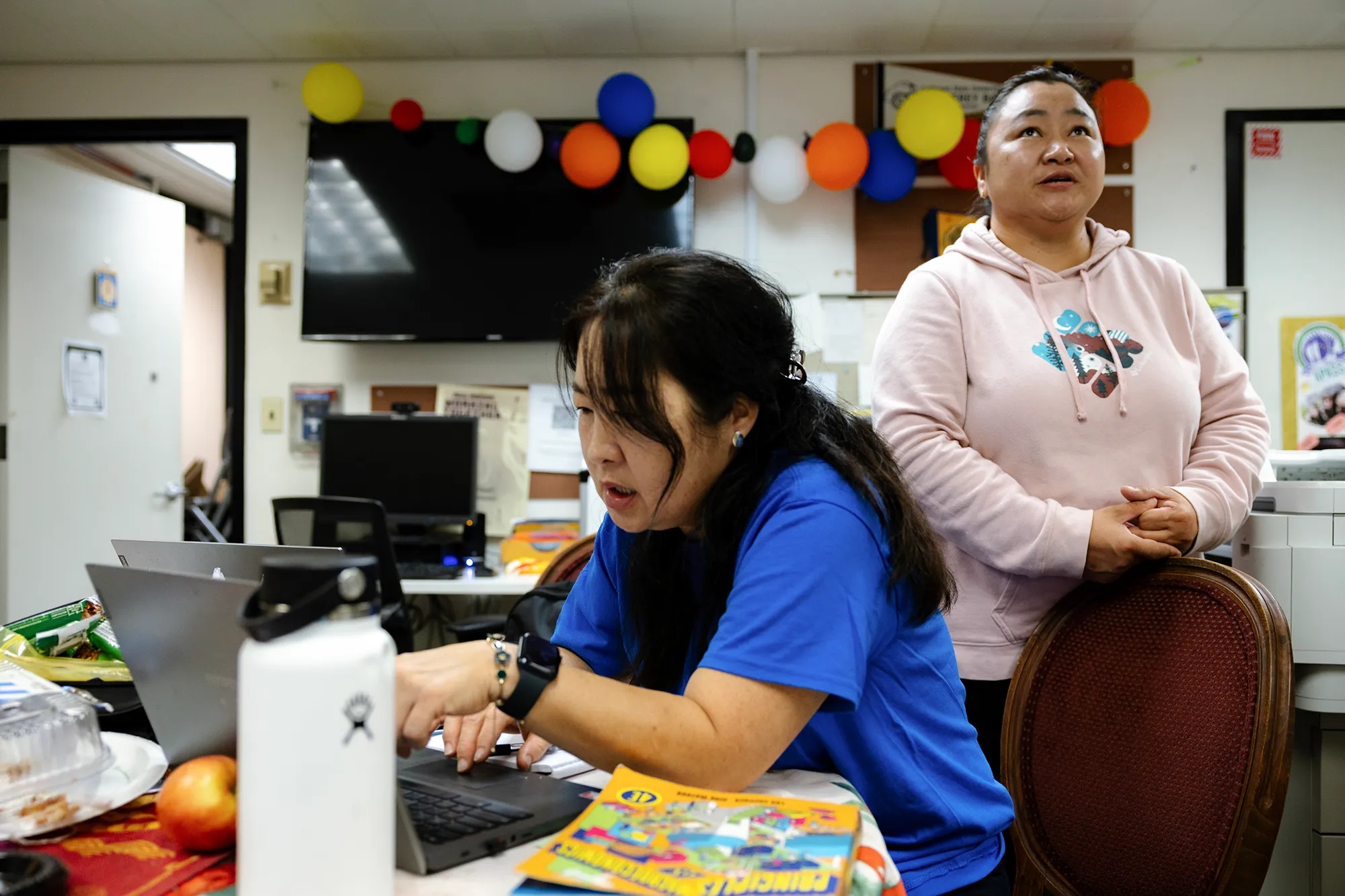
"caption": "Students Shine Od Nasan and Narmandakh Suurinburneebaatar, both from Mongolia, study inside the Asian Pacific American Student Success center at Laney College in Oakland on Sept. 12, 2025. ",
"credit": "Manuel Orbegozo/CalMatters",
"altTag": null,
"description": null,
"imgSizes": {
"thumbnail": {
"file": "https://cdn.kqed.org/wp-content/uploads/sites/10/2025/09/Upload_091225_Laney-College_MO_CM_13-160x107.jpg",
"width": 160,
"height": 107,
"mimeType": "image/jpeg"
},
"1536x1536": {
"file": "https://cdn.kqed.org/wp-content/uploads/sites/10/2025/09/Upload_091225_Laney-College_MO_CM_13-1536x1024.jpg",
"width": 1536,
"height": 1024,
"mimeType": "image/jpeg"
},
"post-thumbnail": {
"file": "https://cdn.kqed.org/wp-content/uploads/sites/10/2025/09/Upload_091225_Laney-College_MO_CM_13-672x372.jpg",
"width": 672,
"height": 372,
"mimeType": "image/jpeg"
},
"twentyfourteen-full-width": {
"file": "https://cdn.kqed.org/wp-content/uploads/sites/10/2025/09/Upload_091225_Laney-College_MO_CM_13-1038x576.jpg",
"width": 1038,
"height": 576,
"mimeType": "image/jpeg"
},
"kqedFullSize": {
"file": "https://cdn.kqed.org/wp-content/uploads/sites/10/2025/09/Upload_091225_Laney-College_MO_CM_13.jpg",
"width": 2000,
"height": 1333
}
},
"isLoading": false,
"fetchFailed": false
},
"news_12055049": {
"type": "attachments",
"id": "news_12055049",
"meta": {
"index": "attachments_1716263798",
"site": "news",
"id": "12055049",
"found": true
},
"title": "250904_K ONDA SEPTEMBER NAIL ARTIST-_GH-2-KQED",
"publishDate": 1757336009,
"status": "inherit",
"parent": 0,
"modified": 1758581875,
"caption": "Laysa Cazares, a Hayward native and nail artist, at Sparkle SF studio in San Francisco on Sept. 4, 2025. Known for three-dimensional, airbrushed and hand-painted designs, Cazares draws on fashion and her Mexican heritage to transform manicures into art.",
"credit": "Gustavo Hernandez/KQED",
"altTag": null,
"description": null,
"imgSizes": {
"thumbnail": {
"file": "https://cdn.kqed.org/wp-content/uploads/sites/10/2025/09/250904_K-ONDA-SEPTEMBER-NAIL-ARTIST-_GH-2-KQED-160x107.jpg",
"width": 160,
"height": 107,
"mimeType": "image/jpeg"
},
"1536x1536": {
"file": "https://cdn.kqed.org/wp-content/uploads/sites/10/2025/09/250904_K-ONDA-SEPTEMBER-NAIL-ARTIST-_GH-2-KQED-1536x1024.jpg",
"width": 1536,
"height": 1024,
"mimeType": "image/jpeg"
},
"post-thumbnail": {
"file": "https://cdn.kqed.org/wp-content/uploads/sites/10/2025/09/250904_K-ONDA-SEPTEMBER-NAIL-ARTIST-_GH-2-KQED-672x372.jpg",
"width": 672,
"height": 372,
"mimeType": "image/jpeg"
},
"twentyfourteen-full-width": {
"file": "https://cdn.kqed.org/wp-content/uploads/sites/10/2025/09/250904_K-ONDA-SEPTEMBER-NAIL-ARTIST-_GH-2-KQED-1038x576.jpg",
"width": 1038,
"height": 576,
"mimeType": "image/jpeg"
},
"kqedFullSize": {
"file": "https://cdn.kqed.org/wp-content/uploads/sites/10/2025/09/250904_K-ONDA-SEPTEMBER-NAIL-ARTIST-_GH-2-KQED.jpg",
"width": 2000,
"height": 1333
}
},
"isLoading": false,
"fetchFailed": false
},
"news_11897351": {
"type": "attachments",
"id": "news_11897351",
"meta": {
"index": "attachments_1716263798",
"site": "news",
"id": "11897351",
"found": true
},
"parent": 11897316,
"imgSizes": {
"twentyfourteen-full-width": {
"file": "https://ww2.kqed.org/app/uploads/sites/10/2021/11/RS47911_011_SanFrancisco_StopAAPIHateRally_0320201-qut-1038x576.jpg",
"width": 1038,
"mimeType": "image/jpeg",
"height": 576
},
"thumbnail": {
"file": "https://ww2.kqed.org/app/uploads/sites/10/2021/11/RS47911_011_SanFrancisco_StopAAPIHateRally_0320201-qut-160x107.jpg",
"width": 160,
"mimeType": "image/jpeg",
"height": 107
},
"post-thumbnail": {
"file": "https://ww2.kqed.org/app/uploads/sites/10/2021/11/RS47911_011_SanFrancisco_StopAAPIHateRally_0320201-qut-672x372.jpg",
"width": 672,
"mimeType": "image/jpeg",
"height": 372
},
"kqedFullSize": {
"file": "https://ww2.kqed.org/app/uploads/sites/10/2021/11/RS47911_011_SanFrancisco_StopAAPIHateRally_0320201-qut.jpg",
"width": 1920,
"height": 1280
},
"large": {
"file": "https://ww2.kqed.org/app/uploads/sites/10/2021/11/RS47911_011_SanFrancisco_StopAAPIHateRally_0320201-qut-1020x680.jpg",
"width": 1020,
"mimeType": "image/jpeg",
"height": 680
},
"1536x1536": {
"file": "https://ww2.kqed.org/app/uploads/sites/10/2021/11/RS47911_011_SanFrancisco_StopAAPIHateRally_0320201-qut-1536x1024.jpg",
"width": 1536,
"mimeType": "image/jpeg",
"height": 1024
},
"medium": {
"file": "https://ww2.kqed.org/app/uploads/sites/10/2021/11/RS47911_011_SanFrancisco_StopAAPIHateRally_0320201-qut-800x533.jpg",
"width": 800,
"mimeType": "image/jpeg",
"height": 533
}
},
"publishDate": 1637794735,
"modified": 1637806622,
"caption": "Hundreds gather at Portsmouth Square in San Francisco’s Chinatown on March 20, 2021, for a Stop AAPI Hate rally, which made space for people to grieve, make art and honor the lives lost to recent anti-Asian violence.",
"description": null,
"title": "RS47911_011_SanFrancisco_StopAAPIHateRally_0320201-qut",
"credit": "Beth LaBerge/KQED",
"status": "inherit",
"altTag": "Four people wearing masks , with two people wearing blue t-shirts hold signs that read \"no more attacks on Asians\" and \"Unity together.\"",
"isLoading": false,
"fetchFailed": false
},
"news_12038002": {
"type": "attachments",
"id": "news_12038002",
"meta": {
"index": "attachments_1716263798",
"site": "news",
"id": "12038002",
"found": true
},
"title": "An Oakland Police Department squad car in downtown Oakland on April 28, 2025.",
"publishDate": 1745884766,
"status": "inherit",
"parent": 12042539,
"modified": 1748986081,
"caption": "An Oakland Police Department squad car in downtown Oakland on April 28, 2025.",
"credit": "Martin do Nascimento/KQED",
"altTag": null,
"description": null,
"imgSizes": {
"medium": {
"file": "https://cdn.kqed.org/wp-content/uploads/sites/10/2025/04/250428-OPD-FILE-MD-01-KQED-1-800x533.jpg",
"width": 800,
"height": 533,
"mimeType": "image/jpeg"
},
"large": {
"file": "https://cdn.kqed.org/wp-content/uploads/sites/10/2025/04/250428-OPD-FILE-MD-01-KQED-1-1020x680.jpg",
"width": 1020,
"height": 680,
"mimeType": "image/jpeg"
},
"thumbnail": {
"file": "https://cdn.kqed.org/wp-content/uploads/sites/10/2025/04/250428-OPD-FILE-MD-01-KQED-1-160x107.jpg",
"width": 160,
"height": 107,
"mimeType": "image/jpeg"
},
"1536x1536": {
"file": "https://cdn.kqed.org/wp-content/uploads/sites/10/2025/04/250428-OPD-FILE-MD-01-KQED-1-1536x1024.jpg",
"width": 1536,
"height": 1024,
"mimeType": "image/jpeg"
},
"post-thumbnail": {
"file": "https://cdn.kqed.org/wp-content/uploads/sites/10/2025/04/250428-OPD-FILE-MD-01-KQED-1-672x372.jpg",
"width": 672,
"height": 372,
"mimeType": "image/jpeg"
},
"twentyfourteen-full-width": {
"file": "https://cdn.kqed.org/wp-content/uploads/sites/10/2025/04/250428-OPD-FILE-MD-01-KQED-1-1038x576.jpg",
"width": 1038,
"height": 576,
"mimeType": "image/jpeg"
},
"full-width": {
"file": "https://cdn.kqed.org/wp-content/uploads/sites/10/2025/04/250428-OPD-FILE-MD-01-KQED-1-1920x1280.jpg",
"width": 1920,
"height": 1280,
"mimeType": "image/jpeg"
},
"kqedFullSize": {
"file": "https://cdn.kqed.org/wp-content/uploads/sites/10/2025/04/250428-OPD-FILE-MD-01-KQED-1.jpg",
"width": 2000,
"height": 1333
}
},
"isLoading": false,
"fetchFailed": false
},
"news_11989042": {
"type": "attachments",
"id": "news_11989042",
"meta": {
"index": "attachments_1716263798",
"site": "news",
"id": "11989042",
"found": true
},
"title": "240604-OAKLAND BALLERS-AC-05-KQED",
"publishDate": 1717584905,
"status": "inherit",
"parent": 0,
"modified": 1758568289,
"caption": "A member of the Oakland Ballers hits a pitch during their first home game against the Yolo High Wheelers in Raimondi Park in Oakland on June 4, 2024.",
"credit": "Aryk Copley/KQED",
"altTag": null,
"description": null,
"imgSizes": {
"medium": {
"file": "https://cdn.kqed.org/wp-content/uploads/sites/10/2024/06/240604-OAKLAND-BALLERS-AC-05-KQED-800x533.jpg",
"width": 800,
"height": 533,
"mimeType": "image/jpeg"
},
"large": {
"file": "https://cdn.kqed.org/wp-content/uploads/sites/10/2024/06/240604-OAKLAND-BALLERS-AC-05-KQED-1020x680.jpg",
"width": 1020,
"height": 680,
"mimeType": "image/jpeg"
},
"thumbnail": {
"file": "https://cdn.kqed.org/wp-content/uploads/sites/10/2024/06/240604-OAKLAND-BALLERS-AC-05-KQED-160x107.jpg",
"width": 160,
"height": 107,
"mimeType": "image/jpeg"
},
"1536x1536": {
"file": "https://cdn.kqed.org/wp-content/uploads/sites/10/2024/06/240604-OAKLAND-BALLERS-AC-05-KQED-1536x1024.jpg",
"width": 1536,
"height": 1024,
"mimeType": "image/jpeg"
},
"post-thumbnail": {
"file": "https://cdn.kqed.org/wp-content/uploads/sites/10/2024/06/240604-OAKLAND-BALLERS-AC-05-KQED-672x372.jpg",
"width": 672,
"height": 372,
"mimeType": "image/jpeg"
},
"twentyfourteen-full-width": {
"file": "https://cdn.kqed.org/wp-content/uploads/sites/10/2024/06/240604-OAKLAND-BALLERS-AC-05-KQED-1038x576.jpg",
"width": 1038,
"height": 576,
"mimeType": "image/jpeg"
},
"full-width": {
"file": "https://cdn.kqed.org/wp-content/uploads/sites/10/2024/06/240604-OAKLAND-BALLERS-AC-05-KQED-1920x1280.jpg",
"width": 1920,
"height": 1280,
"mimeType": "image/jpeg"
},
"kqedFullSize": {
"file": "https://cdn.kqed.org/wp-content/uploads/sites/10/2024/06/240604-OAKLAND-BALLERS-AC-05-KQED.jpg",
"width": 2000,
"height": 1333
}
},
"isLoading": false,
"fetchFailed": false
},
"news_12056782": {
"type": "attachments",
"id": "news_12056782",
"meta": {
"index": "attachments_1716263798",
"site": "news",
"id": "12056782",
"found": true
},
"title": "250918-TLICECREAM-04-BL-KQED",
"publishDate": 1758300338,
"status": "inherit",
"parent": 0,
"modified": 1758300433,
"caption": "Ricardo, 10, enjoys free ice cream at the inaugural children’s ice cream social in San Francisco’s Tenderloin neighborhood on Sept. 18, 2025, an event hosted by Supervisor Bilal Mahmood and the St. Anthony Foundation.",
"credit": "Beth LaBerge/KQED",
"altTag": null,
"description": null,
"imgSizes": {
"thumbnail": {
"file": "https://cdn.kqed.org/wp-content/uploads/sites/10/2025/09/250918-TLICECREAM-04-BL-KQED-160x107.jpg",
"width": 160,
"height": 107,
"mimeType": "image/jpeg"
},
"1536x1536": {
"file": "https://cdn.kqed.org/wp-content/uploads/sites/10/2025/09/250918-TLICECREAM-04-BL-KQED-1536x1024.jpg",
"width": 1536,
"height": 1024,
"mimeType": "image/jpeg"
},
"post-thumbnail": {
"file": "https://cdn.kqed.org/wp-content/uploads/sites/10/2025/09/250918-TLICECREAM-04-BL-KQED-672x372.jpg",
"width": 672,
"height": 372,
"mimeType": "image/jpeg"
},
"twentyfourteen-full-width": {
"file": "https://cdn.kqed.org/wp-content/uploads/sites/10/2025/09/250918-TLICECREAM-04-BL-KQED-1038x576.jpg",
"width": 1038,
"height": 576,
"mimeType": "image/jpeg"
},
"kqedFullSize": {
"file": "https://cdn.kqed.org/wp-content/uploads/sites/10/2025/09/250918-TLICECREAM-04-BL-KQED.jpg",
"width": 2000,
"height": 1333
}
},
"isLoading": false,
"fetchFailed": false
},
"news_12056765": {
"type": "attachments",
"id": "news_12056765",
"meta": {
"index": "attachments_1716263798",
"site": "news",
"id": "12056765",
"found": true
},
"title": "250715-ImmigrationCourtProtests-16-BL_qed",
"publishDate": 1758299414,
"status": "inherit",
"parent": 12056762,
"modified": 1758299424,
"caption": "Supporters rally outside the U.S. District Court in San Francisco on July 15, 2025, calling on ICE to release Guillermo Medina Reyes ahead of his preliminary injunction hearing.",
"credit": "Beth LaBerge/KQED",
"altTag": null,
"description": null,
"imgSizes": {
"thumbnail": {
"file": "https://cdn.kqed.org/wp-content/uploads/sites/10/2025/09/250715-ImmigrationCourtProtests-16-BL_qed-160x107.jpg",
"width": 160,
"height": 107,
"mimeType": "image/jpeg"
},
"1536x1536": {
"file": "https://cdn.kqed.org/wp-content/uploads/sites/10/2025/09/250715-ImmigrationCourtProtests-16-BL_qed-1536x1024.jpg",
"width": 1536,
"height": 1024,
"mimeType": "image/jpeg"
},
"post-thumbnail": {
"file": "https://cdn.kqed.org/wp-content/uploads/sites/10/2025/09/250715-ImmigrationCourtProtests-16-BL_qed-672x372.jpg",
"width": 672,
"height": 372,
"mimeType": "image/jpeg"
},
"twentyfourteen-full-width": {
"file": "https://cdn.kqed.org/wp-content/uploads/sites/10/2025/09/250715-ImmigrationCourtProtests-16-BL_qed-1038x576.jpg",
"width": 1038,
"height": 576,
"mimeType": "image/jpeg"
},
"kqedFullSize": {
"file": "https://cdn.kqed.org/wp-content/uploads/sites/10/2025/09/250715-ImmigrationCourtProtests-16-BL_qed.jpg",
"width": 2000,
"height": 1333
}
},
"isLoading": false,
"fetchFailed": false
},
"news_12056822": {
"type": "attachments",
"id": "news_12056822",
"meta": {
"index": "attachments_1716263798",
"site": "news",
"id": "12056822",
"found": true
},
"title": "250919-GAZA PROTEST OAKLAND-MD-03-KQED",
"publishDate": 1758302018,
"status": "inherit",
"parent": 0,
"modified": 1758302749,
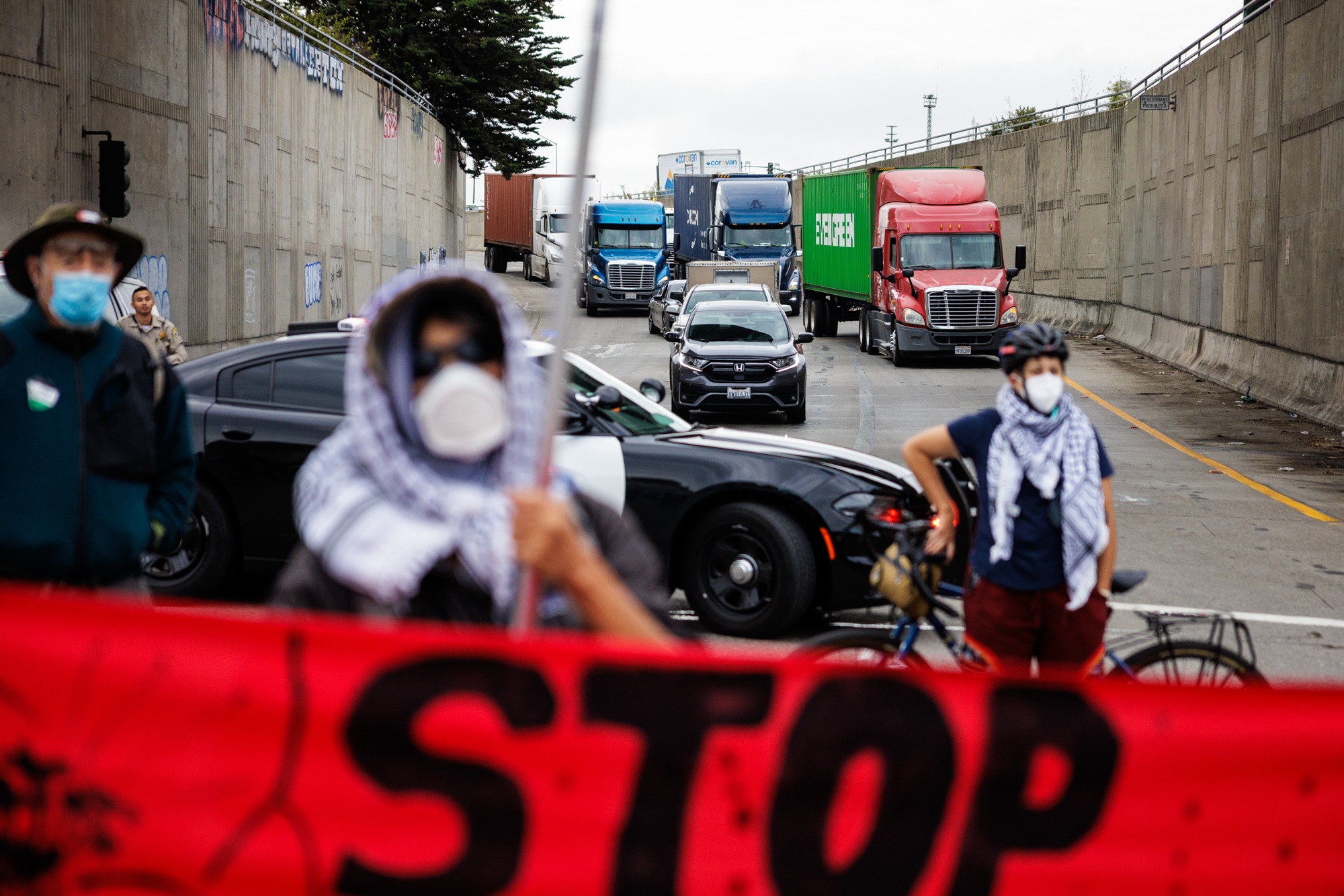
"caption": "Traffic is backed up on an 880 offramp as Pro-Palestinian activists block an intersection on Seventh Street in West Oakland on Sept. 19, 2025.",
"credit": "Martin do Nascimento/KQED",
"altTag": null,
"description": null,
"imgSizes": {
"thumbnail": {
"file": "https://cdn.kqed.org/wp-content/uploads/sites/10/2025/09/250919-GAZA-PROTEST-OAKLAND-MD-03-KQED-160x107.jpg",
"width": 160,
"height": 107,
"mimeType": "image/jpeg"
},
"1536x1536": {
"file": "https://cdn.kqed.org/wp-content/uploads/sites/10/2025/09/250919-GAZA-PROTEST-OAKLAND-MD-03-KQED-1536x1025.jpg",
"width": 1536,
"height": 1025,
"mimeType": "image/jpeg"
},
"post-thumbnail": {
"file": "https://cdn.kqed.org/wp-content/uploads/sites/10/2025/09/250919-GAZA-PROTEST-OAKLAND-MD-03-KQED-672x372.jpg",
"width": 672,
"height": 372,
"mimeType": "image/jpeg"
},
"twentyfourteen-full-width": {
"file": "https://cdn.kqed.org/wp-content/uploads/sites/10/2025/09/250919-GAZA-PROTEST-OAKLAND-MD-03-KQED-1038x576.jpg",
"width": 1038,
"height": 576,
"mimeType": "image/jpeg"
},
"kqedFullSize": {
"file": "https://cdn.kqed.org/wp-content/uploads/sites/10/2025/09/250919-GAZA-PROTEST-OAKLAND-MD-03-KQED.jpg",
"width": 2000,
"height": 1334
}
},
"isLoading": false,
"fetchFailed": false
},
"news_12037464": {
"type": "attachments",
"id": "news_12037464",
"meta": {
"index": "attachments_1716263798",
"site": "news",
"id": "12037464",
"found": true
},
"title": "20250423_OUSDSupe_GC-11_qed",
"publishDate": 1745512311,
"status": "inherit",
"parent": 12040189,
"modified": 1747264165,
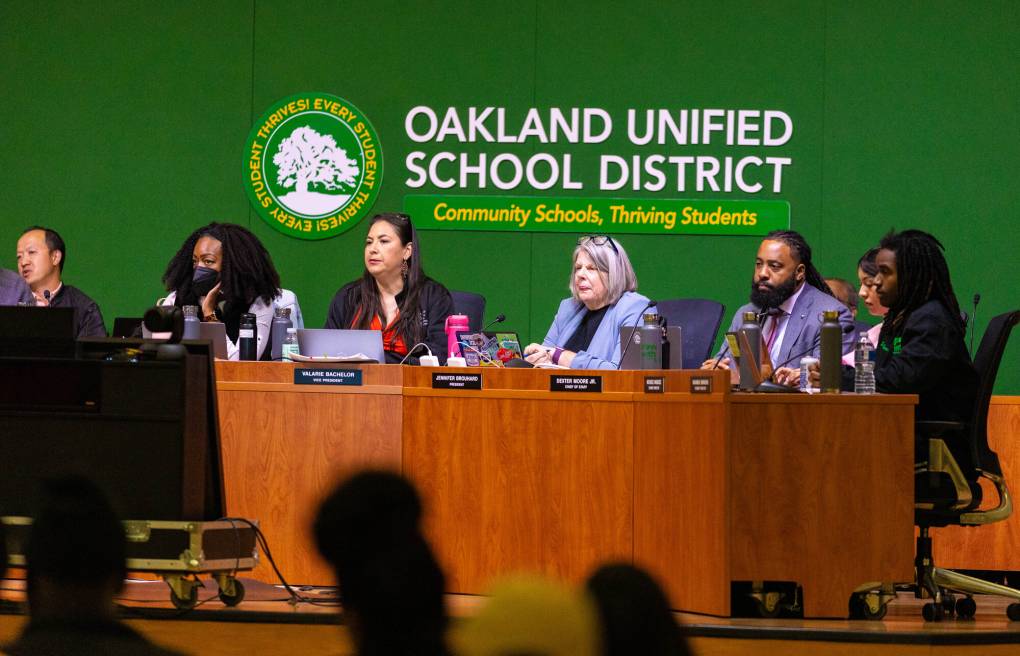
"caption": "The Oakland Unified School District Board listens to public comment during a meeting at Metwest High School in Oakland on April 23, 2025.",
"credit": "Gina Castro/KQED",
"altTag": null,
"description": null,
"imgSizes": {
"medium": {
"file": "https://cdn.kqed.org/wp-content/uploads/sites/10/2025/04/20250423_OUSDSupe_GC-11_qed-800x515.jpg",
"width": 800,
"height": 515,
"mimeType": "image/jpeg"
},
"large": {
"file": "https://cdn.kqed.org/wp-content/uploads/sites/10/2025/04/20250423_OUSDSupe_GC-11_qed-1020x656.jpg",
"width": 1020,
"height": 656,
"mimeType": "image/jpeg"
},
"thumbnail": {
"file": "https://cdn.kqed.org/wp-content/uploads/sites/10/2025/04/20250423_OUSDSupe_GC-11_qed-160x103.jpg",
"width": 160,
"height": 103,
"mimeType": "image/jpeg"
},
"1536x1536": {
"file": "https://cdn.kqed.org/wp-content/uploads/sites/10/2025/04/20250423_OUSDSupe_GC-11_qed-1536x988.jpg",
"width": 1536,
"height": 988,
"mimeType": "image/jpeg"
},
"post-thumbnail": {
"file": "https://cdn.kqed.org/wp-content/uploads/sites/10/2025/04/20250423_OUSDSupe_GC-11_qed-672x372.jpg",
"width": 672,
"height": 372,
"mimeType": "image/jpeg"
},
"twentyfourteen-full-width": {
"file": "https://cdn.kqed.org/wp-content/uploads/sites/10/2025/04/20250423_OUSDSupe_GC-11_qed-1038x576.jpg",
"width": 1038,
"height": 576,
"mimeType": "image/jpeg"
},
"full-width": {
"file": "https://cdn.kqed.org/wp-content/uploads/sites/10/2025/04/20250423_OUSDSupe_GC-11_qed-1920x1236.jpg",
"width": 1920,
"height": 1236,
"mimeType": "image/jpeg"
},
"kqedFullSize": {
"file": "https://cdn.kqed.org/wp-content/uploads/sites/10/2025/04/20250423_OUSDSupe_GC-11_qed.jpg",
"width": 2000,
"height": 1287
}
},
"isLoading": false,
"fetchFailed": false
},
"news_12056703": {
"type": "attachments",
"id": "news_12056703",
"meta": {
"index": "attachments_1716263798",
"site": "news",
"id": "12056703",
"found": true
},
"title": "250918-Oakland Arms Folo-JCL-01-KQED",
"publishDate": 1758236396,
"status": "inherit",
"parent": 12056544,
"modified": 1758240270,
"caption": "Protesters march across OAK’s Terminal 1 chanting “Oakland Airport, drop your cargo! We demand an arms embargo!” on Sept. 18, 2025. The Oakland People’s Arms Embargo Coalition is calling for Oakland officials to end military cargo shipments through the civilian airport.",
"credit": "Juan Carlos Lara/KQED",
"altTag": null,
"description": null,
"imgSizes": {
"thumbnail": {
"file": "https://cdn.kqed.org/wp-content/uploads/sites/10/2025/09/250918-Oakland-Arms-Folo-JCL-01-KQED-160x107.jpg",
"width": 160,
"height": 107,
"mimeType": "image/jpeg"
},
"1536x1536": {
"file": "https://cdn.kqed.org/wp-content/uploads/sites/10/2025/09/250918-Oakland-Arms-Folo-JCL-01-KQED-1536x1024.jpg",
"width": 1536,
"height": 1024,
"mimeType": "image/jpeg"
},
"post-thumbnail": {
"file": "https://cdn.kqed.org/wp-content/uploads/sites/10/2025/09/250918-Oakland-Arms-Folo-JCL-01-KQED-672x372.jpg",
"width": 672,
"height": 372,
"mimeType": "image/jpeg"
},
"twentyfourteen-full-width": {
"file": "https://cdn.kqed.org/wp-content/uploads/sites/10/2025/09/250918-Oakland-Arms-Folo-JCL-01-KQED-1038x576.jpg",
"width": 1038,
"height": 576,
"mimeType": "image/jpeg"
},
"kqedFullSize": {
"file": "https://cdn.kqed.org/wp-content/uploads/sites/10/2025/09/250918-Oakland-Arms-Folo-JCL-01-KQED.jpg",
"width": 2000,
"height": 1333
}
},
"isLoading": false,
"fetchFailed": false
},
"news_11872220": {
"type": "attachments",
"id": "news_11872220",
"meta": {
"index": "attachments_1716263798",
"site": "news",
"id": "11872220",
"found": true
},
"parent": 11872161,
"imgSizes": {
"twentyfourteen-full-width": {
"file": "https://ww2.kqed.org/app/uploads/sites/10/2021/05/RS45480_028_KQED_Oakland_RegistrarofVoters_10272020-qut-1038x576.jpg",
"width": 1038,
"mimeType": "image/jpeg",
"height": 576
},
"thumbnail": {
"file": "https://ww2.kqed.org/app/uploads/sites/10/2021/05/RS45480_028_KQED_Oakland_RegistrarofVoters_10272020-qut-160x107.jpg",
"width": 160,
"mimeType": "image/jpeg",
"height": 107
},
"post-thumbnail": {
"file": "https://ww2.kqed.org/app/uploads/sites/10/2021/05/RS45480_028_KQED_Oakland_RegistrarofVoters_10272020-qut-672x372.jpg",
"width": 672,
"mimeType": "image/jpeg",
"height": 372
},
"kqedFullSize": {
"file": "https://ww2.kqed.org/app/uploads/sites/10/2021/05/RS45480_028_KQED_Oakland_RegistrarofVoters_10272020-qut.jpg",
"width": 1920,
"height": 1280
},
"large": {
"file": "https://ww2.kqed.org/app/uploads/sites/10/2021/05/RS45480_028_KQED_Oakland_RegistrarofVoters_10272020-qut-1020x680.jpg",
"width": 1020,
"mimeType": "image/jpeg",
"height": 680
},
"1536x1536": {
"file": "https://ww2.kqed.org/app/uploads/sites/10/2021/05/RS45480_028_KQED_Oakland_RegistrarofVoters_10272020-qut-1536x1024.jpg",
"width": 1536,
"mimeType": "image/jpeg",
"height": 1024
},
"medium": {
"file": "https://ww2.kqed.org/app/uploads/sites/10/2021/05/RS45480_028_KQED_Oakland_RegistrarofVoters_10272020-qut-800x533.jpg",
"width": 800,
"mimeType": "image/jpeg",
"height": 533
}
},
"publishDate": 1620169627,
"modified": 1620174617,
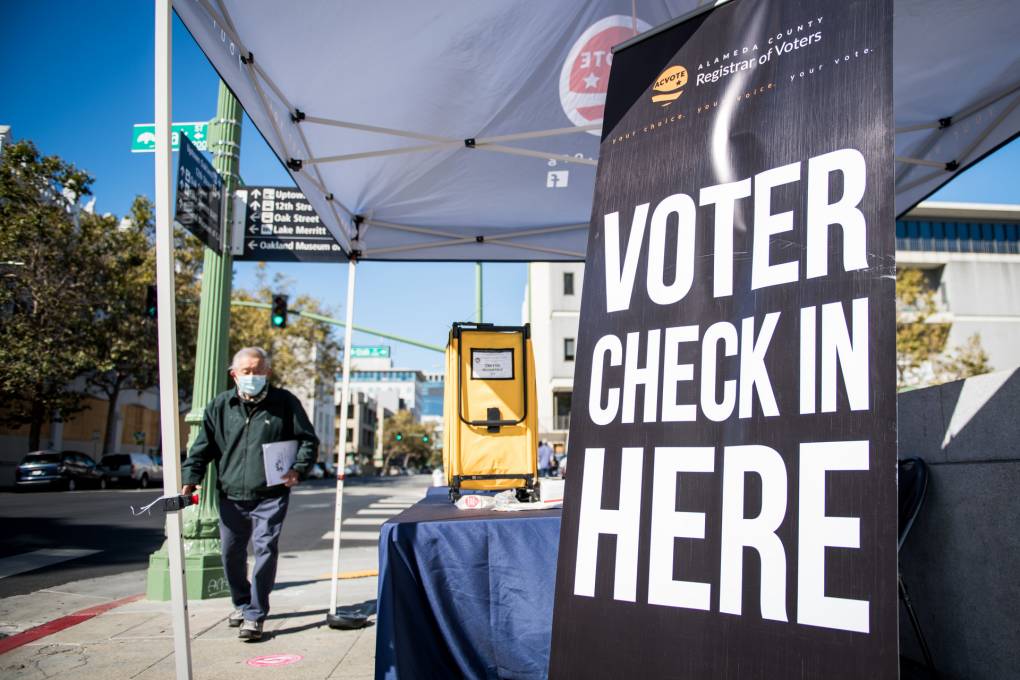
"caption": "A voter check-in tent at the Alameda County Registrar of Voters on Oct. 27, 2020.",
"description": "A voter check-in tent at the Alameda County Registrar of Voters on Oct. 27, 2020.",
"title": "RS45480_028_KQED_Oakland_RegistrarofVoters_10272020-qut",
"credit": "Beth LaBerge/KQED",
"status": "inherit",
"altTag": null,
"isLoading": false,
"fetchFailed": false
},
"news_12056527": {
"type": "attachments",
"id": "news_12056527",
"meta": {
"index": "attachments_1716263798",
"site": "news",
"id": "12056527",
"found": true
},
"title": "250917-VALKYRIESPLAYOFFS-14-BL_QED-KQED",
"publishDate": 1758209869,
"status": "inherit",
"parent": 0,
"modified": 1758214857,
"caption": "Cecilia Zandalasini lays the ball up in Game 2 of the Golden State Valkyries vs. Minnesota Lynx WNBA playoff game at the SAP Center in San José on Sept. 17, 2025.",
"credit": "Beth LaBerge/KQED",
"altTag": null,
"description": null,
"imgSizes": {
"thumbnail": {
"file": "https://cdn.kqed.org/wp-content/uploads/sites/10/2025/09/250917-VALKYRIESPLAYOFFS-14-BL_QED-KQED-160x107.jpg",
"width": 160,
"height": 107,
"mimeType": "image/jpeg"
},
"1536x1536": {
"file": "https://cdn.kqed.org/wp-content/uploads/sites/10/2025/09/250917-VALKYRIESPLAYOFFS-14-BL_QED-KQED-1536x1024.jpg",
"width": 1536,
"height": 1024,
"mimeType": "image/jpeg"
},
"post-thumbnail": {
"file": "https://cdn.kqed.org/wp-content/uploads/sites/10/2025/09/250917-VALKYRIESPLAYOFFS-14-BL_QED-KQED-672x372.jpg",
"width": 672,
"height": 372,
"mimeType": "image/jpeg"
},
"twentyfourteen-full-width": {
"file": "https://cdn.kqed.org/wp-content/uploads/sites/10/2025/09/250917-VALKYRIESPLAYOFFS-14-BL_QED-KQED-1038x576.jpg",
"width": 1038,
"height": 576,
"mimeType": "image/jpeg"
},
"kqedFullSize": {
"file": "https://cdn.kqed.org/wp-content/uploads/sites/10/2025/09/250917-VALKYRIESPLAYOFFS-14-BL_QED-KQED.jpg",
"width": 2000,
"height": 1333
}
},
"isLoading": false,
"fetchFailed": false
}
},
"audioPlayerReducer": {
"postId": "stream_live",
"isPaused": true,
"isPlaying": false,
"pfsActive": false,
"pledgeModalIsOpen": true,
"playerDrawerIsOpen": false,
"liveAudioPlayStartedAt": 0,
"liveAudioPlayContext": ""
},
"authorsReducer": {
"byline_news_12057033": {
"type": "authors",
"id": "byline_news_12057033",
"meta": {
"override": true
},
"slug": "byline_news_12057033",
"name": "Adam Echelman, CalMatters",
"isLoading": false
},
"tychehendricks": {
"type": "authors",
"id": "259",
"meta": {
"index": "authors_1716337520",
"id": "259",
"found": true
},
"name": "Tyche Hendricks",
"firstName": "Tyche",
"lastName": "Hendricks",
"slug": "tychehendricks",
"email": "thendricks@kqed.org",
"display_author_email": true,
"staff_mastheads": [
"news"
],
"title": "KQED Senior Editor, Immigration",
"bio": "\u003cspan style=\"font-weight: 400;\">Tyche Hendricks is KQED’s senior editor for immigration, leading coverage of the policy and politics that affect California’s immigrant communities. Her work for KQED’s radio and online audiences is also carried on NPR and other national outlets. She has been recognized with awards from the Radio and Television News Directors Association, the Society for Professional Journalists; the Education Writers Association; the Best of the West and the National Federation of Community Broadcasters. Before joining KQED in 2010, Tyche spent more than a dozen years as a newspaper reporter, notably at the \u003c/span>\u003ci>\u003cspan style=\"font-weight: 400;\">San Francisco Chronicle\u003c/span>\u003c/i>\u003cspan style=\"font-weight: 400;\">. At different times she has covered criminal justice, government and politics and urban planning. Tyche has taught in the MFA Creative Writing program at the University of San Francisco and at UC Berkeley’s Graduate School of Journalism, where she was co-director of a national immigration symposium for professional journalists. She is the author of \u003c/span>\u003ci>\u003cspan style=\"font-weight: 400;\">The Wind Doesn't Need a Passport: Stories from the U.S.-Mexico Borderlands\u003c/span>\u003c/i>\u003cspan style=\"font-weight: 400;\"> (University of California Press). \u003c/span>",
"avatar": "https://secure.gravatar.com/avatar/b8ee458e2731c2d43df86882ce17267e?s=600&d=blank&r=g",
"twitter": "tychehendricks",
"facebook": null,
"instagram": null,
"linkedin": null,
"sites": [
{
"site": "news",
"roles": [
"editor"
]
},
{
"site": "stateofhealth",
"roles": [
"editor"
]
}
],
"headData": {
"title": "Tyche Hendricks | KQED",
"description": "KQED Senior Editor, Immigration",
"ogImgSrc": "https://secure.gravatar.com/avatar/b8ee458e2731c2d43df86882ce17267e?s=600&d=blank&r=g",
"twImgSrc": "https://secure.gravatar.com/avatar/b8ee458e2731c2d43df86882ce17267e?s=600&d=blank&r=g"
},
"isLoading": false,
"link": "/author/tychehendricks"
},
"shossaini": {
"type": "authors",
"id": "3214",
"meta": {
"index": "authors_1716337520",
"id": "3214",
"found": true
},
"name": "Sara Hossaini",
"firstName": "Sara",
"lastName": "Hossaini",
"slug": "shossaini",
"email": "shossaini@kqed.org",
"display_author_email": true,
"staff_mastheads": [
"news"
],
"title": "KQED Reporter",
"bio": "Sara Hossaini came to general assignment reporting at KQED in 2013 after two winters reporting at Wyoming Public Radio. She holds a bachelor's degree in broadcast journalism from the University of Nebraska-Lincoln. Her radio romance began after a bitter breakup with documentary film (Ok, maybe it's still complicated). Her first simultaneous jobs in San Francisco were as Associate Producer on a PBS film series through the Center for Asian American Media and as a butler. She likes to trot, plot and make things with her hands.",
"avatar": "https://secure.gravatar.com/avatar/060e9f56b9554e17942e89f413242774?s=600&d=blank&r=g",
"twitter": "mshossaini",
"facebook": null,
"instagram": null,
"linkedin": null,
"sites": [
{
"site": "news",
"roles": [
"author"
]
},
{
"site": "stateofhealth",
"roles": [
"author"
]
}
],
"headData": {
"title": "Sara Hossaini | KQED",
"description": "KQED Reporter",
"ogImgSrc": "https://secure.gravatar.com/avatar/060e9f56b9554e17942e89f413242774?s=600&d=blank&r=g",
"twImgSrc": "https://secure.gravatar.com/avatar/060e9f56b9554e17942e89f413242774?s=600&d=blank&r=g"
},
"isLoading": false,
"link": "/author/shossaini"
},
"btorres": {
"type": "authors",
"id": "11666",
"meta": {
"index": "authors_1716337520",
"id": "11666",
"found": true
},
"name": "Blanca Torres",
"firstName": "Blanca",
"lastName": "Torres",
"slug": "btorres",
"email": "btorres@kqed.org",
"display_author_email": true,
"staff_mastheads": [
"news"
],
"title": "Producer, Forum",
"bio": "Blanca Torres brings sharp news judgement and keen sense of lively conversation to her work as producer for Forum. She loves producing shows that leave listeners feeling like they heard distinctive voices, learned something new and gained a fresh perspective.\r\n\r\nShe joined KQED in January of 2020 after 16 years of working as a newspaper reporter most recently at the \u003cem>San Francisco Business Times,\u003c/em> where she wrote about real estate and economic development. Before that, she covered a variety of beats including crime, education, retail, workplace, the economy, consumer issues, and small business for the \u003cem>Contra Costa Times, Baltimore Sun\u003c/em> and\u003cem> The Seattle Times\u003c/em>. In addition to reporting, she worked as an editorial writer and columnist for the \u003cem>Seattle Times\u003c/em>. From 2017 to 2020, Blanca won a total of ten awards from the National Association of Real Estate Editors and won first place for land use reporting from the California News Publishers Association two years in a row. She is also a member and former board member for the National Association of Hispanic Journalists.\r\n\r\nA native of the Pacific Northwest, Blanca earned her bachelor's degree from Vanderbilt University in Nashville and a master's in fine arts in creative writing at Mills College. She lives in the East Bay with her family.",
"avatar": "https://secure.gravatar.com/avatar/50b49d19b14a1eed34f26ebf4681152cdd81574ed21851100871ccd29e578cdc?s=600&d=blank&r=g",
"twitter": "@blancawrites",
"bluesky": null,
"facebook": null,
"instagram": null,
"linkedin": null,
"sites": [
{
"site": "arts",
"roles": [
"editor"
]
},
{
"site": "news",
"roles": [
"editor"
]
},
{
"site": "forum",
"roles": [
"editor"
]
}
],
"headData": {
"title": "Blanca Torres | KQED",
"description": "Producer, Forum",
"ogImgSrc": "https://secure.gravatar.com/avatar/50b49d19b14a1eed34f26ebf4681152cdd81574ed21851100871ccd29e578cdc?s=600&d=blank&r=g",
"twImgSrc": "https://secure.gravatar.com/avatar/50b49d19b14a1eed34f26ebf4681152cdd81574ed21851100871ccd29e578cdc?s=600&d=blank&r=g"
},
"isLoading": false,
"link": "/author/btorres"
},
"jlara": {
"type": "authors",
"id": "11761",
"meta": {
"index": "authors_1716337520",
"id": "11761",
"found": true
},
"name": "Juan Carlos Lara",
"firstName": "Juan Carlos",
"lastName": "Lara",
"slug": "jlara",
"email": "jlara@kqed.org",
"display_author_email": false,
"staff_mastheads": [],
"title": "KQED Contributor",
"bio": null,
"avatar": "https://secure.gravatar.com/avatar/19e2052b9b05657c5ff2af2121846e9c?s=600&d=blank&r=g",
"twitter": null,
"facebook": null,
"instagram": null,
"linkedin": null,
"sites": [
{
"site": "arts",
"roles": [
"editor"
]
},
{
"site": "news",
"roles": [
"editor"
]
},
{
"site": "forum",
"roles": [
"editor"
]
},
{
"site": "liveblog",
"roles": [
"contributor"
]
}
],
"headData": {
"title": "Juan Carlos Lara | KQED",
"description": "KQED Contributor",
"ogImgSrc": "https://secure.gravatar.com/avatar/19e2052b9b05657c5ff2af2121846e9c?s=600&d=blank&r=g",
"twImgSrc": "https://secure.gravatar.com/avatar/19e2052b9b05657c5ff2af2121846e9c?s=600&d=blank&r=g"
},
"isLoading": false,
"link": "/author/jlara"
},
"adahlstromeckman": {
"type": "authors",
"id": "11785",
"meta": {
"index": "authors_1716337520",
"id": "11785",
"found": true
},
"name": "Azul Dahlstrom-Eckman",
"firstName": "Azul",
"lastName": "Dahlstrom-Eckman",
"slug": "adahlstromeckman",
"email": "adahlstrom-eckman@kqed.org",
"display_author_email": true,
"staff_mastheads": [],
"title": "Reporter",
"bio": "Azul is a reporter for KQED focusing on transportation and features. He joined KQED in 2021 as an alumna of KALW's Audio Academy radio journalism training program.",
"avatar": "https://secure.gravatar.com/avatar/9cb750298435add7815a777f55bf1f46845c1386bb8452555c60a7b820b5aba3?s=600&d=blank&r=g",
"twitter": "@zuliemann",
"bluesky": "@azul415.bsky.social",
"facebook": null,
"instagram": null,
"linkedin": null,
"sites": [
{
"site": "arts",
"roles": [
"editor"
]
},
{
"site": "news",
"roles": [
"editor"
]
},
{
"site": "science",
"roles": [
"editor"
]
},
{
"site": "liveblog",
"roles": [
"author"
]
}
],
"headData": {
"title": "Azul Dahlstrom-Eckman | KQED",
"description": "Reporter",
"ogImgSrc": "https://secure.gravatar.com/avatar/9cb750298435add7815a777f55bf1f46845c1386bb8452555c60a7b820b5aba3?s=600&d=blank&r=g",
"twImgSrc": "https://secure.gravatar.com/avatar/9cb750298435add7815a777f55bf1f46845c1386bb8452555c60a7b820b5aba3?s=600&d=blank&r=g"
},
"isLoading": false,
"link": "/author/adahlstromeckman"
},
"kdebenedetti": {
"type": "authors",
"id": "11913",
"meta": {
"index": "authors_1716337520",
"id": "11913",
"found": true
},
"name": "Katie DeBenedetti",
"firstName": "Katie",
"lastName": "DeBenedetti",
"slug": "kdebenedetti",
"email": "kdebenedetti@kqed.org",
"display_author_email": false,
"staff_mastheads": [
"news",
"science"
],
"title": "KQED Contributor",
"bio": "Katie DeBenedetti is a digital reporter covering daily news for the Express Desk. Prior to joining KQED as a culture reporting intern in January 2024, she covered education and city government for the Napa Valley Register.",
"avatar": "https://secure.gravatar.com/avatar/6e31073cb8f7e4214ab03f42771d0f45?s=600&d=blank&r=g",
"twitter": null,
"facebook": null,
"instagram": null,
"linkedin": null,
"sites": [
{
"site": "news",
"roles": [
"author"
]
},
{
"site": "science",
"roles": [
"author"
]
},
{
"site": "liveblog",
"roles": [
"author"
]
}
],
"headData": {
"title": "Katie DeBenedetti | KQED",
"description": "KQED Contributor",
"ogImgSrc": "https://secure.gravatar.com/avatar/6e31073cb8f7e4214ab03f42771d0f45?s=600&d=blank&r=g",
"twImgSrc": "https://secure.gravatar.com/avatar/6e31073cb8f7e4214ab03f42771d0f45?s=600&d=blank&r=g"
},
"isLoading": false,
"link": "/author/kdebenedetti"
},
"emanoukian": {
"type": "authors",
"id": "11925",
"meta": {
"index": "authors_1716337520",
"id": "11925",
"found": true
},
"name": "Elize Manoukian",
"firstName": "Elize",
"lastName": "Manoukian",
"slug": "emanoukian",
"email": "emanoukian@KQED.org",
"display_author_email": false,
"staff_mastheads": [
"news"
],
"title": "Digital News Editor",
"bio": "Elize Manoukian is an award-winning audio producer and Senior Editor on the Express Desk, KQED's digital news platform. Her work has appeared on KPFA, Interlochen Public Radio, Oregon Public Broadcast, the New York Daily News, LA Times and the San Diego Union-Tribune.",
"avatar": "https://secure.gravatar.com/avatar/4525f1a8e46ccb30933b32653d9772064cfefe3fa655eb45b3b3a80341f6bdad?s=600&d=blank&r=g",
"twitter": null,
"bluesky": null,
"facebook": null,
"instagram": null,
"linkedin": null,
"sites": [
{
"site": "arts",
"roles": [
"editor"
]
},
{
"site": "news",
"roles": [
"editor"
]
},
{
"site": "science",
"roles": [
"editor"
]
}
],
"headData": {
"title": "Elize Manoukian | KQED",
"description": "Digital News Editor",
"ogImgSrc": "https://secure.gravatar.com/avatar/4525f1a8e46ccb30933b32653d9772064cfefe3fa655eb45b3b3a80341f6bdad?s=600&d=blank&r=g",
"twImgSrc": "https://secure.gravatar.com/avatar/4525f1a8e46ccb30933b32653d9772064cfefe3fa655eb45b3b3a80341f6bdad?s=600&d=blank&r=g"
},
"isLoading": false,
"link": "/author/emanoukian"
},
"aaliahmad": {
"type": "authors",
"id": "11986",
"meta": {
"index": "authors_1716337520",
"id": "11986",
"found": true
},
"name": "Ayah Ali-Ahmad",
"firstName": "Ayah",
"lastName": "Ali-Ahmad",
"slug": "aaliahmad",
"email": "aaliahmad@KQED.org",
"display_author_email": false,
"staff_mastheads": [],
"title": "KQED Contributor",
"bio": null,
"avatar": "https://secure.gravatar.com/avatar/1cf54f187a5e1064b2cfef3f3d2f1e4f93e453395d56912aca6382a6071ec3ed?s=600&d=blank&r=g",
"twitter": "ayahaliahmad",
"bluesky": null,
"facebook": null,
"instagram": null,
"linkedin": null,
"sites": [
{
"site": "news",
"roles": [
"subscriber"
]
}
],
"headData": {
"title": "Ayah Ali-Ahmad | KQED",
"description": "KQED Contributor",
"ogImgSrc": "https://secure.gravatar.com/avatar/1cf54f187a5e1064b2cfef3f3d2f1e4f93e453395d56912aca6382a6071ec3ed?s=600&d=blank&r=g",
"twImgSrc": "https://secure.gravatar.com/avatar/1cf54f187a5e1064b2cfef3f3d2f1e4f93e453395d56912aca6382a6071ec3ed?s=600&d=blank&r=g"
},
"isLoading": false,
"link": "/author/aaliahmad"
}
},
"pagesReducer": {
"news_category_local": {
"type": "terms",
"id": "news_28250",
"meta": {
"index": "terms_1716263798",
"site": "news",
"id": "28250",
"score": 12.940195
},
"featImg": null,
"name": "Local",
"description": null,
"taxonomy": "category",
"headData": {
"twImgId": null,
"twTitle": null,
"ogTitle": null,
"ogImgId": null,
"twDescription": null,
"description": null,
"title": "Local Archives | KQED News",
"ogDescription": null
},
"ttid": 28267,
"slug": "local",
"isLoading": false,
"title": "Local",
"pageMeta": {
"site": "news",
"WpPageTemplate": "page-topic-editorial",
"currentPage": 89
},
"blocks": [
{
"blockName": "kqed/post-list",
"attrs": {
"layout": "cardArticle2",
"query": "posts/news?category=local",
"seeMore": false,
"paginated": true,
"page": 89
}
},
{
"blockName": "kqed/ad"
}
]
}
},
"pfsSessionReducer": {},
"postsReducer": {
"stream_live": {
"type": "live",
"id": "stream_live",
"audioUrl": "https://streams.kqed.org/kqedradio",
"title": "Live Stream",
"excerpt": "Live Stream information currently unavailable.",
"link": "/radio",
"featImg": "",
"label": {
"name": "KQED Live",
"link": "/"
}
},
"stream_kqedNewscast": {
"type": "posts",
"id": "stream_kqedNewscast",
"audioUrl": "https://www.kqed.org/.stream/anon/radio/RDnews/newscast.mp3?_=1",
"title": "KQED Newscast",
"featImg": "",
"label": {
"name": "88.5 FM",
"link": "/"
}
},
"news_12057033": {
"type": "posts",
"id": "news_12057033",
"meta": {
"index": "posts_1716263798",
"site": "news",
"id": "12057033",
"score": null,
"sort": [
1758654001000
]
},
"guestAuthors": [],
"slug": "california-faces-steepest-cuts-as-trump-ends-diversity-grants-how-one-college-is-faring",
"title": "California Faces Steepest Cuts as Trump Ends Diversity Grants. How One College Is Faring",
"publishDate": 1758654001,
"format": "standard",
"headTitle": "California Faces Steepest Cuts as Trump Ends Diversity Grants. How One College Is Faring | KQED",
"labelTerm": {},
"content": "\u003cp>\u003cem>This story was originally published by \u003ca href=\"https://calmatters.org/\">CalMatters\u003c/a>. \u003ca href=\"https://calmatters.org/subscribe-to-calmatters/\">Sign up\u003c/a> for their newsletters.\u003c/em>\u003c/p>\n\u003cp>In a few weeks, over 100 colleges and universities across \u003ca href=\"https://www.kqed.org/news/tag/california\">California\u003c/a> will lose access to essential funding for tutoring, academic counseling and other support services aimed at helping Black, Latino, Asian and Native American students succeed in college.\u003c/p>\n\u003cp>The change comes after the U.S. Department of Education said earlier this month that it was ending \u003ca href=\"https://www.ed.gov/about/news/press-release/us-department-of-education-ends-funding-racially-discriminatory-discretionary-grant-programs-minority-serving-institutions\">a grant program \u003c/a>that supports “minority-serving institutions,” claiming that it illegally favors certain racial or ethnic groups.\u003c/p>\n\u003cp>Every state will lose money, but the Education Department’s decision hits California hardest. The state receives over a quarter of all of these diversity grants, since it has a high percentage of minority students, especially Latinos, and it has more college campuses than any other state.\u003c/p>\n\u003cp>[ad fullwidth]\u003c/p>\n\u003cp>The state’s community college system could lose $20 million next year as a result of the funding cuts, said Chris Ferguson, who supports finance and strategic relations at the California Community Colleges Chancellor’s Office. The Cal State University and the University of California systems, which also receive this money, did not respond to questions about the amount of funding at risk.\u003c/p>\n\u003cp>Laney College, located just a few blocks from Oakland’s Chinatown and Little Saignon, has used these federal grants for the past 15 years to run the Asian Pacific American Student Success center on campus, helping students improve their English, build community and find work.\u003c/p>\n\u003cfigure class=\"wp-caption alignnone\" style=\"max-width: 1023px\">\u003cimg loading=\"lazy\" decoding=\"async\" src=\"https://calmatters.org/wp-content/uploads/2025/09/091225_Laney-College_MO_CM_18-1024x682.jpg\" alt=\"A person in a dark blazer stands in a covered walkway holding a framed certificate of appreciation with both hands. The background shows a corridor with concrete walls, doors, and bulletin boards.\" width=\"1023\" height=\"682\">\u003cfigcaption class=\"wp-caption-text\">Director David Lee stands outside the Asian Pacific American Student Success center. Lee will be left without a job at the end of the month due to President Donald Trump’s cuts on funding for minority-serving colleges. Photo by Manuel Orbegozo for CalMatters\u003c/figcaption>\u003c/figure>\n\u003cp>At the end of the month, David Lee, its longtime director, will lose his job. “It’s like a gut punch,” he said, standing in his basement office, which doubles as the Asian student center. All around him are signs of his legacy — posters on the wall from various campus events, photos of students and staff who treat the center as a second home.\u003c/p>\n\u003cp>After CalMatters reached out to the college about the future of the student center, Laney College’s Vice President of Student Services Lily Espinoza sent an email to faculty, saying that the space will continue to be available to students after Lee leaves, although with fewer staff to support it.\u003c/p>\n\u003cp>Of California’s 116 community colleges, 22 California State University campuses, and 10 UC campuses, about two-thirds receive these diversity grants. Colleges that receive these grants get to decide how they use the money to support students. The grants max out at about $600,000 per school per year.[aside postID=news_12056908 hero='https://cdn.kqed.org/wp-content/uploads/sites/10/2024/07/230817-UC-BERKELEY-CAMPUS-MD-03-1020x680.jpg']Laney College gets much less than that, though. Lee said the school’s federal grant, about $300,000 a year, supports his salary, the salary of up to three part-time counselors and various expenses for events. The state also provides some money, and the college grants access to the basement office and community space for free.\u003c/p>\n\u003cp>The center is next to the boiler, which emits a loud humming noise for hours each day. A slanted pole runs through the middle of it, hiding wires and breaking up the space, which can only accommodate a few students at a time.\u003c/p>\n\u003cp>Still, Lee is proud of the program and the impact it has had. “There’s a lot of history here,” he said. “We’re the only center serving Asian students in Peralta.” Last year, roughly 5,500 Asian students attended one of the four schools in the Peralta Community College District, which includes Laney College, according to state data.\u003c/p>\n\u003cp>In his budget for next year, which was released in May, President Trump proposed expanding this federal grant program, known as “minority-serving institutions” grants, but he didn’t say why. Both Republicans and Democrats have long supported the program, especially those who represent states with large Latino populations such as California, Texas and Florida.\u003c/p>\n\u003cp>But Trump’s support for the program didn’t last long. In June, the attorney general for Tennessee and a legal advocacy group, Students for Fair Admissions, \u003ca href=\"https://www.tn.gov/content/dam/tn/attorneygeneral/documents/pr/2025/2025-6-hsi.pdf\">sued\u003c/a> the U.S. Department of Education, claiming that the grant program was discriminatory. In July, the Department of Justice, which is representing the Education Department in the case, told the judge it would not defend against the lawsuit, saying grants to certain minority-serving institutions violate the U.S. Constitution’s prohibition on \u003ca href=\"https://www.justice.gov/oip/media/1411811/dl?inline\">discrimination\u003c/a>.\u003c/p>\n\u003cfigure class=\"wp-caption aligncenter\" style=\"max-width: 1023px\">\u003cimg loading=\"lazy\" decoding=\"async\" src=\"https://calmatters.org/wp-content/uploads/2025/09/091225_Laney-College_MO_CM_32-1024x682.jpg\" alt=\"Office workspace with a large sign reading “APASS Asian and Pacific American Student Success” above cubicles, decorated with international flags, photos, papers, and a gift bag hanging from the cabinet.\" width=\"1023\" height=\"682\">\u003cfigcaption class=\"wp-caption-text\">The Asian Pacific American Student Success center has provided a platform for students to build community and access academic support as they navigate college life. Photo by Manuel Orbegozo for CalMatters\u003c/figcaption>\u003c/figure>\n\u003cp>The Education Department reiterated that reasoning with its decision last week to stop funding minority-serving institutions.\u003c/p>\n\u003cp>But some minority-serving institutions, namely historically Black colleges and tribal colleges, are exempt from the department’s decision. McMahon said last week that she’ll use the money that’s earmarked for minority-serving institutions, especially Hispanic-serving institutions, and \u003ca href=\"https://www.ed.gov/about/news/press-release/us-department-of-education-makes-historic-grant-investments-programs-bolster-educational-outcomes\">redirect\u003c/a> it toward those exempt schools instead.\u003c/p>\n\u003cp>The decision effectively pulls money away from California, which has a high concentration of Hispanic-serving institutions, and moves it to the exempt schools, which are generally located in \u003ca href=\"https://collegefund.org/tribal-colleges-and-universities/\">swing states\u003c/a> or \u003ca href=\"https://www.google.com/maps/d/u/0/viewer?mid=1zx-DKOdr0Mc42eGiC0nJbDBYz96EnJp9&ll=33.73239834721144%2C-86.34591083746132&z=5\">states that voted for Trump in 2024\u003c/a>. While California has many minority-serving institutions, and even one historically Black graduate school, none are recognized as historically Black colleges or official tribal colleges.\u003c/p>\n\u003ch2>The first Mongolian student club\u003c/h2>\n\u003cp>To be considered a historically Black college, the undergraduate institution must have been established prior to 1964 and have a track record of serving Black students, which is less applicable to a newer state like California. Becoming a registered tribal college is also difficult, even for \u003ca href=\"https://calmatters.org/education/higher-education/college-beat/2021/08/california-tribal-colleges/\">schools that might otherwise meet the criteria.\u003c/a>\u003c/p>\n\u003cp>As a result, most other minority-serving schools, including many schools with a high percentage of Black or Native American students, apply for a more general federal grant that only asks the institution to prove that it has less money per-student than the average school in the U.S. and that it serves a diverse population.\u003c/p>\n\u003cfigure class=\"wp-caption aligncenter\" style=\"max-width: 1024px\">\u003cimg loading=\"lazy\" decoding=\"async\" src=\"https://calmatters.org/wp-content/uploads/2025/09/091225_Laney-College_MO_CM_30-1024x683.jpg\" alt=\"A person sits at a desk in an office, partly hidden by the blurred foreground of another person holding a phone. The individual at the desk rests their hand on their chin while looking toward a computer screen, with stacks of papers, framed certificates, and colorful notes on the wall around them.\" width=\"1024\" height=\"683\">\u003cfigcaption class=\"wp-caption-text\">Staff assistant Huizhen Joan Su looks at student Narmandakh Suurinburneebaatar as she shows videos from a Mongolian cultural activity. Photos by Manuel Orbegozo for CalMatters\u003c/figcaption>\u003c/figure>\n\u003cp>Laney College easily qualifies. Its enrollment is almost equally divided among Latino, Asian, Black and white students. The school is \u003ca href=\"https://calmatters.org/education/2025/06/california-bay-area-community-colleges-funding-formula/\">struggling financially\u003c/a> under the state’s new community college funding formula, potentially requiring it to merge with another local college in the coming years. Its hard-scrabble reputation was depicted in the \u003ca href=\"https://www.youtube.com/watch?v=6wXRJL52ZD8\">2020 Netflix documentary\u003c/a> Last Chance U, which profiled Laney College football players and the issues they faced in addition to their sport — including hunger and caring for their kids.\u003c/p>\n\u003cp>Laney College uses all of its minority-serving institution grant funding for the Asian Pacific American Student Success center. Colleges are typically only eligible for one of these grants, even when it may have numerous communities that need support. Though the center is focused on Asian students, anyone is technically welcome to the services it provides.\u003c/p>\n\u003cp>The center is what kept Narmandakh Suurinburneebaatar in school. After moving from Mongolia to Oakland in 2008, she spent years knowing just a few words of English. When she enrolled in an English-language learning course at Laney College in 2013, she wasn’t aware of the Asian student center. She was nervous at the time and struggled to talk with other students and teachers, she said. She dropped out before the end of the semester. She also enrolled in 2016 but dropped out again after the first semester.\u003c/p>\n\u003cfigure>\n\u003cfigure>\u003c/figure>\n\u003c/figure>\n\u003cp>In 2022, Laney College offered free classes in light of the \u003ca href=\"https://calmatters.org/education/higher-education/2023/09/community-college-enrollment-3/#:~:text=At%20its%20lowest%20point%20following%20the%20start%20of%20the%20pandemic%2C%20the%20California%20Community%20Colleges%20system%20had%20lost%20just%20over%20417%2C000%20students%2C%20an%2018.5%25%20drop%C2%A0%20compared%20to%20the%202018%2D19%20academic%20year.\">decline in student enrollment \u003c/a>during the COVID-19 pandemic. Suurinburneebaatar’s son had also started moving through the Oakland school system, and she wanted to communicate with his teachers. She re-enrolled again, but this time, a representative from the Asian student center came to her English class, offering interpretation services for Mongolian speakers. It changed her entire trajectory.\u003c/p>\n\u003cfigure class=\"wp-caption aligncenter\" style=\"max-width: 1023px\">\u003cimg loading=\"lazy\" decoding=\"async\" src=\"https://calmatters.org/wp-content/uploads/2025/09/091225_Laney-College_MO_CM_10-1024x682.jpg\" alt=\"\" width=\"1023\" height=\"682\">\u003cfigcaption class=\"wp-caption-text\">According to Director David Lee, many of the students who work part time at the Asian Pacific American Student Success center are immigrant single mothers. Photos by Manuel Orbegozo for CalMatters\u003c/figcaption>\u003c/figure>\n\u003cp>The center offered support, she said repeatedly: support in school, in finding a job, and in taking care of her son.\u003c/p>\n\u003cp>In the fall of 2023, soon after discovering the Asian student center, she founded a Mongolian students club with a goal of strengthening the community, including one event that brought over 100 Mongolians to campus. Now Mongolian students from other colleges come to Laney because of its support services, and Suurinburneebaatar works part time at the Asian student center, tutoring others.\u003c/p>\n\u003ch2>Proven success\u003c/h2>\n\u003cp>The Asian center has never been financially secure, even before the Trump administration’s support for minority-serving institutions began to wane. The federal grant is awarded on a five-year cycle and Laney College’s final year was scheduled to end this month.\u003c/p>\n\u003cp>Though the college applied again for another five-year grant, and has received the grant for the past 15 years, successfully navigating three different grant cycles, it’s a competitive process and the money is \u003ca href=\"https://calmatters.org/education/higher-education/2024/05/hispanic-serving-institutions-programs-funding/\">never guaranteed\u003c/a>. To receive the money repeatedly, schools need to prove their programs are successful.\u003c/p>\n\u003cp>In 2019, Lee co-published \u003ca href=\"https://journals.sagepub.com/doi/abs/10.1177/15210251221134686\">a study\u003c/a> that looked at how counseling for English-language learners affected their performance. The study found that students who received counseling support were more likely to “return and re-enroll” than those who didn’t, though the study also found that academic performance was roughly the same for both groups.\u003c/p>\n\u003cfigure>\u003cimg decoding=\"async\" src=\"https://calmatters.org/wp-content/uploads/2025/09/091225_Laney-College_MO_CM_28-1024x682.jpg\" alt=\"Reflection through a circular surface showing an office with a desk, computer, certificate on the wall, and a banner for the Asian and Pacific American Student Success program. A person is seated at the desk, hand partially covering their face, surrounded by papers and office supplies.\">\u003cfigcaption>\u003cstrong> \u003c/strong>A clock hangs inside the Asian Pacific American Student Success center at Laney College. Photo by Manuel Orbegozo for CalMatters\u003c/figcaption>\u003c/figure>\n\u003cp>At Southwestern College, a community college and a federally designated Hispanic-serving institution near San Diego, students were invited to join what’s known as a “learning community,” where they had access to specialized counseling and content tailored for Latinos. An \u003ca href=\"https://public.tableau.com/app/profile/southwesterncollege/viz/EnrollmentandCourseOutcomesDashboard/EnrollmentandCourseOutcomesDashboard\">evaluation\u003c/a> conducted by the school found that students who participated in the grant-funded learning community were far more likely to stay in school, to graduate and to transfer to a four-year institution, said President Mark Sanchez.\u003c/p>\n\u003cp>Because minority-serving institutions have wide discretion as to how they use federal money, evaluating the efficacy of the entire program — including hundreds of institutions and thousands of programs — is tough, said Marcela Cuellar, a professor at UC Davis. Some programs are\u003ca href=\"https://calmatters.org/education/higher-education/college-beat/2022/11/hispanic-serving-institutions-california/\"> a mixed bag\u003c/a> in terms of results. Nonetheless, Cuellar pointed to a few studies that show the grants’ broad-reaching impact on increasing students’ retention, \u003ca href=\"https://www.ifo.de/en/cesifo/publications/2024/working-paper/impact-developing-hispanic-serving-institution-program-college\">reducing their debt\u003c/a>, and \u003ca href=\"https://journals.sagepub.com/doi/abs/10.1177/1538192718801792\">improving graduation rates\u003c/a>. She said the new cuts are “heartbreaking.”\u003c/p>\n\u003cp>Officials at both the community college system and the University of California system agreed with Cuellar, saying the cuts were concerning or troubling, according to their respective spokespeople. A spokesperson for the Cal State University system said it was too early to comment on the decision.\u003c/p>\n\u003cp>Using state funds, which currently represent about a quarter of the center’s annual budget, Espinoza said in her email to faculty that Laney College will replace Lee’s full-time position with a part-time faculty role next year. She also said the college will offer each student worker another campus job.\u003c/p>\n\u003cp>Lee has already offered Suurinburneebaatar a different campus job, but she said no. She’s taking five classes this semester in pursuit of a goal — to graduate this spring with an associate degree in business administration.\u003c/p>\n\u003cp>\u003cem>This article was \u003ca href=\"https://calmatters.org/education/higher-education/2025/09/minority-student-funding-california/\">originally published on CalMatters\u003c/a> and was republished under the \u003ca href=\"https://creativecommons.org/licenses/by-nc-nd/4.0/\">Creative Commons Attribution-NonCommercial-NoDerivatives\u003c/a> license.\u003c/em>\u003c/p>\n\u003cp>[ad floatright]\u003c/p>\n",
"blocks": [],
"excerpt": "As the U.S. Department of Education cuts back on grants to colleges and universities that serve Latino, Asian, Black and Native American students, California will lose millions — including money that will soon get sent to other institutions in swing states and states that voted for Trump in 2024.",
"status": "publish",
"parent": 0,
"modified": 1758566630,
"stats": {
"hasAudio": false,
"hasVideo": false,
"hasChartOrMap": false,
"iframeSrcs": [],
"hasGoogleForm": false,
"hasGallery": false,
"hasHearkenModule": false,
"hasPolis": false,
"paragraphCount": 35,
"wordCount": 2024
},
"headData": {
"title": "California Faces Steepest Cuts as Trump Ends Diversity Grants. How One College Is Faring | KQED",
"description": "As the U.S. Department of Education cuts back on grants to colleges and universities that serve Latino, Asian, Black and Native American students, California will lose millions — including money that will soon get sent to other institutions in swing states and states that voted for Trump in 2024.",
"ogTitle": "",
"ogDescription": "",
"ogImgId": "",
"twTitle": "",
"twDescription": "",
"twImgId": "",
"schema": {
"@context": "https://schema.org",
"@type": "NewsArticle",
"headline": "California Faces Steepest Cuts as Trump Ends Diversity Grants. How One College Is Faring",
"datePublished": "2025-09-23T12:00:01-07:00",
"dateModified": "2025-09-22T11:43:50-07:00",
"image": "https://cdn.kqed.org/wp-content/uploads/2020/02/KQED-OG-Image@1x.png",
"isAccessibleForFree": "True",
"publisher": {
"@type": "NewsMediaOrganization",
"@id": "https://www.kqed.org/#organization",
"name": "KQED",
"logo": "https://cdn.kqed.org/wp-content/uploads/2020/02/KQED-OG-Image@1x.png",
"url": "https://www.kqed.org",
"sameAs": [
"https://www.facebook.com/KQED",
"https://twitter.com/KQED",
"https://www.instagram.com/kqed/",
"https://www.tiktok.com/@kqedofficial",
"https://www.linkedin.com/company/kqed",
"https://www.youtube.com/channel/UCeC0IOo7i1P_61zVUWbJ4nw"
]
}
}
},
"primaryCategory": {
"termId": 18540,
"slug": "education",
"name": "Education"
},
"source": "CalMatters",
"sourceUrl": "http://calmatters.org",
"sticky": false,
"nprByline": "Adam Echelman, CalMatters",
"templateType": "standard",
"featuredImageType": "standard",
"excludeFromSiteSearch": "Include",
"showOnAuthorArchivePages": "No",
"articleAge": "0",
"path": "/news/12057033/california-faces-steepest-cuts-as-trump-ends-diversity-grants-how-one-college-is-faring",
"audioTrackLength": null,
"parsedContent": [
{
"type": "contentString",
"content": "\u003cdiv class=\"post-body\">\u003cp>\u003cp>\u003cem>This story was originally published by \u003ca href=\"https://calmatters.org/\">CalMatters\u003c/a>. \u003ca href=\"https://calmatters.org/subscribe-to-calmatters/\">Sign up\u003c/a> for their newsletters.\u003c/em>\u003c/p>\n\u003cp>In a few weeks, over 100 colleges and universities across \u003ca href=\"https://www.kqed.org/news/tag/california\">California\u003c/a> will lose access to essential funding for tutoring, academic counseling and other support services aimed at helping Black, Latino, Asian and Native American students succeed in college.\u003c/p>\n\u003cp>The change comes after the U.S. Department of Education said earlier this month that it was ending \u003ca href=\"https://www.ed.gov/about/news/press-release/us-department-of-education-ends-funding-racially-discriminatory-discretionary-grant-programs-minority-serving-institutions\">a grant program \u003c/a>that supports “minority-serving institutions,” claiming that it illegally favors certain racial or ethnic groups.\u003c/p>\n\u003cp>Every state will lose money, but the Education Department’s decision hits California hardest. The state receives over a quarter of all of these diversity grants, since it has a high percentage of minority students, especially Latinos, and it has more college campuses than any other state.\u003c/p>\n\u003cp>\u003c/p>\u003c/div>",
"attributes": {
"named": {},
"numeric": []
}
},
{
"type": "component",
"content": "",
"name": "ad",
"attributes": {
"named": {
"label": "fullwidth"
},
"numeric": [
"fullwidth"
]
}
},
{
"type": "contentString",
"content": "\u003cdiv class=\"post-body\">\u003cp>\u003c/p>\n\u003cp>The state’s community college system could lose $20 million next year as a result of the funding cuts, said Chris Ferguson, who supports finance and strategic relations at the California Community Colleges Chancellor’s Office. The Cal State University and the University of California systems, which also receive this money, did not respond to questions about the amount of funding at risk.\u003c/p>\n\u003cp>Laney College, located just a few blocks from Oakland’s Chinatown and Little Saignon, has used these federal grants for the past 15 years to run the Asian Pacific American Student Success center on campus, helping students improve their English, build community and find work.\u003c/p>\n\u003cfigure class=\"wp-caption alignnone\" style=\"max-width: 1023px\">\u003cimg loading=\"lazy\" decoding=\"async\" src=\"https://calmatters.org/wp-content/uploads/2025/09/091225_Laney-College_MO_CM_18-1024x682.jpg\" alt=\"A person in a dark blazer stands in a covered walkway holding a framed certificate of appreciation with both hands. The background shows a corridor with concrete walls, doors, and bulletin boards.\" width=\"1023\" height=\"682\">\u003cfigcaption class=\"wp-caption-text\">Director David Lee stands outside the Asian Pacific American Student Success center. Lee will be left without a job at the end of the month due to President Donald Trump’s cuts on funding for minority-serving colleges. Photo by Manuel Orbegozo for CalMatters\u003c/figcaption>\u003c/figure>\n\u003cp>At the end of the month, David Lee, its longtime director, will lose his job. “It’s like a gut punch,” he said, standing in his basement office, which doubles as the Asian student center. All around him are signs of his legacy — posters on the wall from various campus events, photos of students and staff who treat the center as a second home.\u003c/p>\n\u003cp>After CalMatters reached out to the college about the future of the student center, Laney College’s Vice President of Student Services Lily Espinoza sent an email to faculty, saying that the space will continue to be available to students after Lee leaves, although with fewer staff to support it.\u003c/p>\n\u003cp>Of California’s 116 community colleges, 22 California State University campuses, and 10 UC campuses, about two-thirds receive these diversity grants. Colleges that receive these grants get to decide how they use the money to support students. The grants max out at about $600,000 per school per year.\u003c/p>\u003c/div>",
"attributes": {
"named": {},
"numeric": []
}
},
{
"type": "component",
"content": "",
"name": "aside",
"attributes": {
"named": {
"postid": "news_12056908",
"hero": "https://cdn.kqed.org/wp-content/uploads/sites/10/2024/07/230817-UC-BERKELEY-CAMPUS-MD-03-1020x680.jpg",
"label": ""
},
"numeric": []
}
},
{
"type": "contentString",
"content": "\u003cdiv class=\"post-body\">\u003cp>Laney College gets much less than that, though. Lee said the school’s federal grant, about $300,000 a year, supports his salary, the salary of up to three part-time counselors and various expenses for events. The state also provides some money, and the college grants access to the basement office and community space for free.\u003c/p>\n\u003cp>The center is next to the boiler, which emits a loud humming noise for hours each day. A slanted pole runs through the middle of it, hiding wires and breaking up the space, which can only accommodate a few students at a time.\u003c/p>\n\u003cp>Still, Lee is proud of the program and the impact it has had. “There’s a lot of history here,” he said. “We’re the only center serving Asian students in Peralta.” Last year, roughly 5,500 Asian students attended one of the four schools in the Peralta Community College District, which includes Laney College, according to state data.\u003c/p>\n\u003cp>In his budget for next year, which was released in May, President Trump proposed expanding this federal grant program, known as “minority-serving institutions” grants, but he didn’t say why. Both Republicans and Democrats have long supported the program, especially those who represent states with large Latino populations such as California, Texas and Florida.\u003c/p>\n\u003cp>But Trump’s support for the program didn’t last long. In June, the attorney general for Tennessee and a legal advocacy group, Students for Fair Admissions, \u003ca href=\"https://www.tn.gov/content/dam/tn/attorneygeneral/documents/pr/2025/2025-6-hsi.pdf\">sued\u003c/a> the U.S. Department of Education, claiming that the grant program was discriminatory. In July, the Department of Justice, which is representing the Education Department in the case, told the judge it would not defend against the lawsuit, saying grants to certain minority-serving institutions violate the U.S. Constitution’s prohibition on \u003ca href=\"https://www.justice.gov/oip/media/1411811/dl?inline\">discrimination\u003c/a>.\u003c/p>\n\u003cfigure class=\"wp-caption aligncenter\" style=\"max-width: 1023px\">\u003cimg loading=\"lazy\" decoding=\"async\" src=\"https://calmatters.org/wp-content/uploads/2025/09/091225_Laney-College_MO_CM_32-1024x682.jpg\" alt=\"Office workspace with a large sign reading “APASS Asian and Pacific American Student Success” above cubicles, decorated with international flags, photos, papers, and a gift bag hanging from the cabinet.\" width=\"1023\" height=\"682\">\u003cfigcaption class=\"wp-caption-text\">The Asian Pacific American Student Success center has provided a platform for students to build community and access academic support as they navigate college life. Photo by Manuel Orbegozo for CalMatters\u003c/figcaption>\u003c/figure>\n\u003cp>The Education Department reiterated that reasoning with its decision last week to stop funding minority-serving institutions.\u003c/p>\n\u003cp>But some minority-serving institutions, namely historically Black colleges and tribal colleges, are exempt from the department’s decision. McMahon said last week that she’ll use the money that’s earmarked for minority-serving institutions, especially Hispanic-serving institutions, and \u003ca href=\"https://www.ed.gov/about/news/press-release/us-department-of-education-makes-historic-grant-investments-programs-bolster-educational-outcomes\">redirect\u003c/a> it toward those exempt schools instead.\u003c/p>\n\u003cp>The decision effectively pulls money away from California, which has a high concentration of Hispanic-serving institutions, and moves it to the exempt schools, which are generally located in \u003ca href=\"https://collegefund.org/tribal-colleges-and-universities/\">swing states\u003c/a> or \u003ca href=\"https://www.google.com/maps/d/u/0/viewer?mid=1zx-DKOdr0Mc42eGiC0nJbDBYz96EnJp9&ll=33.73239834721144%2C-86.34591083746132&z=5\">states that voted for Trump in 2024\u003c/a>. While California has many minority-serving institutions, and even one historically Black graduate school, none are recognized as historically Black colleges or official tribal colleges.\u003c/p>\n\u003ch2>The first Mongolian student club\u003c/h2>\n\u003cp>To be considered a historically Black college, the undergraduate institution must have been established prior to 1964 and have a track record of serving Black students, which is less applicable to a newer state like California. Becoming a registered tribal college is also difficult, even for \u003ca href=\"https://calmatters.org/education/higher-education/college-beat/2021/08/california-tribal-colleges/\">schools that might otherwise meet the criteria.\u003c/a>\u003c/p>\n\u003cp>As a result, most other minority-serving schools, including many schools with a high percentage of Black or Native American students, apply for a more general federal grant that only asks the institution to prove that it has less money per-student than the average school in the U.S. and that it serves a diverse population.\u003c/p>\n\u003cfigure class=\"wp-caption aligncenter\" style=\"max-width: 1024px\">\u003cimg loading=\"lazy\" decoding=\"async\" src=\"https://calmatters.org/wp-content/uploads/2025/09/091225_Laney-College_MO_CM_30-1024x683.jpg\" alt=\"A person sits at a desk in an office, partly hidden by the blurred foreground of another person holding a phone. The individual at the desk rests their hand on their chin while looking toward a computer screen, with stacks of papers, framed certificates, and colorful notes on the wall around them.\" width=\"1024\" height=\"683\">\u003cfigcaption class=\"wp-caption-text\">Staff assistant Huizhen Joan Su looks at student Narmandakh Suurinburneebaatar as she shows videos from a Mongolian cultural activity. Photos by Manuel Orbegozo for CalMatters\u003c/figcaption>\u003c/figure>\n\u003cp>Laney College easily qualifies. Its enrollment is almost equally divided among Latino, Asian, Black and white students. The school is \u003ca href=\"https://calmatters.org/education/2025/06/california-bay-area-community-colleges-funding-formula/\">struggling financially\u003c/a> under the state’s new community college funding formula, potentially requiring it to merge with another local college in the coming years. Its hard-scrabble reputation was depicted in the \u003ca href=\"https://www.youtube.com/watch?v=6wXRJL52ZD8\">2020 Netflix documentary\u003c/a> Last Chance U, which profiled Laney College football players and the issues they faced in addition to their sport — including hunger and caring for their kids.\u003c/p>\n\u003cp>Laney College uses all of its minority-serving institution grant funding for the Asian Pacific American Student Success center. Colleges are typically only eligible for one of these grants, even when it may have numerous communities that need support. Though the center is focused on Asian students, anyone is technically welcome to the services it provides.\u003c/p>\n\u003cp>The center is what kept Narmandakh Suurinburneebaatar in school. After moving from Mongolia to Oakland in 2008, she spent years knowing just a few words of English. When she enrolled in an English-language learning course at Laney College in 2013, she wasn’t aware of the Asian student center. She was nervous at the time and struggled to talk with other students and teachers, she said. She dropped out before the end of the semester. She also enrolled in 2016 but dropped out again after the first semester.\u003c/p>\n\u003cfigure>\n\u003cfigure>\u003c/figure>\n\u003c/figure>\n\u003cp>In 2022, Laney College offered free classes in light of the \u003ca href=\"https://calmatters.org/education/higher-education/2023/09/community-college-enrollment-3/#:~:text=At%20its%20lowest%20point%20following%20the%20start%20of%20the%20pandemic%2C%20the%20California%20Community%20Colleges%20system%20had%20lost%20just%20over%20417%2C000%20students%2C%20an%2018.5%25%20drop%C2%A0%20compared%20to%20the%202018%2D19%20academic%20year.\">decline in student enrollment \u003c/a>during the COVID-19 pandemic. Suurinburneebaatar’s son had also started moving through the Oakland school system, and she wanted to communicate with his teachers. She re-enrolled again, but this time, a representative from the Asian student center came to her English class, offering interpretation services for Mongolian speakers. It changed her entire trajectory.\u003c/p>\n\u003cfigure class=\"wp-caption aligncenter\" style=\"max-width: 1023px\">\u003cimg loading=\"lazy\" decoding=\"async\" src=\"https://calmatters.org/wp-content/uploads/2025/09/091225_Laney-College_MO_CM_10-1024x682.jpg\" alt=\"\" width=\"1023\" height=\"682\">\u003cfigcaption class=\"wp-caption-text\">According to Director David Lee, many of the students who work part time at the Asian Pacific American Student Success center are immigrant single mothers. Photos by Manuel Orbegozo for CalMatters\u003c/figcaption>\u003c/figure>\n\u003cp>The center offered support, she said repeatedly: support in school, in finding a job, and in taking care of her son.\u003c/p>\n\u003cp>In the fall of 2023, soon after discovering the Asian student center, she founded a Mongolian students club with a goal of strengthening the community, including one event that brought over 100 Mongolians to campus. Now Mongolian students from other colleges come to Laney because of its support services, and Suurinburneebaatar works part time at the Asian student center, tutoring others.\u003c/p>\n\u003ch2>Proven success\u003c/h2>\n\u003cp>The Asian center has never been financially secure, even before the Trump administration’s support for minority-serving institutions began to wane. The federal grant is awarded on a five-year cycle and Laney College’s final year was scheduled to end this month.\u003c/p>\n\u003cp>Though the college applied again for another five-year grant, and has received the grant for the past 15 years, successfully navigating three different grant cycles, it’s a competitive process and the money is \u003ca href=\"https://calmatters.org/education/higher-education/2024/05/hispanic-serving-institutions-programs-funding/\">never guaranteed\u003c/a>. To receive the money repeatedly, schools need to prove their programs are successful.\u003c/p>\n\u003cp>In 2019, Lee co-published \u003ca href=\"https://journals.sagepub.com/doi/abs/10.1177/15210251221134686\">a study\u003c/a> that looked at how counseling for English-language learners affected their performance. The study found that students who received counseling support were more likely to “return and re-enroll” than those who didn’t, though the study also found that academic performance was roughly the same for both groups.\u003c/p>\n\u003cfigure>\u003cimg decoding=\"async\" src=\"https://calmatters.org/wp-content/uploads/2025/09/091225_Laney-College_MO_CM_28-1024x682.jpg\" alt=\"Reflection through a circular surface showing an office with a desk, computer, certificate on the wall, and a banner for the Asian and Pacific American Student Success program. A person is seated at the desk, hand partially covering their face, surrounded by papers and office supplies.\">\u003cfigcaption>\u003cstrong> \u003c/strong>A clock hangs inside the Asian Pacific American Student Success center at Laney College. Photo by Manuel Orbegozo for CalMatters\u003c/figcaption>\u003c/figure>\n\u003cp>At Southwestern College, a community college and a federally designated Hispanic-serving institution near San Diego, students were invited to join what’s known as a “learning community,” where they had access to specialized counseling and content tailored for Latinos. An \u003ca href=\"https://public.tableau.com/app/profile/southwesterncollege/viz/EnrollmentandCourseOutcomesDashboard/EnrollmentandCourseOutcomesDashboard\">evaluation\u003c/a> conducted by the school found that students who participated in the grant-funded learning community were far more likely to stay in school, to graduate and to transfer to a four-year institution, said President Mark Sanchez.\u003c/p>\n\u003cp>Because minority-serving institutions have wide discretion as to how they use federal money, evaluating the efficacy of the entire program — including hundreds of institutions and thousands of programs — is tough, said Marcela Cuellar, a professor at UC Davis. Some programs are\u003ca href=\"https://calmatters.org/education/higher-education/college-beat/2022/11/hispanic-serving-institutions-california/\"> a mixed bag\u003c/a> in terms of results. Nonetheless, Cuellar pointed to a few studies that show the grants’ broad-reaching impact on increasing students’ retention, \u003ca href=\"https://www.ifo.de/en/cesifo/publications/2024/working-paper/impact-developing-hispanic-serving-institution-program-college\">reducing their debt\u003c/a>, and \u003ca href=\"https://journals.sagepub.com/doi/abs/10.1177/1538192718801792\">improving graduation rates\u003c/a>. She said the new cuts are “heartbreaking.”\u003c/p>\n\u003cp>Officials at both the community college system and the University of California system agreed with Cuellar, saying the cuts were concerning or troubling, according to their respective spokespeople. A spokesperson for the Cal State University system said it was too early to comment on the decision.\u003c/p>\n\u003cp>Using state funds, which currently represent about a quarter of the center’s annual budget, Espinoza said in her email to faculty that Laney College will replace Lee’s full-time position with a part-time faculty role next year. She also said the college will offer each student worker another campus job.\u003c/p>\n\u003cp>Lee has already offered Suurinburneebaatar a different campus job, but she said no. She’s taking five classes this semester in pursuit of a goal — to graduate this spring with an associate degree in business administration.\u003c/p>\n\u003cp>\u003cem>This article was \u003ca href=\"https://calmatters.org/education/higher-education/2025/09/minority-student-funding-california/\">originally published on CalMatters\u003c/a> and was republished under the \u003ca href=\"https://creativecommons.org/licenses/by-nc-nd/4.0/\">Creative Commons Attribution-NonCommercial-NoDerivatives\u003c/a> license.\u003c/em>\u003c/p>\n\u003cp>\u003c/p>\u003c/div>",
"attributes": {
"named": {},
"numeric": []
}
},
{
"type": "component",
"content": "",
"name": "ad",
"attributes": {
"named": {
"label": "floatright"
},
"numeric": [
"floatright"
]
}
},
{
"type": "contentString",
"content": "\u003cdiv class=\"post-body\">\u003cp>\u003c/p>\n\u003c/div>\u003c/p>",
"attributes": {
"named": {},
"numeric": []
}
}
],
"link": "/news/12057033/california-faces-steepest-cuts-as-trump-ends-diversity-grants-how-one-college-is-faring",
"authors": [
"byline_news_12057033"
],
"categories": [
"news_31795",
"news_1758",
"news_18540",
"news_28250",
"news_8",
"news_13"
],
"tags": [
"news_18538",
"news_18085",
"news_17687",
"news_1323",
"news_20013",
"news_35063",
"news_35760",
"news_35572",
"news_4843",
"news_20264",
"news_34054",
"news_21567"
],
"affiliates": [
"news_18481"
],
"featImg": "news_12057038",
"label": "source_news_12057033"
},
"news_12057037": {
"type": "posts",
"id": "news_12057037",
"meta": {
"index": "posts_1716263798",
"site": "news",
"id": "12057037",
"score": null,
"sort": [
1758648616000
]
},
"guestAuthors": [],
"slug": "san-francisco-nail-artist-turns-manicures-into-wearable-art-rooted-in-mexican-heritage",
"title": "San Francisco Nail Artist Turns Manicures Into Wearable Art Rooted in Mexican Heritage",
"publishDate": 1758648616,
"format": "standard",
"headTitle": "San Francisco Nail Artist Turns Manicures Into Wearable Art Rooted in Mexican Heritage | KQED",
"labelTerm": {
"site": "news"
},
"content": "\u003cp>\u003cem>Sign up for K Onda KQED, a monthly newsletter focused on the Bay Area’s Latinx community. \u003c/em>\u003ca href=\"https://www.kqed.org/newsletters/k-onda\">\u003cem>Click here to subscribe.\u003c/em>\u003c/a>\u003c/p>\n\u003cp>Against a sky blue backdrop, Laysa Cazares painted a series of \u003ca href=\"https://www.kqed.org/news/tag/california\">California\u003c/a> poppies. With a tiny brush, she used shades of orange to create petals just a few millimeters wide that looked like they were fluttering in a breeze.\u003c/p>\n\u003cp>A lifelong artist, Cazares’ favorite medium may seem unusual: fingernails.\u003c/p>\n\u003cp>“It’s a little canvas where you can put whatever you want, and it’s wearable art, which I think is really cool,” the 29-year-old said.\u003c/p>\n\u003cp>[ad fullwidth]\u003c/p>\n\u003cp>Cazares, raised in Manteca and now based in San Francisco, is among a growing number of high-end nail artists elevating traditional manicures into works of art amid the booming multibillion-dollar beauty industry. She has built a following for her three-dimensional, airbrushed and hand-painted nail designs that incorporate fashion, her Mexican heritage and meticulous artistry.\u003c/p>\n\u003cp>On a recent morning, her right hand featured metallic charcoal gray adorned with polka dots, which she said are trending. Her left hand showed a light blue-hued design with three-dimensional spheres inspired by a bubble bath.\u003c/p>\n\u003cfigure id=\"attachment_12055054\" class=\"wp-caption aligncenter\" style=\"max-width: 2000px\">\u003cimg loading=\"lazy\" decoding=\"async\" class=\"size-full wp-image-12055054\" src=\"https://cdn.kqed.org/wp-content/uploads/sites/10/2025/09/250904_K-ONDA-SEPTEMBER-NAIL-ARTIST-_GH-KQED.jpg\" alt=\"\" width=\"2000\" height=\"1333\" srcset=\"https://cdn.kqed.org/wp-content/uploads/sites/10/2025/09/250904_K-ONDA-SEPTEMBER-NAIL-ARTIST-_GH-KQED.jpg 2000w, https://cdn.kqed.org/wp-content/uploads/sites/10/2025/09/250904_K-ONDA-SEPTEMBER-NAIL-ARTIST-_GH-KQED-160x107.jpg 160w, https://cdn.kqed.org/wp-content/uploads/sites/10/2025/09/250904_K-ONDA-SEPTEMBER-NAIL-ARTIST-_GH-KQED-1536x1024.jpg 1536w\" sizes=\"auto, (max-width: 2000px) 100vw, 2000px\">\u003cfigcaption class=\"wp-caption-text\">Laysa Cazares pulls gel from a container during a nail-sculpting class at Sparkle SF in San Francisco on Sept. 4, 2025. Cazares, a Hayward native, is known for her detailed, three-dimensional nail art. \u003ccite>(Gustavo Hernandez/KQED)\u003c/cite>\u003c/figcaption>\u003c/figure>\n\u003cp>Cazares, who goes by the moniker \u003ca href=\"https://www.instagram.com/nailbruja/\">Nail Bruja\u003c/a> — “nail witch” in Spanglish — uses a variety of gels to layer on clients’ nails, create longer nails and sculpt 3D objects from scratch. She then applies paints and polishes to create intricate designs and effects like a cat-eye shimmer or reflective shine.\u003c/p>\n\u003cp>For one client, she created a tiny cat that looked like it was poking out from behind a nail. For another, she shaped long, pointy nails to resemble plant leaves dotted with 3D ladybugs and raindrops.\u003c/p>\n\u003cp>“It’s almost like clay, so you can just mold it and then you paint it and you can do whatever,” she said. “That wasn’t a thing 10 years ago until recently, so it’s really cool to be able to make whatever you want on your nail.”[aside postID=arts_13981143 hero='https://cdn.kqed.org/wp-content/uploads/sites/2/2024/09/240916_ElGrito_EG_007-1020x680.jpg']Her love affair with nails started early. She remembers waking up early — and sometimes being late — because she painted her nails in the morning to match her outfit. She credits her older sister for introducing her to painting, ceramics and other crafts.\u003c/p>\n\u003cp>After high school, Cazares decided against college but wanted a career in art. She didn’t see a clear path until her sister suggested she become a licensed nail technician, which she did in 2015.\u003c/p>\n\u003cp>Her parents were skeptical at first, questioning how she could earn a living wage doing manicures and pedicures. Nail technicians \u003ca href=\"https://www.bls.gov/ooh/personal-care-and-service/manicurists-and-pedicurists.htm\">made an average\u003c/a> of $16.66 per hour or about $34,660 a year in 2024, according to the U.S. Bureau of Labor Statistics. The industry has a \u003ca href=\"https://www.kqed.org/news/11275303/nail-salon-workers-allege-wage-theft-indicate-larger-exploitation\">history of labor exploitation\u003c/a>.\u003c/p>\n\u003cp>“I have immigrant parents, they’re from Mexico, and my mom, one of her favorite sayings, ‘I didn’t cross a country for you to not be successful,’” Cazeres said. That made her more determined to pursue nail art in a way that would be lucrative.\u003c/p>\n\u003cp>Six years ago, she immersed herself in nail art while working at a Fremont salon specializing in designs with long acrylic tips, which were popular at the time.\u003c/p>\n\u003cp>“I had a full clientele and it just clicked like, ‘Oh, I really could actually live off of this and have it be my career full time,” she said. “Sometimes I’m like, ‘Oh, maybe going to school would have been cool, too.’ But I love nails and I love art. So being a nail artist just works. I get to combine both.”\u003c/p>\n\u003cp>In 2022, she moved to Miami, which also has a robust nail industry. She returned to California last December and now works at Sparkle SF, a salon in San Francisco’s Mission District.\u003c/p>\n\u003cfigure id=\"attachment_12055050\" class=\"wp-caption aligncenter\" style=\"max-width: 2000px\">\u003cimg loading=\"lazy\" decoding=\"async\" class=\"size-full wp-image-12055050\" src=\"https://cdn.kqed.org/wp-content/uploads/sites/10/2025/09/250904_K-ONDA-SEPTEMBER-NAIL-ARTIST-_GH-5-KQED.jpg\" alt=\"\" width=\"2000\" height=\"1333\" srcset=\"https://cdn.kqed.org/wp-content/uploads/sites/10/2025/09/250904_K-ONDA-SEPTEMBER-NAIL-ARTIST-_GH-5-KQED.jpg 2000w, https://cdn.kqed.org/wp-content/uploads/sites/10/2025/09/250904_K-ONDA-SEPTEMBER-NAIL-ARTIST-_GH-5-KQED-160x107.jpg 160w, https://cdn.kqed.org/wp-content/uploads/sites/10/2025/09/250904_K-ONDA-SEPTEMBER-NAIL-ARTIST-_GH-5-KQED-1536x1024.jpg 1536w\" sizes=\"auto, (max-width: 2000px) 100vw, 2000px\">\u003cfigcaption class=\"wp-caption-text\">Polaroids of staff and visitors decorate a wall inside Sparkle SF in San Francisco on Sept. 4, 2025. The studio doubles as both a workplace and a creative hub for nail art. \u003ccite>(Gustavo Hernandez/KQED)\u003c/cite>\u003c/figcaption>\u003c/figure>\n\u003cp>“San Francisco is just such a fun, quirky, unique place where even the older generations are into nail art,” she said. “Younger people will do all the crazy stuff, and they’re not scared to get 3D. They’re not scared to like chrome or airbrush or anything. They’re down to try it all.”\u003c/p>\n\u003cp>Sparke SF is strictly for nail art and doesn’t offer pedicures, massages or facials, said owner Mia Rubie, who started the salon more than a decade ago and has watched nail art continuously evolve.\u003c/p>\n\u003cp>“Now, there’s so many possibilities with nail art,” thanks in part to social media, she said. Clients “are making it a very personalized experience, like something tailored to their own interests or something that they’re into or dedicating nails to somebody else or things like that. People are discovering that you can use it as a valid expression of art.”\u003c/p>\n\u003cp>“The history of nails is very multicultural,” said Jillian Hernandez, a professor of women’s studies at the University of Florida who leads the Full Set Project, a team of scholars researching the nail industry. The intricate nail designs innovated by Vietnamese nail techs caught on with Black and Latina women, who helped turn long, brightly decorated nails into bold fashion statements.\u003c/p>\n\u003cp>Her team plans to release a documentary, \u003ca href=\"https://historymiami.org/event/film-screening-panel-discussion-full-set-a-celebration-of-miami-nail-artistry/\">\u003cem>Nail Tech: Portrait of an Artist\u003c/em>\u003c/a>, in December, chronicling the career of Miami-based nail artist Kro Vargas.\u003c/p>\n\u003cfigure id=\"attachment_12055053\" class=\"wp-caption aligncenter\" style=\"max-width: 2000px\">\u003cimg loading=\"lazy\" decoding=\"async\" class=\"size-full wp-image-12055053\" src=\"https://cdn.kqed.org/wp-content/uploads/sites/10/2025/09/250904_K-ONDA-SEPTEMBER-NAIL-ARTIST-_GH-21-KQED.jpg\" alt=\"\" width=\"2000\" height=\"1333\" srcset=\"https://cdn.kqed.org/wp-content/uploads/sites/10/2025/09/250904_K-ONDA-SEPTEMBER-NAIL-ARTIST-_GH-21-KQED.jpg 2000w, https://cdn.kqed.org/wp-content/uploads/sites/10/2025/09/250904_K-ONDA-SEPTEMBER-NAIL-ARTIST-_GH-21-KQED-160x107.jpg 160w, https://cdn.kqed.org/wp-content/uploads/sites/10/2025/09/250904_K-ONDA-SEPTEMBER-NAIL-ARTIST-_GH-21-KQED-1536x1024.jpg 1536w\" sizes=\"auto, (max-width: 2000px) 100vw, 2000px\">\u003cfigcaption class=\"wp-caption-text\">An assortment of intricate nail designs displayed at Sparkle SF in San Francisco on Sept. 4, 2025. The salon is known for showcasing bold, colorful and three-dimensional nail artistry. \u003ccite>(Gustavo Hernandez/KQED)\u003c/cite>\u003c/figcaption>\u003c/figure>\n\u003cp>“Over the last decade, particularly the last five years since COVID, there was increasing interest in self-care practices, but also famous women of color like Cardi B, for example, entered the mainstream and also entered spaces of fashion and brought their own aesthetics to these spaces,” Hernandez said.\u003c/p>\n\u003cp>The shift from seeing nails as simple grooming to fashionable art is slowly changing how workers in the industry are viewed, Hernandez said.\u003c/p>\n\u003cp>“It gets to this fundamental question of how do we value workers? We tend to undervalue care work because it’s associated with women and people of color,” she said. “All nail techs are artists, and they should be respected for their labor, whether they’re in the corner salon or whether they’re in these highly specialized studios doing nails for celebrities. That’s extremely important.”\u003c/p>\n\u003cp>The cost of nail art is also rising as designs require more expertise and time. At Sparkle, prices start around $60 for a basic manicure, but intricate designs can cost a few hundred dollars and take several hours. Cazares said her designs typically last about a month.\u003c/p>\n\u003cfigure id=\"attachment_12055052\" class=\"wp-caption aligncenter\" style=\"max-width: 2000px\">\u003cimg loading=\"lazy\" decoding=\"async\" class=\"size-full wp-image-12055052\" src=\"https://cdn.kqed.org/wp-content/uploads/sites/10/2025/09/250904_K-ONDA-SEPTEMBER-NAIL-ARTIST-_GH-19-KQED.jpg\" alt=\"\" width=\"2000\" height=\"1333\" srcset=\"https://cdn.kqed.org/wp-content/uploads/sites/10/2025/09/250904_K-ONDA-SEPTEMBER-NAIL-ARTIST-_GH-19-KQED.jpg 2000w, https://cdn.kqed.org/wp-content/uploads/sites/10/2025/09/250904_K-ONDA-SEPTEMBER-NAIL-ARTIST-_GH-19-KQED-160x107.jpg 160w, https://cdn.kqed.org/wp-content/uploads/sites/10/2025/09/250904_K-ONDA-SEPTEMBER-NAIL-ARTIST-_GH-19-KQED-1536x1024.jpg 1536w\" sizes=\"auto, (max-width: 2000px) 100vw, 2000px\">\u003cfigcaption class=\"wp-caption-text\">Nail artist Laysa Cazares works at her station inside Sparkle SF in San Francisco on Sept. 4, 2025. \u003ccite>(Gustavo Hernandez/KQED)\u003c/cite>\u003c/figcaption>\u003c/figure>\n\u003cp>The most expensive set she has ever done took eight hours, covered both hands with Swarovski crystals and cost $1,400.\u003c/p>\n\u003cp>“Nails aren’t a necessity; they are a luxury,” Cazares said. “I love the feeling of feeling put together, and for a lot of people, this does that for them. For women who work corporate tech jobs, their jobs are so demanding; this is a form of self-expression.”\u003c/p>\n\u003cp>That resonates with San Mateo resident Cristina Medina, 30, who had her first manicure in middle school.\u003c/p>\n\u003cp>“My mom always had her nails done for as long as I can remember, so I think I got it from her, the habit of getting my nails done,” she said. “I’ve always correlated getting my nails done as a way of self-pampering, of taking care of myself. It helps me feel more put together.”\u003c/p>\n\u003cfigure id=\"attachment_12057050\" class=\"wp-caption aligncenter\" style=\"max-width: 2000px\">\u003cimg loading=\"lazy\" decoding=\"async\" class=\"size-full wp-image-12057050\" src=\"https://cdn.kqed.org/wp-content/uploads/sites/10/2025/09/250919-K-ONDA-NAIL-ARTIST-DIPTYCH-1.jpg\" alt=\"\" width=\"2000\" height=\"1129\" srcset=\"https://cdn.kqed.org/wp-content/uploads/sites/10/2025/09/250919-K-ONDA-NAIL-ARTIST-DIPTYCH-1.jpg 2000w, https://cdn.kqed.org/wp-content/uploads/sites/10/2025/09/250919-K-ONDA-NAIL-ARTIST-DIPTYCH-1-160x90.jpg 160w, https://cdn.kqed.org/wp-content/uploads/sites/10/2025/09/250919-K-ONDA-NAIL-ARTIST-DIPTYCH-1-1536x867.jpg 1536w\" sizes=\"auto, (max-width: 2000px) 100vw, 2000px\">\u003cfigcaption class=\"wp-caption-text\">Specialty designs by San Francisco nail artist Laysa Cazares. \u003ccite>(Courtesy of Laysa Cazares)\u003c/cite>\u003c/figcaption>\u003c/figure>\n\u003cp>Medina has a standing appointment every three weeks. Her designs range from a simple French tip to more seasonal creations.\u003c/p>\n\u003cp>“I like to spice it up during the holidays,” she said. “For example, Halloween and Dia de los Muertos are coming up, so I might mess with orange, brown colors or even pumpkin. It really gives me that creative freedom and gives me a way to express myself throughout the year.”\u003c/p>\n\u003cp>Cazares is hosting an event this month called \u003ca href=\"http://www.nomicreativestudios.com\">Hexed by Nail Bruja & Friends\u003c/a> to showcase nail art the way an art gallery exhibits paintings. The Friday event will also feature vendors, tarot card readings and cocktails, and will run from 6–9 p.m. at a retro pinball arcade at 1767 Waller St. in San Francisco. Tickets are $30.\u003c/p>\n\u003cp>\u003cem>\u003cstrong>Clarification:\u003c/strong> An earlier version of this story said “Latina and Black women pioneered long, brightly decorated nails as fashion statements well before the mainstream embraced the look, she said, while many Vietnamese women have worked in salons.” To clarify, the professor emphasized that Black and Latina women helped popularize and bring visibility to nail art as a cultural fashion statement, while Vietnamese women, many of them immigrants, played a central role in the nail salon industry where the style was widely practiced.\u003c/em>\u003c/p>\n\u003cp>[ad floatright]\u003c/p>\n",
"blocks": [],
"excerpt": "High-end nail art is booming in the Bay Area as Latina artists reshape the beauty industry with bold, hand-painted and sculpted designs.",
"status": "publish",
"parent": 0,
"modified": 1758734592,
"stats": {
"hasAudio": false,
"hasVideo": false,
"hasChartOrMap": false,
"iframeSrcs": [],
"hasGoogleForm": false,
"hasGallery": false,
"hasHearkenModule": false,
"hasPolis": false,
"paragraphCount": 34,
"wordCount": 1654
},
"headData": {
"title": "San Francisco Nail Artist Turns Manicures Into Wearable Art Rooted in Mexican Heritage | KQED",
"description": "High-end nail art is booming in the Bay Area as Latina artists reshape the beauty industry with bold, hand-painted and sculpted designs.",
"ogTitle": "",
"ogDescription": "",
"ogImgId": "",
"twTitle": "",
"twDescription": "",
"twImgId": "",
"schema": {
"@context": "https://schema.org",
"@type": "NewsArticle",
"headline": "San Francisco Nail Artist Turns Manicures Into Wearable Art Rooted in Mexican Heritage",
"datePublished": "2025-09-23T10:30:16-07:00",
"dateModified": "2025-09-24T10:23:12-07:00",
"image": "https://cdn.kqed.org/wp-content/uploads/2020/02/KQED-OG-Image@1x.png",
"isAccessibleForFree": "True",
"publisher": {
"@type": "NewsMediaOrganization",
"@id": "https://www.kqed.org/#organization",
"name": "KQED",
"logo": "https://cdn.kqed.org/wp-content/uploads/2020/02/KQED-OG-Image@1x.png",
"url": "https://www.kqed.org",
"sameAs": [
"https://www.facebook.com/KQED",
"https://twitter.com/KQED",
"https://www.instagram.com/kqed/",
"https://www.tiktok.com/@kqedofficial",
"https://www.linkedin.com/company/kqed",
"https://www.youtube.com/channel/UCeC0IOo7i1P_61zVUWbJ4nw"
]
}
}
},
"primaryCategory": {
"termId": 223,
"slug": "arts-and-culture",
"name": "Arts and Culture"
},
"sticky": false,
"nprStoryId": "kqed-12057037",
"templateType": "standard",
"featuredImageType": "standard",
"excludeFromSiteSearch": "Include",
"showOnAuthorArchivePages": "No",
"articleAge": "0",
"path": "/news/12057037/san-francisco-nail-artist-turns-manicures-into-wearable-art-rooted-in-mexican-heritage",
"audioTrackLength": null,
"parsedContent": [
{
"type": "contentString",
"content": "\u003cdiv class=\"post-body\">\u003cp>\u003cp>\u003cem>Sign up for K Onda KQED, a monthly newsletter focused on the Bay Area’s Latinx community. \u003c/em>\u003ca href=\"https://www.kqed.org/newsletters/k-onda\">\u003cem>Click here to subscribe.\u003c/em>\u003c/a>\u003c/p>\n\u003cp>Against a sky blue backdrop, Laysa Cazares painted a series of \u003ca href=\"https://www.kqed.org/news/tag/california\">California\u003c/a> poppies. With a tiny brush, she used shades of orange to create petals just a few millimeters wide that looked like they were fluttering in a breeze.\u003c/p>\n\u003cp>A lifelong artist, Cazares’ favorite medium may seem unusual: fingernails.\u003c/p>\n\u003cp>“It’s a little canvas where you can put whatever you want, and it’s wearable art, which I think is really cool,” the 29-year-old said.\u003c/p>\n\u003cp>\u003c/p>\u003c/div>",
"attributes": {
"named": {},
"numeric": []
}
},
{
"type": "component",
"content": "",
"name": "ad",
"attributes": {
"named": {
"label": "fullwidth"
},
"numeric": [
"fullwidth"
]
}
},
{
"type": "contentString",
"content": "\u003cdiv class=\"post-body\">\u003cp>\u003c/p>\n\u003cp>Cazares, raised in Manteca and now based in San Francisco, is among a growing number of high-end nail artists elevating traditional manicures into works of art amid the booming multibillion-dollar beauty industry. She has built a following for her three-dimensional, airbrushed and hand-painted nail designs that incorporate fashion, her Mexican heritage and meticulous artistry.\u003c/p>\n\u003cp>On a recent morning, her right hand featured metallic charcoal gray adorned with polka dots, which she said are trending. Her left hand showed a light blue-hued design with three-dimensional spheres inspired by a bubble bath.\u003c/p>\n\u003cfigure id=\"attachment_12055054\" class=\"wp-caption aligncenter\" style=\"max-width: 2000px\">\u003cimg loading=\"lazy\" decoding=\"async\" class=\"size-full wp-image-12055054\" src=\"https://cdn.kqed.org/wp-content/uploads/sites/10/2025/09/250904_K-ONDA-SEPTEMBER-NAIL-ARTIST-_GH-KQED.jpg\" alt=\"\" width=\"2000\" height=\"1333\" srcset=\"https://cdn.kqed.org/wp-content/uploads/sites/10/2025/09/250904_K-ONDA-SEPTEMBER-NAIL-ARTIST-_GH-KQED.jpg 2000w, https://cdn.kqed.org/wp-content/uploads/sites/10/2025/09/250904_K-ONDA-SEPTEMBER-NAIL-ARTIST-_GH-KQED-160x107.jpg 160w, https://cdn.kqed.org/wp-content/uploads/sites/10/2025/09/250904_K-ONDA-SEPTEMBER-NAIL-ARTIST-_GH-KQED-1536x1024.jpg 1536w\" sizes=\"auto, (max-width: 2000px) 100vw, 2000px\">\u003cfigcaption class=\"wp-caption-text\">Laysa Cazares pulls gel from a container during a nail-sculpting class at Sparkle SF in San Francisco on Sept. 4, 2025. Cazares, a Hayward native, is known for her detailed, three-dimensional nail art. \u003ccite>(Gustavo Hernandez/KQED)\u003c/cite>\u003c/figcaption>\u003c/figure>\n\u003cp>Cazares, who goes by the moniker \u003ca href=\"https://www.instagram.com/nailbruja/\">Nail Bruja\u003c/a> — “nail witch” in Spanglish — uses a variety of gels to layer on clients’ nails, create longer nails and sculpt 3D objects from scratch. She then applies paints and polishes to create intricate designs and effects like a cat-eye shimmer or reflective shine.\u003c/p>\n\u003cp>For one client, she created a tiny cat that looked like it was poking out from behind a nail. For another, she shaped long, pointy nails to resemble plant leaves dotted with 3D ladybugs and raindrops.\u003c/p>\n\u003cp>“It’s almost like clay, so you can just mold it and then you paint it and you can do whatever,” she said. “That wasn’t a thing 10 years ago until recently, so it’s really cool to be able to make whatever you want on your nail.”\u003c/p>\u003c/div>",
"attributes": {
"named": {},
"numeric": []
}
},
{
"type": "component",
"content": "",
"name": "aside",
"attributes": {
"named": {
"postid": "arts_13981143",
"hero": "https://cdn.kqed.org/wp-content/uploads/sites/2/2024/09/240916_ElGrito_EG_007-1020x680.jpg",
"label": ""
},
"numeric": []
}
},
{
"type": "contentString",
"content": "\u003cdiv class=\"post-body\">\u003cp>Her love affair with nails started early. She remembers waking up early — and sometimes being late — because she painted her nails in the morning to match her outfit. She credits her older sister for introducing her to painting, ceramics and other crafts.\u003c/p>\n\u003cp>After high school, Cazares decided against college but wanted a career in art. She didn’t see a clear path until her sister suggested she become a licensed nail technician, which she did in 2015.\u003c/p>\n\u003cp>Her parents were skeptical at first, questioning how she could earn a living wage doing manicures and pedicures. Nail technicians \u003ca href=\"https://www.bls.gov/ooh/personal-care-and-service/manicurists-and-pedicurists.htm\">made an average\u003c/a> of $16.66 per hour or about $34,660 a year in 2024, according to the U.S. Bureau of Labor Statistics. The industry has a \u003ca href=\"https://www.kqed.org/news/11275303/nail-salon-workers-allege-wage-theft-indicate-larger-exploitation\">history of labor exploitation\u003c/a>.\u003c/p>\n\u003cp>“I have immigrant parents, they’re from Mexico, and my mom, one of her favorite sayings, ‘I didn’t cross a country for you to not be successful,’” Cazeres said. That made her more determined to pursue nail art in a way that would be lucrative.\u003c/p>\n\u003cp>Six years ago, she immersed herself in nail art while working at a Fremont salon specializing in designs with long acrylic tips, which were popular at the time.\u003c/p>\n\u003cp>“I had a full clientele and it just clicked like, ‘Oh, I really could actually live off of this and have it be my career full time,” she said. “Sometimes I’m like, ‘Oh, maybe going to school would have been cool, too.’ But I love nails and I love art. So being a nail artist just works. I get to combine both.”\u003c/p>\n\u003cp>In 2022, she moved to Miami, which also has a robust nail industry. She returned to California last December and now works at Sparkle SF, a salon in San Francisco’s Mission District.\u003c/p>\n\u003cfigure id=\"attachment_12055050\" class=\"wp-caption aligncenter\" style=\"max-width: 2000px\">\u003cimg loading=\"lazy\" decoding=\"async\" class=\"size-full wp-image-12055050\" src=\"https://cdn.kqed.org/wp-content/uploads/sites/10/2025/09/250904_K-ONDA-SEPTEMBER-NAIL-ARTIST-_GH-5-KQED.jpg\" alt=\"\" width=\"2000\" height=\"1333\" srcset=\"https://cdn.kqed.org/wp-content/uploads/sites/10/2025/09/250904_K-ONDA-SEPTEMBER-NAIL-ARTIST-_GH-5-KQED.jpg 2000w, https://cdn.kqed.org/wp-content/uploads/sites/10/2025/09/250904_K-ONDA-SEPTEMBER-NAIL-ARTIST-_GH-5-KQED-160x107.jpg 160w, https://cdn.kqed.org/wp-content/uploads/sites/10/2025/09/250904_K-ONDA-SEPTEMBER-NAIL-ARTIST-_GH-5-KQED-1536x1024.jpg 1536w\" sizes=\"auto, (max-width: 2000px) 100vw, 2000px\">\u003cfigcaption class=\"wp-caption-text\">Polaroids of staff and visitors decorate a wall inside Sparkle SF in San Francisco on Sept. 4, 2025. The studio doubles as both a workplace and a creative hub for nail art. \u003ccite>(Gustavo Hernandez/KQED)\u003c/cite>\u003c/figcaption>\u003c/figure>\n\u003cp>“San Francisco is just such a fun, quirky, unique place where even the older generations are into nail art,” she said. “Younger people will do all the crazy stuff, and they’re not scared to get 3D. They’re not scared to like chrome or airbrush or anything. They’re down to try it all.”\u003c/p>\n\u003cp>Sparke SF is strictly for nail art and doesn’t offer pedicures, massages or facials, said owner Mia Rubie, who started the salon more than a decade ago and has watched nail art continuously evolve.\u003c/p>\n\u003cp>“Now, there’s so many possibilities with nail art,” thanks in part to social media, she said. Clients “are making it a very personalized experience, like something tailored to their own interests or something that they’re into or dedicating nails to somebody else or things like that. People are discovering that you can use it as a valid expression of art.”\u003c/p>\n\u003cp>“The history of nails is very multicultural,” said Jillian Hernandez, a professor of women’s studies at the University of Florida who leads the Full Set Project, a team of scholars researching the nail industry. The intricate nail designs innovated by Vietnamese nail techs caught on with Black and Latina women, who helped turn long, brightly decorated nails into bold fashion statements.\u003c/p>\n\u003cp>Her team plans to release a documentary, \u003ca href=\"https://historymiami.org/event/film-screening-panel-discussion-full-set-a-celebration-of-miami-nail-artistry/\">\u003cem>Nail Tech: Portrait of an Artist\u003c/em>\u003c/a>, in December, chronicling the career of Miami-based nail artist Kro Vargas.\u003c/p>\n\u003cfigure id=\"attachment_12055053\" class=\"wp-caption aligncenter\" style=\"max-width: 2000px\">\u003cimg loading=\"lazy\" decoding=\"async\" class=\"size-full wp-image-12055053\" src=\"https://cdn.kqed.org/wp-content/uploads/sites/10/2025/09/250904_K-ONDA-SEPTEMBER-NAIL-ARTIST-_GH-21-KQED.jpg\" alt=\"\" width=\"2000\" height=\"1333\" srcset=\"https://cdn.kqed.org/wp-content/uploads/sites/10/2025/09/250904_K-ONDA-SEPTEMBER-NAIL-ARTIST-_GH-21-KQED.jpg 2000w, https://cdn.kqed.org/wp-content/uploads/sites/10/2025/09/250904_K-ONDA-SEPTEMBER-NAIL-ARTIST-_GH-21-KQED-160x107.jpg 160w, https://cdn.kqed.org/wp-content/uploads/sites/10/2025/09/250904_K-ONDA-SEPTEMBER-NAIL-ARTIST-_GH-21-KQED-1536x1024.jpg 1536w\" sizes=\"auto, (max-width: 2000px) 100vw, 2000px\">\u003cfigcaption class=\"wp-caption-text\">An assortment of intricate nail designs displayed at Sparkle SF in San Francisco on Sept. 4, 2025. The salon is known for showcasing bold, colorful and three-dimensional nail artistry. \u003ccite>(Gustavo Hernandez/KQED)\u003c/cite>\u003c/figcaption>\u003c/figure>\n\u003cp>“Over the last decade, particularly the last five years since COVID, there was increasing interest in self-care practices, but also famous women of color like Cardi B, for example, entered the mainstream and also entered spaces of fashion and brought their own aesthetics to these spaces,” Hernandez said.\u003c/p>\n\u003cp>The shift from seeing nails as simple grooming to fashionable art is slowly changing how workers in the industry are viewed, Hernandez said.\u003c/p>\n\u003cp>“It gets to this fundamental question of how do we value workers? We tend to undervalue care work because it’s associated with women and people of color,” she said. “All nail techs are artists, and they should be respected for their labor, whether they’re in the corner salon or whether they’re in these highly specialized studios doing nails for celebrities. That’s extremely important.”\u003c/p>\n\u003cp>The cost of nail art is also rising as designs require more expertise and time. At Sparkle, prices start around $60 for a basic manicure, but intricate designs can cost a few hundred dollars and take several hours. Cazares said her designs typically last about a month.\u003c/p>\n\u003cfigure id=\"attachment_12055052\" class=\"wp-caption aligncenter\" style=\"max-width: 2000px\">\u003cimg loading=\"lazy\" decoding=\"async\" class=\"size-full wp-image-12055052\" src=\"https://cdn.kqed.org/wp-content/uploads/sites/10/2025/09/250904_K-ONDA-SEPTEMBER-NAIL-ARTIST-_GH-19-KQED.jpg\" alt=\"\" width=\"2000\" height=\"1333\" srcset=\"https://cdn.kqed.org/wp-content/uploads/sites/10/2025/09/250904_K-ONDA-SEPTEMBER-NAIL-ARTIST-_GH-19-KQED.jpg 2000w, https://cdn.kqed.org/wp-content/uploads/sites/10/2025/09/250904_K-ONDA-SEPTEMBER-NAIL-ARTIST-_GH-19-KQED-160x107.jpg 160w, https://cdn.kqed.org/wp-content/uploads/sites/10/2025/09/250904_K-ONDA-SEPTEMBER-NAIL-ARTIST-_GH-19-KQED-1536x1024.jpg 1536w\" sizes=\"auto, (max-width: 2000px) 100vw, 2000px\">\u003cfigcaption class=\"wp-caption-text\">Nail artist Laysa Cazares works at her station inside Sparkle SF in San Francisco on Sept. 4, 2025. \u003ccite>(Gustavo Hernandez/KQED)\u003c/cite>\u003c/figcaption>\u003c/figure>\n\u003cp>The most expensive set she has ever done took eight hours, covered both hands with Swarovski crystals and cost $1,400.\u003c/p>\n\u003cp>“Nails aren’t a necessity; they are a luxury,” Cazares said. “I love the feeling of feeling put together, and for a lot of people, this does that for them. For women who work corporate tech jobs, their jobs are so demanding; this is a form of self-expression.”\u003c/p>\n\u003cp>That resonates with San Mateo resident Cristina Medina, 30, who had her first manicure in middle school.\u003c/p>\n\u003cp>“My mom always had her nails done for as long as I can remember, so I think I got it from her, the habit of getting my nails done,” she said. “I’ve always correlated getting my nails done as a way of self-pampering, of taking care of myself. It helps me feel more put together.”\u003c/p>\n\u003cfigure id=\"attachment_12057050\" class=\"wp-caption aligncenter\" style=\"max-width: 2000px\">\u003cimg loading=\"lazy\" decoding=\"async\" class=\"size-full wp-image-12057050\" src=\"https://cdn.kqed.org/wp-content/uploads/sites/10/2025/09/250919-K-ONDA-NAIL-ARTIST-DIPTYCH-1.jpg\" alt=\"\" width=\"2000\" height=\"1129\" srcset=\"https://cdn.kqed.org/wp-content/uploads/sites/10/2025/09/250919-K-ONDA-NAIL-ARTIST-DIPTYCH-1.jpg 2000w, https://cdn.kqed.org/wp-content/uploads/sites/10/2025/09/250919-K-ONDA-NAIL-ARTIST-DIPTYCH-1-160x90.jpg 160w, https://cdn.kqed.org/wp-content/uploads/sites/10/2025/09/250919-K-ONDA-NAIL-ARTIST-DIPTYCH-1-1536x867.jpg 1536w\" sizes=\"auto, (max-width: 2000px) 100vw, 2000px\">\u003cfigcaption class=\"wp-caption-text\">Specialty designs by San Francisco nail artist Laysa Cazares. \u003ccite>(Courtesy of Laysa Cazares)\u003c/cite>\u003c/figcaption>\u003c/figure>\n\u003cp>Medina has a standing appointment every three weeks. Her designs range from a simple French tip to more seasonal creations.\u003c/p>\n\u003cp>“I like to spice it up during the holidays,” she said. “For example, Halloween and Dia de los Muertos are coming up, so I might mess with orange, brown colors or even pumpkin. It really gives me that creative freedom and gives me a way to express myself throughout the year.”\u003c/p>\n\u003cp>Cazares is hosting an event this month called \u003ca href=\"http://www.nomicreativestudios.com\">Hexed by Nail Bruja & Friends\u003c/a> to showcase nail art the way an art gallery exhibits paintings. The Friday event will also feature vendors, tarot card readings and cocktails, and will run from 6–9 p.m. at a retro pinball arcade at 1767 Waller St. in San Francisco. Tickets are $30.\u003c/p>\n\u003cp>\u003cem>\u003cstrong>Clarification:\u003c/strong> An earlier version of this story said “Latina and Black women pioneered long, brightly decorated nails as fashion statements well before the mainstream embraced the look, she said, while many Vietnamese women have worked in salons.” To clarify, the professor emphasized that Black and Latina women helped popularize and bring visibility to nail art as a cultural fashion statement, while Vietnamese women, many of them immigrants, played a central role in the nail salon industry where the style was widely practiced.\u003c/em>\u003c/p>\n\u003cp>\u003c/p>\u003c/div>",
"attributes": {
"named": {},
"numeric": []
}
},
{
"type": "component",
"content": "",
"name": "ad",
"attributes": {
"named": {
"label": "floatright"
},
"numeric": [
"floatright"
]
}
},
{
"type": "contentString",
"content": "\u003cdiv class=\"post-body\">\u003cp>\u003c/p>\n\u003c/div>\u003c/p>",
"attributes": {
"named": {},
"numeric": []
}
}
],
"link": "/news/12057037/san-francisco-nail-artist-turns-manicures-into-wearable-art-rooted-in-mexican-heritage",
"authors": [
"11666"
],
"categories": [
"news_29992",
"news_223",
"news_31795",
"news_34551",
"news_28250",
"news_8"
],
"tags": [
"news_19133",
"news_27626",
"news_18816",
"news_19904",
"news_25409",
"news_5624",
"news_5270",
"news_2457",
"news_17996",
"news_38"
],
"featImg": "news_12055049",
"label": "news"
},
"news_12057083": {
"type": "posts",
"id": "news_12057083",
"meta": {
"index": "posts_1716263798",
"site": "news",
"id": "12057083",
"score": null,
"sort": [
1758625235000
]
},
"guestAuthors": [],
"slug": "activists-say-suspect-in-grandma-huang-killing-shook-the-asian-community",
"title": "Activists Say Suspect in ‘Grandma Huang’ Killing Shook the Asian Community",
"publishDate": 1758625235,
"format": "standard",
"headTitle": "Activists Say Suspect in ‘Grandma Huang’ Killing Shook the Asian Community | KQED",
"labelTerm": {
"site": "news"
},
"content": "\u003cp>More than five years after the brutal beating of \u003ca href=\"https://www.kqed.org/news/11961693/californias-anti-asian-hate-crimes-decline-but-long-term-pattern-persists\">Yik Oi Huang\u003c/a> shook many in San Francisco’s Asian American community, the trial for a suspect charged with the attack — and a string of other violent crimes against Asian Americans — began Monday.\u003c/p>\n\u003cp>Keonte Gathron, 25, has been in custody since late January 2019, when he was charged in connection with seven attacks, including Huang’s beating, multiple armed robberies, a kidnapping and two carjackings.\u003c/p>\n\u003cp>He’s facing more than two dozen counts ranging from elder abuse and felony robbery to murder, upgraded from attempted murder after Huang died a year after her attack. If convicted, he could face life in prison.\u003c/p>\n\u003cp>[ad fullwidth]\u003c/p>\n\u003cp>None of the alleged criminal encounters have been officially called a hate crime, and during his opening statement, Assistant District Attorney Nathan Quigley did not allege that Asian Americans were directly targeted.\u003c/p>\n\u003cp>But six of Gathron’s seven alleged victims were of Asian descent. Asian Justice Movement organizer Charles Jung said even without that distinction, the pattern speaks for itself.\u003c/p>\n\u003cp>And the effect on the community, he said, has been the same.\u003c/p>\n\u003cfigure id=\"attachment_11960636\" class=\"wp-caption aligncenter\" style=\"max-width: 2000px\">\u003cimg loading=\"lazy\" decoding=\"async\" class=\"size-full wp-image-11960636\" src=\"https://cdn.kqed.org/wp-content/uploads/sites/10/2023/09/20230907-YikOiHuang-11-JY-KQED.jpg\" alt=\"Five people congregate around park benches in front of a jungle gym in an outdoor park.\" width=\"2000\" height=\"1333\" srcset=\"https://cdn.kqed.org/wp-content/uploads/sites/10/2023/09/20230907-YikOiHuang-11-JY-KQED.jpg 2000w, https://cdn.kqed.org/wp-content/uploads/sites/10/2023/09/20230907-YikOiHuang-11-JY-KQED-800x533.jpg 800w, https://cdn.kqed.org/wp-content/uploads/sites/10/2023/09/20230907-YikOiHuang-11-JY-KQED-1020x680.jpg 1020w, https://cdn.kqed.org/wp-content/uploads/sites/10/2023/09/20230907-YikOiHuang-11-JY-KQED-160x107.jpg 160w, https://cdn.kqed.org/wp-content/uploads/sites/10/2023/09/20230907-YikOiHuang-11-JY-KQED-1536x1024.jpg 1536w, https://cdn.kqed.org/wp-content/uploads/sites/10/2023/09/20230907-YikOiHuang-11-JY-KQED-1920x1280.jpg 1920w\" sizes=\"auto, (max-width: 2000px) 100vw, 2000px\">\u003cfigcaption class=\"wp-caption-text\">Seniors spend time together at Yik Oi Huang Peace and Friendship Park in San Francisco on Thursday, Sept. 7, 2023. Formerly Visitacion Valley Park, it was renamed in May 2022 in memory of Yik Oi Huang, a senior who was brutally beaten at the park and a year later, died from her injuries. \u003ccite>(Juliana Yamada/KQED)\u003c/cite>\u003c/figcaption>\u003c/figure>\n\u003cp>“When someone allegedly victimizes multiple people of the same ethnicity in rapid succession, as is alleged, the impact is the same, I would say,” he told KQED. “It has the impact of terrorizing a community and making people feel unsafe because of who they are.”\u003c/p>\n\u003cp>Quigley laid out the harrowing series of Gathron’s attacks to the jury in great detail, first illustrating how he knocked over Dhung My Chung from behind, stealing his keys and driving off in his car on Jan. 3, 2019.\u003c/p>\n\u003cp>The next day, Quigley alleged that Gathron robbed Guifeng Yu on the street at gunpoint, grabbing his phone and cash before demanding Yu lead him back to his home.[aside postID=news_11961693 hero='https://ww2.kqed.org/app/uploads/sites/10/2023/09/20230907-YikOiHuang-03-JY-KQED-1020x680.jpg']Yu, who lives alone, instead led Gathron to a family member’s home nearby, hoping they would be there to help.\u003c/p>\n\u003cp>Instead, the house was empty when they arrived. As Gathron ransacked the place, Yu ran to hide in a locked room. Among the items he allegedly stole was a gold necklace that closely resembled one Gathron is seen wearing in surveillance footage captured at the scenes of his later crimes.\u003c/p>\n\u003cp>Gathron was also accused of stealing the car of a man dropping his wife off at a bus stop on Vicente Avenue in the Sunset, days later, pointing a pistol at him and demanding the keys to his Jeep. He then allegedly stole phones from two minors at gunpoint. Quigley said he let a third teenager — his only non-Asian victim — go with her phone after she told him she needed it for school.\u003c/p>\n\u003cp>The most high-profile of the attacks occurred in the middle of his alleged spree, on Jan. 8. Gathron is accused of attacking 88-year-old Yik Oi Huang, who was known affectionately by many in the Visitation Valley neighborhood as “Grandma Huang,” while she was practicing her usual qigong, a traditional Chinese exercise that combines movement, breathing and meditation, at a local park.\u003c/p>\n\u003cp>Before sunrise, Huang had walked to the Leland Avenue park across the street from her home. According to Quigley, Gathron allegedly approached her there, beat her and stole her keys. He left her lying in the sand under a slide, bloodied and hidden from street view by a recycling bin.\u003c/p>\n\u003cfigure id=\"attachment_11960634\" class=\"wp-caption aligncenter\" style=\"max-width: 2000px\">\u003cimg loading=\"lazy\" decoding=\"async\" class=\"size-full wp-image-11960634\" src=\"https://cdn.kqed.org/wp-content/uploads/sites/10/2023/09/20230907-YikOiHuang-01-JY-KQED.jpg\" alt=\"A play structure in a grassy park.\" width=\"2000\" height=\"1333\" srcset=\"https://cdn.kqed.org/wp-content/uploads/sites/10/2023/09/20230907-YikOiHuang-01-JY-KQED.jpg 2000w, https://cdn.kqed.org/wp-content/uploads/sites/10/2023/09/20230907-YikOiHuang-01-JY-KQED-800x533.jpg 800w, https://cdn.kqed.org/wp-content/uploads/sites/10/2023/09/20230907-YikOiHuang-01-JY-KQED-1020x680.jpg 1020w, https://cdn.kqed.org/wp-content/uploads/sites/10/2023/09/20230907-YikOiHuang-01-JY-KQED-160x107.jpg 160w, https://cdn.kqed.org/wp-content/uploads/sites/10/2023/09/20230907-YikOiHuang-01-JY-KQED-1536x1024.jpg 1536w, https://cdn.kqed.org/wp-content/uploads/sites/10/2023/09/20230907-YikOiHuang-01-JY-KQED-1920x1280.jpg 1920w\" sizes=\"auto, (max-width: 2000px) 100vw, 2000px\">\u003cfigcaption class=\"wp-caption-text\">The playground at Yik Oi Huang Peace and Friendship Park is seen in San Francisco on Thursday, Sept. 7, 2023. \u003ccite>(Juliana Yamada/KQED)\u003c/cite>\u003c/figcaption>\u003c/figure>\n\u003cp>The suspect then went to Huang’s home, where a neighbor saw him and called the police. After they arrived and found her home empty, Huang’s son-in-law retraced her steps, finding her at the playground.\u003c/p>\n\u003cp>Her shirt had been pulled up, her pants pulled down and she had sustained severe head injuries. Huang was taken to the hospital and eventually placed in long-term care until she died almost a year later, on Jan. 3, 2020.\u003c/p>\n\u003cp>“She suffered through the massive pain and had been clinging for her life courageously,” her family wrote on a \u003ca href=\"https://www.gofundme.com/f/in-loving-memories-of-grandma-huang\">GoFundMe \u003c/a>page set up to help pay for her funeral expenses after her death.\u003c/p>\n\u003cp>“Today it was very hard to watch the timeline being put together,” Jung said following the city’s opening statement. “Seeing the pictures and the video, that brought me to tears.”[aside postID=news_12033789 hero='https://cdn.kqed.org/wp-content/uploads/sites/10/2025/03/250324-WongKimArk-02-BL_qed-1020x680.jpg']Gathron, who is defending himself, will deliver his remarks on Tuesday.\u003c/p>\n\u003cp>The attack sent shockwaves through Visitation Valley, where Huang had lived for nearly two decades. She immigrated from Toi San, China, in 1986, moving into an SRO in Chinatown while she worked as a seamstress and nanny, \u003ca href=\"https://www.rememberyikoihuang.com/who-is-yik-oi\">according to her memorial website\u003c/a>.\u003c/p>\n\u003cp>Eventually, when all of her children were able to immigrate to the U.S., the family pooled together enough to move into their Visitacion Valley home.\u003c/p>\n\u003cp>Over nearly 20 years, Huang’s family said she became a community presence — often walking with friends around the park or leading the Visitacion Valley Friendship Club, an advocacy and senior group serving her Chinese immigrant neighbors.\u003c/p>\n\u003cp>After her death, the community renamed the park in her honor. The “Yik Oi Peace & Friendship Park” was dedicated last June.\u003c/p>\n\u003cp>“The renaming effort is unifying us with the goals of ending cycles of violence and healing long-simmering cultural and racial divisions,” said Anne Seeman, cofounder of Visitacion Valley Greenway.\u003c/p>\n\u003cp>While the attack and the other crimes Gathron allegedly committed occurred more than a year before anti-Asian hate and rhetoric exploded in response to the spread of COVID-19, Jung believes the violence was symptomatic of a problem that predates the coronavirus pandemic.\u003c/p>\n\u003cp>“What stood out to me … was that [six] of the victims were of Asian-American descent. That, in my perspective, is disturbing and I think kind of confirms the community’s fears about this particular wave [of anti-Asian hate],” he said. “I think you could describe it as a harbinger of the visibility and the anti-Asian violence that we saw during the pandemic.\u003c/p>\n\u003cp>“That [violence], we already knew was plaguing the community.”\u003c/p>\n\u003cp>\u003cem>KQED’s \u003ca href=\"https://www.kqed.org/author/kmonahan\">Katherine Monahan\u003c/a> contributed to this report. \u003c/em>\u003c/p>\n\u003cp>\u003cem>Sept. 23: A previous version of this story misspelled the last name of Asian Justice Movement organizer Charles Jung as Juang. It has been updated.\u003c/em>\u003c/p>\n\u003cp>[ad floatright]\u003c/p>\n",
"blocks": [],
"excerpt": "The trial of a man suspected of brutally beating 88-year-old Yik Oi Huang in 2019, an attack that shook San Francisco’s Asian American community, began Monday. ",
"status": "publish",
"parent": 0,
"modified": 1758673189,
"stats": {
"hasAudio": false,
"hasVideo": false,
"hasChartOrMap": false,
"iframeSrcs": [],
"hasGoogleForm": false,
"hasGallery": false,
"hasHearkenModule": false,
"hasPolis": false,
"paragraphCount": 29,
"wordCount": 1182
},
"headData": {
"title": "Activists Say Suspect in ‘Grandma Huang’ Killing Shook the Asian Community | KQED",
"description": "The trial of a man suspected of brutally beating 88-year-old Yik Oi Huang in 2019, an attack that shook San Francisco’s Asian American community, began Monday. ",
"ogTitle": "",
"ogDescription": "",
"ogImgId": "",
"twTitle": "",
"twDescription": "",
"twImgId": "",
"schema": {
"@context": "https://schema.org",
"@type": "NewsArticle",
"headline": "Activists Say Suspect in ‘Grandma Huang’ Killing Shook the Asian Community",
"datePublished": "2025-09-23T04:00:35-07:00",
"dateModified": "2025-09-23T17:19:49-07:00",
"image": "https://cdn.kqed.org/wp-content/uploads/2020/02/KQED-OG-Image@1x.png",
"isAccessibleForFree": "True",
"publisher": {
"@type": "NewsMediaOrganization",
"@id": "https://www.kqed.org/#organization",
"name": "KQED",
"logo": "https://cdn.kqed.org/wp-content/uploads/2020/02/KQED-OG-Image@1x.png",
"url": "https://www.kqed.org",
"sameAs": [
"https://www.facebook.com/KQED",
"https://twitter.com/KQED",
"https://www.instagram.com/kqed/",
"https://www.tiktok.com/@kqedofficial",
"https://www.linkedin.com/company/kqed",
"https://www.youtube.com/channel/UCeC0IOo7i1P_61zVUWbJ4nw"
]
}
}
},
"primaryCategory": {
"termId": 34167,
"slug": "criminal-justice",
"name": "Criminal Justice"
},
"sticky": false,
"nprStoryId": "kqed-12057083",
"templateType": "standard",
"featuredImageType": "standard",
"excludeFromSiteSearch": "Include",
"articleAge": "0",
"path": "/news/12057083/activists-say-suspect-in-grandma-huang-killing-shook-the-asian-community",
"audioTrackLength": null,
"parsedContent": [
{
"type": "contentString",
"content": "\u003cdiv class=\"post-body\">\u003cp>\u003cp>More than five years after the brutal beating of \u003ca href=\"https://www.kqed.org/news/11961693/californias-anti-asian-hate-crimes-decline-but-long-term-pattern-persists\">Yik Oi Huang\u003c/a> shook many in San Francisco’s Asian American community, the trial for a suspect charged with the attack — and a string of other violent crimes against Asian Americans — began Monday.\u003c/p>\n\u003cp>Keonte Gathron, 25, has been in custody since late January 2019, when he was charged in connection with seven attacks, including Huang’s beating, multiple armed robberies, a kidnapping and two carjackings.\u003c/p>\n\u003cp>He’s facing more than two dozen counts ranging from elder abuse and felony robbery to murder, upgraded from attempted murder after Huang died a year after her attack. If convicted, he could face life in prison.\u003c/p>\n\u003cp>\u003c/p>\u003c/div>",
"attributes": {
"named": {},
"numeric": []
}
},
{
"type": "component",
"content": "",
"name": "ad",
"attributes": {
"named": {
"label": "fullwidth"
},
"numeric": [
"fullwidth"
]
}
},
{
"type": "contentString",
"content": "\u003cdiv class=\"post-body\">\u003cp>\u003c/p>\n\u003cp>None of the alleged criminal encounters have been officially called a hate crime, and during his opening statement, Assistant District Attorney Nathan Quigley did not allege that Asian Americans were directly targeted.\u003c/p>\n\u003cp>But six of Gathron’s seven alleged victims were of Asian descent. Asian Justice Movement organizer Charles Jung said even without that distinction, the pattern speaks for itself.\u003c/p>\n\u003cp>And the effect on the community, he said, has been the same.\u003c/p>\n\u003cfigure id=\"attachment_11960636\" class=\"wp-caption aligncenter\" style=\"max-width: 2000px\">\u003cimg loading=\"lazy\" decoding=\"async\" class=\"size-full wp-image-11960636\" src=\"https://cdn.kqed.org/wp-content/uploads/sites/10/2023/09/20230907-YikOiHuang-11-JY-KQED.jpg\" alt=\"Five people congregate around park benches in front of a jungle gym in an outdoor park.\" width=\"2000\" height=\"1333\" srcset=\"https://cdn.kqed.org/wp-content/uploads/sites/10/2023/09/20230907-YikOiHuang-11-JY-KQED.jpg 2000w, https://cdn.kqed.org/wp-content/uploads/sites/10/2023/09/20230907-YikOiHuang-11-JY-KQED-800x533.jpg 800w, https://cdn.kqed.org/wp-content/uploads/sites/10/2023/09/20230907-YikOiHuang-11-JY-KQED-1020x680.jpg 1020w, https://cdn.kqed.org/wp-content/uploads/sites/10/2023/09/20230907-YikOiHuang-11-JY-KQED-160x107.jpg 160w, https://cdn.kqed.org/wp-content/uploads/sites/10/2023/09/20230907-YikOiHuang-11-JY-KQED-1536x1024.jpg 1536w, https://cdn.kqed.org/wp-content/uploads/sites/10/2023/09/20230907-YikOiHuang-11-JY-KQED-1920x1280.jpg 1920w\" sizes=\"auto, (max-width: 2000px) 100vw, 2000px\">\u003cfigcaption class=\"wp-caption-text\">Seniors spend time together at Yik Oi Huang Peace and Friendship Park in San Francisco on Thursday, Sept. 7, 2023. Formerly Visitacion Valley Park, it was renamed in May 2022 in memory of Yik Oi Huang, a senior who was brutally beaten at the park and a year later, died from her injuries. \u003ccite>(Juliana Yamada/KQED)\u003c/cite>\u003c/figcaption>\u003c/figure>\n\u003cp>“When someone allegedly victimizes multiple people of the same ethnicity in rapid succession, as is alleged, the impact is the same, I would say,” he told KQED. “It has the impact of terrorizing a community and making people feel unsafe because of who they are.”\u003c/p>\n\u003cp>Quigley laid out the harrowing series of Gathron’s attacks to the jury in great detail, first illustrating how he knocked over Dhung My Chung from behind, stealing his keys and driving off in his car on Jan. 3, 2019.\u003c/p>\n\u003cp>The next day, Quigley alleged that Gathron robbed Guifeng Yu on the street at gunpoint, grabbing his phone and cash before demanding Yu lead him back to his home.\u003c/p>\u003c/div>",
"attributes": {
"named": {},
"numeric": []
}
},
{
"type": "component",
"content": "",
"name": "aside",
"attributes": {
"named": {
"postid": "news_11961693",
"hero": "https://ww2.kqed.org/app/uploads/sites/10/2023/09/20230907-YikOiHuang-03-JY-KQED-1020x680.jpg",
"label": ""
},
"numeric": []
}
},
{
"type": "contentString",
"content": "\u003cdiv class=\"post-body\">\u003cp>Yu, who lives alone, instead led Gathron to a family member’s home nearby, hoping they would be there to help.\u003c/p>\n\u003cp>Instead, the house was empty when they arrived. As Gathron ransacked the place, Yu ran to hide in a locked room. Among the items he allegedly stole was a gold necklace that closely resembled one Gathron is seen wearing in surveillance footage captured at the scenes of his later crimes.\u003c/p>\n\u003cp>Gathron was also accused of stealing the car of a man dropping his wife off at a bus stop on Vicente Avenue in the Sunset, days later, pointing a pistol at him and demanding the keys to his Jeep. He then allegedly stole phones from two minors at gunpoint. Quigley said he let a third teenager — his only non-Asian victim — go with her phone after she told him she needed it for school.\u003c/p>\n\u003cp>The most high-profile of the attacks occurred in the middle of his alleged spree, on Jan. 8. Gathron is accused of attacking 88-year-old Yik Oi Huang, who was known affectionately by many in the Visitation Valley neighborhood as “Grandma Huang,” while she was practicing her usual qigong, a traditional Chinese exercise that combines movement, breathing and meditation, at a local park.\u003c/p>\n\u003cp>Before sunrise, Huang had walked to the Leland Avenue park across the street from her home. According to Quigley, Gathron allegedly approached her there, beat her and stole her keys. He left her lying in the sand under a slide, bloodied and hidden from street view by a recycling bin.\u003c/p>\n\u003cfigure id=\"attachment_11960634\" class=\"wp-caption aligncenter\" style=\"max-width: 2000px\">\u003cimg loading=\"lazy\" decoding=\"async\" class=\"size-full wp-image-11960634\" src=\"https://cdn.kqed.org/wp-content/uploads/sites/10/2023/09/20230907-YikOiHuang-01-JY-KQED.jpg\" alt=\"A play structure in a grassy park.\" width=\"2000\" height=\"1333\" srcset=\"https://cdn.kqed.org/wp-content/uploads/sites/10/2023/09/20230907-YikOiHuang-01-JY-KQED.jpg 2000w, https://cdn.kqed.org/wp-content/uploads/sites/10/2023/09/20230907-YikOiHuang-01-JY-KQED-800x533.jpg 800w, https://cdn.kqed.org/wp-content/uploads/sites/10/2023/09/20230907-YikOiHuang-01-JY-KQED-1020x680.jpg 1020w, https://cdn.kqed.org/wp-content/uploads/sites/10/2023/09/20230907-YikOiHuang-01-JY-KQED-160x107.jpg 160w, https://cdn.kqed.org/wp-content/uploads/sites/10/2023/09/20230907-YikOiHuang-01-JY-KQED-1536x1024.jpg 1536w, https://cdn.kqed.org/wp-content/uploads/sites/10/2023/09/20230907-YikOiHuang-01-JY-KQED-1920x1280.jpg 1920w\" sizes=\"auto, (max-width: 2000px) 100vw, 2000px\">\u003cfigcaption class=\"wp-caption-text\">The playground at Yik Oi Huang Peace and Friendship Park is seen in San Francisco on Thursday, Sept. 7, 2023. \u003ccite>(Juliana Yamada/KQED)\u003c/cite>\u003c/figcaption>\u003c/figure>\n\u003cp>The suspect then went to Huang’s home, where a neighbor saw him and called the police. After they arrived and found her home empty, Huang’s son-in-law retraced her steps, finding her at the playground.\u003c/p>\n\u003cp>Her shirt had been pulled up, her pants pulled down and she had sustained severe head injuries. Huang was taken to the hospital and eventually placed in long-term care until she died almost a year later, on Jan. 3, 2020.\u003c/p>\n\u003cp>“She suffered through the massive pain and had been clinging for her life courageously,” her family wrote on a \u003ca href=\"https://www.gofundme.com/f/in-loving-memories-of-grandma-huang\">GoFundMe \u003c/a>page set up to help pay for her funeral expenses after her death.\u003c/p>\n\u003cp>“Today it was very hard to watch the timeline being put together,” Jung said following the city’s opening statement. “Seeing the pictures and the video, that brought me to tears.”\u003c/p>\u003c/div>",
"attributes": {
"named": {},
"numeric": []
}
},
{
"type": "component",
"content": "",
"name": "aside",
"attributes": {
"named": {
"postid": "news_12033789",
"hero": "https://cdn.kqed.org/wp-content/uploads/sites/10/2025/03/250324-WongKimArk-02-BL_qed-1020x680.jpg",
"label": ""
},
"numeric": []
}
},
{
"type": "contentString",
"content": "\u003cdiv class=\"post-body\">\u003cp>Gathron, who is defending himself, will deliver his remarks on Tuesday.\u003c/p>\n\u003cp>The attack sent shockwaves through Visitation Valley, where Huang had lived for nearly two decades. She immigrated from Toi San, China, in 1986, moving into an SRO in Chinatown while she worked as a seamstress and nanny, \u003ca href=\"https://www.rememberyikoihuang.com/who-is-yik-oi\">according to her memorial website\u003c/a>.\u003c/p>\n\u003cp>Eventually, when all of her children were able to immigrate to the U.S., the family pooled together enough to move into their Visitacion Valley home.\u003c/p>\n\u003cp>Over nearly 20 years, Huang’s family said she became a community presence — often walking with friends around the park or leading the Visitacion Valley Friendship Club, an advocacy and senior group serving her Chinese immigrant neighbors.\u003c/p>\n\u003cp>After her death, the community renamed the park in her honor. The “Yik Oi Peace & Friendship Park” was dedicated last June.\u003c/p>\n\u003cp>“The renaming effort is unifying us with the goals of ending cycles of violence and healing long-simmering cultural and racial divisions,” said Anne Seeman, cofounder of Visitacion Valley Greenway.\u003c/p>\n\u003cp>While the attack and the other crimes Gathron allegedly committed occurred more than a year before anti-Asian hate and rhetoric exploded in response to the spread of COVID-19, Jung believes the violence was symptomatic of a problem that predates the coronavirus pandemic.\u003c/p>\n\u003cp>“What stood out to me … was that [six] of the victims were of Asian-American descent. That, in my perspective, is disturbing and I think kind of confirms the community’s fears about this particular wave [of anti-Asian hate],” he said. “I think you could describe it as a harbinger of the visibility and the anti-Asian violence that we saw during the pandemic.\u003c/p>\n\u003cp>“That [violence], we already knew was plaguing the community.”\u003c/p>\n\u003cp>\u003cem>KQED’s \u003ca href=\"https://www.kqed.org/author/kmonahan\">Katherine Monahan\u003c/a> contributed to this report. \u003c/em>\u003c/p>\n\u003cp>\u003cem>Sept. 23: A previous version of this story misspelled the last name of Asian Justice Movement organizer Charles Jung as Juang. It has been updated.\u003c/em>\u003c/p>\n\u003cp>\u003c/p>\u003c/div>",
"attributes": {
"named": {},
"numeric": []
}
},
{
"type": "component",
"content": "",
"name": "ad",
"attributes": {
"named": {
"label": "floatright"
},
"numeric": [
"floatright"
]
}
},
{
"type": "contentString",
"content": "\u003cdiv class=\"post-body\">\u003cp>\u003c/p>\n\u003c/div>\u003c/p>",
"attributes": {
"named": {},
"numeric": []
}
}
],
"link": "/news/12057083/activists-say-suspect-in-grandma-huang-killing-shook-the-asian-community",
"authors": [
"11913"
],
"categories": [
"news_31795",
"news_34167",
"news_6188",
"news_28250",
"news_8"
],
"tags": [
"news_18538",
"news_17725",
"news_27626",
"news_4273",
"news_17996",
"news_38",
"news_20331",
"news_31168"
],
"featImg": "news_11897351",
"label": "news"
},
"news_12057073": {
"type": "posts",
"id": "news_12057073",
"meta": {
"index": "posts_1716263798",
"site": "news",
"id": "12057073",
"score": null,
"sort": [
1758582189000
]
},
"guestAuthors": [],
"slug": "oakland-naacp-partners-with-city-and-police-to-recruit-new-officers",
"title": "Oakland NAACP Partners With City and Police to Recruit New Officers",
"publishDate": 1758582189,
"format": "standard",
"headTitle": "Oakland NAACP Partners With City and Police to Recruit New Officers | KQED",
"labelTerm": {
"site": "news"
},
"content": "\u003cp>The Oakland branch of the NAACP announced Monday that it is partnering with the city and \u003ca href=\"https://www.kqed.org/news/tag/oakland-police-department\">police department\u003c/a> to recruit new officers.\u003c/p>\n\u003cp>At a press conference alongside Councilmember Charlene Wang and representatives from Mayor Barbara Lee’s office, local NAACP leaders said volunteers will visit churches and community events to encourage residents to apply to join the force, which is still struggling to emerge from more than 20 years of federal \u003ca href=\"https://www.oaklandca.gov/files/assets/city/v/1/police/documents/opd-policies-and-resources/police-conduct-report-and-reforms-2003/background-fact-sheet-on-negotiated-settlement-agreement.pdf\">oversight\u003c/a>. The department was placed \u003ca href=\"https://www.kqed.org/forum/2010101891855/oakland-police-departments-brutality-corruption-and-cover-up-and-long-road-toward-reform\">under consent decree in 2003\u003c/a> after more than 100 Oakland citizens alleged sadistic beatings, evidence tampering and other abuses by a group of OPD officers known as the Riders.\u003c/p>\n\u003cp>“Now, I know there are many people out there wondering why in the world is the NAACP partnering with OPD, given some of the negative and bad history of OPD in this community,” said retired Alameda County Superior Court Judge Brenda Harbin-Forte, a member of the NAACP executive committee.\u003c/p>\n\u003cp>[ad fullwidth]\u003c/p>\n\u003cp>Harbin-Forte explained that most of the victims she saw while on the criminal court bench were African Americans and other people of color.\u003c/p>\n\u003cp>“We are partnering because our community needs the help, and the NAACP is a community organization.\u003cem>”\u003c/em>\u003c/p>\n\u003cp>According to OPD, the department currently has 644 sworn officers, including 511 available for full-duty, far below the 877, a recent city-commissioned \u003ca href=\"https://www.oaklandca.gov/files/assets/city/v/1/inspector-general/documents/published-reports/pfm-opd-staffing-study.pdf\">study\u003c/a> said are needed. Last week, OPD \u003ca href=\"https://www.oaklandca.gov/News-Releases/Police/OPD-Reassigns-Traffic-Officers-to-Strengthen-Patrol-Coverage?\">announced\u003c/a> it would reassign half a dozen traffic cops to patrol duty due to ongoing staffing challenges.\u003c/p>\n\u003cfigure id=\"attachment_12027694\" class=\"wp-caption aligncenter\" style=\"max-width: 2000px\">\u003cimg loading=\"lazy\" decoding=\"async\" class=\"size-full wp-image-12027694\" src=\"https://cdn.kqed.org/wp-content/uploads/sites/10/2025/02/20250218_Oak-Mayoral_DMB_00029.jpg\" alt=\"\" width=\"2000\" height=\"1333\" srcset=\"https://cdn.kqed.org/wp-content/uploads/sites/10/2025/02/20250218_Oak-Mayoral_DMB_00029.jpg 2000w, https://cdn.kqed.org/wp-content/uploads/sites/10/2025/02/20250218_Oak-Mayoral_DMB_00029-800x533.jpg 800w, https://cdn.kqed.org/wp-content/uploads/sites/10/2025/02/20250218_Oak-Mayoral_DMB_00029-1020x680.jpg 1020w, https://cdn.kqed.org/wp-content/uploads/sites/10/2025/02/20250218_Oak-Mayoral_DMB_00029-160x107.jpg 160w, https://cdn.kqed.org/wp-content/uploads/sites/10/2025/02/20250218_Oak-Mayoral_DMB_00029-1536x1024.jpg 1536w, https://cdn.kqed.org/wp-content/uploads/sites/10/2025/02/20250218_Oak-Mayoral_DMB_00029-1920x1280.jpg 1920w\" sizes=\"auto, (max-width: 2000px) 100vw, 2000px\">\u003cfigcaption class=\"wp-caption-text\">(Left to right) Kara Murray-Badal, Charlene Wang and Kanitha Matoury discuss issues facing voters as they run for a vacant City Council seat at a public forum hosted by Greenbelt Alliance, Housing Action Coalition and East Bay for Everyone, in downtown Oakland, California, on Feb. 18, 2025. \u003ccite>(David M. Barreda/KQED)\u003c/cite>\u003c/figcaption>\u003c/figure>\n\u003cp>Wang, who chairs the city’s Public Safety Committee, said those challenges feel personal.\u003c/p>\n\u003cp>“I still think about the three police officers that came to me in 2018 and saved my life,” she said, describing how she survived an incident of domestic violence. “We need hometown heroes … If you act with integrity, if you want to help us solve this crime, please sign up.”\u003c/p>\n\u003cp>Lee’s office said the recruitment push will draw from existing budget allocations, including funds for five police academies and marketing to fill them.\u003c/p>\n\u003cp>“Mayor Lee is committed to getting to 700 officers as approved by voters under the NN Measure,” said Rev. Damita Davis-Howard, Lee’s public safety director.[aside postID=news_12053148 hero='https://cdn.kqed.org/wp-content/uploads/sites/10/2025/08/250821-OAK-CHINATOWN-ROBBERIES-MD-01-KQED.jpg']Oakland’s NAACP is not completely alone in its decision to help lead a police recruiting campaign — a Baltimore County chapter made a similar \u003ca href=\"https://www.baltimorecountymd.gov/departments/police/news/baltimore-county-police-department-and-randallstown-naacp-launch-innovative\">commitment\u003c/a> in December. But the Bay Area group’s recent positions on public safety have drawn heat from other Black leaders in Oakland who have \u003ca href=\"https://oaklandside.org/2023/09/20/oakland-naacp-hijacked-conservative-black-community-leaders/\">criticized \u003c/a>the NAACP for aligning with conservative political voices, spreading \u003ca href=\"https://www.npr.org/2024/06/24/nx-s1-5018077/black-activists-in-oakland-blame-the-local-naacp-branch-for-misinformation-on-crime\">misinformation \u003c/a>and deviating from the national NAACP’s traditional role as a police watchdog and advocate for reform.\u003c/p>\n\u003cp>In 2023, the group \u003ca href=\"https://www.berkeleyscanner.com/content/files/2023/07/oakland-naacp-op-ed-crime-7272023.pdf?\">called\u003c/a> for a “state of emergency” over rising crime, which members blamed on antipolice rhetoric and progressive politics. Harbin-Forte also led the recall effort against \u003ca href=\"https://www.kqed.org/news/12009524/two-big-recall-elections-in-the-east-bay\">former Oakland Mayor Sheng Thao\u003c/a>, until she stepped down to run for Oakland city attorney.\u003c/p>\n\u003cp>Councilmember Carroll Fife is critical of Oakland’s NAACP leadership but said that she believes Lee “is doing exactly what she was elected to do” in bringing people together, even those with disparate voices.\u003c/p>\n\u003cp>Oakland NAACP President Cynthia Adams agreed.\u003c/p>\n\u003cp>“We are a nonpartisan organization,” she said. “We’re here to make sure that our city is safe for everyone. No more division in Oakland. It’s over as of this day.”\u003c/p>\n\u003cp>The next police academy class begins Nov. 8, and city officials said they hope to fill all 40 seats.\u003c/p>\n\u003cp>\u003cem>Sept. 26: A previous version of this story incorrectly said Harbin-Forte led the recall effort against former Alameda County District Attorney Pamela Price. She led the recall campaign against former Oakland Mayor Sheng Thao, which was backed by the Oakland NAACP. The story has been edited to correct the inaccuracy.\u003c/em>\u003c/p>\n\u003cp>\u003c/p>\n",
"blocks": [],
"excerpt": "The historic civil rights group’s local chapter has caused controversy in Oakland by calling for more police and less progressive politics in the city. ",
"status": "publish",
"parent": 0,
"modified": 1758908892,
"stats": {
"hasAudio": false,
"hasVideo": false,
"hasChartOrMap": false,
"iframeSrcs": [],
"hasGoogleForm": false,
"hasGallery": false,
"hasHearkenModule": false,
"hasPolis": false,
"paragraphCount": 18,
"wordCount": 729
},
"headData": {
"title": "Oakland NAACP Partners With City and Police to Recruit New Officers | KQED",
"description": "The historic civil rights group’s local chapter has caused controversy in Oakland by calling for more police and less progressive politics in the city. ",
"ogTitle": "",
"ogDescription": "",
"ogImgId": "",
"twTitle": "",
"twDescription": "",
"twImgId": "",
"schema": {
"@context": "https://schema.org",
"@type": "NewsArticle",
"headline": "Oakland NAACP Partners With City and Police to Recruit New Officers",
"datePublished": "2025-09-22T16:03:09-07:00",
"dateModified": "2025-09-26T10:48:12-07:00",
"image": "https://cdn.kqed.org/wp-content/uploads/2020/02/KQED-OG-Image@1x.png",
"isAccessibleForFree": "True",
"publisher": {
"@type": "NewsMediaOrganization",
"@id": "https://www.kqed.org/#organization",
"name": "KQED",
"logo": "https://cdn.kqed.org/wp-content/uploads/2020/02/KQED-OG-Image@1x.png",
"url": "https://www.kqed.org",
"sameAs": [
"https://www.facebook.com/KQED",
"https://twitter.com/KQED",
"https://www.instagram.com/kqed/",
"https://www.tiktok.com/@kqedofficial",
"https://www.linkedin.com/company/kqed",
"https://www.youtube.com/channel/UCeC0IOo7i1P_61zVUWbJ4nw"
]
}
}
},
"primaryCategory": {
"termId": 8,
"slug": "news",
"name": "News"
},
"sticky": false,
"nprStoryId": "kqed-12057073",
"templateType": "standard",
"featuredImageType": "standard",
"excludeFromSiteSearch": "Include",
"articleAge": "0",
"path": "/news/12057073/oakland-naacp-partners-with-city-and-police-to-recruit-new-officers",
"audioTrackLength": null,
"parsedContent": [
{
"type": "contentString",
"content": "\u003cdiv class=\"post-body\">\u003cp>\u003cp>The Oakland branch of the NAACP announced Monday that it is partnering with the city and \u003ca href=\"https://www.kqed.org/news/tag/oakland-police-department\">police department\u003c/a> to recruit new officers.\u003c/p>\n\u003cp>At a press conference alongside Councilmember Charlene Wang and representatives from Mayor Barbara Lee’s office, local NAACP leaders said volunteers will visit churches and community events to encourage residents to apply to join the force, which is still struggling to emerge from more than 20 years of federal \u003ca href=\"https://www.oaklandca.gov/files/assets/city/v/1/police/documents/opd-policies-and-resources/police-conduct-report-and-reforms-2003/background-fact-sheet-on-negotiated-settlement-agreement.pdf\">oversight\u003c/a>. The department was placed \u003ca href=\"https://www.kqed.org/forum/2010101891855/oakland-police-departments-brutality-corruption-and-cover-up-and-long-road-toward-reform\">under consent decree in 2003\u003c/a> after more than 100 Oakland citizens alleged sadistic beatings, evidence tampering and other abuses by a group of OPD officers known as the Riders.\u003c/p>\n\u003cp>“Now, I know there are many people out there wondering why in the world is the NAACP partnering with OPD, given some of the negative and bad history of OPD in this community,” said retired Alameda County Superior Court Judge Brenda Harbin-Forte, a member of the NAACP executive committee.\u003c/p>\n\u003cp>\u003c/p>\u003c/div>",
"attributes": {
"named": {},
"numeric": []
}
},
{
"type": "component",
"content": "",
"name": "ad",
"attributes": {
"named": {
"label": "fullwidth"
},
"numeric": [
"fullwidth"
]
}
},
{
"type": "contentString",
"content": "\u003cdiv class=\"post-body\">\u003cp>\u003c/p>\n\u003cp>Harbin-Forte explained that most of the victims she saw while on the criminal court bench were African Americans and other people of color.\u003c/p>\n\u003cp>“We are partnering because our community needs the help, and the NAACP is a community organization.\u003cem>”\u003c/em>\u003c/p>\n\u003cp>According to OPD, the department currently has 644 sworn officers, including 511 available for full-duty, far below the 877, a recent city-commissioned \u003ca href=\"https://www.oaklandca.gov/files/assets/city/v/1/inspector-general/documents/published-reports/pfm-opd-staffing-study.pdf\">study\u003c/a> said are needed. Last week, OPD \u003ca href=\"https://www.oaklandca.gov/News-Releases/Police/OPD-Reassigns-Traffic-Officers-to-Strengthen-Patrol-Coverage?\">announced\u003c/a> it would reassign half a dozen traffic cops to patrol duty due to ongoing staffing challenges.\u003c/p>\n\u003cfigure id=\"attachment_12027694\" class=\"wp-caption aligncenter\" style=\"max-width: 2000px\">\u003cimg loading=\"lazy\" decoding=\"async\" class=\"size-full wp-image-12027694\" src=\"https://cdn.kqed.org/wp-content/uploads/sites/10/2025/02/20250218_Oak-Mayoral_DMB_00029.jpg\" alt=\"\" width=\"2000\" height=\"1333\" srcset=\"https://cdn.kqed.org/wp-content/uploads/sites/10/2025/02/20250218_Oak-Mayoral_DMB_00029.jpg 2000w, https://cdn.kqed.org/wp-content/uploads/sites/10/2025/02/20250218_Oak-Mayoral_DMB_00029-800x533.jpg 800w, https://cdn.kqed.org/wp-content/uploads/sites/10/2025/02/20250218_Oak-Mayoral_DMB_00029-1020x680.jpg 1020w, https://cdn.kqed.org/wp-content/uploads/sites/10/2025/02/20250218_Oak-Mayoral_DMB_00029-160x107.jpg 160w, https://cdn.kqed.org/wp-content/uploads/sites/10/2025/02/20250218_Oak-Mayoral_DMB_00029-1536x1024.jpg 1536w, https://cdn.kqed.org/wp-content/uploads/sites/10/2025/02/20250218_Oak-Mayoral_DMB_00029-1920x1280.jpg 1920w\" sizes=\"auto, (max-width: 2000px) 100vw, 2000px\">\u003cfigcaption class=\"wp-caption-text\">(Left to right) Kara Murray-Badal, Charlene Wang and Kanitha Matoury discuss issues facing voters as they run for a vacant City Council seat at a public forum hosted by Greenbelt Alliance, Housing Action Coalition and East Bay for Everyone, in downtown Oakland, California, on Feb. 18, 2025. \u003ccite>(David M. Barreda/KQED)\u003c/cite>\u003c/figcaption>\u003c/figure>\n\u003cp>Wang, who chairs the city’s Public Safety Committee, said those challenges feel personal.\u003c/p>\n\u003cp>“I still think about the three police officers that came to me in 2018 and saved my life,” she said, describing how she survived an incident of domestic violence. “We need hometown heroes … If you act with integrity, if you want to help us solve this crime, please sign up.”\u003c/p>\n\u003cp>Lee’s office said the recruitment push will draw from existing budget allocations, including funds for five police academies and marketing to fill them.\u003c/p>\n\u003cp>“Mayor Lee is committed to getting to 700 officers as approved by voters under the NN Measure,” said Rev. Damita Davis-Howard, Lee’s public safety director.\u003c/p>\u003c/div>",
"attributes": {
"named": {},
"numeric": []
}
},
{
"type": "component",
"content": "",
"name": "aside",
"attributes": {
"named": {
"postid": "news_12053148",
"hero": "https://cdn.kqed.org/wp-content/uploads/sites/10/2025/08/250821-OAK-CHINATOWN-ROBBERIES-MD-01-KQED.jpg",
"label": ""
},
"numeric": []
}
},
{
"type": "contentString",
"content": "\u003cdiv class=\"post-body\">\u003cp>Oakland’s NAACP is not completely alone in its decision to help lead a police recruiting campaign — a Baltimore County chapter made a similar \u003ca href=\"https://www.baltimorecountymd.gov/departments/police/news/baltimore-county-police-department-and-randallstown-naacp-launch-innovative\">commitment\u003c/a> in December. But the Bay Area group’s recent positions on public safety have drawn heat from other Black leaders in Oakland who have \u003ca href=\"https://oaklandside.org/2023/09/20/oakland-naacp-hijacked-conservative-black-community-leaders/\">criticized \u003c/a>the NAACP for aligning with conservative political voices, spreading \u003ca href=\"https://www.npr.org/2024/06/24/nx-s1-5018077/black-activists-in-oakland-blame-the-local-naacp-branch-for-misinformation-on-crime\">misinformation \u003c/a>and deviating from the national NAACP’s traditional role as a police watchdog and advocate for reform.\u003c/p>\n\u003cp>In 2023, the group \u003ca href=\"https://www.berkeleyscanner.com/content/files/2023/07/oakland-naacp-op-ed-crime-7272023.pdf?\">called\u003c/a> for a “state of emergency” over rising crime, which members blamed on antipolice rhetoric and progressive politics. Harbin-Forte also led the recall effort against \u003ca href=\"https://www.kqed.org/news/12009524/two-big-recall-elections-in-the-east-bay\">former Oakland Mayor Sheng Thao\u003c/a>, until she stepped down to run for Oakland city attorney.\u003c/p>\n\u003cp>Councilmember Carroll Fife is critical of Oakland’s NAACP leadership but said that she believes Lee “is doing exactly what she was elected to do” in bringing people together, even those with disparate voices.\u003c/p>\n\u003cp>Oakland NAACP President Cynthia Adams agreed.\u003c/p>\n\u003cp>“We are a nonpartisan organization,” she said. “We’re here to make sure that our city is safe for everyone. No more division in Oakland. It’s over as of this day.”\u003c/p>\n\u003cp>The next police academy class begins Nov. 8, and city officials said they hope to fill all 40 seats.\u003c/p>\n\u003cp>\u003cem>Sept. 26: A previous version of this story incorrectly said Harbin-Forte led the recall effort against former Alameda County District Attorney Pamela Price. She led the recall campaign against former Oakland Mayor Sheng Thao, which was backed by the Oakland NAACP. The story has been edited to correct the inaccuracy.\u003c/em>\u003c/p>\n\u003cp>\u003c/p>\n\u003c/div>\u003c/p>",
"attributes": {
"named": {},
"numeric": []
}
}
],
"link": "/news/12057073/oakland-naacp-partners-with-city-and-police-to-recruit-new-officers",
"authors": [
"3214"
],
"categories": [
"news_31795",
"news_34551",
"news_28250",
"news_8"
],
"tags": [
"news_18352",
"news_19904",
"news_22841",
"news_17996",
"news_412",
"news_416",
"news_22456"
],
"featImg": "news_12038002",
"label": "news"
},
"news_12057075": {
"type": "posts",
"id": "news_12057075",
"meta": {
"index": "posts_1716263798",
"site": "news",
"id": "12057075",
"score": null,
"sort": [
1758569017000
]
},
"guestAuthors": [],
"slug": "ballers-bring-home-oaklands-first-baseball-title-since-1989",
"title": "Ballers Bring Home Oakland’s First Baseball Title Since 1989",
"publishDate": 1758569017,
"format": "standard",
"headTitle": "Ballers Bring Home Oakland’s First Baseball Title Since 1989 | KQED",
"labelTerm": {
"site": "news"
},
"content": "\u003cp>The \u003ca href=\"https://www.kqed.org/news/11989078/oakland-ballers-sold-out-opener-a-ray-of-light-for-city-that-still-loves-baseball\">Ballers believed\u003c/a> when no one else did.\u003c/p>\n\u003cp>Now, \u003ca href=\"https://www.kqed.org/news/tag/oakland-ballers\">Oakland’s baseball team\u003c/a> has its first-ever Pioneer League championship, beating the Idaho Falls Chukars 8–1 at Oakland’s Raimondi Park on Sunday.\u003c/p>\n\u003cp>Oakland fell behind Idaho 2–0 in a best-of-five series, but came all the way back with three consecutive wins — clinching the Town’s first baseball championship since 1989, when the Athletics still called the Coliseum home.\u003c/p>\n\u003cp>[ad fullwidth]\u003c/p>\n\u003cp>The Ballers’ second season set \u003ca href=\"https://www.oaklandballers.com/sports/bsb/2025p/releases/202509228aws6a\">records \u003c/a>in the Pioneer League — an independent professional league without MLB affiliations —with 73 wins, but the playoffs proved more difficult. The Ogden Raptors pushed the Ballers to three games before Oakland moved on and then found itself on the brink of elimination against the Chukars. Still, the Ballers silenced the naysayers and took home the title, outscoring the Chukars 26–6 in the series.\u003c/p>\n\u003cp>“We always knew that Oakland was a championship town. When we started a team, it wasn’t just good enough to build a team with the community. We wanted to build a winner,” team co-founder Paul Freedman said after the game.\u003c/p>\n\u003cfigure id=\"attachment_12001248\" class=\"wp-caption aligncenter\" style=\"max-width: 800px\">\u003cimg loading=\"lazy\" decoding=\"async\" class=\"size-medium wp-image-12001248\" src=\"https://cdn.kqed.org/wp-content/uploads/sites/10/2024/08/L1006180_qed-800x533.jpg\" alt=\"\" width=\"800\" height=\"533\" srcset=\"https://cdn.kqed.org/wp-content/uploads/sites/10/2024/08/L1006180_qed-800x533.jpg 800w, https://cdn.kqed.org/wp-content/uploads/sites/10/2024/08/L1006180_qed-1020x680.jpg 1020w, https://cdn.kqed.org/wp-content/uploads/sites/10/2024/08/L1006180_qed-160x107.jpg 160w, https://cdn.kqed.org/wp-content/uploads/sites/10/2024/08/L1006180_qed-1536x1024.jpg 1536w, https://cdn.kqed.org/wp-content/uploads/sites/10/2024/08/L1006180_qed-1920x1280.jpg 1920w, https://cdn.kqed.org/wp-content/uploads/sites/10/2024/08/L1006180_qed.jpg 2000w\" sizes=\"auto, (max-width: 800px) 100vw, 800px\">\u003cfigcaption class=\"wp-caption-text\">Fans pack the bleachers at Raimondi Park for the Oakland Ballers’ first home game against the Yolo High Wheelers in Oakland, California, on June 4th, 2024. \u003ccite>(Aryk Copely/ KQED)\u003c/cite>\u003c/figcaption>\u003c/figure>\n\u003cp>“And today, we won.”\u003c/p>\n\u003cp>The independent franchise launched in 2024, in the wake of \u003ca href=\"https://www.kqed.org/news/12033785/surreal-as-opener-sacramento-fans-ready-hearts-broken-again\">the Athletics’ announcement of a move\u003c/a> to Las Vegas. Many hoped that the \u003ca href=\"https://www.kqed.org/news/11968536/new-oakland-ballers-baseball-team-aims-to-keep-the-sport-in-the-city\">Ballers would provide \u003c/a>Oakland with some stability following the departures of the city’s three largest sports franchises: the A’s, the Golden State Warriors and the Oakland Raiders. The Town’s last professional sports championship was won by the Warriors in 2018.\u003c/p>\n\u003cp>With the mission of keeping baseball in Oakland, East Bay-born Freedman and Bryan Carmel founded the Ballers with $2 million in seed funding secured from more than 50 investors. The team also created \u003ca href=\"https://www.kqed.org/news/11993723/oakland-ballers-give-fans-a-chance-to-own-a-piece-of-the-team\">opportunities for fan ownership in the club\u003c/a> with a crowdfunding campaign similar to the one completed by the Oakland Roots and Soul soccer club.[aside postID=arts_13972636 hero='https://cdn.kqed.org/wp-content/uploads/sites/2/2025/03/bj.as_-1536x1536.jpg']In true Bay Area style, the Ballers made professional sports history earlier this \u003ca href=\"https://www.nytimes.com/athletic/6599707/2025/09/05/artificial-intelligence-baseball-manager-oakland-ballers/\">month \u003c/a>with a game managed entirely by AI. For one game only, manager Aaron Miles ceded many of his game-time decision-making duties to a machine, \u003ca href=\"https://www.nytimes.com/athletic/6599707/2025/09/05/artificial-intelligence-baseball-manager-oakland-ballers/\">\u003cem>the Athletic\u003c/em>\u003c/a> reported.\u003c/p>\n\u003cp>On Sunday, Oakland Mayor Barbara Lee thanked the team’s players and fans at the start of the game, and urged the city’s young people to keep believing.\u003c/p>\n\u003cp>“Champions rise from Oakland,” she said, before opening Game Five with a “Play ball.”\u003c/p>\n\u003cp>At the end of the game, as players sprayed each other with champagne, Oakland firefighters who had parked their truck across the street to watch the game doused the players and the field with cascades of water.\u003c/p>\n\u003cp>“It feels like the start of a new chapter for baseball in Oakland. They tried to take baseball out of the town,” Carmel said at a post-game press conference.\u003c/p>\n\u003cp>But you can never take a \u003ca href=\"https://www.youtube.com/watch?v=Y7_pfOCwiqU&list=RDY7_pfOCwiqU&start_radio=1\">Baller \u003c/a>out of the Bay.\u003c/p>\n\u003cp>\u003cem>KQED’s\u003c/em>\u003ca href=\"https://www.kqed.org/author/ninathorsen\">\u003cem> Nina Thorsen\u003c/em>\u003c/a>\u003cem> contributed to this report.\u003c/em>\u003c/p>\n\u003cp>\u003c/p>\n",
"blocks": [],
"excerpt": "After the A’s departed the Bay Area, the Oakland Ballers came back from near-elimination to win the independent Pioneer League championship. ",
"status": "publish",
"parent": 0,
"modified": 1758571663,
"stats": {
"hasAudio": false,
"hasVideo": false,
"hasChartOrMap": false,
"iframeSrcs": [],
"hasGoogleForm": false,
"hasGallery": false,
"hasHearkenModule": false,
"hasPolis": false,
"paragraphCount": 16,
"wordCount": 563
},
"headData": {
"title": "Ballers Bring Home Oakland’s First Baseball Title Since 1989 | KQED",
"description": "After the A’s departed the Bay Area, the Oakland Ballers came back from near-elimination to win the independent Pioneer League championship. ",
"ogTitle": "",
"ogDescription": "",
"ogImgId": "",
"twTitle": "",
"twDescription": "",
"twImgId": "",
"schema": {
"@context": "https://schema.org",
"@type": "NewsArticle",
"headline": "Ballers Bring Home Oakland’s First Baseball Title Since 1989",
"datePublished": "2025-09-22T12:23:37-07:00",
"dateModified": "2025-09-22T13:07:43-07:00",
"image": "https://cdn.kqed.org/wp-content/uploads/2020/02/KQED-OG-Image@1x.png",
"isAccessibleForFree": "True",
"publisher": {
"@type": "NewsMediaOrganization",
"@id": "https://www.kqed.org/#organization",
"name": "KQED",
"logo": "https://cdn.kqed.org/wp-content/uploads/2020/02/KQED-OG-Image@1x.png",
"url": "https://www.kqed.org",
"sameAs": [
"https://www.facebook.com/KQED",
"https://twitter.com/KQED",
"https://www.instagram.com/kqed/",
"https://www.tiktok.com/@kqedofficial",
"https://www.linkedin.com/company/kqed",
"https://www.youtube.com/channel/UCeC0IOo7i1P_61zVUWbJ4nw"
]
}
}
},
"primaryCategory": {
"termId": 10,
"slug": "sports",
"name": "Sports"
},
"sticky": false,
"nprStoryId": "kqed-12057075",
"templateType": "standard",
"featuredImageType": "standard",
"excludeFromSiteSearch": "Include",
"articleAge": "0",
"path": "/news/12057075/ballers-bring-home-oaklands-first-baseball-title-since-1989",
"audioTrackLength": null,
"parsedContent": [
{
"type": "contentString",
"content": "\u003cdiv class=\"post-body\">\u003cp>\u003cp>The \u003ca href=\"https://www.kqed.org/news/11989078/oakland-ballers-sold-out-opener-a-ray-of-light-for-city-that-still-loves-baseball\">Ballers believed\u003c/a> when no one else did.\u003c/p>\n\u003cp>Now, \u003ca href=\"https://www.kqed.org/news/tag/oakland-ballers\">Oakland’s baseball team\u003c/a> has its first-ever Pioneer League championship, beating the Idaho Falls Chukars 8–1 at Oakland’s Raimondi Park on Sunday.\u003c/p>\n\u003cp>Oakland fell behind Idaho 2–0 in a best-of-five series, but came all the way back with three consecutive wins — clinching the Town’s first baseball championship since 1989, when the Athletics still called the Coliseum home.\u003c/p>\n\u003cp>\u003c/p>\u003c/div>",
"attributes": {
"named": {},
"numeric": []
}
},
{
"type": "component",
"content": "",
"name": "ad",
"attributes": {
"named": {
"label": "fullwidth"
},
"numeric": [
"fullwidth"
]
}
},
{
"type": "contentString",
"content": "\u003cdiv class=\"post-body\">\u003cp>\u003c/p>\n\u003cp>The Ballers’ second season set \u003ca href=\"https://www.oaklandballers.com/sports/bsb/2025p/releases/202509228aws6a\">records \u003c/a>in the Pioneer League — an independent professional league without MLB affiliations —with 73 wins, but the playoffs proved more difficult. The Ogden Raptors pushed the Ballers to three games before Oakland moved on and then found itself on the brink of elimination against the Chukars. Still, the Ballers silenced the naysayers and took home the title, outscoring the Chukars 26–6 in the series.\u003c/p>\n\u003cp>“We always knew that Oakland was a championship town. When we started a team, it wasn’t just good enough to build a team with the community. We wanted to build a winner,” team co-founder Paul Freedman said after the game.\u003c/p>\n\u003cfigure id=\"attachment_12001248\" class=\"wp-caption aligncenter\" style=\"max-width: 800px\">\u003cimg loading=\"lazy\" decoding=\"async\" class=\"size-medium wp-image-12001248\" src=\"https://cdn.kqed.org/wp-content/uploads/sites/10/2024/08/L1006180_qed-800x533.jpg\" alt=\"\" width=\"800\" height=\"533\" srcset=\"https://cdn.kqed.org/wp-content/uploads/sites/10/2024/08/L1006180_qed-800x533.jpg 800w, https://cdn.kqed.org/wp-content/uploads/sites/10/2024/08/L1006180_qed-1020x680.jpg 1020w, https://cdn.kqed.org/wp-content/uploads/sites/10/2024/08/L1006180_qed-160x107.jpg 160w, https://cdn.kqed.org/wp-content/uploads/sites/10/2024/08/L1006180_qed-1536x1024.jpg 1536w, https://cdn.kqed.org/wp-content/uploads/sites/10/2024/08/L1006180_qed-1920x1280.jpg 1920w, https://cdn.kqed.org/wp-content/uploads/sites/10/2024/08/L1006180_qed.jpg 2000w\" sizes=\"auto, (max-width: 800px) 100vw, 800px\">\u003cfigcaption class=\"wp-caption-text\">Fans pack the bleachers at Raimondi Park for the Oakland Ballers’ first home game against the Yolo High Wheelers in Oakland, California, on June 4th, 2024. \u003ccite>(Aryk Copely/ KQED)\u003c/cite>\u003c/figcaption>\u003c/figure>\n\u003cp>“And today, we won.”\u003c/p>\n\u003cp>The independent franchise launched in 2024, in the wake of \u003ca href=\"https://www.kqed.org/news/12033785/surreal-as-opener-sacramento-fans-ready-hearts-broken-again\">the Athletics’ announcement of a move\u003c/a> to Las Vegas. Many hoped that the \u003ca href=\"https://www.kqed.org/news/11968536/new-oakland-ballers-baseball-team-aims-to-keep-the-sport-in-the-city\">Ballers would provide \u003c/a>Oakland with some stability following the departures of the city’s three largest sports franchises: the A’s, the Golden State Warriors and the Oakland Raiders. The Town’s last professional sports championship was won by the Warriors in 2018.\u003c/p>\n\u003cp>With the mission of keeping baseball in Oakland, East Bay-born Freedman and Bryan Carmel founded the Ballers with $2 million in seed funding secured from more than 50 investors. The team also created \u003ca href=\"https://www.kqed.org/news/11993723/oakland-ballers-give-fans-a-chance-to-own-a-piece-of-the-team\">opportunities for fan ownership in the club\u003c/a> with a crowdfunding campaign similar to the one completed by the Oakland Roots and Soul soccer club.\u003c/p>\u003c/div>",
"attributes": {
"named": {},
"numeric": []
}
},
{
"type": "component",
"content": "",
"name": "aside",
"attributes": {
"named": {
"postid": "arts_13972636",
"hero": "https://cdn.kqed.org/wp-content/uploads/sites/2/2025/03/bj.as_-1536x1536.jpg",
"label": ""
},
"numeric": []
}
},
{
"type": "contentString",
"content": "\u003cdiv class=\"post-body\">\u003cp>In true Bay Area style, the Ballers made professional sports history earlier this \u003ca href=\"https://www.nytimes.com/athletic/6599707/2025/09/05/artificial-intelligence-baseball-manager-oakland-ballers/\">month \u003c/a>with a game managed entirely by AI. For one game only, manager Aaron Miles ceded many of his game-time decision-making duties to a machine, \u003ca href=\"https://www.nytimes.com/athletic/6599707/2025/09/05/artificial-intelligence-baseball-manager-oakland-ballers/\">\u003cem>the Athletic\u003c/em>\u003c/a> reported.\u003c/p>\n\u003cp>On Sunday, Oakland Mayor Barbara Lee thanked the team’s players and fans at the start of the game, and urged the city’s young people to keep believing.\u003c/p>\n\u003cp>“Champions rise from Oakland,” she said, before opening Game Five with a “Play ball.”\u003c/p>\n\u003cp>At the end of the game, as players sprayed each other with champagne, Oakland firefighters who had parked their truck across the street to watch the game doused the players and the field with cascades of water.\u003c/p>\n\u003cp>“It feels like the start of a new chapter for baseball in Oakland. They tried to take baseball out of the town,” Carmel said at a post-game press conference.\u003c/p>\n\u003cp>But you can never take a \u003ca href=\"https://www.youtube.com/watch?v=Y7_pfOCwiqU&list=RDY7_pfOCwiqU&start_radio=1\">Baller \u003c/a>out of the Bay.\u003c/p>\n\u003cp>\u003cem>KQED’s\u003c/em>\u003ca href=\"https://www.kqed.org/author/ninathorsen\">\u003cem> Nina Thorsen\u003c/em>\u003c/a>\u003cem> contributed to this report.\u003c/em>\u003c/p>\n\u003cp>\u003c/p>\n\u003c/div>\u003c/p>",
"attributes": {
"named": {},
"numeric": []
}
}
],
"link": "/news/12057075/ballers-bring-home-oaklands-first-baseball-title-since-1989",
"authors": [
"11925"
],
"categories": [
"news_223",
"news_31795",
"news_28250",
"news_8",
"news_10"
],
"tags": [
"news_29692",
"news_18203",
"news_18352",
"news_2540",
"news_34054",
"news_34827",
"news_34154",
"news_17596",
"news_34078"
],
"featImg": "news_11989042",
"label": "news"
},
"news_12056592": {
"type": "posts",
"id": "news_12056592",
"meta": {
"index": "posts_1716263798",
"site": "news",
"id": "12056592",
"score": null,
"sort": [
1758307644000
]
},
"guestAuthors": [],
"slug": "neighbors-host-ice-cream-social-for-kids-in-sfs-tenderloin-where-there-is-no-ice-cream-shop",
"title": "Neighbors Host Ice Cream Social for Kids in SF's Tenderloin, Where There Is No Ice Cream Shop",
"publishDate": 1758307644,
"format": "standard",
"headTitle": "Neighbors Host Ice Cream Social for Kids in SF’s Tenderloin, Where There Is No Ice Cream Shop | KQED",
"labelTerm": {
"site": "news"
},
"content": "\u003cp>It’s the neighborhood with the highest number of kids in the city. But it has no permanent ice cream shop.\u003c/p>\n\u003cp>An ice cream social on Thursday in \u003ca href=\"https://www.kqed.org/news/tag/san-francisco\">San Francisco’s\u003c/a> Tenderloin was a community-led effort to serve frozen treats — and to change the narrative of a neighborhood home to 3,500 children.\u003c/p>\n\u003cp>This one-time pop-up, held on a stretch of Golden Gate Avenue, was a key moment for organizers working to create safe public spaces for the neighborhood’s youngest residents.\u003c/p>\n\u003cp>[ad fullwidth]\u003c/p>\n\u003cp>“The vision is: how do we create the conditions necessary to make the Tenderloin truly into a place where the children can walk outside and enjoy the basic luxuries that everyone, every other child in the city, gets to enjoy,” said Supervisor Bilal Mahmood, who represents the neighborhood, and who helped hand out ice cream cones.\u003c/p>\n\u003cp>The event was the first in a series planned by Mahmood’s office and the Golden Gate Greenway Coalition, a group of local nonprofits led by St. Anthony’s. Every Thursday at 4 p.m. through Oct. 2, the coalition plans to host similar gatherings at 150 Golden Gate Ave., on the street outside St. Anthony’s. Thursday’s social also featured a pop-up soccer field and café seating.\u003c/p>\n\u003cfigure id=\"attachment_12056785\" class=\"wp-caption aligncenter\" style=\"max-width: 2000px\">\u003cimg loading=\"lazy\" decoding=\"async\" class=\"wp-image-12056785 size-full\" src=\"https://cdn.kqed.org/wp-content/uploads/sites/10/2025/09/250918-TLICECREAM-08-BL-KQED.jpg\" alt=\"\" width=\"2000\" height=\"1333\" srcset=\"https://cdn.kqed.org/wp-content/uploads/sites/10/2025/09/250918-TLICECREAM-08-BL-KQED.jpg 2000w, https://cdn.kqed.org/wp-content/uploads/sites/10/2025/09/250918-TLICECREAM-08-BL-KQED-160x107.jpg 160w, https://cdn.kqed.org/wp-content/uploads/sites/10/2025/09/250918-TLICECREAM-08-BL-KQED-1536x1024.jpg 1536w\" sizes=\"auto, (max-width: 2000px) 100vw, 2000px\">\u003cfigcaption class=\"wp-caption-text\">The inaugural children’s ice cream social in the Tenderloin in San Francisco on Sept. 18, 2025. A new coalition wants to throw kid-friendly events in the Tenderloin and change perceptions of the neighborhood. \u003ccite>(Beth LaBerge/KQED)\u003c/cite>\u003c/figcaption>\u003c/figure>\n\u003cp>Students from local schools enjoyed the treats free of charge, and Tenderloin residents and school staff received discounted rates, starting at $4.50 per cone.\u003c/p>\n\u003cp>“It’s wonderful to see all the kids out there enjoying something that they certainly deserve, which is ice cream in their own neighborhood, whether it’s pop-up or, someday hopefully, permanent,” said Sally Haims, a spokesperson for St. Anthony’s.\u003c/p>\n\u003cp>Haims said the coalition is focused on transforming the street into a cleaner, greener and more permanent community space. Their hope for the Greenway is to create a vibrant “campus” where neighbors can access critical services and community organizations can meet them where they are, according to Haims.\u003c/p>\n\u003cp>“I think it’s needed, especially for the kids and the community,” said Monique Collins, who attended the event with her 12-year-old son, Khryee Crowder. “A lot of kids and community people in general that don’t live down here are afraid to come down here. So these kinds of get-togethers are good for the kids.”[aside postID=arts_13981431 hero='https://cdn.kqed.org/wp-content/uploads/sites/2/2025/09/jerry-g.jpg']Crowder, an 8th-grader who had two ice cream cones, agreed, adding that he wants to see more ice cream in the neighborhood. “During the summer, and during the fall and winter, there should be warmer stuff, like hot cocoa.”\u003c/p>\n\u003cp>St. Anthony currently hosts a weekly pop-up food pantry on the Greenway in partnership with the San Francisco-Marin Food Bank and plans to open a food pantry. The coalition plans to host more positive community gatherings like this ice cream social — including the foundation’s 75th Anniversary Block Party on Oct. 4.\u003c/p>\n\u003cp>According to Haims, the hope is that by hosting more of these events, the community can begin to “crowd out” some of the challenges that have long plagued the area.\u003c/p>\n\u003cp>Long-term, the coalition said they aim to add a large, kid-themed mural, additional trees and enhanced street lighting to the Greenway by spring of 2026, though this timeline is dependent on securing funding.\u003c/p>\n\u003cp>The 50-block neighborhood, with a population that speaks over 112 languages, is incredibly diverse, Mahmood pointed out. He said the city needs to focus on the people who live there, especially the children of immigrants and refugees, to give them the same basic luxuries as other kids in the city. His office, he added, is working in partnership with the Golden Gate Greenway Coalition to bring attention to the urgent need for safe, accessible public spaces.\u003c/p>\n\u003cp>“I really appreciate them listening to my crazy idea to bring an ice cream store here,” he said.\u003c/p>\n\u003cp>\u003c/p>\n",
"blocks": [],
"excerpt": "A new coalition wants to throw kid-friendly events in the Tenderloin and change perceptions of the neighborhood. ",
"status": "publish",
"parent": 0,
"modified": 1763421777,
"stats": {
"hasAudio": false,
"hasVideo": false,
"hasChartOrMap": false,
"iframeSrcs": [],
"hasGoogleForm": false,
"hasGallery": false,
"hasHearkenModule": false,
"hasPolis": false,
"paragraphCount": 16,
"wordCount": 730
},
"headData": {
"title": "Neighbors Host Ice Cream Social for Kids in SF's Tenderloin, Where There Is No Ice Cream Shop | KQED",
"description": "A new coalition wants to throw kid-friendly events in the Tenderloin and change perceptions of the neighborhood. ",
"ogTitle": "",
"ogDescription": "",
"ogImgId": "",
"twTitle": "",
"twDescription": "",
"twImgId": "",
"schema": {
"@context": "https://schema.org",
"@type": "NewsArticle",
"headline": "Neighbors Host Ice Cream Social for Kids in SF's Tenderloin, Where There Is No Ice Cream Shop",
"datePublished": "2025-09-19T11:47:24-07:00",
"dateModified": "2025-11-17T15:22:57-08:00",
"image": "https://cdn.kqed.org/wp-content/uploads/2020/02/KQED-OG-Image@1x.png",
"isAccessibleForFree": "True",
"publisher": {
"@type": "NewsMediaOrganization",
"@id": "https://www.kqed.org/#organization",
"name": "KQED",
"logo": "https://cdn.kqed.org/wp-content/uploads/2020/02/KQED-OG-Image@1x.png",
"url": "https://www.kqed.org",
"sameAs": [
"https://www.facebook.com/KQED",
"https://twitter.com/KQED",
"https://www.instagram.com/kqed/",
"https://www.tiktok.com/@kqedofficial",
"https://www.linkedin.com/company/kqed",
"https://www.youtube.com/channel/UCeC0IOo7i1P_61zVUWbJ4nw"
]
}
}
},
"primaryCategory": {
"termId": 24114,
"slug": "food",
"name": "Food"
},
"sticky": false,
"nprStoryId": "kqed-12056592",
"templateType": "standard",
"featuredImageType": "standard",
"excludeFromSiteSearch": "Include",
"showOnAuthorArchivePages": "No",
"articleAge": "0",
"path": "/news/12056592/neighbors-host-ice-cream-social-for-kids-in-sfs-tenderloin-where-there-is-no-ice-cream-shop",
"audioTrackLength": null,
"parsedContent": [
{
"type": "contentString",
"content": "\u003cdiv class=\"post-body\">\u003cp>\u003cp>It’s the neighborhood with the highest number of kids in the city. But it has no permanent ice cream shop.\u003c/p>\n\u003cp>An ice cream social on Thursday in \u003ca href=\"https://www.kqed.org/news/tag/san-francisco\">San Francisco’s\u003c/a> Tenderloin was a community-led effort to serve frozen treats — and to change the narrative of a neighborhood home to 3,500 children.\u003c/p>\n\u003cp>This one-time pop-up, held on a stretch of Golden Gate Avenue, was a key moment for organizers working to create safe public spaces for the neighborhood’s youngest residents.\u003c/p>\n\u003cp>\u003c/p>\u003c/div>",
"attributes": {
"named": {},
"numeric": []
}
},
{
"type": "component",
"content": "",
"name": "ad",
"attributes": {
"named": {
"label": "fullwidth"
},
"numeric": [
"fullwidth"
]
}
},
{
"type": "contentString",
"content": "\u003cdiv class=\"post-body\">\u003cp>\u003c/p>\n\u003cp>“The vision is: how do we create the conditions necessary to make the Tenderloin truly into a place where the children can walk outside and enjoy the basic luxuries that everyone, every other child in the city, gets to enjoy,” said Supervisor Bilal Mahmood, who represents the neighborhood, and who helped hand out ice cream cones.\u003c/p>\n\u003cp>The event was the first in a series planned by Mahmood’s office and the Golden Gate Greenway Coalition, a group of local nonprofits led by St. Anthony’s. Every Thursday at 4 p.m. through Oct. 2, the coalition plans to host similar gatherings at 150 Golden Gate Ave., on the street outside St. Anthony’s. Thursday’s social also featured a pop-up soccer field and café seating.\u003c/p>\n\u003cfigure id=\"attachment_12056785\" class=\"wp-caption aligncenter\" style=\"max-width: 2000px\">\u003cimg loading=\"lazy\" decoding=\"async\" class=\"wp-image-12056785 size-full\" src=\"https://cdn.kqed.org/wp-content/uploads/sites/10/2025/09/250918-TLICECREAM-08-BL-KQED.jpg\" alt=\"\" width=\"2000\" height=\"1333\" srcset=\"https://cdn.kqed.org/wp-content/uploads/sites/10/2025/09/250918-TLICECREAM-08-BL-KQED.jpg 2000w, https://cdn.kqed.org/wp-content/uploads/sites/10/2025/09/250918-TLICECREAM-08-BL-KQED-160x107.jpg 160w, https://cdn.kqed.org/wp-content/uploads/sites/10/2025/09/250918-TLICECREAM-08-BL-KQED-1536x1024.jpg 1536w\" sizes=\"auto, (max-width: 2000px) 100vw, 2000px\">\u003cfigcaption class=\"wp-caption-text\">The inaugural children’s ice cream social in the Tenderloin in San Francisco on Sept. 18, 2025. A new coalition wants to throw kid-friendly events in the Tenderloin and change perceptions of the neighborhood. \u003ccite>(Beth LaBerge/KQED)\u003c/cite>\u003c/figcaption>\u003c/figure>\n\u003cp>Students from local schools enjoyed the treats free of charge, and Tenderloin residents and school staff received discounted rates, starting at $4.50 per cone.\u003c/p>\n\u003cp>“It’s wonderful to see all the kids out there enjoying something that they certainly deserve, which is ice cream in their own neighborhood, whether it’s pop-up or, someday hopefully, permanent,” said Sally Haims, a spokesperson for St. Anthony’s.\u003c/p>\n\u003cp>Haims said the coalition is focused on transforming the street into a cleaner, greener and more permanent community space. Their hope for the Greenway is to create a vibrant “campus” where neighbors can access critical services and community organizations can meet them where they are, according to Haims.\u003c/p>\n\u003cp>“I think it’s needed, especially for the kids and the community,” said Monique Collins, who attended the event with her 12-year-old son, Khryee Crowder. “A lot of kids and community people in general that don’t live down here are afraid to come down here. So these kinds of get-togethers are good for the kids.”\u003c/p>\u003c/div>",
"attributes": {
"named": {},
"numeric": []
}
},
{
"type": "component",
"content": "",
"name": "aside",
"attributes": {
"named": {
"postid": "arts_13981431",
"hero": "https://cdn.kqed.org/wp-content/uploads/sites/2/2025/09/jerry-g.jpg",
"label": ""
},
"numeric": []
}
},
{
"type": "contentString",
"content": "\u003cdiv class=\"post-body\">\u003cp>Crowder, an 8th-grader who had two ice cream cones, agreed, adding that he wants to see more ice cream in the neighborhood. “During the summer, and during the fall and winter, there should be warmer stuff, like hot cocoa.”\u003c/p>\n\u003cp>St. Anthony currently hosts a weekly pop-up food pantry on the Greenway in partnership with the San Francisco-Marin Food Bank and plans to open a food pantry. The coalition plans to host more positive community gatherings like this ice cream social — including the foundation’s 75th Anniversary Block Party on Oct. 4.\u003c/p>\n\u003cp>According to Haims, the hope is that by hosting more of these events, the community can begin to “crowd out” some of the challenges that have long plagued the area.\u003c/p>\n\u003cp>Long-term, the coalition said they aim to add a large, kid-themed mural, additional trees and enhanced street lighting to the Greenway by spring of 2026, though this timeline is dependent on securing funding.\u003c/p>\n\u003cp>The 50-block neighborhood, with a population that speaks over 112 languages, is incredibly diverse, Mahmood pointed out. He said the city needs to focus on the people who live there, especially the children of immigrants and refugees, to give them the same basic luxuries as other kids in the city. His office, he added, is working in partnership with the Golden Gate Greenway Coalition to bring attention to the urgent need for safe, accessible public spaces.\u003c/p>\n\u003cp>“I really appreciate them listening to my crazy idea to bring an ice cream store here,” he said.\u003c/p>\n\u003cp>\u003c/p>\n\u003c/div>\u003c/p>",
"attributes": {
"named": {},
"numeric": []
}
}
],
"link": "/news/12056592/neighbors-host-ice-cream-social-for-kids-in-sfs-tenderloin-where-there-is-no-ice-cream-shop",
"authors": [
"11986"
],
"categories": [
"news_24114",
"news_28250",
"news_8"
],
"tags": [
"news_24312",
"news_34081",
"news_333",
"news_4619",
"news_38",
"news_3181"
],
"featImg": "news_12056782",
"label": "news"
},
"news_12056762": {
"type": "posts",
"id": "news_12056762",
"meta": {
"index": "posts_1716263798",
"site": "news",
"id": "12056762",
"score": null,
"sort": [
1758303963000
]
},
"guestAuthors": [],
"slug": "bay-area-immigrant-advocates-sue-the-trump-administration-to-end-courthouse-arrests",
"title": "Bay Area Immigrant Advocates Sue the Trump Administration to End Courthouse Arrests",
"publishDate": 1758303963,
"format": "standard",
"headTitle": "Bay Area Immigrant Advocates Sue the Trump Administration to End Courthouse Arrests | KQED",
"labelTerm": {
"site": "news"
},
"content": "\u003cp>Bay Area immigrant rights advocates have filed a federal lawsuit against the Trump administration to end its \u003ca href=\"https://www.kqed.org/news/12041473/unprecedented-ice-officers-operating-inside-bay-area-immigration-courts-lawyers-say\">controversial immigration courthouse arrests\u003c/a> and stop federal officers from detaining people for days in a San Francisco holding facility not meant for overnight use.\u003c/p>\n\u003cp>Since late May, U.S. Immigration and Customs Enforcement officers have been arresting asylum seekers and others in the halls of immigration courts in San Francisco, Concord and Sacramento. Lawyers say at least 85 people have been detained.\u003c/p>\n\u003cp>“These arrests are often traumatic and needlessly violent,” the complaint said. “Immigrants leaving court are shackled and thrown to the floor while their families watch helplessly.”\u003c/p>\n\u003cp>[ad fullwidth]\u003c/p>\n\u003cp>The unprecedented tactic has \u003ca href=\"https://www.kqed.org/news/12043596/protesters-swarm-sf-immigration-court-after-more-ice-arrests\">triggered heated protests\u003c/a>, with some activists attempting to block arrests and \u003ca href=\"https://www.kqed.org/news/12052975/federal-officers-detain-protester-after-clash-outside-san-francisco-ice-office\">getting into clashes\u003c/a> with ICE officers.\u003c/p>\n\u003cp>The class action \u003ca href=\"https://lccrsf.org/wp-content/uploads/2025/09/32.pdf\">lawsuit\u003c/a>, filed late Thursday, challenges ICE and the Executive Office of Immigration Review, which runs the courts, for abruptly reversing longstanding policies that had protected immigration hearings to ensure people fighting to stay in the U.S. got their day in court.\u003c/p>\n\u003cp>“It’s really turned our immigration courts into a trap,” said Nisha Kashyap, an attorney with the Lawyers Committee for Civil Rights of the San Francisco Bay Area, one of the groups suing.\u003c/p>\n\u003cfigure id=\"attachment_12044758\" class=\"wp-caption aligncenter\" style=\"max-width: 2000px\">\u003cimg loading=\"lazy\" decoding=\"async\" class=\"size-full wp-image-12044758\" src=\"https://cdn.kqed.org/wp-content/uploads/sites/10/2025/06/250609-SEIUProtests-05-BL_qed.jpg\" alt=\"\" width=\"2000\" height=\"1333\" srcset=\"https://cdn.kqed.org/wp-content/uploads/sites/10/2025/06/250609-SEIUProtests-05-BL_qed.jpg 2000w, https://cdn.kqed.org/wp-content/uploads/sites/10/2025/06/250609-SEIUProtests-05-BL_qed-160x107.jpg 160w, https://cdn.kqed.org/wp-content/uploads/sites/10/2025/06/250609-SEIUProtests-05-BL_qed-1536x1024.jpg 1536w\" sizes=\"auto, (max-width: 2000px) 100vw, 2000px\">\u003cfigcaption class=\"wp-caption-text\">Susan Solomon, with the Labor Council, rallies outside the California State Building in San Francisco on June 9, 2025, calling for the release of SEIU California President David Huerta. Huerta was arrested by federal agents on June 6 in Los Angeles while serving as a community observer during a workplace Immigration and Customs Enforcement (ICE) raid. \u003ccite>(Beth LaBerge/KQED)\u003c/cite>\u003c/figcaption>\u003c/figure>\n\u003cp>“If they miss court, they automatically receive an \u003cem>in absentia \u003c/em>order ordering their deportation,” she said. “On the other hand, folks who do come to court are now at risk of being arrested.”\u003c/p>\n\u003cp>Kashyap said the arrests are taking place in other cities, including New York, “but San Francisco, which has one of the busiest immigration courts in the country, is one of the places where the pattern has been most pronounced.”\u003c/p>\n\u003cp>The lawsuit also calls out ICE for holding detained immigrants for days at a time in a short-term processing center at ICE’s field office at 630 Sansome St. — a federal government office building in San Francisco. In January, ICE rescinded a policy that said people must not be kept in such temporary “hold rooms” for longer than 12 hours.[aside postID=news_12055651 hero='https://cdn.kqed.org/wp-content/uploads/sites/10/2025/04/TravisAirForceBaseGetty3-1020x603.jpg']Now, people arrested at immigration court, at ICE check-in appointments and elsewhere are locked up overnight — some as long as six days — without bedding, hygiene products or access to prescribed medication, according to the lawsuit.\u003c/p>\n\u003cp>“There’s a single, shared toilet in the room that everyone has to use in front of each other,” Kashyap said. “The rooms are often very cold and so people who are kept there overnight are forced to try and sleep in a freezing cold metal box with no bed, where the lights are on all the time. The conditions are really punitive and punishing in a way that our lawsuit contends is unconstitutional.”\u003c/p>\n\u003cp>Officials with ICE and the Executive Office of Immigration Review said their agencies do not comment on pending litigation.\u003c/p>\n\u003cp>The lawsuit was filed on behalf of two asylum seekers arrested at immigration court, a third asylum seeker who narrowly avoided arrest at court because she was with her 9-month-old baby, and a man who’s lived in the U.S. for three decades and was arrested at a scheduled interview with an asylum officer — as well as others who’ve faced similar treatment.\u003c/p>\n\u003cp>The suit alleges that the courthouse arrests and the extended use of the short-term holding cells are a consequence of the Trump administration’s sweeping mass deportation campaign and its \u003ca href=\"https://www.foxnews.com/video/6373591405112\">stated goal\u003c/a> of arresting at least 3,000 immigrants a day.\u003c/p>\n\u003cp>\u003c/p>\n",
"blocks": [],
"excerpt": "The suit also calls on U.S. Immigration and Customs Enforcement to stop detaining people for days in temporary holding rooms without beds and proper hygiene.",
"status": "publish",
"parent": 0,
"modified": 1758307367,
"stats": {
"hasAudio": false,
"hasVideo": false,
"hasChartOrMap": false,
"iframeSrcs": [],
"hasGoogleForm": false,
"hasGallery": false,
"hasHearkenModule": false,
"hasPolis": false,
"paragraphCount": 15,
"wordCount": 681
},
"headData": {
"title": "Bay Area Immigrant Advocates Sue the Trump Administration to End Courthouse Arrests | KQED",
"description": "The suit also calls on U.S. Immigration and Customs Enforcement to stop detaining people for days in temporary holding rooms without beds and proper hygiene.",
"ogTitle": "",
"ogDescription": "",
"ogImgId": "",
"twTitle": "",
"twDescription": "",
"twImgId": "",
"schema": {
"@context": "https://schema.org",
"@type": "NewsArticle",
"headline": "Bay Area Immigrant Advocates Sue the Trump Administration to End Courthouse Arrests",
"datePublished": "2025-09-19T10:46:03-07:00",
"dateModified": "2025-09-19T11:42:47-07:00",
"image": "https://cdn.kqed.org/wp-content/uploads/2020/02/KQED-OG-Image@1x.png",
"isAccessibleForFree": "True",
"publisher": {
"@type": "NewsMediaOrganization",
"@id": "https://www.kqed.org/#organization",
"name": "KQED",
"logo": "https://cdn.kqed.org/wp-content/uploads/2020/02/KQED-OG-Image@1x.png",
"url": "https://www.kqed.org",
"sameAs": [
"https://www.facebook.com/KQED",
"https://twitter.com/KQED",
"https://www.instagram.com/kqed/",
"https://www.tiktok.com/@kqedofficial",
"https://www.linkedin.com/company/kqed",
"https://www.youtube.com/channel/UCeC0IOo7i1P_61zVUWbJ4nw"
]
}
}
},
"primaryCategory": {
"termId": 1169,
"slug": "immigration",
"name": "Immigration"
},
"audioUrl": "https://traffic.omny.fm/d/clips/0af137ef-751e-4b19-a055-aaef00d2d578/ffca7e9f-6831-4[…]f-aaef00f5a073/1d4630a1-d10f-4d48-8ea5-b35d010d3c8f/audio.mp3",
"sticky": false,
"nprStoryId": "kqed-12056762",
"templateType": "standard",
"featuredImageType": "standard",
"excludeFromSiteSearch": "Include",
"articleAge": "0",
"path": "/news/12056762/bay-area-immigrant-advocates-sue-the-trump-administration-to-end-courthouse-arrests",
"audioTrackLength": null,
"parsedContent": [
{
"type": "contentString",
"content": "\u003cdiv class=\"post-body\">\u003cp>\u003cp>Bay Area immigrant rights advocates have filed a federal lawsuit against the Trump administration to end its \u003ca href=\"https://www.kqed.org/news/12041473/unprecedented-ice-officers-operating-inside-bay-area-immigration-courts-lawyers-say\">controversial immigration courthouse arrests\u003c/a> and stop federal officers from detaining people for days in a San Francisco holding facility not meant for overnight use.\u003c/p>\n\u003cp>Since late May, U.S. Immigration and Customs Enforcement officers have been arresting asylum seekers and others in the halls of immigration courts in San Francisco, Concord and Sacramento. Lawyers say at least 85 people have been detained.\u003c/p>\n\u003cp>“These arrests are often traumatic and needlessly violent,” the complaint said. “Immigrants leaving court are shackled and thrown to the floor while their families watch helplessly.”\u003c/p>\n\u003cp>\u003c/p>\u003c/div>",
"attributes": {
"named": {},
"numeric": []
}
},
{
"type": "component",
"content": "",
"name": "ad",
"attributes": {
"named": {
"label": "fullwidth"
},
"numeric": [
"fullwidth"
]
}
},
{
"type": "contentString",
"content": "\u003cdiv class=\"post-body\">\u003cp>\u003c/p>\n\u003cp>The unprecedented tactic has \u003ca href=\"https://www.kqed.org/news/12043596/protesters-swarm-sf-immigration-court-after-more-ice-arrests\">triggered heated protests\u003c/a>, with some activists attempting to block arrests and \u003ca href=\"https://www.kqed.org/news/12052975/federal-officers-detain-protester-after-clash-outside-san-francisco-ice-office\">getting into clashes\u003c/a> with ICE officers.\u003c/p>\n\u003cp>The class action \u003ca href=\"https://lccrsf.org/wp-content/uploads/2025/09/32.pdf\">lawsuit\u003c/a>, filed late Thursday, challenges ICE and the Executive Office of Immigration Review, which runs the courts, for abruptly reversing longstanding policies that had protected immigration hearings to ensure people fighting to stay in the U.S. got their day in court.\u003c/p>\n\u003cp>“It’s really turned our immigration courts into a trap,” said Nisha Kashyap, an attorney with the Lawyers Committee for Civil Rights of the San Francisco Bay Area, one of the groups suing.\u003c/p>\n\u003cfigure id=\"attachment_12044758\" class=\"wp-caption aligncenter\" style=\"max-width: 2000px\">\u003cimg loading=\"lazy\" decoding=\"async\" class=\"size-full wp-image-12044758\" src=\"https://cdn.kqed.org/wp-content/uploads/sites/10/2025/06/250609-SEIUProtests-05-BL_qed.jpg\" alt=\"\" width=\"2000\" height=\"1333\" srcset=\"https://cdn.kqed.org/wp-content/uploads/sites/10/2025/06/250609-SEIUProtests-05-BL_qed.jpg 2000w, https://cdn.kqed.org/wp-content/uploads/sites/10/2025/06/250609-SEIUProtests-05-BL_qed-160x107.jpg 160w, https://cdn.kqed.org/wp-content/uploads/sites/10/2025/06/250609-SEIUProtests-05-BL_qed-1536x1024.jpg 1536w\" sizes=\"auto, (max-width: 2000px) 100vw, 2000px\">\u003cfigcaption class=\"wp-caption-text\">Susan Solomon, with the Labor Council, rallies outside the California State Building in San Francisco on June 9, 2025, calling for the release of SEIU California President David Huerta. Huerta was arrested by federal agents on June 6 in Los Angeles while serving as a community observer during a workplace Immigration and Customs Enforcement (ICE) raid. \u003ccite>(Beth LaBerge/KQED)\u003c/cite>\u003c/figcaption>\u003c/figure>\n\u003cp>“If they miss court, they automatically receive an \u003cem>in absentia \u003c/em>order ordering their deportation,” she said. “On the other hand, folks who do come to court are now at risk of being arrested.”\u003c/p>\n\u003cp>Kashyap said the arrests are taking place in other cities, including New York, “but San Francisco, which has one of the busiest immigration courts in the country, is one of the places where the pattern has been most pronounced.”\u003c/p>\n\u003cp>The lawsuit also calls out ICE for holding detained immigrants for days at a time in a short-term processing center at ICE’s field office at 630 Sansome St. — a federal government office building in San Francisco. In January, ICE rescinded a policy that said people must not be kept in such temporary “hold rooms” for longer than 12 hours.\u003c/p>\u003c/div>",
"attributes": {
"named": {},
"numeric": []
}
},
{
"type": "component",
"content": "",
"name": "aside",
"attributes": {
"named": {
"postid": "news_12055651",
"hero": "https://cdn.kqed.org/wp-content/uploads/sites/10/2025/04/TravisAirForceBaseGetty3-1020x603.jpg",
"label": ""
},
"numeric": []
}
},
{
"type": "contentString",
"content": "\u003cdiv class=\"post-body\">\u003cp>Now, people arrested at immigration court, at ICE check-in appointments and elsewhere are locked up overnight — some as long as six days — without bedding, hygiene products or access to prescribed medication, according to the lawsuit.\u003c/p>\n\u003cp>“There’s a single, shared toilet in the room that everyone has to use in front of each other,” Kashyap said. “The rooms are often very cold and so people who are kept there overnight are forced to try and sleep in a freezing cold metal box with no bed, where the lights are on all the time. The conditions are really punitive and punishing in a way that our lawsuit contends is unconstitutional.”\u003c/p>\n\u003cp>Officials with ICE and the Executive Office of Immigration Review said their agencies do not comment on pending litigation.\u003c/p>\n\u003cp>The lawsuit was filed on behalf of two asylum seekers arrested at immigration court, a third asylum seeker who narrowly avoided arrest at court because she was with her 9-month-old baby, and a man who’s lived in the U.S. for three decades and was arrested at a scheduled interview with an asylum officer — as well as others who’ve faced similar treatment.\u003c/p>\n\u003cp>The suit alleges that the courthouse arrests and the extended use of the short-term holding cells are a consequence of the Trump administration’s sweeping mass deportation campaign and its \u003ca href=\"https://www.foxnews.com/video/6373591405112\">stated goal\u003c/a> of arresting at least 3,000 immigrants a day.\u003c/p>\n\u003cp>\u003c/p>\n\u003c/div>\u003c/p>",
"attributes": {
"named": {},
"numeric": []
}
}
],
"link": "/news/12056762/bay-area-immigrant-advocates-sue-the-trump-administration-to-end-courthouse-arrests",
"authors": [
"259"
],
"categories": [
"news_1169",
"news_6188",
"news_28250",
"news_8"
],
"tags": [
"news_1323",
"news_20606",
"news_20579",
"news_20202",
"news_20199",
"news_17996",
"news_38"
],
"featImg": "news_12056765",
"label": "news"
},
"news_12056787": {
"type": "posts",
"id": "news_12056787",
"meta": {
"index": "posts_1716263798",
"site": "news",
"id": "12056787",
"score": null,
"sort": [
1758301688000
]
},
"guestAuthors": [],
"slug": "protesters-try-to-block-port-of-oakland-after-report-of-military-shipments-to-israel",
"title": "Protesters Try to Block Port of Oakland After Report of Military Shipments to Israel",
"publishDate": 1758301688,
"format": "standard",
"headTitle": "Protesters Try to Block Port of Oakland After Report of Military Shipments to Israel | KQED",
"labelTerm": {
"site": "news"
},
"content": "\u003cp>Hundreds of protesters tried to block the \u003ca href=\"https://www.kqed.org/news/tag/port-of-oakland\">Port of Oakland\u003c/a> on Friday morning, calling for the international shipping hub to cease reported shipments of military equipment to Israel.\u003c/p>\n\u003cp>The protest comes weeks after a \u003ca href=\"https://www.kqed.org/news/12053637/palestinian-activists-urge-oakland-to-stop-military-shipments-to-israel\">report by the Palestinian Youth Movement\u003c/a> claimed to have uncovered records that show that Oakland San Francisco Bay Airport, run by the port, has been a pass-through for hundreds of shipments of military equipment headed for Israel.\u003c/p>\n\u003cp>Shipping documents obtained by PYM and viewed by KQED showed at least 280 shipments of military equipment this year, including replacement parts for the U.S.-made F-35 fighter jets, which Israel has used in aerial bombardments of Gaza. Nearly all were bound for Nevatim Airbase, where Israel stations its F-35 fleet.\u003c/p>\n\u003cp>[ad fullwidth]\u003c/p>\n\u003cp>“We, the people of the Bay Area, do not want to and will not allow that to continue to happen,” said a protester who requested anonymity for fear of retaliation.\u003c/p>\n\u003cp>Hundreds gathered at the Huey P. Newton sculpture on Mandela Parkway at 6 a.m. to call on the port to cease the shipments and express solidarity for the Global Sumud Flotilla, a cohort of boats loaded with food and aid headed to Gaza. The fleet carrying pro-Palestinian activists, including Greta Thunberg, set sail from Barcelona last week and is expected to reach Gaza in the next few days.\u003c/p>\n\u003cfigure id=\"attachment_12056821\" class=\"wp-caption aligncenter\" style=\"max-width: 2000px\">\u003cimg loading=\"lazy\" decoding=\"async\" class=\"size-full wp-image-12056821\" src=\"https://cdn.kqed.org/wp-content/uploads/sites/10/2025/09/250919-GAZA-PROTEST-OAKLAND-MD-02-KQED.jpg\" alt=\"\" width=\"2000\" height=\"1333\" srcset=\"https://cdn.kqed.org/wp-content/uploads/sites/10/2025/09/250919-GAZA-PROTEST-OAKLAND-MD-02-KQED.jpg 2000w, https://cdn.kqed.org/wp-content/uploads/sites/10/2025/09/250919-GAZA-PROTEST-OAKLAND-MD-02-KQED-160x107.jpg 160w, https://cdn.kqed.org/wp-content/uploads/sites/10/2025/09/250919-GAZA-PROTEST-OAKLAND-MD-02-KQED-1536x1024.jpg 1536w\" sizes=\"auto, (max-width: 2000px) 100vw, 2000px\">\u003cfigcaption class=\"wp-caption-text\">Pro-Palestinian activists block an intersection on Seventh Street in West Oakland near the 880 freeway on Sept. 19, 2025.. \u003ccite>(Martin do Nascimento/KQED)\u003c/cite>\u003c/figcaption>\u003c/figure>\n\u003cp>The Oakland activists said they are joining a global call from Italian dockworkers to hold up shipments if the flotilla is not allowed onto Gaza’s shores.\u003c/p>\n\u003cp>The group marched to the Seventh Street northbound exit of Interstate 880, where they attempted to block semi-trucks headed for the port’s access.\u003c/p>\n\u003cp>Protesters donning keffiyehs and raising Palestinian flags circled around the intersection, blocking traffic, and wrote “Let Gaza Live” in large, white letters in its center. By 8:30 a.m., rows of cars and trucks were backed up exiting the freeway in both directions, but they did not appear to be causing significant traffic on the freeway itself.\u003c/p>\n\u003cp>A separate fleet of about a dozen kayakers protesting the port’s shipments to Israel also paddled into its inner harbor early Friday, though protesters on land said the two groups were not affiliated.[aside postID=news_12056544 hero='https://cdn.kqed.org/wp-content/uploads/sites/10/2025/09/250918-Oakland-Arms-Folo-JCL-01-KQED.jpg']Port of Oakland officials told KQED that as of 7:30 a.m., all of its terminal operations were proceeding normally.\u003c/p>\n\u003cp>“We have visibility of a small group of kayaks in the Inner Harbor, but there is no security threat or impact to vessel traffic for maritime operations, including S.F. Bay Ferry service,” spokesperson Matthew Davis said.\u003c/p>\n\u003cp>Davis said that the crowd had dispersed by 9 a.m. and that no service interruptions resulted from the “peaceful assembly.”\u003c/p>\n\u003cp>“All labor has reported to the marine terminals and truck traffic has been operating smoothly all morning,” he said via email.\u003c/p>\n\u003cp>According to the Palestinian Youth Movement’s report put out in August, the military shipments to Israel appeared to be traveling through the port from the Oakland San Francisco Bay Airport via FedEx. On Thursday, hundreds of protesters \u003ca href=\"https://www.kqed.org/news/12056544/bay-area-groups-call-for-end-of-military-shipments-to-israel-from-oakland-airport\">rallied outside the airport\u003c/a>, demanding it stop transporting the cargo as well.\u003c/p>\n\u003cp>Airport spokesperson Kaley Skantz said it is “legally required to accommodate federally authorized air traffic, including air cargo arranged by the U.S. government and/or private air cargo providers, including FedEx.”\u003c/p>\n\u003cp>“FedEx has a long-term ground lease with the Port of Oakland and is the largest air cargo carrier operating at the airport,” Skantz said in a statement. “All of FedEx’s flight and loading operations are carried out by FedEx employees directly in areas that FedEx exclusively controls.”\u003c/p>\n\u003cp>\u003c/p>\n",
"blocks": [],
"excerpt": "A port spokesperson said operations were proceeding normally. The protest comes weeks after a report by the Palestinian Youth Movement about shipments of military equipment headed for Israel.",
"status": "publish",
"parent": 0,
"modified": 1758303848,
"stats": {
"hasAudio": false,
"hasVideo": false,
"hasChartOrMap": false,
"iframeSrcs": [],
"hasGoogleForm": false,
"hasGallery": false,
"hasHearkenModule": false,
"hasPolis": false,
"paragraphCount": 17,
"wordCount": 672
},
"headData": {
"title": "Protesters Try to Block Port of Oakland After Report of Military Shipments to Israel | KQED",
"description": "A port spokesperson said operations were proceeding normally. The protest comes weeks after a report by the Palestinian Youth Movement about shipments of military equipment headed for Israel.",
"ogTitle": "",
"ogDescription": "",
"ogImgId": "",
"twTitle": "",
"twDescription": "",
"twImgId": "",
"schema": {
"@context": "https://schema.org",
"@type": "NewsArticle",
"headline": "Protesters Try to Block Port of Oakland After Report of Military Shipments to Israel",
"datePublished": "2025-09-19T10:08:08-07:00",
"dateModified": "2025-09-19T10:44:08-07:00",
"image": "https://cdn.kqed.org/wp-content/uploads/2020/02/KQED-OG-Image@1x.png",
"isAccessibleForFree": "True",
"publisher": {
"@type": "NewsMediaOrganization",
"@id": "https://www.kqed.org/#organization",
"name": "KQED",
"logo": "https://cdn.kqed.org/wp-content/uploads/2020/02/KQED-OG-Image@1x.png",
"url": "https://www.kqed.org",
"sameAs": [
"https://www.facebook.com/KQED",
"https://twitter.com/KQED",
"https://www.instagram.com/kqed/",
"https://www.tiktok.com/@kqedofficial",
"https://www.linkedin.com/company/kqed",
"https://www.youtube.com/channel/UCeC0IOo7i1P_61zVUWbJ4nw"
]
}
}
},
"primaryCategory": {
"termId": 13,
"slug": "politics",
"name": "Politics"
},
"sticky": false,
"nprStoryId": "kqed-12056787",
"templateType": "standard",
"featuredImageType": "standard",
"excludeFromSiteSearch": "Include",
"articleAge": "0",
"path": "/news/12056787/protesters-try-to-block-port-of-oakland-after-report-of-military-shipments-to-israel",
"audioTrackLength": null,
"parsedContent": [
{
"type": "contentString",
"content": "\u003cdiv class=\"post-body\">\u003cp>\u003cp>Hundreds of protesters tried to block the \u003ca href=\"https://www.kqed.org/news/tag/port-of-oakland\">Port of Oakland\u003c/a> on Friday morning, calling for the international shipping hub to cease reported shipments of military equipment to Israel.\u003c/p>\n\u003cp>The protest comes weeks after a \u003ca href=\"https://www.kqed.org/news/12053637/palestinian-activists-urge-oakland-to-stop-military-shipments-to-israel\">report by the Palestinian Youth Movement\u003c/a> claimed to have uncovered records that show that Oakland San Francisco Bay Airport, run by the port, has been a pass-through for hundreds of shipments of military equipment headed for Israel.\u003c/p>\n\u003cp>Shipping documents obtained by PYM and viewed by KQED showed at least 280 shipments of military equipment this year, including replacement parts for the U.S.-made F-35 fighter jets, which Israel has used in aerial bombardments of Gaza. Nearly all were bound for Nevatim Airbase, where Israel stations its F-35 fleet.\u003c/p>\n\u003cp>\u003c/p>\u003c/div>",
"attributes": {
"named": {},
"numeric": []
}
},
{
"type": "component",
"content": "",
"name": "ad",
"attributes": {
"named": {
"label": "fullwidth"
},
"numeric": [
"fullwidth"
]
}
},
{
"type": "contentString",
"content": "\u003cdiv class=\"post-body\">\u003cp>\u003c/p>\n\u003cp>“We, the people of the Bay Area, do not want to and will not allow that to continue to happen,” said a protester who requested anonymity for fear of retaliation.\u003c/p>\n\u003cp>Hundreds gathered at the Huey P. Newton sculpture on Mandela Parkway at 6 a.m. to call on the port to cease the shipments and express solidarity for the Global Sumud Flotilla, a cohort of boats loaded with food and aid headed to Gaza. The fleet carrying pro-Palestinian activists, including Greta Thunberg, set sail from Barcelona last week and is expected to reach Gaza in the next few days.\u003c/p>\n\u003cfigure id=\"attachment_12056821\" class=\"wp-caption aligncenter\" style=\"max-width: 2000px\">\u003cimg loading=\"lazy\" decoding=\"async\" class=\"size-full wp-image-12056821\" src=\"https://cdn.kqed.org/wp-content/uploads/sites/10/2025/09/250919-GAZA-PROTEST-OAKLAND-MD-02-KQED.jpg\" alt=\"\" width=\"2000\" height=\"1333\" srcset=\"https://cdn.kqed.org/wp-content/uploads/sites/10/2025/09/250919-GAZA-PROTEST-OAKLAND-MD-02-KQED.jpg 2000w, https://cdn.kqed.org/wp-content/uploads/sites/10/2025/09/250919-GAZA-PROTEST-OAKLAND-MD-02-KQED-160x107.jpg 160w, https://cdn.kqed.org/wp-content/uploads/sites/10/2025/09/250919-GAZA-PROTEST-OAKLAND-MD-02-KQED-1536x1024.jpg 1536w\" sizes=\"auto, (max-width: 2000px) 100vw, 2000px\">\u003cfigcaption class=\"wp-caption-text\">Pro-Palestinian activists block an intersection on Seventh Street in West Oakland near the 880 freeway on Sept. 19, 2025.. \u003ccite>(Martin do Nascimento/KQED)\u003c/cite>\u003c/figcaption>\u003c/figure>\n\u003cp>The Oakland activists said they are joining a global call from Italian dockworkers to hold up shipments if the flotilla is not allowed onto Gaza’s shores.\u003c/p>\n\u003cp>The group marched to the Seventh Street northbound exit of Interstate 880, where they attempted to block semi-trucks headed for the port’s access.\u003c/p>\n\u003cp>Protesters donning keffiyehs and raising Palestinian flags circled around the intersection, blocking traffic, and wrote “Let Gaza Live” in large, white letters in its center. By 8:30 a.m., rows of cars and trucks were backed up exiting the freeway in both directions, but they did not appear to be causing significant traffic on the freeway itself.\u003c/p>\n\u003cp>A separate fleet of about a dozen kayakers protesting the port’s shipments to Israel also paddled into its inner harbor early Friday, though protesters on land said the two groups were not affiliated.\u003c/p>\u003c/div>",
"attributes": {
"named": {},
"numeric": []
}
},
{
"type": "component",
"content": "",
"name": "aside",
"attributes": {
"named": {
"postid": "news_12056544",
"hero": "https://cdn.kqed.org/wp-content/uploads/sites/10/2025/09/250918-Oakland-Arms-Folo-JCL-01-KQED.jpg",
"label": ""
},
"numeric": []
}
},
{
"type": "contentString",
"content": "\u003cdiv class=\"post-body\">\u003cp>Port of Oakland officials told KQED that as of 7:30 a.m., all of its terminal operations were proceeding normally.\u003c/p>\n\u003cp>“We have visibility of a small group of kayaks in the Inner Harbor, but there is no security threat or impact to vessel traffic for maritime operations, including S.F. Bay Ferry service,” spokesperson Matthew Davis said.\u003c/p>\n\u003cp>Davis said that the crowd had dispersed by 9 a.m. and that no service interruptions resulted from the “peaceful assembly.”\u003c/p>\n\u003cp>“All labor has reported to the marine terminals and truck traffic has been operating smoothly all morning,” he said via email.\u003c/p>\n\u003cp>According to the Palestinian Youth Movement’s report put out in August, the military shipments to Israel appeared to be traveling through the port from the Oakland San Francisco Bay Airport via FedEx. On Thursday, hundreds of protesters \u003ca href=\"https://www.kqed.org/news/12056544/bay-area-groups-call-for-end-of-military-shipments-to-israel-from-oakland-airport\">rallied outside the airport\u003c/a>, demanding it stop transporting the cargo as well.\u003c/p>\n\u003cp>Airport spokesperson Kaley Skantz said it is “legally required to accommodate federally authorized air traffic, including air cargo arranged by the U.S. government and/or private air cargo providers, including FedEx.”\u003c/p>\n\u003cp>“FedEx has a long-term ground lease with the Port of Oakland and is the largest air cargo carrier operating at the airport,” Skantz said in a statement. “All of FedEx’s flight and loading operations are carried out by FedEx employees directly in areas that FedEx exclusively controls.”\u003c/p>\n\u003cp>\u003c/p>\n\u003c/div>\u003c/p>",
"attributes": {
"named": {},
"numeric": []
}
}
],
"link": "/news/12056787/protesters-try-to-block-port-of-oakland-after-report-of-military-shipments-to-israel",
"authors": [
"11913",
"11761"
],
"categories": [
"news_28250",
"news_8",
"news_13"
],
"tags": [
"news_27626",
"news_6631",
"news_33333",
"news_34054",
"news_17968",
"news_33647",
"news_745"
],
"featImg": "news_12056822",
"label": "news"
},
"news_12055977": {
"type": "posts",
"id": "news_12055977",
"meta": {
"index": "posts_1716263798",
"site": "news",
"id": "12055977",
"score": null,
"sort": [
1758279613000
]
},
"guestAuthors": [],
"slug": "ousd-just-got-control-of-its-finances-back-from-the-state-its-already-in-major-trouble",
"title": "OUSD Just Got Control of Its Finances Back From the State. It’s Already in Major Trouble",
"publishDate": 1758279613,
"format": "standard",
"headTitle": "OUSD Just Got Control of Its Finances Back From the State. It’s Already in Major Trouble | KQED",
"labelTerm": {
"site": "news"
},
"content": "\u003cp>\u003cem>Updated 12:30 p.m., Saturday\u003c/em>\u003c/p>\n\u003cp>The \u003ca href=\"https://www.kqed.org/news/tag/oakland-unified-school-district\">Oakland Unified School District\u003c/a> only just regained local control this summer after a state bailout two decades ago, and already top officials are warning that it is spending past its means and quickly falling back into perilous financial territory.\u003c/p>\n\u003cp>In a letter to the Oakland school board last week, Alameda County Superintendent of Schools Alysse Castro warned that it will need to propose major budget revisions in the next month to \u003ca href=\"https://www.kqed.org/news/12043062/as-ousd-gets-closer-to-controlling-its-finances-new-budget-challenges-loom\">avoid running out of funds\u003c/a> during this academic year, risking insolvency for the second time in recent memory.\u003c/p>\n\u003cp>“Oakland Unified School District enters Fiscal Year 2025–26 under full local control for the first time in a generation; however, the same fiscal and decision-making issues that have plagued the district for many years remain,” Castro wrote in her annual report of the district’s finances.\u003c/p>\n\u003cp>[ad fullwidth]\u003c/p>\n\u003cp>The letter detailed a series of moves by the school board over the last year that have pushed the district toward disarray: first failing to take action on \u003ca href=\"https://www.kqed.org/news/12017719/oaklands-school-merger-plan-stalled-districts-huge-deficit-remains\">a plan to merge schools\u003c/a> in December to save about $3 million annually, and later continuing to renege on its own service and personnel cuts meant to close a $95 million budget deficit for the 2025–26 school year.\u003c/p>\n\u003cp>Last week, district budget chief Lisa Grant-Dawson wrote in a \u003ca href=\"https://www.ousd.org/communications-public-affairs/newsroom/news/~board/ousd-news/post/the-closing-of-the-books-for-the-2024-25-budget-continues-the-sobering-financial-news-for-the-district\">separate letter to families\u003c/a> that OUSD’s expenses have been outpacing revenue by about $4 million a month for nearly a year. The district’s budget reserve has shrunk by 53% in the last year, dwindling from $118 million to just $55.8 million, according to newly updated financial information.\u003c/p>\n\u003cfigure id=\"attachment_12056737\" class=\"wp-caption aligncenter\" style=\"max-width: 2000px\">\u003cimg loading=\"lazy\" decoding=\"async\" class=\"size-full wp-image-12056737\" src=\"https://cdn.kqed.org/wp-content/uploads/sites/10/2025/09/20250423_OUSDSupe_GC-2_qed-1.jpg\" alt=\"\" width=\"2000\" height=\"1333\" srcset=\"https://cdn.kqed.org/wp-content/uploads/sites/10/2025/09/20250423_OUSDSupe_GC-2_qed-1.jpg 2000w, https://cdn.kqed.org/wp-content/uploads/sites/10/2025/09/20250423_OUSDSupe_GC-2_qed-1-160x107.jpg 160w, https://cdn.kqed.org/wp-content/uploads/sites/10/2025/09/20250423_OUSDSupe_GC-2_qed-1-1536x1024.jpg 1536w\" sizes=\"auto, (max-width: 2000px) 100vw, 2000px\">\u003cfigcaption class=\"wp-caption-text\">Oakland Unified School District parents, students and community leaders rally in support of improved schools, ahead of an OUSD board meeting at Metwest High School in Oakland on April 23, 2025. \u003ccite>(Gina Castro/KQED)\u003c/cite>\u003c/figcaption>\u003c/figure>\n\u003cp>Grant-Dawson said that reserve will shrink further this year.\u003c/p>\n\u003cp>The spending plan passed in June already violated OUSD’s policy to maintain reserves of at least 3% of its budget for unexpected expenses. Based on the updated numbers, Grant-Dawson said the district will not only spend the small $374,000 cushion it did preserve but also dip below the state’s lower 2% reserve requirement, risking financial insolvency.\u003c/p>\n\u003cp>Like districts across the state, Oakland is struggling with declining enrollment, rising costs for services and employees, and federal and state funding cuts. That has made it difficult for OUSD to regain its financial footing after taking a $100 million loan from the state in 2003 in exchange for control over its operations, but it was on the right track, said school board member Mike Hutchinson, who chairs the district’s finance committee.[aside postID=news_12042255 hero='https://cdn.kqed.org/wp-content/uploads/sites/10/2025/04/250428-OUSD-OFFICE-FILE-MD-01-KQED-1020x680.jpg']Now, he believes new board leadership is driving the district back into financial jeopardy.\u003c/p>\n\u003cp>“It’s just been a series of actions and inactions that have led us to this point,” Hutchinson said. “We were always trying to thread the needle, and with this series of actions, it’s taken all of that leeway away.”\u003c/p>\n\u003cp>Hutchinson, who was among the board members opposed to merging schools in December, pointed to a series of 4–3 votes over the last nine months. He places much of the blame for the board’s shortcomings on President Jennifer Brouhard and Vice President Valarie Bachelor, who were elected board leaders in a 4–3 vote in January.\u003c/p>\n\u003cp>Since then, that same voting bloc — which is backed by the teachers union, has been aligned on several votes that have gone against district staff and affected OUSD’s financial situation.\u003c/p>\n\u003cp>In March, they made changes to the district’s budget balancing plan that ended up \u003ca href=\"https://www.kqed.org/news/12040189/ousd-after-school-programs-could-be-cut-by-at-least-50\">causing upheaval to after-school programs\u003c/a> and could have cut about a third of the district’s spending on third-party services and contracts. Those union-backed “alternative budget balancing solutions,” which Brouhard said aimed to restore classroom personnel cuts, were \u003ca href=\"https://www.kqed.org/news/12041279/ousd-cancels-controversial-after-school-cuts-but-deep-divisions-within-school-board-remain\">ultimately rescinded\u003c/a>.\u003c/p>\n\u003cp>The same four board members in April approved a \u003ca href=\"https://www.kqed.org/news/12037315/oakland-school-board-votes-remove-superintendent-sparking-worries-instability\">separation agreement with Superintendent Kyla Johnson-Trammell\u003c/a>, who was contracted to remain with OUSD until 2027.\u003c/p>\n\u003cfigure id=\"attachment_12038081\" class=\"wp-caption aligncenter\" style=\"max-width: 2000px\">\u003cimg loading=\"lazy\" decoding=\"async\" class=\"size-full wp-image-12038081\" src=\"https://cdn.kqed.org/wp-content/uploads/sites/10/2025/04/021_KQED_OUSDTeacherStrike_05112023_qed.jpg\" alt=\"\" width=\"2000\" height=\"1333\" srcset=\"https://cdn.kqed.org/wp-content/uploads/sites/10/2025/04/021_KQED_OUSDTeacherStrike_05112023_qed.jpg 2000w, https://cdn.kqed.org/wp-content/uploads/sites/10/2025/04/021_KQED_OUSDTeacherStrike_05112023_qed-800x533.jpg 800w, https://cdn.kqed.org/wp-content/uploads/sites/10/2025/04/021_KQED_OUSDTeacherStrike_05112023_qed-1020x680.jpg 1020w, https://cdn.kqed.org/wp-content/uploads/sites/10/2025/04/021_KQED_OUSDTeacherStrike_05112023_qed-160x107.jpg 160w, https://cdn.kqed.org/wp-content/uploads/sites/10/2025/04/021_KQED_OUSDTeacherStrike_05112023_qed-1536x1024.jpg 1536w, https://cdn.kqed.org/wp-content/uploads/sites/10/2025/04/021_KQED_OUSDTeacherStrike_05112023_qed-1920x1280.jpg 1920w\" sizes=\"auto, (max-width: 2000px) 100vw, 2000px\">\u003cfigcaption class=\"wp-caption-text\">Oakland Unified School District teachers, parents and students rally outside of Glenview Elementary in Oakland on May 11, 2023, during a teacher strike in the district. \u003ccite>(Beth LaBerge/KQED)\u003c/cite>\u003c/figcaption>\u003c/figure>\n\u003cp>The longtime leader had been credited with much of the district’s financial recovery since taking over in 2017, but often sparred with the teachers union. Her early departure led to questions about whether the board \u003ca href=\"https://www.kqed.org/news/12035005/oakland-school-board-may-replace-superintendent-despite-contract-extension\">pushed her out.\u003c/a>\u003c/p>\n\u003cp>In May, the union-backed board majority approved a $2.5 million agreement to restore teaching roles that were initially proposed to be cut this fall, \u003ca href=\"https://www.kqed.org/news/12038078/oakland-teachers-set-strike-this-week-union-tells-school-district\">narrowly avoiding a labor strike\u003c/a>. At the time, it did not make any additional cuts to offset the expense.\u003c/p>\n\u003cp>Brouhard, Bachelor and board members Rachel Latta and VanCedric Williams, who approved those moves, did not respond to requests for comment.\u003c/p>\n\u003cp>In a separate letter last week, conditionally approving OUSD’s 2025–26 budget, Castro gave the board a deadline of Oct. 8 to direct district staff on how to make mid-year budget reductions to rebalance spending.\u003c/p>\n\u003cfigure id=\"attachment_12056738\" class=\"wp-caption aligncenter\" style=\"max-width: 2000px\">\u003cimg loading=\"lazy\" decoding=\"async\" class=\"size-full wp-image-12056738\" src=\"https://cdn.kqed.org/wp-content/uploads/sites/10/2025/09/007_KQED_OUSDSolidaritySchool_05112023_qed.jpg\" alt=\"\" width=\"2000\" height=\"1333\" srcset=\"https://cdn.kqed.org/wp-content/uploads/sites/10/2025/09/007_KQED_OUSDSolidaritySchool_05112023_qed.jpg 2000w, https://cdn.kqed.org/wp-content/uploads/sites/10/2025/09/007_KQED_OUSDSolidaritySchool_05112023_qed-160x107.jpg 160w, https://cdn.kqed.org/wp-content/uploads/sites/10/2025/09/007_KQED_OUSDSolidaritySchool_05112023_qed-1536x1024.jpg 1536w\" sizes=\"auto, (max-width: 2000px) 100vw, 2000px\">\u003cfigcaption class=\"wp-caption-text\">Oakland Unified students and parents make signs to support teachers at a ‘solidarity school’ in Diamond Park, Oakland, on May 11, 2023, as the Oakland Unified School District teacher strike continues. Parents, teachers, and middle and high school students volunteer to watch students, providing lunch and activities. \u003ccite>(Beth LaBerge/KQED)\u003c/cite>\u003c/figcaption>\u003c/figure>\n\u003cp>Hutchinson believes the necessary cuts will be at least $10 million for this year.\u003c/p>\n\u003cp>They would have to further cut currently planned expenses, though, to fulfill new wage demands from the Oakland Education Association.\u003c/p>\n\u003cp>The teachers union, whose contract expired in June, sent the district a compensation proposal in August requesting a 9% retroactive raise from July, and an additional 5% increase next year, among other costly demands.\u003c/p>\n\u003cp>“Until our district prioritizes stability, every year our schools will lose incredible educators to other districts with better pay and benefits,” said OEA president Kampala Taiz-Rancifer. “We know that districts that invest in their classroom staff see successful and supported students as a result, and we need to see OUSD do the same.”\u003c/p>\n\u003cp>Hutchinson said the district hasn’t set aside any money for increased wages and will have to make dollar-for-dollar cuts to raise them.\u003c/p>\n\u003cp>“If our teachers union wants a $20 million package for this year, we will have to make $20 million in spending cuts for this year in order to do that,” he told KQED.\u003c/p>\n\u003cp>Hutchinson said board leadership has yet to schedule a meeting to discuss the necessary cuts. If they fail to act, he said, it might be best for the county to step back in.\u003c/p>\n\u003cp>\u003cem>KQED’s \u003c/em>\u003ca href=\"https://www.kqed.org/author/shossaini\">\u003cem>Sara Hossaini\u003c/em>\u003c/a>\u003cem> contributed to this report.\u003c/em>\u003c/p>\n\u003cp>\u003cem>Sept. 20: A previous version of this story misattributed a statement to Jessica Beard, communications organizer for the California Teachers Association. It has been corrected to attribute the statement to Kampala Taiz-Rancifer, president of the Oakland Education Association, a workforce services specialist. \u003c/em>\u003c/p>\n\u003cp>[ad floatright]\u003c/p>\n",
"blocks": [],
"excerpt": "The Oakland Unified School District is spending beyond its means and will need to propose major budget revisions in the next month to avoid running out of funds during this school year.\r\n",
"status": "publish",
"parent": 0,
"modified": 1758396490,
"stats": {
"hasAudio": false,
"hasVideo": false,
"hasChartOrMap": false,
"iframeSrcs": [],
"hasGoogleForm": false,
"hasGallery": false,
"hasHearkenModule": false,
"hasPolis": false,
"paragraphCount": 29,
"wordCount": 1227
},
"headData": {
"title": "OUSD Just Got Control of Its Finances Back From the State. It’s Already in Major Trouble | KQED",
"description": "The Oakland Unified School District is spending beyond its means and will need to propose major budget revisions in the next month to avoid running out of funds during this school year.\r\n",
"ogTitle": "",
"ogDescription": "",
"ogImgId": "",
"twTitle": "",
"twDescription": "",
"twImgId": "",
"schema": {
"@context": "https://schema.org",
"@type": "NewsArticle",
"headline": "OUSD Just Got Control of Its Finances Back From the State. It’s Already in Major Trouble",
"datePublished": "2025-09-19T04:00:13-07:00",
"dateModified": "2025-09-20T12:28:10-07:00",
"image": "https://cdn.kqed.org/wp-content/uploads/2020/02/KQED-OG-Image@1x.png",
"isAccessibleForFree": "True",
"publisher": {
"@type": "NewsMediaOrganization",
"@id": "https://www.kqed.org/#organization",
"name": "KQED",
"logo": "https://cdn.kqed.org/wp-content/uploads/2020/02/KQED-OG-Image@1x.png",
"url": "https://www.kqed.org",
"sameAs": [
"https://www.facebook.com/KQED",
"https://twitter.com/KQED",
"https://www.instagram.com/kqed/",
"https://www.tiktok.com/@kqedofficial",
"https://www.linkedin.com/company/kqed",
"https://www.youtube.com/channel/UCeC0IOo7i1P_61zVUWbJ4nw"
]
}
}
},
"primaryCategory": {
"termId": 18540,
"slug": "education",
"name": "Education"
},
"sticky": false,
"nprStoryId": "kqed-12055977",
"templateType": "standard",
"featuredImageType": "standard",
"excludeFromSiteSearch": "Include",
"articleAge": "0",
"path": "/news/12055977/ousd-just-got-control-of-its-finances-back-from-the-state-its-already-in-major-trouble",
"audioTrackLength": null,
"parsedContent": [
{
"type": "contentString",
"content": "\u003cdiv class=\"post-body\">\u003cp>\u003cp>\u003cem>Updated 12:30 p.m., Saturday\u003c/em>\u003c/p>\n\u003cp>The \u003ca href=\"https://www.kqed.org/news/tag/oakland-unified-school-district\">Oakland Unified School District\u003c/a> only just regained local control this summer after a state bailout two decades ago, and already top officials are warning that it is spending past its means and quickly falling back into perilous financial territory.\u003c/p>\n\u003cp>In a letter to the Oakland school board last week, Alameda County Superintendent of Schools Alysse Castro warned that it will need to propose major budget revisions in the next month to \u003ca href=\"https://www.kqed.org/news/12043062/as-ousd-gets-closer-to-controlling-its-finances-new-budget-challenges-loom\">avoid running out of funds\u003c/a> during this academic year, risking insolvency for the second time in recent memory.\u003c/p>\n\u003cp>“Oakland Unified School District enters Fiscal Year 2025–26 under full local control for the first time in a generation; however, the same fiscal and decision-making issues that have plagued the district for many years remain,” Castro wrote in her annual report of the district’s finances.\u003c/p>\n\u003cp>\u003c/p>\u003c/div>",
"attributes": {
"named": {},
"numeric": []
}
},
{
"type": "component",
"content": "",
"name": "ad",
"attributes": {
"named": {
"label": "fullwidth"
},
"numeric": [
"fullwidth"
]
}
},
{
"type": "contentString",
"content": "\u003cdiv class=\"post-body\">\u003cp>\u003c/p>\n\u003cp>The letter detailed a series of moves by the school board over the last year that have pushed the district toward disarray: first failing to take action on \u003ca href=\"https://www.kqed.org/news/12017719/oaklands-school-merger-plan-stalled-districts-huge-deficit-remains\">a plan to merge schools\u003c/a> in December to save about $3 million annually, and later continuing to renege on its own service and personnel cuts meant to close a $95 million budget deficit for the 2025–26 school year.\u003c/p>\n\u003cp>Last week, district budget chief Lisa Grant-Dawson wrote in a \u003ca href=\"https://www.ousd.org/communications-public-affairs/newsroom/news/~board/ousd-news/post/the-closing-of-the-books-for-the-2024-25-budget-continues-the-sobering-financial-news-for-the-district\">separate letter to families\u003c/a> that OUSD’s expenses have been outpacing revenue by about $4 million a month for nearly a year. The district’s budget reserve has shrunk by 53% in the last year, dwindling from $118 million to just $55.8 million, according to newly updated financial information.\u003c/p>\n\u003cfigure id=\"attachment_12056737\" class=\"wp-caption aligncenter\" style=\"max-width: 2000px\">\u003cimg loading=\"lazy\" decoding=\"async\" class=\"size-full wp-image-12056737\" src=\"https://cdn.kqed.org/wp-content/uploads/sites/10/2025/09/20250423_OUSDSupe_GC-2_qed-1.jpg\" alt=\"\" width=\"2000\" height=\"1333\" srcset=\"https://cdn.kqed.org/wp-content/uploads/sites/10/2025/09/20250423_OUSDSupe_GC-2_qed-1.jpg 2000w, https://cdn.kqed.org/wp-content/uploads/sites/10/2025/09/20250423_OUSDSupe_GC-2_qed-1-160x107.jpg 160w, https://cdn.kqed.org/wp-content/uploads/sites/10/2025/09/20250423_OUSDSupe_GC-2_qed-1-1536x1024.jpg 1536w\" sizes=\"auto, (max-width: 2000px) 100vw, 2000px\">\u003cfigcaption class=\"wp-caption-text\">Oakland Unified School District parents, students and community leaders rally in support of improved schools, ahead of an OUSD board meeting at Metwest High School in Oakland on April 23, 2025. \u003ccite>(Gina Castro/KQED)\u003c/cite>\u003c/figcaption>\u003c/figure>\n\u003cp>Grant-Dawson said that reserve will shrink further this year.\u003c/p>\n\u003cp>The spending plan passed in June already violated OUSD’s policy to maintain reserves of at least 3% of its budget for unexpected expenses. Based on the updated numbers, Grant-Dawson said the district will not only spend the small $374,000 cushion it did preserve but also dip below the state’s lower 2% reserve requirement, risking financial insolvency.\u003c/p>\n\u003cp>Like districts across the state, Oakland is struggling with declining enrollment, rising costs for services and employees, and federal and state funding cuts. That has made it difficult for OUSD to regain its financial footing after taking a $100 million loan from the state in 2003 in exchange for control over its operations, but it was on the right track, said school board member Mike Hutchinson, who chairs the district’s finance committee.\u003c/p>\u003c/div>",
"attributes": {
"named": {},
"numeric": []
}
},
{
"type": "component",
"content": "",
"name": "aside",
"attributes": {
"named": {
"postid": "news_12042255",
"hero": "https://cdn.kqed.org/wp-content/uploads/sites/10/2025/04/250428-OUSD-OFFICE-FILE-MD-01-KQED-1020x680.jpg",
"label": ""
},
"numeric": []
}
},
{
"type": "contentString",
"content": "\u003cdiv class=\"post-body\">\u003cp>Now, he believes new board leadership is driving the district back into financial jeopardy.\u003c/p>\n\u003cp>“It’s just been a series of actions and inactions that have led us to this point,” Hutchinson said. “We were always trying to thread the needle, and with this series of actions, it’s taken all of that leeway away.”\u003c/p>\n\u003cp>Hutchinson, who was among the board members opposed to merging schools in December, pointed to a series of 4–3 votes over the last nine months. He places much of the blame for the board’s shortcomings on President Jennifer Brouhard and Vice President Valarie Bachelor, who were elected board leaders in a 4–3 vote in January.\u003c/p>\n\u003cp>Since then, that same voting bloc — which is backed by the teachers union, has been aligned on several votes that have gone against district staff and affected OUSD’s financial situation.\u003c/p>\n\u003cp>In March, they made changes to the district’s budget balancing plan that ended up \u003ca href=\"https://www.kqed.org/news/12040189/ousd-after-school-programs-could-be-cut-by-at-least-50\">causing upheaval to after-school programs\u003c/a> and could have cut about a third of the district’s spending on third-party services and contracts. Those union-backed “alternative budget balancing solutions,” which Brouhard said aimed to restore classroom personnel cuts, were \u003ca href=\"https://www.kqed.org/news/12041279/ousd-cancels-controversial-after-school-cuts-but-deep-divisions-within-school-board-remain\">ultimately rescinded\u003c/a>.\u003c/p>\n\u003cp>The same four board members in April approved a \u003ca href=\"https://www.kqed.org/news/12037315/oakland-school-board-votes-remove-superintendent-sparking-worries-instability\">separation agreement with Superintendent Kyla Johnson-Trammell\u003c/a>, who was contracted to remain with OUSD until 2027.\u003c/p>\n\u003cfigure id=\"attachment_12038081\" class=\"wp-caption aligncenter\" style=\"max-width: 2000px\">\u003cimg loading=\"lazy\" decoding=\"async\" class=\"size-full wp-image-12038081\" src=\"https://cdn.kqed.org/wp-content/uploads/sites/10/2025/04/021_KQED_OUSDTeacherStrike_05112023_qed.jpg\" alt=\"\" width=\"2000\" height=\"1333\" srcset=\"https://cdn.kqed.org/wp-content/uploads/sites/10/2025/04/021_KQED_OUSDTeacherStrike_05112023_qed.jpg 2000w, https://cdn.kqed.org/wp-content/uploads/sites/10/2025/04/021_KQED_OUSDTeacherStrike_05112023_qed-800x533.jpg 800w, https://cdn.kqed.org/wp-content/uploads/sites/10/2025/04/021_KQED_OUSDTeacherStrike_05112023_qed-1020x680.jpg 1020w, https://cdn.kqed.org/wp-content/uploads/sites/10/2025/04/021_KQED_OUSDTeacherStrike_05112023_qed-160x107.jpg 160w, https://cdn.kqed.org/wp-content/uploads/sites/10/2025/04/021_KQED_OUSDTeacherStrike_05112023_qed-1536x1024.jpg 1536w, https://cdn.kqed.org/wp-content/uploads/sites/10/2025/04/021_KQED_OUSDTeacherStrike_05112023_qed-1920x1280.jpg 1920w\" sizes=\"auto, (max-width: 2000px) 100vw, 2000px\">\u003cfigcaption class=\"wp-caption-text\">Oakland Unified School District teachers, parents and students rally outside of Glenview Elementary in Oakland on May 11, 2023, during a teacher strike in the district. \u003ccite>(Beth LaBerge/KQED)\u003c/cite>\u003c/figcaption>\u003c/figure>\n\u003cp>The longtime leader had been credited with much of the district’s financial recovery since taking over in 2017, but often sparred with the teachers union. Her early departure led to questions about whether the board \u003ca href=\"https://www.kqed.org/news/12035005/oakland-school-board-may-replace-superintendent-despite-contract-extension\">pushed her out.\u003c/a>\u003c/p>\n\u003cp>In May, the union-backed board majority approved a $2.5 million agreement to restore teaching roles that were initially proposed to be cut this fall, \u003ca href=\"https://www.kqed.org/news/12038078/oakland-teachers-set-strike-this-week-union-tells-school-district\">narrowly avoiding a labor strike\u003c/a>. At the time, it did not make any additional cuts to offset the expense.\u003c/p>\n\u003cp>Brouhard, Bachelor and board members Rachel Latta and VanCedric Williams, who approved those moves, did not respond to requests for comment.\u003c/p>\n\u003cp>In a separate letter last week, conditionally approving OUSD’s 2025–26 budget, Castro gave the board a deadline of Oct. 8 to direct district staff on how to make mid-year budget reductions to rebalance spending.\u003c/p>\n\u003cfigure id=\"attachment_12056738\" class=\"wp-caption aligncenter\" style=\"max-width: 2000px\">\u003cimg loading=\"lazy\" decoding=\"async\" class=\"size-full wp-image-12056738\" src=\"https://cdn.kqed.org/wp-content/uploads/sites/10/2025/09/007_KQED_OUSDSolidaritySchool_05112023_qed.jpg\" alt=\"\" width=\"2000\" height=\"1333\" srcset=\"https://cdn.kqed.org/wp-content/uploads/sites/10/2025/09/007_KQED_OUSDSolidaritySchool_05112023_qed.jpg 2000w, https://cdn.kqed.org/wp-content/uploads/sites/10/2025/09/007_KQED_OUSDSolidaritySchool_05112023_qed-160x107.jpg 160w, https://cdn.kqed.org/wp-content/uploads/sites/10/2025/09/007_KQED_OUSDSolidaritySchool_05112023_qed-1536x1024.jpg 1536w\" sizes=\"auto, (max-width: 2000px) 100vw, 2000px\">\u003cfigcaption class=\"wp-caption-text\">Oakland Unified students and parents make signs to support teachers at a ‘solidarity school’ in Diamond Park, Oakland, on May 11, 2023, as the Oakland Unified School District teacher strike continues. Parents, teachers, and middle and high school students volunteer to watch students, providing lunch and activities. \u003ccite>(Beth LaBerge/KQED)\u003c/cite>\u003c/figcaption>\u003c/figure>\n\u003cp>Hutchinson believes the necessary cuts will be at least $10 million for this year.\u003c/p>\n\u003cp>They would have to further cut currently planned expenses, though, to fulfill new wage demands from the Oakland Education Association.\u003c/p>\n\u003cp>The teachers union, whose contract expired in June, sent the district a compensation proposal in August requesting a 9% retroactive raise from July, and an additional 5% increase next year, among other costly demands.\u003c/p>\n\u003cp>“Until our district prioritizes stability, every year our schools will lose incredible educators to other districts with better pay and benefits,” said OEA president Kampala Taiz-Rancifer. “We know that districts that invest in their classroom staff see successful and supported students as a result, and we need to see OUSD do the same.”\u003c/p>\n\u003cp>Hutchinson said the district hasn’t set aside any money for increased wages and will have to make dollar-for-dollar cuts to raise them.\u003c/p>\n\u003cp>“If our teachers union wants a $20 million package for this year, we will have to make $20 million in spending cuts for this year in order to do that,” he told KQED.\u003c/p>\n\u003cp>Hutchinson said board leadership has yet to schedule a meeting to discuss the necessary cuts. If they fail to act, he said, it might be best for the county to step back in.\u003c/p>\n\u003cp>\u003cem>KQED’s \u003c/em>\u003ca href=\"https://www.kqed.org/author/shossaini\">\u003cem>Sara Hossaini\u003c/em>\u003c/a>\u003cem> contributed to this report.\u003c/em>\u003c/p>\n\u003cp>\u003cem>Sept. 20: A previous version of this story misattributed a statement to Jessica Beard, communications organizer for the California Teachers Association. It has been corrected to attribute the statement to Kampala Taiz-Rancifer, president of the Oakland Education Association, a workforce services specialist. \u003c/em>\u003c/p>\n\u003cp>\u003c/p>\u003c/div>",
"attributes": {
"named": {},
"numeric": []
}
},
{
"type": "component",
"content": "",
"name": "ad",
"attributes": {
"named": {
"label": "floatright"
},
"numeric": [
"floatright"
]
}
},
{
"type": "contentString",
"content": "\u003cdiv class=\"post-body\">\u003cp>\u003c/p>\n\u003c/div>\u003c/p>",
"attributes": {
"named": {},
"numeric": []
}
}
],
"link": "/news/12055977/ousd-just-got-control-of-its-finances-back-from-the-state-its-already-in-major-trouble",
"authors": [
"11913"
],
"categories": [
"news_31795",
"news_18540",
"news_28250",
"news_8"
],
"tags": [
"news_34186",
"news_20013",
"news_27626",
"news_17996",
"news_34054",
"news_1826",
"news_3366"
],
"featImg": "news_12037464",
"label": "news"
},
"news_12056544": {
"type": "posts",
"id": "news_12056544",
"meta": {
"index": "posts_1716263798",
"site": "news",
"id": "12056544",
"score": null,
"sort": [
1758241359000
]
},
"guestAuthors": [],
"slug": "bay-area-groups-call-for-end-of-military-shipments-to-israel-from-oakland-airport",
"title": "Bay Area Groups Call for End of Military Shipments to Israel From Oakland Airport",
"publishDate": 1758241359,
"format": "standard",
"headTitle": "Bay Area Groups Call for End of Military Shipments to Israel From Oakland Airport | KQED",
"labelTerm": {
"site": "news"
},
"content": "\u003cp>Hundreds of protesters rallied in Oakland on Thursday to call on local officials to \u003ca href=\"https://www.kqed.org/news/12053637/palestinian-activists-urge-oakland-to-stop-military-shipments-to-israel\">end the shipment of military cargo to Israel\u003c/a> through the city’s airport.\u003c/p>\n\u003cp>The group waved Palestinian flags and chanted, “Oakland Airport, drop your cargo! We demand an arms embargo!”\u003c/p>\n\u003cp>A report from the Palestinian Youth Movement last month found that at least \u003ca href=\"https://www.kqed.org/news/12053637/palestinian-activists-urge-oakland-to-stop-military-shipments-to-israel\">280 shipments of military cargo\u003c/a> had flowed through the Oakland San Francisco Bay Airport via FedEx this year. The shipments appear to include parts for the F-35 fighter jets and almost all shipments were destined for Israel’s Nevatim Air Base, where the country stations its F-35s.\u003c/p>\n\u003cp>[ad fullwidth]\u003c/p>\n\u003cp>Dozens of other organizations have joined in demanding an end to the shipments since the report’s release, the coalition said.\u003c/p>\n\u003cp>“We were shocked to learn that our very own airport here in Oakland has been serving as a major hub in the supply chain of military cargo being shipped straight to Israel, military cargo that has been directly used in massacring Palestinians,” said Mohamed Shehk, with the Arab Resource and Organizing Center Action. “This is unconscionable and unacceptable.”\u003c/p>\n\u003cfigure id=\"attachment_12056704\" class=\"wp-caption aligncenter\" style=\"max-width: 2000px\">\u003cimg loading=\"lazy\" decoding=\"async\" class=\"size-full wp-image-12056704\" src=\"https://cdn.kqed.org/wp-content/uploads/sites/10/2025/09/250918-Oakland-Arms-Folo-JCL-02-KQED.jpg\" alt=\"\" width=\"2000\" height=\"1333\" srcset=\"https://cdn.kqed.org/wp-content/uploads/sites/10/2025/09/250918-Oakland-Arms-Folo-JCL-02-KQED.jpg 2000w, https://cdn.kqed.org/wp-content/uploads/sites/10/2025/09/250918-Oakland-Arms-Folo-JCL-02-KQED-160x107.jpg 160w, https://cdn.kqed.org/wp-content/uploads/sites/10/2025/09/250918-Oakland-Arms-Folo-JCL-02-KQED-1536x1024.jpg 1536w\" sizes=\"auto, (max-width: 2000px) 100vw, 2000px\">\u003cfigcaption class=\"wp-caption-text\">Mohamed Shehk, with the Arab Resource and Organizing Center Action, leads rally attendees in chants of “Free, Free Palestine” on Sept. 18, 2025. AROC Action is one of the organizations leading the Oakland People’s Arms Embargo Coalition, which calls for an end to military cargo shipments through Oakland’s airport. \u003ccite>(Juan Carlos Lara/KQED)\u003c/cite>\u003c/figcaption>\u003c/figure>\n\u003cp>Organized labor has also joined a coalition, led by the Palestinian Youth Movement and AROC Action, to pressure city leaders to block the shipments.\u003c/p>\n\u003cp>United Auto Workers member Renee Coe announced that the union’s region 6, which represents some 120,000 workers in various fields including manufacturing and higher education across the West Coast, Alaska and Hawaii endorsed the coalition’s efforts.\u003c/p>\n\u003cp>“Our members join our union because they want a dignified life. They want dignified jobs,” Coe said. “Working people need free healthcare, safe schools, lower rents and healthy communities with strong public infrastructure. We don’t want our taxes to pay or our public infrastructure to be used for murdering children in imperialist wars.”[aside postID=news_12053637 hero='https://cdn.kqed.org/wp-content/uploads/sites/10/2025/08/240412-OAKAirport-004-BL_qed.jpg']“People of Oakland, across faiths and religions, have steadily raised calls for the end to Israel’s violence against Gaza, and have been advocating for elected officials across California to do their part to stop arming Israel,” said Rev. Jeanelle Ablola, with the California-Nevada Philippine Solidarity Task Force.\u003c/p>\n\u003cp>“It is the call of our faith to love our neighbor, to support those targeted and oppressed by dominant powers and to do what we can to make peace based on justice rather than a false peace based on military domination and subjugation,” Ablola said.\u003c/p>\n\u003cp>A few members at Thursday’s protest unfurled a large banner which read “KILLER CARGO OUT OF OAK. ARMS EMBARGO NOW.”\u003c/p>\n\u003cp>Kaley Skantz, the airport’s public information officer, told KQED in a statement that OAK is “legally required to accommodate federally authorized air traffic, including air cargo arranged by the U.S. government and/or private air cargo providers, including FedEx.”\u003c/p>\n\u003cp>“FedEx has a long-term ground lease with the Port of Oakland and is the largest air cargo carrier operating at the airport,” Skantz added. “All of FedEx’s flight and loading operations are carried out by FedEx employees directly in areas that FedEx exclusively controls.”\u003c/p>\n\u003cfigure id=\"attachment_12056705\" class=\"wp-caption aligncenter\" style=\"max-width: 2000px\">\u003cimg loading=\"lazy\" decoding=\"async\" class=\"size-full wp-image-12056705\" src=\"https://cdn.kqed.org/wp-content/uploads/sites/10/2025/09/250918-Oakland-Arms-Folo-JCL-03-KQED.jpg\" alt=\"\" width=\"2000\" height=\"1333\" srcset=\"https://cdn.kqed.org/wp-content/uploads/sites/10/2025/09/250918-Oakland-Arms-Folo-JCL-03-KQED.jpg 2000w, https://cdn.kqed.org/wp-content/uploads/sites/10/2025/09/250918-Oakland-Arms-Folo-JCL-03-KQED-160x107.jpg 160w, https://cdn.kqed.org/wp-content/uploads/sites/10/2025/09/250918-Oakland-Arms-Folo-JCL-03-KQED-1536x1024.jpg 1536w\" sizes=\"auto, (max-width: 2000px) 100vw, 2000px\">\u003cfigcaption class=\"wp-caption-text\">Rev. Jeanelle Ablola with the California-Nevada Philippine Solidarity Task Force speaks to the crowd about increasing militarization in the United States and the Philippines on Sept. 18, 2025. Ablola joined other organizers in calling for Oakland officials to issue an arms embargo against Israel. \u003ccite>(Juan Carlos Lara/KQED)\u003c/cite>\u003c/figcaption>\u003c/figure>\n\u003cp>The calls for action come as Israel’s military has begun a new offensive in Gaza City. Bombings have destroyed several high-rise buildings and killed dozens, \u003ca href=\"https://www.npr.org/2025/09/16/nx-s1-5543151/israel-begins-large-offensive-in-gaza-city-as-airstrikes-kill-scores#:~:text=The%20military%20says%20it's%20begun,families%20are%20trapped%20under%20rubble.\">NPR reported. \u003c/a>\u003c/p>\n\u003cp>A report released this week by the UN Independent International Commission of Inquiry on the Occupied Palestinian Territory has also accused Israel of committing genocide in the Gaza Strip. The commission joined the list of groups, including two human rights groups within Israel, accusing the Israeli government of genocide, which Israel denies.\u003c/p>\n\u003cp>So far, Oakland City Council members have not responded to questions about shipments passing through OAK.\u003c/p>\n\u003cp>A spokesperson from Oakland Mayor Barbara Lee’s office told KQED: “Mayor Lee values Oaklanders’ voices when residents speak to global issues locally. Our office has asked the Port to verify the facts on this and to get back to the office with details.”\u003c/p>\n\u003cp>Lee was famously the only member of Congress in 2001 to vote against a bill authorizing widespread use of military force in the wake of the Sept. 11 attacks on the United States.\u003c/p>\n\u003cp>\u003c/p>\n",
"blocks": [],
"excerpt": "A growing coalition of pro-Palestinian activists have called on Oakland Mayor Barbara Lee and other leaders to end shipments destined for an air base in Israel. ",
"status": "publish",
"parent": 0,
"modified": 1758242708,
"stats": {
"hasAudio": false,
"hasVideo": false,
"hasChartOrMap": false,
"iframeSrcs": [],
"hasGoogleForm": false,
"hasGallery": false,
"hasHearkenModule": false,
"hasPolis": false,
"paragraphCount": 19,
"wordCount": 846
},
"headData": {
"title": "Bay Area Groups Call for End of Military Shipments to Israel From Oakland Airport | KQED",
"description": "A growing coalition of pro-Palestinian activists have called on Oakland Mayor Barbara Lee and other leaders to end shipments destined for an air base in Israel. ",
"ogTitle": "",
"ogDescription": "",
"ogImgId": "",
"twTitle": "",
"twDescription": "",
"twImgId": "",
"schema": {
"@context": "https://schema.org",
"@type": "NewsArticle",
"headline": "Bay Area Groups Call for End of Military Shipments to Israel From Oakland Airport",
"datePublished": "2025-09-18T17:22:39-07:00",
"dateModified": "2025-09-18T17:45:08-07:00",
"image": "https://cdn.kqed.org/wp-content/uploads/2020/02/KQED-OG-Image@1x.png",
"isAccessibleForFree": "True",
"publisher": {
"@type": "NewsMediaOrganization",
"@id": "https://www.kqed.org/#organization",
"name": "KQED",
"logo": "https://cdn.kqed.org/wp-content/uploads/2020/02/KQED-OG-Image@1x.png",
"url": "https://www.kqed.org",
"sameAs": [
"https://www.facebook.com/KQED",
"https://twitter.com/KQED",
"https://www.instagram.com/kqed/",
"https://www.tiktok.com/@kqedofficial",
"https://www.linkedin.com/company/kqed",
"https://www.youtube.com/channel/UCeC0IOo7i1P_61zVUWbJ4nw"
]
}
}
},
"primaryCategory": {
"termId": 13,
"slug": "politics",
"name": "Politics"
},
"sticky": false,
"nprStoryId": "kqed-12056544",
"templateType": "standard",
"featuredImageType": "standard",
"excludeFromSiteSearch": "Include",
"articleAge": "0",
"path": "/news/12056544/bay-area-groups-call-for-end-of-military-shipments-to-israel-from-oakland-airport",
"audioTrackLength": null,
"parsedContent": [
{
"type": "contentString",
"content": "\u003cdiv class=\"post-body\">\u003cp>\u003cp>Hundreds of protesters rallied in Oakland on Thursday to call on local officials to \u003ca href=\"https://www.kqed.org/news/12053637/palestinian-activists-urge-oakland-to-stop-military-shipments-to-israel\">end the shipment of military cargo to Israel\u003c/a> through the city’s airport.\u003c/p>\n\u003cp>The group waved Palestinian flags and chanted, “Oakland Airport, drop your cargo! We demand an arms embargo!”\u003c/p>\n\u003cp>A report from the Palestinian Youth Movement last month found that at least \u003ca href=\"https://www.kqed.org/news/12053637/palestinian-activists-urge-oakland-to-stop-military-shipments-to-israel\">280 shipments of military cargo\u003c/a> had flowed through the Oakland San Francisco Bay Airport via FedEx this year. The shipments appear to include parts for the F-35 fighter jets and almost all shipments were destined for Israel’s Nevatim Air Base, where the country stations its F-35s.\u003c/p>\n\u003cp>\u003c/p>\u003c/div>",
"attributes": {
"named": {},
"numeric": []
}
},
{
"type": "component",
"content": "",
"name": "ad",
"attributes": {
"named": {
"label": "fullwidth"
},
"numeric": [
"fullwidth"
]
}
},
{
"type": "contentString",
"content": "\u003cdiv class=\"post-body\">\u003cp>\u003c/p>\n\u003cp>Dozens of other organizations have joined in demanding an end to the shipments since the report’s release, the coalition said.\u003c/p>\n\u003cp>“We were shocked to learn that our very own airport here in Oakland has been serving as a major hub in the supply chain of military cargo being shipped straight to Israel, military cargo that has been directly used in massacring Palestinians,” said Mohamed Shehk, with the Arab Resource and Organizing Center Action. “This is unconscionable and unacceptable.”\u003c/p>\n\u003cfigure id=\"attachment_12056704\" class=\"wp-caption aligncenter\" style=\"max-width: 2000px\">\u003cimg loading=\"lazy\" decoding=\"async\" class=\"size-full wp-image-12056704\" src=\"https://cdn.kqed.org/wp-content/uploads/sites/10/2025/09/250918-Oakland-Arms-Folo-JCL-02-KQED.jpg\" alt=\"\" width=\"2000\" height=\"1333\" srcset=\"https://cdn.kqed.org/wp-content/uploads/sites/10/2025/09/250918-Oakland-Arms-Folo-JCL-02-KQED.jpg 2000w, https://cdn.kqed.org/wp-content/uploads/sites/10/2025/09/250918-Oakland-Arms-Folo-JCL-02-KQED-160x107.jpg 160w, https://cdn.kqed.org/wp-content/uploads/sites/10/2025/09/250918-Oakland-Arms-Folo-JCL-02-KQED-1536x1024.jpg 1536w\" sizes=\"auto, (max-width: 2000px) 100vw, 2000px\">\u003cfigcaption class=\"wp-caption-text\">Mohamed Shehk, with the Arab Resource and Organizing Center Action, leads rally attendees in chants of “Free, Free Palestine” on Sept. 18, 2025. AROC Action is one of the organizations leading the Oakland People’s Arms Embargo Coalition, which calls for an end to military cargo shipments through Oakland’s airport. \u003ccite>(Juan Carlos Lara/KQED)\u003c/cite>\u003c/figcaption>\u003c/figure>\n\u003cp>Organized labor has also joined a coalition, led by the Palestinian Youth Movement and AROC Action, to pressure city leaders to block the shipments.\u003c/p>\n\u003cp>United Auto Workers member Renee Coe announced that the union’s region 6, which represents some 120,000 workers in various fields including manufacturing and higher education across the West Coast, Alaska and Hawaii endorsed the coalition’s efforts.\u003c/p>\n\u003cp>“Our members join our union because they want a dignified life. They want dignified jobs,” Coe said. “Working people need free healthcare, safe schools, lower rents and healthy communities with strong public infrastructure. We don’t want our taxes to pay or our public infrastructure to be used for murdering children in imperialist wars.”\u003c/p>\u003c/div>",
"attributes": {
"named": {},
"numeric": []
}
},
{
"type": "component",
"content": "",
"name": "aside",
"attributes": {
"named": {
"postid": "news_12053637",
"hero": "https://cdn.kqed.org/wp-content/uploads/sites/10/2025/08/240412-OAKAirport-004-BL_qed.jpg",
"label": ""
},
"numeric": []
}
},
{
"type": "contentString",
"content": "\u003cdiv class=\"post-body\">\u003cp>“People of Oakland, across faiths and religions, have steadily raised calls for the end to Israel’s violence against Gaza, and have been advocating for elected officials across California to do their part to stop arming Israel,” said Rev. Jeanelle Ablola, with the California-Nevada Philippine Solidarity Task Force.\u003c/p>\n\u003cp>“It is the call of our faith to love our neighbor, to support those targeted and oppressed by dominant powers and to do what we can to make peace based on justice rather than a false peace based on military domination and subjugation,” Ablola said.\u003c/p>\n\u003cp>A few members at Thursday’s protest unfurled a large banner which read “KILLER CARGO OUT OF OAK. ARMS EMBARGO NOW.”\u003c/p>\n\u003cp>Kaley Skantz, the airport’s public information officer, told KQED in a statement that OAK is “legally required to accommodate federally authorized air traffic, including air cargo arranged by the U.S. government and/or private air cargo providers, including FedEx.”\u003c/p>\n\u003cp>“FedEx has a long-term ground lease with the Port of Oakland and is the largest air cargo carrier operating at the airport,” Skantz added. “All of FedEx’s flight and loading operations are carried out by FedEx employees directly in areas that FedEx exclusively controls.”\u003c/p>\n\u003cfigure id=\"attachment_12056705\" class=\"wp-caption aligncenter\" style=\"max-width: 2000px\">\u003cimg loading=\"lazy\" decoding=\"async\" class=\"size-full wp-image-12056705\" src=\"https://cdn.kqed.org/wp-content/uploads/sites/10/2025/09/250918-Oakland-Arms-Folo-JCL-03-KQED.jpg\" alt=\"\" width=\"2000\" height=\"1333\" srcset=\"https://cdn.kqed.org/wp-content/uploads/sites/10/2025/09/250918-Oakland-Arms-Folo-JCL-03-KQED.jpg 2000w, https://cdn.kqed.org/wp-content/uploads/sites/10/2025/09/250918-Oakland-Arms-Folo-JCL-03-KQED-160x107.jpg 160w, https://cdn.kqed.org/wp-content/uploads/sites/10/2025/09/250918-Oakland-Arms-Folo-JCL-03-KQED-1536x1024.jpg 1536w\" sizes=\"auto, (max-width: 2000px) 100vw, 2000px\">\u003cfigcaption class=\"wp-caption-text\">Rev. Jeanelle Ablola with the California-Nevada Philippine Solidarity Task Force speaks to the crowd about increasing militarization in the United States and the Philippines on Sept. 18, 2025. Ablola joined other organizers in calling for Oakland officials to issue an arms embargo against Israel. \u003ccite>(Juan Carlos Lara/KQED)\u003c/cite>\u003c/figcaption>\u003c/figure>\n\u003cp>The calls for action come as Israel’s military has begun a new offensive in Gaza City. Bombings have destroyed several high-rise buildings and killed dozens, \u003ca href=\"https://www.npr.org/2025/09/16/nx-s1-5543151/israel-begins-large-offensive-in-gaza-city-as-airstrikes-kill-scores#:~:text=The%20military%20says%20it's%20begun,families%20are%20trapped%20under%20rubble.\">NPR reported. \u003c/a>\u003c/p>\n\u003cp>A report released this week by the UN Independent International Commission of Inquiry on the Occupied Palestinian Territory has also accused Israel of committing genocide in the Gaza Strip. The commission joined the list of groups, including two human rights groups within Israel, accusing the Israeli government of genocide, which Israel denies.\u003c/p>\n\u003cp>So far, Oakland City Council members have not responded to questions about shipments passing through OAK.\u003c/p>\n\u003cp>A spokesperson from Oakland Mayor Barbara Lee’s office told KQED: “Mayor Lee values Oaklanders’ voices when residents speak to global issues locally. Our office has asked the Port to verify the facts on this and to get back to the office with details.”\u003c/p>\n\u003cp>Lee was famously the only member of Congress in 2001 to vote against a bill authorizing widespread use of military force in the wake of the Sept. 11 attacks on the United States.\u003c/p>\n\u003cp>\u003c/p>\n\u003c/div>\u003c/p>",
"attributes": {
"named": {},
"numeric": []
}
}
],
"link": "/news/12056544/bay-area-groups-call-for-end-of-military-shipments-to-israel-from-oakland-airport",
"authors": [
"11761"
],
"categories": [
"news_28250",
"news_8",
"news_13"
],
"tags": [
"news_34377",
"news_6631",
"news_33333",
"news_34054",
"news_33915",
"news_17968",
"news_21417"
],
"featImg": "news_12056703",
"label": "news"
},
"news_12056543": {
"type": "posts",
"id": "news_12056543",
"meta": {
"index": "posts_1716263798",
"site": "news",
"id": "12056543",
"score": null,
"sort": [
1758232416000
]
},
"guestAuthors": [],
"slug": "alameda-countys-top-election-official-will-step-down-after-more-than-10-years",
"title": "Alameda County’s Top Election Official Will Step Down After More Than 10 Years",
"publishDate": 1758232416,
"format": "standard",
"headTitle": "Alameda County’s Top Election Official Will Step Down After More Than 10 Years | KQED",
"labelTerm": {
"site": "news"
},
"content": "\u003cp>Alameda County’s top election official announced he will step down next year after two critical reviews of his department’s work and \u003ca href=\"https://www.kqed.org/news/11851601/voting-issues-in-alameda-county-raise-questions-about-election-management\">major election errors\u003c/a> in recent years.\u003c/p>\n\u003cp>Tim Dupuis, who has served as both Alameda County’s Registrar of Voters and chief information technology officer since 2012, confirmed that he plans to retire next March, which the \u003ca href=\"https://oaklandside.org/2025/09/17/top-county-election-official-to-step-down/\">\u003cem>Oaklandside\u003c/em> first reported\u003c/a> late Wednesday. Dupuis said he was stepping away to focus on his health and family.\u003c/p>\n\u003cp>“Serving the residents of Alameda County in this dual capacity has been an honor and a privilege, and I am deeply grateful for the trust and support the Board has placed in me throughout my tenure,” Dupuis said via email. He told KQED that he was committed to working with the county administrator to leave the organization prepared for the 2026 election season.\u003c/p>\n\u003cp>[ad fullwidth]\u003c/p>\n\u003cp>The decision, which Dupuis shared with county officials at the beginning of the month, comes after years of growing strife over missteps during recent election cycles.\u003c/p>\n\u003cp>In 2020, the office failed to post non-English language sample ballots at polling locations and delayed the setup of nearly half of its vote-by-mail drop boxes, which were relied upon heavily during that year’s presidential election at the height of the COVID-19 pandemic. In 2022, the office used an incorrect method to tally votes that resulted in inaccurate results of a school board election.\u003c/p>\n\u003cfigure id=\"attachment_12056671\" class=\"wp-caption aligncenter\" style=\"max-width: 2000px\">\u003cimg loading=\"lazy\" decoding=\"async\" class=\"wp-image-12056671 size-full\" src=\"https://cdn.kqed.org/wp-content/uploads/sites/10/2025/09/007_KQED_Oakland_RegistrarofVoters_10272020_qed.jpg\" alt=\"\" width=\"2000\" height=\"1333\" srcset=\"https://cdn.kqed.org/wp-content/uploads/sites/10/2025/09/007_KQED_Oakland_RegistrarofVoters_10272020_qed.jpg 2000w, https://cdn.kqed.org/wp-content/uploads/sites/10/2025/09/007_KQED_Oakland_RegistrarofVoters_10272020_qed-160x107.jpg 160w, https://cdn.kqed.org/wp-content/uploads/sites/10/2025/09/007_KQED_Oakland_RegistrarofVoters_10272020_qed-1536x1024.jpg 1536w\" sizes=\"auto, (max-width: 2000px) 100vw, 2000px\">\u003cfigcaption class=\"wp-caption-text\">Bei Kao holds her “I Voted” sticker after voting in Oakland on Oct. 27, 2020. (Beth LaBerge/KQED)\u003c/figcaption>\u003c/figure>\n\u003cp>\u003ca href=\"https://www.kqed.org/news/11851601/voting-issues-in-alameda-county-raise-questions-about-election-management\">Voting rights advocates\u003c/a> have since called for the county to separate Dupuis’ two roles, saying that the workload isn’t tenable and that the office has failed to ensure fair and equitable voting access in recent years. Only one other California county combines the two jobs.\u003c/p>\n\u003cp>“This dual role raises real questions about independence and responsiveness,” California Common Cause and the state’s League of Women Voters chapter wrote in a joint letter to Dupuis and the Elections Commission on Wednesday. “The track record bears this out: late voter guides, language access failures, and slow implementation of accessibility committees. These are systemic, not isolated.”[aside postID=news_12013684 hero='https://cdn.kqed.org/wp-content/uploads/sites/10/2024/11/ShengThaoPamelaPrice-1020x680.jpg']Aside from San Francisco, Alameda County is also the only California district that runs complicated ranked choice voting across multiple cities. Last year, the county became the first to allow \u003ca href=\"https://www.kqed.org/news/12028120/election-first-how-oakland-berkeley-youth-turned-out\">16- and 17-year-olds to vote\u003c/a> in some elections.\u003c/p>\n\u003cp>Since Dupuis became the registrar, the county has held 25 special elections — and averaged three elections a year, according to the County Elections Commission’s analysis.\u003c/p>\n\u003cp>“Expecting one individual to perform two obviously extremely demanding roles, in this large and complex county, at a time when there is a perpetual demand for local or state election administration, is not producing an acceptable level of public service to Alameda County voters and taxpayers,” the report said.\u003c/p>\n\u003cp>Last week, Alameda County’s Board of Supervisors formally requested a review of the registrar’s office by the third-party organization \u003ca href=\"https://electioncenter.org/\">Election Center\u003c/a>.\u003c/p>\n\u003cp>A second \u003ca href=\"https://grandjury.acgov.org/wp-content/uploads/2025/06/2024.2025-Alameda-County-Grand-Jury-Final-Report.pdf\">report\u003c/a> from the county’s Grand Jury earlier this year also found that while the 2024 election, “an enormous enterprise,” ran relatively smoothly, jury members struggled to observe vote tabulation due to technological glitches and a lack of information about the counting process.\u003c/p>\n\u003cp>The report also said posting of election results was “delayed, incomplete, and at least with respect to the calling of precincts, misleading.” Many residents and even former Supervisor Keith Carson expressed dismay over the county’s \u003ca href=\"https://www.kqed.org/news/12013684/why-alameda-countys-vote-count-slow-official-blasts-sluggish-pace\">sluggish pace\u003c/a> tallying results.\u003c/p>\n\u003cfigure id=\"attachment_11971824\" class=\"wp-caption aligncenter\" style=\"max-width: 2000px\">\u003cimg loading=\"lazy\" decoding=\"async\" class=\"wp-image-11971824 size-full\" src=\"https://cdn.kqed.org/wp-content/uploads/sites/10/2024/01/IMG_2325-scaled-e1758231690372.jpg\" alt=\"\" width=\"2000\" height=\"1500\">\u003cfigcaption class=\"wp-caption-text\">Alameda County Supervisor Lena Tam spoke during a vigil for Oakland Police Officer Tuan Le on Jan. 5, 2024. Tam requested the Election Center’s review of the registrar’s office. \u003ccite>(Marnette Federis/KQED)\u003c/cite>\u003c/figcaption>\u003c/figure>\n\u003cp>Supervisor Lena Tam, who requested the Election Center’s review of the registrar’s office, said she hoped it would help the office improve its transparency and accountability, and inform supervisors’ strategy for recruiting a new person, or two, to fill Dupuis’ roles.\u003c/p>\n\u003cp>Supervisor Nate Miley said at last week’s meeting that he expected the review to confirm a need to decouple the positions.\u003c/p>\n\u003cp>“I want to thank Mr. Dupuis for his service in navigating the [Registrar of Voters] and [Information Technology Department] through some tumultuous times with varying ranked choice voting methodologies among four cities, youth voting, two recall elections and keeping the county safe from hackers,” Tam said. “I wish him the best as he focuses on his health and in his future endeavors.”\u003c/p>\n\u003cp>Dupuis said via email that he plans to run the Nov. 4 special election, where California voters will decide on Gov. Gavin Newsom’s proposed redistricting measure and assisted in the planning for June’s primary. He said his seven-month notice gives the board time to handle recruitment before the primary and general midterm elections next year.\u003c/p>\n\u003cp>“I am committed to working closely with the County Administrator and County leadership over the next several months to ensure a smooth and thoughtful transition,” he told KQED.\u003c/p>\n\u003cp>\u003c/p>\n",
"blocks": [],
"excerpt": "Tim Dupuis will retire from two major roles in Alameda County following two critical reviews of his performance, and several major elections missteps in recent years. \r\n",
"status": "publish",
"parent": 0,
"modified": 1758235104,
"stats": {
"hasAudio": false,
"hasVideo": false,
"hasChartOrMap": false,
"iframeSrcs": [],
"hasGoogleForm": false,
"hasGallery": false,
"hasHearkenModule": false,
"hasPolis": false,
"paragraphCount": 19,
"wordCount": 890
},
"headData": {
"title": "Alameda County’s Top Election Official Will Step Down After More Than 10 Years | KQED",
"description": "Tim Dupuis will retire from two major roles in Alameda County following two critical reviews of his performance, and several major elections missteps in recent years. \r\n",
"ogTitle": "",
"ogDescription": "",
"ogImgId": "",
"twTitle": "",
"twDescription": "",
"twImgId": "",
"schema": {
"@context": "https://schema.org",
"@type": "NewsArticle",
"headline": "Alameda County’s Top Election Official Will Step Down After More Than 10 Years",
"datePublished": "2025-09-18T14:53:36-07:00",
"dateModified": "2025-09-18T15:38:24-07:00",
"image": "https://cdn.kqed.org/wp-content/uploads/2020/02/KQED-OG-Image@1x.png",
"isAccessibleForFree": "True",
"publisher": {
"@type": "NewsMediaOrganization",
"@id": "https://www.kqed.org/#organization",
"name": "KQED",
"logo": "https://cdn.kqed.org/wp-content/uploads/2020/02/KQED-OG-Image@1x.png",
"url": "https://www.kqed.org",
"sameAs": [
"https://www.facebook.com/KQED",
"https://twitter.com/KQED",
"https://www.instagram.com/kqed/",
"https://www.tiktok.com/@kqedofficial",
"https://www.linkedin.com/company/kqed",
"https://www.youtube.com/channel/UCeC0IOo7i1P_61zVUWbJ4nw"
]
}
}
},
"primaryCategory": {
"termId": 13,
"slug": "politics",
"name": "Politics"
},
"sticky": false,
"nprStoryId": "kqed-12056543",
"templateType": "standard",
"featuredImageType": "standard",
"excludeFromSiteSearch": "Include",
"articleAge": "0",
"path": "/news/12056543/alameda-countys-top-election-official-will-step-down-after-more-than-10-years",
"audioTrackLength": null,
"parsedContent": [
{
"type": "contentString",
"content": "\u003cdiv class=\"post-body\">\u003cp>\u003cp>Alameda County’s top election official announced he will step down next year after two critical reviews of his department’s work and \u003ca href=\"https://www.kqed.org/news/11851601/voting-issues-in-alameda-county-raise-questions-about-election-management\">major election errors\u003c/a> in recent years.\u003c/p>\n\u003cp>Tim Dupuis, who has served as both Alameda County’s Registrar of Voters and chief information technology officer since 2012, confirmed that he plans to retire next March, which the \u003ca href=\"https://oaklandside.org/2025/09/17/top-county-election-official-to-step-down/\">\u003cem>Oaklandside\u003c/em> first reported\u003c/a> late Wednesday. Dupuis said he was stepping away to focus on his health and family.\u003c/p>\n\u003cp>“Serving the residents of Alameda County in this dual capacity has been an honor and a privilege, and I am deeply grateful for the trust and support the Board has placed in me throughout my tenure,” Dupuis said via email. He told KQED that he was committed to working with the county administrator to leave the organization prepared for the 2026 election season.\u003c/p>\n\u003cp>\u003c/p>\u003c/div>",
"attributes": {
"named": {},
"numeric": []
}
},
{
"type": "component",
"content": "",
"name": "ad",
"attributes": {
"named": {
"label": "fullwidth"
},
"numeric": [
"fullwidth"
]
}
},
{
"type": "contentString",
"content": "\u003cdiv class=\"post-body\">\u003cp>\u003c/p>\n\u003cp>The decision, which Dupuis shared with county officials at the beginning of the month, comes after years of growing strife over missteps during recent election cycles.\u003c/p>\n\u003cp>In 2020, the office failed to post non-English language sample ballots at polling locations and delayed the setup of nearly half of its vote-by-mail drop boxes, which were relied upon heavily during that year’s presidential election at the height of the COVID-19 pandemic. In 2022, the office used an incorrect method to tally votes that resulted in inaccurate results of a school board election.\u003c/p>\n\u003cfigure id=\"attachment_12056671\" class=\"wp-caption aligncenter\" style=\"max-width: 2000px\">\u003cimg loading=\"lazy\" decoding=\"async\" class=\"wp-image-12056671 size-full\" src=\"https://cdn.kqed.org/wp-content/uploads/sites/10/2025/09/007_KQED_Oakland_RegistrarofVoters_10272020_qed.jpg\" alt=\"\" width=\"2000\" height=\"1333\" srcset=\"https://cdn.kqed.org/wp-content/uploads/sites/10/2025/09/007_KQED_Oakland_RegistrarofVoters_10272020_qed.jpg 2000w, https://cdn.kqed.org/wp-content/uploads/sites/10/2025/09/007_KQED_Oakland_RegistrarofVoters_10272020_qed-160x107.jpg 160w, https://cdn.kqed.org/wp-content/uploads/sites/10/2025/09/007_KQED_Oakland_RegistrarofVoters_10272020_qed-1536x1024.jpg 1536w\" sizes=\"auto, (max-width: 2000px) 100vw, 2000px\">\u003cfigcaption class=\"wp-caption-text\">Bei Kao holds her “I Voted” sticker after voting in Oakland on Oct. 27, 2020. (Beth LaBerge/KQED)\u003c/figcaption>\u003c/figure>\n\u003cp>\u003ca href=\"https://www.kqed.org/news/11851601/voting-issues-in-alameda-county-raise-questions-about-election-management\">Voting rights advocates\u003c/a> have since called for the county to separate Dupuis’ two roles, saying that the workload isn’t tenable and that the office has failed to ensure fair and equitable voting access in recent years. Only one other California county combines the two jobs.\u003c/p>\n\u003cp>“This dual role raises real questions about independence and responsiveness,” California Common Cause and the state’s League of Women Voters chapter wrote in a joint letter to Dupuis and the Elections Commission on Wednesday. “The track record bears this out: late voter guides, language access failures, and slow implementation of accessibility committees. These are systemic, not isolated.”\u003c/p>\u003c/div>",
"attributes": {
"named": {},
"numeric": []
}
},
{
"type": "component",
"content": "",
"name": "aside",
"attributes": {
"named": {
"postid": "news_12013684",
"hero": "https://cdn.kqed.org/wp-content/uploads/sites/10/2024/11/ShengThaoPamelaPrice-1020x680.jpg",
"label": ""
},
"numeric": []
}
},
{
"type": "contentString",
"content": "\u003cdiv class=\"post-body\">\u003cp>Aside from San Francisco, Alameda County is also the only California district that runs complicated ranked choice voting across multiple cities. Last year, the county became the first to allow \u003ca href=\"https://www.kqed.org/news/12028120/election-first-how-oakland-berkeley-youth-turned-out\">16- and 17-year-olds to vote\u003c/a> in some elections.\u003c/p>\n\u003cp>Since Dupuis became the registrar, the county has held 25 special elections — and averaged three elections a year, according to the County Elections Commission’s analysis.\u003c/p>\n\u003cp>“Expecting one individual to perform two obviously extremely demanding roles, in this large and complex county, at a time when there is a perpetual demand for local or state election administration, is not producing an acceptable level of public service to Alameda County voters and taxpayers,” the report said.\u003c/p>\n\u003cp>Last week, Alameda County’s Board of Supervisors formally requested a review of the registrar’s office by the third-party organization \u003ca href=\"https://electioncenter.org/\">Election Center\u003c/a>.\u003c/p>\n\u003cp>A second \u003ca href=\"https://grandjury.acgov.org/wp-content/uploads/2025/06/2024.2025-Alameda-County-Grand-Jury-Final-Report.pdf\">report\u003c/a> from the county’s Grand Jury earlier this year also found that while the 2024 election, “an enormous enterprise,” ran relatively smoothly, jury members struggled to observe vote tabulation due to technological glitches and a lack of information about the counting process.\u003c/p>\n\u003cp>The report also said posting of election results was “delayed, incomplete, and at least with respect to the calling of precincts, misleading.” Many residents and even former Supervisor Keith Carson expressed dismay over the county’s \u003ca href=\"https://www.kqed.org/news/12013684/why-alameda-countys-vote-count-slow-official-blasts-sluggish-pace\">sluggish pace\u003c/a> tallying results.\u003c/p>\n\u003cfigure id=\"attachment_11971824\" class=\"wp-caption aligncenter\" style=\"max-width: 2000px\">\u003cimg loading=\"lazy\" decoding=\"async\" class=\"wp-image-11971824 size-full\" src=\"https://cdn.kqed.org/wp-content/uploads/sites/10/2024/01/IMG_2325-scaled-e1758231690372.jpg\" alt=\"\" width=\"2000\" height=\"1500\">\u003cfigcaption class=\"wp-caption-text\">Alameda County Supervisor Lena Tam spoke during a vigil for Oakland Police Officer Tuan Le on Jan. 5, 2024. Tam requested the Election Center’s review of the registrar’s office. \u003ccite>(Marnette Federis/KQED)\u003c/cite>\u003c/figcaption>\u003c/figure>\n\u003cp>Supervisor Lena Tam, who requested the Election Center’s review of the registrar’s office, said she hoped it would help the office improve its transparency and accountability, and inform supervisors’ strategy for recruiting a new person, or two, to fill Dupuis’ roles.\u003c/p>\n\u003cp>Supervisor Nate Miley said at last week’s meeting that he expected the review to confirm a need to decouple the positions.\u003c/p>\n\u003cp>“I want to thank Mr. Dupuis for his service in navigating the [Registrar of Voters] and [Information Technology Department] through some tumultuous times with varying ranked choice voting methodologies among four cities, youth voting, two recall elections and keeping the county safe from hackers,” Tam said. “I wish him the best as he focuses on his health and in his future endeavors.”\u003c/p>\n\u003cp>Dupuis said via email that he plans to run the Nov. 4 special election, where California voters will decide on Gov. Gavin Newsom’s proposed redistricting measure and assisted in the planning for June’s primary. He said his seven-month notice gives the board time to handle recruitment before the primary and general midterm elections next year.\u003c/p>\n\u003cp>“I am committed to working closely with the County Administrator and County leadership over the next several months to ensure a smooth and thoughtful transition,” he told KQED.\u003c/p>\n\u003cp>\u003c/p>\n\u003c/div>\u003c/p>",
"attributes": {
"named": {},
"numeric": []
}
}
],
"link": "/news/12056543/alameda-countys-top-election-official-will-step-down-after-more-than-10-years",
"authors": [
"11913"
],
"categories": [
"news_31795",
"news_28250",
"news_8",
"news_13"
],
"tags": [
"news_35796",
"news_260",
"news_27166",
"news_23394",
"news_34377",
"news_17968"
],
"featImg": "news_11872220",
"label": "news"
},
"news_12056563": {
"type": "posts",
"id": "news_12056563",
"meta": {
"index": "posts_1716263798",
"site": "news",
"id": "12056563",
"score": null,
"sort": [
1758223340000
]
},
"guestAuthors": [],
"slug": "better-than-i-ever-dreamed-valkyries-fans-reflect-on-historic-first-season",
"title": "‘Better Than I Ever Dreamed’: Valkyries Fans Reflect on Historic First Season",
"publishDate": 1758223340,
"format": "standard",
"headTitle": "‘Better Than I Ever Dreamed’: Valkyries Fans Reflect on Historic First Season | KQED",
"labelTerm": {
"site": "news"
},
"content": "\u003cp>“I need a cigarette,” Gerri Bordash said as she flung open one of the many doors \u003ca href=\"https://www.kqed.org/news/12055992/valkyries-fans-fly-south-for-historic-make-or-break-playoff-game\">at San José’s SAP Center\u003c/a> on Wednesday and walked out into the warm night air.\u003c/p>\n\u003cp>Like many other \u003ca href=\"https://www.kqed.org/news/12047885/how-to-be-a-valkyries-fan-a-beginners-guide-to-bay-area-wnba-fandom\">fans of the Golden State Valkyries\u003c/a>, Bordash had some processing to do. Her team had just been eliminated from the first round of the WNBA playoffs, losing by a solitary point to the Minnesota Lynx, the top-seeded team in the league. On the other hand, this was the Valkyries’ inaugural season, and Bordash found a lot to be proud of.\u003c/p>\n\u003cp>“ They were graceful. They fought like the valiant warriors that they are. Everyone can’t win, right? But for a first-time team, they did tremendously well and we’re very proud of them,“ Bordash said. She said she had tears in her eyes when the final buzzer sounded.\u003c/p>\n\u003cp>[ad fullwidth]\u003c/p>\n\u003cp>The Valkyries’ 75–74 loss ended a phenomenal first season, in which they christened San Francisco’s Chase Center as “\u003ca href=\"https://www.kqed.org/arts/13980855/golden-state-valkyries-wnba-bay-area-djs-ladyryan-shellheart-chase-center\">Ballhalla\u003c/a>,” proceeded to sell out every home game and became the first WNBA expansion team to make it to the postseason in their debut season. For fans, it was a once-in-a-lifetime opportunity to welcome a WNBA team of their own to the Bay Area.\u003c/p>\n\u003cp>Still inside the arena after the game, Rita Garcia stood alone with her back against a column, staring blankly as others lined up to buy Valkyries jerseys at 40% off.\u003c/p>\n\u003cfigure id=\"attachment_12056524\" class=\"wp-caption aligncenter\" style=\"max-width: 2000px\">\u003cimg loading=\"lazy\" decoding=\"async\" class=\"size-full wp-image-12056524\" src=\"https://cdn.kqed.org/wp-content/uploads/sites/10/2025/09/250917-VALKYRIESPLAYOFFS-08-BL_QED-KQED.jpg\" alt=\"\" width=\"2000\" height=\"1333\" srcset=\"https://cdn.kqed.org/wp-content/uploads/sites/10/2025/09/250917-VALKYRIESPLAYOFFS-08-BL_QED-KQED.jpg 2000w, https://cdn.kqed.org/wp-content/uploads/sites/10/2025/09/250917-VALKYRIESPLAYOFFS-08-BL_QED-KQED-160x107.jpg 160w, https://cdn.kqed.org/wp-content/uploads/sites/10/2025/09/250917-VALKYRIESPLAYOFFS-08-BL_QED-KQED-1536x1024.jpg 1536w\" sizes=\"auto, (max-width: 2000px) 100vw, 2000px\">\u003cfigcaption class=\"wp-caption-text\">Golden State Valkyries fans cheer during Game 2 of the Valkyries vs. Minnesota Lynx WNBA playoff game at the SAP Center in San José on Sept. 17, 2025. \u003ccite>(Beth LaBerge/KQED)\u003c/cite>\u003c/figcaption>\u003c/figure>\n\u003cp>“One basket. We could have won by just one basket,” said Garcia, her voice faltering. “Those last couple of minutes were so heartbreaking.”\u003c/p>\n\u003cp>Wearing a Valkyries letterman jacket, she said she was feeling “a lot of emotions.”\u003c/p>\n\u003cp>“ I just feel a deep connection with the team, with the essence of Ballhalla, the other fans, the community. The community is really welcoming to everyone,” Garcia said.[aside postID=news_12055670 hero='https://cdn.kqed.org/wp-content/uploads/sites/10/2025/07/250712-valkyries101_00420_TV_qed.jpg']Even longtime fans of the WNBA are surprised by how quickly — and how fiercely — the Bay Area embraced the Valkyries.\u003c/p>\n\u003cp>“ I’ve been waiting years for this and it’s been better than I ever dreamed it would be,” said Carissa Perkins of Oakland, who has followed the WNBA for six years.\u003c/p>\n\u003cp>In just one 44-game season, the Valkyries have built a diehard following. Deafening cheers rattled SAP Center on Wednesday night as a sell-out crowd of 18,543 — some wearing lavender-sequin jackets, others in Valkyries-themed helmets — roared during the team’s first-ever home playoff game.\u003c/p>\n\u003cp>“This is what it’s supposed to be like to love sports,” Perkins said.\u003c/p>\n\u003cp>Although a scheduling conflict prevented the team from hosting the Lynx at Chase Center, fans were determined to make SAP Center feel like theirs.\u003c/p>\n\u003cp>“Ballhalla is a mentality,” read one sign in the crowd.\u003c/p>\n\u003cp>Outside, DJs worked the block party while 11-year-old Eloise Annerau shot hoops on a temporary court.\u003c/p>\n\u003cfigure id=\"attachment_12056525\" class=\"wp-caption aligncenter\" style=\"max-width: 2000px\">\u003cimg loading=\"lazy\" decoding=\"async\" class=\"wp-image-12056525 size-full\" src=\"https://cdn.kqed.org/wp-content/uploads/sites/10/2025/09/250917-VALKYRIESPLAYOFFS-11-BL_QED-KQED.jpg\" alt=\"\" width=\"2000\" height=\"1333\" srcset=\"https://cdn.kqed.org/wp-content/uploads/sites/10/2025/09/250917-VALKYRIESPLAYOFFS-11-BL_QED-KQED.jpg 2000w, https://cdn.kqed.org/wp-content/uploads/sites/10/2025/09/250917-VALKYRIESPLAYOFFS-11-BL_QED-KQED-160x107.jpg 160w, https://cdn.kqed.org/wp-content/uploads/sites/10/2025/09/250917-VALKYRIESPLAYOFFS-11-BL_QED-KQED-1536x1024.jpg 1536w\" sizes=\"auto, (max-width: 2000px) 100vw, 2000px\">\u003cfigcaption class=\"wp-caption-text\">Game 2 of the Golden State Valkyries vs. Minnesota Lynx WNBA playoff game begins at the SAP Center in San José on Sept. 17, 2025. \u003ccite>(Beth LaBerge/KQED)\u003c/cite>\u003c/figcaption>\u003c/figure>\n\u003cp>“It’s gotten me more into basketball,” Eloise said of the team’s success. “ I started last year and I’ve gotten so much better. They’re really inspiring to me.”\u003c/p>\n\u003cp>Her mother, Kristen Hutchins, leaned against a barricade and watched.\u003c/p>\n\u003cp>“Since she started coming to Valkyries games, I’ve seen her play with more confidence and have more confidence in school and with friends,” Hutchins said. “ So sports is doing everything that I wanted it to do for her, which is to give her self-confidence and learn to be a leader.”\u003c/p>\n\u003cp>Ahead of the game, Caltrain rolled out a Valkyries-themed train. Purple tassels decorated the cars as staff passed out rally towels and hosted Valkyries trivia. Jason Schafer rode the train with his 8-year-old son.\u003c/p>\n\u003cfigure id=\"attachment_12056629\" class=\"wp-caption aligncenter\" style=\"max-width: 1999px\">\u003cimg loading=\"lazy\" decoding=\"async\" class=\"wp-image-12056629 size-full\" src=\"https://cdn.kqed.org/wp-content/uploads/sites/10/2025/09/250917-ValkyriesPlayoffs-01-BL_qed.jpg\" alt=\"\" width=\"1999\" height=\"1333\" srcset=\"https://cdn.kqed.org/wp-content/uploads/sites/10/2025/09/250917-ValkyriesPlayoffs-01-BL_qed.jpg 1999w, https://cdn.kqed.org/wp-content/uploads/sites/10/2025/09/250917-ValkyriesPlayoffs-01-BL_qed-160x107.jpg 160w, https://cdn.kqed.org/wp-content/uploads/sites/10/2025/09/250917-ValkyriesPlayoffs-01-BL_qed-1536x1024.jpg 1536w\" sizes=\"auto, (max-width: 1999px) 100vw, 1999px\">\u003cfigcaption class=\"wp-caption-text\">Caltrain employee Emely Anne Balingit gives away swag to Golden State Valkyries fans as they ride Caltrain to the SAP Center in San José on Sept. 17, 2025, for Game 2 of the Valkyries vs. Minnesota Lynx WNBA playoff. \u003ccite>(Beth LaBerge/KQED)\u003c/cite>\u003c/figcaption>\u003c/figure>\n\u003cp>“Valkyries games have every kind of person, families, food and music,” Schafer said. “It’s just the most Bay Area thing ever.”\u003c/p>\n\u003cp>While Valkyries fans are rabid about the team, frustration with the WNBA surfaced in the stands.\u003c/p>\n\u003cp>Some wore shirts reading, “Pay them what you owe them,” referring to players’ push for a larger share of league revenue in negotiations for a new collective bargaining agreement to replace the one that expires Oct. 31.\u003c/p>\n\u003cp>“This is a huge moment,” said E Gilliam, who held up a sign that read, “Pay the players.”\u003c/p>\n\u003cfigure id=\"attachment_12056533\" class=\"wp-caption aligncenter\" style=\"max-width: 2000px\">\u003cimg loading=\"lazy\" decoding=\"async\" class=\"wp-image-12056533 size-full\" src=\"https://cdn.kqed.org/wp-content/uploads/sites/10/2025/09/250917-VALKYRIESPLAYOFFS-38-BL_QED-KQED.jpg\" alt=\"\" width=\"2000\" height=\"1333\" srcset=\"https://cdn.kqed.org/wp-content/uploads/sites/10/2025/09/250917-VALKYRIESPLAYOFFS-38-BL_QED-KQED.jpg 2000w, https://cdn.kqed.org/wp-content/uploads/sites/10/2025/09/250917-VALKYRIESPLAYOFFS-38-BL_QED-KQED-160x107.jpg 160w, https://cdn.kqed.org/wp-content/uploads/sites/10/2025/09/250917-VALKYRIESPLAYOFFS-38-BL_QED-KQED-1536x1024.jpg 1536w\" sizes=\"auto, (max-width: 2000px) 100vw, 2000px\">\u003cfigcaption class=\"wp-caption-text\">Veronica Burton (left) and the Golden State Valkyries play the Minnesota Lynx during Game 2 of the WNBA playoffs at the SAP Center in San José on Sept. 17, 2025. \u003ccite>(Beth LaBerge/KQED)\u003c/cite>\u003c/figcaption>\u003c/figure>\n\u003cp>“There’s been a surge in viewership. There’s been a massive surge in attendance, and the players are not seeing a bump in wages,” Gilliam said.\u003c/p>\n\u003cp>The Valkyries broke multiple league attendance records this year and sold out all 22 home games. In just their first year, they have become the first women’s sports team to be valued at $500 million, according to \u003ca href=\"https://www.sportico.com/valuations/teams/2025/wnba-team-values-2025-golden-state-valkyries-1234857652/\">an analysis\u003c/a> by the sports industry publication Sportico.\u003c/p>\n\u003cp>Yet most players on the Valkyries roster, like many across the WNBA, are on contracts that pay them \u003ca href=\"https://www.spotrac.com/wnba/contracts/_/team/gs\">less than $80,000 a year\u003c/a> on average. The team’s highest-paid player is 13-year veteran Tiffany Hayes, who signed a one-year, $200,000 contract in February.\u003c/p>\n\u003cp>At the game’s end, it was difficult to tell that the Valkyries had lost amid the thunderous cheers.\u003c/p>\n\u003cfigure id=\"attachment_12056529\" class=\"wp-caption alignnone\" style=\"max-width: 2000px\">\u003cimg loading=\"lazy\" decoding=\"async\" class=\"size-full wp-image-12056529\" src=\"https://cdn.kqed.org/wp-content/uploads/sites/10/2025/09/250917-VALKYRIESPLAYOFFS-18-BL_QED-KQED.jpg\" alt=\"\" width=\"2000\" height=\"1333\" srcset=\"https://cdn.kqed.org/wp-content/uploads/sites/10/2025/09/250917-VALKYRIESPLAYOFFS-18-BL_QED-KQED.jpg 2000w, https://cdn.kqed.org/wp-content/uploads/sites/10/2025/09/250917-VALKYRIESPLAYOFFS-18-BL_QED-KQED-160x107.jpg 160w, https://cdn.kqed.org/wp-content/uploads/sites/10/2025/09/250917-VALKYRIESPLAYOFFS-18-BL_QED-KQED-1536x1024.jpg 1536w\" sizes=\"auto, (max-width: 2000px) 100vw, 2000px\">\u003cfigcaption class=\"wp-caption-text\">Golden State Valkyries fans cheer during Game 2 of the Valkyries vs. Minnesota Lynx WNBA playoff game at the SAP Center in San José on Sept. 17, 2025. \u003ccite>(Beth LaBerge/KQED)\u003c/cite>\u003c/figcaption>\u003c/figure>\n\u003cp>Chinaka Hodge, a member of the Valkyries’ “founding guard” of inaugural season ticket holders, said the night was “incredible” as she walked down the back stairs out of the arena with her mother.\u003c/p>\n\u003cp>“ I remember when the WNBA came out and people said, ‘No one will ever come see women’s basketball,’” Hodge said. “ To see young boys cheering for these young women — to see people of all different sexual orientations, creeds, nationalities, races cheering for these women — was a dream of mine.”\u003c/p>\n\u003cfigure id=\"attachment_12056538\" class=\"wp-caption aligncenter\" style=\"max-width: 2000px\">\u003cimg loading=\"lazy\" decoding=\"async\" class=\"size-full wp-image-12056538\" src=\"https://cdn.kqed.org/wp-content/uploads/sites/10/2025/09/250917-VALKYRIESPLAYOFFS-66-BL_QED-KQED.jpg\" alt=\"\" width=\"2000\" height=\"1333\" srcset=\"https://cdn.kqed.org/wp-content/uploads/sites/10/2025/09/250917-VALKYRIESPLAYOFFS-66-BL_QED-KQED.jpg 2000w, https://cdn.kqed.org/wp-content/uploads/sites/10/2025/09/250917-VALKYRIESPLAYOFFS-66-BL_QED-KQED-160x107.jpg 160w, https://cdn.kqed.org/wp-content/uploads/sites/10/2025/09/250917-VALKYRIESPLAYOFFS-66-BL_QED-KQED-1536x1024.jpg 1536w\" sizes=\"auto, (max-width: 2000px) 100vw, 2000px\">\u003cfigcaption class=\"wp-caption-text\">Golden State Valkyries team member Monique Billings looks out to the crowd after losing to the Minnesota Lynx during the WNBA Playoffs at SAP Center in San José on Sept. 17, 2025. \u003ccite>(Beth LaBerge/KQED)\u003c/cite>\u003c/figcaption>\u003c/figure>\n\u003cp>Across the street from SAP Center, it was hard to find a seat on the 9:53 p.m. train headed toward San Francisco. Its cars were packed with fans chatting about the game, but the vibe was anything but downtrodden.\u003c/p>\n\u003cp>Lily Brown hung on to a rail as the train rocked its way down the tracks, with her seven-months-pregnant wife sitting nearby. The San Francisco couple were season ticket holders this year. Next year, they’re planning on investing in a good pair of earmuffs so they can bring their newborn.\u003c/p>\n\u003cp>[ad floatright]\u003c/p>\n",
"blocks": [],
"excerpt": "Though the Golden State Valkyries were eliminated from the WNBA playoffs, fans expressed intense admiration for the new team and excitement about years to come.",
"status": "publish",
"parent": 0,
"modified": 1758226677,
"stats": {
"hasAudio": false,
"hasVideo": false,
"hasChartOrMap": false,
"iframeSrcs": [],
"hasGoogleForm": false,
"hasGallery": false,
"hasHearkenModule": false,
"hasPolis": false,
"paragraphCount": 32,
"wordCount": 1334
},
"headData": {
"title": "‘Better Than I Ever Dreamed’: Valkyries Fans Reflect on Historic First Season | KQED",
"description": "Though the Golden State Valkyries were eliminated from the WNBA playoffs, fans expressed intense admiration for the new team and excitement about years to come.",
"ogTitle": "",
"ogDescription": "",
"ogImgId": "",
"twTitle": "",
"twDescription": "",
"twImgId": "",
"schema": {
"@context": "https://schema.org",
"@type": "NewsArticle",
"headline": "‘Better Than I Ever Dreamed’: Valkyries Fans Reflect on Historic First Season",
"datePublished": "2025-09-18T12:22:20-07:00",
"dateModified": "2025-09-18T13:17:57-07:00",
"image": "https://cdn.kqed.org/wp-content/uploads/2020/02/KQED-OG-Image@1x.png",
"isAccessibleForFree": "True",
"publisher": {
"@type": "NewsMediaOrganization",
"@id": "https://www.kqed.org/#organization",
"name": "KQED",
"logo": "https://cdn.kqed.org/wp-content/uploads/2020/02/KQED-OG-Image@1x.png",
"url": "https://www.kqed.org",
"sameAs": [
"https://www.facebook.com/KQED",
"https://twitter.com/KQED",
"https://www.instagram.com/kqed/",
"https://www.tiktok.com/@kqedofficial",
"https://www.linkedin.com/company/kqed",
"https://www.youtube.com/channel/UCeC0IOo7i1P_61zVUWbJ4nw"
]
}
}
},
"primaryCategory": {
"termId": 10,
"slug": "sports",
"name": "Sports"
},
"sticky": false,
"nprStoryId": "kqed-12056563",
"templateType": "standard",
"featuredImageType": "standard",
"excludeFromSiteSearch": "Include",
"articleAge": "0",
"path": "/news/12056563/better-than-i-ever-dreamed-valkyries-fans-reflect-on-historic-first-season",
"audioTrackLength": null,
"parsedContent": [
{
"type": "contentString",
"content": "\u003cdiv class=\"post-body\">\u003cp>\u003cp>“I need a cigarette,” Gerri Bordash said as she flung open one of the many doors \u003ca href=\"https://www.kqed.org/news/12055992/valkyries-fans-fly-south-for-historic-make-or-break-playoff-game\">at San José’s SAP Center\u003c/a> on Wednesday and walked out into the warm night air.\u003c/p>\n\u003cp>Like many other \u003ca href=\"https://www.kqed.org/news/12047885/how-to-be-a-valkyries-fan-a-beginners-guide-to-bay-area-wnba-fandom\">fans of the Golden State Valkyries\u003c/a>, Bordash had some processing to do. Her team had just been eliminated from the first round of the WNBA playoffs, losing by a solitary point to the Minnesota Lynx, the top-seeded team in the league. On the other hand, this was the Valkyries’ inaugural season, and Bordash found a lot to be proud of.\u003c/p>\n\u003cp>“ They were graceful. They fought like the valiant warriors that they are. Everyone can’t win, right? But for a first-time team, they did tremendously well and we’re very proud of them,“ Bordash said. She said she had tears in her eyes when the final buzzer sounded.\u003c/p>\n\u003cp>\u003c/p>\u003c/div>",
"attributes": {
"named": {},
"numeric": []
}
},
{
"type": "component",
"content": "",
"name": "ad",
"attributes": {
"named": {
"label": "fullwidth"
},
"numeric": [
"fullwidth"
]
}
},
{
"type": "contentString",
"content": "\u003cdiv class=\"post-body\">\u003cp>\u003c/p>\n\u003cp>The Valkyries’ 75–74 loss ended a phenomenal first season, in which they christened San Francisco’s Chase Center as “\u003ca href=\"https://www.kqed.org/arts/13980855/golden-state-valkyries-wnba-bay-area-djs-ladyryan-shellheart-chase-center\">Ballhalla\u003c/a>,” proceeded to sell out every home game and became the first WNBA expansion team to make it to the postseason in their debut season. For fans, it was a once-in-a-lifetime opportunity to welcome a WNBA team of their own to the Bay Area.\u003c/p>\n\u003cp>Still inside the arena after the game, Rita Garcia stood alone with her back against a column, staring blankly as others lined up to buy Valkyries jerseys at 40% off.\u003c/p>\n\u003cfigure id=\"attachment_12056524\" class=\"wp-caption aligncenter\" style=\"max-width: 2000px\">\u003cimg loading=\"lazy\" decoding=\"async\" class=\"size-full wp-image-12056524\" src=\"https://cdn.kqed.org/wp-content/uploads/sites/10/2025/09/250917-VALKYRIESPLAYOFFS-08-BL_QED-KQED.jpg\" alt=\"\" width=\"2000\" height=\"1333\" srcset=\"https://cdn.kqed.org/wp-content/uploads/sites/10/2025/09/250917-VALKYRIESPLAYOFFS-08-BL_QED-KQED.jpg 2000w, https://cdn.kqed.org/wp-content/uploads/sites/10/2025/09/250917-VALKYRIESPLAYOFFS-08-BL_QED-KQED-160x107.jpg 160w, https://cdn.kqed.org/wp-content/uploads/sites/10/2025/09/250917-VALKYRIESPLAYOFFS-08-BL_QED-KQED-1536x1024.jpg 1536w\" sizes=\"auto, (max-width: 2000px) 100vw, 2000px\">\u003cfigcaption class=\"wp-caption-text\">Golden State Valkyries fans cheer during Game 2 of the Valkyries vs. Minnesota Lynx WNBA playoff game at the SAP Center in San José on Sept. 17, 2025. \u003ccite>(Beth LaBerge/KQED)\u003c/cite>\u003c/figcaption>\u003c/figure>\n\u003cp>“One basket. We could have won by just one basket,” said Garcia, her voice faltering. “Those last couple of minutes were so heartbreaking.”\u003c/p>\n\u003cp>Wearing a Valkyries letterman jacket, she said she was feeling “a lot of emotions.”\u003c/p>\n\u003cp>“ I just feel a deep connection with the team, with the essence of Ballhalla, the other fans, the community. The community is really welcoming to everyone,” Garcia said.\u003c/p>\u003c/div>",
"attributes": {
"named": {},
"numeric": []
}
},
{
"type": "component",
"content": "",
"name": "aside",
"attributes": {
"named": {
"postid": "news_12055670",
"hero": "https://cdn.kqed.org/wp-content/uploads/sites/10/2025/07/250712-valkyries101_00420_TV_qed.jpg",
"label": ""
},
"numeric": []
}
},
{
"type": "contentString",
"content": "\u003cdiv class=\"post-body\">\u003cp>Even longtime fans of the WNBA are surprised by how quickly — and how fiercely — the Bay Area embraced the Valkyries.\u003c/p>\n\u003cp>“ I’ve been waiting years for this and it’s been better than I ever dreamed it would be,” said Carissa Perkins of Oakland, who has followed the WNBA for six years.\u003c/p>\n\u003cp>In just one 44-game season, the Valkyries have built a diehard following. Deafening cheers rattled SAP Center on Wednesday night as a sell-out crowd of 18,543 — some wearing lavender-sequin jackets, others in Valkyries-themed helmets — roared during the team’s first-ever home playoff game.\u003c/p>\n\u003cp>“This is what it’s supposed to be like to love sports,” Perkins said.\u003c/p>\n\u003cp>Although a scheduling conflict prevented the team from hosting the Lynx at Chase Center, fans were determined to make SAP Center feel like theirs.\u003c/p>\n\u003cp>“Ballhalla is a mentality,” read one sign in the crowd.\u003c/p>\n\u003cp>Outside, DJs worked the block party while 11-year-old Eloise Annerau shot hoops on a temporary court.\u003c/p>\n\u003cfigure id=\"attachment_12056525\" class=\"wp-caption aligncenter\" style=\"max-width: 2000px\">\u003cimg loading=\"lazy\" decoding=\"async\" class=\"wp-image-12056525 size-full\" src=\"https://cdn.kqed.org/wp-content/uploads/sites/10/2025/09/250917-VALKYRIESPLAYOFFS-11-BL_QED-KQED.jpg\" alt=\"\" width=\"2000\" height=\"1333\" srcset=\"https://cdn.kqed.org/wp-content/uploads/sites/10/2025/09/250917-VALKYRIESPLAYOFFS-11-BL_QED-KQED.jpg 2000w, https://cdn.kqed.org/wp-content/uploads/sites/10/2025/09/250917-VALKYRIESPLAYOFFS-11-BL_QED-KQED-160x107.jpg 160w, https://cdn.kqed.org/wp-content/uploads/sites/10/2025/09/250917-VALKYRIESPLAYOFFS-11-BL_QED-KQED-1536x1024.jpg 1536w\" sizes=\"auto, (max-width: 2000px) 100vw, 2000px\">\u003cfigcaption class=\"wp-caption-text\">Game 2 of the Golden State Valkyries vs. Minnesota Lynx WNBA playoff game begins at the SAP Center in San José on Sept. 17, 2025. \u003ccite>(Beth LaBerge/KQED)\u003c/cite>\u003c/figcaption>\u003c/figure>\n\u003cp>“It’s gotten me more into basketball,” Eloise said of the team’s success. “ I started last year and I’ve gotten so much better. They’re really inspiring to me.”\u003c/p>\n\u003cp>Her mother, Kristen Hutchins, leaned against a barricade and watched.\u003c/p>\n\u003cp>“Since she started coming to Valkyries games, I’ve seen her play with more confidence and have more confidence in school and with friends,” Hutchins said. “ So sports is doing everything that I wanted it to do for her, which is to give her self-confidence and learn to be a leader.”\u003c/p>\n\u003cp>Ahead of the game, Caltrain rolled out a Valkyries-themed train. Purple tassels decorated the cars as staff passed out rally towels and hosted Valkyries trivia. Jason Schafer rode the train with his 8-year-old son.\u003c/p>\n\u003cfigure id=\"attachment_12056629\" class=\"wp-caption aligncenter\" style=\"max-width: 1999px\">\u003cimg loading=\"lazy\" decoding=\"async\" class=\"wp-image-12056629 size-full\" src=\"https://cdn.kqed.org/wp-content/uploads/sites/10/2025/09/250917-ValkyriesPlayoffs-01-BL_qed.jpg\" alt=\"\" width=\"1999\" height=\"1333\" srcset=\"https://cdn.kqed.org/wp-content/uploads/sites/10/2025/09/250917-ValkyriesPlayoffs-01-BL_qed.jpg 1999w, https://cdn.kqed.org/wp-content/uploads/sites/10/2025/09/250917-ValkyriesPlayoffs-01-BL_qed-160x107.jpg 160w, https://cdn.kqed.org/wp-content/uploads/sites/10/2025/09/250917-ValkyriesPlayoffs-01-BL_qed-1536x1024.jpg 1536w\" sizes=\"auto, (max-width: 1999px) 100vw, 1999px\">\u003cfigcaption class=\"wp-caption-text\">Caltrain employee Emely Anne Balingit gives away swag to Golden State Valkyries fans as they ride Caltrain to the SAP Center in San José on Sept. 17, 2025, for Game 2 of the Valkyries vs. Minnesota Lynx WNBA playoff. \u003ccite>(Beth LaBerge/KQED)\u003c/cite>\u003c/figcaption>\u003c/figure>\n\u003cp>“Valkyries games have every kind of person, families, food and music,” Schafer said. “It’s just the most Bay Area thing ever.”\u003c/p>\n\u003cp>While Valkyries fans are rabid about the team, frustration with the WNBA surfaced in the stands.\u003c/p>\n\u003cp>Some wore shirts reading, “Pay them what you owe them,” referring to players’ push for a larger share of league revenue in negotiations for a new collective bargaining agreement to replace the one that expires Oct. 31.\u003c/p>\n\u003cp>“This is a huge moment,” said E Gilliam, who held up a sign that read, “Pay the players.”\u003c/p>\n\u003cfigure id=\"attachment_12056533\" class=\"wp-caption aligncenter\" style=\"max-width: 2000px\">\u003cimg loading=\"lazy\" decoding=\"async\" class=\"wp-image-12056533 size-full\" src=\"https://cdn.kqed.org/wp-content/uploads/sites/10/2025/09/250917-VALKYRIESPLAYOFFS-38-BL_QED-KQED.jpg\" alt=\"\" width=\"2000\" height=\"1333\" srcset=\"https://cdn.kqed.org/wp-content/uploads/sites/10/2025/09/250917-VALKYRIESPLAYOFFS-38-BL_QED-KQED.jpg 2000w, https://cdn.kqed.org/wp-content/uploads/sites/10/2025/09/250917-VALKYRIESPLAYOFFS-38-BL_QED-KQED-160x107.jpg 160w, https://cdn.kqed.org/wp-content/uploads/sites/10/2025/09/250917-VALKYRIESPLAYOFFS-38-BL_QED-KQED-1536x1024.jpg 1536w\" sizes=\"auto, (max-width: 2000px) 100vw, 2000px\">\u003cfigcaption class=\"wp-caption-text\">Veronica Burton (left) and the Golden State Valkyries play the Minnesota Lynx during Game 2 of the WNBA playoffs at the SAP Center in San José on Sept. 17, 2025. \u003ccite>(Beth LaBerge/KQED)\u003c/cite>\u003c/figcaption>\u003c/figure>\n\u003cp>“There’s been a surge in viewership. There’s been a massive surge in attendance, and the players are not seeing a bump in wages,” Gilliam said.\u003c/p>\n\u003cp>The Valkyries broke multiple league attendance records this year and sold out all 22 home games. In just their first year, they have become the first women’s sports team to be valued at $500 million, according to \u003ca href=\"https://www.sportico.com/valuations/teams/2025/wnba-team-values-2025-golden-state-valkyries-1234857652/\">an analysis\u003c/a> by the sports industry publication Sportico.\u003c/p>\n\u003cp>Yet most players on the Valkyries roster, like many across the WNBA, are on contracts that pay them \u003ca href=\"https://www.spotrac.com/wnba/contracts/_/team/gs\">less than $80,000 a year\u003c/a> on average. The team’s highest-paid player is 13-year veteran Tiffany Hayes, who signed a one-year, $200,000 contract in February.\u003c/p>\n\u003cp>At the game’s end, it was difficult to tell that the Valkyries had lost amid the thunderous cheers.\u003c/p>\n\u003cfigure id=\"attachment_12056529\" class=\"wp-caption alignnone\" style=\"max-width: 2000px\">\u003cimg loading=\"lazy\" decoding=\"async\" class=\"size-full wp-image-12056529\" src=\"https://cdn.kqed.org/wp-content/uploads/sites/10/2025/09/250917-VALKYRIESPLAYOFFS-18-BL_QED-KQED.jpg\" alt=\"\" width=\"2000\" height=\"1333\" srcset=\"https://cdn.kqed.org/wp-content/uploads/sites/10/2025/09/250917-VALKYRIESPLAYOFFS-18-BL_QED-KQED.jpg 2000w, https://cdn.kqed.org/wp-content/uploads/sites/10/2025/09/250917-VALKYRIESPLAYOFFS-18-BL_QED-KQED-160x107.jpg 160w, https://cdn.kqed.org/wp-content/uploads/sites/10/2025/09/250917-VALKYRIESPLAYOFFS-18-BL_QED-KQED-1536x1024.jpg 1536w\" sizes=\"auto, (max-width: 2000px) 100vw, 2000px\">\u003cfigcaption class=\"wp-caption-text\">Golden State Valkyries fans cheer during Game 2 of the Valkyries vs. Minnesota Lynx WNBA playoff game at the SAP Center in San José on Sept. 17, 2025. \u003ccite>(Beth LaBerge/KQED)\u003c/cite>\u003c/figcaption>\u003c/figure>\n\u003cp>Chinaka Hodge, a member of the Valkyries’ “founding guard” of inaugural season ticket holders, said the night was “incredible” as she walked down the back stairs out of the arena with her mother.\u003c/p>\n\u003cp>“ I remember when the WNBA came out and people said, ‘No one will ever come see women’s basketball,’” Hodge said. “ To see young boys cheering for these young women — to see people of all different sexual orientations, creeds, nationalities, races cheering for these women — was a dream of mine.”\u003c/p>\n\u003cfigure id=\"attachment_12056538\" class=\"wp-caption aligncenter\" style=\"max-width: 2000px\">\u003cimg loading=\"lazy\" decoding=\"async\" class=\"size-full wp-image-12056538\" src=\"https://cdn.kqed.org/wp-content/uploads/sites/10/2025/09/250917-VALKYRIESPLAYOFFS-66-BL_QED-KQED.jpg\" alt=\"\" width=\"2000\" height=\"1333\" srcset=\"https://cdn.kqed.org/wp-content/uploads/sites/10/2025/09/250917-VALKYRIESPLAYOFFS-66-BL_QED-KQED.jpg 2000w, https://cdn.kqed.org/wp-content/uploads/sites/10/2025/09/250917-VALKYRIESPLAYOFFS-66-BL_QED-KQED-160x107.jpg 160w, https://cdn.kqed.org/wp-content/uploads/sites/10/2025/09/250917-VALKYRIESPLAYOFFS-66-BL_QED-KQED-1536x1024.jpg 1536w\" sizes=\"auto, (max-width: 2000px) 100vw, 2000px\">\u003cfigcaption class=\"wp-caption-text\">Golden State Valkyries team member Monique Billings looks out to the crowd after losing to the Minnesota Lynx during the WNBA Playoffs at SAP Center in San José on Sept. 17, 2025. \u003ccite>(Beth LaBerge/KQED)\u003c/cite>\u003c/figcaption>\u003c/figure>\n\u003cp>Across the street from SAP Center, it was hard to find a seat on the 9:53 p.m. train headed toward San Francisco. Its cars were packed with fans chatting about the game, but the vibe was anything but downtrodden.\u003c/p>\n\u003cp>Lily Brown hung on to a rail as the train rocked its way down the tracks, with her seven-months-pregnant wife sitting nearby. The San Francisco couple were season ticket holders this year. Next year, they’re planning on investing in a good pair of earmuffs so they can bring their newborn.\u003c/p>\n\u003cp>\u003c/p>\u003c/div>",
"attributes": {
"named": {},
"numeric": []
}
},
{
"type": "component",
"content": "",
"name": "ad",
"attributes": {
"named": {
"label": "floatright"
},
"numeric": [
"floatright"
]
}
},
{
"type": "contentString",
"content": "\u003cdiv class=\"post-body\">\u003cp>\u003c/p>\n\u003c/div>\u003c/p>",
"attributes": {
"named": {},
"numeric": []
}
}
],
"link": "/news/12056563/better-than-i-ever-dreamed-valkyries-fans-reflect-on-historic-first-season",
"authors": [
"11785"
],
"categories": [
"news_28250",
"news_8",
"news_10"
],
"tags": [
"news_1386",
"news_27626",
"news_34044",
"news_2672",
"news_105",
"news_34078",
"news_1131",
"news_25293"
],
"featImg": "news_12056527",
"label": "news"
}
},
"podcastsReducer": {
"isFetching": false,
"fetchFailed": false,
"hasFetched": false,
"podcasts": {}
},
"radioProgramsReducer": {
"isFetching": false,
"fetchFailed": false,
"hasFetched": false,
"radioPrograms": {}
},
"radioSearchSegmentsReducer": {},
"programsReducer": {
"all-things-considered": {
"id": "all-things-considered",
"title": "All Things Considered",
"info": "Every weekday, \u003cem>All Things Considered\u003c/em> hosts Robert Siegel, Audie Cornish, Ari Shapiro, and Kelly McEvers present the program's trademark mix of news, interviews, commentaries, reviews, and offbeat features. Michel Martin hosts on the weekends.",
"airtime": "MON-FRI 1pm-2pm, 4:30pm-6:30pm\u003cbr />SAT-SUN 5pm-6pm",
"imageSrc": "https://cdn.kqed.org/wp-content/uploads/2024/04/All-Things-Considered-Podcast-Tile-360x360-1.jpg",
"officialWebsiteLink": "https://www.npr.org/programs/all-things-considered/",
"meta": {
"site": "news",
"source": "npr"
},
"link": "/radio/program/all-things-considered"
},
"american-suburb-podcast": {
"id": "american-suburb-podcast",
"title": "American Suburb: The Podcast",
"tagline": "The flip side of gentrification, told through one town",
"info": "Gentrification is changing cities across America, forcing people from neighborhoods they have long called home. Call them the displaced. Now those priced out of the Bay Area are looking for a better life in an unlikely place. American Suburb follows this migration to one California town along the Delta, 45 miles from San Francisco. But is this once sleepy suburb ready for them?",
"imageSrc": "https://cdn.kqed.org/wp-content/uploads/2024/04/American-Suburb-Podcast-Tile-703x703-1.jpg",
"officialWebsiteLink": "/news/series/american-suburb-podcast",
"meta": {
"site": "news",
"source": "kqed",
"order": 19
},
"link": "/news/series/american-suburb-podcast/",
"subscribe": {
"npr": "https://rpb3r.app.goo.gl/RBrW",
"apple": "https://itunes.apple.com/WebObjects/MZStore.woa/wa/viewPodcast?mt=2&id=1287748328",
"tuneIn": "https://tunein.com/radio/American-Suburb-p1086805/",
"rss": "https://ww2.kqed.org/news/series/american-suburb-podcast/feed/podcast",
"google": "https://podcasts.google.com/feed/aHR0cHM6Ly9mZWVkcy5tZWdhcGhvbmUuZm0vS1FJTkMzMDExODgxNjA5"
}
},
"baycurious": {
"id": "baycurious",
"title": "Bay Curious",
"tagline": "Exploring the Bay Area, one question at a time",
"info": "KQED’s new podcast, Bay Curious, gets to the bottom of the mysteries — both profound and peculiar — that give the Bay Area its unique identity. And we’ll do it with your help! You ask the questions. You decide what Bay Curious investigates. And you join us on the journey to find the answers.",
"imageSrc": "https://cdn.kqed.org/wp-content/uploads/2024/04/Bay-Curious-Podcast-Tile-703x703-1.jpg",
"imageAlt": "KQED Bay Curious",
"officialWebsiteLink": "/news/series/baycurious",
"meta": {
"site": "news",
"source": "kqed",
"order": 3
},
"link": "/podcasts/baycurious",
"subscribe": {
"apple": "https://podcasts.apple.com/us/podcast/bay-curious/id1172473406",
"npr": "https://www.npr.org/podcasts/500557090/bay-curious",
"rss": "https://ww2.kqed.org/news/category/bay-curious-podcast/feed/podcast",
"amazon": "https://music.amazon.com/podcasts/9a90d476-aa04-455d-9a4c-0871ed6216d4/bay-curious",
"stitcher": "https://www.stitcher.com/podcast/kqed/bay-curious",
"spotify": "https://open.spotify.com/show/6O76IdmhixfijmhTZLIJ8k"
}
},
"bbc-world-service": {
"id": "bbc-world-service",
"title": "BBC World Service",
"info": "The day's top stories from BBC News compiled twice daily in the week, once at weekends.",
"airtime": "MON-FRI 9pm-10pm, TUE-FRI 1am-2am",
"imageSrc": "https://cdn.kqed.org/wp-content/uploads/2024/04/BBC-World-Service-Podcast-Tile-360x360-1.jpg",
"officialWebsiteLink": "https://www.bbc.co.uk/sounds/play/live:bbc_world_service",
"meta": {
"site": "news",
"source": "BBC World Service"
},
"link": "/radio/program/bbc-world-service",
"subscribe": {
"apple": "https://itunes.apple.com/us/podcast/global-news-podcast/id135067274?mt=2",
"tuneIn": "https://tunein.com/radio/BBC-World-Service-p455581/",
"rss": "https://podcasts.files.bbci.co.uk/p02nq0gn.rss"
}
},
"californiareport": {
"id": "californiareport",
"title": "The California Report",
"tagline": "California, day by day",
"info": "KQED’s statewide radio news program providing daily coverage of issues, trends and public policy decisions.",
"imageSrc": "https://cdn.kqed.org/wp-content/uploads/2024/04/The-California-Report-Podcast-Tile-703x703-1.jpg",
"imageAlt": "KQED The California Report",
"officialWebsiteLink": "/californiareport",
"meta": {
"site": "news",
"source": "kqed",
"order": 8
},
"link": "/californiareport",
"subscribe": {
"apple": "https://podcasts.apple.com/us/podcast/kqeds-the-california-report/id79681292",
"amazon": "https://music.amazon.com/podcasts/26099305-72af-4542-9dde-ac1807fe36d5/kqed-s-the-california-report",
"npr": "https://www.npr.org/podcasts/432285393/the-california-report",
"stitcher": "https://www.stitcher.com/podcast/kqedfm-kqeds-the-california-report-podcast-8838",
"rss": "https://ww2.kqed.org/news/tag/tcram/feed/podcast"
}
},
"californiareportmagazine": {
"id": "californiareportmagazine",
"title": "The California Report Magazine",
"tagline": "Your state, your stories",
"info": "Every week, The California Report Magazine takes you on a road trip for the ears: to visit the places and meet the people who make California unique. The in-depth storytelling podcast from the California Report.",
"airtime": "FRI 4:30pm-5pm, 6:30pm-7pm, 11pm-11:30pm",
"imageSrc": "https://cdn.kqed.org/wp-content/uploads/2024/04/The-California-Report-Magazine-Podcast-Tile-703x703-1.jpg",
"imageAlt": "KQED The California Report Magazine",
"officialWebsiteLink": "/californiareportmagazine",
"meta": {
"site": "news",
"source": "kqed",
"order": 10
},
"link": "/californiareportmagazine",
"subscribe": {
"apple": "https://podcasts.apple.com/us/podcast/the-california-report-magazine/id1314750545",
"google": "https://podcasts.google.com/feed/aHR0cHM6Ly9mZWVkcy5tZWdhcGhvbmUuZm0vS1FJTkM3NjkwNjk1OTAz",
"npr": "https://www.npr.org/podcasts/564733126/the-california-report-magazine",
"stitcher": "https://www.stitcher.com/podcast/kqed/the-california-report-magazine",
"rss": "https://ww2.kqed.org/news/tag/tcrmag/feed/podcast"
}
},
"city-arts": {
"id": "city-arts",
"title": "City Arts & Lectures",
"info": "A one-hour radio program to hear celebrated writers, artists and thinkers address contemporary ideas and values, often discussing the creative process. Please note: tapes or transcripts are not available",
"imageSrc": "https://ww2.kqed.org/radio/wp-content/uploads/sites/50/2018/05/cityartsandlecture-300x300.jpg",
"officialWebsiteLink": "https://www.cityarts.net/",
"airtime": "SUN 1pm-2pm, TUE 10pm, WED 1am",
"meta": {
"site": "news",
"source": "City Arts & Lectures"
},
"link": "https://www.cityarts.net",
"subscribe": {
"tuneIn": "https://tunein.com/radio/City-Arts-and-Lectures-p692/",
"rss": "https://www.cityarts.net/feed/"
}
},
"closealltabs": {
"id": "closealltabs",
"title": "Close All Tabs",
"tagline": "Your irreverent guide to the trends redefining our world",
"info": "Close All Tabs breaks down how digital culture shapes our world through thoughtful insights and irreverent humor.",
"imageSrc": "https://cdn.kqed.org/wp-content/uploads/2025/02/CAT_2_Tile-scaled.jpg",
"imageAlt": "KQED Close All Tabs",
"officialWebsiteLink": "/podcasts/closealltabs",
"meta": {
"site": "news",
"source": "kqed",
"order": 1
},
"link": "/podcasts/closealltabs",
"subscribe": {
"apple": "https://podcasts.apple.com/us/podcast/close-all-tabs/id214663465",
"rss": "https://feeds.megaphone.fm/KQINC6993880386",
"amazon": "https://music.amazon.com/podcasts/92d9d4ac-67a3-4eed-b10a-fb45d45b1ef2/close-all-tabs",
"spotify": "https://open.spotify.com/show/6LAJFHnGK1pYXYzv6SIol6?si=deb0cae19813417c"
}
},
"code-switch-life-kit": {
"id": "code-switch-life-kit",
"title": "Code Switch / Life Kit",
"info": "\u003cem>Code Switch\u003c/em>, which listeners will hear in the first part of the hour, has fearless and much-needed conversations about race. Hosted by journalists of color, the show tackles the subject of race head-on, exploring how it impacts every part of society — from politics and pop culture to history, sports and more.\u003cbr />\u003cbr />\u003cem>Life Kit\u003c/em>, which will be in the second part of the hour, guides you through spaces and feelings no one prepares you for — from finances to mental health, from workplace microaggressions to imposter syndrome, from relationships to parenting. The show features experts with real world experience and shares their knowledge. Because everyone needs a little help being human.\u003cbr />\u003cbr />\u003ca href=\"https://www.npr.org/podcasts/510312/codeswitch\">\u003cem>Code Switch\u003c/em> offical site and podcast\u003c/a>\u003cbr />\u003ca href=\"https://www.npr.org/lifekit\">\u003cem>Life Kit\u003c/em> offical site and podcast\u003c/a>\u003cbr />",
"airtime": "SUN 9pm-10pm",
"imageSrc": "https://cdn.kqed.org/wp-content/uploads/2024/04/Code-Switch-Life-Kit-Podcast-Tile-360x360-1.jpg",
"meta": {
"site": "radio",
"source": "npr"
},
"link": "/radio/program/code-switch-life-kit",
"subscribe": {
"apple": "https://podcasts.apple.com/podcast/1112190608?mt=2&at=11l79Y&ct=nprdirectory",
"google": "https://podcasts.google.com/feed/aHR0cHM6Ly93d3cubnByLm9yZy9yc3MvcG9kY2FzdC5waHA_aWQ9NTEwMzEy",
"spotify": "https://open.spotify.com/show/3bExJ9JQpkwNhoHvaIIuyV",
"rss": "https://feeds.npr.org/510312/podcast.xml"
}
},
"commonwealth-club": {
"id": "commonwealth-club",
"title": "Commonwealth Club of California Podcast",
"info": "The Commonwealth Club of California is the nation's oldest and largest public affairs forum. As a non-partisan forum, The Club brings to the public airwaves diverse viewpoints on important topics. The Club's weekly radio broadcast - the oldest in the U.S., dating back to 1924 - is carried across the nation on public radio stations and is now podcasting. Our website archive features audio of our recent programs, as well as selected speeches from our long and distinguished history. This podcast feed is usually updated twice a week and is always un-edited.",
"airtime": "THU 10pm, FRI 1am",
"imageSrc": "https://cdn.kqed.org/wp-content/uploads/2024/04/Commonwealth-Club-Podcast-Tile-360x360-1.jpg",
"officialWebsiteLink": "https://www.commonwealthclub.org/podcasts",
"meta": {
"site": "news",
"source": "Commonwealth Club of California"
},
"link": "/radio/program/commonwealth-club",
"subscribe": {
"apple": "https://itunes.apple.com/us/podcast/commonwealth-club-of-california-podcast/id976334034?mt=2",
"google": "https://podcasts.google.com/feed/aHR0cDovL3d3dy5jb21tb253ZWFsdGhjbHViLm9yZy9hdWRpby9wb2RjYXN0L3dlZWtseS54bWw",
"tuneIn": "https://tunein.com/radio/Commonwealth-Club-of-California-p1060/"
}
},
"forum": {
"id": "forum",
"title": "Forum",
"tagline": "The conversation starts here",
"info": "KQED’s live call-in program discussing local, state, national and international issues, as well as in-depth interviews.",
"airtime": "MON-FRI 9am-11am, 10pm-11pm",
"imageSrc": "https://cdn.kqed.org/wp-content/uploads/2024/04/Forum-Podcast-Tile-703x703-1.jpg",
"imageAlt": "KQED Forum with Mina Kim and Alexis Madrigal",
"officialWebsiteLink": "/forum",
"meta": {
"site": "news",
"source": "kqed",
"order": 9
},
"link": "/forum",
"subscribe": {
"apple": "https://podcasts.apple.com/us/podcast/kqeds-forum/id73329719",
"google": "https://podcasts.google.com/feed/aHR0cHM6Ly9mZWVkcy5tZWdhcGhvbmUuZm0vS1FJTkM5NTU3MzgxNjMz",
"npr": "https://www.npr.org/podcasts/432307980/forum",
"stitcher": "https://www.stitcher.com/podcast/kqedfm-kqeds-forum-podcast",
"rss": "https://feeds.megaphone.fm/KQINC9557381633"
}
},
"freakonomics-radio": {
"id": "freakonomics-radio",
"title": "Freakonomics Radio",
"info": "Freakonomics Radio is a one-hour award-winning podcast and public-radio project hosted by Stephen Dubner, with co-author Steve Levitt as a regular guest. It is produced in partnership with WNYC.",
"imageSrc": "https://ww2.kqed.org/news/wp-content/uploads/sites/10/2018/05/freakonomicsRadio.png",
"officialWebsiteLink": "http://freakonomics.com/",
"airtime": "SUN 1am-2am, SAT 3pm-4pm",
"meta": {
"site": "radio",
"source": "WNYC"
},
"link": "/radio/program/freakonomics-radio",
"subscribe": {
"npr": "https://rpb3r.app.goo.gl/4s8b",
"apple": "https://itunes.apple.com/us/podcast/freakonomics-radio/id354668519",
"tuneIn": "https://tunein.com/podcasts/WNYC-Podcasts/Freakonomics-Radio-p272293/",
"rss": "https://feeds.feedburner.com/freakonomicsradio"
}
},
"fresh-air": {
"id": "fresh-air",
"title": "Fresh Air",
"info": "Hosted by Terry Gross, \u003cem>Fresh Air from WHYY\u003c/em> is the Peabody Award-winning weekday magazine of contemporary arts and issues. One of public radio's most popular programs, Fresh Air features intimate conversations with today's biggest luminaries.",
"airtime": "MON-FRI 7pm-8pm",
"imageSrc": "https://cdn.kqed.org/wp-content/uploads/2024/04/Fresh-Air-Podcast-Tile-360x360-1.jpg",
"officialWebsiteLink": "https://www.npr.org/programs/fresh-air/",
"meta": {
"site": "radio",
"source": "npr"
},
"link": "/radio/program/fresh-air",
"subscribe": {
"npr": "https://rpb3r.app.goo.gl/4s8b",
"apple": "https://itunes.apple.com/WebObjects/MZStore.woa/wa/viewPodcast?s=143441&mt=2&id=214089682&at=11l79Y&ct=nprdirectory",
"tuneIn": "https://tunein.com/radio/Fresh-Air-p17/",
"rss": "https://feeds.npr.org/381444908/podcast.xml"
}
},
"here-and-now": {
"id": "here-and-now",
"title": "Here & Now",
"info": "A live production of NPR and WBUR Boston, in collaboration with stations across the country, Here & Now reflects the fluid world of news as it's happening in the middle of the day, with timely, in-depth news, interviews and conversation. Hosted by Robin Young, Jeremy Hobson and Tonya Mosley.",
"airtime": "MON-THU 11am-12pm",
"imageSrc": "https://cdn.kqed.org/wp-content/uploads/2024/04/Here-And-Now-Podcast-Tile-360x360-1.jpg",
"officialWebsiteLink": "http://www.wbur.org/hereandnow",
"meta": {
"site": "news",
"source": "npr"
},
"link": "/radio/program/here-and-now",
"subsdcribe": {
"apple": "https://itunes.apple.com/WebObjects/MZStore.woa/wa/viewPodcast?mt=2&id=426698661",
"tuneIn": "https://tunein.com/radio/Here--Now-p211/",
"rss": "https://feeds.npr.org/510051/podcast.xml"
}
},
"hidden-brain": {
"id": "hidden-brain",
"title": "Hidden Brain",
"info": "Shankar Vedantam uses science and storytelling to reveal the unconscious patterns that drive human behavior, shape our choices and direct our relationships.",
"imageSrc": "https://ww2.kqed.org/radio/wp-content/uploads/sites/50/2018/05/hiddenbrain.jpg",
"officialWebsiteLink": "https://www.npr.org/series/423302056/hidden-brain",
"airtime": "SUN 7pm-8pm",
"meta": {
"site": "news",
"source": "NPR"
},
"link": "/radio/program/hidden-brain",
"subscribe": {
"apple": "https://itunes.apple.com/us/podcast/hidden-brain/id1028908750?mt=2",
"tuneIn": "https://tunein.com/podcasts/Science-Podcasts/Hidden-Brain-p787503/",
"rss": "https://feeds.npr.org/510308/podcast.xml"
}
},
"how-i-built-this": {
"id": "how-i-built-this",
"title": "How I Built This with Guy Raz",
"info": "Guy Raz dives into the stories behind some of the world's best known companies. How I Built This weaves a narrative journey about innovators, entrepreneurs and idealists—and the movements they built.",
"imageSrc": "https://ww2.kqed.org/news/wp-content/uploads/sites/10/2018/05/howIBuiltThis.png",
"officialWebsiteLink": "https://www.npr.org/podcasts/510313/how-i-built-this",
"airtime": "SUN 7:30pm-8pm",
"meta": {
"site": "news",
"source": "npr"
},
"link": "/radio/program/how-i-built-this",
"subscribe": {
"npr": "https://rpb3r.app.goo.gl/3zxy",
"apple": "https://itunes.apple.com/us/podcast/how-i-built-this-with-guy-raz/id1150510297?mt=2",
"tuneIn": "https://tunein.com/podcasts/Arts--Culture-Podcasts/How-I-Built-This-p910896/",
"rss": "https://feeds.npr.org/510313/podcast.xml"
}
},
"hyphenacion": {
"id": "hyphenacion",
"title": "Hyphenación",
"tagline": "Where conversation and cultura meet",
"info": "What kind of no sabo word is Hyphenación? For us, it’s about living within a hyphenation. Like being a third-gen Mexican-American from the Texas border now living that Bay Area Chicano life. Like Xorje! Each week we bring together a couple of hyphenated Latinos to talk all about personal life choices: family, careers, relationships, belonging … everything is on the table. ",
"imageSrc": "https://cdn.kqed.org/wp-content/uploads/2025/03/Hyphenacion_FinalAssets_PodcastTile.png",
"imageAlt": "KQED Hyphenación",
"officialWebsiteLink": "/podcasts/hyphenacion",
"meta": {
"site": "news",
"source": "kqed",
"order": 15
},
"link": "/podcasts/hyphenacion",
"subscribe": {
"apple": "https://podcasts.apple.com/us/podcast/hyphenaci%C3%B3n/id1191591838",
"spotify": "https://open.spotify.com/show/2p3Fifq96nw9BPcmFdIq0o?si=39209f7b25774f38",
"youtube": "https://www.youtube.com/c/kqedarts",
"amazon": "https://music.amazon.com/podcasts/6c3dd23c-93fb-4aab-97ba-1725fa6315f1/hyphenaci%C3%B3n",
"rss": "https://feeds.megaphone.fm/KQINC2275451163"
}
},
"jerrybrown": {
"id": "jerrybrown",
"title": "The Political Mind of Jerry Brown",
"tagline": "Lessons from a lifetime in politics",
"info": "The Political Mind of Jerry Brown brings listeners the wisdom of the former Governor, Mayor, and presidential candidate. Scott Shafer interviewed Brown for more than 40 hours, covering the former governor's life and half-century in the political game – and Brown has some lessons he'd like to share. ",
"imageSrc": "https://cdn.kqed.org/wp-content/uploads/2024/04/The-Political-Mind-of-Jerry-Brown-Podcast-Tile-703x703-1.jpg",
"imageAlt": "KQED The Political Mind of Jerry Brown",
"officialWebsiteLink": "/podcasts/jerrybrown",
"meta": {
"site": "news",
"source": "kqed",
"order": 18
},
"link": "/podcasts/jerrybrown",
"subscribe": {
"npr": "https://www.npr.org/podcasts/790253322/the-political-mind-of-jerry-brown",
"apple": "https://itunes.apple.com/us/podcast/id1492194549",
"rss": "https://ww2.kqed.org/news/series/jerrybrown/feed/podcast/",
"tuneIn": "http://tun.in/pjGcK",
"stitcher": "https://www.stitcher.com/podcast/kqed/the-political-mind-of-jerry-brown",
"spotify": "https://open.spotify.com/show/54C1dmuyFyKMFttY6X2j6r?si=K8SgRCoISNK6ZbjpXrX5-w",
"amazon": "https://music.amazon.com/podcasts/44420f75-3b0e-4301-ab3b-16da6b09e543/the-political-mind-of-jerry-brown"
}
},
"latino-usa": {
"id": "latino-usa",
"title": "Latino USA",
"airtime": "MON 1am-2am, SUN 6pm-7pm",
"info": "Latino USA, the radio journal of news and culture, is the only national, English-language radio program produced from a Latino perspective.",
"imageSrc": "https://ww2.kqed.org/radio/wp-content/uploads/sites/50/2018/04/latinoUsa.jpg",
"officialWebsiteLink": "http://latinousa.org/",
"meta": {
"site": "news",
"source": "npr"
},
"link": "/radio/program/latino-usa",
"subscribe": {
"npr": "https://rpb3r.app.goo.gl/xtTd",
"apple": "https://itunes.apple.com/WebObjects/MZStore.woa/wa/viewPodcast?s=143441&mt=2&id=79681317&at=11l79Y&ct=nprdirectory",
"tuneIn": "https://tunein.com/radio/Latino-USA-p621/",
"rss": "https://feeds.npr.org/510016/podcast.xml"
}
},
"marketplace": {
"id": "marketplace",
"title": "Marketplace",
"info": "Our flagship program, helmed by Kai Ryssdal, examines what the day in money delivered, through stories, conversations, newsworthy numbers and more. Updated Monday through Friday at about 3:30 p.m. PT.",
"airtime": "MON-FRI 4pm-4:30pm, MON-WED 6:30pm-7pm",
"imageSrc": "https://cdn.kqed.org/wp-content/uploads/2024/04/Marketplace-Podcast-Tile-360x360-1.jpg",
"officialWebsiteLink": "https://www.marketplace.org/",
"meta": {
"site": "news",
"source": "American Public Media"
},
"link": "/radio/program/marketplace",
"subscribe": {
"apple": "https://itunes.apple.com/WebObjects/MZStore.woa/wa/viewPodcast?s=143441&mt=2&id=201853034&at=11l79Y&ct=nprdirectory",
"tuneIn": "https://tunein.com/radio/APM-Marketplace-p88/",
"rss": "https://feeds.publicradio.org/public_feeds/marketplace-pm/rss/rss"
}
},
"masters-of-scale": {
"id": "masters-of-scale",
"title": "Masters of Scale",
"info": "Masters of Scale is an original podcast in which LinkedIn co-founder and Greylock Partner Reid Hoffman sets out to describe and prove theories that explain how great entrepreneurs take their companies from zero to a gazillion in ingenious fashion.",
"airtime": "Every other Wednesday June 12 through October 16 at 8pm (repeats Thursdays at 2am)",
"imageSrc": "https://cdn.kqed.org/wp-content/uploads/2024/04/Masters-of-Scale-Podcast-Tile-360x360-1.jpg",
"officialWebsiteLink": "https://mastersofscale.com/",
"meta": {
"site": "radio",
"source": "WaitWhat"
},
"link": "/radio/program/masters-of-scale",
"subscribe": {
"apple": "http://mastersofscale.app.link/",
"rss": "https://rss.art19.com/masters-of-scale"
}
},
"mindshift": {
"id": "mindshift",
"title": "MindShift",
"tagline": "A podcast about the future of learning and how we raise our kids",
"info": "The MindShift podcast explores the innovations in education that are shaping how kids learn. Hosts Ki Sung and Katrina Schwartz introduce listeners to educators, researchers, parents and students who are developing effective ways to improve how kids learn. We cover topics like how fed-up administrators are developing surprising tactics to deal with classroom disruptions; how listening to podcasts are helping kids develop reading skills; the consequences of overparenting; and why interdisciplinary learning can engage students on all ends of the traditional achievement spectrum. This podcast is part of the MindShift education site, a division of KQED News. KQED is an NPR/PBS member station based in San Francisco. You can also visit the MindShift website for episodes and supplemental blog posts or tweet us \u003ca href=\"https://twitter.com/MindShiftKQED\">@MindShiftKQED\u003c/a> or visit us at \u003ca href=\"/mindshift\">MindShift.KQED.org\u003c/a>",
"imageSrc": "https://cdn.kqed.org/wp-content/uploads/2024/04/Mindshift-Podcast-Tile-703x703-1.jpg",
"imageAlt": "KQED MindShift: How We Will Learn",
"officialWebsiteLink": "/mindshift/",
"meta": {
"site": "news",
"source": "kqed",
"order": 12
},
"link": "/podcasts/mindshift",
"subscribe": {
"apple": "https://podcasts.apple.com/us/podcast/mindshift-podcast/id1078765985",
"google": "https://podcasts.google.com/feed/aHR0cHM6Ly9mZWVkcy5tZWdhcGhvbmUuZm0vS1FJTkM1NzY0NjAwNDI5",
"npr": "https://www.npr.org/podcasts/464615685/mind-shift-podcast",
"stitcher": "https://www.stitcher.com/podcast/kqed/stories-teachers-share",
"spotify": "https://open.spotify.com/show/0MxSpNYZKNprFLCl7eEtyx"
}
},
"morning-edition": {
"id": "morning-edition",
"title": "Morning Edition",
"info": "\u003cem>Morning Edition\u003c/em> takes listeners around the country and the world with multi-faceted stories and commentaries every weekday. Hosts Steve Inskeep, David Greene and Rachel Martin bring you the latest breaking news and features to prepare you for the day.",
"airtime": "MON-FRI 3am-9am",
"imageSrc": "https://cdn.kqed.org/wp-content/uploads/2024/04/Morning-Edition-Podcast-Tile-360x360-1.jpg",
"officialWebsiteLink": "https://www.npr.org/programs/morning-edition/",
"meta": {
"site": "news",
"source": "npr"
},
"link": "/radio/program/morning-edition"
},
"onourwatch": {
"id": "onourwatch",
"title": "On Our Watch",
"tagline": "Deeply-reported investigative journalism",
"info": "For decades, the process for how police police themselves has been inconsistent – if not opaque. In some states, like California, these proceedings were completely hidden. After a new police transparency law unsealed scores of internal affairs files, our reporters set out to examine these cases and the shadow world of police discipline. On Our Watch brings listeners into the rooms where officers are questioned and witnesses are interrogated to find out who this system is really protecting. Is it the officers, or the public they've sworn to serve?",
"imageSrc": "https://cdn.kqed.org/wp-content/uploads/2024/04/On-Our-Watch-Podcast-Tile-703x703-1.jpg",
"imageAlt": "On Our Watch from NPR and KQED",
"officialWebsiteLink": "/podcasts/onourwatch",
"meta": {
"site": "news",
"source": "kqed",
"order": 11
},
"link": "/podcasts/onourwatch",
"subscribe": {
"apple": "https://podcasts.apple.com/podcast/id1567098962",
"google": "https://podcasts.google.com/feed/aHR0cHM6Ly9mZWVkcy5ucHIub3JnLzUxMDM2MC9wb2RjYXN0LnhtbD9zYz1nb29nbGVwb2RjYXN0cw",
"npr": "https://rpb3r.app.goo.gl/onourwatch",
"spotify": "https://open.spotify.com/show/0OLWoyizopu6tY1XiuX70x",
"tuneIn": "https://tunein.com/radio/On-Our-Watch-p1436229/",
"stitcher": "https://www.stitcher.com/show/on-our-watch",
"rss": "https://feeds.npr.org/510360/podcast.xml"
}
},
"on-the-media": {
"id": "on-the-media",
"title": "On The Media",
"info": "Our weekly podcast explores how the media 'sausage' is made, casts an incisive eye on fluctuations in the marketplace of ideas, and examines threats to the freedom of information and expression in America and abroad. For one hour a week, the show tries to lift the veil from the process of \"making media,\" especially news media, because it's through that lens that we see the world and the world sees us",
"airtime": "SUN 2pm-3pm, MON 12am-1am",
"imageSrc": "https://ww2.kqed.org/radio/wp-content/uploads/sites/50/2018/04/onTheMedia.png",
"officialWebsiteLink": "https://www.wnycstudios.org/shows/otm",
"meta": {
"site": "news",
"source": "wnyc"
},
"link": "/radio/program/on-the-media",
"subscribe": {
"apple": "https://itunes.apple.com/us/podcast/on-the-media/id73330715?mt=2",
"tuneIn": "https://tunein.com/radio/On-the-Media-p69/",
"rss": "http://feeds.wnyc.org/onthemedia"
}
},
"pbs-newshour": {
"id": "pbs-newshour",
"title": "PBS NewsHour",
"info": "Analysis, background reports and updates from the PBS NewsHour putting today's news in context.",
"airtime": "MON-FRI 3pm-4pm",
"imageSrc": "https://cdn.kqed.org/wp-content/uploads/2024/04/PBS-News-Hour-Podcast-Tile-360x360-1.jpg",
"officialWebsiteLink": "https://www.pbs.org/newshour/",
"meta": {
"site": "news",
"source": "pbs"
},
"link": "/radio/program/pbs-newshour",
"subscribe": {
"apple": "https://itunes.apple.com/us/podcast/pbs-newshour-full-show/id394432287?mt=2",
"tuneIn": "https://tunein.com/radio/PBS-NewsHour---Full-Show-p425698/",
"rss": "https://www.pbs.org/newshour/feeds/rss/podcasts/show"
}
},
"perspectives": {
"id": "perspectives",
"title": "Perspectives",
"tagline": "KQED's series of daily listener commentaries since 1991",
"info": "KQED's series of daily listener commentaries since 1991.",
"imageSrc": "https://cdn.kqed.org/wp-content/uploads/2025/01/Perspectives_Tile_Final.jpg",
"imageAlt": "KQED Perspectives",
"officialWebsiteLink": "/perspectives/",
"meta": {
"site": "radio",
"source": "kqed",
"order": 14
},
"link": "/perspectives",
"subscribe": {
"apple": "https://podcasts.apple.com/us/podcast/id73801135",
"npr": "https://www.npr.org/podcasts/432309616/perspectives",
"rss": "https://ww2.kqed.org/perspectives/category/perspectives/feed/",
"google": "https://podcasts.google.com/feed/aHR0cHM6Ly93dzIua3FlZC5vcmcvcGVyc3BlY3RpdmVzL2NhdGVnb3J5L3BlcnNwZWN0aXZlcy9mZWVkLw"
}
},
"planet-money": {
"id": "planet-money",
"title": "Planet Money",
"info": "The economy explained. Imagine you could call up a friend and say, Meet me at the bar and tell me what's going on with the economy. Now imagine that's actually a fun evening.",
"airtime": "SUN 3pm-4pm",
"imageSrc": "https://ww2.kqed.org/radio/wp-content/uploads/sites/50/2018/04/planetmoney.jpg",
"officialWebsiteLink": "https://www.npr.org/sections/money/",
"meta": {
"site": "news",
"source": "npr"
},
"link": "/radio/program/planet-money",
"subscribe": {
"npr": "https://rpb3r.app.goo.gl/M4f5",
"apple": "https://itunes.apple.com/us/podcast/planet-money/id290783428?mt=2",
"tuneIn": "https://tunein.com/podcasts/Business--Economics-Podcasts/Planet-Money-p164680/",
"rss": "https://feeds.npr.org/510289/podcast.xml"
}
},
"politicalbreakdown": {
"id": "politicalbreakdown",
"title": "Political Breakdown",
"tagline": "Politics from a personal perspective",
"info": "Political Breakdown is a new series that explores the political intersection of California and the nation. Each week hosts Scott Shafer and Marisa Lagos are joined with a new special guest to unpack politics -- with personality — and offer an insider’s glimpse at how politics happens.",
"airtime": "THU 6:30pm-7pm",
"imageSrc": "https://cdn.kqed.org/wp-content/uploads/2024/04/Political-Breakdown-2024-Podcast-Tile-703x703-1.jpg",
"imageAlt": "KQED Political Breakdown",
"officialWebsiteLink": "/podcasts/politicalbreakdown",
"meta": {
"site": "radio",
"source": "kqed",
"order": 5
},
"link": "/podcasts/politicalbreakdown",
"subscribe": {
"apple": "https://podcasts.apple.com/us/podcast/political-breakdown/id1327641087",
"amazon": "https://music.amazon.com/podcasts/e0c2d153-ad36-4c8d-901d-f1da6a724824/political-breakdown",
"npr": "https://www.npr.org/podcasts/572155894/political-breakdown",
"stitcher": "https://www.stitcher.com/podcast/kqed/political-breakdown",
"spotify": "https://open.spotify.com/show/07RVyIjIdk2WDuVehvBMoN",
"rss": "https://ww2.kqed.org/news/tag/political-breakdown/feed/podcast"
}
},
"possible": {
"id": "possible",
"title": "Possible",
"info": "Possible is hosted by entrepreneur Reid Hoffman and writer Aria Finger. Together in Possible, Hoffman and Finger lead enlightening discussions about building a brighter collective future. The show features interviews with visionary guests like Trevor Noah, Sam Altman and Janette Sadik-Khan. Possible paints an optimistic portrait of the world we can create through science, policy, business, art and our shared humanity. It asks: What if everything goes right for once? How can we get there? Each episode also includes a short fiction story generated by advanced AI GPT-4, serving as a thought-provoking springboard to speculate how humanity could leverage technology for good.",
"airtime": "SUN 2pm",
"imageSrc": "https://cdn.kqed.org/wp-content/uploads/2024/04/Possible-Podcast-Tile-360x360-1.jpg",
"officialWebsiteLink": "https://www.possible.fm/",
"meta": {
"site": "news",
"source": "Possible"
},
"link": "/radio/program/possible",
"subscribe": {
"apple": "https://podcasts.apple.com/us/podcast/possible/id1677184070",
"spotify": "https://open.spotify.com/show/730YpdUSNlMyPQwNnyjp4k"
}
},
"pri-the-world": {
"id": "pri-the-world",
"title": "PRI's The World: Latest Edition",
"info": "Each weekday, host Marco Werman and his team of producers bring you the world's most interesting stories in an hour of radio that reminds us just how small our planet really is.",
"airtime": "MON-FRI 2pm-3pm",
"imageSrc": "https://cdn.kqed.org/wp-content/uploads/2024/04/The-World-Podcast-Tile-360x360-1.jpg",
"officialWebsiteLink": "https://www.pri.org/programs/the-world",
"meta": {
"site": "news",
"source": "PRI"
},
"link": "/radio/program/pri-the-world",
"subscribe": {
"apple": "https://itunes.apple.com/us/podcast/pris-the-world-latest-edition/id278196007?mt=2",
"tuneIn": "https://tunein.com/podcasts/News--Politics-Podcasts/PRIs-The-World-p24/",
"rss": "http://feeds.feedburner.com/pri/theworld"
}
},
"radiolab": {
"id": "radiolab",
"title": "Radiolab",
"info": "A two-time Peabody Award-winner, Radiolab is an investigation told through sounds and stories, and centered around one big idea. In the Radiolab world, information sounds like music and science and culture collide. Hosted by Jad Abumrad and Robert Krulwich, the show is designed for listeners who demand skepticism, but appreciate wonder. WNYC Studios is the producer of other leading podcasts including Freakonomics Radio, Death, Sex & Money, On the Media and many more.",
"airtime": "SUN 12am-1am, SAT 2pm-3pm",
"imageSrc": "https://ww2.kqed.org/radio/wp-content/uploads/sites/50/2018/04/radiolab1400.png",
"officialWebsiteLink": "https://www.wnycstudios.org/shows/radiolab/",
"meta": {
"site": "science",
"source": "WNYC"
},
"link": "/radio/program/radiolab",
"subscribe": {
"apple": "https://itunes.apple.com/us/podcast/radiolab/id152249110?mt=2",
"tuneIn": "https://tunein.com/radio/RadioLab-p68032/",
"rss": "https://feeds.wnyc.org/radiolab"
}
},
"reveal": {
"id": "reveal",
"title": "Reveal",
"info": "Created by The Center for Investigative Reporting and PRX, Reveal is public radios first one-hour weekly radio show and podcast dedicated to investigative reporting. Credible, fact based and without a partisan agenda, Reveal combines the power and artistry of driveway moment storytelling with data-rich reporting on critically important issues. The result is stories that inform and inspire, arming our listeners with information to right injustices, hold the powerful accountable and improve lives.Reveal is hosted by Al Letson and showcases the award-winning work of CIR and newsrooms large and small across the nation. In a radio and podcast market crowded with choices, Reveal focuses on important and often surprising stories that illuminate the world for our listeners.",
"airtime": "SAT 4pm-5pm",
"imageSrc": "https://ww2.kqed.org/radio/wp-content/uploads/sites/50/2018/04/reveal300px.png",
"officialWebsiteLink": "https://www.revealnews.org/episodes/",
"meta": {
"site": "news",
"source": "npr"
},
"link": "/radio/program/reveal",
"subscribe": {
"apple": "https://itunes.apple.com/us/podcast/reveal/id886009669",
"tuneIn": "https://tunein.com/radio/Reveal-p679597/",
"rss": "http://feeds.revealradio.org/revealpodcast"
}
},
"rightnowish": {
"id": "rightnowish",
"title": "Rightnowish",
"tagline": "Art is where you find it",
"info": "Rightnowish digs into life in the Bay Area right now… ish. Journalist Pendarvis Harshaw takes us to galleries painted on the sides of liquor stores in West Oakland. We'll dance in warehouses in the Bayview, make smoothies with kids in South Berkeley, and listen to classical music in a 1984 Cutlass Supreme in Richmond. Every week, Pen talks to movers and shakers about how the Bay Area shapes what they create, and how they shape the place we call home.",
"imageSrc": "https://cdn.kqed.org/wp-content/uploads/2024/04/Rightnowish-Podcast-Tile-500x500-1.jpg",
"imageAlt": "KQED Rightnowish with Pendarvis Harshaw",
"officialWebsiteLink": "/podcasts/rightnowish",
"meta": {
"site": "arts",
"source": "kqed",
"order": 16
},
"link": "/podcasts/rightnowish",
"subscribe": {
"npr": "https://www.npr.org/podcasts/721590300/rightnowish",
"rss": "https://ww2.kqed.org/arts/programs/rightnowish/feed/podcast",
"apple": "https://podcasts.apple.com/us/podcast/rightnowish/id1482187648",
"stitcher": "https://www.stitcher.com/podcast/kqed/rightnowish",
"google": "https://podcasts.google.com/feed/aHR0cHM6Ly9mZWVkcy5tZWdhcGhvbmUuZm0vS1FJTkMxMjU5MTY3NDc4",
"spotify": "https://open.spotify.com/show/7kEJuafTzTVan7B78ttz1I"
}
},
"science-friday": {
"id": "science-friday",
"title": "Science Friday",
"info": "Science Friday is a weekly science talk show, broadcast live over public radio stations nationwide. Each week, the show focuses on science topics that are in the news and tries to bring an educated, balanced discussion to bear on the scientific issues at hand. Panels of expert guests join host Ira Flatow, a veteran science journalist, to discuss science and to take questions from listeners during the call-in portion of the program.",
"airtime": "FRI 11am-1pm",
"imageSrc": "https://cdn.kqed.org/wp-content/uploads/2024/04/Science-Friday-Podcast-Tile-360x360-1.jpg",
"officialWebsiteLink": "https://www.wnycstudios.org/shows/science-friday",
"meta": {
"site": "news",
"source": "npr"
},
"link": "/radio/program/science-friday",
"subscribe": {
"apple": "https://itunes.apple.com/WebObjects/MZStore.woa/wa/viewPodcast?s=143441&mt=2&id=73329284&at=11l79Y&ct=nprdirectory",
"tuneIn": "https://tunein.com/radio/Science-Friday-p394/",
"rss": "http://feeds.wnyc.org/science-friday"
}
},
"snap-judgment": {
"id": "snap-judgment",
"title": "Snap Judgment",
"tagline": "Real stories with killer beats",
"info": "The Snap Judgment radio show and podcast mixes real stories with killer beats to produce cinematic, dramatic radio. Snap's musical brand of storytelling dares listeners to see the world through the eyes of another. This is storytelling... with a BEAT!! Snap first aired on public radio stations nationwide in July 2010. Today, Snap Judgment airs on over 450 public radio stations and is brought to the airwaves by KQED & PRX.",
"airtime": "SAT 1pm-2pm, 9pm-10pm",
"imageSrc": "https://cdn.kqed.org/wp-content/uploads/2024/05/Snap-Judgment-Podcast-Tile-703x703-1.jpg",
"imageAlt": "KQED Snap Judgment",
"officialWebsiteLink": "https://snapjudgment.org",
"meta": {
"site": "arts",
"source": "kqed",
"order": 4
},
"link": "https://snapjudgment.org",
"subscribe": {
"apple": "https://podcasts.apple.com/us/podcast/snap-judgment/id283657561",
"npr": "https://www.npr.org/podcasts/449018144/snap-judgment",
"stitcher": "https://www.pandora.com/podcast/snap-judgment/PC:241?source=stitcher-sunset",
"spotify": "https://open.spotify.com/show/3Cct7ZWmxHNAtLgBTqjC5v",
"rss": "https://snap.feed.snapjudgment.org/"
}
},
"soldout": {
"id": "soldout",
"title": "SOLD OUT: Rethinking Housing in America",
"tagline": "A new future for housing",
"info": "Sold Out: Rethinking Housing in America",
"imageSrc": "https://cdn.kqed.org/wp-content/uploads/2024/04/Sold-Out-Podcast-Tile-703x703-1.jpg",
"imageAlt": "KQED Sold Out: Rethinking Housing in America",
"officialWebsiteLink": "/podcasts/soldout",
"meta": {
"site": "news",
"source": "kqed",
"order": 13
},
"link": "/podcasts/soldout",
"subscribe": {
"npr": "https://www.npr.org/podcasts/911586047/s-o-l-d-o-u-t-a-new-future-for-housing",
"apple": "https://podcasts.apple.com/us/podcast/introducing-sold-out-rethinking-housing-in-america/id1531354937",
"rss": "https://feeds.megaphone.fm/soldout",
"spotify": "https://open.spotify.com/show/38dTBSk2ISFoPiyYNoKn1X",
"stitcher": "https://www.stitcher.com/podcast/kqed/sold-out-rethinking-housing-in-america",
"tunein": "https://tunein.com/radio/SOLD-OUT-Rethinking-Housing-in-America-p1365871/"
}
},
"spooked": {
"id": "spooked",
"title": "Spooked",
"tagline": "True-life supernatural stories",
"info": "",
"imageSrc": "https://cdn.kqed.org/wp-content/uploads/2024/10/Spooked-Podcast-Tile-703x703-1.jpg",
"imageAlt": "KQED Spooked",
"officialWebsiteLink": "https://spookedpodcast.org/",
"meta": {
"site": "news",
"source": "kqed",
"order": 7
},
"link": "https://spookedpodcast.org/",
"subscribe": {
"apple": "https://podcasts.apple.com/us/podcast/spooked/id1279361017",
"npr": "https://www.npr.org/podcasts/549547848/snap-judgment-presents-spooked",
"spotify": "https://open.spotify.com/show/76571Rfl3m7PLJQZKQIGCT",
"rss": "https://feeds.simplecast.com/TBotaapn"
}
},
"tech-nation": {
"id": "tech-nation",
"title": "Tech Nation Radio Podcast",
"info": "Tech Nation is a weekly public radio program, hosted by Dr. Moira Gunn. Founded in 1993, it has grown from a simple interview show to a multi-faceted production, featuring conversations with noted technology and science leaders, and a weekly science and technology-related commentary.",
"airtime": "FRI 10pm",
"imageSrc": "https://cdn.kqed.org/wp-content/uploads/2024/04/Tech-Nation-Radio-Podcast-Tile-360x360-1.jpg",
"officialWebsiteLink": "http://technation.podomatic.com/",
"meta": {
"site": "science",
"source": "Tech Nation Media"
},
"link": "/radio/program/tech-nation",
"subscribe": {
"rss": "https://technation.podomatic.com/rss2.xml"
}
},
"ted-radio-hour": {
"id": "ted-radio-hour",
"title": "TED Radio Hour",
"info": "The TED Radio Hour is a journey through fascinating ideas, astonishing inventions, fresh approaches to old problems, and new ways to think and create.",
"airtime": "SUN 3pm-4pm, SAT 10pm-11pm",
"imageSrc": "https://ww2.kqed.org/radio/wp-content/uploads/sites/50/2018/04/tedRadioHour.jpg",
"officialWebsiteLink": "https://www.npr.org/programs/ted-radio-hour/?showDate=2018-06-22",
"meta": {
"site": "news",
"source": "npr"
},
"link": "/radio/program/ted-radio-hour",
"subscribe": {
"npr": "https://rpb3r.app.goo.gl/8vsS",
"apple": "https://itunes.apple.com/WebObjects/MZStore.woa/wa/viewPodcast?s=143441&mt=2&id=523121474&at=11l79Y&ct=nprdirectory",
"tuneIn": "https://tunein.com/radio/TED-Radio-Hour-p418021/",
"rss": "https://feeds.npr.org/510298/podcast.xml"
}
},
"thebay": {
"id": "thebay",
"title": "The Bay",
"tagline": "Local news to keep you rooted",
"info": "Host Devin Katayama walks you through the biggest story of the day with reporters and newsmakers.",
"imageSrc": "https://cdn.kqed.org/wp-content/uploads/2024/04/The-Bay-Podcast-Tile-703x703-1.jpg",
"imageAlt": "KQED The Bay",
"officialWebsiteLink": "/podcasts/thebay",
"meta": {
"site": "radio",
"source": "kqed",
"order": 2
},
"link": "/podcasts/thebay",
"subscribe": {
"apple": "https://podcasts.apple.com/us/podcast/the-bay/id1350043452",
"amazon": "https://music.amazon.com/podcasts/d800ea4c-7a2c-42f2-b861-edaf78a5db0b/the-bay",
"npr": "https://www.npr.org/podcasts/586725995/the-bay",
"stitcher": "https://www.stitcher.com/podcast/kqed/the-bay",
"spotify": "https://open.spotify.com/show/4BIKBKIujizLHlIlBNaAqQ",
"rss": "https://feeds.megaphone.fm/KQINC8259786327"
}
},
"thelatest": {
"id": "thelatest",
"title": "The Latest",
"tagline": "Trusted local news in real time",
"info": "",
"imageSrc": "https://cdn.kqed.org/wp-content/uploads/2025/05/The-Latest-2025-Podcast-Tile-703x703-1.jpg",
"imageAlt": "KQED The Latest",
"officialWebsiteLink": "/thelatest",
"meta": {
"site": "news",
"source": "kqed",
"order": 6
},
"link": "/thelatest",
"subscribe": {
"apple": "https://podcasts.apple.com/us/podcast/the-latest-from-kqed/id1197721799",
"npr": "https://www.npr.org/podcasts/1257949365/the-latest-from-k-q-e-d",
"spotify": "https://open.spotify.com/show/5KIIXMgM9GTi5AepwOYvIZ?si=bd3053fec7244dba",
"rss": "https://feeds.megaphone.fm/KQINC9137121918"
}
},
"theleap": {
"id": "theleap",
"title": "The Leap",
"tagline": "What if you closed your eyes, and jumped?",
"info": "Stories about people making dramatic, risky changes, told by award-winning public radio reporter Judy Campbell.",
"imageSrc": "https://cdn.kqed.org/wp-content/uploads/2024/04/The-Leap-Podcast-Tile-703x703-1.jpg",
"imageAlt": "KQED The Leap",
"officialWebsiteLink": "/podcasts/theleap",
"meta": {
"site": "news",
"source": "kqed",
"order": 17
},
"link": "/podcasts/theleap",
"subscribe": {
"apple": "https://podcasts.apple.com/us/podcast/the-leap/id1046668171",
"npr": "https://www.npr.org/podcasts/447248267/the-leap",
"stitcher": "https://www.stitcher.com/podcast/kqed/the-leap",
"spotify": "https://open.spotify.com/show/3sSlVHHzU0ytLwuGs1SD1U",
"rss": "https://ww2.kqed.org/news/programs/the-leap/feed/podcast"
}
},
"the-moth-radio-hour": {
"id": "the-moth-radio-hour",
"title": "The Moth Radio Hour",
"info": "Since its launch in 1997, The Moth has presented thousands of true stories, told live and without notes, to standing-room-only crowds worldwide. Moth storytellers stand alone, under a spotlight, with only a microphone and a roomful of strangers. The storyteller and the audience embark on a high-wire act of shared experience which is both terrifying and exhilarating. Since 2008, The Moth podcast has featured many of our favorite stories told live on Moth stages around the country. For information on all of our programs and live events, visit themoth.org.",
"airtime": "SAT 8pm-9pm and SUN 11am-12pm",
"imageSrc": "https://ww2.kqed.org/radio/wp-content/uploads/sites/50/2018/04/theMoth.jpg",
"officialWebsiteLink": "https://themoth.org/",
"meta": {
"site": "arts",
"source": "prx"
},
"link": "/radio/program/the-moth-radio-hour",
"subscribe": {
"apple": "https://itunes.apple.com/us/podcast/the-moth-podcast/id275699983?mt=2",
"tuneIn": "https://tunein.com/radio/The-Moth-p273888/",
"rss": "http://feeds.themoth.org/themothpodcast"
}
},
"the-new-yorker-radio-hour": {
"id": "the-new-yorker-radio-hour",
"title": "The New Yorker Radio Hour",
"info": "The New Yorker Radio Hour is a weekly program presented by the magazine's editor, David Remnick, and produced by WNYC Studios and The New Yorker. Each episode features a diverse mix of interviews, profiles, storytelling, and an occasional burst of humor inspired by the magazine, and shaped by its writers, artists, and editors. This isn't a radio version of a magazine, but something all its own, reflecting the rich possibilities of audio storytelling and conversation. Theme music for the show was composed and performed by Merrill Garbus of tUnE-YArDs.",
"airtime": "SAT 10am-11am",
"imageSrc": "https://cdn.kqed.org/wp-content/uploads/2024/04/The-New-Yorker-Podcast-Tile-360x360-1.jpg",
"officialWebsiteLink": "https://www.wnycstudios.org/shows/tnyradiohour",
"meta": {
"site": "arts",
"source": "WNYC"
},
"link": "/radio/program/the-new-yorker-radio-hour",
"subscribe": {
"apple": "https://itunes.apple.com/us/podcast/id1050430296",
"tuneIn": "https://tunein.com/podcasts/WNYC-Podcasts/New-Yorker-Radio-Hour-p803804/",
"rss": "https://feeds.feedburner.com/newyorkerradiohour"
}
},
"the-sam-sanders-show": {
"id": "the-sam-sanders-show",
"title": "The Sam Sanders Show",
"info": "One of public radio's most dynamic voices, Sam Sanders helped launch The NPR Politics Podcast and hosted NPR's hit show It's Been A Minute. Now, the award-winning host returns with something brand new, The Sam Sanders Show. Every week, Sam Sanders and friends dig into the culture that shapes our lives: what's driving the biggest trends, how artists really think, and even the memes you can't stop scrolling past. Sam is beloved for his way of unpacking the world and bringing you up close to fresh currents and engaging conversations. The Sam Sanders Show is smart, funny and always a good time.",
"airtime": "FRI 12-1pm AND SAT 11am-12pm",
"imageSrc": "https://cdn.kqed.org/wp-content/uploads/2025/11/The-Sam-Sanders-Show-Podcast-Tile-400x400-1.jpg",
"officialWebsiteLink": "https://www.kcrw.com/shows/the-sam-sanders-show/latest",
"meta": {
"site": "arts",
"source": "KCRW"
},
"link": "https://www.kcrw.com/shows/the-sam-sanders-show/latest",
"subscribe": {
"rss": "https://feed.cdnstream1.com/zjb/feed/download/ac/28/59/ac28594c-e1d0-4231-8728-61865cdc80e8.xml"
}
},
"the-splendid-table": {
"id": "the-splendid-table",
"title": "The Splendid Table",
"info": "\u003cem>The Splendid Table\u003c/em> hosts our nation's conversations about cooking, sustainability and food culture.",
"imageSrc": "https://cdn.kqed.org/wp-content/uploads/2024/04/The-Splendid-Table-Podcast-Tile-360x360-1.jpg",
"officialWebsiteLink": "https://www.splendidtable.org/",
"airtime": "SUN 10-11 pm",
"meta": {
"site": "radio",
"source": "npr"
},
"link": "/radio/program/the-splendid-table"
},
"this-american-life": {
"id": "this-american-life",
"title": "This American Life",
"info": "This American Life is a weekly public radio show, heard by 2.2 million people on more than 500 stations. Another 2.5 million people download the weekly podcast. It is hosted by Ira Glass, produced in collaboration with Chicago Public Media, delivered to stations by PRX The Public Radio Exchange, and has won all of the major broadcasting awards.",
"airtime": "SAT 12pm-1pm, 7pm-8pm",
"imageSrc": "https://ww2.kqed.org/radio/wp-content/uploads/sites/50/2018/04/thisAmericanLife.png",
"officialWebsiteLink": "https://www.thisamericanlife.org/",
"meta": {
"site": "news",
"source": "wbez"
},
"link": "/radio/program/this-american-life",
"subscribe": {
"apple": "https://itunes.apple.com/WebObjects/MZStore.woa/wa/viewPodcast?s=143441&mt=2&id=201671138&at=11l79Y&ct=nprdirectory",
"rss": "https://www.thisamericanlife.org/podcast/rss.xml"
}
},
"tinydeskradio": {
"id": "tinydeskradio",
"title": "Tiny Desk Radio",
"info": "We're bringing the best of Tiny Desk to the airwaves, only on public radio.",
"airtime": "SUN 8pm and SAT 9pm",
"imageSrc": "https://cdn.kqed.org/wp-content/uploads/2025/04/300x300-For-Member-Station-Logo-Tiny-Desk-Radio-@2x.png",
"officialWebsiteLink": "https://www.npr.org/series/g-s1-52030/tiny-desk-radio",
"meta": {
"site": "news",
"source": "npr"
},
"link": "/radio/program/tinydeskradio",
"subscribe": {
"rss": "https://feeds.npr.org/g-s1-52030/rss.xml"
}
},
"wait-wait-dont-tell-me": {
"id": "wait-wait-dont-tell-me",
"title": "Wait Wait... Don't Tell Me!",
"info": "Peter Sagal and Bill Kurtis host the weekly NPR News quiz show alongside some of the best and brightest news and entertainment personalities.",
"airtime": "SUN 10am-11am, SAT 11am-12pm, SAT 6pm-7pm",
"imageSrc": "https://cdn.kqed.org/wp-content/uploads/2024/04/Wait-Wait-Podcast-Tile-300x300-1.jpg",
"officialWebsiteLink": "https://www.npr.org/programs/wait-wait-dont-tell-me/",
"meta": {
"site": "news",
"source": "npr"
},
"link": "/radio/program/wait-wait-dont-tell-me",
"subscribe": {
"npr": "https://rpb3r.app.goo.gl/Xogv",
"apple": "https://itunes.apple.com/WebObjects/MZStore.woa/wa/viewPodcast?s=143441&mt=2&id=121493804&at=11l79Y&ct=nprdirectory",
"tuneIn": "https://tunein.com/radio/Wait-Wait-Dont-Tell-Me-p46/",
"rss": "https://feeds.npr.org/344098539/podcast.xml"
}
},
"weekend-edition-saturday": {
"id": "weekend-edition-saturday",
"title": "Weekend Edition Saturday",
"info": "Weekend Edition Saturday wraps up the week's news and offers a mix of analysis and features on a wide range of topics, including arts, sports, entertainment, and human interest stories. The two-hour program is hosted by NPR's Peabody Award-winning Scott Simon.",
"airtime": "SAT 5am-10am",
"imageSrc": "https://cdn.kqed.org/wp-content/uploads/2024/04/Weekend-Edition-Podcast-Tile-360x360-1.jpg",
"officialWebsiteLink": "https://www.npr.org/programs/weekend-edition-saturday/",
"meta": {
"site": "news",
"source": "npr"
},
"link": "/radio/program/weekend-edition-saturday"
},
"weekend-edition-sunday": {
"id": "weekend-edition-sunday",
"title": "Weekend Edition Sunday",
"info": "Weekend Edition Sunday features interviews with newsmakers, artists, scientists, politicians, musicians, writers, theologians and historians. The program has covered news events from Nelson Mandela's 1990 release from a South African prison to the capture of Saddam Hussein.",
"airtime": "SUN 5am-10am",
"imageSrc": "https://cdn.kqed.org/wp-content/uploads/2024/04/Weekend-Edition-Podcast-Tile-360x360-1.jpg",
"officialWebsiteLink": "https://www.npr.org/programs/weekend-edition-sunday/",
"meta": {
"site": "news",
"source": "npr"
},
"link": "/radio/program/weekend-edition-sunday"
}
},
"racesReducer": {},
"racesGenElectionReducer": {},
"racesGenElection2026Reducer": {},
"racesGenElection2026PresidentialReducer": {},
"radioSchedulesReducer": {},
"listsReducer": {
"posts/news?category=local": {
"isFetching": false,
"latestQuery": {
"from": 1056,
"size": 12
},
"vitalsOnly": false,
"totalRequested": 12,
"isLoading": false,
"isLoadingMore": true,
"total": {
"value": 1976,
"relation": "eq"
},
"items": [
"news_12057033",
"news_12057037",
"news_12057083",
"news_12057073",
"news_12057075",
"news_12056592",
"news_12056762",
"news_12056787",
"news_12055977",
"news_12056544",
"news_12056543",
"news_12056563"
],
"complete": true
}
},
"recallGuideReducer": {
"intros": {},
"policy": {},
"candidates": {}
},
"savedArticleReducer": {
"articles": [],
"status": {}
},
"newslettersReducer": {
"isFetching": false,
"fetchFailed": false,
"hasFetched": false,
"newsletters": {},
"isSubscribing": false,
"isUnsubscribing": false,
"subscribedNewsletters": {}
},
"termsReducer": {
"about": {
"name": "About",
"type": "terms",
"id": "about",
"slug": "about",
"link": "/about",
"taxonomy": "site"
},
"arts": {
"name": "Arts & Culture",
"grouping": [
"arts",
"pop",
"trulyca"
],
"description": "KQED Arts provides daily in-depth coverage of the Bay Area's music, art, film, performing arts, literature and arts news, as well as cultural commentary and criticism.",
"type": "terms",
"id": "arts",
"slug": "arts",
"link": "/arts",
"taxonomy": "site"
},
"artschool": {
"name": "Art School",
"parent": "arts",
"type": "terms",
"id": "artschool",
"slug": "artschool",
"link": "/artschool",
"taxonomy": "site"
},
"bayareabites": {
"name": "KQED food",
"grouping": [
"food",
"bayareabites",
"checkplease"
],
"parent": "food",
"type": "terms",
"id": "bayareabites",
"slug": "bayareabites",
"link": "/food",
"taxonomy": "site"
},
"bayareahiphop": {
"name": "Bay Area Hiphop",
"type": "terms",
"id": "bayareahiphop",
"slug": "bayareahiphop",
"link": "/bayareahiphop",
"taxonomy": "site"
},
"campaign21": {
"name": "Campaign 21",
"type": "terms",
"id": "campaign21",
"slug": "campaign21",
"link": "/campaign21",
"taxonomy": "site"
},
"careers": {
"name": "Careers",
"type": "terms",
"id": "careers",
"slug": "careers",
"link": "/careers",
"taxonomy": "site"
},
"checkplease": {
"name": "KQED food",
"grouping": [
"food",
"bayareabites",
"checkplease"
],
"parent": "food",
"type": "terms",
"id": "checkplease",
"slug": "checkplease",
"link": "/food",
"taxonomy": "site"
},
"education": {
"name": "Education",
"grouping": [
"education"
],
"type": "terms",
"id": "education",
"slug": "education",
"link": "/education",
"taxonomy": "site"
},
"elections": {
"name": "Elections",
"type": "terms",
"id": "elections",
"slug": "elections",
"link": "/elections",
"taxonomy": "site"
},
"events": {
"name": "Events",
"type": "terms",
"id": "events",
"slug": "events",
"link": "/events",
"taxonomy": "site"
},
"event": {
"name": "Event",
"alias": "events",
"type": "terms",
"id": "event",
"slug": "event",
"link": "/event",
"taxonomy": "site"
},
"filmschoolshorts": {
"name": "Film School Shorts",
"type": "terms",
"id": "filmschoolshorts",
"slug": "filmschoolshorts",
"link": "/filmschoolshorts",
"taxonomy": "site"
},
"food": {
"name": "KQED food",
"grouping": [
"food",
"bayareabites",
"checkplease"
],
"type": "terms",
"id": "food",
"slug": "food",
"link": "/food",
"taxonomy": "site"
},
"forum": {
"name": "Forum",
"relatedContentQuery": "posts/forum?",
"parent": "news",
"type": "terms",
"id": "forum",
"slug": "forum",
"link": "/forum",
"taxonomy": "site"
},
"futureofyou": {
"name": "Future of You",
"grouping": [
"science",
"futureofyou"
],
"parent": "science",
"type": "terms",
"id": "futureofyou",
"slug": "futureofyou",
"link": "/futureofyou",
"taxonomy": "site"
},
"jpepinheart": {
"name": "KQED food",
"relatedContentQuery": "posts/food,bayareabites,checkplease",
"parent": "food",
"type": "terms",
"id": "jpepinheart",
"slug": "jpepinheart",
"link": "/food",
"taxonomy": "site"
},
"liveblog": {
"name": "Live Blog",
"type": "terms",
"id": "liveblog",
"slug": "liveblog",
"link": "/liveblog",
"taxonomy": "site"
},
"livetv": {
"name": "Live TV",
"parent": "tv",
"type": "terms",
"id": "livetv",
"slug": "livetv",
"link": "/livetv",
"taxonomy": "site"
},
"lowdown": {
"name": "The Lowdown",
"relatedContentQuery": "posts/lowdown?",
"parent": "news",
"type": "terms",
"id": "lowdown",
"slug": "lowdown",
"link": "/lowdown",
"taxonomy": "site"
},
"mindshift": {
"name": "Mindshift",
"parent": "news",
"description": "MindShift explores the future of education by highlighting the innovative – and sometimes counterintuitive – ways educators and parents are helping all children succeed.",
"type": "terms",
"id": "mindshift",
"slug": "mindshift",
"link": "/mindshift",
"taxonomy": "site"
},
"news": {
"name": "News",
"grouping": [
"news",
"forum"
],
"type": "terms",
"id": "news",
"slug": "news",
"link": "/news",
"taxonomy": "site"
},
"newsletters": {
"name": "newsletters",
"type": "terms",
"id": "newsletters",
"slug": "newsletters",
"link": "/newsletters",
"taxonomy": "site"
},
"perspectives": {
"name": "Perspectives",
"parent": "radio",
"type": "terms",
"id": "perspectives",
"slug": "perspectives",
"link": "/perspectives",
"taxonomy": "site"
},
"podcasts": {
"name": "Podcasts",
"type": "terms",
"id": "podcasts",
"slug": "podcasts",
"link": "/podcasts",
"taxonomy": "site"
},
"pop": {
"name": "Pop",
"parent": "arts",
"type": "terms",
"id": "pop",
"slug": "pop",
"link": "/pop",
"taxonomy": "site"
},
"pressroom": {
"name": "Pressroom",
"type": "terms",
"id": "pressroom",
"slug": "pressroom",
"link": "/pressroom",
"taxonomy": "site"
},
"quest": {
"name": "Quest",
"parent": "science",
"type": "terms",
"id": "quest",
"slug": "quest",
"link": "/quest",
"taxonomy": "site"
},
"radio": {
"name": "Radio",
"grouping": [
"forum",
"perspectives"
],
"description": "Listen to KQED Public Radio – home of Forum and The California Report – on 88.5 FM in San Francisco, 89.3 FM in Sacramento, 88.3 FM in Santa Rosa and 88.1 FM in Martinez.",
"type": "terms",
"id": "radio",
"slug": "radio",
"link": "/radio",
"taxonomy": "site"
},
"root": {
"name": "KQED",
"image": "https://ww2.kqed.org/app/uploads/2020/02/KQED-OG-Image@1x.png",
"imageWidth": 1200,
"imageHeight": 630,
"headData": {
"title": "KQED | News, Radio, Podcasts, TV | Public Media for Northern California",
"description": "KQED provides public radio, television, and independent reporting on issues that matter to the Bay Area. We’re the NPR and PBS member station for Northern California."
},
"type": "terms",
"id": "root",
"slug": "root",
"link": "/root",
"taxonomy": "site"
},
"science": {
"name": "Science",
"grouping": [
"science",
"futureofyou"
],
"description": "KQED Science brings you award-winning science and environment coverage from the Bay Area and beyond.",
"type": "terms",
"id": "science",
"slug": "science",
"link": "/science",
"taxonomy": "site"
},
"stateofhealth": {
"name": "State of Health",
"parent": "science",
"type": "terms",
"id": "stateofhealth",
"slug": "stateofhealth",
"link": "/stateofhealth",
"taxonomy": "site"
},
"support": {
"name": "Support",
"type": "terms",
"id": "support",
"slug": "support",
"link": "/support",
"taxonomy": "site"
},
"thedolist": {
"name": "The Do List",
"parent": "arts",
"type": "terms",
"id": "thedolist",
"slug": "thedolist",
"link": "/thedolist",
"taxonomy": "site"
},
"trulyca": {
"name": "Truly CA",
"grouping": [
"arts",
"pop",
"trulyca"
],
"parent": "arts",
"type": "terms",
"id": "trulyca",
"slug": "trulyca",
"link": "/trulyca",
"taxonomy": "site"
},
"tv": {
"name": "TV",
"type": "terms",
"id": "tv",
"slug": "tv",
"link": "/tv",
"taxonomy": "site"
},
"voterguide": {
"name": "Voter Guide",
"parent": "elections",
"alias": "elections",
"type": "terms",
"id": "voterguide",
"slug": "voterguide",
"link": "/voterguide",
"taxonomy": "site"
},
"guiaelectoral": {
"name": "Guia Electoral",
"parent": "elections",
"alias": "elections",
"type": "terms",
"id": "guiaelectoral",
"slug": "guiaelectoral",
"link": "/guiaelectoral",
"taxonomy": "site"
},
"news_category_local": {
"isLoading": true
},
"news_28250": {
"type": "terms",
"id": "news_28250",
"meta": {
"index": "terms_1716263798",
"site": "news",
"id": "28250",
"found": true
},
"relationships": {},
"featImg": null,
"name": "Local",
"description": null,
"taxonomy": "category",
"headData": {
"twImgId": null,
"twTitle": null,
"ogTitle": null,
"ogImgId": null,
"twDescription": null,
"description": null,
"title": "Local Archives | KQED News",
"ogDescription": null
},
"ttid": 28267,
"slug": "local",
"isLoading": false,
"link": "/news/category/local"
},
"source_news_12057033": {
"type": "terms",
"id": "source_news_12057033",
"meta": {
"override": true
},
"name": "CalMatters",
"link": "http://calmatters.org",
"isLoading": false
},
"news_31795": {
"type": "terms",
"id": "news_31795",
"meta": {
"index": "terms_1716263798",
"site": "news",
"id": "31795",
"found": true
},
"relationships": {},
"featImg": null,
"name": "California",
"description": null,
"taxonomy": "category",
"headData": {
"twImgId": null,
"twTitle": null,
"ogTitle": null,
"ogImgId": null,
"twDescription": null,
"description": null,
"title": "California Archives | KQED News",
"ogDescription": null
},
"ttid": 31812,
"slug": "california",
"isLoading": false,
"link": "/news/category/california"
},
"news_1758": {
"type": "terms",
"id": "news_1758",
"meta": {
"index": "terms_1716263798",
"site": "news",
"id": "1758",
"found": true
},
"relationships": {},
"featImg": null,
"name": "Economy",
"description": null,
"taxonomy": "category",
"headData": {
"twImgId": null,
"twTitle": null,
"ogTitle": null,
"ogImgId": null,
"twDescription": null,
"description": "Full coverage of the economy",
"title": "Economy Archives | KQED News",
"ogDescription": null
},
"ttid": 2648,
"slug": "economy",
"isLoading": false,
"link": "/news/category/economy"
},
"news_18540": {
"type": "terms",
"id": "news_18540",
"meta": {
"index": "terms_1716263798",
"site": "news",
"id": "18540",
"found": true
},
"relationships": {},
"featImg": null,
"name": "Education",
"description": null,
"taxonomy": "category",
"headData": {
"twImgId": null,
"twTitle": null,
"ogTitle": null,
"ogImgId": null,
"twDescription": null,
"description": null,
"title": "Education Archives | KQED News",
"ogDescription": null
},
"ttid": 2595,
"slug": "education",
"isLoading": false,
"link": "/news/category/education"
},
"news_8": {
"type": "terms",
"id": "news_8",
"meta": {
"index": "terms_1716263798",
"site": "news",
"id": "8",
"found": true
},
"relationships": {},
"featImg": null,
"name": "News",
"description": null,
"taxonomy": "category",
"headData": {
"twImgId": null,
"twTitle": null,
"ogTitle": null,
"ogImgId": null,
"twDescription": null,
"description": null,
"title": "News Archives | KQED News",
"ogDescription": null
},
"ttid": 8,
"slug": "news",
"isLoading": false,
"link": "/news/category/news"
},
"news_13": {
"type": "terms",
"id": "news_13",
"meta": {
"index": "terms_1716263798",
"site": "news",
"id": "13",
"found": true
},
"relationships": {},
"name": "Politics",
"slug": "politics",
"taxonomy": "category",
"description": null,
"featImg": null,
"headData": {
"title": "Politics | KQED News",
"description": null,
"ogTitle": null,
"ogDescription": null,
"ogImgId": null,
"twTitle": null,
"twDescription": null,
"twImgId": null
},
"ttid": 13,
"isLoading": false,
"link": "/news/category/politics"
},
"news_18538": {
"type": "terms",
"id": "news_18538",
"meta": {
"index": "terms_1716263798",
"site": "news",
"id": "18538",
"found": true
},
"relationships": {},
"featImg": null,
"name": "California",
"description": null,
"taxonomy": "tag",
"headData": {
"twImgId": null,
"twTitle": null,
"ogTitle": null,
"ogImgId": null,
"twDescription": null,
"description": null,
"title": "California Archives | KQED News",
"ogDescription": null
},
"ttid": 31,
"slug": "california",
"isLoading": false,
"link": "/news/tag/california"
},
"news_18085": {
"type": "terms",
"id": "news_18085",
"meta": {
"index": "terms_1716263798",
"site": "news",
"id": "18085",
"found": true
},
"relationships": {},
"name": "College",
"slug": "college",
"taxonomy": "tag",
"description": null,
"featImg": null,
"headData": {
"title": "College | KQED News",
"description": null,
"ogTitle": null,
"ogDescription": null,
"ogImgId": null,
"twTitle": null,
"twDescription": null,
"twImgId": null
},
"ttid": 18119,
"isLoading": false,
"link": "/news/tag/college"
},
"news_17687": {
"type": "terms",
"id": "news_17687",
"meta": {
"index": "terms_1716263798",
"site": "news",
"id": "17687",
"found": true
},
"relationships": {},
"featImg": null,
"name": "diversity",
"description": null,
"taxonomy": "tag",
"headData": {
"twImgId": null,
"twTitle": null,
"ogTitle": null,
"ogImgId": null,
"twDescription": null,
"description": null,
"title": "diversity Archives | KQED News",
"ogDescription": null
},
"ttid": 17721,
"slug": "diversity",
"isLoading": false,
"link": "/news/tag/diversity"
},
"news_1323": {
"type": "terms",
"id": "news_1323",
"meta": {
"index": "terms_1716263798",
"site": "news",
"id": "1323",
"found": true
},
"relationships": {},
"featImg": null,
"name": "Donald Trump",
"description": null,
"taxonomy": "tag",
"headData": {
"twImgId": null,
"twTitle": null,
"ogTitle": null,
"ogImgId": null,
"twDescription": null,
"description": null,
"title": "Donald Trump Archives | KQED News",
"ogDescription": null
},
"ttid": 1335,
"slug": "donald-trump",
"isLoading": false,
"link": "/news/tag/donald-trump"
},
"news_20013": {
"type": "terms",
"id": "news_20013",
"meta": {
"index": "terms_1716263798",
"site": "news",
"id": "20013",
"found": true
},
"relationships": {},
"featImg": null,
"name": "education",
"description": null,
"taxonomy": "tag",
"headData": {
"twImgId": null,
"twTitle": null,
"ogTitle": null,
"ogImgId": null,
"twDescription": null,
"description": null,
"title": "education Archives | KQED News",
"ogDescription": null
},
"ttid": 20030,
"slug": "education",
"isLoading": false,
"link": "/news/tag/education"
},
"news_35063": {
"type": "terms",
"id": "news_35063",
"meta": {
"index": "terms_1716263798",
"site": "news",
"id": "35063",
"found": true
},
"relationships": {},
"name": "federal funding",
"slug": "federal-funding",
"taxonomy": "tag",
"description": null,
"featImg": null,
"headData": {
"title": "federal funding | KQED News",
"description": null,
"ogTitle": null,
"ogDescription": null,
"ogImgId": null,
"twTitle": null,
"twDescription": null,
"twImgId": null
},
"ttid": 35080,
"isLoading": false,
"link": "/news/tag/federal-funding"
},
"news_35760": {
"type": "terms",
"id": "news_35760",
"meta": {
"index": "terms_1716263798",
"site": "news",
"id": "35760",
"found": true
},
"relationships": {},
"name": "funding cuts",
"slug": "funding-cuts",
"taxonomy": "tag",
"description": null,
"featImg": null,
"headData": {
"title": "funding cuts | KQED News",
"description": null,
"ogTitle": null,
"ogDescription": null,
"ogImgId": null,
"twTitle": null,
"twDescription": null,
"twImgId": null
},
"ttid": 35777,
"isLoading": false,
"link": "/news/tag/funding-cuts"
},
"news_35572": {
"type": "terms",
"id": "news_35572",
"meta": {
"index": "terms_1716263798",
"site": "news",
"id": "35572",
"found": true
},
"relationships": {},
"name": "grants",
"slug": "grants",
"taxonomy": "tag",
"description": null,
"featImg": null,
"headData": {
"title": "grants | KQED News",
"description": null,
"ogTitle": null,
"ogDescription": null,
"ogImgId": null,
"twTitle": null,
"twDescription": null,
"twImgId": null
},
"ttid": 35589,
"isLoading": false,
"link": "/news/tag/grants"
},
"news_4843": {
"type": "terms",
"id": "news_4843",
"meta": {
"index": "terms_1716263798",
"site": "news",
"id": "4843",
"found": true
},
"relationships": {},
"featImg": null,
"name": "higher education",
"description": null,
"taxonomy": "tag",
"headData": {
"twImgId": null,
"twTitle": null,
"ogTitle": null,
"ogImgId": null,
"twDescription": null,
"description": null,
"title": "higher education Archives | KQED News",
"ogDescription": null
},
"ttid": 4862,
"slug": "higher-education",
"isLoading": false,
"link": "/news/tag/higher-education"
},
"news_20264": {
"type": "terms",
"id": "news_20264",
"meta": {
"index": "terms_1716263798",
"site": "news",
"id": "20264",
"found": true
},
"relationships": {},
"name": "Laney College",
"slug": "laney-college",
"taxonomy": "tag",
"description": null,
"featImg": null,
"headData": {
"title": "Laney College | KQED News",
"description": null,
"ogTitle": null,
"ogDescription": null,
"ogImgId": null,
"twTitle": null,
"twDescription": null,
"twImgId": null,
"metaRobotsNoIndex": "noindex"
},
"ttid": 20281,
"isLoading": false,
"link": "/news/tag/laney-college"
},
"news_34054": {
"type": "terms",
"id": "news_34054",
"meta": {
"index": "terms_1716263798",
"site": "news",
"id": "34054",
"found": true
},
"relationships": {},
"featImg": null,
"name": "oakland",
"description": null,
"taxonomy": "tag",
"headData": {
"twImgId": null,
"twTitle": null,
"ogTitle": null,
"ogImgId": null,
"twDescription": null,
"description": null,
"title": "oakland Archives | KQED News",
"ogDescription": null
},
"ttid": 34071,
"slug": "oakland",
"isLoading": false,
"link": "/news/tag/oakland"
},
"news_21567": {
"type": "terms",
"id": "news_21567",
"meta": {
"index": "terms_1716263798",
"site": "news",
"id": "21567",
"found": true
},
"relationships": {},
"featImg": null,
"name": "U.S. Department of Education",
"description": null,
"taxonomy": "tag",
"headData": {
"twImgId": null,
"twTitle": null,
"ogTitle": null,
"ogImgId": null,
"twDescription": null,
"description": null,
"title": "U.S. Department of Education Archives | KQED News",
"ogDescription": null
},
"ttid": 21584,
"slug": "u-s-department-of-education",
"isLoading": false,
"link": "/news/tag/u-s-department-of-education"
},
"news_18481": {
"type": "terms",
"id": "news_18481",
"meta": {
"index": "terms_1716263798",
"site": "news",
"id": "18481",
"found": true
},
"relationships": {},
"featImg": null,
"name": "CALmatters",
"description": null,
"taxonomy": "affiliate",
"headData": {
"twImgId": null,
"twTitle": null,
"ogTitle": null,
"ogImgId": null,
"twDescription": null,
"description": null,
"title": "CALmatters Archives | KQED Arts",
"ogDescription": null
},
"ttid": 18515,
"slug": "calmatters",
"isLoading": false,
"link": "/news/affiliate/calmatters"
},
"news_33738": {
"type": "terms",
"id": "news_33738",
"meta": {
"index": "terms_1716263798",
"site": "news",
"id": "33738",
"found": true
},
"relationships": {},
"featImg": null,
"name": "California",
"description": null,
"taxonomy": "interest",
"headData": {
"twImgId": null,
"twTitle": null,
"ogTitle": null,
"ogImgId": null,
"twDescription": null,
"description": null,
"title": "California Archives | KQED News",
"ogDescription": null
},
"ttid": 33755,
"slug": "california",
"isLoading": false,
"link": "/news/interest/california"
},
"news_33746": {
"type": "terms",
"id": "news_33746",
"meta": {
"index": "terms_1716263798",
"site": "news",
"id": "33746",
"found": true
},
"relationships": {},
"featImg": null,
"name": "Education",
"description": null,
"taxonomy": "interest",
"headData": {
"twImgId": null,
"twTitle": null,
"ogTitle": null,
"ogImgId": null,
"twDescription": null,
"description": null,
"title": "Education Archives | KQED News",
"ogDescription": null
},
"ttid": 33763,
"slug": "education",
"isLoading": false,
"link": "/news/interest/education"
},
"news_33733": {
"type": "terms",
"id": "news_33733",
"meta": {
"index": "terms_1716263798",
"site": "news",
"id": "33733",
"found": true
},
"relationships": {},
"featImg": null,
"name": "News",
"description": null,
"taxonomy": "interest",
"headData": {
"twImgId": null,
"twTitle": null,
"ogTitle": null,
"ogImgId": null,
"twDescription": null,
"description": null,
"title": "News Archives | KQED News",
"ogDescription": null
},
"ttid": 33750,
"slug": "news",
"isLoading": false,
"link": "/news/interest/news"
},
"news_29992": {
"type": "terms",
"id": "news_29992",
"meta": {
"index": "terms_1716263798",
"site": "news",
"id": "29992",
"found": true
},
"relationships": {},
"featImg": null,
"name": "Arts",
"description": null,
"taxonomy": "category",
"headData": {
"twImgId": null,
"twTitle": null,
"ogTitle": null,
"ogImgId": null,
"twDescription": null,
"description": null,
"title": "Arts Archives | KQED News",
"ogDescription": null
},
"ttid": 30009,
"slug": "arts",
"isLoading": false,
"link": "/news/category/arts"
},
"news_223": {
"type": "terms",
"id": "news_223",
"meta": {
"index": "terms_1716263798",
"site": "news",
"id": "223",
"found": true
},
"relationships": {},
"featImg": null,
"name": "Arts and Culture",
"description": null,
"taxonomy": "category",
"headData": {
"twImgId": null,
"twTitle": null,
"ogTitle": null,
"ogImgId": null,
"twDescription": null,
"description": null,
"title": "Arts and Culture Archives | KQED News",
"ogDescription": null
},
"ttid": 231,
"slug": "arts-and-culture",
"isLoading": false,
"link": "/news/category/arts-and-culture"
},
"news_34551": {
"type": "terms",
"id": "news_34551",
"meta": {
"index": "terms_1716263798",
"site": "news",
"id": "34551",
"found": true
},
"relationships": {},
"name": "Labor",
"slug": "labor",
"taxonomy": "category",
"description": "We examine worker safety, workplace regulation, employment trends and union organizing.",
"featImg": null,
"headData": {
"title": "Labor | KQED News",
"description": "We examine worker safety, workplace regulation, employment trends and union organizing.",
"ogTitle": null,
"ogDescription": null,
"ogImgId": null,
"twTitle": null,
"twDescription": null,
"twImgId": null
},
"ttid": 34568,
"isLoading": false,
"link": "/news/category/labor"
},
"news_19133": {
"type": "terms",
"id": "news_19133",
"meta": {
"index": "terms_1716263798",
"site": "news",
"id": "19133",
"found": true
},
"relationships": {},
"featImg": null,
"name": "Arts",
"description": null,
"taxonomy": "tag",
"headData": {
"twImgId": null,
"twTitle": null,
"ogTitle": null,
"ogImgId": null,
"twDescription": null,
"description": null,
"title": "Arts Archives | KQED News",
"ogDescription": null
},
"ttid": 19150,
"slug": "arts",
"isLoading": false,
"link": "/news/tag/arts"
},
"news_27626": {
"type": "terms",
"id": "news_27626",
"meta": {
"index": "terms_1716263798",
"site": "news",
"id": "27626",
"found": true
},
"relationships": {},
"featImg": null,
"name": "featured-news",
"description": null,
"taxonomy": "tag",
"headData": {
"twImgId": null,
"twTitle": null,
"ogTitle": null,
"ogImgId": null,
"twDescription": null,
"description": null,
"title": "featured-news Archives | KQED News",
"ogDescription": null
},
"ttid": 27643,
"slug": "featured-news",
"isLoading": false,
"link": "/news/tag/featured-news"
},
"news_18816": {
"type": "terms",
"id": "news_18816",
"meta": {
"index": "terms_1716263798",
"site": "news",
"id": "18816",
"found": true
},
"relationships": {},
"featImg": null,
"name": "Halloween",
"description": null,
"taxonomy": "tag",
"headData": {
"twImgId": null,
"twTitle": null,
"ogTitle": null,
"ogImgId": null,
"twDescription": null,
"description": null,
"title": "Halloween Archives | KQED News",
"ogDescription": null
},
"ttid": 18833,
"slug": "halloween",
"isLoading": false,
"link": "/news/tag/halloween"
},
"news_19904": {
"type": "terms",
"id": "news_19904",
"meta": {
"index": "terms_1716263798",
"site": "news",
"id": "19904",
"found": true
},
"relationships": {},
"name": "Labor",
"slug": "labor",
"taxonomy": "tag",
"description": null,
"featImg": null,
"headData": {
"title": "Labor | KQED News",
"description": null,
"ogTitle": null,
"ogDescription": null,
"ogImgId": null,
"twTitle": null,
"twDescription": null,
"twImgId": null
},
"ttid": 19921,
"isLoading": false,
"link": "/news/tag/labor"
},
"news_25409": {
"type": "terms",
"id": "news_25409",
"meta": {
"index": "terms_1716263798",
"site": "news",
"id": "25409",
"found": true
},
"relationships": {},
"featImg": null,
"name": "Latinx",
"description": null,
"taxonomy": "tag",
"headData": {
"twImgId": null,
"twTitle": null,
"ogTitle": null,
"ogImgId": null,
"twDescription": null,
"description": null,
"title": "Latinx Archives | KQED News",
"ogDescription": null
},
"ttid": 25426,
"slug": "latinx",
"isLoading": false,
"link": "/news/tag/latinx"
},
"news_5624": {
"type": "terms",
"id": "news_5624",
"meta": {
"index": "terms_1716263798",
"site": "news",
"id": "5624",
"found": true
},
"relationships": {},
"featImg": null,
"name": "Manteca",
"description": null,
"taxonomy": "tag",
"headData": {
"twImgId": null,
"twTitle": null,
"ogTitle": null,
"ogImgId": null,
"twDescription": null,
"description": null,
"title": "Manteca Archives | KQED News",
"ogDescription": null
},
"ttid": 5648,
"slug": "manteca",
"isLoading": false,
"link": "/news/tag/manteca"
},
"news_5270": {
"type": "terms",
"id": "news_5270",
"meta": {
"index": "terms_1716263798",
"site": "news",
"id": "5270",
"found": true
},
"relationships": {},
"featImg": null,
"name": "Mission District",
"description": null,
"taxonomy": "tag",
"headData": {
"twImgId": null,
"twTitle": null,
"ogTitle": null,
"ogImgId": null,
"twDescription": null,
"description": null,
"title": "Mission District Archives | KQED News",
"ogDescription": null
},
"ttid": 5292,
"slug": "mission-district",
"isLoading": false,
"link": "/news/tag/mission-district"
},
"news_2457": {
"type": "terms",
"id": "news_2457",
"meta": {
"index": "terms_1716263798",
"site": "news",
"id": "2457",
"found": true
},
"relationships": {},
"name": "nail polish",
"slug": "nail-polish",
"taxonomy": "tag",
"description": null,
"featImg": null,
"headData": {
"title": "nail polish | KQED News",
"description": null,
"ogTitle": null,
"ogDescription": null,
"ogImgId": null,
"twTitle": null,
"twDescription": null,
"twImgId": null,
"metaRobotsNoIndex": "noindex"
},
"ttid": 2472,
"isLoading": false,
"link": "/news/tag/nail-polish"
},
"news_17996": {
"type": "terms",
"id": "news_17996",
"meta": {
"index": "terms_1716263798",
"site": "news",
"id": "17996",
"found": true
},
"relationships": {},
"featImg": null,
"name": "News",
"description": null,
"taxonomy": "tag",
"headData": {
"twImgId": null,
"twTitle": null,
"ogTitle": null,
"ogImgId": null,
"twDescription": null,
"description": null,
"title": "News Archives | KQED News",
"ogDescription": null
},
"ttid": 18030,
"slug": "news",
"isLoading": false,
"link": "/news/tag/news"
},
"news_38": {
"type": "terms",
"id": "news_38",
"meta": {
"index": "terms_1716263798",
"site": "news",
"id": "38",
"found": true
},
"relationships": {},
"featImg": null,
"name": "San Francisco",
"description": null,
"taxonomy": "tag",
"headData": {
"twImgId": null,
"twTitle": null,
"ogTitle": null,
"ogImgId": null,
"twDescription": null,
"description": null,
"title": "San Francisco Archives | KQED News",
"ogDescription": null
},
"ttid": 58,
"slug": "san-francisco",
"isLoading": false,
"link": "/news/tag/san-francisco"
},
"news_33736": {
"type": "terms",
"id": "news_33736",
"meta": {
"index": "terms_1716263798",
"site": "news",
"id": "33736",
"found": true
},
"relationships": {},
"featImg": null,
"name": "Arts and Culture",
"description": null,
"taxonomy": "interest",
"headData": {
"twImgId": null,
"twTitle": null,
"ogTitle": null,
"ogImgId": null,
"twDescription": null,
"description": null,
"title": "Arts and Culture Archives | KQED News",
"ogDescription": null
},
"ttid": 33753,
"slug": "arts-and-culture",
"isLoading": false,
"link": "/news/interest/arts-and-culture"
},
"news_33740": {
"type": "terms",
"id": "news_33740",
"meta": {
"index": "terms_1716263798",
"site": "news",
"id": "33740",
"found": true
},
"relationships": {},
"featImg": null,
"name": "Events",
"description": null,
"taxonomy": "interest",
"headData": {
"twImgId": null,
"twTitle": null,
"ogTitle": null,
"ogImgId": null,
"twDescription": null,
"description": null,
"title": "Events Archives | KQED News",
"ogDescription": null
},
"ttid": 33757,
"slug": "events",
"isLoading": false,
"link": "/news/interest/events"
},
"news_33729": {
"type": "terms",
"id": "news_33729",
"meta": {
"index": "terms_1716263798",
"site": "news",
"id": "33729",
"found": true
},
"relationships": {},
"featImg": null,
"name": "San Francisco",
"description": null,
"taxonomy": "interest",
"headData": {
"twImgId": null,
"twTitle": null,
"ogTitle": null,
"ogImgId": null,
"twDescription": null,
"description": null,
"title": "San Francisco Archives | KQED News",
"ogDescription": null
},
"ttid": 33746,
"slug": "san-francisco",
"isLoading": false,
"link": "/news/interest/san-francisco"
},
"news_34167": {
"type": "terms",
"id": "news_34167",
"meta": {
"index": "terms_1716263798",
"site": "news",
"id": "34167",
"found": true
},
"relationships": {},
"name": "Criminal Justice",
"slug": "criminal-justice",
"taxonomy": "category",
"description": null,
"featImg": null,
"headData": {
"title": "Criminal Justice Archives | KQED News",
"description": null,
"ogTitle": null,
"ogDescription": null,
"ogImgId": null,
"twTitle": null,
"twDescription": null,
"twImgId": null
},
"ttid": 34184,
"isLoading": false,
"link": "/news/category/criminal-justice"
},
"news_6188": {
"type": "terms",
"id": "news_6188",
"meta": {
"index": "terms_1716263798",
"site": "news",
"id": "6188",
"found": true
},
"relationships": {},
"featImg": null,
"name": "Law and Justice",
"description": null,
"taxonomy": "category",
"headData": {
"twImgId": null,
"twTitle": null,
"ogTitle": null,
"ogImgId": null,
"twDescription": null,
"description": null,
"title": "Law and Justice Archives | KQED News",
"ogDescription": null
},
"ttid": 6212,
"slug": "law-and-justice",
"isLoading": false,
"link": "/news/category/law-and-justice"
},
"news_17725": {
"type": "terms",
"id": "news_17725",
"meta": {
"index": "terms_1716263798",
"site": "news",
"id": "17725",
"found": true
},
"relationships": {},
"featImg": null,
"name": "criminal justice",
"description": null,
"taxonomy": "tag",
"headData": {
"twImgId": null,
"twTitle": null,
"ogTitle": null,
"ogImgId": null,
"twDescription": null,
"description": null,
"title": "criminal justice Archives | KQED News",
"ogDescription": null
},
"ttid": 17759,
"slug": "criminal-justice",
"isLoading": false,
"link": "/news/tag/criminal-justice"
},
"news_4273": {
"type": "terms",
"id": "news_4273",
"meta": {
"index": "terms_1716263798",
"site": "news",
"id": "4273",
"found": true
},
"relationships": {},
"featImg": null,
"name": "hate crimes",
"description": null,
"taxonomy": "tag",
"headData": {
"twImgId": null,
"twTitle": null,
"ogTitle": null,
"ogImgId": null,
"twDescription": null,
"description": null,
"title": "hate crimes Archives | KQED News",
"ogDescription": null
},
"ttid": 4292,
"slug": "hate-crimes",
"isLoading": false,
"link": "/news/tag/hate-crimes"
},
"news_20331": {
"type": "terms",
"id": "news_20331",
"meta": {
"index": "terms_1716263798",
"site": "news",
"id": "20331",
"found": true
},
"relationships": {},
"featImg": null,
"name": "SFPD",
"description": null,
"taxonomy": "tag",
"headData": {
"twImgId": null,
"twTitle": null,
"ogTitle": null,
"ogImgId": null,
"twDescription": null,
"description": null,
"title": "SFPD Archives | KQED News",
"ogDescription": null
},
"ttid": 20348,
"slug": "sfpd",
"isLoading": false,
"link": "/news/tag/sfpd"
},
"news_31168": {
"type": "terms",
"id": "news_31168",
"meta": {
"index": "terms_1716263798",
"site": "news",
"id": "31168",
"found": true
},
"relationships": {},
"name": "Stop Asian Hate",
"slug": "stop-asian-hate",
"taxonomy": "tag",
"description": null,
"featImg": null,
"headData": {
"title": "Stop Asian Hate | KQED News",
"description": null,
"ogTitle": null,
"ogDescription": null,
"ogImgId": null,
"twTitle": null,
"twDescription": null,
"twImgId": null,
"metaRobotsNoIndex": "noindex"
},
"ttid": 31185,
"isLoading": false,
"link": "/news/tag/stop-asian-hate"
},
"news_33745": {
"type": "terms",
"id": "news_33745",
"meta": {
"index": "terms_1716263798",
"site": "news",
"id": "33745",
"found": true
},
"relationships": {},
"featImg": null,
"name": "Criminal Justice",
"description": null,
"taxonomy": "interest",
"headData": {
"twImgId": null,
"twTitle": null,
"ogTitle": null,
"ogImgId": null,
"twDescription": null,
"description": null,
"title": "Criminal Justice Archives | KQED News",
"ogDescription": null
},
"ttid": 33762,
"slug": "criminal-justice",
"isLoading": false,
"link": "/news/interest/criminal-justice"
},
"news_18352": {
"type": "terms",
"id": "news_18352",
"meta": {
"index": "terms_1716263798",
"site": "news",
"id": "18352",
"found": true
},
"relationships": {},
"featImg": null,
"name": "East Bay",
"description": null,
"taxonomy": "tag",
"headData": {
"twImgId": null,
"twTitle": null,
"ogTitle": null,
"ogImgId": null,
"twDescription": null,
"description": null,
"title": "East Bay Archives | KQED News",
"ogDescription": null
},
"ttid": 18386,
"slug": "east-bay",
"isLoading": false,
"link": "/news/tag/east-bay"
},
"news_22841": {
"type": "terms",
"id": "news_22841",
"meta": {
"index": "terms_1716263798",
"site": "news",
"id": "22841",
"found": true
},
"relationships": {},
"featImg": null,
"name": "NAACP",
"description": null,
"taxonomy": "tag",
"headData": {
"twImgId": null,
"twTitle": null,
"ogTitle": null,
"ogImgId": null,
"twDescription": null,
"description": null,
"title": "NAACP Archives | KQED News",
"ogDescription": null
},
"ttid": 22858,
"slug": "naacp",
"isLoading": false,
"link": "/news/tag/naacp"
},
"news_412": {
"type": "terms",
"id": "news_412",
"meta": {
"index": "terms_1716263798",
"site": "news",
"id": "412",
"found": true
},
"relationships": {},
"featImg": null,
"name": "Oakland police",
"description": null,
"taxonomy": "tag",
"headData": {
"twImgId": null,
"twTitle": null,
"ogTitle": null,
"ogImgId": null,
"twDescription": null,
"description": null,
"title": "Oakland police Archives | KQED News",
"ogDescription": null
},
"ttid": 421,
"slug": "oakland-police",
"isLoading": false,
"link": "/news/tag/oakland-police"
},
"news_416": {
"type": "terms",
"id": "news_416",
"meta": {
"index": "terms_1716263798",
"site": "news",
"id": "416",
"found": true
},
"relationships": {},
"featImg": null,
"name": "Oakland Police Department",
"description": null,
"taxonomy": "tag",
"headData": {
"twImgId": null,
"twTitle": null,
"ogTitle": null,
"ogImgId": null,
"twDescription": null,
"description": null,
"title": "Oakland Police Department Archives | KQED News",
"ogDescription": null
},
"ttid": 425,
"slug": "oakland-police-department",
"isLoading": false,
"link": "/news/tag/oakland-police-department"
},
"news_22456": {
"type": "terms",
"id": "news_22456",
"meta": {
"index": "terms_1716263798",
"site": "news",
"id": "22456",
"found": true
},
"relationships": {},
"featImg": null,
"name": "public safety",
"description": null,
"taxonomy": "tag",
"headData": {
"twImgId": null,
"twTitle": null,
"ogTitle": null,
"ogImgId": null,
"twDescription": null,
"description": null,
"title": "public safety Archives | KQED News",
"ogDescription": null
},
"ttid": 22473,
"slug": "public-safety",
"isLoading": false,
"link": "/news/tag/public-safety"
},
"news_33730": {
"type": "terms",
"id": "news_33730",
"meta": {
"index": "terms_1716263798",
"site": "news",
"id": "33730",
"found": true
},
"relationships": {},
"featImg": null,
"name": "Oakland",
"description": null,
"taxonomy": "interest",
"headData": {
"twImgId": null,
"twTitle": null,
"ogTitle": null,
"ogImgId": null,
"twDescription": null,
"description": null,
"title": "Oakland Archives | KQED News",
"ogDescription": null
},
"ttid": 33747,
"slug": "oakland",
"isLoading": false,
"link": "/news/interest/oakland"
},
"news_10": {
"type": "terms",
"id": "news_10",
"meta": {
"index": "terms_1716263798",
"site": "news",
"id": "10",
"found": true
},
"relationships": {},
"featImg": null,
"name": "Sports",
"description": null,
"taxonomy": "category",
"headData": {
"twImgId": null,
"twTitle": null,
"ogTitle": null,
"ogImgId": null,
"twDescription": null,
"description": null,
"title": "Sports Archives | KQED News",
"ogDescription": null
},
"ttid": 10,
"slug": "sports",
"isLoading": false,
"link": "/news/category/sports"
},
"news_29692": {
"type": "terms",
"id": "news_29692",
"meta": {
"index": "terms_1716263798",
"site": "news",
"id": "29692",
"found": true
},
"relationships": {},
"featImg": null,
"name": "Athletics",
"description": null,
"taxonomy": "tag",
"headData": {
"twImgId": null,
"twTitle": null,
"ogTitle": null,
"ogImgId": null,
"twDescription": null,
"description": null,
"title": "Athletics Archives | KQED News",
"ogDescription": null
},
"ttid": 29709,
"slug": "athletics",
"isLoading": false,
"link": "/news/tag/athletics"
},
"news_18203": {
"type": "terms",
"id": "news_18203",
"meta": {
"index": "terms_1716263798",
"site": "news",
"id": "18203",
"found": true
},
"relationships": {},
"featImg": null,
"name": "baseball",
"description": null,
"taxonomy": "tag",
"headData": {
"twImgId": null,
"twTitle": null,
"ogTitle": null,
"ogImgId": null,
"twDescription": null,
"description": null,
"title": "baseball Archives | KQED News",
"ogDescription": null
},
"ttid": 18237,
"slug": "baseball",
"isLoading": false,
"link": "/news/tag/baseball"
},
"news_2540": {
"type": "terms",
"id": "news_2540",
"meta": {
"index": "terms_1716263798",
"site": "news",
"id": "2540",
"found": true
},
"relationships": {},
"featImg": null,
"name": "MLB",
"description": null,
"taxonomy": "tag",
"headData": {
"twImgId": null,
"twTitle": null,
"ogTitle": null,
"ogImgId": null,
"twDescription": null,
"description": null,
"title": "MLB Archives | KQED News",
"ogDescription": null
},
"ttid": 2555,
"slug": "mlb",
"isLoading": false,
"link": "/news/tag/mlb"
},
"news_34827": {
"type": "terms",
"id": "news_34827",
"meta": {
"index": "terms_1716263798",
"site": "news",
"id": "34827",
"found": true
},
"relationships": {},
"name": "oakland athletics",
"slug": "oakland-athletics",
"taxonomy": "tag",
"description": null,
"featImg": null,
"headData": {
"title": "oakland athletics | KQED News",
"description": null,
"ogTitle": null,
"ogDescription": null,
"ogImgId": null,
"twTitle": null,
"twDescription": null,
"twImgId": null
},
"ttid": 34844,
"isLoading": false,
"link": "/news/tag/oakland-athletics"
},
"news_34154": {
"type": "terms",
"id": "news_34154",
"meta": {
"index": "terms_1716263798",
"site": "news",
"id": "34154",
"found": true
},
"relationships": {},
"name": "Oakland Ballers",
"slug": "oakland-ballers",
"taxonomy": "tag",
"description": null,
"featImg": null,
"headData": {
"title": "Oakland Ballers Archives | KQED News",
"description": null,
"ogTitle": null,
"ogDescription": null,
"ogImgId": null,
"twTitle": null,
"twDescription": null,
"twImgId": null
},
"ttid": 34171,
"isLoading": false,
"link": "/news/tag/oakland-ballers"
},
"news_17596": {
"type": "terms",
"id": "news_17596",
"meta": {
"index": "terms_1716263798",
"site": "news",
"id": "17596",
"found": true
},
"relationships": {},
"featImg": null,
"name": "Oakland Coliseum",
"description": null,
"taxonomy": "tag",
"headData": {
"twImgId": null,
"twTitle": null,
"ogTitle": null,
"ogImgId": null,
"twDescription": null,
"description": null,
"title": "Oakland Coliseum Archives | KQED News",
"ogDescription": null
},
"ttid": 17630,
"slug": "oakland-coliseum",
"isLoading": false,
"link": "/news/tag/oakland-coliseum"
},
"news_34078": {
"type": "terms",
"id": "news_34078",
"meta": {
"index": "terms_1716263798",
"site": "news",
"id": "34078",
"found": true
},
"relationships": {},
"featImg": null,
"name": "sports",
"description": null,
"taxonomy": "tag",
"headData": {
"twImgId": null,
"twTitle": null,
"ogTitle": null,
"ogImgId": null,
"twDescription": null,
"description": null,
"title": "sports Archives | KQED News",
"ogDescription": null
},
"ttid": 34095,
"slug": "sports",
"isLoading": false,
"link": "/news/tag/sports"
},
"news_33749": {
"type": "terms",
"id": "news_33749",
"meta": {
"index": "terms_1716263798",
"site": "news",
"id": "33749",
"found": true
},
"relationships": {},
"featImg": null,
"name": "Entertainment",
"description": null,
"taxonomy": "interest",
"headData": {
"twImgId": null,
"twTitle": null,
"ogTitle": null,
"ogImgId": null,
"twDescription": null,
"description": null,
"title": "Entertainment Archives | KQED News",
"ogDescription": null
},
"ttid": 33766,
"slug": "entertainment",
"isLoading": false,
"link": "/news/interest/entertainment"
},
"news_24114": {
"type": "terms",
"id": "news_24114",
"meta": {
"index": "terms_1716263798",
"site": "news",
"id": "24114",
"found": true
},
"relationships": {},
"featImg": null,
"name": "Food",
"description": null,
"taxonomy": "category",
"headData": {
"twImgId": null,
"twTitle": null,
"ogTitle": null,
"ogImgId": null,
"twDescription": null,
"description": null,
"title": "Food Archives | KQED News",
"ogDescription": null
},
"ttid": 24131,
"slug": "food",
"isLoading": false,
"link": "/news/category/food"
},
"news_24312": {
"type": "terms",
"id": "news_24312",
"meta": {
"index": "terms_1716263798",
"site": "news",
"id": "24312",
"found": true
},
"relationships": {},
"featImg": null,
"name": "Bay Area Food",
"description": null,
"taxonomy": "tag",
"headData": {
"twImgId": null,
"twTitle": null,
"ogTitle": null,
"ogImgId": null,
"twDescription": null,
"description": null,
"title": "Bay Area Food Archives | KQED News",
"ogDescription": null
},
"ttid": 24329,
"slug": "bay-area-food",
"isLoading": false,
"link": "/news/tag/bay-area-food"
},
"news_34081": {
"type": "terms",
"id": "news_34081",
"meta": {
"index": "terms_1716263798",
"site": "news",
"id": "34081",
"found": true
},
"relationships": {},
"featImg": null,
"name": "events",
"description": null,
"taxonomy": "tag",
"headData": {
"twImgId": null,
"twTitle": null,
"ogTitle": null,
"ogImgId": null,
"twDescription": null,
"description": null,
"title": "events Archives | KQED News",
"ogDescription": null
},
"ttid": 34098,
"slug": "events",
"isLoading": false,
"link": "/news/tag/events"
},
"news_333": {
"type": "terms",
"id": "news_333",
"meta": {
"index": "terms_1716263798",
"site": "news",
"id": "333",
"found": true
},
"relationships": {},
"featImg": null,
"name": "Food",
"description": null,
"taxonomy": "tag",
"headData": {
"twImgId": null,
"twTitle": null,
"ogTitle": null,
"ogImgId": null,
"twDescription": null,
"description": null,
"title": "Food Archives | KQED News",
"ogDescription": null
},
"ttid": 341,
"slug": "food",
"isLoading": false,
"link": "/news/tag/food"
},
"news_4619": {
"type": "terms",
"id": "news_4619",
"meta": {
"index": "terms_1716263798",
"site": "news",
"id": "4619",
"found": true
},
"relationships": {},
"name": "neighborbhoods",
"slug": "neighborbhoods",
"taxonomy": "tag",
"description": null,
"featImg": null,
"headData": {
"title": "neighborbhoods | KQED News",
"description": null,
"ogTitle": null,
"ogDescription": null,
"ogImgId": null,
"twTitle": null,
"twDescription": null,
"twImgId": null,
"metaRobotsNoIndex": "noindex"
},
"ttid": 4638,
"isLoading": false,
"link": "/news/tag/neighborbhoods"
},
"news_3181": {
"type": "terms",
"id": "news_3181",
"meta": {
"index": "terms_1716263798",
"site": "news",
"id": "3181",
"found": true
},
"relationships": {},
"featImg": null,
"name": "Tenderloin",
"description": null,
"taxonomy": "tag",
"headData": {
"twImgId": null,
"twTitle": null,
"ogTitle": null,
"ogImgId": null,
"twDescription": null,
"description": null,
"title": "Tenderloin Archives | KQED News",
"ogDescription": null
},
"ttid": 3199,
"slug": "tenderloin",
"isLoading": false,
"link": "/news/tag/tenderloin"
},
"news_33735": {
"type": "terms",
"id": "news_33735",
"meta": {
"index": "terms_1716263798",
"site": "news",
"id": "33735",
"found": true
},
"relationships": {},
"featImg": null,
"name": "Food and Drink",
"description": null,
"taxonomy": "interest",
"headData": {
"twImgId": null,
"twTitle": null,
"ogTitle": null,
"ogImgId": null,
"twDescription": null,
"description": null,
"title": "Food and Drink Archives | KQED News",
"ogDescription": null
},
"ttid": 33752,
"slug": "food-and-drink",
"isLoading": false,
"link": "/news/interest/food-and-drink"
},
"news_1169": {
"type": "terms",
"id": "news_1169",
"meta": {
"index": "terms_1716263798",
"site": "news",
"id": "1169",
"found": true
},
"relationships": {},
"featImg": null,
"name": "Immigration",
"description": null,
"taxonomy": "category",
"headData": {
"twImgId": null,
"twTitle": null,
"ogTitle": null,
"ogImgId": null,
"twDescription": null,
"description": null,
"title": "Immigration Archives | KQED News",
"ogDescription": null
},
"ttid": 1180,
"slug": "immigration",
"isLoading": false,
"link": "/news/category/immigration"
},
"news_20606": {
"type": "terms",
"id": "news_20606",
"meta": {
"index": "terms_1716263798",
"site": "news",
"id": "20606",
"found": true
},
"relationships": {},
"featImg": null,
"name": "immigrant detainees",
"description": null,
"taxonomy": "tag",
"headData": {
"twImgId": null,
"twTitle": null,
"ogTitle": null,
"ogImgId": null,
"twDescription": null,
"description": null,
"title": "immigrant detainees Archives | KQED News",
"ogDescription": null
},
"ttid": 20623,
"slug": "immigrant-detainees",
"isLoading": false,
"link": "/news/tag/immigrant-detainees"
},
"news_20579": {
"type": "terms",
"id": "news_20579",
"meta": {
"index": "terms_1716263798",
"site": "news",
"id": "20579",
"found": true
},
"relationships": {},
"featImg": null,
"name": "immigrant rights",
"description": null,
"taxonomy": "tag",
"headData": {
"twImgId": null,
"twTitle": null,
"ogTitle": null,
"ogImgId": null,
"twDescription": null,
"description": null,
"title": "immigrant rights Archives | KQED News",
"ogDescription": null
},
"ttid": 20596,
"slug": "immigrant-rights",
"isLoading": false,
"link": "/news/tag/immigrant-rights"
},
"news_20202": {
"type": "terms",
"id": "news_20202",
"meta": {
"index": "terms_1716263798",
"site": "news",
"id": "20202",
"found": true
},
"relationships": {},
"featImg": null,
"name": "immigration",
"description": null,
"taxonomy": "tag",
"headData": {
"twImgId": null,
"twTitle": null,
"ogTitle": null,
"ogImgId": null,
"twDescription": null,
"description": null,
"title": "immigration Archives | KQED News",
"ogDescription": null
},
"ttid": 20219,
"slug": "immigration",
"isLoading": false,
"link": "/news/tag/immigration"
},
"news_20199": {
"type": "terms",
"id": "news_20199",
"meta": {
"index": "terms_1716263798",
"site": "news",
"id": "20199",
"found": true
},
"relationships": {},
"featImg": null,
"name": "lawsuit",
"description": null,
"taxonomy": "tag",
"headData": {
"twImgId": null,
"twTitle": null,
"ogTitle": null,
"ogImgId": null,
"twDescription": null,
"description": null,
"title": "lawsuit Archives | KQED News",
"ogDescription": null
},
"ttid": 20216,
"slug": "lawsuit",
"isLoading": false,
"link": "/news/tag/lawsuit"
},
"news_33748": {
"type": "terms",
"id": "news_33748",
"meta": {
"index": "terms_1716263798",
"site": "news",
"id": "33748",
"found": true
},
"relationships": {},
"featImg": null,
"name": "Immigration",
"description": null,
"taxonomy": "interest",
"headData": {
"twImgId": null,
"twTitle": null,
"ogTitle": null,
"ogImgId": null,
"twDescription": null,
"description": null,
"title": "Immigration Archives | KQED News",
"ogDescription": null
},
"ttid": 33765,
"slug": "immigration",
"isLoading": false,
"link": "/news/interest/immigration"
},
"news_6631": {
"type": "terms",
"id": "news_6631",
"meta": {
"index": "terms_1716263798",
"site": "news",
"id": "6631",
"found": true
},
"relationships": {},
"featImg": null,
"name": "Gaza",
"description": null,
"taxonomy": "tag",
"headData": {
"twImgId": null,
"twTitle": null,
"ogTitle": null,
"ogImgId": null,
"twDescription": null,
"description": null,
"title": "Gaza Archives | KQED News",
"ogDescription": null
},
"ttid": 6655,
"slug": "gaza",
"isLoading": false,
"link": "/news/tag/gaza"
},
"news_33333": {
"type": "terms",
"id": "news_33333",
"meta": {
"index": "terms_1716263798",
"site": "news",
"id": "33333",
"found": true
},
"relationships": {},
"featImg": null,
"name": "Israel-Hamas War",
"description": null,
"taxonomy": "tag",
"headData": {
"twImgId": null,
"twTitle": null,
"ogTitle": null,
"ogImgId": null,
"twDescription": null,
"description": null,
"title": "Israel-Hamas War Archives | KQED News",
"ogDescription": null
},
"ttid": 33350,
"slug": "israel-hamas-war",
"isLoading": false,
"link": "/news/tag/israel-hamas-war"
},
"news_17968": {
"type": "terms",
"id": "news_17968",
"meta": {
"index": "terms_1716263798",
"site": "news",
"id": "17968",
"found": true
},
"relationships": {},
"name": "Politics",
"slug": "politics",
"taxonomy": "tag",
"description": null,
"featImg": null,
"headData": {
"title": "Politics | KQED News",
"description": null,
"ogTitle": null,
"ogDescription": null,
"ogImgId": null,
"twTitle": null,
"twDescription": null,
"twImgId": null
},
"ttid": 18002,
"isLoading": false,
"link": "/news/tag/politics"
},
"news_33647": {
"type": "terms",
"id": "news_33647",
"meta": {
"index": "terms_1716263798",
"site": "news",
"id": "33647",
"found": true
},
"relationships": {},
"featImg": null,
"name": "pro-palestinian protest",
"description": null,
"taxonomy": "tag",
"headData": {
"twImgId": null,
"twTitle": null,
"ogTitle": null,
"ogImgId": null,
"twDescription": null,
"description": null,
"title": "pro-palestinian protest Archives | KQED News",
"ogDescription": null
},
"ttid": 33664,
"slug": "pro-palestinian-protest",
"isLoading": false,
"link": "/news/tag/pro-palestinian-protest"
},
"news_745": {
"type": "terms",
"id": "news_745",
"meta": {
"index": "terms_1716263798",
"site": "news",
"id": "745",
"found": true
},
"relationships": {},
"featImg": null,
"name": "protests",
"description": null,
"taxonomy": "tag",
"headData": {
"twImgId": null,
"twTitle": null,
"ogTitle": null,
"ogImgId": null,
"twDescription": null,
"description": null,
"title": "protests Archives | KQED News",
"ogDescription": null
},
"ttid": 754,
"slug": "protests",
"isLoading": false,
"link": "/news/tag/protests"
},
"news_33734": {
"type": "terms",
"id": "news_33734",
"meta": {
"index": "terms_1716263798",
"site": "news",
"id": "33734",
"found": true
},
"relationships": {},
"featImg": null,
"name": "Local Politics",
"description": null,
"taxonomy": "interest",
"headData": {
"twImgId": null,
"twTitle": null,
"ogTitle": null,
"ogImgId": null,
"twDescription": null,
"description": null,
"title": "Local Politics Archives | KQED News",
"ogDescription": null
},
"ttid": 33751,
"slug": "local-politics",
"isLoading": false,
"link": "/news/interest/local-politics"
},
"news_34186": {
"type": "terms",
"id": "news_34186",
"meta": {
"index": "terms_1716263798",
"site": "news",
"id": "34186",
"found": true
},
"relationships": {},
"name": "budget deficit",
"slug": "budget-deficit",
"taxonomy": "tag",
"description": null,
"featImg": null,
"headData": {
"title": "budget deficit Archives | KQED News",
"description": null,
"ogTitle": null,
"ogDescription": null,
"ogImgId": null,
"twTitle": null,
"twDescription": null,
"twImgId": null
},
"ttid": 34203,
"isLoading": false,
"link": "/news/tag/budget-deficit"
},
"news_1826": {
"type": "terms",
"id": "news_1826",
"meta": {
"index": "terms_1716263798",
"site": "news",
"id": "1826",
"found": true
},
"relationships": {},
"featImg": null,
"name": "Oakland Unified School District",
"description": null,
"taxonomy": "tag",
"headData": {
"twImgId": null,
"twTitle": null,
"ogTitle": null,
"ogImgId": null,
"twDescription": null,
"description": null,
"title": "Oakland Unified School District Archives | KQED News",
"ogDescription": null
},
"ttid": 1841,
"slug": "oakland-unified-school-district",
"isLoading": false,
"link": "/news/tag/oakland-unified-school-district"
},
"news_3366": {
"type": "terms",
"id": "news_3366",
"meta": {
"index": "terms_1716263798",
"site": "news",
"id": "3366",
"found": true
},
"relationships": {},
"featImg": null,
"name": "OUSD",
"description": null,
"taxonomy": "tag",
"headData": {
"twImgId": null,
"twTitle": null,
"ogTitle": null,
"ogImgId": null,
"twDescription": null,
"description": null,
"title": "OUSD Archives | KQED News",
"ogDescription": null
},
"ttid": 3384,
"slug": "ousd",
"isLoading": false,
"link": "/news/tag/ousd"
},
"news_34377": {
"type": "terms",
"id": "news_34377",
"meta": {
"index": "terms_1716263798",
"site": "news",
"id": "34377",
"found": true
},
"relationships": {},
"name": "featured-politics",
"slug": "featured-politics",
"taxonomy": "tag",
"description": null,
"featImg": null,
"headData": {
"title": "featured-politics Archives | KQED News",
"description": null,
"ogTitle": null,
"ogDescription": null,
"ogImgId": null,
"twTitle": null,
"twDescription": null,
"twImgId": null
},
"ttid": 34394,
"isLoading": false,
"link": "/news/tag/featured-politics"
},
"news_33915": {
"type": "terms",
"id": "news_33915",
"meta": {
"index": "terms_1716263798",
"site": "news",
"id": "33915",
"found": true
},
"relationships": {},
"featImg": null,
"name": "Oakland Airport",
"description": null,
"taxonomy": "tag",
"headData": {
"twImgId": null,
"twTitle": null,
"ogTitle": null,
"ogImgId": null,
"twDescription": null,
"description": null,
"title": "Oakland Airport Archives | KQED News",
"ogDescription": null
},
"ttid": 33932,
"slug": "oakland-airport",
"isLoading": false,
"link": "/news/tag/oakland-airport"
},
"news_21417": {
"type": "terms",
"id": "news_21417",
"meta": {
"index": "terms_1716263798",
"site": "news",
"id": "21417",
"found": true
},
"relationships": {},
"featImg": null,
"name": "U.S. Military",
"description": null,
"taxonomy": "tag",
"headData": {
"twImgId": null,
"twTitle": null,
"ogTitle": null,
"ogImgId": null,
"twDescription": null,
"description": null,
"title": "U.S. Military Archives | KQED News",
"ogDescription": null
},
"ttid": 21434,
"slug": "u-s-military",
"isLoading": false,
"link": "/news/tag/u-s-military"
},
"news_35796": {
"type": "terms",
"id": "news_35796",
"meta": {
"index": "terms_1716263798",
"site": "news",
"id": "35796",
"found": true
},
"relationships": {},
"name": "2026 midterms",
"slug": "2026-midterms",
"taxonomy": "tag",
"description": null,
"featImg": null,
"headData": {
"title": "2026 midterms | KQED News",
"description": null,
"ogTitle": null,
"ogDescription": null,
"ogImgId": null,
"twTitle": null,
"twDescription": null,
"twImgId": null
},
"ttid": 35813,
"isLoading": false,
"link": "/news/tag/2026-midterms"
},
"news_260": {
"type": "terms",
"id": "news_260",
"meta": {
"index": "terms_1716263798",
"site": "news",
"id": "260",
"found": true
},
"relationships": {},
"featImg": null,
"name": "Alameda County",
"description": null,
"taxonomy": "tag",
"headData": {
"twImgId": null,
"twTitle": null,
"ogTitle": null,
"ogImgId": null,
"twDescription": null,
"description": null,
"title": "Alameda County Archives | KQED News",
"ogDescription": null
},
"ttid": 268,
"slug": "alameda-county",
"isLoading": false,
"link": "/news/tag/alameda-county"
},
"news_27166": {
"type": "terms",
"id": "news_27166",
"meta": {
"index": "terms_1716263798",
"site": "news",
"id": "27166",
"found": true
},
"relationships": {},
"featImg": null,
"name": "california voters",
"description": null,
"taxonomy": "tag",
"headData": {
"twImgId": null,
"twTitle": null,
"ogTitle": null,
"ogImgId": null,
"twDescription": null,
"description": null,
"title": "california voters Archives | KQED News",
"ogDescription": null
},
"ttid": 27183,
"slug": "california-voters",
"isLoading": false,
"link": "/news/tag/california-voters"
},
"news_23394": {
"type": "terms",
"id": "news_23394",
"meta": {
"index": "terms_1716263798",
"site": "news",
"id": "23394",
"found": true
},
"relationships": {},
"featImg": null,
"name": "elections",
"description": null,
"taxonomy": "tag",
"headData": {
"twImgId": null,
"twTitle": null,
"ogTitle": null,
"ogImgId": null,
"twDescription": null,
"description": null,
"title": "elections Archives | KQED News",
"ogDescription": null
},
"ttid": 23411,
"slug": "elections",
"isLoading": false,
"link": "/news/tag/elections"
},
"news_33741": {
"type": "terms",
"id": "news_33741",
"meta": {
"index": "terms_1716263798",
"site": "news",
"id": "33741",
"found": true
},
"relationships": {},
"featImg": null,
"name": "East Bay",
"description": null,
"taxonomy": "interest",
"headData": {
"twImgId": null,
"twTitle": null,
"ogTitle": null,
"ogImgId": null,
"twDescription": null,
"description": null,
"title": "East Bay Archives | KQED News",
"ogDescription": null
},
"ttid": 33758,
"slug": "east-bay",
"isLoading": false,
"link": "/news/interest/east-bay"
},
"news_1386": {
"type": "terms",
"id": "news_1386",
"meta": {
"index": "terms_1716263798",
"site": "news",
"id": "1386",
"found": true
},
"relationships": {},
"featImg": null,
"name": "Bay Area",
"description": null,
"taxonomy": "tag",
"headData": {
"twImgId": null,
"twTitle": null,
"ogTitle": null,
"ogImgId": null,
"twDescription": null,
"description": null,
"title": "Bay Area Archives | KQED News",
"ogDescription": null
},
"ttid": 1398,
"slug": "bay-area",
"isLoading": false,
"link": "/news/tag/bay-area"
},
"news_34044": {
"type": "terms",
"id": "news_34044",
"meta": {
"index": "terms_1716263798",
"site": "news",
"id": "34044",
"found": true
},
"relationships": {},
"name": "Golden State Valkyries",
"slug": "golden-state-valkyries",
"taxonomy": "tag",
"description": null,
"featImg": null,
"headData": {
"title": "Golden State Valkyries | KQED News",
"description": null,
"ogTitle": null,
"ogDescription": null,
"ogImgId": null,
"twTitle": null,
"twDescription": null,
"twImgId": null
},
"ttid": 34061,
"isLoading": false,
"link": "/news/tag/golden-state-valkyries"
},
"news_2672": {
"type": "terms",
"id": "news_2672",
"meta": {
"index": "terms_1716263798",
"site": "news",
"id": "2672",
"found": true
},
"relationships": {},
"featImg": null,
"name": "Photography",
"description": "Witness the Bay Area through captivating images and compelling narratives. Explore the latest visually-driven storytelling by KQED and immerse yourself in the heart of our community.",
"taxonomy": "tag",
"headData": {
"twImgId": null,
"twTitle": null,
"ogTitle": null,
"ogImgId": null,
"twDescription": null,
"description": "Witness the Bay Area through captivating images and compelling narratives. Explore the latest visually-driven storytelling by KQED and immerse yourself in the heart of our community.",
"title": "Photography Archives | KQED News",
"ogDescription": null
},
"ttid": 2689,
"slug": "photography",
"isLoading": false,
"link": "/news/tag/photography"
},
"news_105": {
"type": "terms",
"id": "news_105",
"meta": {
"index": "terms_1716263798",
"site": "news",
"id": "105",
"found": true
},
"relationships": {},
"featImg": null,
"name": "playoffs",
"description": null,
"taxonomy": "tag",
"headData": {
"twImgId": null,
"twTitle": null,
"ogTitle": null,
"ogImgId": null,
"twDescription": null,
"description": null,
"title": "playoffs Archives | KQED News",
"ogDescription": null
},
"ttid": 109,
"slug": "playoffs",
"isLoading": false,
"link": "/news/tag/playoffs"
},
"news_1131": {
"type": "terms",
"id": "news_1131",
"meta": {
"index": "terms_1716263798",
"site": "news",
"id": "1131",
"found": true
},
"relationships": {},
"featImg": null,
"name": "women's basketball",
"description": null,
"taxonomy": "tag",
"headData": {
"twImgId": null,
"twTitle": null,
"ogTitle": null,
"ogImgId": null,
"twDescription": null,
"description": null,
"title": "women's basketball Archives | KQED News",
"ogDescription": null
},
"ttid": 1142,
"slug": "womens-basketball",
"isLoading": false,
"link": "/news/tag/womens-basketball"
},
"news_25293": {
"type": "terms",
"id": "news_25293",
"meta": {
"index": "terms_1716263798",
"site": "news",
"id": "25293",
"found": true
},
"relationships": {},
"featImg": null,
"name": "women's sports",
"description": null,
"taxonomy": "tag",
"headData": {
"twImgId": null,
"twTitle": null,
"ogTitle": null,
"ogImgId": null,
"twDescription": null,
"description": null,
"title": "women's sports Archives | KQED News",
"ogDescription": null
},
"ttid": 25310,
"slug": "womens-sports",
"isLoading": false,
"link": "/news/tag/womens-sports"
}
},
"userPermissionsReducer": {
"wpLoggedIn": false
},
"eventsReducer": {},
"fssReducer": {},
"tvDailyScheduleReducer": {},
"tvWeeklyScheduleReducer": {},
"tvPrimetimeScheduleReducer": {},
"tvMonthlyScheduleReducer": {},
"userAccountReducer": {
"user": {
"email": null,
"emailStatus": "EMAIL_UNVALIDATED",
"loggedStatus": "LOGGED_OUT",
"loggingChecked": false,
"articles": [],
"firstName": null,
"lastName": null,
"phoneNumber": null,
"fetchingMembership": false,
"membershipError": false,
"memberships": [
{
"id": null,
"startDate": null,
"firstName": null,
"lastName": null,
"familyNumber": null,
"memberNumber": null,
"memberSince": null,
"expirationDate": null,
"pfsEligible": false,
"isSustaining": false,
"membershipLevel": "Prospect",
"membershipStatus": "Non Member",
"lastGiftDate": null,
"renewalDate": null,
"lastDonationAmount": null
}
]
},
"authModal": {
"isOpen": false,
"view": "LANDING_VIEW"
},
"error": null
},
"youthMediaReducer": {},
"checkPleaseReducer": {
"filterData": {
"region": {
"key": "Restaurant Region",
"filters": [
"Any Region"
]
},
"cuisine": {
"key": "Restaurant Cuisine",
"filters": [
"Any Cuisine"
]
}
},
"restaurantDataById": {},
"restaurantIdsSorted": [],
"error": null
},
"userAgentReducer": {
"userAgent": "Mozilla/5.0 AppleWebKit/537.36 (KHTML, like Gecko; compatible; ClaudeBot/1.0; +claudebot@anthropic.com)",
"isBot": true
},
"requestOutcomesReducer": {
"notFound": []
}
}