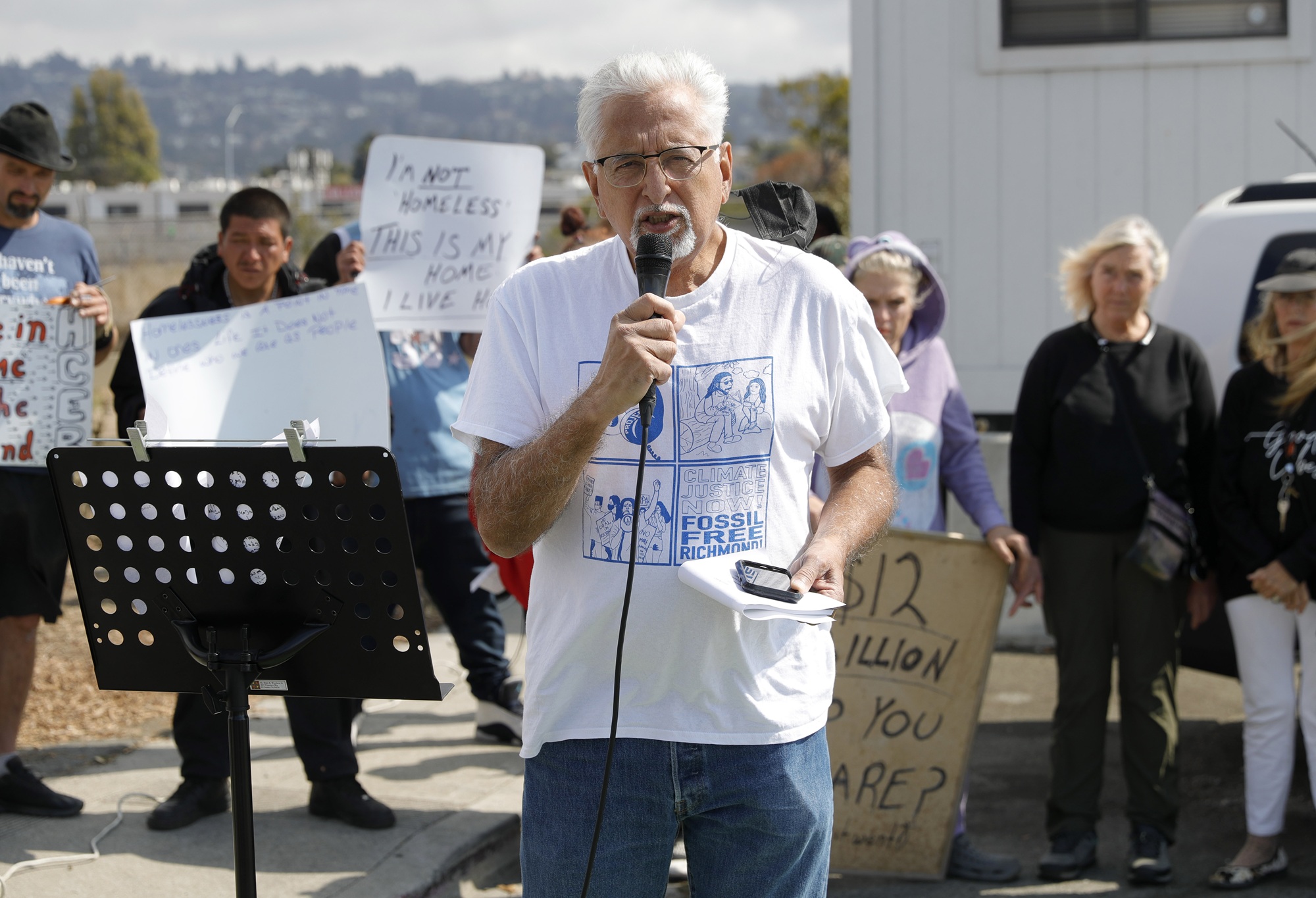
window.__IS_SSR__=true
window.__INITIAL_STATE__={
"attachmentsReducer": {
"audio_0": {
"type": "attachments",
"id": "audio_0",
"imgSizes": {
"kqedFullSize": {
"file": "https://ww2.kqed.org/news/wp-content/themes/KQED-unified/img/audio_bgs/background0.jpg"
}
}
},
"audio_1": {
"type": "attachments",
"id": "audio_1",
"imgSizes": {
"kqedFullSize": {
"file": "https://ww2.kqed.org/news/wp-content/themes/KQED-unified/img/audio_bgs/background1.jpg"
}
}
},
"audio_2": {
"type": "attachments",
"id": "audio_2",
"imgSizes": {
"kqedFullSize": {
"file": "https://ww2.kqed.org/news/wp-content/themes/KQED-unified/img/audio_bgs/background2.jpg"
}
}
},
"audio_3": {
"type": "attachments",
"id": "audio_3",
"imgSizes": {
"kqedFullSize": {
"file": "https://ww2.kqed.org/news/wp-content/themes/KQED-unified/img/audio_bgs/background3.jpg"
}
}
},
"audio_4": {
"type": "attachments",
"id": "audio_4",
"imgSizes": {
"kqedFullSize": {
"file": "https://ww2.kqed.org/news/wp-content/themes/KQED-unified/img/audio_bgs/background4.jpg"
}
}
},
"placeholder": {
"type": "attachments",
"id": "placeholder",
"imgSizes": {
"thumbnail": {
"file": "https://cdn.kqed.org/wp-content/uploads/2024/12/KQED-Default-Image-816638274-2000x1333-1-160x107.jpg",
"width": 160,
"height": 107,
"mimeType": "image/jpeg"
},
"medium": {
"file": "https://cdn.kqed.org/wp-content/uploads/2024/12/KQED-Default-Image-816638274-2000x1333-1-800x533.jpg",
"width": 800,
"height": 533,
"mimeType": "image/jpeg"
},
"medium_large": {
"file": "https://cdn.kqed.org/wp-content/uploads/2024/12/KQED-Default-Image-816638274-2000x1333-1-768x512.jpg",
"width": 768,
"height": 512,
"mimeType": "image/jpeg"
},
"large": {
"file": "https://cdn.kqed.org/wp-content/uploads/2024/12/KQED-Default-Image-816638274-2000x1333-1-1020x680.jpg",
"width": 1020,
"height": 680,
"mimeType": "image/jpeg"
},
"1536x1536": {
"file": "https://cdn.kqed.org/wp-content/uploads/2024/12/KQED-Default-Image-816638274-2000x1333-1-1536x1024.jpg",
"width": 1536,
"height": 1024,
"mimeType": "image/jpeg"
},
"fd-lrg": {
"file": "https://cdn.kqed.org/wp-content/uploads/2024/12/KQED-Default-Image-816638274-2000x1333-1-1536x1024.jpg",
"width": 1536,
"height": 1024,
"mimeType": "image/jpeg"
},
"fd-med": {
"file": "https://cdn.kqed.org/wp-content/uploads/2024/12/KQED-Default-Image-816638274-2000x1333-1-1020x680.jpg",
"width": 1020,
"height": 680,
"mimeType": "image/jpeg"
},
"fd-sm": {
"file": "https://cdn.kqed.org/wp-content/uploads/2024/12/KQED-Default-Image-816638274-2000x1333-1-800x533.jpg",
"width": 800,
"height": 533,
"mimeType": "image/jpeg"
},
"post-thumbnail": {
"file": "https://cdn.kqed.org/wp-content/uploads/2024/12/KQED-Default-Image-816638274-2000x1333-1-672x372.jpg",
"width": 672,
"height": 372,
"mimeType": "image/jpeg"
},
"twentyfourteen-full-width": {
"file": "https://cdn.kqed.org/wp-content/uploads/2024/12/KQED-Default-Image-816638274-2000x1333-1-1038x576.jpg",
"width": 1038,
"height": 576,
"mimeType": "image/jpeg"
},
"xxsmall": {
"file": "https://cdn.kqed.org/wp-content/uploads/2024/12/KQED-Default-Image-816638274-2000x1333-1-160x107.jpg",
"width": 160,
"height": 107,
"mimeType": "image/jpeg"
},
"xsmall": {
"file": "https://cdn.kqed.org/wp-content/uploads/2024/12/KQED-Default-Image-816638274-2000x1333-1-672x372.jpg",
"width": 672,
"height": 372,
"mimeType": "image/jpeg"
},
"small": {
"file": "https://cdn.kqed.org/wp-content/uploads/2024/12/KQED-Default-Image-816638274-2000x1333-1-672x372.jpg",
"width": 672,
"height": 372,
"mimeType": "image/jpeg"
},
"xlarge": {
"file": "https://cdn.kqed.org/wp-content/uploads/2024/12/KQED-Default-Image-816638274-2000x1333-1-1020x680.jpg",
"width": 1020,
"height": 680,
"mimeType": "image/jpeg"
},
"full-width": {
"file": "https://cdn.kqed.org/wp-content/uploads/2024/12/KQED-Default-Image-816638274-2000x1333-1-1920x1280.jpg",
"width": 1920,
"height": 1280,
"mimeType": "image/jpeg"
},
"guest-author-32": {
"file": "https://cdn.kqed.org/wp-content/uploads/2025/01/KQED-Default-Image-816638274-1333x1333-1-160x160.jpg",
"width": 32,
"height": 32,
"mimeType": "image/jpeg"
},
"guest-author-50": {
"file": "https://cdn.kqed.org/wp-content/uploads/2025/01/KQED-Default-Image-816638274-1333x1333-1-160x160.jpg",
"width": 50,
"height": 50,
"mimeType": "image/jpeg"
},
"guest-author-64": {
"file": "https://cdn.kqed.org/wp-content/uploads/2025/01/KQED-Default-Image-816638274-1333x1333-1-160x160.jpg",
"width": 64,
"height": 64,
"mimeType": "image/jpeg"
},
"guest-author-96": {
"file": "https://cdn.kqed.org/wp-content/uploads/2025/01/KQED-Default-Image-816638274-1333x1333-1-160x160.jpg",
"width": 96,
"height": 96,
"mimeType": "image/jpeg"
},
"guest-author-128": {
"file": "https://cdn.kqed.org/wp-content/uploads/2025/01/KQED-Default-Image-816638274-1333x1333-1-160x160.jpg",
"width": 128,
"height": 128,
"mimeType": "image/jpeg"
},
"detail": {
"file": "https://cdn.kqed.org/wp-content/uploads/2025/01/KQED-Default-Image-816638274-1333x1333-1-160x160.jpg",
"width": 160,
"height": 160,
"mimeType": "image/jpeg"
},
"kqedFullSize": {
"file": "https://cdn.kqed.org/wp-content/uploads/2024/12/KQED-Default-Image-816638274-2000x1333-1.jpg",
"width": 2000,
"height": 1333
}
}
},
"news_12067974": {
"type": "attachments",
"id": "news_12067974",
"meta": {
"index": "attachments_1716263798",
"site": "news",
"id": "12067974",
"found": true
},
"title": "Homeless Encampment Rally",
"publishDate": 1766167437,
"status": "inherit",
"parent": 0,
"modified": 1766167504,
"caption": "Then-Richmond Vice Mayor at large, Eduardo Martinez, speaks during a press conference at a homeless encampment on Rydin Road in Richmond, California, on Sept. 15, 2022. After Martinez, who's now the mayor, reposted a series of antisemitic posts on LinkedIn, one council colleague also said it’s not the first time he’s shared problematic content.",
"credit": "Jane Tyska/Digital First Media/East Bay Times via Getty Images",
"altTag": null,
"description": null,
"imgSizes": {
"thumbnail": {
"file": "https://cdn.kqed.org/wp-content/uploads/sites/10/2025/12/Eduardo-Martinez-Getty-160x109.jpg",
"width": 160,
"height": 109,
"mimeType": "image/jpeg"
},
"1536x1536": {
"file": "https://cdn.kqed.org/wp-content/uploads/sites/10/2025/12/Eduardo-Martinez-Getty-1536x1048.jpg",
"width": 1536,
"height": 1048,
"mimeType": "image/jpeg"
},
"post-thumbnail": {
"file": "https://cdn.kqed.org/wp-content/uploads/sites/10/2025/12/Eduardo-Martinez-Getty-672x372.jpg",
"width": 672,
"height": 372,
"mimeType": "image/jpeg"
},
"twentyfourteen-full-width": {
"file": "https://cdn.kqed.org/wp-content/uploads/sites/10/2025/12/Eduardo-Martinez-Getty-1038x576.jpg",
"width": 1038,
"height": 576,
"mimeType": "image/jpeg"
},
"npr-cds-wide": {
"file": "https://cdn.kqed.org/wp-content/uploads/sites/10/2025/12/Eduardo-Martinez-Getty-1200x675.jpg",
"width": 1200,
"height": 675,
"mimeType": "image/jpeg"
},
"kqedFullSize": {
"file": "https://cdn.kqed.org/wp-content/uploads/sites/10/2025/12/Eduardo-Martinez-Getty.jpg",
"width": 2000,
"height": 1365
}
},
"isLoading": false,
"fetchFailed": false
},
"news_12068008": {
"type": "attachments",
"id": "news_12068008",
"meta": {
"index": "attachments_1716263798",
"site": "news",
"id": "12068008",
"found": true
},
"title": "251201-NewSFSupervisor-16-BL_qed",
"publishDate": 1766171433,
"status": "inherit",
"parent": 12067992,
"modified": 1766171467,
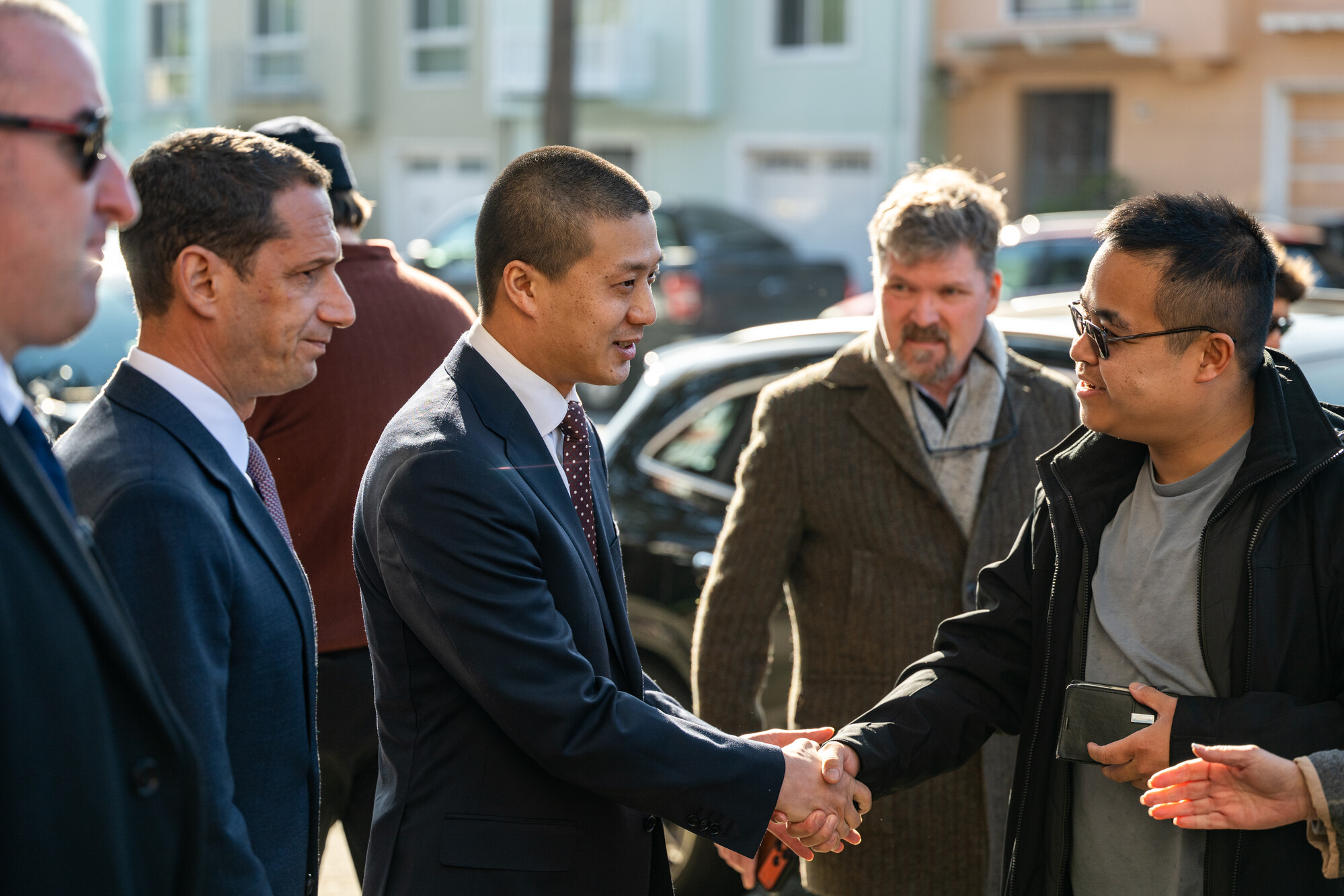
"caption": "Alan Wong greets members of the public after he is sworn in as District 4 supervisor by Mayor Daniel Lurie at Abraham Lincoln High School in San Francisco on Dec. 1, 2025.",
"credit": "Beth LaBerge/KQED",
"altTag": null,
"description": null,
"imgSizes": {
"thumbnail": {
"file": "https://cdn.kqed.org/wp-content/uploads/sites/10/2025/12/251201-NewSFSupervisor-16-BL_qed-160x107.jpg",
"width": 160,
"height": 107,
"mimeType": "image/jpeg"
},
"1536x1536": {
"file": "https://cdn.kqed.org/wp-content/uploads/sites/10/2025/12/251201-NewSFSupervisor-16-BL_qed-1536x1024.jpg",
"width": 1536,
"height": 1024,
"mimeType": "image/jpeg"
},
"post-thumbnail": {
"file": "https://cdn.kqed.org/wp-content/uploads/sites/10/2025/12/251201-NewSFSupervisor-16-BL_qed-672x372.jpg",
"width": 672,
"height": 372,
"mimeType": "image/jpeg"
},
"twentyfourteen-full-width": {
"file": "https://cdn.kqed.org/wp-content/uploads/sites/10/2025/12/251201-NewSFSupervisor-16-BL_qed-1038x576.jpg",
"width": 1038,
"height": 576,
"mimeType": "image/jpeg"
},
"npr-cds-wide": {
"file": "https://cdn.kqed.org/wp-content/uploads/sites/10/2025/12/251201-NewSFSupervisor-16-BL_qed-1200x675.jpg",
"width": 1200,
"height": 675,
"mimeType": "image/jpeg"
},
"kqedFullSize": {
"file": "https://cdn.kqed.org/wp-content/uploads/sites/10/2025/12/251201-NewSFSupervisor-16-BL_qed.jpg",
"width": 1999,
"height": 1333
}
},
"isLoading": false,
"fetchFailed": false
},
"news_12067949": {
"type": "attachments",
"id": "news_12067949",
"meta": {
"index": "attachments_1716263798",
"site": "news",
"id": "12067949",
"found": true
},
"title": "251218-SF LAND TRUST-MD-03-KQED",
"publishDate": 1766116586,
"status": "inherit",
"parent": 0,
"modified": 1766116620,
"caption": "Alana Herron and Robert Geller outside their building, which was recently purchased by SF Community Land Trust at 16th and Guerrero, on Dec. 18, 2025.",
"credit": "Martin do Nascimento/KQED",
"altTag": null,
"description": null,
"imgSizes": {
"thumbnail": {
"file": "https://cdn.kqed.org/wp-content/uploads/sites/10/2025/12/251218-SF-LAND-TRUST-MD-03-KQED-160x107.jpg",
"width": 160,
"height": 107,
"mimeType": "image/jpeg"
},
"1536x1536": {
"file": "https://cdn.kqed.org/wp-content/uploads/sites/10/2025/12/251218-SF-LAND-TRUST-MD-03-KQED-1536x1025.jpg",
"width": 1536,
"height": 1025,
"mimeType": "image/jpeg"
},
"post-thumbnail": {
"file": "https://cdn.kqed.org/wp-content/uploads/sites/10/2025/12/251218-SF-LAND-TRUST-MD-03-KQED-672x372.jpg",
"width": 672,
"height": 372,
"mimeType": "image/jpeg"
},
"twentyfourteen-full-width": {
"file": "https://cdn.kqed.org/wp-content/uploads/sites/10/2025/12/251218-SF-LAND-TRUST-MD-03-KQED-1038x576.jpg",
"width": 1038,
"height": 576,
"mimeType": "image/jpeg"
},
"npr-cds-wide": {
"file": "https://cdn.kqed.org/wp-content/uploads/sites/10/2025/12/251218-SF-LAND-TRUST-MD-03-KQED-1200x675.jpg",
"width": 1200,
"height": 675,
"mimeType": "image/jpeg"
},
"kqedFullSize": {
"file": "https://cdn.kqed.org/wp-content/uploads/sites/10/2025/12/251218-SF-LAND-TRUST-MD-03-KQED.jpg",
"width": 2000,
"height": 1334
}
},
"isLoading": false,
"fetchFailed": false
},
"news_12067968": {
"type": "attachments",
"id": "news_12067968",
"meta": {
"index": "attachments_1716263798",
"site": "news",
"id": "12067968",
"found": true
},
"title": "Mass Shooting In Stockton",
"publishDate": 1766165881,
"status": "inherit",
"parent": 12067852,
"modified": 1766169491,
"caption": "Tiffany Dobson joins a prayer with over 100 people in a vigil near the site at Thornton Boulevard. \"I can't stand for it,\" Dobson said, of the violence.",
"credit": "Brontë Wittpenn/San Francisco Chronicle via Getty Images",
"altTag": null,
"description": null,
"imgSizes": {
"medium": {
"file": "https://cdn.kqed.org/wp-content/uploads/sites/10/2025/12/GettyImages-2248702777-2000x1334.jpg",
"width": 2000,
"height": 1334,
"mimeType": "image/jpeg"
},
"large": {
"file": "https://cdn.kqed.org/wp-content/uploads/sites/10/2025/12/GettyImages-2248702777-2000x1334.jpg",
"width": 2000,
"height": 1334,
"mimeType": "image/jpeg"
},
"thumbnail": {
"file": "https://cdn.kqed.org/wp-content/uploads/sites/10/2025/12/GettyImages-2248702777-160x107.jpg",
"width": 160,
"height": 107,
"mimeType": "image/jpeg"
},
"1536x1536": {
"file": "https://cdn.kqed.org/wp-content/uploads/sites/10/2025/12/GettyImages-2248702777-1536x1025.jpg",
"width": 1536,
"height": 1025,
"mimeType": "image/jpeg"
},
"2048x2048": {
"file": "https://cdn.kqed.org/wp-content/uploads/sites/10/2025/12/GettyImages-2248702777-2048x1366.jpg",
"width": 2048,
"height": 1366,
"mimeType": "image/jpeg"
},
"post-thumbnail": {
"file": "https://cdn.kqed.org/wp-content/uploads/sites/10/2025/12/GettyImages-2248702777-672x372.jpg",
"width": 672,
"height": 372,
"mimeType": "image/jpeg"
},
"twentyfourteen-full-width": {
"file": "https://cdn.kqed.org/wp-content/uploads/sites/10/2025/12/GettyImages-2248702777-1038x576.jpg",
"width": 1038,
"height": 576,
"mimeType": "image/jpeg"
},
"full-width": {
"file": "https://cdn.kqed.org/wp-content/uploads/sites/10/2025/12/GettyImages-2248702777-2000x1334.jpg",
"width": 2000,
"height": 1334,
"mimeType": "image/jpeg"
},
"npr-cds-wide": {
"file": "https://cdn.kqed.org/wp-content/uploads/sites/10/2025/12/GettyImages-2248702777-1200x675.jpg",
"width": 1200,
"height": 675,
"mimeType": "image/jpeg"
},
"kqedFullSize": {
"file": "https://cdn.kqed.org/wp-content/uploads/sites/10/2025/12/GettyImages-2248702777-scaled.jpg",
"width": 2560,
"height": 1708
}
},
"isLoading": false,
"fetchFailed": false
},
"news_12067916": {
"type": "attachments",
"id": "news_12067916",
"meta": {
"index": "attachments_1716263798",
"site": "news",
"id": "12067916",
"found": true
},
"title": "MigrantDayKQED",
"publishDate": 1766104573,
"status": "inherit",
"parent": 12067803,
"modified": 1766107014,
"caption": "Services, Immigrant Rights & Education Network’s Executive Director Huy Tran speaks during an International Migrants Day press conference on Dec. 18, 2025.",
"credit": "Ayah Ali-Ahmad/KQED",
"altTag": null,
"description": null,
"imgSizes": {
"thumbnail": {
"file": "https://cdn.kqed.org/wp-content/uploads/sites/10/2025/12/MigrantDayKQED-160x120.jpg",
"width": 160,
"height": 120,
"mimeType": "image/jpeg"
},
"1536x1536": {
"file": "https://cdn.kqed.org/wp-content/uploads/sites/10/2025/12/MigrantDayKQED-1536x1152.jpg",
"width": 1536,
"height": 1152,
"mimeType": "image/jpeg"
},
"post-thumbnail": {
"file": "https://cdn.kqed.org/wp-content/uploads/sites/10/2025/12/MigrantDayKQED-672x372.jpg",
"width": 672,
"height": 372,
"mimeType": "image/jpeg"
},
"twentyfourteen-full-width": {
"file": "https://cdn.kqed.org/wp-content/uploads/sites/10/2025/12/MigrantDayKQED-1038x576.jpg",
"width": 1038,
"height": 576,
"mimeType": "image/jpeg"
},
"npr-cds-wide": {
"file": "https://cdn.kqed.org/wp-content/uploads/sites/10/2025/12/MigrantDayKQED-1200x675.jpg",
"width": 1200,
"height": 675,
"mimeType": "image/jpeg"
},
"kqedFullSize": {
"file": "https://cdn.kqed.org/wp-content/uploads/sites/10/2025/12/MigrantDayKQED.jpg",
"width": 2000,
"height": 1500
}
},
"isLoading": false,
"fetchFailed": false
},
"news_12067863": {
"type": "attachments",
"id": "news_12067863",
"meta": {
"index": "attachments_1716263798",
"site": "news",
"id": "12067863",
"found": true
},
"title": "251217-CLIPPER-EQUITY-MD-02-KQED-1",
"publishDate": 1766096293,
"status": "inherit",
"parent": 12067662,
"modified": 1766167611,
"caption": "Silvia Matias and her daughter Maria wait for their bus at the Eastmont Transit Center in Oakland on Dec. 17, 2025.",
"credit": "Martin do Nascimento/KQED",
"altTag": null,
"description": null,
"imgSizes": {
"thumbnail": {
"file": "https://cdn.kqed.org/wp-content/uploads/sites/10/2025/12/251217-CLIPPER-EQUITY-MD-02-KQED-1-1-160x107.jpg",
"width": 160,
"height": 107,
"mimeType": "image/jpeg"
},
"1536x1536": {
"file": "https://cdn.kqed.org/wp-content/uploads/sites/10/2025/12/251217-CLIPPER-EQUITY-MD-02-KQED-1-1-1536x1025.jpg",
"width": 1536,
"height": 1025,
"mimeType": "image/jpeg"
},
"post-thumbnail": {
"file": "https://cdn.kqed.org/wp-content/uploads/sites/10/2025/12/251217-CLIPPER-EQUITY-MD-02-KQED-1-1-672x372.jpg",
"width": 672,
"height": 372,
"mimeType": "image/jpeg"
},
"twentyfourteen-full-width": {
"file": "https://cdn.kqed.org/wp-content/uploads/sites/10/2025/12/251217-CLIPPER-EQUITY-MD-02-KQED-1-1-1038x576.jpg",
"width": 1038,
"height": 576,
"mimeType": "image/jpeg"
},
"npr-cds-wide": {
"file": "https://cdn.kqed.org/wp-content/uploads/sites/10/2025/12/251217-CLIPPER-EQUITY-MD-02-KQED-1-1-1200x675.jpg",
"width": 1200,
"height": 675,
"mimeType": "image/jpeg"
},
"kqedFullSize": {
"file": "https://cdn.kqed.org/wp-content/uploads/sites/10/2025/12/251217-CLIPPER-EQUITY-MD-02-KQED-1-1.jpg",
"width": 2000,
"height": 1334
}
},
"isLoading": false,
"fetchFailed": false
},
"news_11934069": {
"type": "attachments",
"id": "news_11934069",
"meta": {
"index": "attachments_1716263798",
"site": "news",
"id": "11934069",
"found": true
},
"title": "Close up of unrecognizable mother pouring cough syrup into the spoon.",
"publishDate": 1670188795,
"status": "inherit",
"parent": 11934066,
"modified": 1766100851,
"caption": "Drug manufacturers point to a big spike in demand due to the surge in three respiratory viruses: COVID, RSV and influenza, in what has been termed a 'tripledemic.'",
"credit": "Sky Nesher/Getty Images",
"altTag": "Close-up of an unrecognizable single mother pouring syrup into a spoon for her sick child.",
"description": null,
"imgSizes": {
"medium": {
"file": "https://cdn.kqed.org/wp-content/uploads/sites/10/2022/12/GettyImages-1262848052-800x533.jpg",
"width": 800,
"height": 533,
"mimeType": "image/jpeg"
},
"large": {
"file": "https://cdn.kqed.org/wp-content/uploads/sites/10/2022/12/GettyImages-1262848052-1020x680.jpg",
"width": 1020,
"height": 680,
"mimeType": "image/jpeg"
},
"thumbnail": {
"file": "https://cdn.kqed.org/wp-content/uploads/sites/10/2022/12/GettyImages-1262848052-160x107.jpg",
"width": 160,
"height": 107,
"mimeType": "image/jpeg"
},
"1536x1536": {
"file": "https://cdn.kqed.org/wp-content/uploads/sites/10/2022/12/GettyImages-1262848052-1536x1024.jpg",
"width": 1536,
"height": 1024,
"mimeType": "image/jpeg"
},
"2048x2048": {
"file": "https://cdn.kqed.org/wp-content/uploads/sites/10/2022/12/GettyImages-1262848052-2048x1365.jpg",
"width": 2048,
"height": 1365,
"mimeType": "image/jpeg"
},
"post-thumbnail": {
"file": "https://cdn.kqed.org/wp-content/uploads/sites/10/2022/12/GettyImages-1262848052-672x372.jpg",
"width": 672,
"height": 372,
"mimeType": "image/jpeg"
},
"twentyfourteen-full-width": {
"file": "https://cdn.kqed.org/wp-content/uploads/sites/10/2022/12/GettyImages-1262848052-1038x576.jpg",
"width": 1038,
"height": 576,
"mimeType": "image/jpeg"
},
"full-width": {
"file": "https://cdn.kqed.org/wp-content/uploads/sites/10/2022/12/GettyImages-1262848052-1920x1280.jpg",
"width": 1920,
"height": 1280,
"mimeType": "image/jpeg"
},
"kqedFullSize": {
"file": "https://cdn.kqed.org/wp-content/uploads/sites/10/2022/12/GettyImages-1262848052-e1766080027931.jpg",
"width": 2000,
"height": 1333
}
},
"isLoading": false,
"fetchFailed": false
},
"news_12050362": {
"type": "attachments",
"id": "news_12050362",
"meta": {
"index": "attachments_1716263798",
"site": "news",
"id": "12050362",
"found": true
},
"title": "A Berkeley Police Department squad car in Berkeley on July 30, 2025.",
"publishDate": 1753918800,
"status": "inherit",
"parent": 12093784,
"modified": 1785800233,
"caption": "A Berkeley Police Department squad car in Berkeley on July 30, 2025.",
"credit": "Martin do Nascimento/KQED",
"altTag": null,
"description": null,
"imgSizes": {
"thumbnail": {
"file": "https://cdn.kqed.org/wp-content/uploads/sites/10/2025/07/250730-BERKELEY-POLICE-DEPARTMENT-BPD-FILE-MD-01-KQED-160x107.jpg",
"width": 160,
"height": 107,
"mimeType": "image/jpeg"
},
"1536x1536": {
"file": "https://cdn.kqed.org/wp-content/uploads/sites/10/2025/07/250730-BERKELEY-POLICE-DEPARTMENT-BPD-FILE-MD-01-KQED-1536x1024.jpg",
"width": 1536,
"height": 1024,
"mimeType": "image/jpeg"
},
"post-thumbnail": {
"file": "https://cdn.kqed.org/wp-content/uploads/sites/10/2025/07/250730-BERKELEY-POLICE-DEPARTMENT-BPD-FILE-MD-01-KQED-672x372.jpg",
"width": 672,
"height": 372,
"mimeType": "image/jpeg"
},
"twentyfourteen-full-width": {
"file": "https://cdn.kqed.org/wp-content/uploads/sites/10/2025/07/250730-BERKELEY-POLICE-DEPARTMENT-BPD-FILE-MD-01-KQED-1038x576.jpg",
"width": 1038,
"height": 576,
"mimeType": "image/jpeg"
},
"kqedFullSize": {
"file": "https://cdn.kqed.org/wp-content/uploads/sites/10/2025/07/250730-BERKELEY-POLICE-DEPARTMENT-BPD-FILE-MD-01-KQED.jpg",
"width": 2000,
"height": 1333
}
},
"isLoading": false,
"fetchFailed": false
},
"news_12067555": {
"type": "attachments",
"id": "news_12067555",
"meta": {
"index": "attachments_1716263798",
"site": "news",
"id": "12067555",
"found": true
},
"title": "Parents Of Trans Children Protest Sutter's End To Gender-Affirming Care",
"publishDate": 1765996929,
"status": "inherit",
"parent": 12067552,
"modified": 1765997015,
"caption": "Members of Rainbow Families Action march from Bay Street in Emeryville, California, on Monday, Dec. 8, 2025, to the Sutter corporate offices on Powell Street to protest the end of gender-affirming care to patients under age 19. ",
"credit": "Jessica Christian/San Francisco Chronicle via Getty Images",
"altTag": null,
"description": null,
"imgSizes": {
"thumbnail": {
"file": "https://cdn.kqed.org/wp-content/uploads/sites/10/2025/12/SutterHealthGenderAffirmingCareGetty-160x107.jpg",
"width": 160,
"height": 107,
"mimeType": "image/jpeg"
},
"1536x1536": {
"file": "https://cdn.kqed.org/wp-content/uploads/sites/10/2025/12/SutterHealthGenderAffirmingCareGetty-1536x1024.jpg",
"width": 1536,
"height": 1024,
"mimeType": "image/jpeg"
},
"post-thumbnail": {
"file": "https://cdn.kqed.org/wp-content/uploads/sites/10/2025/12/SutterHealthGenderAffirmingCareGetty-672x372.jpg",
"width": 672,
"height": 372,
"mimeType": "image/jpeg"
},
"twentyfourteen-full-width": {
"file": "https://cdn.kqed.org/wp-content/uploads/sites/10/2025/12/SutterHealthGenderAffirmingCareGetty-1038x576.jpg",
"width": 1038,
"height": 576,
"mimeType": "image/jpeg"
},
"npr-cds-wide": {
"file": "https://cdn.kqed.org/wp-content/uploads/sites/10/2025/12/SutterHealthGenderAffirmingCareGetty-1200x675.jpg",
"width": 1200,
"height": 675,
"mimeType": "image/jpeg"
},
"kqedFullSize": {
"file": "https://cdn.kqed.org/wp-content/uploads/sites/10/2025/12/SutterHealthGenderAffirmingCareGetty.jpg",
"width": 2000,
"height": 1333
}
},
"isLoading": false,
"fetchFailed": false
},
"news_12043210": {
"type": "attachments",
"id": "news_12043210",
"meta": {
"index": "attachments_1716263798",
"site": "news",
"id": "12043210",
"found": true
},
"title": "The Oakland Unified School District Offices in Oakland on April 28, 2025.",
"publishDate": 1749254496,
"status": "inherit",
"parent": 12043062,
"modified": 1749254510,
"caption": "The Oakland Unified School District Offices in Oakland on April 28, 2025.",
"credit": "Martin do Nascimento/KQED",
"altTag": null,
"description": null,
"imgSizes": {
"thumbnail": {
"file": "https://cdn.kqed.org/wp-content/uploads/sites/10/2025/06/250428-OUSD-OFFICE-FILE-MD-04_qed-160x107.jpg",
"width": 160,
"height": 107,
"mimeType": "image/jpeg"
},
"1536x1536": {
"file": "https://cdn.kqed.org/wp-content/uploads/sites/10/2025/06/250428-OUSD-OFFICE-FILE-MD-04_qed-1536x1024.jpg",
"width": 1536,
"height": 1024,
"mimeType": "image/jpeg"
},
"post-thumbnail": {
"file": "https://cdn.kqed.org/wp-content/uploads/sites/10/2025/06/250428-OUSD-OFFICE-FILE-MD-04_qed-672x372.jpg",
"width": 672,
"height": 372,
"mimeType": "image/jpeg"
},
"twentyfourteen-full-width": {
"file": "https://cdn.kqed.org/wp-content/uploads/sites/10/2025/06/250428-OUSD-OFFICE-FILE-MD-04_qed-1038x576.jpg",
"width": 1038,
"height": 576,
"mimeType": "image/jpeg"
},
"kqedFullSize": {
"file": "https://cdn.kqed.org/wp-content/uploads/sites/10/2025/06/250428-OUSD-OFFICE-FILE-MD-04_qed.jpg",
"width": 2000,
"height": 1333
}
},
"isLoading": false,
"fetchFailed": false
},
"news_12066777": {
"type": "attachments",
"id": "news_12066777",
"meta": {
"index": "attachments_1716263798",
"site": "news",
"id": "12066777",
"found": true
},
"title": "251210-License-Plate Readers-01-KQED",
"publishDate": 1765483809,
"status": "inherit",
"parent": 12074467,
"modified": 1772045309,
"caption": "Law enforcement agencies are deploying vehicle-tracking networks with settings that can make local data nationally searchable, opening the door to federal access even in cities that consider themselves sanctuaries for immigrants and others targeted by the Trump administration.",
"credit": "Courtesy of Flock Safety",
"altTag": null,
"description": null,
"imgSizes": {
"thumbnail": {
"file": "https://cdn.kqed.org/wp-content/uploads/sites/10/2025/12/251210-License-Plate-Readers-01-KQED-160x107.jpg",
"width": 160,
"height": 107,
"mimeType": "image/jpeg"
},
"post-thumbnail": {
"file": "https://cdn.kqed.org/wp-content/uploads/sites/10/2025/12/251210-License-Plate-Readers-01-KQED-672x372.jpg",
"width": 672,
"height": 372,
"mimeType": "image/jpeg"
},
"twentyfourteen-full-width": {
"file": "https://cdn.kqed.org/wp-content/uploads/sites/10/2025/12/251210-License-Plate-Readers-01-KQED-1038x576.jpg",
"width": 1038,
"height": 576,
"mimeType": "image/jpeg"
},
"npr-cds-wide": {
"file": "https://cdn.kqed.org/wp-content/uploads/sites/10/2025/12/251210-License-Plate-Readers-01-KQED-1200x675.jpg",
"width": 1200,
"height": 675,
"mimeType": "image/jpeg"
},
"kqedFullSize": {
"file": "https://cdn.kqed.org/wp-content/uploads/sites/10/2025/12/251210-License-Plate-Readers-01-KQED.jpg",
"width": 1279,
"height": 853
}
},
"isLoading": false,
"fetchFailed": false
},
"news_12067594": {
"type": "attachments",
"id": "news_12067594",
"meta": {
"index": "attachments_1716263798",
"site": "news",
"id": "12067594",
"found": true
},
"title": "Barbara in Gaza",
"publishDate": 1766002310,
"status": "inherit",
"parent": 0,
"modified": 1766002873,
"caption": "Lubin greets children in Gaza in 2012. ",
"credit": "Couresy of the Middle East Children's Alliance",
"altTag": null,
"description": null,
"imgSizes": {
"medium": {
"file": "https://cdn.kqed.org/wp-content/uploads/sites/10/2025/12/Barbara-in-Gaza-2000x1328.jpg",
"width": 2000,
"height": 1328,
"mimeType": "image/jpeg"
},
"large": {
"file": "https://cdn.kqed.org/wp-content/uploads/sites/10/2025/12/Barbara-in-Gaza-2000x1328.jpg",
"width": 2000,
"height": 1328,
"mimeType": "image/jpeg"
},
"thumbnail": {
"file": "https://cdn.kqed.org/wp-content/uploads/sites/10/2025/12/Barbara-in-Gaza-160x106.jpg",
"width": 160,
"height": 106,
"mimeType": "image/jpeg"
},
"1536x1536": {
"file": "https://cdn.kqed.org/wp-content/uploads/sites/10/2025/12/Barbara-in-Gaza-1536x1020.jpg",
"width": 1536,
"height": 1020,
"mimeType": "image/jpeg"
},
"2048x2048": {
"file": "https://cdn.kqed.org/wp-content/uploads/sites/10/2025/12/Barbara-in-Gaza-2048x1360.jpg",
"width": 2048,
"height": 1360,
"mimeType": "image/jpeg"
},
"post-thumbnail": {
"file": "https://cdn.kqed.org/wp-content/uploads/sites/10/2025/12/Barbara-in-Gaza-672x372.jpg",
"width": 672,
"height": 372,
"mimeType": "image/jpeg"
},
"twentyfourteen-full-width": {
"file": "https://cdn.kqed.org/wp-content/uploads/sites/10/2025/12/Barbara-in-Gaza-1038x576.jpg",
"width": 1038,
"height": 576,
"mimeType": "image/jpeg"
},
"full-width": {
"file": "https://cdn.kqed.org/wp-content/uploads/sites/10/2025/12/Barbara-in-Gaza-2000x1328.jpg",
"width": 2000,
"height": 1328,
"mimeType": "image/jpeg"
},
"npr-cds-wide": {
"file": "https://cdn.kqed.org/wp-content/uploads/sites/10/2025/12/Barbara-in-Gaza-1200x675.jpg",
"width": 1200,
"height": 675,
"mimeType": "image/jpeg"
},
"kqedFullSize": {
"file": "https://cdn.kqed.org/wp-content/uploads/sites/10/2025/12/Barbara-in-Gaza-scaled-e1766005397968.jpg",
"width": 2000,
"height": 1328
}
},
"isLoading": false,
"fetchFailed": false
}
},
"audioPlayerReducer": {
"postId": "stream_live",
"isPaused": true,
"isPlaying": false,
"pfsActive": false,
"pledgeModalIsOpen": true,
"playerDrawerIsOpen": false,
"liveAudioPlayStartedAt": 0,
"liveAudioPlayContext": ""
},
"authorsReducer": {
"rachael-myrow": {
"type": "authors",
"id": "251",
"meta": {
"index": "authors_1716337520",
"id": "251",
"found": true
},
"name": "Rachael Myrow",
"firstName": "Rachael",
"lastName": "Myrow",
"slug": "rachael-myrow",
"email": "rmyrow@kqed.org",
"display_author_email": true,
"staff_mastheads": [
"news"
],
"title": "Senior Editor of KQED's Silicon Valley News Desk",
"bio": "• I write and edit stories about how Silicon Valley power and policies shape everyday life in California. I’m also passionate about making Bay Area history and culture more accessible to a broad public. • I’ve been a journalist for most of my life, starting in high school with The Franklin Press in Los Angeles, where I grew up. While earning my first degree in English at UC Berkeley, I got my start in public radio at KALX-FM. After completing a second degree in journalism at Cal, I landed my first professional job at Marketplace, then moved on to KPCC (now LAist), and then KQED, where I hosted The California Report for more than seven years. • My reporting has appeared on NPR, The World, WBUR’s \u003ci>Here & Now\u003c/i>, and the BBC. I also guest host for KQED’s \u003ci>Forum\u003c/i>, as well as the Commonwealth Club in San Francisco. • I speak periodically on media, democracy and technology issues, and do voiceover work for documentaries and educational video projects. • Outside of the studio, you'll find me hiking Bay Area trails and whipping up Insta-ready meals in my kitchen. • I do not accept gifts, money, or favors from anyone connected to my reporting, I don't pay people for information, and I do not support or donate to political causes. • I strive to treat the people I report on with fairness, honesty, and respect. I also recognize there are often multiple sides to a story and work to verify information through multiple sources and documentation. If I get something wrong, I correct it.",
"avatar": "https://secure.gravatar.com/avatar/3ed8a3c5f26025e4a805ba634cda8cd764906b97438a6d9ce216b044e340da4e?s=600&d=blank&r=g",
"twitter": "rachaelmyrow",
"bluesky": null,
"facebook": null,
"instagram": null,
"linkedin": "https://www.linkedin.com/in/rachaelmyrow/",
"sites": [
{
"site": "arts",
"roles": [
"administrator"
]
},
{
"site": "news",
"roles": [
"edit_others_posts",
"editor"
]
},
{
"site": "futureofyou",
"roles": [
"editor"
]
},
{
"site": "bayareabites",
"roles": [
"editor"
]
},
{
"site": "stateofhealth",
"roles": [
"editor"
]
},
{
"site": "science",
"roles": [
"editor"
]
},
{
"site": "food",
"roles": [
"editor"
]
},
{
"site": "forum",
"roles": [
"editor"
]
},
{
"site": "liveblog",
"roles": [
"author"
]
}
],
"headData": {
"title": "Rachael Myrow | KQED",
"description": "Senior Editor of KQED's Silicon Valley News Desk",
"ogImgSrc": "https://secure.gravatar.com/avatar/3ed8a3c5f26025e4a805ba634cda8cd764906b97438a6d9ce216b044e340da4e?s=600&d=blank&r=g",
"twImgSrc": "https://secure.gravatar.com/avatar/3ed8a3c5f26025e4a805ba634cda8cd764906b97438a6d9ce216b044e340da4e?s=600&d=blank&r=g"
},
"isLoading": false,
"link": "/author/rachael-myrow"
},
"mlagos": {
"type": "authors",
"id": "3239",
"meta": {
"index": "authors_1716337520",
"id": "3239",
"found": true
},
"name": "Marisa Lagos",
"firstName": "Marisa",
"lastName": "Lagos",
"slug": "mlagos",
"email": "mlagos@kqed.org",
"display_author_email": false,
"staff_mastheads": [
"news"
],
"title": "KQED Contributor",
"bio": "Marisa Lagos is a correspondent for KQED’s California Politics and Government Desk and co-hosts the award-winning show and podcast, Political Breakdown. At KQED, Lagos also conducts reporting, analysis and investigations into state, local and national politics for radio, TV, online and onstage. In 2022, she and co-host, Scott Shafer, moderated the only gubernatorial debate in California. In 2020, the \u003ci>Washington Post\u003c/i> named her one of the top political journalists in California; she was nominated for a Peabody and won several other awards for her work investigating the 2017 California wildfires. She has worked at the \u003ci>San Francisco Chronicle\u003c/i>, \u003ci>San Francisco Examiner\u003c/i> and \u003ci>Los Angeles Times\u003c/i>. A UC Santa Barbara graduate, she lives in San Francisco with her two sons and husband.",
"avatar": "https://secure.gravatar.com/avatar/a261a0d3696fc066871ef96b85b5e7d2?s=600&d=blank&r=g",
"twitter": "@mlagos",
"facebook": null,
"instagram": null,
"linkedin": null,
"sites": [
{
"site": "arts",
"roles": [
"author"
]
},
{
"site": "news",
"roles": [
"editor"
]
},
{
"site": "science",
"roles": [
"editor"
]
},
{
"site": "forum",
"roles": [
"author"
]
},
{
"site": "liveblog",
"roles": [
"author"
]
}
],
"headData": {
"title": "Marisa Lagos | KQED",
"description": "KQED Contributor",
"ogImgSrc": "https://secure.gravatar.com/avatar/a261a0d3696fc066871ef96b85b5e7d2?s=600&d=blank&r=g",
"twImgSrc": "https://secure.gravatar.com/avatar/a261a0d3696fc066871ef96b85b5e7d2?s=600&d=blank&r=g"
},
"isLoading": false,
"link": "/author/mlagos"
},
"adahlstromeckman": {
"type": "authors",
"id": "11785",
"meta": {
"index": "authors_1716337520",
"id": "11785",
"found": true
},
"name": "Azul Dahlstrom-Eckman",
"firstName": "Azul",
"lastName": "Dahlstrom-Eckman",
"slug": "adahlstromeckman",
"email": "adahlstrom-eckman@kqed.org",
"display_author_email": true,
"staff_mastheads": [],
"title": "Reporter",
"bio": "Azul is a reporter for KQED focusing on transportation and features. He joined KQED in 2021 as an alumnus of KALW's Audio Academy radio journalism training program.",
"avatar": "https://secure.gravatar.com/avatar/9cb750298435add7815a777f55bf1f46845c1386bb8452555c60a7b820b5aba3?s=600&d=blank&r=g",
"twitter": "@zuliemann",
"bluesky": "@azul415.bsky.social",
"facebook": null,
"instagram": null,
"linkedin": null,
"sites": [
{
"site": "arts",
"roles": [
"editor"
]
},
{
"site": "news",
"roles": [
"editor"
]
},
{
"site": "science",
"roles": [
"editor"
]
},
{
"site": "liveblog",
"roles": [
"author"
]
}
],
"headData": {
"title": "Azul Dahlstrom-Eckman | KQED",
"description": "Reporter",
"ogImgSrc": "https://secure.gravatar.com/avatar/9cb750298435add7815a777f55bf1f46845c1386bb8452555c60a7b820b5aba3?s=600&d=blank&r=g",
"twImgSrc": "https://secure.gravatar.com/avatar/9cb750298435add7815a777f55bf1f46845c1386bb8452555c60a7b820b5aba3?s=600&d=blank&r=g"
},
"isLoading": false,
"link": "/author/adahlstromeckman"
},
"sjohnson": {
"type": "authors",
"id": "11840",
"meta": {
"index": "authors_1716337520",
"id": "11840",
"found": true
},
"name": "Sydney Johnson",
"firstName": "Sydney",
"lastName": "Johnson",
"slug": "sjohnson",
"email": "sjohnson@kqed.org",
"display_author_email": false,
"staff_mastheads": [
"news"
],
"title": "KQED Reporter",
"bio": "Sydney Johnson is a general assignment reporter at KQED. She previously reported on public health and city government at the San Francisco Examiner, and before that, she covered statewide education policy for EdSource. Her reporting has won multiple local, state and national awards. Sydney is a graduate of the University of California, Berkeley and lives in San Francisco.",
"avatar": "https://secure.gravatar.com/avatar/97855f2719b72ad6190b7c535fe642c8?s=600&d=blank&r=g",
"twitter": "sydneyfjohnson",
"facebook": null,
"instagram": null,
"linkedin": null,
"sites": [
{
"site": "news",
"roles": [
"editor"
]
}
],
"headData": {
"title": "Sydney Johnson | KQED",
"description": "KQED Reporter",
"ogImgSrc": "https://secure.gravatar.com/avatar/97855f2719b72ad6190b7c535fe642c8?s=600&d=blank&r=g",
"twImgSrc": "https://secure.gravatar.com/avatar/97855f2719b72ad6190b7c535fe642c8?s=600&d=blank&r=g"
},
"isLoading": false,
"link": "/author/sjohnson"
},
"kdebenedetti": {
"type": "authors",
"id": "11913",
"meta": {
"index": "authors_1716337520",
"id": "11913",
"found": true
},
"name": "Katie DeBenedetti",
"firstName": "Katie",
"lastName": "DeBenedetti",
"slug": "kdebenedetti",
"email": "kdebenedetti@kqed.org",
"display_author_email": false,
"staff_mastheads": [
"news",
"science"
],
"title": "KQED Contributor",
"bio": "Katie DeBenedetti is a digital reporter covering daily news for the Express Desk. Prior to joining KQED as a culture reporting intern in January 2024, she covered education and city government for the Napa Valley Register.",
"avatar": "https://secure.gravatar.com/avatar/6e31073cb8f7e4214ab03f42771d0f45?s=600&d=blank&r=g",
"twitter": null,
"facebook": null,
"instagram": null,
"linkedin": null,
"sites": [
{
"site": "news",
"roles": [
"author"
]
},
{
"site": "science",
"roles": [
"author"
]
},
{
"site": "liveblog",
"roles": [
"author"
]
}
],
"headData": {
"title": "Katie DeBenedetti | KQED",
"description": "KQED Contributor",
"ogImgSrc": "https://secure.gravatar.com/avatar/6e31073cb8f7e4214ab03f42771d0f45?s=600&d=blank&r=g",
"twImgSrc": "https://secure.gravatar.com/avatar/6e31073cb8f7e4214ab03f42771d0f45?s=600&d=blank&r=g"
},
"isLoading": false,
"link": "/author/kdebenedetti"
},
"emanoukian": {
"type": "authors",
"id": "11925",
"meta": {
"index": "authors_1716337520",
"id": "11925",
"found": true
},
"name": "Elize Manoukian",
"firstName": "Elize",
"lastName": "Manoukian",
"slug": "emanoukian",
"email": "emanoukian@KQED.org",
"display_author_email": false,
"staff_mastheads": [
"news"
],
"title": "Digital News Editor",
"bio": "Elize Manoukian is an award-winning audio producer and editor on the Express Desk, KQED's digital news platform. Her work has appeared on KPFA, Interlochen Public Radio, Oregon Public Broadcast, the New York Daily News, LA Times and the San Diego Union-Tribune. You can reach her at emanoukian@kqed.org.",
"avatar": "https://secure.gravatar.com/avatar/4525f1a8e46ccb30933b32653d9772064cfefe3fa655eb45b3b3a80341f6bdad?s=600&d=blank&r=g",
"twitter": null,
"bluesky": null,
"facebook": null,
"instagram": null,
"linkedin": null,
"sites": [
{
"site": "arts",
"roles": [
"editor"
]
},
{
"site": "news",
"roles": [
"editor"
]
},
{
"site": "science",
"roles": [
"editor"
]
}
],
"headData": {
"title": "Elize Manoukian | KQED",
"description": "Digital News Editor",
"ogImgSrc": "https://secure.gravatar.com/avatar/4525f1a8e46ccb30933b32653d9772064cfefe3fa655eb45b3b3a80341f6bdad?s=600&d=blank&r=g",
"twImgSrc": "https://secure.gravatar.com/avatar/4525f1a8e46ccb30933b32653d9772064cfefe3fa655eb45b3b3a80341f6bdad?s=600&d=blank&r=g"
},
"isLoading": false,
"link": "/author/emanoukian"
},
"aaliahmad": {
"type": "authors",
"id": "11986",
"meta": {
"index": "authors_1716337520",
"id": "11986",
"found": true
},
"name": "Ayah Ali-Ahmad",
"firstName": "Ayah",
"lastName": "Ali-Ahmad",
"slug": "aaliahmad",
"email": "aaliahmad@KQED.org",
"display_author_email": false,
"staff_mastheads": [],
"title": "KQED Contributor",
"bio": null,
"avatar": "https://secure.gravatar.com/avatar/1cf54f187a5e1064b2cfef3f3d2f1e4f93e453395d56912aca6382a6071ec3ed?s=600&d=blank&r=g",
"twitter": "ayahaliahmad",
"bluesky": null,
"facebook": null,
"instagram": null,
"linkedin": null,
"sites": [
{
"site": "news",
"roles": [
"subscriber"
]
}
],
"headData": {
"title": "Ayah Ali-Ahmad | KQED",
"description": "KQED Contributor",
"ogImgSrc": "https://secure.gravatar.com/avatar/1cf54f187a5e1064b2cfef3f3d2f1e4f93e453395d56912aca6382a6071ec3ed?s=600&d=blank&r=g",
"twImgSrc": "https://secure.gravatar.com/avatar/1cf54f187a5e1064b2cfef3f3d2f1e4f93e453395d56912aca6382a6071ec3ed?s=600&d=blank&r=g"
},
"isLoading": false,
"link": "/author/aaliahmad"
},
"epeppel": {
"type": "authors",
"id": "11989",
"meta": {
"index": "authors_1716337520",
"id": "11989",
"found": true
},
"name": "Eliza Peppel",
"firstName": "Eliza",
"lastName": "Peppel",
"slug": "epeppel",
"email": "epeppel@kqed.org",
"display_author_email": false,
"staff_mastheads": [],
"title": null,
"bio": "Eliza is an award-winning journalist living in Oakland. She was previously a reporting fellow at KALW, where she reported daily news and long-form radio features. Eliza studied journalism at Fordham University in The Bronx during the COVID-19 pandemic. She grew up mainly in California and spent a few childhood years in Aix en Provence, France.",
"avatar": "https://secure.gravatar.com/avatar/20d9e17a06ee787c11052e6096319dd583b6376233d02383dab5eaeb874d5f56?s=600&d=blank&r=g",
"twitter": null,
"bluesky": null,
"facebook": null,
"instagram": null,
"linkedin": null,
"sites": [
{
"site": "news",
"roles": [
"subscriber"
]
},
{
"site": "science",
"roles": [
"subscriber"
]
}
],
"headData": {
"title": "Eliza Peppel | KQED",
"description": null,
"ogImgSrc": "https://secure.gravatar.com/avatar/20d9e17a06ee787c11052e6096319dd583b6376233d02383dab5eaeb874d5f56?s=600&d=blank&r=g",
"twImgSrc": "https://secure.gravatar.com/avatar/20d9e17a06ee787c11052e6096319dd583b6376233d02383dab5eaeb874d5f56?s=600&d=blank&r=g"
},
"isLoading": false,
"link": "/author/epeppel"
}
},
"pagesReducer": {
"news_category_local": {
"type": "terms",
"id": "news_28250",
"meta": {
"index": "terms_1716263798",
"site": "news",
"id": "28250",
"score": 12.795616
},
"featImg": null,
"name": "Local",
"description": null,
"taxonomy": "category",
"headData": {
"twImgId": null,
"twTitle": null,
"ogTitle": null,
"ogImgId": null,
"twDescription": null,
"description": null,
"title": "Local Archives | KQED News",
"ogDescription": null
},
"ttid": 28267,
"slug": "local",
"isLoading": false,
"title": "Local",
"pageMeta": {
"site": "news",
"WpPageTemplate": "page-topic-editorial",
"currentPage": 87
},
"blocks": [
{
"blockName": "kqed/post-list",
"attrs": {
"layout": "cardArticle2",
"query": "posts/news?category=local",
"seeMore": false,
"paginated": true,
"page": 87
}
},
{
"blockName": "kqed/ad"
}
]
}
},
"pfsSessionReducer": {},
"postsReducer": {
"stream_live": {
"type": "live",
"id": "stream_live",
"audioUrl": "https://hls.kqed.org/hls/kqed_app/playlist.m3u8",
"title": "Live Stream",
"excerpt": "Live Stream information currently unavailable.",
"link": "/radio",
"featImg": "",
"label": {
"name": "KQED Live",
"link": "/"
}
},
"stream_kqedNewscast": {
"type": "posts",
"id": "stream_kqedNewscast",
"audioUrl": "https://www.kqed.org/.stream/anon/radio/RDnews/newscast.mp3?_=1",
"title": "KQED Newscast",
"featImg": "",
"label": {
"name": "88.5 FM",
"link": "/"
}
},
"news_12068010": {
"type": "posts",
"id": "news_12068010",
"meta": {
"index": "posts_1716263798",
"site": "news",
"id": "12068010",
"score": null,
"sort": [
1766182291000
]
},
"guestAuthors": [],
"slug": "jewish-group-demands-richmond-mayors-resignation-over-bondi-beach-shooting-conspiracies",
"title": "Jewish Group Demands Richmond Mayor’s Resignation Over Bondi Beach Shooting Conspiracies",
"publishDate": 1766182291,
"format": "standard",
"headTitle": "Jewish Group Demands Richmond Mayor’s Resignation Over Bondi Beach Shooting Conspiracies | KQED",
"labelTerm": {
"site": "news"
},
"content": "\u003cp>\u003ca href=\"https://www.kqed.org/news/tag/richmond\">Richmond\u003c/a> Mayor Eduardo Martinez is facing calls to resign and criticism from at least one council colleague after reposting a series of antisemitic posts on LinkedIn in recent days.\u003c/p>\n\u003cp>Some of Martinez’s reposts called last weekend’s attack on a Hanukkah celebration at Sydney’s Bondi Beach a false flag operation planned by Israel. Another asserted that “The root cause of antisemitism is the behavior of Israel and Israelis.”\u003c/p>\n\u003cp>The Jewish Community Relations Council Bay Area on Thursday \u003ca href=\"https://www.instagram.com/p/DSavQMbE_RO/?img_index=1\">urged Martinez to resign\u003c/a>, and Richmond Vice Mayor Cesar Zepeda said this is not the first time Martinez has shared problematic posts or said inappropriate things.\u003c/p>\n\u003cp>[ad fullwidth]\u003c/p>\n\u003cp>Martinez did not respond to KQED’s request for an interview, but after blowback, he took down the posts and \u003ca href=\"https://www.linkedin.com/feed/update/urn:li:activity:7407203290536382464/\">wrote\u003c/a> on his LinkedIn page that he apologized for sharing them without thinking or understanding them.\u003c/p>\n\u003cp>“I want to apologize for sharing my previous posts without thinking. Of course we know that antisemitism was here before the creation of the state of Israel. As I’ve said many times before, we should not conflate Zionism with Judaism. They are two separate beliefs,” he wrote.\u003c/p>\n\u003cp>In response to a comment below that post, Martinez added, “I did not agree nor disagree with the text because I did not understand the point of it. I was asking for analysis. I now know not to post anything I don’t completely comprehend, even to ask for clarification. Once again, my apologies. I am a pacifist with no tolerance for violence.”[aside postID=news_12066989 hero='https://cdn.kqed.org/wp-content/uploads/sites/10/2025/12/251210-License-Plate-Readers-01-KQED.jpg']But Zepeda said Martinez has yet to directly disavow the content of the antisemitic posts.\u003c/p>\n\u003cp>“From what I understand and from what I have seen … it’s not that [he’s saying] the post was wrong or that I disagree with the post or that it shouldn’t be put out there as conspiracy theories. It’s more like, ‘Oops, I got caught, sorry,’” he said. “And it’s not just this comment; things have been adding up. And I don’t think that he understands.”\u003c/p>\n\u003cp>Specifically, Zepada said Martinez regularly sends him troubling Facebook posts related to Gaza and Israel and has refused to change his language when he’s called out.\u003c/p>\n\u003cp>He said Martinez should consider whether he can continue to represent the city of 115,000. Martinez is up for reelection in June.\u003c/p>\n\u003cp>“If you really don’t mean to incite or cause pain or cause people to feel unsafe … why not choose better words? Why not choose something different that brings people together versus inciting and dividing?” he said. “He needs to just really reflect. Because we can’t wait till June.”\u003c/p>\n\u003cp>Not all of Martinez’s colleagues joined Zepeda in questioning the mayor’s ability to continue serving Richmond, however.\u003c/p>\n\u003cp>Councilmember Claudia Jimenez condemned the posts, but she said that Martinez has apologized and that she believes political enemies who dislike his broader support of the Palestinian cause are using this as a pretext to attack the mayor.\u003c/p>\n\u003cp>“Those posts were careless, and they caused real harm to people. And as leaders, we should be careful of our words because we don’t want to cause division,” she said. “But at the same time, we need to also understand that the thing about calling for his resignation when he has been a good mayor of Richmond, I think it’s overreaching and I believe it’s because of his stance on Palestine.”\u003c/p>\n\u003cp>Jimenez said Martinez’s outreach to the Jewish community and his apology will help repair harm more than pushing him out.\u003c/p>\n\u003cp>And Councilmember Doria Robinson said voters should be allowed to make their decision at the ballot box.\u003c/p>\n\u003cp>“It has been quite painful to watch the news of this terrible incident. Lives were lost, people were injured and traumatized. Now is the time for mourning, support, and reflection,” she said in a statement. “My understanding is the mayor is in the process of answering for his reposts and is attempting to apologize and make amends with Richmond’s Jewish community. The upcoming June 2026 election will be the opportunity for residents to weigh in on his leadership.”\u003c/p>\n\u003cp>\u003c/p>\n",
"blocks": [],
"excerpt": "After Richmond Mayor Eduardo Martinez reposted a series of antisemitic posts on LinkedIn, one council colleague also said it’s not the first time he’s shared problematic content.",
"status": "publish",
"parent": 0,
"modified": 1766185377,
"stats": {
"hasAudio": false,
"hasVideo": false,
"hasChartOrMap": false,
"iframeSrcs": [],
"hasGoogleForm": false,
"hasGallery": false,
"hasHearkenModule": false,
"hasPolis": false,
"paragraphCount": 18,
"wordCount": 758
},
"headData": {
"title": "Jewish Group Demands Richmond Mayor’s Resignation Over Bondi Beach Shooting Conspiracies | KQED",
"description": "After Richmond Mayor Eduardo Martinez reposted a series of antisemitic posts on LinkedIn, one council colleague also said it’s not the first time he’s shared problematic content.",
"ogTitle": "",
"ogDescription": "",
"ogImgId": "",
"twTitle": "",
"twDescription": "",
"twImgId": "",
"schema": {
"@context": "https://schema.org",
"@type": "NewsArticle",
"headline": "Jewish Group Demands Richmond Mayor’s Resignation Over Bondi Beach Shooting Conspiracies",
"datePublished": "2025-12-19T14:11:31-08:00",
"dateModified": "2025-12-19T15:02:57-08:00",
"image": "https://cdn.kqed.org/wp-content/uploads/2020/02/KQED-OG-Image@1x.png",
"isAccessibleForFree": "True",
"publisher": {
"@type": "NewsMediaOrganization",
"@id": "https://www.kqed.org/#organization",
"name": "KQED",
"logo": "https://cdn.kqed.org/wp-content/uploads/2020/02/KQED-OG-Image@1x.png",
"url": "https://www.kqed.org",
"sameAs": [
"https://www.facebook.com/KQED",
"https://twitter.com/KQED",
"https://www.instagram.com/kqed/",
"https://www.tiktok.com/@kqedofficial",
"https://www.linkedin.com/company/kqed",
"https://www.youtube.com/channel/UCeC0IOo7i1P_61zVUWbJ4nw"
]
}
}
},
"primaryCategory": {
"termId": 13,
"slug": "politics",
"name": "Politics"
},
"sticky": false,
"nprStoryId": "kqed-12068010",
"templateType": "standard",
"featuredImageType": "standard",
"excludeFromSiteSearch": "Include",
"articleAge": "0",
"path": "/news/12068010/jewish-group-demands-richmond-mayors-resignation-over-bondi-beach-shooting-conspiracies",
"audioTrackLength": null,
"parsedContent": [
{
"type": "contentString",
"content": "\u003cdiv class=\"post-body\">\u003cp>\u003cp>\u003ca href=\"https://www.kqed.org/news/tag/richmond\">Richmond\u003c/a> Mayor Eduardo Martinez is facing calls to resign and criticism from at least one council colleague after reposting a series of antisemitic posts on LinkedIn in recent days.\u003c/p>\n\u003cp>Some of Martinez’s reposts called last weekend’s attack on a Hanukkah celebration at Sydney’s Bondi Beach a false flag operation planned by Israel. Another asserted that “The root cause of antisemitism is the behavior of Israel and Israelis.”\u003c/p>\n\u003cp>The Jewish Community Relations Council Bay Area on Thursday \u003ca href=\"https://www.instagram.com/p/DSavQMbE_RO/?img_index=1\">urged Martinez to resign\u003c/a>, and Richmond Vice Mayor Cesar Zepeda said this is not the first time Martinez has shared problematic posts or said inappropriate things.\u003c/p>\n\u003cp>\u003c/p>\u003c/div>",
"attributes": {
"named": {},
"numeric": []
}
},
{
"type": "component",
"content": "",
"name": "ad",
"attributes": {
"named": {
"label": "fullwidth"
},
"numeric": [
"fullwidth"
]
}
},
{
"type": "contentString",
"content": "\u003cdiv class=\"post-body\">\u003cp>\u003c/p>\n\u003cp>Martinez did not respond to KQED’s request for an interview, but after blowback, he took down the posts and \u003ca href=\"https://www.linkedin.com/feed/update/urn:li:activity:7407203290536382464/\">wrote\u003c/a> on his LinkedIn page that he apologized for sharing them without thinking or understanding them.\u003c/p>\n\u003cp>“I want to apologize for sharing my previous posts without thinking. Of course we know that antisemitism was here before the creation of the state of Israel. As I’ve said many times before, we should not conflate Zionism with Judaism. They are two separate beliefs,” he wrote.\u003c/p>\n\u003cp>In response to a comment below that post, Martinez added, “I did not agree nor disagree with the text because I did not understand the point of it. I was asking for analysis. I now know not to post anything I don’t completely comprehend, even to ask for clarification. Once again, my apologies. I am a pacifist with no tolerance for violence.”\u003c/p>\u003c/div>",
"attributes": {
"named": {},
"numeric": []
}
},
{
"type": "component",
"content": "",
"name": "aside",
"attributes": {
"named": {
"postid": "news_12066989",
"hero": "https://cdn.kqed.org/wp-content/uploads/sites/10/2025/12/251210-License-Plate-Readers-01-KQED.jpg",
"label": ""
},
"numeric": []
}
},
{
"type": "contentString",
"content": "\u003cdiv class=\"post-body\">\u003cp>But Zepeda said Martinez has yet to directly disavow the content of the antisemitic posts.\u003c/p>\n\u003cp>“From what I understand and from what I have seen … it’s not that [he’s saying] the post was wrong or that I disagree with the post or that it shouldn’t be put out there as conspiracy theories. It’s more like, ‘Oops, I got caught, sorry,’” he said. “And it’s not just this comment; things have been adding up. And I don’t think that he understands.”\u003c/p>\n\u003cp>Specifically, Zepada said Martinez regularly sends him troubling Facebook posts related to Gaza and Israel and has refused to change his language when he’s called out.\u003c/p>\n\u003cp>He said Martinez should consider whether he can continue to represent the city of 115,000. Martinez is up for reelection in June.\u003c/p>\n\u003cp>“If you really don’t mean to incite or cause pain or cause people to feel unsafe … why not choose better words? Why not choose something different that brings people together versus inciting and dividing?” he said. “He needs to just really reflect. Because we can’t wait till June.”\u003c/p>\n\u003cp>Not all of Martinez’s colleagues joined Zepeda in questioning the mayor’s ability to continue serving Richmond, however.\u003c/p>\n\u003cp>Councilmember Claudia Jimenez condemned the posts, but she said that Martinez has apologized and that she believes political enemies who dislike his broader support of the Palestinian cause are using this as a pretext to attack the mayor.\u003c/p>\n\u003cp>“Those posts were careless, and they caused real harm to people. And as leaders, we should be careful of our words because we don’t want to cause division,” she said. “But at the same time, we need to also understand that the thing about calling for his resignation when he has been a good mayor of Richmond, I think it’s overreaching and I believe it’s because of his stance on Palestine.”\u003c/p>\n\u003cp>Jimenez said Martinez’s outreach to the Jewish community and his apology will help repair harm more than pushing him out.\u003c/p>\n\u003cp>And Councilmember Doria Robinson said voters should be allowed to make their decision at the ballot box.\u003c/p>\n\u003cp>“It has been quite painful to watch the news of this terrible incident. Lives were lost, people were injured and traumatized. Now is the time for mourning, support, and reflection,” she said in a statement. “My understanding is the mayor is in the process of answering for his reposts and is attempting to apologize and make amends with Richmond’s Jewish community. The upcoming June 2026 election will be the opportunity for residents to weigh in on his leadership.”\u003c/p>\n\u003cp>\u003c/p>\n\u003c/div>\u003c/p>",
"attributes": {
"named": {},
"numeric": []
}
}
],
"link": "/news/12068010/jewish-group-demands-richmond-mayors-resignation-over-bondi-beach-shooting-conspiracies",
"authors": [
"3239"
],
"categories": [
"news_28250",
"news_8",
"news_13"
],
"tags": [
"news_24276",
"news_18352",
"news_17968",
"news_579"
],
"featImg": "news_12067974",
"label": "news"
},
"news_12067992": {
"type": "posts",
"id": "news_12067992",
"meta": {
"index": "posts_1716263798",
"site": "news",
"id": "12067992",
"score": null,
"sort": [
1766181680000
]
},
"guestAuthors": [],
"slug": "sunset-supervisor-to-back-ballot-measure-to-put-cars-back-on-the-great-highway",
"title": "Sunset Supervisor to Back Ballot Measure to Put Cars Back on the Great Highway",
"publishDate": 1766181680,
"format": "standard",
"headTitle": "Sunset Supervisor to Back Ballot Measure to Put Cars Back on the Great Highway | KQED",
"labelTerm": {
"site": "news"
},
"content": "\u003cp>The sand hasn’t settled on \u003ca href=\"https://www.kqed.org/news/tag/san-francisco\">San Francisco\u003c/a>’s \u003ca href=\"https://www.kqed.org/news/tag/great-highway\">Great Highway\u003c/a>. Newly appointed District 4 Supervisor Alan Wong announced Friday that he plans to sponsor a ballot measure that would reopen the coastal thoroughfare to cars, setting the stage for yet another contentious showdown in the months ahead.\u003c/p>\n\u003cp>In September, District 4 residents recalled their former supervisor, Joel Engardio, for his support of a plan to remove cars from the road and create a park in its place. Mayor Daniel Lurie appointed Wong to fill Engardio’s seat earlier this month, but he’s been quiet about the controversial road. Wong, who previously worked as a legislative aide to former District 4 Supervisor Gordon Mar, made his plans for the Great Highway clear on Friday when pulling papers at City Hall to run for the supervisor seat in next year’s election.\u003c/p>\n\u003cp>“I believe my values align with the majority of Sunset residents who support reopening the Great Highway to cars on weekdays,” Wong said. “For the past 20 years, as a Sunset resident and military officer who runs along the Great Highway trail every other night, I’ve never had an issue sharing it with people driving or taking their kids to school.”\u003c/p>\n\u003cp>[ad fullwidth]\u003c/p>\n\u003cp>City leaders agreed to close a stretch of the Great Highway to cars during the pandemic to create more space for recreation and social distancing. As pandemic closures waned, a compromise was set so that the road would remain open to cars on weekdays but closed off on the weekends.\u003c/p>\n\u003cp>San Francisco voters across the city voted to permanently close the upper portion of the Great Highway by passing Proposition K in 2024, making way for a beachside park now called Sunset Dunes. But the majority of voters in the Sunset, who live closest to the park, voted against the measure, arguing it would snarl traffic and extend commute times.\u003c/p>\n\u003cfigure id=\"attachment_12030758\" class=\"wp-caption aligncenter\" style=\"max-width: 2000px\">\u003cimg loading=\"lazy\" decoding=\"async\" class=\"size-full wp-image-12030758\" src=\"https://cdn.kqed.org/wp-content/uploads/sites/10/2025/03/241115-PropKFolo-24-BL_qed.jpg\" alt=\"\" width=\"2000\" height=\"1333\" srcset=\"https://cdn.kqed.org/wp-content/uploads/sites/10/2025/03/241115-PropKFolo-24-BL_qed.jpg 2000w, https://cdn.kqed.org/wp-content/uploads/sites/10/2025/03/241115-PropKFolo-24-BL_qed-800x533.jpg 800w, https://cdn.kqed.org/wp-content/uploads/sites/10/2025/03/241115-PropKFolo-24-BL_qed-1020x680.jpg 1020w, https://cdn.kqed.org/wp-content/uploads/sites/10/2025/03/241115-PropKFolo-24-BL_qed-160x107.jpg 160w, https://cdn.kqed.org/wp-content/uploads/sites/10/2025/03/241115-PropKFolo-24-BL_qed-1536x1024.jpg 1536w, https://cdn.kqed.org/wp-content/uploads/sites/10/2025/03/241115-PropKFolo-24-BL_qed-1920x1280.jpg 1920w\" sizes=\"auto, (max-width: 2000px) 100vw, 2000px\">\u003cfigcaption class=\"wp-caption-text\">Vehicles drive along the Great Highway between Sloat Boulevard in San Francisco on Nov. 15, 2024. \u003ccite>(Beth LaBerge/KQED)\u003c/cite>\u003c/figcaption>\u003c/figure>\n\u003cp>To put the fate of the Great Highway before voters, again, Wong will need at least three additional supervisors to sign on to his proposal. It could go before residents next year. Some supervisors, including Connie Chan, Chyanne Chen and Shamann Walton, have expressed support for the idea in the past.\u003c/p>\n\u003cp>Engardio has continued to maintain his support for Sunset Dunes even after the recall, previously telling KQED that he believes he will be on the “right side of history.”\u003c/p>\n\u003cp>In a text message on Friday, Engardio said: “The future of the Great Highway was put to a citywide vote twice already in 2022 and 2024, and we should consider Sunset Dunes settled … Another ballot measure will not heal, help or solve anything. It will only cause harm by taking away all the benefits the park is delivering for the environment, the local economy and the physical and mental health of everyone enjoying more access to their coast.”[aside postID=news_12065576 hero='https://cdn.kqed.org/wp-content/uploads/sites/10/2025/12/251201-NEWSFSUPERVISOR-12-BL-KQED.jpg']Critics of the park say that the road closure has led to increased traffic in the area, however studies from the San Francisco Municipal Transportation Agency have shown minimal impacts and the city has been working to improve the flow of cars on other nearby streets. Others have claimed it was unfair for voters across the city to vote on a plan that heavily impacted one neighborhood.\u003c/p>\n\u003cp>“For too long, the Sunset has felt that government is something imposed on them rather than something that works for them,” said Wong, who was born and raised by immigrants from Hong Kong in the Sunset. He has served as a City College trustee, union organizer and member of the Army National Guard.\u003c/p>\n\u003cp>But supporters of the park, which include environmental groups, SF YIMBY Action, the Bike Coalition and others, have argued the road is already doomed because of climate change. The lower portion of the highway is already closed due to coastal erosion.\u003c/p>\n\u003cp>“The Great Highway lost its greatest utility as a direct connection to Daly City when the southern section fell into the ocean due to extreme coastal erosion. Traffic had to divert inland no matter what,” Engardio said. “Sunset Dunes is the best outcome for this situation, given the middle section of the Great Highway never had access ramps for cars.”\u003c/p>\n\u003cp>Other supporters point out that many residents from the neighborhood, across the city and region come to ride bikes, stroll and partake in other activities on the road now that it’s a public open space. Several local businesses told KQED they have seen an uptick in foot traffic since the park opened.\u003c/p>\n\u003cfigure id=\"attachment_12035808\" class=\"wp-caption aligncenter\" style=\"max-width: 2000px\">\u003cimg loading=\"lazy\" decoding=\"async\" class=\"size-full wp-image-12035808\" src=\"https://cdn.kqed.org/wp-content/uploads/sites/10/2025/04/20250412_SunsetDunesGrandOpening_GC-17_qed.jpg\" alt=\"\" width=\"2000\" height=\"1333\" srcset=\"https://cdn.kqed.org/wp-content/uploads/sites/10/2025/04/20250412_SunsetDunesGrandOpening_GC-17_qed.jpg 2000w, https://cdn.kqed.org/wp-content/uploads/sites/10/2025/04/20250412_SunsetDunesGrandOpening_GC-17_qed-800x533.jpg 800w, https://cdn.kqed.org/wp-content/uploads/sites/10/2025/04/20250412_SunsetDunesGrandOpening_GC-17_qed-1020x680.jpg 1020w, https://cdn.kqed.org/wp-content/uploads/sites/10/2025/04/20250412_SunsetDunesGrandOpening_GC-17_qed-160x107.jpg 160w, https://cdn.kqed.org/wp-content/uploads/sites/10/2025/04/20250412_SunsetDunesGrandOpening_GC-17_qed-1536x1024.jpg 1536w, https://cdn.kqed.org/wp-content/uploads/sites/10/2025/04/20250412_SunsetDunesGrandOpening_GC-17_qed-1920x1280.jpg 1920w\" sizes=\"auto, (max-width: 2000px) 100vw, 2000px\">\u003cfigcaption class=\"wp-caption-text\">Individuals attend the Sunset Dunes Park grand opening on the Upper Great Highway in San Francisco on April 12, 2025. \u003ccite>(Gina Castro/KQED)\u003c/cite>\u003c/figcaption>\u003c/figure>\n\u003cp>Lucas Lux, president of Friends of Sunset Dunes, called Wong’s decision to reignite the debate a “betrayal.”\u003c/p>\n\u003cp>“We are deeply disappointed with Supervisor Wong. We believed that he was serious when he said he wanted to help restore trust after a divisive few years in the Sunset. Instead, he’s doing the opposite: claiming he’d listen to constituents while actively turning his back on them,” Lux said. “The future of our coast will be a park, no matter what elected officials trying to score cheap political points do now. Climate change has decided that for us.”\u003c/p>\n\u003cp>Lurie stood by his appointee both literally and figuratively on Friday during his announcement to run next year to become the district’s elected supervisor. Wong was his second appointment to fill the seat, after an initial pick resigned within about a week following reports that she skirted taxes on her former pet store business in the neighborhood.\u003c/p>\n\u003cp>“Supervisor Alan Wong has already gotten off to an incredibly strong start,” Lurie said on Friday. “I look forward to supporting him in the June election.”\u003c/p>\n\u003cp>\u003cem>KQED’s Eliza Peppel contributed to this report.\u003c/em>\u003c/p>\n\u003cp>\u003c/p>\n",
"blocks": [],
"excerpt": "District 4 Supervisor Alan Wong plans to sponsor a ballot measure that would allow voters to decide, again, whether cars should be allowed on the Great Highway on weekdays.",
"status": "publish",
"parent": 0,
"modified": 1767117686,
"stats": {
"hasAudio": false,
"hasVideo": false,
"hasChartOrMap": false,
"iframeSrcs": [],
"hasGoogleForm": false,
"hasGallery": false,
"hasHearkenModule": false,
"hasPolis": false,
"paragraphCount": 19,
"wordCount": 1038
},
"headData": {
"title": "Sunset Supervisor to Back Ballot Measure to Put Cars Back on the Great Highway | KQED",
"description": "District 4 Supervisor Alan Wong plans to sponsor a ballot measure that would allow voters to decide, again, whether cars should be allowed on the Great Highway on weekdays.",
"ogTitle": "",
"ogDescription": "",
"ogImgId": "",
"twTitle": "",
"twDescription": "",
"twImgId": "",
"schema": {
"@context": "https://schema.org",
"@type": "NewsArticle",
"headline": "Sunset Supervisor to Back Ballot Measure to Put Cars Back on the Great Highway",
"datePublished": "2025-12-19T14:01:20-08:00",
"dateModified": "2025-12-30T10:01:26-08:00",
"image": "https://cdn.kqed.org/wp-content/uploads/2020/02/KQED-OG-Image@1x.png",
"isAccessibleForFree": "True",
"publisher": {
"@type": "NewsMediaOrganization",
"@id": "https://www.kqed.org/#organization",
"name": "KQED",
"logo": "https://cdn.kqed.org/wp-content/uploads/2020/02/KQED-OG-Image@1x.png",
"url": "https://www.kqed.org",
"sameAs": [
"https://www.facebook.com/KQED",
"https://twitter.com/KQED",
"https://www.instagram.com/kqed/",
"https://www.tiktok.com/@kqedofficial",
"https://www.linkedin.com/company/kqed",
"https://www.youtube.com/channel/UCeC0IOo7i1P_61zVUWbJ4nw"
]
}
}
},
"primaryCategory": {
"termId": 13,
"slug": "politics",
"name": "Politics"
},
"sticky": false,
"nprStoryId": "kqed-12067992",
"templateType": "standard",
"featuredImageType": "standard",
"excludeFromSiteSearch": "Include",
"articleAge": "0",
"path": "/news/12067992/sunset-supervisor-to-back-ballot-measure-to-put-cars-back-on-the-great-highway",
"audioTrackLength": null,
"parsedContent": [
{
"type": "contentString",
"content": "\u003cdiv class=\"post-body\">\u003cp>\u003cp>The sand hasn’t settled on \u003ca href=\"https://www.kqed.org/news/tag/san-francisco\">San Francisco\u003c/a>’s \u003ca href=\"https://www.kqed.org/news/tag/great-highway\">Great Highway\u003c/a>. Newly appointed District 4 Supervisor Alan Wong announced Friday that he plans to sponsor a ballot measure that would reopen the coastal thoroughfare to cars, setting the stage for yet another contentious showdown in the months ahead.\u003c/p>\n\u003cp>In September, District 4 residents recalled their former supervisor, Joel Engardio, for his support of a plan to remove cars from the road and create a park in its place. Mayor Daniel Lurie appointed Wong to fill Engardio’s seat earlier this month, but he’s been quiet about the controversial road. Wong, who previously worked as a legislative aide to former District 4 Supervisor Gordon Mar, made his plans for the Great Highway clear on Friday when pulling papers at City Hall to run for the supervisor seat in next year’s election.\u003c/p>\n\u003cp>“I believe my values align with the majority of Sunset residents who support reopening the Great Highway to cars on weekdays,” Wong said. “For the past 20 years, as a Sunset resident and military officer who runs along the Great Highway trail every other night, I’ve never had an issue sharing it with people driving or taking their kids to school.”\u003c/p>\n\u003cp>\u003c/p>\u003c/div>",
"attributes": {
"named": {},
"numeric": []
}
},
{
"type": "component",
"content": "",
"name": "ad",
"attributes": {
"named": {
"label": "fullwidth"
},
"numeric": [
"fullwidth"
]
}
},
{
"type": "contentString",
"content": "\u003cdiv class=\"post-body\">\u003cp>\u003c/p>\n\u003cp>City leaders agreed to close a stretch of the Great Highway to cars during the pandemic to create more space for recreation and social distancing. As pandemic closures waned, a compromise was set so that the road would remain open to cars on weekdays but closed off on the weekends.\u003c/p>\n\u003cp>San Francisco voters across the city voted to permanently close the upper portion of the Great Highway by passing Proposition K in 2024, making way for a beachside park now called Sunset Dunes. But the majority of voters in the Sunset, who live closest to the park, voted against the measure, arguing it would snarl traffic and extend commute times.\u003c/p>\n\u003cfigure id=\"attachment_12030758\" class=\"wp-caption aligncenter\" style=\"max-width: 2000px\">\u003cimg loading=\"lazy\" decoding=\"async\" class=\"size-full wp-image-12030758\" src=\"https://cdn.kqed.org/wp-content/uploads/sites/10/2025/03/241115-PropKFolo-24-BL_qed.jpg\" alt=\"\" width=\"2000\" height=\"1333\" srcset=\"https://cdn.kqed.org/wp-content/uploads/sites/10/2025/03/241115-PropKFolo-24-BL_qed.jpg 2000w, https://cdn.kqed.org/wp-content/uploads/sites/10/2025/03/241115-PropKFolo-24-BL_qed-800x533.jpg 800w, https://cdn.kqed.org/wp-content/uploads/sites/10/2025/03/241115-PropKFolo-24-BL_qed-1020x680.jpg 1020w, https://cdn.kqed.org/wp-content/uploads/sites/10/2025/03/241115-PropKFolo-24-BL_qed-160x107.jpg 160w, https://cdn.kqed.org/wp-content/uploads/sites/10/2025/03/241115-PropKFolo-24-BL_qed-1536x1024.jpg 1536w, https://cdn.kqed.org/wp-content/uploads/sites/10/2025/03/241115-PropKFolo-24-BL_qed-1920x1280.jpg 1920w\" sizes=\"auto, (max-width: 2000px) 100vw, 2000px\">\u003cfigcaption class=\"wp-caption-text\">Vehicles drive along the Great Highway between Sloat Boulevard in San Francisco on Nov. 15, 2024. \u003ccite>(Beth LaBerge/KQED)\u003c/cite>\u003c/figcaption>\u003c/figure>\n\u003cp>To put the fate of the Great Highway before voters, again, Wong will need at least three additional supervisors to sign on to his proposal. It could go before residents next year. Some supervisors, including Connie Chan, Chyanne Chen and Shamann Walton, have expressed support for the idea in the past.\u003c/p>\n\u003cp>Engardio has continued to maintain his support for Sunset Dunes even after the recall, previously telling KQED that he believes he will be on the “right side of history.”\u003c/p>\n\u003cp>In a text message on Friday, Engardio said: “The future of the Great Highway was put to a citywide vote twice already in 2022 and 2024, and we should consider Sunset Dunes settled … Another ballot measure will not heal, help or solve anything. It will only cause harm by taking away all the benefits the park is delivering for the environment, the local economy and the physical and mental health of everyone enjoying more access to their coast.”\u003c/p>\u003c/div>",
"attributes": {
"named": {},
"numeric": []
}
},
{
"type": "component",
"content": "",
"name": "aside",
"attributes": {
"named": {
"postid": "news_12065576",
"hero": "https://cdn.kqed.org/wp-content/uploads/sites/10/2025/12/251201-NEWSFSUPERVISOR-12-BL-KQED.jpg",
"label": ""
},
"numeric": []
}
},
{
"type": "contentString",
"content": "\u003cdiv class=\"post-body\">\u003cp>Critics of the park say that the road closure has led to increased traffic in the area, however studies from the San Francisco Municipal Transportation Agency have shown minimal impacts and the city has been working to improve the flow of cars on other nearby streets. Others have claimed it was unfair for voters across the city to vote on a plan that heavily impacted one neighborhood.\u003c/p>\n\u003cp>“For too long, the Sunset has felt that government is something imposed on them rather than something that works for them,” said Wong, who was born and raised by immigrants from Hong Kong in the Sunset. He has served as a City College trustee, union organizer and member of the Army National Guard.\u003c/p>\n\u003cp>But supporters of the park, which include environmental groups, SF YIMBY Action, the Bike Coalition and others, have argued the road is already doomed because of climate change. The lower portion of the highway is already closed due to coastal erosion.\u003c/p>\n\u003cp>“The Great Highway lost its greatest utility as a direct connection to Daly City when the southern section fell into the ocean due to extreme coastal erosion. Traffic had to divert inland no matter what,” Engardio said. “Sunset Dunes is the best outcome for this situation, given the middle section of the Great Highway never had access ramps for cars.”\u003c/p>\n\u003cp>Other supporters point out that many residents from the neighborhood, across the city and region come to ride bikes, stroll and partake in other activities on the road now that it’s a public open space. Several local businesses told KQED they have seen an uptick in foot traffic since the park opened.\u003c/p>\n\u003cfigure id=\"attachment_12035808\" class=\"wp-caption aligncenter\" style=\"max-width: 2000px\">\u003cimg loading=\"lazy\" decoding=\"async\" class=\"size-full wp-image-12035808\" src=\"https://cdn.kqed.org/wp-content/uploads/sites/10/2025/04/20250412_SunsetDunesGrandOpening_GC-17_qed.jpg\" alt=\"\" width=\"2000\" height=\"1333\" srcset=\"https://cdn.kqed.org/wp-content/uploads/sites/10/2025/04/20250412_SunsetDunesGrandOpening_GC-17_qed.jpg 2000w, https://cdn.kqed.org/wp-content/uploads/sites/10/2025/04/20250412_SunsetDunesGrandOpening_GC-17_qed-800x533.jpg 800w, https://cdn.kqed.org/wp-content/uploads/sites/10/2025/04/20250412_SunsetDunesGrandOpening_GC-17_qed-1020x680.jpg 1020w, https://cdn.kqed.org/wp-content/uploads/sites/10/2025/04/20250412_SunsetDunesGrandOpening_GC-17_qed-160x107.jpg 160w, https://cdn.kqed.org/wp-content/uploads/sites/10/2025/04/20250412_SunsetDunesGrandOpening_GC-17_qed-1536x1024.jpg 1536w, https://cdn.kqed.org/wp-content/uploads/sites/10/2025/04/20250412_SunsetDunesGrandOpening_GC-17_qed-1920x1280.jpg 1920w\" sizes=\"auto, (max-width: 2000px) 100vw, 2000px\">\u003cfigcaption class=\"wp-caption-text\">Individuals attend the Sunset Dunes Park grand opening on the Upper Great Highway in San Francisco on April 12, 2025. \u003ccite>(Gina Castro/KQED)\u003c/cite>\u003c/figcaption>\u003c/figure>\n\u003cp>Lucas Lux, president of Friends of Sunset Dunes, called Wong’s decision to reignite the debate a “betrayal.”\u003c/p>\n\u003cp>“We are deeply disappointed with Supervisor Wong. We believed that he was serious when he said he wanted to help restore trust after a divisive few years in the Sunset. Instead, he’s doing the opposite: claiming he’d listen to constituents while actively turning his back on them,” Lux said. “The future of our coast will be a park, no matter what elected officials trying to score cheap political points do now. Climate change has decided that for us.”\u003c/p>\n\u003cp>Lurie stood by his appointee both literally and figuratively on Friday during his announcement to run next year to become the district’s elected supervisor. Wong was his second appointment to fill the seat, after an initial pick resigned within about a week following reports that she skirted taxes on her former pet store business in the neighborhood.\u003c/p>\n\u003cp>“Supervisor Alan Wong has already gotten off to an incredibly strong start,” Lurie said on Friday. “I look forward to supporting him in the June election.”\u003c/p>\n\u003cp>\u003cem>KQED’s Eliza Peppel contributed to this report.\u003c/em>\u003c/p>\n\u003cp>\u003c/p>\n\u003c/div>\u003c/p>",
"attributes": {
"named": {},
"numeric": []
}
}
],
"link": "/news/12067992/sunset-supervisor-to-back-ballot-measure-to-put-cars-back-on-the-great-highway",
"authors": [
"11840"
],
"categories": [
"news_28250",
"news_8",
"news_13"
],
"tags": [
"news_17768",
"news_34055",
"news_27626",
"news_3841",
"news_17968",
"news_38",
"news_31584",
"news_35297"
],
"featImg": "news_12068008",
"label": "news"
},
"news_12067977": {
"type": "posts",
"id": "news_12067977",
"meta": {
"index": "posts_1716263798",
"site": "news",
"id": "12067977",
"score": null,
"sort": [
1766170801000
]
},
"guestAuthors": [],
"slug": "san-francisco-community-land-trust-preserves-affordable-units-to-meet-state-housing-goals",
"title": "San Francisco Community Land Trust Preserves Affordable Units to Meet State Housing Goals",
"publishDate": 1766170801,
"format": "standard",
"headTitle": "San Francisco Community Land Trust Preserves Affordable Units to Meet State Housing Goals | KQED",
"labelTerm": {
"site": "news"
},
"content": "\u003cp>As \u003ca href=\"https://www.kqed.org/news/tag/san-francisco\">San Francisco\u003c/a> works to add tens of thousands of housing units by 2031, efforts to preserve existing affordable housing can now be included in the count and housing nonprofits are taking note.\u003c/p>\n\u003cp>A new state law, AB 670, allows cities like San Francisco to include preserved and converted affordable housing units to meet up to 25% of their overall goal of adding 46,000 affordable units in the next six years. This week, the San Francisco Community Land Trust, a nonprofit housing organization that works to acquire properties to rehabilitate, remove them from the speculative market, and provide residents with long-term affordable housing, announced its first multi-unit building purchase since the state law was signed in October. Several residents have called the complex home for decades and are relieved they won’t have to leave anytime soon.\u003c/p>\n\u003cp>“This means that we can stay, and it just makes it seem more stable and less stressful,” said Alana Herron, who has lived in a two-bedroom apartment at 3235 16th Street for nearly 30 years with her husband. She is a teacher and raised her two daughters there, and said having rent control for many years helped her stay rooted in the community.\u003c/p>\n\u003cp>[ad fullwidth]\u003c/p>\n\u003cp>But when the property recently went up for sale, Herron and many of the building’s other long-term residents — several of which are musicians, artists, and even a co-writer and producer of the recent Compton’s Cafeteria Riot play — worried they might lose the affordable rent that’s kept them stable for many years if the building were to be sold off to a market-rate developer.\u003c/p>\n\u003cp>“When the building went up for sale, I didn’t know what would happen,” she said. “Now, my kids know we’ll still have somewhere affordable, nobody’s gonna have to bail out mom and dad.”\u003c/p>\n\u003cp>Instead, the property was sold to the San Francisco Community Land Trust.\u003c/p>\n\u003cfigure id=\"attachment_12067947\" class=\"wp-caption aligncenter\" style=\"max-width: 2000px\">\u003cimg loading=\"lazy\" decoding=\"async\" class=\"size-full wp-image-12067947\" src=\"https://cdn.kqed.org/wp-content/uploads/sites/10/2025/12/251218-SF-LAND-TRUST-MD-01-KQED.jpg\" alt=\"\" width=\"2000\" height=\"1334\" srcset=\"https://cdn.kqed.org/wp-content/uploads/sites/10/2025/12/251218-SF-LAND-TRUST-MD-01-KQED.jpg 2000w, https://cdn.kqed.org/wp-content/uploads/sites/10/2025/12/251218-SF-LAND-TRUST-MD-01-KQED-160x107.jpg 160w, https://cdn.kqed.org/wp-content/uploads/sites/10/2025/12/251218-SF-LAND-TRUST-MD-01-KQED-1536x1025.jpg 1536w\" sizes=\"auto, (max-width: 2000px) 100vw, 2000px\">\u003cfigcaption class=\"wp-caption-text\">Alana Herron and Robert Geller’s building (center), which was recently purchased by SF Community Land Trust at 16th and Guerrero, on Dec. 18, 2025. \u003ccite>(Martin do Nascimento/KQED)\u003c/cite>\u003c/figcaption>\u003c/figure>\n\u003cp>“Our residents are at the heart of everything we do, and this acquisition is about making sure they can stay rooted in the neighborhoods they’ve shaped for decades,” said Kyle Smeallie, SFCLT policy and communications director. “Preserving affordable housing is about keeping what makes San Francisco special: the people, the culture, and the communities that give this city its soul.”\u003c/p>\n\u003cp>San Francisco is currently on the hook to make way for 82,062 additional housing units for different income levels by 2031. To get there, the city has been focused on cutting red tape to make development easier and quicker.\u003c/p>\n\u003cp>The city also recently passed a rezoning plan that now allows for taller and more dense building construction, particularly in residential neighborhoods like the Sunset and Richmond, where previous zoning laws restricted height limits.[aside postID=news_12066539 hero='https://cdn.kqed.org/wp-content/uploads/sites/10/2025/12/251113-SFHOMECOMINGPROJECT-19-BL-KQED.jpg']The city’s plan aims to create capacity for at least 36,000 units, just a portion of the overall total, since the city has already approved roughly 43,000 units that have yet to be developed. But critics of the plan have pointed out that there are few mechanisms in the plan itself to ensure that low-income housing is prioritized.\u003c/p>\n\u003cp>Preserving rent-controlled units was one of the most controversial elements of the rezoning plan. In order to make way for new and larger housing, developers can demolish existing properties. Supervisor Myrna Melgar proposed an amendment that was adopted into the plan to remove buildings with three or more rent-controlled units from demolition; however, efforts from Supervisor Connie Chan to remove all of the city’s rent-controlled units from the plan did not pass.\u003c/p>\n\u003cp>While the demolition of rent-controlled buildings in the city is rare, it is still possible under the new plan, if the Planning Commission approves such proposals.\u003c/p>\n\u003cp>Supporters of the Community Land Trust effort say their approach offers an additional model for the city to preserve affordable housing by keeping residents in the homes they can afford.\u003c/p>\n\u003cp>“Just as we’re trying to \u003cem>build\u003c/em> more affordable housing, we’re \u003cem>losing\u003c/em> affordable housing units either through demolitions or repositioning of properties being sold and rehabbed and becoming a lot more expensive to new residents,” said Aboubacar Ndiaye, executive director of the Northern California Land Trust, a land trust formed in 1973 that owns affordable properties throughout the Bay Area. “[The land trust model] allows us to create an incentive for cities to consider equity rehab as part of an all-of-the-above strategy to address the affordable housing need.”\u003c/p>\n\u003cfigure id=\"attachment_12058554\" class=\"wp-caption aligncenter\" style=\"max-width: 1999px\">\u003cimg loading=\"lazy\" decoding=\"async\" class=\"size-full wp-image-12058554\" src=\"https://cdn.kqed.org/wp-content/uploads/sites/10/2025/10/003_KQED_SanFrancisco_RentStrike_03312020_qed-1.jpg\" alt=\"\" width=\"1999\" height=\"1333\" srcset=\"https://cdn.kqed.org/wp-content/uploads/sites/10/2025/10/003_KQED_SanFrancisco_RentStrike_03312020_qed-1.jpg 1999w, https://cdn.kqed.org/wp-content/uploads/sites/10/2025/10/003_KQED_SanFrancisco_RentStrike_03312020_qed-1-160x107.jpg 160w, https://cdn.kqed.org/wp-content/uploads/sites/10/2025/10/003_KQED_SanFrancisco_RentStrike_03312020_qed-1-1536x1024.jpg 1536w\" sizes=\"auto, (max-width: 1999px) 100vw, 1999px\">\u003cfigcaption class=\"wp-caption-text\">A “For Rent” sign on a house in the Mission District of San Francisco on March 31, 2020. \u003ccite>(Beth LaBerge/KQED)\u003c/cite>\u003c/figcaption>\u003c/figure>\n\u003cp>Assemblywoman Sharon Quirk-Silva (D-La Palma) authored AB 670 with the intention of growing affordable housing stock across the state by encouraging preservation of existing homes. The idea is to allow jurisdictions to make units that are up for sale permanently affordable by giving residents and land trusts the first opportunity to buy, rather than sell to market-rate developers and lose rent-controlled housing stock.\u003c/p>\n\u003cp>The model has seen an uptick in interest across the Bay Area, state and country as housing needs grow more pressing, and places like New York City just recently passed their own version, the Community Opportunity to Purchase Act, giving tenants the first chance to purchase rental buildings if they go up for sale.\u003c/p>\n\u003cp>“While every project is different, acquisitions by Community Land Trusts, such as those happening in San Francisco, reflect the type of preservation-focused approach AB 670 is designed to support, helping cities meet housing goals while keeping existing residents in their communities,” Quirk-Silva said in a statement.[aside postID=news_12067581 hero='https://cdn.kqed.org/wp-content/uploads/sites/10/2025/12/RefrigeratorsGetty.jpg']San Francisco’s Small Sites Program launched in 2014 and provides loans for acquisition and preservation projects like the recent project in the Mission District at 16th and Guerrero streets.\u003c/p>\n\u003cp>The program, overseen by the Mayor’s Office of Housing and Community Development, focuses on smaller, rent-controlled buildings and helps convert the property into permanently affordable housing to combat gentrification.\u003c/p>\n\u003cp>“San Francisco’s culture is rooted in the people who have built their lives here over decades. When long-term residents, artists and families are displaced, our neighborhoods lose the social and cultural fabric that makes them unique,” said Supervisor Rafael Mandelman, who represents the neighborhood for the building at 16th and Guerrero. “SFCLT’s acquisition of this building is the kind of proactive, community-centered housing strategy we need to stabilize residents, prevent displacement and ensure that the people who create San Francisco’s cultural legacy can remain in the neighborhoods that shaped their work.”\u003c/p>\n\u003cp>As part of the new ownership with the land trust, residents will see a slight increase in rent over several years, but that’s projected to be far less than if the building were sold and converted to market-rate housing.\u003c/p>\n\u003cp>“There will be a modest rent increase, but it’s still going to be extremely affordable for us,” said Robert Geller, Herron’s husband.\u003c/p>\n\u003cp>He said having rent control allowed his family to keep their beloved Victorian apartment as prices around them skyrocketed. A musician and former city worker, he’s relieved to have a place where he can continue to grow older.\u003c/p>\n\u003cp>“San Francisco has an aging population,” he said. “It means a lot that we can stay in our building and not have to find a new place to live.”\u003c/p>\n\u003cp>[ad floatright]\u003c/p>\n",
"blocks": [],
"excerpt": "A recent property purchase in the Mission District will count toward the city’s affordable housing targets after AB 670 was signed this October. ",
"status": "publish",
"parent": 0,
"modified": 1766175374,
"stats": {
"hasAudio": false,
"hasVideo": false,
"hasChartOrMap": false,
"iframeSrcs": [],
"hasGoogleForm": false,
"hasGallery": false,
"hasHearkenModule": false,
"hasPolis": false,
"paragraphCount": 24,
"wordCount": 1346
},
"headData": {
"title": "San Francisco Community Land Trust Preserves Affordable Units to Meet State Housing Goals | KQED",
"description": "A recent property purchase in the Mission District will count toward the city’s affordable housing targets after AB 670 was signed this October. ",
"ogTitle": "",
"ogDescription": "",
"ogImgId": "",
"twTitle": "",
"twDescription": "",
"twImgId": "",
"schema": {
"@context": "https://schema.org",
"@type": "NewsArticle",
"headline": "San Francisco Community Land Trust Preserves Affordable Units to Meet State Housing Goals",
"datePublished": "2025-12-19T11:00:01-08:00",
"dateModified": "2025-12-19T12:16:14-08:00",
"image": "https://cdn.kqed.org/wp-content/uploads/2020/02/KQED-OG-Image@1x.png",
"isAccessibleForFree": "True",
"publisher": {
"@type": "NewsMediaOrganization",
"@id": "https://www.kqed.org/#organization",
"name": "KQED",
"logo": "https://cdn.kqed.org/wp-content/uploads/2020/02/KQED-OG-Image@1x.png",
"url": "https://www.kqed.org",
"sameAs": [
"https://www.facebook.com/KQED",
"https://twitter.com/KQED",
"https://www.instagram.com/kqed/",
"https://www.tiktok.com/@kqedofficial",
"https://www.linkedin.com/company/kqed",
"https://www.youtube.com/channel/UCeC0IOo7i1P_61zVUWbJ4nw"
]
}
}
},
"primaryCategory": {
"termId": 6266,
"slug": "housing",
"name": "Housing"
},
"sticky": false,
"nprStoryId": "kqed-12067977",
"templateType": "standard",
"featuredImageType": "standard",
"excludeFromSiteSearch": "Include",
"articleAge": "0",
"path": "/news/12067977/san-francisco-community-land-trust-preserves-affordable-units-to-meet-state-housing-goals",
"audioTrackLength": null,
"parsedContent": [
{
"type": "contentString",
"content": "\u003cdiv class=\"post-body\">\u003cp>\u003cp>As \u003ca href=\"https://www.kqed.org/news/tag/san-francisco\">San Francisco\u003c/a> works to add tens of thousands of housing units by 2031, efforts to preserve existing affordable housing can now be included in the count and housing nonprofits are taking note.\u003c/p>\n\u003cp>A new state law, AB 670, allows cities like San Francisco to include preserved and converted affordable housing units to meet up to 25% of their overall goal of adding 46,000 affordable units in the next six years. This week, the San Francisco Community Land Trust, a nonprofit housing organization that works to acquire properties to rehabilitate, remove them from the speculative market, and provide residents with long-term affordable housing, announced its first multi-unit building purchase since the state law was signed in October. Several residents have called the complex home for decades and are relieved they won’t have to leave anytime soon.\u003c/p>\n\u003cp>“This means that we can stay, and it just makes it seem more stable and less stressful,” said Alana Herron, who has lived in a two-bedroom apartment at 3235 16th Street for nearly 30 years with her husband. She is a teacher and raised her two daughters there, and said having rent control for many years helped her stay rooted in the community.\u003c/p>\n\u003cp>\u003c/p>\u003c/div>",
"attributes": {
"named": {},
"numeric": []
}
},
{
"type": "component",
"content": "",
"name": "ad",
"attributes": {
"named": {
"label": "fullwidth"
},
"numeric": [
"fullwidth"
]
}
},
{
"type": "contentString",
"content": "\u003cdiv class=\"post-body\">\u003cp>\u003c/p>\n\u003cp>But when the property recently went up for sale, Herron and many of the building’s other long-term residents — several of which are musicians, artists, and even a co-writer and producer of the recent Compton’s Cafeteria Riot play — worried they might lose the affordable rent that’s kept them stable for many years if the building were to be sold off to a market-rate developer.\u003c/p>\n\u003cp>“When the building went up for sale, I didn’t know what would happen,” she said. “Now, my kids know we’ll still have somewhere affordable, nobody’s gonna have to bail out mom and dad.”\u003c/p>\n\u003cp>Instead, the property was sold to the San Francisco Community Land Trust.\u003c/p>\n\u003cfigure id=\"attachment_12067947\" class=\"wp-caption aligncenter\" style=\"max-width: 2000px\">\u003cimg loading=\"lazy\" decoding=\"async\" class=\"size-full wp-image-12067947\" src=\"https://cdn.kqed.org/wp-content/uploads/sites/10/2025/12/251218-SF-LAND-TRUST-MD-01-KQED.jpg\" alt=\"\" width=\"2000\" height=\"1334\" srcset=\"https://cdn.kqed.org/wp-content/uploads/sites/10/2025/12/251218-SF-LAND-TRUST-MD-01-KQED.jpg 2000w, https://cdn.kqed.org/wp-content/uploads/sites/10/2025/12/251218-SF-LAND-TRUST-MD-01-KQED-160x107.jpg 160w, https://cdn.kqed.org/wp-content/uploads/sites/10/2025/12/251218-SF-LAND-TRUST-MD-01-KQED-1536x1025.jpg 1536w\" sizes=\"auto, (max-width: 2000px) 100vw, 2000px\">\u003cfigcaption class=\"wp-caption-text\">Alana Herron and Robert Geller’s building (center), which was recently purchased by SF Community Land Trust at 16th and Guerrero, on Dec. 18, 2025. \u003ccite>(Martin do Nascimento/KQED)\u003c/cite>\u003c/figcaption>\u003c/figure>\n\u003cp>“Our residents are at the heart of everything we do, and this acquisition is about making sure they can stay rooted in the neighborhoods they’ve shaped for decades,” said Kyle Smeallie, SFCLT policy and communications director. “Preserving affordable housing is about keeping what makes San Francisco special: the people, the culture, and the communities that give this city its soul.”\u003c/p>\n\u003cp>San Francisco is currently on the hook to make way for 82,062 additional housing units for different income levels by 2031. To get there, the city has been focused on cutting red tape to make development easier and quicker.\u003c/p>\n\u003cp>The city also recently passed a rezoning plan that now allows for taller and more dense building construction, particularly in residential neighborhoods like the Sunset and Richmond, where previous zoning laws restricted height limits.\u003c/p>\u003c/div>",
"attributes": {
"named": {},
"numeric": []
}
},
{
"type": "component",
"content": "",
"name": "aside",
"attributes": {
"named": {
"postid": "news_12066539",
"hero": "https://cdn.kqed.org/wp-content/uploads/sites/10/2025/12/251113-SFHOMECOMINGPROJECT-19-BL-KQED.jpg",
"label": ""
},
"numeric": []
}
},
{
"type": "contentString",
"content": "\u003cdiv class=\"post-body\">\u003cp>The city’s plan aims to create capacity for at least 36,000 units, just a portion of the overall total, since the city has already approved roughly 43,000 units that have yet to be developed. But critics of the plan have pointed out that there are few mechanisms in the plan itself to ensure that low-income housing is prioritized.\u003c/p>\n\u003cp>Preserving rent-controlled units was one of the most controversial elements of the rezoning plan. In order to make way for new and larger housing, developers can demolish existing properties. Supervisor Myrna Melgar proposed an amendment that was adopted into the plan to remove buildings with three or more rent-controlled units from demolition; however, efforts from Supervisor Connie Chan to remove all of the city’s rent-controlled units from the plan did not pass.\u003c/p>\n\u003cp>While the demolition of rent-controlled buildings in the city is rare, it is still possible under the new plan, if the Planning Commission approves such proposals.\u003c/p>\n\u003cp>Supporters of the Community Land Trust effort say their approach offers an additional model for the city to preserve affordable housing by keeping residents in the homes they can afford.\u003c/p>\n\u003cp>“Just as we’re trying to \u003cem>build\u003c/em> more affordable housing, we’re \u003cem>losing\u003c/em> affordable housing units either through demolitions or repositioning of properties being sold and rehabbed and becoming a lot more expensive to new residents,” said Aboubacar Ndiaye, executive director of the Northern California Land Trust, a land trust formed in 1973 that owns affordable properties throughout the Bay Area. “[The land trust model] allows us to create an incentive for cities to consider equity rehab as part of an all-of-the-above strategy to address the affordable housing need.”\u003c/p>\n\u003cfigure id=\"attachment_12058554\" class=\"wp-caption aligncenter\" style=\"max-width: 1999px\">\u003cimg loading=\"lazy\" decoding=\"async\" class=\"size-full wp-image-12058554\" src=\"https://cdn.kqed.org/wp-content/uploads/sites/10/2025/10/003_KQED_SanFrancisco_RentStrike_03312020_qed-1.jpg\" alt=\"\" width=\"1999\" height=\"1333\" srcset=\"https://cdn.kqed.org/wp-content/uploads/sites/10/2025/10/003_KQED_SanFrancisco_RentStrike_03312020_qed-1.jpg 1999w, https://cdn.kqed.org/wp-content/uploads/sites/10/2025/10/003_KQED_SanFrancisco_RentStrike_03312020_qed-1-160x107.jpg 160w, https://cdn.kqed.org/wp-content/uploads/sites/10/2025/10/003_KQED_SanFrancisco_RentStrike_03312020_qed-1-1536x1024.jpg 1536w\" sizes=\"auto, (max-width: 1999px) 100vw, 1999px\">\u003cfigcaption class=\"wp-caption-text\">A “For Rent” sign on a house in the Mission District of San Francisco on March 31, 2020. \u003ccite>(Beth LaBerge/KQED)\u003c/cite>\u003c/figcaption>\u003c/figure>\n\u003cp>Assemblywoman Sharon Quirk-Silva (D-La Palma) authored AB 670 with the intention of growing affordable housing stock across the state by encouraging preservation of existing homes. The idea is to allow jurisdictions to make units that are up for sale permanently affordable by giving residents and land trusts the first opportunity to buy, rather than sell to market-rate developers and lose rent-controlled housing stock.\u003c/p>\n\u003cp>The model has seen an uptick in interest across the Bay Area, state and country as housing needs grow more pressing, and places like New York City just recently passed their own version, the Community Opportunity to Purchase Act, giving tenants the first chance to purchase rental buildings if they go up for sale.\u003c/p>\n\u003cp>“While every project is different, acquisitions by Community Land Trusts, such as those happening in San Francisco, reflect the type of preservation-focused approach AB 670 is designed to support, helping cities meet housing goals while keeping existing residents in their communities,” Quirk-Silva said in a statement.\u003c/p>\u003c/div>",
"attributes": {
"named": {},
"numeric": []
}
},
{
"type": "component",
"content": "",
"name": "aside",
"attributes": {
"named": {
"postid": "news_12067581",
"hero": "https://cdn.kqed.org/wp-content/uploads/sites/10/2025/12/RefrigeratorsGetty.jpg",
"label": ""
},
"numeric": []
}
},
{
"type": "contentString",
"content": "\u003cdiv class=\"post-body\">\u003cp>San Francisco’s Small Sites Program launched in 2014 and provides loans for acquisition and preservation projects like the recent project in the Mission District at 16th and Guerrero streets.\u003c/p>\n\u003cp>The program, overseen by the Mayor’s Office of Housing and Community Development, focuses on smaller, rent-controlled buildings and helps convert the property into permanently affordable housing to combat gentrification.\u003c/p>\n\u003cp>“San Francisco’s culture is rooted in the people who have built their lives here over decades. When long-term residents, artists and families are displaced, our neighborhoods lose the social and cultural fabric that makes them unique,” said Supervisor Rafael Mandelman, who represents the neighborhood for the building at 16th and Guerrero. “SFCLT’s acquisition of this building is the kind of proactive, community-centered housing strategy we need to stabilize residents, prevent displacement and ensure that the people who create San Francisco’s cultural legacy can remain in the neighborhoods that shaped their work.”\u003c/p>\n\u003cp>As part of the new ownership with the land trust, residents will see a slight increase in rent over several years, but that’s projected to be far less than if the building were sold and converted to market-rate housing.\u003c/p>\n\u003cp>“There will be a modest rent increase, but it’s still going to be extremely affordable for us,” said Robert Geller, Herron’s husband.\u003c/p>\n\u003cp>He said having rent control allowed his family to keep their beloved Victorian apartment as prices around them skyrocketed. A musician and former city worker, he’s relieved to have a place where he can continue to grow older.\u003c/p>\n\u003cp>“San Francisco has an aging population,” he said. “It means a lot that we can stay in our building and not have to find a new place to live.”\u003c/p>\n\u003cp>\u003c/p>\u003c/div>",
"attributes": {
"named": {},
"numeric": []
}
},
{
"type": "component",
"content": "",
"name": "ad",
"attributes": {
"named": {
"label": "floatright"
},
"numeric": [
"floatright"
]
}
},
{
"type": "contentString",
"content": "\u003cdiv class=\"post-body\">\u003cp>\u003c/p>\n\u003c/div>\u003c/p>",
"attributes": {
"named": {},
"numeric": []
}
}
],
"link": "/news/12067977/san-francisco-community-land-trust-preserves-affordable-units-to-meet-state-housing-goals",
"authors": [
"11840"
],
"categories": [
"news_6266",
"news_28250",
"news_8"
],
"tags": [
"news_3921",
"news_27626",
"news_1775",
"news_34360",
"news_38"
],
"featImg": "news_12067949",
"label": "news"
},
"news_12067852": {
"type": "posts",
"id": "news_12067852",
"meta": {
"index": "posts_1716263798",
"site": "news",
"id": "12067852",
"score": null,
"sort": [
1766166348000
]
},
"guestAuthors": [],
"slug": "stockton-leaders-urge-city-to-invest-in-youth-after-november-mass-shooting",
"title": "Stockton Leaders Urge City to Invest in Youth After November Mass Shooting",
"publishDate": 1766166348,
"format": "standard",
"headTitle": "Stockton Leaders Urge City to Invest in Youth After November Mass Shooting | KQED",
"labelTerm": {
"site": "news"
},
"content": "\u003cp>Weeks after a shooting at a \u003ca href=\"https://www.kqed.org/news/12065597/after-stockton-mass-shooting-at-childrens-party-officials-warn-against-retaliation\">children’s birthday party in Stockton\u003c/a> killed four young people, community groups are calling for more support and compassion for the victims.\u003c/p>\n\u003cp>Nonprofit and faith leaders on Thursday urged leaders to invest in the city’s youth and neighborhoods, which they say have faced years of disinvestment.\u003c/p>\n\u003cp>“Gun violence does not appear out of nowhere,” said Peter Elias, a youth leader with the Reinvent South Stockton Coalition. “It is produced by condition, by decades of policy decisions that stripped resources from neighborhoods, normalized trauma and left young people and left young people surrounded by loss with few pathways forward.\u003c/p>\n\u003cp>[ad fullwidth]\u003c/p>\n\u003cp>“Our response to violence … must be prevention. It must be investment,” he said.\u003c/p>\n\u003cp>On Nov. 29, four people, ages 8, 9, 14 and 21, were killed after gunfire erupted during a large family gathering celebrating the birthday of a Stockton 2-year-old. At least 13 more people were injured in the incident, which authorities believe involved multiple shooters.\u003c/p>\n\u003cp>Law enforcement officials at the time said they believed the shooting began inside the banquet hall on Lucile Avenue in Stockton, where the party was taking place, and later spilled outside, where more people were gathered.\u003c/p>\n\u003cfigure id=\"attachment_12067969\" class=\"wp-caption aligncenter\" style=\"max-width: 2000px\">\u003cimg loading=\"lazy\" decoding=\"async\" class=\"size-full wp-image-12067969\" src=\"https://cdn.kqed.org/wp-content/uploads/sites/10/2025/12/GettyImages-2248688999-scaled-e1766166180857.jpg\" alt=\"\" width=\"2000\" height=\"1333\">\u003cfigcaption class=\"wp-caption-text\">Stockton Mayor Christina Fugazi stands at a vigil for the victims of a shooting on Nov. 30, in Stockton, California. \u003ccite>(Benjamin Fanjoy/Getty Images)\u003c/cite>\u003c/figcaption>\u003c/figure>\n\u003cp>The community leaders gathered on Thursday said that in the weeks since, they have been connecting victims’ families with counseling and social services, as well as material needs they cannot meet, like food, clothing and burial support.\u003c/p>\n\u003cp>Much of that work has been coordinated by the San Joaquin County Youth Justice Coalition, which gathered the group on Thursday.\u003c/p>\n\u003cp>“Community organizations, faith leaders, youth advocates and mental health professionals are stepping up because far too often, the systems that are supposed to support families arrive late, or do not come at all,” Elias said.\u003c/p>\n\u003cp>The speakers warned against spreading narratives around what led to the shooting or placing blame. While Sheriff Patrick Withrow has said that the department is confident the shooting was a targeted act, no arrests have been made.\u003c/p>\n\u003cp>The day after the shooting, Mayor Christina Fugazi said it had been gang-related, but the San Joaquin County Sheriff’s Office did not confirm that allegation. They have not identified a motive.[aside postID=news_12065597 hero='https://cdn.kqed.org/wp-content/uploads/sites/10/2025/12/StocktonShootingGetty1.jpg']“Our commitment has been and continues to be to show up with compassion,” Pastor Henry B. Phillips of The Open Door House of Prayer said. “False narratives can cause harm and deepen wounds. Our young people deserve care, not condemnation; they deserve understanding, not blame; And healing, not harm.”\u003c/p>\n\u003cp>The shooting led to tensions among city leaders this week, after Vice Mayor Jason Lee told the Stockton publication \u003ca href=\"https://www.thecentersquare.com/california/article_d22e5390-8402-4635-9344-cefac1a31720.amp.html\">\u003cem>The Center Square\u003c/em>\u003c/a> that other officials had delayed a vote to ban face coverings just days before the shooting. In the article, he was quoted as saying that not passing the ban allowed criminals to get away with violent crimes.\u003c/p>\n\u003cp>Fugazi appeared to respond to that claim during a council meeting on Wednesday, saying: “To blame me for the mass shooting, and council for the mass shooting, is reckless and irresponsible. The fact that because there was a ski mask involved, somehow taking that off … would’ve stopped that shooting? Does anybody think that?”\u003c/p>\n\u003cp>Thursday’s speakers called on the city leaders to focus instead on providing funding and resources to youth communities and neighborhoods that have faced disinvestment in recent years to prevent violence before it starts.\u003c/p>\n\u003cp>“We have a choice,” said Bobby Bivens, the president of Stockton’s NAACP chapter. “Do we allow leadership and governance not to recognize that our community is hurting? We have elected officials who promised people that they were coming in to improve the quality of life, but that has not happened.\u003c/p>\n\u003cp>“We’re calling on leadership in this community … to reach the young people that you see instead of ignoring our past. We’re calling on the Stockton community … to address the violence in our community,” he continued.\u003c/p>\n\u003cp>\u003c/p>\n",
"blocks": [],
"excerpt": "The Central Valley community has stepped up to provide counseling for families of victims in the wake of a shooting at a children’s birthday party that killed four young people. \r\n\r\n",
"status": "publish",
"parent": 0,
"modified": 1766170497,
"stats": {
"hasAudio": false,
"hasVideo": false,
"hasChartOrMap": false,
"iframeSrcs": [],
"hasGoogleForm": false,
"hasGallery": false,
"hasHearkenModule": false,
"hasPolis": false,
"paragraphCount": 18,
"wordCount": 721
},
"headData": {
"title": "Stockton Leaders Urge City to Invest in Youth After November Mass Shooting | KQED",
"description": "The Central Valley community has stepped up to provide counseling for families of victims in the wake of a shooting at a children’s birthday party that killed four young people. \r\n\r\n",
"ogTitle": "",
"ogDescription": "",
"ogImgId": "",
"twTitle": "",
"twDescription": "",
"twImgId": "",
"schema": {
"@context": "https://schema.org",
"@type": "NewsArticle",
"headline": "Stockton Leaders Urge City to Invest in Youth After November Mass Shooting",
"datePublished": "2025-12-19T09:45:48-08:00",
"dateModified": "2025-12-19T10:54:57-08:00",
"image": "https://cdn.kqed.org/wp-content/uploads/2020/02/KQED-OG-Image@1x.png",
"isAccessibleForFree": "True",
"publisher": {
"@type": "NewsMediaOrganization",
"@id": "https://www.kqed.org/#organization",
"name": "KQED",
"logo": "https://cdn.kqed.org/wp-content/uploads/2020/02/KQED-OG-Image@1x.png",
"url": "https://www.kqed.org",
"sameAs": [
"https://www.facebook.com/KQED",
"https://twitter.com/KQED",
"https://www.instagram.com/kqed/",
"https://www.tiktok.com/@kqedofficial",
"https://www.linkedin.com/company/kqed",
"https://www.youtube.com/channel/UCeC0IOo7i1P_61zVUWbJ4nw"
]
}
}
},
"primaryCategory": {
"termId": 34167,
"slug": "criminal-justice",
"name": "Criminal Justice"
},
"sticky": false,
"nprStoryId": "kqed-12067852",
"templateType": "standard",
"featuredImageType": "standard",
"excludeFromSiteSearch": "Include",
"articleAge": "0",
"path": "/news/12067852/stockton-leaders-urge-city-to-invest-in-youth-after-november-mass-shooting",
"audioTrackLength": null,
"parsedContent": [
{
"type": "contentString",
"content": "\u003cdiv class=\"post-body\">\u003cp>\u003cp>Weeks after a shooting at a \u003ca href=\"https://www.kqed.org/news/12065597/after-stockton-mass-shooting-at-childrens-party-officials-warn-against-retaliation\">children’s birthday party in Stockton\u003c/a> killed four young people, community groups are calling for more support and compassion for the victims.\u003c/p>\n\u003cp>Nonprofit and faith leaders on Thursday urged leaders to invest in the city’s youth and neighborhoods, which they say have faced years of disinvestment.\u003c/p>\n\u003cp>“Gun violence does not appear out of nowhere,” said Peter Elias, a youth leader with the Reinvent South Stockton Coalition. “It is produced by condition, by decades of policy decisions that stripped resources from neighborhoods, normalized trauma and left young people and left young people surrounded by loss with few pathways forward.\u003c/p>\n\u003cp>\u003c/p>\u003c/div>",
"attributes": {
"named": {},
"numeric": []
}
},
{
"type": "component",
"content": "",
"name": "ad",
"attributes": {
"named": {
"label": "fullwidth"
},
"numeric": [
"fullwidth"
]
}
},
{
"type": "contentString",
"content": "\u003cdiv class=\"post-body\">\u003cp>\u003c/p>\n\u003cp>“Our response to violence … must be prevention. It must be investment,” he said.\u003c/p>\n\u003cp>On Nov. 29, four people, ages 8, 9, 14 and 21, were killed after gunfire erupted during a large family gathering celebrating the birthday of a Stockton 2-year-old. At least 13 more people were injured in the incident, which authorities believe involved multiple shooters.\u003c/p>\n\u003cp>Law enforcement officials at the time said they believed the shooting began inside the banquet hall on Lucile Avenue in Stockton, where the party was taking place, and later spilled outside, where more people were gathered.\u003c/p>\n\u003cfigure id=\"attachment_12067969\" class=\"wp-caption aligncenter\" style=\"max-width: 2000px\">\u003cimg loading=\"lazy\" decoding=\"async\" class=\"size-full wp-image-12067969\" src=\"https://cdn.kqed.org/wp-content/uploads/sites/10/2025/12/GettyImages-2248688999-scaled-e1766166180857.jpg\" alt=\"\" width=\"2000\" height=\"1333\">\u003cfigcaption class=\"wp-caption-text\">Stockton Mayor Christina Fugazi stands at a vigil for the victims of a shooting on Nov. 30, in Stockton, California. \u003ccite>(Benjamin Fanjoy/Getty Images)\u003c/cite>\u003c/figcaption>\u003c/figure>\n\u003cp>The community leaders gathered on Thursday said that in the weeks since, they have been connecting victims’ families with counseling and social services, as well as material needs they cannot meet, like food, clothing and burial support.\u003c/p>\n\u003cp>Much of that work has been coordinated by the San Joaquin County Youth Justice Coalition, which gathered the group on Thursday.\u003c/p>\n\u003cp>“Community organizations, faith leaders, youth advocates and mental health professionals are stepping up because far too often, the systems that are supposed to support families arrive late, or do not come at all,” Elias said.\u003c/p>\n\u003cp>The speakers warned against spreading narratives around what led to the shooting or placing blame. While Sheriff Patrick Withrow has said that the department is confident the shooting was a targeted act, no arrests have been made.\u003c/p>\n\u003cp>The day after the shooting, Mayor Christina Fugazi said it had been gang-related, but the San Joaquin County Sheriff’s Office did not confirm that allegation. They have not identified a motive.\u003c/p>\u003c/div>",
"attributes": {
"named": {},
"numeric": []
}
},
{
"type": "component",
"content": "",
"name": "aside",
"attributes": {
"named": {
"postid": "news_12065597",
"hero": "https://cdn.kqed.org/wp-content/uploads/sites/10/2025/12/StocktonShootingGetty1.jpg",
"label": ""
},
"numeric": []
}
},
{
"type": "contentString",
"content": "\u003cdiv class=\"post-body\">\u003cp>“Our commitment has been and continues to be to show up with compassion,” Pastor Henry B. Phillips of The Open Door House of Prayer said. “False narratives can cause harm and deepen wounds. Our young people deserve care, not condemnation; they deserve understanding, not blame; And healing, not harm.”\u003c/p>\n\u003cp>The shooting led to tensions among city leaders this week, after Vice Mayor Jason Lee told the Stockton publication \u003ca href=\"https://www.thecentersquare.com/california/article_d22e5390-8402-4635-9344-cefac1a31720.amp.html\">\u003cem>The Center Square\u003c/em>\u003c/a> that other officials had delayed a vote to ban face coverings just days before the shooting. In the article, he was quoted as saying that not passing the ban allowed criminals to get away with violent crimes.\u003c/p>\n\u003cp>Fugazi appeared to respond to that claim during a council meeting on Wednesday, saying: “To blame me for the mass shooting, and council for the mass shooting, is reckless and irresponsible. The fact that because there was a ski mask involved, somehow taking that off … would’ve stopped that shooting? Does anybody think that?”\u003c/p>\n\u003cp>Thursday’s speakers called on the city leaders to focus instead on providing funding and resources to youth communities and neighborhoods that have faced disinvestment in recent years to prevent violence before it starts.\u003c/p>\n\u003cp>“We have a choice,” said Bobby Bivens, the president of Stockton’s NAACP chapter. “Do we allow leadership and governance not to recognize that our community is hurting? We have elected officials who promised people that they were coming in to improve the quality of life, but that has not happened.\u003c/p>\n\u003cp>“We’re calling on leadership in this community … to reach the young people that you see instead of ignoring our past. We’re calling on the Stockton community … to address the violence in our community,” he continued.\u003c/p>\n\u003cp>\u003c/p>\n\u003c/div>\u003c/p>",
"attributes": {
"named": {},
"numeric": []
}
}
],
"link": "/news/12067852/stockton-leaders-urge-city-to-invest-in-youth-after-november-mass-shooting",
"authors": [
"11913"
],
"categories": [
"news_34167",
"news_28250",
"news_8"
],
"tags": [
"news_18538",
"news_17725",
"news_22434",
"news_86",
"news_35784",
"news_784"
],
"featImg": "news_12067968",
"label": "news"
},
"news_12067803": {
"type": "posts",
"id": "news_12067803",
"meta": {
"index": "posts_1716263798",
"site": "news",
"id": "12067803",
"score": null,
"sort": [
1766160018000
]
},
"guestAuthors": [],
"slug": "san-jose-activists-march-on-international-migrants-day-at-a-time-of-unprecedented-threats",
"title": "San José Activists March on International Migrants Day, at a Time of Unprecedented Threats",
"publishDate": 1766160018,
"format": "standard",
"headTitle": "San José Activists March on International Migrants Day, at a Time of Unprecedented Threats | KQED",
"labelTerm": {
"site": "news"
},
"content": "\u003cp>In commemoration of International Migrants Day, dozens of faith leaders, activists and residents marched through \u003ca href=\"https://www.kqed.org/news/tag/san-jose\">San José\u003c/a> on Thursday to protest the Trump administration’s immigration policies and pressure the city to bolster investments in \u003ca href=\"https://www.kqed.org/news/tag/immigration\">immigration\u003c/a> legal services.\u003c/p>\n\u003cp>Participants from the nonprofit Services, Immigrant Rights & Education Network and the multi-faith group PACT reenacted “La Posada,” a Latin American tradition dramatizing a scene in the Bible where Mary and Joseph seek shelter but are repeatedly turned away — a metaphor for the U.S.’s treatment of asylum seekers today, advocates said.\u003c/p>\n\u003cp>Joanna Becerra, a community leader with Amigos de Guadalupe, spoke through an interpreter about the critical need for legal representation. She cited the administration’s expanded funding for enforcement — an estimated $\u003ca href=\"https://www.kqed.org/forum/2010101910650/ices-budget-just-tripled-whats-next\">170 billion federal budget for ICE\u003c/a> — as a direct threat to families in the South Bay.\u003c/p>\n\u003cp>[ad fullwidth]\u003c/p>\n\u003cp>“The Trump administration has put together a massive machine to deport millions of people,” Becerra said. “When people facing deportation have access to legal representation, they have a way better chance at a positive outcome.”\u003c/p>\n\u003cp>The coalition, which includes the South Bay Labor Council and Amigos de Guadalupe, is demanding that the San José City Council allocate an additional $500,000 toward the legal defense of immigrant communities. This would bring the city’s total commitment to roughly $1.5 million for legal services and rapid response networks.\u003c/p>\n\u003cfigure id=\"attachment_12060896\" class=\"wp-caption aligncenter\" style=\"max-width: 2000px\">\u003cimg loading=\"lazy\" decoding=\"async\" class=\"size-full wp-image-12060896\" src=\"https://cdn.kqed.org/wp-content/uploads/sites/10/2025/10/PeterOrtizKQED.jpg\" alt=\"\" width=\"2000\" height=\"1505\" srcset=\"https://cdn.kqed.org/wp-content/uploads/sites/10/2025/10/PeterOrtizKQED.jpg 2000w, https://cdn.kqed.org/wp-content/uploads/sites/10/2025/10/PeterOrtizKQED-160x120.jpg 160w, https://cdn.kqed.org/wp-content/uploads/sites/10/2025/10/PeterOrtizKQED-1536x1156.jpg 1536w\" sizes=\"auto, (max-width: 2000px) 100vw, 2000px\">\u003cfigcaption class=\"wp-caption-text\">District 5 San José City Councilmember Peter Ortiz speaks during a protest against ICE in South San José on June 6, 2025. \u003ccite>(Joseph Geha/KQED)\u003c/cite>\u003c/figcaption>\u003c/figure>\n\u003cp>The push follows similar moves in neighboring \u003ca href=\"https://www.kqed.org/news/12059894/alameda-county-approves-3-5-million-to-scale-up-immigrant-defense-amid-ice-surge\">Alameda County\u003c/a> and \u003ca href=\"https://www.kqed.org/news/12061844/after-trump-surge-scare-sf-supervisors-race-to-fund-immigrant-legal-defense\">San Francisco\u003c/a>, where officials recently increased their own funding for immigrant legal defense in anticipation of federal policy changes.\u003c/p>\n\u003cp>With President Donald Trump’s mass deportation program recently expanding to include attacks on naturalized citizens and challenges to birthright citizenship in the Supreme Court, San José leaders are racing to fortify local protections.\u003c/p>\n\u003cp>The council moved forward with measures to establish “\u003ca href=\"https://www.kqed.org/news/12060893/south-bay-leaders-aim-to-create-ice-free-zones\">ICE-free zones\u003c/a>” on city property—barring federal agents from using city parking lots or facilities for operations—and \u003ca href=\"https://www.kqed.org/news/12058155/san-jose-city-council-supports-ice-mask-ban-after-plainclothes-arrest\">banned federal immigration officers\u003c/a> from concealing their identities with \u003ca href=\"https://www.kqed.org/news/12059900/san-jose-could-soon-ban-ice-from-wearing-masks\">masks\u003c/a>.\u003c/p>\n\u003cp>“We’re on the offense,” said San José Councilmember Peter Ortiz, who led both of those initiatives, and who joined the march. “I was watching what happened in Chicago and Los Angeles … so I took those test cases and started doing what those legislators were doing.”[aside postID=news_12066314 hero='https://cdn.kqed.org/wp-content/uploads/sites/10/2025/12/251203-SJPRIESTIMMIGRATION00043_TV-KQED.jpg']Ortiz acknowledged that the city faces a budget shortfall, meaning difficult choices lie ahead during the mid-year budget review. He stressed that funding legal defense might require cuts to other programs or outreach to philanthropy, but argued inaction is not an option.\u003c/p>\n\u003cp>The threat of raids has already rippled through the local economy in East San José, Ortiz said. La Perla Taqueria, a small business in his district, recently announced it would close. He attributed the struggle, in part, to a drop in clientele as fear grips the neighborhood.\u003c/p>\n\u003cp>“I’ve spoken to businesses who have seen a 40%-50% decrease in their customers,” Ortiz said. “They’re scared to go to their local restaurants … and it’s impacting our entire ecosystem.”\u003c/p>\n\u003cp>The march made strategic stops to deliver their demands, including at the office of U.S. Rep. Zoe Lofgren (D-San José). While \u003ca href=\"https://www.kqed.org/news/12066314/as-immigration-enforcement-escalates-how-one-south-bay-priest-is-pushing-back\">Father Jon Pedigo\u003c/a>, executive director of PACT, praised Lofgren as a longstanding ally in Congress, the group asked federal lawmakers to act with greater urgency.\u003c/p>\n\u003cp>Pedigo noted that while the Posada is traditionally a celebration of hope, the mood this year has shifted toward vigilance against rising “intolerance” and “white Christian nationalism.”\u003c/p>\n\u003cp>“We see the light getting darker,” Pedigo said. “We’re knocking on doors. Not just asking, but demanding a response for justice for immigrants.”\u003c/p>\n\u003cfigure id=\"attachment_12066050\" class=\"wp-caption aligncenter\" style=\"max-width: 2000px\">\u003cimg loading=\"lazy\" decoding=\"async\" class=\"wp-image-12066050 size-full\" src=\"https://cdn.kqed.org/wp-content/uploads/sites/10/2025/12/251203-SJPRIESTIMMIGRATION00002_TV-KQED.jpg\" alt=\"\" width=\"2000\" height=\"1333\" srcset=\"https://cdn.kqed.org/wp-content/uploads/sites/10/2025/12/251203-SJPRIESTIMMIGRATION00002_TV-KQED.jpg 2000w, https://cdn.kqed.org/wp-content/uploads/sites/10/2025/12/251203-SJPRIESTIMMIGRATION00002_TV-KQED-160x107.jpg 160w, https://cdn.kqed.org/wp-content/uploads/sites/10/2025/12/251203-SJPRIESTIMMIGRATION00002_TV-KQED-1536x1024.jpg 1536w\" sizes=\"auto, (max-width: 2000px) 100vw, 2000px\">\u003cfigcaption class=\"wp-caption-text\">A mural decorates the exterior of Our Lady of Guadalupe Church, where Father Jon Pedigo has worked as a priest in San José on Dec. 3, 2025. Father Pedigo, who worked with immigrant communities affected by ICE raids and deportations, left his full-time job as a priest to be a full-time organizer. \u003ccite>(Tâm Vũ/KQED)\u003c/cite>\u003c/figcaption>\u003c/figure>\n\u003cp>The coalition’s demands also highlighted the intersection of immigration status and housing, calling for services that specifically include unhoused residents in their planning.\u003c/p>\n\u003cp>Paul Fong of the South Bay Labor Council emphasized that the fight for immigrant rights is inextricably linked to labor rights in the region.\u003c/p>\n\u003cp>“Our unions are negotiating right now for strong contracts, fair wages and safe working conditions,” Fong said. “The work succeeds when the broader community stands with us, especially as immigrant workers are targeted and exploited to weaken labor standards for everyone.”\u003c/p>\n\u003cp>Speaking to the crowd, Huy Tran, SIREN’s executive director, reflected on his own family’s journey as refugees from Vietnam.\u003c/p>\n\u003cp>“I knew that all of us came here for the same reasons: Safety. Security. Stability,” Tran said. “We are as American as anybody else in this country. No document or decree can take that from us.”\u003c/p>\n\u003cp>The demonstration in San José coincided with similar actions in Fresno and 25 other cities across the U.S. as part of a national mobilization by the Fair Immigration Reform Movement.\u003c/p>\n\u003cp>\u003c/p>\n",
"blocks": [],
"excerpt": "“Inaction” in the face of threats to the city’s immigrant community “is not an option,” San José city Councilmember Pete Ortiz said.",
"status": "publish",
"parent": 0,
"modified": 1766165270,
"stats": {
"hasAudio": false,
"hasVideo": false,
"hasChartOrMap": false,
"iframeSrcs": [],
"hasGoogleForm": false,
"hasGallery": false,
"hasHearkenModule": false,
"hasPolis": false,
"paragraphCount": 22,
"wordCount": 940
},
"headData": {
"title": "San José Activists March on International Migrants Day, at a Time of Unprecedented Threats | KQED",
"description": "“Inaction” in the face of threats to the city’s immigrant community “is not an option,” San José city Councilmember Pete Ortiz said.",
"ogTitle": "",
"ogDescription": "",
"ogImgId": "",
"twTitle": "",
"twDescription": "",
"twImgId": "",
"schema": {
"@context": "https://schema.org",
"@type": "NewsArticle",
"headline": "San José Activists March on International Migrants Day, at a Time of Unprecedented Threats",
"datePublished": "2025-12-19T08:00:18-08:00",
"dateModified": "2025-12-19T09:27:50-08:00",
"image": "https://cdn.kqed.org/wp-content/uploads/2020/02/KQED-OG-Image@1x.png",
"isAccessibleForFree": "True",
"publisher": {
"@type": "NewsMediaOrganization",
"@id": "https://www.kqed.org/#organization",
"name": "KQED",
"logo": "https://cdn.kqed.org/wp-content/uploads/2020/02/KQED-OG-Image@1x.png",
"url": "https://www.kqed.org",
"sameAs": [
"https://www.facebook.com/KQED",
"https://twitter.com/KQED",
"https://www.instagram.com/kqed/",
"https://www.tiktok.com/@kqedofficial",
"https://www.linkedin.com/company/kqed",
"https://www.youtube.com/channel/UCeC0IOo7i1P_61zVUWbJ4nw"
]
}
}
},
"primaryCategory": {
"termId": 1169,
"slug": "immigration",
"name": "Immigration"
},
"audioUrl": "https://traffic.omny.fm/d/clips/0af137ef-751e-4b19-a055-aaef00d2d578/ffca7e9f-6831-41c5-bcaf-aaef00f5a073/232caada-dc05-48e6-8699-b3b8011e204f/audio.mp3",
"sticky": false,
"nprStoryId": "kqed-12067803",
"templateType": "standard",
"featuredImageType": "standard",
"excludeFromSiteSearch": "Include",
"articleAge": "0",
"path": "/news/12067803/san-jose-activists-march-on-international-migrants-day-at-a-time-of-unprecedented-threats",
"audioTrackLength": null,
"parsedContent": [
{
"type": "contentString",
"content": "\u003cdiv class=\"post-body\">\u003cp>\u003cp>In commemoration of International Migrants Day, dozens of faith leaders, activists and residents marched through \u003ca href=\"https://www.kqed.org/news/tag/san-jose\">San José\u003c/a> on Thursday to protest the Trump administration’s immigration policies and pressure the city to bolster investments in \u003ca href=\"https://www.kqed.org/news/tag/immigration\">immigration\u003c/a> legal services.\u003c/p>\n\u003cp>Participants from the nonprofit Services, Immigrant Rights & Education Network and the multi-faith group PACT reenacted “La Posada,” a Latin American tradition dramatizing a scene in the Bible where Mary and Joseph seek shelter but are repeatedly turned away — a metaphor for the U.S.’s treatment of asylum seekers today, advocates said.\u003c/p>\n\u003cp>Joanna Becerra, a community leader with Amigos de Guadalupe, spoke through an interpreter about the critical need for legal representation. She cited the administration’s expanded funding for enforcement — an estimated $\u003ca href=\"https://www.kqed.org/forum/2010101910650/ices-budget-just-tripled-whats-next\">170 billion federal budget for ICE\u003c/a> — as a direct threat to families in the South Bay.\u003c/p>\n\u003cp>\u003c/p>\u003c/div>",
"attributes": {
"named": {},
"numeric": []
}
},
{
"type": "component",
"content": "",
"name": "ad",
"attributes": {
"named": {
"label": "fullwidth"
},
"numeric": [
"fullwidth"
]
}
},
{
"type": "contentString",
"content": "\u003cdiv class=\"post-body\">\u003cp>\u003c/p>\n\u003cp>“The Trump administration has put together a massive machine to deport millions of people,” Becerra said. “When people facing deportation have access to legal representation, they have a way better chance at a positive outcome.”\u003c/p>\n\u003cp>The coalition, which includes the South Bay Labor Council and Amigos de Guadalupe, is demanding that the San José City Council allocate an additional $500,000 toward the legal defense of immigrant communities. This would bring the city’s total commitment to roughly $1.5 million for legal services and rapid response networks.\u003c/p>\n\u003cfigure id=\"attachment_12060896\" class=\"wp-caption aligncenter\" style=\"max-width: 2000px\">\u003cimg loading=\"lazy\" decoding=\"async\" class=\"size-full wp-image-12060896\" src=\"https://cdn.kqed.org/wp-content/uploads/sites/10/2025/10/PeterOrtizKQED.jpg\" alt=\"\" width=\"2000\" height=\"1505\" srcset=\"https://cdn.kqed.org/wp-content/uploads/sites/10/2025/10/PeterOrtizKQED.jpg 2000w, https://cdn.kqed.org/wp-content/uploads/sites/10/2025/10/PeterOrtizKQED-160x120.jpg 160w, https://cdn.kqed.org/wp-content/uploads/sites/10/2025/10/PeterOrtizKQED-1536x1156.jpg 1536w\" sizes=\"auto, (max-width: 2000px) 100vw, 2000px\">\u003cfigcaption class=\"wp-caption-text\">District 5 San José City Councilmember Peter Ortiz speaks during a protest against ICE in South San José on June 6, 2025. \u003ccite>(Joseph Geha/KQED)\u003c/cite>\u003c/figcaption>\u003c/figure>\n\u003cp>The push follows similar moves in neighboring \u003ca href=\"https://www.kqed.org/news/12059894/alameda-county-approves-3-5-million-to-scale-up-immigrant-defense-amid-ice-surge\">Alameda County\u003c/a> and \u003ca href=\"https://www.kqed.org/news/12061844/after-trump-surge-scare-sf-supervisors-race-to-fund-immigrant-legal-defense\">San Francisco\u003c/a>, where officials recently increased their own funding for immigrant legal defense in anticipation of federal policy changes.\u003c/p>\n\u003cp>With President Donald Trump’s mass deportation program recently expanding to include attacks on naturalized citizens and challenges to birthright citizenship in the Supreme Court, San José leaders are racing to fortify local protections.\u003c/p>\n\u003cp>The council moved forward with measures to establish “\u003ca href=\"https://www.kqed.org/news/12060893/south-bay-leaders-aim-to-create-ice-free-zones\">ICE-free zones\u003c/a>” on city property—barring federal agents from using city parking lots or facilities for operations—and \u003ca href=\"https://www.kqed.org/news/12058155/san-jose-city-council-supports-ice-mask-ban-after-plainclothes-arrest\">banned federal immigration officers\u003c/a> from concealing their identities with \u003ca href=\"https://www.kqed.org/news/12059900/san-jose-could-soon-ban-ice-from-wearing-masks\">masks\u003c/a>.\u003c/p>\n\u003cp>“We’re on the offense,” said San José Councilmember Peter Ortiz, who led both of those initiatives, and who joined the march. “I was watching what happened in Chicago and Los Angeles … so I took those test cases and started doing what those legislators were doing.”\u003c/p>\u003c/div>",
"attributes": {
"named": {},
"numeric": []
}
},
{
"type": "component",
"content": "",
"name": "aside",
"attributes": {
"named": {
"postid": "news_12066314",
"hero": "https://cdn.kqed.org/wp-content/uploads/sites/10/2025/12/251203-SJPRIESTIMMIGRATION00043_TV-KQED.jpg",
"label": ""
},
"numeric": []
}
},
{
"type": "contentString",
"content": "\u003cdiv class=\"post-body\">\u003cp>Ortiz acknowledged that the city faces a budget shortfall, meaning difficult choices lie ahead during the mid-year budget review. He stressed that funding legal defense might require cuts to other programs or outreach to philanthropy, but argued inaction is not an option.\u003c/p>\n\u003cp>The threat of raids has already rippled through the local economy in East San José, Ortiz said. La Perla Taqueria, a small business in his district, recently announced it would close. He attributed the struggle, in part, to a drop in clientele as fear grips the neighborhood.\u003c/p>\n\u003cp>“I’ve spoken to businesses who have seen a 40%-50% decrease in their customers,” Ortiz said. “They’re scared to go to their local restaurants … and it’s impacting our entire ecosystem.”\u003c/p>\n\u003cp>The march made strategic stops to deliver their demands, including at the office of U.S. Rep. Zoe Lofgren (D-San José). While \u003ca href=\"https://www.kqed.org/news/12066314/as-immigration-enforcement-escalates-how-one-south-bay-priest-is-pushing-back\">Father Jon Pedigo\u003c/a>, executive director of PACT, praised Lofgren as a longstanding ally in Congress, the group asked federal lawmakers to act with greater urgency.\u003c/p>\n\u003cp>Pedigo noted that while the Posada is traditionally a celebration of hope, the mood this year has shifted toward vigilance against rising “intolerance” and “white Christian nationalism.”\u003c/p>\n\u003cp>“We see the light getting darker,” Pedigo said. “We’re knocking on doors. Not just asking, but demanding a response for justice for immigrants.”\u003c/p>\n\u003cfigure id=\"attachment_12066050\" class=\"wp-caption aligncenter\" style=\"max-width: 2000px\">\u003cimg loading=\"lazy\" decoding=\"async\" class=\"wp-image-12066050 size-full\" src=\"https://cdn.kqed.org/wp-content/uploads/sites/10/2025/12/251203-SJPRIESTIMMIGRATION00002_TV-KQED.jpg\" alt=\"\" width=\"2000\" height=\"1333\" srcset=\"https://cdn.kqed.org/wp-content/uploads/sites/10/2025/12/251203-SJPRIESTIMMIGRATION00002_TV-KQED.jpg 2000w, https://cdn.kqed.org/wp-content/uploads/sites/10/2025/12/251203-SJPRIESTIMMIGRATION00002_TV-KQED-160x107.jpg 160w, https://cdn.kqed.org/wp-content/uploads/sites/10/2025/12/251203-SJPRIESTIMMIGRATION00002_TV-KQED-1536x1024.jpg 1536w\" sizes=\"auto, (max-width: 2000px) 100vw, 2000px\">\u003cfigcaption class=\"wp-caption-text\">A mural decorates the exterior of Our Lady of Guadalupe Church, where Father Jon Pedigo has worked as a priest in San José on Dec. 3, 2025. Father Pedigo, who worked with immigrant communities affected by ICE raids and deportations, left his full-time job as a priest to be a full-time organizer. \u003ccite>(Tâm Vũ/KQED)\u003c/cite>\u003c/figcaption>\u003c/figure>\n\u003cp>The coalition’s demands also highlighted the intersection of immigration status and housing, calling for services that specifically include unhoused residents in their planning.\u003c/p>\n\u003cp>Paul Fong of the South Bay Labor Council emphasized that the fight for immigrant rights is inextricably linked to labor rights in the region.\u003c/p>\n\u003cp>“Our unions are negotiating right now for strong contracts, fair wages and safe working conditions,” Fong said. “The work succeeds when the broader community stands with us, especially as immigrant workers are targeted and exploited to weaken labor standards for everyone.”\u003c/p>\n\u003cp>Speaking to the crowd, Huy Tran, SIREN’s executive director, reflected on his own family’s journey as refugees from Vietnam.\u003c/p>\n\u003cp>“I knew that all of us came here for the same reasons: Safety. Security. Stability,” Tran said. “We are as American as anybody else in this country. No document or decree can take that from us.”\u003c/p>\n\u003cp>The demonstration in San José coincided with similar actions in Fresno and 25 other cities across the U.S. as part of a national mobilization by the Fair Immigration Reform Movement.\u003c/p>\n\u003cp>\u003c/p>\n\u003c/div>\u003c/p>",
"attributes": {
"named": {},
"numeric": []
}
}
],
"link": "/news/12067803/san-jose-activists-march-on-international-migrants-day-at-a-time-of-unprecedented-threats",
"authors": [
"11986"
],
"categories": [
"news_31795",
"news_1169",
"news_28250",
"news_8"
],
"tags": [
"news_1386",
"news_18538",
"news_1323",
"news_17708",
"news_20202",
"news_23978",
"news_17968",
"news_18541",
"news_21285",
"news_244"
],
"featImg": "news_12067916",
"label": "news"
},
"news_12067737": {
"type": "posts",
"id": "news_12067737",
"meta": {
"index": "posts_1716263798",
"site": "news",
"id": "12067737",
"score": null,
"sort": [
1766156402000
]
},
"guestAuthors": [],
"slug": "clipper-2-0-leaves-ac-transit-cash-riders-behind",
"title": "Clipper 2.0 Leaves AC Transit Cash Riders Behind",
"publishDate": 1766156402,
"format": "standard",
"headTitle": "Clipper 2.0 Leaves AC Transit Cash Riders Behind | KQED",
"labelTerm": {
"site": "news"
},
"content": "\u003cp>A red umbrella sheltered Silvia Matias and her 3-year old daughter Maria from a light December drizzle. With Maria wrapped around her back, Matias waited for the 73 AC Transit Bus at the \u003ca href=\"https://www.kqed.org/news/tag/public-transit\">Eastmont Transit Center\u003c/a> in East Oakland.\u003c/p>\n\u003cp>“Thanks to God and the bus, I can get anywhere,” said the 23-year-old, who uses AC Transit every day to run errands and get her 6-year-old son to and from school.\u003c/p>\n\u003cp>Matias doesn’t have a Clipper card, the fare-payment system accepted by all Bay Area transit agencies, so she pays with cash. A day pass for herself costs $6 and $3 for her son — amounting to a budget of $45 a week, which adds up for the single mom.\u003c/p>\n\u003cp>[ad fullwidth]\u003c/p>\n\u003cp>“I’d like to pay less for the bus, because I don’t work, and every day I have to buy a day pass for $6,” Matias said.\u003c/p>\n\u003cp>Since Matias uses cash, she pays 75 cents more for the two day passes than if she and her son used a Clipper card or contactless bank card. She also misses out on a weekly fare cap available only to Clipper users or people who use a contactless bank card — all of which could save her $7.50 a week.\u003c/p>\n\u003cfigure id=\"attachment_12067635\" class=\"wp-caption aligncenter\" style=\"max-width: 2000px\">\u003cimg loading=\"lazy\" decoding=\"async\" class=\"wp-image-12067635 size-full\" src=\"https://cdn.kqed.org/wp-content/uploads/sites/10/2025/12/251217-CLIPPER-EQUITY-MD-03-KQED.jpg\" alt=\"\" width=\"2000\" height=\"1334\" srcset=\"https://cdn.kqed.org/wp-content/uploads/sites/10/2025/12/251217-CLIPPER-EQUITY-MD-03-KQED.jpg 2000w, https://cdn.kqed.org/wp-content/uploads/sites/10/2025/12/251217-CLIPPER-EQUITY-MD-03-KQED-160x107.jpg 160w, https://cdn.kqed.org/wp-content/uploads/sites/10/2025/12/251217-CLIPPER-EQUITY-MD-03-KQED-1536x1025.jpg 1536w\" sizes=\"auto, (max-width: 2000px) 100vw, 2000px\">\u003cfigcaption class=\"wp-caption-text\">A passenger boards a bus at the Eastmont Transit Center in Oakland on Dec. 17, 2025. \u003ccite>(Martin do Nascimento/KQED)\u003c/cite>\u003c/figcaption>\u003c/figure>\n\u003cp>Transit advocates say long-awaited \u003ca href=\"https://www.kqed.org/news/12065714/clipper-card-new-bart-caltrain-login-next-generation-discounts\">upgrades to the Clipper system\u003c/a>, known as next generation Clipper or Clipper 2.0, which made a \u003ca href=\"https://www.kqed.org/news/12066855/clipper-2-0-is-here-the-rollout-has-been-plagued-by-glitches\">glitchy debut\u003c/a> on Dec. 10, are worsening disparities for AC Transit riders like Matias. The upgrades have brought discounted transfers and fare caps to cardholders, making it cheaper for Clipper users to ride AC Transit.\u003c/p>\n\u003cp>Advocates, like Sarah Syed, have welcomed these new features but have pointed out that cash riders are being left behind.\u003c/p>\n\u003cp>“No rider should have to pay more just because they are paying with cash,” said Syed, director of AC Transit’s Ward 3, which includes the Eastmont Transit Center. “ We need to fix this unfair, two-tiered system. It’s hurting those who are most vulnerable.”\u003c/p>\n\u003cp>According to \u003ca href=\"https://mtc.ca.gov/sites/default/files/meetings/attachments/6406/3a_25_1060_3_ClipperSTART_ClipperData.pdf?cb=c227351f\">data from the Metropolitan Transportation Commission\u003c/a>, which administers the Clipper system, 51% of all AC Transit trips were made with a payment method other than Clipper from June 2024 to May 2025. AC Transit cash riders are also more likely to be lower income or Black or Latino, Syed said.\u003c/p>\n\u003cp>According to Syed, when the MTC rolled out Clipper in 2010, AC Transit created discounts for Clipper users to incentivize riders to switch to the new program. More than a decade later, these discounts are no longer making switching more people to Clipper, she said.[aside postID=news_12066855 hero='https://cdn.kqed.org/wp-content/uploads/sites/10/2025/08/20241204-BART-JY-023_qed.jpg']“There is a willingness to access it, but there are too many accessibility issues and the discount does not overcome those,” Syed said.\u003c/p>\n\u003cp>On Dec. 10, Syed introduced an \u003ca href=\"https://actransit.legistar.com/View.ashx?M=F&ID=15011180&GUID=B98BD3B0-A34D-4210-B5C1-4C30B235AC85\">agenda planning request\u003c/a> to the AC Transit Board of Directors, asking the board to consider taking up the issue of fare policy reform at a future meeting. The required number of three board members endorsed the request. Syed expects the board to take up the issue again in February or March 2026.\u003c/p>\n\u003cp>Low-income riders and residents of historically marginalized communities, like deep East Oakland, face numerous barriers in using Clipper, according to Laurel Paget-Seekins, the senior transportation policy advocate at Public Advocates, a nonprofit civil rights and economic justice law firm.\u003c/p>\n\u003cp>“The system doesn’t work for people who are low income and unbanked and live in neighborhoods that don’t have access to reload their card,” she said.\u003c/p>\n\u003cdiv id=\"datawrapper-vis-DXSY1\" style=\"min-height: 419px\">\u003cimg decoding=\"async\" src=\"https://datawrapper.dwcdn.net/DXSY1/full.png\" alt=\"Regular Fares for AC Transit Riders (Adults ages 19-64) (Table)\">\u003c/div>\n\u003cp>Paget-Seekins said numerous areas in AC Transit’s service area, including the Eastmont Transit Center, lack access to Clipper reload stations. The system can also be cumbersome for people living paycheck to paycheck, as Clipper requires people to pre-load money onto their cards, and the system’s automatic reload feature requires a minimum of $20, Paget Seekins said.\u003c/p>\n\u003cp>Public Advocates is calling on AC Transit’s Board to equalize cash and Clipper fares, and to create a way for people who use cash to purchase a $25 weekly pass, mimicking the $25 weekly fare cap that exists for Clipper and contactless bank card riders.\u003c/p>\n\u003cp>Adding more Clipper reload stations would require action by the MTC.\u003c/p>\n\u003cp>“We at the MTC believe the discounts available for Clipper customers – very much including Clipper START – encourage Clipper use; and that the free and discounted transfers now available with the next generation Clipper system will further encourage use of Clipper on both traditional plastic cards and mobile Clipper cards,” said John Goodwin, MTC assistant director of communications, in an emailed statement to KQED.\u003c/p>\n\u003cp>Goodwin responded to transit advocates calling some parts of Alameda County “Clipper reload deserts” – saying “they may be somewhat less arid given the high penetration of smart phones among households throughout the Bay Area.”\u003c/p>\n\u003cfigure class=\"wp-caption alignnone\" style=\"max-width: 2000px\">\u003ca href=\"https://cdn.kqed.org/wp-content/uploads/sites/10/2025/12/251217-CLIPPER-EQUITY-MD-06-KQED.jpg\">\u003cimg loading=\"lazy\" decoding=\"async\" class=\"size-full wp-image-12067637\" src=\"https://cdn.kqed.org/wp-content/uploads/sites/10/2025/12/251217-CLIPPER-EQUITY-MD-06-KQED.jpg\" alt=\"\" width=\"2000\" height=\"1334\" srcset=\"https://cdn.kqed.org/wp-content/uploads/sites/10/2025/12/251217-CLIPPER-EQUITY-MD-06-KQED.jpg 2000w, https://cdn.kqed.org/wp-content/uploads/sites/10/2025/12/251217-CLIPPER-EQUITY-MD-06-KQED-160x107.jpg 160w, https://cdn.kqed.org/wp-content/uploads/sites/10/2025/12/251217-CLIPPER-EQUITY-MD-06-KQED-1536x1025.jpg 1536w\" sizes=\"auto, (max-width: 2000px) 100vw, 2000px\">\u003c/a>\u003cfigcaption class=\"wp-caption-text\">Rene Harrison and Jenine Garcia wait for their bus at the Eastmont Transit Center in Oakland on Dec. 17, 2025.\u003c/figcaption>\u003c/figure>\n\u003cp>Goodwin cited the \u003ca href=\"https://data.census.gov/table?q=smartphone+use&g=050XX00US06001\">2024 American Community Survey\u003c/a> from the U.S. Census Bureau, which estimates 95% of Alameda County residents have a smartphone.\u003c/p>\n\u003cp>Staying out of the rain under a bus shelter at Eastmont Transit Center, Jenine Garcia, sitting in her wheelchair, waited for the 40 bus with her boyfriend, Rene Harrison. Garcia said they have been living in homeless shelters for a couple years, and were on their way to the Bay Fair BART station to find a bank to cash a check.\u003c/p>\n\u003cp>Garcia said she has a Clipper card loaded on her phone, but it ran out of battery, so for this ride she planned to pay a full cash fare.\u003c/p>\n\u003cp>“I started using Clipper because I felt it was more convenient, but it isn’t when your phone dies,” she said.\u003c/p>\n\u003cp>Even if her phone was charged, she said she wouldn’t be able to use Clipper until she got to a bank, put money on her debit card and then loaded the card online.\u003c/p>\n\u003cp>“It’s not fair at all,” Garcia said.\u003c/p>\n\u003cp>\u003c/p>\n",
"blocks": [],
"excerpt": "Transit advocates are calling attention to recent updates to Clipper that fail to extend savings to people who pay with cash to ride AC Transit. \r\n",
"status": "publish",
"parent": 0,
"modified": 1768240867,
"stats": {
"hasAudio": false,
"hasVideo": false,
"hasChartOrMap": false,
"iframeSrcs": [],
"hasGoogleForm": false,
"hasGallery": false,
"hasHearkenModule": false,
"hasPolis": false,
"paragraphCount": 26,
"wordCount": 1075
},
"headData": {
"title": "Clipper 2.0 Leaves AC Transit Cash Riders Behind | KQED",
"description": "Transit advocates are calling attention to recent updates to Clipper that fail to extend savings to people who pay with cash to ride AC Transit. \r\n",
"ogTitle": "",
"ogDescription": "",
"ogImgId": "",
"twTitle": "",
"twDescription": "",
"twImgId": "",
"schema": {
"@context": "https://schema.org",
"@type": "NewsArticle",
"headline": "Clipper 2.0 Leaves AC Transit Cash Riders Behind",
"datePublished": "2025-12-19T07:00:02-08:00",
"dateModified": "2026-01-12T10:01:07-08:00",
"image": "https://cdn.kqed.org/wp-content/uploads/2020/02/KQED-OG-Image@1x.png",
"isAccessibleForFree": "True",
"publisher": {
"@type": "NewsMediaOrganization",
"@id": "https://www.kqed.org/#organization",
"name": "KQED",
"logo": "https://cdn.kqed.org/wp-content/uploads/2020/02/KQED-OG-Image@1x.png",
"url": "https://www.kqed.org",
"sameAs": [
"https://www.facebook.com/KQED",
"https://twitter.com/KQED",
"https://www.instagram.com/kqed/",
"https://www.tiktok.com/@kqedofficial",
"https://www.linkedin.com/company/kqed",
"https://www.youtube.com/channel/UCeC0IOo7i1P_61zVUWbJ4nw"
]
}
}
},
"primaryCategory": {
"termId": 1397,
"slug": "transportation",
"name": "Transportation"
},
"audioUrl": "https://traffic.omny.fm/d/clips/0af137ef-751e-4b19-a055-aaef00d2d578/ffca7e9f-6831-41c5-bcaf-aaef00f5a073/5ccb596b-f6ef-47d0-bba6-b3d00123bf76/audio.mp3",
"sticky": false,
"nprStoryId": "kqed-12067737",
"templateType": "standard",
"featuredImageType": "standard",
"excludeFromSiteSearch": "Include",
"articleAge": "0",
"path": "/news/12067737/clipper-2-0-leaves-ac-transit-cash-riders-behind",
"audioTrackLength": null,
"parsedContent": [
{
"type": "contentString",
"content": "\u003cdiv class=\"post-body\">\u003cp>\u003cp>A red umbrella sheltered Silvia Matias and her 3-year old daughter Maria from a light December drizzle. With Maria wrapped around her back, Matias waited for the 73 AC Transit Bus at the \u003ca href=\"https://www.kqed.org/news/tag/public-transit\">Eastmont Transit Center\u003c/a> in East Oakland.\u003c/p>\n\u003cp>“Thanks to God and the bus, I can get anywhere,” said the 23-year-old, who uses AC Transit every day to run errands and get her 6-year-old son to and from school.\u003c/p>\n\u003cp>Matias doesn’t have a Clipper card, the fare-payment system accepted by all Bay Area transit agencies, so she pays with cash. A day pass for herself costs $6 and $3 for her son — amounting to a budget of $45 a week, which adds up for the single mom.\u003c/p>\n\u003cp>\u003c/p>\u003c/div>",
"attributes": {
"named": {},
"numeric": []
}
},
{
"type": "component",
"content": "",
"name": "ad",
"attributes": {
"named": {
"label": "fullwidth"
},
"numeric": [
"fullwidth"
]
}
},
{
"type": "contentString",
"content": "\u003cdiv class=\"post-body\">\u003cp>\u003c/p>\n\u003cp>“I’d like to pay less for the bus, because I don’t work, and every day I have to buy a day pass for $6,” Matias said.\u003c/p>\n\u003cp>Since Matias uses cash, she pays 75 cents more for the two day passes than if she and her son used a Clipper card or contactless bank card. She also misses out on a weekly fare cap available only to Clipper users or people who use a contactless bank card — all of which could save her $7.50 a week.\u003c/p>\n\u003cfigure id=\"attachment_12067635\" class=\"wp-caption aligncenter\" style=\"max-width: 2000px\">\u003cimg loading=\"lazy\" decoding=\"async\" class=\"wp-image-12067635 size-full\" src=\"https://cdn.kqed.org/wp-content/uploads/sites/10/2025/12/251217-CLIPPER-EQUITY-MD-03-KQED.jpg\" alt=\"\" width=\"2000\" height=\"1334\" srcset=\"https://cdn.kqed.org/wp-content/uploads/sites/10/2025/12/251217-CLIPPER-EQUITY-MD-03-KQED.jpg 2000w, https://cdn.kqed.org/wp-content/uploads/sites/10/2025/12/251217-CLIPPER-EQUITY-MD-03-KQED-160x107.jpg 160w, https://cdn.kqed.org/wp-content/uploads/sites/10/2025/12/251217-CLIPPER-EQUITY-MD-03-KQED-1536x1025.jpg 1536w\" sizes=\"auto, (max-width: 2000px) 100vw, 2000px\">\u003cfigcaption class=\"wp-caption-text\">A passenger boards a bus at the Eastmont Transit Center in Oakland on Dec. 17, 2025. \u003ccite>(Martin do Nascimento/KQED)\u003c/cite>\u003c/figcaption>\u003c/figure>\n\u003cp>Transit advocates say long-awaited \u003ca href=\"https://www.kqed.org/news/12065714/clipper-card-new-bart-caltrain-login-next-generation-discounts\">upgrades to the Clipper system\u003c/a>, known as next generation Clipper or Clipper 2.0, which made a \u003ca href=\"https://www.kqed.org/news/12066855/clipper-2-0-is-here-the-rollout-has-been-plagued-by-glitches\">glitchy debut\u003c/a> on Dec. 10, are worsening disparities for AC Transit riders like Matias. The upgrades have brought discounted transfers and fare caps to cardholders, making it cheaper for Clipper users to ride AC Transit.\u003c/p>\n\u003cp>Advocates, like Sarah Syed, have welcomed these new features but have pointed out that cash riders are being left behind.\u003c/p>\n\u003cp>“No rider should have to pay more just because they are paying with cash,” said Syed, director of AC Transit’s Ward 3, which includes the Eastmont Transit Center. “ We need to fix this unfair, two-tiered system. It’s hurting those who are most vulnerable.”\u003c/p>\n\u003cp>According to \u003ca href=\"https://mtc.ca.gov/sites/default/files/meetings/attachments/6406/3a_25_1060_3_ClipperSTART_ClipperData.pdf?cb=c227351f\">data from the Metropolitan Transportation Commission\u003c/a>, which administers the Clipper system, 51% of all AC Transit trips were made with a payment method other than Clipper from June 2024 to May 2025. AC Transit cash riders are also more likely to be lower income or Black or Latino, Syed said.\u003c/p>\n\u003cp>According to Syed, when the MTC rolled out Clipper in 2010, AC Transit created discounts for Clipper users to incentivize riders to switch to the new program. More than a decade later, these discounts are no longer making switching more people to Clipper, she said.\u003c/p>\u003c/div>",
"attributes": {
"named": {},
"numeric": []
}
},
{
"type": "component",
"content": "",
"name": "aside",
"attributes": {
"named": {
"postid": "news_12066855",
"hero": "https://cdn.kqed.org/wp-content/uploads/sites/10/2025/08/20241204-BART-JY-023_qed.jpg",
"label": ""
},
"numeric": []
}
},
{
"type": "contentString",
"content": "\u003cdiv class=\"post-body\">\u003cp>“There is a willingness to access it, but there are too many accessibility issues and the discount does not overcome those,” Syed said.\u003c/p>\n\u003cp>On Dec. 10, Syed introduced an \u003ca href=\"https://actransit.legistar.com/View.ashx?M=F&ID=15011180&GUID=B98BD3B0-A34D-4210-B5C1-4C30B235AC85\">agenda planning request\u003c/a> to the AC Transit Board of Directors, asking the board to consider taking up the issue of fare policy reform at a future meeting. The required number of three board members endorsed the request. Syed expects the board to take up the issue again in February or March 2026.\u003c/p>\n\u003cp>Low-income riders and residents of historically marginalized communities, like deep East Oakland, face numerous barriers in using Clipper, according to Laurel Paget-Seekins, the senior transportation policy advocate at Public Advocates, a nonprofit civil rights and economic justice law firm.\u003c/p>\n\u003cp>“The system doesn’t work for people who are low income and unbanked and live in neighborhoods that don’t have access to reload their card,” she said.\u003c/p>\n\u003cdiv id=\"datawrapper-vis-DXSY1\" style=\"min-height: 419px\">\u003cimg decoding=\"async\" src=\"https://datawrapper.dwcdn.net/DXSY1/full.png\" alt=\"Regular Fares for AC Transit Riders (Adults ages 19-64) (Table)\">\u003c/div>\n\u003cp>Paget-Seekins said numerous areas in AC Transit’s service area, including the Eastmont Transit Center, lack access to Clipper reload stations. The system can also be cumbersome for people living paycheck to paycheck, as Clipper requires people to pre-load money onto their cards, and the system’s automatic reload feature requires a minimum of $20, Paget Seekins said.\u003c/p>\n\u003cp>Public Advocates is calling on AC Transit’s Board to equalize cash and Clipper fares, and to create a way for people who use cash to purchase a $25 weekly pass, mimicking the $25 weekly fare cap that exists for Clipper and contactless bank card riders.\u003c/p>\n\u003cp>Adding more Clipper reload stations would require action by the MTC.\u003c/p>\n\u003cp>“We at the MTC believe the discounts available for Clipper customers – very much including Clipper START – encourage Clipper use; and that the free and discounted transfers now available with the next generation Clipper system will further encourage use of Clipper on both traditional plastic cards and mobile Clipper cards,” said John Goodwin, MTC assistant director of communications, in an emailed statement to KQED.\u003c/p>\n\u003cp>Goodwin responded to transit advocates calling some parts of Alameda County “Clipper reload deserts” – saying “they may be somewhat less arid given the high penetration of smart phones among households throughout the Bay Area.”\u003c/p>\n\u003cfigure class=\"wp-caption alignnone\" style=\"max-width: 2000px\">\u003ca href=\"https://cdn.kqed.org/wp-content/uploads/sites/10/2025/12/251217-CLIPPER-EQUITY-MD-06-KQED.jpg\">\u003cimg loading=\"lazy\" decoding=\"async\" class=\"size-full wp-image-12067637\" src=\"https://cdn.kqed.org/wp-content/uploads/sites/10/2025/12/251217-CLIPPER-EQUITY-MD-06-KQED.jpg\" alt=\"\" width=\"2000\" height=\"1334\" srcset=\"https://cdn.kqed.org/wp-content/uploads/sites/10/2025/12/251217-CLIPPER-EQUITY-MD-06-KQED.jpg 2000w, https://cdn.kqed.org/wp-content/uploads/sites/10/2025/12/251217-CLIPPER-EQUITY-MD-06-KQED-160x107.jpg 160w, https://cdn.kqed.org/wp-content/uploads/sites/10/2025/12/251217-CLIPPER-EQUITY-MD-06-KQED-1536x1025.jpg 1536w\" sizes=\"auto, (max-width: 2000px) 100vw, 2000px\">\u003c/a>\u003cfigcaption class=\"wp-caption-text\">Rene Harrison and Jenine Garcia wait for their bus at the Eastmont Transit Center in Oakland on Dec. 17, 2025.\u003c/figcaption>\u003c/figure>\n\u003cp>Goodwin cited the \u003ca href=\"https://data.census.gov/table?q=smartphone+use&g=050XX00US06001\">2024 American Community Survey\u003c/a> from the U.S. Census Bureau, which estimates 95% of Alameda County residents have a smartphone.\u003c/p>\n\u003cp>Staying out of the rain under a bus shelter at Eastmont Transit Center, Jenine Garcia, sitting in her wheelchair, waited for the 40 bus with her boyfriend, Rene Harrison. Garcia said they have been living in homeless shelters for a couple years, and were on their way to the Bay Fair BART station to find a bank to cash a check.\u003c/p>\n\u003cp>Garcia said she has a Clipper card loaded on her phone, but it ran out of battery, so for this ride she planned to pay a full cash fare.\u003c/p>\n\u003cp>“I started using Clipper because I felt it was more convenient, but it isn’t when your phone dies,” she said.\u003c/p>\n\u003cp>Even if her phone was charged, she said she wouldn’t be able to use Clipper until she got to a bank, put money on her debit card and then loaded the card online.\u003c/p>\n\u003cp>“It’s not fair at all,” Garcia said.\u003c/p>\n\u003cp>\u003c/p>\n\u003c/div>\u003c/p>",
"attributes": {
"named": {},
"numeric": []
}
}
],
"link": "/news/12067737/clipper-2-0-leaves-ac-transit-cash-riders-behind",
"authors": [
"11785"
],
"categories": [
"news_28250",
"news_8",
"news_1397"
],
"tags": [
"news_269",
"news_31530",
"news_1386",
"news_17768",
"news_27626",
"news_1764",
"news_1533",
"news_20517"
],
"featImg": "news_12067863",
"label": "news"
},
"news_12067733": {
"type": "posts",
"id": "news_12067733",
"meta": {
"index": "posts_1716263798",
"site": "news",
"id": "12067733",
"score": null,
"sort": [
1766100546000
]
},
"guestAuthors": [],
"slug": "flu-season-returns-to-san-francisco-heres-where-to-find-vaccines",
"title": "Flu Season Returns to San Francisco: Here’s Where to Find Vaccines",
"publishDate": 1766100546,
"format": "standard",
"headTitle": "Flu Season Returns to San Francisco: Here’s Where to Find Vaccines | KQED",
"labelTerm": {
"site": "news"
},
"content": "\u003cp>\u003ca href=\"https://www.kqed.org/news/tag/flu\">Flu\u003c/a> season is back in \u003ca href=\"https://www.kqed.org/news/tag/san-francisco\">San Francisco\u003c/a>.\u003c/p>\n\u003cp>According to data released Wednesday by the city’s Department of Public Health, the rate of tests positive for influenza reached 5% as of Dec. 6.\u003c/p>\n\u003cp>Though cases are still low overall, they are on the rise — and the state’s respiratory virus dashboard indicates hospitalizations are “expected to increase.” Dr. Farrell Tobolowsky, an infectious disease physician for the city’s Public Health Department, said the holidays are prime time for gathering with loved ones and sharing germs.\u003c/p>\n\u003cp>[ad fullwidth]\u003c/p>\n\u003cp>“We suspect that this is definitely a time where there will be risk of transmission. We also know that people gather with people from other parts of the country where flu activity may actually be higher than it is in California at this time,” Tobolowsky said.\u003c/p>\n\u003cp>Earlier this year, the state \u003ca href=\"https://www.kqed.org/news/12028312/californias-worst-flu-season-years-may-finally-easing\">recorded one of its worst flu seasons\u003c/a> on record. Early mild symptoms can include a fever, runny nose, cough, body aches, sore throat or fatigue. More severe symptoms include vomiting and diarrhea.\u003c/p>\n\u003cp>Historically, these seasonal upticks of the flu can last for weeks to months. According to Dr. Tobolowsky, cases are lower than they’ve been at this time of year in the past, meaning the winter flu season could simply be beginning later than expected.[aside postID=news_12027283 hero='https://cdn.kqed.org/wp-content/uploads/sites/10/2025/02/GettyImages-1720991107-1020x680.jpg']Older adults, infants and toddlers, and people with chronic medical conditions are most at-risk for complications associated with the illness.\u003c/p>\n\u003cp>SFDPH recommended the 2025-2026 shot for anyone over six months old who has not already received it. Experts usually suggest that \u003ca href=\"https://www.kqed.org/news/12027283/forgot-your-flu-vaccine-with-historic-infections-its-not-too-late-for-a-shot\">people get their shot in the fall,\u003c/a> ahead of the coming season’s peak. You can find \u003ca href=\"https://www.sf.gov/get-vaccinated-against-covid-19-flu-and-rsv\">access \u003c/a>to a vaccine here, and many local pharmacies accommodate walk-ins.\u003c/p>\n\u003cp>SFDPH also suggests the use of high-quality masks — especially if you’re sick — but also beneficial even when you’re not. KN95 masks have been proven to lower the risk of spreading respiratory illnesses, and all mask types are especially recommended in crowded indoor spaces.\u003c/p>\n\u003cp>And as usual, the SFDPH urges good hygiene practices such as washing your hands frequently with soap and water, and using alcohol-based hand sanitizers.\u003c/p>\n\u003cp>While sick, it’s important to stay home from school or work until symptoms resolve. Being fever-free for 24 hours without fever-reducing medication is a good indicator of when to return to ease back into your typical routine.\u003c/p>\n\u003cp>\u003c/p>\n",
"blocks": [],
"excerpt": "The December holidays are prime time for spreading influenza, so get your shot ahead of the wave to avoid getting sick.",
"status": "publish",
"parent": 0,
"modified": 1768601514,
"stats": {
"hasAudio": false,
"hasVideo": false,
"hasChartOrMap": false,
"iframeSrcs": [],
"hasGoogleForm": false,
"hasGallery": false,
"hasHearkenModule": false,
"hasPolis": false,
"paragraphCount": 12,
"wordCount": 431
},
"headData": {
"title": "Flu Season Returns to San Francisco: Here’s Where to Find Vaccines | KQED",
"description": "The December holidays are prime time for spreading influenza, so get your shot ahead of the wave to avoid getting sick.",
"ogTitle": "",
"ogDescription": "",
"ogImgId": "",
"twTitle": "",
"twDescription": "",
"twImgId": "",
"schema": {
"@context": "https://schema.org",
"@type": "NewsArticle",
"headline": "Flu Season Returns to San Francisco: Here’s Where to Find Vaccines",
"datePublished": "2025-12-18T15:29:06-08:00",
"dateModified": "2026-01-16T14:11:54-08:00",
"image": "https://cdn.kqed.org/wp-content/uploads/2020/02/KQED-OG-Image@1x.png",
"isAccessibleForFree": "True",
"publisher": {
"@type": "NewsMediaOrganization",
"@id": "https://www.kqed.org/#organization",
"name": "KQED",
"logo": "https://cdn.kqed.org/wp-content/uploads/2020/02/KQED-OG-Image@1x.png",
"url": "https://www.kqed.org",
"sameAs": [
"https://www.facebook.com/KQED",
"https://twitter.com/KQED",
"https://www.instagram.com/kqed/",
"https://www.tiktok.com/@kqedofficial",
"https://www.linkedin.com/company/kqed",
"https://www.youtube.com/channel/UCeC0IOo7i1P_61zVUWbJ4nw"
]
}
}
},
"primaryCategory": {
"termId": 457,
"slug": "health",
"name": "Health"
},
"sticky": false,
"nprStoryId": "kqed-12067733",
"templateType": "standard",
"featuredImageType": "standard",
"excludeFromSiteSearch": "Include",
"showOnAuthorArchivePages": "No",
"articleAge": "0",
"path": "/news/12067733/flu-season-returns-to-san-francisco-heres-where-to-find-vaccines",
"audioTrackLength": null,
"parsedContent": [
{
"type": "contentString",
"content": "\u003cdiv class=\"post-body\">\u003cp>\u003cp>\u003ca href=\"https://www.kqed.org/news/tag/flu\">Flu\u003c/a> season is back in \u003ca href=\"https://www.kqed.org/news/tag/san-francisco\">San Francisco\u003c/a>.\u003c/p>\n\u003cp>According to data released Wednesday by the city’s Department of Public Health, the rate of tests positive for influenza reached 5% as of Dec. 6.\u003c/p>\n\u003cp>Though cases are still low overall, they are on the rise — and the state’s respiratory virus dashboard indicates hospitalizations are “expected to increase.” Dr. Farrell Tobolowsky, an infectious disease physician for the city’s Public Health Department, said the holidays are prime time for gathering with loved ones and sharing germs.\u003c/p>\n\u003cp>\u003c/p>\u003c/div>",
"attributes": {
"named": {},
"numeric": []
}
},
{
"type": "component",
"content": "",
"name": "ad",
"attributes": {
"named": {
"label": "fullwidth"
},
"numeric": [
"fullwidth"
]
}
},
{
"type": "contentString",
"content": "\u003cdiv class=\"post-body\">\u003cp>\u003c/p>\n\u003cp>“We suspect that this is definitely a time where there will be risk of transmission. We also know that people gather with people from other parts of the country where flu activity may actually be higher than it is in California at this time,” Tobolowsky said.\u003c/p>\n\u003cp>Earlier this year, the state \u003ca href=\"https://www.kqed.org/news/12028312/californias-worst-flu-season-years-may-finally-easing\">recorded one of its worst flu seasons\u003c/a> on record. Early mild symptoms can include a fever, runny nose, cough, body aches, sore throat or fatigue. More severe symptoms include vomiting and diarrhea.\u003c/p>\n\u003cp>Historically, these seasonal upticks of the flu can last for weeks to months. According to Dr. Tobolowsky, cases are lower than they’ve been at this time of year in the past, meaning the winter flu season could simply be beginning later than expected.\u003c/p>\u003c/div>",
"attributes": {
"named": {},
"numeric": []
}
},
{
"type": "component",
"content": "",
"name": "aside",
"attributes": {
"named": {
"postid": "news_12027283",
"hero": "https://cdn.kqed.org/wp-content/uploads/sites/10/2025/02/GettyImages-1720991107-1020x680.jpg",
"label": ""
},
"numeric": []
}
},
{
"type": "contentString",
"content": "\u003cdiv class=\"post-body\">\u003cp>Older adults, infants and toddlers, and people with chronic medical conditions are most at-risk for complications associated with the illness.\u003c/p>\n\u003cp>SFDPH recommended the 2025-2026 shot for anyone over six months old who has not already received it. Experts usually suggest that \u003ca href=\"https://www.kqed.org/news/12027283/forgot-your-flu-vaccine-with-historic-infections-its-not-too-late-for-a-shot\">people get their shot in the fall,\u003c/a> ahead of the coming season’s peak. You can find \u003ca href=\"https://www.sf.gov/get-vaccinated-against-covid-19-flu-and-rsv\">access \u003c/a>to a vaccine here, and many local pharmacies accommodate walk-ins.\u003c/p>\n\u003cp>SFDPH also suggests the use of high-quality masks — especially if you’re sick — but also beneficial even when you’re not. KN95 masks have been proven to lower the risk of spreading respiratory illnesses, and all mask types are especially recommended in crowded indoor spaces.\u003c/p>\n\u003cp>And as usual, the SFDPH urges good hygiene practices such as washing your hands frequently with soap and water, and using alcohol-based hand sanitizers.\u003c/p>\n\u003cp>While sick, it’s important to stay home from school or work until symptoms resolve. Being fever-free for 24 hours without fever-reducing medication is a good indicator of when to return to ease back into your typical routine.\u003c/p>\n\u003cp>\u003c/p>\n\u003c/div>\u003c/p>",
"attributes": {
"named": {},
"numeric": []
}
}
],
"link": "/news/12067733/flu-season-returns-to-san-francisco-heres-where-to-find-vaccines",
"authors": [
"11989"
],
"categories": [
"news_457",
"news_28250",
"news_8"
],
"tags": [
"news_1386",
"news_22326",
"news_18543",
"news_35118",
"news_22327",
"news_19960",
"news_38"
],
"featImg": "news_11934069",
"label": "news"
},
"news_12067730": {
"type": "posts",
"id": "news_12067730",
"meta": {
"index": "posts_1716263798",
"site": "news",
"id": "12067730",
"score": null,
"sort": [
1766097057000
]
},
"guestAuthors": [],
"slug": "berkeley-civilian-police-watchdog-sues-police-chief-over-misconduct-records",
"title": "Berkeley Civilian Police Watchdog Sues Police Chief Over Misconduct Records",
"publishDate": 1766097057,
"format": "standard",
"headTitle": "Berkeley Civilian Police Watchdog Sues Police Chief Over Misconduct Records | KQED",
"labelTerm": {
"site": "news"
},
"content": "\u003cp>\u003ca href=\"https://www.kqed.org/news/tag/berkeley\">Berkeley’s\u003c/a> top police watchdog is suing the city’s police chief, alleging that she has illegally withheld records related to a \u003ca href=\"https://www.kqed.org/news/12042901/berkeley-police-threaten-homeless-residents-with-less-lethal-weapons-at-encampment-cleanup\">homeless encampment sweep earlier this year\u003c/a>.\u003c/p>\n\u003cp>The move comes amid escalating tension between the Berkeley Police Department and its independent oversight agency, which has raised concerns that BPD limits its ability to provide accountability.\u003c/p>\n\u003cp>The city attorney’s office declined to comment on the suit, which was filed in Alameda County Superior Court earlier this month and first reported by \u003ca href=\"https://www.berkeleyside.org/2025/12/17/bpd-chief-sued-by-odpa-berkeley-pab\">\u003cem>Berkeleyside\u003c/em>\u003c/a>.\u003c/p>\n\u003cp>[ad fullwidth]\u003c/p>\n\u003cp>The lawsuit on behalf of Berkeley’s Director of Police Accountability, Hansel Aguilar, seeks records related to officer misconduct alleged during a homeless encampment sweep in June. A city resident filed a complaint against Berkeley’s Police Department, alleging that during the sweep, three officers acted improperly toward people who were recording their actions.\u003c/p>\n\u003cp>Investigating misconduct complaints is one of the main roles of the \u003ca href=\"https://www.kqed.org/news/11844487/bay-area-police-accountability-measures-draw-strong-support-across-the-board\">Police Accountability Board\u003c/a>, which was created by a city ballot measure that passed with 85% of voters’ support in 2020.\u003c/p>\n\u003cp>Aguilar requested records related to the sweep for an investigation into the complaint in July, and the department said in court filings that it handed over the incident report, body-worn camera footage and other video of the officers engaging with the person who filed the complaint. In August, Aguilar escalated his request, subpoenaing additional materials.\u003c/p>\n\u003cfigure id=\"attachment_12003055\" class=\"wp-caption aligncenter\" style=\"max-width: 2000px\">\u003cimg loading=\"lazy\" decoding=\"async\" class=\"size-full wp-image-12003055\" src=\"https://cdn.kqed.org/wp-content/uploads/sites/10/2024/09/011_KQED_Berkeley_Homelessness_03192020_9408_qed.jpg\" alt=\"\" width=\"2000\" height=\"1333\" srcset=\"https://cdn.kqed.org/wp-content/uploads/sites/10/2024/09/011_KQED_Berkeley_Homelessness_03192020_9408_qed.jpg 2000w, https://cdn.kqed.org/wp-content/uploads/sites/10/2024/09/011_KQED_Berkeley_Homelessness_03192020_9408_qed-800x533.jpg 800w, https://cdn.kqed.org/wp-content/uploads/sites/10/2024/09/011_KQED_Berkeley_Homelessness_03192020_9408_qed-1020x680.jpg 1020w, https://cdn.kqed.org/wp-content/uploads/sites/10/2024/09/011_KQED_Berkeley_Homelessness_03192020_9408_qed-160x107.jpg 160w, https://cdn.kqed.org/wp-content/uploads/sites/10/2024/09/011_KQED_Berkeley_Homelessness_03192020_9408_qed-1536x1024.jpg 1536w, https://cdn.kqed.org/wp-content/uploads/sites/10/2024/09/011_KQED_Berkeley_Homelessness_03192020_9408_qed-1920x1280.jpg 1920w\" sizes=\"auto, (max-width: 2000px) 100vw, 2000px\">\u003cfigcaption class=\"wp-caption-text\">A tent encampment under a freeway overpass in Berkeley on March 19, 2020. \u003ccite>(Beth LaBerge/KQED)\u003c/cite>\u003c/figcaption>\u003c/figure>\n\u003cp>In response, BPD provided one additional document — an operations plan related to the city’s \u003ca href=\"https://www.kqed.org/news/12004348/berkeley-moves-to-expand-homeless-encampment-sweeps-in-more-aggressive-approach\">encampment resolution\u003c/a>, which allows police to sweep encampments even when shelter isn’t available — in response to the subpoena, but declined to produce the remaining records. It said that those documents were either unrelated to the incident or “jeopardized the integrity of an active criminal case, and/or contained sensitive information that could compromise the privacy and safety of victims, community members, and officers.”\u003c/p>\n\u003cp>Aguilar’s suit alleges that Police Chief Jennifer Louis has failed to comply with Berkeley’s city charter by refusing to turn over those remaining documents. He’s asking an Alameda Superior Court Judge to demand they be released, or schedule a hearing where the police department must provide cause for not doing so.\u003c/p>\n\u003cp>Additionally, he’s asking the judge to declare that Louis has “failed to comply with her duties” under the charter, and is “legally required to cooperate and assist the Director of Police Accountability” in this case, and moving forward.\u003c/p>\n\u003cp>Aguilar and the Police Accountability Board have raised concerns in the past about struggling to obtain records from the department without subpoenas.[aside postID=news_12066766 hero='https://cdn.kqed.org/wp-content/uploads/sites/10/2025/12/251211-PEOPLES-PARK-RENDERINGS-01-KQED.jpg']In 2024, the board \u003ca href=\"https://www.dailycal.org/news/city/police-accountability-board-to-subpoena-city-police-after-struggling-to-access-records/article_6e402346-d7c5-11ee-88d9-3b2428ea0d6f.html\">subpoenaed records\u003c/a> and a third-party report related to allegations of racial bias by officers, after failed attempts to access the documents through letters to city leaders and in meetings with officers. This May, the board \u003ca href=\"https://www.berkeleyside.org/2025/05/22/berkeley-controlled-equipment-report-police-accountability-board\">again raised concerns\u003c/a> that the department had a pattern of withholding records, after it declined a request for documents related to its annual report on police equipment and community safety, calling it “overly burdensome.”\u003c/p>\n\u003cp>And, \u003ca href=\"https://www.berkeleyside.org/2025/11/05/berkeley-pab-final-regulations\">\u003cem>Berkeleyside\u003c/em> has reported\u003c/a> that their work in an advisory capacity over the years has yielded little concrete change. Aguilar has also come under fire from Berkeley’s City Council, which \u003ca href=\"https://www.lwvbae.org/league-news/director-of-police-accountability-faces-criticism-at-city-council-meeting/\">criticized\u003c/a> his performance and communication at an October meeting.\u003c/p>\n\u003cp>The board and Office of Police Accountability are also still in negotiations with city leaders and the police officers union over permanent regulations to govern their investigations and findings.\u003c/p>\n\u003cp>In the Office of the Director of Police Accountability’s annual report published last month, it said that “ambiguity and institutional resistance continued to challenge the Charter-defined scope of the [Police Accountability Board] and [Office of the Director of Police Accountability]’s authority.”\u003c/p>\n\u003cp>Aguilar declined to comment on Thursday, but his attorneys have requested a hearing on the matter on Jan. 27.\u003c/p>\n\u003cp>\u003c/p>\n",
"blocks": [],
"excerpt": "The accountability official said Berkeley police have refused to turn over records related to a homeless encampment sweep in June. ",
"status": "publish",
"parent": 0,
"modified": 1766098538,
"stats": {
"hasAudio": false,
"hasVideo": false,
"hasChartOrMap": false,
"iframeSrcs": [],
"hasGoogleForm": false,
"hasGallery": false,
"hasHearkenModule": false,
"hasPolis": false,
"paragraphCount": 16,
"wordCount": 691
},
"headData": {
"title": "Berkeley Civilian Police Watchdog Sues Police Chief Over Misconduct Records | KQED",
"description": "The accountability official said Berkeley police have refused to turn over records related to a homeless encampment sweep in June. ",
"ogTitle": "",
"ogDescription": "",
"ogImgId": "",
"twTitle": "",
"twDescription": "",
"twImgId": "",
"schema": {
"@context": "https://schema.org",
"@type": "NewsArticle",
"headline": "Berkeley Civilian Police Watchdog Sues Police Chief Over Misconduct Records",
"datePublished": "2025-12-18T14:30:57-08:00",
"dateModified": "2025-12-18T14:55:38-08:00",
"image": "https://cdn.kqed.org/wp-content/uploads/2020/02/KQED-OG-Image@1x.png",
"isAccessibleForFree": "True",
"publisher": {
"@type": "NewsMediaOrganization",
"@id": "https://www.kqed.org/#organization",
"name": "KQED",
"logo": "https://cdn.kqed.org/wp-content/uploads/2020/02/KQED-OG-Image@1x.png",
"url": "https://www.kqed.org",
"sameAs": [
"https://www.facebook.com/KQED",
"https://twitter.com/KQED",
"https://www.instagram.com/kqed/",
"https://www.tiktok.com/@kqedofficial",
"https://www.linkedin.com/company/kqed",
"https://www.youtube.com/channel/UCeC0IOo7i1P_61zVUWbJ4nw"
]
}
}
},
"primaryCategory": {
"termId": 28250,
"slug": "local",
"name": "Local"
},
"sticky": false,
"nprStoryId": "kqed-12067730",
"templateType": "standard",
"featuredImageType": "standard",
"excludeFromSiteSearch": "Include",
"articleAge": "0",
"path": "/news/12067730/berkeley-civilian-police-watchdog-sues-police-chief-over-misconduct-records",
"audioTrackLength": null,
"parsedContent": [
{
"type": "contentString",
"content": "\u003cdiv class=\"post-body\">\u003cp>\u003cp>\u003ca href=\"https://www.kqed.org/news/tag/berkeley\">Berkeley’s\u003c/a> top police watchdog is suing the city’s police chief, alleging that she has illegally withheld records related to a \u003ca href=\"https://www.kqed.org/news/12042901/berkeley-police-threaten-homeless-residents-with-less-lethal-weapons-at-encampment-cleanup\">homeless encampment sweep earlier this year\u003c/a>.\u003c/p>\n\u003cp>The move comes amid escalating tension between the Berkeley Police Department and its independent oversight agency, which has raised concerns that BPD limits its ability to provide accountability.\u003c/p>\n\u003cp>The city attorney’s office declined to comment on the suit, which was filed in Alameda County Superior Court earlier this month and first reported by \u003ca href=\"https://www.berkeleyside.org/2025/12/17/bpd-chief-sued-by-odpa-berkeley-pab\">\u003cem>Berkeleyside\u003c/em>\u003c/a>.\u003c/p>\n\u003cp>\u003c/p>\u003c/div>",
"attributes": {
"named": {},
"numeric": []
}
},
{
"type": "component",
"content": "",
"name": "ad",
"attributes": {
"named": {
"label": "fullwidth"
},
"numeric": [
"fullwidth"
]
}
},
{
"type": "contentString",
"content": "\u003cdiv class=\"post-body\">\u003cp>\u003c/p>\n\u003cp>The lawsuit on behalf of Berkeley’s Director of Police Accountability, Hansel Aguilar, seeks records related to officer misconduct alleged during a homeless encampment sweep in June. A city resident filed a complaint against Berkeley’s Police Department, alleging that during the sweep, three officers acted improperly toward people who were recording their actions.\u003c/p>\n\u003cp>Investigating misconduct complaints is one of the main roles of the \u003ca href=\"https://www.kqed.org/news/11844487/bay-area-police-accountability-measures-draw-strong-support-across-the-board\">Police Accountability Board\u003c/a>, which was created by a city ballot measure that passed with 85% of voters’ support in 2020.\u003c/p>\n\u003cp>Aguilar requested records related to the sweep for an investigation into the complaint in July, and the department said in court filings that it handed over the incident report, body-worn camera footage and other video of the officers engaging with the person who filed the complaint. In August, Aguilar escalated his request, subpoenaing additional materials.\u003c/p>\n\u003cfigure id=\"attachment_12003055\" class=\"wp-caption aligncenter\" style=\"max-width: 2000px\">\u003cimg loading=\"lazy\" decoding=\"async\" class=\"size-full wp-image-12003055\" src=\"https://cdn.kqed.org/wp-content/uploads/sites/10/2024/09/011_KQED_Berkeley_Homelessness_03192020_9408_qed.jpg\" alt=\"\" width=\"2000\" height=\"1333\" srcset=\"https://cdn.kqed.org/wp-content/uploads/sites/10/2024/09/011_KQED_Berkeley_Homelessness_03192020_9408_qed.jpg 2000w, https://cdn.kqed.org/wp-content/uploads/sites/10/2024/09/011_KQED_Berkeley_Homelessness_03192020_9408_qed-800x533.jpg 800w, https://cdn.kqed.org/wp-content/uploads/sites/10/2024/09/011_KQED_Berkeley_Homelessness_03192020_9408_qed-1020x680.jpg 1020w, https://cdn.kqed.org/wp-content/uploads/sites/10/2024/09/011_KQED_Berkeley_Homelessness_03192020_9408_qed-160x107.jpg 160w, https://cdn.kqed.org/wp-content/uploads/sites/10/2024/09/011_KQED_Berkeley_Homelessness_03192020_9408_qed-1536x1024.jpg 1536w, https://cdn.kqed.org/wp-content/uploads/sites/10/2024/09/011_KQED_Berkeley_Homelessness_03192020_9408_qed-1920x1280.jpg 1920w\" sizes=\"auto, (max-width: 2000px) 100vw, 2000px\">\u003cfigcaption class=\"wp-caption-text\">A tent encampment under a freeway overpass in Berkeley on March 19, 2020. \u003ccite>(Beth LaBerge/KQED)\u003c/cite>\u003c/figcaption>\u003c/figure>\n\u003cp>In response, BPD provided one additional document — an operations plan related to the city’s \u003ca href=\"https://www.kqed.org/news/12004348/berkeley-moves-to-expand-homeless-encampment-sweeps-in-more-aggressive-approach\">encampment resolution\u003c/a>, which allows police to sweep encampments even when shelter isn’t available — in response to the subpoena, but declined to produce the remaining records. It said that those documents were either unrelated to the incident or “jeopardized the integrity of an active criminal case, and/or contained sensitive information that could compromise the privacy and safety of victims, community members, and officers.”\u003c/p>\n\u003cp>Aguilar’s suit alleges that Police Chief Jennifer Louis has failed to comply with Berkeley’s city charter by refusing to turn over those remaining documents. He’s asking an Alameda Superior Court Judge to demand they be released, or schedule a hearing where the police department must provide cause for not doing so.\u003c/p>\n\u003cp>Additionally, he’s asking the judge to declare that Louis has “failed to comply with her duties” under the charter, and is “legally required to cooperate and assist the Director of Police Accountability” in this case, and moving forward.\u003c/p>\n\u003cp>Aguilar and the Police Accountability Board have raised concerns in the past about struggling to obtain records from the department without subpoenas.\u003c/p>\u003c/div>",
"attributes": {
"named": {},
"numeric": []
}
},
{
"type": "component",
"content": "",
"name": "aside",
"attributes": {
"named": {
"postid": "news_12066766",
"hero": "https://cdn.kqed.org/wp-content/uploads/sites/10/2025/12/251211-PEOPLES-PARK-RENDERINGS-01-KQED.jpg",
"label": ""
},
"numeric": []
}
},
{
"type": "contentString",
"content": "\u003cdiv class=\"post-body\">\u003cp>In 2024, the board \u003ca href=\"https://www.dailycal.org/news/city/police-accountability-board-to-subpoena-city-police-after-struggling-to-access-records/article_6e402346-d7c5-11ee-88d9-3b2428ea0d6f.html\">subpoenaed records\u003c/a> and a third-party report related to allegations of racial bias by officers, after failed attempts to access the documents through letters to city leaders and in meetings with officers. This May, the board \u003ca href=\"https://www.berkeleyside.org/2025/05/22/berkeley-controlled-equipment-report-police-accountability-board\">again raised concerns\u003c/a> that the department had a pattern of withholding records, after it declined a request for documents related to its annual report on police equipment and community safety, calling it “overly burdensome.”\u003c/p>\n\u003cp>And, \u003ca href=\"https://www.berkeleyside.org/2025/11/05/berkeley-pab-final-regulations\">\u003cem>Berkeleyside\u003c/em> has reported\u003c/a> that their work in an advisory capacity over the years has yielded little concrete change. Aguilar has also come under fire from Berkeley’s City Council, which \u003ca href=\"https://www.lwvbae.org/league-news/director-of-police-accountability-faces-criticism-at-city-council-meeting/\">criticized\u003c/a> his performance and communication at an October meeting.\u003c/p>\n\u003cp>The board and Office of Police Accountability are also still in negotiations with city leaders and the police officers union over permanent regulations to govern their investigations and findings.\u003c/p>\n\u003cp>In the Office of the Director of Police Accountability’s annual report published last month, it said that “ambiguity and institutional resistance continued to challenge the Charter-defined scope of the [Police Accountability Board] and [Office of the Director of Police Accountability]’s authority.”\u003c/p>\n\u003cp>Aguilar declined to comment on Thursday, but his attorneys have requested a hearing on the matter on Jan. 27.\u003c/p>\n\u003cp>\u003c/p>\n\u003c/div>\u003c/p>",
"attributes": {
"named": {},
"numeric": []
}
}
],
"link": "/news/12067730/berkeley-civilian-police-watchdog-sues-police-chief-over-misconduct-records",
"authors": [
"11913"
],
"categories": [
"news_28250",
"news_8",
"news_13"
],
"tags": [
"news_129",
"news_2385",
"news_18199",
"news_35094",
"news_35095",
"news_21214"
],
"featImg": "news_12050362",
"label": "news"
},
"news_12067552": {
"type": "posts",
"id": "news_12067552",
"meta": {
"index": "posts_1716263798",
"site": "news",
"id": "12067552",
"score": null,
"sort": [
1766093104000
]
},
"guestAuthors": [],
"slug": "sutter-healths-trans-youth-care-hasnt-stopped-parents-say-but-trump-wants-a-ban",
"title": "Sutter Health’s Trans Youth Care Hasn’t Stopped, Parents Say, but Trump Wants a Ban",
"publishDate": 1766093104,
"format": "standard",
"headTitle": "Sutter Health’s Trans Youth Care Hasn’t Stopped, Parents Say, but Trump Wants a Ban | KQED",
"labelTerm": {
"site": "news"
},
"content": "\u003cp>After families were informed last month that Sutter Health planned to join a growing list of health care providers \u003ca href=\"https://www.kqed.org/news/12065480/its-just-cruel-bay-area-parents-say-sutter-health-is-set-to-halt-trans-youth-care\">limiting gender-affirming care for minors\u003c/a>, some say the Northern California-based network is reversing course, despite mounting pressure from the federal government.\u003c/p>\n\u003cp>But the temporary reprieve is shaky, according to East Bay mother Nikki, whose 14-year-old son relies on a Sutter doctor for frequent, steady care. The Trump administration on Thursday announced funding restrictions that could effectively \u003ca href=\"https://www.npr.org/sections/shots-health-news/2025/12/18/nx-s1-5647789/transgender-gender-affirming-care-rfk-jr-dr-oz-trump\">halt all pediatric gender-affirming care\u003c/a>, and Nikki worries the move could push Sutter to backtrack — and make it nearly impossible to find a provider.\u003c/p>\n\u003cp>“I’m trying really hard to hold on to the victory of this last week and a half or so that this care has not stopped,” she told KQED. “But that unforeseeable future weighs heavily on my husband and I. We do our best to shelter our children, but this is the world intruding upon our lives and the government trying to make decisions for us.”\u003c/p>\n\u003cp>[ad fullwidth]\u003c/p>\n\u003cp>In November, Nikki, who asked to be identified by only her first name for fear of retribution against her and her son’s caregiver, was informed that his care would be discontinued just weeks later, on Dec. 10. Several other families with transgender children said their doctors had relayed similar messages.\u003c/p>\n\u003cp>But last week, according to Nikki, her son’s doctor said the hospital network appeared to reverse course and would no longer stop offering treatments on that date.\u003c/p>\n\u003cp>In a statement, Sutter said it was working to ensure compliance with recent federal actions affecting gender-affirming care for patients under 19.\u003c/p>\n\u003cfigure id=\"attachment_11980957\" class=\"wp-caption aligncenter\" style=\"max-width: 1920px\">\u003cimg loading=\"lazy\" decoding=\"async\" class=\"size-full wp-image-11980957\" src=\"https://cdn.kqed.org/wp-content/uploads/sites/10/2024/03/240208-HospitalViolence-11-BL_qut.jpg\" alt=\"\" width=\"1920\" height=\"1280\" srcset=\"https://cdn.kqed.org/wp-content/uploads/sites/10/2024/03/240208-HospitalViolence-11-BL_qut.jpg 1920w, https://cdn.kqed.org/wp-content/uploads/sites/10/2024/03/240208-HospitalViolence-11-BL_qut-800x533.jpg 800w, https://cdn.kqed.org/wp-content/uploads/sites/10/2024/03/240208-HospitalViolence-11-BL_qut-1020x680.jpg 1020w, https://cdn.kqed.org/wp-content/uploads/sites/10/2024/03/240208-HospitalViolence-11-BL_qut-160x107.jpg 160w, https://cdn.kqed.org/wp-content/uploads/sites/10/2024/03/240208-HospitalViolence-11-BL_qut-1536x1024.jpg 1536w\" sizes=\"auto, (max-width: 1920px) 100vw, 1920px\">\u003cfigcaption class=\"wp-caption-text\">The Sutter Health CPMC Davies Campus in San Francisco on Feb. 8, 2024. \u003ccite>(Beth LaBerge/KQED)\u003c/cite>\u003c/figcaption>\u003c/figure>\n\u003cp>“Sutter-aligned physicians are engaging directly with their patients to have open and thoughtful conversations and to determine individual care plans that will meet anticipated requirements,” the nonprofit hospital network said, adding that gender-affirming surgeries for young patients had previously ceased. “We continue to support careful, patient-centered discussions with appropriate resources and guidance.”\u003c/p>\n\u003cp>Nikki said she’s still waiting for her son’s future appointments to be rescheduled after they were canceled last month, but she’s heard from other families that they’ve been able to get back on their caregivers’ calendars.\u003c/p>\n\u003cp>Still, she said, the last few weeks have been extremely nerve-wracking as she and other families awaited pending federal policy moves that would essentially ban gender-affirming care for youth, even in states where it’s legal.\u003c/p>\n\u003cp>That came Thursday morning, when Health Secretary Robert F. Kennedy Jr. and Medicaid Administrator Dr. Mehmet Oz announced two new rules.[aside postID=news_12065480 hero='https://cdn.kqed.org/wp-content/uploads/sites/10/2025/08/20250725_KaiserTransProtest_GC-1_qed.jpg']The first would prevent hospitals and doctors from receiving Medicaid reimbursements for gender-affirming care for children. Medicaid offers health coverage to millions of low-income Americans. The second would go further, blocking all funding from Medicaid and Medicare, which covers older people and those with disabilities, for medical centers that provide gender-affirming care to youth.\u003c/p>\n\u003cp>Hospitals rely heavily on Medicaid and Medicare funding to operate — combined, the two federal programs covered about 45% of spending on hospital care in 2023, \u003ca href=\"https://www.kff.org/health-costs/key-facts-about-hospitals/?entry=national-hospital-spending-spending-by-payer\">according to the health policy research organization KFF\u003c/a>.\u003c/p>\n\u003cp>The proposed rules have to go through a 60-day period during which the public can weigh in, and they are likely to face legal challenges; the American Civil Liberties Union has already said it plans to sue.\u003c/p>\n\u003cp>If they’re finalized, though, Nikki worries that it will become nearly impossible to find a doctor who offers the care her son needs.\u003c/p>\n\u003cp>“Then what am I going to do to find a physician? Who are those physicians?” Nikki asked.\u003c/p>\n\u003cp>That’s because other major networks have already moved to limit gender-affirming care in light of the Trump administration’s crackdown. In June, Stanford Medicine paused gender-affirming surgeries and stopped providing prescriptions for puberty blockers to young people, and Kaiser Permanente halted surgical care in July.\u003c/p>\n\u003cfigure id=\"attachment_12049926\" class=\"wp-caption aligncenter\" style=\"max-width: 2000px\">\u003cimg loading=\"lazy\" decoding=\"async\" class=\"size-full wp-image-12049926\" src=\"https://cdn.kqed.org/wp-content/uploads/sites/10/2025/07/20250725_KaiserTransProtest_GC-31_qed.jpg\" alt=\"\" width=\"2000\" height=\"1333\" srcset=\"https://cdn.kqed.org/wp-content/uploads/sites/10/2025/07/20250725_KaiserTransProtest_GC-31_qed.jpg 2000w, https://cdn.kqed.org/wp-content/uploads/sites/10/2025/07/20250725_KaiserTransProtest_GC-31_qed-160x107.jpg 160w, https://cdn.kqed.org/wp-content/uploads/sites/10/2025/07/20250725_KaiserTransProtest_GC-31_qed-1536x1024.jpg 1536w\" sizes=\"auto, (max-width: 2000px) 100vw, 2000px\">\u003cfigcaption class=\"wp-caption-text\">Calder Storm waves a transgender flag at a rally and vigil, honoring transgender patients affected by Kaiser’s decision to halt gender-affirming care to minors, outside of Kaiser Permanente on July 25, 2025. \u003ccite>(Gina Castro/KQED)\u003c/cite>\u003c/figcaption>\u003c/figure>\n\u003cp>Nikki called the president’s efforts to withhold funding from caregivers who provide gender affirming care “financial sabotage.”\u003c/p>\n\u003cp>“It’s terrifying,” she said. “It feels completely helpless and hopeless.”\u003c/p>\n\u003cp>She’s been searching for a new provider who doesn’t rely on federal funding since the initial word last month from her Sutter doctor, but she hasn’t found one yet. The threat that her son’s care could be stopped with just days or weeks of notice is especially worrisome, she said, because of how time sensitive it is.\u003c/p>\n\u003cp>He takes a weekly testosterone shot, which has to be picked up one dose at a time, and re-prescribed every six months, due to their insurance coverage.\u003c/p>\n\u003cp>Right now, he’s out of refills. He’s still within his normal dose cycle, Nikki said, but if he’s unable to get a new prescription within days and falls behind, the effects will be pretty immediately noticeable.\u003c/p>\n\u003cp>While she thinks he’ll be able to see his Sutter caregiver for a prescription this time, if that option goes away in the future, “I’m, for lack of a word, shit out of luck,” Nikki said.\u003c/p>\n\u003cp>\u003cem>KQED’s \u003c/em>\u003ca href=\"https://www.kqed.org/author/nnavarro\">\u003cem>Natalia Navarro\u003c/em>\u003c/a>\u003cem> contributed to this report.\u003c/em>\u003c/p>\n\u003cp>\u003c/p>\n",
"blocks": [],
"excerpt": "While Bay Area families said Sutter Health reversed course on halting gender-affirming care for minors, the Trump administration on Thursday announced rules that could effectively ban it. ",
"status": "publish",
"parent": 0,
"modified": 1766097453,
"stats": {
"hasAudio": false,
"hasVideo": false,
"hasChartOrMap": false,
"iframeSrcs": [],
"hasGoogleForm": false,
"hasGallery": false,
"hasHearkenModule": false,
"hasPolis": false,
"paragraphCount": 24,
"wordCount": 964
},
"headData": {
"title": "Sutter Health’s Trans Youth Care Hasn’t Stopped, Parents Say, but Trump Wants a Ban | KQED",
"description": "While Bay Area families said Sutter Health reversed course on halting gender-affirming care for minors, the Trump administration on Thursday announced rules that could effectively ban it. ",
"ogTitle": "",
"ogDescription": "",
"ogImgId": "",
"twTitle": "",
"twDescription": "",
"twImgId": "",
"schema": {
"@context": "https://schema.org",
"@type": "NewsArticle",
"headline": "Sutter Health’s Trans Youth Care Hasn’t Stopped, Parents Say, but Trump Wants a Ban",
"datePublished": "2025-12-18T13:25:04-08:00",
"dateModified": "2025-12-18T14:37:33-08:00",
"image": "https://cdn.kqed.org/wp-content/uploads/2020/02/KQED-OG-Image@1x.png",
"isAccessibleForFree": "True",
"publisher": {
"@type": "NewsMediaOrganization",
"@id": "https://www.kqed.org/#organization",
"name": "KQED",
"logo": "https://cdn.kqed.org/wp-content/uploads/2020/02/KQED-OG-Image@1x.png",
"url": "https://www.kqed.org",
"sameAs": [
"https://www.facebook.com/KQED",
"https://twitter.com/KQED",
"https://www.instagram.com/kqed/",
"https://www.tiktok.com/@kqedofficial",
"https://www.linkedin.com/company/kqed",
"https://www.youtube.com/channel/UCeC0IOo7i1P_61zVUWbJ4nw"
]
}
}
},
"primaryCategory": {
"termId": 457,
"slug": "health",
"name": "Health"
},
"sticky": false,
"nprStoryId": "kqed-12067552",
"templateType": "standard",
"featuredImageType": "standard",
"excludeFromSiteSearch": "Include",
"articleAge": "0",
"path": "/news/12067552/sutter-healths-trans-youth-care-hasnt-stopped-parents-say-but-trump-wants-a-ban",
"audioTrackLength": null,
"parsedContent": [
{
"type": "contentString",
"content": "\u003cdiv class=\"post-body\">\u003cp>\u003cp>After families were informed last month that Sutter Health planned to join a growing list of health care providers \u003ca href=\"https://www.kqed.org/news/12065480/its-just-cruel-bay-area-parents-say-sutter-health-is-set-to-halt-trans-youth-care\">limiting gender-affirming care for minors\u003c/a>, some say the Northern California-based network is reversing course, despite mounting pressure from the federal government.\u003c/p>\n\u003cp>But the temporary reprieve is shaky, according to East Bay mother Nikki, whose 14-year-old son relies on a Sutter doctor for frequent, steady care. The Trump administration on Thursday announced funding restrictions that could effectively \u003ca href=\"https://www.npr.org/sections/shots-health-news/2025/12/18/nx-s1-5647789/transgender-gender-affirming-care-rfk-jr-dr-oz-trump\">halt all pediatric gender-affirming care\u003c/a>, and Nikki worries the move could push Sutter to backtrack — and make it nearly impossible to find a provider.\u003c/p>\n\u003cp>“I’m trying really hard to hold on to the victory of this last week and a half or so that this care has not stopped,” she told KQED. “But that unforeseeable future weighs heavily on my husband and I. We do our best to shelter our children, but this is the world intruding upon our lives and the government trying to make decisions for us.”\u003c/p>\n\u003cp>\u003c/p>\u003c/div>",
"attributes": {
"named": {},
"numeric": []
}
},
{
"type": "component",
"content": "",
"name": "ad",
"attributes": {
"named": {
"label": "fullwidth"
},
"numeric": [
"fullwidth"
]
}
},
{
"type": "contentString",
"content": "\u003cdiv class=\"post-body\">\u003cp>\u003c/p>\n\u003cp>In November, Nikki, who asked to be identified by only her first name for fear of retribution against her and her son’s caregiver, was informed that his care would be discontinued just weeks later, on Dec. 10. Several other families with transgender children said their doctors had relayed similar messages.\u003c/p>\n\u003cp>But last week, according to Nikki, her son’s doctor said the hospital network appeared to reverse course and would no longer stop offering treatments on that date.\u003c/p>\n\u003cp>In a statement, Sutter said it was working to ensure compliance with recent federal actions affecting gender-affirming care for patients under 19.\u003c/p>\n\u003cfigure id=\"attachment_11980957\" class=\"wp-caption aligncenter\" style=\"max-width: 1920px\">\u003cimg loading=\"lazy\" decoding=\"async\" class=\"size-full wp-image-11980957\" src=\"https://cdn.kqed.org/wp-content/uploads/sites/10/2024/03/240208-HospitalViolence-11-BL_qut.jpg\" alt=\"\" width=\"1920\" height=\"1280\" srcset=\"https://cdn.kqed.org/wp-content/uploads/sites/10/2024/03/240208-HospitalViolence-11-BL_qut.jpg 1920w, https://cdn.kqed.org/wp-content/uploads/sites/10/2024/03/240208-HospitalViolence-11-BL_qut-800x533.jpg 800w, https://cdn.kqed.org/wp-content/uploads/sites/10/2024/03/240208-HospitalViolence-11-BL_qut-1020x680.jpg 1020w, https://cdn.kqed.org/wp-content/uploads/sites/10/2024/03/240208-HospitalViolence-11-BL_qut-160x107.jpg 160w, https://cdn.kqed.org/wp-content/uploads/sites/10/2024/03/240208-HospitalViolence-11-BL_qut-1536x1024.jpg 1536w\" sizes=\"auto, (max-width: 1920px) 100vw, 1920px\">\u003cfigcaption class=\"wp-caption-text\">The Sutter Health CPMC Davies Campus in San Francisco on Feb. 8, 2024. \u003ccite>(Beth LaBerge/KQED)\u003c/cite>\u003c/figcaption>\u003c/figure>\n\u003cp>“Sutter-aligned physicians are engaging directly with their patients to have open and thoughtful conversations and to determine individual care plans that will meet anticipated requirements,” the nonprofit hospital network said, adding that gender-affirming surgeries for young patients had previously ceased. “We continue to support careful, patient-centered discussions with appropriate resources and guidance.”\u003c/p>\n\u003cp>Nikki said she’s still waiting for her son’s future appointments to be rescheduled after they were canceled last month, but she’s heard from other families that they’ve been able to get back on their caregivers’ calendars.\u003c/p>\n\u003cp>Still, she said, the last few weeks have been extremely nerve-wracking as she and other families awaited pending federal policy moves that would essentially ban gender-affirming care for youth, even in states where it’s legal.\u003c/p>\n\u003cp>That came Thursday morning, when Health Secretary Robert F. Kennedy Jr. and Medicaid Administrator Dr. Mehmet Oz announced two new rules.\u003c/p>\u003c/div>",
"attributes": {
"named": {},
"numeric": []
}
},
{
"type": "component",
"content": "",
"name": "aside",
"attributes": {
"named": {
"postid": "news_12065480",
"hero": "https://cdn.kqed.org/wp-content/uploads/sites/10/2025/08/20250725_KaiserTransProtest_GC-1_qed.jpg",
"label": ""
},
"numeric": []
}
},
{
"type": "contentString",
"content": "\u003cdiv class=\"post-body\">\u003cp>The first would prevent hospitals and doctors from receiving Medicaid reimbursements for gender-affirming care for children. Medicaid offers health coverage to millions of low-income Americans. The second would go further, blocking all funding from Medicaid and Medicare, which covers older people and those with disabilities, for medical centers that provide gender-affirming care to youth.\u003c/p>\n\u003cp>Hospitals rely heavily on Medicaid and Medicare funding to operate — combined, the two federal programs covered about 45% of spending on hospital care in 2023, \u003ca href=\"https://www.kff.org/health-costs/key-facts-about-hospitals/?entry=national-hospital-spending-spending-by-payer\">according to the health policy research organization KFF\u003c/a>.\u003c/p>\n\u003cp>The proposed rules have to go through a 60-day period during which the public can weigh in, and they are likely to face legal challenges; the American Civil Liberties Union has already said it plans to sue.\u003c/p>\n\u003cp>If they’re finalized, though, Nikki worries that it will become nearly impossible to find a doctor who offers the care her son needs.\u003c/p>\n\u003cp>“Then what am I going to do to find a physician? Who are those physicians?” Nikki asked.\u003c/p>\n\u003cp>That’s because other major networks have already moved to limit gender-affirming care in light of the Trump administration’s crackdown. In June, Stanford Medicine paused gender-affirming surgeries and stopped providing prescriptions for puberty blockers to young people, and Kaiser Permanente halted surgical care in July.\u003c/p>\n\u003cfigure id=\"attachment_12049926\" class=\"wp-caption aligncenter\" style=\"max-width: 2000px\">\u003cimg loading=\"lazy\" decoding=\"async\" class=\"size-full wp-image-12049926\" src=\"https://cdn.kqed.org/wp-content/uploads/sites/10/2025/07/20250725_KaiserTransProtest_GC-31_qed.jpg\" alt=\"\" width=\"2000\" height=\"1333\" srcset=\"https://cdn.kqed.org/wp-content/uploads/sites/10/2025/07/20250725_KaiserTransProtest_GC-31_qed.jpg 2000w, https://cdn.kqed.org/wp-content/uploads/sites/10/2025/07/20250725_KaiserTransProtest_GC-31_qed-160x107.jpg 160w, https://cdn.kqed.org/wp-content/uploads/sites/10/2025/07/20250725_KaiserTransProtest_GC-31_qed-1536x1024.jpg 1536w\" sizes=\"auto, (max-width: 2000px) 100vw, 2000px\">\u003cfigcaption class=\"wp-caption-text\">Calder Storm waves a transgender flag at a rally and vigil, honoring transgender patients affected by Kaiser’s decision to halt gender-affirming care to minors, outside of Kaiser Permanente on July 25, 2025. \u003ccite>(Gina Castro/KQED)\u003c/cite>\u003c/figcaption>\u003c/figure>\n\u003cp>Nikki called the president’s efforts to withhold funding from caregivers who provide gender affirming care “financial sabotage.”\u003c/p>\n\u003cp>“It’s terrifying,” she said. “It feels completely helpless and hopeless.”\u003c/p>\n\u003cp>She’s been searching for a new provider who doesn’t rely on federal funding since the initial word last month from her Sutter doctor, but she hasn’t found one yet. The threat that her son’s care could be stopped with just days or weeks of notice is especially worrisome, she said, because of how time sensitive it is.\u003c/p>\n\u003cp>He takes a weekly testosterone shot, which has to be picked up one dose at a time, and re-prescribed every six months, due to their insurance coverage.\u003c/p>\n\u003cp>Right now, he’s out of refills. He’s still within his normal dose cycle, Nikki said, but if he’s unable to get a new prescription within days and falls behind, the effects will be pretty immediately noticeable.\u003c/p>\n\u003cp>While she thinks he’ll be able to see his Sutter caregiver for a prescription this time, if that option goes away in the future, “I’m, for lack of a word, shit out of luck,” Nikki said.\u003c/p>\n\u003cp>\u003cem>KQED’s \u003c/em>\u003ca href=\"https://www.kqed.org/author/nnavarro\">\u003cem>Natalia Navarro\u003c/em>\u003c/a>\u003cem> contributed to this report.\u003c/em>\u003c/p>\n\u003cp>\u003c/p>\n\u003c/div>\u003c/p>",
"attributes": {
"named": {},
"numeric": []
}
}
],
"link": "/news/12067552/sutter-healths-trans-youth-care-hasnt-stopped-parents-say-but-trump-wants-a-ban",
"authors": [
"11913"
],
"categories": [
"news_31795",
"news_457",
"news_28250",
"news_8",
"news_13"
],
"tags": [
"news_1386",
"news_1323",
"news_27626",
"news_31843",
"news_18543",
"news_35118",
"news_20004",
"news_19345",
"news_17968",
"news_18093",
"news_2486",
"news_35628"
],
"featImg": "news_12067555",
"label": "news"
},
"news_12067547": {
"type": "posts",
"id": "news_12067547",
"meta": {
"index": "posts_1716263798",
"site": "news",
"id": "12067547",
"score": null,
"sort": [
1766082045000
]
},
"guestAuthors": [],
"slug": "oakland-schools-in-turmoil-after-two-key-officials-depart-over-budget-crisis",
"title": "Oakland Schools in Turmoil After 2 Key Officials Depart Over Budget Crisis",
"publishDate": 1766082045,
"format": "standard",
"headTitle": "Oakland Schools in Turmoil After 2 Key Officials Depart Over Budget Crisis | KQED",
"labelTerm": {
"site": "news"
},
"content": "\u003cp>Last week, \u003ca href=\"https://www.kqed.org/news/12055977/ousd-just-got-control-of-its-finances-back-from-the-state-its-already-in-major-trouble\">tensions in Oakland’s school district\u003c/a> over how to stave off a massive budget shortfall came to a head when the district’s top financial officer abruptly resigned, and its chief of staff was terminated.\u003c/p>\n\u003cp>Lisa Grant-Dawson, who was brought into the \u003ca href=\"https://www.kqed.org/news/tag/oakland-unified-school-district\">Oakland Unified School District\u003c/a> in 2020 to lead it out of two decades under state oversight, submitted her resignation on Friday, she told KQED. That same day, Chief of Staff Dan Bellino, who’s been with the district since July, was released by interim Superintendent Denise Saddler without warning.\u003c/p>\n\u003cp>While Bellino confirmed he’d not been given cause for the termination, Grant-Dawson said her decision to leave came after she and Bellino, with other colleagues, led a weekslong budget planning effort to right a $102 million budget deficit projected next year, and planned to present last Wednesday.\u003c/p>\n\u003cp>[ad fullwidth]\u003c/p>\n\u003cp>But two days before the presentation, she said, Saddler revealed a different plan, crafted without the budget chief’s knowledge.\u003c/p>\n\u003cp>“I learned on Monday morning that the superintendent sought to lead in a different direction with the budget scenarios that were ultimately presented to the board. And opted to not inform me and other colleagues in advance of her decision,” Grant-Dawson told KQED.\u003c/p>\n\u003cp>“What I don’t participate in is side-swiping.”\u003c/p>\n\u003cfigure id=\"attachment_12029339\" class=\"wp-caption aligncenter\" style=\"max-width: 2000px\">\u003cimg loading=\"lazy\" decoding=\"async\" class=\"wp-image-12029339 size-full\" src=\"https://cdn.kqed.org/wp-content/uploads/sites/10/2025/02/20241211-OUSDMergerVote-JY-013_qed.jpg\" alt=\"\" width=\"2000\" height=\"1333\" srcset=\"https://cdn.kqed.org/wp-content/uploads/sites/10/2025/02/20241211-OUSDMergerVote-JY-013_qed.jpg 2000w, https://cdn.kqed.org/wp-content/uploads/sites/10/2025/02/20241211-OUSDMergerVote-JY-013_qed-800x533.jpg 800w, https://cdn.kqed.org/wp-content/uploads/sites/10/2025/02/20241211-OUSDMergerVote-JY-013_qed-1020x680.jpg 1020w, https://cdn.kqed.org/wp-content/uploads/sites/10/2025/02/20241211-OUSDMergerVote-JY-013_qed-160x107.jpg 160w, https://cdn.kqed.org/wp-content/uploads/sites/10/2025/02/20241211-OUSDMergerVote-JY-013_qed-1536x1024.jpg 1536w, https://cdn.kqed.org/wp-content/uploads/sites/10/2025/02/20241211-OUSDMergerVote-JY-013_qed-1920x1280.jpg 1920w\" sizes=\"auto, (max-width: 2000px) 100vw, 2000px\">\u003cfigcaption class=\"wp-caption-text\">One parent comforts another as she becomes emotional while making a public comment to the Oakland Unified School District Board about a proposed merger during a meeting at La Escuelita Elementary School in Oakland, California, on Dec. 11, 2024. \u003ccite>(Juliana Yamada/KQED)\u003c/cite>\u003c/figcaption>\u003c/figure>\n\u003cp>In a statement shared with OUSD families, Saddler said she planned to bring on a team of external fiscal experts as the district prepares next year’s budget. Former Oakland City Councilmember Lynette McElhaney will take over as chief of staff.\u003c/p>\n\u003cp>“As superintendent, it is my job to ensure the district has the right leadership structure, alignment and urgency to meet the work that lies ahead of us,” she wrote.\u003c/p>\n\u003cp>In a statement on social media, Board Vice President Valarie Bachelor said she supported Saddler’s decision, and “her need to develop a Senior Leadership Team that can support our district through the next phase of the work.”\u003c/p>\n\u003cp>The major leadership shakeup comes after months of tension between Oakland’s school leaders.[aside postID=news_12064579 hero='https://cdn.kqed.org/wp-content/uploads/sites/10/2024/10/241009-OAKLAND-YOUTH-VOTE-MD-11-KQED-1020x680.jpg']Earlier this year, a teachers union-backed board majority overrode adopted budget cuts in favor of a proposal that was ultimately reversed after it \u003ca href=\"https://www.kqed.org/news/12041279/ousd-cancels-controversial-after-school-cuts-but-deep-divisions-within-school-board-remain\">threatened to cancel some after-school programs\u003c/a>. In April, the same cohort \u003ca href=\"https://www.kqed.org/news/12037315/oakland-school-board-votes-remove-superintendent-sparking-worries-instability\">ousted longtime Superintendent\u003c/a> Kyla Johnson-Trammel. And throughout the year, the board majority has sparred with district staff about how to address a structural funding shortfall and years of declining enrollment.\u003c/p>\n\u003cp>That conflict \u003ca href=\"https://www.kqed.org/news/12059238/alameda-county-to-oakland-schools-reduce-costs-or-lose-financial-independence-again\">escalated in October\u003c/a>, when the board requested staff bring forward two budget proposals to cut $100 million in ongoing expenditures without closing or merging schools, or directly affecting students at school sites.\u003c/p>\n\u003cp>An initial proposal presented by Grant-Dawson last month identified \u003ca href=\"https://www.kqed.org/news/12064579/oaklands-school-district-must-cut-100-million-its-proposed-plan-doesnt-get-close\">$21 million in cuts\u003c/a> within those bounds. To reach the $100 million figure, though, she said campuses would need to be impacted.\u003c/p>\n\u003cp>“We’re a school district. And a school district’s majority of its funds are in schools,” Grant-Dawson said at the time.\u003c/p>\n\u003cp>Since that initial proposal, Grant-Dawson said the senior leadership team had spent many long days developing two plans to realize the other $80 million in cuts necessary to stay solvent next year. She and Bellino had been the main editors of those documents, she said.\u003c/p>\n\u003cfigure id=\"attachment_12037460\" class=\"wp-caption aligncenter\" style=\"max-width: 2000px\">\u003cimg loading=\"lazy\" decoding=\"async\" class=\"size-full wp-image-12037460\" src=\"https://cdn.kqed.org/wp-content/uploads/sites/10/2025/04/20250423_OUSDSupe_GC-17_qed.jpg\" alt=\"\" width=\"2000\" height=\"1333\" srcset=\"https://cdn.kqed.org/wp-content/uploads/sites/10/2025/04/20250423_OUSDSupe_GC-17_qed.jpg 2000w, https://cdn.kqed.org/wp-content/uploads/sites/10/2025/04/20250423_OUSDSupe_GC-17_qed-800x533.jpg 800w, https://cdn.kqed.org/wp-content/uploads/sites/10/2025/04/20250423_OUSDSupe_GC-17_qed-1020x680.jpg 1020w, https://cdn.kqed.org/wp-content/uploads/sites/10/2025/04/20250423_OUSDSupe_GC-17_qed-160x107.jpg 160w, https://cdn.kqed.org/wp-content/uploads/sites/10/2025/04/20250423_OUSDSupe_GC-17_qed-1536x1024.jpg 1536w, https://cdn.kqed.org/wp-content/uploads/sites/10/2025/04/20250423_OUSDSupe_GC-17_qed-1920x1280.jpg 1920w\" sizes=\"auto, (max-width: 2000px) 100vw, 2000px\">\u003cfigcaption class=\"wp-caption-text\">Oakland Unified School District parents, students and supporters attend a board meeting at Metwest High School in Oakland on April 23, 2025. \u003ccite>(Gina Castro/KQED)\u003c/cite>\u003c/figcaption>\u003c/figure>\n\u003cp>“We submitted the version we were working on. The whole team saw it and knew it was being submitted,” she told KQED. “I was notified that there was a change made the next day.”\u003c/p>\n\u003cp>The proposal that Saddler ultimately presented on Wednesday promises $102 million in cuts through major school site and administrative reductions. But Grant-Dawson said it lacks a roadmap that proves it can be implemented.\u003c/p>\n\u003cp>“There’s no math or evidence behind it,” she said, adding that she believes ultimately, the superintendent presented a plan that “she felt the board wanted.”\u003c/p>\n\u003cp>It accounts for a $20 million boost in revenue from growing attendance in each of the next two years. While the district has seen a 1.8% growth this year so far, it can’t guarantee efforts to recruit students will yield those results.\u003c/p>\n\u003cp>In addition to the $21 million in administrative cuts laid out last month, the proposal also recommends slashing another 15-20% of central office spending, and between 7.5-10% from each campus budget.\u003c/p>\n\u003cfigure id=\"attachment_12056738\" class=\"wp-caption aligncenter\" style=\"max-width: 2000px\">\u003cimg loading=\"lazy\" decoding=\"async\" class=\"wp-image-12056738 size-full\" src=\"https://cdn.kqed.org/wp-content/uploads/sites/10/2025/09/007_KQED_OUSDSolidaritySchool_05112023_qed.jpg\" alt=\"\" width=\"2000\" height=\"1333\" srcset=\"https://cdn.kqed.org/wp-content/uploads/sites/10/2025/09/007_KQED_OUSDSolidaritySchool_05112023_qed.jpg 2000w, https://cdn.kqed.org/wp-content/uploads/sites/10/2025/09/007_KQED_OUSDSolidaritySchool_05112023_qed-160x107.jpg 160w, https://cdn.kqed.org/wp-content/uploads/sites/10/2025/09/007_KQED_OUSDSolidaritySchool_05112023_qed-1536x1024.jpg 1536w\" sizes=\"auto, (max-width: 2000px) 100vw, 2000px\">\u003cfigcaption class=\"wp-caption-text\">Oakland Unified students and parents make signs to support teachers at a ‘solidarity school’ in Diamond Park, Oakland, on May 11, 2023, during an Oakland Unified School District teachers’ strike. \u003ccite>(Beth LaBerge/KQED)\u003c/cite>\u003c/figcaption>\u003c/figure>\n\u003cp>To make such large reductions at school sites would likely require cutting programs or staff funded by restricted sources earmarked for specific purposes, which wouldn’t yield savings that can be reappropriated wherever the district sees fit.\u003c/p>\n\u003cp>Another line item reduces special education funding by “restructuring and reducing outside contracts, management, and programmatic elements,” but there is no description of what services and contracts OUSD could reduce while meeting its legal mandate.\u003c/p>\n\u003cp>“The reality,” Grant-Dawson said, is “you don’t have a list of $100 million that’s legit[imate].”\u003c/p>\n\u003cp>To make such large cuts to school site budgets, both Saddler and Grant-Dawson have said the district will have to rethink how many schools it operates.[aside postID=news_12040189 hero='https://cdn.kqed.org/wp-content/uploads/sites/10/2024/11/Photo3_qed-1020x680.jpg']“From where I sit, there is no feasible or reasonable alternative,” Saddler wrote in her proposal. “The District must be restructured — schools and central offices. If the Board makes a commitment to truly restructure OUSD, it must see it through this time.”\u003c/p>\n\u003cp>But it’s not clear that savings from that effort could be realized by next fall.\u003c/p>\n\u003cp>“You can’t just flip a switch, especially when you’re trying to drive that magnitude of the change, in one year,” Grant-Dawson said. “We’ve said that if we’re going to do any restructuring work, it takes at least a year to even plan, engage and all those things.”\u003c/p>\n\u003cp>The proposal Grant-Dawson said her team had submitted, which was not presented on Wednesday, but was included in the documents given to the board ahead of the vote, suggested that the district might need to borrow money from an external source to bridge the gap as it does that work.\u003c/p>\n\u003cp>It also remains to be seen whether the school board will follow through on a plan to close schools. In recent years, OUSD’s board has made \u003ca href=\"https://www.kqed.org/news/12017719/oaklands-school-merger-plan-stalled-districts-huge-deficit-remains\">multiple commitments to do so\u003c/a> that haven’t come to fruition. In 2022, the board approved 11 campus consolidations, but reversed them before they took effect the following year.\u003c/p>\n\u003cp>Grant-Dawson said she doesn’t believe the board has the appetite to take up that work.\u003c/p>\n\u003cp>“Reading the tea leaves, what I said to the district was, ‘You asked me to help support leading you out of receivership, but I don’t lead people back in,’” Grant-Dawson told KQED.\u003c/p>\n\u003cp>[ad floatright]\u003c/p>\n",
"blocks": [],
"excerpt": "The sudden turnover followed a challenging year for OUSD, which must reduce the budget by $100 million to avoid sliding back into state receivership. ",
"status": "publish",
"parent": 0,
"modified": 1766084812,
"stats": {
"hasAudio": false,
"hasVideo": false,
"hasChartOrMap": false,
"iframeSrcs": [],
"hasGoogleForm": false,
"hasGallery": false,
"hasHearkenModule": false,
"hasPolis": false,
"paragraphCount": 31,
"wordCount": 1309
},
"headData": {
"title": "Oakland Schools in Turmoil After 2 Key Officials Depart Over Budget Crisis | KQED",
"description": "The sudden turnover followed a challenging year for OUSD, which must reduce the budget by $100 million to avoid sliding back into state receivership. ",
"ogTitle": "",
"ogDescription": "",
"ogImgId": "",
"twTitle": "",
"twDescription": "",
"twImgId": "",
"schema": {
"@context": "https://schema.org",
"@type": "NewsArticle",
"headline": "Oakland Schools in Turmoil After 2 Key Officials Depart Over Budget Crisis",
"datePublished": "2025-12-18T10:20:45-08:00",
"dateModified": "2025-12-18T11:06:52-08:00",
"image": "https://cdn.kqed.org/wp-content/uploads/2020/02/KQED-OG-Image@1x.png",
"isAccessibleForFree": "True",
"publisher": {
"@type": "NewsMediaOrganization",
"@id": "https://www.kqed.org/#organization",
"name": "KQED",
"logo": "https://cdn.kqed.org/wp-content/uploads/2020/02/KQED-OG-Image@1x.png",
"url": "https://www.kqed.org",
"sameAs": [
"https://www.facebook.com/KQED",
"https://twitter.com/KQED",
"https://www.instagram.com/kqed/",
"https://www.tiktok.com/@kqedofficial",
"https://www.linkedin.com/company/kqed",
"https://www.youtube.com/channel/UCeC0IOo7i1P_61zVUWbJ4nw"
]
}
}
},
"primaryCategory": {
"termId": 18540,
"slug": "education",
"name": "Education"
},
"sticky": false,
"nprStoryId": "kqed-12067547",
"templateType": "standard",
"featuredImageType": "standard",
"excludeFromSiteSearch": "Include",
"articleAge": "0",
"path": "/news/12067547/oakland-schools-in-turmoil-after-two-key-officials-depart-over-budget-crisis",
"audioTrackLength": null,
"parsedContent": [
{
"type": "contentString",
"content": "\u003cdiv class=\"post-body\">\u003cp>\u003cp>Last week, \u003ca href=\"https://www.kqed.org/news/12055977/ousd-just-got-control-of-its-finances-back-from-the-state-its-already-in-major-trouble\">tensions in Oakland’s school district\u003c/a> over how to stave off a massive budget shortfall came to a head when the district’s top financial officer abruptly resigned, and its chief of staff was terminated.\u003c/p>\n\u003cp>Lisa Grant-Dawson, who was brought into the \u003ca href=\"https://www.kqed.org/news/tag/oakland-unified-school-district\">Oakland Unified School District\u003c/a> in 2020 to lead it out of two decades under state oversight, submitted her resignation on Friday, she told KQED. That same day, Chief of Staff Dan Bellino, who’s been with the district since July, was released by interim Superintendent Denise Saddler without warning.\u003c/p>\n\u003cp>While Bellino confirmed he’d not been given cause for the termination, Grant-Dawson said her decision to leave came after she and Bellino, with other colleagues, led a weekslong budget planning effort to right a $102 million budget deficit projected next year, and planned to present last Wednesday.\u003c/p>\n\u003cp>\u003c/p>\u003c/div>",
"attributes": {
"named": {},
"numeric": []
}
},
{
"type": "component",
"content": "",
"name": "ad",
"attributes": {
"named": {
"label": "fullwidth"
},
"numeric": [
"fullwidth"
]
}
},
{
"type": "contentString",
"content": "\u003cdiv class=\"post-body\">\u003cp>\u003c/p>\n\u003cp>But two days before the presentation, she said, Saddler revealed a different plan, crafted without the budget chief’s knowledge.\u003c/p>\n\u003cp>“I learned on Monday morning that the superintendent sought to lead in a different direction with the budget scenarios that were ultimately presented to the board. And opted to not inform me and other colleagues in advance of her decision,” Grant-Dawson told KQED.\u003c/p>\n\u003cp>“What I don’t participate in is side-swiping.”\u003c/p>\n\u003cfigure id=\"attachment_12029339\" class=\"wp-caption aligncenter\" style=\"max-width: 2000px\">\u003cimg loading=\"lazy\" decoding=\"async\" class=\"wp-image-12029339 size-full\" src=\"https://cdn.kqed.org/wp-content/uploads/sites/10/2025/02/20241211-OUSDMergerVote-JY-013_qed.jpg\" alt=\"\" width=\"2000\" height=\"1333\" srcset=\"https://cdn.kqed.org/wp-content/uploads/sites/10/2025/02/20241211-OUSDMergerVote-JY-013_qed.jpg 2000w, https://cdn.kqed.org/wp-content/uploads/sites/10/2025/02/20241211-OUSDMergerVote-JY-013_qed-800x533.jpg 800w, https://cdn.kqed.org/wp-content/uploads/sites/10/2025/02/20241211-OUSDMergerVote-JY-013_qed-1020x680.jpg 1020w, https://cdn.kqed.org/wp-content/uploads/sites/10/2025/02/20241211-OUSDMergerVote-JY-013_qed-160x107.jpg 160w, https://cdn.kqed.org/wp-content/uploads/sites/10/2025/02/20241211-OUSDMergerVote-JY-013_qed-1536x1024.jpg 1536w, https://cdn.kqed.org/wp-content/uploads/sites/10/2025/02/20241211-OUSDMergerVote-JY-013_qed-1920x1280.jpg 1920w\" sizes=\"auto, (max-width: 2000px) 100vw, 2000px\">\u003cfigcaption class=\"wp-caption-text\">One parent comforts another as she becomes emotional while making a public comment to the Oakland Unified School District Board about a proposed merger during a meeting at La Escuelita Elementary School in Oakland, California, on Dec. 11, 2024. \u003ccite>(Juliana Yamada/KQED)\u003c/cite>\u003c/figcaption>\u003c/figure>\n\u003cp>In a statement shared with OUSD families, Saddler said she planned to bring on a team of external fiscal experts as the district prepares next year’s budget. Former Oakland City Councilmember Lynette McElhaney will take over as chief of staff.\u003c/p>\n\u003cp>“As superintendent, it is my job to ensure the district has the right leadership structure, alignment and urgency to meet the work that lies ahead of us,” she wrote.\u003c/p>\n\u003cp>In a statement on social media, Board Vice President Valarie Bachelor said she supported Saddler’s decision, and “her need to develop a Senior Leadership Team that can support our district through the next phase of the work.”\u003c/p>\n\u003cp>The major leadership shakeup comes after months of tension between Oakland’s school leaders.\u003c/p>\u003c/div>",
"attributes": {
"named": {},
"numeric": []
}
},
{
"type": "component",
"content": "",
"name": "aside",
"attributes": {
"named": {
"postid": "news_12064579",
"hero": "https://cdn.kqed.org/wp-content/uploads/sites/10/2024/10/241009-OAKLAND-YOUTH-VOTE-MD-11-KQED-1020x680.jpg",
"label": ""
},
"numeric": []
}
},
{
"type": "contentString",
"content": "\u003cdiv class=\"post-body\">\u003cp>Earlier this year, a teachers union-backed board majority overrode adopted budget cuts in favor of a proposal that was ultimately reversed after it \u003ca href=\"https://www.kqed.org/news/12041279/ousd-cancels-controversial-after-school-cuts-but-deep-divisions-within-school-board-remain\">threatened to cancel some after-school programs\u003c/a>. In April, the same cohort \u003ca href=\"https://www.kqed.org/news/12037315/oakland-school-board-votes-remove-superintendent-sparking-worries-instability\">ousted longtime Superintendent\u003c/a> Kyla Johnson-Trammel. And throughout the year, the board majority has sparred with district staff about how to address a structural funding shortfall and years of declining enrollment.\u003c/p>\n\u003cp>That conflict \u003ca href=\"https://www.kqed.org/news/12059238/alameda-county-to-oakland-schools-reduce-costs-or-lose-financial-independence-again\">escalated in October\u003c/a>, when the board requested staff bring forward two budget proposals to cut $100 million in ongoing expenditures without closing or merging schools, or directly affecting students at school sites.\u003c/p>\n\u003cp>An initial proposal presented by Grant-Dawson last month identified \u003ca href=\"https://www.kqed.org/news/12064579/oaklands-school-district-must-cut-100-million-its-proposed-plan-doesnt-get-close\">$21 million in cuts\u003c/a> within those bounds. To reach the $100 million figure, though, she said campuses would need to be impacted.\u003c/p>\n\u003cp>“We’re a school district. And a school district’s majority of its funds are in schools,” Grant-Dawson said at the time.\u003c/p>\n\u003cp>Since that initial proposal, Grant-Dawson said the senior leadership team had spent many long days developing two plans to realize the other $80 million in cuts necessary to stay solvent next year. She and Bellino had been the main editors of those documents, she said.\u003c/p>\n\u003cfigure id=\"attachment_12037460\" class=\"wp-caption aligncenter\" style=\"max-width: 2000px\">\u003cimg loading=\"lazy\" decoding=\"async\" class=\"size-full wp-image-12037460\" src=\"https://cdn.kqed.org/wp-content/uploads/sites/10/2025/04/20250423_OUSDSupe_GC-17_qed.jpg\" alt=\"\" width=\"2000\" height=\"1333\" srcset=\"https://cdn.kqed.org/wp-content/uploads/sites/10/2025/04/20250423_OUSDSupe_GC-17_qed.jpg 2000w, https://cdn.kqed.org/wp-content/uploads/sites/10/2025/04/20250423_OUSDSupe_GC-17_qed-800x533.jpg 800w, https://cdn.kqed.org/wp-content/uploads/sites/10/2025/04/20250423_OUSDSupe_GC-17_qed-1020x680.jpg 1020w, https://cdn.kqed.org/wp-content/uploads/sites/10/2025/04/20250423_OUSDSupe_GC-17_qed-160x107.jpg 160w, https://cdn.kqed.org/wp-content/uploads/sites/10/2025/04/20250423_OUSDSupe_GC-17_qed-1536x1024.jpg 1536w, https://cdn.kqed.org/wp-content/uploads/sites/10/2025/04/20250423_OUSDSupe_GC-17_qed-1920x1280.jpg 1920w\" sizes=\"auto, (max-width: 2000px) 100vw, 2000px\">\u003cfigcaption class=\"wp-caption-text\">Oakland Unified School District parents, students and supporters attend a board meeting at Metwest High School in Oakland on April 23, 2025. \u003ccite>(Gina Castro/KQED)\u003c/cite>\u003c/figcaption>\u003c/figure>\n\u003cp>“We submitted the version we were working on. The whole team saw it and knew it was being submitted,” she told KQED. “I was notified that there was a change made the next day.”\u003c/p>\n\u003cp>The proposal that Saddler ultimately presented on Wednesday promises $102 million in cuts through major school site and administrative reductions. But Grant-Dawson said it lacks a roadmap that proves it can be implemented.\u003c/p>\n\u003cp>“There’s no math or evidence behind it,” she said, adding that she believes ultimately, the superintendent presented a plan that “she felt the board wanted.”\u003c/p>\n\u003cp>It accounts for a $20 million boost in revenue from growing attendance in each of the next two years. While the district has seen a 1.8% growth this year so far, it can’t guarantee efforts to recruit students will yield those results.\u003c/p>\n\u003cp>In addition to the $21 million in administrative cuts laid out last month, the proposal also recommends slashing another 15-20% of central office spending, and between 7.5-10% from each campus budget.\u003c/p>\n\u003cfigure id=\"attachment_12056738\" class=\"wp-caption aligncenter\" style=\"max-width: 2000px\">\u003cimg loading=\"lazy\" decoding=\"async\" class=\"wp-image-12056738 size-full\" src=\"https://cdn.kqed.org/wp-content/uploads/sites/10/2025/09/007_KQED_OUSDSolidaritySchool_05112023_qed.jpg\" alt=\"\" width=\"2000\" height=\"1333\" srcset=\"https://cdn.kqed.org/wp-content/uploads/sites/10/2025/09/007_KQED_OUSDSolidaritySchool_05112023_qed.jpg 2000w, https://cdn.kqed.org/wp-content/uploads/sites/10/2025/09/007_KQED_OUSDSolidaritySchool_05112023_qed-160x107.jpg 160w, https://cdn.kqed.org/wp-content/uploads/sites/10/2025/09/007_KQED_OUSDSolidaritySchool_05112023_qed-1536x1024.jpg 1536w\" sizes=\"auto, (max-width: 2000px) 100vw, 2000px\">\u003cfigcaption class=\"wp-caption-text\">Oakland Unified students and parents make signs to support teachers at a ‘solidarity school’ in Diamond Park, Oakland, on May 11, 2023, during an Oakland Unified School District teachers’ strike. \u003ccite>(Beth LaBerge/KQED)\u003c/cite>\u003c/figcaption>\u003c/figure>\n\u003cp>To make such large reductions at school sites would likely require cutting programs or staff funded by restricted sources earmarked for specific purposes, which wouldn’t yield savings that can be reappropriated wherever the district sees fit.\u003c/p>\n\u003cp>Another line item reduces special education funding by “restructuring and reducing outside contracts, management, and programmatic elements,” but there is no description of what services and contracts OUSD could reduce while meeting its legal mandate.\u003c/p>\n\u003cp>“The reality,” Grant-Dawson said, is “you don’t have a list of $100 million that’s legit[imate].”\u003c/p>\n\u003cp>To make such large cuts to school site budgets, both Saddler and Grant-Dawson have said the district will have to rethink how many schools it operates.\u003c/p>\u003c/div>",
"attributes": {
"named": {},
"numeric": []
}
},
{
"type": "component",
"content": "",
"name": "aside",
"attributes": {
"named": {
"postid": "news_12040189",
"hero": "https://cdn.kqed.org/wp-content/uploads/sites/10/2024/11/Photo3_qed-1020x680.jpg",
"label": ""
},
"numeric": []
}
},
{
"type": "contentString",
"content": "\u003cdiv class=\"post-body\">\u003cp>“From where I sit, there is no feasible or reasonable alternative,” Saddler wrote in her proposal. “The District must be restructured — schools and central offices. If the Board makes a commitment to truly restructure OUSD, it must see it through this time.”\u003c/p>\n\u003cp>But it’s not clear that savings from that effort could be realized by next fall.\u003c/p>\n\u003cp>“You can’t just flip a switch, especially when you’re trying to drive that magnitude of the change, in one year,” Grant-Dawson said. “We’ve said that if we’re going to do any restructuring work, it takes at least a year to even plan, engage and all those things.”\u003c/p>\n\u003cp>The proposal Grant-Dawson said her team had submitted, which was not presented on Wednesday, but was included in the documents given to the board ahead of the vote, suggested that the district might need to borrow money from an external source to bridge the gap as it does that work.\u003c/p>\n\u003cp>It also remains to be seen whether the school board will follow through on a plan to close schools. In recent years, OUSD’s board has made \u003ca href=\"https://www.kqed.org/news/12017719/oaklands-school-merger-plan-stalled-districts-huge-deficit-remains\">multiple commitments to do so\u003c/a> that haven’t come to fruition. In 2022, the board approved 11 campus consolidations, but reversed them before they took effect the following year.\u003c/p>\n\u003cp>Grant-Dawson said she doesn’t believe the board has the appetite to take up that work.\u003c/p>\n\u003cp>“Reading the tea leaves, what I said to the district was, ‘You asked me to help support leading you out of receivership, but I don’t lead people back in,’” Grant-Dawson told KQED.\u003c/p>\n\u003cp>\u003c/p>\u003c/div>",
"attributes": {
"named": {},
"numeric": []
}
},
{
"type": "component",
"content": "",
"name": "ad",
"attributes": {
"named": {
"label": "floatright"
},
"numeric": [
"floatright"
]
}
},
{
"type": "contentString",
"content": "\u003cdiv class=\"post-body\">\u003cp>\u003c/p>\n\u003c/div>\u003c/p>",
"attributes": {
"named": {},
"numeric": []
}
}
],
"link": "/news/12067547/oakland-schools-in-turmoil-after-two-key-officials-depart-over-budget-crisis",
"authors": [
"11913"
],
"categories": [
"news_18540",
"news_34551",
"news_28250",
"news_8"
],
"tags": [
"news_3854",
"news_20013",
"news_19904",
"news_34054",
"news_4281",
"news_3202",
"news_24851",
"news_1826",
"news_3366"
],
"featImg": "news_12043210",
"label": "news"
},
"news_12066989": {
"type": "posts",
"id": "news_12066989",
"meta": {
"index": "posts_1716263798",
"site": "news",
"id": "12066989",
"score": null,
"sort": [
1766077209000
]
},
"guestAuthors": [],
"slug": "california-cities-double-down-on-license-plate-readers-as-federal-surveillance-grows",
"title": "California Cities Double Down on License-Plate Readers as Federal Surveillance Grows",
"publishDate": 1766077209,
"format": "audio",
"headTitle": "California Cities Double Down on License-Plate Readers as Federal Surveillance Grows | KQED",
"labelTerm": {
"site": "news"
},
"content": "\u003cp>Over the past decade, automated license-plate readers have quietly become a standard tool for law enforcement across \u003ca href=\"https://www.kqed.org/news/tag/california\">California\u003c/a>, \u003ca href=\"https://www.kqed.org/news/12005347/the-east-bay-has-hundreds-of-new-surveillance-cameras-and-more-are-on-the-way\">adopted\u003c/a> by more than 200 city police departments, sheriff’s departments and other agencies.\u003c/p>\n\u003cp>That’s despite a series of media reports \u003ca href=\"https://www.404media.co/cbp-had-access-to-more-than-80-000-flock-ai-cameras-nationwide/\">demonstrating\u003c/a> local AI-enabled ALPR databases are \u003ca href=\"https://apnews.com/article/immigration-border-patrol-surveillance-drivers-ice-trump-9f5d05469ce8c629d6fecf32d32098cd\">feeding\u003c/a> a federal surveillance system used by the Trump administration against immigrants and others. While a short list of municipalities in other states, including in Texas and Oregon, have responded by canceling contracts, most California officials appear to be digging their heels in.\u003c/p>\n\u003cp>The tensions at the heart of the debate were on full view at Oakland City Hall on Tuesday night. More than three hours of public comment preceded the City Council’s 7-1 vote to renew and expand the Oakland Police Department’s \u003ca href=\"https://oakland.legistar.com/LegislationDetail.aspx?ID=7778357&GUID=BC9ADFD5-2714-4303-BEA4-70DF1AD489D1&Options=&Search=\">contract with Flock Safety\u003c/a>, the fastest-growing surveillance product vendor in California, according to the \u003ca href=\"https://www.atlasofsurveillance.org/search?location=California&sort=city_asc&technologies%5B%5D=automated-license-plate-readers&utm_source=chatgpt.com\">Electronic Frontier Foundation\u003c/a>.\u003c/p>\n\u003cp>[ad fullwidth]\u003c/p>\n\u003cp>Dozens of residents spoke in favor of the $2.25 million, two-year contract, including local homeowners association representatives and small business owners. Stephanie Tran, president of Oakland’s Chinatown Chamber of Commerce, told the city council that the chamber operates more than 50 Flock cameras in the neighborhood.\u003c/p>\n\u003cp>“These community-led systems have supported over 100 cases of investigations, from robberies to arson, car accidents, theft, break-ins and homicide,” Tran said. As part of the contract approved by the city council, the chamber will be able to continue sharing its Flock system data with the police department.\u003c/p>\n\u003cp>Other Oakland residents argued that the federal government’s data-enabled immigration crackdown trumps local crime concerns. “This surveillance technology has already caused harm in our communities, and all over the country,” said Alberto Parra of the \u003ca href=\"https://www.acceaction.org\">Alliance of Californians for Community Empowerment Action\u003c/a>, speaking in Spanish. “Oakland residents should not fear driving to work, church, or school, knowing that this data is going to be fed to a national system that’s accessible to ICE.”\u003c/p>\n\u003cfigure id=\"attachment_12066779\" class=\"wp-caption aligncenter\" style=\"max-width: 2000px\">\u003cimg loading=\"lazy\" decoding=\"async\" class=\"size-full wp-image-12066779\" src=\"https://cdn.kqed.org/wp-content/uploads/sites/10/2025/12/251210-License-Plate-Readers-02-KQED.jpg\" alt=\"\" width=\"2000\" height=\"1504\" srcset=\"https://cdn.kqed.org/wp-content/uploads/sites/10/2025/12/251210-License-Plate-Readers-02-KQED.jpg 2000w, https://cdn.kqed.org/wp-content/uploads/sites/10/2025/12/251210-License-Plate-Readers-02-KQED-160x120.jpg 160w, https://cdn.kqed.org/wp-content/uploads/sites/10/2025/12/251210-License-Plate-Readers-02-KQED-1536x1155.jpg 1536w\" sizes=\"auto, (max-width: 2000px) 100vw, 2000px\">\u003cfigcaption class=\"wp-caption-text\">Law enforcement agencies across California have widely adopted automated license-plate readers to fight crime, but civil-rights advocates warn these surveillance networks also serve as data troves that can be accessed far beyond state borders. \u003ccite>(Courtesy of Flock Safety)\u003c/cite>\u003c/figcaption>\u003c/figure>\n\u003cp>Civil liberties advocates have sued both Oakland and \u003ca href=\"https://www.kqed.org/news/12064587/civil-liberties-groups-sue-san-jose-over-license-plate-reader-use\">San José\u003c/a>, alleging their use of automated license plate readers amounts to a “deeply invasive” mass surveillance system that violates residents’ rights to privacy in California.\u003c/p>\n\u003cp>“ALPRs, operating at the scale that they’re operating now, with the kind of vendors that are running these systems now, are posing a direct public safety threat,” said Sarah Hamid, director of strategic campaigns at the Electronic Frontier Foundation.\u003c/p>\n\u003cp>“We’re living in a political climate where undocumented community members are being kidnapped off the street in broad daylight, where people’s healthcare is being criminalized, people’s political speech is being criminalized, and having this much location data information about everyone who drives in this country, and where they go, and when they go there, is fundamentally unsafe,” Hamid said.\u003c/p>\n\u003cp>Automated License Plate Readers are AI-powered cameras that capture and analyze millions of images, including vehicle location, date, time, as well as make, model, color, and details like dents and bumper stickers.[aside postID=news_12067461 hero='https://cdn.kqed.org/wp-content/uploads/sites/10/2025/04/250428-OAKLAND-CITY-HALL-FILE-MD-02_qed-1020x680.jpg']OPD has a \u003ca href=\"https://oaklandside.org/wp-content/uploads/2025/12/View-Attachment-A-7.pdf\">policy\u003c/a> outlining steps to follow when an outside agency seeks access to Oakland license plate data. Tuesday night, the council adopted a series of amendments to mollify data privacy concerns, including a “two-key” approval system requiring both the city’s Chief Privacy Officer and the OPD Information Technology Director to authorize any new data-sharing relationships, as well as quarterly independent compliance audits to be overseen by the City Auditor.\u003c/p>\n\u003cp>“Communities are in full control of who they share with,” said Trevor Chandler, director of public affairs for Flock. “Some communities choose to share with no one.”\u003c/p>\n\u003cp>In a \u003ca href=\"https://oaklandside.org/2025/11/18/oakland-police-lawsuit-license-plate-camera-flock-safety/\">recent lawsuit\u003c/a> filed against OPD, privacy advocate Brian Hofer claimed the department violated its own rules, alleging there are records of millions of external searches of Oakland’s system. Hofer recently stepped down from Oakland’s Privacy Advisory Commission, which \u003ca href=\"https://www.kqed.org/news/12066924/oaklands-license-plate-camera-contract-is-back-up-for-a-vote-critics-are-crying-foul\">voted against\u003c/a> reupping with Flock earlier this year.\u003c/p>\n\u003cp>Hofer, who advises cities and counties across California, points out that more than 80 California cities have adopted \u003ca href=\"https://www.kqed.org/news/tag/sanctuary-cities\">sanctuary laws\u003c/a> limiting cooperation with federal immigration enforcement. But those policies, he argues, often stop short of governing how police departments collect, share and audit license plate reader data, a gap he said leaves agencies vulnerable to violating state law.\u003c/p>\n\u003cp>Under SB 34, California law enforcement agencies are required to adopt detailed usage and privacy policies governing ALPR data, restrict access to authorized purposes, and regularly audit searches to prevent misuse. Hofer calls many local approaches “performative,” arguing that city councils and city attorneys frequently approve surveillance programs without providing effective oversight.\u003c/p>\n\u003cp>His concerns echo findings by the California \u003ca href=\"https://oag.ca.gov/news/press-releases/attorney-general-bonta-advises-california-law-enforcement-legal-uses-and\">Attorney General’s office\u003c/a> two years ago, after a state audit found “the majority of California law enforcement agencies collect and use images captured by ALPR cameras, but few have appropriate usage and privacy policies in place.”\u003c/p>\n\u003cfigure id=\"attachment_12051143\" class=\"wp-caption aligncenter\" style=\"max-width: 2000px\">\u003cimg loading=\"lazy\" decoding=\"async\" class=\"size-full wp-image-12051143\" src=\"https://cdn.kqed.org/wp-content/uploads/sites/10/2025/08/250806-RICHMOND-POLICE-FILE-MD-03-KQED.jpg\" alt=\"\" width=\"2000\" height=\"1334\" srcset=\"https://cdn.kqed.org/wp-content/uploads/sites/10/2025/08/250806-RICHMOND-POLICE-FILE-MD-03-KQED.jpg 2000w, https://cdn.kqed.org/wp-content/uploads/sites/10/2025/08/250806-RICHMOND-POLICE-FILE-MD-03-KQED-160x107.jpg 160w, https://cdn.kqed.org/wp-content/uploads/sites/10/2025/08/250806-RICHMOND-POLICE-FILE-MD-03-KQED-1536x1025.jpg 1536w\" sizes=\"auto, (max-width: 2000px) 100vw, 2000px\">\u003cfigcaption class=\"wp-caption-text\">The Richmond Police Department in Richmond on Aug. 6, 2025. \u003ccite>(Martin do Nascimento/KQED)\u003c/cite>\u003c/figcaption>\u003c/figure>\n\u003cp>Even if they do, federal laws supersede state laws. “If we get a federal court warrant, we’re still going to have to respond to it. We’re gonna still have to turn over the data,” Hofer said. “That’s why privacy folks like me are, like, don’t collect the data in the first place. Any data collected is data at risk,” Hofer said.\u003c/p>\n\u003cp>That risk is not hypothetical.\u003c/p>\n\u003cp>A few weeks ago, Richmond’s new police chief, Tim Simmons, \u003ca href=\"https://www.facebook.com/richmondpolicecali/posts/pfbid02DLgEZwDpaCE6ZEXMyYboDY4EFiQFq8axkX2SG9YE6oQFUdgQDVuHMdPwx8xzXbpel\">shut down\u003c/a> its automated license plate reader system after Flock notified the police department of a configuration error that could have allowed outside law enforcement agencies to run searches of the city’s data.\u003c/p>\n\u003cp>While the police department wrote in a Facebook post that it has no evidence any outside agency actually viewed Richmond’s data, Chief Simmons told\u003ca href=\"https://richmondside.org/2025/12/09/richmond-license-plate-reader-data-breach/\"> \u003cem>Richmondside\u003c/em>\u003c/a>, “The fact that it was made available was outside the scope of what we’ve been telling people and what has been told to us. So that was enough for me to shut the whole system down.”\u003c/p>\n\u003cp>\u003c!-- iframe plugin v.4.3 wordpress.org/plugins/iframe/ -->\u003cbr>\n\u003ciframe loading=\"lazy\" src=\"https://www.facebook.com/plugins/post.php?href=https%3A%2F%2Fwww.facebook.com%2Frichmondpolicecali%2Fposts%2Fpfbid09K5X682FuFQ3nYULeSRsezaJXJbVde1TPy4BfFEXyjQfwCZ7mqf1g9s1NWFpZq4Wl&show_text=true&width=500\" width=\"500\" height=\"750\" style=\"border:none;overflow:hidden\" scrolling=\"no\" frameborder=\"0\" allowfullscreen=\"true\" class=\"iframe-class\">\u003c/iframe>\u003c/p>\n\u003cp>Chandler from Flock said the company has shut off out-of-state access to camera data from California law enforcement agencies. “We’re working in as proactive a way as possible to ensure that these agencies have default compliance,” he said, noting that the customers contractually own the data. Each law enforcement agency also decides how long data is stored before being deleted.\u003c/p>\n\u003cp>But Richmond officials are not alone in harboring misgivings.\u003c/p>\n\u003cp>In November, Santa Cruz officials decided to \u003ca href=\"https://lookout.co/city-of-santa-cruz-pauses-statewide-license-plate-data-sharing-citing-flock-safetys-violation-of-california-law/story\">temporarily limit\u003c/a> outside agencies’ access to the city’s license plate reader data and to review its agreement with Flock. The move followed testimony from Santa Cruz Police Chief Bernie Escalante, who told the city council that Flock disclosed earlier this year that it had allowed out-of-state law enforcement agencies to use a national search tool to access license plate data collected by California agencies.\u003c/p>\n\u003cp>Over the summer, the \u003ca href=\"https://sfstandard.com/2025/07/14/oakland-san-francisco-ice-license-plate-readers/\">San Francisco Standard\u003c/a> reported that OPD shared data from its camera systems with federal agencies. \u003ca href=\"https://calmatters.org/economy/technology/2025/06/california-police-sharing-license-plate-reader-data/\">CalMatters reported\u003c/a> that law enforcement agencies in Southern California have shared information from automated license plate readers with federal agents as well.\u003c/p>\n\u003cp>And in a recent analysis of 10 months of nationwide searches on Flock’s servers, EFF discovered more than 50 federal, state, and local agencies — including some in California — ran hundreds of searches in connection with \u003ca href=\"https://www.eff.org/deeplinks/2025/11/how-cops-are-using-flock-safetys-alpr-network-surveil-protesters-and-activists\">political protests\u003c/a>.\u003c/p>\n\u003cp>Hofer, who has sued Oakland twice over surveillance practices, said his frustration is not with Flock or its competitors in the industry. It’s with local elected officials. “They’re not connecting the dots. We are building these systems for Donald Trump. We are harvesting data for Donald Trump,” Hofer said.\u003c/p>\n\u003cp>[ad floatright]\u003c/p>\n",
"blocks": [],
"excerpt": "California municipalities continue to press ahead with automated license-plate reader contracts, betting the technology’s public-safety value outweighs demonstrated risks to data privacy and civil liberties.",
"status": "publish",
"parent": 0,
"modified": 1767723682,
"stats": {
"hasAudio": false,
"hasVideo": false,
"hasChartOrMap": false,
"iframeSrcs": [],
"hasGoogleForm": false,
"hasGallery": false,
"hasHearkenModule": false,
"hasPolis": false,
"paragraphCount": 28,
"wordCount": 1402
},
"headData": {
"title": "California Cities Double Down on License-Plate Readers as Federal Surveillance Grows | KQED",
"description": "California municipalities continue to press ahead with automated license-plate reader contracts, betting the technology’s public-safety value outweighs demonstrated risks to data privacy and civil liberties.",
"ogTitle": "",
"ogDescription": "",
"ogImgId": "",
"twTitle": "",
"twDescription": "",
"twImgId": "",
"schema": {
"@context": "https://schema.org",
"@type": "NewsArticle",
"headline": "California Cities Double Down on License-Plate Readers as Federal Surveillance Grows",
"datePublished": "2025-12-18T09:00:09-08:00",
"dateModified": "2026-01-06T10:21:22-08:00",
"image": "https://cdn.kqed.org/wp-content/uploads/2020/02/KQED-OG-Image@1x.png",
"isAccessibleForFree": "True",
"publisher": {
"@type": "NewsMediaOrganization",
"@id": "https://www.kqed.org/#organization",
"name": "KQED",
"logo": "https://cdn.kqed.org/wp-content/uploads/2020/02/KQED-OG-Image@1x.png",
"url": "https://www.kqed.org",
"sameAs": [
"https://www.facebook.com/KQED",
"https://twitter.com/KQED",
"https://www.instagram.com/kqed/",
"https://www.tiktok.com/@kqedofficial",
"https://www.linkedin.com/company/kqed",
"https://www.youtube.com/channel/UCeC0IOo7i1P_61zVUWbJ4nw"
]
}
}
},
"primaryCategory": {
"termId": 31795,
"slug": "california",
"name": "California"
},
"audioUrl": "https://traffic.omny.fm/d/clips/0af137ef-751e-4b19-a055-aaef00d2d578/ffca7e9f-6831-41c5-bcaf-aaef00f5a073/34b4220e-99b8-4001-8aee-b3ca0125b0f6/audio.mp3",
"sticky": false,
"nprStoryId": "kqed-12066989",
"templateType": "standard",
"featuredImageType": "standard",
"excludeFromSiteSearch": "Include",
"articleAge": "0",
"path": "/news/12066989/california-cities-double-down-on-license-plate-readers-as-federal-surveillance-grows",
"audioTrackLength": null,
"parsedContent": [
{
"type": "contentString",
"content": "\u003cdiv class=\"post-body\">\u003cp>\u003cp>Over the past decade, automated license-plate readers have quietly become a standard tool for law enforcement across \u003ca href=\"https://www.kqed.org/news/tag/california\">California\u003c/a>, \u003ca href=\"https://www.kqed.org/news/12005347/the-east-bay-has-hundreds-of-new-surveillance-cameras-and-more-are-on-the-way\">adopted\u003c/a> by more than 200 city police departments, sheriff’s departments and other agencies.\u003c/p>\n\u003cp>That’s despite a series of media reports \u003ca href=\"https://www.404media.co/cbp-had-access-to-more-than-80-000-flock-ai-cameras-nationwide/\">demonstrating\u003c/a> local AI-enabled ALPR databases are \u003ca href=\"https://apnews.com/article/immigration-border-patrol-surveillance-drivers-ice-trump-9f5d05469ce8c629d6fecf32d32098cd\">feeding\u003c/a> a federal surveillance system used by the Trump administration against immigrants and others. While a short list of municipalities in other states, including in Texas and Oregon, have responded by canceling contracts, most California officials appear to be digging their heels in.\u003c/p>\n\u003cp>The tensions at the heart of the debate were on full view at Oakland City Hall on Tuesday night. More than three hours of public comment preceded the City Council’s 7-1 vote to renew and expand the Oakland Police Department’s \u003ca href=\"https://oakland.legistar.com/LegislationDetail.aspx?ID=7778357&GUID=BC9ADFD5-2714-4303-BEA4-70DF1AD489D1&Options=&Search=\">contract with Flock Safety\u003c/a>, the fastest-growing surveillance product vendor in California, according to the \u003ca href=\"https://www.atlasofsurveillance.org/search?location=California&sort=city_asc&technologies%5B%5D=automated-license-plate-readers&utm_source=chatgpt.com\">Electronic Frontier Foundation\u003c/a>.\u003c/p>\n\u003cp>\u003c/p>\u003c/div>",
"attributes": {
"named": {},
"numeric": []
}
},
{
"type": "component",
"content": "",
"name": "ad",
"attributes": {
"named": {
"label": "fullwidth"
},
"numeric": [
"fullwidth"
]
}
},
{
"type": "contentString",
"content": "\u003cdiv class=\"post-body\">\u003cp>\u003c/p>\n\u003cp>Dozens of residents spoke in favor of the $2.25 million, two-year contract, including local homeowners association representatives and small business owners. Stephanie Tran, president of Oakland’s Chinatown Chamber of Commerce, told the city council that the chamber operates more than 50 Flock cameras in the neighborhood.\u003c/p>\n\u003cp>“These community-led systems have supported over 100 cases of investigations, from robberies to arson, car accidents, theft, break-ins and homicide,” Tran said. As part of the contract approved by the city council, the chamber will be able to continue sharing its Flock system data with the police department.\u003c/p>\n\u003cp>Other Oakland residents argued that the federal government’s data-enabled immigration crackdown trumps local crime concerns. “This surveillance technology has already caused harm in our communities, and all over the country,” said Alberto Parra of the \u003ca href=\"https://www.acceaction.org\">Alliance of Californians for Community Empowerment Action\u003c/a>, speaking in Spanish. “Oakland residents should not fear driving to work, church, or school, knowing that this data is going to be fed to a national system that’s accessible to ICE.”\u003c/p>\n\u003cfigure id=\"attachment_12066779\" class=\"wp-caption aligncenter\" style=\"max-width: 2000px\">\u003cimg loading=\"lazy\" decoding=\"async\" class=\"size-full wp-image-12066779\" src=\"https://cdn.kqed.org/wp-content/uploads/sites/10/2025/12/251210-License-Plate-Readers-02-KQED.jpg\" alt=\"\" width=\"2000\" height=\"1504\" srcset=\"https://cdn.kqed.org/wp-content/uploads/sites/10/2025/12/251210-License-Plate-Readers-02-KQED.jpg 2000w, https://cdn.kqed.org/wp-content/uploads/sites/10/2025/12/251210-License-Plate-Readers-02-KQED-160x120.jpg 160w, https://cdn.kqed.org/wp-content/uploads/sites/10/2025/12/251210-License-Plate-Readers-02-KQED-1536x1155.jpg 1536w\" sizes=\"auto, (max-width: 2000px) 100vw, 2000px\">\u003cfigcaption class=\"wp-caption-text\">Law enforcement agencies across California have widely adopted automated license-plate readers to fight crime, but civil-rights advocates warn these surveillance networks also serve as data troves that can be accessed far beyond state borders. \u003ccite>(Courtesy of Flock Safety)\u003c/cite>\u003c/figcaption>\u003c/figure>\n\u003cp>Civil liberties advocates have sued both Oakland and \u003ca href=\"https://www.kqed.org/news/12064587/civil-liberties-groups-sue-san-jose-over-license-plate-reader-use\">San José\u003c/a>, alleging their use of automated license plate readers amounts to a “deeply invasive” mass surveillance system that violates residents’ rights to privacy in California.\u003c/p>\n\u003cp>“ALPRs, operating at the scale that they’re operating now, with the kind of vendors that are running these systems now, are posing a direct public safety threat,” said Sarah Hamid, director of strategic campaigns at the Electronic Frontier Foundation.\u003c/p>\n\u003cp>“We’re living in a political climate where undocumented community members are being kidnapped off the street in broad daylight, where people’s healthcare is being criminalized, people’s political speech is being criminalized, and having this much location data information about everyone who drives in this country, and where they go, and when they go there, is fundamentally unsafe,” Hamid said.\u003c/p>\n\u003cp>Automated License Plate Readers are AI-powered cameras that capture and analyze millions of images, including vehicle location, date, time, as well as make, model, color, and details like dents and bumper stickers.\u003c/p>\u003c/div>",
"attributes": {
"named": {},
"numeric": []
}
},
{
"type": "component",
"content": "",
"name": "aside",
"attributes": {
"named": {
"postid": "news_12067461",
"hero": "https://cdn.kqed.org/wp-content/uploads/sites/10/2025/04/250428-OAKLAND-CITY-HALL-FILE-MD-02_qed-1020x680.jpg",
"label": ""
},
"numeric": []
}
},
{
"type": "contentString",
"content": "\u003cdiv class=\"post-body\">\u003cp>OPD has a \u003ca href=\"https://oaklandside.org/wp-content/uploads/2025/12/View-Attachment-A-7.pdf\">policy\u003c/a> outlining steps to follow when an outside agency seeks access to Oakland license plate data. Tuesday night, the council adopted a series of amendments to mollify data privacy concerns, including a “two-key” approval system requiring both the city’s Chief Privacy Officer and the OPD Information Technology Director to authorize any new data-sharing relationships, as well as quarterly independent compliance audits to be overseen by the City Auditor.\u003c/p>\n\u003cp>“Communities are in full control of who they share with,” said Trevor Chandler, director of public affairs for Flock. “Some communities choose to share with no one.”\u003c/p>\n\u003cp>In a \u003ca href=\"https://oaklandside.org/2025/11/18/oakland-police-lawsuit-license-plate-camera-flock-safety/\">recent lawsuit\u003c/a> filed against OPD, privacy advocate Brian Hofer claimed the department violated its own rules, alleging there are records of millions of external searches of Oakland’s system. Hofer recently stepped down from Oakland’s Privacy Advisory Commission, which \u003ca href=\"https://www.kqed.org/news/12066924/oaklands-license-plate-camera-contract-is-back-up-for-a-vote-critics-are-crying-foul\">voted against\u003c/a> reupping with Flock earlier this year.\u003c/p>\n\u003cp>Hofer, who advises cities and counties across California, points out that more than 80 California cities have adopted \u003ca href=\"https://www.kqed.org/news/tag/sanctuary-cities\">sanctuary laws\u003c/a> limiting cooperation with federal immigration enforcement. But those policies, he argues, often stop short of governing how police departments collect, share and audit license plate reader data, a gap he said leaves agencies vulnerable to violating state law.\u003c/p>\n\u003cp>Under SB 34, California law enforcement agencies are required to adopt detailed usage and privacy policies governing ALPR data, restrict access to authorized purposes, and regularly audit searches to prevent misuse. Hofer calls many local approaches “performative,” arguing that city councils and city attorneys frequently approve surveillance programs without providing effective oversight.\u003c/p>\n\u003cp>His concerns echo findings by the California \u003ca href=\"https://oag.ca.gov/news/press-releases/attorney-general-bonta-advises-california-law-enforcement-legal-uses-and\">Attorney General’s office\u003c/a> two years ago, after a state audit found “the majority of California law enforcement agencies collect and use images captured by ALPR cameras, but few have appropriate usage and privacy policies in place.”\u003c/p>\n\u003cfigure id=\"attachment_12051143\" class=\"wp-caption aligncenter\" style=\"max-width: 2000px\">\u003cimg loading=\"lazy\" decoding=\"async\" class=\"size-full wp-image-12051143\" src=\"https://cdn.kqed.org/wp-content/uploads/sites/10/2025/08/250806-RICHMOND-POLICE-FILE-MD-03-KQED.jpg\" alt=\"\" width=\"2000\" height=\"1334\" srcset=\"https://cdn.kqed.org/wp-content/uploads/sites/10/2025/08/250806-RICHMOND-POLICE-FILE-MD-03-KQED.jpg 2000w, https://cdn.kqed.org/wp-content/uploads/sites/10/2025/08/250806-RICHMOND-POLICE-FILE-MD-03-KQED-160x107.jpg 160w, https://cdn.kqed.org/wp-content/uploads/sites/10/2025/08/250806-RICHMOND-POLICE-FILE-MD-03-KQED-1536x1025.jpg 1536w\" sizes=\"auto, (max-width: 2000px) 100vw, 2000px\">\u003cfigcaption class=\"wp-caption-text\">The Richmond Police Department in Richmond on Aug. 6, 2025. \u003ccite>(Martin do Nascimento/KQED)\u003c/cite>\u003c/figcaption>\u003c/figure>\n\u003cp>Even if they do, federal laws supersede state laws. “If we get a federal court warrant, we’re still going to have to respond to it. We’re gonna still have to turn over the data,” Hofer said. “That’s why privacy folks like me are, like, don’t collect the data in the first place. Any data collected is data at risk,” Hofer said.\u003c/p>\n\u003cp>That risk is not hypothetical.\u003c/p>\n\u003cp>A few weeks ago, Richmond’s new police chief, Tim Simmons, \u003ca href=\"https://www.facebook.com/richmondpolicecali/posts/pfbid02DLgEZwDpaCE6ZEXMyYboDY4EFiQFq8axkX2SG9YE6oQFUdgQDVuHMdPwx8xzXbpel\">shut down\u003c/a> its automated license plate reader system after Flock notified the police department of a configuration error that could have allowed outside law enforcement agencies to run searches of the city’s data.\u003c/p>\n\u003cp>While the police department wrote in a Facebook post that it has no evidence any outside agency actually viewed Richmond’s data, Chief Simmons told\u003ca href=\"https://richmondside.org/2025/12/09/richmond-license-plate-reader-data-breach/\"> \u003cem>Richmondside\u003c/em>\u003c/a>, “The fact that it was made available was outside the scope of what we’ve been telling people and what has been told to us. So that was enough for me to shut the whole system down.”\u003c/p>\n\u003cp>\u003c!-- iframe plugin v.4.3 wordpress.org/plugins/iframe/ -->\u003cbr>\n\u003ciframe loading=\"lazy\" src=\"https://www.facebook.com/plugins/post.php?href=https%3A%2F%2Fwww.facebook.com%2Frichmondpolicecali%2Fposts%2Fpfbid09K5X682FuFQ3nYULeSRsezaJXJbVde1TPy4BfFEXyjQfwCZ7mqf1g9s1NWFpZq4Wl&show_text=true&width=500\" width=\"500\" height=\"750\" style=\"border:none;overflow:hidden\" scrolling=\"no\" frameborder=\"0\" allowfullscreen=\"true\" class=\"iframe-class\">\u003c/iframe>\u003c/p>\n\u003cp>Chandler from Flock said the company has shut off out-of-state access to camera data from California law enforcement agencies. “We’re working in as proactive a way as possible to ensure that these agencies have default compliance,” he said, noting that the customers contractually own the data. Each law enforcement agency also decides how long data is stored before being deleted.\u003c/p>\n\u003cp>But Richmond officials are not alone in harboring misgivings.\u003c/p>\n\u003cp>In November, Santa Cruz officials decided to \u003ca href=\"https://lookout.co/city-of-santa-cruz-pauses-statewide-license-plate-data-sharing-citing-flock-safetys-violation-of-california-law/story\">temporarily limit\u003c/a> outside agencies’ access to the city’s license plate reader data and to review its agreement with Flock. The move followed testimony from Santa Cruz Police Chief Bernie Escalante, who told the city council that Flock disclosed earlier this year that it had allowed out-of-state law enforcement agencies to use a national search tool to access license plate data collected by California agencies.\u003c/p>\n\u003cp>Over the summer, the \u003ca href=\"https://sfstandard.com/2025/07/14/oakland-san-francisco-ice-license-plate-readers/\">San Francisco Standard\u003c/a> reported that OPD shared data from its camera systems with federal agencies. \u003ca href=\"https://calmatters.org/economy/technology/2025/06/california-police-sharing-license-plate-reader-data/\">CalMatters reported\u003c/a> that law enforcement agencies in Southern California have shared information from automated license plate readers with federal agents as well.\u003c/p>\n\u003cp>And in a recent analysis of 10 months of nationwide searches on Flock’s servers, EFF discovered more than 50 federal, state, and local agencies — including some in California — ran hundreds of searches in connection with \u003ca href=\"https://www.eff.org/deeplinks/2025/11/how-cops-are-using-flock-safetys-alpr-network-surveil-protesters-and-activists\">political protests\u003c/a>.\u003c/p>\n\u003cp>Hofer, who has sued Oakland twice over surveillance practices, said his frustration is not with Flock or its competitors in the industry. It’s with local elected officials. “They’re not connecting the dots. We are building these systems for Donald Trump. We are harvesting data for Donald Trump,” Hofer said.\u003c/p>\n\u003cp>\u003c/p>\u003c/div>",
"attributes": {
"named": {},
"numeric": []
}
},
{
"type": "component",
"content": "",
"name": "ad",
"attributes": {
"named": {
"label": "floatright"
},
"numeric": [
"floatright"
]
}
},
{
"type": "contentString",
"content": "\u003cdiv class=\"post-body\">\u003cp>\u003c/p>\n\u003c/div>\u003c/p>",
"attributes": {
"named": {},
"numeric": []
}
}
],
"link": "/news/12066989/california-cities-double-down-on-license-plate-readers-as-federal-surveillance-grows",
"authors": [
"251"
],
"categories": [
"news_31795",
"news_28250",
"news_8",
"news_248"
],
"tags": [
"news_30251",
"news_36200",
"news_1386",
"news_18538",
"news_17626",
"news_22844",
"news_27626",
"news_36201",
"news_31843",
"news_20202",
"news_34054",
"news_1859",
"news_579",
"news_38",
"news_4289",
"news_35336",
"news_35256"
],
"featImg": "news_12066777",
"label": "news"
},
"news_12067577": {
"type": "posts",
"id": "news_12067577",
"meta": {
"index": "posts_1716263798",
"site": "news",
"id": "12067577",
"score": null,
"sort": [
1766059223000
]
},
"guestAuthors": [],
"slug": "berkeleys-barbara-lubin-longtime-champion-of-palestinian-human-rights-dies-at-84",
"title": "Berkeley’s Barbara Lubin, Longtime Champion of Palestinian Human Rights, Dies at 84",
"publishDate": 1766059223,
"format": "standard",
"headTitle": "Berkeley’s Barbara Lubin, Longtime Champion of Palestinian Human Rights, Dies at 84 | KQED",
"labelTerm": {
"site": "news"
},
"content": "\u003cp>Bay Area activist Barbara Lubin, who worked for more than half a century in support of disability rights, international peace and Palestinian human rights, died on Saturday in \u003ca href=\"https://www.kqed.org/news/tag/berkeley\">Berkeley\u003c/a>, her family said. She was 84.\u003c/p>\n\u003cp>Throughout her life, Lubin’s tireless advocacy brought her from antiwar demonstrations to the Berkeley school board to the streets of the West Bank and Gaza.\u003c/p>\n\u003cp>“Barbara will be remembered as a person who never saw an injustice she didn’t try to right, never saw somebody’s pain that she didn’t try to ease and never turned away when something was in her way that could have made somebody’s life better,” her husband, Howard Levine, told KQED.\u003c/p>\n\u003cp>[ad fullwidth]\u003c/p>\n\u003cp>Lubin was perhaps best known for co-founding the Middle East Children’s Alliance in 1988. As part of her work with MECA, she helped deliver millions of dollars in aid and support hundreds of community projects for children in the occupied Palestinian territories, Iraq and Lebanon.\u003c/p>\n\u003cp>“She started an organization at a time when it was very hard in the United States to do work for Palestine, to be in solidarity,” Zeiad Abbas Shamrouch, MECA’s executive director, told KQED. “For us as Palestinians, in that period, to have an ally in the U.S. supporting local initiatives was huge.”\u003c/p>\n\u003cfigure id=\"attachment_12067595\" class=\"wp-caption aligncenter\" style=\"max-width: 2000px\">\u003cimg loading=\"lazy\" decoding=\"async\" class=\"size-full wp-image-12067595\" src=\"https://cdn.kqed.org/wp-content/uploads/sites/10/2025/12/Barbara-in-Gaza-w-kids-art-scaled-e1766002781624.jpg\" alt=\"\" width=\"2000\" height=\"1328\">\u003cfigcaption class=\"wp-caption-text\">Barbara Lubin visits children making art in Gaza in 2012. \u003ccite>(Courtesy of the Middle East Children's Alliance)\u003c/cite>\u003c/figcaption>\u003c/figure>\n\u003cp>Lubin, who spoke often about her Jewish identity, strove to bridge national, ethnic and religious boundaries in her work, MECA said in a statement announcing her death. She is survived by her husband, Levine, her four children and seven grandchildren.\u003c/p>\n\u003cp>Born in Philadelphia in 1941 to a family that supported Israel, she dropped out of high school after the 10th grade to support her family following the death of her father, her son said.\u003c/p>\n\u003cp>In the late 1960s, Lubin became an anti-Vietnam War activist, dressing as a man to infiltrate military enlistment centers and pass out leaflets. She also worked as a draft counselor, advising young men about their options, and was arrested blocking a naval ship at the Port of Delaware.[aside postID=news_12062192 hero='https://cdn.kqed.org/wp-content/uploads/sites/10/2025/03/uc-berkeley-malak-afaneh-handout_qed-1020x680.jpg']In 1969, her son Charlie was born with Down syndrome. His treatment by his medical providers and his exclusion from education in Berkeley, where the family had moved in 1973, led Lubin to sue the district over their lack of opportunities for students with disabilities. She eventually mounted a successful run for the Berkeley school board.\u003c/p>\n\u003cp>“The moment Charlie came home from the hospital, my mother’s politics really were organized — not necessarily as consciously political, but as attempts to find ways to build a life for Charlie,” Barbara’s son Alex Lubin said.\u003c/p>\n\u003cp>In the early 1980s, Lubin became active in the fight to bring rent control to Berkeley after Ozzie’s Soda Fountain, a restaurant in the \u003ca href=\"https://www.kqed.org/news/11996229/berkeley-first-city-to-sanctify-single-family-zoning-considers-historic-reversal-allowing-small-apartments\">Elmwood neighborhood\u003c/a> that her son Charlie loved, was sold to developers.\u003c/p>\n\u003cp>“The next day, my mother had a table out in front of Ozzie’s,” Alex said. “She started the Elmwood Preservation Society. And she fought the developers, and she worked with other people to draft legislation for the first commercial rent control law in the United States.”\u003c/p>\n\u003cp>The Elmwood rent measure was passed by Berkeley voters in 1982, followed by similar ordinances covering Telegraph Avenue and West Berkeley, before all three were blocked by the California Legislature in 1988, according to research published in \u003ca href=\"https://lawcat.berkeley.edu/record/1113195?v=pdf\">a UC Berkeley law quarterly. \u003c/a>\u003c/p>\n\u003cfigure id=\"attachment_12067597\" class=\"wp-caption aligncenter\" style=\"max-width: 2000px\">\u003cimg loading=\"lazy\" decoding=\"async\" class=\"size-full wp-image-12067597\" src=\"https://cdn.kqed.org/wp-content/uploads/sites/10/2025/12/ambulance-gaza-scaled-e1766002637406.jpg\" alt=\"\" width=\"2000\" height=\"1339\">\u003cfigcaption class=\"wp-caption-text\">Barbara Lubin, co-founder of the Middle East Children’s Alliance, stands in Gaza in 2012 with an ambulance that the organization donated to the Red Crescent Society of the Gaza Strip. \u003ccite>(Courtesy of the Middle East Children's Alliance)\u003c/cite>\u003c/figcaption>\u003c/figure>\n\u003cp>Next, Lubin became active in the movement opposing U.S. military intervention in Central America and joined a group of female peace advocates who barricaded the entrance to Lawrence Livermore National Laboratory in 1984 as part of a nonviolent anti-nuclear proliferation protest.\u003c/p>\n\u003cp>It was in those years that she was approached by a group of Palestinian and Arab students from San Francisco State University, who asked her why, for all of her advocacy in the Bay Area around disability rights and leftist politics, she never took a stand on Palestinian human rights.\u003c/p>\n\u003cp>“My mother’s response to them was, ‘Why would I say anything? I’m Jewish.’ She thought it wasn’t her issue,” Alex said.\u003c/p>\n\u003cp>The students convinced her to join a delegation that included Jeanne Butterfield, a leading immigrant rights attorney, as well as local politicians and interfaith leaders, to visit the occupied Palestinian territories.[aside postID=arts_13893843 hero='https://ww2.kqed.org/app/uploads/sites/2/2021/03/guillaume-de-germain-Z_br8TOcCpE-unsplash-1020x681.jpg']The tour, in early 1988, took place shortly after Palestinian civilians launched an uprising against Israel’s military occupation and documented human rights violations, including home demolitions, forced deportations and the suppression of political and educational activities. The uprising, which included both nonviolent protests and deadly attacks, was met with violent and brutal crackdowns by Israeli forces.\u003c/p>\n\u003cp>“She saw Palestine for the first time, and she saw many of the forests that her family contributed money to develop through the Jewish National Fund when she was a little kid,” Alex said. “And she was appalled. She was sickened by the injustice she saw. She had always believed that what was good enough for Charlie, what was good enough for her kids, was good enough for all kids.”\u003c/p>\n\u003cp>Within a year, Lubin formed the Middle East Children’s Alliance with Levine, a journalist who became Lubin’s husband and partner. The organization’s early board included luminaries such as Edward Said, a Palestinian-born postcolonial academic and literary critic; Sen. James Abourezk, the first Arab to serve in the U.S. Senate; and poets Allen Ginsberg and Maya Angelou.\u003c/p>\n\u003cp>The organization today is one of the leading groups raising funds and awareness for the plight of Palestinian children, as well as children across the Middle East. Under Lubin’s leadership, the alliance built playgrounds and safe water infrastructure in refugee camps in Gaza, donated ambulances, delivered medicine and food, and led dozens of American delegations to the Middle East.\u003c/p>\n\u003cfigure id=\"attachment_12067596\" class=\"wp-caption aligncenter\" style=\"max-width: 2000px\">\u003cimg loading=\"lazy\" decoding=\"async\" class=\"size-full wp-image-12067596\" src=\"https://cdn.kqed.org/wp-content/uploads/sites/10/2025/12/Barbara-in-Gaza-2012-kidsMECA-staff-scaled-e1766002769898.jpg\" alt=\"\" width=\"2000\" height=\"1328\">\u003cfigcaption class=\"wp-caption-text\">Barbara Lubin and other Middle East Children’s Alliance staff pose with children in Gaza in 2012. \u003ccite>(Courtesy of the Middle East Children's Alliance)\u003c/cite>\u003c/figcaption>\u003c/figure>\n\u003cp>In the 1990s, Lubin smuggled food and medicine into Iraq during the U.S.-led international sanctions. In 1999, MECA sponsored the first and only U.S. tour of Ibdaa, an internationally acclaimed youth dance troupe from the West Bank, which introduced thousands of Americans to the stories of Palestinian refugees, farmers and prisoners through traditional dance and choreography. The tour included a performance at the \u003ca href=\"https://www.kqed.org/arts/10161316/alcatrazs-sunrise-ceremony-40-years-of-celebrating-self-determination\">Alcatraz Indigenous Peoples’ Sunrise Ceremony\u003c/a> on Thanksgiving.\u003c/p>\n\u003cp>Abbas, who has helmed MECA since Lubin’s retirement in 2018, recalled meeting her for the first time in the early 1990s, when he was a young man living in Bethlehem’s Dheisheh refugee camp, surrounded by a fence that was “eight meters high.” He was put off at first, he said, by her intense questioning about his and other Palestinians’ circumstances, but he quickly grew to respect and value her fearlessness and pragmatism as she returned time and time again.\u003c/p>\n\u003cp>“She was in no way someone who would take a few steps back,” Abbas said. “All the time, she moved forward. Her legacy will live with us with all the work we are doing.”\u003c/p>\n\u003cp>On May 29, 2018, the Berkeley City Council proclaimed June 4 “Barbara Lubin Day” in Berkeley to honor her decades of extraordinary activism.\u003c/p>\n\u003cp>According to Nora Barrows-Friedman, a friend and journalist who worked with Lubin on her unreleased memoir, much of the work Lubin spearheaded in Gaza — as well as MECA’s ongoing efforts following her retirement — has been destroyed or severely damaged by Israeli military campaigns over the past two years.\u003c/p>\n\u003cp>“I think what carries me on is my anger at injustice,” Lubin said, in a statement shared by MECA. “I know a lot of people say it’s not good to be angry, but in reality, it’s the anger at the unfairness in this world that just spurs me on. When I think something is really wrong, I’m not going to be quiet. I get up, and I fight, and I try and change it.”\u003c/p>\n\u003cp>[ad floatright]\u003c/p>\n",
"blocks": [],
"excerpt": "Lubin, who co-founded the Middle East Children’s Alliance, was a tireless activist for justice and equity in the East Bay and across the world.",
"status": "publish",
"parent": 0,
"modified": 1766082844,
"stats": {
"hasAudio": false,
"hasVideo": false,
"hasChartOrMap": false,
"iframeSrcs": [],
"hasGoogleForm": false,
"hasGallery": false,
"hasHearkenModule": false,
"hasPolis": false,
"paragraphCount": 27,
"wordCount": 1489
},
"headData": {
"title": "Berkeley’s Barbara Lubin, Longtime Champion of Palestinian Human Rights, Dies at 84 | KQED",
"description": "Lubin, who co-founded the Middle East Children’s Alliance, was a tireless activist for justice and equity in the East Bay and across the world.",
"ogTitle": "",
"ogDescription": "",
"ogImgId": "",
"twTitle": "",
"twDescription": "",
"twImgId": "",
"schema": {
"@context": "https://schema.org",
"@type": "NewsArticle",
"headline": "Berkeley’s Barbara Lubin, Longtime Champion of Palestinian Human Rights, Dies at 84",
"datePublished": "2025-12-18T04:00:23-08:00",
"dateModified": "2025-12-18T10:34:04-08:00",
"image": "https://cdn.kqed.org/wp-content/uploads/2020/02/KQED-OG-Image@1x.png",
"isAccessibleForFree": "True",
"publisher": {
"@type": "NewsMediaOrganization",
"@id": "https://www.kqed.org/#organization",
"name": "KQED",
"logo": "https://cdn.kqed.org/wp-content/uploads/2020/02/KQED-OG-Image@1x.png",
"url": "https://www.kqed.org",
"sameAs": [
"https://www.facebook.com/KQED",
"https://twitter.com/KQED",
"https://www.instagram.com/kqed/",
"https://www.tiktok.com/@kqedofficial",
"https://www.linkedin.com/company/kqed",
"https://www.youtube.com/channel/UCeC0IOo7i1P_61zVUWbJ4nw"
]
}
}
},
"primaryCategory": {
"termId": 28250,
"slug": "local",
"name": "Local"
},
"sticky": false,
"nprStoryId": "kqed-12067577",
"templateType": "standard",
"featuredImageType": "standard",
"excludeFromSiteSearch": "Include",
"articleAge": "0",
"path": "/news/12067577/berkeleys-barbara-lubin-longtime-champion-of-palestinian-human-rights-dies-at-84",
"audioTrackLength": null,
"parsedContent": [
{
"type": "contentString",
"content": "\u003cdiv class=\"post-body\">\u003cp>\u003cp>Bay Area activist Barbara Lubin, who worked for more than half a century in support of disability rights, international peace and Palestinian human rights, died on Saturday in \u003ca href=\"https://www.kqed.org/news/tag/berkeley\">Berkeley\u003c/a>, her family said. She was 84.\u003c/p>\n\u003cp>Throughout her life, Lubin’s tireless advocacy brought her from antiwar demonstrations to the Berkeley school board to the streets of the West Bank and Gaza.\u003c/p>\n\u003cp>“Barbara will be remembered as a person who never saw an injustice she didn’t try to right, never saw somebody’s pain that she didn’t try to ease and never turned away when something was in her way that could have made somebody’s life better,” her husband, Howard Levine, told KQED.\u003c/p>\n\u003cp>\u003c/p>\u003c/div>",
"attributes": {
"named": {},
"numeric": []
}
},
{
"type": "component",
"content": "",
"name": "ad",
"attributes": {
"named": {
"label": "fullwidth"
},
"numeric": [
"fullwidth"
]
}
},
{
"type": "contentString",
"content": "\u003cdiv class=\"post-body\">\u003cp>\u003c/p>\n\u003cp>Lubin was perhaps best known for co-founding the Middle East Children’s Alliance in 1988. As part of her work with MECA, she helped deliver millions of dollars in aid and support hundreds of community projects for children in the occupied Palestinian territories, Iraq and Lebanon.\u003c/p>\n\u003cp>“She started an organization at a time when it was very hard in the United States to do work for Palestine, to be in solidarity,” Zeiad Abbas Shamrouch, MECA’s executive director, told KQED. “For us as Palestinians, in that period, to have an ally in the U.S. supporting local initiatives was huge.”\u003c/p>\n\u003cfigure id=\"attachment_12067595\" class=\"wp-caption aligncenter\" style=\"max-width: 2000px\">\u003cimg loading=\"lazy\" decoding=\"async\" class=\"size-full wp-image-12067595\" src=\"https://cdn.kqed.org/wp-content/uploads/sites/10/2025/12/Barbara-in-Gaza-w-kids-art-scaled-e1766002781624.jpg\" alt=\"\" width=\"2000\" height=\"1328\">\u003cfigcaption class=\"wp-caption-text\">Barbara Lubin visits children making art in Gaza in 2012. \u003ccite>(Courtesy of the Middle East Children's Alliance)\u003c/cite>\u003c/figcaption>\u003c/figure>\n\u003cp>Lubin, who spoke often about her Jewish identity, strove to bridge national, ethnic and religious boundaries in her work, MECA said in a statement announcing her death. She is survived by her husband, Levine, her four children and seven grandchildren.\u003c/p>\n\u003cp>Born in Philadelphia in 1941 to a family that supported Israel, she dropped out of high school after the 10th grade to support her family following the death of her father, her son said.\u003c/p>\n\u003cp>In the late 1960s, Lubin became an anti-Vietnam War activist, dressing as a man to infiltrate military enlistment centers and pass out leaflets. She also worked as a draft counselor, advising young men about their options, and was arrested blocking a naval ship at the Port of Delaware.\u003c/p>\u003c/div>",
"attributes": {
"named": {},
"numeric": []
}
},
{
"type": "component",
"content": "",
"name": "aside",
"attributes": {
"named": {
"postid": "news_12062192",
"hero": "https://cdn.kqed.org/wp-content/uploads/sites/10/2025/03/uc-berkeley-malak-afaneh-handout_qed-1020x680.jpg",
"label": ""
},
"numeric": []
}
},
{
"type": "contentString",
"content": "\u003cdiv class=\"post-body\">\u003cp>In 1969, her son Charlie was born with Down syndrome. His treatment by his medical providers and his exclusion from education in Berkeley, where the family had moved in 1973, led Lubin to sue the district over their lack of opportunities for students with disabilities. She eventually mounted a successful run for the Berkeley school board.\u003c/p>\n\u003cp>“The moment Charlie came home from the hospital, my mother’s politics really were organized — not necessarily as consciously political, but as attempts to find ways to build a life for Charlie,” Barbara’s son Alex Lubin said.\u003c/p>\n\u003cp>In the early 1980s, Lubin became active in the fight to bring rent control to Berkeley after Ozzie’s Soda Fountain, a restaurant in the \u003ca href=\"https://www.kqed.org/news/11996229/berkeley-first-city-to-sanctify-single-family-zoning-considers-historic-reversal-allowing-small-apartments\">Elmwood neighborhood\u003c/a> that her son Charlie loved, was sold to developers.\u003c/p>\n\u003cp>“The next day, my mother had a table out in front of Ozzie’s,” Alex said. “She started the Elmwood Preservation Society. And she fought the developers, and she worked with other people to draft legislation for the first commercial rent control law in the United States.”\u003c/p>\n\u003cp>The Elmwood rent measure was passed by Berkeley voters in 1982, followed by similar ordinances covering Telegraph Avenue and West Berkeley, before all three were blocked by the California Legislature in 1988, according to research published in \u003ca href=\"https://lawcat.berkeley.edu/record/1113195?v=pdf\">a UC Berkeley law quarterly. \u003c/a>\u003c/p>\n\u003cfigure id=\"attachment_12067597\" class=\"wp-caption aligncenter\" style=\"max-width: 2000px\">\u003cimg loading=\"lazy\" decoding=\"async\" class=\"size-full wp-image-12067597\" src=\"https://cdn.kqed.org/wp-content/uploads/sites/10/2025/12/ambulance-gaza-scaled-e1766002637406.jpg\" alt=\"\" width=\"2000\" height=\"1339\">\u003cfigcaption class=\"wp-caption-text\">Barbara Lubin, co-founder of the Middle East Children’s Alliance, stands in Gaza in 2012 with an ambulance that the organization donated to the Red Crescent Society of the Gaza Strip. \u003ccite>(Courtesy of the Middle East Children's Alliance)\u003c/cite>\u003c/figcaption>\u003c/figure>\n\u003cp>Next, Lubin became active in the movement opposing U.S. military intervention in Central America and joined a group of female peace advocates who barricaded the entrance to Lawrence Livermore National Laboratory in 1984 as part of a nonviolent anti-nuclear proliferation protest.\u003c/p>\n\u003cp>It was in those years that she was approached by a group of Palestinian and Arab students from San Francisco State University, who asked her why, for all of her advocacy in the Bay Area around disability rights and leftist politics, she never took a stand on Palestinian human rights.\u003c/p>\n\u003cp>“My mother’s response to them was, ‘Why would I say anything? I’m Jewish.’ She thought it wasn’t her issue,” Alex said.\u003c/p>\n\u003cp>The students convinced her to join a delegation that included Jeanne Butterfield, a leading immigrant rights attorney, as well as local politicians and interfaith leaders, to visit the occupied Palestinian territories.\u003c/p>\u003c/div>",
"attributes": {
"named": {},
"numeric": []
}
},
{
"type": "component",
"content": "",
"name": "aside",
"attributes": {
"named": {
"postid": "arts_13893843",
"hero": "https://ww2.kqed.org/app/uploads/sites/2/2021/03/guillaume-de-germain-Z_br8TOcCpE-unsplash-1020x681.jpg",
"label": ""
},
"numeric": []
}
},
{
"type": "contentString",
"content": "\u003cdiv class=\"post-body\">\u003cp>The tour, in early 1988, took place shortly after Palestinian civilians launched an uprising against Israel’s military occupation and documented human rights violations, including home demolitions, forced deportations and the suppression of political and educational activities. The uprising, which included both nonviolent protests and deadly attacks, was met with violent and brutal crackdowns by Israeli forces.\u003c/p>\n\u003cp>“She saw Palestine for the first time, and she saw many of the forests that her family contributed money to develop through the Jewish National Fund when she was a little kid,” Alex said. “And she was appalled. She was sickened by the injustice she saw. She had always believed that what was good enough for Charlie, what was good enough for her kids, was good enough for all kids.”\u003c/p>\n\u003cp>Within a year, Lubin formed the Middle East Children’s Alliance with Levine, a journalist who became Lubin’s husband and partner. The organization’s early board included luminaries such as Edward Said, a Palestinian-born postcolonial academic and literary critic; Sen. James Abourezk, the first Arab to serve in the U.S. Senate; and poets Allen Ginsberg and Maya Angelou.\u003c/p>\n\u003cp>The organization today is one of the leading groups raising funds and awareness for the plight of Palestinian children, as well as children across the Middle East. Under Lubin’s leadership, the alliance built playgrounds and safe water infrastructure in refugee camps in Gaza, donated ambulances, delivered medicine and food, and led dozens of American delegations to the Middle East.\u003c/p>\n\u003cfigure id=\"attachment_12067596\" class=\"wp-caption aligncenter\" style=\"max-width: 2000px\">\u003cimg loading=\"lazy\" decoding=\"async\" class=\"size-full wp-image-12067596\" src=\"https://cdn.kqed.org/wp-content/uploads/sites/10/2025/12/Barbara-in-Gaza-2012-kidsMECA-staff-scaled-e1766002769898.jpg\" alt=\"\" width=\"2000\" height=\"1328\">\u003cfigcaption class=\"wp-caption-text\">Barbara Lubin and other Middle East Children’s Alliance staff pose with children in Gaza in 2012. \u003ccite>(Courtesy of the Middle East Children's Alliance)\u003c/cite>\u003c/figcaption>\u003c/figure>\n\u003cp>In the 1990s, Lubin smuggled food and medicine into Iraq during the U.S.-led international sanctions. In 1999, MECA sponsored the first and only U.S. tour of Ibdaa, an internationally acclaimed youth dance troupe from the West Bank, which introduced thousands of Americans to the stories of Palestinian refugees, farmers and prisoners through traditional dance and choreography. The tour included a performance at the \u003ca href=\"https://www.kqed.org/arts/10161316/alcatrazs-sunrise-ceremony-40-years-of-celebrating-self-determination\">Alcatraz Indigenous Peoples’ Sunrise Ceremony\u003c/a> on Thanksgiving.\u003c/p>\n\u003cp>Abbas, who has helmed MECA since Lubin’s retirement in 2018, recalled meeting her for the first time in the early 1990s, when he was a young man living in Bethlehem’s Dheisheh refugee camp, surrounded by a fence that was “eight meters high.” He was put off at first, he said, by her intense questioning about his and other Palestinians’ circumstances, but he quickly grew to respect and value her fearlessness and pragmatism as she returned time and time again.\u003c/p>\n\u003cp>“She was in no way someone who would take a few steps back,” Abbas said. “All the time, she moved forward. Her legacy will live with us with all the work we are doing.”\u003c/p>\n\u003cp>On May 29, 2018, the Berkeley City Council proclaimed June 4 “Barbara Lubin Day” in Berkeley to honor her decades of extraordinary activism.\u003c/p>\n\u003cp>According to Nora Barrows-Friedman, a friend and journalist who worked with Lubin on her unreleased memoir, much of the work Lubin spearheaded in Gaza — as well as MECA’s ongoing efforts following her retirement — has been destroyed or severely damaged by Israeli military campaigns over the past two years.\u003c/p>\n\u003cp>“I think what carries me on is my anger at injustice,” Lubin said, in a statement shared by MECA. “I know a lot of people say it’s not good to be angry, but in reality, it’s the anger at the unfairness in this world that just spurs me on. When I think something is really wrong, I’m not going to be quiet. I get up, and I fight, and I try and change it.”\u003c/p>\n\u003cp>\u003c/p>\u003c/div>",
"attributes": {
"named": {},
"numeric": []
}
},
{
"type": "component",
"content": "",
"name": "ad",
"attributes": {
"named": {
"label": "floatright"
},
"numeric": [
"floatright"
]
}
},
{
"type": "contentString",
"content": "\u003cdiv class=\"post-body\">\u003cp>\u003c/p>\n\u003c/div>\u003c/p>",
"attributes": {
"named": {},
"numeric": []
}
}
],
"link": "/news/12067577/berkeleys-barbara-lubin-longtime-champion-of-palestinian-human-rights-dies-at-84",
"authors": [
"11925"
],
"categories": [
"news_31795",
"news_28250",
"news_8"
],
"tags": [
"news_21077",
"news_1386",
"news_129",
"news_25262",
"news_27626",
"news_22012",
"news_1773",
"news_33440"
],
"featImg": "news_12067594",
"label": "news"
}
},
"podcastsReducer": {
"isFetching": false,
"fetchFailed": false,
"hasFetched": false,
"podcasts": {}
},
"radioProgramsReducer": {
"isFetching": false,
"fetchFailed": false,
"hasFetched": false,
"radioPrograms": {}
},
"radioSearchSegmentsReducer": {},
"programsReducer": {
"all-things-considered": {
"id": "all-things-considered",
"title": "All Things Considered",
"info": "Every weekday, \u003cem>All Things Considered\u003c/em> hosts Robert Siegel, Audie Cornish, Ari Shapiro, and Kelly McEvers present the program's trademark mix of news, interviews, commentaries, reviews, and offbeat features. Michel Martin hosts on the weekends.",
"airtime": "MON-FRI 1pm-2pm, 4:30pm-6:30pm\u003cbr />SAT-SUN 5pm-6pm",
"imageSrc": "https://cdn.kqed.org/wp-content/uploads/2024/04/All-Things-Considered-Podcast-Tile-360x360-1.jpg",
"officialWebsiteLink": "https://www.npr.org/programs/all-things-considered/",
"meta": {
"site": "news",
"source": "npr"
},
"link": "/radio/program/all-things-considered"
},
"american-suburb-podcast": {
"id": "american-suburb-podcast",
"title": "American Suburb: The Podcast",
"tagline": "The flip side of gentrification, told through one town",
"info": "Gentrification is changing cities across America, forcing people from neighborhoods they have long called home. Call them the displaced. Now those priced out of the Bay Area are looking for a better life in an unlikely place. American Suburb follows this migration to one California town along the Delta, 45 miles from San Francisco. But is this once sleepy suburb ready for them?",
"imageSrc": "https://cdn.kqed.org/wp-content/uploads/2024/04/American-Suburb-Podcast-Tile-703x703-1.jpg",
"officialWebsiteLink": "/news/series/american-suburb-podcast",
"meta": {
"site": "news",
"source": "kqed",
"order": 19
},
"link": "/news/series/american-suburb-podcast/",
"subscribe": {
"npr": "https://rpb3r.app.goo.gl/RBrW",
"apple": "https://itunes.apple.com/WebObjects/MZStore.woa/wa/viewPodcast?mt=2&id=1287748328",
"tuneIn": "https://tunein.com/radio/American-Suburb-p1086805/",
"rss": "https://ww2.kqed.org/news/series/american-suburb-podcast/feed/podcast",
"google": "https://podcasts.google.com/feed/aHR0cHM6Ly9mZWVkcy5tZWdhcGhvbmUuZm0vS1FJTkMzMDExODgxNjA5"
}
},
"baycurious": {
"id": "baycurious",
"title": "Bay Curious",
"tagline": "Exploring the Bay Area, one question at a time",
"info": "KQED’s new podcast, Bay Curious, gets to the bottom of the mysteries — both profound and peculiar — that give the Bay Area its unique identity. And we’ll do it with your help! You ask the questions. You decide what Bay Curious investigates. And you join us on the journey to find the answers.",
"imageSrc": "https://cdn.kqed.org/wp-content/uploads/2024/04/Bay-Curious-Podcast-Tile-703x703-1.jpg",
"imageAlt": "KQED Bay Curious",
"officialWebsiteLink": "/news/series/baycurious",
"meta": {
"site": "news",
"source": "kqed",
"order": 3
},
"link": "/podcasts/baycurious",
"subscribe": {
"apple": "https://podcasts.apple.com/us/podcast/bay-curious/id1172473406",
"npr": "https://www.npr.org/podcasts/500557090/bay-curious",
"rss": "https://ww2.kqed.org/news/category/bay-curious-podcast/feed/podcast",
"amazon": "https://music.amazon.com/podcasts/9a90d476-aa04-455d-9a4c-0871ed6216d4/bay-curious",
"stitcher": "https://www.stitcher.com/podcast/kqed/bay-curious",
"spotify": "https://open.spotify.com/show/6O76IdmhixfijmhTZLIJ8k"
}
},
"bbc-world-service": {
"id": "bbc-world-service",
"title": "BBC World Service",
"info": "The day's top stories from BBC News compiled twice daily in the week, once at weekends.",
"airtime": "MON-FRI 9pm-10pm, TUE-FRI 1am-2am",
"imageSrc": "https://cdn.kqed.org/wp-content/uploads/2024/04/BBC-World-Service-Podcast-Tile-360x360-1.jpg",
"officialWebsiteLink": "https://www.bbc.co.uk/sounds/play/live:bbc_world_service",
"meta": {
"site": "news",
"source": "BBC World Service"
},
"link": "/radio/program/bbc-world-service",
"subscribe": {
"apple": "https://itunes.apple.com/us/podcast/global-news-podcast/id135067274?mt=2",
"tuneIn": "https://tunein.com/radio/BBC-World-Service-p455581/",
"rss": "https://podcasts.files.bbci.co.uk/p02nq0gn.rss"
}
},
"californiareport": {
"id": "californiareport",
"title": "The California Report",
"tagline": "California, day by day",
"info": "KQED’s statewide radio news program providing daily coverage of issues, trends and public policy decisions.",
"imageSrc": "https://cdn.kqed.org/wp-content/uploads/2024/04/The-California-Report-Podcast-Tile-703x703-1.jpg",
"imageAlt": "KQED The California Report",
"officialWebsiteLink": "/californiareport",
"meta": {
"site": "news",
"source": "kqed",
"order": 8
},
"link": "/californiareport",
"subscribe": {
"apple": "https://podcasts.apple.com/us/podcast/kqeds-the-california-report/id79681292",
"amazon": "https://music.amazon.com/podcasts/26099305-72af-4542-9dde-ac1807fe36d5/kqed-s-the-california-report",
"npr": "https://www.npr.org/podcasts/432285393/the-california-report",
"stitcher": "https://www.stitcher.com/podcast/kqedfm-kqeds-the-california-report-podcast-8838",
"rss": "https://ww2.kqed.org/news/tag/tcram/feed/podcast"
}
},
"californiareportmagazine": {
"id": "californiareportmagazine",
"title": "The California Report Magazine",
"tagline": "Your state, your stories",
"info": "Every week, The California Report Magazine takes you on a road trip for the ears: to visit the places and meet the people who make California unique. The in-depth storytelling podcast from the California Report.",
"airtime": "FRI 4:30pm-5pm, 6:30pm-7pm, 11pm-11:30pm",
"imageSrc": "https://cdn.kqed.org/wp-content/uploads/2024/04/The-California-Report-Magazine-Podcast-Tile-703x703-1.jpg",
"imageAlt": "KQED The California Report Magazine",
"officialWebsiteLink": "/californiareportmagazine",
"meta": {
"site": "news",
"source": "kqed",
"order": 10
},
"link": "/californiareportmagazine",
"subscribe": {
"apple": "https://podcasts.apple.com/us/podcast/the-california-report-magazine/id1314750545",
"google": "https://podcasts.google.com/feed/aHR0cHM6Ly9mZWVkcy5tZWdhcGhvbmUuZm0vS1FJTkM3NjkwNjk1OTAz",
"npr": "https://www.npr.org/podcasts/564733126/the-california-report-magazine",
"stitcher": "https://www.stitcher.com/podcast/kqed/the-california-report-magazine",
"rss": "https://ww2.kqed.org/news/tag/tcrmag/feed/podcast"
}
},
"city-arts": {
"id": "city-arts",
"title": "City Arts & Lectures",
"info": "A one-hour radio program to hear celebrated writers, artists and thinkers address contemporary ideas and values, often discussing the creative process. Please note: tapes or transcripts are not available",
"imageSrc": "https://ww2.kqed.org/radio/wp-content/uploads/sites/50/2018/05/cityartsandlecture-300x300.jpg",
"officialWebsiteLink": "https://www.cityarts.net/",
"airtime": "SUN 1pm-2pm, TUE 10pm, WED 1am",
"meta": {
"site": "news",
"source": "City Arts & Lectures"
},
"link": "https://www.cityarts.net",
"subscribe": {
"tuneIn": "https://tunein.com/radio/City-Arts-and-Lectures-p692/",
"rss": "https://www.cityarts.net/feed/"
}
},
"closealltabs": {
"id": "closealltabs",
"title": "Close All Tabs",
"tagline": "Your irreverent guide to the trends redefining our world",
"info": "Close All Tabs breaks down how digital culture shapes our world through thoughtful insights and irreverent humor.",
"imageSrc": "https://cdn.kqed.org/wp-content/uploads/2025/02/CAT_2_Tile-scaled.jpg",
"imageAlt": "KQED Close All Tabs",
"officialWebsiteLink": "/podcasts/closealltabs",
"meta": {
"site": "news",
"source": "kqed",
"order": 1
},
"link": "/podcasts/closealltabs",
"subscribe": {
"apple": "https://podcasts.apple.com/us/podcast/close-all-tabs/id214663465",
"rss": "https://feeds.megaphone.fm/KQINC6993880386",
"amazon": "https://music.amazon.com/podcasts/92d9d4ac-67a3-4eed-b10a-fb45d45b1ef2/close-all-tabs",
"spotify": "https://open.spotify.com/show/6LAJFHnGK1pYXYzv6SIol6?si=deb0cae19813417c"
}
},
"code-switch-life-kit": {
"id": "code-switch-life-kit",
"title": "Code Switch / Life Kit",
"info": "\u003cem>Code Switch\u003c/em>, which listeners will hear in the first part of the hour, has fearless and much-needed conversations about race. Hosted by journalists of color, the show tackles the subject of race head-on, exploring how it impacts every part of society — from politics and pop culture to history, sports and more.\u003cbr />\u003cbr />\u003cem>Life Kit\u003c/em>, which will be in the second part of the hour, guides you through spaces and feelings no one prepares you for — from finances to mental health, from workplace microaggressions to imposter syndrome, from relationships to parenting. The show features experts with real world experience and shares their knowledge. Because everyone needs a little help being human.\u003cbr />\u003cbr />\u003ca href=\"https://www.npr.org/podcasts/510312/codeswitch\">\u003cem>Code Switch\u003c/em> offical site and podcast\u003c/a>\u003cbr />\u003ca href=\"https://www.npr.org/lifekit\">\u003cem>Life Kit\u003c/em> offical site and podcast\u003c/a>\u003cbr />",
"airtime": "SUN 9pm-10pm",
"imageSrc": "https://cdn.kqed.org/wp-content/uploads/2024/04/Code-Switch-Life-Kit-Podcast-Tile-360x360-1.jpg",
"meta": {
"site": "radio",
"source": "npr"
},
"link": "/radio/program/code-switch-life-kit",
"subscribe": {
"apple": "https://podcasts.apple.com/podcast/1112190608?mt=2&at=11l79Y&ct=nprdirectory",
"google": "https://podcasts.google.com/feed/aHR0cHM6Ly93d3cubnByLm9yZy9yc3MvcG9kY2FzdC5waHA_aWQ9NTEwMzEy",
"spotify": "https://open.spotify.com/show/3bExJ9JQpkwNhoHvaIIuyV",
"rss": "https://feeds.npr.org/510312/podcast.xml"
}
},
"commonwealth-club": {
"id": "commonwealth-club",
"title": "Commonwealth Club of California Podcast",
"info": "The Commonwealth Club of California is the nation's oldest and largest public affairs forum. As a non-partisan forum, The Club brings to the public airwaves diverse viewpoints on important topics. The Club's weekly radio broadcast - the oldest in the U.S., dating back to 1924 - is carried across the nation on public radio stations and is now podcasting. Our website archive features audio of our recent programs, as well as selected speeches from our long and distinguished history. This podcast feed is usually updated twice a week and is always un-edited.",
"airtime": "THU 10pm, FRI 1am",
"imageSrc": "https://cdn.kqed.org/wp-content/uploads/2024/04/Commonwealth-Club-Podcast-Tile-360x360-1.jpg",
"officialWebsiteLink": "https://www.commonwealthclub.org/podcasts",
"meta": {
"site": "news",
"source": "Commonwealth Club of California"
},
"link": "/radio/program/commonwealth-club",
"subscribe": {
"apple": "https://itunes.apple.com/us/podcast/commonwealth-club-of-california-podcast/id976334034?mt=2",
"google": "https://podcasts.google.com/feed/aHR0cDovL3d3dy5jb21tb253ZWFsdGhjbHViLm9yZy9hdWRpby9wb2RjYXN0L3dlZWtseS54bWw",
"tuneIn": "https://tunein.com/radio/Commonwealth-Club-of-California-p1060/"
}
},
"forum": {
"id": "forum",
"title": "Forum",
"tagline": "The conversation starts here",
"info": "KQED’s live call-in program discussing local, state, national and international issues, as well as in-depth interviews.",
"airtime": "MON-FRI 9am-11am, 10pm-11pm",
"imageSrc": "https://cdn.kqed.org/wp-content/uploads/2024/04/Forum-Podcast-Tile-703x703-1.jpg",
"imageAlt": "KQED Forum with Mina Kim and Alexis Madrigal",
"officialWebsiteLink": "/forum",
"meta": {
"site": "news",
"source": "kqed",
"order": 9
},
"link": "/forum",
"subscribe": {
"apple": "https://podcasts.apple.com/us/podcast/kqeds-forum/id73329719",
"google": "https://podcasts.google.com/feed/aHR0cHM6Ly9mZWVkcy5tZWdhcGhvbmUuZm0vS1FJTkM5NTU3MzgxNjMz",
"npr": "https://www.npr.org/podcasts/432307980/forum",
"stitcher": "https://www.stitcher.com/podcast/kqedfm-kqeds-forum-podcast",
"rss": "https://feeds.megaphone.fm/KQINC9557381633"
}
},
"freakonomics-radio": {
"id": "freakonomics-radio",
"title": "Freakonomics Radio",
"info": "Freakonomics Radio is a one-hour award-winning podcast and public-radio project hosted by Stephen Dubner, with co-author Steve Levitt as a regular guest. It is produced in partnership with WNYC.",
"imageSrc": "https://ww2.kqed.org/news/wp-content/uploads/sites/10/2018/05/freakonomicsRadio.png",
"officialWebsiteLink": "http://freakonomics.com/",
"airtime": "SUN 1am-2am, SAT 3pm-4pm",
"meta": {
"site": "radio",
"source": "WNYC"
},
"link": "/radio/program/freakonomics-radio",
"subscribe": {
"npr": "https://rpb3r.app.goo.gl/4s8b",
"apple": "https://itunes.apple.com/us/podcast/freakonomics-radio/id354668519",
"tuneIn": "https://tunein.com/podcasts/WNYC-Podcasts/Freakonomics-Radio-p272293/",
"rss": "https://feeds.feedburner.com/freakonomicsradio"
}
},
"fresh-air": {
"id": "fresh-air",
"title": "Fresh Air",
"info": "Hosted by Terry Gross, \u003cem>Fresh Air from WHYY\u003c/em> is the Peabody Award-winning weekday magazine of contemporary arts and issues. One of public radio's most popular programs, Fresh Air features intimate conversations with today's biggest luminaries.",
"airtime": "MON-FRI 7pm-8pm",
"imageSrc": "https://cdn.kqed.org/wp-content/uploads/2024/04/Fresh-Air-Podcast-Tile-360x360-1.jpg",
"officialWebsiteLink": "https://www.npr.org/programs/fresh-air/",
"meta": {
"site": "radio",
"source": "npr"
},
"link": "/radio/program/fresh-air",
"subscribe": {
"npr": "https://rpb3r.app.goo.gl/4s8b",
"apple": "https://itunes.apple.com/WebObjects/MZStore.woa/wa/viewPodcast?s=143441&mt=2&id=214089682&at=11l79Y&ct=nprdirectory",
"tuneIn": "https://tunein.com/radio/Fresh-Air-p17/",
"rss": "https://feeds.npr.org/381444908/podcast.xml"
}
},
"here-and-now": {
"id": "here-and-now",
"title": "Here & Now",
"info": "A live production of NPR and WBUR Boston, in collaboration with stations across the country, Here & Now reflects the fluid world of news as it's happening in the middle of the day, with timely, in-depth news, interviews and conversation. Hosted by Robin Young, Jeremy Hobson and Tonya Mosley.",
"airtime": "MON-THU 11am-12pm",
"imageSrc": "https://cdn.kqed.org/wp-content/uploads/2024/04/Here-And-Now-Podcast-Tile-360x360-1.jpg",
"officialWebsiteLink": "http://www.wbur.org/hereandnow",
"meta": {
"site": "news",
"source": "npr"
},
"link": "/radio/program/here-and-now",
"subsdcribe": {
"apple": "https://itunes.apple.com/WebObjects/MZStore.woa/wa/viewPodcast?mt=2&id=426698661",
"tuneIn": "https://tunein.com/radio/Here--Now-p211/",
"rss": "https://feeds.npr.org/510051/podcast.xml"
}
},
"hidden-brain": {
"id": "hidden-brain",
"title": "Hidden Brain",
"info": "Shankar Vedantam uses science and storytelling to reveal the unconscious patterns that drive human behavior, shape our choices and direct our relationships.",
"imageSrc": "https://ww2.kqed.org/radio/wp-content/uploads/sites/50/2018/05/hiddenbrain.jpg",
"officialWebsiteLink": "https://www.npr.org/series/423302056/hidden-brain",
"airtime": "SUN 7pm-8pm",
"meta": {
"site": "news",
"source": "NPR"
},
"link": "/radio/program/hidden-brain",
"subscribe": {
"apple": "https://itunes.apple.com/us/podcast/hidden-brain/id1028908750?mt=2",
"tuneIn": "https://tunein.com/podcasts/Science-Podcasts/Hidden-Brain-p787503/",
"rss": "https://feeds.npr.org/510308/podcast.xml"
}
},
"how-i-built-this": {
"id": "how-i-built-this",
"title": "How I Built This with Guy Raz",
"info": "Guy Raz dives into the stories behind some of the world's best known companies. How I Built This weaves a narrative journey about innovators, entrepreneurs and idealists—and the movements they built.",
"imageSrc": "https://ww2.kqed.org/news/wp-content/uploads/sites/10/2018/05/howIBuiltThis.png",
"officialWebsiteLink": "https://www.npr.org/podcasts/510313/how-i-built-this",
"airtime": "SUN 7:30pm-8pm",
"meta": {
"site": "news",
"source": "npr"
},
"link": "/radio/program/how-i-built-this",
"subscribe": {
"npr": "https://rpb3r.app.goo.gl/3zxy",
"apple": "https://itunes.apple.com/us/podcast/how-i-built-this-with-guy-raz/id1150510297?mt=2",
"tuneIn": "https://tunein.com/podcasts/Arts--Culture-Podcasts/How-I-Built-This-p910896/",
"rss": "https://feeds.npr.org/510313/podcast.xml"
}
},
"hyphenacion": {
"id": "hyphenacion",
"title": "Hyphenación",
"tagline": "Where conversation and cultura meet",
"info": "What kind of no sabo word is Hyphenación? For us, it’s about living within a hyphenation. Like being a third-gen Mexican-American from the Texas border now living that Bay Area Chicano life. Like Xorje! Each week we bring together a couple of hyphenated Latinos to talk all about personal life choices: family, careers, relationships, belonging … everything is on the table. ",
"imageSrc": "https://cdn.kqed.org/wp-content/uploads/2025/03/Hyphenacion_FinalAssets_PodcastTile.png",
"imageAlt": "KQED Hyphenación",
"officialWebsiteLink": "/podcasts/hyphenacion",
"meta": {
"site": "news",
"source": "kqed",
"order": 15
},
"link": "/podcasts/hyphenacion",
"subscribe": {
"apple": "https://podcasts.apple.com/us/podcast/hyphenaci%C3%B3n/id1191591838",
"spotify": "https://open.spotify.com/show/2p3Fifq96nw9BPcmFdIq0o?si=39209f7b25774f38",
"youtube": "https://www.youtube.com/c/kqedarts",
"amazon": "https://music.amazon.com/podcasts/6c3dd23c-93fb-4aab-97ba-1725fa6315f1/hyphenaci%C3%B3n",
"rss": "https://feeds.megaphone.fm/KQINC2275451163"
}
},
"jerrybrown": {
"id": "jerrybrown",
"title": "The Political Mind of Jerry Brown",
"tagline": "Lessons from a lifetime in politics",
"info": "The Political Mind of Jerry Brown brings listeners the wisdom of the former Governor, Mayor, and presidential candidate. Scott Shafer interviewed Brown for more than 40 hours, covering the former governor's life and half-century in the political game – and Brown has some lessons he'd like to share. ",
"imageSrc": "https://cdn.kqed.org/wp-content/uploads/2024/04/The-Political-Mind-of-Jerry-Brown-Podcast-Tile-703x703-1.jpg",
"imageAlt": "KQED The Political Mind of Jerry Brown",
"officialWebsiteLink": "/podcasts/jerrybrown",
"meta": {
"site": "news",
"source": "kqed",
"order": 18
},
"link": "/podcasts/jerrybrown",
"subscribe": {
"npr": "https://www.npr.org/podcasts/790253322/the-political-mind-of-jerry-brown",
"apple": "https://itunes.apple.com/us/podcast/id1492194549",
"rss": "https://ww2.kqed.org/news/series/jerrybrown/feed/podcast/",
"tuneIn": "http://tun.in/pjGcK",
"stitcher": "https://www.stitcher.com/podcast/kqed/the-political-mind-of-jerry-brown",
"spotify": "https://open.spotify.com/show/54C1dmuyFyKMFttY6X2j6r?si=K8SgRCoISNK6ZbjpXrX5-w",
"amazon": "https://music.amazon.com/podcasts/44420f75-3b0e-4301-ab3b-16da6b09e543/the-political-mind-of-jerry-brown"
}
},
"latino-usa": {
"id": "latino-usa",
"title": "Latino USA",
"airtime": "MON 1am-2am, SUN 6pm-7pm",
"info": "Latino USA, the radio journal of news and culture, is the only national, English-language radio program produced from a Latino perspective.",
"imageSrc": "https://ww2.kqed.org/radio/wp-content/uploads/sites/50/2018/04/latinoUsa.jpg",
"officialWebsiteLink": "http://latinousa.org/",
"meta": {
"site": "news",
"source": "npr"
},
"link": "/radio/program/latino-usa",
"subscribe": {
"npr": "https://rpb3r.app.goo.gl/xtTd",
"apple": "https://itunes.apple.com/WebObjects/MZStore.woa/wa/viewPodcast?s=143441&mt=2&id=79681317&at=11l79Y&ct=nprdirectory",
"tuneIn": "https://tunein.com/radio/Latino-USA-p621/",
"rss": "https://feeds.npr.org/510016/podcast.xml"
}
},
"marketplace": {
"id": "marketplace",
"title": "Marketplace",
"info": "Our flagship program, helmed by Kai Ryssdal, examines what the day in money delivered, through stories, conversations, newsworthy numbers and more. Updated Monday through Friday at about 3:30 p.m. PT.",
"airtime": "MON-FRI 4pm-4:30pm, MON-WED 6:30pm-7pm",
"imageSrc": "https://cdn.kqed.org/wp-content/uploads/2024/04/Marketplace-Podcast-Tile-360x360-1.jpg",
"officialWebsiteLink": "https://www.marketplace.org/",
"meta": {
"site": "news",
"source": "American Public Media"
},
"link": "/radio/program/marketplace",
"subscribe": {
"apple": "https://itunes.apple.com/WebObjects/MZStore.woa/wa/viewPodcast?s=143441&mt=2&id=201853034&at=11l79Y&ct=nprdirectory",
"tuneIn": "https://tunein.com/radio/APM-Marketplace-p88/",
"rss": "https://feeds.publicradio.org/public_feeds/marketplace-pm/rss/rss"
}
},
"masters-of-scale": {
"id": "masters-of-scale",
"title": "Masters of Scale",
"info": "Masters of Scale is an original podcast in which LinkedIn co-founder and Greylock Partner Reid Hoffman sets out to describe and prove theories that explain how great entrepreneurs take their companies from zero to a gazillion in ingenious fashion.",
"airtime": "Every other Wednesday June 12 through October 16 at 8pm (repeats Thursdays at 2am)",
"imageSrc": "https://cdn.kqed.org/wp-content/uploads/2024/04/Masters-of-Scale-Podcast-Tile-360x360-1.jpg",
"officialWebsiteLink": "https://mastersofscale.com/",
"meta": {
"site": "radio",
"source": "WaitWhat"
},
"link": "/radio/program/masters-of-scale",
"subscribe": {
"apple": "http://mastersofscale.app.link/",
"rss": "https://rss.art19.com/masters-of-scale"
}
},
"mindshift": {
"id": "mindshift",
"title": "MindShift",
"tagline": "A podcast about the future of learning and how we raise our kids",
"info": "The MindShift podcast explores the innovations in education that are shaping how kids learn. Hosts Ki Sung and Katrina Schwartz introduce listeners to educators, researchers, parents and students who are developing effective ways to improve how kids learn. We cover topics like how fed-up administrators are developing surprising tactics to deal with classroom disruptions; how listening to podcasts are helping kids develop reading skills; the consequences of overparenting; and why interdisciplinary learning can engage students on all ends of the traditional achievement spectrum. This podcast is part of the MindShift education site, a division of KQED News. KQED is an NPR/PBS member station based in San Francisco. You can also visit the MindShift website for episodes and supplemental blog posts or tweet us \u003ca href=\"https://twitter.com/MindShiftKQED\">@MindShiftKQED\u003c/a> or visit us at \u003ca href=\"/mindshift\">MindShift.KQED.org\u003c/a>",
"imageSrc": "https://cdn.kqed.org/wp-content/uploads/2024/04/Mindshift-Podcast-Tile-703x703-1.jpg",
"imageAlt": "KQED MindShift: How We Will Learn",
"officialWebsiteLink": "/mindshift/",
"meta": {
"site": "news",
"source": "kqed",
"order": 12
},
"link": "/podcasts/mindshift",
"subscribe": {
"apple": "https://podcasts.apple.com/us/podcast/mindshift-podcast/id1078765985",
"google": "https://podcasts.google.com/feed/aHR0cHM6Ly9mZWVkcy5tZWdhcGhvbmUuZm0vS1FJTkM1NzY0NjAwNDI5",
"npr": "https://www.npr.org/podcasts/464615685/mind-shift-podcast",
"stitcher": "https://www.stitcher.com/podcast/kqed/stories-teachers-share",
"spotify": "https://open.spotify.com/show/0MxSpNYZKNprFLCl7eEtyx"
}
},
"morning-edition": {
"id": "morning-edition",
"title": "Morning Edition",
"info": "\u003cem>Morning Edition\u003c/em> takes listeners around the country and the world with multi-faceted stories and commentaries every weekday. Hosts Steve Inskeep, David Greene and Rachel Martin bring you the latest breaking news and features to prepare you for the day.",
"airtime": "MON-FRI 3am-9am",
"imageSrc": "https://cdn.kqed.org/wp-content/uploads/2024/04/Morning-Edition-Podcast-Tile-360x360-1.jpg",
"officialWebsiteLink": "https://www.npr.org/programs/morning-edition/",
"meta": {
"site": "news",
"source": "npr"
},
"link": "/radio/program/morning-edition"
},
"onourwatch": {
"id": "onourwatch",
"title": "On Our Watch",
"tagline": "Deeply-reported investigative journalism",
"info": "For decades, the process for how police police themselves has been inconsistent – if not opaque. In some states, like California, these proceedings were completely hidden. After a new police transparency law unsealed scores of internal affairs files, our reporters set out to examine these cases and the shadow world of police discipline. On Our Watch brings listeners into the rooms where officers are questioned and witnesses are interrogated to find out who this system is really protecting. Is it the officers, or the public they've sworn to serve?",
"imageSrc": "https://cdn.kqed.org/wp-content/uploads/2024/04/On-Our-Watch-Podcast-Tile-703x703-1.jpg",
"imageAlt": "On Our Watch from NPR and KQED",
"officialWebsiteLink": "/podcasts/onourwatch",
"meta": {
"site": "news",
"source": "kqed",
"order": 11
},
"link": "/podcasts/onourwatch",
"subscribe": {
"apple": "https://podcasts.apple.com/podcast/id1567098962",
"google": "https://podcasts.google.com/feed/aHR0cHM6Ly9mZWVkcy5ucHIub3JnLzUxMDM2MC9wb2RjYXN0LnhtbD9zYz1nb29nbGVwb2RjYXN0cw",
"npr": "https://rpb3r.app.goo.gl/onourwatch",
"spotify": "https://open.spotify.com/show/0OLWoyizopu6tY1XiuX70x",
"tuneIn": "https://tunein.com/radio/On-Our-Watch-p1436229/",
"stitcher": "https://www.stitcher.com/show/on-our-watch",
"rss": "https://feeds.npr.org/510360/podcast.xml"
}
},
"on-the-media": {
"id": "on-the-media",
"title": "On The Media",
"info": "Our weekly podcast explores how the media 'sausage' is made, casts an incisive eye on fluctuations in the marketplace of ideas, and examines threats to the freedom of information and expression in America and abroad. For one hour a week, the show tries to lift the veil from the process of \"making media,\" especially news media, because it's through that lens that we see the world and the world sees us",
"airtime": "SUN 2pm-3pm, MON 12am-1am",
"imageSrc": "https://ww2.kqed.org/radio/wp-content/uploads/sites/50/2018/04/onTheMedia.png",
"officialWebsiteLink": "https://www.wnycstudios.org/shows/otm",
"meta": {
"site": "news",
"source": "wnyc"
},
"link": "/radio/program/on-the-media",
"subscribe": {
"apple": "https://itunes.apple.com/us/podcast/on-the-media/id73330715?mt=2",
"tuneIn": "https://tunein.com/radio/On-the-Media-p69/",
"rss": "http://feeds.wnyc.org/onthemedia"
}
},
"pbs-newshour": {
"id": "pbs-newshour",
"title": "PBS NewsHour",
"info": "Analysis, background reports and updates from the PBS NewsHour putting today's news in context.",
"airtime": "MON-FRI 3pm-4pm",
"imageSrc": "https://cdn.kqed.org/wp-content/uploads/2024/04/PBS-News-Hour-Podcast-Tile-360x360-1.jpg",
"officialWebsiteLink": "https://www.pbs.org/newshour/",
"meta": {
"site": "news",
"source": "pbs"
},
"link": "/radio/program/pbs-newshour",
"subscribe": {
"apple": "https://itunes.apple.com/us/podcast/pbs-newshour-full-show/id394432287?mt=2",
"tuneIn": "https://tunein.com/radio/PBS-NewsHour---Full-Show-p425698/",
"rss": "https://www.pbs.org/newshour/feeds/rss/podcasts/show"
}
},
"perspectives": {
"id": "perspectives",
"title": "Perspectives",
"tagline": "KQED's series of daily listener commentaries since 1991",
"info": "KQED's series of daily listener commentaries since 1991.",
"imageSrc": "https://cdn.kqed.org/wp-content/uploads/2025/01/Perspectives_Tile_Final.jpg",
"imageAlt": "KQED Perspectives",
"officialWebsiteLink": "/perspectives/",
"meta": {
"site": "radio",
"source": "kqed",
"order": 14
},
"link": "/perspectives",
"subscribe": {
"apple": "https://podcasts.apple.com/us/podcast/id73801135",
"npr": "https://www.npr.org/podcasts/432309616/perspectives",
"rss": "https://ww2.kqed.org/perspectives/category/perspectives/feed/",
"google": "https://podcasts.google.com/feed/aHR0cHM6Ly93dzIua3FlZC5vcmcvcGVyc3BlY3RpdmVzL2NhdGVnb3J5L3BlcnNwZWN0aXZlcy9mZWVkLw"
}
},
"planet-money": {
"id": "planet-money",
"title": "Planet Money",
"info": "The economy explained. Imagine you could call up a friend and say, Meet me at the bar and tell me what's going on with the economy. Now imagine that's actually a fun evening.",
"airtime": "SUN 3pm-4pm",
"imageSrc": "https://ww2.kqed.org/radio/wp-content/uploads/sites/50/2018/04/planetmoney.jpg",
"officialWebsiteLink": "https://www.npr.org/sections/money/",
"meta": {
"site": "news",
"source": "npr"
},
"link": "/radio/program/planet-money",
"subscribe": {
"npr": "https://rpb3r.app.goo.gl/M4f5",
"apple": "https://itunes.apple.com/us/podcast/planet-money/id290783428?mt=2",
"tuneIn": "https://tunein.com/podcasts/Business--Economics-Podcasts/Planet-Money-p164680/",
"rss": "https://feeds.npr.org/510289/podcast.xml"
}
},
"politicalbreakdown": {
"id": "politicalbreakdown",
"title": "Political Breakdown",
"tagline": "Politics from a personal perspective",
"info": "Political Breakdown is a new series that explores the political intersection of California and the nation. Each week hosts Scott Shafer and Marisa Lagos are joined with a new special guest to unpack politics -- with personality — and offer an insider’s glimpse at how politics happens.",
"airtime": "THU 6:30pm-7pm",
"imageSrc": "https://cdn.kqed.org/wp-content/uploads/2024/04/Political-Breakdown-2024-Podcast-Tile-703x703-1.jpg",
"imageAlt": "KQED Political Breakdown",
"officialWebsiteLink": "/podcasts/politicalbreakdown",
"meta": {
"site": "radio",
"source": "kqed",
"order": 5
},
"link": "/podcasts/politicalbreakdown",
"subscribe": {
"apple": "https://podcasts.apple.com/us/podcast/political-breakdown/id1327641087",
"amazon": "https://music.amazon.com/podcasts/e0c2d153-ad36-4c8d-901d-f1da6a724824/political-breakdown",
"npr": "https://www.npr.org/podcasts/572155894/political-breakdown",
"stitcher": "https://www.stitcher.com/podcast/kqed/political-breakdown",
"spotify": "https://open.spotify.com/show/07RVyIjIdk2WDuVehvBMoN",
"rss": "https://ww2.kqed.org/news/tag/political-breakdown/feed/podcast"
}
},
"possible": {
"id": "possible",
"title": "Possible",
"info": "Possible is hosted by entrepreneur Reid Hoffman and writer Aria Finger. Together in Possible, Hoffman and Finger lead enlightening discussions about building a brighter collective future. The show features interviews with visionary guests like Trevor Noah, Sam Altman and Janette Sadik-Khan. Possible paints an optimistic portrait of the world we can create through science, policy, business, art and our shared humanity. It asks: What if everything goes right for once? How can we get there? Each episode also includes a short fiction story generated by advanced AI GPT-4, serving as a thought-provoking springboard to speculate how humanity could leverage technology for good.",
"airtime": "SUN 2pm",
"imageSrc": "https://cdn.kqed.org/wp-content/uploads/2024/04/Possible-Podcast-Tile-360x360-1.jpg",
"officialWebsiteLink": "https://www.possible.fm/",
"meta": {
"site": "news",
"source": "Possible"
},
"link": "/radio/program/possible",
"subscribe": {
"apple": "https://podcasts.apple.com/us/podcast/possible/id1677184070",
"spotify": "https://open.spotify.com/show/730YpdUSNlMyPQwNnyjp4k"
}
},
"pri-the-world": {
"id": "pri-the-world",
"title": "PRI's The World: Latest Edition",
"info": "Each weekday, host Marco Werman and his team of producers bring you the world's most interesting stories in an hour of radio that reminds us just how small our planet really is.",
"airtime": "MON-FRI 2pm-3pm",
"imageSrc": "https://cdn.kqed.org/wp-content/uploads/2024/04/The-World-Podcast-Tile-360x360-1.jpg",
"officialWebsiteLink": "https://www.pri.org/programs/the-world",
"meta": {
"site": "news",
"source": "PRI"
},
"link": "/radio/program/pri-the-world",
"subscribe": {
"apple": "https://itunes.apple.com/us/podcast/pris-the-world-latest-edition/id278196007?mt=2",
"tuneIn": "https://tunein.com/podcasts/News--Politics-Podcasts/PRIs-The-World-p24/",
"rss": "http://feeds.feedburner.com/pri/theworld"
}
},
"radiolab": {
"id": "radiolab",
"title": "Radiolab",
"info": "A two-time Peabody Award-winner, Radiolab is an investigation told through sounds and stories, and centered around one big idea. In the Radiolab world, information sounds like music and science and culture collide. Hosted by Jad Abumrad and Robert Krulwich, the show is designed for listeners who demand skepticism, but appreciate wonder. WNYC Studios is the producer of other leading podcasts including Freakonomics Radio, Death, Sex & Money, On the Media and many more.",
"airtime": "SUN 12am-1am, SAT 2pm-3pm",
"imageSrc": "https://ww2.kqed.org/radio/wp-content/uploads/sites/50/2018/04/radiolab1400.png",
"officialWebsiteLink": "https://www.wnycstudios.org/shows/radiolab/",
"meta": {
"site": "science",
"source": "WNYC"
},
"link": "/radio/program/radiolab",
"subscribe": {
"apple": "https://itunes.apple.com/us/podcast/radiolab/id152249110?mt=2",
"tuneIn": "https://tunein.com/radio/RadioLab-p68032/",
"rss": "https://feeds.wnyc.org/radiolab"
}
},
"reveal": {
"id": "reveal",
"title": "Reveal",
"info": "Created by The Center for Investigative Reporting and PRX, Reveal is public radios first one-hour weekly radio show and podcast dedicated to investigative reporting. Credible, fact based and without a partisan agenda, Reveal combines the power and artistry of driveway moment storytelling with data-rich reporting on critically important issues. The result is stories that inform and inspire, arming our listeners with information to right injustices, hold the powerful accountable and improve lives.Reveal is hosted by Al Letson and showcases the award-winning work of CIR and newsrooms large and small across the nation. In a radio and podcast market crowded with choices, Reveal focuses on important and often surprising stories that illuminate the world for our listeners.",
"airtime": "SAT 4pm-5pm",
"imageSrc": "https://ww2.kqed.org/radio/wp-content/uploads/sites/50/2018/04/reveal300px.png",
"officialWebsiteLink": "https://www.revealnews.org/episodes/",
"meta": {
"site": "news",
"source": "npr"
},
"link": "/radio/program/reveal",
"subscribe": {
"apple": "https://itunes.apple.com/us/podcast/reveal/id886009669",
"tuneIn": "https://tunein.com/radio/Reveal-p679597/",
"rss": "http://feeds.revealradio.org/revealpodcast"
}
},
"rightnowish": {
"id": "rightnowish",
"title": "Rightnowish",
"tagline": "Art is where you find it",
"info": "Rightnowish digs into life in the Bay Area right now… ish. Journalist Pendarvis Harshaw takes us to galleries painted on the sides of liquor stores in West Oakland. We'll dance in warehouses in the Bayview, make smoothies with kids in South Berkeley, and listen to classical music in a 1984 Cutlass Supreme in Richmond. Every week, Pen talks to movers and shakers about how the Bay Area shapes what they create, and how they shape the place we call home.",
"imageSrc": "https://cdn.kqed.org/wp-content/uploads/2024/04/Rightnowish-Podcast-Tile-500x500-1.jpg",
"imageAlt": "KQED Rightnowish with Pendarvis Harshaw",
"officialWebsiteLink": "/podcasts/rightnowish",
"meta": {
"site": "arts",
"source": "kqed",
"order": 16
},
"link": "/podcasts/rightnowish",
"subscribe": {
"npr": "https://www.npr.org/podcasts/721590300/rightnowish",
"rss": "https://ww2.kqed.org/arts/programs/rightnowish/feed/podcast",
"apple": "https://podcasts.apple.com/us/podcast/rightnowish/id1482187648",
"stitcher": "https://www.stitcher.com/podcast/kqed/rightnowish",
"google": "https://podcasts.google.com/feed/aHR0cHM6Ly9mZWVkcy5tZWdhcGhvbmUuZm0vS1FJTkMxMjU5MTY3NDc4",
"spotify": "https://open.spotify.com/show/7kEJuafTzTVan7B78ttz1I"
}
},
"science-friday": {
"id": "science-friday",
"title": "Science Friday",
"info": "Science Friday is a weekly science talk show, broadcast live over public radio stations nationwide. Each week, the show focuses on science topics that are in the news and tries to bring an educated, balanced discussion to bear on the scientific issues at hand. Panels of expert guests join host Ira Flatow, a veteran science journalist, to discuss science and to take questions from listeners during the call-in portion of the program.",
"airtime": "FRI 11am-1pm",
"imageSrc": "https://cdn.kqed.org/wp-content/uploads/2024/04/Science-Friday-Podcast-Tile-360x360-1.jpg",
"officialWebsiteLink": "https://www.wnycstudios.org/shows/science-friday",
"meta": {
"site": "news",
"source": "npr"
},
"link": "/radio/program/science-friday",
"subscribe": {
"apple": "https://itunes.apple.com/WebObjects/MZStore.woa/wa/viewPodcast?s=143441&mt=2&id=73329284&at=11l79Y&ct=nprdirectory",
"tuneIn": "https://tunein.com/radio/Science-Friday-p394/",
"rss": "http://feeds.wnyc.org/science-friday"
}
},
"snap-judgment": {
"id": "snap-judgment",
"title": "Snap Judgment",
"tagline": "Real stories with killer beats",
"info": "The Snap Judgment radio show and podcast mixes real stories with killer beats to produce cinematic, dramatic radio. Snap's musical brand of storytelling dares listeners to see the world through the eyes of another. This is storytelling... with a BEAT!! Snap first aired on public radio stations nationwide in July 2010. Today, Snap Judgment airs on over 450 public radio stations and is brought to the airwaves by KQED & PRX.",
"airtime": "SAT 1pm-2pm, 9pm-10pm",
"imageSrc": "https://cdn.kqed.org/wp-content/uploads/2024/05/Snap-Judgment-Podcast-Tile-703x703-1.jpg",
"imageAlt": "KQED Snap Judgment",
"officialWebsiteLink": "https://snapjudgment.org",
"meta": {
"site": "arts",
"source": "kqed",
"order": 4
},
"link": "https://snapjudgment.org",
"subscribe": {
"apple": "https://podcasts.apple.com/us/podcast/snap-judgment/id283657561",
"npr": "https://www.npr.org/podcasts/449018144/snap-judgment",
"stitcher": "https://www.pandora.com/podcast/snap-judgment/PC:241?source=stitcher-sunset",
"spotify": "https://open.spotify.com/show/3Cct7ZWmxHNAtLgBTqjC5v",
"rss": "https://snap.feed.snapjudgment.org/"
}
},
"soldout": {
"id": "soldout",
"title": "SOLD OUT: Rethinking Housing in America",
"tagline": "A new future for housing",
"info": "Sold Out: Rethinking Housing in America",
"imageSrc": "https://cdn.kqed.org/wp-content/uploads/2024/04/Sold-Out-Podcast-Tile-703x703-1.jpg",
"imageAlt": "KQED Sold Out: Rethinking Housing in America",
"officialWebsiteLink": "/podcasts/soldout",
"meta": {
"site": "news",
"source": "kqed",
"order": 13
},
"link": "/podcasts/soldout",
"subscribe": {
"npr": "https://www.npr.org/podcasts/911586047/s-o-l-d-o-u-t-a-new-future-for-housing",
"apple": "https://podcasts.apple.com/us/podcast/introducing-sold-out-rethinking-housing-in-america/id1531354937",
"rss": "https://feeds.megaphone.fm/soldout",
"spotify": "https://open.spotify.com/show/38dTBSk2ISFoPiyYNoKn1X",
"stitcher": "https://www.stitcher.com/podcast/kqed/sold-out-rethinking-housing-in-america",
"tunein": "https://tunein.com/radio/SOLD-OUT-Rethinking-Housing-in-America-p1365871/"
}
},
"spooked": {
"id": "spooked",
"title": "Spooked",
"tagline": "True-life supernatural stories",
"info": "",
"imageSrc": "https://cdn.kqed.org/wp-content/uploads/2024/10/Spooked-Podcast-Tile-703x703-1.jpg",
"imageAlt": "KQED Spooked",
"officialWebsiteLink": "https://spookedpodcast.org/",
"meta": {
"site": "news",
"source": "kqed",
"order": 7
},
"link": "https://spookedpodcast.org/",
"subscribe": {
"apple": "https://podcasts.apple.com/us/podcast/spooked/id1279361017",
"npr": "https://www.npr.org/podcasts/549547848/snap-judgment-presents-spooked",
"spotify": "https://open.spotify.com/show/76571Rfl3m7PLJQZKQIGCT",
"rss": "https://feeds.simplecast.com/TBotaapn"
}
},
"tech-nation": {
"id": "tech-nation",
"title": "Tech Nation Radio Podcast",
"info": "Tech Nation is a weekly public radio program, hosted by Dr. Moira Gunn. Founded in 1993, it has grown from a simple interview show to a multi-faceted production, featuring conversations with noted technology and science leaders, and a weekly science and technology-related commentary.",
"airtime": "FRI 10pm",
"imageSrc": "https://cdn.kqed.org/wp-content/uploads/2024/04/Tech-Nation-Radio-Podcast-Tile-360x360-1.jpg",
"officialWebsiteLink": "http://technation.podomatic.com/",
"meta": {
"site": "science",
"source": "Tech Nation Media"
},
"link": "/radio/program/tech-nation",
"subscribe": {
"rss": "https://technation.podomatic.com/rss2.xml"
}
},
"ted-radio-hour": {
"id": "ted-radio-hour",
"title": "TED Radio Hour",
"info": "The TED Radio Hour is a journey through fascinating ideas, astonishing inventions, fresh approaches to old problems, and new ways to think and create.",
"airtime": "SUN 3pm-4pm, SAT 10pm-11pm",
"imageSrc": "https://ww2.kqed.org/radio/wp-content/uploads/sites/50/2018/04/tedRadioHour.jpg",
"officialWebsiteLink": "https://www.npr.org/programs/ted-radio-hour/?showDate=2018-06-22",
"meta": {
"site": "news",
"source": "npr"
},
"link": "/radio/program/ted-radio-hour",
"subscribe": {
"npr": "https://rpb3r.app.goo.gl/8vsS",
"apple": "https://itunes.apple.com/WebObjects/MZStore.woa/wa/viewPodcast?s=143441&mt=2&id=523121474&at=11l79Y&ct=nprdirectory",
"tuneIn": "https://tunein.com/radio/TED-Radio-Hour-p418021/",
"rss": "https://feeds.npr.org/510298/podcast.xml"
}
},
"thebay": {
"id": "thebay",
"title": "The Bay",
"tagline": "Local news to keep you rooted",
"info": "Host Devin Katayama walks you through the biggest story of the day with reporters and newsmakers.",
"imageSrc": "https://cdn.kqed.org/wp-content/uploads/2024/04/The-Bay-Podcast-Tile-703x703-1.jpg",
"imageAlt": "KQED The Bay",
"officialWebsiteLink": "/podcasts/thebay",
"meta": {
"site": "radio",
"source": "kqed",
"order": 2
},
"link": "/podcasts/thebay",
"subscribe": {
"apple": "https://podcasts.apple.com/us/podcast/the-bay/id1350043452",
"amazon": "https://music.amazon.com/podcasts/d800ea4c-7a2c-42f2-b861-edaf78a5db0b/the-bay",
"npr": "https://www.npr.org/podcasts/586725995/the-bay",
"stitcher": "https://www.stitcher.com/podcast/kqed/the-bay",
"spotify": "https://open.spotify.com/show/4BIKBKIujizLHlIlBNaAqQ",
"rss": "https://feeds.megaphone.fm/KQINC8259786327"
}
},
"thelatest": {
"id": "thelatest",
"title": "The Latest",
"tagline": "Trusted local news in real time",
"info": "",
"imageSrc": "https://cdn.kqed.org/wp-content/uploads/2025/05/The-Latest-2025-Podcast-Tile-703x703-1.jpg",
"imageAlt": "KQED The Latest",
"officialWebsiteLink": "/thelatest",
"meta": {
"site": "news",
"source": "kqed",
"order": 6
},
"link": "/thelatest",
"subscribe": {
"apple": "https://podcasts.apple.com/us/podcast/the-latest-from-kqed/id1197721799",
"npr": "https://www.npr.org/podcasts/1257949365/the-latest-from-k-q-e-d",
"spotify": "https://open.spotify.com/show/5KIIXMgM9GTi5AepwOYvIZ?si=bd3053fec7244dba",
"rss": "https://feeds.megaphone.fm/KQINC9137121918"
}
},
"theleap": {
"id": "theleap",
"title": "The Leap",
"tagline": "What if you closed your eyes, and jumped?",
"info": "Stories about people making dramatic, risky changes, told by award-winning public radio reporter Judy Campbell.",
"imageSrc": "https://cdn.kqed.org/wp-content/uploads/2024/04/The-Leap-Podcast-Tile-703x703-1.jpg",
"imageAlt": "KQED The Leap",
"officialWebsiteLink": "/podcasts/theleap",
"meta": {
"site": "news",
"source": "kqed",
"order": 17
},
"link": "/podcasts/theleap",
"subscribe": {
"apple": "https://podcasts.apple.com/us/podcast/the-leap/id1046668171",
"npr": "https://www.npr.org/podcasts/447248267/the-leap",
"stitcher": "https://www.stitcher.com/podcast/kqed/the-leap",
"spotify": "https://open.spotify.com/show/3sSlVHHzU0ytLwuGs1SD1U",
"rss": "https://ww2.kqed.org/news/programs/the-leap/feed/podcast"
}
},
"the-moth-radio-hour": {
"id": "the-moth-radio-hour",
"title": "The Moth Radio Hour",
"info": "Since its launch in 1997, The Moth has presented thousands of true stories, told live and without notes, to standing-room-only crowds worldwide. Moth storytellers stand alone, under a spotlight, with only a microphone and a roomful of strangers. The storyteller and the audience embark on a high-wire act of shared experience which is both terrifying and exhilarating. Since 2008, The Moth podcast has featured many of our favorite stories told live on Moth stages around the country. For information on all of our programs and live events, visit themoth.org.",
"airtime": "SAT 8pm-9pm and SUN 11am-12pm",
"imageSrc": "https://ww2.kqed.org/radio/wp-content/uploads/sites/50/2018/04/theMoth.jpg",
"officialWebsiteLink": "https://themoth.org/",
"meta": {
"site": "arts",
"source": "prx"
},
"link": "/radio/program/the-moth-radio-hour",
"subscribe": {
"apple": "https://itunes.apple.com/us/podcast/the-moth-podcast/id275699983?mt=2",
"tuneIn": "https://tunein.com/radio/The-Moth-p273888/",
"rss": "http://feeds.themoth.org/themothpodcast"
}
},
"the-new-yorker-radio-hour": {
"id": "the-new-yorker-radio-hour",
"title": "The New Yorker Radio Hour",
"info": "The New Yorker Radio Hour is a weekly program presented by the magazine's editor, David Remnick, and produced by WNYC Studios and The New Yorker. Each episode features a diverse mix of interviews, profiles, storytelling, and an occasional burst of humor inspired by the magazine, and shaped by its writers, artists, and editors. This isn't a radio version of a magazine, but something all its own, reflecting the rich possibilities of audio storytelling and conversation. Theme music for the show was composed and performed by Merrill Garbus of tUnE-YArDs.",
"airtime": "SAT 10am-11am",
"imageSrc": "https://cdn.kqed.org/wp-content/uploads/2024/04/The-New-Yorker-Podcast-Tile-360x360-1.jpg",
"officialWebsiteLink": "https://www.wnycstudios.org/shows/tnyradiohour",
"meta": {
"site": "arts",
"source": "WNYC"
},
"link": "/radio/program/the-new-yorker-radio-hour",
"subscribe": {
"apple": "https://itunes.apple.com/us/podcast/id1050430296",
"tuneIn": "https://tunein.com/podcasts/WNYC-Podcasts/New-Yorker-Radio-Hour-p803804/",
"rss": "https://feeds.feedburner.com/newyorkerradiohour"
}
},
"the-sam-sanders-show": {
"id": "the-sam-sanders-show",
"title": "The Sam Sanders Show",
"info": "One of public radio's most dynamic voices, Sam Sanders helped launch The NPR Politics Podcast and hosted NPR's hit show It's Been A Minute. Now, the award-winning host returns with something brand new, The Sam Sanders Show. Every week, Sam Sanders and friends dig into the culture that shapes our lives: what's driving the biggest trends, how artists really think, and even the memes you can't stop scrolling past. Sam is beloved for his way of unpacking the world and bringing you up close to fresh currents and engaging conversations. The Sam Sanders Show is smart, funny and always a good time.",
"airtime": "FRI 12-1pm AND SAT 11am-12pm",
"imageSrc": "https://cdn.kqed.org/wp-content/uploads/2025/11/The-Sam-Sanders-Show-Podcast-Tile-400x400-1.jpg",
"officialWebsiteLink": "https://www.kcrw.com/shows/the-sam-sanders-show/latest",
"meta": {
"site": "arts",
"source": "KCRW"
},
"link": "https://www.kcrw.com/shows/the-sam-sanders-show/latest",
"subscribe": {
"rss": "https://feed.cdnstream1.com/zjb/feed/download/ac/28/59/ac28594c-e1d0-4231-8728-61865cdc80e8.xml"
}
},
"the-splendid-table": {
"id": "the-splendid-table",
"title": "The Splendid Table",
"info": "\u003cem>The Splendid Table\u003c/em> hosts our nation's conversations about cooking, sustainability and food culture.",
"imageSrc": "https://cdn.kqed.org/wp-content/uploads/2024/04/The-Splendid-Table-Podcast-Tile-360x360-1.jpg",
"officialWebsiteLink": "https://www.splendidtable.org/",
"airtime": "SUN 10-11 pm",
"meta": {
"site": "radio",
"source": "npr"
},
"link": "/radio/program/the-splendid-table"
},
"this-american-life": {
"id": "this-american-life",
"title": "This American Life",
"info": "This American Life is a weekly public radio show, heard by 2.2 million people on more than 500 stations. Another 2.5 million people download the weekly podcast. It is hosted by Ira Glass, produced in collaboration with Chicago Public Media, delivered to stations by PRX The Public Radio Exchange, and has won all of the major broadcasting awards.",
"airtime": "SAT 12pm-1pm, 7pm-8pm",
"imageSrc": "https://ww2.kqed.org/radio/wp-content/uploads/sites/50/2018/04/thisAmericanLife.png",
"officialWebsiteLink": "https://www.thisamericanlife.org/",
"meta": {
"site": "news",
"source": "wbez"
},
"link": "/radio/program/this-american-life",
"subscribe": {
"apple": "https://itunes.apple.com/WebObjects/MZStore.woa/wa/viewPodcast?s=143441&mt=2&id=201671138&at=11l79Y&ct=nprdirectory",
"rss": "https://www.thisamericanlife.org/podcast/rss.xml"
}
},
"tinydeskradio": {
"id": "tinydeskradio",
"title": "Tiny Desk Radio",
"info": "We're bringing the best of Tiny Desk to the airwaves, only on public radio.",
"airtime": "SUN 8pm and SAT 9pm",
"imageSrc": "https://cdn.kqed.org/wp-content/uploads/2025/04/300x300-For-Member-Station-Logo-Tiny-Desk-Radio-@2x.png",
"officialWebsiteLink": "https://www.npr.org/series/g-s1-52030/tiny-desk-radio",
"meta": {
"site": "news",
"source": "npr"
},
"link": "/radio/program/tinydeskradio",
"subscribe": {
"rss": "https://feeds.npr.org/g-s1-52030/rss.xml"
}
},
"wait-wait-dont-tell-me": {
"id": "wait-wait-dont-tell-me",
"title": "Wait Wait... Don't Tell Me!",
"info": "Peter Sagal and Bill Kurtis host the weekly NPR News quiz show alongside some of the best and brightest news and entertainment personalities.",
"airtime": "SUN 10am-11am, SAT 11am-12pm, SAT 6pm-7pm",
"imageSrc": "https://cdn.kqed.org/wp-content/uploads/2024/04/Wait-Wait-Podcast-Tile-300x300-1.jpg",
"officialWebsiteLink": "https://www.npr.org/programs/wait-wait-dont-tell-me/",
"meta": {
"site": "news",
"source": "npr"
},
"link": "/radio/program/wait-wait-dont-tell-me",
"subscribe": {
"npr": "https://rpb3r.app.goo.gl/Xogv",
"apple": "https://itunes.apple.com/WebObjects/MZStore.woa/wa/viewPodcast?s=143441&mt=2&id=121493804&at=11l79Y&ct=nprdirectory",
"tuneIn": "https://tunein.com/radio/Wait-Wait-Dont-Tell-Me-p46/",
"rss": "https://feeds.npr.org/344098539/podcast.xml"
}
},
"weekend-edition-saturday": {
"id": "weekend-edition-saturday",
"title": "Weekend Edition Saturday",
"info": "Weekend Edition Saturday wraps up the week's news and offers a mix of analysis and features on a wide range of topics, including arts, sports, entertainment, and human interest stories. The two-hour program is hosted by NPR's Peabody Award-winning Scott Simon.",
"airtime": "SAT 5am-10am",
"imageSrc": "https://cdn.kqed.org/wp-content/uploads/2024/04/Weekend-Edition-Podcast-Tile-360x360-1.jpg",
"officialWebsiteLink": "https://www.npr.org/programs/weekend-edition-saturday/",
"meta": {
"site": "news",
"source": "npr"
},
"link": "/radio/program/weekend-edition-saturday"
},
"weekend-edition-sunday": {
"id": "weekend-edition-sunday",
"title": "Weekend Edition Sunday",
"info": "Weekend Edition Sunday features interviews with newsmakers, artists, scientists, politicians, musicians, writers, theologians and historians. The program has covered news events from Nelson Mandela's 1990 release from a South African prison to the capture of Saddam Hussein.",
"airtime": "SUN 5am-10am",
"imageSrc": "https://cdn.kqed.org/wp-content/uploads/2024/04/Weekend-Edition-Podcast-Tile-360x360-1.jpg",
"officialWebsiteLink": "https://www.npr.org/programs/weekend-edition-sunday/",
"meta": {
"site": "news",
"source": "npr"
},
"link": "/radio/program/weekend-edition-sunday"
}
},
"racesReducer": {},
"racesGenElectionReducer": {},
"racesGenElection2026Reducer": {},
"racesGeneralEl2026Reducer": {},
"radioSchedulesReducer": {},
"listsReducer": {
"posts/news?category=local": {
"isFetching": false,
"latestQuery": {
"from": 1032,
"size": 12
},
"vitalsOnly": false,
"totalRequested": 12,
"isLoading": false,
"isLoadingMore": true,
"total": {
"value": 2253,
"relation": "eq"
},
"items": [
"news_12068010",
"news_12067992",
"news_12067977",
"news_12067852",
"news_12067803",
"news_12067737",
"news_12067733",
"news_12067730",
"news_12067552",
"news_12067547",
"news_12066989",
"news_12067577"
],
"complete": true
}
},
"recallGuideReducer": {
"intros": {},
"policy": {},
"candidates": {}
},
"savedArticleReducer": {
"articles": [],
"status": {}
},
"newslettersReducer": {
"isFetching": false,
"fetchFailed": false,
"hasFetched": false,
"newsletters": {},
"isSubscribing": false,
"isUnsubscribing": false,
"subscribedNewsletters": {}
},
"termsReducer": {
"about": {
"name": "About",
"type": "terms",
"id": "about",
"slug": "about",
"link": "/about",
"taxonomy": "site"
},
"arts": {
"name": "Arts & Culture",
"grouping": [
"arts",
"pop",
"trulyca"
],
"description": "KQED Arts provides daily in-depth coverage of the Bay Area's music, art, film, performing arts, literature and arts news, as well as cultural commentary and criticism.",
"type": "terms",
"id": "arts",
"slug": "arts",
"link": "/arts",
"taxonomy": "site"
},
"artschool": {
"name": "Art School",
"parent": "arts",
"type": "terms",
"id": "artschool",
"slug": "artschool",
"link": "/artschool",
"taxonomy": "site"
},
"bayareabites": {
"name": "KQED food",
"grouping": [
"food",
"bayareabites",
"checkplease"
],
"parent": "food",
"type": "terms",
"id": "bayareabites",
"slug": "bayareabites",
"link": "/food",
"taxonomy": "site"
},
"bayareahiphop": {
"name": "Bay Area Hiphop",
"type": "terms",
"id": "bayareahiphop",
"slug": "bayareahiphop",
"link": "/bayareahiphop",
"taxonomy": "site"
},
"campaign21": {
"name": "Campaign 21",
"type": "terms",
"id": "campaign21",
"slug": "campaign21",
"link": "/campaign21",
"taxonomy": "site"
},
"careers": {
"name": "Careers",
"type": "terms",
"id": "careers",
"slug": "careers",
"link": "/careers",
"taxonomy": "site"
},
"checkplease": {
"name": "KQED food",
"grouping": [
"food",
"bayareabites",
"checkplease"
],
"parent": "food",
"type": "terms",
"id": "checkplease",
"slug": "checkplease",
"link": "/food",
"taxonomy": "site"
},
"education": {
"name": "Education",
"grouping": [
"education"
],
"type": "terms",
"id": "education",
"slug": "education",
"link": "/education",
"taxonomy": "site"
},
"elections": {
"name": "Elections",
"type": "terms",
"id": "elections",
"slug": "elections",
"link": "/elections",
"taxonomy": "site"
},
"events": {
"name": "Events",
"type": "terms",
"id": "events",
"slug": "events",
"link": "/events",
"taxonomy": "site"
},
"event": {
"name": "Event",
"alias": "events",
"type": "terms",
"id": "event",
"slug": "event",
"link": "/event",
"taxonomy": "site"
},
"filmschoolshorts": {
"name": "Film School Shorts",
"type": "terms",
"id": "filmschoolshorts",
"slug": "filmschoolshorts",
"link": "/filmschoolshorts",
"taxonomy": "site"
},
"food": {
"name": "KQED food",
"grouping": [
"food",
"bayareabites",
"checkplease"
],
"type": "terms",
"id": "food",
"slug": "food",
"link": "/food",
"taxonomy": "site"
},
"forum": {
"name": "Forum",
"relatedContentQuery": "posts/forum?",
"parent": "news",
"type": "terms",
"id": "forum",
"slug": "forum",
"link": "/forum",
"taxonomy": "site"
},
"futureofyou": {
"name": "Future of You",
"grouping": [
"science",
"futureofyou"
],
"parent": "science",
"type": "terms",
"id": "futureofyou",
"slug": "futureofyou",
"link": "/futureofyou",
"taxonomy": "site"
},
"jpepinheart": {
"name": "KQED food",
"relatedContentQuery": "posts/food,bayareabites,checkplease",
"parent": "food",
"type": "terms",
"id": "jpepinheart",
"slug": "jpepinheart",
"link": "/food",
"taxonomy": "site"
},
"liveblog": {
"name": "Live Blog",
"type": "terms",
"id": "liveblog",
"slug": "liveblog",
"link": "/liveblog",
"taxonomy": "site"
},
"livetv": {
"name": "Live TV",
"parent": "tv",
"type": "terms",
"id": "livetv",
"slug": "livetv",
"link": "/livetv",
"taxonomy": "site"
},
"lowdown": {
"name": "The Lowdown",
"relatedContentQuery": "posts/lowdown?",
"parent": "news",
"type": "terms",
"id": "lowdown",
"slug": "lowdown",
"link": "/lowdown",
"taxonomy": "site"
},
"mindshift": {
"name": "Mindshift",
"parent": "news",
"description": "MindShift explores the future of education by highlighting the innovative – and sometimes counterintuitive – ways educators and parents are helping all children succeed.",
"type": "terms",
"id": "mindshift",
"slug": "mindshift",
"link": "/mindshift",
"taxonomy": "site"
},
"news": {
"name": "News",
"grouping": [
"news",
"forum"
],
"type": "terms",
"id": "news",
"slug": "news",
"link": "/news",
"taxonomy": "site"
},
"newsletters": {
"name": "newsletters",
"type": "terms",
"id": "newsletters",
"slug": "newsletters",
"link": "/newsletters",
"taxonomy": "site"
},
"perspectives": {
"name": "Perspectives",
"parent": "radio",
"type": "terms",
"id": "perspectives",
"slug": "perspectives",
"link": "/perspectives",
"taxonomy": "site"
},
"podcasts": {
"name": "Podcasts",
"type": "terms",
"id": "podcasts",
"slug": "podcasts",
"link": "/podcasts",
"taxonomy": "site"
},
"pop": {
"name": "Pop",
"parent": "arts",
"type": "terms",
"id": "pop",
"slug": "pop",
"link": "/pop",
"taxonomy": "site"
},
"pressroom": {
"name": "Pressroom",
"type": "terms",
"id": "pressroom",
"slug": "pressroom",
"link": "/pressroom",
"taxonomy": "site"
},
"quest": {
"name": "Quest",
"parent": "science",
"type": "terms",
"id": "quest",
"slug": "quest",
"link": "/quest",
"taxonomy": "site"
},
"radio": {
"name": "Radio",
"grouping": [
"forum",
"perspectives"
],
"description": "Listen to KQED Public Radio – home of Forum and The California Report – on 88.5 FM in San Francisco, 89.3 FM in Sacramento, 88.3 FM in Santa Rosa and 88.1 FM in Martinez.",
"type": "terms",
"id": "radio",
"slug": "radio",
"link": "/radio",
"taxonomy": "site"
},
"root": {
"name": "KQED",
"image": "https://ww2.kqed.org/app/uploads/2020/02/KQED-OG-Image@1x.png",
"imageWidth": 1200,
"imageHeight": 630,
"headData": {
"title": "KQED | News, Radio, Podcasts, TV | Public Media for Northern California",
"description": "KQED provides public radio, television, and independent reporting on issues that matter to the Bay Area. We’re the NPR and PBS member station for Northern California."
},
"type": "terms",
"id": "root",
"slug": "root",
"link": "/root",
"taxonomy": "site"
},
"science": {
"name": "Science",
"grouping": [
"science",
"futureofyou"
],
"description": "KQED Science brings you award-winning science and environment coverage from the Bay Area and beyond.",
"type": "terms",
"id": "science",
"slug": "science",
"link": "/science",
"taxonomy": "site"
},
"stateofhealth": {
"name": "State of Health",
"parent": "science",
"type": "terms",
"id": "stateofhealth",
"slug": "stateofhealth",
"link": "/stateofhealth",
"taxonomy": "site"
},
"support": {
"name": "Support",
"type": "terms",
"id": "support",
"slug": "support",
"link": "/support",
"taxonomy": "site"
},
"thedolist": {
"name": "The Do List",
"parent": "arts",
"type": "terms",
"id": "thedolist",
"slug": "thedolist",
"link": "/thedolist",
"taxonomy": "site"
},
"trulyca": {
"name": "Truly CA",
"grouping": [
"arts",
"pop",
"trulyca"
],
"parent": "arts",
"type": "terms",
"id": "trulyca",
"slug": "trulyca",
"link": "/trulyca",
"taxonomy": "site"
},
"tv": {
"name": "TV",
"type": "terms",
"id": "tv",
"slug": "tv",
"link": "/tv",
"taxonomy": "site"
},
"voterguide": {
"name": "Voter Guide",
"parent": "elections",
"alias": "elections",
"type": "terms",
"id": "voterguide",
"slug": "voterguide",
"link": "/voterguide",
"taxonomy": "site"
},
"guiaelectoral": {
"name": "Guia Electoral",
"parent": "elections",
"alias": "elections",
"type": "terms",
"id": "guiaelectoral",
"slug": "guiaelectoral",
"link": "/guiaelectoral",
"taxonomy": "site"
},
"news_category_local": {
"isLoading": true
},
"news_28250": {
"type": "terms",
"id": "news_28250",
"meta": {
"index": "terms_1716263798",
"site": "news",
"id": "28250",
"found": true
},
"relationships": {},
"featImg": null,
"name": "Local",
"description": null,
"taxonomy": "category",
"headData": {
"twImgId": null,
"twTitle": null,
"ogTitle": null,
"ogImgId": null,
"twDescription": null,
"description": null,
"title": "Local Archives | KQED News",
"ogDescription": null
},
"ttid": 28267,
"slug": "local",
"isLoading": false,
"link": "/news/category/local"
},
"news_8": {
"type": "terms",
"id": "news_8",
"meta": {
"index": "terms_1716263798",
"site": "news",
"id": "8",
"found": true
},
"relationships": {},
"featImg": null,
"name": "News",
"description": null,
"taxonomy": "category",
"headData": {
"twImgId": null,
"twTitle": null,
"ogTitle": null,
"ogImgId": null,
"twDescription": null,
"description": null,
"title": "News Archives | KQED News",
"ogDescription": null
},
"ttid": 8,
"slug": "news",
"isLoading": false,
"link": "/news/category/news"
},
"news_13": {
"type": "terms",
"id": "news_13",
"meta": {
"index": "terms_1716263798",
"site": "news",
"id": "13",
"found": true
},
"relationships": {},
"name": "Politics",
"slug": "politics",
"taxonomy": "category",
"description": null,
"featImg": null,
"headData": {
"title": "Politics | KQED News",
"description": null,
"ogTitle": null,
"ogDescription": null,
"ogImgId": null,
"twTitle": null,
"twDescription": null,
"twImgId": null
},
"ttid": 13,
"isLoading": false,
"link": "/news/category/politics"
},
"news_24276": {
"type": "terms",
"id": "news_24276",
"meta": {
"index": "terms_1716263798",
"site": "news",
"id": "24276",
"found": true
},
"relationships": {},
"featImg": null,
"name": "Anti-Semitism",
"description": null,
"taxonomy": "tag",
"headData": {
"twImgId": null,
"twTitle": null,
"ogTitle": null,
"ogImgId": null,
"twDescription": null,
"description": null,
"title": "Anti-Semitism Archives | KQED News",
"ogDescription": null
},
"ttid": 24293,
"slug": "anti-semitism",
"isLoading": false,
"link": "/news/tag/anti-semitism"
},
"news_18352": {
"type": "terms",
"id": "news_18352",
"meta": {
"index": "terms_1716263798",
"site": "news",
"id": "18352",
"found": true
},
"relationships": {},
"featImg": null,
"name": "East Bay",
"description": null,
"taxonomy": "tag",
"headData": {
"twImgId": null,
"twTitle": null,
"ogTitle": null,
"ogImgId": null,
"twDescription": null,
"description": null,
"title": "East Bay Archives | KQED News",
"ogDescription": null
},
"ttid": 18386,
"slug": "east-bay",
"isLoading": false,
"link": "/news/tag/east-bay"
},
"news_17968": {
"type": "terms",
"id": "news_17968",
"meta": {
"index": "terms_1716263798",
"site": "news",
"id": "17968",
"found": true
},
"relationships": {},
"name": "Politics",
"slug": "politics",
"taxonomy": "tag",
"description": null,
"featImg": null,
"headData": {
"title": "Politics | KQED News",
"description": null,
"ogTitle": null,
"ogDescription": null,
"ogImgId": null,
"twTitle": null,
"twDescription": null,
"twImgId": null
},
"ttid": 18002,
"isLoading": false,
"link": "/news/tag/politics"
},
"news_579": {
"type": "terms",
"id": "news_579",
"meta": {
"index": "terms_1716263798",
"site": "news",
"id": "579",
"found": true
},
"relationships": {},
"featImg": null,
"name": "Richmond",
"description": null,
"taxonomy": "tag",
"headData": {
"twImgId": null,
"twTitle": null,
"ogTitle": null,
"ogImgId": null,
"twDescription": null,
"description": null,
"title": "Richmond Archives | KQED News",
"ogDescription": null
},
"ttid": 2717,
"slug": "richmond",
"isLoading": false,
"link": "/news/tag/richmond"
},
"news_33741": {
"type": "terms",
"id": "news_33741",
"meta": {
"index": "terms_1716263798",
"site": "news",
"id": "33741",
"found": true
},
"relationships": {},
"featImg": null,
"name": "East Bay",
"description": null,
"taxonomy": "interest",
"headData": {
"twImgId": null,
"twTitle": null,
"ogTitle": null,
"ogImgId": null,
"twDescription": null,
"description": null,
"title": "East Bay Archives | KQED News",
"ogDescription": null
},
"ttid": 33758,
"slug": "east-bay",
"isLoading": false,
"link": "/news/interest/east-bay"
},
"news_33734": {
"type": "terms",
"id": "news_33734",
"meta": {
"index": "terms_1716263798",
"site": "news",
"id": "33734",
"found": true
},
"relationships": {},
"featImg": null,
"name": "Local Politics",
"description": null,
"taxonomy": "interest",
"headData": {
"twImgId": null,
"twTitle": null,
"ogTitle": null,
"ogImgId": null,
"twDescription": null,
"description": null,
"title": "Local Politics Archives | KQED News",
"ogDescription": null
},
"ttid": 33751,
"slug": "local-politics",
"isLoading": false,
"link": "/news/interest/local-politics"
},
"news_33733": {
"type": "terms",
"id": "news_33733",
"meta": {
"index": "terms_1716263798",
"site": "news",
"id": "33733",
"found": true
},
"relationships": {},
"featImg": null,
"name": "News",
"description": null,
"taxonomy": "interest",
"headData": {
"twImgId": null,
"twTitle": null,
"ogTitle": null,
"ogImgId": null,
"twDescription": null,
"description": null,
"title": "News Archives | KQED News",
"ogDescription": null
},
"ttid": 33750,
"slug": "news",
"isLoading": false,
"link": "/news/interest/news"
},
"news_17768": {
"type": "terms",
"id": "news_17768",
"meta": {
"index": "terms_1716263798",
"site": "news",
"id": "17768",
"found": true
},
"relationships": {},
"featImg": null,
"name": "commuting",
"description": null,
"taxonomy": "tag",
"headData": {
"twImgId": null,
"twTitle": null,
"ogTitle": null,
"ogImgId": null,
"twDescription": null,
"description": null,
"title": "commuting Archives | KQED News",
"ogDescription": null
},
"ttid": 17802,
"slug": "commuting",
"isLoading": false,
"link": "/news/tag/commuting"
},
"news_34055": {
"type": "terms",
"id": "news_34055",
"meta": {
"index": "terms_1716263798",
"site": "news",
"id": "34055",
"found": true
},
"relationships": {},
"name": "Daniel Lurie",
"slug": "daniel-lurie",
"taxonomy": "tag",
"description": null,
"featImg": null,
"headData": {
"title": "Daniel Lurie | KQED News",
"description": null,
"ogTitle": null,
"ogDescription": null,
"ogImgId": null,
"twTitle": null,
"twDescription": null,
"twImgId": null
},
"ttid": 34072,
"isLoading": false,
"link": "/news/tag/daniel-lurie"
},
"news_27626": {
"type": "terms",
"id": "news_27626",
"meta": {
"index": "terms_1716263798",
"site": "news",
"id": "27626",
"found": true
},
"relationships": {},
"featImg": null,
"name": "featured-news",
"description": null,
"taxonomy": "tag",
"headData": {
"twImgId": null,
"twTitle": null,
"ogTitle": null,
"ogImgId": null,
"twDescription": null,
"description": null,
"title": "featured-news Archives | KQED News",
"ogDescription": null
},
"ttid": 27643,
"slug": "featured-news",
"isLoading": false,
"link": "/news/tag/featured-news"
},
"news_3841": {
"type": "terms",
"id": "news_3841",
"meta": {
"index": "terms_1716263798",
"site": "news",
"id": "3841",
"found": true
},
"relationships": {},
"featImg": null,
"name": "Great Highway",
"description": null,
"taxonomy": "tag",
"headData": {
"twImgId": null,
"twTitle": null,
"ogTitle": null,
"ogImgId": null,
"twDescription": null,
"description": null,
"title": "Great Highway Archives | KQED News",
"ogDescription": null
},
"ttid": 3860,
"slug": "great-highway",
"isLoading": false,
"link": "/news/tag/great-highway"
},
"news_38": {
"type": "terms",
"id": "news_38",
"meta": {
"index": "terms_1716263798",
"site": "news",
"id": "38",
"found": true
},
"relationships": {},
"featImg": null,
"name": "San Francisco",
"description": null,
"taxonomy": "tag",
"headData": {
"twImgId": null,
"twTitle": null,
"ogTitle": null,
"ogImgId": null,
"twDescription": null,
"description": null,
"title": "San Francisco Archives | KQED News",
"ogDescription": null
},
"ttid": 58,
"slug": "san-francisco",
"isLoading": false,
"link": "/news/tag/san-francisco"
},
"news_31584": {
"type": "terms",
"id": "news_31584",
"meta": {
"index": "terms_1716263798",
"site": "news",
"id": "31584",
"found": true
},
"relationships": {},
"featImg": null,
"name": "sunset district",
"description": null,
"taxonomy": "tag",
"headData": {
"twImgId": null,
"twTitle": null,
"ogTitle": null,
"ogImgId": null,
"twDescription": null,
"description": null,
"title": "sunset district Archives | KQED News",
"ogDescription": null
},
"ttid": 31601,
"slug": "sunset-district",
"isLoading": false,
"link": "/news/tag/sunset-district"
},
"news_35297": {
"type": "terms",
"id": "news_35297",
"meta": {
"index": "terms_1716263798",
"site": "news",
"id": "35297",
"found": true
},
"relationships": {},
"name": "Sunset Dunes",
"slug": "sunset-dunes",
"taxonomy": "tag",
"description": null,
"featImg": null,
"headData": {
"title": "Sunset Dunes | KQED News",
"description": null,
"ogTitle": null,
"ogDescription": null,
"ogImgId": null,
"twTitle": null,
"twDescription": null,
"twImgId": null
},
"ttid": 35314,
"isLoading": false,
"link": "/news/tag/sunset-dunes"
},
"news_33729": {
"type": "terms",
"id": "news_33729",
"meta": {
"index": "terms_1716263798",
"site": "news",
"id": "33729",
"found": true
},
"relationships": {},
"featImg": null,
"name": "San Francisco",
"description": null,
"taxonomy": "interest",
"headData": {
"twImgId": null,
"twTitle": null,
"ogTitle": null,
"ogImgId": null,
"twDescription": null,
"description": null,
"title": "San Francisco Archives | KQED News",
"ogDescription": null
},
"ttid": 33746,
"slug": "san-francisco",
"isLoading": false,
"link": "/news/interest/san-francisco"
},
"news_6266": {
"type": "terms",
"id": "news_6266",
"meta": {
"index": "terms_1716263798",
"site": "news",
"id": "6266",
"found": true
},
"relationships": {},
"featImg": null,
"name": "Housing",
"description": null,
"taxonomy": "category",
"headData": {
"twImgId": null,
"twTitle": null,
"ogTitle": null,
"ogImgId": null,
"twDescription": null,
"description": null,
"title": "Housing Archives | KQED News",
"ogDescription": null
},
"ttid": 6290,
"slug": "housing",
"isLoading": false,
"link": "/news/category/housing"
},
"news_3921": {
"type": "terms",
"id": "news_3921",
"meta": {
"index": "terms_1716263798",
"site": "news",
"id": "3921",
"found": true
},
"relationships": {},
"featImg": null,
"name": "affordable housing",
"description": null,
"taxonomy": "tag",
"headData": {
"twImgId": null,
"twTitle": null,
"ogTitle": null,
"ogImgId": null,
"twDescription": null,
"description": null,
"title": "affordable housing Archives | KQED News",
"ogDescription": null
},
"ttid": 3940,
"slug": "affordable-housing",
"isLoading": false,
"link": "/news/tag/affordable-housing"
},
"news_1775": {
"type": "terms",
"id": "news_1775",
"meta": {
"index": "terms_1716263798",
"site": "news",
"id": "1775",
"found": true
},
"relationships": {},
"featImg": null,
"name": "housing",
"description": null,
"taxonomy": "tag",
"headData": {
"twImgId": null,
"twTitle": null,
"ogTitle": null,
"ogImgId": null,
"twDescription": null,
"description": null,
"title": "housing Archives | KQED News",
"ogDescription": null
},
"ttid": 1790,
"slug": "housing",
"isLoading": false,
"link": "/news/tag/housing"
},
"news_34360": {
"type": "terms",
"id": "news_34360",
"meta": {
"index": "terms_1716263798",
"site": "news",
"id": "34360",
"found": true
},
"relationships": {},
"name": "land trust",
"slug": "land-trust",
"taxonomy": "tag",
"description": null,
"featImg": null,
"headData": {
"title": "land trust | KQED News",
"description": null,
"ogTitle": null,
"ogDescription": null,
"ogImgId": null,
"twTitle": null,
"twDescription": null,
"twImgId": null,
"metaRobotsNoIndex": "noindex"
},
"ttid": 34377,
"isLoading": false,
"link": "/news/tag/land-trust"
},
"news_33739": {
"type": "terms",
"id": "news_33739",
"meta": {
"index": "terms_1716263798",
"site": "news",
"id": "33739",
"found": true
},
"relationships": {},
"featImg": null,
"name": "Housing",
"description": null,
"taxonomy": "interest",
"headData": {
"twImgId": null,
"twTitle": null,
"ogTitle": null,
"ogImgId": null,
"twDescription": null,
"description": null,
"title": "Housing Archives | KQED News",
"ogDescription": null
},
"ttid": 33756,
"slug": "housing",
"isLoading": false,
"link": "/news/interest/housing"
},
"news_34167": {
"type": "terms",
"id": "news_34167",
"meta": {
"index": "terms_1716263798",
"site": "news",
"id": "34167",
"found": true
},
"relationships": {},
"name": "Criminal Justice",
"slug": "criminal-justice",
"taxonomy": "category",
"description": null,
"featImg": null,
"headData": {
"title": "Criminal Justice Archives | KQED News",
"description": null,
"ogTitle": null,
"ogDescription": null,
"ogImgId": null,
"twTitle": null,
"twDescription": null,
"twImgId": null
},
"ttid": 34184,
"isLoading": false,
"link": "/news/category/criminal-justice"
},
"news_18538": {
"type": "terms",
"id": "news_18538",
"meta": {
"index": "terms_1716263798",
"site": "news",
"id": "18538",
"found": true
},
"relationships": {},
"featImg": null,
"name": "California",
"description": null,
"taxonomy": "tag",
"headData": {
"twImgId": null,
"twTitle": null,
"ogTitle": null,
"ogImgId": null,
"twDescription": null,
"description": null,
"title": "California Archives | KQED News",
"ogDescription": null
},
"ttid": 31,
"slug": "california",
"isLoading": false,
"link": "/news/tag/california"
},
"news_17725": {
"type": "terms",
"id": "news_17725",
"meta": {
"index": "terms_1716263798",
"site": "news",
"id": "17725",
"found": true
},
"relationships": {},
"featImg": null,
"name": "criminal justice",
"description": null,
"taxonomy": "tag",
"headData": {
"twImgId": null,
"twTitle": null,
"ogTitle": null,
"ogImgId": null,
"twDescription": null,
"description": null,
"title": "criminal justice Archives | KQED News",
"ogDescription": null
},
"ttid": 17759,
"slug": "criminal-justice",
"isLoading": false,
"link": "/news/tag/criminal-justice"
},
"news_22434": {
"type": "terms",
"id": "news_22434",
"meta": {
"index": "terms_1716263798",
"site": "news",
"id": "22434",
"found": true
},
"relationships": {},
"featImg": null,
"name": "death",
"description": null,
"taxonomy": "tag",
"headData": {
"twImgId": null,
"twTitle": null,
"ogTitle": null,
"ogImgId": null,
"twDescription": null,
"description": null,
"title": "death Archives | KQED News",
"ogDescription": null
},
"ttid": 22451,
"slug": "death",
"isLoading": false,
"link": "/news/tag/death"
},
"news_86": {
"type": "terms",
"id": "news_86",
"meta": {
"index": "terms_1716263798",
"site": "news",
"id": "86",
"found": true
},
"relationships": {},
"featImg": null,
"name": "gangs",
"description": null,
"taxonomy": "tag",
"headData": {
"twImgId": null,
"twTitle": null,
"ogTitle": null,
"ogImgId": null,
"twDescription": null,
"description": null,
"title": "gangs Archives | KQED News",
"ogDescription": null
},
"ttid": 88,
"slug": "gangs",
"isLoading": false,
"link": "/news/tag/gangs"
},
"news_35784": {
"type": "terms",
"id": "news_35784",
"meta": {
"index": "terms_1716263798",
"site": "news",
"id": "35784",
"found": true
},
"relationships": {},
"name": "gun violence",
"slug": "gun-violence",
"taxonomy": "tag",
"description": null,
"featImg": null,
"headData": {
"title": "gun violence | KQED News",
"description": null,
"ogTitle": null,
"ogDescription": null,
"ogImgId": null,
"twTitle": null,
"twDescription": null,
"twImgId": null
},
"ttid": 35801,
"isLoading": false,
"link": "/news/tag/gun-violence"
},
"news_784": {
"type": "terms",
"id": "news_784",
"meta": {
"index": "terms_1716263798",
"site": "news",
"id": "784",
"found": true
},
"relationships": {},
"featImg": null,
"name": "Stockton",
"description": null,
"taxonomy": "tag",
"headData": {
"twImgId": null,
"twTitle": null,
"ogTitle": null,
"ogImgId": null,
"twDescription": null,
"description": null,
"title": "Stockton Archives | KQED News",
"ogDescription": null
},
"ttid": 794,
"slug": "stockton",
"isLoading": false,
"link": "/news/tag/stockton"
},
"news_33745": {
"type": "terms",
"id": "news_33745",
"meta": {
"index": "terms_1716263798",
"site": "news",
"id": "33745",
"found": true
},
"relationships": {},
"featImg": null,
"name": "Criminal Justice",
"description": null,
"taxonomy": "interest",
"headData": {
"twImgId": null,
"twTitle": null,
"ogTitle": null,
"ogImgId": null,
"twDescription": null,
"description": null,
"title": "Criminal Justice Archives | KQED News",
"ogDescription": null
},
"ttid": 33762,
"slug": "criminal-justice",
"isLoading": false,
"link": "/news/interest/criminal-justice"
},
"news_31795": {
"type": "terms",
"id": "news_31795",
"meta": {
"index": "terms_1716263798",
"site": "news",
"id": "31795",
"found": true
},
"relationships": {},
"featImg": null,
"name": "California",
"description": null,
"taxonomy": "category",
"headData": {
"twImgId": null,
"twTitle": null,
"ogTitle": null,
"ogImgId": null,
"twDescription": null,
"description": null,
"title": "California Archives | KQED News",
"ogDescription": null
},
"ttid": 31812,
"slug": "california",
"isLoading": false,
"link": "/news/category/california"
},
"news_1169": {
"type": "terms",
"id": "news_1169",
"meta": {
"index": "terms_1716263798",
"site": "news",
"id": "1169",
"found": true
},
"relationships": {},
"featImg": null,
"name": "Immigration",
"description": null,
"taxonomy": "category",
"headData": {
"twImgId": null,
"twTitle": null,
"ogTitle": null,
"ogImgId": null,
"twDescription": null,
"description": null,
"title": "Immigration Archives | KQED News",
"ogDescription": null
},
"ttid": 1180,
"slug": "immigration",
"isLoading": false,
"link": "/news/category/immigration"
},
"news_1386": {
"type": "terms",
"id": "news_1386",
"meta": {
"index": "terms_1716263798",
"site": "news",
"id": "1386",
"found": true
},
"relationships": {},
"featImg": null,
"name": "Bay Area",
"description": null,
"taxonomy": "tag",
"headData": {
"twImgId": null,
"twTitle": null,
"ogTitle": null,
"ogImgId": null,
"twDescription": null,
"description": null,
"title": "Bay Area Archives | KQED News",
"ogDescription": null
},
"ttid": 1398,
"slug": "bay-area",
"isLoading": false,
"link": "/news/tag/bay-area"
},
"news_1323": {
"type": "terms",
"id": "news_1323",
"meta": {
"index": "terms_1716263798",
"site": "news",
"id": "1323",
"found": true
},
"relationships": {},
"featImg": null,
"name": "Donald Trump",
"description": null,
"taxonomy": "tag",
"headData": {
"twImgId": null,
"twTitle": null,
"ogTitle": null,
"ogImgId": null,
"twDescription": null,
"description": null,
"title": "Donald Trump Archives | KQED News",
"ogDescription": null
},
"ttid": 1335,
"slug": "donald-trump",
"isLoading": false,
"link": "/news/tag/donald-trump"
},
"news_17708": {
"type": "terms",
"id": "news_17708",
"meta": {
"index": "terms_1716263798",
"site": "news",
"id": "17708",
"found": true
},
"relationships": {},
"featImg": null,
"name": "immigrants",
"description": null,
"taxonomy": "tag",
"headData": {
"twImgId": null,
"twTitle": null,
"ogTitle": null,
"ogImgId": null,
"twDescription": null,
"description": null,
"title": "immigrants Archives | KQED News",
"ogDescription": null
},
"ttid": 17742,
"slug": "immigrants",
"isLoading": false,
"link": "/news/tag/immigrants"
},
"news_20202": {
"type": "terms",
"id": "news_20202",
"meta": {
"index": "terms_1716263798",
"site": "news",
"id": "20202",
"found": true
},
"relationships": {},
"featImg": null,
"name": "immigration",
"description": null,
"taxonomy": "tag",
"headData": {
"twImgId": null,
"twTitle": null,
"ogTitle": null,
"ogImgId": null,
"twDescription": null,
"description": null,
"title": "immigration Archives | KQED News",
"ogDescription": null
},
"ttid": 20219,
"slug": "immigration",
"isLoading": false,
"link": "/news/tag/immigration"
},
"news_23978": {
"type": "terms",
"id": "news_23978",
"meta": {
"index": "terms_1716263798",
"site": "news",
"id": "23978",
"found": true
},
"relationships": {},
"featImg": null,
"name": "migrants",
"description": null,
"taxonomy": "tag",
"headData": {
"twImgId": null,
"twTitle": null,
"ogTitle": null,
"ogImgId": null,
"twDescription": null,
"description": null,
"title": "migrants Archives | KQED News",
"ogDescription": null
},
"ttid": 23995,
"slug": "migrants",
"isLoading": false,
"link": "/news/tag/migrants"
},
"news_18541": {
"type": "terms",
"id": "news_18541",
"meta": {
"index": "terms_1716263798",
"site": "news",
"id": "18541",
"found": true
},
"relationships": {},
"featImg": null,
"name": "San Jose",
"description": null,
"taxonomy": "tag",
"headData": {
"twImgId": null,
"twTitle": null,
"ogTitle": null,
"ogImgId": null,
"twDescription": null,
"description": null,
"title": "San Jose Archives | KQED News",
"ogDescription": null
},
"ttid": 91,
"slug": "san-jose",
"isLoading": false,
"link": "/news/tag/san-jose"
},
"news_21285": {
"type": "terms",
"id": "news_21285",
"meta": {
"index": "terms_1716263798",
"site": "news",
"id": "21285",
"found": true
},
"relationships": {},
"featImg": null,
"name": "South Bay",
"description": null,
"taxonomy": "tag",
"headData": {
"twImgId": null,
"twTitle": null,
"ogTitle": null,
"ogImgId": null,
"twDescription": null,
"description": null,
"title": "South Bay Archives | KQED News",
"ogDescription": null
},
"ttid": 21302,
"slug": "south-bay",
"isLoading": false,
"link": "/news/tag/south-bay"
},
"news_244": {
"type": "terms",
"id": "news_244",
"meta": {
"index": "terms_1716263798",
"site": "news",
"id": "244",
"found": true
},
"relationships": {},
"featImg": null,
"name": "undocumented immigrants",
"description": null,
"taxonomy": "tag",
"headData": {
"twImgId": null,
"twTitle": null,
"ogTitle": null,
"ogImgId": null,
"twDescription": null,
"description": null,
"title": "undocumented immigrants Archives | KQED News",
"ogDescription": null
},
"ttid": 252,
"slug": "undocumented-immigrants",
"isLoading": false,
"link": "/news/tag/undocumented-immigrants"
},
"news_33738": {
"type": "terms",
"id": "news_33738",
"meta": {
"index": "terms_1716263798",
"site": "news",
"id": "33738",
"found": true
},
"relationships": {},
"featImg": null,
"name": "California",
"description": null,
"taxonomy": "interest",
"headData": {
"twImgId": null,
"twTitle": null,
"ogTitle": null,
"ogImgId": null,
"twDescription": null,
"description": null,
"title": "California Archives | KQED News",
"ogDescription": null
},
"ttid": 33755,
"slug": "california",
"isLoading": false,
"link": "/news/interest/california"
},
"news_33748": {
"type": "terms",
"id": "news_33748",
"meta": {
"index": "terms_1716263798",
"site": "news",
"id": "33748",
"found": true
},
"relationships": {},
"featImg": null,
"name": "Immigration",
"description": null,
"taxonomy": "interest",
"headData": {
"twImgId": null,
"twTitle": null,
"ogTitle": null,
"ogImgId": null,
"twDescription": null,
"description": null,
"title": "Immigration Archives | KQED News",
"ogDescription": null
},
"ttid": 33765,
"slug": "immigration",
"isLoading": false,
"link": "/news/interest/immigration"
},
"news_1397": {
"type": "terms",
"id": "news_1397",
"meta": {
"index": "terms_1716263798",
"site": "news",
"id": "1397",
"found": true
},
"relationships": {},
"featImg": null,
"name": "Transportation",
"description": null,
"taxonomy": "category",
"headData": {
"twImgId": null,
"twTitle": null,
"ogTitle": null,
"ogImgId": null,
"twDescription": null,
"description": null,
"title": "Transportation Archives | KQED News",
"ogDescription": null
},
"ttid": 1409,
"slug": "transportation",
"isLoading": false,
"link": "/news/category/transportation"
},
"news_269": {
"type": "terms",
"id": "news_269",
"meta": {
"index": "terms_1716263798",
"site": "news",
"id": "269",
"found": true
},
"relationships": {},
"featImg": null,
"name": "BART",
"description": null,
"taxonomy": "tag",
"headData": {
"twImgId": null,
"twTitle": null,
"ogTitle": null,
"ogImgId": null,
"twDescription": null,
"description": null,
"title": "BART Archives | KQED News",
"ogDescription": null
},
"ttid": 277,
"slug": "bart",
"isLoading": false,
"link": "/news/tag/bart"
},
"news_31530": {
"type": "terms",
"id": "news_31530",
"meta": {
"index": "terms_1716263798",
"site": "news",
"id": "31530",
"found": true
},
"relationships": {},
"featImg": null,
"name": "BART fares",
"description": null,
"taxonomy": "tag",
"headData": {
"twImgId": null,
"twTitle": null,
"ogTitle": null,
"ogImgId": null,
"twDescription": null,
"description": null,
"title": "BART fares Archives | KQED News",
"ogDescription": null
},
"ttid": 31547,
"slug": "bart-fares",
"isLoading": false,
"link": "/news/tag/bart-fares"
},
"news_1764": {
"type": "terms",
"id": "news_1764",
"meta": {
"index": "terms_1716263798",
"site": "news",
"id": "1764",
"found": true
},
"relationships": {},
"featImg": null,
"name": "public transit",
"description": null,
"taxonomy": "tag",
"headData": {
"twImgId": null,
"twTitle": null,
"ogTitle": null,
"ogImgId": null,
"twDescription": null,
"description": null,
"title": "public transit Archives | KQED News",
"ogDescription": null
},
"ttid": 1777,
"slug": "public-transit",
"isLoading": false,
"link": "/news/tag/public-transit"
},
"news_1533": {
"type": "terms",
"id": "news_1533",
"meta": {
"index": "terms_1716263798",
"site": "news",
"id": "1533",
"found": true
},
"relationships": {},
"featImg": null,
"name": "public transportation",
"description": null,
"taxonomy": "tag",
"headData": {
"twImgId": null,
"twTitle": null,
"ogTitle": null,
"ogImgId": null,
"twDescription": null,
"description": null,
"title": "public transportation Archives | KQED News",
"ogDescription": null
},
"ttid": 1545,
"slug": "public-transportation",
"isLoading": false,
"link": "/news/tag/public-transportation"
},
"news_20517": {
"type": "terms",
"id": "news_20517",
"meta": {
"index": "terms_1716263798",
"site": "news",
"id": "20517",
"found": true
},
"relationships": {},
"featImg": null,
"name": "transportation",
"description": null,
"taxonomy": "tag",
"headData": {
"twImgId": null,
"twTitle": null,
"ogTitle": null,
"ogImgId": null,
"twDescription": null,
"description": null,
"title": "transportation Archives | KQED News",
"ogDescription": null
},
"ttid": 20534,
"slug": "transportation",
"isLoading": false,
"link": "/news/tag/transportation"
},
"news_33730": {
"type": "terms",
"id": "news_33730",
"meta": {
"index": "terms_1716263798",
"site": "news",
"id": "33730",
"found": true
},
"relationships": {},
"featImg": null,
"name": "Oakland",
"description": null,
"taxonomy": "interest",
"headData": {
"twImgId": null,
"twTitle": null,
"ogTitle": null,
"ogImgId": null,
"twDescription": null,
"description": null,
"title": "Oakland Archives | KQED News",
"ogDescription": null
},
"ttid": 33747,
"slug": "oakland",
"isLoading": false,
"link": "/news/interest/oakland"
},
"news_457": {
"type": "terms",
"id": "news_457",
"meta": {
"index": "terms_1716263798",
"site": "news",
"id": "457",
"found": true
},
"relationships": {},
"featImg": null,
"name": "Health",
"description": null,
"taxonomy": "category",
"headData": {
"twImgId": null,
"twTitle": null,
"ogTitle": null,
"ogImgId": null,
"twDescription": null,
"description": null,
"title": "Health Archives | KQED News",
"ogDescription": null
},
"ttid": 16998,
"slug": "health",
"isLoading": false,
"link": "/news/category/health"
},
"news_22326": {
"type": "terms",
"id": "news_22326",
"meta": {
"index": "terms_1716263798",
"site": "news",
"id": "22326",
"found": true
},
"relationships": {},
"featImg": null,
"name": "flu",
"description": null,
"taxonomy": "tag",
"headData": {
"twImgId": null,
"twTitle": null,
"ogTitle": null,
"ogImgId": null,
"twDescription": null,
"description": null,
"title": "flu Archives | KQED News",
"ogDescription": null
},
"ttid": 22343,
"slug": "flu",
"isLoading": false,
"link": "/news/tag/flu"
},
"news_18543": {
"type": "terms",
"id": "news_18543",
"meta": {
"index": "terms_1716263798",
"site": "news",
"id": "18543",
"found": true
},
"relationships": {},
"featImg": null,
"name": "Health",
"description": null,
"taxonomy": "tag",
"headData": {
"twImgId": null,
"twTitle": null,
"ogTitle": null,
"ogImgId": null,
"twDescription": null,
"description": null,
"title": "Health Archives | KQED News",
"ogDescription": null
},
"ttid": 466,
"slug": "health",
"isLoading": false,
"link": "/news/tag/health"
},
"news_35118": {
"type": "terms",
"id": "news_35118",
"meta": {
"index": "terms_1716263798",
"site": "news",
"id": "35118",
"found": true
},
"relationships": {},
"name": "health care",
"slug": "health-care",
"taxonomy": "tag",
"description": null,
"featImg": null,
"headData": {
"title": "health care | KQED News",
"description": null,
"ogTitle": null,
"ogDescription": null,
"ogImgId": null,
"twTitle": null,
"twDescription": null,
"twImgId": null
},
"ttid": 35135,
"isLoading": false,
"link": "/news/tag/health-care"
},
"news_22327": {
"type": "terms",
"id": "news_22327",
"meta": {
"index": "terms_1716263798",
"site": "news",
"id": "22327",
"found": true
},
"relationships": {},
"featImg": null,
"name": "influenza",
"description": null,
"taxonomy": "tag",
"headData": {
"twImgId": null,
"twTitle": null,
"ogTitle": null,
"ogImgId": null,
"twDescription": null,
"description": null,
"title": "influenza Archives | KQED News",
"ogDescription": null
},
"ttid": 22344,
"slug": "influenza",
"isLoading": false,
"link": "/news/tag/influenza"
},
"news_19960": {
"type": "terms",
"id": "news_19960",
"meta": {
"index": "terms_1716263798",
"site": "news",
"id": "19960",
"found": true
},
"relationships": {},
"featImg": null,
"name": "public health",
"description": null,
"taxonomy": "tag",
"headData": {
"twImgId": null,
"twTitle": null,
"ogTitle": null,
"ogImgId": null,
"twDescription": null,
"description": null,
"title": "public health Archives | KQED News",
"ogDescription": null
},
"ttid": 19977,
"slug": "public-health",
"isLoading": false,
"link": "/news/tag/public-health"
},
"news_33747": {
"type": "terms",
"id": "news_33747",
"meta": {
"index": "terms_1716263798",
"site": "news",
"id": "33747",
"found": true
},
"relationships": {},
"featImg": null,
"name": "Health",
"description": null,
"taxonomy": "interest",
"headData": {
"twImgId": null,
"twTitle": null,
"ogTitle": null,
"ogImgId": null,
"twDescription": null,
"description": null,
"title": "Health Archives | KQED News",
"ogDescription": null
},
"ttid": 33764,
"slug": "health",
"isLoading": false,
"link": "/news/interest/health"
},
"news_129": {
"type": "terms",
"id": "news_129",
"meta": {
"index": "terms_1716263798",
"site": "news",
"id": "129",
"found": true
},
"relationships": {},
"featImg": null,
"name": "Berkeley",
"description": null,
"taxonomy": "tag",
"headData": {
"twImgId": null,
"twTitle": null,
"ogTitle": null,
"ogImgId": null,
"twDescription": null,
"description": null,
"title": "Berkeley Archives | KQED News",
"ogDescription": null
},
"ttid": 133,
"slug": "berkeley",
"isLoading": false,
"link": "/news/tag/berkeley"
},
"news_2385": {
"type": "terms",
"id": "news_2385",
"meta": {
"index": "terms_1716263798",
"site": "news",
"id": "2385",
"found": true
},
"relationships": {},
"featImg": null,
"name": "Berkeley Police",
"description": null,
"taxonomy": "tag",
"headData": {
"twImgId": null,
"twTitle": null,
"ogTitle": null,
"ogImgId": null,
"twDescription": null,
"description": null,
"title": "Berkeley Police Archives | KQED News",
"ogDescription": null
},
"ttid": 2400,
"slug": "berkeley-police",
"isLoading": false,
"link": "/news/tag/berkeley-police"
},
"news_18199": {
"type": "terms",
"id": "news_18199",
"meta": {
"index": "terms_1716263798",
"site": "news",
"id": "18199",
"found": true
},
"relationships": {},
"featImg": null,
"name": "Berkeley Police Department",
"description": null,
"taxonomy": "tag",
"headData": {
"twImgId": null,
"twTitle": null,
"ogTitle": null,
"ogImgId": null,
"twDescription": null,
"description": null,
"title": "Berkeley Police Department Archives | KQED News",
"ogDescription": null
},
"ttid": 18233,
"slug": "berkeley-police-department",
"isLoading": false,
"link": "/news/tag/berkeley-police-department"
},
"news_35094": {
"type": "terms",
"id": "news_35094",
"meta": {
"index": "terms_1716263798",
"site": "news",
"id": "35094",
"found": true
},
"relationships": {},
"name": "encampment sweeps",
"slug": "encampment-sweeps",
"taxonomy": "tag",
"description": null,
"featImg": null,
"headData": {
"title": "encampment sweeps | KQED News",
"description": null,
"ogTitle": null,
"ogDescription": null,
"ogImgId": null,
"twTitle": null,
"twDescription": null,
"twImgId": null
},
"ttid": 35111,
"isLoading": false,
"link": "/news/tag/encampment-sweeps"
},
"news_35095": {
"type": "terms",
"id": "news_35095",
"meta": {
"index": "terms_1716263798",
"site": "news",
"id": "35095",
"found": true
},
"relationships": {},
"name": "encampments",
"slug": "encampments",
"taxonomy": "tag",
"description": null,
"featImg": null,
"headData": {
"title": "encampments | KQED News",
"description": null,
"ogTitle": null,
"ogDescription": null,
"ogImgId": null,
"twTitle": null,
"twDescription": null,
"twImgId": null
},
"ttid": 35112,
"isLoading": false,
"link": "/news/tag/encampments"
},
"news_21214": {
"type": "terms",
"id": "news_21214",
"meta": {
"index": "terms_1716263798",
"site": "news",
"id": "21214",
"found": true
},
"relationships": {},
"featImg": null,
"name": "homeless encampments",
"description": null,
"taxonomy": "tag",
"headData": {
"twImgId": null,
"twTitle": null,
"ogTitle": null,
"ogImgId": null,
"twDescription": null,
"description": null,
"title": "homeless encampments Archives | KQED News",
"ogDescription": null
},
"ttid": 21231,
"slug": "homeless-encampments",
"isLoading": false,
"link": "/news/tag/homeless-encampments"
},
"news_33742": {
"type": "terms",
"id": "news_33742",
"meta": {
"index": "terms_1716263798",
"site": "news",
"id": "33742",
"found": true
},
"relationships": {},
"featImg": null,
"name": "Berkeley",
"description": null,
"taxonomy": "interest",
"headData": {
"twImgId": null,
"twTitle": null,
"ogTitle": null,
"ogImgId": null,
"twDescription": null,
"description": null,
"title": "Berkeley Archives | KQED News",
"ogDescription": null
},
"ttid": 33759,
"slug": "berkeley",
"isLoading": false,
"link": "/news/interest/berkeley"
},
"news_31843": {
"type": "terms",
"id": "news_31843",
"meta": {
"index": "terms_1716263798",
"site": "news",
"id": "31843",
"found": true
},
"relationships": {},
"featImg": null,
"name": "gender affirming care",
"description": null,
"taxonomy": "tag",
"headData": {
"twImgId": null,
"twTitle": null,
"ogTitle": null,
"ogImgId": null,
"twDescription": null,
"description": null,
"title": "gender affirming care Archives | KQED News",
"ogDescription": null
},
"ttid": 31860,
"slug": "gender-affirming-care",
"isLoading": false,
"link": "/news/tag/gender-affirming-care"
},
"news_20004": {
"type": "terms",
"id": "news_20004",
"meta": {
"index": "terms_1716263798",
"site": "news",
"id": "20004",
"found": true
},
"relationships": {},
"featImg": null,
"name": "LGBTQ",
"description": null,
"taxonomy": "tag",
"headData": {
"twImgId": null,
"twTitle": null,
"ogTitle": null,
"ogImgId": null,
"twDescription": null,
"description": null,
"title": "LGBTQ Archives | KQED News",
"ogDescription": null
},
"ttid": 20021,
"slug": "lgbtq",
"isLoading": false,
"link": "/news/tag/lgbtq"
},
"news_19345": {
"type": "terms",
"id": "news_19345",
"meta": {
"index": "terms_1716263798",
"site": "news",
"id": "19345",
"found": true
},
"relationships": {},
"featImg": null,
"name": "LGBTQ rights",
"description": null,
"taxonomy": "tag",
"headData": {
"twImgId": null,
"twTitle": null,
"ogTitle": null,
"ogImgId": null,
"twDescription": null,
"description": null,
"title": "LGBTQ rights Archives | KQED News",
"ogDescription": null
},
"ttid": 19362,
"slug": "lgbtq-rights",
"isLoading": false,
"link": "/news/tag/lgbtq-rights"
},
"news_18093": {
"type": "terms",
"id": "news_18093",
"meta": {
"index": "terms_1716263798",
"site": "news",
"id": "18093",
"found": true
},
"relationships": {},
"featImg": null,
"name": "Sutter Health",
"description": null,
"taxonomy": "tag",
"headData": {
"twImgId": null,
"twTitle": null,
"ogTitle": null,
"ogImgId": null,
"twDescription": null,
"description": null,
"title": "Sutter Health Archives | KQED News",
"ogDescription": null
},
"ttid": 18127,
"slug": "sutter-health",
"isLoading": false,
"link": "/news/tag/sutter-health"
},
"news_2486": {
"type": "terms",
"id": "news_2486",
"meta": {
"index": "terms_1716263798",
"site": "news",
"id": "2486",
"found": true
},
"relationships": {},
"featImg": null,
"name": "transgender",
"description": null,
"taxonomy": "tag",
"headData": {
"twImgId": null,
"twTitle": null,
"ogTitle": null,
"ogImgId": null,
"twDescription": null,
"description": null,
"title": "transgender Archives | KQED News",
"ogDescription": null
},
"ttid": 2501,
"slug": "transgender",
"isLoading": false,
"link": "/news/tag/transgender"
},
"news_35628": {
"type": "terms",
"id": "news_35628",
"meta": {
"index": "terms_1716263798",
"site": "news",
"id": "35628",
"found": true
},
"relationships": {},
"name": "transgender rights",
"slug": "transgender-rights",
"taxonomy": "tag",
"description": null,
"featImg": null,
"headData": {
"title": "transgender rights | KQED News",
"description": null,
"ogTitle": null,
"ogDescription": null,
"ogImgId": null,
"twTitle": null,
"twDescription": null,
"twImgId": null
},
"ttid": 35645,
"isLoading": false,
"link": "/news/tag/transgender-rights"
},
"news_18540": {
"type": "terms",
"id": "news_18540",
"meta": {
"index": "terms_1716263798",
"site": "news",
"id": "18540",
"found": true
},
"relationships": {},
"featImg": null,
"name": "Education",
"description": null,
"taxonomy": "category",
"headData": {
"twImgId": null,
"twTitle": null,
"ogTitle": null,
"ogImgId": null,
"twDescription": null,
"description": null,
"title": "Education Archives | KQED News",
"ogDescription": null
},
"ttid": 2595,
"slug": "education",
"isLoading": false,
"link": "/news/category/education"
},
"news_34551": {
"type": "terms",
"id": "news_34551",
"meta": {
"index": "terms_1716263798",
"site": "news",
"id": "34551",
"found": true
},
"relationships": {},
"name": "Labor",
"slug": "labor",
"taxonomy": "category",
"description": "We examine worker safety, workplace regulation, employment trends and union organizing.",
"featImg": null,
"headData": {
"title": "Labor | KQED News",
"description": "We examine worker safety, workplace regulation, employment trends and union organizing.",
"ogTitle": null,
"ogDescription": null,
"ogImgId": null,
"twTitle": null,
"twDescription": null,
"twImgId": null
},
"ttid": 34568,
"isLoading": false,
"link": "/news/category/labor"
},
"news_3854": {
"type": "terms",
"id": "news_3854",
"meta": {
"index": "terms_1716263798",
"site": "news",
"id": "3854",
"found": true
},
"relationships": {},
"featImg": null,
"name": "budget cuts",
"description": null,
"taxonomy": "tag",
"headData": {
"twImgId": null,
"twTitle": null,
"ogTitle": null,
"ogImgId": null,
"twDescription": null,
"description": null,
"title": "budget cuts Archives | KQED News",
"ogDescription": null
},
"ttid": 3873,
"slug": "budget-cuts",
"isLoading": false,
"link": "/news/tag/budget-cuts"
},
"news_20013": {
"type": "terms",
"id": "news_20013",
"meta": {
"index": "terms_1716263798",
"site": "news",
"id": "20013",
"found": true
},
"relationships": {},
"featImg": null,
"name": "education",
"description": null,
"taxonomy": "tag",
"headData": {
"twImgId": null,
"twTitle": null,
"ogTitle": null,
"ogImgId": null,
"twDescription": null,
"description": null,
"title": "education Archives | KQED News",
"ogDescription": null
},
"ttid": 20030,
"slug": "education",
"isLoading": false,
"link": "/news/tag/education"
},
"news_19904": {
"type": "terms",
"id": "news_19904",
"meta": {
"index": "terms_1716263798",
"site": "news",
"id": "19904",
"found": true
},
"relationships": {},
"name": "Labor",
"slug": "labor",
"taxonomy": "tag",
"description": null,
"featImg": null,
"headData": {
"title": "Labor | KQED News",
"description": null,
"ogTitle": null,
"ogDescription": null,
"ogImgId": null,
"twTitle": null,
"twDescription": null,
"twImgId": null
},
"ttid": 19921,
"isLoading": false,
"link": "/news/tag/labor"
},
"news_34054": {
"type": "terms",
"id": "news_34054",
"meta": {
"index": "terms_1716263798",
"site": "news",
"id": "34054",
"found": true
},
"relationships": {},
"featImg": null,
"name": "oakland",
"description": null,
"taxonomy": "tag",
"headData": {
"twImgId": null,
"twTitle": null,
"ogTitle": null,
"ogImgId": null,
"twDescription": null,
"description": null,
"title": "oakland Archives | KQED News",
"ogDescription": null
},
"ttid": 34071,
"slug": "oakland",
"isLoading": false,
"link": "/news/tag/oakland"
},
"news_4281": {
"type": "terms",
"id": "news_4281",
"meta": {
"index": "terms_1716263798",
"site": "news",
"id": "4281",
"found": true
},
"relationships": {},
"featImg": null,
"name": "Oakland School Board",
"description": null,
"taxonomy": "tag",
"headData": {
"twImgId": null,
"twTitle": null,
"ogTitle": null,
"ogImgId": null,
"twDescription": null,
"description": null,
"title": "Oakland School Board Archives | KQED News",
"ogDescription": null
},
"ttid": 4300,
"slug": "oakland-school-board",
"isLoading": false,
"link": "/news/tag/oakland-school-board"
},
"news_3202": {
"type": "terms",
"id": "news_3202",
"meta": {
"index": "terms_1716263798",
"site": "news",
"id": "3202",
"found": true
},
"relationships": {},
"featImg": null,
"name": "Oakland schools",
"description": null,
"taxonomy": "tag",
"headData": {
"twImgId": null,
"twTitle": null,
"ogTitle": null,
"ogImgId": null,
"twDescription": null,
"description": null,
"title": "Oakland schools Archives | KQED News",
"ogDescription": null
},
"ttid": 3220,
"slug": "oakland-schools",
"isLoading": false,
"link": "/news/tag/oakland-schools"
},
"news_24851": {
"type": "terms",
"id": "news_24851",
"meta": {
"index": "terms_1716263798",
"site": "news",
"id": "24851",
"found": true
},
"relationships": {},
"featImg": null,
"name": "Oakland teachers",
"description": null,
"taxonomy": "tag",
"headData": {
"twImgId": null,
"twTitle": null,
"ogTitle": null,
"ogImgId": null,
"twDescription": null,
"description": null,
"title": "Oakland teachers Archives | KQED News",
"ogDescription": null
},
"ttid": 24868,
"slug": "oakland-teachers",
"isLoading": false,
"link": "/news/tag/oakland-teachers"
},
"news_1826": {
"type": "terms",
"id": "news_1826",
"meta": {
"index": "terms_1716263798",
"site": "news",
"id": "1826",
"found": true
},
"relationships": {},
"featImg": null,
"name": "Oakland Unified School District",
"description": null,
"taxonomy": "tag",
"headData": {
"twImgId": null,
"twTitle": null,
"ogTitle": null,
"ogImgId": null,
"twDescription": null,
"description": null,
"title": "Oakland Unified School District Archives | KQED News",
"ogDescription": null
},
"ttid": 1841,
"slug": "oakland-unified-school-district",
"isLoading": false,
"link": "/news/tag/oakland-unified-school-district"
},
"news_3366": {
"type": "terms",
"id": "news_3366",
"meta": {
"index": "terms_1716263798",
"site": "news",
"id": "3366",
"found": true
},
"relationships": {},
"featImg": null,
"name": "OUSD",
"description": null,
"taxonomy": "tag",
"headData": {
"twImgId": null,
"twTitle": null,
"ogTitle": null,
"ogImgId": null,
"twDescription": null,
"description": null,
"title": "OUSD Archives | KQED News",
"ogDescription": null
},
"ttid": 3384,
"slug": "ousd",
"isLoading": false,
"link": "/news/tag/ousd"
},
"news_33746": {
"type": "terms",
"id": "news_33746",
"meta": {
"index": "terms_1716263798",
"site": "news",
"id": "33746",
"found": true
},
"relationships": {},
"featImg": null,
"name": "Education",
"description": null,
"taxonomy": "interest",
"headData": {
"twImgId": null,
"twTitle": null,
"ogTitle": null,
"ogImgId": null,
"twDescription": null,
"description": null,
"title": "Education Archives | KQED News",
"ogDescription": null
},
"ttid": 33763,
"slug": "education",
"isLoading": false,
"link": "/news/interest/education"
},
"news_248": {
"type": "terms",
"id": "news_248",
"meta": {
"index": "terms_1716263798",
"site": "news",
"id": "248",
"found": true
},
"relationships": {},
"featImg": null,
"name": "Technology",
"description": null,
"taxonomy": "category",
"headData": {
"twImgId": null,
"twTitle": null,
"ogTitle": null,
"ogImgId": null,
"twDescription": null,
"description": null,
"title": "Technology Archives | KQED News",
"ogDescription": null
},
"ttid": 256,
"slug": "technology",
"isLoading": false,
"link": "/news/category/technology"
},
"news_30251": {
"type": "terms",
"id": "news_30251",
"meta": {
"index": "terms_1716263798",
"site": "news",
"id": "30251",
"found": true
},
"relationships": {},
"featImg": null,
"name": "abortion access",
"description": null,
"taxonomy": "tag",
"headData": {
"twImgId": null,
"twTitle": null,
"ogTitle": null,
"ogImgId": null,
"twDescription": null,
"description": null,
"title": "abortion access Archives | KQED News",
"ogDescription": null
},
"ttid": 30268,
"slug": "abortion-access",
"isLoading": false,
"link": "/news/tag/abortion-access"
},
"news_36200": {
"type": "terms",
"id": "news_36200",
"meta": {
"index": "terms_1716263798",
"site": "news",
"id": "36200",
"found": true
},
"relationships": {},
"name": "automated license plate readers",
"slug": "automated-license-plate-readers",
"taxonomy": "tag",
"description": null,
"featImg": null,
"headData": {
"title": "automated license plate readers | KQED News",
"description": null,
"ogTitle": null,
"ogDescription": null,
"ogImgId": null,
"twTitle": null,
"twDescription": null,
"twImgId": null
},
"ttid": 36217,
"isLoading": false,
"link": "/news/tag/automated-license-plate-readers"
},
"news_17626": {
"type": "terms",
"id": "news_17626",
"meta": {
"index": "terms_1716263798",
"site": "news",
"id": "17626",
"found": true
},
"relationships": {},
"featImg": null,
"name": "crime",
"description": null,
"taxonomy": "tag",
"headData": {
"twImgId": null,
"twTitle": null,
"ogTitle": null,
"ogImgId": null,
"twDescription": null,
"description": null,
"title": "crime Archives | KQED News",
"ogDescription": null
},
"ttid": 17660,
"slug": "crime",
"isLoading": false,
"link": "/news/tag/crime"
},
"news_22844": {
"type": "terms",
"id": "news_22844",
"meta": {
"index": "terms_1716263798",
"site": "news",
"id": "22844",
"found": true
},
"relationships": {},
"featImg": null,
"name": "Data Privacy",
"description": null,
"taxonomy": "tag",
"headData": {
"twImgId": null,
"twTitle": null,
"ogTitle": null,
"ogImgId": null,
"twDescription": null,
"description": null,
"title": "Data Privacy Archives | KQED News",
"ogDescription": null
},
"ttid": 22861,
"slug": "data-privacy",
"isLoading": false,
"link": "/news/tag/data-privacy"
},
"news_36201": {
"type": "terms",
"id": "news_36201",
"meta": {
"index": "terms_1716263798",
"site": "news",
"id": "36201",
"found": true
},
"relationships": {},
"name": "Flock Safety",
"slug": "flock-safety",
"taxonomy": "tag",
"description": null,
"featImg": null,
"headData": {
"title": "Flock Safety | KQED News",
"description": null,
"ogTitle": null,
"ogDescription": null,
"ogImgId": null,
"twTitle": null,
"twDescription": null,
"twImgId": null
},
"ttid": 36218,
"isLoading": false,
"link": "/news/tag/flock-safety"
},
"news_1859": {
"type": "terms",
"id": "news_1859",
"meta": {
"index": "terms_1716263798",
"site": "news",
"id": "1859",
"found": true
},
"relationships": {},
"featImg": null,
"name": "privacy",
"description": null,
"taxonomy": "tag",
"headData": {
"twImgId": null,
"twTitle": null,
"ogTitle": null,
"ogImgId": null,
"twDescription": null,
"description": null,
"title": "privacy Archives | KQED News",
"ogDescription": null
},
"ttid": 1874,
"slug": "privacy",
"isLoading": false,
"link": "/news/tag/privacy"
},
"news_4289": {
"type": "terms",
"id": "news_4289",
"meta": {
"index": "terms_1716263798",
"site": "news",
"id": "4289",
"found": true
},
"relationships": {},
"featImg": null,
"name": "surveillance",
"description": null,
"taxonomy": "tag",
"headData": {
"twImgId": null,
"twTitle": null,
"ogTitle": null,
"ogImgId": null,
"twDescription": null,
"description": null,
"title": "surveillance Archives | KQED News",
"ogDescription": null
},
"ttid": 4308,
"slug": "surveillance",
"isLoading": false,
"link": "/news/tag/surveillance"
},
"news_35336": {
"type": "terms",
"id": "news_35336",
"meta": {
"index": "terms_1716263798",
"site": "news",
"id": "35336",
"found": true
},
"relationships": {},
"name": "Trump",
"slug": "trump",
"taxonomy": "tag",
"description": null,
"featImg": null,
"headData": {
"title": "Trump | KQED News",
"description": null,
"ogTitle": null,
"ogDescription": null,
"ogImgId": null,
"twTitle": null,
"twDescription": null,
"twImgId": null
},
"ttid": 35353,
"isLoading": false,
"link": "/news/tag/trump"
},
"news_35256": {
"type": "terms",
"id": "news_35256",
"meta": {
"index": "terms_1716263798",
"site": "news",
"id": "35256",
"found": true
},
"relationships": {},
"name": "Trump Administration",
"slug": "trump-administration",
"taxonomy": "tag",
"description": null,
"featImg": null,
"headData": {
"title": "Trump Administration | KQED News",
"description": null,
"ogTitle": null,
"ogDescription": null,
"ogImgId": null,
"twTitle": null,
"twDescription": null,
"twImgId": null
},
"ttid": 35273,
"isLoading": false,
"link": "/news/tag/trump-administration"
},
"news_33732": {
"type": "terms",
"id": "news_33732",
"meta": {
"index": "terms_1716263798",
"site": "news",
"id": "33732",
"found": true
},
"relationships": {},
"featImg": null,
"name": "Technology",
"description": null,
"taxonomy": "interest",
"headData": {
"twImgId": null,
"twTitle": null,
"ogTitle": null,
"ogImgId": null,
"twDescription": null,
"description": null,
"title": "Technology Archives | KQED News",
"ogDescription": null
},
"ttid": 33749,
"slug": "technology",
"isLoading": false,
"link": "/news/interest/technology"
},
"news_21077": {
"type": "terms",
"id": "news_21077",
"meta": {
"index": "terms_1716263798",
"site": "news",
"id": "21077",
"found": true
},
"relationships": {},
"featImg": null,
"name": "activism",
"description": null,
"taxonomy": "tag",
"headData": {
"twImgId": null,
"twTitle": null,
"ogTitle": null,
"ogImgId": null,
"twDescription": null,
"description": null,
"title": "activism Archives | KQED News",
"ogDescription": null
},
"ttid": 21094,
"slug": "activism",
"isLoading": false,
"link": "/news/tag/activism"
},
"news_25262": {
"type": "terms",
"id": "news_25262",
"meta": {
"index": "terms_1716263798",
"site": "news",
"id": "25262",
"found": true
},
"relationships": {},
"featImg": null,
"name": "disability rights",
"description": null,
"taxonomy": "tag",
"headData": {
"twImgId": null,
"twTitle": null,
"ogTitle": null,
"ogImgId": null,
"twDescription": null,
"description": null,
"title": "disability rights Archives | KQED News",
"ogDescription": null
},
"ttid": 25279,
"slug": "disability-rights",
"isLoading": false,
"link": "/news/tag/disability-rights"
},
"news_22012": {
"type": "terms",
"id": "news_22012",
"meta": {
"index": "terms_1716263798",
"site": "news",
"id": "22012",
"found": true
},
"relationships": {},
"featImg": null,
"name": "obituaries",
"description": null,
"taxonomy": "tag",
"headData": {
"twImgId": null,
"twTitle": null,
"ogTitle": null,
"ogImgId": null,
"twDescription": null,
"description": null,
"title": "obituaries Archives | KQED News",
"ogDescription": null
},
"ttid": 22029,
"slug": "obituaries",
"isLoading": false,
"link": "/news/tag/obituaries"
},
"news_1773": {
"type": "terms",
"id": "news_1773",
"meta": {
"index": "terms_1716263798",
"site": "news",
"id": "1773",
"found": true
},
"relationships": {},
"featImg": null,
"name": "obituary",
"description": null,
"taxonomy": "tag",
"headData": {
"twImgId": null,
"twTitle": null,
"ogTitle": null,
"ogImgId": null,
"twDescription": null,
"description": null,
"title": "obituary Archives | KQED News",
"ogDescription": null
},
"ttid": 1788,
"slug": "obituary",
"isLoading": false,
"link": "/news/tag/obituary"
},
"news_33440": {
"type": "terms",
"id": "news_33440",
"meta": {
"index": "terms_1716263798",
"site": "news",
"id": "33440",
"found": true
},
"relationships": {},
"featImg": null,
"name": "Palestinians",
"description": null,
"taxonomy": "tag",
"headData": {
"twImgId": null,
"twTitle": null,
"ogTitle": null,
"ogImgId": null,
"twDescription": null,
"description": null,
"title": "Palestinians Archives | KQED News",
"ogDescription": null
},
"ttid": 33457,
"slug": "palestinians",
"isLoading": false,
"link": "/news/tag/palestinians"
}
},
"userPermissionsReducer": {
"wpLoggedIn": false
},
"eventsReducer": {},
"fssReducer": {},
"tvDailyScheduleReducer": {},
"tvWeeklyScheduleReducer": {},
"tvPrimetimeScheduleReducer": {},
"tvMonthlyScheduleReducer": {},
"userAccountReducer": {
"user": {
"email": null,
"emailStatus": "EMAIL_UNVALIDATED",
"loggedStatus": "LOGGED_OUT",
"loggingChecked": false,
"articles": [],
"firstName": null,
"lastName": null,
"phoneNumber": null,
"fetchingMembership": false,
"membershipError": false,
"memberships": [
{
"id": null,
"startDate": null,
"firstName": null,
"lastName": null,
"familyNumber": null,
"memberNumber": null,
"memberSince": null,
"expirationDate": null,
"pfsEligible": false,
"isSustaining": false,
"membershipLevel": "Prospect",
"membershipStatus": "Non Member",
"lastGiftDate": null,
"renewalDate": null,
"lastDonationAmount": null
}
]
},
"authModal": {
"isOpen": false,
"view": "LANDING_VIEW"
},
"error": null
},
"youthMediaReducer": {},
"checkPleaseReducer": {
"filterData": {
"region": {
"key": "Restaurant Region",
"filters": [
"Any Region"
]
},
"cuisine": {
"key": "Restaurant Cuisine",
"filters": [
"Any Cuisine"
]
}
},
"restaurantDataById": {},
"restaurantIdsSorted": [],
"error": null
},
"userAgentReducer": {
"userAgent": "Mozilla/5.0 AppleWebKit/537.36 (KHTML, like Gecko; compatible; ClaudeBot/1.0; +claudebot@anthropic.com)",
"isBot": true
},
"requestOutcomesReducer": {
"notFound": []
},
"navPromosReducer": {
"isFetching": false,
"fetchFailed": false,
"hasFetched": true,
"promos": {
"news": {},
"podcasts-radio": {},
"video-tv": {},
"events": {},
"support": {
"name": "Shop exclusive Bay Area offers",
"link": "https://shop.kqed.org/",
"imageURL": "https://cdn.kqed.org/wp-content/uploads/2026/11/Nav-Support-KQED-Marketplace@2x-e29b8111.png",
"description": "100% of net proceeds go to support KQED’s mission."
}
}
}
}