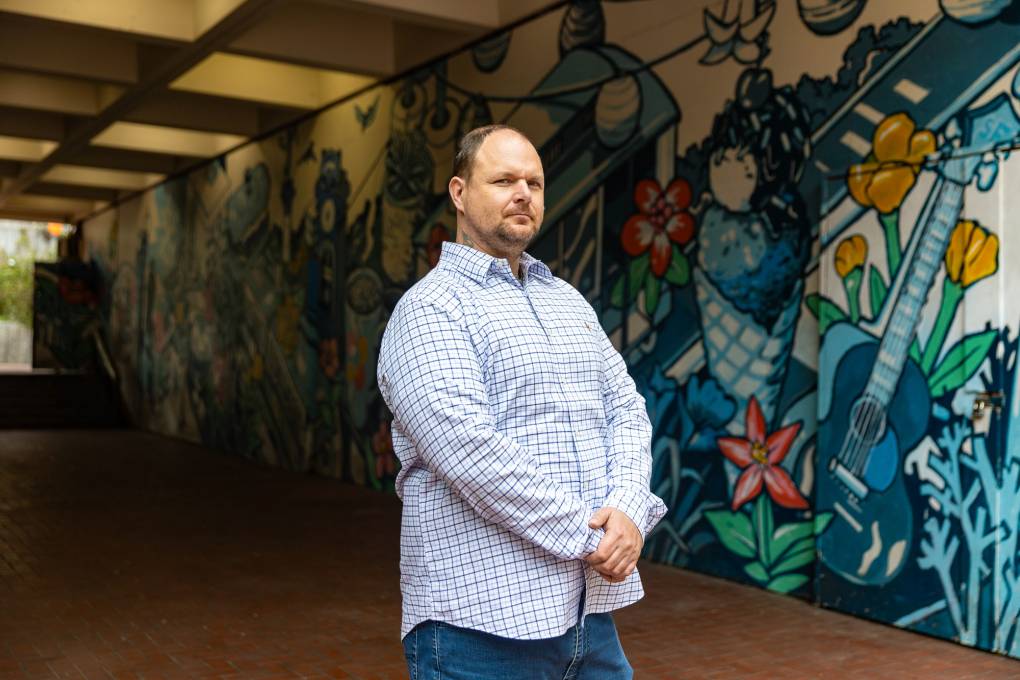
window.__IS_SSR__=true
window.__INITIAL_STATE__={
"attachmentsReducer": {
"audio_0": {
"type": "attachments",
"id": "audio_0",
"imgSizes": {
"kqedFullSize": {
"file": "https://ww2.kqed.org/news/wp-content/themes/KQED-unified/img/audio_bgs/background0.jpg"
}
}
},
"audio_1": {
"type": "attachments",
"id": "audio_1",
"imgSizes": {
"kqedFullSize": {
"file": "https://ww2.kqed.org/news/wp-content/themes/KQED-unified/img/audio_bgs/background1.jpg"
}
}
},
"audio_2": {
"type": "attachments",
"id": "audio_2",
"imgSizes": {
"kqedFullSize": {
"file": "https://ww2.kqed.org/news/wp-content/themes/KQED-unified/img/audio_bgs/background2.jpg"
}
}
},
"audio_3": {
"type": "attachments",
"id": "audio_3",
"imgSizes": {
"kqedFullSize": {
"file": "https://ww2.kqed.org/news/wp-content/themes/KQED-unified/img/audio_bgs/background3.jpg"
}
}
},
"audio_4": {
"type": "attachments",
"id": "audio_4",
"imgSizes": {
"kqedFullSize": {
"file": "https://ww2.kqed.org/news/wp-content/themes/KQED-unified/img/audio_bgs/background4.jpg"
}
}
},
"placeholder": {
"type": "attachments",
"id": "placeholder",
"imgSizes": {
"thumbnail": {
"file": "https://cdn.kqed.org/wp-content/uploads/2024/12/KQED-Default-Image-816638274-2000x1333-1-160x107.jpg",
"width": 160,
"height": 107,
"mimeType": "image/jpeg"
},
"medium": {
"file": "https://cdn.kqed.org/wp-content/uploads/2024/12/KQED-Default-Image-816638274-2000x1333-1-800x533.jpg",
"width": 800,
"height": 533,
"mimeType": "image/jpeg"
},
"medium_large": {
"file": "https://cdn.kqed.org/wp-content/uploads/2024/12/KQED-Default-Image-816638274-2000x1333-1-768x512.jpg",
"width": 768,
"height": 512,
"mimeType": "image/jpeg"
},
"large": {
"file": "https://cdn.kqed.org/wp-content/uploads/2024/12/KQED-Default-Image-816638274-2000x1333-1-1020x680.jpg",
"width": 1020,
"height": 680,
"mimeType": "image/jpeg"
},
"1536x1536": {
"file": "https://cdn.kqed.org/wp-content/uploads/2024/12/KQED-Default-Image-816638274-2000x1333-1-1536x1024.jpg",
"width": 1536,
"height": 1024,
"mimeType": "image/jpeg"
},
"fd-lrg": {
"file": "https://cdn.kqed.org/wp-content/uploads/2024/12/KQED-Default-Image-816638274-2000x1333-1-1536x1024.jpg",
"width": 1536,
"height": 1024,
"mimeType": "image/jpeg"
},
"fd-med": {
"file": "https://cdn.kqed.org/wp-content/uploads/2024/12/KQED-Default-Image-816638274-2000x1333-1-1020x680.jpg",
"width": 1020,
"height": 680,
"mimeType": "image/jpeg"
},
"fd-sm": {
"file": "https://cdn.kqed.org/wp-content/uploads/2024/12/KQED-Default-Image-816638274-2000x1333-1-800x533.jpg",
"width": 800,
"height": 533,
"mimeType": "image/jpeg"
},
"post-thumbnail": {
"file": "https://cdn.kqed.org/wp-content/uploads/2024/12/KQED-Default-Image-816638274-2000x1333-1-672x372.jpg",
"width": 672,
"height": 372,
"mimeType": "image/jpeg"
},
"twentyfourteen-full-width": {
"file": "https://cdn.kqed.org/wp-content/uploads/2024/12/KQED-Default-Image-816638274-2000x1333-1-1038x576.jpg",
"width": 1038,
"height": 576,
"mimeType": "image/jpeg"
},
"xxsmall": {
"file": "https://cdn.kqed.org/wp-content/uploads/2024/12/KQED-Default-Image-816638274-2000x1333-1-160x107.jpg",
"width": 160,
"height": 107,
"mimeType": "image/jpeg"
},
"xsmall": {
"file": "https://cdn.kqed.org/wp-content/uploads/2024/12/KQED-Default-Image-816638274-2000x1333-1-672x372.jpg",
"width": 672,
"height": 372,
"mimeType": "image/jpeg"
},
"small": {
"file": "https://cdn.kqed.org/wp-content/uploads/2024/12/KQED-Default-Image-816638274-2000x1333-1-672x372.jpg",
"width": 672,
"height": 372,
"mimeType": "image/jpeg"
},
"xlarge": {
"file": "https://cdn.kqed.org/wp-content/uploads/2024/12/KQED-Default-Image-816638274-2000x1333-1-1020x680.jpg",
"width": 1020,
"height": 680,
"mimeType": "image/jpeg"
},
"full-width": {
"file": "https://cdn.kqed.org/wp-content/uploads/2024/12/KQED-Default-Image-816638274-2000x1333-1-1920x1280.jpg",
"width": 1920,
"height": 1280,
"mimeType": "image/jpeg"
},
"guest-author-32": {
"file": "https://cdn.kqed.org/wp-content/uploads/2025/01/KQED-Default-Image-816638274-1333x1333-1-160x160.jpg",
"width": 32,
"height": 32,
"mimeType": "image/jpeg"
},
"guest-author-50": {
"file": "https://cdn.kqed.org/wp-content/uploads/2025/01/KQED-Default-Image-816638274-1333x1333-1-160x160.jpg",
"width": 50,
"height": 50,
"mimeType": "image/jpeg"
},
"guest-author-64": {
"file": "https://cdn.kqed.org/wp-content/uploads/2025/01/KQED-Default-Image-816638274-1333x1333-1-160x160.jpg",
"width": 64,
"height": 64,
"mimeType": "image/jpeg"
},
"guest-author-96": {
"file": "https://cdn.kqed.org/wp-content/uploads/2025/01/KQED-Default-Image-816638274-1333x1333-1-160x160.jpg",
"width": 96,
"height": 96,
"mimeType": "image/jpeg"
},
"guest-author-128": {
"file": "https://cdn.kqed.org/wp-content/uploads/2025/01/KQED-Default-Image-816638274-1333x1333-1-160x160.jpg",
"width": 128,
"height": 128,
"mimeType": "image/jpeg"
},
"detail": {
"file": "https://cdn.kqed.org/wp-content/uploads/2025/01/KQED-Default-Image-816638274-1333x1333-1-160x160.jpg",
"width": 160,
"height": 160,
"mimeType": "image/jpeg"
},
"kqedFullSize": {
"file": "https://cdn.kqed.org/wp-content/uploads/2024/12/KQED-Default-Image-816638274-2000x1333-1.jpg",
"width": 2000,
"height": 1333
}
}
},
"news_12033473": {
"type": "attachments",
"id": "news_12033473",
"meta": {
"index": "attachments_1716263798",
"site": "news",
"id": "12033473",
"found": true
},
"title": "20250327_SoberHousing_GC-9",
"publishDate": 1743128174,
"status": "inherit",
"parent": 0,
"modified": 1743128540,
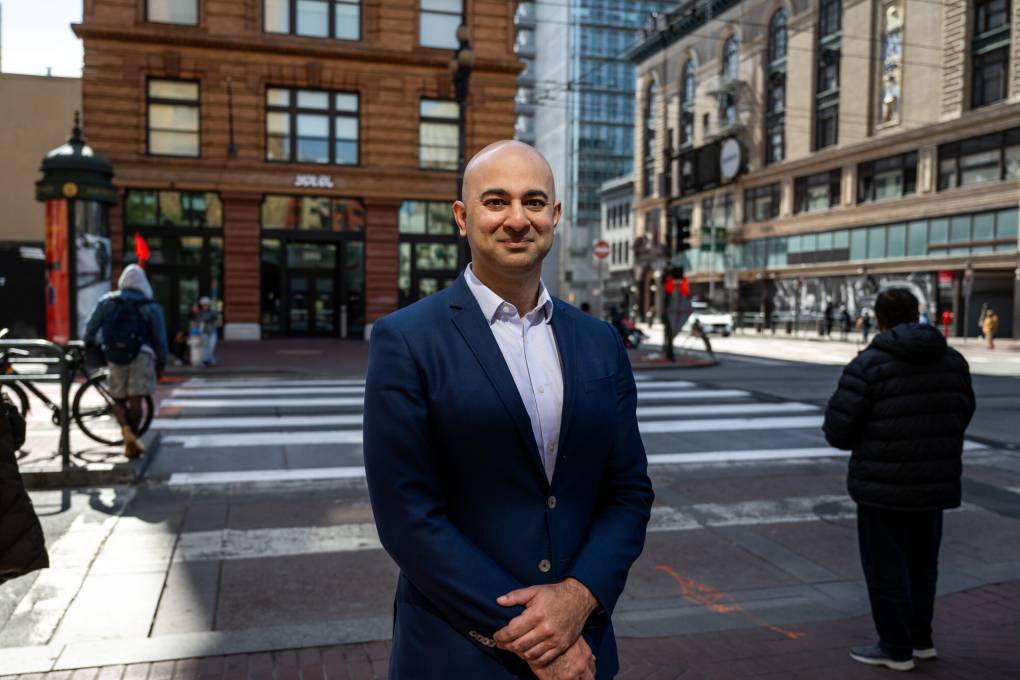
"caption": "Kull Murray poses for a photo at Hallidie Plaza in San Francisco on March 27, 2025. Murray was evicted from Delancey Street, one of San Francisco’s sober living programs, after relapsing and is now back on the street and navigating the city’s shelter program.",
"credit": "Gina Castro/KQED",
"altTag": null,
"description": null,
"imgSizes": {
"medium": {
"file": "https://cdn.kqed.org/wp-content/uploads/sites/10/2025/03/20250327_SoberHousing_GC-9-800x533.jpg",
"width": 800,
"height": 533,
"mimeType": "image/jpeg"
},
"large": {
"file": "https://cdn.kqed.org/wp-content/uploads/sites/10/2025/03/20250327_SoberHousing_GC-9-1020x680.jpg",
"width": 1020,
"height": 680,
"mimeType": "image/jpeg"
},
"thumbnail": {
"file": "https://cdn.kqed.org/wp-content/uploads/sites/10/2025/03/20250327_SoberHousing_GC-9-160x107.jpg",
"width": 160,
"height": 107,
"mimeType": "image/jpeg"
},
"1536x1536": {
"file": "https://cdn.kqed.org/wp-content/uploads/sites/10/2025/03/20250327_SoberHousing_GC-9-1536x1024.jpg",
"width": 1536,
"height": 1024,
"mimeType": "image/jpeg"
},
"post-thumbnail": {
"file": "https://cdn.kqed.org/wp-content/uploads/sites/10/2025/03/20250327_SoberHousing_GC-9-672x372.jpg",
"width": 672,
"height": 372,
"mimeType": "image/jpeg"
},
"twentyfourteen-full-width": {
"file": "https://cdn.kqed.org/wp-content/uploads/sites/10/2025/03/20250327_SoberHousing_GC-9-1038x576.jpg",
"width": 1038,
"height": 576,
"mimeType": "image/jpeg"
},
"full-width": {
"file": "https://cdn.kqed.org/wp-content/uploads/sites/10/2025/03/20250327_SoberHousing_GC-9-1920x1280.jpg",
"width": 1920,
"height": 1280,
"mimeType": "image/jpeg"
},
"kqedFullSize": {
"file": "https://cdn.kqed.org/wp-content/uploads/sites/10/2025/03/20250327_SoberHousing_GC-9.jpg",
"width": 2000,
"height": 1333
}
},
"isLoading": false,
"fetchFailed": false
},
"news_12032871": {
"type": "attachments",
"id": "news_12032871",
"meta": {
"index": "attachments_1716263798",
"site": "news",
"id": "12032871",
"found": true
},
"title": "People walk along the Great Highway in San Francisco on Feb. 14, 2024.",
"publishDate": 1742919583,
"status": "inherit",
"parent": 12032868,
"modified": 1742919593,
"caption": "People walk along the Great Highway in San Francisco on Feb. 14, 2024.",
"credit": "Beth LaBerge/KQED",
"altTag": null,
"description": null,
"imgSizes": {
"medium": {
"file": "https://cdn.kqed.org/wp-content/uploads/sites/10/2025/03/240214-CoastalCommission-33-BL_qed-1-800x533.jpg",
"width": 800,
"height": 533,
"mimeType": "image/jpeg"
},
"large": {
"file": "https://cdn.kqed.org/wp-content/uploads/sites/10/2025/03/240214-CoastalCommission-33-BL_qed-1-1020x680.jpg",
"width": 1020,
"height": 680,
"mimeType": "image/jpeg"
},
"thumbnail": {
"file": "https://cdn.kqed.org/wp-content/uploads/sites/10/2025/03/240214-CoastalCommission-33-BL_qed-1-160x107.jpg",
"width": 160,
"height": 107,
"mimeType": "image/jpeg"
},
"1536x1536": {
"file": "https://cdn.kqed.org/wp-content/uploads/sites/10/2025/03/240214-CoastalCommission-33-BL_qed-1-1536x1024.jpg",
"width": 1536,
"height": 1024,
"mimeType": "image/jpeg"
},
"post-thumbnail": {
"file": "https://cdn.kqed.org/wp-content/uploads/sites/10/2025/03/240214-CoastalCommission-33-BL_qed-1-672x372.jpg",
"width": 672,
"height": 372,
"mimeType": "image/jpeg"
},
"twentyfourteen-full-width": {
"file": "https://cdn.kqed.org/wp-content/uploads/sites/10/2025/03/240214-CoastalCommission-33-BL_qed-1-1038x576.jpg",
"width": 1038,
"height": 576,
"mimeType": "image/jpeg"
},
"full-width": {
"file": "https://cdn.kqed.org/wp-content/uploads/sites/10/2025/03/240214-CoastalCommission-33-BL_qed-1-1920x1280.jpg",
"width": 1920,
"height": 1280,
"mimeType": "image/jpeg"
},
"kqedFullSize": {
"file": "https://cdn.kqed.org/wp-content/uploads/sites/10/2025/03/240214-CoastalCommission-33-BL_qed-1.jpg",
"width": 2000,
"height": 1333
}
},
"isLoading": false,
"fetchFailed": false
},
"news_12029630": {
"type": "attachments",
"id": "news_12029630",
"meta": {
"index": "attachments_1716263798",
"site": "news",
"id": "12029630",
"found": true
},
"title": "20250227_TRANSGENDERSELFDEFENSE_GC-23-KQED",
"publishDate": 1741117440,
"status": "inherit",
"parent": 0,
"modified": 1741117644,
"caption": "Moss O’Neal, right, practices a technique during a self-defense training for transgender and gender nonconforming (TGNC) community members, at the Transgender District office, in San Francisco on Feb. 27, 2025. The training was organized by The Transgender District and Lyric SF.",
"credit": "Gina Castro/KQED",
"altTag": null,
"description": null,
"imgSizes": {
"medium": {
"file": "https://cdn.kqed.org/wp-content/uploads/sites/10/2025/03/20250227_TRANSGENDERSELFDEFENSE_GC-23-KQED-800x533.jpg",
"width": 800,
"height": 533,
"mimeType": "image/jpeg"
},
"large": {
"file": "https://cdn.kqed.org/wp-content/uploads/sites/10/2025/03/20250227_TRANSGENDERSELFDEFENSE_GC-23-KQED-1020x680.jpg",
"width": 1020,
"height": 680,
"mimeType": "image/jpeg"
},
"thumbnail": {
"file": "https://cdn.kqed.org/wp-content/uploads/sites/10/2025/03/20250227_TRANSGENDERSELFDEFENSE_GC-23-KQED-160x107.jpg",
"width": 160,
"height": 107,
"mimeType": "image/jpeg"
},
"1536x1536": {
"file": "https://cdn.kqed.org/wp-content/uploads/sites/10/2025/03/20250227_TRANSGENDERSELFDEFENSE_GC-23-KQED-1536x1024.jpg",
"width": 1536,
"height": 1024,
"mimeType": "image/jpeg"
},
"post-thumbnail": {
"file": "https://cdn.kqed.org/wp-content/uploads/sites/10/2025/03/20250227_TRANSGENDERSELFDEFENSE_GC-23-KQED-672x372.jpg",
"width": 672,
"height": 372,
"mimeType": "image/jpeg"
},
"twentyfourteen-full-width": {
"file": "https://cdn.kqed.org/wp-content/uploads/sites/10/2025/03/20250227_TRANSGENDERSELFDEFENSE_GC-23-KQED-1038x576.jpg",
"width": 1038,
"height": 576,
"mimeType": "image/jpeg"
},
"full-width": {
"file": "https://cdn.kqed.org/wp-content/uploads/sites/10/2025/03/20250227_TRANSGENDERSELFDEFENSE_GC-23-KQED-1920x1280.jpg",
"width": 1920,
"height": 1280,
"mimeType": "image/jpeg"
},
"kqedFullSize": {
"file": "https://cdn.kqed.org/wp-content/uploads/sites/10/2025/03/20250227_TRANSGENDERSELFDEFENSE_GC-23-KQED.jpg",
"width": 2000,
"height": 1333
}
},
"isLoading": false,
"fetchFailed": false
},
"news_11955692": {
"type": "attachments",
"id": "news_11955692",
"meta": {
"index": "attachments_1716263798",
"site": "news",
"id": "11955692",
"found": true
},
"title": "Pride Flag at San Francisco City Hall",
"publishDate": 1689298339,
"status": "inherit",
"parent": 11955680,
"modified": 1689314014,
"caption": "San Francisco-based attorney Courtney Liss advises businesses to make it very clear that they do want to provide services to LGBTQ+ communities, with signs and clear website notices. “I personally do not want to go anywhere where I'm not welcome,” she said.",
"credit": "JasonDoiy/Getty Images",
"altTag": "A rainbow flag hangs over a government building.",
"description": null,
"imgSizes": {
"medium": {
"file": "https://cdn.kqed.org/wp-content/uploads/sites/10/2023/07/GettyImages-972695008-800x533.jpg",
"width": 800,
"height": 533,
"mimeType": "image/jpeg"
},
"large": {
"file": "https://cdn.kqed.org/wp-content/uploads/sites/10/2023/07/GettyImages-972695008-1020x680.jpg",
"width": 1020,
"height": 680,
"mimeType": "image/jpeg"
},
"thumbnail": {
"file": "https://cdn.kqed.org/wp-content/uploads/sites/10/2023/07/GettyImages-972695008-160x107.jpg",
"width": 160,
"height": 107,
"mimeType": "image/jpeg"
},
"1536x1536": {
"file": "https://cdn.kqed.org/wp-content/uploads/sites/10/2023/07/GettyImages-972695008-1536x1024.jpg",
"width": 1536,
"height": 1024,
"mimeType": "image/jpeg"
},
"2048x2048": {
"file": "https://cdn.kqed.org/wp-content/uploads/sites/10/2023/07/GettyImages-972695008-2048x1365.jpg",
"width": 2048,
"height": 1365,
"mimeType": "image/jpeg"
},
"post-thumbnail": {
"file": "https://cdn.kqed.org/wp-content/uploads/sites/10/2023/07/GettyImages-972695008-672x372.jpg",
"width": 672,
"height": 372,
"mimeType": "image/jpeg"
},
"twentyfourteen-full-width": {
"file": "https://cdn.kqed.org/wp-content/uploads/sites/10/2023/07/GettyImages-972695008-1038x576.jpg",
"width": 1038,
"height": 576,
"mimeType": "image/jpeg"
},
"full-width": {
"file": "https://cdn.kqed.org/wp-content/uploads/sites/10/2023/07/GettyImages-972695008-1920x1280.jpg",
"width": 1920,
"height": 1280,
"mimeType": "image/jpeg"
},
"kqedFullSize": {
"file": "https://cdn.kqed.org/wp-content/uploads/sites/10/2023/07/GettyImages-972695008-scaled-e1742851504460.jpg",
"width": 2000,
"height": 1334
}
},
"isLoading": false,
"fetchFailed": false
},
"news_12032255": {
"type": "attachments",
"id": "news_12032255",
"meta": {
"index": "attachments_1716263798",
"site": "news",
"id": "12032255",
"found": true
},
"title": "Enthusiasts Gather For Mass Pot-Smoking Celebration",
"publishDate": 1742495030,
"status": "inherit",
"parent": 12080068,
"modified": 1776283705,
"caption": "A cloud of smoke rests over the heads of a group of people during a 420 Day celebration on \"Hippie Hill\" in Golden Gate Park April 20, 2010, in San Francisco, California. ",
"credit": "Justin Sullivan/Getty Images",
"altTag": null,
"description": null,
"imgSizes": {
"medium": {
"file": "https://cdn.kqed.org/wp-content/uploads/sites/10/2025/03/98579521_qed-800x533.jpg",
"width": 800,
"height": 533,
"mimeType": "image/jpeg"
},
"large": {
"file": "https://cdn.kqed.org/wp-content/uploads/sites/10/2025/03/98579521_qed-1020x680.jpg",
"width": 1020,
"height": 680,
"mimeType": "image/jpeg"
},
"thumbnail": {
"file": "https://cdn.kqed.org/wp-content/uploads/sites/10/2025/03/98579521_qed-160x107.jpg",
"width": 160,
"height": 107,
"mimeType": "image/jpeg"
},
"1536x1536": {
"file": "https://cdn.kqed.org/wp-content/uploads/sites/10/2025/03/98579521_qed-1536x1024.jpg",
"width": 1536,
"height": 1024,
"mimeType": "image/jpeg"
},
"post-thumbnail": {
"file": "https://cdn.kqed.org/wp-content/uploads/sites/10/2025/03/98579521_qed-672x372.jpg",
"width": 672,
"height": 372,
"mimeType": "image/jpeg"
},
"twentyfourteen-full-width": {
"file": "https://cdn.kqed.org/wp-content/uploads/sites/10/2025/03/98579521_qed-1038x576.jpg",
"width": 1038,
"height": 576,
"mimeType": "image/jpeg"
},
"full-width": {
"file": "https://cdn.kqed.org/wp-content/uploads/sites/10/2025/03/98579521_qed-1920x1280.jpg",
"width": 1920,
"height": 1280,
"mimeType": "image/jpeg"
},
"kqedFullSize": {
"file": "https://cdn.kqed.org/wp-content/uploads/sites/10/2025/03/98579521_qed.jpg",
"width": 2000,
"height": 1333
}
},
"isLoading": false,
"fetchFailed": false
},
"news_12032159": {
"type": "attachments",
"id": "news_12032159",
"meta": {
"index": "attachments_1716263798",
"site": "news",
"id": "12032159",
"found": true
},
"title": "240410-BilalMahmood-041-BL_qed",
"publishDate": 1742425449,
"status": "inherit",
"parent": 12032039,
"modified": 1742425625,
"caption": "San Francisco Supervisor Bilal Mahmood poses for a portrait after a press conference about his strategy to end open-air drug markets in San Francisco on April 10, 2024.",
"credit": "Beth LaBerge/KQED",
"altTag": null,
"description": null,
"imgSizes": {
"medium": {
"file": "https://cdn.kqed.org/wp-content/uploads/sites/10/2025/03/240410-BilalMahmood-041-BL_qed-800x533.jpg",
"width": 800,
"height": 533,
"mimeType": "image/jpeg"
},
"large": {
"file": "https://cdn.kqed.org/wp-content/uploads/sites/10/2025/03/240410-BilalMahmood-041-BL_qed-1020x680.jpg",
"width": 1020,
"height": 680,
"mimeType": "image/jpeg"
},
"thumbnail": {
"file": "https://cdn.kqed.org/wp-content/uploads/sites/10/2025/03/240410-BilalMahmood-041-BL_qed-160x107.jpg",
"width": 160,
"height": 107,
"mimeType": "image/jpeg"
},
"1536x1536": {
"file": "https://cdn.kqed.org/wp-content/uploads/sites/10/2025/03/240410-BilalMahmood-041-BL_qed-1536x1024.jpg",
"width": 1536,
"height": 1024,
"mimeType": "image/jpeg"
},
"post-thumbnail": {
"file": "https://cdn.kqed.org/wp-content/uploads/sites/10/2025/03/240410-BilalMahmood-041-BL_qed-672x372.jpg",
"width": 672,
"height": 372,
"mimeType": "image/jpeg"
},
"twentyfourteen-full-width": {
"file": "https://cdn.kqed.org/wp-content/uploads/sites/10/2025/03/240410-BilalMahmood-041-BL_qed-1038x576.jpg",
"width": 1038,
"height": 576,
"mimeType": "image/jpeg"
},
"full-width": {
"file": "https://cdn.kqed.org/wp-content/uploads/sites/10/2025/03/240410-BilalMahmood-041-BL_qed-1920x1280.jpg",
"width": 1920,
"height": 1280,
"mimeType": "image/jpeg"
},
"kqedFullSize": {
"file": "https://cdn.kqed.org/wp-content/uploads/sites/10/2025/03/240410-BilalMahmood-041-BL_qed.jpg",
"width": 2000,
"height": 1333
}
},
"isLoading": false,
"fetchFailed": false
},
"news_12031574": {
"type": "attachments",
"id": "news_12031574",
"meta": {
"index": "attachments_1716263798",
"site": "news",
"id": "12031574",
"found": true
},
"title": "JAPAN-ECONOMY-GAMES-NINTENDO-EARNINGS",
"publishDate": 1742228473,
"status": "inherit",
"parent": 0,
"modified": 1742331836,
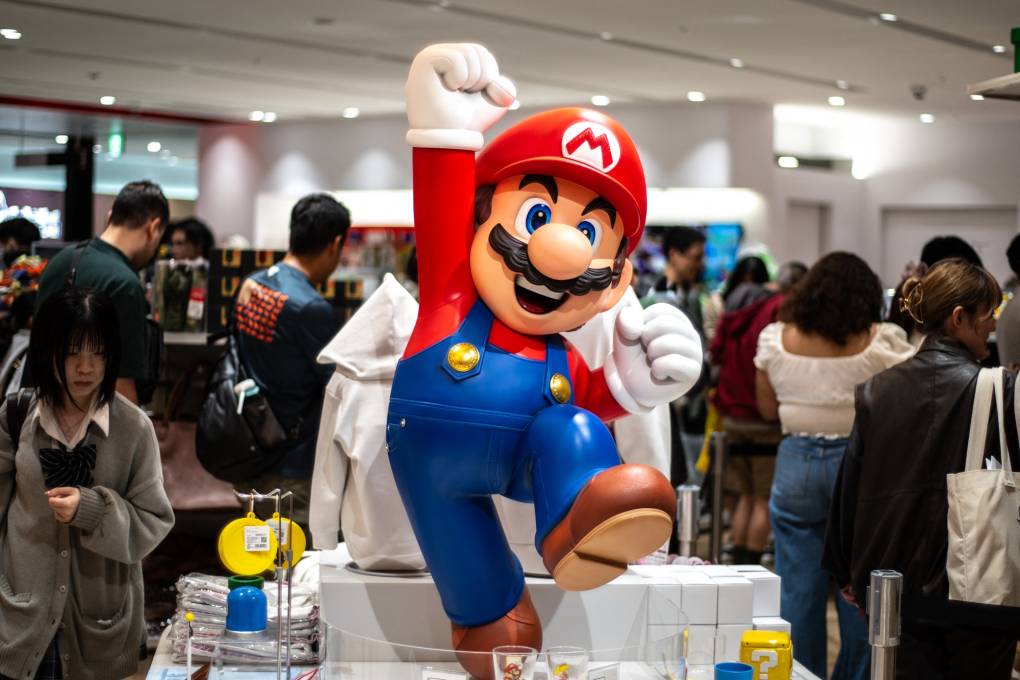
"caption": "People visit a Nintendo store in the Shibuya district of Tokyo, Japan, on May 2, 2024. Nintendo is set to open its second U.S. store in San Francisco’s Union Square on May 15, joining its flagship New York location and three stores in Japan. Fans can expect exclusive merchandise that is not available online, with grand opening access requiring a reservation.",
"credit": "Philip Fong/AFP via Getty Images",
"altTag": null,
"description": null,
"imgSizes": {
"medium": {
"file": "https://cdn.kqed.org/wp-content/uploads/sites/10/2025/03/NintendoStoreGetty-800x533.jpg",
"width": 800,
"height": 533,
"mimeType": "image/jpeg"
},
"large": {
"file": "https://cdn.kqed.org/wp-content/uploads/sites/10/2025/03/NintendoStoreGetty-1020x680.jpg",
"width": 1020,
"height": 680,
"mimeType": "image/jpeg"
},
"thumbnail": {
"file": "https://cdn.kqed.org/wp-content/uploads/sites/10/2025/03/NintendoStoreGetty-160x107.jpg",
"width": 160,
"height": 107,
"mimeType": "image/jpeg"
},
"1536x1536": {
"file": "https://cdn.kqed.org/wp-content/uploads/sites/10/2025/03/NintendoStoreGetty-1536x1024.jpg",
"width": 1536,
"height": 1024,
"mimeType": "image/jpeg"
},
"post-thumbnail": {
"file": "https://cdn.kqed.org/wp-content/uploads/sites/10/2025/03/NintendoStoreGetty-672x372.jpg",
"width": 672,
"height": 372,
"mimeType": "image/jpeg"
},
"twentyfourteen-full-width": {
"file": "https://cdn.kqed.org/wp-content/uploads/sites/10/2025/03/NintendoStoreGetty-1038x576.jpg",
"width": 1038,
"height": 576,
"mimeType": "image/jpeg"
},
"full-width": {
"file": "https://cdn.kqed.org/wp-content/uploads/sites/10/2025/03/NintendoStoreGetty-1920x1280.jpg",
"width": 1920,
"height": 1280,
"mimeType": "image/jpeg"
},
"kqedFullSize": {
"file": "https://cdn.kqed.org/wp-content/uploads/sites/10/2025/03/NintendoStoreGetty.jpg",
"width": 2000,
"height": 1333
}
},
"isLoading": false,
"fetchFailed": false
},
"news_12031306": {
"type": "attachments",
"id": "news_12031306",
"meta": {
"index": "attachments_1716263798",
"site": "news",
"id": "12031306",
"found": true
},
"title": "People walk along the Great Highway in San Francisco on Feb. 14, 2024.",
"publishDate": 1741906787,
"status": "inherit",
"parent": 12031300,
"modified": 1741906907,
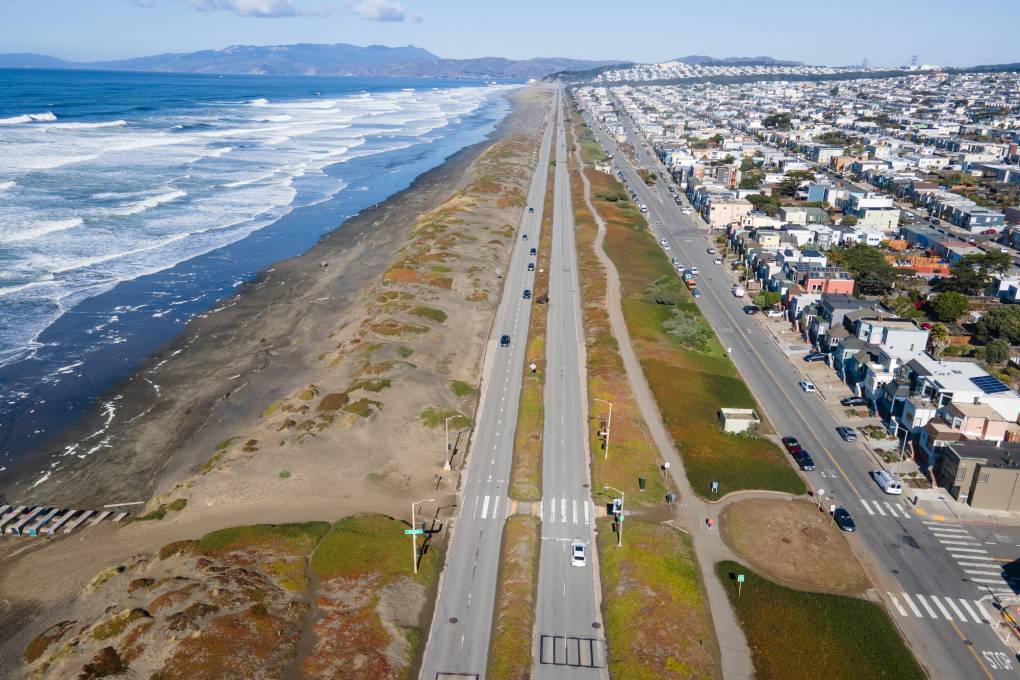
"caption": "People walk along the Great Highway in San Francisco on Feb. 14, 2024.",
"credit": "Beth LaBerge/KQED",
"altTag": null,
"description": null,
"imgSizes": {
"medium": {
"file": "https://cdn.kqed.org/wp-content/uploads/sites/10/2025/03/240214-CoastalCommission-33-BL_qed-800x533.jpg",
"width": 800,
"height": 533,
"mimeType": "image/jpeg"
},
"large": {
"file": "https://cdn.kqed.org/wp-content/uploads/sites/10/2025/03/240214-CoastalCommission-33-BL_qed-1020x680.jpg",
"width": 1020,
"height": 680,
"mimeType": "image/jpeg"
},
"thumbnail": {
"file": "https://cdn.kqed.org/wp-content/uploads/sites/10/2025/03/240214-CoastalCommission-33-BL_qed-160x107.jpg",
"width": 160,
"height": 107,
"mimeType": "image/jpeg"
},
"1536x1536": {
"file": "https://cdn.kqed.org/wp-content/uploads/sites/10/2025/03/240214-CoastalCommission-33-BL_qed-1536x1024.jpg",
"width": 1536,
"height": 1024,
"mimeType": "image/jpeg"
},
"post-thumbnail": {
"file": "https://cdn.kqed.org/wp-content/uploads/sites/10/2025/03/240214-CoastalCommission-33-BL_qed-672x372.jpg",
"width": 672,
"height": 372,
"mimeType": "image/jpeg"
},
"twentyfourteen-full-width": {
"file": "https://cdn.kqed.org/wp-content/uploads/sites/10/2025/03/240214-CoastalCommission-33-BL_qed-1038x576.jpg",
"width": 1038,
"height": 576,
"mimeType": "image/jpeg"
},
"full-width": {
"file": "https://cdn.kqed.org/wp-content/uploads/sites/10/2025/03/240214-CoastalCommission-33-BL_qed-1920x1280.jpg",
"width": 1920,
"height": 1280,
"mimeType": "image/jpeg"
},
"kqedFullSize": {
"file": "https://cdn.kqed.org/wp-content/uploads/sites/10/2025/03/240214-CoastalCommission-33-BL_qed.jpg",
"width": 2000,
"height": 1333
}
},
"isLoading": false,
"fetchFailed": false
},
"news_12028909": {
"type": "attachments",
"id": "news_12028909",
"meta": {
"index": "attachments_1716263798",
"site": "news",
"id": "12028909",
"found": true
},
"title": "20250220_PtRichmondFairyHouses_GC-39",
"publishDate": 1740648643,
"status": "inherit",
"parent": 0,
"modified": 1740648710,
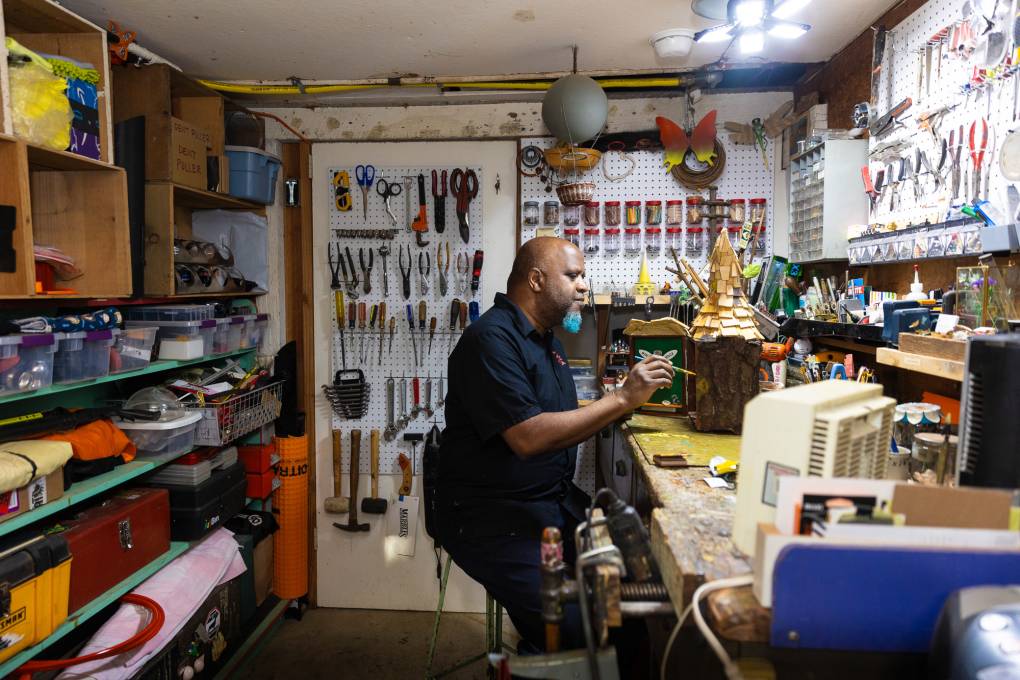
"caption": "Jimmie Robinson works on a fairy house in his workshop in Richmond on Feb. 20, 2025. He has built over 30 houses for his neighbors along the street.",
"credit": "Gina Castro/KQED",
"altTag": null,
"description": null,
"imgSizes": {
"medium": {
"file": "https://cdn.kqed.org/wp-content/uploads/sites/10/2025/02/20250220_PtRichmondFairyHouses_GC-39-800x533.jpg",
"width": 800,
"height": 533,
"mimeType": "image/jpeg"
},
"large": {
"file": "https://cdn.kqed.org/wp-content/uploads/sites/10/2025/02/20250220_PtRichmondFairyHouses_GC-39-1020x680.jpg",
"width": 1020,
"height": 680,
"mimeType": "image/jpeg"
},
"thumbnail": {
"file": "https://cdn.kqed.org/wp-content/uploads/sites/10/2025/02/20250220_PtRichmondFairyHouses_GC-39-160x107.jpg",
"width": 160,
"height": 107,
"mimeType": "image/jpeg"
},
"1536x1536": {
"file": "https://cdn.kqed.org/wp-content/uploads/sites/10/2025/02/20250220_PtRichmondFairyHouses_GC-39-1536x1024.jpg",
"width": 1536,
"height": 1024,
"mimeType": "image/jpeg"
},
"post-thumbnail": {
"file": "https://cdn.kqed.org/wp-content/uploads/sites/10/2025/02/20250220_PtRichmondFairyHouses_GC-39-672x372.jpg",
"width": 672,
"height": 372,
"mimeType": "image/jpeg"
},
"twentyfourteen-full-width": {
"file": "https://cdn.kqed.org/wp-content/uploads/sites/10/2025/02/20250220_PtRichmondFairyHouses_GC-39-1038x576.jpg",
"width": 1038,
"height": 576,
"mimeType": "image/jpeg"
},
"full-width": {
"file": "https://cdn.kqed.org/wp-content/uploads/sites/10/2025/02/20250220_PtRichmondFairyHouses_GC-39-1920x1280.jpg",
"width": 1920,
"height": 1280,
"mimeType": "image/jpeg"
},
"kqedFullSize": {
"file": "https://cdn.kqed.org/wp-content/uploads/sites/10/2025/02/20250220_PtRichmondFairyHouses_GC-39.jpg",
"width": 2000,
"height": 1333
}
},
"isLoading": false,
"fetchFailed": false
},
"news_12030758": {
"type": "attachments",
"id": "news_12030758",
"meta": {
"index": "attachments_1716263798",
"site": "news",
"id": "12030758",
"found": true
},
"title": "241115-PropKFolo-24-BL_qed",
"publishDate": 1741715316,
"status": "inherit",
"parent": 12030751,
"modified": 1741715330,
"caption": "Vehicles drive along the Great Highway between Sloat Boulevard in San Francisco on Nov. 15, 2024.",
"credit": "Beth LaBerge/KQED",
"altTag": null,
"description": null,
"imgSizes": {
"medium": {
"file": "https://cdn.kqed.org/wp-content/uploads/sites/10/2025/03/241115-PropKFolo-24-BL_qed-800x533.jpg",
"width": 800,
"height": 533,
"mimeType": "image/jpeg"
},
"large": {
"file": "https://cdn.kqed.org/wp-content/uploads/sites/10/2025/03/241115-PropKFolo-24-BL_qed-1020x680.jpg",
"width": 1020,
"height": 680,
"mimeType": "image/jpeg"
},
"thumbnail": {
"file": "https://cdn.kqed.org/wp-content/uploads/sites/10/2025/03/241115-PropKFolo-24-BL_qed-160x107.jpg",
"width": 160,
"height": 107,
"mimeType": "image/jpeg"
},
"1536x1536": {
"file": "https://cdn.kqed.org/wp-content/uploads/sites/10/2025/03/241115-PropKFolo-24-BL_qed-1536x1024.jpg",
"width": 1536,
"height": 1024,
"mimeType": "image/jpeg"
},
"post-thumbnail": {
"file": "https://cdn.kqed.org/wp-content/uploads/sites/10/2025/03/241115-PropKFolo-24-BL_qed-672x372.jpg",
"width": 672,
"height": 372,
"mimeType": "image/jpeg"
},
"twentyfourteen-full-width": {
"file": "https://cdn.kqed.org/wp-content/uploads/sites/10/2025/03/241115-PropKFolo-24-BL_qed-1038x576.jpg",
"width": 1038,
"height": 576,
"mimeType": "image/jpeg"
},
"full-width": {
"file": "https://cdn.kqed.org/wp-content/uploads/sites/10/2025/03/241115-PropKFolo-24-BL_qed-1920x1280.jpg",
"width": 1920,
"height": 1280,
"mimeType": "image/jpeg"
},
"kqedFullSize": {
"file": "https://cdn.kqed.org/wp-content/uploads/sites/10/2025/03/241115-PropKFolo-24-BL_qed.jpg",
"width": 2000,
"height": 1333
}
},
"isLoading": false,
"fetchFailed": false
},
"news_12030566": {
"type": "attachments",
"id": "news_12030566",
"meta": {
"index": "attachments_1716263798",
"site": "news",
"id": "12030566",
"found": true
},
"title": "Panel Recommends Major Tax Law Changes",
"publishDate": 1741624416,
"status": "inherit",
"parent": 12030564,
"modified": 1776270739,
"caption": "Current federal tax forms are distributed at the offices of the Internal Revenue Service on Nov. 1, 2005, in Chicago, Illinois. ",
"credit": "Scott Olson/Getty Images",
"altTag": null,
"description": null,
"imgSizes": {
"medium": {
"file": "https://cdn.kqed.org/wp-content/uploads/sites/10/2025/03/taxes041511_qed-800x535.jpg",
"width": 800,
"height": 535,
"mimeType": "image/jpeg"
},
"large": {
"file": "https://cdn.kqed.org/wp-content/uploads/sites/10/2025/03/taxes041511_qed-1020x682.jpg",
"width": 1020,
"height": 682,
"mimeType": "image/jpeg"
},
"thumbnail": {
"file": "https://cdn.kqed.org/wp-content/uploads/sites/10/2025/03/taxes041511_qed-160x107.jpg",
"width": 160,
"height": 107,
"mimeType": "image/jpeg"
},
"1536x1536": {
"file": "https://cdn.kqed.org/wp-content/uploads/sites/10/2025/03/taxes041511_qed-1536x1027.jpg",
"width": 1536,
"height": 1027,
"mimeType": "image/jpeg"
},
"post-thumbnail": {
"file": "https://cdn.kqed.org/wp-content/uploads/sites/10/2025/03/taxes041511_qed-672x372.jpg",
"width": 672,
"height": 372,
"mimeType": "image/jpeg"
},
"twentyfourteen-full-width": {
"file": "https://cdn.kqed.org/wp-content/uploads/sites/10/2025/03/taxes041511_qed-1038x576.jpg",
"width": 1038,
"height": 576,
"mimeType": "image/jpeg"
},
"full-width": {
"file": "https://cdn.kqed.org/wp-content/uploads/sites/10/2025/03/taxes041511_qed-1920x1284.jpg",
"width": 1920,
"height": 1284,
"mimeType": "image/jpeg"
},
"kqedFullSize": {
"file": "https://cdn.kqed.org/wp-content/uploads/sites/10/2025/03/taxes041511_qed.jpg",
"width": 1993,
"height": 1333
}
},
"isLoading": false,
"fetchFailed": false
},
"news_12030425": {
"type": "attachments",
"id": "news_12030425",
"meta": {
"index": "attachments_1716263798",
"site": "news",
"id": "12030425",
"found": true
},
"title": "20250306_SANJOSEDISTRICT3_GC-1-KQED-1",
"publishDate": 1741388508,
"status": "inherit",
"parent": 0,
"modified": 1742315789,
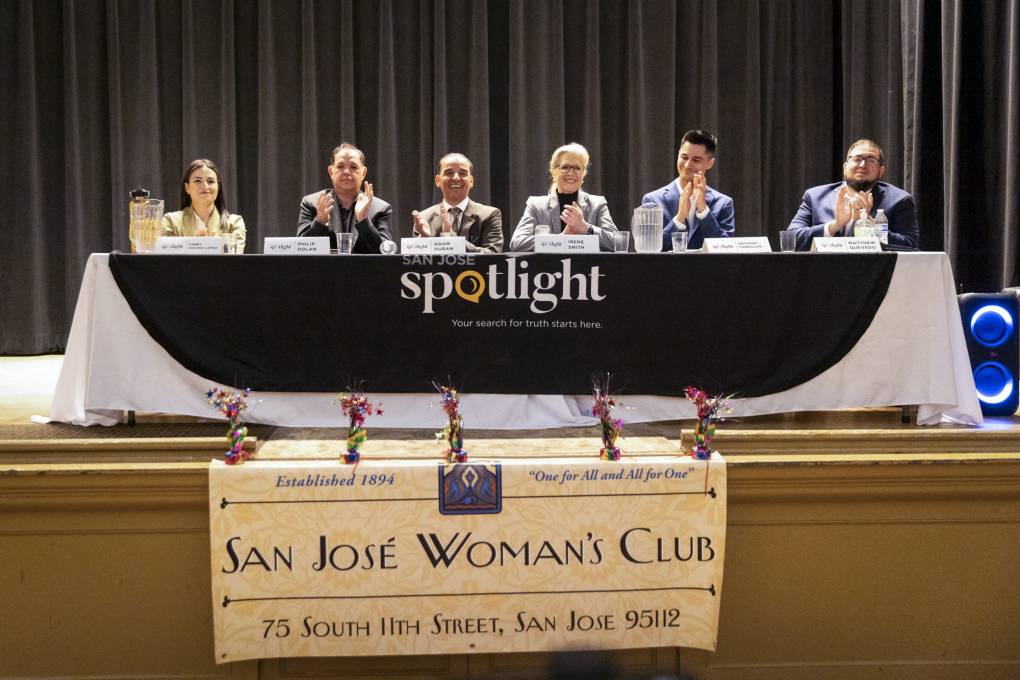
"caption": "From left, candidates running for District 3 City Council, Gabby Chavez-Lopez, Philip Dolan, Adam Duran, Irene Smith, Anthony Tordillos and Matthew Quevedo speak at a candidates forum at the San José Women’s Club in San José on March 6, 2025.",
"credit": "Gina Castro/KQED",
"altTag": null,
"description": null,
"imgSizes": {
"medium": {
"file": "https://cdn.kqed.org/wp-content/uploads/sites/10/2025/03/20250306_SANJOSEDISTRICT3_GC-1-KQED-1-800x533.jpg",
"width": 800,
"height": 533,
"mimeType": "image/jpeg"
},
"large": {
"file": "https://cdn.kqed.org/wp-content/uploads/sites/10/2025/03/20250306_SANJOSEDISTRICT3_GC-1-KQED-1-1020x680.jpg",
"width": 1020,
"height": 680,
"mimeType": "image/jpeg"
},
"thumbnail": {
"file": "https://cdn.kqed.org/wp-content/uploads/sites/10/2025/03/20250306_SANJOSEDISTRICT3_GC-1-KQED-1-160x107.jpg",
"width": 160,
"height": 107,
"mimeType": "image/jpeg"
},
"1536x1536": {
"file": "https://cdn.kqed.org/wp-content/uploads/sites/10/2025/03/20250306_SANJOSEDISTRICT3_GC-1-KQED-1-1536x1024.jpg",
"width": 1536,
"height": 1024,
"mimeType": "image/jpeg"
},
"post-thumbnail": {
"file": "https://cdn.kqed.org/wp-content/uploads/sites/10/2025/03/20250306_SANJOSEDISTRICT3_GC-1-KQED-1-672x372.jpg",
"width": 672,
"height": 372,
"mimeType": "image/jpeg"
},
"twentyfourteen-full-width": {
"file": "https://cdn.kqed.org/wp-content/uploads/sites/10/2025/03/20250306_SANJOSEDISTRICT3_GC-1-KQED-1-1038x576.jpg",
"width": 1038,
"height": 576,
"mimeType": "image/jpeg"
},
"full-width": {
"file": "https://cdn.kqed.org/wp-content/uploads/sites/10/2025/03/20250306_SANJOSEDISTRICT3_GC-1-KQED-1-1920x1280.jpg",
"width": 1920,
"height": 1280,
"mimeType": "image/jpeg"
},
"kqedFullSize": {
"file": "https://cdn.kqed.org/wp-content/uploads/sites/10/2025/03/20250306_SANJOSEDISTRICT3_GC-1-KQED-1.jpg",
"width": 2000,
"height": 1333
}
},
"isLoading": false,
"fetchFailed": false
}
},
"audioPlayerReducer": {
"postId": "stream_live",
"isPaused": true,
"isPlaying": false,
"pfsActive": false,
"pledgeModalIsOpen": true,
"playerDrawerIsOpen": false,
"liveAudioPlayStartedAt": 0,
"liveAudioPlayContext": ""
},
"authorsReducer": {
"gmarzorati": {
"type": "authors",
"id": "227",
"meta": {
"index": "authors_1716337520",
"id": "227",
"found": true
},
"name": "Guy Marzorati",
"firstName": "Guy",
"lastName": "Marzorati",
"slug": "gmarzorati",
"email": "gmarzorati@KQED.org",
"display_author_email": true,
"staff_mastheads": [
"news"
],
"title": "Correspondent",
"bio": "Guy Marzorati is a correspondent on KQED's California Politics and Government Desk, based in San Jose. A graduate of Santa Clara University, Guy joined KQED in 2013. He reports on state and local politics and produces KQED's digital voter guide.",
"avatar": "https://secure.gravatar.com/avatar/e7038b8dbfd55b104369b76b1cd0b9de?s=600&d=blank&r=g",
"twitter": "guymarzorati",
"facebook": null,
"instagram": null,
"linkedin": null,
"sites": [
{
"site": "",
"roles": [
"editor"
]
},
{
"site": "news",
"roles": [
"editor"
]
},
{
"site": "science",
"roles": [
"editor"
]
},
{
"site": "forum",
"roles": [
"editor"
]
},
{
"site": "elections",
"roles": [
"editor"
]
},
{
"site": "liveblog",
"roles": [
"editor"
]
}
],
"headData": {
"title": "Guy Marzorati | KQED",
"description": "Correspondent",
"ogImgSrc": "https://secure.gravatar.com/avatar/e7038b8dbfd55b104369b76b1cd0b9de?s=600&d=blank&r=g",
"twImgSrc": "https://secure.gravatar.com/avatar/e7038b8dbfd55b104369b76b1cd0b9de?s=600&d=blank&r=g"
},
"isLoading": false,
"link": "/author/gmarzorati"
},
"kqed": {
"type": "authors",
"id": "236",
"meta": {
"index": "authors_1716337520",
"id": "236",
"found": true
},
"name": "KQED News Staff",
"firstName": "KQED News Staff",
"lastName": null,
"slug": "kqed",
"email": "faq@kqed.org",
"display_author_email": false,
"staff_mastheads": [],
"title": null,
"bio": null,
"avatar": "https://secure.gravatar.com/avatar/ef0e801a68c4c54afa9180db14084167?s=600&d=blank&r=g",
"twitter": null,
"facebook": null,
"instagram": null,
"linkedin": null,
"sites": [
{
"site": "arts",
"roles": [
"contributor"
]
},
{
"site": "news",
"roles": [
"editor"
]
},
{
"site": "futureofyou",
"roles": [
"author"
]
}
],
"headData": {
"title": "KQED News Staff | KQED",
"description": null,
"ogImgSrc": "https://secure.gravatar.com/avatar/ef0e801a68c4c54afa9180db14084167?s=600&d=blank&r=g",
"twImgSrc": "https://secure.gravatar.com/avatar/ef0e801a68c4c54afa9180db14084167?s=600&d=blank&r=g"
},
"isLoading": false,
"link": "/author/kqed"
},
"matthewgreen": {
"type": "authors",
"id": "1263",
"meta": {
"index": "authors_1716337520",
"id": "1263",
"found": true
},
"name": "Matthew Green",
"firstName": "Matthew",
"lastName": "Green",
"slug": "matthewgreen",
"email": "mgreen@kqed.org",
"display_author_email": false,
"staff_mastheads": [],
"title": "KQED Editor/Reporter",
"bio": "Matthew Green is a digital media producer for KQED News. He previously produced \u003ca href=\"http://www.kqed.org/lowdown\">The Lowdown\u003c/a>, KQED’s multimedia news education blog. Matthew's written for numerous Bay Area publications, including the Oakland Tribune and San Francisco Chronicle. He also taught journalism classes at Fremont High School in East Oakland.\r\n\r\nEmail: mgreen@kqed.org; Twitter: @MGreenKQED",
"avatar": "https://secure.gravatar.com/avatar/3bf498d1267ca02c8494f33d8cfc575e?s=600&d=blank&r=g",
"twitter": "MGreenKQED",
"facebook": null,
"instagram": null,
"linkedin": null,
"sites": [
{
"site": "news",
"roles": []
},
{
"site": "lowdown",
"roles": []
},
{
"site": "science",
"roles": []
},
{
"site": "education",
"roles": []
},
{
"site": "quest",
"roles": []
},
{
"site": "liveblog",
"roles": []
}
],
"headData": {
"title": "Matthew Green | KQED",
"description": "KQED Editor/Reporter",
"ogImgSrc": "https://secure.gravatar.com/avatar/3bf498d1267ca02c8494f33d8cfc575e?s=600&d=blank&r=g",
"twImgSrc": "https://secure.gravatar.com/avatar/3bf498d1267ca02c8494f33d8cfc575e?s=600&d=blank&r=g"
},
"isLoading": false,
"link": "/author/matthewgreen"
},
"btaylor": {
"type": "authors",
"id": "11365",
"meta": {
"index": "authors_1716337520",
"id": "11365",
"found": true
},
"name": "Bianca Taylor",
"firstName": "Bianca",
"lastName": "Taylor",
"slug": "btaylor",
"email": "btaylor@KQED.org",
"display_author_email": false,
"staff_mastheads": [
"news"
],
"title": "Host and Producer ",
"bio": "Bianca Taylor is a news producer and host of KQED's The Latest podcast.\r\n\r\nHer work with KQED has been honored by the Society of Professional Journalists NorCal, the Webby's, the Regional Murrow Awards, and ONA. She has also worked with NPR, the BBC World Service, and the Washington Post Creative Group.\r\n\r\nBianca is represented by SAG-AFTRA.",
"avatar": "https://secure.gravatar.com/avatar/6b9d3f6552dd10470c5d1c2e58cfe717?s=600&d=blank&r=g",
"twitter": "SoundsLkeBianca",
"facebook": null,
"instagram": null,
"linkedin": null,
"sites": [
{
"site": "arts",
"roles": [
"editor"
]
},
{
"site": "news",
"roles": [
"edit_others_posts",
"editor"
]
},
{
"site": "pop",
"roles": [
"editor"
]
},
{
"site": "bayareabites",
"roles": [
"author"
]
},
{
"site": "science",
"roles": [
"editor"
]
},
{
"site": "forum",
"roles": [
"editor"
]
},
{
"site": "radio",
"roles": [
"editor"
]
},
{
"site": "podcasts",
"roles": [
"editor"
]
}
],
"headData": {
"title": "Bianca Taylor | KQED",
"description": "Host and Producer ",
"ogImgSrc": "https://secure.gravatar.com/avatar/6b9d3f6552dd10470c5d1c2e58cfe717?s=600&d=blank&r=g",
"twImgSrc": "https://secure.gravatar.com/avatar/6b9d3f6552dd10470c5d1c2e58cfe717?s=600&d=blank&r=g"
},
"isLoading": false,
"link": "/author/btaylor"
},
"ccabreralomeli": {
"type": "authors",
"id": "11708",
"meta": {
"index": "authors_1716337520",
"id": "11708",
"found": true
},
"name": "Carlos Cabrera-Lomelí",
"firstName": "Carlos",
"lastName": "Cabrera-Lomelí",
"slug": "ccabreralomeli",
"email": "ccabreralomeli@KQED.org",
"display_author_email": true,
"staff_mastheads": [
"news"
],
"title": "Community Reporter",
"bio": "Carlos Cabrera-Lomelí is a community reporter with KQED's digital engagement team. He also reports and co-produces for KQED's bilingual news hub KQED en Español. He grew up in San Francisco's Mission District and has previously worked with Univision, 48 Hills and REFORMA in Mexico City.",
"avatar": "https://secure.gravatar.com/avatar/c309be9665e484f887b818c89e273ecc673004f426f36b24d00a4d813a2e0518?s=600&d=blank&r=g",
"twitter": "@LomeliCabrera",
"bluesky": null,
"facebook": null,
"instagram": null,
"linkedin": null,
"sites": [
{
"site": "arts",
"roles": [
"editor"
]
},
{
"site": "news",
"roles": [
"editor"
]
},
{
"site": "about",
"roles": [
"editor"
]
},
{
"site": "science",
"roles": [
"editor"
]
},
{
"site": "perspectives",
"roles": [
"editor"
]
},
{
"site": "elections",
"roles": [
"editor"
]
},
{
"site": "liveblog",
"roles": [
"contributor"
]
}
],
"headData": {
"title": "Carlos Cabrera-Lomelí | KQED",
"description": "Community Reporter",
"ogImgSrc": "https://secure.gravatar.com/avatar/c309be9665e484f887b818c89e273ecc673004f426f36b24d00a4d813a2e0518?s=600&d=blank&r=g",
"twImgSrc": "https://secure.gravatar.com/avatar/c309be9665e484f887b818c89e273ecc673004f426f36b24d00a4d813a2e0518?s=600&d=blank&r=g"
},
"isLoading": false,
"link": "/author/ccabreralomeli"
},
"eromero": {
"type": "authors",
"id": "11746",
"meta": {
"index": "authors_1716337520",
"id": "11746",
"found": true
},
"name": "Ezra David Romero",
"firstName": "Ezra David",
"lastName": "Romero",
"slug": "eromero",
"email": "eromero@kqed.org",
"display_author_email": true,
"staff_mastheads": [
"news",
"science"
],
"title": "Climate Reporter",
"bio": "Ezra David Romero is a climate reporter for KQED News. He covers the absence and excess of water in the Bay Area — think sea level rise, flooding and drought. For nearly a decade he’s covered how warming temperatures are altering the lives of Californians. He’s reported on farmers worried their pistachio trees aren’t getting enough sleep, families desperate for water, scientists studying dying giant sequoias, and alongside firefighters containing wildfires. His work has appeared on local stations across California and nationally on public radio shows like Morning Edition, Here and Now, All Things Considered and Science Friday. ",
"avatar": "https://secure.gravatar.com/avatar/c76404d287c10ed40224227551ac36e24352c7306f106632caf6fead76f8801f?s=600&d=blank&r=g",
"twitter": "ezraromero",
"bluesky": null,
"facebook": null,
"instagram": null,
"linkedin": null,
"sites": [
{
"site": "arts",
"roles": [
"editor"
]
},
{
"site": "news",
"roles": [
"editor"
]
},
{
"site": "science",
"roles": [
"editor"
]
},
{
"site": "liveblog",
"roles": [
"author"
]
}
],
"headData": {
"title": "Ezra David Romero | KQED",
"description": "Climate Reporter",
"ogImgSrc": "https://secure.gravatar.com/avatar/c76404d287c10ed40224227551ac36e24352c7306f106632caf6fead76f8801f?s=600&d=blank&r=g",
"twImgSrc": "https://secure.gravatar.com/avatar/c76404d287c10ed40224227551ac36e24352c7306f106632caf6fead76f8801f?s=600&d=blank&r=g"
},
"isLoading": false,
"link": "/author/eromero"
},
"adahlstromeckman": {
"type": "authors",
"id": "11785",
"meta": {
"index": "authors_1716337520",
"id": "11785",
"found": true
},
"name": "Azul Dahlstrom-Eckman",
"firstName": "Azul",
"lastName": "Dahlstrom-Eckman",
"slug": "adahlstromeckman",
"email": "adahlstrom-eckman@kqed.org",
"display_author_email": true,
"staff_mastheads": [],
"title": "Reporter",
"bio": "Azul is a reporter for KQED focusing on transportation and features. He joined KQED in 2021 as an alumna of KALW's Audio Academy radio journalism training program.",
"avatar": "https://secure.gravatar.com/avatar/9cb750298435add7815a777f55bf1f46845c1386bb8452555c60a7b820b5aba3?s=600&d=blank&r=g",
"twitter": "@zuliemann",
"bluesky": "@azul415.bsky.social",
"facebook": null,
"instagram": null,
"linkedin": null,
"sites": [
{
"site": "arts",
"roles": [
"editor"
]
},
{
"site": "news",
"roles": [
"editor"
]
},
{
"site": "science",
"roles": [
"editor"
]
},
{
"site": "liveblog",
"roles": [
"author"
]
}
],
"headData": {
"title": "Azul Dahlstrom-Eckman | KQED",
"description": "Reporter",
"ogImgSrc": "https://secure.gravatar.com/avatar/9cb750298435add7815a777f55bf1f46845c1386bb8452555c60a7b820b5aba3?s=600&d=blank&r=g",
"twImgSrc": "https://secure.gravatar.com/avatar/9cb750298435add7815a777f55bf1f46845c1386bb8452555c60a7b820b5aba3?s=600&d=blank&r=g"
},
"isLoading": false,
"link": "/author/adahlstromeckman"
},
"sjohnson": {
"type": "authors",
"id": "11840",
"meta": {
"index": "authors_1716337520",
"id": "11840",
"found": true
},
"name": "Sydney Johnson",
"firstName": "Sydney",
"lastName": "Johnson",
"slug": "sjohnson",
"email": "sjohnson@kqed.org",
"display_author_email": false,
"staff_mastheads": [
"news"
],
"title": "KQED Reporter",
"bio": "Sydney Johnson is a general assignment reporter at KQED. She previously reported on public health and city government at the San Francisco Examiner, and before that, she covered statewide education policy for EdSource. Her reporting has won multiple local, state and national awards. Sydney is a graduate of the University of California, Berkeley and lives in San Francisco.",
"avatar": "https://secure.gravatar.com/avatar/97855f2719b72ad6190b7c535fe642c8?s=600&d=blank&r=g",
"twitter": "sydneyfjohnson",
"facebook": null,
"instagram": null,
"linkedin": null,
"sites": [
{
"site": "news",
"roles": [
"editor"
]
}
],
"headData": {
"title": "Sydney Johnson | KQED",
"description": "KQED Reporter",
"ogImgSrc": "https://secure.gravatar.com/avatar/97855f2719b72ad6190b7c535fe642c8?s=600&d=blank&r=g",
"twImgSrc": "https://secure.gravatar.com/avatar/97855f2719b72ad6190b7c535fe642c8?s=600&d=blank&r=g"
},
"isLoading": false,
"link": "/author/sjohnson"
},
"pbartolone": {
"type": "authors",
"id": "11879",
"meta": {
"index": "authors_1716337520",
"id": "11879",
"found": true
},
"name": "Pauline Bartolone",
"firstName": "Pauline",
"lastName": "Bartolone",
"slug": "pbartolone",
"email": "pbartolone@kqed.org",
"display_author_email": false,
"staff_mastheads": [],
"title": "KQED Contributor",
"bio": "Pauline Bartolone has been a journalist for two decades, specializing in longform audio storytelling. Before editing and producing for podcasts like Bay Curious, she was a health care journalist for public radio and print outlets such as CalMatters and Kaiser Health News. Her reporting has won several regional Edward R. Murrow awards, national recognition from the Society of Professional Journalists and a first-place prize from the Association of Health Care Journalists.\r\n\r\nPauline’s work has aired frequently on National Public Radio, and bylines have appeared in The Los Angeles Times, CNN.com, Washingtonpost.com, USA Today and Scientific American.\r\n\r\nPauline has lived in Northern California for 20 years. Her other passions are crafts (now done in collaboration with her daughter) and the Brazilian martial art of capoeira.",
"avatar": "https://secure.gravatar.com/avatar/95001c30374b0d3878007af9cf1e120a?s=600&d=blank&r=g",
"twitter": "pbartolone",
"facebook": null,
"instagram": null,
"linkedin": null,
"sites": [
{
"site": "news",
"roles": [
"editor"
]
},
{
"site": "podcasts",
"roles": [
"subscriber"
]
}
],
"headData": {
"title": "Pauline Bartolone | KQED",
"description": "KQED Contributor",
"ogImgSrc": "https://secure.gravatar.com/avatar/95001c30374b0d3878007af9cf1e120a?s=600&d=blank&r=g",
"twImgSrc": "https://secure.gravatar.com/avatar/95001c30374b0d3878007af9cf1e120a?s=600&d=blank&r=g"
},
"isLoading": false,
"link": "/author/pbartolone"
},
"kdebenedetti": {
"type": "authors",
"id": "11913",
"meta": {
"index": "authors_1716337520",
"id": "11913",
"found": true
},
"name": "Katie DeBenedetti",
"firstName": "Katie",
"lastName": "DeBenedetti",
"slug": "kdebenedetti",
"email": "kdebenedetti@kqed.org",
"display_author_email": false,
"staff_mastheads": [
"news",
"science"
],
"title": "KQED Contributor",
"bio": "Katie DeBenedetti is a digital reporter covering daily news for the Express Desk. Prior to joining KQED as a culture reporting intern in January 2024, she covered education and city government for the Napa Valley Register.",
"avatar": "https://secure.gravatar.com/avatar/6e31073cb8f7e4214ab03f42771d0f45?s=600&d=blank&r=g",
"twitter": null,
"facebook": null,
"instagram": null,
"linkedin": null,
"sites": [
{
"site": "news",
"roles": [
"author"
]
},
{
"site": "science",
"roles": [
"author"
]
},
{
"site": "liveblog",
"roles": [
"author"
]
}
],
"headData": {
"title": "Katie DeBenedetti | KQED",
"description": "KQED Contributor",
"ogImgSrc": "https://secure.gravatar.com/avatar/6e31073cb8f7e4214ab03f42771d0f45?s=600&d=blank&r=g",
"twImgSrc": "https://secure.gravatar.com/avatar/6e31073cb8f7e4214ab03f42771d0f45?s=600&d=blank&r=g"
},
"isLoading": false,
"link": "/author/kdebenedetti"
},
"gzada": {
"type": "authors",
"id": "11929",
"meta": {
"index": "authors_1716337520",
"id": "11929",
"found": true
},
"name": "Gilare Zada",
"firstName": "Gilare",
"lastName": "Zada",
"slug": "gzada",
"email": "gzada@kqed.org",
"display_author_email": true,
"staff_mastheads": [
"news"
],
"title": null,
"bio": "Gilare Zada is a Kurdish-American from San Diego, CA. Storytelling, fitness, and binge reading are some of her passions outside of news reporting. Her work has appeared in Mission Local, the Peninsula Press, the San Francisco Press Club, and more. She also writes as a class correspondent for the Stanford Magazine - go Card!",
"avatar": "https://secure.gravatar.com/avatar/33a75f2b947669a488a805edec3fbf3838c1cedaedda710e983770633b4d6a75?s=600&d=blank&r=g",
"twitter": null,
"bluesky": null,
"facebook": null,
"instagram": null,
"linkedin": null,
"sites": [
{
"site": "",
"roles": [
"editor"
]
},
{
"site": "arts",
"roles": [
"editor"
]
},
{
"site": "news",
"roles": [
"administrator"
]
},
{
"site": "science",
"roles": [
"editor"
]
}
],
"headData": {
"title": "Gilare Zada | KQED",
"description": null,
"ogImgSrc": "https://secure.gravatar.com/avatar/33a75f2b947669a488a805edec3fbf3838c1cedaedda710e983770633b4d6a75?s=600&d=blank&r=g",
"twImgSrc": "https://secure.gravatar.com/avatar/33a75f2b947669a488a805edec3fbf3838c1cedaedda710e983770633b4d6a75?s=600&d=blank&r=g"
},
"isLoading": false,
"link": "/author/gzada"
}
},
"pagesReducer": {
"news_category_local": {
"type": "terms",
"id": "news_28250",
"meta": {
"index": "terms_1716263798",
"site": "news",
"id": "28250",
"score": 12.940577
},
"featImg": null,
"name": "Local",
"description": null,
"taxonomy": "category",
"headData": {
"twImgId": null,
"twTitle": null,
"ogTitle": null,
"ogImgId": null,
"twDescription": null,
"description": null,
"title": "Local Archives | KQED News",
"ogDescription": null
},
"ttid": 28267,
"slug": "local",
"isLoading": false,
"title": "Local",
"pageMeta": {
"site": "news",
"WpPageTemplate": "page-topic-editorial",
"currentPage": 122
},
"blocks": [
{
"blockName": "kqed/post-list",
"attrs": {
"layout": "cardArticle2",
"query": "posts/news?category=local",
"seeMore": false,
"paginated": true,
"page": 122
}
},
{
"blockName": "kqed/ad"
}
]
}
},
"pfsSessionReducer": {},
"postsReducer": {
"stream_live": {
"type": "live",
"id": "stream_live",
"audioUrl": "https://streams.kqed.org/kqedradio",
"title": "Live Stream",
"excerpt": "Live Stream information currently unavailable.",
"link": "/radio",
"featImg": "",
"label": {
"name": "KQED Live",
"link": "/"
}
},
"stream_kqedNewscast": {
"type": "posts",
"id": "stream_kqedNewscast",
"audioUrl": "https://www.kqed.org/.stream/anon/radio/RDnews/newscast.mp3?_=1",
"title": "KQED Newscast",
"featImg": "",
"label": {
"name": "88.5 FM",
"link": "/"
}
},
"news_12034006": {
"type": "posts",
"id": "news_12034006",
"meta": {
"index": "posts_1716263798",
"site": "news",
"id": "12034006",
"score": null,
"sort": [
1743591654000
]
},
"guestAuthors": [],
"slug": "san-francisco-mans-housing-struggle-relapse-put-him-back-on-streets",
"title": "He Lived in SF Drug-Free Housing for Years. A Relapse Put Him Back on the Streets",
"publishDate": 1743591654,
"format": "standard",
"headTitle": "He Lived in SF Drug-Free Housing for Years. A Relapse Put Him Back on the Streets | KQED",
"labelTerm": {
"site": "news"
},
"content": "\u003cp>Kull Murray felt like the pieces were finally falling into place.\u003c/p>\n\u003cp>After more than three years of living sober at Delancey Street Foundation, a residential drug rehabilitation program in \u003ca href=\"https://www.kqed.org/news/tag/san-francisco\">San Francisco\u003c/a>, he had lined up a job and reconnected with family. His future dimmed on a trip home one night in early March.\u003c/p>\n\u003cp>Just one drink would be fine, he thought.\u003c/p>\n\u003cp>[ad fullwidth]\u003c/p>\n\u003cp>“I ended up drinking at least a 12 pack. And then, the next thing I know, I’m at a park with people I’m familiar with and I’m smoking meth,” Murray, a Central Valley native, said. “It happened so quickly.”\u003c/p>\n\u003cp>The slip cost Murray his bed at Delancey Street, where drug use is prohibited.\u003c/p>\n\u003cp>“When I came back the next morning, they called me in to drug test me. I definitely failed, so I just walked out ‘cause I knew what they were gonna do,” Murray, 41, said. “I was about to graduate. And I’ve been trying to rack my brain, why I made this decision. It was a very unfortunate one. Now I’m stuck on the streets in San Francisco.”\u003c/p>\n\u003cfigure id=\"attachment_12033472\" class=\"wp-caption alignleft\" style=\"max-width: 800px\">\u003cimg loading=\"lazy\" decoding=\"async\" class=\"size-medium wp-image-12033472\" src=\"https://cdn.kqed.org/wp-content/uploads/sites/10/2025/03/20250327_SoberHousing_GC-2-800x1200.jpg\" alt=\"\" width=\"800\" height=\"1200\" srcset=\"https://cdn.kqed.org/wp-content/uploads/sites/10/2025/03/20250327_SoberHousing_GC-2-800x1200.jpg 800w, https://cdn.kqed.org/wp-content/uploads/sites/10/2025/03/20250327_SoberHousing_GC-2-1020x1530.jpg 1020w, https://cdn.kqed.org/wp-content/uploads/sites/10/2025/03/20250327_SoberHousing_GC-2-160x240.jpg 160w, https://cdn.kqed.org/wp-content/uploads/sites/10/2025/03/20250327_SoberHousing_GC-2-1024x1536.jpg 1024w, https://cdn.kqed.org/wp-content/uploads/sites/10/2025/03/20250327_SoberHousing_GC-2.jpg 1333w\" sizes=\"auto, (max-width: 800px) 100vw, 800px\">\u003cfigcaption class=\"wp-caption-text\">Kull Murray poses for a photo at Hallidie Plaza in San Francisco on March 27, 2025. \u003ccite>(Gina Castro/KQED)\u003c/cite>\u003c/figcaption>\u003c/figure>\n\u003cp>Murray’s experience comes as San Francisco supervisors push for more low-income housing options that require sobriety in response to the city’s drug crisis.\u003c/p>\n\u003cp>Advocates say it’s a much-needed component of the city’s public housing inventory for people in recovery or low-income residents seeking a drug-free environment.\u003c/p>\n\u003cp>“I’ve been running transitional housing right down the street for the last 10 years. When they discharge, I gotta look and scramble for them to go to a place that’s safe,” Richard Beal, director of recovery services at Tenderloin Housing Clinic, said at a recent town hall about the city’s response to drug use and homelessness in the Tenderloin neighborhood. “We need drug-free housing. We need to complete the bridge.”\u003c/p>\n\u003cp>Supervisor Matt Dorsey, who oversees the South of Market neighborhood, is leading the charge.\u003c/p>\n\u003cp>“Virtually 100%, or close to it, of permanent supportive housing right now has a drug-tolerant policy that people can’t be evicted for the use of illicit drugs,” Dorsey told KQED. “There are people that I hear from who are in recovery and in permanent supportive housing who are asking for drug-free options.”\u003c/p>\n\u003cp>Unhoused for the first time, Murray slept outside the first two nights. On the third day of homelessness, he visited a \u003ca href=\"https://www.kqed.org/news/12026575/a-new-triage-center-opened-in-san-francisco-but-questions-remain\">triage center on Sixth Street\u003c/a>, where he heard he might find help.\u003c/p>\n\u003cp>“I’m hoping that this place will get me a bed in a shelter, if that’s what happens here. I don’t even really know. I just know they have food, and I haven’t eaten in a couple days; that definitely drew me in,” Murray said, sitting on the facility’s picnic bench one recent morning. “I just don’t want to sleep outside.”\u003c/p>\n\u003cp>A social worker found a shelter bed for Murray, where he’s since been sleeping as he applies to jobs and navigates the city’s web of social services. He said he hasn’t used drugs since the relapse, but every day is difficult trying to maintain sobriety while facing the harsh realities of homelessness.\u003c/p>\n\u003cfigure id=\"attachment_12034108\" class=\"wp-caption aligncenter\" style=\"max-width: 2000px\">\u003cimg loading=\"lazy\" decoding=\"async\" class=\"size-full wp-image-12034108\" src=\"https://cdn.kqed.org/wp-content/uploads/sites/10/2025/04/240410-BilalMahmood-002-BL_qed.jpg\" alt=\"\" width=\"2000\" height=\"1333\" srcset=\"https://cdn.kqed.org/wp-content/uploads/sites/10/2025/04/240410-BilalMahmood-002-BL_qed.jpg 2000w, https://cdn.kqed.org/wp-content/uploads/sites/10/2025/04/240410-BilalMahmood-002-BL_qed-800x533.jpg 800w, https://cdn.kqed.org/wp-content/uploads/sites/10/2025/04/240410-BilalMahmood-002-BL_qed-1020x680.jpg 1020w, https://cdn.kqed.org/wp-content/uploads/sites/10/2025/04/240410-BilalMahmood-002-BL_qed-160x107.jpg 160w, https://cdn.kqed.org/wp-content/uploads/sites/10/2025/04/240410-BilalMahmood-002-BL_qed-1536x1024.jpg 1536w, https://cdn.kqed.org/wp-content/uploads/sites/10/2025/04/240410-BilalMahmood-002-BL_qed-1920x1280.jpg 1920w\" sizes=\"auto, (max-width: 2000px) 100vw, 2000px\">\u003cfigcaption class=\"wp-caption-text\">Board of Supervisors District 5 candidate Bilal Mahmood speaks with District 6 supervisor Matt Dorsey before a press conference about his strategy to end open-air drug markets in San Francisco on April 10, 2024. \u003ccite>(Beth LaBerge/KQED)\u003c/cite>\u003c/figcaption>\u003c/figure>\n\u003cp>“What’s creeping into my head and giving me anxiety now is having a uniform or the clothing that I’ll need for a job and the ability to maintain my hygiene,” Murray said on a phone call a few days into his shelter stay. “I’ve taken showers here, but I’m literally putting on the same clothes that I have.\u003c/p>\n\u003cp>“It starts wearing on you, like, the hopelessness.”\u003c/p>\n\u003cp>In 2004, under President George W. Bush, the federal government adopted a “housing first” model requiring permanent supportive housing providers to accept residents regardless of drug use, credit history or criminal background. The idea is backed by studies showing that having a place to live increases a person’s likelihood of stabilizing their health and income.\u003c/p>\n\u003cp>Recognizing that some people in recovery prefer abstinence housing, in 2022, the Department of Housing and Urban Development modified its policy to include drug-free programs.[aside postID=news_12028499 hero='https://cdn.kqed.org/wp-content/uploads/sites/10/2025/02/20250211_SFPOLICETRIAGE_GC-4-KQED-1020x680.jpg']California adopted its housing-first policy in 2016, and state law still prohibits tax dollars from funding drug-free housing. That could soon change. Assemblymember Matt Haney, who represents San Francisco, has proposed \u003ca href=\"https://leginfo.legislature.ca.gov/faces/billNavClient.xhtml?bill_id=202520260AB255\">legislation\u003c/a> to allow state housing-first dollars to go towards residential programs where up to 25% of units are drug-free.\u003c/p>\n\u003cp>If passed, it would also “prohibit eviction on the basis of relapse,” according to the bill’s text. “If a tenant is no longer interested in living in a supportive-recovery residence or is at risk of eviction,” then they should receive “assistance in accessing housing operated with harm-reduction principles that is also permanent housing.”\u003c/p>\n\u003cp>Directives from the Trump administration are already filtering down to the local level. HUD officials said they “will not enforce” grant agreements with the City of San Francisco “to the extent that they require the project to use a housing first program model,” according to a \u003ca href=\"https://californiahealthline.org/wp-content/uploads/sites/3/2025/03/Housing-First-SF-R.pdf\">memo obtained by \u003cem>Kaiser Health News\u003c/em>\u003c/a>.\u003c/p>\n\u003cp>\u003ca href=\"https://www.kqed.org/news/11990693/san-francisco-lawmakers-want-sober-housing-to-be-part-of-homelessness-plan\">Efforts to expand drug-free housing\u003c/a> in San Francisco have percolated for years, and \u003ca href=\"https://www.kqed.org/news/12032892/billionaire-influence-deepens-divisions-among-san-francisco-democrats\">a shift toward the center\u003c/a> among the city’s political leadership has accelerated efforts. The city is on track to open its first drug-free housing facility at the Civic Center Motor Inn this summer.\u003c/p>\n\u003cp>The state and federal changes could boost momentum around legislation that Dorsey plans to reintroduce to grow the city’s abstinence housing stock. His plan would restrict funding for subsidized housing for homeless adults unless a portion of the units are drug-free.\u003c/p>\n\u003cfigure id=\"attachment_12034110\" class=\"wp-caption aligncenter\" style=\"max-width: 1991px\">\u003cimg loading=\"lazy\" decoding=\"async\" class=\"size-full wp-image-12034110\" src=\"https://cdn.kqed.org/wp-content/uploads/sites/10/2025/04/20250211_SFPoliceTriage_GC-16_qed.jpg\" alt=\"\" width=\"1991\" height=\"1333\" srcset=\"https://cdn.kqed.org/wp-content/uploads/sites/10/2025/04/20250211_SFPoliceTriage_GC-16_qed.jpg 1991w, https://cdn.kqed.org/wp-content/uploads/sites/10/2025/04/20250211_SFPoliceTriage_GC-16_qed-800x536.jpg 800w, https://cdn.kqed.org/wp-content/uploads/sites/10/2025/04/20250211_SFPoliceTriage_GC-16_qed-1020x683.jpg 1020w, https://cdn.kqed.org/wp-content/uploads/sites/10/2025/04/20250211_SFPoliceTriage_GC-16_qed-160x107.jpg 160w, https://cdn.kqed.org/wp-content/uploads/sites/10/2025/04/20250211_SFPoliceTriage_GC-16_qed-1536x1028.jpg 1536w, https://cdn.kqed.org/wp-content/uploads/sites/10/2025/04/20250211_SFPoliceTriage_GC-16_qed-1920x1285.jpg 1920w\" sizes=\"auto, (max-width: 1991px) 100vw, 1991px\">\u003cfigcaption class=\"wp-caption-text\">An outdoor triage center at the 469 Stevenson St. parking lot in San Francisco on Feb. 11, 2025. At the site, individuals who were arrested get dropped off, where they can either get treatment, take a bus out of town or go to jail. The center, operating as a 30-day pilot program, also offers resources and food to individuals. \u003ccite>(Gina Castro/KQED)\u003c/cite>\u003c/figcaption>\u003c/figure>\n\u003cp>Dorsey, who identifies as a recovering drug addict, said that a relapse in drug-free housing would not immediately trigger an eviction. Ideally, a person who relapses would be referred to other treatment options in a different setting to keep them connected to care and protect other residents hoping to avoid drug use, he said.\u003c/p>\n\u003cp>“If someone were to have a return to use, the policy would actually require that we place people into a more appropriate level of care,” as opposed to being placed on the street, Dorsey said.\u003c/p>\n\u003cp>He acknowledged that the city lacks adequate alternatives, and situations like Murray’s aren’t uncommon. “We have to make sure we have treatment on demand and expand our recovery options,” Dorsey said.\u003c/p>\n\u003cp>Addiction experts who agree that drug-free housing can support recovery goals have raised concerns over the heightened emphasis on abstinence. Relapse is a regular experience for many substance use disorders.[aside postID=news_12033622 hero='https://cdn.kqed.org/wp-content/uploads/sites/10/2025/01/240903-OverdoseResponse-56-BL_qed-1020x680.jpg']“People who are working towards abstinence have a right to be in a space where there’s no drug use. But we are first obligated to see how we can work with them, if we can figure out what support they need,” said Vitka Eisen, who leads one of the city’s largest drug treatment providers, HealthRIGHT360. “Returning to old ways that didn’t work is not the answer.”\u003c/p>\n\u003cp>If someone has a relapse in HealthRIGHT360’s residential drug treatment programs, Eisen said they are typically evaluated for alternative care, including withdrawal management, medication-assisted treatment, counseling or other services.\u003c/p>\n\u003cp>An abstinence-based transitional housing program at the Drake Hotel takes similar approaches to relapses, using discharge as a last resort only if someone has been violent or shown other disruptive behavior, according to Beal of the Tenderloin Housing Clinic.\u003c/p>\n\u003cp>“The goal is to keep people connected to care. That’s the most important thing, to the degree to which we can turn a single slip from a deepening crisis for the individual,” Eisen said. “The worst outcome is when people are disconnected.”\u003c/p>\n\u003cp>Living away from drug use helped Murray stick to his sobriety. He’s desperate to find a place to live, but he isn’t looking to move back to Delancy Street, which has residents commit to a two-year stay.\u003c/p>\n\u003cp>“It’s not even really an option,” Murray said. “I’m 41 years old. I have kids that I’m desperately trying to get to, and I’ve been there already for three years. I just can’t justify in my head being away from them for another two years.”\u003c/p>\n\u003cp>He’s now hoping for a subsidized housing unit.\u003c/p>\n\u003cp>“I made a mistake, there’s no denying that. But to have three years of sobriety and getting under my feet then to just be cast out like garbage, it’s pretty tough,” Murray said.\u003c/p>\n\u003cp>Between job applications, Murray mostly keeps busy watching YouTube videos about astronomy, history and cute animals. “I spend a lot of time trying to watch positive stuff like educational videos because if I just sit alone and I’m not occupying my mind, it’s pretty depressing,” he said.\u003c/p>\n\u003cp>At the shelter, he said he sees many people with mental illnesses and substance use disorders who need supportive housing.\u003c/p>\n\u003cp>“I’m in the same situation they are in, but my situation is not hopeless. I can figure this out and get my shit together,” Murray said. “Some of these other folks, it’s not their fault and they’re really, really struggling.”\u003c/p>\n\u003cp>[ad floatright]\u003c/p>\n",
"blocks": [],
"excerpt": "San Francisco supervisors are pushing for more abstinence-based housing as state and federal lawmakers move away from housing-first policies, sparking debate over the future of drug-free programs.",
"status": "publish",
"parent": 0,
"modified": 1743610687,
"stats": {
"hasAudio": false,
"hasVideo": false,
"hasChartOrMap": false,
"iframeSrcs": [],
"hasGoogleForm": false,
"hasGallery": false,
"hasHearkenModule": false,
"hasPolis": false,
"paragraphCount": 38,
"wordCount": 1805
},
"headData": {
"title": "He Lived in SF Drug-Free Housing for Years. A Relapse Put Him Back on the Streets | KQED",
"description": "San Francisco supervisors are pushing for more abstinence-based housing as state and federal lawmakers move away from housing-first policies, sparking debate over the future of drug-free programs.",
"ogTitle": "",
"ogDescription": "",
"ogImgId": "",
"twTitle": "",
"twDescription": "",
"twImgId": "",
"schema": {
"@context": "https://schema.org",
"@type": "NewsArticle",
"headline": "He Lived in SF Drug-Free Housing for Years. A Relapse Put Him Back on the Streets",
"datePublished": "2025-04-02T04:00:54-07:00",
"dateModified": "2025-04-02T09:18:07-07:00",
"image": "https://cdn.kqed.org/wp-content/uploads/2020/02/KQED-OG-Image@1x.png",
"isAccessibleForFree": "True",
"publisher": {
"@type": "NewsMediaOrganization",
"@id": "https://www.kqed.org/#organization",
"name": "KQED",
"logo": "https://cdn.kqed.org/wp-content/uploads/2020/02/KQED-OG-Image@1x.png",
"url": "https://www.kqed.org",
"sameAs": [
"https://www.facebook.com/KQED",
"https://twitter.com/KQED",
"https://www.instagram.com/kqed/",
"https://www.tiktok.com/@kqedofficial",
"https://www.linkedin.com/company/kqed",
"https://www.youtube.com/channel/UCeC0IOo7i1P_61zVUWbJ4nw"
]
}
}
},
"sticky": false,
"nprStoryId": "kqed-12034006",
"templateType": "standard",
"featuredImageType": "standard",
"excludeFromSiteSearch": "Include",
"articleAge": "0",
"path": "/news/12034006/san-francisco-mans-housing-struggle-relapse-put-him-back-on-streets",
"audioTrackLength": null,
"parsedContent": [
{
"type": "contentString",
"content": "\u003cdiv class=\"post-body\">\u003cp>\u003cp>Kull Murray felt like the pieces were finally falling into place.\u003c/p>\n\u003cp>After more than three years of living sober at Delancey Street Foundation, a residential drug rehabilitation program in \u003ca href=\"https://www.kqed.org/news/tag/san-francisco\">San Francisco\u003c/a>, he had lined up a job and reconnected with family. His future dimmed on a trip home one night in early March.\u003c/p>\n\u003cp>Just one drink would be fine, he thought.\u003c/p>\n\u003cp>\u003c/p>\u003c/div>",
"attributes": {
"named": {},
"numeric": []
}
},
{
"type": "component",
"content": "",
"name": "ad",
"attributes": {
"named": {
"label": "fullwidth"
},
"numeric": [
"fullwidth"
]
}
},
{
"type": "contentString",
"content": "\u003cdiv class=\"post-body\">\u003cp>\u003c/p>\n\u003cp>“I ended up drinking at least a 12 pack. And then, the next thing I know, I’m at a park with people I’m familiar with and I’m smoking meth,” Murray, a Central Valley native, said. “It happened so quickly.”\u003c/p>\n\u003cp>The slip cost Murray his bed at Delancey Street, where drug use is prohibited.\u003c/p>\n\u003cp>“When I came back the next morning, they called me in to drug test me. I definitely failed, so I just walked out ‘cause I knew what they were gonna do,” Murray, 41, said. “I was about to graduate. And I’ve been trying to rack my brain, why I made this decision. It was a very unfortunate one. Now I’m stuck on the streets in San Francisco.”\u003c/p>\n\u003cfigure id=\"attachment_12033472\" class=\"wp-caption alignleft\" style=\"max-width: 800px\">\u003cimg loading=\"lazy\" decoding=\"async\" class=\"size-medium wp-image-12033472\" src=\"https://cdn.kqed.org/wp-content/uploads/sites/10/2025/03/20250327_SoberHousing_GC-2-800x1200.jpg\" alt=\"\" width=\"800\" height=\"1200\" srcset=\"https://cdn.kqed.org/wp-content/uploads/sites/10/2025/03/20250327_SoberHousing_GC-2-800x1200.jpg 800w, https://cdn.kqed.org/wp-content/uploads/sites/10/2025/03/20250327_SoberHousing_GC-2-1020x1530.jpg 1020w, https://cdn.kqed.org/wp-content/uploads/sites/10/2025/03/20250327_SoberHousing_GC-2-160x240.jpg 160w, https://cdn.kqed.org/wp-content/uploads/sites/10/2025/03/20250327_SoberHousing_GC-2-1024x1536.jpg 1024w, https://cdn.kqed.org/wp-content/uploads/sites/10/2025/03/20250327_SoberHousing_GC-2.jpg 1333w\" sizes=\"auto, (max-width: 800px) 100vw, 800px\">\u003cfigcaption class=\"wp-caption-text\">Kull Murray poses for a photo at Hallidie Plaza in San Francisco on March 27, 2025. \u003ccite>(Gina Castro/KQED)\u003c/cite>\u003c/figcaption>\u003c/figure>\n\u003cp>Murray’s experience comes as San Francisco supervisors push for more low-income housing options that require sobriety in response to the city’s drug crisis.\u003c/p>\n\u003cp>Advocates say it’s a much-needed component of the city’s public housing inventory for people in recovery or low-income residents seeking a drug-free environment.\u003c/p>\n\u003cp>“I’ve been running transitional housing right down the street for the last 10 years. When they discharge, I gotta look and scramble for them to go to a place that’s safe,” Richard Beal, director of recovery services at Tenderloin Housing Clinic, said at a recent town hall about the city’s response to drug use and homelessness in the Tenderloin neighborhood. “We need drug-free housing. We need to complete the bridge.”\u003c/p>\n\u003cp>Supervisor Matt Dorsey, who oversees the South of Market neighborhood, is leading the charge.\u003c/p>\n\u003cp>“Virtually 100%, or close to it, of permanent supportive housing right now has a drug-tolerant policy that people can’t be evicted for the use of illicit drugs,” Dorsey told KQED. “There are people that I hear from who are in recovery and in permanent supportive housing who are asking for drug-free options.”\u003c/p>\n\u003cp>Unhoused for the first time, Murray slept outside the first two nights. On the third day of homelessness, he visited a \u003ca href=\"https://www.kqed.org/news/12026575/a-new-triage-center-opened-in-san-francisco-but-questions-remain\">triage center on Sixth Street\u003c/a>, where he heard he might find help.\u003c/p>\n\u003cp>“I’m hoping that this place will get me a bed in a shelter, if that’s what happens here. I don’t even really know. I just know they have food, and I haven’t eaten in a couple days; that definitely drew me in,” Murray said, sitting on the facility’s picnic bench one recent morning. “I just don’t want to sleep outside.”\u003c/p>\n\u003cp>A social worker found a shelter bed for Murray, where he’s since been sleeping as he applies to jobs and navigates the city’s web of social services. He said he hasn’t used drugs since the relapse, but every day is difficult trying to maintain sobriety while facing the harsh realities of homelessness.\u003c/p>\n\u003cfigure id=\"attachment_12034108\" class=\"wp-caption aligncenter\" style=\"max-width: 2000px\">\u003cimg loading=\"lazy\" decoding=\"async\" class=\"size-full wp-image-12034108\" src=\"https://cdn.kqed.org/wp-content/uploads/sites/10/2025/04/240410-BilalMahmood-002-BL_qed.jpg\" alt=\"\" width=\"2000\" height=\"1333\" srcset=\"https://cdn.kqed.org/wp-content/uploads/sites/10/2025/04/240410-BilalMahmood-002-BL_qed.jpg 2000w, https://cdn.kqed.org/wp-content/uploads/sites/10/2025/04/240410-BilalMahmood-002-BL_qed-800x533.jpg 800w, https://cdn.kqed.org/wp-content/uploads/sites/10/2025/04/240410-BilalMahmood-002-BL_qed-1020x680.jpg 1020w, https://cdn.kqed.org/wp-content/uploads/sites/10/2025/04/240410-BilalMahmood-002-BL_qed-160x107.jpg 160w, https://cdn.kqed.org/wp-content/uploads/sites/10/2025/04/240410-BilalMahmood-002-BL_qed-1536x1024.jpg 1536w, https://cdn.kqed.org/wp-content/uploads/sites/10/2025/04/240410-BilalMahmood-002-BL_qed-1920x1280.jpg 1920w\" sizes=\"auto, (max-width: 2000px) 100vw, 2000px\">\u003cfigcaption class=\"wp-caption-text\">Board of Supervisors District 5 candidate Bilal Mahmood speaks with District 6 supervisor Matt Dorsey before a press conference about his strategy to end open-air drug markets in San Francisco on April 10, 2024. \u003ccite>(Beth LaBerge/KQED)\u003c/cite>\u003c/figcaption>\u003c/figure>\n\u003cp>“What’s creeping into my head and giving me anxiety now is having a uniform or the clothing that I’ll need for a job and the ability to maintain my hygiene,” Murray said on a phone call a few days into his shelter stay. “I’ve taken showers here, but I’m literally putting on the same clothes that I have.\u003c/p>\n\u003cp>“It starts wearing on you, like, the hopelessness.”\u003c/p>\n\u003cp>In 2004, under President George W. Bush, the federal government adopted a “housing first” model requiring permanent supportive housing providers to accept residents regardless of drug use, credit history or criminal background. The idea is backed by studies showing that having a place to live increases a person’s likelihood of stabilizing their health and income.\u003c/p>\n\u003cp>Recognizing that some people in recovery prefer abstinence housing, in 2022, the Department of Housing and Urban Development modified its policy to include drug-free programs.\u003c/p>\u003c/div>",
"attributes": {
"named": {},
"numeric": []
}
},
{
"type": "component",
"content": "",
"name": "aside",
"attributes": {
"named": {
"postid": "news_12028499",
"hero": "https://cdn.kqed.org/wp-content/uploads/sites/10/2025/02/20250211_SFPOLICETRIAGE_GC-4-KQED-1020x680.jpg",
"label": ""
},
"numeric": []
}
},
{
"type": "contentString",
"content": "\u003cdiv class=\"post-body\">\u003cp>California adopted its housing-first policy in 2016, and state law still prohibits tax dollars from funding drug-free housing. That could soon change. Assemblymember Matt Haney, who represents San Francisco, has proposed \u003ca href=\"https://leginfo.legislature.ca.gov/faces/billNavClient.xhtml?bill_id=202520260AB255\">legislation\u003c/a> to allow state housing-first dollars to go towards residential programs where up to 25% of units are drug-free.\u003c/p>\n\u003cp>If passed, it would also “prohibit eviction on the basis of relapse,” according to the bill’s text. “If a tenant is no longer interested in living in a supportive-recovery residence or is at risk of eviction,” then they should receive “assistance in accessing housing operated with harm-reduction principles that is also permanent housing.”\u003c/p>\n\u003cp>Directives from the Trump administration are already filtering down to the local level. HUD officials said they “will not enforce” grant agreements with the City of San Francisco “to the extent that they require the project to use a housing first program model,” according to a \u003ca href=\"https://californiahealthline.org/wp-content/uploads/sites/3/2025/03/Housing-First-SF-R.pdf\">memo obtained by \u003cem>Kaiser Health News\u003c/em>\u003c/a>.\u003c/p>\n\u003cp>\u003ca href=\"https://www.kqed.org/news/11990693/san-francisco-lawmakers-want-sober-housing-to-be-part-of-homelessness-plan\">Efforts to expand drug-free housing\u003c/a> in San Francisco have percolated for years, and \u003ca href=\"https://www.kqed.org/news/12032892/billionaire-influence-deepens-divisions-among-san-francisco-democrats\">a shift toward the center\u003c/a> among the city’s political leadership has accelerated efforts. The city is on track to open its first drug-free housing facility at the Civic Center Motor Inn this summer.\u003c/p>\n\u003cp>The state and federal changes could boost momentum around legislation that Dorsey plans to reintroduce to grow the city’s abstinence housing stock. His plan would restrict funding for subsidized housing for homeless adults unless a portion of the units are drug-free.\u003c/p>\n\u003cfigure id=\"attachment_12034110\" class=\"wp-caption aligncenter\" style=\"max-width: 1991px\">\u003cimg loading=\"lazy\" decoding=\"async\" class=\"size-full wp-image-12034110\" src=\"https://cdn.kqed.org/wp-content/uploads/sites/10/2025/04/20250211_SFPoliceTriage_GC-16_qed.jpg\" alt=\"\" width=\"1991\" height=\"1333\" srcset=\"https://cdn.kqed.org/wp-content/uploads/sites/10/2025/04/20250211_SFPoliceTriage_GC-16_qed.jpg 1991w, https://cdn.kqed.org/wp-content/uploads/sites/10/2025/04/20250211_SFPoliceTriage_GC-16_qed-800x536.jpg 800w, https://cdn.kqed.org/wp-content/uploads/sites/10/2025/04/20250211_SFPoliceTriage_GC-16_qed-1020x683.jpg 1020w, https://cdn.kqed.org/wp-content/uploads/sites/10/2025/04/20250211_SFPoliceTriage_GC-16_qed-160x107.jpg 160w, https://cdn.kqed.org/wp-content/uploads/sites/10/2025/04/20250211_SFPoliceTriage_GC-16_qed-1536x1028.jpg 1536w, https://cdn.kqed.org/wp-content/uploads/sites/10/2025/04/20250211_SFPoliceTriage_GC-16_qed-1920x1285.jpg 1920w\" sizes=\"auto, (max-width: 1991px) 100vw, 1991px\">\u003cfigcaption class=\"wp-caption-text\">An outdoor triage center at the 469 Stevenson St. parking lot in San Francisco on Feb. 11, 2025. At the site, individuals who were arrested get dropped off, where they can either get treatment, take a bus out of town or go to jail. The center, operating as a 30-day pilot program, also offers resources and food to individuals. \u003ccite>(Gina Castro/KQED)\u003c/cite>\u003c/figcaption>\u003c/figure>\n\u003cp>Dorsey, who identifies as a recovering drug addict, said that a relapse in drug-free housing would not immediately trigger an eviction. Ideally, a person who relapses would be referred to other treatment options in a different setting to keep them connected to care and protect other residents hoping to avoid drug use, he said.\u003c/p>\n\u003cp>“If someone were to have a return to use, the policy would actually require that we place people into a more appropriate level of care,” as opposed to being placed on the street, Dorsey said.\u003c/p>\n\u003cp>He acknowledged that the city lacks adequate alternatives, and situations like Murray’s aren’t uncommon. “We have to make sure we have treatment on demand and expand our recovery options,” Dorsey said.\u003c/p>\n\u003cp>Addiction experts who agree that drug-free housing can support recovery goals have raised concerns over the heightened emphasis on abstinence. Relapse is a regular experience for many substance use disorders.\u003c/p>\u003c/div>",
"attributes": {
"named": {},
"numeric": []
}
},
{
"type": "component",
"content": "",
"name": "aside",
"attributes": {
"named": {
"postid": "news_12033622",
"hero": "https://cdn.kqed.org/wp-content/uploads/sites/10/2025/01/240903-OverdoseResponse-56-BL_qed-1020x680.jpg",
"label": ""
},
"numeric": []
}
},
{
"type": "contentString",
"content": "\u003cdiv class=\"post-body\">\u003cp>“People who are working towards abstinence have a right to be in a space where there’s no drug use. But we are first obligated to see how we can work with them, if we can figure out what support they need,” said Vitka Eisen, who leads one of the city’s largest drug treatment providers, HealthRIGHT360. “Returning to old ways that didn’t work is not the answer.”\u003c/p>\n\u003cp>If someone has a relapse in HealthRIGHT360’s residential drug treatment programs, Eisen said they are typically evaluated for alternative care, including withdrawal management, medication-assisted treatment, counseling or other services.\u003c/p>\n\u003cp>An abstinence-based transitional housing program at the Drake Hotel takes similar approaches to relapses, using discharge as a last resort only if someone has been violent or shown other disruptive behavior, according to Beal of the Tenderloin Housing Clinic.\u003c/p>\n\u003cp>“The goal is to keep people connected to care. That’s the most important thing, to the degree to which we can turn a single slip from a deepening crisis for the individual,” Eisen said. “The worst outcome is when people are disconnected.”\u003c/p>\n\u003cp>Living away from drug use helped Murray stick to his sobriety. He’s desperate to find a place to live, but he isn’t looking to move back to Delancy Street, which has residents commit to a two-year stay.\u003c/p>\n\u003cp>“It’s not even really an option,” Murray said. “I’m 41 years old. I have kids that I’m desperately trying to get to, and I’ve been there already for three years. I just can’t justify in my head being away from them for another two years.”\u003c/p>\n\u003cp>He’s now hoping for a subsidized housing unit.\u003c/p>\n\u003cp>“I made a mistake, there’s no denying that. But to have three years of sobriety and getting under my feet then to just be cast out like garbage, it’s pretty tough,” Murray said.\u003c/p>\n\u003cp>Between job applications, Murray mostly keeps busy watching YouTube videos about astronomy, history and cute animals. “I spend a lot of time trying to watch positive stuff like educational videos because if I just sit alone and I’m not occupying my mind, it’s pretty depressing,” he said.\u003c/p>\n\u003cp>At the shelter, he said he sees many people with mental illnesses and substance use disorders who need supportive housing.\u003c/p>\n\u003cp>“I’m in the same situation they are in, but my situation is not hopeless. I can figure this out and get my shit together,” Murray said. “Some of these other folks, it’s not their fault and they’re really, really struggling.”\u003c/p>\n\u003cp>\u003c/p>\u003c/div>",
"attributes": {
"named": {},
"numeric": []
}
},
{
"type": "component",
"content": "",
"name": "ad",
"attributes": {
"named": {
"label": "floatright"
},
"numeric": [
"floatright"
]
}
},
{
"type": "contentString",
"content": "\u003cdiv class=\"post-body\">\u003cp>\u003c/p>\n\u003c/div>\u003c/p>",
"attributes": {
"named": {},
"numeric": []
}
}
],
"link": "/news/12034006/san-francisco-mans-housing-struggle-relapse-put-him-back-on-streets",
"authors": [
"11840"
],
"categories": [
"news_457",
"news_28250",
"news_8"
],
"tags": [
"news_3921",
"news_18538",
"news_34055",
"news_25968",
"news_25959",
"news_1775",
"news_22774",
"news_38",
"news_30212"
],
"featImg": "news_12033473",
"label": "news"
},
"news_12032868": {
"type": "posts",
"id": "news_12032868",
"meta": {
"index": "posts_1716263798",
"site": "news",
"id": "12032868",
"score": null,
"sort": [
1742929314000
]
},
"guestAuthors": [],
"slug": "sf-park-repeatedly-vandalized-after-great-highway-closed-cars",
"title": "SF Park Repeatedly Vandalized After Great Highway Closed to Cars",
"publishDate": 1742929314,
"format": "standard",
"headTitle": "SF Park Repeatedly Vandalized After Great Highway Closed to Cars | KQED",
"labelTerm": {
"site": "news"
},
"content": "\u003cp>“Your bringing trouble,” and “bad idea,” loopily spray-painted in blue, were among the ominous messages that greeted walkers, bikers and surfers flocking to the \u003ca href=\"https://www.kqed.org/news/tag/great-highway\">Upper Great Highway\u003c/a> on Sunday morning.\u003c/p>\n\u003cp>Overnight, the roadway-turned-park was \u003ca href=\"https://www.kqed.org/news/12031698/volunteers-restore-vandalized-mural-as-oceanfront-park-project-moves-forward\">vandalized for the second time\u003c/a> since it \u003ca href=\"https://www.kqed.org/news/12031300/this-stretch-san-franciscos-great-highway-now-permanently-closed-cars\">closed to cars\u003c/a> on March 14.\u003c/p>\n\u003cp>The fate of the highway, which has been a thoroughfare between Lake Merced and the Outer Richmond for decades, is controversial — as the tag “gentriffy,” misspelled on the pavement on Sunday morning, might suggest.\u003c/p>\n\u003cp>[ad fullwidth]\u003c/p>\n\u003cp>Voters passed Proposition K, which closed the 2-mile span to cars permanently, in November. The race divided the city, with most westside residents voting to keep the road open, while neighborhoods farther out opted for closure.\u003c/p>\n\u003cp>By Sunday evening, volunteers from Friends of Ocean Beach Park, which supported the proposition, and Recreation and Parks department painters had removed all traces of the vandalism, but anger and opposition over the park are only increasing as its official opening draws closer.\u003c/p>\n\u003cfigure id=\"attachment_12032902\" class=\"wp-caption aligncenter\" style=\"max-width: 2000px\">\u003cimg loading=\"lazy\" decoding=\"async\" class=\"size-full wp-image-12032902\" src=\"https://cdn.kqed.org/wp-content/uploads/sites/10/2025/03/Great-Hwy-Emily-Fromm1.jpg\" alt=\"\" width=\"2000\" height=\"1499\" srcset=\"https://cdn.kqed.org/wp-content/uploads/sites/10/2025/03/Great-Hwy-Emily-Fromm1.jpg 2000w, https://cdn.kqed.org/wp-content/uploads/sites/10/2025/03/Great-Hwy-Emily-Fromm1-800x600.jpg 800w, https://cdn.kqed.org/wp-content/uploads/sites/10/2025/03/Great-Hwy-Emily-Fromm1-1020x764.jpg 1020w, https://cdn.kqed.org/wp-content/uploads/sites/10/2025/03/Great-Hwy-Emily-Fromm1-160x120.jpg 160w, https://cdn.kqed.org/wp-content/uploads/sites/10/2025/03/Great-Hwy-Emily-Fromm1-1536x1151.jpg 1536w, https://cdn.kqed.org/wp-content/uploads/sites/10/2025/03/Great-Hwy-Emily-Fromm1-1920x1439.jpg 1920w\" sizes=\"auto, (max-width: 2000px) 100vw, 2000px\">\u003cfigcaption class=\"wp-caption-text\">More than 100 volunteers gathered at Ocean Beach to help restore Emily Fromm’s vibrant 60-foot mural at Judah Street and the Great Highway after it was defaced with graffiti. \u003ccite>(Courtesy Emily Fromm)\u003c/cite>\u003c/figcaption>\u003c/figure>\n\u003cp>Shortly after the election, a group of westside residents launched a recall campaign against their supervisor, Joel Engardio, who represents the Sunset and broke with his neighborhood to support the proposition.\u003c/p>\n\u003cp>Opponents also \u003ca href=\"https://www.kqed.org/news/12030751/days-before-san-franciscos-great-highway-closure-opponents-aim-block-it\">filed a lawsuit\u003c/a> against the city earlier this month, arguing that the measure was unlawful and asking for the city to halt the closure. The night that the road was officially shut off to cars, the \u003ca href=\"https://www.kqed.org/arts/13973169/temporary-public-art-great-highway-ocean-beach-plans\">first of 16 temporary artworks\u003c/a> being installed in preparation for the park’s April 12 grand opening was defaced with graffiti.[aside postID=news_12031698 hero='https://cdn.kqed.org/wp-content/uploads/sites/10/2024/11/241030-PropK-27-BL_qed-1020x680.jpg']“JOEL LIE$ #RECALL” — a reference to Engardio — was scrawled in what appeared to be the same paint on the highway surface.\u003c/p>\n\u003cp>Emily Fromm, the artist behind the 60-foot mural that was vandalized, said that she and another artist working at the site were verbally harassed by people opposed to the closure. Her work, “A History of Play,” was restored by volunteers, who Fromm said have stepped up to keep artists company and ward off negative comments from passersby as they work.\u003c/p>\n\u003cp>“Resorting to vandalism is both counterproductive & frankly, ridiculous,” said Phil Ginsburg, general manager of the San Francisco Recreation and Park department in a statement on Sunday, after the second incident. “There are countless constructive ways to engage in conversations about our city’s future, but spray-painting public spaces isn’t one of them.”\u003c/p>\n\u003cp>A spokesperson for the Recreation and Park department said that it would be stepping up official park ranger patrols in the area.\u003c/p>\n\u003cfigure id=\"attachment_12032903\" class=\"wp-caption aligncenter\" style=\"max-width: 2000px\">\u003cimg loading=\"lazy\" decoding=\"async\" class=\"wp-image-12032903 size-full\" src=\"https://cdn.kqed.org/wp-content/uploads/sites/10/2025/03/Great-Hwy-Emily-Fromm2.jpg\" alt=\"\" width=\"2000\" height=\"1500\" srcset=\"https://cdn.kqed.org/wp-content/uploads/sites/10/2025/03/Great-Hwy-Emily-Fromm2.jpg 2000w, https://cdn.kqed.org/wp-content/uploads/sites/10/2025/03/Great-Hwy-Emily-Fromm2-800x600.jpg 800w, https://cdn.kqed.org/wp-content/uploads/sites/10/2025/03/Great-Hwy-Emily-Fromm2-1020x765.jpg 1020w, https://cdn.kqed.org/wp-content/uploads/sites/10/2025/03/Great-Hwy-Emily-Fromm2-160x120.jpg 160w, https://cdn.kqed.org/wp-content/uploads/sites/10/2025/03/Great-Hwy-Emily-Fromm2-1536x1152.jpg 1536w, https://cdn.kqed.org/wp-content/uploads/sites/10/2025/03/Great-Hwy-Emily-Fromm2-1920x1440.jpg 1920w\" sizes=\"auto, (max-width: 2000px) 100vw, 2000px\">\u003cfigcaption class=\"wp-caption-text\">Volunteers work to restore Emily Fromm’s 60-foot mural at Judah Street and the Great Highway after it was defaced with graffiti. The effort comes as San Francisco Recreation and Park moves forward with plans to transform the space, including selecting a name for the new park and preparing for its opening next month. \u003ccite>(Courtesy Emily Fromm)\u003c/cite>\u003c/figcaption>\u003c/figure>\n\u003cp>Lucas Lux, who leads Friends of Ocean Beach Park, said that thousands of people were visiting the oceanfront weekly and that support remains strong.\u003c/p>\n\u003cp>“Destructive behavior by a few won’t get in the way of our work to make the coast enjoyable and accessible by all,” he said in a statement.\u003c/p>\n\u003cp>Despite the backlash, Rec and Park is making progress on the transformation of the space, including selecting a name for the park. A spokesperson said the department received more than 4,000 entries and is preparing for a community event on the official opening day next month.\u003c/p>\n\u003cp>\u003c/p>\n",
"blocks": [],
"excerpt": "More incidents of graffiti target the new oceanfront park on the site of the former Great Highway.",
"status": "publish",
"parent": 0,
"modified": 1742930605,
"stats": {
"hasAudio": false,
"hasVideo": false,
"hasChartOrMap": false,
"iframeSrcs": [],
"hasGoogleForm": false,
"hasGallery": false,
"hasHearkenModule": false,
"hasPolis": false,
"paragraphCount": 15,
"wordCount": 652
},
"headData": {
"title": "SF Park Repeatedly Vandalized After Great Highway Closed to Cars | KQED",
"description": "More incidents of graffiti target the new oceanfront park on the site of the former Great Highway.",
"ogTitle": "",
"ogDescription": "",
"ogImgId": "",
"twTitle": "",
"twDescription": "",
"twImgId": "",
"schema": {
"@context": "https://schema.org",
"@type": "NewsArticle",
"headline": "SF Park Repeatedly Vandalized After Great Highway Closed to Cars",
"datePublished": "2025-03-25T12:01:54-07:00",
"dateModified": "2025-03-25T12:23:25-07:00",
"image": "https://cdn.kqed.org/wp-content/uploads/2020/02/KQED-OG-Image@1x.png",
"isAccessibleForFree": "True",
"publisher": {
"@type": "NewsMediaOrganization",
"@id": "https://www.kqed.org/#organization",
"name": "KQED",
"logo": "https://cdn.kqed.org/wp-content/uploads/2020/02/KQED-OG-Image@1x.png",
"url": "https://www.kqed.org",
"sameAs": [
"https://www.facebook.com/KQED",
"https://twitter.com/KQED",
"https://www.instagram.com/kqed/",
"https://www.tiktok.com/@kqedofficial",
"https://www.linkedin.com/company/kqed",
"https://www.youtube.com/channel/UCeC0IOo7i1P_61zVUWbJ4nw"
]
}
}
},
"sticky": false,
"nprStoryId": "kqed-12032868",
"templateType": "standard",
"featuredImageType": "standard",
"excludeFromSiteSearch": "Include",
"articleAge": "0",
"path": "/news/12032868/sf-park-repeatedly-vandalized-after-great-highway-closed-cars",
"audioTrackLength": null,
"parsedContent": [
{
"type": "contentString",
"content": "\u003cdiv class=\"post-body\">\u003cp>\u003cp>“Your bringing trouble,” and “bad idea,” loopily spray-painted in blue, were among the ominous messages that greeted walkers, bikers and surfers flocking to the \u003ca href=\"https://www.kqed.org/news/tag/great-highway\">Upper Great Highway\u003c/a> on Sunday morning.\u003c/p>\n\u003cp>Overnight, the roadway-turned-park was \u003ca href=\"https://www.kqed.org/news/12031698/volunteers-restore-vandalized-mural-as-oceanfront-park-project-moves-forward\">vandalized for the second time\u003c/a> since it \u003ca href=\"https://www.kqed.org/news/12031300/this-stretch-san-franciscos-great-highway-now-permanently-closed-cars\">closed to cars\u003c/a> on March 14.\u003c/p>\n\u003cp>The fate of the highway, which has been a thoroughfare between Lake Merced and the Outer Richmond for decades, is controversial — as the tag “gentriffy,” misspelled on the pavement on Sunday morning, might suggest.\u003c/p>\n\u003cp>\u003c/p>\u003c/div>",
"attributes": {
"named": {},
"numeric": []
}
},
{
"type": "component",
"content": "",
"name": "ad",
"attributes": {
"named": {
"label": "fullwidth"
},
"numeric": [
"fullwidth"
]
}
},
{
"type": "contentString",
"content": "\u003cdiv class=\"post-body\">\u003cp>\u003c/p>\n\u003cp>Voters passed Proposition K, which closed the 2-mile span to cars permanently, in November. The race divided the city, with most westside residents voting to keep the road open, while neighborhoods farther out opted for closure.\u003c/p>\n\u003cp>By Sunday evening, volunteers from Friends of Ocean Beach Park, which supported the proposition, and Recreation and Parks department painters had removed all traces of the vandalism, but anger and opposition over the park are only increasing as its official opening draws closer.\u003c/p>\n\u003cfigure id=\"attachment_12032902\" class=\"wp-caption aligncenter\" style=\"max-width: 2000px\">\u003cimg loading=\"lazy\" decoding=\"async\" class=\"size-full wp-image-12032902\" src=\"https://cdn.kqed.org/wp-content/uploads/sites/10/2025/03/Great-Hwy-Emily-Fromm1.jpg\" alt=\"\" width=\"2000\" height=\"1499\" srcset=\"https://cdn.kqed.org/wp-content/uploads/sites/10/2025/03/Great-Hwy-Emily-Fromm1.jpg 2000w, https://cdn.kqed.org/wp-content/uploads/sites/10/2025/03/Great-Hwy-Emily-Fromm1-800x600.jpg 800w, https://cdn.kqed.org/wp-content/uploads/sites/10/2025/03/Great-Hwy-Emily-Fromm1-1020x764.jpg 1020w, https://cdn.kqed.org/wp-content/uploads/sites/10/2025/03/Great-Hwy-Emily-Fromm1-160x120.jpg 160w, https://cdn.kqed.org/wp-content/uploads/sites/10/2025/03/Great-Hwy-Emily-Fromm1-1536x1151.jpg 1536w, https://cdn.kqed.org/wp-content/uploads/sites/10/2025/03/Great-Hwy-Emily-Fromm1-1920x1439.jpg 1920w\" sizes=\"auto, (max-width: 2000px) 100vw, 2000px\">\u003cfigcaption class=\"wp-caption-text\">More than 100 volunteers gathered at Ocean Beach to help restore Emily Fromm’s vibrant 60-foot mural at Judah Street and the Great Highway after it was defaced with graffiti. \u003ccite>(Courtesy Emily Fromm)\u003c/cite>\u003c/figcaption>\u003c/figure>\n\u003cp>Shortly after the election, a group of westside residents launched a recall campaign against their supervisor, Joel Engardio, who represents the Sunset and broke with his neighborhood to support the proposition.\u003c/p>\n\u003cp>Opponents also \u003ca href=\"https://www.kqed.org/news/12030751/days-before-san-franciscos-great-highway-closure-opponents-aim-block-it\">filed a lawsuit\u003c/a> against the city earlier this month, arguing that the measure was unlawful and asking for the city to halt the closure. The night that the road was officially shut off to cars, the \u003ca href=\"https://www.kqed.org/arts/13973169/temporary-public-art-great-highway-ocean-beach-plans\">first of 16 temporary artworks\u003c/a> being installed in preparation for the park’s April 12 grand opening was defaced with graffiti.\u003c/p>\u003c/div>",
"attributes": {
"named": {},
"numeric": []
}
},
{
"type": "component",
"content": "",
"name": "aside",
"attributes": {
"named": {
"postid": "news_12031698",
"hero": "https://cdn.kqed.org/wp-content/uploads/sites/10/2024/11/241030-PropK-27-BL_qed-1020x680.jpg",
"label": ""
},
"numeric": []
}
},
{
"type": "contentString",
"content": "\u003cdiv class=\"post-body\">\u003cp>“JOEL LIE$ #RECALL” — a reference to Engardio — was scrawled in what appeared to be the same paint on the highway surface.\u003c/p>\n\u003cp>Emily Fromm, the artist behind the 60-foot mural that was vandalized, said that she and another artist working at the site were verbally harassed by people opposed to the closure. Her work, “A History of Play,” was restored by volunteers, who Fromm said have stepped up to keep artists company and ward off negative comments from passersby as they work.\u003c/p>\n\u003cp>“Resorting to vandalism is both counterproductive & frankly, ridiculous,” said Phil Ginsburg, general manager of the San Francisco Recreation and Park department in a statement on Sunday, after the second incident. “There are countless constructive ways to engage in conversations about our city’s future, but spray-painting public spaces isn’t one of them.”\u003c/p>\n\u003cp>A spokesperson for the Recreation and Park department said that it would be stepping up official park ranger patrols in the area.\u003c/p>\n\u003cfigure id=\"attachment_12032903\" class=\"wp-caption aligncenter\" style=\"max-width: 2000px\">\u003cimg loading=\"lazy\" decoding=\"async\" class=\"wp-image-12032903 size-full\" src=\"https://cdn.kqed.org/wp-content/uploads/sites/10/2025/03/Great-Hwy-Emily-Fromm2.jpg\" alt=\"\" width=\"2000\" height=\"1500\" srcset=\"https://cdn.kqed.org/wp-content/uploads/sites/10/2025/03/Great-Hwy-Emily-Fromm2.jpg 2000w, https://cdn.kqed.org/wp-content/uploads/sites/10/2025/03/Great-Hwy-Emily-Fromm2-800x600.jpg 800w, https://cdn.kqed.org/wp-content/uploads/sites/10/2025/03/Great-Hwy-Emily-Fromm2-1020x765.jpg 1020w, https://cdn.kqed.org/wp-content/uploads/sites/10/2025/03/Great-Hwy-Emily-Fromm2-160x120.jpg 160w, https://cdn.kqed.org/wp-content/uploads/sites/10/2025/03/Great-Hwy-Emily-Fromm2-1536x1152.jpg 1536w, https://cdn.kqed.org/wp-content/uploads/sites/10/2025/03/Great-Hwy-Emily-Fromm2-1920x1440.jpg 1920w\" sizes=\"auto, (max-width: 2000px) 100vw, 2000px\">\u003cfigcaption class=\"wp-caption-text\">Volunteers work to restore Emily Fromm’s 60-foot mural at Judah Street and the Great Highway after it was defaced with graffiti. The effort comes as San Francisco Recreation and Park moves forward with plans to transform the space, including selecting a name for the new park and preparing for its opening next month. \u003ccite>(Courtesy Emily Fromm)\u003c/cite>\u003c/figcaption>\u003c/figure>\n\u003cp>Lucas Lux, who leads Friends of Ocean Beach Park, said that thousands of people were visiting the oceanfront weekly and that support remains strong.\u003c/p>\n\u003cp>“Destructive behavior by a few won’t get in the way of our work to make the coast enjoyable and accessible by all,” he said in a statement.\u003c/p>\n\u003cp>Despite the backlash, Rec and Park is making progress on the transformation of the space, including selecting a name for the park. A spokesperson said the department received more than 4,000 entries and is preparing for a community event on the official opening day next month.\u003c/p>\n\u003cp>\u003c/p>\n\u003c/div>\u003c/p>",
"attributes": {
"named": {},
"numeric": []
}
}
],
"link": "/news/12032868/sf-park-repeatedly-vandalized-after-great-highway-closed-cars",
"authors": [
"11913"
],
"categories": [
"news_31795",
"news_28250",
"news_8"
],
"tags": [
"news_18538",
"news_17626",
"news_34055",
"news_3841",
"news_38",
"news_31584",
"news_6091"
],
"featImg": "news_12032871",
"label": "news"
},
"news_12032731": {
"type": "posts",
"id": "news_12032731",
"meta": {
"index": "posts_1716263798",
"site": "news",
"id": "12032731",
"score": null,
"sort": [
1742900404000
]
},
"guestAuthors": [],
"slug": "amid-rising-threats-transgender-community-builds-bonds-san-francisco-self-defense-class",
"title": "Amid Rising Threats, Transgender Community Builds Bonds at This SF Self-Defense Class",
"publishDate": 1742900404,
"format": "standard",
"headTitle": "Amid Rising Threats, Transgender Community Builds Bonds at This SF Self-Defense Class | KQED",
"labelTerm": {
"site": "news"
},
"content": "\u003cp>\u003cem>Updated 11:15 a.m. Tuesday\u003c/em>\u003c/p>\n\u003cp>Alexis Jimenez said a stalker came to her house and knocked on her door years ago.\u003c/p>\n\u003cp>“[It was] kind of scary,” she recalled. “After that incident, I thought about scenarios of what could have happened and whether or not I’m prepared to defend myself in those situations.”\u003c/p>\n\u003cp>Jimenez, who had taken a few years of taekwondo, wanted to gain new skills, so she registered for free self-defense training offered by \u003ca href=\"https://www.kqed.org/arts/13901451/the-worlds-first-transgender-district-creates-a-support-system-in-san-francisco\">the Transgender District\u003c/a>, a nonprofit in San Francisco’s Tenderloin neighborhood founded by and for trans women.\u003c/p>\n\u003cp>[ad fullwidth]\u003c/p>\n\u003cp>Carolina Osoria, program associate with the Transgender District, helped launch the inaugural training with support from the city’s \u003ca href=\"https://www.sf.gov/departments--city-administrator--office-transgender-initiatives\">Office of Transgender Initiatives and\u003c/a> the nonprofit \u003ca href=\"https://lyric.org/\">LYRIC SF. \u003c/a>She said the goal of the class is to empower trans people during the second \u003ca href=\"https://www.kqed.org/news/tag/donald-trump\">Trump administration\u003c/a>.\u003c/p>\n\u003cp>“Trans people are really resilient,” she said. “I hope that’s a facet we’re able to feed into because there’s a lot that’s trying to diminish us.”\u003c/p>\n\u003cfigure id=\"attachment_12029628\" class=\"wp-caption aligncenter\" style=\"max-width: 2000px\">\u003cimg loading=\"lazy\" decoding=\"async\" class=\"size-full wp-image-12029628\" src=\"https://cdn.kqed.org/wp-content/uploads/sites/10/2025/03/20250227_TRANSGENDERSELFDEFENSE_GC-2-KQED.jpg\" alt=\"\" width=\"2000\" height=\"1370\" srcset=\"https://cdn.kqed.org/wp-content/uploads/sites/10/2025/03/20250227_TRANSGENDERSELFDEFENSE_GC-2-KQED.jpg 2000w, https://cdn.kqed.org/wp-content/uploads/sites/10/2025/03/20250227_TRANSGENDERSELFDEFENSE_GC-2-KQED-800x548.jpg 800w, https://cdn.kqed.org/wp-content/uploads/sites/10/2025/03/20250227_TRANSGENDERSELFDEFENSE_GC-2-KQED-1020x699.jpg 1020w, https://cdn.kqed.org/wp-content/uploads/sites/10/2025/03/20250227_TRANSGENDERSELFDEFENSE_GC-2-KQED-160x110.jpg 160w, https://cdn.kqed.org/wp-content/uploads/sites/10/2025/03/20250227_TRANSGENDERSELFDEFENSE_GC-2-KQED-1536x1052.jpg 1536w, https://cdn.kqed.org/wp-content/uploads/sites/10/2025/03/20250227_TRANSGENDERSELFDEFENSE_GC-2-KQED-1920x1315.jpg 1920w\" sizes=\"auto, (max-width: 2000px) 100vw, 2000px\">\u003cfigcaption class=\"wp-caption-text\">Carolina Osoria, program associate at The Transgender District, poses for a portrait at the office in San Francisco on Feb. 27, 2025. \u003ccite>(Gina Castro/KQED)\u003c/cite>\u003c/figcaption>\u003c/figure>\n\u003cul>\n\u003cli>\u003cstrong>\u003ca href=\"#WhereLGBTQ+peoplecanfindself-defenseclassesintheBayArea\">Where LGBTQ+ people can find self-defense classes in the Bay Area\u003c/a> \u003c/strong>\u003c/li>\n\u003c/ul>\n\u003cp>President Donald Trump has issued several executive orders targeting the gender-expansive community, including \u003ca href=\"https://www.npr.org/sections/shots-health-news/2025/02/10/nx-s1-5292390/trump-transgender-gender-affirming-care-hospital\">defunding gender-affirming medical care\u003c/a> for transgender youth and \u003ca href=\"https://www.kqed.org/news/12023321/trumps-binary-gender-mandate-leaves-trans-californians-facing-mounting-risks\">banning trans, intersex, and nonbinary people from using the X gender marker on their passports\u003c/a>. There are legal challenges to these efforts, but Osoria said the federal actions have had an impact already, creating a climate of fear even in a \u003ca href=\"https://www.kqed.org/news/11989910/san-francisco-declares-itself-a-transgender-sanctuary-city\">transgender sanctuary city\u003c/a> like San Francisco.\u003c/p>\n\u003cp>“This time, it just feels a little bit worse,” she added. “The landscape he’s creating is very much rooted in violence.”\u003c/p>\n\u003cp>Research shows that trans women of color disproportionately bear the brunt of violence. According to a \u003ca href=\"https://pmc.ncbi.nlm.nih.gov/articles/PMC8173924/\">2021 study, \u003c/a>more than half of the physically violent crimes reported by trans women in the Bay Area were committed against Black and Latina trans women.\u003c/p>\n\u003cfigure id=\"attachment_12029632\" class=\"wp-caption aligncenter\" style=\"max-width: 2000px\">\u003cimg loading=\"lazy\" decoding=\"async\" class=\"wp-image-12029632 size-full\" src=\"https://cdn.kqed.org/wp-content/uploads/sites/10/2025/03/20250227_TRANSGENDERSELFDEFENSE_GC-32-KQED.jpg\" alt=\"\" width=\"2000\" height=\"1333\" srcset=\"https://cdn.kqed.org/wp-content/uploads/sites/10/2025/03/20250227_TRANSGENDERSELFDEFENSE_GC-32-KQED.jpg 2000w, https://cdn.kqed.org/wp-content/uploads/sites/10/2025/03/20250227_TRANSGENDERSELFDEFENSE_GC-32-KQED-800x533.jpg 800w, https://cdn.kqed.org/wp-content/uploads/sites/10/2025/03/20250227_TRANSGENDERSELFDEFENSE_GC-32-KQED-1020x680.jpg 1020w, https://cdn.kqed.org/wp-content/uploads/sites/10/2025/03/20250227_TRANSGENDERSELFDEFENSE_GC-32-KQED-160x107.jpg 160w, https://cdn.kqed.org/wp-content/uploads/sites/10/2025/03/20250227_TRANSGENDERSELFDEFENSE_GC-32-KQED-1536x1024.jpg 1536w, https://cdn.kqed.org/wp-content/uploads/sites/10/2025/03/20250227_TRANSGENDERSELFDEFENSE_GC-32-KQED-1920x1280.jpg 1920w\" sizes=\"auto, (max-width: 2000px) 100vw, 2000px\">\u003cfigcaption class=\"wp-caption-text\">Training instructor Joseph Bautista, center, demonstrates how to do a move to Skyler, left, and Moss O’Neal, right, during a self-defense training for transgender and gender nonconforming (TGNC) community members, at the Transgender District office, in San Francisco on Feb. 27, 2025. \u003ccite>(Gina Castro/KQED)\u003c/cite>\u003c/figcaption>\u003c/figure>\n\u003cp>That’s why Osoria said it’s important the self-defense class take place in the Tenderloin, where the majority of the neighborhood’s trans population is Black trans women.\u003c/p>\n\u003cp>“If we’re able to help Black trans women … feel empowered and we are able to guide them through resistance, we’ll be helping all folks,” she said.[aside postID=news_12029428 hero='https://cdn.kqed.org/wp-content/uploads/sites/10/2025/03/250226-NAMEGENDERMARKERS-12-BL-KQED-1020x680.jpg']The self-defense training, held in February at the Transgender District office on Market Street, drew around a dozen participants.\u003c/p>\n\u003cp>Martial arts instructor Joseph Bautista of \u003ca href=\"https://www.selfdefenseforthepeople.com/\">Self Defense for the People\u003c/a> ran partnered drills and gave lessons that touched on how to be aware of one’s surroundings, how to verbally de-escalate a situation, and, if things get physical, how to safely slap and push away attackers.\u003c/p>\n\u003cp>“Hopefully, you never have to use [it], but like insurance, it’s better to have it and not need it than to need it and not have it,” Bautista told the class.\u003c/p>\n\u003cp>Participants ran through scenarios, like practicing how to escape from being choked and how to use a ballpoint pen as a weapon. But people were also having fun. Laughter and squeals echoed through the room as people cheered on their partners to push harder, slap swiftly and repeat moves.\u003c/p>\n\u003cp>“I thought it was really good. I had a lot more fun interactions than I was expecting,” said Moss O’Neal, who was flushed and smiling after the two-hour training.\u003c/p>\n\u003cfigure id=\"attachment_12029633\" class=\"wp-caption aligncenter\" style=\"max-width: 2000px\">\u003cimg loading=\"lazy\" decoding=\"async\" class=\"wp-image-12029633 size-full\" src=\"https://cdn.kqed.org/wp-content/uploads/sites/10/2025/03/20250227_TRANSGENDERSELFDEFENSE_GC-35-KQED.jpg\" alt=\"\" width=\"2000\" height=\"1333\" srcset=\"https://cdn.kqed.org/wp-content/uploads/sites/10/2025/03/20250227_TRANSGENDERSELFDEFENSE_GC-35-KQED.jpg 2000w, https://cdn.kqed.org/wp-content/uploads/sites/10/2025/03/20250227_TRANSGENDERSELFDEFENSE_GC-35-KQED-800x533.jpg 800w, https://cdn.kqed.org/wp-content/uploads/sites/10/2025/03/20250227_TRANSGENDERSELFDEFENSE_GC-35-KQED-1020x680.jpg 1020w, https://cdn.kqed.org/wp-content/uploads/sites/10/2025/03/20250227_TRANSGENDERSELFDEFENSE_GC-35-KQED-160x107.jpg 160w, https://cdn.kqed.org/wp-content/uploads/sites/10/2025/03/20250227_TRANSGENDERSELFDEFENSE_GC-35-KQED-1536x1024.jpg 1536w, https://cdn.kqed.org/wp-content/uploads/sites/10/2025/03/20250227_TRANSGENDERSELFDEFENSE_GC-35-KQED-1920x1280.jpg 1920w\" sizes=\"auto, (max-width: 2000px) 100vw, 2000px\">\u003cfigcaption class=\"wp-caption-text\">Instructor Joseph Bautista, left, demonstrates a move with Cherry Javier, right, during self-defense training for transgender and gender nonconforming (TGNC) community members, at the Transgender District office, in San Francisco on Feb. 27, 2025. \u003ccite>(Gina Castro/KQED)\u003c/cite>\u003c/figcaption>\u003c/figure>\n\u003cp>O’Neal said he was interested in the class because he has been in situations where he wished he had known how to defend himself.\u003c/p>\n\u003cp>“[Now] I feel a lot more confident about walking home,” he said.\u003c/p>\n\u003cp>O’Neal also came hoping to find more queer community. After the training, he and some participants stuck around to hang out and eat pizza.\u003c/p>\n\u003cp>Spots for the self-defense class sold out just days after it was announced, so the Transgender District said it \u003ca href=\"https://transgenderdistrictsf.com/events\">plans to organize another training soon\u003c/a>.\u003c/p>\n\u003cp>“With everything going on, folks have kind of felt jolted and afraid,” Osoria said. “And the remedy to fear is being in power with other folks.”\u003c/p>\n\u003cfigure id=\"attachment_12029631\" class=\"wp-caption aligncenter\" style=\"max-width: 2000px\">\u003cimg loading=\"lazy\" decoding=\"async\" class=\"size-full wp-image-12029631\" src=\"https://cdn.kqed.org/wp-content/uploads/sites/10/2025/03/20250227_TRANSGENDERSELFDEFENSE_GC-24-KQED.jpg\" alt=\"\" width=\"2000\" height=\"1335\" srcset=\"https://cdn.kqed.org/wp-content/uploads/sites/10/2025/03/20250227_TRANSGENDERSELFDEFENSE_GC-24-KQED.jpg 2000w, https://cdn.kqed.org/wp-content/uploads/sites/10/2025/03/20250227_TRANSGENDERSELFDEFENSE_GC-24-KQED-800x534.jpg 800w, https://cdn.kqed.org/wp-content/uploads/sites/10/2025/03/20250227_TRANSGENDERSELFDEFENSE_GC-24-KQED-1020x681.jpg 1020w, https://cdn.kqed.org/wp-content/uploads/sites/10/2025/03/20250227_TRANSGENDERSELFDEFENSE_GC-24-KQED-160x107.jpg 160w, https://cdn.kqed.org/wp-content/uploads/sites/10/2025/03/20250227_TRANSGENDERSELFDEFENSE_GC-24-KQED-1536x1025.jpg 1536w, https://cdn.kqed.org/wp-content/uploads/sites/10/2025/03/20250227_TRANSGENDERSELFDEFENSE_GC-24-KQED-1920x1282.jpg 1920w\" sizes=\"auto, (max-width: 2000px) 100vw, 2000px\">\u003cfigcaption class=\"wp-caption-text\">Laurel Motosua, left, and Kai Rendon, right, practice moves during a self-defense training for transgender and gender nonconforming (TGNC) community members, at the Transgender District office, in San Francisco on Feb. 27, 2025. \u003ccite>(Gina Castro/KQED)\u003c/cite>\u003c/figcaption>\u003c/figure>\n\u003ch2>\u003ca id=\"WhereLGBTQ+peoplecanfindself-defenseclassesintheBayArea\">\u003c/a>Where LGBTQ+ people can find self-defense classes in the Bay Area\u003c/h2>\n\u003cp>Organizations offering regular or occasional self-defense classes that are inclusive of, or specifically geared toward, LGBTQ+ communities in the Bay Area include the following:\u003c/p>\n\u003cul>\n\u003cli>\u003ca href=\"https://transgenderdistrictsf.com/events\">The Transgender District\u003c/a>\u003c/li>\n\u003cli>\u003ca href=\"https://www.impactbayarea.org/lgbtq_course\">Impact Bay Area\u003c/a>\u003c/li>\n\u003cli>\u003ca href=\"https://misfitcombat.com/program-queercombat/\">Misfit Combat\u003c/a>\u003c/li>\n\u003cli>\u003ca href=\"https://www.instagram.com/transfighters/\">Trans Fighters\u003c/a>\u003c/li>\n\u003cli>\u003ca href=\"https://www.fourelementsfitness.com/\">Four Elements Fitness\u003c/a>\u003c/li>\n\u003c/ul>\n\u003cp>\u003c/p>\n",
"blocks": [],
"excerpt": "San Francisco advocates offer new self-defense training for transgender and gender-expansive communities in an effort to increase feelings of safety and solidarity. ",
"status": "publish",
"parent": 0,
"modified": 1742926621,
"stats": {
"hasAudio": false,
"hasVideo": false,
"hasChartOrMap": false,
"iframeSrcs": [],
"hasGoogleForm": false,
"hasGallery": false,
"hasHearkenModule": false,
"hasPolis": false,
"paragraphCount": 23,
"wordCount": 934
},
"headData": {
"title": "Amid Rising Threats, Transgender Community Builds Bonds at This SF Self-Defense Class | KQED",
"description": "San Francisco advocates offer new self-defense training for transgender and gender-expansive communities in an effort to increase feelings of safety and solidarity. ",
"ogTitle": "",
"ogDescription": "",
"ogImgId": "",
"twTitle": "",
"twDescription": "",
"twImgId": "",
"schema": {
"@context": "https://schema.org",
"@type": "NewsArticle",
"headline": "Amid Rising Threats, Transgender Community Builds Bonds at This SF Self-Defense Class",
"datePublished": "2025-03-25T04:00:04-07:00",
"dateModified": "2025-03-25T11:17:01-07:00",
"image": "https://cdn.kqed.org/wp-content/uploads/2020/02/KQED-OG-Image@1x.png",
"isAccessibleForFree": "True",
"publisher": {
"@type": "NewsMediaOrganization",
"@id": "https://www.kqed.org/#organization",
"name": "KQED",
"logo": "https://cdn.kqed.org/wp-content/uploads/2020/02/KQED-OG-Image@1x.png",
"url": "https://www.kqed.org",
"sameAs": [
"https://www.facebook.com/KQED",
"https://twitter.com/KQED",
"https://www.instagram.com/kqed/",
"https://www.tiktok.com/@kqedofficial",
"https://www.linkedin.com/company/kqed",
"https://www.youtube.com/channel/UCeC0IOo7i1P_61zVUWbJ4nw"
]
}
}
},
"audioUrl": "https://traffic.omny.fm/d/clips/0af137ef-751e-4b19-a055-aaef00d2d578/ffca7e9f-6831-41c5-bcaf-aaef00f5a073/48eba6f5-2ea2-43a0-8db7-b2ab010bca06/audio.mp3",
"sticky": false,
"nprStoryId": "kqed-12032731",
"templateType": "standard",
"featuredImageType": "standard",
"excludeFromSiteSearch": "Include",
"articleAge": "0",
"path": "/news/12032731/amid-rising-threats-transgender-community-builds-bonds-san-francisco-self-defense-class",
"audioTrackLength": null,
"parsedContent": [
{
"type": "contentString",
"content": "\u003cdiv class=\"post-body\">\u003cp>\u003cp>\u003cem>Updated 11:15 a.m. Tuesday\u003c/em>\u003c/p>\n\u003cp>Alexis Jimenez said a stalker came to her house and knocked on her door years ago.\u003c/p>\n\u003cp>“[It was] kind of scary,” she recalled. “After that incident, I thought about scenarios of what could have happened and whether or not I’m prepared to defend myself in those situations.”\u003c/p>\n\u003cp>Jimenez, who had taken a few years of taekwondo, wanted to gain new skills, so she registered for free self-defense training offered by \u003ca href=\"https://www.kqed.org/arts/13901451/the-worlds-first-transgender-district-creates-a-support-system-in-san-francisco\">the Transgender District\u003c/a>, a nonprofit in San Francisco’s Tenderloin neighborhood founded by and for trans women.\u003c/p>\n\u003cp>\u003c/p>\u003c/div>",
"attributes": {
"named": {},
"numeric": []
}
},
{
"type": "component",
"content": "",
"name": "ad",
"attributes": {
"named": {
"label": "fullwidth"
},
"numeric": [
"fullwidth"
]
}
},
{
"type": "contentString",
"content": "\u003cdiv class=\"post-body\">\u003cp>\u003c/p>\n\u003cp>Carolina Osoria, program associate with the Transgender District, helped launch the inaugural training with support from the city’s \u003ca href=\"https://www.sf.gov/departments--city-administrator--office-transgender-initiatives\">Office of Transgender Initiatives and\u003c/a> the nonprofit \u003ca href=\"https://lyric.org/\">LYRIC SF. \u003c/a>She said the goal of the class is to empower trans people during the second \u003ca href=\"https://www.kqed.org/news/tag/donald-trump\">Trump administration\u003c/a>.\u003c/p>\n\u003cp>“Trans people are really resilient,” she said. “I hope that’s a facet we’re able to feed into because there’s a lot that’s trying to diminish us.”\u003c/p>\n\u003cfigure id=\"attachment_12029628\" class=\"wp-caption aligncenter\" style=\"max-width: 2000px\">\u003cimg loading=\"lazy\" decoding=\"async\" class=\"size-full wp-image-12029628\" src=\"https://cdn.kqed.org/wp-content/uploads/sites/10/2025/03/20250227_TRANSGENDERSELFDEFENSE_GC-2-KQED.jpg\" alt=\"\" width=\"2000\" height=\"1370\" srcset=\"https://cdn.kqed.org/wp-content/uploads/sites/10/2025/03/20250227_TRANSGENDERSELFDEFENSE_GC-2-KQED.jpg 2000w, https://cdn.kqed.org/wp-content/uploads/sites/10/2025/03/20250227_TRANSGENDERSELFDEFENSE_GC-2-KQED-800x548.jpg 800w, https://cdn.kqed.org/wp-content/uploads/sites/10/2025/03/20250227_TRANSGENDERSELFDEFENSE_GC-2-KQED-1020x699.jpg 1020w, https://cdn.kqed.org/wp-content/uploads/sites/10/2025/03/20250227_TRANSGENDERSELFDEFENSE_GC-2-KQED-160x110.jpg 160w, https://cdn.kqed.org/wp-content/uploads/sites/10/2025/03/20250227_TRANSGENDERSELFDEFENSE_GC-2-KQED-1536x1052.jpg 1536w, https://cdn.kqed.org/wp-content/uploads/sites/10/2025/03/20250227_TRANSGENDERSELFDEFENSE_GC-2-KQED-1920x1315.jpg 1920w\" sizes=\"auto, (max-width: 2000px) 100vw, 2000px\">\u003cfigcaption class=\"wp-caption-text\">Carolina Osoria, program associate at The Transgender District, poses for a portrait at the office in San Francisco on Feb. 27, 2025. \u003ccite>(Gina Castro/KQED)\u003c/cite>\u003c/figcaption>\u003c/figure>\n\u003cul>\n\u003cli>\u003cstrong>\u003ca href=\"#WhereLGBTQ+peoplecanfindself-defenseclassesintheBayArea\">Where LGBTQ+ people can find self-defense classes in the Bay Area\u003c/a> \u003c/strong>\u003c/li>\n\u003c/ul>\n\u003cp>President Donald Trump has issued several executive orders targeting the gender-expansive community, including \u003ca href=\"https://www.npr.org/sections/shots-health-news/2025/02/10/nx-s1-5292390/trump-transgender-gender-affirming-care-hospital\">defunding gender-affirming medical care\u003c/a> for transgender youth and \u003ca href=\"https://www.kqed.org/news/12023321/trumps-binary-gender-mandate-leaves-trans-californians-facing-mounting-risks\">banning trans, intersex, and nonbinary people from using the X gender marker on their passports\u003c/a>. There are legal challenges to these efforts, but Osoria said the federal actions have had an impact already, creating a climate of fear even in a \u003ca href=\"https://www.kqed.org/news/11989910/san-francisco-declares-itself-a-transgender-sanctuary-city\">transgender sanctuary city\u003c/a> like San Francisco.\u003c/p>\n\u003cp>“This time, it just feels a little bit worse,” she added. “The landscape he’s creating is very much rooted in violence.”\u003c/p>\n\u003cp>Research shows that trans women of color disproportionately bear the brunt of violence. According to a \u003ca href=\"https://pmc.ncbi.nlm.nih.gov/articles/PMC8173924/\">2021 study, \u003c/a>more than half of the physically violent crimes reported by trans women in the Bay Area were committed against Black and Latina trans women.\u003c/p>\n\u003cfigure id=\"attachment_12029632\" class=\"wp-caption aligncenter\" style=\"max-width: 2000px\">\u003cimg loading=\"lazy\" decoding=\"async\" class=\"wp-image-12029632 size-full\" src=\"https://cdn.kqed.org/wp-content/uploads/sites/10/2025/03/20250227_TRANSGENDERSELFDEFENSE_GC-32-KQED.jpg\" alt=\"\" width=\"2000\" height=\"1333\" srcset=\"https://cdn.kqed.org/wp-content/uploads/sites/10/2025/03/20250227_TRANSGENDERSELFDEFENSE_GC-32-KQED.jpg 2000w, https://cdn.kqed.org/wp-content/uploads/sites/10/2025/03/20250227_TRANSGENDERSELFDEFENSE_GC-32-KQED-800x533.jpg 800w, https://cdn.kqed.org/wp-content/uploads/sites/10/2025/03/20250227_TRANSGENDERSELFDEFENSE_GC-32-KQED-1020x680.jpg 1020w, https://cdn.kqed.org/wp-content/uploads/sites/10/2025/03/20250227_TRANSGENDERSELFDEFENSE_GC-32-KQED-160x107.jpg 160w, https://cdn.kqed.org/wp-content/uploads/sites/10/2025/03/20250227_TRANSGENDERSELFDEFENSE_GC-32-KQED-1536x1024.jpg 1536w, https://cdn.kqed.org/wp-content/uploads/sites/10/2025/03/20250227_TRANSGENDERSELFDEFENSE_GC-32-KQED-1920x1280.jpg 1920w\" sizes=\"auto, (max-width: 2000px) 100vw, 2000px\">\u003cfigcaption class=\"wp-caption-text\">Training instructor Joseph Bautista, center, demonstrates how to do a move to Skyler, left, and Moss O’Neal, right, during a self-defense training for transgender and gender nonconforming (TGNC) community members, at the Transgender District office, in San Francisco on Feb. 27, 2025. \u003ccite>(Gina Castro/KQED)\u003c/cite>\u003c/figcaption>\u003c/figure>\n\u003cp>That’s why Osoria said it’s important the self-defense class take place in the Tenderloin, where the majority of the neighborhood’s trans population is Black trans women.\u003c/p>\n\u003cp>“If we’re able to help Black trans women … feel empowered and we are able to guide them through resistance, we’ll be helping all folks,” she said.\u003c/p>\u003c/div>",
"attributes": {
"named": {},
"numeric": []
}
},
{
"type": "component",
"content": "",
"name": "aside",
"attributes": {
"named": {
"postid": "news_12029428",
"hero": "https://cdn.kqed.org/wp-content/uploads/sites/10/2025/03/250226-NAMEGENDERMARKERS-12-BL-KQED-1020x680.jpg",
"label": ""
},
"numeric": []
}
},
{
"type": "contentString",
"content": "\u003cdiv class=\"post-body\">\u003cp>The self-defense training, held in February at the Transgender District office on Market Street, drew around a dozen participants.\u003c/p>\n\u003cp>Martial arts instructor Joseph Bautista of \u003ca href=\"https://www.selfdefenseforthepeople.com/\">Self Defense for the People\u003c/a> ran partnered drills and gave lessons that touched on how to be aware of one’s surroundings, how to verbally de-escalate a situation, and, if things get physical, how to safely slap and push away attackers.\u003c/p>\n\u003cp>“Hopefully, you never have to use [it], but like insurance, it’s better to have it and not need it than to need it and not have it,” Bautista told the class.\u003c/p>\n\u003cp>Participants ran through scenarios, like practicing how to escape from being choked and how to use a ballpoint pen as a weapon. But people were also having fun. Laughter and squeals echoed through the room as people cheered on their partners to push harder, slap swiftly and repeat moves.\u003c/p>\n\u003cp>“I thought it was really good. I had a lot more fun interactions than I was expecting,” said Moss O’Neal, who was flushed and smiling after the two-hour training.\u003c/p>\n\u003cfigure id=\"attachment_12029633\" class=\"wp-caption aligncenter\" style=\"max-width: 2000px\">\u003cimg loading=\"lazy\" decoding=\"async\" class=\"wp-image-12029633 size-full\" src=\"https://cdn.kqed.org/wp-content/uploads/sites/10/2025/03/20250227_TRANSGENDERSELFDEFENSE_GC-35-KQED.jpg\" alt=\"\" width=\"2000\" height=\"1333\" srcset=\"https://cdn.kqed.org/wp-content/uploads/sites/10/2025/03/20250227_TRANSGENDERSELFDEFENSE_GC-35-KQED.jpg 2000w, https://cdn.kqed.org/wp-content/uploads/sites/10/2025/03/20250227_TRANSGENDERSELFDEFENSE_GC-35-KQED-800x533.jpg 800w, https://cdn.kqed.org/wp-content/uploads/sites/10/2025/03/20250227_TRANSGENDERSELFDEFENSE_GC-35-KQED-1020x680.jpg 1020w, https://cdn.kqed.org/wp-content/uploads/sites/10/2025/03/20250227_TRANSGENDERSELFDEFENSE_GC-35-KQED-160x107.jpg 160w, https://cdn.kqed.org/wp-content/uploads/sites/10/2025/03/20250227_TRANSGENDERSELFDEFENSE_GC-35-KQED-1536x1024.jpg 1536w, https://cdn.kqed.org/wp-content/uploads/sites/10/2025/03/20250227_TRANSGENDERSELFDEFENSE_GC-35-KQED-1920x1280.jpg 1920w\" sizes=\"auto, (max-width: 2000px) 100vw, 2000px\">\u003cfigcaption class=\"wp-caption-text\">Instructor Joseph Bautista, left, demonstrates a move with Cherry Javier, right, during self-defense training for transgender and gender nonconforming (TGNC) community members, at the Transgender District office, in San Francisco on Feb. 27, 2025. \u003ccite>(Gina Castro/KQED)\u003c/cite>\u003c/figcaption>\u003c/figure>\n\u003cp>O’Neal said he was interested in the class because he has been in situations where he wished he had known how to defend himself.\u003c/p>\n\u003cp>“[Now] I feel a lot more confident about walking home,” he said.\u003c/p>\n\u003cp>O’Neal also came hoping to find more queer community. After the training, he and some participants stuck around to hang out and eat pizza.\u003c/p>\n\u003cp>Spots for the self-defense class sold out just days after it was announced, so the Transgender District said it \u003ca href=\"https://transgenderdistrictsf.com/events\">plans to organize another training soon\u003c/a>.\u003c/p>\n\u003cp>“With everything going on, folks have kind of felt jolted and afraid,” Osoria said. “And the remedy to fear is being in power with other folks.”\u003c/p>\n\u003cfigure id=\"attachment_12029631\" class=\"wp-caption aligncenter\" style=\"max-width: 2000px\">\u003cimg loading=\"lazy\" decoding=\"async\" class=\"size-full wp-image-12029631\" src=\"https://cdn.kqed.org/wp-content/uploads/sites/10/2025/03/20250227_TRANSGENDERSELFDEFENSE_GC-24-KQED.jpg\" alt=\"\" width=\"2000\" height=\"1335\" srcset=\"https://cdn.kqed.org/wp-content/uploads/sites/10/2025/03/20250227_TRANSGENDERSELFDEFENSE_GC-24-KQED.jpg 2000w, https://cdn.kqed.org/wp-content/uploads/sites/10/2025/03/20250227_TRANSGENDERSELFDEFENSE_GC-24-KQED-800x534.jpg 800w, https://cdn.kqed.org/wp-content/uploads/sites/10/2025/03/20250227_TRANSGENDERSELFDEFENSE_GC-24-KQED-1020x681.jpg 1020w, https://cdn.kqed.org/wp-content/uploads/sites/10/2025/03/20250227_TRANSGENDERSELFDEFENSE_GC-24-KQED-160x107.jpg 160w, https://cdn.kqed.org/wp-content/uploads/sites/10/2025/03/20250227_TRANSGENDERSELFDEFENSE_GC-24-KQED-1536x1025.jpg 1536w, https://cdn.kqed.org/wp-content/uploads/sites/10/2025/03/20250227_TRANSGENDERSELFDEFENSE_GC-24-KQED-1920x1282.jpg 1920w\" sizes=\"auto, (max-width: 2000px) 100vw, 2000px\">\u003cfigcaption class=\"wp-caption-text\">Laurel Motosua, left, and Kai Rendon, right, practice moves during a self-defense training for transgender and gender nonconforming (TGNC) community members, at the Transgender District office, in San Francisco on Feb. 27, 2025. \u003ccite>(Gina Castro/KQED)\u003c/cite>\u003c/figcaption>\u003c/figure>\n\u003ch2>\u003ca id=\"WhereLGBTQ+peoplecanfindself-defenseclassesintheBayArea\">\u003c/a>Where LGBTQ+ people can find self-defense classes in the Bay Area\u003c/h2>\n\u003cp>Organizations offering regular or occasional self-defense classes that are inclusive of, or specifically geared toward, LGBTQ+ communities in the Bay Area include the following:\u003c/p>\n\u003cul>\n\u003cli>\u003ca href=\"https://transgenderdistrictsf.com/events\">The Transgender District\u003c/a>\u003c/li>\n\u003cli>\u003ca href=\"https://www.impactbayarea.org/lgbtq_course\">Impact Bay Area\u003c/a>\u003c/li>\n\u003cli>\u003ca href=\"https://misfitcombat.com/program-queercombat/\">Misfit Combat\u003c/a>\u003c/li>\n\u003cli>\u003ca href=\"https://www.instagram.com/transfighters/\">Trans Fighters\u003c/a>\u003c/li>\n\u003cli>\u003ca href=\"https://www.fourelementsfitness.com/\">Four Elements Fitness\u003c/a>\u003c/li>\n\u003c/ul>\n\u003cp>\u003c/p>\n\u003c/div>\u003c/p>",
"attributes": {
"named": {},
"numeric": []
}
}
],
"link": "/news/12032731/amid-rising-threats-transgender-community-builds-bonds-san-francisco-self-defense-class",
"authors": [
"11365"
],
"categories": [
"news_31795",
"news_28250",
"news_8"
],
"tags": [
"news_32707",
"news_18538",
"news_27626",
"news_20004",
"news_20003",
"news_19345",
"news_22456",
"news_38",
"news_2486"
],
"featImg": "news_12029630",
"label": "news"
},
"news_12032765": {
"type": "posts",
"id": "news_12032765",
"meta": {
"index": "posts_1716263798",
"site": "news",
"id": "12032765",
"score": null,
"sort": [
1742852038000
]
},
"guestAuthors": [],
"slug": "lgbtq-nonprofits-fear-targeted-attacks-sf-will-consider-easing-disclosure-rules",
"title": "As LGBTQ Nonprofits Fear Targeted Attacks, SF Will Consider Easing Disclosure Rules",
"publishDate": 1742852038,
"format": "standard",
"headTitle": "As LGBTQ Nonprofits Fear Targeted Attacks, SF Will Consider Easing Disclosure Rules | KQED",
"labelTerm": {
"site": "news"
},
"content": "\u003cp>\u003ca href=\"https://www.kqed.org/news/tag/san-francisco\">San Francisco\u003c/a> city officials will consider removing some personal information from nonprofits’ financial disclosure requirements after LGBTQ organizations expressed concern that they could put staffers in danger in the \u003ca href=\"https://www.kqed.org/news/12029864/will-i-be-safe-transgender-california-youth-feel-threatened-by-trumps-executive-orders\">current political landscape\u003c/a>.\u003c/p>\n\u003cp>On Monday, the Board of Supervisors Rules Committee gave the first nod of approval to an amendment of the city administrative code that would strike requirements for organizations to include employees’ personal information and some financial documents in annual economic statements to the city.\u003c/p>\n\u003cp>Board President Rafael Mandelman introduced the amendment in December after he said multiple organizations raised worries about publishing reports that include the names of their executive officers and board members.\u003c/p>\n\u003cp>[ad fullwidth]\u003c/p>\n\u003cp>“As the mood of the country changed, and organizations, particularly queer organizations, found themselves under increasing and often violent threat, folks approached me about potentially amending that legislation to provide some protection for those LGBTQ-serving organizations,” he said during the committee meeting on Monday.\u003c/p>\n\u003cp>Among the organizations that could be affected by the policy change are family planning services, including Planned Parenthood. Such groups that provide reproductive health care have been \u003ca href=\"https://www.justice.gov/crt/recent-cases-violence-against-reproductive-health-care-providers\">targets\u003c/a> of political attacks in recent years. Crimes against LGBTQ people also surged in 2024, and advocates have raised alarms over hundreds of laws rolling back transgender rights in cities and states across the country.\u003c/p>\n\u003cfigure id=\"attachment_11933387\" class=\"wp-caption aligncenter\" style=\"max-width: 1920px\">\u003cimg loading=\"lazy\" decoding=\"async\" class=\"size-full wp-image-11933387\" src=\"https://cdn.kqed.org/wp-content/uploads/sites/10/2022/11/RS60550_DSC01205.jpg\" alt=\"A man wearing glasses and a coat hold a microphone outside around people.\" width=\"1920\" height=\"1280\" srcset=\"https://cdn.kqed.org/wp-content/uploads/sites/10/2022/11/RS60550_DSC01205.jpg 1920w, https://cdn.kqed.org/wp-content/uploads/sites/10/2022/11/RS60550_DSC01205-800x533.jpg 800w, https://cdn.kqed.org/wp-content/uploads/sites/10/2022/11/RS60550_DSC01205-1020x680.jpg 1020w, https://cdn.kqed.org/wp-content/uploads/sites/10/2022/11/RS60550_DSC01205-160x107.jpg 160w, https://cdn.kqed.org/wp-content/uploads/sites/10/2022/11/RS60550_DSC01205-1536x1024.jpg 1536w\" sizes=\"auto, (max-width: 1920px) 100vw, 1920px\">\u003cfigcaption class=\"wp-caption-text\">District 8 Supervisor Rafael Mandelman speaks to a crowd at Harvey Milk Plaza in the Castro on Nov. 27, 2022, to honor victims of the Q club shooting. \u003ccite>(Aryk Copley/KQED)\u003c/cite>\u003c/figcaption>\u003c/figure>\n\u003cp>Mandelman’s proposed amendment comes after supervisors amended the city administrative code in 2023 to increase transparency in nonprofits’ expense reporting. Organizations that receive more than $100,000 a year from the city for public use were required to post their annual statement on websites and report back to the city starting in 2024.\u003c/p>\n\u003cp>The new amendment would remove five of these statements’ requirements, including listing the names of the agencies’ chief executive officer, other officers or directors and a disclosure of any other boards of directors that they sit on. It also cuts the requirement for a program-by-program description of all funding expended or budgeted, a letter from the Internal Revenue Service confirming the organization’s status as a nonprofit and a public copy of its most recent tax return.\u003c/p>\n\u003cp>Mandelman said that the city will still require this information from organizations in “various forms,” but it will be less publicly available to people with questionable intentions.[aside postID=news_12031588 hero='https://cdn.kqed.org/wp-content/uploads/sites/10/2025/01/0M6A0870_qed-1020x680.jpg']The amendment also increases the minimum dollar amount that requires a statement from $100,000 to $1 million a year, in line with the federal standard, and widens the scope of when required information can be redacted.\u003c/p>\n\u003cp>The current language says that any of the information can be redacted to ensure that privacy-related laws aren’t violated. The amendment would add a second cause for removing information — allowing organizations to redact information that puts employees at risk if they have “received threats of violence” within the last year. It would allow the same protection to nonprofits that have similar duties to other agencies that have been the target of these threats.\u003c/p>\n\u003cp>A previous version of Mandelman’s amendments only included the expansion of when information could be redacted. He said that he worked on the larger package of amendments with local nonprofits after they expressed that the policy still made them more vulnerable to harassment and violence than they were prior to the original 2023 reporting legislation.\u003c/p>\n\u003cp>“We’re still requiring some additional information that was not required before 2023 to be submitted, but we’re not going to make it quite so easy for the potential harassers and ill-wishers to do harm to organizations serving vulnerable communities,” Mandelman said during the meeting.\u003c/p>\n\u003cfigure id=\"attachment_12020020\" class=\"wp-caption aligncenter\" style=\"max-width: 2000px\">\u003cimg loading=\"lazy\" decoding=\"async\" class=\"size-full wp-image-12020020\" src=\"https://cdn.kqed.org/wp-content/uploads/sites/10/2300/12/GettyImages-2174968250-e1736293413905.jpg\" alt=\"\" width=\"2000\" height=\"1333\">\u003cfigcaption class=\"wp-caption-text\">San Francisco City Hall in November 2024. \u003ccite>(James Carter-Johnson/Getty Images)\u003c/cite>\u003c/figcaption>\u003c/figure>\n\u003cp>Beverly Upton, the executive director of San Francisco’s Domestic Violence Consortium, said that the amendment also provides much-needed security for victims of domestic violence.\u003c/p>\n\u003cp>“Survivors of domestic violence, sexual assault, stalking, trafficking, and so many other areas and issues receive help in San Francisco and want to give back,” she said, thanking Mandelman and the city attorney’s office for “helping us to shape something that gives survivors and so many other people in other marginalized communities an opportunity to give back without fear.”\u003c/p>\n\u003cp>Upton said that as national attention toward San Francisco has intensified, people working within marginalized communities can feel less safe.\u003c/p>\n\u003cp>“San Francisco is being watched very closely,” she told the committee. “We just want to make sure that we keep people as safe as possible, and this will help us do that.”\u003c/p>\n\u003cp>Supervisors Stephen Sherrill and Mandelman both voted to approve the amendments to the legislation, but because it includes substantive changes, the ordinance will come back before the committee in April before being forwarded to the whole board.\u003c/p>\n\u003cp>\u003c/p>\n",
"blocks": [],
"excerpt": "San Francisco sought to make nonprofits’ financial reporting more transparent in 2023. Amid the current political climate, groups worry the disclosures could put staffers at risk.",
"status": "publish",
"parent": 0,
"modified": 1742853450,
"stats": {
"hasAudio": false,
"hasVideo": false,
"hasChartOrMap": false,
"iframeSrcs": [],
"hasGoogleForm": false,
"hasGallery": false,
"hasHearkenModule": false,
"hasPolis": false,
"paragraphCount": 18,
"wordCount": 856
},
"headData": {
"title": "As LGBTQ Nonprofits Fear Targeted Attacks, SF Will Consider Easing Disclosure Rules | KQED",
"description": "San Francisco sought to make nonprofits’ financial reporting more transparent in 2023. Amid the current political climate, groups worry the disclosures could put staffers at risk.",
"ogTitle": "",
"ogDescription": "",
"ogImgId": "",
"twTitle": "",
"twDescription": "",
"twImgId": "",
"schema": {
"@context": "https://schema.org",
"@type": "NewsArticle",
"headline": "As LGBTQ Nonprofits Fear Targeted Attacks, SF Will Consider Easing Disclosure Rules",
"datePublished": "2025-03-24T14:33:58-07:00",
"dateModified": "2025-03-24T14:57:30-07:00",
"image": "https://cdn.kqed.org/wp-content/uploads/2020/02/KQED-OG-Image@1x.png",
"isAccessibleForFree": "True",
"publisher": {
"@type": "NewsMediaOrganization",
"@id": "https://www.kqed.org/#organization",
"name": "KQED",
"logo": "https://cdn.kqed.org/wp-content/uploads/2020/02/KQED-OG-Image@1x.png",
"url": "https://www.kqed.org",
"sameAs": [
"https://www.facebook.com/KQED",
"https://twitter.com/KQED",
"https://www.instagram.com/kqed/",
"https://www.tiktok.com/@kqedofficial",
"https://www.linkedin.com/company/kqed",
"https://www.youtube.com/channel/UCeC0IOo7i1P_61zVUWbJ4nw"
]
}
}
},
"sticky": false,
"nprStoryId": "kqed-12032765",
"templateType": "standard",
"featuredImageType": "standard",
"excludeFromSiteSearch": "Include",
"articleAge": "0",
"path": "/news/12032765/lgbtq-nonprofits-fear-targeted-attacks-sf-will-consider-easing-disclosure-rules",
"audioTrackLength": null,
"parsedContent": [
{
"type": "contentString",
"content": "\u003cdiv class=\"post-body\">\u003cp>\u003cp>\u003ca href=\"https://www.kqed.org/news/tag/san-francisco\">San Francisco\u003c/a> city officials will consider removing some personal information from nonprofits’ financial disclosure requirements after LGBTQ organizations expressed concern that they could put staffers in danger in the \u003ca href=\"https://www.kqed.org/news/12029864/will-i-be-safe-transgender-california-youth-feel-threatened-by-trumps-executive-orders\">current political landscape\u003c/a>.\u003c/p>\n\u003cp>On Monday, the Board of Supervisors Rules Committee gave the first nod of approval to an amendment of the city administrative code that would strike requirements for organizations to include employees’ personal information and some financial documents in annual economic statements to the city.\u003c/p>\n\u003cp>Board President Rafael Mandelman introduced the amendment in December after he said multiple organizations raised worries about publishing reports that include the names of their executive officers and board members.\u003c/p>\n\u003cp>\u003c/p>\u003c/div>",
"attributes": {
"named": {},
"numeric": []
}
},
{
"type": "component",
"content": "",
"name": "ad",
"attributes": {
"named": {
"label": "fullwidth"
},
"numeric": [
"fullwidth"
]
}
},
{
"type": "contentString",
"content": "\u003cdiv class=\"post-body\">\u003cp>\u003c/p>\n\u003cp>“As the mood of the country changed, and organizations, particularly queer organizations, found themselves under increasing and often violent threat, folks approached me about potentially amending that legislation to provide some protection for those LGBTQ-serving organizations,” he said during the committee meeting on Monday.\u003c/p>\n\u003cp>Among the organizations that could be affected by the policy change are family planning services, including Planned Parenthood. Such groups that provide reproductive health care have been \u003ca href=\"https://www.justice.gov/crt/recent-cases-violence-against-reproductive-health-care-providers\">targets\u003c/a> of political attacks in recent years. Crimes against LGBTQ people also surged in 2024, and advocates have raised alarms over hundreds of laws rolling back transgender rights in cities and states across the country.\u003c/p>\n\u003cfigure id=\"attachment_11933387\" class=\"wp-caption aligncenter\" style=\"max-width: 1920px\">\u003cimg loading=\"lazy\" decoding=\"async\" class=\"size-full wp-image-11933387\" src=\"https://cdn.kqed.org/wp-content/uploads/sites/10/2022/11/RS60550_DSC01205.jpg\" alt=\"A man wearing glasses and a coat hold a microphone outside around people.\" width=\"1920\" height=\"1280\" srcset=\"https://cdn.kqed.org/wp-content/uploads/sites/10/2022/11/RS60550_DSC01205.jpg 1920w, https://cdn.kqed.org/wp-content/uploads/sites/10/2022/11/RS60550_DSC01205-800x533.jpg 800w, https://cdn.kqed.org/wp-content/uploads/sites/10/2022/11/RS60550_DSC01205-1020x680.jpg 1020w, https://cdn.kqed.org/wp-content/uploads/sites/10/2022/11/RS60550_DSC01205-160x107.jpg 160w, https://cdn.kqed.org/wp-content/uploads/sites/10/2022/11/RS60550_DSC01205-1536x1024.jpg 1536w\" sizes=\"auto, (max-width: 1920px) 100vw, 1920px\">\u003cfigcaption class=\"wp-caption-text\">District 8 Supervisor Rafael Mandelman speaks to a crowd at Harvey Milk Plaza in the Castro on Nov. 27, 2022, to honor victims of the Q club shooting. \u003ccite>(Aryk Copley/KQED)\u003c/cite>\u003c/figcaption>\u003c/figure>\n\u003cp>Mandelman’s proposed amendment comes after supervisors amended the city administrative code in 2023 to increase transparency in nonprofits’ expense reporting. Organizations that receive more than $100,000 a year from the city for public use were required to post their annual statement on websites and report back to the city starting in 2024.\u003c/p>\n\u003cp>The new amendment would remove five of these statements’ requirements, including listing the names of the agencies’ chief executive officer, other officers or directors and a disclosure of any other boards of directors that they sit on. It also cuts the requirement for a program-by-program description of all funding expended or budgeted, a letter from the Internal Revenue Service confirming the organization’s status as a nonprofit and a public copy of its most recent tax return.\u003c/p>\n\u003cp>Mandelman said that the city will still require this information from organizations in “various forms,” but it will be less publicly available to people with questionable intentions.\u003c/p>\u003c/div>",
"attributes": {
"named": {},
"numeric": []
}
},
{
"type": "component",
"content": "",
"name": "aside",
"attributes": {
"named": {
"postid": "news_12031588",
"hero": "https://cdn.kqed.org/wp-content/uploads/sites/10/2025/01/0M6A0870_qed-1020x680.jpg",
"label": ""
},
"numeric": []
}
},
{
"type": "contentString",
"content": "\u003cdiv class=\"post-body\">\u003cp>The amendment also increases the minimum dollar amount that requires a statement from $100,000 to $1 million a year, in line with the federal standard, and widens the scope of when required information can be redacted.\u003c/p>\n\u003cp>The current language says that any of the information can be redacted to ensure that privacy-related laws aren’t violated. The amendment would add a second cause for removing information — allowing organizations to redact information that puts employees at risk if they have “received threats of violence” within the last year. It would allow the same protection to nonprofits that have similar duties to other agencies that have been the target of these threats.\u003c/p>\n\u003cp>A previous version of Mandelman’s amendments only included the expansion of when information could be redacted. He said that he worked on the larger package of amendments with local nonprofits after they expressed that the policy still made them more vulnerable to harassment and violence than they were prior to the original 2023 reporting legislation.\u003c/p>\n\u003cp>“We’re still requiring some additional information that was not required before 2023 to be submitted, but we’re not going to make it quite so easy for the potential harassers and ill-wishers to do harm to organizations serving vulnerable communities,” Mandelman said during the meeting.\u003c/p>\n\u003cfigure id=\"attachment_12020020\" class=\"wp-caption aligncenter\" style=\"max-width: 2000px\">\u003cimg loading=\"lazy\" decoding=\"async\" class=\"size-full wp-image-12020020\" src=\"https://cdn.kqed.org/wp-content/uploads/sites/10/2300/12/GettyImages-2174968250-e1736293413905.jpg\" alt=\"\" width=\"2000\" height=\"1333\">\u003cfigcaption class=\"wp-caption-text\">San Francisco City Hall in November 2024. \u003ccite>(James Carter-Johnson/Getty Images)\u003c/cite>\u003c/figcaption>\u003c/figure>\n\u003cp>Beverly Upton, the executive director of San Francisco’s Domestic Violence Consortium, said that the amendment also provides much-needed security for victims of domestic violence.\u003c/p>\n\u003cp>“Survivors of domestic violence, sexual assault, stalking, trafficking, and so many other areas and issues receive help in San Francisco and want to give back,” she said, thanking Mandelman and the city attorney’s office for “helping us to shape something that gives survivors and so many other people in other marginalized communities an opportunity to give back without fear.”\u003c/p>\n\u003cp>Upton said that as national attention toward San Francisco has intensified, people working within marginalized communities can feel less safe.\u003c/p>\n\u003cp>“San Francisco is being watched very closely,” she told the committee. “We just want to make sure that we keep people as safe as possible, and this will help us do that.”\u003c/p>\n\u003cp>Supervisors Stephen Sherrill and Mandelman both voted to approve the amendments to the legislation, but because it includes substantive changes, the ordinance will come back before the committee in April before being forwarded to the whole board.\u003c/p>\n\u003cp>\u003c/p>\n\u003c/div>\u003c/p>",
"attributes": {
"named": {},
"numeric": []
}
}
],
"link": "/news/12032765/lgbtq-nonprofits-fear-targeted-attacks-sf-will-consider-easing-disclosure-rules",
"authors": [
"11913"
],
"categories": [
"news_31795",
"news_28250",
"news_8"
],
"tags": [
"news_3424",
"news_20296",
"news_25113",
"news_38",
"news_196"
],
"featImg": "news_11955692",
"label": "news"
},
"news_12032246": {
"type": "posts",
"id": "news_12032246",
"meta": {
"index": "posts_1716263798",
"site": "news",
"id": "12032246",
"score": null,
"sort": [
1742500209000
]
},
"guestAuthors": [],
"slug": "sfs-official-420-celebration-cancelled-for-2nd-year-in-a-row",
"title": "SF’s Official 420 Celebration Canceled for Second Year in a Row",
"publishDate": 1742500209,
"format": "standard",
"headTitle": "SF’s Official 420 Celebration Canceled for Second Year in a Row | KQED",
"labelTerm": {
"site": "news"
},
"content": "\u003cp>San Francisco’s festival about getting high has hit a low point.\u003c/p>\n\u003cp>Daniel Montes, San Francisco Recreation and Parks Department communications manager, told KQED that the city’s official 420 celebration has been canceled for a second year in a row — \u003ca href=\"https://www.kqed.org/news/11981277/san-franciscos-420-festival-cancellation-reveals-difficulties-in-cannabis-industry\">for all the same reasons. \u003c/a>\u003c/p>\n\u003cp>“ There were conversations with organizers early on to see the feasibility of having the 420 festival, but because of economic challenges within the cannabis industry, organizers couldn’t secure sponsorships,” Montes said. “City budget cuts have also affected Recreation and Park’s ability to cover staffing for the event.”\u003c/p>\n\u003cp>[ad fullwidth]\u003c/p>\n\u003cp>Instead, as it did last year, the city is replacing the big-name concerts and flashy cannabis brands that the festival had become known for with kickball and volleyball tournaments. It is partnering with coed sports league Volo Sports for the event called “Peace, Love and Volo Field Day.”\u003c/p>\n\u003cp>Before cannabis was legalized in California in 2016, 420 in San Francisco was an informal but \u003ca href=\"https://www.kqed.org/news/11663153/420-started-in-the-bay-area-meet-the-guys-who-invented-it\">well-attended cannabis culture event\u003c/a>. On April 20 of every year, cannabis enthusiasts would gather on a hill next to Robin Williams Meadow and collectively spark up at 4:20 p.m. The event’s increasing popularity brought growing pains. In 2016, there were reports of violence and theft, and 11 tons of trash were left behind by attendees, putting the event at “\u003ca href=\"https://www.420hippiehill.com/info\">risk of being shut down\u003c/a>.”\u003c/p>\n\u003cp>A 2016 statewide voter-approved measure legalizing cannabis provided an opportunity for organizers to apply for permits and seek the city’s blessing for a sanctioned bud-bonanza in 2017. Since then, 420 morphed from an informal gathering of Hacky Sacks and drum circles into a highly-produced event, including amenities like portable restrooms, medical services and security.\u003c/p>\n\u003cp>But pulling off such a production has its costs.[aside postID=news_11663153 hero='https://ww2.kqed.org/app/uploads/sites/10/2018/04/GettyImages-670837286-1180x787.jpg']“People don’t realize there’s a lot of infrastructure that needs to happen to be compliant with all the city departments and to have legal sales and consumption,” Alex Aquino, a longtime festival organizer, told KQED in 2024. “There’s a lot of restrictions and guidelines, and it’s expensive to do that.”\u003c/p>\n\u003cp>Aquino did not respond to multiple requests for comment but previously told KQED in an interview that “it’s really up to the sponsors to come and say, ‘Hey, we have the cash and the financing to fund this event.’”\u003c/p>\n\u003cp>Montes shied away from saying the 420 celebration was canceled. Instead, he said the Volo Field Day marked an exciting opportunity for the sports event, which attracted 400 people last year, to grow.\u003c/p>\n\u003cp>“There’ll be other activities like spike ball and corn hole, food trucks and giveaways, so it should be a fun day. Participants are also encouraged to wear their best 60s-themed costumes and tie-dye,” Montes said. “It is kind of following in the tradition of the wacky, kooky, fun 420 festival, but it’s not the same. It will be a little different this year.”\u003c/p>\n\u003cp>The cancellation does not mean the city will be without cannabis-focused 420 events. \u003ca href=\"https://sfspacewalk.com/about/\">SF Space Walk\u003c/a>, formerly known as SF Weed Week, launched last year and features a weeklong celebration of cannabis culture. It returns on April 13.\u003c/p>\n\u003cp>\u003ca href=\"https://www.420hippiehill.com/info\">When last year’s 420 event was canceled\u003c/a>, organizers assured the public it would be back this year.\u003c/p>\n\u003cp>Montes said it’s possible the city’s official 420 celebration could return in upcoming years, but not certain.\u003c/p>\n\u003cp>“ It all depends on the climate within the cannabis industry and also the city budget,” Montes said, “We don’t want to rule anything out.”\u003c/p>\n\u003cp>\u003c/p>\n",
"blocks": [],
"excerpt": "A sports tournament will again replace the city’s pot extravaganza.",
"status": "publish",
"parent": 0,
"modified": 1742504403,
"stats": {
"hasAudio": false,
"hasVideo": false,
"hasChartOrMap": false,
"iframeSrcs": [],
"hasGoogleForm": false,
"hasGallery": false,
"hasHearkenModule": false,
"hasPolis": false,
"paragraphCount": 16,
"wordCount": 655
},
"headData": {
"title": "SF’s Official 420 Celebration Canceled for Second Year in a Row | KQED",
"description": "A sports tournament will again replace the city’s pot extravaganza.",
"ogTitle": "",
"ogDescription": "",
"ogImgId": "",
"twTitle": "",
"twDescription": "",
"twImgId": "",
"schema": {
"@context": "https://schema.org",
"@type": "NewsArticle",
"headline": "SF’s Official 420 Celebration Canceled for Second Year in a Row",
"datePublished": "2025-03-20T12:50:09-07:00",
"dateModified": "2025-03-20T14:00:03-07:00",
"image": "https://cdn.kqed.org/wp-content/uploads/2020/02/KQED-OG-Image@1x.png",
"isAccessibleForFree": "True",
"publisher": {
"@type": "NewsMediaOrganization",
"@id": "https://www.kqed.org/#organization",
"name": "KQED",
"logo": "https://cdn.kqed.org/wp-content/uploads/2020/02/KQED-OG-Image@1x.png",
"url": "https://www.kqed.org",
"sameAs": [
"https://www.facebook.com/KQED",
"https://twitter.com/KQED",
"https://www.instagram.com/kqed/",
"https://www.tiktok.com/@kqedofficial",
"https://www.linkedin.com/company/kqed",
"https://www.youtube.com/channel/UCeC0IOo7i1P_61zVUWbJ4nw"
]
}
}
},
"sticky": false,
"nprStoryId": "kqed-12032246",
"templateType": "standard",
"featuredImageType": "standard",
"excludeFromSiteSearch": "Include",
"articleAge": "0",
"path": "/news/12032246/sfs-official-420-celebration-cancelled-for-2nd-year-in-a-row",
"audioTrackLength": null,
"parsedContent": [
{
"type": "contentString",
"content": "\u003cdiv class=\"post-body\">\u003cp>\u003cp>San Francisco’s festival about getting high has hit a low point.\u003c/p>\n\u003cp>Daniel Montes, San Francisco Recreation and Parks Department communications manager, told KQED that the city’s official 420 celebration has been canceled for a second year in a row — \u003ca href=\"https://www.kqed.org/news/11981277/san-franciscos-420-festival-cancellation-reveals-difficulties-in-cannabis-industry\">for all the same reasons. \u003c/a>\u003c/p>\n\u003cp>“ There were conversations with organizers early on to see the feasibility of having the 420 festival, but because of economic challenges within the cannabis industry, organizers couldn’t secure sponsorships,” Montes said. “City budget cuts have also affected Recreation and Park’s ability to cover staffing for the event.”\u003c/p>\n\u003cp>\u003c/p>\u003c/div>",
"attributes": {
"named": {},
"numeric": []
}
},
{
"type": "component",
"content": "",
"name": "ad",
"attributes": {
"named": {
"label": "fullwidth"
},
"numeric": [
"fullwidth"
]
}
},
{
"type": "contentString",
"content": "\u003cdiv class=\"post-body\">\u003cp>\u003c/p>\n\u003cp>Instead, as it did last year, the city is replacing the big-name concerts and flashy cannabis brands that the festival had become known for with kickball and volleyball tournaments. It is partnering with coed sports league Volo Sports for the event called “Peace, Love and Volo Field Day.”\u003c/p>\n\u003cp>Before cannabis was legalized in California in 2016, 420 in San Francisco was an informal but \u003ca href=\"https://www.kqed.org/news/11663153/420-started-in-the-bay-area-meet-the-guys-who-invented-it\">well-attended cannabis culture event\u003c/a>. On April 20 of every year, cannabis enthusiasts would gather on a hill next to Robin Williams Meadow and collectively spark up at 4:20 p.m. The event’s increasing popularity brought growing pains. In 2016, there were reports of violence and theft, and 11 tons of trash were left behind by attendees, putting the event at “\u003ca href=\"https://www.420hippiehill.com/info\">risk of being shut down\u003c/a>.”\u003c/p>\n\u003cp>A 2016 statewide voter-approved measure legalizing cannabis provided an opportunity for organizers to apply for permits and seek the city’s blessing for a sanctioned bud-bonanza in 2017. Since then, 420 morphed from an informal gathering of Hacky Sacks and drum circles into a highly-produced event, including amenities like portable restrooms, medical services and security.\u003c/p>\n\u003cp>But pulling off such a production has its costs.\u003c/p>\u003c/div>",
"attributes": {
"named": {},
"numeric": []
}
},
{
"type": "component",
"content": "",
"name": "aside",
"attributes": {
"named": {
"postid": "news_11663153",
"hero": "https://ww2.kqed.org/app/uploads/sites/10/2018/04/GettyImages-670837286-1180x787.jpg",
"label": ""
},
"numeric": []
}
},
{
"type": "contentString",
"content": "\u003cdiv class=\"post-body\">\u003cp>“People don’t realize there’s a lot of infrastructure that needs to happen to be compliant with all the city departments and to have legal sales and consumption,” Alex Aquino, a longtime festival organizer, told KQED in 2024. “There’s a lot of restrictions and guidelines, and it’s expensive to do that.”\u003c/p>\n\u003cp>Aquino did not respond to multiple requests for comment but previously told KQED in an interview that “it’s really up to the sponsors to come and say, ‘Hey, we have the cash and the financing to fund this event.’”\u003c/p>\n\u003cp>Montes shied away from saying the 420 celebration was canceled. Instead, he said the Volo Field Day marked an exciting opportunity for the sports event, which attracted 400 people last year, to grow.\u003c/p>\n\u003cp>“There’ll be other activities like spike ball and corn hole, food trucks and giveaways, so it should be a fun day. Participants are also encouraged to wear their best 60s-themed costumes and tie-dye,” Montes said. “It is kind of following in the tradition of the wacky, kooky, fun 420 festival, but it’s not the same. It will be a little different this year.”\u003c/p>\n\u003cp>The cancellation does not mean the city will be without cannabis-focused 420 events. \u003ca href=\"https://sfspacewalk.com/about/\">SF Space Walk\u003c/a>, formerly known as SF Weed Week, launched last year and features a weeklong celebration of cannabis culture. It returns on April 13.\u003c/p>\n\u003cp>\u003ca href=\"https://www.420hippiehill.com/info\">When last year’s 420 event was canceled\u003c/a>, organizers assured the public it would be back this year.\u003c/p>\n\u003cp>Montes said it’s possible the city’s official 420 celebration could return in upcoming years, but not certain.\u003c/p>\n\u003cp>“ It all depends on the climate within the cannabis industry and also the city budget,” Montes said, “We don’t want to rule anything out.”\u003c/p>\n\u003cp>\u003c/p>\n\u003c/div>\u003c/p>",
"attributes": {
"named": {},
"numeric": []
}
}
],
"link": "/news/12032246/sfs-official-420-celebration-cancelled-for-2nd-year-in-a-row",
"authors": [
"11785"
],
"categories": [
"news_31795",
"news_28250",
"news_8"
],
"tags": [
"news_32662",
"news_19963",
"news_22973",
"news_823",
"news_102",
"news_20089",
"news_38"
],
"featImg": "news_12032255",
"label": "news"
},
"news_12032039": {
"type": "posts",
"id": "news_12032039",
"meta": {
"index": "posts_1716263798",
"site": "news",
"id": "12032039",
"score": null,
"sort": [
1742481016000
]
},
"guestAuthors": [],
"slug": "san-franciscos-tenderloin-bringing-new-eid-festival",
"title": "San Francisco’s Tenderloin Is Bringing a New Eid Festival to Its Streets",
"publishDate": 1742481016,
"format": "standard",
"headTitle": "San Francisco’s Tenderloin Is Bringing a New Eid Festival to Its Streets | KQED",
"labelTerm": {
"site": "news"
},
"content": "\u003cp>San Francisco’s Chinatown has its iconic \u003ca href=\"https://www.kqed.org/news/12027348/san-francisco-celebrates-the-lunar-new-year-with-iconic-chinatown-parade\">Lunar New Year parade\u003c/a> and block party, North Beach boasts the Italian Heritage Parade and who could forget the \u003ca href=\"https://www.kqed.org/news/11987764/carnaval-san-francisco-celebrates-46-years-with-spectacular-mission-street-parade\">Mission’s Carnaval celebration\u003c/a>?\u003c/p>\n\u003cp>Now, thanks to local community organizers and the district’s first Muslim American supervisor, the Tenderloin will introduce its own cultural fete: the Eid Night Market Street Fair, slated for April 5.\u003c/p>\n\u003cp>It will fall approximately a week after the Islamic holiday Eid al-Fitr, which marks the end of Muslims’ \u003ca href=\"https://www.kqed.org/news/12029204/ramadan-2025-where-to-find-iftar-and-suhoor-in-the-bay-area\">holy month of fasting\u003c/a>.\u003c/p>\n\u003cp>[ad fullwidth]\u003c/p>\n\u003cp>“The Tenderloin is known for more than just what people see in the news,” San Francisco Supervisor Bilal Mahmood, who lives in and represents the Tenderloin, said in an interview with KQED. “We believe this will showcase that, and in some respect, also be a beacon for the 250,000 Muslims who live in the Bay Area.”\u003c/p>\n\u003cp>The street fair will feature local restaurants cooking and serving their food “bazaar-style,” as well as other small businesses and vendors. There will be games and activities, a live music performance by local Palestinian American performer MC Abdul, and a collaboration with the Golden State Warriors, whose academy coaches will be present to play with the children.\u003c/p>\n\u003cfigure id=\"attachment_12032161\" class=\"wp-caption aligncenter\" style=\"max-width: 1999px\">\u003cimg loading=\"lazy\" decoding=\"async\" class=\"size-full wp-image-12032161\" src=\"https://cdn.kqed.org/wp-content/uploads/sites/10/2025/03/250129-TenderloinMuseum-39-BL_qed.jpg\" alt=\"\" width=\"1999\" height=\"1333\" srcset=\"https://cdn.kqed.org/wp-content/uploads/sites/10/2025/03/250129-TenderloinMuseum-39-BL_qed.jpg 1999w, https://cdn.kqed.org/wp-content/uploads/sites/10/2025/03/250129-TenderloinMuseum-39-BL_qed-800x533.jpg 800w, https://cdn.kqed.org/wp-content/uploads/sites/10/2025/03/250129-TenderloinMuseum-39-BL_qed-1020x680.jpg 1020w, https://cdn.kqed.org/wp-content/uploads/sites/10/2025/03/250129-TenderloinMuseum-39-BL_qed-160x107.jpg 160w, https://cdn.kqed.org/wp-content/uploads/sites/10/2025/03/250129-TenderloinMuseum-39-BL_qed-1536x1024.jpg 1536w, https://cdn.kqed.org/wp-content/uploads/sites/10/2025/03/250129-TenderloinMuseum-39-BL_qed-1920x1280.jpg 1920w\" sizes=\"auto, (max-width: 1999px) 100vw, 1999px\">\u003cfigcaption class=\"wp-caption-text\">A sign that reads, “Tenderloin” hangs on a building in the Tenderloin neighborhood of San Francisco on Jan. 30, 2025. \u003ccite>(Beth LaBerge/KQED)\u003c/cite>\u003c/figcaption>\u003c/figure>\n\u003cp>Mahmood said it was a priority to ensure that the main focus of the festival would be on the kids.\u003c/p>\n\u003cp>“There are 3,500 \u003ca href=\"https://www.kqed.org/news/11991651/at-tenderloin-block-party-a-vision-for-sfs-car-free-pedestrian-oasis\">children who live in the Tenderloin\u003c/a>, and there’s not many activities for them to do,” Mahmood said. “And there’s not many programs that are necessarily geared towards activating this neighborhood for children, or Muslim children in that context.”\u003c/p>\n\u003cp>Although the Tenderloin’s Muslim community celebrates Eid with a block party every year, Mahmood said that after he was elected in November, its regular organizers approached him to ask for support in elevating the event, transforming it into a large-scale festival with sponsors and community partnerships.\u003c/p>\n\u003cp>Adnan Alemari, who leads the Tenderloin Muslim Youth group and owns Fanoos Grills in the district, regularly organized the past Eid celebrations. He said this year’s event is significant for many reasons, but mainly two.[aside postID=news_11991651 hero='https://cdn.kqed.org/wp-content/uploads/sites/10/2024/06/golden-gate-greenway-2-1020x765.jpg']“The image that has been painted over the neighborhood made it hard for us, as business owners, to survive,\u003cem>” \u003c/em>Alemari said in an interview. “It affected us as residents, mentally, and as a business, financially\u003cem>.\u003c/em>”\u003c/p>\n\u003cp>“We are a diversity in this neighborhood. I mean, you can find anything that you want, you know, from different cultures and at a decent price,” he said.\u003c/p>\n\u003cp>The other reason, Alemari said, is that as Muslim Americans face a number of biases and discriminatory preconceptions, this event is the perfect opportunity for people who aren’t in the community to see what being Muslim is really about.\u003c/p>\n\u003cp>“We are people of peace,” he said. “We’re people who care for each other, caring for our neighborhood, and have nothing against anybody else.\u003cem>”\u003c/em>\u003c/p>\n\u003cp>Mahmood echoed Alemari’s thoughts, also adding that amid recent turbulence in conflicts domestic and abroad, many of which directly affect Muslim Americans in the Bay Area, this festival can shine some light and bring positive elements back into focus.\u003c/p>\n\u003cp>\u003cstrong>“\u003c/strong>There’s a lot of things happening at the national level, from \u003ca href=\"https://www.kqed.org/news/12032046/as-anxiety-mounts-possible-new-trump-travel-ban-community-leaders-speak-out\">threats of a Muslim ban\u003c/a>,” Mahmood said. “There’s obviously the crisis unfolding in Gaza, and there’s so many Yemeni and Palestinian residents here.”\u003c/p>\n\u003cp>\u003cstrong>“\u003c/strong>They should be uplifted, and they should be held dear because they contribute so significantly to our communities,” he said. “This is to showcase all of those contributions and to celebrate them.”\u003c/p>\n\u003cp>Tickets are live now on Eventbrite and are free of charge. More information and tickets can be found \u003ca href=\"https://www.eventbrite.com/e/tenderloin-eid-street-fair-tickets-1292258272279\">here\u003c/a>.\u003c/p>\n\u003cp>\u003c/p>\n",
"blocks": [],
"excerpt": "The Tenderloin’s first Eid Night Market Street Fair aims to showcase the culture, food and celebration that the district’s Muslim community has to offer, coming after the holy month of Ramadan.",
"status": "publish",
"parent": 0,
"modified": 1742428350,
"stats": {
"hasAudio": false,
"hasVideo": false,
"hasChartOrMap": false,
"iframeSrcs": [],
"hasGoogleForm": false,
"hasGallery": false,
"hasHearkenModule": false,
"hasPolis": false,
"paragraphCount": 18,
"wordCount": 694
},
"headData": {
"title": "San Francisco’s Tenderloin Is Bringing a New Eid Festival to Its Streets | KQED",
"description": "The Tenderloin’s first Eid Night Market Street Fair aims to showcase the culture, food and celebration that the district’s Muslim community has to offer, coming after the holy month of Ramadan.",
"ogTitle": "",
"ogDescription": "",
"ogImgId": "",
"twTitle": "",
"twDescription": "",
"twImgId": "",
"schema": {
"@context": "https://schema.org",
"@type": "NewsArticle",
"headline": "San Francisco’s Tenderloin Is Bringing a New Eid Festival to Its Streets",
"datePublished": "2025-03-20T07:30:16-07:00",
"dateModified": "2025-03-19T16:52:30-07:00",
"image": "https://cdn.kqed.org/wp-content/uploads/2020/02/KQED-OG-Image@1x.png",
"isAccessibleForFree": "True",
"publisher": {
"@type": "NewsMediaOrganization",
"@id": "https://www.kqed.org/#organization",
"name": "KQED",
"logo": "https://cdn.kqed.org/wp-content/uploads/2020/02/KQED-OG-Image@1x.png",
"url": "https://www.kqed.org",
"sameAs": [
"https://www.facebook.com/KQED",
"https://twitter.com/KQED",
"https://www.instagram.com/kqed/",
"https://www.tiktok.com/@kqedofficial",
"https://www.linkedin.com/company/kqed",
"https://www.youtube.com/channel/UCeC0IOo7i1P_61zVUWbJ4nw"
]
}
}
},
"sticky": false,
"templateType": "standard",
"featuredImageType": "standard",
"excludeFromSiteSearch": "Include",
"articleAge": "0",
"path": "/news/12032039/san-franciscos-tenderloin-bringing-new-eid-festival",
"audioTrackLength": null,
"parsedContent": [
{
"type": "contentString",
"content": "\u003cdiv class=\"post-body\">\u003cp>\u003cp>San Francisco’s Chinatown has its iconic \u003ca href=\"https://www.kqed.org/news/12027348/san-francisco-celebrates-the-lunar-new-year-with-iconic-chinatown-parade\">Lunar New Year parade\u003c/a> and block party, North Beach boasts the Italian Heritage Parade and who could forget the \u003ca href=\"https://www.kqed.org/news/11987764/carnaval-san-francisco-celebrates-46-years-with-spectacular-mission-street-parade\">Mission’s Carnaval celebration\u003c/a>?\u003c/p>\n\u003cp>Now, thanks to local community organizers and the district’s first Muslim American supervisor, the Tenderloin will introduce its own cultural fete: the Eid Night Market Street Fair, slated for April 5.\u003c/p>\n\u003cp>It will fall approximately a week after the Islamic holiday Eid al-Fitr, which marks the end of Muslims’ \u003ca href=\"https://www.kqed.org/news/12029204/ramadan-2025-where-to-find-iftar-and-suhoor-in-the-bay-area\">holy month of fasting\u003c/a>.\u003c/p>\n\u003cp>\u003c/p>\u003c/div>",
"attributes": {
"named": {},
"numeric": []
}
},
{
"type": "component",
"content": "",
"name": "ad",
"attributes": {
"named": {
"label": "fullwidth"
},
"numeric": [
"fullwidth"
]
}
},
{
"type": "contentString",
"content": "\u003cdiv class=\"post-body\">\u003cp>\u003c/p>\n\u003cp>“The Tenderloin is known for more than just what people see in the news,” San Francisco Supervisor Bilal Mahmood, who lives in and represents the Tenderloin, said in an interview with KQED. “We believe this will showcase that, and in some respect, also be a beacon for the 250,000 Muslims who live in the Bay Area.”\u003c/p>\n\u003cp>The street fair will feature local restaurants cooking and serving their food “bazaar-style,” as well as other small businesses and vendors. There will be games and activities, a live music performance by local Palestinian American performer MC Abdul, and a collaboration with the Golden State Warriors, whose academy coaches will be present to play with the children.\u003c/p>\n\u003cfigure id=\"attachment_12032161\" class=\"wp-caption aligncenter\" style=\"max-width: 1999px\">\u003cimg loading=\"lazy\" decoding=\"async\" class=\"size-full wp-image-12032161\" src=\"https://cdn.kqed.org/wp-content/uploads/sites/10/2025/03/250129-TenderloinMuseum-39-BL_qed.jpg\" alt=\"\" width=\"1999\" height=\"1333\" srcset=\"https://cdn.kqed.org/wp-content/uploads/sites/10/2025/03/250129-TenderloinMuseum-39-BL_qed.jpg 1999w, https://cdn.kqed.org/wp-content/uploads/sites/10/2025/03/250129-TenderloinMuseum-39-BL_qed-800x533.jpg 800w, https://cdn.kqed.org/wp-content/uploads/sites/10/2025/03/250129-TenderloinMuseum-39-BL_qed-1020x680.jpg 1020w, https://cdn.kqed.org/wp-content/uploads/sites/10/2025/03/250129-TenderloinMuseum-39-BL_qed-160x107.jpg 160w, https://cdn.kqed.org/wp-content/uploads/sites/10/2025/03/250129-TenderloinMuseum-39-BL_qed-1536x1024.jpg 1536w, https://cdn.kqed.org/wp-content/uploads/sites/10/2025/03/250129-TenderloinMuseum-39-BL_qed-1920x1280.jpg 1920w\" sizes=\"auto, (max-width: 1999px) 100vw, 1999px\">\u003cfigcaption class=\"wp-caption-text\">A sign that reads, “Tenderloin” hangs on a building in the Tenderloin neighborhood of San Francisco on Jan. 30, 2025. \u003ccite>(Beth LaBerge/KQED)\u003c/cite>\u003c/figcaption>\u003c/figure>\n\u003cp>Mahmood said it was a priority to ensure that the main focus of the festival would be on the kids.\u003c/p>\n\u003cp>“There are 3,500 \u003ca href=\"https://www.kqed.org/news/11991651/at-tenderloin-block-party-a-vision-for-sfs-car-free-pedestrian-oasis\">children who live in the Tenderloin\u003c/a>, and there’s not many activities for them to do,” Mahmood said. “And there’s not many programs that are necessarily geared towards activating this neighborhood for children, or Muslim children in that context.”\u003c/p>\n\u003cp>Although the Tenderloin’s Muslim community celebrates Eid with a block party every year, Mahmood said that after he was elected in November, its regular organizers approached him to ask for support in elevating the event, transforming it into a large-scale festival with sponsors and community partnerships.\u003c/p>\n\u003cp>Adnan Alemari, who leads the Tenderloin Muslim Youth group and owns Fanoos Grills in the district, regularly organized the past Eid celebrations. He said this year’s event is significant for many reasons, but mainly two.\u003c/p>\u003c/div>",
"attributes": {
"named": {},
"numeric": []
}
},
{
"type": "component",
"content": "",
"name": "aside",
"attributes": {
"named": {
"postid": "news_11991651",
"hero": "https://cdn.kqed.org/wp-content/uploads/sites/10/2024/06/golden-gate-greenway-2-1020x765.jpg",
"label": ""
},
"numeric": []
}
},
{
"type": "contentString",
"content": "\u003cdiv class=\"post-body\">\u003cp>“The image that has been painted over the neighborhood made it hard for us, as business owners, to survive,\u003cem>” \u003c/em>Alemari said in an interview. “It affected us as residents, mentally, and as a business, financially\u003cem>.\u003c/em>”\u003c/p>\n\u003cp>“We are a diversity in this neighborhood. I mean, you can find anything that you want, you know, from different cultures and at a decent price,” he said.\u003c/p>\n\u003cp>The other reason, Alemari said, is that as Muslim Americans face a number of biases and discriminatory preconceptions, this event is the perfect opportunity for people who aren’t in the community to see what being Muslim is really about.\u003c/p>\n\u003cp>“We are people of peace,” he said. “We’re people who care for each other, caring for our neighborhood, and have nothing against anybody else.\u003cem>”\u003c/em>\u003c/p>\n\u003cp>Mahmood echoed Alemari’s thoughts, also adding that amid recent turbulence in conflicts domestic and abroad, many of which directly affect Muslim Americans in the Bay Area, this festival can shine some light and bring positive elements back into focus.\u003c/p>\n\u003cp>\u003cstrong>“\u003c/strong>There’s a lot of things happening at the national level, from \u003ca href=\"https://www.kqed.org/news/12032046/as-anxiety-mounts-possible-new-trump-travel-ban-community-leaders-speak-out\">threats of a Muslim ban\u003c/a>,” Mahmood said. “There’s obviously the crisis unfolding in Gaza, and there’s so many Yemeni and Palestinian residents here.”\u003c/p>\n\u003cp>\u003cstrong>“\u003c/strong>They should be uplifted, and they should be held dear because they contribute so significantly to our communities,” he said. “This is to showcase all of those contributions and to celebrate them.”\u003c/p>\n\u003cp>Tickets are live now on Eventbrite and are free of charge. More information and tickets can be found \u003ca href=\"https://www.eventbrite.com/e/tenderloin-eid-street-fair-tickets-1292258272279\">here\u003c/a>.\u003c/p>\n\u003cp>\u003c/p>\n\u003c/div>\u003c/p>",
"attributes": {
"named": {},
"numeric": []
}
}
],
"link": "/news/12032039/san-franciscos-tenderloin-bringing-new-eid-festival",
"authors": [
"11929"
],
"categories": [
"news_1758",
"news_28250",
"news_8"
],
"tags": [
"news_22960",
"news_22973",
"news_18545",
"news_4272",
"news_32915",
"news_1767",
"news_38",
"news_3181"
],
"featImg": "news_12032159",
"label": "news"
},
"news_12031569": {
"type": "posts",
"id": "news_12031569",
"meta": {
"index": "posts_1716263798",
"site": "news",
"id": "12031569",
"score": null,
"sort": [
1742328582000
]
},
"guestAuthors": [],
"slug": "does-new-nintendo-store-sfs-union-square-signal-retail-rebound",
"title": "Does a New Nintendo Store in SF’s Union Square Signal a Retail Rebound?",
"publishDate": 1742328582,
"format": "standard",
"headTitle": "Does a New Nintendo Store in SF’s Union Square Signal a Retail Rebound? | KQED",
"labelTerm": {
"site": "news"
},
"content": "\u003cp>So long, Bloomingdale’s, hello Mario Kart.\u003c/p>\n\u003cp>San Francisco’s new Nintendo store is slated to open May 15 in the heart of the city’s \u003ca href=\"https://www.kqed.org/news/tag/union-square\">beleaguered Union Square shopping district\u003c/a>, the Japanese gaming giant announced last week. It’s welcome news for what was once considered the city’s premier shopping destination, which has struggled to recover after being hit particularly hard during the pandemic.\u003c/p>\n\u003cp>The new store — the company’s second official retail venture in the country, after its New York location — will occupy a sprawling, 11,000 square-foot storefront on the corner of Powell and Geary streets. The space facing Union Square has been vacant for so long that you’d be forgiven for not remembering its last tenant — BCBG Max Azria, a high-end women’s clothing brand, jumped ship in 2017.\u003c/p>\n\u003cp>[ad fullwidth]\u003c/p>\n\u003cp>Along with a host of consoles and games, the store “will offer a unique shopping experience filled with Nintendo’s characters, worlds and exclusive products including accessories, apparel, home goods and souvenirs available only at this location,” the company said in a news release on Thursday. The store’s opening date comes nearly a year after it \u003ca href=\"https://www.sfchronicle.com/sf/article/nintendo-union-square-19476453.php\">first announced its intention\u003c/a> to set up shop in the neighborhood.\u003c/p>\n\u003cp>Over the last five years, scores of major retailers have fled the area — The Gap, Nordstrom, Uniqlo, H&M and Walgreens, to name a few — leaving behind a bleak row of shuttered storefronts and for-lease signs that help fuel speculation of the city’s “\u003ca href=\"https://www.kqed.org/news/11966281/san-francisco-restaurants-bounce-back-but-downtown-retail-still-struggles\">retail doom loop\u003c/a>.” In the third quarter of 2024, \u003ca href=\"https://cw-gbl-gws-prod.azureedge.net/-/media/cw/marketbeat-pdfs/2024/q4/us-reports/retail/san-francisco_americas_marketbeat_retail_q4-2024.pdf?rev=d489ef3c597744f7a42e4ca44f1b3723\">roughly 22%\u003c/a> of the district’s businesses were vacant, according to a report by the real-estate company Cushman & Wakefield.\u003c/p>\n\u003cp>\u003c!-- iframe plugin v.4.3 wordpress.org/plugins/iframe/ -->\u003cbr>\n\u003ciframe loading=\"lazy\" title=\"SF Union Square Store Closures Since 2020\" aria-label=\"Map\" id=\"datawrapper-chart-aFKng\" src=\"https://datawrapper.dwcdn.net/aFKng/2/\" scrolling=\"no\" frameborder=\"0\" style=\"border: none;\" width=\"900\" height=\"540\" data-external=\"1\" class=\"iframe-class\">\u003c/iframe>\u003c/p>\n\u003cp>“I’m thrilled,” Supervisor Danny Sauter, who represents the district, said of the Nintendo store. “I think this is what we’re all looking for: more reasons to go to Union Square. It really fits with the type of retail that seems to be doing well these days, which is a kind of a space not only to shop but to have an experience.”\u003c/p>\n\u003cp>Sauter, who took office less than three months ago, said he’s confident the neighborhood is “on the upswing,” encouraged by local realtors who have said they’re getting more interest in their properties.\u003c/p>\n\u003cp>“The narrative on San Francisco is starting to shift,” he added. “People are willing to take a chance on San Francisco again, and it’s remarkable how that was not the case six months ago.”\u003c/p>\n\u003cfigure id=\"attachment_12031843\" class=\"wp-caption aligncenter\" style=\"max-width: 2000px\">\u003cimg loading=\"lazy\" decoding=\"async\" class=\"size-full wp-image-12031843\" src=\"https://cdn.kqed.org/wp-content/uploads/sites/10/2025/03/20250317_Nintendo_MG_0002.jpg\" alt=\"\" width=\"2000\" height=\"1333\" srcset=\"https://cdn.kqed.org/wp-content/uploads/sites/10/2025/03/20250317_Nintendo_MG_0002.jpg 2000w, https://cdn.kqed.org/wp-content/uploads/sites/10/2025/03/20250317_Nintendo_MG_0002-800x533.jpg 800w, https://cdn.kqed.org/wp-content/uploads/sites/10/2025/03/20250317_Nintendo_MG_0002-1020x680.jpg 1020w, https://cdn.kqed.org/wp-content/uploads/sites/10/2025/03/20250317_Nintendo_MG_0002-160x107.jpg 160w, https://cdn.kqed.org/wp-content/uploads/sites/10/2025/03/20250317_Nintendo_MG_0002-1536x1024.jpg 1536w, https://cdn.kqed.org/wp-content/uploads/sites/10/2025/03/20250317_Nintendo_MG_0002-1920x1280.jpg 1920w\" sizes=\"auto, (max-width: 2000px) 100vw, 2000px\">\u003cfigcaption class=\"wp-caption-text\">The Nintendo Store in Union Square, Downtown San Francisco, March 17, 2025. \u003ccite>(Matthew Green/KQED)\u003c/cite>\u003c/figcaption>\u003c/figure>\n\u003cp>In another much-needed win for the neighborhood, Ross Dress for Less \u003ca href=\"https://www.sfchronicle.com/sf/article/ross-downtown-sf-renews-lease-19938724.php\">renewed the lease\u003c/a> for its flagship store on Market Street late last year and announced plans to open a new store one block away. Meanwhile, six other businesses set up shop in the neighborhood last year, with another seven announcing plans to open stores in 2025, \u003ca href=\"https://www.kron4.com/news/bay-area/list-union-square-newly-opened-establishments-look-to-revive-downtown-sf/\">according to the Union Square Alliance\u003c/a>.\u003c/p>\n\u003cp>But the supervisor acknowledged there’s still a very long way to go, noting that the district’s facade began showing cracks several years before the pandemic hit amid broader changes in retail and online shopping.\u003c/p>\n\u003cp>That’s immediately evident in just the three-block stretch of Powell Street, between Market and Geary streets, leading up to Nintendo’s new store. At least 15 storefronts — many of them vast spaces — currently sit empty.\u003c/p>\n\u003cfigure id=\"attachment_12031845\" class=\"wp-caption aligncenter\" style=\"max-width: 2000px\">\u003cimg loading=\"lazy\" decoding=\"async\" class=\"size-full wp-image-12031845\" src=\"https://cdn.kqed.org/wp-content/uploads/sites/10/2025/03/20250317_Nintendo_MG_0004.jpg\" alt=\"\" width=\"2000\" height=\"1500\" srcset=\"https://cdn.kqed.org/wp-content/uploads/sites/10/2025/03/20250317_Nintendo_MG_0004.jpg 2000w, https://cdn.kqed.org/wp-content/uploads/sites/10/2025/03/20250317_Nintendo_MG_0004-800x600.jpg 800w, https://cdn.kqed.org/wp-content/uploads/sites/10/2025/03/20250317_Nintendo_MG_0004-1020x765.jpg 1020w, https://cdn.kqed.org/wp-content/uploads/sites/10/2025/03/20250317_Nintendo_MG_0004-160x120.jpg 160w, https://cdn.kqed.org/wp-content/uploads/sites/10/2025/03/20250317_Nintendo_MG_0004-1536x1152.jpg 1536w, https://cdn.kqed.org/wp-content/uploads/sites/10/2025/03/20250317_Nintendo_MG_0004-1920x1440.jpg 1920w\" sizes=\"auto, (max-width: 2000px) 100vw, 2000px\">\u003cfigcaption class=\"wp-caption-text\">An empty commercial space in Union Square, Downtown San Francisco, March 17, 2025. \u003ccite>(Matthew Green/KQED)\u003c/cite>\u003c/figcaption>\u003c/figure>\n\u003cp>In the latest major blow to the district, Bloomingdale’s in January \u003ca href=\"https://www.ktvu.com/news/bloomingdales-closing-flagship-san-francisco-store\">announced plans to shutter\u003c/a> its massive department store in the already half-empty San Francisco Centre mall on Market Street. The store is set to close on April 13. The news comes less than a year after Macy’s, Bloomingdale’s parent company, \u003ca href=\"https://www.kqed.org/news/11977217/macys-to-close-flagship-san-francisco-union-square-store\">announced the imminent closure\u003c/a> of its flagship Union Square store, likely next year.\u003c/p>\n\u003cp>“I mean, there’s far too many [vacancies],” Sauter said. “There’s clearly a lot of work to be done. So, let’s celebrate this. But we’ve got to have many more of these wins for Union Square to really be back to where it was 10 years ago.”\u003c/p>\n\u003cp>Sauter said it’s now the city’s responsibility to create a healthy business environment that will help keep Nintendo and other businesses rooted in the neighborhood.[aside postID=news_12031268 hero='https://cdn.kqed.org/wp-content/uploads/sites/10/2025/03/20250313_MUNI-OPERATOR-DAY_DMB_00008-KQED-1020x680.jpg']“To make sure that the surrounding blocks are clean and safe and inviting so that everyone can just focus on a good experience at Nintendo,” he said.\u003c/p>\n\u003cp>By Monday, several signs with images of Mario, Zelda and other iconic Nintendo characters had already been affixed to the Powell Street storefront. As spurts of intermittent rain pelted the street, a Union Square Alliance ambassador scrubbed poop from the sidewalk directly in front of the store’s main doors, warning passersby to avoid stepping in it.\u003c/p>\n\u003cp>“Wow, they actually do clean the shit off the sidewalk,” one man remarked as he hurried by.\u003c/p>\n\u003cp>Iggy DeGuzman, who was attending the Game Developers Conference at the Moscone Center, snapped a photo of the new signs.\u003c/p>\n\u003cp>He said he’s looking forward to the store opening soon, even though he doesn’t play Nintendo games as fervently as he once did.\u003c/p>\n\u003cp>“I feel like it’s going to attract a lot more people,” said DeGuzman, 31, who grew up in San Francisco and now lives several blocks from the store. “It’s one store at a time. I don’t know how San Francisco’s going to revive Union Square, but it’s baby steps.”\u003c/p>\n\u003cp>\u003c/p>\n",
"blocks": [],
"excerpt": "The store’s grand opening is welcome news for a district that was once considered the city’s premier shopping destination but has struggled to recover from pandemic losses.",
"status": "publish",
"parent": 0,
"modified": 1747154364,
"stats": {
"hasAudio": false,
"hasVideo": false,
"hasChartOrMap": true,
"iframeSrcs": [
"https://datawrapper.dwcdn.net/aFKng/2/"
],
"hasGoogleForm": false,
"hasGallery": false,
"hasHearkenModule": false,
"hasPolis": false,
"paragraphCount": 22,
"wordCount": 1022
},
"headData": {
"title": "Does a New Nintendo Store in SF’s Union Square Signal a Retail Rebound? | KQED",
"description": "The store’s grand opening is welcome news for a district that was once considered the city’s premier shopping destination but has struggled to recover from pandemic losses.",
"ogTitle": "",
"ogDescription": "",
"ogImgId": "",
"twTitle": "",
"twDescription": "",
"twImgId": "",
"schema": {
"@context": "https://schema.org",
"@type": "NewsArticle",
"headline": "Does a New Nintendo Store in SF’s Union Square Signal a Retail Rebound?",
"datePublished": "2025-03-18T13:09:42-07:00",
"dateModified": "2025-05-13T09:39:24-07:00",
"image": "https://cdn.kqed.org/wp-content/uploads/2020/02/KQED-OG-Image@1x.png",
"isAccessibleForFree": "True",
"publisher": {
"@type": "NewsMediaOrganization",
"@id": "https://www.kqed.org/#organization",
"name": "KQED",
"logo": "https://cdn.kqed.org/wp-content/uploads/2020/02/KQED-OG-Image@1x.png",
"url": "https://www.kqed.org",
"sameAs": [
"https://www.facebook.com/KQED",
"https://twitter.com/KQED",
"https://www.instagram.com/kqed/",
"https://www.tiktok.com/@kqedofficial",
"https://www.linkedin.com/company/kqed",
"https://www.youtube.com/channel/UCeC0IOo7i1P_61zVUWbJ4nw"
]
}
}
},
"sticky": false,
"nprStoryId": "kqed-12031569",
"templateType": "standard",
"featuredImageType": "standard",
"excludeFromSiteSearch": "Include",
"articleAge": "0",
"path": "/news/12031569/does-new-nintendo-store-sfs-union-square-signal-retail-rebound",
"audioTrackLength": null,
"parsedContent": [
{
"type": "contentString",
"content": "\u003cdiv class=\"post-body\">\u003cp>\u003cp>So long, Bloomingdale’s, hello Mario Kart.\u003c/p>\n\u003cp>San Francisco’s new Nintendo store is slated to open May 15 in the heart of the city’s \u003ca href=\"https://www.kqed.org/news/tag/union-square\">beleaguered Union Square shopping district\u003c/a>, the Japanese gaming giant announced last week. It’s welcome news for what was once considered the city’s premier shopping destination, which has struggled to recover after being hit particularly hard during the pandemic.\u003c/p>\n\u003cp>The new store — the company’s second official retail venture in the country, after its New York location — will occupy a sprawling, 11,000 square-foot storefront on the corner of Powell and Geary streets. The space facing Union Square has been vacant for so long that you’d be forgiven for not remembering its last tenant — BCBG Max Azria, a high-end women’s clothing brand, jumped ship in 2017.\u003c/p>\n\u003cp>\u003c/p>\u003c/div>",
"attributes": {
"named": {},
"numeric": []
}
},
{
"type": "component",
"content": "",
"name": "ad",
"attributes": {
"named": {
"label": "fullwidth"
},
"numeric": [
"fullwidth"
]
}
},
{
"type": "contentString",
"content": "\u003cdiv class=\"post-body\">\u003cp>\u003c/p>\n\u003cp>Along with a host of consoles and games, the store “will offer a unique shopping experience filled with Nintendo’s characters, worlds and exclusive products including accessories, apparel, home goods and souvenirs available only at this location,” the company said in a news release on Thursday. The store’s opening date comes nearly a year after it \u003ca href=\"https://www.sfchronicle.com/sf/article/nintendo-union-square-19476453.php\">first announced its intention\u003c/a> to set up shop in the neighborhood.\u003c/p>\n\u003cp>Over the last five years, scores of major retailers have fled the area — The Gap, Nordstrom, Uniqlo, H&M and Walgreens, to name a few — leaving behind a bleak row of shuttered storefronts and for-lease signs that help fuel speculation of the city’s “\u003ca href=\"https://www.kqed.org/news/11966281/san-francisco-restaurants-bounce-back-but-downtown-retail-still-struggles\">retail doom loop\u003c/a>.” In the third quarter of 2024, \u003ca href=\"https://cw-gbl-gws-prod.azureedge.net/-/media/cw/marketbeat-pdfs/2024/q4/us-reports/retail/san-francisco_americas_marketbeat_retail_q4-2024.pdf?rev=d489ef3c597744f7a42e4ca44f1b3723\">roughly 22%\u003c/a> of the district’s businesses were vacant, according to a report by the real-estate company Cushman & Wakefield.\u003c/p>\n\u003cp>\u003c!-- iframe plugin v.4.3 wordpress.org/plugins/iframe/ -->\u003cbr>\n\u003ciframe loading=\"lazy\" title=\"SF Union Square Store Closures Since 2020\" aria-label=\"Map\" id=\"datawrapper-chart-aFKng\" src=\"https://datawrapper.dwcdn.net/aFKng/2/\" scrolling=\"no\" frameborder=\"0\" style=\"border: none;\" width=\"900\" height=\"540\" data-external=\"1\" class=\"iframe-class\">\u003c/iframe>\u003c/p>\n\u003cp>“I’m thrilled,” Supervisor Danny Sauter, who represents the district, said of the Nintendo store. “I think this is what we’re all looking for: more reasons to go to Union Square. It really fits with the type of retail that seems to be doing well these days, which is a kind of a space not only to shop but to have an experience.”\u003c/p>\n\u003cp>Sauter, who took office less than three months ago, said he’s confident the neighborhood is “on the upswing,” encouraged by local realtors who have said they’re getting more interest in their properties.\u003c/p>\n\u003cp>“The narrative on San Francisco is starting to shift,” he added. “People are willing to take a chance on San Francisco again, and it’s remarkable how that was not the case six months ago.”\u003c/p>\n\u003cfigure id=\"attachment_12031843\" class=\"wp-caption aligncenter\" style=\"max-width: 2000px\">\u003cimg loading=\"lazy\" decoding=\"async\" class=\"size-full wp-image-12031843\" src=\"https://cdn.kqed.org/wp-content/uploads/sites/10/2025/03/20250317_Nintendo_MG_0002.jpg\" alt=\"\" width=\"2000\" height=\"1333\" srcset=\"https://cdn.kqed.org/wp-content/uploads/sites/10/2025/03/20250317_Nintendo_MG_0002.jpg 2000w, https://cdn.kqed.org/wp-content/uploads/sites/10/2025/03/20250317_Nintendo_MG_0002-800x533.jpg 800w, https://cdn.kqed.org/wp-content/uploads/sites/10/2025/03/20250317_Nintendo_MG_0002-1020x680.jpg 1020w, https://cdn.kqed.org/wp-content/uploads/sites/10/2025/03/20250317_Nintendo_MG_0002-160x107.jpg 160w, https://cdn.kqed.org/wp-content/uploads/sites/10/2025/03/20250317_Nintendo_MG_0002-1536x1024.jpg 1536w, https://cdn.kqed.org/wp-content/uploads/sites/10/2025/03/20250317_Nintendo_MG_0002-1920x1280.jpg 1920w\" sizes=\"auto, (max-width: 2000px) 100vw, 2000px\">\u003cfigcaption class=\"wp-caption-text\">The Nintendo Store in Union Square, Downtown San Francisco, March 17, 2025. \u003ccite>(Matthew Green/KQED)\u003c/cite>\u003c/figcaption>\u003c/figure>\n\u003cp>In another much-needed win for the neighborhood, Ross Dress for Less \u003ca href=\"https://www.sfchronicle.com/sf/article/ross-downtown-sf-renews-lease-19938724.php\">renewed the lease\u003c/a> for its flagship store on Market Street late last year and announced plans to open a new store one block away. Meanwhile, six other businesses set up shop in the neighborhood last year, with another seven announcing plans to open stores in 2025, \u003ca href=\"https://www.kron4.com/news/bay-area/list-union-square-newly-opened-establishments-look-to-revive-downtown-sf/\">according to the Union Square Alliance\u003c/a>.\u003c/p>\n\u003cp>But the supervisor acknowledged there’s still a very long way to go, noting that the district’s facade began showing cracks several years before the pandemic hit amid broader changes in retail and online shopping.\u003c/p>\n\u003cp>That’s immediately evident in just the three-block stretch of Powell Street, between Market and Geary streets, leading up to Nintendo’s new store. At least 15 storefronts — many of them vast spaces — currently sit empty.\u003c/p>\n\u003cfigure id=\"attachment_12031845\" class=\"wp-caption aligncenter\" style=\"max-width: 2000px\">\u003cimg loading=\"lazy\" decoding=\"async\" class=\"size-full wp-image-12031845\" src=\"https://cdn.kqed.org/wp-content/uploads/sites/10/2025/03/20250317_Nintendo_MG_0004.jpg\" alt=\"\" width=\"2000\" height=\"1500\" srcset=\"https://cdn.kqed.org/wp-content/uploads/sites/10/2025/03/20250317_Nintendo_MG_0004.jpg 2000w, https://cdn.kqed.org/wp-content/uploads/sites/10/2025/03/20250317_Nintendo_MG_0004-800x600.jpg 800w, https://cdn.kqed.org/wp-content/uploads/sites/10/2025/03/20250317_Nintendo_MG_0004-1020x765.jpg 1020w, https://cdn.kqed.org/wp-content/uploads/sites/10/2025/03/20250317_Nintendo_MG_0004-160x120.jpg 160w, https://cdn.kqed.org/wp-content/uploads/sites/10/2025/03/20250317_Nintendo_MG_0004-1536x1152.jpg 1536w, https://cdn.kqed.org/wp-content/uploads/sites/10/2025/03/20250317_Nintendo_MG_0004-1920x1440.jpg 1920w\" sizes=\"auto, (max-width: 2000px) 100vw, 2000px\">\u003cfigcaption class=\"wp-caption-text\">An empty commercial space in Union Square, Downtown San Francisco, March 17, 2025. \u003ccite>(Matthew Green/KQED)\u003c/cite>\u003c/figcaption>\u003c/figure>\n\u003cp>In the latest major blow to the district, Bloomingdale’s in January \u003ca href=\"https://www.ktvu.com/news/bloomingdales-closing-flagship-san-francisco-store\">announced plans to shutter\u003c/a> its massive department store in the already half-empty San Francisco Centre mall on Market Street. The store is set to close on April 13. The news comes less than a year after Macy’s, Bloomingdale’s parent company, \u003ca href=\"https://www.kqed.org/news/11977217/macys-to-close-flagship-san-francisco-union-square-store\">announced the imminent closure\u003c/a> of its flagship Union Square store, likely next year.\u003c/p>\n\u003cp>“I mean, there’s far too many [vacancies],” Sauter said. “There’s clearly a lot of work to be done. So, let’s celebrate this. But we’ve got to have many more of these wins for Union Square to really be back to where it was 10 years ago.”\u003c/p>\n\u003cp>Sauter said it’s now the city’s responsibility to create a healthy business environment that will help keep Nintendo and other businesses rooted in the neighborhood.\u003c/p>\u003c/div>",
"attributes": {
"named": {},
"numeric": []
}
},
{
"type": "component",
"content": "",
"name": "aside",
"attributes": {
"named": {
"postid": "news_12031268",
"hero": "https://cdn.kqed.org/wp-content/uploads/sites/10/2025/03/20250313_MUNI-OPERATOR-DAY_DMB_00008-KQED-1020x680.jpg",
"label": ""
},
"numeric": []
}
},
{
"type": "contentString",
"content": "\u003cdiv class=\"post-body\">\u003cp>“To make sure that the surrounding blocks are clean and safe and inviting so that everyone can just focus on a good experience at Nintendo,” he said.\u003c/p>\n\u003cp>By Monday, several signs with images of Mario, Zelda and other iconic Nintendo characters had already been affixed to the Powell Street storefront. As spurts of intermittent rain pelted the street, a Union Square Alliance ambassador scrubbed poop from the sidewalk directly in front of the store’s main doors, warning passersby to avoid stepping in it.\u003c/p>\n\u003cp>“Wow, they actually do clean the shit off the sidewalk,” one man remarked as he hurried by.\u003c/p>\n\u003cp>Iggy DeGuzman, who was attending the Game Developers Conference at the Moscone Center, snapped a photo of the new signs.\u003c/p>\n\u003cp>He said he’s looking forward to the store opening soon, even though he doesn’t play Nintendo games as fervently as he once did.\u003c/p>\n\u003cp>“I feel like it’s going to attract a lot more people,” said DeGuzman, 31, who grew up in San Francisco and now lives several blocks from the store. “It’s one store at a time. I don’t know how San Francisco’s going to revive Union Square, but it’s baby steps.”\u003c/p>\n\u003cp>\u003c/p>\n\u003c/div>\u003c/p>",
"attributes": {
"named": {},
"numeric": []
}
}
],
"link": "/news/12031569/does-new-nintendo-store-sfs-union-square-signal-retail-rebound",
"authors": [
"1263"
],
"categories": [
"news_1758",
"news_28250",
"news_8"
],
"tags": [
"news_34055",
"news_32847",
"news_18545",
"news_27626",
"news_38",
"news_34291",
"news_18881"
],
"featImg": "news_12031574",
"label": "news"
},
"news_12031300": {
"type": "posts",
"id": "news_12031300",
"meta": {
"index": "posts_1716263798",
"site": "news",
"id": "12031300",
"score": null,
"sort": [
1741957252000
]
},
"guestAuthors": [],
"slug": "this-stretch-san-franciscos-great-highway-now-permanently-closed-cars",
"title": "This Stretch of San Francisco’s Great Highway Is Now Permanently Closed to Cars",
"publishDate": 1741957252,
"format": "standard",
"headTitle": "This Stretch of San Francisco’s Great Highway Is Now Permanently Closed to Cars | KQED",
"labelTerm": {
"site": "news"
},
"content": "\u003cp>A two-mile section of San Francisco’s oceanfront \u003ca href=\"https://www.kqed.org/news/tag/great-highway\">Great Highway\u003c/a> has closed permanently to vehicle traffic, setting it up for a transformation into park space that voters approved last year.\u003c/p>\n\u003cp>As of 5 a.m., Friday, the closure took effect on the Upper Great Highway between Lincoln Way and Sloat Boulevard. City crews will work to clear sand — regular maintenance work that has often forced the windblown commuter corridor to close. Traffic improvements will also continue, and public art will be installed.\u003c/p>\n\u003cp>[ad fullwidth]\u003c/p>\n\u003cp>The new park is planning a grand opening celebration for April 12. It still needs a name, though. Anyone can \u003ca href=\"https://www.sfrecpark.org/1824/The-Great-Park-Naming-Contest\">submit suggestions\u003c/a> through Sunday, and the final choice will be unveiled on April 10.\u003c/p>\n\u003cp>The transformation has drawn considerable backlash from westside residents, including a last-ditch lawsuit filed this week to block the closure and a recall effort targeting the local member of the Board of Supervisors.\u003c/p>\n\u003cfigure id=\"attachment_12031308\" class=\"wp-caption aligncenter\" style=\"max-width: 2000px\">\u003cimg loading=\"lazy\" decoding=\"async\" class=\"size-full wp-image-12031308\" src=\"https://cdn.kqed.org/wp-content/uploads/sites/10/2025/03/241115-PropKFolo-10-BL_qed.jpg\" alt=\"\" width=\"2000\" height=\"1333\" srcset=\"https://cdn.kqed.org/wp-content/uploads/sites/10/2025/03/241115-PropKFolo-10-BL_qed.jpg 2000w, https://cdn.kqed.org/wp-content/uploads/sites/10/2025/03/241115-PropKFolo-10-BL_qed-800x533.jpg 800w, https://cdn.kqed.org/wp-content/uploads/sites/10/2025/03/241115-PropKFolo-10-BL_qed-1020x680.jpg 1020w, https://cdn.kqed.org/wp-content/uploads/sites/10/2025/03/241115-PropKFolo-10-BL_qed-160x107.jpg 160w, https://cdn.kqed.org/wp-content/uploads/sites/10/2025/03/241115-PropKFolo-10-BL_qed-1536x1024.jpg 1536w, https://cdn.kqed.org/wp-content/uploads/sites/10/2025/03/241115-PropKFolo-10-BL_qed-1920x1280.jpg 1920w\" sizes=\"auto, (max-width: 2000px) 100vw, 2000px\">\u003cfigcaption class=\"wp-caption-text\">A San Francisco park ranger closes the gate prohibiting vehicles on the Great Highway between Sloat Boulevard and Lincoln Way in San Francisco on Nov. 15, 2024. \u003ccite>(Beth LaBerge/KQED)\u003c/cite>\u003c/figcaption>\u003c/figure>\n\u003cp>For more on how we got here, check out past coverage from KQED reporters:\u003c/p>\n\u003cp>\u003cstrong>\u003cem>March 12:\u003c/em>\u003c/strong> \u003ca href=\"https://www.kqed.org/news/12030751/days-before-san-franciscos-great-highway-closure-opponents-aim-block-it\">\u003cem>Days Before San Francisco’s Great Highway Closure, Opponents Aim to Block It\u003c/em>\u003c/a>\u003c/p>\n\u003cp>\u003cstrong>\u003cem>Feb. 21:\u003c/em>\u003c/strong> \u003ca href=\"https://www.kqed.org/news/12028190/san-franciscos-new-ocean-beach-park-on-track-for-spring-debut\">\u003cem>San Francisco’s New Ocean Beach Park on Track for Spring Debut\u003c/em>\u003c/a>\u003c/p>\n\u003cp>\u003cstrong>\u003cem>Dec. 3, 2024:\u003c/em>\u003c/strong> \u003ca href=\"https://www.kqed.org/news/12016404/divide-over-sfs-great-highway-closure-sparks-recall-push-against-supervisor\">\u003cem>Divide Over SF’s Great Highway Closure Sparks Recall Push Against Supervisor\u003c/em>\u003c/a>\u003c/p>\n\u003cp>\u003cstrong>\u003cem>Nov. 16, 2024:\u003c/em>\u003c/strong> \u003ca href=\"https://www.kqed.org/science/1995182/proposition-k-victory-closing-part-of-the-great-highway-sparks-debate-and-delight\">\u003cem>Proposition K Victory: Closing Part of the Great Highway Sparks Debate and Delight\u003c/em>\u003c/a>\u003c/p>\n\u003cp>\u003cstrong>\u003cem>Nov. 9, 2024:\u003c/em>\u003c/strong> \u003ca href=\"https://www.kqed.org/science/1995077/yes-on-k-declares-victory-on-san-franciscos-proposition-k\">\u003cem>Yes on K Declares Victory on San Francisco’s Proposition K\u003c/em>\u003c/a>\u003c/p>\n\u003cp>\u003cstrong>\u003cem>Nov. 2, 2024:\u003c/em>\u003c/strong> \u003ca href=\"https://www.kqed.org/news/12012206/12012206\">\u003cem>San Francisco Is on a Tear Opening New Parks. Is Another on the Way?\u003c/em>\u003c/a>\u003c/p>\n\u003cp>\u003cstrong>\u003cem>Oct. 17, 2024:\u003c/em>\u003c/strong> \u003ca href=\"https://www.kqed.org/news/12009607/turning-sfs-great-highway-park-major-ecological-benefits-report-says\">\u003cem>Turning SF’s Great Highway Into a Park Will Have Major Ecological Benefits, Report Says\u003c/em>\u003c/a>\u003cem> \u003c/em>\u003c/p>\n\u003cp>\u003c/p>\n",
"blocks": [],
"excerpt": "As of Friday morning, the Upper Great Highway between Lincoln Way and Sloat Boulevard is closed to vehicle traffic — a move that drew backlash from some westside residents.",
"status": "publish",
"parent": 0,
"modified": 1741912380,
"stats": {
"hasAudio": false,
"hasVideo": false,
"hasChartOrMap": false,
"iframeSrcs": [],
"hasGoogleForm": false,
"hasGallery": false,
"hasHearkenModule": false,
"hasPolis": false,
"paragraphCount": 14,
"wordCount": 314
},
"headData": {
"title": "This Stretch of San Francisco’s Great Highway Is Now Permanently Closed to Cars | KQED",
"description": "As of Friday morning, the Upper Great Highway between Lincoln Way and Sloat Boulevard is closed to vehicle traffic — a move that drew backlash from some westside residents.",
"ogTitle": "",
"ogDescription": "",
"ogImgId": "",
"twTitle": "",
"twDescription": "",
"twImgId": "",
"schema": {
"@context": "https://schema.org",
"@type": "NewsArticle",
"headline": "This Stretch of San Francisco’s Great Highway Is Now Permanently Closed to Cars",
"datePublished": "2025-03-14T06:00:52-07:00",
"dateModified": "2025-03-13T17:33:00-07:00",
"image": "https://cdn.kqed.org/wp-content/uploads/2020/02/KQED-OG-Image@1x.png",
"isAccessibleForFree": "True",
"publisher": {
"@type": "NewsMediaOrganization",
"@id": "https://www.kqed.org/#organization",
"name": "KQED",
"logo": "https://cdn.kqed.org/wp-content/uploads/2020/02/KQED-OG-Image@1x.png",
"url": "https://www.kqed.org",
"sameAs": [
"https://www.facebook.com/KQED",
"https://twitter.com/KQED",
"https://www.instagram.com/kqed/",
"https://www.tiktok.com/@kqedofficial",
"https://www.linkedin.com/company/kqed",
"https://www.youtube.com/channel/UCeC0IOo7i1P_61zVUWbJ4nw"
]
}
}
},
"sticky": false,
"templateType": "standard",
"featuredImageType": "standard",
"excludeFromSiteSearch": "Include",
"articleAge": "0",
"path": "/news/12031300/this-stretch-san-franciscos-great-highway-now-permanently-closed-cars",
"audioTrackLength": null,
"parsedContent": [
{
"type": "contentString",
"content": "\u003cdiv class=\"post-body\">\u003cp>\u003cp>A two-mile section of San Francisco’s oceanfront \u003ca href=\"https://www.kqed.org/news/tag/great-highway\">Great Highway\u003c/a> has closed permanently to vehicle traffic, setting it up for a transformation into park space that voters approved last year.\u003c/p>\n\u003cp>As of 5 a.m., Friday, the closure took effect on the Upper Great Highway between Lincoln Way and Sloat Boulevard. City crews will work to clear sand — regular maintenance work that has often forced the windblown commuter corridor to close. Traffic improvements will also continue, and public art will be installed.\u003c/p>\n\u003cp>\u003c/p>\u003c/div>",
"attributes": {
"named": {},
"numeric": []
}
},
{
"type": "component",
"content": "",
"name": "ad",
"attributes": {
"named": {
"label": "fullwidth"
},
"numeric": [
"fullwidth"
]
}
},
{
"type": "contentString",
"content": "\u003cdiv class=\"post-body\">\u003cp>\u003c/p>\n\u003cp>The new park is planning a grand opening celebration for April 12. It still needs a name, though. Anyone can \u003ca href=\"https://www.sfrecpark.org/1824/The-Great-Park-Naming-Contest\">submit suggestions\u003c/a> through Sunday, and the final choice will be unveiled on April 10.\u003c/p>\n\u003cp>The transformation has drawn considerable backlash from westside residents, including a last-ditch lawsuit filed this week to block the closure and a recall effort targeting the local member of the Board of Supervisors.\u003c/p>\n\u003cfigure id=\"attachment_12031308\" class=\"wp-caption aligncenter\" style=\"max-width: 2000px\">\u003cimg loading=\"lazy\" decoding=\"async\" class=\"size-full wp-image-12031308\" src=\"https://cdn.kqed.org/wp-content/uploads/sites/10/2025/03/241115-PropKFolo-10-BL_qed.jpg\" alt=\"\" width=\"2000\" height=\"1333\" srcset=\"https://cdn.kqed.org/wp-content/uploads/sites/10/2025/03/241115-PropKFolo-10-BL_qed.jpg 2000w, https://cdn.kqed.org/wp-content/uploads/sites/10/2025/03/241115-PropKFolo-10-BL_qed-800x533.jpg 800w, https://cdn.kqed.org/wp-content/uploads/sites/10/2025/03/241115-PropKFolo-10-BL_qed-1020x680.jpg 1020w, https://cdn.kqed.org/wp-content/uploads/sites/10/2025/03/241115-PropKFolo-10-BL_qed-160x107.jpg 160w, https://cdn.kqed.org/wp-content/uploads/sites/10/2025/03/241115-PropKFolo-10-BL_qed-1536x1024.jpg 1536w, https://cdn.kqed.org/wp-content/uploads/sites/10/2025/03/241115-PropKFolo-10-BL_qed-1920x1280.jpg 1920w\" sizes=\"auto, (max-width: 2000px) 100vw, 2000px\">\u003cfigcaption class=\"wp-caption-text\">A San Francisco park ranger closes the gate prohibiting vehicles on the Great Highway between Sloat Boulevard and Lincoln Way in San Francisco on Nov. 15, 2024. \u003ccite>(Beth LaBerge/KQED)\u003c/cite>\u003c/figcaption>\u003c/figure>\n\u003cp>For more on how we got here, check out past coverage from KQED reporters:\u003c/p>\n\u003cp>\u003cstrong>\u003cem>March 12:\u003c/em>\u003c/strong> \u003ca href=\"https://www.kqed.org/news/12030751/days-before-san-franciscos-great-highway-closure-opponents-aim-block-it\">\u003cem>Days Before San Francisco’s Great Highway Closure, Opponents Aim to Block It\u003c/em>\u003c/a>\u003c/p>\n\u003cp>\u003cstrong>\u003cem>Feb. 21:\u003c/em>\u003c/strong> \u003ca href=\"https://www.kqed.org/news/12028190/san-franciscos-new-ocean-beach-park-on-track-for-spring-debut\">\u003cem>San Francisco’s New Ocean Beach Park on Track for Spring Debut\u003c/em>\u003c/a>\u003c/p>\n\u003cp>\u003cstrong>\u003cem>Dec. 3, 2024:\u003c/em>\u003c/strong> \u003ca href=\"https://www.kqed.org/news/12016404/divide-over-sfs-great-highway-closure-sparks-recall-push-against-supervisor\">\u003cem>Divide Over SF’s Great Highway Closure Sparks Recall Push Against Supervisor\u003c/em>\u003c/a>\u003c/p>\n\u003cp>\u003cstrong>\u003cem>Nov. 16, 2024:\u003c/em>\u003c/strong> \u003ca href=\"https://www.kqed.org/science/1995182/proposition-k-victory-closing-part-of-the-great-highway-sparks-debate-and-delight\">\u003cem>Proposition K Victory: Closing Part of the Great Highway Sparks Debate and Delight\u003c/em>\u003c/a>\u003c/p>\n\u003cp>\u003cstrong>\u003cem>Nov. 9, 2024:\u003c/em>\u003c/strong> \u003ca href=\"https://www.kqed.org/science/1995077/yes-on-k-declares-victory-on-san-franciscos-proposition-k\">\u003cem>Yes on K Declares Victory on San Francisco’s Proposition K\u003c/em>\u003c/a>\u003c/p>\n\u003cp>\u003cstrong>\u003cem>Nov. 2, 2024:\u003c/em>\u003c/strong> \u003ca href=\"https://www.kqed.org/news/12012206/12012206\">\u003cem>San Francisco Is on a Tear Opening New Parks. Is Another on the Way?\u003c/em>\u003c/a>\u003c/p>\n\u003cp>\u003cstrong>\u003cem>Oct. 17, 2024:\u003c/em>\u003c/strong> \u003ca href=\"https://www.kqed.org/news/12009607/turning-sfs-great-highway-park-major-ecological-benefits-report-says\">\u003cem>Turning SF’s Great Highway Into a Park Will Have Major Ecological Benefits, Report Says\u003c/em>\u003c/a>\u003cem> \u003c/em>\u003c/p>\n\u003cp>\u003c/p>\n\u003c/div>\u003c/p>",
"attributes": {
"named": {},
"numeric": []
}
}
],
"link": "/news/12031300/this-stretch-san-franciscos-great-highway-now-permanently-closed-cars",
"authors": [
"236"
],
"categories": [
"news_31795",
"news_28250",
"news_8"
],
"tags": [
"news_18538",
"news_3841",
"news_38",
"news_31584"
],
"featImg": "news_12031306",
"label": "news"
},
"news_12030231": {
"type": "posts",
"id": "news_12030231",
"meta": {
"index": "posts_1716263798",
"site": "news",
"id": "12030231",
"score": null,
"sort": [
1741860002000
]
},
"guestAuthors": [],
"slug": "point-richmonds-fairy-houses-miniature-worlds-of-whimsy",
"title": "Fairy Houses Enchant Point Richmond With Miniature Worlds of Whimsy",
"publishDate": 1741860002,
"format": "standard",
"headTitle": "Fairy Houses Enchant Point Richmond With Miniature Worlds of Whimsy | KQED",
"labelTerm": {
"term": 33523,
"site": "news"
},
"content": "\u003cp>\u003ci>\u003ca href=\"#A\">View the full episode transcript.\u003c/a>\u003c/i>\u003c/p>\n\u003cp>Residents of the artsy East Bay neighborhood of Point Richmond have at least 30 fun reasons to take a walk around their neighborhood.\u003c/p>\n\u003cp>[baycuriousbug]\u003c/p>\n\u003cp>Dozens of little fairy dwellings are scattered along three blocks of Washington Avenue, inviting pedestrians to delight in their magical worlds.\u003c/p>\n\u003cp>Bay Curious listener Laura Benitez’s toddler spotted one right after they moved to the area a few years ago. During a stroll downtown, her daughter noticed a wee fire station right outside the building for human firefighters.\u003c/p>\n\u003cp>“It was just the cutest thing,” Benitez said. “She played with it for like half an hour.”\u003c/p>\n\u003cp>[ad fullwidth]\u003c/p>\n\u003cfigure id=\"attachment_12028902\" class=\"wp-caption aligncenter\" style=\"max-width: 2000px\">\u003cimg loading=\"lazy\" decoding=\"async\" class=\"size-full wp-image-12028902\" src=\"https://cdn.kqed.org/wp-content/uploads/sites/10/2025/02/20250220_PtRichmondFairyHouses_GC-15.jpg\" alt=\"\" width=\"2000\" height=\"1333\" srcset=\"https://cdn.kqed.org/wp-content/uploads/sites/10/2025/02/20250220_PtRichmondFairyHouses_GC-15.jpg 2000w, https://cdn.kqed.org/wp-content/uploads/sites/10/2025/02/20250220_PtRichmondFairyHouses_GC-15-800x533.jpg 800w, https://cdn.kqed.org/wp-content/uploads/sites/10/2025/02/20250220_PtRichmondFairyHouses_GC-15-1020x680.jpg 1020w, https://cdn.kqed.org/wp-content/uploads/sites/10/2025/02/20250220_PtRichmondFairyHouses_GC-15-160x107.jpg 160w, https://cdn.kqed.org/wp-content/uploads/sites/10/2025/02/20250220_PtRichmondFairyHouses_GC-15-1536x1024.jpg 1536w, https://cdn.kqed.org/wp-content/uploads/sites/10/2025/02/20250220_PtRichmondFairyHouses_GC-15-1920x1280.jpg 1920w\" sizes=\"auto, (max-width: 2000px) 100vw, 2000px\">\u003cfigcaption class=\"wp-caption-text\">The Fairy Fire Department fairy installation on Washington Avenue, on Feb. 20, 2025. \u003ccite>(Gina Castro/KQED)\u003c/cite>\u003c/figcaption>\u003c/figure>\n\u003cfigure id=\"attachment_12030373\" class=\"wp-caption aligncenter\" style=\"max-width: 2500px\">\u003cimg loading=\"lazy\" decoding=\"async\" class=\"size-full wp-image-12030373\" src=\"https://cdn.kqed.org/wp-content/uploads/sites/10/2025/03/Copy-of-KQED-side-by-side-downpage-image-6.jpg\" alt=\"\" width=\"2500\" height=\"833\" srcset=\"https://cdn.kqed.org/wp-content/uploads/sites/10/2025/03/Copy-of-KQED-side-by-side-downpage-image-6.jpg 2500w, https://cdn.kqed.org/wp-content/uploads/sites/10/2025/03/Copy-of-KQED-side-by-side-downpage-image-6-800x267.jpg 800w, https://cdn.kqed.org/wp-content/uploads/sites/10/2025/03/Copy-of-KQED-side-by-side-downpage-image-6-1020x340.jpg 1020w, https://cdn.kqed.org/wp-content/uploads/sites/10/2025/03/Copy-of-KQED-side-by-side-downpage-image-6-160x53.jpg 160w, https://cdn.kqed.org/wp-content/uploads/sites/10/2025/03/Copy-of-KQED-side-by-side-downpage-image-6-1536x512.jpg 1536w, https://cdn.kqed.org/wp-content/uploads/sites/10/2025/03/Copy-of-KQED-side-by-side-downpage-image-6-2048x682.jpg 2048w, https://cdn.kqed.org/wp-content/uploads/sites/10/2025/03/Copy-of-KQED-side-by-side-downpage-image-6-1920x640.jpg 1920w\" sizes=\"auto, (max-width: 2500px) 100vw, 2500px\">\u003cfigcaption class=\"wp-caption-text\">Left: Marc’s Arts fairy house on Washington Avenue. Right: The ‘Little Louvre,’ a newly built fairy museum, also on Washington Avenue. \u003ccite>(Gina Castro/KQED)\u003c/cite>\u003c/figcaption>\u003c/figure>\n\u003cp>Benitez soon learned that the fire station was part of an entire village of miniature fairy houses nearby. Ever since, she’s been taking her daughter to “Little Point Richmond,” the stretch of small dollhouse-like dwellings made of gourds, popsicle sticks and sawed-off baskets.\u003c/p>\n\u003cp>Benitez was curious about this fairy amusement park that had been such a treat to her and her daughter.\u003c/p>\n\u003cp>“I would love to know where the idea came from\u003cem>,” \u003c/em>Benitez said. “I appreciate all things whimsical and artistic.”\u003c/p>\n\u003cfigure id=\"attachment_12030372\" class=\"wp-caption aligncenter\" style=\"max-width: 2560px\">\u003cimg loading=\"lazy\" decoding=\"async\" class=\"size-full wp-image-12030372\" src=\"https://cdn.kqed.org/wp-content/uploads/sites/10/2025/03/LittlePointRichmond-scaled.jpg\" alt=\"\" width=\"2560\" height=\"1920\" srcset=\"https://cdn.kqed.org/wp-content/uploads/sites/10/2025/03/LittlePointRichmond-scaled.jpg 2560w, https://cdn.kqed.org/wp-content/uploads/sites/10/2025/03/LittlePointRichmond-800x600.jpg 800w, https://cdn.kqed.org/wp-content/uploads/sites/10/2025/03/LittlePointRichmond-1020x765.jpg 1020w, https://cdn.kqed.org/wp-content/uploads/sites/10/2025/03/LittlePointRichmond-160x120.jpg 160w, https://cdn.kqed.org/wp-content/uploads/sites/10/2025/03/LittlePointRichmond-1536x1152.jpg 1536w, https://cdn.kqed.org/wp-content/uploads/sites/10/2025/03/LittlePointRichmond-2048x1536.jpg 2048w, https://cdn.kqed.org/wp-content/uploads/sites/10/2025/03/LittlePointRichmond-1920x1440.jpg 1920w\" sizes=\"auto, (max-width: 2560px) 100vw, 2560px\">\u003cfigcaption class=\"wp-caption-text\">A fairy installation with a ‘Little Point Richmond’ welcome billboard. \u003ccite>(Pauline Bartolone/KQED)\u003c/cite>\u003c/figcaption>\u003c/figure>\n\u003ch2>\u003cstrong>Popping up like mushrooms after a good rain\u003c/strong>\u003c/h2>\n\u003cp>Taking a stroll down Washington Street feels like going on an easter egg hunt. Foot-high fairy dwellings flank the sidewalk. Some are hidden under branches, others are in plain sight, resting on a tree stump or a concrete wall.\u003c/p>\n\u003cp>Each house opens up into a miniature world of whimsy. There’s a 1-inch salmon dinner, a stool made out of a bottle cap, and thumbnail-sized mailboxes.\u003c/p>\n\u003cp>Neighbors say the magical dwellings just appear like mushrooms after a good rain. But there is indeed one artist behind them who often works when no one is looking.\u003c/p>\n\u003cfigure id=\"attachment_12028904\" class=\"wp-caption aligncenter\" style=\"max-width: 2000px\">\u003cimg loading=\"lazy\" decoding=\"async\" class=\"size-full wp-image-12028904\" src=\"https://cdn.kqed.org/wp-content/uploads/sites/10/2025/02/20250220_PtRichmondFairyHouses_GC-18.jpg\" alt=\"\" width=\"2000\" height=\"1333\" srcset=\"https://cdn.kqed.org/wp-content/uploads/sites/10/2025/02/20250220_PtRichmondFairyHouses_GC-18.jpg 2000w, https://cdn.kqed.org/wp-content/uploads/sites/10/2025/02/20250220_PtRichmondFairyHouses_GC-18-800x533.jpg 800w, https://cdn.kqed.org/wp-content/uploads/sites/10/2025/02/20250220_PtRichmondFairyHouses_GC-18-1020x680.jpg 1020w, https://cdn.kqed.org/wp-content/uploads/sites/10/2025/02/20250220_PtRichmondFairyHouses_GC-18-160x107.jpg 160w, https://cdn.kqed.org/wp-content/uploads/sites/10/2025/02/20250220_PtRichmondFairyHouses_GC-18-1536x1024.jpg 1536w, https://cdn.kqed.org/wp-content/uploads/sites/10/2025/02/20250220_PtRichmondFairyHouses_GC-18-1920x1280.jpg 1920w\" sizes=\"auto, (max-width: 2000px) 100vw, 2000px\">\u003cfigcaption class=\"wp-caption-text\">Jimmie Robinson installs the ‘Little Louvre’ at a neighbor’s house on Washington Avenue in Richmond on Feb. 20, 2025. \u003ccite>(Gina Castro/KQED)\u003c/cite>\u003c/figcaption>\u003c/figure>\n\u003cp>His name is Jimmie Robinson. He’s a professional illustrator and \u003ca href=\"https://imagecomics.com/creators/jimmie-robinson\">comic book artist\u003c/a> who lives with the humans in “Little Point Richmond.” And he’s been making the houses for about eight years now.\u003c/p>\n\u003cp>“I’ve been hiding for so long,” Robinson said with a laugh.\u003c/p>\n\u003cp>Due to some social anxiety, and a little humility, Jimmie hasn’t wanted attention for his creations. He likes surprising his neighbors with each new addition to the neighborhood. He puts the houses up at night or in the early hours of the morning so people don’t see him.\u003c/p>\n\u003cp>“I do not want the spotlight,” Jimmie said. “I wanted people to see the fairy houses but not see me.”\u003c/p>\n\u003cfigure id=\"attachment_12028907\" class=\"wp-caption aligncenter\" style=\"max-width: 2000px\">\u003ca href=\"https://cdn.kqed.org/wp-content/uploads/sites/10/2025/02/20250220_PtRichmondFairyHouses_GC-33.jpg\">\u003cimg loading=\"lazy\" decoding=\"async\" class=\"size-full wp-image-12028907\" src=\"https://cdn.kqed.org/wp-content/uploads/sites/10/2025/02/20250220_PtRichmondFairyHouses_GC-33.jpg\" alt=\"\" width=\"2000\" height=\"1333\" srcset=\"https://cdn.kqed.org/wp-content/uploads/sites/10/2025/02/20250220_PtRichmondFairyHouses_GC-33.jpg 2000w, https://cdn.kqed.org/wp-content/uploads/sites/10/2025/02/20250220_PtRichmondFairyHouses_GC-33-800x533.jpg 800w, https://cdn.kqed.org/wp-content/uploads/sites/10/2025/02/20250220_PtRichmondFairyHouses_GC-33-1020x680.jpg 1020w, https://cdn.kqed.org/wp-content/uploads/sites/10/2025/02/20250220_PtRichmondFairyHouses_GC-33-160x107.jpg 160w, https://cdn.kqed.org/wp-content/uploads/sites/10/2025/02/20250220_PtRichmondFairyHouses_GC-33-1536x1024.jpg 1536w, https://cdn.kqed.org/wp-content/uploads/sites/10/2025/02/20250220_PtRichmondFairyHouses_GC-33-1920x1280.jpg 1920w\" sizes=\"auto, (max-width: 2000px) 100vw, 2000px\">\u003c/a>\u003cfigcaption class=\"wp-caption-text\">Jimmie Robinson poses for a photo at his home in Richmond on Feb. 20, 2025. \u003ccite>(Gina Castro/KQED)\u003c/cite>\u003c/figcaption>\u003c/figure>\n\u003cfigure id=\"attachment_12030722\" class=\"wp-caption aligncenter\" style=\"max-width: 2500px\">\u003ca href=\"https://cdn.kqed.org/wp-content/uploads/sites/10/2025/03/Copy-of-KQED-side-by-side-downpage-image-9.jpg\">\u003cimg loading=\"lazy\" decoding=\"async\" class=\"size-full wp-image-12030722\" src=\"https://cdn.kqed.org/wp-content/uploads/sites/10/2025/03/Copy-of-KQED-side-by-side-downpage-image-9.jpg\" alt=\"\" width=\"2500\" height=\"833\" srcset=\"https://cdn.kqed.org/wp-content/uploads/sites/10/2025/03/Copy-of-KQED-side-by-side-downpage-image-9.jpg 2500w, https://cdn.kqed.org/wp-content/uploads/sites/10/2025/03/Copy-of-KQED-side-by-side-downpage-image-9-800x267.jpg 800w, https://cdn.kqed.org/wp-content/uploads/sites/10/2025/03/Copy-of-KQED-side-by-side-downpage-image-9-1020x340.jpg 1020w, https://cdn.kqed.org/wp-content/uploads/sites/10/2025/03/Copy-of-KQED-side-by-side-downpage-image-9-160x53.jpg 160w, https://cdn.kqed.org/wp-content/uploads/sites/10/2025/03/Copy-of-KQED-side-by-side-downpage-image-9-1536x512.jpg 1536w, https://cdn.kqed.org/wp-content/uploads/sites/10/2025/03/Copy-of-KQED-side-by-side-downpage-image-9-2048x682.jpg 2048w, https://cdn.kqed.org/wp-content/uploads/sites/10/2025/03/Copy-of-KQED-side-by-side-downpage-image-9-1920x640.jpg 1920w\" sizes=\"auto, (max-width: 2500px) 100vw, 2500px\">\u003c/a>\u003cfigcaption class=\"wp-caption-text\">Left: Robinson works on a fairy house in his workshop. Right: Robinson looks at the site where he installed fairy houses on Washington Avenue. \u003ccite>(Gina Castro/KQED)\u003c/cite>\u003c/figcaption>\u003c/figure>\n\u003cp>The public art project started on a whim, he said, when all the flowers had died in one of the planter boxes outside his home. To temporarily fill the void, Robinson put a tiny gnome-sized garden shed there.\u003c/p>\n\u003cp>“The flowers never came back, but I just kept building off of the garden shed,” Jimmie said. He added a pathway for the shed that connects to a house — the inaugural fairy house. “People would stop and look at it, and it was funny,” Robinson said.\u003c/p>\n\u003cp>Soon after that, he built a tiny house for his neighbor. And then another neighbor. He’s friendly with people on his block, so he caters his creations to their specific jobs and interests.\u003c/p>\n\u003cp>“I already knew that Rosa was a librarian, that Eveline was from France,” he said. “It just kept going and going.”\u003c/p>\n\u003cfigure id=\"attachment_12030439\" class=\"wp-caption aligncenter\" style=\"max-width: 2000px\">\u003cimg loading=\"lazy\" decoding=\"async\" class=\"size-full wp-image-12030439\" src=\"https://cdn.kqed.org/wp-content/uploads/sites/10/2025/03/20250220_PtRichmondFairyHouses_GC-32_qed.jpg\" alt=\"\" width=\"2000\" height=\"1333\" srcset=\"https://cdn.kqed.org/wp-content/uploads/sites/10/2025/03/20250220_PtRichmondFairyHouses_GC-32_qed.jpg 2000w, https://cdn.kqed.org/wp-content/uploads/sites/10/2025/03/20250220_PtRichmondFairyHouses_GC-32_qed-800x533.jpg 800w, https://cdn.kqed.org/wp-content/uploads/sites/10/2025/03/20250220_PtRichmondFairyHouses_GC-32_qed-1020x680.jpg 1020w, https://cdn.kqed.org/wp-content/uploads/sites/10/2025/03/20250220_PtRichmondFairyHouses_GC-32_qed-160x107.jpg 160w, https://cdn.kqed.org/wp-content/uploads/sites/10/2025/03/20250220_PtRichmondFairyHouses_GC-32_qed-1536x1024.jpg 1536w, https://cdn.kqed.org/wp-content/uploads/sites/10/2025/03/20250220_PtRichmondFairyHouses_GC-32_qed-1920x1280.jpg 1920w\" sizes=\"auto, (max-width: 2000px) 100vw, 2000px\">\u003cfigcaption class=\"wp-caption-text\">The inside of Robinson’s Little Point School of Magic. \u003ccite>(Gina Castro/KQED)\u003c/cite>\u003c/figcaption>\u003c/figure>\n\u003cp>When the daughter of a neighbor joined the Air Force, Jimmie installed a hanging toy helicopter outside their house. The real estate agents on the block got a modern tiny — tiny — home with a realtor sign. And when he included a sign in Lao script for his Laotian neighbor, she was so excited that she brought all her friends and neighbors over to see it.\u003c/p>\n\u003cp>It takes Jimmie about a month to craft each structure. He often works late into the night when he’s especially into a project.\u003c/p>\n\u003cp>Little Point Richmond became more of a \u003cem>fairy village\u003c/em> when Jimmie started crafting mini-public services. There’s now a fire station, a post office, a school and a little library with, yes, miniature books and pages to turn.\u003c/p>\n\u003cfigure id=\"attachment_12030436\" class=\"wp-caption aligncenter\" style=\"max-width: 2560px\">\u003cimg loading=\"lazy\" decoding=\"async\" class=\"size-full wp-image-12030436\" src=\"https://cdn.kqed.org/wp-content/uploads/sites/10/2025/03/IMG_1842-scaled.jpg\" alt=\"\" width=\"2560\" height=\"1920\" srcset=\"https://cdn.kqed.org/wp-content/uploads/sites/10/2025/03/IMG_1842-scaled.jpg 2560w, https://cdn.kqed.org/wp-content/uploads/sites/10/2025/03/IMG_1842-800x600.jpg 800w, https://cdn.kqed.org/wp-content/uploads/sites/10/2025/03/IMG_1842-1020x765.jpg 1020w, https://cdn.kqed.org/wp-content/uploads/sites/10/2025/03/IMG_1842-160x120.jpg 160w, https://cdn.kqed.org/wp-content/uploads/sites/10/2025/03/IMG_1842-1536x1152.jpg 1536w, https://cdn.kqed.org/wp-content/uploads/sites/10/2025/03/IMG_1842-2048x1536.jpg 2048w, https://cdn.kqed.org/wp-content/uploads/sites/10/2025/03/IMG_1842-1920x1440.jpg 1920w\" sizes=\"auto, (max-width: 2560px) 100vw, 2560px\">\u003cfigcaption class=\"wp-caption-text\">The miniature fairy book created by Robinson. \u003ccite>(Pauline Bartolone/KQED)\u003c/cite>\u003c/figcaption>\u003c/figure>\n\u003cfigure id=\"attachment_12030739\" class=\"wp-caption aligncenter\" style=\"max-width: 2000px\">\u003cimg loading=\"lazy\" decoding=\"async\" class=\"size-full wp-image-12030739\" src=\"https://cdn.kqed.org/wp-content/uploads/sites/10/2025/03/20250220_PtRichmondFairyHouses_GC-29_qed.jpg\" alt=\"\" width=\"2000\" height=\"1234\" srcset=\"https://cdn.kqed.org/wp-content/uploads/sites/10/2025/03/20250220_PtRichmondFairyHouses_GC-29_qed.jpg 2000w, https://cdn.kqed.org/wp-content/uploads/sites/10/2025/03/20250220_PtRichmondFairyHouses_GC-29_qed-800x494.jpg 800w, https://cdn.kqed.org/wp-content/uploads/sites/10/2025/03/20250220_PtRichmondFairyHouses_GC-29_qed-1020x629.jpg 1020w, https://cdn.kqed.org/wp-content/uploads/sites/10/2025/03/20250220_PtRichmondFairyHouses_GC-29_qed-160x99.jpg 160w, https://cdn.kqed.org/wp-content/uploads/sites/10/2025/03/20250220_PtRichmondFairyHouses_GC-29_qed-1536x948.jpg 1536w, https://cdn.kqed.org/wp-content/uploads/sites/10/2025/03/20250220_PtRichmondFairyHouses_GC-29_qed-1920x1185.jpg 1920w\" sizes=\"auto, (max-width: 2000px) 100vw, 2000px\">\u003cfigcaption class=\"wp-caption-text\">A fairy clothesline built by Robinson on Washington Avenue. \u003ccite>(Gina Castro/KQED)\u003c/cite>\u003c/figcaption>\u003c/figure>\n\u003ch2>\u003cstrong>A different type of creative work\u003c/strong>\u003c/h2>\n\u003cp>Robinson grew up in Oakland. His mother was a seamstress and infused creativity into his life. He said, growing up, he was always tinkering with something. And as an only child, his imagination was everything.\u003c/p>\n\u003cp>“I didn’t have brothers and sisters to play with. I had to create worlds,” he said.\u003c/p>\n\u003cp>Building fairy houses is different from his two-dimensional illustration work, he said. With comic books, he completes the story for the reader. But fairy houses invite people to create their own stories.\u003c/p>\n\u003cp>“Fairy houses are open-ended,” he said. “There’s no figures. There’s just the house. You don’t know what it does; what lives there, how it lives, what it eats.”\u003c/p>\n\u003cfigure id=\"attachment_12030440\" class=\"wp-caption aligncenter\" style=\"max-width: 2500px\">\u003cimg loading=\"lazy\" decoding=\"async\" class=\"size-full wp-image-12030440\" src=\"https://cdn.kqed.org/wp-content/uploads/sites/10/2025/03/Copy-of-KQED-side-by-side-downpage-image-8.jpg\" alt=\"\" width=\"2500\" height=\"833\" srcset=\"https://cdn.kqed.org/wp-content/uploads/sites/10/2025/03/Copy-of-KQED-side-by-side-downpage-image-8.jpg 2500w, https://cdn.kqed.org/wp-content/uploads/sites/10/2025/03/Copy-of-KQED-side-by-side-downpage-image-8-800x267.jpg 800w, https://cdn.kqed.org/wp-content/uploads/sites/10/2025/03/Copy-of-KQED-side-by-side-downpage-image-8-1020x340.jpg 1020w, https://cdn.kqed.org/wp-content/uploads/sites/10/2025/03/Copy-of-KQED-side-by-side-downpage-image-8-160x53.jpg 160w, https://cdn.kqed.org/wp-content/uploads/sites/10/2025/03/Copy-of-KQED-side-by-side-downpage-image-8-1536x512.jpg 1536w, https://cdn.kqed.org/wp-content/uploads/sites/10/2025/03/Copy-of-KQED-side-by-side-downpage-image-8-2048x682.jpg 2048w, https://cdn.kqed.org/wp-content/uploads/sites/10/2025/03/Copy-of-KQED-side-by-side-downpage-image-8-1920x640.jpg 1920w\" sizes=\"auto, (max-width: 2500px) 100vw, 2500px\">\u003cfigcaption class=\"wp-caption-text\">Left: The Little Point School of Magic. Right: A fairy house under repair. \u003ccite>(Gina Castro/KQED)\u003c/cite>\u003c/figcaption>\u003c/figure>\n\u003ch2>\u003cstrong>Repairing little worlds \u003c/strong>\u003c/h2>\n\u003cp>About once a week, Jimmie checks on the houses to make repairs. Weather and grabby hands cause wear and tear. So sometimes, he needs to glue a sign back on, refasten a door, or fix a broken ladder.\u003c/p>\n\u003cp>“It’s public art … these things happen,” he said.\u003c/p>\n\u003cp>Sometimes, his creations are dismantled or stolen. But people contribute as well, leaving offerings of fairy figurines and less desirable pebbles and candy wrappers. Other times, he finds a stranger has added a whole other structure to a cluster of fairy houses.\u003c/p>\n\u003cfigure id=\"attachment_12030442\" class=\"wp-caption aligncenter\" style=\"max-width: 2560px\">\u003cimg loading=\"lazy\" decoding=\"async\" class=\"size-full wp-image-12030442\" src=\"https://cdn.kqed.org/wp-content/uploads/sites/10/2025/03/IMG_1853-scaled.jpg\" alt=\"\" width=\"2560\" height=\"1920\" srcset=\"https://cdn.kqed.org/wp-content/uploads/sites/10/2025/03/IMG_1853-scaled.jpg 2560w, https://cdn.kqed.org/wp-content/uploads/sites/10/2025/03/IMG_1853-800x600.jpg 800w, https://cdn.kqed.org/wp-content/uploads/sites/10/2025/03/IMG_1853-1020x765.jpg 1020w, https://cdn.kqed.org/wp-content/uploads/sites/10/2025/03/IMG_1853-160x120.jpg 160w, https://cdn.kqed.org/wp-content/uploads/sites/10/2025/03/IMG_1853-1536x1152.jpg 1536w, https://cdn.kqed.org/wp-content/uploads/sites/10/2025/03/IMG_1853-2048x1536.jpg 2048w, https://cdn.kqed.org/wp-content/uploads/sites/10/2025/03/IMG_1853-1920x1440.jpg 1920w\" sizes=\"auto, (max-width: 2560px) 100vw, 2560px\">\u003cfigcaption class=\"wp-caption-text\">A miniature map to Little Point Richmond. \u003ccite>(Pauline Bartolone/KQED)\u003c/cite>\u003c/figcaption>\u003c/figure>\n\u003cp>The way people interact with the art inspires Jimmie, too. He created a marble slide when he learned that glass balls were rolling down the sidewalk when kids played with one of his toy landscapes.\u003c/p>\n\u003cp>But Jimmie’s world isn’t just for children. He wants everyone to feel they’re walking into an “interactive experience.” And busloads of fairy tourists are coming for it. The Little Point Richmond fairy houses are on Google Maps now.\u003c/p>\n\u003cfigure id=\"attachment_12028910\" class=\"wp-caption aligncenter\" style=\"max-width: 2000px\">\u003cimg loading=\"lazy\" decoding=\"async\" class=\"size-full wp-image-12028910\" src=\"https://cdn.kqed.org/wp-content/uploads/sites/10/2025/02/20250220_PtRichmondFairyHouses_GC-41.jpg\" alt=\"\" width=\"2000\" height=\"1333\" srcset=\"https://cdn.kqed.org/wp-content/uploads/sites/10/2025/02/20250220_PtRichmondFairyHouses_GC-41.jpg 2000w, https://cdn.kqed.org/wp-content/uploads/sites/10/2025/02/20250220_PtRichmondFairyHouses_GC-41-800x533.jpg 800w, https://cdn.kqed.org/wp-content/uploads/sites/10/2025/02/20250220_PtRichmondFairyHouses_GC-41-1020x680.jpg 1020w, https://cdn.kqed.org/wp-content/uploads/sites/10/2025/02/20250220_PtRichmondFairyHouses_GC-41-160x107.jpg 160w, https://cdn.kqed.org/wp-content/uploads/sites/10/2025/02/20250220_PtRichmondFairyHouses_GC-41-1536x1024.jpg 1536w, https://cdn.kqed.org/wp-content/uploads/sites/10/2025/02/20250220_PtRichmondFairyHouses_GC-41-1920x1280.jpg 1920w\" sizes=\"auto, (max-width: 2000px) 100vw, 2000px\">\u003cfigcaption class=\"wp-caption-text\">Fairy houses that Robinson built and installed on a tree on Washington Avenue on Feb. 20, 2025. \u003ccite>(Gina Castro/KQED)\u003c/cite>\u003c/figcaption>\u003c/figure>\n\u003cfigure id=\"attachment_12030730\" class=\"wp-caption aligncenter\" style=\"max-width: 2500px\">\u003cimg loading=\"lazy\" decoding=\"async\" class=\"size-full wp-image-12030730\" src=\"https://cdn.kqed.org/wp-content/uploads/sites/10/2025/03/Copy-of-KQED-side-by-side-downpage-image-10.jpg\" alt=\"\" width=\"2500\" height=\"833\" srcset=\"https://cdn.kqed.org/wp-content/uploads/sites/10/2025/03/Copy-of-KQED-side-by-side-downpage-image-10.jpg 2500w, https://cdn.kqed.org/wp-content/uploads/sites/10/2025/03/Copy-of-KQED-side-by-side-downpage-image-10-800x267.jpg 800w, https://cdn.kqed.org/wp-content/uploads/sites/10/2025/03/Copy-of-KQED-side-by-side-downpage-image-10-1020x340.jpg 1020w, https://cdn.kqed.org/wp-content/uploads/sites/10/2025/03/Copy-of-KQED-side-by-side-downpage-image-10-160x53.jpg 160w, https://cdn.kqed.org/wp-content/uploads/sites/10/2025/03/Copy-of-KQED-side-by-side-downpage-image-10-1536x512.jpg 1536w, https://cdn.kqed.org/wp-content/uploads/sites/10/2025/03/Copy-of-KQED-side-by-side-downpage-image-10-2048x682.jpg 2048w, https://cdn.kqed.org/wp-content/uploads/sites/10/2025/03/Copy-of-KQED-side-by-side-downpage-image-10-1920x640.jpg 1920w\" sizes=\"auto, (max-width: 2500px) 100vw, 2500px\">\u003cfigcaption class=\"wp-caption-text\">Fairy houses by Robinson along Washington Avenue on Feb. 20, 2025. \u003ccite>(Gina Castro/KQED)\u003c/cite>\u003c/figcaption>\u003c/figure>\n\u003cp>\u003cem>Pauline Bartolone first reported on the Point Richmond fairy houses for Craftsmanship Magazine.\u003c/em>\u003c/p>\n\u003cp>[baycuriousquestion]\u003c/p>\n\u003ch2>\u003ca id=\"A\">\u003c/a>Episode Transcript\u003c/h2>\n\u003cp>\u003cem>This is a computer-generated transcript. While our team has reviewed it, there may be errors. \u003c/em>\u003c/p>\n\u003cp>\u003cstrong>Olivia Allen-Price: \u003c/strong>Hey everyone, I’m Olivia Allen-Price. And this is Bay Curious, the show that answers listener questions about the San Francisco Bay Area.\u003c/p>\n\u003cp>Today’s show takes us to the city of Richmond where something magical is happening within the small bayside neighborhood of Point Richmond. That’s where a Bay Curious listener, who also happens to be a KQED employee, Laura Benitez lives. She was on a stroll with her toddler, passing the local fire station when…\u003c/p>\n\u003cp>\u003cstrong>Laura Benitez:\u003c/strong> Next to the fire station, there was a tiny fairy house fire station. And it was just the cutest thing. And she played with it for like half an hour. And I then kind of heard from other people in the neighborhood that there was a whole series of fairy houses.\u003c/p>\n\u003cp>\u003cstrong>Olivia Allen-Price: \u003c/strong>Sprinkled all up and down Washington Street you’ll find more miniature homes and the public services to support them. They’re all brimming with the personality of their imaginary fairy inhabitants and highly detailed.\u003c/p>\n\u003cp>The wee buildings have been dubbed “Little Point Richmond” and Laura loves them.\u003c/p>\n\u003cp>\u003cstrong>Laura Benitez:\u003c/strong> I appreciate all things whimsical and artistic and those little things that make life more meaningful.\u003c/p>\n\u003cp>\u003cstrong>Olivia Allen-Price: \u003c/strong>But she wants to know: where did this little fairy amusement park come from? Who is behind it?\u003c/p>\n\u003cp>Today on the show we explore some of the hidden treasures you’ve been wondering about as you explore your neighborhoods. We’ll start in the tucked away community of Point Richmond in the East Bay and then make our way to Golden Gate Park in San Francisco to visit a very green waterfall. Stay with us.\u003c/p>\n\u003cp>Sponsor break\u003c/p>\n\u003cp>\u003cstrong>Laura Benitez:\u003c/strong> Scattered across the Point Richmond neighborhood are dozens of intricate fairy houses. KQED reporter Pauline Bartolone set out to discover who is behind them all.\u003c/p>\n\u003cp>\u003cem>Sounds of kids running\u003c/em>\u003c/p>\n\u003cp>\u003cstrong>Kid 1:\u003c/strong> “Oh I found something!”\u003c/p>\n\u003cp>\u003cstrong>Pauline Bartolone:\u003c/strong> Every time my five year old daughter and I go to Little Point Richmond, there’s something new to explore. On a recent Saturday with one of her buddies it felt like we were on an easter egg hunt.\u003c/p>\n\u003cp>\u003cstrong>Kid 2:\u003c/strong> Over here!\u003c/p>\n\u003cp>\u003cstrong>Pauline Bartolone:\u003c/strong> At least thirty magical creations, in all shapes and colors, flank the sidewalks. Some are hidden under branches, others are on the ground in plain sight.\u003c/p>\n\u003cp>\u003cstrong>Kid 1: \u003c/strong>Ahhh! Fairyhouse…\u003c/p>\n\u003cp>\u003cstrong>Kid 2: \u003c/strong>Ah… there’s too many of them…\u003c/p>\n\u003cp>\u003cstrong>Pauline Bartolone: \u003c/strong>They jut out from tree trunks, or perched on stumps and concrete walls. When found, they’re a total delight.\u003c/p>\n\u003cp>\u003cstrong>Kid 1:\u003c/strong> Another fairyhouse… Pretty…\u003c/p>\n\u003cp>\u003cstrong>Kid 2:\u003c/strong> Let’s go!\u003c/p>\n\u003cp>\u003cstrong>Pauline Bartolone: \u003c/strong>They’re like tiny dollhouses made of gourds, popsicle sticks, or sawed-off baskets. Each has their own theme.\u003c/p>\n\u003cp>\u003cstrong>Kid 2:\u003c/strong> We gotta ring the bell!\u003c/p>\n\u003cp>\u003cstrong>Pauline Bartolone: \u003c/strong>And there’s plenty to interact with… windchimes, marble slides…\u003c/p>\n\u003cp>\u003cstrong>Kid 2:\u003c/strong> See how it goes?\u003c/p>\n\u003cp>\u003cem>Sounds of a bell ringing and a marble rolling down a shoot.\u003c/em>\u003c/p>\n\u003cp>\u003cstrong>Pauline Bartolone: \u003c/strong>Open up a tiny door and you’ll peak into a miniature world of whimsy. Furniture crafted with found things, like a stool made with a bottle cap. You’ll find a one inch salmon dinner and thumbnail-sized mailboxes. The scenes make these preschoolers bust out into song.\u003c/p>\n\u003cp>\u003cstrong>Kid 1 singing: \u003c/strong>Go on the bench and go in your cozy fairy house and sit on your little chair. Close the fairy house house and you’re all ready now.\u003c/p>\n\u003cp>\u003cstrong>Pauline Bartolone: \u003c/strong>Just a few minutes of playing with the wee dwellings inspire deep questions:\u003c/p>\n\u003cp>\u003cstrong>Kid 2:\u003c/strong> Who made these?\u003c/p>\n\u003cp>\u003cstrong>Pauline Bartolone: \u003c/strong>Neighbors say the fairy houses just pop up like mushrooms after a good rain. But there is indeed one artist behind them, who so far has been pretty elusive.\u003c/p>\n\u003cp>\u003cstrong>Jimmie Robinson:\u003c/strong> I’ve been hiding for so long \u003cem>(laughs)\u003c/em>\u003c/p>\n\u003cp>\u003cstrong>Pauline Bartolone:\u003c/strong> Jimmie Robinson. He’s a professional illustrator and successful comic book artist. He lives on the street with all the fairy houses, but he doesn’t sign his works. And this is the first time he’s publicly spoken about being the fairy house creator.\u003c/p>\n\u003cp>\u003cstrong>Jimmie Robinson:\u003c/strong> Just here in the basement is my little workshop of sorts.\u003c/p>\n\u003cp>\u003cstrong>Pauline Bartolone:\u003c/strong> Call it social anxiety, or maybe humility, Jimmie prefers the work space underneath his house over being seen outside with his creations.\u003c/p>\n\u003cp>\u003cstrong>Jimmie Robinson:\u003c/strong> I do not want the spotlight. This is true. I wanted people to see the fairy houses, but not see me.\u003c/p>\n\u003cp>\u003cstrong>Pauline Bartolone:\u003c/strong> Jimmie says this public art project, it all started about eight years ago. On a wall outside his own house. All the flowers had died in one of his planter boxes.\u003c/p>\n\u003cp>\u003cstrong>Jimmie Robinson: \u003c/strong>I put this little tiny garden shed, like a gnome garden shed there as if, you know, “Hey, I’m working on new flowers. Don’t worry.” And the flowers never came back, but I just kept building off of the garden shed. So made a little pathway for it. And then a house for the garden shed. People would stop and look at it and it was funny. That’s where it all started.\u003c/p>\n\u003cp>\u003cstrong>Pauline Bartolone:\u003c/strong> Then he built one for his neighbor. And then another one. He’s friendly with people on the block so he knew enough about them to cater his creations to their specific jobs and interests.\u003c/p>\n\u003cp>\u003cstrong>Jimmie Robinson:\u003c/strong> So I already knew that Rosa was a librarian, that, you know, that Aveline was from France.\u003c/p>\n\u003cp>\u003cstrong>Pauline Bartolone:\u003c/strong> He says some of his neighbors are touched when fairy houses pop up in their yards.\u003c/p>\n\u003cp>\u003cstrong>Jimmie Robinson: \u003c/strong>You know, Tien, she’s from Laos, she’s Laotian and when I did the Laotian flag and I researched how to make the numbers. And so I did them in their native language and they were just like, they’re bringing all their friends and neighbors and family over to see it.\u003c/p>\n\u003cp>\u003cstrong>Pauline Bartolone:\u003c/strong> But most of the time, he doesn’t see their reactions. Because he’s often putting the houses up at night, when no one is looking.\u003c/p>\n\u003cp>\u003cstrong>Jimmie Robinson:\u003c/strong> I do get notes. I get letters. I get stuff left in the mailbox.\u003c/p>\n\u003cp>\u003cstrong>Pauline Bartolone:\u003c/strong> Little Point Richmond became more of a town for fairies a few years ago when Jimmie started crafting mini public services. There’s now a fire station, a post office, a school and a little library, with yes, miniature books and pages to turn.\u003c/p>\n\u003cp>It takes Jimmie about a month to craft a fairy dwelling. But each project is different.\u003c/p>\n\u003cp>\u003cstrong>Jimmie Robinson: \u003c/strong>And I’ll be down here six hours a day, all day, or barely at all.\u003c/p>\n\u003cp>\u003cstrong>Pauline Bartolone:\u003c/strong> Jimmie says he’s always been a tinkerer, back to when he was growing up in Oakland.\u003c/p>\n\u003cp>\u003cstrong>Jimmie Robinson: \u003c/strong>I’m an only child. My mom’s very creative herself as a seamstress and so I didn’t have brothers and sisters to play with. I had to create worlds. I had to imagine my own places, uh, or build things that had a story as well.\u003c/p>\n\u003cp>\u003cstrong>Pauline Bartolone: \u003c/strong>He says building fairy houses is different from his two-dimensional work as an illustrator. With comic books, he completes the story for the reader. But fairy houses invite people to imagine their own stories.\u003c/p>\n\u003cp>\u003cstrong>Jimmie Robinson: \u003c/strong>Fairy houses are open ended. They’re, you know, open for interpretation and all that. There’s no figures. There’s just the house. You don’t know what it does, what lives there, how it lives, what it eats, what it does.\u003c/p>\n\u003cp>\u003cstrong>Jimmie Robinson:\u003c/strong> Ooh, this one’s going to need some work.\u003c/p>\n\u003cp>\u003cstrong>Pauline Bartolone: \u003c/strong>On a walk down the fairy house street, Jimmie shows me all the things people add to the houses.\u003c/p>\n\u003cp>\u003cstrong>Jimmie Robinson: \u003c/strong>Oh, yeah. See somebody’s added a bunch of stuff here.\u003c/p>\n\u003cp>\u003cstrong>Pauline Bartolone: \u003c/strong>People leave a lot of fairy figurines, of course, but unexpected treasures show up too.\u003c/p>\n\u003cp>\u003cstrong>Jimmie Robinson:\u003c/strong> Yeah, there’s salamanders and little glass rocks and pebbles and a candy wrapper. There’s a little nut back there.\u003c/p>\n\u003cp>\u003cstrong>Pauline Bartolone: \u003c/strong>Jimmie has to make a lot of repairs to these little worlds…he checks on them once a week. But the way visitors interact with them gives him new ideas, too. …Like the marble slide.\u003c/p>\n\u003cp>\u003cstrong>Jimmie Robinson:\u003c/strong> I was finding marbles, they were part of this little landscape and the thing was the kids would mess with them and the marbles would roll down the hill. And so that’s when I came up with making my own marble run.\u003c/p>\n\u003cp>\u003cstrong>Pauline Bartolone: \u003c/strong>Jimmie says, Little Point Richmond is all about inclusivity.\u003c/p>\n\u003cp>\u003cstrong>Jimmie Robinson: \u003c/strong>The houses aren’t just for fairies — gnomes and insects can live here too.\u003c/p>\n\u003cp>And to be a fairy tourist, you don’t have to be a kid. In fact, lately, people of all ages come by the bus load. It’s on Google Maps.\u003c/p>\n\u003cp>\u003cstrong>Jimmie Robinson:\u003c/strong> My intention with the fairy houses is to make an environment that you can walk into an interactive experience. That’s what I want. I don’t care if it’s a kid or adult or whatever or my neighbors. It is you’re walking into an area that’s now Little Point Richmond.\u003c/p>\n\u003cp>\u003cstrong>Pauline Bartolone: \u003c/strong>The latest addition to the neighborhood? A mini Louvre, as in the French national art museum, where visitors can contribute bite-sized works of art.\u003c/p>\n\u003cp>\u003cstrong>Olivia Allen-Price: \u003c/strong>That was KQED reporter Pauline Bartalone. She first reported on the fairy houses for Craftsmanship Magazine. Thanks also to Eli Rosenberg.\u003c/p>\n\u003cp>Those fairy homes are quite the draw for kids. We’re currently working on an episode about other kid-friendly places and activities in the Bay Area and we want to hear from you. If you have kids in your life, what are some of your favorite places to have fun? Whether it’s a business, outdoor space, cultural center or an offbeat hidden gem — we want to hear about it and why you love it. Use your phone to send a voice memo to \u003ca href=\"mailto:baycurious@kqed.org\">baycurious@kqed.org\u003c/a> or leave us a voicemail. Just call 415-553-3334.\u003c/p>\n\u003cp>Next up we’re heading across the Bay Bridge to San Francisco’s Golden Gate Park where another listener question is waiting for us.\u003c/p>\n\u003cp>\u003cstrong>Persie Nakonechny:\u003c/strong> I’ve lived in San Francisco for over 30 years but my husband and I moved to the Richmond district a couple of years ago and during COVID, it was awesome to get out into the park and be around other people, but at a distance.\u003c/p>\n\u003cp>\u003cstrong>Olivia Allen-Price: \u003c/strong>This is Persie Nakonechny.\u003c/p>\n\u003cp>\u003cstrong>Persie Nakonechny:\u003c/strong> That’s when we really took a closer look at a lot of the little hollows, the museums, the little areas that are made, you know, just for people to enjoy and hang out.\u003c/p>\n\u003cp>\u003cstrong>Olivia Allen-Price: \u003c/strong>There’s one particular feature in Golden Gate Park that Persie has wondered about whenever she passes it. Rainbow Falls… a man-made waterfall on John F. Kennedy Promenade near Crossover Drive.\u003c/p>\n\u003cp>\u003cstrong>Persie Nakonechny:\u003c/strong> the water at Rainbow Falls and the creek that runs from it into Lloyd Lake is sometimes an alarming shade of green. with a weird foam. I’m not sure if it’s algae or an attempt to stop people from being tempted to drink it or something else.\u003c/p>\n\u003cp>\u003cstrong>Olivia Allen-Price: \u003c/strong>We passed this one along to KQED editor Chris Hambrick.\u003c/p>\n\u003cp>\u003cem>Sounds of a stream gurgling, birds singing, wind\u003c/em>\u003c/p>\n\u003cp>\u003cstrong>Chris Hambrick:\u003c/strong> I had to see this green waterfall for myself. Even though it’s man-made, the area is serene with trees, tall grasses and bushes bordering the lake. I even saw a few ducks.\u003c/p>\n\u003cp>\u003cstrong>Chris Hambrick in tape: \u003c/strong>Time to hang out with the ducks. \u003cem>(Sounds of wings flapping) \u003c/em>\u003c/p>\n\u003cp>\u003cstrong>Chris Hambrick: \u003c/strong>This spot used to be a quarry. Many of the original roads in Golden Gate Park were built with rock from here. When the quarry closed, neighbors wanted something beautiful and Park Superintendent John McLaren listened. The Falls opened in 1930. General Electric lit up the water with multicolored lights for the dedication, thus the name “Rainbow Falls.”\u003c/p>\n\u003cp>The lights don’t work nowadays, but both the waterfall and the pool below it are green, bright green. I talked to someone who can tell me why.\u003c/p>\n\u003cp>\u003cstrong>Dave Iribarne: \u003c/strong>My name is Dave Iribarne. I’m the superintendent of Golden Gate Park for the San Francisco Recreation and Parks Department.\u003c/p>\n\u003cp>\u003cstrong>Chris Hambrick in tape:\u003c/strong> What color would you call this green?\u003c/p>\n\u003cp>\u003cstrong>Dave Iribarne: \u003c/strong>I would say it’s definitely neon green with a hint of lime.\u003c/p>\n\u003cp>\u003cstrong>Chris Hambrick in tape: \u003c/strong>What causes water in this lake and the corresponding falls to be this shade of green?\u003c/p>\n\u003cp>\u003cstrong>Dave Iribarne:\u003c/strong> Basically, it’s just a natural algae bloom. it’s just an alarming shade. So it kind of freaks people out, but there’s really nothing harmful about it.\u003c/p>\n\u003cp>\u003cstrong>Chris Hambrick: \u003c/strong>Dave tells me that the shade of green changes depending on what’s going on with the algae, and today when I arrive, I see that he and his crew are draining the falls for maintenance.\u003c/p>\n\u003cp>\u003cstrong>Dave Iribarne:\u003c/strong> We’re right now in the process of, uh, installing aeration in Lloyd Lake, which feeds Rainbow Falls. And then we’re going to put some flocculant. It’s like a powder that gets poured in, and it actually grabs onto the algae and weighs it down and sinks it down to the bottom so that it can’t keep reproducing.\u003c/p>\n\u003cp>\u003cstrong>Chris Hambrick:\u003c/strong> To help control algae growth, they also add in some microbiotics, which are living organisms that actually feed on the algae.\u003c/p>\n\u003cp>\u003cstrong>Dave Iribarne:\u003c/strong> And then we put in a dye, like a green dye. It’s pretty unnatural looking. We have it in many of our lakes in the park. But the dye prevents the sunlight from feeding the algae.\u003c/p>\n\u003cp>\u003cstrong>Chris Hambrick in tape: \u003c/strong>Okay, but it is like for sure for sure it’s the algae that causes this color.\u003c/p>\n\u003cp>\u003cstrong>Dave Iribarne:\u003c/strong> 100 percent it’s the algae that causes the color.\u003c/p>\n\u003cp>\u003cstrong>Chris Hambrick in tape:\u003c/strong> That’s so interesting.\u003c/p>\n\u003cp>\u003cstrong>Dave Iribarne: \u003c/strong>Yeah, we’re actually getting ready for St. Patrick’s Day. So, you know, we just dye it green. Just kidding.\u003c/p>\n\u003cp>\u003cstrong>Chris Hambrick:\u003c/strong> I take all this info back to Persie to see what she thinks.\u003c/p>\n\u003cp>\u003cstrong>Persie Nakonechny:\u003c/strong> So that’s natural. And maybe the change in the color would make sense to that, like in the summer, when there’s more sunlight that it’s growing more, and that’s why it turns that fluorescent green. It’s so funny to me that it’s a natural substance. But nature’s weird.\u003c/p>\n\u003cp>\u003cstrong>Chris Hambrick: \u003c/strong>Indeed, it is.\u003c/p>\n\u003cp>\u003cstrong>Olivia Allen-Price:\u003c/strong> That was KQED editor Chris Hambrick.\u003c/p>\n\u003cp>Bay Curious is made in San Francisco at member-supported KQED.\u003c/p>\n\u003cp>Our show is produced by Katrina Schwartz, Christopher Beale, and me, Olivia Allen-Price.\u003c/p>\n\u003cp>Extra support from Jen Chien, Katie Sprenger, Maha Senad, Alana Walker, Holly Kernan and everyone at team KQED.\u003c/p>\n\u003cp>I’m Olivia Allen-Price, have a great week.\u003c/p>\n\u003cp>[ad floatright]\u003c/p>\n",
"blocks": [],
"excerpt": "A Bay Area artist in Richmond has been stealthily building and placing fairy houses around his neighborhood. His creations bring 'endless fun and fascination' to the East Bay town.",
"status": "publish",
"parent": 0,
"modified": 1741885598,
"stats": {
"hasAudio": false,
"hasVideo": false,
"hasChartOrMap": false,
"iframeSrcs": [],
"hasGoogleForm": false,
"hasGallery": false,
"hasHearkenModule": true,
"hasPolis": false,
"paragraphCount": 134,
"wordCount": 3925
},
"headData": {
"title": "Fairy Houses Enchant Point Richmond With Miniature Worlds of Whimsy | KQED",
"description": "A Bay Area artist in Richmond has been stealthily building and placing fairy houses around his neighborhood. His creations bring 'endless fun and fascination' to the East Bay town.",
"ogTitle": "",
"ogDescription": "",
"ogImgId": "",
"twTitle": "",
"twDescription": "",
"twImgId": "",
"schema": {
"@context": "https://schema.org",
"@type": "NewsArticle",
"headline": "Fairy Houses Enchant Point Richmond With Miniature Worlds of Whimsy",
"datePublished": "2025-03-13T03:00:02-07:00",
"dateModified": "2025-03-13T10:06:38-07:00",
"image": "https://cdn.kqed.org/wp-content/uploads/2020/02/KQED-OG-Image@1x.png",
"isAccessibleForFree": "True",
"publisher": {
"@type": "NewsMediaOrganization",
"@id": "https://www.kqed.org/#organization",
"name": "KQED",
"logo": "https://cdn.kqed.org/wp-content/uploads/2020/02/KQED-OG-Image@1x.png",
"url": "https://www.kqed.org",
"sameAs": [
"https://www.facebook.com/KQED",
"https://twitter.com/KQED",
"https://www.instagram.com/kqed/",
"https://www.tiktok.com/@kqedofficial",
"https://www.linkedin.com/company/kqed",
"https://www.youtube.com/channel/UCeC0IOo7i1P_61zVUWbJ4nw"
]
}
}
},
"audioUrl": "https://dcs-spotify.megaphone.fm/KQINC5463046254.mp3?key=c5753897de712162910a0c1037283662&request_event_id=ab650031-c112-4d73-8824-f4a822cf025e&timetoken=1741823550_26999BC15B699F280D4DB9683400A936",
"sticky": false,
"nprStoryId": "kqed-12030231",
"templateType": "standard",
"featuredImageType": "standard",
"excludeFromSiteSearch": "Include",
"articleAge": "0",
"path": "/news/12030231/point-richmonds-fairy-houses-miniature-worlds-of-whimsy",
"audioTrackLength": null,
"parsedContent": [
{
"type": "contentString",
"content": "\u003cdiv class=\"post-body\">\u003cp>\u003cp>\u003ci>\u003ca href=\"#A\">View the full episode transcript.\u003c/a>\u003c/i>\u003c/p>\n\u003cp>Residents of the artsy East Bay neighborhood of Point Richmond have at least 30 fun reasons to take a walk around their neighborhood.\u003c/p>\n\u003cp>\u003c/p>\u003cp>\u003caside class=\"alignleft utils-parseShortcode-shortcodes-__bayCuriousPodcastShortcode__bayCurious\">\u003cimg src=https://cdn.kqed.org/wp-content/uploads/2023/02/bayCuriousLogo.png alt=\"Bay Curious Podcast\" loading=\"lazy\" />\n What do you wonder about the Bay Area, its culture or people that you want KQED to investigate?\n \u003ca href=\"/news/series/baycurious\">Ask Bay Curious.\u003c/a>\u003c/aside>\u003c/p>\u003cp>\u003c/p>\n\u003cp>Dozens of little fairy dwellings are scattered along three blocks of Washington Avenue, inviting pedestrians to delight in their magical worlds.\u003c/p>\n\u003cp>Bay Curious listener Laura Benitez’s toddler spotted one right after they moved to the area a few years ago. During a stroll downtown, her daughter noticed a wee fire station right outside the building for human firefighters.\u003c/p>\n\u003cp>“It was just the cutest thing,” Benitez said. “She played with it for like half an hour.”\u003c/p>\n\u003cp>\u003c/p>\u003c/div>",
"attributes": {
"named": {},
"numeric": []
}
},
{
"type": "component",
"content": "",
"name": "ad",
"attributes": {
"named": {
"label": "fullwidth"
},
"numeric": [
"fullwidth"
]
}
},
{
"type": "contentString",
"content": "\u003cdiv class=\"post-body\">\u003cp>\u003c/p>\n\u003cfigure id=\"attachment_12028902\" class=\"wp-caption aligncenter\" style=\"max-width: 2000px\">\u003cimg loading=\"lazy\" decoding=\"async\" class=\"size-full wp-image-12028902\" src=\"https://cdn.kqed.org/wp-content/uploads/sites/10/2025/02/20250220_PtRichmondFairyHouses_GC-15.jpg\" alt=\"\" width=\"2000\" height=\"1333\" srcset=\"https://cdn.kqed.org/wp-content/uploads/sites/10/2025/02/20250220_PtRichmondFairyHouses_GC-15.jpg 2000w, https://cdn.kqed.org/wp-content/uploads/sites/10/2025/02/20250220_PtRichmondFairyHouses_GC-15-800x533.jpg 800w, https://cdn.kqed.org/wp-content/uploads/sites/10/2025/02/20250220_PtRichmondFairyHouses_GC-15-1020x680.jpg 1020w, https://cdn.kqed.org/wp-content/uploads/sites/10/2025/02/20250220_PtRichmondFairyHouses_GC-15-160x107.jpg 160w, https://cdn.kqed.org/wp-content/uploads/sites/10/2025/02/20250220_PtRichmondFairyHouses_GC-15-1536x1024.jpg 1536w, https://cdn.kqed.org/wp-content/uploads/sites/10/2025/02/20250220_PtRichmondFairyHouses_GC-15-1920x1280.jpg 1920w\" sizes=\"auto, (max-width: 2000px) 100vw, 2000px\">\u003cfigcaption class=\"wp-caption-text\">The Fairy Fire Department fairy installation on Washington Avenue, on Feb. 20, 2025. \u003ccite>(Gina Castro/KQED)\u003c/cite>\u003c/figcaption>\u003c/figure>\n\u003cfigure id=\"attachment_12030373\" class=\"wp-caption aligncenter\" style=\"max-width: 2500px\">\u003cimg loading=\"lazy\" decoding=\"async\" class=\"size-full wp-image-12030373\" src=\"https://cdn.kqed.org/wp-content/uploads/sites/10/2025/03/Copy-of-KQED-side-by-side-downpage-image-6.jpg\" alt=\"\" width=\"2500\" height=\"833\" srcset=\"https://cdn.kqed.org/wp-content/uploads/sites/10/2025/03/Copy-of-KQED-side-by-side-downpage-image-6.jpg 2500w, https://cdn.kqed.org/wp-content/uploads/sites/10/2025/03/Copy-of-KQED-side-by-side-downpage-image-6-800x267.jpg 800w, https://cdn.kqed.org/wp-content/uploads/sites/10/2025/03/Copy-of-KQED-side-by-side-downpage-image-6-1020x340.jpg 1020w, https://cdn.kqed.org/wp-content/uploads/sites/10/2025/03/Copy-of-KQED-side-by-side-downpage-image-6-160x53.jpg 160w, https://cdn.kqed.org/wp-content/uploads/sites/10/2025/03/Copy-of-KQED-side-by-side-downpage-image-6-1536x512.jpg 1536w, https://cdn.kqed.org/wp-content/uploads/sites/10/2025/03/Copy-of-KQED-side-by-side-downpage-image-6-2048x682.jpg 2048w, https://cdn.kqed.org/wp-content/uploads/sites/10/2025/03/Copy-of-KQED-side-by-side-downpage-image-6-1920x640.jpg 1920w\" sizes=\"auto, (max-width: 2500px) 100vw, 2500px\">\u003cfigcaption class=\"wp-caption-text\">Left: Marc’s Arts fairy house on Washington Avenue. Right: The ‘Little Louvre,’ a newly built fairy museum, also on Washington Avenue. \u003ccite>(Gina Castro/KQED)\u003c/cite>\u003c/figcaption>\u003c/figure>\n\u003cp>Benitez soon learned that the fire station was part of an entire village of miniature fairy houses nearby. Ever since, she’s been taking her daughter to “Little Point Richmond,” the stretch of small dollhouse-like dwellings made of gourds, popsicle sticks and sawed-off baskets.\u003c/p>\n\u003cp>Benitez was curious about this fairy amusement park that had been such a treat to her and her daughter.\u003c/p>\n\u003cp>“I would love to know where the idea came from\u003cem>,” \u003c/em>Benitez said. “I appreciate all things whimsical and artistic.”\u003c/p>\n\u003cfigure id=\"attachment_12030372\" class=\"wp-caption aligncenter\" style=\"max-width: 2560px\">\u003cimg loading=\"lazy\" decoding=\"async\" class=\"size-full wp-image-12030372\" src=\"https://cdn.kqed.org/wp-content/uploads/sites/10/2025/03/LittlePointRichmond-scaled.jpg\" alt=\"\" width=\"2560\" height=\"1920\" srcset=\"https://cdn.kqed.org/wp-content/uploads/sites/10/2025/03/LittlePointRichmond-scaled.jpg 2560w, https://cdn.kqed.org/wp-content/uploads/sites/10/2025/03/LittlePointRichmond-800x600.jpg 800w, https://cdn.kqed.org/wp-content/uploads/sites/10/2025/03/LittlePointRichmond-1020x765.jpg 1020w, https://cdn.kqed.org/wp-content/uploads/sites/10/2025/03/LittlePointRichmond-160x120.jpg 160w, https://cdn.kqed.org/wp-content/uploads/sites/10/2025/03/LittlePointRichmond-1536x1152.jpg 1536w, https://cdn.kqed.org/wp-content/uploads/sites/10/2025/03/LittlePointRichmond-2048x1536.jpg 2048w, https://cdn.kqed.org/wp-content/uploads/sites/10/2025/03/LittlePointRichmond-1920x1440.jpg 1920w\" sizes=\"auto, (max-width: 2560px) 100vw, 2560px\">\u003cfigcaption class=\"wp-caption-text\">A fairy installation with a ‘Little Point Richmond’ welcome billboard. \u003ccite>(Pauline Bartolone/KQED)\u003c/cite>\u003c/figcaption>\u003c/figure>\n\u003ch2>\u003cstrong>Popping up like mushrooms after a good rain\u003c/strong>\u003c/h2>\n\u003cp>Taking a stroll down Washington Street feels like going on an easter egg hunt. Foot-high fairy dwellings flank the sidewalk. Some are hidden under branches, others are in plain sight, resting on a tree stump or a concrete wall.\u003c/p>\n\u003cp>Each house opens up into a miniature world of whimsy. There’s a 1-inch salmon dinner, a stool made out of a bottle cap, and thumbnail-sized mailboxes.\u003c/p>\n\u003cp>Neighbors say the magical dwellings just appear like mushrooms after a good rain. But there is indeed one artist behind them who often works when no one is looking.\u003c/p>\n\u003cfigure id=\"attachment_12028904\" class=\"wp-caption aligncenter\" style=\"max-width: 2000px\">\u003cimg loading=\"lazy\" decoding=\"async\" class=\"size-full wp-image-12028904\" src=\"https://cdn.kqed.org/wp-content/uploads/sites/10/2025/02/20250220_PtRichmondFairyHouses_GC-18.jpg\" alt=\"\" width=\"2000\" height=\"1333\" srcset=\"https://cdn.kqed.org/wp-content/uploads/sites/10/2025/02/20250220_PtRichmondFairyHouses_GC-18.jpg 2000w, https://cdn.kqed.org/wp-content/uploads/sites/10/2025/02/20250220_PtRichmondFairyHouses_GC-18-800x533.jpg 800w, https://cdn.kqed.org/wp-content/uploads/sites/10/2025/02/20250220_PtRichmondFairyHouses_GC-18-1020x680.jpg 1020w, https://cdn.kqed.org/wp-content/uploads/sites/10/2025/02/20250220_PtRichmondFairyHouses_GC-18-160x107.jpg 160w, https://cdn.kqed.org/wp-content/uploads/sites/10/2025/02/20250220_PtRichmondFairyHouses_GC-18-1536x1024.jpg 1536w, https://cdn.kqed.org/wp-content/uploads/sites/10/2025/02/20250220_PtRichmondFairyHouses_GC-18-1920x1280.jpg 1920w\" sizes=\"auto, (max-width: 2000px) 100vw, 2000px\">\u003cfigcaption class=\"wp-caption-text\">Jimmie Robinson installs the ‘Little Louvre’ at a neighbor’s house on Washington Avenue in Richmond on Feb. 20, 2025. \u003ccite>(Gina Castro/KQED)\u003c/cite>\u003c/figcaption>\u003c/figure>\n\u003cp>His name is Jimmie Robinson. He’s a professional illustrator and \u003ca href=\"https://imagecomics.com/creators/jimmie-robinson\">comic book artist\u003c/a> who lives with the humans in “Little Point Richmond.” And he’s been making the houses for about eight years now.\u003c/p>\n\u003cp>“I’ve been hiding for so long,” Robinson said with a laugh.\u003c/p>\n\u003cp>Due to some social anxiety, and a little humility, Jimmie hasn’t wanted attention for his creations. He likes surprising his neighbors with each new addition to the neighborhood. He puts the houses up at night or in the early hours of the morning so people don’t see him.\u003c/p>\n\u003cp>“I do not want the spotlight,” Jimmie said. “I wanted people to see the fairy houses but not see me.”\u003c/p>\n\u003cfigure id=\"attachment_12028907\" class=\"wp-caption aligncenter\" style=\"max-width: 2000px\">\u003ca href=\"https://cdn.kqed.org/wp-content/uploads/sites/10/2025/02/20250220_PtRichmondFairyHouses_GC-33.jpg\">\u003cimg loading=\"lazy\" decoding=\"async\" class=\"size-full wp-image-12028907\" src=\"https://cdn.kqed.org/wp-content/uploads/sites/10/2025/02/20250220_PtRichmondFairyHouses_GC-33.jpg\" alt=\"\" width=\"2000\" height=\"1333\" srcset=\"https://cdn.kqed.org/wp-content/uploads/sites/10/2025/02/20250220_PtRichmondFairyHouses_GC-33.jpg 2000w, https://cdn.kqed.org/wp-content/uploads/sites/10/2025/02/20250220_PtRichmondFairyHouses_GC-33-800x533.jpg 800w, https://cdn.kqed.org/wp-content/uploads/sites/10/2025/02/20250220_PtRichmondFairyHouses_GC-33-1020x680.jpg 1020w, https://cdn.kqed.org/wp-content/uploads/sites/10/2025/02/20250220_PtRichmondFairyHouses_GC-33-160x107.jpg 160w, https://cdn.kqed.org/wp-content/uploads/sites/10/2025/02/20250220_PtRichmondFairyHouses_GC-33-1536x1024.jpg 1536w, https://cdn.kqed.org/wp-content/uploads/sites/10/2025/02/20250220_PtRichmondFairyHouses_GC-33-1920x1280.jpg 1920w\" sizes=\"auto, (max-width: 2000px) 100vw, 2000px\">\u003c/a>\u003cfigcaption class=\"wp-caption-text\">Jimmie Robinson poses for a photo at his home in Richmond on Feb. 20, 2025. \u003ccite>(Gina Castro/KQED)\u003c/cite>\u003c/figcaption>\u003c/figure>\n\u003cfigure id=\"attachment_12030722\" class=\"wp-caption aligncenter\" style=\"max-width: 2500px\">\u003ca href=\"https://cdn.kqed.org/wp-content/uploads/sites/10/2025/03/Copy-of-KQED-side-by-side-downpage-image-9.jpg\">\u003cimg loading=\"lazy\" decoding=\"async\" class=\"size-full wp-image-12030722\" src=\"https://cdn.kqed.org/wp-content/uploads/sites/10/2025/03/Copy-of-KQED-side-by-side-downpage-image-9.jpg\" alt=\"\" width=\"2500\" height=\"833\" srcset=\"https://cdn.kqed.org/wp-content/uploads/sites/10/2025/03/Copy-of-KQED-side-by-side-downpage-image-9.jpg 2500w, https://cdn.kqed.org/wp-content/uploads/sites/10/2025/03/Copy-of-KQED-side-by-side-downpage-image-9-800x267.jpg 800w, https://cdn.kqed.org/wp-content/uploads/sites/10/2025/03/Copy-of-KQED-side-by-side-downpage-image-9-1020x340.jpg 1020w, https://cdn.kqed.org/wp-content/uploads/sites/10/2025/03/Copy-of-KQED-side-by-side-downpage-image-9-160x53.jpg 160w, https://cdn.kqed.org/wp-content/uploads/sites/10/2025/03/Copy-of-KQED-side-by-side-downpage-image-9-1536x512.jpg 1536w, https://cdn.kqed.org/wp-content/uploads/sites/10/2025/03/Copy-of-KQED-side-by-side-downpage-image-9-2048x682.jpg 2048w, https://cdn.kqed.org/wp-content/uploads/sites/10/2025/03/Copy-of-KQED-side-by-side-downpage-image-9-1920x640.jpg 1920w\" sizes=\"auto, (max-width: 2500px) 100vw, 2500px\">\u003c/a>\u003cfigcaption class=\"wp-caption-text\">Left: Robinson works on a fairy house in his workshop. Right: Robinson looks at the site where he installed fairy houses on Washington Avenue. \u003ccite>(Gina Castro/KQED)\u003c/cite>\u003c/figcaption>\u003c/figure>\n\u003cp>The public art project started on a whim, he said, when all the flowers had died in one of the planter boxes outside his home. To temporarily fill the void, Robinson put a tiny gnome-sized garden shed there.\u003c/p>\n\u003cp>“The flowers never came back, but I just kept building off of the garden shed,” Jimmie said. He added a pathway for the shed that connects to a house — the inaugural fairy house. “People would stop and look at it, and it was funny,” Robinson said.\u003c/p>\n\u003cp>Soon after that, he built a tiny house for his neighbor. And then another neighbor. He’s friendly with people on his block, so he caters his creations to their specific jobs and interests.\u003c/p>\n\u003cp>“I already knew that Rosa was a librarian, that Eveline was from France,” he said. “It just kept going and going.”\u003c/p>\n\u003cfigure id=\"attachment_12030439\" class=\"wp-caption aligncenter\" style=\"max-width: 2000px\">\u003cimg loading=\"lazy\" decoding=\"async\" class=\"size-full wp-image-12030439\" src=\"https://cdn.kqed.org/wp-content/uploads/sites/10/2025/03/20250220_PtRichmondFairyHouses_GC-32_qed.jpg\" alt=\"\" width=\"2000\" height=\"1333\" srcset=\"https://cdn.kqed.org/wp-content/uploads/sites/10/2025/03/20250220_PtRichmondFairyHouses_GC-32_qed.jpg 2000w, https://cdn.kqed.org/wp-content/uploads/sites/10/2025/03/20250220_PtRichmondFairyHouses_GC-32_qed-800x533.jpg 800w, https://cdn.kqed.org/wp-content/uploads/sites/10/2025/03/20250220_PtRichmondFairyHouses_GC-32_qed-1020x680.jpg 1020w, https://cdn.kqed.org/wp-content/uploads/sites/10/2025/03/20250220_PtRichmondFairyHouses_GC-32_qed-160x107.jpg 160w, https://cdn.kqed.org/wp-content/uploads/sites/10/2025/03/20250220_PtRichmondFairyHouses_GC-32_qed-1536x1024.jpg 1536w, https://cdn.kqed.org/wp-content/uploads/sites/10/2025/03/20250220_PtRichmondFairyHouses_GC-32_qed-1920x1280.jpg 1920w\" sizes=\"auto, (max-width: 2000px) 100vw, 2000px\">\u003cfigcaption class=\"wp-caption-text\">The inside of Robinson’s Little Point School of Magic. \u003ccite>(Gina Castro/KQED)\u003c/cite>\u003c/figcaption>\u003c/figure>\n\u003cp>When the daughter of a neighbor joined the Air Force, Jimmie installed a hanging toy helicopter outside their house. The real estate agents on the block got a modern tiny — tiny — home with a realtor sign. And when he included a sign in Lao script for his Laotian neighbor, she was so excited that she brought all her friends and neighbors over to see it.\u003c/p>\n\u003cp>It takes Jimmie about a month to craft each structure. He often works late into the night when he’s especially into a project.\u003c/p>\n\u003cp>Little Point Richmond became more of a \u003cem>fairy village\u003c/em> when Jimmie started crafting mini-public services. There’s now a fire station, a post office, a school and a little library with, yes, miniature books and pages to turn.\u003c/p>\n\u003cfigure id=\"attachment_12030436\" class=\"wp-caption aligncenter\" style=\"max-width: 2560px\">\u003cimg loading=\"lazy\" decoding=\"async\" class=\"size-full wp-image-12030436\" src=\"https://cdn.kqed.org/wp-content/uploads/sites/10/2025/03/IMG_1842-scaled.jpg\" alt=\"\" width=\"2560\" height=\"1920\" srcset=\"https://cdn.kqed.org/wp-content/uploads/sites/10/2025/03/IMG_1842-scaled.jpg 2560w, https://cdn.kqed.org/wp-content/uploads/sites/10/2025/03/IMG_1842-800x600.jpg 800w, https://cdn.kqed.org/wp-content/uploads/sites/10/2025/03/IMG_1842-1020x765.jpg 1020w, https://cdn.kqed.org/wp-content/uploads/sites/10/2025/03/IMG_1842-160x120.jpg 160w, https://cdn.kqed.org/wp-content/uploads/sites/10/2025/03/IMG_1842-1536x1152.jpg 1536w, https://cdn.kqed.org/wp-content/uploads/sites/10/2025/03/IMG_1842-2048x1536.jpg 2048w, https://cdn.kqed.org/wp-content/uploads/sites/10/2025/03/IMG_1842-1920x1440.jpg 1920w\" sizes=\"auto, (max-width: 2560px) 100vw, 2560px\">\u003cfigcaption class=\"wp-caption-text\">The miniature fairy book created by Robinson. \u003ccite>(Pauline Bartolone/KQED)\u003c/cite>\u003c/figcaption>\u003c/figure>\n\u003cfigure id=\"attachment_12030739\" class=\"wp-caption aligncenter\" style=\"max-width: 2000px\">\u003cimg loading=\"lazy\" decoding=\"async\" class=\"size-full wp-image-12030739\" src=\"https://cdn.kqed.org/wp-content/uploads/sites/10/2025/03/20250220_PtRichmondFairyHouses_GC-29_qed.jpg\" alt=\"\" width=\"2000\" height=\"1234\" srcset=\"https://cdn.kqed.org/wp-content/uploads/sites/10/2025/03/20250220_PtRichmondFairyHouses_GC-29_qed.jpg 2000w, https://cdn.kqed.org/wp-content/uploads/sites/10/2025/03/20250220_PtRichmondFairyHouses_GC-29_qed-800x494.jpg 800w, https://cdn.kqed.org/wp-content/uploads/sites/10/2025/03/20250220_PtRichmondFairyHouses_GC-29_qed-1020x629.jpg 1020w, https://cdn.kqed.org/wp-content/uploads/sites/10/2025/03/20250220_PtRichmondFairyHouses_GC-29_qed-160x99.jpg 160w, https://cdn.kqed.org/wp-content/uploads/sites/10/2025/03/20250220_PtRichmondFairyHouses_GC-29_qed-1536x948.jpg 1536w, https://cdn.kqed.org/wp-content/uploads/sites/10/2025/03/20250220_PtRichmondFairyHouses_GC-29_qed-1920x1185.jpg 1920w\" sizes=\"auto, (max-width: 2000px) 100vw, 2000px\">\u003cfigcaption class=\"wp-caption-text\">A fairy clothesline built by Robinson on Washington Avenue. \u003ccite>(Gina Castro/KQED)\u003c/cite>\u003c/figcaption>\u003c/figure>\n\u003ch2>\u003cstrong>A different type of creative work\u003c/strong>\u003c/h2>\n\u003cp>Robinson grew up in Oakland. His mother was a seamstress and infused creativity into his life. He said, growing up, he was always tinkering with something. And as an only child, his imagination was everything.\u003c/p>\n\u003cp>“I didn’t have brothers and sisters to play with. I had to create worlds,” he said.\u003c/p>\n\u003cp>Building fairy houses is different from his two-dimensional illustration work, he said. With comic books, he completes the story for the reader. But fairy houses invite people to create their own stories.\u003c/p>\n\u003cp>“Fairy houses are open-ended,” he said. “There’s no figures. There’s just the house. You don’t know what it does; what lives there, how it lives, what it eats.”\u003c/p>\n\u003cfigure id=\"attachment_12030440\" class=\"wp-caption aligncenter\" style=\"max-width: 2500px\">\u003cimg loading=\"lazy\" decoding=\"async\" class=\"size-full wp-image-12030440\" src=\"https://cdn.kqed.org/wp-content/uploads/sites/10/2025/03/Copy-of-KQED-side-by-side-downpage-image-8.jpg\" alt=\"\" width=\"2500\" height=\"833\" srcset=\"https://cdn.kqed.org/wp-content/uploads/sites/10/2025/03/Copy-of-KQED-side-by-side-downpage-image-8.jpg 2500w, https://cdn.kqed.org/wp-content/uploads/sites/10/2025/03/Copy-of-KQED-side-by-side-downpage-image-8-800x267.jpg 800w, https://cdn.kqed.org/wp-content/uploads/sites/10/2025/03/Copy-of-KQED-side-by-side-downpage-image-8-1020x340.jpg 1020w, https://cdn.kqed.org/wp-content/uploads/sites/10/2025/03/Copy-of-KQED-side-by-side-downpage-image-8-160x53.jpg 160w, https://cdn.kqed.org/wp-content/uploads/sites/10/2025/03/Copy-of-KQED-side-by-side-downpage-image-8-1536x512.jpg 1536w, https://cdn.kqed.org/wp-content/uploads/sites/10/2025/03/Copy-of-KQED-side-by-side-downpage-image-8-2048x682.jpg 2048w, https://cdn.kqed.org/wp-content/uploads/sites/10/2025/03/Copy-of-KQED-side-by-side-downpage-image-8-1920x640.jpg 1920w\" sizes=\"auto, (max-width: 2500px) 100vw, 2500px\">\u003cfigcaption class=\"wp-caption-text\">Left: The Little Point School of Magic. Right: A fairy house under repair. \u003ccite>(Gina Castro/KQED)\u003c/cite>\u003c/figcaption>\u003c/figure>\n\u003ch2>\u003cstrong>Repairing little worlds \u003c/strong>\u003c/h2>\n\u003cp>About once a week, Jimmie checks on the houses to make repairs. Weather and grabby hands cause wear and tear. So sometimes, he needs to glue a sign back on, refasten a door, or fix a broken ladder.\u003c/p>\n\u003cp>“It’s public art … these things happen,” he said.\u003c/p>\n\u003cp>Sometimes, his creations are dismantled or stolen. But people contribute as well, leaving offerings of fairy figurines and less desirable pebbles and candy wrappers. Other times, he finds a stranger has added a whole other structure to a cluster of fairy houses.\u003c/p>\n\u003cfigure id=\"attachment_12030442\" class=\"wp-caption aligncenter\" style=\"max-width: 2560px\">\u003cimg loading=\"lazy\" decoding=\"async\" class=\"size-full wp-image-12030442\" src=\"https://cdn.kqed.org/wp-content/uploads/sites/10/2025/03/IMG_1853-scaled.jpg\" alt=\"\" width=\"2560\" height=\"1920\" srcset=\"https://cdn.kqed.org/wp-content/uploads/sites/10/2025/03/IMG_1853-scaled.jpg 2560w, https://cdn.kqed.org/wp-content/uploads/sites/10/2025/03/IMG_1853-800x600.jpg 800w, https://cdn.kqed.org/wp-content/uploads/sites/10/2025/03/IMG_1853-1020x765.jpg 1020w, https://cdn.kqed.org/wp-content/uploads/sites/10/2025/03/IMG_1853-160x120.jpg 160w, https://cdn.kqed.org/wp-content/uploads/sites/10/2025/03/IMG_1853-1536x1152.jpg 1536w, https://cdn.kqed.org/wp-content/uploads/sites/10/2025/03/IMG_1853-2048x1536.jpg 2048w, https://cdn.kqed.org/wp-content/uploads/sites/10/2025/03/IMG_1853-1920x1440.jpg 1920w\" sizes=\"auto, (max-width: 2560px) 100vw, 2560px\">\u003cfigcaption class=\"wp-caption-text\">A miniature map to Little Point Richmond. \u003ccite>(Pauline Bartolone/KQED)\u003c/cite>\u003c/figcaption>\u003c/figure>\n\u003cp>The way people interact with the art inspires Jimmie, too. He created a marble slide when he learned that glass balls were rolling down the sidewalk when kids played with one of his toy landscapes.\u003c/p>\n\u003cp>But Jimmie’s world isn’t just for children. He wants everyone to feel they’re walking into an “interactive experience.” And busloads of fairy tourists are coming for it. The Little Point Richmond fairy houses are on Google Maps now.\u003c/p>\n\u003cfigure id=\"attachment_12028910\" class=\"wp-caption aligncenter\" style=\"max-width: 2000px\">\u003cimg loading=\"lazy\" decoding=\"async\" class=\"size-full wp-image-12028910\" src=\"https://cdn.kqed.org/wp-content/uploads/sites/10/2025/02/20250220_PtRichmondFairyHouses_GC-41.jpg\" alt=\"\" width=\"2000\" height=\"1333\" srcset=\"https://cdn.kqed.org/wp-content/uploads/sites/10/2025/02/20250220_PtRichmondFairyHouses_GC-41.jpg 2000w, https://cdn.kqed.org/wp-content/uploads/sites/10/2025/02/20250220_PtRichmondFairyHouses_GC-41-800x533.jpg 800w, https://cdn.kqed.org/wp-content/uploads/sites/10/2025/02/20250220_PtRichmondFairyHouses_GC-41-1020x680.jpg 1020w, https://cdn.kqed.org/wp-content/uploads/sites/10/2025/02/20250220_PtRichmondFairyHouses_GC-41-160x107.jpg 160w, https://cdn.kqed.org/wp-content/uploads/sites/10/2025/02/20250220_PtRichmondFairyHouses_GC-41-1536x1024.jpg 1536w, https://cdn.kqed.org/wp-content/uploads/sites/10/2025/02/20250220_PtRichmondFairyHouses_GC-41-1920x1280.jpg 1920w\" sizes=\"auto, (max-width: 2000px) 100vw, 2000px\">\u003cfigcaption class=\"wp-caption-text\">Fairy houses that Robinson built and installed on a tree on Washington Avenue on Feb. 20, 2025. \u003ccite>(Gina Castro/KQED)\u003c/cite>\u003c/figcaption>\u003c/figure>\n\u003cfigure id=\"attachment_12030730\" class=\"wp-caption aligncenter\" style=\"max-width: 2500px\">\u003cimg loading=\"lazy\" decoding=\"async\" class=\"size-full wp-image-12030730\" src=\"https://cdn.kqed.org/wp-content/uploads/sites/10/2025/03/Copy-of-KQED-side-by-side-downpage-image-10.jpg\" alt=\"\" width=\"2500\" height=\"833\" srcset=\"https://cdn.kqed.org/wp-content/uploads/sites/10/2025/03/Copy-of-KQED-side-by-side-downpage-image-10.jpg 2500w, https://cdn.kqed.org/wp-content/uploads/sites/10/2025/03/Copy-of-KQED-side-by-side-downpage-image-10-800x267.jpg 800w, https://cdn.kqed.org/wp-content/uploads/sites/10/2025/03/Copy-of-KQED-side-by-side-downpage-image-10-1020x340.jpg 1020w, https://cdn.kqed.org/wp-content/uploads/sites/10/2025/03/Copy-of-KQED-side-by-side-downpage-image-10-160x53.jpg 160w, https://cdn.kqed.org/wp-content/uploads/sites/10/2025/03/Copy-of-KQED-side-by-side-downpage-image-10-1536x512.jpg 1536w, https://cdn.kqed.org/wp-content/uploads/sites/10/2025/03/Copy-of-KQED-side-by-side-downpage-image-10-2048x682.jpg 2048w, https://cdn.kqed.org/wp-content/uploads/sites/10/2025/03/Copy-of-KQED-side-by-side-downpage-image-10-1920x640.jpg 1920w\" sizes=\"auto, (max-width: 2500px) 100vw, 2500px\">\u003cfigcaption class=\"wp-caption-text\">Fairy houses by Robinson along Washington Avenue on Feb. 20, 2025. \u003ccite>(Gina Castro/KQED)\u003c/cite>\u003c/figcaption>\u003c/figure>\n\u003cp>\u003cem>Pauline Bartolone first reported on the Point Richmond fairy houses for Craftsmanship Magazine.\u003c/em>\u003c/p>\n\u003cp>\u003c/p>\u003c/div>",
"attributes": {
"named": {},
"numeric": []
}
},
{
"type": "component",
"content": "",
"name": "baycuriousquestion",
"attributes": {
"named": {
"label": ""
},
"numeric": []
}
},
{
"type": "contentString",
"content": "\u003cdiv class=\"post-body\">\u003cp>\u003c/p>\n\u003ch2>\u003ca id=\"A\">\u003c/a>Episode Transcript\u003c/h2>\n\u003cp>\u003cem>This is a computer-generated transcript. While our team has reviewed it, there may be errors. \u003c/em>\u003c/p>\n\u003cp>\u003cstrong>Olivia Allen-Price: \u003c/strong>Hey everyone, I’m Olivia Allen-Price. And this is Bay Curious, the show that answers listener questions about the San Francisco Bay Area.\u003c/p>\n\u003cp>Today’s show takes us to the city of Richmond where something magical is happening within the small bayside neighborhood of Point Richmond. That’s where a Bay Curious listener, who also happens to be a KQED employee, Laura Benitez lives. She was on a stroll with her toddler, passing the local fire station when…\u003c/p>\n\u003cp>\u003cstrong>Laura Benitez:\u003c/strong> Next to the fire station, there was a tiny fairy house fire station. And it was just the cutest thing. And she played with it for like half an hour. And I then kind of heard from other people in the neighborhood that there was a whole series of fairy houses.\u003c/p>\n\u003cp>\u003cstrong>Olivia Allen-Price: \u003c/strong>Sprinkled all up and down Washington Street you’ll find more miniature homes and the public services to support them. They’re all brimming with the personality of their imaginary fairy inhabitants and highly detailed.\u003c/p>\n\u003cp>The wee buildings have been dubbed “Little Point Richmond” and Laura loves them.\u003c/p>\n\u003cp>\u003cstrong>Laura Benitez:\u003c/strong> I appreciate all things whimsical and artistic and those little things that make life more meaningful.\u003c/p>\n\u003cp>\u003cstrong>Olivia Allen-Price: \u003c/strong>But she wants to know: where did this little fairy amusement park come from? Who is behind it?\u003c/p>\n\u003cp>Today on the show we explore some of the hidden treasures you’ve been wondering about as you explore your neighborhoods. We’ll start in the tucked away community of Point Richmond in the East Bay and then make our way to Golden Gate Park in San Francisco to visit a very green waterfall. Stay with us.\u003c/p>\n\u003cp>Sponsor break\u003c/p>\n\u003cp>\u003cstrong>Laura Benitez:\u003c/strong> Scattered across the Point Richmond neighborhood are dozens of intricate fairy houses. KQED reporter Pauline Bartolone set out to discover who is behind them all.\u003c/p>\n\u003cp>\u003cem>Sounds of kids running\u003c/em>\u003c/p>\n\u003cp>\u003cstrong>Kid 1:\u003c/strong> “Oh I found something!”\u003c/p>\n\u003cp>\u003cstrong>Pauline Bartolone:\u003c/strong> Every time my five year old daughter and I go to Little Point Richmond, there’s something new to explore. On a recent Saturday with one of her buddies it felt like we were on an easter egg hunt.\u003c/p>\n\u003cp>\u003cstrong>Kid 2:\u003c/strong> Over here!\u003c/p>\n\u003cp>\u003cstrong>Pauline Bartolone:\u003c/strong> At least thirty magical creations, in all shapes and colors, flank the sidewalks. Some are hidden under branches, others are on the ground in plain sight.\u003c/p>\n\u003cp>\u003cstrong>Kid 1: \u003c/strong>Ahhh! Fairyhouse…\u003c/p>\n\u003cp>\u003cstrong>Kid 2: \u003c/strong>Ah… there’s too many of them…\u003c/p>\n\u003cp>\u003cstrong>Pauline Bartolone: \u003c/strong>They jut out from tree trunks, or perched on stumps and concrete walls. When found, they’re a total delight.\u003c/p>\n\u003cp>\u003cstrong>Kid 1:\u003c/strong> Another fairyhouse… Pretty…\u003c/p>\n\u003cp>\u003cstrong>Kid 2:\u003c/strong> Let’s go!\u003c/p>\n\u003cp>\u003cstrong>Pauline Bartolone: \u003c/strong>They’re like tiny dollhouses made of gourds, popsicle sticks, or sawed-off baskets. Each has their own theme.\u003c/p>\n\u003cp>\u003cstrong>Kid 2:\u003c/strong> We gotta ring the bell!\u003c/p>\n\u003cp>\u003cstrong>Pauline Bartolone: \u003c/strong>And there’s plenty to interact with… windchimes, marble slides…\u003c/p>\n\u003cp>\u003cstrong>Kid 2:\u003c/strong> See how it goes?\u003c/p>\n\u003cp>\u003cem>Sounds of a bell ringing and a marble rolling down a shoot.\u003c/em>\u003c/p>\n\u003cp>\u003cstrong>Pauline Bartolone: \u003c/strong>Open up a tiny door and you’ll peak into a miniature world of whimsy. Furniture crafted with found things, like a stool made with a bottle cap. You’ll find a one inch salmon dinner and thumbnail-sized mailboxes. The scenes make these preschoolers bust out into song.\u003c/p>\n\u003cp>\u003cstrong>Kid 1 singing: \u003c/strong>Go on the bench and go in your cozy fairy house and sit on your little chair. Close the fairy house house and you’re all ready now.\u003c/p>\n\u003cp>\u003cstrong>Pauline Bartolone: \u003c/strong>Just a few minutes of playing with the wee dwellings inspire deep questions:\u003c/p>\n\u003cp>\u003cstrong>Kid 2:\u003c/strong> Who made these?\u003c/p>\n\u003cp>\u003cstrong>Pauline Bartolone: \u003c/strong>Neighbors say the fairy houses just pop up like mushrooms after a good rain. But there is indeed one artist behind them, who so far has been pretty elusive.\u003c/p>\n\u003cp>\u003cstrong>Jimmie Robinson:\u003c/strong> I’ve been hiding for so long \u003cem>(laughs)\u003c/em>\u003c/p>\n\u003cp>\u003cstrong>Pauline Bartolone:\u003c/strong> Jimmie Robinson. He’s a professional illustrator and successful comic book artist. He lives on the street with all the fairy houses, but he doesn’t sign his works. And this is the first time he’s publicly spoken about being the fairy house creator.\u003c/p>\n\u003cp>\u003cstrong>Jimmie Robinson:\u003c/strong> Just here in the basement is my little workshop of sorts.\u003c/p>\n\u003cp>\u003cstrong>Pauline Bartolone:\u003c/strong> Call it social anxiety, or maybe humility, Jimmie prefers the work space underneath his house over being seen outside with his creations.\u003c/p>\n\u003cp>\u003cstrong>Jimmie Robinson:\u003c/strong> I do not want the spotlight. This is true. I wanted people to see the fairy houses, but not see me.\u003c/p>\n\u003cp>\u003cstrong>Pauline Bartolone:\u003c/strong> Jimmie says this public art project, it all started about eight years ago. On a wall outside his own house. All the flowers had died in one of his planter boxes.\u003c/p>\n\u003cp>\u003cstrong>Jimmie Robinson: \u003c/strong>I put this little tiny garden shed, like a gnome garden shed there as if, you know, “Hey, I’m working on new flowers. Don’t worry.” And the flowers never came back, but I just kept building off of the garden shed. So made a little pathway for it. And then a house for the garden shed. People would stop and look at it and it was funny. That’s where it all started.\u003c/p>\n\u003cp>\u003cstrong>Pauline Bartolone:\u003c/strong> Then he built one for his neighbor. And then another one. He’s friendly with people on the block so he knew enough about them to cater his creations to their specific jobs and interests.\u003c/p>\n\u003cp>\u003cstrong>Jimmie Robinson:\u003c/strong> So I already knew that Rosa was a librarian, that, you know, that Aveline was from France.\u003c/p>\n\u003cp>\u003cstrong>Pauline Bartolone:\u003c/strong> He says some of his neighbors are touched when fairy houses pop up in their yards.\u003c/p>\n\u003cp>\u003cstrong>Jimmie Robinson: \u003c/strong>You know, Tien, she’s from Laos, she’s Laotian and when I did the Laotian flag and I researched how to make the numbers. And so I did them in their native language and they were just like, they’re bringing all their friends and neighbors and family over to see it.\u003c/p>\n\u003cp>\u003cstrong>Pauline Bartolone:\u003c/strong> But most of the time, he doesn’t see their reactions. Because he’s often putting the houses up at night, when no one is looking.\u003c/p>\n\u003cp>\u003cstrong>Jimmie Robinson:\u003c/strong> I do get notes. I get letters. I get stuff left in the mailbox.\u003c/p>\n\u003cp>\u003cstrong>Pauline Bartolone:\u003c/strong> Little Point Richmond became more of a town for fairies a few years ago when Jimmie started crafting mini public services. There’s now a fire station, a post office, a school and a little library, with yes, miniature books and pages to turn.\u003c/p>\n\u003cp>It takes Jimmie about a month to craft a fairy dwelling. But each project is different.\u003c/p>\n\u003cp>\u003cstrong>Jimmie Robinson: \u003c/strong>And I’ll be down here six hours a day, all day, or barely at all.\u003c/p>\n\u003cp>\u003cstrong>Pauline Bartolone:\u003c/strong> Jimmie says he’s always been a tinkerer, back to when he was growing up in Oakland.\u003c/p>\n\u003cp>\u003cstrong>Jimmie Robinson: \u003c/strong>I’m an only child. My mom’s very creative herself as a seamstress and so I didn’t have brothers and sisters to play with. I had to create worlds. I had to imagine my own places, uh, or build things that had a story as well.\u003c/p>\n\u003cp>\u003cstrong>Pauline Bartolone: \u003c/strong>He says building fairy houses is different from his two-dimensional work as an illustrator. With comic books, he completes the story for the reader. But fairy houses invite people to imagine their own stories.\u003c/p>\n\u003cp>\u003cstrong>Jimmie Robinson: \u003c/strong>Fairy houses are open ended. They’re, you know, open for interpretation and all that. There’s no figures. There’s just the house. You don’t know what it does, what lives there, how it lives, what it eats, what it does.\u003c/p>\n\u003cp>\u003cstrong>Jimmie Robinson:\u003c/strong> Ooh, this one’s going to need some work.\u003c/p>\n\u003cp>\u003cstrong>Pauline Bartolone: \u003c/strong>On a walk down the fairy house street, Jimmie shows me all the things people add to the houses.\u003c/p>\n\u003cp>\u003cstrong>Jimmie Robinson: \u003c/strong>Oh, yeah. See somebody’s added a bunch of stuff here.\u003c/p>\n\u003cp>\u003cstrong>Pauline Bartolone: \u003c/strong>People leave a lot of fairy figurines, of course, but unexpected treasures show up too.\u003c/p>\n\u003cp>\u003cstrong>Jimmie Robinson:\u003c/strong> Yeah, there’s salamanders and little glass rocks and pebbles and a candy wrapper. There’s a little nut back there.\u003c/p>\n\u003cp>\u003cstrong>Pauline Bartolone: \u003c/strong>Jimmie has to make a lot of repairs to these little worlds…he checks on them once a week. But the way visitors interact with them gives him new ideas, too. …Like the marble slide.\u003c/p>\n\u003cp>\u003cstrong>Jimmie Robinson:\u003c/strong> I was finding marbles, they were part of this little landscape and the thing was the kids would mess with them and the marbles would roll down the hill. And so that’s when I came up with making my own marble run.\u003c/p>\n\u003cp>\u003cstrong>Pauline Bartolone: \u003c/strong>Jimmie says, Little Point Richmond is all about inclusivity.\u003c/p>\n\u003cp>\u003cstrong>Jimmie Robinson: \u003c/strong>The houses aren’t just for fairies — gnomes and insects can live here too.\u003c/p>\n\u003cp>And to be a fairy tourist, you don’t have to be a kid. In fact, lately, people of all ages come by the bus load. It’s on Google Maps.\u003c/p>\n\u003cp>\u003cstrong>Jimmie Robinson:\u003c/strong> My intention with the fairy houses is to make an environment that you can walk into an interactive experience. That’s what I want. I don’t care if it’s a kid or adult or whatever or my neighbors. It is you’re walking into an area that’s now Little Point Richmond.\u003c/p>\n\u003cp>\u003cstrong>Pauline Bartolone: \u003c/strong>The latest addition to the neighborhood? A mini Louvre, as in the French national art museum, where visitors can contribute bite-sized works of art.\u003c/p>\n\u003cp>\u003cstrong>Olivia Allen-Price: \u003c/strong>That was KQED reporter Pauline Bartalone. She first reported on the fairy houses for Craftsmanship Magazine. Thanks also to Eli Rosenberg.\u003c/p>\n\u003cp>Those fairy homes are quite the draw for kids. We’re currently working on an episode about other kid-friendly places and activities in the Bay Area and we want to hear from you. If you have kids in your life, what are some of your favorite places to have fun? Whether it’s a business, outdoor space, cultural center or an offbeat hidden gem — we want to hear about it and why you love it. Use your phone to send a voice memo to \u003ca href=\"mailto:baycurious@kqed.org\">baycurious@kqed.org\u003c/a> or leave us a voicemail. Just call 415-553-3334.\u003c/p>\n\u003cp>Next up we’re heading across the Bay Bridge to San Francisco’s Golden Gate Park where another listener question is waiting for us.\u003c/p>\n\u003cp>\u003cstrong>Persie Nakonechny:\u003c/strong> I’ve lived in San Francisco for over 30 years but my husband and I moved to the Richmond district a couple of years ago and during COVID, it was awesome to get out into the park and be around other people, but at a distance.\u003c/p>\n\u003cp>\u003cstrong>Olivia Allen-Price: \u003c/strong>This is Persie Nakonechny.\u003c/p>\n\u003cp>\u003cstrong>Persie Nakonechny:\u003c/strong> That’s when we really took a closer look at a lot of the little hollows, the museums, the little areas that are made, you know, just for people to enjoy and hang out.\u003c/p>\n\u003cp>\u003cstrong>Olivia Allen-Price: \u003c/strong>There’s one particular feature in Golden Gate Park that Persie has wondered about whenever she passes it. Rainbow Falls… a man-made waterfall on John F. Kennedy Promenade near Crossover Drive.\u003c/p>\n\u003cp>\u003cstrong>Persie Nakonechny:\u003c/strong> the water at Rainbow Falls and the creek that runs from it into Lloyd Lake is sometimes an alarming shade of green. with a weird foam. I’m not sure if it’s algae or an attempt to stop people from being tempted to drink it or something else.\u003c/p>\n\u003cp>\u003cstrong>Olivia Allen-Price: \u003c/strong>We passed this one along to KQED editor Chris Hambrick.\u003c/p>\n\u003cp>\u003cem>Sounds of a stream gurgling, birds singing, wind\u003c/em>\u003c/p>\n\u003cp>\u003cstrong>Chris Hambrick:\u003c/strong> I had to see this green waterfall for myself. Even though it’s man-made, the area is serene with trees, tall grasses and bushes bordering the lake. I even saw a few ducks.\u003c/p>\n\u003cp>\u003cstrong>Chris Hambrick in tape: \u003c/strong>Time to hang out with the ducks. \u003cem>(Sounds of wings flapping) \u003c/em>\u003c/p>\n\u003cp>\u003cstrong>Chris Hambrick: \u003c/strong>This spot used to be a quarry. Many of the original roads in Golden Gate Park were built with rock from here. When the quarry closed, neighbors wanted something beautiful and Park Superintendent John McLaren listened. The Falls opened in 1930. General Electric lit up the water with multicolored lights for the dedication, thus the name “Rainbow Falls.”\u003c/p>\n\u003cp>The lights don’t work nowadays, but both the waterfall and the pool below it are green, bright green. I talked to someone who can tell me why.\u003c/p>\n\u003cp>\u003cstrong>Dave Iribarne: \u003c/strong>My name is Dave Iribarne. I’m the superintendent of Golden Gate Park for the San Francisco Recreation and Parks Department.\u003c/p>\n\u003cp>\u003cstrong>Chris Hambrick in tape:\u003c/strong> What color would you call this green?\u003c/p>\n\u003cp>\u003cstrong>Dave Iribarne: \u003c/strong>I would say it’s definitely neon green with a hint of lime.\u003c/p>\n\u003cp>\u003cstrong>Chris Hambrick in tape: \u003c/strong>What causes water in this lake and the corresponding falls to be this shade of green?\u003c/p>\n\u003cp>\u003cstrong>Dave Iribarne:\u003c/strong> Basically, it’s just a natural algae bloom. it’s just an alarming shade. So it kind of freaks people out, but there’s really nothing harmful about it.\u003c/p>\n\u003cp>\u003cstrong>Chris Hambrick: \u003c/strong>Dave tells me that the shade of green changes depending on what’s going on with the algae, and today when I arrive, I see that he and his crew are draining the falls for maintenance.\u003c/p>\n\u003cp>\u003cstrong>Dave Iribarne:\u003c/strong> We’re right now in the process of, uh, installing aeration in Lloyd Lake, which feeds Rainbow Falls. And then we’re going to put some flocculant. It’s like a powder that gets poured in, and it actually grabs onto the algae and weighs it down and sinks it down to the bottom so that it can’t keep reproducing.\u003c/p>\n\u003cp>\u003cstrong>Chris Hambrick:\u003c/strong> To help control algae growth, they also add in some microbiotics, which are living organisms that actually feed on the algae.\u003c/p>\n\u003cp>\u003cstrong>Dave Iribarne:\u003c/strong> And then we put in a dye, like a green dye. It’s pretty unnatural looking. We have it in many of our lakes in the park. But the dye prevents the sunlight from feeding the algae.\u003c/p>\n\u003cp>\u003cstrong>Chris Hambrick in tape: \u003c/strong>Okay, but it is like for sure for sure it’s the algae that causes this color.\u003c/p>\n\u003cp>\u003cstrong>Dave Iribarne:\u003c/strong> 100 percent it’s the algae that causes the color.\u003c/p>\n\u003cp>\u003cstrong>Chris Hambrick in tape:\u003c/strong> That’s so interesting.\u003c/p>\n\u003cp>\u003cstrong>Dave Iribarne: \u003c/strong>Yeah, we’re actually getting ready for St. Patrick’s Day. So, you know, we just dye it green. Just kidding.\u003c/p>\n\u003cp>\u003cstrong>Chris Hambrick:\u003c/strong> I take all this info back to Persie to see what she thinks.\u003c/p>\n\u003cp>\u003cstrong>Persie Nakonechny:\u003c/strong> So that’s natural. And maybe the change in the color would make sense to that, like in the summer, when there’s more sunlight that it’s growing more, and that’s why it turns that fluorescent green. It’s so funny to me that it’s a natural substance. But nature’s weird.\u003c/p>\n\u003cp>\u003cstrong>Chris Hambrick: \u003c/strong>Indeed, it is.\u003c/p>\n\u003cp>\u003cstrong>Olivia Allen-Price:\u003c/strong> That was KQED editor Chris Hambrick.\u003c/p>\n\u003cp>Bay Curious is made in San Francisco at member-supported KQED.\u003c/p>\n\u003cp>Our show is produced by Katrina Schwartz, Christopher Beale, and me, Olivia Allen-Price.\u003c/p>\n\u003cp>Extra support from Jen Chien, Katie Sprenger, Maha Senad, Alana Walker, Holly Kernan and everyone at team KQED.\u003c/p>\n\u003cp>I’m Olivia Allen-Price, have a great week.\u003c/p>\n\u003cp>\u003c/p>\u003c/div>",
"attributes": {
"named": {},
"numeric": []
}
},
{
"type": "component",
"content": "",
"name": "ad",
"attributes": {
"named": {
"label": "floatright"
},
"numeric": [
"floatright"
]
}
},
{
"type": "contentString",
"content": "\u003cdiv class=\"post-body\">\u003cp>\u003c/p>\n\u003c/div>\u003c/p>",
"attributes": {
"named": {},
"numeric": []
}
}
],
"link": "/news/12030231/point-richmonds-fairy-houses-miniature-worlds-of-whimsy",
"authors": [
"11879"
],
"programs": [
"news_33523"
],
"series": [
"news_17986"
],
"categories": [
"news_29992",
"news_223",
"news_28250",
"news_8"
],
"tags": [
"news_19133",
"news_32662",
"news_18426",
"news_579"
],
"featImg": "news_12028909",
"label": "news_33523"
},
"news_12030751": {
"type": "posts",
"id": "news_12030751",
"meta": {
"index": "posts_1716263798",
"site": "news",
"id": "12030751",
"score": null,
"sort": [
1741777205000
]
},
"guestAuthors": [],
"slug": "days-before-san-franciscos-great-highway-closure-opponents-aim-block-it",
"title": "Days Before San Francisco’s Great Highway Closure, Opponents Aim to Block It",
"publishDate": 1741777205,
"format": "standard",
"headTitle": "Days Before San Francisco’s Great Highway Closure, Opponents Aim to Block It | KQED",
"labelTerm": {
"site": "news"
},
"content": "\u003cp>Just three days before San Francisco plans to permanently close a two-mile stretch of the\u003ca href=\"https://www.kqed.org/news/12009607/turning-sfs-great-highway-park-major-ecological-benefits-report-says\"> Great Highway\u003c/a> to cars and turn the road into park space, opponents said on Tuesday that they are filing a lawsuit to block the shutdown.\u003c/p>\n\u003cp>A group of westside neighborhood advocates and business owners argue that Proposition K, which voters passed in November, violated California law governing permanent road closures and was adopted without adequate environmental review.\u003c/p>\n\u003cp>“This legal action is necessary because of the manipulation of government processes and the misleading of voters by the proponents of Proposition K and their elected proxy,” said Richard Corriea, a fourth-generation westside resident and lawyer who spoke at a news conference but is not part of the lawsuit.\u003c/p>\n\u003cp>[ad fullwidth]\u003c/p>\n\u003cp>The suit — which, as of Tuesday afternoon, was not yet available in the San Francisco Superior Court’s online database — is against the city and the Board of Supervisors, Corriea said.\u003c/p>\n\u003cp>Corriea told KQED that the lawsuit alleges Proposition K is invalid because the \u003ca href=\"https://law.justia.com/codes/california/code-veh/division-11/chapter-1/article-3/section-21101/\">California Vehicle Code\u003c/a> grants local jurisdictions the authority to permanently close down highways to cars only when the local legislative body deems it “no longer needed for vehicular traffic” or an issue of public safety due to traffic or crime.\u003c/p>\n\u003cfigure id=\"attachment_12009726\" class=\"wp-caption aligncenter\" style=\"max-width: 2000px\">\u003cimg loading=\"lazy\" decoding=\"async\" class=\"size-full wp-image-12009726\" src=\"https://cdn.kqed.org/wp-content/uploads/sites/10/2024/10/240214-CoastalCommission-22-BL_qed.jpg\" alt=\"\" width=\"2000\" height=\"1333\" srcset=\"https://cdn.kqed.org/wp-content/uploads/sites/10/2024/10/240214-CoastalCommission-22-BL_qed.jpg 2000w, https://cdn.kqed.org/wp-content/uploads/sites/10/2024/10/240214-CoastalCommission-22-BL_qed-800x533.jpg 800w, https://cdn.kqed.org/wp-content/uploads/sites/10/2024/10/240214-CoastalCommission-22-BL_qed-1020x680.jpg 1020w, https://cdn.kqed.org/wp-content/uploads/sites/10/2024/10/240214-CoastalCommission-22-BL_qed-160x107.jpg 160w, https://cdn.kqed.org/wp-content/uploads/sites/10/2024/10/240214-CoastalCommission-22-BL_qed-1536x1024.jpg 1536w, https://cdn.kqed.org/wp-content/uploads/sites/10/2024/10/240214-CoastalCommission-22-BL_qed-1920x1280.jpg 1920w\" sizes=\"auto, (max-width: 2000px) 100vw, 2000px\">\u003cfigcaption class=\"wp-caption-text\">A sandy path leads from Ocean Beach to the Great Highway and the Sunset District in San Francisco on Feb. 14, 2024. \u003ccite>(Beth LaBerge/KQED)\u003c/cite>\u003c/figcaption>\u003c/figure>\n\u003cp>The decision should not have been in the hands of voters, Corriea said, arguing that the Board of Supervisors is the local legislative body that should have made the call.\u003c/p>\n\u003cp>Secondarily, Corriea said the city needed to create an environmental impact report for the project as part of the California Environmental Quality Act.\u003c/p>\n\u003cp>“The court will figure that one out from a common sense point of view — imagine forcing 15,000 cars a day into a neighborhood,” he said.\u003c/p>\n\u003cp>The president of Friends of Ocean Beach Park, a group that rose out of the Proposition K campaign, called the lawsuit “just another in a long line of attempts by park opponents to overturn the will of San Franciscans.”\u003c/p>\n\u003cp>[aside postID=news_12028190 hero='https://cdn.kqed.org/wp-content/uploads/sites/10/2024/11/241115-PropKFolo-18-BL-1020x680.jpg']\u003c/p>\n\u003cp>“Their prior attempts to bypass democratic outcomes include another failed lawsuit and multiple unanimously rejected appeals,” said Lucas Lux, president of the group. “Meanwhile, we are excited for the park to open in April so San Franciscans can begin enjoying the coastal park they voted for.”\u003c/p>\n\u003cp>The city plans to close the highway on Friday, with the \u003ca href=\"https://www.kqed.org/news/12028190/san-franciscos-new-ocean-beach-park-on-track-for-spring-debut\">park’s opening\u003c/a> set for April 12. Plaintiffs in the lawsuit — including former District 7 candidate Matthew Boschetto, Sunset District hardware store owner Albert Chow and the transportation-focused nonprofit Livable SF — want the court to stop the closure and invalidate the results of the citywide vote on Proposition K, which passed with a 54% majority.\u003c/p>\n\u003cp>“When the Upper Great Highway closes, it won’t create a better city — it will hurt the people who keep this city running,” Chow said. “Everyday working families will be pushed aside so a few can have a car-less road.”\u003c/p>\n\u003cp>San Francisco’s westside residents in districts encompassing the Richmond, Sunset and Excelsior neighborhoods \u003ca href=\"https://www.kqed.org/science/1995182/proposition-k-victory-closing-part-of-the-great-highway-sparks-debate-and-delight\">voted 61% against the proposition\u003c/a>. The results were nearly the opposite across the rest of the city to the east, with 64% of voters in favor of closing the Upper Great Highway to vehicle traffic.\u003c/p>\n\u003cp>Vin Budhai, with the new nonprofit LivableSF, said closing the highway would ignore the desires of many westside residents, even though the rest of the city outvoted them.\u003c/p>\n\u003cfigure id=\"attachment_12030871\" class=\"wp-caption aligncenter\" style=\"max-width: 2000px\">\u003cimg loading=\"lazy\" decoding=\"async\" class=\"size-full wp-image-12030871\" src=\"https://cdn.kqed.org/wp-content/uploads/sites/10/2025/03/241030-PropK-28-BL_qed.jpg\" alt=\"\" width=\"2000\" height=\"1333\" srcset=\"https://cdn.kqed.org/wp-content/uploads/sites/10/2025/03/241030-PropK-28-BL_qed.jpg 2000w, https://cdn.kqed.org/wp-content/uploads/sites/10/2025/03/241030-PropK-28-BL_qed-800x533.jpg 800w, https://cdn.kqed.org/wp-content/uploads/sites/10/2025/03/241030-PropK-28-BL_qed-1020x680.jpg 1020w, https://cdn.kqed.org/wp-content/uploads/sites/10/2025/03/241030-PropK-28-BL_qed-160x107.jpg 160w, https://cdn.kqed.org/wp-content/uploads/sites/10/2025/03/241030-PropK-28-BL_qed-1536x1024.jpg 1536w, https://cdn.kqed.org/wp-content/uploads/sites/10/2025/03/241030-PropK-28-BL_qed-1920x1280.jpg 1920w\" sizes=\"auto, (max-width: 2000px) 100vw, 2000px\">\u003cfigcaption class=\"wp-caption-text\">A canvasser holds a “Yes on K” sign at the Castro Farmers’ Market in San Francisco on Oct. 30, 2024. \u003ccite>(Beth LaBerge/KQED)\u003c/cite>\u003c/figcaption>\u003c/figure>\n\u003cp>“It has nothing to do with cars or the Great Highway for me personally,” he said. “Legally, it wasn’t the right approach. I feel that people should always have a say in things that impact their lives every single day.”\u003c/p>\n\u003cp>Budhai is also helping lead the efforts to \u003ca href=\"https://www.kqed.org/news/12016404/divide-over-sfs-great-highway-closure-sparks-recall-push-against-supervisor\">recall Supervisor Joel Engardio\u003c/a>, who represents the Sunset and co-sponsored Proposition K. The group is collecting signatures and must turn in at least 9,900 by May 22 to qualify a recall measure for the ballot, according to Budhai.\u003c/p>\n\u003cp>“I think the recall and this lawsuit, from my standpoint, go hand in hand,” Budhai said. “It’s just about holding our elected officials accountable.”\u003c/p>\n\u003cp>City Attorney David Chiu said in a statement that “once the lawsuit is filed and served,” his office “will review the complaint and respond in court.”\u003c/p>\n\u003cp>In an email, Engardio told KQED he has “full confidence in the City Attorney’s ability to draft legal ballot measures” and hopes “the court will quickly see this lawsuit has no merit.”\u003c/p>\n\u003cp>\u003c/p>\n",
"blocks": [],
"excerpt": "San Francisco is set to permanently close part of the Great Highway to cars on Friday and turn the road into park space, following voters’ passage of Proposition K.",
"status": "publish",
"parent": 0,
"modified": 1741739182,
"stats": {
"hasAudio": false,
"hasVideo": false,
"hasChartOrMap": false,
"iframeSrcs": [],
"hasGoogleForm": false,
"hasGallery": false,
"hasHearkenModule": false,
"hasPolis": false,
"paragraphCount": 22,
"wordCount": 848
},
"headData": {
"title": "Days Before San Francisco’s Great Highway Closure, Opponents Aim to Block It | KQED",
"description": "San Francisco is set to permanently close part of the Great Highway to cars on Friday and turn the road into park space, following voters’ passage of Proposition K.",
"ogTitle": "",
"ogDescription": "",
"ogImgId": "",
"twTitle": "",
"twDescription": "",
"twImgId": "",
"schema": {
"@context": "https://schema.org",
"@type": "NewsArticle",
"headline": "Days Before San Francisco’s Great Highway Closure, Opponents Aim to Block It",
"datePublished": "2025-03-12T04:00:05-07:00",
"dateModified": "2025-03-11T17:26:22-07:00",
"image": "https://cdn.kqed.org/wp-content/uploads/2020/02/KQED-OG-Image@1x.png",
"isAccessibleForFree": "True",
"publisher": {
"@type": "NewsMediaOrganization",
"@id": "https://www.kqed.org/#organization",
"name": "KQED",
"logo": "https://cdn.kqed.org/wp-content/uploads/2020/02/KQED-OG-Image@1x.png",
"url": "https://www.kqed.org",
"sameAs": [
"https://www.facebook.com/KQED",
"https://twitter.com/KQED",
"https://www.instagram.com/kqed/",
"https://www.tiktok.com/@kqedofficial",
"https://www.linkedin.com/company/kqed",
"https://www.youtube.com/channel/UCeC0IOo7i1P_61zVUWbJ4nw"
]
}
}
},
"sticky": false,
"templateType": "standard",
"featuredImageType": "standard",
"excludeFromSiteSearch": "Include",
"articleAge": "0",
"path": "/news/12030751/days-before-san-franciscos-great-highway-closure-opponents-aim-block-it",
"audioTrackLength": null,
"parsedContent": [
{
"type": "contentString",
"content": "\u003cdiv class=\"post-body\">\u003cp>\u003cp>Just three days before San Francisco plans to permanently close a two-mile stretch of the\u003ca href=\"https://www.kqed.org/news/12009607/turning-sfs-great-highway-park-major-ecological-benefits-report-says\"> Great Highway\u003c/a> to cars and turn the road into park space, opponents said on Tuesday that they are filing a lawsuit to block the shutdown.\u003c/p>\n\u003cp>A group of westside neighborhood advocates and business owners argue that Proposition K, which voters passed in November, violated California law governing permanent road closures and was adopted without adequate environmental review.\u003c/p>\n\u003cp>“This legal action is necessary because of the manipulation of government processes and the misleading of voters by the proponents of Proposition K and their elected proxy,” said Richard Corriea, a fourth-generation westside resident and lawyer who spoke at a news conference but is not part of the lawsuit.\u003c/p>\n\u003cp>\u003c/p>\u003c/div>",
"attributes": {
"named": {},
"numeric": []
}
},
{
"type": "component",
"content": "",
"name": "ad",
"attributes": {
"named": {
"label": "fullwidth"
},
"numeric": [
"fullwidth"
]
}
},
{
"type": "contentString",
"content": "\u003cdiv class=\"post-body\">\u003cp>\u003c/p>\n\u003cp>The suit — which, as of Tuesday afternoon, was not yet available in the San Francisco Superior Court’s online database — is against the city and the Board of Supervisors, Corriea said.\u003c/p>\n\u003cp>Corriea told KQED that the lawsuit alleges Proposition K is invalid because the \u003ca href=\"https://law.justia.com/codes/california/code-veh/division-11/chapter-1/article-3/section-21101/\">California Vehicle Code\u003c/a> grants local jurisdictions the authority to permanently close down highways to cars only when the local legislative body deems it “no longer needed for vehicular traffic” or an issue of public safety due to traffic or crime.\u003c/p>\n\u003cfigure id=\"attachment_12009726\" class=\"wp-caption aligncenter\" style=\"max-width: 2000px\">\u003cimg loading=\"lazy\" decoding=\"async\" class=\"size-full wp-image-12009726\" src=\"https://cdn.kqed.org/wp-content/uploads/sites/10/2024/10/240214-CoastalCommission-22-BL_qed.jpg\" alt=\"\" width=\"2000\" height=\"1333\" srcset=\"https://cdn.kqed.org/wp-content/uploads/sites/10/2024/10/240214-CoastalCommission-22-BL_qed.jpg 2000w, https://cdn.kqed.org/wp-content/uploads/sites/10/2024/10/240214-CoastalCommission-22-BL_qed-800x533.jpg 800w, https://cdn.kqed.org/wp-content/uploads/sites/10/2024/10/240214-CoastalCommission-22-BL_qed-1020x680.jpg 1020w, https://cdn.kqed.org/wp-content/uploads/sites/10/2024/10/240214-CoastalCommission-22-BL_qed-160x107.jpg 160w, https://cdn.kqed.org/wp-content/uploads/sites/10/2024/10/240214-CoastalCommission-22-BL_qed-1536x1024.jpg 1536w, https://cdn.kqed.org/wp-content/uploads/sites/10/2024/10/240214-CoastalCommission-22-BL_qed-1920x1280.jpg 1920w\" sizes=\"auto, (max-width: 2000px) 100vw, 2000px\">\u003cfigcaption class=\"wp-caption-text\">A sandy path leads from Ocean Beach to the Great Highway and the Sunset District in San Francisco on Feb. 14, 2024. \u003ccite>(Beth LaBerge/KQED)\u003c/cite>\u003c/figcaption>\u003c/figure>\n\u003cp>The decision should not have been in the hands of voters, Corriea said, arguing that the Board of Supervisors is the local legislative body that should have made the call.\u003c/p>\n\u003cp>Secondarily, Corriea said the city needed to create an environmental impact report for the project as part of the California Environmental Quality Act.\u003c/p>\n\u003cp>“The court will figure that one out from a common sense point of view — imagine forcing 15,000 cars a day into a neighborhood,” he said.\u003c/p>\n\u003cp>The president of Friends of Ocean Beach Park, a group that rose out of the Proposition K campaign, called the lawsuit “just another in a long line of attempts by park opponents to overturn the will of San Franciscans.”\u003c/p>\n\u003cp>\u003c/p>\u003c/div>",
"attributes": {
"named": {},
"numeric": []
}
},
{
"type": "component",
"content": "",
"name": "aside",
"attributes": {
"named": {
"postid": "news_12028190",
"hero": "https://cdn.kqed.org/wp-content/uploads/sites/10/2024/11/241115-PropKFolo-18-BL-1020x680.jpg",
"label": ""
},
"numeric": []
}
},
{
"type": "contentString",
"content": "\u003cdiv class=\"post-body\">\u003cp>\u003c/p>\n\u003cp>“Their prior attempts to bypass democratic outcomes include another failed lawsuit and multiple unanimously rejected appeals,” said Lucas Lux, president of the group. “Meanwhile, we are excited for the park to open in April so San Franciscans can begin enjoying the coastal park they voted for.”\u003c/p>\n\u003cp>The city plans to close the highway on Friday, with the \u003ca href=\"https://www.kqed.org/news/12028190/san-franciscos-new-ocean-beach-park-on-track-for-spring-debut\">park’s opening\u003c/a> set for April 12. Plaintiffs in the lawsuit — including former District 7 candidate Matthew Boschetto, Sunset District hardware store owner Albert Chow and the transportation-focused nonprofit Livable SF — want the court to stop the closure and invalidate the results of the citywide vote on Proposition K, which passed with a 54% majority.\u003c/p>\n\u003cp>“When the Upper Great Highway closes, it won’t create a better city — it will hurt the people who keep this city running,” Chow said. “Everyday working families will be pushed aside so a few can have a car-less road.”\u003c/p>\n\u003cp>San Francisco’s westside residents in districts encompassing the Richmond, Sunset and Excelsior neighborhoods \u003ca href=\"https://www.kqed.org/science/1995182/proposition-k-victory-closing-part-of-the-great-highway-sparks-debate-and-delight\">voted 61% against the proposition\u003c/a>. The results were nearly the opposite across the rest of the city to the east, with 64% of voters in favor of closing the Upper Great Highway to vehicle traffic.\u003c/p>\n\u003cp>Vin Budhai, with the new nonprofit LivableSF, said closing the highway would ignore the desires of many westside residents, even though the rest of the city outvoted them.\u003c/p>\n\u003cfigure id=\"attachment_12030871\" class=\"wp-caption aligncenter\" style=\"max-width: 2000px\">\u003cimg loading=\"lazy\" decoding=\"async\" class=\"size-full wp-image-12030871\" src=\"https://cdn.kqed.org/wp-content/uploads/sites/10/2025/03/241030-PropK-28-BL_qed.jpg\" alt=\"\" width=\"2000\" height=\"1333\" srcset=\"https://cdn.kqed.org/wp-content/uploads/sites/10/2025/03/241030-PropK-28-BL_qed.jpg 2000w, https://cdn.kqed.org/wp-content/uploads/sites/10/2025/03/241030-PropK-28-BL_qed-800x533.jpg 800w, https://cdn.kqed.org/wp-content/uploads/sites/10/2025/03/241030-PropK-28-BL_qed-1020x680.jpg 1020w, https://cdn.kqed.org/wp-content/uploads/sites/10/2025/03/241030-PropK-28-BL_qed-160x107.jpg 160w, https://cdn.kqed.org/wp-content/uploads/sites/10/2025/03/241030-PropK-28-BL_qed-1536x1024.jpg 1536w, https://cdn.kqed.org/wp-content/uploads/sites/10/2025/03/241030-PropK-28-BL_qed-1920x1280.jpg 1920w\" sizes=\"auto, (max-width: 2000px) 100vw, 2000px\">\u003cfigcaption class=\"wp-caption-text\">A canvasser holds a “Yes on K” sign at the Castro Farmers’ Market in San Francisco on Oct. 30, 2024. \u003ccite>(Beth LaBerge/KQED)\u003c/cite>\u003c/figcaption>\u003c/figure>\n\u003cp>“It has nothing to do with cars or the Great Highway for me personally,” he said. “Legally, it wasn’t the right approach. I feel that people should always have a say in things that impact their lives every single day.”\u003c/p>\n\u003cp>Budhai is also helping lead the efforts to \u003ca href=\"https://www.kqed.org/news/12016404/divide-over-sfs-great-highway-closure-sparks-recall-push-against-supervisor\">recall Supervisor Joel Engardio\u003c/a>, who represents the Sunset and co-sponsored Proposition K. The group is collecting signatures and must turn in at least 9,900 by May 22 to qualify a recall measure for the ballot, according to Budhai.\u003c/p>\n\u003cp>“I think the recall and this lawsuit, from my standpoint, go hand in hand,” Budhai said. “It’s just about holding our elected officials accountable.”\u003c/p>\n\u003cp>City Attorney David Chiu said in a statement that “once the lawsuit is filed and served,” his office “will review the complaint and respond in court.”\u003c/p>\n\u003cp>In an email, Engardio told KQED he has “full confidence in the City Attorney’s ability to draft legal ballot measures” and hopes “the court will quickly see this lawsuit has no merit.”\u003c/p>\n\u003cp>\u003c/p>\n\u003c/div>\u003c/p>",
"attributes": {
"named": {},
"numeric": []
}
}
],
"link": "/news/12030751/days-before-san-franciscos-great-highway-closure-opponents-aim-block-it",
"authors": [
"11746"
],
"categories": [
"news_31795",
"news_28250",
"news_8"
],
"tags": [
"news_27626",
"news_3841",
"news_21891",
"news_240",
"news_38",
"news_31584"
],
"featImg": "news_12030758",
"label": "news"
},
"news_12030564": {
"type": "posts",
"id": "news_12030564",
"meta": {
"index": "posts_1716263798",
"site": "news",
"id": "12030564",
"score": null,
"sort": [
1741690820000
]
},
"guestAuthors": [],
"slug": "who-can-see-my-tax-information-when-i-file",
"title": "Who Can See Your Tax Information and What You Should Know",
"publishDate": 1741690820,
"format": "standard",
"headTitle": "Who Can See Your Tax Information and What You Should Know | KQED",
"labelTerm": {
"site": "news"
},
"content": "\u003cp>\u003cstrong>Update, 11:15 a.m. Tuesday: Multiple media outlets have reported that the Internal Revenue Service (IRS) reached a deal with the Trump administration on April 7 that would grant immigration officials access to the personal information of undocumented immigrants who have been ordered to leave the United States. This agreement — which complete details have yet to be made public — represents a major shift for the IRS. KQED will be updating this story as more information becomes available. \u003ca href=\"https://www.cnn.com/2025/04/08/politics/irs-dhs-sign-data-deal-undocumented-immigrants/index.html\">Read more about the deal between the IRS and the Trump administration.\u003c/a>\u003c/strong>\u003c/p>\n\u003cp>Every year, thousands of \u003ca href=\"https://www.kqed.org/news/11909786/how-to-find-free-tax-help-near-you-and-prepare-everything-you-need-for-your-appointment\">Bay Area families file their taxes for free\u003c/a> at the Mission Economic Development Agency (MEDA) in San Francisco. These clients include people who file taxes using an \u003ca href=\"https://www.irs.gov/tin/itin/individual-taxpayer-identification-number-itin\">individual taxpayer identification number (ITIN)\u003c/a> from the Internal Revenue Service, or IRS, in the absence of a Social Security number.\u003c/p>\n\u003cp>Almost everyone who earns income in the United States is required to pay taxes, regardless of their immigration status. \u003ca href=\"https://www.nilc.org/resources/itinfaq/\">This includes millions of undocumented people\u003c/a> who file their taxes — alongside American citizens and immigrants with work permits — in order to comply with federal tax law and potentially improve their chances of one day obtaining legal immigration status.\u003c/p>\n\u003cp>But this year, there’s one question that MEDA’s VP of family support and school-based services, Jaqueline Marcelos, said her staff is hearing more: How private is my tax information?\u003c/p>\n\u003cp>[ad fullwidth]\u003c/p>\n\u003cp>Lindsay Rojas, senior program manager with United Way Bay Area (UWBA), works with free tax sites like MEDA all over the region and said she’s been hearing the same concern, too: “Will my information be shared with other agencies?”\u003c/p>\n\u003cp>Marcelos attributes the anxiety she’s seeing from clients to \u003ca href=\"https://www.kqed.org/news/12024332/ice-raids-in-california-how-to-sort-fact-from-rumor-online\">President Donald Trump’s moves to target undocumented immigrants under his new administration\u003c/a>. In February, \u003ca href=\"https://www.washingtonpost.com/business/2025/02/28/immigration-enforcement-trump-administration-irs/\">the Washington Post reported\u003c/a> that the Department of Homeland Security asked the IRS to provide the addresses and phone numbers of individuals who may be in the country without a legal immigration status — a request that the IRS ultimately rejected.\u003c/p>\n\u003cfigure id=\"attachment_12030567\" class=\"wp-caption alignnone\" style=\"max-width: 2000px\">\u003ca href=\"https://cdn.kqed.org/wp-content/uploads/sites/10/2025/03/internal-revenue-service_qed.jpg\">\u003cimg loading=\"lazy\" decoding=\"async\" class=\"size-full wp-image-12030567\" src=\"https://cdn.kqed.org/wp-content/uploads/sites/10/2025/03/internal-revenue-service_qed.jpg\" alt=\"\" width=\"2000\" height=\"1333\" srcset=\"https://cdn.kqed.org/wp-content/uploads/sites/10/2025/03/internal-revenue-service_qed.jpg 2000w, https://cdn.kqed.org/wp-content/uploads/sites/10/2025/03/internal-revenue-service_qed-800x533.jpg 800w, https://cdn.kqed.org/wp-content/uploads/sites/10/2025/03/internal-revenue-service_qed-1020x680.jpg 1020w, https://cdn.kqed.org/wp-content/uploads/sites/10/2025/03/internal-revenue-service_qed-160x107.jpg 160w, https://cdn.kqed.org/wp-content/uploads/sites/10/2025/03/internal-revenue-service_qed-1536x1024.jpg 1536w, https://cdn.kqed.org/wp-content/uploads/sites/10/2025/03/internal-revenue-service_qed-1920x1280.jpg 1920w\" sizes=\"auto, (max-width: 2000px) 100vw, 2000px\">\u003c/a>\u003cfigcaption class=\"wp-caption-text\">The Internal Revenue Service (IRS) building stands on April 15, 2019 in Washington, D.C. Due to privacy rules passed by Congress in 1976, tax returns are confidential information — not public documents the president can access when desired. \u003ccite>(Zach Gibson/Getty Images)\u003c/cite>\u003c/figcaption>\u003c/figure>\n\u003cp>The tax agency has also been a target of the informal Department of Government Efficiency (DOGE) — led by billionaire Elon Musk — which reportedly \u003ca href=\"https://www.reuters.com/world/us/top-musk-staffer-goes-irs-examine-operations-sources-say-2025-02-13/\">showed up at the IRS headquarters last month in order to review agency operations\u003c/a>. The IRS was able to block \u003ca href=\"https://www.reuters.com/world/us/irs-blocks-musk-aide-accessing-taxpayer-data-2025-02-21/#:~:text=Feb%2021%20(Reuters)%20%2D%20The,agency%20and%20the%20Trump%20administration.\">one of Musk’s DOGE aides from accessing individual taxpayer returns\u003c/a> and other personal information.\u003c/p>\n\u003cp>But what laws are in place that establish how the IRS acts and who it shares information with? And can these rules hold off \u003ca href=\"https://www.kqed.org/news/12026245/can-trump-actually-change-federal-funding-rules-through-executive-orders\">a president who has shown his determination to reshape how the federal government works\u003c/a>? While the IRS did not reply to KQED’s multiple requests for comment, we spoke to multiple tax experts about current tax law to understand what legal mechanisms protect personal taxpayer data and recent actions by the IRS to protect this information.\u003c/p>\n\u003ch2>What rules does the IRS have to follow?\u003c/h2>\n\u003cp>When you submit information to the IRS, your tax return by law cannot be shared \u003cem>outside \u003c/em>of the IRS, said Amy Spivey, professor and director of the Low-Income Taxpayer Clinic at UC College of the Law in San Francisco.\u003c/p>\n\u003cp>“Historically, what that means is: the IRS is not permitted to share information about those who may be undocumented or without status here in the United States with other organizations like the Department of Homeland Security or ICE,” she said.\u003c/p>\n\u003cp>The IRS operates under the \u003ca href=\"https://www.law.cornell.edu/uscode/text/26/6103\">Internal Revenue Code (IRC)\u003c/a>, first \u003ca href=\"https://guides.ll.georgetown.edu/c.php?g=271147&p=2630483#:~:text=There%20have%20been%20three%20major,laws%20were%20individual%20Revenue%20Acts.\">established by Congress in 1939\u003c/a>, which defines not just how the federal government collects taxes but also what it does with taxpayer data. Specifically, IRC Section 6103 establishes that “taxpayer information is extremely confidential,” said Josh Rosenthal, who leads the workers’ rights program at the Asian Law Caucus in San Francisco.\u003c/p>\n\u003cp>[aside postID=news_12029428 hero='https://cdn.kqed.org/wp-content/uploads/sites/10/2025/03/250226-NAMEGENDERMARKERS-12-BL-KQED-1020x680.jpg']\u003c/p>\n\u003cp>“Taxpayer information at the IRS can only be disclosed under extremely, extremely limited circumstances,” Rosenthal said, “mostly for the purposes of administering the tax system.”\u003c/p>\n\u003cp>Some of these exceptions the IRC provides \u003cem>do \u003c/em>apply during certain investigations, like taxpayer audits, for example, when the IRS needs to update state tax agencies — such as California’s Franchise Tax Board — that there are changes to a taxpayer’s filing information, or in limited criminal investigations.\u003c/p>\n\u003cp>But there is no such exception for immigration enforcement “or other civil enforcement,” Rosenthal said — “and the exceptions that are there for criminal enforcement have substantial, procedural protection to make sure that taxpayer information is protected.”\u003c/p>\n\u003cp>And even if an individual IRS employee wanted to share taxpayer information, Rosenthal added, “it’s actually a crime for a federal employee to look at or disclose taxpayer information outside of those privacy protections.”\u003c/p>\n\u003ch2>\u003cstrong>How do undocumented immigrants pay taxes?\u003c/strong>\u003c/h2>\n\u003cp>The IRS started issuing ITINs in 1996 in order to improve tax collection, and since then, \u003ca href=\"https://immigrationforum.org/article/fact-sheet-individual-taxpayer-identification-numbers-itins/\">millions of people working in the U.S. have paid their taxes with an ITIN\u003c/a>. Many people who use an ITIN to file are undocumented, although \u003ca href=\"https://immigrationforum.org/article/fact-sheet-individual-taxpayer-identification-numbers-itins/#_ftnref8\">other groups may use an ITIN, too\u003c/a>, including the spouses of workers legally authorized to work in the U.S. and international students. \u003ca href=\"https://www.irs.gov/tin/itin/how-to-apply-for-an-itin\">Requesting an ITIN from the IRS can be\u003c/a> a complicated process that requires applicants to send their foreign passports, along with other personal information, to the tax agency.\u003c/p>\n\u003cp>According to \u003ca href=\"https://itep.org/undocumented-immigrants-taxes-2024/\">a 2024 report by the Institute on Taxation and Economic Policy\u003c/a>, undocumented immigrants paid $96.7 billion in federal, state, and local taxes in 2022. However, undocumented immigrants are barred from receiving Medicare or Social Security retirement benefits — \u003ca href=\"https://taxpolicycenter.org/fiscal-facts/yes-undocumented-immigrants-pay-taxes-and-receive-few-tax-benefits#:~:text=Most%20people%20who%20pay%20into,tax%20benefits%20as%20US%20citizens.\">despite contributing massively to these programs\u003c/a>.\u003c/p>\n\u003cp>“Everybody who earns income in the United States is obligated to file taxes,” said Rosenthal from the Asian Law Caucus. “ITINs [recognize] that people are here across a range of immigration situations in order to build safe and healthy lives for themselves and for their families.”\u003c/p>\n\u003cfigure id=\"attachment_11982862\" class=\"wp-caption alignnone\" style=\"max-width: 1600px\">\u003ca href=\"https://cdn.kqed.org/wp-content/uploads/sites/10/2024/04/gettyimages-1403824678_slide-f338fde370196cf054676c1627f763c404b1fa9a-s1600-c85-copy.jpg\">\u003cimg loading=\"lazy\" decoding=\"async\" class=\"size-full wp-image-11982862\" src=\"https://cdn.kqed.org/wp-content/uploads/sites/10/2024/04/gettyimages-1403824678_slide-f338fde370196cf054676c1627f763c404b1fa9a-s1600-c85-copy.jpg\" alt=\"\" width=\"1600\" height=\"1066\" srcset=\"https://cdn.kqed.org/wp-content/uploads/sites/10/2024/04/gettyimages-1403824678_slide-f338fde370196cf054676c1627f763c404b1fa9a-s1600-c85-copy.jpg 1600w, https://cdn.kqed.org/wp-content/uploads/sites/10/2024/04/gettyimages-1403824678_slide-f338fde370196cf054676c1627f763c404b1fa9a-s1600-c85-copy-800x533.jpg 800w, https://cdn.kqed.org/wp-content/uploads/sites/10/2024/04/gettyimages-1403824678_slide-f338fde370196cf054676c1627f763c404b1fa9a-s1600-c85-copy-1020x680.jpg 1020w, https://cdn.kqed.org/wp-content/uploads/sites/10/2024/04/gettyimages-1403824678_slide-f338fde370196cf054676c1627f763c404b1fa9a-s1600-c85-copy-160x107.jpg 160w, https://cdn.kqed.org/wp-content/uploads/sites/10/2024/04/gettyimages-1403824678_slide-f338fde370196cf054676c1627f763c404b1fa9a-s1600-c85-copy-1536x1023.jpg 1536w\" sizes=\"auto, (max-width: 1600px) 100vw, 1600px\">\u003c/a>\u003cfigcaption class=\"wp-caption-text\">This year, those who are eligible can do their taxes directly through the IRS using their Direct File tool instead of buying and using tax software. \u003ccite>(d3sign/Getty Images)\u003c/cite>\u003c/figcaption>\u003c/figure>\n\u003cp>However, at the start of the previous Trump administration, community tax clinics in the Bay Area reported \u003ca href=\"https://www.npr.org/2017/04/17/523634144/tax-filings-seen-dipping-amid-trump-crackdown-on-illegal-immigration\">a 20% decline in the number of people filing with ITINs\u003c/a>. Staff working at these clinics told NPR in 2017 that their undocumented clients felt discouraged to file taxes when the federal government was making the path to citizenship much harder for them.\u003c/p>\n\u003ch2>Could the Trump administration force the IRS to break the law?\u003c/h2>\n\u003cp>Since his return to the White House, Trump and his allies \u003ca href=\"https://www.kqed.org/news/12026245/can-trump-actually-change-federal-funding-rules-through-executive-orders\">have intervened in almost every corner of the federal government\u003c/a>. Many of these actions have already been frozen by federal judges across the country, with legal scholars insisting that the administration \u003ca href=\"https://www.kqed.org/news/12028351/what-happens-if-the-president-disobeys-the-courts-a-constitutional-crisis-experts-say\">has been acting against federal law and the U.S. Constitution\u003c/a>.\u003c/p>\n\u003cp>The IRS has already been a target of the informal Department of Government Efficiency (DOGE), led by billionaire Elon Musk. Around \u003ca href=\"https://www.pbs.org/newshour/politics/irs-drafting-plans-to-slash-as-much-as-half-of-its-90000-person-workforce-leaving-agency-dysfunctional-ap-sources-say\">7,000 probationary IRS employees were laid off\u003c/a> in February, and\u003ca href=\"https://www.nytimes.com/2025/03/10/us/politics/irs-taxes-trump-musk-federal-workers.html\"> the Trump administration is now assessing budget cuts and additional layoffs\u003c/a> that could ultimately result in the IRS reducing its workforce by up to 50%.\u003c/p>\n\u003cp>Against this backdrop, could Trump force the IRS to go against its own laws and disclose to other federal agencies the personal information of specific taxpayers — immigrant taxpayers using their ITINs, for example?\u003c/p>\n\u003cp>“One of the things that we’ve seen across the board with this administration is that they are acting erratically and chaotically,” said Rosenthal from the Asian Law Caucus — “and they’re trying to inspire confusion and fear, particularly among immigrant communities.”\u003c/p>\n\u003cp>He points out that many of these tax privacy protections were created in response to a previous American president who tried to weaponize the IRS: Richard Nixon. In 1973, members of the Nixon administration testified to Congress that they \u003ca href=\"https://www.forbes.com/sites/taxnotes/2023/03/13/timelines-in-tax-history-nixon-aide-tried-to-weaponize-the-irs-by-pressuring-the-commissioner/\">tried — and failed — to obtain from the IRS tax information about individuals that Nixon considered to be his enemies.\u003c/a> Using the IRS as a political tool would later be \u003ca href=\"https://www.nytimes.com/1974/06/14/archives/an-explanation-the-allegatoins-of-nixons-irs-interference-many.html\">one of the accusations Nixon faced from lawmakers who wanted to impeach him\u003c/a>.\u003c/p>\n\u003cfigure id=\"attachment_11721589\" class=\"wp-caption alignnone\" style=\"max-width: 2000px\">\u003ca href=\"https://cdn.kqed.org/wp-content/uploads/sites/10/2019/01/nixonsb-3_enl-ff57c096653782415da98c1be82a850c3c68bfd3-e1741642037958.jpg\">\u003cimg loading=\"lazy\" decoding=\"async\" class=\"size-full wp-image-11721589\" src=\"https://cdn.kqed.org/wp-content/uploads/sites/10/2019/01/nixonsb-3_enl-ff57c096653782415da98c1be82a850c3c68bfd3-e1741642037958.jpg\" alt=\"\" width=\"2000\" height=\"1654\">\u003c/a>\u003cfigcaption class=\"wp-caption-text\">President Richard Nixon speaking on a beach in Santa Barbara in March 1969. Using the IRS as a political tool would later be one of the accusations Nixon faced from lawmakers who wanted to impeach him.\u003c/figcaption>\u003c/figure>\n\u003cp>A few years later, Congress passed the \u003ca href=\"https://www.congress.gov/bill/94th-congress/house-bill/10612\">Tax Reform Act of 1976\u003c/a>, which established the privacy rules in the Internal Revenue Code 6103 and made it clear that \u003ca href=\"https://www.law.berkeley.edu/center-article/the-future-of-tax-privacy/\">tax returns are confidential information\u003c/a> — not public documents the president can access when desired. On March 7, \u003ca href=\"https://www.citizen.org/wp-content/uploads/1-Complaint-10.pdf\">immigration advocacy groups based out of Chicago sued IRS leadership,\u003c/a> arguing that Internal Revenue Code section 6103 “forbids Defendants from complying with requests — whether from the President, DHS, ICE, or a state — to share return or return information for purposes of immigration enforcement.”\u003c/p>\n\u003cp>Rosenthal said there is reason to believe that the IRS will protect its autonomy once again if challenged, just like agency employees pushed back against Nixon in the 1970s. “There are career staff in these agencies who … emphasize that everybody has the same obligation to pay taxes, and people who are doing that shouldn’t be made to fear because of their participation in the system,” he said.\u003c/p>\n\u003cp>[aside postID=news_12028454 hero='https://cdn.kqed.org/wp-content/uploads/sites/10/2025/02/GettyImages-2177324845-1020x680.jpg']\u003c/p>\n\u003cp>When officials from DOGE \u003ca href=\"https://www.reuters.com/world/us/top-musk-staffer-goes-irs-examine-operations-sources-say-2025-02-13/\">showed up at the IRS headquarters last month in order to review agency operations\u003c/a>, the IRS responded by asking for clear and written rules of what information DOGE would be able to access. The agreement reached between federal officials states that if DOGE employees were to look at any taxpayer returns, that information “shall only be provided if it is anonymized and in a manner that cannot be associated with, directly or indirectly, any taxpayer.”\u003c/p>\n\u003cp>The IRS did not reply to multiple requests from KQED to comment on this agreement.\u003c/p>\n\u003cp>“[Internal Revenue Code 6103] should be protecting the tax return information of those who are undocumented, for now,” said Spivey from UC Law. “Whether this will stay in place or whether it will be amended, that’s another question.”\u003c/p>\n\u003cp>Amid this uncertainty, if you are still nervous that filing taxes may complicate your immigration situation, every tax expert KQED spoke to recommends that you reach out to a legal services organization or a lawyer, with whom you can discuss your particular situation and make a decision that is best for you and your family.\u003c/p>\n\u003cp>“Every scenario is different … We cannot provide one statement for everybody,” said Marcelos from MEDA. “[Clients] need to check with their immigration lawyer.”\u003c/p>\n\u003cp>\u003ca href=\"https://www.kqed.org/news/11909786/how-to-find-free-tax-help-near-you-and-prepare-everything-you-need-for-your-appointment\">Read our guide on how to find a free or low-cost tax preparer near you.\u003c/a>\u003c/p>\n\u003cp>[ad floatright]\u003c/p>\n",
"blocks": [],
"excerpt": "Free tax clinics in the Bay Area are hearing from clients, many of who are immigrants without permanent legal status, about whether the IRS can share their tax information with the Trump administration. KQED spoke to experts to understand what the law says.",
"status": "publish",
"parent": 0,
"modified": 1749133104,
"stats": {
"hasAudio": false,
"hasVideo": false,
"hasChartOrMap": false,
"iframeSrcs": [],
"hasGoogleForm": false,
"hasGallery": false,
"hasHearkenModule": false,
"hasPolis": false,
"paragraphCount": 36,
"wordCount": 1904
},
"headData": {
"title": "Who Has Access to Your Tax Info and When | KQED",
"description": "Find out who has access to your tax records, when the IRS can share them, and what protections are in place to keep your info private.",
"ogTitle": "",
"ogDescription": "",
"ogImgId": "",
"twTitle": "",
"twDescription": "",
"twImgId": "",
"socialTitle": "Who Has Access to Your Tax Info and When | KQED",
"socialDescription": "Find out who has access to your tax records, when the IRS can share them, and what protections are in place to keep your info private.",
"schema": {
"@context": "https://schema.org",
"@type": "NewsArticle",
"headline": "Who Can See Your Tax Information and What You Should Know",
"datePublished": "2025-03-11T04:00:20-07:00",
"dateModified": "2025-06-05T07:18:24-07:00",
"image": "https://cdn.kqed.org/wp-content/uploads/2020/02/KQED-OG-Image@1x.png",
"isAccessibleForFree": "True",
"publisher": {
"@type": "NewsMediaOrganization",
"@id": "https://www.kqed.org/#organization",
"name": "KQED",
"logo": "https://cdn.kqed.org/wp-content/uploads/2020/02/KQED-OG-Image@1x.png",
"url": "https://www.kqed.org",
"sameAs": [
"https://www.facebook.com/KQED",
"https://twitter.com/KQED",
"https://www.instagram.com/kqed/",
"https://www.tiktok.com/@kqedofficial",
"https://www.linkedin.com/company/kqed",
"https://www.youtube.com/channel/UCeC0IOo7i1P_61zVUWbJ4nw"
]
}
}
},
"sticky": false,
"nprStoryId": "kqed-12030564",
"templateType": "standard",
"featuredImageType": "standard",
"excludeFromSiteSearch": "Include",
"articleAge": "0",
"path": "/news/12030564/who-can-see-my-tax-information-when-i-file",
"audioTrackLength": null,
"parsedContent": [
{
"type": "contentString",
"content": "\u003cdiv class=\"post-body\">\u003cp>\u003cp>\u003cstrong>Update, 11:15 a.m. Tuesday: Multiple media outlets have reported that the Internal Revenue Service (IRS) reached a deal with the Trump administration on April 7 that would grant immigration officials access to the personal information of undocumented immigrants who have been ordered to leave the United States. This agreement — which complete details have yet to be made public — represents a major shift for the IRS. KQED will be updating this story as more information becomes available. \u003ca href=\"https://www.cnn.com/2025/04/08/politics/irs-dhs-sign-data-deal-undocumented-immigrants/index.html\">Read more about the deal between the IRS and the Trump administration.\u003c/a>\u003c/strong>\u003c/p>\n\u003cp>Every year, thousands of \u003ca href=\"https://www.kqed.org/news/11909786/how-to-find-free-tax-help-near-you-and-prepare-everything-you-need-for-your-appointment\">Bay Area families file their taxes for free\u003c/a> at the Mission Economic Development Agency (MEDA) in San Francisco. These clients include people who file taxes using an \u003ca href=\"https://www.irs.gov/tin/itin/individual-taxpayer-identification-number-itin\">individual taxpayer identification number (ITIN)\u003c/a> from the Internal Revenue Service, or IRS, in the absence of a Social Security number.\u003c/p>\n\u003cp>Almost everyone who earns income in the United States is required to pay taxes, regardless of their immigration status. \u003ca href=\"https://www.nilc.org/resources/itinfaq/\">This includes millions of undocumented people\u003c/a> who file their taxes — alongside American citizens and immigrants with work permits — in order to comply with federal tax law and potentially improve their chances of one day obtaining legal immigration status.\u003c/p>\n\u003cp>But this year, there’s one question that MEDA’s VP of family support and school-based services, Jaqueline Marcelos, said her staff is hearing more: How private is my tax information?\u003c/p>\n\u003cp>\u003c/p>\u003c/div>",
"attributes": {
"named": {},
"numeric": []
}
},
{
"type": "component",
"content": "",
"name": "ad",
"attributes": {
"named": {
"label": "fullwidth"
},
"numeric": [
"fullwidth"
]
}
},
{
"type": "contentString",
"content": "\u003cdiv class=\"post-body\">\u003cp>\u003c/p>\n\u003cp>Lindsay Rojas, senior program manager with United Way Bay Area (UWBA), works with free tax sites like MEDA all over the region and said she’s been hearing the same concern, too: “Will my information be shared with other agencies?”\u003c/p>\n\u003cp>Marcelos attributes the anxiety she’s seeing from clients to \u003ca href=\"https://www.kqed.org/news/12024332/ice-raids-in-california-how-to-sort-fact-from-rumor-online\">President Donald Trump’s moves to target undocumented immigrants under his new administration\u003c/a>. In February, \u003ca href=\"https://www.washingtonpost.com/business/2025/02/28/immigration-enforcement-trump-administration-irs/\">the Washington Post reported\u003c/a> that the Department of Homeland Security asked the IRS to provide the addresses and phone numbers of individuals who may be in the country without a legal immigration status — a request that the IRS ultimately rejected.\u003c/p>\n\u003cfigure id=\"attachment_12030567\" class=\"wp-caption alignnone\" style=\"max-width: 2000px\">\u003ca href=\"https://cdn.kqed.org/wp-content/uploads/sites/10/2025/03/internal-revenue-service_qed.jpg\">\u003cimg loading=\"lazy\" decoding=\"async\" class=\"size-full wp-image-12030567\" src=\"https://cdn.kqed.org/wp-content/uploads/sites/10/2025/03/internal-revenue-service_qed.jpg\" alt=\"\" width=\"2000\" height=\"1333\" srcset=\"https://cdn.kqed.org/wp-content/uploads/sites/10/2025/03/internal-revenue-service_qed.jpg 2000w, https://cdn.kqed.org/wp-content/uploads/sites/10/2025/03/internal-revenue-service_qed-800x533.jpg 800w, https://cdn.kqed.org/wp-content/uploads/sites/10/2025/03/internal-revenue-service_qed-1020x680.jpg 1020w, https://cdn.kqed.org/wp-content/uploads/sites/10/2025/03/internal-revenue-service_qed-160x107.jpg 160w, https://cdn.kqed.org/wp-content/uploads/sites/10/2025/03/internal-revenue-service_qed-1536x1024.jpg 1536w, https://cdn.kqed.org/wp-content/uploads/sites/10/2025/03/internal-revenue-service_qed-1920x1280.jpg 1920w\" sizes=\"auto, (max-width: 2000px) 100vw, 2000px\">\u003c/a>\u003cfigcaption class=\"wp-caption-text\">The Internal Revenue Service (IRS) building stands on April 15, 2019 in Washington, D.C. Due to privacy rules passed by Congress in 1976, tax returns are confidential information — not public documents the president can access when desired. \u003ccite>(Zach Gibson/Getty Images)\u003c/cite>\u003c/figcaption>\u003c/figure>\n\u003cp>The tax agency has also been a target of the informal Department of Government Efficiency (DOGE) — led by billionaire Elon Musk — which reportedly \u003ca href=\"https://www.reuters.com/world/us/top-musk-staffer-goes-irs-examine-operations-sources-say-2025-02-13/\">showed up at the IRS headquarters last month in order to review agency operations\u003c/a>. The IRS was able to block \u003ca href=\"https://www.reuters.com/world/us/irs-blocks-musk-aide-accessing-taxpayer-data-2025-02-21/#:~:text=Feb%2021%20(Reuters)%20%2D%20The,agency%20and%20the%20Trump%20administration.\">one of Musk’s DOGE aides from accessing individual taxpayer returns\u003c/a> and other personal information.\u003c/p>\n\u003cp>But what laws are in place that establish how the IRS acts and who it shares information with? And can these rules hold off \u003ca href=\"https://www.kqed.org/news/12026245/can-trump-actually-change-federal-funding-rules-through-executive-orders\">a president who has shown his determination to reshape how the federal government works\u003c/a>? While the IRS did not reply to KQED’s multiple requests for comment, we spoke to multiple tax experts about current tax law to understand what legal mechanisms protect personal taxpayer data and recent actions by the IRS to protect this information.\u003c/p>\n\u003ch2>What rules does the IRS have to follow?\u003c/h2>\n\u003cp>When you submit information to the IRS, your tax return by law cannot be shared \u003cem>outside \u003c/em>of the IRS, said Amy Spivey, professor and director of the Low-Income Taxpayer Clinic at UC College of the Law in San Francisco.\u003c/p>\n\u003cp>“Historically, what that means is: the IRS is not permitted to share information about those who may be undocumented or without status here in the United States with other organizations like the Department of Homeland Security or ICE,” she said.\u003c/p>\n\u003cp>The IRS operates under the \u003ca href=\"https://www.law.cornell.edu/uscode/text/26/6103\">Internal Revenue Code (IRC)\u003c/a>, first \u003ca href=\"https://guides.ll.georgetown.edu/c.php?g=271147&p=2630483#:~:text=There%20have%20been%20three%20major,laws%20were%20individual%20Revenue%20Acts.\">established by Congress in 1939\u003c/a>, which defines not just how the federal government collects taxes but also what it does with taxpayer data. Specifically, IRC Section 6103 establishes that “taxpayer information is extremely confidential,” said Josh Rosenthal, who leads the workers’ rights program at the Asian Law Caucus in San Francisco.\u003c/p>\n\u003cp>\u003c/p>\u003c/div>",
"attributes": {
"named": {},
"numeric": []
}
},
{
"type": "component",
"content": "",
"name": "aside",
"attributes": {
"named": {
"postid": "news_12029428",
"hero": "https://cdn.kqed.org/wp-content/uploads/sites/10/2025/03/250226-NAMEGENDERMARKERS-12-BL-KQED-1020x680.jpg",
"label": ""
},
"numeric": []
}
},
{
"type": "contentString",
"content": "\u003cdiv class=\"post-body\">\u003cp>\u003c/p>\n\u003cp>“Taxpayer information at the IRS can only be disclosed under extremely, extremely limited circumstances,” Rosenthal said, “mostly for the purposes of administering the tax system.”\u003c/p>\n\u003cp>Some of these exceptions the IRC provides \u003cem>do \u003c/em>apply during certain investigations, like taxpayer audits, for example, when the IRS needs to update state tax agencies — such as California’s Franchise Tax Board — that there are changes to a taxpayer’s filing information, or in limited criminal investigations.\u003c/p>\n\u003cp>But there is no such exception for immigration enforcement “or other civil enforcement,” Rosenthal said — “and the exceptions that are there for criminal enforcement have substantial, procedural protection to make sure that taxpayer information is protected.”\u003c/p>\n\u003cp>And even if an individual IRS employee wanted to share taxpayer information, Rosenthal added, “it’s actually a crime for a federal employee to look at or disclose taxpayer information outside of those privacy protections.”\u003c/p>\n\u003ch2>\u003cstrong>How do undocumented immigrants pay taxes?\u003c/strong>\u003c/h2>\n\u003cp>The IRS started issuing ITINs in 1996 in order to improve tax collection, and since then, \u003ca href=\"https://immigrationforum.org/article/fact-sheet-individual-taxpayer-identification-numbers-itins/\">millions of people working in the U.S. have paid their taxes with an ITIN\u003c/a>. Many people who use an ITIN to file are undocumented, although \u003ca href=\"https://immigrationforum.org/article/fact-sheet-individual-taxpayer-identification-numbers-itins/#_ftnref8\">other groups may use an ITIN, too\u003c/a>, including the spouses of workers legally authorized to work in the U.S. and international students. \u003ca href=\"https://www.irs.gov/tin/itin/how-to-apply-for-an-itin\">Requesting an ITIN from the IRS can be\u003c/a> a complicated process that requires applicants to send their foreign passports, along with other personal information, to the tax agency.\u003c/p>\n\u003cp>According to \u003ca href=\"https://itep.org/undocumented-immigrants-taxes-2024/\">a 2024 report by the Institute on Taxation and Economic Policy\u003c/a>, undocumented immigrants paid $96.7 billion in federal, state, and local taxes in 2022. However, undocumented immigrants are barred from receiving Medicare or Social Security retirement benefits — \u003ca href=\"https://taxpolicycenter.org/fiscal-facts/yes-undocumented-immigrants-pay-taxes-and-receive-few-tax-benefits#:~:text=Most%20people%20who%20pay%20into,tax%20benefits%20as%20US%20citizens.\">despite contributing massively to these programs\u003c/a>.\u003c/p>\n\u003cp>“Everybody who earns income in the United States is obligated to file taxes,” said Rosenthal from the Asian Law Caucus. “ITINs [recognize] that people are here across a range of immigration situations in order to build safe and healthy lives for themselves and for their families.”\u003c/p>\n\u003cfigure id=\"attachment_11982862\" class=\"wp-caption alignnone\" style=\"max-width: 1600px\">\u003ca href=\"https://cdn.kqed.org/wp-content/uploads/sites/10/2024/04/gettyimages-1403824678_slide-f338fde370196cf054676c1627f763c404b1fa9a-s1600-c85-copy.jpg\">\u003cimg loading=\"lazy\" decoding=\"async\" class=\"size-full wp-image-11982862\" src=\"https://cdn.kqed.org/wp-content/uploads/sites/10/2024/04/gettyimages-1403824678_slide-f338fde370196cf054676c1627f763c404b1fa9a-s1600-c85-copy.jpg\" alt=\"\" width=\"1600\" height=\"1066\" srcset=\"https://cdn.kqed.org/wp-content/uploads/sites/10/2024/04/gettyimages-1403824678_slide-f338fde370196cf054676c1627f763c404b1fa9a-s1600-c85-copy.jpg 1600w, https://cdn.kqed.org/wp-content/uploads/sites/10/2024/04/gettyimages-1403824678_slide-f338fde370196cf054676c1627f763c404b1fa9a-s1600-c85-copy-800x533.jpg 800w, https://cdn.kqed.org/wp-content/uploads/sites/10/2024/04/gettyimages-1403824678_slide-f338fde370196cf054676c1627f763c404b1fa9a-s1600-c85-copy-1020x680.jpg 1020w, https://cdn.kqed.org/wp-content/uploads/sites/10/2024/04/gettyimages-1403824678_slide-f338fde370196cf054676c1627f763c404b1fa9a-s1600-c85-copy-160x107.jpg 160w, https://cdn.kqed.org/wp-content/uploads/sites/10/2024/04/gettyimages-1403824678_slide-f338fde370196cf054676c1627f763c404b1fa9a-s1600-c85-copy-1536x1023.jpg 1536w\" sizes=\"auto, (max-width: 1600px) 100vw, 1600px\">\u003c/a>\u003cfigcaption class=\"wp-caption-text\">This year, those who are eligible can do their taxes directly through the IRS using their Direct File tool instead of buying and using tax software. \u003ccite>(d3sign/Getty Images)\u003c/cite>\u003c/figcaption>\u003c/figure>\n\u003cp>However, at the start of the previous Trump administration, community tax clinics in the Bay Area reported \u003ca href=\"https://www.npr.org/2017/04/17/523634144/tax-filings-seen-dipping-amid-trump-crackdown-on-illegal-immigration\">a 20% decline in the number of people filing with ITINs\u003c/a>. Staff working at these clinics told NPR in 2017 that their undocumented clients felt discouraged to file taxes when the federal government was making the path to citizenship much harder for them.\u003c/p>\n\u003ch2>Could the Trump administration force the IRS to break the law?\u003c/h2>\n\u003cp>Since his return to the White House, Trump and his allies \u003ca href=\"https://www.kqed.org/news/12026245/can-trump-actually-change-federal-funding-rules-through-executive-orders\">have intervened in almost every corner of the federal government\u003c/a>. Many of these actions have already been frozen by federal judges across the country, with legal scholars insisting that the administration \u003ca href=\"https://www.kqed.org/news/12028351/what-happens-if-the-president-disobeys-the-courts-a-constitutional-crisis-experts-say\">has been acting against federal law and the U.S. Constitution\u003c/a>.\u003c/p>\n\u003cp>The IRS has already been a target of the informal Department of Government Efficiency (DOGE), led by billionaire Elon Musk. Around \u003ca href=\"https://www.pbs.org/newshour/politics/irs-drafting-plans-to-slash-as-much-as-half-of-its-90000-person-workforce-leaving-agency-dysfunctional-ap-sources-say\">7,000 probationary IRS employees were laid off\u003c/a> in February, and\u003ca href=\"https://www.nytimes.com/2025/03/10/us/politics/irs-taxes-trump-musk-federal-workers.html\"> the Trump administration is now assessing budget cuts and additional layoffs\u003c/a> that could ultimately result in the IRS reducing its workforce by up to 50%.\u003c/p>\n\u003cp>Against this backdrop, could Trump force the IRS to go against its own laws and disclose to other federal agencies the personal information of specific taxpayers — immigrant taxpayers using their ITINs, for example?\u003c/p>\n\u003cp>“One of the things that we’ve seen across the board with this administration is that they are acting erratically and chaotically,” said Rosenthal from the Asian Law Caucus — “and they’re trying to inspire confusion and fear, particularly among immigrant communities.”\u003c/p>\n\u003cp>He points out that many of these tax privacy protections were created in response to a previous American president who tried to weaponize the IRS: Richard Nixon. In 1973, members of the Nixon administration testified to Congress that they \u003ca href=\"https://www.forbes.com/sites/taxnotes/2023/03/13/timelines-in-tax-history-nixon-aide-tried-to-weaponize-the-irs-by-pressuring-the-commissioner/\">tried — and failed — to obtain from the IRS tax information about individuals that Nixon considered to be his enemies.\u003c/a> Using the IRS as a political tool would later be \u003ca href=\"https://www.nytimes.com/1974/06/14/archives/an-explanation-the-allegatoins-of-nixons-irs-interference-many.html\">one of the accusations Nixon faced from lawmakers who wanted to impeach him\u003c/a>.\u003c/p>\n\u003cfigure id=\"attachment_11721589\" class=\"wp-caption alignnone\" style=\"max-width: 2000px\">\u003ca href=\"https://cdn.kqed.org/wp-content/uploads/sites/10/2019/01/nixonsb-3_enl-ff57c096653782415da98c1be82a850c3c68bfd3-e1741642037958.jpg\">\u003cimg loading=\"lazy\" decoding=\"async\" class=\"size-full wp-image-11721589\" src=\"https://cdn.kqed.org/wp-content/uploads/sites/10/2019/01/nixonsb-3_enl-ff57c096653782415da98c1be82a850c3c68bfd3-e1741642037958.jpg\" alt=\"\" width=\"2000\" height=\"1654\">\u003c/a>\u003cfigcaption class=\"wp-caption-text\">President Richard Nixon speaking on a beach in Santa Barbara in March 1969. Using the IRS as a political tool would later be one of the accusations Nixon faced from lawmakers who wanted to impeach him.\u003c/figcaption>\u003c/figure>\n\u003cp>A few years later, Congress passed the \u003ca href=\"https://www.congress.gov/bill/94th-congress/house-bill/10612\">Tax Reform Act of 1976\u003c/a>, which established the privacy rules in the Internal Revenue Code 6103 and made it clear that \u003ca href=\"https://www.law.berkeley.edu/center-article/the-future-of-tax-privacy/\">tax returns are confidential information\u003c/a> — not public documents the president can access when desired. On March 7, \u003ca href=\"https://www.citizen.org/wp-content/uploads/1-Complaint-10.pdf\">immigration advocacy groups based out of Chicago sued IRS leadership,\u003c/a> arguing that Internal Revenue Code section 6103 “forbids Defendants from complying with requests — whether from the President, DHS, ICE, or a state — to share return or return information for purposes of immigration enforcement.”\u003c/p>\n\u003cp>Rosenthal said there is reason to believe that the IRS will protect its autonomy once again if challenged, just like agency employees pushed back against Nixon in the 1970s. “There are career staff in these agencies who … emphasize that everybody has the same obligation to pay taxes, and people who are doing that shouldn’t be made to fear because of their participation in the system,” he said.\u003c/p>\n\u003cp>\u003c/p>\u003c/div>",
"attributes": {
"named": {},
"numeric": []
}
},
{
"type": "component",
"content": "",
"name": "aside",
"attributes": {
"named": {
"postid": "news_12028454",
"hero": "https://cdn.kqed.org/wp-content/uploads/sites/10/2025/02/GettyImages-2177324845-1020x680.jpg",
"label": ""
},
"numeric": []
}
},
{
"type": "contentString",
"content": "\u003cdiv class=\"post-body\">\u003cp>\u003c/p>\n\u003cp>When officials from DOGE \u003ca href=\"https://www.reuters.com/world/us/top-musk-staffer-goes-irs-examine-operations-sources-say-2025-02-13/\">showed up at the IRS headquarters last month in order to review agency operations\u003c/a>, the IRS responded by asking for clear and written rules of what information DOGE would be able to access. The agreement reached between federal officials states that if DOGE employees were to look at any taxpayer returns, that information “shall only be provided if it is anonymized and in a manner that cannot be associated with, directly or indirectly, any taxpayer.”\u003c/p>\n\u003cp>The IRS did not reply to multiple requests from KQED to comment on this agreement.\u003c/p>\n\u003cp>“[Internal Revenue Code 6103] should be protecting the tax return information of those who are undocumented, for now,” said Spivey from UC Law. “Whether this will stay in place or whether it will be amended, that’s another question.”\u003c/p>\n\u003cp>Amid this uncertainty, if you are still nervous that filing taxes may complicate your immigration situation, every tax expert KQED spoke to recommends that you reach out to a legal services organization or a lawyer, with whom you can discuss your particular situation and make a decision that is best for you and your family.\u003c/p>\n\u003cp>“Every scenario is different … We cannot provide one statement for everybody,” said Marcelos from MEDA. “[Clients] need to check with their immigration lawyer.”\u003c/p>\n\u003cp>\u003ca href=\"https://www.kqed.org/news/11909786/how-to-find-free-tax-help-near-you-and-prepare-everything-you-need-for-your-appointment\">Read our guide on how to find a free or low-cost tax preparer near you.\u003c/a>\u003c/p>\n\u003cp>\u003c/p>\u003c/div>",
"attributes": {
"named": {},
"numeric": []
}
},
{
"type": "component",
"content": "",
"name": "ad",
"attributes": {
"named": {
"label": "floatright"
},
"numeric": [
"floatright"
]
}
},
{
"type": "contentString",
"content": "\u003cdiv class=\"post-body\">\u003cp>\u003c/p>\n\u003c/div>\u003c/p>",
"attributes": {
"named": {},
"numeric": []
}
}
],
"link": "/news/12030564/who-can-see-my-tax-information-when-i-file",
"authors": [
"11708"
],
"categories": [
"news_31795",
"news_34551",
"news_28250",
"news_8"
],
"tags": [
"news_32707",
"news_1386",
"news_18538",
"news_34975",
"news_27626",
"news_34377",
"news_25694",
"news_17968",
"news_423"
],
"featImg": "news_12030566",
"label": "news"
},
"news_12030375": {
"type": "posts",
"id": "news_12030375",
"meta": {
"index": "posts_1716263798",
"site": "news",
"id": "12030375",
"score": null,
"sort": [
1741617029000
]
},
"guestAuthors": [],
"slug": "san-jose-district-3-special-election-whos-running-and-how-to-vote",
"title": "San José District 3 Special Election: Who’s Running and How to Vote",
"publishDate": 1741617029,
"format": "standard",
"headTitle": "San José District 3 Special Election: Who’s Running and How to Vote | KQED",
"labelTerm": {
"site": "news"
},
"content": "\u003cp>Voting is underway in the April 8 special election to fill the District 3 seat on the San José City Council. The election was called \u003ca href=\"https://www.kqed.org/news/12013122/san-jose-councilmember-omar-torres-resigns-arrested\">after former Councilmember Omar Torres resigned\u003c/a> in November amid multiple criminal charges of child sex abuse.\u003c/p>\n\u003cp>In January, engineering executive Carl Salas was \u003ca href=\"https://www.kqed.org/news/12024327/san-jose-council-taps-engineering-executive-carl-salas-vacant-seat\">appointed to temporarily represent the district\u003c/a>, which includes the city’s downtown and Japantown neighborhoods. Seven candidates are vying to represent the seat through 2026. If a candidate receives over 50% of the vote, they win the special election and take office before the end of April. If no candidate claims a majority, the top two finishers will compete in a runoff election on June 24.\u003c/p>\n\u003cp>Here’s a guide to who is running and how to cast your ballot:\u003c/p>\n\u003cp>[ad fullwidth]\u003c/p>\n\u003ch2>\u003cstrong>The candidates \u003c/strong>\u003c/h2>\n\u003cp>\u003cstrong>Gabby Chavez-Lopez\u003c/strong>\u003c/p>\n\u003cul>\n\u003cli>Executive Director, Latina Coalition of Silicon Valley\u003c/li>\n\u003cli>Key Supporters: State Sen. Dave Cortese, South Bay Labor Council, Santa Clara County Democratic Party\u003c/li>\n\u003c/ul>\n\u003cfigure id=\"attachment_12030412\" class=\"wp-caption aligncenter\" style=\"max-width: 2000px\">\u003cimg loading=\"lazy\" decoding=\"async\" class=\"size-full wp-image-12030412\" src=\"https://cdn.kqed.org/wp-content/uploads/sites/10/2025/03/20250306_SANJOSEDISTRICT3_GC-2-KQED.jpg\" alt=\"\" width=\"2000\" height=\"1348\" srcset=\"https://cdn.kqed.org/wp-content/uploads/sites/10/2025/03/20250306_SANJOSEDISTRICT3_GC-2-KQED.jpg 2000w, https://cdn.kqed.org/wp-content/uploads/sites/10/2025/03/20250306_SANJOSEDISTRICT3_GC-2-KQED-800x539.jpg 800w, https://cdn.kqed.org/wp-content/uploads/sites/10/2025/03/20250306_SANJOSEDISTRICT3_GC-2-KQED-1020x687.jpg 1020w, https://cdn.kqed.org/wp-content/uploads/sites/10/2025/03/20250306_SANJOSEDISTRICT3_GC-2-KQED-160x108.jpg 160w, https://cdn.kqed.org/wp-content/uploads/sites/10/2025/03/20250306_SANJOSEDISTRICT3_GC-2-KQED-1536x1035.jpg 1536w, https://cdn.kqed.org/wp-content/uploads/sites/10/2025/03/20250306_SANJOSEDISTRICT3_GC-2-KQED-1920x1294.jpg 1920w\" sizes=\"auto, (max-width: 2000px) 100vw, 2000px\">\u003cfigcaption class=\"wp-caption-text\">San Jos\u003cspan style=\"font-weight: 400\">é\u003c/span> City Council District 3 candidate, Gabby Chavez-Lopez, speaks at a candidates forum at the San Jos\u003cspan style=\"font-weight: 400\">é\u003c/span> Woman’s Club in San Jos\u003cspan style=\"font-weight: 400\">é\u003c/span> on March 6, 2025. \u003ccite>(Gina Castro/KQED)\u003c/cite>\u003c/figcaption>\u003c/figure>\n\u003cp>\u003cstrong>Philip Dolan\u003c/strong>\u003c/p>\n\u003cul>\n\u003cli>Knife sharpener salesman\u003c/li>\n\u003cli>Key Supporters: N/A\u003c/li>\n\u003c/ul>\n\u003cfigure id=\"attachment_12030414\" class=\"wp-caption aligncenter\" style=\"max-width: 2000px\">\u003cimg loading=\"lazy\" decoding=\"async\" class=\"size-full wp-image-12030414\" src=\"https://cdn.kqed.org/wp-content/uploads/sites/10/2025/03/20250306_SANJOSEDISTRICT3_GC-4-KQED.jpg\" alt=\"\" width=\"2000\" height=\"1333\" srcset=\"https://cdn.kqed.org/wp-content/uploads/sites/10/2025/03/20250306_SANJOSEDISTRICT3_GC-4-KQED.jpg 2000w, https://cdn.kqed.org/wp-content/uploads/sites/10/2025/03/20250306_SANJOSEDISTRICT3_GC-4-KQED-800x533.jpg 800w, https://cdn.kqed.org/wp-content/uploads/sites/10/2025/03/20250306_SANJOSEDISTRICT3_GC-4-KQED-1020x680.jpg 1020w, https://cdn.kqed.org/wp-content/uploads/sites/10/2025/03/20250306_SANJOSEDISTRICT3_GC-4-KQED-160x107.jpg 160w, https://cdn.kqed.org/wp-content/uploads/sites/10/2025/03/20250306_SANJOSEDISTRICT3_GC-4-KQED-1536x1024.jpg 1536w, https://cdn.kqed.org/wp-content/uploads/sites/10/2025/03/20250306_SANJOSEDISTRICT3_GC-4-KQED-1920x1280.jpg 1920w\" sizes=\"auto, (max-width: 2000px) 100vw, 2000px\">\u003cfigcaption class=\"wp-caption-text\">San Jos\u003cspan style=\"font-weight: 400\">é\u003c/span> City Council District 3 candidate, Philip Dolan, speaks at a candidates forum at the San Jos\u003cspan style=\"font-weight: 400\">é\u003c/span> Woman’s Club in San Jos\u003cspan style=\"font-weight: 400\">é\u003c/span> on March 6, 2025. \u003ccite>(Gina Castro/KQED)\u003c/cite>\u003c/figcaption>\u003c/figure>\n\u003cp>\u003cstrong>Adam Duran \u003c/strong>\u003c/p>\n\u003cul>\n\u003cli>Retired lieutenant, Santa Clara County Sheriff’s Office\u003c/li>\n\u003cli>Key Supporters: Former Santa Clara County Undersheriff Ken Binder, former Santa Clara County Department of Corrections Deputy Director Bob Conroy, former Santa Clara County Sheriff’s Department Capt. Kevin Jensen.\u003c/li>\n\u003c/ul>\n\u003cfigure id=\"attachment_12030415\" class=\"wp-caption aligncenter\" style=\"max-width: 2000px\">\u003cimg loading=\"lazy\" decoding=\"async\" class=\"size-full wp-image-12030415\" src=\"https://cdn.kqed.org/wp-content/uploads/sites/10/2025/03/20250306_SANJOSEDISTRICT3_GC-5-KQED.jpg\" alt=\"\" width=\"2000\" height=\"1333\" srcset=\"https://cdn.kqed.org/wp-content/uploads/sites/10/2025/03/20250306_SANJOSEDISTRICT3_GC-5-KQED.jpg 2000w, https://cdn.kqed.org/wp-content/uploads/sites/10/2025/03/20250306_SANJOSEDISTRICT3_GC-5-KQED-800x533.jpg 800w, https://cdn.kqed.org/wp-content/uploads/sites/10/2025/03/20250306_SANJOSEDISTRICT3_GC-5-KQED-1020x680.jpg 1020w, https://cdn.kqed.org/wp-content/uploads/sites/10/2025/03/20250306_SANJOSEDISTRICT3_GC-5-KQED-160x107.jpg 160w, https://cdn.kqed.org/wp-content/uploads/sites/10/2025/03/20250306_SANJOSEDISTRICT3_GC-5-KQED-1536x1024.jpg 1536w, https://cdn.kqed.org/wp-content/uploads/sites/10/2025/03/20250306_SANJOSEDISTRICT3_GC-5-KQED-1920x1280.jpg 1920w\" sizes=\"auto, (max-width: 2000px) 100vw, 2000px\">\u003cfigcaption class=\"wp-caption-text\">San Jos\u003cspan style=\"font-weight: 400\">é\u003c/span> City Council District 3 candidate, Adam Duran, speaks at a candidates forum at the San Jos\u003cspan style=\"font-weight: 400\">é\u003c/span> Woman’s Club in San Jos\u003cspan style=\"font-weight: 400\">é\u003c/span> on March 6, 2025. \u003ccite>(Gina Castro/KQED)\u003c/cite>\u003c/figcaption>\u003c/figure>\n\u003cp>\u003cstrong>Matthew Quevedo\u003c/strong>\u003c/p>\n\u003cul>\n\u003cli>Deputy Chief of Staff, San José Mayor’s Office\u003c/li>\n\u003cli>Key Supporters: San José Mayor Matt Mahan, Rep. Sam Liccardo, former San José Mayor Tom McEnery.\u003c/li>\n\u003c/ul>\n\u003cfigure id=\"attachment_12030418\" class=\"wp-caption aligncenter\" style=\"max-width: 2000px\">\u003cimg loading=\"lazy\" decoding=\"async\" class=\"size-full wp-image-12030418\" src=\"https://cdn.kqed.org/wp-content/uploads/sites/10/2025/03/20250306_SANJOSEDISTRICT3_GC-13-KQED.jpg\" alt=\"\" width=\"2000\" height=\"1333\" srcset=\"https://cdn.kqed.org/wp-content/uploads/sites/10/2025/03/20250306_SANJOSEDISTRICT3_GC-13-KQED.jpg 2000w, https://cdn.kqed.org/wp-content/uploads/sites/10/2025/03/20250306_SANJOSEDISTRICT3_GC-13-KQED-800x533.jpg 800w, https://cdn.kqed.org/wp-content/uploads/sites/10/2025/03/20250306_SANJOSEDISTRICT3_GC-13-KQED-1020x680.jpg 1020w, https://cdn.kqed.org/wp-content/uploads/sites/10/2025/03/20250306_SANJOSEDISTRICT3_GC-13-KQED-160x107.jpg 160w, https://cdn.kqed.org/wp-content/uploads/sites/10/2025/03/20250306_SANJOSEDISTRICT3_GC-13-KQED-1536x1024.jpg 1536w, https://cdn.kqed.org/wp-content/uploads/sites/10/2025/03/20250306_SANJOSEDISTRICT3_GC-13-KQED-1920x1280.jpg 1920w\" sizes=\"auto, (max-width: 2000px) 100vw, 2000px\">\u003cfigcaption class=\"wp-caption-text\">San Jos\u003cspan style=\"font-weight: 400\">é\u003c/span> City Council District 3 candidate, Matthew Quevedo, speaks at a candidates forum at the San Jos\u003cspan style=\"font-weight: 400\">é\u003c/span> Woman’s Club in San Jos\u003cspan style=\"font-weight: 400\">é\u003c/span> on March 6, 2025. \u003ccite>(Gina Castro/KQED)\u003c/cite>\u003c/figcaption>\u003c/figure>\n\u003cp>\u003cstrong>Irene Smith \u003c/strong>\u003c/p>\n\u003cul>\n\u003cli>Financial analyst\u003c/li>\n\u003cli>Key Supporters: Citizens for Fiscal Responsibility. Families & Homes SJ.\u003c/li>\n\u003c/ul>\n\u003cfigure id=\"attachment_12030416\" class=\"wp-caption aligncenter\" style=\"max-width: 2000px\">\u003cimg loading=\"lazy\" decoding=\"async\" class=\"size-full wp-image-12030416\" src=\"https://cdn.kqed.org/wp-content/uploads/sites/10/2025/03/20250306_SANJOSEDISTRICT3_GC-8-KQED.jpg\" alt=\"\" width=\"2000\" height=\"1333\" srcset=\"https://cdn.kqed.org/wp-content/uploads/sites/10/2025/03/20250306_SANJOSEDISTRICT3_GC-8-KQED.jpg 2000w, https://cdn.kqed.org/wp-content/uploads/sites/10/2025/03/20250306_SANJOSEDISTRICT3_GC-8-KQED-800x533.jpg 800w, https://cdn.kqed.org/wp-content/uploads/sites/10/2025/03/20250306_SANJOSEDISTRICT3_GC-8-KQED-1020x680.jpg 1020w, https://cdn.kqed.org/wp-content/uploads/sites/10/2025/03/20250306_SANJOSEDISTRICT3_GC-8-KQED-160x107.jpg 160w, https://cdn.kqed.org/wp-content/uploads/sites/10/2025/03/20250306_SANJOSEDISTRICT3_GC-8-KQED-1536x1024.jpg 1536w, https://cdn.kqed.org/wp-content/uploads/sites/10/2025/03/20250306_SANJOSEDISTRICT3_GC-8-KQED-1920x1280.jpg 1920w\" sizes=\"auto, (max-width: 2000px) 100vw, 2000px\">\u003cfigcaption class=\"wp-caption-text\">San Jos\u003cspan style=\"font-weight: 400\">é\u003c/span> City Council District 3 candidate, Irene Smith, speaks at a candidates forum at the San Jos\u003cspan style=\"font-weight: 400\">é\u003c/span> Woman’s Club in San Jos\u003cspan style=\"font-weight: 400\">é\u003c/span> on March 6, 2025. \u003ccite>(Gina Castro/KQED)\u003c/cite>\u003c/figcaption>\u003c/figure>\n\u003cp>\u003cstrong>Anthony Tordillos\u003c/strong>\u003c/p>\n\u003cul>\n\u003cli>Chair, San José Planning Commission\u003c/li>\n\u003cli>Key Supporters: Former Santa Clara County Supervisor Ken Yeager, Santa Clara County Democratic Party, South Bay YIMBY.\u003c/li>\n\u003c/ul>\n\u003cfigure id=\"attachment_12030417\" class=\"wp-caption aligncenter\" style=\"max-width: 2000px\">\u003cimg loading=\"lazy\" decoding=\"async\" class=\"size-full wp-image-12030417\" src=\"https://cdn.kqed.org/wp-content/uploads/sites/10/2025/03/20250306_SANJOSEDISTRICT3_GC-10-KQED.jpg\" alt=\"\" width=\"2000\" height=\"1288\" srcset=\"https://cdn.kqed.org/wp-content/uploads/sites/10/2025/03/20250306_SANJOSEDISTRICT3_GC-10-KQED.jpg 2000w, https://cdn.kqed.org/wp-content/uploads/sites/10/2025/03/20250306_SANJOSEDISTRICT3_GC-10-KQED-800x515.jpg 800w, https://cdn.kqed.org/wp-content/uploads/sites/10/2025/03/20250306_SANJOSEDISTRICT3_GC-10-KQED-1020x657.jpg 1020w, https://cdn.kqed.org/wp-content/uploads/sites/10/2025/03/20250306_SANJOSEDISTRICT3_GC-10-KQED-160x103.jpg 160w, https://cdn.kqed.org/wp-content/uploads/sites/10/2025/03/20250306_SANJOSEDISTRICT3_GC-10-KQED-1536x989.jpg 1536w, https://cdn.kqed.org/wp-content/uploads/sites/10/2025/03/20250306_SANJOSEDISTRICT3_GC-10-KQED-1920x1236.jpg 1920w\" sizes=\"auto, (max-width: 2000px) 100vw, 2000px\">\u003cfigcaption class=\"wp-caption-text\">San Jos\u003cspan style=\"font-weight: 400\">é\u003c/span> City Council District 3 candidate, Anthony Tordillos, speaks at a candidates forum at the San Jos\u003cspan style=\"font-weight: 400\">é\u003c/span> Woman’s Club in San Jos\u003cspan style=\"font-weight: 400\">é\u003c/span> on March 6, 2025. \u003ccite>(Gina Castro/KQED)\u003c/cite>\u003c/figcaption>\u003c/figure>\n\u003cp>\u003cstrong>Tyrone Wade \u003c/strong>\u003c/p>\n\u003cul>\n\u003cli>Retired family counselor\u003c/li>\n\u003cli>Key Supporters: N/A\u003c/li>\n\u003c/ul>\n\u003ch2>\u003cstrong>Positions on key issues \u003c/strong>\u003c/h2>\n\u003cp>\u003cstrong>San José faces a modest budget shortfall of $45.7 million in the upcoming fiscal year and deficits in future years. What is your plan to balance the city budget for the long haul? \u003c/strong>\u003c/p>\n\u003cp>\u003cstrong>Chavez-Lopez \u003c/strong>supports the conversion of office buildings to apartments to bring more people downtown. “Once you make a destination desirable to visitors and really center that experience, it makes for a better quality of life for those that live here,” Chavez-Lopez said. “Because people who live here want to come downstairs out of their condos or their apartments.”\u003c/p>\n\u003cp>\u003cstrong>Dolan \u003c/strong>faulted the city for “giving essential services away.” He questioned how San José is “going to be able to take care of the homeless when we have to close that gap,” adding, “I don’t think government should be there to give essential services away unless it’s a time of need and a time of war or there’s an economic depression.”[aside postID=news_12026772 hero='https://ww2.kqed.org/app/uploads/sites/10/2023/08/RS67526_20230801-SJCityHall-01-JYKQED-1020x680.jpg']\u003cstrong>Duran \u003c/strong>pointed to his experience managing large teams of sergeants and deputies in the Santa Clara County Sheriff’s Office. “That was a lot of money to be managing because a lieutenant really is a manager position,” he said. Looking at the city budget, Duran said, “Before we get to cuts, let’s get more revenue,” which he believes will come if the city focuses police enforcement downtown and cuts business regulation.\u003c/p>\n\u003cp>\u003cstrong>Quevedo \u003c/strong>said long-term fiscal health will come by focusing spending on a few core issues: building interim housing for people experiencing homelessness, hiring police officers, funding housing construction and suspending taxes for small businesses for the first three years of the business. “Anything else, we have to really have an open and honest conversation on whether or not the city can provide those services,” he said.\u003c/p>\n\u003cp>\u003cstrong>Smith \u003c/strong>touted her experience as a financial analyst with IBM and proposed implementing zero-based budgeting for one city department each year, requiring all expenses to be reapproved rather than using the previous budget as a baseline. Right now, she argued, “We don’t have that feedback loop that tells us what’s being successful and what’s not being successful.”\u003c/p>\n\u003cp>\u003cstrong>Tordillos \u003c/strong>called for more housing development to bolster the city’s property tax base. And he supported exploring changes to the city’s businesses tax to potentially bring in more dollars from the largest companies. “San José’s business tax is much more regressive than what we see in some other cities throughout the Bay Area,” Tordillos said. “And it brings in a lot less revenue than other cities in the Bay Area.”\u003c/p>\n\u003cp>\u003cstrong>Wade \u003c/strong>said the council should “revisit the budget and examine how we’re spending all that and make sure that we’re not doing anything wasteful.” He called for an initiative to encourage small businesses downtown to hire recent graduates from San José State University. “Have them work with the small business mom-and-pop businesses to increase their revenue and their marketing so that they can get past the first five years of development or incorporation.”\u003c/p>\n\u003cfigure id=\"attachment_12030419\" class=\"wp-caption aligncenter\" style=\"max-width: 2000px\">\u003cimg loading=\"lazy\" decoding=\"async\" class=\"size-full wp-image-12030419\" src=\"https://cdn.kqed.org/wp-content/uploads/sites/10/2025/03/20250306_SANJOSEDISTRICT3_GC-14-KQED.jpg\" alt=\"\" width=\"2000\" height=\"1333\" srcset=\"https://cdn.kqed.org/wp-content/uploads/sites/10/2025/03/20250306_SANJOSEDISTRICT3_GC-14-KQED.jpg 2000w, https://cdn.kqed.org/wp-content/uploads/sites/10/2025/03/20250306_SANJOSEDISTRICT3_GC-14-KQED-800x533.jpg 800w, https://cdn.kqed.org/wp-content/uploads/sites/10/2025/03/20250306_SANJOSEDISTRICT3_GC-14-KQED-1020x680.jpg 1020w, https://cdn.kqed.org/wp-content/uploads/sites/10/2025/03/20250306_SANJOSEDISTRICT3_GC-14-KQED-160x107.jpg 160w, https://cdn.kqed.org/wp-content/uploads/sites/10/2025/03/20250306_SANJOSEDISTRICT3_GC-14-KQED-1536x1024.jpg 1536w, https://cdn.kqed.org/wp-content/uploads/sites/10/2025/03/20250306_SANJOSEDISTRICT3_GC-14-KQED-1920x1280.jpg 1920w\" sizes=\"auto, (max-width: 2000px) 100vw, 2000px\">\u003cfigcaption class=\"wp-caption-text\">San Jos\u003cspan style=\"font-weight: 400\">é\u003c/span> District 3 voters attend a District 3 City Council candidates forum at the San José Women’s Club in San José on March 6, 2025. \u003ccite>(Gina Castro/KQED)\u003c/cite>\u003c/figcaption>\u003c/figure>\n\u003cp>\u003cstrong>San José Mayor Matt Mahan has proposed \u003c/strong>\u003ca href=\"https://www.kqed.org/news/12026437/san-jose-mayor-proposes-permanent-shift-homeless-funding-from-housing-shelter\">\u003cstrong>permanently shifting Measure E tax dollars\u003c/strong>\u003c/a>\u003cstrong> to fund interim housing and shelter instead of permanent housing. Do you agree with his plan? How would you spend city dollars to reduce homelessness? \u003c/strong>\u003c/p>\n\u003cp>\u003cstrong>Chavez-Lopez \u003c/strong>opposed Mahan’s plan and said “permanent supportive [housing] should be prioritized” in city spending. Chavez-Lopez recalled her experience campaigning for the Measure E real estate transfer tax in 2020. “We were telling [voters] that it was for permanent supportive housing and prevention,” she said. “So, for me, in a time when trust is at an all-time low, why are we going back on that commitment to voters?”\u003c/p>\n\u003cp>\u003cstrong>Dolan \u003c/strong>criticized spending on both interim and permanent housing and said his focus would be on prioritizing city dollars for families with children who are experiencing homelessness.“If you’re a single man, you’re kind of out of luck. You need to go get a job. If it’s drugs, you need to really pick yourself up. We can’t take care of everybody,” he said.[aside postID=news_12029843 hero='https://cdn.kqed.org/wp-content/uploads/sites/10/2025/03/240620-AffordableHousingPresser-10-BL_qed-1-1020x680.jpg']\u003cstrong>Duran \u003c/strong>said his top priority for city dollars would be to open mental health and drug treatment facilities, in coordination with the state and county government, instead of providing housing first. “Providing a home for them while leaving them in their addiction to me is the opposite of compassion,” Duran said.\u003c/p>\n\u003cp>\u003cstrong>Quevedo \u003c/strong>supported Mahan’s plan and said, “Interim [housing] should definitely be the priority.” He also voiced support for rental assistance to keep people from entering homelessness. “But let’s make sure that for the population that exists on the streets right now, that we’re building the housing that they need and providing the services to help them get off the streets.”\u003c/p>\n\u003cp>\u003cstrong>Smith \u003c/strong>supported Mahan’s plan and said proponents of affordable housing “haven’t been able to build big enough or fast enough. So we have to have interim solutions for folks who are living on the streets and living in tents.” Smith diverged from Mahan in her preference for spending on large congregate shelters instead of tiny homes.\u003c/p>\n\u003cp>\u003cstrong>Tordillos \u003c/strong>opposed Mahan’s plan to permanently shift the Measure E dollars toward interim housing because it would “ignore the will of the voters who impose this tax on themselves.” He supported increased funding for interim housing in the short term but said, “Over time, we need to make sure that we’re getting back to a balanced allocation of Measure E dollars between both shelter spending as well as affordable housing.”\u003c/p>\n\u003cp>\u003cstrong>Wade \u003c/strong>said his experience working in homeless shelters for San Jos\u003cspan style=\"font-weight: 400\">é\u003c/span> Urban Ministries taught him that city spending should be tailored to the specific needs of each unhoused person, which could be counseling, treatment or job training. “It’s not a question of homes or temporary housing,” Wade added. “It’s an experience that has to be followed and coached until someone is stable enough to maintain their own lifestyle.”\u003c/p>\n\u003cp>\u003cstrong>What will you do to restore trust in city government and strengthen communication \u003c/strong>\u003ca href=\"https://www.kqed.org/news/12014643/omar-torres-resigns-from-san-jose-city-council-is-arrested\">\u003cstrong>with District 3 residents after the Torres scandal\u003c/strong>\u003c/a>\u003cstrong>? \u003c/strong>\u003c/p>\n\u003cp>\u003cstrong>Chavez-Lopez \u003c/strong>pointed to the fact she hasn’t run for office or served in government. “It is a real plus because I have been serving in the community and really establishing deep-rooted relationships here.” She referred to herself as “a community organizer at heart” who “will continue to make sure that residents are informed that they have all the information available to them.”\u003c/p>\n\u003cp>\u003cstrong>Dolan \u003c/strong>supported creating an easily accessible online directory that could store information about city departments, making it easier for residents to find where to report specific issues. “So a person … can get on there and say, ‘Bumpers in the street,’ and the search will take you to the [department] and why they’re putting these little bumpers in the street. I want everything to be so transparent.”[aside postID=news_12014643 hero='https://cdn.kqed.org/wp-content/uploads/sites/10/2024/10/241016-OMAR-TORRES-GH-1-KQED-1020x680.jpg']\u003cstrong>Duran \u003c/strong>said “the bruise to the community” from the Torres scandal was deep. He cited his work in the county jail as evidence of his commitment to public service. “I was always that guy trying to serve, even inside behind the walls … so this is all part of my journey in helping people and serving my community.”\u003c/p>\n\u003cp>\u003cstrong>Quevedo \u003c/strong>said that trust will be built if residents receive high-quality services. “I think long before even the [Torres] incident that occurred, there has been an erosion of trust in providing services,” he said. He said the council’s decision to fill the seat through a special election rather than a longer-term appointment will make residents feel that their voice is being heard at City Hall.\u003c/p>\n\u003cp>\u003cstrong>Smith\u003c/strong> called for more opportunities for public feedback on development and criticized the city’s recent elimination of public hearings for housing in already-developed areas, known as infill development. “Where does infill go? That goes into D3,” Smith said. “So they’ve completely eliminated our voice on public infill.”\u003c/p>\n\u003cp>\u003cstrong>Tordillos \u003c/strong>said he would gain voter trust through his decision not to accept campaign donations from corporations or lobbyists. “Some folks in our community feel like special interests often have more of a voice at City Hall than actual residents and community members,” Tordillos said. “So I’m running and rejecting corporate money.”\u003c/p>\n\u003cp>\u003cstrong>Wade \u003c/strong>proposed developing an advisory board of residents and groups, including “community activists, community leaders, churches, schools [and] nonprofits” that would propose ideas to inform his work. “The community has a better feel for what they want and need to be done, and they can direct those services,” he added.\u003c/p>\n\u003ch2>\u003cstrong>How to vote? \u003c/strong>\u003c/h2>\n\u003cp>Election officials are mailing ballots to registered voters in District 3, which also includes the Washington-Guadalupe, Naglee Park and Northside communities.\u003c/p>\n\u003cp>The ballots can be returned at drop boxes at the Santa Clara County Registrar of Voters’ office, San José City Hall, Biblioteca Latinoamericana Branch Library, Joyce Ellington Branch Library, East San José Carnegie Library and the Santa Clara County Civic Center.\u003c/p>\n\u003ch2>In-person voting\u003c/h2>\n\u003cp>For voters who prefer to cast in-person ballots, the county is opening two voting locations on March 29. The location will be open daily from 9 a.m.–5 p.m. through April 7 and from 7 a.m.–8 p.m. on election day, April 8.\u003c/p>\n\u003cul>\n\u003cli>\u003cstrong>Joyce Ellington Branch Library Community Room\u003c/strong>, 491 East Empire St., San José.\u003c/li>\n\u003cli>\u003cstrong>Olinder Community Center Community Room\u003c/strong>, 848 East William St., San José.\u003c/li>\n\u003c/ul>\n\u003cp>A third voting location will open on April 5. The location will be open daily from 9 a.m.–5 p.m. April 5–7 and from 7 a.m.–8 p.m. on April 8.\u003c/p>\n\u003cul>\n\u003cli>\u003cstrong>Center for Employment Training Banquet Room\u003c/strong>, 701 Vine St., San José.\u003c/li>\n\u003c/ul>\n\u003cp>[ad floatright]\u003c/p>\n",
"blocks": [],
"excerpt": "Omar Torres’ resignation led to the April 8 special election with seven candidates to fill his seat on the San José City Council.",
"status": "publish",
"parent": 0,
"modified": 1741823059,
"stats": {
"hasAudio": false,
"hasVideo": false,
"hasChartOrMap": false,
"iframeSrcs": [],
"hasGoogleForm": false,
"hasGallery": false,
"hasHearkenModule": false,
"hasPolis": false,
"paragraphCount": 37,
"wordCount": 2362
},
"headData": {
"title": "San José District 3 Special Election: Who’s Running and How to Vote | KQED",
"description": "Omar Torres’ resignation led to the April 8 special election with seven candidates to fill his seat on the San José City Council.",
"ogTitle": "",
"ogDescription": "",
"ogImgId": "",
"twTitle": "",
"twDescription": "",
"twImgId": "",
"schema": {
"@context": "https://schema.org",
"@type": "NewsArticle",
"headline": "San José District 3 Special Election: Who’s Running and How to Vote",
"datePublished": "2025-03-10T07:30:29-07:00",
"dateModified": "2025-03-12T16:44:19-07:00",
"image": "https://cdn.kqed.org/wp-content/uploads/2020/02/KQED-OG-Image@1x.png",
"isAccessibleForFree": "True",
"publisher": {
"@type": "NewsMediaOrganization",
"@id": "https://www.kqed.org/#organization",
"name": "KQED",
"logo": "https://cdn.kqed.org/wp-content/uploads/2020/02/KQED-OG-Image@1x.png",
"url": "https://www.kqed.org",
"sameAs": [
"https://www.facebook.com/KQED",
"https://twitter.com/KQED",
"https://www.instagram.com/kqed/",
"https://www.tiktok.com/@kqedofficial",
"https://www.linkedin.com/company/kqed",
"https://www.youtube.com/channel/UCeC0IOo7i1P_61zVUWbJ4nw"
]
}
}
},
"audioUrl": "https://traffic.omny.fm/d/clips/0af137ef-751e-4b19-a055-aaef00d2d578/ffca7e9f-6831-41c5-bcaf-aaef00f5a073/a6a7eb66-fa23-44af-8728-b29e01057119/audio.mp3",
"sticky": false,
"nprStoryId": "kqed-12030375",
"templateType": "standard",
"featuredImageType": "standard",
"excludeFromSiteSearch": "Include",
"articleAge": "0",
"path": "/news/12030375/san-jose-district-3-special-election-whos-running-and-how-to-vote",
"audioTrackLength": null,
"parsedContent": [
{
"type": "contentString",
"content": "\u003cdiv class=\"post-body\">\u003cp>\u003cp>Voting is underway in the April 8 special election to fill the District 3 seat on the San José City Council. The election was called \u003ca href=\"https://www.kqed.org/news/12013122/san-jose-councilmember-omar-torres-resigns-arrested\">after former Councilmember Omar Torres resigned\u003c/a> in November amid multiple criminal charges of child sex abuse.\u003c/p>\n\u003cp>In January, engineering executive Carl Salas was \u003ca href=\"https://www.kqed.org/news/12024327/san-jose-council-taps-engineering-executive-carl-salas-vacant-seat\">appointed to temporarily represent the district\u003c/a>, which includes the city’s downtown and Japantown neighborhoods. Seven candidates are vying to represent the seat through 2026. If a candidate receives over 50% of the vote, they win the special election and take office before the end of April. If no candidate claims a majority, the top two finishers will compete in a runoff election on June 24.\u003c/p>\n\u003cp>Here’s a guide to who is running and how to cast your ballot:\u003c/p>\n\u003cp>\u003c/p>\u003c/div>",
"attributes": {
"named": {},
"numeric": []
}
},
{
"type": "component",
"content": "",
"name": "ad",
"attributes": {
"named": {
"label": "fullwidth"
},
"numeric": [
"fullwidth"
]
}
},
{
"type": "contentString",
"content": "\u003cdiv class=\"post-body\">\u003cp>\u003c/p>\n\u003ch2>\u003cstrong>The candidates \u003c/strong>\u003c/h2>\n\u003cp>\u003cstrong>Gabby Chavez-Lopez\u003c/strong>\u003c/p>\n\u003cul>\n\u003cli>Executive Director, Latina Coalition of Silicon Valley\u003c/li>\n\u003cli>Key Supporters: State Sen. Dave Cortese, South Bay Labor Council, Santa Clara County Democratic Party\u003c/li>\n\u003c/ul>\n\u003cfigure id=\"attachment_12030412\" class=\"wp-caption aligncenter\" style=\"max-width: 2000px\">\u003cimg loading=\"lazy\" decoding=\"async\" class=\"size-full wp-image-12030412\" src=\"https://cdn.kqed.org/wp-content/uploads/sites/10/2025/03/20250306_SANJOSEDISTRICT3_GC-2-KQED.jpg\" alt=\"\" width=\"2000\" height=\"1348\" srcset=\"https://cdn.kqed.org/wp-content/uploads/sites/10/2025/03/20250306_SANJOSEDISTRICT3_GC-2-KQED.jpg 2000w, https://cdn.kqed.org/wp-content/uploads/sites/10/2025/03/20250306_SANJOSEDISTRICT3_GC-2-KQED-800x539.jpg 800w, https://cdn.kqed.org/wp-content/uploads/sites/10/2025/03/20250306_SANJOSEDISTRICT3_GC-2-KQED-1020x687.jpg 1020w, https://cdn.kqed.org/wp-content/uploads/sites/10/2025/03/20250306_SANJOSEDISTRICT3_GC-2-KQED-160x108.jpg 160w, https://cdn.kqed.org/wp-content/uploads/sites/10/2025/03/20250306_SANJOSEDISTRICT3_GC-2-KQED-1536x1035.jpg 1536w, https://cdn.kqed.org/wp-content/uploads/sites/10/2025/03/20250306_SANJOSEDISTRICT3_GC-2-KQED-1920x1294.jpg 1920w\" sizes=\"auto, (max-width: 2000px) 100vw, 2000px\">\u003cfigcaption class=\"wp-caption-text\">San Jos\u003cspan style=\"font-weight: 400\">é\u003c/span> City Council District 3 candidate, Gabby Chavez-Lopez, speaks at a candidates forum at the San Jos\u003cspan style=\"font-weight: 400\">é\u003c/span> Woman’s Club in San Jos\u003cspan style=\"font-weight: 400\">é\u003c/span> on March 6, 2025. \u003ccite>(Gina Castro/KQED)\u003c/cite>\u003c/figcaption>\u003c/figure>\n\u003cp>\u003cstrong>Philip Dolan\u003c/strong>\u003c/p>\n\u003cul>\n\u003cli>Knife sharpener salesman\u003c/li>\n\u003cli>Key Supporters: N/A\u003c/li>\n\u003c/ul>\n\u003cfigure id=\"attachment_12030414\" class=\"wp-caption aligncenter\" style=\"max-width: 2000px\">\u003cimg loading=\"lazy\" decoding=\"async\" class=\"size-full wp-image-12030414\" src=\"https://cdn.kqed.org/wp-content/uploads/sites/10/2025/03/20250306_SANJOSEDISTRICT3_GC-4-KQED.jpg\" alt=\"\" width=\"2000\" height=\"1333\" srcset=\"https://cdn.kqed.org/wp-content/uploads/sites/10/2025/03/20250306_SANJOSEDISTRICT3_GC-4-KQED.jpg 2000w, https://cdn.kqed.org/wp-content/uploads/sites/10/2025/03/20250306_SANJOSEDISTRICT3_GC-4-KQED-800x533.jpg 800w, https://cdn.kqed.org/wp-content/uploads/sites/10/2025/03/20250306_SANJOSEDISTRICT3_GC-4-KQED-1020x680.jpg 1020w, https://cdn.kqed.org/wp-content/uploads/sites/10/2025/03/20250306_SANJOSEDISTRICT3_GC-4-KQED-160x107.jpg 160w, https://cdn.kqed.org/wp-content/uploads/sites/10/2025/03/20250306_SANJOSEDISTRICT3_GC-4-KQED-1536x1024.jpg 1536w, https://cdn.kqed.org/wp-content/uploads/sites/10/2025/03/20250306_SANJOSEDISTRICT3_GC-4-KQED-1920x1280.jpg 1920w\" sizes=\"auto, (max-width: 2000px) 100vw, 2000px\">\u003cfigcaption class=\"wp-caption-text\">San Jos\u003cspan style=\"font-weight: 400\">é\u003c/span> City Council District 3 candidate, Philip Dolan, speaks at a candidates forum at the San Jos\u003cspan style=\"font-weight: 400\">é\u003c/span> Woman’s Club in San Jos\u003cspan style=\"font-weight: 400\">é\u003c/span> on March 6, 2025. \u003ccite>(Gina Castro/KQED)\u003c/cite>\u003c/figcaption>\u003c/figure>\n\u003cp>\u003cstrong>Adam Duran \u003c/strong>\u003c/p>\n\u003cul>\n\u003cli>Retired lieutenant, Santa Clara County Sheriff’s Office\u003c/li>\n\u003cli>Key Supporters: Former Santa Clara County Undersheriff Ken Binder, former Santa Clara County Department of Corrections Deputy Director Bob Conroy, former Santa Clara County Sheriff’s Department Capt. Kevin Jensen.\u003c/li>\n\u003c/ul>\n\u003cfigure id=\"attachment_12030415\" class=\"wp-caption aligncenter\" style=\"max-width: 2000px\">\u003cimg loading=\"lazy\" decoding=\"async\" class=\"size-full wp-image-12030415\" src=\"https://cdn.kqed.org/wp-content/uploads/sites/10/2025/03/20250306_SANJOSEDISTRICT3_GC-5-KQED.jpg\" alt=\"\" width=\"2000\" height=\"1333\" srcset=\"https://cdn.kqed.org/wp-content/uploads/sites/10/2025/03/20250306_SANJOSEDISTRICT3_GC-5-KQED.jpg 2000w, https://cdn.kqed.org/wp-content/uploads/sites/10/2025/03/20250306_SANJOSEDISTRICT3_GC-5-KQED-800x533.jpg 800w, https://cdn.kqed.org/wp-content/uploads/sites/10/2025/03/20250306_SANJOSEDISTRICT3_GC-5-KQED-1020x680.jpg 1020w, https://cdn.kqed.org/wp-content/uploads/sites/10/2025/03/20250306_SANJOSEDISTRICT3_GC-5-KQED-160x107.jpg 160w, https://cdn.kqed.org/wp-content/uploads/sites/10/2025/03/20250306_SANJOSEDISTRICT3_GC-5-KQED-1536x1024.jpg 1536w, https://cdn.kqed.org/wp-content/uploads/sites/10/2025/03/20250306_SANJOSEDISTRICT3_GC-5-KQED-1920x1280.jpg 1920w\" sizes=\"auto, (max-width: 2000px) 100vw, 2000px\">\u003cfigcaption class=\"wp-caption-text\">San Jos\u003cspan style=\"font-weight: 400\">é\u003c/span> City Council District 3 candidate, Adam Duran, speaks at a candidates forum at the San Jos\u003cspan style=\"font-weight: 400\">é\u003c/span> Woman’s Club in San Jos\u003cspan style=\"font-weight: 400\">é\u003c/span> on March 6, 2025. \u003ccite>(Gina Castro/KQED)\u003c/cite>\u003c/figcaption>\u003c/figure>\n\u003cp>\u003cstrong>Matthew Quevedo\u003c/strong>\u003c/p>\n\u003cul>\n\u003cli>Deputy Chief of Staff, San José Mayor’s Office\u003c/li>\n\u003cli>Key Supporters: San José Mayor Matt Mahan, Rep. Sam Liccardo, former San José Mayor Tom McEnery.\u003c/li>\n\u003c/ul>\n\u003cfigure id=\"attachment_12030418\" class=\"wp-caption aligncenter\" style=\"max-width: 2000px\">\u003cimg loading=\"lazy\" decoding=\"async\" class=\"size-full wp-image-12030418\" src=\"https://cdn.kqed.org/wp-content/uploads/sites/10/2025/03/20250306_SANJOSEDISTRICT3_GC-13-KQED.jpg\" alt=\"\" width=\"2000\" height=\"1333\" srcset=\"https://cdn.kqed.org/wp-content/uploads/sites/10/2025/03/20250306_SANJOSEDISTRICT3_GC-13-KQED.jpg 2000w, https://cdn.kqed.org/wp-content/uploads/sites/10/2025/03/20250306_SANJOSEDISTRICT3_GC-13-KQED-800x533.jpg 800w, https://cdn.kqed.org/wp-content/uploads/sites/10/2025/03/20250306_SANJOSEDISTRICT3_GC-13-KQED-1020x680.jpg 1020w, https://cdn.kqed.org/wp-content/uploads/sites/10/2025/03/20250306_SANJOSEDISTRICT3_GC-13-KQED-160x107.jpg 160w, https://cdn.kqed.org/wp-content/uploads/sites/10/2025/03/20250306_SANJOSEDISTRICT3_GC-13-KQED-1536x1024.jpg 1536w, https://cdn.kqed.org/wp-content/uploads/sites/10/2025/03/20250306_SANJOSEDISTRICT3_GC-13-KQED-1920x1280.jpg 1920w\" sizes=\"auto, (max-width: 2000px) 100vw, 2000px\">\u003cfigcaption class=\"wp-caption-text\">San Jos\u003cspan style=\"font-weight: 400\">é\u003c/span> City Council District 3 candidate, Matthew Quevedo, speaks at a candidates forum at the San Jos\u003cspan style=\"font-weight: 400\">é\u003c/span> Woman’s Club in San Jos\u003cspan style=\"font-weight: 400\">é\u003c/span> on March 6, 2025. \u003ccite>(Gina Castro/KQED)\u003c/cite>\u003c/figcaption>\u003c/figure>\n\u003cp>\u003cstrong>Irene Smith \u003c/strong>\u003c/p>\n\u003cul>\n\u003cli>Financial analyst\u003c/li>\n\u003cli>Key Supporters: Citizens for Fiscal Responsibility. Families & Homes SJ.\u003c/li>\n\u003c/ul>\n\u003cfigure id=\"attachment_12030416\" class=\"wp-caption aligncenter\" style=\"max-width: 2000px\">\u003cimg loading=\"lazy\" decoding=\"async\" class=\"size-full wp-image-12030416\" src=\"https://cdn.kqed.org/wp-content/uploads/sites/10/2025/03/20250306_SANJOSEDISTRICT3_GC-8-KQED.jpg\" alt=\"\" width=\"2000\" height=\"1333\" srcset=\"https://cdn.kqed.org/wp-content/uploads/sites/10/2025/03/20250306_SANJOSEDISTRICT3_GC-8-KQED.jpg 2000w, https://cdn.kqed.org/wp-content/uploads/sites/10/2025/03/20250306_SANJOSEDISTRICT3_GC-8-KQED-800x533.jpg 800w, https://cdn.kqed.org/wp-content/uploads/sites/10/2025/03/20250306_SANJOSEDISTRICT3_GC-8-KQED-1020x680.jpg 1020w, https://cdn.kqed.org/wp-content/uploads/sites/10/2025/03/20250306_SANJOSEDISTRICT3_GC-8-KQED-160x107.jpg 160w, https://cdn.kqed.org/wp-content/uploads/sites/10/2025/03/20250306_SANJOSEDISTRICT3_GC-8-KQED-1536x1024.jpg 1536w, https://cdn.kqed.org/wp-content/uploads/sites/10/2025/03/20250306_SANJOSEDISTRICT3_GC-8-KQED-1920x1280.jpg 1920w\" sizes=\"auto, (max-width: 2000px) 100vw, 2000px\">\u003cfigcaption class=\"wp-caption-text\">San Jos\u003cspan style=\"font-weight: 400\">é\u003c/span> City Council District 3 candidate, Irene Smith, speaks at a candidates forum at the San Jos\u003cspan style=\"font-weight: 400\">é\u003c/span> Woman’s Club in San Jos\u003cspan style=\"font-weight: 400\">é\u003c/span> on March 6, 2025. \u003ccite>(Gina Castro/KQED)\u003c/cite>\u003c/figcaption>\u003c/figure>\n\u003cp>\u003cstrong>Anthony Tordillos\u003c/strong>\u003c/p>\n\u003cul>\n\u003cli>Chair, San José Planning Commission\u003c/li>\n\u003cli>Key Supporters: Former Santa Clara County Supervisor Ken Yeager, Santa Clara County Democratic Party, South Bay YIMBY.\u003c/li>\n\u003c/ul>\n\u003cfigure id=\"attachment_12030417\" class=\"wp-caption aligncenter\" style=\"max-width: 2000px\">\u003cimg loading=\"lazy\" decoding=\"async\" class=\"size-full wp-image-12030417\" src=\"https://cdn.kqed.org/wp-content/uploads/sites/10/2025/03/20250306_SANJOSEDISTRICT3_GC-10-KQED.jpg\" alt=\"\" width=\"2000\" height=\"1288\" srcset=\"https://cdn.kqed.org/wp-content/uploads/sites/10/2025/03/20250306_SANJOSEDISTRICT3_GC-10-KQED.jpg 2000w, https://cdn.kqed.org/wp-content/uploads/sites/10/2025/03/20250306_SANJOSEDISTRICT3_GC-10-KQED-800x515.jpg 800w, https://cdn.kqed.org/wp-content/uploads/sites/10/2025/03/20250306_SANJOSEDISTRICT3_GC-10-KQED-1020x657.jpg 1020w, https://cdn.kqed.org/wp-content/uploads/sites/10/2025/03/20250306_SANJOSEDISTRICT3_GC-10-KQED-160x103.jpg 160w, https://cdn.kqed.org/wp-content/uploads/sites/10/2025/03/20250306_SANJOSEDISTRICT3_GC-10-KQED-1536x989.jpg 1536w, https://cdn.kqed.org/wp-content/uploads/sites/10/2025/03/20250306_SANJOSEDISTRICT3_GC-10-KQED-1920x1236.jpg 1920w\" sizes=\"auto, (max-width: 2000px) 100vw, 2000px\">\u003cfigcaption class=\"wp-caption-text\">San Jos\u003cspan style=\"font-weight: 400\">é\u003c/span> City Council District 3 candidate, Anthony Tordillos, speaks at a candidates forum at the San Jos\u003cspan style=\"font-weight: 400\">é\u003c/span> Woman’s Club in San Jos\u003cspan style=\"font-weight: 400\">é\u003c/span> on March 6, 2025. \u003ccite>(Gina Castro/KQED)\u003c/cite>\u003c/figcaption>\u003c/figure>\n\u003cp>\u003cstrong>Tyrone Wade \u003c/strong>\u003c/p>\n\u003cul>\n\u003cli>Retired family counselor\u003c/li>\n\u003cli>Key Supporters: N/A\u003c/li>\n\u003c/ul>\n\u003ch2>\u003cstrong>Positions on key issues \u003c/strong>\u003c/h2>\n\u003cp>\u003cstrong>San José faces a modest budget shortfall of $45.7 million in the upcoming fiscal year and deficits in future years. What is your plan to balance the city budget for the long haul? \u003c/strong>\u003c/p>\n\u003cp>\u003cstrong>Chavez-Lopez \u003c/strong>supports the conversion of office buildings to apartments to bring more people downtown. “Once you make a destination desirable to visitors and really center that experience, it makes for a better quality of life for those that live here,” Chavez-Lopez said. “Because people who live here want to come downstairs out of their condos or their apartments.”\u003c/p>\n\u003cp>\u003cstrong>Dolan \u003c/strong>faulted the city for “giving essential services away.” He questioned how San José is “going to be able to take care of the homeless when we have to close that gap,” adding, “I don’t think government should be there to give essential services away unless it’s a time of need and a time of war or there’s an economic depression.”\u003c/p>\u003c/div>",
"attributes": {
"named": {},
"numeric": []
}
},
{
"type": "component",
"content": "",
"name": "aside",
"attributes": {
"named": {
"postid": "news_12026772",
"hero": "https://ww2.kqed.org/app/uploads/sites/10/2023/08/RS67526_20230801-SJCityHall-01-JYKQED-1020x680.jpg",
"label": ""
},
"numeric": []
}
},
{
"type": "contentString",
"content": "\u003cdiv class=\"post-body\">\u003cp>\u003cstrong>Duran \u003c/strong>pointed to his experience managing large teams of sergeants and deputies in the Santa Clara County Sheriff’s Office. “That was a lot of money to be managing because a lieutenant really is a manager position,” he said. Looking at the city budget, Duran said, “Before we get to cuts, let’s get more revenue,” which he believes will come if the city focuses police enforcement downtown and cuts business regulation.\u003c/p>\n\u003cp>\u003cstrong>Quevedo \u003c/strong>said long-term fiscal health will come by focusing spending on a few core issues: building interim housing for people experiencing homelessness, hiring police officers, funding housing construction and suspending taxes for small businesses for the first three years of the business. “Anything else, we have to really have an open and honest conversation on whether or not the city can provide those services,” he said.\u003c/p>\n\u003cp>\u003cstrong>Smith \u003c/strong>touted her experience as a financial analyst with IBM and proposed implementing zero-based budgeting for one city department each year, requiring all expenses to be reapproved rather than using the previous budget as a baseline. Right now, she argued, “We don’t have that feedback loop that tells us what’s being successful and what’s not being successful.”\u003c/p>\n\u003cp>\u003cstrong>Tordillos \u003c/strong>called for more housing development to bolster the city’s property tax base. And he supported exploring changes to the city’s businesses tax to potentially bring in more dollars from the largest companies. “San José’s business tax is much more regressive than what we see in some other cities throughout the Bay Area,” Tordillos said. “And it brings in a lot less revenue than other cities in the Bay Area.”\u003c/p>\n\u003cp>\u003cstrong>Wade \u003c/strong>said the council should “revisit the budget and examine how we’re spending all that and make sure that we’re not doing anything wasteful.” He called for an initiative to encourage small businesses downtown to hire recent graduates from San José State University. “Have them work with the small business mom-and-pop businesses to increase their revenue and their marketing so that they can get past the first five years of development or incorporation.”\u003c/p>\n\u003cfigure id=\"attachment_12030419\" class=\"wp-caption aligncenter\" style=\"max-width: 2000px\">\u003cimg loading=\"lazy\" decoding=\"async\" class=\"size-full wp-image-12030419\" src=\"https://cdn.kqed.org/wp-content/uploads/sites/10/2025/03/20250306_SANJOSEDISTRICT3_GC-14-KQED.jpg\" alt=\"\" width=\"2000\" height=\"1333\" srcset=\"https://cdn.kqed.org/wp-content/uploads/sites/10/2025/03/20250306_SANJOSEDISTRICT3_GC-14-KQED.jpg 2000w, https://cdn.kqed.org/wp-content/uploads/sites/10/2025/03/20250306_SANJOSEDISTRICT3_GC-14-KQED-800x533.jpg 800w, https://cdn.kqed.org/wp-content/uploads/sites/10/2025/03/20250306_SANJOSEDISTRICT3_GC-14-KQED-1020x680.jpg 1020w, https://cdn.kqed.org/wp-content/uploads/sites/10/2025/03/20250306_SANJOSEDISTRICT3_GC-14-KQED-160x107.jpg 160w, https://cdn.kqed.org/wp-content/uploads/sites/10/2025/03/20250306_SANJOSEDISTRICT3_GC-14-KQED-1536x1024.jpg 1536w, https://cdn.kqed.org/wp-content/uploads/sites/10/2025/03/20250306_SANJOSEDISTRICT3_GC-14-KQED-1920x1280.jpg 1920w\" sizes=\"auto, (max-width: 2000px) 100vw, 2000px\">\u003cfigcaption class=\"wp-caption-text\">San Jos\u003cspan style=\"font-weight: 400\">é\u003c/span> District 3 voters attend a District 3 City Council candidates forum at the San José Women’s Club in San José on March 6, 2025. \u003ccite>(Gina Castro/KQED)\u003c/cite>\u003c/figcaption>\u003c/figure>\n\u003cp>\u003cstrong>San José Mayor Matt Mahan has proposed \u003c/strong>\u003ca href=\"https://www.kqed.org/news/12026437/san-jose-mayor-proposes-permanent-shift-homeless-funding-from-housing-shelter\">\u003cstrong>permanently shifting Measure E tax dollars\u003c/strong>\u003c/a>\u003cstrong> to fund interim housing and shelter instead of permanent housing. Do you agree with his plan? How would you spend city dollars to reduce homelessness? \u003c/strong>\u003c/p>\n\u003cp>\u003cstrong>Chavez-Lopez \u003c/strong>opposed Mahan’s plan and said “permanent supportive [housing] should be prioritized” in city spending. Chavez-Lopez recalled her experience campaigning for the Measure E real estate transfer tax in 2020. “We were telling [voters] that it was for permanent supportive housing and prevention,” she said. “So, for me, in a time when trust is at an all-time low, why are we going back on that commitment to voters?”\u003c/p>\n\u003cp>\u003cstrong>Dolan \u003c/strong>criticized spending on both interim and permanent housing and said his focus would be on prioritizing city dollars for families with children who are experiencing homelessness.“If you’re a single man, you’re kind of out of luck. You need to go get a job. If it’s drugs, you need to really pick yourself up. We can’t take care of everybody,” he said.\u003c/p>\u003c/div>",
"attributes": {
"named": {},
"numeric": []
}
},
{
"type": "component",
"content": "",
"name": "aside",
"attributes": {
"named": {
"postid": "news_12029843",
"hero": "https://cdn.kqed.org/wp-content/uploads/sites/10/2025/03/240620-AffordableHousingPresser-10-BL_qed-1-1020x680.jpg",
"label": ""
},
"numeric": []
}
},
{
"type": "contentString",
"content": "\u003cdiv class=\"post-body\">\u003cp>\u003cstrong>Duran \u003c/strong>said his top priority for city dollars would be to open mental health and drug treatment facilities, in coordination with the state and county government, instead of providing housing first. “Providing a home for them while leaving them in their addiction to me is the opposite of compassion,” Duran said.\u003c/p>\n\u003cp>\u003cstrong>Quevedo \u003c/strong>supported Mahan’s plan and said, “Interim [housing] should definitely be the priority.” He also voiced support for rental assistance to keep people from entering homelessness. “But let’s make sure that for the population that exists on the streets right now, that we’re building the housing that they need and providing the services to help them get off the streets.”\u003c/p>\n\u003cp>\u003cstrong>Smith \u003c/strong>supported Mahan’s plan and said proponents of affordable housing “haven’t been able to build big enough or fast enough. So we have to have interim solutions for folks who are living on the streets and living in tents.” Smith diverged from Mahan in her preference for spending on large congregate shelters instead of tiny homes.\u003c/p>\n\u003cp>\u003cstrong>Tordillos \u003c/strong>opposed Mahan’s plan to permanently shift the Measure E dollars toward interim housing because it would “ignore the will of the voters who impose this tax on themselves.” He supported increased funding for interim housing in the short term but said, “Over time, we need to make sure that we’re getting back to a balanced allocation of Measure E dollars between both shelter spending as well as affordable housing.”\u003c/p>\n\u003cp>\u003cstrong>Wade \u003c/strong>said his experience working in homeless shelters for San Jos\u003cspan style=\"font-weight: 400\">é\u003c/span> Urban Ministries taught him that city spending should be tailored to the specific needs of each unhoused person, which could be counseling, treatment or job training. “It’s not a question of homes or temporary housing,” Wade added. “It’s an experience that has to be followed and coached until someone is stable enough to maintain their own lifestyle.”\u003c/p>\n\u003cp>\u003cstrong>What will you do to restore trust in city government and strengthen communication \u003c/strong>\u003ca href=\"https://www.kqed.org/news/12014643/omar-torres-resigns-from-san-jose-city-council-is-arrested\">\u003cstrong>with District 3 residents after the Torres scandal\u003c/strong>\u003c/a>\u003cstrong>? \u003c/strong>\u003c/p>\n\u003cp>\u003cstrong>Chavez-Lopez \u003c/strong>pointed to the fact she hasn’t run for office or served in government. “It is a real plus because I have been serving in the community and really establishing deep-rooted relationships here.” She referred to herself as “a community organizer at heart” who “will continue to make sure that residents are informed that they have all the information available to them.”\u003c/p>\n\u003cp>\u003cstrong>Dolan \u003c/strong>supported creating an easily accessible online directory that could store information about city departments, making it easier for residents to find where to report specific issues. “So a person … can get on there and say, ‘Bumpers in the street,’ and the search will take you to the [department] and why they’re putting these little bumpers in the street. I want everything to be so transparent.”\u003c/p>\u003c/div>",
"attributes": {
"named": {},
"numeric": []
}
},
{
"type": "component",
"content": "",
"name": "aside",
"attributes": {
"named": {
"postid": "news_12014643",
"hero": "https://cdn.kqed.org/wp-content/uploads/sites/10/2024/10/241016-OMAR-TORRES-GH-1-KQED-1020x680.jpg",
"label": ""
},
"numeric": []
}
},
{
"type": "contentString",
"content": "\u003cdiv class=\"post-body\">\u003cp>\u003cstrong>Duran \u003c/strong>said “the bruise to the community” from the Torres scandal was deep. He cited his work in the county jail as evidence of his commitment to public service. “I was always that guy trying to serve, even inside behind the walls … so this is all part of my journey in helping people and serving my community.”\u003c/p>\n\u003cp>\u003cstrong>Quevedo \u003c/strong>said that trust will be built if residents receive high-quality services. “I think long before even the [Torres] incident that occurred, there has been an erosion of trust in providing services,” he said. He said the council’s decision to fill the seat through a special election rather than a longer-term appointment will make residents feel that their voice is being heard at City Hall.\u003c/p>\n\u003cp>\u003cstrong>Smith\u003c/strong> called for more opportunities for public feedback on development and criticized the city’s recent elimination of public hearings for housing in already-developed areas, known as infill development. “Where does infill go? That goes into D3,” Smith said. “So they’ve completely eliminated our voice on public infill.”\u003c/p>\n\u003cp>\u003cstrong>Tordillos \u003c/strong>said he would gain voter trust through his decision not to accept campaign donations from corporations or lobbyists. “Some folks in our community feel like special interests often have more of a voice at City Hall than actual residents and community members,” Tordillos said. “So I’m running and rejecting corporate money.”\u003c/p>\n\u003cp>\u003cstrong>Wade \u003c/strong>proposed developing an advisory board of residents and groups, including “community activists, community leaders, churches, schools [and] nonprofits” that would propose ideas to inform his work. “The community has a better feel for what they want and need to be done, and they can direct those services,” he added.\u003c/p>\n\u003ch2>\u003cstrong>How to vote? \u003c/strong>\u003c/h2>\n\u003cp>Election officials are mailing ballots to registered voters in District 3, which also includes the Washington-Guadalupe, Naglee Park and Northside communities.\u003c/p>\n\u003cp>The ballots can be returned at drop boxes at the Santa Clara County Registrar of Voters’ office, San José City Hall, Biblioteca Latinoamericana Branch Library, Joyce Ellington Branch Library, East San José Carnegie Library and the Santa Clara County Civic Center.\u003c/p>\n\u003ch2>In-person voting\u003c/h2>\n\u003cp>For voters who prefer to cast in-person ballots, the county is opening two voting locations on March 29. The location will be open daily from 9 a.m.–5 p.m. through April 7 and from 7 a.m.–8 p.m. on election day, April 8.\u003c/p>\n\u003cul>\n\u003cli>\u003cstrong>Joyce Ellington Branch Library Community Room\u003c/strong>, 491 East Empire St., San José.\u003c/li>\n\u003cli>\u003cstrong>Olinder Community Center Community Room\u003c/strong>, 848 East William St., San José.\u003c/li>\n\u003c/ul>\n\u003cp>A third voting location will open on April 5. The location will be open daily from 9 a.m.–5 p.m. April 5–7 and from 7 a.m.–8 p.m. on April 8.\u003c/p>\n\u003cul>\n\u003cli>\u003cstrong>Center for Employment Training Banquet Room\u003c/strong>, 701 Vine St., San José.\u003c/li>\n\u003c/ul>\n\u003cp>\u003c/p>\u003c/div>",
"attributes": {
"named": {},
"numeric": []
}
},
{
"type": "component",
"content": "",
"name": "ad",
"attributes": {
"named": {
"label": "floatright"
},
"numeric": [
"floatright"
]
}
},
{
"type": "contentString",
"content": "\u003cdiv class=\"post-body\">\u003cp>\u003c/p>\n\u003c/div>\u003c/p>",
"attributes": {
"named": {},
"numeric": []
}
}
],
"link": "/news/12030375/san-jose-district-3-special-election-whos-running-and-how-to-vote",
"authors": [
"227"
],
"categories": [
"news_28250",
"news_8",
"news_13"
],
"tags": [
"news_23394",
"news_27626",
"news_34377",
"news_23056",
"news_17968",
"news_18541"
],
"featImg": "news_12030425",
"label": "news"
}
},
"podcastsReducer": {
"isFetching": false,
"fetchFailed": false,
"hasFetched": false,
"podcasts": {}
},
"radioProgramsReducer": {
"isFetching": false,
"fetchFailed": false,
"hasFetched": false,
"radioPrograms": {}
},
"radioSearchSegmentsReducer": {},
"programsReducer": {
"all-things-considered": {
"id": "all-things-considered",
"title": "All Things Considered",
"info": "Every weekday, \u003cem>All Things Considered\u003c/em> hosts Robert Siegel, Audie Cornish, Ari Shapiro, and Kelly McEvers present the program's trademark mix of news, interviews, commentaries, reviews, and offbeat features. Michel Martin hosts on the weekends.",
"airtime": "MON-FRI 1pm-2pm, 4:30pm-6:30pm\u003cbr />SAT-SUN 5pm-6pm",
"imageSrc": "https://cdn.kqed.org/wp-content/uploads/2024/04/All-Things-Considered-Podcast-Tile-360x360-1.jpg",
"officialWebsiteLink": "https://www.npr.org/programs/all-things-considered/",
"meta": {
"site": "news",
"source": "npr"
},
"link": "/radio/program/all-things-considered"
},
"american-suburb-podcast": {
"id": "american-suburb-podcast",
"title": "American Suburb: The Podcast",
"tagline": "The flip side of gentrification, told through one town",
"info": "Gentrification is changing cities across America, forcing people from neighborhoods they have long called home. Call them the displaced. Now those priced out of the Bay Area are looking for a better life in an unlikely place. American Suburb follows this migration to one California town along the Delta, 45 miles from San Francisco. But is this once sleepy suburb ready for them?",
"imageSrc": "https://cdn.kqed.org/wp-content/uploads/2024/04/American-Suburb-Podcast-Tile-703x703-1.jpg",
"officialWebsiteLink": "/news/series/american-suburb-podcast",
"meta": {
"site": "news",
"source": "kqed",
"order": 19
},
"link": "/news/series/american-suburb-podcast/",
"subscribe": {
"npr": "https://rpb3r.app.goo.gl/RBrW",
"apple": "https://itunes.apple.com/WebObjects/MZStore.woa/wa/viewPodcast?mt=2&id=1287748328",
"tuneIn": "https://tunein.com/radio/American-Suburb-p1086805/",
"rss": "https://ww2.kqed.org/news/series/american-suburb-podcast/feed/podcast",
"google": "https://podcasts.google.com/feed/aHR0cHM6Ly9mZWVkcy5tZWdhcGhvbmUuZm0vS1FJTkMzMDExODgxNjA5"
}
},
"baycurious": {
"id": "baycurious",
"title": "Bay Curious",
"tagline": "Exploring the Bay Area, one question at a time",
"info": "KQED’s new podcast, Bay Curious, gets to the bottom of the mysteries — both profound and peculiar — that give the Bay Area its unique identity. And we’ll do it with your help! You ask the questions. You decide what Bay Curious investigates. And you join us on the journey to find the answers.",
"imageSrc": "https://cdn.kqed.org/wp-content/uploads/2024/04/Bay-Curious-Podcast-Tile-703x703-1.jpg",
"imageAlt": "KQED Bay Curious",
"officialWebsiteLink": "/news/series/baycurious",
"meta": {
"site": "news",
"source": "kqed",
"order": 3
},
"link": "/podcasts/baycurious",
"subscribe": {
"apple": "https://podcasts.apple.com/us/podcast/bay-curious/id1172473406",
"npr": "https://www.npr.org/podcasts/500557090/bay-curious",
"rss": "https://ww2.kqed.org/news/category/bay-curious-podcast/feed/podcast",
"amazon": "https://music.amazon.com/podcasts/9a90d476-aa04-455d-9a4c-0871ed6216d4/bay-curious",
"stitcher": "https://www.stitcher.com/podcast/kqed/bay-curious",
"spotify": "https://open.spotify.com/show/6O76IdmhixfijmhTZLIJ8k"
}
},
"bbc-world-service": {
"id": "bbc-world-service",
"title": "BBC World Service",
"info": "The day's top stories from BBC News compiled twice daily in the week, once at weekends.",
"airtime": "MON-FRI 9pm-10pm, TUE-FRI 1am-2am",
"imageSrc": "https://cdn.kqed.org/wp-content/uploads/2024/04/BBC-World-Service-Podcast-Tile-360x360-1.jpg",
"officialWebsiteLink": "https://www.bbc.co.uk/sounds/play/live:bbc_world_service",
"meta": {
"site": "news",
"source": "BBC World Service"
},
"link": "/radio/program/bbc-world-service",
"subscribe": {
"apple": "https://itunes.apple.com/us/podcast/global-news-podcast/id135067274?mt=2",
"tuneIn": "https://tunein.com/radio/BBC-World-Service-p455581/",
"rss": "https://podcasts.files.bbci.co.uk/p02nq0gn.rss"
}
},
"californiareport": {
"id": "californiareport",
"title": "The California Report",
"tagline": "California, day by day",
"info": "KQED’s statewide radio news program providing daily coverage of issues, trends and public policy decisions.",
"imageSrc": "https://cdn.kqed.org/wp-content/uploads/2024/04/The-California-Report-Podcast-Tile-703x703-1.jpg",
"imageAlt": "KQED The California Report",
"officialWebsiteLink": "/californiareport",
"meta": {
"site": "news",
"source": "kqed",
"order": 8
},
"link": "/californiareport",
"subscribe": {
"apple": "https://podcasts.apple.com/us/podcast/kqeds-the-california-report/id79681292",
"amazon": "https://music.amazon.com/podcasts/26099305-72af-4542-9dde-ac1807fe36d5/kqed-s-the-california-report",
"npr": "https://www.npr.org/podcasts/432285393/the-california-report",
"stitcher": "https://www.stitcher.com/podcast/kqedfm-kqeds-the-california-report-podcast-8838",
"rss": "https://ww2.kqed.org/news/tag/tcram/feed/podcast"
}
},
"californiareportmagazine": {
"id": "californiareportmagazine",
"title": "The California Report Magazine",
"tagline": "Your state, your stories",
"info": "Every week, The California Report Magazine takes you on a road trip for the ears: to visit the places and meet the people who make California unique. The in-depth storytelling podcast from the California Report.",
"airtime": "FRI 4:30pm-5pm, 6:30pm-7pm, 11pm-11:30pm",
"imageSrc": "https://cdn.kqed.org/wp-content/uploads/2024/04/The-California-Report-Magazine-Podcast-Tile-703x703-1.jpg",
"imageAlt": "KQED The California Report Magazine",
"officialWebsiteLink": "/californiareportmagazine",
"meta": {
"site": "news",
"source": "kqed",
"order": 10
},
"link": "/californiareportmagazine",
"subscribe": {
"apple": "https://podcasts.apple.com/us/podcast/the-california-report-magazine/id1314750545",
"google": "https://podcasts.google.com/feed/aHR0cHM6Ly9mZWVkcy5tZWdhcGhvbmUuZm0vS1FJTkM3NjkwNjk1OTAz",
"npr": "https://www.npr.org/podcasts/564733126/the-california-report-magazine",
"stitcher": "https://www.stitcher.com/podcast/kqed/the-california-report-magazine",
"rss": "https://ww2.kqed.org/news/tag/tcrmag/feed/podcast"
}
},
"city-arts": {
"id": "city-arts",
"title": "City Arts & Lectures",
"info": "A one-hour radio program to hear celebrated writers, artists and thinkers address contemporary ideas and values, often discussing the creative process. Please note: tapes or transcripts are not available",
"imageSrc": "https://ww2.kqed.org/radio/wp-content/uploads/sites/50/2018/05/cityartsandlecture-300x300.jpg",
"officialWebsiteLink": "https://www.cityarts.net/",
"airtime": "SUN 1pm-2pm, TUE 10pm, WED 1am",
"meta": {
"site": "news",
"source": "City Arts & Lectures"
},
"link": "https://www.cityarts.net",
"subscribe": {
"tuneIn": "https://tunein.com/radio/City-Arts-and-Lectures-p692/",
"rss": "https://www.cityarts.net/feed/"
}
},
"closealltabs": {
"id": "closealltabs",
"title": "Close All Tabs",
"tagline": "Your irreverent guide to the trends redefining our world",
"info": "Close All Tabs breaks down how digital culture shapes our world through thoughtful insights and irreverent humor.",
"imageSrc": "https://cdn.kqed.org/wp-content/uploads/2025/02/CAT_2_Tile-scaled.jpg",
"imageAlt": "KQED Close All Tabs",
"officialWebsiteLink": "/podcasts/closealltabs",
"meta": {
"site": "news",
"source": "kqed",
"order": 1
},
"link": "/podcasts/closealltabs",
"subscribe": {
"apple": "https://podcasts.apple.com/us/podcast/close-all-tabs/id214663465",
"rss": "https://feeds.megaphone.fm/KQINC6993880386",
"amazon": "https://music.amazon.com/podcasts/92d9d4ac-67a3-4eed-b10a-fb45d45b1ef2/close-all-tabs",
"spotify": "https://open.spotify.com/show/6LAJFHnGK1pYXYzv6SIol6?si=deb0cae19813417c"
}
},
"code-switch-life-kit": {
"id": "code-switch-life-kit",
"title": "Code Switch / Life Kit",
"info": "\u003cem>Code Switch\u003c/em>, which listeners will hear in the first part of the hour, has fearless and much-needed conversations about race. Hosted by journalists of color, the show tackles the subject of race head-on, exploring how it impacts every part of society — from politics and pop culture to history, sports and more.\u003cbr />\u003cbr />\u003cem>Life Kit\u003c/em>, which will be in the second part of the hour, guides you through spaces and feelings no one prepares you for — from finances to mental health, from workplace microaggressions to imposter syndrome, from relationships to parenting. The show features experts with real world experience and shares their knowledge. Because everyone needs a little help being human.\u003cbr />\u003cbr />\u003ca href=\"https://www.npr.org/podcasts/510312/codeswitch\">\u003cem>Code Switch\u003c/em> offical site and podcast\u003c/a>\u003cbr />\u003ca href=\"https://www.npr.org/lifekit\">\u003cem>Life Kit\u003c/em> offical site and podcast\u003c/a>\u003cbr />",
"airtime": "SUN 9pm-10pm",
"imageSrc": "https://cdn.kqed.org/wp-content/uploads/2024/04/Code-Switch-Life-Kit-Podcast-Tile-360x360-1.jpg",
"meta": {
"site": "radio",
"source": "npr"
},
"link": "/radio/program/code-switch-life-kit",
"subscribe": {
"apple": "https://podcasts.apple.com/podcast/1112190608?mt=2&at=11l79Y&ct=nprdirectory",
"google": "https://podcasts.google.com/feed/aHR0cHM6Ly93d3cubnByLm9yZy9yc3MvcG9kY2FzdC5waHA_aWQ9NTEwMzEy",
"spotify": "https://open.spotify.com/show/3bExJ9JQpkwNhoHvaIIuyV",
"rss": "https://feeds.npr.org/510312/podcast.xml"
}
},
"commonwealth-club": {
"id": "commonwealth-club",
"title": "Commonwealth Club of California Podcast",
"info": "The Commonwealth Club of California is the nation's oldest and largest public affairs forum. As a non-partisan forum, The Club brings to the public airwaves diverse viewpoints on important topics. The Club's weekly radio broadcast - the oldest in the U.S., dating back to 1924 - is carried across the nation on public radio stations and is now podcasting. Our website archive features audio of our recent programs, as well as selected speeches from our long and distinguished history. This podcast feed is usually updated twice a week and is always un-edited.",
"airtime": "THU 10pm, FRI 1am",
"imageSrc": "https://cdn.kqed.org/wp-content/uploads/2024/04/Commonwealth-Club-Podcast-Tile-360x360-1.jpg",
"officialWebsiteLink": "https://www.commonwealthclub.org/podcasts",
"meta": {
"site": "news",
"source": "Commonwealth Club of California"
},
"link": "/radio/program/commonwealth-club",
"subscribe": {
"apple": "https://itunes.apple.com/us/podcast/commonwealth-club-of-california-podcast/id976334034?mt=2",
"google": "https://podcasts.google.com/feed/aHR0cDovL3d3dy5jb21tb253ZWFsdGhjbHViLm9yZy9hdWRpby9wb2RjYXN0L3dlZWtseS54bWw",
"tuneIn": "https://tunein.com/radio/Commonwealth-Club-of-California-p1060/"
}
},
"forum": {
"id": "forum",
"title": "Forum",
"tagline": "The conversation starts here",
"info": "KQED’s live call-in program discussing local, state, national and international issues, as well as in-depth interviews.",
"airtime": "MON-FRI 9am-11am, 10pm-11pm",
"imageSrc": "https://cdn.kqed.org/wp-content/uploads/2024/04/Forum-Podcast-Tile-703x703-1.jpg",
"imageAlt": "KQED Forum with Mina Kim and Alexis Madrigal",
"officialWebsiteLink": "/forum",
"meta": {
"site": "news",
"source": "kqed",
"order": 9
},
"link": "/forum",
"subscribe": {
"apple": "https://podcasts.apple.com/us/podcast/kqeds-forum/id73329719",
"google": "https://podcasts.google.com/feed/aHR0cHM6Ly9mZWVkcy5tZWdhcGhvbmUuZm0vS1FJTkM5NTU3MzgxNjMz",
"npr": "https://www.npr.org/podcasts/432307980/forum",
"stitcher": "https://www.stitcher.com/podcast/kqedfm-kqeds-forum-podcast",
"rss": "https://feeds.megaphone.fm/KQINC9557381633"
}
},
"freakonomics-radio": {
"id": "freakonomics-radio",
"title": "Freakonomics Radio",
"info": "Freakonomics Radio is a one-hour award-winning podcast and public-radio project hosted by Stephen Dubner, with co-author Steve Levitt as a regular guest. It is produced in partnership with WNYC.",
"imageSrc": "https://ww2.kqed.org/news/wp-content/uploads/sites/10/2018/05/freakonomicsRadio.png",
"officialWebsiteLink": "http://freakonomics.com/",
"airtime": "SUN 1am-2am, SAT 3pm-4pm",
"meta": {
"site": "radio",
"source": "WNYC"
},
"link": "/radio/program/freakonomics-radio",
"subscribe": {
"npr": "https://rpb3r.app.goo.gl/4s8b",
"apple": "https://itunes.apple.com/us/podcast/freakonomics-radio/id354668519",
"tuneIn": "https://tunein.com/podcasts/WNYC-Podcasts/Freakonomics-Radio-p272293/",
"rss": "https://feeds.feedburner.com/freakonomicsradio"
}
},
"fresh-air": {
"id": "fresh-air",
"title": "Fresh Air",
"info": "Hosted by Terry Gross, \u003cem>Fresh Air from WHYY\u003c/em> is the Peabody Award-winning weekday magazine of contemporary arts and issues. One of public radio's most popular programs, Fresh Air features intimate conversations with today's biggest luminaries.",
"airtime": "MON-FRI 7pm-8pm",
"imageSrc": "https://cdn.kqed.org/wp-content/uploads/2024/04/Fresh-Air-Podcast-Tile-360x360-1.jpg",
"officialWebsiteLink": "https://www.npr.org/programs/fresh-air/",
"meta": {
"site": "radio",
"source": "npr"
},
"link": "/radio/program/fresh-air",
"subscribe": {
"npr": "https://rpb3r.app.goo.gl/4s8b",
"apple": "https://itunes.apple.com/WebObjects/MZStore.woa/wa/viewPodcast?s=143441&mt=2&id=214089682&at=11l79Y&ct=nprdirectory",
"tuneIn": "https://tunein.com/radio/Fresh-Air-p17/",
"rss": "https://feeds.npr.org/381444908/podcast.xml"
}
},
"here-and-now": {
"id": "here-and-now",
"title": "Here & Now",
"info": "A live production of NPR and WBUR Boston, in collaboration with stations across the country, Here & Now reflects the fluid world of news as it's happening in the middle of the day, with timely, in-depth news, interviews and conversation. Hosted by Robin Young, Jeremy Hobson and Tonya Mosley.",
"airtime": "MON-THU 11am-12pm",
"imageSrc": "https://cdn.kqed.org/wp-content/uploads/2024/04/Here-And-Now-Podcast-Tile-360x360-1.jpg",
"officialWebsiteLink": "http://www.wbur.org/hereandnow",
"meta": {
"site": "news",
"source": "npr"
},
"link": "/radio/program/here-and-now",
"subsdcribe": {
"apple": "https://itunes.apple.com/WebObjects/MZStore.woa/wa/viewPodcast?mt=2&id=426698661",
"tuneIn": "https://tunein.com/radio/Here--Now-p211/",
"rss": "https://feeds.npr.org/510051/podcast.xml"
}
},
"hidden-brain": {
"id": "hidden-brain",
"title": "Hidden Brain",
"info": "Shankar Vedantam uses science and storytelling to reveal the unconscious patterns that drive human behavior, shape our choices and direct our relationships.",
"imageSrc": "https://ww2.kqed.org/radio/wp-content/uploads/sites/50/2018/05/hiddenbrain.jpg",
"officialWebsiteLink": "https://www.npr.org/series/423302056/hidden-brain",
"airtime": "SUN 7pm-8pm",
"meta": {
"site": "news",
"source": "NPR"
},
"link": "/radio/program/hidden-brain",
"subscribe": {
"apple": "https://itunes.apple.com/us/podcast/hidden-brain/id1028908750?mt=2",
"tuneIn": "https://tunein.com/podcasts/Science-Podcasts/Hidden-Brain-p787503/",
"rss": "https://feeds.npr.org/510308/podcast.xml"
}
},
"how-i-built-this": {
"id": "how-i-built-this",
"title": "How I Built This with Guy Raz",
"info": "Guy Raz dives into the stories behind some of the world's best known companies. How I Built This weaves a narrative journey about innovators, entrepreneurs and idealists—and the movements they built.",
"imageSrc": "https://ww2.kqed.org/news/wp-content/uploads/sites/10/2018/05/howIBuiltThis.png",
"officialWebsiteLink": "https://www.npr.org/podcasts/510313/how-i-built-this",
"airtime": "SUN 7:30pm-8pm",
"meta": {
"site": "news",
"source": "npr"
},
"link": "/radio/program/how-i-built-this",
"subscribe": {
"npr": "https://rpb3r.app.goo.gl/3zxy",
"apple": "https://itunes.apple.com/us/podcast/how-i-built-this-with-guy-raz/id1150510297?mt=2",
"tuneIn": "https://tunein.com/podcasts/Arts--Culture-Podcasts/How-I-Built-This-p910896/",
"rss": "https://feeds.npr.org/510313/podcast.xml"
}
},
"hyphenacion": {
"id": "hyphenacion",
"title": "Hyphenación",
"tagline": "Where conversation and cultura meet",
"info": "What kind of no sabo word is Hyphenación? For us, it’s about living within a hyphenation. Like being a third-gen Mexican-American from the Texas border now living that Bay Area Chicano life. Like Xorje! Each week we bring together a couple of hyphenated Latinos to talk all about personal life choices: family, careers, relationships, belonging … everything is on the table. ",
"imageSrc": "https://cdn.kqed.org/wp-content/uploads/2025/03/Hyphenacion_FinalAssets_PodcastTile.png",
"imageAlt": "KQED Hyphenación",
"officialWebsiteLink": "/podcasts/hyphenacion",
"meta": {
"site": "news",
"source": "kqed",
"order": 15
},
"link": "/podcasts/hyphenacion",
"subscribe": {
"apple": "https://podcasts.apple.com/us/podcast/hyphenaci%C3%B3n/id1191591838",
"spotify": "https://open.spotify.com/show/2p3Fifq96nw9BPcmFdIq0o?si=39209f7b25774f38",
"youtube": "https://www.youtube.com/c/kqedarts",
"amazon": "https://music.amazon.com/podcasts/6c3dd23c-93fb-4aab-97ba-1725fa6315f1/hyphenaci%C3%B3n",
"rss": "https://feeds.megaphone.fm/KQINC2275451163"
}
},
"jerrybrown": {
"id": "jerrybrown",
"title": "The Political Mind of Jerry Brown",
"tagline": "Lessons from a lifetime in politics",
"info": "The Political Mind of Jerry Brown brings listeners the wisdom of the former Governor, Mayor, and presidential candidate. Scott Shafer interviewed Brown for more than 40 hours, covering the former governor's life and half-century in the political game – and Brown has some lessons he'd like to share. ",
"imageSrc": "https://cdn.kqed.org/wp-content/uploads/2024/04/The-Political-Mind-of-Jerry-Brown-Podcast-Tile-703x703-1.jpg",
"imageAlt": "KQED The Political Mind of Jerry Brown",
"officialWebsiteLink": "/podcasts/jerrybrown",
"meta": {
"site": "news",
"source": "kqed",
"order": 18
},
"link": "/podcasts/jerrybrown",
"subscribe": {
"npr": "https://www.npr.org/podcasts/790253322/the-political-mind-of-jerry-brown",
"apple": "https://itunes.apple.com/us/podcast/id1492194549",
"rss": "https://ww2.kqed.org/news/series/jerrybrown/feed/podcast/",
"tuneIn": "http://tun.in/pjGcK",
"stitcher": "https://www.stitcher.com/podcast/kqed/the-political-mind-of-jerry-brown",
"spotify": "https://open.spotify.com/show/54C1dmuyFyKMFttY6X2j6r?si=K8SgRCoISNK6ZbjpXrX5-w",
"amazon": "https://music.amazon.com/podcasts/44420f75-3b0e-4301-ab3b-16da6b09e543/the-political-mind-of-jerry-brown"
}
},
"latino-usa": {
"id": "latino-usa",
"title": "Latino USA",
"airtime": "MON 1am-2am, SUN 6pm-7pm",
"info": "Latino USA, the radio journal of news and culture, is the only national, English-language radio program produced from a Latino perspective.",
"imageSrc": "https://ww2.kqed.org/radio/wp-content/uploads/sites/50/2018/04/latinoUsa.jpg",
"officialWebsiteLink": "http://latinousa.org/",
"meta": {
"site": "news",
"source": "npr"
},
"link": "/radio/program/latino-usa",
"subscribe": {
"npr": "https://rpb3r.app.goo.gl/xtTd",
"apple": "https://itunes.apple.com/WebObjects/MZStore.woa/wa/viewPodcast?s=143441&mt=2&id=79681317&at=11l79Y&ct=nprdirectory",
"tuneIn": "https://tunein.com/radio/Latino-USA-p621/",
"rss": "https://feeds.npr.org/510016/podcast.xml"
}
},
"marketplace": {
"id": "marketplace",
"title": "Marketplace",
"info": "Our flagship program, helmed by Kai Ryssdal, examines what the day in money delivered, through stories, conversations, newsworthy numbers and more. Updated Monday through Friday at about 3:30 p.m. PT.",
"airtime": "MON-FRI 4pm-4:30pm, MON-WED 6:30pm-7pm",
"imageSrc": "https://cdn.kqed.org/wp-content/uploads/2024/04/Marketplace-Podcast-Tile-360x360-1.jpg",
"officialWebsiteLink": "https://www.marketplace.org/",
"meta": {
"site": "news",
"source": "American Public Media"
},
"link": "/radio/program/marketplace",
"subscribe": {
"apple": "https://itunes.apple.com/WebObjects/MZStore.woa/wa/viewPodcast?s=143441&mt=2&id=201853034&at=11l79Y&ct=nprdirectory",
"tuneIn": "https://tunein.com/radio/APM-Marketplace-p88/",
"rss": "https://feeds.publicradio.org/public_feeds/marketplace-pm/rss/rss"
}
},
"masters-of-scale": {
"id": "masters-of-scale",
"title": "Masters of Scale",
"info": "Masters of Scale is an original podcast in which LinkedIn co-founder and Greylock Partner Reid Hoffman sets out to describe and prove theories that explain how great entrepreneurs take their companies from zero to a gazillion in ingenious fashion.",
"airtime": "Every other Wednesday June 12 through October 16 at 8pm (repeats Thursdays at 2am)",
"imageSrc": "https://cdn.kqed.org/wp-content/uploads/2024/04/Masters-of-Scale-Podcast-Tile-360x360-1.jpg",
"officialWebsiteLink": "https://mastersofscale.com/",
"meta": {
"site": "radio",
"source": "WaitWhat"
},
"link": "/radio/program/masters-of-scale",
"subscribe": {
"apple": "http://mastersofscale.app.link/",
"rss": "https://rss.art19.com/masters-of-scale"
}
},
"mindshift": {
"id": "mindshift",
"title": "MindShift",
"tagline": "A podcast about the future of learning and how we raise our kids",
"info": "The MindShift podcast explores the innovations in education that are shaping how kids learn. Hosts Ki Sung and Katrina Schwartz introduce listeners to educators, researchers, parents and students who are developing effective ways to improve how kids learn. We cover topics like how fed-up administrators are developing surprising tactics to deal with classroom disruptions; how listening to podcasts are helping kids develop reading skills; the consequences of overparenting; and why interdisciplinary learning can engage students on all ends of the traditional achievement spectrum. This podcast is part of the MindShift education site, a division of KQED News. KQED is an NPR/PBS member station based in San Francisco. You can also visit the MindShift website for episodes and supplemental blog posts or tweet us \u003ca href=\"https://twitter.com/MindShiftKQED\">@MindShiftKQED\u003c/a> or visit us at \u003ca href=\"/mindshift\">MindShift.KQED.org\u003c/a>",
"imageSrc": "https://cdn.kqed.org/wp-content/uploads/2024/04/Mindshift-Podcast-Tile-703x703-1.jpg",
"imageAlt": "KQED MindShift: How We Will Learn",
"officialWebsiteLink": "/mindshift/",
"meta": {
"site": "news",
"source": "kqed",
"order": 12
},
"link": "/podcasts/mindshift",
"subscribe": {
"apple": "https://podcasts.apple.com/us/podcast/mindshift-podcast/id1078765985",
"google": "https://podcasts.google.com/feed/aHR0cHM6Ly9mZWVkcy5tZWdhcGhvbmUuZm0vS1FJTkM1NzY0NjAwNDI5",
"npr": "https://www.npr.org/podcasts/464615685/mind-shift-podcast",
"stitcher": "https://www.stitcher.com/podcast/kqed/stories-teachers-share",
"spotify": "https://open.spotify.com/show/0MxSpNYZKNprFLCl7eEtyx"
}
},
"morning-edition": {
"id": "morning-edition",
"title": "Morning Edition",
"info": "\u003cem>Morning Edition\u003c/em> takes listeners around the country and the world with multi-faceted stories and commentaries every weekday. Hosts Steve Inskeep, David Greene and Rachel Martin bring you the latest breaking news and features to prepare you for the day.",
"airtime": "MON-FRI 3am-9am",
"imageSrc": "https://cdn.kqed.org/wp-content/uploads/2024/04/Morning-Edition-Podcast-Tile-360x360-1.jpg",
"officialWebsiteLink": "https://www.npr.org/programs/morning-edition/",
"meta": {
"site": "news",
"source": "npr"
},
"link": "/radio/program/morning-edition"
},
"onourwatch": {
"id": "onourwatch",
"title": "On Our Watch",
"tagline": "Deeply-reported investigative journalism",
"info": "For decades, the process for how police police themselves has been inconsistent – if not opaque. In some states, like California, these proceedings were completely hidden. After a new police transparency law unsealed scores of internal affairs files, our reporters set out to examine these cases and the shadow world of police discipline. On Our Watch brings listeners into the rooms where officers are questioned and witnesses are interrogated to find out who this system is really protecting. Is it the officers, or the public they've sworn to serve?",
"imageSrc": "https://cdn.kqed.org/wp-content/uploads/2024/04/On-Our-Watch-Podcast-Tile-703x703-1.jpg",
"imageAlt": "On Our Watch from NPR and KQED",
"officialWebsiteLink": "/podcasts/onourwatch",
"meta": {
"site": "news",
"source": "kqed",
"order": 11
},
"link": "/podcasts/onourwatch",
"subscribe": {
"apple": "https://podcasts.apple.com/podcast/id1567098962",
"google": "https://podcasts.google.com/feed/aHR0cHM6Ly9mZWVkcy5ucHIub3JnLzUxMDM2MC9wb2RjYXN0LnhtbD9zYz1nb29nbGVwb2RjYXN0cw",
"npr": "https://rpb3r.app.goo.gl/onourwatch",
"spotify": "https://open.spotify.com/show/0OLWoyizopu6tY1XiuX70x",
"tuneIn": "https://tunein.com/radio/On-Our-Watch-p1436229/",
"stitcher": "https://www.stitcher.com/show/on-our-watch",
"rss": "https://feeds.npr.org/510360/podcast.xml"
}
},
"on-the-media": {
"id": "on-the-media",
"title": "On The Media",
"info": "Our weekly podcast explores how the media 'sausage' is made, casts an incisive eye on fluctuations in the marketplace of ideas, and examines threats to the freedom of information and expression in America and abroad. For one hour a week, the show tries to lift the veil from the process of \"making media,\" especially news media, because it's through that lens that we see the world and the world sees us",
"airtime": "SUN 2pm-3pm, MON 12am-1am",
"imageSrc": "https://ww2.kqed.org/radio/wp-content/uploads/sites/50/2018/04/onTheMedia.png",
"officialWebsiteLink": "https://www.wnycstudios.org/shows/otm",
"meta": {
"site": "news",
"source": "wnyc"
},
"link": "/radio/program/on-the-media",
"subscribe": {
"apple": "https://itunes.apple.com/us/podcast/on-the-media/id73330715?mt=2",
"tuneIn": "https://tunein.com/radio/On-the-Media-p69/",
"rss": "http://feeds.wnyc.org/onthemedia"
}
},
"pbs-newshour": {
"id": "pbs-newshour",
"title": "PBS NewsHour",
"info": "Analysis, background reports and updates from the PBS NewsHour putting today's news in context.",
"airtime": "MON-FRI 3pm-4pm",
"imageSrc": "https://cdn.kqed.org/wp-content/uploads/2024/04/PBS-News-Hour-Podcast-Tile-360x360-1.jpg",
"officialWebsiteLink": "https://www.pbs.org/newshour/",
"meta": {
"site": "news",
"source": "pbs"
},
"link": "/radio/program/pbs-newshour",
"subscribe": {
"apple": "https://itunes.apple.com/us/podcast/pbs-newshour-full-show/id394432287?mt=2",
"tuneIn": "https://tunein.com/radio/PBS-NewsHour---Full-Show-p425698/",
"rss": "https://www.pbs.org/newshour/feeds/rss/podcasts/show"
}
},
"perspectives": {
"id": "perspectives",
"title": "Perspectives",
"tagline": "KQED's series of daily listener commentaries since 1991",
"info": "KQED's series of daily listener commentaries since 1991.",
"imageSrc": "https://cdn.kqed.org/wp-content/uploads/2025/01/Perspectives_Tile_Final.jpg",
"imageAlt": "KQED Perspectives",
"officialWebsiteLink": "/perspectives/",
"meta": {
"site": "radio",
"source": "kqed",
"order": 14
},
"link": "/perspectives",
"subscribe": {
"apple": "https://podcasts.apple.com/us/podcast/id73801135",
"npr": "https://www.npr.org/podcasts/432309616/perspectives",
"rss": "https://ww2.kqed.org/perspectives/category/perspectives/feed/",
"google": "https://podcasts.google.com/feed/aHR0cHM6Ly93dzIua3FlZC5vcmcvcGVyc3BlY3RpdmVzL2NhdGVnb3J5L3BlcnNwZWN0aXZlcy9mZWVkLw"
}
},
"planet-money": {
"id": "planet-money",
"title": "Planet Money",
"info": "The economy explained. Imagine you could call up a friend and say, Meet me at the bar and tell me what's going on with the economy. Now imagine that's actually a fun evening.",
"airtime": "SUN 3pm-4pm",
"imageSrc": "https://ww2.kqed.org/radio/wp-content/uploads/sites/50/2018/04/planetmoney.jpg",
"officialWebsiteLink": "https://www.npr.org/sections/money/",
"meta": {
"site": "news",
"source": "npr"
},
"link": "/radio/program/planet-money",
"subscribe": {
"npr": "https://rpb3r.app.goo.gl/M4f5",
"apple": "https://itunes.apple.com/us/podcast/planet-money/id290783428?mt=2",
"tuneIn": "https://tunein.com/podcasts/Business--Economics-Podcasts/Planet-Money-p164680/",
"rss": "https://feeds.npr.org/510289/podcast.xml"
}
},
"politicalbreakdown": {
"id": "politicalbreakdown",
"title": "Political Breakdown",
"tagline": "Politics from a personal perspective",
"info": "Political Breakdown is a new series that explores the political intersection of California and the nation. Each week hosts Scott Shafer and Marisa Lagos are joined with a new special guest to unpack politics -- with personality — and offer an insider’s glimpse at how politics happens.",
"airtime": "THU 6:30pm-7pm",
"imageSrc": "https://cdn.kqed.org/wp-content/uploads/2024/04/Political-Breakdown-2024-Podcast-Tile-703x703-1.jpg",
"imageAlt": "KQED Political Breakdown",
"officialWebsiteLink": "/podcasts/politicalbreakdown",
"meta": {
"site": "radio",
"source": "kqed",
"order": 5
},
"link": "/podcasts/politicalbreakdown",
"subscribe": {
"apple": "https://podcasts.apple.com/us/podcast/political-breakdown/id1327641087",
"amazon": "https://music.amazon.com/podcasts/e0c2d153-ad36-4c8d-901d-f1da6a724824/political-breakdown",
"npr": "https://www.npr.org/podcasts/572155894/political-breakdown",
"stitcher": "https://www.stitcher.com/podcast/kqed/political-breakdown",
"spotify": "https://open.spotify.com/show/07RVyIjIdk2WDuVehvBMoN",
"rss": "https://ww2.kqed.org/news/tag/political-breakdown/feed/podcast"
}
},
"possible": {
"id": "possible",
"title": "Possible",
"info": "Possible is hosted by entrepreneur Reid Hoffman and writer Aria Finger. Together in Possible, Hoffman and Finger lead enlightening discussions about building a brighter collective future. The show features interviews with visionary guests like Trevor Noah, Sam Altman and Janette Sadik-Khan. Possible paints an optimistic portrait of the world we can create through science, policy, business, art and our shared humanity. It asks: What if everything goes right for once? How can we get there? Each episode also includes a short fiction story generated by advanced AI GPT-4, serving as a thought-provoking springboard to speculate how humanity could leverage technology for good.",
"airtime": "SUN 2pm",
"imageSrc": "https://cdn.kqed.org/wp-content/uploads/2024/04/Possible-Podcast-Tile-360x360-1.jpg",
"officialWebsiteLink": "https://www.possible.fm/",
"meta": {
"site": "news",
"source": "Possible"
},
"link": "/radio/program/possible",
"subscribe": {
"apple": "https://podcasts.apple.com/us/podcast/possible/id1677184070",
"spotify": "https://open.spotify.com/show/730YpdUSNlMyPQwNnyjp4k"
}
},
"pri-the-world": {
"id": "pri-the-world",
"title": "PRI's The World: Latest Edition",
"info": "Each weekday, host Marco Werman and his team of producers bring you the world's most interesting stories in an hour of radio that reminds us just how small our planet really is.",
"airtime": "MON-FRI 2pm-3pm",
"imageSrc": "https://cdn.kqed.org/wp-content/uploads/2024/04/The-World-Podcast-Tile-360x360-1.jpg",
"officialWebsiteLink": "https://www.pri.org/programs/the-world",
"meta": {
"site": "news",
"source": "PRI"
},
"link": "/radio/program/pri-the-world",
"subscribe": {
"apple": "https://itunes.apple.com/us/podcast/pris-the-world-latest-edition/id278196007?mt=2",
"tuneIn": "https://tunein.com/podcasts/News--Politics-Podcasts/PRIs-The-World-p24/",
"rss": "http://feeds.feedburner.com/pri/theworld"
}
},
"radiolab": {
"id": "radiolab",
"title": "Radiolab",
"info": "A two-time Peabody Award-winner, Radiolab is an investigation told through sounds and stories, and centered around one big idea. In the Radiolab world, information sounds like music and science and culture collide. Hosted by Jad Abumrad and Robert Krulwich, the show is designed for listeners who demand skepticism, but appreciate wonder. WNYC Studios is the producer of other leading podcasts including Freakonomics Radio, Death, Sex & Money, On the Media and many more.",
"airtime": "SUN 12am-1am, SAT 2pm-3pm",
"imageSrc": "https://ww2.kqed.org/radio/wp-content/uploads/sites/50/2018/04/radiolab1400.png",
"officialWebsiteLink": "https://www.wnycstudios.org/shows/radiolab/",
"meta": {
"site": "science",
"source": "WNYC"
},
"link": "/radio/program/radiolab",
"subscribe": {
"apple": "https://itunes.apple.com/us/podcast/radiolab/id152249110?mt=2",
"tuneIn": "https://tunein.com/radio/RadioLab-p68032/",
"rss": "https://feeds.wnyc.org/radiolab"
}
},
"reveal": {
"id": "reveal",
"title": "Reveal",
"info": "Created by The Center for Investigative Reporting and PRX, Reveal is public radios first one-hour weekly radio show and podcast dedicated to investigative reporting. Credible, fact based and without a partisan agenda, Reveal combines the power and artistry of driveway moment storytelling with data-rich reporting on critically important issues. The result is stories that inform and inspire, arming our listeners with information to right injustices, hold the powerful accountable and improve lives.Reveal is hosted by Al Letson and showcases the award-winning work of CIR and newsrooms large and small across the nation. In a radio and podcast market crowded with choices, Reveal focuses on important and often surprising stories that illuminate the world for our listeners.",
"airtime": "SAT 4pm-5pm",
"imageSrc": "https://ww2.kqed.org/radio/wp-content/uploads/sites/50/2018/04/reveal300px.png",
"officialWebsiteLink": "https://www.revealnews.org/episodes/",
"meta": {
"site": "news",
"source": "npr"
},
"link": "/radio/program/reveal",
"subscribe": {
"apple": "https://itunes.apple.com/us/podcast/reveal/id886009669",
"tuneIn": "https://tunein.com/radio/Reveal-p679597/",
"rss": "http://feeds.revealradio.org/revealpodcast"
}
},
"rightnowish": {
"id": "rightnowish",
"title": "Rightnowish",
"tagline": "Art is where you find it",
"info": "Rightnowish digs into life in the Bay Area right now… ish. Journalist Pendarvis Harshaw takes us to galleries painted on the sides of liquor stores in West Oakland. We'll dance in warehouses in the Bayview, make smoothies with kids in South Berkeley, and listen to classical music in a 1984 Cutlass Supreme in Richmond. Every week, Pen talks to movers and shakers about how the Bay Area shapes what they create, and how they shape the place we call home.",
"imageSrc": "https://cdn.kqed.org/wp-content/uploads/2024/04/Rightnowish-Podcast-Tile-500x500-1.jpg",
"imageAlt": "KQED Rightnowish with Pendarvis Harshaw",
"officialWebsiteLink": "/podcasts/rightnowish",
"meta": {
"site": "arts",
"source": "kqed",
"order": 16
},
"link": "/podcasts/rightnowish",
"subscribe": {
"npr": "https://www.npr.org/podcasts/721590300/rightnowish",
"rss": "https://ww2.kqed.org/arts/programs/rightnowish/feed/podcast",
"apple": "https://podcasts.apple.com/us/podcast/rightnowish/id1482187648",
"stitcher": "https://www.stitcher.com/podcast/kqed/rightnowish",
"google": "https://podcasts.google.com/feed/aHR0cHM6Ly9mZWVkcy5tZWdhcGhvbmUuZm0vS1FJTkMxMjU5MTY3NDc4",
"spotify": "https://open.spotify.com/show/7kEJuafTzTVan7B78ttz1I"
}
},
"science-friday": {
"id": "science-friday",
"title": "Science Friday",
"info": "Science Friday is a weekly science talk show, broadcast live over public radio stations nationwide. Each week, the show focuses on science topics that are in the news and tries to bring an educated, balanced discussion to bear on the scientific issues at hand. Panels of expert guests join host Ira Flatow, a veteran science journalist, to discuss science and to take questions from listeners during the call-in portion of the program.",
"airtime": "FRI 11am-1pm",
"imageSrc": "https://cdn.kqed.org/wp-content/uploads/2024/04/Science-Friday-Podcast-Tile-360x360-1.jpg",
"officialWebsiteLink": "https://www.wnycstudios.org/shows/science-friday",
"meta": {
"site": "news",
"source": "npr"
},
"link": "/radio/program/science-friday",
"subscribe": {
"apple": "https://itunes.apple.com/WebObjects/MZStore.woa/wa/viewPodcast?s=143441&mt=2&id=73329284&at=11l79Y&ct=nprdirectory",
"tuneIn": "https://tunein.com/radio/Science-Friday-p394/",
"rss": "http://feeds.wnyc.org/science-friday"
}
},
"snap-judgment": {
"id": "snap-judgment",
"title": "Snap Judgment",
"tagline": "Real stories with killer beats",
"info": "The Snap Judgment radio show and podcast mixes real stories with killer beats to produce cinematic, dramatic radio. Snap's musical brand of storytelling dares listeners to see the world through the eyes of another. This is storytelling... with a BEAT!! Snap first aired on public radio stations nationwide in July 2010. Today, Snap Judgment airs on over 450 public radio stations and is brought to the airwaves by KQED & PRX.",
"airtime": "SAT 1pm-2pm, 9pm-10pm",
"imageSrc": "https://cdn.kqed.org/wp-content/uploads/2024/05/Snap-Judgment-Podcast-Tile-703x703-1.jpg",
"imageAlt": "KQED Snap Judgment",
"officialWebsiteLink": "https://snapjudgment.org",
"meta": {
"site": "arts",
"source": "kqed",
"order": 4
},
"link": "https://snapjudgment.org",
"subscribe": {
"apple": "https://podcasts.apple.com/us/podcast/snap-judgment/id283657561",
"npr": "https://www.npr.org/podcasts/449018144/snap-judgment",
"stitcher": "https://www.pandora.com/podcast/snap-judgment/PC:241?source=stitcher-sunset",
"spotify": "https://open.spotify.com/show/3Cct7ZWmxHNAtLgBTqjC5v",
"rss": "https://snap.feed.snapjudgment.org/"
}
},
"soldout": {
"id": "soldout",
"title": "SOLD OUT: Rethinking Housing in America",
"tagline": "A new future for housing",
"info": "Sold Out: Rethinking Housing in America",
"imageSrc": "https://cdn.kqed.org/wp-content/uploads/2024/04/Sold-Out-Podcast-Tile-703x703-1.jpg",
"imageAlt": "KQED Sold Out: Rethinking Housing in America",
"officialWebsiteLink": "/podcasts/soldout",
"meta": {
"site": "news",
"source": "kqed",
"order": 13
},
"link": "/podcasts/soldout",
"subscribe": {
"npr": "https://www.npr.org/podcasts/911586047/s-o-l-d-o-u-t-a-new-future-for-housing",
"apple": "https://podcasts.apple.com/us/podcast/introducing-sold-out-rethinking-housing-in-america/id1531354937",
"rss": "https://feeds.megaphone.fm/soldout",
"spotify": "https://open.spotify.com/show/38dTBSk2ISFoPiyYNoKn1X",
"stitcher": "https://www.stitcher.com/podcast/kqed/sold-out-rethinking-housing-in-america",
"tunein": "https://tunein.com/radio/SOLD-OUT-Rethinking-Housing-in-America-p1365871/"
}
},
"spooked": {
"id": "spooked",
"title": "Spooked",
"tagline": "True-life supernatural stories",
"info": "",
"imageSrc": "https://cdn.kqed.org/wp-content/uploads/2024/10/Spooked-Podcast-Tile-703x703-1.jpg",
"imageAlt": "KQED Spooked",
"officialWebsiteLink": "https://spookedpodcast.org/",
"meta": {
"site": "news",
"source": "kqed",
"order": 7
},
"link": "https://spookedpodcast.org/",
"subscribe": {
"apple": "https://podcasts.apple.com/us/podcast/spooked/id1279361017",
"npr": "https://www.npr.org/podcasts/549547848/snap-judgment-presents-spooked",
"spotify": "https://open.spotify.com/show/76571Rfl3m7PLJQZKQIGCT",
"rss": "https://feeds.simplecast.com/TBotaapn"
}
},
"tech-nation": {
"id": "tech-nation",
"title": "Tech Nation Radio Podcast",
"info": "Tech Nation is a weekly public radio program, hosted by Dr. Moira Gunn. Founded in 1993, it has grown from a simple interview show to a multi-faceted production, featuring conversations with noted technology and science leaders, and a weekly science and technology-related commentary.",
"airtime": "FRI 10pm",
"imageSrc": "https://cdn.kqed.org/wp-content/uploads/2024/04/Tech-Nation-Radio-Podcast-Tile-360x360-1.jpg",
"officialWebsiteLink": "http://technation.podomatic.com/",
"meta": {
"site": "science",
"source": "Tech Nation Media"
},
"link": "/radio/program/tech-nation",
"subscribe": {
"rss": "https://technation.podomatic.com/rss2.xml"
}
},
"ted-radio-hour": {
"id": "ted-radio-hour",
"title": "TED Radio Hour",
"info": "The TED Radio Hour is a journey through fascinating ideas, astonishing inventions, fresh approaches to old problems, and new ways to think and create.",
"airtime": "SUN 3pm-4pm, SAT 10pm-11pm",
"imageSrc": "https://ww2.kqed.org/radio/wp-content/uploads/sites/50/2018/04/tedRadioHour.jpg",
"officialWebsiteLink": "https://www.npr.org/programs/ted-radio-hour/?showDate=2018-06-22",
"meta": {
"site": "news",
"source": "npr"
},
"link": "/radio/program/ted-radio-hour",
"subscribe": {
"npr": "https://rpb3r.app.goo.gl/8vsS",
"apple": "https://itunes.apple.com/WebObjects/MZStore.woa/wa/viewPodcast?s=143441&mt=2&id=523121474&at=11l79Y&ct=nprdirectory",
"tuneIn": "https://tunein.com/radio/TED-Radio-Hour-p418021/",
"rss": "https://feeds.npr.org/510298/podcast.xml"
}
},
"thebay": {
"id": "thebay",
"title": "The Bay",
"tagline": "Local news to keep you rooted",
"info": "Host Devin Katayama walks you through the biggest story of the day with reporters and newsmakers.",
"imageSrc": "https://cdn.kqed.org/wp-content/uploads/2024/04/The-Bay-Podcast-Tile-703x703-1.jpg",
"imageAlt": "KQED The Bay",
"officialWebsiteLink": "/podcasts/thebay",
"meta": {
"site": "radio",
"source": "kqed",
"order": 2
},
"link": "/podcasts/thebay",
"subscribe": {
"apple": "https://podcasts.apple.com/us/podcast/the-bay/id1350043452",
"amazon": "https://music.amazon.com/podcasts/d800ea4c-7a2c-42f2-b861-edaf78a5db0b/the-bay",
"npr": "https://www.npr.org/podcasts/586725995/the-bay",
"stitcher": "https://www.stitcher.com/podcast/kqed/the-bay",
"spotify": "https://open.spotify.com/show/4BIKBKIujizLHlIlBNaAqQ",
"rss": "https://feeds.megaphone.fm/KQINC8259786327"
}
},
"thelatest": {
"id": "thelatest",
"title": "The Latest",
"tagline": "Trusted local news in real time",
"info": "",
"imageSrc": "https://cdn.kqed.org/wp-content/uploads/2025/05/The-Latest-2025-Podcast-Tile-703x703-1.jpg",
"imageAlt": "KQED The Latest",
"officialWebsiteLink": "/thelatest",
"meta": {
"site": "news",
"source": "kqed",
"order": 6
},
"link": "/thelatest",
"subscribe": {
"apple": "https://podcasts.apple.com/us/podcast/the-latest-from-kqed/id1197721799",
"npr": "https://www.npr.org/podcasts/1257949365/the-latest-from-k-q-e-d",
"spotify": "https://open.spotify.com/show/5KIIXMgM9GTi5AepwOYvIZ?si=bd3053fec7244dba",
"rss": "https://feeds.megaphone.fm/KQINC9137121918"
}
},
"theleap": {
"id": "theleap",
"title": "The Leap",
"tagline": "What if you closed your eyes, and jumped?",
"info": "Stories about people making dramatic, risky changes, told by award-winning public radio reporter Judy Campbell.",
"imageSrc": "https://cdn.kqed.org/wp-content/uploads/2024/04/The-Leap-Podcast-Tile-703x703-1.jpg",
"imageAlt": "KQED The Leap",
"officialWebsiteLink": "/podcasts/theleap",
"meta": {
"site": "news",
"source": "kqed",
"order": 17
},
"link": "/podcasts/theleap",
"subscribe": {
"apple": "https://podcasts.apple.com/us/podcast/the-leap/id1046668171",
"npr": "https://www.npr.org/podcasts/447248267/the-leap",
"stitcher": "https://www.stitcher.com/podcast/kqed/the-leap",
"spotify": "https://open.spotify.com/show/3sSlVHHzU0ytLwuGs1SD1U",
"rss": "https://ww2.kqed.org/news/programs/the-leap/feed/podcast"
}
},
"the-moth-radio-hour": {
"id": "the-moth-radio-hour",
"title": "The Moth Radio Hour",
"info": "Since its launch in 1997, The Moth has presented thousands of true stories, told live and without notes, to standing-room-only crowds worldwide. Moth storytellers stand alone, under a spotlight, with only a microphone and a roomful of strangers. The storyteller and the audience embark on a high-wire act of shared experience which is both terrifying and exhilarating. Since 2008, The Moth podcast has featured many of our favorite stories told live on Moth stages around the country. For information on all of our programs and live events, visit themoth.org.",
"airtime": "SAT 8pm-9pm and SUN 11am-12pm",
"imageSrc": "https://ww2.kqed.org/radio/wp-content/uploads/sites/50/2018/04/theMoth.jpg",
"officialWebsiteLink": "https://themoth.org/",
"meta": {
"site": "arts",
"source": "prx"
},
"link": "/radio/program/the-moth-radio-hour",
"subscribe": {
"apple": "https://itunes.apple.com/us/podcast/the-moth-podcast/id275699983?mt=2",
"tuneIn": "https://tunein.com/radio/The-Moth-p273888/",
"rss": "http://feeds.themoth.org/themothpodcast"
}
},
"the-new-yorker-radio-hour": {
"id": "the-new-yorker-radio-hour",
"title": "The New Yorker Radio Hour",
"info": "The New Yorker Radio Hour is a weekly program presented by the magazine's editor, David Remnick, and produced by WNYC Studios and The New Yorker. Each episode features a diverse mix of interviews, profiles, storytelling, and an occasional burst of humor inspired by the magazine, and shaped by its writers, artists, and editors. This isn't a radio version of a magazine, but something all its own, reflecting the rich possibilities of audio storytelling and conversation. Theme music for the show was composed and performed by Merrill Garbus of tUnE-YArDs.",
"airtime": "SAT 10am-11am",
"imageSrc": "https://cdn.kqed.org/wp-content/uploads/2024/04/The-New-Yorker-Podcast-Tile-360x360-1.jpg",
"officialWebsiteLink": "https://www.wnycstudios.org/shows/tnyradiohour",
"meta": {
"site": "arts",
"source": "WNYC"
},
"link": "/radio/program/the-new-yorker-radio-hour",
"subscribe": {
"apple": "https://itunes.apple.com/us/podcast/id1050430296",
"tuneIn": "https://tunein.com/podcasts/WNYC-Podcasts/New-Yorker-Radio-Hour-p803804/",
"rss": "https://feeds.feedburner.com/newyorkerradiohour"
}
},
"the-sam-sanders-show": {
"id": "the-sam-sanders-show",
"title": "The Sam Sanders Show",
"info": "One of public radio's most dynamic voices, Sam Sanders helped launch The NPR Politics Podcast and hosted NPR's hit show It's Been A Minute. Now, the award-winning host returns with something brand new, The Sam Sanders Show. Every week, Sam Sanders and friends dig into the culture that shapes our lives: what's driving the biggest trends, how artists really think, and even the memes you can't stop scrolling past. Sam is beloved for his way of unpacking the world and bringing you up close to fresh currents and engaging conversations. The Sam Sanders Show is smart, funny and always a good time.",
"airtime": "FRI 12-1pm AND SAT 11am-12pm",
"imageSrc": "https://cdn.kqed.org/wp-content/uploads/2025/11/The-Sam-Sanders-Show-Podcast-Tile-400x400-1.jpg",
"officialWebsiteLink": "https://www.kcrw.com/shows/the-sam-sanders-show/latest",
"meta": {
"site": "arts",
"source": "KCRW"
},
"link": "https://www.kcrw.com/shows/the-sam-sanders-show/latest",
"subscribe": {
"rss": "https://feed.cdnstream1.com/zjb/feed/download/ac/28/59/ac28594c-e1d0-4231-8728-61865cdc80e8.xml"
}
},
"the-splendid-table": {
"id": "the-splendid-table",
"title": "The Splendid Table",
"info": "\u003cem>The Splendid Table\u003c/em> hosts our nation's conversations about cooking, sustainability and food culture.",
"imageSrc": "https://cdn.kqed.org/wp-content/uploads/2024/04/The-Splendid-Table-Podcast-Tile-360x360-1.jpg",
"officialWebsiteLink": "https://www.splendidtable.org/",
"airtime": "SUN 10-11 pm",
"meta": {
"site": "radio",
"source": "npr"
},
"link": "/radio/program/the-splendid-table"
},
"this-american-life": {
"id": "this-american-life",
"title": "This American Life",
"info": "This American Life is a weekly public radio show, heard by 2.2 million people on more than 500 stations. Another 2.5 million people download the weekly podcast. It is hosted by Ira Glass, produced in collaboration with Chicago Public Media, delivered to stations by PRX The Public Radio Exchange, and has won all of the major broadcasting awards.",
"airtime": "SAT 12pm-1pm, 7pm-8pm",
"imageSrc": "https://ww2.kqed.org/radio/wp-content/uploads/sites/50/2018/04/thisAmericanLife.png",
"officialWebsiteLink": "https://www.thisamericanlife.org/",
"meta": {
"site": "news",
"source": "wbez"
},
"link": "/radio/program/this-american-life",
"subscribe": {
"apple": "https://itunes.apple.com/WebObjects/MZStore.woa/wa/viewPodcast?s=143441&mt=2&id=201671138&at=11l79Y&ct=nprdirectory",
"rss": "https://www.thisamericanlife.org/podcast/rss.xml"
}
},
"tinydeskradio": {
"id": "tinydeskradio",
"title": "Tiny Desk Radio",
"info": "We're bringing the best of Tiny Desk to the airwaves, only on public radio.",
"airtime": "SUN 8pm and SAT 9pm",
"imageSrc": "https://cdn.kqed.org/wp-content/uploads/2025/04/300x300-For-Member-Station-Logo-Tiny-Desk-Radio-@2x.png",
"officialWebsiteLink": "https://www.npr.org/series/g-s1-52030/tiny-desk-radio",
"meta": {
"site": "news",
"source": "npr"
},
"link": "/radio/program/tinydeskradio",
"subscribe": {
"rss": "https://feeds.npr.org/g-s1-52030/rss.xml"
}
},
"wait-wait-dont-tell-me": {
"id": "wait-wait-dont-tell-me",
"title": "Wait Wait... Don't Tell Me!",
"info": "Peter Sagal and Bill Kurtis host the weekly NPR News quiz show alongside some of the best and brightest news and entertainment personalities.",
"airtime": "SUN 10am-11am, SAT 11am-12pm, SAT 6pm-7pm",
"imageSrc": "https://cdn.kqed.org/wp-content/uploads/2024/04/Wait-Wait-Podcast-Tile-300x300-1.jpg",
"officialWebsiteLink": "https://www.npr.org/programs/wait-wait-dont-tell-me/",
"meta": {
"site": "news",
"source": "npr"
},
"link": "/radio/program/wait-wait-dont-tell-me",
"subscribe": {
"npr": "https://rpb3r.app.goo.gl/Xogv",
"apple": "https://itunes.apple.com/WebObjects/MZStore.woa/wa/viewPodcast?s=143441&mt=2&id=121493804&at=11l79Y&ct=nprdirectory",
"tuneIn": "https://tunein.com/radio/Wait-Wait-Dont-Tell-Me-p46/",
"rss": "https://feeds.npr.org/344098539/podcast.xml"
}
},
"weekend-edition-saturday": {
"id": "weekend-edition-saturday",
"title": "Weekend Edition Saturday",
"info": "Weekend Edition Saturday wraps up the week's news and offers a mix of analysis and features on a wide range of topics, including arts, sports, entertainment, and human interest stories. The two-hour program is hosted by NPR's Peabody Award-winning Scott Simon.",
"airtime": "SAT 5am-10am",
"imageSrc": "https://cdn.kqed.org/wp-content/uploads/2024/04/Weekend-Edition-Podcast-Tile-360x360-1.jpg",
"officialWebsiteLink": "https://www.npr.org/programs/weekend-edition-saturday/",
"meta": {
"site": "news",
"source": "npr"
},
"link": "/radio/program/weekend-edition-saturday"
},
"weekend-edition-sunday": {
"id": "weekend-edition-sunday",
"title": "Weekend Edition Sunday",
"info": "Weekend Edition Sunday features interviews with newsmakers, artists, scientists, politicians, musicians, writers, theologians and historians. The program has covered news events from Nelson Mandela's 1990 release from a South African prison to the capture of Saddam Hussein.",
"airtime": "SUN 5am-10am",
"imageSrc": "https://cdn.kqed.org/wp-content/uploads/2024/04/Weekend-Edition-Podcast-Tile-360x360-1.jpg",
"officialWebsiteLink": "https://www.npr.org/programs/weekend-edition-sunday/",
"meta": {
"site": "news",
"source": "npr"
},
"link": "/radio/program/weekend-edition-sunday"
}
},
"racesReducer": {},
"racesGenElectionReducer": {},
"racesGenElection2026Reducer": {},
"racesGenElection2026PresidentialReducer": {},
"radioSchedulesReducer": {},
"listsReducer": {
"posts/news?category=local": {
"isFetching": false,
"latestQuery": {
"from": 1452,
"size": 12
},
"vitalsOnly": false,
"totalRequested": 12,
"isLoading": false,
"isLoadingMore": true,
"total": {
"value": 1987,
"relation": "eq"
},
"items": [
"news_12034006",
"news_12032868",
"news_12032731",
"news_12032765",
"news_12032246",
"news_12032039",
"news_12031569",
"news_12031300",
"news_12030231",
"news_12030751",
"news_12030564",
"news_12030375"
],
"complete": true
}
},
"recallGuideReducer": {
"intros": {},
"policy": {},
"candidates": {}
},
"savedArticleReducer": {
"articles": [],
"status": {}
},
"newslettersReducer": {
"isFetching": false,
"fetchFailed": false,
"hasFetched": false,
"newsletters": {},
"isSubscribing": false,
"isUnsubscribing": false,
"subscribedNewsletters": {}
},
"termsReducer": {
"about": {
"name": "About",
"type": "terms",
"id": "about",
"slug": "about",
"link": "/about",
"taxonomy": "site"
},
"arts": {
"name": "Arts & Culture",
"grouping": [
"arts",
"pop",
"trulyca"
],
"description": "KQED Arts provides daily in-depth coverage of the Bay Area's music, art, film, performing arts, literature and arts news, as well as cultural commentary and criticism.",
"type": "terms",
"id": "arts",
"slug": "arts",
"link": "/arts",
"taxonomy": "site"
},
"artschool": {
"name": "Art School",
"parent": "arts",
"type": "terms",
"id": "artschool",
"slug": "artschool",
"link": "/artschool",
"taxonomy": "site"
},
"bayareabites": {
"name": "KQED food",
"grouping": [
"food",
"bayareabites",
"checkplease"
],
"parent": "food",
"type": "terms",
"id": "bayareabites",
"slug": "bayareabites",
"link": "/food",
"taxonomy": "site"
},
"bayareahiphop": {
"name": "Bay Area Hiphop",
"type": "terms",
"id": "bayareahiphop",
"slug": "bayareahiphop",
"link": "/bayareahiphop",
"taxonomy": "site"
},
"campaign21": {
"name": "Campaign 21",
"type": "terms",
"id": "campaign21",
"slug": "campaign21",
"link": "/campaign21",
"taxonomy": "site"
},
"careers": {
"name": "Careers",
"type": "terms",
"id": "careers",
"slug": "careers",
"link": "/careers",
"taxonomy": "site"
},
"checkplease": {
"name": "KQED food",
"grouping": [
"food",
"bayareabites",
"checkplease"
],
"parent": "food",
"type": "terms",
"id": "checkplease",
"slug": "checkplease",
"link": "/food",
"taxonomy": "site"
},
"education": {
"name": "Education",
"grouping": [
"education"
],
"type": "terms",
"id": "education",
"slug": "education",
"link": "/education",
"taxonomy": "site"
},
"elections": {
"name": "Elections",
"type": "terms",
"id": "elections",
"slug": "elections",
"link": "/elections",
"taxonomy": "site"
},
"events": {
"name": "Events",
"type": "terms",
"id": "events",
"slug": "events",
"link": "/events",
"taxonomy": "site"
},
"event": {
"name": "Event",
"alias": "events",
"type": "terms",
"id": "event",
"slug": "event",
"link": "/event",
"taxonomy": "site"
},
"filmschoolshorts": {
"name": "Film School Shorts",
"type": "terms",
"id": "filmschoolshorts",
"slug": "filmschoolshorts",
"link": "/filmschoolshorts",
"taxonomy": "site"
},
"food": {
"name": "KQED food",
"grouping": [
"food",
"bayareabites",
"checkplease"
],
"type": "terms",
"id": "food",
"slug": "food",
"link": "/food",
"taxonomy": "site"
},
"forum": {
"name": "Forum",
"relatedContentQuery": "posts/forum?",
"parent": "news",
"type": "terms",
"id": "forum",
"slug": "forum",
"link": "/forum",
"taxonomy": "site"
},
"futureofyou": {
"name": "Future of You",
"grouping": [
"science",
"futureofyou"
],
"parent": "science",
"type": "terms",
"id": "futureofyou",
"slug": "futureofyou",
"link": "/futureofyou",
"taxonomy": "site"
},
"jpepinheart": {
"name": "KQED food",
"relatedContentQuery": "posts/food,bayareabites,checkplease",
"parent": "food",
"type": "terms",
"id": "jpepinheart",
"slug": "jpepinheart",
"link": "/food",
"taxonomy": "site"
},
"liveblog": {
"name": "Live Blog",
"type": "terms",
"id": "liveblog",
"slug": "liveblog",
"link": "/liveblog",
"taxonomy": "site"
},
"livetv": {
"name": "Live TV",
"parent": "tv",
"type": "terms",
"id": "livetv",
"slug": "livetv",
"link": "/livetv",
"taxonomy": "site"
},
"lowdown": {
"name": "The Lowdown",
"relatedContentQuery": "posts/lowdown?",
"parent": "news",
"type": "terms",
"id": "lowdown",
"slug": "lowdown",
"link": "/lowdown",
"taxonomy": "site"
},
"mindshift": {
"name": "Mindshift",
"parent": "news",
"description": "MindShift explores the future of education by highlighting the innovative – and sometimes counterintuitive – ways educators and parents are helping all children succeed.",
"type": "terms",
"id": "mindshift",
"slug": "mindshift",
"link": "/mindshift",
"taxonomy": "site"
},
"news": {
"name": "News",
"grouping": [
"news",
"forum"
],
"type": "terms",
"id": "news",
"slug": "news",
"link": "/news",
"taxonomy": "site"
},
"newsletters": {
"name": "newsletters",
"type": "terms",
"id": "newsletters",
"slug": "newsletters",
"link": "/newsletters",
"taxonomy": "site"
},
"perspectives": {
"name": "Perspectives",
"parent": "radio",
"type": "terms",
"id": "perspectives",
"slug": "perspectives",
"link": "/perspectives",
"taxonomy": "site"
},
"podcasts": {
"name": "Podcasts",
"type": "terms",
"id": "podcasts",
"slug": "podcasts",
"link": "/podcasts",
"taxonomy": "site"
},
"pop": {
"name": "Pop",
"parent": "arts",
"type": "terms",
"id": "pop",
"slug": "pop",
"link": "/pop",
"taxonomy": "site"
},
"pressroom": {
"name": "Pressroom",
"type": "terms",
"id": "pressroom",
"slug": "pressroom",
"link": "/pressroom",
"taxonomy": "site"
},
"quest": {
"name": "Quest",
"parent": "science",
"type": "terms",
"id": "quest",
"slug": "quest",
"link": "/quest",
"taxonomy": "site"
},
"radio": {
"name": "Radio",
"grouping": [
"forum",
"perspectives"
],
"description": "Listen to KQED Public Radio – home of Forum and The California Report – on 88.5 FM in San Francisco, 89.3 FM in Sacramento, 88.3 FM in Santa Rosa and 88.1 FM in Martinez.",
"type": "terms",
"id": "radio",
"slug": "radio",
"link": "/radio",
"taxonomy": "site"
},
"root": {
"name": "KQED",
"image": "https://ww2.kqed.org/app/uploads/2020/02/KQED-OG-Image@1x.png",
"imageWidth": 1200,
"imageHeight": 630,
"headData": {
"title": "KQED | News, Radio, Podcasts, TV | Public Media for Northern California",
"description": "KQED provides public radio, television, and independent reporting on issues that matter to the Bay Area. We’re the NPR and PBS member station for Northern California."
},
"type": "terms",
"id": "root",
"slug": "root",
"link": "/root",
"taxonomy": "site"
},
"science": {
"name": "Science",
"grouping": [
"science",
"futureofyou"
],
"description": "KQED Science brings you award-winning science and environment coverage from the Bay Area and beyond.",
"type": "terms",
"id": "science",
"slug": "science",
"link": "/science",
"taxonomy": "site"
},
"stateofhealth": {
"name": "State of Health",
"parent": "science",
"type": "terms",
"id": "stateofhealth",
"slug": "stateofhealth",
"link": "/stateofhealth",
"taxonomy": "site"
},
"support": {
"name": "Support",
"type": "terms",
"id": "support",
"slug": "support",
"link": "/support",
"taxonomy": "site"
},
"thedolist": {
"name": "The Do List",
"parent": "arts",
"type": "terms",
"id": "thedolist",
"slug": "thedolist",
"link": "/thedolist",
"taxonomy": "site"
},
"trulyca": {
"name": "Truly CA",
"grouping": [
"arts",
"pop",
"trulyca"
],
"parent": "arts",
"type": "terms",
"id": "trulyca",
"slug": "trulyca",
"link": "/trulyca",
"taxonomy": "site"
},
"tv": {
"name": "TV",
"type": "terms",
"id": "tv",
"slug": "tv",
"link": "/tv",
"taxonomy": "site"
},
"voterguide": {
"name": "Voter Guide",
"parent": "elections",
"alias": "elections",
"type": "terms",
"id": "voterguide",
"slug": "voterguide",
"link": "/voterguide",
"taxonomy": "site"
},
"guiaelectoral": {
"name": "Guia Electoral",
"parent": "elections",
"alias": "elections",
"type": "terms",
"id": "guiaelectoral",
"slug": "guiaelectoral",
"link": "/guiaelectoral",
"taxonomy": "site"
},
"news_category_local": {
"isLoading": true
},
"news_28250": {
"type": "terms",
"id": "news_28250",
"meta": {
"index": "terms_1716263798",
"site": "news",
"id": "28250",
"found": true
},
"relationships": {},
"featImg": null,
"name": "Local",
"description": null,
"taxonomy": "category",
"headData": {
"twImgId": null,
"twTitle": null,
"ogTitle": null,
"ogImgId": null,
"twDescription": null,
"description": null,
"title": "Local Archives | KQED News",
"ogDescription": null
},
"ttid": 28267,
"slug": "local",
"isLoading": false,
"link": "/news/category/local"
},
"news_457": {
"type": "terms",
"id": "news_457",
"meta": {
"index": "terms_1716263798",
"site": "news",
"id": "457",
"found": true
},
"relationships": {},
"featImg": null,
"name": "Health",
"description": null,
"taxonomy": "category",
"headData": {
"twImgId": null,
"twTitle": null,
"ogTitle": null,
"ogImgId": null,
"twDescription": null,
"description": null,
"title": "Health Archives | KQED News",
"ogDescription": null
},
"ttid": 16998,
"slug": "health",
"isLoading": false,
"link": "/news/category/health"
},
"news_8": {
"type": "terms",
"id": "news_8",
"meta": {
"index": "terms_1716263798",
"site": "news",
"id": "8",
"found": true
},
"relationships": {},
"featImg": null,
"name": "News",
"description": null,
"taxonomy": "category",
"headData": {
"twImgId": null,
"twTitle": null,
"ogTitle": null,
"ogImgId": null,
"twDescription": null,
"description": null,
"title": "News Archives | KQED News",
"ogDescription": null
},
"ttid": 8,
"slug": "news",
"isLoading": false,
"link": "/news/category/news"
},
"news_3921": {
"type": "terms",
"id": "news_3921",
"meta": {
"index": "terms_1716263798",
"site": "news",
"id": "3921",
"found": true
},
"relationships": {},
"featImg": null,
"name": "affordable housing",
"description": null,
"taxonomy": "tag",
"headData": {
"twImgId": null,
"twTitle": null,
"ogTitle": null,
"ogImgId": null,
"twDescription": null,
"description": null,
"title": "affordable housing Archives | KQED News",
"ogDescription": null
},
"ttid": 3940,
"slug": "affordable-housing",
"isLoading": false,
"link": "/news/tag/affordable-housing"
},
"news_18538": {
"type": "terms",
"id": "news_18538",
"meta": {
"index": "terms_1716263798",
"site": "news",
"id": "18538",
"found": true
},
"relationships": {},
"featImg": null,
"name": "California",
"description": null,
"taxonomy": "tag",
"headData": {
"twImgId": null,
"twTitle": null,
"ogTitle": null,
"ogImgId": null,
"twDescription": null,
"description": null,
"title": "California Archives | KQED News",
"ogDescription": null
},
"ttid": 31,
"slug": "california",
"isLoading": false,
"link": "/news/tag/california"
},
"news_34055": {
"type": "terms",
"id": "news_34055",
"meta": {
"index": "terms_1716263798",
"site": "news",
"id": "34055",
"found": true
},
"relationships": {},
"name": "Daniel Lurie",
"slug": "daniel-lurie",
"taxonomy": "tag",
"description": null,
"featImg": null,
"headData": {
"title": "Daniel Lurie | KQED News",
"description": null,
"ogTitle": null,
"ogDescription": null,
"ogImgId": null,
"twTitle": null,
"twDescription": null,
"twImgId": null
},
"ttid": 34072,
"isLoading": false,
"link": "/news/tag/daniel-lurie"
},
"news_25968": {
"type": "terms",
"id": "news_25968",
"meta": {
"index": "terms_1716263798",
"site": "news",
"id": "25968",
"found": true
},
"relationships": {},
"featImg": null,
"name": "drug addiction",
"description": null,
"taxonomy": "tag",
"headData": {
"twImgId": null,
"twTitle": null,
"ogTitle": null,
"ogImgId": null,
"twDescription": null,
"description": null,
"title": "drug addiction Archives | KQED News",
"ogDescription": null
},
"ttid": 25985,
"slug": "drug-addiction",
"isLoading": false,
"link": "/news/tag/drug-addiction"
},
"news_25959": {
"type": "terms",
"id": "news_25959",
"meta": {
"index": "terms_1716263798",
"site": "news",
"id": "25959",
"found": true
},
"relationships": {},
"featImg": null,
"name": "drug treatment",
"description": null,
"taxonomy": "tag",
"headData": {
"twImgId": null,
"twTitle": null,
"ogTitle": null,
"ogImgId": null,
"twDescription": null,
"description": null,
"title": "drug treatment Archives | KQED News",
"ogDescription": null
},
"ttid": 25976,
"slug": "drug-treatment",
"isLoading": false,
"link": "/news/tag/drug-treatment"
},
"news_1775": {
"type": "terms",
"id": "news_1775",
"meta": {
"index": "terms_1716263798",
"site": "news",
"id": "1775",
"found": true
},
"relationships": {},
"featImg": null,
"name": "housing",
"description": null,
"taxonomy": "tag",
"headData": {
"twImgId": null,
"twTitle": null,
"ogTitle": null,
"ogImgId": null,
"twDescription": null,
"description": null,
"title": "housing Archives | KQED News",
"ogDescription": null
},
"ttid": 1790,
"slug": "housing",
"isLoading": false,
"link": "/news/tag/housing"
},
"news_22774": {
"type": "terms",
"id": "news_22774",
"meta": {
"index": "terms_1716263798",
"site": "news",
"id": "22774",
"found": true
},
"relationships": {},
"featImg": null,
"name": "opioids",
"description": null,
"taxonomy": "tag",
"headData": {
"twImgId": null,
"twTitle": null,
"ogTitle": null,
"ogImgId": null,
"twDescription": null,
"description": null,
"title": "opioids Archives | KQED News",
"ogDescription": null
},
"ttid": 22791,
"slug": "opioids",
"isLoading": false,
"link": "/news/tag/opioids"
},
"news_38": {
"type": "terms",
"id": "news_38",
"meta": {
"index": "terms_1716263798",
"site": "news",
"id": "38",
"found": true
},
"relationships": {},
"featImg": null,
"name": "San Francisco",
"description": null,
"taxonomy": "tag",
"headData": {
"twImgId": null,
"twTitle": null,
"ogTitle": null,
"ogImgId": null,
"twDescription": null,
"description": null,
"title": "San Francisco Archives | KQED News",
"ogDescription": null
},
"ttid": 58,
"slug": "san-francisco",
"isLoading": false,
"link": "/news/tag/san-francisco"
},
"news_30212": {
"type": "terms",
"id": "news_30212",
"meta": {
"index": "terms_1716263798",
"site": "news",
"id": "30212",
"found": true
},
"relationships": {},
"featImg": null,
"name": "social services",
"description": null,
"taxonomy": "tag",
"headData": {
"twImgId": null,
"twTitle": null,
"ogTitle": null,
"ogImgId": null,
"twDescription": null,
"description": null,
"title": "social services Archives | KQED News",
"ogDescription": null
},
"ttid": 30229,
"slug": "social-services",
"isLoading": false,
"link": "/news/tag/social-services"
},
"news_33747": {
"type": "terms",
"id": "news_33747",
"meta": {
"index": "terms_1716263798",
"site": "news",
"id": "33747",
"found": true
},
"relationships": {},
"featImg": null,
"name": "Health",
"description": null,
"taxonomy": "interest",
"headData": {
"twImgId": null,
"twTitle": null,
"ogTitle": null,
"ogImgId": null,
"twDescription": null,
"description": null,
"title": "Health Archives | KQED News",
"ogDescription": null
},
"ttid": 33764,
"slug": "health",
"isLoading": false,
"link": "/news/interest/health"
},
"news_33733": {
"type": "terms",
"id": "news_33733",
"meta": {
"index": "terms_1716263798",
"site": "news",
"id": "33733",
"found": true
},
"relationships": {},
"featImg": null,
"name": "News",
"description": null,
"taxonomy": "interest",
"headData": {
"twImgId": null,
"twTitle": null,
"ogTitle": null,
"ogImgId": null,
"twDescription": null,
"description": null,
"title": "News Archives | KQED News",
"ogDescription": null
},
"ttid": 33750,
"slug": "news",
"isLoading": false,
"link": "/news/interest/news"
},
"news_33729": {
"type": "terms",
"id": "news_33729",
"meta": {
"index": "terms_1716263798",
"site": "news",
"id": "33729",
"found": true
},
"relationships": {},
"featImg": null,
"name": "San Francisco",
"description": null,
"taxonomy": "interest",
"headData": {
"twImgId": null,
"twTitle": null,
"ogTitle": null,
"ogImgId": null,
"twDescription": null,
"description": null,
"title": "San Francisco Archives | KQED News",
"ogDescription": null
},
"ttid": 33746,
"slug": "san-francisco",
"isLoading": false,
"link": "/news/interest/san-francisco"
},
"news_31795": {
"type": "terms",
"id": "news_31795",
"meta": {
"index": "terms_1716263798",
"site": "news",
"id": "31795",
"found": true
},
"relationships": {},
"featImg": null,
"name": "California",
"description": null,
"taxonomy": "category",
"headData": {
"twImgId": null,
"twTitle": null,
"ogTitle": null,
"ogImgId": null,
"twDescription": null,
"description": null,
"title": "California Archives | KQED News",
"ogDescription": null
},
"ttid": 31812,
"slug": "california",
"isLoading": false,
"link": "/news/category/california"
},
"news_17626": {
"type": "terms",
"id": "news_17626",
"meta": {
"index": "terms_1716263798",
"site": "news",
"id": "17626",
"found": true
},
"relationships": {},
"featImg": null,
"name": "crime",
"description": null,
"taxonomy": "tag",
"headData": {
"twImgId": null,
"twTitle": null,
"ogTitle": null,
"ogImgId": null,
"twDescription": null,
"description": null,
"title": "crime Archives | KQED News",
"ogDescription": null
},
"ttid": 17660,
"slug": "crime",
"isLoading": false,
"link": "/news/tag/crime"
},
"news_3841": {
"type": "terms",
"id": "news_3841",
"meta": {
"index": "terms_1716263798",
"site": "news",
"id": "3841",
"found": true
},
"relationships": {},
"featImg": null,
"name": "Great Highway",
"description": null,
"taxonomy": "tag",
"headData": {
"twImgId": null,
"twTitle": null,
"ogTitle": null,
"ogImgId": null,
"twDescription": null,
"description": null,
"title": "Great Highway Archives | KQED News",
"ogDescription": null
},
"ttid": 3860,
"slug": "great-highway",
"isLoading": false,
"link": "/news/tag/great-highway"
},
"news_31584": {
"type": "terms",
"id": "news_31584",
"meta": {
"index": "terms_1716263798",
"site": "news",
"id": "31584",
"found": true
},
"relationships": {},
"featImg": null,
"name": "sunset district",
"description": null,
"taxonomy": "tag",
"headData": {
"twImgId": null,
"twTitle": null,
"ogTitle": null,
"ogImgId": null,
"twDescription": null,
"description": null,
"title": "sunset district Archives | KQED News",
"ogDescription": null
},
"ttid": 31601,
"slug": "sunset-district",
"isLoading": false,
"link": "/news/tag/sunset-district"
},
"news_6091": {
"type": "terms",
"id": "news_6091",
"meta": {
"index": "terms_1716263798",
"site": "news",
"id": "6091",
"found": true
},
"relationships": {},
"featImg": null,
"name": "vandalism",
"description": null,
"taxonomy": "tag",
"headData": {
"twImgId": null,
"twTitle": null,
"ogTitle": null,
"ogImgId": null,
"twDescription": null,
"description": null,
"title": "vandalism Archives | KQED News",
"ogDescription": null
},
"ttid": 6115,
"slug": "vandalism",
"isLoading": false,
"link": "/news/tag/vandalism"
},
"news_33738": {
"type": "terms",
"id": "news_33738",
"meta": {
"index": "terms_1716263798",
"site": "news",
"id": "33738",
"found": true
},
"relationships": {},
"featImg": null,
"name": "California",
"description": null,
"taxonomy": "interest",
"headData": {
"twImgId": null,
"twTitle": null,
"ogTitle": null,
"ogImgId": null,
"twDescription": null,
"description": null,
"title": "California Archives | KQED News",
"ogDescription": null
},
"ttid": 33755,
"slug": "california",
"isLoading": false,
"link": "/news/interest/california"
},
"news_32707": {
"type": "terms",
"id": "news_32707",
"meta": {
"index": "terms_1716263798",
"site": "news",
"id": "32707",
"found": true
},
"relationships": {},
"featImg": null,
"name": "audience-news",
"description": null,
"taxonomy": "tag",
"headData": {
"twImgId": null,
"twTitle": null,
"ogTitle": null,
"ogImgId": null,
"twDescription": null,
"description": null,
"title": "audience-news Archives | KQED News",
"ogDescription": null
},
"ttid": 32724,
"slug": "audience-news",
"isLoading": false,
"link": "/news/tag/audience-news"
},
"news_27626": {
"type": "terms",
"id": "news_27626",
"meta": {
"index": "terms_1716263798",
"site": "news",
"id": "27626",
"found": true
},
"relationships": {},
"featImg": null,
"name": "featured-news",
"description": null,
"taxonomy": "tag",
"headData": {
"twImgId": null,
"twTitle": null,
"ogTitle": null,
"ogImgId": null,
"twDescription": null,
"description": null,
"title": "featured-news Archives | KQED News",
"ogDescription": null
},
"ttid": 27643,
"slug": "featured-news",
"isLoading": false,
"link": "/news/tag/featured-news"
},
"news_20004": {
"type": "terms",
"id": "news_20004",
"meta": {
"index": "terms_1716263798",
"site": "news",
"id": "20004",
"found": true
},
"relationships": {},
"featImg": null,
"name": "LGBTQ",
"description": null,
"taxonomy": "tag",
"headData": {
"twImgId": null,
"twTitle": null,
"ogTitle": null,
"ogImgId": null,
"twDescription": null,
"description": null,
"title": "LGBTQ Archives | KQED News",
"ogDescription": null
},
"ttid": 20021,
"slug": "lgbtq",
"isLoading": false,
"link": "/news/tag/lgbtq"
},
"news_20003": {
"type": "terms",
"id": "news_20003",
"meta": {
"index": "terms_1716263798",
"site": "news",
"id": "20003",
"found": true
},
"relationships": {},
"featImg": null,
"name": "LGBTQ community",
"description": null,
"taxonomy": "tag",
"headData": {
"twImgId": null,
"twTitle": null,
"ogTitle": null,
"ogImgId": null,
"twDescription": null,
"description": null,
"title": "LGBTQ community Archives | KQED News",
"ogDescription": null
},
"ttid": 20020,
"slug": "lgbtq-community",
"isLoading": false,
"link": "/news/tag/lgbtq-community"
},
"news_19345": {
"type": "terms",
"id": "news_19345",
"meta": {
"index": "terms_1716263798",
"site": "news",
"id": "19345",
"found": true
},
"relationships": {},
"featImg": null,
"name": "LGBTQ rights",
"description": null,
"taxonomy": "tag",
"headData": {
"twImgId": null,
"twTitle": null,
"ogTitle": null,
"ogImgId": null,
"twDescription": null,
"description": null,
"title": "LGBTQ rights Archives | KQED News",
"ogDescription": null
},
"ttid": 19362,
"slug": "lgbtq-rights",
"isLoading": false,
"link": "/news/tag/lgbtq-rights"
},
"news_22456": {
"type": "terms",
"id": "news_22456",
"meta": {
"index": "terms_1716263798",
"site": "news",
"id": "22456",
"found": true
},
"relationships": {},
"featImg": null,
"name": "public safety",
"description": null,
"taxonomy": "tag",
"headData": {
"twImgId": null,
"twTitle": null,
"ogTitle": null,
"ogImgId": null,
"twDescription": null,
"description": null,
"title": "public safety Archives | KQED News",
"ogDescription": null
},
"ttid": 22473,
"slug": "public-safety",
"isLoading": false,
"link": "/news/tag/public-safety"
},
"news_2486": {
"type": "terms",
"id": "news_2486",
"meta": {
"index": "terms_1716263798",
"site": "news",
"id": "2486",
"found": true
},
"relationships": {},
"featImg": null,
"name": "transgender",
"description": null,
"taxonomy": "tag",
"headData": {
"twImgId": null,
"twTitle": null,
"ogTitle": null,
"ogImgId": null,
"twDescription": null,
"description": null,
"title": "transgender Archives | KQED News",
"ogDescription": null
},
"ttid": 2501,
"slug": "transgender",
"isLoading": false,
"link": "/news/tag/transgender"
},
"news_3424": {
"type": "terms",
"id": "news_3424",
"meta": {
"index": "terms_1716263798",
"site": "news",
"id": "3424",
"found": true
},
"relationships": {},
"featImg": null,
"name": "nonprofits",
"description": null,
"taxonomy": "tag",
"headData": {
"twImgId": null,
"twTitle": null,
"ogTitle": null,
"ogImgId": null,
"twDescription": null,
"description": null,
"title": "nonprofits Archives | KQED News",
"ogDescription": null
},
"ttid": 3442,
"slug": "nonprofits",
"isLoading": false,
"link": "/news/tag/nonprofits"
},
"news_20296": {
"type": "terms",
"id": "news_20296",
"meta": {
"index": "terms_1716263798",
"site": "news",
"id": "20296",
"found": true
},
"relationships": {},
"featImg": null,
"name": "planned parenthood",
"description": null,
"taxonomy": "tag",
"headData": {
"twImgId": null,
"twTitle": null,
"ogTitle": null,
"ogImgId": null,
"twDescription": null,
"description": null,
"title": "planned parenthood Archives | KQED News",
"ogDescription": null
},
"ttid": 20313,
"slug": "planned-parenthood",
"isLoading": false,
"link": "/news/tag/planned-parenthood"
},
"news_25113": {
"type": "terms",
"id": "news_25113",
"meta": {
"index": "terms_1716263798",
"site": "news",
"id": "25113",
"found": true
},
"relationships": {},
"featImg": null,
"name": "Rafael Mandelman",
"description": null,
"taxonomy": "tag",
"headData": {
"twImgId": null,
"twTitle": null,
"ogTitle": null,
"ogImgId": null,
"twDescription": null,
"description": null,
"title": "Rafael Mandelman Archives | KQED News",
"ogDescription": null
},
"ttid": 25130,
"slug": "rafael-mandelman",
"isLoading": false,
"link": "/news/tag/rafael-mandelman"
},
"news_196": {
"type": "terms",
"id": "news_196",
"meta": {
"index": "terms_1716263798",
"site": "news",
"id": "196",
"found": true
},
"relationships": {},
"featImg": null,
"name": "San Francisco Board of Supervisors",
"description": null,
"taxonomy": "tag",
"headData": {
"twImgId": null,
"twTitle": null,
"ogTitle": null,
"ogImgId": null,
"twDescription": null,
"description": null,
"title": "San Francisco Board of Supervisors Archives | KQED News",
"ogDescription": null
},
"ttid": 204,
"slug": "san-francisco-board-of-supervisors",
"isLoading": false,
"link": "/news/tag/san-francisco-board-of-supervisors"
},
"news_32662": {
"type": "terms",
"id": "news_32662",
"meta": {
"index": "terms_1716263798",
"site": "news",
"id": "32662",
"found": true
},
"relationships": {},
"featImg": null,
"name": "arts and culture",
"description": null,
"taxonomy": "tag",
"headData": {
"twImgId": null,
"twTitle": null,
"ogTitle": null,
"ogImgId": null,
"twDescription": null,
"description": null,
"title": "arts and culture Archives | KQED News",
"ogDescription": null
},
"ttid": 32679,
"slug": "arts-and-culture",
"isLoading": false,
"link": "/news/tag/arts-and-culture"
},
"news_19963": {
"type": "terms",
"id": "news_19963",
"meta": {
"index": "terms_1716263798",
"site": "news",
"id": "19963",
"found": true
},
"relationships": {},
"featImg": null,
"name": "Cannabis",
"description": null,
"taxonomy": "tag",
"headData": {
"twImgId": null,
"twTitle": null,
"ogTitle": null,
"ogImgId": null,
"twDescription": null,
"description": null,
"title": "Cannabis Archives | KQED News",
"ogDescription": null
},
"ttid": 19980,
"slug": "cannabis",
"isLoading": false,
"link": "/news/tag/cannabis"
},
"news_22973": {
"type": "terms",
"id": "news_22973",
"meta": {
"index": "terms_1716263798",
"site": "news",
"id": "22973",
"found": true
},
"relationships": {},
"featImg": null,
"name": "culture",
"description": null,
"taxonomy": "tag",
"headData": {
"twImgId": null,
"twTitle": null,
"ogTitle": null,
"ogImgId": null,
"twDescription": null,
"description": null,
"title": "culture Archives | KQED News",
"ogDescription": null
},
"ttid": 22990,
"slug": "culture",
"isLoading": false,
"link": "/news/tag/culture"
},
"news_823": {
"type": "terms",
"id": "news_823",
"meta": {
"index": "terms_1716263798",
"site": "news",
"id": "823",
"found": true
},
"relationships": {},
"featImg": null,
"name": "Golden Gate Park",
"description": null,
"taxonomy": "tag",
"headData": {
"twImgId": null,
"twTitle": null,
"ogTitle": null,
"ogImgId": null,
"twDescription": null,
"description": null,
"title": "Golden Gate Park Archives | KQED News",
"ogDescription": null
},
"ttid": 833,
"slug": "golden-gate-park",
"isLoading": false,
"link": "/news/tag/golden-gate-park"
},
"news_102": {
"type": "terms",
"id": "news_102",
"meta": {
"index": "terms_1716263798",
"site": "news",
"id": "102",
"found": true
},
"relationships": {},
"featImg": null,
"name": "marijuana",
"description": null,
"taxonomy": "tag",
"headData": {
"twImgId": null,
"twTitle": null,
"ogTitle": null,
"ogImgId": null,
"twDescription": null,
"description": null,
"title": "marijuana Archives | KQED News",
"ogDescription": null
},
"ttid": 106,
"slug": "marijuana",
"isLoading": false,
"link": "/news/tag/marijuana"
},
"news_20089": {
"type": "terms",
"id": "news_20089",
"meta": {
"index": "terms_1716263798",
"site": "news",
"id": "20089",
"found": true
},
"relationships": {},
"featImg": null,
"name": "recreational marijuana",
"description": null,
"taxonomy": "tag",
"headData": {
"twImgId": null,
"twTitle": null,
"ogTitle": null,
"ogImgId": null,
"twDescription": null,
"description": null,
"title": "recreational marijuana Archives | KQED News",
"ogDescription": null
},
"ttid": 20106,
"slug": "recreational-marijuana",
"isLoading": false,
"link": "/news/tag/recreational-marijuana"
},
"news_33736": {
"type": "terms",
"id": "news_33736",
"meta": {
"index": "terms_1716263798",
"site": "news",
"id": "33736",
"found": true
},
"relationships": {},
"featImg": null,
"name": "Arts and Culture",
"description": null,
"taxonomy": "interest",
"headData": {
"twImgId": null,
"twTitle": null,
"ogTitle": null,
"ogImgId": null,
"twDescription": null,
"description": null,
"title": "Arts and Culture Archives | KQED News",
"ogDescription": null
},
"ttid": 33753,
"slug": "arts-and-culture",
"isLoading": false,
"link": "/news/interest/arts-and-culture"
},
"news_1758": {
"type": "terms",
"id": "news_1758",
"meta": {
"index": "terms_1716263798",
"site": "news",
"id": "1758",
"found": true
},
"relationships": {},
"featImg": null,
"name": "Economy",
"description": null,
"taxonomy": "category",
"headData": {
"twImgId": null,
"twTitle": null,
"ogTitle": null,
"ogImgId": null,
"twDescription": null,
"description": "Full coverage of the economy",
"title": "Economy Archives | KQED News",
"ogDescription": null
},
"ttid": 2648,
"slug": "economy",
"isLoading": false,
"link": "/news/category/economy"
},
"news_22960": {
"type": "terms",
"id": "news_22960",
"meta": {
"index": "terms_1716263798",
"site": "news",
"id": "22960",
"found": true
},
"relationships": {},
"featImg": null,
"name": "community",
"description": null,
"taxonomy": "tag",
"headData": {
"twImgId": null,
"twTitle": null,
"ogTitle": null,
"ogImgId": null,
"twDescription": null,
"description": null,
"title": "community Archives | KQED News",
"ogDescription": null
},
"ttid": 22977,
"slug": "community",
"isLoading": false,
"link": "/news/tag/community"
},
"news_18545": {
"type": "terms",
"id": "news_18545",
"meta": {
"index": "terms_1716263798",
"site": "news",
"id": "18545",
"found": true
},
"relationships": {},
"featImg": null,
"name": "Economy",
"description": null,
"taxonomy": "tag",
"headData": {
"twImgId": null,
"twTitle": null,
"ogTitle": null,
"ogImgId": null,
"twDescription": null,
"description": null,
"title": "Economy Archives | KQED News",
"ogDescription": null
},
"ttid": 1771,
"slug": "economy",
"isLoading": false,
"link": "/news/tag/economy"
},
"news_4272": {
"type": "terms",
"id": "news_4272",
"meta": {
"index": "terms_1716263798",
"site": "news",
"id": "4272",
"found": true
},
"relationships": {},
"featImg": null,
"name": "Muslims",
"description": null,
"taxonomy": "tag",
"headData": {
"twImgId": null,
"twTitle": null,
"ogTitle": null,
"ogImgId": null,
"twDescription": null,
"description": null,
"title": "Muslims Archives | KQED News",
"ogDescription": null
},
"ttid": 4291,
"slug": "muslims",
"isLoading": false,
"link": "/news/tag/muslims"
},
"news_32915": {
"type": "terms",
"id": "news_32915",
"meta": {
"index": "terms_1716263798",
"site": "news",
"id": "32915",
"found": true
},
"relationships": {},
"featImg": null,
"name": "night market",
"description": null,
"taxonomy": "tag",
"headData": {
"twImgId": null,
"twTitle": null,
"ogTitle": null,
"ogImgId": null,
"twDescription": null,
"description": null,
"title": "night market Archives | KQED News",
"ogDescription": null
},
"ttid": 32932,
"slug": "night-market",
"isLoading": false,
"link": "/news/tag/night-market"
},
"news_1767": {
"type": "terms",
"id": "news_1767",
"meta": {
"index": "terms_1716263798",
"site": "news",
"id": "1767",
"found": true
},
"relationships": {},
"featImg": null,
"name": "Ramadan",
"description": null,
"taxonomy": "tag",
"headData": {
"twImgId": null,
"twTitle": null,
"ogTitle": null,
"ogImgId": null,
"twDescription": null,
"description": null,
"title": "Ramadan Archives | KQED News",
"ogDescription": null
},
"ttid": 1781,
"slug": "ramadan",
"isLoading": false,
"link": "/news/tag/ramadan"
},
"news_3181": {
"type": "terms",
"id": "news_3181",
"meta": {
"index": "terms_1716263798",
"site": "news",
"id": "3181",
"found": true
},
"relationships": {},
"featImg": null,
"name": "Tenderloin",
"description": null,
"taxonomy": "tag",
"headData": {
"twImgId": null,
"twTitle": null,
"ogTitle": null,
"ogImgId": null,
"twDescription": null,
"description": null,
"title": "Tenderloin Archives | KQED News",
"ogDescription": null
},
"ttid": 3199,
"slug": "tenderloin",
"isLoading": false,
"link": "/news/tag/tenderloin"
},
"news_33749": {
"type": "terms",
"id": "news_33749",
"meta": {
"index": "terms_1716263798",
"site": "news",
"id": "33749",
"found": true
},
"relationships": {},
"featImg": null,
"name": "Entertainment",
"description": null,
"taxonomy": "interest",
"headData": {
"twImgId": null,
"twTitle": null,
"ogTitle": null,
"ogImgId": null,
"twDescription": null,
"description": null,
"title": "Entertainment Archives | KQED News",
"ogDescription": null
},
"ttid": 33766,
"slug": "entertainment",
"isLoading": false,
"link": "/news/interest/entertainment"
},
"news_32847": {
"type": "terms",
"id": "news_32847",
"meta": {
"index": "terms_1716263798",
"site": "news",
"id": "32847",
"found": true
},
"relationships": {},
"featImg": null,
"name": "downtown",
"description": null,
"taxonomy": "tag",
"headData": {
"twImgId": null,
"twTitle": null,
"ogTitle": null,
"ogImgId": null,
"twDescription": null,
"description": null,
"title": "downtown Archives | KQED News",
"ogDescription": null
},
"ttid": 32864,
"slug": "downtown",
"isLoading": false,
"link": "/news/tag/downtown"
},
"news_34291": {
"type": "terms",
"id": "news_34291",
"meta": {
"index": "terms_1716263798",
"site": "news",
"id": "34291",
"found": true
},
"relationships": {},
"name": "Shopping",
"slug": "shopping",
"taxonomy": "tag",
"description": null,
"featImg": null,
"headData": {
"title": "Shopping Archives | KQED News",
"description": null,
"ogTitle": null,
"ogDescription": null,
"ogImgId": null,
"twTitle": null,
"twDescription": null,
"twImgId": null
},
"ttid": 34308,
"isLoading": false,
"link": "/news/tag/shopping"
},
"news_18881": {
"type": "terms",
"id": "news_18881",
"meta": {
"index": "terms_1716263798",
"site": "news",
"id": "18881",
"found": true
},
"relationships": {},
"featImg": null,
"name": "Union Square",
"description": null,
"taxonomy": "tag",
"headData": {
"twImgId": null,
"twTitle": null,
"ogTitle": null,
"ogImgId": null,
"twDescription": null,
"description": null,
"title": "Union Square Archives | KQED News",
"ogDescription": null
},
"ttid": 18898,
"slug": "union-square",
"isLoading": false,
"link": "/news/tag/union-square"
},
"news_33523": {
"type": "terms",
"id": "news_33523",
"meta": {
"index": "terms_1716263798",
"site": "news",
"id": "33523",
"found": true
},
"relationships": {},
"featImg": null,
"name": "Bay Curious",
"description": null,
"taxonomy": "program",
"headData": {
"twImgId": null,
"twTitle": null,
"ogTitle": null,
"ogImgId": null,
"twDescription": null,
"description": null,
"title": "Bay Curious Archives | KQED News",
"ogDescription": null
},
"ttid": 33540,
"slug": "bay-curious",
"isLoading": false,
"link": "/news/program/bay-curious"
},
"news_17986": {
"type": "terms",
"id": "news_17986",
"meta": {
"index": "terms_1716263798",
"site": "news",
"id": "17986",
"found": true
},
"relationships": {},
"featImg": "https://ww2.kqed.org/app/uploads/sites/10/2016/11/BayCuriousLogoFinal01-e1493662037229.png",
"name": "Bay Curious",
"description": "\u003ch2>A podcast exploring the Bay Area one question at a time\u003c/h2>\r\n\r\n\u003caside>\r\n\u003cdiv style=\"width: 100%; padding-right: 20px;\">\r\n\r\nKQED’s \u003cstrong>Bay Curious\u003c/strong> gets to the bottom of the mysteries — both profound and peculiar — that give the Bay Area its unique identity. And we’ll do it with your help! You ask the questions. You decide what Bay Curious investigates. And you join us on the journey to find the answers.\r\n\u003cbr />\r\n\u003cspan class=\"alignleft\">\u003ca href=\"https://itunes.apple.com/us/podcast/id1172473406\">\u003cimg width=\"75px\" src=\"https://ww2.kqed.org/news/wp-content/uploads/sites/10/2016/11/DownloadOniTunes_100x100.png\">\u003c/a> \u003ca href=\"https://goo.gl/app/playmusic?ibi=com.google.PlayMusic&isi=691797987&ius=googleplaymusic&link=https://play.google.com/music/m/Ipi2mc5aqfen4nr2daayiziiyuy?t%3DBay_Curious\">\u003cimg width=\"75px\" src=\"https://ww2.kqed.org/news/wp-content/uploads/sites/10/2016/11/Google_Play_100x100.png\">\u003c/a>\u003c/span>\u003c/div>\r\n\u003c/aside> \r\n\u003ch2>What's your question?\u003c/h2>\r\n\u003cdiv id=\"huxq6\" class=\"curiosity-module\" data-pym-src=\"//modules.wearehearken.com/kqed/curiosity_modules/133\">\u003c/div>\r\n\u003cscript src=\"//assets.wearehearken.com/production/thirdparty/p.m.js\">\u003c/script>\r\n\u003ch2>Bay Curious monthly newsletter\u003c/h2>\r\nWe're launching it soon! \u003ca href=\"https://docs.google.com/forms/d/e/1FAIpQLSdEtzbyNbSQkRHCCAkKhoGiAl3Bd0zWxhk0ZseJ1KH_o_ZDjQ/viewform\" target=\"_blank\">Sign up\u003c/a> so you don't miss it when it drops.\r\n",
"taxonomy": "series",
"headData": {
"twImgId": null,
"twTitle": null,
"ogTitle": null,
"ogImgId": null,
"twDescription": null,
"description": "A podcast exploring the Bay Area one question at a time KQED’s Bay Curious gets to the bottom of the mysteries — both profound and peculiar — that give the Bay Area its unique identity. And we’ll do it with your help! You ask the questions. You decide what Bay Curious investigates. And you join us on the journey to find the answers. What's your question? Bay Curious monthly newsletter We're launching it soon! Sign up so you don't miss it when it drops.",
"title": "Bay Curious Archives | KQED News",
"ogDescription": null
},
"ttid": 18020,
"slug": "baycurious",
"isLoading": false,
"link": "/news/series/baycurious"
},
"news_29992": {
"type": "terms",
"id": "news_29992",
"meta": {
"index": "terms_1716263798",
"site": "news",
"id": "29992",
"found": true
},
"relationships": {},
"featImg": null,
"name": "Arts",
"description": null,
"taxonomy": "category",
"headData": {
"twImgId": null,
"twTitle": null,
"ogTitle": null,
"ogImgId": null,
"twDescription": null,
"description": null,
"title": "Arts Archives | KQED News",
"ogDescription": null
},
"ttid": 30009,
"slug": "arts",
"isLoading": false,
"link": "/news/category/arts"
},
"news_223": {
"type": "terms",
"id": "news_223",
"meta": {
"index": "terms_1716263798",
"site": "news",
"id": "223",
"found": true
},
"relationships": {},
"featImg": null,
"name": "Arts and Culture",
"description": null,
"taxonomy": "category",
"headData": {
"twImgId": null,
"twTitle": null,
"ogTitle": null,
"ogImgId": null,
"twDescription": null,
"description": null,
"title": "Arts and Culture Archives | KQED News",
"ogDescription": null
},
"ttid": 231,
"slug": "arts-and-culture",
"isLoading": false,
"link": "/news/category/arts-and-culture"
},
"news_19133": {
"type": "terms",
"id": "news_19133",
"meta": {
"index": "terms_1716263798",
"site": "news",
"id": "19133",
"found": true
},
"relationships": {},
"featImg": null,
"name": "Arts",
"description": null,
"taxonomy": "tag",
"headData": {
"twImgId": null,
"twTitle": null,
"ogTitle": null,
"ogImgId": null,
"twDescription": null,
"description": null,
"title": "Arts Archives | KQED News",
"ogDescription": null
},
"ttid": 19150,
"slug": "arts",
"isLoading": false,
"link": "/news/tag/arts"
},
"news_18426": {
"type": "terms",
"id": "news_18426",
"meta": {
"index": "terms_1716263798",
"site": "news",
"id": "18426",
"found": true
},
"relationships": {},
"featImg": null,
"name": "Bay Curious",
"description": null,
"taxonomy": "tag",
"headData": {
"twImgId": null,
"twTitle": null,
"ogTitle": null,
"ogImgId": null,
"twDescription": null,
"description": null,
"title": "Bay Curious Archives | KQED News",
"ogDescription": null
},
"ttid": 18460,
"slug": "bay-curious",
"isLoading": false,
"link": "/news/tag/bay-curious"
},
"news_579": {
"type": "terms",
"id": "news_579",
"meta": {
"index": "terms_1716263798",
"site": "news",
"id": "579",
"found": true
},
"relationships": {},
"featImg": null,
"name": "Richmond",
"description": null,
"taxonomy": "tag",
"headData": {
"twImgId": null,
"twTitle": null,
"ogTitle": null,
"ogImgId": null,
"twDescription": null,
"description": null,
"title": "Richmond Archives | KQED News",
"ogDescription": null
},
"ttid": 2717,
"slug": "richmond",
"isLoading": false,
"link": "/news/tag/richmond"
},
"news_21891": {
"type": "terms",
"id": "news_21891",
"meta": {
"index": "terms_1716263798",
"site": "news",
"id": "21891",
"found": true
},
"relationships": {},
"featImg": null,
"name": "lawsuits",
"description": null,
"taxonomy": "tag",
"headData": {
"twImgId": null,
"twTitle": null,
"ogTitle": null,
"ogImgId": null,
"twDescription": null,
"description": null,
"title": "lawsuits Archives | KQED News",
"ogDescription": null
},
"ttid": 21908,
"slug": "lawsuits",
"isLoading": false,
"link": "/news/tag/lawsuits"
},
"news_240": {
"type": "terms",
"id": "news_240",
"meta": {
"index": "terms_1716263798",
"site": "news",
"id": "240",
"found": true
},
"relationships": {},
"featImg": null,
"name": "Ocean Beach",
"description": null,
"taxonomy": "tag",
"headData": {
"twImgId": null,
"twTitle": null,
"ogTitle": null,
"ogImgId": null,
"twDescription": null,
"description": null,
"title": "Ocean Beach Archives | KQED News",
"ogDescription": null
},
"ttid": 248,
"slug": "ocean-beach",
"isLoading": false,
"link": "/news/tag/ocean-beach"
},
"news_34551": {
"type": "terms",
"id": "news_34551",
"meta": {
"index": "terms_1716263798",
"site": "news",
"id": "34551",
"found": true
},
"relationships": {},
"name": "Labor",
"slug": "labor",
"taxonomy": "category",
"description": "We examine worker safety, workplace regulation, employment trends and union organizing.",
"featImg": null,
"headData": {
"title": "Labor | KQED News",
"description": "We examine worker safety, workplace regulation, employment trends and union organizing.",
"ogTitle": null,
"ogDescription": null,
"ogImgId": null,
"twTitle": null,
"twDescription": null,
"twImgId": null
},
"ttid": 34568,
"isLoading": false,
"link": "/news/category/labor"
},
"news_1386": {
"type": "terms",
"id": "news_1386",
"meta": {
"index": "terms_1716263798",
"site": "news",
"id": "1386",
"found": true
},
"relationships": {},
"featImg": null,
"name": "Bay Area",
"description": null,
"taxonomy": "tag",
"headData": {
"twImgId": null,
"twTitle": null,
"ogTitle": null,
"ogImgId": null,
"twDescription": null,
"description": null,
"title": "Bay Area Archives | KQED News",
"ogDescription": null
},
"ttid": 1398,
"slug": "bay-area",
"isLoading": false,
"link": "/news/tag/bay-area"
},
"news_34975": {
"type": "terms",
"id": "news_34975",
"meta": {
"index": "terms_1716263798",
"site": "news",
"id": "34975",
"found": true
},
"relationships": {},
"name": "doge",
"slug": "doge",
"taxonomy": "tag",
"description": null,
"featImg": null,
"headData": {
"title": "doge | KQED News",
"description": null,
"ogTitle": null,
"ogDescription": null,
"ogImgId": null,
"twTitle": null,
"twDescription": null,
"twImgId": null
},
"ttid": 34992,
"isLoading": false,
"link": "/news/tag/doge"
},
"news_34377": {
"type": "terms",
"id": "news_34377",
"meta": {
"index": "terms_1716263798",
"site": "news",
"id": "34377",
"found": true
},
"relationships": {},
"name": "featured-politics",
"slug": "featured-politics",
"taxonomy": "tag",
"description": null,
"featImg": null,
"headData": {
"title": "featured-politics Archives | KQED News",
"description": null,
"ogTitle": null,
"ogDescription": null,
"ogImgId": null,
"twTitle": null,
"twDescription": null,
"twImgId": null
},
"ttid": 34394,
"isLoading": false,
"link": "/news/tag/featured-politics"
},
"news_25694": {
"type": "terms",
"id": "news_25694",
"meta": {
"index": "terms_1716263798",
"site": "news",
"id": "25694",
"found": true
},
"relationships": {},
"featImg": null,
"name": "income taxes",
"description": null,
"taxonomy": "tag",
"headData": {
"twImgId": null,
"twTitle": null,
"ogTitle": null,
"ogImgId": null,
"twDescription": null,
"description": null,
"title": "income taxes Archives | KQED News",
"ogDescription": null
},
"ttid": 25711,
"slug": "income-taxes",
"isLoading": false,
"link": "/news/tag/income-taxes"
},
"news_17968": {
"type": "terms",
"id": "news_17968",
"meta": {
"index": "terms_1716263798",
"site": "news",
"id": "17968",
"found": true
},
"relationships": {},
"name": "Politics",
"slug": "politics",
"taxonomy": "tag",
"description": null,
"featImg": null,
"headData": {
"title": "Politics | KQED News",
"description": null,
"ogTitle": null,
"ogDescription": null,
"ogImgId": null,
"twTitle": null,
"twDescription": null,
"twImgId": null
},
"ttid": 18002,
"isLoading": false,
"link": "/news/tag/politics"
},
"news_423": {
"type": "terms",
"id": "news_423",
"meta": {
"index": "terms_1716263798",
"site": "news",
"id": "423",
"found": true
},
"relationships": {},
"featImg": null,
"name": "taxes",
"description": null,
"taxonomy": "tag",
"headData": {
"twImgId": null,
"twTitle": null,
"ogTitle": null,
"ogImgId": null,
"twDescription": null,
"description": null,
"title": "taxes Archives | KQED News",
"ogDescription": null
},
"ttid": 432,
"slug": "taxes",
"isLoading": false,
"link": "/news/tag/taxes"
},
"news_13": {
"type": "terms",
"id": "news_13",
"meta": {
"index": "terms_1716263798",
"site": "news",
"id": "13",
"found": true
},
"relationships": {},
"name": "Politics",
"slug": "politics",
"taxonomy": "category",
"description": null,
"featImg": null,
"headData": {
"title": "Politics | KQED News",
"description": null,
"ogTitle": null,
"ogDescription": null,
"ogImgId": null,
"twTitle": null,
"twDescription": null,
"twImgId": null
},
"ttid": 13,
"isLoading": false,
"link": "/news/category/politics"
},
"news_23394": {
"type": "terms",
"id": "news_23394",
"meta": {
"index": "terms_1716263798",
"site": "news",
"id": "23394",
"found": true
},
"relationships": {},
"featImg": null,
"name": "elections",
"description": null,
"taxonomy": "tag",
"headData": {
"twImgId": null,
"twTitle": null,
"ogTitle": null,
"ogImgId": null,
"twDescription": null,
"description": null,
"title": "elections Archives | KQED News",
"ogDescription": null
},
"ttid": 23411,
"slug": "elections",
"isLoading": false,
"link": "/news/tag/elections"
},
"news_23056": {
"type": "terms",
"id": "news_23056",
"meta": {
"index": "terms_1716263798",
"site": "news",
"id": "23056",
"found": true
},
"relationships": {},
"featImg": null,
"name": "japantown",
"description": null,
"taxonomy": "tag",
"headData": {
"twImgId": null,
"twTitle": null,
"ogTitle": null,
"ogImgId": null,
"twDescription": null,
"description": null,
"title": "japantown Archives | KQED News",
"ogDescription": null
},
"ttid": 23073,
"slug": "japantown",
"isLoading": false,
"link": "/news/tag/japantown"
},
"news_18541": {
"type": "terms",
"id": "news_18541",
"meta": {
"index": "terms_1716263798",
"site": "news",
"id": "18541",
"found": true
},
"relationships": {},
"featImg": null,
"name": "San Jose",
"description": null,
"taxonomy": "tag",
"headData": {
"twImgId": null,
"twTitle": null,
"ogTitle": null,
"ogImgId": null,
"twDescription": null,
"description": null,
"title": "San Jose Archives | KQED News",
"ogDescription": null
},
"ttid": 91,
"slug": "san-jose",
"isLoading": false,
"link": "/news/tag/san-jose"
},
"news_33734": {
"type": "terms",
"id": "news_33734",
"meta": {
"index": "terms_1716263798",
"site": "news",
"id": "33734",
"found": true
},
"relationships": {},
"featImg": null,
"name": "Local Politics",
"description": null,
"taxonomy": "interest",
"headData": {
"twImgId": null,
"twTitle": null,
"ogTitle": null,
"ogImgId": null,
"twDescription": null,
"description": null,
"title": "Local Politics Archives | KQED News",
"ogDescription": null
},
"ttid": 33751,
"slug": "local-politics",
"isLoading": false,
"link": "/news/interest/local-politics"
},
"news_33731": {
"type": "terms",
"id": "news_33731",
"meta": {
"index": "terms_1716263798",
"site": "news",
"id": "33731",
"found": true
},
"relationships": {},
"featImg": null,
"name": "South Bay",
"description": null,
"taxonomy": "interest",
"headData": {
"twImgId": null,
"twTitle": null,
"ogTitle": null,
"ogImgId": null,
"twDescription": null,
"description": null,
"title": "South Bay Archives | KQED News",
"ogDescription": null
},
"ttid": 33748,
"slug": "south-bay",
"isLoading": false,
"link": "/news/interest/south-bay"
}
},
"userPermissionsReducer": {
"wpLoggedIn": false
},
"eventsReducer": {},
"fssReducer": {},
"tvDailyScheduleReducer": {},
"tvWeeklyScheduleReducer": {},
"tvPrimetimeScheduleReducer": {},
"tvMonthlyScheduleReducer": {},
"userAccountReducer": {
"user": {
"email": null,
"emailStatus": "EMAIL_UNVALIDATED",
"loggedStatus": "LOGGED_OUT",
"loggingChecked": false,
"articles": [],
"firstName": null,
"lastName": null,
"phoneNumber": null,
"fetchingMembership": false,
"membershipError": false,
"memberships": [
{
"id": null,
"startDate": null,
"firstName": null,
"lastName": null,
"familyNumber": null,
"memberNumber": null,
"memberSince": null,
"expirationDate": null,
"pfsEligible": false,
"isSustaining": false,
"membershipLevel": "Prospect",
"membershipStatus": "Non Member",
"lastGiftDate": null,
"renewalDate": null,
"lastDonationAmount": null
}
]
},
"authModal": {
"isOpen": false,
"view": "LANDING_VIEW"
},
"error": null
},
"youthMediaReducer": {},
"checkPleaseReducer": {
"filterData": {
"region": {
"key": "Restaurant Region",
"filters": [
"Any Region"
]
},
"cuisine": {
"key": "Restaurant Cuisine",
"filters": [
"Any Cuisine"
]
}
},
"restaurantDataById": {},
"restaurantIdsSorted": [],
"error": null
},
"userAgentReducer": {
"userAgent": "Mozilla/5.0 AppleWebKit/537.36 (KHTML, like Gecko; compatible; ClaudeBot/1.0; +claudebot@anthropic.com)",
"isBot": true
},
"requestOutcomesReducer": {
"notFound": []
}
}