window.__IS_SSR__=true
window.__INITIAL_STATE__={
"attachmentsReducer": {
"audio_0": {
"type": "attachments",
"id": "audio_0",
"imgSizes": {
"kqedFullSize": {
"file": "https://ww2.kqed.org/news/wp-content/themes/KQED-unified/img/audio_bgs/background0.jpg"
}
}
},
"audio_1": {
"type": "attachments",
"id": "audio_1",
"imgSizes": {
"kqedFullSize": {
"file": "https://ww2.kqed.org/news/wp-content/themes/KQED-unified/img/audio_bgs/background1.jpg"
}
}
},
"audio_2": {
"type": "attachments",
"id": "audio_2",
"imgSizes": {
"kqedFullSize": {
"file": "https://ww2.kqed.org/news/wp-content/themes/KQED-unified/img/audio_bgs/background2.jpg"
}
}
},
"audio_3": {
"type": "attachments",
"id": "audio_3",
"imgSizes": {
"kqedFullSize": {
"file": "https://ww2.kqed.org/news/wp-content/themes/KQED-unified/img/audio_bgs/background3.jpg"
}
}
},
"audio_4": {
"type": "attachments",
"id": "audio_4",
"imgSizes": {
"kqedFullSize": {
"file": "https://ww2.kqed.org/news/wp-content/themes/KQED-unified/img/audio_bgs/background4.jpg"
}
}
},
"placeholder": {
"type": "attachments",
"id": "placeholder",
"imgSizes": {
"thumbnail": {
"file": "https://cdn.kqed.org/wp-content/uploads/2024/12/KQED-Default-Image-816638274-2000x1333-1-160x107.jpg",
"width": 160,
"height": 107,
"mimeType": "image/jpeg"
},
"medium": {
"file": "https://cdn.kqed.org/wp-content/uploads/2024/12/KQED-Default-Image-816638274-2000x1333-1-800x533.jpg",
"width": 800,
"height": 533,
"mimeType": "image/jpeg"
},
"medium_large": {
"file": "https://cdn.kqed.org/wp-content/uploads/2024/12/KQED-Default-Image-816638274-2000x1333-1-768x512.jpg",
"width": 768,
"height": 512,
"mimeType": "image/jpeg"
},
"large": {
"file": "https://cdn.kqed.org/wp-content/uploads/2024/12/KQED-Default-Image-816638274-2000x1333-1-1020x680.jpg",
"width": 1020,
"height": 680,
"mimeType": "image/jpeg"
},
"1536x1536": {
"file": "https://cdn.kqed.org/wp-content/uploads/2024/12/KQED-Default-Image-816638274-2000x1333-1-1536x1024.jpg",
"width": 1536,
"height": 1024,
"mimeType": "image/jpeg"
},
"fd-lrg": {
"file": "https://cdn.kqed.org/wp-content/uploads/2024/12/KQED-Default-Image-816638274-2000x1333-1-1536x1024.jpg",
"width": 1536,
"height": 1024,
"mimeType": "image/jpeg"
},
"fd-med": {
"file": "https://cdn.kqed.org/wp-content/uploads/2024/12/KQED-Default-Image-816638274-2000x1333-1-1020x680.jpg",
"width": 1020,
"height": 680,
"mimeType": "image/jpeg"
},
"fd-sm": {
"file": "https://cdn.kqed.org/wp-content/uploads/2024/12/KQED-Default-Image-816638274-2000x1333-1-800x533.jpg",
"width": 800,
"height": 533,
"mimeType": "image/jpeg"
},
"post-thumbnail": {
"file": "https://cdn.kqed.org/wp-content/uploads/2024/12/KQED-Default-Image-816638274-2000x1333-1-672x372.jpg",
"width": 672,
"height": 372,
"mimeType": "image/jpeg"
},
"twentyfourteen-full-width": {
"file": "https://cdn.kqed.org/wp-content/uploads/2024/12/KQED-Default-Image-816638274-2000x1333-1-1038x576.jpg",
"width": 1038,
"height": 576,
"mimeType": "image/jpeg"
},
"xxsmall": {
"file": "https://cdn.kqed.org/wp-content/uploads/2024/12/KQED-Default-Image-816638274-2000x1333-1-160x107.jpg",
"width": 160,
"height": 107,
"mimeType": "image/jpeg"
},
"xsmall": {
"file": "https://cdn.kqed.org/wp-content/uploads/2024/12/KQED-Default-Image-816638274-2000x1333-1-672x372.jpg",
"width": 672,
"height": 372,
"mimeType": "image/jpeg"
},
"small": {
"file": "https://cdn.kqed.org/wp-content/uploads/2024/12/KQED-Default-Image-816638274-2000x1333-1-672x372.jpg",
"width": 672,
"height": 372,
"mimeType": "image/jpeg"
},
"xlarge": {
"file": "https://cdn.kqed.org/wp-content/uploads/2024/12/KQED-Default-Image-816638274-2000x1333-1-1020x680.jpg",
"width": 1020,
"height": 680,
"mimeType": "image/jpeg"
},
"full-width": {
"file": "https://cdn.kqed.org/wp-content/uploads/2024/12/KQED-Default-Image-816638274-2000x1333-1-1920x1280.jpg",
"width": 1920,
"height": 1280,
"mimeType": "image/jpeg"
},
"guest-author-32": {
"file": "https://cdn.kqed.org/wp-content/uploads/2025/01/KQED-Default-Image-816638274-1333x1333-1-160x160.jpg",
"width": 32,
"height": 32,
"mimeType": "image/jpeg"
},
"guest-author-50": {
"file": "https://cdn.kqed.org/wp-content/uploads/2025/01/KQED-Default-Image-816638274-1333x1333-1-160x160.jpg",
"width": 50,
"height": 50,
"mimeType": "image/jpeg"
},
"guest-author-64": {
"file": "https://cdn.kqed.org/wp-content/uploads/2025/01/KQED-Default-Image-816638274-1333x1333-1-160x160.jpg",
"width": 64,
"height": 64,
"mimeType": "image/jpeg"
},
"guest-author-96": {
"file": "https://cdn.kqed.org/wp-content/uploads/2025/01/KQED-Default-Image-816638274-1333x1333-1-160x160.jpg",
"width": 96,
"height": 96,
"mimeType": "image/jpeg"
},
"guest-author-128": {
"file": "https://cdn.kqed.org/wp-content/uploads/2025/01/KQED-Default-Image-816638274-1333x1333-1-160x160.jpg",
"width": 128,
"height": 128,
"mimeType": "image/jpeg"
},
"detail": {
"file": "https://cdn.kqed.org/wp-content/uploads/2025/01/KQED-Default-Image-816638274-1333x1333-1-160x160.jpg",
"width": 160,
"height": 160,
"mimeType": "image/jpeg"
},
"kqedFullSize": {
"file": "https://cdn.kqed.org/wp-content/uploads/2024/12/KQED-Default-Image-816638274-2000x1333-1.jpg",
"width": 2000,
"height": 1333
}
}
},
"news_12050041": {
"type": "attachments",
"id": "news_12050041",
"meta": {
"index": "attachments_1716263798",
"site": "news",
"id": "12050041",
"found": true
},
"title": "Planes at San Francisco International Airport (SFO)",
"publishDate": 1753737069,
"status": "inherit",
"parent": 12050036,
"modified": 1753737789,
"caption": "A Delta Airlines plane lands at San Francisco International Airport (SFO) in San Francisco, California, on July 24, 2025. Rustom Bhagwagar, 34, a former San Ramon resident who currently lives in Florida, was arrested and dragged off a plane by federal agents just after landing in San Francisco on Saturday.",
"credit": "Tayfun Coskun/Anadolu via Getty Images",
"altTag": null,
"description": null,
"imgSizes": {
"thumbnail": {
"file": "https://cdn.kqed.org/wp-content/uploads/sites/10/2025/07/DeltaSFOGetty-160x107.jpg",
"width": 160,
"height": 107,
"mimeType": "image/jpeg"
},
"1536x1536": {
"file": "https://cdn.kqed.org/wp-content/uploads/sites/10/2025/07/DeltaSFOGetty-1536x1023.jpg",
"width": 1536,
"height": 1023,
"mimeType": "image/jpeg"
},
"post-thumbnail": {
"file": "https://cdn.kqed.org/wp-content/uploads/sites/10/2025/07/DeltaSFOGetty-672x372.jpg",
"width": 672,
"height": 372,
"mimeType": "image/jpeg"
},
"twentyfourteen-full-width": {
"file": "https://cdn.kqed.org/wp-content/uploads/sites/10/2025/07/DeltaSFOGetty-1038x576.jpg",
"width": 1038,
"height": 576,
"mimeType": "image/jpeg"
},
"kqedFullSize": {
"file": "https://cdn.kqed.org/wp-content/uploads/sites/10/2025/07/DeltaSFOGetty.jpg",
"width": 2000,
"height": 1332
}
},
"isLoading": false,
"fetchFailed": false
},
"news_12049539": {
"type": "attachments",
"id": "news_12049539",
"meta": {
"index": "attachments_1716263798",
"site": "news",
"id": "12049539",
"found": true
},
"title": "250723-SHELTERFAMILIES-05-BL-KQED",
"publishDate": 1753377367,
"status": "inherit",
"parent": 0,
"modified": 1753377375,
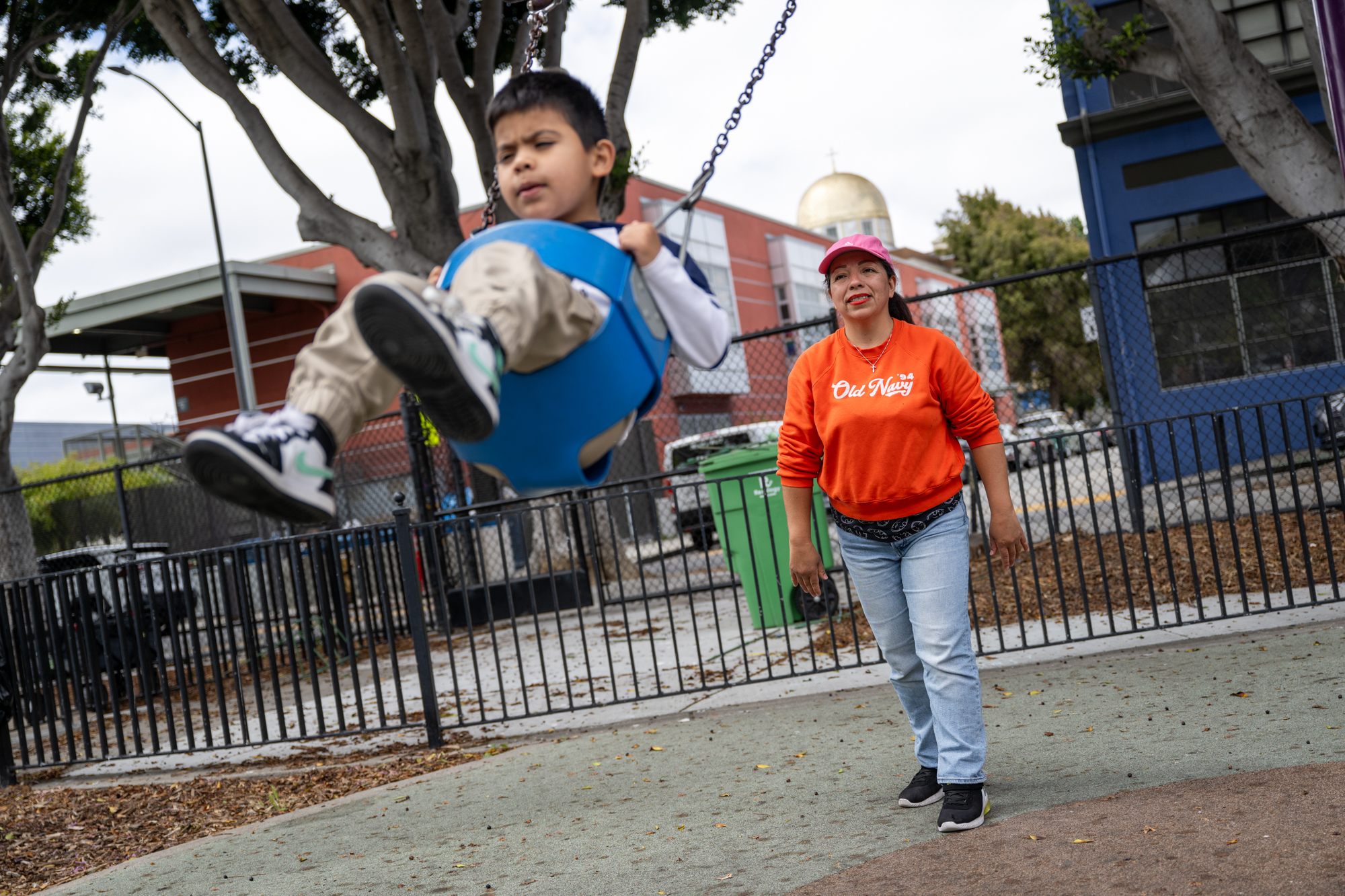
"caption": "Maritza Salinas pushes her son, Matthew, 6, on a swing at a playground in San Francisco on July 22, 2025.",
"credit": "Beth LaBerge/KQED",
"altTag": null,
"description": null,
"imgSizes": {
"thumbnail": {
"file": "https://cdn.kqed.org/wp-content/uploads/sites/10/2025/07/250723-SHELTERFAMILIES-05-BL-KQED-160x107.jpg",
"width": 160,
"height": 107,
"mimeType": "image/jpeg"
},
"1536x1536": {
"file": "https://cdn.kqed.org/wp-content/uploads/sites/10/2025/07/250723-SHELTERFAMILIES-05-BL-KQED-1536x1024.jpg",
"width": 1536,
"height": 1024,
"mimeType": "image/jpeg"
},
"post-thumbnail": {
"file": "https://cdn.kqed.org/wp-content/uploads/sites/10/2025/07/250723-SHELTERFAMILIES-05-BL-KQED-672x372.jpg",
"width": 672,
"height": 372,
"mimeType": "image/jpeg"
},
"twentyfourteen-full-width": {
"file": "https://cdn.kqed.org/wp-content/uploads/sites/10/2025/07/250723-SHELTERFAMILIES-05-BL-KQED-1038x576.jpg",
"width": 1038,
"height": 576,
"mimeType": "image/jpeg"
},
"kqedFullSize": {
"file": "https://cdn.kqed.org/wp-content/uploads/sites/10/2025/07/250723-SHELTERFAMILIES-05-BL-KQED.jpg",
"width": 2000,
"height": 1333
}
},
"isLoading": false,
"fetchFailed": false
},
"news_12049926": {
"type": "attachments",
"id": "news_12049926",
"meta": {
"index": "attachments_1716263798",
"site": "news",
"id": "12049926",
"found": true
},
"title": "20250725_KaiserTransProtest_GC-31_qed",
"publishDate": 1753492678,
"status": "inherit",
"parent": 12049666,
"modified": 1753492700,
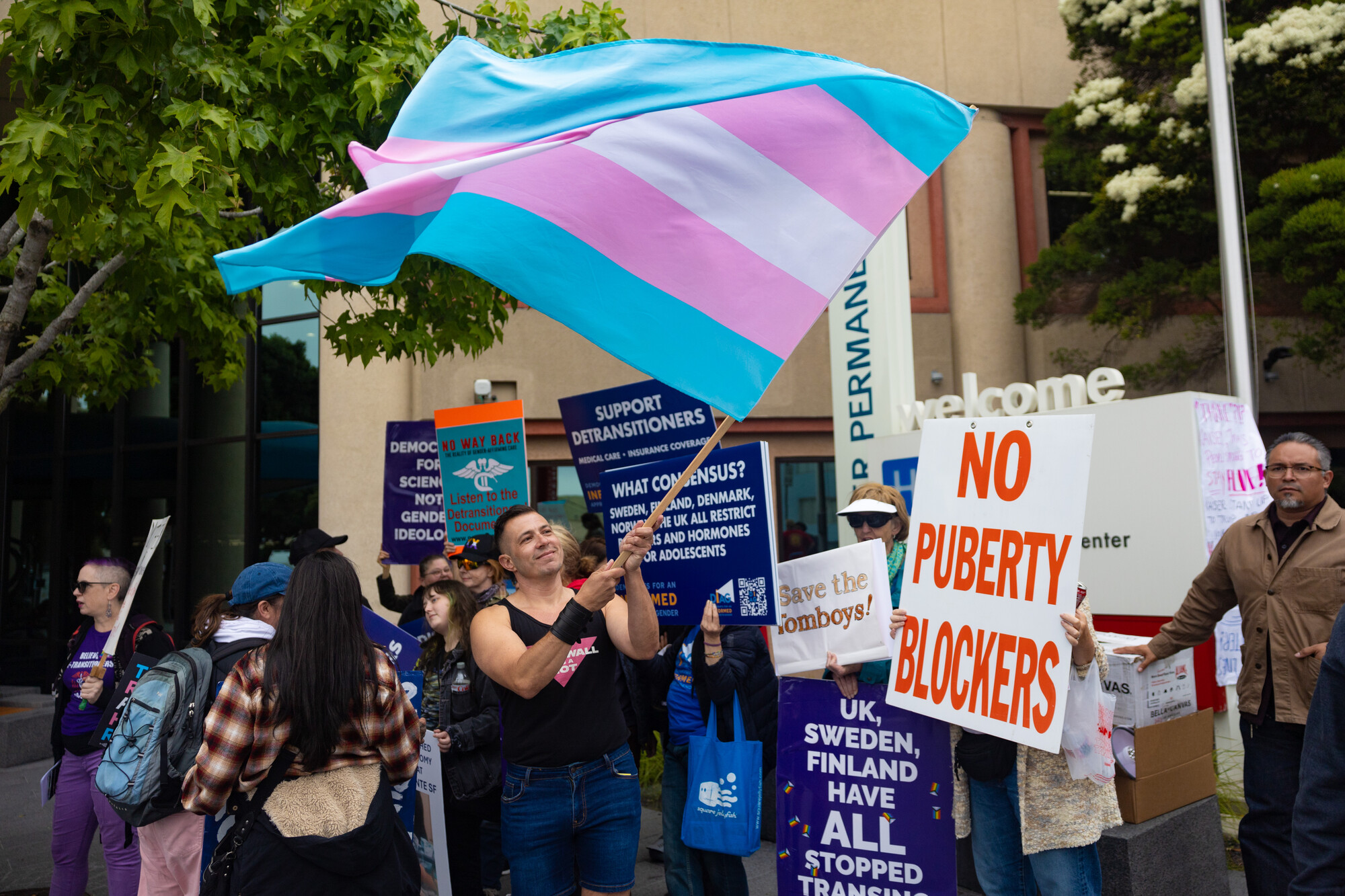
"caption": "Calder Storm waves a transgender flag at a rally and vigil, honoring transgender patients affected by Kaiser’s decision to halt gender-affirming care to minors, outside of Kaiser Permanente on July 25, 2025.",
"credit": "Gina Castro/KQED",
"altTag": null,
"description": null,
"imgSizes": {
"thumbnail": {
"file": "https://cdn.kqed.org/wp-content/uploads/sites/10/2025/07/20250725_KaiserTransProtest_GC-31_qed-160x107.jpg",
"width": 160,
"height": 107,
"mimeType": "image/jpeg"
},
"1536x1536": {
"file": "https://cdn.kqed.org/wp-content/uploads/sites/10/2025/07/20250725_KaiserTransProtest_GC-31_qed-1536x1024.jpg",
"width": 1536,
"height": 1024,
"mimeType": "image/jpeg"
},
"post-thumbnail": {
"file": "https://cdn.kqed.org/wp-content/uploads/sites/10/2025/07/20250725_KaiserTransProtest_GC-31_qed-672x372.jpg",
"width": 672,
"height": 372,
"mimeType": "image/jpeg"
},
"twentyfourteen-full-width": {
"file": "https://cdn.kqed.org/wp-content/uploads/sites/10/2025/07/20250725_KaiserTransProtest_GC-31_qed-1038x576.jpg",
"width": 1038,
"height": 576,
"mimeType": "image/jpeg"
},
"kqedFullSize": {
"file": "https://cdn.kqed.org/wp-content/uploads/sites/10/2025/07/20250725_KaiserTransProtest_GC-31_qed.jpg",
"width": 2000,
"height": 1333
}
},
"isLoading": false,
"fetchFailed": false
},
"news_12049892": {
"type": "attachments",
"id": "news_12049892",
"meta": {
"index": "attachments_1716263798",
"site": "news",
"id": "12049892",
"found": true
},
"title": "250725-SJPOWER-JG-1_qed",
"publishDate": 1753489186,
"status": "inherit",
"parent": 12049830,
"modified": 1753489199,
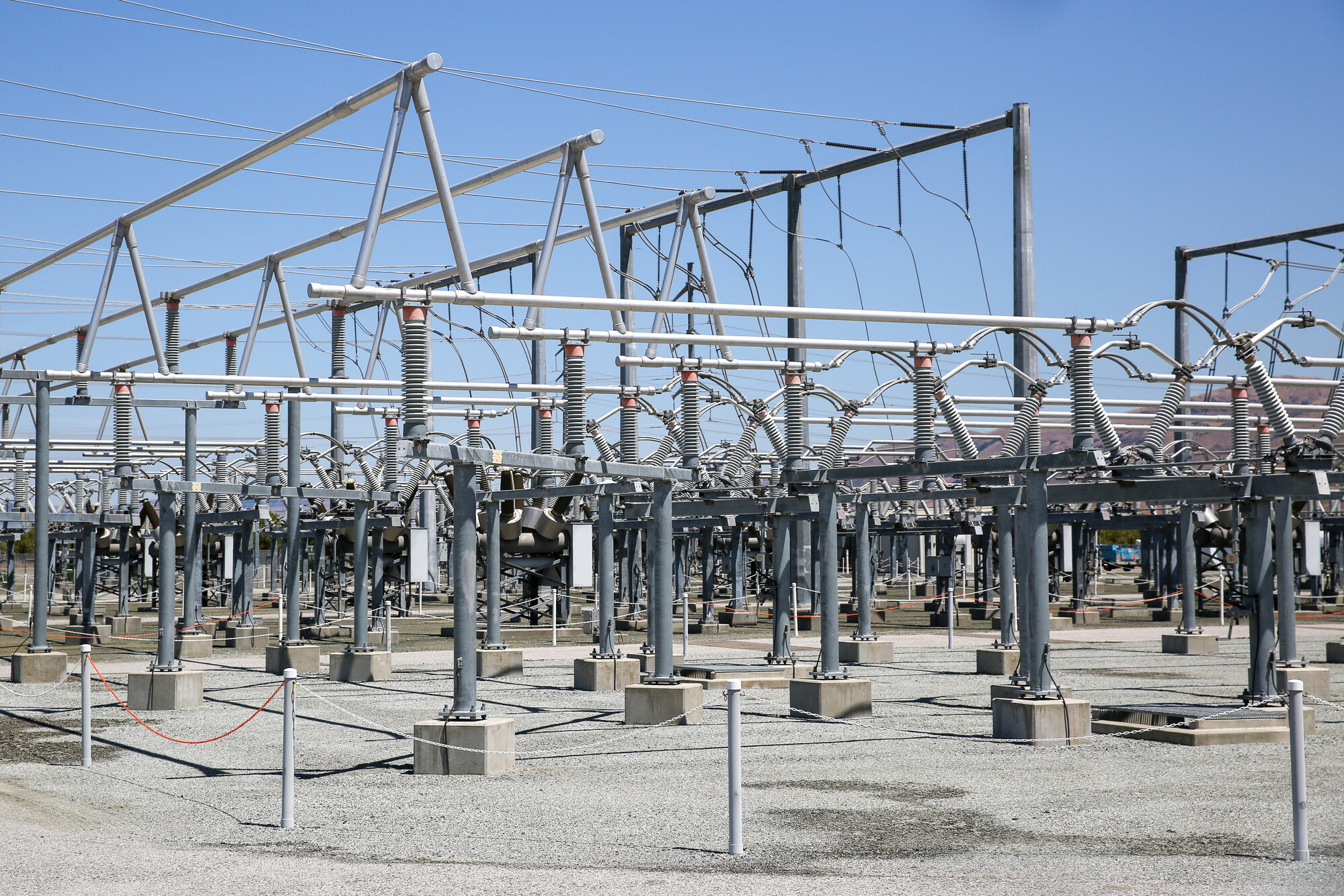
"caption": "A portion of the infrastructure at PG&E’s Los Esteros Substation in Milpitas is seen on July 25, 2025.",
"credit": "Joseph Geha/KQED",
"altTag": null,
"description": null,
"imgSizes": {
"thumbnail": {
"file": "https://cdn.kqed.org/wp-content/uploads/sites/10/2025/07/250725-SJPOWER-JG-1_qed-160x107.jpg",
"width": 160,
"height": 107,
"mimeType": "image/jpeg"
},
"1536x1536": {
"file": "https://cdn.kqed.org/wp-content/uploads/sites/10/2025/07/250725-SJPOWER-JG-1_qed-1536x1024.jpg",
"width": 1536,
"height": 1024,
"mimeType": "image/jpeg"
},
"post-thumbnail": {
"file": "https://cdn.kqed.org/wp-content/uploads/sites/10/2025/07/250725-SJPOWER-JG-1_qed-672x372.jpg",
"width": 672,
"height": 372,
"mimeType": "image/jpeg"
},
"twentyfourteen-full-width": {
"file": "https://cdn.kqed.org/wp-content/uploads/sites/10/2025/07/250725-SJPOWER-JG-1_qed-1038x576.jpg",
"width": 1038,
"height": 576,
"mimeType": "image/jpeg"
},
"kqedFullSize": {
"file": "https://cdn.kqed.org/wp-content/uploads/sites/10/2025/07/250725-SJPOWER-JG-1_qed.jpg",
"width": 1999,
"height": 1333
}
},
"isLoading": false,
"fetchFailed": false
},
"news_12049853": {
"type": "attachments",
"id": "news_12049853",
"meta": {
"index": "attachments_1716263798",
"site": "news",
"id": "12049853",
"found": true
},
"title": "250725-Planned Parenthood Closures-MD-02-KQED",
"publishDate": 1753480985,
"status": "inherit",
"parent": 0,
"modified": 1753481051,
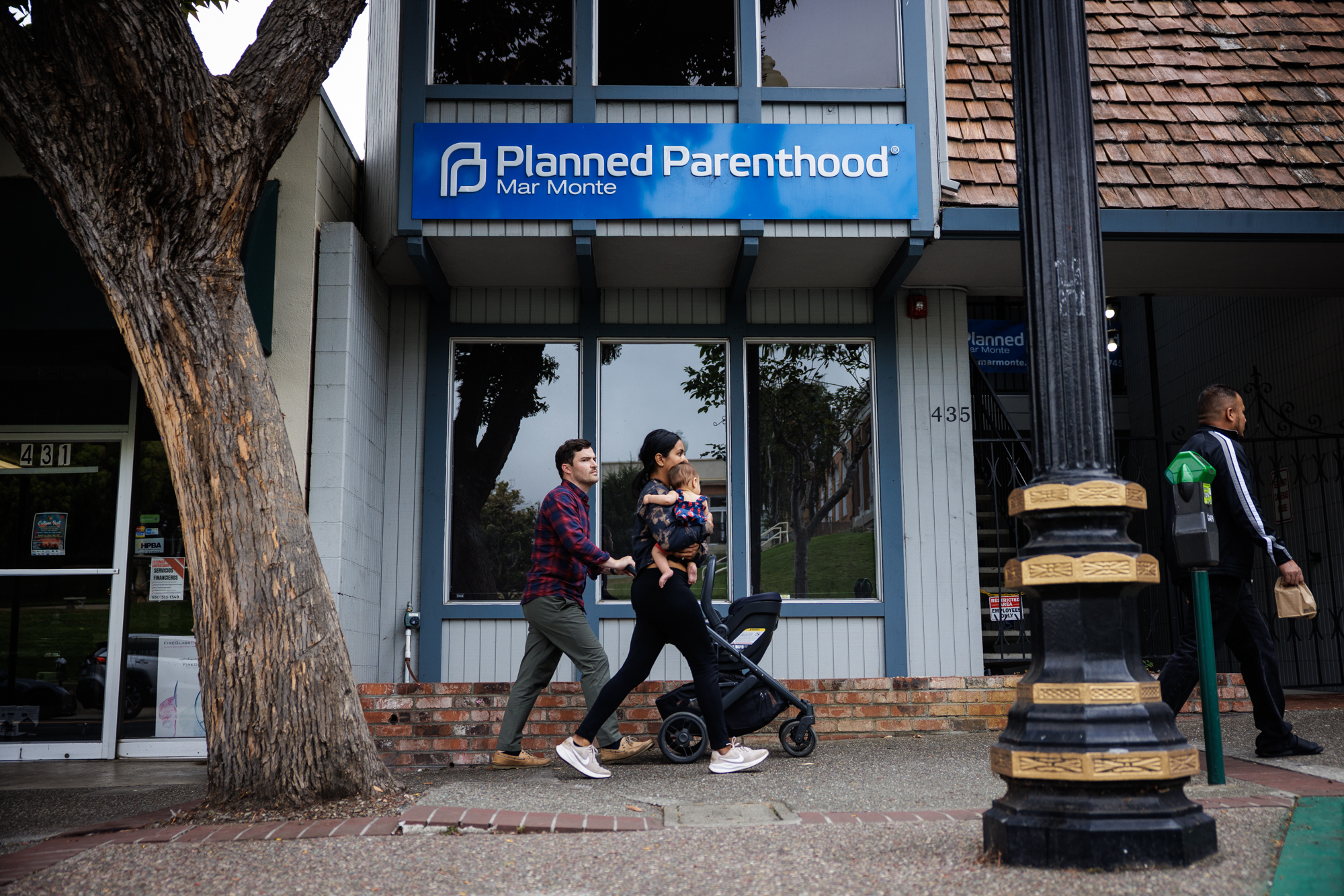
"caption": "A Planned Parenthood location in South San Francisco on July 25, 2025.",
"credit": "Martin do Nascimento/KQED",
"altTag": null,
"description": null,
"imgSizes": {
"thumbnail": {
"file": "https://cdn.kqed.org/wp-content/uploads/sites/10/2025/07/250725-Planned-Parenthood-Closures-MD-02-KQED-160x107.jpg",
"width": 160,
"height": 107,
"mimeType": "image/jpeg"
},
"1536x1536": {
"file": "https://cdn.kqed.org/wp-content/uploads/sites/10/2025/07/250725-Planned-Parenthood-Closures-MD-02-KQED-1536x1025.jpg",
"width": 1536,
"height": 1025,
"mimeType": "image/jpeg"
},
"post-thumbnail": {
"file": "https://cdn.kqed.org/wp-content/uploads/sites/10/2025/07/250725-Planned-Parenthood-Closures-MD-02-KQED-672x372.jpg",
"width": 672,
"height": 372,
"mimeType": "image/jpeg"
},
"twentyfourteen-full-width": {
"file": "https://cdn.kqed.org/wp-content/uploads/sites/10/2025/07/250725-Planned-Parenthood-Closures-MD-02-KQED-1038x576.jpg",
"width": 1038,
"height": 576,
"mimeType": "image/jpeg"
},
"kqedFullSize": {
"file": "https://cdn.kqed.org/wp-content/uploads/sites/10/2025/07/250725-Planned-Parenthood-Closures-MD-02-KQED.jpg",
"width": 2000,
"height": 1334
}
},
"isLoading": false,
"fetchFailed": false
},
"news_12049610": {
"type": "attachments",
"id": "news_12049610",
"meta": {
"index": "attachments_1716263798",
"site": "news",
"id": "12049610",
"found": true
},
"title": "240202-FixitClinic-KSM-07_qed",
"publishDate": 1753387122,
"status": "inherit",
"parent": 12049605,
"modified": 1753399414,
"caption": "Maddie Worster (left) and Connie Yu (right) work together to fix a vacuum cleaner at the Fixit clinic in Millbrae, California, on Saturday, Feb. 3, 2024.",
"credit": "Kathryn Styer Martínez/KQED",
"altTag": null,
"description": null,
"imgSizes": {
"thumbnail": {
"file": "https://cdn.kqed.org/wp-content/uploads/sites/10/2025/07/240202-FixitClinic-KSM-07_qed-160x107.jpg",
"width": 160,
"height": 107,
"mimeType": "image/jpeg"
},
"1536x1536": {
"file": "https://cdn.kqed.org/wp-content/uploads/sites/10/2025/07/240202-FixitClinic-KSM-07_qed-1536x1024.jpg",
"width": 1536,
"height": 1024,
"mimeType": "image/jpeg"
},
"post-thumbnail": {
"file": "https://cdn.kqed.org/wp-content/uploads/sites/10/2025/07/240202-FixitClinic-KSM-07_qed-672x372.jpg",
"width": 672,
"height": 372,
"mimeType": "image/jpeg"
},
"twentyfourteen-full-width": {
"file": "https://cdn.kqed.org/wp-content/uploads/sites/10/2025/07/240202-FixitClinic-KSM-07_qed-1038x576.jpg",
"width": 1038,
"height": 576,
"mimeType": "image/jpeg"
},
"kqedFullSize": {
"file": "https://cdn.kqed.org/wp-content/uploads/sites/10/2025/07/240202-FixitClinic-KSM-07_qed.jpg",
"width": 2000,
"height": 1333
}
},
"isLoading": false,
"fetchFailed": false
},
"news_12049579": {
"type": "attachments",
"id": "news_12049579",
"meta": {
"index": "attachments_1716263798",
"site": "news",
"id": "12049579",
"found": true
},
"title": "Garlic Ice Cream booth at Gilroy Garlic Festival",
"publishDate": 1753384538,
"status": "inherit",
"parent": 12049560,
"modified": 1753384574,
"caption": "People lined up to buy garlic ice cream at the 2007 Garlic Festival in Gilroy, California.",
"credit": "Mardis Coers/Getty Images",
"altTag": null,
"description": null,
"imgSizes": {
"thumbnail": {
"file": "https://cdn.kqed.org/wp-content/uploads/sites/10/2025/07/GilroyGarlicFestivalGetty-160x107.jpg",
"width": 160,
"height": 107,
"mimeType": "image/jpeg"
},
"1536x1536": {
"file": "https://cdn.kqed.org/wp-content/uploads/sites/10/2025/07/GilroyGarlicFestivalGetty-1536x1024.jpg",
"width": 1536,
"height": 1024,
"mimeType": "image/jpeg"
},
"post-thumbnail": {
"file": "https://cdn.kqed.org/wp-content/uploads/sites/10/2025/07/GilroyGarlicFestivalGetty-672x372.jpg",
"width": 672,
"height": 372,
"mimeType": "image/jpeg"
},
"twentyfourteen-full-width": {
"file": "https://cdn.kqed.org/wp-content/uploads/sites/10/2025/07/GilroyGarlicFestivalGetty-1038x576.jpg",
"width": 1038,
"height": 576,
"mimeType": "image/jpeg"
},
"kqedFullSize": {
"file": "https://cdn.kqed.org/wp-content/uploads/sites/10/2025/07/GilroyGarlicFestivalGetty.jpg",
"width": 2000,
"height": 1333
}
},
"isLoading": false,
"fetchFailed": false
},
"news_12049544": {
"type": "attachments",
"id": "news_12049544",
"meta": {
"index": "attachments_1716263798",
"site": "news",
"id": "12049544",
"found": true
},
"title": "CCSF board member, Rodrigo Santos listens to the findings of the state's Fiscal Crisis & MAnagement Assistance Team, as members of the team speak to the board at a meeting at CCSF. The team put together to look into the financial crisis at City College of",
"publishDate": 1753377779,
"status": "inherit",
"parent": 12049532,
"modified": 1753378048,
"caption": "Former City College of San Francisco board member, Rodrigo Santos (left), listens to the findings of the state's Fiscal Crisis & Management Assistance Team as members speak to the board at a meeting at CCSF on Sept. 18, 2012. ",
"credit": "Carlos Avila Gonzalez/The San Francisco Chronicle via Getty Images",
"altTag": null,
"description": null,
"imgSizes": {
"thumbnail": {
"file": "https://cdn.kqed.org/wp-content/uploads/sites/10/2025/07/RodrigoSantosSFGetty-160x112.jpg",
"width": 160,
"height": 112,
"mimeType": "image/jpeg"
},
"1536x1536": {
"file": "https://cdn.kqed.org/wp-content/uploads/sites/10/2025/07/RodrigoSantosSFGetty-1536x1077.jpg",
"width": 1536,
"height": 1077,
"mimeType": "image/jpeg"
},
"post-thumbnail": {
"file": "https://cdn.kqed.org/wp-content/uploads/sites/10/2025/07/RodrigoSantosSFGetty-672x372.jpg",
"width": 672,
"height": 372,
"mimeType": "image/jpeg"
},
"twentyfourteen-full-width": {
"file": "https://cdn.kqed.org/wp-content/uploads/sites/10/2025/07/RodrigoSantosSFGetty-1038x576.jpg",
"width": 1038,
"height": 576,
"mimeType": "image/jpeg"
},
"kqedFullSize": {
"file": "https://cdn.kqed.org/wp-content/uploads/sites/10/2025/07/RodrigoSantosSFGetty.jpg",
"width": 2000,
"height": 1402
}
},
"isLoading": false,
"fetchFailed": false
},
"news_12049492": {
"type": "attachments",
"id": "news_12049492",
"meta": {
"index": "attachments_1716263798",
"site": "news",
"id": "12049492",
"found": true
},
"title": "010_KQED_InternetArchiveOffices_03242023_qed",
"publishDate": 1753313633,
"status": "inherit",
"parent": 12049420,
"modified": 1753313642,
"caption": "Various types of electronics sit on a shelf at the Internet Archive offices in San Francisco on March 24, 2023.",
"credit": "Beth LaBerge/KQED",
"altTag": null,
"description": null,
"imgSizes": {
"thumbnail": {
"file": "https://cdn.kqed.org/wp-content/uploads/sites/10/2025/07/010_KQED_InternetArchiveOffices_03242023_qed-160x107.jpg",
"width": 160,
"height": 107,
"mimeType": "image/jpeg"
},
"1536x1536": {
"file": "https://cdn.kqed.org/wp-content/uploads/sites/10/2025/07/010_KQED_InternetArchiveOffices_03242023_qed-1536x1024.jpg",
"width": 1536,
"height": 1024,
"mimeType": "image/jpeg"
},
"post-thumbnail": {
"file": "https://cdn.kqed.org/wp-content/uploads/sites/10/2025/07/010_KQED_InternetArchiveOffices_03242023_qed-672x372.jpg",
"width": 672,
"height": 372,
"mimeType": "image/jpeg"
},
"twentyfourteen-full-width": {
"file": "https://cdn.kqed.org/wp-content/uploads/sites/10/2025/07/010_KQED_InternetArchiveOffices_03242023_qed-1038x576.jpg",
"width": 1038,
"height": 576,
"mimeType": "image/jpeg"
},
"kqedFullSize": {
"file": "https://cdn.kqed.org/wp-content/uploads/sites/10/2025/07/010_KQED_InternetArchiveOffices_03242023_qed.jpg",
"width": 2000,
"height": 1333
}
},
"isLoading": false,
"fetchFailed": false
},
"news_11997608": {
"type": "attachments",
"id": "news_11997608",
"meta": {
"index": "attachments_1716263798",
"site": "news",
"id": "11997608",
"found": true
},
"title": "2013 San Francisco Marathon",
"publishDate": 1722025402,
"status": "inherit",
"parent": 11997524,
"modified": 1722026405,
"caption": "Runners cross the Golden Gate Bridge during the 2013 San Francisco Marathon and Half-Marathon on June 16, 2013, in San Francisco. ",
"credit": "Ezra Shaw/Getty Images",
"altTag": null,
"description": null,
"imgSizes": {
"medium": {
"file": "https://cdn.kqed.org/wp-content/uploads/sites/10/2024/07/GettyImages-170700422-800x548.jpg",
"width": 800,
"height": 548,
"mimeType": "image/jpeg"
},
"large": {
"file": "https://cdn.kqed.org/wp-content/uploads/sites/10/2024/07/GettyImages-170700422-1020x699.jpg",
"width": 1020,
"height": 699,
"mimeType": "image/jpeg"
},
"thumbnail": {
"file": "https://cdn.kqed.org/wp-content/uploads/sites/10/2024/07/GettyImages-170700422-160x110.jpg",
"width": 160,
"height": 110,
"mimeType": "image/jpeg"
},
"post-thumbnail": {
"file": "https://cdn.kqed.org/wp-content/uploads/sites/10/2024/07/GettyImages-170700422-672x372.jpg",
"width": 672,
"height": 372,
"mimeType": "image/jpeg"
},
"twentyfourteen-full-width": {
"file": "https://cdn.kqed.org/wp-content/uploads/sites/10/2024/07/GettyImages-170700422-1024x576.jpg",
"width": 1024,
"height": 576,
"mimeType": "image/jpeg"
},
"kqedFullSize": {
"file": "https://cdn.kqed.org/wp-content/uploads/sites/10/2024/07/GettyImages-170700422.jpg",
"width": 1024,
"height": 702
}
},
"isLoading": false,
"fetchFailed": false
},
"news_11883672": {
"type": "attachments",
"id": "news_11883672",
"meta": {
"index": "attachments_1716263798",
"site": "news",
"id": "11883672",
"found": true
},
"parent": 11883382,
"imgSizes": {
"twentyfourteen-full-width": {
"file": "https://ww2.kqed.org/app/uploads/sites/10/2021/08/Josie-Manalo-leaving-for-America-1920x1080-1-1038x576.jpg",
"width": 1038,
"mimeType": "image/jpeg",
"height": 576
},
"thumbnail": {
"file": "https://ww2.kqed.org/app/uploads/sites/10/2021/08/Josie-Manalo-leaving-for-America-1920x1080-1-160x90.jpg",
"width": 160,
"mimeType": "image/jpeg",
"height": 90
},
"post-thumbnail": {
"file": "https://ww2.kqed.org/app/uploads/sites/10/2021/08/Josie-Manalo-leaving-for-America-1920x1080-1-672x372.jpg",
"width": 672,
"mimeType": "image/jpeg",
"height": 372
},
"kqedFullSize": {
"file": "https://ww2.kqed.org/app/uploads/sites/10/2021/08/Josie-Manalo-leaving-for-America-1920x1080-1.jpg",
"width": 1920,
"height": 1080
},
"large": {
"file": "https://ww2.kqed.org/app/uploads/sites/10/2021/08/Josie-Manalo-leaving-for-America-1920x1080-1-1020x574.jpg",
"width": 1020,
"mimeType": "image/jpeg",
"height": 574
},
"1536x1536": {
"file": "https://ww2.kqed.org/app/uploads/sites/10/2021/08/Josie-Manalo-leaving-for-America-1920x1080-1-1536x864.jpg",
"width": 1536,
"mimeType": "image/jpeg",
"height": 864
},
"medium": {
"file": "https://ww2.kqed.org/app/uploads/sites/10/2021/08/Josie-Manalo-leaving-for-America-1920x1080-1-800x450.jpg",
"width": 800,
"mimeType": "image/jpeg",
"height": 450
}
},
"publishDate": 1628084533,
"modified": 1628176740,
"caption": "Josie Manalo, the mother of Daly City Mayor Juslyn Manalo, getting ready to board her flight from the Philippines to the United States in 1973.",
"description": "A young woman smiles while carrying a large bag over her shoulder. She wears a collared top. There is an airplane in the background.",
"title": "Josie Manalo leaving for America 1920x1080",
"credit": "Courtesy of Juslyn Manalo",
"status": "inherit",
"altTag": "A young woman smiles while carrying a large bag over her shoulder. She wears a collared top. There is an airplane in the background.",
"isLoading": false,
"fetchFailed": false
},
"news_12049360": {
"type": "attachments",
"id": "news_12049360",
"meta": {
"index": "attachments_1716263798",
"site": "news",
"id": "12049360",
"found": true
},
"title": "PostOfficeFire",
"publishDate": 1753297850,
"status": "inherit",
"parent": 12049354,
"modified": 1753297946,
"caption": "San José Fire Department firefighters respond to a fire after a car crashed into a Post Office on Sunday, July 20, 2025, in San José, California.",
"credit": "Courtesy of San José Fire Department via X",
"altTag": null,
"description": null,
"imgSizes": {
"thumbnail": {
"file": "https://cdn.kqed.org/wp-content/uploads/sites/10/2025/07/PostOfficeFire-160x128.jpg",
"width": 160,
"height": 128,
"mimeType": "image/jpeg"
},
"1536x1536": {
"file": "https://cdn.kqed.org/wp-content/uploads/sites/10/2025/07/PostOfficeFire-1536x1228.jpg",
"width": 1536,
"height": 1228,
"mimeType": "image/jpeg"
},
"post-thumbnail": {
"file": "https://cdn.kqed.org/wp-content/uploads/sites/10/2025/07/PostOfficeFire-672x372.jpg",
"width": 672,
"height": 372,
"mimeType": "image/jpeg"
},
"twentyfourteen-full-width": {
"file": "https://cdn.kqed.org/wp-content/uploads/sites/10/2025/07/PostOfficeFire-1038x576.jpg",
"width": 1038,
"height": 576,
"mimeType": "image/jpeg"
},
"kqedFullSize": {
"file": "https://cdn.kqed.org/wp-content/uploads/sites/10/2025/07/PostOfficeFire.jpg",
"width": 2000,
"height": 1599
}
},
"isLoading": false,
"fetchFailed": false
}
},
"audioPlayerReducer": {
"postId": "stream_live",
"isPaused": true,
"isPlaying": false,
"pfsActive": false,
"pledgeModalIsOpen": true,
"playerDrawerIsOpen": false,
"liveAudioPlayStartedAt": 0,
"liveAudioPlayContext": ""
},
"authorsReducer": {
"astupi": {
"type": "authors",
"id": "70",
"meta": {
"index": "authors_1716337520",
"id": "70",
"found": true
},
"name": "Amanda Stupi",
"firstName": "Amanda",
"lastName": "Stupi",
"slug": "astupi",
"email": "astupi@kqed.org",
"display_author_email": false,
"staff_mastheads": [],
"title": "Senior Engagement Producer",
"bio": "Amanda joined KQED Science’s engagement team as a Senior Audience Engagement Strategist in the spring of 2019. She has helped craft messaging around wildfires, the coronavirus pandemic, climate change and many other stories. She has also brought KQED Science to new platforms such as Reddit’s Ask Me Anything series. Prior to joining KQED Science, Amanda spent seven years as an engagement producer with Forum, KQED’s daily live call-in show. She got her start in radio at KALW's weekly call in show, City Visions, before going on to an internship and stint at NPR's Talk of the Nation.\r\n\r\nPrior to journalism, Amanda taught English at Lowell High School. She's a native of Petaluma and currently lives under the \"South San Francisco the Industrial City\" sign in South City. She believes that engagement is vital to news’s future and that good journalism listens as much as it asks questions.",
"avatar": "https://secure.gravatar.com/avatar/e981c503e5c162da701dcaccfbf87e35?s=600&d=blank&r=g",
"twitter": null,
"facebook": null,
"instagram": null,
"linkedin": null,
"sites": [
{
"site": "arts",
"roles": [
"Contributor"
]
},
{
"site": "news",
"roles": [
"editor"
]
},
{
"site": "pop",
"roles": [
"contributor"
]
},
{
"site": "stateofhealth",
"roles": [
"editor"
]
},
{
"site": "science",
"roles": []
},
{
"site": "perspectives",
"roles": [
"editor"
]
}
],
"headData": {
"title": "Amanda Stupi | KQED",
"description": "Senior Engagement Producer",
"ogImgSrc": "https://secure.gravatar.com/avatar/e981c503e5c162da701dcaccfbf87e35?s=600&d=blank&r=g",
"twImgSrc": "https://secure.gravatar.com/avatar/e981c503e5c162da701dcaccfbf87e35?s=600&d=blank&r=g"
},
"isLoading": false,
"link": "/author/astupi"
},
"jlara": {
"type": "authors",
"id": "11761",
"meta": {
"index": "authors_1716337520",
"id": "11761",
"found": true
},
"name": "Juan Carlos Lara",
"firstName": "Juan Carlos",
"lastName": "Lara",
"slug": "jlara",
"email": "jlara@kqed.org",
"display_author_email": false,
"staff_mastheads": [],
"title": "KQED Contributor",
"bio": null,
"avatar": "https://secure.gravatar.com/avatar/19e2052b9b05657c5ff2af2121846e9c?s=600&d=blank&r=g",
"twitter": null,
"facebook": null,
"instagram": null,
"linkedin": null,
"sites": [
{
"site": "arts",
"roles": [
"editor"
]
},
{
"site": "news",
"roles": [
"editor"
]
},
{
"site": "forum",
"roles": [
"editor"
]
},
{
"site": "liveblog",
"roles": [
"contributor"
]
}
],
"headData": {
"title": "Juan Carlos Lara | KQED",
"description": "KQED Contributor",
"ogImgSrc": "https://secure.gravatar.com/avatar/19e2052b9b05657c5ff2af2121846e9c?s=600&d=blank&r=g",
"twImgSrc": "https://secure.gravatar.com/avatar/19e2052b9b05657c5ff2af2121846e9c?s=600&d=blank&r=g"
},
"isLoading": false,
"link": "/author/jlara"
},
"adahlstromeckman": {
"type": "authors",
"id": "11785",
"meta": {
"index": "authors_1716337520",
"id": "11785",
"found": true
},
"name": "Azul Dahlstrom-Eckman",
"firstName": "Azul",
"lastName": "Dahlstrom-Eckman",
"slug": "adahlstromeckman",
"email": "adahlstrom-eckman@kqed.org",
"display_author_email": true,
"staff_mastheads": [],
"title": "Reporter",
"bio": "Azul is a reporter for KQED focusing on transportation and features. He joined KQED in 2021 as an alumna of KALW's Audio Academy radio journalism training program.",
"avatar": "https://secure.gravatar.com/avatar/9cb750298435add7815a777f55bf1f46845c1386bb8452555c60a7b820b5aba3?s=600&d=blank&r=g",
"twitter": "@zuliemann",
"bluesky": "@azul415.bsky.social",
"facebook": null,
"instagram": null,
"linkedin": null,
"sites": [
{
"site": "arts",
"roles": [
"editor"
]
},
{
"site": "news",
"roles": [
"editor"
]
},
{
"site": "science",
"roles": [
"editor"
]
},
{
"site": "liveblog",
"roles": [
"author"
]
}
],
"headData": {
"title": "Azul Dahlstrom-Eckman | KQED",
"description": "Reporter",
"ogImgSrc": "https://secure.gravatar.com/avatar/9cb750298435add7815a777f55bf1f46845c1386bb8452555c60a7b820b5aba3?s=600&d=blank&r=g",
"twImgSrc": "https://secure.gravatar.com/avatar/9cb750298435add7815a777f55bf1f46845c1386bb8452555c60a7b820b5aba3?s=600&d=blank&r=g"
},
"isLoading": false,
"link": "/author/adahlstromeckman"
},
"sjohnson": {
"type": "authors",
"id": "11840",
"meta": {
"index": "authors_1716337520",
"id": "11840",
"found": true
},
"name": "Sydney Johnson",
"firstName": "Sydney",
"lastName": "Johnson",
"slug": "sjohnson",
"email": "sjohnson@kqed.org",
"display_author_email": false,
"staff_mastheads": [
"news"
],
"title": "KQED Reporter",
"bio": "Sydney Johnson is a general assignment reporter at KQED. She previously reported on public health and city government at the San Francisco Examiner, and before that, she covered statewide education policy for EdSource. Her reporting has won multiple local, state and national awards. Sydney is a graduate of the University of California, Berkeley and lives in San Francisco.",
"avatar": "https://secure.gravatar.com/avatar/97855f2719b72ad6190b7c535fe642c8?s=600&d=blank&r=g",
"twitter": "sydneyfjohnson",
"facebook": null,
"instagram": null,
"linkedin": null,
"sites": [
{
"site": "news",
"roles": [
"editor"
]
}
],
"headData": {
"title": "Sydney Johnson | KQED",
"description": "KQED Reporter",
"ogImgSrc": "https://secure.gravatar.com/avatar/97855f2719b72ad6190b7c535fe642c8?s=600&d=blank&r=g",
"twImgSrc": "https://secure.gravatar.com/avatar/97855f2719b72ad6190b7c535fe642c8?s=600&d=blank&r=g"
},
"isLoading": false,
"link": "/author/sjohnson"
},
"rvasquez": {
"type": "authors",
"id": "11860",
"meta": {
"index": "authors_1716337520",
"id": "11860",
"found": true
},
"name": "Rachael Vasquez",
"firstName": "Rachael",
"lastName": "Vasquez",
"slug": "rvasquez",
"email": "rvasquez@KQED.org",
"display_author_email": false,
"staff_mastheads": [
"news"
],
"title": "KQED Contributor",
"bio": "Rachael Vasquez is a weekend host and editor at KQED. She’s worked in public radio for years, most recently at Wisconsin Public Radio in Madison, Wis. where she woke up very early as a producer for the network’s statewide \"Morning Edition\" broadcast, later serving as a producer for the stations’s afternoon talk show \"Central Time,\" and going on to report on business and economics during the coronavirus pandemic. In addition to hearing her anchor the afternoon newscasts every weekend at KQED, you can find her working with a number of different teams including the weekday newsroom and \"Forum.\" Rachael is an East Bay native who loves watching old movies and cooking her abuelita’s recipes.",
"avatar": "https://secure.gravatar.com/avatar/a1defdae97cbdde04c13baacacd7c94a?s=600&d=blank&r=g",
"twitter": null,
"facebook": null,
"instagram": null,
"linkedin": null,
"sites": [
{
"site": "news",
"roles": [
"editor"
]
}
],
"headData": {
"title": "Rachael Vasquez | KQED",
"description": "KQED Contributor",
"ogImgSrc": "https://secure.gravatar.com/avatar/a1defdae97cbdde04c13baacacd7c94a?s=600&d=blank&r=g",
"twImgSrc": "https://secure.gravatar.com/avatar/a1defdae97cbdde04c13baacacd7c94a?s=600&d=blank&r=g"
},
"isLoading": false,
"link": "/author/rvasquez"
},
"nkhan": {
"type": "authors",
"id": "11867",
"meta": {
"index": "authors_1716337520",
"id": "11867",
"found": true
},
"name": "Nisa Khan",
"firstName": "Nisa",
"lastName": "Khan",
"slug": "nkhan",
"email": "nkhan@kqed.org",
"display_author_email": false,
"staff_mastheads": [],
"title": "KQED Contributor",
"bio": "Nisa Khan is a reporter for KQED's Audience News Desk. She was formerly a data reporter at Michigan Radio. She earned a Bachelor of Science in Information from the University of Michigan and a Master of Arts in Communication from Stanford University.",
"avatar": "https://secure.gravatar.com/avatar/8720459eef081ff64582b3506b124d58523e80e120704a0cbd9892533c914991?s=600&d=blank&r=g",
"twitter": "mnisakhan",
"bluesky": null,
"facebook": null,
"instagram": null,
"linkedin": null,
"sites": [
{
"site": "arts",
"roles": [
"editor"
]
},
{
"site": "news",
"roles": [
"editor"
]
},
{
"site": "science",
"roles": [
"editor",
"author"
]
},
{
"site": "forum",
"roles": [
"editor"
]
},
{
"site": "liveblog",
"roles": [
"contributor"
]
}
],
"headData": {
"title": "Nisa Khan | KQED",
"description": "KQED Contributor",
"ogImgSrc": "https://secure.gravatar.com/avatar/8720459eef081ff64582b3506b124d58523e80e120704a0cbd9892533c914991?s=600&d=blank&r=g",
"twImgSrc": "https://secure.gravatar.com/avatar/8720459eef081ff64582b3506b124d58523e80e120704a0cbd9892533c914991?s=600&d=blank&r=g"
},
"isLoading": false,
"link": "/author/nkhan"
},
"jgeha": {
"type": "authors",
"id": "11906",
"meta": {
"index": "authors_1716337520",
"id": "11906",
"found": true
},
"name": "Joseph Geha",
"firstName": "Joseph",
"lastName": "Geha",
"slug": "jgeha",
"email": "jgeha@kqed.org",
"display_author_email": false,
"staff_mastheads": [
"news",
"science"
],
"title": "KQED Contributor",
"bio": null,
"avatar": "https://secure.gravatar.com/avatar/ea84d2b6dd93d6369d453edf19dd583f117cd1759d2d9c9c92f9de77017354fe?s=600&d=blank&r=g",
"twitter": null,
"bluesky": null,
"facebook": null,
"instagram": null,
"linkedin": null,
"sites": [
{
"site": "news",
"roles": [
"editor"
]
},
{
"site": "liveblog",
"roles": [
"author"
]
}
],
"headData": {
"title": "Joseph Geha | KQED",
"description": "KQED Contributor",
"ogImgSrc": "https://secure.gravatar.com/avatar/ea84d2b6dd93d6369d453edf19dd583f117cd1759d2d9c9c92f9de77017354fe?s=600&d=blank&r=g",
"twImgSrc": "https://secure.gravatar.com/avatar/ea84d2b6dd93d6369d453edf19dd583f117cd1759d2d9c9c92f9de77017354fe?s=600&d=blank&r=g"
},
"isLoading": false,
"link": "/author/jgeha"
},
"kdebenedetti": {
"type": "authors",
"id": "11913",
"meta": {
"index": "authors_1716337520",
"id": "11913",
"found": true
},
"name": "Katie DeBenedetti",
"firstName": "Katie",
"lastName": "DeBenedetti",
"slug": "kdebenedetti",
"email": "kdebenedetti@kqed.org",
"display_author_email": false,
"staff_mastheads": [
"news",
"science"
],
"title": "KQED Contributor",
"bio": "Katie DeBenedetti is a digital reporter covering daily news for the Express Desk. Prior to joining KQED as a culture reporting intern in January 2024, she covered education and city government for the Napa Valley Register.",
"avatar": "https://secure.gravatar.com/avatar/6e31073cb8f7e4214ab03f42771d0f45?s=600&d=blank&r=g",
"twitter": null,
"facebook": null,
"instagram": null,
"linkedin": null,
"sites": [
{
"site": "news",
"roles": [
"author"
]
},
{
"site": "science",
"roles": [
"author"
]
},
{
"site": "liveblog",
"roles": [
"author"
]
}
],
"headData": {
"title": "Katie DeBenedetti | KQED",
"description": "KQED Contributor",
"ogImgSrc": "https://secure.gravatar.com/avatar/6e31073cb8f7e4214ab03f42771d0f45?s=600&d=blank&r=g",
"twImgSrc": "https://secure.gravatar.com/avatar/6e31073cb8f7e4214ab03f42771d0f45?s=600&d=blank&r=g"
},
"isLoading": false,
"link": "/author/kdebenedetti"
},
"slim": {
"type": "authors",
"id": "11920",
"meta": {
"index": "authors_1716337520",
"id": "11920",
"found": true
},
"name": "Samantha Lim",
"firstName": "Samantha",
"lastName": "Lim",
"slug": "slim",
"email": "slim@KQED.org",
"display_author_email": false,
"staff_mastheads": [],
"title": "KQED Contributor",
"bio": null,
"avatar": "https://secure.gravatar.com/avatar/82e592e6c15fe1a04d385e8ad0fb0b4e?s=600&d=blank&r=g",
"twitter": null,
"facebook": null,
"instagram": null,
"linkedin": null,
"sites": [
{
"site": "news",
"roles": []
}
],
"headData": {
"title": "Samantha Lim | KQED",
"description": "KQED Contributor",
"ogImgSrc": "https://secure.gravatar.com/avatar/82e592e6c15fe1a04d385e8ad0fb0b4e?s=600&d=blank&r=g",
"twImgSrc": "https://secure.gravatar.com/avatar/82e592e6c15fe1a04d385e8ad0fb0b4e?s=600&d=blank&r=g"
},
"isLoading": false,
"link": "/author/slim"
},
"emanoukian": {
"type": "authors",
"id": "11925",
"meta": {
"index": "authors_1716337520",
"id": "11925",
"found": true
},
"name": "Elize Manoukian",
"firstName": "Elize",
"lastName": "Manoukian",
"slug": "emanoukian",
"email": "emanoukian@KQED.org",
"display_author_email": false,
"staff_mastheads": [
"news"
],
"title": "Digital News Editor",
"bio": "Elize Manoukian is an award-winning audio producer and Senior Editor on the Express Desk, KQED's digital news platform. Her work has appeared on KPFA, Interlochen Public Radio, Oregon Public Broadcast, the New York Daily News, LA Times and the San Diego Union-Tribune.",
"avatar": "https://secure.gravatar.com/avatar/4525f1a8e46ccb30933b32653d9772064cfefe3fa655eb45b3b3a80341f6bdad?s=600&d=blank&r=g",
"twitter": null,
"bluesky": null,
"facebook": null,
"instagram": null,
"linkedin": null,
"sites": [
{
"site": "arts",
"roles": [
"editor"
]
},
{
"site": "news",
"roles": [
"editor"
]
},
{
"site": "science",
"roles": [
"editor"
]
}
],
"headData": {
"title": "Elize Manoukian | KQED",
"description": "Digital News Editor",
"ogImgSrc": "https://secure.gravatar.com/avatar/4525f1a8e46ccb30933b32653d9772064cfefe3fa655eb45b3b3a80341f6bdad?s=600&d=blank&r=g",
"twImgSrc": "https://secure.gravatar.com/avatar/4525f1a8e46ccb30933b32653d9772064cfefe3fa655eb45b3b3a80341f6bdad?s=600&d=blank&r=g"
},
"isLoading": false,
"link": "/author/emanoukian"
},
"msung": {
"type": "authors",
"id": "11944",
"meta": {
"index": "authors_1716337520",
"id": "11944",
"found": true
},
"name": "Morgan Sung",
"firstName": "Morgan",
"lastName": "Sung",
"slug": "msung",
"email": "msung@kqed.org",
"display_author_email": false,
"staff_mastheads": [],
"title": "Close All Tabs Host",
"bio": null,
"avatar": "https://secure.gravatar.com/avatar/34033b8d232ee6c987ca6f0a1a28f0e5?s=600&d=blank&r=g",
"twitter": null,
"facebook": null,
"instagram": null,
"linkedin": null,
"sites": [
{
"site": "news",
"roles": [
"editor"
]
}
],
"headData": {
"title": "Morgan Sung | KQED",
"description": "Close All Tabs Host",
"ogImgSrc": "https://secure.gravatar.com/avatar/34033b8d232ee6c987ca6f0a1a28f0e5?s=600&d=blank&r=g",
"twImgSrc": "https://secure.gravatar.com/avatar/34033b8d232ee6c987ca6f0a1a28f0e5?s=600&d=blank&r=g"
},
"isLoading": false,
"link": "/author/msung"
}
},
"pagesReducer": {
"news_category_local": {
"type": "terms",
"id": "news_28250",
"meta": {
"index": "terms_1716263798",
"site": "news",
"id": "28250",
"score": 12.940365
},
"featImg": null,
"name": "Local",
"description": null,
"taxonomy": "category",
"headData": {
"twImgId": null,
"twTitle": null,
"ogTitle": null,
"ogImgId": null,
"twDescription": null,
"description": null,
"title": "Local Archives | KQED News",
"ogDescription": null
},
"ttid": 28267,
"slug": "local",
"isLoading": false,
"title": "Local",
"pageMeta": {
"site": "news",
"WpPageTemplate": "page-topic-editorial",
"currentPage": 102
},
"blocks": [
{
"blockName": "kqed/post-list",
"attrs": {
"layout": "cardArticle2",
"query": "posts/news?category=local",
"seeMore": false,
"paginated": true,
"page": 102
}
},
{
"blockName": "kqed/ad"
}
]
}
},
"pfsSessionReducer": {},
"postsReducer": {
"stream_live": {
"type": "live",
"id": "stream_live",
"audioUrl": "https://streams.kqed.org/kqedradio",
"title": "Live Stream",
"excerpt": "Live Stream information currently unavailable.",
"link": "/radio",
"featImg": "",
"label": {
"name": "KQED Live",
"link": "/"
}
},
"stream_kqedNewscast": {
"type": "posts",
"id": "stream_kqedNewscast",
"audioUrl": "https://www.kqed.org/.stream/anon/radio/RDnews/newscast.mp3?_=1",
"title": "KQED Newscast",
"featImg": "",
"label": {
"name": "88.5 FM",
"link": "/"
}
},
"news_12050036": {
"type": "posts",
"id": "news_12050036",
"meta": {
"index": "posts_1716263798",
"site": "news",
"id": "12050036",
"score": null,
"sort": [
1753737215000
]
},
"guestAuthors": [],
"slug": "delta-pilot-arrested-at-sfo-is-identified-as-suspect-in-child-sex-abuse-case",
"title": "Delta Pilot Arrested at SFO Is Identified as Suspect in Child Sex Abuse Case",
"publishDate": 1753737215,
"format": "standard",
"headTitle": "Delta Pilot Arrested at SFO Is Identified as Suspect in Child Sex Abuse Case | KQED",
"labelTerm": {
"site": "news"
},
"content": "\u003cp>A Delta Air Lines copilot was arrested and dragged off a plane by federal agents on suspicion of child sexual abuse just moments after landing in \u003ca href=\"https://www.kqed.org/news/tag/san-francisco\">San Francisco\u003c/a> on Saturday night, the Contra Costa County Sheriff’s Office confirmed Monday.\u003c/p>\n\u003cp>Rustom Bhagwagar, 34, a former San Ramon resident who currently lives in Florida, was detained just after 9:30 p.m. Saturday after the flight from Minneapolis landed and passengers were preparing to deplane.\u003c/p>\n\u003cp>The Contra Costa County Sheriff’s Office said in a statement that it had been investigating Bhagwagar as the primary suspect in a case related to sex crimes against a child since April 2025, when authorities learned he was an airline pilot due to fly into San Francisco International Airport on July 26.\u003c/p>\n\u003cp>[ad fullwidth]\u003c/p>\n\u003cp>Detectives obtained a Ramey warrant — a court-ordered arrest warrant issued before a suspect is charged, usually obtained when time is of the essence or evidence needs to be preserved — and boarded the plane with the assistance of Homeland Security Investigations.\u003c/p>\n\u003cp>In an email to KQED, a passenger described a group of law enforcement officers who “stormed the cockpit,” pushing their way through the aisles wearing HSI and sheriff’s badges and carrying guns, before handcuffing the copilot and removing him from the plane. A second set of officers retrieved Bhagwagar’s luggage and personal belongings.[aside postID=news_12049532 hero='https://cdn.kqed.org/wp-content/uploads/sites/10/2025/07/RodrigoSantosSFGetty.jpg']Stunned witnesses initially thought the officers on the scene with HSI badges were immigration enforcement.\u003c/p>\n\u003cp>“Everyone was confused and in disbelief at what was happening,” Sarah Christianson, a passenger seated in first class, wrote to KQED. “The 10 people that forced their way to the cockpit didn’t say much aside from ‘clear the aisle, sit down,’ but we did hear a few of them say they were there for ‘immigration.’”\u003c/p>\n\u003cp>The remaining pilot and the flight crew also appeared “shocked” and told passengers that they didn’t know what was happening, Christianson said.\u003c/p>\n\u003cp>In a statement, a Delta Air Lines spokesperson said the company has “zero tolerance for unlawful conduct” and will fully cooperate with law enforcement.\u003c/p>\n\u003cp>“We are appalled by reports of the charges related to the arrest and the individual in question has been suspended pending an investigation,” the spokesperson said.\u003c/p>\n\u003cp>SF Gate reported that Bhagwagar previously \u003ca href=\"https://www.city-data.com/pilots/san-ramon-city-california.html\">registered\u003c/a> as a pilot with an address in San Ramon on his license.\u003c/p>\n\u003cp>Bhagwagar is being held at the Martinez Detention Facility on five counts of oral copulation with a child under 10, in lieu of $5 million bail.\u003c/p>\n\u003cp>\u003c/p>\n",
"blocks": [],
"excerpt": "Rustom Bhagwagar, 34, a former San Ramon resident who currently lives in Florida, was arrested and dragged off a plane by federal agents just after landing in San Francisco on Saturday.",
"status": "publish",
"parent": 0,
"modified": 1753738219,
"stats": {
"hasAudio": false,
"hasVideo": false,
"hasChartOrMap": false,
"iframeSrcs": [],
"hasGoogleForm": false,
"hasGallery": false,
"hasHearkenModule": false,
"hasPolis": false,
"paragraphCount": 13,
"wordCount": 455
},
"headData": {
"title": "Delta Pilot Arrested at SFO Is Identified as Suspect in Child Sex Abuse Case | KQED",
"description": "Rustom Bhagwagar, 34, a former San Ramon resident who currently lives in Florida, was arrested and dragged off a plane by federal agents just after landing in San Francisco on Saturday.",
"ogTitle": "",
"ogDescription": "",
"ogImgId": "",
"twTitle": "",
"twDescription": "",
"twImgId": "",
"schema": {
"@context": "https://schema.org",
"@type": "NewsArticle",
"headline": "Delta Pilot Arrested at SFO Is Identified as Suspect in Child Sex Abuse Case",
"datePublished": "2025-07-28T14:13:35-07:00",
"dateModified": "2025-07-28T14:30:19-07:00",
"image": "https://cdn.kqed.org/wp-content/uploads/2020/02/KQED-OG-Image@1x.png",
"isAccessibleForFree": "True",
"publisher": {
"@type": "NewsMediaOrganization",
"@id": "https://www.kqed.org/#organization",
"name": "KQED",
"logo": "https://cdn.kqed.org/wp-content/uploads/2020/02/KQED-OG-Image@1x.png",
"url": "https://www.kqed.org",
"sameAs": [
"https://www.facebook.com/KQED",
"https://twitter.com/KQED",
"https://www.instagram.com/kqed/",
"https://www.tiktok.com/@kqedofficial",
"https://www.linkedin.com/company/kqed",
"https://www.youtube.com/channel/UCeC0IOo7i1P_61zVUWbJ4nw"
]
}
}
},
"primaryCategory": {
"termId": 8,
"slug": "news",
"name": "News"
},
"sticky": false,
"nprStoryId": "kqed-12050036",
"templateType": "standard",
"featuredImageType": "standard",
"excludeFromSiteSearch": "Include",
"articleAge": "0",
"path": "/news/12050036/delta-pilot-arrested-at-sfo-is-identified-as-suspect-in-child-sex-abuse-case",
"audioTrackLength": null,
"parsedContent": [
{
"type": "contentString",
"content": "\u003cdiv class=\"post-body\">\u003cp>\u003cp>A Delta Air Lines copilot was arrested and dragged off a plane by federal agents on suspicion of child sexual abuse just moments after landing in \u003ca href=\"https://www.kqed.org/news/tag/san-francisco\">San Francisco\u003c/a> on Saturday night, the Contra Costa County Sheriff’s Office confirmed Monday.\u003c/p>\n\u003cp>Rustom Bhagwagar, 34, a former San Ramon resident who currently lives in Florida, was detained just after 9:30 p.m. Saturday after the flight from Minneapolis landed and passengers were preparing to deplane.\u003c/p>\n\u003cp>The Contra Costa County Sheriff’s Office said in a statement that it had been investigating Bhagwagar as the primary suspect in a case related to sex crimes against a child since April 2025, when authorities learned he was an airline pilot due to fly into San Francisco International Airport on July 26.\u003c/p>\n\u003cp>\u003c/p>\u003c/div>",
"attributes": {
"named": {},
"numeric": []
}
},
{
"type": "component",
"content": "",
"name": "ad",
"attributes": {
"named": {
"label": "fullwidth"
},
"numeric": [
"fullwidth"
]
}
},
{
"type": "contentString",
"content": "\u003cdiv class=\"post-body\">\u003cp>\u003c/p>\n\u003cp>Detectives obtained a Ramey warrant — a court-ordered arrest warrant issued before a suspect is charged, usually obtained when time is of the essence or evidence needs to be preserved — and boarded the plane with the assistance of Homeland Security Investigations.\u003c/p>\n\u003cp>In an email to KQED, a passenger described a group of law enforcement officers who “stormed the cockpit,” pushing their way through the aisles wearing HSI and sheriff’s badges and carrying guns, before handcuffing the copilot and removing him from the plane. A second set of officers retrieved Bhagwagar’s luggage and personal belongings.\u003c/p>\u003c/div>",
"attributes": {
"named": {},
"numeric": []
}
},
{
"type": "component",
"content": "",
"name": "aside",
"attributes": {
"named": {
"postid": "news_12049532",
"hero": "https://cdn.kqed.org/wp-content/uploads/sites/10/2025/07/RodrigoSantosSFGetty.jpg",
"label": ""
},
"numeric": []
}
},
{
"type": "contentString",
"content": "\u003cdiv class=\"post-body\">\u003cp>Stunned witnesses initially thought the officers on the scene with HSI badges were immigration enforcement.\u003c/p>\n\u003cp>“Everyone was confused and in disbelief at what was happening,” Sarah Christianson, a passenger seated in first class, wrote to KQED. “The 10 people that forced their way to the cockpit didn’t say much aside from ‘clear the aisle, sit down,’ but we did hear a few of them say they were there for ‘immigration.’”\u003c/p>\n\u003cp>The remaining pilot and the flight crew also appeared “shocked” and told passengers that they didn’t know what was happening, Christianson said.\u003c/p>\n\u003cp>In a statement, a Delta Air Lines spokesperson said the company has “zero tolerance for unlawful conduct” and will fully cooperate with law enforcement.\u003c/p>\n\u003cp>“We are appalled by reports of the charges related to the arrest and the individual in question has been suspended pending an investigation,” the spokesperson said.\u003c/p>\n\u003cp>SF Gate reported that Bhagwagar previously \u003ca href=\"https://www.city-data.com/pilots/san-ramon-city-california.html\">registered\u003c/a> as a pilot with an address in San Ramon on his license.\u003c/p>\n\u003cp>Bhagwagar is being held at the Martinez Detention Facility on five counts of oral copulation with a child under 10, in lieu of $5 million bail.\u003c/p>\n\u003cp>\u003c/p>\n\u003c/div>\u003c/p>",
"attributes": {
"named": {},
"numeric": []
}
}
],
"link": "/news/12050036/delta-pilot-arrested-at-sfo-is-identified-as-suspect-in-child-sex-abuse-case",
"authors": [
"11860",
"11925"
],
"categories": [
"news_31795",
"news_34167",
"news_28250",
"news_8",
"news_1397"
],
"tags": [
"news_5559",
"news_2043",
"news_17725",
"news_18863",
"news_18352",
"news_22608",
"news_19954",
"news_22456",
"news_38",
"news_2767",
"news_2700",
"news_1527",
"news_451",
"news_20517"
],
"featImg": "news_12050041",
"label": "news"
},
"news_12049612": {
"type": "posts",
"id": "news_12049612",
"meta": {
"index": "posts_1716263798",
"site": "news",
"id": "12049612",
"score": null,
"sort": [
1753624827000
]
},
"guestAuthors": [],
"slug": "sf-families-win-shelter-extension-rights-still-face-long-waits-for-housing",
"title": "SF Families Win Shelter Extension Rights, Still Face Long Waits for Housing",
"publishDate": 1753624827,
"format": "standard",
"headTitle": "SF Families Win Shelter Extension Rights, Still Face Long Waits for Housing | KQED",
"labelTerm": {
"site": "news"
},
"content": "\u003cp>Space is limited in the \u003ca href=\"https://www.kqed.org/news/tag/soma\">South of Market\u003c/a> kitchen Maritza Salinas shares, so she gets up around 5:30 a.m. to make breakfast for her three kids.\u003c/p>\n\u003cp>It’s just one way living in a homeless shelter shapes her daily routine. On top of parenting duties, she frequently checks in with a case worker and looks for updates on the availability of a permanent home.\u003c/p>\n\u003cp>The cycle of moving in and out of shelters weighs heavily on Salinas and is especially hard for her 6-year-old son, who has autism. She dreams of the day she can bring them to a home they can stay in for good.\u003c/p>\n\u003cp>[ad fullwidth]\u003c/p>\n\u003cp>“I want to say to my kids, ‘We got a key. We’re going to our place,’” Salinas said while pushing a stroller with her two young children on Market Street. Her 4-year-old daughter often asks when they’re going to go home. “That’s one of the hardest things for me as a mom.”\u003c/p>\n\u003cp>San Francisco has intensified efforts to clear street-level homelessness, a key issue in Mayor Daniel Lurie’s \u003ca href=\"https://www.kqed.org/news/12047353/heres-why-sf-homeless-advocates-are-glad-lurie-ditched-push-for-1500-shelter-beds\">campaign platform\u003c/a>. Yet hundreds of families living in shelters still lack stable housing each night, as the city struggles with a shortage of affordable homes and limited subsidies for residents with extremely low income.\u003c/p>\n\u003cfigure id=\"attachment_12049536\" class=\"wp-caption aligncenter\" style=\"max-width: 2000px\">\u003cimg loading=\"lazy\" decoding=\"async\" class=\"size-full wp-image-12049536\" src=\"https://cdn.kqed.org/wp-content/uploads/sites/10/2025/07/250723-SHELTERFAMILIES-03-BL-KQED.jpg\" alt=\"\" width=\"2000\" height=\"1333\" srcset=\"https://cdn.kqed.org/wp-content/uploads/sites/10/2025/07/250723-SHELTERFAMILIES-03-BL-KQED.jpg 2000w, https://cdn.kqed.org/wp-content/uploads/sites/10/2025/07/250723-SHELTERFAMILIES-03-BL-KQED-160x107.jpg 160w, https://cdn.kqed.org/wp-content/uploads/sites/10/2025/07/250723-SHELTERFAMILIES-03-BL-KQED-1536x1024.jpg 1536w\" sizes=\"auto, (max-width: 2000px) 100vw, 2000px\">\u003cfigcaption class=\"wp-caption-text\">Maritza Salinas plays with her daughter Ranea, 4, at a playground in San Francisco on July 22, 2025. \u003ccite>(Beth LaBerge/KQED)\u003c/cite>\u003c/figcaption>\u003c/figure>\n\u003cp>Salinas has experienced homelessness since leaving an abusive relationship in 2022. She stayed in cars, on sidewalks and multiple shelters for domestic violence survivors before arriving at her current spot, Harbor House.\u003c/p>\n\u003cp>She’s on one of the city’s waitlists for housing, but her time at Harbor House is running out. She knows this feeling of stress and worry well. Last year, while at another shelter, she requested an extension to avoid ending up on the streets while her housing application was pending.\u003c/p>\n\u003cp>The process was confusing and frequently left her panicked about whether she’d have a place to live at the end of the month.\u003c/p>\n\u003cp>“It sounds so easy, but I was being pushed away,” Salinas said. “What am I supposed to do, you know? Where do I need to go?”[aside postID=news_12049323 hero='https://cdn.kqed.org/wp-content/uploads/sites/10/2025/07/240610-HomelessFamilies-12-BL_qed.jpg']San Francisco is \u003ca href=\"https://www.kqed.org/news/12049323/sf-homeless-agency-walks-back-more-restrictive-policy-on-family-shelter-stays\">making it easier for families to remain in temporary shelters\u003c/a> longer starting this fall, according to a Department of Homelessness and Supportive Housing memo sent to the board of supervisors this month. Beginning Oct. 1, people in temporary family shelters can apply for an unlimited number of 90-day extensions, so long as they meet eligibility requirements.\u003c/p>\n\u003cp>The policy shift came after months of pushback against a rule implemented in December that required families to apply for 30-day extensions after their initial 90-day stay.\u003c/p>\n\u003cp>“This win would not have happened without homeless families coming to City Hall themselves to tell their stories and organizing the community for months on end,” Supervisor Jackie Fielder, who advocated for the policy change, said in a statement.\u003c/p>\n\u003cp>It’s a welcome change for those repeatedly filing extension applications while waiting for permanent housing.\u003c/p>\n\u003cp>“We started receiving eviction notices almost every month,” said Yaneth Perez, who lives in the Oasis shelter, in a press statement. Perez and Salinas have both organized alongside groups such as Faith in Action and the Coalition on Homelessness, advocating for more funding and resources for homeless families. “It created incredible stress and anxiety for us and our kids.” Advocates held press conferences outside schools to protest the evictions and met with Mayor Lurie in February. “We’re glad he’s finally listening,” Perez said.\u003c/p>\n\u003cfigure id=\"attachment_12049534\" class=\"wp-caption aligncenter\" style=\"max-width: 2000px\">\u003cimg loading=\"lazy\" decoding=\"async\" class=\"size-full wp-image-12049534\" src=\"https://cdn.kqed.org/wp-content/uploads/sites/10/2025/07/250722-SHELTERFAMILIES-07-BL-KQED.jpg\" alt=\"\" width=\"2000\" height=\"1333\" srcset=\"https://cdn.kqed.org/wp-content/uploads/sites/10/2025/07/250722-SHELTERFAMILIES-07-BL-KQED.jpg 2000w, https://cdn.kqed.org/wp-content/uploads/sites/10/2025/07/250722-SHELTERFAMILIES-07-BL-KQED-160x107.jpg 160w, https://cdn.kqed.org/wp-content/uploads/sites/10/2025/07/250722-SHELTERFAMILIES-07-BL-KQED-1536x1024.jpg 1536w\" sizes=\"auto, (max-width: 2000px) 100vw, 2000px\">\u003cfigcaption class=\"wp-caption-text\">Maritza Salinas and her daughter Ranea, 4, and son Matthew, 6, attend a rally at City Hall in San Francisco on July 22, 2025, in opposition to a citywide RV ban. \u003ccite>(Beth LaBerge/KQED)\u003c/cite>\u003c/figcaption>\u003c/figure>\n\u003cp>But extensions don’t resolve the underlying need for more affordable housing.\u003c/p>\n\u003cp>Just 13% of people in San Francisco shelters exited into permanent housing, according \u003ca href=\"https://media.api.sf.gov/documents/CON_Shelter_Assessment_Report.pdf\" target=\"_blank\" rel=\"noopener\">to a March 2025 report\u003c/a> from the city controller.\u003c/p>\n\u003cp>That’s one of the fundamental problems, said Christin Evans, vice chair of the city’s homelessness oversight body. “When people come into shelter, they’re seeking assistance to secure stable housing. They don’t want to remain in the shelter,” she said.\u003c/p>\n\u003cp>Since taking office, Lurie has set up a public-private fund to build out more transitional beds, passed legislation to speed up contracts for homelessness service providers, and opened up a new drop-in facility for mental health care. The city has also \u003ca href=\"https://www.sfchronicle.com/sf/article/illegal-lodging-arrests-are-soaring-in-s-f-20269807.php\">increased citations and arrests\u003c/a> for people sleeping outside and is clearing more encampments.[aside postID=news_12044180 hero='https://cdn.kqed.org/wp-content/uploads/sites/10/2025/06/20250428_WarrantlessSearches_GC-29_qed.jpg']However, Lurie has \u003ca href=\"https://www.kqed.org/news/12047353/heres-why-sf-homeless-advocates-are-glad-lurie-ditched-push-for-1500-shelter-beds\">walked back a key\u003c/a> campaign trail promise to build 1,500 shelter beds within his first six months in office. Now, he’s focused on moving people more quickly through the homelessness response system and building more behavioral health and drug treatment beds.\u003c/p>\n\u003cp>\u003ca href=\"https://www.kqed.org/news/12041773/san-francisco-mayor-daniel-lurie-plans-to-cut-1400-jobs-in-city-budget-proposal\">His $16 billion budget\u003c/a> aligns with those new priorities. The board of supervisors approved his plan to reallocate funding for permanent supportive housing to improve existing parts of the shelter system. The budget deal restored $30 million for rental subsidies for homeless families, which was previously on the chopping block.\u003c/p>\n\u003cp>But Lurie’s initial budget proposal did not include any new investments in addressing family homelessness. Advocates and experts were alarmed, pointing out that the number of families experiencing homelessness nearly doubled from 2022 to 2024, \u003ca href=\"https://media.api.sf.gov/documents/2024_PIT_Slide_Brief.pdf\" target=\"_blank\" rel=\"noopener\">according to the city’s 2024 Point in Time count\u003c/a> of the homeless population.\u003c/p>\n\u003cp>“We have limited funds going to rapid rehousing vouchers and permanent supportive housing placements, and there are very long waitlists for people to get those resources,” Evans said.\u003c/p>\n\u003cp>Still, advocates for unhoused families celebrated the shelter extension policy and additions to the budget. Lurie praised the change, too.\u003c/p>\n\u003cfigure id=\"attachment_12036906\" class=\"wp-caption aligncenter\" style=\"max-width: 2000px\">\u003cimg loading=\"lazy\" decoding=\"async\" class=\"size-full wp-image-12036906\" src=\"https://cdn.kqed.org/wp-content/uploads/sites/10/2025/04/250418-SFPDFILE-35-BL-KQED.jpg\" alt=\"\" width=\"2000\" height=\"1333\" srcset=\"https://cdn.kqed.org/wp-content/uploads/sites/10/2025/04/250418-SFPDFILE-35-BL-KQED.jpg 2000w, https://cdn.kqed.org/wp-content/uploads/sites/10/2025/04/250418-SFPDFILE-35-BL-KQED-800x533.jpg 800w, https://cdn.kqed.org/wp-content/uploads/sites/10/2025/04/250418-SFPDFILE-35-BL-KQED-1020x680.jpg 1020w, https://cdn.kqed.org/wp-content/uploads/sites/10/2025/04/250418-SFPDFILE-35-BL-KQED-160x107.jpg 160w, https://cdn.kqed.org/wp-content/uploads/sites/10/2025/04/250418-SFPDFILE-35-BL-KQED-1536x1024.jpg 1536w, https://cdn.kqed.org/wp-content/uploads/sites/10/2025/04/250418-SFPDFILE-35-BL-KQED-1920x1280.jpg 1920w\" sizes=\"auto, (max-width: 2000px) 100vw, 2000px\">\u003cfigcaption class=\"wp-caption-text\">Mayor Daniel Lurie speaks with San Francisco Homeless Outreach Team members at 16th and Mission streets in San Francisco on April 18, 2025. \u003ccite>(Beth LaBerge/KQED)\u003c/cite>\u003c/figcaption>\u003c/figure>\n\u003cp>“So many families get stuck in our system, with kids growing up year after year in temporary shelter without a path to stable, permanent housing. Meanwhile, thousands of people sleep on the street every night, and the city has few indoor options to offer because our shelters are full,” Lurie said in a statement. “When government isn’t afraid to try things and listen to feedback, we can craft thoughtful, effective policies, and that’s what we’ve done here.”\u003c/p>\n\u003cp>But experts say the city still needs far more places for residents with extremely low income to live so shelter stays are brief and new people can move in and out.\u003c/p>\n\u003cp>Without that, efforts to open more shelter beds and improve flow through the system overall will fall short, said Margot Kushel, an expert on homelessness based at UCSF.\u003c/p>\n\u003cp>“Time limits are an effort to spread the limited resource of shelters around, but the only way to truly create enough shelter spots is to have reasonable options for people to leave shelter with housing,” Kushel said in an email. “We need to be sure that we create housing that front-line workers can afford, that those on disability can afford. And that is really hard to do, because the numbers don’t always pencil out.”\u003c/p>\n\u003cfigure id=\"attachment_12049537\" class=\"wp-caption aligncenter\" style=\"max-width: 2000px\">\u003cimg loading=\"lazy\" decoding=\"async\" class=\"size-full wp-image-12049537\" src=\"https://cdn.kqed.org/wp-content/uploads/sites/10/2025/07/250723-SHELTERFAMILIES-06-BL-KQED.jpg\" alt=\"\" width=\"2000\" height=\"1333\" srcset=\"https://cdn.kqed.org/wp-content/uploads/sites/10/2025/07/250723-SHELTERFAMILIES-06-BL-KQED.jpg 2000w, https://cdn.kqed.org/wp-content/uploads/sites/10/2025/07/250723-SHELTERFAMILIES-06-BL-KQED-160x107.jpg 160w, https://cdn.kqed.org/wp-content/uploads/sites/10/2025/07/250723-SHELTERFAMILIES-06-BL-KQED-1536x1024.jpg 1536w\" sizes=\"auto, (max-width: 2000px) 100vw, 2000px\">\u003cfigcaption class=\"wp-caption-text\">Maritza Salinas hugs her daughter, Ranea, 4, at a playground in San Francisco on July 22, 2025. \u003ccite>(Beth LaBerge/KQED)\u003c/cite>\u003c/figcaption>\u003c/figure>\n\u003cp>Mothers like Salinas are meanwhile stuck in line while trying to give their children a reliable routine.\u003c/p>\n\u003cp>Between check-ins with her case worker, she likes to walk her kids to a park near their shelter. In a stroller so large Salinas struggles to take it on the bus, her daughter looks up while chatting away about robots and “minions,” the yellow one-eyed characters from the movie \u003cem>Despicable Me\u003c/em>. Her son sits in the front of the carriage, playing a game on his iPad with headphones on.\u003c/p>\n\u003cp>Salinas is still on a waitlist for a subsidized three-bedroom unit, and doesn’t know if she’ll need to seek another extension after her 90-day stay at the shelter is up.\u003c/p>\n\u003cp>“You’re placed on a waiting list and you don’t know how many people are before you,” she said. “I’m just hoping for one of these days to be able to say to my kids, ‘We have a home to go to, and you’re going to have a room, with butterflies on the walls, and we’re going to be happy.’”\u003c/p>\n\u003cp>[ad floatright]\u003c/p>\n",
"blocks": [],
"excerpt": "San Francisco has intensified encampment sweeps, yet hundreds of sheltered families face long waits for stable housing, even as new policies extend shelter stays and Mayor Lurie shifts funding toward short-term solutions.",
"status": "publish",
"parent": 0,
"modified": 1753642303,
"stats": {
"hasAudio": false,
"hasVideo": false,
"hasChartOrMap": false,
"iframeSrcs": [],
"hasGoogleForm": false,
"hasGallery": false,
"hasHearkenModule": false,
"hasPolis": false,
"paragraphCount": 31,
"wordCount": 1521
},
"headData": {
"title": "SF Families Win Shelter Extension Rights, Still Face Long Waits for Housing | KQED",
"description": "San Francisco has intensified encampment sweeps, yet hundreds of sheltered families face long waits for stable housing, even as new policies extend shelter stays and Mayor Lurie shifts funding toward short-term solutions.",
"ogTitle": "",
"ogDescription": "",
"ogImgId": "",
"twTitle": "",
"twDescription": "",
"twImgId": "",
"schema": {
"@context": "https://schema.org",
"@type": "NewsArticle",
"headline": "SF Families Win Shelter Extension Rights, Still Face Long Waits for Housing",
"datePublished": "2025-07-27T07:00:27-07:00",
"dateModified": "2025-07-27T11:51:43-07:00",
"image": "https://cdn.kqed.org/wp-content/uploads/2020/02/KQED-OG-Image@1x.png",
"isAccessibleForFree": "True",
"publisher": {
"@type": "NewsMediaOrganization",
"@id": "https://www.kqed.org/#organization",
"name": "KQED",
"logo": "https://cdn.kqed.org/wp-content/uploads/2020/02/KQED-OG-Image@1x.png",
"url": "https://www.kqed.org",
"sameAs": [
"https://www.facebook.com/KQED",
"https://twitter.com/KQED",
"https://www.instagram.com/kqed/",
"https://www.tiktok.com/@kqedofficial",
"https://www.linkedin.com/company/kqed",
"https://www.youtube.com/channel/UCeC0IOo7i1P_61zVUWbJ4nw"
]
}
}
},
"primaryCategory": {
"termId": 8,
"slug": "news",
"name": "News"
},
"sticky": false,
"nprStoryId": "kqed-12049612",
"templateType": "standard",
"featuredImageType": "standard",
"excludeFromSiteSearch": "Include",
"articleAge": "0",
"path": "/news/12049612/sf-families-win-shelter-extension-rights-still-face-long-waits-for-housing",
"audioTrackLength": null,
"parsedContent": [
{
"type": "contentString",
"content": "\u003cdiv class=\"post-body\">\u003cp>\u003cp>Space is limited in the \u003ca href=\"https://www.kqed.org/news/tag/soma\">South of Market\u003c/a> kitchen Maritza Salinas shares, so she gets up around 5:30 a.m. to make breakfast for her three kids.\u003c/p>\n\u003cp>It’s just one way living in a homeless shelter shapes her daily routine. On top of parenting duties, she frequently checks in with a case worker and looks for updates on the availability of a permanent home.\u003c/p>\n\u003cp>The cycle of moving in and out of shelters weighs heavily on Salinas and is especially hard for her 6-year-old son, who has autism. She dreams of the day she can bring them to a home they can stay in for good.\u003c/p>\n\u003cp>\u003c/p>\u003c/div>",
"attributes": {
"named": {},
"numeric": []
}
},
{
"type": "component",
"content": "",
"name": "ad",
"attributes": {
"named": {
"label": "fullwidth"
},
"numeric": [
"fullwidth"
]
}
},
{
"type": "contentString",
"content": "\u003cdiv class=\"post-body\">\u003cp>\u003c/p>\n\u003cp>“I want to say to my kids, ‘We got a key. We’re going to our place,’” Salinas said while pushing a stroller with her two young children on Market Street. Her 4-year-old daughter often asks when they’re going to go home. “That’s one of the hardest things for me as a mom.”\u003c/p>\n\u003cp>San Francisco has intensified efforts to clear street-level homelessness, a key issue in Mayor Daniel Lurie’s \u003ca href=\"https://www.kqed.org/news/12047353/heres-why-sf-homeless-advocates-are-glad-lurie-ditched-push-for-1500-shelter-beds\">campaign platform\u003c/a>. Yet hundreds of families living in shelters still lack stable housing each night, as the city struggles with a shortage of affordable homes and limited subsidies for residents with extremely low income.\u003c/p>\n\u003cfigure id=\"attachment_12049536\" class=\"wp-caption aligncenter\" style=\"max-width: 2000px\">\u003cimg loading=\"lazy\" decoding=\"async\" class=\"size-full wp-image-12049536\" src=\"https://cdn.kqed.org/wp-content/uploads/sites/10/2025/07/250723-SHELTERFAMILIES-03-BL-KQED.jpg\" alt=\"\" width=\"2000\" height=\"1333\" srcset=\"https://cdn.kqed.org/wp-content/uploads/sites/10/2025/07/250723-SHELTERFAMILIES-03-BL-KQED.jpg 2000w, https://cdn.kqed.org/wp-content/uploads/sites/10/2025/07/250723-SHELTERFAMILIES-03-BL-KQED-160x107.jpg 160w, https://cdn.kqed.org/wp-content/uploads/sites/10/2025/07/250723-SHELTERFAMILIES-03-BL-KQED-1536x1024.jpg 1536w\" sizes=\"auto, (max-width: 2000px) 100vw, 2000px\">\u003cfigcaption class=\"wp-caption-text\">Maritza Salinas plays with her daughter Ranea, 4, at a playground in San Francisco on July 22, 2025. \u003ccite>(Beth LaBerge/KQED)\u003c/cite>\u003c/figcaption>\u003c/figure>\n\u003cp>Salinas has experienced homelessness since leaving an abusive relationship in 2022. She stayed in cars, on sidewalks and multiple shelters for domestic violence survivors before arriving at her current spot, Harbor House.\u003c/p>\n\u003cp>She’s on one of the city’s waitlists for housing, but her time at Harbor House is running out. She knows this feeling of stress and worry well. Last year, while at another shelter, she requested an extension to avoid ending up on the streets while her housing application was pending.\u003c/p>\n\u003cp>The process was confusing and frequently left her panicked about whether she’d have a place to live at the end of the month.\u003c/p>\n\u003cp>“It sounds so easy, but I was being pushed away,” Salinas said. “What am I supposed to do, you know? Where do I need to go?”\u003c/p>\u003c/div>",
"attributes": {
"named": {},
"numeric": []
}
},
{
"type": "component",
"content": "",
"name": "aside",
"attributes": {
"named": {
"postid": "news_12049323",
"hero": "https://cdn.kqed.org/wp-content/uploads/sites/10/2025/07/240610-HomelessFamilies-12-BL_qed.jpg",
"label": ""
},
"numeric": []
}
},
{
"type": "contentString",
"content": "\u003cdiv class=\"post-body\">\u003cp>San Francisco is \u003ca href=\"https://www.kqed.org/news/12049323/sf-homeless-agency-walks-back-more-restrictive-policy-on-family-shelter-stays\">making it easier for families to remain in temporary shelters\u003c/a> longer starting this fall, according to a Department of Homelessness and Supportive Housing memo sent to the board of supervisors this month. Beginning Oct. 1, people in temporary family shelters can apply for an unlimited number of 90-day extensions, so long as they meet eligibility requirements.\u003c/p>\n\u003cp>The policy shift came after months of pushback against a rule implemented in December that required families to apply for 30-day extensions after their initial 90-day stay.\u003c/p>\n\u003cp>“This win would not have happened without homeless families coming to City Hall themselves to tell their stories and organizing the community for months on end,” Supervisor Jackie Fielder, who advocated for the policy change, said in a statement.\u003c/p>\n\u003cp>It’s a welcome change for those repeatedly filing extension applications while waiting for permanent housing.\u003c/p>\n\u003cp>“We started receiving eviction notices almost every month,” said Yaneth Perez, who lives in the Oasis shelter, in a press statement. Perez and Salinas have both organized alongside groups such as Faith in Action and the Coalition on Homelessness, advocating for more funding and resources for homeless families. “It created incredible stress and anxiety for us and our kids.” Advocates held press conferences outside schools to protest the evictions and met with Mayor Lurie in February. “We’re glad he’s finally listening,” Perez said.\u003c/p>\n\u003cfigure id=\"attachment_12049534\" class=\"wp-caption aligncenter\" style=\"max-width: 2000px\">\u003cimg loading=\"lazy\" decoding=\"async\" class=\"size-full wp-image-12049534\" src=\"https://cdn.kqed.org/wp-content/uploads/sites/10/2025/07/250722-SHELTERFAMILIES-07-BL-KQED.jpg\" alt=\"\" width=\"2000\" height=\"1333\" srcset=\"https://cdn.kqed.org/wp-content/uploads/sites/10/2025/07/250722-SHELTERFAMILIES-07-BL-KQED.jpg 2000w, https://cdn.kqed.org/wp-content/uploads/sites/10/2025/07/250722-SHELTERFAMILIES-07-BL-KQED-160x107.jpg 160w, https://cdn.kqed.org/wp-content/uploads/sites/10/2025/07/250722-SHELTERFAMILIES-07-BL-KQED-1536x1024.jpg 1536w\" sizes=\"auto, (max-width: 2000px) 100vw, 2000px\">\u003cfigcaption class=\"wp-caption-text\">Maritza Salinas and her daughter Ranea, 4, and son Matthew, 6, attend a rally at City Hall in San Francisco on July 22, 2025, in opposition to a citywide RV ban. \u003ccite>(Beth LaBerge/KQED)\u003c/cite>\u003c/figcaption>\u003c/figure>\n\u003cp>But extensions don’t resolve the underlying need for more affordable housing.\u003c/p>\n\u003cp>Just 13% of people in San Francisco shelters exited into permanent housing, according \u003ca href=\"https://media.api.sf.gov/documents/CON_Shelter_Assessment_Report.pdf\" target=\"_blank\" rel=\"noopener\">to a March 2025 report\u003c/a> from the city controller.\u003c/p>\n\u003cp>That’s one of the fundamental problems, said Christin Evans, vice chair of the city’s homelessness oversight body. “When people come into shelter, they’re seeking assistance to secure stable housing. They don’t want to remain in the shelter,” she said.\u003c/p>\n\u003cp>Since taking office, Lurie has set up a public-private fund to build out more transitional beds, passed legislation to speed up contracts for homelessness service providers, and opened up a new drop-in facility for mental health care. The city has also \u003ca href=\"https://www.sfchronicle.com/sf/article/illegal-lodging-arrests-are-soaring-in-s-f-20269807.php\">increased citations and arrests\u003c/a> for people sleeping outside and is clearing more encampments.\u003c/p>\u003c/div>",
"attributes": {
"named": {},
"numeric": []
}
},
{
"type": "component",
"content": "",
"name": "aside",
"attributes": {
"named": {
"postid": "news_12044180",
"hero": "https://cdn.kqed.org/wp-content/uploads/sites/10/2025/06/20250428_WarrantlessSearches_GC-29_qed.jpg",
"label": ""
},
"numeric": []
}
},
{
"type": "contentString",
"content": "\u003cdiv class=\"post-body\">\u003cp>However, Lurie has \u003ca href=\"https://www.kqed.org/news/12047353/heres-why-sf-homeless-advocates-are-glad-lurie-ditched-push-for-1500-shelter-beds\">walked back a key\u003c/a> campaign trail promise to build 1,500 shelter beds within his first six months in office. Now, he’s focused on moving people more quickly through the homelessness response system and building more behavioral health and drug treatment beds.\u003c/p>\n\u003cp>\u003ca href=\"https://www.kqed.org/news/12041773/san-francisco-mayor-daniel-lurie-plans-to-cut-1400-jobs-in-city-budget-proposal\">His $16 billion budget\u003c/a> aligns with those new priorities. The board of supervisors approved his plan to reallocate funding for permanent supportive housing to improve existing parts of the shelter system. The budget deal restored $30 million for rental subsidies for homeless families, which was previously on the chopping block.\u003c/p>\n\u003cp>But Lurie’s initial budget proposal did not include any new investments in addressing family homelessness. Advocates and experts were alarmed, pointing out that the number of families experiencing homelessness nearly doubled from 2022 to 2024, \u003ca href=\"https://media.api.sf.gov/documents/2024_PIT_Slide_Brief.pdf\" target=\"_blank\" rel=\"noopener\">according to the city’s 2024 Point in Time count\u003c/a> of the homeless population.\u003c/p>\n\u003cp>“We have limited funds going to rapid rehousing vouchers and permanent supportive housing placements, and there are very long waitlists for people to get those resources,” Evans said.\u003c/p>\n\u003cp>Still, advocates for unhoused families celebrated the shelter extension policy and additions to the budget. Lurie praised the change, too.\u003c/p>\n\u003cfigure id=\"attachment_12036906\" class=\"wp-caption aligncenter\" style=\"max-width: 2000px\">\u003cimg loading=\"lazy\" decoding=\"async\" class=\"size-full wp-image-12036906\" src=\"https://cdn.kqed.org/wp-content/uploads/sites/10/2025/04/250418-SFPDFILE-35-BL-KQED.jpg\" alt=\"\" width=\"2000\" height=\"1333\" srcset=\"https://cdn.kqed.org/wp-content/uploads/sites/10/2025/04/250418-SFPDFILE-35-BL-KQED.jpg 2000w, https://cdn.kqed.org/wp-content/uploads/sites/10/2025/04/250418-SFPDFILE-35-BL-KQED-800x533.jpg 800w, https://cdn.kqed.org/wp-content/uploads/sites/10/2025/04/250418-SFPDFILE-35-BL-KQED-1020x680.jpg 1020w, https://cdn.kqed.org/wp-content/uploads/sites/10/2025/04/250418-SFPDFILE-35-BL-KQED-160x107.jpg 160w, https://cdn.kqed.org/wp-content/uploads/sites/10/2025/04/250418-SFPDFILE-35-BL-KQED-1536x1024.jpg 1536w, https://cdn.kqed.org/wp-content/uploads/sites/10/2025/04/250418-SFPDFILE-35-BL-KQED-1920x1280.jpg 1920w\" sizes=\"auto, (max-width: 2000px) 100vw, 2000px\">\u003cfigcaption class=\"wp-caption-text\">Mayor Daniel Lurie speaks with San Francisco Homeless Outreach Team members at 16th and Mission streets in San Francisco on April 18, 2025. \u003ccite>(Beth LaBerge/KQED)\u003c/cite>\u003c/figcaption>\u003c/figure>\n\u003cp>“So many families get stuck in our system, with kids growing up year after year in temporary shelter without a path to stable, permanent housing. Meanwhile, thousands of people sleep on the street every night, and the city has few indoor options to offer because our shelters are full,” Lurie said in a statement. “When government isn’t afraid to try things and listen to feedback, we can craft thoughtful, effective policies, and that’s what we’ve done here.”\u003c/p>\n\u003cp>But experts say the city still needs far more places for residents with extremely low income to live so shelter stays are brief and new people can move in and out.\u003c/p>\n\u003cp>Without that, efforts to open more shelter beds and improve flow through the system overall will fall short, said Margot Kushel, an expert on homelessness based at UCSF.\u003c/p>\n\u003cp>“Time limits are an effort to spread the limited resource of shelters around, but the only way to truly create enough shelter spots is to have reasonable options for people to leave shelter with housing,” Kushel said in an email. “We need to be sure that we create housing that front-line workers can afford, that those on disability can afford. And that is really hard to do, because the numbers don’t always pencil out.”\u003c/p>\n\u003cfigure id=\"attachment_12049537\" class=\"wp-caption aligncenter\" style=\"max-width: 2000px\">\u003cimg loading=\"lazy\" decoding=\"async\" class=\"size-full wp-image-12049537\" src=\"https://cdn.kqed.org/wp-content/uploads/sites/10/2025/07/250723-SHELTERFAMILIES-06-BL-KQED.jpg\" alt=\"\" width=\"2000\" height=\"1333\" srcset=\"https://cdn.kqed.org/wp-content/uploads/sites/10/2025/07/250723-SHELTERFAMILIES-06-BL-KQED.jpg 2000w, https://cdn.kqed.org/wp-content/uploads/sites/10/2025/07/250723-SHELTERFAMILIES-06-BL-KQED-160x107.jpg 160w, https://cdn.kqed.org/wp-content/uploads/sites/10/2025/07/250723-SHELTERFAMILIES-06-BL-KQED-1536x1024.jpg 1536w\" sizes=\"auto, (max-width: 2000px) 100vw, 2000px\">\u003cfigcaption class=\"wp-caption-text\">Maritza Salinas hugs her daughter, Ranea, 4, at a playground in San Francisco on July 22, 2025. \u003ccite>(Beth LaBerge/KQED)\u003c/cite>\u003c/figcaption>\u003c/figure>\n\u003cp>Mothers like Salinas are meanwhile stuck in line while trying to give their children a reliable routine.\u003c/p>\n\u003cp>Between check-ins with her case worker, she likes to walk her kids to a park near their shelter. In a stroller so large Salinas struggles to take it on the bus, her daughter looks up while chatting away about robots and “minions,” the yellow one-eyed characters from the movie \u003cem>Despicable Me\u003c/em>. Her son sits in the front of the carriage, playing a game on his iPad with headphones on.\u003c/p>\n\u003cp>Salinas is still on a waitlist for a subsidized three-bedroom unit, and doesn’t know if she’ll need to seek another extension after her 90-day stay at the shelter is up.\u003c/p>\n\u003cp>“You’re placed on a waiting list and you don’t know how many people are before you,” she said. “I’m just hoping for one of these days to be able to say to my kids, ‘We have a home to go to, and you’re going to have a room, with butterflies on the walls, and we’re going to be happy.’”\u003c/p>\n\u003cp>\u003c/p>\u003c/div>",
"attributes": {
"named": {},
"numeric": []
}
},
{
"type": "component",
"content": "",
"name": "ad",
"attributes": {
"named": {
"label": "floatright"
},
"numeric": [
"floatright"
]
}
},
{
"type": "contentString",
"content": "\u003cdiv class=\"post-body\">\u003cp>\u003c/p>\n\u003c/div>\u003c/p>",
"attributes": {
"named": {},
"numeric": []
}
}
],
"link": "/news/12049612/sf-families-win-shelter-extension-rights-still-face-long-waits-for-housing",
"authors": [
"11840"
],
"categories": [
"news_6266",
"news_28250",
"news_8"
],
"tags": [
"news_3921",
"news_2043",
"news_34055",
"news_23333",
"news_35213",
"news_4020",
"news_1775",
"news_38",
"news_3327"
],
"featImg": "news_12049539",
"label": "news"
},
"news_12049666": {
"type": "posts",
"id": "news_12049666",
"meta": {
"index": "posts_1716263798",
"site": "news",
"id": "12049666",
"score": null,
"sort": [
1753538404000
]
},
"guestAuthors": [],
"slug": "nowhere-else-to-go-sf-families-protest-kaisers-new-limits-on-gender-affirming-care",
"title": "‘Nowhere Else to Go': SF Families Protest Kaiser’s New Limits on Gender-Affirming Care",
"publishDate": 1753538404,
"format": "standard",
"headTitle": "‘Nowhere Else to Go’: SF Families Protest Kaiser’s New Limits on Gender-Affirming Care | KQED",
"labelTerm": {
"site": "news"
},
"content": "\u003cp>Dozens of caregivers, nurses and allies rallied at Kaiser Permanente’s San Francisco Medical Center on Friday afternoon to mourn the loss of what they say is critical and life-affirming care for trans and gender-diverse youth.\u003c/p>\n\u003cp>Days earlier, the California health care giant said it was \u003ca href=\"https://www.kqed.org/news/12049555/kaiser-to-stop-gender-affirming-surgeries-for-minors-leaving-trans-kids-with-fewer-options\">pausing surgical treatment for gender dysphoria\u003c/a> for patients who are younger than 19, under mounting political pressure from the Trump administration. All other gender-affirming care, including non-surgical treatment for minors and surgeries for patients 19 and older, will continue, a Kaiser spokesperson said in a statement.\u003c/p>\n\u003cp>The move sent shockwaves through the Bay Area’s LGBTQ+ community, many of whom turned to Kaiser for gender-affirming care when there was nowhere else to go.\u003c/p>\n\u003cp>[ad fullwidth]\u003c/p>\n\u003cp>Sydney Simpson, a registered Kaiser nurse and member of the California Nurses Association, said they came to the Golden State from Alabama because of the services their employer formerly provided.\u003c/p>\n\u003cp>“I’ve heard questions like, ‘Well, where can we go instead?’ And the answer is, I don’t know. And I don’t know that there will be an answer any time soon,” Simpson said.\u003c/p>\n\u003cfigure id=\"attachment_12049935\" class=\"wp-caption aligncenter\" style=\"max-width: 2000px\">\u003ca href=\"https://cdn.kqed.org/wp-content/uploads/sites/10/2025/07/20250725_KaiserTransProtest_GC-7_qed.jpg\">\u003cimg loading=\"lazy\" decoding=\"async\" src=\"https://cdn.kqed.org/wp-content/uploads/sites/10/2025/07/20250725_KaiserTransProtest_GC-7_qed.jpg\" alt=\"\" width=\"2000\" height=\"1333\" class=\"size-full wp-image-12049935\" srcset=\"https://cdn.kqed.org/wp-content/uploads/sites/10/2025/07/20250725_KaiserTransProtest_GC-7_qed.jpg 2000w, https://cdn.kqed.org/wp-content/uploads/sites/10/2025/07/20250725_KaiserTransProtest_GC-7_qed-160x107.jpg 160w, https://cdn.kqed.org/wp-content/uploads/sites/10/2025/07/20250725_KaiserTransProtest_GC-7_qed-1536x1024.jpg 1536w\" sizes=\"auto, (max-width: 2000px) 100vw, 2000px\">\u003c/a>\u003cfigcaption class=\"wp-caption-text\">Union nurses and community supporters rally outside of Kaiser Permanente, honoring transgender patients affected by Kaiser’s decision to halt gender-affirming care to minors, on July 25, 2025. \u003ccite>(Gina Castro/KQED)\u003c/cite>\u003c/figcaption>\u003c/figure>\n\u003cp>“There is nowhere else to go past San Francisco, past Northern California.”\u003c/p>\n\u003cp>The crowd, largely made up of Kaiser patients and their supporters, waved transgender pride flags, and carried signs saying, “Transgender rights are human rights.”\u003c/p>\n\u003cp>Jason Reiger is the parent of a transgender child who says the care they received at Kaiser helped save their life.\u003c/p>\n\u003cp>“My kid got the help they needed which they would not get today. But there are other kids who still need it because of Kaiser’s decision today and it is a dereliction of their medical, ethical, professional duties,” Reiger told KQED.[aside postID=news_12049555 hero='https://cdn.kqed.org/wp-content/uploads/sites/10/2023/10/231004-KAISER-STRIKE-MD-10-KQED-1020x680.jpg']Oakland-based Kaiser Permanente, which serves more than 12 million people across eight states, called the decision to pause treatment a “difficult” one, citing “the significant risks being created for health systems, clinicians, and patients” in the evolving legal and regulatory environment.\u003c/p>\n\u003cp>The Trump administration has aggressively targeted gender-related health care for trans youth, beginning with a series of executive orders instructing federal agencies to restrict access to care and funding. Most recently, the U.S. Department of Justice issued more than 20 subpoenas to \u003ca href=\"https://www.theguardian.com/us-news/2025/jul/09/gender-affirming-care-minors\">doctors and clinics\u003c/a> providing gender-affirming care to minors.\u003c/p>\n\u003cp>While other states have passed laws limiting such care, California has doubled down on \u003ca href=\"https://www.kqed.org/news/11929233/california-becomes-first-sanctuary-state-for-transgender-youth-seeking-medical-care\">protecting medical services for youth\u003c/a>. And in February, California Attorney General Rob Bonta \u003ca href=\"https://oag.ca.gov/news/press-releases/attorney-general-bonta-reminds-hospitals-and-clinics-anti-discrimination-laws#:~:text=Electing%20to%20refuse%20services%20to,are%20protected%20under%20state%20laws.&text=California%20has%20a%20number%20of,Health%20Care%27s%20TGI%20Care%20webpage\">warned hospitals\u003c/a> that denying or pausing care for trans youth based on political pressure could violate state law.\u003c/p>\n\u003cp>“I understand that the President’s executive order on gender affirming care has created some confusion,” Bonta said in a statement. “Let me be clear: California law has not changed, and hospitals and clinics have a legal obligation to provide equal access to healthcare services.”\u003c/p>\n\u003cp>But Kaiser is not the only health care provider in the state to have caved to Trump’s pressure in recent weeks. Palo Alto-based Stanford Medicine scaled back \u003ca href=\"https://www.kqed.org/science/1997491/stanford-scales-back-trans-care-for-minors-amid-federal-crackdown\">gender-related surgical procedures\u003c/a> for minors last month. And this week, Children’s Hospital Los Angeles closed its \u003ca href=\"https://www.kqed.org/news/12049310/childrens-hospital-los-angeles-ends-transgender-care\">Center for Transyouth Health and Development\u003c/a>, which had been a leader in gender-affirming care for the last 30 years.\u003c/p>\n\u003cp>Democratic State Sen. Scott Wiener of San Francisco, who authored a \u003ca href=\"https://sd11.senate.ca.gov/news/senator-wieners-historic-bill-provide-refuge-trans-kids-and-their-families-signed-law\">2022 law to make California a safe refuge\u003c/a> for transgender youth seeking medical care, also attended the protest and called Kaiser’s decision illegal under state law.\u003c/p>\n\u003cfigure id=\"attachment_12049936\" class=\"wp-caption aligncenter\" style=\"max-width: 2000px\">\u003ca href=\"https://cdn.kqed.org/wp-content/uploads/sites/10/2025/07/20250725_KaiserTransProtest_GC-26_qed.jpg\">\u003cimg loading=\"lazy\" decoding=\"async\" src=\"https://cdn.kqed.org/wp-content/uploads/sites/10/2025/07/20250725_KaiserTransProtest_GC-26_qed.jpg\" alt=\"\" width=\"2000\" height=\"1333\" class=\"size-full wp-image-12049936\" srcset=\"https://cdn.kqed.org/wp-content/uploads/sites/10/2025/07/20250725_KaiserTransProtest_GC-26_qed.jpg 2000w, https://cdn.kqed.org/wp-content/uploads/sites/10/2025/07/20250725_KaiserTransProtest_GC-26_qed-160x107.jpg 160w, https://cdn.kqed.org/wp-content/uploads/sites/10/2025/07/20250725_KaiserTransProtest_GC-26_qed-1536x1024.jpg 1536w\" sizes=\"auto, (max-width: 2000px) 100vw, 2000px\">\u003c/a>\u003cfigcaption class=\"wp-caption-text\">A counter protester, center, confronts a protester during a rally and vigil honoring transgender patients affected by Kaiser’s decision to halt gender-affirming care to minors, outside of Kaiser Permanente on July 25, 2025. \u003ccite>(Gina Castro/KQED)\u003c/cite>\u003c/figcaption>\u003c/figure>\n\u003cp>In a past interview, he acknowledged the challenges facing companies caught in between the needs of patients and the Trump administration’s pressure.\u003c/p>\n\u003cp>“It’s important for us not to just cave in to Donald Trump’s bullying. It’s hard and it’s scary, but this is how fascists succeed, when institutions start backing down and caving in and doing whatever the regime wants,” Wiener said.\u003c/p>\n\u003cp>A small group of counter-protesters stood mostly on the outskirts of the crowd, holding signs reading “No child can consent to be sterilized” and “No more profiting off of confused children.”\u003c/p>\n\u003cp>At certain points during the rally, counter-protesters interjected to shout down rally speakers, yelling, “Stop sterilizing children.” Tensions briefly escalated between the two sides when counter-protesters tried to move closer to the center of the rally, and advocates quickly moved to block them with their bodies. A brief shoving match ensued, and then quickly fizzled out.[aside postID=arts_13977595 hero='https://cdn.kqed.org/wp-content/uploads/sites/2/2025/06/2025.04.14_Middleton_SandyStone_15_qed.jpg']Medical interventions for transgender children and youth, which may include puberty blockers, hormones and, in rare cases, surgery, has become a lightning rod issue nationally and globally. Some parents, like Reiger, say that surgical medical care was lifesaving for their child.\u003c/p>\n\u003cp>The \u003ca href=\"https://www.ama-assn.org/press-center/ama-press-releases/ama-states-stop-interfering-health-care-transgender-children\">American Medical Association\u003c/a> and the \u003ca href=\"https://publications.aap.org/aapnews/news/25340/AAP-reaffirms-gender-affirming-care-policy?autologincheck=redirected\">American Pediatrics Association\u003c/a> maintain that gender-affirming care, including surgeries in some cases, can be medically necessary for both children and adults. A 2022 study by researchers at Stanford University \u003ca href=\"https://med.stanford.edu/news/all-news/2022/01/mental-health-hormone-treatment-transgender-people.html\">found better mental health outcomes\u003c/a> for transgender people who started receiving hormone therapy as teens compared with those who waited until they were adults.\u003c/p>\n\u003cp>However, some medical experts have \u003ca href=\"https://bmjgroup.com/gender-dysphoria-is-rising-and-so-is-professional-disagreement/\">urged caution\u003c/a>, calling for greater scrutiny of evidence underpinning these treatments and raising concerns about the potential irreversibility of certain interventions.\u003c/p>\n\u003cp>Amid this professional debate, frontline providers like Simpson continue to find ways to support families grappling with these life-changing decisions in real time.\u003c/p>\n\u003cp>“I think our options just sort of dwindle and dwindle,” Simpson said.\u003c/p>\n\u003cp>“I just hugged a parent and said, ‘We’ll figure this out.’ We’re gonna have to get very creative, but we’ll figure this out because again, for a lot of these kids, the option is death. And people don’t wanna talk about that, but it’s the truth.”\u003c/p>\n\u003cp>[ad floatright]\u003c/p>\n",
"blocks": [],
"excerpt": "The rally at Kaiser Permanente’s San Francisco Medical Center came after the California health care giant said it was pausing gender-affirming surgeries for patients younger than 19.\r\n",
"status": "publish",
"parent": 0,
"modified": 1753558278,
"stats": {
"hasAudio": false,
"hasVideo": false,
"hasChartOrMap": false,
"iframeSrcs": [],
"hasGoogleForm": false,
"hasGallery": false,
"hasHearkenModule": false,
"hasPolis": false,
"paragraphCount": 25,
"wordCount": 1119
},
"headData": {
"title": "‘Nowhere Else to Go': SF Families Protest Kaiser’s New Limits on Gender-Affirming Care | KQED",
"description": "The rally at Kaiser Permanente’s San Francisco Medical Center came after the California health care giant said it was pausing gender-affirming surgeries for patients younger than 19.\r\n",
"ogTitle": "",
"ogDescription": "",
"ogImgId": "",
"twTitle": "",
"twDescription": "",
"twImgId": "",
"schema": {
"@context": "https://schema.org",
"@type": "NewsArticle",
"headline": "‘Nowhere Else to Go': SF Families Protest Kaiser’s New Limits on Gender-Affirming Care",
"datePublished": "2025-07-26T07:00:04-07:00",
"dateModified": "2025-07-26T12:31:18-07:00",
"image": "https://cdn.kqed.org/wp-content/uploads/2020/02/KQED-OG-Image@1x.png",
"isAccessibleForFree": "True",
"publisher": {
"@type": "NewsMediaOrganization",
"@id": "https://www.kqed.org/#organization",
"name": "KQED",
"logo": "https://cdn.kqed.org/wp-content/uploads/2020/02/KQED-OG-Image@1x.png",
"url": "https://www.kqed.org",
"sameAs": [
"https://www.facebook.com/KQED",
"https://twitter.com/KQED",
"https://www.instagram.com/kqed/",
"https://www.tiktok.com/@kqedofficial",
"https://www.linkedin.com/company/kqed",
"https://www.youtube.com/channel/UCeC0IOo7i1P_61zVUWbJ4nw"
]
}
}
},
"primaryCategory": {
"termId": 8,
"slug": "news",
"name": "News"
},
"sticky": false,
"nprStoryId": "kqed-12049666",
"templateType": "standard",
"featuredImageType": "standard",
"excludeFromSiteSearch": "Include",
"articleAge": "0",
"path": "/news/12049666/nowhere-else-to-go-sf-families-protest-kaisers-new-limits-on-gender-affirming-care",
"audioTrackLength": null,
"parsedContent": [
{
"type": "contentString",
"content": "\u003cdiv class=\"post-body\">\u003cp>\u003cp>Dozens of caregivers, nurses and allies rallied at Kaiser Permanente’s San Francisco Medical Center on Friday afternoon to mourn the loss of what they say is critical and life-affirming care for trans and gender-diverse youth.\u003c/p>\n\u003cp>Days earlier, the California health care giant said it was \u003ca href=\"https://www.kqed.org/news/12049555/kaiser-to-stop-gender-affirming-surgeries-for-minors-leaving-trans-kids-with-fewer-options\">pausing surgical treatment for gender dysphoria\u003c/a> for patients who are younger than 19, under mounting political pressure from the Trump administration. All other gender-affirming care, including non-surgical treatment for minors and surgeries for patients 19 and older, will continue, a Kaiser spokesperson said in a statement.\u003c/p>\n\u003cp>The move sent shockwaves through the Bay Area’s LGBTQ+ community, many of whom turned to Kaiser for gender-affirming care when there was nowhere else to go.\u003c/p>\n\u003cp>\u003c/p>\u003c/div>",
"attributes": {
"named": {},
"numeric": []
}
},
{
"type": "component",
"content": "",
"name": "ad",
"attributes": {
"named": {
"label": "fullwidth"
},
"numeric": [
"fullwidth"
]
}
},
{
"type": "contentString",
"content": "\u003cdiv class=\"post-body\">\u003cp>\u003c/p>\n\u003cp>Sydney Simpson, a registered Kaiser nurse and member of the California Nurses Association, said they came to the Golden State from Alabama because of the services their employer formerly provided.\u003c/p>\n\u003cp>“I’ve heard questions like, ‘Well, where can we go instead?’ And the answer is, I don’t know. And I don’t know that there will be an answer any time soon,” Simpson said.\u003c/p>\n\u003cfigure id=\"attachment_12049935\" class=\"wp-caption aligncenter\" style=\"max-width: 2000px\">\u003ca href=\"https://cdn.kqed.org/wp-content/uploads/sites/10/2025/07/20250725_KaiserTransProtest_GC-7_qed.jpg\">\u003cimg loading=\"lazy\" decoding=\"async\" src=\"https://cdn.kqed.org/wp-content/uploads/sites/10/2025/07/20250725_KaiserTransProtest_GC-7_qed.jpg\" alt=\"\" width=\"2000\" height=\"1333\" class=\"size-full wp-image-12049935\" srcset=\"https://cdn.kqed.org/wp-content/uploads/sites/10/2025/07/20250725_KaiserTransProtest_GC-7_qed.jpg 2000w, https://cdn.kqed.org/wp-content/uploads/sites/10/2025/07/20250725_KaiserTransProtest_GC-7_qed-160x107.jpg 160w, https://cdn.kqed.org/wp-content/uploads/sites/10/2025/07/20250725_KaiserTransProtest_GC-7_qed-1536x1024.jpg 1536w\" sizes=\"auto, (max-width: 2000px) 100vw, 2000px\">\u003c/a>\u003cfigcaption class=\"wp-caption-text\">Union nurses and community supporters rally outside of Kaiser Permanente, honoring transgender patients affected by Kaiser’s decision to halt gender-affirming care to minors, on July 25, 2025. \u003ccite>(Gina Castro/KQED)\u003c/cite>\u003c/figcaption>\u003c/figure>\n\u003cp>“There is nowhere else to go past San Francisco, past Northern California.”\u003c/p>\n\u003cp>The crowd, largely made up of Kaiser patients and their supporters, waved transgender pride flags, and carried signs saying, “Transgender rights are human rights.”\u003c/p>\n\u003cp>Jason Reiger is the parent of a transgender child who says the care they received at Kaiser helped save their life.\u003c/p>\n\u003cp>“My kid got the help they needed which they would not get today. But there are other kids who still need it because of Kaiser’s decision today and it is a dereliction of their medical, ethical, professional duties,” Reiger told KQED.\u003c/p>\u003c/div>",
"attributes": {
"named": {},
"numeric": []
}
},
{
"type": "component",
"content": "",
"name": "aside",
"attributes": {
"named": {
"postid": "news_12049555",
"hero": "https://cdn.kqed.org/wp-content/uploads/sites/10/2023/10/231004-KAISER-STRIKE-MD-10-KQED-1020x680.jpg",
"label": ""
},
"numeric": []
}
},
{
"type": "contentString",
"content": "\u003cdiv class=\"post-body\">\u003cp>Oakland-based Kaiser Permanente, which serves more than 12 million people across eight states, called the decision to pause treatment a “difficult” one, citing “the significant risks being created for health systems, clinicians, and patients” in the evolving legal and regulatory environment.\u003c/p>\n\u003cp>The Trump administration has aggressively targeted gender-related health care for trans youth, beginning with a series of executive orders instructing federal agencies to restrict access to care and funding. Most recently, the U.S. Department of Justice issued more than 20 subpoenas to \u003ca href=\"https://www.theguardian.com/us-news/2025/jul/09/gender-affirming-care-minors\">doctors and clinics\u003c/a> providing gender-affirming care to minors.\u003c/p>\n\u003cp>While other states have passed laws limiting such care, California has doubled down on \u003ca href=\"https://www.kqed.org/news/11929233/california-becomes-first-sanctuary-state-for-transgender-youth-seeking-medical-care\">protecting medical services for youth\u003c/a>. And in February, California Attorney General Rob Bonta \u003ca href=\"https://oag.ca.gov/news/press-releases/attorney-general-bonta-reminds-hospitals-and-clinics-anti-discrimination-laws#:~:text=Electing%20to%20refuse%20services%20to,are%20protected%20under%20state%20laws.&text=California%20has%20a%20number%20of,Health%20Care%27s%20TGI%20Care%20webpage\">warned hospitals\u003c/a> that denying or pausing care for trans youth based on political pressure could violate state law.\u003c/p>\n\u003cp>“I understand that the President’s executive order on gender affirming care has created some confusion,” Bonta said in a statement. “Let me be clear: California law has not changed, and hospitals and clinics have a legal obligation to provide equal access to healthcare services.”\u003c/p>\n\u003cp>But Kaiser is not the only health care provider in the state to have caved to Trump’s pressure in recent weeks. Palo Alto-based Stanford Medicine scaled back \u003ca href=\"https://www.kqed.org/science/1997491/stanford-scales-back-trans-care-for-minors-amid-federal-crackdown\">gender-related surgical procedures\u003c/a> for minors last month. And this week, Children’s Hospital Los Angeles closed its \u003ca href=\"https://www.kqed.org/news/12049310/childrens-hospital-los-angeles-ends-transgender-care\">Center for Transyouth Health and Development\u003c/a>, which had been a leader in gender-affirming care for the last 30 years.\u003c/p>\n\u003cp>Democratic State Sen. Scott Wiener of San Francisco, who authored a \u003ca href=\"https://sd11.senate.ca.gov/news/senator-wieners-historic-bill-provide-refuge-trans-kids-and-their-families-signed-law\">2022 law to make California a safe refuge\u003c/a> for transgender youth seeking medical care, also attended the protest and called Kaiser’s decision illegal under state law.\u003c/p>\n\u003cfigure id=\"attachment_12049936\" class=\"wp-caption aligncenter\" style=\"max-width: 2000px\">\u003ca href=\"https://cdn.kqed.org/wp-content/uploads/sites/10/2025/07/20250725_KaiserTransProtest_GC-26_qed.jpg\">\u003cimg loading=\"lazy\" decoding=\"async\" src=\"https://cdn.kqed.org/wp-content/uploads/sites/10/2025/07/20250725_KaiserTransProtest_GC-26_qed.jpg\" alt=\"\" width=\"2000\" height=\"1333\" class=\"size-full wp-image-12049936\" srcset=\"https://cdn.kqed.org/wp-content/uploads/sites/10/2025/07/20250725_KaiserTransProtest_GC-26_qed.jpg 2000w, https://cdn.kqed.org/wp-content/uploads/sites/10/2025/07/20250725_KaiserTransProtest_GC-26_qed-160x107.jpg 160w, https://cdn.kqed.org/wp-content/uploads/sites/10/2025/07/20250725_KaiserTransProtest_GC-26_qed-1536x1024.jpg 1536w\" sizes=\"auto, (max-width: 2000px) 100vw, 2000px\">\u003c/a>\u003cfigcaption class=\"wp-caption-text\">A counter protester, center, confronts a protester during a rally and vigil honoring transgender patients affected by Kaiser’s decision to halt gender-affirming care to minors, outside of Kaiser Permanente on July 25, 2025. \u003ccite>(Gina Castro/KQED)\u003c/cite>\u003c/figcaption>\u003c/figure>\n\u003cp>In a past interview, he acknowledged the challenges facing companies caught in between the needs of patients and the Trump administration’s pressure.\u003c/p>\n\u003cp>“It’s important for us not to just cave in to Donald Trump’s bullying. It’s hard and it’s scary, but this is how fascists succeed, when institutions start backing down and caving in and doing whatever the regime wants,” Wiener said.\u003c/p>\n\u003cp>A small group of counter-protesters stood mostly on the outskirts of the crowd, holding signs reading “No child can consent to be sterilized” and “No more profiting off of confused children.”\u003c/p>\n\u003cp>At certain points during the rally, counter-protesters interjected to shout down rally speakers, yelling, “Stop sterilizing children.” Tensions briefly escalated between the two sides when counter-protesters tried to move closer to the center of the rally, and advocates quickly moved to block them with their bodies. A brief shoving match ensued, and then quickly fizzled out.\u003c/p>\u003c/div>",
"attributes": {
"named": {},
"numeric": []
}
},
{
"type": "component",
"content": "",
"name": "aside",
"attributes": {
"named": {
"postid": "arts_13977595",
"hero": "https://cdn.kqed.org/wp-content/uploads/sites/2/2025/06/2025.04.14_Middleton_SandyStone_15_qed.jpg",
"label": ""
},
"numeric": []
}
},
{
"type": "contentString",
"content": "\u003cdiv class=\"post-body\">\u003cp>Medical interventions for transgender children and youth, which may include puberty blockers, hormones and, in rare cases, surgery, has become a lightning rod issue nationally and globally. Some parents, like Reiger, say that surgical medical care was lifesaving for their child.\u003c/p>\n\u003cp>The \u003ca href=\"https://www.ama-assn.org/press-center/ama-press-releases/ama-states-stop-interfering-health-care-transgender-children\">American Medical Association\u003c/a> and the \u003ca href=\"https://publications.aap.org/aapnews/news/25340/AAP-reaffirms-gender-affirming-care-policy?autologincheck=redirected\">American Pediatrics Association\u003c/a> maintain that gender-affirming care, including surgeries in some cases, can be medically necessary for both children and adults. A 2022 study by researchers at Stanford University \u003ca href=\"https://med.stanford.edu/news/all-news/2022/01/mental-health-hormone-treatment-transgender-people.html\">found better mental health outcomes\u003c/a> for transgender people who started receiving hormone therapy as teens compared with those who waited until they were adults.\u003c/p>\n\u003cp>However, some medical experts have \u003ca href=\"https://bmjgroup.com/gender-dysphoria-is-rising-and-so-is-professional-disagreement/\">urged caution\u003c/a>, calling for greater scrutiny of evidence underpinning these treatments and raising concerns about the potential irreversibility of certain interventions.\u003c/p>\n\u003cp>Amid this professional debate, frontline providers like Simpson continue to find ways to support families grappling with these life-changing decisions in real time.\u003c/p>\n\u003cp>“I think our options just sort of dwindle and dwindle,” Simpson said.\u003c/p>\n\u003cp>“I just hugged a parent and said, ‘We’ll figure this out.’ We’re gonna have to get very creative, but we’ll figure this out because again, for a lot of these kids, the option is death. And people don’t wanna talk about that, but it’s the truth.”\u003c/p>\n\u003cp>\u003c/p>\u003c/div>",
"attributes": {
"named": {},
"numeric": []
}
},
{
"type": "component",
"content": "",
"name": "ad",
"attributes": {
"named": {
"label": "floatright"
},
"numeric": [
"floatright"
]
}
},
{
"type": "contentString",
"content": "\u003cdiv class=\"post-body\">\u003cp>\u003c/p>\n\u003c/div>\u003c/p>",
"attributes": {
"named": {},
"numeric": []
}
}
],
"link": "/news/12049666/nowhere-else-to-go-sf-families-protest-kaisers-new-limits-on-gender-affirming-care",
"authors": [
"11925",
"11761"
],
"categories": [
"news_31795",
"news_457",
"news_28250",
"news_8",
"news_13"
],
"tags": [
"news_27626",
"news_31843",
"news_421",
"news_20003",
"news_19345",
"news_32549",
"news_34054",
"news_745",
"news_38",
"news_2486",
"news_35628"
],
"featImg": "news_12049926",
"label": "news"
},
"news_12049830": {
"type": "posts",
"id": "news_12049830",
"meta": {
"index": "posts_1716263798",
"site": "news",
"id": "12049830",
"score": null,
"sort": [
1753531245000
]
},
"guestAuthors": [],
"slug": "san-jose-and-pge-strike-deal-to-attract-data-centers-to-south-bay",
"title": "San José and PG&E Strike Deal to Attract Data Centers to South Bay",
"publishDate": 1753531245,
"format": "standard",
"headTitle": "San José and PG&E Strike Deal to Attract Data Centers to South Bay | KQED",
"labelTerm": {
"site": "news"
},
"content": "\u003cp>The cold war between \u003ca href=\"https://www.kqed.org/news/tag/san-jose\">San José\u003c/a> and PG&E has officially thawed, as the city and the \u003ca href=\"https://www.kqed.org/science/tag/pge\">utility company today \u003c/a>announced a partnership aimed at attracting big power users — data centers and others of that ilk — to the South Bay.\u003c/p>\n\u003cp>Officials say the pact is the first of its kind in PG&E’s service area, with the utility offering assurances to the city and developers that power will be ready for 10 large data center and industrial projects in the city’s north, south and downtown areas in the coming years.\u003c/p>\n\u003cp>The agreement also means San José will stop pursuing the latest plans to \u003ca href=\"https://www.kqed.org/news/11780862/liccardo-proposes-san-jose-public-utility-in-wake-of-pges-power-shutoffs\">build its own power company\u003c/a> — something the city council authorized looking into in 2023. The exploration of the city-owned power company was born in part out of frustrations with PG&E-caused delays, shutoffs and a desire to compete for development of data centers and other advanced industrial facilities in certain portions of the city.\u003c/p>\n\u003cp>[ad fullwidth]\u003c/p>\n\u003cp>“There’s nothing more devastating than having an investor or an employer say, ‘You know, we really want to build that factory or that data center and bring those jobs to your city, but we’re just not sure we’re going to be able to have the power we need by the time we need it to do it,’” Mayor Matt Mahan said Friday morning at a press conference outside the gates of PG&E’s Los Esteros substation near North San José.\u003c/p>\n\u003cp>In an interview with KQED, Mahan said the deal will allow the city and PG&E to offer “speed and certainty” to developers to help ensure data centers stay in Silicon Valley, keeping them as paying PG&E customers and contributors to San José’s tax base.\u003c/p>\n\u003cfigure id=\"attachment_12049894\" class=\"wp-caption aligncenter\" style=\"max-width: 1999px\">\u003cimg loading=\"lazy\" decoding=\"async\" class=\"wp-image-12049894 size-full\" src=\"https://cdn.kqed.org/wp-content/uploads/sites/10/2025/07/250725-SJPOWER-JG-8_qed.jpg\" alt=\"\" width=\"1999\" height=\"1333\" srcset=\"https://cdn.kqed.org/wp-content/uploads/sites/10/2025/07/250725-SJPOWER-JG-8_qed.jpg 1999w, https://cdn.kqed.org/wp-content/uploads/sites/10/2025/07/250725-SJPOWER-JG-8_qed-160x107.jpg 160w, https://cdn.kqed.org/wp-content/uploads/sites/10/2025/07/250725-SJPOWER-JG-8_qed-1536x1024.jpg 1536w\" sizes=\"auto, (max-width: 1999px) 100vw, 1999px\">\u003cfigcaption class=\"wp-caption-text\">San José Mayor Matt Mahan speaks during a July 25, 2025, press conference in North San José about a partnership with PG&E intended to attract more data center development to the city. \u003ccite>(Joseph Geha/KQED)\u003c/cite>\u003c/figcaption>\u003c/figure>\n\u003cp>City officials estimate each data center could generate anywhere from $3.4 million to $6.8 million in annual revenue for the city through utility and property taxes.\u003c/p>\n\u003cp>“What we’re really talking about here is re-engineering our service delivery model to integrate the city and the utility’s teams into one,” Mahan said. “We can actually sign an agreement that says we’ll have 100 megawatts for you at this site by this date, and we will get it done and deliver.”\u003c/p>\n\u003cp>The agreement hopes to take advantage of and build on 2,000 megawatts of increased power capacity, expected to be provided by two different transmission line projects from developer LS Power Grid.[aside postID=science_1997283 hero='https://cdn.kqed.org/wp-content/uploads/sites/35/2024/11/241113-EcoBlockFollowup-58-BL_qed-1020x680.jpg']The lines would run from Newark into North San José energy centers, and from a Coyote Valley terminal in South San José, to the PG&E Metcalf substation and into downtown.\u003c/p>\n\u003cp>Officials said PG&E will also be investing $2.6 billion into improving and expanding its infrastructure in the South Bay between 2026 and 2035, to enable more reliable delivery of that increased power to customers, large and small.\u003c/p>\n\u003cp>Patti Poppe, CEO of PG&E, said the historic partnership is about accountability.\u003c/p>\n\u003cp>“We have agreed to timelines and performance requirements that the city had for us. We’re up for that. PG&E is willing to stand behind our word and do what needs to be done to serve this new growth,” Poppe said in an interview.\u003c/p>\n\u003cp>“Having expectations and accountability matched with this massive new demand makes it an absolutely unique opportunity to power the prosperity of tech companies, their employees, the citizens of San José and our community right here.”\u003c/p>\n\u003cp>One of the major projects includes an envisioned large-scale development on roughly 159 acres of public land on the property of the San José-Santa Clara Regional Wastewater Facility, adjacent to Los Esteros. The facility is jointly owned by the two cities.\u003c/p>\n\u003cfigure id=\"attachment_12049896\" class=\"wp-caption aligncenter\" style=\"max-width: 1999px\">\u003cimg loading=\"lazy\" decoding=\"async\" class=\"wp-image-12049896 size-full\" src=\"https://cdn.kqed.org/wp-content/uploads/sites/10/2025/07/250725-SJPOWER-JG-6_qed.jpg\" alt=\"\" width=\"1999\" height=\"1333\" srcset=\"https://cdn.kqed.org/wp-content/uploads/sites/10/2025/07/250725-SJPOWER-JG-6_qed.jpg 1999w, https://cdn.kqed.org/wp-content/uploads/sites/10/2025/07/250725-SJPOWER-JG-6_qed-160x107.jpg 160w, https://cdn.kqed.org/wp-content/uploads/sites/10/2025/07/250725-SJPOWER-JG-6_qed-1536x1024.jpg 1536w\" sizes=\"auto, (max-width: 1999px) 100vw, 1999px\">\u003cfigcaption class=\"wp-caption-text\">Patti Poppe, the CEO of PG&E, talks about a partnership between the utility company and the city of San José during a July 25, 2025, press conference in North San José. \u003ccite>(Joseph Geha/KQED)\u003c/cite>\u003c/figcaption>\u003c/figure>\n\u003cp>The utility company has committed to supplying that land with 250 megawatts of power, enough to power multiple data centers, which are often sized to use about 99 megawatts to avoid stricter oversight for projects that use 100 megawatts or more.\u003c/p>\n\u003cp>Manuel Pineda, a deputy city manager for San José overseeing energy projects, said having an undeveloped piece of land so large, and pairing it with an energy commitment of that magnitude, is “unheard of.”\u003c/p>\n\u003cp>Pineda recently rejoined San José after running Silicon Valley Power, the city-owned utility in Santa Clara, which has seen massive growth in data centers over the past several years. This demand — Santa Clara’s more than 50 data centers have \u003ca href=\"https://www.kqed.org/news/12028158/crackdown-on-power-guzzling-data-centers-may-soon-come-online-in-california\">eaten through about 60%\u003c/a> of the city’s power — has forced the city to approve projects to increase capacity. Earlier this year, the city announced a 5% increase in rates for its customers.\u003c/p>\n\u003cp>San José is home to about 25 data centers at the moment, city officials said.\u003c/p>\n\u003cfigure id=\"attachment_12049902\" class=\"wp-caption aligncenter\" style=\"max-width: 1999px\">\u003cimg loading=\"lazy\" decoding=\"async\" class=\"size-full wp-image-12049902\" src=\"https://cdn.kqed.org/wp-content/uploads/sites/10/2025/07/250725-SJPOWER-JG-3_qed.jpg\" alt=\"\" width=\"1999\" height=\"1333\" srcset=\"https://cdn.kqed.org/wp-content/uploads/sites/10/2025/07/250725-SJPOWER-JG-3_qed.jpg 1999w, https://cdn.kqed.org/wp-content/uploads/sites/10/2025/07/250725-SJPOWER-JG-3_qed-160x107.jpg 160w, https://cdn.kqed.org/wp-content/uploads/sites/10/2025/07/250725-SJPOWER-JG-3_qed-1536x1024.jpg 1536w\" sizes=\"auto, (max-width: 1999px) 100vw, 1999px\">\u003cfigcaption class=\"wp-caption-text\">Energy transmission towers and wires in North San José on July 25, 2025. \u003ccite>(Joseph Geha/KQED)\u003c/cite>\u003c/figcaption>\u003c/figure>\n\u003cp>Some residents of the region have raised concerns about data centers popping up near their neighborhoods with little transparency around the potential impacts, which may include harm to their community’s \u003ca href=\"https://www.kqed.org/news/12026604/bay-areas-ai-boom-fuels-a-dirty-energy-dilemma\">air quality\u003c/a>, due to the massive diesel backup generators that often support data centers during power outages.\u003c/p>\n\u003cp>Mahan and Pineda emphasized that San José’s large layout means many data centers can be located in highly industrialized areas, like the fields abutting wastewater plants and energy facilities in the city’s Alviso district.\u003c/p>\n\u003cp>The city’s planning commission in April approved Microsoft’s plans to build two data center buildings across a 64.5-acre site at 1657 Alviso-Milpitas Rd., just east of Los Esteros.[aside postID=news_12038029 hero='https://cdn.kqed.org/wp-content/uploads/sites/10/2025/03/GavinNewsom2025AP-1020x680.jpg']The city has also recently prioritized a developer’s plan for a combined \u003ca href=\"https://www.siliconvalley.com/2025/04/09/san-jose-data-center-housing-project-economic-benefits/\">data center and housing \u003c/a>project downtown, which Mahan said will be subject to requirements, such as ground-floor retail or community spaces. The project is also “providing carbon-neutral power to all of the surrounding residences,” he said.\u003c/p>\n\u003cp>While some \u003ca href=\"https://ieefa.org/resources/data-centers-drive-buildout-gas-power-plants-and-pipelines-southeast\">studies\u003c/a> in different parts of the country, such as the Southeast, have shown that data centers are driving increased costs to average customers to help support the extra power infrastructure needed, Poppe said she expects most regular PG&E customers’ power bills to be reduced slightly as a result of this anticipated growth.\u003c/p>\n\u003cp>“The revenue from that new load is greater than the cost to serve. So customers win,” Poppe added. “To serve the large load, we can put downward pressure on rates. Then we can use that downward pressure on rates to make sure that the grid continues to be resilient and reliable.”\u003c/p>\n\u003cp>Pineda said PG&E, as part of the deal with the city, has agreed to fund six city staff roles in economic development and public works, to help the city capitalize on the demand and the plans for power upgrades.\u003c/p>\n\u003cp>“We want to move as fast as we can,” Pineda said.\u003c/p>\n\u003cp>[ad floatright]\u003c/p>\n",
"blocks": [],
"excerpt": "San José hopes that a partnership with PG&E to offer power delivery guarantees will help attract more data centers to the city. ",
"status": "publish",
"parent": 0,
"modified": 1753491528,
"stats": {
"hasAudio": false,
"hasVideo": false,
"hasChartOrMap": false,
"iframeSrcs": [],
"hasGoogleForm": false,
"hasGallery": false,
"hasHearkenModule": false,
"hasPolis": false,
"paragraphCount": 26,
"wordCount": 1313
},
"headData": {
"title": "San José and PG&E Strike Deal to Attract Data Centers to South Bay | KQED",
"description": "San José hopes that a partnership with PG&E to offer power delivery guarantees will help attract more data centers to the city. ",
"ogTitle": "",
"ogDescription": "",
"ogImgId": "",
"twTitle": "",
"twDescription": "",
"twImgId": "",
"schema": {
"@context": "https://schema.org",
"@type": "NewsArticle",
"headline": "San José and PG&E Strike Deal to Attract Data Centers to South Bay",
"datePublished": "2025-07-26T05:00:45-07:00",
"dateModified": "2025-07-25T17:58:48-07:00",
"image": "https://cdn.kqed.org/wp-content/uploads/2020/02/KQED-OG-Image@1x.png",
"isAccessibleForFree": "True",
"publisher": {
"@type": "NewsMediaOrganization",
"@id": "https://www.kqed.org/#organization",
"name": "KQED",
"logo": "https://cdn.kqed.org/wp-content/uploads/2020/02/KQED-OG-Image@1x.png",
"url": "https://www.kqed.org",
"sameAs": [
"https://www.facebook.com/KQED",
"https://twitter.com/KQED",
"https://www.instagram.com/kqed/",
"https://www.tiktok.com/@kqedofficial",
"https://www.linkedin.com/company/kqed",
"https://www.youtube.com/channel/UCeC0IOo7i1P_61zVUWbJ4nw"
]
}
}
},
"primaryCategory": {
"termId": 8,
"slug": "news",
"name": "News"
},
"sticky": false,
"templateType": "standard",
"featuredImageType": "standard",
"excludeFromSiteSearch": "Include",
"articleAge": "0",
"path": "/news/12049830/san-jose-and-pge-strike-deal-to-attract-data-centers-to-south-bay",
"audioTrackLength": null,
"parsedContent": [
{
"type": "contentString",
"content": "\u003cdiv class=\"post-body\">\u003cp>\u003cp>The cold war between \u003ca href=\"https://www.kqed.org/news/tag/san-jose\">San José\u003c/a> and PG&E has officially thawed, as the city and the \u003ca href=\"https://www.kqed.org/science/tag/pge\">utility company today \u003c/a>announced a partnership aimed at attracting big power users — data centers and others of that ilk — to the South Bay.\u003c/p>\n\u003cp>Officials say the pact is the first of its kind in PG&E’s service area, with the utility offering assurances to the city and developers that power will be ready for 10 large data center and industrial projects in the city’s north, south and downtown areas in the coming years.\u003c/p>\n\u003cp>The agreement also means San José will stop pursuing the latest plans to \u003ca href=\"https://www.kqed.org/news/11780862/liccardo-proposes-san-jose-public-utility-in-wake-of-pges-power-shutoffs\">build its own power company\u003c/a> — something the city council authorized looking into in 2023. The exploration of the city-owned power company was born in part out of frustrations with PG&E-caused delays, shutoffs and a desire to compete for development of data centers and other advanced industrial facilities in certain portions of the city.\u003c/p>\n\u003cp>\u003c/p>\u003c/div>",
"attributes": {
"named": {},
"numeric": []
}
},
{
"type": "component",
"content": "",
"name": "ad",
"attributes": {
"named": {
"label": "fullwidth"
},
"numeric": [
"fullwidth"
]
}
},
{
"type": "contentString",
"content": "\u003cdiv class=\"post-body\">\u003cp>\u003c/p>\n\u003cp>“There’s nothing more devastating than having an investor or an employer say, ‘You know, we really want to build that factory or that data center and bring those jobs to your city, but we’re just not sure we’re going to be able to have the power we need by the time we need it to do it,’” Mayor Matt Mahan said Friday morning at a press conference outside the gates of PG&E’s Los Esteros substation near North San José.\u003c/p>\n\u003cp>In an interview with KQED, Mahan said the deal will allow the city and PG&E to offer “speed and certainty” to developers to help ensure data centers stay in Silicon Valley, keeping them as paying PG&E customers and contributors to San José’s tax base.\u003c/p>\n\u003cfigure id=\"attachment_12049894\" class=\"wp-caption aligncenter\" style=\"max-width: 1999px\">\u003cimg loading=\"lazy\" decoding=\"async\" class=\"wp-image-12049894 size-full\" src=\"https://cdn.kqed.org/wp-content/uploads/sites/10/2025/07/250725-SJPOWER-JG-8_qed.jpg\" alt=\"\" width=\"1999\" height=\"1333\" srcset=\"https://cdn.kqed.org/wp-content/uploads/sites/10/2025/07/250725-SJPOWER-JG-8_qed.jpg 1999w, https://cdn.kqed.org/wp-content/uploads/sites/10/2025/07/250725-SJPOWER-JG-8_qed-160x107.jpg 160w, https://cdn.kqed.org/wp-content/uploads/sites/10/2025/07/250725-SJPOWER-JG-8_qed-1536x1024.jpg 1536w\" sizes=\"auto, (max-width: 1999px) 100vw, 1999px\">\u003cfigcaption class=\"wp-caption-text\">San José Mayor Matt Mahan speaks during a July 25, 2025, press conference in North San José about a partnership with PG&E intended to attract more data center development to the city. \u003ccite>(Joseph Geha/KQED)\u003c/cite>\u003c/figcaption>\u003c/figure>\n\u003cp>City officials estimate each data center could generate anywhere from $3.4 million to $6.8 million in annual revenue for the city through utility and property taxes.\u003c/p>\n\u003cp>“What we’re really talking about here is re-engineering our service delivery model to integrate the city and the utility’s teams into one,” Mahan said. “We can actually sign an agreement that says we’ll have 100 megawatts for you at this site by this date, and we will get it done and deliver.”\u003c/p>\n\u003cp>The agreement hopes to take advantage of and build on 2,000 megawatts of increased power capacity, expected to be provided by two different transmission line projects from developer LS Power Grid.\u003c/p>\u003c/div>",
"attributes": {
"named": {},
"numeric": []
}
},
{
"type": "component",
"content": "",
"name": "aside",
"attributes": {
"named": {
"postid": "science_1997283",
"hero": "https://cdn.kqed.org/wp-content/uploads/sites/35/2024/11/241113-EcoBlockFollowup-58-BL_qed-1020x680.jpg",
"label": ""
},
"numeric": []
}
},
{
"type": "contentString",
"content": "\u003cdiv class=\"post-body\">\u003cp>The lines would run from Newark into North San José energy centers, and from a Coyote Valley terminal in South San José, to the PG&E Metcalf substation and into downtown.\u003c/p>\n\u003cp>Officials said PG&E will also be investing $2.6 billion into improving and expanding its infrastructure in the South Bay between 2026 and 2035, to enable more reliable delivery of that increased power to customers, large and small.\u003c/p>\n\u003cp>Patti Poppe, CEO of PG&E, said the historic partnership is about accountability.\u003c/p>\n\u003cp>“We have agreed to timelines and performance requirements that the city had for us. We’re up for that. PG&E is willing to stand behind our word and do what needs to be done to serve this new growth,” Poppe said in an interview.\u003c/p>\n\u003cp>“Having expectations and accountability matched with this massive new demand makes it an absolutely unique opportunity to power the prosperity of tech companies, their employees, the citizens of San José and our community right here.”\u003c/p>\n\u003cp>One of the major projects includes an envisioned large-scale development on roughly 159 acres of public land on the property of the San José-Santa Clara Regional Wastewater Facility, adjacent to Los Esteros. The facility is jointly owned by the two cities.\u003c/p>\n\u003cfigure id=\"attachment_12049896\" class=\"wp-caption aligncenter\" style=\"max-width: 1999px\">\u003cimg loading=\"lazy\" decoding=\"async\" class=\"wp-image-12049896 size-full\" src=\"https://cdn.kqed.org/wp-content/uploads/sites/10/2025/07/250725-SJPOWER-JG-6_qed.jpg\" alt=\"\" width=\"1999\" height=\"1333\" srcset=\"https://cdn.kqed.org/wp-content/uploads/sites/10/2025/07/250725-SJPOWER-JG-6_qed.jpg 1999w, https://cdn.kqed.org/wp-content/uploads/sites/10/2025/07/250725-SJPOWER-JG-6_qed-160x107.jpg 160w, https://cdn.kqed.org/wp-content/uploads/sites/10/2025/07/250725-SJPOWER-JG-6_qed-1536x1024.jpg 1536w\" sizes=\"auto, (max-width: 1999px) 100vw, 1999px\">\u003cfigcaption class=\"wp-caption-text\">Patti Poppe, the CEO of PG&E, talks about a partnership between the utility company and the city of San José during a July 25, 2025, press conference in North San José. \u003ccite>(Joseph Geha/KQED)\u003c/cite>\u003c/figcaption>\u003c/figure>\n\u003cp>The utility company has committed to supplying that land with 250 megawatts of power, enough to power multiple data centers, which are often sized to use about 99 megawatts to avoid stricter oversight for projects that use 100 megawatts or more.\u003c/p>\n\u003cp>Manuel Pineda, a deputy city manager for San José overseeing energy projects, said having an undeveloped piece of land so large, and pairing it with an energy commitment of that magnitude, is “unheard of.”\u003c/p>\n\u003cp>Pineda recently rejoined San José after running Silicon Valley Power, the city-owned utility in Santa Clara, which has seen massive growth in data centers over the past several years. This demand — Santa Clara’s more than 50 data centers have \u003ca href=\"https://www.kqed.org/news/12028158/crackdown-on-power-guzzling-data-centers-may-soon-come-online-in-california\">eaten through about 60%\u003c/a> of the city’s power — has forced the city to approve projects to increase capacity. Earlier this year, the city announced a 5% increase in rates for its customers.\u003c/p>\n\u003cp>San José is home to about 25 data centers at the moment, city officials said.\u003c/p>\n\u003cfigure id=\"attachment_12049902\" class=\"wp-caption aligncenter\" style=\"max-width: 1999px\">\u003cimg loading=\"lazy\" decoding=\"async\" class=\"size-full wp-image-12049902\" src=\"https://cdn.kqed.org/wp-content/uploads/sites/10/2025/07/250725-SJPOWER-JG-3_qed.jpg\" alt=\"\" width=\"1999\" height=\"1333\" srcset=\"https://cdn.kqed.org/wp-content/uploads/sites/10/2025/07/250725-SJPOWER-JG-3_qed.jpg 1999w, https://cdn.kqed.org/wp-content/uploads/sites/10/2025/07/250725-SJPOWER-JG-3_qed-160x107.jpg 160w, https://cdn.kqed.org/wp-content/uploads/sites/10/2025/07/250725-SJPOWER-JG-3_qed-1536x1024.jpg 1536w\" sizes=\"auto, (max-width: 1999px) 100vw, 1999px\">\u003cfigcaption class=\"wp-caption-text\">Energy transmission towers and wires in North San José on July 25, 2025. \u003ccite>(Joseph Geha/KQED)\u003c/cite>\u003c/figcaption>\u003c/figure>\n\u003cp>Some residents of the region have raised concerns about data centers popping up near their neighborhoods with little transparency around the potential impacts, which may include harm to their community’s \u003ca href=\"https://www.kqed.org/news/12026604/bay-areas-ai-boom-fuels-a-dirty-energy-dilemma\">air quality\u003c/a>, due to the massive diesel backup generators that often support data centers during power outages.\u003c/p>\n\u003cp>Mahan and Pineda emphasized that San José’s large layout means many data centers can be located in highly industrialized areas, like the fields abutting wastewater plants and energy facilities in the city’s Alviso district.\u003c/p>\n\u003cp>The city’s planning commission in April approved Microsoft’s plans to build two data center buildings across a 64.5-acre site at 1657 Alviso-Milpitas Rd., just east of Los Esteros.\u003c/p>\u003c/div>",
"attributes": {
"named": {},
"numeric": []
}
},
{
"type": "component",
"content": "",
"name": "aside",
"attributes": {
"named": {
"postid": "news_12038029",
"hero": "https://cdn.kqed.org/wp-content/uploads/sites/10/2025/03/GavinNewsom2025AP-1020x680.jpg",
"label": ""
},
"numeric": []
}
},
{
"type": "contentString",
"content": "\u003cdiv class=\"post-body\">\u003cp>The city has also recently prioritized a developer’s plan for a combined \u003ca href=\"https://www.siliconvalley.com/2025/04/09/san-jose-data-center-housing-project-economic-benefits/\">data center and housing \u003c/a>project downtown, which Mahan said will be subject to requirements, such as ground-floor retail or community spaces. The project is also “providing carbon-neutral power to all of the surrounding residences,” he said.\u003c/p>\n\u003cp>While some \u003ca href=\"https://ieefa.org/resources/data-centers-drive-buildout-gas-power-plants-and-pipelines-southeast\">studies\u003c/a> in different parts of the country, such as the Southeast, have shown that data centers are driving increased costs to average customers to help support the extra power infrastructure needed, Poppe said she expects most regular PG&E customers’ power bills to be reduced slightly as a result of this anticipated growth.\u003c/p>\n\u003cp>“The revenue from that new load is greater than the cost to serve. So customers win,” Poppe added. “To serve the large load, we can put downward pressure on rates. Then we can use that downward pressure on rates to make sure that the grid continues to be resilient and reliable.”\u003c/p>\n\u003cp>Pineda said PG&E, as part of the deal with the city, has agreed to fund six city staff roles in economic development and public works, to help the city capitalize on the demand and the plans for power upgrades.\u003c/p>\n\u003cp>“We want to move as fast as we can,” Pineda said.\u003c/p>\n\u003cp>\u003c/p>\u003c/div>",
"attributes": {
"named": {},
"numeric": []
}
},
{
"type": "component",
"content": "",
"name": "ad",
"attributes": {
"named": {
"label": "floatright"
},
"numeric": [
"floatright"
]
}
},
{
"type": "contentString",
"content": "\u003cdiv class=\"post-body\">\u003cp>\u003c/p>\n\u003c/div>\u003c/p>",
"attributes": {
"named": {},
"numeric": []
}
}
],
"link": "/news/12049830/san-jose-and-pge-strike-deal-to-attract-data-centers-to-south-bay",
"authors": [
"11906"
],
"categories": [
"news_28250",
"news_8",
"news_248"
],
"tags": [
"news_18538",
"news_21593",
"news_30472",
"news_21973",
"news_27626",
"news_25539",
"news_140",
"news_20592",
"news_31571",
"news_18541",
"news_34586",
"news_21285",
"news_1631"
],
"featImg": "news_12049892",
"label": "news"
},
"news_12049790": {
"type": "posts",
"id": "news_12049790",
"meta": {
"index": "posts_1716263798",
"site": "news",
"id": "12049790",
"score": null,
"sort": [
1753481232000
]
},
"guestAuthors": [],
"slug": "planned-parenthood-shutters-5-norcal-clinics-after-trump-slashes-funding",
"title": "Planned Parenthood Shutters 5 NorCal Clinics After Trump Slashes Funding",
"publishDate": 1753481232,
"format": "standard",
"headTitle": "Planned Parenthood Shutters 5 NorCal Clinics After Trump Slashes Funding | KQED",
"labelTerm": {
"site": "news"
},
"content": "\u003cp>\u003cem>Updated 4:45 p.m. Friday\u003c/em>\u003c/p>\n\u003cp>Just weeks after President Donald Trump signed \u003ca href=\"https://www.kqed.org/news/12047037/a-betrayal-bay-area-leaders-react-to-us-house-passing-trumps-tax-and-welfare-cuts\">a spending bill that effectively defunded Planned Parenthood\u003c/a>, the nonprofit’s largest affiliate is shutting down five clinics, including in South San Francisco and San Mateo.\u003c/p>\n\u003cp>Planned Parenthood Mar Monte, which serves Northern California, the Central Coast and Nevada, will also shutter its Santa Cruz, Gilroy and Madera centers, citing a drastic loss in funding since Trump signed the so-called “One Big Beautiful Bill” on July 4.\u003c/p>\n\u003cp>“This law is clearly a back-door ban on abortion in reproductive freedom states, and the drastic loss of funding has forced Planned Parenthood Mar Monte … to close five of its 35 health centers,” the organization wrote in a \u003ca href=\"https://www.instagram.com/p/DMgSedds0pq/?hl=en&img_index=1\">statement on social media\u003c/a> Thursday.\u003c/p>\n\u003cp>[ad fullwidth]\u003c/p>\n\u003cp>Trump’s new tax bill contains wide cuts to federally subsidized \u003ca href=\"https://www.kqed.org/science/1997707/how-will-trumps-mega-bill-impact-health-care-in-california\">health care\u003c/a> and \u003ca href=\"https://www.kqed.org/news/12048636/snap-and-medicaid-cuts-put-bakersfield-in-political-economic-crosshairs\">food assistance programs\u003c/a> and prohibits organizations that perform abortions and receive more than $800,000 in Medicaid reimbursements annually from recouping that money. In a statement, Mar Monte said the bill is “prohibiting Medicaid reimbursements to healthcare organizations that exactly match the description of Planned Parenthood.”\u003c/p>\n\u003cp>Medical clinics already can’t use federal dollars to fund abortion care, due to a \u003ca href=\"https://uscode.house.gov/statutes/pl/103/112.pdf\" target=\"_blank\" rel=\"noopener\">prohibition\u003c/a> dating back to 1977, but they can seek reimbursements for other services performed on patients who have Medicaid, like STI testing and routine health checks. Planned Parenthood Mar Monte said about 80% of patients across its 35 clinics rely on Medicaid, and it \u003ca href=\"https://www.kqed.org/news/12049727/riverside-county-hosts-midnight-adoption-event-to-help-clear-overcrowded-shelters\">gets about $100 million\u003c/a>, half of its annual revenue, through the federal reimbursements.\u003c/p>\n\u003cfigure id=\"attachment_12049852\" class=\"wp-caption aligncenter\" style=\"max-width: 2000px\">\u003cimg loading=\"lazy\" decoding=\"async\" class=\"size-full wp-image-12049852\" src=\"https://cdn.kqed.org/wp-content/uploads/sites/10/2025/07/250725-Planned-Parenthood-Closures-MD-01-KQED.jpg\" alt=\"\" width=\"2000\" height=\"1334\" srcset=\"https://cdn.kqed.org/wp-content/uploads/sites/10/2025/07/250725-Planned-Parenthood-Closures-MD-01-KQED.jpg 2000w, https://cdn.kqed.org/wp-content/uploads/sites/10/2025/07/250725-Planned-Parenthood-Closures-MD-01-KQED-160x107.jpg 160w, https://cdn.kqed.org/wp-content/uploads/sites/10/2025/07/250725-Planned-Parenthood-Closures-MD-01-KQED-1536x1025.jpg 1536w\" sizes=\"auto, (max-width: 2000px) 100vw, 2000px\">\u003cfigcaption class=\"wp-caption-text\">Planned Parenthood Mar Monte will also sunset 3 programs, including prenatal care and behavioral health, at its 30 remaining centers. \u003ccite>(Martin do Nascimento/KQED)\u003c/cite>\u003c/figcaption>\u003c/figure>\n\u003cp>The five shuttered centers served more than 22,000 patients over the last year, the organization said, many of whom have low income and rely on them for affordable health care.\u003c/p>\n\u003cp>“We’re witnessing the real-world ramifications of the shameful extremism embodied by the Republican House majority,” said Rep. Kevin Mullin (D-San Mateo), whose district includes two of the shuttered clinics. In a statement, he said the medical centers “have long served as a lifeline for thousands of patients in our community, many of whom are low-income, uninsured, or unable to access quality health care elsewhere.”\u003c/p>\n\u003cp>According to Mullin, people in his district, which spans much of the Bay Area’s Peninsula, have relied on Planned Parenthood for years for cancer screenings, contraception and general health services.[aside postID=news_12047147 hero='https://cdn.kqed.org/wp-content/uploads/sites/10/2025/07/PPNorcal.jpg']“Women will go without Pap smears, mammograms and prenatal care. Young people will lose access to birth control. Families will be denied basic preventative services,” added Assemblymember Dianne Papan (D-San Mateo) in a statement.\u003c/p>\n\u003cp>According to Mar Monte Spokesperson Andrew Adams, the organization chose to close health centers strategically where there are other nonprofit health options available and other Mar Monte clinics nearby.\u003c/p>\n\u003cp>He said he expects the vast majority of patients who have been seen at the shuttered clinics will get care at another of the organization’s facilities.\u003c/p>\n\u003cp>“When we closed yesterday at those five places, our staff got on the phone and for patients that had appointments today or next week, we let them know that they can continue to be seen and we’re happy to reschedule for nearby health centers,” he said.\u003c/p>\n\u003cp>Mar Monte will also sunset three programs, including prenatal care and behavioral health, at its 30 remaining centers.\u003c/p>\n\u003cp>“We are not backing down, but we must have the resources to continue this fight and to continue to provide care to the hundreds of thousands who rely on [Planned Parenthood Mar Monte],” the branch said in its statement.\u003c/p>\n\u003cp>Adams said Mar Monte has lost $1.7 million in reimbursements in one week as its clinics continued to administer care. By the end of July, he predicts the organization will lose nearly $5 million.\u003c/p>\n\u003cp>“We knew that that business model is not sustainable. We can’t keep doing that, unfortunately,” Adams told KQED Friday. “We knew that we had to close some health centers in order to remain sustainable.”\u003c/p>\n\u003cp>The organization will need to build up other funding streams to protect against deeper cuts, Adams said. Mar Monte is working with the state to see if they can still utilize state-level Medicaid funding — known as Medi-Cal — as well as considering new services that attract patients and can be paid for with cash and leaning more heavily on donors.\u003c/p>\n\u003cp>“We’re really relying on the state to help fill the gap and we’re asking our donors to help bridge this time period while we come up with a more sustainable business model,” Adams told KQED.\u003c/p>\n\u003cp>Planned Parenthood Federation of America has already sued the Trump administration over the budget bill, but a \u003ca href=\"https://litigationtracker.law.georgetown.edu/wp-content/uploads/2025/07/Planned-Parenthood-Federation-of-America_2025.07.21_MEMORANDUM-ORDER.pdf\">temporary order\u003c/a> issued by a district judge in Massachusetts this week will allow the federal government to withhold reimbursements to most clinics, including all in California, while the court case plays out.\u003c/p>\n\u003cp>Mar Monte said the legal challenge faces a tough road ahead, as it could likely advance to the Supreme Court, which it described as “adversarial” to Planned Parenthood and other abortion providers.\u003c/p>\n\u003cp>\u003c/p>\n",
"blocks": [],
"excerpt": "The nonprofit cited a loss in federal funding triggered by President Donald Trump’s massive tax bill as the primary reason for closing the clinics. ",
"status": "publish",
"parent": 0,
"modified": 1753487155,
"stats": {
"hasAudio": false,
"hasVideo": false,
"hasChartOrMap": false,
"iframeSrcs": [],
"hasGoogleForm": false,
"hasGallery": false,
"hasHearkenModule": false,
"hasPolis": false,
"paragraphCount": 22,
"wordCount": 911
},
"headData": {
"title": "Planned Parenthood Shutters 5 NorCal Clinics After Trump Slashes Funding | KQED",
"description": "The nonprofit cited a loss in federal funding triggered by President Donald Trump’s massive tax bill as the primary reason for closing the clinics. ",
"ogTitle": "",
"ogDescription": "",
"ogImgId": "",
"twTitle": "",
"twDescription": "",
"twImgId": "",
"schema": {
"@context": "https://schema.org",
"@type": "NewsArticle",
"headline": "Planned Parenthood Shutters 5 NorCal Clinics After Trump Slashes Funding",
"datePublished": "2025-07-25T15:07:12-07:00",
"dateModified": "2025-07-25T16:45:55-07:00",
"image": "https://cdn.kqed.org/wp-content/uploads/2020/02/KQED-OG-Image@1x.png",
"isAccessibleForFree": "True",
"publisher": {
"@type": "NewsMediaOrganization",
"@id": "https://www.kqed.org/#organization",
"name": "KQED",
"logo": "https://cdn.kqed.org/wp-content/uploads/2020/02/KQED-OG-Image@1x.png",
"url": "https://www.kqed.org",
"sameAs": [
"https://www.facebook.com/KQED",
"https://twitter.com/KQED",
"https://www.instagram.com/kqed/",
"https://www.tiktok.com/@kqedofficial",
"https://www.linkedin.com/company/kqed",
"https://www.youtube.com/channel/UCeC0IOo7i1P_61zVUWbJ4nw"
]
}
}
},
"primaryCategory": {
"termId": 8,
"slug": "news",
"name": "News"
},
"sticky": false,
"nprStoryId": "kqed-12049790",
"templateType": "standard",
"featuredImageType": "standard",
"excludeFromSiteSearch": "Include",
"articleAge": "0",
"path": "/news/12049790/planned-parenthood-shutters-5-norcal-clinics-after-trump-slashes-funding",
"audioTrackLength": null,
"parsedContent": [
{
"type": "contentString",
"content": "\u003cdiv class=\"post-body\">\u003cp>\u003cp>\u003cem>Updated 4:45 p.m. Friday\u003c/em>\u003c/p>\n\u003cp>Just weeks after President Donald Trump signed \u003ca href=\"https://www.kqed.org/news/12047037/a-betrayal-bay-area-leaders-react-to-us-house-passing-trumps-tax-and-welfare-cuts\">a spending bill that effectively defunded Planned Parenthood\u003c/a>, the nonprofit’s largest affiliate is shutting down five clinics, including in South San Francisco and San Mateo.\u003c/p>\n\u003cp>Planned Parenthood Mar Monte, which serves Northern California, the Central Coast and Nevada, will also shutter its Santa Cruz, Gilroy and Madera centers, citing a drastic loss in funding since Trump signed the so-called “One Big Beautiful Bill” on July 4.\u003c/p>\n\u003cp>“This law is clearly a back-door ban on abortion in reproductive freedom states, and the drastic loss of funding has forced Planned Parenthood Mar Monte … to close five of its 35 health centers,” the organization wrote in a \u003ca href=\"https://www.instagram.com/p/DMgSedds0pq/?hl=en&img_index=1\">statement on social media\u003c/a> Thursday.\u003c/p>\n\u003cp>\u003c/p>\u003c/div>",
"attributes": {
"named": {},
"numeric": []
}
},
{
"type": "component",
"content": "",
"name": "ad",
"attributes": {
"named": {
"label": "fullwidth"
},
"numeric": [
"fullwidth"
]
}
},
{
"type": "contentString",
"content": "\u003cdiv class=\"post-body\">\u003cp>\u003c/p>\n\u003cp>Trump’s new tax bill contains wide cuts to federally subsidized \u003ca href=\"https://www.kqed.org/science/1997707/how-will-trumps-mega-bill-impact-health-care-in-california\">health care\u003c/a> and \u003ca href=\"https://www.kqed.org/news/12048636/snap-and-medicaid-cuts-put-bakersfield-in-political-economic-crosshairs\">food assistance programs\u003c/a> and prohibits organizations that perform abortions and receive more than $800,000 in Medicaid reimbursements annually from recouping that money. In a statement, Mar Monte said the bill is “prohibiting Medicaid reimbursements to healthcare organizations that exactly match the description of Planned Parenthood.”\u003c/p>\n\u003cp>Medical clinics already can’t use federal dollars to fund abortion care, due to a \u003ca href=\"https://uscode.house.gov/statutes/pl/103/112.pdf\" target=\"_blank\" rel=\"noopener\">prohibition\u003c/a> dating back to 1977, but they can seek reimbursements for other services performed on patients who have Medicaid, like STI testing and routine health checks. Planned Parenthood Mar Monte said about 80% of patients across its 35 clinics rely on Medicaid, and it \u003ca href=\"https://www.kqed.org/news/12049727/riverside-county-hosts-midnight-adoption-event-to-help-clear-overcrowded-shelters\">gets about $100 million\u003c/a>, half of its annual revenue, through the federal reimbursements.\u003c/p>\n\u003cfigure id=\"attachment_12049852\" class=\"wp-caption aligncenter\" style=\"max-width: 2000px\">\u003cimg loading=\"lazy\" decoding=\"async\" class=\"size-full wp-image-12049852\" src=\"https://cdn.kqed.org/wp-content/uploads/sites/10/2025/07/250725-Planned-Parenthood-Closures-MD-01-KQED.jpg\" alt=\"\" width=\"2000\" height=\"1334\" srcset=\"https://cdn.kqed.org/wp-content/uploads/sites/10/2025/07/250725-Planned-Parenthood-Closures-MD-01-KQED.jpg 2000w, https://cdn.kqed.org/wp-content/uploads/sites/10/2025/07/250725-Planned-Parenthood-Closures-MD-01-KQED-160x107.jpg 160w, https://cdn.kqed.org/wp-content/uploads/sites/10/2025/07/250725-Planned-Parenthood-Closures-MD-01-KQED-1536x1025.jpg 1536w\" sizes=\"auto, (max-width: 2000px) 100vw, 2000px\">\u003cfigcaption class=\"wp-caption-text\">Planned Parenthood Mar Monte will also sunset 3 programs, including prenatal care and behavioral health, at its 30 remaining centers. \u003ccite>(Martin do Nascimento/KQED)\u003c/cite>\u003c/figcaption>\u003c/figure>\n\u003cp>The five shuttered centers served more than 22,000 patients over the last year, the organization said, many of whom have low income and rely on them for affordable health care.\u003c/p>\n\u003cp>“We’re witnessing the real-world ramifications of the shameful extremism embodied by the Republican House majority,” said Rep. Kevin Mullin (D-San Mateo), whose district includes two of the shuttered clinics. In a statement, he said the medical centers “have long served as a lifeline for thousands of patients in our community, many of whom are low-income, uninsured, or unable to access quality health care elsewhere.”\u003c/p>\n\u003cp>According to Mullin, people in his district, which spans much of the Bay Area’s Peninsula, have relied on Planned Parenthood for years for cancer screenings, contraception and general health services.\u003c/p>\u003c/div>",
"attributes": {
"named": {},
"numeric": []
}
},
{
"type": "component",
"content": "",
"name": "aside",
"attributes": {
"named": {
"postid": "news_12047147",
"hero": "https://cdn.kqed.org/wp-content/uploads/sites/10/2025/07/PPNorcal.jpg",
"label": ""
},
"numeric": []
}
},
{
"type": "contentString",
"content": "\u003cdiv class=\"post-body\">\u003cp>“Women will go without Pap smears, mammograms and prenatal care. Young people will lose access to birth control. Families will be denied basic preventative services,” added Assemblymember Dianne Papan (D-San Mateo) in a statement.\u003c/p>\n\u003cp>According to Mar Monte Spokesperson Andrew Adams, the organization chose to close health centers strategically where there are other nonprofit health options available and other Mar Monte clinics nearby.\u003c/p>\n\u003cp>He said he expects the vast majority of patients who have been seen at the shuttered clinics will get care at another of the organization’s facilities.\u003c/p>\n\u003cp>“When we closed yesterday at those five places, our staff got on the phone and for patients that had appointments today or next week, we let them know that they can continue to be seen and we’re happy to reschedule for nearby health centers,” he said.\u003c/p>\n\u003cp>Mar Monte will also sunset three programs, including prenatal care and behavioral health, at its 30 remaining centers.\u003c/p>\n\u003cp>“We are not backing down, but we must have the resources to continue this fight and to continue to provide care to the hundreds of thousands who rely on [Planned Parenthood Mar Monte],” the branch said in its statement.\u003c/p>\n\u003cp>Adams said Mar Monte has lost $1.7 million in reimbursements in one week as its clinics continued to administer care. By the end of July, he predicts the organization will lose nearly $5 million.\u003c/p>\n\u003cp>“We knew that that business model is not sustainable. We can’t keep doing that, unfortunately,” Adams told KQED Friday. “We knew that we had to close some health centers in order to remain sustainable.”\u003c/p>\n\u003cp>The organization will need to build up other funding streams to protect against deeper cuts, Adams said. Mar Monte is working with the state to see if they can still utilize state-level Medicaid funding — known as Medi-Cal — as well as considering new services that attract patients and can be paid for with cash and leaning more heavily on donors.\u003c/p>\n\u003cp>“We’re really relying on the state to help fill the gap and we’re asking our donors to help bridge this time period while we come up with a more sustainable business model,” Adams told KQED.\u003c/p>\n\u003cp>Planned Parenthood Federation of America has already sued the Trump administration over the budget bill, but a \u003ca href=\"https://litigationtracker.law.georgetown.edu/wp-content/uploads/2025/07/Planned-Parenthood-Federation-of-America_2025.07.21_MEMORANDUM-ORDER.pdf\">temporary order\u003c/a> issued by a district judge in Massachusetts this week will allow the federal government to withhold reimbursements to most clinics, including all in California, while the court case plays out.\u003c/p>\n\u003cp>Mar Monte said the legal challenge faces a tough road ahead, as it could likely advance to the Supreme Court, which it described as “adversarial” to Planned Parenthood and other abortion providers.\u003c/p>\n\u003cp>\u003c/p>\n\u003c/div>\u003c/p>",
"attributes": {
"named": {},
"numeric": []
}
}
],
"link": "/news/12049790/planned-parenthood-shutters-5-norcal-clinics-after-trump-slashes-funding",
"authors": [
"11913"
],
"categories": [
"news_31795",
"news_457",
"news_28250",
"news_8",
"news_13"
],
"tags": [
"news_30251",
"news_22880",
"news_1386",
"news_18538",
"news_1323",
"news_35063",
"news_34927",
"news_18543",
"news_2605",
"news_20666",
"news_20296",
"news_17968",
"news_19960",
"news_19192",
"news_551",
"news_1460",
"news_18077"
],
"featImg": "news_12049853",
"label": "news"
},
"news_12049605": {
"type": "posts",
"id": "news_12049605",
"meta": {
"index": "posts_1716263798",
"site": "news",
"id": "12049605",
"score": null,
"sort": [
1753452047000
]
},
"guestAuthors": [],
"slug": "compliance-with-californias-right-to-repair-law-needs-fixing-report-finds",
"title": "Compliance With California’s Right to Repair Law Needs Fixing, Report Finds",
"publishDate": 1753452047,
"format": "standard",
"headTitle": "Compliance With California’s Right to Repair Law Needs Fixing, Report Finds | KQED",
"labelTerm": {
"site": "news"
},
"content": "\u003cp>A different kind of \u003ca href=\"https://pirg.org/california/media-center/new-report-one-year-after-california-implemented-right-to-repair-law-many-companies-still-do-not-support-repair/\">report card\u003c/a> is taking electronics and appliance companies back to school — assigning their products grades, based not on quality or aesthetics, but on \u003ca href=\"https://www.kqed.org/news/11976367/bay-areas-fix-it-culture-thrives-as-right-to-repair-law-takes-effect-soon\">how readily available\u003c/a> they make repair materials.\u003c/p>\n\u003cp>Apple’s iPhone 16 Pro got an “A,” while Motorola’s razr ultra 2025 flunked according to recent findings by the U.S. Public Interest Research Group, a nonpartisan consumer advocacy organization.\u003c/p>\n\u003cp>Its July report looked at how well companies are complying with \u003ca href=\"https://www.kqed.org/news/11976367/bay-areas-fix-it-culture-thrives-as-right-to-repair-law-takes-effect-soon\">California’s right to repair law\u003c/a>, which went into effect a year ago this month. The law requires manufacturers of electronics and appliances to make the parts, tools and information necessary to repair their products available to consumers.\u003c/p>\n\u003cp>[ad fullwidth]\u003c/p>\n\u003cp>“ Our main takeaway is that manufacturers need to be doing a better job of complying with California’s right to repair law,” said Jenn Engstrom, the state director of CALPIRG, the state’s branch of U.S. PIRG.\u003c/p>\n\u003cp>The organization graded 25 products in five categories, including cellphones, dishwashers, tablets, gaming consoles, and laptops, and assigned them letter grades based on how well they made repair documentation and parts available to consumers.\u003c/p>\n\u003cp>In general, manufacturers of electronics, like Apple, which has a robust \u003ca href=\"https://support.apple.com/self-service-repair\">self-repair page\u003c/a>, received higher grades than appliance makers. All five laptops surveyed got an “A” or “B.”\u003c/p>\n\u003cfigure id=\"attachment_12049608\" class=\"wp-caption aligncenter\" style=\"max-width: 2000px\">\u003cimg loading=\"lazy\" decoding=\"async\" class=\"size-full wp-image-12049608\" src=\"https://cdn.kqed.org/wp-content/uploads/sites/10/2025/07/240202-FixitClinic-KSM-22_qed.jpg\" alt=\"\" width=\"2000\" height=\"1333\" srcset=\"https://cdn.kqed.org/wp-content/uploads/sites/10/2025/07/240202-FixitClinic-KSM-22_qed.jpg 2000w, https://cdn.kqed.org/wp-content/uploads/sites/10/2025/07/240202-FixitClinic-KSM-22_qed-160x107.jpg 160w, https://cdn.kqed.org/wp-content/uploads/sites/10/2025/07/240202-FixitClinic-KSM-22_qed-1536x1024.jpg 1536w\" sizes=\"auto, (max-width: 2000px) 100vw, 2000px\">\u003cfigcaption class=\"wp-caption-text\">Andy Caughman (right) holds a clock while Charlie Kennedy (left) inspects it at a Fixit clinic in Millbrae on Saturday, Feb. 3, 2024. \u003ccite>(Kathryn Styer Martínez/KQED)\u003c/cite>\u003c/figcaption>\u003c/figure>\n\u003cp>No dishwasher got above a “C,” meaning repair help was limited, at best, according to the report.\u003c/p>\n\u003cp>An “F” grade indicates that no parts or repair manuals are available.\u003c/p>\n\u003cp>KQED reached out to several of the companies mentioned in the report and only heard back from LG, the South Korean multinational electronics company, which got an “F” for one of its dishwashers.\u003c/p>\n\u003cp>“The CALPRIG grade is baffling,” said John I. Taylor, senior vice president of LG Electronics USA Inc., in an emailed statement. “Their report is incorrect. The service manual and parts for this LG dishwasher are available to consumers in California.”[aside postID=news_11976367 hero='https://cdn.kqed.org/wp-content/uploads/sites/10/2024/02/240202-FIXITCLINIC-KSM-19-KQED-1020x680.jpg']A search of LG’s website produced only an owner’s manual, not a repair manual, for the dishwasher surveyed in the report. This doesn’t comply with California’s right to repair law, according to Engstrom.\u003c/p>\n\u003cp>When KQED asked an LG customer service representative to provide a repair manual via online chat, the technician responded: “Please be informed that only authorized technicians can use that, and we are not allowed to share it with the customer.”\u003c/p>\n\u003cp>Furnished with the text of California’s right to repair law, the agent advised that a customer could call a local authorized service center, which would provide a repair manual. When KQED called a local authorized service center, a representative responded, “We don’t sell repair manuals” and hung up.\u003c/p>\n\u003cp>According to Taylor, LG consumers can request a service manual by calling LG’s Customer Service line. He also cited a link to a website for an authorized parts distributor where spare parts could be purchased for the dishwasher in question.\u003c/p>\n\u003cp>“For right to repair to work effectively, it should not be so hard for consumers to get access to the repair materials needed to fix their devices,” Engstrom said of the exchange with LG.\u003c/p>\n\u003cp>She hopes the report calls attention to this kind of checkered compliance with the state law.\u003c/p>\n\u003cfigure id=\"attachment_11974708\" class=\"wp-caption aligncenter\" style=\"max-width: 2000px\">\u003cimg loading=\"lazy\" decoding=\"async\" class=\"size-full wp-image-11974708\" src=\"https://cdn.kqed.org/wp-content/uploads/sites/10/2024/02/240202-FIXITCLINIC-KSM-12-KQED.jpg\" alt=\"A large room filled with groups of people clustered in groups around tables.\" width=\"2000\" height=\"1333\" srcset=\"https://cdn.kqed.org/wp-content/uploads/sites/10/2024/02/240202-FIXITCLINIC-KSM-12-KQED.jpg 2000w, https://cdn.kqed.org/wp-content/uploads/sites/10/2024/02/240202-FIXITCLINIC-KSM-12-KQED-800x533.jpg 800w, https://cdn.kqed.org/wp-content/uploads/sites/10/2024/02/240202-FIXITCLINIC-KSM-12-KQED-1020x680.jpg 1020w, https://cdn.kqed.org/wp-content/uploads/sites/10/2024/02/240202-FIXITCLINIC-KSM-12-KQED-160x107.jpg 160w, https://cdn.kqed.org/wp-content/uploads/sites/10/2024/02/240202-FIXITCLINIC-KSM-12-KQED-1536x1024.jpg 1536w, https://cdn.kqed.org/wp-content/uploads/sites/10/2024/02/240202-FIXITCLINIC-KSM-12-KQED-1920x1280.jpg 1920w\" sizes=\"auto, (max-width: 2000px) 100vw, 2000px\">\u003cfigcaption class=\"wp-caption-text\">People attend a Fixit clinic hosted by the County of San Mateo’s Office of Sustainability at the library in Millbrae, California, on Saturday, Feb. 3, 2024. \u003ccite>(Kathryn Styer Martínez/KQED)\u003c/cite>\u003c/figcaption>\u003c/figure>\n\u003cp>“[California] Attorney General Bonta may need to step in when companies fail to do so,” she said.\u003c/p>\n\u003cp>Bonta’s office has a website where consumers can \u003ca href=\"https://oag.ca.gov/contact/consumer-complaint-against-business-or-company\">file complaints \u003c/a>against businesses that violate the law. This system has been effective in forcing companies into compliance, Engstrom said, citing a case when a company released repair materials after a \u003ca href=\"https://www.youtube.com/watch?v=FSS9LmRjOhU\">YouTuber who runs a repair business filed a complaint\u003c/a>.\u003c/p>\n\u003cp>The attorney general’s office did not respond to a request for comment about the report.\u003c/p>\n\u003cp>The right to repair movement has been gaining traction nationwide. Eight states have such laws covering consumer electronics, and more states have similar laws covering wheelchairs and cars, according to Engstrom.\u003c/p>\n\u003cp>“Once they go into effect, a full one-third of the US population is covered by some sort of right to repair,” said Peter Mui, the founder of Fixit Clinic, a Bay Area-based pop-up clinic where volunteers help guests perform repairs.\u003c/p>\n\u003cp>But he acknowledged that getting manufacturers to comply was another matter. “We’re going to need enforcement action taken by state attorneys general,” he said.\u003c/p>\n\u003cp>The repair advocacy group \u003ca href=\"http://repair.org\">repair.org\u003c/a> maintains a “\u003ca href=\"https://www.repair.org/know-your-rights\">Know your rights\u003c/a>” page for people living in right-to-repair states.\u003c/p>\n\u003cp>\u003c/p>\n",
"blocks": [],
"excerpt": "It’s been one year since California’s right to repair law went into effect. A new report finds that some companies are doing better than others in complying with it. ",
"status": "publish",
"parent": 0,
"modified": 1753464757,
"stats": {
"hasAudio": false,
"hasVideo": false,
"hasChartOrMap": false,
"iframeSrcs": [],
"hasGoogleForm": false,
"hasGallery": false,
"hasHearkenModule": false,
"hasPolis": false,
"paragraphCount": 24,
"wordCount": 873
},
"headData": {
"title": "Compliance With California’s Right to Repair Law Needs Fixing, Report Finds | KQED",
"description": "It’s been one year since California’s right to repair law went into effect. A new report finds that some companies are doing better than others in complying with it. ",
"ogTitle": "",
"ogDescription": "",
"ogImgId": "",
"twTitle": "",
"twDescription": "",
"twImgId": "",
"schema": {
"@context": "https://schema.org",
"@type": "NewsArticle",
"headline": "Compliance With California’s Right to Repair Law Needs Fixing, Report Finds",
"datePublished": "2025-07-25T07:00:47-07:00",
"dateModified": "2025-07-25T10:32:37-07:00",
"image": "https://cdn.kqed.org/wp-content/uploads/2020/02/KQED-OG-Image@1x.png",
"isAccessibleForFree": "True",
"publisher": {
"@type": "NewsMediaOrganization",
"@id": "https://www.kqed.org/#organization",
"name": "KQED",
"logo": "https://cdn.kqed.org/wp-content/uploads/2020/02/KQED-OG-Image@1x.png",
"url": "https://www.kqed.org",
"sameAs": [
"https://www.facebook.com/KQED",
"https://twitter.com/KQED",
"https://www.instagram.com/kqed/",
"https://www.tiktok.com/@kqedofficial",
"https://www.linkedin.com/company/kqed",
"https://www.youtube.com/channel/UCeC0IOo7i1P_61zVUWbJ4nw"
]
}
}
},
"primaryCategory": {
"termId": 8,
"slug": "news",
"name": "News"
},
"audioUrl": "https://traffic.omny.fm/d/clips/0af137ef-751e-4b19-a055-aaef00d2d578/ffca7e9f-6831-41c5-bcaf-aaef00f5a073/8928d07a-207e-491e-a998-b325010d5864/audio.mp3",
"sticky": false,
"nprStoryId": "kqed-12049605",
"templateType": "standard",
"featuredImageType": "standard",
"excludeFromSiteSearch": "Include",
"articleAge": "0",
"path": "/news/12049605/compliance-with-californias-right-to-repair-law-needs-fixing-report-finds",
"audioTrackLength": null,
"parsedContent": [
{
"type": "contentString",
"content": "\u003cdiv class=\"post-body\">\u003cp>\u003cp>A different kind of \u003ca href=\"https://pirg.org/california/media-center/new-report-one-year-after-california-implemented-right-to-repair-law-many-companies-still-do-not-support-repair/\">report card\u003c/a> is taking electronics and appliance companies back to school — assigning their products grades, based not on quality or aesthetics, but on \u003ca href=\"https://www.kqed.org/news/11976367/bay-areas-fix-it-culture-thrives-as-right-to-repair-law-takes-effect-soon\">how readily available\u003c/a> they make repair materials.\u003c/p>\n\u003cp>Apple’s iPhone 16 Pro got an “A,” while Motorola’s razr ultra 2025 flunked according to recent findings by the U.S. Public Interest Research Group, a nonpartisan consumer advocacy organization.\u003c/p>\n\u003cp>Its July report looked at how well companies are complying with \u003ca href=\"https://www.kqed.org/news/11976367/bay-areas-fix-it-culture-thrives-as-right-to-repair-law-takes-effect-soon\">California’s right to repair law\u003c/a>, which went into effect a year ago this month. The law requires manufacturers of electronics and appliances to make the parts, tools and information necessary to repair their products available to consumers.\u003c/p>\n\u003cp>\u003c/p>\u003c/div>",
"attributes": {
"named": {},
"numeric": []
}
},
{
"type": "component",
"content": "",
"name": "ad",
"attributes": {
"named": {
"label": "fullwidth"
},
"numeric": [
"fullwidth"
]
}
},
{
"type": "contentString",
"content": "\u003cdiv class=\"post-body\">\u003cp>\u003c/p>\n\u003cp>“ Our main takeaway is that manufacturers need to be doing a better job of complying with California’s right to repair law,” said Jenn Engstrom, the state director of CALPIRG, the state’s branch of U.S. PIRG.\u003c/p>\n\u003cp>The organization graded 25 products in five categories, including cellphones, dishwashers, tablets, gaming consoles, and laptops, and assigned them letter grades based on how well they made repair documentation and parts available to consumers.\u003c/p>\n\u003cp>In general, manufacturers of electronics, like Apple, which has a robust \u003ca href=\"https://support.apple.com/self-service-repair\">self-repair page\u003c/a>, received higher grades than appliance makers. All five laptops surveyed got an “A” or “B.”\u003c/p>\n\u003cfigure id=\"attachment_12049608\" class=\"wp-caption aligncenter\" style=\"max-width: 2000px\">\u003cimg loading=\"lazy\" decoding=\"async\" class=\"size-full wp-image-12049608\" src=\"https://cdn.kqed.org/wp-content/uploads/sites/10/2025/07/240202-FixitClinic-KSM-22_qed.jpg\" alt=\"\" width=\"2000\" height=\"1333\" srcset=\"https://cdn.kqed.org/wp-content/uploads/sites/10/2025/07/240202-FixitClinic-KSM-22_qed.jpg 2000w, https://cdn.kqed.org/wp-content/uploads/sites/10/2025/07/240202-FixitClinic-KSM-22_qed-160x107.jpg 160w, https://cdn.kqed.org/wp-content/uploads/sites/10/2025/07/240202-FixitClinic-KSM-22_qed-1536x1024.jpg 1536w\" sizes=\"auto, (max-width: 2000px) 100vw, 2000px\">\u003cfigcaption class=\"wp-caption-text\">Andy Caughman (right) holds a clock while Charlie Kennedy (left) inspects it at a Fixit clinic in Millbrae on Saturday, Feb. 3, 2024. \u003ccite>(Kathryn Styer Martínez/KQED)\u003c/cite>\u003c/figcaption>\u003c/figure>\n\u003cp>No dishwasher got above a “C,” meaning repair help was limited, at best, according to the report.\u003c/p>\n\u003cp>An “F” grade indicates that no parts or repair manuals are available.\u003c/p>\n\u003cp>KQED reached out to several of the companies mentioned in the report and only heard back from LG, the South Korean multinational electronics company, which got an “F” for one of its dishwashers.\u003c/p>\n\u003cp>“The CALPRIG grade is baffling,” said John I. Taylor, senior vice president of LG Electronics USA Inc., in an emailed statement. “Their report is incorrect. The service manual and parts for this LG dishwasher are available to consumers in California.”\u003c/p>\u003c/div>",
"attributes": {
"named": {},
"numeric": []
}
},
{
"type": "component",
"content": "",
"name": "aside",
"attributes": {
"named": {
"postid": "news_11976367",
"hero": "https://cdn.kqed.org/wp-content/uploads/sites/10/2024/02/240202-FIXITCLINIC-KSM-19-KQED-1020x680.jpg",
"label": ""
},
"numeric": []
}
},
{
"type": "contentString",
"content": "\u003cdiv class=\"post-body\">\u003cp>A search of LG’s website produced only an owner’s manual, not a repair manual, for the dishwasher surveyed in the report. This doesn’t comply with California’s right to repair law, according to Engstrom.\u003c/p>\n\u003cp>When KQED asked an LG customer service representative to provide a repair manual via online chat, the technician responded: “Please be informed that only authorized technicians can use that, and we are not allowed to share it with the customer.”\u003c/p>\n\u003cp>Furnished with the text of California’s right to repair law, the agent advised that a customer could call a local authorized service center, which would provide a repair manual. When KQED called a local authorized service center, a representative responded, “We don’t sell repair manuals” and hung up.\u003c/p>\n\u003cp>According to Taylor, LG consumers can request a service manual by calling LG’s Customer Service line. He also cited a link to a website for an authorized parts distributor where spare parts could be purchased for the dishwasher in question.\u003c/p>\n\u003cp>“For right to repair to work effectively, it should not be so hard for consumers to get access to the repair materials needed to fix their devices,” Engstrom said of the exchange with LG.\u003c/p>\n\u003cp>She hopes the report calls attention to this kind of checkered compliance with the state law.\u003c/p>\n\u003cfigure id=\"attachment_11974708\" class=\"wp-caption aligncenter\" style=\"max-width: 2000px\">\u003cimg loading=\"lazy\" decoding=\"async\" class=\"size-full wp-image-11974708\" src=\"https://cdn.kqed.org/wp-content/uploads/sites/10/2024/02/240202-FIXITCLINIC-KSM-12-KQED.jpg\" alt=\"A large room filled with groups of people clustered in groups around tables.\" width=\"2000\" height=\"1333\" srcset=\"https://cdn.kqed.org/wp-content/uploads/sites/10/2024/02/240202-FIXITCLINIC-KSM-12-KQED.jpg 2000w, https://cdn.kqed.org/wp-content/uploads/sites/10/2024/02/240202-FIXITCLINIC-KSM-12-KQED-800x533.jpg 800w, https://cdn.kqed.org/wp-content/uploads/sites/10/2024/02/240202-FIXITCLINIC-KSM-12-KQED-1020x680.jpg 1020w, https://cdn.kqed.org/wp-content/uploads/sites/10/2024/02/240202-FIXITCLINIC-KSM-12-KQED-160x107.jpg 160w, https://cdn.kqed.org/wp-content/uploads/sites/10/2024/02/240202-FIXITCLINIC-KSM-12-KQED-1536x1024.jpg 1536w, https://cdn.kqed.org/wp-content/uploads/sites/10/2024/02/240202-FIXITCLINIC-KSM-12-KQED-1920x1280.jpg 1920w\" sizes=\"auto, (max-width: 2000px) 100vw, 2000px\">\u003cfigcaption class=\"wp-caption-text\">People attend a Fixit clinic hosted by the County of San Mateo’s Office of Sustainability at the library in Millbrae, California, on Saturday, Feb. 3, 2024. \u003ccite>(Kathryn Styer Martínez/KQED)\u003c/cite>\u003c/figcaption>\u003c/figure>\n\u003cp>“[California] Attorney General Bonta may need to step in when companies fail to do so,” she said.\u003c/p>\n\u003cp>Bonta’s office has a website where consumers can \u003ca href=\"https://oag.ca.gov/contact/consumer-complaint-against-business-or-company\">file complaints \u003c/a>against businesses that violate the law. This system has been effective in forcing companies into compliance, Engstrom said, citing a case when a company released repair materials after a \u003ca href=\"https://www.youtube.com/watch?v=FSS9LmRjOhU\">YouTuber who runs a repair business filed a complaint\u003c/a>.\u003c/p>\n\u003cp>The attorney general’s office did not respond to a request for comment about the report.\u003c/p>\n\u003cp>The right to repair movement has been gaining traction nationwide. Eight states have such laws covering consumer electronics, and more states have similar laws covering wheelchairs and cars, according to Engstrom.\u003c/p>\n\u003cp>“Once they go into effect, a full one-third of the US population is covered by some sort of right to repair,” said Peter Mui, the founder of Fixit Clinic, a Bay Area-based pop-up clinic where volunteers help guests perform repairs.\u003c/p>\n\u003cp>But he acknowledged that getting manufacturers to comply was another matter. “We’re going to need enforcement action taken by state attorneys general,” he said.\u003c/p>\n\u003cp>The repair advocacy group \u003ca href=\"http://repair.org\">repair.org\u003c/a> maintains a “\u003ca href=\"https://www.repair.org/know-your-rights\">Know your rights\u003c/a>” page for people living in right-to-repair states.\u003c/p>\n\u003cp>\u003c/p>\n\u003c/div>\u003c/p>",
"attributes": {
"named": {},
"numeric": []
}
}
],
"link": "/news/12049605/compliance-with-californias-right-to-repair-law-needs-fixing-report-finds",
"authors": [
"11785"
],
"categories": [
"news_31795",
"news_28250",
"news_8"
],
"tags": [
"news_18538",
"news_3651",
"news_34506",
"news_3674"
],
"featImg": "news_12049610",
"label": "news"
},
"news_12049560": {
"type": "posts",
"id": "news_12049560",
"meta": {
"index": "posts_1716263798",
"site": "news",
"id": "12049560",
"score": null,
"sort": [
1753446648000
]
},
"guestAuthors": [],
"slug": "gilroy-garlic-festival-makes-return-years-after-shooting-and-pandemic-pauses",
"title": "Gilroy Garlic Festival Makes Return Years After Shooting and Pandemic Pauses",
"publishDate": 1753446648,
"format": "standard",
"headTitle": "Gilroy Garlic Festival Makes Return Years After Shooting and Pandemic Pauses | KQED",
"labelTerm": {
"site": "news"
},
"content": "\u003cp>On Friday morning, just before 10 a.m., Gilroy’s Garlic Queen will take a torch to the famed 8-foot garlic bulb sitting in the grassy field beyond the gates of Gilroy Gardens and light its tip, marking the official opening of the city’s \u003ca href=\"https://www.kqed.org/news/11764226/the-heart-of-gilroy-how-the-garlic-festival-became-a-community-bedrock\">three-day garlic festival\u003c/a>.\u003c/p>\n\u003cp>Garzilla, the 1,000-pound steel bulb sculpture, will burn through Sunday night, as has been the Gilroy Garlic Festival’s tradition for more than 30 years.\u003c/p>\n\u003cp>“We light the bulb and the day begins,” said Tom Cline, a city councilmember and former president of the Gilroy Garlic Festival Association, the nonprofit that puts on the event. “That’s what I’m looking forward to,” he said, “being able to watch people come into the venue and seeing them smile and just looking forward to a fun weekend.”\u003c/p>\n\u003cp>[ad fullwidth]\u003c/p>\n\u003cp>When the festivities kick off, it will be for the first time in six years, since the world-renowned event ended in a devastating shooting that killed three people.\u003c/p>\n\u003cp>On the evening of July 28, 2019, as the 41st annual festival was wrapping up, 19-year-old Santino Legan crept along Uvas Creek with an AK-47 style rifle, a backpack full of ammunition and bolt cutters. After cutting open a chain-link fence on the eastern edge of Christmas Hill Park, where the event was held, he opened fire near an inflatable slide where children and adults were soaking in the final minutes of the year’s festivities.\u003c/p>\n\u003cp>In an attack that lasted less than a minute, Legan fired more than 36 rounds of ammunition, striking 20 victims.\u003c/p>\n\u003cfigure id=\"attachment_11765339\" class=\"wp-caption aligncenter\" style=\"max-width: 1920px\">\u003cimg loading=\"lazy\" decoding=\"async\" class=\"size-full wp-image-11765339\" src=\"https://cdn.kqed.org/wp-content/uploads/sites/10/2019/08/Gilroy-Shooting-Memorial.jpg\" alt=\"A makeshift memorial sits outside the site of the Gilroy Garlic Festival two days after a mass shooting there on July 30, 2019 in Gilroy.\" width=\"1920\" height=\"1278\" srcset=\"https://cdn.kqed.org/wp-content/uploads/sites/10/2019/08/Gilroy-Shooting-Memorial.jpg 1920w, https://cdn.kqed.org/wp-content/uploads/sites/10/2019/08/Gilroy-Shooting-Memorial-160x107.jpg 160w, https://cdn.kqed.org/wp-content/uploads/sites/10/2019/08/Gilroy-Shooting-Memorial-800x533.jpg 800w, https://cdn.kqed.org/wp-content/uploads/sites/10/2019/08/Gilroy-Shooting-Memorial-1020x679.jpg 1020w, https://cdn.kqed.org/wp-content/uploads/sites/10/2019/08/Gilroy-Shooting-Memorial-1200x799.jpg 1200w\" sizes=\"auto, (max-width: 1920px) 100vw, 1920px\">\u003cfigcaption class=\"wp-caption-text\">A makeshift memorial sits outside the site of the Gilroy Garlic Festival on July 30, 2019, two days after a mass shooting there. \u003ccite>(Mario Tama/Getty Images)\u003c/cite>\u003c/figcaption>\u003c/figure>\n\u003cp>Three festival-goers, including two children, died. Seventeen others were injured. Law enforcement officers shot at Legan, a Gilroy native, before he died of a self-inflicted gunshot wound to the head.\u003c/p>\n\u003cp>In the years since, the small Santa Clara County town famed for the sharp, sulfurous smell of its signature crop has struggled to bring the Garlic Festival back.\u003c/p>\n\u003cp>The COVID-19 pandemic and skyrocketing insurance costs driven by the shooting made it unfeasible for the festival association to pull off the large event, leading them to cancel it for the “foreseeable future” in 2022.[aside postID=news_11766987 hero='https://ww2.kqed.org/app/uploads/sites/10/2019/08/08082019_colin-diep_gilroy-shooting_paint-party-qut-1020x680.jpg']The city estimated insuring the event would cost $10 million after the violence, according to Greg Bozzo, Gilroy’s mayor and one of the figures instrumental in the festival’s return. Gilroy was also embroiled in a protracted lawsuit brought by shooting victims, who alleged the city and other event organizers’ lax security was to blame. A judge dismissed the city from the suit in 2023.\u003c/p>\n\u003cp>The festival association has tried to maintain some kind of annual event since. But 2025 is the first year it’s been able to host a festival, even though it will be a scaled-back version of the event Bay Area fans are used to.\u003c/p>\n\u003cp>The festival will be held at South County Grove, a private event space within Gilroy Gardens, which is also home to a family theme park. The smaller footprint means instead of drawing crowds up to 40,000 like it used to, tickets for this year were capped at 3,000 per day. All 9,000 sold out within hours.\u003c/p>\n\u003cp>Bozzo said the smaller event isn’t necessarily the new normal, though.\u003c/p>\n\u003cp>“This is the size of the event that we could have this year based on the hand that we were dealt,” he told KQED. “My message to people who are unable to come is that 3,000 people per day is not the new era, it’s the beginning of the new era. Looking ahead, we are optimistic about the future of the Garlic Festival, which includes growth.”\u003c/p>\n\u003cfigure id=\"attachment_11765399\" class=\"wp-caption aligncenter\" style=\"max-width: 2048px\">\u003cimg loading=\"lazy\" decoding=\"async\" class=\"size-full wp-image-11765399\" src=\"https://cdn.kqed.org/wp-content/uploads/sites/10/2019/08/IMG_4841.jpg\" alt=\"\" width=\"2048\" height=\"1536\" srcset=\"https://cdn.kqed.org/wp-content/uploads/sites/10/2019/08/IMG_4841.jpg 2048w, https://cdn.kqed.org/wp-content/uploads/sites/10/2019/08/IMG_4841-160x120.jpg 160w, https://cdn.kqed.org/wp-content/uploads/sites/10/2019/08/IMG_4841-800x600.jpg 800w, https://cdn.kqed.org/wp-content/uploads/sites/10/2019/08/IMG_4841-1020x765.jpg 1020w, https://cdn.kqed.org/wp-content/uploads/sites/10/2019/08/IMG_4841-1200x900.jpg 1200w, https://cdn.kqed.org/wp-content/uploads/sites/10/2019/08/IMG_4841-1920x1440.jpg 1920w, https://cdn.kqed.org/wp-content/uploads/sites/10/2019/08/IMG_4841-1832x1374.jpg 1832w, https://cdn.kqed.org/wp-content/uploads/sites/10/2019/08/IMG_4841-1376x1032.jpg 1376w, https://cdn.kqed.org/wp-content/uploads/sites/10/2019/08/IMG_4841-1044x783.jpg 1044w, https://cdn.kqed.org/wp-content/uploads/sites/10/2019/08/IMG_4841-632x474.jpg 632w, https://cdn.kqed.org/wp-content/uploads/sites/10/2019/08/IMG_4841-536x402.jpg 536w\" sizes=\"auto, (max-width: 2048px) 100vw, 2048px\">\u003cfigcaption class=\"wp-caption-text\">A Gilroy Strong banner hangs in downtown Gilroy after a gunman opened fire at the Gilroy Garlic Festival on July 28, 2019, killing three people and injuring more than a dozen others. \u003ccite>(Devin Katayama/KQED)\u003c/cite>\u003c/figcaption>\u003c/figure>\n\u003cp>The event’s signature “Gourmet Alley,” known for preparing all kinds of garlic-forward dishes, will still be serving pepper steak sandwiches and garlicky calamari. There’ll also be live music on the main stage throughout the three days, as well as live cooking demonstrations, an arts and crafts area and a beer and wine garden with drinks for purchase.\u003c/p>\n\u003cp>While the weekend is bound to bring back memories of the 2019 tragedy for Bozzo and many Gilroy residents, he said it’s also an opportunity to begin moving forward, and to restore some of the joy and pride that has surrounded the event for nearly 50 years.\u003c/p>\n\u003cp>“In Gilroy, even though we appreciate garlic as much as anybody, this Garlic Festival is and mostly always has been about the people,” Bozzo said. “The Garlic Festival is a source of pride, community identity and camaraderie, and that’s what I’m looking forward to.”\u003c/p>\n\u003cp>\u003c/p>\n",
"blocks": [],
"excerpt": "Six years after a mass shooting left three dead and many injured, the Gilroy Garlic Festival returns in a scaled-down form — with tickets selling out in hours.",
"status": "publish",
"parent": 0,
"modified": 1753403973,
"stats": {
"hasAudio": false,
"hasVideo": false,
"hasChartOrMap": false,
"iframeSrcs": [],
"hasGoogleForm": false,
"hasGallery": false,
"hasHearkenModule": false,
"hasPolis": false,
"paragraphCount": 18,
"wordCount": 887
},
"headData": {
"title": "Gilroy Garlic Festival Makes Return Years After Shooting and Pandemic Pauses | KQED",
"description": "Six years after a mass shooting left three dead and many injured, the Gilroy Garlic Festival returns in a scaled-down form — with tickets selling out in hours.",
"ogTitle": "",
"ogDescription": "",
"ogImgId": "",
"twTitle": "",
"twDescription": "",
"twImgId": "",
"schema": {
"@context": "https://schema.org",
"@type": "NewsArticle",
"headline": "Gilroy Garlic Festival Makes Return Years After Shooting and Pandemic Pauses",
"datePublished": "2025-07-25T05:30:48-07:00",
"dateModified": "2025-07-24T17:39:33-07:00",
"image": "https://cdn.kqed.org/wp-content/uploads/2020/02/KQED-OG-Image@1x.png",
"isAccessibleForFree": "True",
"publisher": {
"@type": "NewsMediaOrganization",
"@id": "https://www.kqed.org/#organization",
"name": "KQED",
"logo": "https://cdn.kqed.org/wp-content/uploads/2020/02/KQED-OG-Image@1x.png",
"url": "https://www.kqed.org",
"sameAs": [
"https://www.facebook.com/KQED",
"https://twitter.com/KQED",
"https://www.instagram.com/kqed/",
"https://www.tiktok.com/@kqedofficial",
"https://www.linkedin.com/company/kqed",
"https://www.youtube.com/channel/UCeC0IOo7i1P_61zVUWbJ4nw"
]
}
}
},
"primaryCategory": {
"termId": 8,
"slug": "news",
"name": "News"
},
"sticky": false,
"templateType": "standard",
"featuredImageType": "standard",
"excludeFromSiteSearch": "Include",
"articleAge": "0",
"path": "/news/12049560/gilroy-garlic-festival-makes-return-years-after-shooting-and-pandemic-pauses",
"audioTrackLength": null,
"parsedContent": [
{
"type": "contentString",
"content": "\u003cdiv class=\"post-body\">\u003cp>\u003cp>On Friday morning, just before 10 a.m., Gilroy’s Garlic Queen will take a torch to the famed 8-foot garlic bulb sitting in the grassy field beyond the gates of Gilroy Gardens and light its tip, marking the official opening of the city’s \u003ca href=\"https://www.kqed.org/news/11764226/the-heart-of-gilroy-how-the-garlic-festival-became-a-community-bedrock\">three-day garlic festival\u003c/a>.\u003c/p>\n\u003cp>Garzilla, the 1,000-pound steel bulb sculpture, will burn through Sunday night, as has been the Gilroy Garlic Festival’s tradition for more than 30 years.\u003c/p>\n\u003cp>“We light the bulb and the day begins,” said Tom Cline, a city councilmember and former president of the Gilroy Garlic Festival Association, the nonprofit that puts on the event. “That’s what I’m looking forward to,” he said, “being able to watch people come into the venue and seeing them smile and just looking forward to a fun weekend.”\u003c/p>\n\u003cp>\u003c/p>\u003c/div>",
"attributes": {
"named": {},
"numeric": []
}
},
{
"type": "component",
"content": "",
"name": "ad",
"attributes": {
"named": {
"label": "fullwidth"
},
"numeric": [
"fullwidth"
]
}
},
{
"type": "contentString",
"content": "\u003cdiv class=\"post-body\">\u003cp>\u003c/p>\n\u003cp>When the festivities kick off, it will be for the first time in six years, since the world-renowned event ended in a devastating shooting that killed three people.\u003c/p>\n\u003cp>On the evening of July 28, 2019, as the 41st annual festival was wrapping up, 19-year-old Santino Legan crept along Uvas Creek with an AK-47 style rifle, a backpack full of ammunition and bolt cutters. After cutting open a chain-link fence on the eastern edge of Christmas Hill Park, where the event was held, he opened fire near an inflatable slide where children and adults were soaking in the final minutes of the year’s festivities.\u003c/p>\n\u003cp>In an attack that lasted less than a minute, Legan fired more than 36 rounds of ammunition, striking 20 victims.\u003c/p>\n\u003cfigure id=\"attachment_11765339\" class=\"wp-caption aligncenter\" style=\"max-width: 1920px\">\u003cimg loading=\"lazy\" decoding=\"async\" class=\"size-full wp-image-11765339\" src=\"https://cdn.kqed.org/wp-content/uploads/sites/10/2019/08/Gilroy-Shooting-Memorial.jpg\" alt=\"A makeshift memorial sits outside the site of the Gilroy Garlic Festival two days after a mass shooting there on July 30, 2019 in Gilroy.\" width=\"1920\" height=\"1278\" srcset=\"https://cdn.kqed.org/wp-content/uploads/sites/10/2019/08/Gilroy-Shooting-Memorial.jpg 1920w, https://cdn.kqed.org/wp-content/uploads/sites/10/2019/08/Gilroy-Shooting-Memorial-160x107.jpg 160w, https://cdn.kqed.org/wp-content/uploads/sites/10/2019/08/Gilroy-Shooting-Memorial-800x533.jpg 800w, https://cdn.kqed.org/wp-content/uploads/sites/10/2019/08/Gilroy-Shooting-Memorial-1020x679.jpg 1020w, https://cdn.kqed.org/wp-content/uploads/sites/10/2019/08/Gilroy-Shooting-Memorial-1200x799.jpg 1200w\" sizes=\"auto, (max-width: 1920px) 100vw, 1920px\">\u003cfigcaption class=\"wp-caption-text\">A makeshift memorial sits outside the site of the Gilroy Garlic Festival on July 30, 2019, two days after a mass shooting there. \u003ccite>(Mario Tama/Getty Images)\u003c/cite>\u003c/figcaption>\u003c/figure>\n\u003cp>Three festival-goers, including two children, died. Seventeen others were injured. Law enforcement officers shot at Legan, a Gilroy native, before he died of a self-inflicted gunshot wound to the head.\u003c/p>\n\u003cp>In the years since, the small Santa Clara County town famed for the sharp, sulfurous smell of its signature crop has struggled to bring the Garlic Festival back.\u003c/p>\n\u003cp>The COVID-19 pandemic and skyrocketing insurance costs driven by the shooting made it unfeasible for the festival association to pull off the large event, leading them to cancel it for the “foreseeable future” in 2022.\u003c/p>\u003c/div>",
"attributes": {
"named": {},
"numeric": []
}
},
{
"type": "component",
"content": "",
"name": "aside",
"attributes": {
"named": {
"postid": "news_11766987",
"hero": "https://ww2.kqed.org/app/uploads/sites/10/2019/08/08082019_colin-diep_gilroy-shooting_paint-party-qut-1020x680.jpg",
"label": ""
},
"numeric": []
}
},
{
"type": "contentString",
"content": "\u003cdiv class=\"post-body\">\u003cp>The city estimated insuring the event would cost $10 million after the violence, according to Greg Bozzo, Gilroy’s mayor and one of the figures instrumental in the festival’s return. Gilroy was also embroiled in a protracted lawsuit brought by shooting victims, who alleged the city and other event organizers’ lax security was to blame. A judge dismissed the city from the suit in 2023.\u003c/p>\n\u003cp>The festival association has tried to maintain some kind of annual event since. But 2025 is the first year it’s been able to host a festival, even though it will be a scaled-back version of the event Bay Area fans are used to.\u003c/p>\n\u003cp>The festival will be held at South County Grove, a private event space within Gilroy Gardens, which is also home to a family theme park. The smaller footprint means instead of drawing crowds up to 40,000 like it used to, tickets for this year were capped at 3,000 per day. All 9,000 sold out within hours.\u003c/p>\n\u003cp>Bozzo said the smaller event isn’t necessarily the new normal, though.\u003c/p>\n\u003cp>“This is the size of the event that we could have this year based on the hand that we were dealt,” he told KQED. “My message to people who are unable to come is that 3,000 people per day is not the new era, it’s the beginning of the new era. Looking ahead, we are optimistic about the future of the Garlic Festival, which includes growth.”\u003c/p>\n\u003cfigure id=\"attachment_11765399\" class=\"wp-caption aligncenter\" style=\"max-width: 2048px\">\u003cimg loading=\"lazy\" decoding=\"async\" class=\"size-full wp-image-11765399\" src=\"https://cdn.kqed.org/wp-content/uploads/sites/10/2019/08/IMG_4841.jpg\" alt=\"\" width=\"2048\" height=\"1536\" srcset=\"https://cdn.kqed.org/wp-content/uploads/sites/10/2019/08/IMG_4841.jpg 2048w, https://cdn.kqed.org/wp-content/uploads/sites/10/2019/08/IMG_4841-160x120.jpg 160w, https://cdn.kqed.org/wp-content/uploads/sites/10/2019/08/IMG_4841-800x600.jpg 800w, https://cdn.kqed.org/wp-content/uploads/sites/10/2019/08/IMG_4841-1020x765.jpg 1020w, https://cdn.kqed.org/wp-content/uploads/sites/10/2019/08/IMG_4841-1200x900.jpg 1200w, https://cdn.kqed.org/wp-content/uploads/sites/10/2019/08/IMG_4841-1920x1440.jpg 1920w, https://cdn.kqed.org/wp-content/uploads/sites/10/2019/08/IMG_4841-1832x1374.jpg 1832w, https://cdn.kqed.org/wp-content/uploads/sites/10/2019/08/IMG_4841-1376x1032.jpg 1376w, https://cdn.kqed.org/wp-content/uploads/sites/10/2019/08/IMG_4841-1044x783.jpg 1044w, https://cdn.kqed.org/wp-content/uploads/sites/10/2019/08/IMG_4841-632x474.jpg 632w, https://cdn.kqed.org/wp-content/uploads/sites/10/2019/08/IMG_4841-536x402.jpg 536w\" sizes=\"auto, (max-width: 2048px) 100vw, 2048px\">\u003cfigcaption class=\"wp-caption-text\">A Gilroy Strong banner hangs in downtown Gilroy after a gunman opened fire at the Gilroy Garlic Festival on July 28, 2019, killing three people and injuring more than a dozen others. \u003ccite>(Devin Katayama/KQED)\u003c/cite>\u003c/figcaption>\u003c/figure>\n\u003cp>The event’s signature “Gourmet Alley,” known for preparing all kinds of garlic-forward dishes, will still be serving pepper steak sandwiches and garlicky calamari. There’ll also be live music on the main stage throughout the three days, as well as live cooking demonstrations, an arts and crafts area and a beer and wine garden with drinks for purchase.\u003c/p>\n\u003cp>While the weekend is bound to bring back memories of the 2019 tragedy for Bozzo and many Gilroy residents, he said it’s also an opportunity to begin moving forward, and to restore some of the joy and pride that has surrounded the event for nearly 50 years.\u003c/p>\n\u003cp>“In Gilroy, even though we appreciate garlic as much as anybody, this Garlic Festival is and mostly always has been about the people,” Bozzo said. “The Garlic Festival is a source of pride, community identity and camaraderie, and that’s what I’m looking forward to.”\u003c/p>\n\u003cp>\u003c/p>\n\u003c/div>\u003c/p>",
"attributes": {
"named": {},
"numeric": []
}
}
],
"link": "/news/12049560/gilroy-garlic-festival-makes-return-years-after-shooting-and-pandemic-pauses",
"authors": [
"11913"
],
"categories": [
"news_223",
"news_31795",
"news_24114",
"news_28250",
"news_8"
],
"tags": [
"news_4092",
"news_18538",
"news_34081",
"news_333",
"news_25066",
"news_26324",
"news_26309"
],
"featImg": "news_12049579",
"label": "news"
},
"news_12049532": {
"type": "posts",
"id": "news_12049532",
"meta": {
"index": "posts_1716263798",
"site": "news",
"id": "12049532",
"score": null,
"sort": [
1753386147000
]
},
"guestAuthors": [],
"slug": "disgraced-ex-sf-building-commissioner-fined-1-4-million-for-fraud",
"title": "Disgraced Ex-SF Building Commissioner Fined $1.4 Million for Fraud",
"publishDate": 1753386147,
"format": "standard",
"headTitle": "Disgraced Ex-SF Building Commissioner Fined $1.4 Million for Fraud | KQED",
"labelTerm": {
"site": "news"
},
"content": "\u003cp>Former San Francisco official \u003ca href=\"https://www.kqed.org/news/11817788/former-sf-building-inspection-commissioner-arrested-and-charged-with-bank-fraud\">Rodrigo Santos\u003c/a> and his associates will pay the city a settlement of $1.4 million — two years after the structural engineer was sentenced to 30 months in prison for defrauding clients and forging building permits and other documents, City Attorney David Chiu announced Thursday.\u003c/p>\n\u003cp>The settlement marks the end of a yearslong saga involving lawsuits, a criminal investigation and Santos’ “elaborate scheme” to steal hundreds of thousands of dollars from the city and customers in his capacity as a building commissioner, officials said.\u003c/p>\n\u003cp>“Rodrigo Santos defrauded his clients and the City,” Chiu said in a statement. “Santos aided and abetted unauthorized excavations, creating safety hazards and putting his clients and their neighbors at risk. And, Santos profited significantly from all of this illegal conduct. This settlement brings accountability to the matter.”\u003c/p>\n\u003cp>[ad fullwidth]\u003c/p>\n\u003cp>Santos, who previously served as president of the city’s Building Inspection Commission, is also barred from holding an engineering license for five years, Chiu added.\u003c/p>\n\u003cp>The City Attorney’s Office filed a lawsuit against Santos, Albert Urrutia and their construction firm in 2018 after city investigators discovered that they had defrauded the city by submitting false building plans, worked with unlicensed contractors and endangered civilians by excavating under San Francisco homes without permits to avoid regulatory oversight and to speed up building processes.\u003c/p>\n\u003cfigure id=\"attachment_12020020\" class=\"wp-caption aligncenter\" style=\"max-width: 2000px\">\u003cimg loading=\"lazy\" decoding=\"async\" class=\"size-full wp-image-12020020\" src=\"https://cdn.kqed.org/wp-content/uploads/sites/10/2300/12/GettyImages-2174968250-e1736293413905.jpg\" alt=\"\" width=\"2000\" height=\"1333\">\u003cfigcaption class=\"wp-caption-text\">San Francisco City Hall in November 2024. \u003ccite>(James Carter-Johnson/Getty Images)\u003c/cite>\u003c/figcaption>\u003c/figure>\n\u003cp>Santos also stole over $400,000 from his clients over the course of three years by instructing them to sign blank checks addressed to city departments, according to Chiu’s office. He would later fill in dollar amounts and deposit the checks into his personal accounts by altering payee information to reflect his name — checks addressed to “DBI,” or the Department of Building Inspection, were altered to read “RODBIGO SANTOS.”\u003c/p>\n\u003cp>An investigator in the City Attorney’s Office was the first to discover the check fraud, prompting a criminal investigation into Santos’ shady business dealings.\u003c/p>\n\u003cp>He was charged with various crimes, including bank fraud and interfering in a federal investigation, and pleaded guilty in federal court to bank fraud, honest services fraud, tax evasion amounting to $1.6 million and falsifying records, according to \u003ca href=\"https://www.justice.gov/usao-ndca/pr/former-san-francisco-building-inspection-commission-president-pleads-guilty-multiple#:~:text=The%20complaint%20described%20that%20Santos,City%20College%20Board%20of%20Trustees.\">federal officials\u003c/a>. Santos was sentenced to 30 months in prison in 2023, and he has since completed his sentence.[aside postID=news_12043932 hero='https://cdn.kqed.org/wp-content/uploads/sites/10/2025/06/250624-PARKFILE-39-BL-KQED.jpg']A city official confirmed that some of Santos’ victims were able to receive restitution through the criminal case. The city found other individuals who Santos defrauded to be allegedly complicit in Santos’ illegal activity. One of those clients, Kevin O’ Connor, is awaiting a court decision in his civil trial.\u003c/p>\n\u003cp>“Our office was really looking forward to this long-standing lawsuit and investigation ending,” said Alex Barrett-Shorter, a spokesperson for the City Attorney’s Office. “We’re really proud of the many people in our office who worked on this and who even uncovered this in the first place.”\u003c/p>\n\u003cp>San Francisco is currently facing a\u003ca href=\"https://www.kqed.org/news/12041773/san-francisco-mayor-daniel-lurie-plans-to-cut-1400-jobs-in-city-budget-proposal\"> projected budget shortfall\u003c/a> of more than $800 million for fiscal years 2026 and 2027.\u003c/p>\n\u003cp>Barrett-Shorter confirmed that while the lawsuit and settlement involving Santos have been in the works for years and are unrelated to the city’s financial troubles, the money will go toward the city’s dwindling budget as “penalties and fees for the harm that [Santos] has caused the city.”\u003c/p>\n\u003cp>As part of the settlement, Santos and his associates are required to pay the city $250,000 within 30 days and monthly installments of $33,571 over the next three years.\u003c/p>\n\u003cp>\u003c/p>\n",
"blocks": [],
"excerpt": "Former San Francisco engineer and official Rodrigo Santos reached a settlement after a 2018 lawsuit filed by the City Attorney’s office. ",
"status": "publish",
"parent": 0,
"modified": 1753388061,
"stats": {
"hasAudio": false,
"hasVideo": false,
"hasChartOrMap": false,
"iframeSrcs": [],
"hasGoogleForm": false,
"hasGallery": false,
"hasHearkenModule": false,
"hasPolis": false,
"paragraphCount": 14,
"wordCount": 639
},
"headData": {
"title": "Disgraced Ex-SF Building Commissioner Fined $1.4 Million for Fraud | KQED",
"description": "Former San Francisco engineer and official Rodrigo Santos reached a settlement after a 2018 lawsuit filed by the City Attorney’s office. ",
"ogTitle": "",
"ogDescription": "",
"ogImgId": "",
"twTitle": "",
"twDescription": "",
"twImgId": "",
"schema": {
"@context": "https://schema.org",
"@type": "NewsArticle",
"headline": "Disgraced Ex-SF Building Commissioner Fined $1.4 Million for Fraud",
"datePublished": "2025-07-24T12:42:27-07:00",
"dateModified": "2025-07-24T13:14:21-07:00",
"image": "https://cdn.kqed.org/wp-content/uploads/2020/02/KQED-OG-Image@1x.png",
"isAccessibleForFree": "True",
"publisher": {
"@type": "NewsMediaOrganization",
"@id": "https://www.kqed.org/#organization",
"name": "KQED",
"logo": "https://cdn.kqed.org/wp-content/uploads/2020/02/KQED-OG-Image@1x.png",
"url": "https://www.kqed.org",
"sameAs": [
"https://www.facebook.com/KQED",
"https://twitter.com/KQED",
"https://www.instagram.com/kqed/",
"https://www.tiktok.com/@kqedofficial",
"https://www.linkedin.com/company/kqed",
"https://www.youtube.com/channel/UCeC0IOo7i1P_61zVUWbJ4nw"
]
}
}
},
"primaryCategory": {
"termId": 8,
"slug": "news",
"name": "News"
},
"sticky": false,
"nprStoryId": "kqed-12049532",
"templateType": "standard",
"featuredImageType": "standard",
"excludeFromSiteSearch": "Include",
"articleAge": "0",
"path": "/news/12049532/disgraced-ex-sf-building-commissioner-fined-1-4-million-for-fraud",
"audioTrackLength": null,
"parsedContent": [
{
"type": "contentString",
"content": "\u003cdiv class=\"post-body\">\u003cp>\u003cp>Former San Francisco official \u003ca href=\"https://www.kqed.org/news/11817788/former-sf-building-inspection-commissioner-arrested-and-charged-with-bank-fraud\">Rodrigo Santos\u003c/a> and his associates will pay the city a settlement of $1.4 million — two years after the structural engineer was sentenced to 30 months in prison for defrauding clients and forging building permits and other documents, City Attorney David Chiu announced Thursday.\u003c/p>\n\u003cp>The settlement marks the end of a yearslong saga involving lawsuits, a criminal investigation and Santos’ “elaborate scheme” to steal hundreds of thousands of dollars from the city and customers in his capacity as a building commissioner, officials said.\u003c/p>\n\u003cp>“Rodrigo Santos defrauded his clients and the City,” Chiu said in a statement. “Santos aided and abetted unauthorized excavations, creating safety hazards and putting his clients and their neighbors at risk. And, Santos profited significantly from all of this illegal conduct. This settlement brings accountability to the matter.”\u003c/p>\n\u003cp>\u003c/p>\u003c/div>",
"attributes": {
"named": {},
"numeric": []
}
},
{
"type": "component",
"content": "",
"name": "ad",
"attributes": {
"named": {
"label": "fullwidth"
},
"numeric": [
"fullwidth"
]
}
},
{
"type": "contentString",
"content": "\u003cdiv class=\"post-body\">\u003cp>\u003c/p>\n\u003cp>Santos, who previously served as president of the city’s Building Inspection Commission, is also barred from holding an engineering license for five years, Chiu added.\u003c/p>\n\u003cp>The City Attorney’s Office filed a lawsuit against Santos, Albert Urrutia and their construction firm in 2018 after city investigators discovered that they had defrauded the city by submitting false building plans, worked with unlicensed contractors and endangered civilians by excavating under San Francisco homes without permits to avoid regulatory oversight and to speed up building processes.\u003c/p>\n\u003cfigure id=\"attachment_12020020\" class=\"wp-caption aligncenter\" style=\"max-width: 2000px\">\u003cimg loading=\"lazy\" decoding=\"async\" class=\"size-full wp-image-12020020\" src=\"https://cdn.kqed.org/wp-content/uploads/sites/10/2300/12/GettyImages-2174968250-e1736293413905.jpg\" alt=\"\" width=\"2000\" height=\"1333\">\u003cfigcaption class=\"wp-caption-text\">San Francisco City Hall in November 2024. \u003ccite>(James Carter-Johnson/Getty Images)\u003c/cite>\u003c/figcaption>\u003c/figure>\n\u003cp>Santos also stole over $400,000 from his clients over the course of three years by instructing them to sign blank checks addressed to city departments, according to Chiu’s office. He would later fill in dollar amounts and deposit the checks into his personal accounts by altering payee information to reflect his name — checks addressed to “DBI,” or the Department of Building Inspection, were altered to read “RODBIGO SANTOS.”\u003c/p>\n\u003cp>An investigator in the City Attorney’s Office was the first to discover the check fraud, prompting a criminal investigation into Santos’ shady business dealings.\u003c/p>\n\u003cp>He was charged with various crimes, including bank fraud and interfering in a federal investigation, and pleaded guilty in federal court to bank fraud, honest services fraud, tax evasion amounting to $1.6 million and falsifying records, according to \u003ca href=\"https://www.justice.gov/usao-ndca/pr/former-san-francisco-building-inspection-commission-president-pleads-guilty-multiple#:~:text=The%20complaint%20described%20that%20Santos,City%20College%20Board%20of%20Trustees.\">federal officials\u003c/a>. Santos was sentenced to 30 months in prison in 2023, and he has since completed his sentence.\u003c/p>\u003c/div>",
"attributes": {
"named": {},
"numeric": []
}
},
{
"type": "component",
"content": "",
"name": "aside",
"attributes": {
"named": {
"postid": "news_12043932",
"hero": "https://cdn.kqed.org/wp-content/uploads/sites/10/2025/06/250624-PARKFILE-39-BL-KQED.jpg",
"label": ""
},
"numeric": []
}
},
{
"type": "contentString",
"content": "\u003cdiv class=\"post-body\">\u003cp>A city official confirmed that some of Santos’ victims were able to receive restitution through the criminal case. The city found other individuals who Santos defrauded to be allegedly complicit in Santos’ illegal activity. One of those clients, Kevin O’ Connor, is awaiting a court decision in his civil trial.\u003c/p>\n\u003cp>“Our office was really looking forward to this long-standing lawsuit and investigation ending,” said Alex Barrett-Shorter, a spokesperson for the City Attorney’s Office. “We’re really proud of the many people in our office who worked on this and who even uncovered this in the first place.”\u003c/p>\n\u003cp>San Francisco is currently facing a\u003ca href=\"https://www.kqed.org/news/12041773/san-francisco-mayor-daniel-lurie-plans-to-cut-1400-jobs-in-city-budget-proposal\"> projected budget shortfall\u003c/a> of more than $800 million for fiscal years 2026 and 2027.\u003c/p>\n\u003cp>Barrett-Shorter confirmed that while the lawsuit and settlement involving Santos have been in the works for years and are unrelated to the city’s financial troubles, the money will go toward the city’s dwindling budget as “penalties and fees for the harm that [Santos] has caused the city.”\u003c/p>\n\u003cp>As part of the settlement, Santos and his associates are required to pay the city $250,000 within 30 days and monthly installments of $33,571 over the next three years.\u003c/p>\n\u003cp>\u003c/p>\n\u003c/div>\u003c/p>",
"attributes": {
"named": {},
"numeric": []
}
}
],
"link": "/news/12049532/disgraced-ex-sf-building-commissioner-fined-1-4-million-for-fraud",
"authors": [
"11920"
],
"categories": [
"news_34167",
"news_28250",
"news_8"
],
"tags": [
"news_17626",
"news_17725",
"news_167",
"news_23052",
"news_19954",
"news_17968",
"news_38"
],
"featImg": "news_12049544",
"label": "news"
},
"news_12049420": {
"type": "posts",
"id": "news_12049420",
"meta": {
"index": "posts_1716263798",
"site": "news",
"id": "12049420",
"score": null,
"sort": [
1753376411000
]
},
"guestAuthors": [],
"slug": "sf-based-internet-archive-is-now-a-federal-depository-library-what-does-that-mean",
"title": "SF-Based Internet Archive Is Now a Federal Depository Library. What Does That Mean?",
"publishDate": 1753376411,
"format": "standard",
"headTitle": "SF-Based Internet Archive Is Now a Federal Depository Library. What Does That Mean? | KQED",
"labelTerm": {},
"content": "\u003cp>The San Francisco-based \u003ca href=\"https://www.kqed.org/news/12031980/what-happens-if-the-internet-archive-goes-dark\">Internet Archive\u003c/a> now has federal depository status, joining a network of over 1,100 libraries that archive government documents and make them accessible to the public — even as ongoing legal challenges pose an existential threat to the organization.\u003c/p>\n\u003cp>California Sen. Alex Padilla made the designation in \u003ca href=\"https://drive.google.com/file/d/1kDxXsYfhc0QRMGBURP5X5JmfUftjIM_U/view?usp=sharing\">a letter\u003c/a> sent Thursday to the Government Publishing Office, which \u003ca href=\"https://www.gpo.gov/how-to-work-with-us/agency/services-for-agencies/federal-depository-library-program\">oversees the program\u003c/a>. In the letter, shared exclusively with KQED, Padilla praised the Internet Archive for its “digital focus” and said it “is leading the way when it comes to providing online library services.”\u003c/p>\n\u003cp>“The Archive’s digital-first approach makes it the perfect fit for a modern federal depository library, expanding access to federal government publications amid an increasingly digital landscape,” Padilla said in a statement to KQED. “The Internet Archive has broken down countless barriers to accessing information, and it is my honor to provide this designation to help further their mission of providing ‘Universal Access to All Knowledge.’”\u003c/p>\n\u003cp>[ad fullwidth]\u003c/p>\n\u003cp>Under federal law, members of Congress can designate up to two qualified libraries for federal depository status.\u003c/p>\n\u003cp>Internet Archive founder Brewster Kahle said that while the nonprofit organization has always functioned as a library, this new designation makes it easier to work with the other federal depository libraries. That, he said, is a service to everyone.\u003c/p>\n\u003cfigure id=\"attachment_11945692\" class=\"wp-caption aligncenter\" style=\"max-width: 1920px\">\u003cimg loading=\"lazy\" decoding=\"async\" class=\"size-full wp-image-11945692\" src=\"https://cdn.kqed.org/wp-content/uploads/sites/10/2023/04/021_KQED_InternetArchiveWarehouse_03302023.jpg\" alt=\"An older white man with grey-white hair wearing a dark sweater reaches out to close a grey metallic door as huge cardboard boxes labeled as containing books sit in the background\" width=\"1920\" height=\"1280\" srcset=\"https://cdn.kqed.org/wp-content/uploads/sites/10/2023/04/021_KQED_InternetArchiveWarehouse_03302023.jpg 1920w, https://cdn.kqed.org/wp-content/uploads/sites/10/2023/04/021_KQED_InternetArchiveWarehouse_03302023-800x533.jpg 800w, https://cdn.kqed.org/wp-content/uploads/sites/10/2023/04/021_KQED_InternetArchiveWarehouse_03302023-1020x680.jpg 1020w, https://cdn.kqed.org/wp-content/uploads/sites/10/2023/04/021_KQED_InternetArchiveWarehouse_03302023-160x107.jpg 160w, https://cdn.kqed.org/wp-content/uploads/sites/10/2023/04/021_KQED_InternetArchiveWarehouse_03302023-1536x1024.jpg 1536w\" sizes=\"auto, (max-width: 1920px) 100vw, 1920px\">\u003cfigcaption class=\"wp-caption-text\">Brewster Kahle closes a storage container with books from the Allen County Public Library at an Internet Archive storage facility in Richmond on March 30. \u003ccite>(Beth LaBerge/KQED)\u003c/cite>\u003c/figcaption>\u003c/figure>\n\u003cp>“ I think there is a great deal of excitement to have an organization such as the Internet Archive, which has physical collections of materials, but is really known mostly for being accessible as part of the internet,” Kahle said. “And helping integrate these materials into things like Wikipedia, so that the whole internet ecosystem gets stronger as digital learners get closer access into the government materials.”\u003c/p>\n\u003cp>The Federal Depository Library Program was established by Congress in 1813, with the intention of ensuring that government records would be accessible to the American public. It includes maps, environmental reports, health studies, congressional records, newspapers and books.\u003c/p>\n\u003cp>These records account for “millions and millions of pages” that can take up entire floors of public libraries, Kahle said. San Diego’s public library \u003ca href=\"https://www.latimes.com/california/story/2020-02-26/san-diego-library-giving-up-federal-document-depository-status-after-137-years\">decided to give up its federal depository status in 2020\u003c/a> because its government documents took up so much space and often went unused. The library \u003ca href=\"https://www.sandiegouniontribune.com/2020/12/23/san-diego-library-reverses-decision-to-give-up-federal-government-document-status-will-keep-small-collection/\">reversed the decision\u003c/a> later that year after \u003ca href=\"https://www.sandiegouniontribune.com/2020/06/25/group-protesting-san-diegos-decision-to-give-up-librarys-federal-document-depository-status/\">local protest\u003c/a>, though it culled documents unrelated to the city. Now, it maintains a smaller, more selective collection.[aside postID=news_12003819 hero='https://cdn.kqed.org/wp-content/uploads/sites/10/2024/09/045_KQED_InternetArchiveOffices_03242023_qed-1020x680.jpg']While documents stored on microfiche or microfilm are easy to copy, they aren’t easy to access. The GPO has been moving toward digital preservation since 2016 and runs an \u003ca href=\"https://www.govinfo.gov/about\">online database\u003c/a> of government records, and in recent years, it has \u003ca href=\"https://www.gpo.gov/who-we-are/news-media/news-and-press-releases/task-force-recommends-a-digital-federal-depository-library-program\">ramped up efforts\u003c/a> to digitize the Federal Depository Library Program.\u003c/p>\n\u003cp>Participating libraries have largely pivoted to the GPO’s digital approach, but digitizing countless physical documents is a massive undertaking — one that the Internet Archive has experience with.\u003c/p>\n\u003cp>For years, the Internet Archive has helped libraries and other academic institutions in digitizing their collections and hosting them online. In 2022, it launched \u003ca href=\"https://blog.archive.org/2022/10/19/announcing-democracys-library/\">Democracy’s Library\u003c/a>, a free online compendium of government research and publications.\u003c/p>\n\u003cp>Joining the Federal Depository Library Program is the next step in the evolution of Democracy’s Library, Kahle said. The Archive is “just doing what it’s always been doing,” but now, it’s more convenient.\u003c/p>\n\u003cp>“By being part of the program itself, it just gets us closer to the source of where the materials are coming from, so that it’s more reliably delivered to the Internet Archive, to then be made available to the patrons of the Internet Archive or partner libraries,” he continued.\u003c/p>\n\u003cfigure id=\"attachment_11945699\" class=\"wp-caption aligncenter\" style=\"max-width: 1920px\">\u003cimg loading=\"lazy\" decoding=\"async\" class=\"size-full wp-image-11945699\" src=\"https://cdn.kqed.org/wp-content/uploads/sites/10/2023/04/031_KQED_InternetArchiveOffices_03242023.jpg\" alt=\"A middle-aged white woman with glasses and grey hair stands in front of what appears to be a large shelving unit full of memorabilia in a large, clean, well lit room\" width=\"1920\" height=\"1280\" srcset=\"https://cdn.kqed.org/wp-content/uploads/sites/10/2023/04/031_KQED_InternetArchiveOffices_03242023.jpg 1920w, https://cdn.kqed.org/wp-content/uploads/sites/10/2023/04/031_KQED_InternetArchiveOffices_03242023-800x533.jpg 800w, https://cdn.kqed.org/wp-content/uploads/sites/10/2023/04/031_KQED_InternetArchiveOffices_03242023-1020x680.jpg 1020w, https://cdn.kqed.org/wp-content/uploads/sites/10/2023/04/031_KQED_InternetArchiveOffices_03242023-160x107.jpg 160w, https://cdn.kqed.org/wp-content/uploads/sites/10/2023/04/031_KQED_InternetArchiveOffices_03242023-1536x1024.jpg 1536w\" sizes=\"auto, (max-width: 1920px) 100vw, 1920px\">\u003cfigcaption class=\"wp-caption-text\">Laura Gibbs looks at memorabilia at the Internet Archive offices in San Francisco. \u003ccite>(Beth LaBerge/KQED)\u003c/cite>\u003c/figcaption>\u003c/figure>\n\u003cp>The organization has faced legal challenges over some of its archival practices. Its Open Library was at the center of a yearslong \u003ca href=\"https://www.kqed.org/news/12003100/internet-archive-loses-appeal-in-major-copyright-case\">legal battle\u003c/a> after four major publishers sued the Internet Archive for\u003ca href=\"https://www.kqed.org/news/12003819/internet-archives-open-library-faces-uncertain-future-after-court-sides-with-publishers\"> temporarily lifting its waitlists\u003c/a> in 2020 — instead of loaning its digital copies to one user at a time. By doing so, the publishers alleged, the Internet Archive illegally provided free e-books.\u003c/p>\n\u003cp>Last year, an appeals court upheld a 2023 federal court decision that ruled against the Internet Archive. The organization has had to remove more than half a million titles since the lawsuit started.\u003c/p>\n\u003cp>The Internet Archive has also been targeted by major music labels, including Sony Music Entertainment and Universal Music Group, over the \u003ca href=\"https://www.engadget.com/entertainment/music/musicians-demand-music-labels-drop-their-internet-archive-lawsuit-214139644.html?guccounter=1&guce_referrer=aHR0cHM6Ly93d3cuZ29vZ2xlLmNvbS8&guce_referrer_sig=AQAAAK2IFY7PAMZw0BT91Rg2Pvhx66osGJFtnuFHxCEEx9slXFq6Lu1c6VJvuUZm0sVSQBFj11ViHZ6hZN6a_JMUEDU_hhjxeh_HxVHNP47DDOj9w5pnFaUWg81zH_miG2pKzGHH68STu0eXU_K2zFYpaJcNSunaSm1U71VVfyL2DIlF\">Great 78 Project\u003c/a>, an initiative to preserve 78 RPM records. Though most of the records are out of print, 4,000 of the 400,000 digitized recordings are copyrighted, including Bing Crosby’s “White Christmas.” The organization could owe \u003ca href=\"https://blog.archive.org/2025/04/17/take-action-defend-the-internet-archive/\">upwards of $700 million\u003c/a> in damages if the labels win the lawsuit — a financial hit that would threaten to shut it down.\u003c/p>\n\u003cp>“I think we’re really starting to understand, in our digital era, what it means for libraries to exist, to have copies of materials for the long term,” Kahle said. “To go and make those available is ever important.”\u003c/p>\n\u003cfigure id=\"attachment_11945695\" class=\"wp-caption aligncenter\" style=\"max-width: 1920px\">\u003cimg loading=\"lazy\" decoding=\"async\" class=\"size-full wp-image-11945695\" src=\"https://cdn.kqed.org/wp-content/uploads/sites/10/2023/04/021_KQED_InternetArchiveOffices_03242023.jpg\" alt=\"A white woman with short brown hair stands facing a middle-aged white man, both smiling and engaged in conversation, with an old time record player in the background within a corridor which appears to be lined with vinyl records\" width=\"1920\" height=\"1280\" srcset=\"https://cdn.kqed.org/wp-content/uploads/sites/10/2023/04/021_KQED_InternetArchiveOffices_03242023.jpg 1920w, https://cdn.kqed.org/wp-content/uploads/sites/10/2023/04/021_KQED_InternetArchiveOffices_03242023-800x533.jpg 800w, https://cdn.kqed.org/wp-content/uploads/sites/10/2023/04/021_KQED_InternetArchiveOffices_03242023-1020x680.jpg 1020w, https://cdn.kqed.org/wp-content/uploads/sites/10/2023/04/021_KQED_InternetArchiveOffices_03242023-160x107.jpg 160w, https://cdn.kqed.org/wp-content/uploads/sites/10/2023/04/021_KQED_InternetArchiveOffices_03242023-1536x1024.jpg 1536w\" sizes=\"auto, (max-width: 1920px) 100vw, 1920px\">\u003cfigcaption class=\"wp-caption-text\">Brewster Kahle shows Amsterdam-based novelist Bette Adriaanse an early record player at the Internet Archive offices in San Francisco. \u003ccite>(Beth LaBerge/KQED)\u003c/cite>\u003c/figcaption>\u003c/figure>\n\u003cp>The ongoing copyright conflicts have put the Internet Archive’s status as a library \u003ca href=\"https://www.cjr.org/the_media_today/internet_archive_library_case.php\">up for debate\u003c/a>. The \u003ca href=\"https://publishers.org/news/statement-from-terrence-hart-general-counsel-association-of-american-publishers-on-the-internet-archive-case/\">American Association of Publishers\u003c/a> argues that the Internet Archive “is not a library,” but an “unlicensed digital copyrighting and distribution business.”\u003c/p>\n\u003cp>Others disagree, including a \u003ca href=\"https://lithub.com/hundreds-of-authors-signed-a-letter-in-support-of-libraries-digital-rights/\">coalition of hundreds of authors\u003c/a>. A group of current and former university librarians \u003ca href=\"https://www.insidehighered.com/opinion/views/2023/03/16/librarians-should-stand-internet-archive-opinion\">wrote an op-ed\u003c/a> in support of the Internet Archive, calling the organization “the most significant specialized library to emerge in decades” and a “modern-day cultural institution built intentionally in response to the technological revolution.”\u003c/p>\n\u003cp>It’s unclear whether joining the Federal Depository Library Program would do anything to bolster the Internet Archive’s defense in copyright lawsuits. Kahle said that the designation doesn’t change the organization’s practices and clarified that government publications, such as environmental reports and congressional records, are not copyrighted, so they can be digitized, archived and distributed without issue.[aside postID=news_12049405 hero='https://cdn.kqed.org/wp-content/uploads/sites/10/2025/07/Muir-Woods-Exhibit-1.png']“And so they can be free flowing and be woven in the fabric of our knowledge ecosystem if they’re in digital form,” Kahle added. “So this kind of change of adapting to the digital era, it’s just another step, just the same way that we all adapted from print to microfilm, to CDs, to DVDs, and now, to digital. It’s just a natural step that we libraries are all going through.”\u003c/p>\n\u003cp>The Internet Archive also operates the \u003ca href=\"https://web.archive.org/\">Wayback Machine\u003c/a>, which saves webpages across the internet and stores archived versions in a searchable online database. Following President Trump’s return to the White House, it \u003ca href=\"https://www.npr.org/2025/03/23/nx-s1-5326573/internet-archive-wayback-machine-trump\">scrambled to preserve\u003c/a> government agencies’ pages that were being wiped in a purge of mentions of climate change, reproductive health, gender and sexuality and public health information.\u003c/p>\n\u003cp>Joining the Federal Depository Library Program, Kahle said, is part of the Internet Archive’s mission to keep knowledge accessible.\u003c/p>\n\u003cp>“Toward the fantasticness and vastness of what’s going on online, in October, the Internet Archive will hit a milestone of 1 trillion pages. And that 1 trillion is not just a testament to what libraries are able to do, but actually the sharing that people and governments have to try and create an educated populace,” Kahle continued. “We should be celebrating what it is that’s going on in the broader internet, towards sharing and creating materials that we’re all learning from, and we’re very happy to be part of the Federal Depository Library Program.”\u003c/p>\n\u003cp>\u003cem>KQED’s \u003c/em>\u003ca href=\"https://www.kqed.org/author/cegusa\">\u003cem>Chris Egusa\u003c/em>\u003c/a>\u003cem> contributed to this report.\u003c/em>\u003c/p>\n\u003cp>\u003cem>Correction: A previous version of this article misstated the San Diego Public Library’s federal depository status. The library considered withdrawing from the program in early 2020 but ultimately retained its status.\u003c/em>\u003c/p>\n\u003cp>\u003cem>This story is a follow-up to our Close All Tabs episode about the Internet Archive and the legal fight over digital book lending. You can listen to that original episode \u003c/em>\u003ca href=\"https://www.kqed.org/news/12031980/what-happens-if-the-internet-archive-goes-dark\">\u003cem>here\u003c/em>\u003c/a>\u003cem>. \u003c/em>\u003c/p>\n\u003cp>\u003cem>We’re also covering this latest development in a new audio update on our podcast feed — find it by searching Close All Tabs wherever you get your podcasts. \u003c/em>\u003c/p>\n\u003cp>[ad floatright]\u003c/p>\n",
"blocks": [],
"excerpt": "The Internet Archive, thanks to its designation by California Sen. Alex Padilla, joins a network of over 1,100 libraries that make government documents accessible to the public.",
"status": "publish",
"parent": 0,
"modified": 1753509747,
"stats": {
"hasAudio": false,
"hasVideo": false,
"hasChartOrMap": false,
"iframeSrcs": [],
"hasGoogleForm": false,
"hasGallery": false,
"hasHearkenModule": false,
"hasPolis": false,
"paragraphCount": 28,
"wordCount": 1507
},
"headData": {
"title": "SF-Based Internet Archive Is Now a Federal Depository Library. What Does That Mean? | KQED",
"description": "The Internet Archive, thanks to its designation by California Sen. Alex Padilla, joins a network of over 1,100 libraries that make government documents accessible to the public.",
"ogTitle": "",
"ogDescription": "",
"ogImgId": "",
"twTitle": "",
"twDescription": "",
"twImgId": "",
"schema": {
"@context": "https://schema.org",
"@type": "NewsArticle",
"headline": "SF-Based Internet Archive Is Now a Federal Depository Library. What Does That Mean?",
"datePublished": "2025-07-24T10:00:11-07:00",
"dateModified": "2025-07-25T23:02:27-07:00",
"image": "https://cdn.kqed.org/wp-content/uploads/2020/02/KQED-OG-Image@1x.png",
"isAccessibleForFree": "True",
"publisher": {
"@type": "NewsMediaOrganization",
"@id": "https://www.kqed.org/#organization",
"name": "KQED",
"logo": "https://cdn.kqed.org/wp-content/uploads/2020/02/KQED-OG-Image@1x.png",
"url": "https://www.kqed.org",
"sameAs": [
"https://www.facebook.com/KQED",
"https://twitter.com/KQED",
"https://www.instagram.com/kqed/",
"https://www.tiktok.com/@kqedofficial",
"https://www.linkedin.com/company/kqed",
"https://www.youtube.com/channel/UCeC0IOo7i1P_61zVUWbJ4nw"
]
}
}
},
"primaryCategory": {
"termId": 8,
"slug": "news",
"name": "News"
},
"source": "Close All Tabs",
"sourceUrl": "https://www.kqed.org/podcasts/closealltabs",
"sticky": false,
"nprStoryId": "kqed-12049420",
"templateType": "standard",
"featuredImageType": "standard",
"excludeFromSiteSearch": "Include",
"articleAge": "0",
"path": "/news/12049420/sf-based-internet-archive-is-now-a-federal-depository-library-what-does-that-mean",
"audioTrackLength": null,
"parsedContent": [
{
"type": "contentString",
"content": "\u003cdiv class=\"post-body\">\u003cp>\u003cp>The San Francisco-based \u003ca href=\"https://www.kqed.org/news/12031980/what-happens-if-the-internet-archive-goes-dark\">Internet Archive\u003c/a> now has federal depository status, joining a network of over 1,100 libraries that archive government documents and make them accessible to the public — even as ongoing legal challenges pose an existential threat to the organization.\u003c/p>\n\u003cp>California Sen. Alex Padilla made the designation in \u003ca href=\"https://drive.google.com/file/d/1kDxXsYfhc0QRMGBURP5X5JmfUftjIM_U/view?usp=sharing\">a letter\u003c/a> sent Thursday to the Government Publishing Office, which \u003ca href=\"https://www.gpo.gov/how-to-work-with-us/agency/services-for-agencies/federal-depository-library-program\">oversees the program\u003c/a>. In the letter, shared exclusively with KQED, Padilla praised the Internet Archive for its “digital focus” and said it “is leading the way when it comes to providing online library services.”\u003c/p>\n\u003cp>“The Archive’s digital-first approach makes it the perfect fit for a modern federal depository library, expanding access to federal government publications amid an increasingly digital landscape,” Padilla said in a statement to KQED. “The Internet Archive has broken down countless barriers to accessing information, and it is my honor to provide this designation to help further their mission of providing ‘Universal Access to All Knowledge.’”\u003c/p>\n\u003cp>\u003c/p>\u003c/div>",
"attributes": {
"named": {},
"numeric": []
}
},
{
"type": "component",
"content": "",
"name": "ad",
"attributes": {
"named": {
"label": "fullwidth"
},
"numeric": [
"fullwidth"
]
}
},
{
"type": "contentString",
"content": "\u003cdiv class=\"post-body\">\u003cp>\u003c/p>\n\u003cp>Under federal law, members of Congress can designate up to two qualified libraries for federal depository status.\u003c/p>\n\u003cp>Internet Archive founder Brewster Kahle said that while the nonprofit organization has always functioned as a library, this new designation makes it easier to work with the other federal depository libraries. That, he said, is a service to everyone.\u003c/p>\n\u003cfigure id=\"attachment_11945692\" class=\"wp-caption aligncenter\" style=\"max-width: 1920px\">\u003cimg loading=\"lazy\" decoding=\"async\" class=\"size-full wp-image-11945692\" src=\"https://cdn.kqed.org/wp-content/uploads/sites/10/2023/04/021_KQED_InternetArchiveWarehouse_03302023.jpg\" alt=\"An older white man with grey-white hair wearing a dark sweater reaches out to close a grey metallic door as huge cardboard boxes labeled as containing books sit in the background\" width=\"1920\" height=\"1280\" srcset=\"https://cdn.kqed.org/wp-content/uploads/sites/10/2023/04/021_KQED_InternetArchiveWarehouse_03302023.jpg 1920w, https://cdn.kqed.org/wp-content/uploads/sites/10/2023/04/021_KQED_InternetArchiveWarehouse_03302023-800x533.jpg 800w, https://cdn.kqed.org/wp-content/uploads/sites/10/2023/04/021_KQED_InternetArchiveWarehouse_03302023-1020x680.jpg 1020w, https://cdn.kqed.org/wp-content/uploads/sites/10/2023/04/021_KQED_InternetArchiveWarehouse_03302023-160x107.jpg 160w, https://cdn.kqed.org/wp-content/uploads/sites/10/2023/04/021_KQED_InternetArchiveWarehouse_03302023-1536x1024.jpg 1536w\" sizes=\"auto, (max-width: 1920px) 100vw, 1920px\">\u003cfigcaption class=\"wp-caption-text\">Brewster Kahle closes a storage container with books from the Allen County Public Library at an Internet Archive storage facility in Richmond on March 30. \u003ccite>(Beth LaBerge/KQED)\u003c/cite>\u003c/figcaption>\u003c/figure>\n\u003cp>“ I think there is a great deal of excitement to have an organization such as the Internet Archive, which has physical collections of materials, but is really known mostly for being accessible as part of the internet,” Kahle said. “And helping integrate these materials into things like Wikipedia, so that the whole internet ecosystem gets stronger as digital learners get closer access into the government materials.”\u003c/p>\n\u003cp>The Federal Depository Library Program was established by Congress in 1813, with the intention of ensuring that government records would be accessible to the American public. It includes maps, environmental reports, health studies, congressional records, newspapers and books.\u003c/p>\n\u003cp>These records account for “millions and millions of pages” that can take up entire floors of public libraries, Kahle said. San Diego’s public library \u003ca href=\"https://www.latimes.com/california/story/2020-02-26/san-diego-library-giving-up-federal-document-depository-status-after-137-years\">decided to give up its federal depository status in 2020\u003c/a> because its government documents took up so much space and often went unused. The library \u003ca href=\"https://www.sandiegouniontribune.com/2020/12/23/san-diego-library-reverses-decision-to-give-up-federal-government-document-status-will-keep-small-collection/\">reversed the decision\u003c/a> later that year after \u003ca href=\"https://www.sandiegouniontribune.com/2020/06/25/group-protesting-san-diegos-decision-to-give-up-librarys-federal-document-depository-status/\">local protest\u003c/a>, though it culled documents unrelated to the city. Now, it maintains a smaller, more selective collection.\u003c/p>\u003c/div>",
"attributes": {
"named": {},
"numeric": []
}
},
{
"type": "component",
"content": "",
"name": "aside",
"attributes": {
"named": {
"postid": "news_12003819",
"hero": "https://cdn.kqed.org/wp-content/uploads/sites/10/2024/09/045_KQED_InternetArchiveOffices_03242023_qed-1020x680.jpg",
"label": ""
},
"numeric": []
}
},
{
"type": "contentString",
"content": "\u003cdiv class=\"post-body\">\u003cp>While documents stored on microfiche or microfilm are easy to copy, they aren’t easy to access. The GPO has been moving toward digital preservation since 2016 and runs an \u003ca href=\"https://www.govinfo.gov/about\">online database\u003c/a> of government records, and in recent years, it has \u003ca href=\"https://www.gpo.gov/who-we-are/news-media/news-and-press-releases/task-force-recommends-a-digital-federal-depository-library-program\">ramped up efforts\u003c/a> to digitize the Federal Depository Library Program.\u003c/p>\n\u003cp>Participating libraries have largely pivoted to the GPO’s digital approach, but digitizing countless physical documents is a massive undertaking — one that the Internet Archive has experience with.\u003c/p>\n\u003cp>For years, the Internet Archive has helped libraries and other academic institutions in digitizing their collections and hosting them online. In 2022, it launched \u003ca href=\"https://blog.archive.org/2022/10/19/announcing-democracys-library/\">Democracy’s Library\u003c/a>, a free online compendium of government research and publications.\u003c/p>\n\u003cp>Joining the Federal Depository Library Program is the next step in the evolution of Democracy’s Library, Kahle said. The Archive is “just doing what it’s always been doing,” but now, it’s more convenient.\u003c/p>\n\u003cp>“By being part of the program itself, it just gets us closer to the source of where the materials are coming from, so that it’s more reliably delivered to the Internet Archive, to then be made available to the patrons of the Internet Archive or partner libraries,” he continued.\u003c/p>\n\u003cfigure id=\"attachment_11945699\" class=\"wp-caption aligncenter\" style=\"max-width: 1920px\">\u003cimg loading=\"lazy\" decoding=\"async\" class=\"size-full wp-image-11945699\" src=\"https://cdn.kqed.org/wp-content/uploads/sites/10/2023/04/031_KQED_InternetArchiveOffices_03242023.jpg\" alt=\"A middle-aged white woman with glasses and grey hair stands in front of what appears to be a large shelving unit full of memorabilia in a large, clean, well lit room\" width=\"1920\" height=\"1280\" srcset=\"https://cdn.kqed.org/wp-content/uploads/sites/10/2023/04/031_KQED_InternetArchiveOffices_03242023.jpg 1920w, https://cdn.kqed.org/wp-content/uploads/sites/10/2023/04/031_KQED_InternetArchiveOffices_03242023-800x533.jpg 800w, https://cdn.kqed.org/wp-content/uploads/sites/10/2023/04/031_KQED_InternetArchiveOffices_03242023-1020x680.jpg 1020w, https://cdn.kqed.org/wp-content/uploads/sites/10/2023/04/031_KQED_InternetArchiveOffices_03242023-160x107.jpg 160w, https://cdn.kqed.org/wp-content/uploads/sites/10/2023/04/031_KQED_InternetArchiveOffices_03242023-1536x1024.jpg 1536w\" sizes=\"auto, (max-width: 1920px) 100vw, 1920px\">\u003cfigcaption class=\"wp-caption-text\">Laura Gibbs looks at memorabilia at the Internet Archive offices in San Francisco. \u003ccite>(Beth LaBerge/KQED)\u003c/cite>\u003c/figcaption>\u003c/figure>\n\u003cp>The organization has faced legal challenges over some of its archival practices. Its Open Library was at the center of a yearslong \u003ca href=\"https://www.kqed.org/news/12003100/internet-archive-loses-appeal-in-major-copyright-case\">legal battle\u003c/a> after four major publishers sued the Internet Archive for\u003ca href=\"https://www.kqed.org/news/12003819/internet-archives-open-library-faces-uncertain-future-after-court-sides-with-publishers\"> temporarily lifting its waitlists\u003c/a> in 2020 — instead of loaning its digital copies to one user at a time. By doing so, the publishers alleged, the Internet Archive illegally provided free e-books.\u003c/p>\n\u003cp>Last year, an appeals court upheld a 2023 federal court decision that ruled against the Internet Archive. The organization has had to remove more than half a million titles since the lawsuit started.\u003c/p>\n\u003cp>The Internet Archive has also been targeted by major music labels, including Sony Music Entertainment and Universal Music Group, over the \u003ca href=\"https://www.engadget.com/entertainment/music/musicians-demand-music-labels-drop-their-internet-archive-lawsuit-214139644.html?guccounter=1&guce_referrer=aHR0cHM6Ly93d3cuZ29vZ2xlLmNvbS8&guce_referrer_sig=AQAAAK2IFY7PAMZw0BT91Rg2Pvhx66osGJFtnuFHxCEEx9slXFq6Lu1c6VJvuUZm0sVSQBFj11ViHZ6hZN6a_JMUEDU_hhjxeh_HxVHNP47DDOj9w5pnFaUWg81zH_miG2pKzGHH68STu0eXU_K2zFYpaJcNSunaSm1U71VVfyL2DIlF\">Great 78 Project\u003c/a>, an initiative to preserve 78 RPM records. Though most of the records are out of print, 4,000 of the 400,000 digitized recordings are copyrighted, including Bing Crosby’s “White Christmas.” The organization could owe \u003ca href=\"https://blog.archive.org/2025/04/17/take-action-defend-the-internet-archive/\">upwards of $700 million\u003c/a> in damages if the labels win the lawsuit — a financial hit that would threaten to shut it down.\u003c/p>\n\u003cp>“I think we’re really starting to understand, in our digital era, what it means for libraries to exist, to have copies of materials for the long term,” Kahle said. “To go and make those available is ever important.”\u003c/p>\n\u003cfigure id=\"attachment_11945695\" class=\"wp-caption aligncenter\" style=\"max-width: 1920px\">\u003cimg loading=\"lazy\" decoding=\"async\" class=\"size-full wp-image-11945695\" src=\"https://cdn.kqed.org/wp-content/uploads/sites/10/2023/04/021_KQED_InternetArchiveOffices_03242023.jpg\" alt=\"A white woman with short brown hair stands facing a middle-aged white man, both smiling and engaged in conversation, with an old time record player in the background within a corridor which appears to be lined with vinyl records\" width=\"1920\" height=\"1280\" srcset=\"https://cdn.kqed.org/wp-content/uploads/sites/10/2023/04/021_KQED_InternetArchiveOffices_03242023.jpg 1920w, https://cdn.kqed.org/wp-content/uploads/sites/10/2023/04/021_KQED_InternetArchiveOffices_03242023-800x533.jpg 800w, https://cdn.kqed.org/wp-content/uploads/sites/10/2023/04/021_KQED_InternetArchiveOffices_03242023-1020x680.jpg 1020w, https://cdn.kqed.org/wp-content/uploads/sites/10/2023/04/021_KQED_InternetArchiveOffices_03242023-160x107.jpg 160w, https://cdn.kqed.org/wp-content/uploads/sites/10/2023/04/021_KQED_InternetArchiveOffices_03242023-1536x1024.jpg 1536w\" sizes=\"auto, (max-width: 1920px) 100vw, 1920px\">\u003cfigcaption class=\"wp-caption-text\">Brewster Kahle shows Amsterdam-based novelist Bette Adriaanse an early record player at the Internet Archive offices in San Francisco. \u003ccite>(Beth LaBerge/KQED)\u003c/cite>\u003c/figcaption>\u003c/figure>\n\u003cp>The ongoing copyright conflicts have put the Internet Archive’s status as a library \u003ca href=\"https://www.cjr.org/the_media_today/internet_archive_library_case.php\">up for debate\u003c/a>. The \u003ca href=\"https://publishers.org/news/statement-from-terrence-hart-general-counsel-association-of-american-publishers-on-the-internet-archive-case/\">American Association of Publishers\u003c/a> argues that the Internet Archive “is not a library,” but an “unlicensed digital copyrighting and distribution business.”\u003c/p>\n\u003cp>Others disagree, including a \u003ca href=\"https://lithub.com/hundreds-of-authors-signed-a-letter-in-support-of-libraries-digital-rights/\">coalition of hundreds of authors\u003c/a>. A group of current and former university librarians \u003ca href=\"https://www.insidehighered.com/opinion/views/2023/03/16/librarians-should-stand-internet-archive-opinion\">wrote an op-ed\u003c/a> in support of the Internet Archive, calling the organization “the most significant specialized library to emerge in decades” and a “modern-day cultural institution built intentionally in response to the technological revolution.”\u003c/p>\n\u003cp>It’s unclear whether joining the Federal Depository Library Program would do anything to bolster the Internet Archive’s defense in copyright lawsuits. Kahle said that the designation doesn’t change the organization’s practices and clarified that government publications, such as environmental reports and congressional records, are not copyrighted, so they can be digitized, archived and distributed without issue.\u003c/p>\u003c/div>",
"attributes": {
"named": {},
"numeric": []
}
},
{
"type": "component",
"content": "",
"name": "aside",
"attributes": {
"named": {
"postid": "news_12049405",
"hero": "https://cdn.kqed.org/wp-content/uploads/sites/10/2025/07/Muir-Woods-Exhibit-1.png",
"label": ""
},
"numeric": []
}
},
{
"type": "contentString",
"content": "\u003cdiv class=\"post-body\">\u003cp>“And so they can be free flowing and be woven in the fabric of our knowledge ecosystem if they’re in digital form,” Kahle added. “So this kind of change of adapting to the digital era, it’s just another step, just the same way that we all adapted from print to microfilm, to CDs, to DVDs, and now, to digital. It’s just a natural step that we libraries are all going through.”\u003c/p>\n\u003cp>The Internet Archive also operates the \u003ca href=\"https://web.archive.org/\">Wayback Machine\u003c/a>, which saves webpages across the internet and stores archived versions in a searchable online database. Following President Trump’s return to the White House, it \u003ca href=\"https://www.npr.org/2025/03/23/nx-s1-5326573/internet-archive-wayback-machine-trump\">scrambled to preserve\u003c/a> government agencies’ pages that were being wiped in a purge of mentions of climate change, reproductive health, gender and sexuality and public health information.\u003c/p>\n\u003cp>Joining the Federal Depository Library Program, Kahle said, is part of the Internet Archive’s mission to keep knowledge accessible.\u003c/p>\n\u003cp>“Toward the fantasticness and vastness of what’s going on online, in October, the Internet Archive will hit a milestone of 1 trillion pages. And that 1 trillion is not just a testament to what libraries are able to do, but actually the sharing that people and governments have to try and create an educated populace,” Kahle continued. “We should be celebrating what it is that’s going on in the broader internet, towards sharing and creating materials that we’re all learning from, and we’re very happy to be part of the Federal Depository Library Program.”\u003c/p>\n\u003cp>\u003cem>KQED’s \u003c/em>\u003ca href=\"https://www.kqed.org/author/cegusa\">\u003cem>Chris Egusa\u003c/em>\u003c/a>\u003cem> contributed to this report.\u003c/em>\u003c/p>\n\u003cp>\u003cem>Correction: A previous version of this article misstated the San Diego Public Library’s federal depository status. The library considered withdrawing from the program in early 2020 but ultimately retained its status.\u003c/em>\u003c/p>\n\u003cp>\u003cem>This story is a follow-up to our Close All Tabs episode about the Internet Archive and the legal fight over digital book lending. You can listen to that original episode \u003c/em>\u003ca href=\"https://www.kqed.org/news/12031980/what-happens-if-the-internet-archive-goes-dark\">\u003cem>here\u003c/em>\u003c/a>\u003cem>. \u003c/em>\u003c/p>\n\u003cp>\u003cem>We’re also covering this latest development in a new audio update on our podcast feed — find it by searching Close All Tabs wherever you get your podcasts. \u003c/em>\u003c/p>\n\u003cp>\u003c/p>\u003c/div>",
"attributes": {
"named": {},
"numeric": []
}
},
{
"type": "component",
"content": "",
"name": "ad",
"attributes": {
"named": {
"label": "floatright"
},
"numeric": [
"floatright"
]
}
},
{
"type": "contentString",
"content": "\u003cdiv class=\"post-body\">\u003cp>\u003c/p>\n\u003c/div>\u003c/p>",
"attributes": {
"named": {},
"numeric": []
}
}
],
"link": "/news/12049420/sf-based-internet-archive-is-now-a-federal-depository-library-what-does-that-mean",
"authors": [
"11944"
],
"programs": [
"news_35082"
],
"categories": [
"news_28250",
"news_8",
"news_13"
],
"tags": [
"news_19112",
"news_1386",
"news_18538",
"news_34645",
"news_35092",
"news_27626",
"news_2582",
"news_3137",
"news_18179",
"news_17968",
"news_38"
],
"featImg": "news_12049492",
"label": "source_news_12049420"
},
"news_12047632": {
"type": "posts",
"id": "news_12047632",
"meta": {
"index": "posts_1716263798",
"site": "news",
"id": "12047632",
"score": null,
"sort": [
1753365324000
]
},
"guestAuthors": [],
"slug": "sf-marathon-2025-routes-road-closures-registration-muni-how-to-watch-july-26-27",
"title": "SF Marathon 2025: The Races, Routes and Road Closures This Weekend (Plus How to Watch It All)",
"publishDate": 1753365324,
"format": "standard",
"headTitle": "SF Marathon 2025: The Races, Routes and Road Closures This Weekend (Plus How to Watch It All) | KQED",
"labelTerm": {
"site": "news"
},
"content": "\u003cp>On your mark, get set: the \u003ca href=\"https://www.thesfmarathon.com/history/\">2025 San Francisco Marathon\u003c/a> is returning to the city this weekend, on Saturday and Sunday.\u003c/p>\n\u003cp>It’s the ultimate event for runners in the Bay Area — and according to organizers, \u003ca href=\"https://www.thesfmarathon.com/\">the race is almost sold out.\u003c/a>\u003c/p>\n\u003cp>All this also means that this weekend may be tricky for pedestrians and drivers to move around the city, with the multiple road closures the San Francisco Marathon will bring to the city to accommodate thousands of runners.\u003c/p>\n\u003cp>[ad fullwidth]\u003c/p>\n\u003cp>Keep reading for the 2025 SF Marathon route, which roads will be closed, where to find public transit changes and how to watch from the sidelines if you’re a spectator.\u003c/p>\n\u003cp>We’ll also give an overview of the weekend’s events and races themselves if you’re feeling spontaneously athletic (or \u003ca href=\"https://www.thecut.com/article/are-running-clubs-a-good-alternative-to-dating-apps.html\">want to meet people?\u003c/a>) and decide to join the big challenge at short notice. And yes, several of these races now allow dogs.\u003c/p>\n\u003cp>\u003cstrong>Jump straight to:\u003c/strong>\u003c/p>\n\u003cul>\n\u003cli>\u003cstrong>\u003ca href=\"#sfmarathonsignup\">Can I still sign up for the full marathon or one of the shorter races?\u003c/a>\u003c/strong>\u003c/li>\n\u003cli>\u003cstrong>\u003ca href=\"#watchsfmarathon\">How can I cheer my friends on in the SF Marathon, or just spectate?\u003c/a>\u003c/strong>\u003c/li>\n\u003cli>\u003ca href=\"#sfmarathonroute\">\u003cstrong>What routes within San Francisco will be closed to cars and public transit?\u003c/strong>\u003c/a>\u003c/li>\n\u003c/ul>\n\u003ch2>What is the SF Marathon route, and when are the races?\u003c/h2>\n\u003cp>The 26.2-mile main event — \u003ca href=\"https://www.thesfmarathon.com/full-marathon/\">the full SF Marathon\u003c/a> — is on Sunday, July 27. The full marathon starts at 5:15 a.m. on Embarcadero Street at Market Street and finishes on Embarcadero Street at Howard Street.\u003c/p>\n\u003cfigure id=\"attachment_12048112\" class=\"wp-caption alignnone\" style=\"max-width: 1219px\">\u003cimg loading=\"lazy\" decoding=\"async\" class=\"size-full wp-image-12048112\" src=\"https://cdn.kqed.org/wp-content/uploads/sites/10/2025/07/2025sfmap.png\" alt=\"\" width=\"1219\" height=\"789\" srcset=\"https://cdn.kqed.org/wp-content/uploads/sites/10/2025/07/2025sfmap.png 1219w, https://cdn.kqed.org/wp-content/uploads/sites/10/2025/07/2025sfmap-160x104.png 160w\" sizes=\"auto, (max-width: 1219px) 100vw, 1219px\">\u003cfigcaption class=\"wp-caption-text\">The SF Marathon’s website has a map illustrating the route for the full San Francisco marathon taking place on Sunday.\u003c/figcaption>\u003c/figure>\n\u003cp>There are several other races taking place both Saturday, July 26, and Sunday, July 27, including half marathons, 10K races and 5K races, as well as a family-friendly run and a dog-friendly race. And if that’s not enough, you can run an ultramarathon this weekend in San Francisco, too. Jump to \u003ca href=\"#sfmarathonsignup\">more information about the races taking place around the SF Marathon\u003c/a> this weekend and how to register.\u003c/p>\n\u003ch2>What will the weather be like in San Francisco this weekend for the marathon?\u003c/h2>\n\u003cp>\u003ca href=\"https://forecast.weather.gov/MapClick.php?lat=37.7771&lon=-122.4196\">Check the weather forecast again\u003c/a> before you head out, as San Francisco weather can turn on a dime. \u003ca href=\"https://forecast.weather.gov/MapClick.php?lat=37.7771&lon=-122.4196\">The National Weather Service forecasts\u003c/a> the weather a week out, so you’ll be able to get an idea of the prediction for July 26-27 starting this weekend.\u003c/p>\n\u003cp>Whether you’re planning to participate in a race or just spectate, be sure to drink plenty of water well before going out. You can also \u003ca href=\"https://www.kqed.org/news/11878134/bay-area-heat-wave-how-to-stay-safe-during-dangerously-hot-weather\">be strategic about how to combat heat\u003c/a> by cooling your body’s pulse points such as your neck, inside your elbows, and behind your knees. It can bring quick relief. In case things get toasty, KQED has \u003ca href=\"https://www.kqed.org/news/11878134/bay-area-heat-wave-how-to-stay-safe-during-dangerously-hot-weather\">a thorough guide on how to stay safe during a heat wave\u003c/a>.\u003c/p>\n\u003cp>\u003ca href=\"https://support.thesfmarathon.com/hc/en-us/articles/5199699746067-How-many-water-and-fuel-stops-are-on-course-\">The full marathon has 14 hydration stations\u003c/a>, which include water, electrolytes, medical assistance, and toilets. The SF Marathon encourages runners to bring refillable water bottles that are 50 gallons or less.\u003c/p>\n\u003cfigure id=\"attachment_11956031\" class=\"wp-caption alignnone\" style=\"max-width: 1920px\">\u003cimg loading=\"lazy\" decoding=\"async\" class=\"size-full wp-image-11956031\" src=\"https://ww2.kqed.org/app/uploads/sites/10/2023/07/RS67104_GettyImages-1437937016-qut.jpg\" alt=\"An image of a person with lighter skin crouching with one knee bent to tie the laces of their neon orange running shoes. We can't see their face.\" width=\"1920\" height=\"1280\" srcset=\"https://cdn.kqed.org/wp-content/uploads/sites/10/2023/07/RS67104_GettyImages-1437937016-qut.jpg 1920w, https://cdn.kqed.org/wp-content/uploads/sites/10/2023/07/RS67104_GettyImages-1437937016-qut-800x533.jpg 800w, https://cdn.kqed.org/wp-content/uploads/sites/10/2023/07/RS67104_GettyImages-1437937016-qut-1020x680.jpg 1020w, https://cdn.kqed.org/wp-content/uploads/sites/10/2023/07/RS67104_GettyImages-1437937016-qut-160x107.jpg 160w, https://cdn.kqed.org/wp-content/uploads/sites/10/2023/07/RS67104_GettyImages-1437937016-qut-1536x1024.jpg 1536w\" sizes=\"auto, (max-width: 1920px) 100vw, 1920px\">\u003cfigcaption class=\"wp-caption-text\">If you still want to sign up for the SF Marathon, you still have time. \u003ccite>(AN Studio/Getty)\u003c/cite>\u003c/figcaption>\u003c/figure>\n\u003ch2>I need to bail. Can I defer my SF Marathon registration until next year?\u003c/h2>\n\u003cp>In the marathon but not feeling up to the task this weekend? You can \u003ca href=\"https://support.thesfmarathon.com/hc/en-us/articles/9410510855315-Can-I-defer-my-entry-to-next-year-?_gl=1*sii0x1*_gcl_au*MjA1OTc5MTE4LjE2ODk3MDQ0NTA.&_ga=2.182608742.1703521653.1689704450-11086041.1689704450\">defer your registration to next year \u003c/a>for a $39 fee. The ability to defer has extended to the weekend of the race, but the SF Marathon says organizers “reserve the right to end the option to defer at any time for any reason.”\u003c/p>\n\u003ch2>\u003ca id=\"sfmarathonsignup\">\u003c/a>I want to run in the SF Marathon or one of the other races. What do I need to know?\u003c/h2>\n\u003cp>Feeling motivated all of a sudden? You can still \u003ca href=\"https://register.thereghub.com/register/1?day=5&_gl=1*1ul998c*_gcl_au*NzQ5MzYwMjEzLjE3MjIwMTE5Nzk.*_ga*Mzc1OTc2MzguMTcyMjAxMTk3OA..*_ga_49LDBFFZ2M*MTcyMjAxMTk3OS4xLjEuMTcyMjAxMjgxNS42MC4wLjA.\">register for one of the SF Marathon races online. \u003c/a>The last day to register is July 26.\u003c/p>\n\u003cp>Prices went up after July 20, so the cost of attending now ranges from $408.11 for the big marathon to $44.64 for the smaller events.\u003c/p>\n\u003cul>\n\u003cli>\u003cstrong>\u003ca href=\"https://www.thesfmarathon.com/full-marathon/\">The Full Marathon\u003c/a> (Sunday)\u003c/strong> is 26.2 miles with a six-hour time limit. It starts at 5:15 a.m. from Embarcadero at Market to Howard.\u003c/li>\n\u003cli>\u003cstrong>\u003ca href=\"https://www.thesfmarathon.com/1st-half-marathon/\">The Bridge Half Marathon\u003c/a> (Sunday)\u003c/strong> is the one where you get to run the Golden Gate Bridge. It is 13.1 miles with a three-hour time limit. It starts at 6:30 a.m. from Embarcadero at Market to Presidio, Lincoln at Ralston.\u003c/li>\n\u003cli>\u003cstrong>\u003ca href=\"https://www.thesfmarathon.com/2nd-half-marathon/\">The City Half Marathon\u003c/a> (Sunday)\u003c/strong> is the race where you get to run through the neighborhoods. It is 13.1 miles with a 3.5-hour time limit. It starts at 8:30 a.m. from MLK Jr. Drive at Golden Gate Park to Embarcadero at Howard. You can save 13% on this purchase by using the code 13SFM.\u003c/li>\n\u003cli>\u003cstrong>\u003ca href=\"https://www.thesfmarathon.com/10k/\">The Alexi Pappas SFM 10K\u003c/a> (Sunday)\u003c/strong> is \u003ca href=\"https://runningmagazine.ca/the-scene/alexi-pappas-gets-a-race-named-after-her-at-san-francisco-marathon/\">named after the Olympian\u003c/a>. It is a flat 6.2 miles and starts at 7 a.m. from The Embarcadero near Mission Street to the Embarcadero near Washington Street. Dogs are now welcome for this race.\u003c/li>\n\u003c/ul>\n\u003cp>There are also two 5K runs taking place over the weekend:\u003c/p>\n\u003cul>\n\u003cli>\u003ca href=\"https://www.thesfmarathon.com/saturday-5k/\">The Saturday 5K race\u003c/a> allows your dog to run with you on the waterfront. It starts at 7 a.m. and is at Crissy Field Stadium. It is a 3.1-mile course, and you have an hour.\u003c/li>\n\u003cli>There’s \u003ca href=\"https://www.thesfmarathon.com/sunday-5k/\">another 5K run on Sunday down the Embarcadero\u003c/a>, at which dogs are also allowed. It starts at 9 a.m., and it is a 3.1-mile course, and you have an hour.\u003c/li>\n\u003c/ul>\n\u003cp>If all this sounds a little \u003cem>too\u003c/em> relaxed, you can also \u003ca href=\"https://www.thesfmarathon.com/ultramarathon/\">do the marathon on both Saturday and Sunday as an ultramarathon\u003c/a>.\u003c/p>\n\u003cp>Looking for something more family-friendly and chill? There is the \u003ca href=\"https://www.thesfmarathon.com/family-lollipop-1k/\">Lollipop Family 1K race\u003c/a> on Saturday, which is a little under a mile. It starts at 8 a.m. from the Presidio Sports Basement, near the water, and is $44.64 to register.\u003c/p>\n\u003cp>If you can’t make it to San Francisco, you can \u003ca href=\"https://www.thesfmarathon.com/the-races/virtual/\">join the race virtually by registering on the SF Marathon’s app\u003c/a>. It is $131.44 to join, and you’ll need to download the SF Marathon tracking app to follow your progress.\u003c/p>\n\u003cp>You can get all of the \u003ca href=\"https://www.thesfmarathon.com/race-results-and-photos/\">results and photos on the SF Marathon website\u003c/a> after the end of the race.\u003c/p>\n\u003cfigure id=\"attachment_11956032\" class=\"wp-caption alignnone\" style=\"max-width: 1920px\">\u003cimg loading=\"lazy\" decoding=\"async\" class=\"size-full wp-image-11956032\" src=\"https://ww2.kqed.org/app/uploads/sites/10/2023/07/RS67105_GettyImages-1426678862-qut.jpg\" alt=\"An image of several people's legs photographed in a running motion.\" width=\"1920\" height=\"1080\" srcset=\"https://cdn.kqed.org/wp-content/uploads/sites/10/2023/07/RS67105_GettyImages-1426678862-qut.jpg 1920w, https://cdn.kqed.org/wp-content/uploads/sites/10/2023/07/RS67105_GettyImages-1426678862-qut-800x450.jpg 800w, https://cdn.kqed.org/wp-content/uploads/sites/10/2023/07/RS67105_GettyImages-1426678862-qut-1020x574.jpg 1020w, https://cdn.kqed.org/wp-content/uploads/sites/10/2023/07/RS67105_GettyImages-1426678862-qut-160x90.jpg 160w, https://cdn.kqed.org/wp-content/uploads/sites/10/2023/07/RS67105_GettyImages-1426678862-qut-1536x864.jpg 1536w\" sizes=\"auto, (max-width: 1920px) 100vw, 1920px\">\u003cfigcaption class=\"wp-caption-text\">Be aware of street closures and changes to Muni this weekend because of the SF Marathon. \u003ccite>(Elena Popova/Getty)\u003c/cite>\u003c/figcaption>\u003c/figure>\n\u003ch2>\u003ca id=\"watchsfmarathon\">\u003c/a>How can I cheer the SF Marathon runners on?\u003c/h2>\n\u003cp>Are you a good friend cheering on a runner? \u003ca href=\"https://www.thesfmarathon.com/events-summary/\">Make sure you know which race they are running in\u003c/a> — after all, there are six of them. Look at the above section to check out the times and routes. You can also \u003ca href=\"https://www.thesfmarathon.com/race-weekend/spectator-information-and-busing/\">track a runner’s progress using the SF Marathon app\u003c/a> using a bib number.\u003c/p>\n\u003cp>Whether you’re just planning to watch for fun or will be looking out for someone, \u003ca href=\"https://www.thesfmarathon.com/race-weekend/spectator-information-and-busing/\">read the SF Marathon’s tips for getting to the race as a spectator.\u003c/a>\u003c/p>\n\u003ch2>\u003ca id=\"sfmarathonroute\">\u003c/a>What routes within San Francisco will be closed to cars and public transit?\u003c/h2>\n\u003cp>If you’re trying to get to the race for the full marathon’s 5:15 a.m. start time on Sunday, remember: \u003ca href=\"https://support.thesfmarathon.com/hc/en-us/articles/5199725062675-Does-BART-run-on-race-morning-\">BART service does not start early enough to get you there\u003c/a>.\u003c/p>\n\u003cp>Instead, \u003ca href=\"https://www.thesfmarathon.com/race-weekend/hotel-and-travel-info/\">the SF Marathon will have shuttles from six BART stations\u003c/a> to get you to the starting line. Buses will run very early in the morning from Walnut Creek, El Cerrito Plaza, MacArthur, Bay Fair, Daly City, and Millbrae BART stations and arrive by 4:30 a.m. at the Main Start Line on the Embarcadero. \u003ca href=\"https://www.thesfmarathon.com/race-weekend/hotel-and-travel-info/\">You’ll need to purchase your bus ticket ahead of time, though.\u003c/a>\u003c/p>\n\u003cfigure id=\"attachment_12048123\" class=\"wp-caption alignnone\" style=\"max-width: 2000px\">\u003cimg loading=\"lazy\" decoding=\"async\" class=\"size-medium wp-image-12048123\" src=\"https://cdn.kqed.org/wp-content/uploads/sites/10/2025/07/SFM-2025-2000x1303.jpg\" alt=\"\" width=\"2000\" height=\"1303\" srcset=\"https://cdn.kqed.org/wp-content/uploads/sites/10/2025/07/SFM-2025-2000x1303.jpg 2000w, https://cdn.kqed.org/wp-content/uploads/sites/10/2025/07/SFM-2025-160x104.jpg 160w, https://cdn.kqed.org/wp-content/uploads/sites/10/2025/07/SFM-2025-1536x1001.jpg 1536w, https://cdn.kqed.org/wp-content/uploads/sites/10/2025/07/SFM-2025-2048x1334.jpg 2048w\" sizes=\"auto, (max-width: 2000px) 100vw, 2000px\">\u003cfigcaption class=\"wp-caption-text\">Road closures, as detailed by the SF Marathon.\u003c/figcaption>\u003c/figure>\n\u003cp>The SF Marathon website breaks down \u003ca href=\"https://www.thesfmarathon.com/race-weekend/traffic-advisory/\">which city streets will be closed for races at what time\u003c/a>, along with some recommended detours. Vehicle traffic on the Golden Gate Bridge, which is on the route, will remain open in both directions throughout the marathon.\u003c/p>\n\u003cp>A lot of SF Muni lines will be rerouted due to marathon weekend events. SFMTA has a regularly updated list of \u003ca href=\"https://www.sfmta.com/project-updates/san-francisco-marathon\">route alterations, changes and closures on its website.\u003c/a>\u003c/p>\n\u003cp>Working out closures and timings isn’t super simple, and the SFMTA encourages people to \u003ca href=\"https://www.sfmta.com/people/311-customer-service-center\">call 415-701-2311 with any questions about transit\u003c/a>. The SF Marathon event hotline is 415-684-7458.\u003c/p>\n\u003cp>\u003cem>This story was originally published on July 17.\u003c/em>\u003c/p>\n\u003cp>[ad floatright]\u003c/p>\n",
"blocks": [],
"excerpt": "Everything you need to know about the 2025 San Francisco Marathon on July 26-27, including the route, how to watch a friend race, road closures and whether it's too late to sign up (it isn't).",
"status": "publish",
"parent": 0,
"modified": 1753366043,
"stats": {
"hasAudio": false,
"hasVideo": false,
"hasChartOrMap": false,
"iframeSrcs": [],
"hasGoogleForm": false,
"hasGallery": false,
"hasHearkenModule": false,
"hasPolis": false,
"paragraphCount": 29,
"wordCount": 1441
},
"headData": {
"title": "SF Marathon 2025: The Races, Routes and Road Closures This Weekend (Plus How to Watch It All) | KQED",
"description": "Everything you need to know about the 2025 San Francisco Marathon on July 26-27, including the route, how to watch a friend race, road closures and whether it's too late to sign up (it isn't).",
"ogTitle": "",
"ogDescription": "",
"ogImgId": "",
"twTitle": "",
"twDescription": "",
"twImgId": "",
"schema": {
"@context": "https://schema.org",
"@type": "NewsArticle",
"headline": "SF Marathon 2025: The Races, Routes and Road Closures This Weekend (Plus How to Watch It All)",
"datePublished": "2025-07-24T06:55:24-07:00",
"dateModified": "2025-07-24T07:07:23-07:00",
"image": "https://cdn.kqed.org/wp-content/uploads/2020/02/KQED-OG-Image@1x.png",
"isAccessibleForFree": "True",
"publisher": {
"@type": "NewsMediaOrganization",
"@id": "https://www.kqed.org/#organization",
"name": "KQED",
"logo": "https://cdn.kqed.org/wp-content/uploads/2020/02/KQED-OG-Image@1x.png",
"url": "https://www.kqed.org",
"sameAs": [
"https://www.facebook.com/KQED",
"https://twitter.com/KQED",
"https://www.instagram.com/kqed/",
"https://www.tiktok.com/@kqedofficial",
"https://www.linkedin.com/company/kqed",
"https://www.youtube.com/channel/UCeC0IOo7i1P_61zVUWbJ4nw"
]
}
}
},
"primaryCategory": {
"termId": 8,
"slug": "news",
"name": "News"
},
"sticky": false,
"WpOldSlug": "sf-marathon-2025-routes-road-closures-registration-muni-how-to-watch",
"templateType": "standard",
"featuredImageType": "standard",
"excludeFromSiteSearch": "Include",
"articleAge": "0",
"path": "/news/12047632/sf-marathon-2025-routes-road-closures-registration-muni-how-to-watch-july-26-27",
"audioTrackLength": null,
"parsedContent": [
{
"type": "contentString",
"content": "\u003cdiv class=\"post-body\">\u003cp>\u003cp>On your mark, get set: the \u003ca href=\"https://www.thesfmarathon.com/history/\">2025 San Francisco Marathon\u003c/a> is returning to the city this weekend, on Saturday and Sunday.\u003c/p>\n\u003cp>It’s the ultimate event for runners in the Bay Area — and according to organizers, \u003ca href=\"https://www.thesfmarathon.com/\">the race is almost sold out.\u003c/a>\u003c/p>\n\u003cp>All this also means that this weekend may be tricky for pedestrians and drivers to move around the city, with the multiple road closures the San Francisco Marathon will bring to the city to accommodate thousands of runners.\u003c/p>\n\u003cp>\u003c/p>\u003c/div>",
"attributes": {
"named": {},
"numeric": []
}
},
{
"type": "component",
"content": "",
"name": "ad",
"attributes": {
"named": {
"label": "fullwidth"
},
"numeric": [
"fullwidth"
]
}
},
{
"type": "contentString",
"content": "\u003cdiv class=\"post-body\">\u003cp>\u003c/p>\n\u003cp>Keep reading for the 2025 SF Marathon route, which roads will be closed, where to find public transit changes and how to watch from the sidelines if you’re a spectator.\u003c/p>\n\u003cp>We’ll also give an overview of the weekend’s events and races themselves if you’re feeling spontaneously athletic (or \u003ca href=\"https://www.thecut.com/article/are-running-clubs-a-good-alternative-to-dating-apps.html\">want to meet people?\u003c/a>) and decide to join the big challenge at short notice. And yes, several of these races now allow dogs.\u003c/p>\n\u003cp>\u003cstrong>Jump straight to:\u003c/strong>\u003c/p>\n\u003cul>\n\u003cli>\u003cstrong>\u003ca href=\"#sfmarathonsignup\">Can I still sign up for the full marathon or one of the shorter races?\u003c/a>\u003c/strong>\u003c/li>\n\u003cli>\u003cstrong>\u003ca href=\"#watchsfmarathon\">How can I cheer my friends on in the SF Marathon, or just spectate?\u003c/a>\u003c/strong>\u003c/li>\n\u003cli>\u003ca href=\"#sfmarathonroute\">\u003cstrong>What routes within San Francisco will be closed to cars and public transit?\u003c/strong>\u003c/a>\u003c/li>\n\u003c/ul>\n\u003ch2>What is the SF Marathon route, and when are the races?\u003c/h2>\n\u003cp>The 26.2-mile main event — \u003ca href=\"https://www.thesfmarathon.com/full-marathon/\">the full SF Marathon\u003c/a> — is on Sunday, July 27. The full marathon starts at 5:15 a.m. on Embarcadero Street at Market Street and finishes on Embarcadero Street at Howard Street.\u003c/p>\n\u003cfigure id=\"attachment_12048112\" class=\"wp-caption alignnone\" style=\"max-width: 1219px\">\u003cimg loading=\"lazy\" decoding=\"async\" class=\"size-full wp-image-12048112\" src=\"https://cdn.kqed.org/wp-content/uploads/sites/10/2025/07/2025sfmap.png\" alt=\"\" width=\"1219\" height=\"789\" srcset=\"https://cdn.kqed.org/wp-content/uploads/sites/10/2025/07/2025sfmap.png 1219w, https://cdn.kqed.org/wp-content/uploads/sites/10/2025/07/2025sfmap-160x104.png 160w\" sizes=\"auto, (max-width: 1219px) 100vw, 1219px\">\u003cfigcaption class=\"wp-caption-text\">The SF Marathon’s website has a map illustrating the route for the full San Francisco marathon taking place on Sunday.\u003c/figcaption>\u003c/figure>\n\u003cp>There are several other races taking place both Saturday, July 26, and Sunday, July 27, including half marathons, 10K races and 5K races, as well as a family-friendly run and a dog-friendly race. And if that’s not enough, you can run an ultramarathon this weekend in San Francisco, too. Jump to \u003ca href=\"#sfmarathonsignup\">more information about the races taking place around the SF Marathon\u003c/a> this weekend and how to register.\u003c/p>\n\u003ch2>What will the weather be like in San Francisco this weekend for the marathon?\u003c/h2>\n\u003cp>\u003ca href=\"https://forecast.weather.gov/MapClick.php?lat=37.7771&lon=-122.4196\">Check the weather forecast again\u003c/a> before you head out, as San Francisco weather can turn on a dime. \u003ca href=\"https://forecast.weather.gov/MapClick.php?lat=37.7771&lon=-122.4196\">The National Weather Service forecasts\u003c/a> the weather a week out, so you’ll be able to get an idea of the prediction for July 26-27 starting this weekend.\u003c/p>\n\u003cp>Whether you’re planning to participate in a race or just spectate, be sure to drink plenty of water well before going out. You can also \u003ca href=\"https://www.kqed.org/news/11878134/bay-area-heat-wave-how-to-stay-safe-during-dangerously-hot-weather\">be strategic about how to combat heat\u003c/a> by cooling your body’s pulse points such as your neck, inside your elbows, and behind your knees. It can bring quick relief. In case things get toasty, KQED has \u003ca href=\"https://www.kqed.org/news/11878134/bay-area-heat-wave-how-to-stay-safe-during-dangerously-hot-weather\">a thorough guide on how to stay safe during a heat wave\u003c/a>.\u003c/p>\n\u003cp>\u003ca href=\"https://support.thesfmarathon.com/hc/en-us/articles/5199699746067-How-many-water-and-fuel-stops-are-on-course-\">The full marathon has 14 hydration stations\u003c/a>, which include water, electrolytes, medical assistance, and toilets. The SF Marathon encourages runners to bring refillable water bottles that are 50 gallons or less.\u003c/p>\n\u003cfigure id=\"attachment_11956031\" class=\"wp-caption alignnone\" style=\"max-width: 1920px\">\u003cimg loading=\"lazy\" decoding=\"async\" class=\"size-full wp-image-11956031\" src=\"https://ww2.kqed.org/app/uploads/sites/10/2023/07/RS67104_GettyImages-1437937016-qut.jpg\" alt=\"An image of a person with lighter skin crouching with one knee bent to tie the laces of their neon orange running shoes. We can't see their face.\" width=\"1920\" height=\"1280\" srcset=\"https://cdn.kqed.org/wp-content/uploads/sites/10/2023/07/RS67104_GettyImages-1437937016-qut.jpg 1920w, https://cdn.kqed.org/wp-content/uploads/sites/10/2023/07/RS67104_GettyImages-1437937016-qut-800x533.jpg 800w, https://cdn.kqed.org/wp-content/uploads/sites/10/2023/07/RS67104_GettyImages-1437937016-qut-1020x680.jpg 1020w, https://cdn.kqed.org/wp-content/uploads/sites/10/2023/07/RS67104_GettyImages-1437937016-qut-160x107.jpg 160w, https://cdn.kqed.org/wp-content/uploads/sites/10/2023/07/RS67104_GettyImages-1437937016-qut-1536x1024.jpg 1536w\" sizes=\"auto, (max-width: 1920px) 100vw, 1920px\">\u003cfigcaption class=\"wp-caption-text\">If you still want to sign up for the SF Marathon, you still have time. \u003ccite>(AN Studio/Getty)\u003c/cite>\u003c/figcaption>\u003c/figure>\n\u003ch2>I need to bail. Can I defer my SF Marathon registration until next year?\u003c/h2>\n\u003cp>In the marathon but not feeling up to the task this weekend? You can \u003ca href=\"https://support.thesfmarathon.com/hc/en-us/articles/9410510855315-Can-I-defer-my-entry-to-next-year-?_gl=1*sii0x1*_gcl_au*MjA1OTc5MTE4LjE2ODk3MDQ0NTA.&_ga=2.182608742.1703521653.1689704450-11086041.1689704450\">defer your registration to next year \u003c/a>for a $39 fee. The ability to defer has extended to the weekend of the race, but the SF Marathon says organizers “reserve the right to end the option to defer at any time for any reason.”\u003c/p>\n\u003ch2>\u003ca id=\"sfmarathonsignup\">\u003c/a>I want to run in the SF Marathon or one of the other races. What do I need to know?\u003c/h2>\n\u003cp>Feeling motivated all of a sudden? You can still \u003ca href=\"https://register.thereghub.com/register/1?day=5&_gl=1*1ul998c*_gcl_au*NzQ5MzYwMjEzLjE3MjIwMTE5Nzk.*_ga*Mzc1OTc2MzguMTcyMjAxMTk3OA..*_ga_49LDBFFZ2M*MTcyMjAxMTk3OS4xLjEuMTcyMjAxMjgxNS42MC4wLjA.\">register for one of the SF Marathon races online. \u003c/a>The last day to register is July 26.\u003c/p>\n\u003cp>Prices went up after July 20, so the cost of attending now ranges from $408.11 for the big marathon to $44.64 for the smaller events.\u003c/p>\n\u003cul>\n\u003cli>\u003cstrong>\u003ca href=\"https://www.thesfmarathon.com/full-marathon/\">The Full Marathon\u003c/a> (Sunday)\u003c/strong> is 26.2 miles with a six-hour time limit. It starts at 5:15 a.m. from Embarcadero at Market to Howard.\u003c/li>\n\u003cli>\u003cstrong>\u003ca href=\"https://www.thesfmarathon.com/1st-half-marathon/\">The Bridge Half Marathon\u003c/a> (Sunday)\u003c/strong> is the one where you get to run the Golden Gate Bridge. It is 13.1 miles with a three-hour time limit. It starts at 6:30 a.m. from Embarcadero at Market to Presidio, Lincoln at Ralston.\u003c/li>\n\u003cli>\u003cstrong>\u003ca href=\"https://www.thesfmarathon.com/2nd-half-marathon/\">The City Half Marathon\u003c/a> (Sunday)\u003c/strong> is the race where you get to run through the neighborhoods. It is 13.1 miles with a 3.5-hour time limit. It starts at 8:30 a.m. from MLK Jr. Drive at Golden Gate Park to Embarcadero at Howard. You can save 13% on this purchase by using the code 13SFM.\u003c/li>\n\u003cli>\u003cstrong>\u003ca href=\"https://www.thesfmarathon.com/10k/\">The Alexi Pappas SFM 10K\u003c/a> (Sunday)\u003c/strong> is \u003ca href=\"https://runningmagazine.ca/the-scene/alexi-pappas-gets-a-race-named-after-her-at-san-francisco-marathon/\">named after the Olympian\u003c/a>. It is a flat 6.2 miles and starts at 7 a.m. from The Embarcadero near Mission Street to the Embarcadero near Washington Street. Dogs are now welcome for this race.\u003c/li>\n\u003c/ul>\n\u003cp>There are also two 5K runs taking place over the weekend:\u003c/p>\n\u003cul>\n\u003cli>\u003ca href=\"https://www.thesfmarathon.com/saturday-5k/\">The Saturday 5K race\u003c/a> allows your dog to run with you on the waterfront. It starts at 7 a.m. and is at Crissy Field Stadium. It is a 3.1-mile course, and you have an hour.\u003c/li>\n\u003cli>There’s \u003ca href=\"https://www.thesfmarathon.com/sunday-5k/\">another 5K run on Sunday down the Embarcadero\u003c/a>, at which dogs are also allowed. It starts at 9 a.m., and it is a 3.1-mile course, and you have an hour.\u003c/li>\n\u003c/ul>\n\u003cp>If all this sounds a little \u003cem>too\u003c/em> relaxed, you can also \u003ca href=\"https://www.thesfmarathon.com/ultramarathon/\">do the marathon on both Saturday and Sunday as an ultramarathon\u003c/a>.\u003c/p>\n\u003cp>Looking for something more family-friendly and chill? There is the \u003ca href=\"https://www.thesfmarathon.com/family-lollipop-1k/\">Lollipop Family 1K race\u003c/a> on Saturday, which is a little under a mile. It starts at 8 a.m. from the Presidio Sports Basement, near the water, and is $44.64 to register.\u003c/p>\n\u003cp>If you can’t make it to San Francisco, you can \u003ca href=\"https://www.thesfmarathon.com/the-races/virtual/\">join the race virtually by registering on the SF Marathon’s app\u003c/a>. It is $131.44 to join, and you’ll need to download the SF Marathon tracking app to follow your progress.\u003c/p>\n\u003cp>You can get all of the \u003ca href=\"https://www.thesfmarathon.com/race-results-and-photos/\">results and photos on the SF Marathon website\u003c/a> after the end of the race.\u003c/p>\n\u003cfigure id=\"attachment_11956032\" class=\"wp-caption alignnone\" style=\"max-width: 1920px\">\u003cimg loading=\"lazy\" decoding=\"async\" class=\"size-full wp-image-11956032\" src=\"https://ww2.kqed.org/app/uploads/sites/10/2023/07/RS67105_GettyImages-1426678862-qut.jpg\" alt=\"An image of several people's legs photographed in a running motion.\" width=\"1920\" height=\"1080\" srcset=\"https://cdn.kqed.org/wp-content/uploads/sites/10/2023/07/RS67105_GettyImages-1426678862-qut.jpg 1920w, https://cdn.kqed.org/wp-content/uploads/sites/10/2023/07/RS67105_GettyImages-1426678862-qut-800x450.jpg 800w, https://cdn.kqed.org/wp-content/uploads/sites/10/2023/07/RS67105_GettyImages-1426678862-qut-1020x574.jpg 1020w, https://cdn.kqed.org/wp-content/uploads/sites/10/2023/07/RS67105_GettyImages-1426678862-qut-160x90.jpg 160w, https://cdn.kqed.org/wp-content/uploads/sites/10/2023/07/RS67105_GettyImages-1426678862-qut-1536x864.jpg 1536w\" sizes=\"auto, (max-width: 1920px) 100vw, 1920px\">\u003cfigcaption class=\"wp-caption-text\">Be aware of street closures and changes to Muni this weekend because of the SF Marathon. \u003ccite>(Elena Popova/Getty)\u003c/cite>\u003c/figcaption>\u003c/figure>\n\u003ch2>\u003ca id=\"watchsfmarathon\">\u003c/a>How can I cheer the SF Marathon runners on?\u003c/h2>\n\u003cp>Are you a good friend cheering on a runner? \u003ca href=\"https://www.thesfmarathon.com/events-summary/\">Make sure you know which race they are running in\u003c/a> — after all, there are six of them. Look at the above section to check out the times and routes. You can also \u003ca href=\"https://www.thesfmarathon.com/race-weekend/spectator-information-and-busing/\">track a runner’s progress using the SF Marathon app\u003c/a> using a bib number.\u003c/p>\n\u003cp>Whether you’re just planning to watch for fun or will be looking out for someone, \u003ca href=\"https://www.thesfmarathon.com/race-weekend/spectator-information-and-busing/\">read the SF Marathon’s tips for getting to the race as a spectator.\u003c/a>\u003c/p>\n\u003ch2>\u003ca id=\"sfmarathonroute\">\u003c/a>What routes within San Francisco will be closed to cars and public transit?\u003c/h2>\n\u003cp>If you’re trying to get to the race for the full marathon’s 5:15 a.m. start time on Sunday, remember: \u003ca href=\"https://support.thesfmarathon.com/hc/en-us/articles/5199725062675-Does-BART-run-on-race-morning-\">BART service does not start early enough to get you there\u003c/a>.\u003c/p>\n\u003cp>Instead, \u003ca href=\"https://www.thesfmarathon.com/race-weekend/hotel-and-travel-info/\">the SF Marathon will have shuttles from six BART stations\u003c/a> to get you to the starting line. Buses will run very early in the morning from Walnut Creek, El Cerrito Plaza, MacArthur, Bay Fair, Daly City, and Millbrae BART stations and arrive by 4:30 a.m. at the Main Start Line on the Embarcadero. \u003ca href=\"https://www.thesfmarathon.com/race-weekend/hotel-and-travel-info/\">You’ll need to purchase your bus ticket ahead of time, though.\u003c/a>\u003c/p>\n\u003cfigure id=\"attachment_12048123\" class=\"wp-caption alignnone\" style=\"max-width: 2000px\">\u003cimg loading=\"lazy\" decoding=\"async\" class=\"size-medium wp-image-12048123\" src=\"https://cdn.kqed.org/wp-content/uploads/sites/10/2025/07/SFM-2025-2000x1303.jpg\" alt=\"\" width=\"2000\" height=\"1303\" srcset=\"https://cdn.kqed.org/wp-content/uploads/sites/10/2025/07/SFM-2025-2000x1303.jpg 2000w, https://cdn.kqed.org/wp-content/uploads/sites/10/2025/07/SFM-2025-160x104.jpg 160w, https://cdn.kqed.org/wp-content/uploads/sites/10/2025/07/SFM-2025-1536x1001.jpg 1536w, https://cdn.kqed.org/wp-content/uploads/sites/10/2025/07/SFM-2025-2048x1334.jpg 2048w\" sizes=\"auto, (max-width: 2000px) 100vw, 2000px\">\u003cfigcaption class=\"wp-caption-text\">Road closures, as detailed by the SF Marathon.\u003c/figcaption>\u003c/figure>\n\u003cp>The SF Marathon website breaks down \u003ca href=\"https://www.thesfmarathon.com/race-weekend/traffic-advisory/\">which city streets will be closed for races at what time\u003c/a>, along with some recommended detours. Vehicle traffic on the Golden Gate Bridge, which is on the route, will remain open in both directions throughout the marathon.\u003c/p>\n\u003cp>A lot of SF Muni lines will be rerouted due to marathon weekend events. SFMTA has a regularly updated list of \u003ca href=\"https://www.sfmta.com/project-updates/san-francisco-marathon\">route alterations, changes and closures on its website.\u003c/a>\u003c/p>\n\u003cp>Working out closures and timings isn’t super simple, and the SFMTA encourages people to \u003ca href=\"https://www.sfmta.com/people/311-customer-service-center\">call 415-701-2311 with any questions about transit\u003c/a>. The SF Marathon event hotline is 415-684-7458.\u003c/p>\n\u003cp>\u003cem>This story was originally published on July 17.\u003c/em>\u003c/p>\n\u003cp>\u003c/p>\u003c/div>",
"attributes": {
"named": {},
"numeric": []
}
},
{
"type": "component",
"content": "",
"name": "ad",
"attributes": {
"named": {
"label": "floatright"
},
"numeric": [
"floatright"
]
}
},
{
"type": "contentString",
"content": "\u003cdiv class=\"post-body\">\u003cp>\u003c/p>\n\u003c/div>\u003c/p>",
"attributes": {
"named": {},
"numeric": []
}
}
],
"link": "/news/12047632/sf-marathon-2025-routes-road-closures-registration-muni-how-to-watch-july-26-27",
"authors": [
"11867"
],
"categories": [
"news_31795",
"news_34168",
"news_28250",
"news_8",
"news_10"
],
"tags": [
"news_29692",
"news_32707",
"news_1386",
"news_33130",
"news_18538",
"news_1426",
"news_38",
"news_6658",
"news_34078",
"news_2746"
],
"featImg": "news_11997608",
"label": "news"
},
"news_11883382": {
"type": "posts",
"id": "news_11883382",
"meta": {
"index": "posts_1716263798",
"site": "news",
"id": "11883382",
"score": null,
"sort": [
1753351218000
]
},
"guestAuthors": [],
"slug": "in-daly-city-the-bayanihan-spirit-is-alive-and-well",
"title": "In Daly City, the Bayanihan Spirit Is Alive and Well",
"publishDate": 1753351218,
"format": "image",
"headTitle": "In Daly City, the Bayanihan Spirit Is Alive and Well | KQED",
"labelTerm": {},
"content": "\u003cp>\u003cem>\u003ca href=\"#episode-transcript\">View the full episode transcript.\u003c/a>\u003c/em>\u003c/p>\n\u003cp>\u003cem>This article first published August 5, 2021. Since then, Juslyn Manalo finished her term as mayor and has transitioned back onto the city council.\u003c/em>\u003c/p>\n\u003cp>Whether it’s the smells of señorita bread wafting from Ling Nam Starbread, or storefronts advertising \u003ca href=\"https://www.latimes.com/local/lanow/la-me-balikbayan-boxes-20180428-htmlstory.html\">balikbayan boxes\u003c/a> — Filipinos and Filipino Americans often find something familiar in Daly City.\u003c/p>\n\u003cp>Nearly one in three Daly City residents identify as Filipino, \u003ca href=\"https://data.census.gov/cedsci/table?q=Daly%20City&tid=ACSDP1Y2019.DP05&hidePreview=false\">according to 2019 Census data\u003c/a>. But it wasn’t always this way. After World War II, a lot of \u003ca href=\"https://www.kqed.org/news/11882379/how-daly-city-became-one-of-the-most-densely-populated-cities-in-the-country\">the houses built in Daly City were in whites-only developments like Westlake\u003c/a>.\u003c/p>\n\u003cp>Ricky Tjandra works for a language school in San Francisco, and used to be in charge of finding families for students to live with. Often the retired couples who hosted students were living in Daly City. And more often than not, they were Filipino American.\u003c/p>\n\u003cp>[ad fullwidth]\u003c/p>\n\u003cp>This got Ricky wondering about the connection between Daly City and the Philippines.\u003c/p>\n\u003cp>[baycuriouspodcastinfo]\u003c/p>\n\u003cp>“I notice that there’s a large Filipino community in Daly City, and I’m just wondering how that came to be,” he asked.\u003c/p>\n\u003ch3>Golden Gate Nursery\u003c/h3>\n\u003cp>Why have so many Filipino immigrants and Filipino Americans chosen Daly City, as opposed to say Berkeley or Oakland?\u003c/p>\n\u003cp>“There was a big nursery, one of the biggest in Northern California,” said Dan Gonzales, who teaches Asian American Studies at San Francisco State University. “It was called the Golden Gate Nursery. And the anchor crew was mostly Filipino.”\u003c/p>\n\u003cp>The nursery ran along Hillside Boulevard opposite the \u003ca href=\"https://www.kqed.org/news/10779164/why-are-so-many-dead-people-in-colma-and-so-few-in-san-francisco\">cemeteries in Colma\u003c/a>. It was a major supplier of cut flowers to the cemeteries and florists in the area, said Gonzales. His mother and father worked there alongside some of the first Filipino families to buy homes in Daly City.\u003c/p>\n\u003cfigure id=\"attachment_11882808\" class=\"wp-caption aligncenter\" style=\"max-width: 2500px\">\u003cimg loading=\"lazy\" decoding=\"async\" class=\"size-full wp-image-11882808\" src=\"https://ww2.kqed.org/app/uploads/sites/10/2021/07/07272021_MinoBucheli_DalyCity-0272.jpg\" alt=\"A view from the Saint Francis neighborhood in Daly City. \" width=\"2500\" height=\"1667\" srcset=\"https://cdn.kqed.org/wp-content/uploads/sites/10/2021/07/07272021_MinoBucheli_DalyCity-0272.jpg 2500w, https://cdn.kqed.org/wp-content/uploads/sites/10/2021/07/07272021_MinoBucheli_DalyCity-0272-800x533.jpg 800w, https://cdn.kqed.org/wp-content/uploads/sites/10/2021/07/07272021_MinoBucheli_DalyCity-0272-1020x680.jpg 1020w, https://cdn.kqed.org/wp-content/uploads/sites/10/2021/07/07272021_MinoBucheli_DalyCity-0272-160x107.jpg 160w, https://cdn.kqed.org/wp-content/uploads/sites/10/2021/07/07272021_MinoBucheli_DalyCity-0272-1536x1024.jpg 1536w, https://cdn.kqed.org/wp-content/uploads/sites/10/2021/07/07272021_MinoBucheli_DalyCity-0272-2048x1366.jpg 2048w, https://cdn.kqed.org/wp-content/uploads/sites/10/2021/07/07272021_MinoBucheli_DalyCity-0272-1920x1280.jpg 1920w\" sizes=\"auto, (max-width: 2500px) 100vw, 2500px\">\u003cfigcaption class=\"wp-caption-text\">A view from the St. Francis neighborhood in Daly City. \u003ccite>(Sebastian Miño-Bucheli/KQED)\u003c/cite>\u003c/figcaption>\u003c/figure>\n\u003cp>“[Filipinos] started moving out to Daly City as early as the mid and late ’50s, but they were relegated to the area to the east of Junipero Serra [Boulevard],” said Gonzales.\u003c/p>\n\u003cp>Those older homes were often owned by Italian immigrants and were not part of redlined developments like Westlake where \u003ca href=\"https://www.kqed.org/news/11882379/how-daly-city-became-one-of-the-most-densely-populated-cities-in-the-country\">racial covenants prevented Filipinos or anyone of color from buying\u003c/a>.\u003c/p>\n\u003cp>As those first families left Daly City for jobs and homes further down the peninsula, they often sold their homes to other Filipino families. This likely established the roots of Daly City’s Filipino American population.\u003c/p>\n\u003cp>But to fully answer Ricky’s question, we need to step back and look at the complicated relationship between the Philippines and the United States going back over 100 years.\u003c/p>\n\u003ch3>A Relationship Built on Colonialism\u003c/h3>\n\u003cp>\u003ca href=\"https://history.state.gov/milestones/1899-1913/war\" target=\"_blank\" rel=\"noopener noreferrer\">The United States took control of the Philippines\u003c/a> after driving the Spanish out of the islands in 1898. Filipinos fought U.S. occupation for three years. The war and subsequent famine and disease killed an estimated 200,000 Filipino civilians.\u003c/p>\n\u003cp>It wasn’t long before English was being taught in Filipino elementary schools, American nurses were \u003ca href=\"https://www.zocalopublicsquare.org/2019/09/30/why-are-there-so-many-filipino-nurses-in-california/ideas/essay/\" target=\"_blank\" rel=\"noopener noreferrer\">teaching Western methods to students\u003c/a> and American businesses used the islands as a source of cheap labor.\u003c/p>\n\u003cp>https://www.youtube.com/watch?v=yw8a8n7ZAZg\u003c/p>\n\u003cp>That labor connection has driven a lot of emigration from the Philippines to the U.S., which occurred in three major waves.\u003c/p>\n\u003ch3>A Bachelor Society\u003c/h3>\n\u003cp>The first large wave of Filipino immigrants arrived in the early 1900s — thousands of single men answered the call for agricultural labor in Hawaii and California.\u003c/p>\n\u003cp>These men created a so-called bachelor society in California’s Central Valley, including a “Little Manila” neighborhood in Stockton.\u003c/p>\n\u003cp>“That group was really the beginning of really substantial arrival and settlement in the United States,” said Gonzales.\u003c/p>\n\u003cp>https://www.youtube.com/watch?v=FNCZ8sGJs8I\u003c/p>\n\u003ch3>Home From War\u003c/h3>\n\u003cp>Thousands of Filipinos joined the United States military to liberate the Philippines from the Japanese during World War II and to defend the United States.\u003c/p>\n\u003cp>“My father was one of them, my wife’s father. In my generation, just about all of our fathers” joined the war effort, said Gonzales.\u003c/p>\n\u003cp>Many of the soldiers stationed in the Philippines brought wives and children home with them, creating another spike in immigration from the islands.\u003c/p>\n\u003cfigure id=\"attachment_11883676\" class=\"wp-caption aligncenter\" style=\"max-width: 756px\">\u003cimg loading=\"lazy\" decoding=\"async\" class=\"wp-image-11883676 size-full\" src=\"https://ww2.kqed.org/app/uploads/sites/10/2021/08/Soledad-and-Julian-Gonzales-1959-in-front-of-their-house-in-SF.png\" alt=\"A well-dressed Filipino couple stop for a photo in front of their house in 1959.\" width=\"756\" height=\"755\" srcset=\"https://cdn.kqed.org/wp-content/uploads/sites/10/2021/08/Soledad-and-Julian-Gonzales-1959-in-front-of-their-house-in-SF.png 756w, https://cdn.kqed.org/wp-content/uploads/sites/10/2021/08/Soledad-and-Julian-Gonzales-1959-in-front-of-their-house-in-SF-160x160.png 160w\" sizes=\"auto, (max-width: 756px) 100vw, 756px\">\u003cfigcaption class=\"wp-caption-text\">Soledad and Julian Gonzales met during World War II when Julian was in the Army and stationed in the Philippines. \u003ccite>(Courtesy of Dan Gonzales)\u003c/cite>\u003c/figcaption>\u003c/figure>\n\u003cp>In Gonzales’ case, his mother, Soledad, married his father, Julian, several years after the war, giving him time to save up money for a wedding. After marrying in the Philippines, they moved to a small apartment in San Francisco’s South of Market neighborhood, but eventually bought a house in the Excelsior/Crocker Amazon neighborhood.\u003c/p>\n\u003cp>“I have really vivid recollections of segregation,” said Gonzales. “There was always an issue of, you know, will the white people let you live there? I mean, it was it was very clear that white people had the power to exclude.”\u003c/p>\n\u003cfigure id=\"attachment_11883682\" class=\"wp-caption aligncenter\" style=\"max-width: 756px\">\u003cimg loading=\"lazy\" decoding=\"async\" class=\"wp-image-11883682 size-full\" src=\"https://ww2.kqed.org/app/uploads/sites/10/2021/08/Dan-Gonzales-1960.png\" alt=\"A young Filipino boy straddles a bike in front of a house in 1960.\" width=\"756\" height=\"1008\" srcset=\"https://cdn.kqed.org/wp-content/uploads/sites/10/2021/08/Dan-Gonzales-1960.png 756w, https://cdn.kqed.org/wp-content/uploads/sites/10/2021/08/Dan-Gonzales-1960-160x213.png 160w\" sizes=\"auto, (max-width: 756px) 100vw, 756px\">\u003cfigcaption class=\"wp-caption-text\">Dan Gonzales grew up around a community of Filipino immigrants and Filipino Americans. He said discrimination was common, so the community relied on one another for help and support. \u003ccite>(Courtesy Dan Gonzales)\u003c/cite>\u003c/figcaption>\u003c/figure>\n\u003cp>He recalls one time when he and his parents were driving around San Francisco and they stopped to look at a house that was for sale.\u003c/p>\n\u003cp>“The [real estate agent] ran up the stairs and he was really eager to talk to the owner to see whether or not he would show the house to my parents,” said Gonzales. “He talked to the owner for a couple of moments, walked down the stairs very slowly and he walked up to the driver’s side of the car where my father was sitting and said, ‘I’m sorry, Mr. and Mrs. Gonzales, but the owner refuses to show you the house and he has the right to do that.’ ”\u003c/p>\n\u003cp>Gonzales said that his dad, who had been in the U.S. since before the war, wasn’t surprised. But his mother was shocked. “I think she cried for three days. … She never missed work,” said Gonzales, “but she didn’t go to work the next day.”\u003c/p>\n\u003ch3>A Change in Policy\u003c/h3>\n\u003cp>“People refer to the third wave very commonly as the 1965 group,” Gonzales said. “Post 65. Those are the big numbers.”\u003c/p>\n\u003cp>The third large wave of immigrants from the Philippines came after the \u003ca href=\"https://history.house.gov/Historical-Highlights/1951-2000/Immigration-and-Nationality-Act-of-1965/\">Immigration and Nationality Act of 1965\u003c/a>, which changed United States policy from one focused on country of origin to one that prioritized people with desirable skills and family already in the U.S. Many Filipinos had both, due in part to the Americanization of their culture during the U.S occupation of the Philippines.\u003c/p>\n\u003cp>Juslyn Manalo grew up in Daly City and is now mayor. Her mother, Josie, came to the U.S. by herself in 1973 with plans to teach. \u003ca href=\"https://www.zocalopublicsquare.org/2019/09/30/why-are-there-so-many-filipino-nurses-in-california/ideas/essay/\">Like nursing\u003c/a>, teaching is a profession for which many Filipinos are recruited to come to the U.S.\u003c/p>\n\u003cfigure id=\"attachment_11883670\" class=\"wp-caption aligncenter\" style=\"max-width: 1125px\">\u003cimg loading=\"lazy\" decoding=\"async\" class=\"size-full wp-image-11883670\" src=\"https://ww2.kqed.org/app/uploads/sites/10/2021/08/Image-from-iOS-3.jpg\" alt=\"A Filipino American family poses for a photograph. They are wearing clothes and have hairstyles that were popular in the 1990s.\" width=\"1125\" height=\"1370\" srcset=\"https://cdn.kqed.org/wp-content/uploads/sites/10/2021/08/Image-from-iOS-3.jpg 1125w, https://cdn.kqed.org/wp-content/uploads/sites/10/2021/08/Image-from-iOS-3-800x974.jpg 800w, https://cdn.kqed.org/wp-content/uploads/sites/10/2021/08/Image-from-iOS-3-1020x1242.jpg 1020w, https://cdn.kqed.org/wp-content/uploads/sites/10/2021/08/Image-from-iOS-3-160x195.jpg 160w\" sizes=\"auto, (max-width: 1125px) 100vw, 1125px\">\u003cfigcaption class=\"wp-caption-text\">Daly City Mayor Juslyn Manalo’s family poses for a photo in their Daly City home during the 1990s. \u003ccite>(Courtesy Juslyn Manalo)\u003c/cite>\u003c/figcaption>\u003c/figure>\n\u003cp>Manalo recalls her mother’s classroom experience with laughter: “And at that point, you know, she’s 5 feet. She got the sixth grade class. And unfortunately, she was like, ‘Oh, my goodness!’ She was in culture shock.”\u003c/p>\n\u003cp>Manalo’s father, Carlito, moved to San Francisco several years later, on the day that Manalo was born.\u003c/p>\n\u003cp>They also lived in an apartment in San Francisco before buying a house in Daly City, which they chose for it’s short commute to the city, Manalo said.\u003c/p>\n\u003cfigure id=\"attachment_11883705\" class=\"wp-caption aligncenter\" style=\"max-width: 1920px\">\u003cimg loading=\"lazy\" decoding=\"async\" class=\"size-full wp-image-11883705\" src=\"https://ww2.kqed.org/app/uploads/sites/10/2021/08/JuslynManaloCityHall.jpg\" alt=\"Daly City Mayor Juslyn Manalo points to a wall of past mayors on the wall of City Hall. For many years white men dominated, but more recently the city's diverse community is represented here too.\" width=\"1920\" height=\"1080\" srcset=\"https://cdn.kqed.org/wp-content/uploads/sites/10/2021/08/JuslynManaloCityHall.jpg 1920w, https://cdn.kqed.org/wp-content/uploads/sites/10/2021/08/JuslynManaloCityHall-800x450.jpg 800w, https://cdn.kqed.org/wp-content/uploads/sites/10/2021/08/JuslynManaloCityHall-1020x574.jpg 1020w, https://cdn.kqed.org/wp-content/uploads/sites/10/2021/08/JuslynManaloCityHall-160x90.jpg 160w, https://cdn.kqed.org/wp-content/uploads/sites/10/2021/08/JuslynManaloCityHall-1536x864.jpg 1536w\" sizes=\"auto, (max-width: 1920px) 100vw, 1920px\">\u003cfigcaption class=\"wp-caption-text\">Daly City Mayor Juslyn Manalo points to a wall of past mayors on the wall of City Hall. For many years white men dominated, but more recently the city’s diverse community has been represented here, too. \u003ccite>(Sebastian Miño-Bucheli/KQED)\u003c/cite>\u003c/figcaption>\u003c/figure>\n\u003cp>Manalo’s parents worked hard to pay their mortgage and support the family. They didn’t get involved in local politics, but Manalo said her desire to represent her community is built on the shoulders of leaders who came before her.\u003c/p>\n\u003cp>“There was and is a robust, civically engaged group of Filipino Americans that, you know, my parents probably weren’t involved in,” said Manalo. She cites the decades-old Filipino American Democratic Club of San Mateo County and Alice Peña Bulos, the “Godmother of Filipino American politics.”\u003c/p>\n\u003ch3>Daly City’s International Name Recognition\u003c/h3>\n\u003cfigure id=\"attachment_11883701\" class=\"wp-caption aligncenter\" style=\"max-width: 1920px\">\u003cimg loading=\"lazy\" decoding=\"async\" class=\"size-full wp-image-11883701\" src=\"https://ww2.kqed.org/app/uploads/sites/10/2021/08/Jollibees.jpg\" alt=\"There are now 37 Jollibees locations across the U.S., but the first one opened in Daly City.\" width=\"1920\" height=\"1080\" srcset=\"https://cdn.kqed.org/wp-content/uploads/sites/10/2021/08/Jollibees.jpg 1920w, https://cdn.kqed.org/wp-content/uploads/sites/10/2021/08/Jollibees-800x450.jpg 800w, https://cdn.kqed.org/wp-content/uploads/sites/10/2021/08/Jollibees-1020x574.jpg 1020w, https://cdn.kqed.org/wp-content/uploads/sites/10/2021/08/Jollibees-160x90.jpg 160w, https://cdn.kqed.org/wp-content/uploads/sites/10/2021/08/Jollibees-1536x864.jpg 1536w\" sizes=\"auto, (max-width: 1920px) 100vw, 1920px\">\u003cfigcaption class=\"wp-caption-text\">There are now 37 Jollibee locations across the U.S., but the first one opened in Daly City. \u003ccite>(Sebastian Muño-Bucheli/KQEDii)\u003c/cite>\u003c/figcaption>\u003c/figure>\n\u003cp>“A lot of it is just a matter of practicality,” said James Zarsadiaz, director of the University of San Francisco’s \u003ca href=\"https://www.usfca.edu/arts-sciences/undergraduate-programs/philippine-studies\">Yuchengco Philippine Studies Program\u003c/a>, when asked why so many Filipino Americans have settled in Daly City. He’s right: From those first homebuyers who worked at the Colma nursery, to Juslyn Manalo and Dan Gonzales’ parents, proximity to work and a desire for more space has brought a lot of people to this particular suburb.\u003c/p>\n\u003cp>And Daly City is certainly not alone in having a large Filipino American population. Large Filipino American communities exist in Southern California, in New York and in Seattle. According to 2019 census data, 4.2 million people who identify as Filipino or Filipino and another race live in the United States.\u003c/p>\n\u003cp>But Daly City has something those cities don’t have: name recognition.\u003c/p>\n\u003cp>“Among Filipino Americans and Filipinos around the world, you can say Daly City and they know where that is because they probably have a friend, a relative, some family member or connection that lives in Daly City,” Zarsadiaz said.\u003c/p>\n\u003cfigure id=\"attachment_11883703\" class=\"wp-caption aligncenter\" style=\"max-width: 1920px\">\u003cimg loading=\"lazy\" decoding=\"async\" class=\"size-full wp-image-11883703\" src=\"https://ww2.kqed.org/app/uploads/sites/10/2021/08/JollibeesMenu.jpg\" alt=\"\" width=\"1920\" height=\"1080\" srcset=\"https://cdn.kqed.org/wp-content/uploads/sites/10/2021/08/JollibeesMenu.jpg 1920w, https://cdn.kqed.org/wp-content/uploads/sites/10/2021/08/JollibeesMenu-800x450.jpg 800w, https://cdn.kqed.org/wp-content/uploads/sites/10/2021/08/JollibeesMenu-1020x574.jpg 1020w, https://cdn.kqed.org/wp-content/uploads/sites/10/2021/08/JollibeesMenu-160x90.jpg 160w, https://cdn.kqed.org/wp-content/uploads/sites/10/2021/08/JollibeesMenu-1536x864.jpg 1536w\" sizes=\"auto, (max-width: 1920px) 100vw, 1920px\">\u003cfigcaption class=\"wp-caption-text\">Jolly Spaghetti and ChickenJoy are just a few of the items that have made Jollibee popular around the world. \u003ccite>(Sebastian Miño-Bucheli/KQED)\u003c/cite>\u003c/figcaption>\u003c/figure>\n\u003cp>There are business connections, too. The Filipino Channel is headquartered in Daly City. And the Filipino fast food restaurant chain Jollibee picked Daly City for its first U.S. location.\u003c/p>\n\u003cp>“It may not be the Philippines itself, but you have access to the goods, to friends and social networks that make it easier [for immigrants] to feel more comfortable and to kind of ease into a new landscape and new way of life,” Zarsadiaz said.\u003c/p>\n\u003cp>Growing up as part of a large Filipino community has helped shape the identity of many younger Daly City residents who were born here or came to the U.S when they were young.\u003c/p>\n\u003cp>“They grew up with these spaces, these foods, these traditions,” said Zarsadiaz. “And it’s a big part of who they are and how they see themselves as part of a wider network and community.”\u003c/p>\n\u003cp>https://youtu.be/lEmsbjbcE8Q\u003c/p>\n\u003ch3>Bayanihan Spirit\u003c/h3>\n\u003cp>“When there is family that moved to a certain place, then other family members will move close by,” said Manalo.\u003c/p>\n\u003cp>She mentioned bayanihan, the Filipino concept of doing something for the greater good.\u003c/p>\n\u003cp>Things like running for city council, packing up a balikbayan box with your cousins’ favorite cookies, being an extra in your young neighbor’s movie, hosting a foreign language student in your home — these are all examples of the bayanihan spirit.\u003c/p>\n\u003cp>[baycuriousquestion]\u003c/p>\n\u003ch2>\u003ca id=\"episode-transcript\">\u003c/a>Episode Transcript\u003c/h2>\n\u003cp>\u003cem>This is a computer-generated transcript. While our team has reviewed it, there may be errors.\u003c/em>\u003c/p>\n\u003cp>\u003cb>Patricio Ginelsa: \u003c/b>The running joke of Daly city is that the reason why it’s so foggy is because everyone opens up the rice cookers at the same time.\u003c/p>\n\u003cp>\u003cb>Katrina Schwartz:\u003c/b> This is Patricio Ginelsa. He directed the indy cult classic \u003ci>Lumpia\u003c/i> and its sequel, \u003ci>Lumpia with a Vengeance\u003c/i>.\u003c/p>\n\u003cp>\u003cb>From Lumpia With A Vengeance Trailer: \u003c/b>All my sexy Pinoys and Pinais!\u003c/p>\n\u003cp>\u003cb>Katrina Schwartz: \u003c/b>The fictional Fogtown in the film is really his hometown…Daly City.\u003c/p>\n\u003cp>\u003cb>\u003c/b>\u003cb>From Lumpia With A Vengeance Trailer: \u003c/b>Welcome to fogtown where over 60 percent of the population is Filipino.\u003c/p>\n\u003cp>\u003cb>Katrina Schwartz: \u003c/b>Patricio shot the first Lumpia movie when he was home on summer break from USC film school. His friends are the actors, his neighbors the extras….and the Filipino food staple lumpia… his hero’s weapon of choice.\u003c/p>\n\u003cp>\u003cb>From Lumpia With A Vengeance Trailer: \u003c/b>It’s not a taquito. It’s Lumpia, the Filipino eggroll.\u003c/p>\n\u003cp>\u003cb>Katrina Schwartz: \u003c/b>It’s a very fun film…an action comedy, but deals with the sensitive issue of discrimination against newer immigrants within the Filipino community.\u003c/p>\n\u003cp>\u003cb>Patricio Ginelsa: \u003c/b>It gave me an opportunity to talk about these experiences through a wacky comic book filter.\u003c/p>\n\u003cp>\u003cb>Katrina Schwartz: \u003c/b>I met up with Patricio at his old high school, Jefferson High, where he shot scenes for both movies. Growing up he didn’t realize how unique it was to be surrounded by so many Filipino people.\u003c/p>\n\u003cp>\u003cb>Patricio Ginelsa: \u003c/b>I thought it was like this everywhere else in the United States at that point.\u003c/p>\n\u003cp>\u003cb>Katrina Schwartz: \u003c/b>But Daly City is not like everywhere else. Filipino people are not a minority here..a fact that’s apparent to anyone who works in the community. Ricky Tjandra, our question asker this week, used to help international students find homestay placements. Many families he worked with in Daly City were Filipino.\u003c/p>\n\u003cp>\u003cb>Ricky Tjandra: \u003c/b>I noticed that there’s a large Filipino population in Daly City and I was always curious about the origins of that and how it came about.\u003c/p>\n\u003cp>\u003cb>Katrina Schwartz: \u003c/b>Daly City does have a large Filipino population, about 30%. But it wasn’t always this way. After World War II, a lot of the houses built in Daly City were in whites-only developments like Westlake. We made a Bay Curious episode all about that history — I’ll put a link to it in the show notes. Check it out.\u003c/p>\n\u003cp>Today, we’re going back more than a hundred years to explain the complicated relationship between the US and the Philippines, why so many Filipino people chose to settle in Daly City, and how this place has become a cultural touchstone for Filipinos around the world. This episode first aired in August of 2021.\u003c/p>\n\u003cp>I’m Katrina Schwartz and you’re listening to Bay Curious.\u003c/p>\n\u003cp>\u003ci>Sponsor Message\u003c/i>\u003c/p>\n\u003cp>\u003cb>Katrina Schwartz: \u003c/b>Producer Amanda Stupi used to live in South San Francisco and has family in Daly City. She’s spent her fair share of time hanging out at the Serramonte Mall food court. And she’s been looking into why Daly City is such a hub for the Filipino community. Hi, Amanda.\u003c/p>\n\u003cp>\u003cb>Amanda Stupi:\u003c/b> Hi, Katrina.\u003c/p>\n\u003cp>\u003cb>Katrina Schwartz:\u003c/b> I know the relationship between the U.S. and the Philippines goes back a long way. When do we see immigration from the Philippines begin?\u003c/p>\n\u003cp>\u003cb>Amanda Stupi:\u003c/b> Filipino immigration to the US goes back to the 1890s.\u003c/p>\n\u003cp>By then, the western United States had seen a lot of immigration from Asia and many white people resented that immigrants from places like China and Japan were starting to buy land and farm.\u003c/p>\n\u003cp>\u003cb>Dan Gonzales: \u003c/b>And then in nineteen twenty four, there was a strong push nationally, not just statewide, but nationally to exclude Japanese immigrants, but what they did was they said why just exclude Japanese immigrants? Let’s exclude them all.\u003c/p>\n\u003cp>\u003cb>Amanda Stupi: \u003c/b>This is Dan Gonzales, professor of Asian American studies at San Francisco State. Back then, the Philippines were technically part of the United States because after the US military drove the Spanish out of the Philippines, the Americans decided to occupy the islands and colonize them.\u003c/p>\n\u003cp>\u003cb>Dan Gonzales:\u003c/b> Because the American flag flew over the Philippines they couldn’t be excluded, Filipinos could be restricted, but they couldn’t be excluded.\u003c/p>\n\u003cp>\u003cb>Amanda Stupi: \u003c/b>At the same time, California was becoming an agricultural powerhouse. Farmers and businesses needed cheap labor. They found it in the Philippines. Thousands of young Filipino men came to California to harvest crops like asparagus.\u003c/p>\n\u003cp>\u003cb>Dimitri Ente Jr: \u003c/b>The hardest work I ever done was asparagus. You had to get the asparagus out of the fields because during the hot day, the sun will soak up the liquid in the grass, the asparagus.\u003c/p>\n\u003cp>\u003cb>Amanda Stupi: \u003c/b>That’s Dimitri Ente Jr, who was interviewed in a PBS documentary about Stockton’s Little Manila neighborhood.\u003c/p>\n\u003cp>\u003cb>Dimitri Ente Jr:\u003c/b> When working in the grass, the wind was just blowing on that peat dust. You couldn’t see your hand in front of your face. I wore two pairs of pants, 3 shirts, a bandana over my head, a scarf and goggles.\u003c/p>\n\u003cp>\u003cb>Amanda Stupi: \u003c/b>During the Great Depression of the 1930s displaced people flooded into California looking for jobs. Jobs Filipino immigrants were already doing. That set the stage for conflict. Gonzales says that animosity spurred the US government to once again limit immigration, this time from the Philippines.\u003c/p>\n\u003cp>Dan Gonzales again.\u003c/p>\n\u003cp>\u003cb>Dan Gonzales:\u003c/b> It was just as much race, as it was for economic reasons.\u003c/p>\n\u003cp>\u003cb>Amanda Stupi: \u003c/b>Immigration from the Philippines dried to a trickle until World War 2.\u003c/p>\n\u003cp>\u003cb>Amanda Stupi: \u003c/b>By the time the war broke out…the US had seen 50 years of immigration from the Philippines. Thousands of those immigrants joined the military to fight the Japanese in the Pacific.\u003c/p>\n\u003cp>\u003cb>Dan Gonzales: \u003c/b>My father was one of them, my father, my and my wife’s father, my generation, just about all of our fathers.\u003c/p>\n\u003cp>\u003cb>Amanda Stupi: \u003c/b>Many of those soldiers… who’d fought in the Pacific… met and married wives in the Philippines. That led to a second wave of immigration…this time with women and children.\u003c/p>\n\u003cp>\u003cb>Amanda Stupi: \u003c/b>Gonzales’ mother married his father a couple of years after the war, giving him time to save up for a wedding and … Gonzales teases, for his mother to be\u003c/p>\n\u003cp>\u003cb>Dan Gonzales: \u003c/b>Courted properly. Right.\u003c/p>\n\u003cp>\u003cb>Amanda Stupi: \u003c/b> When she first arrived in San Francisco, Gonzales’ mother and father worked at Golden Gate Nursery…a huge operation that sold flowers to the Colma cemeteries.\u003c/p>\n\u003cp>\u003cb>Dan Gonzales: \u003c/b>There was a big nursery, one of the biggest in Northern California. And the anchor crew was mostly Filipino.\u003c/p>\n\u003cp>\u003cb>Amanda Stupi: \u003c/b>Gonzalez says the nursery workers were some of the first Filipinos to buy houses in Daly City. And when they moved on — often for jobs down the peninsula — they sold their houses to other Filipino families. That’s likely how Filipino Americans started to build a community in Daly City.\u003c/p>\n\u003cp>\u003cb>Dan Gonzales: \u003c/b>They started moving out to Daly City as early as the mid and late 50s, but they were relegated to the area to the east of Junipero Serra. And typically to the older homes that were built in the 20s and 30s.\u003c/p>\n\u003cp>\u003cb>Amanda Stupi: \u003c/b>These houses weren’t part of big developments…and didn’t have rules about who could…or couldn’t… live there like some Daly City neighborhoods.\u003c/p>\n\u003cp>\u003cb>Dan Gonzales:\u003c/b> There was always an issue of, you know, will the white people let you live there? I mean, it was very clear that white people had the power to exclude.\u003c/p>\n\u003cp>\u003cb>Amanda Stupi: \u003c/b>Dan Gonzalez remembers growing up in the South of Market area ….one of the few places Filipino families could rent when they arrived in San Francisco.\u003c/p>\n\u003cp>\u003cb>Dan Gonzales: \u003c/b>I have really vivid recollections of segregation.\u003c/p>\n\u003cp>\u003cb>Amanda Stupi: \u003c/b>After saving up money, his parents started thinking about moving. He remembers a time in the 1950s when they were driving around and stopped to look at a house that was for sale. The real estate agent went to ask the owner about showing it to Gonazales’ parents.\u003c/p>\n\u003cp>\u003cb>Dan Gonzales: \u003c/b>He talked to the owner for a couple of moments, walked down the stairs very slowly and he walked up to the driver’s side of the car where my father was sitting and and said, I’m sorry, Mr. and Mrs. Gonzales, but the owner refuses to show you the house and he has the right to do that.\u003c/p>\n\u003cp>\u003ci>Music starts playing\u003c/i>\u003c/p>\n\u003cp>\u003cb>Dan Gonzales: \u003c/b>And you know, my dad, who had been here since before the Second World War, he knew about that. And so he knew he had to accept that when my mother, who had not come here until after the Second World War, was shocked by it, dismayed by it. And I tell you, I think she cried for three days because one of the few times that she didn’t go to work the next day, she never missed work.\u003c/p>\n\u003cp>\u003cb>Amanda Stupi: \u003c/b>Gonzales’ family did eventually buy a home and settle down in San Francisco’s Excelsior neighborhood, now a thriving, diverse neighborhood.\u003c/p>\n\u003cp>\u003ci>Music\u003c/i>\u003c/p>\n\u003cp>A small but steady stream of Filipinos continued immigrating to the US through the 1960s. Then, immigration policy shifted in a major way.\u003c/p>\n\u003cp>In 1965, the U.S got rid of its racist immigration policy that kept Asian immigrants out. The law now favored people with education or who had family already in the United States. Many Filipinos had both.\u003c/p>\n\u003cp>\u003cb>Dan Gonzales: \u003c/b>As the Filipinos arrive after 1965, some of them are not only educated, but they are experienced. They actually have been working in their professions in the Philippines. And so they’re recruited to pretty decent jobs.\u003c/p>\n\u003cp>\u003cb>Amanda Stupi: \u003c/b>One of those people was Josie Manalo.\u003c/p>\n\u003cp>\u003cb>Juslyn Manalo: \u003c/b>My mother, Josie Manolo, she came in 1974 as a single woman and she came here, you know, of course for a better opportunity.\u003c/p>\n\u003cp>\u003cb>Amanda Stupi: \u003c/b>This is Daly City mayor Juslyn Manalo.\u003c/p>\n\u003cp>\u003cb>Juslyn Manalo: \u003c/b>She came to be a teacher over here, but her story is when she went to get her kind of first assignment, they gave her the sixth grade class. you know, she’s five feet. she was in culture shock.\u003c/p>\n\u003cp>\u003cb>Amanda Stupi: \u003c/b>Like a lot of immigrants, Juslyn’s parents moved directly to San Francisco where there was a Filipino community and jobs. And then, after saving up money, and growing tired of living in a small apartment, they moved to the closest, most affordable suburb — Daly City.\u003c/p>\n\u003cp>\u003cb>Juslyn Manalo: \u003c/b>As an eight year old I thought it was so far. I mean, going on a freeway, I was like, oh, my gosh, I’m moving so far. And in hindsight, it was actually so close.\u003c/p>\n\u003cp>\u003cb>Amanda Stupi: \u003c/b>Around this time, San Francisco planners were tearing down and “redeveloping” the Fillmore and South of Market neighborhoods. So whether they wanted to leave or not, the Filipinos living in those areas needed another affordable place to live and many found that in Daly City.\u003c/p>\n\u003cp>By this time the Fair Housing Act of 1968 had passed, making housing discrimination based on race illegal. That set the stage for Daly City to become the diverse place it is today.\u003c/p>\n\u003cp>\u003ci>Music\u003c/i>\u003c/p>\n\u003cp>\u003cb>Juslyn Manalo: \u003c/b>When there is family that moved to a certain place, then other family members will move close by. And I think that’s also, you know, how the population grew.\u003c/p>\n\u003cp>\u003cb>Amanda Stupi: \u003c/b>And people in the Filipino community help one another. It’s a cultural value called bayanihan.\u003c/p>\n\u003cp>\u003cb>J\u003c/b>\u003cb>ames Zarsadiaz:\u003c/b> So when folks say they’re doing something in the bayanihan spirit, what they’re often referring to is doing something for the greater good, for the community at large.\u003c/p>\n\u003cp>\u003cb>Amanda Stupi: \u003c/b>Here’s James Zarsadiaz, head of the Yuchengo Center for Filipino Studies at the University of San Francisco.\u003c/p>\n\u003cp>Zarzadiaz says the Bayanihan spirit has helped Daly City thrive. Now it has something a lot of other Filipino communities around the country don’t have.\u003c/p>\n\u003cp>\u003cb>J\u003c/b>\u003cb>ames Zarsadiaz: \u003c/b>International name recognition among Filipino Americans and Filipinos around the world, you can say Daly City and they know where that is because they probably have a friend, a relative, some family member or connection that lives in Daly City.\u003c/p>\n\u003cp>\u003cb>Amanda Stupi: \u003c/b>The Filipino Channel is headquartered in Daly City. There are dozens of Filipino restaurants and bakeries. And the Filipino fast food restaurant Jollibees picked Daly City for its first U.S. location.\u003c/p>\n\u003cp>\u003cb>J\u003c/b>\u003cb>ames Zarsadiaz:\u003c/b> It may not be the Philippines itself, but you have access to the goods, to friends and social networks that make it easier for them to feel more comfortable and to kind of ease into a new landscape and new way of life.\u003c/p>\n\u003cp>\u003ci>Music in\u003c/i>\u003c/p>\n\u003cp>\u003cb>Amanda Stupi: \u003c/b>Mayor Juslyn Manalo is from a generation of Filipino Americans who grew up surrounded by these tastes and sounds of Filipino culture.\u003c/p>\n\u003cp>\u003cb>J\u003c/b>\u003cb>ames Zarsadiaz:\u003c/b> It’s part of their identity. They grew up with these spaces, these foods, these traditions. And it’s a big part of who they are and how they see themselves as part of a wider network and community.\u003c/p>\n\u003cp>\u003cb>Amanda Stupi: \u003c/b>Now Manalo is committed to making Daly City a welcoming place for people of all backgrounds. She says she owes it to her elders.\u003c/p>\n\u003cp>\u003cb>Juslyn Manalo: \u003c/b>So I’m a beneficiary of those that were leaders way before my time.\u003c/p>\n\u003cp>\u003cb>Amanda Stupi: \u003c/b>The Filipino and Filipino-American roots run deep in Daly City. More than 70 years. You can see it at City Hall. There’s this wall with photos of past mayors.\u003c/p>\n\u003cp>\u003cb>Juslyn Manalo: \u003c/b>You’ll see kind of the change along the years, there was heavily Caucasian men on that wall and then finally a Caucasian woman. And then further down the line, you saw diversity. So you know, there has been that change that reflects the population.\u003c/p>\n\u003cp>\u003cb>Amanda Stupi: \u003c/b>Over the last three decades Manalo says Filipino Americans like her have been showing up on that wall.\u003c/p>\n\u003cp>\u003cb>Katrina Schwartz:\u003c/b> That was producer Amanda Stupi.\u003c/p>\n\u003cp>Be sure to check out our other episode about \u003ca href=\"https://www.kqed.org/news/11882379/how-daly-city-became-one-of-the-most-densely-populated-cities-in-the-country\">why Daly City is so densely populated\u003c/a>. We’ll put a link to it in our show notes. You’ll also see a link to donate there. As you may have heard, funding for public media is in jeopardy right now and we need folks like you to step up and support the show. Every little bit helps. We really appreciate it.\u003c/p>\n\u003cp>Bay Curious is a production of member-supported KQED in San Francisco.\u003c/p>\n\u003cp>Our show is made by Gabriela Glueck, Christopher Beale and me, Katrina Schwartz. With extra support from Maha Sanad, Katie Springer, Jen Chien and everyone at team KQED.\u003c/p>\n\u003cp>Some members of the KQED podcast team are represented by The Screen Actors Guild, American Federation of Television and Radio Artists. San Francisco Northern California Local.\u003c/p>\n\u003cp>[ad floatright]\u003c/p>\n\u003cp>Thanks for listening! Have a great week.\u003c/p>\n\n",
"blocks": [],
"excerpt": "We dig into why and how Daly City on San Francisco's southern border has an international reputation as a Filipino hub.",
"status": "publish",
"parent": 0,
"modified": 1752880890,
"stats": {
"hasAudio": false,
"hasVideo": true,
"hasChartOrMap": false,
"iframeSrcs": [],
"hasGoogleForm": false,
"hasGallery": false,
"hasHearkenModule": true,
"hasPolis": false,
"paragraphCount": 138,
"wordCount": 4508
},
"headData": {
"title": "In Daly City, the Bayanihan Spirit Is Alive and Well | KQED",
"description": "We dig into why and how Daly City on San Francisco's southern border has an international reputation as a Filipino hub.",
"ogTitle": "",
"ogDescription": "",
"ogImgId": "",
"twTitle": "",
"twDescription": "",
"twImgId": "",
"schema": {
"@context": "https://schema.org",
"@type": "NewsArticle",
"headline": "In Daly City, the Bayanihan Spirit Is Alive and Well",
"datePublished": "2025-07-24T03:00:18-07:00",
"dateModified": "2025-07-18T16:21:30-07:00",
"image": "https://cdn.kqed.org/wp-content/uploads/2020/02/KQED-OG-Image@1x.png",
"isAccessibleForFree": "True",
"publisher": {
"@type": "NewsMediaOrganization",
"@id": "https://www.kqed.org/#organization",
"name": "KQED",
"logo": "https://cdn.kqed.org/wp-content/uploads/2020/02/KQED-OG-Image@1x.png",
"url": "https://www.kqed.org",
"sameAs": [
"https://www.facebook.com/KQED",
"https://twitter.com/KQED",
"https://www.instagram.com/kqed/",
"https://www.tiktok.com/@kqedofficial",
"https://www.linkedin.com/company/kqed",
"https://www.youtube.com/channel/UCeC0IOo7i1P_61zVUWbJ4nw"
]
}
}
},
"primaryCategory": {
"termId": 223,
"slug": "arts-and-culture",
"name": "Arts and Culture"
},
"source": "Bay Curious",
"sourceUrl": "https://www.kqed.org/podcasts/baycurious",
"audioUrl": "https://www.podtrac.com/pts/redirect.mp3/pdst.fm/e/chrt.fm/track/G6C7C3/traffic.megaphone.fm/KQINC8056802343.mp3?updated=1752271547",
"sticky": false,
"templateType": "standard",
"featuredImageType": "standard",
"excludeFromSiteSearch": "Include",
"articleAge": "0",
"path": "/news/11883382/in-daly-city-the-bayanihan-spirit-is-alive-and-well",
"audioTrackLength": null,
"parsedContent": [
{
"type": "contentString",
"content": "\u003cdiv class=\"post-body\">\u003cp>\u003cp>\u003cem>\u003ca href=\"#episode-transcript\">View the full episode transcript.\u003c/a>\u003c/em>\u003c/p>\n\u003cp>\u003cem>This article first published August 5, 2021. Since then, Juslyn Manalo finished her term as mayor and has transitioned back onto the city council.\u003c/em>\u003c/p>\n\u003cp>Whether it’s the smells of señorita bread wafting from Ling Nam Starbread, or storefronts advertising \u003ca href=\"https://www.latimes.com/local/lanow/la-me-balikbayan-boxes-20180428-htmlstory.html\">balikbayan boxes\u003c/a> — Filipinos and Filipino Americans often find something familiar in Daly City.\u003c/p>\n\u003cp>Nearly one in three Daly City residents identify as Filipino, \u003ca href=\"https://data.census.gov/cedsci/table?q=Daly%20City&tid=ACSDP1Y2019.DP05&hidePreview=false\">according to 2019 Census data\u003c/a>. But it wasn’t always this way. After World War II, a lot of \u003ca href=\"https://www.kqed.org/news/11882379/how-daly-city-became-one-of-the-most-densely-populated-cities-in-the-country\">the houses built in Daly City were in whites-only developments like Westlake\u003c/a>.\u003c/p>\n\u003cp>Ricky Tjandra works for a language school in San Francisco, and used to be in charge of finding families for students to live with. Often the retired couples who hosted students were living in Daly City. And more often than not, they were Filipino American.\u003c/p>\n\u003cp>\u003c/p>\u003c/div>",
"attributes": {
"named": {},
"numeric": []
}
},
{
"type": "component",
"content": "",
"name": "ad",
"attributes": {
"named": {
"label": "fullwidth"
},
"numeric": [
"fullwidth"
]
}
},
{
"type": "contentString",
"content": "\u003cdiv class=\"post-body\">\u003cp>\u003c/p>\n\u003cp>This got Ricky wondering about the connection between Daly City and the Philippines.\u003c/p>\n\u003cp>\u003c/p>\u003cp>\u003caside class=\"alignleft utils-parseShortcode-shortcodes-__bayCuriousPodcastShortcode__bayCurious\">\u003cimg src=https://cdn.kqed.org/wp-content/uploads/2023/02/bayCuriousLogo.png alt=\"Bay Curious Podcast\" loading=\"lazy\" />\n \u003ca href=\"/news/series/baycurious\">Bay Curious\u003c/a> is a podcast that answers your questions about the Bay Area.\n Subscribe on \u003ca href=\"https://itunes.apple.com/us/podcast/bay-curious/id1172473406\" target=\"_blank\" rel=\"noopener noreferrer\">Apple Podcasts\u003c/a>,\n \u003ca href=\"http://www.npr.org/podcasts/500557090/bay-curious\" target=\"_blank\" rel=\"noopener noreferrer\">NPR One\u003c/a> or your favorite podcast platform.\u003c/aside>\u003c/p>\u003cp>\u003c/p>\n\u003cp>“I notice that there’s a large Filipino community in Daly City, and I’m just wondering how that came to be,” he asked.\u003c/p>\n\u003ch3>Golden Gate Nursery\u003c/h3>\n\u003cp>Why have so many Filipino immigrants and Filipino Americans chosen Daly City, as opposed to say Berkeley or Oakland?\u003c/p>\n\u003cp>“There was a big nursery, one of the biggest in Northern California,” said Dan Gonzales, who teaches Asian American Studies at San Francisco State University. “It was called the Golden Gate Nursery. And the anchor crew was mostly Filipino.”\u003c/p>\n\u003cp>The nursery ran along Hillside Boulevard opposite the \u003ca href=\"https://www.kqed.org/news/10779164/why-are-so-many-dead-people-in-colma-and-so-few-in-san-francisco\">cemeteries in Colma\u003c/a>. It was a major supplier of cut flowers to the cemeteries and florists in the area, said Gonzales. His mother and father worked there alongside some of the first Filipino families to buy homes in Daly City.\u003c/p>\n\u003cfigure id=\"attachment_11882808\" class=\"wp-caption aligncenter\" style=\"max-width: 2500px\">\u003cimg loading=\"lazy\" decoding=\"async\" class=\"size-full wp-image-11882808\" src=\"https://ww2.kqed.org/app/uploads/sites/10/2021/07/07272021_MinoBucheli_DalyCity-0272.jpg\" alt=\"A view from the Saint Francis neighborhood in Daly City. \" width=\"2500\" height=\"1667\" srcset=\"https://cdn.kqed.org/wp-content/uploads/sites/10/2021/07/07272021_MinoBucheli_DalyCity-0272.jpg 2500w, https://cdn.kqed.org/wp-content/uploads/sites/10/2021/07/07272021_MinoBucheli_DalyCity-0272-800x533.jpg 800w, https://cdn.kqed.org/wp-content/uploads/sites/10/2021/07/07272021_MinoBucheli_DalyCity-0272-1020x680.jpg 1020w, https://cdn.kqed.org/wp-content/uploads/sites/10/2021/07/07272021_MinoBucheli_DalyCity-0272-160x107.jpg 160w, https://cdn.kqed.org/wp-content/uploads/sites/10/2021/07/07272021_MinoBucheli_DalyCity-0272-1536x1024.jpg 1536w, https://cdn.kqed.org/wp-content/uploads/sites/10/2021/07/07272021_MinoBucheli_DalyCity-0272-2048x1366.jpg 2048w, https://cdn.kqed.org/wp-content/uploads/sites/10/2021/07/07272021_MinoBucheli_DalyCity-0272-1920x1280.jpg 1920w\" sizes=\"auto, (max-width: 2500px) 100vw, 2500px\">\u003cfigcaption class=\"wp-caption-text\">A view from the St. Francis neighborhood in Daly City. \u003ccite>(Sebastian Miño-Bucheli/KQED)\u003c/cite>\u003c/figcaption>\u003c/figure>\n\u003cp>“[Filipinos] started moving out to Daly City as early as the mid and late ’50s, but they were relegated to the area to the east of Junipero Serra [Boulevard],” said Gonzales.\u003c/p>\n\u003cp>Those older homes were often owned by Italian immigrants and were not part of redlined developments like Westlake where \u003ca href=\"https://www.kqed.org/news/11882379/how-daly-city-became-one-of-the-most-densely-populated-cities-in-the-country\">racial covenants prevented Filipinos or anyone of color from buying\u003c/a>.\u003c/p>\n\u003cp>As those first families left Daly City for jobs and homes further down the peninsula, they often sold their homes to other Filipino families. This likely established the roots of Daly City’s Filipino American population.\u003c/p>\n\u003cp>But to fully answer Ricky’s question, we need to step back and look at the complicated relationship between the Philippines and the United States going back over 100 years.\u003c/p>\n\u003ch3>A Relationship Built on Colonialism\u003c/h3>\n\u003cp>\u003ca href=\"https://history.state.gov/milestones/1899-1913/war\" target=\"_blank\" rel=\"noopener noreferrer\">The United States took control of the Philippines\u003c/a> after driving the Spanish out of the islands in 1898. Filipinos fought U.S. occupation for three years. The war and subsequent famine and disease killed an estimated 200,000 Filipino civilians.\u003c/p>\n\u003cp>It wasn’t long before English was being taught in Filipino elementary schools, American nurses were \u003ca href=\"https://www.zocalopublicsquare.org/2019/09/30/why-are-there-so-many-filipino-nurses-in-california/ideas/essay/\" target=\"_blank\" rel=\"noopener noreferrer\">teaching Western methods to students\u003c/a> and American businesses used the islands as a source of cheap labor.\u003c/p>\u003c/p>\u003cp>\u003cspan class='utils-parseShortcode-shortcodes-__youtubeShortcode__embedYoutube'>\n \u003cspan class='utils-parseShortcode-shortcodes-__youtubeShortcode__embedYoutubeInside'>\n \u003ciframe\n loading='lazy'\n class='utils-parseShortcode-shortcodes-__youtubeShortcode__youtubePlayer'\n type='text/html'\n src='//www.youtube.com/embed/yw8a8n7ZAZg'\n title='//www.youtube.com/embed/yw8a8n7ZAZg'\n allowfullscreen='true'\n style='border:0;'>\u003c/iframe>\n \u003c/span>\n \u003c/span>\u003c/p>\u003cp>\u003cp>That labor connection has driven a lot of emigration from the Philippines to the U.S., which occurred in three major waves.\u003c/p>\n\u003ch3>A Bachelor Society\u003c/h3>\n\u003cp>The first large wave of Filipino immigrants arrived in the early 1900s — thousands of single men answered the call for agricultural labor in Hawaii and California.\u003c/p>\n\u003cp>These men created a so-called bachelor society in California’s Central Valley, including a “Little Manila” neighborhood in Stockton.\u003c/p>\n\u003cp>“That group was really the beginning of really substantial arrival and settlement in the United States,” said Gonzales.\u003c/p>\u003c/p>\u003cp>\u003cspan class='utils-parseShortcode-shortcodes-__youtubeShortcode__embedYoutube'>\n \u003cspan class='utils-parseShortcode-shortcodes-__youtubeShortcode__embedYoutubeInside'>\n \u003ciframe\n loading='lazy'\n class='utils-parseShortcode-shortcodes-__youtubeShortcode__youtubePlayer'\n type='text/html'\n src='//www.youtube.com/embed/FNCZ8sGJs8I'\n title='//www.youtube.com/embed/FNCZ8sGJs8I'\n allowfullscreen='true'\n style='border:0;'>\u003c/iframe>\n \u003c/span>\n \u003c/span>\u003c/p>\u003cp>\u003ch3>Home From War\u003c/h3>\n\u003cp>Thousands of Filipinos joined the United States military to liberate the Philippines from the Japanese during World War II and to defend the United States.\u003c/p>\n\u003cp>“My father was one of them, my wife’s father. In my generation, just about all of our fathers” joined the war effort, said Gonzales.\u003c/p>\n\u003cp>Many of the soldiers stationed in the Philippines brought wives and children home with them, creating another spike in immigration from the islands.\u003c/p>\n\u003cfigure id=\"attachment_11883676\" class=\"wp-caption aligncenter\" style=\"max-width: 756px\">\u003cimg loading=\"lazy\" decoding=\"async\" class=\"wp-image-11883676 size-full\" src=\"https://ww2.kqed.org/app/uploads/sites/10/2021/08/Soledad-and-Julian-Gonzales-1959-in-front-of-their-house-in-SF.png\" alt=\"A well-dressed Filipino couple stop for a photo in front of their house in 1959.\" width=\"756\" height=\"755\" srcset=\"https://cdn.kqed.org/wp-content/uploads/sites/10/2021/08/Soledad-and-Julian-Gonzales-1959-in-front-of-their-house-in-SF.png 756w, https://cdn.kqed.org/wp-content/uploads/sites/10/2021/08/Soledad-and-Julian-Gonzales-1959-in-front-of-their-house-in-SF-160x160.png 160w\" sizes=\"auto, (max-width: 756px) 100vw, 756px\">\u003cfigcaption class=\"wp-caption-text\">Soledad and Julian Gonzales met during World War II when Julian was in the Army and stationed in the Philippines. \u003ccite>(Courtesy of Dan Gonzales)\u003c/cite>\u003c/figcaption>\u003c/figure>\n\u003cp>In Gonzales’ case, his mother, Soledad, married his father, Julian, several years after the war, giving him time to save up money for a wedding. After marrying in the Philippines, they moved to a small apartment in San Francisco’s South of Market neighborhood, but eventually bought a house in the Excelsior/Crocker Amazon neighborhood.\u003c/p>\n\u003cp>“I have really vivid recollections of segregation,” said Gonzales. “There was always an issue of, you know, will the white people let you live there? I mean, it was it was very clear that white people had the power to exclude.”\u003c/p>\n\u003cfigure id=\"attachment_11883682\" class=\"wp-caption aligncenter\" style=\"max-width: 756px\">\u003cimg loading=\"lazy\" decoding=\"async\" class=\"wp-image-11883682 size-full\" src=\"https://ww2.kqed.org/app/uploads/sites/10/2021/08/Dan-Gonzales-1960.png\" alt=\"A young Filipino boy straddles a bike in front of a house in 1960.\" width=\"756\" height=\"1008\" srcset=\"https://cdn.kqed.org/wp-content/uploads/sites/10/2021/08/Dan-Gonzales-1960.png 756w, https://cdn.kqed.org/wp-content/uploads/sites/10/2021/08/Dan-Gonzales-1960-160x213.png 160w\" sizes=\"auto, (max-width: 756px) 100vw, 756px\">\u003cfigcaption class=\"wp-caption-text\">Dan Gonzales grew up around a community of Filipino immigrants and Filipino Americans. He said discrimination was common, so the community relied on one another for help and support. \u003ccite>(Courtesy Dan Gonzales)\u003c/cite>\u003c/figcaption>\u003c/figure>\n\u003cp>He recalls one time when he and his parents were driving around San Francisco and they stopped to look at a house that was for sale.\u003c/p>\n\u003cp>“The [real estate agent] ran up the stairs and he was really eager to talk to the owner to see whether or not he would show the house to my parents,” said Gonzales. “He talked to the owner for a couple of moments, walked down the stairs very slowly and he walked up to the driver’s side of the car where my father was sitting and said, ‘I’m sorry, Mr. and Mrs. Gonzales, but the owner refuses to show you the house and he has the right to do that.’ ”\u003c/p>\n\u003cp>Gonzales said that his dad, who had been in the U.S. since before the war, wasn’t surprised. But his mother was shocked. “I think she cried for three days. … She never missed work,” said Gonzales, “but she didn’t go to work the next day.”\u003c/p>\n\u003ch3>A Change in Policy\u003c/h3>\n\u003cp>“People refer to the third wave very commonly as the 1965 group,” Gonzales said. “Post 65. Those are the big numbers.”\u003c/p>\n\u003cp>The third large wave of immigrants from the Philippines came after the \u003ca href=\"https://history.house.gov/Historical-Highlights/1951-2000/Immigration-and-Nationality-Act-of-1965/\">Immigration and Nationality Act of 1965\u003c/a>, which changed United States policy from one focused on country of origin to one that prioritized people with desirable skills and family already in the U.S. Many Filipinos had both, due in part to the Americanization of their culture during the U.S occupation of the Philippines.\u003c/p>\n\u003cp>Juslyn Manalo grew up in Daly City and is now mayor. Her mother, Josie, came to the U.S. by herself in 1973 with plans to teach. \u003ca href=\"https://www.zocalopublicsquare.org/2019/09/30/why-are-there-so-many-filipino-nurses-in-california/ideas/essay/\">Like nursing\u003c/a>, teaching is a profession for which many Filipinos are recruited to come to the U.S.\u003c/p>\n\u003cfigure id=\"attachment_11883670\" class=\"wp-caption aligncenter\" style=\"max-width: 1125px\">\u003cimg loading=\"lazy\" decoding=\"async\" class=\"size-full wp-image-11883670\" src=\"https://ww2.kqed.org/app/uploads/sites/10/2021/08/Image-from-iOS-3.jpg\" alt=\"A Filipino American family poses for a photograph. They are wearing clothes and have hairstyles that were popular in the 1990s.\" width=\"1125\" height=\"1370\" srcset=\"https://cdn.kqed.org/wp-content/uploads/sites/10/2021/08/Image-from-iOS-3.jpg 1125w, https://cdn.kqed.org/wp-content/uploads/sites/10/2021/08/Image-from-iOS-3-800x974.jpg 800w, https://cdn.kqed.org/wp-content/uploads/sites/10/2021/08/Image-from-iOS-3-1020x1242.jpg 1020w, https://cdn.kqed.org/wp-content/uploads/sites/10/2021/08/Image-from-iOS-3-160x195.jpg 160w\" sizes=\"auto, (max-width: 1125px) 100vw, 1125px\">\u003cfigcaption class=\"wp-caption-text\">Daly City Mayor Juslyn Manalo’s family poses for a photo in their Daly City home during the 1990s. \u003ccite>(Courtesy Juslyn Manalo)\u003c/cite>\u003c/figcaption>\u003c/figure>\n\u003cp>Manalo recalls her mother’s classroom experience with laughter: “And at that point, you know, she’s 5 feet. She got the sixth grade class. And unfortunately, she was like, ‘Oh, my goodness!’ She was in culture shock.”\u003c/p>\n\u003cp>Manalo’s father, Carlito, moved to San Francisco several years later, on the day that Manalo was born.\u003c/p>\n\u003cp>They also lived in an apartment in San Francisco before buying a house in Daly City, which they chose for it’s short commute to the city, Manalo said.\u003c/p>\n\u003cfigure id=\"attachment_11883705\" class=\"wp-caption aligncenter\" style=\"max-width: 1920px\">\u003cimg loading=\"lazy\" decoding=\"async\" class=\"size-full wp-image-11883705\" src=\"https://ww2.kqed.org/app/uploads/sites/10/2021/08/JuslynManaloCityHall.jpg\" alt=\"Daly City Mayor Juslyn Manalo points to a wall of past mayors on the wall of City Hall. For many years white men dominated, but more recently the city's diverse community is represented here too.\" width=\"1920\" height=\"1080\" srcset=\"https://cdn.kqed.org/wp-content/uploads/sites/10/2021/08/JuslynManaloCityHall.jpg 1920w, https://cdn.kqed.org/wp-content/uploads/sites/10/2021/08/JuslynManaloCityHall-800x450.jpg 800w, https://cdn.kqed.org/wp-content/uploads/sites/10/2021/08/JuslynManaloCityHall-1020x574.jpg 1020w, https://cdn.kqed.org/wp-content/uploads/sites/10/2021/08/JuslynManaloCityHall-160x90.jpg 160w, https://cdn.kqed.org/wp-content/uploads/sites/10/2021/08/JuslynManaloCityHall-1536x864.jpg 1536w\" sizes=\"auto, (max-width: 1920px) 100vw, 1920px\">\u003cfigcaption class=\"wp-caption-text\">Daly City Mayor Juslyn Manalo points to a wall of past mayors on the wall of City Hall. For many years white men dominated, but more recently the city’s diverse community has been represented here, too. \u003ccite>(Sebastian Miño-Bucheli/KQED)\u003c/cite>\u003c/figcaption>\u003c/figure>\n\u003cp>Manalo’s parents worked hard to pay their mortgage and support the family. They didn’t get involved in local politics, but Manalo said her desire to represent her community is built on the shoulders of leaders who came before her.\u003c/p>\n\u003cp>“There was and is a robust, civically engaged group of Filipino Americans that, you know, my parents probably weren’t involved in,” said Manalo. She cites the decades-old Filipino American Democratic Club of San Mateo County and Alice Peña Bulos, the “Godmother of Filipino American politics.”\u003c/p>\n\u003ch3>Daly City’s International Name Recognition\u003c/h3>\n\u003cfigure id=\"attachment_11883701\" class=\"wp-caption aligncenter\" style=\"max-width: 1920px\">\u003cimg loading=\"lazy\" decoding=\"async\" class=\"size-full wp-image-11883701\" src=\"https://ww2.kqed.org/app/uploads/sites/10/2021/08/Jollibees.jpg\" alt=\"There are now 37 Jollibees locations across the U.S., but the first one opened in Daly City.\" width=\"1920\" height=\"1080\" srcset=\"https://cdn.kqed.org/wp-content/uploads/sites/10/2021/08/Jollibees.jpg 1920w, https://cdn.kqed.org/wp-content/uploads/sites/10/2021/08/Jollibees-800x450.jpg 800w, https://cdn.kqed.org/wp-content/uploads/sites/10/2021/08/Jollibees-1020x574.jpg 1020w, https://cdn.kqed.org/wp-content/uploads/sites/10/2021/08/Jollibees-160x90.jpg 160w, https://cdn.kqed.org/wp-content/uploads/sites/10/2021/08/Jollibees-1536x864.jpg 1536w\" sizes=\"auto, (max-width: 1920px) 100vw, 1920px\">\u003cfigcaption class=\"wp-caption-text\">There are now 37 Jollibee locations across the U.S., but the first one opened in Daly City. \u003ccite>(Sebastian Muño-Bucheli/KQEDii)\u003c/cite>\u003c/figcaption>\u003c/figure>\n\u003cp>“A lot of it is just a matter of practicality,” said James Zarsadiaz, director of the University of San Francisco’s \u003ca href=\"https://www.usfca.edu/arts-sciences/undergraduate-programs/philippine-studies\">Yuchengco Philippine Studies Program\u003c/a>, when asked why so many Filipino Americans have settled in Daly City. He’s right: From those first homebuyers who worked at the Colma nursery, to Juslyn Manalo and Dan Gonzales’ parents, proximity to work and a desire for more space has brought a lot of people to this particular suburb.\u003c/p>\n\u003cp>And Daly City is certainly not alone in having a large Filipino American population. Large Filipino American communities exist in Southern California, in New York and in Seattle. According to 2019 census data, 4.2 million people who identify as Filipino or Filipino and another race live in the United States.\u003c/p>\n\u003cp>But Daly City has something those cities don’t have: name recognition.\u003c/p>\n\u003cp>“Among Filipino Americans and Filipinos around the world, you can say Daly City and they know where that is because they probably have a friend, a relative, some family member or connection that lives in Daly City,” Zarsadiaz said.\u003c/p>\n\u003cfigure id=\"attachment_11883703\" class=\"wp-caption aligncenter\" style=\"max-width: 1920px\">\u003cimg loading=\"lazy\" decoding=\"async\" class=\"size-full wp-image-11883703\" src=\"https://ww2.kqed.org/app/uploads/sites/10/2021/08/JollibeesMenu.jpg\" alt=\"\" width=\"1920\" height=\"1080\" srcset=\"https://cdn.kqed.org/wp-content/uploads/sites/10/2021/08/JollibeesMenu.jpg 1920w, https://cdn.kqed.org/wp-content/uploads/sites/10/2021/08/JollibeesMenu-800x450.jpg 800w, https://cdn.kqed.org/wp-content/uploads/sites/10/2021/08/JollibeesMenu-1020x574.jpg 1020w, https://cdn.kqed.org/wp-content/uploads/sites/10/2021/08/JollibeesMenu-160x90.jpg 160w, https://cdn.kqed.org/wp-content/uploads/sites/10/2021/08/JollibeesMenu-1536x864.jpg 1536w\" sizes=\"auto, (max-width: 1920px) 100vw, 1920px\">\u003cfigcaption class=\"wp-caption-text\">Jolly Spaghetti and ChickenJoy are just a few of the items that have made Jollibee popular around the world. \u003ccite>(Sebastian Miño-Bucheli/KQED)\u003c/cite>\u003c/figcaption>\u003c/figure>\n\u003cp>There are business connections, too. The Filipino Channel is headquartered in Daly City. And the Filipino fast food restaurant chain Jollibee picked Daly City for its first U.S. location.\u003c/p>\n\u003cp>“It may not be the Philippines itself, but you have access to the goods, to friends and social networks that make it easier [for immigrants] to feel more comfortable and to kind of ease into a new landscape and new way of life,” Zarsadiaz said.\u003c/p>\n\u003cp>Growing up as part of a large Filipino community has helped shape the identity of many younger Daly City residents who were born here or came to the U.S when they were young.\u003c/p>\n\u003cp>“They grew up with these spaces, these foods, these traditions,” said Zarsadiaz. “And it’s a big part of who they are and how they see themselves as part of a wider network and community.”\u003c/p>\u003c/p>\u003cp>\u003cspan class='utils-parseShortcode-shortcodes-__youtubeShortcode__embedYoutube'>\n \u003cspan class='utils-parseShortcode-shortcodes-__youtubeShortcode__embedYoutubeInside'>\n \u003ciframe\n loading='lazy'\n class='utils-parseShortcode-shortcodes-__youtubeShortcode__youtubePlayer'\n type='text/html'\n src='//www.youtube.com/embed/lEmsbjbcE8Q'\n title='//www.youtube.com/embed/lEmsbjbcE8Q'\n allowfullscreen='true'\n style='border:0;'>\u003c/iframe>\n \u003c/span>\n \u003c/span>\u003c/p>\u003cp>\u003ch3>Bayanihan Spirit\u003c/h3>\n\u003cp>“When there is family that moved to a certain place, then other family members will move close by,” said Manalo.\u003c/p>\n\u003cp>She mentioned bayanihan, the Filipino concept of doing something for the greater good.\u003c/p>\n\u003cp>Things like running for city council, packing up a balikbayan box with your cousins’ favorite cookies, being an extra in your young neighbor’s movie, hosting a foreign language student in your home — these are all examples of the bayanihan spirit.\u003c/p>\n\u003cp>\u003c/p>\u003c/div>",
"attributes": {
"named": {},
"numeric": []
}
},
{
"type": "component",
"content": "",
"name": "baycuriousquestion",
"attributes": {
"named": {
"label": ""
},
"numeric": []
}
},
{
"type": "contentString",
"content": "\u003cdiv class=\"post-body\">\u003cp>\u003c/p>\n\u003ch2>\u003ca id=\"episode-transcript\">\u003c/a>Episode Transcript\u003c/h2>\n\u003cp>\u003cem>This is a computer-generated transcript. While our team has reviewed it, there may be errors.\u003c/em>\u003c/p>\n\u003cp>\u003cb>Patricio Ginelsa: \u003c/b>The running joke of Daly city is that the reason why it’s so foggy is because everyone opens up the rice cookers at the same time.\u003c/p>\n\u003cp>\u003cb>Katrina Schwartz:\u003c/b> This is Patricio Ginelsa. He directed the indy cult classic \u003ci>Lumpia\u003c/i> and its sequel, \u003ci>Lumpia with a Vengeance\u003c/i>.\u003c/p>\n\u003cp>\u003cb>From Lumpia With A Vengeance Trailer: \u003c/b>All my sexy Pinoys and Pinais!\u003c/p>\n\u003cp>\u003cb>Katrina Schwartz: \u003c/b>The fictional Fogtown in the film is really his hometown…Daly City.\u003c/p>\n\u003cp>\u003cb>\u003c/b>\u003cb>From Lumpia With A Vengeance Trailer: \u003c/b>Welcome to fogtown where over 60 percent of the population is Filipino.\u003c/p>\n\u003cp>\u003cb>Katrina Schwartz: \u003c/b>Patricio shot the first Lumpia movie when he was home on summer break from USC film school. His friends are the actors, his neighbors the extras….and the Filipino food staple lumpia… his hero’s weapon of choice.\u003c/p>\n\u003cp>\u003cb>From Lumpia With A Vengeance Trailer: \u003c/b>It’s not a taquito. It’s Lumpia, the Filipino eggroll.\u003c/p>\n\u003cp>\u003cb>Katrina Schwartz: \u003c/b>It’s a very fun film…an action comedy, but deals with the sensitive issue of discrimination against newer immigrants within the Filipino community.\u003c/p>\n\u003cp>\u003cb>Patricio Ginelsa: \u003c/b>It gave me an opportunity to talk about these experiences through a wacky comic book filter.\u003c/p>\n\u003cp>\u003cb>Katrina Schwartz: \u003c/b>I met up with Patricio at his old high school, Jefferson High, where he shot scenes for both movies. Growing up he didn’t realize how unique it was to be surrounded by so many Filipino people.\u003c/p>\n\u003cp>\u003cb>Patricio Ginelsa: \u003c/b>I thought it was like this everywhere else in the United States at that point.\u003c/p>\n\u003cp>\u003cb>Katrina Schwartz: \u003c/b>But Daly City is not like everywhere else. Filipino people are not a minority here..a fact that’s apparent to anyone who works in the community. Ricky Tjandra, our question asker this week, used to help international students find homestay placements. Many families he worked with in Daly City were Filipino.\u003c/p>\n\u003cp>\u003cb>Ricky Tjandra: \u003c/b>I noticed that there’s a large Filipino population in Daly City and I was always curious about the origins of that and how it came about.\u003c/p>\n\u003cp>\u003cb>Katrina Schwartz: \u003c/b>Daly City does have a large Filipino population, about 30%. But it wasn’t always this way. After World War II, a lot of the houses built in Daly City were in whites-only developments like Westlake. We made a Bay Curious episode all about that history — I’ll put a link to it in the show notes. Check it out.\u003c/p>\n\u003cp>Today, we’re going back more than a hundred years to explain the complicated relationship between the US and the Philippines, why so many Filipino people chose to settle in Daly City, and how this place has become a cultural touchstone for Filipinos around the world. This episode first aired in August of 2021.\u003c/p>\n\u003cp>I’m Katrina Schwartz and you’re listening to Bay Curious.\u003c/p>\n\u003cp>\u003ci>Sponsor Message\u003c/i>\u003c/p>\n\u003cp>\u003cb>Katrina Schwartz: \u003c/b>Producer Amanda Stupi used to live in South San Francisco and has family in Daly City. She’s spent her fair share of time hanging out at the Serramonte Mall food court. And she’s been looking into why Daly City is such a hub for the Filipino community. Hi, Amanda.\u003c/p>\n\u003cp>\u003cb>Amanda Stupi:\u003c/b> Hi, Katrina.\u003c/p>\n\u003cp>\u003cb>Katrina Schwartz:\u003c/b> I know the relationship between the U.S. and the Philippines goes back a long way. When do we see immigration from the Philippines begin?\u003c/p>\n\u003cp>\u003cb>Amanda Stupi:\u003c/b> Filipino immigration to the US goes back to the 1890s.\u003c/p>\n\u003cp>By then, the western United States had seen a lot of immigration from Asia and many white people resented that immigrants from places like China and Japan were starting to buy land and farm.\u003c/p>\n\u003cp>\u003cb>Dan Gonzales: \u003c/b>And then in nineteen twenty four, there was a strong push nationally, not just statewide, but nationally to exclude Japanese immigrants, but what they did was they said why just exclude Japanese immigrants? Let’s exclude them all.\u003c/p>\n\u003cp>\u003cb>Amanda Stupi: \u003c/b>This is Dan Gonzales, professor of Asian American studies at San Francisco State. Back then, the Philippines were technically part of the United States because after the US military drove the Spanish out of the Philippines, the Americans decided to occupy the islands and colonize them.\u003c/p>\n\u003cp>\u003cb>Dan Gonzales:\u003c/b> Because the American flag flew over the Philippines they couldn’t be excluded, Filipinos could be restricted, but they couldn’t be excluded.\u003c/p>\n\u003cp>\u003cb>Amanda Stupi: \u003c/b>At the same time, California was becoming an agricultural powerhouse. Farmers and businesses needed cheap labor. They found it in the Philippines. Thousands of young Filipino men came to California to harvest crops like asparagus.\u003c/p>\n\u003cp>\u003cb>Dimitri Ente Jr: \u003c/b>The hardest work I ever done was asparagus. You had to get the asparagus out of the fields because during the hot day, the sun will soak up the liquid in the grass, the asparagus.\u003c/p>\n\u003cp>\u003cb>Amanda Stupi: \u003c/b>That’s Dimitri Ente Jr, who was interviewed in a PBS documentary about Stockton’s Little Manila neighborhood.\u003c/p>\n\u003cp>\u003cb>Dimitri Ente Jr:\u003c/b> When working in the grass, the wind was just blowing on that peat dust. You couldn’t see your hand in front of your face. I wore two pairs of pants, 3 shirts, a bandana over my head, a scarf and goggles.\u003c/p>\n\u003cp>\u003cb>Amanda Stupi: \u003c/b>During the Great Depression of the 1930s displaced people flooded into California looking for jobs. Jobs Filipino immigrants were already doing. That set the stage for conflict. Gonzales says that animosity spurred the US government to once again limit immigration, this time from the Philippines.\u003c/p>\n\u003cp>Dan Gonzales again.\u003c/p>\n\u003cp>\u003cb>Dan Gonzales:\u003c/b> It was just as much race, as it was for economic reasons.\u003c/p>\n\u003cp>\u003cb>Amanda Stupi: \u003c/b>Immigration from the Philippines dried to a trickle until World War 2.\u003c/p>\n\u003cp>\u003cb>Amanda Stupi: \u003c/b>By the time the war broke out…the US had seen 50 years of immigration from the Philippines. Thousands of those immigrants joined the military to fight the Japanese in the Pacific.\u003c/p>\n\u003cp>\u003cb>Dan Gonzales: \u003c/b>My father was one of them, my father, my and my wife’s father, my generation, just about all of our fathers.\u003c/p>\n\u003cp>\u003cb>Amanda Stupi: \u003c/b>Many of those soldiers… who’d fought in the Pacific… met and married wives in the Philippines. That led to a second wave of immigration…this time with women and children.\u003c/p>\n\u003cp>\u003cb>Amanda Stupi: \u003c/b>Gonzales’ mother married his father a couple of years after the war, giving him time to save up for a wedding and … Gonzales teases, for his mother to be\u003c/p>\n\u003cp>\u003cb>Dan Gonzales: \u003c/b>Courted properly. Right.\u003c/p>\n\u003cp>\u003cb>Amanda Stupi: \u003c/b> When she first arrived in San Francisco, Gonzales’ mother and father worked at Golden Gate Nursery…a huge operation that sold flowers to the Colma cemeteries.\u003c/p>\n\u003cp>\u003cb>Dan Gonzales: \u003c/b>There was a big nursery, one of the biggest in Northern California. And the anchor crew was mostly Filipino.\u003c/p>\n\u003cp>\u003cb>Amanda Stupi: \u003c/b>Gonzalez says the nursery workers were some of the first Filipinos to buy houses in Daly City. And when they moved on — often for jobs down the peninsula — they sold their houses to other Filipino families. That’s likely how Filipino Americans started to build a community in Daly City.\u003c/p>\n\u003cp>\u003cb>Dan Gonzales: \u003c/b>They started moving out to Daly City as early as the mid and late 50s, but they were relegated to the area to the east of Junipero Serra. And typically to the older homes that were built in the 20s and 30s.\u003c/p>\n\u003cp>\u003cb>Amanda Stupi: \u003c/b>These houses weren’t part of big developments…and didn’t have rules about who could…or couldn’t… live there like some Daly City neighborhoods.\u003c/p>\n\u003cp>\u003cb>Dan Gonzales:\u003c/b> There was always an issue of, you know, will the white people let you live there? I mean, it was very clear that white people had the power to exclude.\u003c/p>\n\u003cp>\u003cb>Amanda Stupi: \u003c/b>Dan Gonzalez remembers growing up in the South of Market area ….one of the few places Filipino families could rent when they arrived in San Francisco.\u003c/p>\n\u003cp>\u003cb>Dan Gonzales: \u003c/b>I have really vivid recollections of segregation.\u003c/p>\n\u003cp>\u003cb>Amanda Stupi: \u003c/b>After saving up money, his parents started thinking about moving. He remembers a time in the 1950s when they were driving around and stopped to look at a house that was for sale. The real estate agent went to ask the owner about showing it to Gonazales’ parents.\u003c/p>\n\u003cp>\u003cb>Dan Gonzales: \u003c/b>He talked to the owner for a couple of moments, walked down the stairs very slowly and he walked up to the driver’s side of the car where my father was sitting and and said, I’m sorry, Mr. and Mrs. Gonzales, but the owner refuses to show you the house and he has the right to do that.\u003c/p>\n\u003cp>\u003ci>Music starts playing\u003c/i>\u003c/p>\n\u003cp>\u003cb>Dan Gonzales: \u003c/b>And you know, my dad, who had been here since before the Second World War, he knew about that. And so he knew he had to accept that when my mother, who had not come here until after the Second World War, was shocked by it, dismayed by it. And I tell you, I think she cried for three days because one of the few times that she didn’t go to work the next day, she never missed work.\u003c/p>\n\u003cp>\u003cb>Amanda Stupi: \u003c/b>Gonzales’ family did eventually buy a home and settle down in San Francisco’s Excelsior neighborhood, now a thriving, diverse neighborhood.\u003c/p>\n\u003cp>\u003ci>Music\u003c/i>\u003c/p>\n\u003cp>A small but steady stream of Filipinos continued immigrating to the US through the 1960s. Then, immigration policy shifted in a major way.\u003c/p>\n\u003cp>In 1965, the U.S got rid of its racist immigration policy that kept Asian immigrants out. The law now favored people with education or who had family already in the United States. Many Filipinos had both.\u003c/p>\n\u003cp>\u003cb>Dan Gonzales: \u003c/b>As the Filipinos arrive after 1965, some of them are not only educated, but they are experienced. They actually have been working in their professions in the Philippines. And so they’re recruited to pretty decent jobs.\u003c/p>\n\u003cp>\u003cb>Amanda Stupi: \u003c/b>One of those people was Josie Manalo.\u003c/p>\n\u003cp>\u003cb>Juslyn Manalo: \u003c/b>My mother, Josie Manolo, she came in 1974 as a single woman and she came here, you know, of course for a better opportunity.\u003c/p>\n\u003cp>\u003cb>Amanda Stupi: \u003c/b>This is Daly City mayor Juslyn Manalo.\u003c/p>\n\u003cp>\u003cb>Juslyn Manalo: \u003c/b>She came to be a teacher over here, but her story is when she went to get her kind of first assignment, they gave her the sixth grade class. you know, she’s five feet. she was in culture shock.\u003c/p>\n\u003cp>\u003cb>Amanda Stupi: \u003c/b>Like a lot of immigrants, Juslyn’s parents moved directly to San Francisco where there was a Filipino community and jobs. And then, after saving up money, and growing tired of living in a small apartment, they moved to the closest, most affordable suburb — Daly City.\u003c/p>\n\u003cp>\u003cb>Juslyn Manalo: \u003c/b>As an eight year old I thought it was so far. I mean, going on a freeway, I was like, oh, my gosh, I’m moving so far. And in hindsight, it was actually so close.\u003c/p>\n\u003cp>\u003cb>Amanda Stupi: \u003c/b>Around this time, San Francisco planners were tearing down and “redeveloping” the Fillmore and South of Market neighborhoods. So whether they wanted to leave or not, the Filipinos living in those areas needed another affordable place to live and many found that in Daly City.\u003c/p>\n\u003cp>By this time the Fair Housing Act of 1968 had passed, making housing discrimination based on race illegal. That set the stage for Daly City to become the diverse place it is today.\u003c/p>\n\u003cp>\u003ci>Music\u003c/i>\u003c/p>\n\u003cp>\u003cb>Juslyn Manalo: \u003c/b>When there is family that moved to a certain place, then other family members will move close by. And I think that’s also, you know, how the population grew.\u003c/p>\n\u003cp>\u003cb>Amanda Stupi: \u003c/b>And people in the Filipino community help one another. It’s a cultural value called bayanihan.\u003c/p>\n\u003cp>\u003cb>J\u003c/b>\u003cb>ames Zarsadiaz:\u003c/b> So when folks say they’re doing something in the bayanihan spirit, what they’re often referring to is doing something for the greater good, for the community at large.\u003c/p>\n\u003cp>\u003cb>Amanda Stupi: \u003c/b>Here’s James Zarsadiaz, head of the Yuchengo Center for Filipino Studies at the University of San Francisco.\u003c/p>\n\u003cp>Zarzadiaz says the Bayanihan spirit has helped Daly City thrive. Now it has something a lot of other Filipino communities around the country don’t have.\u003c/p>\n\u003cp>\u003cb>J\u003c/b>\u003cb>ames Zarsadiaz: \u003c/b>International name recognition among Filipino Americans and Filipinos around the world, you can say Daly City and they know where that is because they probably have a friend, a relative, some family member or connection that lives in Daly City.\u003c/p>\n\u003cp>\u003cb>Amanda Stupi: \u003c/b>The Filipino Channel is headquartered in Daly City. There are dozens of Filipino restaurants and bakeries. And the Filipino fast food restaurant Jollibees picked Daly City for its first U.S. location.\u003c/p>\n\u003cp>\u003cb>J\u003c/b>\u003cb>ames Zarsadiaz:\u003c/b> It may not be the Philippines itself, but you have access to the goods, to friends and social networks that make it easier for them to feel more comfortable and to kind of ease into a new landscape and new way of life.\u003c/p>\n\u003cp>\u003ci>Music in\u003c/i>\u003c/p>\n\u003cp>\u003cb>Amanda Stupi: \u003c/b>Mayor Juslyn Manalo is from a generation of Filipino Americans who grew up surrounded by these tastes and sounds of Filipino culture.\u003c/p>\n\u003cp>\u003cb>J\u003c/b>\u003cb>ames Zarsadiaz:\u003c/b> It’s part of their identity. They grew up with these spaces, these foods, these traditions. And it’s a big part of who they are and how they see themselves as part of a wider network and community.\u003c/p>\n\u003cp>\u003cb>Amanda Stupi: \u003c/b>Now Manalo is committed to making Daly City a welcoming place for people of all backgrounds. She says she owes it to her elders.\u003c/p>\n\u003cp>\u003cb>Juslyn Manalo: \u003c/b>So I’m a beneficiary of those that were leaders way before my time.\u003c/p>\n\u003cp>\u003cb>Amanda Stupi: \u003c/b>The Filipino and Filipino-American roots run deep in Daly City. More than 70 years. You can see it at City Hall. There’s this wall with photos of past mayors.\u003c/p>\n\u003cp>\u003cb>Juslyn Manalo: \u003c/b>You’ll see kind of the change along the years, there was heavily Caucasian men on that wall and then finally a Caucasian woman. And then further down the line, you saw diversity. So you know, there has been that change that reflects the population.\u003c/p>\n\u003cp>\u003cb>Amanda Stupi: \u003c/b>Over the last three decades Manalo says Filipino Americans like her have been showing up on that wall.\u003c/p>\n\u003cp>\u003cb>Katrina Schwartz:\u003c/b> That was producer Amanda Stupi.\u003c/p>\n\u003cp>Be sure to check out our other episode about \u003ca href=\"https://www.kqed.org/news/11882379/how-daly-city-became-one-of-the-most-densely-populated-cities-in-the-country\">why Daly City is so densely populated\u003c/a>. We’ll put a link to it in our show notes. You’ll also see a link to donate there. As you may have heard, funding for public media is in jeopardy right now and we need folks like you to step up and support the show. Every little bit helps. We really appreciate it.\u003c/p>\n\u003cp>Bay Curious is a production of member-supported KQED in San Francisco.\u003c/p>\n\u003cp>Our show is made by Gabriela Glueck, Christopher Beale and me, Katrina Schwartz. With extra support from Maha Sanad, Katie Springer, Jen Chien and everyone at team KQED.\u003c/p>\n\u003cp>Some members of the KQED podcast team are represented by The Screen Actors Guild, American Federation of Television and Radio Artists. San Francisco Northern California Local.\u003c/p>\n\u003cp>\u003c/p>\u003c/div>",
"attributes": {
"named": {},
"numeric": []
}
},
{
"type": "component",
"content": "",
"name": "ad",
"attributes": {
"named": {
"label": "floatright"
},
"numeric": [
"floatright"
]
}
},
{
"type": "contentString",
"content": "\u003cdiv class=\"post-body\">\u003cp>\u003c/p>\n\u003cp>Thanks for listening! Have a great week.\u003c/p>\n\n\u003c/div>\u003c/p>",
"attributes": {
"named": {},
"numeric": []
}
}
],
"link": "/news/11883382/in-daly-city-the-bayanihan-spirit-is-alive-and-well",
"authors": [
"70"
],
"programs": [
"news_33523",
"news_34552",
"news_28779"
],
"series": [
"news_17986"
],
"categories": [
"news_223",
"news_1169",
"news_28250",
"news_8",
"news_33520"
],
"tags": [
"news_20855",
"news_5056",
"news_20202"
],
"featImg": "news_11883672",
"label": "source_news_11883382"
},
"news_12049354": {
"type": "posts",
"id": "news_12049354",
"meta": {
"index": "posts_1716263798",
"site": "news",
"id": "12049354",
"score": null,
"sort": [
1753302767000
]
},
"guestAuthors": [],
"slug": "richard-tillman-used-fireplace-logs-to-ignite-san-jose-post-office-prosecutors-say",
"title": "Judge Suspends Arson Case Against Richard Tillman Over Competency Concerns",
"publishDate": 1753302767,
"format": "standard",
"headTitle": "Judge Suspends Arson Case Against Richard Tillman Over Competency Concerns | KQED",
"labelTerm": {
"site": "news"
},
"content": "\u003cp>\u003cem>Updated 4:20 p.m.\u003c/em>\u003c/p>\n\u003cp>A Santa Clara County judge has suspended \u003ca href=\"https://www.kqed.org/news/12049042/pat-tillmans-brother-arrested-in-san-jose-post-office-fire-had-alarming-posts-online\">legal proceedings against Richard Tillman\u003c/a>, the younger brother of late NFL player and Army Ranger Pat Tillman Jr., until he can be evaluated by doctors to determine if he is competent to stand trial.\u003c/p>\n\u003cp>The ruling came Wednesday afternoon during an arraignment hearing in which Tillman, who is charged with arson and vandalism of a San José post office, made multiple outbursts and questioned the ability of his own attorney.\u003c/p>\n\u003cp>Deputy Public Defender Brandon Camarillo, representing Tillman, told Judge Hector E. Ramon there is doubt about Tillman’s competency to understand the nature of the court proceedings.\u003c/p>\n\u003cp>[ad fullwidth]\u003c/p>\n\u003cp>“Based on what he just said he’s obviously incompetent,” Tillman said, interrupting Camarillo. “I’ll prove my competency whenever you like.”\u003c/p>\n\u003cp>Ramon decided to suspend the case until an Aug. 15 hearing to appoint doctors to examine Tillman.\u003c/p>\n\u003cfigure id=\"attachment_12049103\" class=\"wp-caption aligncenter\" style=\"max-width: 2000px\">\u003cimg loading=\"lazy\" decoding=\"async\" class=\"wp-image-12049103 size-full\" src=\"https://cdn.kqed.org/wp-content/uploads/sites/10/2025/07/SanJosePostOfficeFireTwitter2.jpg\" alt=\"\" width=\"2000\" height=\"1599\" srcset=\"https://cdn.kqed.org/wp-content/uploads/sites/10/2025/07/SanJosePostOfficeFireTwitter2.jpg 2000w, https://cdn.kqed.org/wp-content/uploads/sites/10/2025/07/SanJosePostOfficeFireTwitter2-160x128.jpg 160w, https://cdn.kqed.org/wp-content/uploads/sites/10/2025/07/SanJosePostOfficeFireTwitter2-1536x1228.jpg 1536w\" sizes=\"auto, (max-width: 2000px) 100vw, 2000px\">\u003cfigcaption class=\"wp-caption-text\">On Sunday morning, July 20, 2025, San José Fire Department firefighters responded to a fire at the post office on the 6500 block of Crown Boulevard with about 50 personnel on scene. \u003ccite>(Courtesy of San José Fire Department via X)\u003c/cite>\u003c/figcaption>\u003c/figure>\n\u003cp>Tillman appeared in court in a bright yellow county jail jumpsuit, with shoulder-length salt and pepper hair and a long gray beard. With both hands shackled, he waved at media cameras and nodded his head in recognition of people in the courtroom seating area.\u003c/p>\n\u003cp>As Ramon was announcing the decision to suspend proceedings, Tillman again interjected to make another statement about the public defender.\u003c/p>\n\u003cp>“Well, he’s obviously not my attorney anymore,” Tillman said, laughing.\u003c/p>\n\u003cp>Prosecutors say Tillman used fireplace logs as an “incendiary device” to \u003ca href=\"https://www.kqed.org/news/12049042/pat-tillmans-brother-arrested-in-san-jose-post-office-fire-had-alarming-posts-online\">set fire to a South San José post office\u003c/a> building early Sunday morning, and livestreamed the blaze online, authorities said in charging documents.\u003c/p>\n\u003cp>In addition to felony charges of arson and vandalism, he is charged with felony possession of combustible material or incendiary device for malicious use, according to a complaint filed by prosecutors Tuesday afternoon.[aside postID=news_12049042 hero='https://cdn.kqed.org/wp-content/uploads/sites/10/2025/07/SanJosePostOfficeFireAP1.jpg']In the documents, authorities allege Tillman bought “insta-logs” and lighter fluid at a Lucky supermarket around 1 a.m. Sunday, then parked across the street from the Almaden Valley U.S. Post Office branch at 6525 Crown Blvd.\u003c/p>\n\u003cp>“After some time, he scattered the ‘insta-logs’ throughout his vehicle and doused them with lighter fluid,” a police arson investigator’s summary of the evidence said. “He backed his vehicle into the post office, grabbed a match, and lit the car on fire, causing severe damage to the structure.”\u003c/p>\n\u003cp>Firefighters who arrived to combat the blaze around 3 a.m. pointed Tillman out to a responding officer, indicating he was responsible for the fire.\u003c/p>\n\u003cp>Police said that when an officer spoke to Tillman, he was livestreaming the incident from his phone to his YouTube account. The officer ended the livestream and arrested Tillman, the arson investigator’s summary said.\u003c/p>\n\u003cp>Investigators said evidence also shows that Tillman spray-painted the side of the building with the words “Viva La Me.”\u003c/p>\n\u003cp>While prosecutors with the Santa Clara County District Attorney’s Office didn’t oppose the suspension of proceedings, they disagreed with Ramon’s decision to allow Tillman the option of bail, which Judge Ramon set at $135,000.\u003c/p>\n\u003cp>Assistant District Attorney Angela Bernhard told Ramon that Tillman could be a danger to others.\u003c/p>\n\u003cp>“Mr. Tillman was livestreaming this event. He was proud of it. It was something that he wanted to show off,” Bernhard said during the hearing. “He told police officers that this was 100% premeditated, and that he was doing this in order to prove a point to the United States government. Assuming that that point has not yet been proven, Mr. Tillman presents an ongoing threat to public safety.”\u003c/p>\n\u003cfigure id=\"attachment_12049497\" class=\"wp-caption aligncenter\" style=\"max-width: 2000px\">\u003ca href=\"https://cdn.kqed.org/wp-content/uploads/sites/10/2025/07/AP25202582611178.jpg\">\u003cimg loading=\"lazy\" decoding=\"async\" src=\"https://cdn.kqed.org/wp-content/uploads/sites/10/2025/07/AP25202582611178.jpg\" alt=\"\" width=\"2000\" height=\"1495\" class=\"size-full wp-image-12049497\" srcset=\"https://cdn.kqed.org/wp-content/uploads/sites/10/2025/07/AP25202582611178.jpg 2000w, https://cdn.kqed.org/wp-content/uploads/sites/10/2025/07/AP25202582611178-160x120.jpg 160w, https://cdn.kqed.org/wp-content/uploads/sites/10/2025/07/AP25202582611178-1536x1148.jpg 1536w\" sizes=\"auto, (max-width: 2000px) 100vw, 2000px\">\u003c/a>\u003cfigcaption class=\"wp-caption-text\">Richard Tillman, left, the brother of former Arizona State player Pat Tillman, greets one of his brother’s former teammates Jake Plummer, right, prior to a ceremony retiring Pat’s jersey during halftime of the Washington State and Arizona State game, Nov. 13, 2004, in Tempe, Ariz. \u003ccite>(AP Photo/Paul Connors, File)\u003c/cite>\u003c/figcaption>\u003c/figure>\n\u003cp>She argued that the post office is surrounded by homes, and an intentional fire could lead to loss of life. \u003c/p>\n\u003cp>Ramon disagreed.\u003c/p>\n\u003cp>“The only thing that was attacked in this case was the post office. And interestingly enough, it was approximately three o’clock in the morning on a Sunday. I can’t think of another time where there wouldn’t be anyone, even at the post office,” Ramon said.\u003c/p>\n\u003cp>He also said homes in the area aren’t close enough to be considered surrounding the building.[aside postID=news_11619111 hero='https://ww2.kqed.org/app/uploads/sites/10/2017/09/Tillman-1180x769.jpg']“It’s not a capital offense, it’s not an offense involving violence against another person, nor is it a sexual offense,” Ramon said.\u003c/p>\n\u003cp>After the hearing, Bernhard said during a press conference that the competency evaluation process could take several months to complete.\u003c/p>\n\u003cp>Tillman’s brother, Kevin Tillman, as well as his parents, Pat Tillman Sr. and Mary Tillman, were all present at the court hearing. The family declined to comment. In a statement issued Monday, the family said Tillman has been dealing with “severe mental health issues” for years. \u003c/p>\n\u003cp>“He has been livestreaming, what I’ll call, his altered self on social media for anyone to witness. Unfortunately, securing the proper care and support for him has proven incredibly difficult — or rather, impossible. As a result, none of this is as shocking as it should be,” the statement said.\u003c/p>\n\u003cp>\u003ca href=\"https://www.kqed.org/arts/33330/the_tillman_story_one_familys_quest_for_the_truth\">Pat Tillman Jr.\u003c/a> was killed in Afghanistan in 2004 when members of his U.S. platoon fired on him and an Afghan militia member, mistaking them for enemy fighters. The U.S. government subsequently attempted to cover up the truth about the killing, including instructing an officer to lie to the soldier’s family about the circumstances of his death.\u003c/p>\n\u003cp>In recent years, Richard Tillman often livestreamed on his YouTube account from inside a car. He referred to himself as a god by the name of “Yeshua,” and often railed against the government or the “Hollywood elite.”\u003c/p>\n\u003cp>The caption of a post on Tillman’s Facebook profile from 2023 includes apparent threats to the families of postal workers and other delivery companies that their loved ones could be “dropping dead” soon, after he wrote about not receiving his packages. YouTube terminated his account shortly after the news of the fire became public.\u003c/p>\n\u003cp>\u003cem>KQED’s \u003c/em>\u003ca href=\"https://www.kqed.org/author/bkrans\">\u003cem>Brian Krans\u003c/em>\u003c/a>\u003cem> contributed to this report. \u003c/em>\u003c/p>\n\u003cp>[ad floatright]\u003c/p>\n",
"blocks": [],
"excerpt": "A judge suspended criminal proceedings against the younger brother of Pat Tillman Jr. until he can be evaluated by doctors. ",
"status": "publish",
"parent": 0,
"modified": 1753314432,
"stats": {
"hasAudio": false,
"hasVideo": false,
"hasChartOrMap": false,
"iframeSrcs": [],
"hasGoogleForm": false,
"hasGallery": false,
"hasHearkenModule": false,
"hasPolis": false,
"paragraphCount": 31,
"wordCount": 1164
},
"headData": {
"title": "Judge Suspends Arson Case Against Richard Tillman Over Competency Concerns | KQED",
"description": "A judge suspended criminal proceedings against the younger brother of Pat Tillman Jr. until he can be evaluated by doctors. ",
"ogTitle": "",
"ogDescription": "",
"ogImgId": "",
"twTitle": "",
"twDescription": "",
"twImgId": "",
"schema": {
"@context": "https://schema.org",
"@type": "NewsArticle",
"headline": "Judge Suspends Arson Case Against Richard Tillman Over Competency Concerns",
"datePublished": "2025-07-23T13:32:47-07:00",
"dateModified": "2025-07-23T16:47:12-07:00",
"image": "https://cdn.kqed.org/wp-content/uploads/2020/02/KQED-OG-Image@1x.png",
"isAccessibleForFree": "True",
"publisher": {
"@type": "NewsMediaOrganization",
"@id": "https://www.kqed.org/#organization",
"name": "KQED",
"logo": "https://cdn.kqed.org/wp-content/uploads/2020/02/KQED-OG-Image@1x.png",
"url": "https://www.kqed.org",
"sameAs": [
"https://www.facebook.com/KQED",
"https://twitter.com/KQED",
"https://www.instagram.com/kqed/",
"https://www.tiktok.com/@kqedofficial",
"https://www.linkedin.com/company/kqed",
"https://www.youtube.com/channel/UCeC0IOo7i1P_61zVUWbJ4nw"
]
}
}
},
"primaryCategory": {
"termId": 8,
"slug": "news",
"name": "News"
},
"sticky": false,
"nprStoryId": "kqed-12049354",
"templateType": "standard",
"featuredImageType": "standard",
"excludeFromSiteSearch": "Include",
"articleAge": "0",
"path": "/news/12049354/richard-tillman-used-fireplace-logs-to-ignite-san-jose-post-office-prosecutors-say",
"audioTrackLength": null,
"parsedContent": [
{
"type": "contentString",
"content": "\u003cdiv class=\"post-body\">\u003cp>\u003cp>\u003cem>Updated 4:20 p.m.\u003c/em>\u003c/p>\n\u003cp>A Santa Clara County judge has suspended \u003ca href=\"https://www.kqed.org/news/12049042/pat-tillmans-brother-arrested-in-san-jose-post-office-fire-had-alarming-posts-online\">legal proceedings against Richard Tillman\u003c/a>, the younger brother of late NFL player and Army Ranger Pat Tillman Jr., until he can be evaluated by doctors to determine if he is competent to stand trial.\u003c/p>\n\u003cp>The ruling came Wednesday afternoon during an arraignment hearing in which Tillman, who is charged with arson and vandalism of a San José post office, made multiple outbursts and questioned the ability of his own attorney.\u003c/p>\n\u003cp>Deputy Public Defender Brandon Camarillo, representing Tillman, told Judge Hector E. Ramon there is doubt about Tillman’s competency to understand the nature of the court proceedings.\u003c/p>\n\u003cp>\u003c/p>\u003c/div>",
"attributes": {
"named": {},
"numeric": []
}
},
{
"type": "component",
"content": "",
"name": "ad",
"attributes": {
"named": {
"label": "fullwidth"
},
"numeric": [
"fullwidth"
]
}
},
{
"type": "contentString",
"content": "\u003cdiv class=\"post-body\">\u003cp>\u003c/p>\n\u003cp>“Based on what he just said he’s obviously incompetent,” Tillman said, interrupting Camarillo. “I’ll prove my competency whenever you like.”\u003c/p>\n\u003cp>Ramon decided to suspend the case until an Aug. 15 hearing to appoint doctors to examine Tillman.\u003c/p>\n\u003cfigure id=\"attachment_12049103\" class=\"wp-caption aligncenter\" style=\"max-width: 2000px\">\u003cimg loading=\"lazy\" decoding=\"async\" class=\"wp-image-12049103 size-full\" src=\"https://cdn.kqed.org/wp-content/uploads/sites/10/2025/07/SanJosePostOfficeFireTwitter2.jpg\" alt=\"\" width=\"2000\" height=\"1599\" srcset=\"https://cdn.kqed.org/wp-content/uploads/sites/10/2025/07/SanJosePostOfficeFireTwitter2.jpg 2000w, https://cdn.kqed.org/wp-content/uploads/sites/10/2025/07/SanJosePostOfficeFireTwitter2-160x128.jpg 160w, https://cdn.kqed.org/wp-content/uploads/sites/10/2025/07/SanJosePostOfficeFireTwitter2-1536x1228.jpg 1536w\" sizes=\"auto, (max-width: 2000px) 100vw, 2000px\">\u003cfigcaption class=\"wp-caption-text\">On Sunday morning, July 20, 2025, San José Fire Department firefighters responded to a fire at the post office on the 6500 block of Crown Boulevard with about 50 personnel on scene. \u003ccite>(Courtesy of San José Fire Department via X)\u003c/cite>\u003c/figcaption>\u003c/figure>\n\u003cp>Tillman appeared in court in a bright yellow county jail jumpsuit, with shoulder-length salt and pepper hair and a long gray beard. With both hands shackled, he waved at media cameras and nodded his head in recognition of people in the courtroom seating area.\u003c/p>\n\u003cp>As Ramon was announcing the decision to suspend proceedings, Tillman again interjected to make another statement about the public defender.\u003c/p>\n\u003cp>“Well, he’s obviously not my attorney anymore,” Tillman said, laughing.\u003c/p>\n\u003cp>Prosecutors say Tillman used fireplace logs as an “incendiary device” to \u003ca href=\"https://www.kqed.org/news/12049042/pat-tillmans-brother-arrested-in-san-jose-post-office-fire-had-alarming-posts-online\">set fire to a South San José post office\u003c/a> building early Sunday morning, and livestreamed the blaze online, authorities said in charging documents.\u003c/p>\n\u003cp>In addition to felony charges of arson and vandalism, he is charged with felony possession of combustible material or incendiary device for malicious use, according to a complaint filed by prosecutors Tuesday afternoon.\u003c/p>\u003c/div>",
"attributes": {
"named": {},
"numeric": []
}
},
{
"type": "component",
"content": "",
"name": "aside",
"attributes": {
"named": {
"postid": "news_12049042",
"hero": "https://cdn.kqed.org/wp-content/uploads/sites/10/2025/07/SanJosePostOfficeFireAP1.jpg",
"label": ""
},
"numeric": []
}
},
{
"type": "contentString",
"content": "\u003cdiv class=\"post-body\">\u003cp>In the documents, authorities allege Tillman bought “insta-logs” and lighter fluid at a Lucky supermarket around 1 a.m. Sunday, then parked across the street from the Almaden Valley U.S. Post Office branch at 6525 Crown Blvd.\u003c/p>\n\u003cp>“After some time, he scattered the ‘insta-logs’ throughout his vehicle and doused them with lighter fluid,” a police arson investigator’s summary of the evidence said. “He backed his vehicle into the post office, grabbed a match, and lit the car on fire, causing severe damage to the structure.”\u003c/p>\n\u003cp>Firefighters who arrived to combat the blaze around 3 a.m. pointed Tillman out to a responding officer, indicating he was responsible for the fire.\u003c/p>\n\u003cp>Police said that when an officer spoke to Tillman, he was livestreaming the incident from his phone to his YouTube account. The officer ended the livestream and arrested Tillman, the arson investigator’s summary said.\u003c/p>\n\u003cp>Investigators said evidence also shows that Tillman spray-painted the side of the building with the words “Viva La Me.”\u003c/p>\n\u003cp>While prosecutors with the Santa Clara County District Attorney’s Office didn’t oppose the suspension of proceedings, they disagreed with Ramon’s decision to allow Tillman the option of bail, which Judge Ramon set at $135,000.\u003c/p>\n\u003cp>Assistant District Attorney Angela Bernhard told Ramon that Tillman could be a danger to others.\u003c/p>\n\u003cp>“Mr. Tillman was livestreaming this event. He was proud of it. It was something that he wanted to show off,” Bernhard said during the hearing. “He told police officers that this was 100% premeditated, and that he was doing this in order to prove a point to the United States government. Assuming that that point has not yet been proven, Mr. Tillman presents an ongoing threat to public safety.”\u003c/p>\n\u003cfigure id=\"attachment_12049497\" class=\"wp-caption aligncenter\" style=\"max-width: 2000px\">\u003ca href=\"https://cdn.kqed.org/wp-content/uploads/sites/10/2025/07/AP25202582611178.jpg\">\u003cimg loading=\"lazy\" decoding=\"async\" src=\"https://cdn.kqed.org/wp-content/uploads/sites/10/2025/07/AP25202582611178.jpg\" alt=\"\" width=\"2000\" height=\"1495\" class=\"size-full wp-image-12049497\" srcset=\"https://cdn.kqed.org/wp-content/uploads/sites/10/2025/07/AP25202582611178.jpg 2000w, https://cdn.kqed.org/wp-content/uploads/sites/10/2025/07/AP25202582611178-160x120.jpg 160w, https://cdn.kqed.org/wp-content/uploads/sites/10/2025/07/AP25202582611178-1536x1148.jpg 1536w\" sizes=\"auto, (max-width: 2000px) 100vw, 2000px\">\u003c/a>\u003cfigcaption class=\"wp-caption-text\">Richard Tillman, left, the brother of former Arizona State player Pat Tillman, greets one of his brother’s former teammates Jake Plummer, right, prior to a ceremony retiring Pat’s jersey during halftime of the Washington State and Arizona State game, Nov. 13, 2004, in Tempe, Ariz. \u003ccite>(AP Photo/Paul Connors, File)\u003c/cite>\u003c/figcaption>\u003c/figure>\n\u003cp>She argued that the post office is surrounded by homes, and an intentional fire could lead to loss of life. \u003c/p>\n\u003cp>Ramon disagreed.\u003c/p>\n\u003cp>“The only thing that was attacked in this case was the post office. And interestingly enough, it was approximately three o’clock in the morning on a Sunday. I can’t think of another time where there wouldn’t be anyone, even at the post office,” Ramon said.\u003c/p>\n\u003cp>He also said homes in the area aren’t close enough to be considered surrounding the building.\u003c/p>\u003c/div>",
"attributes": {
"named": {},
"numeric": []
}
},
{
"type": "component",
"content": "",
"name": "aside",
"attributes": {
"named": {
"postid": "news_11619111",
"hero": "https://ww2.kqed.org/app/uploads/sites/10/2017/09/Tillman-1180x769.jpg",
"label": ""
},
"numeric": []
}
},
{
"type": "contentString",
"content": "\u003cdiv class=\"post-body\">\u003cp>“It’s not a capital offense, it’s not an offense involving violence against another person, nor is it a sexual offense,” Ramon said.\u003c/p>\n\u003cp>After the hearing, Bernhard said during a press conference that the competency evaluation process could take several months to complete.\u003c/p>\n\u003cp>Tillman’s brother, Kevin Tillman, as well as his parents, Pat Tillman Sr. and Mary Tillman, were all present at the court hearing. The family declined to comment. In a statement issued Monday, the family said Tillman has been dealing with “severe mental health issues” for years. \u003c/p>\n\u003cp>“He has been livestreaming, what I’ll call, his altered self on social media for anyone to witness. Unfortunately, securing the proper care and support for him has proven incredibly difficult — or rather, impossible. As a result, none of this is as shocking as it should be,” the statement said.\u003c/p>\n\u003cp>\u003ca href=\"https://www.kqed.org/arts/33330/the_tillman_story_one_familys_quest_for_the_truth\">Pat Tillman Jr.\u003c/a> was killed in Afghanistan in 2004 when members of his U.S. platoon fired on him and an Afghan militia member, mistaking them for enemy fighters. The U.S. government subsequently attempted to cover up the truth about the killing, including instructing an officer to lie to the soldier’s family about the circumstances of his death.\u003c/p>\n\u003cp>In recent years, Richard Tillman often livestreamed on his YouTube account from inside a car. He referred to himself as a god by the name of “Yeshua,” and often railed against the government or the “Hollywood elite.”\u003c/p>\n\u003cp>The caption of a post on Tillman’s Facebook profile from 2023 includes apparent threats to the families of postal workers and other delivery companies that their loved ones could be “dropping dead” soon, after he wrote about not receiving his packages. YouTube terminated his account shortly after the news of the fire became public.\u003c/p>\n\u003cp>\u003cem>KQED’s \u003c/em>\u003ca href=\"https://www.kqed.org/author/bkrans\">\u003cem>Brian Krans\u003c/em>\u003c/a>\u003cem> contributed to this report. \u003c/em>\u003c/p>\n\u003cp>\u003c/p>\u003c/div>",
"attributes": {
"named": {},
"numeric": []
}
},
{
"type": "component",
"content": "",
"name": "ad",
"attributes": {
"named": {
"label": "floatright"
},
"numeric": [
"floatright"
]
}
},
{
"type": "contentString",
"content": "\u003cdiv class=\"post-body\">\u003cp>\u003c/p>\n\u003c/div>\u003c/p>",
"attributes": {
"named": {},
"numeric": []
}
}
],
"link": "/news/12049354/richard-tillman-used-fireplace-logs-to-ignite-san-jose-post-office-prosecutors-say",
"authors": [
"11906"
],
"categories": [
"news_34167",
"news_28250",
"news_8"
],
"tags": [
"news_24350",
"news_17725",
"news_18512",
"news_19954",
"news_34926",
"news_18541",
"news_667",
"news_21285"
],
"featImg": "news_12049360",
"label": "news"
}
},
"podcastsReducer": {
"isFetching": false,
"fetchFailed": false,
"hasFetched": false,
"podcasts": {}
},
"radioProgramsReducer": {
"isFetching": false,
"fetchFailed": false,
"hasFetched": false,
"radioPrograms": {}
},
"radioSearchSegmentsReducer": {},
"programsReducer": {
"all-things-considered": {
"id": "all-things-considered",
"title": "All Things Considered",
"info": "Every weekday, \u003cem>All Things Considered\u003c/em> hosts Robert Siegel, Audie Cornish, Ari Shapiro, and Kelly McEvers present the program's trademark mix of news, interviews, commentaries, reviews, and offbeat features. Michel Martin hosts on the weekends.",
"airtime": "MON-FRI 1pm-2pm, 4:30pm-6:30pm\u003cbr />SAT-SUN 5pm-6pm",
"imageSrc": "https://cdn.kqed.org/wp-content/uploads/2024/04/All-Things-Considered-Podcast-Tile-360x360-1.jpg",
"officialWebsiteLink": "https://www.npr.org/programs/all-things-considered/",
"meta": {
"site": "news",
"source": "npr"
},
"link": "/radio/program/all-things-considered"
},
"american-suburb-podcast": {
"id": "american-suburb-podcast",
"title": "American Suburb: The Podcast",
"tagline": "The flip side of gentrification, told through one town",
"info": "Gentrification is changing cities across America, forcing people from neighborhoods they have long called home. Call them the displaced. Now those priced out of the Bay Area are looking for a better life in an unlikely place. American Suburb follows this migration to one California town along the Delta, 45 miles from San Francisco. But is this once sleepy suburb ready for them?",
"imageSrc": "https://cdn.kqed.org/wp-content/uploads/2024/04/American-Suburb-Podcast-Tile-703x703-1.jpg",
"officialWebsiteLink": "/news/series/american-suburb-podcast",
"meta": {
"site": "news",
"source": "kqed",
"order": 19
},
"link": "/news/series/american-suburb-podcast/",
"subscribe": {
"npr": "https://rpb3r.app.goo.gl/RBrW",
"apple": "https://itunes.apple.com/WebObjects/MZStore.woa/wa/viewPodcast?mt=2&id=1287748328",
"tuneIn": "https://tunein.com/radio/American-Suburb-p1086805/",
"rss": "https://ww2.kqed.org/news/series/american-suburb-podcast/feed/podcast",
"google": "https://podcasts.google.com/feed/aHR0cHM6Ly9mZWVkcy5tZWdhcGhvbmUuZm0vS1FJTkMzMDExODgxNjA5"
}
},
"baycurious": {
"id": "baycurious",
"title": "Bay Curious",
"tagline": "Exploring the Bay Area, one question at a time",
"info": "KQED’s new podcast, Bay Curious, gets to the bottom of the mysteries — both profound and peculiar — that give the Bay Area its unique identity. And we’ll do it with your help! You ask the questions. You decide what Bay Curious investigates. And you join us on the journey to find the answers.",
"imageSrc": "https://cdn.kqed.org/wp-content/uploads/2024/04/Bay-Curious-Podcast-Tile-703x703-1.jpg",
"imageAlt": "KQED Bay Curious",
"officialWebsiteLink": "/news/series/baycurious",
"meta": {
"site": "news",
"source": "kqed",
"order": 3
},
"link": "/podcasts/baycurious",
"subscribe": {
"apple": "https://podcasts.apple.com/us/podcast/bay-curious/id1172473406",
"npr": "https://www.npr.org/podcasts/500557090/bay-curious",
"rss": "https://ww2.kqed.org/news/category/bay-curious-podcast/feed/podcast",
"amazon": "https://music.amazon.com/podcasts/9a90d476-aa04-455d-9a4c-0871ed6216d4/bay-curious",
"stitcher": "https://www.stitcher.com/podcast/kqed/bay-curious",
"spotify": "https://open.spotify.com/show/6O76IdmhixfijmhTZLIJ8k"
}
},
"bbc-world-service": {
"id": "bbc-world-service",
"title": "BBC World Service",
"info": "The day's top stories from BBC News compiled twice daily in the week, once at weekends.",
"airtime": "MON-FRI 9pm-10pm, TUE-FRI 1am-2am",
"imageSrc": "https://cdn.kqed.org/wp-content/uploads/2024/04/BBC-World-Service-Podcast-Tile-360x360-1.jpg",
"officialWebsiteLink": "https://www.bbc.co.uk/sounds/play/live:bbc_world_service",
"meta": {
"site": "news",
"source": "BBC World Service"
},
"link": "/radio/program/bbc-world-service",
"subscribe": {
"apple": "https://itunes.apple.com/us/podcast/global-news-podcast/id135067274?mt=2",
"tuneIn": "https://tunein.com/radio/BBC-World-Service-p455581/",
"rss": "https://podcasts.files.bbci.co.uk/p02nq0gn.rss"
}
},
"californiareport": {
"id": "californiareport",
"title": "The California Report",
"tagline": "California, day by day",
"info": "KQED’s statewide radio news program providing daily coverage of issues, trends and public policy decisions.",
"imageSrc": "https://cdn.kqed.org/wp-content/uploads/2024/04/The-California-Report-Podcast-Tile-703x703-1.jpg",
"imageAlt": "KQED The California Report",
"officialWebsiteLink": "/californiareport",
"meta": {
"site": "news",
"source": "kqed",
"order": 8
},
"link": "/californiareport",
"subscribe": {
"apple": "https://podcasts.apple.com/us/podcast/kqeds-the-california-report/id79681292",
"amazon": "https://music.amazon.com/podcasts/26099305-72af-4542-9dde-ac1807fe36d5/kqed-s-the-california-report",
"npr": "https://www.npr.org/podcasts/432285393/the-california-report",
"stitcher": "https://www.stitcher.com/podcast/kqedfm-kqeds-the-california-report-podcast-8838",
"rss": "https://ww2.kqed.org/news/tag/tcram/feed/podcast"
}
},
"californiareportmagazine": {
"id": "californiareportmagazine",
"title": "The California Report Magazine",
"tagline": "Your state, your stories",
"info": "Every week, The California Report Magazine takes you on a road trip for the ears: to visit the places and meet the people who make California unique. The in-depth storytelling podcast from the California Report.",
"airtime": "FRI 4:30pm-5pm, 6:30pm-7pm, 11pm-11:30pm",
"imageSrc": "https://cdn.kqed.org/wp-content/uploads/2024/04/The-California-Report-Magazine-Podcast-Tile-703x703-1.jpg",
"imageAlt": "KQED The California Report Magazine",
"officialWebsiteLink": "/californiareportmagazine",
"meta": {
"site": "news",
"source": "kqed",
"order": 10
},
"link": "/californiareportmagazine",
"subscribe": {
"apple": "https://podcasts.apple.com/us/podcast/the-california-report-magazine/id1314750545",
"google": "https://podcasts.google.com/feed/aHR0cHM6Ly9mZWVkcy5tZWdhcGhvbmUuZm0vS1FJTkM3NjkwNjk1OTAz",
"npr": "https://www.npr.org/podcasts/564733126/the-california-report-magazine",
"stitcher": "https://www.stitcher.com/podcast/kqed/the-california-report-magazine",
"rss": "https://ww2.kqed.org/news/tag/tcrmag/feed/podcast"
}
},
"city-arts": {
"id": "city-arts",
"title": "City Arts & Lectures",
"info": "A one-hour radio program to hear celebrated writers, artists and thinkers address contemporary ideas and values, often discussing the creative process. Please note: tapes or transcripts are not available",
"imageSrc": "https://ww2.kqed.org/radio/wp-content/uploads/sites/50/2018/05/cityartsandlecture-300x300.jpg",
"officialWebsiteLink": "https://www.cityarts.net/",
"airtime": "SUN 1pm-2pm, TUE 10pm, WED 1am",
"meta": {
"site": "news",
"source": "City Arts & Lectures"
},
"link": "https://www.cityarts.net",
"subscribe": {
"tuneIn": "https://tunein.com/radio/City-Arts-and-Lectures-p692/",
"rss": "https://www.cityarts.net/feed/"
}
},
"closealltabs": {
"id": "closealltabs",
"title": "Close All Tabs",
"tagline": "Your irreverent guide to the trends redefining our world",
"info": "Close All Tabs breaks down how digital culture shapes our world through thoughtful insights and irreverent humor.",
"imageSrc": "https://cdn.kqed.org/wp-content/uploads/2025/02/CAT_2_Tile-scaled.jpg",
"imageAlt": "KQED Close All Tabs",
"officialWebsiteLink": "/podcasts/closealltabs",
"meta": {
"site": "news",
"source": "kqed",
"order": 1
},
"link": "/podcasts/closealltabs",
"subscribe": {
"apple": "https://podcasts.apple.com/us/podcast/close-all-tabs/id214663465",
"rss": "https://feeds.megaphone.fm/KQINC6993880386",
"amazon": "https://music.amazon.com/podcasts/92d9d4ac-67a3-4eed-b10a-fb45d45b1ef2/close-all-tabs",
"spotify": "https://open.spotify.com/show/6LAJFHnGK1pYXYzv6SIol6?si=deb0cae19813417c"
}
},
"code-switch-life-kit": {
"id": "code-switch-life-kit",
"title": "Code Switch / Life Kit",
"info": "\u003cem>Code Switch\u003c/em>, which listeners will hear in the first part of the hour, has fearless and much-needed conversations about race. Hosted by journalists of color, the show tackles the subject of race head-on, exploring how it impacts every part of society — from politics and pop culture to history, sports and more.\u003cbr />\u003cbr />\u003cem>Life Kit\u003c/em>, which will be in the second part of the hour, guides you through spaces and feelings no one prepares you for — from finances to mental health, from workplace microaggressions to imposter syndrome, from relationships to parenting. The show features experts with real world experience and shares their knowledge. Because everyone needs a little help being human.\u003cbr />\u003cbr />\u003ca href=\"https://www.npr.org/podcasts/510312/codeswitch\">\u003cem>Code Switch\u003c/em> offical site and podcast\u003c/a>\u003cbr />\u003ca href=\"https://www.npr.org/lifekit\">\u003cem>Life Kit\u003c/em> offical site and podcast\u003c/a>\u003cbr />",
"airtime": "SUN 9pm-10pm",
"imageSrc": "https://cdn.kqed.org/wp-content/uploads/2024/04/Code-Switch-Life-Kit-Podcast-Tile-360x360-1.jpg",
"meta": {
"site": "radio",
"source": "npr"
},
"link": "/radio/program/code-switch-life-kit",
"subscribe": {
"apple": "https://podcasts.apple.com/podcast/1112190608?mt=2&at=11l79Y&ct=nprdirectory",
"google": "https://podcasts.google.com/feed/aHR0cHM6Ly93d3cubnByLm9yZy9yc3MvcG9kY2FzdC5waHA_aWQ9NTEwMzEy",
"spotify": "https://open.spotify.com/show/3bExJ9JQpkwNhoHvaIIuyV",
"rss": "https://feeds.npr.org/510312/podcast.xml"
}
},
"commonwealth-club": {
"id": "commonwealth-club",
"title": "Commonwealth Club of California Podcast",
"info": "The Commonwealth Club of California is the nation's oldest and largest public affairs forum. As a non-partisan forum, The Club brings to the public airwaves diverse viewpoints on important topics. The Club's weekly radio broadcast - the oldest in the U.S., dating back to 1924 - is carried across the nation on public radio stations and is now podcasting. Our website archive features audio of our recent programs, as well as selected speeches from our long and distinguished history. This podcast feed is usually updated twice a week and is always un-edited.",
"airtime": "THU 10pm, FRI 1am",
"imageSrc": "https://cdn.kqed.org/wp-content/uploads/2024/04/Commonwealth-Club-Podcast-Tile-360x360-1.jpg",
"officialWebsiteLink": "https://www.commonwealthclub.org/podcasts",
"meta": {
"site": "news",
"source": "Commonwealth Club of California"
},
"link": "/radio/program/commonwealth-club",
"subscribe": {
"apple": "https://itunes.apple.com/us/podcast/commonwealth-club-of-california-podcast/id976334034?mt=2",
"google": "https://podcasts.google.com/feed/aHR0cDovL3d3dy5jb21tb253ZWFsdGhjbHViLm9yZy9hdWRpby9wb2RjYXN0L3dlZWtseS54bWw",
"tuneIn": "https://tunein.com/radio/Commonwealth-Club-of-California-p1060/"
}
},
"forum": {
"id": "forum",
"title": "Forum",
"tagline": "The conversation starts here",
"info": "KQED’s live call-in program discussing local, state, national and international issues, as well as in-depth interviews.",
"airtime": "MON-FRI 9am-11am, 10pm-11pm",
"imageSrc": "https://cdn.kqed.org/wp-content/uploads/2024/04/Forum-Podcast-Tile-703x703-1.jpg",
"imageAlt": "KQED Forum with Mina Kim and Alexis Madrigal",
"officialWebsiteLink": "/forum",
"meta": {
"site": "news",
"source": "kqed",
"order": 9
},
"link": "/forum",
"subscribe": {
"apple": "https://podcasts.apple.com/us/podcast/kqeds-forum/id73329719",
"google": "https://podcasts.google.com/feed/aHR0cHM6Ly9mZWVkcy5tZWdhcGhvbmUuZm0vS1FJTkM5NTU3MzgxNjMz",
"npr": "https://www.npr.org/podcasts/432307980/forum",
"stitcher": "https://www.stitcher.com/podcast/kqedfm-kqeds-forum-podcast",
"rss": "https://feeds.megaphone.fm/KQINC9557381633"
}
},
"freakonomics-radio": {
"id": "freakonomics-radio",
"title": "Freakonomics Radio",
"info": "Freakonomics Radio is a one-hour award-winning podcast and public-radio project hosted by Stephen Dubner, with co-author Steve Levitt as a regular guest. It is produced in partnership with WNYC.",
"imageSrc": "https://ww2.kqed.org/news/wp-content/uploads/sites/10/2018/05/freakonomicsRadio.png",
"officialWebsiteLink": "http://freakonomics.com/",
"airtime": "SUN 1am-2am, SAT 3pm-4pm",
"meta": {
"site": "radio",
"source": "WNYC"
},
"link": "/radio/program/freakonomics-radio",
"subscribe": {
"npr": "https://rpb3r.app.goo.gl/4s8b",
"apple": "https://itunes.apple.com/us/podcast/freakonomics-radio/id354668519",
"tuneIn": "https://tunein.com/podcasts/WNYC-Podcasts/Freakonomics-Radio-p272293/",
"rss": "https://feeds.feedburner.com/freakonomicsradio"
}
},
"fresh-air": {
"id": "fresh-air",
"title": "Fresh Air",
"info": "Hosted by Terry Gross, \u003cem>Fresh Air from WHYY\u003c/em> is the Peabody Award-winning weekday magazine of contemporary arts and issues. One of public radio's most popular programs, Fresh Air features intimate conversations with today's biggest luminaries.",
"airtime": "MON-FRI 7pm-8pm",
"imageSrc": "https://cdn.kqed.org/wp-content/uploads/2024/04/Fresh-Air-Podcast-Tile-360x360-1.jpg",
"officialWebsiteLink": "https://www.npr.org/programs/fresh-air/",
"meta": {
"site": "radio",
"source": "npr"
},
"link": "/radio/program/fresh-air",
"subscribe": {
"npr": "https://rpb3r.app.goo.gl/4s8b",
"apple": "https://itunes.apple.com/WebObjects/MZStore.woa/wa/viewPodcast?s=143441&mt=2&id=214089682&at=11l79Y&ct=nprdirectory",
"tuneIn": "https://tunein.com/radio/Fresh-Air-p17/",
"rss": "https://feeds.npr.org/381444908/podcast.xml"
}
},
"here-and-now": {
"id": "here-and-now",
"title": "Here & Now",
"info": "A live production of NPR and WBUR Boston, in collaboration with stations across the country, Here & Now reflects the fluid world of news as it's happening in the middle of the day, with timely, in-depth news, interviews and conversation. Hosted by Robin Young, Jeremy Hobson and Tonya Mosley.",
"airtime": "MON-THU 11am-12pm",
"imageSrc": "https://cdn.kqed.org/wp-content/uploads/2024/04/Here-And-Now-Podcast-Tile-360x360-1.jpg",
"officialWebsiteLink": "http://www.wbur.org/hereandnow",
"meta": {
"site": "news",
"source": "npr"
},
"link": "/radio/program/here-and-now",
"subsdcribe": {
"apple": "https://itunes.apple.com/WebObjects/MZStore.woa/wa/viewPodcast?mt=2&id=426698661",
"tuneIn": "https://tunein.com/radio/Here--Now-p211/",
"rss": "https://feeds.npr.org/510051/podcast.xml"
}
},
"hidden-brain": {
"id": "hidden-brain",
"title": "Hidden Brain",
"info": "Shankar Vedantam uses science and storytelling to reveal the unconscious patterns that drive human behavior, shape our choices and direct our relationships.",
"imageSrc": "https://ww2.kqed.org/radio/wp-content/uploads/sites/50/2018/05/hiddenbrain.jpg",
"officialWebsiteLink": "https://www.npr.org/series/423302056/hidden-brain",
"airtime": "SUN 7pm-8pm",
"meta": {
"site": "news",
"source": "NPR"
},
"link": "/radio/program/hidden-brain",
"subscribe": {
"apple": "https://itunes.apple.com/us/podcast/hidden-brain/id1028908750?mt=2",
"tuneIn": "https://tunein.com/podcasts/Science-Podcasts/Hidden-Brain-p787503/",
"rss": "https://feeds.npr.org/510308/podcast.xml"
}
},
"how-i-built-this": {
"id": "how-i-built-this",
"title": "How I Built This with Guy Raz",
"info": "Guy Raz dives into the stories behind some of the world's best known companies. How I Built This weaves a narrative journey about innovators, entrepreneurs and idealists—and the movements they built.",
"imageSrc": "https://ww2.kqed.org/news/wp-content/uploads/sites/10/2018/05/howIBuiltThis.png",
"officialWebsiteLink": "https://www.npr.org/podcasts/510313/how-i-built-this",
"airtime": "SUN 7:30pm-8pm",
"meta": {
"site": "news",
"source": "npr"
},
"link": "/radio/program/how-i-built-this",
"subscribe": {
"npr": "https://rpb3r.app.goo.gl/3zxy",
"apple": "https://itunes.apple.com/us/podcast/how-i-built-this-with-guy-raz/id1150510297?mt=2",
"tuneIn": "https://tunein.com/podcasts/Arts--Culture-Podcasts/How-I-Built-This-p910896/",
"rss": "https://feeds.npr.org/510313/podcast.xml"
}
},
"hyphenacion": {
"id": "hyphenacion",
"title": "Hyphenación",
"tagline": "Where conversation and cultura meet",
"info": "What kind of no sabo word is Hyphenación? For us, it’s about living within a hyphenation. Like being a third-gen Mexican-American from the Texas border now living that Bay Area Chicano life. Like Xorje! Each week we bring together a couple of hyphenated Latinos to talk all about personal life choices: family, careers, relationships, belonging … everything is on the table. ",
"imageSrc": "https://cdn.kqed.org/wp-content/uploads/2025/03/Hyphenacion_FinalAssets_PodcastTile.png",
"imageAlt": "KQED Hyphenación",
"officialWebsiteLink": "/podcasts/hyphenacion",
"meta": {
"site": "news",
"source": "kqed",
"order": 15
},
"link": "/podcasts/hyphenacion",
"subscribe": {
"apple": "https://podcasts.apple.com/us/podcast/hyphenaci%C3%B3n/id1191591838",
"spotify": "https://open.spotify.com/show/2p3Fifq96nw9BPcmFdIq0o?si=39209f7b25774f38",
"youtube": "https://www.youtube.com/c/kqedarts",
"amazon": "https://music.amazon.com/podcasts/6c3dd23c-93fb-4aab-97ba-1725fa6315f1/hyphenaci%C3%B3n",
"rss": "https://feeds.megaphone.fm/KQINC2275451163"
}
},
"jerrybrown": {
"id": "jerrybrown",
"title": "The Political Mind of Jerry Brown",
"tagline": "Lessons from a lifetime in politics",
"info": "The Political Mind of Jerry Brown brings listeners the wisdom of the former Governor, Mayor, and presidential candidate. Scott Shafer interviewed Brown for more than 40 hours, covering the former governor's life and half-century in the political game – and Brown has some lessons he'd like to share. ",
"imageSrc": "https://cdn.kqed.org/wp-content/uploads/2024/04/The-Political-Mind-of-Jerry-Brown-Podcast-Tile-703x703-1.jpg",
"imageAlt": "KQED The Political Mind of Jerry Brown",
"officialWebsiteLink": "/podcasts/jerrybrown",
"meta": {
"site": "news",
"source": "kqed",
"order": 18
},
"link": "/podcasts/jerrybrown",
"subscribe": {
"npr": "https://www.npr.org/podcasts/790253322/the-political-mind-of-jerry-brown",
"apple": "https://itunes.apple.com/us/podcast/id1492194549",
"rss": "https://ww2.kqed.org/news/series/jerrybrown/feed/podcast/",
"tuneIn": "http://tun.in/pjGcK",
"stitcher": "https://www.stitcher.com/podcast/kqed/the-political-mind-of-jerry-brown",
"spotify": "https://open.spotify.com/show/54C1dmuyFyKMFttY6X2j6r?si=K8SgRCoISNK6ZbjpXrX5-w",
"amazon": "https://music.amazon.com/podcasts/44420f75-3b0e-4301-ab3b-16da6b09e543/the-political-mind-of-jerry-brown"
}
},
"latino-usa": {
"id": "latino-usa",
"title": "Latino USA",
"airtime": "MON 1am-2am, SUN 6pm-7pm",
"info": "Latino USA, the radio journal of news and culture, is the only national, English-language radio program produced from a Latino perspective.",
"imageSrc": "https://ww2.kqed.org/radio/wp-content/uploads/sites/50/2018/04/latinoUsa.jpg",
"officialWebsiteLink": "http://latinousa.org/",
"meta": {
"site": "news",
"source": "npr"
},
"link": "/radio/program/latino-usa",
"subscribe": {
"npr": "https://rpb3r.app.goo.gl/xtTd",
"apple": "https://itunes.apple.com/WebObjects/MZStore.woa/wa/viewPodcast?s=143441&mt=2&id=79681317&at=11l79Y&ct=nprdirectory",
"tuneIn": "https://tunein.com/radio/Latino-USA-p621/",
"rss": "https://feeds.npr.org/510016/podcast.xml"
}
},
"marketplace": {
"id": "marketplace",
"title": "Marketplace",
"info": "Our flagship program, helmed by Kai Ryssdal, examines what the day in money delivered, through stories, conversations, newsworthy numbers and more. Updated Monday through Friday at about 3:30 p.m. PT.",
"airtime": "MON-FRI 4pm-4:30pm, MON-WED 6:30pm-7pm",
"imageSrc": "https://cdn.kqed.org/wp-content/uploads/2024/04/Marketplace-Podcast-Tile-360x360-1.jpg",
"officialWebsiteLink": "https://www.marketplace.org/",
"meta": {
"site": "news",
"source": "American Public Media"
},
"link": "/radio/program/marketplace",
"subscribe": {
"apple": "https://itunes.apple.com/WebObjects/MZStore.woa/wa/viewPodcast?s=143441&mt=2&id=201853034&at=11l79Y&ct=nprdirectory",
"tuneIn": "https://tunein.com/radio/APM-Marketplace-p88/",
"rss": "https://feeds.publicradio.org/public_feeds/marketplace-pm/rss/rss"
}
},
"masters-of-scale": {
"id": "masters-of-scale",
"title": "Masters of Scale",
"info": "Masters of Scale is an original podcast in which LinkedIn co-founder and Greylock Partner Reid Hoffman sets out to describe and prove theories that explain how great entrepreneurs take their companies from zero to a gazillion in ingenious fashion.",
"airtime": "Every other Wednesday June 12 through October 16 at 8pm (repeats Thursdays at 2am)",
"imageSrc": "https://cdn.kqed.org/wp-content/uploads/2024/04/Masters-of-Scale-Podcast-Tile-360x360-1.jpg",
"officialWebsiteLink": "https://mastersofscale.com/",
"meta": {
"site": "radio",
"source": "WaitWhat"
},
"link": "/radio/program/masters-of-scale",
"subscribe": {
"apple": "http://mastersofscale.app.link/",
"rss": "https://rss.art19.com/masters-of-scale"
}
},
"mindshift": {
"id": "mindshift",
"title": "MindShift",
"tagline": "A podcast about the future of learning and how we raise our kids",
"info": "The MindShift podcast explores the innovations in education that are shaping how kids learn. Hosts Ki Sung and Katrina Schwartz introduce listeners to educators, researchers, parents and students who are developing effective ways to improve how kids learn. We cover topics like how fed-up administrators are developing surprising tactics to deal with classroom disruptions; how listening to podcasts are helping kids develop reading skills; the consequences of overparenting; and why interdisciplinary learning can engage students on all ends of the traditional achievement spectrum. This podcast is part of the MindShift education site, a division of KQED News. KQED is an NPR/PBS member station based in San Francisco. You can also visit the MindShift website for episodes and supplemental blog posts or tweet us \u003ca href=\"https://twitter.com/MindShiftKQED\">@MindShiftKQED\u003c/a> or visit us at \u003ca href=\"/mindshift\">MindShift.KQED.org\u003c/a>",
"imageSrc": "https://cdn.kqed.org/wp-content/uploads/2024/04/Mindshift-Podcast-Tile-703x703-1.jpg",
"imageAlt": "KQED MindShift: How We Will Learn",
"officialWebsiteLink": "/mindshift/",
"meta": {
"site": "news",
"source": "kqed",
"order": 12
},
"link": "/podcasts/mindshift",
"subscribe": {
"apple": "https://podcasts.apple.com/us/podcast/mindshift-podcast/id1078765985",
"google": "https://podcasts.google.com/feed/aHR0cHM6Ly9mZWVkcy5tZWdhcGhvbmUuZm0vS1FJTkM1NzY0NjAwNDI5",
"npr": "https://www.npr.org/podcasts/464615685/mind-shift-podcast",
"stitcher": "https://www.stitcher.com/podcast/kqed/stories-teachers-share",
"spotify": "https://open.spotify.com/show/0MxSpNYZKNprFLCl7eEtyx"
}
},
"morning-edition": {
"id": "morning-edition",
"title": "Morning Edition",
"info": "\u003cem>Morning Edition\u003c/em> takes listeners around the country and the world with multi-faceted stories and commentaries every weekday. Hosts Steve Inskeep, David Greene and Rachel Martin bring you the latest breaking news and features to prepare you for the day.",
"airtime": "MON-FRI 3am-9am",
"imageSrc": "https://cdn.kqed.org/wp-content/uploads/2024/04/Morning-Edition-Podcast-Tile-360x360-1.jpg",
"officialWebsiteLink": "https://www.npr.org/programs/morning-edition/",
"meta": {
"site": "news",
"source": "npr"
},
"link": "/radio/program/morning-edition"
},
"onourwatch": {
"id": "onourwatch",
"title": "On Our Watch",
"tagline": "Deeply-reported investigative journalism",
"info": "For decades, the process for how police police themselves has been inconsistent – if not opaque. In some states, like California, these proceedings were completely hidden. After a new police transparency law unsealed scores of internal affairs files, our reporters set out to examine these cases and the shadow world of police discipline. On Our Watch brings listeners into the rooms where officers are questioned and witnesses are interrogated to find out who this system is really protecting. Is it the officers, or the public they've sworn to serve?",
"imageSrc": "https://cdn.kqed.org/wp-content/uploads/2024/04/On-Our-Watch-Podcast-Tile-703x703-1.jpg",
"imageAlt": "On Our Watch from NPR and KQED",
"officialWebsiteLink": "/podcasts/onourwatch",
"meta": {
"site": "news",
"source": "kqed",
"order": 11
},
"link": "/podcasts/onourwatch",
"subscribe": {
"apple": "https://podcasts.apple.com/podcast/id1567098962",
"google": "https://podcasts.google.com/feed/aHR0cHM6Ly9mZWVkcy5ucHIub3JnLzUxMDM2MC9wb2RjYXN0LnhtbD9zYz1nb29nbGVwb2RjYXN0cw",
"npr": "https://rpb3r.app.goo.gl/onourwatch",
"spotify": "https://open.spotify.com/show/0OLWoyizopu6tY1XiuX70x",
"tuneIn": "https://tunein.com/radio/On-Our-Watch-p1436229/",
"stitcher": "https://www.stitcher.com/show/on-our-watch",
"rss": "https://feeds.npr.org/510360/podcast.xml"
}
},
"on-the-media": {
"id": "on-the-media",
"title": "On The Media",
"info": "Our weekly podcast explores how the media 'sausage' is made, casts an incisive eye on fluctuations in the marketplace of ideas, and examines threats to the freedom of information and expression in America and abroad. For one hour a week, the show tries to lift the veil from the process of \"making media,\" especially news media, because it's through that lens that we see the world and the world sees us",
"airtime": "SUN 2pm-3pm, MON 12am-1am",
"imageSrc": "https://ww2.kqed.org/radio/wp-content/uploads/sites/50/2018/04/onTheMedia.png",
"officialWebsiteLink": "https://www.wnycstudios.org/shows/otm",
"meta": {
"site": "news",
"source": "wnyc"
},
"link": "/radio/program/on-the-media",
"subscribe": {
"apple": "https://itunes.apple.com/us/podcast/on-the-media/id73330715?mt=2",
"tuneIn": "https://tunein.com/radio/On-the-Media-p69/",
"rss": "http://feeds.wnyc.org/onthemedia"
}
},
"pbs-newshour": {
"id": "pbs-newshour",
"title": "PBS NewsHour",
"info": "Analysis, background reports and updates from the PBS NewsHour putting today's news in context.",
"airtime": "MON-FRI 3pm-4pm",
"imageSrc": "https://cdn.kqed.org/wp-content/uploads/2024/04/PBS-News-Hour-Podcast-Tile-360x360-1.jpg",
"officialWebsiteLink": "https://www.pbs.org/newshour/",
"meta": {
"site": "news",
"source": "pbs"
},
"link": "/radio/program/pbs-newshour",
"subscribe": {
"apple": "https://itunes.apple.com/us/podcast/pbs-newshour-full-show/id394432287?mt=2",
"tuneIn": "https://tunein.com/radio/PBS-NewsHour---Full-Show-p425698/",
"rss": "https://www.pbs.org/newshour/feeds/rss/podcasts/show"
}
},
"perspectives": {
"id": "perspectives",
"title": "Perspectives",
"tagline": "KQED's series of daily listener commentaries since 1991",
"info": "KQED's series of daily listener commentaries since 1991.",
"imageSrc": "https://cdn.kqed.org/wp-content/uploads/2025/01/Perspectives_Tile_Final.jpg",
"imageAlt": "KQED Perspectives",
"officialWebsiteLink": "/perspectives/",
"meta": {
"site": "radio",
"source": "kqed",
"order": 14
},
"link": "/perspectives",
"subscribe": {
"apple": "https://podcasts.apple.com/us/podcast/id73801135",
"npr": "https://www.npr.org/podcasts/432309616/perspectives",
"rss": "https://ww2.kqed.org/perspectives/category/perspectives/feed/",
"google": "https://podcasts.google.com/feed/aHR0cHM6Ly93dzIua3FlZC5vcmcvcGVyc3BlY3RpdmVzL2NhdGVnb3J5L3BlcnNwZWN0aXZlcy9mZWVkLw"
}
},
"planet-money": {
"id": "planet-money",
"title": "Planet Money",
"info": "The economy explained. Imagine you could call up a friend and say, Meet me at the bar and tell me what's going on with the economy. Now imagine that's actually a fun evening.",
"airtime": "SUN 3pm-4pm",
"imageSrc": "https://ww2.kqed.org/radio/wp-content/uploads/sites/50/2018/04/planetmoney.jpg",
"officialWebsiteLink": "https://www.npr.org/sections/money/",
"meta": {
"site": "news",
"source": "npr"
},
"link": "/radio/program/planet-money",
"subscribe": {
"npr": "https://rpb3r.app.goo.gl/M4f5",
"apple": "https://itunes.apple.com/us/podcast/planet-money/id290783428?mt=2",
"tuneIn": "https://tunein.com/podcasts/Business--Economics-Podcasts/Planet-Money-p164680/",
"rss": "https://feeds.npr.org/510289/podcast.xml"
}
},
"politicalbreakdown": {
"id": "politicalbreakdown",
"title": "Political Breakdown",
"tagline": "Politics from a personal perspective",
"info": "Political Breakdown is a new series that explores the political intersection of California and the nation. Each week hosts Scott Shafer and Marisa Lagos are joined with a new special guest to unpack politics -- with personality — and offer an insider’s glimpse at how politics happens.",
"airtime": "THU 6:30pm-7pm",
"imageSrc": "https://cdn.kqed.org/wp-content/uploads/2024/04/Political-Breakdown-2024-Podcast-Tile-703x703-1.jpg",
"imageAlt": "KQED Political Breakdown",
"officialWebsiteLink": "/podcasts/politicalbreakdown",
"meta": {
"site": "radio",
"source": "kqed",
"order": 5
},
"link": "/podcasts/politicalbreakdown",
"subscribe": {
"apple": "https://podcasts.apple.com/us/podcast/political-breakdown/id1327641087",
"amazon": "https://music.amazon.com/podcasts/e0c2d153-ad36-4c8d-901d-f1da6a724824/political-breakdown",
"npr": "https://www.npr.org/podcasts/572155894/political-breakdown",
"stitcher": "https://www.stitcher.com/podcast/kqed/political-breakdown",
"spotify": "https://open.spotify.com/show/07RVyIjIdk2WDuVehvBMoN",
"rss": "https://ww2.kqed.org/news/tag/political-breakdown/feed/podcast"
}
},
"possible": {
"id": "possible",
"title": "Possible",
"info": "Possible is hosted by entrepreneur Reid Hoffman and writer Aria Finger. Together in Possible, Hoffman and Finger lead enlightening discussions about building a brighter collective future. The show features interviews with visionary guests like Trevor Noah, Sam Altman and Janette Sadik-Khan. Possible paints an optimistic portrait of the world we can create through science, policy, business, art and our shared humanity. It asks: What if everything goes right for once? How can we get there? Each episode also includes a short fiction story generated by advanced AI GPT-4, serving as a thought-provoking springboard to speculate how humanity could leverage technology for good.",
"airtime": "SUN 2pm",
"imageSrc": "https://cdn.kqed.org/wp-content/uploads/2024/04/Possible-Podcast-Tile-360x360-1.jpg",
"officialWebsiteLink": "https://www.possible.fm/",
"meta": {
"site": "news",
"source": "Possible"
},
"link": "/radio/program/possible",
"subscribe": {
"apple": "https://podcasts.apple.com/us/podcast/possible/id1677184070",
"spotify": "https://open.spotify.com/show/730YpdUSNlMyPQwNnyjp4k"
}
},
"pri-the-world": {
"id": "pri-the-world",
"title": "PRI's The World: Latest Edition",
"info": "Each weekday, host Marco Werman and his team of producers bring you the world's most interesting stories in an hour of radio that reminds us just how small our planet really is.",
"airtime": "MON-FRI 2pm-3pm",
"imageSrc": "https://cdn.kqed.org/wp-content/uploads/2024/04/The-World-Podcast-Tile-360x360-1.jpg",
"officialWebsiteLink": "https://www.pri.org/programs/the-world",
"meta": {
"site": "news",
"source": "PRI"
},
"link": "/radio/program/pri-the-world",
"subscribe": {
"apple": "https://itunes.apple.com/us/podcast/pris-the-world-latest-edition/id278196007?mt=2",
"tuneIn": "https://tunein.com/podcasts/News--Politics-Podcasts/PRIs-The-World-p24/",
"rss": "http://feeds.feedburner.com/pri/theworld"
}
},
"radiolab": {
"id": "radiolab",
"title": "Radiolab",
"info": "A two-time Peabody Award-winner, Radiolab is an investigation told through sounds and stories, and centered around one big idea. In the Radiolab world, information sounds like music and science and culture collide. Hosted by Jad Abumrad and Robert Krulwich, the show is designed for listeners who demand skepticism, but appreciate wonder. WNYC Studios is the producer of other leading podcasts including Freakonomics Radio, Death, Sex & Money, On the Media and many more.",
"airtime": "SUN 12am-1am, SAT 2pm-3pm",
"imageSrc": "https://ww2.kqed.org/radio/wp-content/uploads/sites/50/2018/04/radiolab1400.png",
"officialWebsiteLink": "https://www.wnycstudios.org/shows/radiolab/",
"meta": {
"site": "science",
"source": "WNYC"
},
"link": "/radio/program/radiolab",
"subscribe": {
"apple": "https://itunes.apple.com/us/podcast/radiolab/id152249110?mt=2",
"tuneIn": "https://tunein.com/radio/RadioLab-p68032/",
"rss": "https://feeds.wnyc.org/radiolab"
}
},
"reveal": {
"id": "reveal",
"title": "Reveal",
"info": "Created by The Center for Investigative Reporting and PRX, Reveal is public radios first one-hour weekly radio show and podcast dedicated to investigative reporting. Credible, fact based and without a partisan agenda, Reveal combines the power and artistry of driveway moment storytelling with data-rich reporting on critically important issues. The result is stories that inform and inspire, arming our listeners with information to right injustices, hold the powerful accountable and improve lives.Reveal is hosted by Al Letson and showcases the award-winning work of CIR and newsrooms large and small across the nation. In a radio and podcast market crowded with choices, Reveal focuses on important and often surprising stories that illuminate the world for our listeners.",
"airtime": "SAT 4pm-5pm",
"imageSrc": "https://ww2.kqed.org/radio/wp-content/uploads/sites/50/2018/04/reveal300px.png",
"officialWebsiteLink": "https://www.revealnews.org/episodes/",
"meta": {
"site": "news",
"source": "npr"
},
"link": "/radio/program/reveal",
"subscribe": {
"apple": "https://itunes.apple.com/us/podcast/reveal/id886009669",
"tuneIn": "https://tunein.com/radio/Reveal-p679597/",
"rss": "http://feeds.revealradio.org/revealpodcast"
}
},
"rightnowish": {
"id": "rightnowish",
"title": "Rightnowish",
"tagline": "Art is where you find it",
"info": "Rightnowish digs into life in the Bay Area right now… ish. Journalist Pendarvis Harshaw takes us to galleries painted on the sides of liquor stores in West Oakland. We'll dance in warehouses in the Bayview, make smoothies with kids in South Berkeley, and listen to classical music in a 1984 Cutlass Supreme in Richmond. Every week, Pen talks to movers and shakers about how the Bay Area shapes what they create, and how they shape the place we call home.",
"imageSrc": "https://cdn.kqed.org/wp-content/uploads/2024/04/Rightnowish-Podcast-Tile-500x500-1.jpg",
"imageAlt": "KQED Rightnowish with Pendarvis Harshaw",
"officialWebsiteLink": "/podcasts/rightnowish",
"meta": {
"site": "arts",
"source": "kqed",
"order": 16
},
"link": "/podcasts/rightnowish",
"subscribe": {
"npr": "https://www.npr.org/podcasts/721590300/rightnowish",
"rss": "https://ww2.kqed.org/arts/programs/rightnowish/feed/podcast",
"apple": "https://podcasts.apple.com/us/podcast/rightnowish/id1482187648",
"stitcher": "https://www.stitcher.com/podcast/kqed/rightnowish",
"google": "https://podcasts.google.com/feed/aHR0cHM6Ly9mZWVkcy5tZWdhcGhvbmUuZm0vS1FJTkMxMjU5MTY3NDc4",
"spotify": "https://open.spotify.com/show/7kEJuafTzTVan7B78ttz1I"
}
},
"science-friday": {
"id": "science-friday",
"title": "Science Friday",
"info": "Science Friday is a weekly science talk show, broadcast live over public radio stations nationwide. Each week, the show focuses on science topics that are in the news and tries to bring an educated, balanced discussion to bear on the scientific issues at hand. Panels of expert guests join host Ira Flatow, a veteran science journalist, to discuss science and to take questions from listeners during the call-in portion of the program.",
"airtime": "FRI 11am-1pm",
"imageSrc": "https://cdn.kqed.org/wp-content/uploads/2024/04/Science-Friday-Podcast-Tile-360x360-1.jpg",
"officialWebsiteLink": "https://www.wnycstudios.org/shows/science-friday",
"meta": {
"site": "news",
"source": "npr"
},
"link": "/radio/program/science-friday",
"subscribe": {
"apple": "https://itunes.apple.com/WebObjects/MZStore.woa/wa/viewPodcast?s=143441&mt=2&id=73329284&at=11l79Y&ct=nprdirectory",
"tuneIn": "https://tunein.com/radio/Science-Friday-p394/",
"rss": "http://feeds.wnyc.org/science-friday"
}
},
"snap-judgment": {
"id": "snap-judgment",
"title": "Snap Judgment",
"tagline": "Real stories with killer beats",
"info": "The Snap Judgment radio show and podcast mixes real stories with killer beats to produce cinematic, dramatic radio. Snap's musical brand of storytelling dares listeners to see the world through the eyes of another. This is storytelling... with a BEAT!! Snap first aired on public radio stations nationwide in July 2010. Today, Snap Judgment airs on over 450 public radio stations and is brought to the airwaves by KQED & PRX.",
"airtime": "SAT 1pm-2pm, 9pm-10pm",
"imageSrc": "https://cdn.kqed.org/wp-content/uploads/2024/05/Snap-Judgment-Podcast-Tile-703x703-1.jpg",
"imageAlt": "KQED Snap Judgment",
"officialWebsiteLink": "https://snapjudgment.org",
"meta": {
"site": "arts",
"source": "kqed",
"order": 4
},
"link": "https://snapjudgment.org",
"subscribe": {
"apple": "https://podcasts.apple.com/us/podcast/snap-judgment/id283657561",
"npr": "https://www.npr.org/podcasts/449018144/snap-judgment",
"stitcher": "https://www.pandora.com/podcast/snap-judgment/PC:241?source=stitcher-sunset",
"spotify": "https://open.spotify.com/show/3Cct7ZWmxHNAtLgBTqjC5v",
"rss": "https://snap.feed.snapjudgment.org/"
}
},
"soldout": {
"id": "soldout",
"title": "SOLD OUT: Rethinking Housing in America",
"tagline": "A new future for housing",
"info": "Sold Out: Rethinking Housing in America",
"imageSrc": "https://cdn.kqed.org/wp-content/uploads/2024/04/Sold-Out-Podcast-Tile-703x703-1.jpg",
"imageAlt": "KQED Sold Out: Rethinking Housing in America",
"officialWebsiteLink": "/podcasts/soldout",
"meta": {
"site": "news",
"source": "kqed",
"order": 13
},
"link": "/podcasts/soldout",
"subscribe": {
"npr": "https://www.npr.org/podcasts/911586047/s-o-l-d-o-u-t-a-new-future-for-housing",
"apple": "https://podcasts.apple.com/us/podcast/introducing-sold-out-rethinking-housing-in-america/id1531354937",
"rss": "https://feeds.megaphone.fm/soldout",
"spotify": "https://open.spotify.com/show/38dTBSk2ISFoPiyYNoKn1X",
"stitcher": "https://www.stitcher.com/podcast/kqed/sold-out-rethinking-housing-in-america",
"tunein": "https://tunein.com/radio/SOLD-OUT-Rethinking-Housing-in-America-p1365871/"
}
},
"spooked": {
"id": "spooked",
"title": "Spooked",
"tagline": "True-life supernatural stories",
"info": "",
"imageSrc": "https://cdn.kqed.org/wp-content/uploads/2024/10/Spooked-Podcast-Tile-703x703-1.jpg",
"imageAlt": "KQED Spooked",
"officialWebsiteLink": "https://spookedpodcast.org/",
"meta": {
"site": "news",
"source": "kqed",
"order": 7
},
"link": "https://spookedpodcast.org/",
"subscribe": {
"apple": "https://podcasts.apple.com/us/podcast/spooked/id1279361017",
"npr": "https://www.npr.org/podcasts/549547848/snap-judgment-presents-spooked",
"spotify": "https://open.spotify.com/show/76571Rfl3m7PLJQZKQIGCT",
"rss": "https://feeds.simplecast.com/TBotaapn"
}
},
"tech-nation": {
"id": "tech-nation",
"title": "Tech Nation Radio Podcast",
"info": "Tech Nation is a weekly public radio program, hosted by Dr. Moira Gunn. Founded in 1993, it has grown from a simple interview show to a multi-faceted production, featuring conversations with noted technology and science leaders, and a weekly science and technology-related commentary.",
"airtime": "FRI 10pm",
"imageSrc": "https://cdn.kqed.org/wp-content/uploads/2024/04/Tech-Nation-Radio-Podcast-Tile-360x360-1.jpg",
"officialWebsiteLink": "http://technation.podomatic.com/",
"meta": {
"site": "science",
"source": "Tech Nation Media"
},
"link": "/radio/program/tech-nation",
"subscribe": {
"rss": "https://technation.podomatic.com/rss2.xml"
}
},
"ted-radio-hour": {
"id": "ted-radio-hour",
"title": "TED Radio Hour",
"info": "The TED Radio Hour is a journey through fascinating ideas, astonishing inventions, fresh approaches to old problems, and new ways to think and create.",
"airtime": "SUN 3pm-4pm, SAT 10pm-11pm",
"imageSrc": "https://ww2.kqed.org/radio/wp-content/uploads/sites/50/2018/04/tedRadioHour.jpg",
"officialWebsiteLink": "https://www.npr.org/programs/ted-radio-hour/?showDate=2018-06-22",
"meta": {
"site": "news",
"source": "npr"
},
"link": "/radio/program/ted-radio-hour",
"subscribe": {
"npr": "https://rpb3r.app.goo.gl/8vsS",
"apple": "https://itunes.apple.com/WebObjects/MZStore.woa/wa/viewPodcast?s=143441&mt=2&id=523121474&at=11l79Y&ct=nprdirectory",
"tuneIn": "https://tunein.com/radio/TED-Radio-Hour-p418021/",
"rss": "https://feeds.npr.org/510298/podcast.xml"
}
},
"thebay": {
"id": "thebay",
"title": "The Bay",
"tagline": "Local news to keep you rooted",
"info": "Host Devin Katayama walks you through the biggest story of the day with reporters and newsmakers.",
"imageSrc": "https://cdn.kqed.org/wp-content/uploads/2024/04/The-Bay-Podcast-Tile-703x703-1.jpg",
"imageAlt": "KQED The Bay",
"officialWebsiteLink": "/podcasts/thebay",
"meta": {
"site": "radio",
"source": "kqed",
"order": 2
},
"link": "/podcasts/thebay",
"subscribe": {
"apple": "https://podcasts.apple.com/us/podcast/the-bay/id1350043452",
"amazon": "https://music.amazon.com/podcasts/d800ea4c-7a2c-42f2-b861-edaf78a5db0b/the-bay",
"npr": "https://www.npr.org/podcasts/586725995/the-bay",
"stitcher": "https://www.stitcher.com/podcast/kqed/the-bay",
"spotify": "https://open.spotify.com/show/4BIKBKIujizLHlIlBNaAqQ",
"rss": "https://feeds.megaphone.fm/KQINC8259786327"
}
},
"thelatest": {
"id": "thelatest",
"title": "The Latest",
"tagline": "Trusted local news in real time",
"info": "",
"imageSrc": "https://cdn.kqed.org/wp-content/uploads/2025/05/The-Latest-2025-Podcast-Tile-703x703-1.jpg",
"imageAlt": "KQED The Latest",
"officialWebsiteLink": "/thelatest",
"meta": {
"site": "news",
"source": "kqed",
"order": 6
},
"link": "/thelatest",
"subscribe": {
"apple": "https://podcasts.apple.com/us/podcast/the-latest-from-kqed/id1197721799",
"npr": "https://www.npr.org/podcasts/1257949365/the-latest-from-k-q-e-d",
"spotify": "https://open.spotify.com/show/5KIIXMgM9GTi5AepwOYvIZ?si=bd3053fec7244dba",
"rss": "https://feeds.megaphone.fm/KQINC9137121918"
}
},
"theleap": {
"id": "theleap",
"title": "The Leap",
"tagline": "What if you closed your eyes, and jumped?",
"info": "Stories about people making dramatic, risky changes, told by award-winning public radio reporter Judy Campbell.",
"imageSrc": "https://cdn.kqed.org/wp-content/uploads/2024/04/The-Leap-Podcast-Tile-703x703-1.jpg",
"imageAlt": "KQED The Leap",
"officialWebsiteLink": "/podcasts/theleap",
"meta": {
"site": "news",
"source": "kqed",
"order": 17
},
"link": "/podcasts/theleap",
"subscribe": {
"apple": "https://podcasts.apple.com/us/podcast/the-leap/id1046668171",
"npr": "https://www.npr.org/podcasts/447248267/the-leap",
"stitcher": "https://www.stitcher.com/podcast/kqed/the-leap",
"spotify": "https://open.spotify.com/show/3sSlVHHzU0ytLwuGs1SD1U",
"rss": "https://ww2.kqed.org/news/programs/the-leap/feed/podcast"
}
},
"the-moth-radio-hour": {
"id": "the-moth-radio-hour",
"title": "The Moth Radio Hour",
"info": "Since its launch in 1997, The Moth has presented thousands of true stories, told live and without notes, to standing-room-only crowds worldwide. Moth storytellers stand alone, under a spotlight, with only a microphone and a roomful of strangers. The storyteller and the audience embark on a high-wire act of shared experience which is both terrifying and exhilarating. Since 2008, The Moth podcast has featured many of our favorite stories told live on Moth stages around the country. For information on all of our programs and live events, visit themoth.org.",
"airtime": "SAT 8pm-9pm and SUN 11am-12pm",
"imageSrc": "https://ww2.kqed.org/radio/wp-content/uploads/sites/50/2018/04/theMoth.jpg",
"officialWebsiteLink": "https://themoth.org/",
"meta": {
"site": "arts",
"source": "prx"
},
"link": "/radio/program/the-moth-radio-hour",
"subscribe": {
"apple": "https://itunes.apple.com/us/podcast/the-moth-podcast/id275699983?mt=2",
"tuneIn": "https://tunein.com/radio/The-Moth-p273888/",
"rss": "http://feeds.themoth.org/themothpodcast"
}
},
"the-new-yorker-radio-hour": {
"id": "the-new-yorker-radio-hour",
"title": "The New Yorker Radio Hour",
"info": "The New Yorker Radio Hour is a weekly program presented by the magazine's editor, David Remnick, and produced by WNYC Studios and The New Yorker. Each episode features a diverse mix of interviews, profiles, storytelling, and an occasional burst of humor inspired by the magazine, and shaped by its writers, artists, and editors. This isn't a radio version of a magazine, but something all its own, reflecting the rich possibilities of audio storytelling and conversation. Theme music for the show was composed and performed by Merrill Garbus of tUnE-YArDs.",
"airtime": "SAT 10am-11am",
"imageSrc": "https://cdn.kqed.org/wp-content/uploads/2024/04/The-New-Yorker-Podcast-Tile-360x360-1.jpg",
"officialWebsiteLink": "https://www.wnycstudios.org/shows/tnyradiohour",
"meta": {
"site": "arts",
"source": "WNYC"
},
"link": "/radio/program/the-new-yorker-radio-hour",
"subscribe": {
"apple": "https://itunes.apple.com/us/podcast/id1050430296",
"tuneIn": "https://tunein.com/podcasts/WNYC-Podcasts/New-Yorker-Radio-Hour-p803804/",
"rss": "https://feeds.feedburner.com/newyorkerradiohour"
}
},
"the-sam-sanders-show": {
"id": "the-sam-sanders-show",
"title": "The Sam Sanders Show",
"info": "One of public radio's most dynamic voices, Sam Sanders helped launch The NPR Politics Podcast and hosted NPR's hit show It's Been A Minute. Now, the award-winning host returns with something brand new, The Sam Sanders Show. Every week, Sam Sanders and friends dig into the culture that shapes our lives: what's driving the biggest trends, how artists really think, and even the memes you can't stop scrolling past. Sam is beloved for his way of unpacking the world and bringing you up close to fresh currents and engaging conversations. The Sam Sanders Show is smart, funny and always a good time.",
"airtime": "FRI 12-1pm AND SAT 11am-12pm",
"imageSrc": "https://cdn.kqed.org/wp-content/uploads/2025/11/The-Sam-Sanders-Show-Podcast-Tile-400x400-1.jpg",
"officialWebsiteLink": "https://www.kcrw.com/shows/the-sam-sanders-show/latest",
"meta": {
"site": "arts",
"source": "KCRW"
},
"link": "https://www.kcrw.com/shows/the-sam-sanders-show/latest",
"subscribe": {
"rss": "https://feed.cdnstream1.com/zjb/feed/download/ac/28/59/ac28594c-e1d0-4231-8728-61865cdc80e8.xml"
}
},
"the-splendid-table": {
"id": "the-splendid-table",
"title": "The Splendid Table",
"info": "\u003cem>The Splendid Table\u003c/em> hosts our nation's conversations about cooking, sustainability and food culture.",
"imageSrc": "https://cdn.kqed.org/wp-content/uploads/2024/04/The-Splendid-Table-Podcast-Tile-360x360-1.jpg",
"officialWebsiteLink": "https://www.splendidtable.org/",
"airtime": "SUN 10-11 pm",
"meta": {
"site": "radio",
"source": "npr"
},
"link": "/radio/program/the-splendid-table"
},
"this-american-life": {
"id": "this-american-life",
"title": "This American Life",
"info": "This American Life is a weekly public radio show, heard by 2.2 million people on more than 500 stations. Another 2.5 million people download the weekly podcast. It is hosted by Ira Glass, produced in collaboration with Chicago Public Media, delivered to stations by PRX The Public Radio Exchange, and has won all of the major broadcasting awards.",
"airtime": "SAT 12pm-1pm, 7pm-8pm",
"imageSrc": "https://ww2.kqed.org/radio/wp-content/uploads/sites/50/2018/04/thisAmericanLife.png",
"officialWebsiteLink": "https://www.thisamericanlife.org/",
"meta": {
"site": "news",
"source": "wbez"
},
"link": "/radio/program/this-american-life",
"subscribe": {
"apple": "https://itunes.apple.com/WebObjects/MZStore.woa/wa/viewPodcast?s=143441&mt=2&id=201671138&at=11l79Y&ct=nprdirectory",
"rss": "https://www.thisamericanlife.org/podcast/rss.xml"
}
},
"tinydeskradio": {
"id": "tinydeskradio",
"title": "Tiny Desk Radio",
"info": "We're bringing the best of Tiny Desk to the airwaves, only on public radio.",
"airtime": "SUN 8pm and SAT 9pm",
"imageSrc": "https://cdn.kqed.org/wp-content/uploads/2025/04/300x300-For-Member-Station-Logo-Tiny-Desk-Radio-@2x.png",
"officialWebsiteLink": "https://www.npr.org/series/g-s1-52030/tiny-desk-radio",
"meta": {
"site": "news",
"source": "npr"
},
"link": "/radio/program/tinydeskradio",
"subscribe": {
"rss": "https://feeds.npr.org/g-s1-52030/rss.xml"
}
},
"wait-wait-dont-tell-me": {
"id": "wait-wait-dont-tell-me",
"title": "Wait Wait... Don't Tell Me!",
"info": "Peter Sagal and Bill Kurtis host the weekly NPR News quiz show alongside some of the best and brightest news and entertainment personalities.",
"airtime": "SUN 10am-11am, SAT 11am-12pm, SAT 6pm-7pm",
"imageSrc": "https://cdn.kqed.org/wp-content/uploads/2024/04/Wait-Wait-Podcast-Tile-300x300-1.jpg",
"officialWebsiteLink": "https://www.npr.org/programs/wait-wait-dont-tell-me/",
"meta": {
"site": "news",
"source": "npr"
},
"link": "/radio/program/wait-wait-dont-tell-me",
"subscribe": {
"npr": "https://rpb3r.app.goo.gl/Xogv",
"apple": "https://itunes.apple.com/WebObjects/MZStore.woa/wa/viewPodcast?s=143441&mt=2&id=121493804&at=11l79Y&ct=nprdirectory",
"tuneIn": "https://tunein.com/radio/Wait-Wait-Dont-Tell-Me-p46/",
"rss": "https://feeds.npr.org/344098539/podcast.xml"
}
},
"weekend-edition-saturday": {
"id": "weekend-edition-saturday",
"title": "Weekend Edition Saturday",
"info": "Weekend Edition Saturday wraps up the week's news and offers a mix of analysis and features on a wide range of topics, including arts, sports, entertainment, and human interest stories. The two-hour program is hosted by NPR's Peabody Award-winning Scott Simon.",
"airtime": "SAT 5am-10am",
"imageSrc": "https://cdn.kqed.org/wp-content/uploads/2024/04/Weekend-Edition-Podcast-Tile-360x360-1.jpg",
"officialWebsiteLink": "https://www.npr.org/programs/weekend-edition-saturday/",
"meta": {
"site": "news",
"source": "npr"
},
"link": "/radio/program/weekend-edition-saturday"
},
"weekend-edition-sunday": {
"id": "weekend-edition-sunday",
"title": "Weekend Edition Sunday",
"info": "Weekend Edition Sunday features interviews with newsmakers, artists, scientists, politicians, musicians, writers, theologians and historians. The program has covered news events from Nelson Mandela's 1990 release from a South African prison to the capture of Saddam Hussein.",
"airtime": "SUN 5am-10am",
"imageSrc": "https://cdn.kqed.org/wp-content/uploads/2024/04/Weekend-Edition-Podcast-Tile-360x360-1.jpg",
"officialWebsiteLink": "https://www.npr.org/programs/weekend-edition-sunday/",
"meta": {
"site": "news",
"source": "npr"
},
"link": "/radio/program/weekend-edition-sunday"
}
},
"racesReducer": {},
"racesGenElectionReducer": {},
"racesGenElection2026Reducer": {},
"racesGenElection2026PresidentialReducer": {},
"radioSchedulesReducer": {},
"listsReducer": {
"posts/news?category=local": {
"isFetching": false,
"latestQuery": {
"from": 1212,
"size": 12
},
"vitalsOnly": false,
"totalRequested": 12,
"isLoading": false,
"isLoadingMore": true,
"total": {
"value": 1980,
"relation": "eq"
},
"items": [
"news_12050036",
"news_12049612",
"news_12049666",
"news_12049830",
"news_12049790",
"news_12049605",
"news_12049560",
"news_12049532",
"news_12049420",
"news_12047632",
"news_11883382",
"news_12049354"
],
"complete": true
}
},
"recallGuideReducer": {
"intros": {},
"policy": {},
"candidates": {}
},
"savedArticleReducer": {
"articles": [],
"status": {}
},
"newslettersReducer": {
"isFetching": false,
"fetchFailed": false,
"hasFetched": false,
"newsletters": {},
"isSubscribing": false,
"isUnsubscribing": false,
"subscribedNewsletters": {}
},
"termsReducer": {
"about": {
"name": "About",
"type": "terms",
"id": "about",
"slug": "about",
"link": "/about",
"taxonomy": "site"
},
"arts": {
"name": "Arts & Culture",
"grouping": [
"arts",
"pop",
"trulyca"
],
"description": "KQED Arts provides daily in-depth coverage of the Bay Area's music, art, film, performing arts, literature and arts news, as well as cultural commentary and criticism.",
"type": "terms",
"id": "arts",
"slug": "arts",
"link": "/arts",
"taxonomy": "site"
},
"artschool": {
"name": "Art School",
"parent": "arts",
"type": "terms",
"id": "artschool",
"slug": "artschool",
"link": "/artschool",
"taxonomy": "site"
},
"bayareabites": {
"name": "KQED food",
"grouping": [
"food",
"bayareabites",
"checkplease"
],
"parent": "food",
"type": "terms",
"id": "bayareabites",
"slug": "bayareabites",
"link": "/food",
"taxonomy": "site"
},
"bayareahiphop": {
"name": "Bay Area Hiphop",
"type": "terms",
"id": "bayareahiphop",
"slug": "bayareahiphop",
"link": "/bayareahiphop",
"taxonomy": "site"
},
"campaign21": {
"name": "Campaign 21",
"type": "terms",
"id": "campaign21",
"slug": "campaign21",
"link": "/campaign21",
"taxonomy": "site"
},
"careers": {
"name": "Careers",
"type": "terms",
"id": "careers",
"slug": "careers",
"link": "/careers",
"taxonomy": "site"
},
"checkplease": {
"name": "KQED food",
"grouping": [
"food",
"bayareabites",
"checkplease"
],
"parent": "food",
"type": "terms",
"id": "checkplease",
"slug": "checkplease",
"link": "/food",
"taxonomy": "site"
},
"education": {
"name": "Education",
"grouping": [
"education"
],
"type": "terms",
"id": "education",
"slug": "education",
"link": "/education",
"taxonomy": "site"
},
"elections": {
"name": "Elections",
"type": "terms",
"id": "elections",
"slug": "elections",
"link": "/elections",
"taxonomy": "site"
},
"events": {
"name": "Events",
"type": "terms",
"id": "events",
"slug": "events",
"link": "/events",
"taxonomy": "site"
},
"event": {
"name": "Event",
"alias": "events",
"type": "terms",
"id": "event",
"slug": "event",
"link": "/event",
"taxonomy": "site"
},
"filmschoolshorts": {
"name": "Film School Shorts",
"type": "terms",
"id": "filmschoolshorts",
"slug": "filmschoolshorts",
"link": "/filmschoolshorts",
"taxonomy": "site"
},
"food": {
"name": "KQED food",
"grouping": [
"food",
"bayareabites",
"checkplease"
],
"type": "terms",
"id": "food",
"slug": "food",
"link": "/food",
"taxonomy": "site"
},
"forum": {
"name": "Forum",
"relatedContentQuery": "posts/forum?",
"parent": "news",
"type": "terms",
"id": "forum",
"slug": "forum",
"link": "/forum",
"taxonomy": "site"
},
"futureofyou": {
"name": "Future of You",
"grouping": [
"science",
"futureofyou"
],
"parent": "science",
"type": "terms",
"id": "futureofyou",
"slug": "futureofyou",
"link": "/futureofyou",
"taxonomy": "site"
},
"jpepinheart": {
"name": "KQED food",
"relatedContentQuery": "posts/food,bayareabites,checkplease",
"parent": "food",
"type": "terms",
"id": "jpepinheart",
"slug": "jpepinheart",
"link": "/food",
"taxonomy": "site"
},
"liveblog": {
"name": "Live Blog",
"type": "terms",
"id": "liveblog",
"slug": "liveblog",
"link": "/liveblog",
"taxonomy": "site"
},
"livetv": {
"name": "Live TV",
"parent": "tv",
"type": "terms",
"id": "livetv",
"slug": "livetv",
"link": "/livetv",
"taxonomy": "site"
},
"lowdown": {
"name": "The Lowdown",
"relatedContentQuery": "posts/lowdown?",
"parent": "news",
"type": "terms",
"id": "lowdown",
"slug": "lowdown",
"link": "/lowdown",
"taxonomy": "site"
},
"mindshift": {
"name": "Mindshift",
"parent": "news",
"description": "MindShift explores the future of education by highlighting the innovative – and sometimes counterintuitive – ways educators and parents are helping all children succeed.",
"type": "terms",
"id": "mindshift",
"slug": "mindshift",
"link": "/mindshift",
"taxonomy": "site"
},
"news": {
"name": "News",
"grouping": [
"news",
"forum"
],
"type": "terms",
"id": "news",
"slug": "news",
"link": "/news",
"taxonomy": "site"
},
"newsletters": {
"name": "newsletters",
"type": "terms",
"id": "newsletters",
"slug": "newsletters",
"link": "/newsletters",
"taxonomy": "site"
},
"perspectives": {
"name": "Perspectives",
"parent": "radio",
"type": "terms",
"id": "perspectives",
"slug": "perspectives",
"link": "/perspectives",
"taxonomy": "site"
},
"podcasts": {
"name": "Podcasts",
"type": "terms",
"id": "podcasts",
"slug": "podcasts",
"link": "/podcasts",
"taxonomy": "site"
},
"pop": {
"name": "Pop",
"parent": "arts",
"type": "terms",
"id": "pop",
"slug": "pop",
"link": "/pop",
"taxonomy": "site"
},
"pressroom": {
"name": "Pressroom",
"type": "terms",
"id": "pressroom",
"slug": "pressroom",
"link": "/pressroom",
"taxonomy": "site"
},
"quest": {
"name": "Quest",
"parent": "science",
"type": "terms",
"id": "quest",
"slug": "quest",
"link": "/quest",
"taxonomy": "site"
},
"radio": {
"name": "Radio",
"grouping": [
"forum",
"perspectives"
],
"description": "Listen to KQED Public Radio – home of Forum and The California Report – on 88.5 FM in San Francisco, 89.3 FM in Sacramento, 88.3 FM in Santa Rosa and 88.1 FM in Martinez.",
"type": "terms",
"id": "radio",
"slug": "radio",
"link": "/radio",
"taxonomy": "site"
},
"root": {
"name": "KQED",
"image": "https://ww2.kqed.org/app/uploads/2020/02/KQED-OG-Image@1x.png",
"imageWidth": 1200,
"imageHeight": 630,
"headData": {
"title": "KQED | News, Radio, Podcasts, TV | Public Media for Northern California",
"description": "KQED provides public radio, television, and independent reporting on issues that matter to the Bay Area. We’re the NPR and PBS member station for Northern California."
},
"type": "terms",
"id": "root",
"slug": "root",
"link": "/root",
"taxonomy": "site"
},
"science": {
"name": "Science",
"grouping": [
"science",
"futureofyou"
],
"description": "KQED Science brings you award-winning science and environment coverage from the Bay Area and beyond.",
"type": "terms",
"id": "science",
"slug": "science",
"link": "/science",
"taxonomy": "site"
},
"stateofhealth": {
"name": "State of Health",
"parent": "science",
"type": "terms",
"id": "stateofhealth",
"slug": "stateofhealth",
"link": "/stateofhealth",
"taxonomy": "site"
},
"support": {
"name": "Support",
"type": "terms",
"id": "support",
"slug": "support",
"link": "/support",
"taxonomy": "site"
},
"thedolist": {
"name": "The Do List",
"parent": "arts",
"type": "terms",
"id": "thedolist",
"slug": "thedolist",
"link": "/thedolist",
"taxonomy": "site"
},
"trulyca": {
"name": "Truly CA",
"grouping": [
"arts",
"pop",
"trulyca"
],
"parent": "arts",
"type": "terms",
"id": "trulyca",
"slug": "trulyca",
"link": "/trulyca",
"taxonomy": "site"
},
"tv": {
"name": "TV",
"type": "terms",
"id": "tv",
"slug": "tv",
"link": "/tv",
"taxonomy": "site"
},
"voterguide": {
"name": "Voter Guide",
"parent": "elections",
"alias": "elections",
"type": "terms",
"id": "voterguide",
"slug": "voterguide",
"link": "/voterguide",
"taxonomy": "site"
},
"guiaelectoral": {
"name": "Guia Electoral",
"parent": "elections",
"alias": "elections",
"type": "terms",
"id": "guiaelectoral",
"slug": "guiaelectoral",
"link": "/guiaelectoral",
"taxonomy": "site"
},
"news_category_local": {
"isLoading": true
},
"news_28250": {
"type": "terms",
"id": "news_28250",
"meta": {
"index": "terms_1716263798",
"site": "news",
"id": "28250",
"found": true
},
"relationships": {},
"featImg": null,
"name": "Local",
"description": null,
"taxonomy": "category",
"headData": {
"twImgId": null,
"twTitle": null,
"ogTitle": null,
"ogImgId": null,
"twDescription": null,
"description": null,
"title": "Local Archives | KQED News",
"ogDescription": null
},
"ttid": 28267,
"slug": "local",
"isLoading": false,
"link": "/news/category/local"
},
"source_news_12049420": {
"type": "terms",
"id": "source_news_12049420",
"meta": {
"override": true
},
"name": "Close All Tabs",
"link": "https://www.kqed.org/podcasts/closealltabs",
"isLoading": false
},
"source_news_11883382": {
"type": "terms",
"id": "source_news_11883382",
"meta": {
"override": true
},
"name": "Bay Curious",
"link": "https://www.kqed.org/podcasts/baycurious",
"isLoading": false
},
"news_31795": {
"type": "terms",
"id": "news_31795",
"meta": {
"index": "terms_1716263798",
"site": "news",
"id": "31795",
"found": true
},
"relationships": {},
"featImg": null,
"name": "California",
"description": null,
"taxonomy": "category",
"headData": {
"twImgId": null,
"twTitle": null,
"ogTitle": null,
"ogImgId": null,
"twDescription": null,
"description": null,
"title": "California Archives | KQED News",
"ogDescription": null
},
"ttid": 31812,
"slug": "california",
"isLoading": false,
"link": "/news/category/california"
},
"news_34167": {
"type": "terms",
"id": "news_34167",
"meta": {
"index": "terms_1716263798",
"site": "news",
"id": "34167",
"found": true
},
"relationships": {},
"name": "Criminal Justice",
"slug": "criminal-justice",
"taxonomy": "category",
"description": null,
"featImg": null,
"headData": {
"title": "Criminal Justice Archives | KQED News",
"description": null,
"ogTitle": null,
"ogDescription": null,
"ogImgId": null,
"twTitle": null,
"twDescription": null,
"twImgId": null
},
"ttid": 34184,
"isLoading": false,
"link": "/news/category/criminal-justice"
},
"news_8": {
"type": "terms",
"id": "news_8",
"meta": {
"index": "terms_1716263798",
"site": "news",
"id": "8",
"found": true
},
"relationships": {},
"featImg": null,
"name": "News",
"description": null,
"taxonomy": "category",
"headData": {
"twImgId": null,
"twTitle": null,
"ogTitle": null,
"ogImgId": null,
"twDescription": null,
"description": null,
"title": "News Archives | KQED News",
"ogDescription": null
},
"ttid": 8,
"slug": "news",
"isLoading": false,
"link": "/news/category/news"
},
"news_1397": {
"type": "terms",
"id": "news_1397",
"meta": {
"index": "terms_1716263798",
"site": "news",
"id": "1397",
"found": true
},
"relationships": {},
"featImg": null,
"name": "Transportation",
"description": null,
"taxonomy": "category",
"headData": {
"twImgId": null,
"twTitle": null,
"ogTitle": null,
"ogImgId": null,
"twDescription": null,
"description": null,
"title": "Transportation Archives | KQED News",
"ogDescription": null
},
"ttid": 1409,
"slug": "transportation",
"isLoading": false,
"link": "/news/category/transportation"
},
"news_5559": {
"type": "terms",
"id": "news_5559",
"meta": {
"index": "terms_1716263798",
"site": "news",
"id": "5559",
"found": true
},
"relationships": {},
"featImg": null,
"name": "child abuse",
"description": null,
"taxonomy": "tag",
"headData": {
"twImgId": null,
"twTitle": null,
"ogTitle": null,
"ogImgId": null,
"twDescription": null,
"description": null,
"title": "child abuse Archives | KQED News",
"ogDescription": null
},
"ttid": 5582,
"slug": "child-abuse",
"isLoading": false,
"link": "/news/tag/child-abuse"
},
"news_2043": {
"type": "terms",
"id": "news_2043",
"meta": {
"index": "terms_1716263798",
"site": "news",
"id": "2043",
"found": true
},
"relationships": {},
"featImg": null,
"name": "children",
"description": null,
"taxonomy": "tag",
"headData": {
"twImgId": null,
"twTitle": null,
"ogTitle": null,
"ogImgId": null,
"twDescription": null,
"description": null,
"title": "children Archives | KQED News",
"ogDescription": null
},
"ttid": 2058,
"slug": "children",
"isLoading": false,
"link": "/news/tag/children"
},
"news_17725": {
"type": "terms",
"id": "news_17725",
"meta": {
"index": "terms_1716263798",
"site": "news",
"id": "17725",
"found": true
},
"relationships": {},
"featImg": null,
"name": "criminal justice",
"description": null,
"taxonomy": "tag",
"headData": {
"twImgId": null,
"twTitle": null,
"ogTitle": null,
"ogImgId": null,
"twDescription": null,
"description": null,
"title": "criminal justice Archives | KQED News",
"ogDescription": null
},
"ttid": 17759,
"slug": "criminal-justice",
"isLoading": false,
"link": "/news/tag/criminal-justice"
},
"news_18863": {
"type": "terms",
"id": "news_18863",
"meta": {
"index": "terms_1716263798",
"site": "news",
"id": "18863",
"found": true
},
"relationships": {},
"featImg": null,
"name": "Delta",
"description": null,
"taxonomy": "tag",
"headData": {
"twImgId": null,
"twTitle": null,
"ogTitle": null,
"ogImgId": null,
"twDescription": null,
"description": null,
"title": "Delta Archives | KQED News",
"ogDescription": null
},
"ttid": 18880,
"slug": "delta",
"isLoading": false,
"link": "/news/tag/delta"
},
"news_18352": {
"type": "terms",
"id": "news_18352",
"meta": {
"index": "terms_1716263798",
"site": "news",
"id": "18352",
"found": true
},
"relationships": {},
"featImg": null,
"name": "East Bay",
"description": null,
"taxonomy": "tag",
"headData": {
"twImgId": null,
"twTitle": null,
"ogTitle": null,
"ogImgId": null,
"twDescription": null,
"description": null,
"title": "East Bay Archives | KQED News",
"ogDescription": null
},
"ttid": 18386,
"slug": "east-bay",
"isLoading": false,
"link": "/news/tag/east-bay"
},
"news_22608": {
"type": "terms",
"id": "news_22608",
"meta": {
"index": "terms_1716263798",
"site": "news",
"id": "22608",
"found": true
},
"relationships": {},
"featImg": null,
"name": "Florida",
"description": null,
"taxonomy": "tag",
"headData": {
"twImgId": null,
"twTitle": null,
"ogTitle": null,
"ogImgId": null,
"twDescription": null,
"description": null,
"title": "Florida Archives | KQED News",
"ogDescription": null
},
"ttid": 22625,
"slug": "florida",
"isLoading": false,
"link": "/news/tag/florida"
},
"news_19954": {
"type": "terms",
"id": "news_19954",
"meta": {
"index": "terms_1716263798",
"site": "news",
"id": "19954",
"found": true
},
"relationships": {},
"featImg": null,
"name": "Law and Justice",
"description": null,
"taxonomy": "tag",
"headData": {
"twImgId": null,
"twTitle": null,
"ogTitle": null,
"ogImgId": null,
"twDescription": null,
"description": null,
"title": "Law and Justice Archives | KQED News",
"ogDescription": null
},
"ttid": 19971,
"slug": "law-and-justice",
"isLoading": false,
"link": "/news/tag/law-and-justice"
},
"news_22456": {
"type": "terms",
"id": "news_22456",
"meta": {
"index": "terms_1716263798",
"site": "news",
"id": "22456",
"found": true
},
"relationships": {},
"featImg": null,
"name": "public safety",
"description": null,
"taxonomy": "tag",
"headData": {
"twImgId": null,
"twTitle": null,
"ogTitle": null,
"ogImgId": null,
"twDescription": null,
"description": null,
"title": "public safety Archives | KQED News",
"ogDescription": null
},
"ttid": 22473,
"slug": "public-safety",
"isLoading": false,
"link": "/news/tag/public-safety"
},
"news_38": {
"type": "terms",
"id": "news_38",
"meta": {
"index": "terms_1716263798",
"site": "news",
"id": "38",
"found": true
},
"relationships": {},
"featImg": null,
"name": "San Francisco",
"description": null,
"taxonomy": "tag",
"headData": {
"twImgId": null,
"twTitle": null,
"ogTitle": null,
"ogImgId": null,
"twDescription": null,
"description": null,
"title": "San Francisco Archives | KQED News",
"ogDescription": null
},
"ttid": 58,
"slug": "san-francisco",
"isLoading": false,
"link": "/news/tag/san-francisco"
},
"news_2767": {
"type": "terms",
"id": "news_2767",
"meta": {
"index": "terms_1716263798",
"site": "news",
"id": "2767",
"found": true
},
"relationships": {},
"featImg": null,
"name": "San Francisco international Airport",
"description": null,
"taxonomy": "tag",
"headData": {
"twImgId": null,
"twTitle": null,
"ogTitle": null,
"ogImgId": null,
"twDescription": null,
"description": null,
"title": "San Francisco international Airport Archives | KQED News",
"ogDescription": null
},
"ttid": 2785,
"slug": "san-francisco-international-airport",
"isLoading": false,
"link": "/news/tag/san-francisco-international-airport"
},
"news_2700": {
"type": "terms",
"id": "news_2700",
"meta": {
"index": "terms_1716263798",
"site": "news",
"id": "2700",
"found": true
},
"relationships": {},
"featImg": null,
"name": "sexual abuse",
"description": null,
"taxonomy": "tag",
"headData": {
"twImgId": null,
"twTitle": null,
"ogTitle": null,
"ogImgId": null,
"twDescription": null,
"description": null,
"title": "sexual abuse Archives | KQED News",
"ogDescription": null
},
"ttid": 2718,
"slug": "sexual-abuse",
"isLoading": false,
"link": "/news/tag/sexual-abuse"
},
"news_1527": {
"type": "terms",
"id": "news_1527",
"meta": {
"index": "terms_1716263798",
"site": "news",
"id": "1527",
"found": true
},
"relationships": {},
"featImg": null,
"name": "sexual assault",
"description": null,
"taxonomy": "tag",
"headData": {
"twImgId": null,
"twTitle": null,
"ogTitle": null,
"ogImgId": null,
"twDescription": null,
"description": null,
"title": "sexual assault Archives | KQED News",
"ogDescription": null
},
"ttid": 1539,
"slug": "sexual-assault",
"isLoading": false,
"link": "/news/tag/sexual-assault"
},
"news_451": {
"type": "terms",
"id": "news_451",
"meta": {
"index": "terms_1716263798",
"site": "news",
"id": "451",
"found": true
},
"relationships": {},
"featImg": null,
"name": "SFO",
"description": null,
"taxonomy": "tag",
"headData": {
"twImgId": null,
"twTitle": null,
"ogTitle": null,
"ogImgId": null,
"twDescription": null,
"description": null,
"title": "SFO Archives | KQED News",
"ogDescription": null
},
"ttid": 460,
"slug": "sfo",
"isLoading": false,
"link": "/news/tag/sfo"
},
"news_20517": {
"type": "terms",
"id": "news_20517",
"meta": {
"index": "terms_1716263798",
"site": "news",
"id": "20517",
"found": true
},
"relationships": {},
"featImg": null,
"name": "transportation",
"description": null,
"taxonomy": "tag",
"headData": {
"twImgId": null,
"twTitle": null,
"ogTitle": null,
"ogImgId": null,
"twDescription": null,
"description": null,
"title": "transportation Archives | KQED News",
"ogDescription": null
},
"ttid": 20534,
"slug": "transportation",
"isLoading": false,
"link": "/news/tag/transportation"
},
"news_33745": {
"type": "terms",
"id": "news_33745",
"meta": {
"index": "terms_1716263798",
"site": "news",
"id": "33745",
"found": true
},
"relationships": {},
"featImg": null,
"name": "Criminal Justice",
"description": null,
"taxonomy": "interest",
"headData": {
"twImgId": null,
"twTitle": null,
"ogTitle": null,
"ogImgId": null,
"twDescription": null,
"description": null,
"title": "Criminal Justice Archives | KQED News",
"ogDescription": null
},
"ttid": 33762,
"slug": "criminal-justice",
"isLoading": false,
"link": "/news/interest/criminal-justice"
},
"news_33733": {
"type": "terms",
"id": "news_33733",
"meta": {
"index": "terms_1716263798",
"site": "news",
"id": "33733",
"found": true
},
"relationships": {},
"featImg": null,
"name": "News",
"description": null,
"taxonomy": "interest",
"headData": {
"twImgId": null,
"twTitle": null,
"ogTitle": null,
"ogImgId": null,
"twDescription": null,
"description": null,
"title": "News Archives | KQED News",
"ogDescription": null
},
"ttid": 33750,
"slug": "news",
"isLoading": false,
"link": "/news/interest/news"
},
"news_33729": {
"type": "terms",
"id": "news_33729",
"meta": {
"index": "terms_1716263798",
"site": "news",
"id": "33729",
"found": true
},
"relationships": {},
"featImg": null,
"name": "San Francisco",
"description": null,
"taxonomy": "interest",
"headData": {
"twImgId": null,
"twTitle": null,
"ogTitle": null,
"ogImgId": null,
"twDescription": null,
"description": null,
"title": "San Francisco Archives | KQED News",
"ogDescription": null
},
"ttid": 33746,
"slug": "san-francisco",
"isLoading": false,
"link": "/news/interest/san-francisco"
},
"news_6266": {
"type": "terms",
"id": "news_6266",
"meta": {
"index": "terms_1716263798",
"site": "news",
"id": "6266",
"found": true
},
"relationships": {},
"featImg": null,
"name": "Housing",
"description": null,
"taxonomy": "category",
"headData": {
"twImgId": null,
"twTitle": null,
"ogTitle": null,
"ogImgId": null,
"twDescription": null,
"description": null,
"title": "Housing Archives | KQED News",
"ogDescription": null
},
"ttid": 6290,
"slug": "housing",
"isLoading": false,
"link": "/news/category/housing"
},
"news_3921": {
"type": "terms",
"id": "news_3921",
"meta": {
"index": "terms_1716263798",
"site": "news",
"id": "3921",
"found": true
},
"relationships": {},
"featImg": null,
"name": "affordable housing",
"description": null,
"taxonomy": "tag",
"headData": {
"twImgId": null,
"twTitle": null,
"ogTitle": null,
"ogImgId": null,
"twDescription": null,
"description": null,
"title": "affordable housing Archives | KQED News",
"ogDescription": null
},
"ttid": 3940,
"slug": "affordable-housing",
"isLoading": false,
"link": "/news/tag/affordable-housing"
},
"news_34055": {
"type": "terms",
"id": "news_34055",
"meta": {
"index": "terms_1716263798",
"site": "news",
"id": "34055",
"found": true
},
"relationships": {},
"name": "Daniel Lurie",
"slug": "daniel-lurie",
"taxonomy": "tag",
"description": null,
"featImg": null,
"headData": {
"title": "Daniel Lurie | KQED News",
"description": null,
"ogTitle": null,
"ogDescription": null,
"ogImgId": null,
"twTitle": null,
"twDescription": null,
"twImgId": null
},
"ttid": 34072,
"isLoading": false,
"link": "/news/tag/daniel-lurie"
},
"news_23333": {
"type": "terms",
"id": "news_23333",
"meta": {
"index": "terms_1716263798",
"site": "news",
"id": "23333",
"found": true
},
"relationships": {},
"featImg": null,
"name": "families",
"description": null,
"taxonomy": "tag",
"headData": {
"twImgId": null,
"twTitle": null,
"ogTitle": null,
"ogImgId": null,
"twDescription": null,
"description": null,
"title": "families Archives | KQED News",
"ogDescription": null
},
"ttid": 23350,
"slug": "families",
"isLoading": false,
"link": "/news/tag/families"
},
"news_35213": {
"type": "terms",
"id": "news_35213",
"meta": {
"index": "terms_1716263798",
"site": "news",
"id": "35213",
"found": true
},
"relationships": {},
"name": "homeless shelters",
"slug": "homeless-shelters",
"taxonomy": "tag",
"description": null,
"featImg": null,
"headData": {
"title": "homeless shelters | KQED News",
"description": null,
"ogTitle": null,
"ogDescription": null,
"ogImgId": null,
"twTitle": null,
"twDescription": null,
"twImgId": null
},
"ttid": 35230,
"isLoading": false,
"link": "/news/tag/homeless-shelters"
},
"news_4020": {
"type": "terms",
"id": "news_4020",
"meta": {
"index": "terms_1716263798",
"site": "news",
"id": "4020",
"found": true
},
"relationships": {},
"name": "Homelessness",
"slug": "homelessness",
"taxonomy": "tag",
"description": null,
"featImg": null,
"headData": {
"title": "Homelessness | KQED News",
"description": null,
"ogTitle": null,
"ogDescription": null,
"ogImgId": null,
"twTitle": null,
"twDescription": null,
"twImgId": null,
"metaRobotsNoIndex": "index"
},
"ttid": 4039,
"isLoading": false,
"link": "/news/tag/homelessness"
},
"news_1775": {
"type": "terms",
"id": "news_1775",
"meta": {
"index": "terms_1716263798",
"site": "news",
"id": "1775",
"found": true
},
"relationships": {},
"featImg": null,
"name": "housing",
"description": null,
"taxonomy": "tag",
"headData": {
"twImgId": null,
"twTitle": null,
"ogTitle": null,
"ogImgId": null,
"twDescription": null,
"description": null,
"title": "housing Archives | KQED News",
"ogDescription": null
},
"ttid": 1790,
"slug": "housing",
"isLoading": false,
"link": "/news/tag/housing"
},
"news_3327": {
"type": "terms",
"id": "news_3327",
"meta": {
"index": "terms_1716263798",
"site": "news",
"id": "3327",
"found": true
},
"relationships": {},
"featImg": null,
"name": "shelter",
"description": null,
"taxonomy": "tag",
"headData": {
"twImgId": null,
"twTitle": null,
"ogTitle": null,
"ogImgId": null,
"twDescription": null,
"description": null,
"title": "shelter Archives | KQED News",
"ogDescription": null
},
"ttid": 3345,
"slug": "shelter",
"isLoading": false,
"link": "/news/tag/shelter"
},
"news_33739": {
"type": "terms",
"id": "news_33739",
"meta": {
"index": "terms_1716263798",
"site": "news",
"id": "33739",
"found": true
},
"relationships": {},
"featImg": null,
"name": "Housing",
"description": null,
"taxonomy": "interest",
"headData": {
"twImgId": null,
"twTitle": null,
"ogTitle": null,
"ogImgId": null,
"twDescription": null,
"description": null,
"title": "Housing Archives | KQED News",
"ogDescription": null
},
"ttid": 33756,
"slug": "housing",
"isLoading": false,
"link": "/news/interest/housing"
},
"news_457": {
"type": "terms",
"id": "news_457",
"meta": {
"index": "terms_1716263798",
"site": "news",
"id": "457",
"found": true
},
"relationships": {},
"featImg": null,
"name": "Health",
"description": null,
"taxonomy": "category",
"headData": {
"twImgId": null,
"twTitle": null,
"ogTitle": null,
"ogImgId": null,
"twDescription": null,
"description": null,
"title": "Health Archives | KQED News",
"ogDescription": null
},
"ttid": 16998,
"slug": "health",
"isLoading": false,
"link": "/news/category/health"
},
"news_13": {
"type": "terms",
"id": "news_13",
"meta": {
"index": "terms_1716263798",
"site": "news",
"id": "13",
"found": true
},
"relationships": {},
"name": "Politics",
"slug": "politics",
"taxonomy": "category",
"description": null,
"featImg": null,
"headData": {
"title": "Politics | KQED News",
"description": null,
"ogTitle": null,
"ogDescription": null,
"ogImgId": null,
"twTitle": null,
"twDescription": null,
"twImgId": null
},
"ttid": 13,
"isLoading": false,
"link": "/news/category/politics"
},
"news_27626": {
"type": "terms",
"id": "news_27626",
"meta": {
"index": "terms_1716263798",
"site": "news",
"id": "27626",
"found": true
},
"relationships": {},
"featImg": null,
"name": "featured-news",
"description": null,
"taxonomy": "tag",
"headData": {
"twImgId": null,
"twTitle": null,
"ogTitle": null,
"ogImgId": null,
"twDescription": null,
"description": null,
"title": "featured-news Archives | KQED News",
"ogDescription": null
},
"ttid": 27643,
"slug": "featured-news",
"isLoading": false,
"link": "/news/tag/featured-news"
},
"news_31843": {
"type": "terms",
"id": "news_31843",
"meta": {
"index": "terms_1716263798",
"site": "news",
"id": "31843",
"found": true
},
"relationships": {},
"featImg": null,
"name": "gender affirming care",
"description": null,
"taxonomy": "tag",
"headData": {
"twImgId": null,
"twTitle": null,
"ogTitle": null,
"ogImgId": null,
"twDescription": null,
"description": null,
"title": "gender affirming care Archives | KQED News",
"ogDescription": null
},
"ttid": 31860,
"slug": "gender-affirming-care",
"isLoading": false,
"link": "/news/tag/gender-affirming-care"
},
"news_421": {
"type": "terms",
"id": "news_421",
"meta": {
"index": "terms_1716263798",
"site": "news",
"id": "421",
"found": true
},
"relationships": {},
"featImg": null,
"name": "Kaiser Permanente",
"description": null,
"taxonomy": "tag",
"headData": {
"twImgId": null,
"twTitle": null,
"ogTitle": null,
"ogImgId": null,
"twDescription": null,
"description": null,
"title": "Kaiser Permanente Archives | KQED News",
"ogDescription": null
},
"ttid": 430,
"slug": "kaiser-permanente",
"isLoading": false,
"link": "/news/tag/kaiser-permanente"
},
"news_20003": {
"type": "terms",
"id": "news_20003",
"meta": {
"index": "terms_1716263798",
"site": "news",
"id": "20003",
"found": true
},
"relationships": {},
"featImg": null,
"name": "LGBTQ community",
"description": null,
"taxonomy": "tag",
"headData": {
"twImgId": null,
"twTitle": null,
"ogTitle": null,
"ogImgId": null,
"twDescription": null,
"description": null,
"title": "LGBTQ community Archives | KQED News",
"ogDescription": null
},
"ttid": 20020,
"slug": "lgbtq-community",
"isLoading": false,
"link": "/news/tag/lgbtq-community"
},
"news_19345": {
"type": "terms",
"id": "news_19345",
"meta": {
"index": "terms_1716263798",
"site": "news",
"id": "19345",
"found": true
},
"relationships": {},
"featImg": null,
"name": "LGBTQ rights",
"description": null,
"taxonomy": "tag",
"headData": {
"twImgId": null,
"twTitle": null,
"ogTitle": null,
"ogImgId": null,
"twDescription": null,
"description": null,
"title": "LGBTQ rights Archives | KQED News",
"ogDescription": null
},
"ttid": 19362,
"slug": "lgbtq-rights",
"isLoading": false,
"link": "/news/tag/lgbtq-rights"
},
"news_32549": {
"type": "terms",
"id": "news_32549",
"meta": {
"index": "terms_1716263798",
"site": "news",
"id": "32549",
"found": true
},
"relationships": {},
"featImg": null,
"name": "LGBTQ youth",
"description": null,
"taxonomy": "tag",
"headData": {
"twImgId": null,
"twTitle": null,
"ogTitle": null,
"ogImgId": null,
"twDescription": null,
"description": null,
"title": "LGBTQ youth Archives | KQED News",
"ogDescription": null
},
"ttid": 32566,
"slug": "lgbtq-youth",
"isLoading": false,
"link": "/news/tag/lgbtq-youth"
},
"news_34054": {
"type": "terms",
"id": "news_34054",
"meta": {
"index": "terms_1716263798",
"site": "news",
"id": "34054",
"found": true
},
"relationships": {},
"featImg": null,
"name": "oakland",
"description": null,
"taxonomy": "tag",
"headData": {
"twImgId": null,
"twTitle": null,
"ogTitle": null,
"ogImgId": null,
"twDescription": null,
"description": null,
"title": "oakland Archives | KQED News",
"ogDescription": null
},
"ttid": 34071,
"slug": "oakland",
"isLoading": false,
"link": "/news/tag/oakland"
},
"news_745": {
"type": "terms",
"id": "news_745",
"meta": {
"index": "terms_1716263798",
"site": "news",
"id": "745",
"found": true
},
"relationships": {},
"featImg": null,
"name": "protests",
"description": null,
"taxonomy": "tag",
"headData": {
"twImgId": null,
"twTitle": null,
"ogTitle": null,
"ogImgId": null,
"twDescription": null,
"description": null,
"title": "protests Archives | KQED News",
"ogDescription": null
},
"ttid": 754,
"slug": "protests",
"isLoading": false,
"link": "/news/tag/protests"
},
"news_2486": {
"type": "terms",
"id": "news_2486",
"meta": {
"index": "terms_1716263798",
"site": "news",
"id": "2486",
"found": true
},
"relationships": {},
"featImg": null,
"name": "transgender",
"description": null,
"taxonomy": "tag",
"headData": {
"twImgId": null,
"twTitle": null,
"ogTitle": null,
"ogImgId": null,
"twDescription": null,
"description": null,
"title": "transgender Archives | KQED News",
"ogDescription": null
},
"ttid": 2501,
"slug": "transgender",
"isLoading": false,
"link": "/news/tag/transgender"
},
"news_35628": {
"type": "terms",
"id": "news_35628",
"meta": {
"index": "terms_1716263798",
"site": "news",
"id": "35628",
"found": true
},
"relationships": {},
"name": "transgender rights",
"slug": "transgender-rights",
"taxonomy": "tag",
"description": null,
"featImg": null,
"headData": {
"title": "transgender rights | KQED News",
"description": null,
"ogTitle": null,
"ogDescription": null,
"ogImgId": null,
"twTitle": null,
"twDescription": null,
"twImgId": null
},
"ttid": 35645,
"isLoading": false,
"link": "/news/tag/transgender-rights"
},
"news_33734": {
"type": "terms",
"id": "news_33734",
"meta": {
"index": "terms_1716263798",
"site": "news",
"id": "33734",
"found": true
},
"relationships": {},
"featImg": null,
"name": "Local Politics",
"description": null,
"taxonomy": "interest",
"headData": {
"twImgId": null,
"twTitle": null,
"ogTitle": null,
"ogImgId": null,
"twDescription": null,
"description": null,
"title": "Local Politics Archives | KQED News",
"ogDescription": null
},
"ttid": 33751,
"slug": "local-politics",
"isLoading": false,
"link": "/news/interest/local-politics"
},
"news_248": {
"type": "terms",
"id": "news_248",
"meta": {
"index": "terms_1716263798",
"site": "news",
"id": "248",
"found": true
},
"relationships": {},
"featImg": null,
"name": "Technology",
"description": null,
"taxonomy": "category",
"headData": {
"twImgId": null,
"twTitle": null,
"ogTitle": null,
"ogImgId": null,
"twDescription": null,
"description": null,
"title": "Technology Archives | KQED News",
"ogDescription": null
},
"ttid": 256,
"slug": "technology",
"isLoading": false,
"link": "/news/category/technology"
},
"news_18538": {
"type": "terms",
"id": "news_18538",
"meta": {
"index": "terms_1716263798",
"site": "news",
"id": "18538",
"found": true
},
"relationships": {},
"featImg": null,
"name": "California",
"description": null,
"taxonomy": "tag",
"headData": {
"twImgId": null,
"twTitle": null,
"ogTitle": null,
"ogImgId": null,
"twDescription": null,
"description": null,
"title": "California Archives | KQED News",
"ogDescription": null
},
"ttid": 31,
"slug": "california",
"isLoading": false,
"link": "/news/tag/california"
},
"news_21593": {
"type": "terms",
"id": "news_21593",
"meta": {
"index": "terms_1716263798",
"site": "news",
"id": "21593",
"found": true
},
"relationships": {},
"featImg": null,
"name": "data",
"description": null,
"taxonomy": "tag",
"headData": {
"twImgId": null,
"twTitle": null,
"ogTitle": null,
"ogImgId": null,
"twDescription": null,
"description": null,
"title": "data Archives | KQED News",
"ogDescription": null
},
"ttid": 21610,
"slug": "data",
"isLoading": false,
"link": "/news/tag/data"
},
"news_30472": {
"type": "terms",
"id": "news_30472",
"meta": {
"index": "terms_1716263798",
"site": "news",
"id": "30472",
"found": true
},
"relationships": {},
"featImg": null,
"name": "electrical grid",
"description": null,
"taxonomy": "tag",
"headData": {
"twImgId": null,
"twTitle": null,
"ogTitle": null,
"ogImgId": null,
"twDescription": null,
"description": null,
"title": "electrical grid Archives | KQED News",
"ogDescription": null
},
"ttid": 30489,
"slug": "electrical-grid",
"isLoading": false,
"link": "/news/tag/electrical-grid"
},
"news_21973": {
"type": "terms",
"id": "news_21973",
"meta": {
"index": "terms_1716263798",
"site": "news",
"id": "21973",
"found": true
},
"relationships": {},
"featImg": null,
"name": "energy",
"description": null,
"taxonomy": "tag",
"headData": {
"twImgId": null,
"twTitle": null,
"ogTitle": null,
"ogImgId": null,
"twDescription": null,
"description": null,
"title": "energy Archives | KQED News",
"ogDescription": null
},
"ttid": 21990,
"slug": "energy",
"isLoading": false,
"link": "/news/tag/energy"
},
"news_25539": {
"type": "terms",
"id": "news_25539",
"meta": {
"index": "terms_1716263798",
"site": "news",
"id": "25539",
"found": true
},
"relationships": {},
"featImg": null,
"name": "Pacific Gas & Electric",
"description": null,
"taxonomy": "tag",
"headData": {
"twImgId": null,
"twTitle": null,
"ogTitle": null,
"ogImgId": null,
"twDescription": null,
"description": null,
"title": "Pacific Gas & Electric Archives | KQED News",
"ogDescription": null
},
"ttid": 25556,
"slug": "pacific-gas-electric",
"isLoading": false,
"link": "/news/tag/pacific-gas-electric"
},
"news_140": {
"type": "terms",
"id": "news_140",
"meta": {
"index": "terms_1716263798",
"site": "news",
"id": "140",
"found": true
},
"relationships": {},
"featImg": null,
"name": "PG&E",
"description": null,
"taxonomy": "tag",
"headData": {
"twImgId": null,
"twTitle": null,
"ogTitle": null,
"ogImgId": null,
"twDescription": null,
"description": null,
"title": "PG&E Archives | KQED News",
"ogDescription": null
},
"ttid": 144,
"slug": "pge",
"isLoading": false,
"link": "/news/tag/pge"
},
"news_20592": {
"type": "terms",
"id": "news_20592",
"meta": {
"index": "terms_1716263798",
"site": "news",
"id": "20592",
"found": true
},
"relationships": {},
"featImg": null,
"name": "power",
"description": null,
"taxonomy": "tag",
"headData": {
"twImgId": null,
"twTitle": null,
"ogTitle": null,
"ogImgId": null,
"twDescription": null,
"description": null,
"title": "power Archives | KQED News",
"ogDescription": null
},
"ttid": 20609,
"slug": "power",
"isLoading": false,
"link": "/news/tag/power"
},
"news_31571": {
"type": "terms",
"id": "news_31571",
"meta": {
"index": "terms_1716263798",
"site": "news",
"id": "31571",
"found": true
},
"relationships": {},
"featImg": null,
"name": "power electricity",
"description": null,
"taxonomy": "tag",
"headData": {
"twImgId": null,
"twTitle": null,
"ogTitle": null,
"ogImgId": null,
"twDescription": null,
"description": null,
"title": "power electricity Archives | KQED News",
"ogDescription": null
},
"ttid": 31588,
"slug": "power-electricity",
"isLoading": false,
"link": "/news/tag/power-electricity"
},
"news_18541": {
"type": "terms",
"id": "news_18541",
"meta": {
"index": "terms_1716263798",
"site": "news",
"id": "18541",
"found": true
},
"relationships": {},
"featImg": null,
"name": "San Jose",
"description": null,
"taxonomy": "tag",
"headData": {
"twImgId": null,
"twTitle": null,
"ogTitle": null,
"ogImgId": null,
"twDescription": null,
"description": null,
"title": "San Jose Archives | KQED News",
"ogDescription": null
},
"ttid": 91,
"slug": "san-jose",
"isLoading": false,
"link": "/news/tag/san-jose"
},
"news_34586": {
"type": "terms",
"id": "news_34586",
"meta": {
"index": "terms_1716263798",
"site": "news",
"id": "34586",
"found": true
},
"relationships": {},
"name": "Silicon Valley",
"slug": "silicon-valley",
"taxonomy": "tag",
"description": null,
"featImg": null,
"headData": {
"title": "Silicon Valley | KQED News",
"description": null,
"ogTitle": null,
"ogDescription": null,
"ogImgId": null,
"twTitle": null,
"twDescription": null,
"twImgId": null
},
"ttid": 34603,
"isLoading": false,
"link": "/news/tag/silicon-valley"
},
"news_21285": {
"type": "terms",
"id": "news_21285",
"meta": {
"index": "terms_1716263798",
"site": "news",
"id": "21285",
"found": true
},
"relationships": {},
"featImg": null,
"name": "South Bay",
"description": null,
"taxonomy": "tag",
"headData": {
"twImgId": null,
"twTitle": null,
"ogTitle": null,
"ogImgId": null,
"twDescription": null,
"description": null,
"title": "South Bay Archives | KQED News",
"ogDescription": null
},
"ttid": 21302,
"slug": "south-bay",
"isLoading": false,
"link": "/news/tag/south-bay"
},
"news_1631": {
"type": "terms",
"id": "news_1631",
"meta": {
"index": "terms_1716263798",
"site": "news",
"id": "1631",
"found": true
},
"relationships": {},
"name": "Technology",
"slug": "technology",
"taxonomy": "tag",
"description": null,
"featImg": null,
"headData": {
"title": "Technology | KQED News",
"description": null,
"ogTitle": null,
"ogDescription": null,
"ogImgId": null,
"twTitle": null,
"twDescription": null,
"twImgId": null
},
"ttid": 1643,
"isLoading": false,
"link": "/news/tag/technology"
},
"news_33731": {
"type": "terms",
"id": "news_33731",
"meta": {
"index": "terms_1716263798",
"site": "news",
"id": "33731",
"found": true
},
"relationships": {},
"featImg": null,
"name": "South Bay",
"description": null,
"taxonomy": "interest",
"headData": {
"twImgId": null,
"twTitle": null,
"ogTitle": null,
"ogImgId": null,
"twDescription": null,
"description": null,
"title": "South Bay Archives | KQED News",
"ogDescription": null
},
"ttid": 33748,
"slug": "south-bay",
"isLoading": false,
"link": "/news/interest/south-bay"
},
"news_33732": {
"type": "terms",
"id": "news_33732",
"meta": {
"index": "terms_1716263798",
"site": "news",
"id": "33732",
"found": true
},
"relationships": {},
"featImg": null,
"name": "Technology",
"description": null,
"taxonomy": "interest",
"headData": {
"twImgId": null,
"twTitle": null,
"ogTitle": null,
"ogImgId": null,
"twDescription": null,
"description": null,
"title": "Technology Archives | KQED News",
"ogDescription": null
},
"ttid": 33749,
"slug": "technology",
"isLoading": false,
"link": "/news/interest/technology"
},
"news_30251": {
"type": "terms",
"id": "news_30251",
"meta": {
"index": "terms_1716263798",
"site": "news",
"id": "30251",
"found": true
},
"relationships": {},
"featImg": null,
"name": "abortion access",
"description": null,
"taxonomy": "tag",
"headData": {
"twImgId": null,
"twTitle": null,
"ogTitle": null,
"ogImgId": null,
"twDescription": null,
"description": null,
"title": "abortion access Archives | KQED News",
"ogDescription": null
},
"ttid": 30268,
"slug": "abortion-access",
"isLoading": false,
"link": "/news/tag/abortion-access"
},
"news_22880": {
"type": "terms",
"id": "news_22880",
"meta": {
"index": "terms_1716263798",
"site": "news",
"id": "22880",
"found": true
},
"relationships": {},
"featImg": null,
"name": "abortion rights",
"description": null,
"taxonomy": "tag",
"headData": {
"twImgId": null,
"twTitle": null,
"ogTitle": null,
"ogImgId": null,
"twDescription": null,
"description": null,
"title": "abortion rights Archives | KQED News",
"ogDescription": null
},
"ttid": 22897,
"slug": "abortion-rights",
"isLoading": false,
"link": "/news/tag/abortion-rights"
},
"news_1386": {
"type": "terms",
"id": "news_1386",
"meta": {
"index": "terms_1716263798",
"site": "news",
"id": "1386",
"found": true
},
"relationships": {},
"featImg": null,
"name": "Bay Area",
"description": null,
"taxonomy": "tag",
"headData": {
"twImgId": null,
"twTitle": null,
"ogTitle": null,
"ogImgId": null,
"twDescription": null,
"description": null,
"title": "Bay Area Archives | KQED News",
"ogDescription": null
},
"ttid": 1398,
"slug": "bay-area",
"isLoading": false,
"link": "/news/tag/bay-area"
},
"news_1323": {
"type": "terms",
"id": "news_1323",
"meta": {
"index": "terms_1716263798",
"site": "news",
"id": "1323",
"found": true
},
"relationships": {},
"featImg": null,
"name": "Donald Trump",
"description": null,
"taxonomy": "tag",
"headData": {
"twImgId": null,
"twTitle": null,
"ogTitle": null,
"ogImgId": null,
"twDescription": null,
"description": null,
"title": "Donald Trump Archives | KQED News",
"ogDescription": null
},
"ttid": 1335,
"slug": "donald-trump",
"isLoading": false,
"link": "/news/tag/donald-trump"
},
"news_35063": {
"type": "terms",
"id": "news_35063",
"meta": {
"index": "terms_1716263798",
"site": "news",
"id": "35063",
"found": true
},
"relationships": {},
"name": "federal funding",
"slug": "federal-funding",
"taxonomy": "tag",
"description": null,
"featImg": null,
"headData": {
"title": "federal funding | KQED News",
"description": null,
"ogTitle": null,
"ogDescription": null,
"ogImgId": null,
"twTitle": null,
"twDescription": null,
"twImgId": null
},
"ttid": 35080,
"isLoading": false,
"link": "/news/tag/federal-funding"
},
"news_34927": {
"type": "terms",
"id": "news_34927",
"meta": {
"index": "terms_1716263798",
"site": "news",
"id": "34927",
"found": true
},
"relationships": {},
"name": "federal funds",
"slug": "federal-funds",
"taxonomy": "tag",
"description": null,
"featImg": null,
"headData": {
"title": "federal funds | KQED News",
"description": null,
"ogTitle": null,
"ogDescription": null,
"ogImgId": null,
"twTitle": null,
"twDescription": null,
"twImgId": null
},
"ttid": 34944,
"isLoading": false,
"link": "/news/tag/federal-funds"
},
"news_18543": {
"type": "terms",
"id": "news_18543",
"meta": {
"index": "terms_1716263798",
"site": "news",
"id": "18543",
"found": true
},
"relationships": {},
"featImg": null,
"name": "Health",
"description": null,
"taxonomy": "tag",
"headData": {
"twImgId": null,
"twTitle": null,
"ogTitle": null,
"ogImgId": null,
"twDescription": null,
"description": null,
"title": "Health Archives | KQED News",
"ogDescription": null
},
"ttid": 466,
"slug": "health",
"isLoading": false,
"link": "/news/tag/health"
},
"news_2605": {
"type": "terms",
"id": "news_2605",
"meta": {
"index": "terms_1716263798",
"site": "news",
"id": "2605",
"found": true
},
"relationships": {},
"featImg": null,
"name": "Medi-Cal",
"description": null,
"taxonomy": "tag",
"headData": {
"twImgId": null,
"twTitle": null,
"ogTitle": null,
"ogImgId": null,
"twDescription": null,
"description": null,
"title": "Medi-Cal Archives | KQED News",
"ogDescription": null
},
"ttid": 2621,
"slug": "medi-cal",
"isLoading": false,
"link": "/news/tag/medi-cal"
},
"news_20666": {
"type": "terms",
"id": "news_20666",
"meta": {
"index": "terms_1716263798",
"site": "news",
"id": "20666",
"found": true
},
"relationships": {},
"featImg": null,
"name": "Medicaid",
"description": null,
"taxonomy": "tag",
"headData": {
"twImgId": null,
"twTitle": null,
"ogTitle": null,
"ogImgId": null,
"twDescription": null,
"description": null,
"title": "Medicaid Archives | KQED News",
"ogDescription": null
},
"ttid": 20683,
"slug": "medicaid",
"isLoading": false,
"link": "/news/tag/medicaid"
},
"news_20296": {
"type": "terms",
"id": "news_20296",
"meta": {
"index": "terms_1716263798",
"site": "news",
"id": "20296",
"found": true
},
"relationships": {},
"featImg": null,
"name": "planned parenthood",
"description": null,
"taxonomy": "tag",
"headData": {
"twImgId": null,
"twTitle": null,
"ogTitle": null,
"ogImgId": null,
"twDescription": null,
"description": null,
"title": "planned parenthood Archives | KQED News",
"ogDescription": null
},
"ttid": 20313,
"slug": "planned-parenthood",
"isLoading": false,
"link": "/news/tag/planned-parenthood"
},
"news_17968": {
"type": "terms",
"id": "news_17968",
"meta": {
"index": "terms_1716263798",
"site": "news",
"id": "17968",
"found": true
},
"relationships": {},
"name": "Politics",
"slug": "politics",
"taxonomy": "tag",
"description": null,
"featImg": null,
"headData": {
"title": "Politics | KQED News",
"description": null,
"ogTitle": null,
"ogDescription": null,
"ogImgId": null,
"twTitle": null,
"twDescription": null,
"twImgId": null
},
"ttid": 18002,
"isLoading": false,
"link": "/news/tag/politics"
},
"news_19960": {
"type": "terms",
"id": "news_19960",
"meta": {
"index": "terms_1716263798",
"site": "news",
"id": "19960",
"found": true
},
"relationships": {},
"featImg": null,
"name": "public health",
"description": null,
"taxonomy": "tag",
"headData": {
"twImgId": null,
"twTitle": null,
"ogTitle": null,
"ogImgId": null,
"twDescription": null,
"description": null,
"title": "public health Archives | KQED News",
"ogDescription": null
},
"ttid": 19977,
"slug": "public-health",
"isLoading": false,
"link": "/news/tag/public-health"
},
"news_19192": {
"type": "terms",
"id": "news_19192",
"meta": {
"index": "terms_1716263798",
"site": "news",
"id": "19192",
"found": true
},
"relationships": {},
"featImg": null,
"name": "San Mateo",
"description": null,
"taxonomy": "tag",
"headData": {
"twImgId": null,
"twTitle": null,
"ogTitle": null,
"ogImgId": null,
"twDescription": null,
"description": null,
"title": "San Mateo Archives | KQED News",
"ogDescription": null
},
"ttid": 19209,
"slug": "san-mateo",
"isLoading": false,
"link": "/news/tag/san-mateo"
},
"news_551": {
"type": "terms",
"id": "news_551",
"meta": {
"index": "terms_1716263798",
"site": "news",
"id": "551",
"found": true
},
"relationships": {},
"featImg": null,
"name": "San Mateo County",
"description": null,
"taxonomy": "tag",
"headData": {
"twImgId": null,
"twTitle": null,
"ogTitle": null,
"ogImgId": null,
"twDescription": null,
"description": null,
"title": "San Mateo County Archives | KQED News",
"ogDescription": null
},
"ttid": 560,
"slug": "san-mateo-county",
"isLoading": false,
"link": "/news/tag/san-mateo-county"
},
"news_1460": {
"type": "terms",
"id": "news_1460",
"meta": {
"index": "terms_1716263798",
"site": "news",
"id": "1460",
"found": true
},
"relationships": {},
"featImg": null,
"name": "South San Francisco",
"description": null,
"taxonomy": "tag",
"headData": {
"twImgId": null,
"twTitle": null,
"ogTitle": null,
"ogImgId": null,
"twDescription": null,
"description": null,
"title": "South San Francisco Archives | KQED News",
"ogDescription": null
},
"ttid": 1472,
"slug": "south-san-francisco",
"isLoading": false,
"link": "/news/tag/south-san-francisco"
},
"news_18077": {
"type": "terms",
"id": "news_18077",
"meta": {
"index": "terms_1716263798",
"site": "news",
"id": "18077",
"found": true
},
"relationships": {},
"featImg": null,
"name": "Women's Health",
"description": null,
"taxonomy": "tag",
"headData": {
"twImgId": null,
"twTitle": null,
"ogTitle": null,
"ogImgId": null,
"twDescription": null,
"description": null,
"title": "Women's Health Archives | KQED News",
"ogDescription": null
},
"ttid": 18111,
"slug": "womens-health",
"isLoading": false,
"link": "/news/tag/womens-health"
},
"news_33747": {
"type": "terms",
"id": "news_33747",
"meta": {
"index": "terms_1716263798",
"site": "news",
"id": "33747",
"found": true
},
"relationships": {},
"featImg": null,
"name": "Health",
"description": null,
"taxonomy": "interest",
"headData": {
"twImgId": null,
"twTitle": null,
"ogTitle": null,
"ogImgId": null,
"twDescription": null,
"description": null,
"title": "Health Archives | KQED News",
"ogDescription": null
},
"ttid": 33764,
"slug": "health",
"isLoading": false,
"link": "/news/interest/health"
},
"news_3651": {
"type": "terms",
"id": "news_3651",
"meta": {
"index": "terms_1716263798",
"site": "news",
"id": "3651",
"found": true
},
"relationships": {},
"featImg": null,
"name": "California economy",
"description": null,
"taxonomy": "tag",
"headData": {
"twImgId": null,
"twTitle": null,
"ogTitle": null,
"ogImgId": null,
"twDescription": null,
"description": null,
"title": "California economy Archives | KQED News",
"ogDescription": null
},
"ttid": 3669,
"slug": "california-economy",
"isLoading": false,
"link": "/news/tag/california-economy"
},
"news_34506": {
"type": "terms",
"id": "news_34506",
"meta": {
"index": "terms_1716263798",
"site": "news",
"id": "34506",
"found": true
},
"relationships": {},
"name": "right to repair",
"slug": "right-to-repair",
"taxonomy": "tag",
"description": null,
"featImg": null,
"headData": {
"title": "right to repair | KQED News",
"description": null,
"ogTitle": null,
"ogDescription": null,
"ogImgId": null,
"twTitle": null,
"twDescription": null,
"twImgId": null,
"metaRobotsNoIndex": "noindex"
},
"ttid": 34523,
"isLoading": false,
"link": "/news/tag/right-to-repair"
},
"news_3674": {
"type": "terms",
"id": "news_3674",
"meta": {
"index": "terms_1716263798",
"site": "news",
"id": "3674",
"found": true
},
"relationships": {},
"featImg": null,
"name": "Rob Bonta",
"description": null,
"taxonomy": "tag",
"headData": {
"twImgId": null,
"twTitle": null,
"ogTitle": null,
"ogImgId": null,
"twDescription": null,
"description": null,
"title": "Rob Bonta Archives | KQED News",
"ogDescription": null
},
"ttid": 3692,
"slug": "rob-bonta",
"isLoading": false,
"link": "/news/tag/rob-bonta"
},
"news_33738": {
"type": "terms",
"id": "news_33738",
"meta": {
"index": "terms_1716263798",
"site": "news",
"id": "33738",
"found": true
},
"relationships": {},
"featImg": null,
"name": "California",
"description": null,
"taxonomy": "interest",
"headData": {
"twImgId": null,
"twTitle": null,
"ogTitle": null,
"ogImgId": null,
"twDescription": null,
"description": null,
"title": "California Archives | KQED News",
"ogDescription": null
},
"ttid": 33755,
"slug": "california",
"isLoading": false,
"link": "/news/interest/california"
},
"news_223": {
"type": "terms",
"id": "news_223",
"meta": {
"index": "terms_1716263798",
"site": "news",
"id": "223",
"found": true
},
"relationships": {},
"featImg": null,
"name": "Arts and Culture",
"description": null,
"taxonomy": "category",
"headData": {
"twImgId": null,
"twTitle": null,
"ogTitle": null,
"ogImgId": null,
"twDescription": null,
"description": null,
"title": "Arts and Culture Archives | KQED News",
"ogDescription": null
},
"ttid": 231,
"slug": "arts-and-culture",
"isLoading": false,
"link": "/news/category/arts-and-culture"
},
"news_24114": {
"type": "terms",
"id": "news_24114",
"meta": {
"index": "terms_1716263798",
"site": "news",
"id": "24114",
"found": true
},
"relationships": {},
"featImg": null,
"name": "Food",
"description": null,
"taxonomy": "category",
"headData": {
"twImgId": null,
"twTitle": null,
"ogTitle": null,
"ogImgId": null,
"twDescription": null,
"description": null,
"title": "Food Archives | KQED News",
"ogDescription": null
},
"ttid": 24131,
"slug": "food",
"isLoading": false,
"link": "/news/category/food"
},
"news_4092": {
"type": "terms",
"id": "news_4092",
"meta": {
"index": "terms_1716263798",
"site": "news",
"id": "4092",
"found": true
},
"relationships": {},
"featImg": null,
"name": "agriculture",
"description": null,
"taxonomy": "tag",
"headData": {
"twImgId": null,
"twTitle": null,
"ogTitle": null,
"ogImgId": null,
"twDescription": null,
"description": null,
"title": "agriculture Archives | KQED News",
"ogDescription": null
},
"ttid": 4111,
"slug": "agriculture-2",
"isLoading": false,
"link": "/news/tag/agriculture-2"
},
"news_34081": {
"type": "terms",
"id": "news_34081",
"meta": {
"index": "terms_1716263798",
"site": "news",
"id": "34081",
"found": true
},
"relationships": {},
"featImg": null,
"name": "events",
"description": null,
"taxonomy": "tag",
"headData": {
"twImgId": null,
"twTitle": null,
"ogTitle": null,
"ogImgId": null,
"twDescription": null,
"description": null,
"title": "events Archives | KQED News",
"ogDescription": null
},
"ttid": 34098,
"slug": "events",
"isLoading": false,
"link": "/news/tag/events"
},
"news_333": {
"type": "terms",
"id": "news_333",
"meta": {
"index": "terms_1716263798",
"site": "news",
"id": "333",
"found": true
},
"relationships": {},
"featImg": null,
"name": "Food",
"description": null,
"taxonomy": "tag",
"headData": {
"twImgId": null,
"twTitle": null,
"ogTitle": null,
"ogImgId": null,
"twDescription": null,
"description": null,
"title": "Food Archives | KQED News",
"ogDescription": null
},
"ttid": 341,
"slug": "food",
"isLoading": false,
"link": "/news/tag/food"
},
"news_25066": {
"type": "terms",
"id": "news_25066",
"meta": {
"index": "terms_1716263798",
"site": "news",
"id": "25066",
"found": true
},
"relationships": {},
"featImg": null,
"name": "Gilroy",
"description": null,
"taxonomy": "tag",
"headData": {
"twImgId": null,
"twTitle": null,
"ogTitle": null,
"ogImgId": null,
"twDescription": null,
"description": null,
"title": "Gilroy Archives | KQED News",
"ogDescription": null
},
"ttid": 25083,
"slug": "gilroy",
"isLoading": false,
"link": "/news/tag/gilroy"
},
"news_26324": {
"type": "terms",
"id": "news_26324",
"meta": {
"index": "terms_1716263798",
"site": "news",
"id": "26324",
"found": true
},
"relationships": {},
"featImg": null,
"name": "gilroy garlic festival",
"description": null,
"taxonomy": "tag",
"headData": {
"twImgId": null,
"twTitle": null,
"ogTitle": null,
"ogImgId": null,
"twDescription": null,
"description": null,
"title": "gilroy garlic festival Archives | KQED News",
"ogDescription": null
},
"ttid": 26341,
"slug": "gilroy-garlic-festival",
"isLoading": false,
"link": "/news/tag/gilroy-garlic-festival"
},
"news_26309": {
"type": "terms",
"id": "news_26309",
"meta": {
"index": "terms_1716263798",
"site": "news",
"id": "26309",
"found": true
},
"relationships": {},
"featImg": null,
"name": "Gilroy Garlic Festival shooting",
"description": null,
"taxonomy": "tag",
"headData": {
"twImgId": null,
"twTitle": null,
"ogTitle": null,
"ogImgId": null,
"twDescription": null,
"description": null,
"title": "Gilroy Garlic Festival shooting Archives | KQED News",
"ogDescription": null
},
"ttid": 26326,
"slug": "gilroy-garlic-festival-shooting",
"isLoading": false,
"link": "/news/tag/gilroy-garlic-festival-shooting"
},
"news_33740": {
"type": "terms",
"id": "news_33740",
"meta": {
"index": "terms_1716263798",
"site": "news",
"id": "33740",
"found": true
},
"relationships": {},
"featImg": null,
"name": "Events",
"description": null,
"taxonomy": "interest",
"headData": {
"twImgId": null,
"twTitle": null,
"ogTitle": null,
"ogImgId": null,
"twDescription": null,
"description": null,
"title": "Events Archives | KQED News",
"ogDescription": null
},
"ttid": 33757,
"slug": "events",
"isLoading": false,
"link": "/news/interest/events"
},
"news_17626": {
"type": "terms",
"id": "news_17626",
"meta": {
"index": "terms_1716263798",
"site": "news",
"id": "17626",
"found": true
},
"relationships": {},
"featImg": null,
"name": "crime",
"description": null,
"taxonomy": "tag",
"headData": {
"twImgId": null,
"twTitle": null,
"ogTitle": null,
"ogImgId": null,
"twDescription": null,
"description": null,
"title": "crime Archives | KQED News",
"ogDescription": null
},
"ttid": 17660,
"slug": "crime",
"isLoading": false,
"link": "/news/tag/crime"
},
"news_167": {
"type": "terms",
"id": "news_167",
"meta": {
"index": "terms_1716263798",
"site": "news",
"id": "167",
"found": true
},
"relationships": {},
"featImg": null,
"name": "David Chiu",
"description": null,
"taxonomy": "tag",
"headData": {
"twImgId": null,
"twTitle": null,
"ogTitle": null,
"ogImgId": null,
"twDescription": null,
"description": null,
"title": "David Chiu Archives | KQED News",
"ogDescription": null
},
"ttid": 174,
"slug": "david-chiu",
"isLoading": false,
"link": "/news/tag/david-chiu"
},
"news_23052": {
"type": "terms",
"id": "news_23052",
"meta": {
"index": "terms_1716263798",
"site": "news",
"id": "23052",
"found": true
},
"relationships": {},
"featImg": null,
"name": "fraud",
"description": null,
"taxonomy": "tag",
"headData": {
"twImgId": null,
"twTitle": null,
"ogTitle": null,
"ogImgId": null,
"twDescription": null,
"description": null,
"title": "fraud Archives | KQED News",
"ogDescription": null
},
"ttid": 23069,
"slug": "fraud",
"isLoading": false,
"link": "/news/tag/fraud"
},
"news_35082": {
"type": "terms",
"id": "news_35082",
"meta": {
"index": "terms_1716263798",
"site": "news",
"id": "35082",
"found": true
},
"relationships": {},
"name": "Close All Tabs",
"slug": "close-all-tabs",
"taxonomy": "program",
"description": null,
"featImg": null,
"headData": {
"title": "Close All Tabs | KQED News",
"description": null,
"ogTitle": null,
"ogDescription": null,
"ogImgId": null,
"twTitle": null,
"twDescription": null,
"twImgId": null
},
"ttid": 35099,
"isLoading": false,
"link": "/news/program/close-all-tabs"
},
"news_19112": {
"type": "terms",
"id": "news_19112",
"meta": {
"index": "terms_1716263798",
"site": "news",
"id": "19112",
"found": true
},
"relationships": {},
"featImg": null,
"name": "Alex Padilla",
"description": null,
"taxonomy": "tag",
"headData": {
"twImgId": null,
"twTitle": null,
"ogTitle": null,
"ogImgId": null,
"twDescription": null,
"description": null,
"title": "Alex Padilla Archives | KQED News",
"ogDescription": null
},
"ttid": 19129,
"slug": "alex-padilla",
"isLoading": false,
"link": "/news/tag/alex-padilla"
},
"news_34645": {
"type": "terms",
"id": "news_34645",
"meta": {
"index": "terms_1716263798",
"site": "news",
"id": "34645",
"found": true
},
"relationships": {},
"name": "close all tabs",
"slug": "close-all-tabs",
"taxonomy": "tag",
"description": null,
"featImg": null,
"headData": {
"title": "close all tabs | KQED News",
"description": null,
"ogTitle": null,
"ogDescription": null,
"ogImgId": null,
"twTitle": null,
"twDescription": null,
"twImgId": null,
"metaRobotsNoIndex": "noindex"
},
"ttid": 34662,
"isLoading": false,
"link": "/news/tag/close-all-tabs"
},
"news_35092": {
"type": "terms",
"id": "news_35092",
"meta": {
"index": "terms_1716263798",
"site": "news",
"id": "35092",
"found": true
},
"relationships": {},
"name": "closealltabs",
"slug": "closealltabs",
"taxonomy": "tag",
"description": null,
"featImg": null,
"headData": {
"title": "closealltabs | KQED News",
"description": null,
"ogTitle": null,
"ogDescription": null,
"ogImgId": null,
"twTitle": null,
"twDescription": null,
"twImgId": null
},
"ttid": 35109,
"isLoading": false,
"link": "/news/tag/closealltabs"
},
"news_2582": {
"type": "terms",
"id": "news_2582",
"meta": {
"index": "terms_1716263798",
"site": "news",
"id": "2582",
"found": true
},
"relationships": {},
"featImg": null,
"name": "government",
"description": null,
"taxonomy": "tag",
"headData": {
"twImgId": null,
"twTitle": null,
"ogTitle": null,
"ogImgId": null,
"twDescription": null,
"description": null,
"title": "government Archives | KQED News",
"ogDescription": null
},
"ttid": 2598,
"slug": "government-2",
"isLoading": false,
"link": "/news/tag/government-2"
},
"news_3137": {
"type": "terms",
"id": "news_3137",
"meta": {
"index": "terms_1716263798",
"site": "news",
"id": "3137",
"found": true
},
"relationships": {},
"featImg": null,
"name": "internet",
"description": null,
"taxonomy": "tag",
"headData": {
"twImgId": null,
"twTitle": null,
"ogTitle": null,
"ogImgId": null,
"twDescription": null,
"description": null,
"title": "internet Archives | KQED News",
"ogDescription": null
},
"ttid": 3155,
"slug": "internet",
"isLoading": false,
"link": "/news/tag/internet"
},
"news_18179": {
"type": "terms",
"id": "news_18179",
"meta": {
"index": "terms_1716263798",
"site": "news",
"id": "18179",
"found": true
},
"relationships": {},
"featImg": null,
"name": "libraries",
"description": null,
"taxonomy": "tag",
"headData": {
"twImgId": null,
"twTitle": null,
"ogTitle": null,
"ogImgId": null,
"twDescription": null,
"description": null,
"title": "libraries Archives | KQED News",
"ogDescription": null
},
"ttid": 18213,
"slug": "libraries",
"isLoading": false,
"link": "/news/tag/libraries"
},
"news_34168": {
"type": "terms",
"id": "news_34168",
"meta": {
"index": "terms_1716263798",
"site": "news",
"id": "34168",
"found": true
},
"relationships": {},
"name": "Guides and Explainers",
"slug": "guides-and-explainers",
"taxonomy": "category",
"description": null,
"featImg": null,
"headData": {
"title": "Guides and Explainers Archives | KQED News",
"description": null,
"ogTitle": null,
"ogDescription": null,
"ogImgId": null,
"twTitle": null,
"twDescription": null,
"twImgId": null
},
"ttid": 34185,
"isLoading": false,
"link": "/news/category/guides-and-explainers"
},
"news_10": {
"type": "terms",
"id": "news_10",
"meta": {
"index": "terms_1716263798",
"site": "news",
"id": "10",
"found": true
},
"relationships": {},
"featImg": null,
"name": "Sports",
"description": null,
"taxonomy": "category",
"headData": {
"twImgId": null,
"twTitle": null,
"ogTitle": null,
"ogImgId": null,
"twDescription": null,
"description": null,
"title": "Sports Archives | KQED News",
"ogDescription": null
},
"ttid": 10,
"slug": "sports",
"isLoading": false,
"link": "/news/category/sports"
},
"news_29692": {
"type": "terms",
"id": "news_29692",
"meta": {
"index": "terms_1716263798",
"site": "news",
"id": "29692",
"found": true
},
"relationships": {},
"featImg": null,
"name": "Athletics",
"description": null,
"taxonomy": "tag",
"headData": {
"twImgId": null,
"twTitle": null,
"ogTitle": null,
"ogImgId": null,
"twDescription": null,
"description": null,
"title": "Athletics Archives | KQED News",
"ogDescription": null
},
"ttid": 29709,
"slug": "athletics",
"isLoading": false,
"link": "/news/tag/athletics"
},
"news_32707": {
"type": "terms",
"id": "news_32707",
"meta": {
"index": "terms_1716263798",
"site": "news",
"id": "32707",
"found": true
},
"relationships": {},
"featImg": null,
"name": "audience-news",
"description": null,
"taxonomy": "tag",
"headData": {
"twImgId": null,
"twTitle": null,
"ogTitle": null,
"ogImgId": null,
"twDescription": null,
"description": null,
"title": "audience-news Archives | KQED News",
"ogDescription": null
},
"ttid": 32724,
"slug": "audience-news",
"isLoading": false,
"link": "/news/tag/audience-news"
},
"news_33130": {
"type": "terms",
"id": "news_33130",
"meta": {
"index": "terms_1716263798",
"site": "news",
"id": "33130",
"found": true
},
"relationships": {},
"featImg": null,
"name": "Bay Area sports",
"description": null,
"taxonomy": "tag",
"headData": {
"twImgId": null,
"twTitle": null,
"ogTitle": null,
"ogImgId": null,
"twDescription": null,
"description": null,
"title": "Bay Area sports Archives | KQED News",
"ogDescription": null
},
"ttid": 33147,
"slug": "bay-area-sports",
"isLoading": false,
"link": "/news/tag/bay-area-sports"
},
"news_1426": {
"type": "terms",
"id": "news_1426",
"meta": {
"index": "terms_1716263798",
"site": "news",
"id": "1426",
"found": true
},
"relationships": {},
"featImg": null,
"name": "running",
"description": null,
"taxonomy": "tag",
"headData": {
"twImgId": null,
"twTitle": null,
"ogTitle": null,
"ogImgId": null,
"twDescription": null,
"description": null,
"title": "running Archives | KQED News",
"ogDescription": null
},
"ttid": 1438,
"slug": "running",
"isLoading": false,
"link": "/news/tag/running"
},
"news_6658": {
"type": "terms",
"id": "news_6658",
"meta": {
"index": "terms_1716263798",
"site": "news",
"id": "6658",
"found": true
},
"relationships": {},
"featImg": null,
"name": "San Francisco Half Marathon",
"description": null,
"taxonomy": "tag",
"headData": {
"twImgId": null,
"twTitle": null,
"ogTitle": null,
"ogImgId": null,
"twDescription": null,
"description": null,
"title": "San Francisco Half Marathon Archives | KQED News",
"ogDescription": null
},
"ttid": 6682,
"slug": "san-francisco-half-marathon",
"isLoading": false,
"link": "/news/tag/san-francisco-half-marathon"
},
"news_34078": {
"type": "terms",
"id": "news_34078",
"meta": {
"index": "terms_1716263798",
"site": "news",
"id": "34078",
"found": true
},
"relationships": {},
"featImg": null,
"name": "sports",
"description": null,
"taxonomy": "tag",
"headData": {
"twImgId": null,
"twTitle": null,
"ogTitle": null,
"ogImgId": null,
"twDescription": null,
"description": null,
"title": "sports Archives | KQED News",
"ogDescription": null
},
"ttid": 34095,
"slug": "sports",
"isLoading": false,
"link": "/news/tag/sports"
},
"news_2746": {
"type": "terms",
"id": "news_2746",
"meta": {
"index": "terms_1716263798",
"site": "news",
"id": "2746",
"found": true
},
"relationships": {},
"featImg": null,
"name": "ultra marathon",
"description": null,
"taxonomy": "tag",
"headData": {
"twImgId": null,
"twTitle": null,
"ogTitle": null,
"ogImgId": null,
"twDescription": null,
"description": null,
"title": "ultra marathon Archives | KQED News",
"ogDescription": null
},
"ttid": 2764,
"slug": "ultra-marathon",
"isLoading": false,
"link": "/news/tag/ultra-marathon"
},
"news_33523": {
"type": "terms",
"id": "news_33523",
"meta": {
"index": "terms_1716263798",
"site": "news",
"id": "33523",
"found": true
},
"relationships": {},
"featImg": null,
"name": "Bay Curious",
"description": null,
"taxonomy": "program",
"headData": {
"twImgId": null,
"twTitle": null,
"ogTitle": null,
"ogImgId": null,
"twDescription": null,
"description": null,
"title": "Bay Curious Archives | KQED News",
"ogDescription": null
},
"ttid": 33540,
"slug": "bay-curious",
"isLoading": false,
"link": "/news/program/bay-curious"
},
"news_34552": {
"type": "terms",
"id": "news_34552",
"meta": {
"index": "terms_1716263798",
"site": "news",
"id": "34552",
"found": true
},
"relationships": {},
"name": "baycurious",
"slug": "baycurious",
"taxonomy": "program",
"description": null,
"featImg": null,
"headData": {
"title": "baycurious | KQED News",
"description": null,
"ogTitle": null,
"ogDescription": null,
"ogImgId": null,
"twTitle": null,
"twDescription": null,
"twImgId": null
},
"ttid": 34569,
"isLoading": false,
"link": "/news/program/baycurious"
},
"news_28779": {
"type": "terms",
"id": "news_28779",
"meta": {
"index": "terms_1716263798",
"site": "news",
"id": "28779",
"found": true
},
"relationships": {},
"featImg": null,
"name": "The Bay",
"description": null,
"taxonomy": "program",
"headData": {
"twImgId": null,
"twTitle": null,
"ogTitle": null,
"ogImgId": null,
"twDescription": null,
"description": "The Bay is a daily news and culture program from KQED that covers the latest headlines, trends, and stories that matter to the Bay Area.",
"title": "The Bay Area Archives | KQED",
"ogDescription": null
},
"ttid": 28796,
"slug": "the-bay",
"isLoading": false,
"link": "/news/program/the-bay"
},
"news_17986": {
"type": "terms",
"id": "news_17986",
"meta": {
"index": "terms_1716263798",
"site": "news",
"id": "17986",
"found": true
},
"relationships": {},
"featImg": "https://ww2.kqed.org/app/uploads/sites/10/2016/11/BayCuriousLogoFinal01-e1493662037229.png",
"name": "Bay Curious",
"description": "\u003ch2>A podcast exploring the Bay Area one question at a time\u003c/h2>\r\n\r\n\u003caside>\r\n\u003cdiv style=\"width: 100%; padding-right: 20px;\">\r\n\r\nKQED’s \u003cstrong>Bay Curious\u003c/strong> gets to the bottom of the mysteries — both profound and peculiar — that give the Bay Area its unique identity. And we’ll do it with your help! You ask the questions. You decide what Bay Curious investigates. And you join us on the journey to find the answers.\r\n\u003cbr />\r\n\u003cspan class=\"alignleft\">\u003ca href=\"https://itunes.apple.com/us/podcast/id1172473406\">\u003cimg width=\"75px\" src=\"https://ww2.kqed.org/news/wp-content/uploads/sites/10/2016/11/DownloadOniTunes_100x100.png\">\u003c/a> \u003ca href=\"https://goo.gl/app/playmusic?ibi=com.google.PlayMusic&isi=691797987&ius=googleplaymusic&link=https://play.google.com/music/m/Ipi2mc5aqfen4nr2daayiziiyuy?t%3DBay_Curious\">\u003cimg width=\"75px\" src=\"https://ww2.kqed.org/news/wp-content/uploads/sites/10/2016/11/Google_Play_100x100.png\">\u003c/a>\u003c/span>\u003c/div>\r\n\u003c/aside> \r\n\u003ch2>What's your question?\u003c/h2>\r\n\u003cdiv id=\"huxq6\" class=\"curiosity-module\" data-pym-src=\"//modules.wearehearken.com/kqed/curiosity_modules/133\">\u003c/div>\r\n\u003cscript src=\"//assets.wearehearken.com/production/thirdparty/p.m.js\">\u003c/script>\r\n\u003ch2>Bay Curious monthly newsletter\u003c/h2>\r\nWe're launching it soon! \u003ca href=\"https://docs.google.com/forms/d/e/1FAIpQLSdEtzbyNbSQkRHCCAkKhoGiAl3Bd0zWxhk0ZseJ1KH_o_ZDjQ/viewform\" target=\"_blank\">Sign up\u003c/a> so you don't miss it when it drops.\r\n",
"taxonomy": "series",
"headData": {
"twImgId": null,
"twTitle": null,
"ogTitle": null,
"ogImgId": null,
"twDescription": null,
"description": "A podcast exploring the Bay Area one question at a time KQED’s Bay Curious gets to the bottom of the mysteries — both profound and peculiar — that give the Bay Area its unique identity. And we’ll do it with your help! You ask the questions. You decide what Bay Curious investigates. And you join us on the journey to find the answers. What's your question? Bay Curious monthly newsletter We're launching it soon! Sign up so you don't miss it when it drops.",
"title": "Bay Curious Archives | KQED News",
"ogDescription": null
},
"ttid": 18020,
"slug": "baycurious",
"isLoading": false,
"link": "/news/series/baycurious"
},
"news_1169": {
"type": "terms",
"id": "news_1169",
"meta": {
"index": "terms_1716263798",
"site": "news",
"id": "1169",
"found": true
},
"relationships": {},
"featImg": null,
"name": "Immigration",
"description": null,
"taxonomy": "category",
"headData": {
"twImgId": null,
"twTitle": null,
"ogTitle": null,
"ogImgId": null,
"twDescription": null,
"description": null,
"title": "Immigration Archives | KQED News",
"ogDescription": null
},
"ttid": 1180,
"slug": "immigration",
"isLoading": false,
"link": "/news/category/immigration"
},
"news_33520": {
"type": "terms",
"id": "news_33520",
"meta": {
"index": "terms_1716263798",
"site": "news",
"id": "33520",
"found": true
},
"relationships": {},
"featImg": null,
"name": "Podcast",
"description": null,
"taxonomy": "category",
"headData": {
"twImgId": null,
"twTitle": null,
"ogTitle": null,
"ogImgId": null,
"twDescription": null,
"description": null,
"title": "Podcast Archives | KQED News",
"ogDescription": null
},
"ttid": 33537,
"slug": "podcast",
"isLoading": false,
"link": "/news/category/podcast"
},
"news_20855": {
"type": "terms",
"id": "news_20855",
"meta": {
"index": "terms_1716263798",
"site": "news",
"id": "20855",
"found": true
},
"relationships": {},
"featImg": null,
"name": "Filipino",
"description": null,
"taxonomy": "tag",
"headData": {
"twImgId": null,
"twTitle": null,
"ogTitle": null,
"ogImgId": null,
"twDescription": null,
"description": null,
"title": "Filipino Archives | KQED News",
"ogDescription": null
},
"ttid": 20872,
"slug": "filipino",
"isLoading": false,
"link": "/news/tag/filipino"
},
"news_5056": {
"type": "terms",
"id": "news_5056",
"meta": {
"index": "terms_1716263798",
"site": "news",
"id": "5056",
"found": true
},
"relationships": {},
"featImg": null,
"name": "Filipino Americans",
"description": null,
"taxonomy": "tag",
"headData": {
"twImgId": null,
"twTitle": null,
"ogTitle": null,
"ogImgId": null,
"twDescription": null,
"description": null,
"title": "Filipino Americans Archives | KQED News",
"ogDescription": null
},
"ttid": 5077,
"slug": "filipino-americans",
"isLoading": false,
"link": "/news/tag/filipino-americans"
},
"news_20202": {
"type": "terms",
"id": "news_20202",
"meta": {
"index": "terms_1716263798",
"site": "news",
"id": "20202",
"found": true
},
"relationships": {},
"featImg": null,
"name": "immigration",
"description": null,
"taxonomy": "tag",
"headData": {
"twImgId": null,
"twTitle": null,
"ogTitle": null,
"ogImgId": null,
"twDescription": null,
"description": null,
"title": "immigration Archives | KQED News",
"ogDescription": null
},
"ttid": 20219,
"slug": "immigration",
"isLoading": false,
"link": "/news/tag/immigration"
},
"news_24350": {
"type": "terms",
"id": "news_24350",
"meta": {
"index": "terms_1716263798",
"site": "news",
"id": "24350",
"found": true
},
"relationships": {},
"featImg": null,
"name": "arson",
"description": null,
"taxonomy": "tag",
"headData": {
"twImgId": null,
"twTitle": null,
"ogTitle": null,
"ogImgId": null,
"twDescription": null,
"description": null,
"title": "arson Archives | KQED News",
"ogDescription": null
},
"ttid": 24367,
"slug": "arson",
"isLoading": false,
"link": "/news/tag/arson"
},
"news_18512": {
"type": "terms",
"id": "news_18512",
"meta": {
"index": "terms_1716263798",
"site": "news",
"id": "18512",
"found": true
},
"relationships": {},
"featImg": null,
"name": "firefighters",
"description": null,
"taxonomy": "tag",
"headData": {
"twImgId": null,
"twTitle": null,
"ogTitle": null,
"ogImgId": null,
"twDescription": null,
"description": null,
"title": "firefighters Archives | KQED News",
"ogDescription": null
},
"ttid": 18546,
"slug": "firefighters",
"isLoading": false,
"link": "/news/tag/firefighters"
},
"news_34926": {
"type": "terms",
"id": "news_34926",
"meta": {
"index": "terms_1716263798",
"site": "news",
"id": "34926",
"found": true
},
"relationships": {},
"name": "post office",
"slug": "post-office",
"taxonomy": "tag",
"description": null,
"featImg": null,
"headData": {
"title": "post office | KQED News",
"description": null,
"ogTitle": null,
"ogDescription": null,
"ogImgId": null,
"twTitle": null,
"twDescription": null,
"twImgId": null
},
"ttid": 34943,
"isLoading": false,
"link": "/news/tag/post-office"
},
"news_667": {
"type": "terms",
"id": "news_667",
"meta": {
"index": "terms_1716263798",
"site": "news",
"id": "667",
"found": true
},
"relationships": {},
"featImg": null,
"name": "San Jose police",
"description": null,
"taxonomy": "tag",
"headData": {
"twImgId": null,
"twTitle": null,
"ogTitle": null,
"ogImgId": null,
"twDescription": null,
"description": null,
"title": "San Jose police Archives | KQED News",
"ogDescription": null
},
"ttid": 676,
"slug": "san-jose-police",
"isLoading": false,
"link": "/news/tag/san-jose-police"
}
},
"userPermissionsReducer": {
"wpLoggedIn": false
},
"eventsReducer": {},
"fssReducer": {},
"tvDailyScheduleReducer": {},
"tvWeeklyScheduleReducer": {},
"tvPrimetimeScheduleReducer": {},
"tvMonthlyScheduleReducer": {},
"userAccountReducer": {
"user": {
"email": null,
"emailStatus": "EMAIL_UNVALIDATED",
"loggedStatus": "LOGGED_OUT",
"loggingChecked": false,
"articles": [],
"firstName": null,
"lastName": null,
"phoneNumber": null,
"fetchingMembership": false,
"membershipError": false,
"memberships": [
{
"id": null,
"startDate": null,
"firstName": null,
"lastName": null,
"familyNumber": null,
"memberNumber": null,
"memberSince": null,
"expirationDate": null,
"pfsEligible": false,
"isSustaining": false,
"membershipLevel": "Prospect",
"membershipStatus": "Non Member",
"lastGiftDate": null,
"renewalDate": null,
"lastDonationAmount": null
}
]
},
"authModal": {
"isOpen": false,
"view": "LANDING_VIEW"
},
"error": null
},
"youthMediaReducer": {},
"checkPleaseReducer": {
"filterData": {
"region": {
"key": "Restaurant Region",
"filters": [
"Any Region"
]
},
"cuisine": {
"key": "Restaurant Cuisine",
"filters": [
"Any Cuisine"
]
}
},
"restaurantDataById": {},
"restaurantIdsSorted": [],
"error": null
},
"userAgentReducer": {
"userAgent": "Mozilla/5.0 AppleWebKit/537.36 (KHTML, like Gecko; compatible; ClaudeBot/1.0; +claudebot@anthropic.com)",
"isBot": true
},
"requestOutcomesReducer": {
"notFound": []
}
}